
WHEN A CHURCH CLOSES or relocates into a new space, what happens to the former house of worship? That depends on the community, the market, the condition of the building and more.
In Vesta, the old St. John’s Lutheran Church was repurposed into apartments when my home congregation constructed a new sanctuary on the southeast edge of town in the early 1970s. In Faribault, where I have lived since 1984, a boutique, craft and gift shop, Nook & Cranny, fills the old St. Lawrence Catholic Church. In nearby Dundas, craft beer is served inside a former historic chapel at a brewery aptly named Chapel Brewing. A former Methodist church in neighboring Waseca houses the Waseca County History Center. Up in Fargo, North Dakota, St. Mark’s Lutheran Church is now home to the Sanctuary Events Center, where I attended my friend Hannah’s wedding and reception.

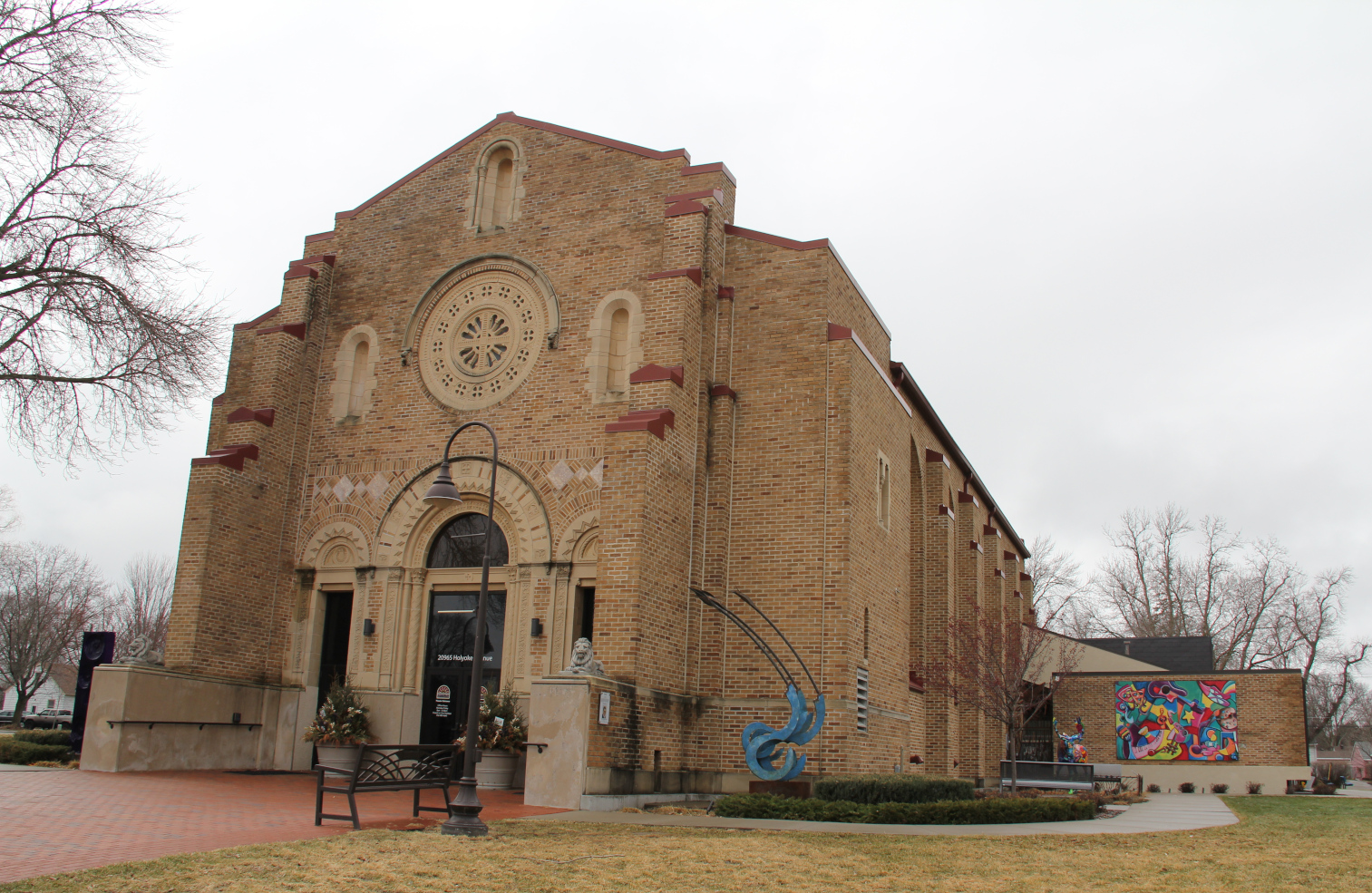
Then there’s the old All Saints Catholic Church in Lakeville a half hour to the north along Interstate 35. In 2001, the vacated massive 1932 brick building became the Lakeville Area Arts Center Performing Arts Building. If an aged church is no longer a church, then I can think of no better reuse than as a center for creativity, a sanctuary for creatives.

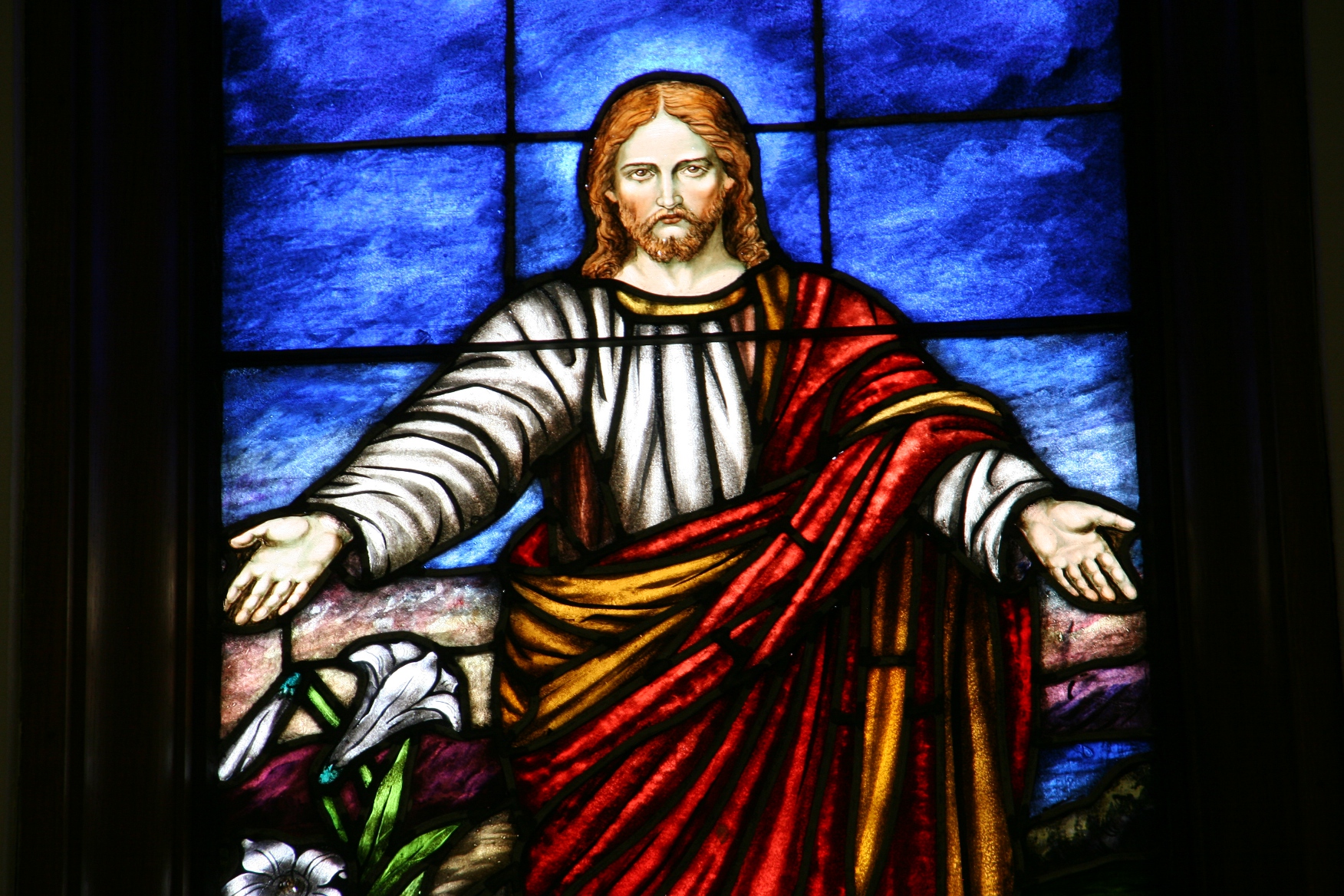
Often these old churches have been built by skilled craftsmen who’ve incorporated art into the construction. Stained glass windows. Sculptures. Ornate wood carvings. Repurposing a church as an art center seems reverently fitting.
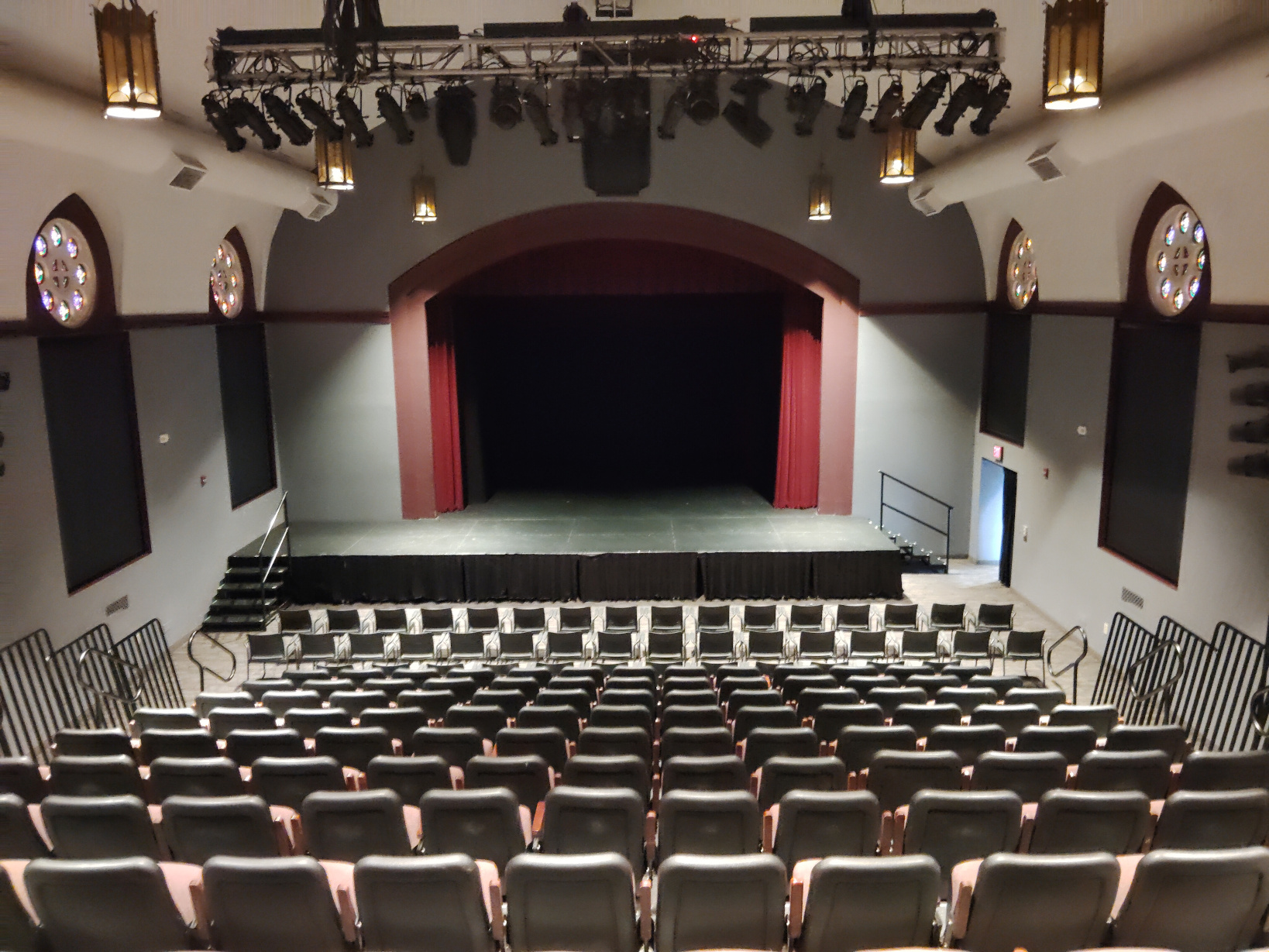
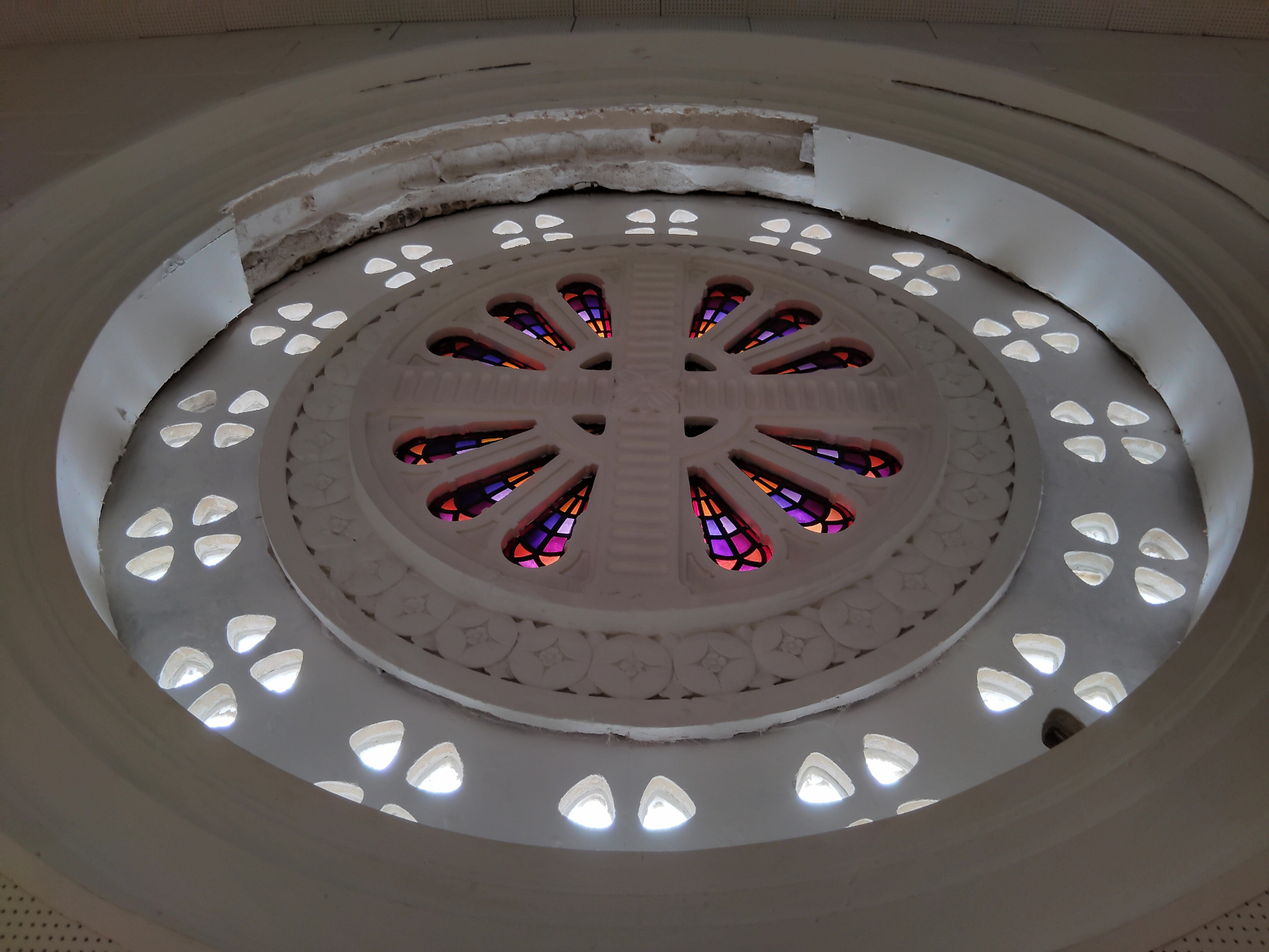
Recently I visited the Lakeville arts center inside that old Catholic church. The worship space has been transformed into a theater, complete with 300 tiered seats rising high in the long, narrow building. Stained glass windows remain, a visual reminder that parishioners once gathered here.
Today concerts and live theater take place here. And in other parts of the building are art galleries, rehearsal and meeting rooms and more. I think the saints would celebrate this usage of their sacred space in the absence of a place of worship.

As I meandered through the arts center, viewing student art featured in gallery exhibits, other art and those stained glass windows, I felt the spirit of creativity.

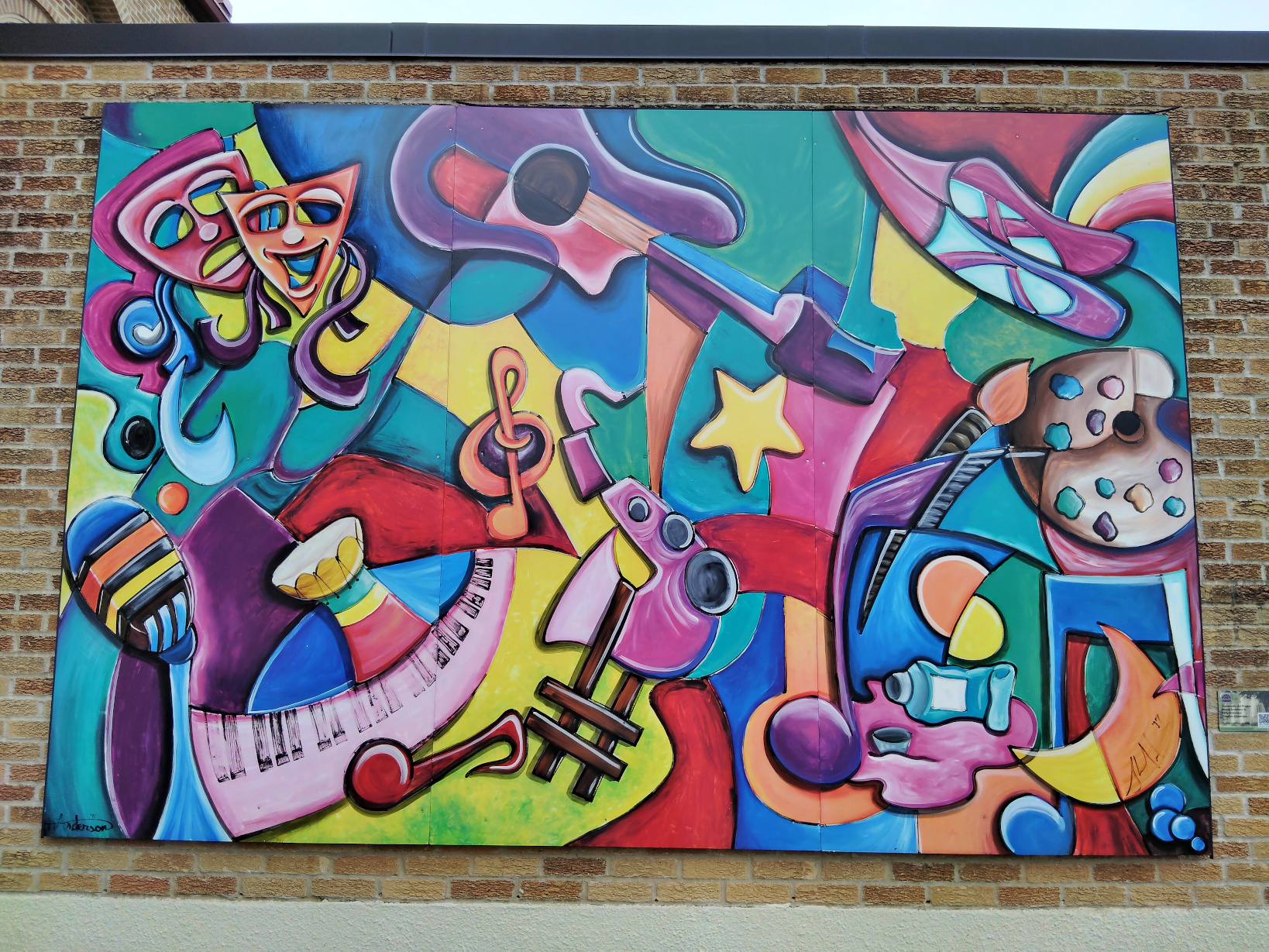
Outside, sculptures like “Bruce the Moose” and a “Creative Endeavors” mural visually mark this as an arts center. The artwork is part of Lakeville’s public art scattered on the grounds and about town.
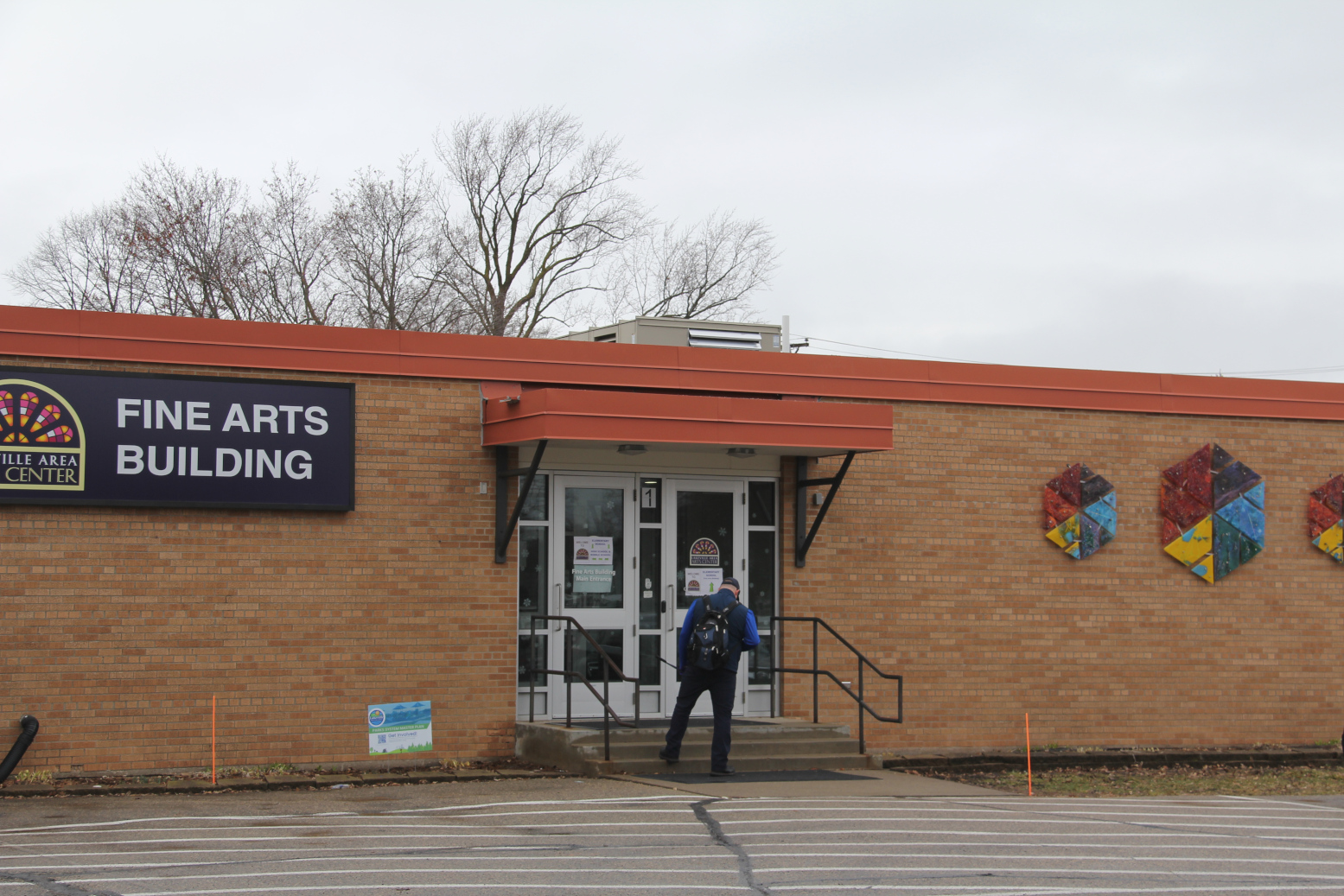
Next to the performing arts building, creatives also gather in the former Alternative Learning Center, now home to the 11,000 square foot Fine Arts Building. Inside are ceramics studios, classrooms for glass, fiber arts and painting, rehearsal space, student galleries, an art shop, and more.
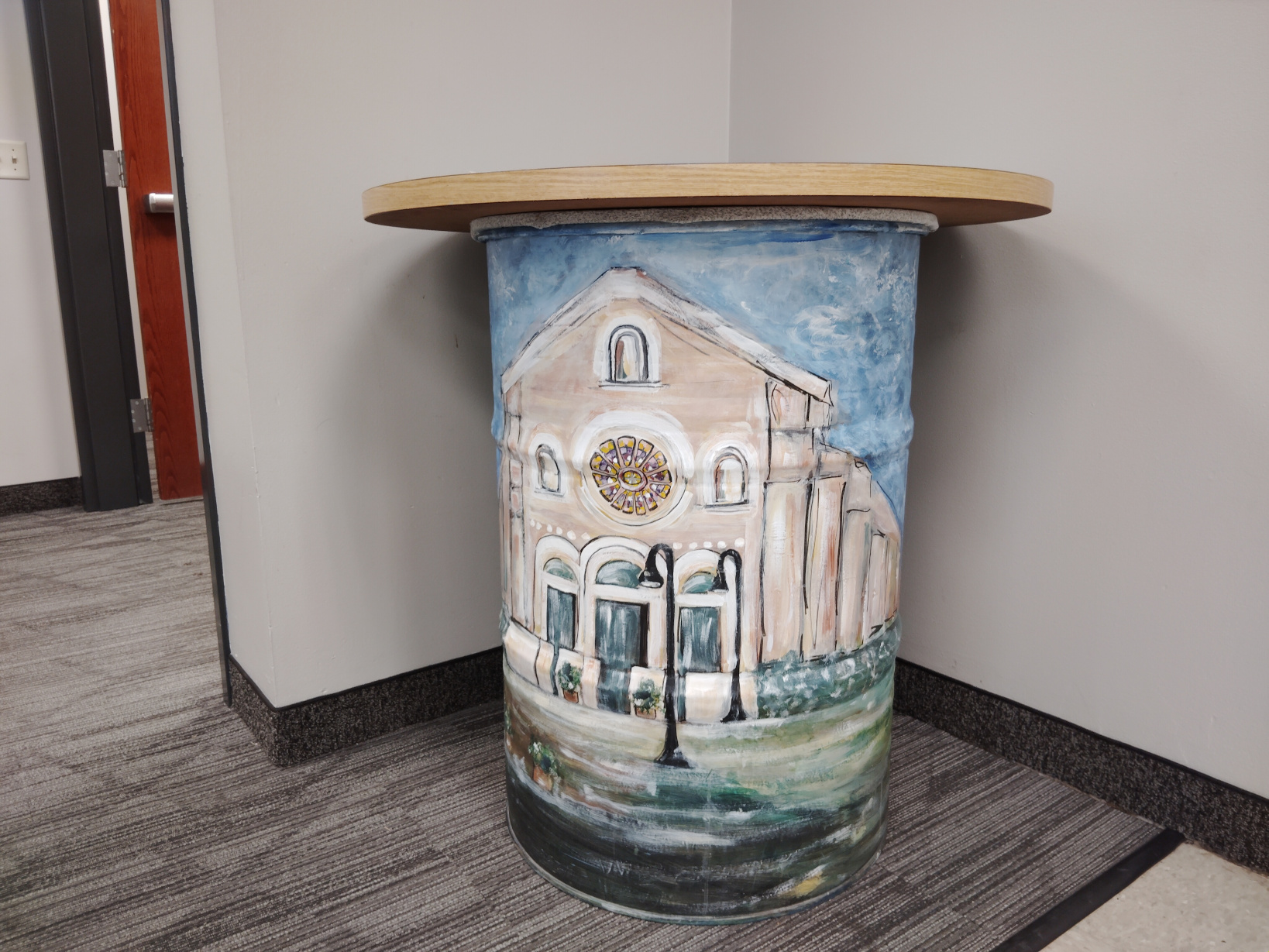
I love the arts. And when I discover a place like the Lakeville Area Arts Center, I feel connected as a creative myself. The arts ought always to be celebrated. They entertain us, move us, speak for us, allow us to express ourselves, bring us together in community and, oh, so much more.

Personally, I cannot image my life without writing and photography, my creative outlets, my life’s work. Or, more correctly, my life’s passion because neither ever feels like work.
TELL ME: What are your thoughts on the arts and/or on repurposing of a vacated church into an arts center or something else?
© Copyright 2026 Audrey Kletscher Helbling



























The value of village, especially now April 7, 2026
Tags: African proverb, art, charity, collection boxes, commentary, community, donations, Faribault, Faribault Community Action Center, food insecurity, food shelf, giving, Minnesota, Operation Metro Surge, Shattuck-St. Mary's School, village
“IT TAKES A VILLAGE to raise a child,” according to an African proverb turned catchphrase by First Lady Hillary Rodham Clinton in her 1996 book, It Takes a Village: And Other Lessons Children Teach Us.
While I’ve not read Clinton’s book, I understand the importance of a village, of community, in the lives of children. Kids learn, not only from their parents, teachers and each other, but also from being out and about in their communities.
They learn, and teach us adults, about care and compassion, about service and giving back, of lifting up community. In these days of innumerable challenges in America, such lessons are truly more important than ever.
I need only look within my own core family to see this. In mid-February, my two elementary-aged grandchildren helped their mom, my eldest, transport items from their Lakeville church to a food shelf in nearby Farmington. The kids sorted donated items. And my first grade grandson wrote about the experience for a school assignment complete with illustrations. “I helped at church (beacus (sic) of ICE),” Isaac wrote.
He knew. His mom has been working tirelessly soliciting cash donations, buying and delivering groceries to a south metro food shelf, and sorting and bagging donations during and after Operation Metro Surge. Not only has she assisted those sheltering in their homes, but she has also taught her children an important lesson in helping others.
Kids are never too young to learn about generosity, about loving their neighbors. About giving of themselves in service to community.
That brings me to Shattuck-St. Mary’s, a private college prep school in Faribault. While heading to walk at the Shattuck dome on a recent morning, I noticed several cardboard collection boxes in the public gathering space/hallway of the athletic complex. I stopped to investigate.
While the boxes were empty, I read about their purpose. Students, calling themselves “Sabre Storm,” “The Breakfast Club” and “Team Cheese,” are collecting non-perishable food and household and personal care items for the Faribault Community Action Center.
Most needed are: dry beans, canned soups, ramen noodles, canned chicken/tuna, size 7 diapers and pull-ups. I expect those attending hockey and soccer games, and other activities inside the sports complex will drop donations into the collection boxes.
I love that students like Jorge, Lara, Max, Miranda, Yujin, Rhys, Gael and 38 others, who signed the boxes, are connecting with the Faribault community via this drive. There’s not only a “heightened need” for food, household and personal care items at the Community Action Center, but also for cash donations.
I read that on the CAC website. But I’ve also heard this from a friend who volunteers at the CAC. The increased need all circles back to my grandson’s words, “beacus (sic) of ICE.” Many people in Faribault were sheltering in place, unable to work, during the height of federal immigration enforcement. And just because that operation has scaled back, the crisis has not ended.
The CAC has established a Community Response Fund “to meet urgent and evolving community needs” for food, rental assistance, etc. Every donation helps, my friend says. Even $10.
It takes a village. It takes a village to raise children. And it takes a village to help our neighbors through a crisis, a crisis created by the federal government. A crisis that has left too many Minnesota families facing overwhelming financial challenges, trauma, personal struggles and an uncertain future.
FYI: Please consider making a financial gift to the Faribault Community Action Center Community Response Fund. Click here to learn more. To those of you who have already donated, thank you. I appreciate your generosity during these challenging times in my community. It takes a village.
© Copyright 2026 Audrey Kletscher Helbling