Riding a motorcycle on February 15 in Faribault, Minnesota, temps in the low fifties. (Minnesota Prairie Roots copyrighted photo February 2026)
THE JUXTAPOSITION OF A GUY in a red buffalo plaid stocking cap riding a motorcycle in Minnesota in mid-February struck me as photo-worthy. It’s not often bikers are out and about in winter. But it’s not often either that temps soar into the low fifties as they did here in southeastern Minnesota over the weekend and into Monday.
Randy and I were heading out of town when we happened upon the biker on the east side of Faribault on Sunday afternoon. I grabbed my camera, focused and shot through the passenger side of the windshield. One chance. One shot before the biker took off on Minnesota State Highway 60 toward the viaduct over the Straight River.
With the weather as warm as it was, people were outside in full force. Walking in groups. Riding scooters and bicycles. Walking the dog solo. Hanging laundry outside, me anyway. Washing their vehicles, although we never headed to the car wash.
When the sun shines and temps soar, we Minnesotans realize what a gift this is in the middle of winter. With dropping temps, rain and snow in the forecast for later this week, we understand that a day or three of extraordinary warmth and sunshine are to be savored, enjoyed, appreciated. We know that we still have a whole lot of winter ahead of us and that the weekend’s unseasonably warm temps are not real spring, only a tease.
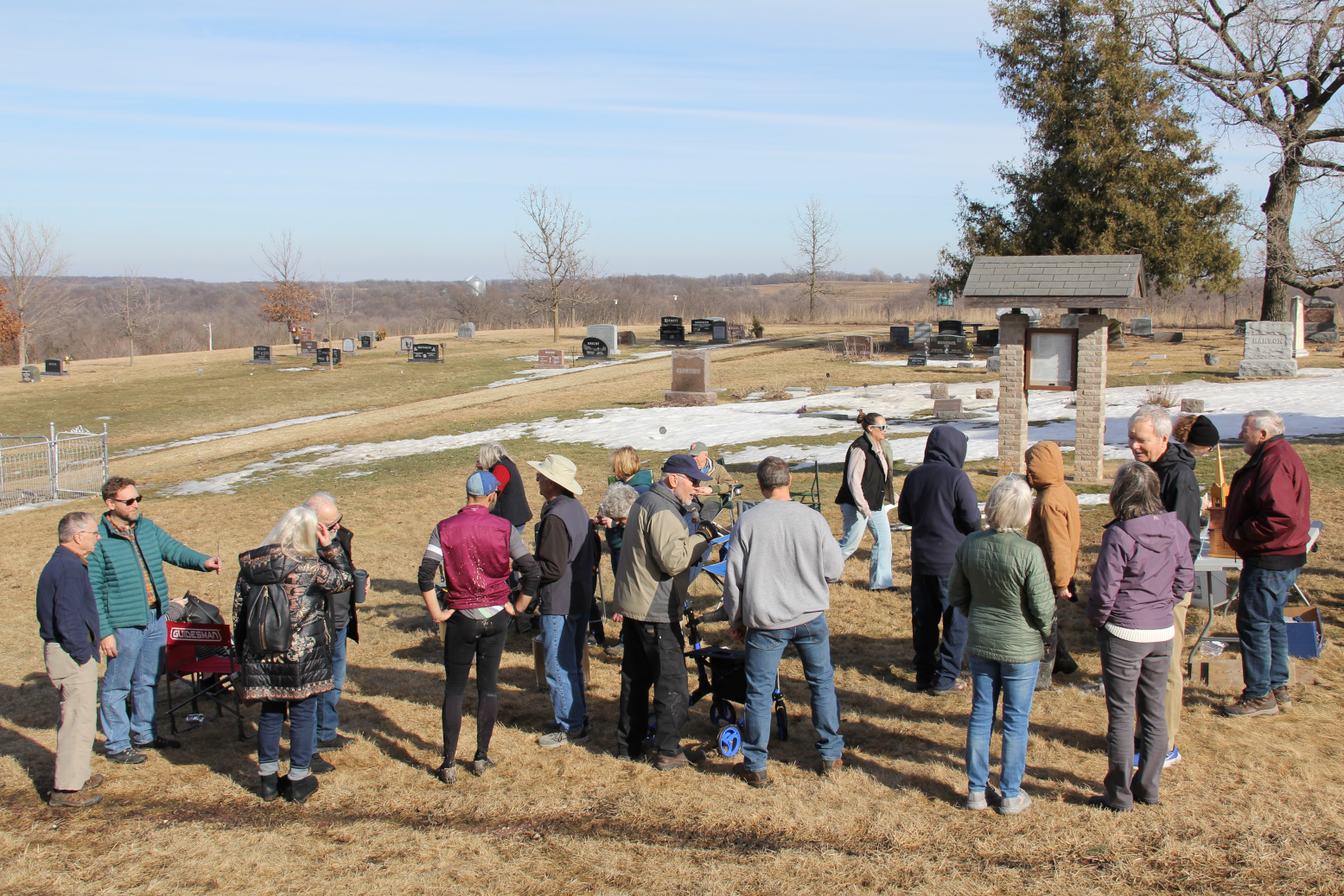
People gather on February 15 for a Doughnut Hole Roasting Party at Valley Grove. (Minnesota Prairie Roots copyrighted photo February 2026)
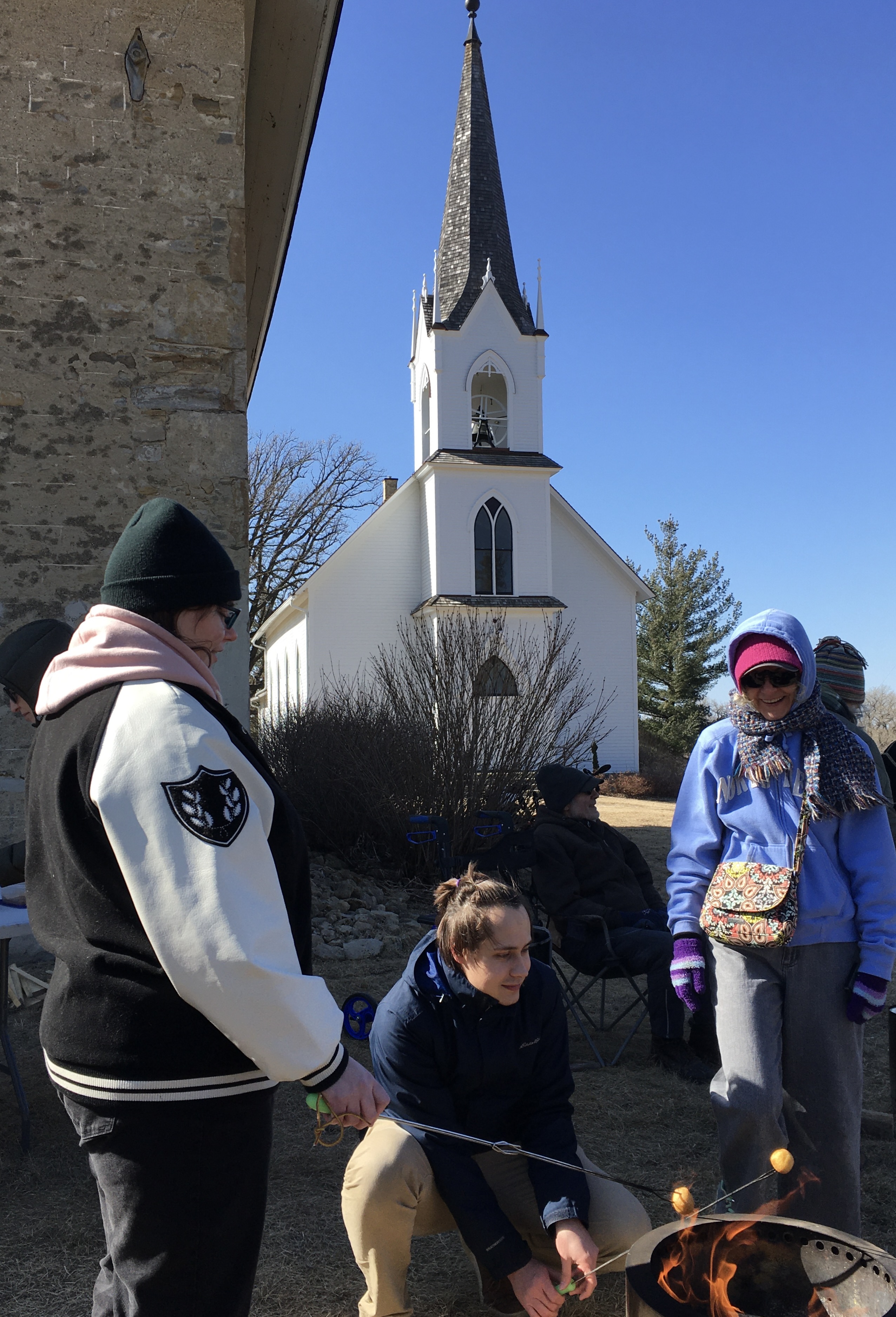
UNDER A SUNNY February sky, they gathered in communion around fire pits outside two historic Norwegian immigrant churches high atop a hill in eastern Rice County. Food, fellowship and a fondness for this place drew people here, to the fourth annual Doughnut Hole Roasting Party.
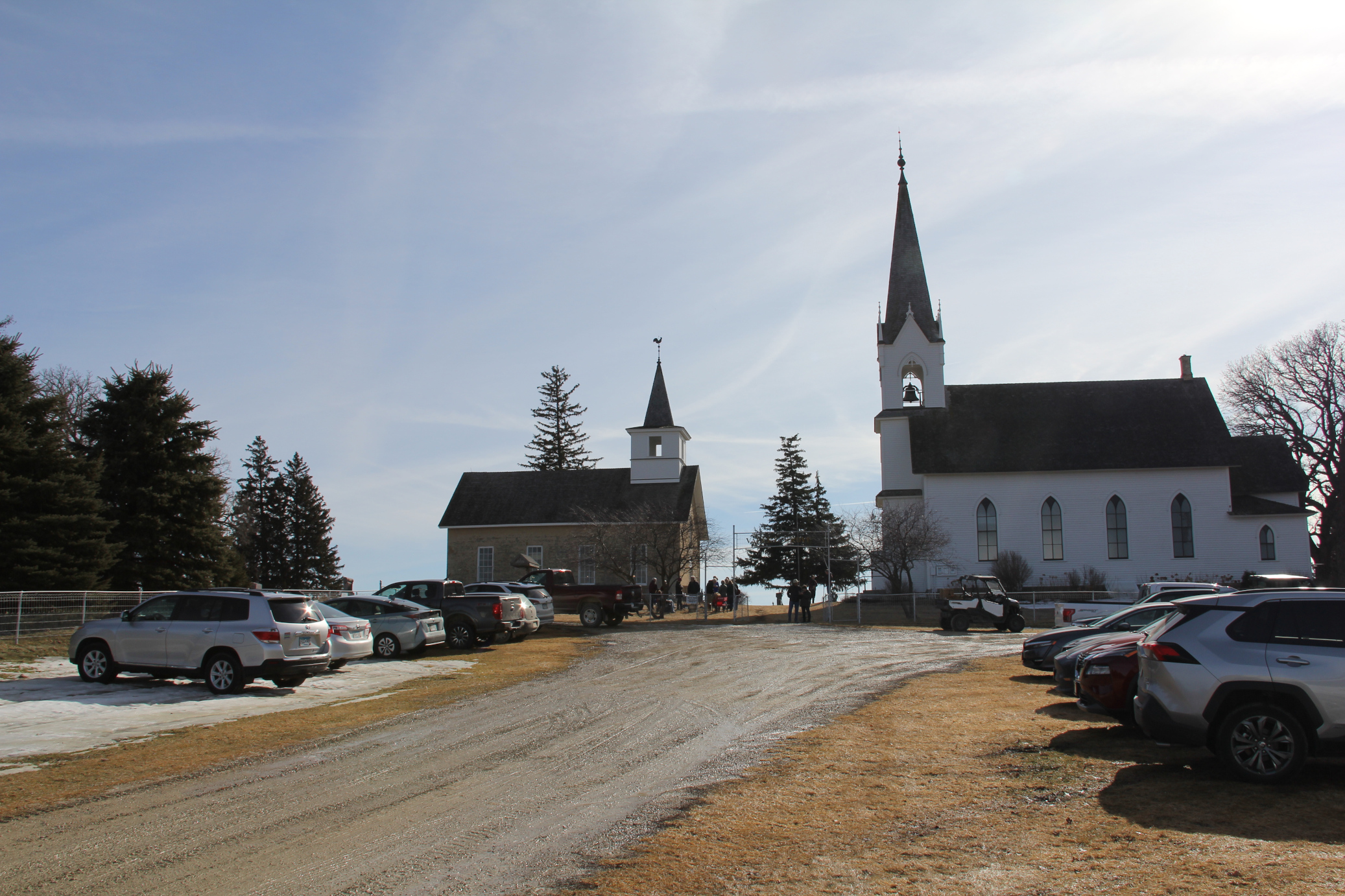
Walking up the muddy gravel driveway to the hilltop Valley Grove churches. (Minnesota Prairie Roots copyrighted photo February 2026)
For the first time, I attended this event, although I’ve been to the Valley Grove churches and the adjacent cemetery many times. I love this secluded spot near Nerstrand, where historic wood-frame and limestone churches rise above the surrounding countryside in an especially picturesque setting. There are prairie trails to hike here and an oak savanna. It’s peaceful here.
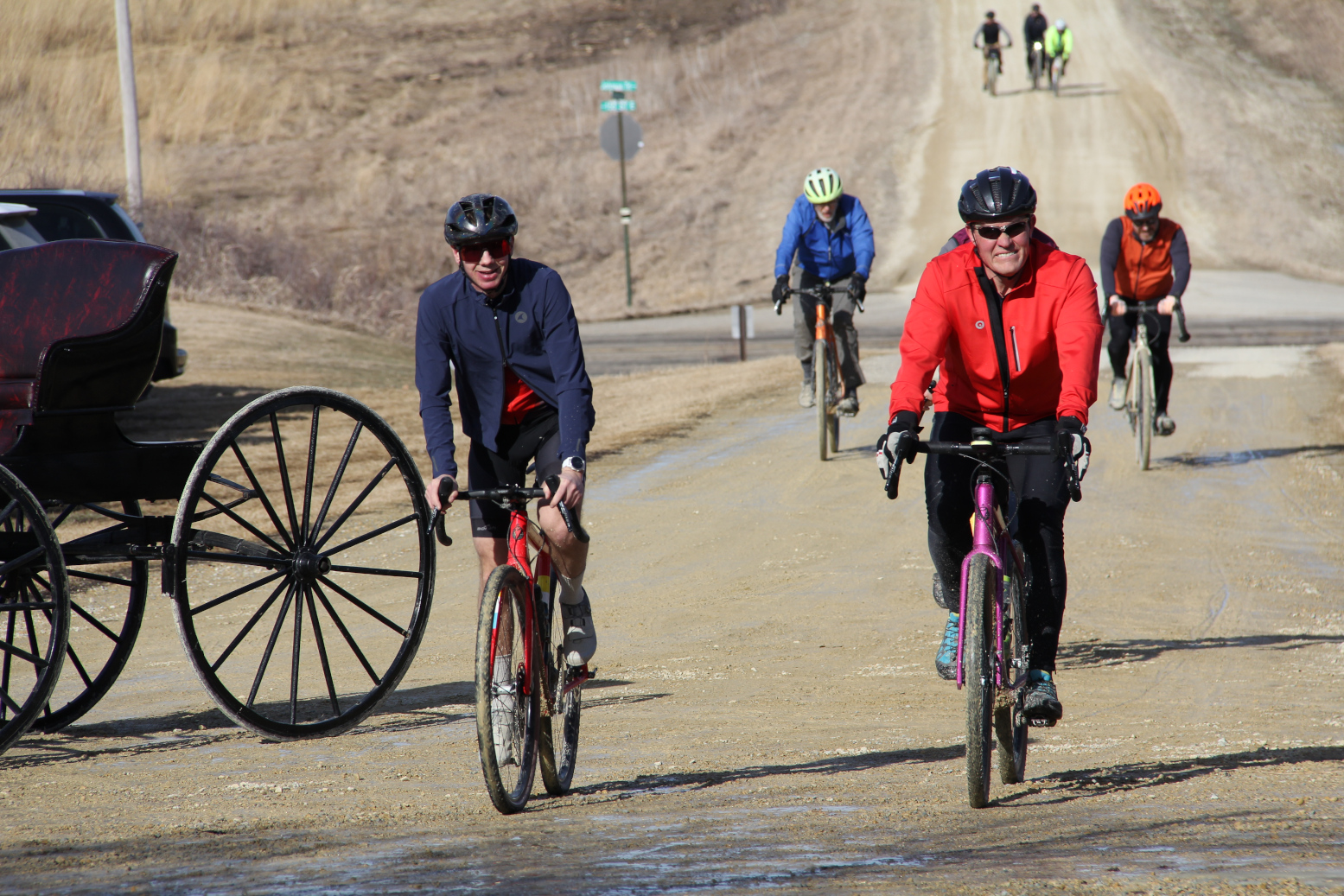
A group of bikers wheel up the hill to Valley Grove for the Doughnut Hole Roasting Party. (Minnesota Prairie Roots copyrighted photo February 2026)
On this balmy Sunday afternoon of unseasonably warm temps in the mid-fifties, sweatshirt or light jacket weather, conversations broke the quiet. The mood felt engaging, connective, of communion in community.
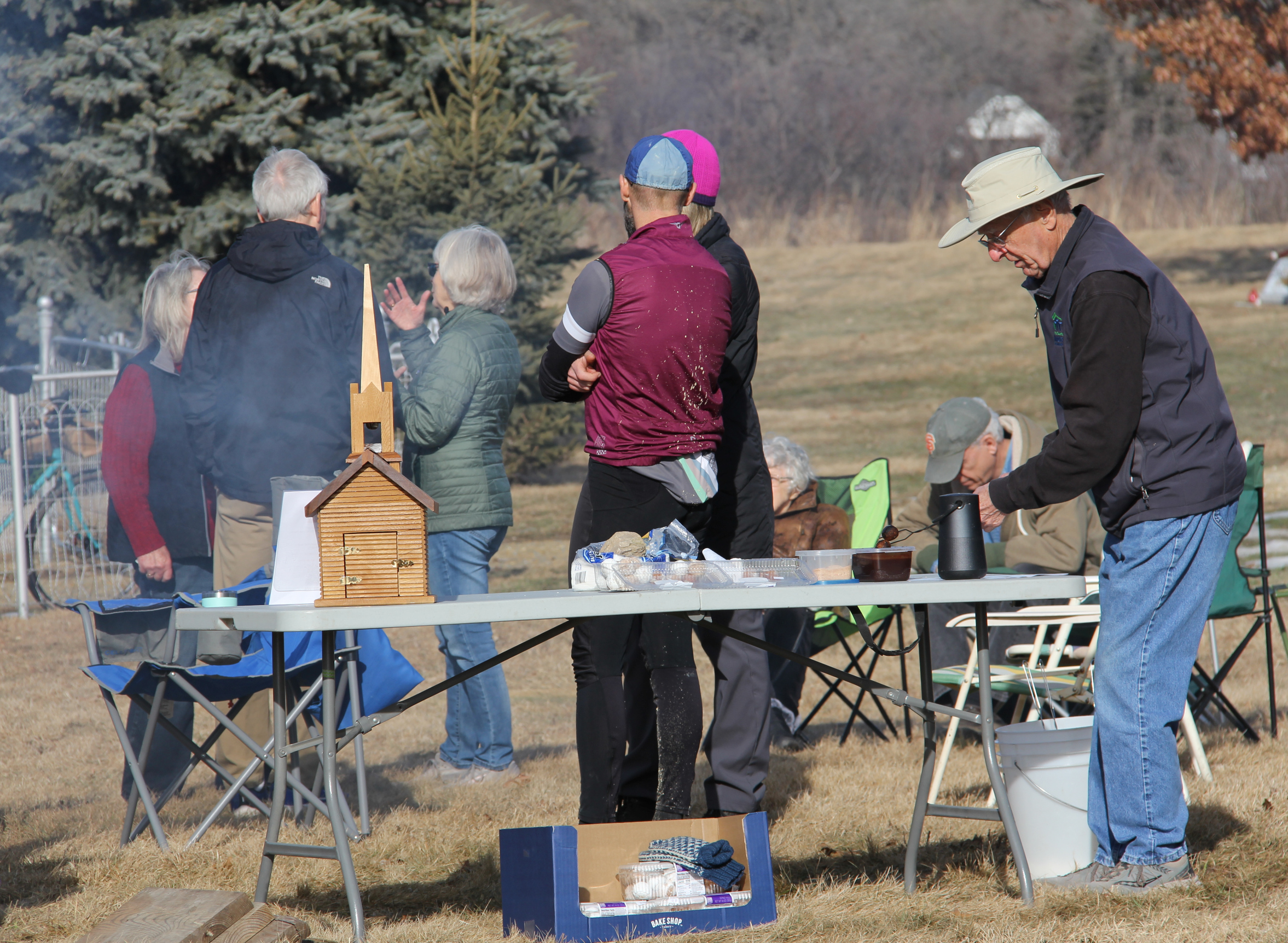
At the doughnut station, people could spear doughnuts, dip them in chocolate or cinnamon and sugar and/or drop a donation inside a replica church. (Minnesota Prairie Roots copyrighted photo February 2026)
Hosted by the Valley Grove Preservation Society Board, the roasting of doughnut holes was also an event to raise monies for ongoing preservation and restoration projects at the 1862 stone and 1894 wooden churches. Both churches are on the National Register of Historic Places.
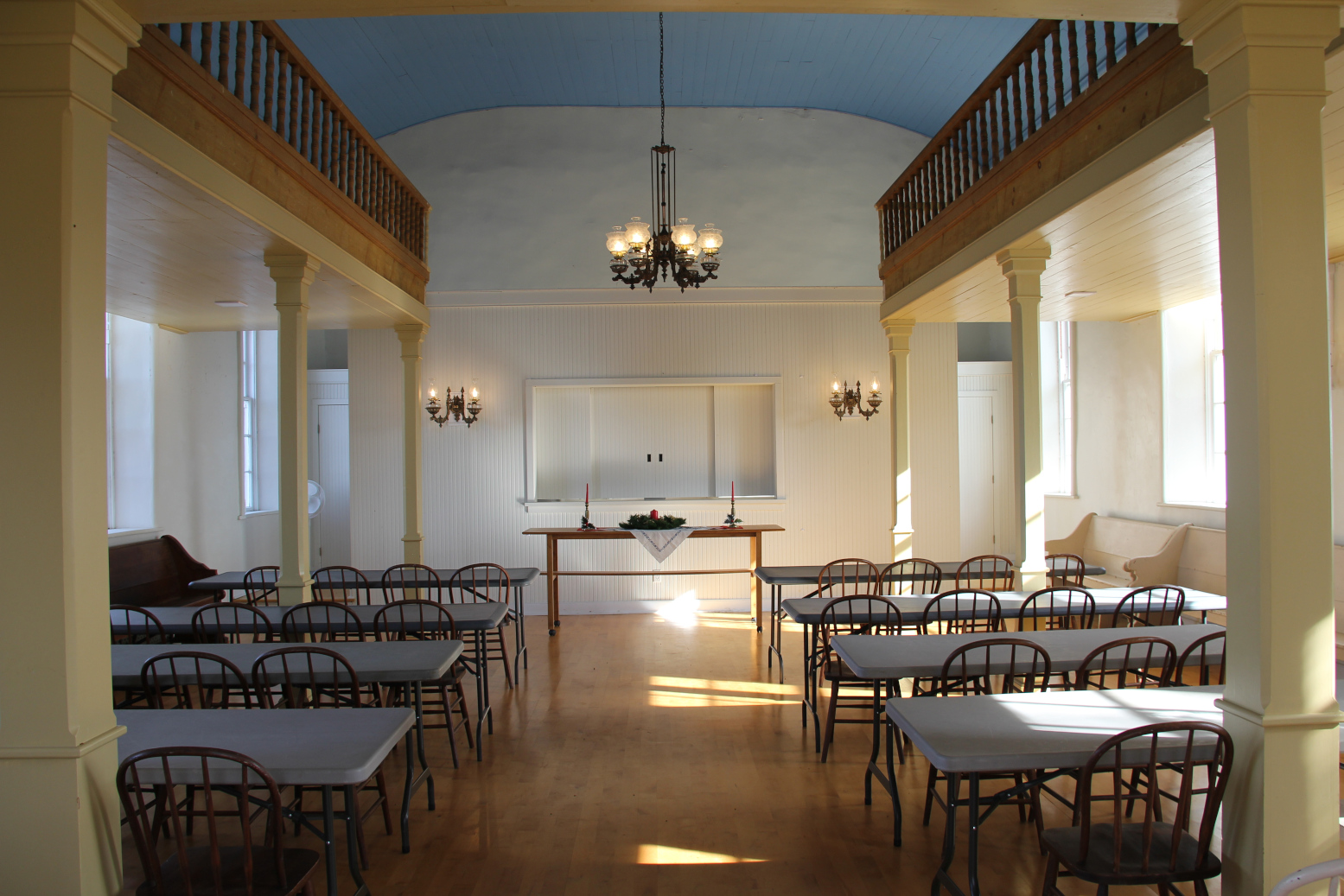
Inside the stone church, once used for worship and today for gathering. (Minnesota Prairie Roots copyrighted photo February 2026)
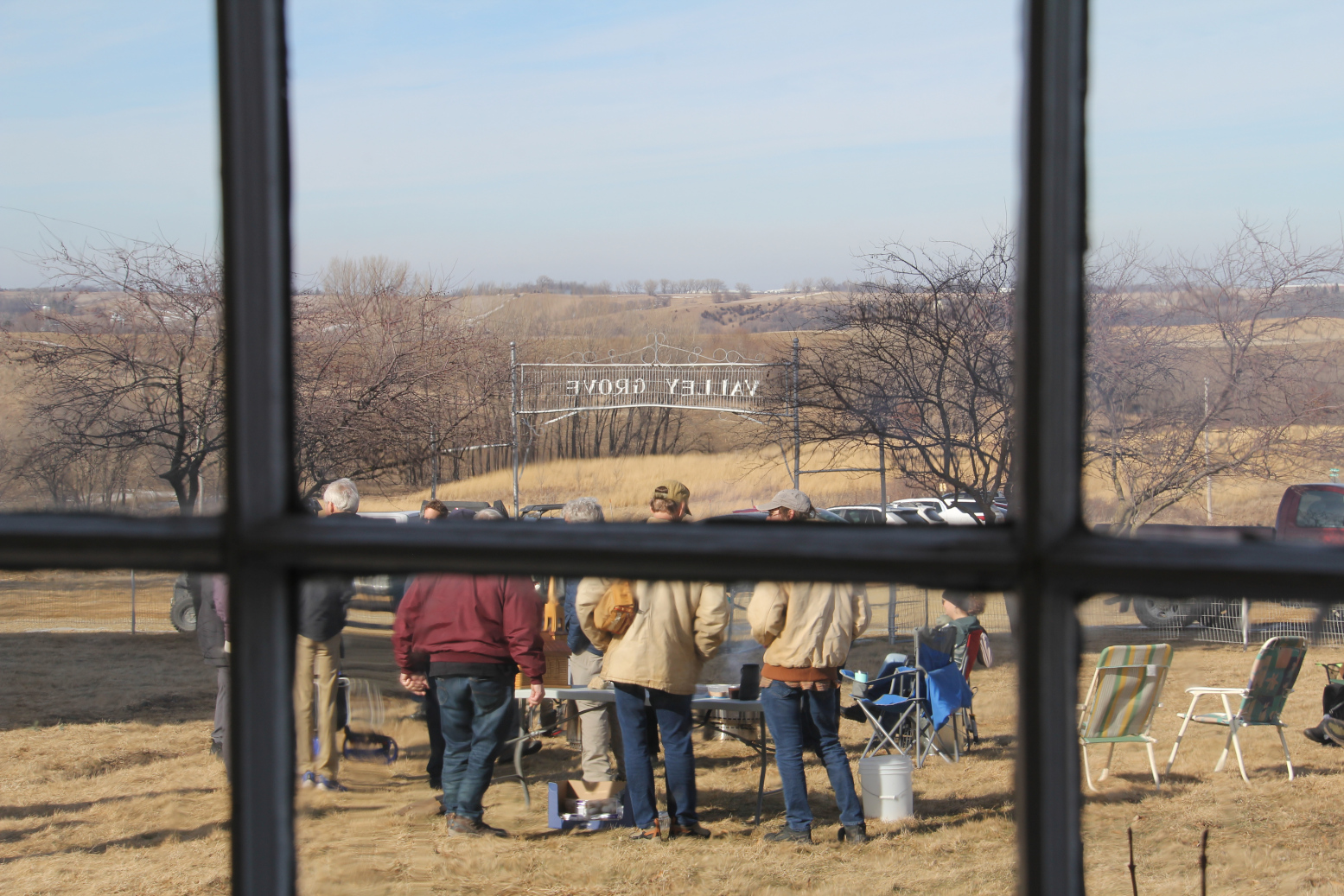
Looking through a window of the stone church, I photographed people gathering on the lawn for the Doughnut Hole Roasting Party. (Minnesota Prairie Roots copyrighted photo February 2026)
Even with no personal connection to these churches or the Norwegian heritage, I understand the historical importance of these immigrant churches. Step inside either church and you can almost feel the strength of those early Norwegians who crossed the ocean, started a new life in Minnesota, built first the now 164-year-old stone church and then the 132-year-old wood-frame church.
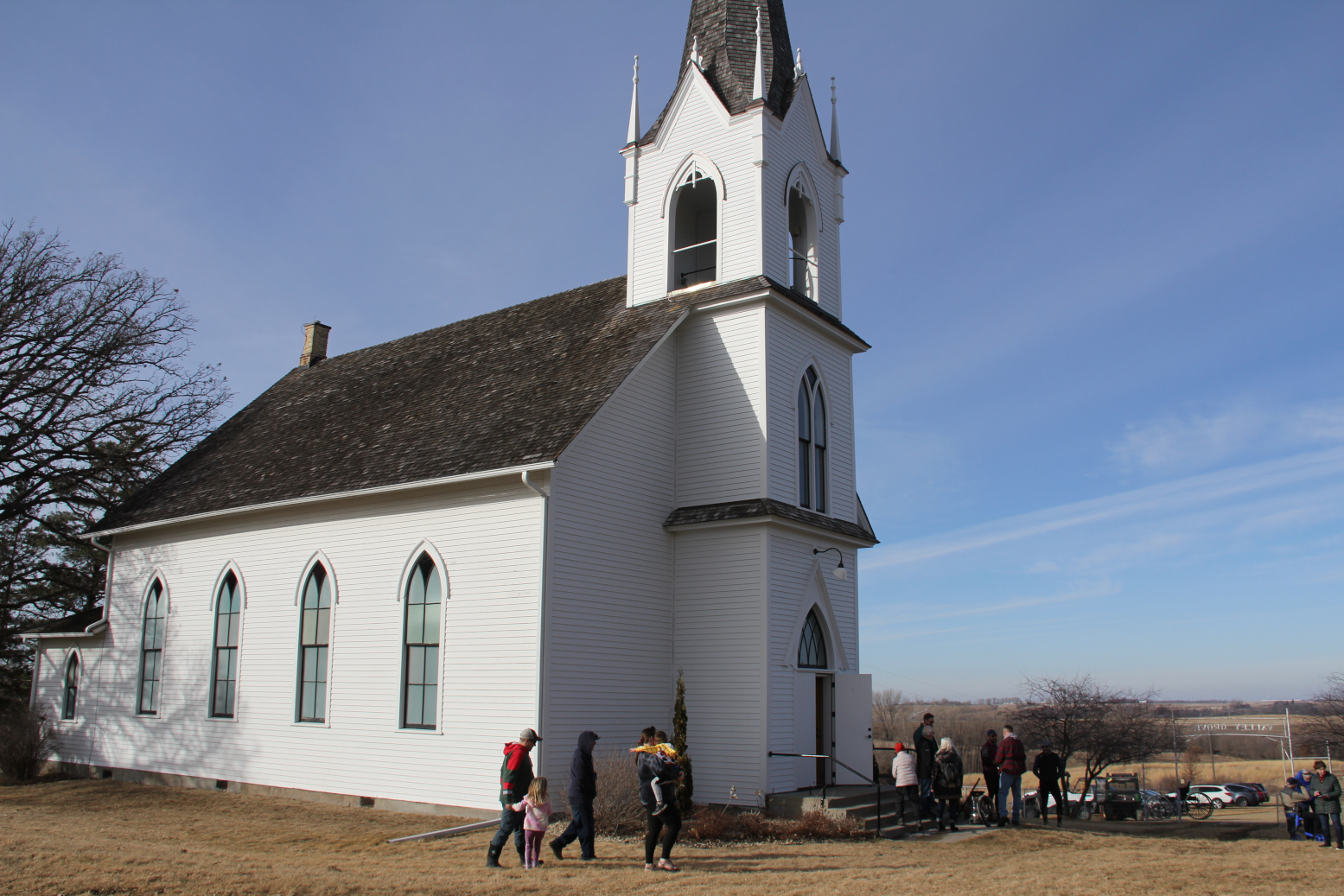
The beautiful wooden church, where the steeple was recently-restored and the bell was rung at the Doughnut Hole Roasting Party. (Minnesota Prairie Roots copyrighted photo February 2026)
The stone church serves today primarily as a social gathering spot. The wooden church still hosts the occasional service—a wedding, a funeral and the annual Christmas Eve worship. Other celebrations like Syttende Mai, a wedding anniversary reunion and a country social are also held annually at Valley Grove.
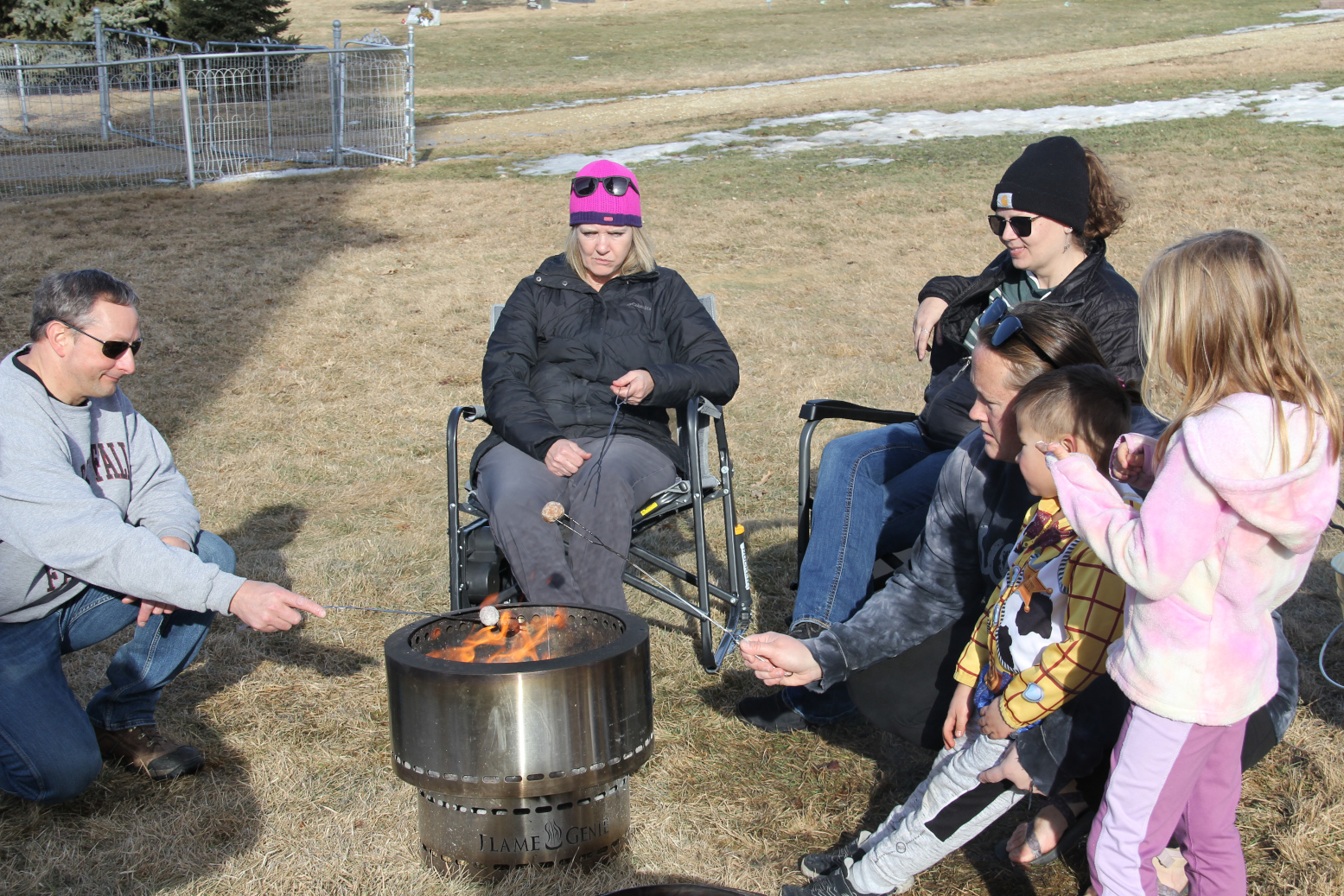
Roasting doughnut holes. (Minnesota Prairie Roots copyrighted photo February 2026)
A group roasts doughnut holes. (Minnesota Prairie Roots copyrighted photo February 2026)
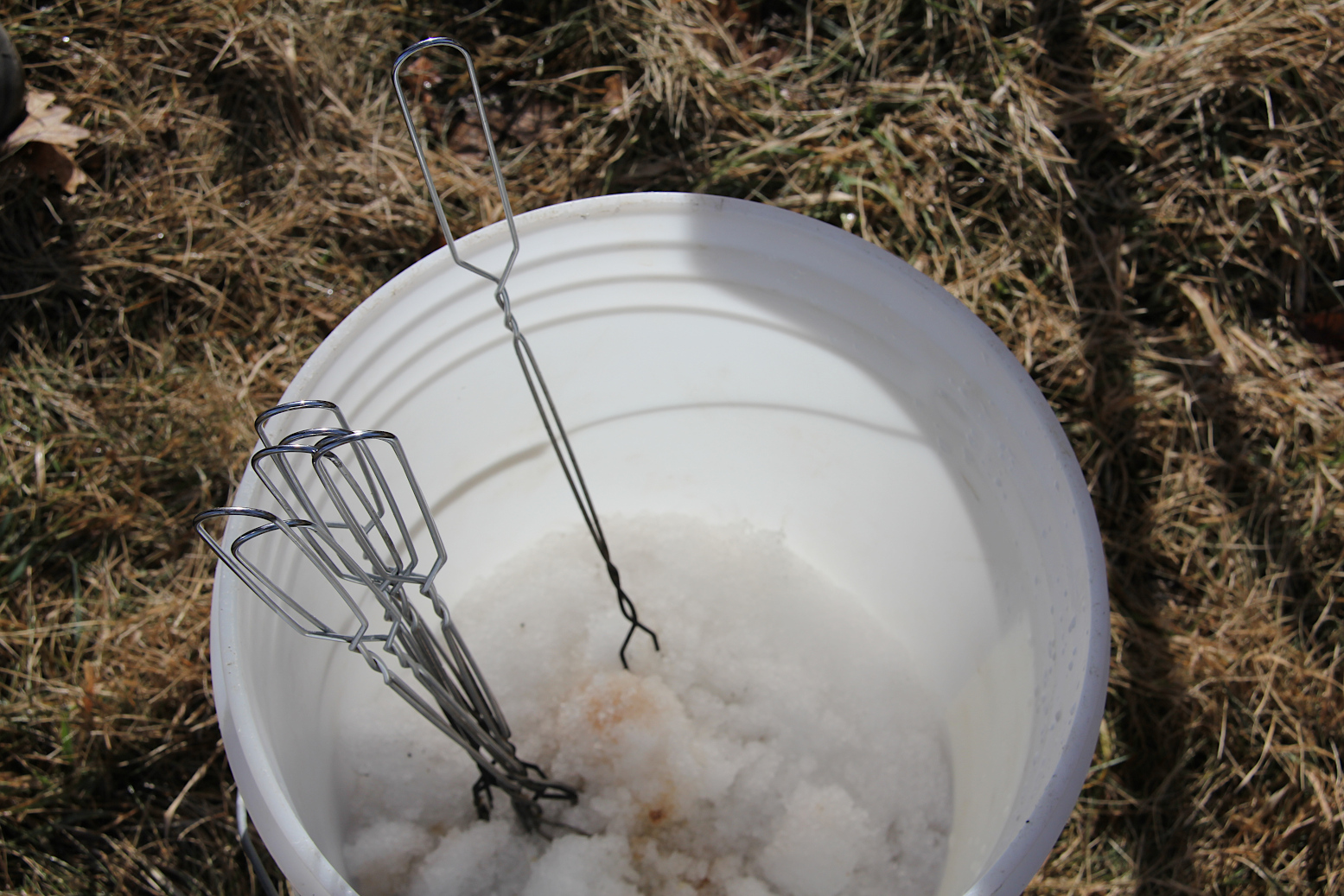
People stuck the metal roasting sticks in a bucket of snow when they were done roasting their doughnut holes. (Minnesota Prairie Roots copyrighted photo February 2026)
But on this day, we focused on doughnut holes forked onto metal roasting sticks and held over an open flame. Some roasted their treats to coal black, to caramelize the doughnuts I was told. Not fond of charred anything, I preferred mine heated then dipped in chocolate. They were sweet and tasty and messy. I found a shadowed patch of remnant snow to “wash” my sticky fingers.
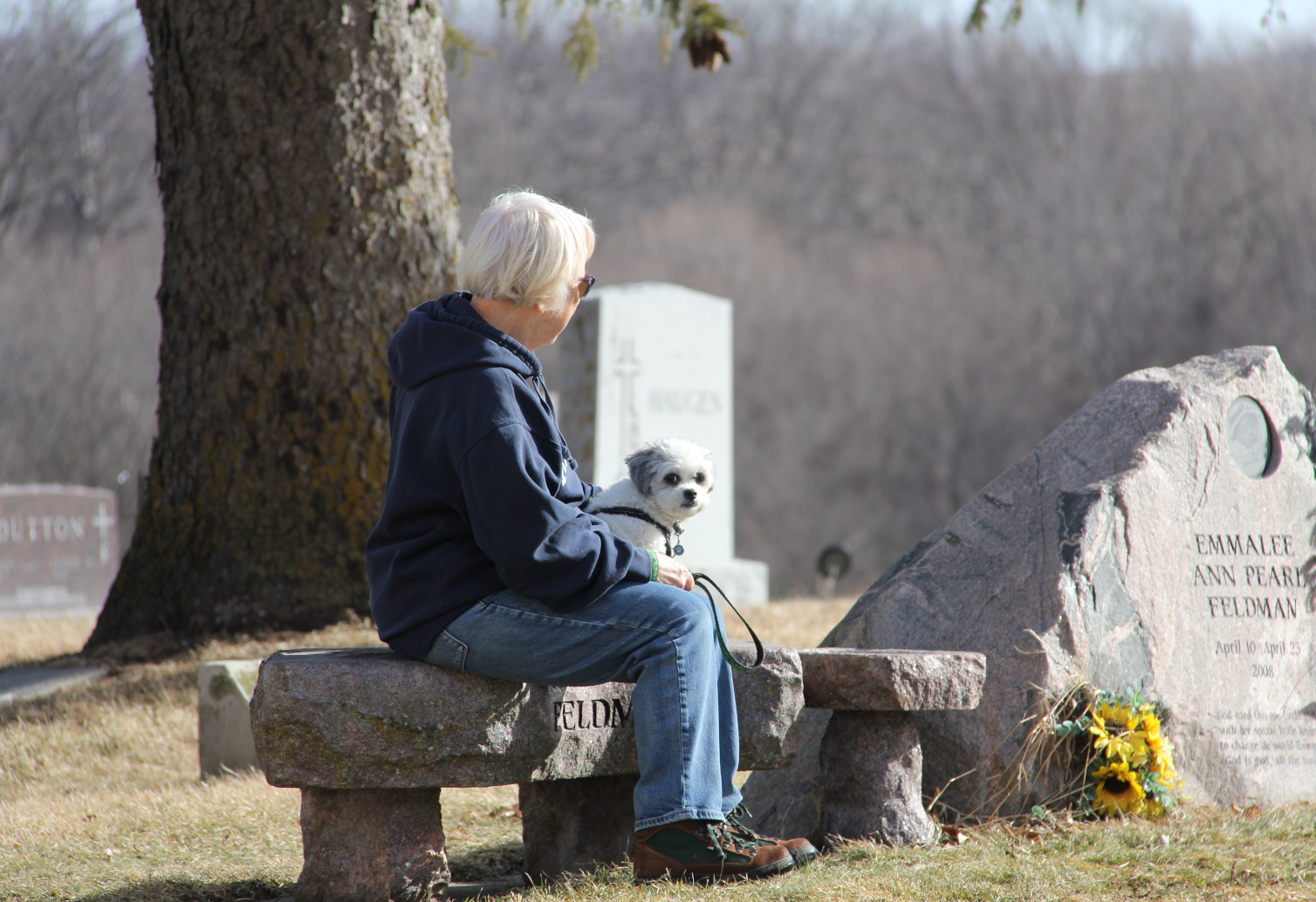
Mary and her dog in the Valley Grove Cemetery. (Minnesota Prairie Roots copyrighted photo February 2026)
Although I knew only one person here, I made a new friend, Mary, who sat with her dog on a stone memorial bench in the cemetery, sunshine beaming warmth upon them. Others meandered through the graveyard where early Norwegian immigrants, their descendants and others lie buried beneath the cold earth.
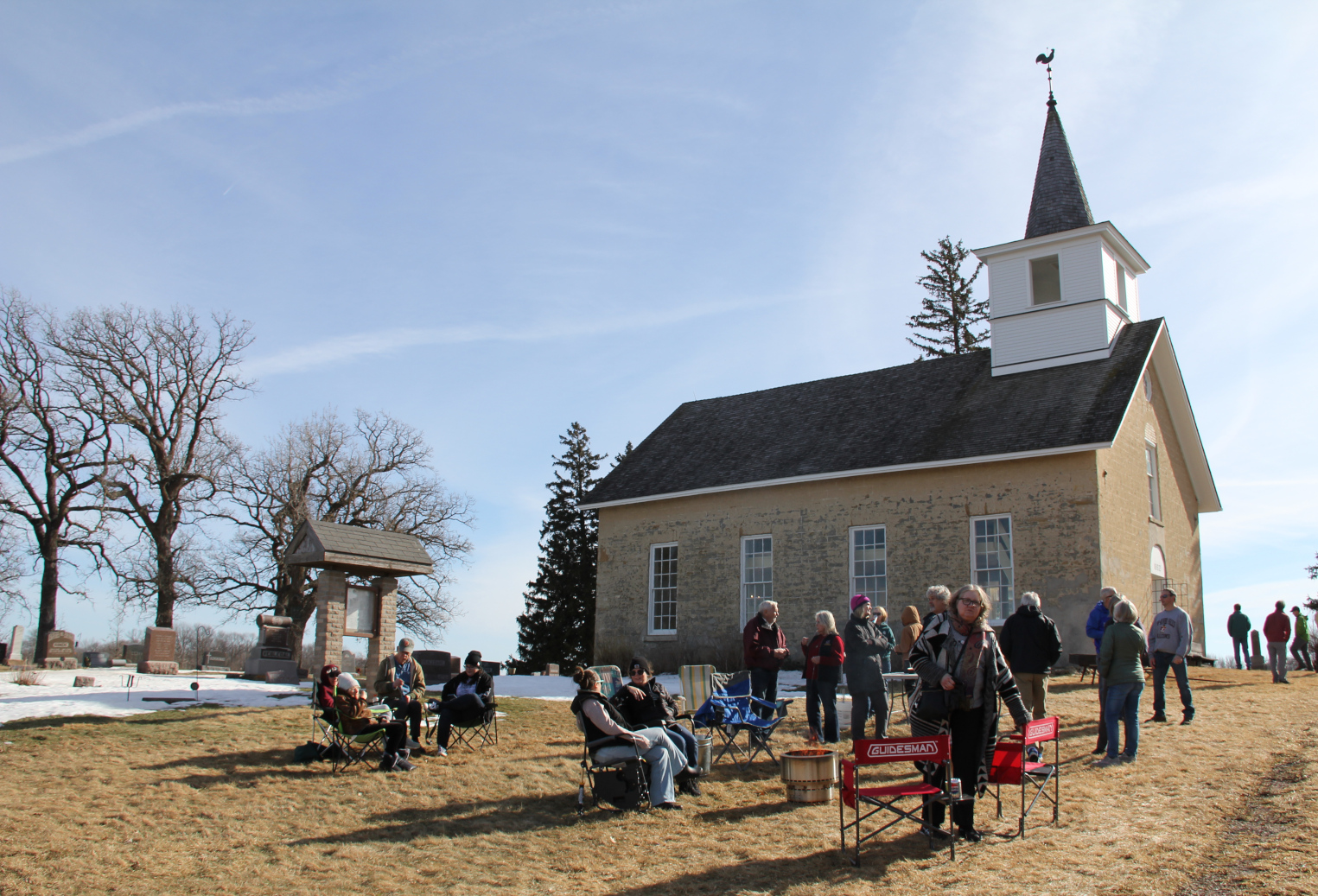
With the historic limestone church as a backdrop, people visit and roast doughnut holes. (Minnesota Prairie Roots copyrighted photo February 2026)
On the dormant lawn between the two churches, people clustered—standing, sitting in lawn chairs, bending, reaching over flames to roast doughnut holes on a Sunday afternoon in mid-February in southern Minnesota.
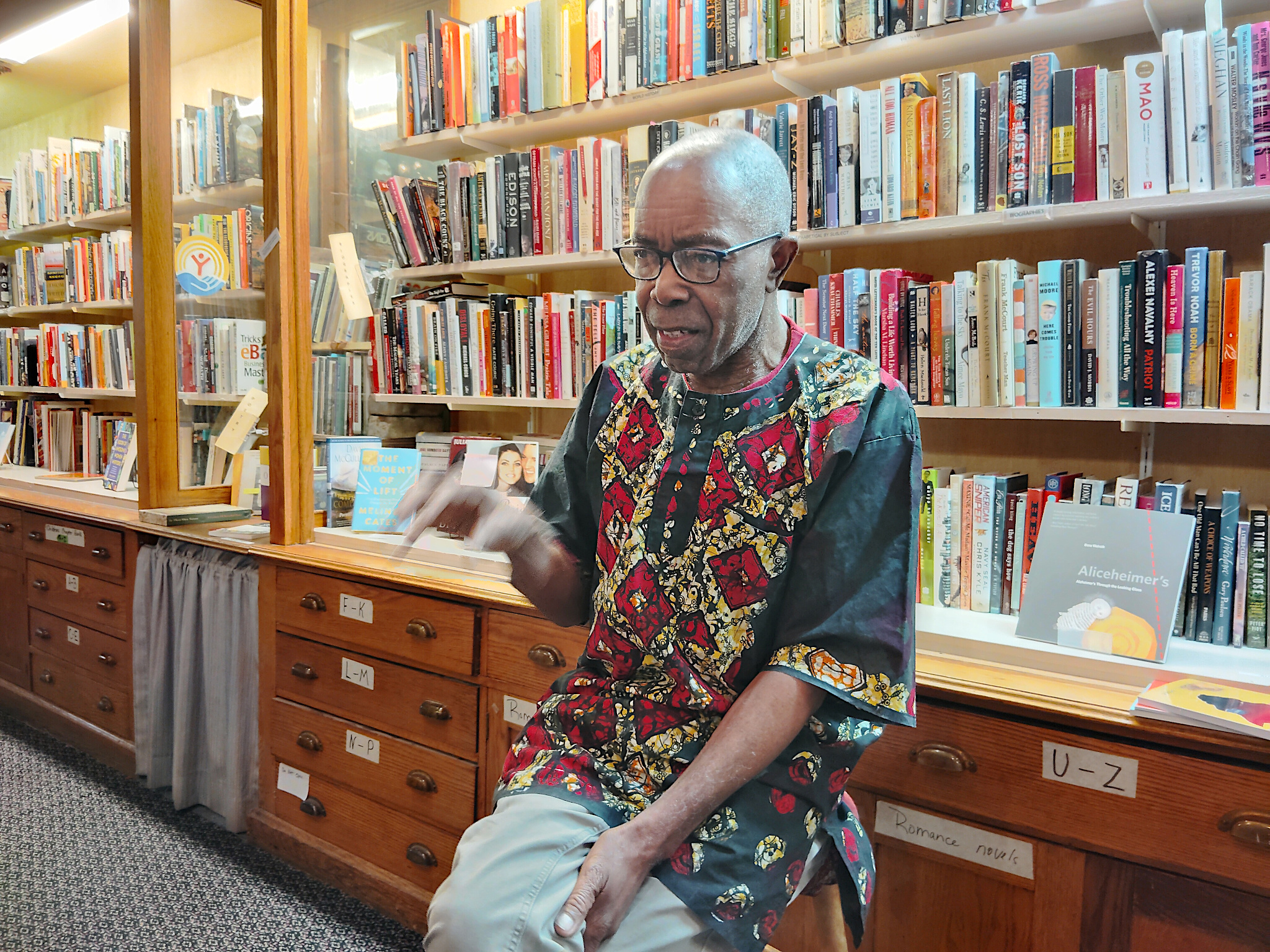
Joseph Mbele shares stories, proverbs and culture on February 11 at Books on Central, Faribault. (Minnesota Prairie Roots copyrighted photo February 2026)
Last Wednesday evening, Joseph Mbele, retired St. Olaf College professor of post-colonial literature, cultural consultant, author and storyteller, shared three African proverbs during a literary event at Books on Central. This man, who calls himself an African and a Tanzanian, held the rapt attention of attendees gathered in the used bookshop in the heart of downtown Faribault, home to many Somalis.
THE CROCODILE
While I enjoyed the two African folktales Mbele told, I really appreciated the proverbs. They are, by nature of a proverb, succinct. A few words carry a whole lot of punch. First up, this proverb: “Before you cross the river, don’t insult the crocodile’s mouth.”
Immediately the image of a crocodile’s sharp teeth popped into my mind. As it should have. This proverb, Mbele explained, is about being respectful to people in our relationships and in life in general. Be anything but respectful and we risk negative consequences. Snap.
THE BLACKSMITH
Second up this African proverb: “It’s because of man that the blacksmith makes weapons.” Thinking in African terms, the weapons would be knives and spears. I thought of guns. Mbele repeated the proverb, letting it sink into our brains. “It’s because of man that the blacksmith makes weapons.” The lesson here, Mbele said, is that we can be better than this—be kind, helpful and supportive—so we don’t need to bear arms/weapons. That’s an oversimplification, of course. But proverbs are not meant to be complex.
THE VISUALLY-IMPAIRED
Third, Mbele recited this proverb: “The one-eyed person only thanked God after he saw a blind person.” As someone with vision issues, that hit home. The proverb is a way of teaching gratitude, Mbele said. The contrast between seeing with only one eye and total blindness put the situation in perspective. The thought that there’s always someone who has it worse probably flitted through the minds of everyone in the bookshop.
THE STORYTELLERS
Mbele talked about the tradition of Africans sitting around telling stories to entertain and teach. Languages like his native Matengo, an indigenous language in Tanzania, are oral, not written. As he spoke, I began to understand the importance of folktales in African life. Stories connect people and, like proverbs, teach lessons.
Applied to my own community, Mbele explained that Somali men gathering on downtown Faribault street corners are simply socializing and sharing stories and are not to be feared. “It’s un-African to be by yourself,” he said of a culture that focuses on family and togetherness.
He even went so far as to say an African could be considered evil or a witch if living alone. That surprised me, but drove home the cultural importance of community and family. Now if only everyone in Faribault could hear these proverbs and insights from this native Tanzanian. Then perhaps they would not fear that which they don’t understand, like the Somali elders gathered on street corners downtown telling stories, sharing news or simply sitting in each other’s presence.
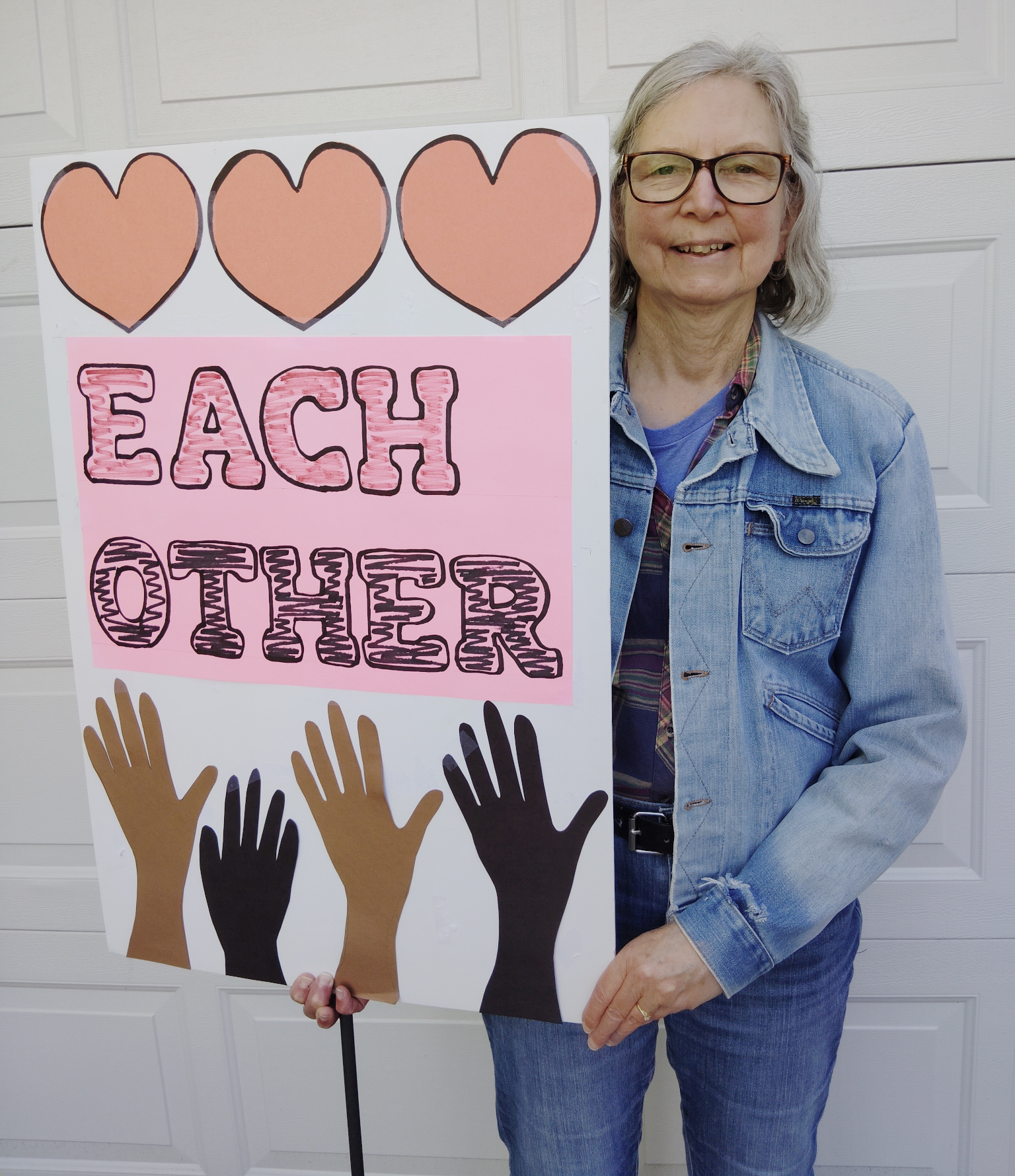
Holding my love-themed protest sign. (Photo credit: Randy Helbling)
HAPPY VALENTINE’S DAY, everyone!
In the spirit of the day, the sign I carried at today’s protest in Faribault focused on one simple message: loving each other.
I could have crafted a sign about a hundred different issues that concern me right now in this country. But I decided instead to keep my message universal.
However, look closely and you will see that the hands I cut from construction paper are black and brown. That was intentional, representing the Hispanics, Latinos and Somalis who live in my community. Many have been racially-profiled by ICE, stopped, questioned. Doesn’t matter your immigration and/or citizenship status. If you’re black or brown, you likely will be stopped. I have no idea how many in Faribault have been disappeared by ICE, but certainly too many.
Back to my sign. I held it proudly at the hour-long protest along Minnesota State Highway 60 by the Rice County government services building. Today brought another 75 or so protesters, including many newbies, to line the block. I pulled signs I’d placed in the back of the van to share with three people who showed up without signs.
If honks and waves are a poll of public opinion, well the reaction from passing motorists has been overwhelmingly supportive of protesters.
It’s OK to disagree with us. But when people start yelling profanities, drive by at a dangerously high rate of speed, “roll coal” and/or give us the middle finger, I have to wonder why they feel so compelled to project such hate.
My message today was all about love. Simple, universal, and perfect for Valentine’s Day. Just love one another.
Northfield, typically a welcoming community, has not welcomed ICE as seen in this sign downtown. (Minnesota Prairie Roots copyrighted photo February 2026)
THE DAY AFTER BORDER CZAR (anyone dislike that title as much as me?) Tom Homan announced a draw-down of federal immigration agents in Minnesota, I’m feeling, as Governor Tim Walz said, “cautiously optimistic.” Recent history has proven that we can’t necessarily believe or trust what federal government officials tell us. But I’m trying to be hopeful.
T-shirts for sale at Content Bookstore in Northfield. (Minnesota Prairie Roots copyrighted photo February 2026)
For more than two months, 3,000 immigration enforcement agents have been working in Minnesota. And if anyone still believes that they are/were doing only targeted enforcement, arresting “the worst of the worst,” then I have some lakefront property to sell you.
Let’s go back to Thursday morning, when Homan made his draw-down announcement complete with praise for his agents and the success of their mission in Minnesota. I couldn’t listen any more. I’d heard enough.
Buttons for sale at Content Bookstore, an independent bookshop in Northfield. (Minnesota Prairie Roots copyrighted photo February 2026)
I had an appointment in neighboring Northfield anyway so off I went to this college town that, like Faribault, has been recently inundated by ICE. Except in Northfield, a decidedly blue city, the business community is publicly vocal about its opposition to ICE’s presence unlike in my decidedly red city.
Empowering signage in the window of a downtown Northfield business. (Minnesota Prairie Roots copyrighted photo February 2026)
In the heart of downtown Northfield, on one side of a block along Division Street, nearly every business has posted an anti-ICE sign and/or uplifting signage. I felt the strength of those shopkeepers willing to stand up for and encourage others. There’s power in raising united voices in opposition to wrong.
Buy a sticker at Content and help Northfield’s children. (Minnesota Prairie Roots copyrighted photo February 2026)
Inside Content Bookstore, where I stopped to shop for a baby shower gift, I discovered even more messaging and ways in which the Northfield community is stepping up to help their immigrant neighbors, including children affected by ICE’s actions. Monies from the sale of Minnesota state flag and “Rebel Loon” (our state bird) stickers will go toward books and activities for those kids. Content is also collaborating on a poetry chapbook, Words to Meet the Moment: Poetry Against Fascism, releasing soon.
Strong words for ICE posted on a downtown Northfield business. (Minnesota Prairie Roots copyrighted photo February 2026)
As ICE supposedly ends Operation Metro Surge in Minnesota (which also encompassed cities and small towns outside the metro like my city of 25,000), we are left with a mess. Let me define that. The personal toll is huge. Trauma has been inflicted upon thousands. “Generational trauma,” Governor Walz said.
Another inspirational message posted at a Northfield business. (Minnesota Prairie Roots copyrighted photo February 2026)
I worry about the kids who witnessed family members being taken or who saw armed, masked immigration officers with guns outside their schools (with classmates taken by ICE), outside their daycares, outside or inside their homes, at their bus stops, on the streets. It’s hard enough for adults to see such threatening power, aggression and use of excessive force. But our children? The mental health of all Minnesotans concerns me, especially that of the youngest among us.
Northfielders have stepped up to help one another as seen in this sign. (Minnesota Prairie Roots copyrighted photo February 2026)
And then there is the financial fall-out with people now unable to pay their bills, including rent, facing eviction because they haven’t gone to work out of fear of ICE. Again, legal status matters not as anyone with brown or black skin has been targeted. These same individuals and families have relied on community members and nonprofits to help with rent payments and to bring them groceries. This is not long-term sustainable.
Against the backdrop of the Minnesota state flag, the message is clear on a Northfield business: ICE OUT. (Minnesota Prairie Roots copyrighted photo February 2026)
Until we are all confident that ICE is really, truly gone and is doing only targeted enforcement of “the worst of the worst,” we will all remain on edge. Rebuilding trust, restoring life to normalcy will assuredly take time.
A great quote from Maya Angelou fits the strength and resilience of Minnesotans. (Minnesota Prairie Roots copyrighted photo February 2026)
Likewise, the Minnesota economy has suffered severe damage, especially small businesses. Governor Walz has proposed a $10 million forgivable loan recovery plan to help the business community and is also hoping for help from the federal government. Good luck with that.
While on the Riverwalk in Northfield, I spotted this graffiti on the pedestrian bridge over the Cannon River. I don’t condone this graffiti, but I certainly understand it. (Minnesota Prairie Roots copyrighted photo February 2026)
While in Northfield on Thursday, I learned that ICE agents recently went along Division Street, asking for employment records at some businesses. I don’t know details. But in my mind, I envision these armed, masked officers as a threatening presence in the heart of this picturesque, riverside American city. This community doesn’t back down from threats. In September 1876, townsfolk stopped the James-Younger Gang from robbing the First National Bank. Northfield is a community which cares for one another and which, in the midst of a federal invasion, has stood, is still standing, Minnesota Strong.
(Minnesota Prairie Roots copyrighted file photo used for illustration only)
DOUGHNUTS OR DONUTS. Whatever the spelling, there’s one thing for certain. Most everyone loves this sweet treat. I’ll take a doughnut from a bakery. Make that one covered with chocolate icing and colorful sprinkles. I’ll take a bag of sugary mini donuts fried by a food vendor. Any doughnut will do.
Roasting doughnut holes at Valley Grove in 2025 next to the limestone church with the wood-frame church in the background. (Photo credit: Margit Johnson)
This coming Sunday, February 15, I can try a new type of doughnut, one warmed over a bonfire at the fourth annual Valley Grove Doughnut Hole Roasting Party. Now I’ve never eaten a doughnut hole heated over an open fire on a winter day. But a roasted doughnut hole sounds tastier to me than a roasted marshmallow.
(Promo credit: Valley Grove Preservation Society)
From 1-3 p.m., the Valley Grove Preservation Society will host this unique food event at the two historic Valley Grove churches located atop a hill in rural Rice County near Nerstrand. The Society, tasked with preserving these Norwegian immigrant churches and managing the surrounding prairie and 50-acre oak savanna, will provide the doughnut holes, roasting sticks, toppings and the firepits.
Attendees are encouraged to bring their own beverages and chairs (to sit and visit outdoors) and proper gear for walking on the prairie. Temps are predicted to be a balmy 50 degrees, unseasonably warm for February in Minnesota and perfect weather for roasting doughnuts outside two country churches.
FYI: Valley Grove is located northwest of Nerstrand or southeast of Northfield at 9999 155th Street East, Nerstrand.The two churches are on the National Register of Historic Places.
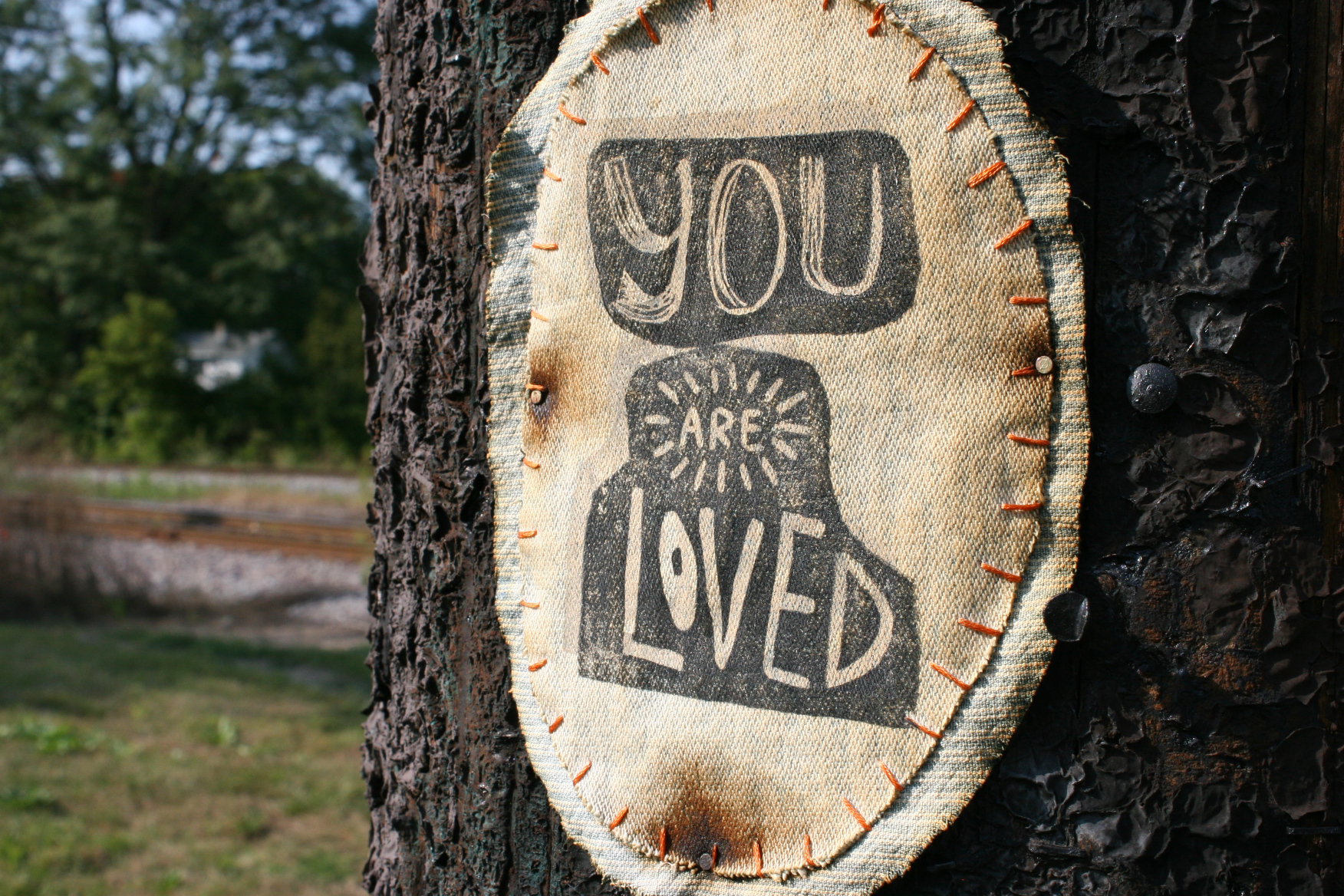
A love message posted along a recreational trail in Madison, Wisconsin. (Minnesota Prairie Roots copyrighted file photo)
WHAT IS LOVE if not compassion, care and kindness, often privately, but also publicly, expressed? Each holds value.
Roses from my husband. (Minnesota Prairie Roots copyrighted file photo)
On Valentine’s Day, I appreciate a loving valentine, a box of chocolates and/or a dozen roses as much as anyone. But what I value even more is the steadfast love that is part of my daily life. The love that comes in a hug, a kind word, a loving gesture, a caring act, a text.
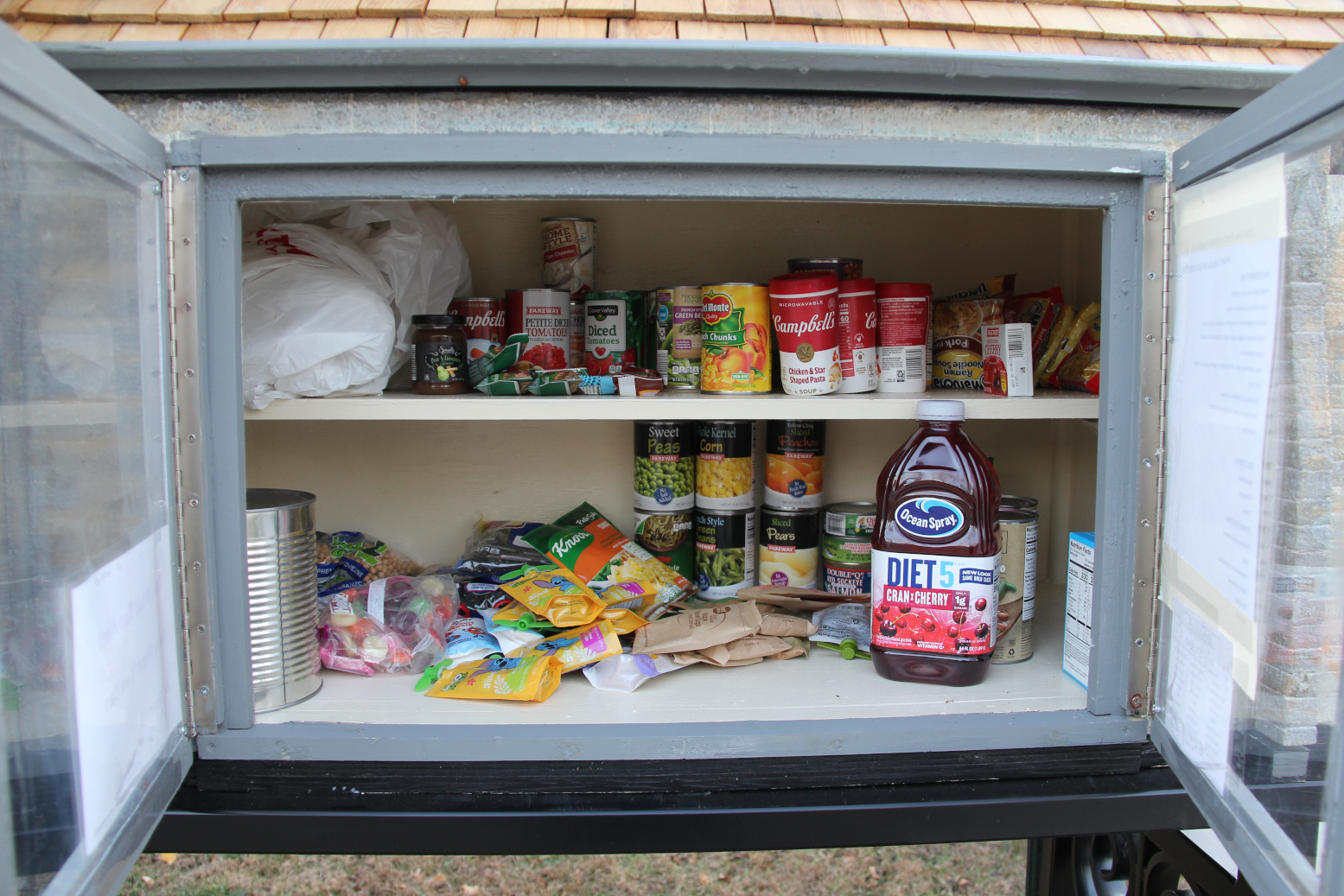
A look inside a food pantry outside the Cathedral of Our Merciful Saviour, Faribault. (Minnesota Prairie Roots copyrighted file photo)
I also appreciate the ways in which communities show love. Neighbors helping neighbors. Nonprofits providing for those in need of food, housing, financial assistance. Volunteers helping in their communities in whatever ways they can, whenever they can. We are seeing a lot of that right now.
This is love.
A beautiful love-themed mural in Northfield. (Minnesota Prairie Roots copyrighted file photo)
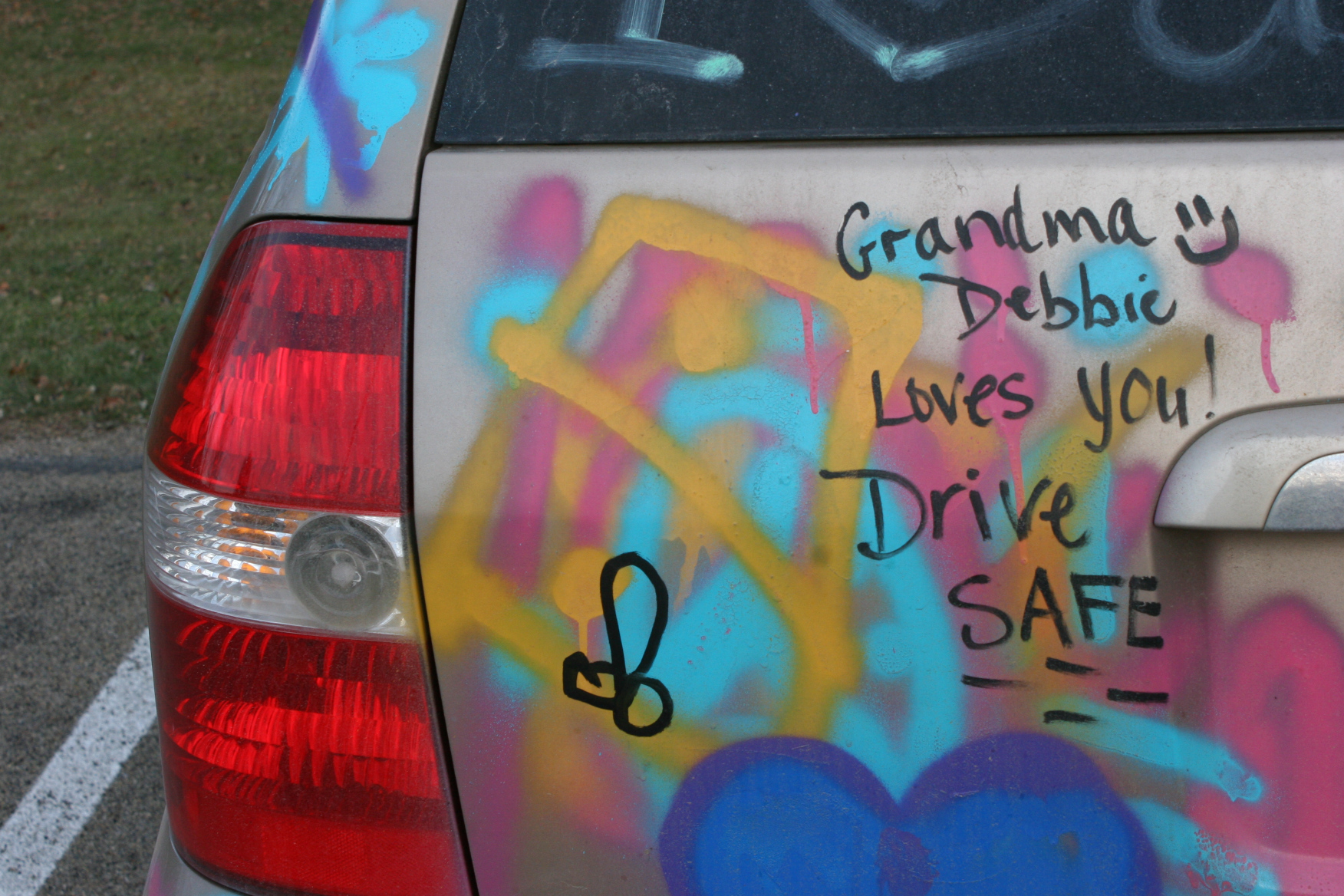
And then there’s love-themed art found in public spaces. I’ve discovered love on murals, in signs, even on the back of a car. I often photograph these love messages because I think it’s important to document the positive, that which uplifts, that which connects all of us no matter our differences.
A personal, loving message photographed on the back of a car several years ago at River Bend Nature Center in Faribault. (Minnesota Prairie Roots copyrighted file photo)
Love is universal. And how we express and live love matters in connecting us, building relationships, bettering our communities.
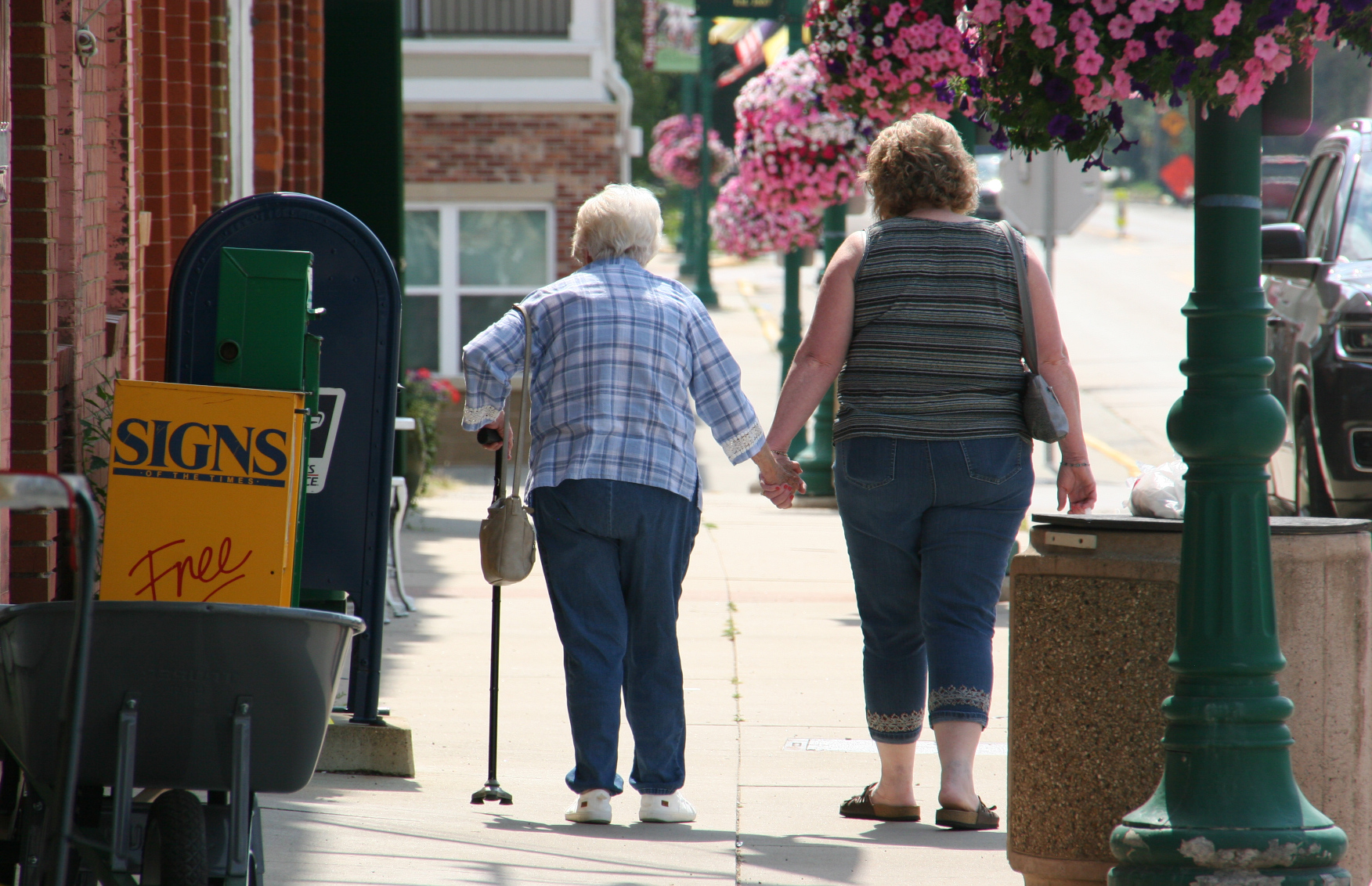
One of my favorite photos, taken in Pine Island, shows a loving act. (Minnesota Prairie Roots copyrighted file photo)
Love comes in a smile, a door held, a supportive arm offered, an encouraging word spoken. Words matter. They need not be poetic or profound, simply rooted in kindness, understanding, care.
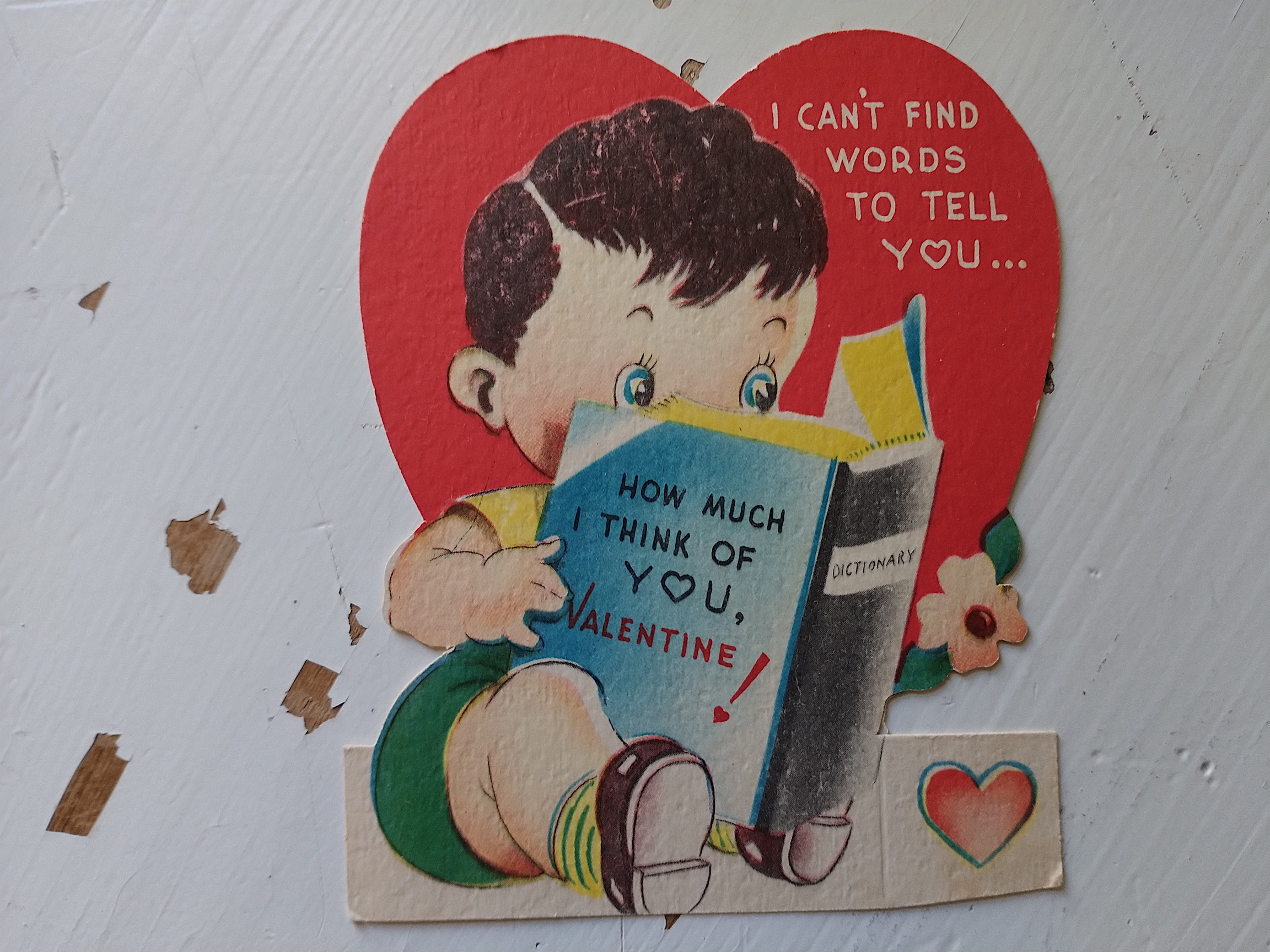
A vintage valentine from my mom’s collection. (Minnesota Prairie Roots copyrighted file photo)
Listening, too, is love, something we could all be better at practicing. The same goes for thinking before we speak or anonymously type behind our screens.
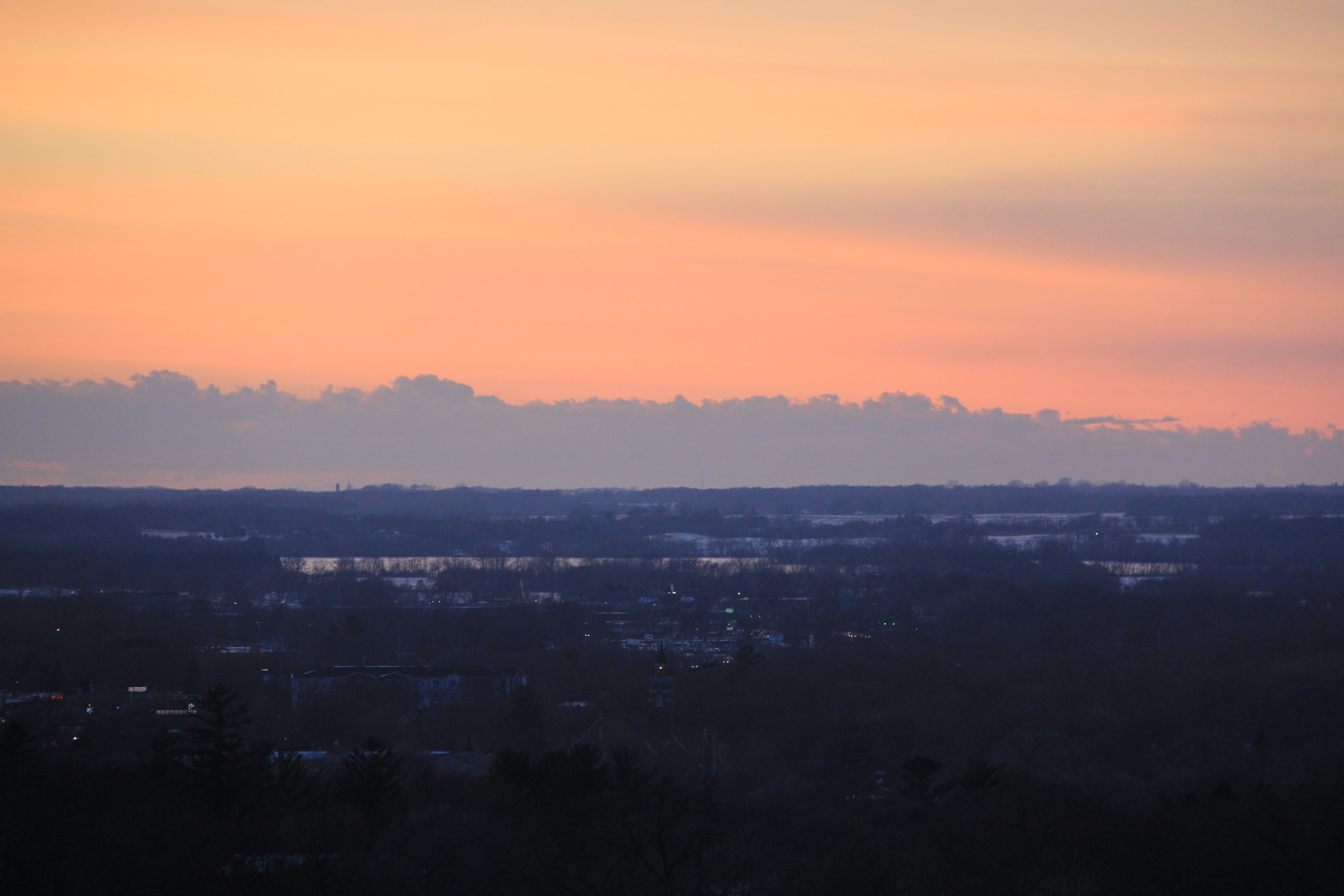
Photographed in Pine Island. (Minnesota Prairie Roots copyrighted file photo)
On Valentine’s Day, I hope we can all pause and ponder the ways in which we can grow love. In our personal lives. In our neighborhoods. In our communities. For “what the world needs now is love, sweet love.” And a whole lot more of it.
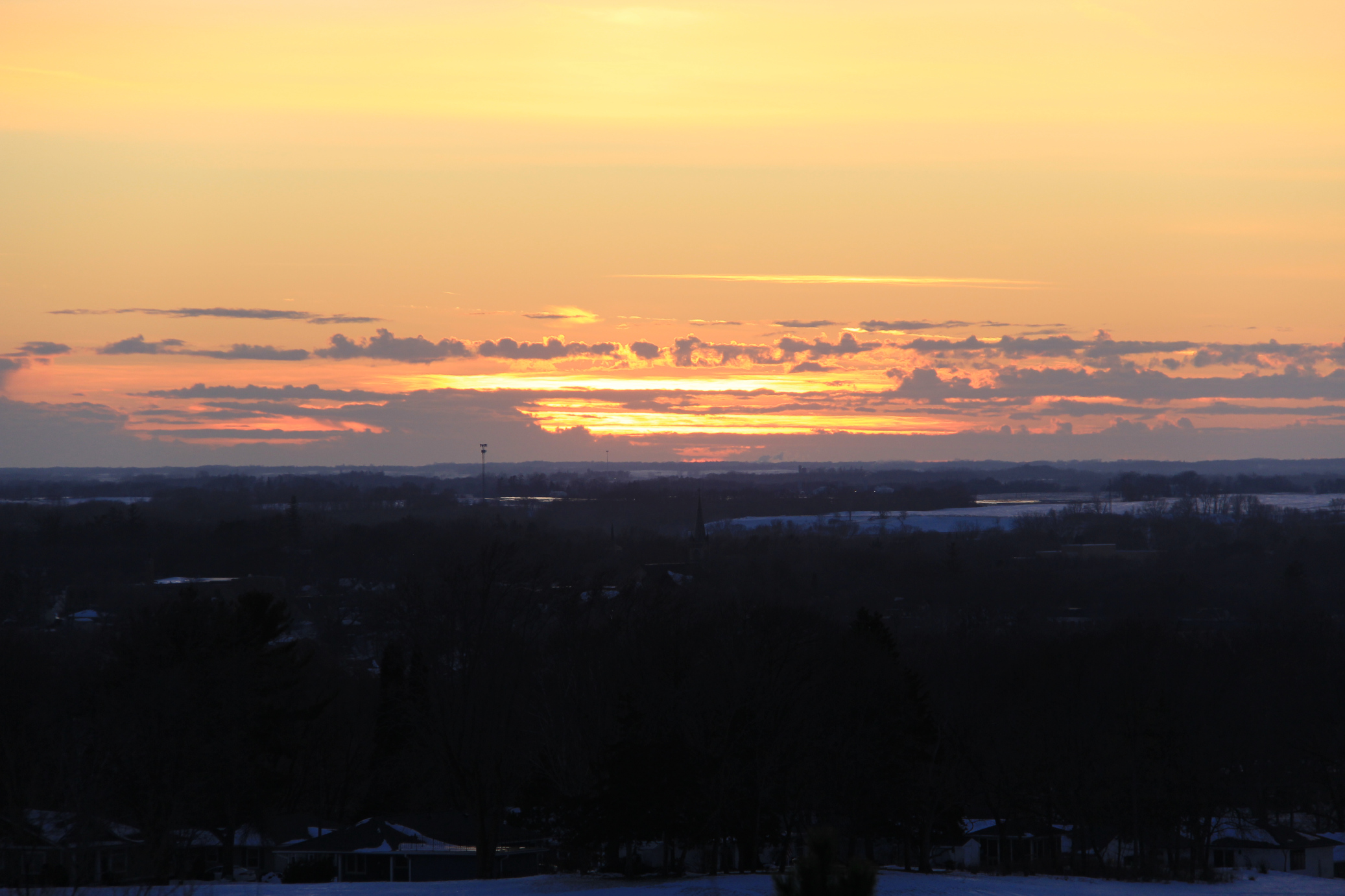
Sunset at City View Park, Faribault. (Minnesota Prairie Roots copyrighted photo December 2025)
RED WING HAS BARN BLUFF. Winona has Sugar Loaf Bluff. And Faribault has City View Park.
The color of the sky is ever changing during sunset. (Minnesota Prairie Roots copyrighted photo December 2025)
Now a park may not sound as impressive as a bluff. But the view from City View Park on my community’s east side is pretty spectacular. Plus, driving or walking to the street level location is much easier than climbing a bluff, making the park easily accessible to all.
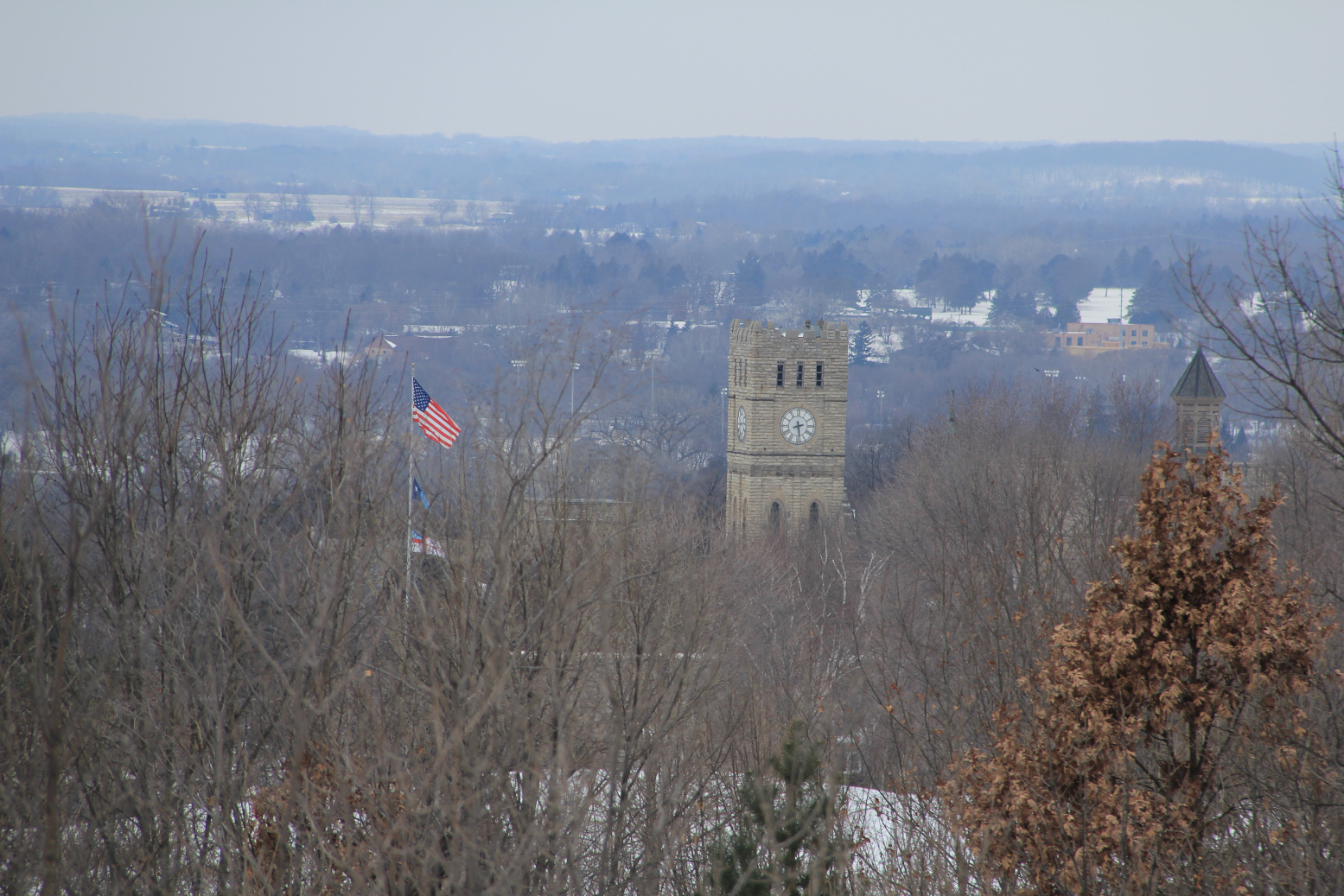
I zoomed in on the clock tower at Shumway Hall on the campus of Shattuck-St. Mary’s School. City View Park offers a great view of the historic building. (Minnesota Prairie Roots copyrighted photo February 2026)
I consider this park one of Faribault’s best kept secrets. It provides a sweeping view of the valley with local landmarks poking through the landscape. Like the clock tower on Shumway Hall at Shattuck-St. Mary’s School. Or buildings on the campus of the Minnesota State Academy for the Deaf. Seeing those steepled and towering buildings conveys a sense of history in a community rich in historic structures.
Trees on the edge of the hill at City View Park frame the valley and the sunset. (Minnesota Prairie Roots copyrighted photo December 2025)
From this hilltop location, the land unfolds, touches the sky, connects to a beautiful city below. Any season of the year, this park offers a lovely vista. I’ve picnicked at City View Park in three seasons. Watched fireworks here on the Fourth of July. And in the winter photographed the most stunning sunsets. Orange. Pink. Red. Yellow.
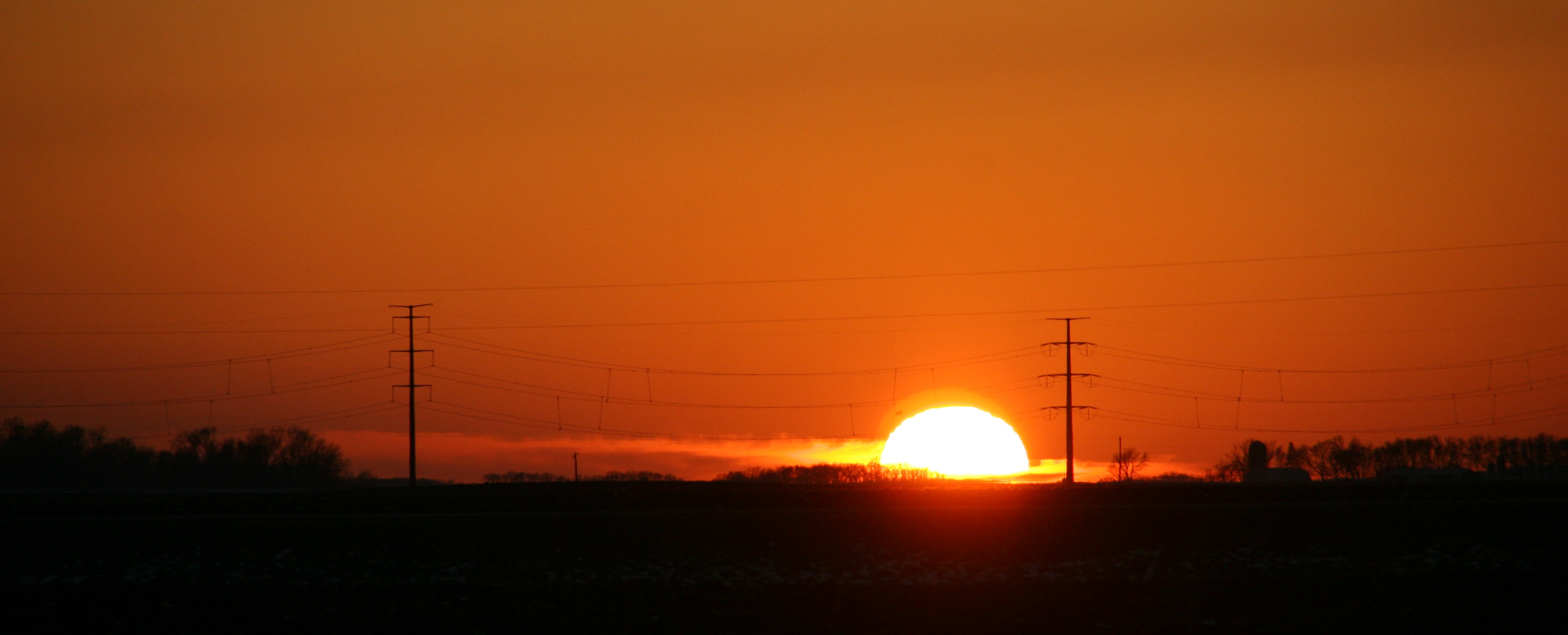
A prairie sunset photographed from Minnesota State Highway 67 between Redwood Falls and Morgan in my home county. (Minnesota Prairie Roots copyrighted file photo)
I am, by birth, a flatlander, a daughter of the southwestern Minnesota prairie. There the horizon seemingly stretches into infinity across the wide open, mostly treeless landscape. That presents an ideal stage to spotlight the sun. Painterly sunrises and sunsets and the endless prairie wind are forever imprinted upon my spirit.
Sometimes I just sit on the bench and be still. (Minnesota Prairie Roots copyrighted photo December 2025)
Since moving to Faribault some 40 years ago, I’ve lived in the valley, sunsets hidden by the hillside that rises next to my home. I miss seeing the setting sun on a daily basis as I did during my youth. Now I must intentionally seek out the blazing orange orb rather than simply looking across the farmyard.
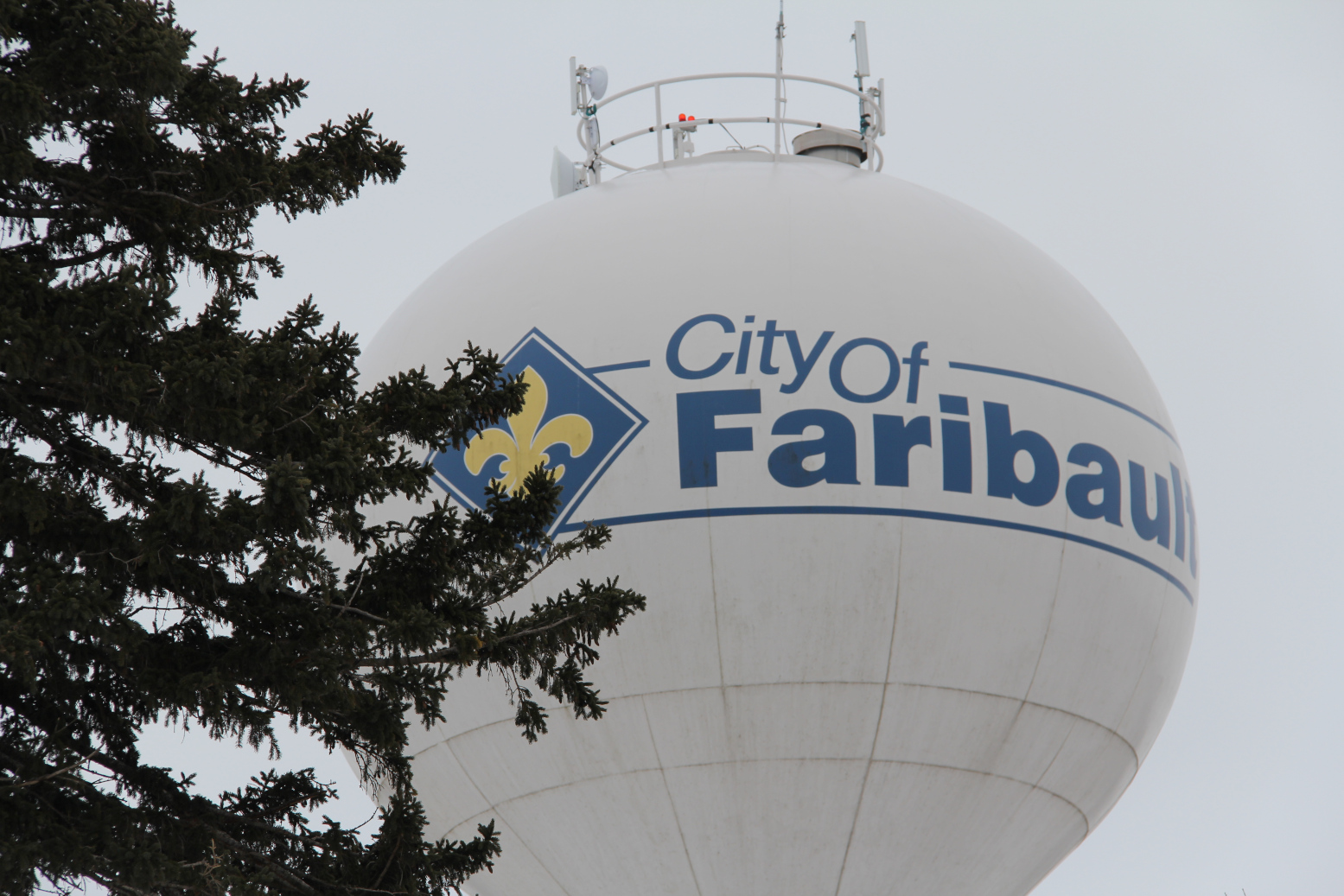
A city water tower stands right next to the park. (Minnesota Prairie Roots copyrighted photo February 2026)
That sometimes takes me up St. Paul Avenue to City View Park, next to the water tower and across from Trump’s Apple Orchard.
The painterly sunset mesmerizes me. (Minnesota Prairie Roots copyrighted photo December 2025)
As I walk toward the edge of the hill to look across the valley, I feel small in the immensity of place. Distant landmark buildings ground me. But the view always, always fills me up with a sense of wonder at the majesty of the land, the glory of the sun, the forever of the sky.
HE’S A MESMERIZING and engaging storyteller. He is Joseph Mbele, retired professor of post-colonial literature at St. Olaf College in Northfield, cultural consultant and author.
And Wednesday, February 11, at 6 p.m., Mbele will be the featured speaker at a free literary event at Books on Central, a volunteer-run used bookshop of the Rice County Area United Way. Located in the heart of historic downtown Faribault, home to many Somali immigrants and refugees, the bookshop seems a fitting place for Mbele to talk about the living tradition of African folktales and the role of the storyteller. Somali men gather on street corners in downtown Faribault to share stories and news.
I’ve heard Mbele speak at this bookshop previously. I absolutely cannot say enough positive things about the warm way he connects with the audience, the way he uses stories to teach, the way he genuinely cares about bridging cultural differences.
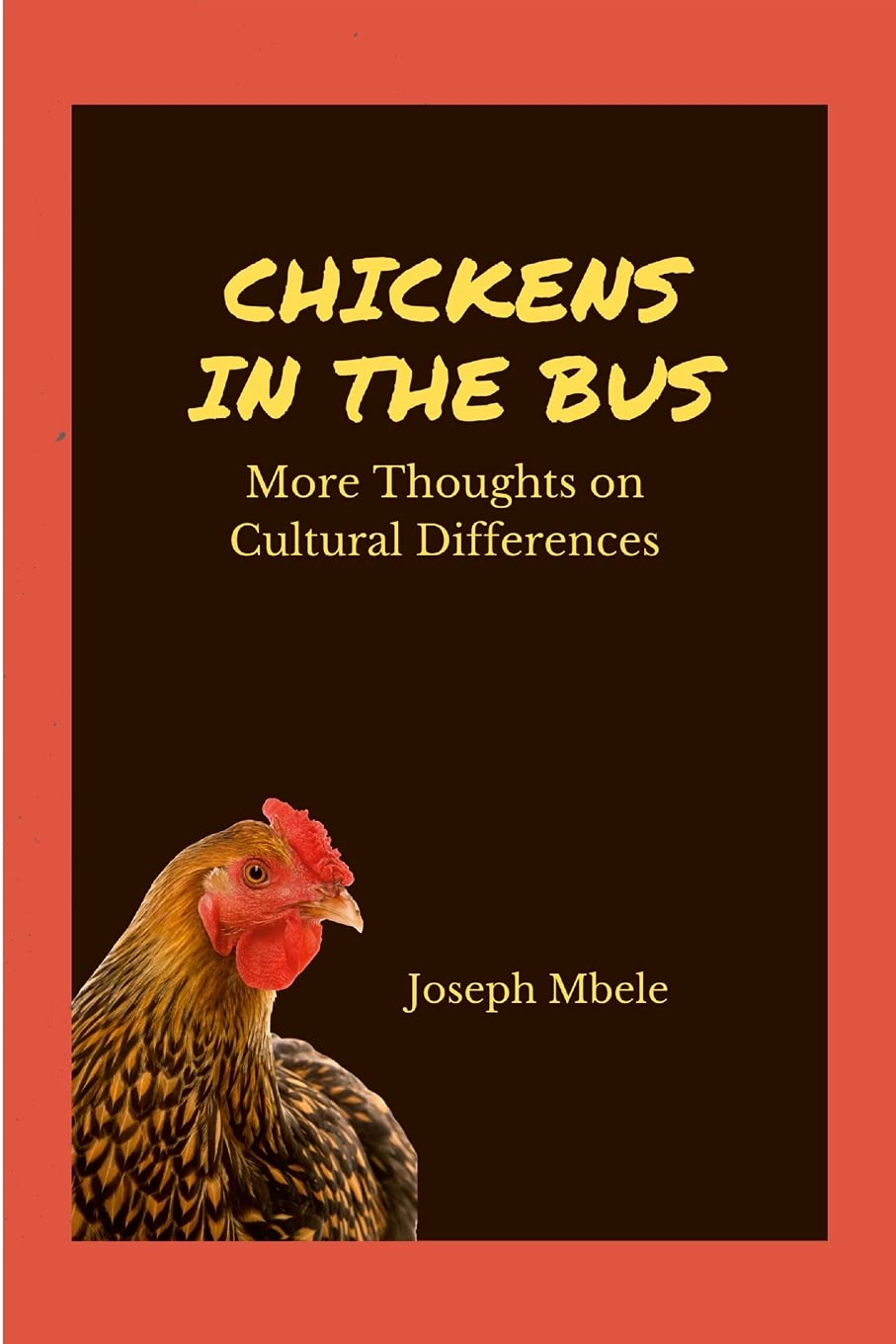
Love this book by Joseph Mbele.
As an author, his writing carries that same compassionate, culturally-connective message. He’s written Africans and Americans: Embracing Cultural Differences, Chickens in the Bus: More Thoughts on Cultural Differences, and Matengo Folktales.
Mbele knows of what he speaks and writes. Born in rural Tanzania, he studied and taught at a public university there; earned a PhD in African Language and Literature from the University of Wisconsin—Madison; and eventually landed in the English department of St. Olaf College in 1991.
His visit to Books on Central on Wednesday evening presents an opportunity to learn from a gifted storyteller about African folktales and culture in a comfortable setting back-dropped by shelves of books.
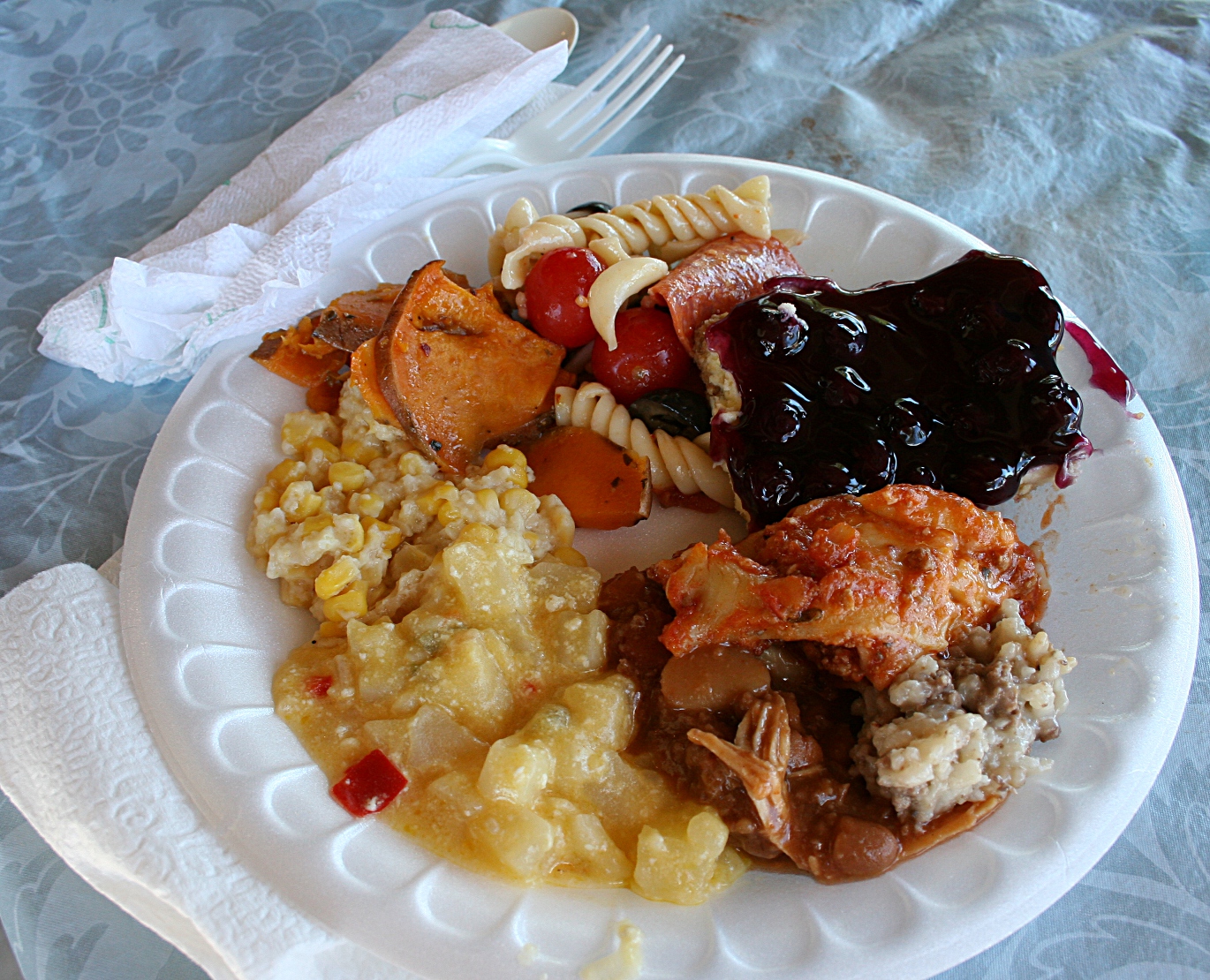
Food plated at a potluck, including several hotdishes. (Minnesota Prairie Roots copyrighted file photo)
WHEN MINNESOTANS PREPARE FOOD for a potluck, they make hotdishes, not casseroles. Same thing, just a different word for a dish that mixes a protein, vegetables, noodles or rice all held together by a binding agent. That would be a creamed soup, in most instances.
Sometimes, though, hotdish comes not in food, but in entertainment. Saturday afternoon, The Looney Lutherans served up a hefty helping of humor, music, skits and audience participation to a sold out crowd at the Paradise Center for the Arts in Faribault.
A promo for the show presented in Faribault. (Graphics credit: The Looney Lutherans)
The two-hour show, “It Could Be Worse: A Looney guide to love, marriage and other relationships,” proved to be exactly what I needed. I needed to laugh. And I needed a pause from the reality of all that’s happening in Minnesota right now, although I still could not completely shut that out.
Before settling onto a folding chair at the back of the theater, I volunteered, opening an exterior door of the PCA as guests arrived, stepping in from the Minnesota cold. I’m a people person so I loved greeting attendees with warm words and a smile. Everyone smiled back, thanked me and that set the tone for a few hours in Paradise.
This was a show that, in the context of today, resonated with me. Using a food wheel, the Looney Lutherans showed and explained how each of us fit different food categories all centered around a singular food. Hotdish. That visual made total sense to me as a life-long Minnesotan. Whether we are Scandinavian or Bohemian; Lutheran or Catholic or no faith; Caucasian, Hispanic or another skin tone; extroverted or introverted, we are all just people.
The Looney Lutherans, Bella, left to right, Lois and Ginger, with their “instruments.” (Photo credit: The Looney Lutherans)
As the trio of Looney Lutheran performers sang “We are family,” I felt that loving, human connection. No matter our differences, we are all still part of humanity. The audience joined in, even me who can’t carry a tune.
In that moment of upbeat song, I felt hope. I felt happiness. I felt joy.
And when the show closed with the Minnesota phrase of “It could be worse,” I recognized the truth in that, even as bad as things are right now in Minnesota. I’d gotten a reprieve from reality for several hours.
Then I stepped outside—to hear incessant and prolonged honking of horns and yelling in the heart of downtown Faribault. My mindset shifted. Immediately.

















 Minnesota Prairie Roots
ICE OUT, a photo essay & commentary from Minnesota February 13, 2026
Tags: businesses, commentary, Content Bookstore, Division Street, Governor Tim Walz, ICE OUT, immigration, Immigration and Customs Enforcement, Minnesota, Minnesota Strong, news, Northfield, photo essay, photography, signs, strength
THE DAY AFTER BORDER CZAR (anyone dislike that title as much as me?) Tom Homan announced a draw-down of federal immigration agents in Minnesota, I’m feeling, as Governor Tim Walz said, “cautiously optimistic.” Recent history has proven that we can’t necessarily believe or trust what federal government officials tell us. But I’m trying to be hopeful.
For more than two months, 3,000 immigration enforcement agents have been working in Minnesota. And if anyone still believes that they are/were doing only targeted enforcement, arresting “the worst of the worst,” then I have some lakefront property to sell you.
Let’s go back to Thursday morning, when Homan made his draw-down announcement complete with praise for his agents and the success of their mission in Minnesota. I couldn’t listen any more. I’d heard enough.
I had an appointment in neighboring Northfield anyway so off I went to this college town that, like Faribault, has been recently inundated by ICE. Except in Northfield, a decidedly blue city, the business community is publicly vocal about its opposition to ICE’s presence unlike in my decidedly red city.
In the heart of downtown Northfield, on one side of a block along Division Street, nearly every business has posted an anti-ICE sign and/or uplifting signage. I felt the strength of those shopkeepers willing to stand up for and encourage others. There’s power in raising united voices in opposition to wrong.
Inside Content Bookstore, where I stopped to shop for a baby shower gift, I discovered even more messaging and ways in which the Northfield community is stepping up to help their immigrant neighbors, including children affected by ICE’s actions. Monies from the sale of Minnesota state flag and “Rebel Loon” (our state bird) stickers will go toward books and activities for those kids. Content is also collaborating on a poetry chapbook, Words to Meet the Moment: Poetry Against Fascism, releasing soon.
As ICE supposedly ends Operation Metro Surge in Minnesota (which also encompassed cities and small towns outside the metro like my city of 25,000), we are left with a mess. Let me define that. The personal toll is huge. Trauma has been inflicted upon thousands. “Generational trauma,” Governor Walz said.
I worry about the kids who witnessed family members being taken or who saw armed, masked immigration officers with guns outside their schools (with classmates taken by ICE), outside their daycares, outside or inside their homes, at their bus stops, on the streets. It’s hard enough for adults to see such threatening power, aggression and use of excessive force. But our children? The mental health of all Minnesotans concerns me, especially that of the youngest among us.
And then there is the financial fall-out with people now unable to pay their bills, including rent, facing eviction because they haven’t gone to work out of fear of ICE. Again, legal status matters not as anyone with brown or black skin has been targeted. These same individuals and families have relied on community members and nonprofits to help with rent payments and to bring them groceries. This is not long-term sustainable.
Until we are all confident that ICE is really, truly gone and is doing only targeted enforcement of “the worst of the worst,” we will all remain on edge. Rebuilding trust, restoring life to normalcy will assuredly take time.
Likewise, the Minnesota economy has suffered severe damage, especially small businesses. Governor Walz has proposed a $10 million forgivable loan recovery plan to help the business community and is also hoping for help from the federal government. Good luck with that.
While in Northfield on Thursday, I learned that ICE agents recently went along Division Street, asking for employment records at some businesses. I don’t know details. But in my mind, I envision these armed, masked officers as a threatening presence in the heart of this picturesque, riverside American city. This community doesn’t back down from threats. In September 1876, townsfolk stopped the James-Younger Gang from robbing the First National Bank. Northfield is a community which cares for one another and which, in the midst of a federal invasion, has stood, is still standing, Minnesota Strong.
© Copyright 2026 Audrey Kletscher Helbling