Minnesota Prairie Roots

Writing and photography by Audrey Kletscher Helbling

“Cruising Rice County History,” Part I August 24, 2020

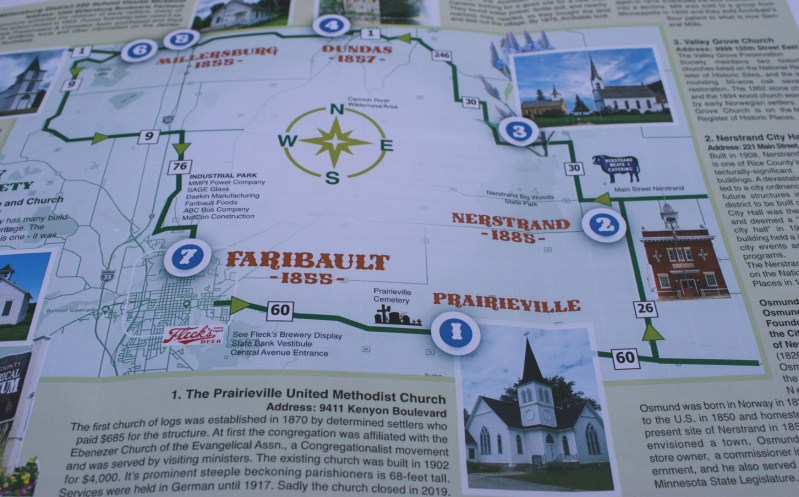
This shows a portion of a guide, designed by Jeff Jarvis of West Cedar Studio, for “Cruising Rice County History.”


WE CONSIDERED WHETHER WE SHOULD take the tour, expecting that we’d likely visited all of the historic places featured in “Cruising Rice County History,” the first ever cruise of historical sites in our county. But, in the end, because Saturday was beautiful weather-wise and COVID-19 has left us with few leisure options, Randy and I opted to attend the event sponsored by the Rice County Historical Society.
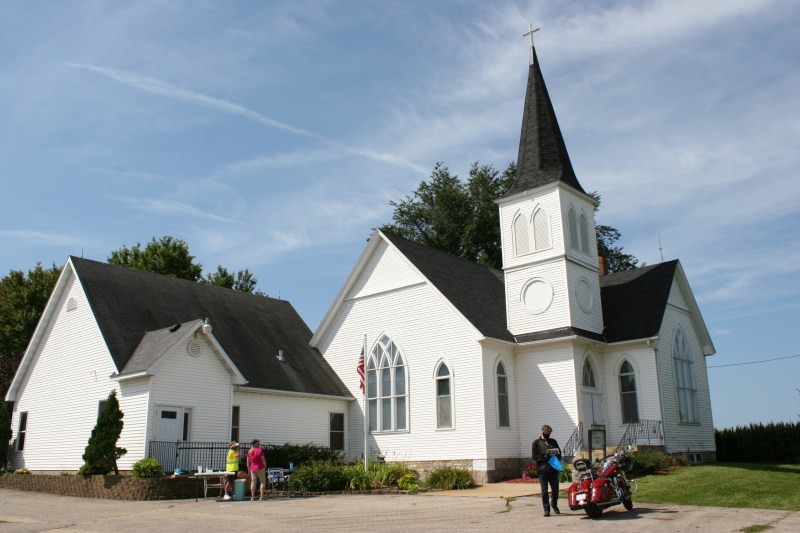
 

First on the tour, Prairieville United Methodist Church, founded in 1870; existing church built in 1902; and congregation dissolved in 2019.
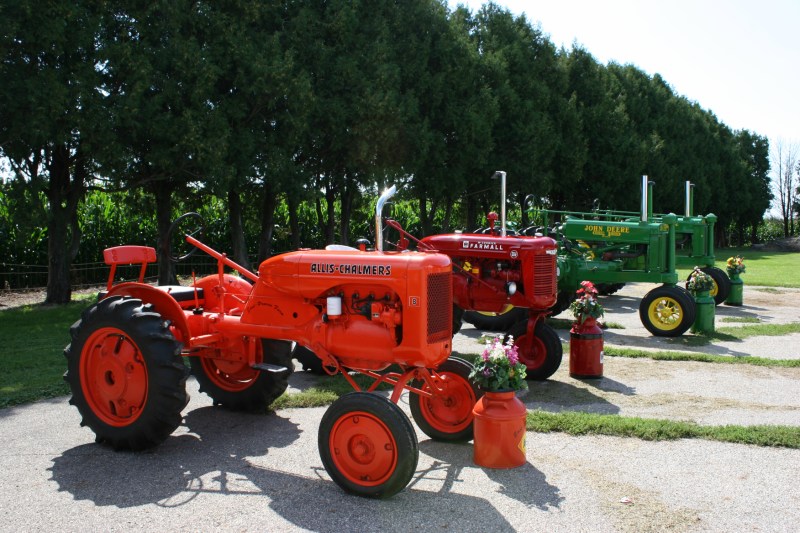
 

Vintage tractors added interest to the stop at the Prairieville country church.
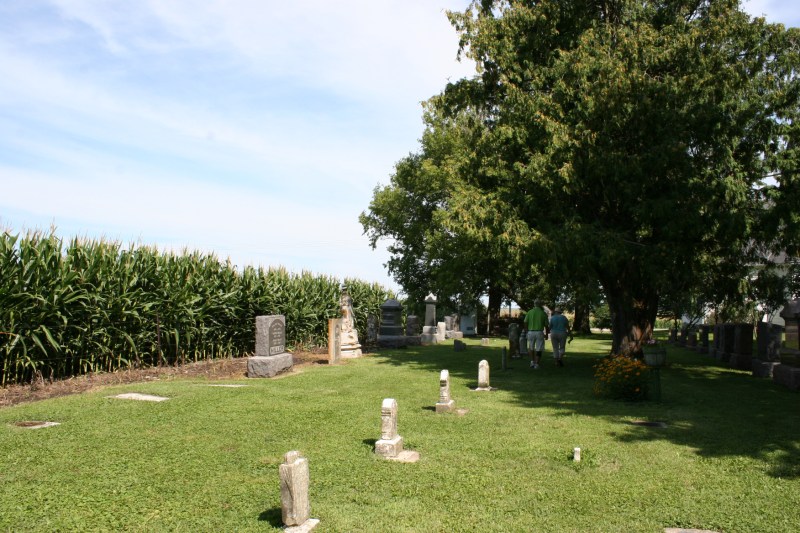
 

A cornfield snugs right up to the Prairieville Cemetery behind the church.


We joined 84 other vehicles on the tour, which took us east of Faribault, then north and west and, finally circling back to the RCHS in Faribault. Only one of the seven featured spots—Prairieville United Methodist Church and Cemetery—was a new to us point of interest, although we’re certainly familiar with the country church along Minnesota State Highway 60.
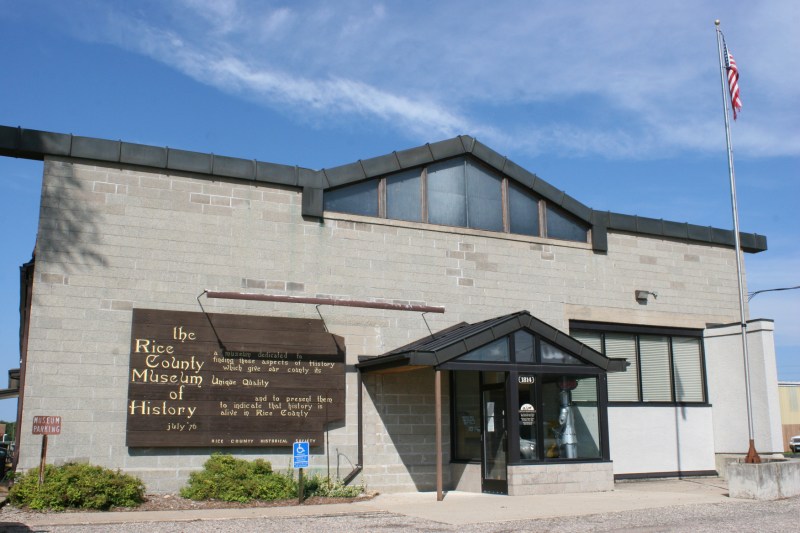
 

First stop: The Rice County Historical Society to pay our $20/vehicle tour fee and pick up our map and other info.
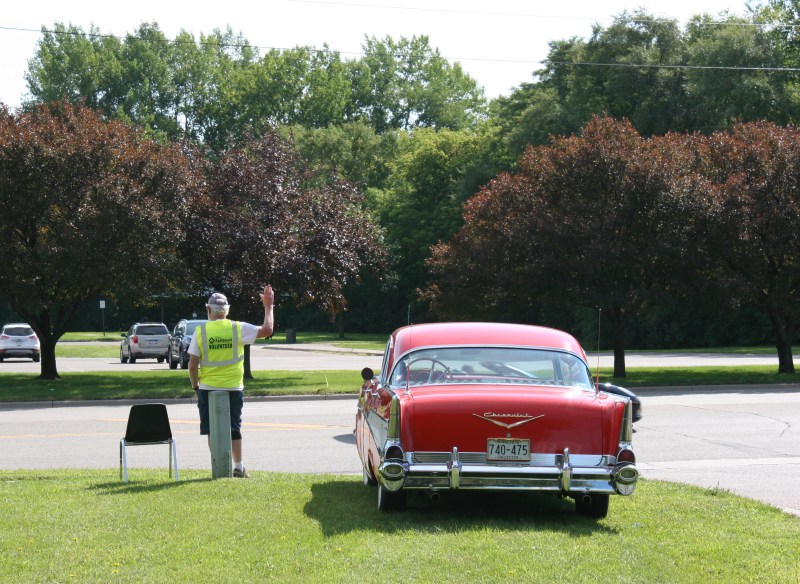
 

Many volunteers worked the event, including this guy who welcomed tour participants at the historical museum.
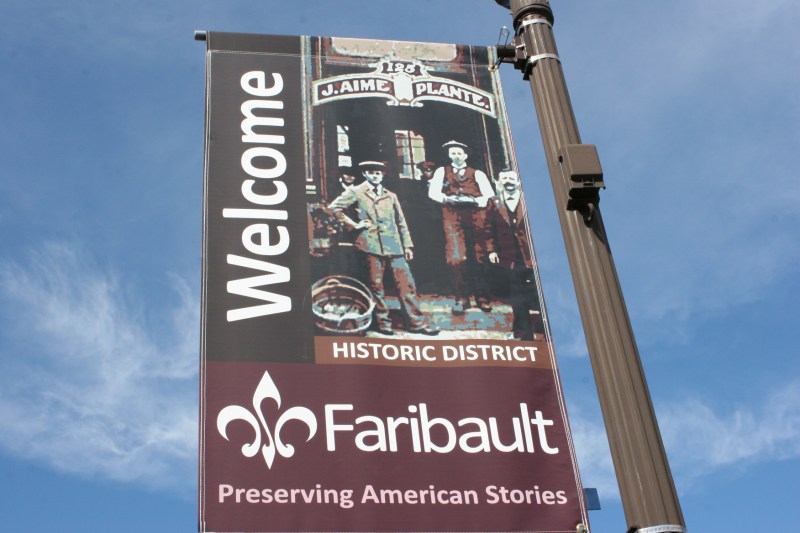
 

Before heading out of town, the tour took us through historic downtown Faribault, where I thought we were going to see a display of historic brewery items at a local bank. But apparently we are supposed to view this on our own sometime. Anyway, I photographed this banner outside the State Bank of Faribault.


Yet, at each stop, from two country churches to flour mill ruins to an old schoolhouse and an historic town hall, we learned new information, both from site hosts and from educational hand-outs.
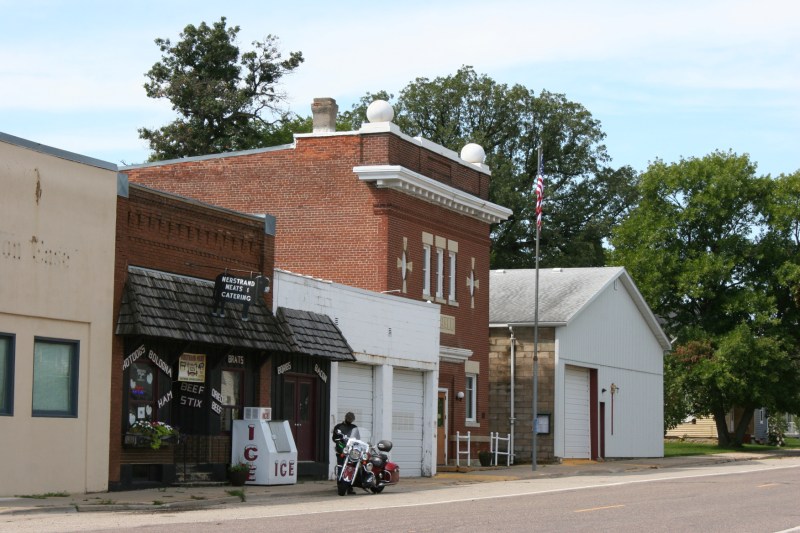
 

The Nerstrand City Hall (tall brick building)l, built in 1908, is on the National Register of Historic Places. After three wooden buildings were destroyed by a major fire in 1904, the city required all future buildings in the business district to be made of brick or stone and with firewalls between.
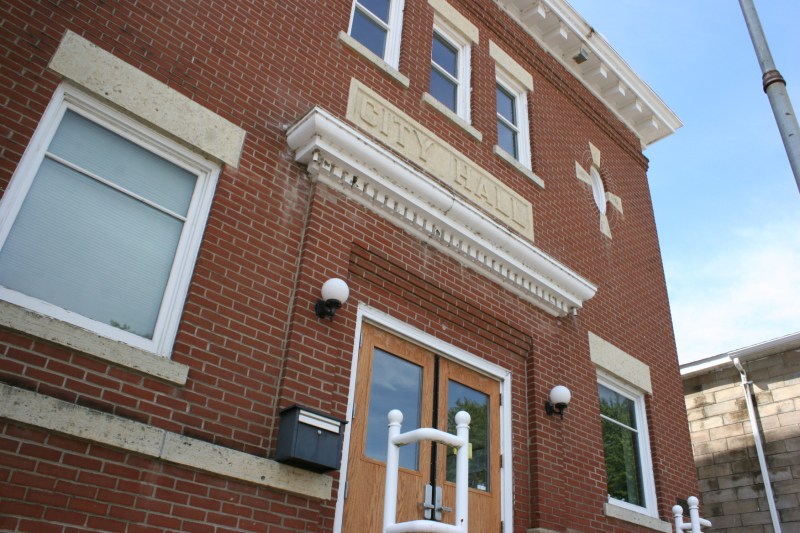
 

Nerstrand City Hall, up close.
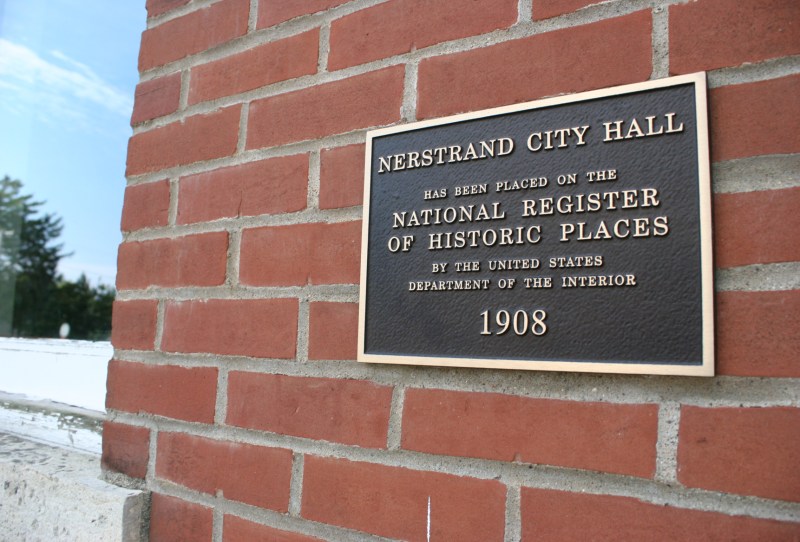
 

A plaque marks the Nerstrand City Hall as an historic structure.


Peering in the windows of the locked city hall.
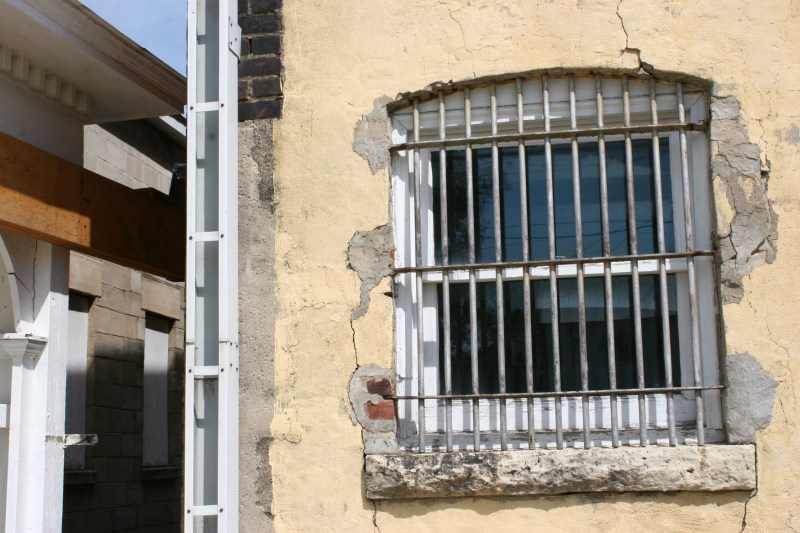
 

On the back of Nerstrand City Hall, bars cover a window, a reminder that a jail was once housed here.


We were disappointed we couldn’t get inside some of the historic buildings, but expect safety concerns factored into closed doors. Participants in the Saturday event were asked to mask up and social distance. And they did. So we felt comfortable.
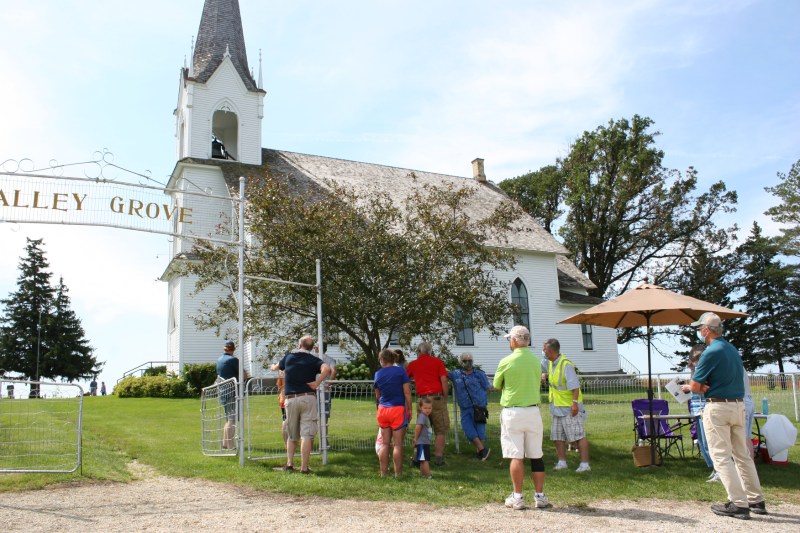
 

One of the two historic churches at Valley Grove, near Nerstrand Big Woods State Park. Randy and I have been to this site many times, thus didn’t linger here. It’s one of our favorite spots in rural Rice County. So peaceful and beautiful atop a hill. The woodframe church pictured here and a stone church directly across from it were built by Norwegian immigrants.
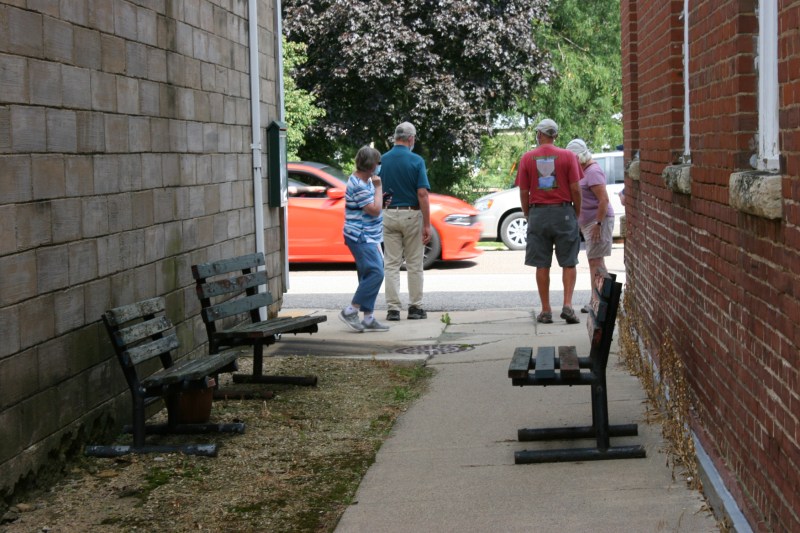
 

Two couples, including friends of ours (left), visit outside Nerstrand City Hall. This alley runs between the hall and the fire department.


We also chatted from a distance with friends, either hosting site stops or on the tour. What a joy to see familiar faces after months of minimal social interaction. Even if their smiles were hidden behind masks.
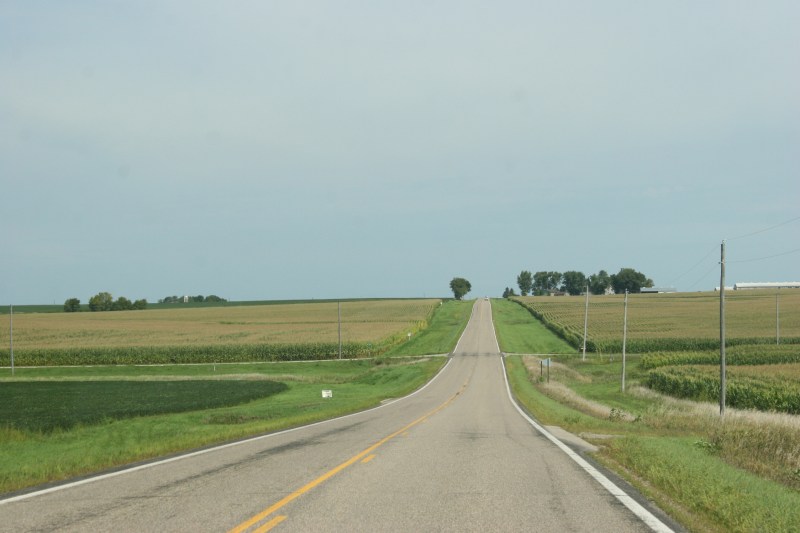
 

Driving toward Nerstrand.
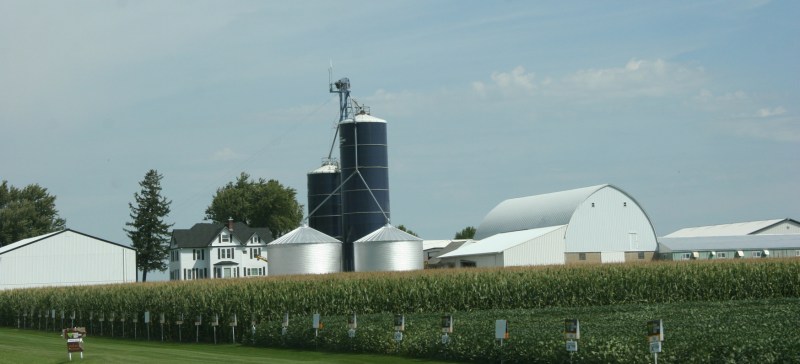
 

Driving through rural Rice County, we saw lush fields of towering corn and acres of soybeans among farm sites.
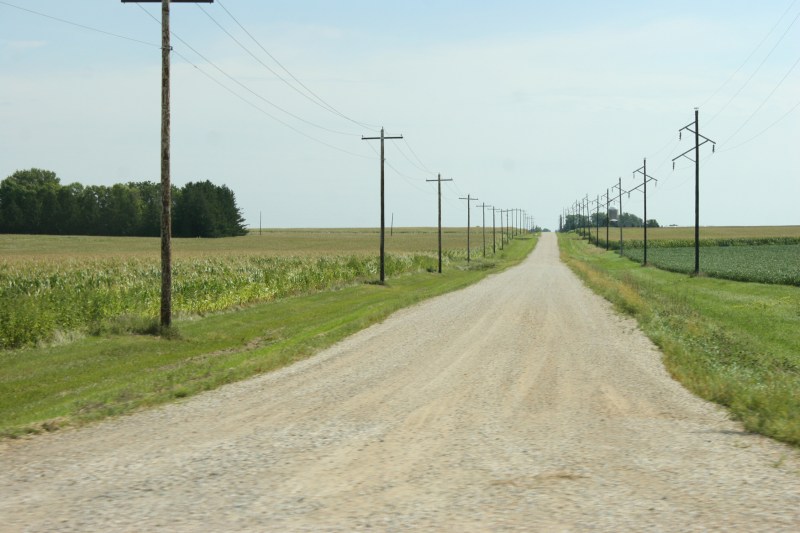
 

The route followed only paved roads, with plenty of gravel roads to see alongside.


I also enjoyed the rural route given my love of the country. There’s something freeing about traveling along paved back roads bordered by acres of cropland, intersected by gravel roads, punctuated by farm sites.
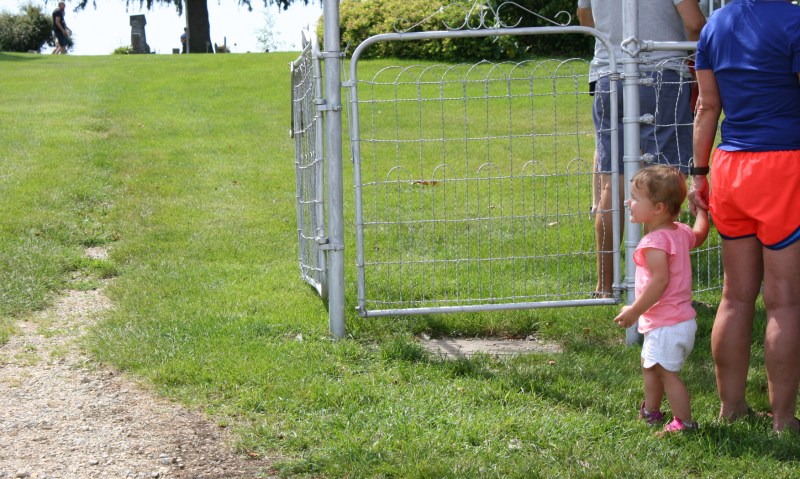
 

Young and old attended the “Cruising Rice County History” tour. This photo was taken at Valley Grove.


Thank you for joining my photo tour of “Cruising Rice County History,” Part I. Check back for Part II tomorrow.


© Copyright 2020 Audrey Kletscher Helbling


Not even COVID-19 can stop the music in Faribault August 22, 2020

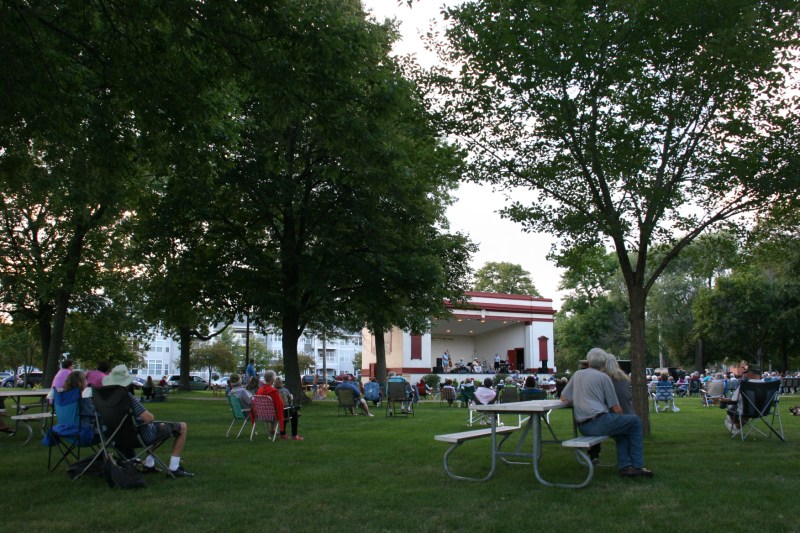
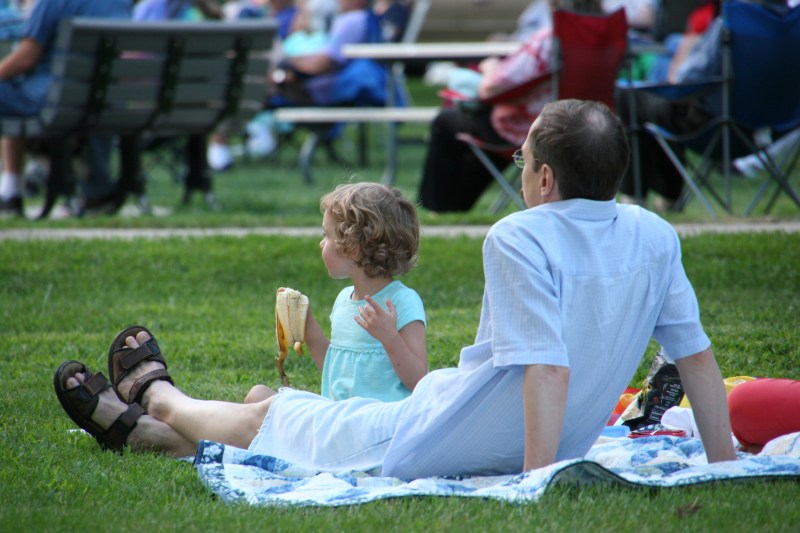
Just a small portion of the people attending a concert in Faribault’s Central Park on Thursday evening.


IN THIS SUMMER OF COVID-19 limitations, I feel fortunate to live in a community where at least one bit of normalcy remained—weekly Thursday evening concerts in Faribault’s Central Park.


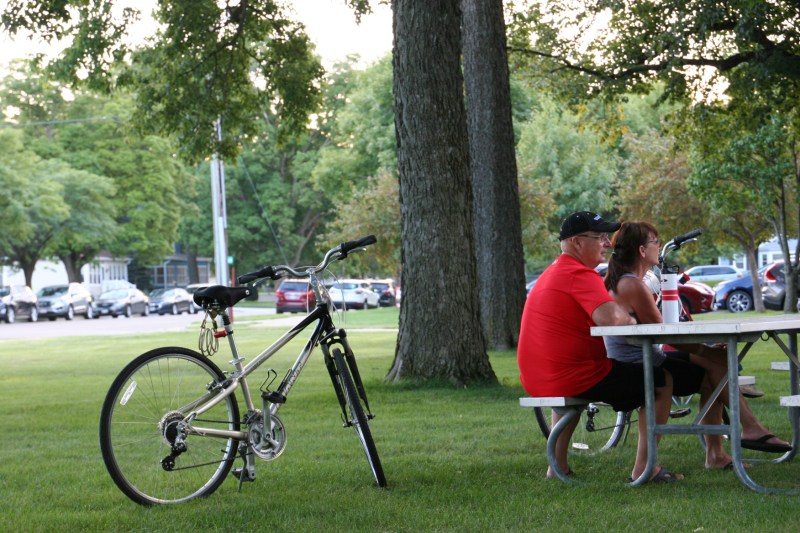
People walk, bike and drive to the park in downtown Faribault.


With concert-goers spreading out throughout the block square park and wearing masks when needed, I am comfortable in the outdoor space listening to music. Randy and I missed only a few concerts, one due to rain, the other because we didn’t want to be in the park following the annual pet parade. I love kids. But they tend to forget about COVID and the need to keep their distance. Who can blame them? They’re just kids.


Jivin’ Ivan and the Kings of Swing perform in the Central Park Bandshell.


This past Thursday evening we went to the final scheduled concert in this summer series organized by the Faribault Parks and Rec Department. It was a lovely evening relaxing in our lawn chairs listening to Jivin’ Ivan and the Kings of Swing. Minus Ivan Whillock. The aging musician and noted woodcarver is being extra cautious during COVID and stayed home. Instead, we were treated to an audio of him singing. It was a nice personal touch, Ivan’s way of connecting with fans of his rich, golden voice. The Kings perform Golden Era swing music. Soothing. A journey back in time.


I’ve seen more families at this summer’s concerts than in recent years.


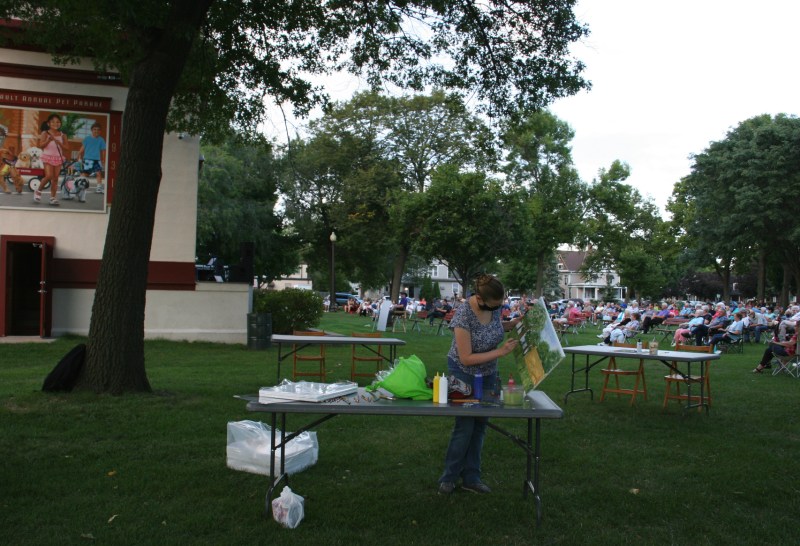
As I listen, I watch. And I observed children running, playing, painting, tossing hula hoops and multi-colored scarves, doing back flips. It all looked so normal. Just like any summer evening. Except for the face masks occasionally seen on kids and adults. And except for the lack of people mingling and visiting as typically happens at these summer concerts.


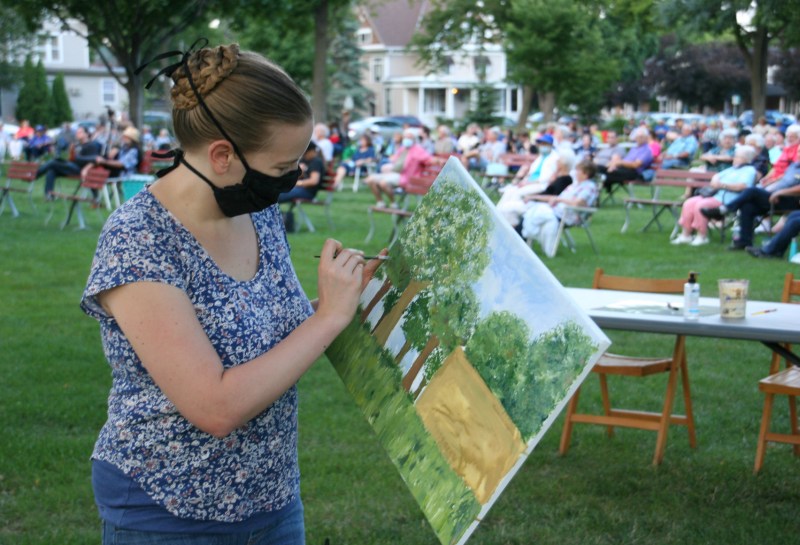
Art in the Park, an opportunity to paint, has been added to this year’s concerts. Here Paula creates.


Professional artist Kate Langlais paints during the concert.


A young concert-goer creates art.


I also noted the size of the crowd, much larger than in past summers. That comes as no surprise given many of us in the aging demographic are limiting who we see and what we do. And this is the one event we can attend because it’s outdoors and people (mostly) follow safety protocol.

As the evening closed in on 8:30 and the bandshell lights switched on, the air chilled and some concert-goers began leaving. But my friend Valerie didn’t leave before we met up. She’d texted earlier wondering if I was at the concert. I haven’t seen her in forever, long before COVID started. And so we stepped to the side of the crowd, both in our face masks and caught up. It was so hard not to hug one another. But we didn’t. And even though I couldn’t see Valerie’s smile, I could see the smile in her eyes. In our brief conversation I felt reconnected, overjoyed, as if COVID exited and we were just two friends chatting with each other on a summer evening.

I can only hope that by this time next summer, COVID-19 will be history and we will all be vaccinated and life back to normal, whatever that may be.


Art in painting. Art in music.


But for now, for this summer, this is life. Masks and social distancing. Few or no social activities. Except for these concerts in the park—with an encore concert set for 6 pm Thursday, September 3, featuring instrumentalist Doug Madow and vocalist Barb Piper. To that announcement, the crowd reacted with raucous applause. One more evening of music to help us sort of forget about this global pandemic.

ENCORE TWO: Minnesota-born singer, songwriter and guitarist Mark Joseph performs at 7 pm Friday, September 11, in Central Park. Sponsored by the Caron family, this blues concert benefits the Paradise Center for the Arts in Faribault via a suggested free will donation of $10.


© Copyright 2020 Audrey Kletscher Helbling
 

From Lonsdale: Reading, ‘Riting & ‘Rithmetic August 21, 2020

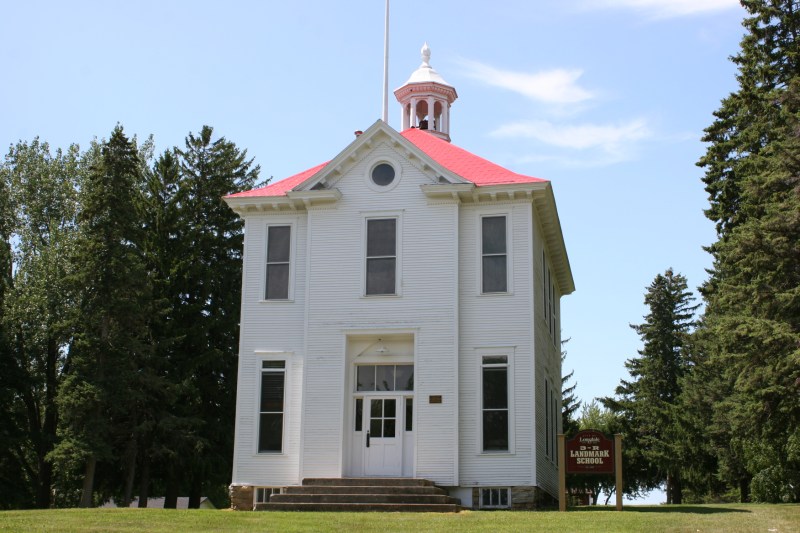
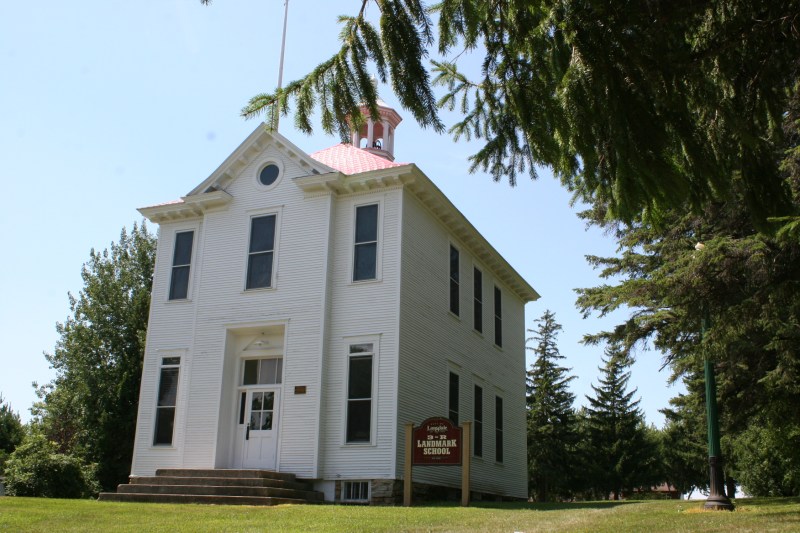
My first view of the 3-R Landmark School, Lonsdale, Minnesota.


MANY TIMES I’VE BEEN TO LONSDALE, a small, but growing, community in far northeastern Rice County only a 30-minute drive from the metro. I’ve even stopped to shop at antique and thrift shops there. And, decades ago, Randy and I attended a wedding at Immaculate Conception Catholic Church.


But during all those visits, I’d never seen the 3-R Landmark School, once home to Independent School District #76 Lonsdale Public School. Until recently.


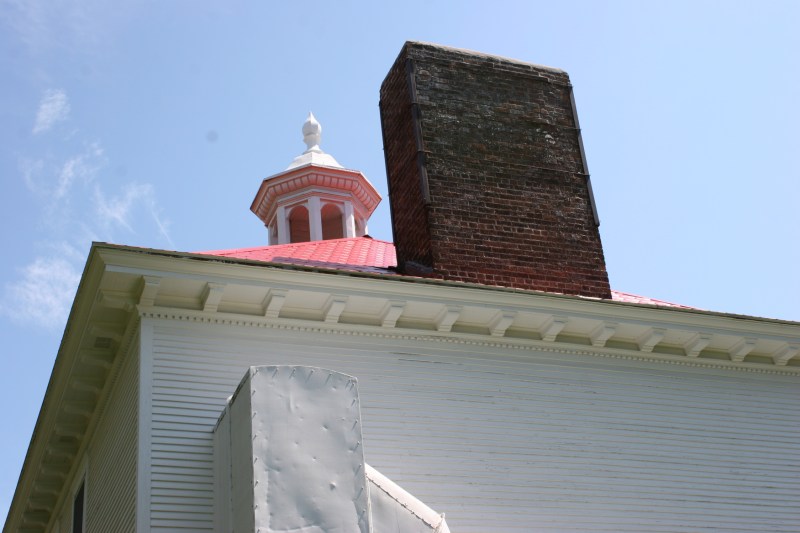
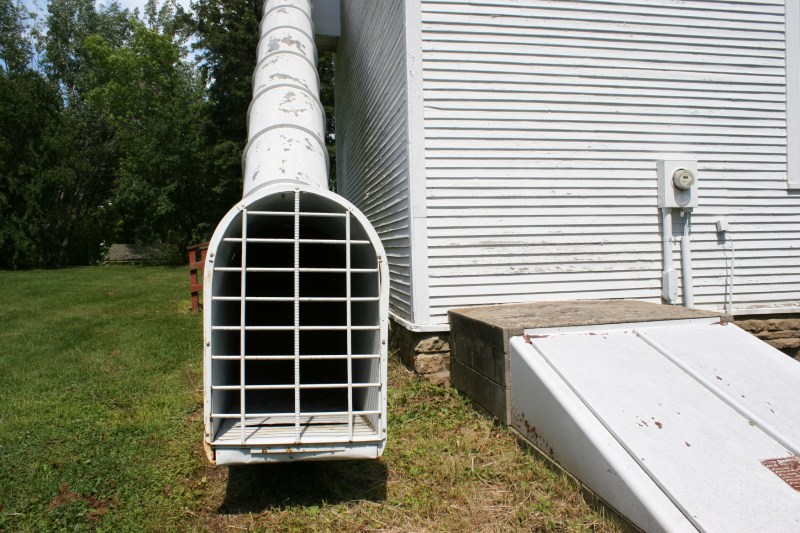
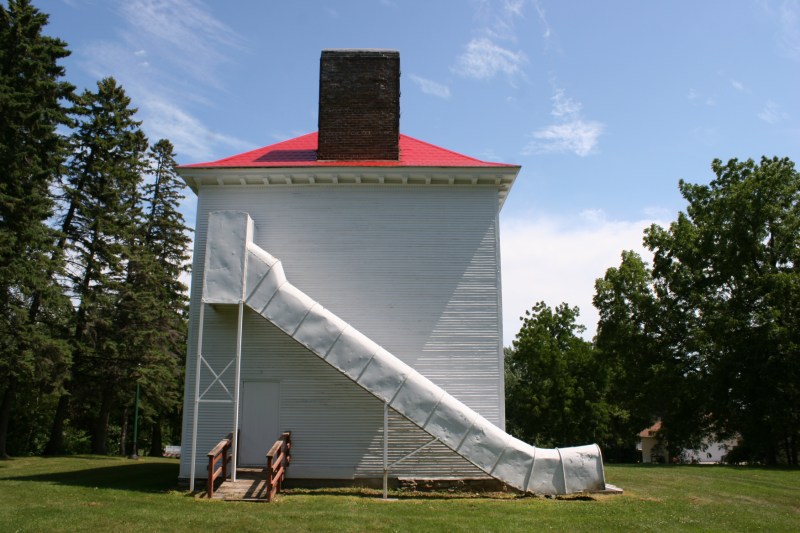
A view from the back of the school shows the bell tower cupola, chimney (is there a fireplace inside?) and the top of the second story fire escape.


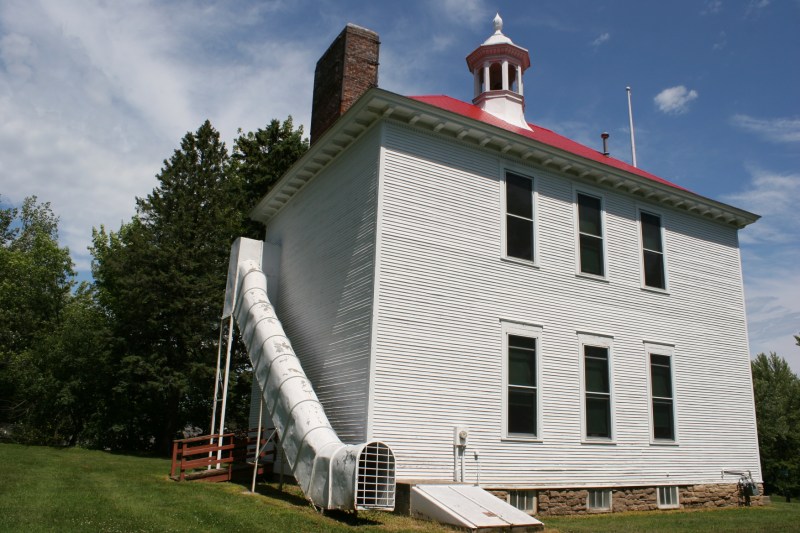
A side and back view of 3-R Landmark School.


The bottom of the fire escape, left.


As is our habit on random Sunday afternoon drives, Randy and I set out from Faribault to explore the countryside and small towns. This day our route led us to Lonsdale, and eventually a turn onto Third Avenue Southwest. And there, smack in the middle of a residential neighborhood, sits a stately two-story structure complete with bell tower cupola and bell in place.


You can only imagine my excitement at this discovery given my fondness for historic buildings. This 1908 school, designed and built by Patrick Sullivan and on the National Register of Historic Places, is a gem. From the exterior, the building with long, lean windows appears well cared for.


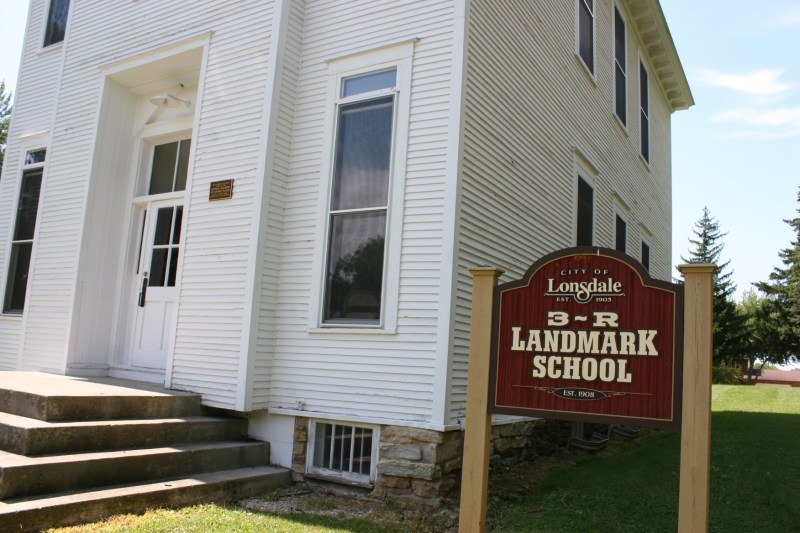
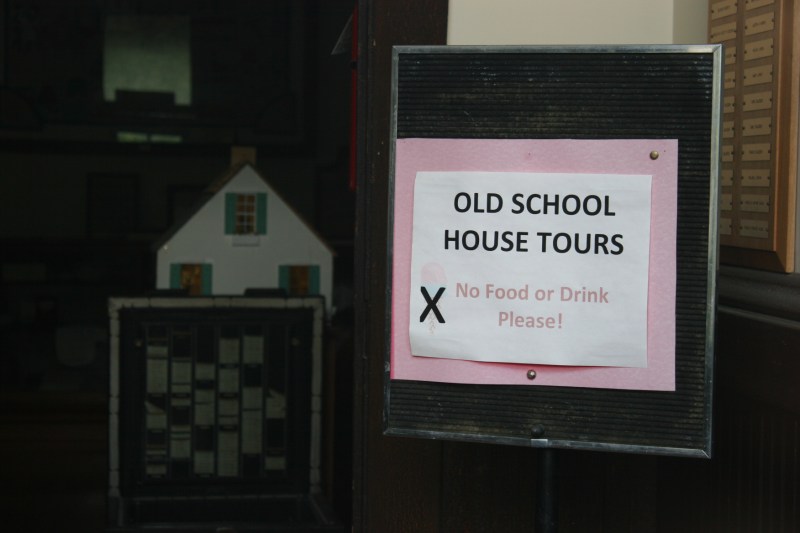
I peered through the windowed front door, not seeing much except the sign advertising OLD SCHOOL HOUSE TOURS (No Food or Drink Please!). I wished I could get inside. But this visit I had to settle for an exterior tour and only imagine the Reading,’Riting and ’Rithmetic that happened inside this center of education.


Once the center of education in Lonsdale.


From those three “Rs” comes the name, 3-R Landmark School. I like that creative tag tracing back to the basics of education—reading, writing and arithmetic.


Near the schoolhouse, a water source.


I found little information online about this school, which one source says was abandoned in 1946, the other 1948. The City of Lonsdale acquired the school property in 1963 after the Lonsdale school district consolidated to become Montgomery-Lonsdale Independent School District #394.


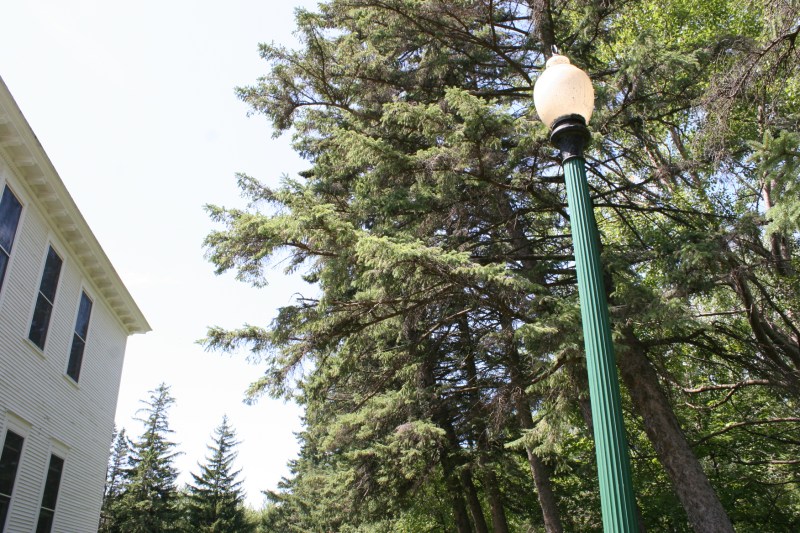
On the grounds are two vintage lamp posts.


Lamp post details.


Additional information reveals that a grassroots nonprofit formed in the late 1970s to restore the old schoolhouse. That group apparently dissolved in the mid 1980s following the school’s re dedication in 1986. Today this historic schoolhouse houses a museum and is open occasionally for community events.


Trees frame 3-R Landmark School, which sits on a one-acre grassy site. Plenty of outdoor play space for kids back in the day.


Perhaps once COVID-19 ends, the museum will reopen and I can walk through the front door into a classroom of yesteryear.


RELATED: The Steele County History Center in Owatonna is currently offering an exhibit, Country Schools: The Beating Heart of Rural Community. I toured that exhibit in June and will post on it at some point.

This Saturday, August 22, from 10 am – 2:30 pm, the Rice County Historical Society in Faribault is hosting Cruising Rice County History, a tour that will take participants on a self-drive to seven historic sites in the county. Cost is $20 per vehicle. Maps will be handed out at the historical society in Faribault on Saturday morning.

© Copyright 2020 Audrey Kletscher Helbling
 

More than free pears August 20, 2020

Filed under: Uncategorized — Audrey Kletscher Helbling @ 5:00 AM
Tags: , , , , , , ,

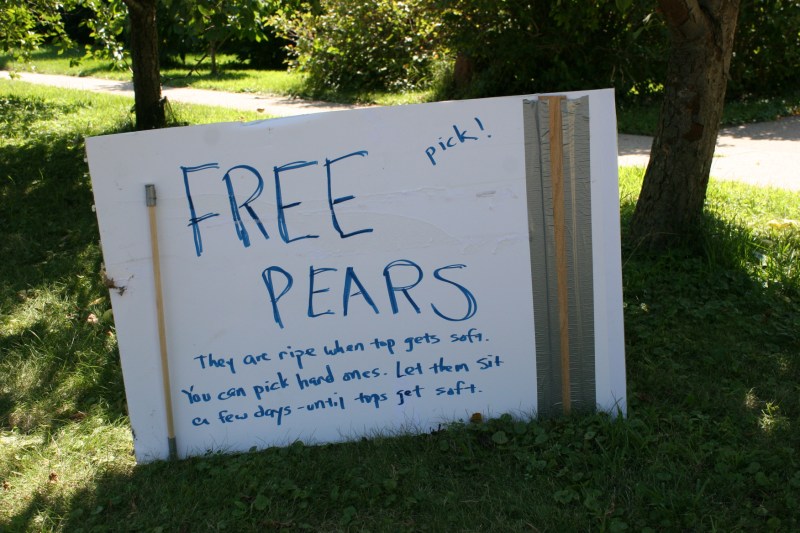
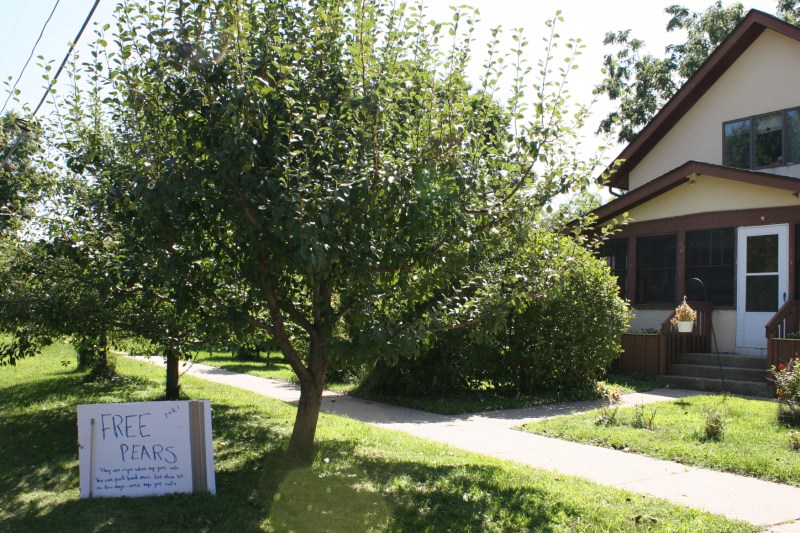
I photographed this roadside sign in Northfield on Sunday.


PICK A PEAR. Or two. Or three.

The roadside invitation to pluck pears from two trees at 203 West Woodley Street, Northfield, proved a first for me.

First, I’ve never seen such an offer. And second, I’ve never seen a pear tree.

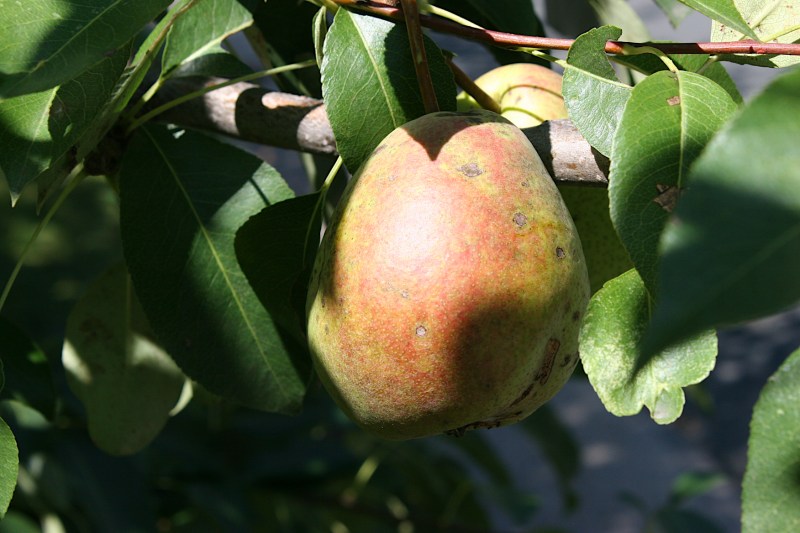
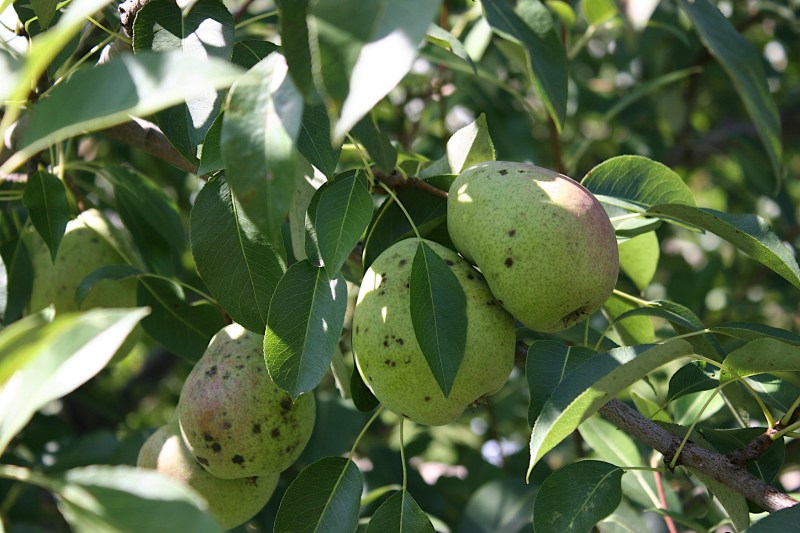
The pears I’ve eaten come from the grocery store. They are much larger, more golden and decidedly more perfect.


But there’s something about picking fruit directly from the tree that appeals to me. And I wasn’t about to pass on the opportunity.

So when Randy and I drove past the sign, we did a quick swing back around the block to check out the pears. Neither of us knows anything about home-grown pears. So the note about pushing on the top or picking hard ones and waiting a few days for them to ripen was particularly helpful.


Randy grabbed four pears—one yellow, the others green—while I grabbed my camera and took photos.

I ate the mini yellow pear for lunch the next day; it was too small to share. I found it dry, not at all juicy. Had there not been a browning blemish, I may have waited longer. The three remaining green pears are now inside a brown paper bag on the kitchen counter, hopefully ripening and not rotting.


This is the place, 203 West Woodley Street.


Whatever the outcome, I find the FREE PEARS offer such a fine example of kindness and generosity, something we all need right now. More than ever.


© Copyright 2020 Audrey Kletscher Helbling


Montgomery’s new mural details this Czech community August 19, 2020

Filed under: Uncategorized — Audrey Kletscher Helbling @ 5:00 AM
Tags: , , , , , , , , , ,

A family views Montgomery’s updated mural by Victor A. Garcia.


PUBLIC ART, WHEN RESEARCHED, well thought out and created by talented hands, enhances any community. Montgomery, Minnesota included.


The new mural, recently installed in Montgomery.


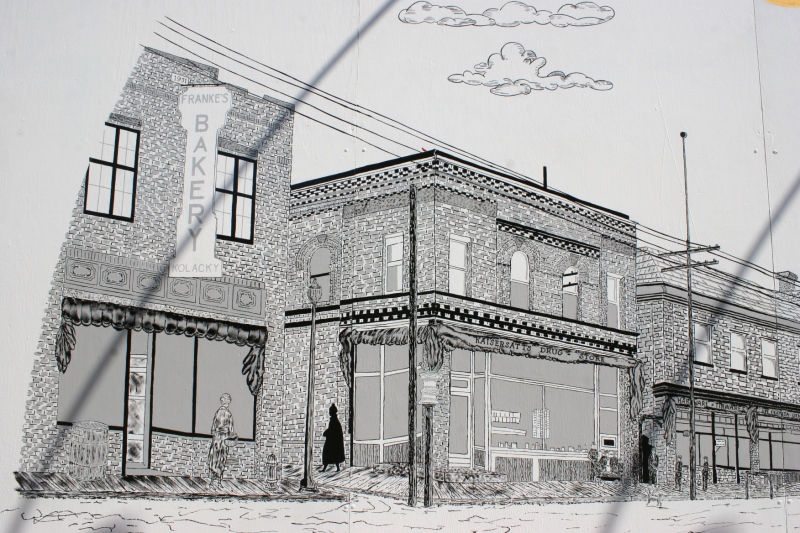
Recently, this town of some 3,000 in Le Sueur County unveiled a new historic-themed mural done by former long-time Montgomery resident and artist Victor A. Garcia, now of Belle Plaine.


A close-up shot of the prior Montgomery mural, photographed around 2013. Minnesota Prairie Roots file photo.


The latest 40-foot long painting replaces a weather-beaten mural Garcia created about 25 years ago.


Montgomery’s main street, circa 1900. Overhead lights shadow across the mural.


A current day view of a section of downtown Montgomery. The mural is to the left, on a side street.


Like the previous scene, the new mural depicts a view of the town’s main street, First Street, around 1900. But this time, both sides of the street are included in the painting.


A “key” of sorts to the mural. And a thank you to supporters.


Kolacky Days honored in the mural.


Garcia also featured “Montgomery Identifiers” to search for in his artwork. Like kolacky. This Czech community is, after all, the self-proclaimed “Kolacky Capital of the World.”


Franke’s Bakery is among businesses incorporated into the mural.


My photo of Franke’s photographed from across the street, by the mural.


Right across the street from the mural sits Franke’s Bakery, a popular local source for this fruit-filled Czech pastry.


The artist’s signature and a “Redbird.”


Cardinals are also painted into the mural, honoring the former school mascot, the Redbirds, before schools merged and the mascot became the Titans.


The local newspaper gets a place on the mural.


A Czech flag and the Green Giant and many more details incorporated into the mural depict the history and heritage of Montgomery.


One of several names I spotted on the mural.


Garcia even added some personal touches in images and words.


One last look at the Montgomery mural on Ash Street.


This mural calls for close study, not just a quick drive-by or look. Next visit to Montgomery, I’ll take more time to study the details I missed. For it is in the details that we learn the intricacies of a community and its history. And grow to understand and appreciate that which defines a place.


FYI: This $20,000 project was funded and supported by the Southern Minnesota Initiative Foundation, The Montgomery Community Foundation, Prairie Lakes Regional Arts Council, individuals, businesses and more.

This concludes my series of blog posts from Montgomery.

© Copyright 2020 Audrey Kletscher Helbling
 

LaNette’s, more than a coffee shop in small town Montgomery August 18, 2020

Filed under: Uncategorized — Audrey Kletscher Helbling @ 5:00 AM
Tags: , , , , , , , , ,

A view outside LaNette’s Coffee Shop, 225 First Street South, Montgomery, Minnesota.


FOUR PLASTIC MOLDED CHAIRS in a blue that seems more beachy than rural Minnesota, angle outside LaNette’s Coffee Shop. Two women sit here, sip coffee, engage in conversation on this sunny summer Saturday morning.


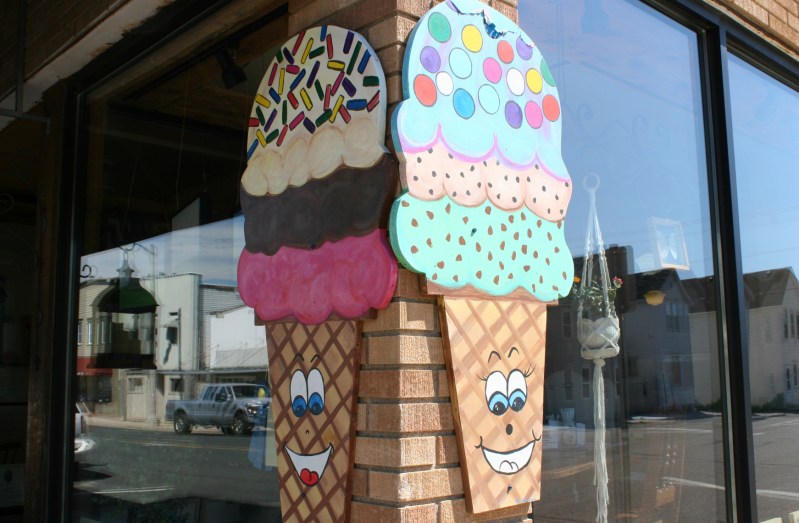
A close-up of that kitschy cute cone art.


The occasional vehicle passes by or stops at the stop sign before crossing or turning onto First Street. LaNette’s anchors a corner on the south end of Montgomery’s main business district and is housed in a small brick building marked by smiling waffle cone art that identifies this as more than just a coffee source.

Besides a variety of coffees and bakery treats like muffins, cinnamon rolls and cookies, Owner LaNette also serves up ice cream in homemade waffle cones. I’ve yet to try any of her treats. Next visit.


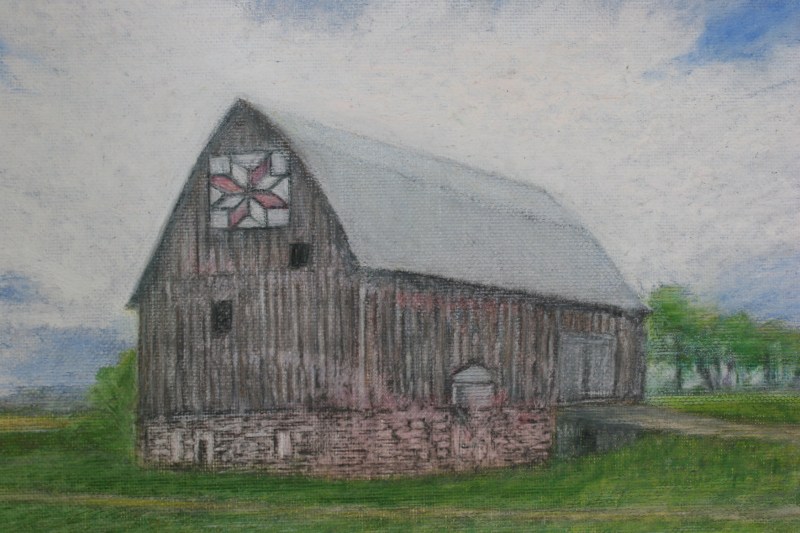
Pat Preble won first place for “Old Barn” and “Cows in the Field,” both displayed in the front window of the coffee shop.


But this time in town, I’d already eaten my sweet for the day—from Franke’s Bakery just up the street. Instead, I popped into La Nette’s for a closer look at the art displayed in her front window as part of the local “Celebrating Farmers and Agriculture” Exhibit coordinated by the Montgomery Arts & Heritage Center. I asked LaNette if I could turn a barn painting by Pat Preble to photograph it. She quickly agreed.


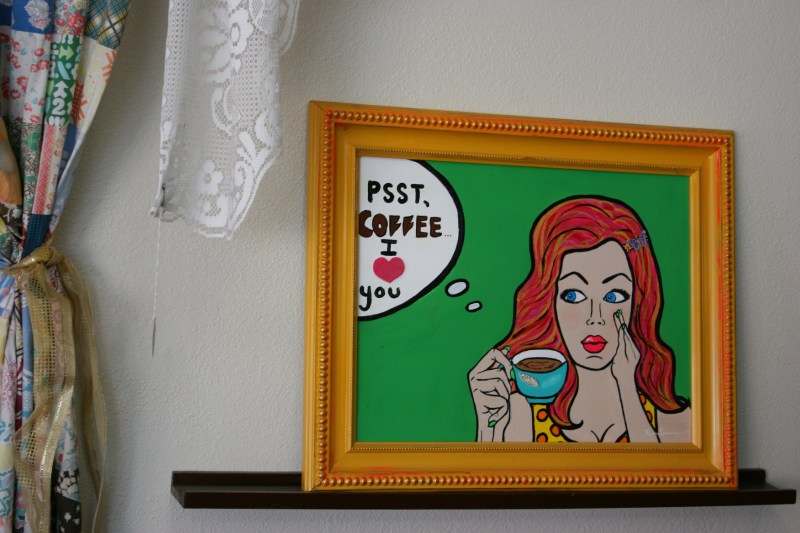
An example of the art in LaNette’s.


I noticed the work of other artists showcased and available for purchase in LaNette’s shop. I love when local businesses support local artists. And writers, as noted by a Hometown Authors section in a wall display.


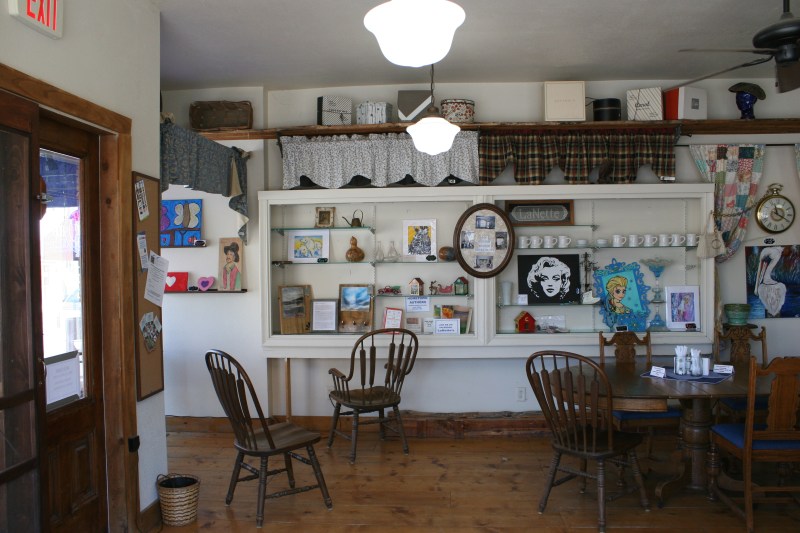
The inviting interior.


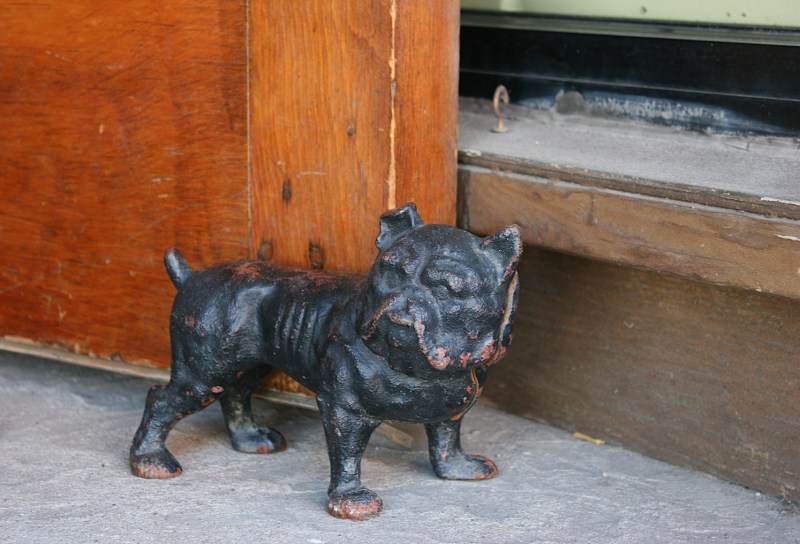
An antique doorstop keeps the front door open.


LaNette’s with mismatched tables and chairs, inviting sitting spaces, art, a few antiques, a pine plank floor and the aforementioned beverages and treats, has a comfortable feel of neighborliness. Of gathering with friends. Of catching up on family and town news. Of enjoying the often slower pace of life found in small town Minnesota. Of contentment.


A neon sign in the front windows signals that the coffee shop is open.


FYI: LaNette’s Coffee Shop is open from 6 am – 3 pm Monday-Saturday. Please check back for one final post from Montgomery tomorrow.

© Copyright 2020 Audrey Kletscher Helbling

 

Anything but prune & much more in Montgomery August 17, 2020

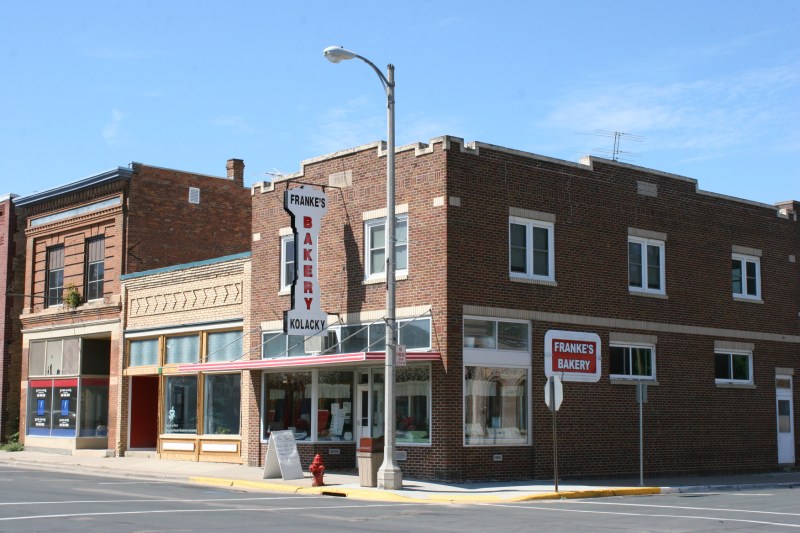
Popular Franke’s Bakery anchors a corner in downtown Montgomery, Minnesota.


SMALL TOWN MINNESOTA. What is it about our rural communities that holds my heart? Surely, my upbringing on a crop and dairy farm in the southwestern region of our state influences how I feel about rural places.


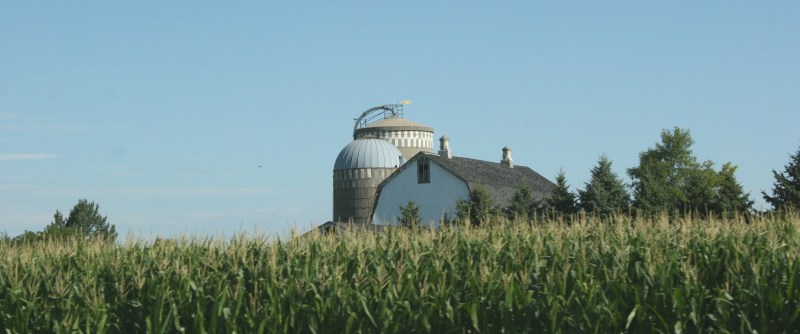
Farms and fields surround Montgomery.


But it’s more than that. I see in these communities, like Montgomery in Le Sueur County, a distinct character, a connection of people, an appreciation for the quieter life afforded to those who live in this ag-based area.


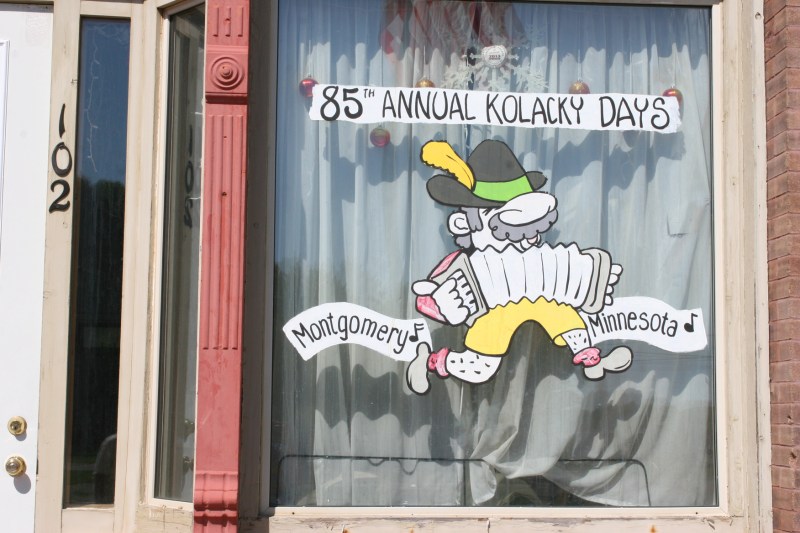
Art in downtown business windows showcases the town’s annual Kolacky Days celebration.


Fresh-baked kolacky are always available at Franke’s Bakery.


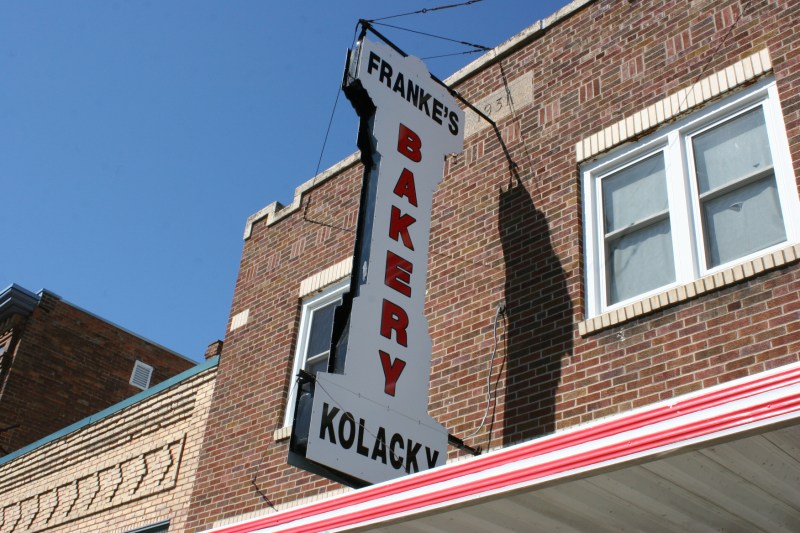
One of my favorite signs in Montgomery banners the 106-year-old bakery.


I’ve written about and photographed Montgomery many times. Each visit I notice the details that define this self-proclaimed Kolacky Capital of the World with its strong Czech heritage. Kolacky are a fruit-filled (sometimes poppyseed, too) Czech pastry, available at the century-plus-old Franke’s Bakery and elsewhere.


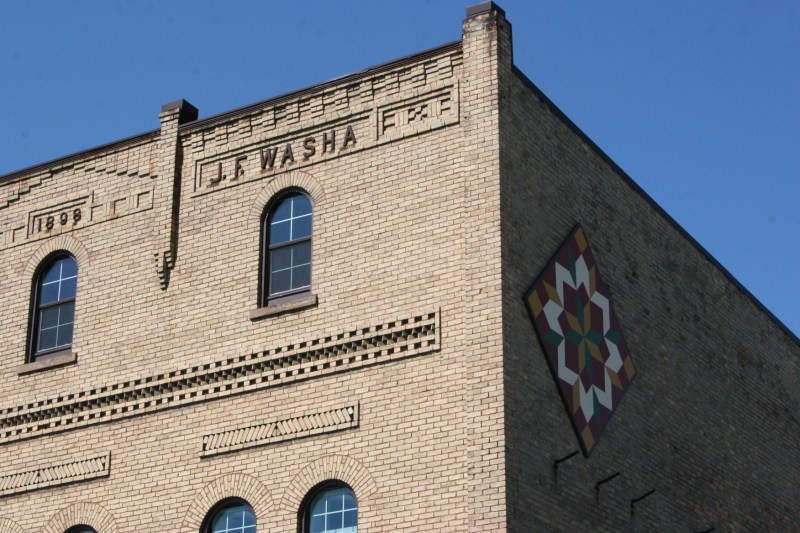
A quilt adorns an historic downtown building.


When I walk along First Street, the main street through the downtown business district, I always notice the historic buildings.


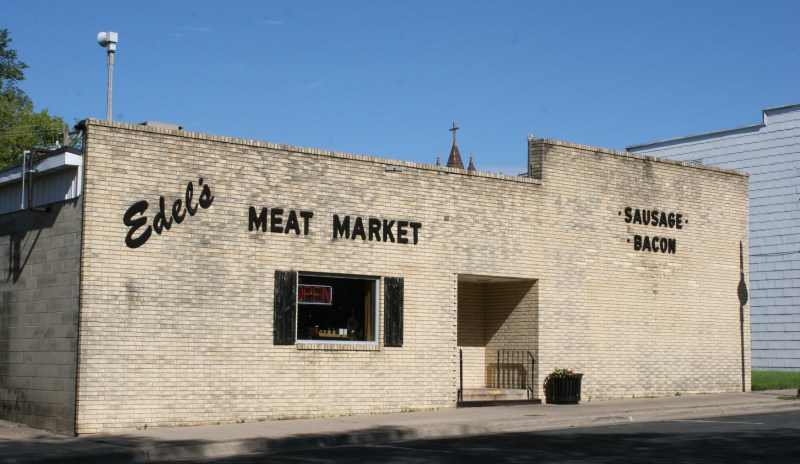
And the home-grown businesses, including multiple meat markets.


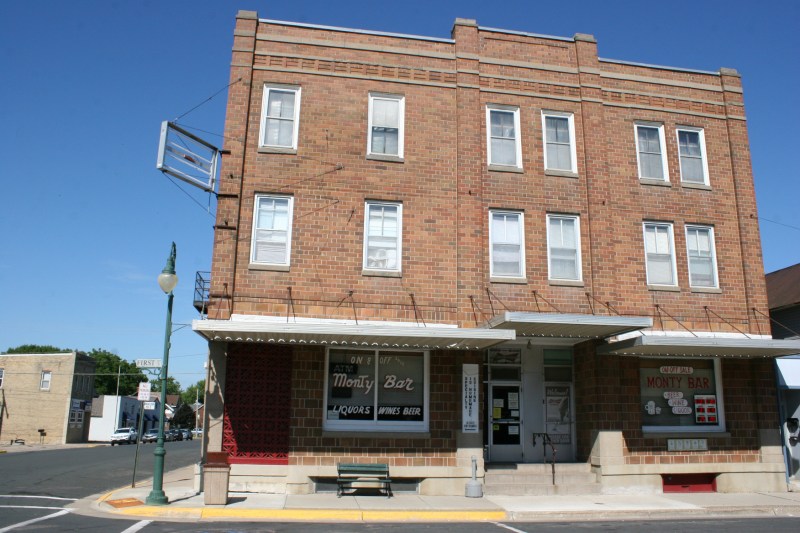
The Monty Bar is missing its corner signage, which I loved.


And, like many small towns, multiple bars. Montgomery also has a craft brewery, Montgomery Brewing.


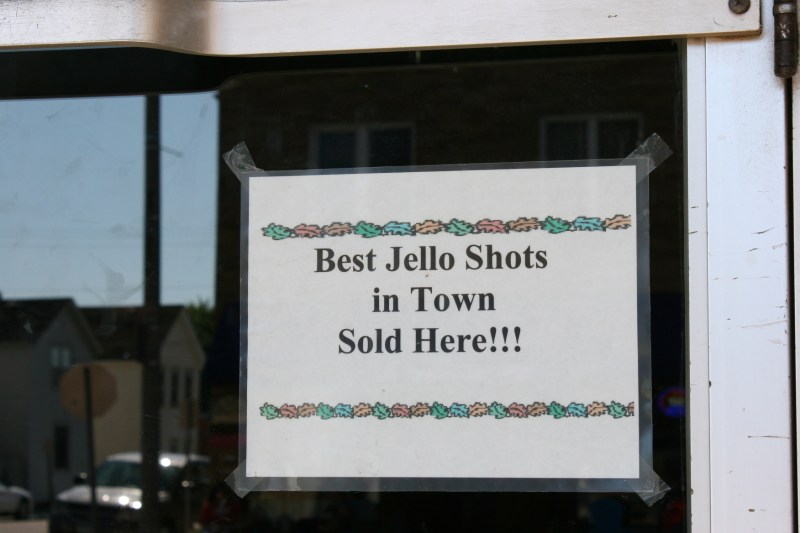
Signs plaster the front of the Monty Bar, including this one.


But I also notice the signage that is distinctly Montgomery. Like the best place to buy Jell-O shots (the Monty Bar).


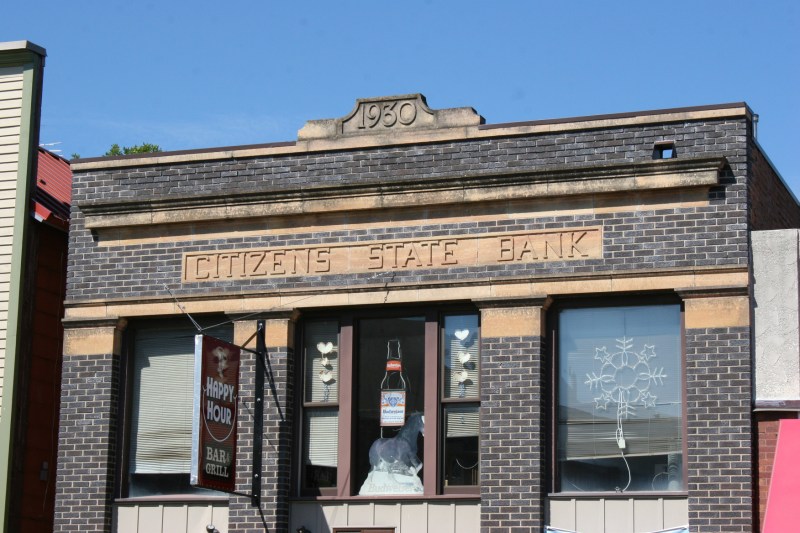
An historic building houses the Happy Hour Bar & Grill.


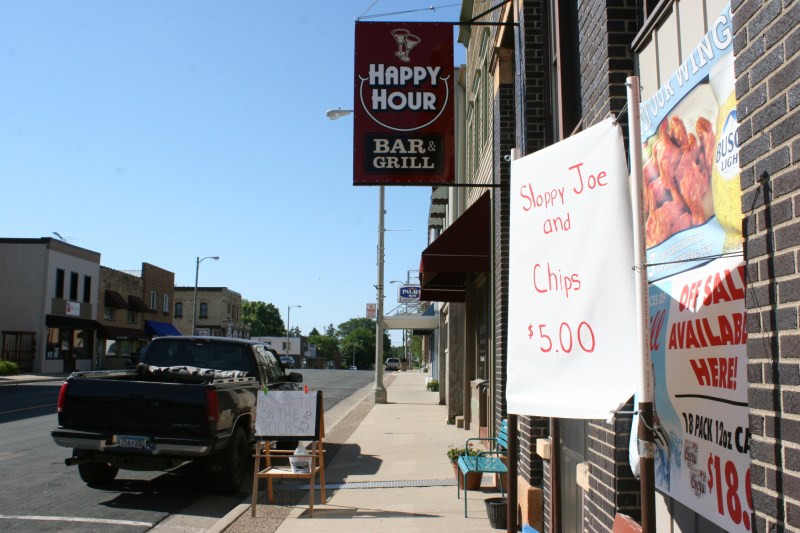
The Happy Hour lunch special on the day of my visit.


Or the lunch-time Sloppy Joe special at the Happy Hour Bar & Grill.


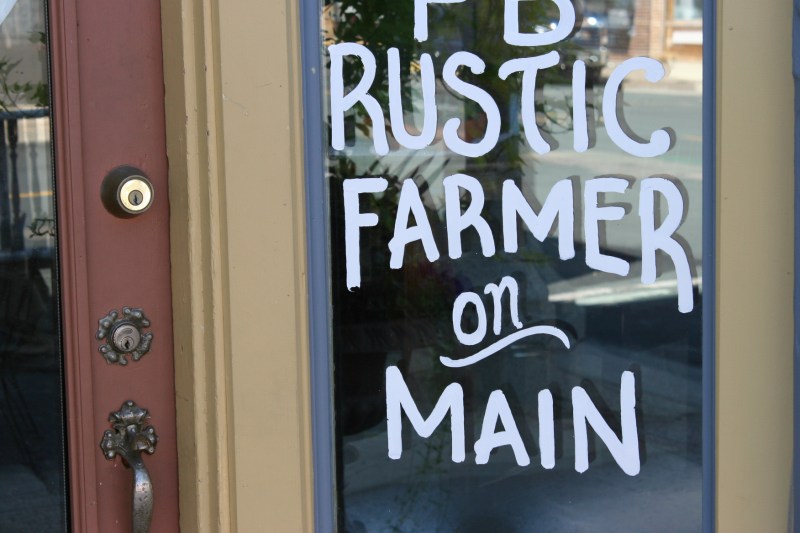
Signage marks the Rustic Farmer.


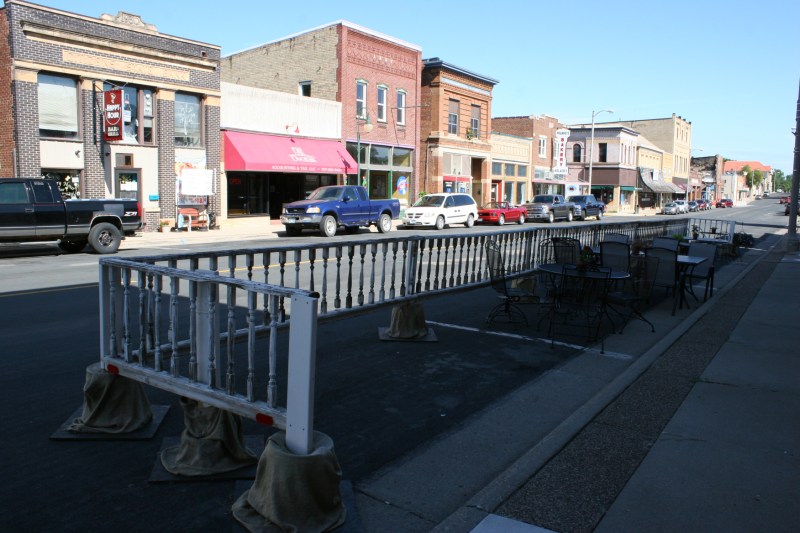
The inviting dining space in front of the Rustic Farmer along Montgomery’s main street.


It is this type of signage that reveals much about a town and its people. When I spot the event space, Rustic Farmer on Main, and later sit there at a patio table to enjoy a custard-filled sweet treat from Franke’s, I think on that name. Rustic Farmer. It fits this rural community.


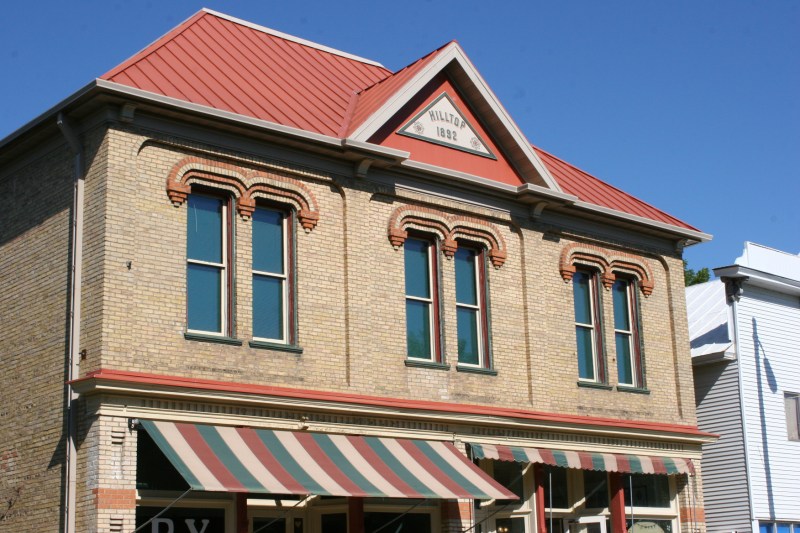
Hilltop Hall is on the National Register of Historic Places.


The same goes for Hilltop Hall, an historic building perched atop a hill on the north end of downtown. It’s home to Posy Floral & Gifts and the Montgomery Arts & Heritage Center.


I photographed this puzzle at Herrmann Drug, where it’s available for purchase.


That center houses a small gift shop and heritage displays, including Kolacky Days celebration buttons. Photographer Sarah Dolejs designed a 513-piece jigsaw puzzle featuring a photo of a button collection. The puzzle is available in local businesses and online. Recently, organizers of this year’s virtual Kolacky Days held a “Jigsaw Puzzle Competition from Your Kitchen Table” to see who could assemble the puzzle the fastest. The winning time was 67 minutes by Team Sherman. They beat out Anything but Prune (a reference to prune kolacky) by a mere minute. The Poppyseed Posse (another reference to kolacky) and the Laughing Polka Ladies didn’t even come close to winning.


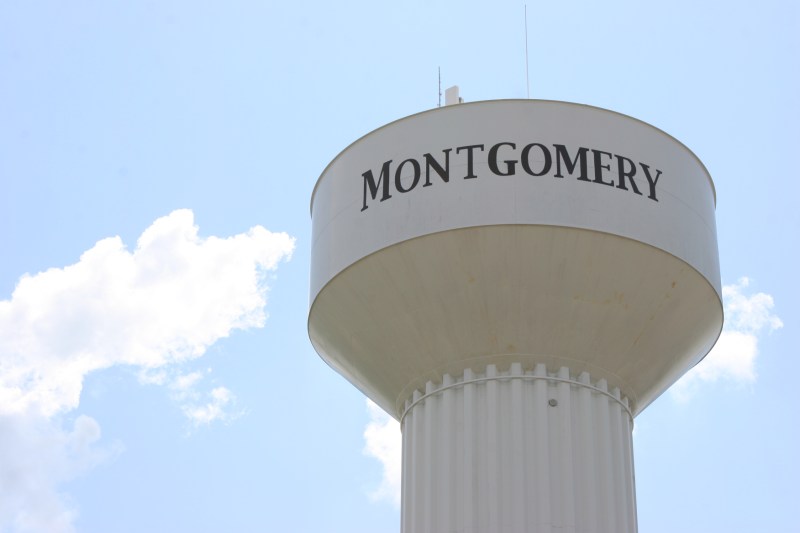
The town’s water tower is located near the Montgomery National Golf Club.


I love those creative names. They reveal a sense of humor, a sense of pride, a sense of appreciation for heritage and all that defines this town. This Montgomery, Minnesota.

#

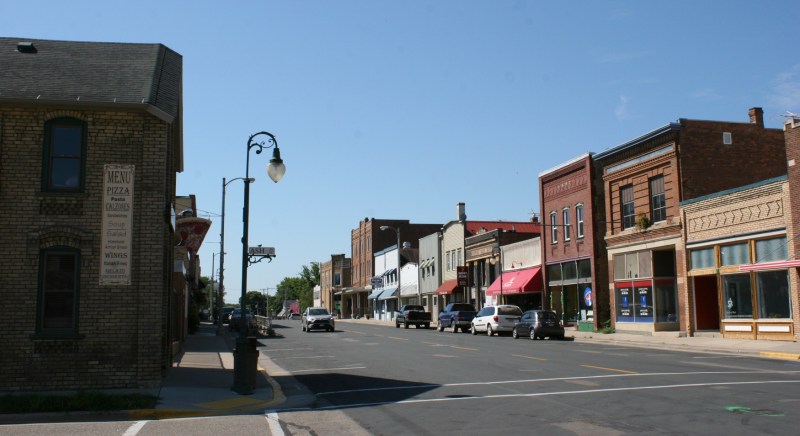
A section of downtown Montgomery, including the popular eatery, Pizzeria 201, on the left. It’s located in the historic Westermann Lumber Office & House.


Please check back as I continue my series of posts from Montgomery. Upcoming posts will feature the community’s redone mural and a downtown coffee shop.

© Copyright 2020 Audrey Kletscher Helbling
 

Picnicking at historic Christdala Swedish Lutheran Church August 16, 2020

On the backroads in Rice County, heading northwest of Faribault.


IN MINNESOTA, WE LOVE our summers. And that has a lot to do with our long winter season of too much cold, too much darkness and too much being cooped up inside. Factor in COVID-19, and summer days are even more beloved.

This summer, especially, Randy and I often pack sandwiches, fruit and whatever else for a weekend picnic lunch. It gets us out of the house/town and into nature, exactly what we need when so few options exist for escaping anywhere these days.

On a recent Sunday we contemplated our choices and decided to head to Cannon Falls, a lovely river town about a 40-minute drive northeast of Faribault. But, as we backed out of the driveway and looked to the east, we saw storm clouds building. Change of plans.


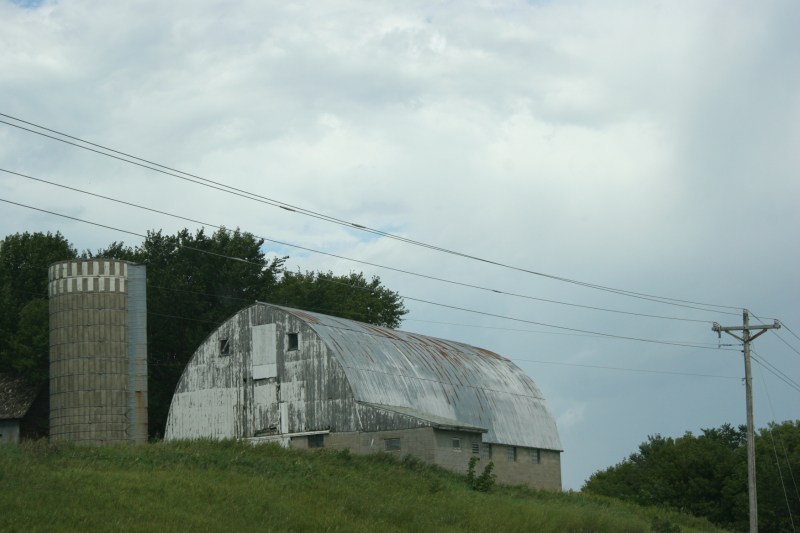
One of my favorite rural sightings: aged barns. This one is near Circle Lake.


Instead, we drove northwest, with the intention of picnicking at Circle Lake near Millersburg. A much shorter drive on a day of unsettled weather and possible afternoon storms. As farm-raised kids, Randy and I always delight in traveling rural roads—paved and gravel—to reach our destination. On our way to the lake, I observed acres and acres of cornfields, far exceeding soybeans. Not uncommon.


The sign marking Circle Lake’s public pier.


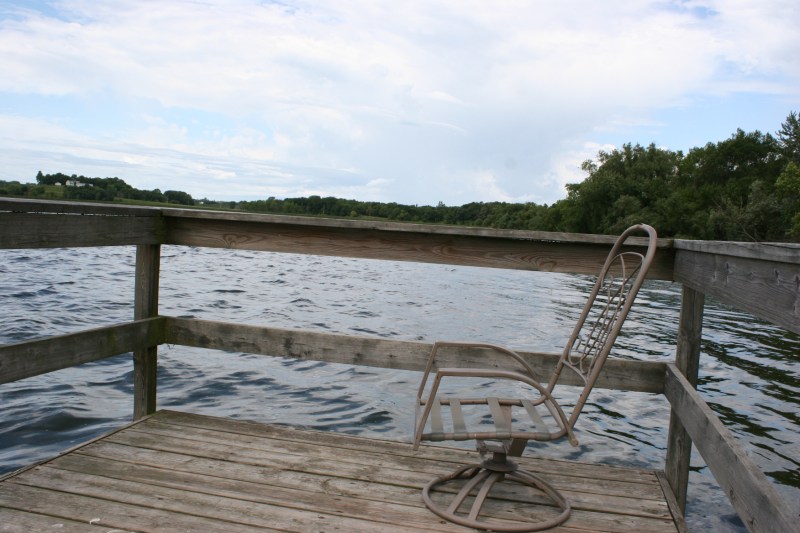
No comfortable place to sit here…


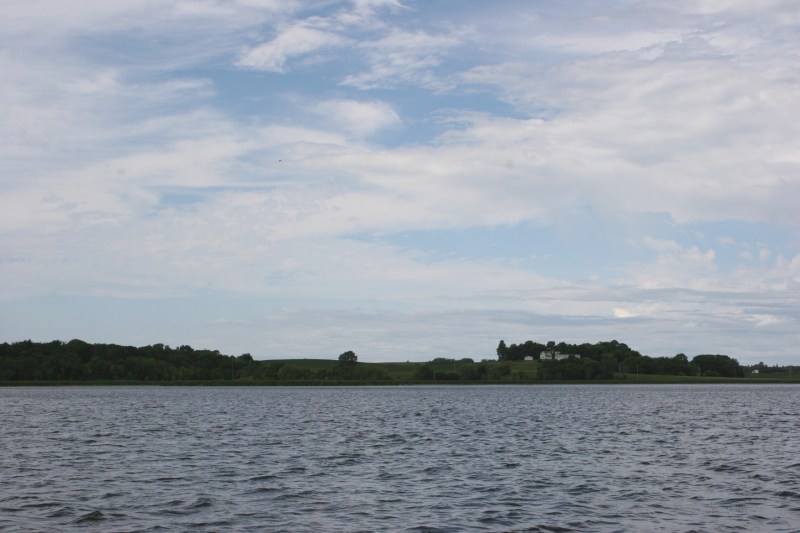
A view across the lake of the surrounding countryside.


Randy missed the lake turn, backed up on the county road and then proceeded down a gravel road toward the public access point on Circle Lake. To our dismay, we saw no picnic tables either at the boat launch site or the adjoining patch of green space. A bit farther, though, we spotted a public fishing pier and decided to eat our lunch there.


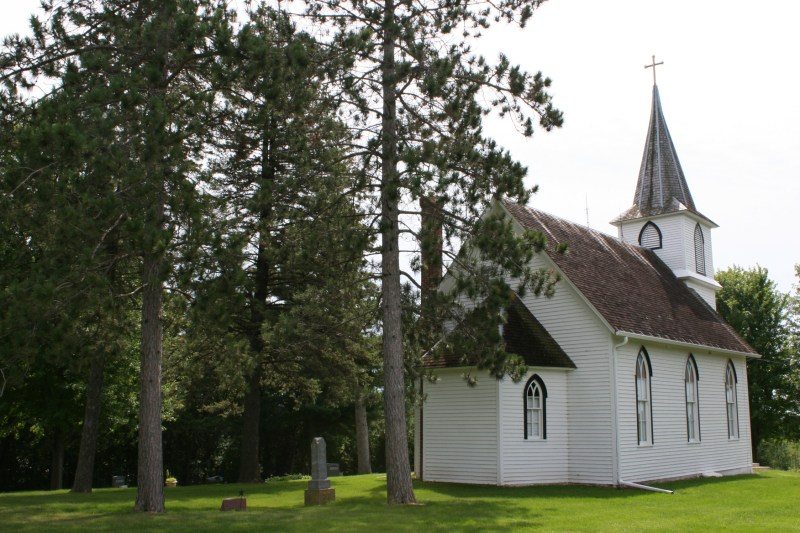
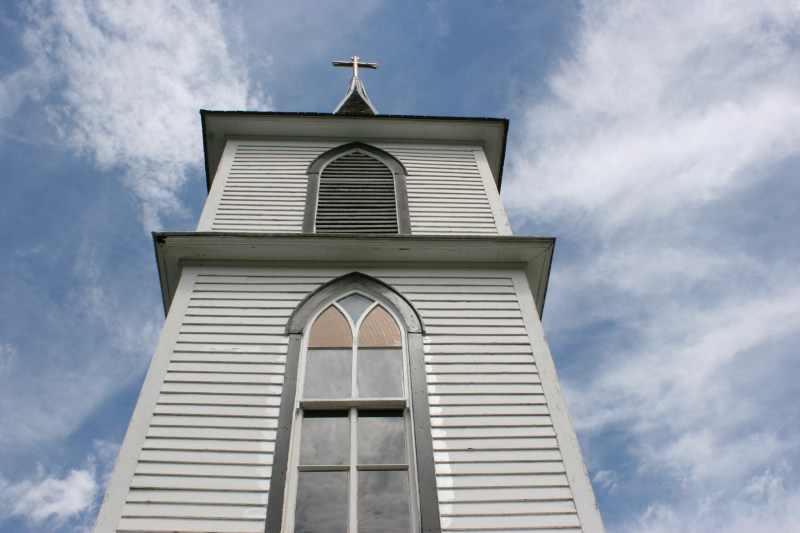
Christdala Swedish Lutheran Church, rural Millersburg. This congregation is no longer active with the church open only for special services and events.


Except, upon exiting the van, the stench and sight of stagnant green lake water, a floating dead fish and an obviously neglected dock caused us to, once again, change plans. I suggested we drive to Christdala Swedish Lutheran Church, a nearby historic church set atop a hill overlooking the countryside. We could, I suggested, sit and eat on the front steps.


A long flight of steps lead up to Christdala.


And that’s exactly what we did, after we climbed a flight of steep steps and passed under an arch leading into the fenced church property. We turned our backs to the sun, settled onto the cement steps and pulled our sandwiches and other food from the cooler. It’s the first time I’ve picnicked next to a graveyard.


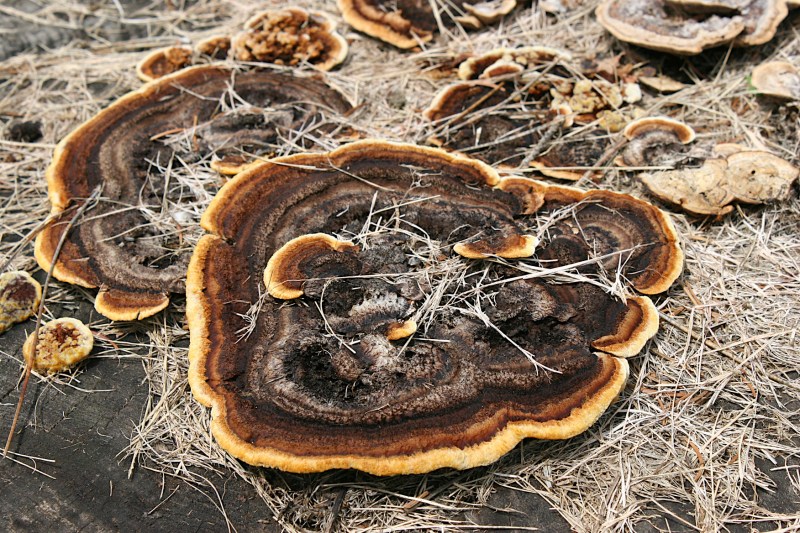
Near Minnie’s gravestone, I photographed this interesting fungi on a stump.


As we ate, we talked. About Minnie’s gravestone, in our direct line of vision. She died at age 23. Like too many who lost their lives prematurely so long ago, pre-modern medicine.


Christdala Swedish Lutheran Church painted in 1969 by Faribault artist Rhody Yule. Minnesota Prairie Roots file photo.


We talked about our friend Rhody Yule, who showed select original religious-themed paintings here in September 2010. He gifted his 1969 painting of Christdala to the church on that Sunday afternoon. I organized the outdoor exhibit and a more extensive gallery show months later at the Paradise Center for the Arts in Faribault. Randy and I shared how much we liked Rhody, an artist we met while on a Sunday afternoon drive two years prior. He quickly became a good friend, someone we delighted in for his gentle spirit of kindness and deep faith. A true joy.


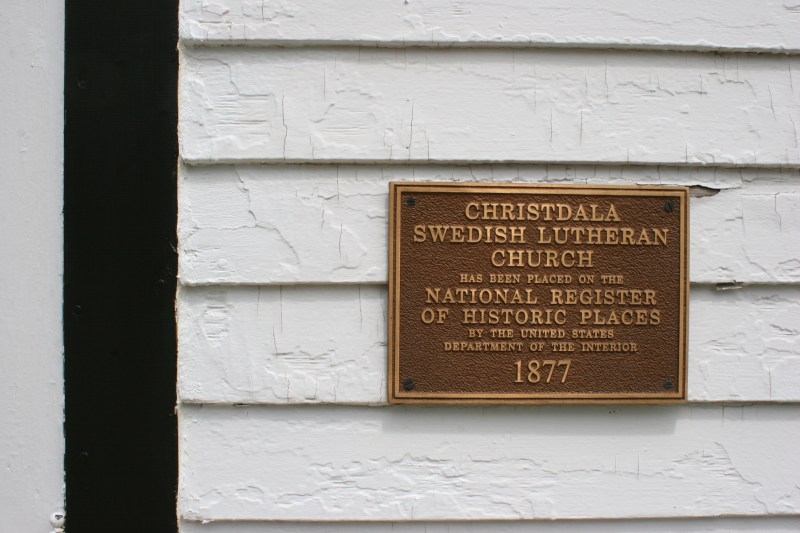
Posted next to the front door.


The steeple rises high above the treetops.


A summary of church history is posted next to the parking area at the bottom of the hill.


We noticed paint scrapings on the ground, indicating the 1877 church was recently repainted. It’s on the National Register of Historic Places, significant because the first Swedish settlers in Rice County founded this congregation, built this church.


Another marker nearby honors Swedish immigrant Nicolaus Gustafson.


One of those immigrants, Nicolaus Gustafson, was fatally shot by Cole Younger in the attempted raid of the first National Bank in nearby Northfield in 1876.


Just a sampling of the Swedish names on gravestones at Christdala.


There’s so much history and heritage here in names like Johnson, Anderson, Paulson, Gustafson, Nelson…the “son” of Swedish ancestry.


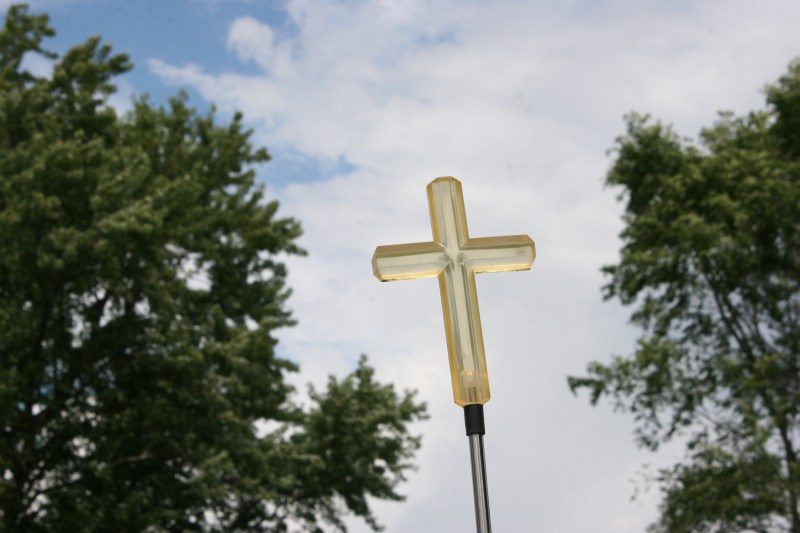
I spotted this probably glow-in-the-dark cross near a gravesite.


The graveyard surrounds Christdala church.


A wrought iron fence encloses the entire property.


We meandered through the graveyard separately. I didn’t recall the wrought iron fencing or the graveyard expansion with plenty of open space for future burials. It’s a lovely and peaceful spot behind the church, away from busy enough Rice County Road 1.


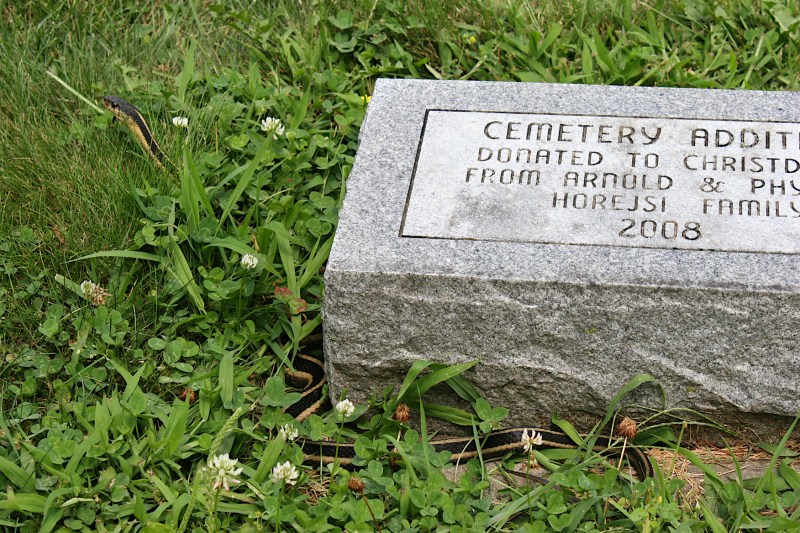
Randy saw this snake before me, but didn’t tell me. He knows I intensely dislike snakes. He suggested I move in for a closer photo. Nope, won’t get any nearer.


Randy directed me to a small stone marking the additional graveyard space as a 2008 donation from Arnold and Phyllis Horejsi. Arnold, 91, died on March 23 with services delayed until August 18 and burial at Christdala at a later date. I walked over to the marker, commenting on the many small holes that pock the land. And then, as I focused my camera lens on the stone, I noticed the garter snake. Striped. Too long. Head up. Tongue flicking.

That was it. I was done touring this cemetery, especially after I saw a second snake nearby. My mind fixated on snakes slithering over my feet and I couldn’t help but think of the biblical reference in Genesis to Satan as a snake. I wanted out, away, gone.


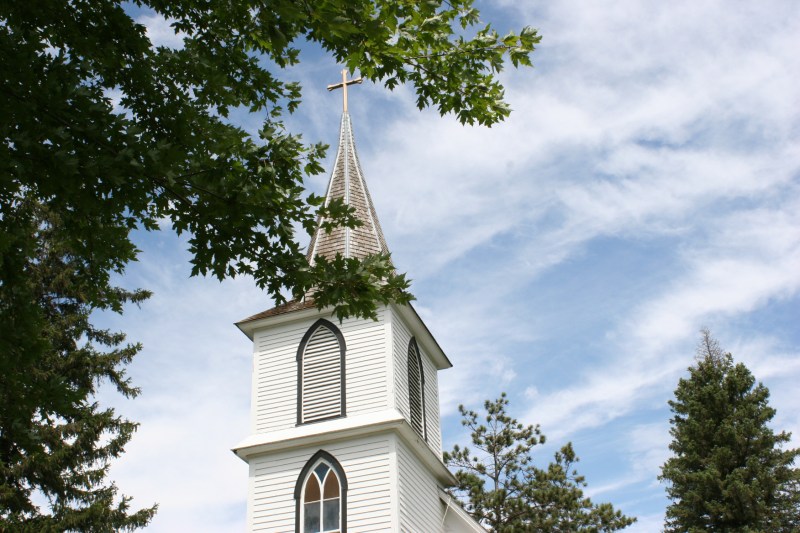
A heavenward view of Christdala.


And so I waited near the front steps for Randy to finish his graveyard tour. I aimed my camera lens skyward, away from the ground and slithering snakes. High toward the steeple. To the cross.


© Copyright 2020 Audrey Kletscher Helbling

 

I’m a princess, but not of the Milky Way August 15, 2020

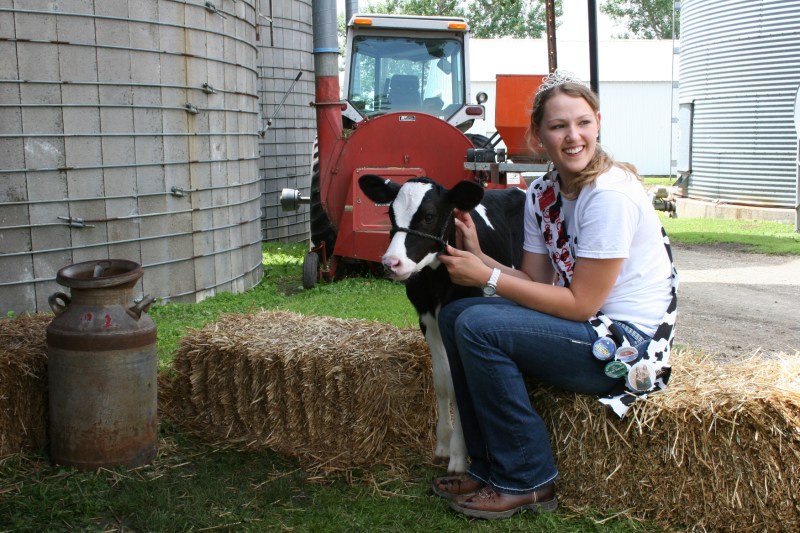
Past Rice County Dairy Princess Kaylee Wegner. Minnesota Prairie Roots file photo 2015.


“I LOVE YOU, my Little Princess.”

Oh, how sweet those loving words from my Aunt Dorothy, who has always called me her “Little Princess.” And still does. In every phone conversation between Minnesota and New Jersey, she ends our call with those endearing words.

It’s not that I’m much of a princess. Far from it. At least not in the sense of how most of us visualize royalty. I’m a tee and jeans woman. No glitz, no glam, no nail polish. And, in recent years, I’ve allowed my hair to go naturally and beautifully grey. Because, you know, I’m tired of putting chemicals on my head and I earned every grey strand…so I’m owning it.


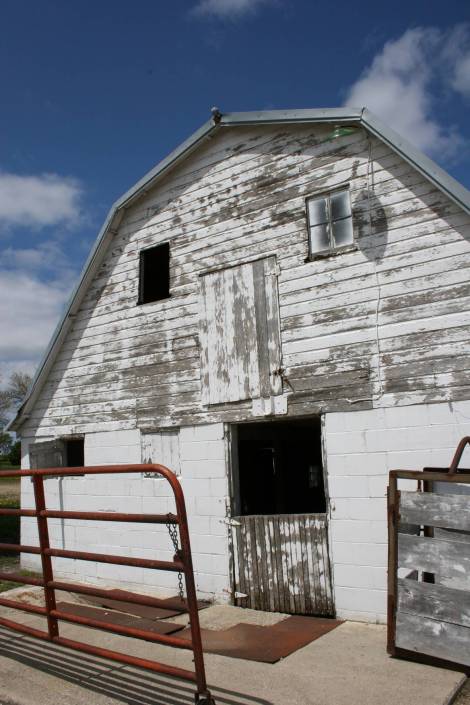
The early 1950s barn on the Redwood County dairy farm where I grew up. I spent a lot of hours through my childhood working in this barn. Minnesota Prairie Roots file photo.


But there was a time, back in my teen years, when I wanted to be a real princess. As in the Redwood County dairy princess. So I competed for that title, recognizing from the minute I stepped into the room of competitors, that I had no chance. I may have been a hands-on, working-in-the-barn daughter of a dairy farmer, but I didn’t possess the confidence, poise or other skills to represent Minnesota’s dairy industry.


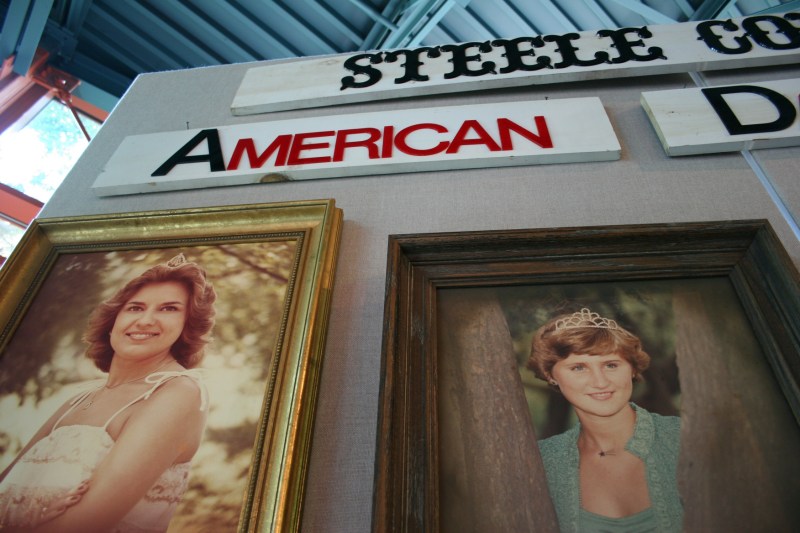
The Princess Kay of the Milky Way competition is a part of Minnesota culture. A past exhibit at the Steele County History Center in Owatonna featured photos of previous royalty, including 1978 princess Kari Schroht, left, and 1976 princess Kathy Zeman, right. Minnesota Prairie Roots file photo.


The judges chose a competent young woman, whose name I don’t recall, to rein as the Redwood County dairy ambassador along with other county princesses from throughout the state. Dairy princesses have been a Minnesota tradition for 67 years, highlighted in crowning of Princess Kay of the Milky Way around the time of our State Fair. Wednesday evening, Olmsted County Dairy Princess Brenna Connelly of Byron was crowned in a private ceremony among 10 masked and social distancing candidates.


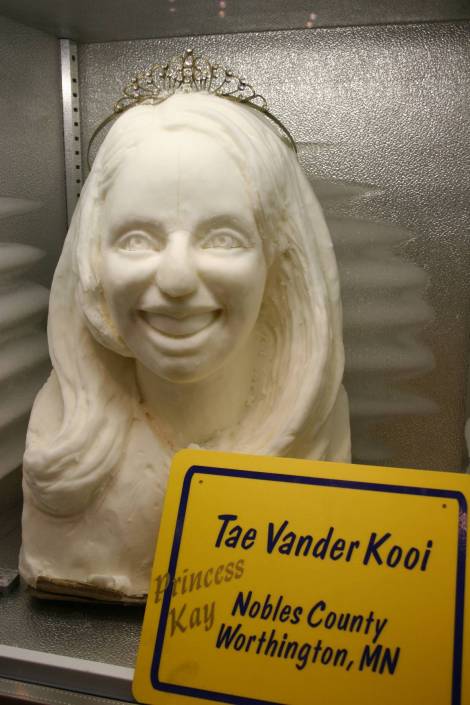
A Princess Kay of the Milky Way butter carving in the Minnesota History Center’s MN150 exhibit and photographed several years ago at the Steele County History Center. Minnesota Prairie Roots file photo.


Post coronation in a typical year, the new state princess and nine other candidates sit in a special refrigerated and rotating cooler in the dairy building at the Minnesota State Fairgrounds to get their heads carved in blocks of butter while fair visitors crowd around and watch. But this year, because of COVID-19, there is no fair. But the butter sculpting tradition continues, with notable changes.

Each county princess, starting with the new 67th Princess Kay of the Milky Way, will sit alone in the 40-degree butter sculpting booth with Litchfield artist Gerry Kulzer as he sculpts their likenesses from 90-pound blocks of Dinner Bell Creamery butter. They will be masked and social distancing. And when it comes to getting the princesses’ noses and mouths just right, each young woman will move outside the cooler and onto a ladder and remove her mask.


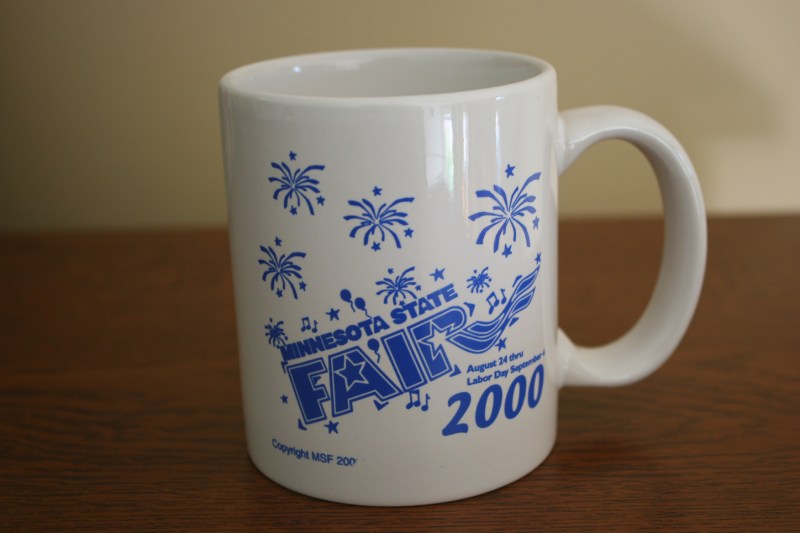
I’ve only attended the Minnesota State Fair a few times in my life, the last time decades ago. Many people love the fair. But I don’t because of the crowds. This mug came from my father-in-law’s collection of mugs.


Crowds won’t watch from inside the dairy building. Rather, updates are posted thrice daily on the Princess Kay Facebook page, starting at 10:30 am and continuing through August 22. The sculpting, which takes from six to eight hours, begins at 8:30 am and ends at 5 pm with several breaks. You can only imagine the challenges of sitting in 40 degrees for a prolonged period of time. We may be hardy Minnesotans to whom that temp feels balmy come mid-winter. But in August, not so much.

Once the butter sculpting is done, the princesses take their blocks of butters back to their respective homes and then do what they wish with them. The new princess is sharing hers with family and friends first and then with a food shelf. In past years, I’ve read stories about princess butter heads buttering corn at community sweetcorn feeds. But this year I don’t expect that to happen. Or at least it shouldn’t.


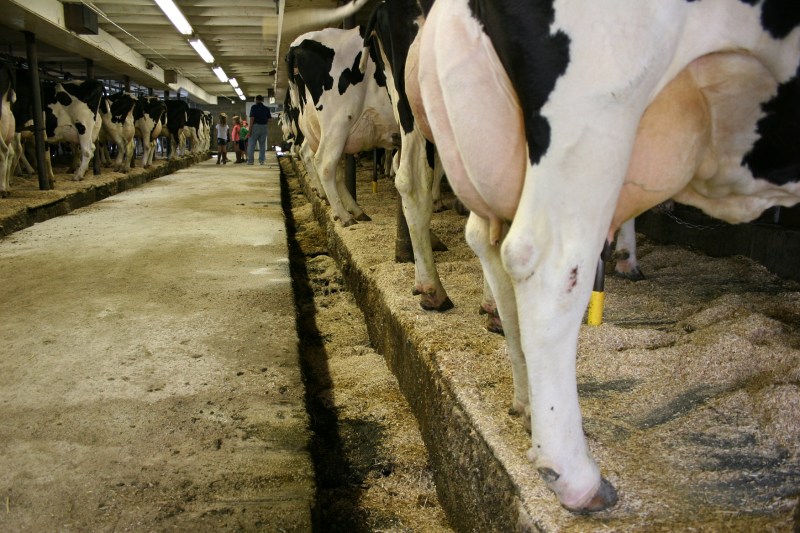
Inside the Ron and Diane Wegner dairy barn during a dairy day several years ago. Minnesota Prairie Roots file photo 2015.


That I was never chosen as a county dairy princess nearly 50 years ago was the right decision. I feel no disappointment because, I’ve always been a princess…in the eyes of my beloved Aunt Dorothy.


© Copyright 2020 Audrey Kletscher Helbling
 

The shifting of seasons in Minnesota August 14, 2020

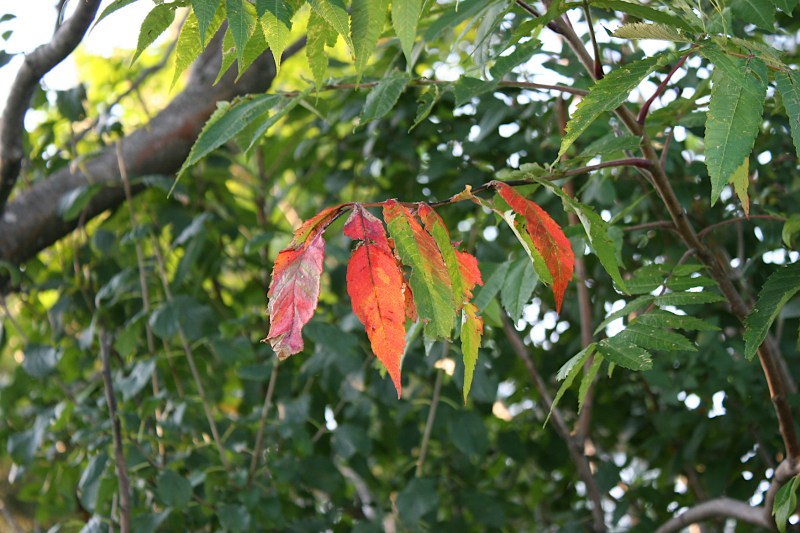
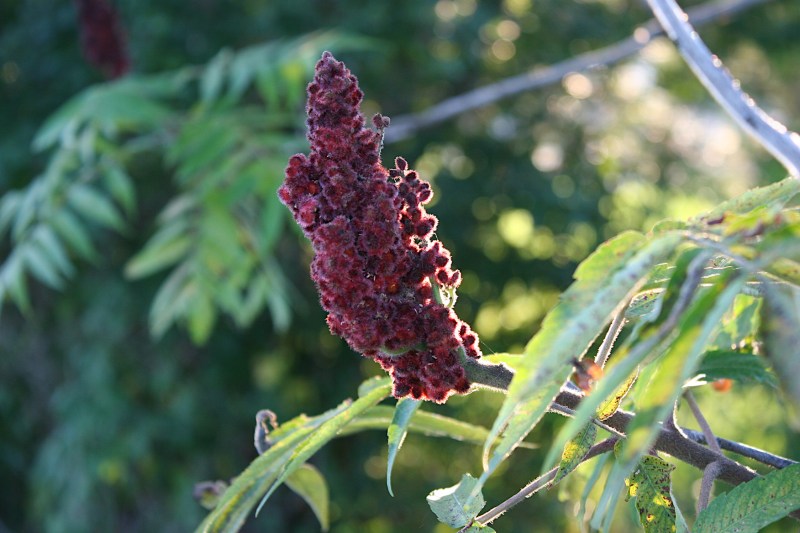
Sumac are already turning red.


THE CHANGING OF SEASONS edges into Minnesota, ever so subtly.


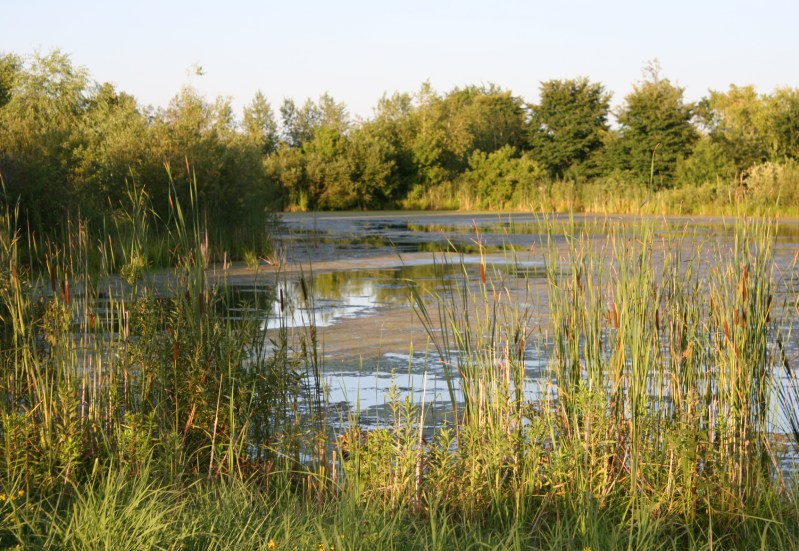
You can see the changing of the landscape around this pond, the subtle changes in hues.


August marks the month of transition, of shifting from summer to autumn.
 

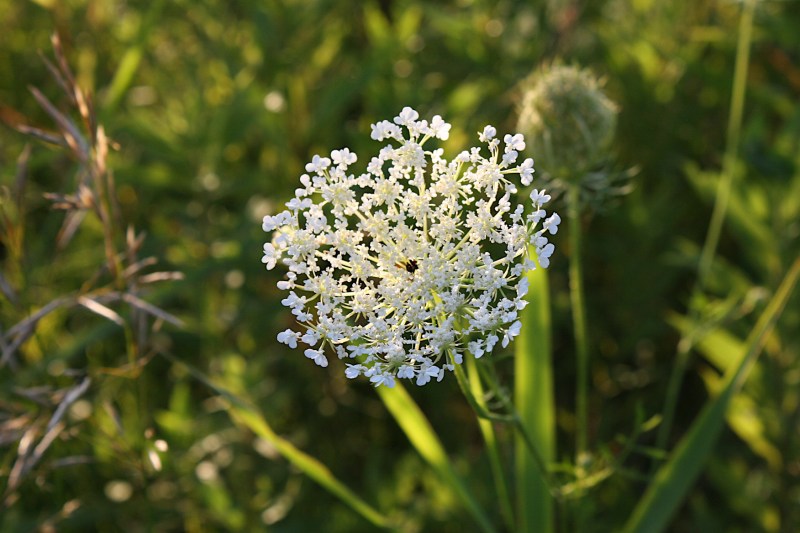
Beautiful black-eyed susans.


Of wildflowers in full bloom.


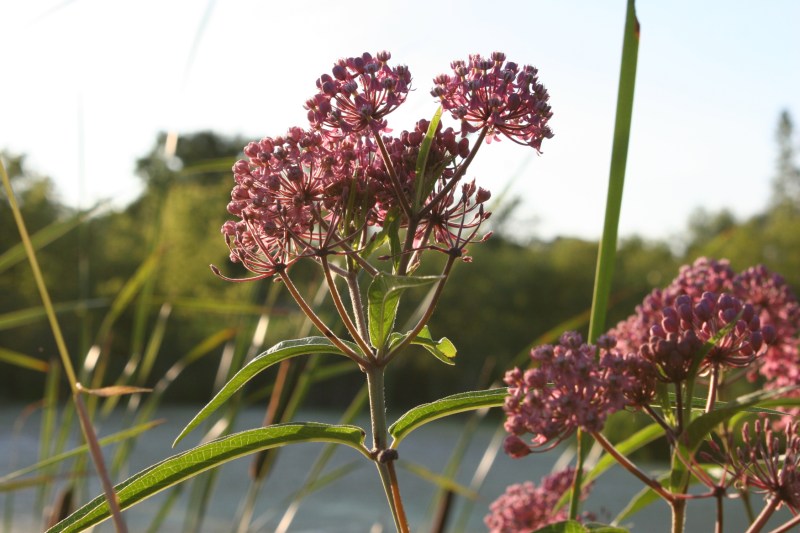
Milkweed, necessary for Monarh butterflies.


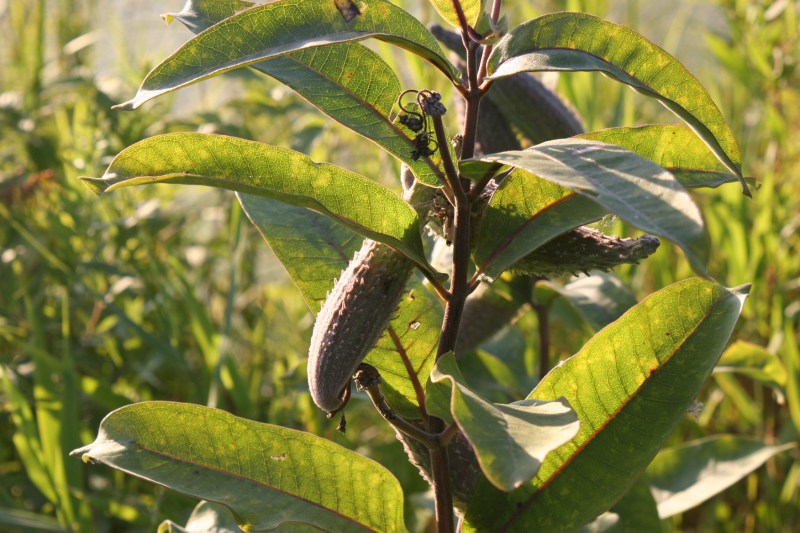
Milkweed pods will soon burst with seeds and fluff.


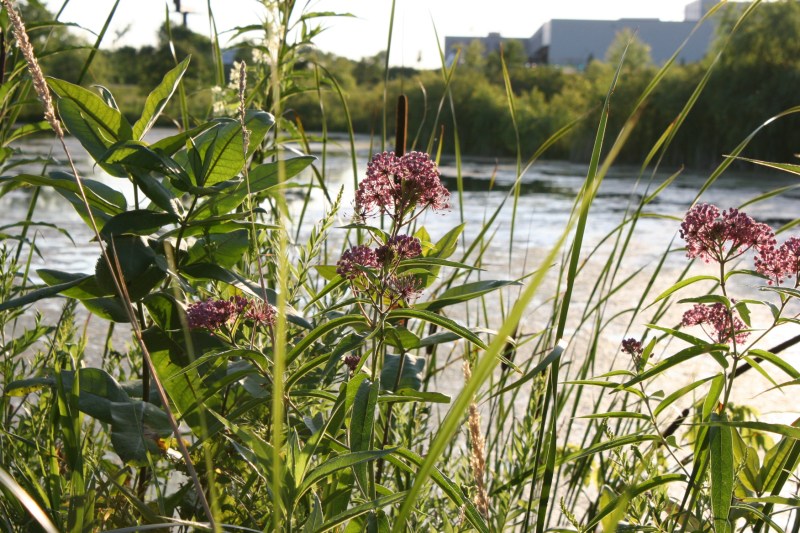
Milkweeds edge the trails and ponds at Faribault Energy Park.


Of blooming milkweeds and those heavy with pods.

 

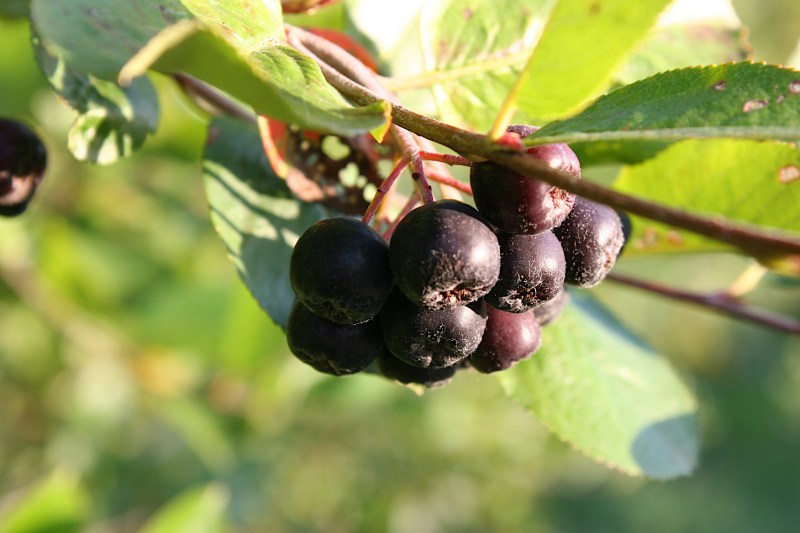
Unidentified berries.


Of berries ripening.


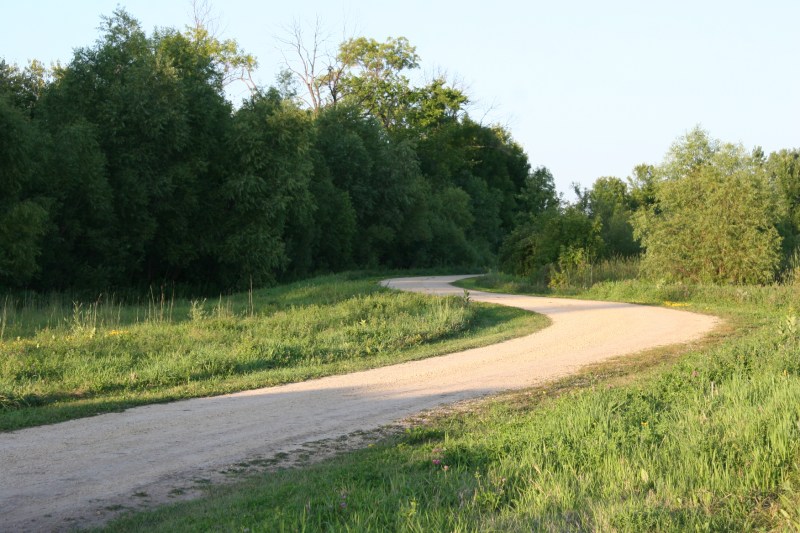
A trail winds through Faribault Energy Park. This isn’t a quiet place because of the interstate. But it’s a place of natural beauty and mostly undiscovered (meaning never busy).
 

Evenings fall earlier and cool temps sharpen the air. Folks pull on sweatshirts and jeans to keep off the chill. The urge to get outdoors prevails. Backyard campfires blaze warmth.


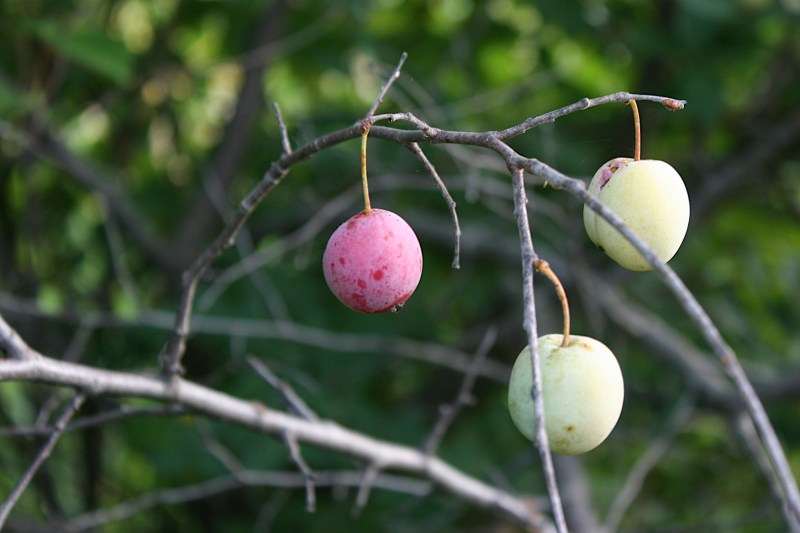
Plums ripen despite a Japanese beetle infestation.


Crickets chirp. Squirrels scamper. And gardeners bustle to bring in the bounty. Preparing for winter.


Sumac


And, in the landscape, hues morph from the greens of summer to the softer, earthy hues and fiery reds and oranges of autumn.


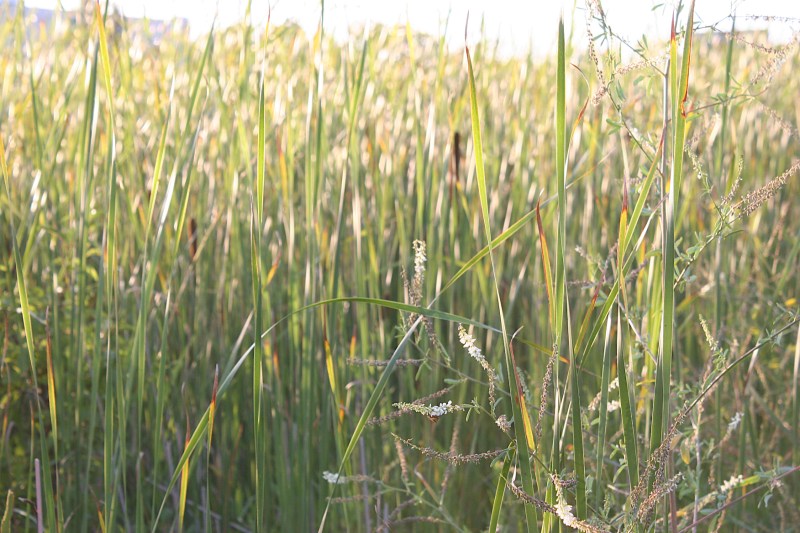
In the light of the setting sun, cattails and grasses.


Cattails rise in swampland and tall grasses sway.


Randy and I laugh at our long-legged shadow selves.


At sunset, shadows lengthen, foreboding and dark. As if hinting at days ahead. The dark days of winter that draw us indoors to snuggle under fleece throws, to crave comfort foods, to shelter in place.


An unknown wildflower.


And this winter to wonder what lies ahead in the uncertainties of COVID-19.


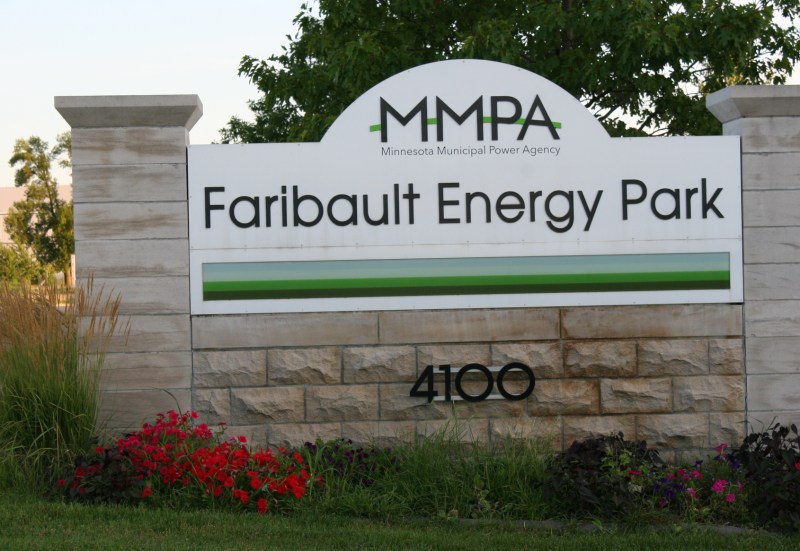
This sign marks the entrance to Faribault Energy Park on Faribault’s north side and visible from Interstate 35.  The wind turbine in the park landmarks this spot near the northbound lane of I-35.


Note: These photos were taken during a recent evening walk at the Faribault Energy Park.

© Copyright 2020 Audrey Kletscher Helbling