Minnesota Prairie Roots

Writing and photography by Audrey Kletscher Helbling

A look back at an unfathomable act of domestic violence in rural Minnesota & more March 24, 2018

WHAT CAUSED A MINNESOTA farmer to kill his entire family—his wife and four young children—with an ax in a horrific act of domestic violence?

We likely will never know the truth behind the murders-suicide which happened on March 24, 1917, in rural Redwood County, my home county in the fertile farmland of southwestern Minnesota.


Up until the release of a book of historical fiction, Sundown at Sunrise by former Minnesota state legislator Marty Seifert in late 2016, I’d never heard of this crime. I recently read the book published by Beaver’s Pond Press. Therein I found familiar names, including the maiden surname of my maternal grandmother and other known names from Redwood County.
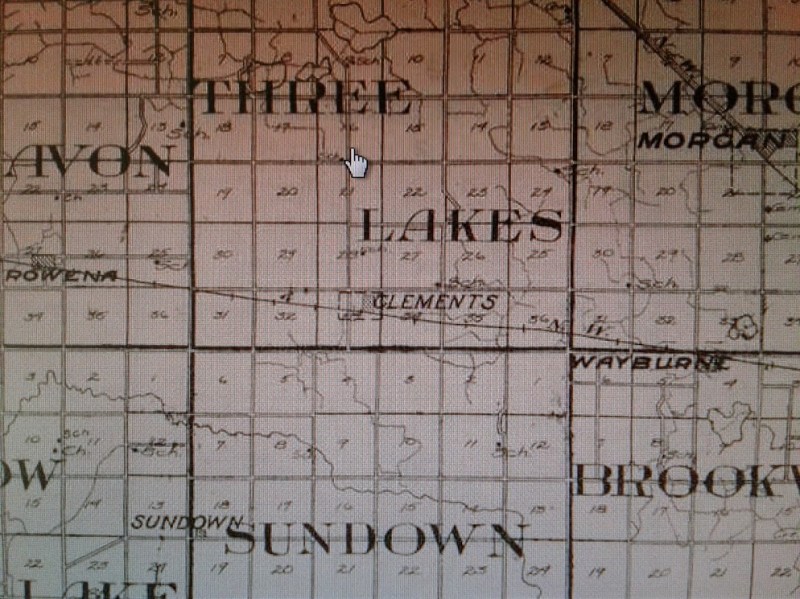
 

The murder occurred in Section 16 of Three Lakes Township in the area noted by the pointing hand. This is a photo of a Digitized State of Minnesota Plat Book map from 1916. I found this through the Minnesota History Center, Gale Family Library, Borchert Map Library. The author grew up in the northeastern corner of Sundown Township.


Seifert grew up in Sundown Township within miles of the murders. In a farmhouse in Section 16 of Three Lakes Township north of Clements, William Kleeman, 31, raised an ax and killed his wife, Maud, and their children ranging in age from six weeks to five years. He then hung himself. Many times I’ve passed that former farm place at the intersection of Minnesota State Highway 68 and Redwood County Road 1 west of Morgan and near the site of Farm Fest. I had no idea of the violence that occurred there.

But the author grew up hearing the story of the Kleeman ax murders. That and his interest in history—he’s a former history teacher—prompted Seifert to research and pen this book rooted in fact.
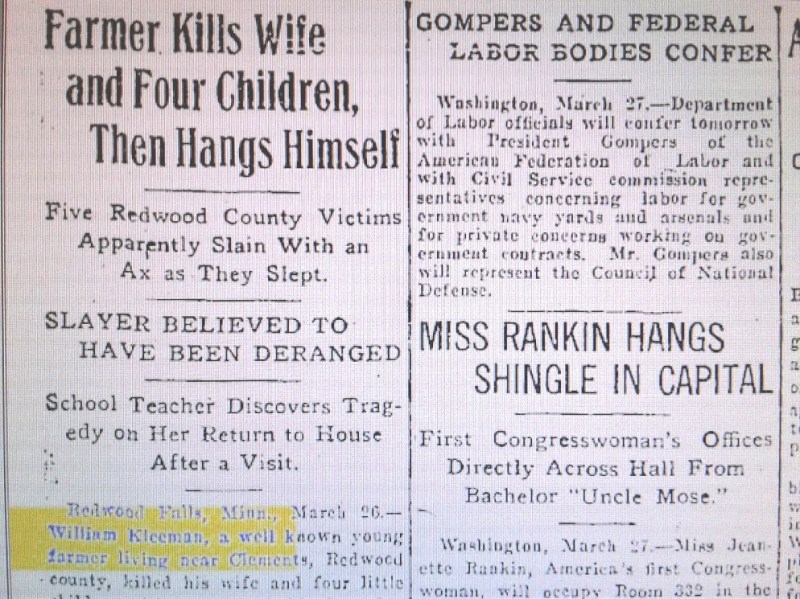
 

From the Minneapolis Morning Tribune dated March 27, 1917. This is a photo of the article found in the Minnesota Digital Newspaper Hub.


I decided to check out for myself newspaper accounts of the murders. That led me to the Minnesota Digitized Newspaper Hub and sensationalized layered headlines followed by detailed stories. I expect Seifert used the same sources, and more, to research for his book. But he goes beyond those stories to suggest the real reason behind the crime discovered by a young teacher (her name is fictionalized in the book) who boarded with the Kleemans. I won’t share more. You need to read the book.
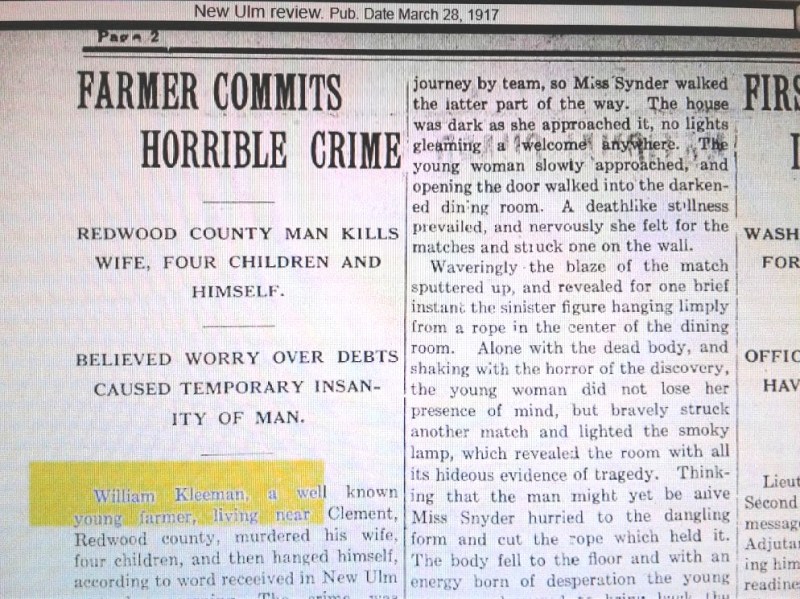
 

The story about the murders published in the New Ulm Review on March 28, 1917.


In reading Sundown at Sunrise, I noted specific red flags pointing to future domestic violence and an awareness of that potential. A hired hand, for example, tells Maud’s father upon her engagement to William Kleeman that, “I think Miss Petrie done deserve better.” Henry Petrie agrees.

The author also describes William Kleeman “from a young age parlaying his handsome looks and confident demeanor as ways to manipulate his mother.” That manipulative charm threads throughout the story. I appreciate that the author understands the characteristics of an abuser and writes that into this work of fiction based on fact.

And then, after the murders, the hired hand sees the Kleemans’ marriage certificate nailed above the bed where Maud and her baby lie in pools of blood. Frank Schottenbauer notes that “he’d rather look at a bloody corpse than view the license William Kleeman had used to violate Maud Petrie.”

The author many times works the appearance of garter snakes and William Kleeman’s aversion to religion into the storyline, alluding to evil.
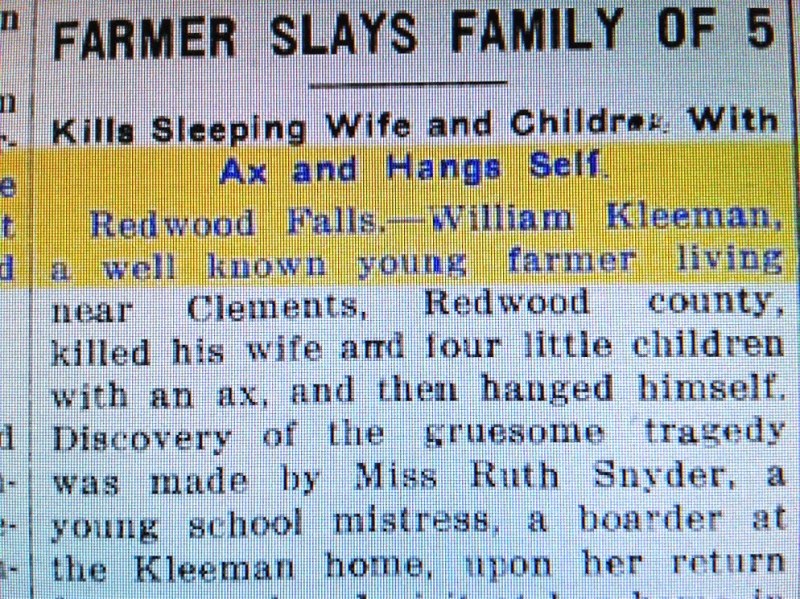
 

The Pine Island Record printed this story on March 29, 1917.


You can surmise what you will from this book of historical fiction. But nothing changes the fact that Maud died at the hands of her husband and Gladys, Lois, Gordon and Rosadell died at the hands of their father in an unfathomable act of domestic violence in Redwood County, Minnesota.

Today I honor the memories of that young mother and her beloved children. They deserved to live full lives on the prairie, to love and to be loved.
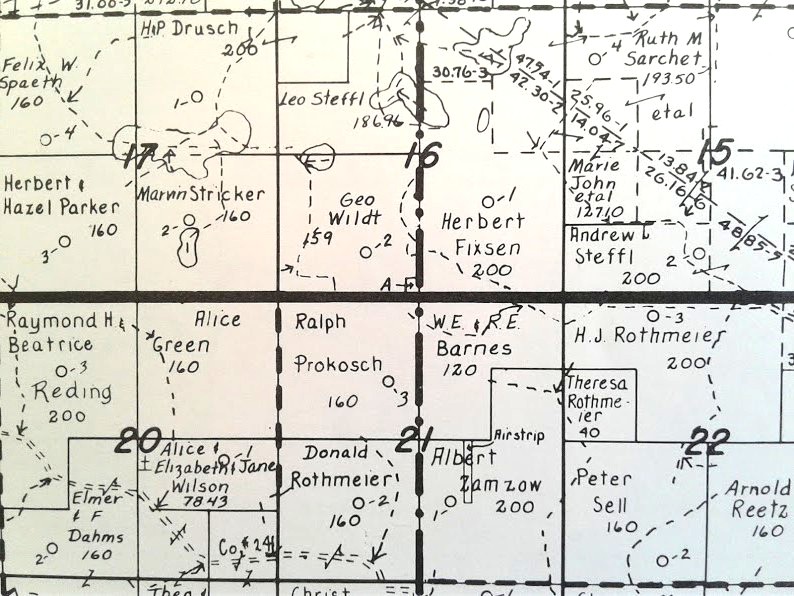
 

A plat of Three Lakes Township from a 1963 Atlas of Redwood County Minnesota shows the section (16) in which the crime occurred. You’ll find some of the surnames here included in Sundown at Sunrise.


FYI: The ax used in the murders is stored in the archives of the Redwood County Historical Society in Redwood Falls. For years, it was kept as evidence by the sheriff’s department before its donation to the county museum.



TODAY, AS YOUNG PEOPLE and others gather in Washington, DC, and around the world (including right here in Minnesota) for the “March For Our Lives” anti-gun-violence rally, I honor those I knew (via personal connections) who have been murdered in acts of domestic violence. Not just by gun violence, although several were shot.

Violence, whether in our schools, our homes, on the street, needs to stop. We need to take a stand, to act when we can, to say, “Enough is enough.” We need to care, to speak up, to listen, to educate ourselves, to push for change. I don’t pretend to have the answers. But I have witnessed and experienced the pain and grief of those who have lost loved ones through acts of violence. If you haven’t, consider yourself fortunate.

I’ve had to reach deep inside myself to comfort a friend whose father was murdered. I’ve had to reach deep inside myself to comfort parents whose daughter was murdered by her ex-boyfriend. I’ve had to reach deep inside myself to write about the murder of a beloved community member by her ex-husband at our local tourism office.

I’ve watched a SWAT team sweep through my neighborhood searching for a knife used in a murder within blocks of my home. I’ve talked to police many years ago about a drive by shooting involving big city gang members. A gang member purchased a car from us, failed to change the title, used the car in a shooting and then stashed the gun in the trunk. Investigators started with us, owners of the car.

Yes, I’ve been touched many times by violence. Gun and other.

Enough is enough. To those young people and others who are speaking up today, thank you for using your voice to effect change.
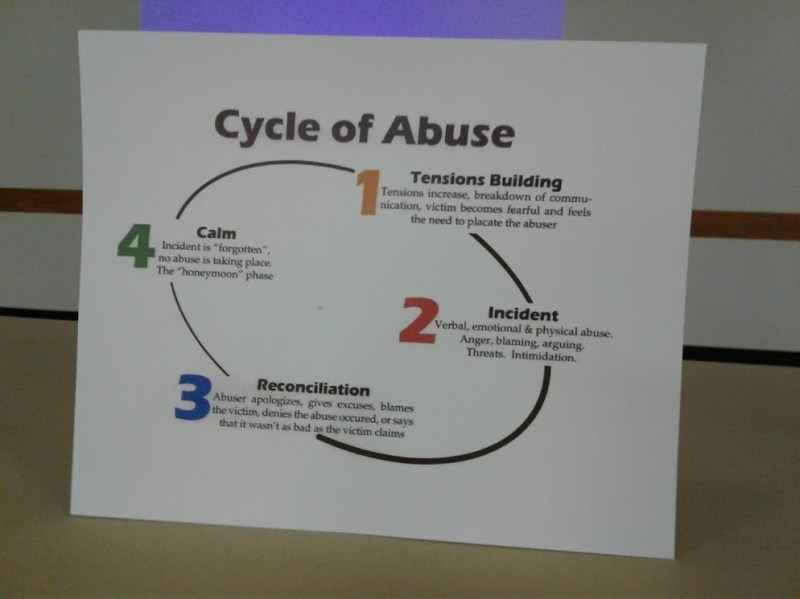


IMPORTANT: If you are in an abusive relationship and in immediate danger, call or text (if that option is available in your area) 911. If you are leaving (or thinking of leaving) your abuser, please seek help and have a safety plan in place. Talk to someone you trust like a family member, friend, c0-worker, clergy, advocate…  Immediate help is available. Reach out to a local women’s shelter or advocacy center for professional help. You are not alone. You deserve to live a life free of any type of abuse whether physical, mental, emotional, psychological, financial, spiritual or technological.

Please know that you are in greatest danger when you are about to leave, are leaving or have left your abuser. Abuse is about power, control and manipulation. When abusers lose that control, they often become violent. Be safe and know that you are loved.


© Copyright 2018 Audrey Kletscher Helbling
Quoted passages are copyright of Marty Seifert and used here for review purposes only.


 

The visual delight of Layl McDill’s clay sculptures comes to Faribault March 23, 2018

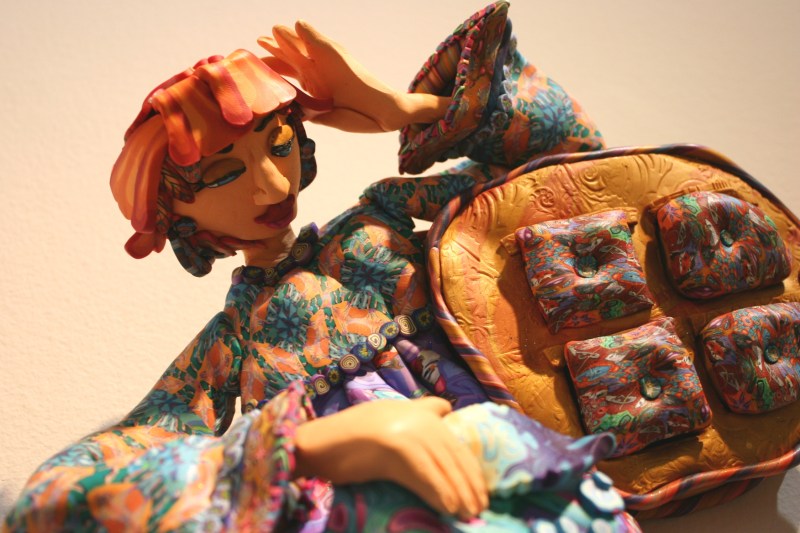
Details in Layl McDill’s “Color Overload” sculpture.


AS A CHILD, I FOUND dime store kaleidoscopes particularly fascinating. I appreciated how a simple turn of the tube could change the colors, the shapes, the images I saw.


More details in McDill’s art.


A certain sense of magic and mystery and wonderment appeared through the eye hole. Art. Vivid. Fluid. And always beautiful.


An overview of some sculptures in McDill’s exhibit in Faribault.


Those memories flowed as I viewed Minneapolis artist Layl McDill’s polymer clay sculptures now on exhibit in the Carlander Gallery at the Paradise Center for the Arts in historic downtown Faribault.


“No one knew she was such a Deep Thinker” by Layl McDill.


McDill’s art is colorful and whimsical, a visual delight. I’ve never seen anything like it in a gallery. I couldn’t stop looking at the many pieces, wondering, How did she do that? And that must have taken her forever.


I thought of those kaleidoscopes. But I thought, too, of Play Doh and how much fun I had rolling, squashing and crafting that product as a child and mom. I expect McDill feels that same joy in creating her clay sculptures.


“Ape Thought he was in Control of the Trees” by Layl McDill.


There’s so much to study within each piece. It would take hours to truly see everything.


Layl McDill’s “Bird’s Little Library Teapot.”


I’d suggest you take the time to visit McDill’s exhibit, to escape into her fantasy world of art. Or take a class she is teaching on Thursday, April 26, at the Paradise. Or book a clay party.


“Wonderment Whale” by Layl McDill.


We all need the distraction of art to sidetrack our minds, to bring us joy, to stretch our creativity. McDill brings all of that in her art.


FYI: Layl McDill’s exhibit at the Paradise closes on April 21. Click here for more information.

Also read my previous post on the Student Exhibition currently showing at the Paradise, 321 Central Avenue N., Faribault. Click here.

© Copyright 2018 Audrey Kletscher Helbling


Twenty years of perpetual prayer at St. Mary’s in Sleepy Eye March 22, 2018

This painting of a woman in prayer hangs in my home, a gift from the family of Faribault artist Rhody Yule. I met Rhody several years before his death and helped organize two art shows of his work. I treasure this inspiring piece by Rhody as a reminder of our friendship and of his faith.


Pray without ceasing. (I Thessalonians 5:40)

“Could you men not keep watch with me for one hour?” he asked Peter. “Watch and pray so that you will not fall into temptation.” (Matthew 26: 40 – 41)

The prayer of a righteous man is powerful and effective. (James 5:16)


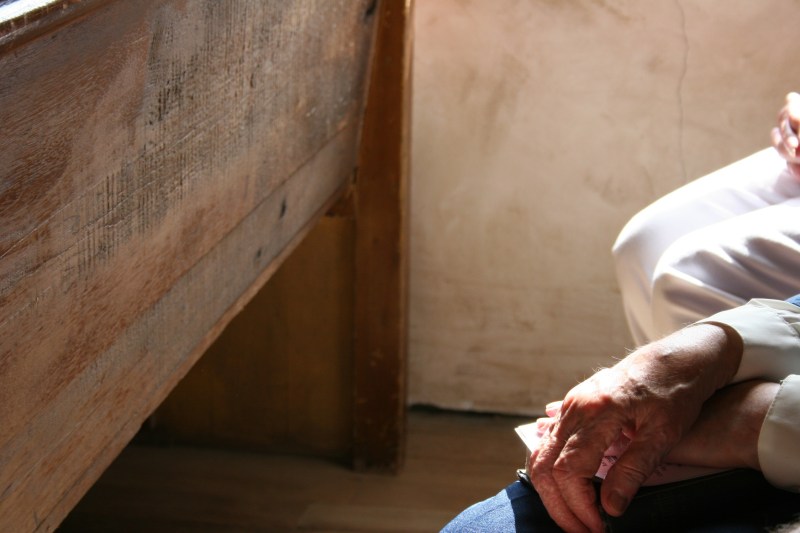
Praying during a service at the Old Stone Church, rural Kenyon, Minnesota. Minnesota Prairie Roots file photo June 2010.


FOR THE FAITHFUL at St. Mary’s Catholic Church in Sleepy Eye, those words from Scripture hold deep meaning. Not simply as words they should follow. But as words they do follow.


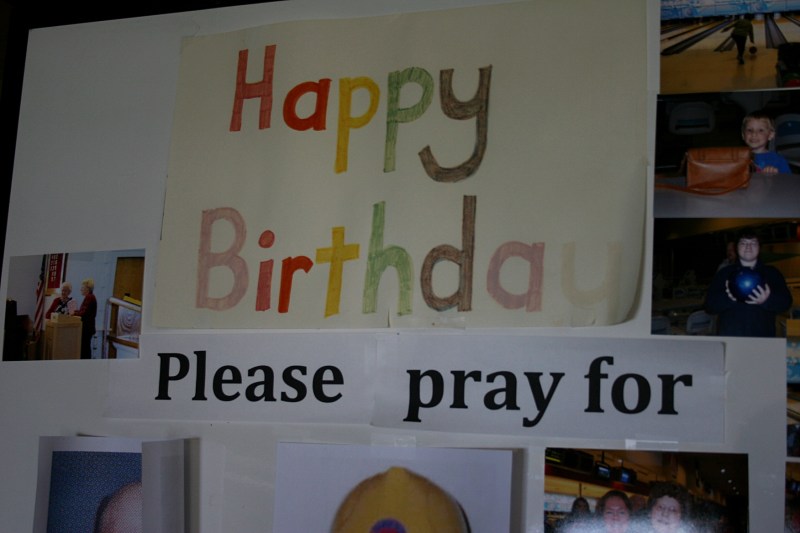
At Moland Lutheran Church, rural Kenyon, prayer needs are posted. Minnesota Prairie Roots file photo June 2013.


For 20 years, 24/7, the parishioners at this southwestern Minnesota prairie church have practiced Perpetual Adoration by praying. Every single hour. Of every single day. In one-hour shifts. For two decades. Remarkable.


A statue of Mary in prayer stands outside St. Nicholas Catholic Church in Elko New Market. Minnesota Prairie Roots file photo March 2017.


Today they pray in the Adoration Chapel housed in a new addition to the aged St. Mary’s Church. Originally, congregants prayed in the convent chapel, then the church.


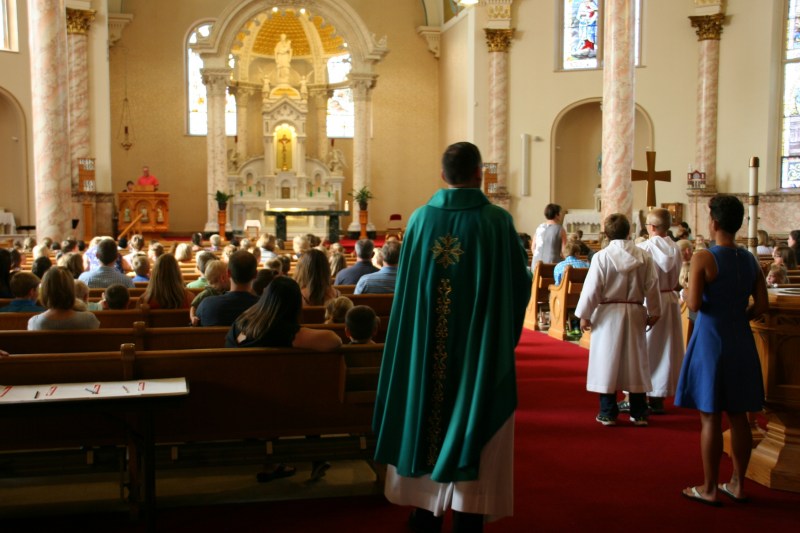
The priest is about to proceed up the aisle to begin Mass at the Basilica of Saint Stanislaus Kostka in Winona. Minnesota Prairie Roots file photo September 2015.


Randy Krzmarzick has taken the 5 a.m. shift for all those 20 years. He writes about his experiences in a column posted on sleepyeyeonline. (Click here to read.) It’s an interesting read, especially for someone like me, a life-long Lutheran married to a former Catholic. But no matter your faith—or not—you will find value within Randy’s honest and humorous story. He suggests that we all need to quiet our hearts and seek silence in this busy and noisy world.


Praying at a car show at St. John’s United Church of Christ, Wheeling Township, rural Faribault. Minnesota Prairie Roots file photo August 2016.


Even he struggles to follow his own advice, admitting to sometimes thinking about the price of soybeans or a baseball game when he should be praying.


One of life’s simple delights: Wildflowers in the prairie of the Valley Grove churches, rural Nerstrand. Minnesota Prairie Roots file photo.


Life brims with distractions. We’re too busy. Too scheduled. Too whatever to notice the simple things in life. Or the people we love. Or those who are strangers and need our compassion.


Photographed at St. Stan’s in Winona. Minnesota Prairie Roots file photo September 2015.


There is much to be learned from the faithful of St. Mary’s in their two decades of dedication, discipline and devotion to prayer. In the silence, they have heard the quiet. And I expect, too, have found peace.

RELATED: Click here to read a story about Kathy Wichmann, who for 20 years has scheduled parishioners to fill those 24/7 prayer slots at St. Mary’s.


© Copyright 2018 Audrey Kletscher Helbling


Showcasing the art of Faribault area students in (the) Paradise March 21, 2018


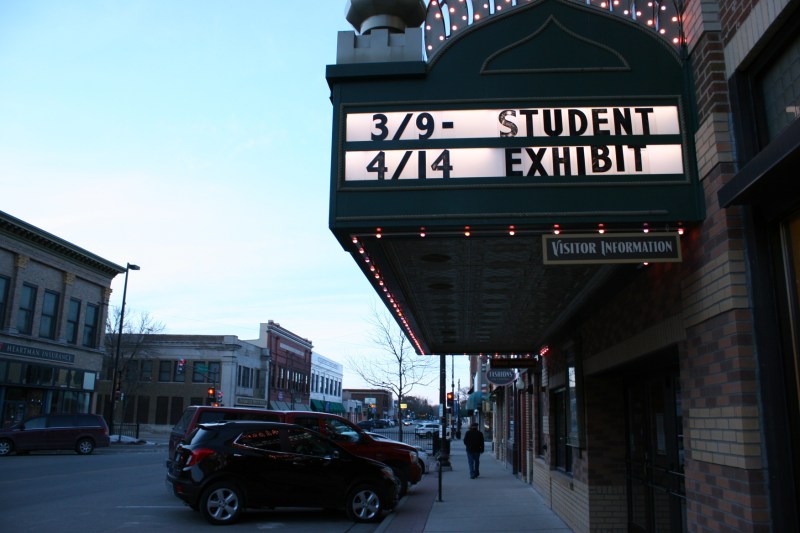
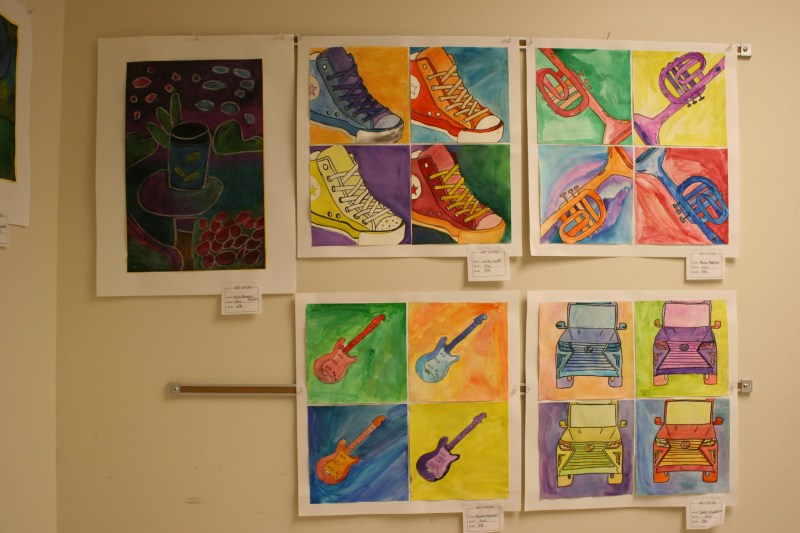
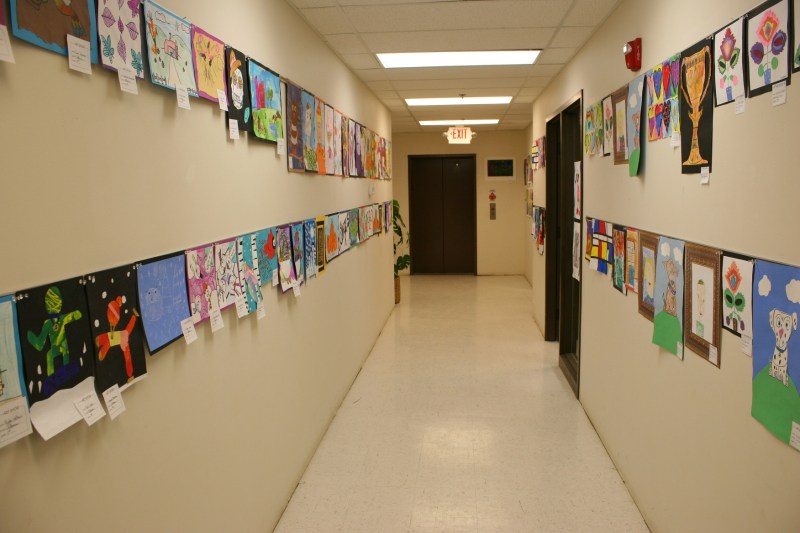
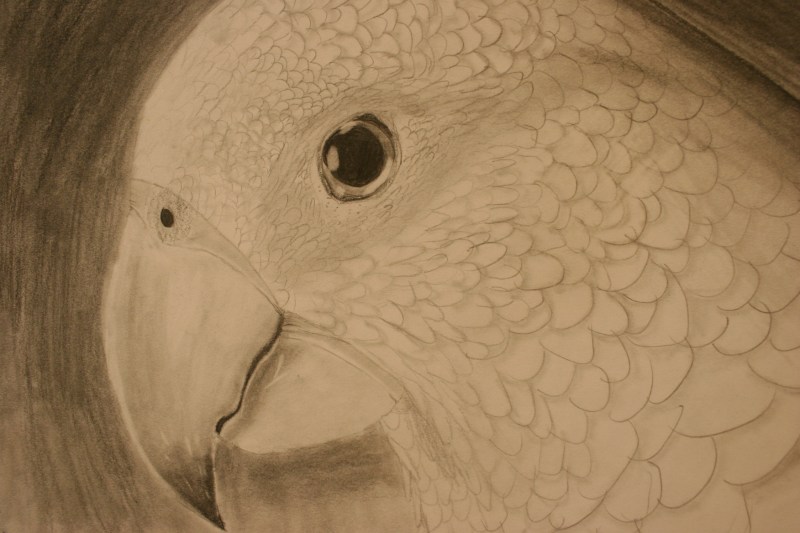
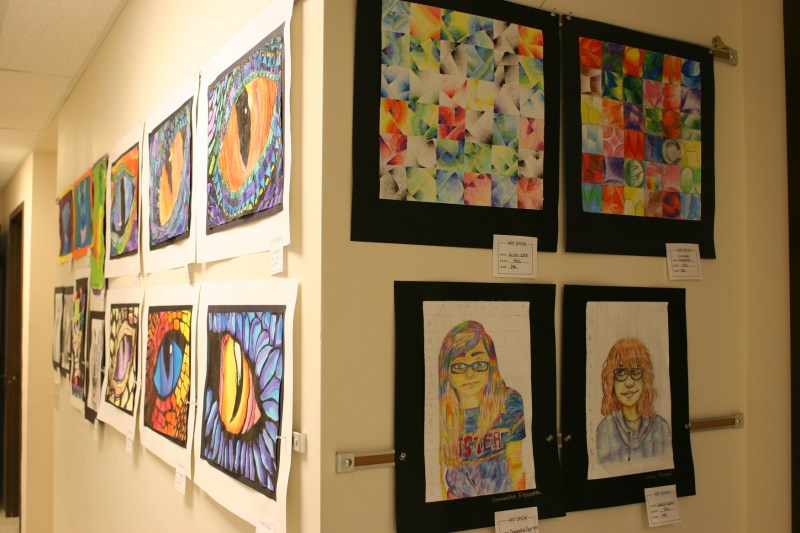
ON THE SECOND FLOOR of the Paradise Center for the Arts, along a horseshoe of hallways and inside a classroom space, the artwork of Faribault area students is showcased during a month-long Student Exhibition.


Art by Faribault Middle School students.


By Zabdy Espinal, Faribault Middle School seventh grader.


I toured the exhibit recently with camera in hand, admiring the talents of kindergartners through 12th graders.


By Faribault Middle School sixth grader Avery Dressen.


By Ava Nelson, seventh grader at Faribault Middle School.


A potter works down the hallway from art that splashes vivid hues onto a wall.


From bold to subdued,


By Anzal Abdi of Roosevelt Elementary School.


By Ruby H. from Nerstrand Elementary School.


By Gracie Molden, Faribault Lutheran School seventh grader.


from symbolic to wildly creative, the variety of art in this annual show always impresses me.


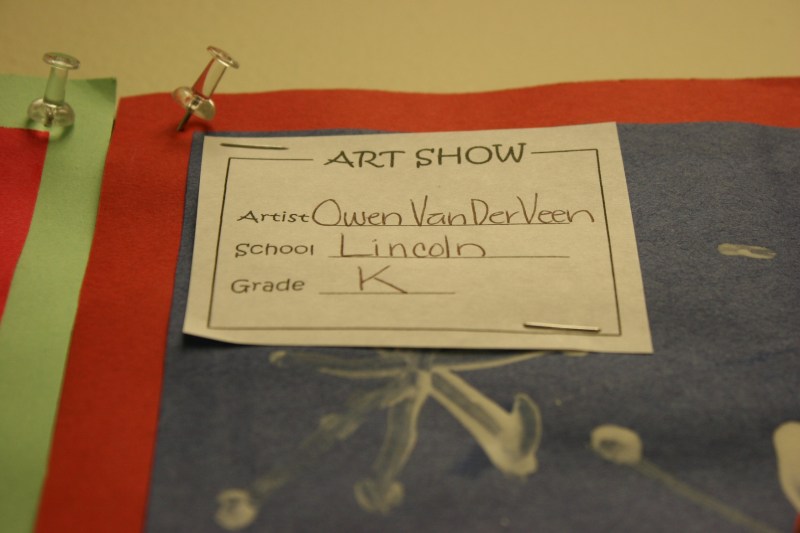
Each piece of art is tagged with the artist’s name and school.


I consider not only the creative minds that drew and painted and shaped these pieces, but the honor of having that work on public view. What an incredible way to encourage young people in pursuing, or simply enjoying, art.


Portraits by Lincoln Elementary School third graders Tyrese Monahan, left, and Michael Chappuis, right.


Art by Cannon River STEM School students, Megan, left to right, Abby and Carrie.


Can you imagine the pride Avery or Ava or Tyrese or Anzal or any one of the many students feels when seeing their work, their art, displayed in a community art center?


Prince portrait by Jada Fairbanks, senior at Faribault Area Learning Center.


These young people are our future. We want them to value art. They are our future graphic designers, our potters, our photographers, our painters, our book illustrators, our patrons of the arts.


By Dania Soto, Roosevelt Elementary School.


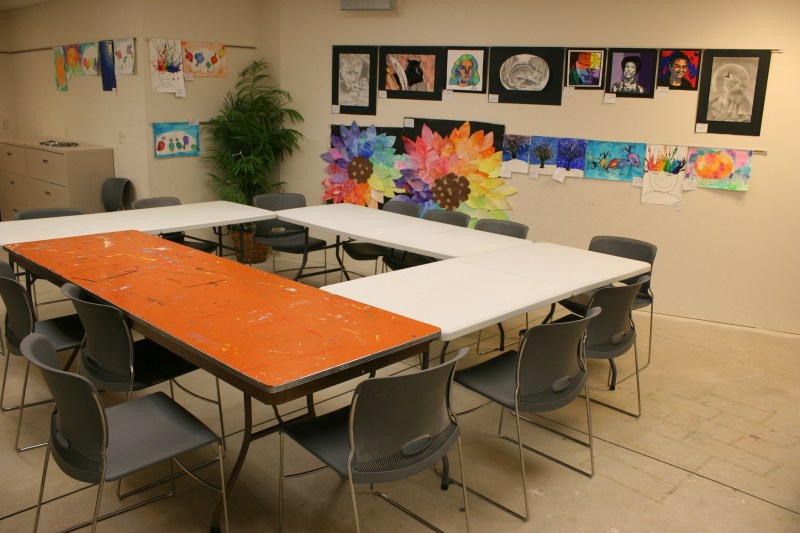
Classroom turned art gallery for the Student Exhibition.


Showcased on a window is the art of Faribault Lutheran School first grader Frankie Spicer with other student art in the background.


For today, they are our student artists, developing their skills through the guidance and encouragement of teachers and parents. And a community art center that understands and values the creativity of young people.


FYI: The Student Exhibition features the works of students from Lincoln, Jefferson, Roosevelt and Nerstrand Elementary Schools, Faribault Lutheran School, Faribault Middle School, Cannon River STEM School, Faribault Area Learning Center and the Minnesota State Academy for the Blind. The show closes on April 14.

Check back for a post on clay artist Layl McDill whose work is showing in the main gallery at the Paradise Center for the Arts, 321 Central Avenue North, Faribault.

© Copyright 2018 Audrey Kletscher Helbling

Student art was photographed with permission of the PCA. Artwork is copyrighted by the individual artists.


A lot of Irish in Saint Thomas in Derrynane Township March 20, 2018


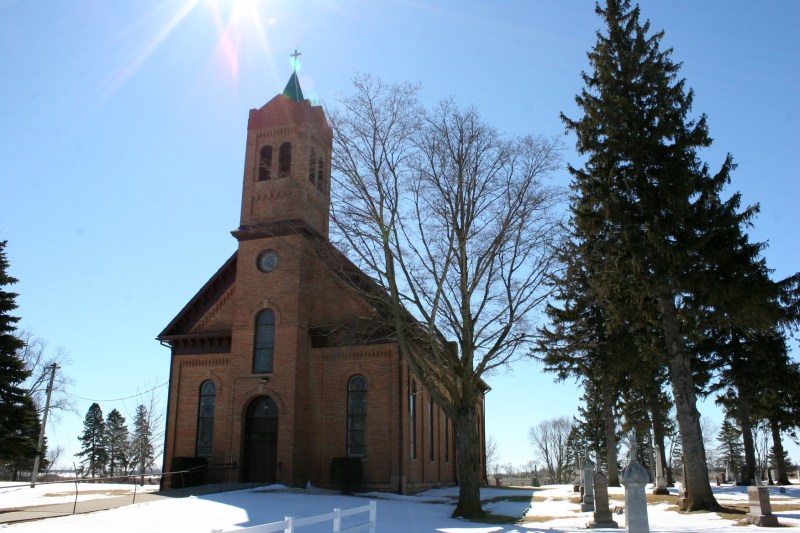
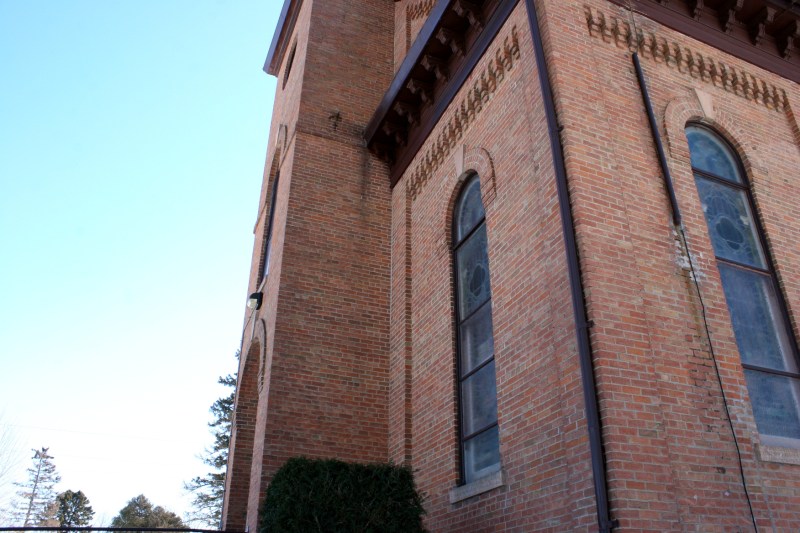
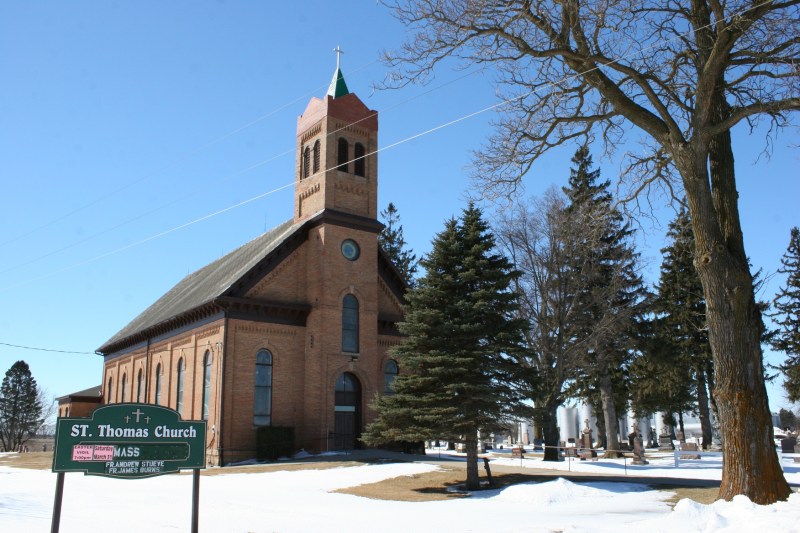
I APPROACHED THE BEAUTIFUL brick church with the full expectation that the doors would be locked. They were. There would be no getting inside St. Thomas Catholic Church on this St. Patrick’s Day. I felt disappointment, but not surprise.


A hot pink sign tacked onto the church sign notes an Easter vigil here on March 31.


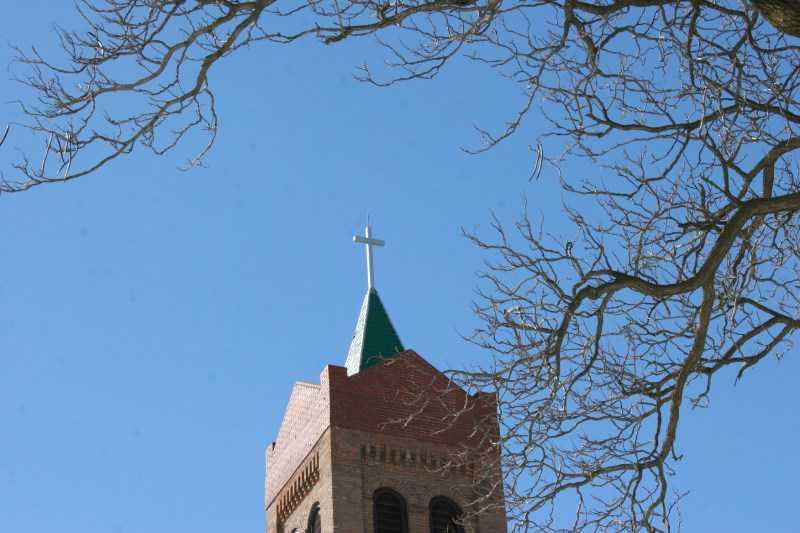
Even though shut out, Randy and I still explored, circling this immense church with stained glass windows and with tower steepling to a cross.


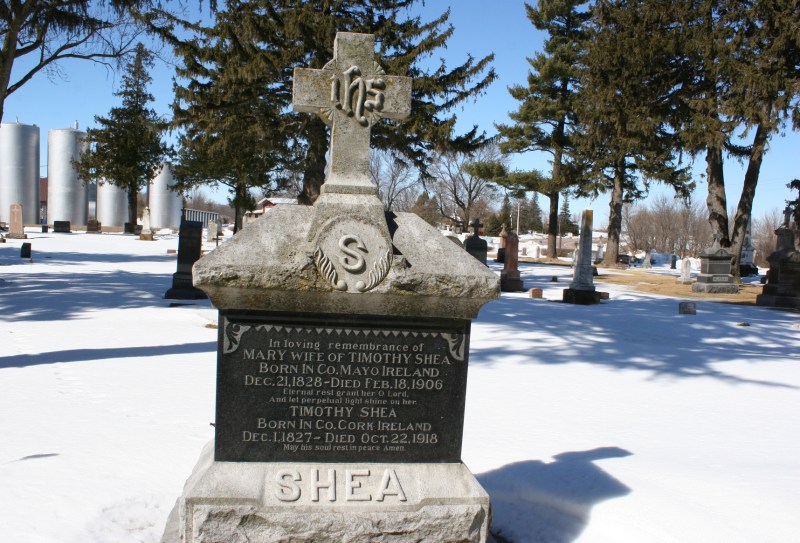
We crunched across crusty snow to look at gravestones that bear the Irish history of this place in names like O’Malley, Shea, O’Connell and noted ancestral roots in Cork County, Ireland and elsewhere.


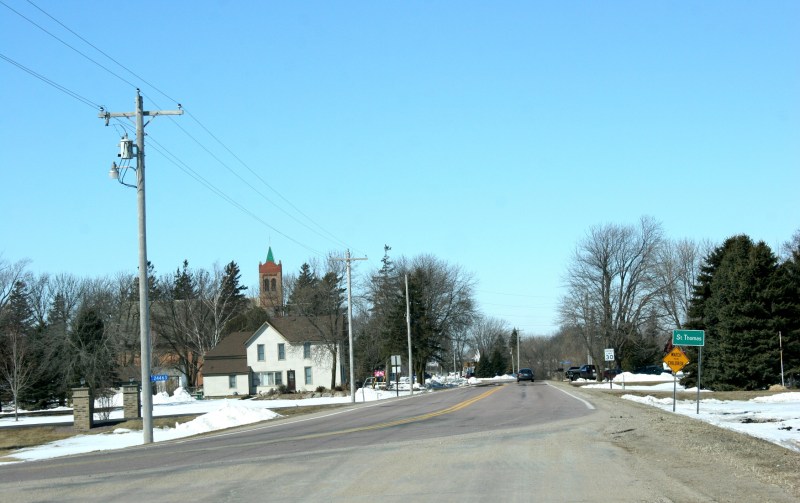
Driving into Saint Thomas, Minnesota.


This village lies in the middle of farmland with this farm site on the edge of Saint Thomas.


This ag business sits right next to the cemetery.


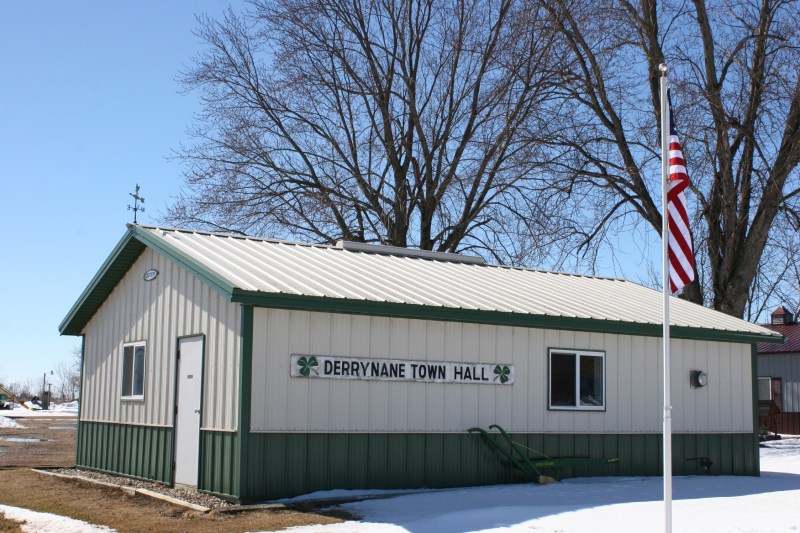
Then comes the town hall.


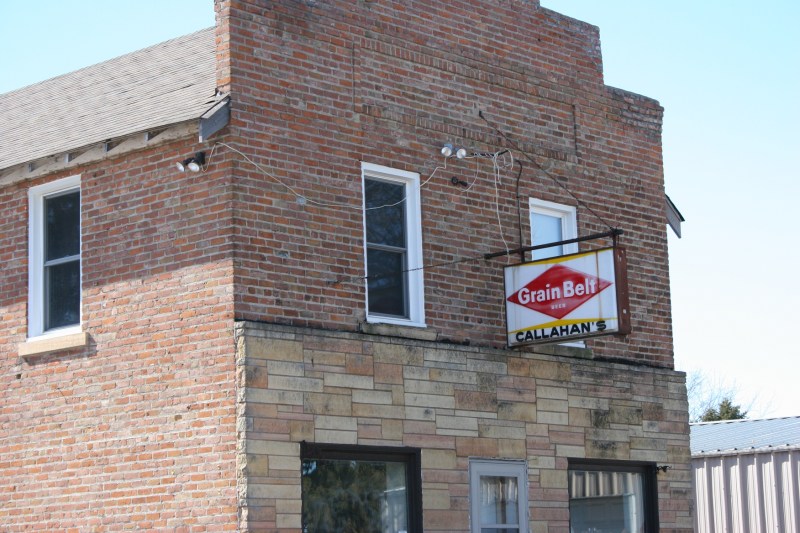
And, finally, Callahan’s, which appeared no longer in business.


Saint Thomas is through-and-through Irish, based on our observations of this unincorporated village along Le Sueur County Road 28 just north of Le Center in Derrynane Township. We found this settlement via an atlas that is our guidebook to mostly unknown places in Minnesota. With a name like St. Thomas, we expected a Catholic church and not much more.


The church, built in 1883, closed in January 2011, just another among many rural Catholic churches shuttered and merged. Mass is still held occasionally at St. Thomas.


I often wonder how long such mostly vacated churches will stand. St. Thomas appeared well-cared for still. At least on this St. Patrick’s Day in 2018. But when those who once worshiped weekly here are gone, will their descendants care? Will they still tend the cemetery, swing open the doors for an Easter vigil? I hope so.


© Copyright 2018 Audrey Kletscher Helbling


Evan, like so many small southwestern Minnesota towns, is fading into the prairie March 19, 2018

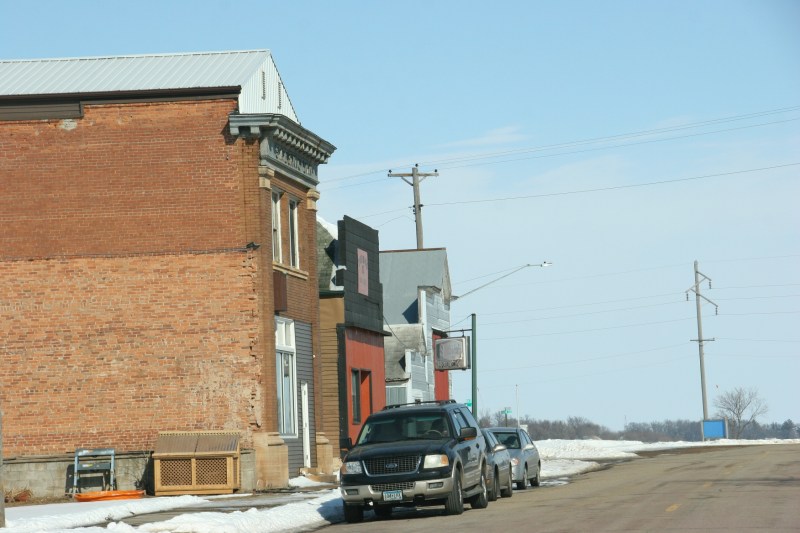
Downtown Evan today anchored by a former bank building.


LIKE SO MANY OTHER SMALL TOWNS on the southwestern Minnesota prairie, Evan once boasted a long list of businesses—creamery, bank, two general stores, hardware store, lumberyard, blacksmith shop, stock dealer, garage, implement dealer, three elevators, restaurant, utility company, library and two churches.


Evan, incorporated in 1904, is named after Eva Hanson, married to Nels. He platted the railroad station known as Hanson Station several years earlier.


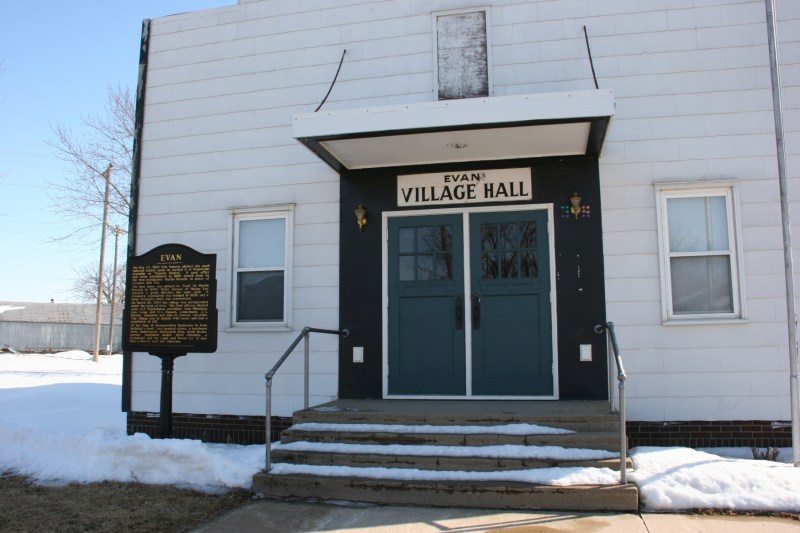
So claims the historical marker fronting the village hall in this Brown County community of around 80 residents.


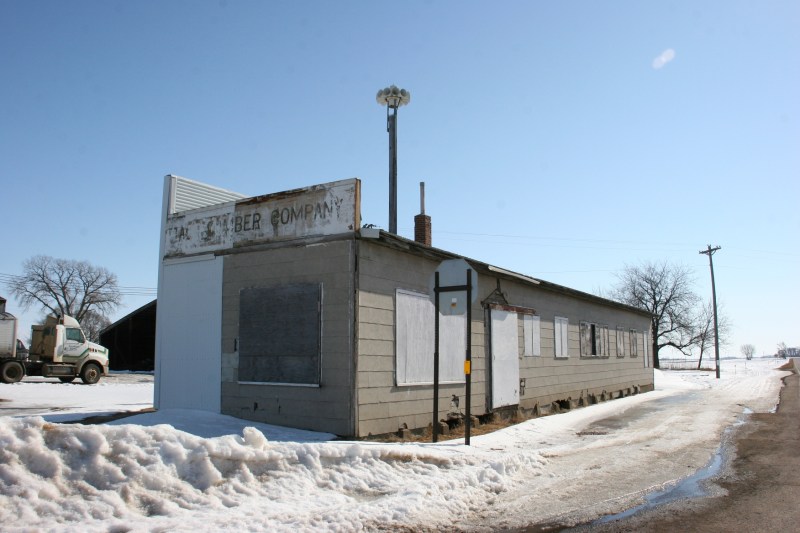
Fading signage identifies this as the former lumberyard.


Today only remnants of those original businesses remain.


I believe the brick building may be the former creamery.


On a recent drive through Evan, I noted the decline.


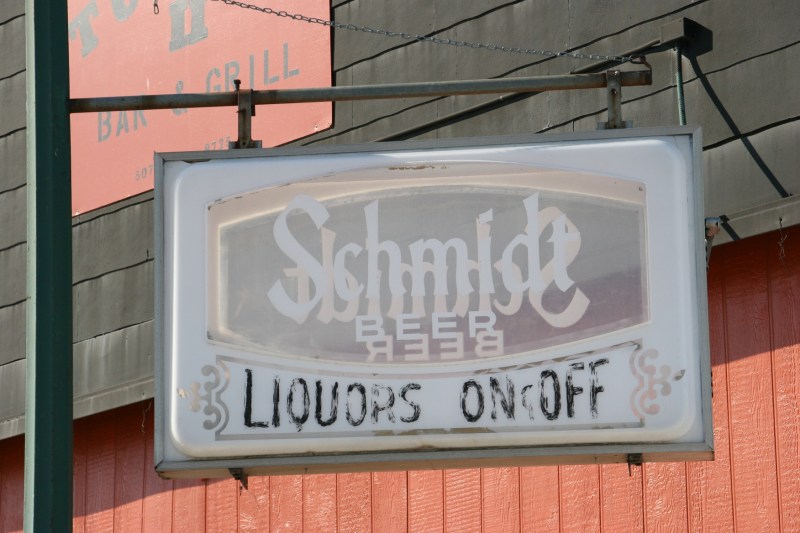
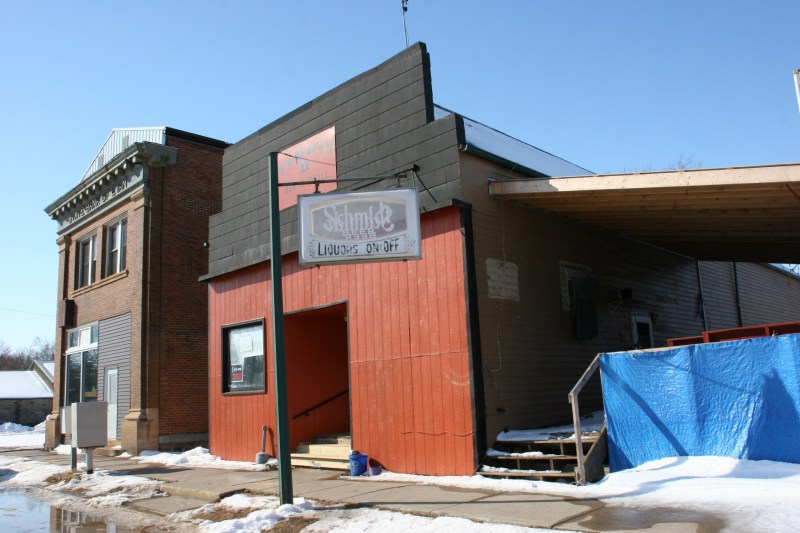
This vintage sign hangs outside Tubby’s II Bar & Grill. A sign in the window noted the bar is closed for the winter.


Faded signs.


Boarded windows.


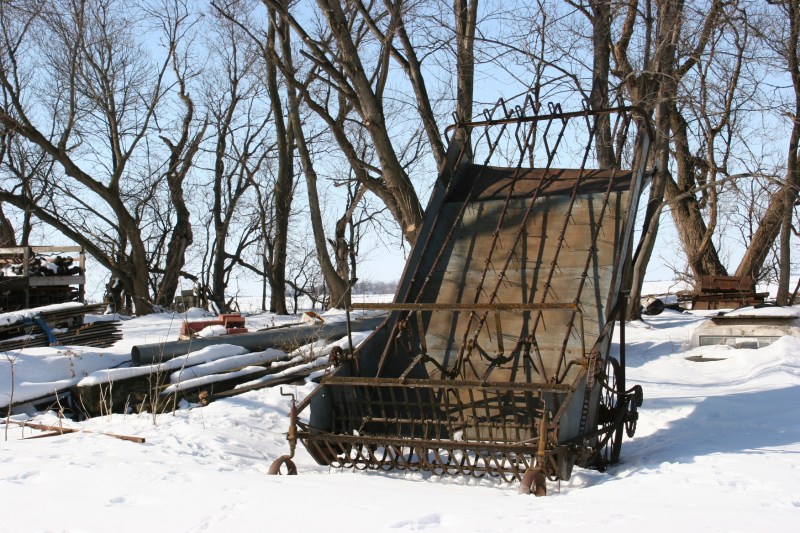
This vintage hay loader rested among other junk.


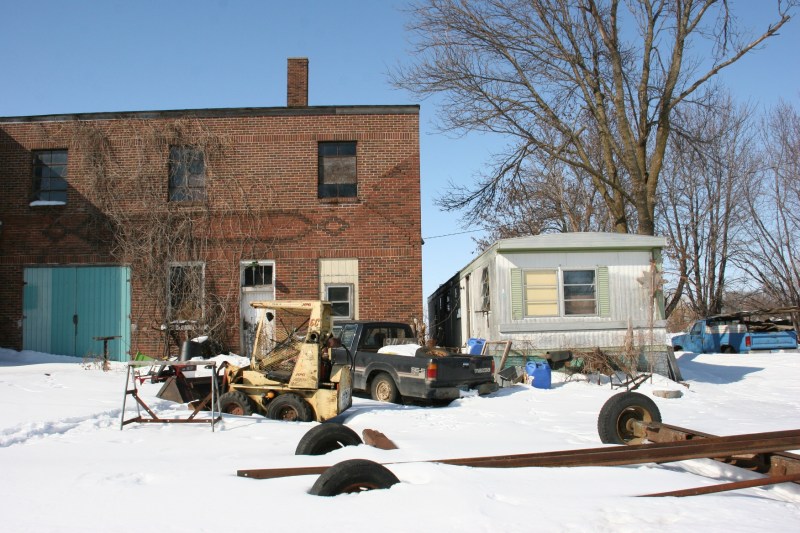
Clustered junk.


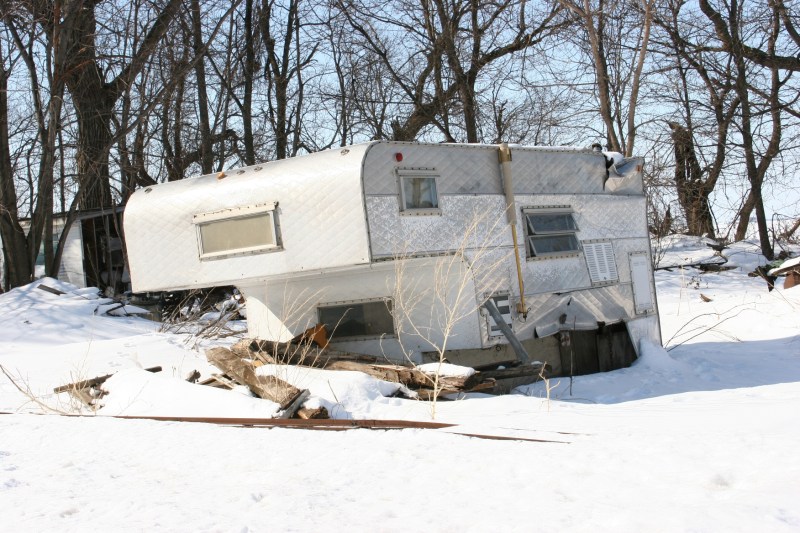
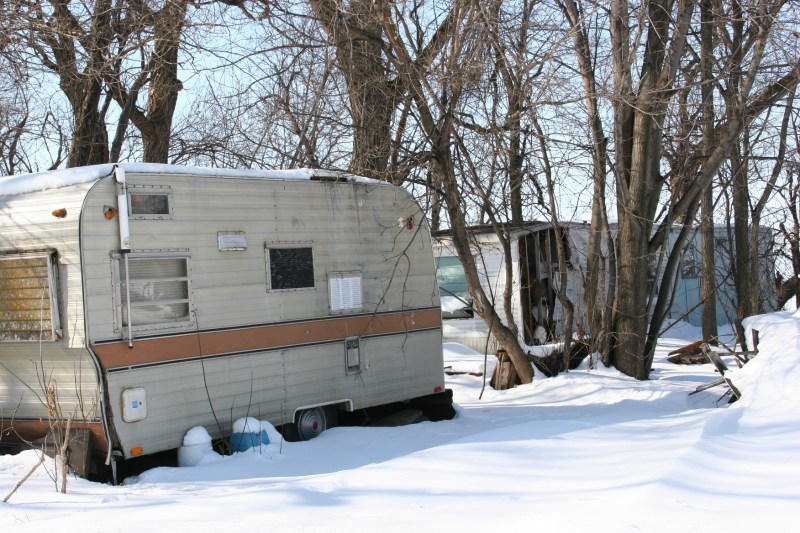
I’ve never seen anything like this graveyard of campers and trailers.


Abandoned campers and trailers and trucks. It made me sad, just sad, to see the abandonment.


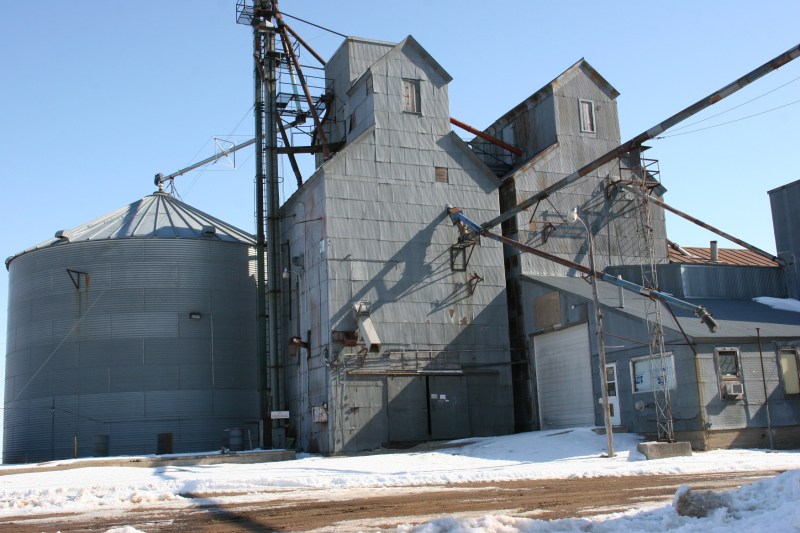
The old grain elevators still stand on the edge of town along the highway.


But none of this surprises me. It’s our fault really. We are a much more mobile society, a society much different than back-in-the-day or even 20 years ago. At one time, places like Evan thrived as area farmers and locals kept their business local. Today regional shopping centers pull in customers from all those small towns.
 

The train still runs, not through Evan, but through neighboring Sleepy Eye.


The railroad left.


Without jobs, with our farmer fathers still farming, many from my generation of Baby Boomers left Minnesota’s small towns. We couldn’t bank on a future in our rural hometowns.


Attitudes changed. Kids from my generation left for college and bigger cities and better opportunities. There’s nothing wrong with that desire to see the world, to become something other than our parents. But in doing so we added to the demise of many a small town. I am hard-pressed to think of many classmates who stayed in my hometown of Vesta 45 minutes from Evan to the north and west. Vesta, too, is a shell of the community it was when I grew up there in the 1960s and 1970s.


Grain bins on opposite ends of town mark this as a farming community still today.



I don’t pretend to know the intricacies of Evan’s decline except an overall understanding of why once thriving towns now are mere ghosts of their pasts. Certainly Evan’s remote rural location factors into the mix. Located along Minnesota State Highway 68, Evan is easy to bypass on the shortcut route between Sleepy Eye and Morgan.
 

The only person or moving vehicle I saw in Evan during my short stop there.


Yet, Evan is home for some. I saw newer homes there. Not new as in recent, but newer than old. I saw a lovely church and that well-kept village hall. And grain bins. And the fading letters on the lumberyard, a visual reminder that at one time a demand for building supplies existed in a farming community that once prospered.

© Copyright 2018 Audrey Kletscher Helbling


Eagle watching in the Faribault area March 17, 2018

Filed under: Uncategorized — Audrey Kletscher Helbling @ 5:00 AM
Tags: , , , , ,


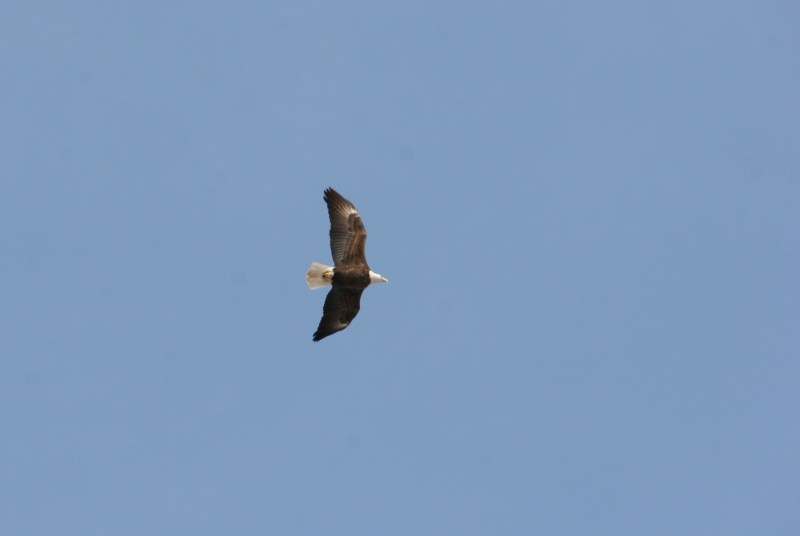
MARCH MARKS PRIME EAGLE viewing season in Minnesota. Read about my experiences spotting this majestic bird in a blog post published on the Visit Faribault tourism website.

And while you’re on the website, poke around and learn more about this place I call home in southeastern Minnesota.

Copyright 2018 Audrey Kletscher Helbling


Minnesota craft breweries, beyond the beer March 16, 2018

A logo on the F-Town taproom wall, which opens to a street-side patio of this Faribault brewery. Minnesota Prairie Roots file photo 2015.


I NEVER THOUGHT I would enjoy beer like I do. But since the growth of Minnesota craft breweries, I’ve acquired a taste and appreciation for beers brewed locally.


The IPA I tried at Turtle Stack Brewery in La Crosse, Wisconsin. Minnesota Prairie Roots file photo 2017.


Call me a beer snob if you will. I even term myself as such. I prefer the hoppy flavor of an India pale ale. It took me awhile to get there. But these days if you offer me a mass-produced beer from some mega company, I’ll likely decline. I’d rather drink a glass of water, thank you.


Randy and I recently checked out Mankato Brewery in North Mankato. It’s a busy, and noisy, place.


I don’t pretend to be a beer expert. Nor do I drink a lot of beer. I’ll have one with my homemade pizza, a grilled dinner or occasionally with a meal out. And when I’m at a brewery, I’ll drink a single glass or share a flight with my husband. That’s about it.


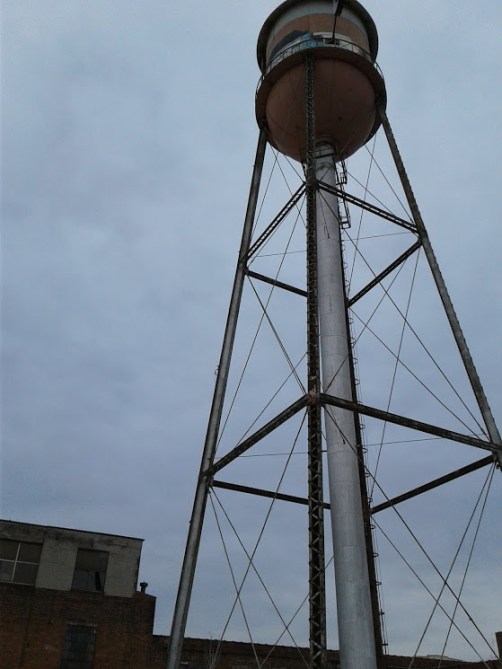
This aged tower stands outside Lake Monster Brewing in St. Paul.


An artsy detail on the building next to Lake Monster.


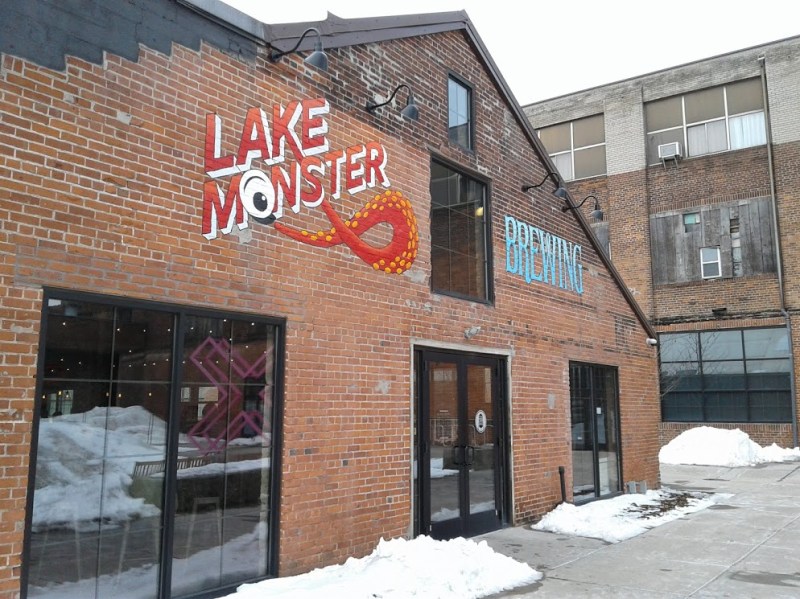
If you prefer larger breweries and don’t have issues with hearing, you’ll enjoy breweries like Lake Monster (pictured here).


For me, craft breweries are about the experience, the setting, the atmosphere, as much as the beer. I appreciate comfortable seating, uniqueness, friendliness, good service and the ability to hear conversation. In addition to good beer.


Lake Monster Brewing is located in an old St. Paul warehouse area. The brewery offers a play space for kids.


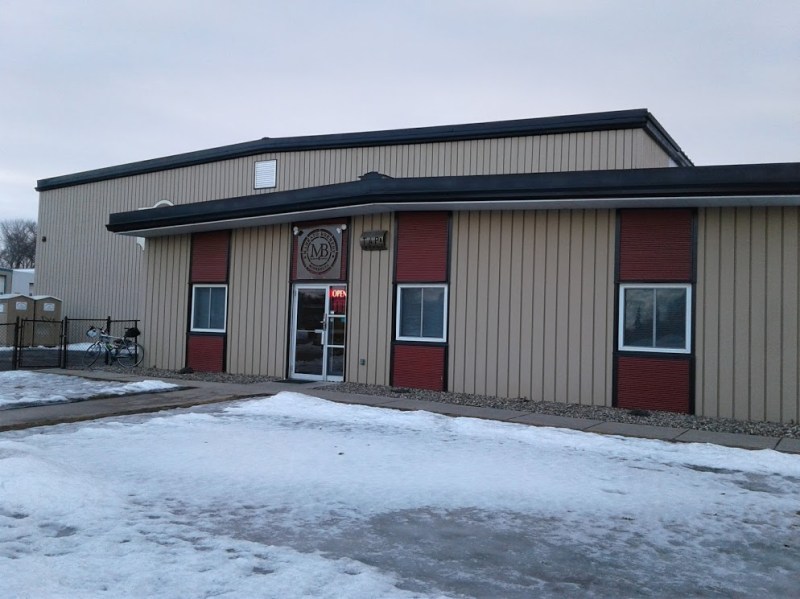
Mankato Brewing is located in what look like machine sheds to this farm-raised girl.


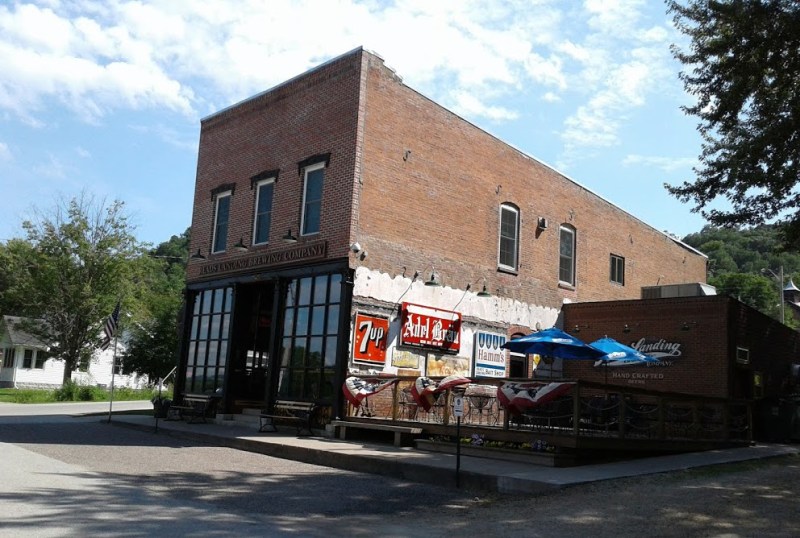
Reads Landing Brewing Company in Reads Landing, Minnesota, is housed in an historic former dry goods store. Minnesota Prairie Roots file photo.


I’ve been in breweries housed in former garages, historic buildings, machine shed style new buildings, an old chapel, a re-purposed warehouse… Most recently, I visited one that provides a play area for children in an effort to draw young parents. I have mixed feelings about that.


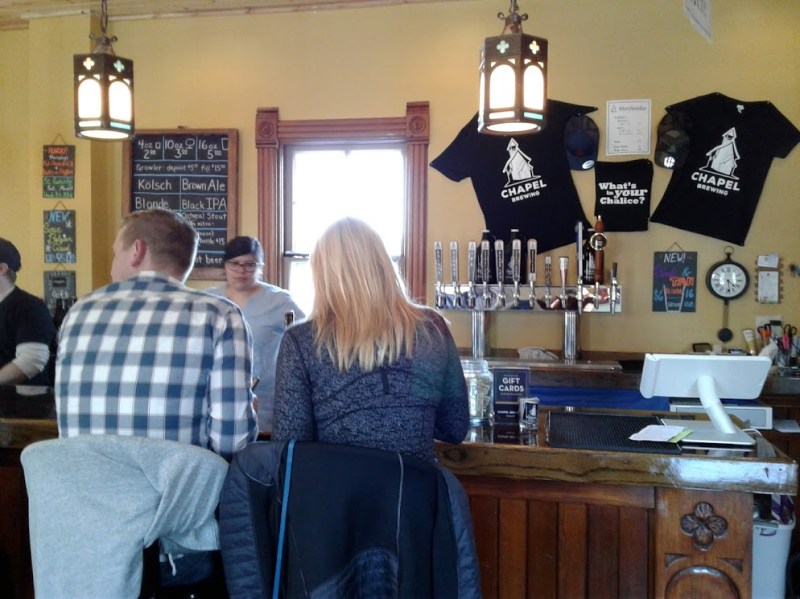
I like the intimate setting of Chapel Brewing in Dundas. Minnesota Prairie Roots file photo February 2018.


In the dozen or so breweries I’ve patronized in Minnesota and Wisconsin, I’ve found the smaller ones more appealing. If a brewery is physically too large, I feel like I’m in a bar. I prefer a more intimate space with a sense of connectedness to the brewers. I want to come face-to-face with those who craft their beers, who hold a passion for sharing their brews.


A flight from F-Town. Minnesota Prairie Roots file photo.


I appreciate, too, when breweries connect with their local communities. F-Town Brewing in Faribault, for example, partners with River Bend Nature Center to create a maple beer using sap from the center’s trees. (River Bend is hosting a Free Maple Syrup Open House from 1 – 3 p.m. Saturday, March 17.) The brewery showcases the arts through local original artwork hung on taproom walls and by collaborating with the Paradise Center for the Arts to promote theatre productions.


Image from the Faribault Main Street Facebook page.


And on Saturday evening, March 24, F-Town and next-door 10,000 Drops Craft Distillers will host the 2018 Faribault Flannel Formal. The Formal features beer, live music, a Lumberjack Hot Dish Contest and prizes for the best-dressed Lumberjack and Lumberjane. The event benefits the Faribault Main Street Program.


The patio outside Imminent Brewing Company in Northfield, Minnesota. Minnesota Prairie Roots file photo.


Imminent Brewing over in Northfield also does more than simply serve beer. Last October the brewery hosted a beer poetry contest as part of the 2017 Northfield Poetry Festival. I participated by reading my original poem about beer. What a unique experience pairing beer and poetry.

Even if you don’t drink beer, you can still enjoy a brewery. Many offer non-alcoholic drinks, often focusing on local soft drinks, along with foods (often from food trucks), a stash of board games, music and just a kicked back place to relax and catch up with friends.


A flight at Turtle Stack Brewing in La Crosse. Minnesota Prairie Roots file photo 2017.


One more thing: If you choose to drink beer at a brewery, do so responsibly.


© Copyright 2018 Audrey Kletscher Helbling


Winter exposure in southern Minnesota March 15, 2018

Filed under: Uncategorized — Audrey Kletscher Helbling @ 5:00 AM
Tags: , , , , , , , , ,

Near New Ulm.


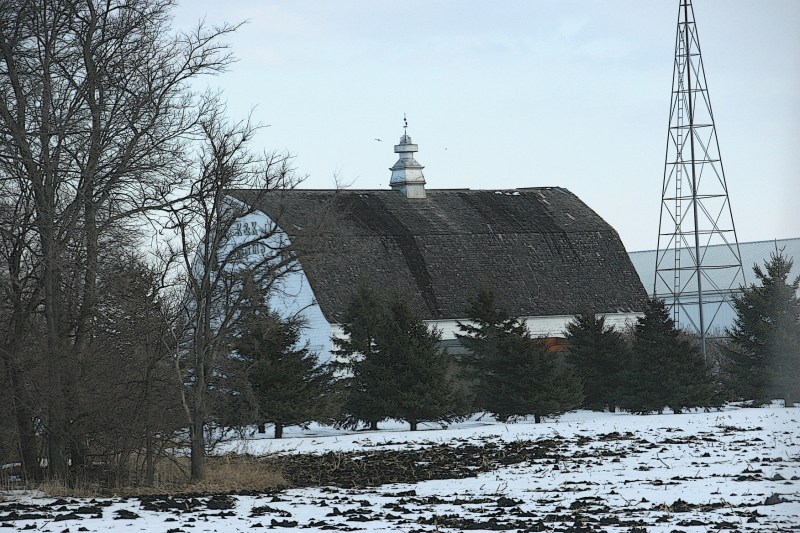
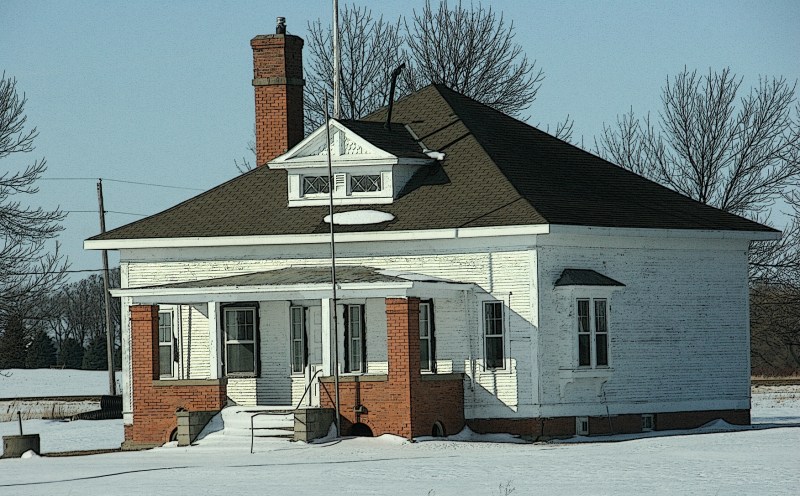
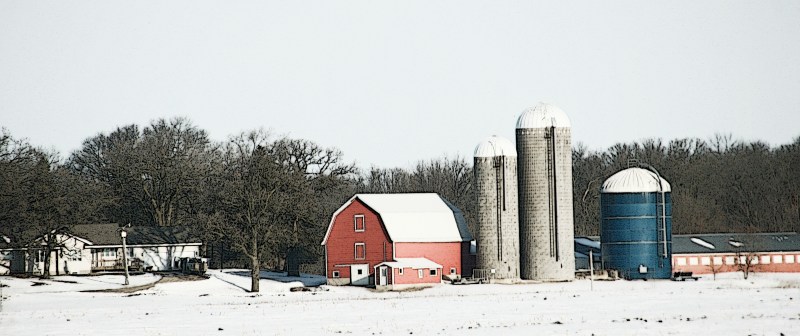
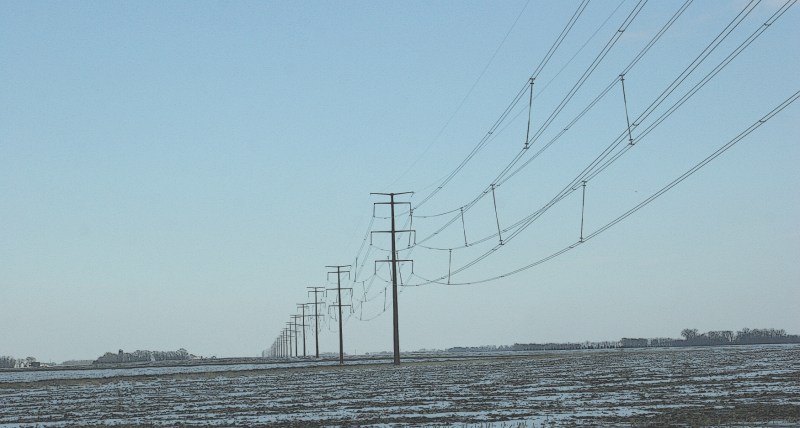
IN THE NAKEDNESS of winter, when trees are stripped bare of leaves, when fields lie exposed to the elements, rural Minnesota seems especially vulnerable.


Near Essig along US Highway 14.


In no other season do I notice more the intimate details of this place.


Along US Highway 14 somewhere west of Owatonna.


Red barns seem redder.


By Morgan


Power poles appear more intrusive.


Morgan, Minnesota


Grain elevators dominate, shoving grey mass into an already colorless landscape.

All of this I see through eyes that crave now the melting of snow, the cloaking of the land in the greening of spring.


NOTE: All images have been edited to create an artsy look.

© Copyright 2018 Audrey Kletscher Helbling


Beyond the final rose, a billboard message that really matters March 14, 2018


Minnesota Prairie Roots file photo.


DO PEOPLE NOTICE billboards? Apparently yes, if based on all the media hype last week about billboards supporting Becca Kufrin, the young Prior Lake woman dumped by bachelor Arie Luyendyk Jr. From LA to Minnesota to Times Square, digital billboards proclaimed their love for this Minnesotan to whom Arie initially proposed during the reality TV show The Bachelor.

While it’s nice to read that Minnesota Nice message—Becca—You’ll always have a rose from Minnesota—there are much more important public messages that should grab our attention.


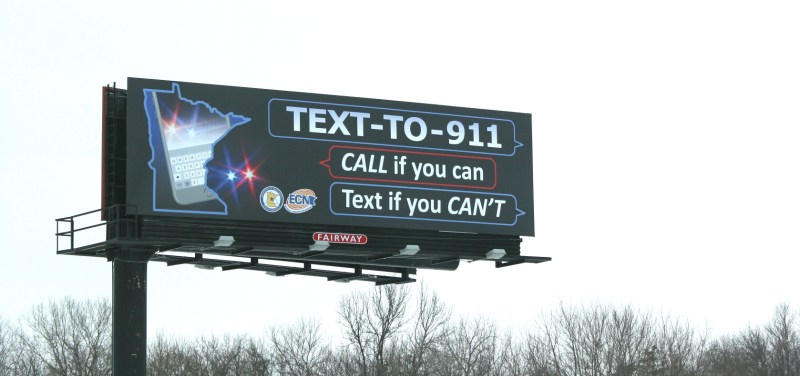
That includes a billboard just north of Faribault along Interstate 35 which promotes texting 911. In December, Minnesota rolled out this option to reach emergency services in our state. For those with a hearing loss, the texting option is a valuable tool.

But it’s valuable to others, too, including victims of domestic abuse and violence. In many cases, they may be unable to safely call, and talk to, a 911 dispatcher. Texting offers an option, one that could save a life.

We need to care as much about domestic abuse and violence as we do some reality TV show and whether or not someone gets a rose.

FYI: Click here to learn more about Minnesota’s 911 texting system.

© Copyright 2018 Audrey Kletscher Helbling