Minnesota Prairie Roots

Writing and photography by Audrey Kletscher Helbling

The search is on for the “perfect” wedding dress April 8, 2013

Filed under: Uncategorized — Audrey Kletscher Helbling @ 7:32 AM
Tags: , , , , , , , , ,
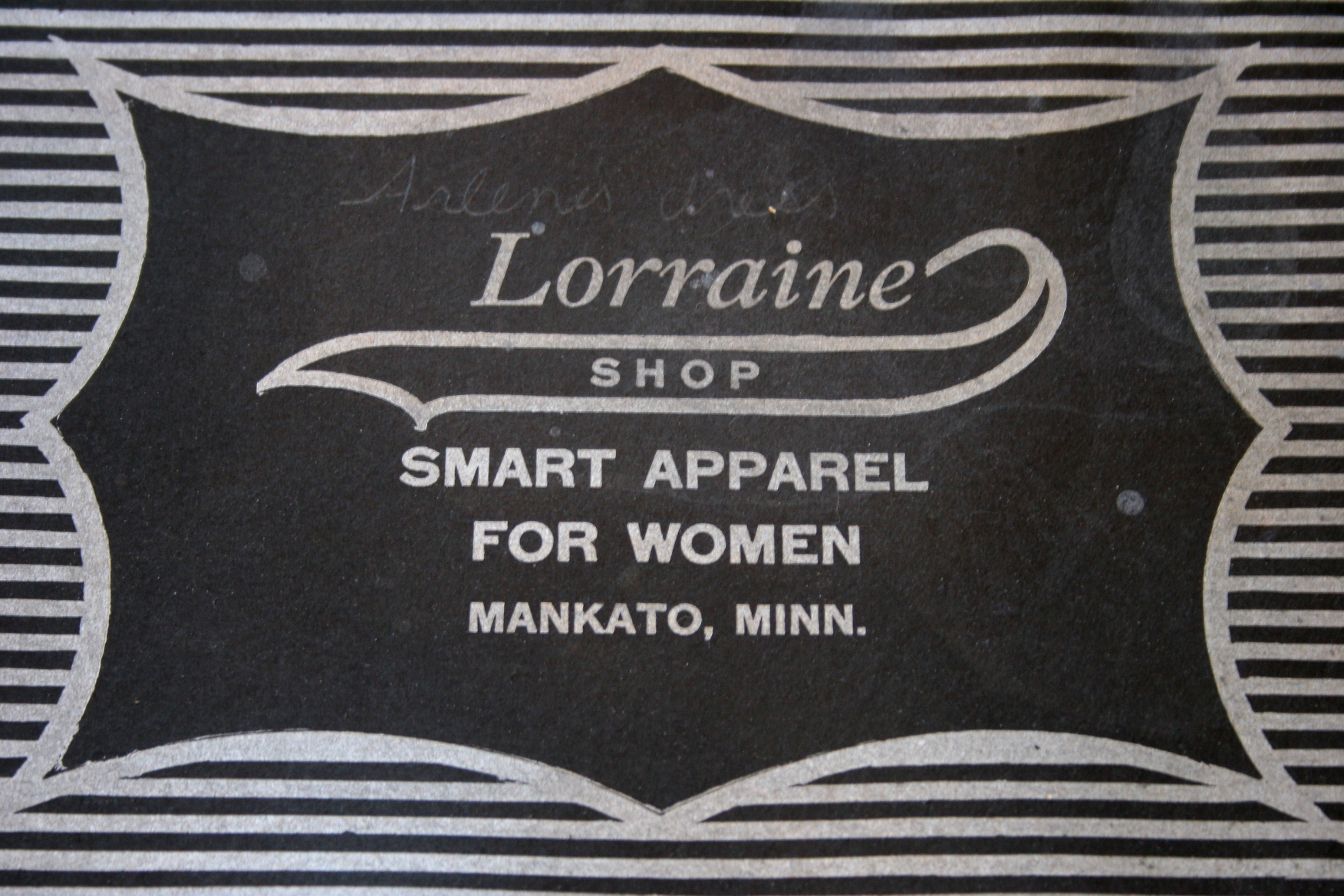
My mom's dress came from the Lorraine Shop in Mankato. You'll see my mom's name, Arlene, written on the box cover.

My mom’s dress came from the Lorraine Shop in Mankato. You’ll see my mom’s name, Arlene, written on the box cover.

I HAD HOPES, when the boxed vintage wedding dresses were stashed into the back of the van for the 120-mile trip from Vesta to Faribault, that one would fit my newly-engaged daughter.

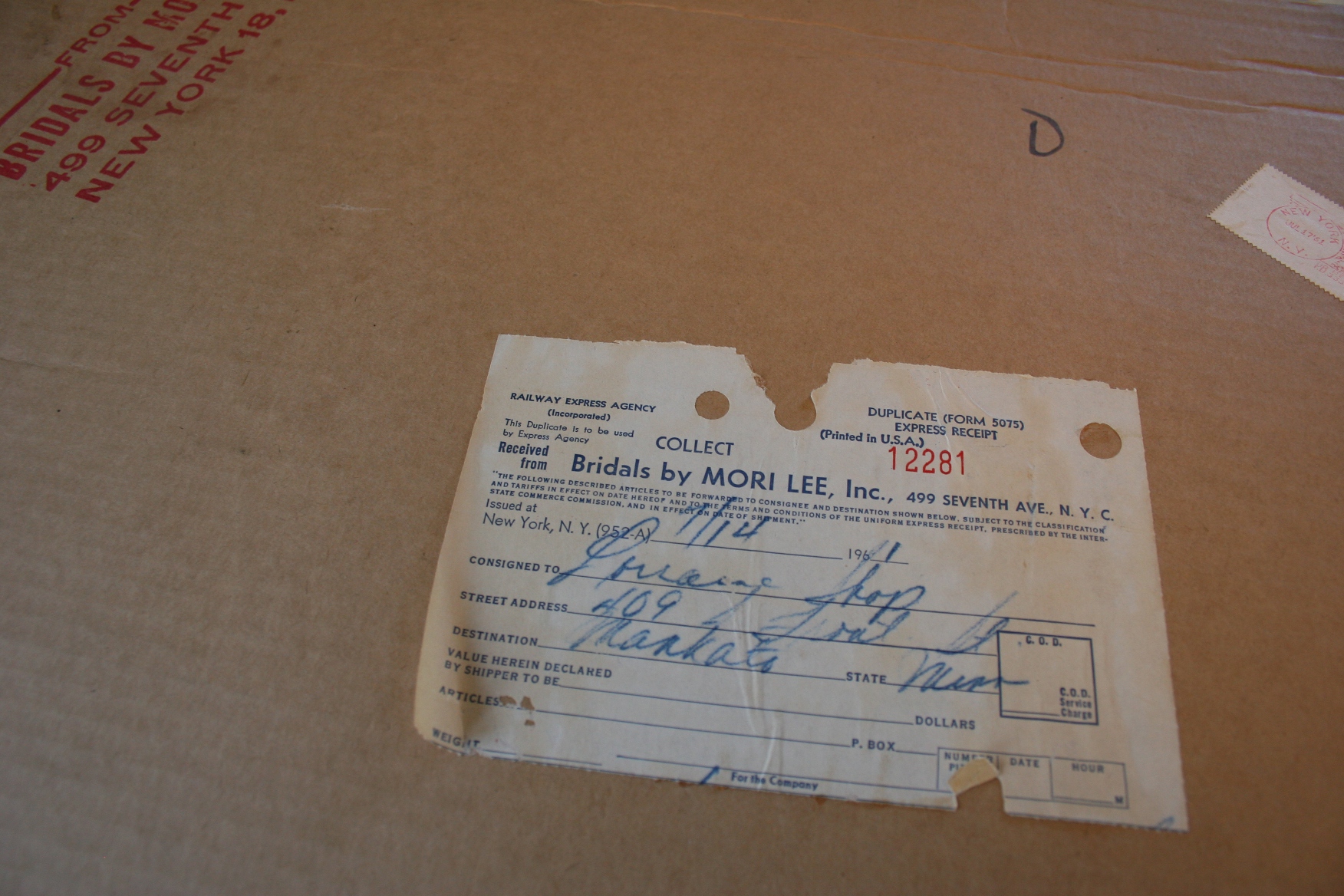
My Aunt Marilyn's bridal gown was shipped from New York to the Lorraine Shop in Mankato for 77 cents in 1961.

My Aunt Marilyn’s bridal gown was shipped from New York to the Lorraine Shop in Mankato for 77 cents in 1961.

She’d asked that I bring them—her grandma’s and her Great Aunt Marilyn’s bridal gowns—back for her to try on.

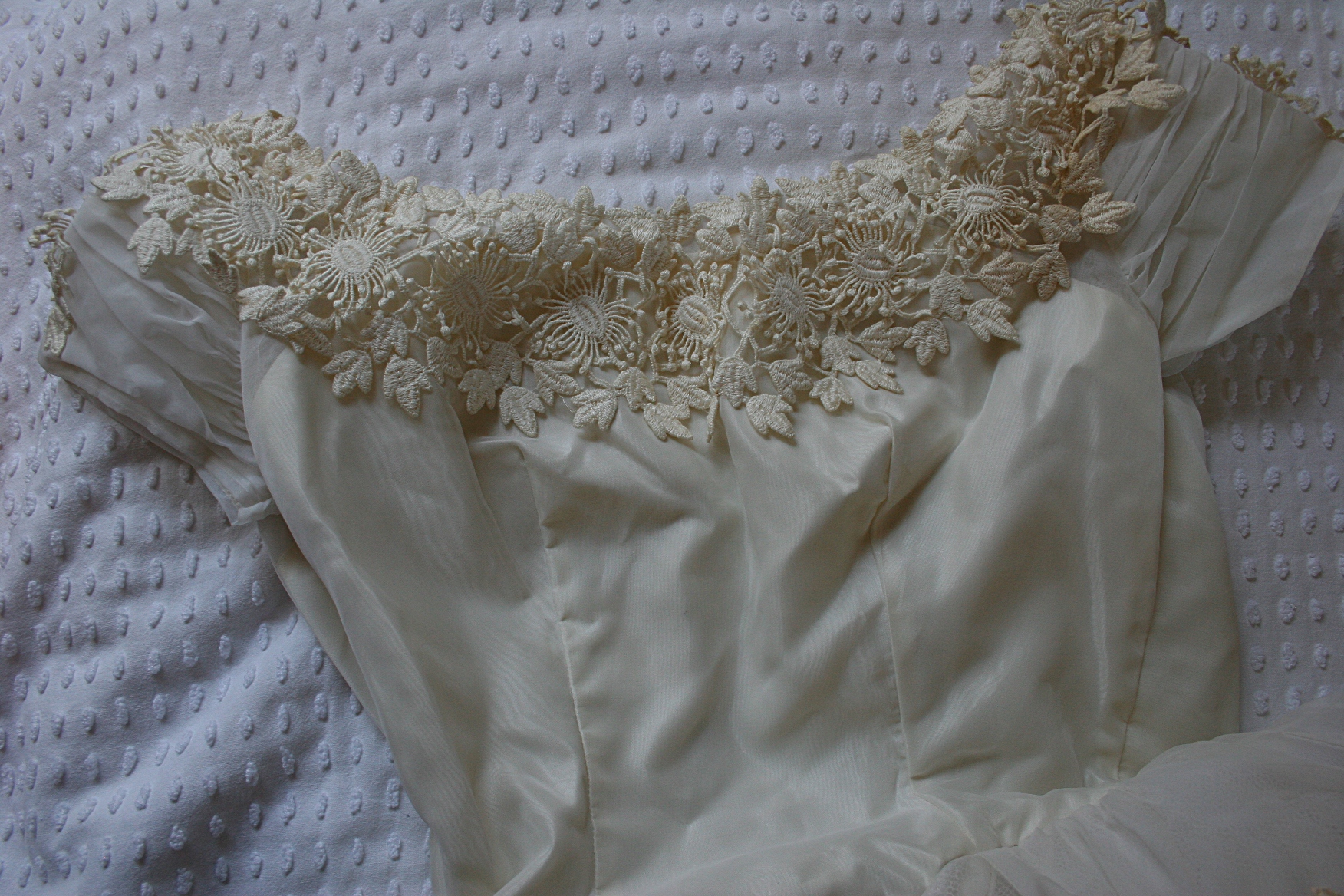
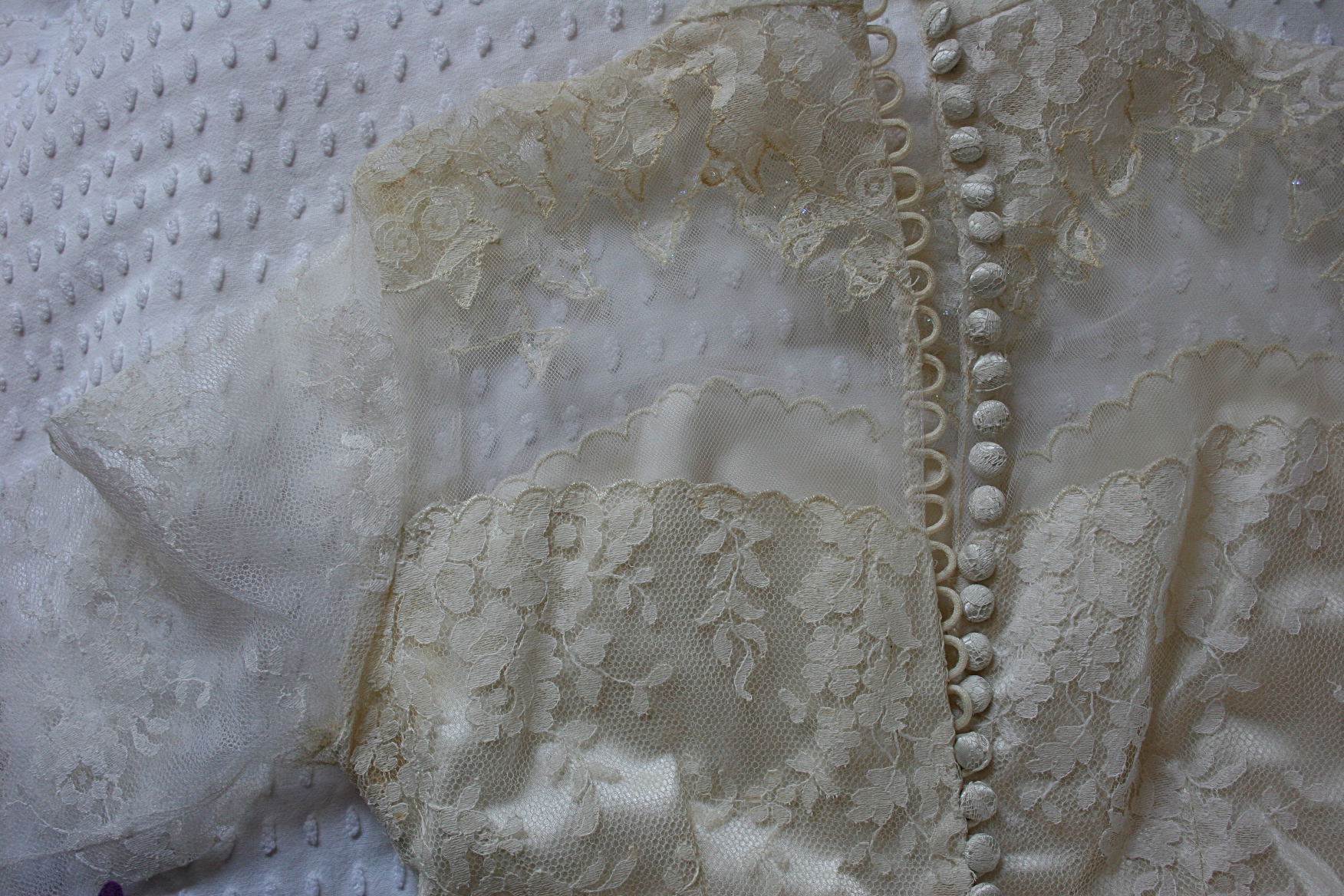
Aunt Marilyn's dress with the slim waist.

The bodice of Aunt Marilyn’s dress with the slim waist.

But, alas, no matter that my daughter is tiny, she was not slim enough to be buttoned into Marilyn’s 1961 bridal gown. Besides, she thought the skirt too pouffy.

Just like the back of my aunt's dress, my mom's bridal gown closes with a long row of buttons.

Just like the back of my aunt’s dress, my mom’s bridal gown closes with a long row of buttons.

And, although my mother’s 1954 dress was not quite as narrow, the fit was still too snug for comfort on my 27-year-old. But mostly, the bodice lace was itchy and comfort counts on your wedding day.

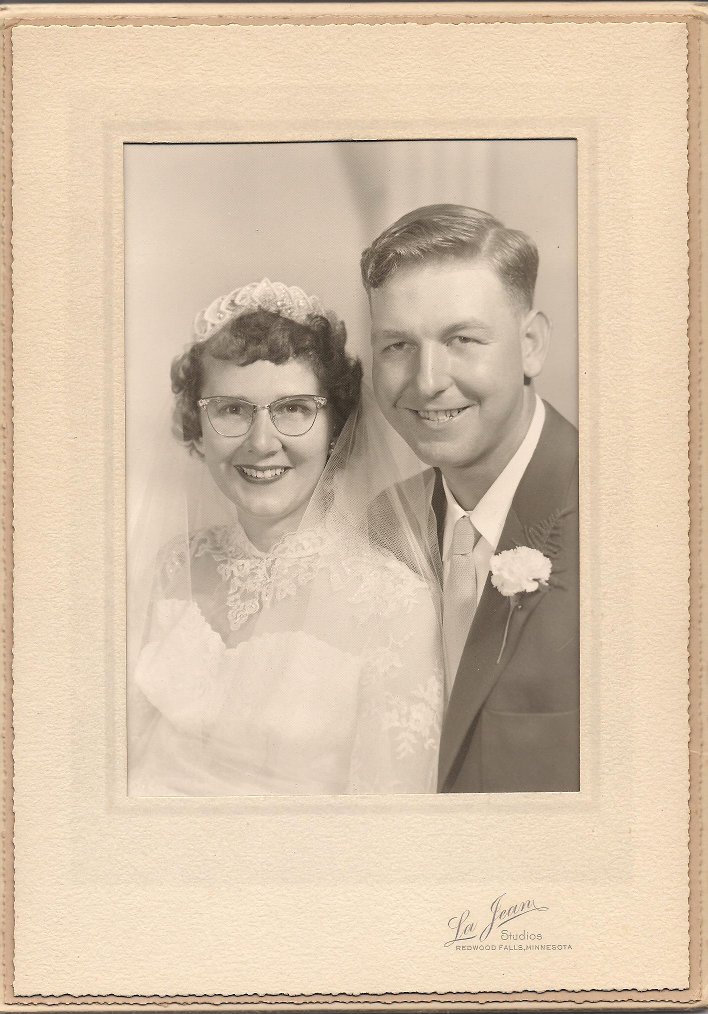
My parents, Vern and Arlene, on their September 25, 1954, wedding day.

My parents, Vern and Arlene, on their September 25, 1954, wedding day.

So the bride-to-be has moved to Plan B, scheduling an appointment at Andrea’s Vintage Bridal in south Minneapolis. I am delighted with my daughter’s first shopping choice. I can easily envision my girl wearing something from a bygone era. It fits her down-to-earth style and personality.

Several times she’s expressed her desire to find a gown different from the norm and, most definitely, not a strapless one. I’m totally with her on that. At way too many weddings, I’ve watched brides tug at their strapless bodices to keep everything up and in place.

No matter what dress she eventually chooses, I am confident it will be the right choice for her. Not me. Not her sister. But her, my darling precious bride-to-be eldest daughter.

SHARE YOUR WEDDING dress story with us, or tips on how and where to find the “perfect” bridal gown. And, if you have a vintage bridal dress…

© Copyright 2013 Audrey Kletscher Helbling


Right out of Mayberry: Main Street Barber in Montgomery April 7, 2013

Filed under: Uncategorized — Audrey Kletscher Helbling @ 10:19 AM
Tags: , , , , , , , , , ,
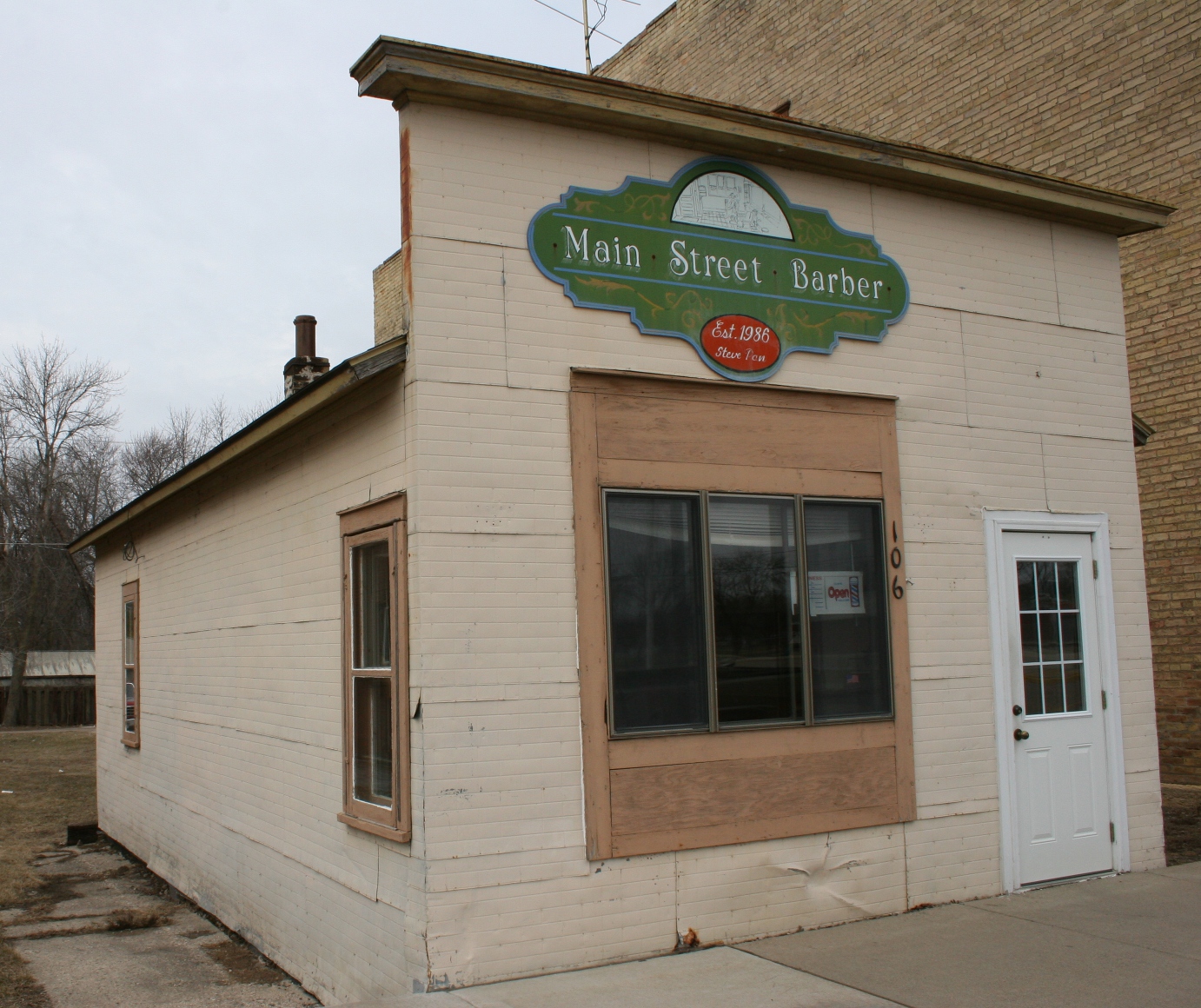
Steve Pan's barbershop in downtown Montgomery.

Steve Pan’s barbershop in downtown Montgomery, Minnesota.

I COULD HAVE BEEN WALKING into Floyd’s Barbershop in Mayberry on this first Saturday morning in April.

Same thing, according to the two customers at Main Street Barber, 106 First Street South, in Montgomery.

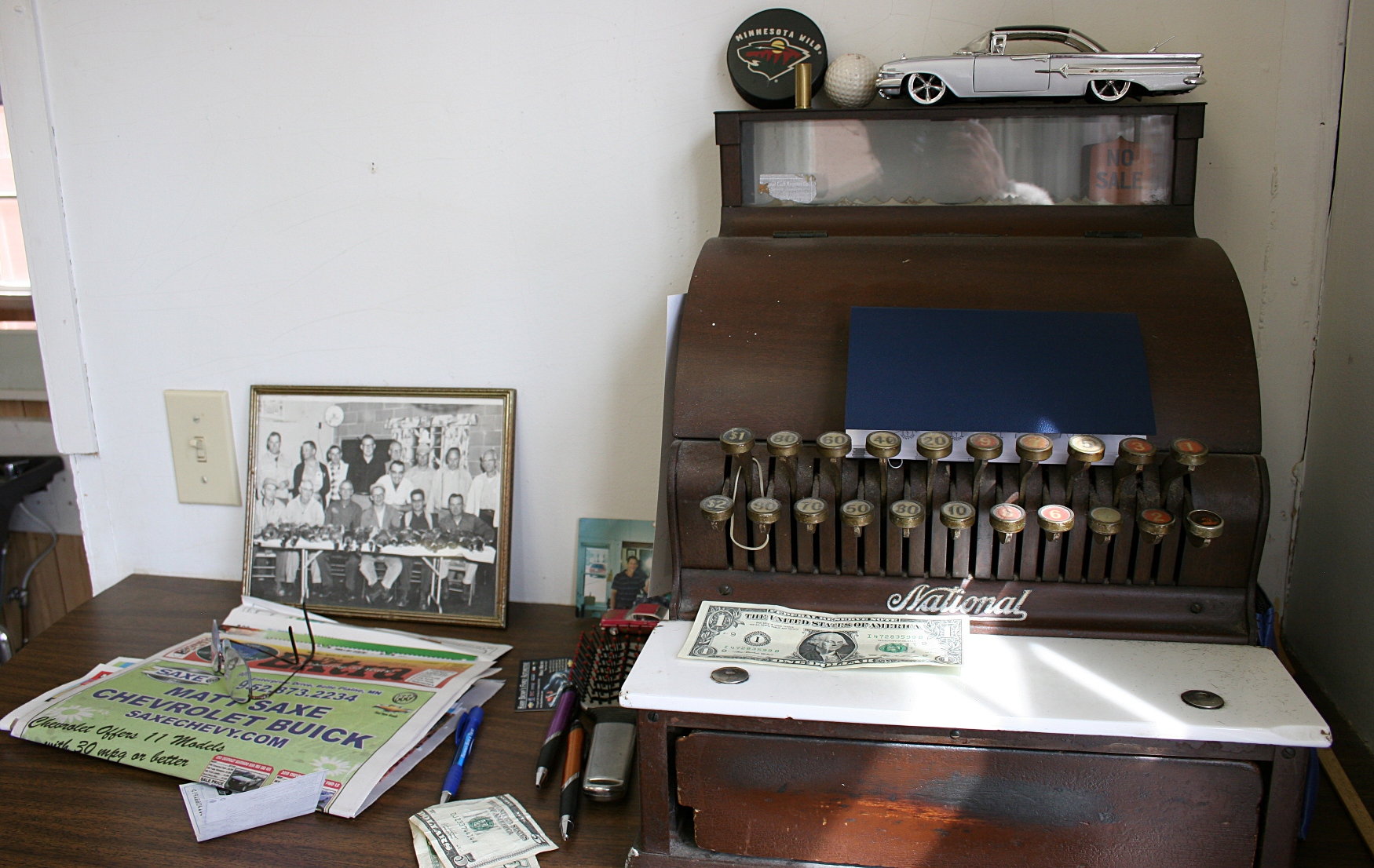
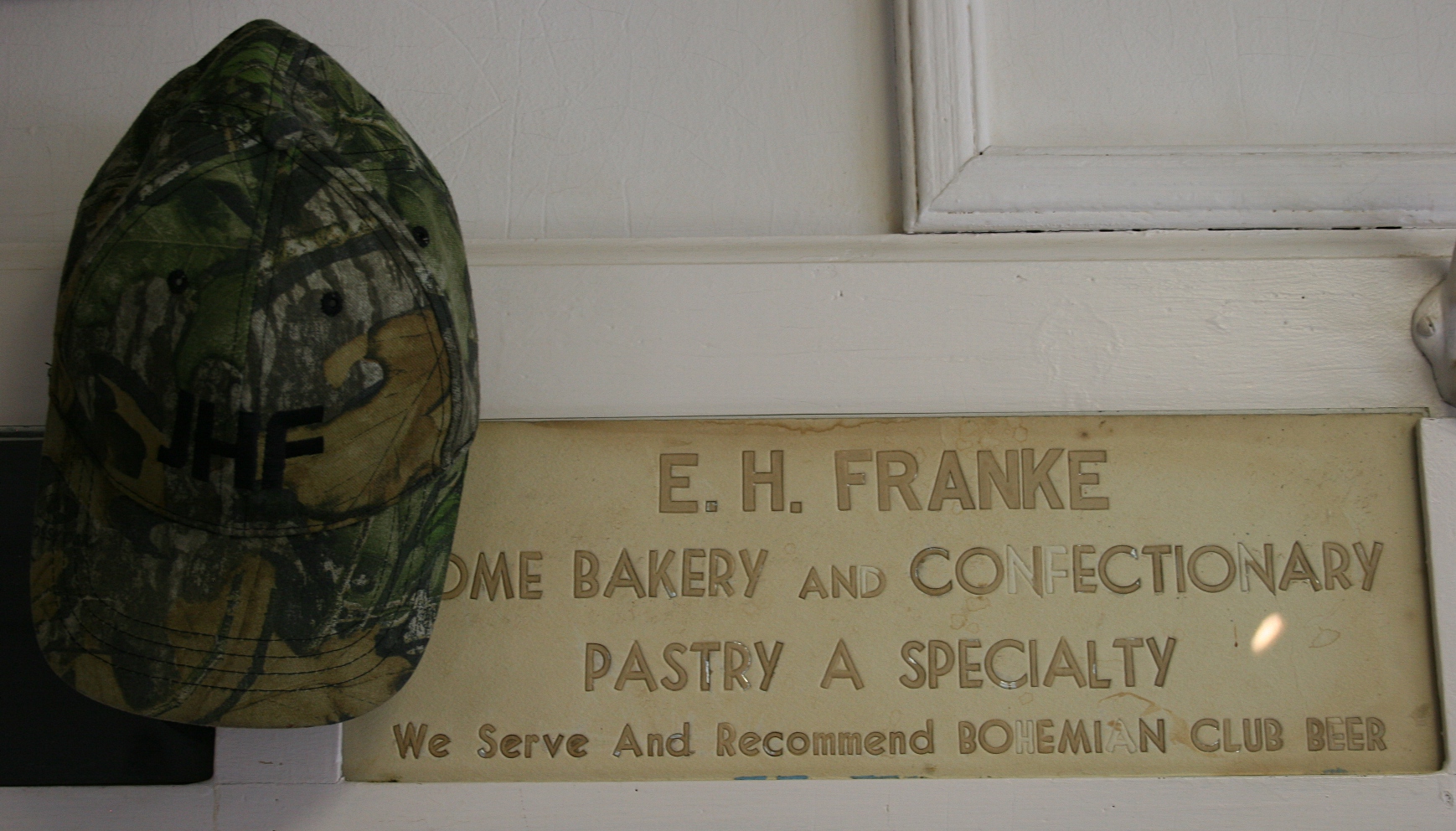
The old bakery cash register Steve got for his barbershop.

The old bakery cash register Steve got for his barbershop.

Barber Steve Pan agrees, as I note two Norman Rockwell paintings posted above a vintage cash register claimed from Franke’s Bakery down the street.

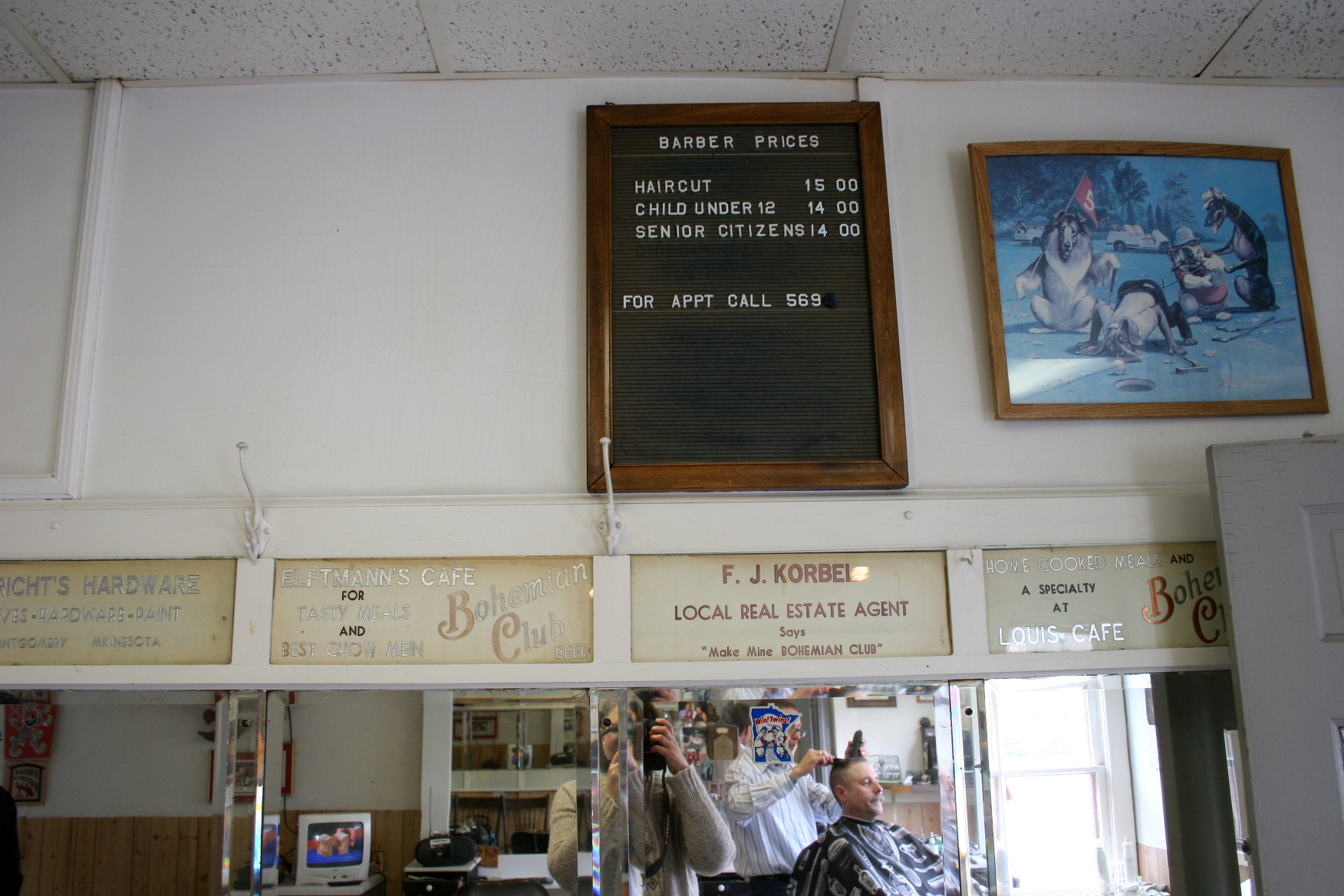
Above the bank of mirrors on the north side are vintage signs printed at Bohemian Club Beer.

Above the bank of mirrors on the north side are vintage signs endorsing Bohemian Club Beer. The signs were printed at the defunct Montgomery Brewing Company, which made the Bohemian beer.

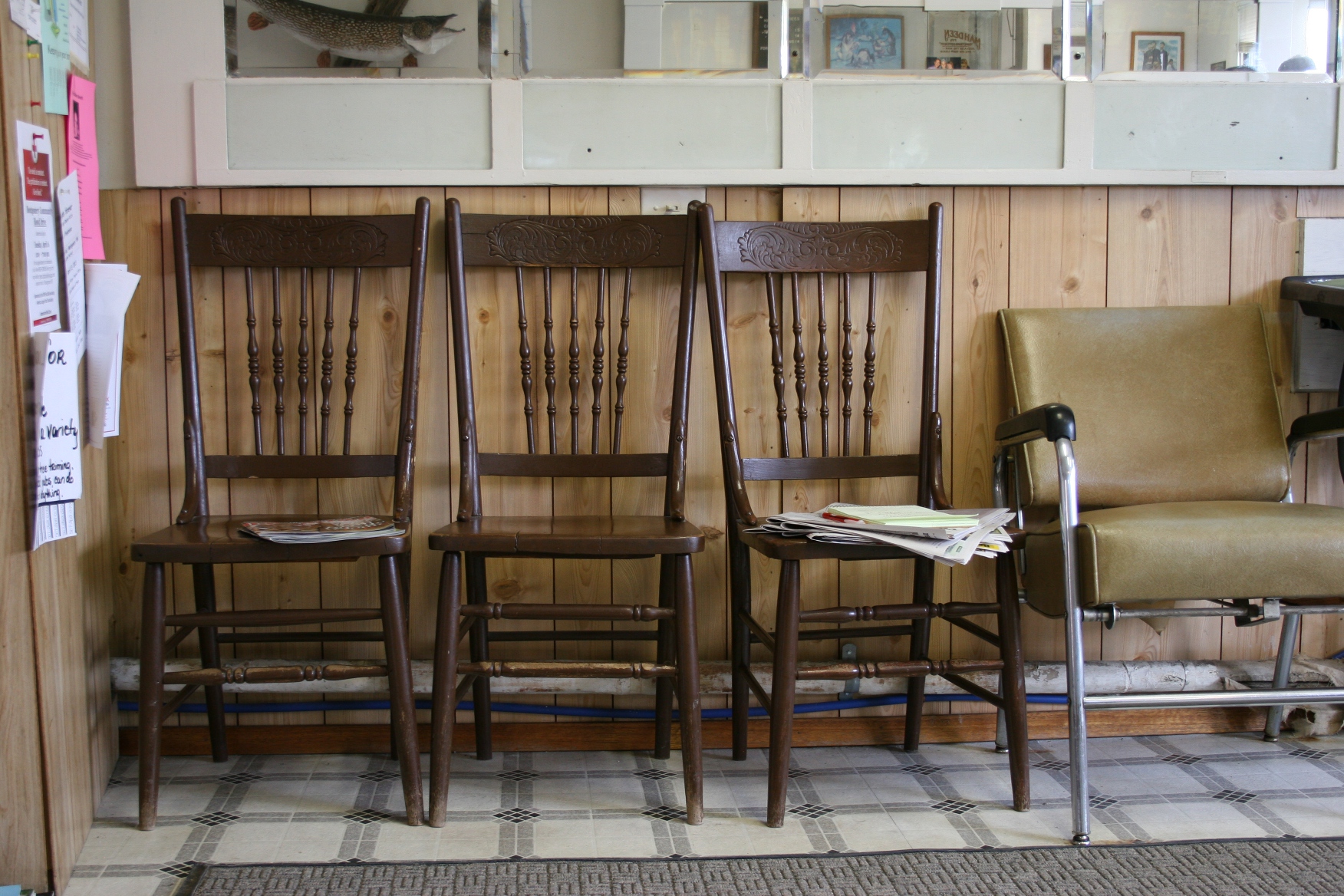
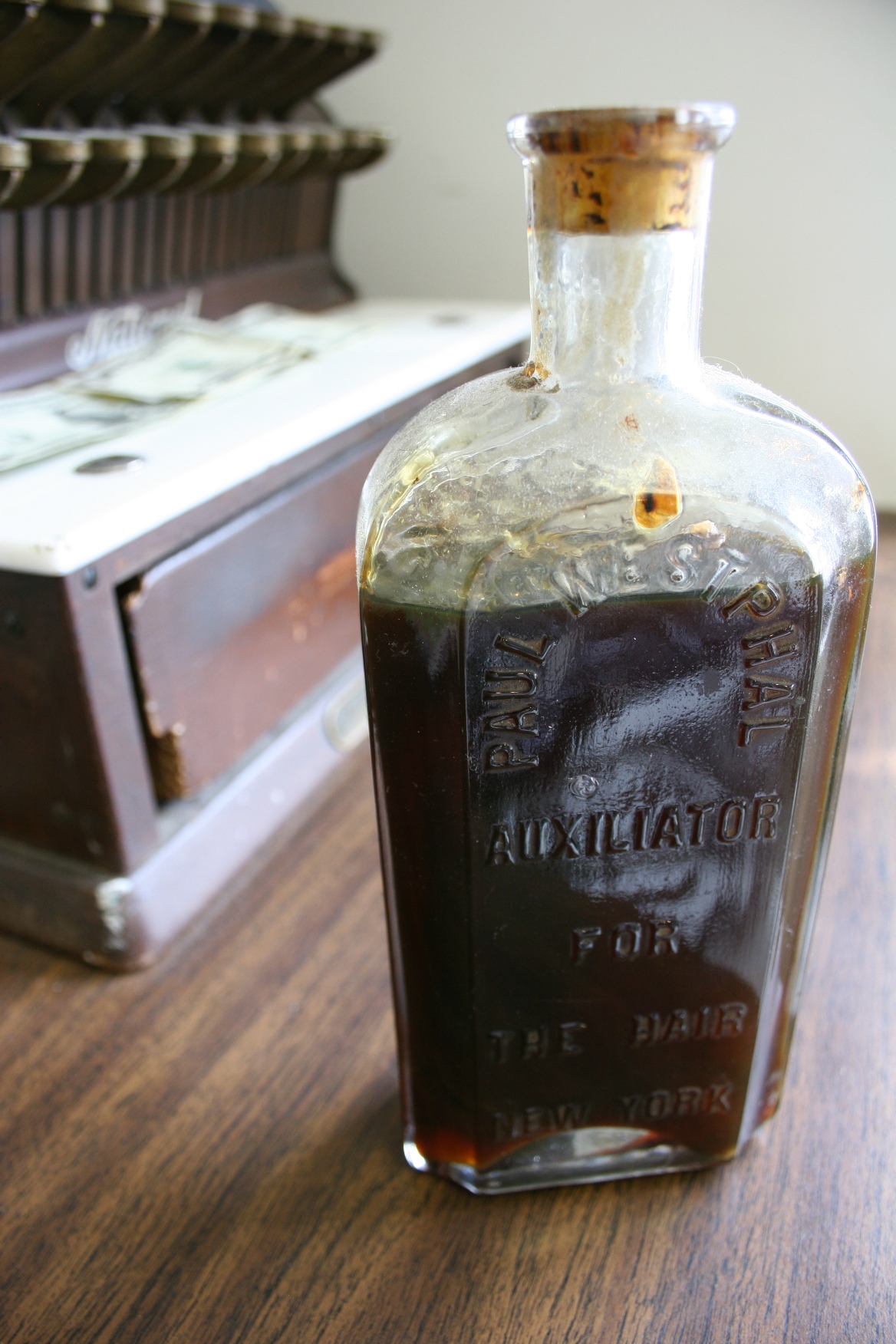
Main Street Barber is about as rural Minnesota, Norman Rockwell Americana, small-town barbershop as you’ll find right down to chairs backed against the wall, trophy fish, a stand alone stove, an aged bottle of thick-as-tar “Auxiliator for the hair,” walls of mirrors, and barber chairs that hearken to the early 1900s.

Vintage chairs await customers.

Vintage chairs await customers.

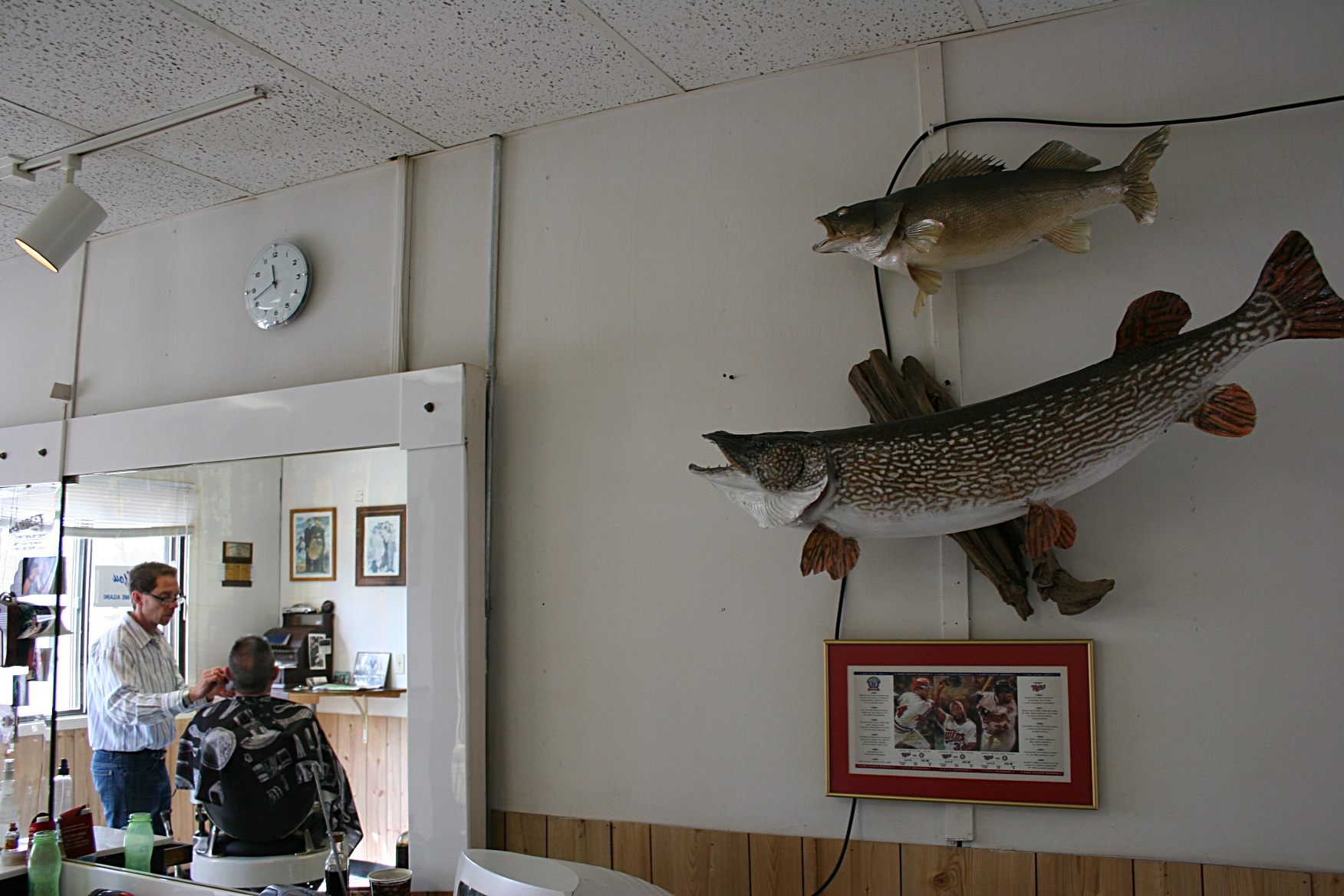
Steve caught the walleye at Lake Gorman, the Northern at Red Lake.

Steve caught the walleye at Lake Gorman, the Northern at Red Lake.

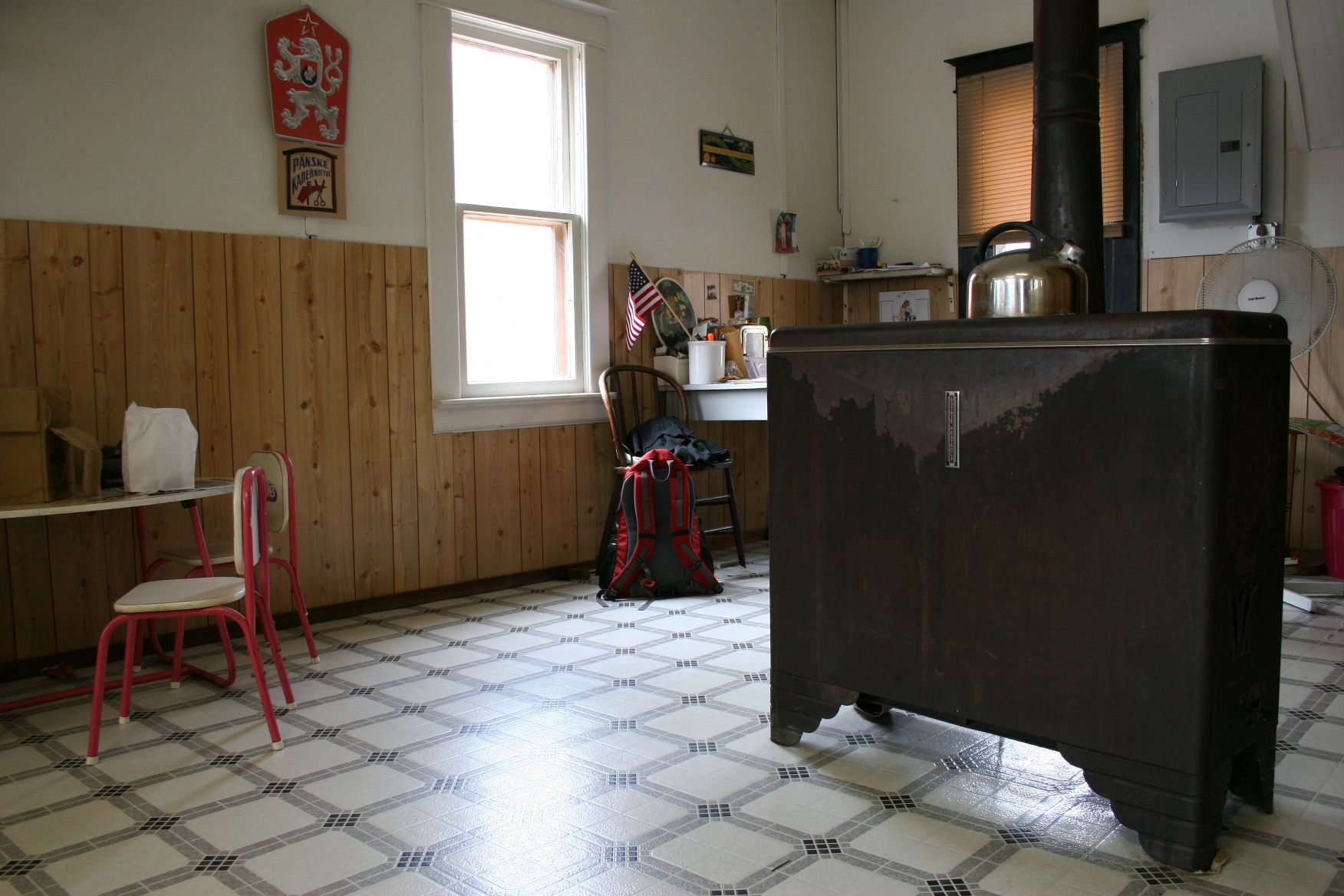
This free standing stove heats the small barbershop.

This free standing stove heats the small barbershop.

An aged bottle of "auxiliator for the hair."

An aged bottle of “auxiliator for the hair.”

Looking toward the front of the barbershop and the window overlooking Main Street.

Looking toward the front of the barbershop and the window overlooking Main Street. I tested the chair in the foreground, per Bill’s urging.

I wonder, as customer Bill Becker urges me to try out a barber chair, how many hands have rested upon the arms of the chair, how many stories have been swapped here, how much hair has fallen upon this floor.

Bill guesses thousands of hands and I expect he would be right.

Steve gives Bill a flattop.

Steve gives Bill a flattop.

On this Saturday, 61-year-old Bill briefly serenades us with a verse from Marshall Tucker’s “A New Life” album while Steve sculpts his hair into a flattop. Bill remembers aloud, too, where he was when President John F. Kennedy and George Wallace and John Lennon were shot. I’m uncertain how we got on that topic because I’ve been distracted by photographing the historic charm of this place.

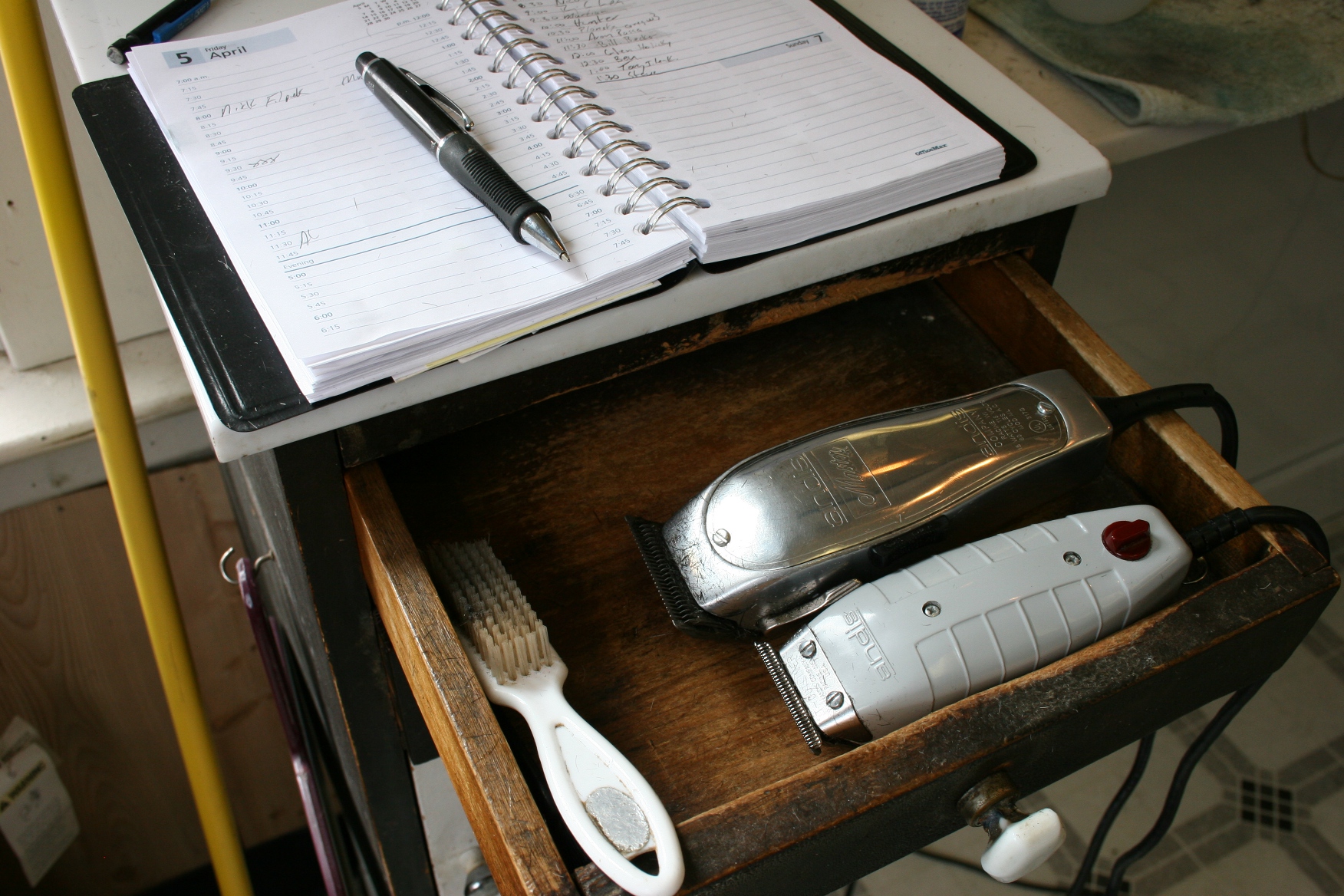
Tools of the trade and Steve's appointment book.

Tools of the trade and Steve’s appointment book.

Steve’s been barbering here since 1986, when he took over for Phil, who retired. “The opportunity was here…we’ll give it a shot back in the old hometown,” Steve recalls of his return to Montgomery from cutting hair in Hopkins. He’s the only barber in town now; the other two died.

Steve works on Bill's flattop.

Steve works on Bill’s flattop.

Nearly 30 years later, the hometown boy come home is still cutting hair…

Steve's scissors.

Steve’s scissors.

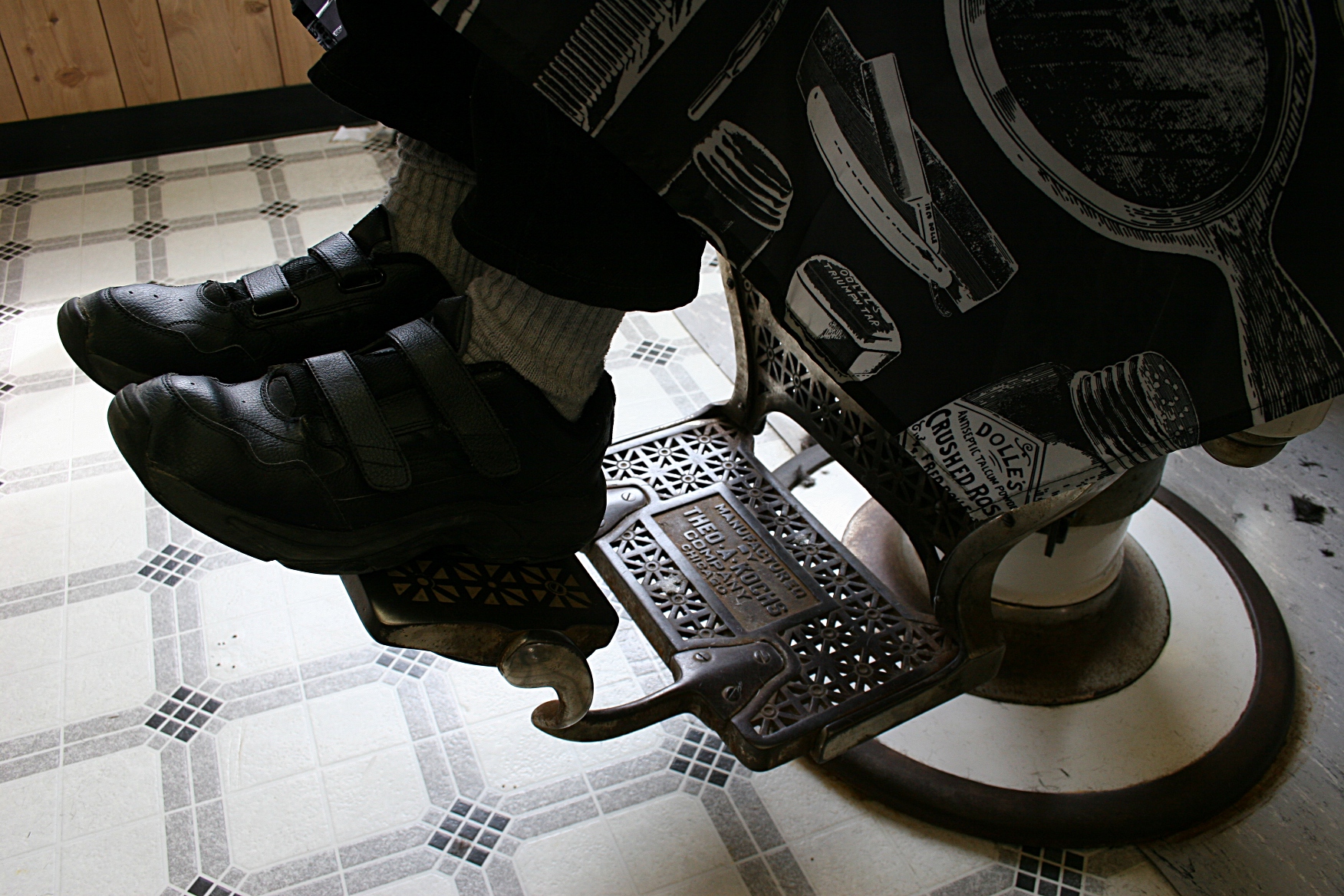
Bill jokes that he would have worn his wing tips had he known I would be photographing his feet.

Bill jokes that he would have worn his wing tips had he known I would be photographing his feet.

Hooks for caps hang by the vintage signs.

Hooks for caps hang by the vintage signs.

A Czech emblem, a nod to Steve's heritage and that of most folks living in Montgomery.

A Czech emblem, a nod to Steve’s heritage and that of most folks living in Montgomery.

More of those delightful old signs...and a reflection of me photographing them.

More of those delightful old signs…and a reflection of me photographing them and Steve shaping Bill’s flattop.

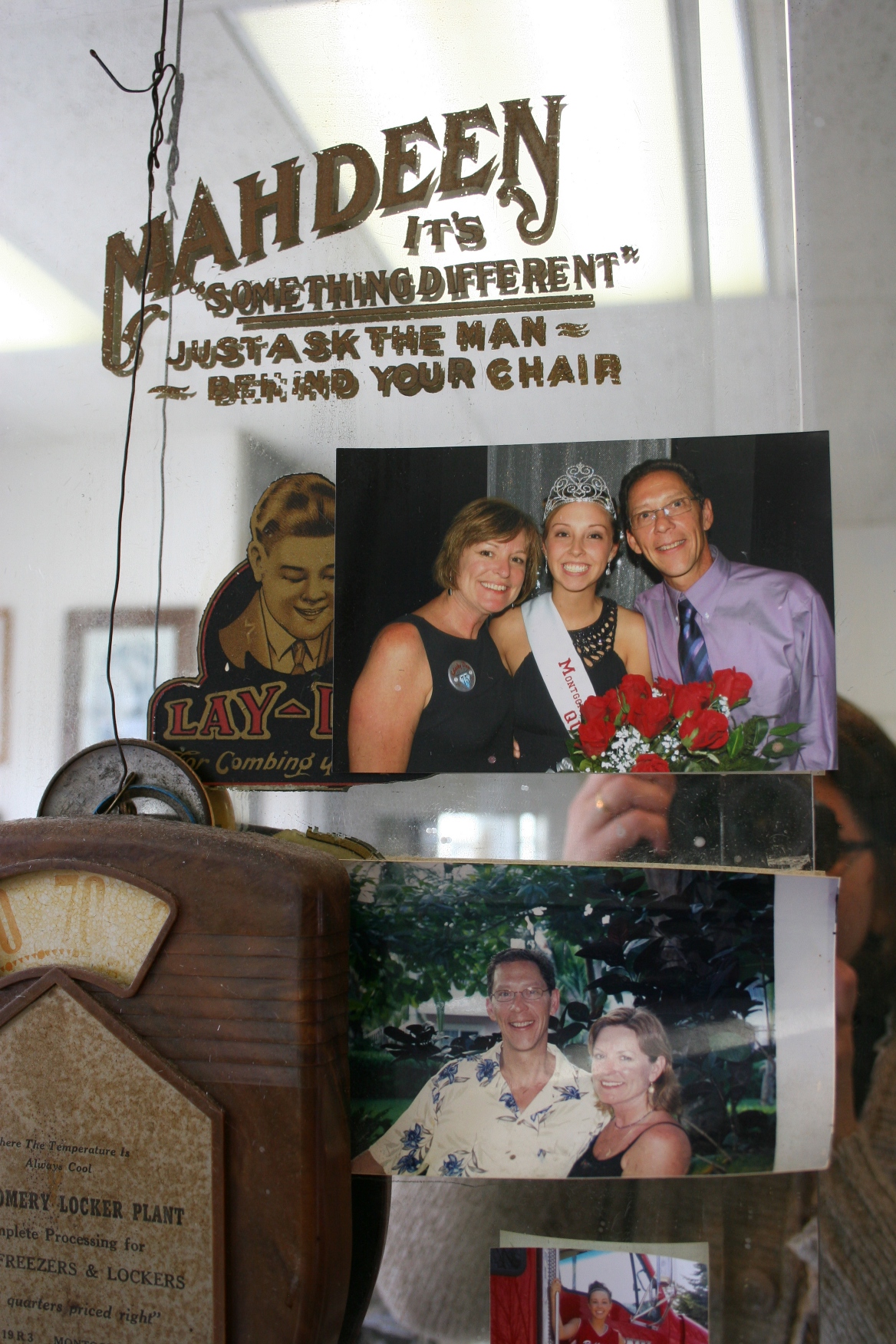
Family photos at Steve's work station.

A collage of photos and signage on the mirror above Steve’s work station.

Propped inside the entry.

Hung inside the entry.

PLEASE RETRUN FOR MORE stories and photos from Montgomery. Also, check my March 4 – 8 archives for a series of previous posts from this southern Minnesota community.

© Copyright 2013 Audrey Kletscher Helbling


Viewing North Korea’s threats from a personal perspective April 5, 2013

Filed under: Uncategorized — Audrey Kletscher Helbling @ 7:31 AM
Tags: , , , , , , , , ,

HAVE YOU CONSIDERED North Korea and the recent missile threats lobbed against the U.S.?

I have.

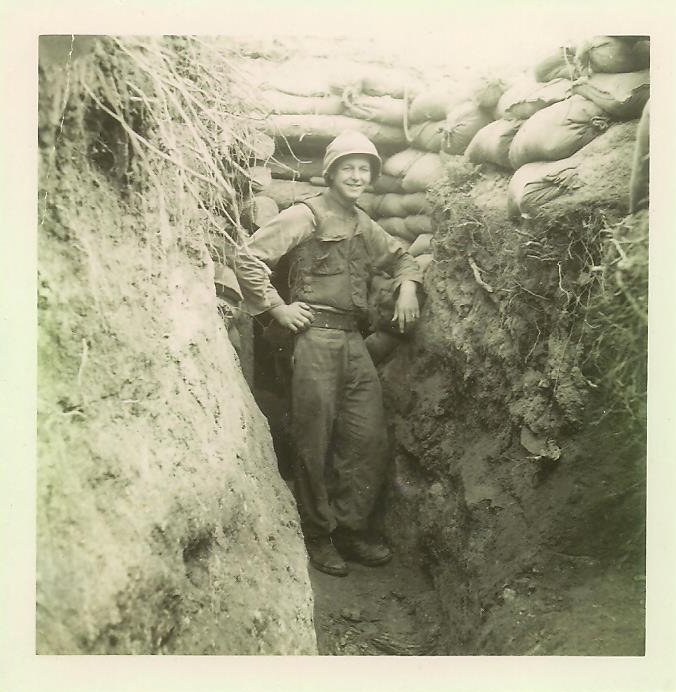
U.S. Army Cpl. Elvern Kletscher, my father, in the trenches in Korea.

U.S. Army Cpl. Elvern Kletscher, my father, in the trenches in Korea.

For me it’s personal. Personal because some 60 years ago my father, dead 10 years now, fought as an infantryman in the Korean War. On February 26, 1953, he was struck by shrapnel at Heart Break Ridge. In May 2000, he was awarded a Purple Heart for those wounds. I don’t need to explain Heart Break Ridge. The name tells the story.

Today I reflect on his horrible experiences there and wonder whether that war was worth all the death, all the physical and psychological damage inflicted upon those who fought? Like my dad.

I suppose you could wonder this about any war. Was the war worth the lives lost, the lives changed?

The answer to that question cannot be tidied into a succinct statement, for the response would vary depending on your perspective—perhaps as a soldier, a parent who lost a son or daughter, the daughter who watched her father struggle with Post Traumatic Stress Disorder.

War is never neat and tidy, but rather complicated.

Did the Korean War halt the spread of Communism? Yes, in the south.

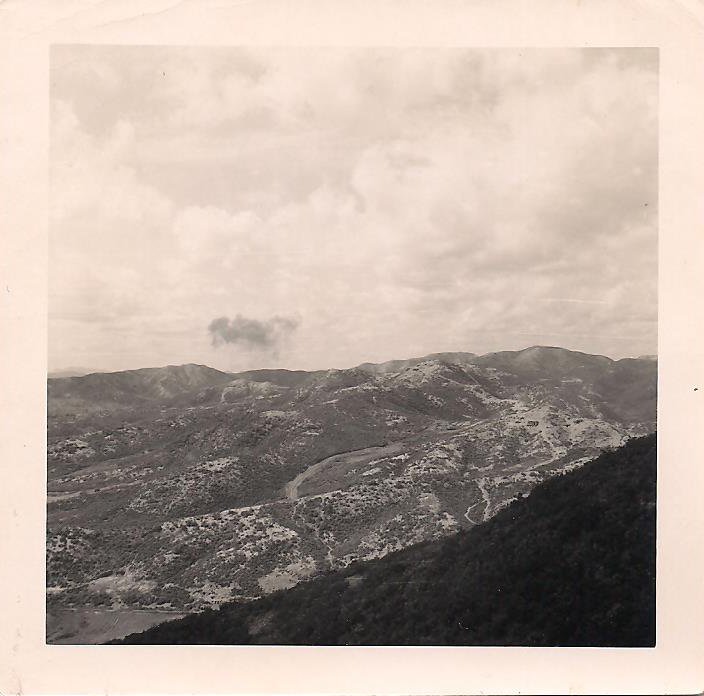
This photo, pulled from the shoebox which holds my dad's military photos, is simply labeled "front line." That would be "front line" as in Korea, where my soldier father fought.

This photo, pulled from the shoebox which holds my dad’s military photos, is simply labeled “front line.” That would be “front line” as in Korea, where my soldier father fought.

Yet, despite the signing of a truce, a definite uneasiness has existed between the two Koreas, separated by a 155-mile long, 2.5-mile wide fortified Demilitarized Zone, for 60 years.

Now North Korea’s new leader, Kim Jong-un, has thrown the region into even more uncertainty by his actions and threatened actions. I won’t expound, only note that when I heard mention of North Korean missiles on standby to possibly strike U.S. targets in  Hawaii, Washington, Los Angeles and Austin (Texas), I listened. Anytime a specific place in the U.S. is named, the entire situation becomes much more personal.

I suppose that is part of the strategy, to heighten anxieties. With so much information out there, whom do we believe? Is North Korea capable? Is it not?

This photo from my dad's collection is tagged as "Kim, Rowe, Allen & me, May 1953 Machine Gun Crew." That's my father on the right.

This photo from my dad’s collection is tagged as “Kim, Rowe, Allen & me, May 1953 Machine Gun Crew.” That’s my father on the right.

What would my Dad, who termed Korea “a hell hole,” say about all of this?

What would Teri Rae say about all of this? She was only six weeks old when her dad died. My father witnessed Ray’s death on the battlefield. (Click here to read about Ray.) He never forgot. I’ve never forgotten either the heart-wrenching and horrific story of the Nebraska soldier who never returned home to his wife or his first-born.

These are my thoughts as I consider the unsettling situation unfolding in Korea.

What are your thoughts?

© Copyright 2013 Audrey Kletscher Helbling


How I’ve composed poetry that dances (in the barn) April 4, 2013

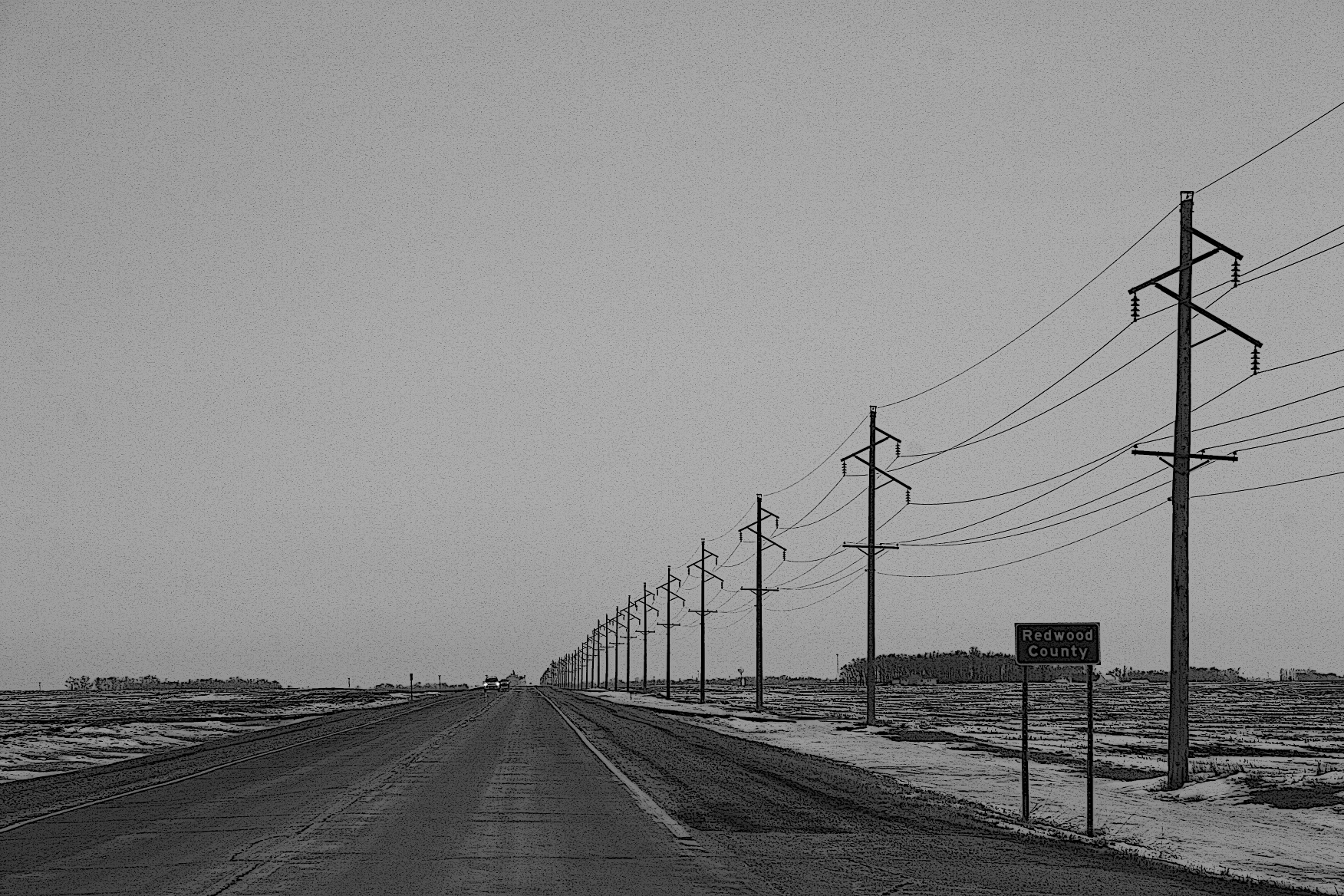
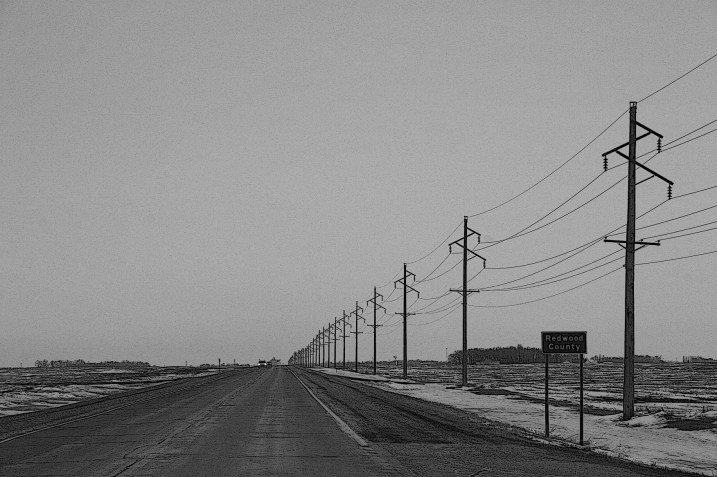
Entering my home county of Redwood along Minnesota State Highway 68 southeast of Morgan.

Entering my home county of Redwood along Minnesota State Highway 68 southeast of Morgan. Rural Redwood County is the setting for most of my poetry.

POETRY. That single word encompasses language, music, art, emotion and more. It’s a word to be celebrated in April, designated as National Poetry Month by the Academy of American Poets.

I’ve written poetry for about four decades, but not with particular passion or regularity until recent years. Something has evolved within me as a writer, directing me from the narrow path of journalistic style writing to the creativity of penning poetry.

Perhaps a parcel of my new-found enthusiasm can be traced to my publishing success. Seventeen, soon to be 18, of my poems have been published in places ranging from literary journals to anthologies to billboards to a devotional and more. I figure if editors have accepted my poetry for publication, I must be doing something right. And when they reject my poetry, as has happened often enough, they were correct in those decisions.
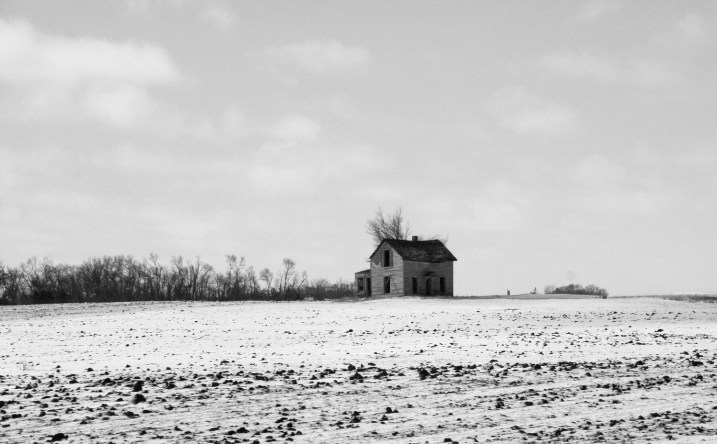
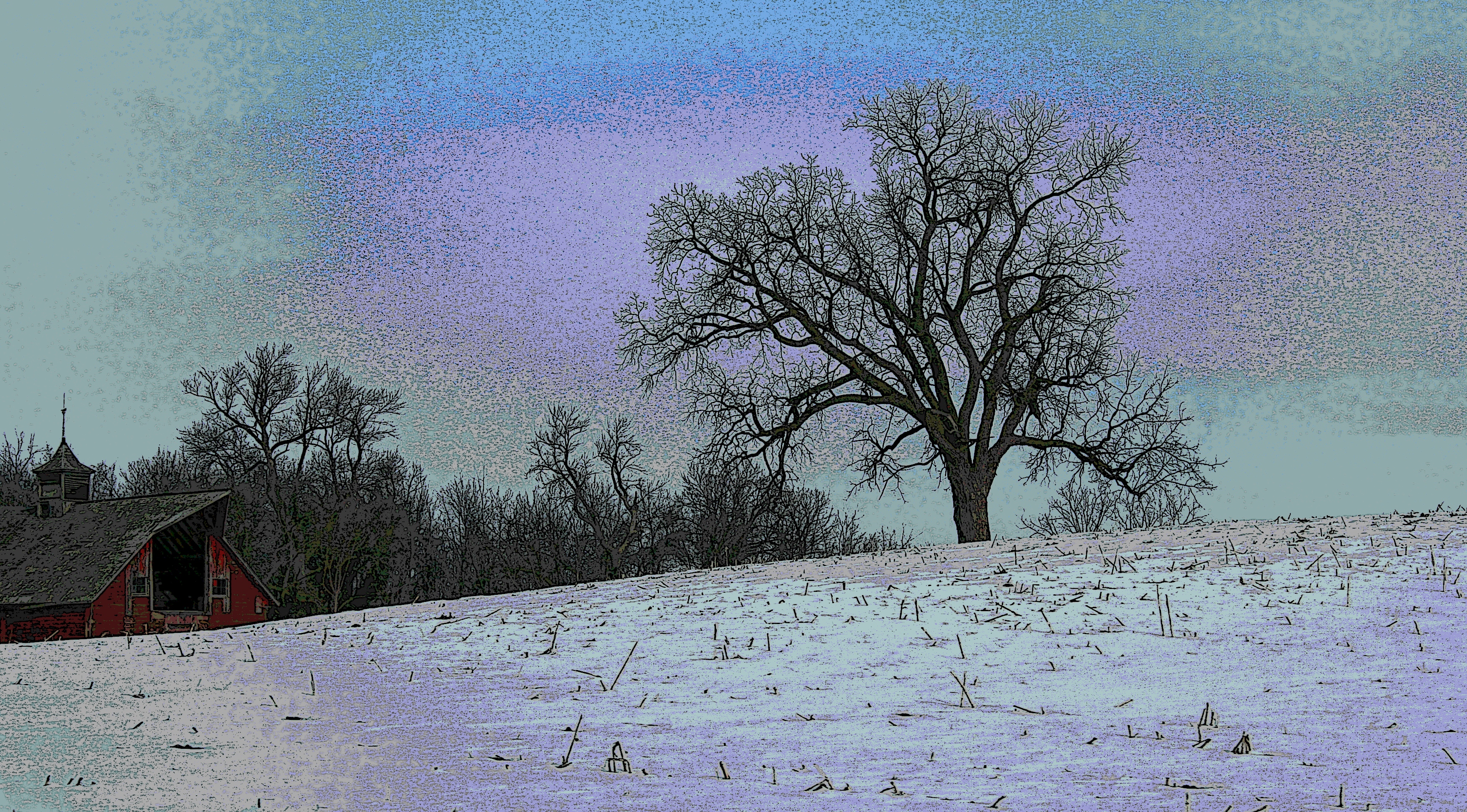
An abandoned farmhouse along Minnesota State Highway 19 east of Vesta on the southwestern Minnesota prairie.

An abandoned farmhouse, like this one along Minnesota State Highway 19 east of Vesta on the southwestern Minnesota prairie, inspired my poem, “Abandoned Farmhouse,” published in Poetic Strokes, A Regional Anthology of Poetry from Southeastern Minnesota, Volume 3.

Most of my poems are rooted in childhood memories from the southwestern Minnesota prairie. I write about topics like barns, walking beans, an abandoned farmhouse, canned garden produce, taking lunch to the men in the field and such.

My poetry rates as visually strong and down-to-earth. There’s no guessing what I am writing about in any of my poems.
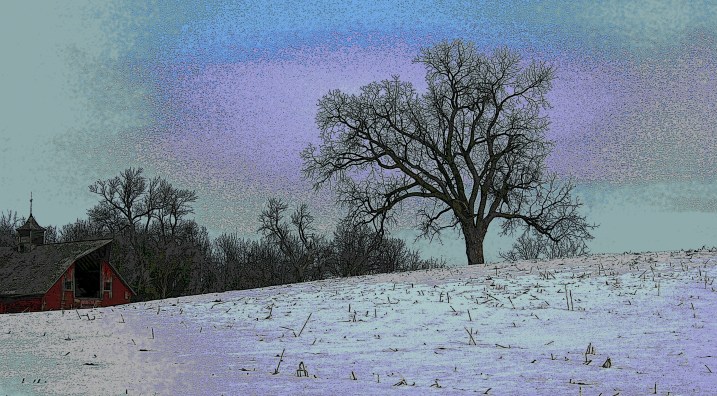
Barns, like this one along Minnesota Highway 60 west of Waterville, have woven into my poetry.

Barns, like this one along Minnesota Highway 60 west of Waterville, have woven into my poetry.

Here, for example, is my poem which published in Volume One of Lake Region Review, a high-quality west central Minnesota-based literary magazine of regional writing. To get accepted into this journal in 2011 and then again in 2012 significantly boosted my confidence as a poet given the level of competition and the credentials of other writers selected for publication.

This Barn Remembers

The old barn leans, weather-weary,
shoved by sweeping prairie winds,
her doors sagging with the weight of age,
windows clouded by the dust of time.

Once she throbbed with life
in the heartbeats of 30 Holsteins,
in the footsteps of my farmer father,
in the clench of his strong hands
upon scoop shovel and pitchfork.

This barn spoke to us,
the farmer and the farmer’s children,
in the soothing whir of milking machines
pulsating life-blood, rhythmic, constant, sure.

Inside her bowels we pitched putrid piles of manure
while listening to the silken voices of Charlie Boone
booming his Point of Law on ‘CCO
and Paul Harvey wishing us a “good day,”
distant radio signals transmitting from the Cities and faraway Chicago.

This barn remembers
the grating trudge of our buckle overshoes upon manure-slicked cement,
yellow chore-gloved hands gripping pails of frothy milk,
taut back muscles straining to hoist a wheelbarrow
brimming with ground corn and pungent silage.

This barn remembers, too,
streams of hot cow pee splattering into her gutters,
rough-and-tumble farm cats clumped in a corner
their tongues flicking at warm milk poured into an old hubcap,
and hefty Holsteins settling onto beds of prickly straw.
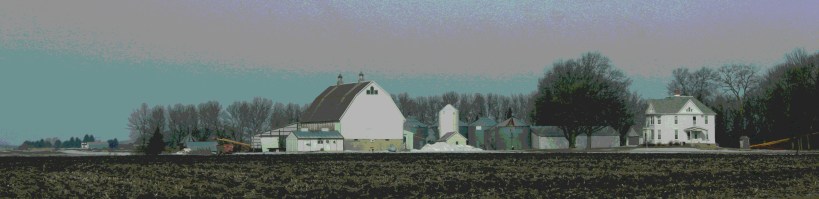
A rural scene along U.S. Highway 14 near Nicollet.

A rural scene along U.S. Highway 14 near Nicollet.

Let’s examine “This Barn Remembers” to see how I created this poem. Always, always, when penning a poem like this, I shut out the present world and close myself into the past.

I rely on all five senses, not just the obvious sight and sound, to engage the reader:

  • sight—sagging doors, clouded windows, manure-slicked cement
  • sound—soothing whir of milking machines, grating trudge of buckle overshoes, silken voices of Charlie Boone
  • taste—tongues flicking warm milk
  • touch—in the clench of his strong hands, gripping pails of frothy milk, settling onto beds of prickly straw
  • smell—putrid piles of manure, pungent silage

Strong and precise verbs define action: shoved, throbbed, booming, gripping, brimming, splattering, flicking

Literary tools like alliteration—pitched putrid piles of manure—and personification—the barn taking on the qualities of a woman—strengthen my poem.

The words and verses possess a certain musical rhythm. This concept isn’t easy to explain. But, as a poet, I know when my composition dances.

I also realize when I’ve failed, when a poem needs work and/or deserves rejection.

That all said, the best advice I can offer any poet is this:

  • Write what you know.
  • Write from the heart.
  • Write in your voice.
  • Write with fearlessness and honesty. (Note especially this line: “…streams of hot cow pee splattering into her gutters…”)
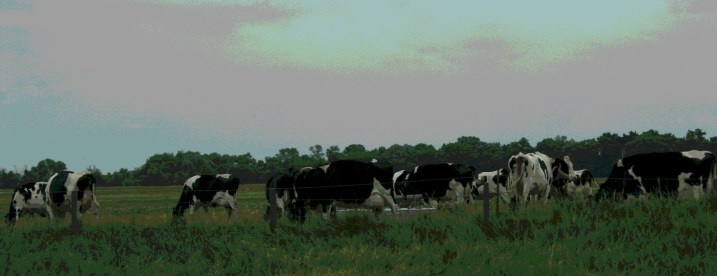
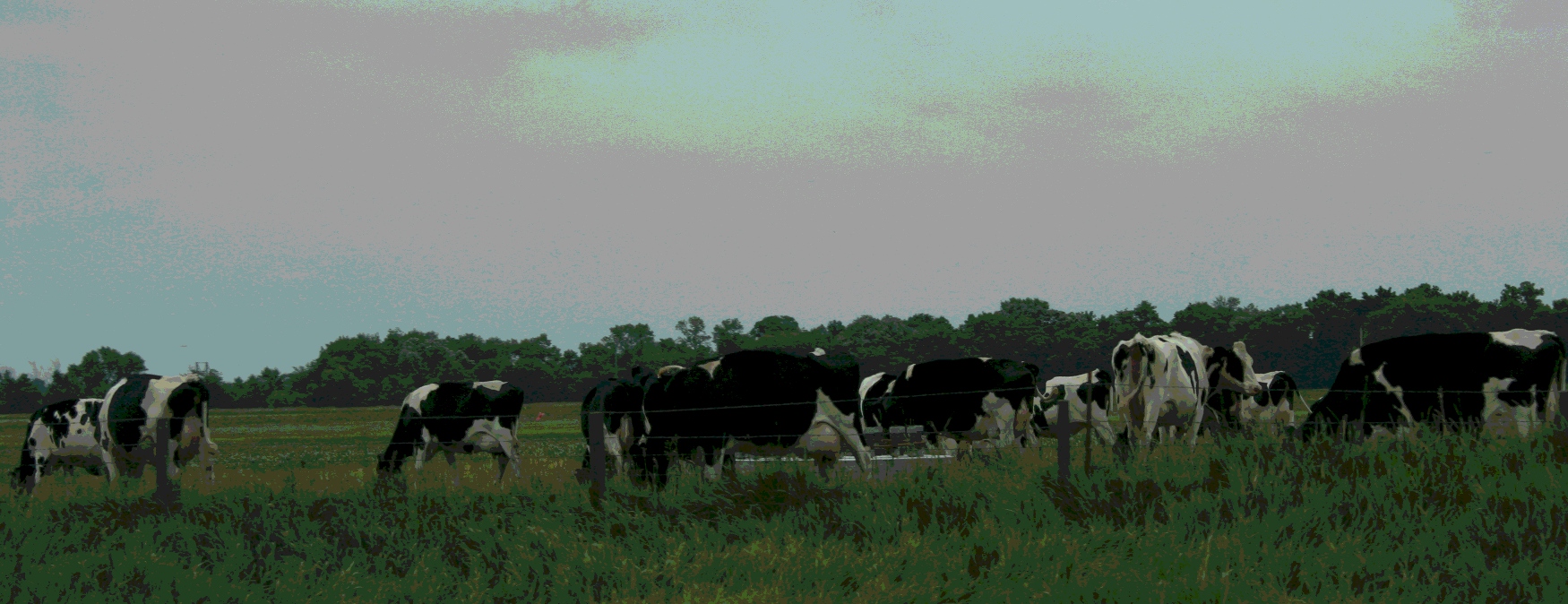
I grew up on a dairy and crop farm, so I know cows well enough to write about them in my poetry.

I grew up on a dairy and crop farm, so I know cows well enough to write about them in my poetry.

You can bet I smelled that hot cow pee, watched the urine gushing from Holsteins into the gutter, pictured a younger version of myself dodging the deluges, when I penned “This Barn Remembers.” Writing doesn’t get much more honest than cow pee.

IF YOU’RE A POET, a lover of poetry and/or an editor, tell me what works for you in composing/reading/considering poetry.

© Copyright 2013 Audrey Kletscher Helbling


In loving memory of my farmer dad April 3, 2013

Filed under: Uncategorized — Audrey Kletscher Helbling @ 7:56 AM
Tags: , , , , , , , ,
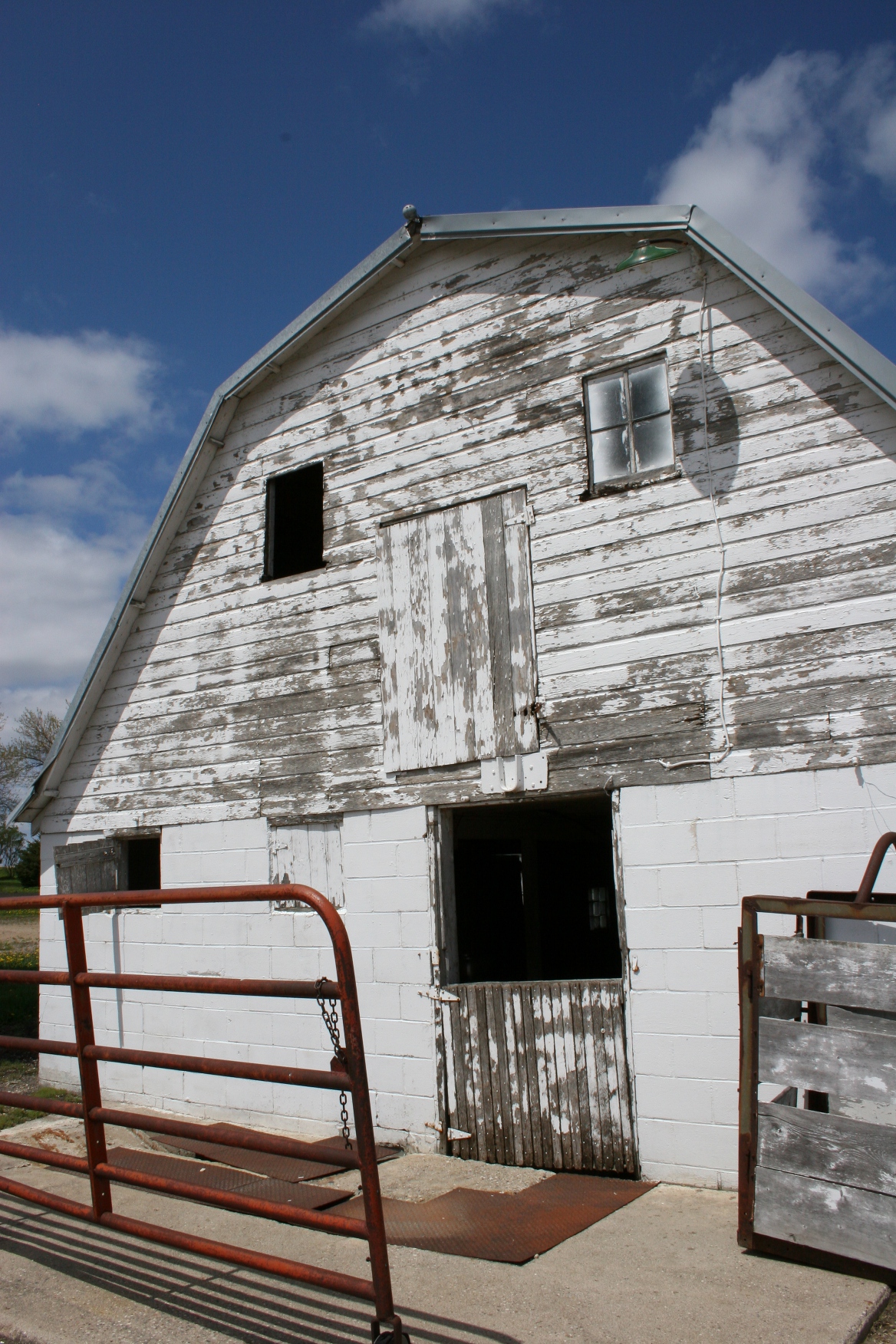
The barn where I labored alongside my father while growing up on the southwestern Minnesota prairie. File photo.

The barn where I labored alongside my father while growing up on the southwestern Minnesota prairie. File photo.

CALL ME THE BARD of barns, if you will, for barns have inspired me to pen poetic words and to compose poetic photos.

There is something about a barn rising strong and majestic or sagging with the burden of age that moves me. I am reminded of my childhood years toiling in the barn—scraping manure, wheeling ground corn in the wheelbarrow, forking silage.

Cats clumped in corners. Buckle overshoes slapping against cement. WCCO booming “Point of Law.”

Fly specks. Pink baby mice. Long sandpaper cow tongues.

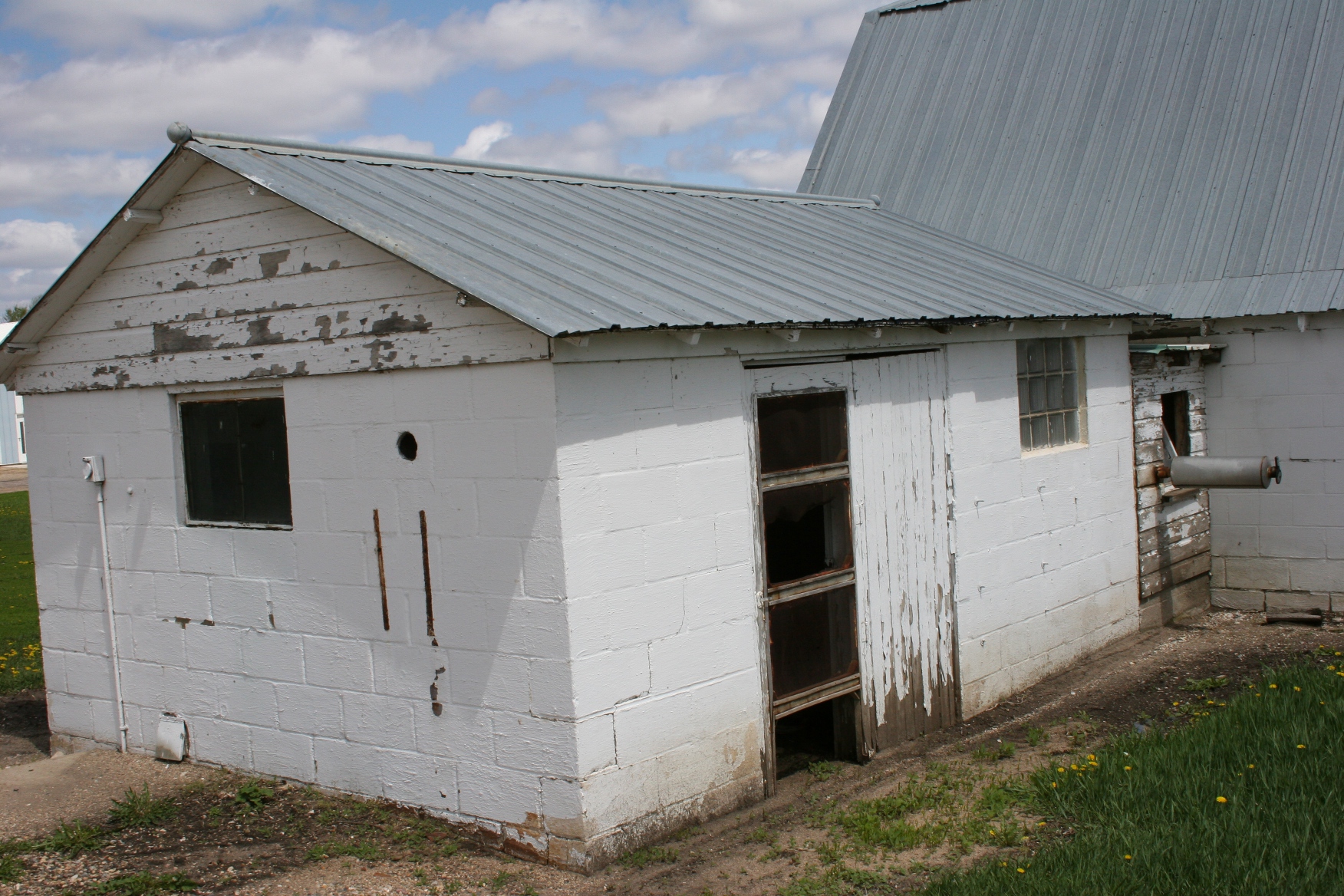
The milkhouse, attached to family barn. File photo.

The abandoned milkhouse, attached to family barn. File photo.

Stuck drinking cups overflowing. Twine on bales. Pails of frothy milk.

Cracked, chapped bleeding hands slimed with Cornhuskers lotion.

Footsteps of my father. Time with Dad. Gone 10 years ago today.

A snippet of the land my father farmed, my middle brother after him. The land and farm site are now rented out.

A snippet of the land my father farmed, my middle brother after him. The land and farm site are now rented out.

© Copyright 2013 Audrey Kletscher Helbling
 

A note about distracted drivers April 2, 2013

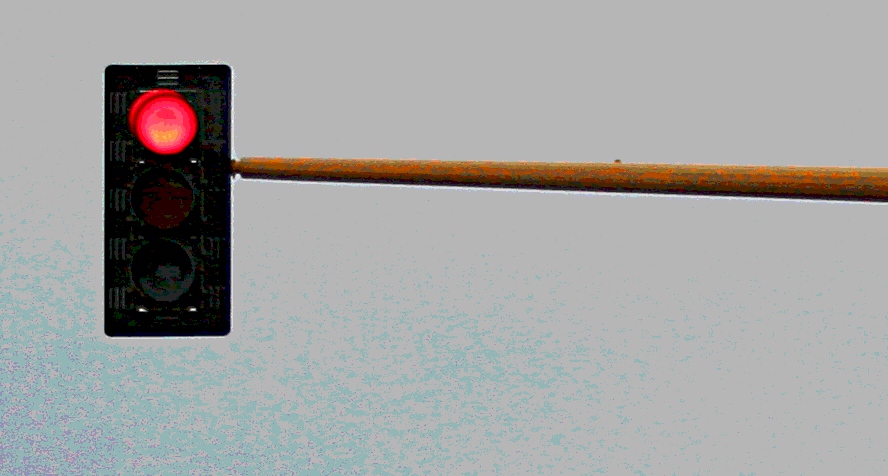
Red means STOP, people.

Red means STOP.

DEAREST GUARDIAN ANGEL,

My apologies for the delay in sending this thank you note. But sometimes it takes awhile for these things to sink in, to understand the gravity of the situation and what may have been.

For me, it was my husband stating, “He could have taken any one of us out.”

That comment slapped me like a sub-zero January morning. Rarely does Randy express such a strong opinion.

But he was right to assess just how bad this could have been—had I not glimpsed the white pick-up truck from the corner of my eye and yelled for my husband to stop, just as our 1995 Chrysler Concorde entered the intersection.

They always say it happens in an instant. How true. The glimpse of white. The realization that the truck was not slowing to stop for the red light on the four-lane. The thought formulating into words. The warning spewed from my lips. The foot to brake. The truck whizzing past, never slowing. The driver, totally clueless.

You, dearest angel, I am convinced, were hovering at Minnesota Highways 60 and 21, one of the busiest intersections in Faribault, around 10:30 p.m. Thursday. There is no other explanation. I could easily have been looking the other way, not spoken soon enough. My husband could have delayed his reaction.

Had Randy not stopped when he did, the truck would have t-boned our car, a direct hit to the driver’s side. I don’t even want to think about the serious injuries that would have been inflicted upon my loved ones, including our 19-year-old son sitting behind his dad and just home from Fargo for Easter.

I do not go through life unnecessarily pondering the “what ifs.” But sometimes particular events stick with you for a few days as reminders of how life truly can change, just like that. I suppose this incident lingers even more given my future son-in-law’s car was totaled by a red light runner in St. Paul several months ago.

My family’s near-collision Thursday evening was reinforced two days later by two drivers, both distracted by cell phones, who pulled out in front of us. One driver stopped just in time. The other, a woman in a van, head bent either texting or dialing, paused at a stop sign and drove straight into our path, not even noticing our approaching van.

To be honest, it scares the hell out of me sometimes how distracted and clueless many drivers are today.

My apologies, dear guardian angel, for referencing my concern with that overused phrase. But sometimes even writers struggle to define stupidity.

Gratefully,
Audrey

© Copyright 2013 Audrey Kletscher Helbling
 

Complex & compelling define Scott Dominic Carpenter’s novel, Theory of Remainders April 1, 2013

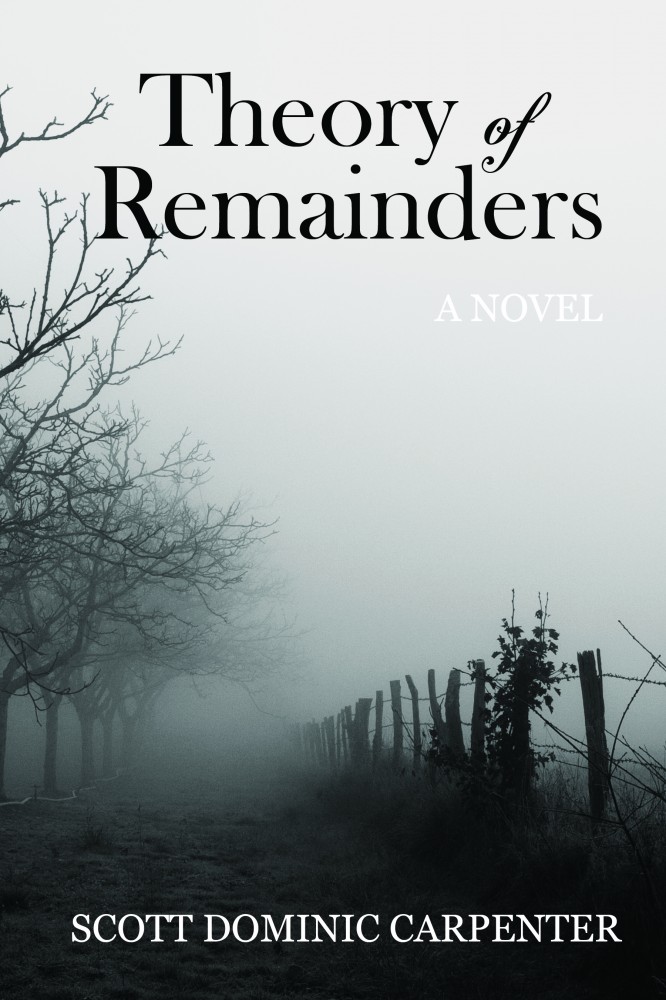
Theory of Remainders coverA SINGLE QUESTION POPS into my mind upon finishing Theory of Remainders by Northfield, (MN.), author Scott Dominic Carpenter. How did he come up with the ideas for this creatively complex literary novel about a Boston psychiatrist who returns to France nearly 15 years after his teenage daughter’s murder?

This adept writer uses language as a primary tool in the telling of this story, taking the reader deep into a French village where Philip Adler searches for answers related to Sophie’s disappearance. Carpenter’s astuteness to the nuances of language, his use of word play and his command of several languages riddle this novel. And, yes, the word “riddle” is a deliberate word choice.

“Graves were always a presence pointing to an absence…” Carpenter writes early on. Later, he pens these memorable statements: “Things don’t ever square up. In short, the world is not tidy, by which I mean that there are no equations without remainders.”

Unlike other books centered by a mystery, Theory of Remainders challenged me to examine words, to puzzle through conversations and scenes, to rely on the thought process rather than tangible evidence. That engagement of the reader sets this novel apart.

Nothing, really, is at it seems in this can’t-put-down compelling read.

That’s a credit to an author who clearly understands the depth of the human psyche and how that affects love and relationships, guilt and regret, the past and the present.

This story goes beyond one man’s search to settle his past. It is about those he loves/loved, a place he lived, complicated relationships, animosity, secrets, personal weaknesses and so much more.

A strong sense of place, such as “villages that sat like beads on a rosary,” the intertwining of history into the plot, multifaceted characters and more meld to create the tension that weaves through this novel.

Carpenter masters impressive visuals with similes like these: “Memories nuzzled at his mind’s gate like kenneled dogs” and “The silhouette of an idea flitted like a sylph through the shadows.” Reading his writing is a literary pleasure.

I can almost visualize Carpenter, when writing Theory of Remainders, placing strategic dots upon paper and then challenging the reader to connect those dots. Once the connected dots reveal a picture, the reader is left wondering how this gifted writer developed such a multi-layered and truly exceptional novel.

For anyone who values a literary novel of substantial depth in character development, language, sense of place and reader engagement, Theory of Remainders ranks as a must-read.

FYI: Click hear to read an excerpt, hear an audio or order a copy of Theory of Remainders, releasing May 22.

If Scott Dominic Carpenter’s name rings familiar with you here, it’s because I previously reviewed his collection of short stories, This Jealous Earth. You can read that review by clicking here.

© Copyright 2013 Audrey Kletscher Helbling
 

I know that my Redeemer lives March 31, 2013

Filed under: Uncategorized — Audrey Kletscher Helbling @ 2:29 PM
Tags: , , , , , , , , , ,
A cross in Trebon Cemetery, 10 miles northwest of Faribault in Shieldsville Township.

A cross in Trebon Cemetery, 10 miles northwest of Faribault in Shieldsville Township.

I know that my Redeemer lives;
What comfort this sweet sentence gives!
He lives, He lives, who once was dead;
He lives, my ever-living head.

He lives triumphant from the grave;
He lives eternally to save:
He lives all-glorious in the sky;
He lives exalted there on high.

This, one of my favorite hymns, I sang with the congregation of Trinity Lutheran Church in Faribault this Easter Sunday morning.

The words are imprinted upon my memory from childhood Easters, of singing from the balcony of St. John’s Lutheran Church in Vesta with my Sunday School classmates.

I know that my Redeemer lives. I knew that then. I still know that now. He is risen. He is risen, indeed.

Wishing you a most blessed Easter in our risen Lord.

Copyright 2013 Audrey Kletscher Helbling
 

The squirrels what? March 30, 2013

Filed under: Uncategorized — Audrey Kletscher Helbling @ 3:02 PM
Tags: , , , , , ,

MY SECOND DAUGHTER phoned the other day, just to talk. The conversation turned to Easter, which she will celebrate alone or in a Wisconsin hospital. She’s a Spanish medical interpreter and will be on call on Easter.

“Are you sending me a chocolate bunny?” she asked.

I guess I am now, I thought, then the next day purchased and mailed a chocolate bunny.

That got me thinking about Easter traditions, like the chocolate bunnies we give our kids. And dying eggs. And Easter morning church services. And Easter egg hunts, once a part of extended family Easter dinners, now in the past as we don’t all gather anymore.

Traveling through Madison Lake last weekend, I noticed this sign for an Easter egg hunt.

Traveling through Madison Lake last weekend, I noticed this sign for an Easter egg hunt.

But many communities still have community Easter egg hunts, like the one held at the Rice County Fairgrounds in Faribault last weekend and the one this morning on the campus of Shattuck-St. Mary’s School.

I remember, as a child, participating once in an Easter egg hunt at the Redwood Falls High School football field several blocks from by grandpa’s house. We searched for hard-boiled dyed eggs, not flimsy plastic orbs manufactured in China. The finders of the few golden eggs each received a dollar bill. The rest of us got, well, boiled eggs. And we were happy.

I heard on the radio yesterday that the city of Richfield had a problem with theft at this year’s egg hunt. Seems the squirrels nabbed some of the eggs.

That does not surprise me. I recall watching a squirrel steal my niece’s pink plastic egg during an Easter egg hunt many years ago. She was practically in tears. Over an egg.

Copyright 2013 Audrey Kletscher Helbling
 

Hope for one of Minnesota’s most dangerous rural highways March 29, 2013

IF YOU EVER HAVE traveled U.S. Highway 14 west of North Mankato, you will understand why I am thrilled that something is finally being done to improve a small stretch—the 10 miles between North Mankato and Nicollet—of this deadly roadway.

Heavy traffic on U.S. Highway 14 between Nicollet and North Mankato late last Sunday afternoon.

Heavy traffic on U.S. Highway 14 between Nicollet and North Mankato late last Sunday afternoon.

Based on my more than 30 years of traveling Highway 14, I can unequivocally tell you that this rural roadway rates as dangerous. Think narrow lanes, heavy traffic, speeding, few opportunities to pass safely and too many drivers passing when they shouldn’t be.
Read this revealing information from the Minnesota Department of Transportation:
The U.S. Highway 14 corridor between New Ulm and North Mankato in Nicollet County recorded 250 crashes from 2006 to 2010. This overall crash rate is consistent with comparable rural state highways. However, 11 of those crashes had either a fatality or a serious injury, leaving this portion of Hwy 14 with a fatal and serious injury crash rate 50 percent greater than comparable rural state highways. Safety in the area from North Mankato to Nicollet and at the intersection of Hwy 14 and Hwy 15 north of New Ulm is of particular concern.

Did you catch that statistic? A fatal and serious injury crash rate 50 percent greater than comparable rural state highways. Impressive and scary, huh?

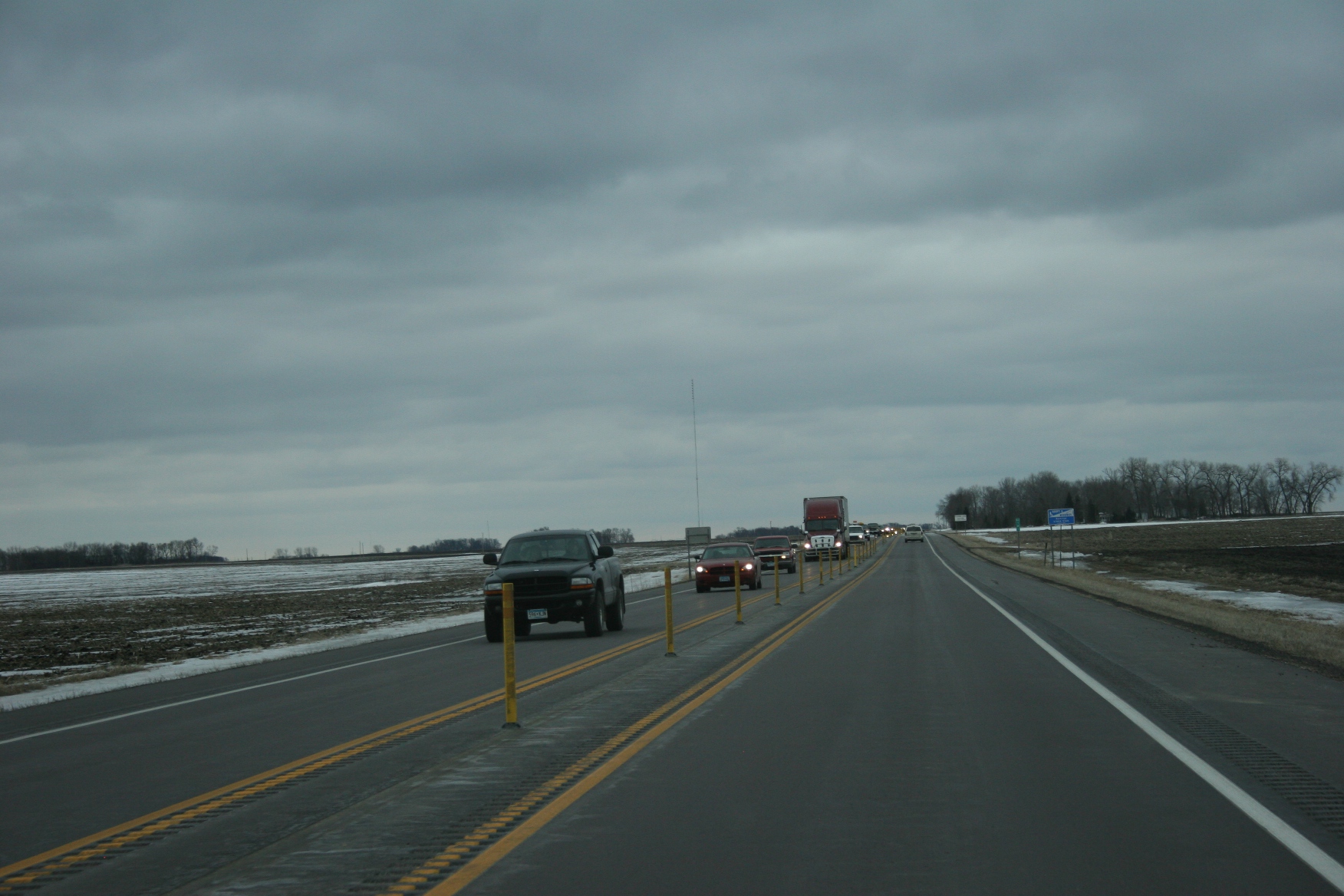
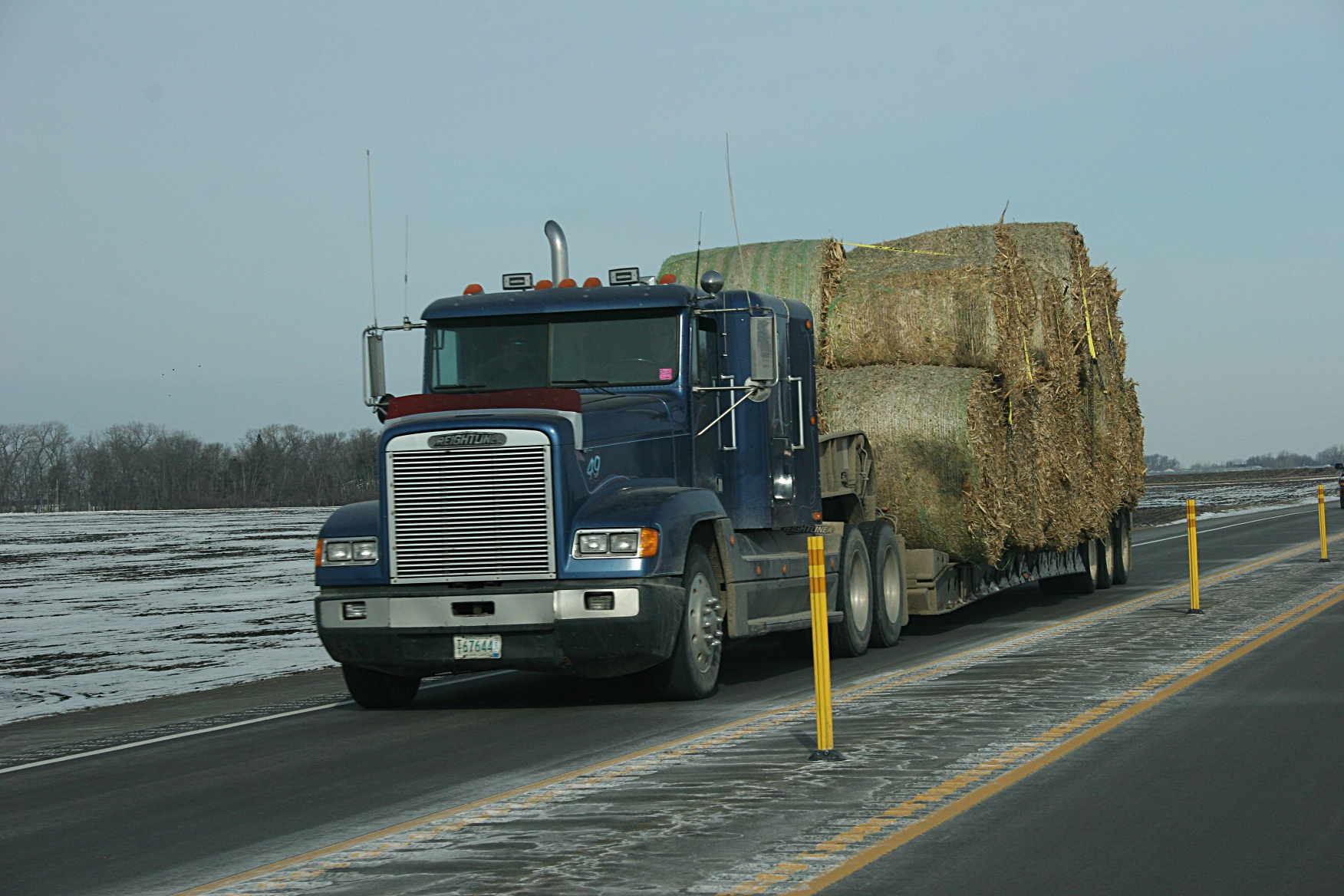
You'll see lots of semis traveling this stretch of rural Minnesota highway.

You’ll see lots of semis traveling this stretch of rural Minnesota highway. This recently-installed buffer strip now runs all the way between North Mankato and Nicollet.

In recent years, when traveling to southwestern Minnesota to visit family, my husband and I often have taken the “back way” to Nicollet from Faribault, passing through towns like Le Center, Cleveland and St. Peter, to avoid that horrible 10-mile stretch of Highway 14 from North Mankato. We’ve checked mileage and travel time and found both routes to be nearly identical.

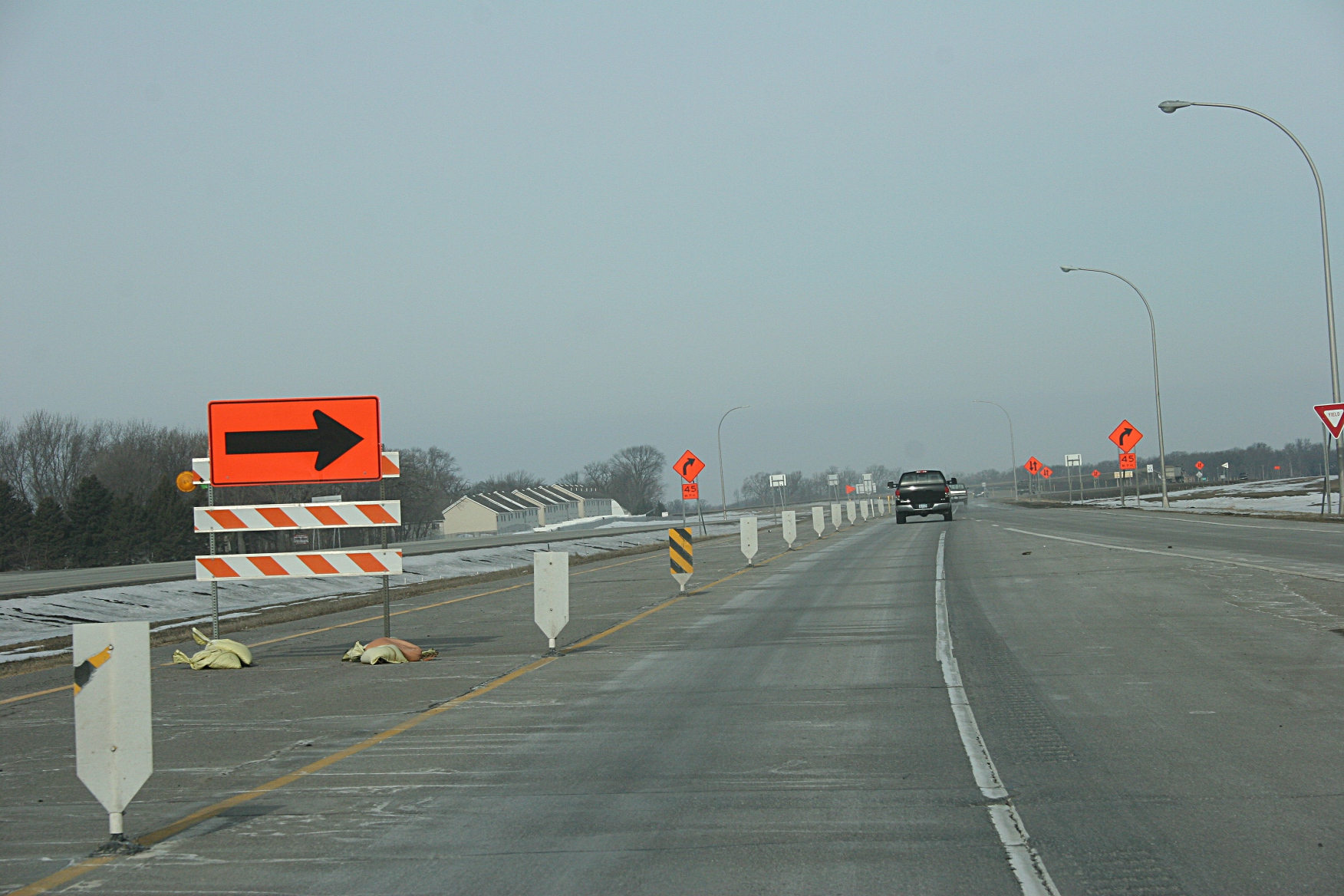
Entering the construction zone, westbound on Highway 14 in North Mankato.

Entering the construction zone, westbound on Highway 14 in North Mankato.

But many times we still take Highway 14 between North Mankato and Nicollet. Now it’s a bit safer with a buffer, traffic sticks (to prevent passing) and rumble strips recently added between lanes. Those changes marked the first stage of efforts to make this area of roadway safer.

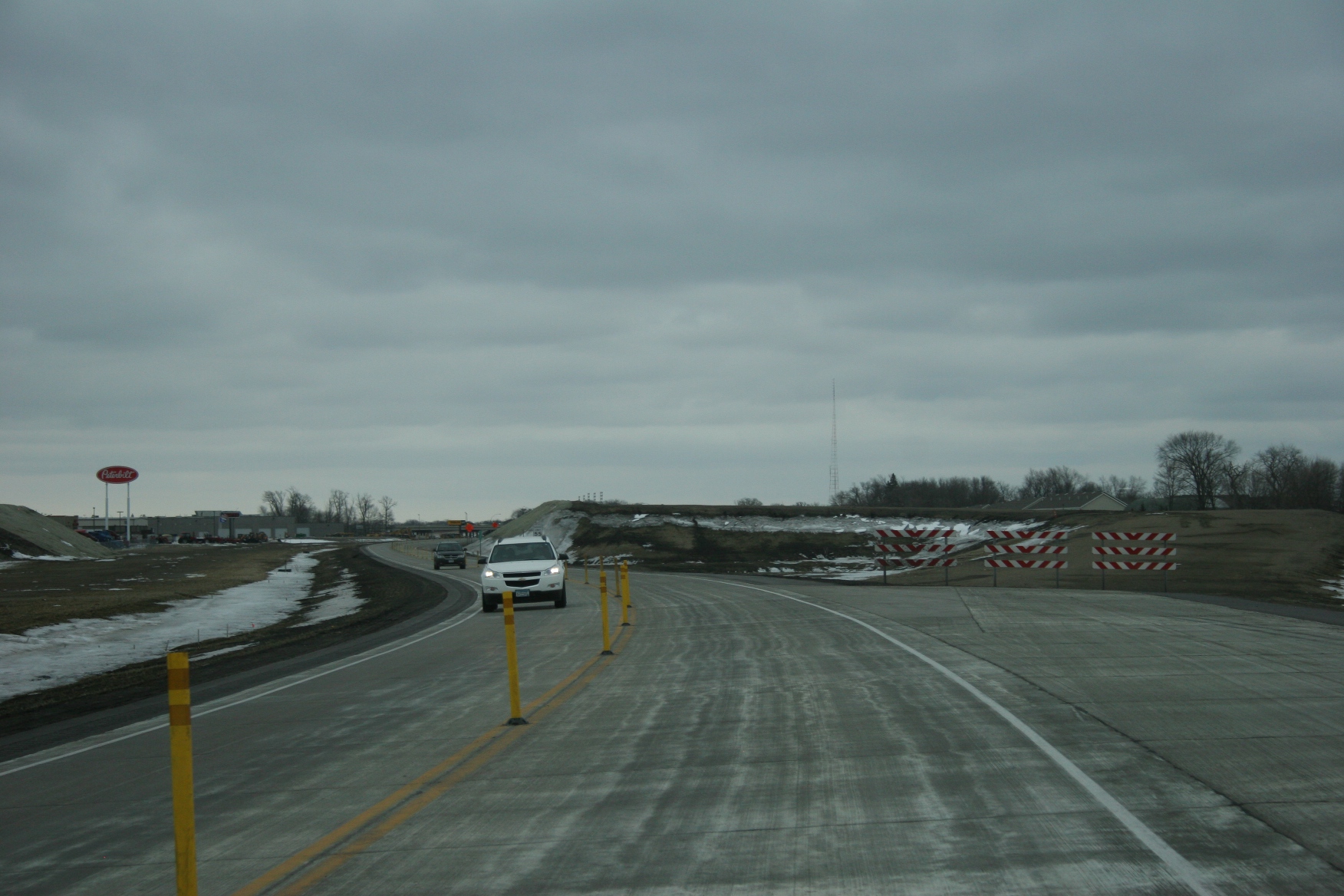
We were driving eastbound in this Highway 14 construction area in North Mankato when I snapped this photo.

We were driving eastbound in this Highway 14 construction area in North Mankato when I snapped this photo.

Sometime in 2017 or 2018, construction is expected to begin on a project which will extend the four-lane all the way from North Mankato to Nicollet. Finally.

That still leaves about 15 miles of dangerous Highway 14 travel between Nicollet and New Ulm.

Ten miles are a start in saving lives along this notorious rural roadway. But I, personally, will not be satisfied until the entire 25-mile stretch between North Mankato and New Ulm becomes a four-lane.

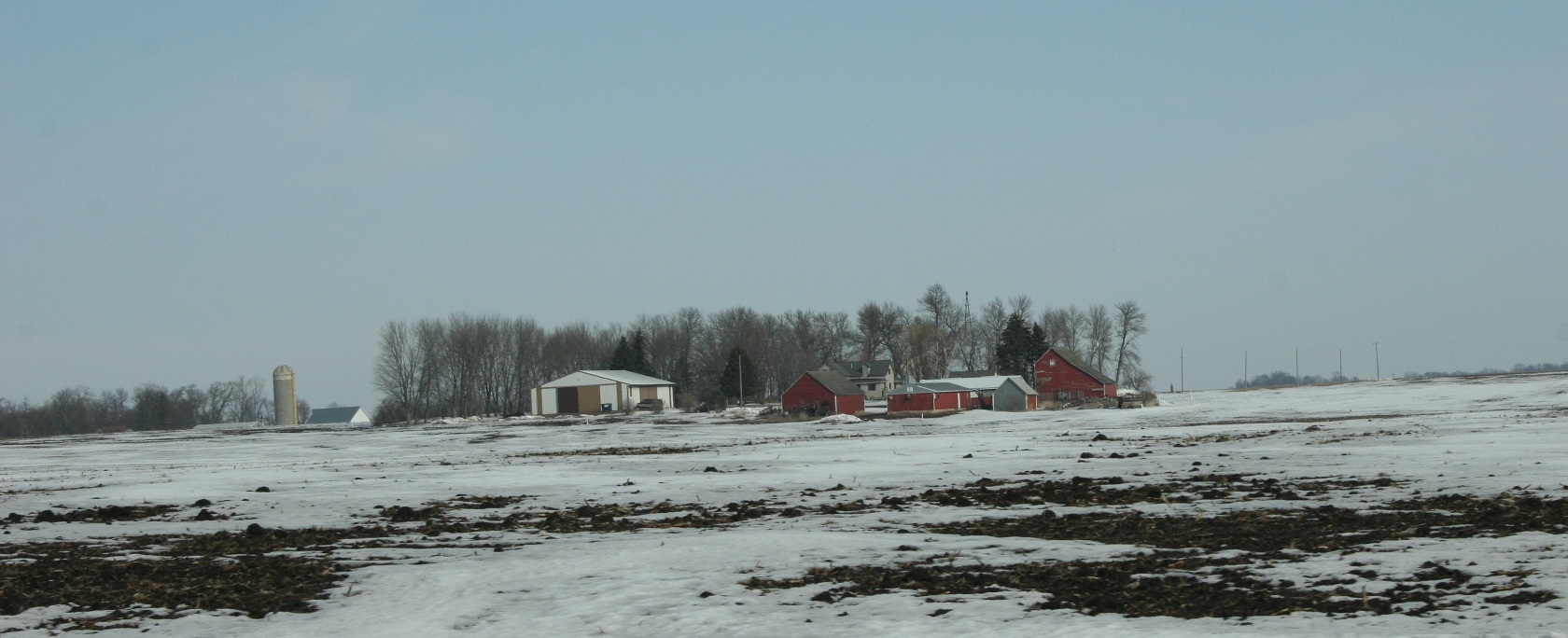
Highway 14 slices through agricultural land, as seen in this photo taken between Nicollet and Courtland.

Highway 14 slices through agricultural land, as seen in this photo taken between Nicollet and Courtland.

IF YOU’VE EVER driven Highway 14 between North Mankato and New Ulm, I’d like to hear your stories and thoughts about travel there.

To see the entire listing of 2013 MnDOT road construction projects slated for Greater Minnesota, click here.

© Copyright 2013 Audrey Kletscher Helbling