Minnesota Prairie Roots

Writing and photography by Audrey Kletscher Helbling

Montgomery, Part III: Franke’s Bakery, a sweet spot in the “Kolacky Capital of the World” March 6, 2013

Filed under: Uncategorized — Audrey Kletscher Helbling @ 8:10 AM
Tags: , , , , , , ,

EDITOR’S NOTE: In the spring of 2010, I visited Franke’s Bakery in Montgomery, a now 99-year-old business which truly embraces the community’s Czech heritage. This feature published in Minnesota Moments magazine and I’m reprinting it here as written three years ago, with the addition of many more photos. This is the third in a five-part series of stories from Montgomery. Enjoy.

Mary Ann Kaisersatt, left, and Jule Franke make prune-filled kolacky.

Mary Ann Kaisersatt, left, and Jule Franke make prune-filled kolacky.

JULE FRANKE AND MARY ANN KAISERSATT work side-by-side in the bakery kitchen, their fingers swiftly and expertly stretching, folding and tucking corners of dough squares across dollops of prune filling.

In an hour, they will have made 50 dozen kolacky, the trademark Czech pastry of 96-year-old Franke’s Bakery in downtown Montgomery, self-proclaimed “Kolacky Capital of the World.”

Unbaked prune kolacky.

Unbaked prune-filled kolacky.

As Franke shapes the neat little dough packages upon the lightly-floured wooden countertop in this room that smells of yeast and baking bread, she describes the Czech treat. It’s “like a sweet dough with a filling,” she says. And at Franke’s, those fillings are the popular prune and poppy seed, plus apricot, apple and raspberry.

For 50 years now, this woman, who confesses that she is not Czech but German, has been making kolacky. “I’m not from here and I’m not Czech, until I married the baker,” she says, smiling.

“The baker” would be Alvin “Butch” Franke, her husband of 52 years who died last December. His father, Emil, a German with a little Czech heritage, grew up in Czechoslovakia, immigrated to America in the early 1900s and opened the bakery in 1914. Butch followed in his baker father’s footsteps. And then Butch and Jule’s son, Bob, became involved in the family business 25 years ago.

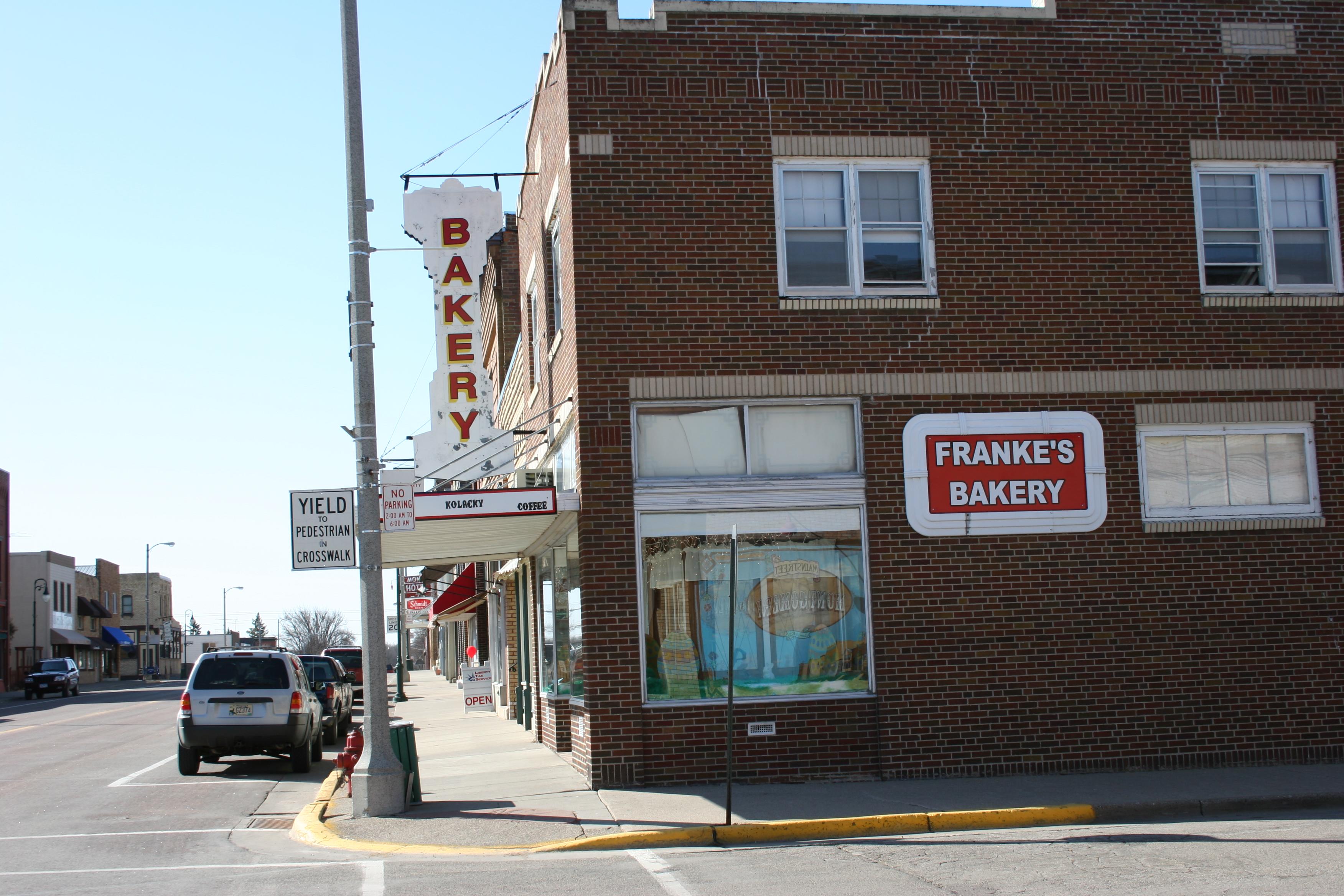
Franke's Bakery anchors a corner of downtown Montgomery.

Franke’s Bakery anchors a corner of downtown Montgomery.

Today this bakery, located in the heart of Minnesota Czech country, is nationally-known for its ethnic pastry. Franke’s ships packages of kolacky via priority mail all over the U.S., especially before holidays like Easter. Those customers often grew up in the area, Franke says, and will simply mail a check and a request for kolacky.

Customers orders hang in the kitchen.

Customers orders hang in the kitchen.

The bakery also has a loyal customer base locally and in the Twin Cities area.

The bakery retains the charm of yesteryear.

The bakery retains the charm of yesteryear.

But at no time is the demand for Franke’s kolacky higher than during Montgomery’s annual celebration of its Czech heritage, Kolacky Days, set this summer for July 23 – 25. Franke enlists her children and their families to make 2,000 dozen kolacky for the weekend event that includes a home-baked kolacky contest and a kolacky eating competition. During the celebration, Franke’s kolacky are sold at the bakery and in Memorial Park.

A selection of Franke's Bakery bread.

A selection of Franke’s Bakery bread, made without preservatives.

Yet, day-to-day, this Czech treat remains a mainstay at this bakery, also known for its rye bread.

Czech, Slovakian and American flags grace the bakery counter.

Czech, Slovakian and American flags grace the bakery counter.

“Vitáme Vás!” (“We welcome you”) imprinted on a window placard, miniature Czech and Slovakian flags set upon the countertop and humorous signs like “PARKING FOR CZECHS ONLY—ALL OTHERS WILL BE TOWED” embrace the area’s rich Czech heritage.

Among the sweet treats.

Among the sweet treats.

Here locals gather for a cup of coffee and a sweet treat, sliding into wooden booths in this 1931 building—the original bakery burned—that retains the charm of yesteryear.
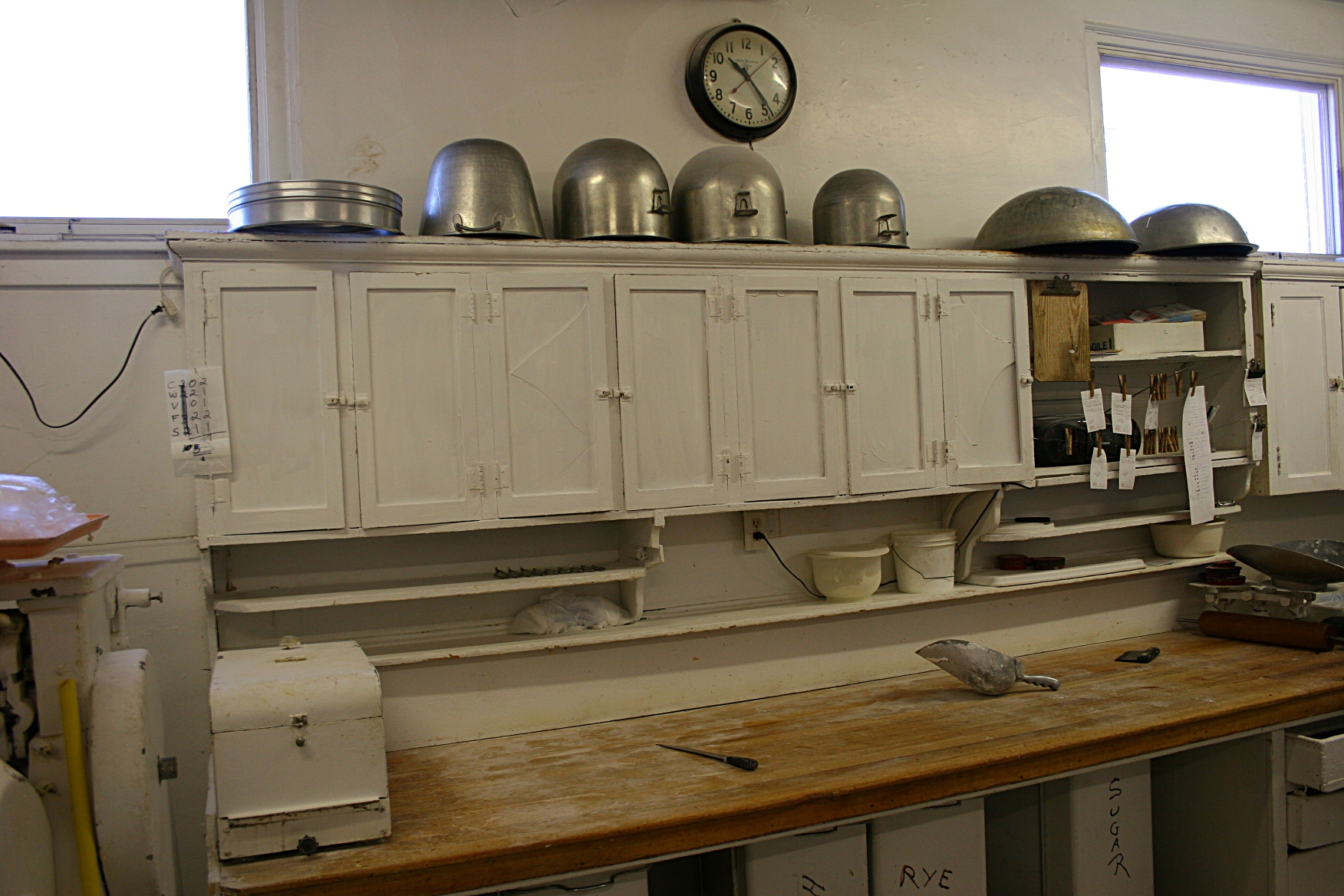
Behind the scenes in the bakery's kitchen.

Behind the scenes in the bakery’s kitchen.

Five days a week Franke arrives here at 5:30 a.m. to help prepare baked goods, following family recipes that have been passed down through the generations. Soon fresh-baked doughnuts, Bismarcks, cookies, breads, turnovers, bars, buns, kolacky and more fill display shelves.

She has no plans to retire.

“This is in her blood,” says employee Kaisersatt.
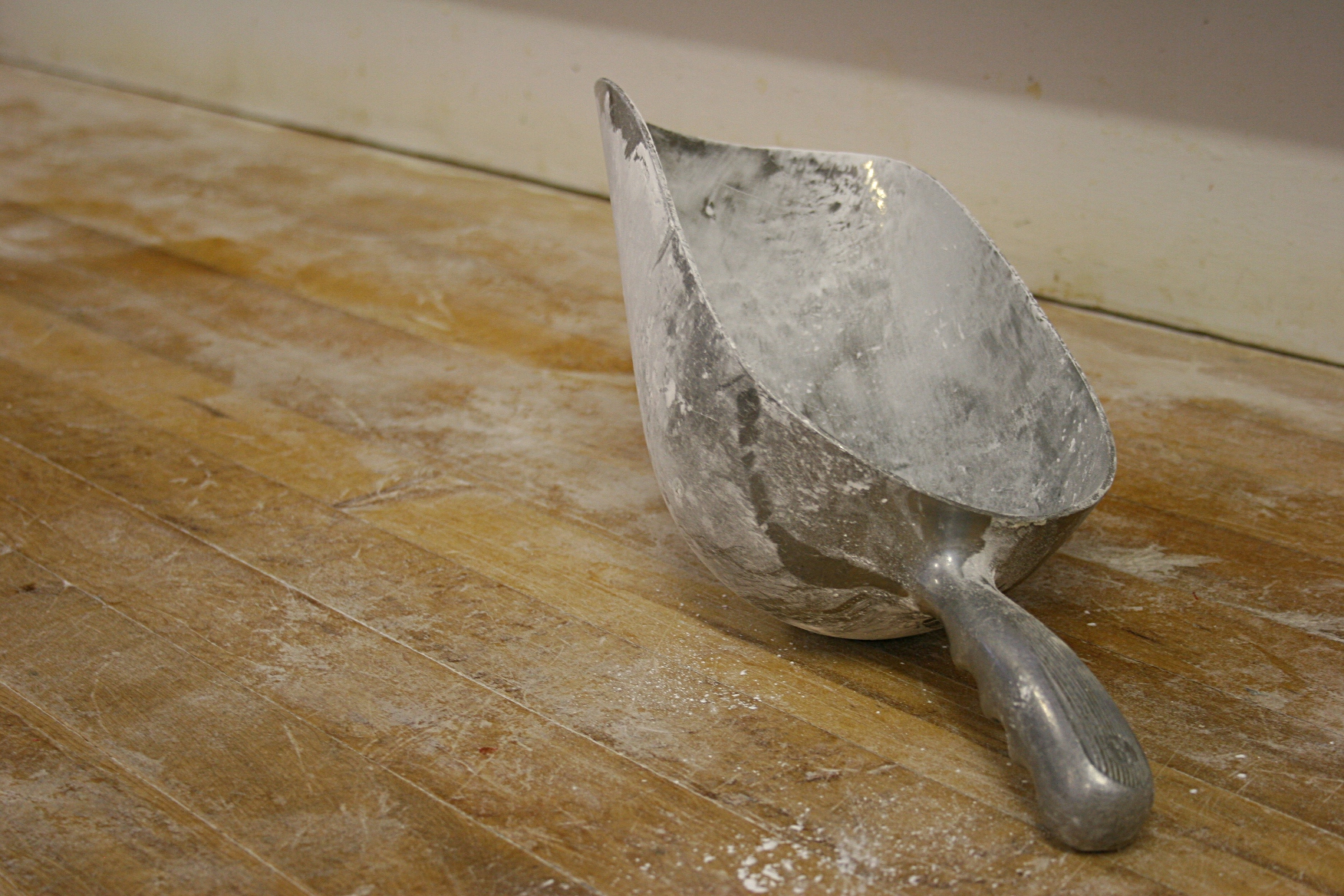
Flour scoop...

Flour scoop…

The women laugh as they continue to fold dough, lifting and gently placing the square treats onto parchment paper-lined trays that hold five dozen kolacky. Kaisersatt scoots around to the other side of the work station across the slippery, flour-dusted floor to grab a kettle of milk wash. She dips her wide brush into the liquid and sweeps the bristles across the unbaked mounds of dough.

This, Franke says, helps to brown and keep the kolacky moist. The dough will rest overnight, then go into a steambox for an hour to rise before baking in the morning.

As appealing as the ethnic treat is to customers, the slender Franke admits, “I don’t eat too many (kolacky). I don’t care too much for sweets.”

But, obviously, customers do, as they’ve supported this family-owned business through three generations, for nearly 100 years.
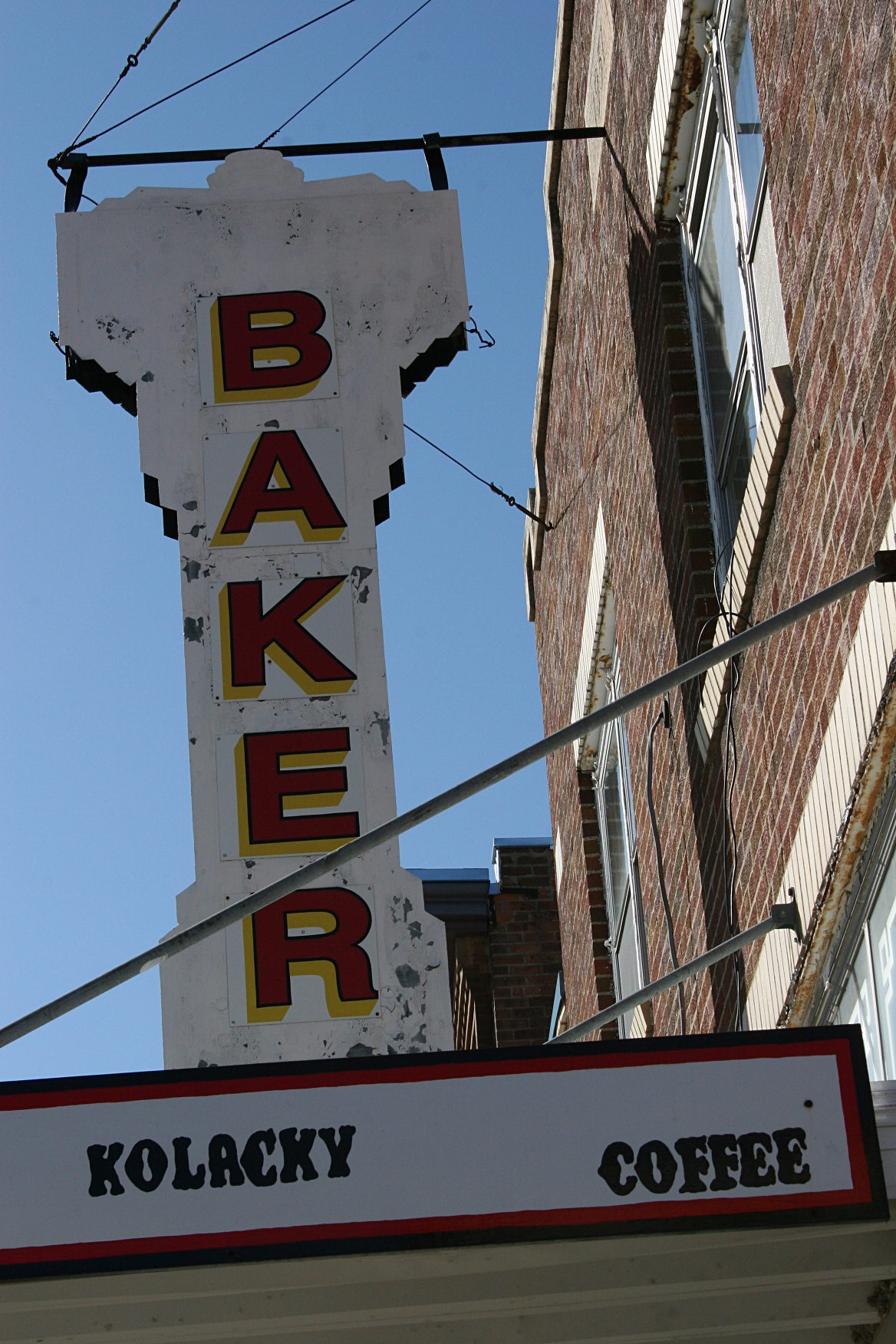
You can't miss the sign marking Franke's Bakery, a family-owned business in Montgomery for 99 years.

You can’t miss the sign marking Franke’s Bakery, a family-owned business in Montgomery for 99 years.

FYI: Franke’s Bakery is open from 6:15 a.m. – 5 p.m. Tuesday – Friday and from 6:15 a.m. – 3 p.m. on Saturday. The bakery is closed on Sunday and Monday. Call Franke’s at (507) 364-5025 for more information. Visit the bakery website by clicking here.

 

Montgomery, Part II: Entertaining & inspiring the folks of South Central Minnesota in an historic dance hall March 5, 2013

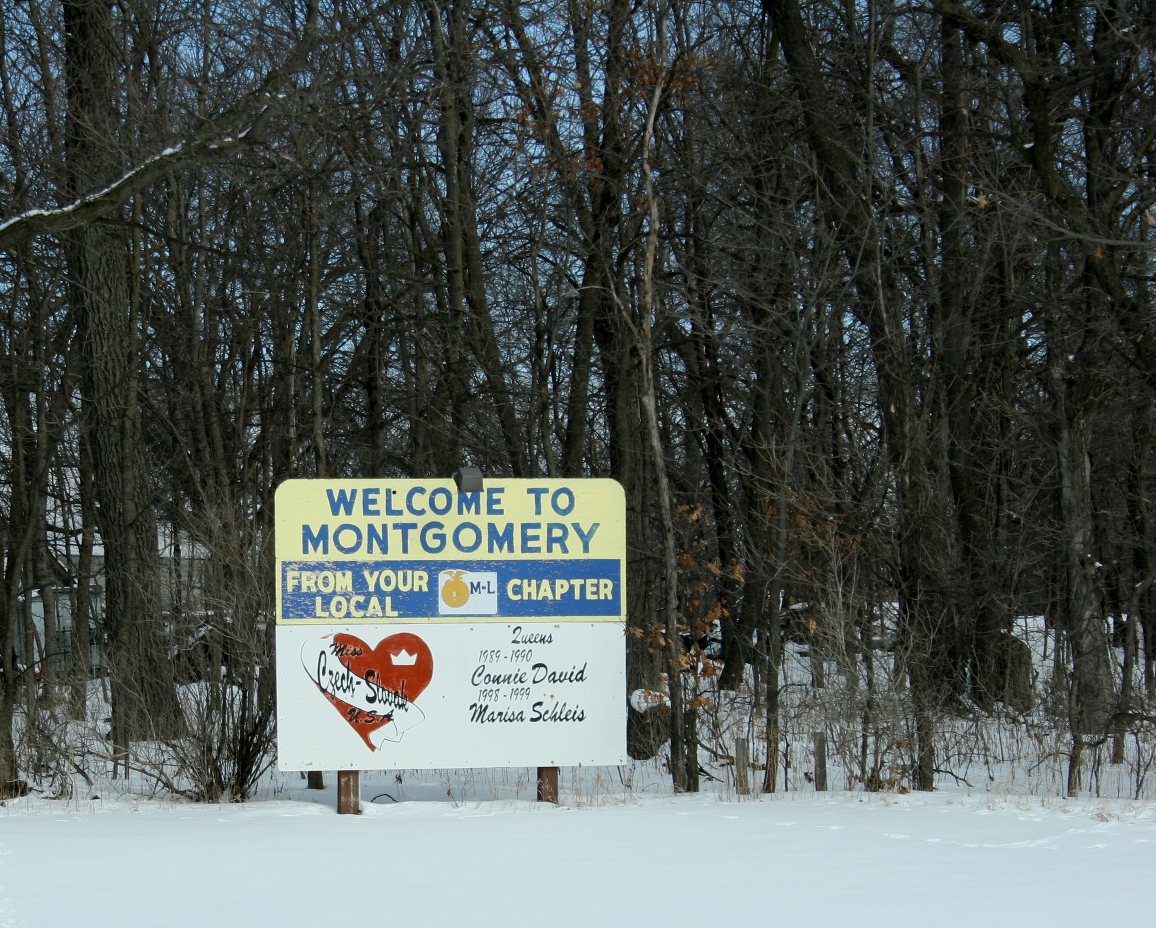
A sign just off Minnesota Highway 13 welcomes travelers to Montgomery.

A sign near the Minnesota Highway 13 and 21 intersection welcomes travelers to Montgomery.

IN RURAL SOUTHERN MINNESOTA, in the heart of Czech country, in a community with a fading welcome sign noting local Miss Czech-Slovak U.S.A. queens Connie David (1989-1990) and Marisa Schleis (1998-1999), you’ll discover an unexpected treasure.

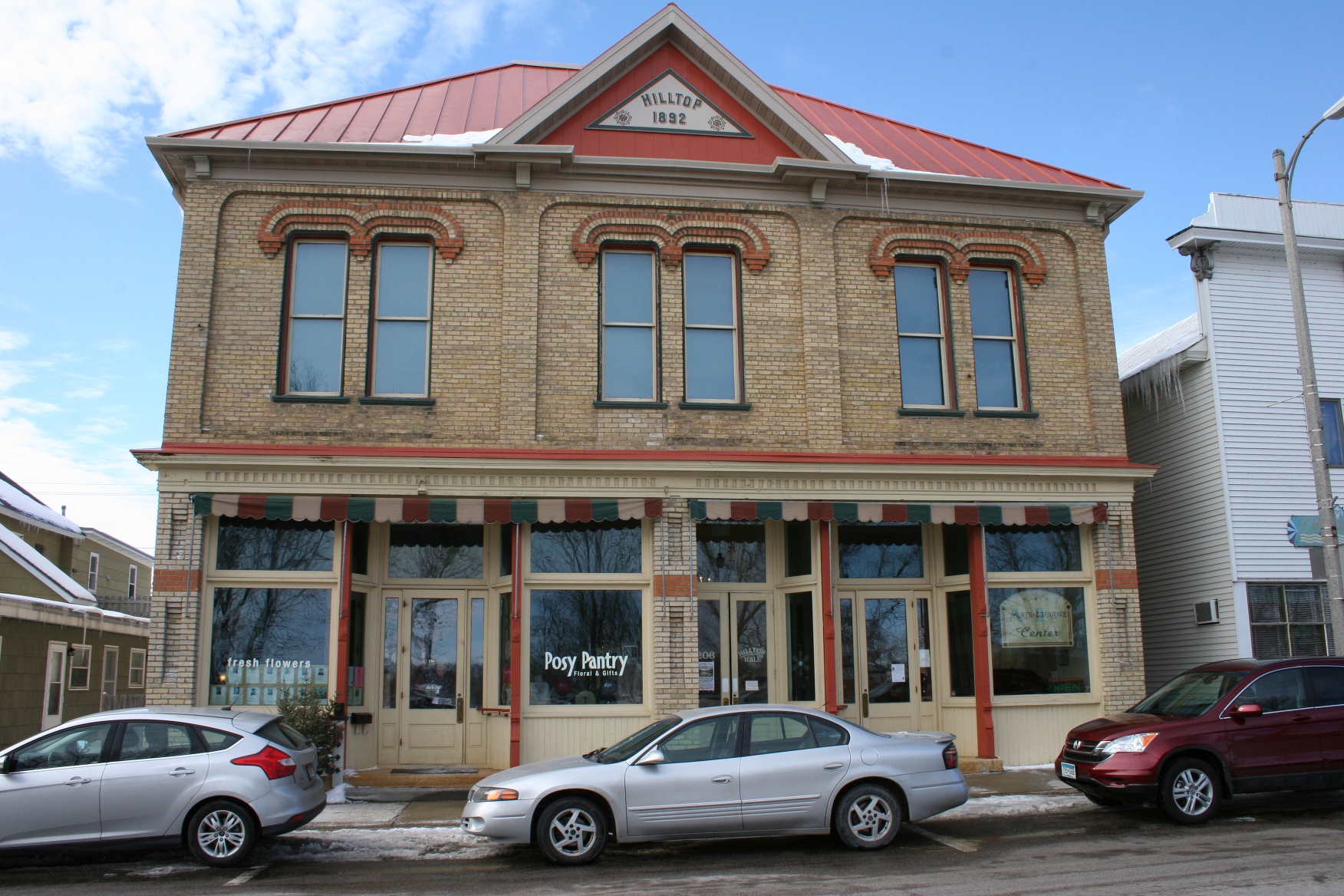
The red-roofed building in the distance is Hilltop Hall.

The red-roofed building in the distance is Hilltop Hall.

Historic Hilltop Hall sits on the north end of First Street in Montgomery, past the library and chiropractic office, the eateries and bars, the newspaper and accounting offices, the antique shops, even farther than the bakery which bakes ethnic kolacky, just two doors up from the meat market, source of homemade sausage.

Hilltop Hall was "falling apart," John Grimm says of the building he bought in the early 1990s. He reroofed, gutted and reconstructed and/or restored the interior.

Hilltop Hall was “falling apart,” John Grimm says of the building he bought in the early 1990s. He reroofed  the hall and gutted and reconstructed and/or restored the interior.

The red-roofed 1892 brick structure on the National Register of Historic Places represents a center of culture in this self-proclaimed Kolacky Capital of the World, a farming town of nearly 3,000 notably proud of its Czech heritage.

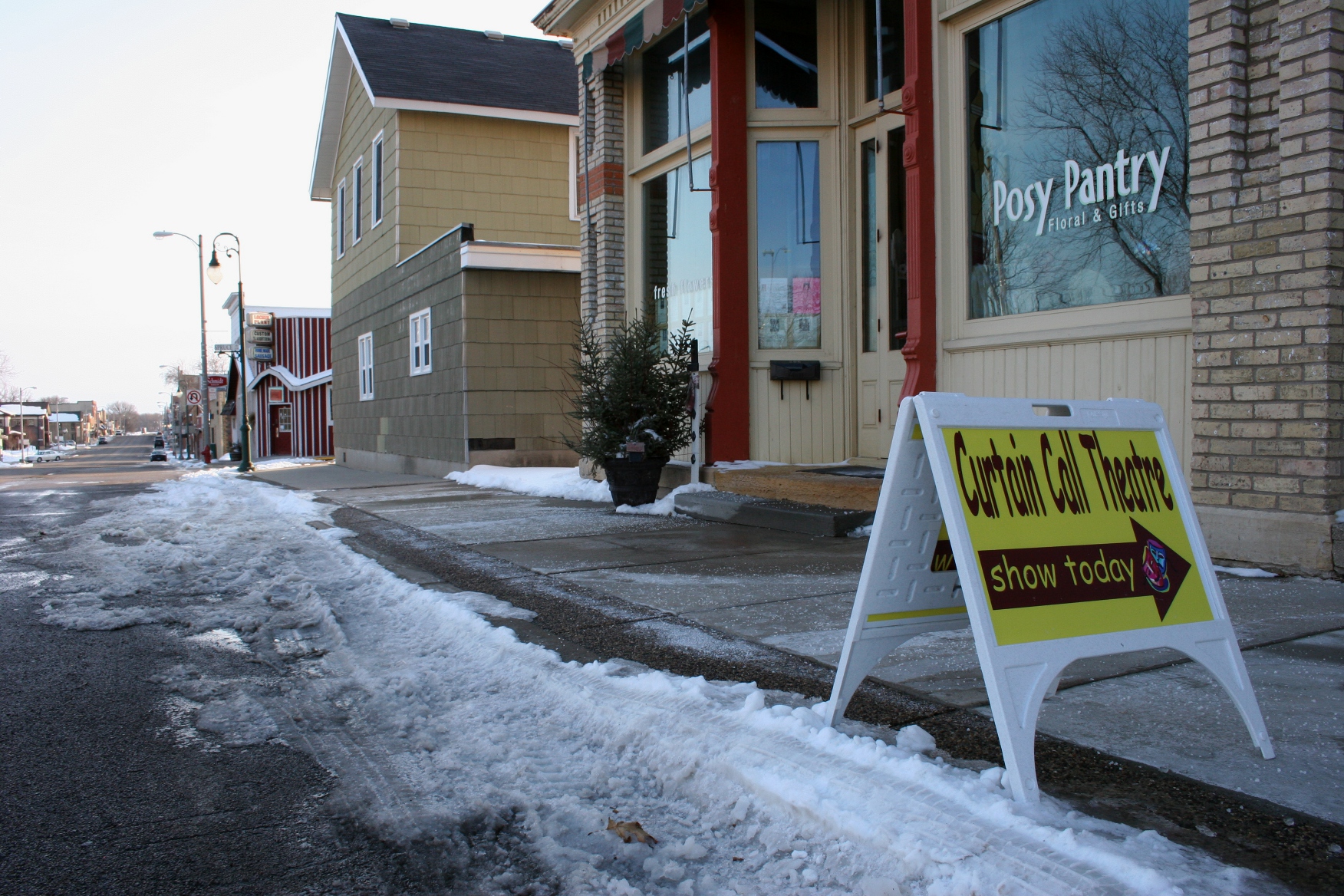
A sign outside Hilltop Hall directs guests to the Curtain Call Theatre performance of "On Golden Pond." The area theatrical group also performs in neighboring New Prague.

A sign outside Hilltop Hall directs guests to the Curtain Call Theatre performance of “On Golden Pond.” The area theatrical group also performs in neighboring New Prague.

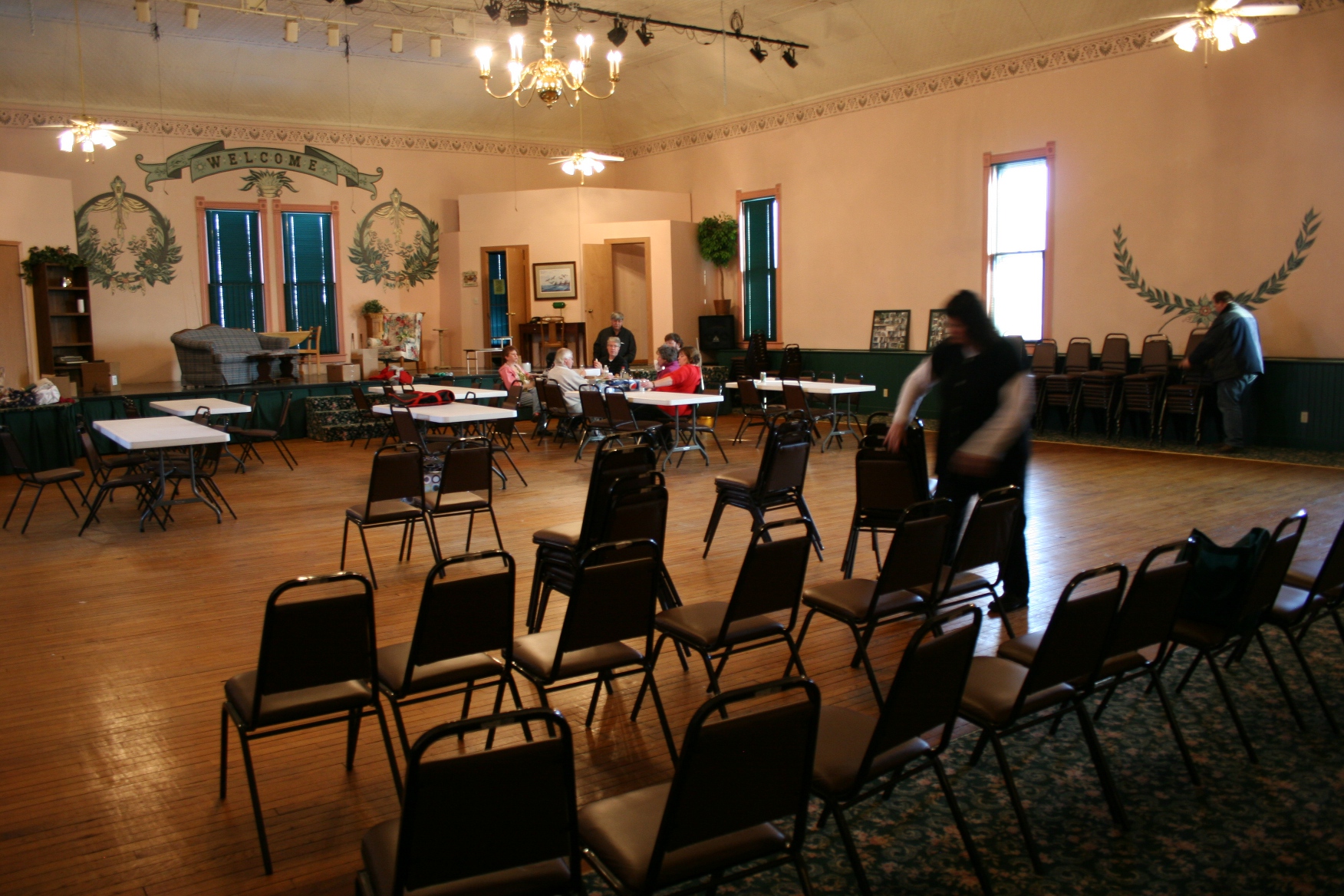
The community should also be proud of Hilltop, a rare small town gem which hosts once-a-year comedic performances by Curtain Call Theatre and monthly Hilltop Happenings Series variety shows in the second floor 75-foot by 45-foot vintage concert and dance hall. The main floor is home to the Montgomery Area Arts & Heritage Center—featuring rotating historic and artistic exhibits—and a floral/gift shop, Posy Pantry.

Native Wisconsinite John Grimm, 72, a retired airline pilot, entrepreneur and former Le Sueur County commissioner who has lived in the Montgomery area since 1992, represents the driving force behind this cultural center nestled into a hill across the alley from St. John’s Lutheran Church.

This composer and singer—by passion, not profession—and a team of equally enthusiastic musicians six months ago revived the variety shows which have been an irregular part of Hilltop since Grimm purchased and restored the building in the early 1990s. He bought the old hall, he says, “to save a significantly historic building” and “to create a place where local folks could perform.”

Except for a small section which was damaged by water, this wood floor is original.

Except for a small section which was damaged by water, this wood floor is original. Here volunteers stack chairs following the final performance of “On Golden Pond” while the cast enjoys pizza.

Now on Sunday afternoons, during the recently-resurrected variety shows, audiences ranging from 30 – 100 gather in the upper floor venue, feet planted on the restored wood floor, to hear next-door Lutheran pastor, Bob Kaul, strum his folk style guitar music or professional musician Craig Wasner of Northfield perform or Grimm present his Elvis impersonations (or other musical selections).

In a kicked back atmosphere where performers arrive two hours before the 4 p.m. – 6 p.m. show to rehearse, if necessary, and then sit among the crowd, the audience will hear a wide range of music from gospel to pop, folk, country, classical and more presented by regular troupe members from the Montgomery, Le Sueur, New Prague and Northfield areas.

Among the crowd favorites, Grimm notes, is 2012 Montgomery-Lonsdale High School (now Tri-City United) graduate Jesse Beulke, a gifted musician studying psychology and music at Minnesota State University, Mankato, with aspirations of becoming a professional composer. Beulke’s classical music selections on the piano have drawn standing ovations. “The audience recognizes his talent,” Grimm says.

Other regulars include musicians Wade and Mary Lou Fradenburgh, Maren Wasner and Wendy Zaske.

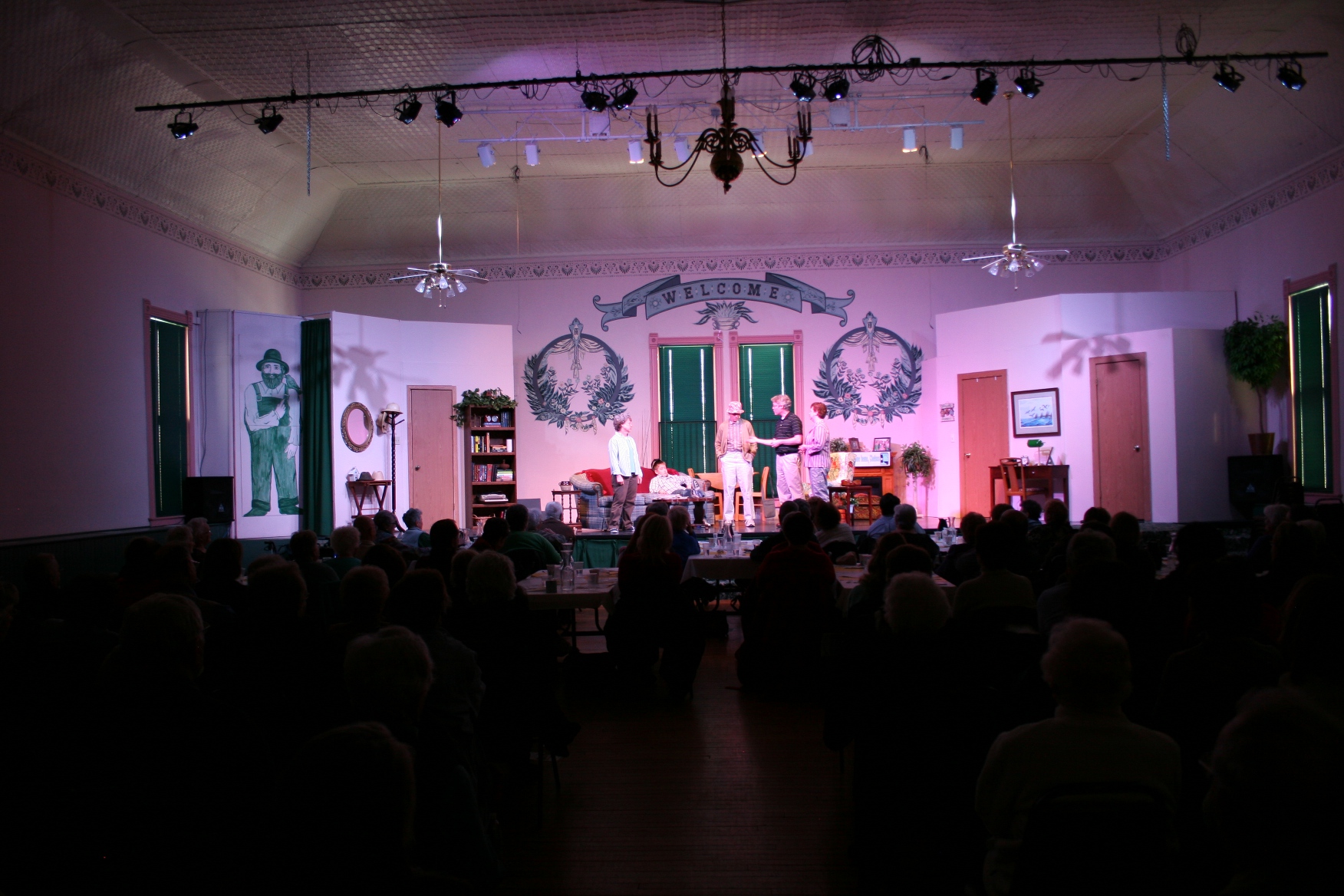
A view of Hilltop Hall's performance venue shows John Grimm and Fran Bohlke playing the lead roles in "On Golden Pond."

A view of Hilltop Hall’s performance venue shows the cast of “On Golden Pond.” John Grimm, center, plays the lead role along with Fran Bohlke of Shakopee, left in Curtain Call Theatre’s production. This marked Bohlke’s third time playing Ethel Thayer. She previously played the part during performances in Worthington and Luverne. Stenciling in the hall was either replicated or restored, depending on condition.

Grimm is planning to add original humorous skits to the monthly Sunday variety shows, tapping into his passion for performing. Fran Bohlke, who played Ethel Thayer opposite Grimm’s Norman Thayer Jr. in the Curtain Call Theatre’s recent performances of “On Golden Pond” at the Hilltop, will also sing at the March 24 show.

While Grimm and his troupe welcome guest performers, those entertainers must audition for what’s billed as “a unique mix of breathtaking talent, lighthearted entertainment and tasty snacks—all in one lovely historic place…that brings entertainment, enjoyment and inspiration to the folks of South Central Minnesota.”

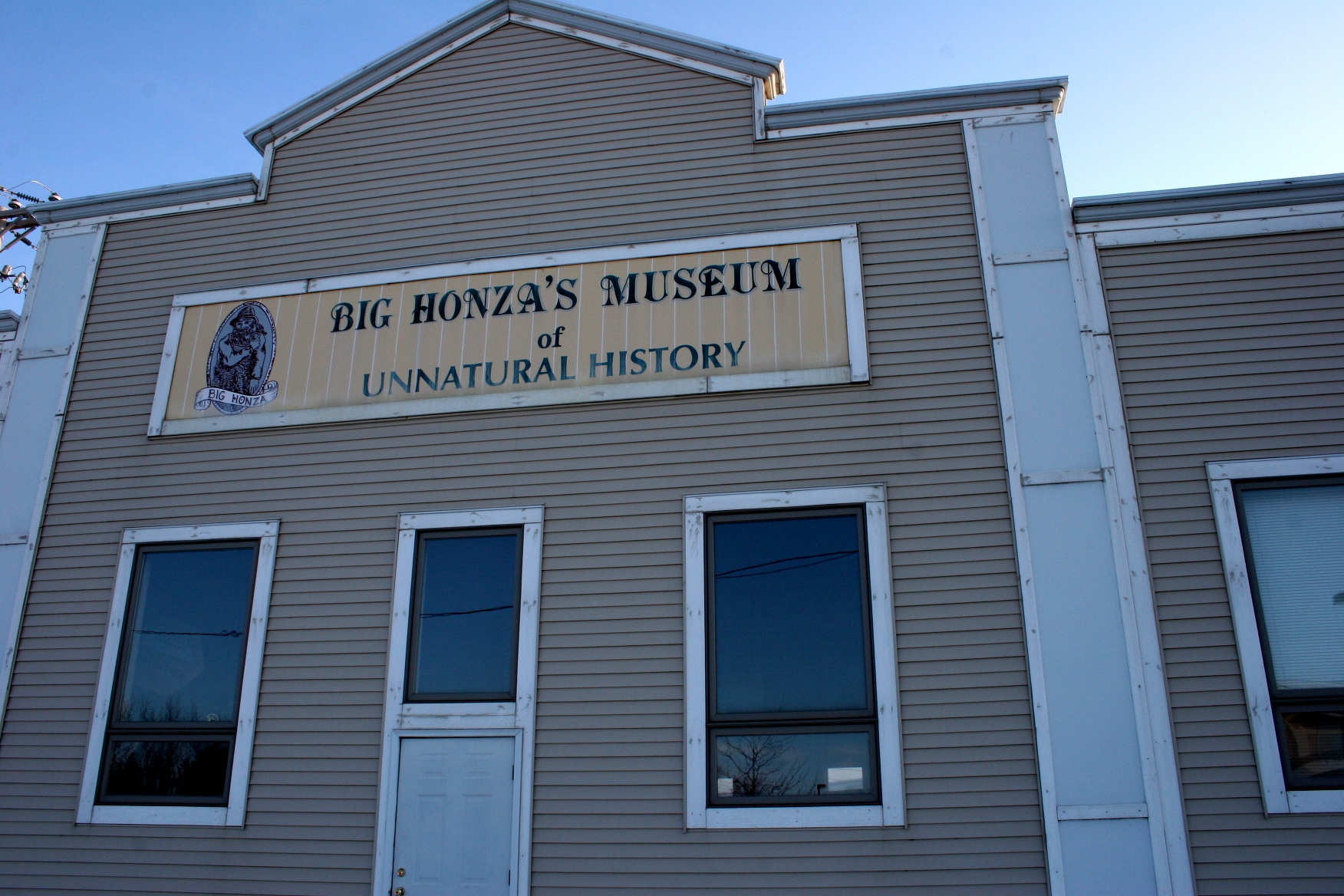
Big Honza's Museum of Unnatural History.

Big Honza’s Museum of Unnatural History.

The snacks include freshly-popped popcorn from the popcorn machine tucked in the hall’s second floor corner kitchen and pizza from Pizzeria 201 just down First Street in the historic Westerman Lumber Company office and residence. Grimm also owns that 1895 building which is on the National Register of Historic Places. Next door you’ll find Big Honza’s Museum of Unnatural History, another project of the creative Grimm.

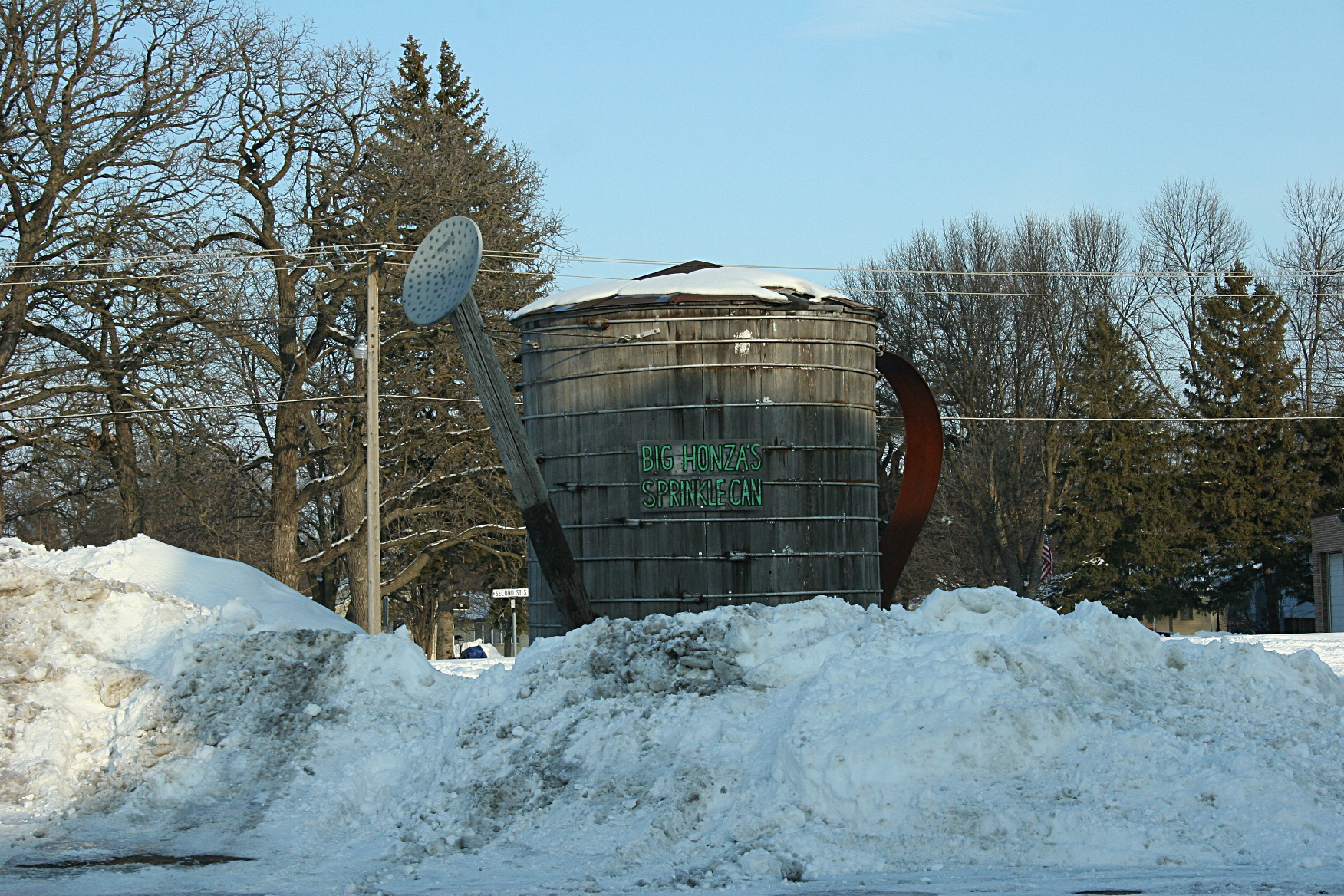
Big Honza' sprinkling can located near his museum.

Big Honza’ sprinkling can located nest to the Big Honza museum.

As Grimms tells it, the fictional Big Honza Giganticzech originated when he penned a musical for Montgomery’s annual Kolacky Days celebration, embellishing local history to create the town’s version of Paul Bunyan. That led to the museum where visitors will see items like Big Honza’s airplane/corn shredder, a chain driven concertina and more. The museum is open by appointment or ask the folks at the Pizzeria to let you in; they have a key.

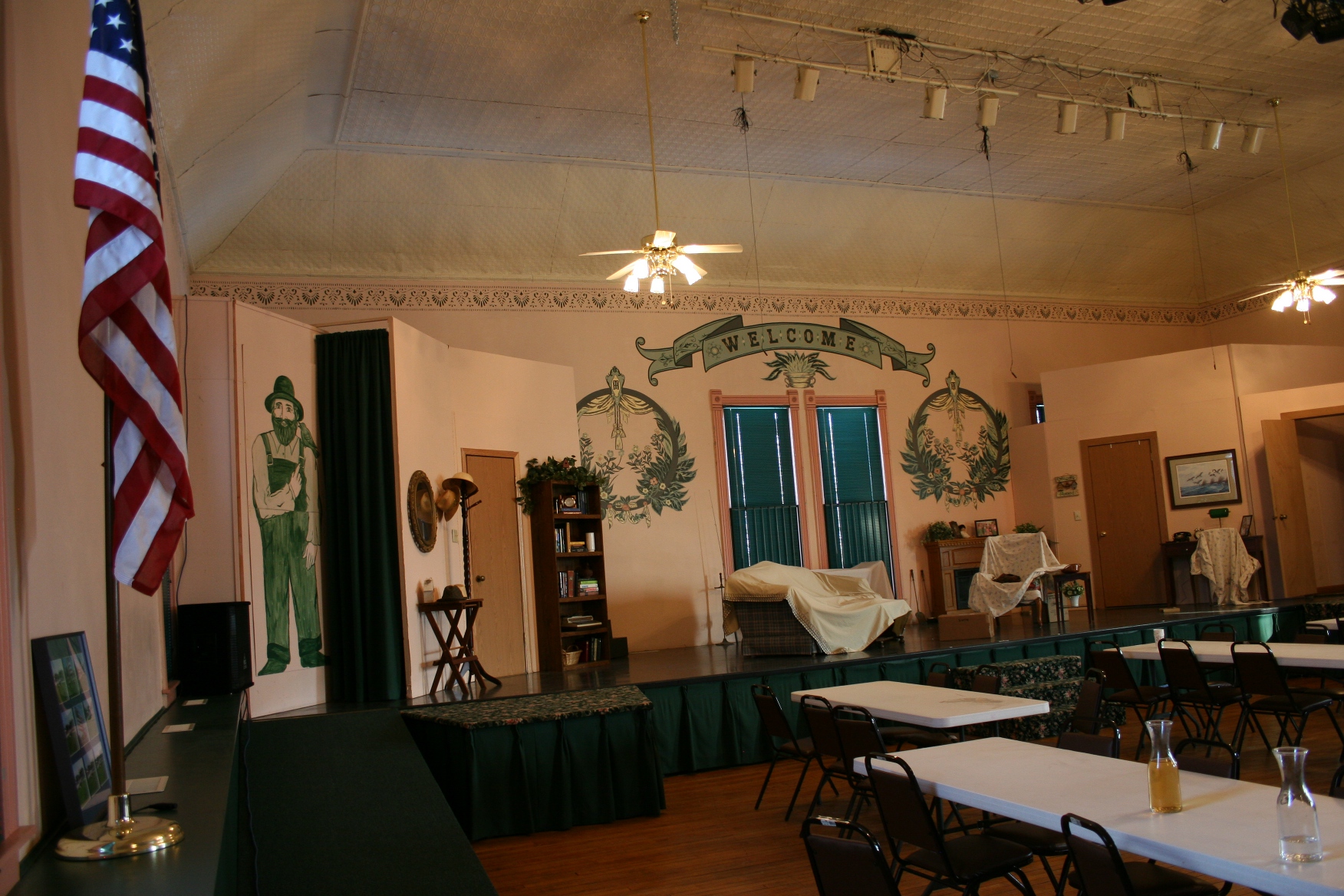
A view of the set for "On Golden Pond" with Big Honza painted on the wall to the left.

A view of the set for “On Golden Pond” with Big Honza painted on the wall to the left.

At Hilltop Hall, a rendition of Big Honza is painted onto a wall of the stage where those Curtain Call Theatre comedies are presented each February. Grimm enjoys the intimate setting of the old dance hall which will seat about 100 during the dinner theatre shows. On a recent Sunday afternoon, dinner guests savored chicken breast with pasta and sauce, roasted cauliflower and fresh fruit in a meringue-topped shell catered by Pizzeria 201. Other audience members arrived later just for the show.

“People look forward to it,” Grimm says of the yearly winter plays first performed at the Hilltop in 1999 with “Bull in a China Shop.” Other shows have included “The Odd Couple,” “Moon Over Buffalo,” The Dixie Swim Club,” and more. “Bathroom Humor” is slated for February 2014.

Set requirements, due to limited space in the built-on stage area, are the biggest restrictions in selecting a play, Grimm says. He doesn’t worry about the number of performers as a spiral staircase hidden behind the stage allows actors and actresses to slip down to the first floor floral shop to await their cues. Grimm installed the staircase after removing the building’s original freight elevator, a decision he today regrets.

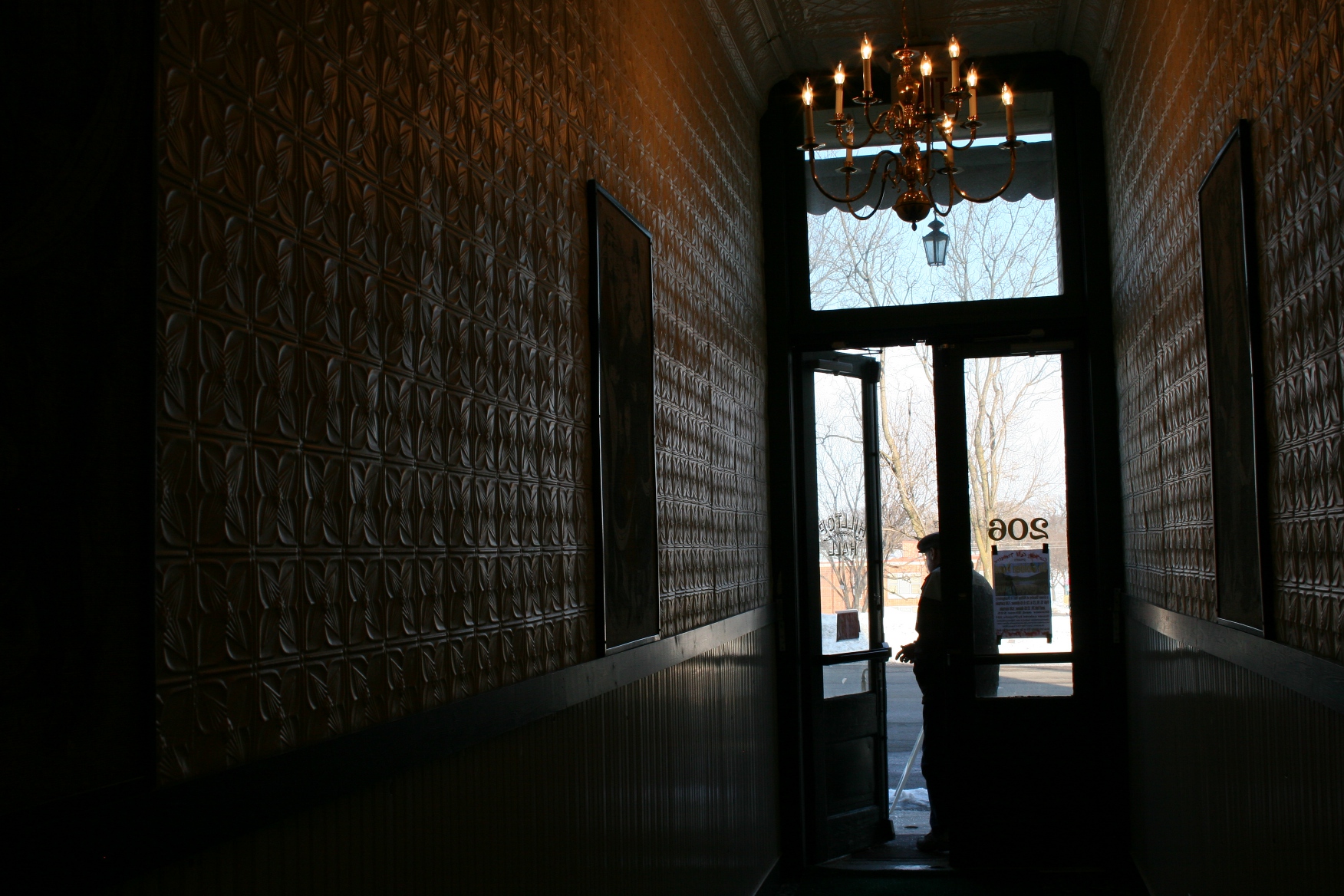
When Grimm purchased Hilltop Hall, site of a laundromat, he found 10 inches of lint covering these walls as dryers had been vented into the hallway. This hall runs between the heritage center and floral shop and leads to a stairway to the performance space.

When Grimm purchased Hilltop Hall, site of a laundromat, he found 10 inches of lint covering these walls as dryers had been vented into the hallway. This hall runs between the heritage center and floral shop and leads to a stairway to the performance space. The chandelier is not original to the building.

He’s never regretted, though, his decision to buy the old dance hall, although Grimm admits some people think he’s crazy. But his passion for singing and entertaining—he’s composed several hundred songs, made four CDs and authored a play, “It’s About Us”—for promoting Montgomery, and for offering this arts venue, drive him.

With annual taxes on the building at $10,000-plus and a monthly light bill of some $200, his Hilltop project is a “money losing situation,” Grimm says. He justifies the expense noting that he doesn’t take vacations, so his vacation money goes into his arts endeavor.

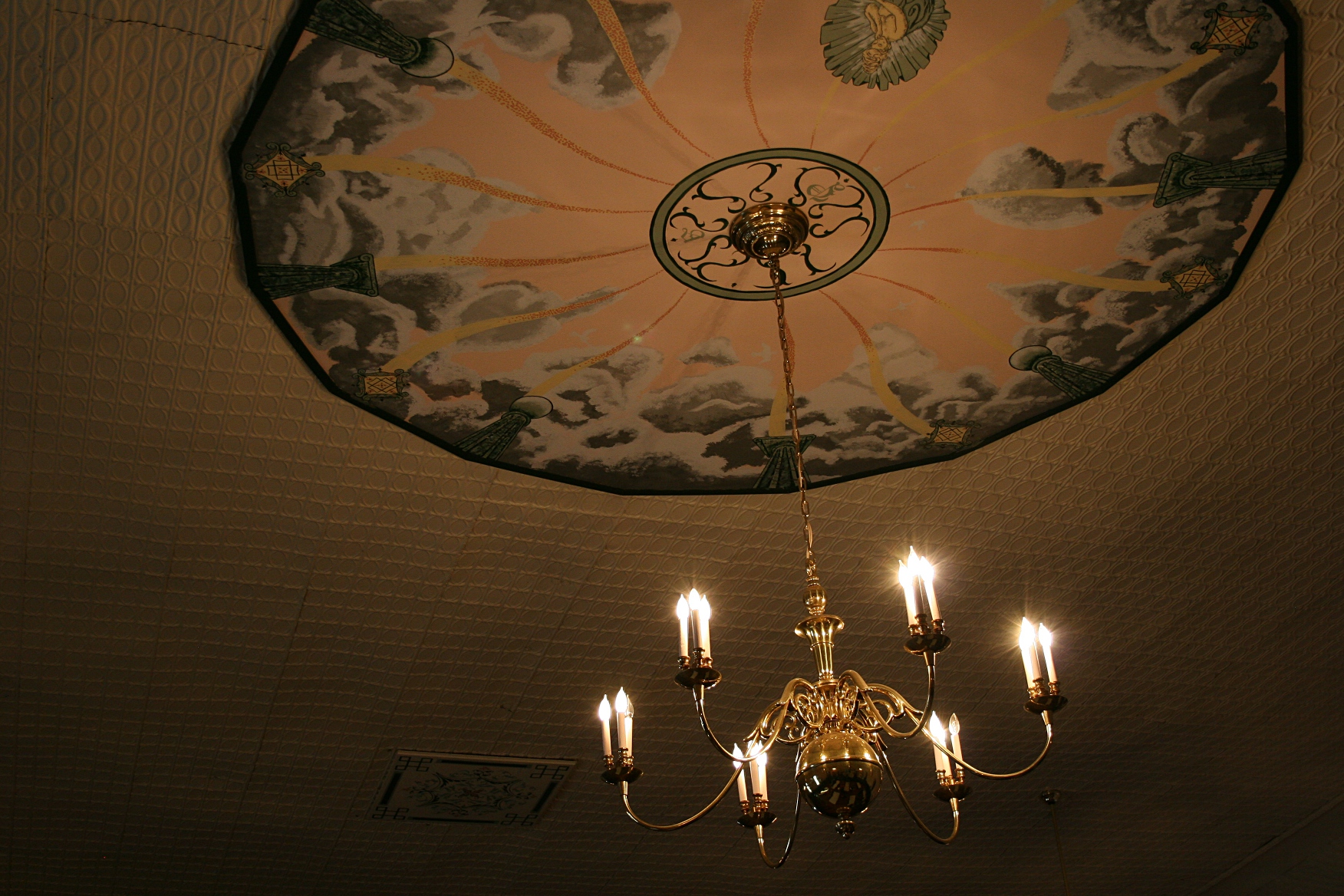
The ceiling plaster had crumbled, so an artist laid on his back to re-create this mural on sheetrock in the center of the performance space.

The plaster had crumbled, so an artist laid on his back to re-create this ceiling mural on sheetrock in the center of the performance space. The chandelier is antique but not original to the hall. The original lights could not be restored, Grimm says.

Grimm admits an ineptness at promoting and that Hilltop Hall is under-utilized. But he won’t compromise his conviction not to allow alcohol into the building which is also used for the occasional community meeting, piano recitals and exercise classes.

For now he’s focused on those monthly variety shows, bringing “pizza, performers & plenty of pizzazz” to the folks of South Central Minnesota at the historic Hilltop Hall in Montgomery.

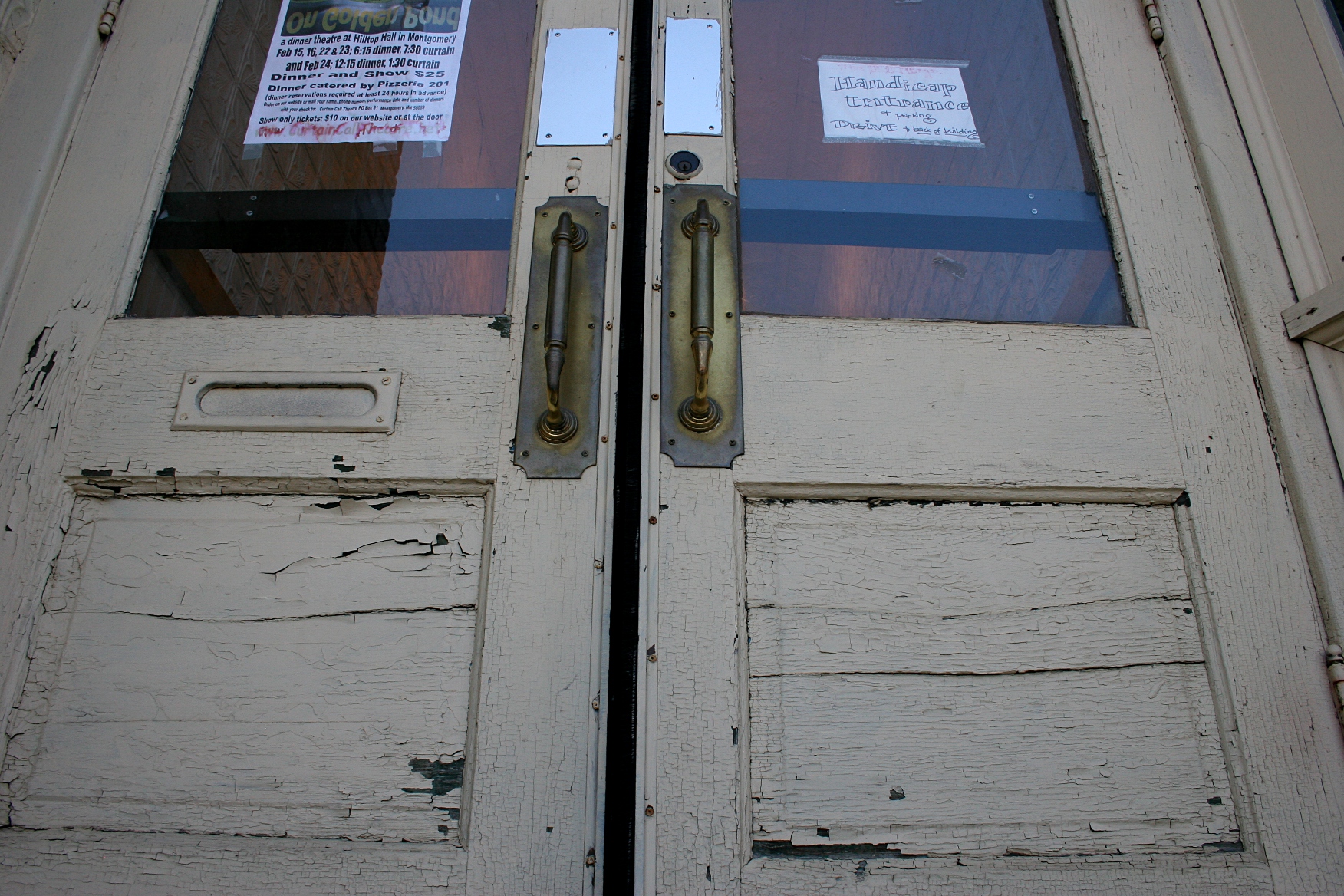
These exterior doors open to the hallway leading to the performing arts center.

These exterior doors open to the hallway leading to the upstairs performing arts center. A handicapped accessible entry is at the rear of the building off the alley.

FYI: Upcoming Hilltop Happenings Series shows are set for 4 p.m. – 6 p.m. on Sundays, March 24, April 28, May 26 and June 30. Admission is free although donations are accepted to help defray production and overhead costs.

The 2013 billing promises “…popular favorites to concert hall classics; from costumes and comedy to inspirational gospel and harmonic collaborations.”

Hilltop Hall is located at 206 First Street North in Montgomery’s downtown business district.

To learn more about the people and places in this post, be sure to click on their highlighted names. I’d encourage you, especially, to click on Jesse Beulke’s link to hear two original compositions, “I Guess It’s Goodbye” and “Rise,” by this gifted young composer and musician.

CHECK BACK FOR MORE posts from Montgomery.

© Copyright 2013 Audrey Kletscher Helbling


Part I: Touring historic downtown Montgomery, Minnesota, not Alabama March 4, 2013

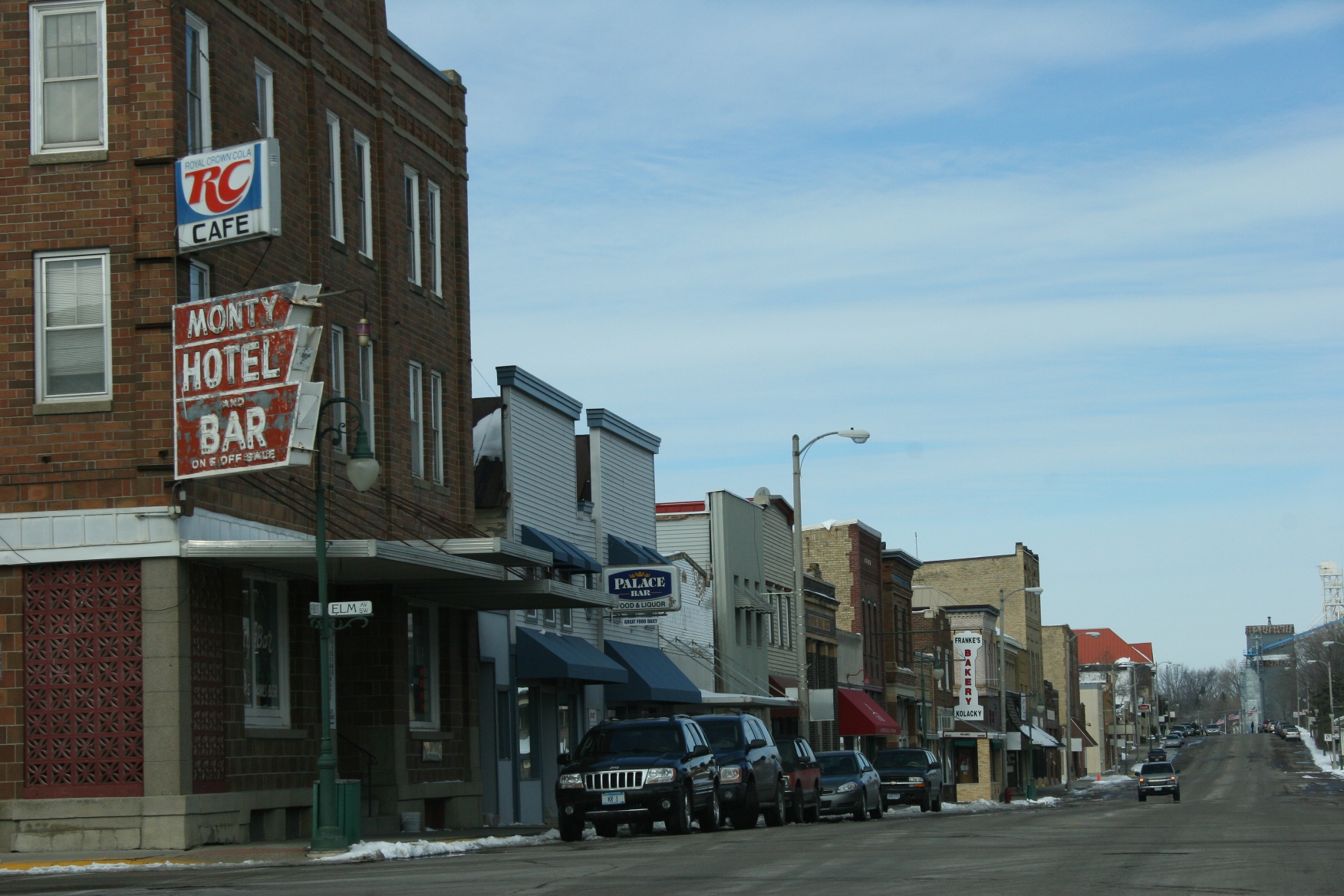
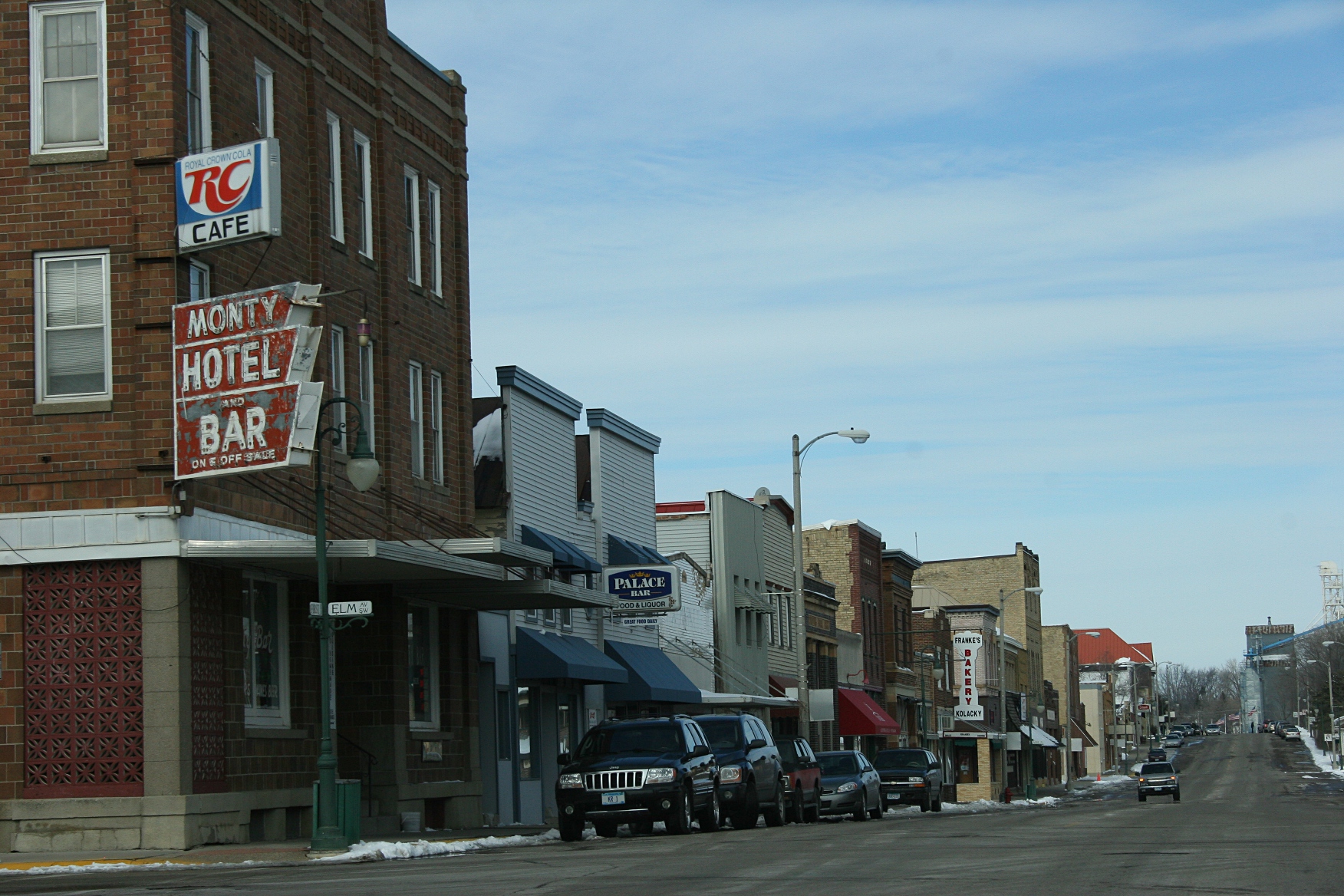
A snippet overview of First Street in downtown Montgomery.

A snippet overview of First Street in downtown Montgomery late on a Sunday afternoon.

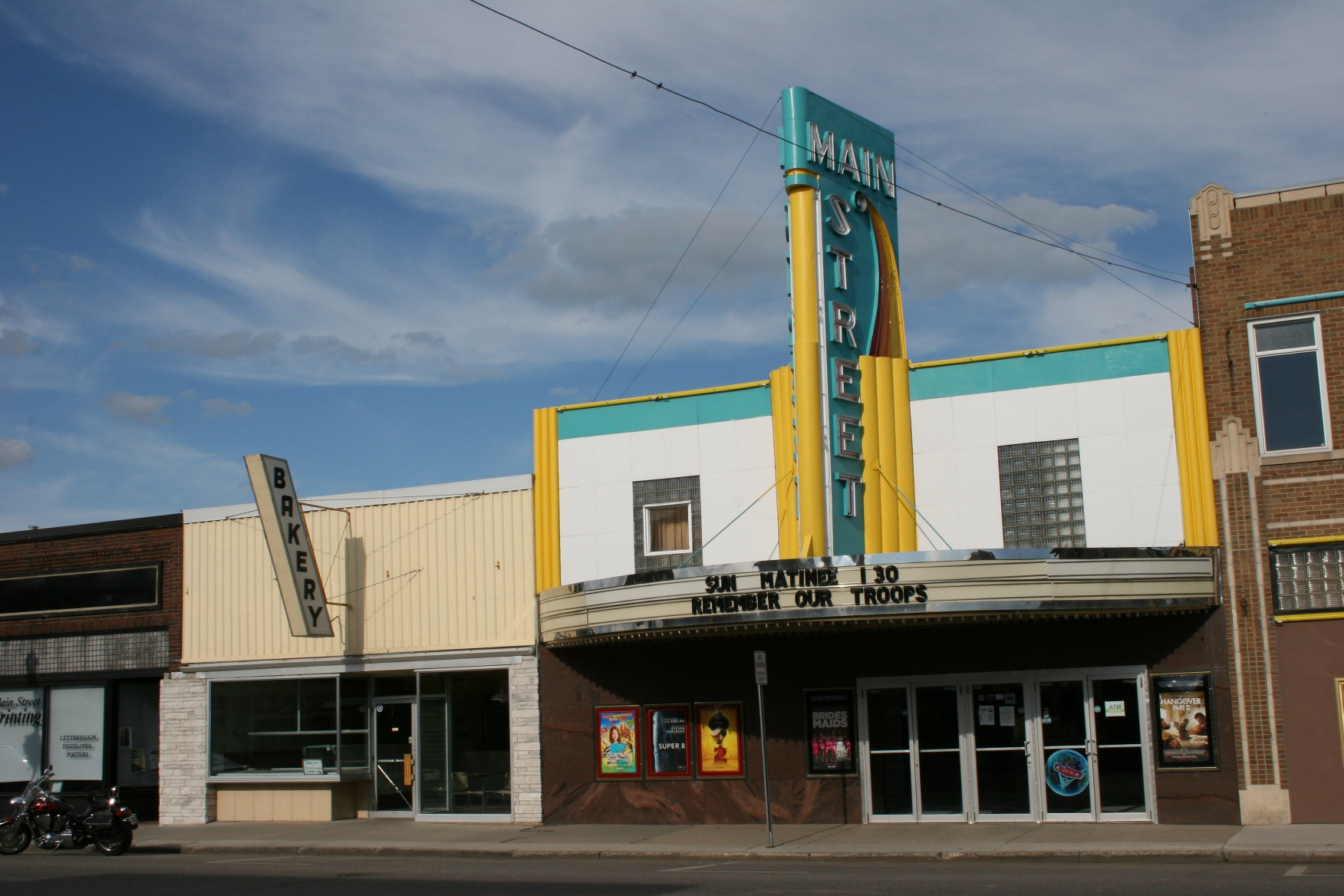
EARLY ON A SUNDAY AFTERNOON in the dead of a Minnesota winter, downtown Montgomery, except for vehicles clustered around Hilltop Hall for a theatrical performance and around locals bars, is mostly quiet.

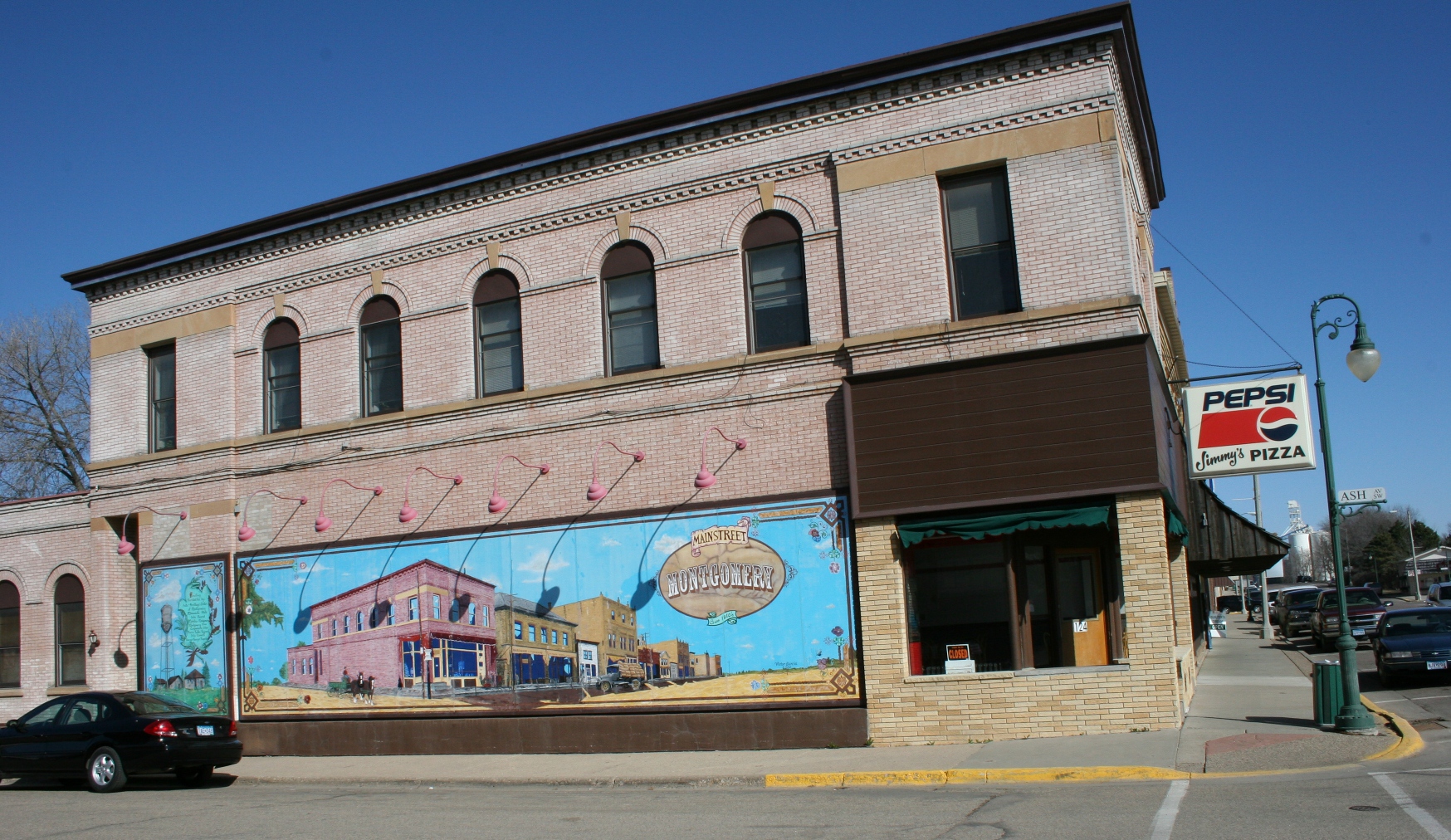
A mural on the

A mural depicts downtown. Minnesota Prairie Roots file photo.

The occasional pick-up truck cruises First Street, the main north-south route through the heart of this Le Sueur County farming community of nearly 3,000 noted for its strong Czech heritage.

Although this self-proclaimed “Kolacky Capital of the World” lies only about 25 miles northwest of my Faribault home, I’ve never really explored the town except to attend three plays at Hilltop Hall and to write a magazine feature story about Franke’s Bakery. The 99-year-old bakery specializes in kolacky, a folded Czech pastry filled with poppy seeds or fruit.

Franke's Bakery. Minnesota Prairie Roots file photo.

Franke’s Bakery. Minnesota Prairie Roots file photo.

On this Sunday afternoon the bakery is closed. And so are most other businesses. Without distracting vehicles, I can fully appreciate the historic architectural qualities of this downtown. From the aged brick buildings to the vintage signage to the woodframe storefronts that always remind me of something out of a Western, I am smitten with these buildings, this business district.

I must, I tell myself, return to Montgomery when these businesses are open. I can only imagine what discoveries await me.

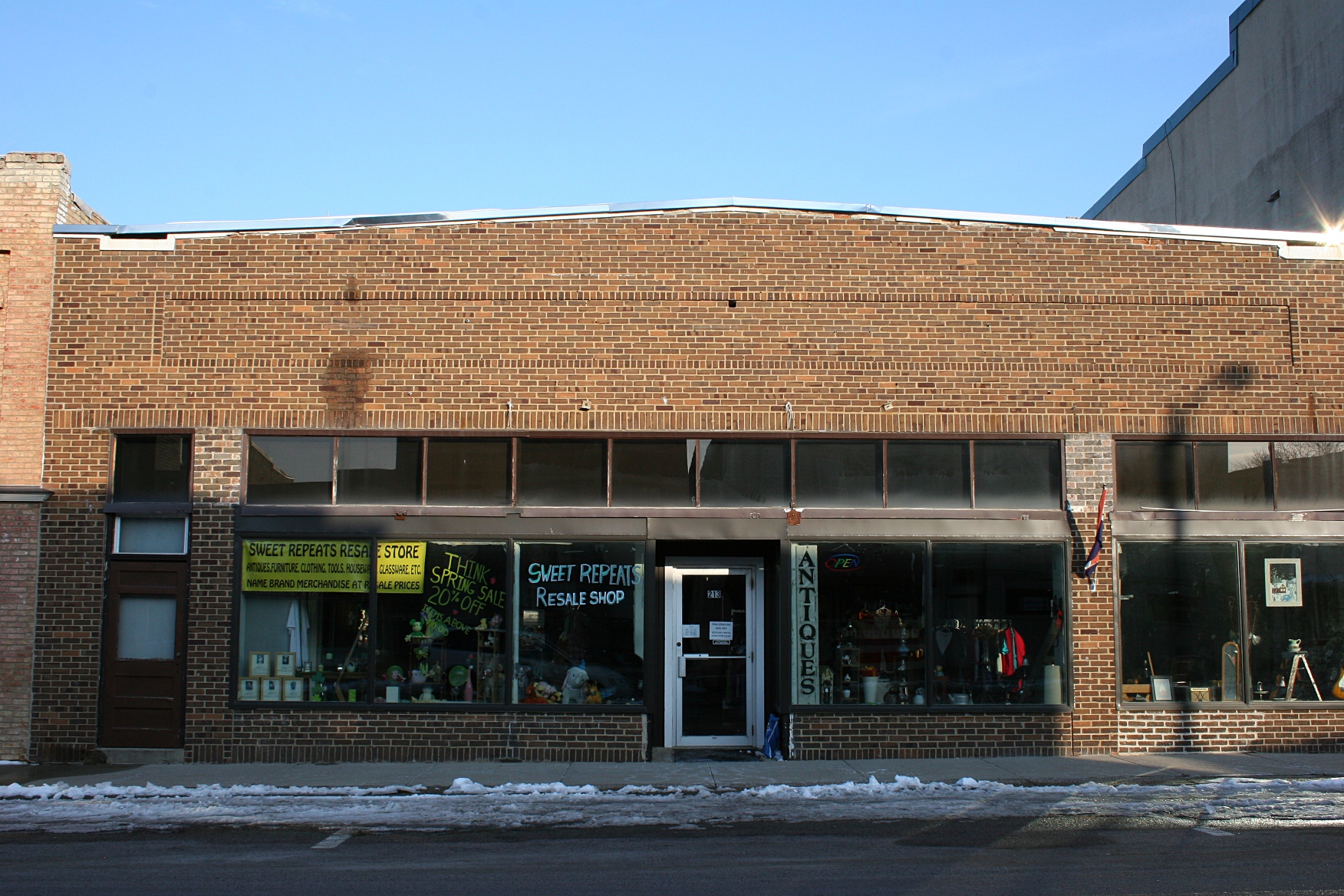
I love antique shops and thrift stores, so you can bet Sweet Repeats Resale Shop is on my list of places to check out.

I love antique shops and thrift stores, so you can bet Sweet Repeats Resale Shop is on my list of places to check out.

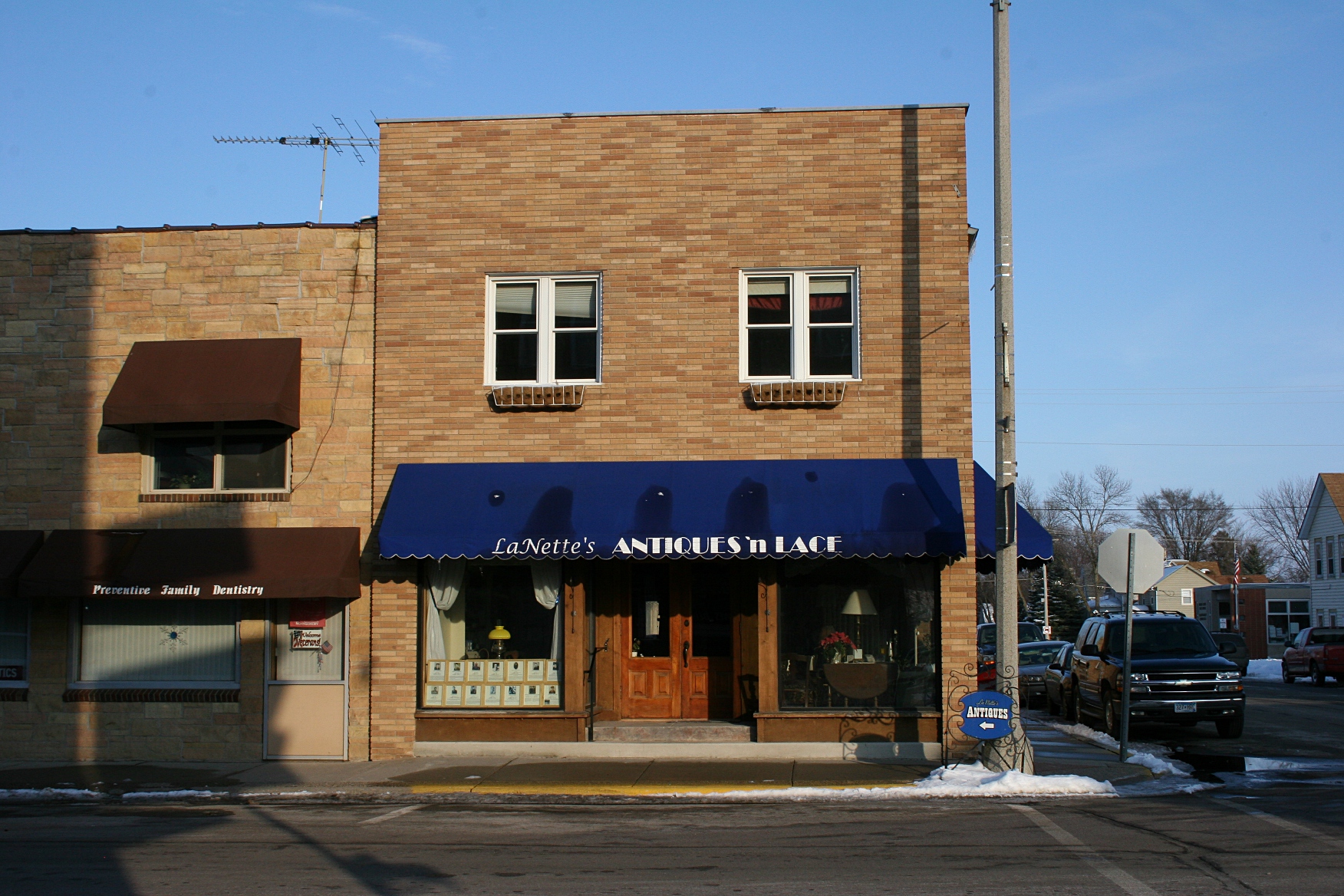
Look, another antique shop, La Nette's Antiques'n Lace.

Look, another antique shop, La Nette’s Antiques’n Lace.

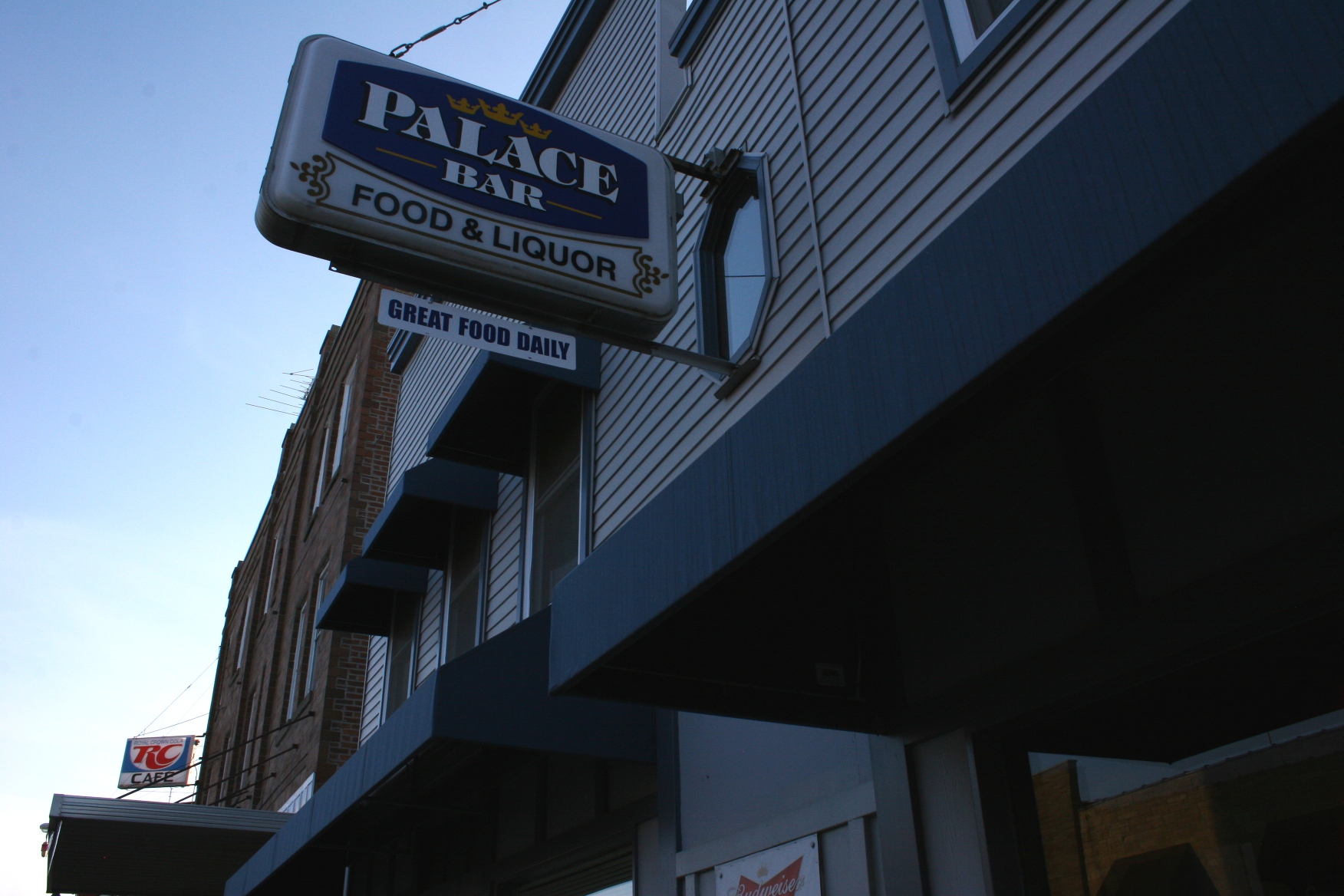
Lots of super cool vintage signage in Montgomery.

Lots of super cool vintage signage in Montgomery.

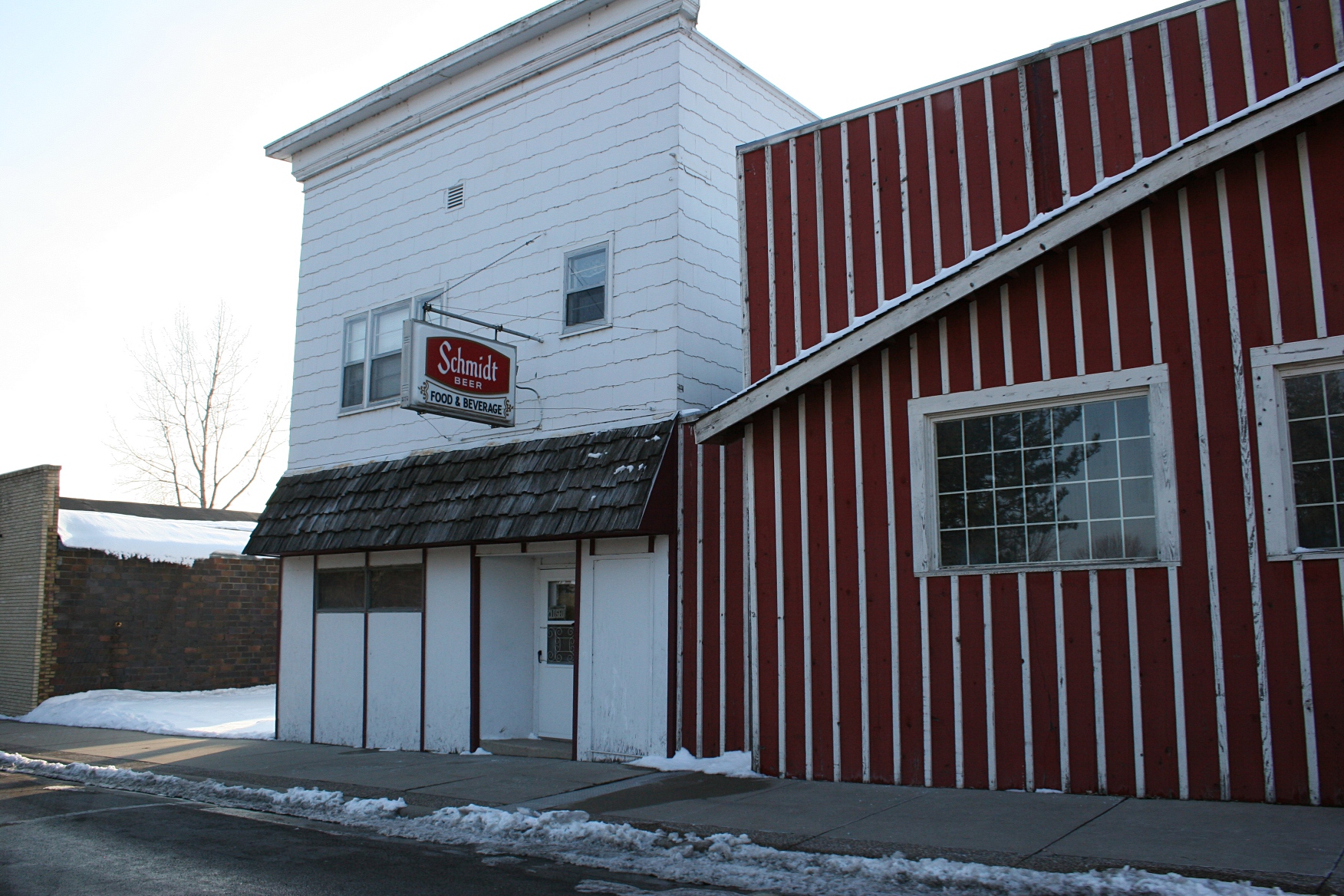
Because my eldest daughter is in love with a Schmidt boy (nothing to do with the beer), I had to photograph this sign. The striped building is the local meat market.

Because my eldest daughter is in love with a Schmidt boy (nothing to do with the beer), I had to photograph this sign. The striped building is the local meat market.

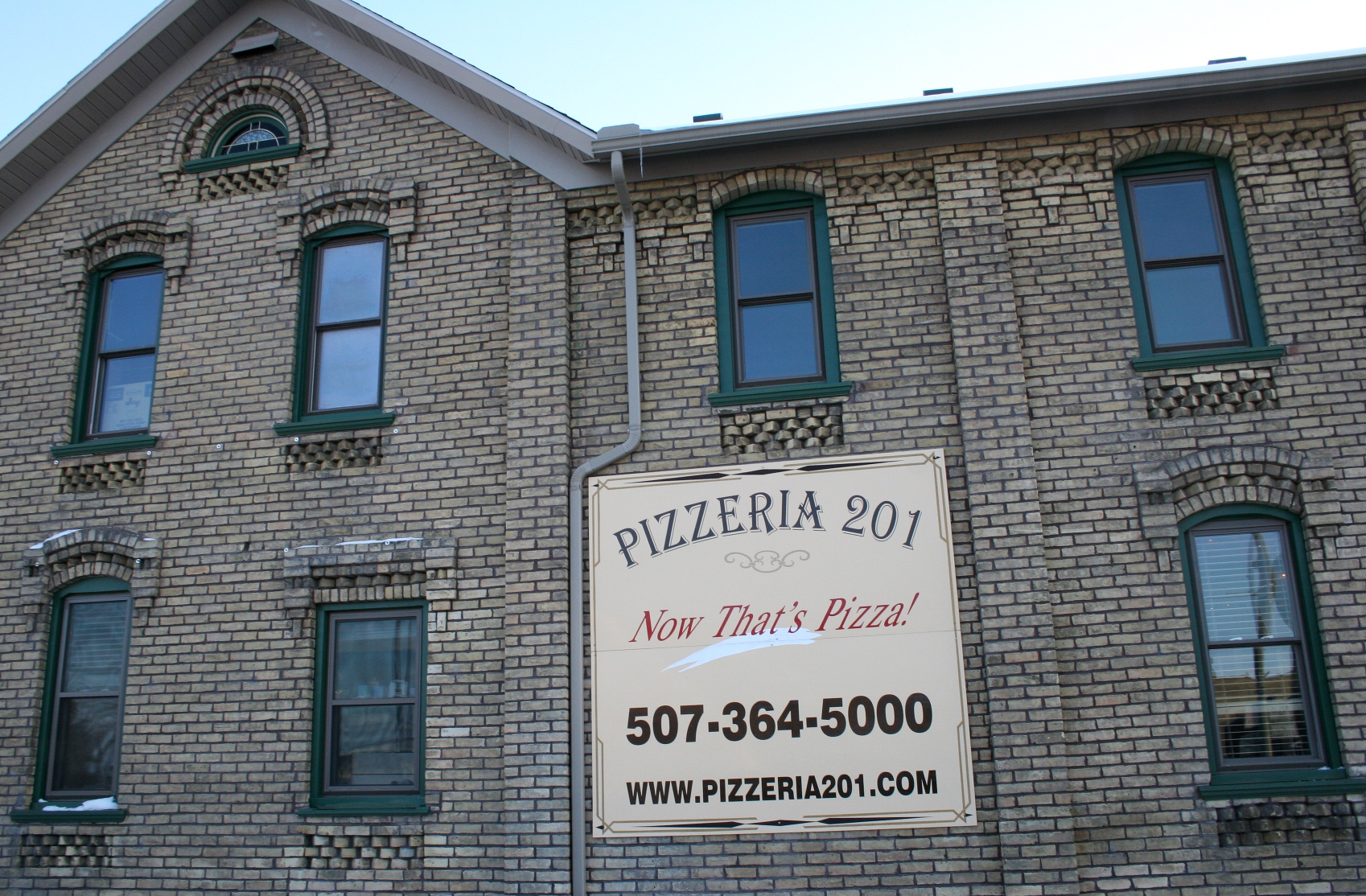
On the National Register of Historic Places, the historic Westerman Lumber Company office and house is home to Pizzeria 201. The restaurant makes homemade pizzas, a wide selection of Italian foods and more.

On the National Register of Historic Places, the historic Westerman Lumber Company office and house is home to Pizzeria 201. The restaurant makes homemade pizzas, a wide selection of Italian foods and more. I’ve heard rave reviews about the food.

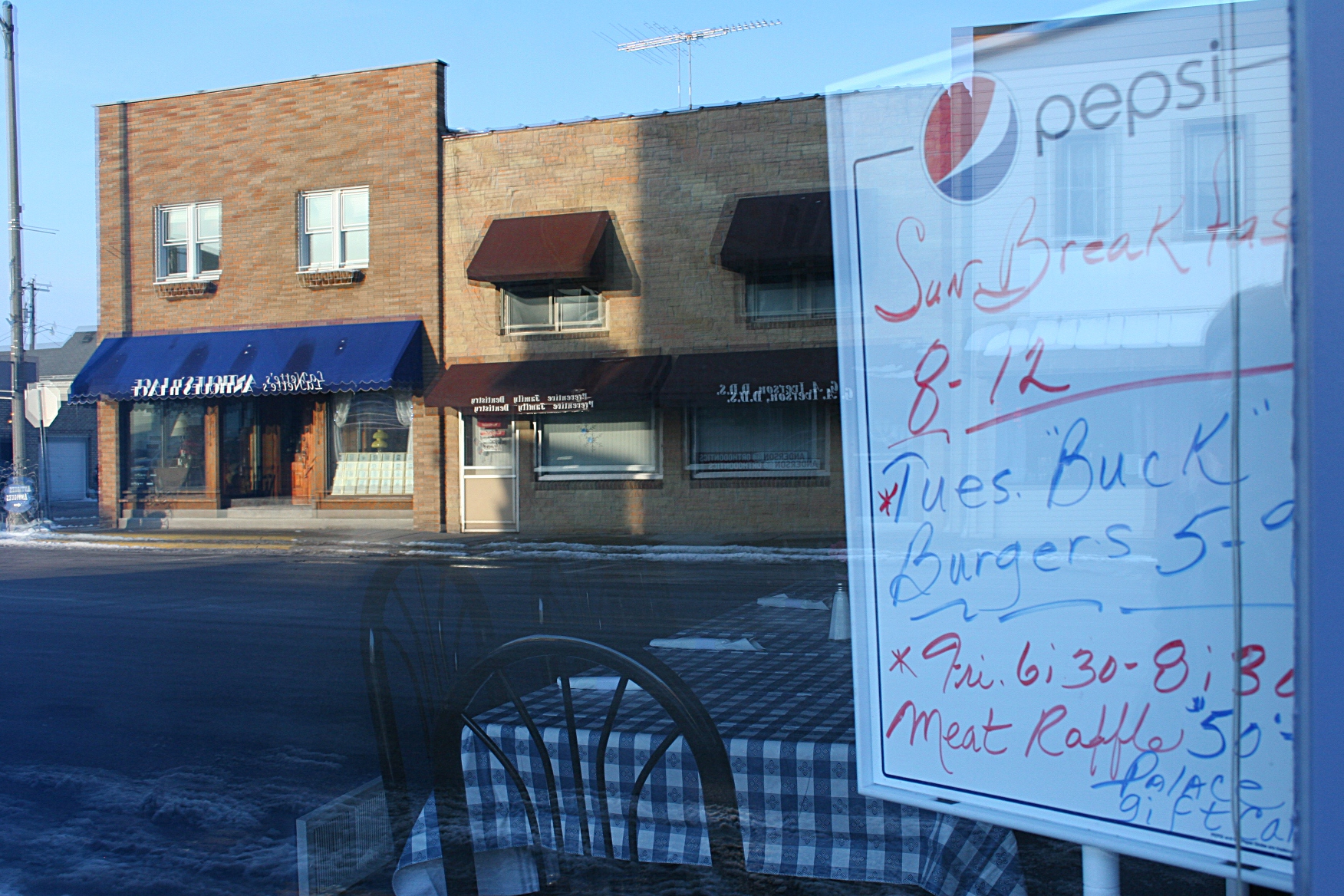
So small town: burgers and a meat raffle promoted on a whiteboard in a restaurant window.

So small town: burgers and a meat raffle promoted on a whiteboard in a restaurant window.

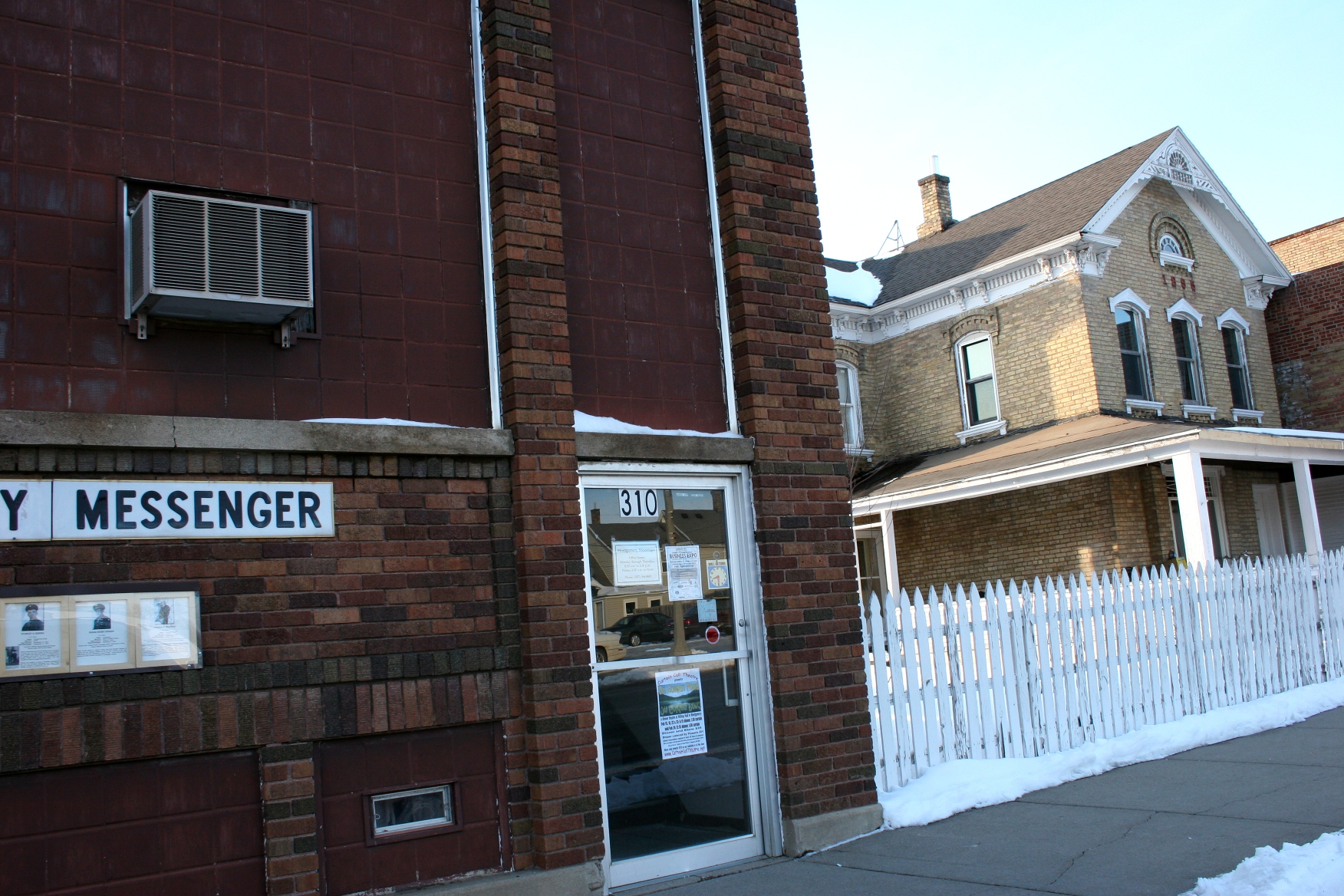
I don't expect I'll get inside this vintage 1800s house tucked between businesses on First Street, but I could try. That's the office of the local newspaper, The Montgomery Messenger, on the left.

I don’t expect I’ll get inside this vintage 1800s house tucked between businesses on First Street, but I could try. That’s the office of the local newspaper, The Montgomery Messenger, on the left.

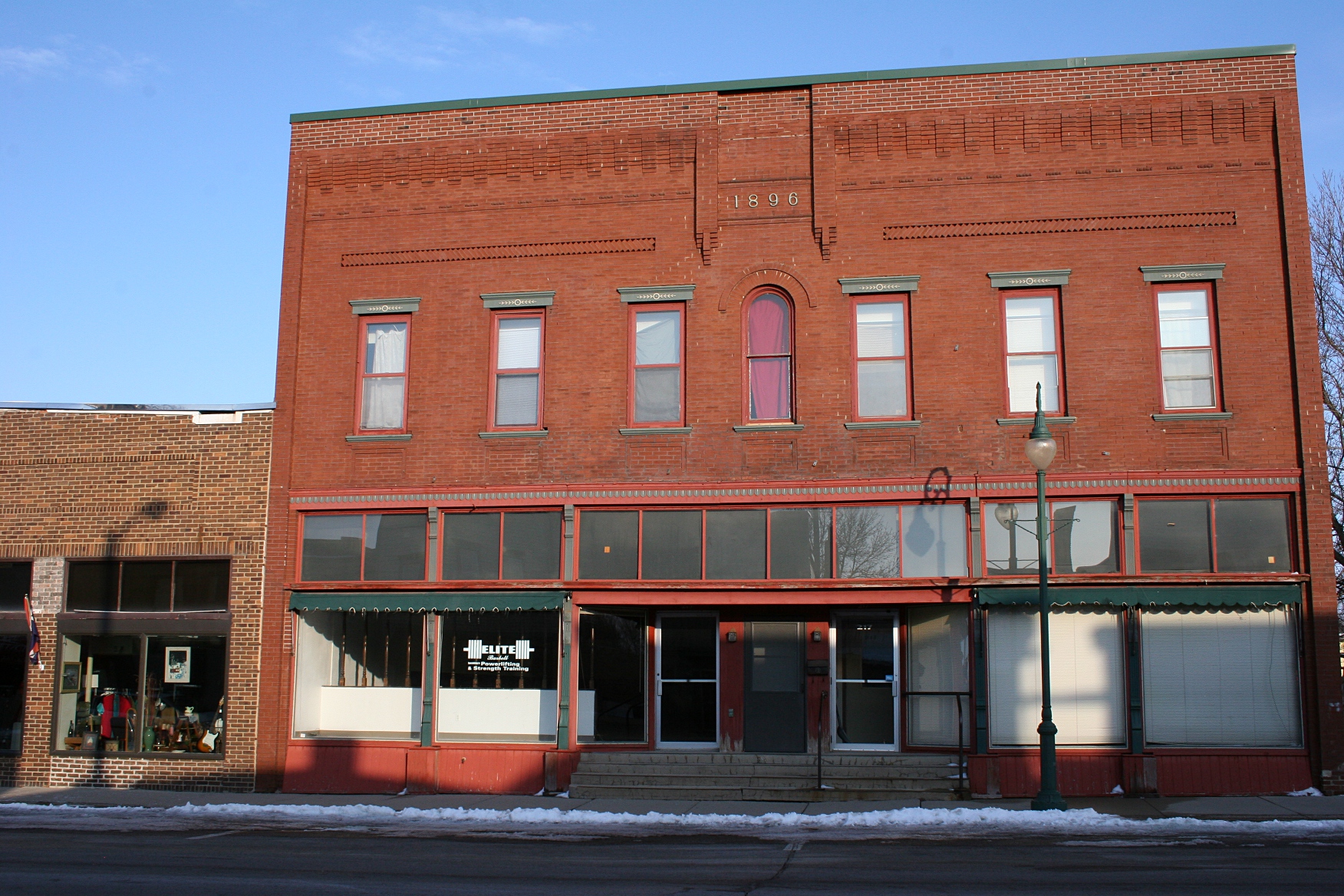
I absolutely love these small towns that have kept their historic buildings.

I absolutely love these small towns that have kept their historic buildings like this one dated 1896.

TOMORROW, IN THIS FIVE-PART SERIES from Montgomery, I take you to Hilltop Hall, which I’ve visited thrice. After that, we’ll go inside Franke’s Bakery, with photos from my 2010 visit there; I don’t expect much has changed. Next, I’ll show you how this community honors its veterans in a unique way. And then, to end my five-part series on Montgomery, I’ll show you several bonus photos from the town.

© Copyright 2013 Audrey Kletscher Helbling


The Poetry Barn March 3, 2013

Filed under: Uncategorized — Audrey Kletscher Helbling @ 12:18 PM
Tags: , , , , , , , ,

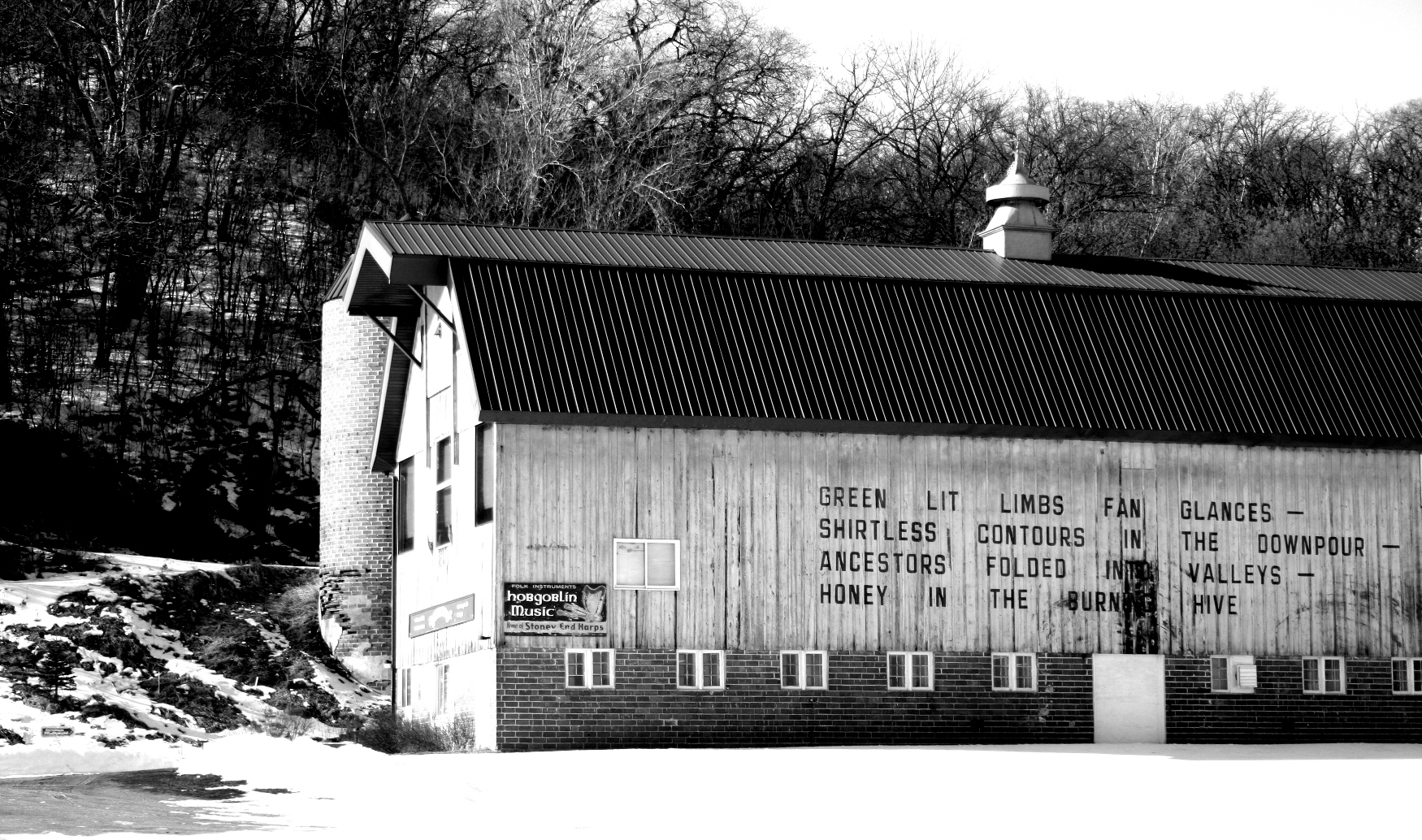
OFFICIALLY, IT’S CALLED Stoney End Music Barn.

But I call it The Poetry Barn.

Stoney End Music Barn, 920 State Highway 19, Red Wing, Minnesota

Stoney End Music Barn, 920 State Highway 19, Red Wing, Minnesota

Tucked into a wooded hillside just west of Red Wing, an aged sprawling barn draws the attention of travelers on Minnesota Highway 19. If not for the words, this barn might go unnoticed, blending into the rural landscape.

But there the barn stands, block print letters painted upon peeling paint.

Perhaps passersby ponder the poetry posted. Perhaps not.

I have photographed the barn on a sunny Saturday in March, just another person passing by en route to and from the Mississippi River town of Red Wing. Like so many others, I am in a hurry with no time to pause and explore this roadside attraction.

I have missed so much. Stoney End Music Barn, I later learn, houses a team of musicians who craft primarily harps—having made more than 7,000 since 1984.

The renovated barn is also home to the Hobgoblin Music Store and a third floor music loft/concert hall.

So you see, Stoney End Music Barn truly is a poetry barn, for music is poetry.

© Copyright 2013 Audrey Kletscher Helbling


Northfield writer Scott Carpenter masters the craft of short stories in This Jealous Earth March 1, 2013

Intrigued by this cover image like me? Learn why  it was selected and placed upside down at the end of my review.

Intrigued by this cover image? Learn why it was selected and placed upside down at the end of my review.

I’VE STRUGGLED, since reading This Jealous Earth, to pinpoint a word which best describes my reaction to a collection of 16 short stories by Northfield (MN.) author Scott Dominic Carpenter. And that should be considered a compliment.

Carpenter’s stories about relationships and aging, choices and regrets, and more, hold an element of mystery, a deeper meaning which reveals itself as the plots progress, until the ending and the ah-ha moment evoked.

For example, in the first paragraphs of “The Tender Knife,” I expect a husband to kill his wife, not his koi. He didn’t, but he did. Now if that makes no sense, that is precisely my point. Carpenter possesses that unique ability to mess with your mind/throw you for a loop, cliché phrases that totally apply to a writing style that is anything but cliché.

He takes aspects of everyday life—vacations, marital and sibling discord, the death of a parent, aging, love, fear and more—and crafts stories to which his readers can relate. Aging Baby Boomers can surely empathize with Donna, married 30 years with three grown children and the main character in “Riddles.” She and her husband are on a long-awaited European vacation when she loses her way in an art museum. As she struggles to weave through a labyrinth of art she cannot understand, Donna understands she’s waited too long for this trip.

Carpenter writes, in Donna’s voice:

To think that she had begged for this trip! What in God’s name had she been thinking? What was the point? And what on earth were you to do after the scales have tipped in your life, after the children have gone, and all you have left to do is wait?

His stories mostly center on choices—to shoplift or not, to keep or to toss, to reconcile or give up, to attempt to save or to let go, to stand up for yourself or to submit, to simply accept or to challenge/change/question.

In “This Jealous Earth,” the story from which the book draws its title, a family awaits the rapture. But one, the non-believing son, Randy, will be left behind. Therein lies the conflict for his obedient younger sister, Cat. Will she choose faith or family? That dilemma, and the consequences, leave the reader hanging on every word until the clincher ending.

Likewise, in “The Visit,” the tension builds when a child goes missing on a rural acreage with a pond. I’m not going to reveal the ending, but I simply must share the final sentence of that story because it’s so powerful and perhaps so true of how we often choose to cover our fears with meaningless conversation:

And with lavish servings of words, always more words, they covered over the memory of the pond, black and still.

Carpenter chooses words with care. That is obvious, especially so in “The Spirit of the Dog” where even the name of the main character, Caleb, holds significance. Because I have a son named Caleb, I know the name means “dog” (although I chose my son’s name for the biblical Caleb and certainly not the canine reference). Read this story about miners, a dog that is killed, superstition and stolen possessions and you will understand the double-meaning in that name.

I couldn’t pen a fair review of This Jealous Earth without noting that I nearly stopped reading half way through the first story, “The Tender Knife.” I struggled with details in killing of the koi. Don’t allow that to distract if you are squeamish like me. The story is most definitely worth reading. Likewise, several stories include the f-word and sexual undertones that may offend. However, these are not used lightly, but as integral parts of shaping a character and/or developing the plot.

If Carpenter’s first book of fiction is any indication of what readers can expect from him, then I’m already a fan. His next book, Theory of Remainders, is due for release in May. Here’s the promo description: A suspenseful literary novel set in the lush backgrounds of Normandy, Theory of Remainders explores the secret ties between love, trauma, and language.

Carpenter has already proven to me that he can write, and with a strong voice definitively his.

Scott Dominic Carpenter

Scott Dominic Carpenter

FYI: To learn more about Carpenter and his writing, click here to reach his website.

His upcoming appearances include public readings at  6 p.m. Thursday, March 7, at Barnes & Noble, 14880, Apple Valley, and at 7:30 p.m. Friday, March 8, at Monkey See, Monkey Read, 425 Division Street South in downtown Northfield. Besides writing, Carpenter teaches French literature and critical theory at Carleton, a liberal arts college in Northfield.

BECAUSE I WAS PARTICULARLY intrigued by the upside down placement of the field and sky image on the cover of This Jealous Earth, I posed these questions to publisher MG Press:

Could you explain the photo selection and why it was placed upside down on the cover? What message/feeling/whatever are you hoping to evoke in the reader?

Here’s the response from MG’s Robert James Russell:

The fact that the photo is upside down aligns with the themes of miscommunication and the confrontations of strangeness inherent in all of the stories in the collection. The land (or earth, as it were), gives us a sense that the disconnect and strangeness is dealing with familiar things (that is, it is not a paranormal strangeness, or anything truly otherworldly).

It’s meant to be disorienting, but not jarring, and demonstrate how a simple choice or change of perspective can completely alter how something is viewed. These types of choices are the ones the characters in This Jealous Earth face in all of the stories, ones that will permanently alter how they view their lives.

On a more aesthetic level, we chose this image specifically because, quite simply, it was gorgeous and we felt the contrasting tones would work well to achieve our goal.

© Copyright 2013 Audrey Kletscher Helbling
Images courtesy of Scott Dominic Carpenter and MG Press
The book cover design is by Sarah E Melville, Sleeping Basilisk Graphic Design.
Author photo is by Paul Carpenter.


“Mending generations of bad feelings” in Redwood County during “The Year of the Dakota” February 28, 2013

WILL THE DIVIDING LINES ever connect into a complete circle of healing?

A century and a half after the U.S.-Dakota War of 1862 ended, can the Dakota and descendants of white settlers, and others, ever fully reconcile and forgive?

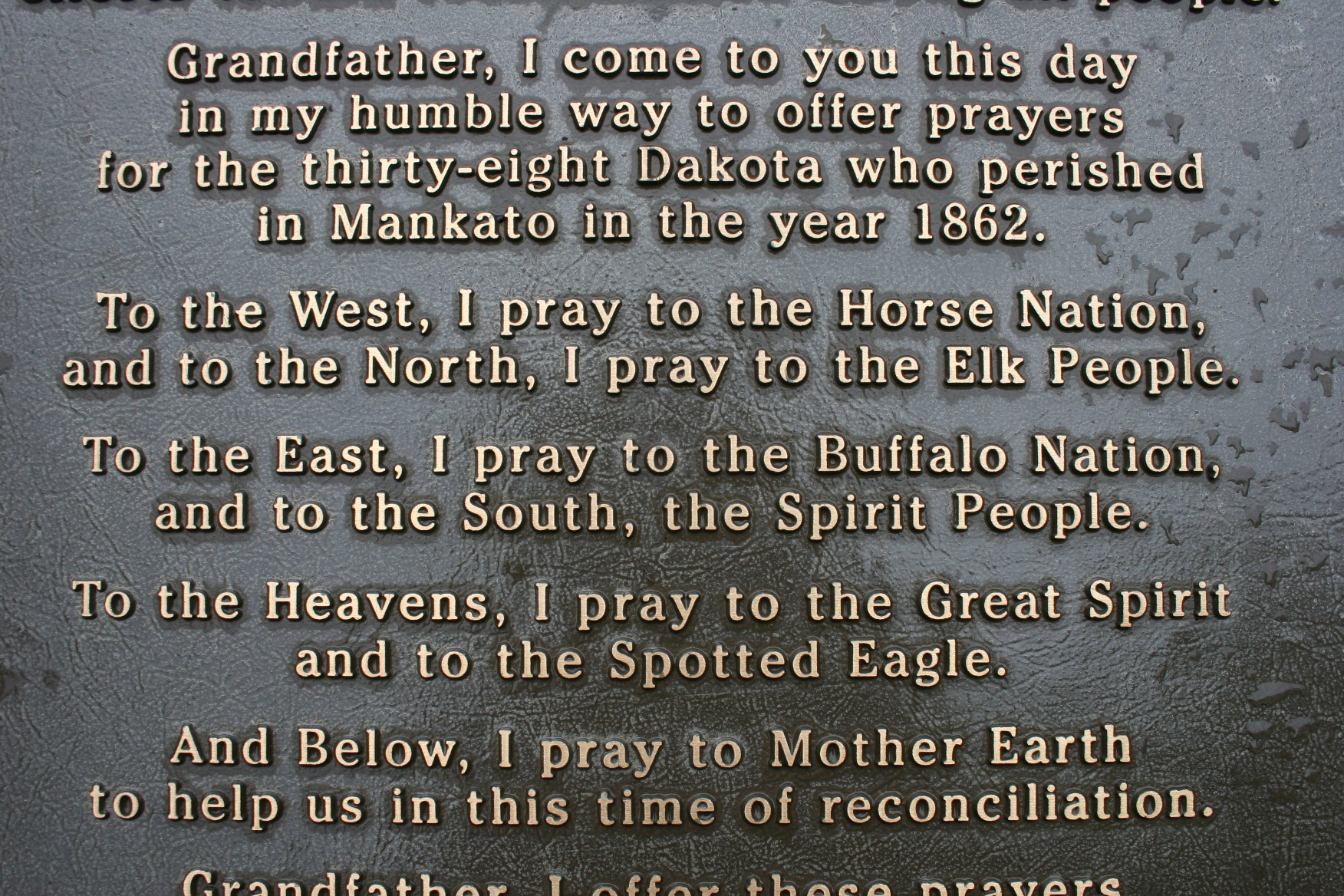
Words on a marker in Reconciliation Park in Mankato where 38 Dakota were hung on Dec. 26, 1862.

Words on a marker in Reconciliation Park in Mankato where 38 Dakota were hung on Dec. 26, 1862.

The issues that divide—of blame and of animosity, of death and of punishment, of land and of banishment, and more—remain, sometimes subtle and below the surface, sometimes exposed.

As a native of Redwood County in southwestern Minnesota and as a descendant of settlers who fled their New Ulm area homestead during the U.S.-Dakota War, I have always been especially interested in this conflict.

So when I learned that the City of Redwood Falls on January 15 joined the cities of Minneapolis and St. Paul in adopting resolutions “recognizing the 150th anniversary of the Dakota-U.S. War of 1862 and declaring 2012-2013 the Year of the Dakota,” I took note.

The resolution states, in part in paragraph two:

WHEREAS, much has yet to be learned about issues revolving around land, reparations and restitution, treaties, genocide, suppression of American Indian Spirituality and Ceremonies, suppression on Indigenous languages, bounties, concentration camps, force marches, mass executions and forcible removals; and…

For my home county, at the geographical center of the war and home to the Dakota, then and now, passage of this resolution reflects a desire to understand, to educate, to heal.

Now you wouldn’t think, after 150 years, that such a resolution would even be needed. Trust me. Hard feelings still exist. But because I have not lived in Redwood County for decades and am therefore only an outside observer, I contacted Redwood Falls Mayor and avid local historian Gary Revier with a few questions.

I posed this question, among others, to Revier: All these years after the Dakota War ended, what, if any, tensions still exist between the Dakota and Whites in Redwood County?

As I expected, the mayor, who could have danced around my question with political rhetoric, told it like he sees it:

To answer your question about tensions between the Dakota and White communities, I would have to say emphatically “yes.” I believe it is more of a trust issue for the Dakota. On the White side, I would have to say there is a lot of envy because of the success of the gaming industry among the various Indian communities.

When I hear from my fellow members of the White community, they almost always begin by saying, “I am not prejudiced, but…” They then go on to explain some good deed they did for a Native American or some distant cousin three times removed who they are related to.

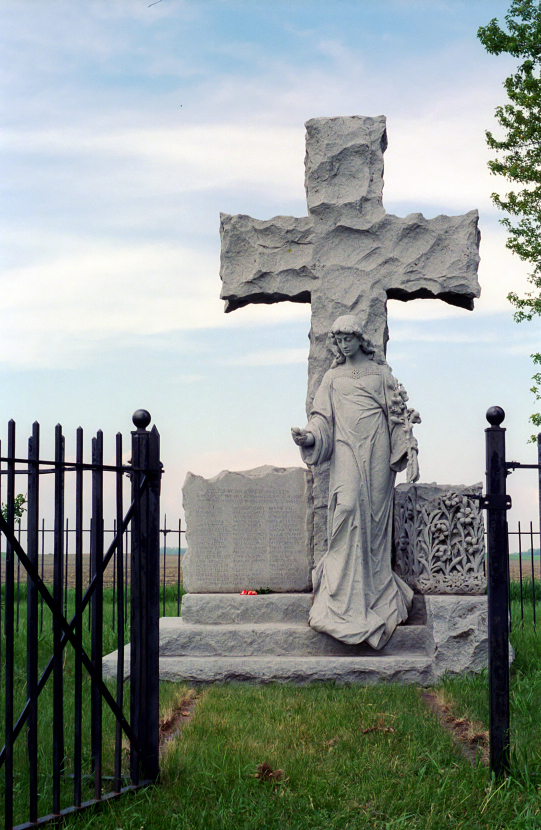
The Milford State Monument along Brown County Road 29 west of New Ulm commemorates the deaths of 52 settlers who were killed in the area. Located along the eastern edge of the Lower Sioux Reservation, Milford had the highest war death rate of any single township.

The Milford State Monument along Brown County Road 29 west of New Ulm commemorates the deaths of 52 settlers in Milford Township during the U.S.-Dakota War.

Revier, who also happens to be a descendant of white settlers impacted by the U.S.-Dakota War, endorses the resolution which calls for presenting the Dakota perspective through discussion; efforts by the City of Redwood Falls to promote the well-being and growth of the American Indian Community; and that such efforts “will mark the beginning of future dialogues and efforts to rectify the wrongs that were perpetrated during, and since, the year 1862, a tragic and traumatic event for the Dakota People of Minnesota.”

Says Revier:

I do support the resolution for many reasons, but the one that provides me with the most satisfaction really starts mending generations of bad feelings between the two nations. The first step towards reconciliation is admitting to the aggrieved party that there were atrocities committed. Once again this is more complex than can be explained in one or two sentences.

The mayor is right. Summarizing and defining issues spanning 150 years would be a difficult undertaking, especially in the context of a blog post.

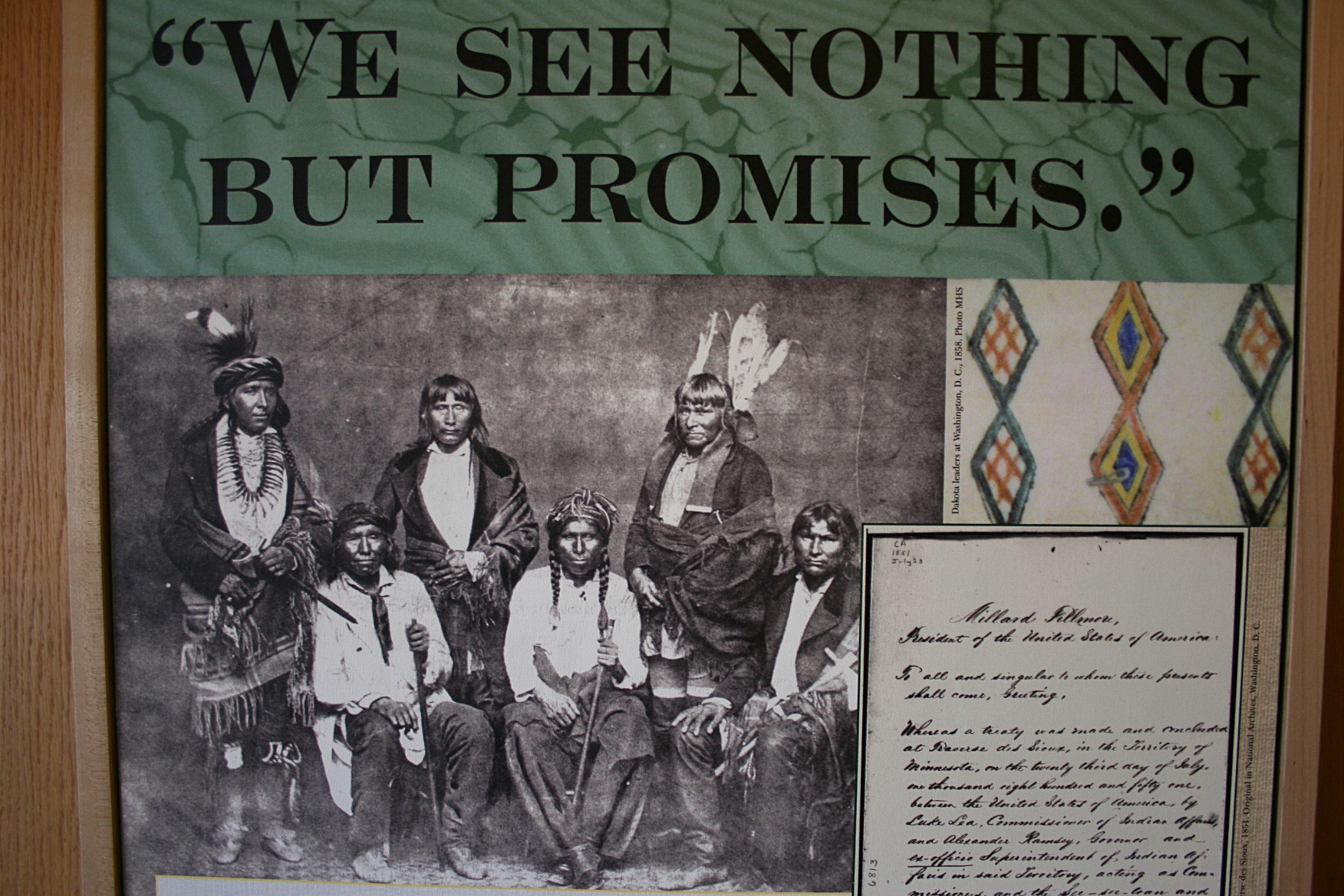
A photo panel at the Traverse des Sioux Treaty Center in St. Peter shows Dakota leaders photographed in Washington D.C. in 1858. The photo is from the Minnesota Historical Society.

A photo panel at the Traverse des Sioux Treaty Center in St. Peter shows Dakota leaders photographed in Washington D.C. in 1858. The photo is from the Minnesota Historical Society.

Now, though, through adoption of the “Year of the Dakota” resolution, the City of Redwood Falls, in discussion with the Dakota community and others, is aiming to “open additional dialogue and create better communication and feelings among the citizens of both communities,” Revier says.

While methods of accomplishing this have not yet been fully defined, the Redwood Falls community has already hosted roundtable discussions, author visits, video showings, presentations and historic site tours related to the U.S.-Dakota War during the war’s sesquicentennial in 2012.

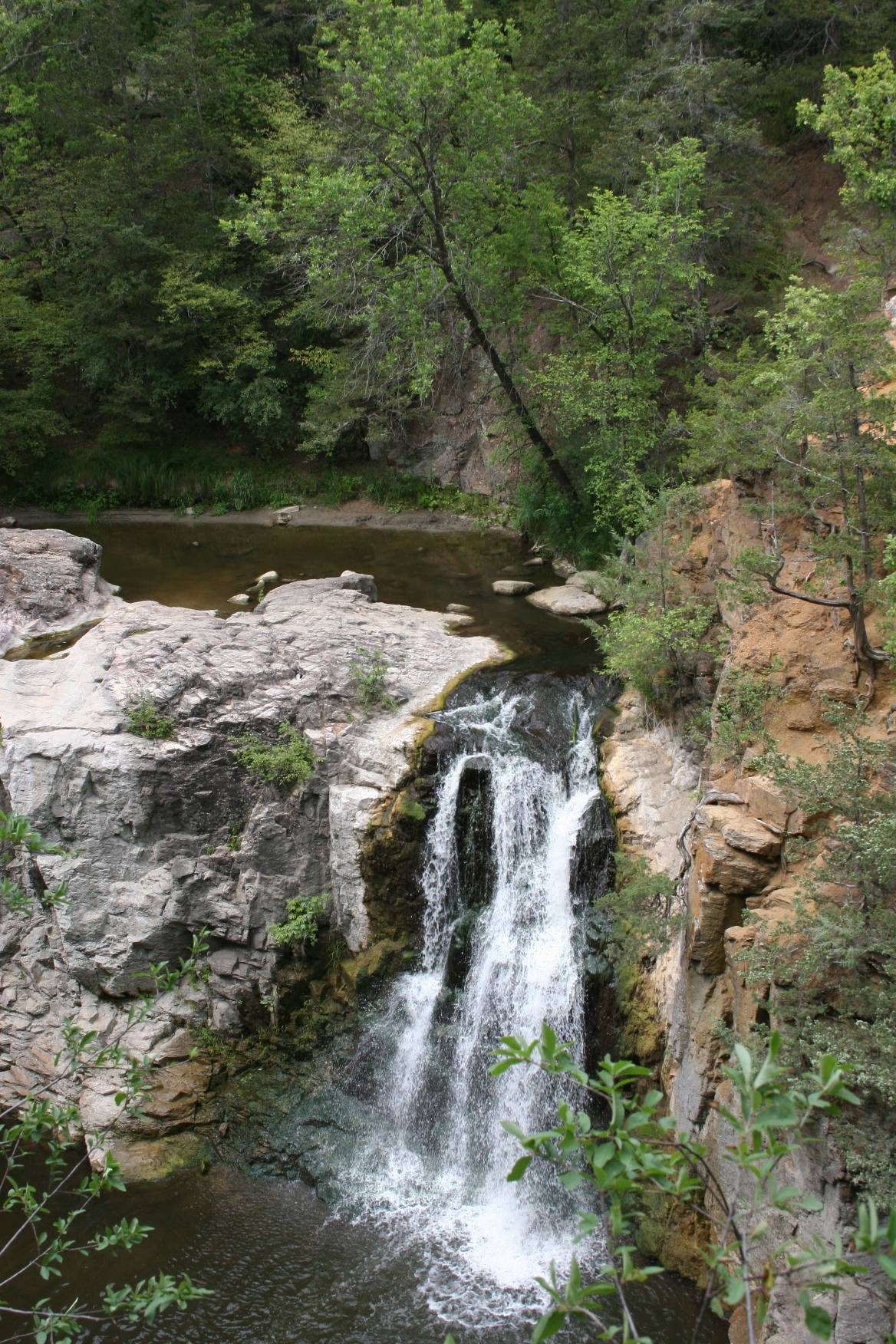
Ramsey Falls in Alexander Ramsey Park. Minnesota Prairie Roots file photo.

Ramsey Falls in Alexander Ramsey Park. Minnesota Prairie Roots file photo.

Additionally, Revier notes that when the city celebrates the dedication anniversary of its 219-acre Alexander Ramsey Park this year, the event will also be “a celebration of the Dakota who consider it a very special place.”  The Dakota once lived on the land (which eventually became the park) and the name Redwood comes from the Dakota word Can-say-api, meaning “where they paint the tree red,” the mayor says. A “101st Celebration and Ramsey Park Jamboree” is set for June 5 at the Redwood Area Community Center, according to the Alexander Ramsey Park Facebook page.

The park is named after first Minnesota Territorial and (second) Minnesota Governor Alexander Ramsey who negotiated treaties with the Dakota and was accused, but later cleared, of fraud in those negotiations. Revier is interested in possibly renaming the park, he says, “to something that would be more descriptive of the area which is home to so many indigenous people.”

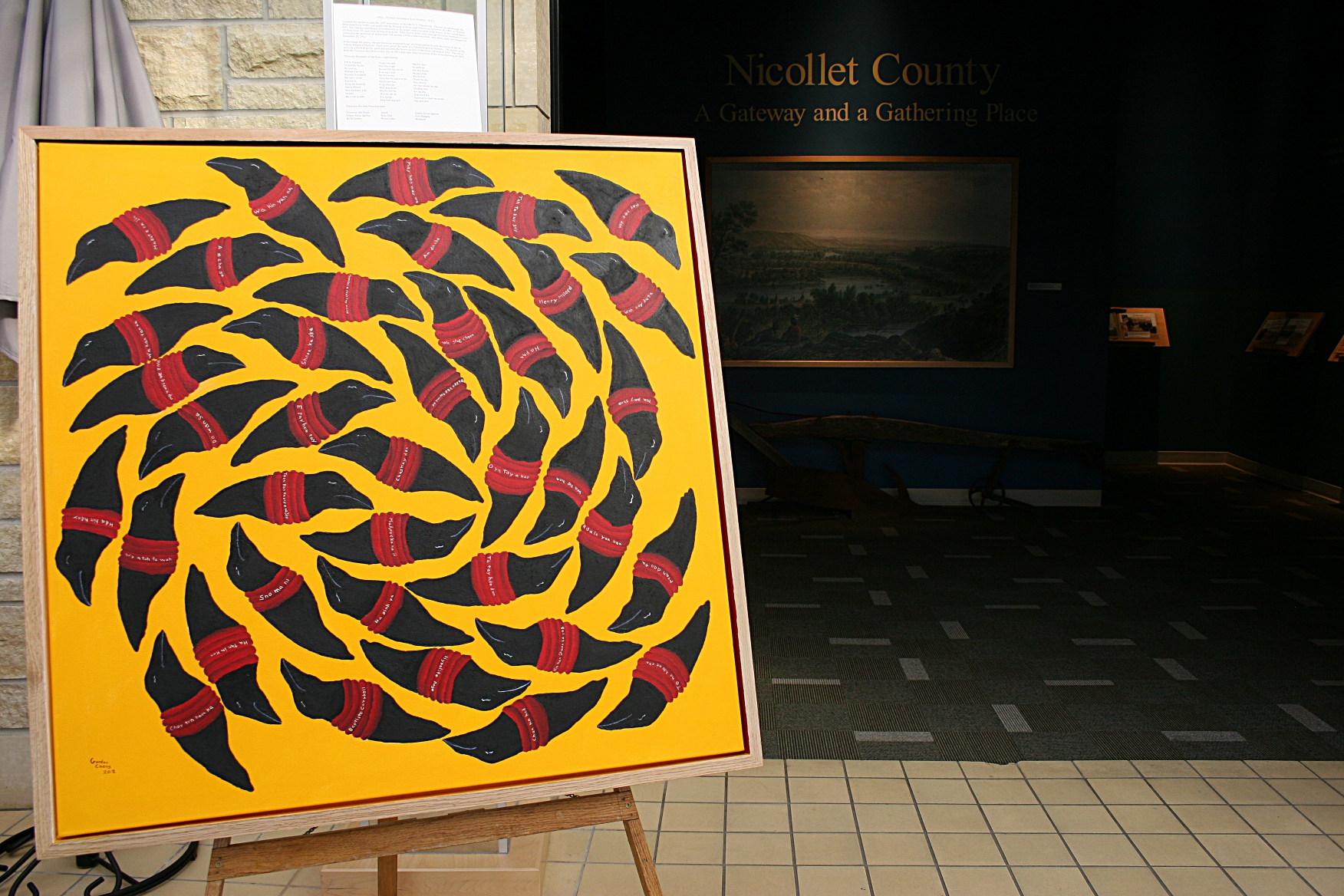
This artwork by Gordon M. Coons, which was on recent temporary display at the Traverse des Sioux Treaty Center, marks the 150th anniversary of the U.S.-Dakota War of 1862. According to information posted with the piece, "...the crows, known as messengers, are silent and unable to carry the stories of the 38 Dakota hanged in Mankato. Each crow carries the name of a Dakota hanged in Mankato. The texture on the crows is a blend of acrylic paint and soil from the historical sites of the Sioux Uprising of 1862. The soil is from the Traverse des Sioux treaty site of 1851 and eight other locations of the Sioux Uprising of 1862."

This artwork by Gordon M. Coons, which was on recent temporary display at the Treaty Site History Center in St. Peter, marks the 150th anniversary of the U.S.-Dakota War of 1862. According to information posted with the piece, “…the crows, known as messengers, are silent and unable to carry the stories of the 38 Dakota hanged in Mankato. Each crow carries the name of a Dakota hanged in Mankato. The texture on the crows is a blend of acrylic paint and soil from the …Traverse des Sioux treaty site of 1851 and eight other locations of the Sioux Uprising of 1862.” Coons is an enrolled member of the Lac Courte Oreilles Tribe of northern Wisconsin and now lives in Minneapolis.

WHILE COMMUNICATING with Revier and researching for this post, I noticed that the “Year of the Dakota” resolution passed by the city of Redwood Falls varies from those approved in Minneapolis and St. Paul. One difference comes in the number of Dakota who were executed, a figure referenced in the first paragraph of the resolution. The Twin Cities resolutions note the number of executed Dakota—those hung in a mass hanging in Mankato—at 38. The resolution from Redwood Falls defines the number as 38+2 Dakota.

I asked the mayor to clarify. Revier added the “2” to represent Medicine Bottle and Little Six (Shakopee), Dakota leaders who were hung at Fort Snelling for their roles in the U.S.-Dakota War.

When I consider all the mayor has shared with me and my own knowledge of the tensions that have existed in Redwood County for 150 years, I wonder how reconciliation will ever be achieved. But I have to hold onto hope—hope that this newly-adopted resolution will foster discussion and understanding, hope that each side can stop blaming the other, hope that forgiveness will come…

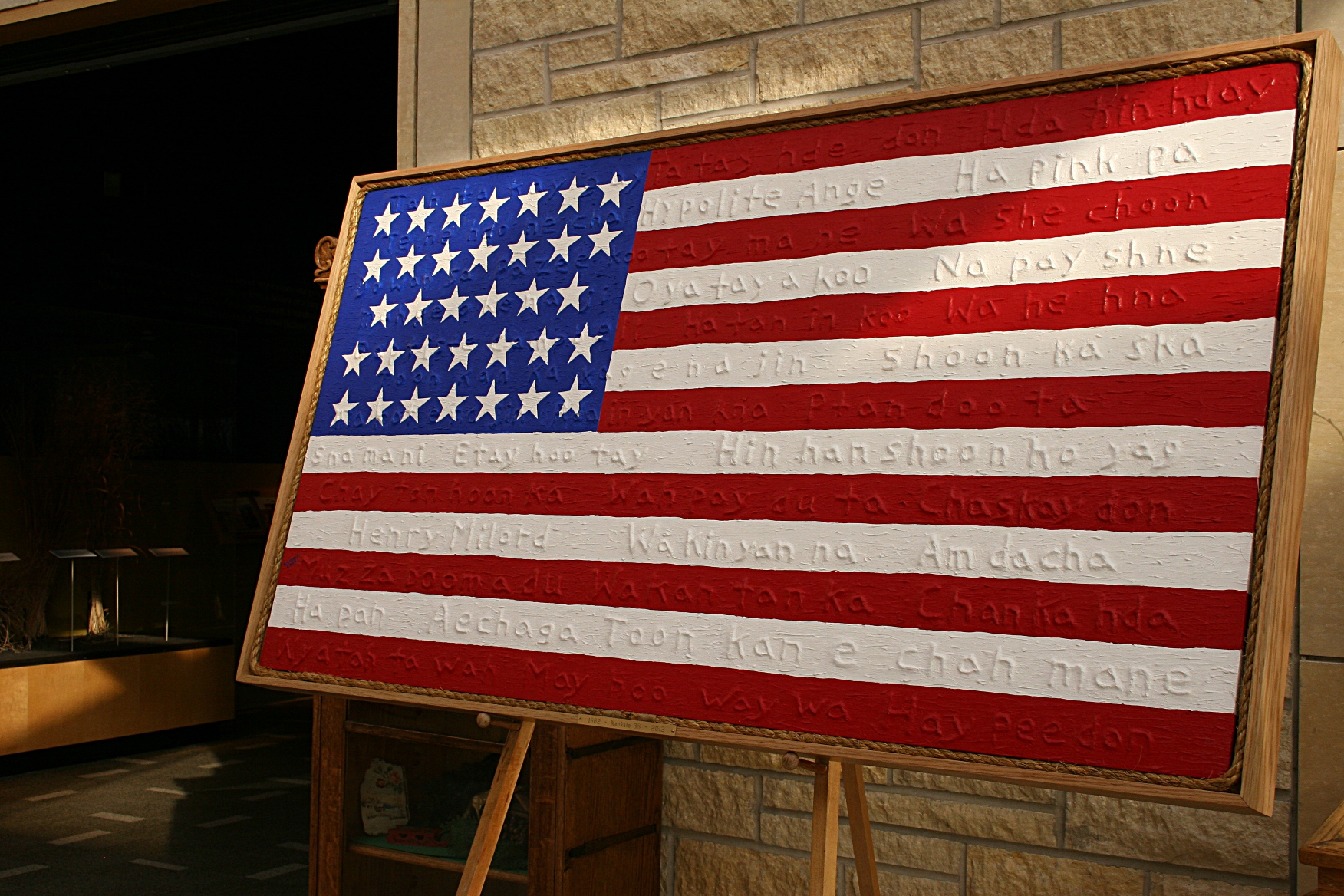
Gordon M. Coons also created this 1862 U.S. flag which features the names of the 38 Dakota who were executed during a mass hanging in Mankato. "...the 38 Dakota are woven into the history of the U.S. and appear to be woven into the flag," information posted with the display at the Traverse des Sioux Treaty Center states.

Gordon M. Coons also created this 1862 U.S. flag which features the names of the 38 Dakota who were executed during a mass hanging in Mankato. “…the 38 Dakota are woven into the history of the U.S. and appear to be woven into the flag,” information posted with the display at the Treaty Site History Center in St. Peter states.

NOTE: I contacted Dr. Chris Mato Nunpa,  retired former associate professor of Indigenous Nations and Dakota Studies who authored the resolution along with other Dakota people and supporters. He declined to comment.

To read the entire resolution adopted by the Minneapolis City Council, click here. The Redwood Falls version varies only in the number of Dakota specified (38+2) and, of course, in the council name stated in the resolution.

The Saint Paul City Council resolution differs from that of the other two cities as the city’s parks and recreation department  is directed to “work with the Dakota Bdote Restoration Consortium to identify, name and interpret sacred Native American sites at and nearby the sacred Bdote…” You can read the entire resolution by clicking here.
© Copyright 2013 Audrey Kletscher Helbling


Rural Minnesota, the place of my heart February 27, 2013

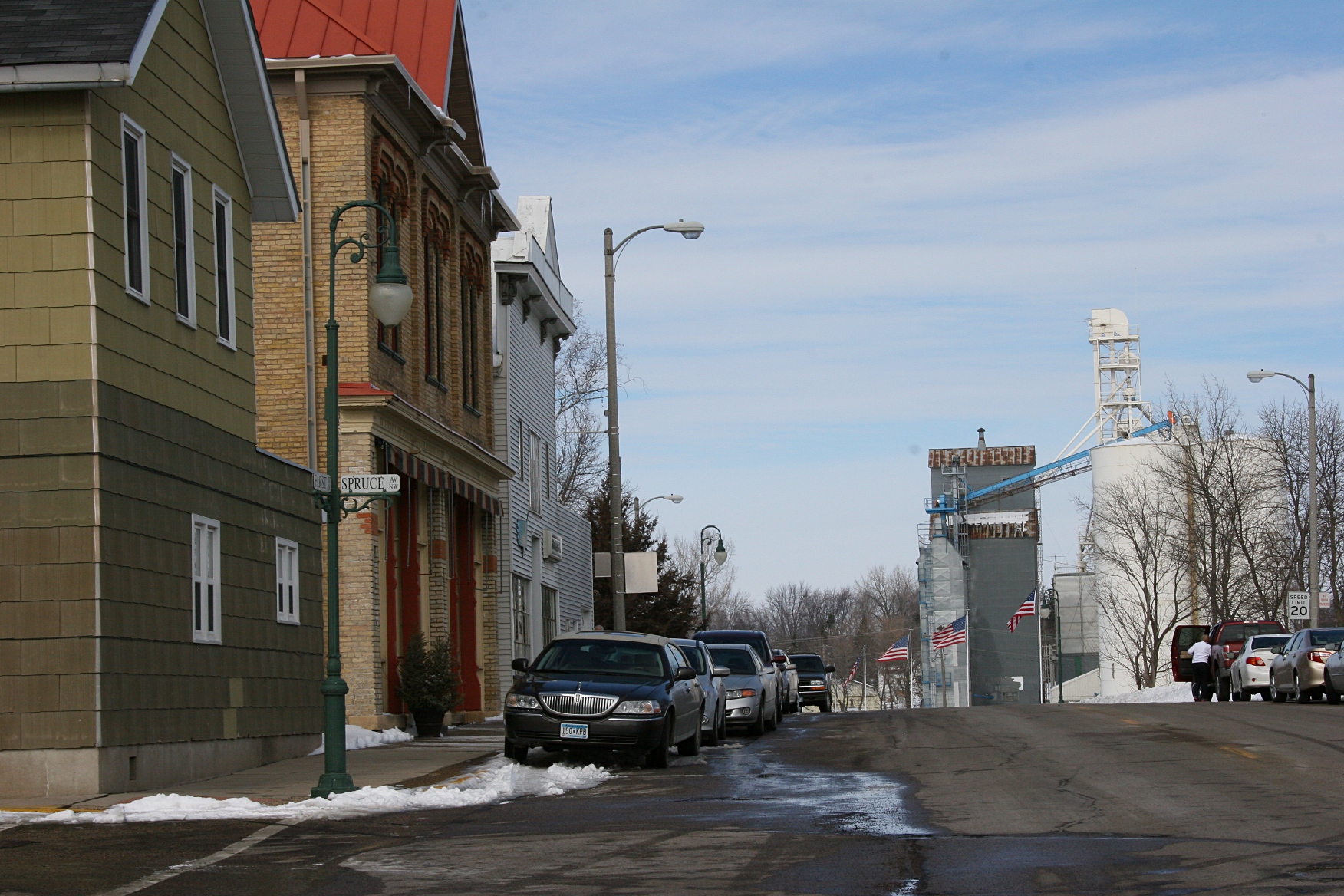
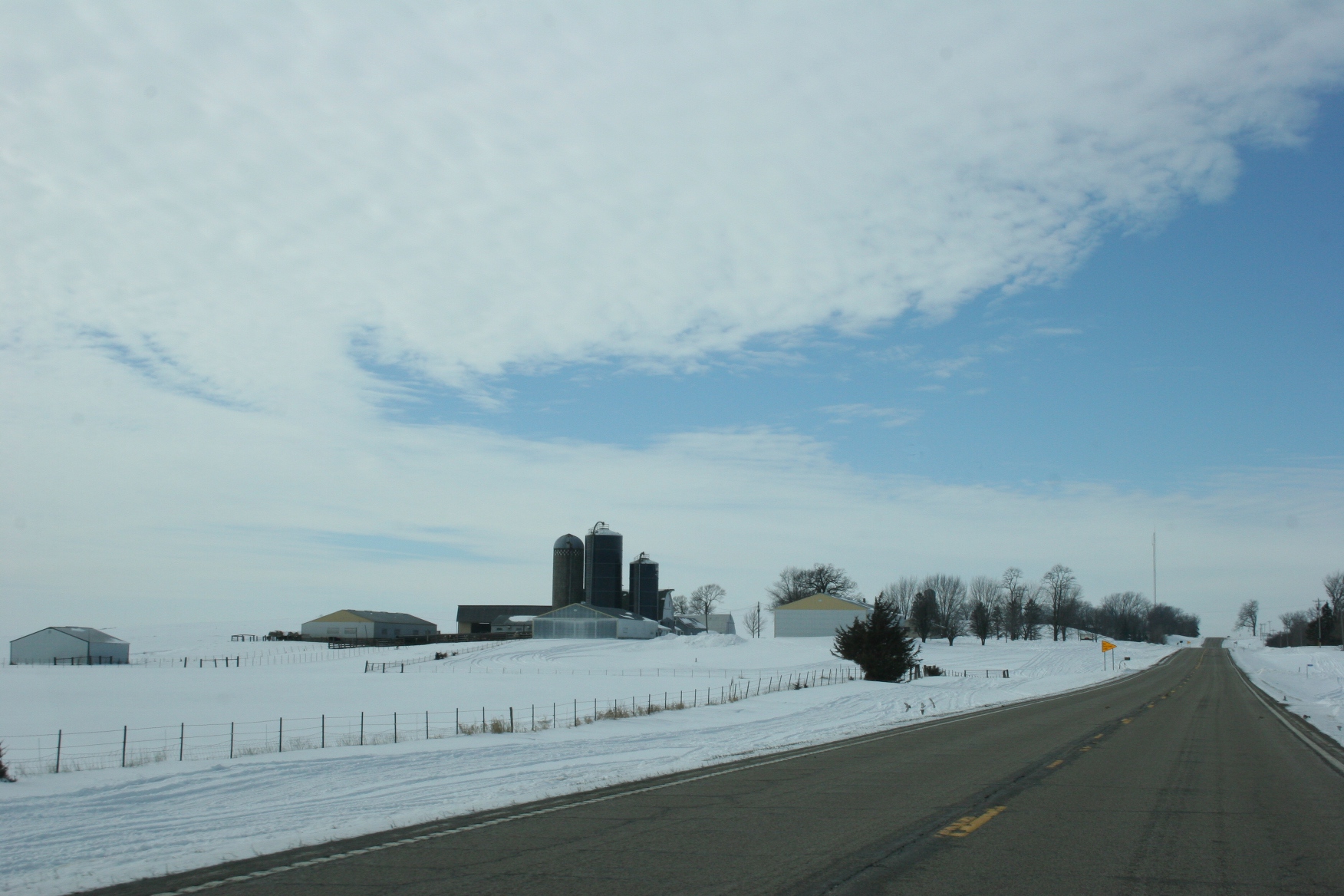
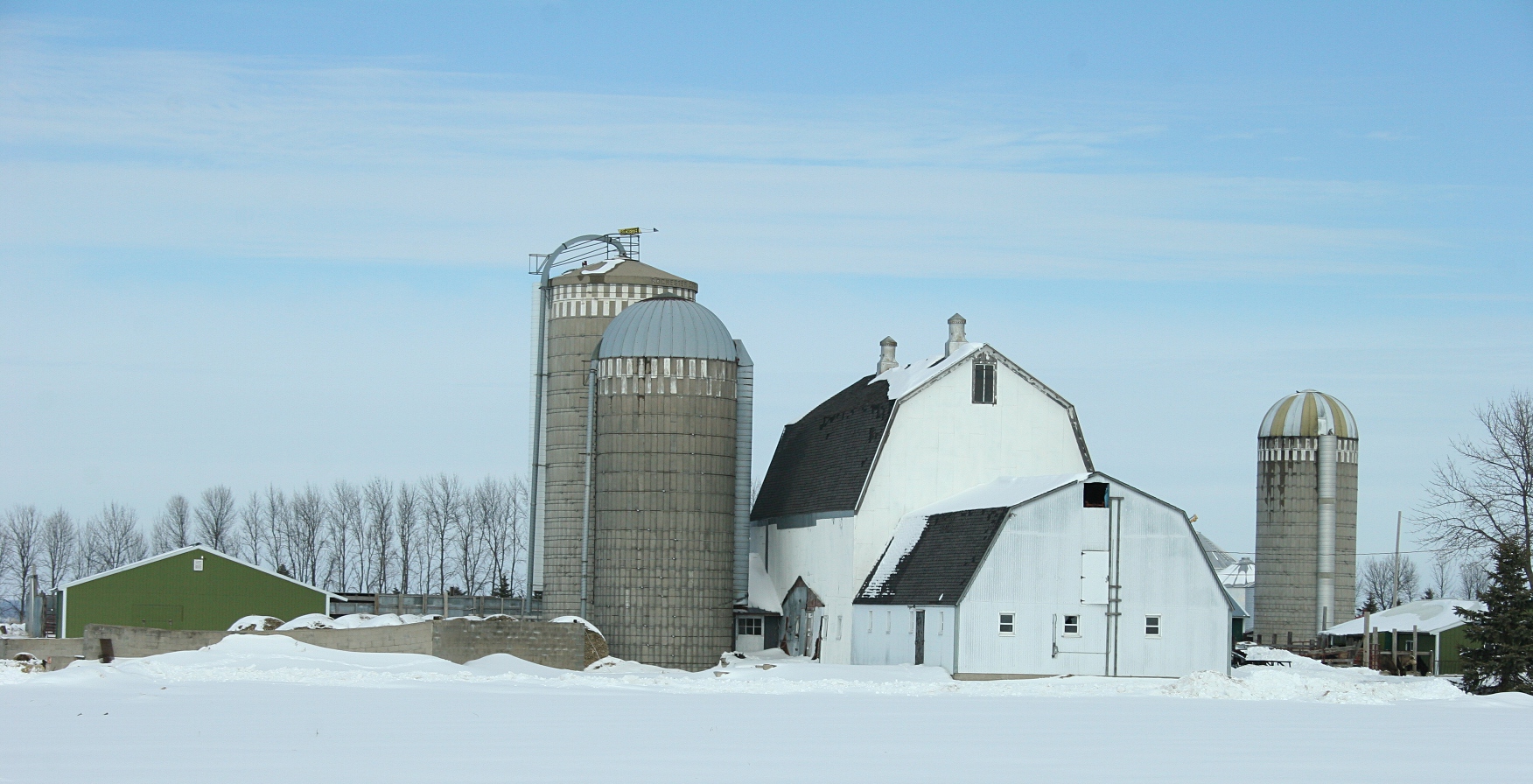
Montgomery, Minnesota, on a Sunday afternoon.

Montgomery, Minnesota, on a Sunday afternoon. That’s the Cannon Valley Co-op over the hill and to the right.

I NEVER TIRE of these snippets of small town life—the instant my eye catches a scene or a setting or a detail.

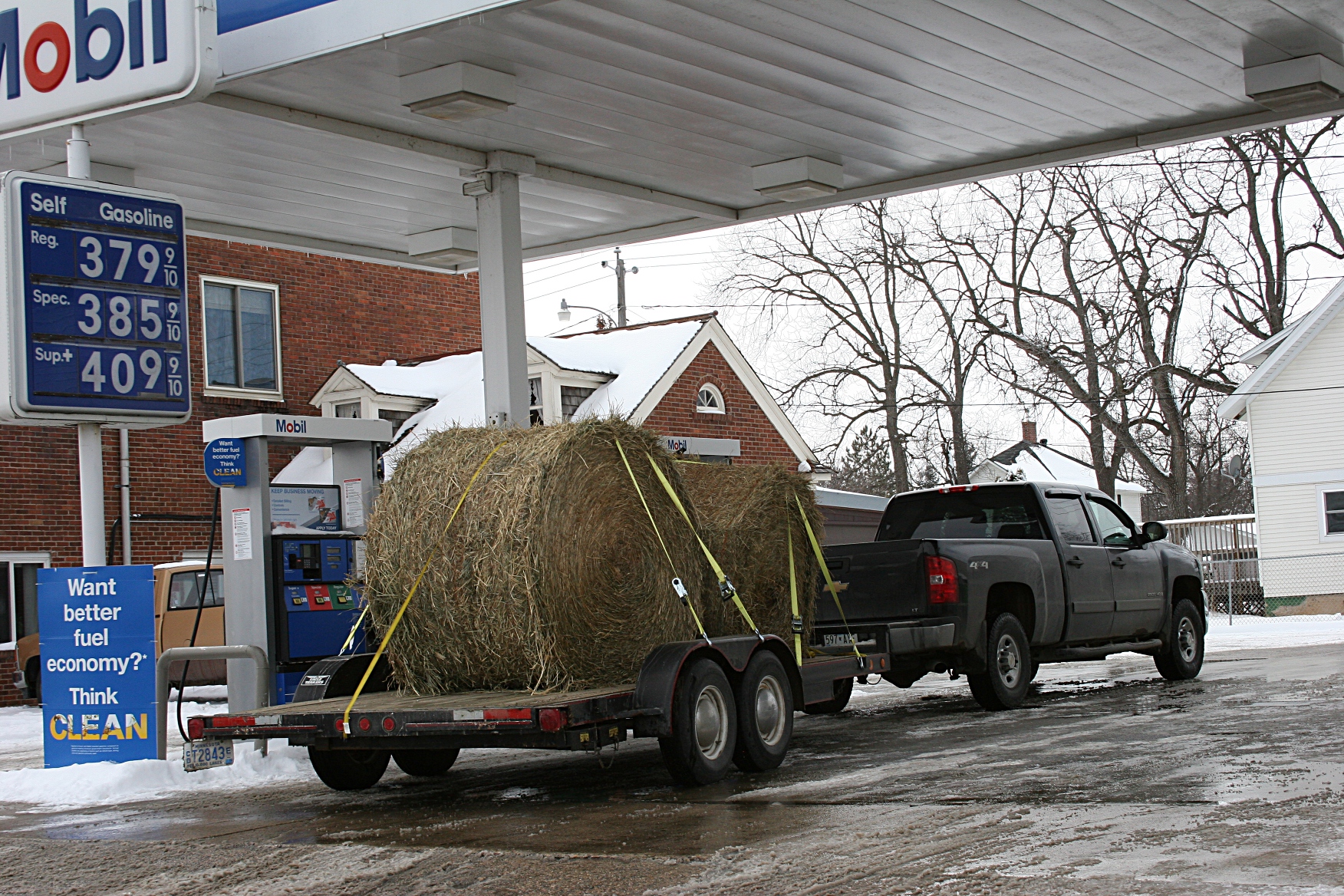
At the Mobil station in Medford on a Saturday afternoon.

At the Mobil station in Medford on a Saturday afternoon.

In those moments my heart sings with thankfulness that I live in a relatively rural region.

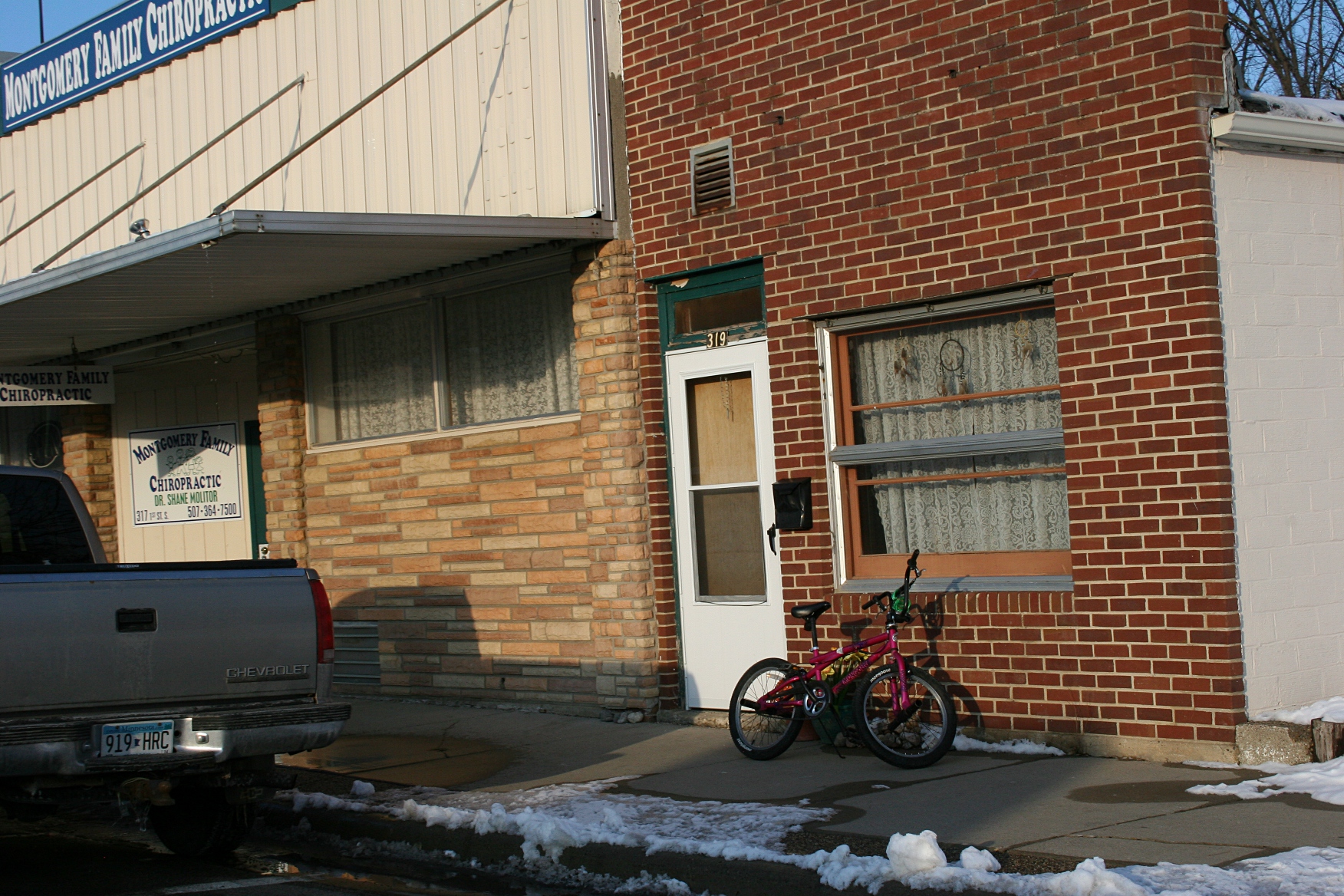
No need for bike racks in Montgomery.

Just drop the bike in downtown Montgomery.

While rural does not equate utopia or a life any less troubled or any more joyful than city life, this land is where I belong.

Just off Minnesota Highway 99 along a curve on Minnesota 21 heading toward Montgomery.

Just off Minnesota Highway 99 along a curve on Minnesota 21 heading toward Montgomery.

Growing up, I felt more comfortable inside a dairy barn than inside my pink-walled bedroom.

Along the same highway...

Along the same highway…

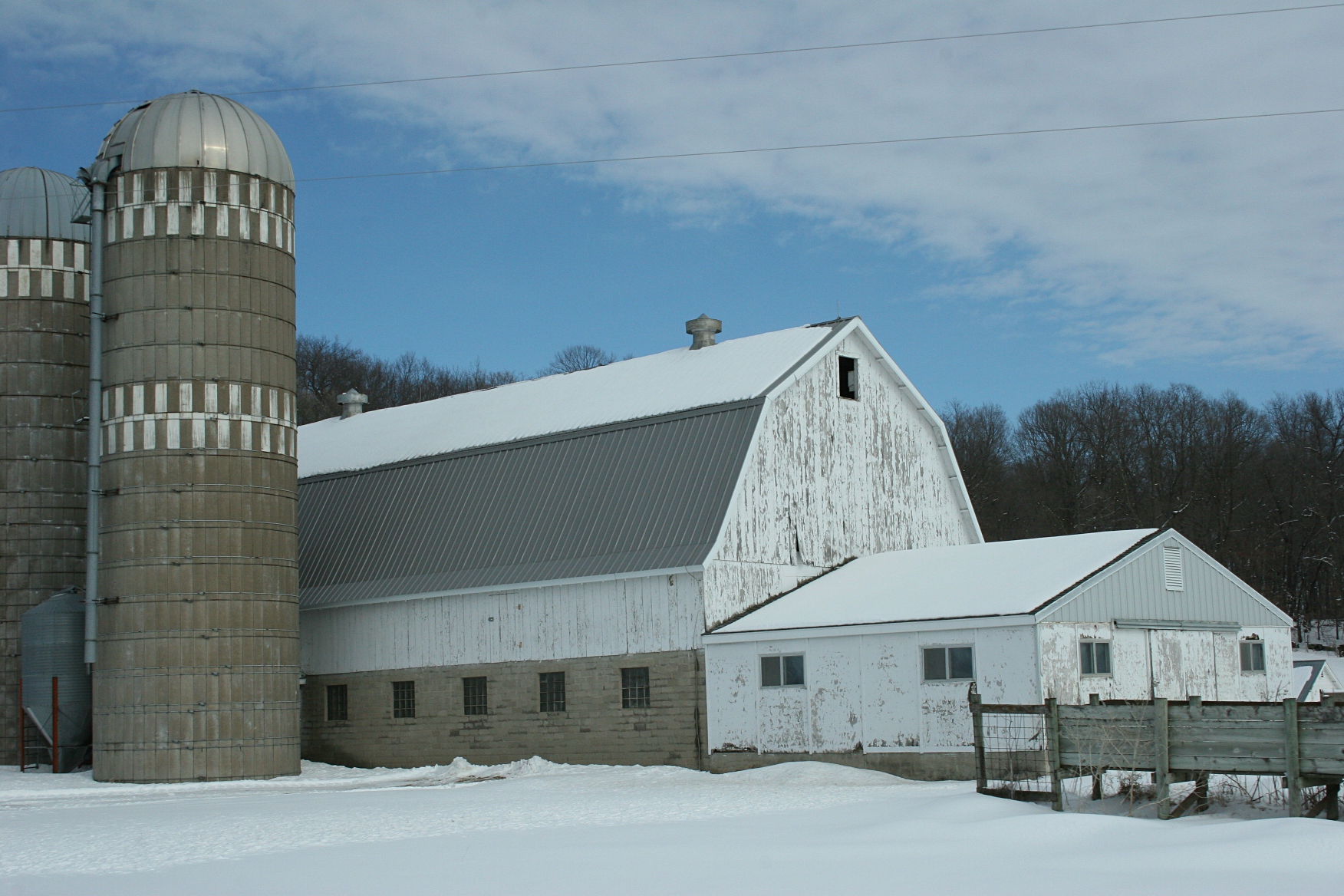
My connection to barns lingers as I’m drawn to photograph these disappearing rural landmarks.

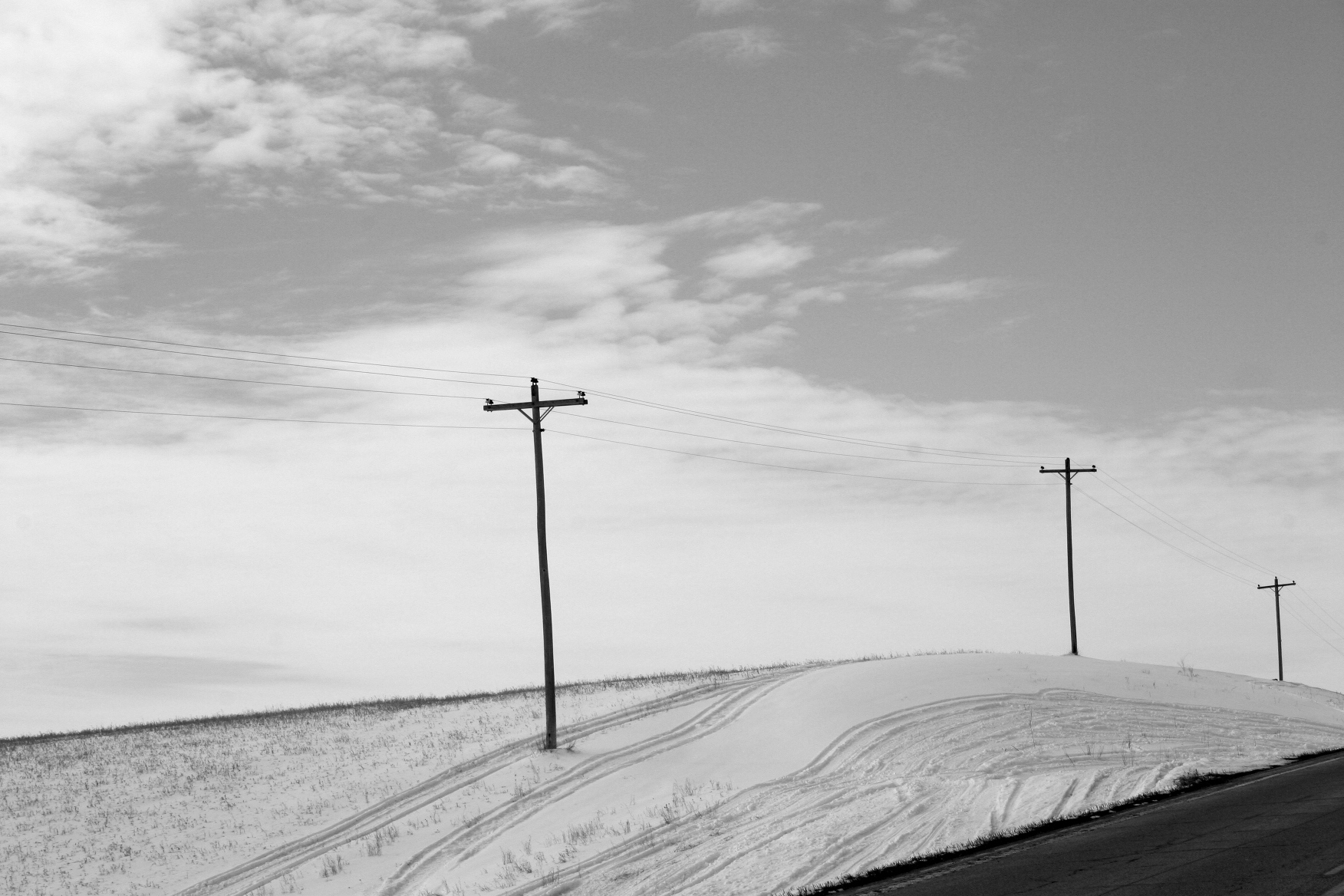
Utility poles break the horizontal landscape along Minnesota 21.

Utility poles break the horizontal landscape along Minnesota 21.

My eyes link with lines, always the lines.

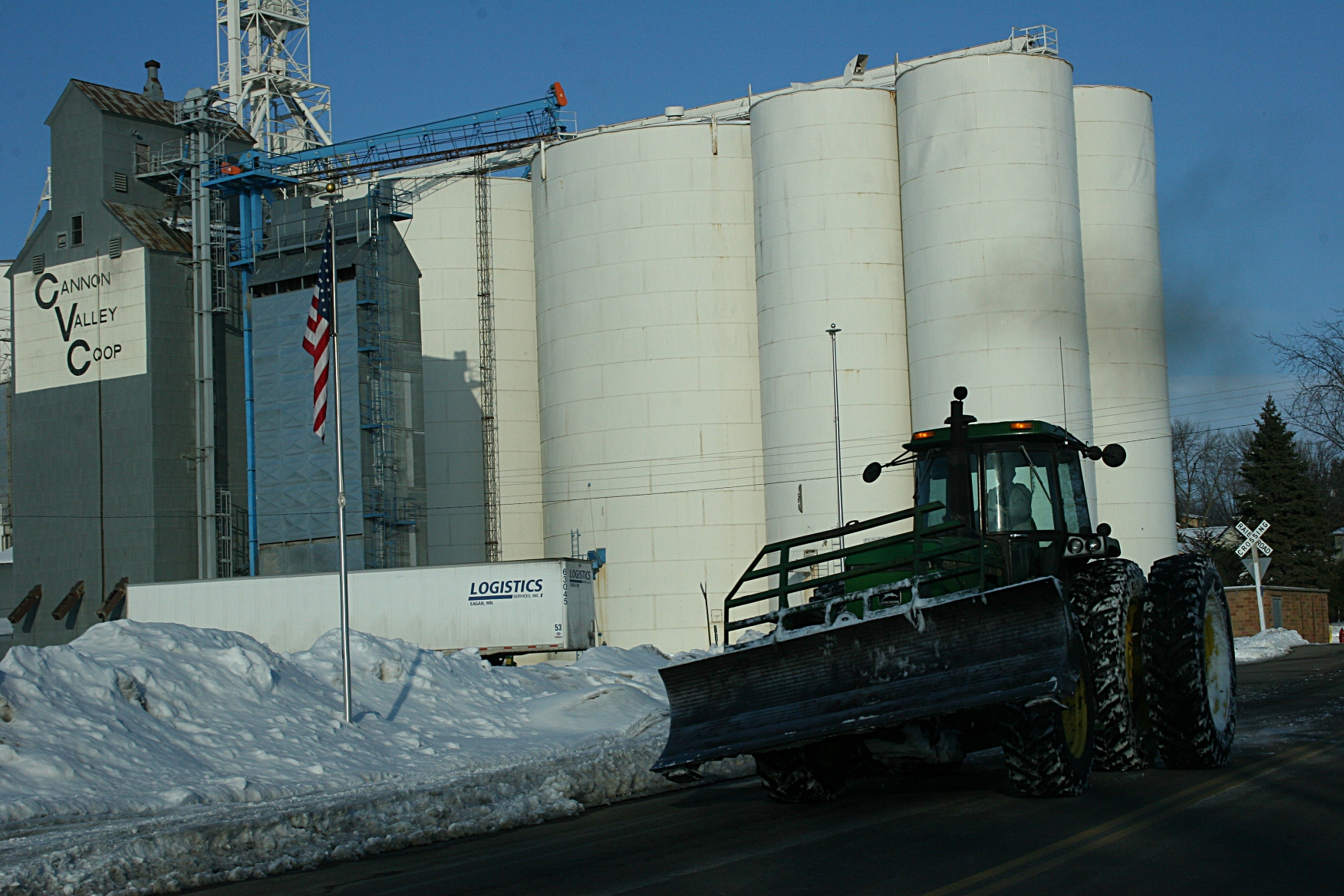
Ready to plow snow in Montgomery.

Ready to plow snow in Montgomery.

I am not a big city lights, traffic jams, hurry here, hurry there kind of girl.

Minnesota State Highway 21 between Shieldsville and Montgomery.

Minnesota State Highway 21 between Shieldsville and Montgomery.

I am a country dark, tractor in the field, meandering Sunday afternoon drive kind of girl.

© Copyright 2013 Audrey Kletscher Helbling


Voting for Minnesota’s most unique high school mascot & insights into other team names in our state February 26, 2013

A gym at Wabasso High School, home of the Rabbits. Minnesota Prairie Roots file photo.

A gym at Wabasso High School, home of the Rabbits. Minnesota Prairie Roots file photo.

MY ALMA MATER, Wabasso High School, has a white rabbit as a mascot. As you would rightly expect, a rabbit does not conjure up an image of athletic prowess. But I do not care. Rabbits reflects the name of the community, Wabasso, a Dakota word, I’m told, meaning “White Rabbit.”
The rabbit mascot also stands out among all the Eagles and Tigers, the most common high school team names in Minnesota, and the country in general, according to Terry Borning, author of MascotDB.com, a free searchable database of team names and mascots. (More on that later.)

Rabbits, though, was not unusual enough to grab the attention of USA TODAY’s High School Sports staff which is sponsoring a competition to find the nation’s most unique high school mascots. Staff chose five mascots from each state and Washington D.C. in the first round of the contest.

Tom Ressler created Blooming Prairie's logo, a black-and-white Awesome Blossom , in 1979.

The Awesome Blossoms logo from the school website.
Now the public will choose their favorites, via online voting, to advance to the second round. One winner from each state and D.C. will move on to regionals and the opportunity to win prizes ranging from $100 to $2,000 for their high school athletic departments.
In the running from Minnesota are the Blooming Prairie Awesome Blossoms, Roosevelt Teddies, Jordan Hubmen, Sauk Centre Mainstreeters and Winona Winhawks.

I’ll admit to a fondness for Blooming Prairie’s Awesome Blossoms, for several reasons. Any school strong enough to sport the name Blossoms deserves to win. Second, Blooming Prairie, a farming community of around 2,000 located 15 miles south of Owatonna, is the smallest of the Minnesota communities vying for this honor. I will always pick the smallest, most rural town and root for the underdog. (Plus, I really like the “Prairie” part of the town’s name.) Third, my second daughter first introduced me to the Blooming Prairie mascot when she was in high school and attended an Awesome Blossoms basketball game with a good friend. It was also the first night she failed to get home at a reasonable hour. Enough said on that.

Apparently, the Blossoms got their name from an area newspaper more than a century ago, according to one source. “Awesome” was later added by locals.

A seen from Main Street in Sauk Centre, home to the Mainstreeters.

A scene from Main Street in Sauk Centre, home to the Mainstreeters. Minnesota Prairie Roots file photo.

Now, if I had to choose my second favorite from the Minnesota five, I’d select the Mainstreeters for the sole reason that I love Sauk Centre native Sinclair Lewis’ satirical book, Main Street.

So there, if this interests you, click here and go online to vote. Voting for the state winners continues through March 5. Those 51 winners then advance to second round regional voting from March 6 -14. Six regional winners then enter the finals March 15-25.

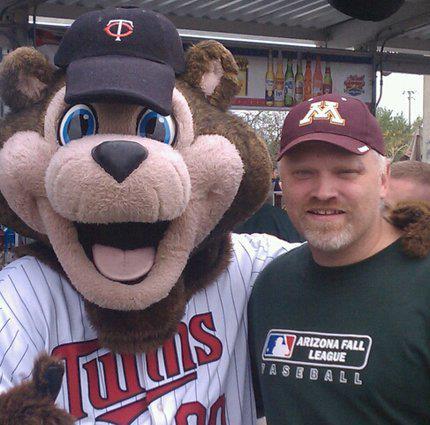
Terry Borning with TC Bear, the Twins mascot.

Terry Borning with TC Bear, the Twins mascot. Borning attended Concordia College in Moorhead, home of the Cobbers.

NOW, LET’S DELVE DEEPER into Minnesota high school mascot names via Terry Borning of the earlier mentioned MascotDB.com. Just a note, Borning, of Billings, Montana, and a computer science adjunct faculty member for an Arizona college, is my cousin. He has 43,799 sports team names and mascots in his database covering U.S. and Canadian high school, college and professional teams, past and present.

Borning’s interest in team names stretches back to high school, when he played nine-man football for the Hendricks Huskies. Hendricks is about as close as you can get to South Dakota in southwestern Minnesota without actually living in our neighboring state.

Hendricks and nearby rival Ivanhoe have since consolidated, becoming the Lincoln H I Rebels. Lincoln references Lincoln County where the schools are located while the “H” and “I,” obviously, stand for the separate communities. Adds Borning: “The UNLV Runnin’ Rebels were a dominant NCAA basketball team at the time the schools consolidated in the early 1990s. The teens of that time considered themselves rebellious, so the moniker fit.”

That led me to ask my cousin how schools choose mascots and to specifically cite examples in Minnesota. He notes the popularity of Vikings here (11 high schools with this mascot) and the once common Warriors and Indians (no longer used), plus names like the Flying Dutchmen, all traced to ethnic heritage.

Agriculture and local industries also factor into names like the Moorhead Spuds, Austin Packers, Bemidji Lumberjacks and Crosby-Ironton Rangers.

Team names can extend, too, from the school’s name such as Lindbergh (Hopkins) Flyers, Robbinsdale Robins, Red Wing Wingers and Burnsville Blaze.

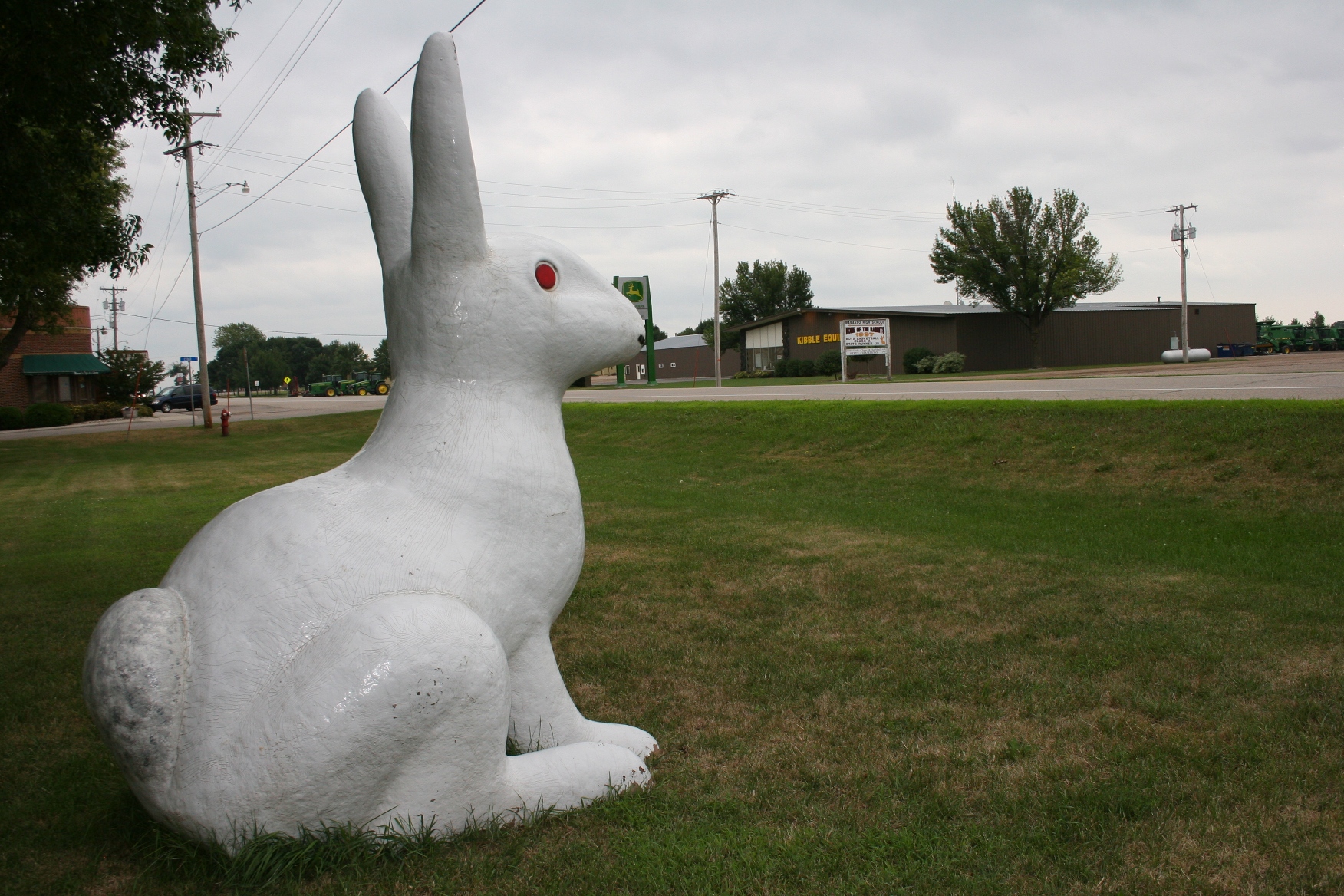
A white rabbit statue sits along Minnesota Highway 68 in Wabasso.

A white rabbit statue sits along Minnesota Highway 68 in Wabasso. Minnesota Prairie Roots file photo.

In the past, animals, such as my beloved Rabbits, were common as mascots.

Recent trends during school consolidations are to forge a new identity such as the Northern Freeze Nordics comprised of students from the small northwestern Minnesota communities of Newfolden, Viking and Holt. (Yes, I had to check a map.)

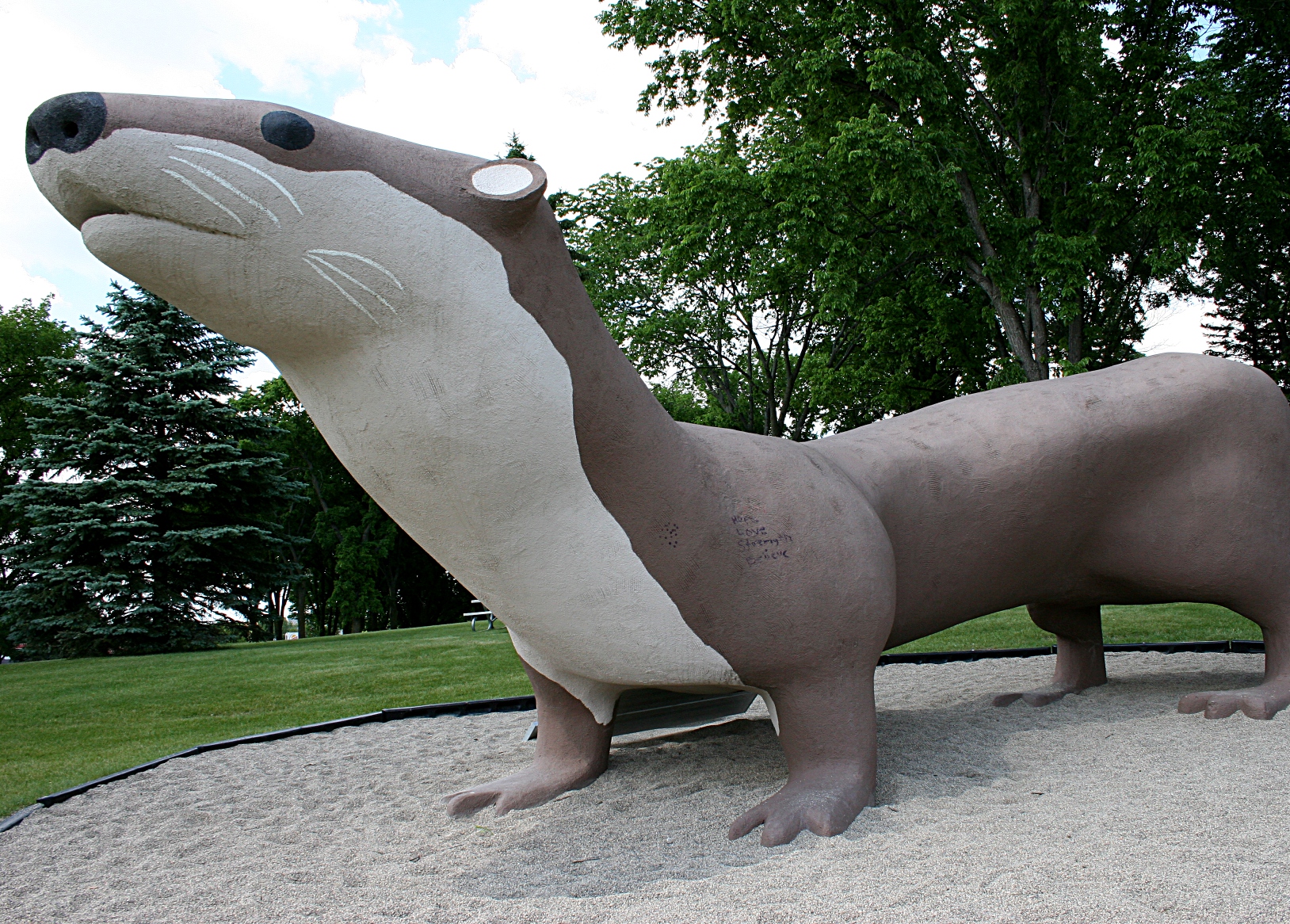
The Otto the otter statue in Adams Park in Fergus Falls. The Otter Tail River runs through this city where the Fergus Falls High School mascot is the otter.

The Otto the otter statue in Adams Park in Fergus Falls. The Otter Tail River runs through this city where the Fergus Falls High School mascot is the Otters. Minnesota Prairie Roots file photo.

Naturally, I wanted to know what mascots Borning might have selected for that USA TODAY contest had he been given the opportunity. He suggests these stand-out Minnesota names: Moorhead Spuds, Esko Eskomos, Thief River Falls Prowlers, Edgerton Flying Dutchmen, Two Harbors Agates, Grand Meadow Superlarks, McGregor Mercuries, Mahtomedi Zephyrs, Blackduck Drakes, Fergus Falls Otters and Barnum Bombers.

Just reviewing that list, I can see the connections between many of the mascots and their respective communities.

Borning also points out some unique Minnesota team names that have been lost to history such as the Jasper Quartziters, Tyler Danes, Walnut Grove Loggers, Granite Falls Kilowatts, Hendricks Midgets, Tracy Scrappers and Freeborn Yeomen.

I photographed this logo a year ago at Randolph Public Schools, home of the Rockets.

I photographed this logo a year ago at Randolph Public Schools, home of the Rockets.

Finding information on past high school sports team names has proven challenging for Borning, so he continues to research information for MascotDB, the only searchable online database of U.S. and Canadian high school, college and professional team names/mascots. “Reading up and discussing great and interesting team nicknames and mascots has always been a fun pastime for me,” he says. That led him to develop MascotDB.

Given the sheer amount of research he’s done, my cousin was able to tell me that only three U.S. high schools have Rabbits (not to be confused with Jackrabbits) as their mascots. Those are in Atlanta, Texas; Delta, Utah; and Wabasso, Minnesota.

Go, Rabbits.

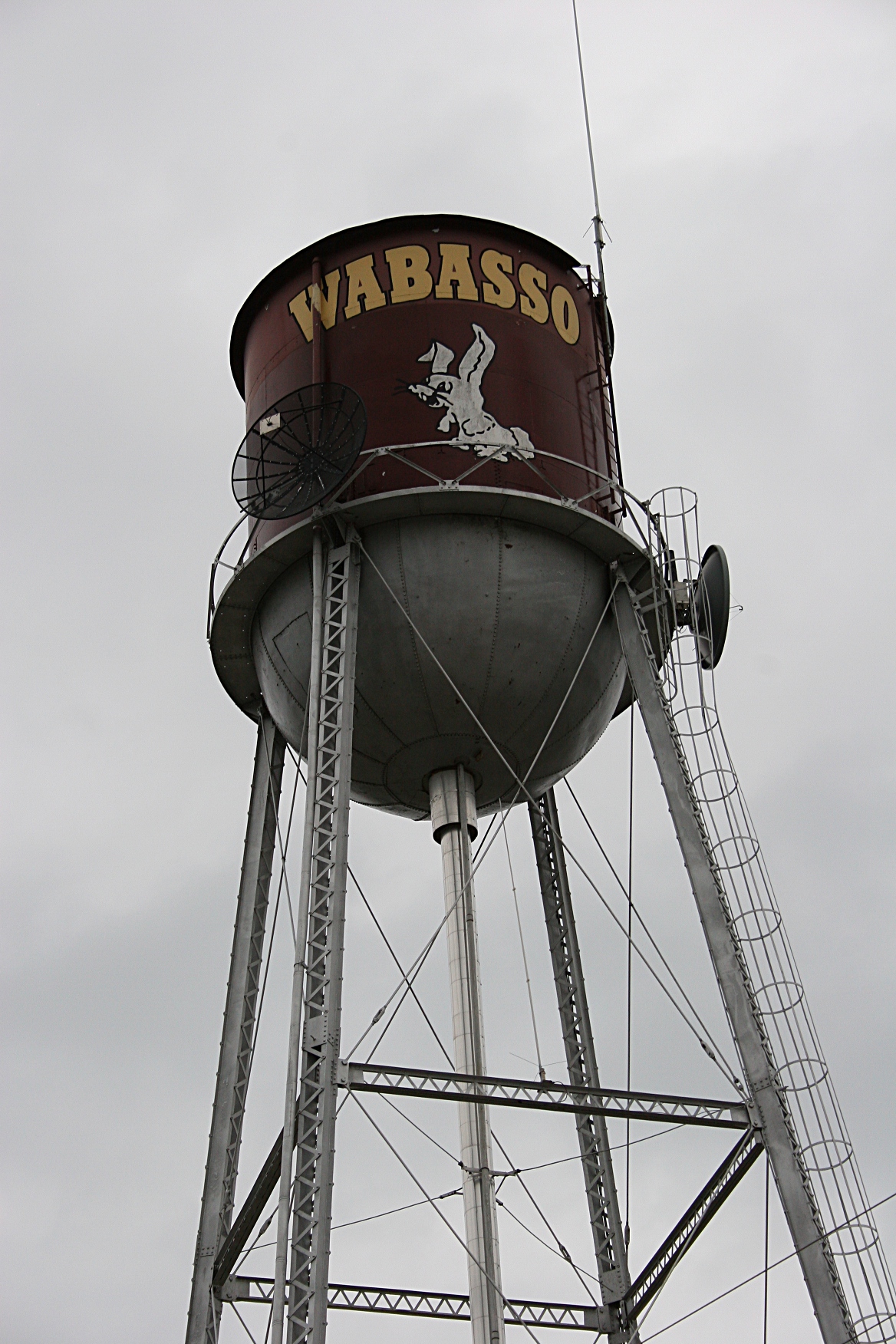
A water tower in Wabasso sports the school's mascot, a white rabbit. Minnesota Prairie Roots file photo.

A water tower in Wabasso sports the school’s mascot, a white rabbit. Minnesota Prairie Roots file photo.

FYI: Click here to visit MascotDB.

Borning also welcomes information and questions about sports’ names/mascots. Contact him at info at mascotdb.com

Also, click here to learn more about the origin of the Rabbits mascot at my alma mater.

© Copyright 2013 Audrey Kletscher Helbling


U of M study on teen texting and driving targets rural Minnesota February 25, 2013

WE’VE ALL HEARD the warnings about texting and driving. You’ve likely even spotted someone texting and driving. I haven’t.

Interstate 94 sometimes seems to run right into the sky as you drive west.

Interstate 94 in western Minnesota. Minnesota Prairie Roots file photo.

But a brother-in-law, who is a trucker, recently shared a story about watching a young woman lose control of her car along Interstate 94 in western Minnesota while texting. Somehow she managed to keep her car on the road and avoid a crash. My brother-in-law claims the incident happened so fast that the driver never took her eyes off her cell phone.

Stories like that scare me.

Now researchers at the University of Minnesota’s Intelligent Transportation Systems (ITS) Institute are undertaking a study of young drivers and texting practices in 18 Minnesota communities, most of them rural and Faribault among them.

I first learned of the study in a news brief published in the Faribault Daily News soliciting 20 newly-licensed 16-year-olds from the Faribault area to participate in the year-long study. Intrigued, I contacted Nichole L. Morris, a research associate in the U of M’s HumanFIRST program in the ITS Institute. She is working on this project, funded by the ITS Institute and the Minnesota Department of Transportation, along with a team of researchers.

My phone, not a smart phone, but with an important message.

My phone, not a smart phone, but with an important message.

The 300 teens selected for the study will be equipped with smartphones to collect and transmit driving data in real-time for their first full year of independent driving. Researchers will collect data until May 2104 with group data reported to MnDOT and then made public in early 2015.

“These results will hopefully shed light on what areas are most problematic for teen drivers, what can be done with our technology to improve the safety of teen drivers and what changes, if any, should be implemented to our teen driver laws to prevent more teen driving fatalities,” Morris says.

Eighty percent of teen fatal crashes occur in rural areas, Morris says, explaining why the project is targeting 18 mostly rural Minnesota communities. Faribault was selected for the study because of its population and low commuting rate. She declined to name the other 17 communities or any hypotheses to avoid adding bias to the study.

But, says Morris, “My hope is that we find some key answers to reduce crash and fatalities for teen drivers in Minnesota and nationwide. This is such an important issue because traffic crashes are the leading cause of fatalities for teens. The rate at which we lose our sons and daughters on the road is unacceptable and it is a charge to all citizens to help to become the solution to this problem.”

The passion Morris, who holds a Ph.D. in Human Factors Psychology, possesses for this project is palpable. “It is an exciting opportunity for parents and teens to be a part of the solution to end teen traffic fatalities.”

Eighteen communities in rural Minnesota are included in the teen texting and driving study.

The study is targeting rural Minnesota. Minnesota Prairie Roots file photo.

As of Friday morning, 216 Minnesota teens from the selected communities had been recruited for the study. About 10 more are needed from the Faribault area.

To apply, a teen must be 16 years of age, currently have a driver’s permit, receive provisional licensure between now and April 30, start the study within a month of getting licensed, drive at least 2-4 times a week, have no physical limitations that prevent driving and have parental permission.

Qualifying teens should contact Morris via phone at 612-624-4614 or email at nlmorris@umn.edu

Besides offering teens an opportunity to help find solutions to teen traffic fatalities, the project is also paying a $25 monthly incentive ($300 to be paid at the end of the year-long study) and providing smartphones with free monthly data, text and talk plans for a year.

© Copyright 2013 Audrey Kletscher Helbling


Sunday sunset February 24, 2013

Filed under: Uncategorized — Audrey Kletscher Helbling @ 7:39 PM
Tags: , , , , , , , ,

ON THE WAY HOME from Montgomery, Minnesota, not Alabama, late this afternoon, the sun danced with the clouds:

Sunset - Copy

Copyright 2013 Audrey Kletscher Helbling