Minnesota Prairie Roots

Writing and photography by Audrey Kletscher Helbling

My latest art-at-a-bargain find from the Salvation Army August 7, 2011

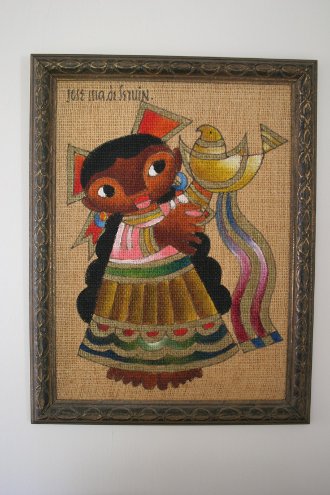
My Jose Maria de Servin painting.

WHAT’S YOUR PREFERENCE in art?

Do you shop for mass-produced art at a big box retailer?

Or are you the gallery type, purchasing one-of-a-kind fine art?

Maybe you shop flea markets, rummage sales or thrift stores for hand-crafted or vintage art.

Perhaps you’re artistic enough to create your own art to hang in your home or workplace.

If you know me as well as I expect you may from following Minnesota Prairie Roots, you would rightly guess that I prefer to find one-of-a-kind art at a bargain by shopping second-hand. Notice that I didn’t say bargain art. I said art at a bargain. There’s a difference.

My collection includes original paintings by hobbyist painters, prints by unknown artists, embroidered pieces by someone’s grandma… I’ve purchased most at unbelievably low prices—try 50 cents or $3.

Through the years I’ve even acquired an original Jose Maria de Servin painting and a vintage print of South Dakota artist Harvey Dunn’s  “The Prairie is My Garden” at steal prices. Both times I had no idea what I was purchasing. I simply liked the art.

That’s the thing with me and art. I buy a piece of art not as an investment, but because I like it.

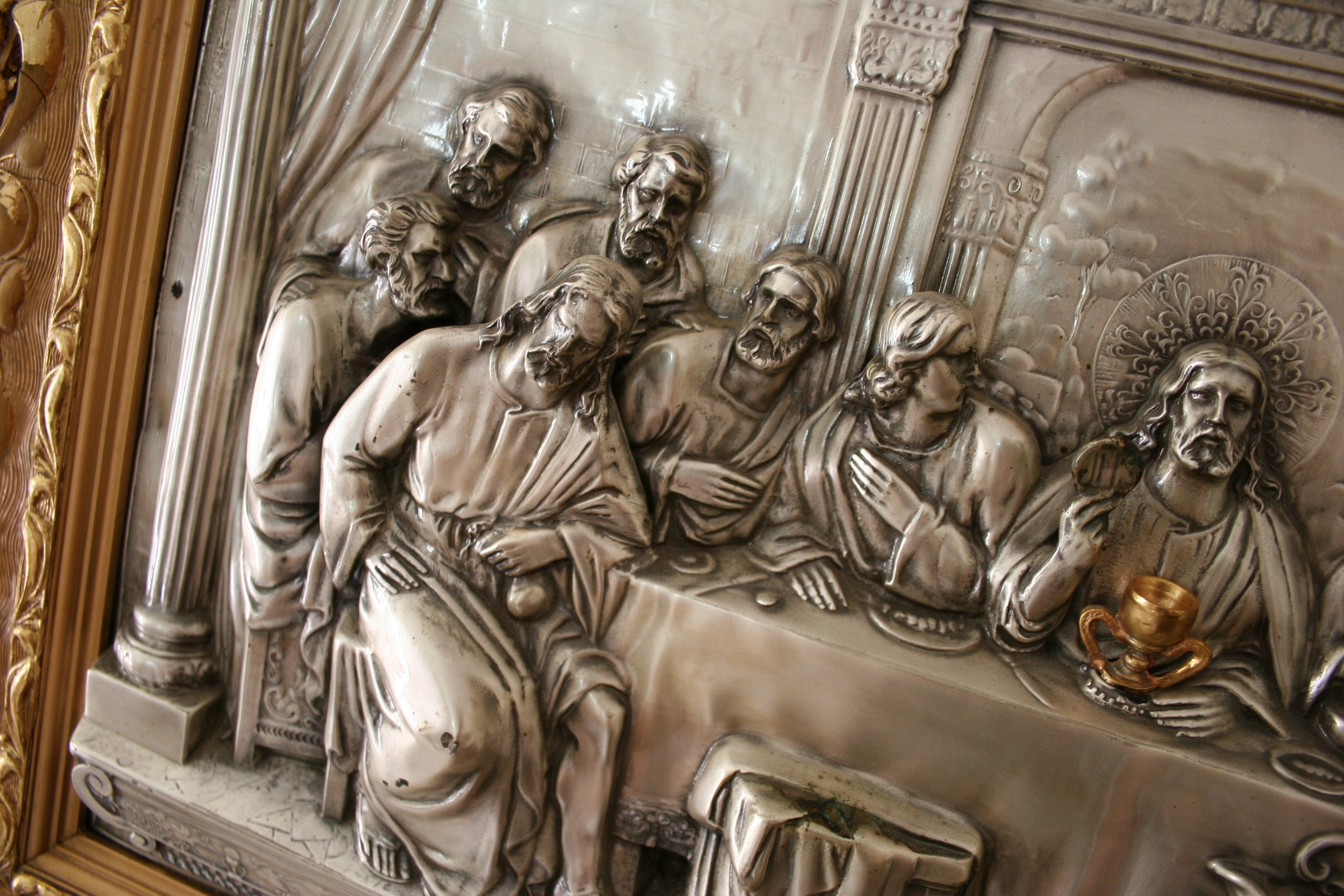
That said, I recently picked up a three-dimensional rendition of  “The Last Supper” at the Salvation Army Store in Faribault. I debated whether I should pay $14 for the made-in-Spain art. In fact, I set the 24 x 17-inch piece down twice before watching another woman pick up and admire it. At that precise moment I decided I really wanted the unique art. I had to restrain my urge to run over and snatch it up after she set it back on the shelf. I waited until she was well out of grabbing range.

The Last Supper three-dimensional art I bought at The Salvation Army Store.

Later, the woman stood behind me in the check-out line and told me how she wished she had “The Last Supper” I clenched in my hands. “Then I saw you pick it up,” she said.

I responded with a seemingly casual remark: “Yeah, if you see something you think you might buy, you shouldn’t set it down…”

HOW ABOUT YOU? Where do you shop for art and what deals have you found?

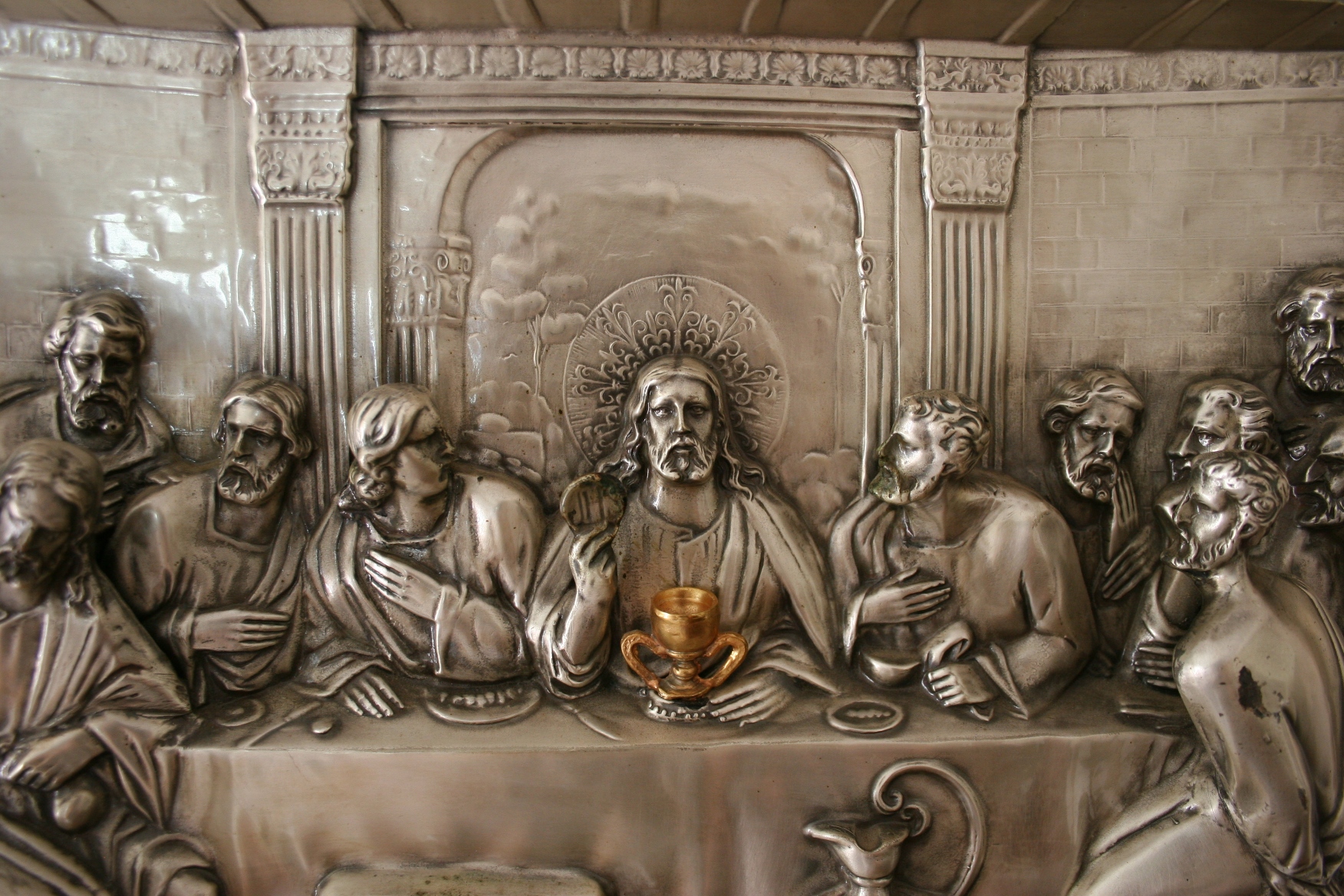
Close up with Christ and the disciples at The Last Supper.

I hung the three-dimensional The Last Supper in my dining room.

© Copyright 2011 Audrey Kletscher Helbling


Guess the pig’s weight and other farm stories from New Richland July 29, 2011

VENTURE INTO RURAL MINNESOTA—and we’re talking the small farming communities here, not what metro folks call “Greater Minnesota” or “outstate Minnesota”—and you’ll connect to our state’s agrarian roots in some interesting ways.

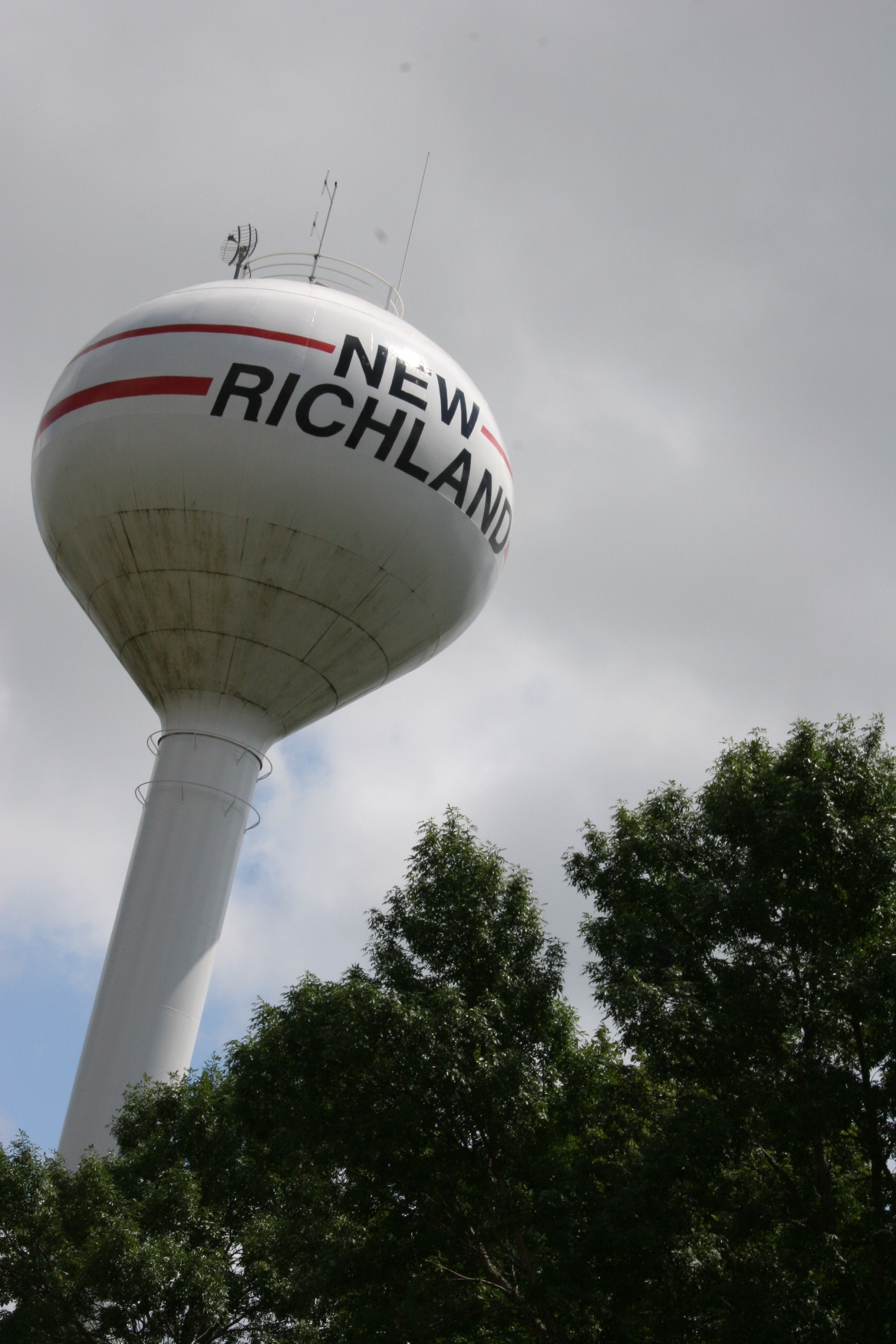
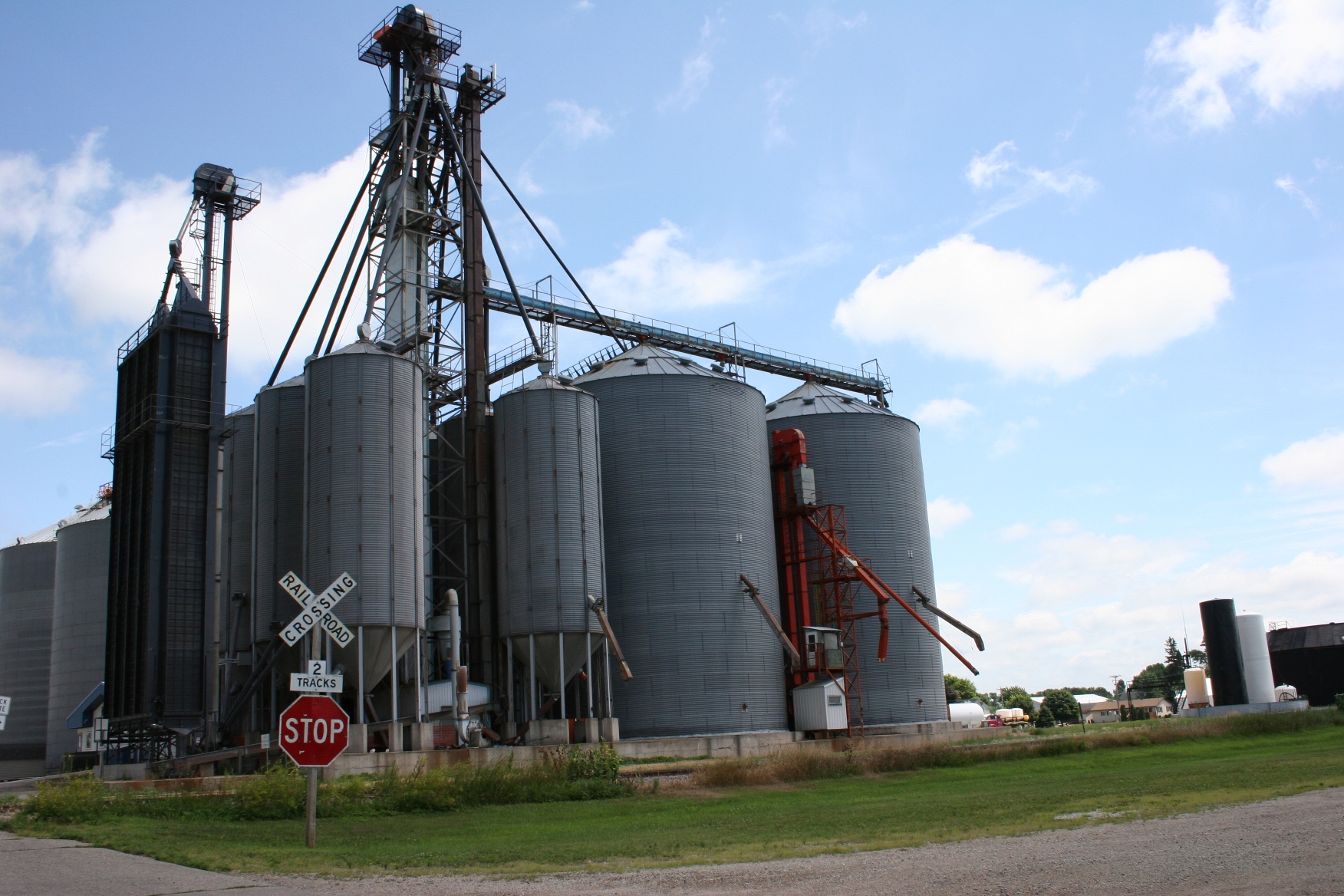
Take New Richland, for example, a town of 1,200 in southeastern Waseca County. Drive into town and you’ll see the usual grain bins and elevator and other farm-related businesses you would expect in an agricultural community.

A cluster of grain bins in the heart of New Richland.

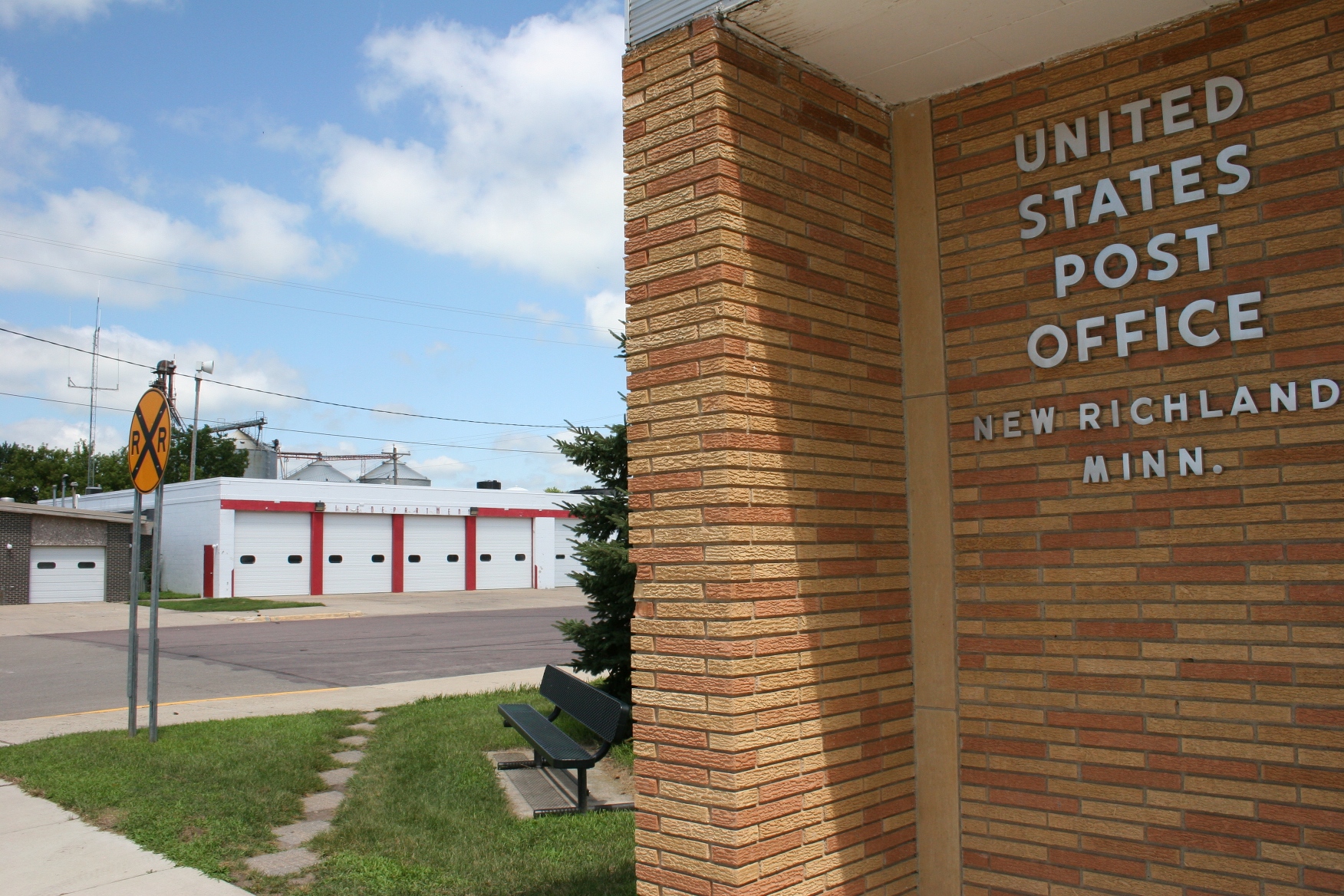
But then explore a little more and you’ll discover just how much this town values its agricultural heritage. Take the post office. Peek around the corner…

A corner of the New Richland Post Office. Note the grain bins a few blocks away.

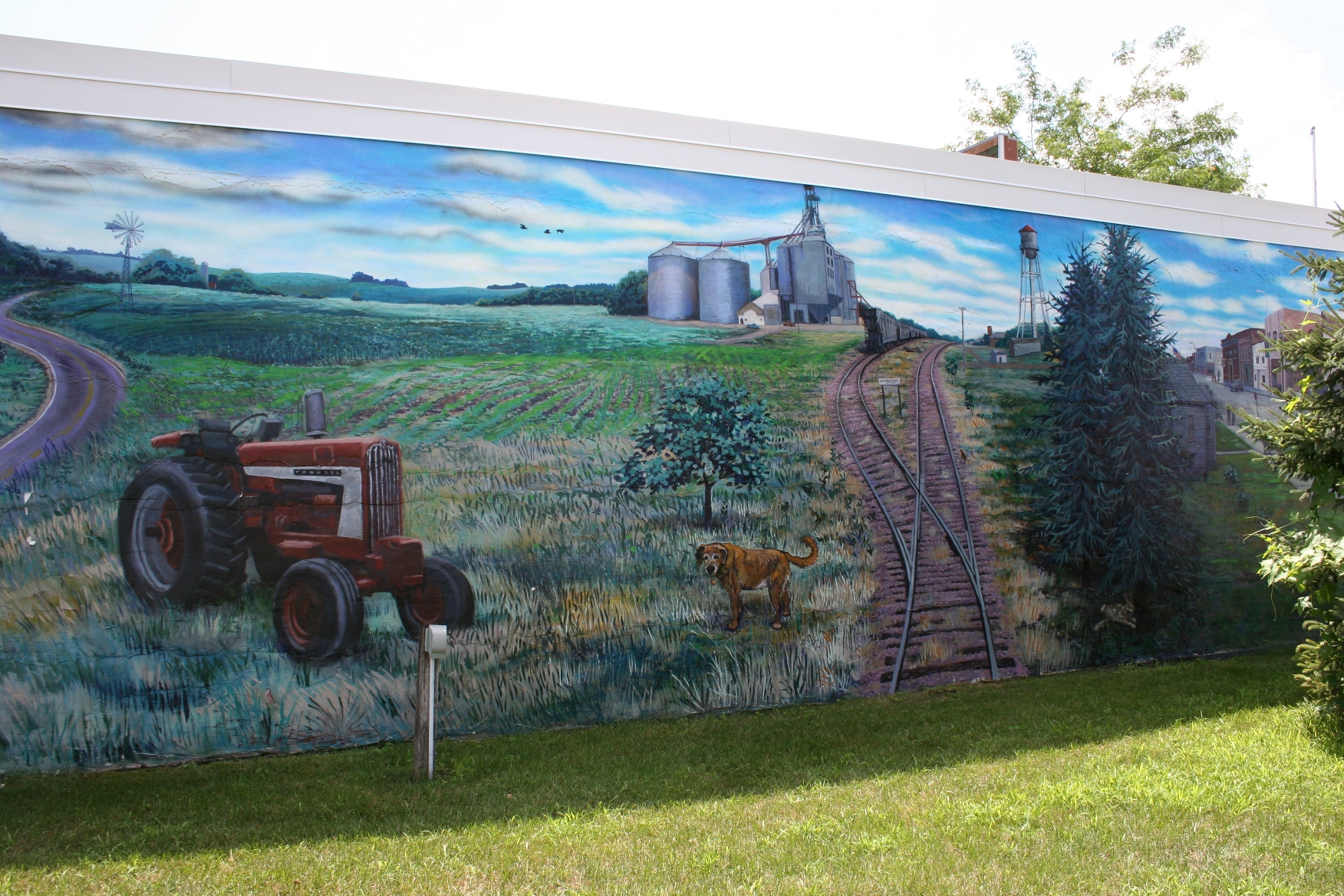
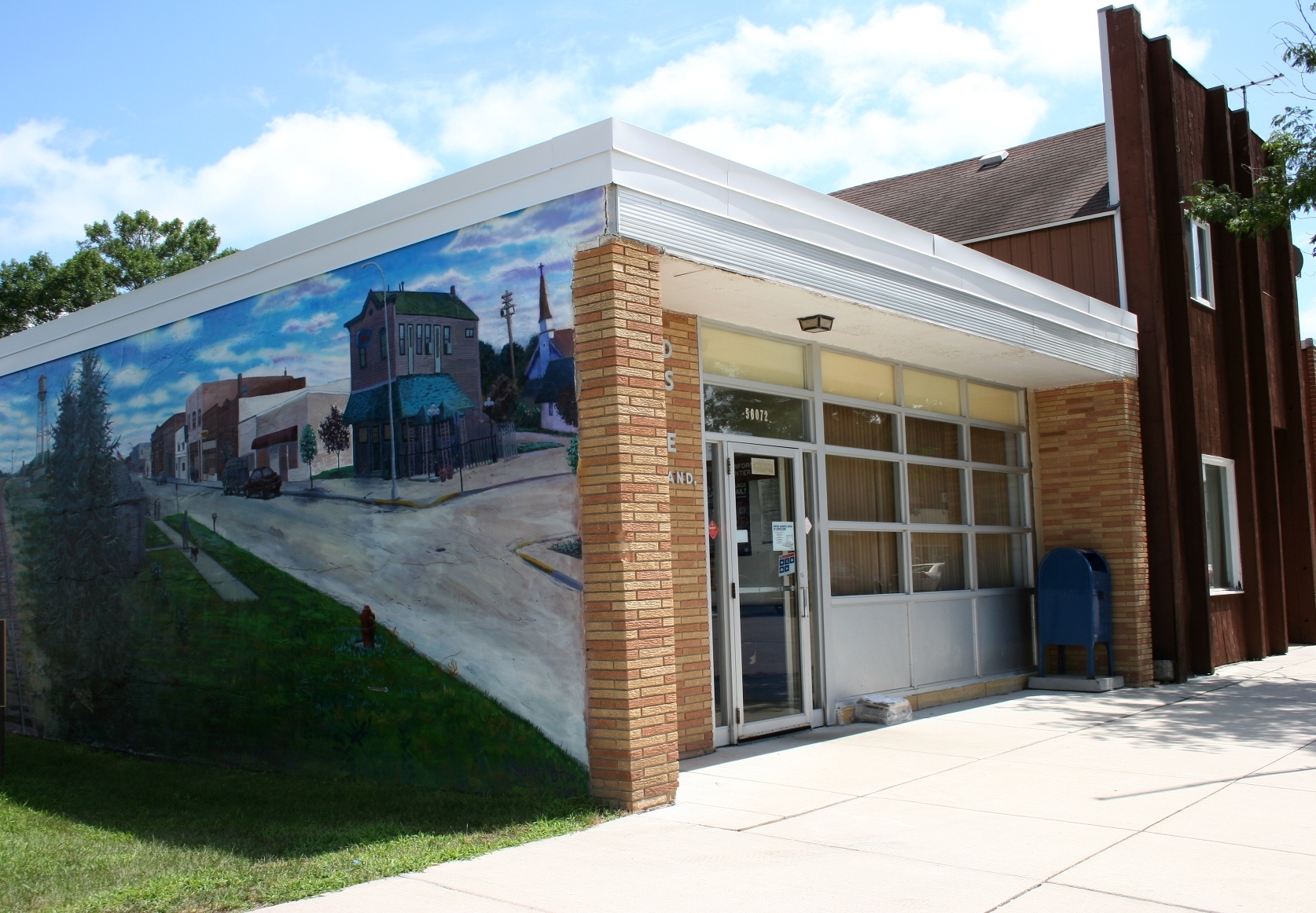
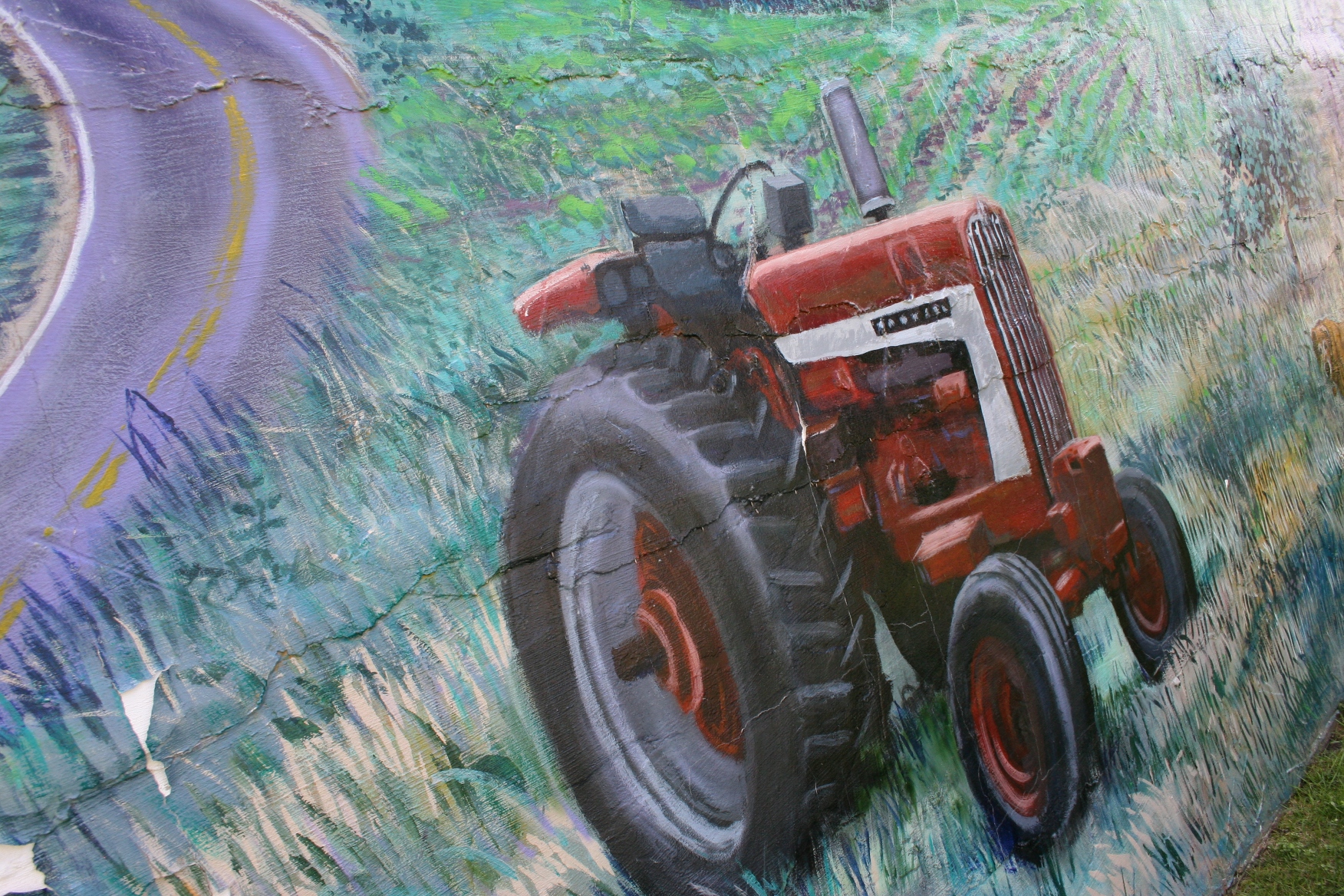
Around the post office corner you'll find this mural which reflects the connection between city and country.

A snippet of the country portion of the mural. I wonder how the artist decided what type of tractor to feature?

Country connects to city in this detailed mural.

and you’ll find a mural depicting farm and city.

Now I’ve seen many a mural in my day, and I’d rate this as among the best. I wish I knew who to credit for this detailed artwork that draws the eye along the winding country road, down the train tracks to the grain elevator or along city streets to downtown. But I couldn’t find any information about the mural in a quick online search.

However, I did learn more about New Richland and the pride this community takes in its agricultural roots. Just a few weeks ago the town celebrated its 28th annual Farm & City Days. Events included the usual parade, street dance, bingo, antique car show, medallion hunt and such.

But I found a few activities that definitely say country through and through.

Teams of two competed in the  second annual Chore Boy Race. (Just for the record, girls can participate, too; the winners were Molly Flor and Brandon Mullenbach). Anyway, it’s a contest that involves eggs, milk, hay, grain and wheelbarrows. You can learn more about the competition by clicking here and reading this story in the local newspaper, The Star Eagle.

I found a Chore Boy Race contestant application online and one Farm & City Days Facebook page photo and these rules (some in boldface):  “You must wear all your chore clothes at all times. This includes but is not limited to Boots, Hat, Bibs & Gloves.”

OK then, got that?

If you’d rather use your brain than your brawn, Farm & City Days offers a “Guess the weight of the pig” contest at $1 a guess. The person with the closest guess wins the pig and processing at Morgan’s Meat Market. This year two entrants correctly guessed the exact weight of 208 pounds and agreed to split the hog, according to the Farm & City Days Facebook page.

If you didn’t win the pig, you could still eat pork by buying a pork sandwich meal from the Waseca County Pork Producers at the city park.

Two other agricultural-themed activities included a kids’ tractor pull and a Farm vs. City 3-person Scramble at a golf course.

I’m disappointed I missed Farm & City Days because it sounds like one heckuva good time, as small-town celebrations typically are. But I wouldn’t even have known about this annual farm-city event if I hadn’t been poking around New Richland last Sunday, spotted that mural on the side of the post office and then gone online to learn more about it, which I didn’t, but I did.

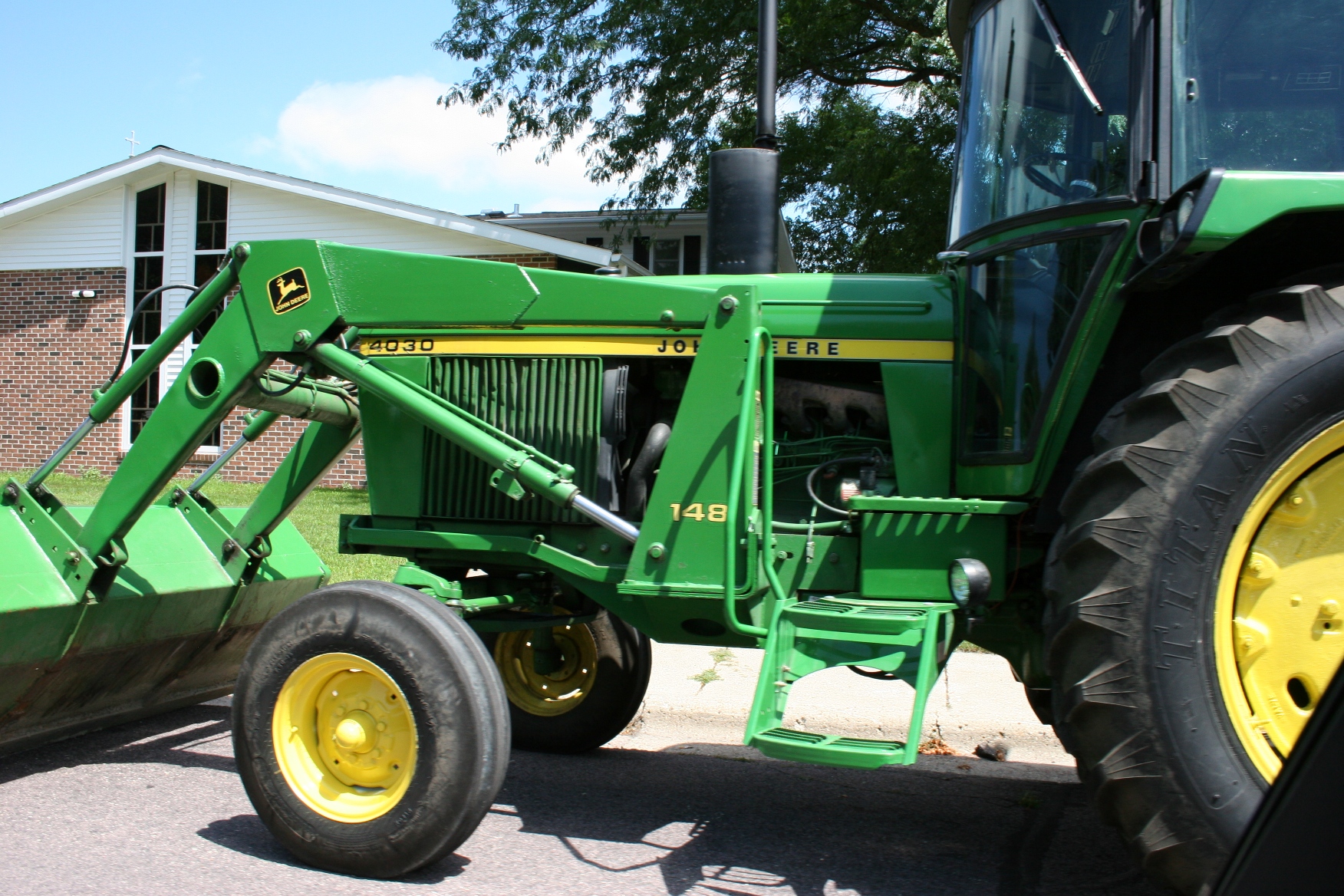
This John Deere tractor was parked outside the funeral home in New Richland on Sunday afternoon.

My husband and I stopped in New Richland while on a recent Sunday afternoon drive. Check out my July 24 blog post from this community and watch for future stories and photos from New Richland.

© Copyright 2011 Audrey Kletscher Helbling
 

Benson theatre hosts screening of Midwest thriller, Munger Road July 26, 2011

The DeMarce Theater, a long-time business in downtown Benson in western Minnesota.

NEARLY SIX MONTHS after Tim and Susie Kletscher purchased the historic DeMarce Theatre in downtown Benson, they are hosting the screening of a Midwest thriller that just could hit the big-time.

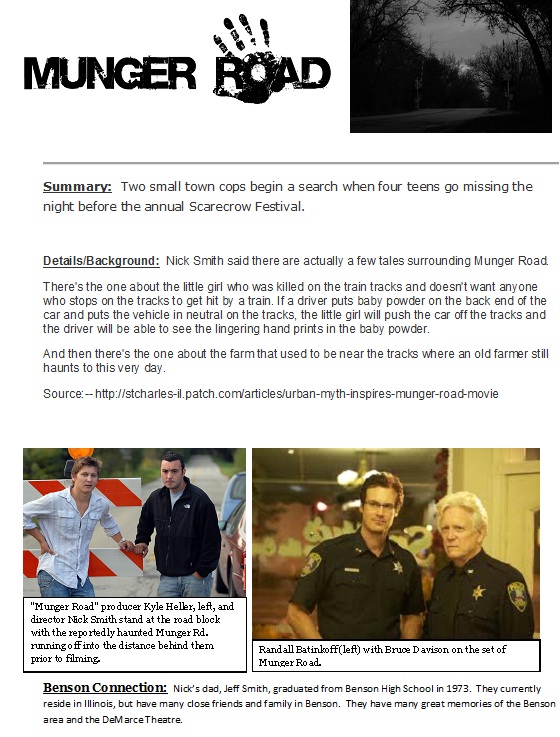
Munger Road, written and directed by Nicholas Smith, debuts to the public at a 7 p.m. showing on Thursday, July 28, with a second show at 9 p.m. and repeat shows on Friday evening.

A promotional poster for Munger Road's screening in Benson.

“I’m extremely excited. This is a once-in-a-lifetime opportunity for us, our theater, and Benson,” Tim Kletscher says. “I feel really honored to have this chance. At this point it’s an independent film done by a ‘rookie’ movie writer and director, but there’s a really good chance that it will be shown in many theaters and DVDs will be sold.”

The PG-13 movie, shot in and around Smith’s native St. Charles, Illinois, is based on an urban legend about a supposedly haunted stretch of rural Munger Road. As versions of the story go, the ghost of a little girl killed on train tracks along the road still haunts the site as does a farmer who lived on a farm near the tracks.

The movie version focuses on four teens that go missing along Munger Road the night before the annual Scarecrow Festival.

St. Charles really does have an annual Scarecrow Festival—this year October 7 – 9—during which Munger Road will premiere. Actor Bruce Davison, with popular film credits like Six Degrees of Separation and X-Men, stars in the movie.

For now, the Kletschers get the honor of the first public screening in their western Minnesota theatre, which was recently updated with a new digital

Another poster promoting the Illinois-based thriller.

projection and surround sound systems and a silver screen.

The couple got their lucky break because Munger Road executive producer Jeff Smith, Nick Smith’s dad, grew up in Benson and graduated from Benson High School in 1973. The Smiths have many close friends and family in Benson and a nearby family lake cabin where they are currently vacationing.

“Originally, Jeff Smith, wanted to do a private showing for his friends and relatives.  I wasn’t supposed to advertise it, discuss it, tell about it, or anything with fear that it would jeopardize their movie company opportunity,” Tim Kletscher says.  “Then, he called back a week later and wanted to screen it to the public. He needed to start generating revenue, so they could start getting it in the hands of ‘mini-major’ film companies. I told him I’d do all I could to get as many people here to see it as possible. So, I’ve been pounding pavement and flapping my jaw about it since…trying my hardest to drum up excitement.”

That promotional groundwork has also included airing the movie trailer before every Harry Potter and the Deathly Hallows: Part 2 showing at the DeMarce Theatre and doing interviews with area media.

Kletscher is hoping for big crowds to fill the 320-seat theatre. He’ll have Munger logo, “I survived the Drive” t-shirts, designed by Nick Smith, for movie-goers to purchase. Before the film starts, Nick Smith will address the audience and ask them to later evaluate the movie on comment cards. “They really want to hear what average people say about it,” says Kletscher, who has been in nearly daily phone contact with the Smiths and recently met them.

He’s impressed with the personable father-son, whom he terms “down-to-earth, Midwest guys.”

“Nick’s been rolling with the Hollywood guys, but he hasn’t lost his roots,” Kletscher says. “He’s unbelievably talented.”

It’s that hometown connection which led the Smiths back to Benson to screen their thriller. “The city of Benson means a great deal to my family,” a promotional poster reads. “We are very proud…”

FOR MORE INFORMATION about Tim and Susie Kletscher’s purchase of the DeMarce Theatre in February, click here to read an earlier blog post. Also, go to the DeMarce Theatre Facebook page by clicking here.  For the record, Tim Kletscher is my cousin and an elementary school teacher in Benson.

Text © Copyright 2011 Audrey Kletscher Helbling
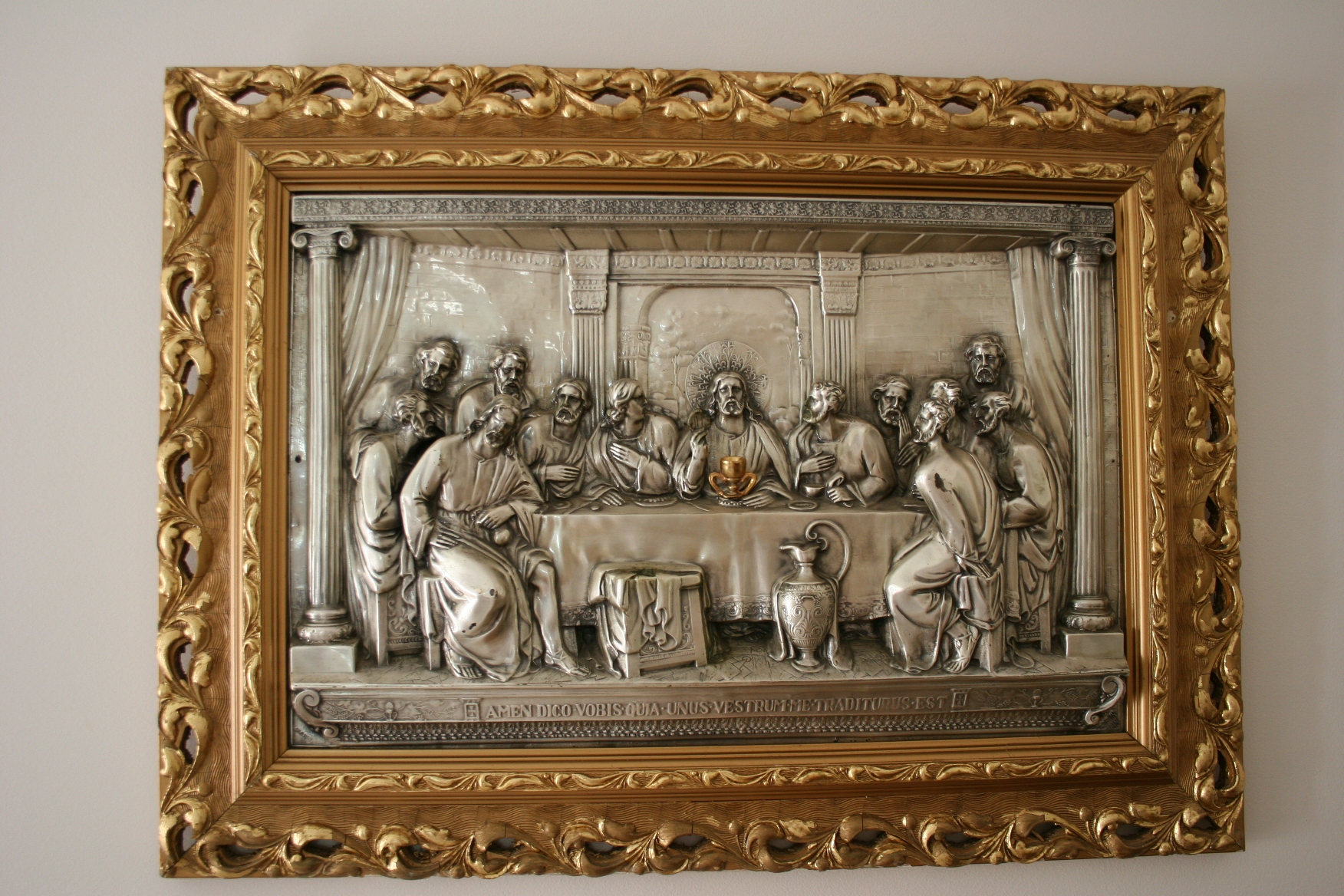
Photo and posters courtesy of Tim Kletscher


St. Mary’s of Melrose, Part II July 17, 2011

STARK CHURCHES appeal to me. The ones with the simple wooden cross, the white clapboard siding, the time-worn pews settled upon plain plank floors.

But the ornate houses of worship likewise snag my soul with crosses of gold, walls of brick and gleaming, carved pews.

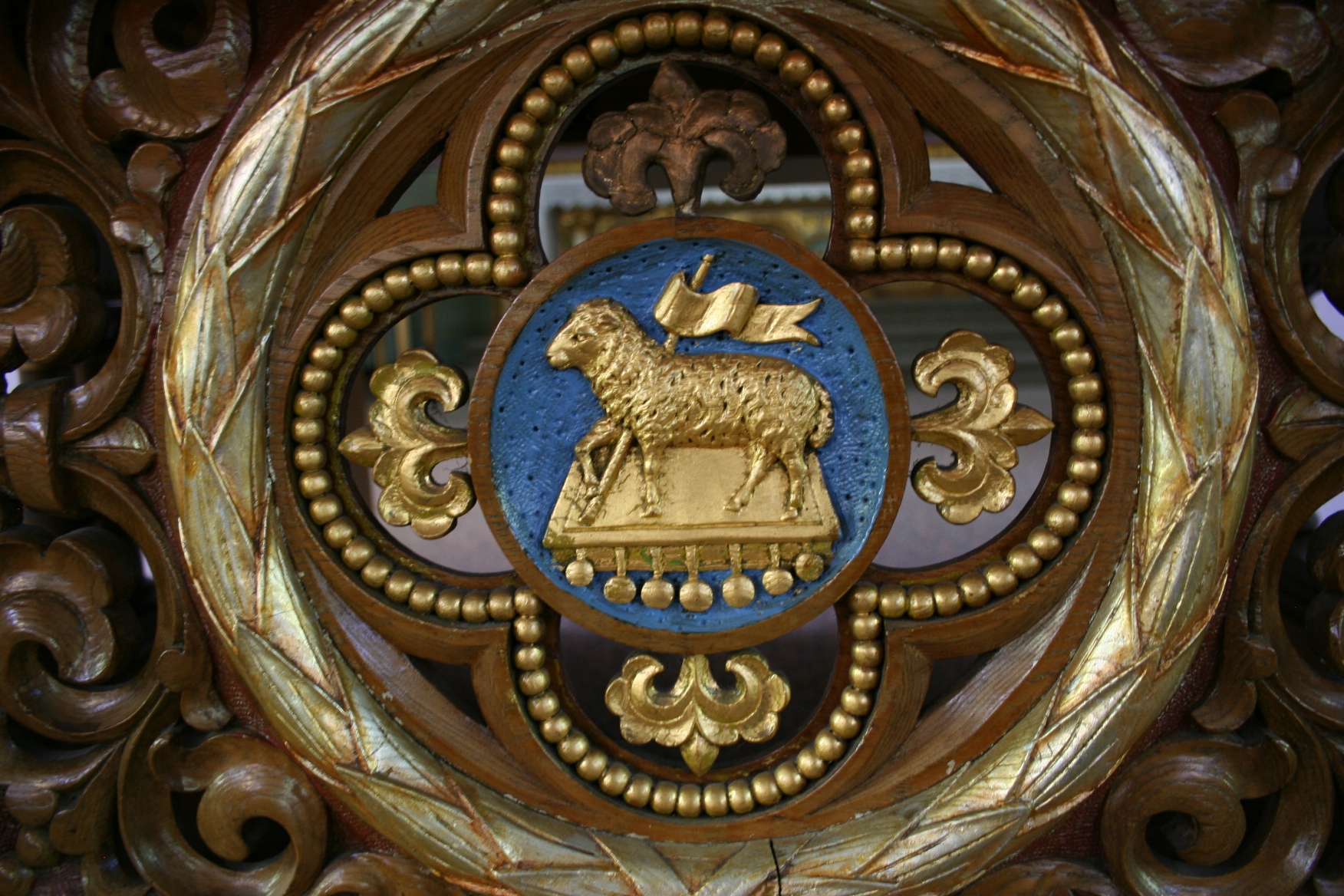
One of the many ornate carvings at St. Mary's Catholic Church in Melrose.

I am most comfortable with, most accustomed to, the unadorned churches of the Lutherans, my religious heritage. We keep things simple. No cluster of burning candles. No wafting incense. No pools of holy water. Minimal, if any, gold.

Perhaps for that reason, when I step into an historic Catholic church, I feel like I’ve entered a foreign land. I am often awed by the opulence, by the details that visually overwhelm me.

The side aisle on the left leads to an ornate altar in St. Mary's which is on the National Register of Historic Places.

That’s exactly how I felt upon entering St. Mary’s Catholic Church of Melrose, featured here in an earlier post. Overwhelmed. But good overwhelmed. Because I could not possibly present all of the images I wanted to share with you in a single post, here are the remainder.

No matter your religious affiliation, you simply have to appreciate a place like St. Mary’s. What beauty. What art. What history. What heavenly splendor.

This was the top or bottom of something. Can't recall what. But it sure is stunning.

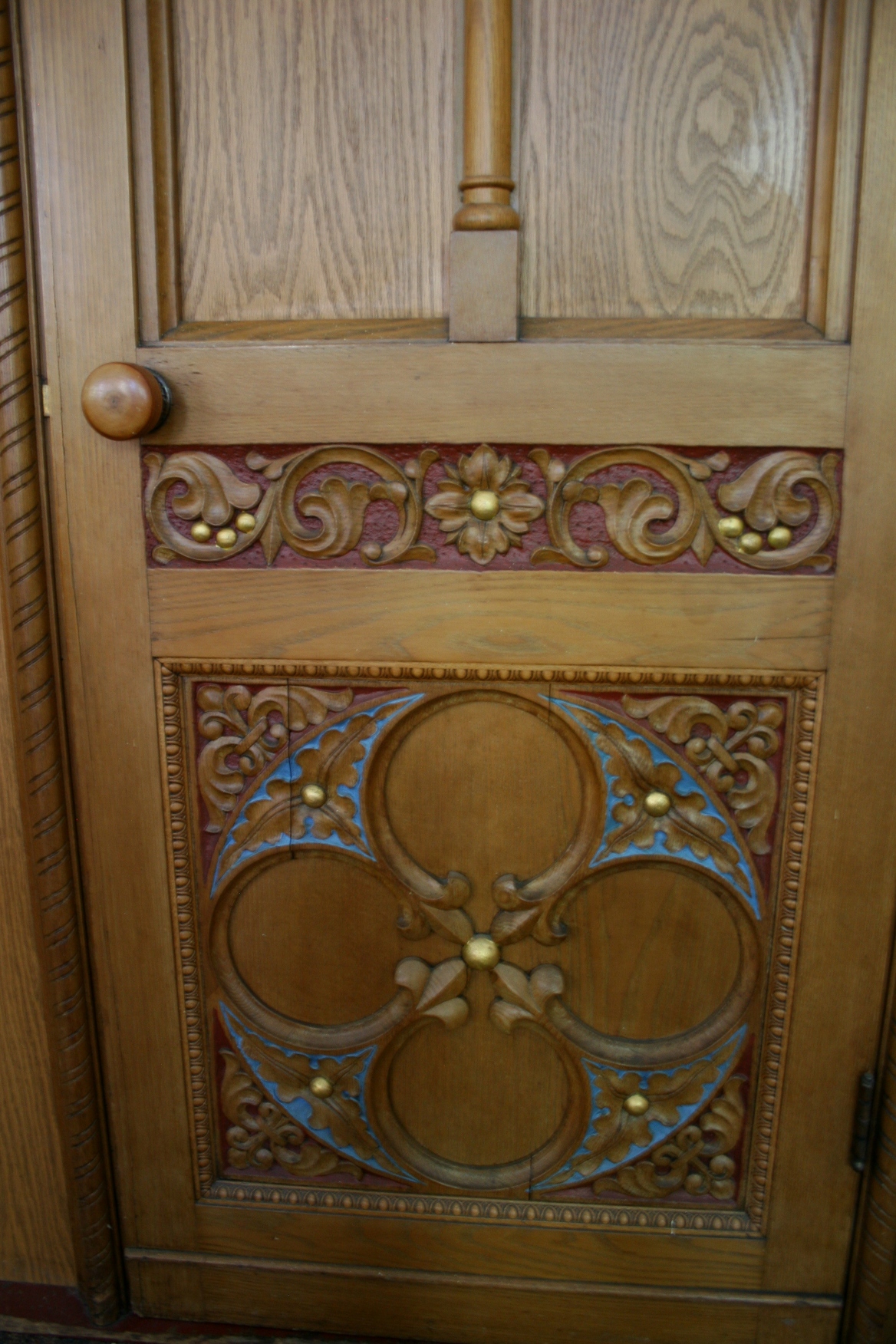
Look at this gorgeous, carved door, will you?

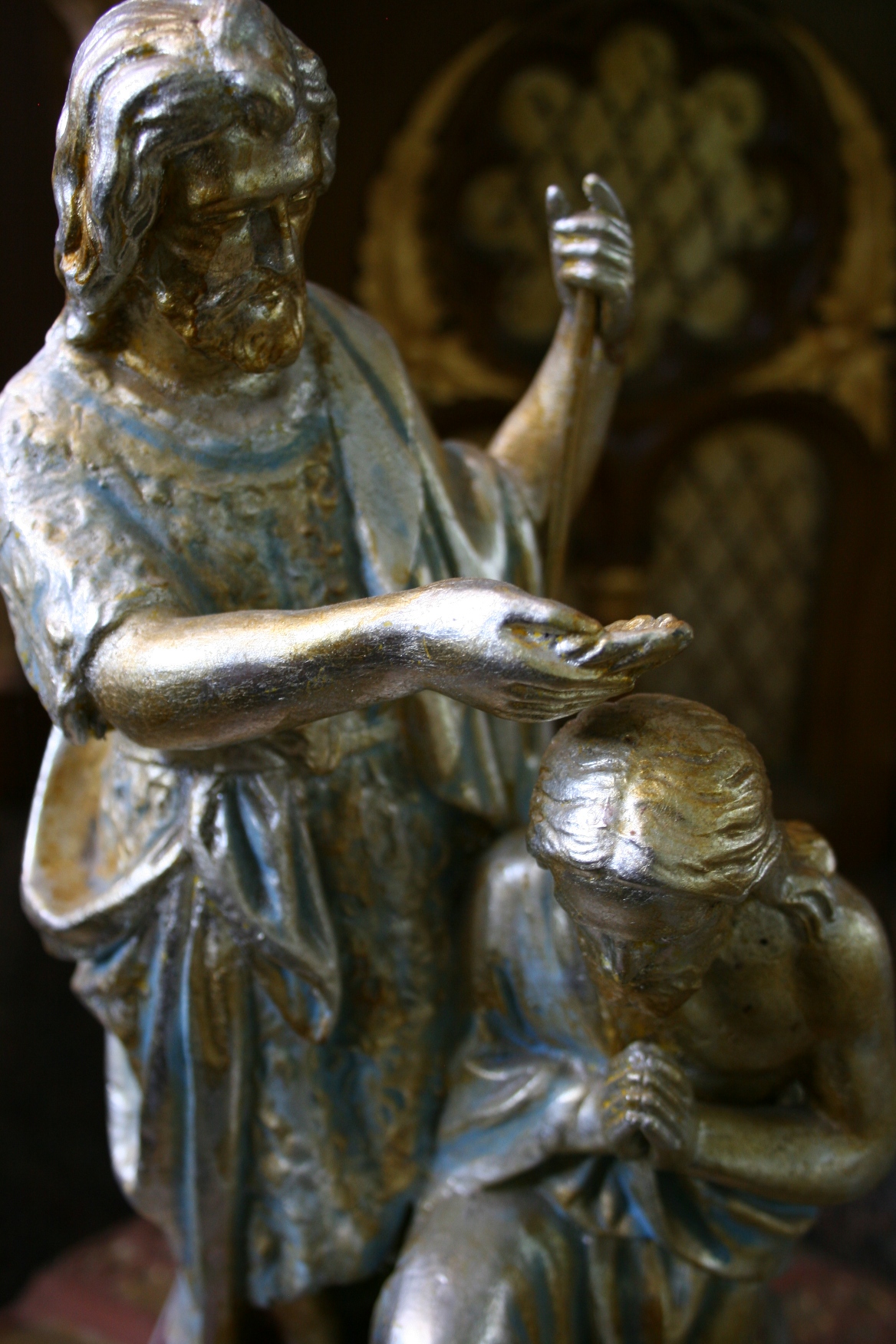
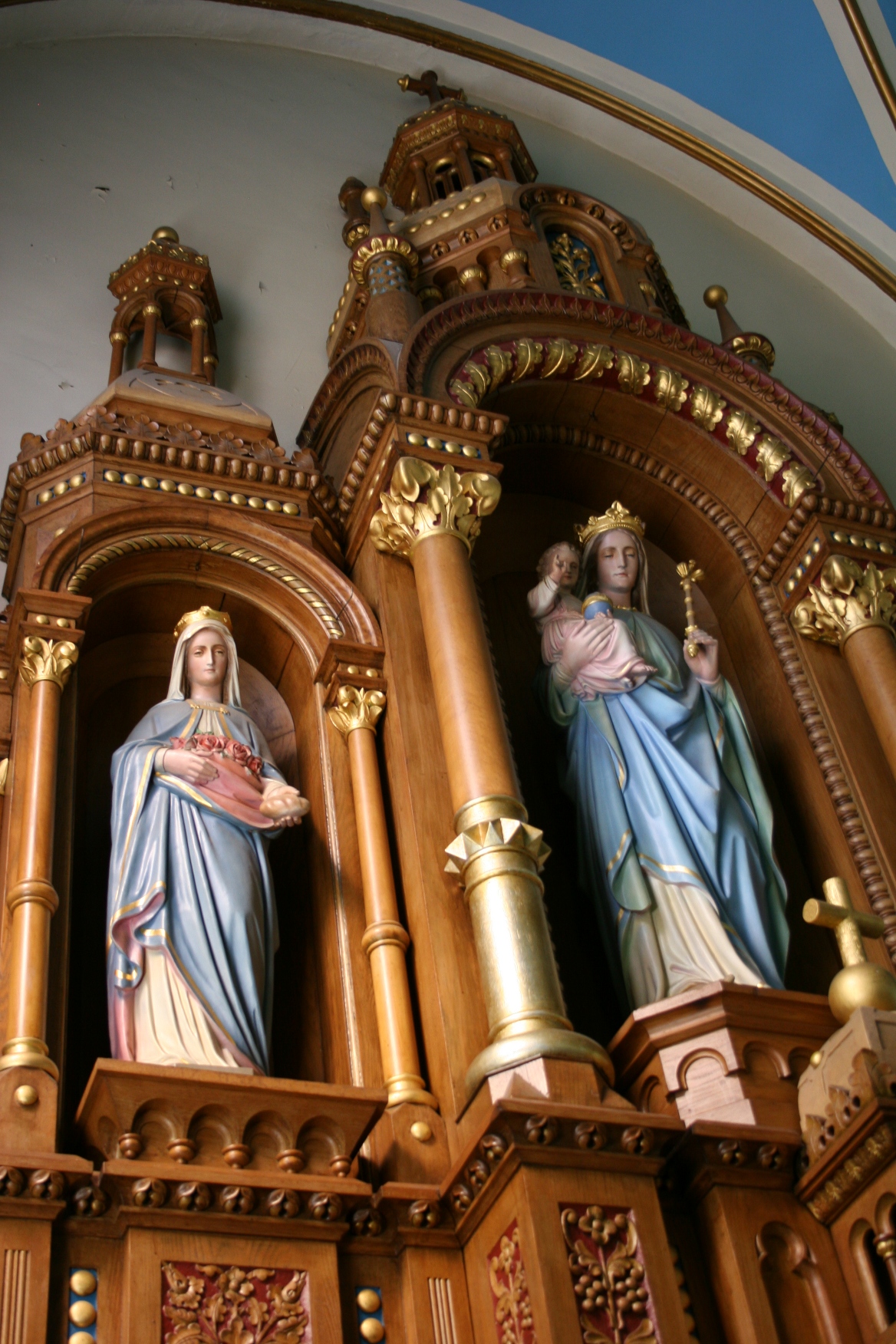
Golden statues. Beautiful.

Just look at this detailed side altar. I could have spent hours in St. Mary's.

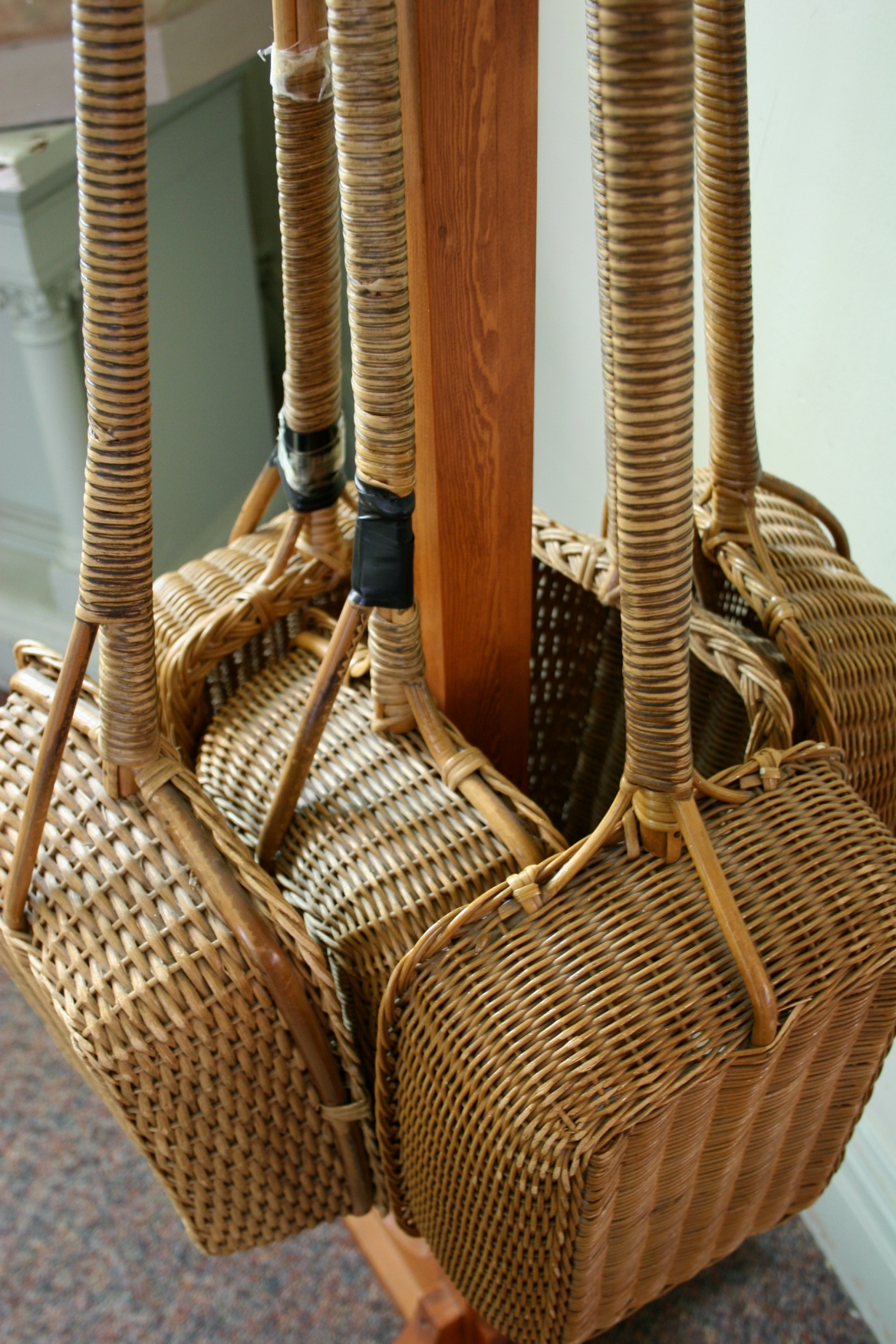
And then I discovered these collection baskets hanging from a rack. We Lutherans don't have wicker baskets with long handles. These contrast so sharply with the the ornateness in the church and that is why I so appreciated this grouping.

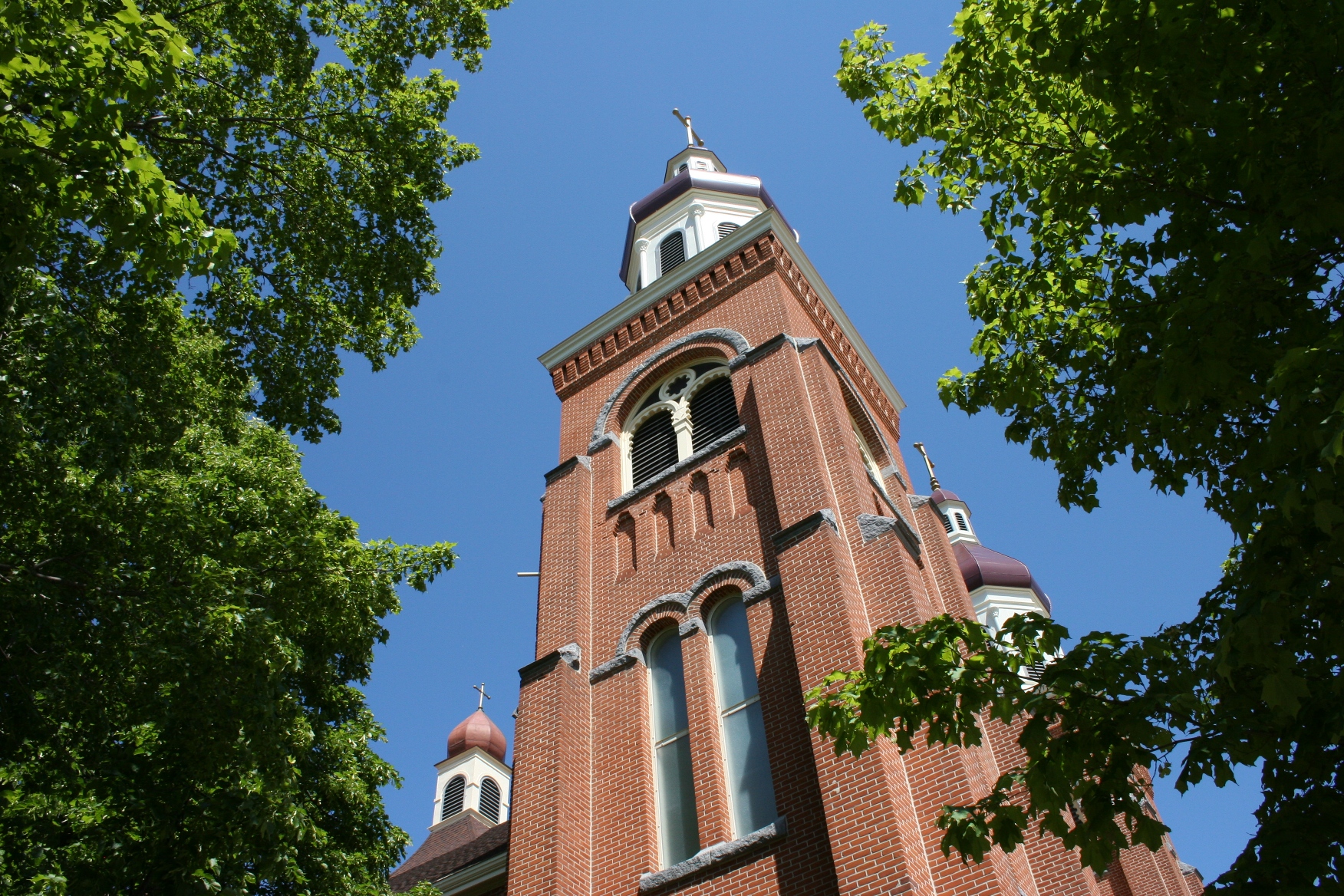
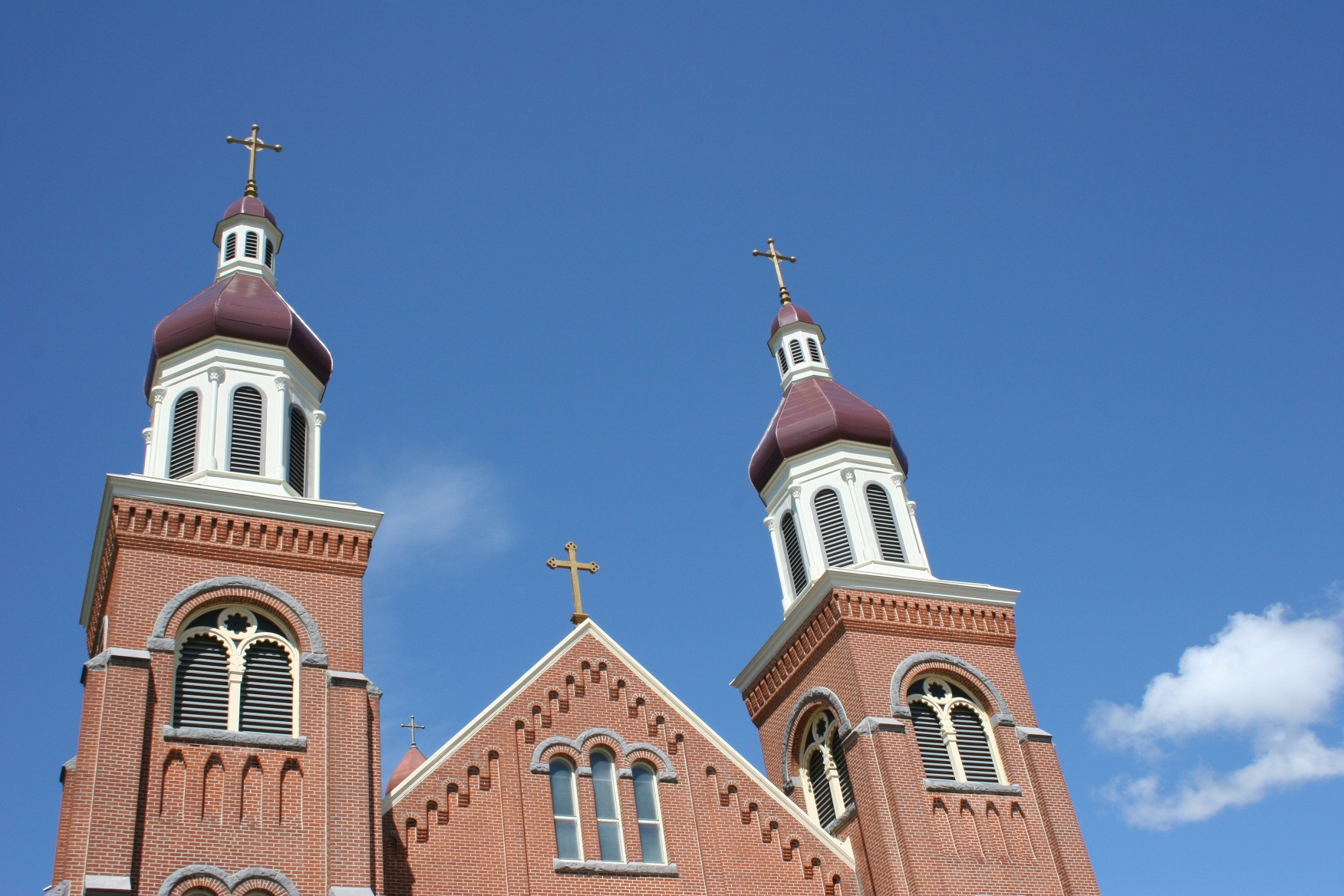
St. Mary's Catholic Church stands strong as a fortress in Melrose, next to the turkey plant, its towering steeples visible from nearby Interstate 94 in west central Minnesota.

© Copyright 2011 Audrey Kletscher Helbling
 

A virtual tour of Mankato’s sculpture walk July 9, 2011

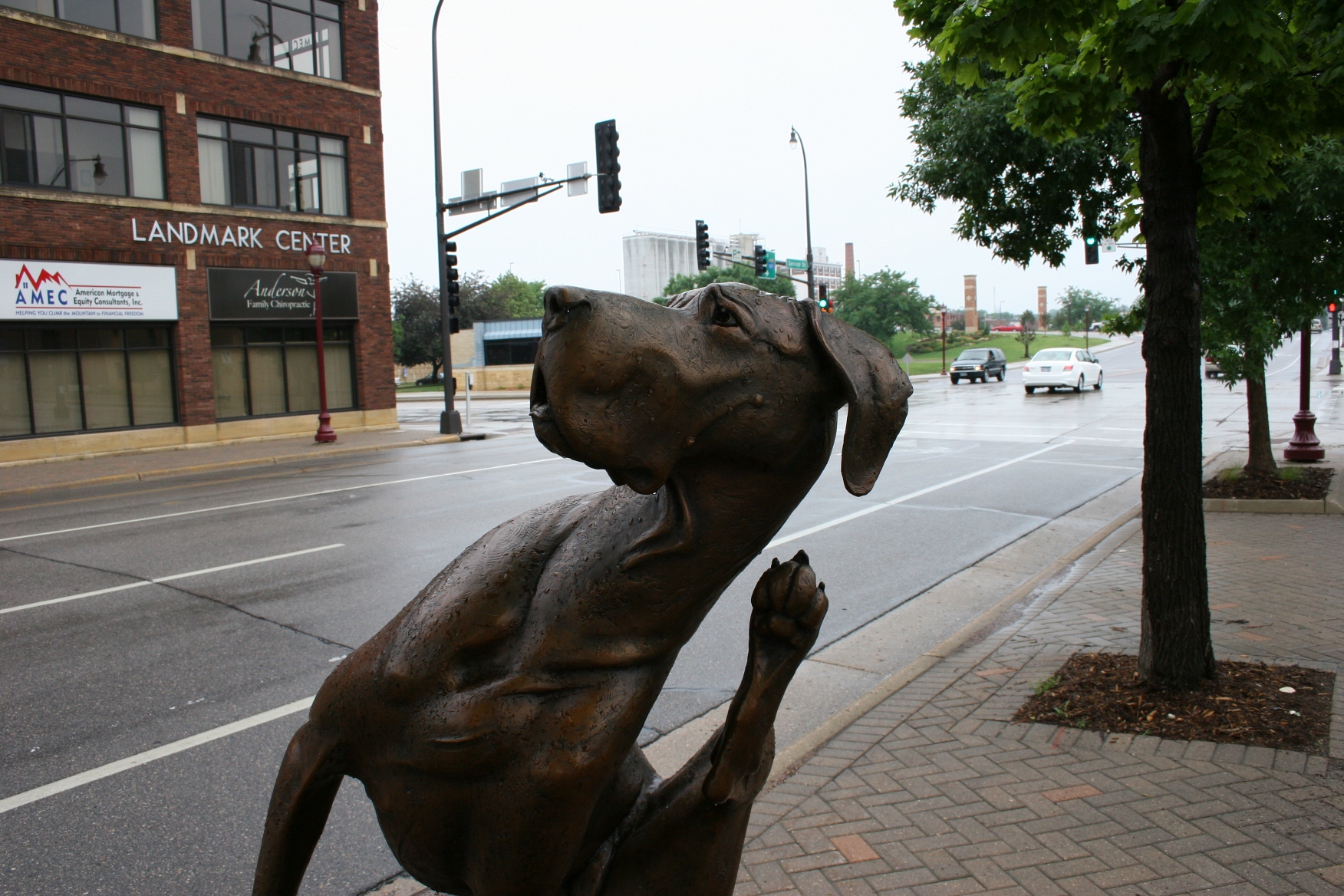
Louise Peterson of Guffey, CO. created this $20,000 bronze sculpture of a playful Great Dane titled "Tickled."

DEAR READERS,

I realize that some, maybe even many, of you, do not live anywhere near Mankato, the southeastern Minnesota community where I recently viewed sidewalk sculptures.

Heck, some of you don’t even live in states bordering Minnesota. Your chances of ever seeing these 25 pieces of art in person are about zilch.

So, for those of you who will view the City Art Walking Sculpture Tour only via Minnesota Prairie Roots, I’ve pulled together one last blog post. Please read my previous two posts for more details and photos of this community art project by first clicking here and then here.

This whole concept of bringing art to the streets through a rotating sculpture tour pleases me immensely. What a grand idea. Such art adds to the vibe of a downtown, to its art, history and culture.

Thank you, Mankato, and everyone who supported this cause financially, for bringing these sculptures to southeastern Minnesota, within quick driving distance of my Faribault home.

Yours gratefully,

Audrey Kletscher Helbling at Minnesota Prairie Roots

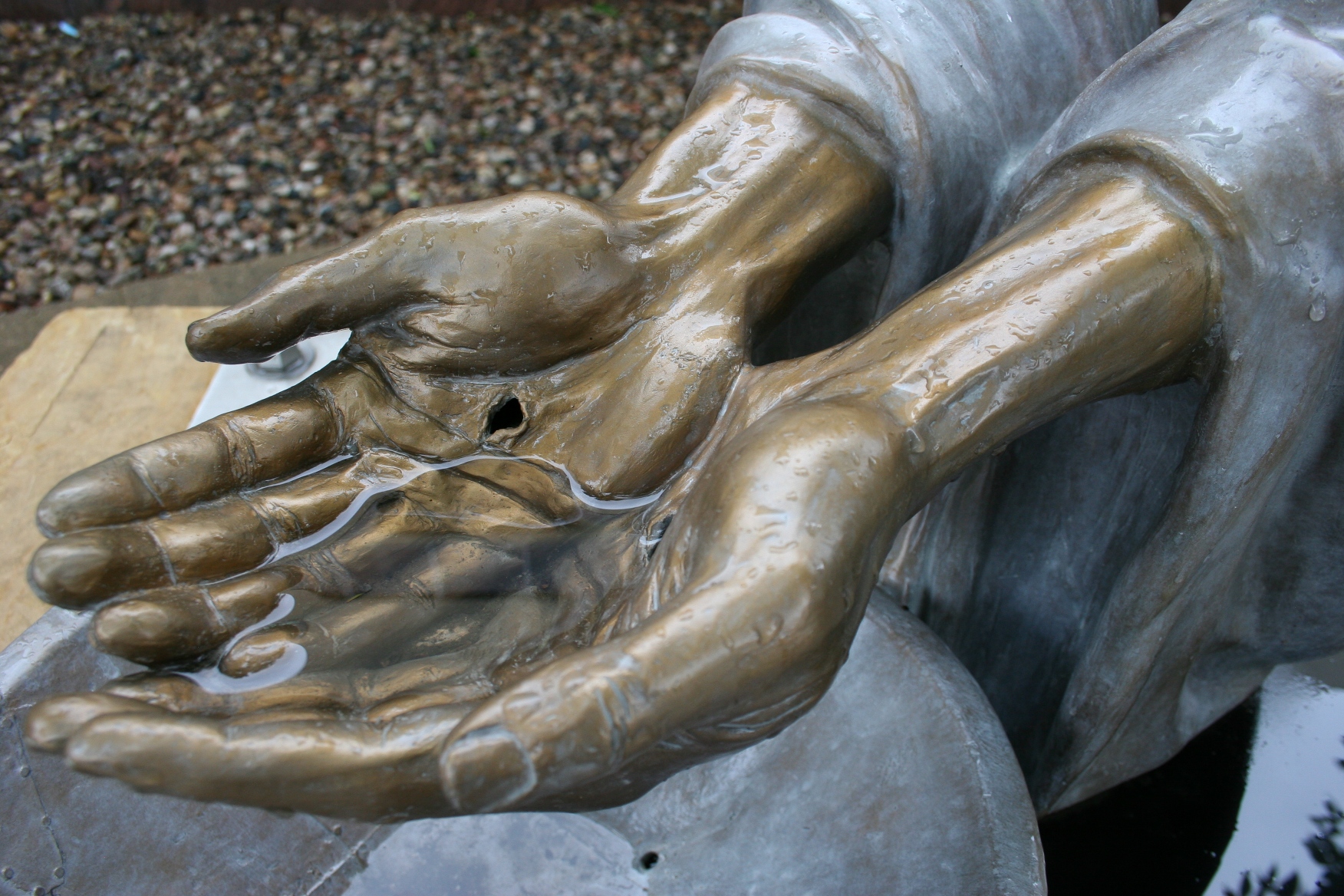
Sioux Falls artist Darwin Wolf's $13,500 sculpture, "The Fountain of Life," references Jesus washing Peter's feet at the Passover. It emphasizes the healing, life-giving qualities of water.

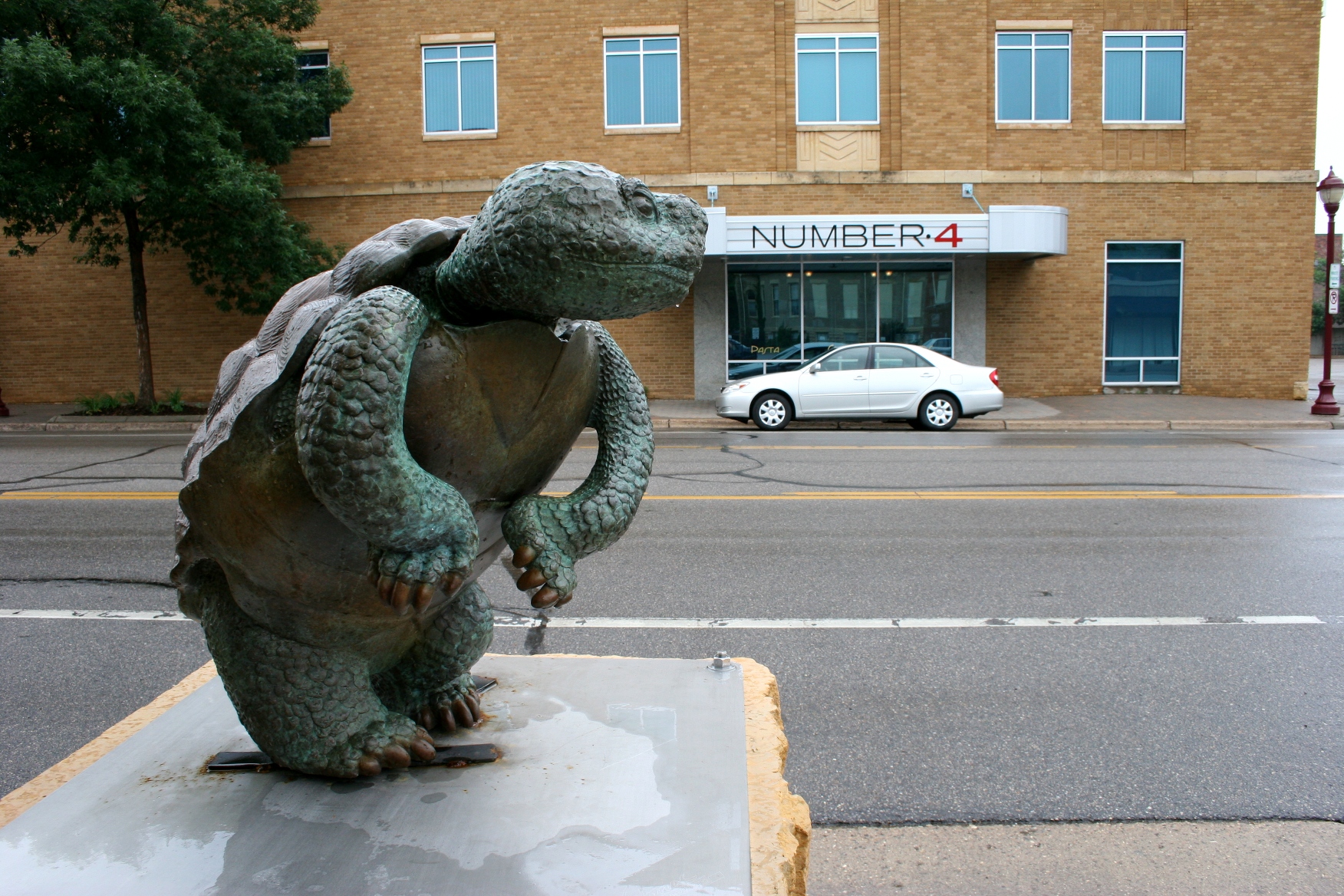
"Poco a Poco" a $12,000 bronze sculpture by Pokey Park of Tucson, Arizona, highlights the tortoise, representative of wisdom in American Indian culture. The building in the background houses Number 4 American Bar & Kitchen.

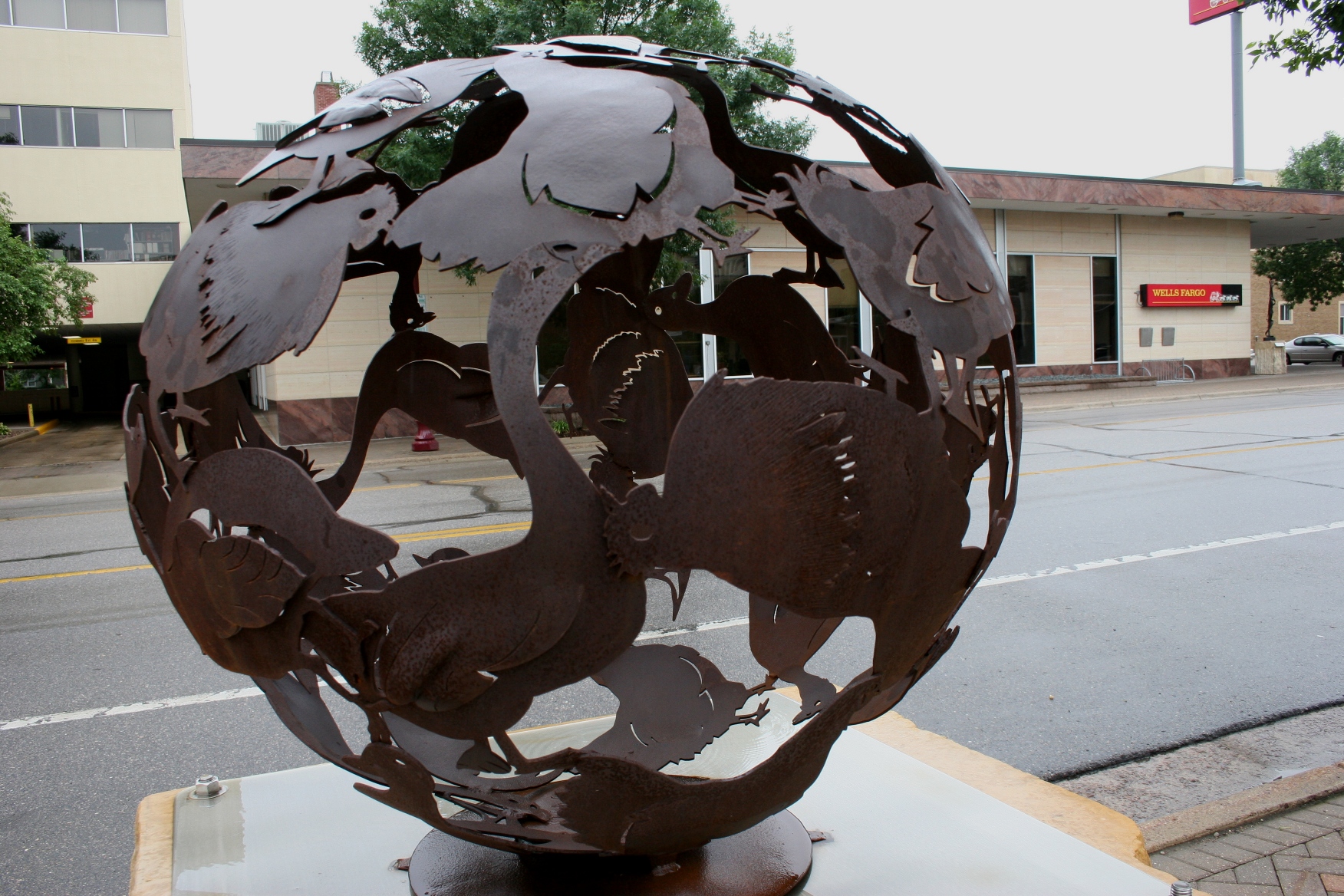
"Fowl Ball" celebrates geese, ducks, turkeys and chickens in this $7,600 forged and welded weathered steel sculpture by Lee W. Badger of Hedgesville, West Virginia.

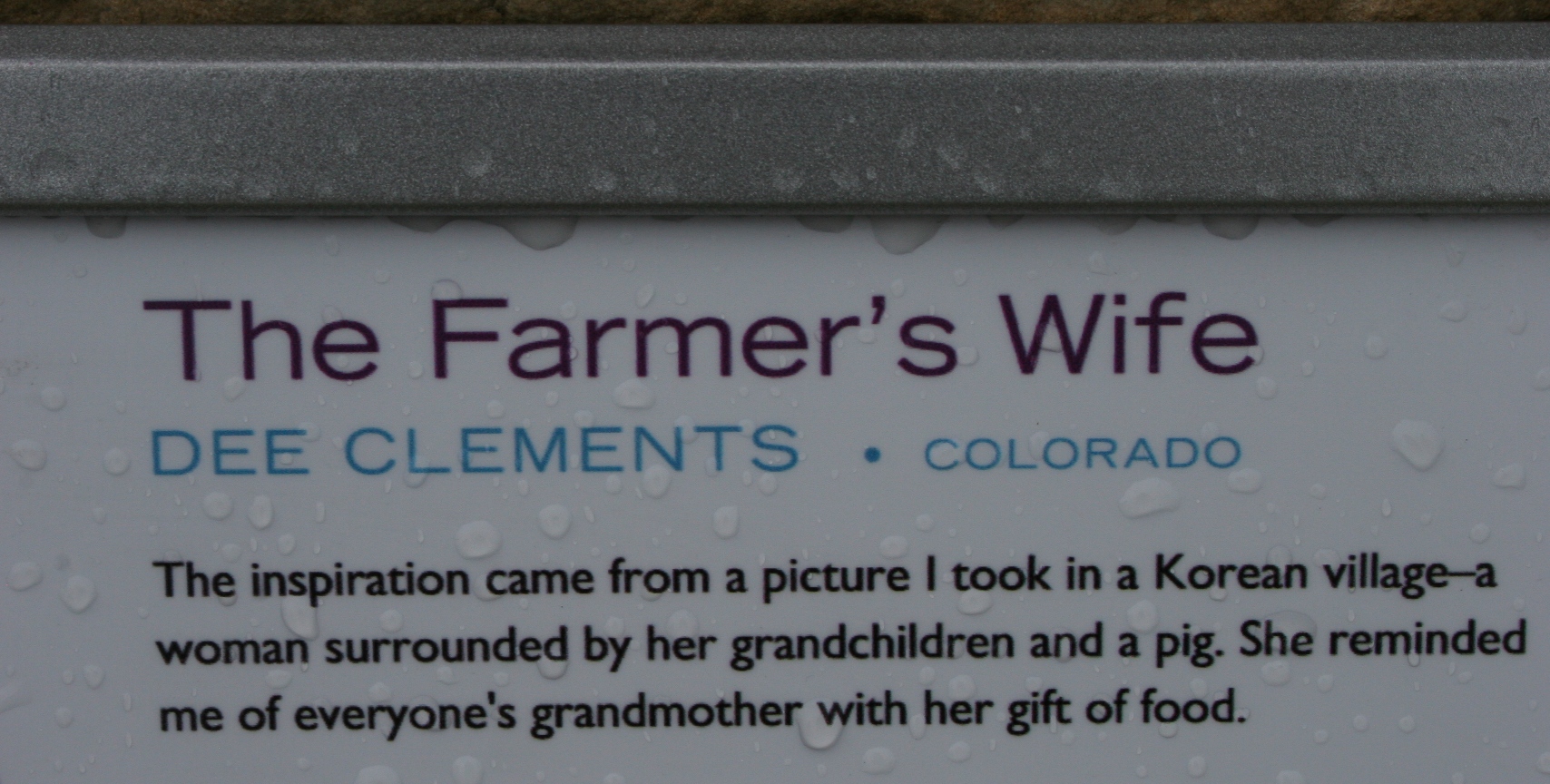
All of the sculptures are marked with informational signage.

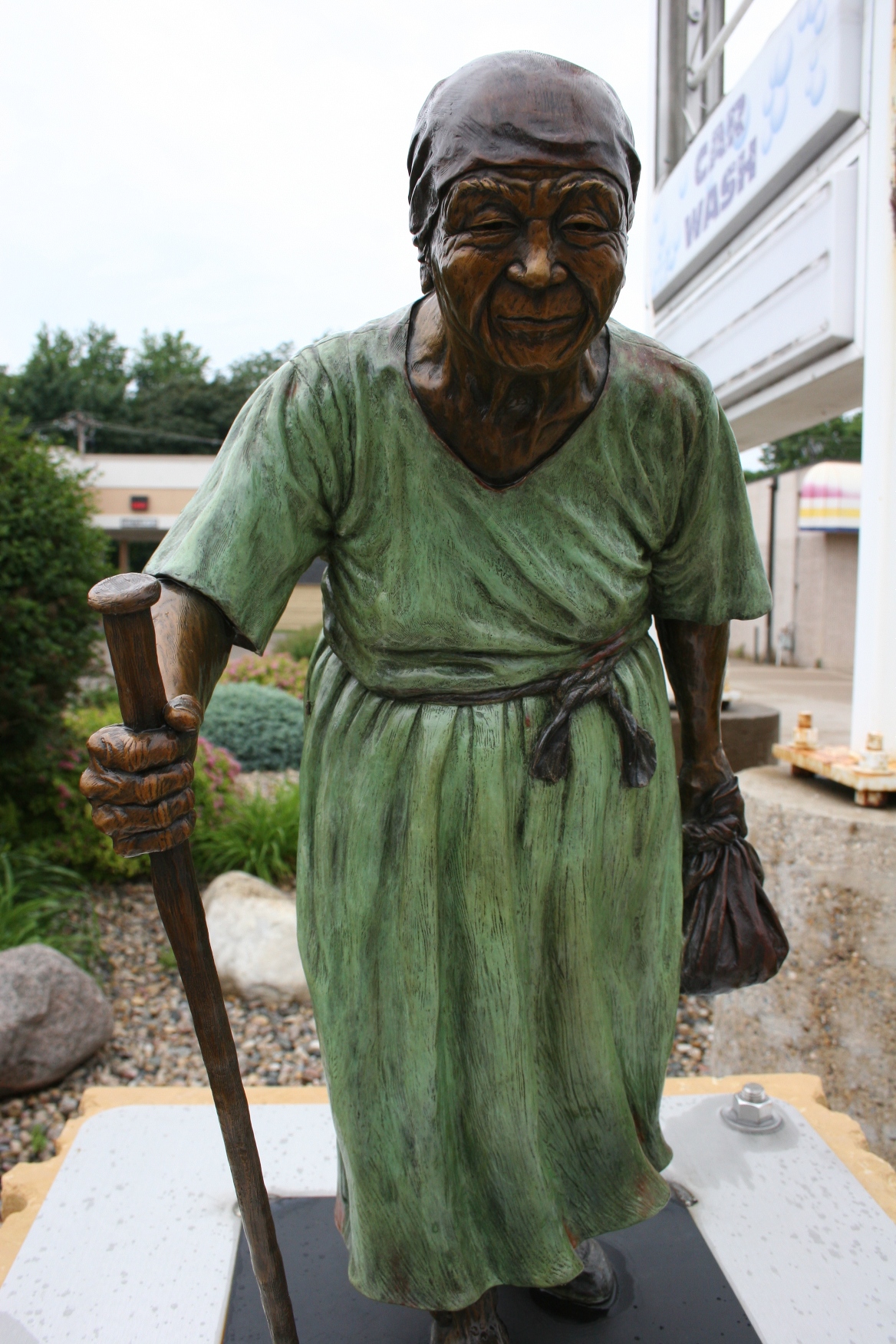
Dee Clements of Loveland, Colorado, created the $6,000 bronze "The Farmer's Wife," one of my favorite exhibit pieces.

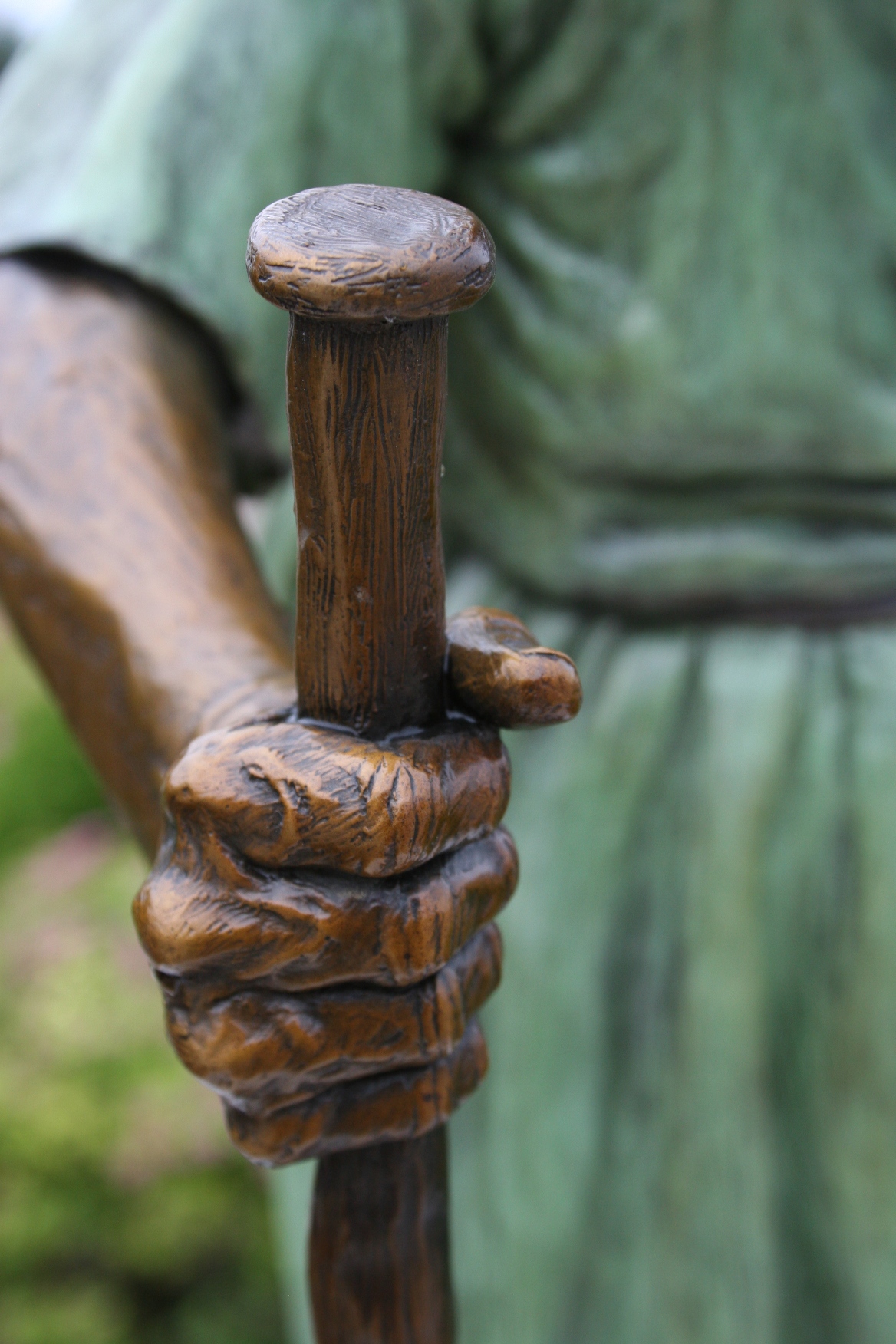
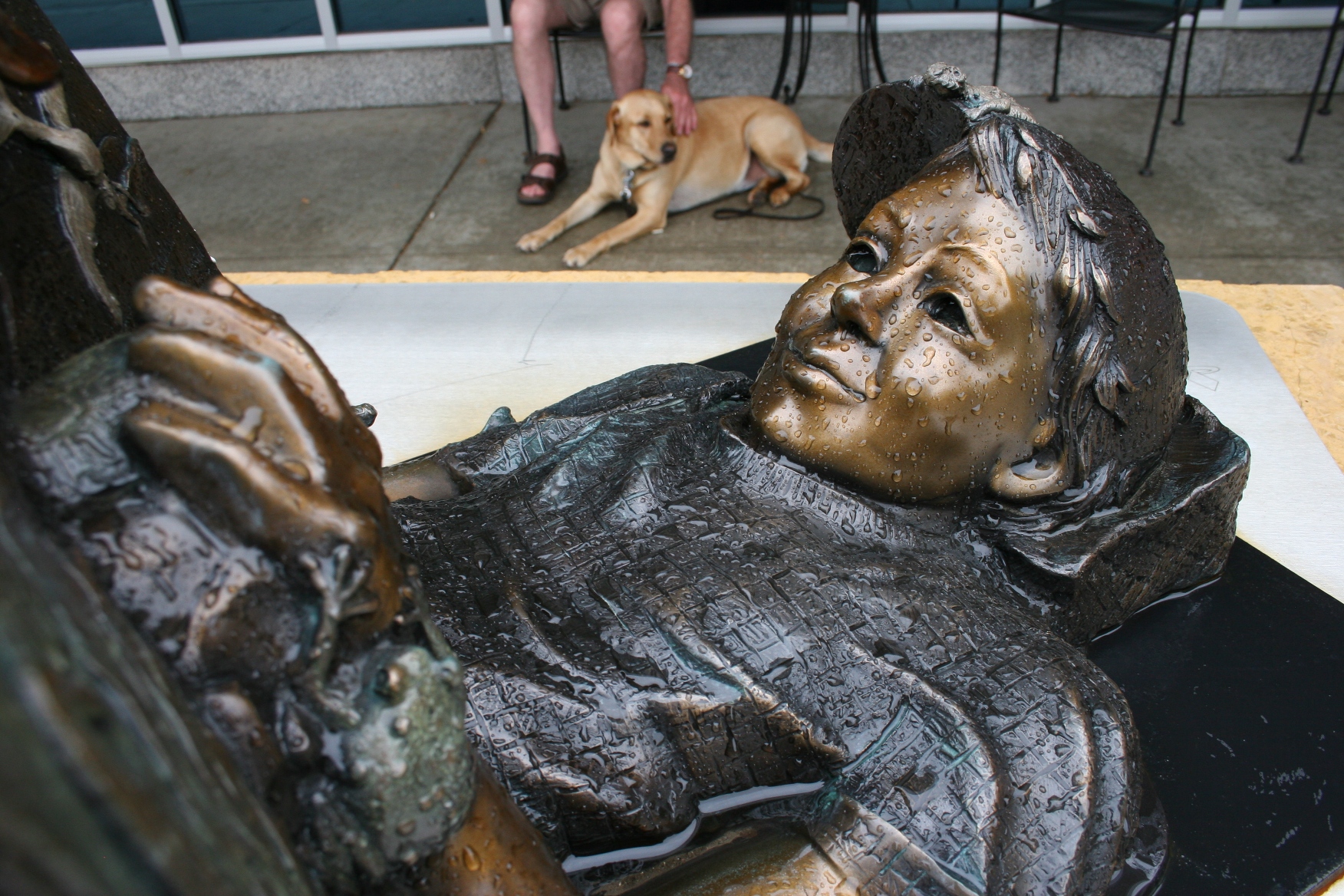
To fully appreciate these sculptures, you must notice the details, including the Korean woman clenching her walking stick in "The Farmer's Wife."

Details define "Reading Magic," a $8,500 bronze sculpture by Julie Jones of Fort Collins, Colorado.

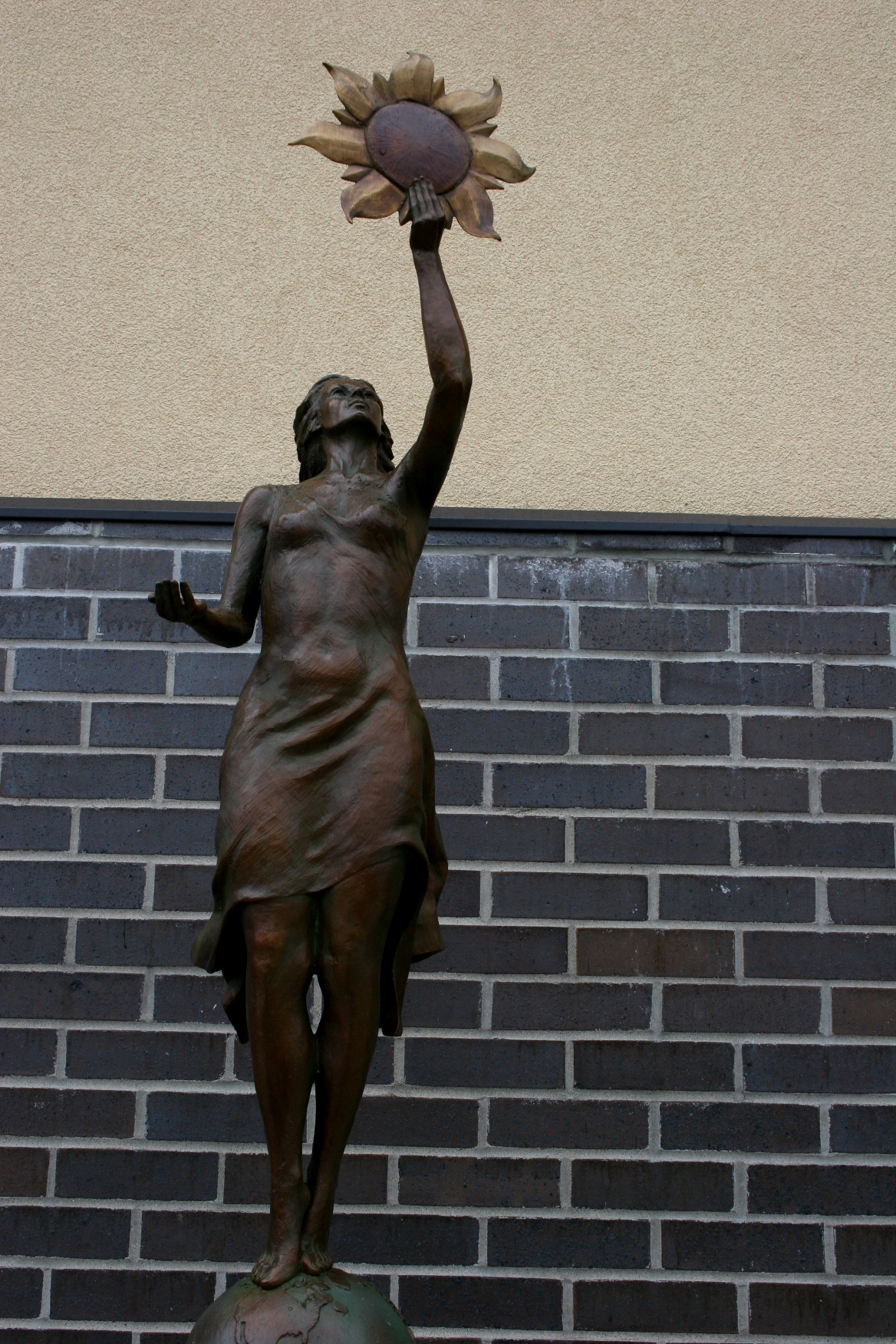
"Spirit of Energy," a $8,400 bronze by Karen Crain of LIttleton, Colorado, represents three renewable energy resources: sun, wind and water.

© Copyright 2011 Audrey Kletscher Helbling
 

MPR debuts Minnesota architecture series with my submission July 1, 2011

LAST WEEK MINNESOTA Public Radio’s “State of the Arts” blogger Marianne Combs put out a call for photos and stories celebrating the great architecture of Minnesota.

I figured given how much I appreciate old buildings—and that would be considerably—I could submit an entry. But what building would I choose?

I started going through my photo folders in search of an image I considered most worthy of submission. FYI, I even have a folder labeled “architecture.”

Faribault topped my choices since this southeastern Minnesota community, my home since 1982, has many, many buildings on the National Register of Historic Places. And, yes, architecturally, these structures are jewels.

Then I considered images from Lucan, Morgan, Hanley Falls, Wood Lake, West Concord, Mantorville, Alexandria, Northfield and a few other towns I can’t immediately recall. Yes, the list was long.

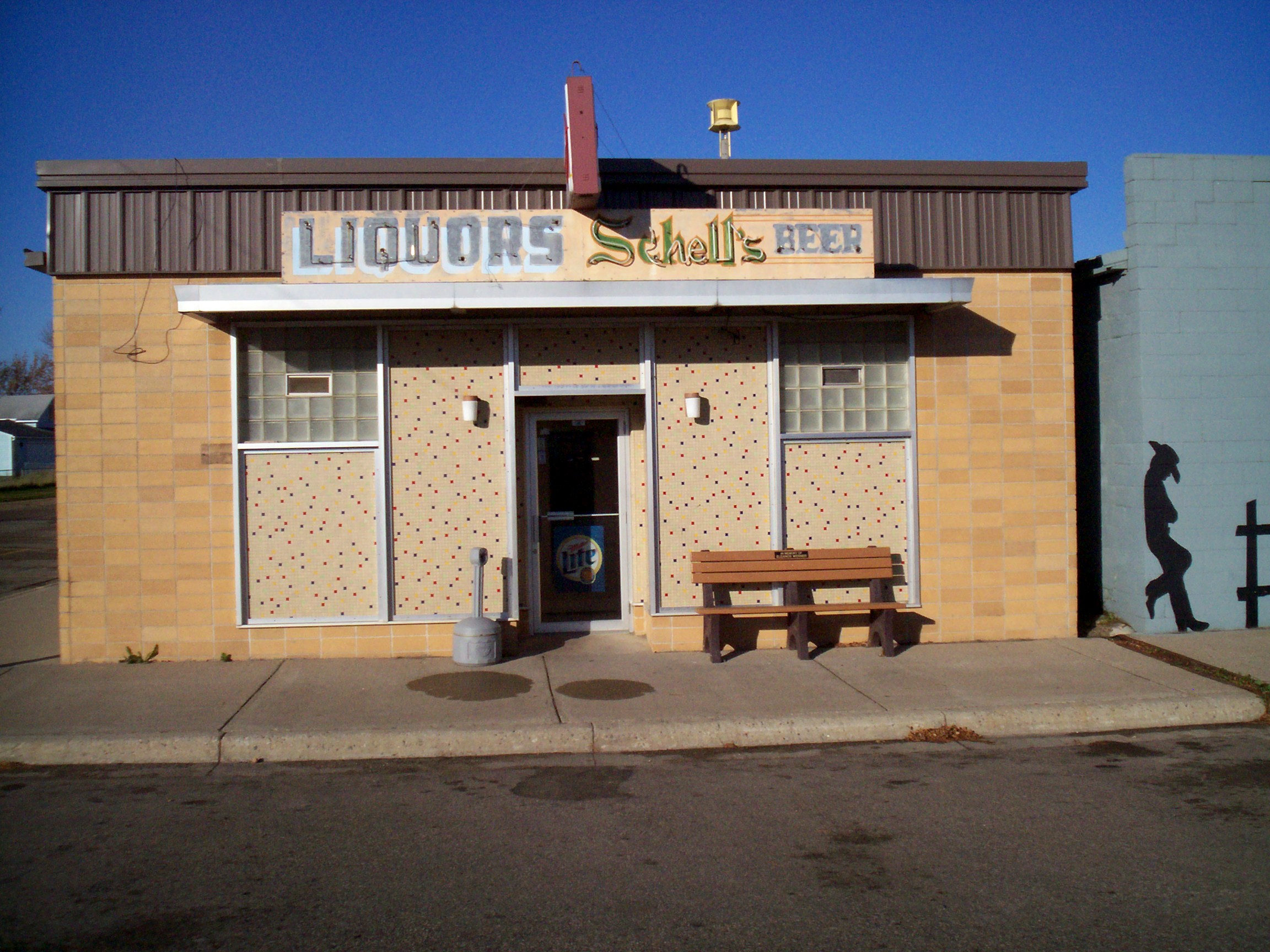
But something kept tugging at me—my loyalty to my hometown of Vesta. Now those of you familiar with Vesta, population around 350 and with a block-long main street, are likely wondering what on earth I found in this southwestern Minnesota prairie town of architectural worth.

Here is the building I chose and which debuted Marianne Combs’ Minnesota architecture series this afternoon. You can click here to read why I chose the Vesta Municipal Liquor Store.


© Copyright 2011 Audrey Kletscher Helbling
 

At the WordWalk: Why I won’t eat tuna June 28, 2011

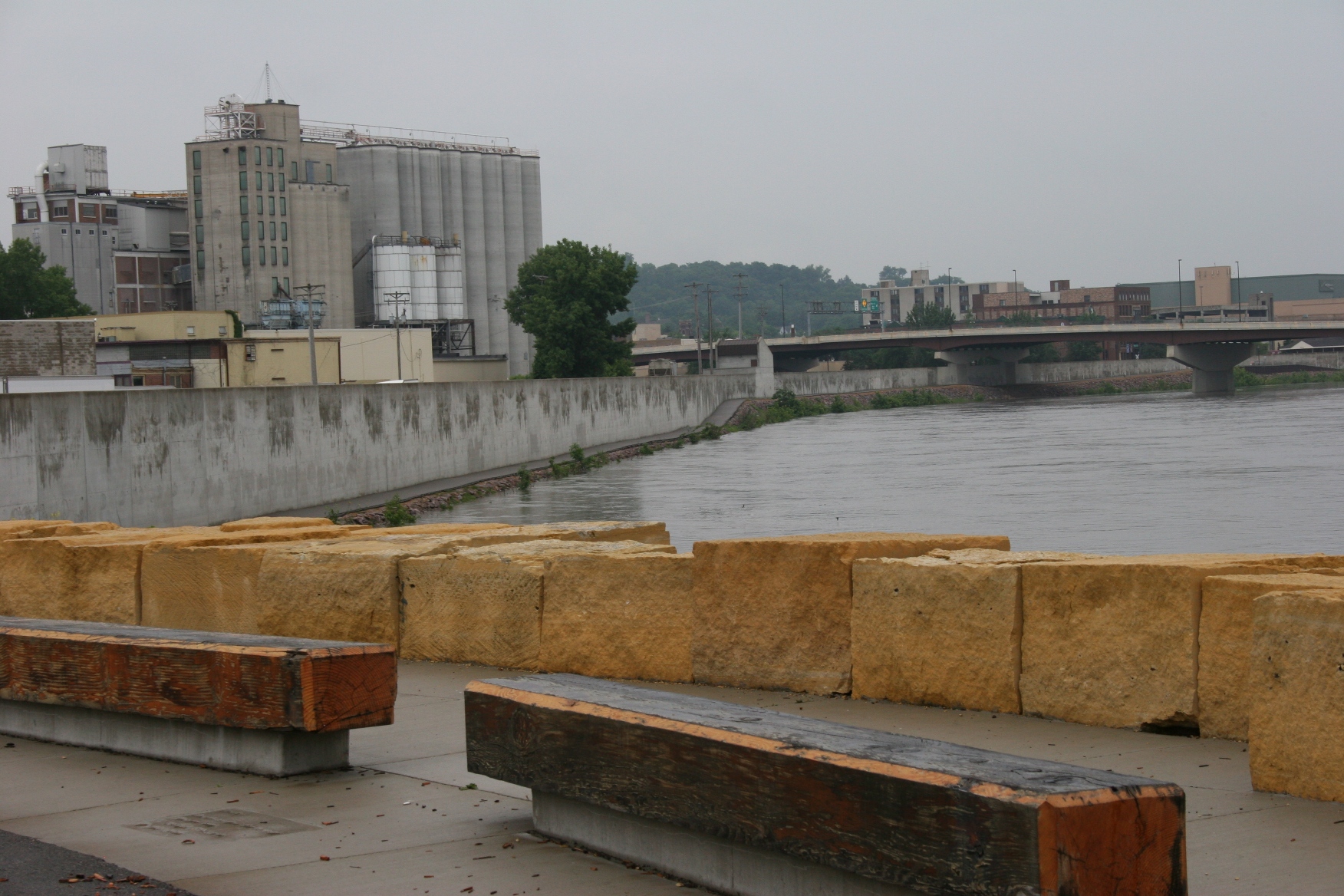
A view of the Minnesota River as seen from Riverfront Park, looking toward downtown Mankato.

THE MANKATO PARK SEEMS, in many ways, an ideal setting for poetry.

The usually playful Minnesota River bumps against the land here, acting on this Saturday afternoon like a willful, unruly child.

On the other side of Riverfront Park, across the tracks, historic buildings stand like forlorn children, neglected, waiting for someone to care.

Overhead, moody skies pout.

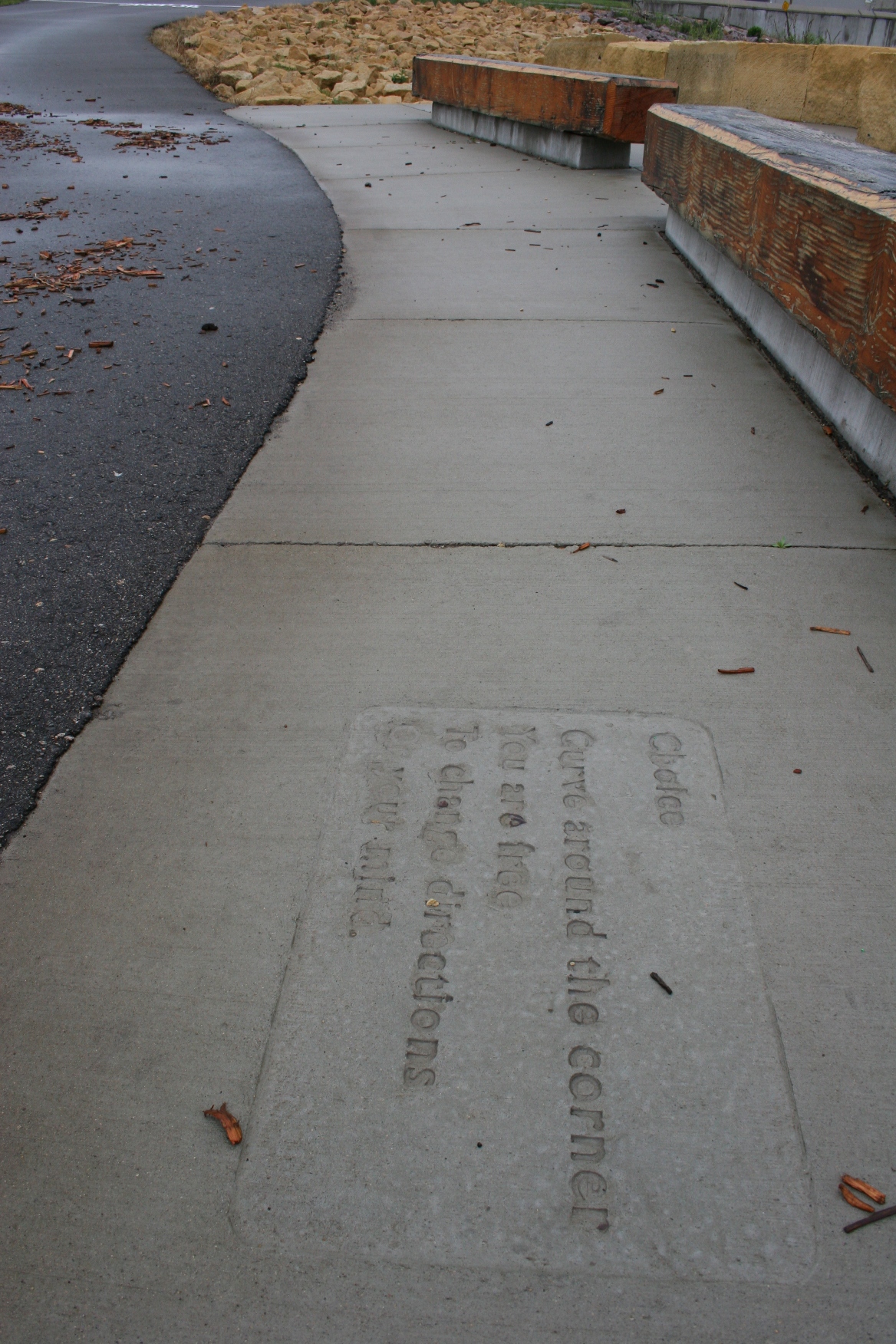
I have come here at this late afternoon hour to read the poetry imprinted upon cement. Occasionally the sky spits rain at me as I follow the gray sidewalk which mimics the gray day.

"Curve around the corner/You are free/To change directions/Or your mind," reads this poem by Marlys Neufeld of Hanska.

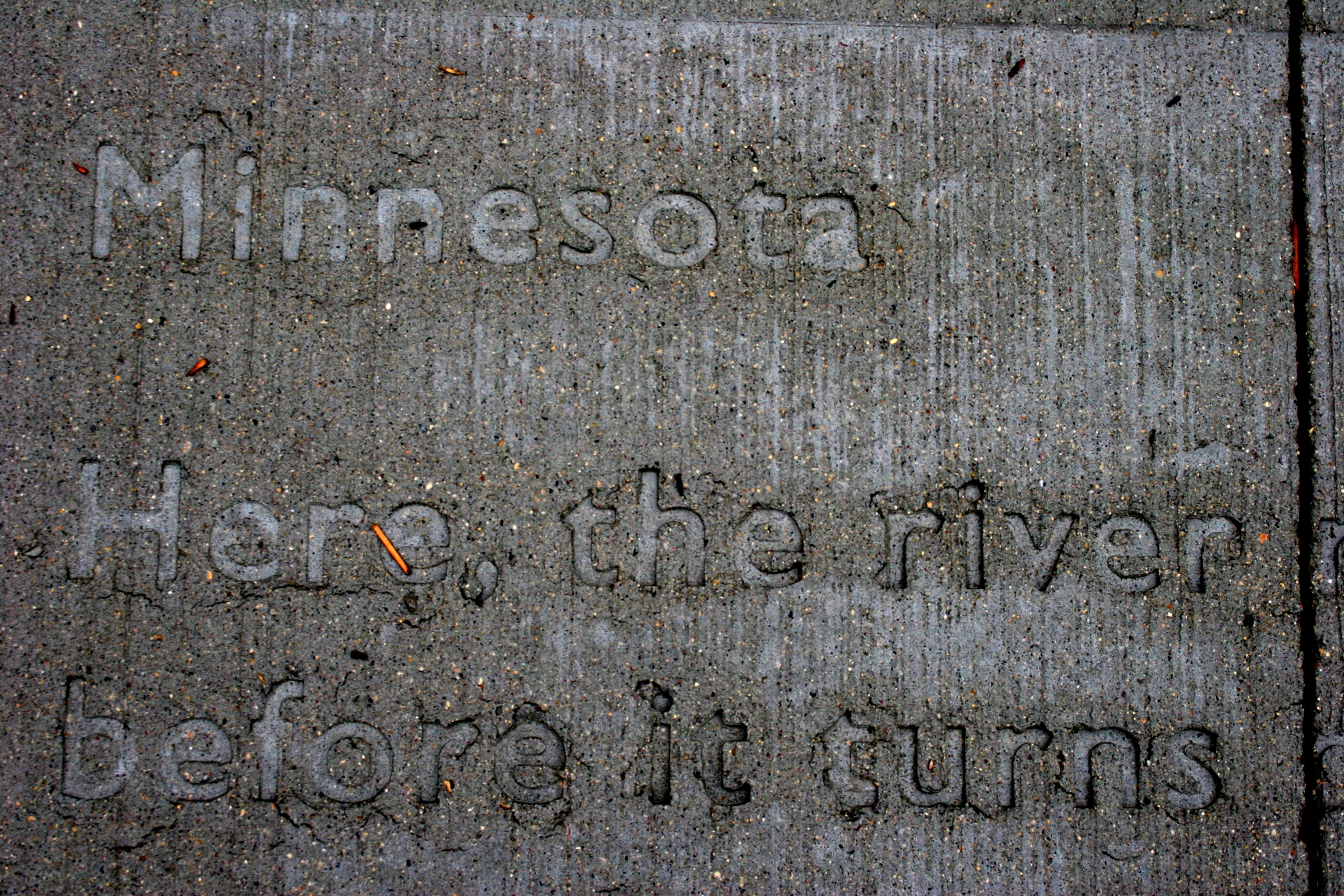
I read:

Minnesota

Here, the river rests its elbow

before it turns north to meet

the father of them all.

Here we made 38 mistakes

we now try very hard

not to forget.

A snippet of the poem, "Minnesota." I've edited this image so that you can better read the words. The poems are, unfortunately, a bit difficult to read because of a lack of color contrast between the letters and the cement.

The poem by Ikars Sarma of Mankato refers to the hanging of 38 Dakota here on December 26, 1862. A heavy thought to match the heaviness of the sky, the raging of the river, the anger that still simmers over this shameful moment in this city’s history.

I move on.

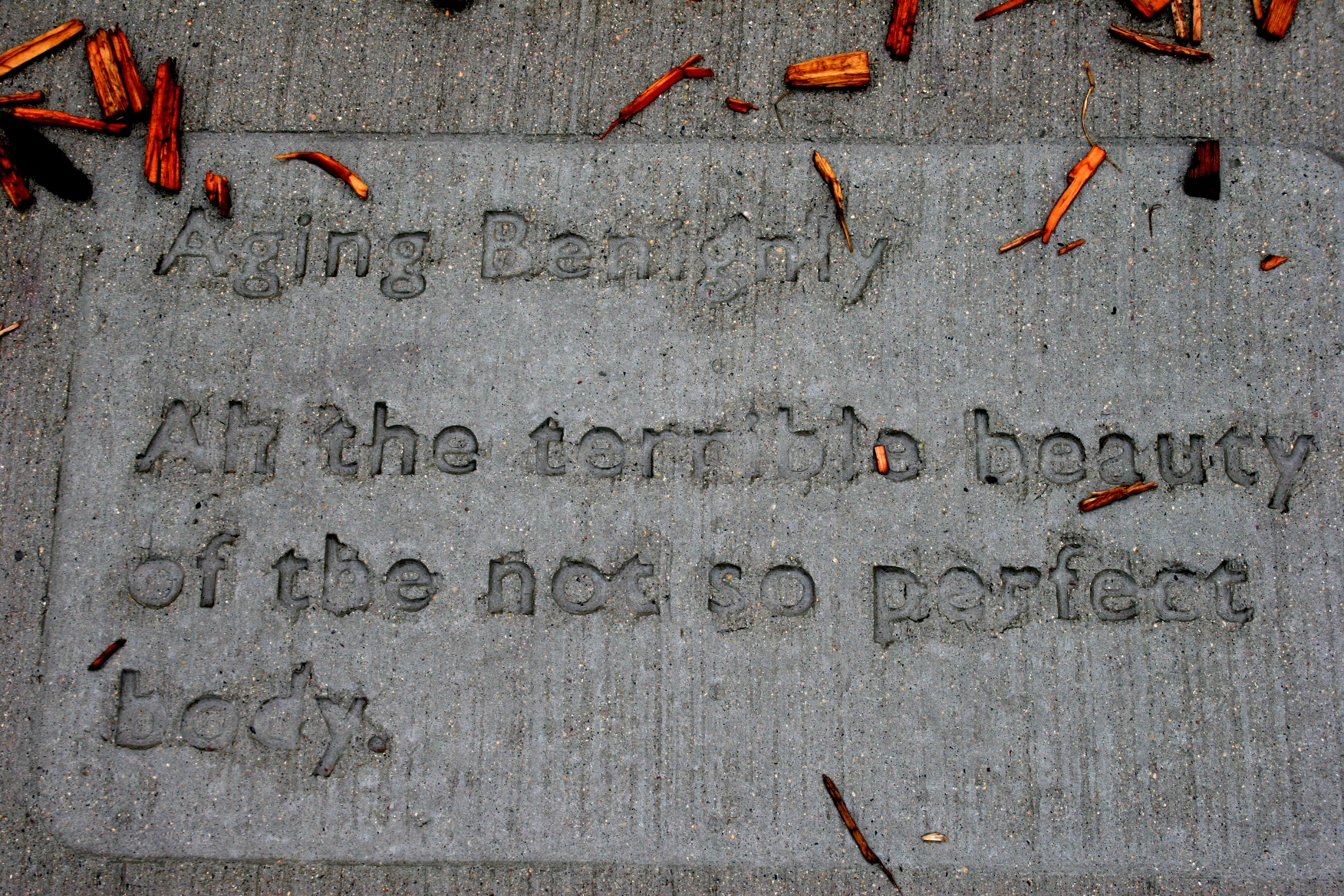
Susan Stevens Chambers of Good Thunder writes:

Aging Benignly

Ah the terrible beauty

of the not so perfect

body.

In this edited photo, read Susan Stevens Chambers' poem about aging.

Nearby kids scramble up a rock wall as I struggle to lift my aging bones from the sidewalk where I have bent close to read and photograph Chambers’ poem.

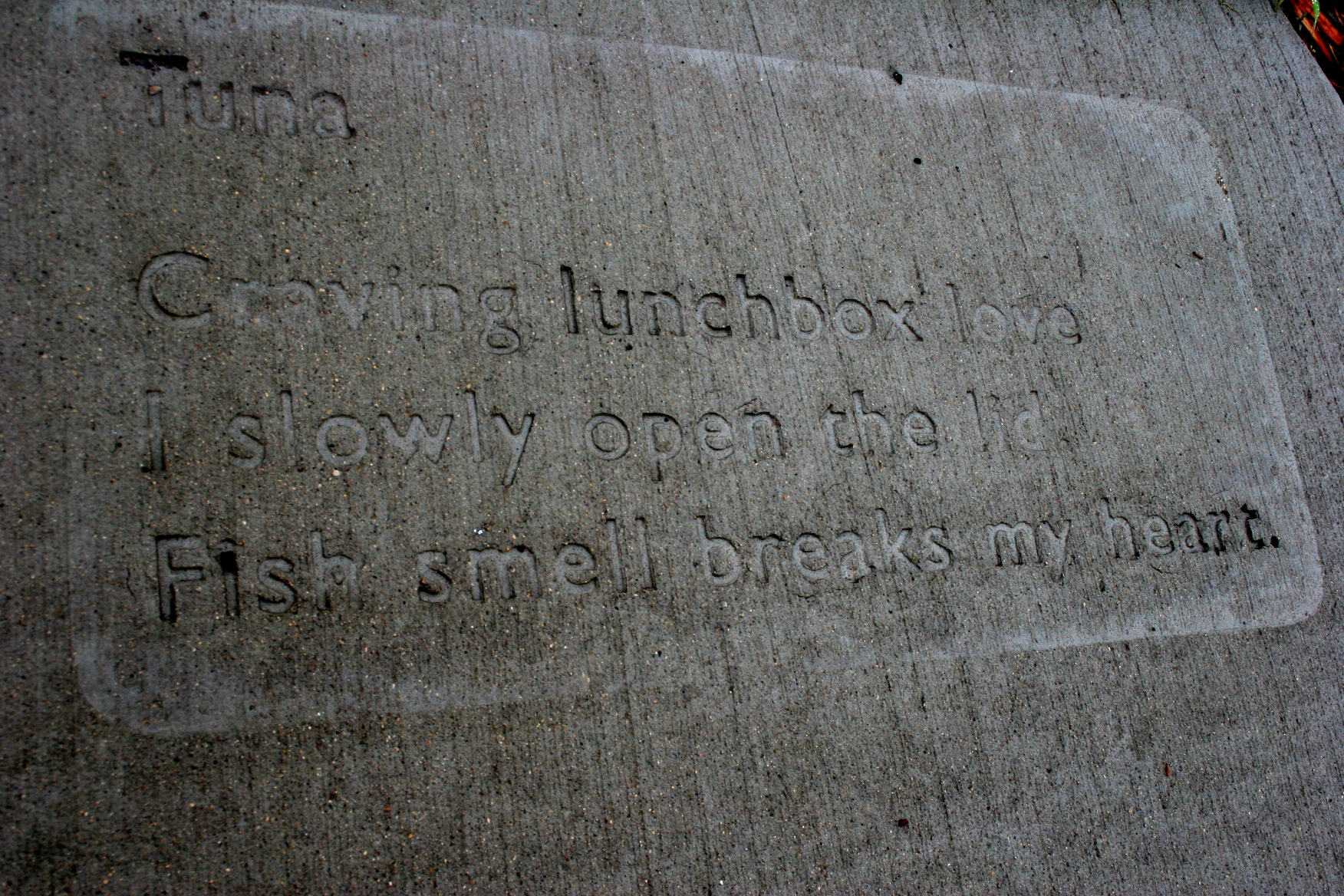
Then I laugh at the words penned by Mankato resident Yvonne Cariveau:

Tuna

Craving lunchbox love

I slowly open the lid.

Fish smell breaks my heart.

The poem that causes me to remember all the tuna I ate during my last two years of college.

Exactly. I ate too much tuna in this college town between 1976 and 1978. I could write my own poem about cramming tuna sandwiches while cranking out stories at the Mankato State University (I still can’t call it Minnesota State University, Mankato) student newspaper, The Reporter.

Deadlines and words.

Words and deadlines.

Tuna. Words. Deadlines.

Cariveau’s writing reminds me of those years so long ago when I was young and only beginning my journey into the poetry of life.

WordWalk poems are imprinted on the sidewalk circling this restroom/shelter facility at Riverfront Park in Mankato.

FOR MORE INFORMATION about Mankato’s public sidewalk poetry, WordWalk, click here and here. At least two other Minnesota cities, of which I am aware, have sidewalk poetry: St. Paul and now Northfield.

WHAT’S YOUR OPINION on sidewalk poetry? Do you like it, or not? Would you like to see more such public poetry in Minnesota communities? Why or why not?

© Copyright 2011 Audrey Kletscher Helbling
 

Hail St. Mary’s of Melrose June 26, 2011

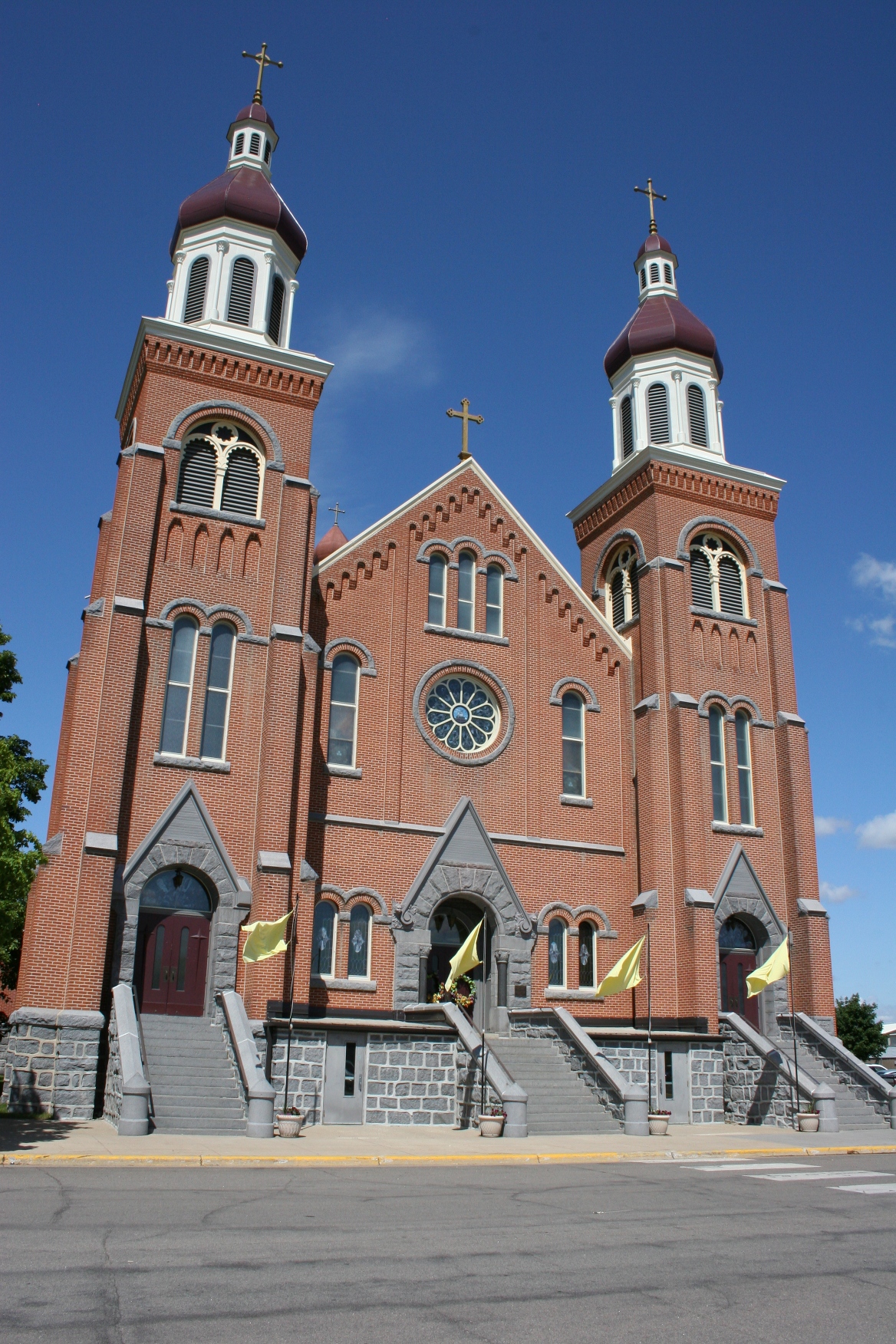
The steeples of St. Mary's Catholic Church of Melrose.

I STOOD THERE. Just stood there. For minutes, taking in the glorious splendor before me.

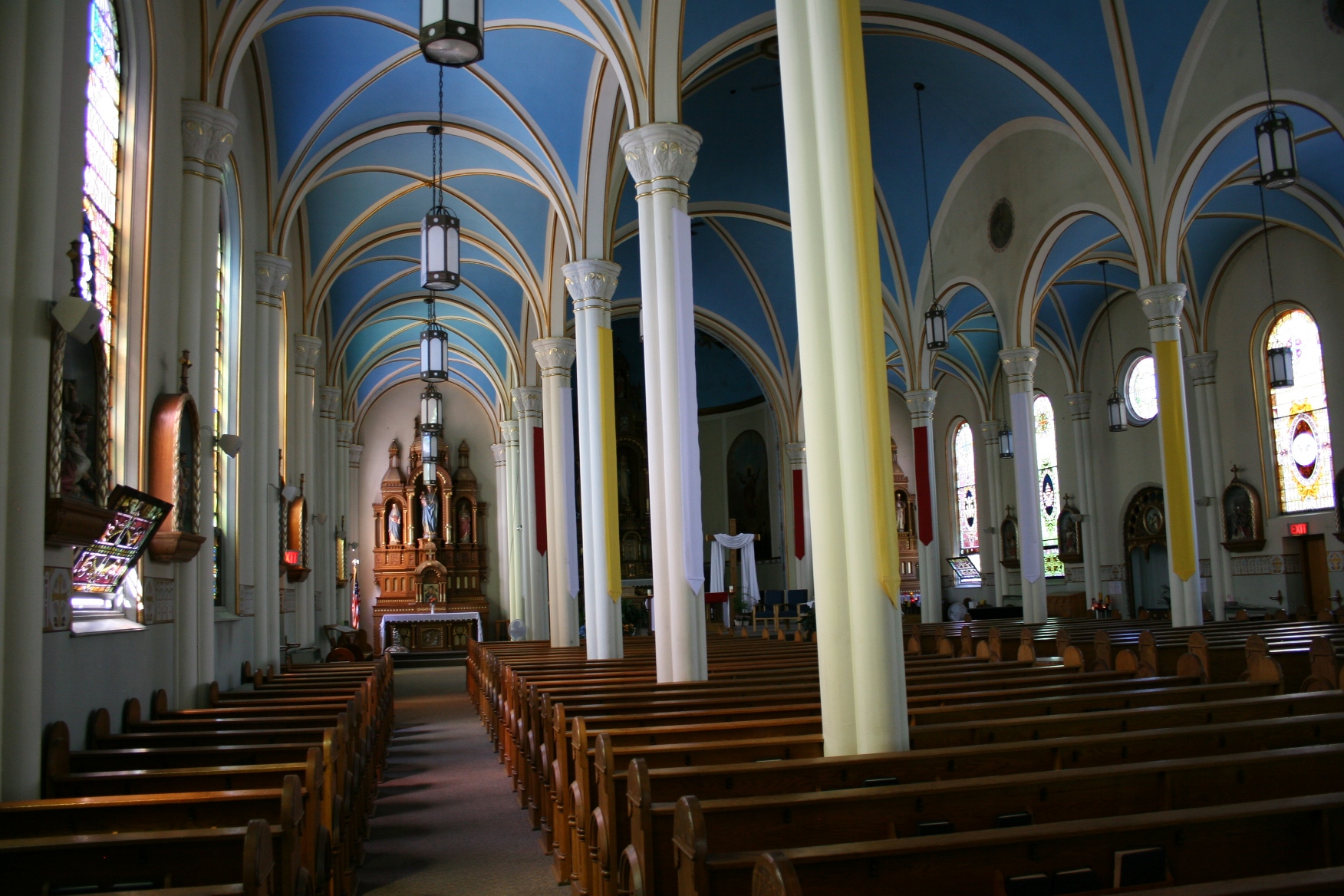
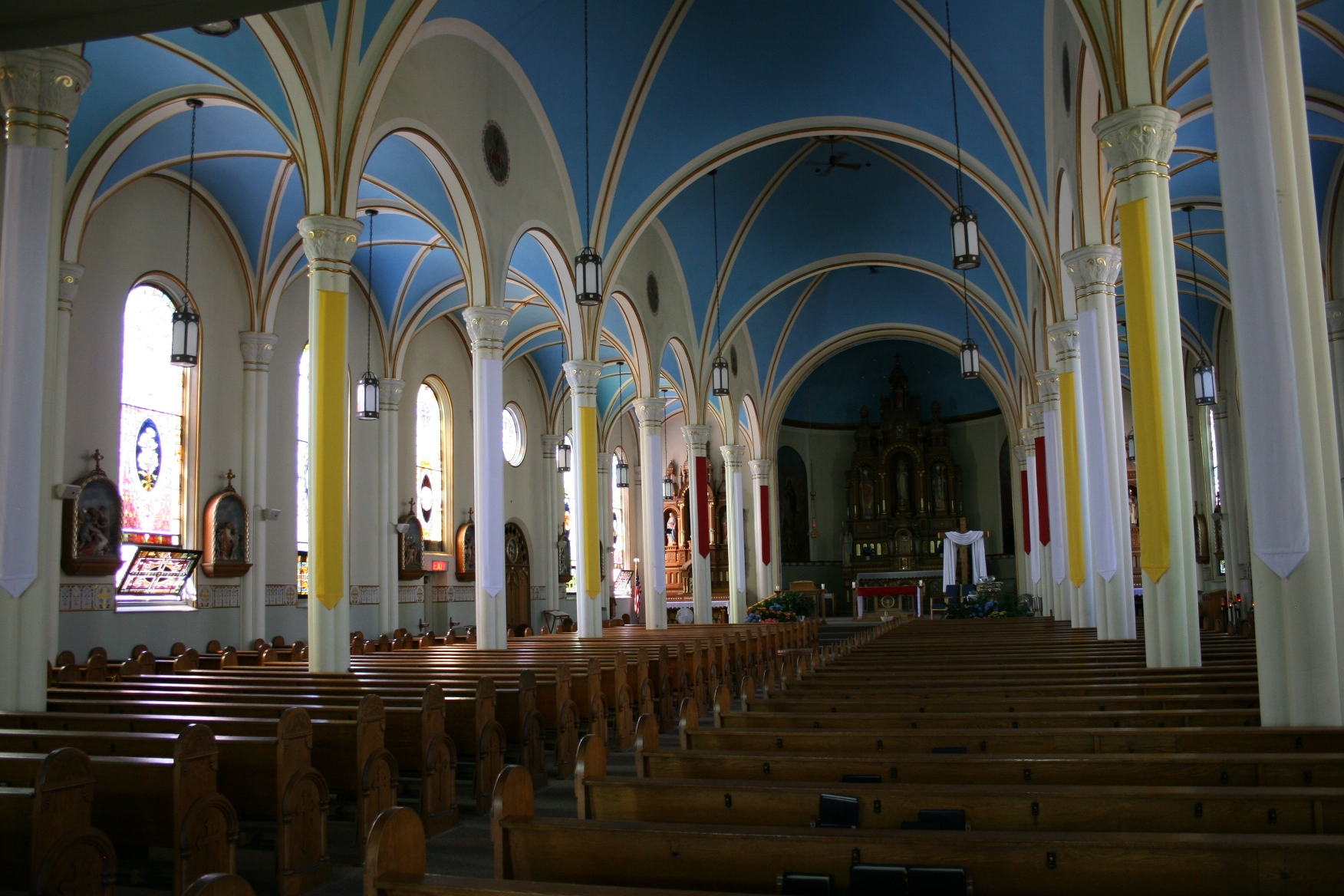
The cornflower blue of the arched ceiling. The pillars. Pews—endless carved pews stretching from the fonts of holy water to the steps leading to the altar.

A view from the back of St. Mary's Catholic Church looking toward the main altar.

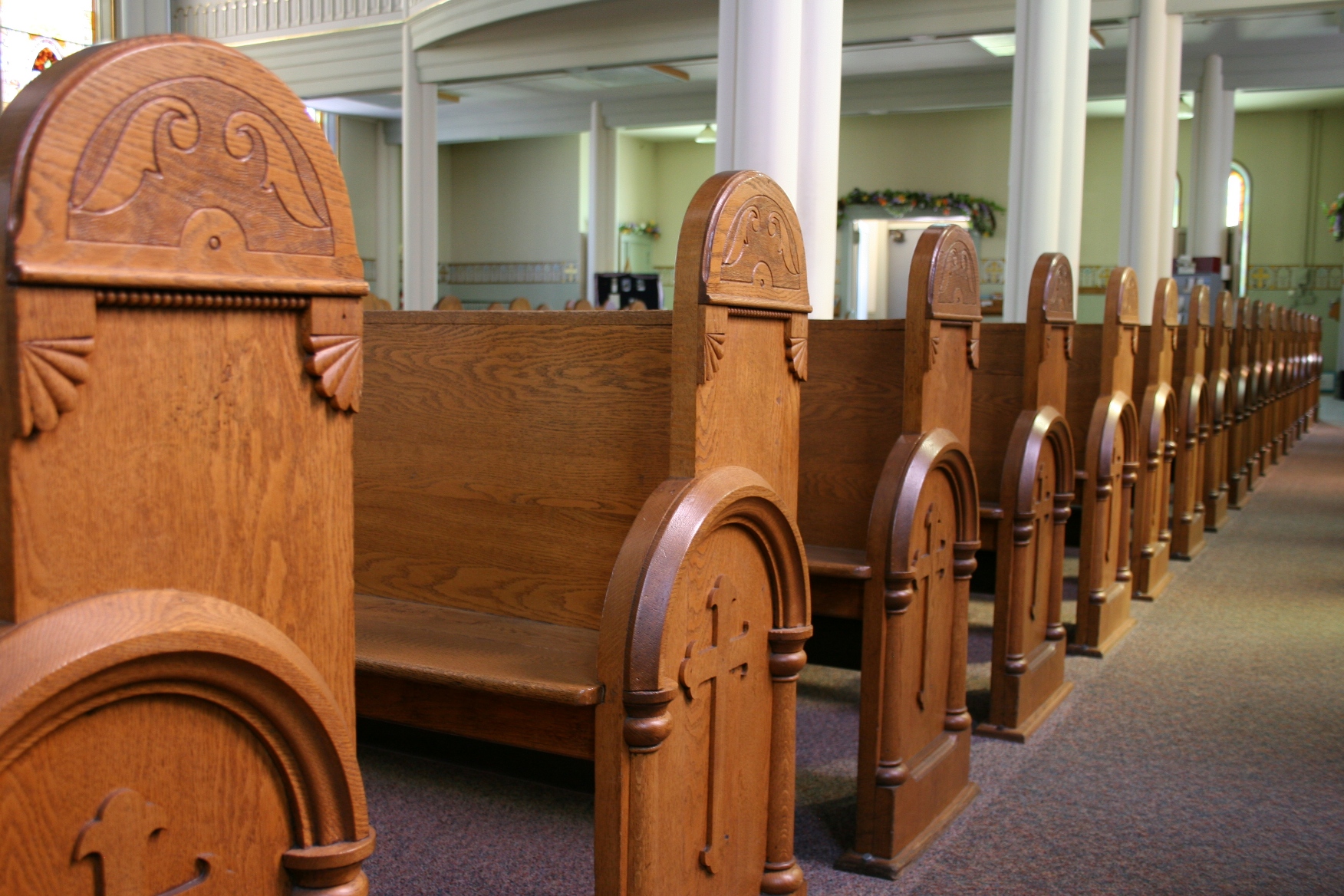
I didn't even try to count the hand-carved pews that grace this church. But they are many.

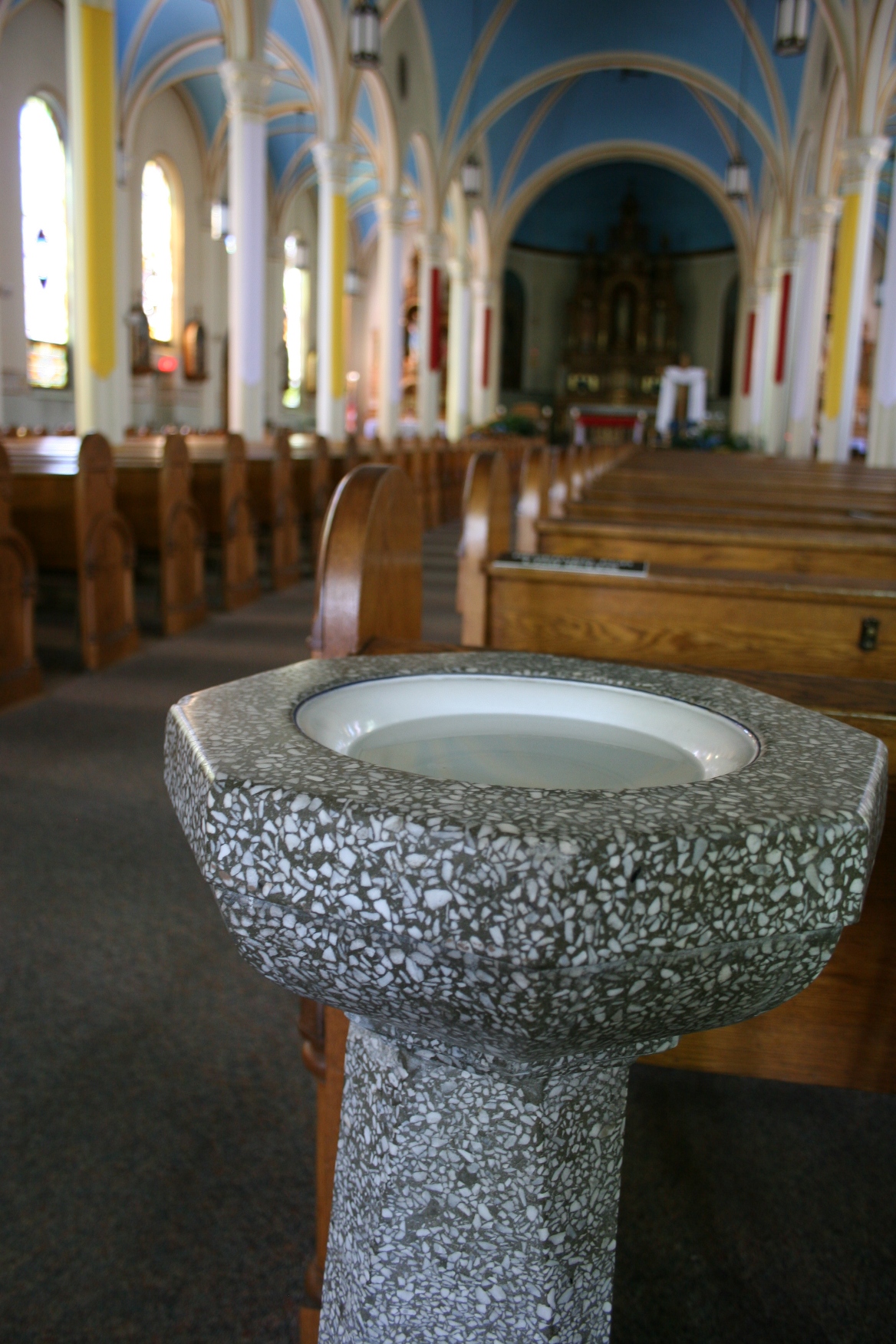
A stone font holding holy water at the back of the church.

Such beauty. Such holiness. Such wonderment.

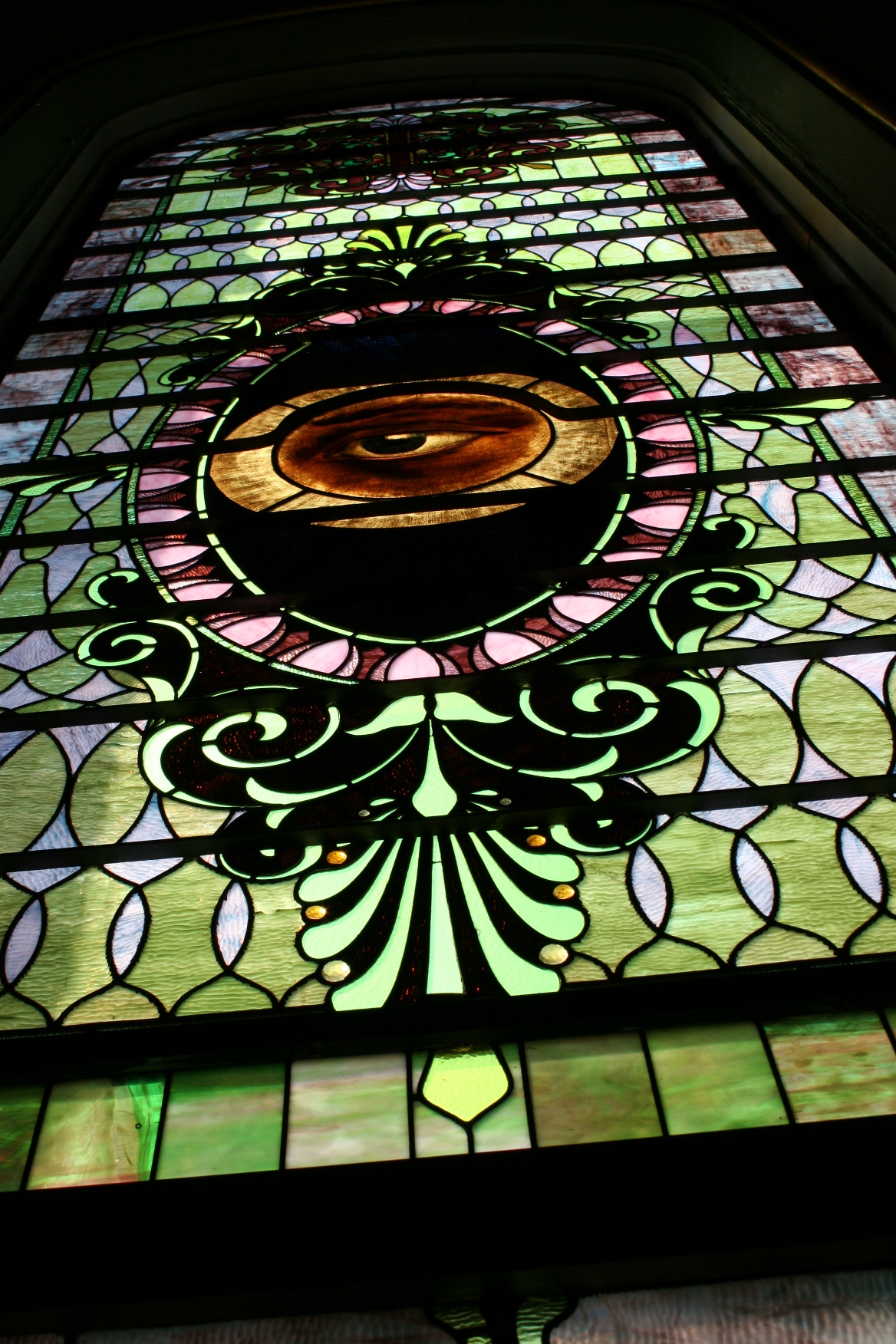
Opulent, stained glass windows bedecking the sanctuary like jewels on a crown.

One of too many stained glass windows to count.

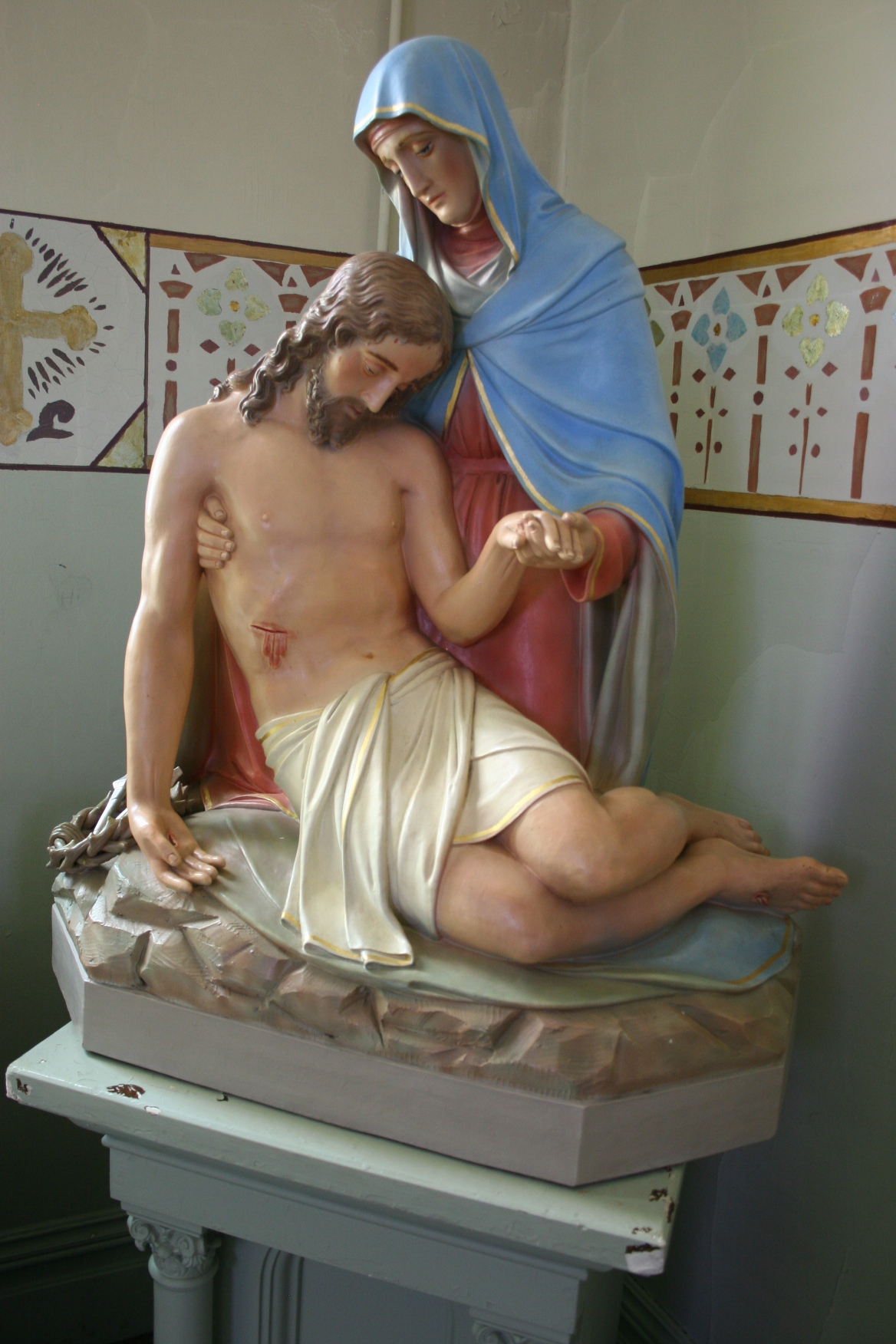
Statues fit for the finest of museums.

This statue of Jesus and Mary sits at the back of the church.

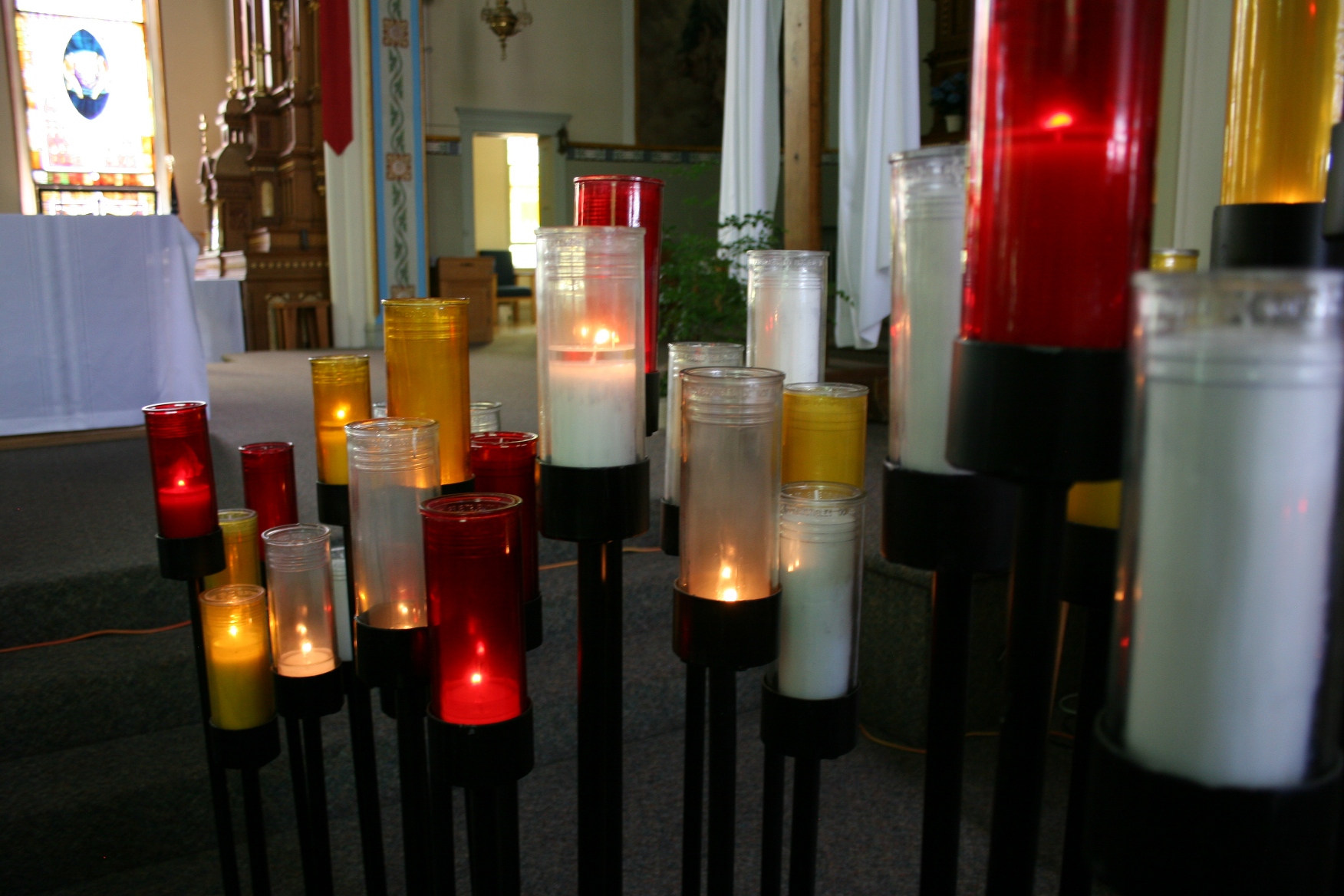
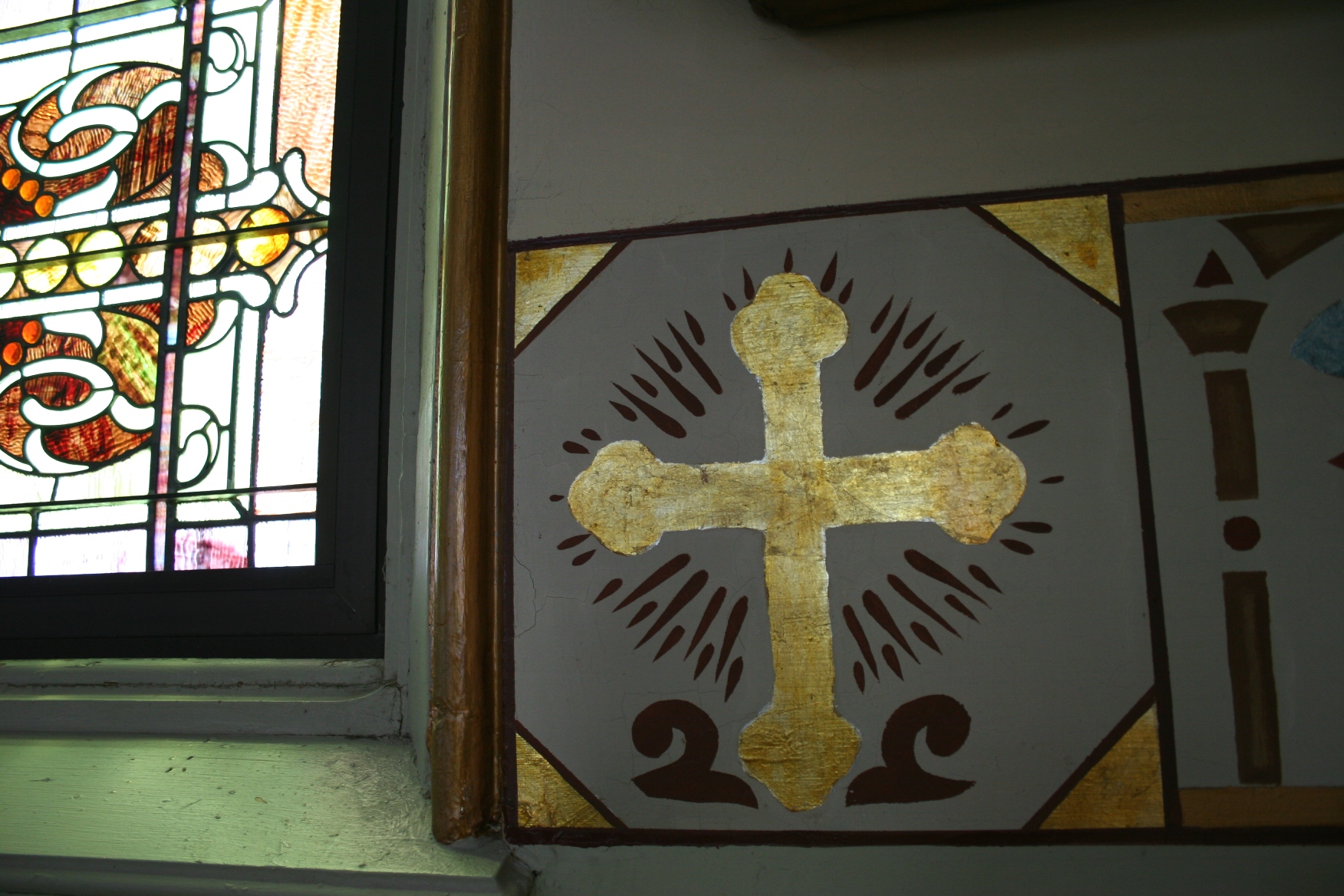
And then I moved, not sure which direction to go, wondering how I could possibly see every detail. Prayerful hands. Flickering candles. The frayed ends of the bell pull. Gold-leaf stenciled crosses. Worn wood. Angels in flight above the altar.

Clustered candles of prayer at St. Mary's.

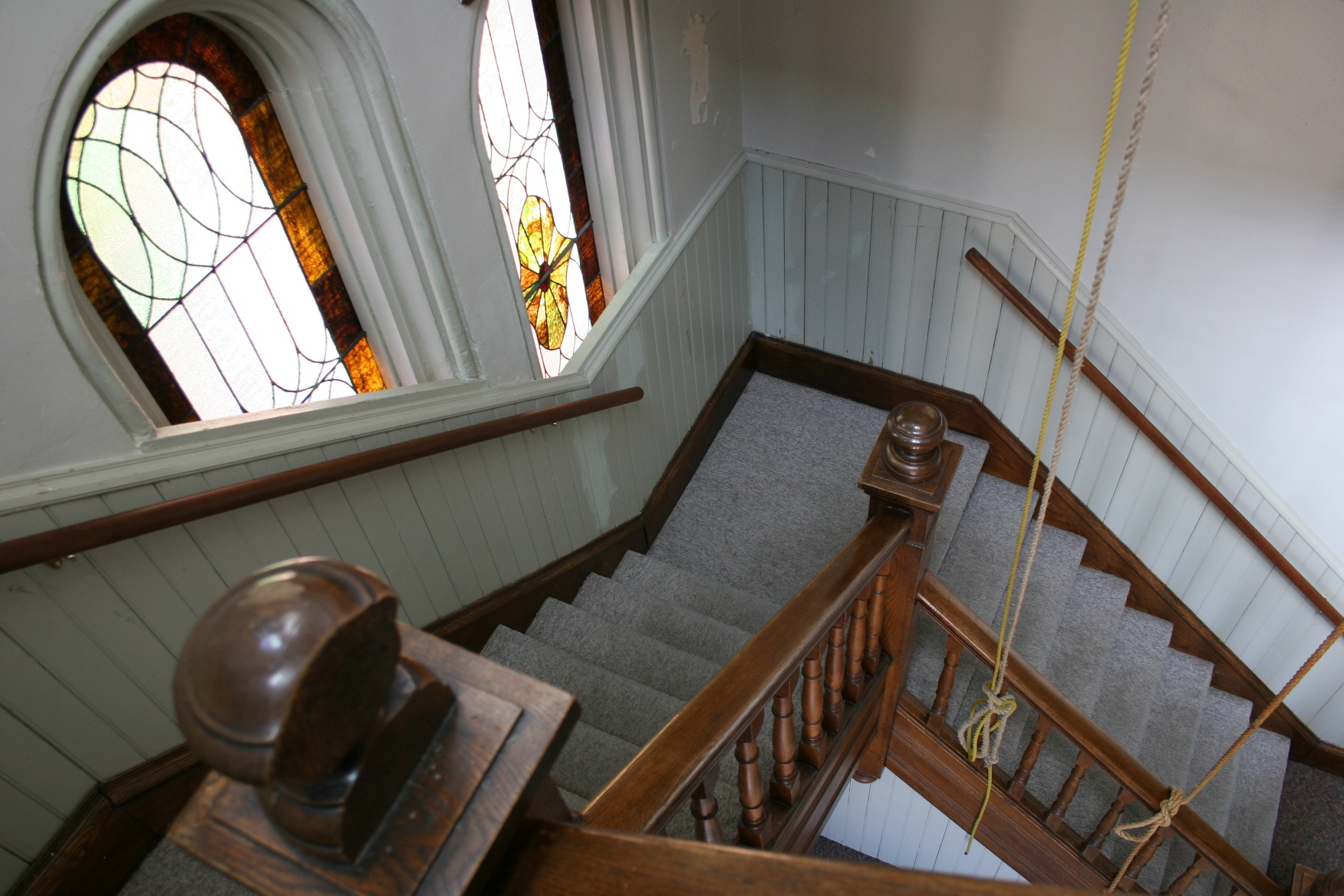
Bell ropes dangle by the balcony stairway. Two stairways lead to the balcony.

A gold-leafed stenciled cross borders a side wall of the sanctuary.

My eyes swept across the Church of St. Mary’s, or St. Mary’s Catholic Church of Melrose. Choose the moniker you prefer.

The name and the denomination of this 1898 church mattered not to me. I cared only for the heavenly feel of this holy place.

How could I not be impressed by this multi-steepled house of worship next to the turkey plant and soaring above the landscape 100 miles northwest of the Twin Cities?

How many times, if you travel Interstate 94 in central Minnesota, have you noticed those steeples while zipping by Melrose, but never taken the time to drive into town? Placed on the National Register of Historic Places in 1993, this Catholic church is worth a stop if you appreciate craftsmanship, art, history and reverent beauty beyond belief.

The church rises above the land, defining Melrose.

The 113-year-old building was constructed by the parishioners of St. Boniface and renamed St. Mary’s when St. Boniface and St. Patrick’s parishes merged in 1958.

History runs deep here. You will see it in the hitching post out front, smell it in the incense, hear it in the creak of steps leading to the locked balcony.

And if you listen closely, you can almost hear the whispered prayers of those who have come here on bended knees to lift up their sorrows to the Lord.

#

I COULD NOT POSSIBLY share my many photos of St. Mary’s with you in one blog post. Please check back for more images in a future post.

© Copyright 2011 Audrey Kletscher Helbling
 

A historic bank and White Buffalo Calf Woman June 23, 2011

SET ME IN FRONT of an architecturally-stunning historic building and I’m in history heaven.

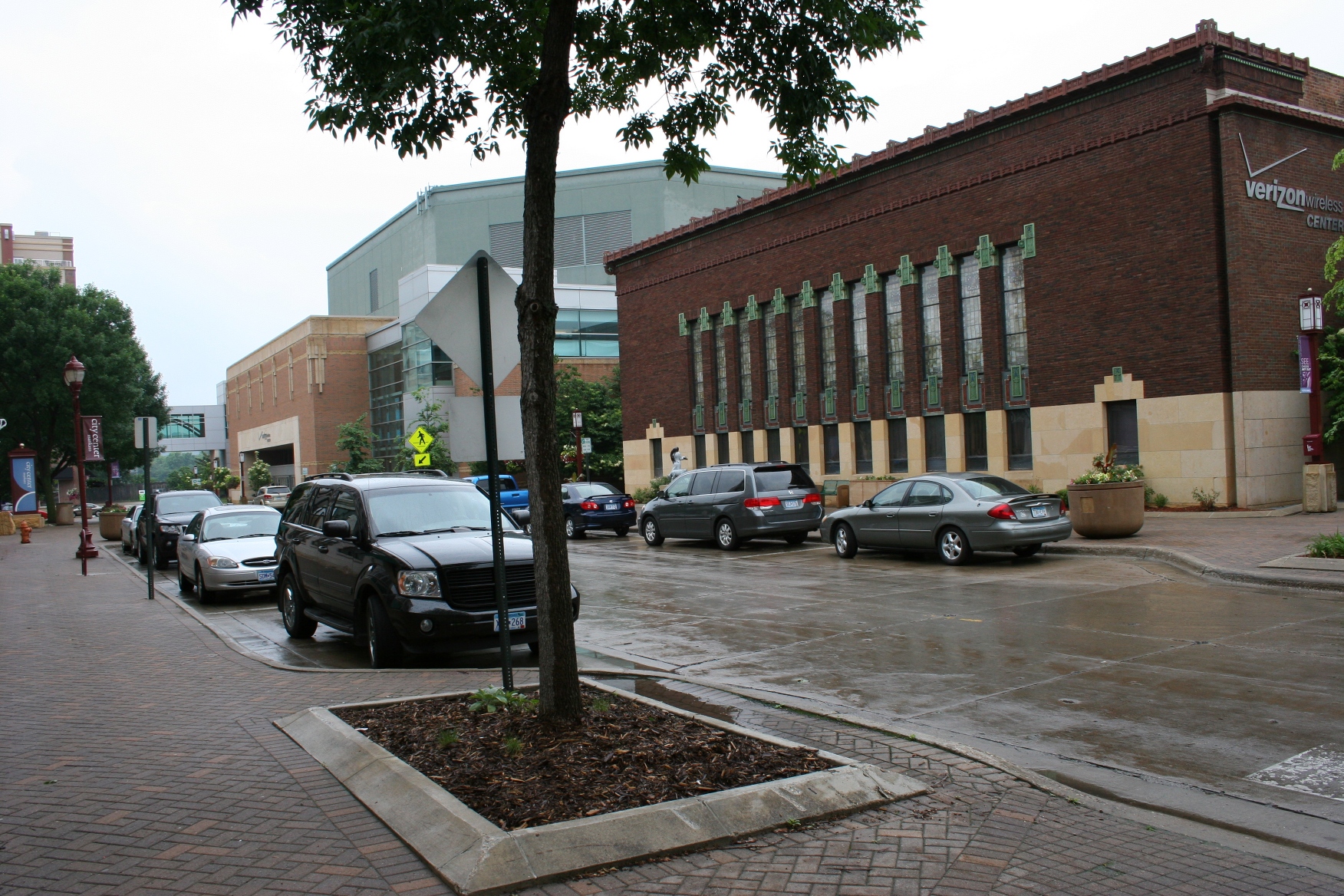
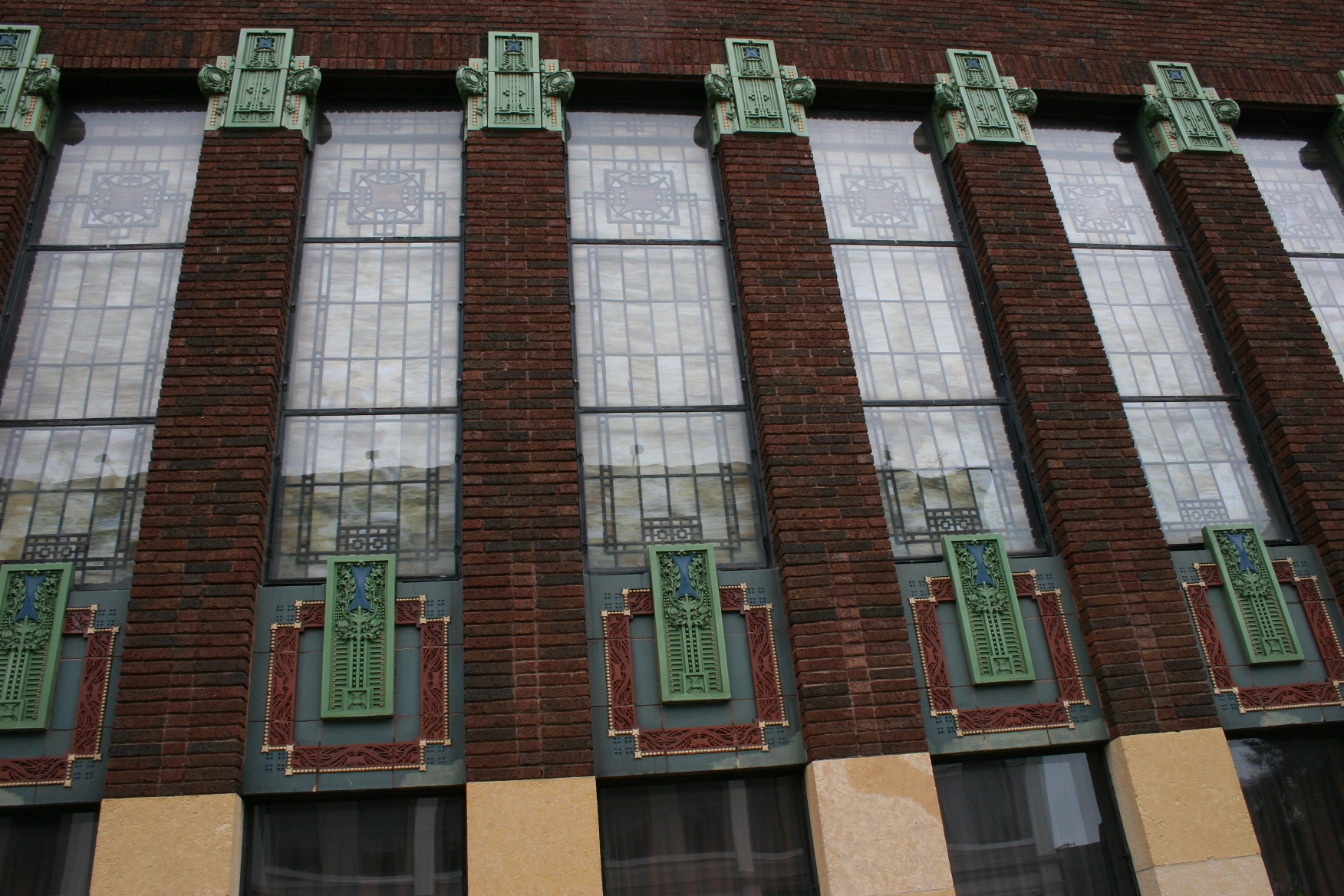
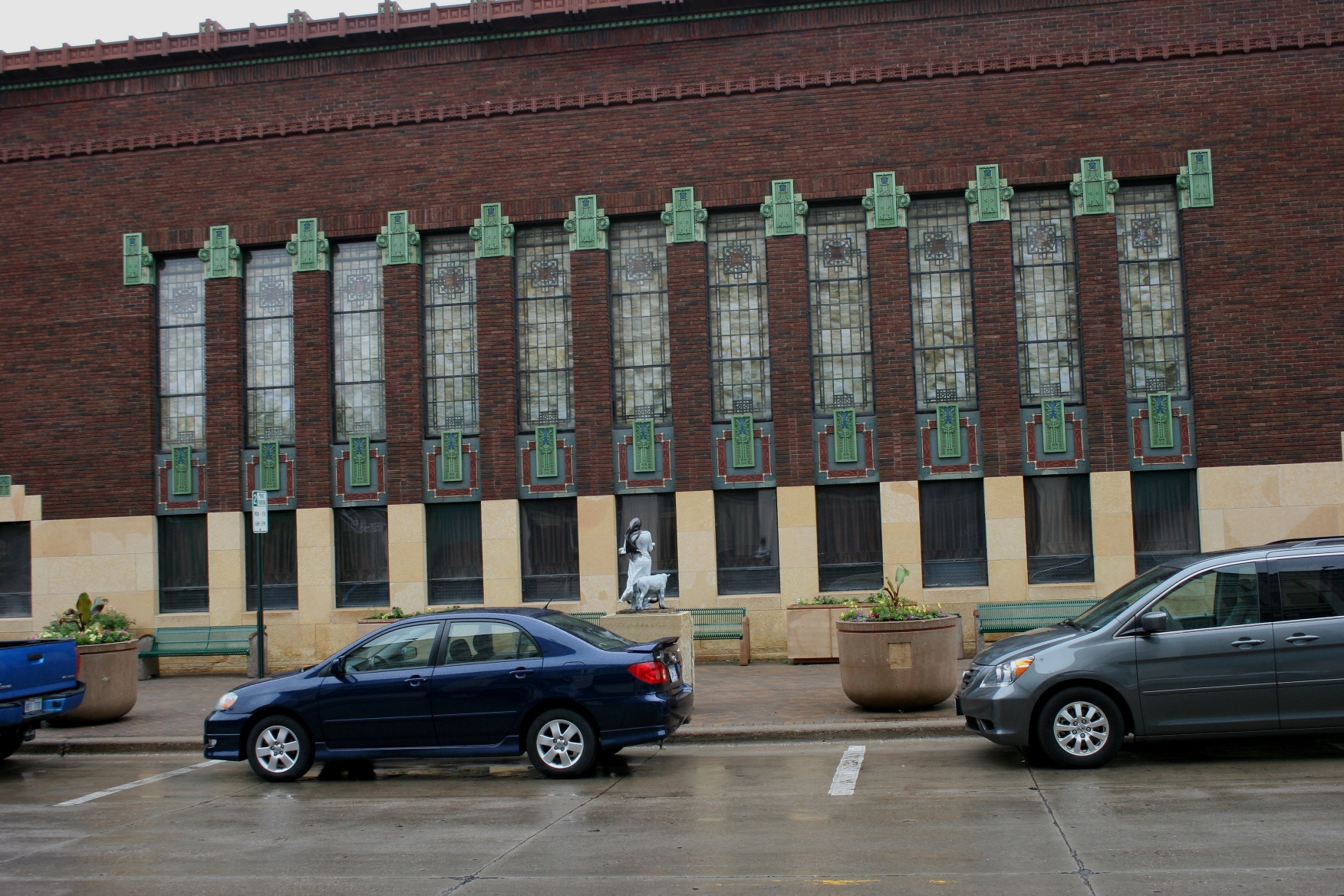
Just look at the lines, the colors, the window leading, the carvings…of the Old First National Bank of Mankato building, now a Verizon Wireless Center reception hall.

I didn’t step inside the former bank, didn’t even try a door. I was content last Saturday afternoon to view the exterior with its Prairie School style architecture.

“It’s like that bank in Owatonna,” my husband said as we gawked at the building built of brick, Mankato limestone and terra cotta along Civic Center Plaza in downtown Mankato.

He was, of course, referring to Chicago architect Louis Sullivan’s “jewel box,” National Farmer’s Bank in Owatonna, a brick building with terra cotta accents, splendid for its stained glass windows, arches and other architectural details.

The Mankato building features Frank Lloyd Wright-inspired stained glass and detailed ornamentation along the roof line.

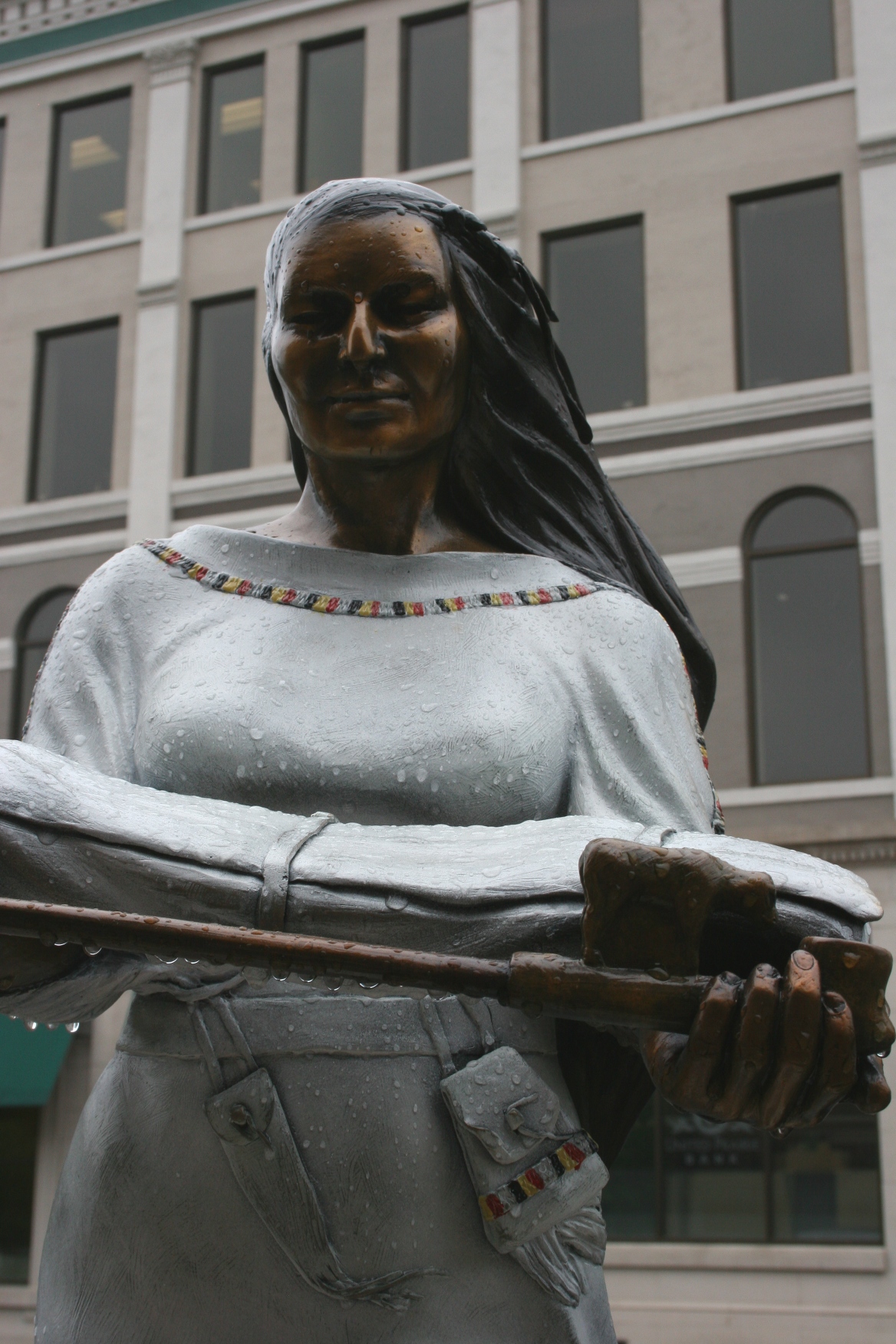
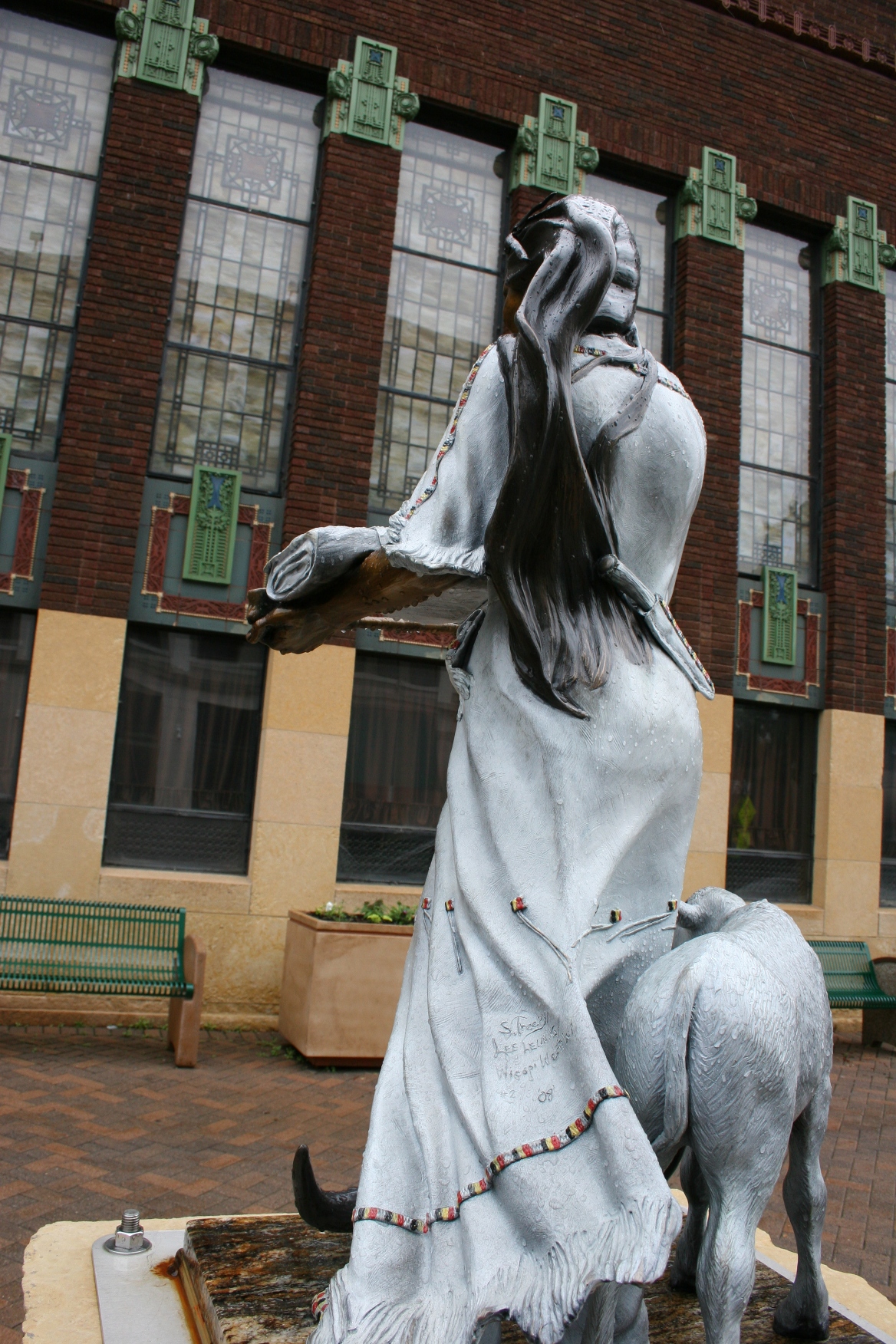
And now it also showcases a bronze sculpture of White Buffalo Calf Woman by South Dakota artists Lee Leuning and Sherri Treeby as part of Mankato’s City Art Walking Sculpture Tour.


If you peer at the woman’s face, examine her beaded moccasins and the trim on her buckskin dress and pouch, you’ll notice how the colors mimic those of the historic bank building. Whether this Native American sculpture’s placement was planned or accidental, I don’t know, but it fits seamlessly with the historical vibe of the locale, enhancing the whole art viewing experience.

The city of Mankato, apparently named after a varied translation of the Dakota word Mahkato, meaning “blue earth,” owns a place in Minnesota and national history for the mass hanging of 38 Dakota here on December 26, 1862. Three hundred warriors were accused of killing civilians and soldiers and of other crimes during the U.S.-Dakota Conflict. After a public outcry, President Abraham Lincoln commuted the sentences of all but 38. Certainly, Mankato is not proud of this moment in history. But efforts have been made to honor the Dakota at monuments in the city.

And now sculptures like White Buffalo Calf Woman also help heal and educate the public about the Native American culture. According to information on the sculpture placard, this prophetess is the only religious icon accepted by all Native American tribes. She “brings a message of healing, hope and peace among the races to all the people.”

More than just art, I also got a history lesson along a Mankato city street on a Saturday afternoon in June.

PLEASE VIEW MY JUNE 20 post for more photos and information about the Walking Sculpture Tour. Additional images will be forthcoming.

© Copyright 2011 Audrey Kletscher Helbling
 

Mankato brings art to the sidewalks with walking sculpture tour June 21, 2011

Martin Eichinger of Portland, Oregon, created this graceful "Bird in the Hand" bronze sculpture valued at $14,500 and posed near the City Center.

You'll find "Play Thing" by Ryszard, Denver, Colorado, and sculpted from Colorado marble, in North Mankato.

MAYBE IT’S BECAUSE I grew up without much art—no paintings, no piano, no library—that I so appreciate the visual, performing and literary arts.

I still can’t paint a painting or read a musical note. But I value those two art forms and words, which have always been a part of me, who I am.

Several years ago I walked the Bemidji Sculpture Walk and I quickly became enamored with the idea of placing sculptures in a community and then swapping them out a year later for new sculptures. The touring sculptures scattered primarily through-out Bemidji’s downtown impressed me as an ingenious way to get art before the general public.

Now I needn’t drive hours and hours and hours to view such public art. In 45 minutes I can reach downtown Mankato and view the 25 sculptures positioned there and in North Mankato as part of the City Art Walking Sculpture Tour. For free.

On Saturday, while in Mankato for a graduation reception, my husband and I made it a point of afterward checking out those sculptures. We missed seeing only a few of the art pieces, including one along Belgrade Avenue that was vandalized and, ironically, titled “Look and You Will Find.” We found only an empty block of Minnesota limestone, donated by Vetter Stone, where the sculpture once stood.

Mahtomedi artist Kate Christopher's $6,900 bronze sculpture, "Look and You Will Find It," was vandalized. The art piece symbolized HOPE.

I expected to find a bustling downtown Mankato. Obviously I have not been downtown for many years. Nearly all of the shopping has moved to the fringes of the city, into the malls and big box stores, and the downtown houses primarily office buildings, restaurants, bars, a hotel and the Verizon Wireless Center. Honestly, except for the sporadic motor traffic on Second Street and a few pedestrians, the place was basically deserted around mid-afternoon. Granted, the weather was less than ideal with on-again-off-again rain. We could park almost anywhere we wanted and walk to the sculptures within a several-block area.
We spotted only two other individuals walking around viewing the sculptures. Dana Parlier of Brooklyn, New York, created this resin sculpture, "Cubist Woman." The man-made concrete canyons of New York City inspired this contemporary art, which seems to match the modern look of the building.
The art pieces certainly present a reason to visit downtown Mankato and then cross the Minnesota River to North Mankato to view several more sculptures. I’m not going to tell you I liked every sculpture, because I didn’t. But that’s OK; no one expects that. Sometimes first impressions change though. When I spotted “Twenty Seven (China)” from across the street, I honestly thought it looked like a mess of twisted junk. But up close, the steel sculpture of recycled bicycle parts—mostly handle bars—grew on me. Joe Forrest Sacke’s $3,500 conglomeration seemed modernish and hippyish and vintageish jumbled into one. Art will surprise you that way.

Joe Forrest Sacke's "Twenty Seven (China)."

You can vote for your favorite, for The People’s Choice Award. We didn’t, although I narrowed my favorites down to three. Voting booths are strategically located through-out the Walk area.

One of my three favorite sculptures, "White Buffalo Calf Woman," a bronze piece created by Aberdeen, South Dakota, artists Lee Leuning and Sherri Treeby. Notice how the dominant color in the sculpture blends with the building's color. Wait until you see the building on the other side of this Native American woman. You will be wowed. I'll share those images with you in another post.

This bronze piece, "The Farmer's Wife," by Dee Clements of Loveland, Colorado, is also among my three favorite sculptures. A photo Clements took in a Korean village inspired this art creation.

The detail in this bronze, "Reading Magic," by Julie Jones of Fort Collins, Colorado, appeals to me and makes it one of my top favorites among the 25 sculptures in the exhibit.

Banners draw visitors to the sculptures and to voting spots in downtown Mankato.

I also noticed, and I don’t know whether this was on purpose, but the sculptures often seemed to jive, architecturally and environmentally, with the buildings they were situated near.

Mankato is committed for the next five years to bringing these rotating sculptures into the community via a partnership with the Sioux Falls-based SculptureWalk program. Of course, this all costs money and with the help of a grant, business sponsorships, donations and more, Mankato has managed to bring this art directly to the people.

It’s a grand idea. I expect to return to Mankato to see next year’s art and perhaps other area attractions. Even though I attended college here for four years, I really didn’t appreciate the city. And so much has changed since 1978.

For someone like me, who doesn’t venture into Minneapolis to engage in the art scene there, mostly because I don’t like the congestion and busyness of the metro, outstate art opportunities like City Art in Mankato offer me culture at a quieter, more enjoyable (at least for me) pace.

#

SINCE I CAN’T POSSIBLY show you all of my photos in one post, I’ll bring you more images in future stories.

© Copyright 2011 Audrey Kletscher Helbling