Minnesota Prairie Roots

Writing and photography by Audrey Kletscher Helbling

Holly Dodge’s collage art, inspired by poet Emily Dickinson, a must-see now in St. Peter October 24, 2024

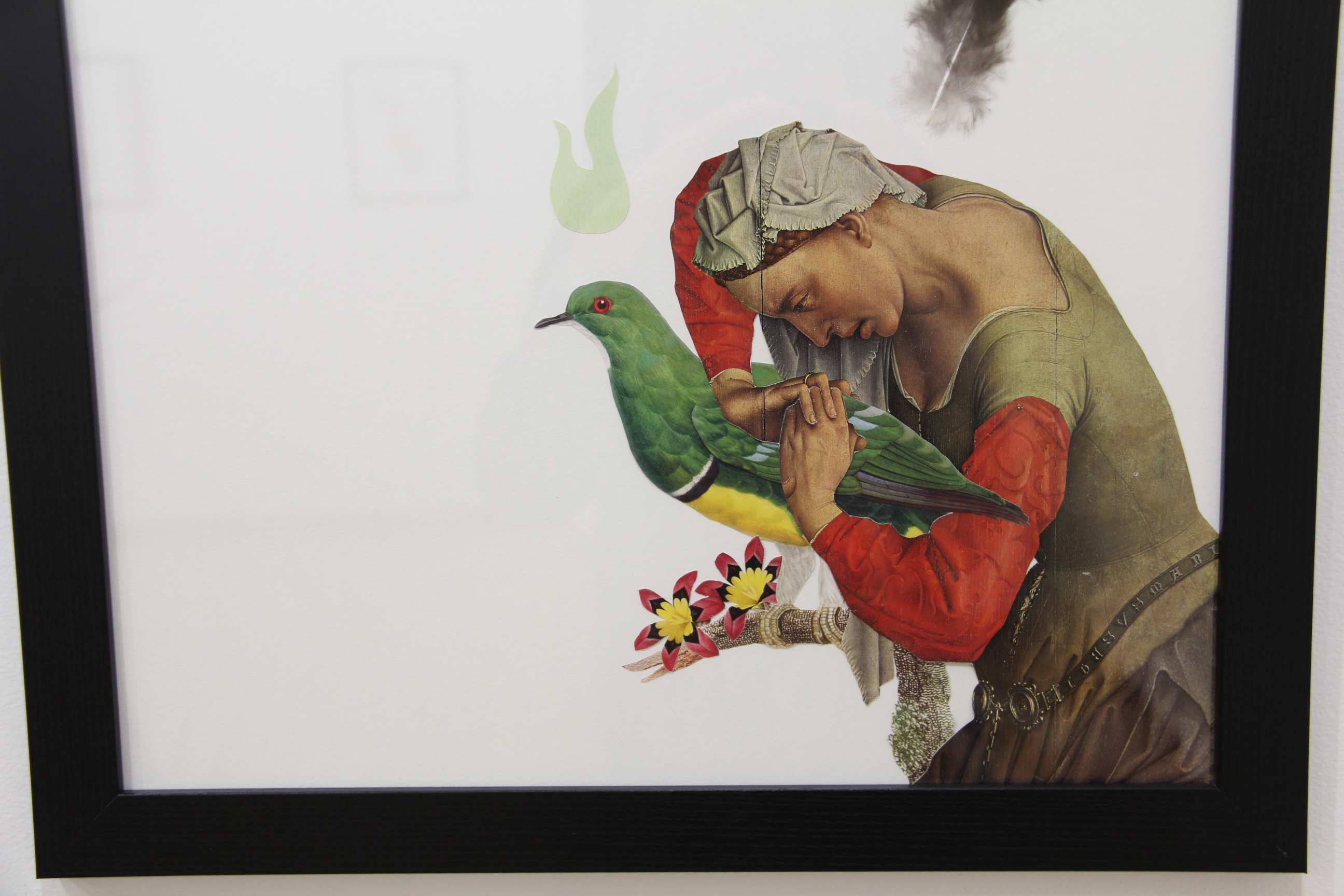
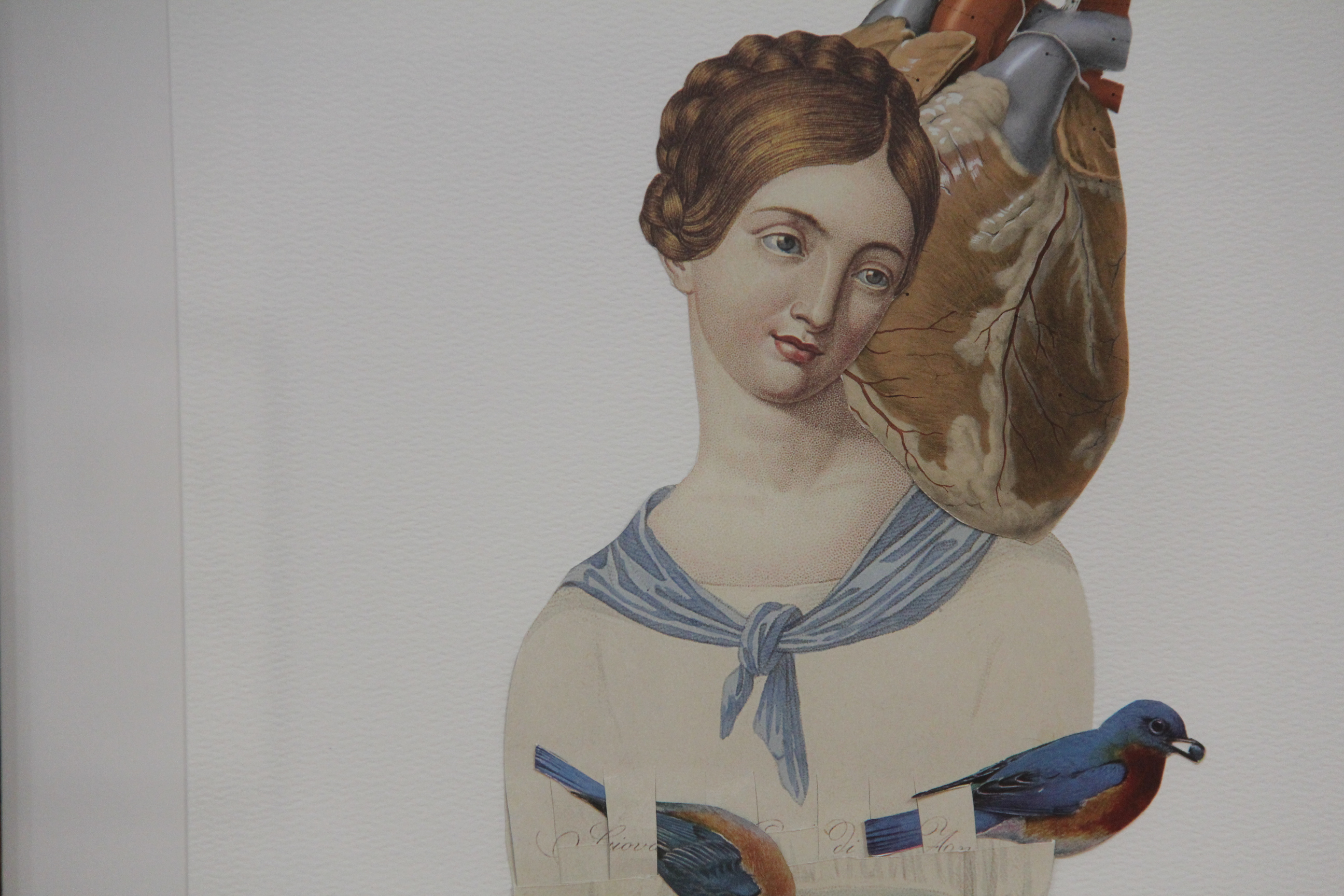
This shows a section of Holly Dodge’s collage titled “Glossolalia.” (Minnesota Prairie Roots copyrighted photo October 2024)

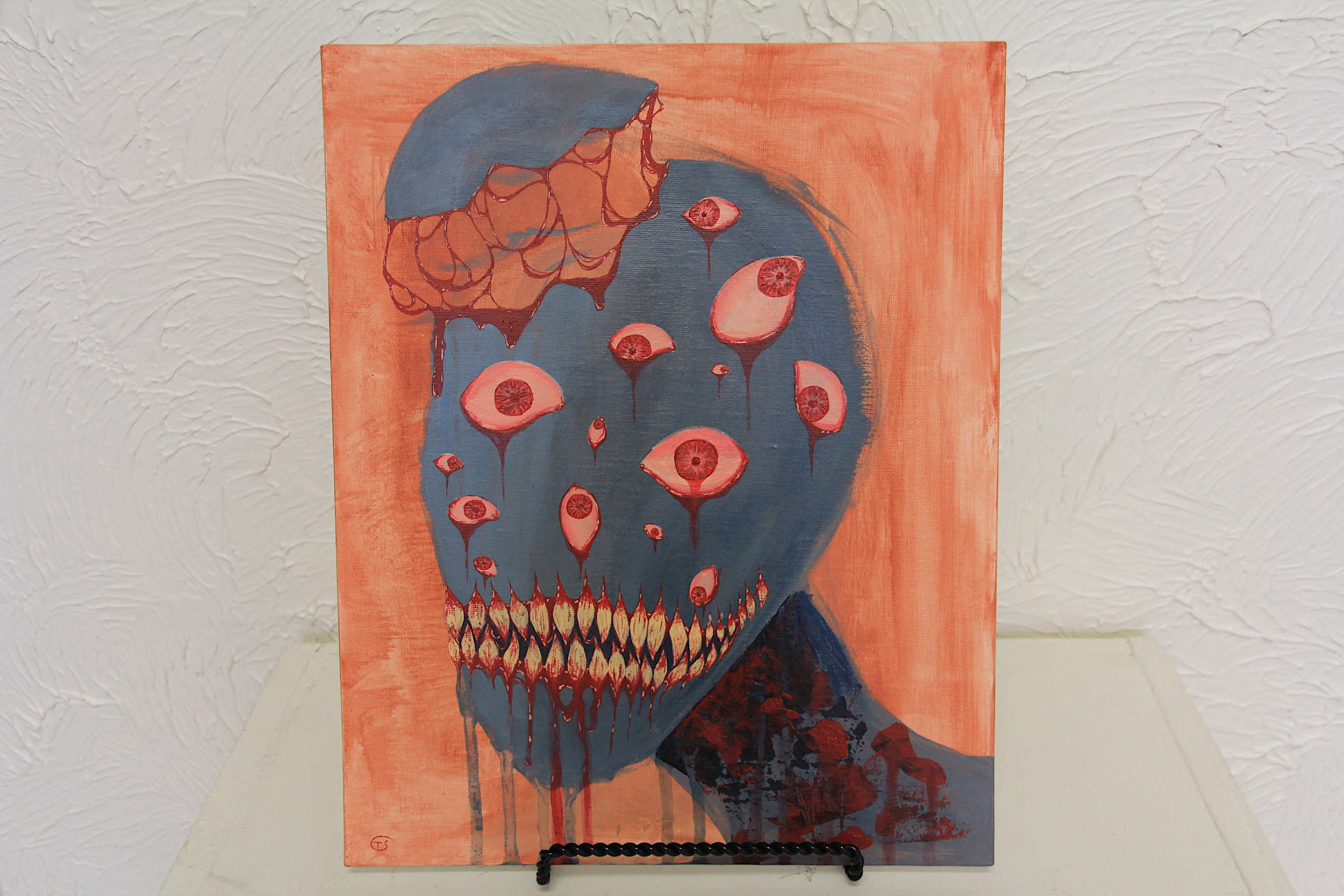
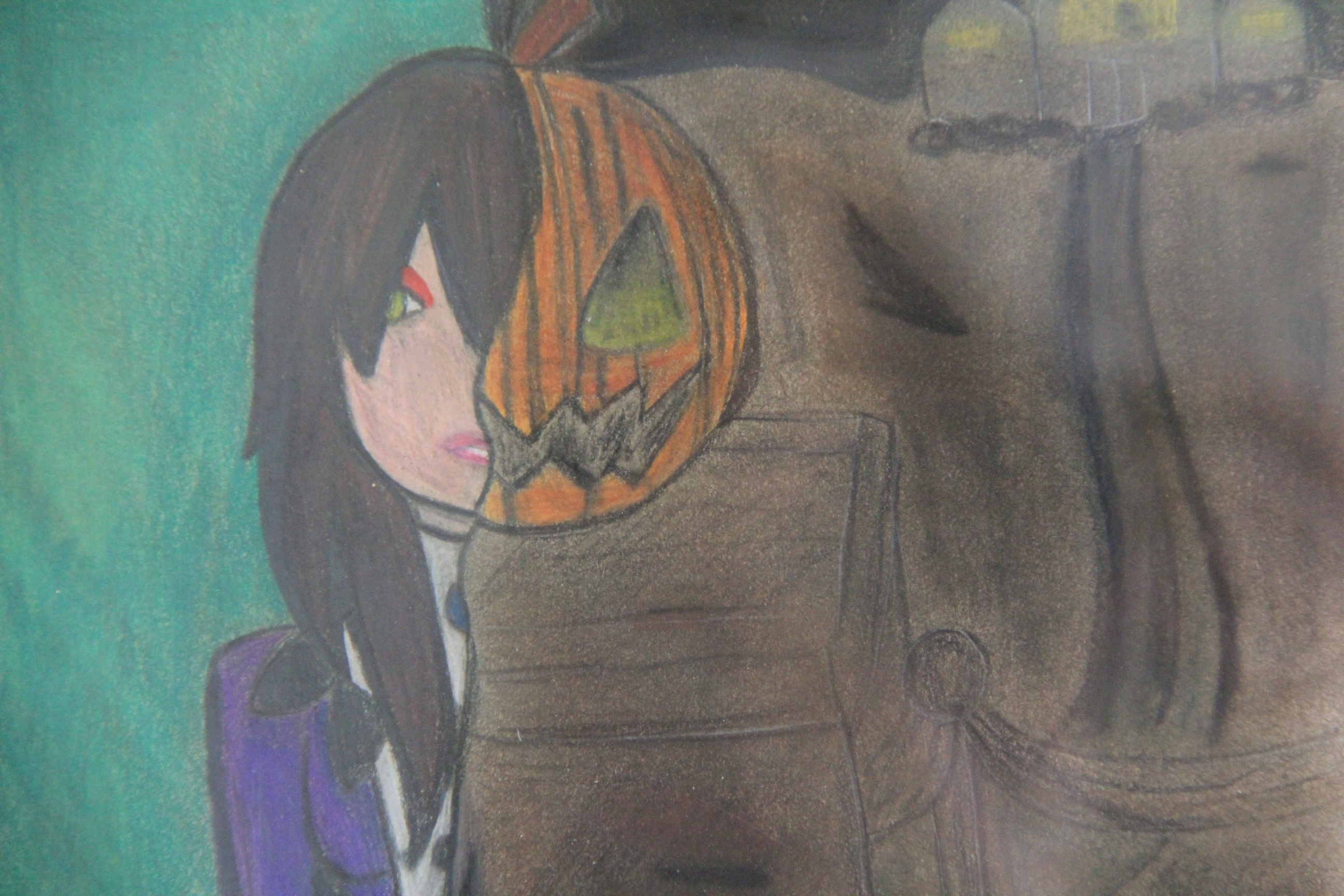
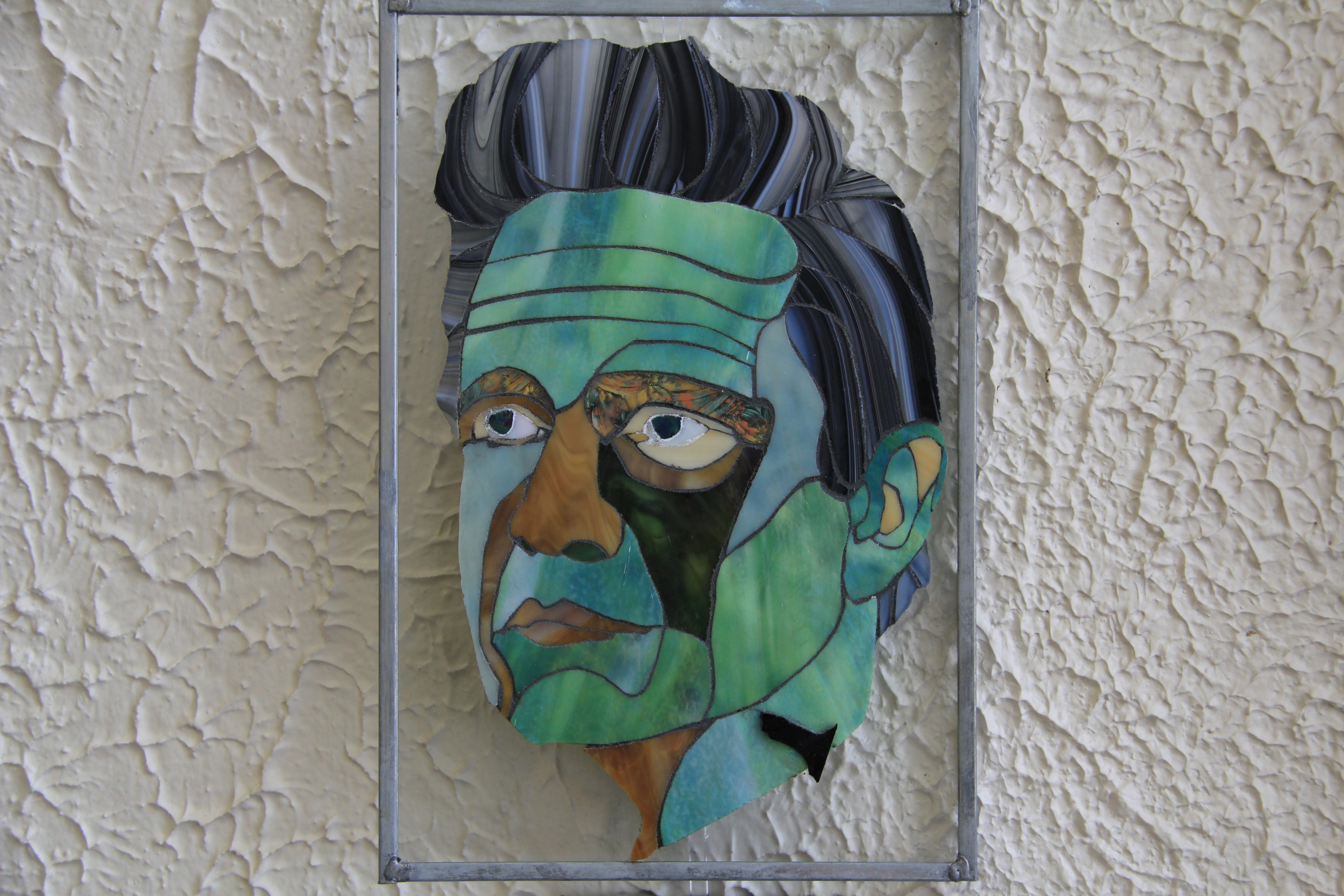
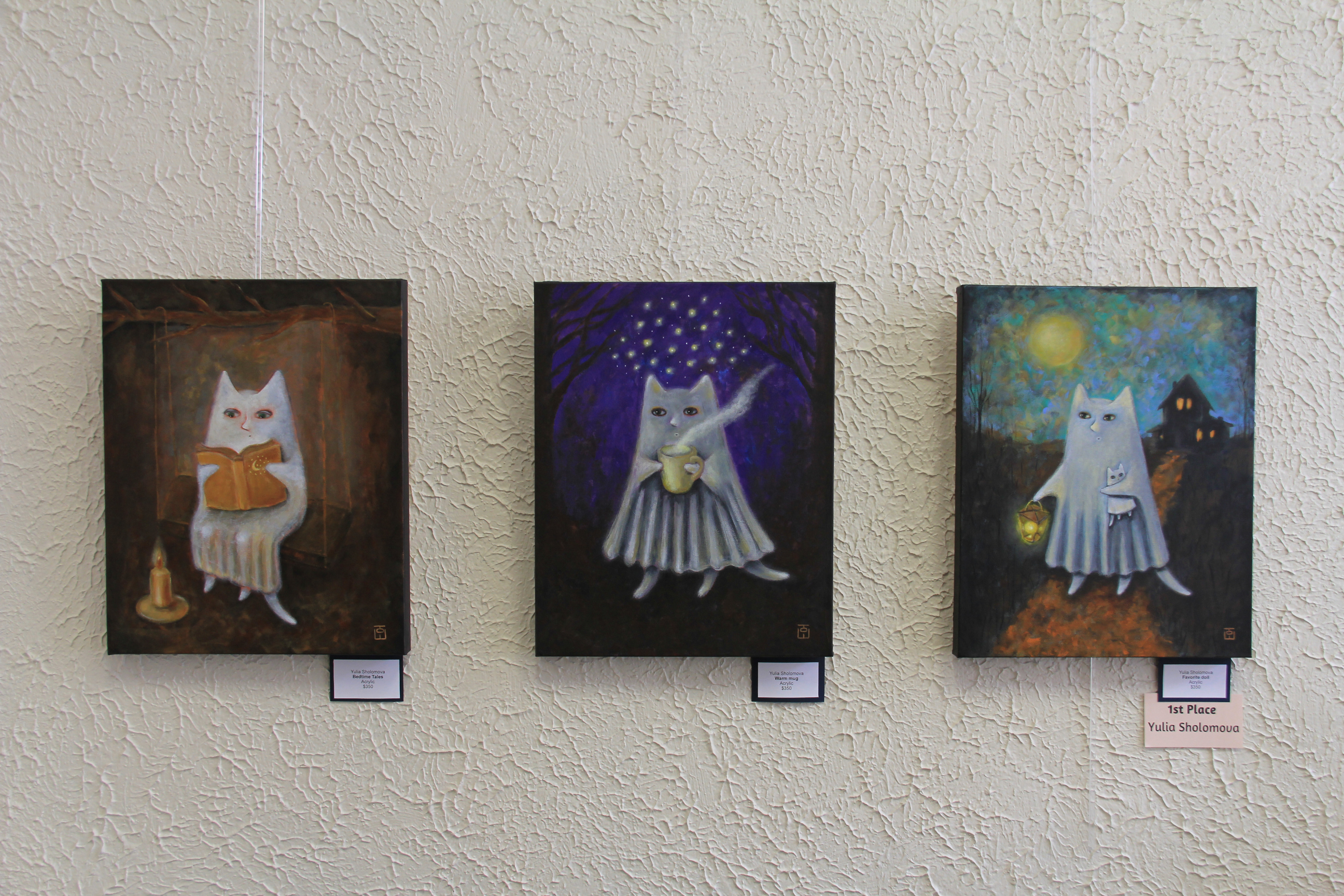
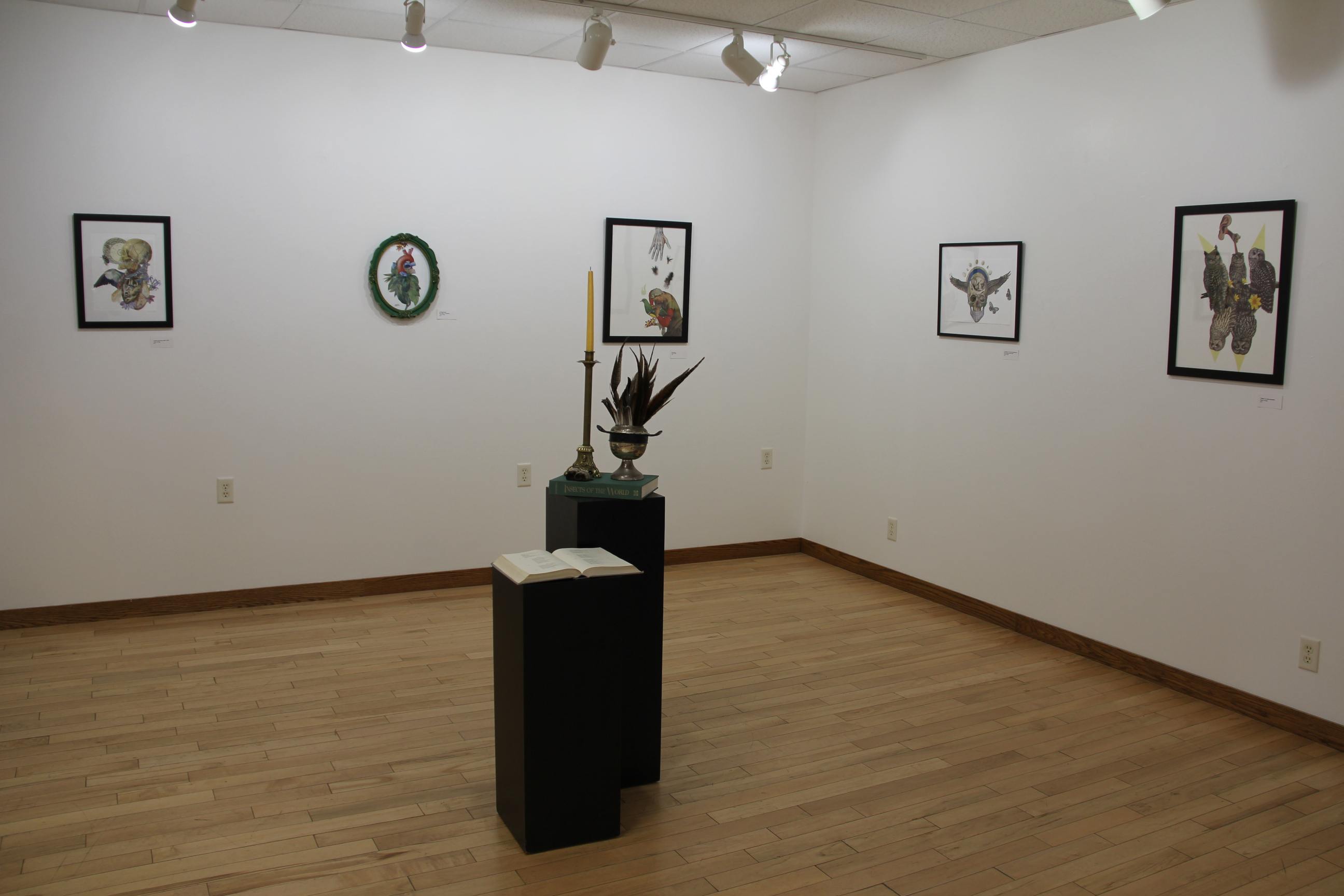
ONLY DAYS REMAIN until an unusual and particularly interesting art exhibit closes at the Arts Center of Saint Peter on October 26. Mankato poet and visual artist Holly Dodge created the nearly 30 collage pieces of “Gorgeous Nothings” inspired by the poetry of Emily Dickinson.

In a corner of the main floor gallery, Dodge also created a mood setting still life fronting her collage art. (Minnesota Prairie Roots copyrighted photo October 2024)

When I returned home from viewing Dodge’s work, I checked out two books of Dickinson’s poetry from the Faribault library to refresh my understanding of this recluse poet’s writing. She wrote most of her poems between 1862-1865. At one time, I really liked her poetry, maybe even understood some of it. Now? I struggled. Yet, I still delight in these words by Dickinson: “Hope” is the thing with feathers/ That perches in the soul/And sings the tune without the words/And never stops at all.

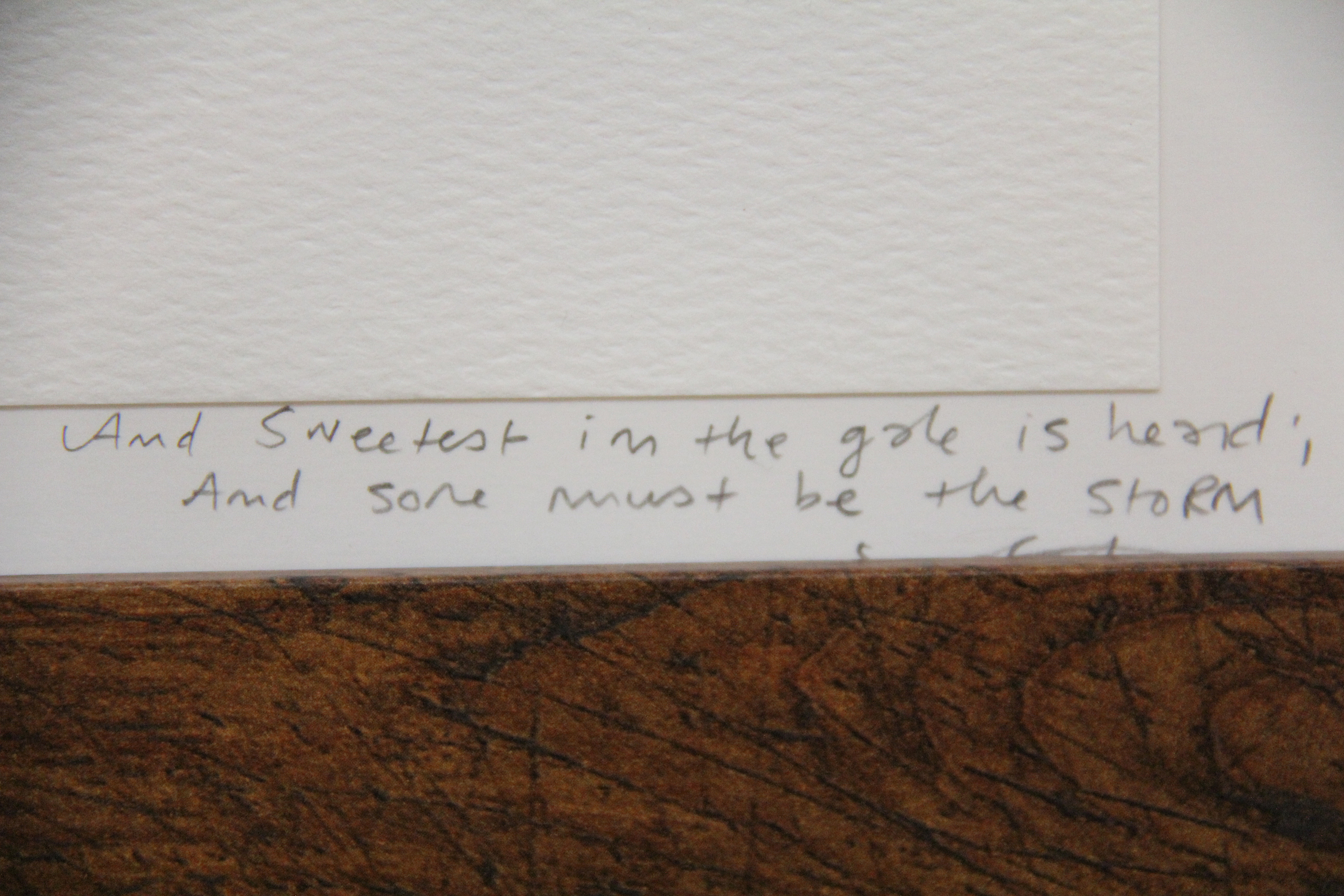
In this collage, a portion shown here. I see Emily Dickinson. It’s titled “And sweetest in the gale is heard; And sore must be the storm.” (Minnesota Prairie Roots copyrighted photo October 2024)

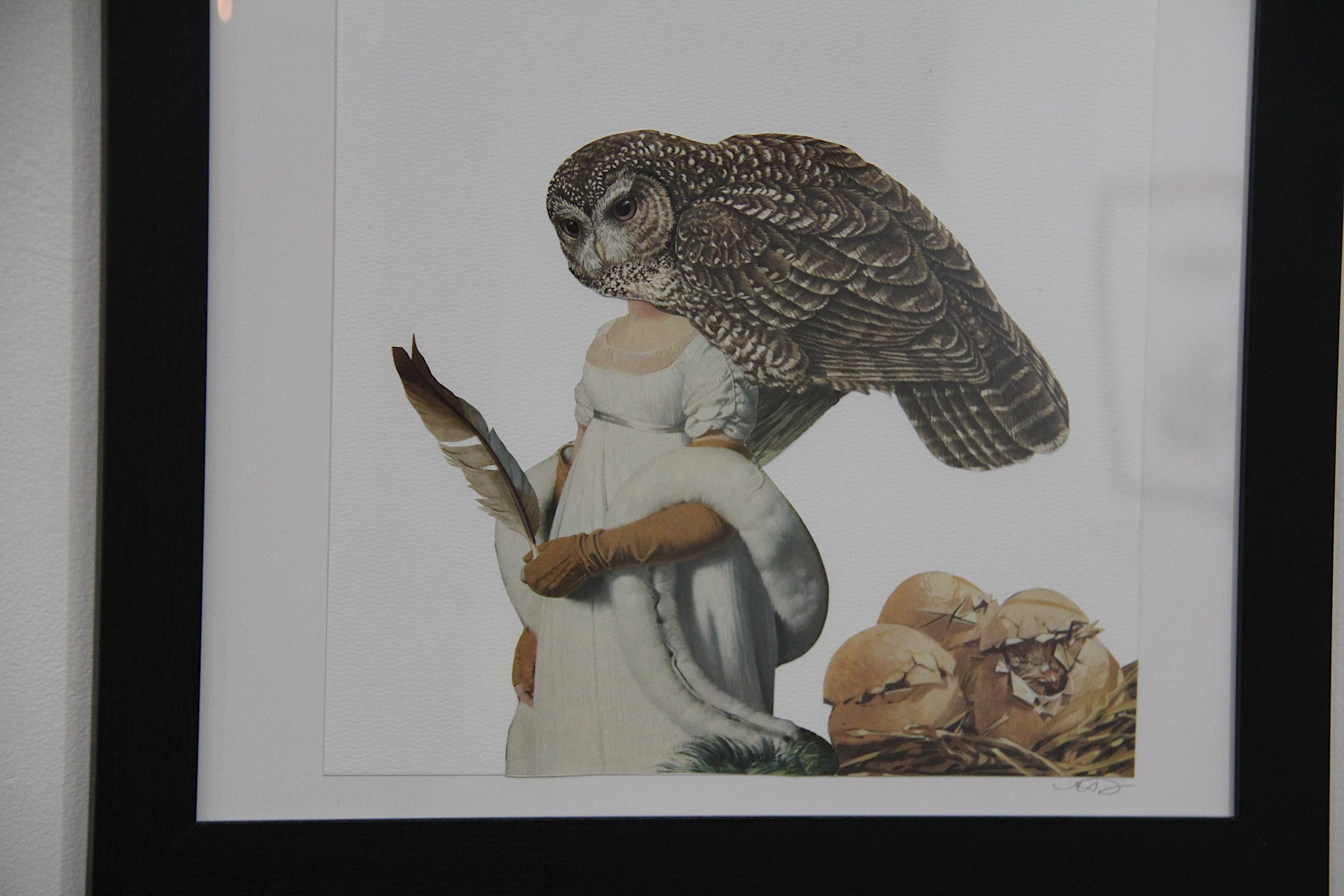
In viewing Dodge’s art, I could assuredly see the influence of Dickinson. In her artist statement, Dodge writes: “Her (Dickinson’s) fragmented, lyrical, elocutionary methods reminded me of the elements I was cutting out of books.” Dodge cut mostly flora, fauna and anatomical images from books to create her collages.

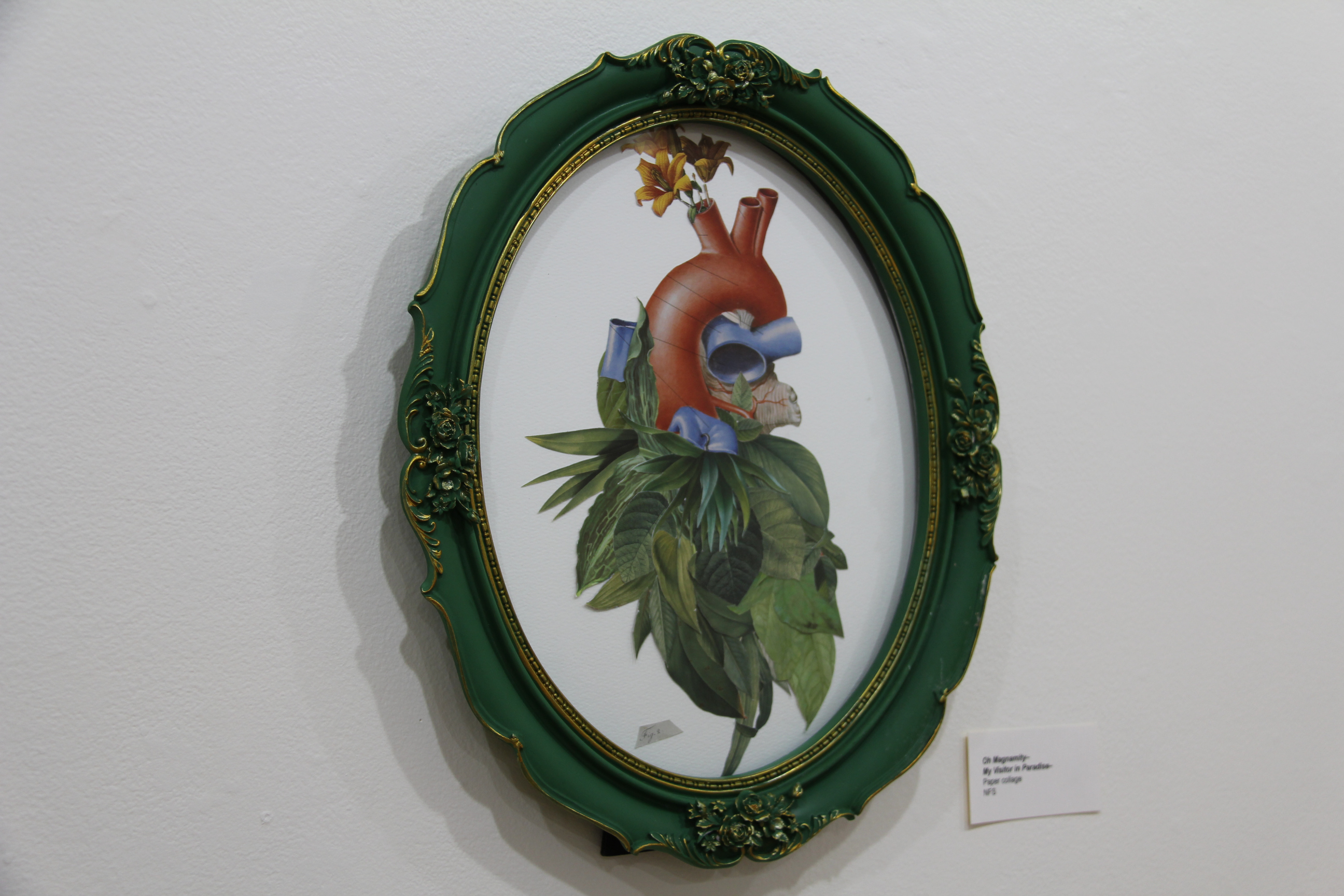
Titled “Oh Magnamity–My Visitor in Paradise.” (Minnesota Prairie Roots copyrighted photo October 2024)
Titled “I know that He exists. Somewhere–in silence.” (Minnesota Prairie Roots copyrighted photo October 2024)
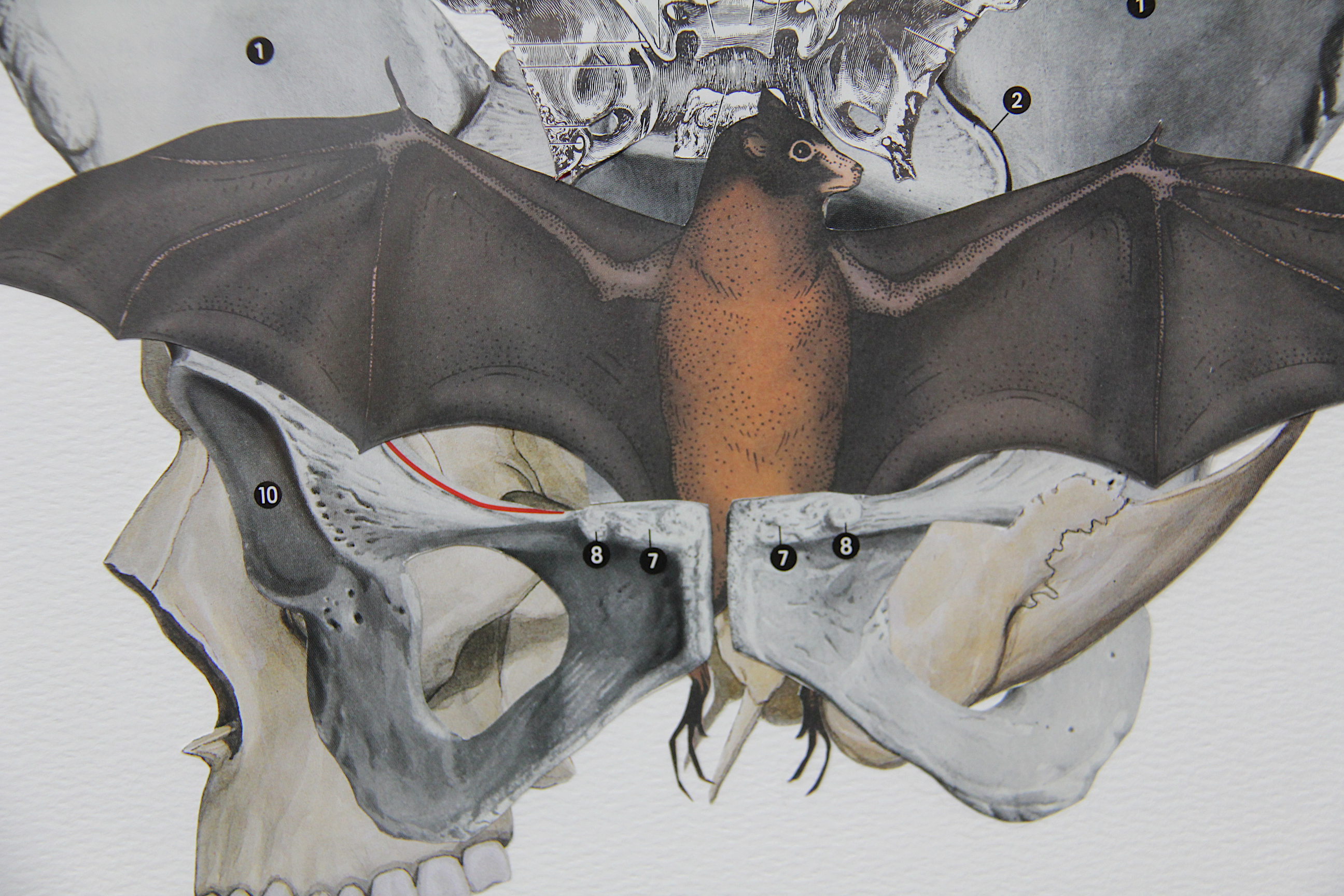
A collage titled “How softly sinks that troubling Sun In Human Nature’s West” incorporates an anatomical bat cut-out. (Minnesota Prairie Roots copyrighted photo October 2024)

It’s the anatomical aspect that pushed my mind toward scary thoughts. I doubt Dodge intended that. But given we are closing in on Halloween and body parts and birds and bats can be the stuff of fright, I leaned into that perspective.

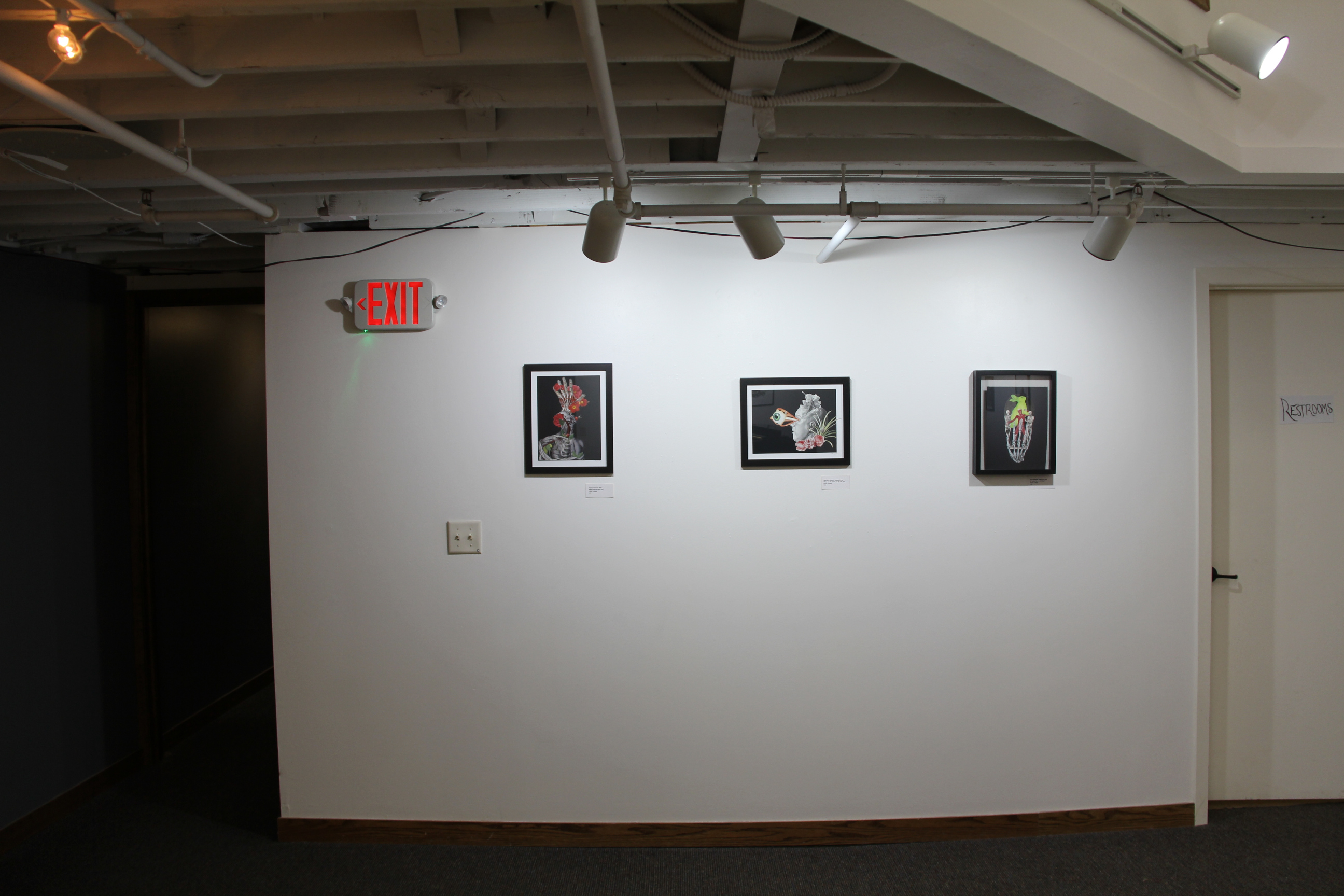
In the lower gallery, I found the eyeball popping collage, center, among a trio or art pieces hung on a wall. (Minnesota Prairie Roots copyrighted photo October 2024)

I termed Dodge’s collages initially as “ghoulish.” But the more I looked, the more I pondered, the more I connected her creations to Dickinson’s poems, the less I thought unsettling thoughts. Sure there are skulls and a popping eyeball and a chambered heart and bat and birds and such. But intermixed are the loveliness of flowers and plants and even a portrait that could be Emily Dickinson.

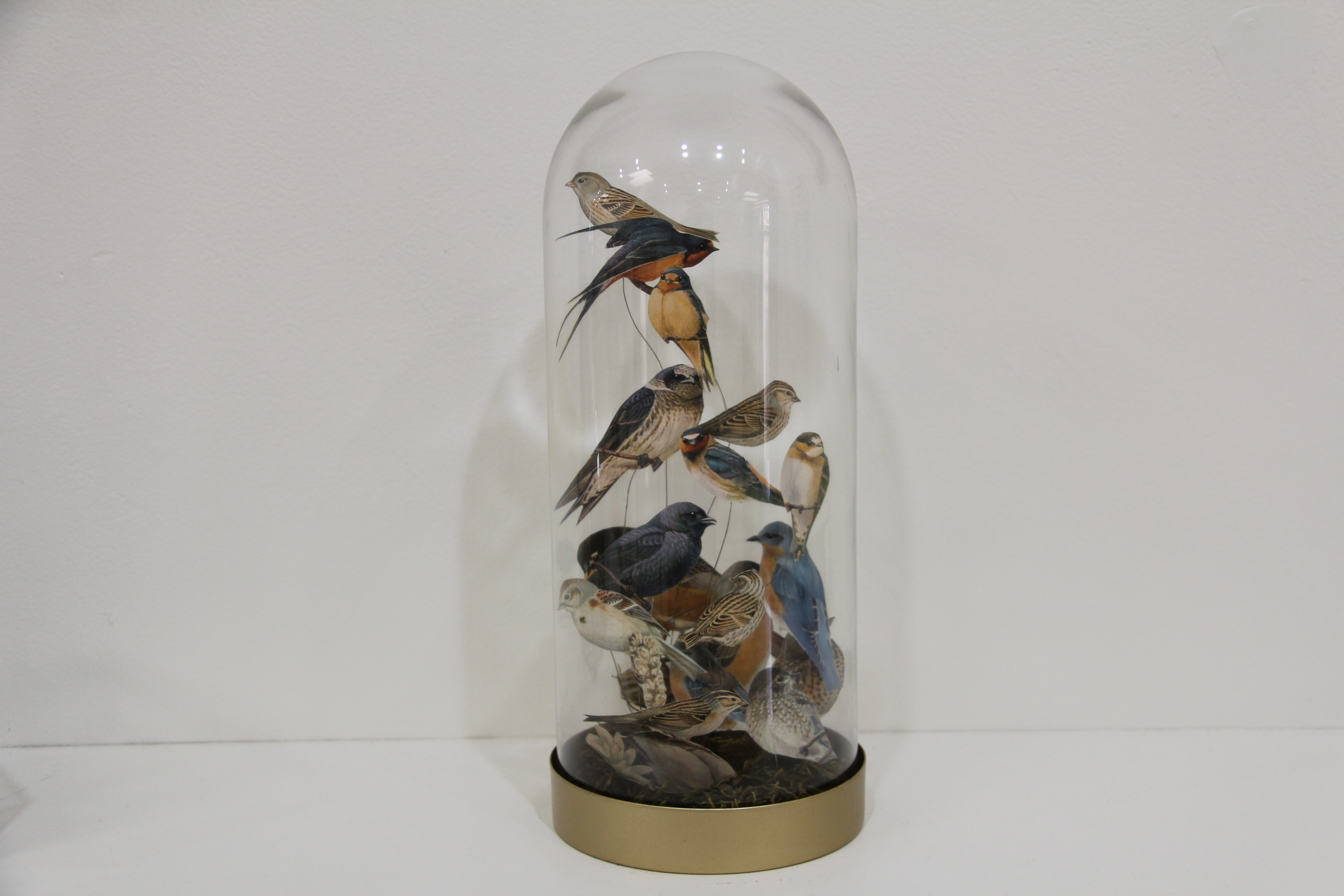
Tabletop domed art titled “God gave a loaf to every bird, But just a crumb to me.” (Minnesota Prairie Roots copyrighted photo October 2024)

The thing about art is that it is open to interpretation. We each bring our own experiences, our own biases, our own ideas to any art we view. But then an artist like Dodge, whose talent shines, causes us to pause and look through a clear lens. I could stretch my within to beyond.

Some titles are handwritten on the art. (Minnesota Prairie Roots copyrighted photo October 2024)

Dodge titled many of her pieces directly after the words of Dickinson, who never titled her poems. Titles lend themselves to insights into Dodge’s artwork.

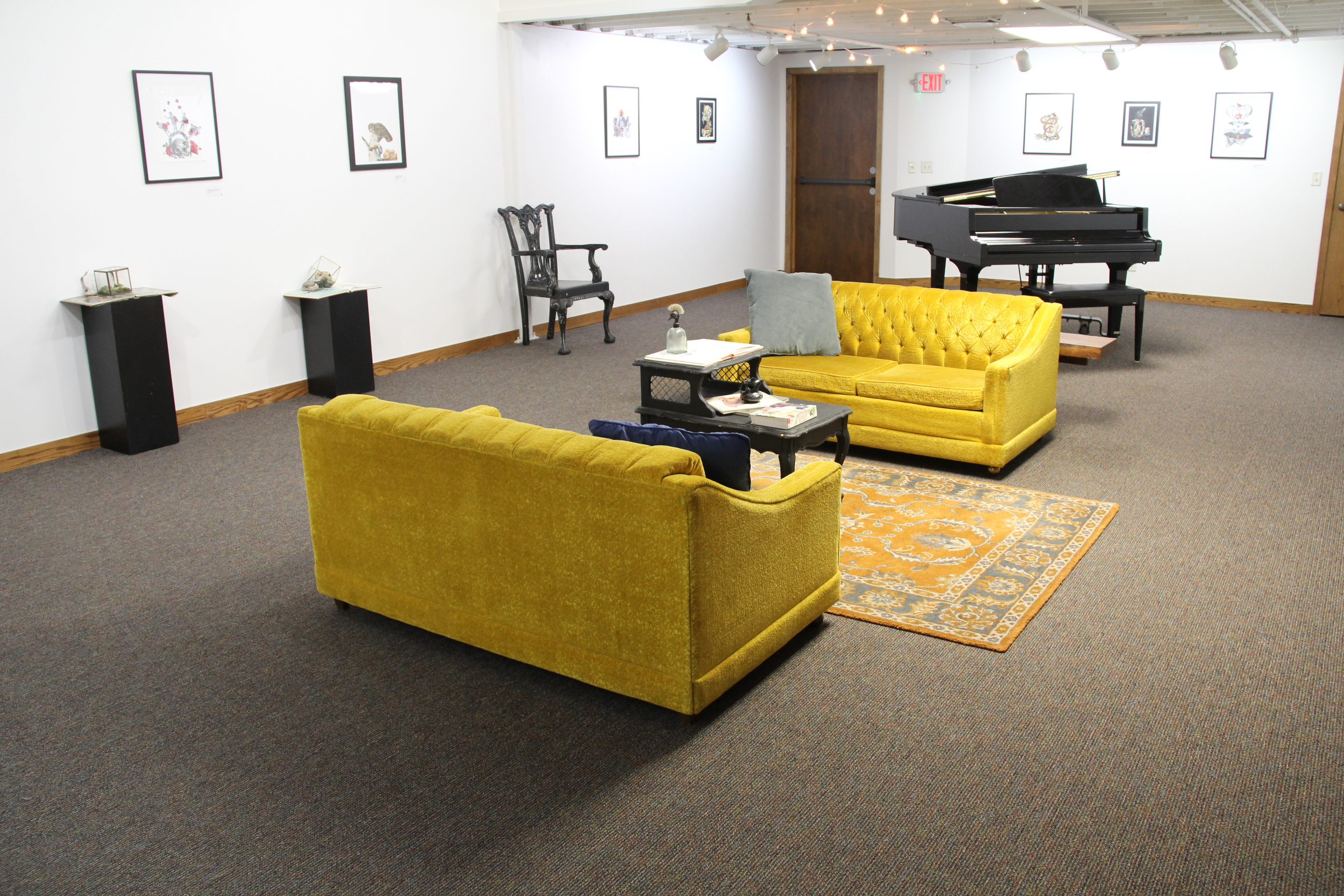
The lower level multi-purpose space where Dodge’s art is also showcased. (Minnesota Prairie Roots copyrighted photo October 2024)
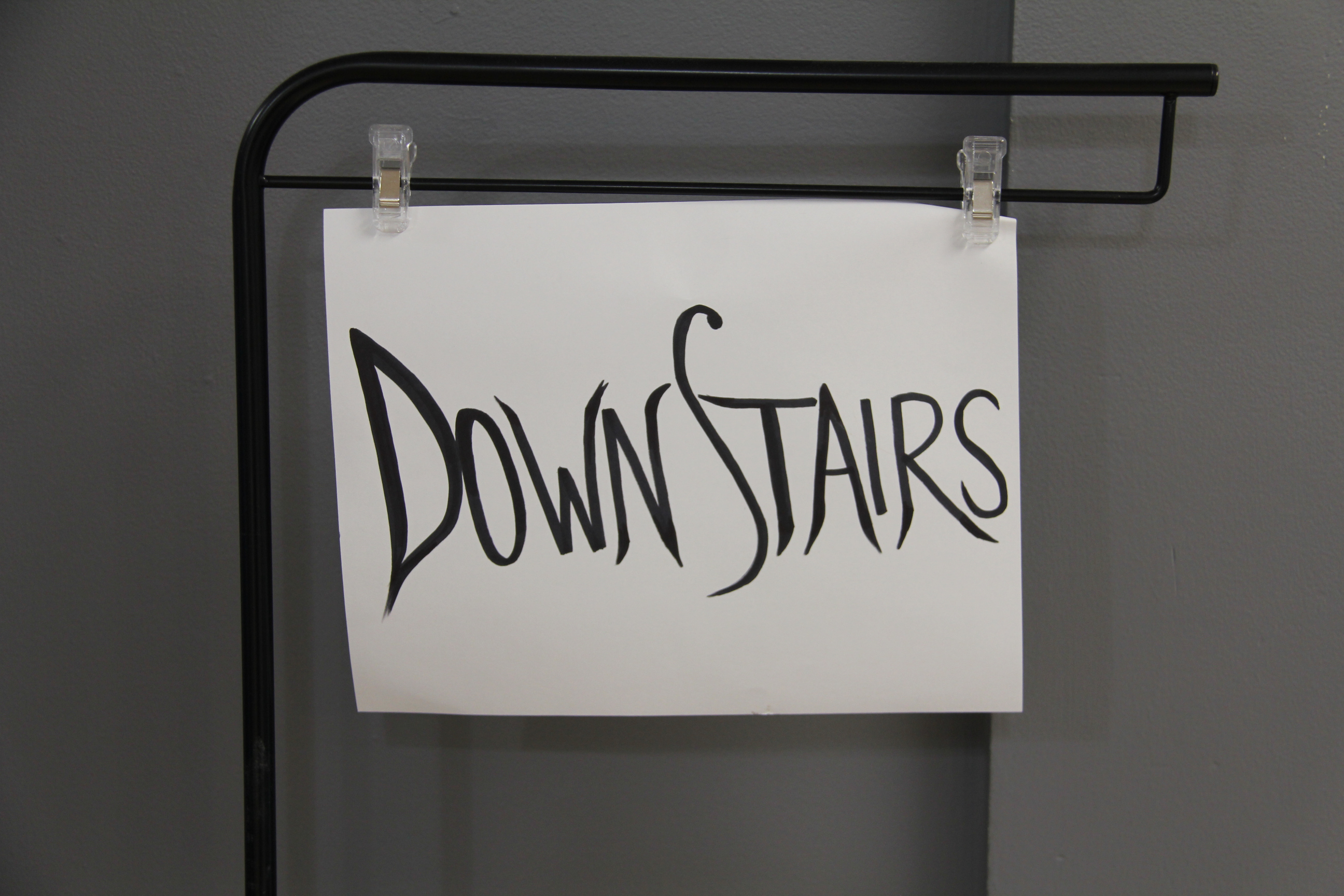
Even the sign directing visitors to the lower level is artsy. (Minnesota Prairie Roots copyrighted photo October 2024)
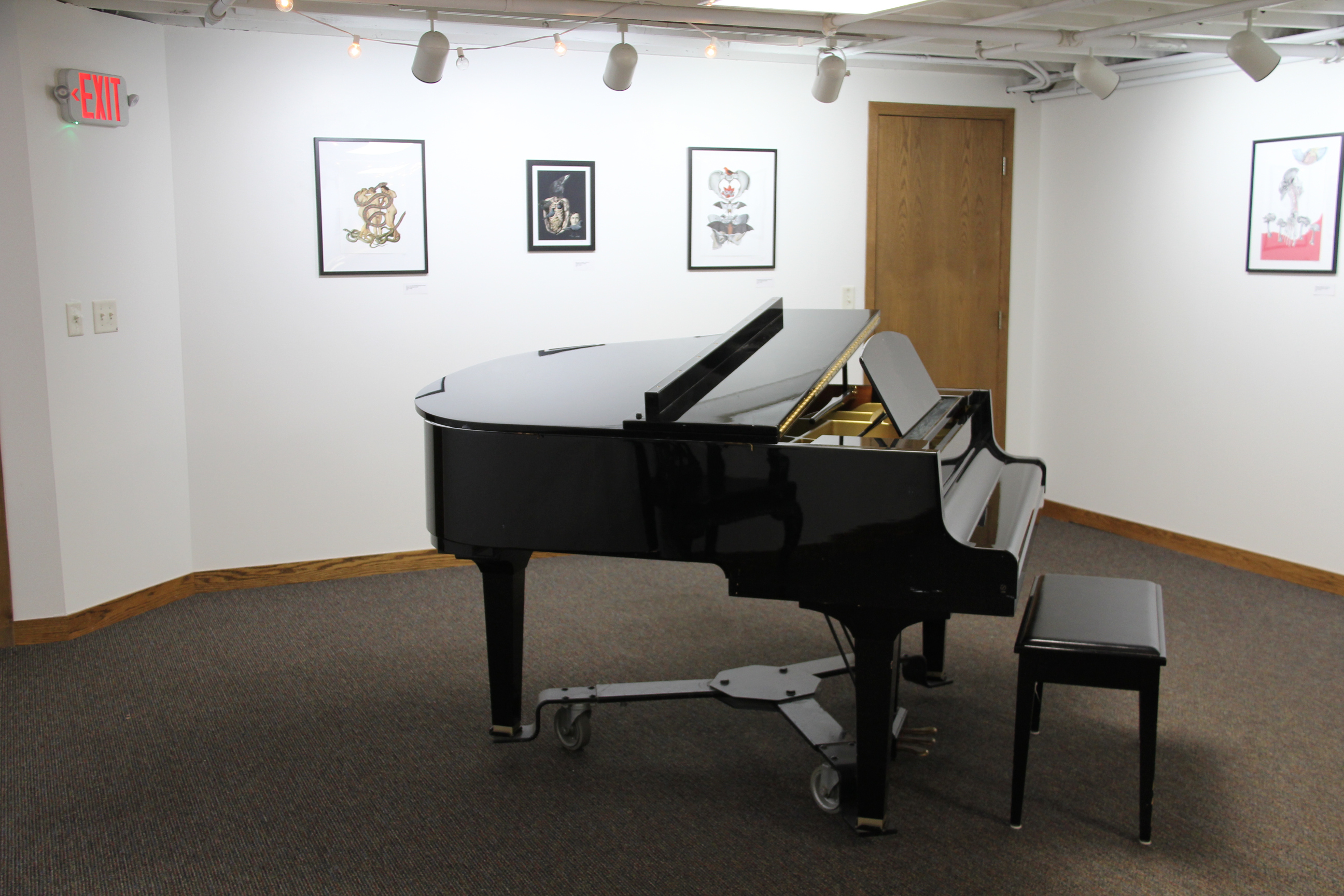
I didn’t expect to see a grand piano in the lower level gallery space. (Minnesota Prairie Roots copyrighted photo October 2024)

I never tire of viewing art in a gallery like that of the Arts Center of Saint Peter, where Dodge’s collages grace walls on the main level and also downstairs in a space centered by a sitting area and a grand piano. Greater Minnesota is home to some wonderful galleries and to incredible talent.

Another still life by Holly Dodge placed among her framed collages. (Minnesota Prairie Roots copyrighted photo October 2024)

I encourage you, wherever you live, to embrace the art and artists who share their talents in your town, your region. I don’t need to travel to a metro area to see inspiring, thought-provoking art.

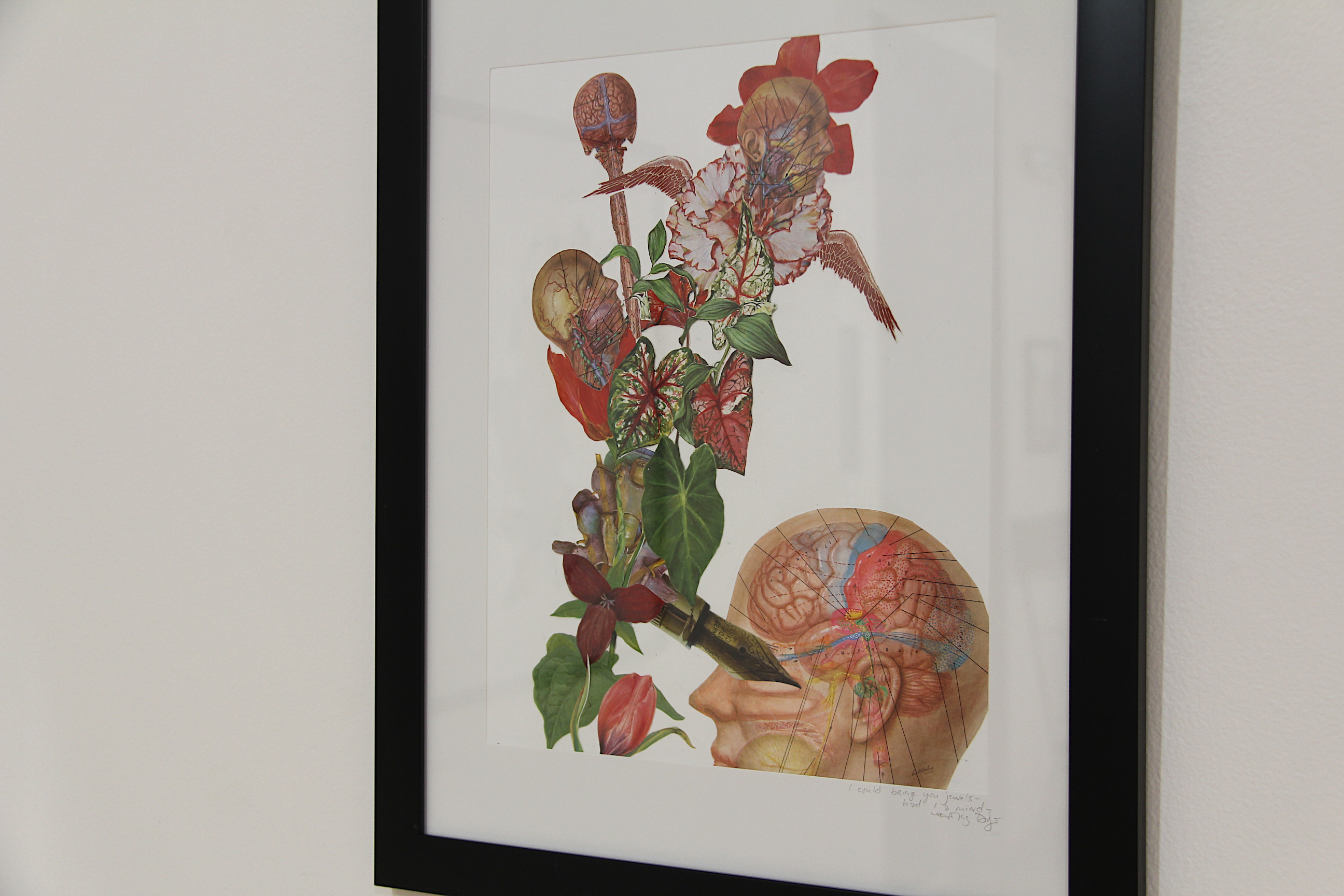
Dodge’s piece titled “I could bring you jewels–Had I a mind.” (Minnesota Prairie Roots copyrighted photo October 2024)

In the words of Emily Dickinson, “I could bring You Jewels—had I a mind to.” Holly Dodge has brought us jewels, as have so many other artists who create and share their art here in southern Minnesota.

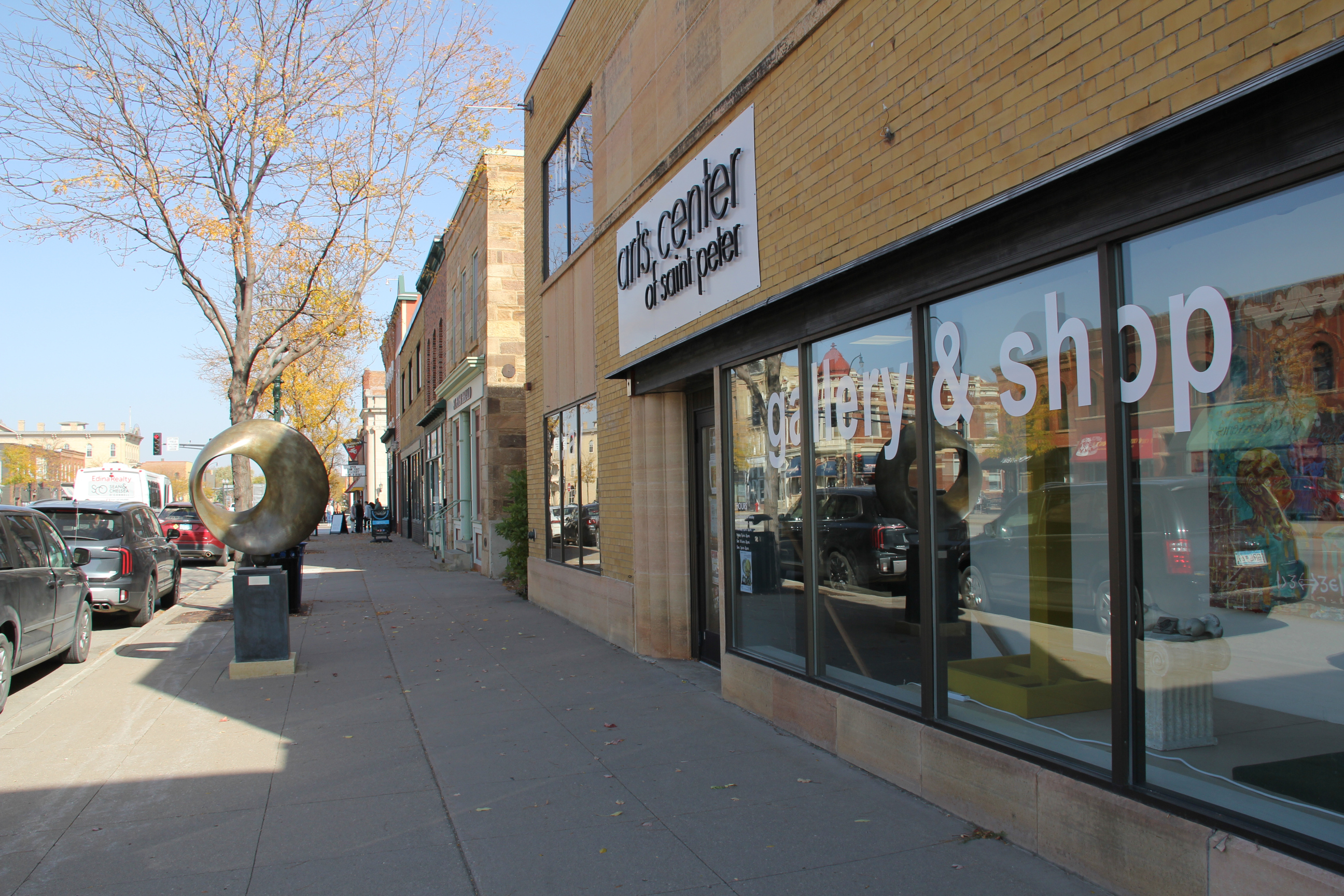
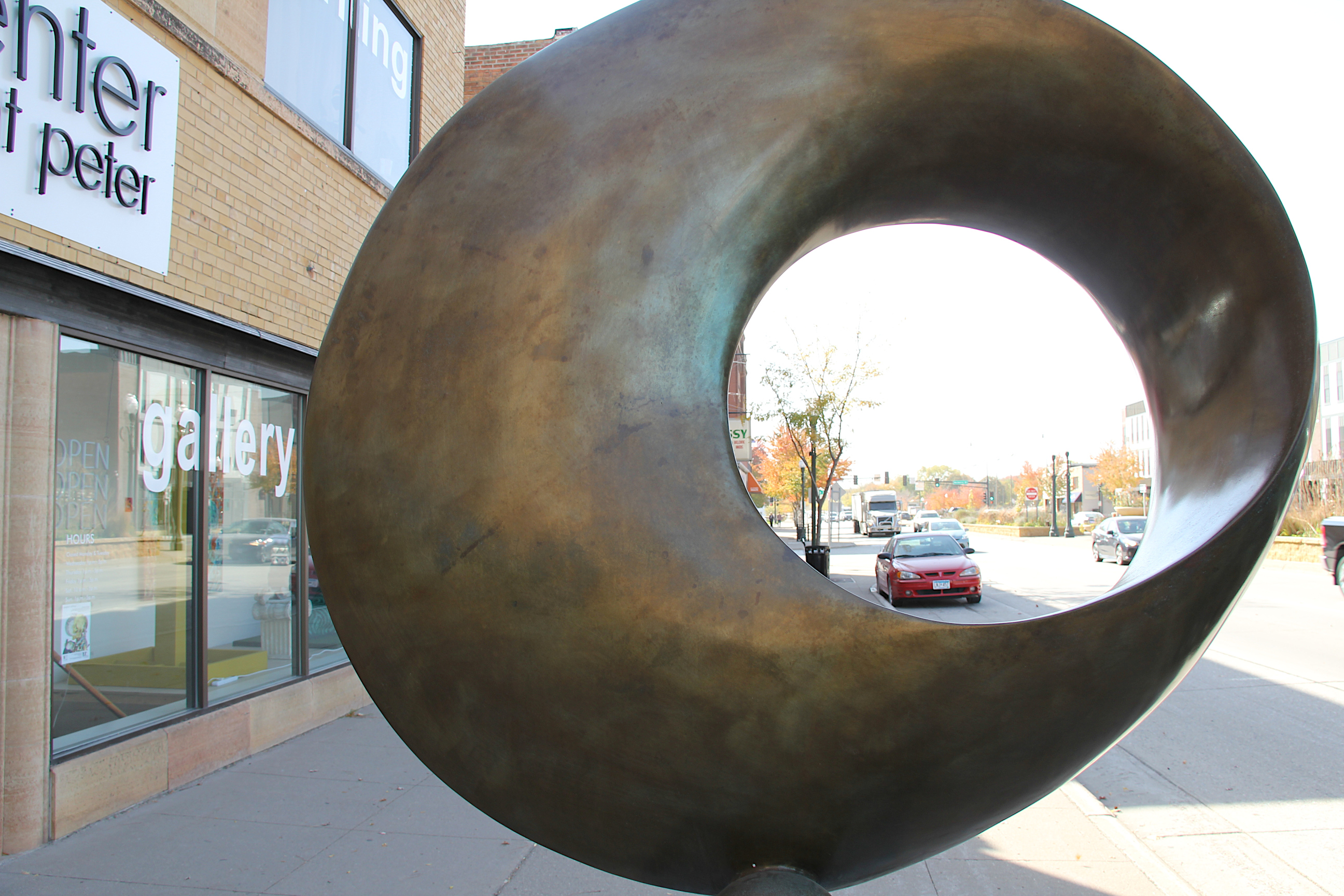
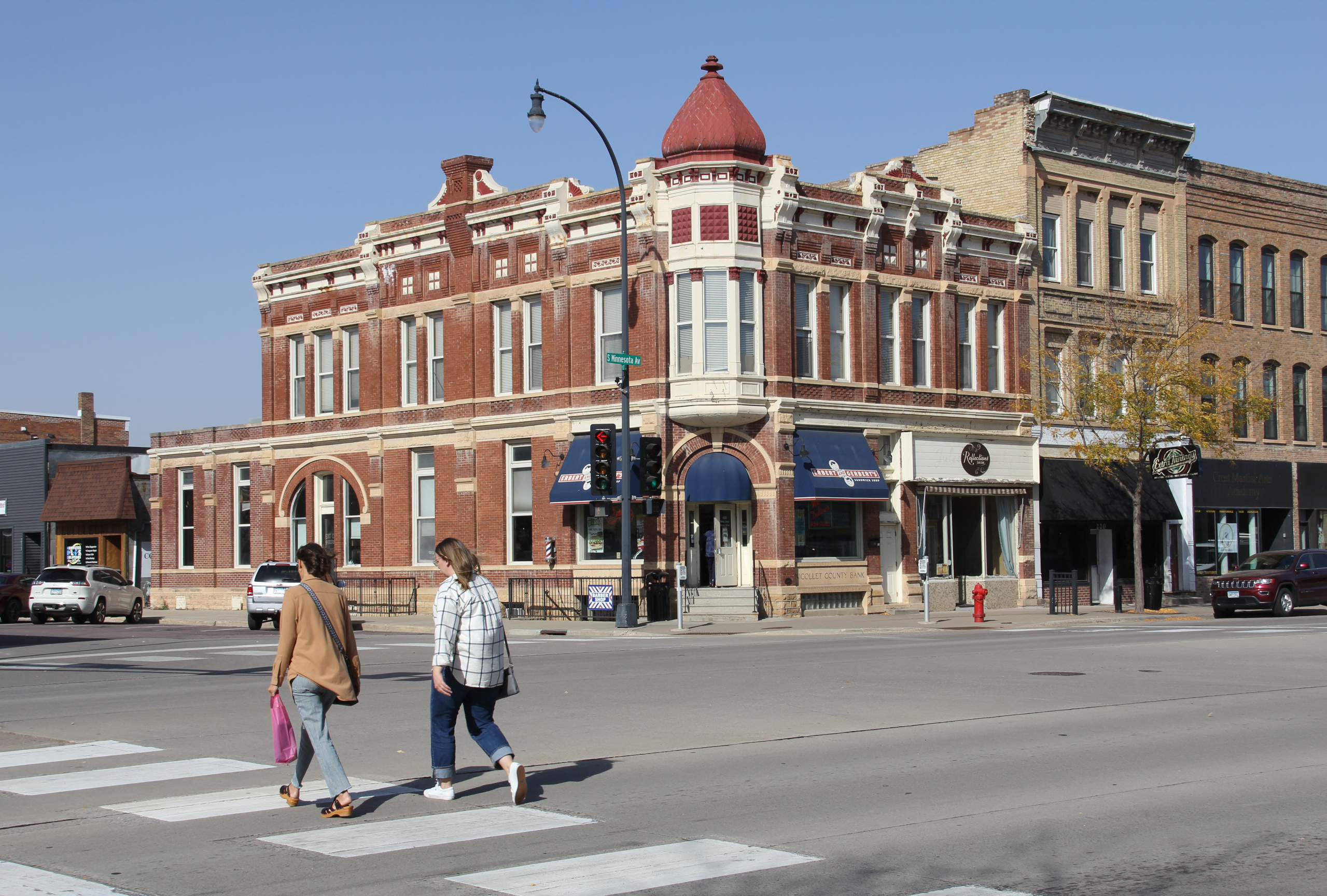
The Arts Center of Saint Peter is along busy Minnesota Avenue/Highway 169 running through downtown. (Minnesota Prairie Roots copyrighted photo October 2024)

FYI: The Arts Center of Saint Peter gallery hours are 1-5 p.m. Wednesday-Friday, 10 a.m.-5 p.m. Saturday and 1- 5 p.m. Sunday. The center is located at 315 South Minnesota Avenue in the heart of downtown St. Peter.

© Copyright 2024 Audrey Kletscher Helbling


At home comfy with Paul Bunyan in Faribault October 22, 2024

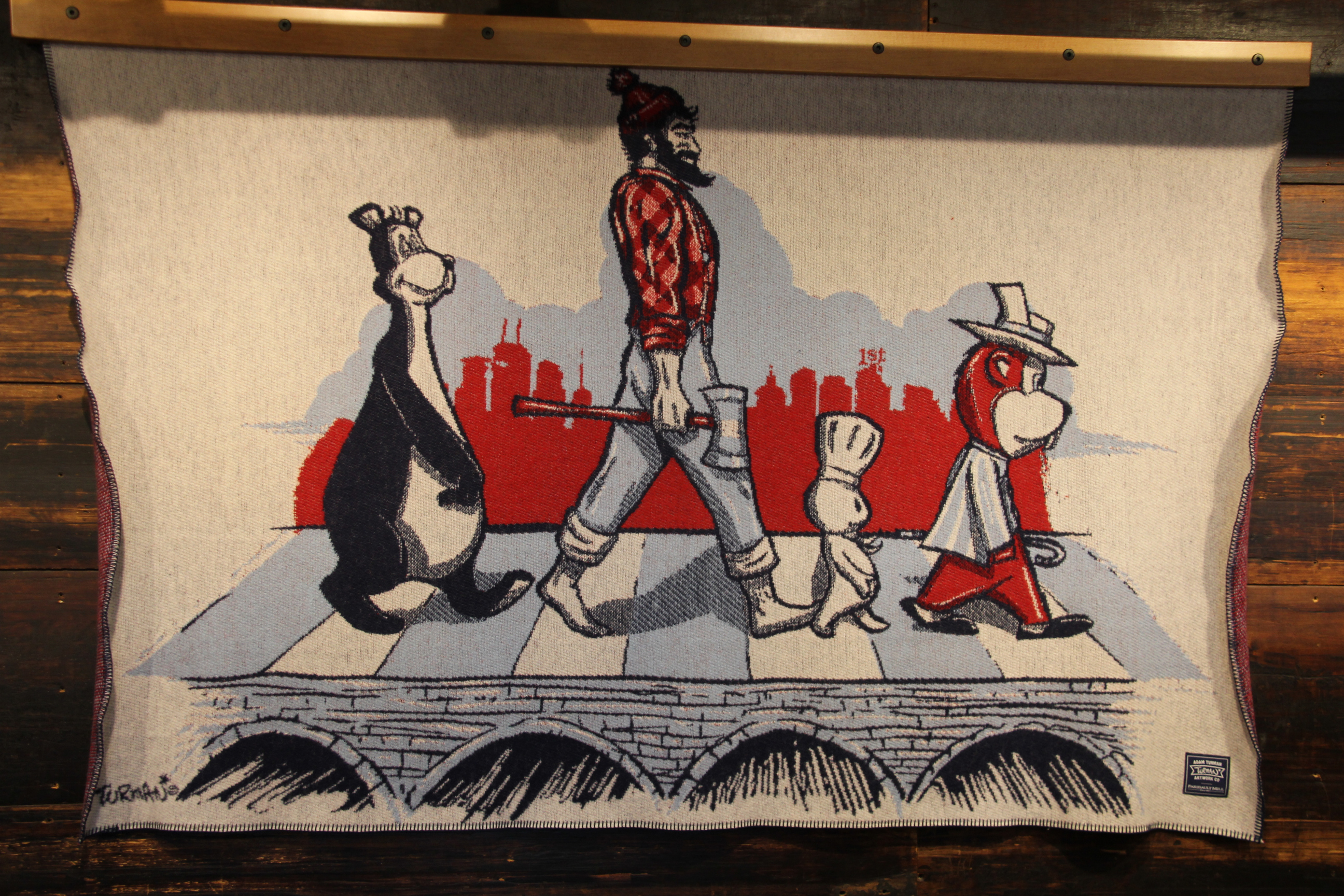
Minnesota artist Adam Turman designed this Abbey Road throw (inspired by the Beatles “Abbey Road” visual) for the Faribault Mill. It features the Hamm’s beer bear, Paul Bunyan, the Pillsbury Dough Boy and State Fairchild, all legendary Minnesota icons, against a metro skyline backdrop. (Minnesota Prairie Roots copyrighted photo October 2024)

AS A LIFE-LONG MINNESOTAN, certain things pop out at me as iconic Minnesota. Topping that list—Paul Bunyan and Babe the Blue Ox. I realize we’re not the only place claiming this over-sized legendary lumberjack and his ox as ours. But both are assuredly important in state lore, tourism and business identity, mostly in central and northern Minnesota where our lumber industry is rooted.

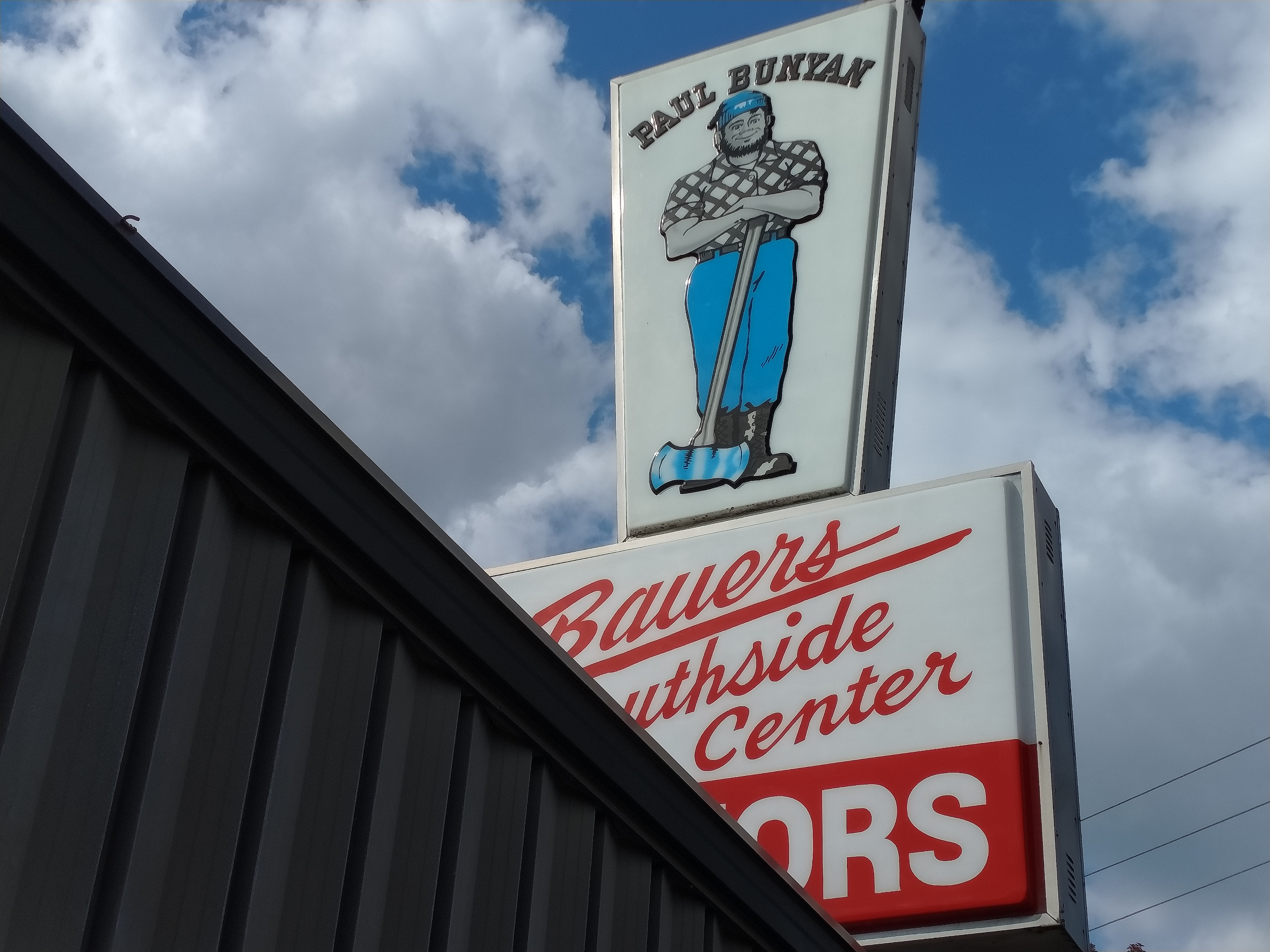
This Paul Bunyan sign is just blocks from my home. Granted, Paul is not wearing his usual buffalo plaid flannel shirt. (Minnesota Prairie Roots copyrighted photo September 2023)

Yet, I only need head south a few blocks from my house to see Paul marking Bauers Southside Liquor, once also home to the adjoining Paul Bunyan South gas station and convenience store. It closed years ago as did all the other Paul Bunyan stores in Faribault.

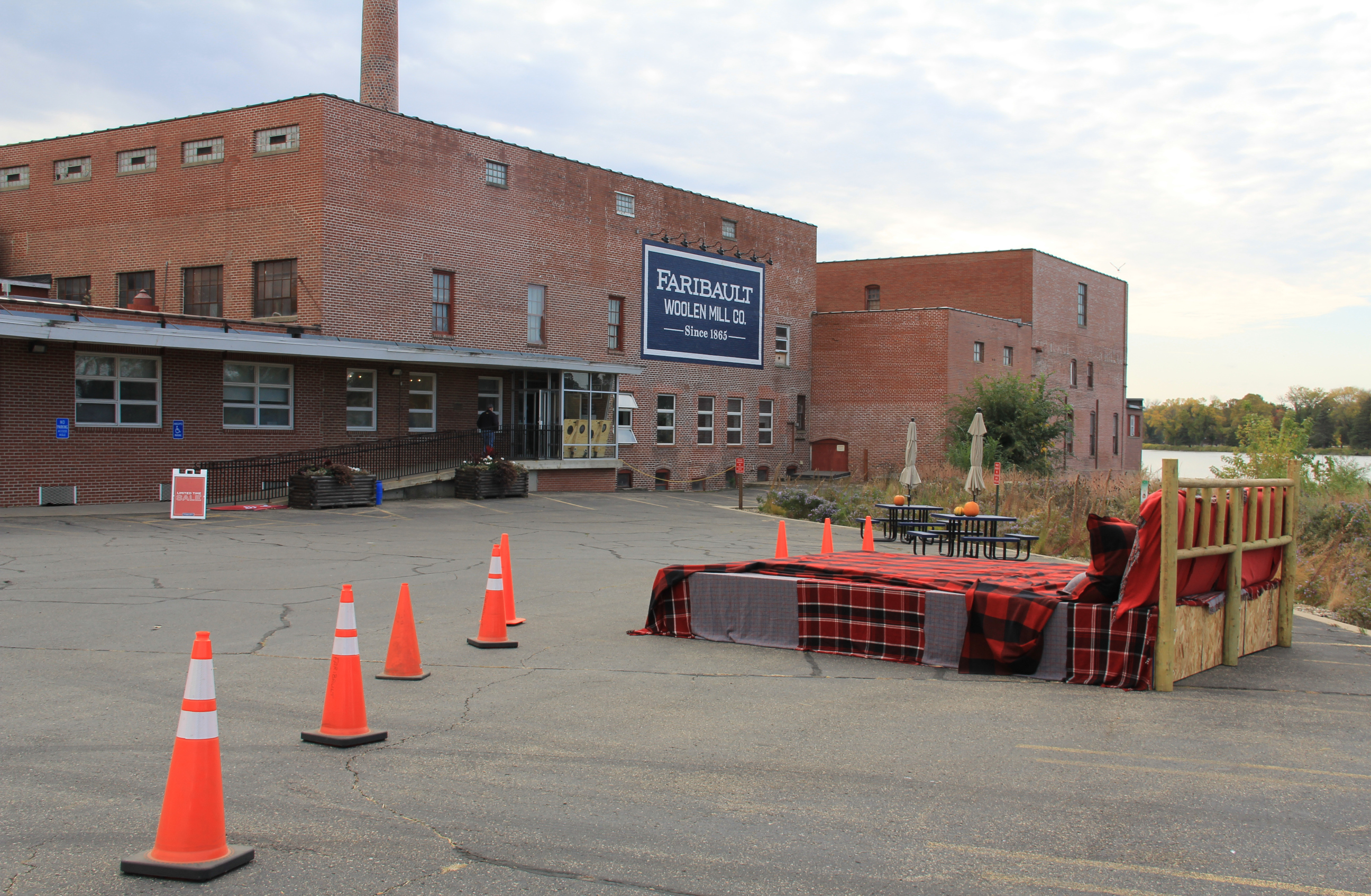
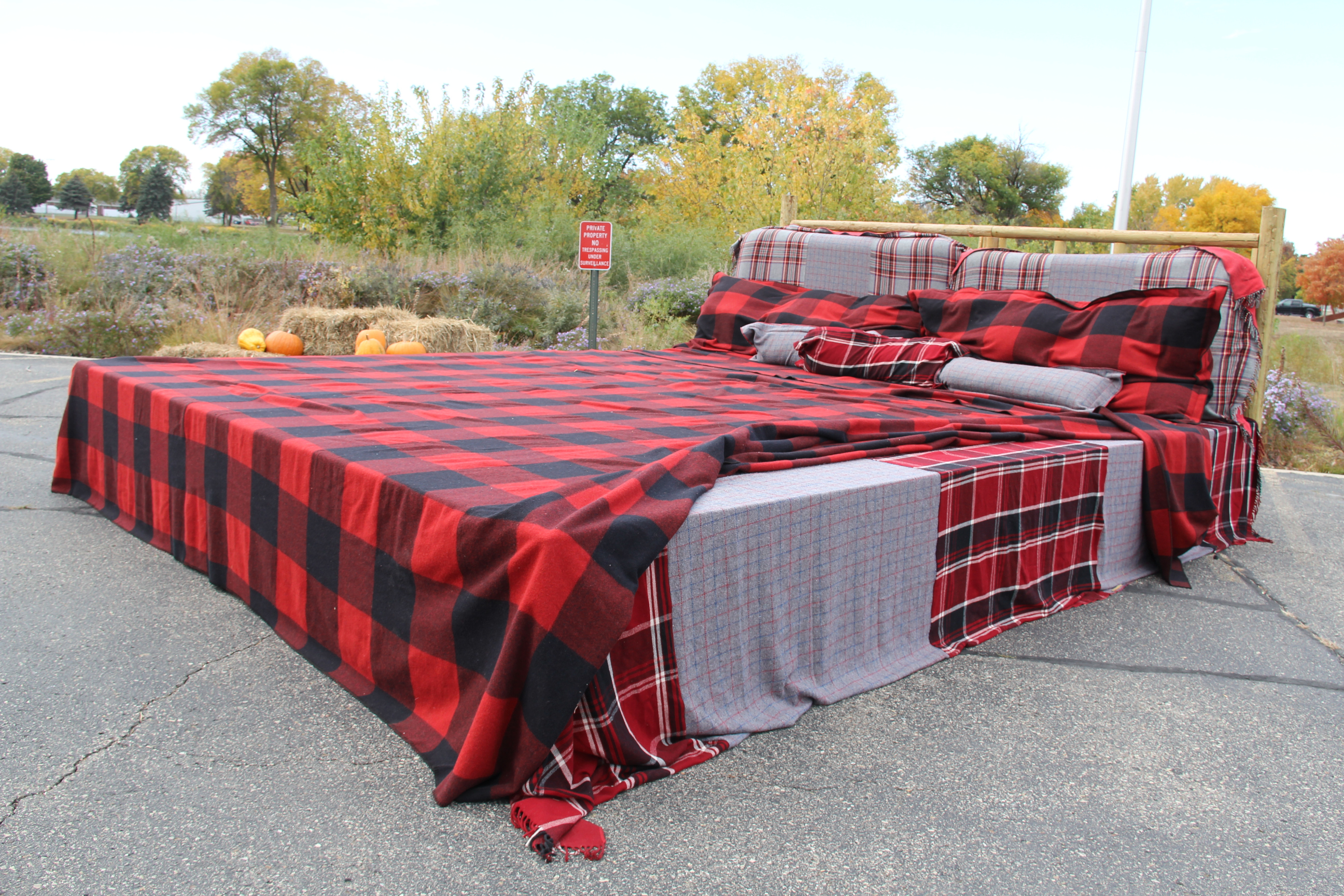
Paul Bunyan’s bed sits by the Faribault Mill along the Cannon River on Faribault’s northside. (Minnesota Prairie Roots copyrighted photo October 2024)
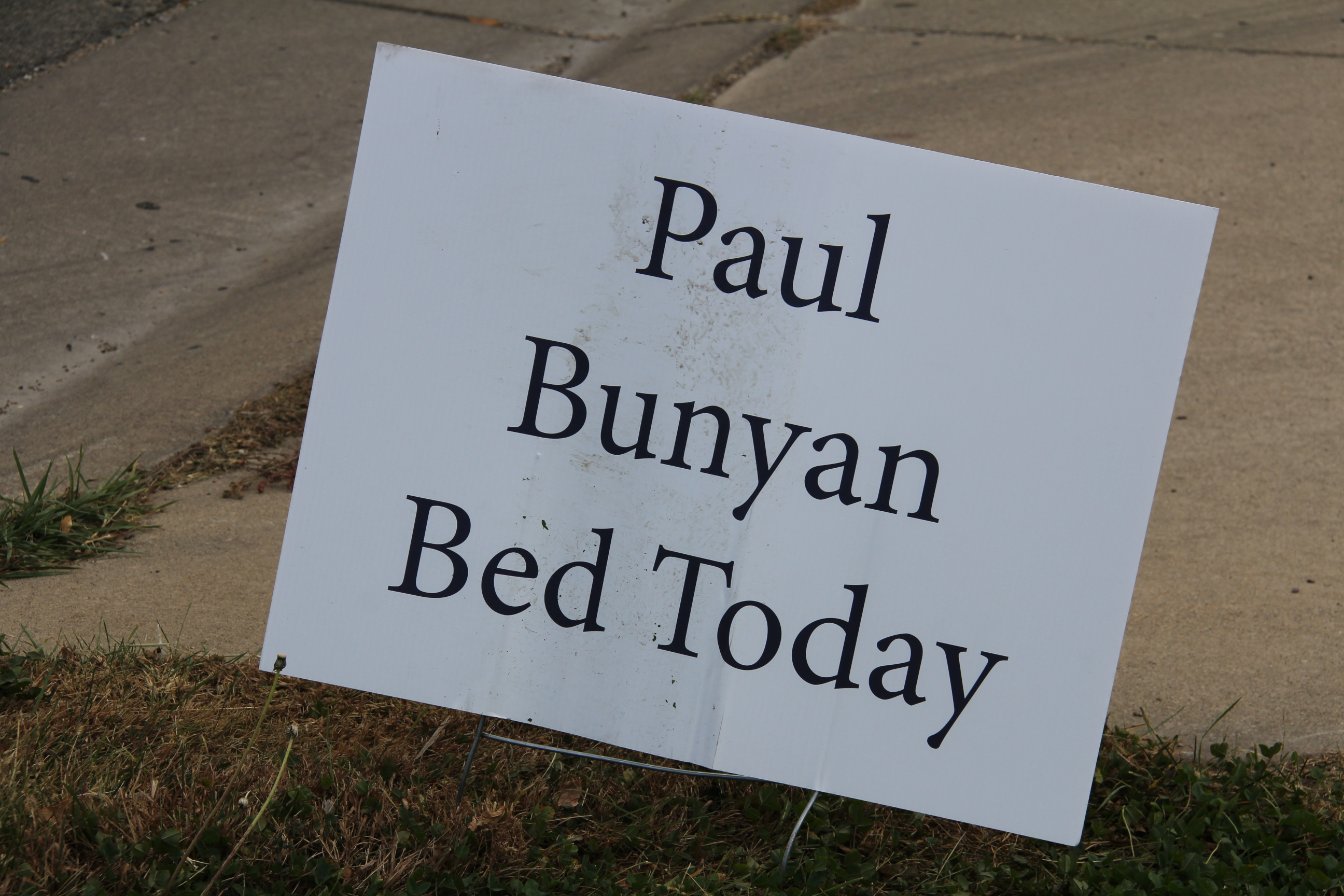
A roadside sign welcomes visitors to hop into Paul Bunyan’s bed. (Minnesota Prairie Roots copyrighted photo October 2024)
The bed showcases several of the Mill blanket patterns. (Minnesota Prairie Roots copyrighted photo October 2024)

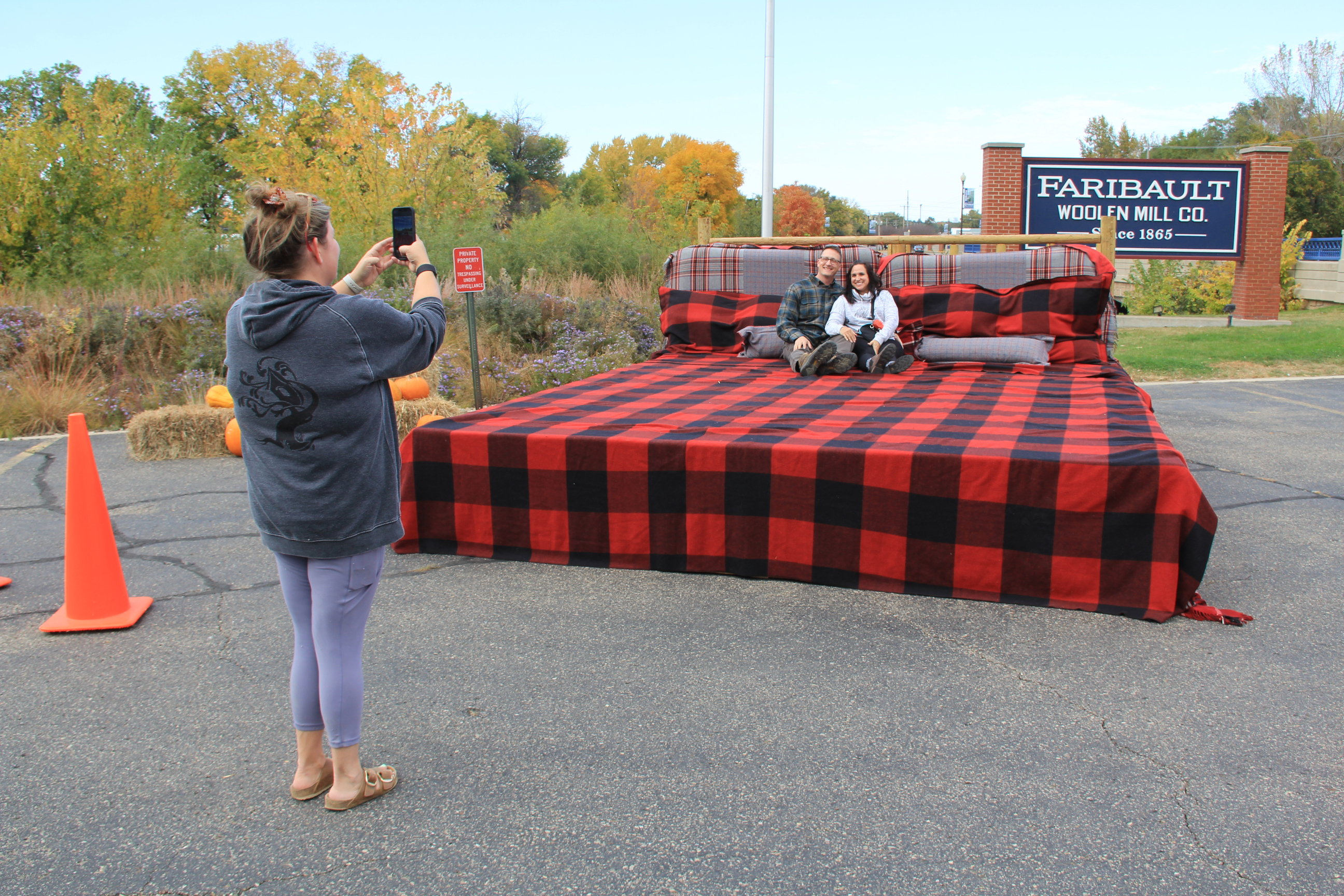
Yet, the legendary lumberjack maintains his influence locally. Recently, I spotted an enormous buffalo plaid blanketed “bed” in the parking lot of Faribault Mill, an iconic business since 1865 known for its wool blankets. Signs invited folks to stop, climb onto the Paul Bunyan bed and take photos.

A friend photographs friends who climbed into Paul Bunyan’s bed. (Minnesota Prairie Roots copyrighted photo October 2024)

While I was there, one couple did just that. They were camping in nearby Nerstrand Big Woods State Park with others and headed into Faribault for stops at a local apple orchard and also at the Mill. I tipped them off to other places to visit, especially our historic downtown. I never pass on an opportunity to tell visitors about my community.

A comfy photo op in Paul Bunyan’s bed. (Minnesota Prairie Roots copyrighted photo October 2024)

On this Saturday, after photographing that creative marketing bed, I followed the two couples from Minneapolis into the Mill retail store. I haven’t been inside in a while. To my delight, I found more Minnesota icons on Mill products. I should note here that the Mill has a second mill (acquired in 2022) in Monmouth, Maine (Brahms Mount) which specializes in cotton textiles. Paul Bunyan is also big in Maine folklore.

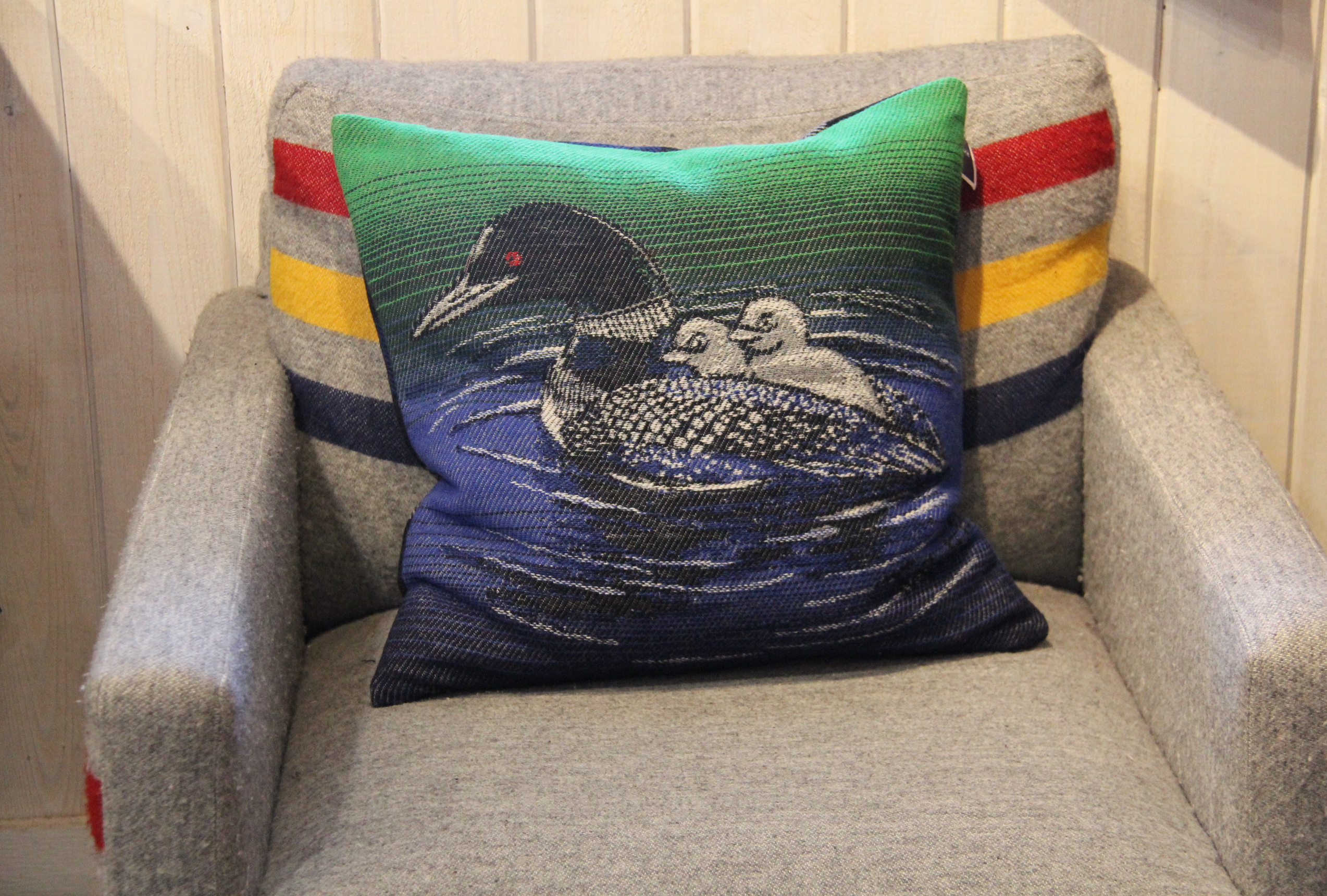
Adam Turman designed this loon throw pillow displayed on an easy chair upholstered with Faribault Mill blankets. (Minnesota Prairie Roots copyrighted photo October 2024)

I love how Faribault Mill tapped into Minnesota talent. Artist Adam Turman created art for throws and pillows that is distinctly part of Minnesota culture and life. I’ve been a fan of Turman since viewing his art on seasonal-themed murals in neighboring Northfield. His work for Faribault Mill features Paul Bunyan and Babe, the Hamm’s beer bear, the Pillsbury Dough Boy, State Fairchild, loons, a snowy owl, cardinal, Split Rock lighthouse and the Boundary Waters Canoe Area Wilderness.

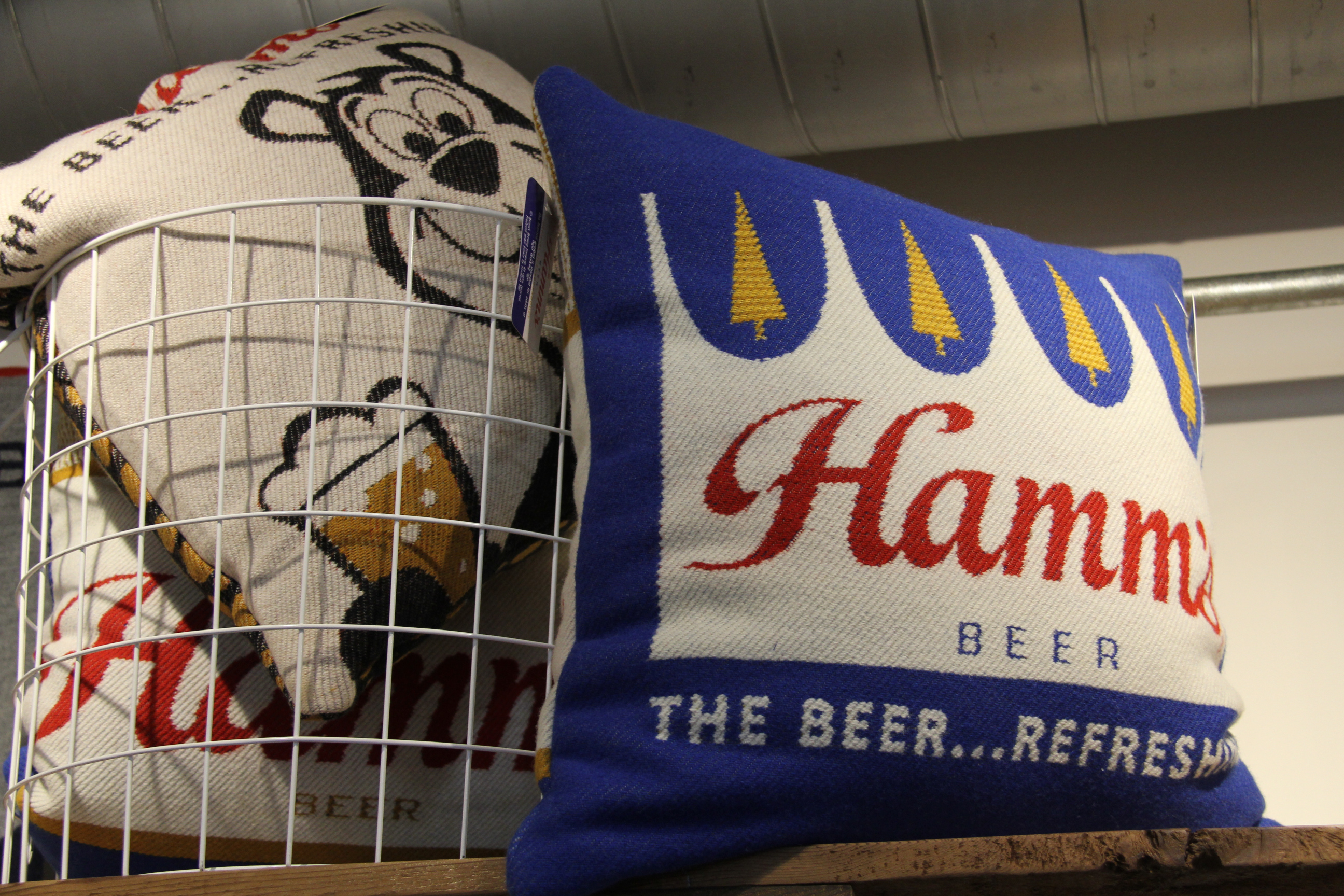
The Faribault Mill partnered with Hamm’s Beer on these pillows. Hamm’s was first brewed in Minnesota, “the land of sky blue waters,” in 1865. It is no longer made in Minnesota. (Minnesota Prairie Roots copyrighted photo October 2024)

While strolling through the Mill store, I focused on the art-themed merchandise among all the traditional primarily plaid and solid-hued woolen blankets people have come to associate with Faribault’s mill.

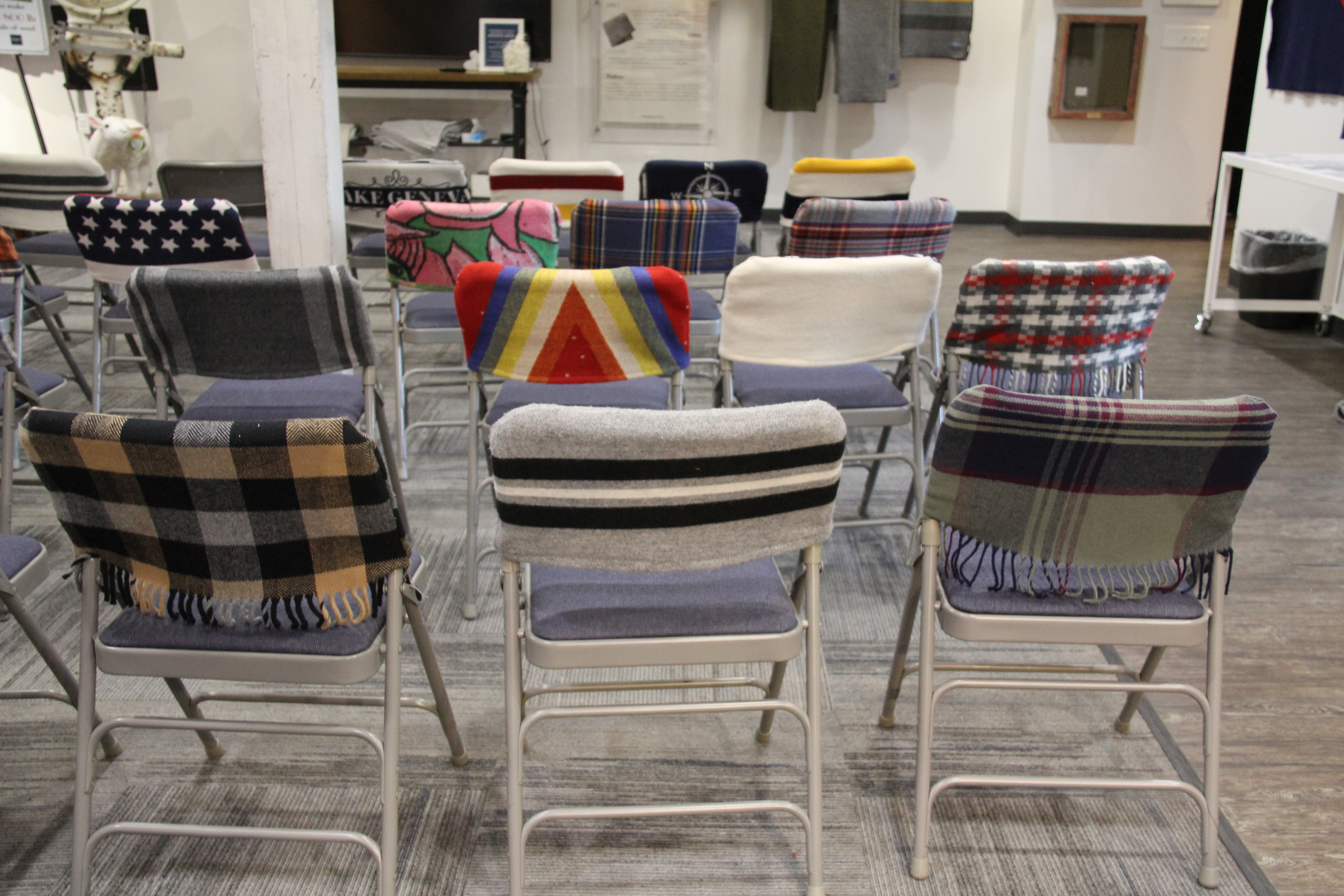
Visitors touring the Mill settle on these blanket remnant draped chairs to learn more about the Mill. (Minnesota Prairie Roots copyrighted photo October 2024)

In a room just off the main shop, I spotted folding chairs set up for folks who tour the mill. Tours are available at 11 am and 1 pm Fridays and Saturdays for a fee. Wool blanket remnants drape the chair backs, creating a memorable and colorful scene.

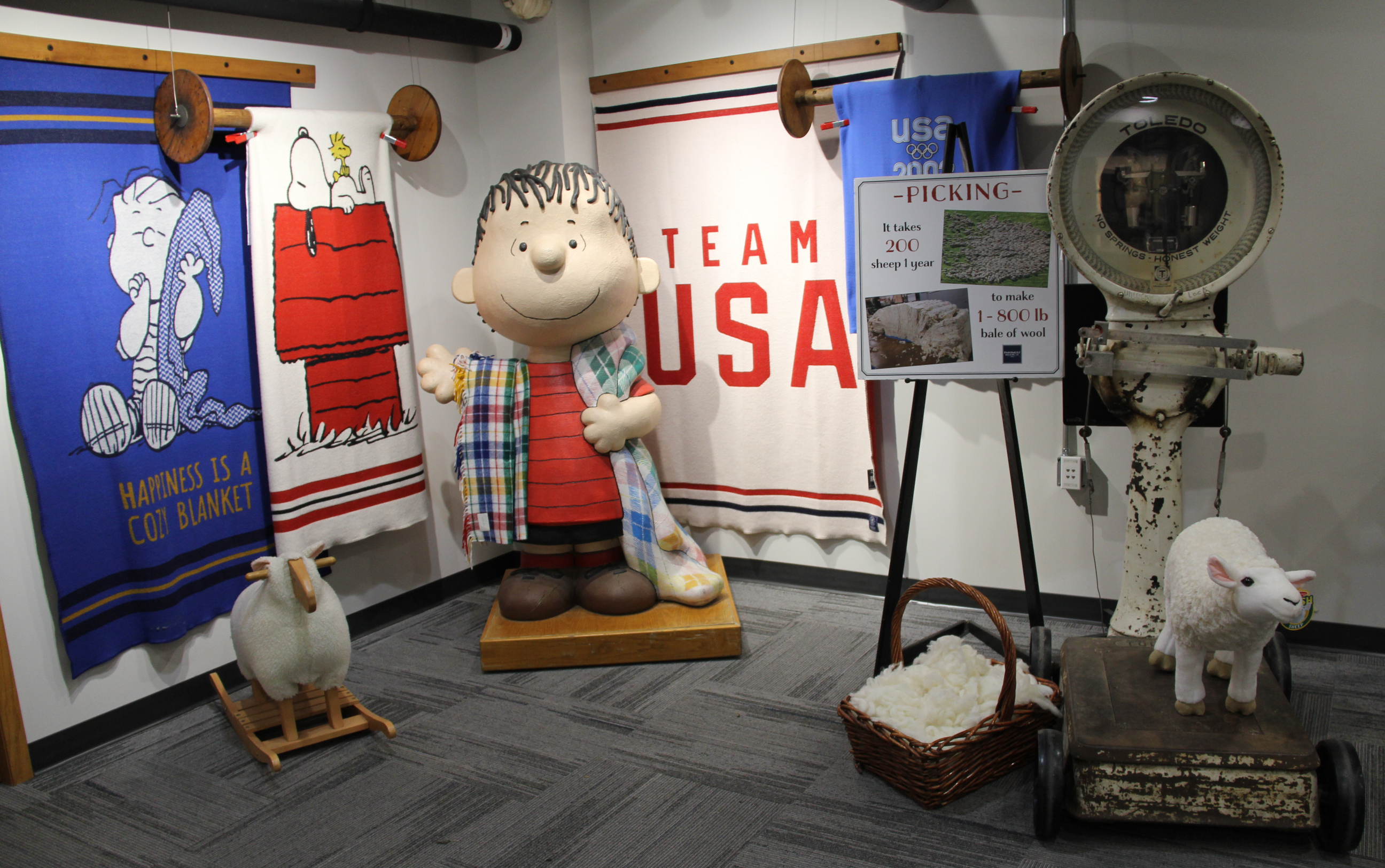
Peanuts themed throws are among Mill merch, shown here in the gathering space for those touring the factory. (Minnesota Prairie Roots copyrighted photo October 2024)

Also memorable are the Linus statue and the Peanuts-themed throws. We Minnesotans are proud of the Peanuts crew created by Charles Schulz, born in Minneapolis and raised in St. Paul. And I am proud of the Faribault Mill, a long-standing business in my community known for its quality made-in-America products. During the two World Wars, the then Faribault Woolen Mill made wool blankets for Army soldiers.

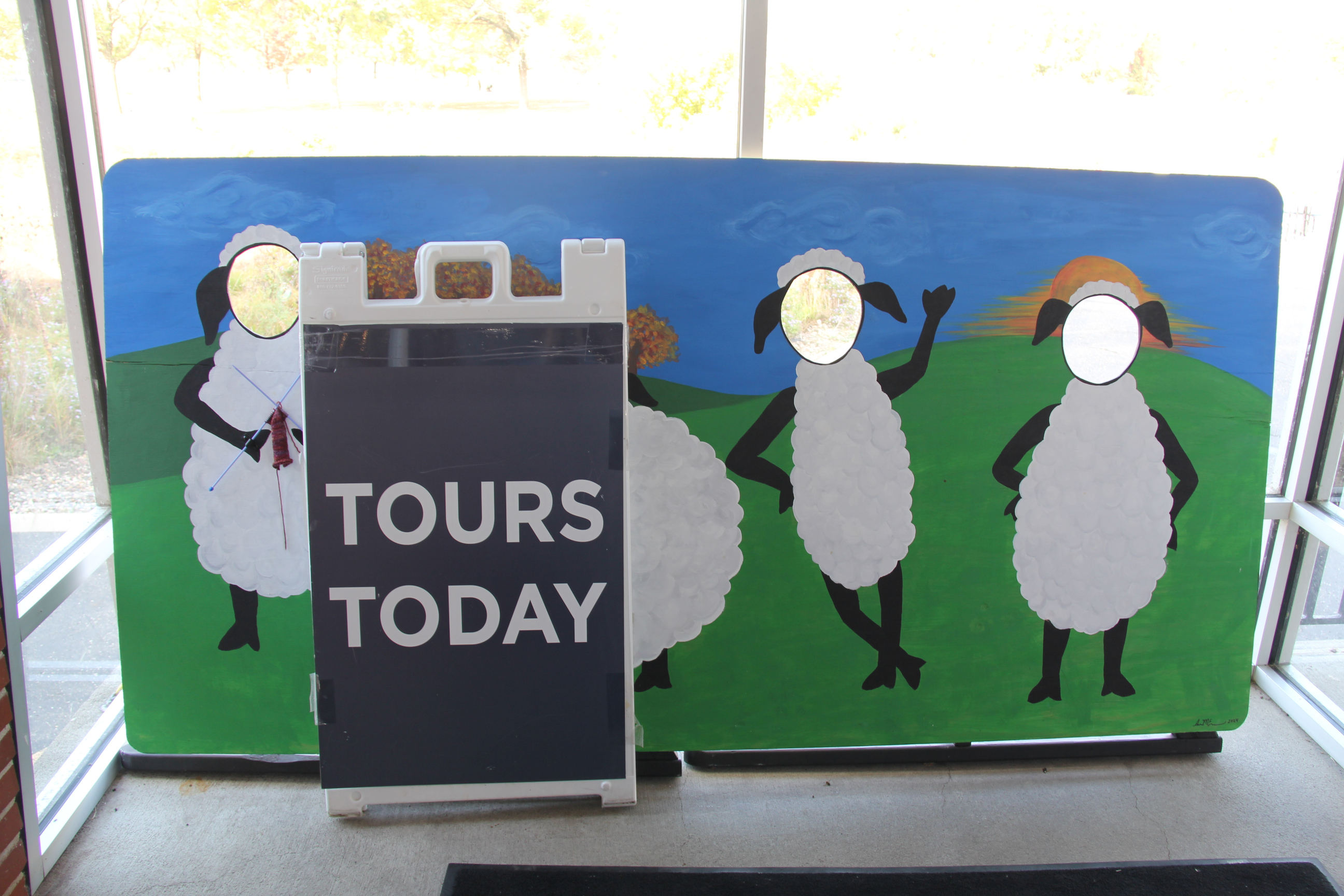
Another photo op, sheep cut-outs photographed inside the entrance to the retail store. (Minnesota Prairie Roots copyrighted photo October 2024)

Today Mill employees continue to create quality products, and not just blankets, at its two plants. The Mill also weaves into the fabric of America via a Paul Bunyan-sized spirit of generosity. For every bed blanket sold, the company donates a blanket to nonprofits serving youth experiencing homelessness in major cities across the U.S. That’s through its Spread the Warmth program. The Mill has also donated blankets to local youth.

The marketing and business teams at Faribault Mill clearly understand the value of connecting with community, of giving back and of drawing customers via creativity. The Paul Bunyan-sized buffalo plaid blanketed bed and the Minnesota art by Adam Turman both grabbed my attention. While the bed has been put to bed for the season—maybe because Paul Bunyan needs his wool blankets back for the forthcoming winter—you can still step inside the retail store and wrap yourself in the warmth of Minnesota from blankets to legendary icons.

© Copyright 2024 Audrey Kletscher Helbling
 

From Owatonna: For the love of signs October 3, 2024

Filed under: Uncategorized — Audrey Kletscher Helbling @ 4:35 PM
Tags: , , , , , , , , , ,
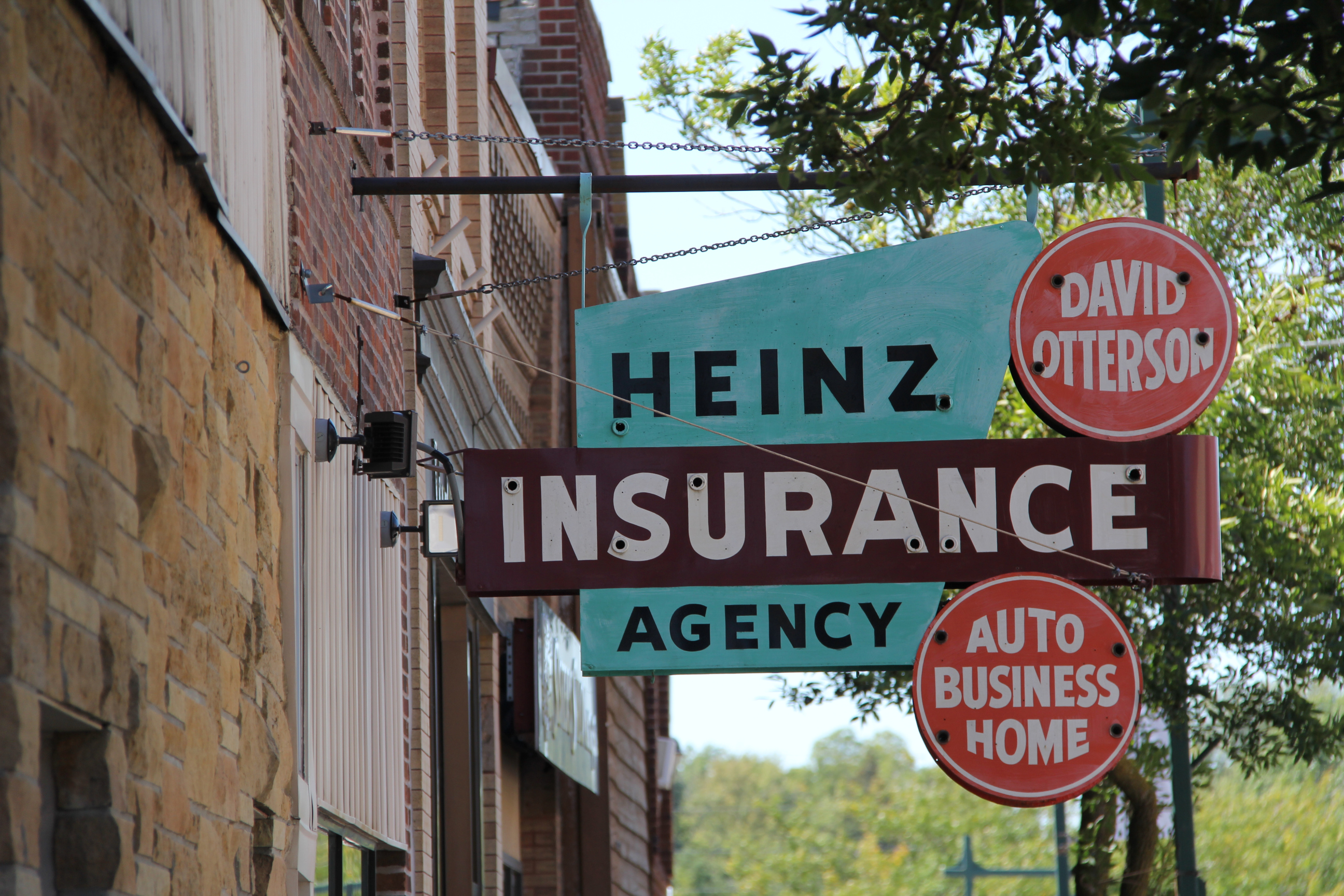
Among the many signs that drew my interest in Owatonna was this insurance agency sign. The bold colors and layered signage stood out. (Minnesota Prairie Roots copyrighted photo September 2024)

SIGNS, WHETHER HANDWRITTEN on a piece of paper or professionally made to mark a business, fascinate me. They reveal much about the heartbeat and history of a community.

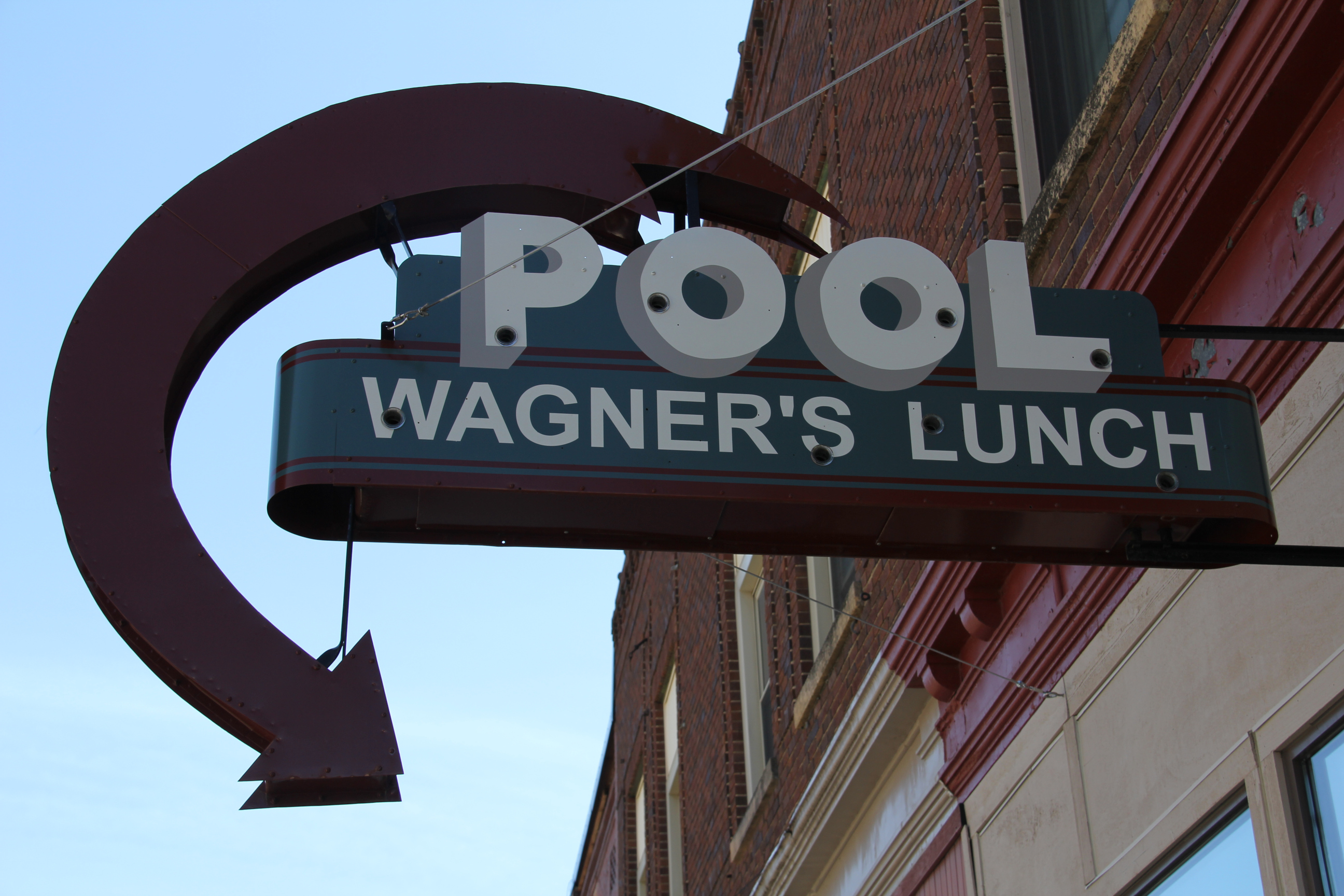
Love this artsy sign. The curving arrow points me directly to Wagner’s. (Minnesota Prairie Roots copyrighted photo September 2024)

On a recent visit to Owatonna’s downtown, I photographed a collection of signs that caught my eye. I lean toward vintage, or those that appear vintage. I also lean toward unusual names and interesting fonts and art.

This candy shop and eatery has a lengthy history in Owatonna. (Minnesota Prairie Roots copyrighted photo September 2024)

Most people likely view a sign only as an identifier or source of information. Clearly not me. I see signage through the lens of a writer and a photographer.

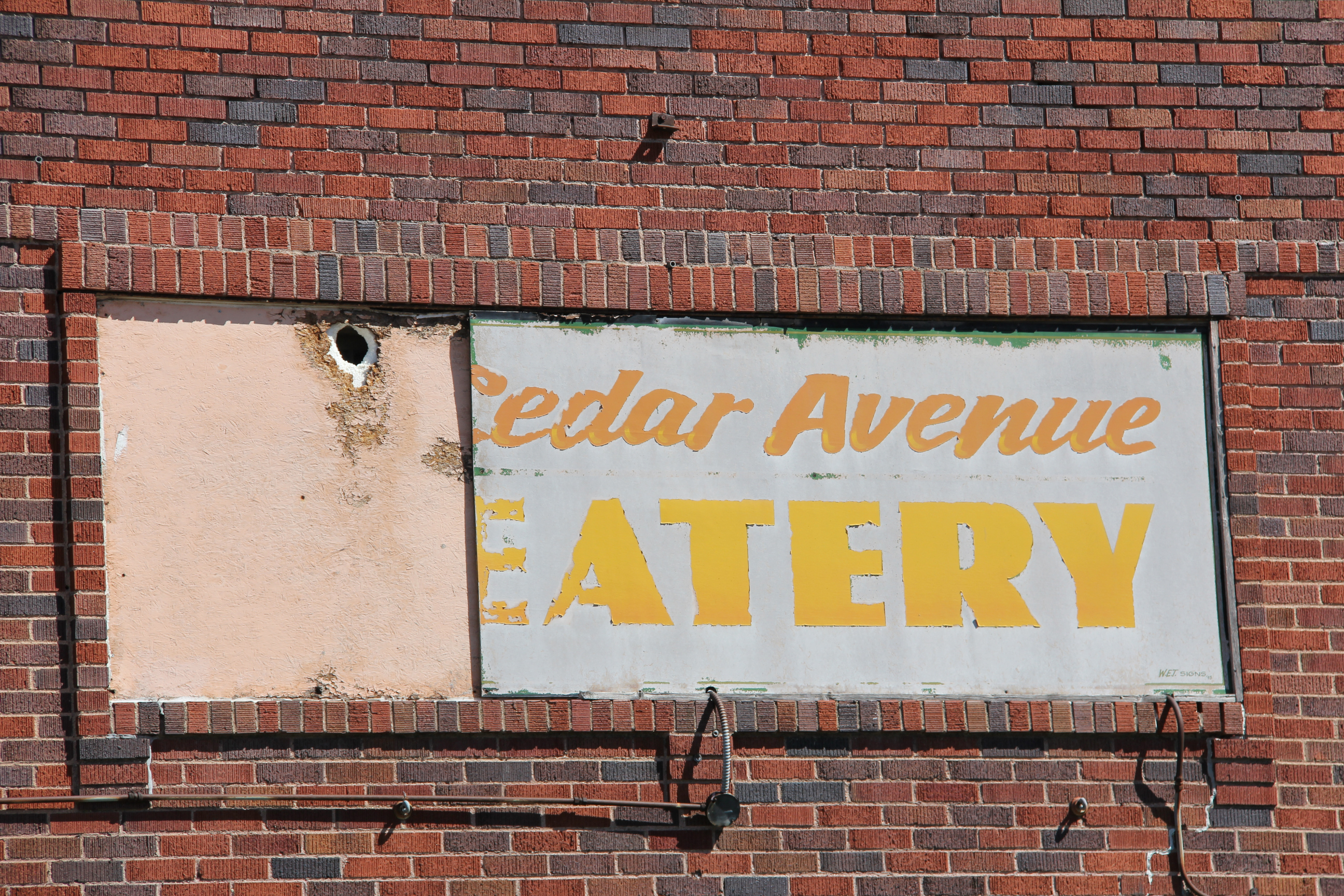
Even if partially missing, I still appreciate the vintage charm of this sign. (Minnesota Prairie Roots copyrighted photo September 2024)
The Kitchen, a downtown Owatonna staple gathering spot. (Minnesota Prairie Roots copyrighted photo September 2024)
A catchy name for a bar. (Minnesota Prairie Roots copyrighted photo September 2024)

Every town, not just Owatonna, offers a potluck of signs, a feast for the eyes. All signs bring something to the table. Something that tastes of local flavor. And I’m not just talking food or drink, although certainly you will find plenty of that along North Cedar Avenue and other streets spoking off Owatonna’s main downtown artery.

This shows partial signage for Central Park Coffee and a mini owl mural, among several owls “hidden” in downtown Owatonna. (Minnesota Prairie Roots copyrighted photo September 2024)
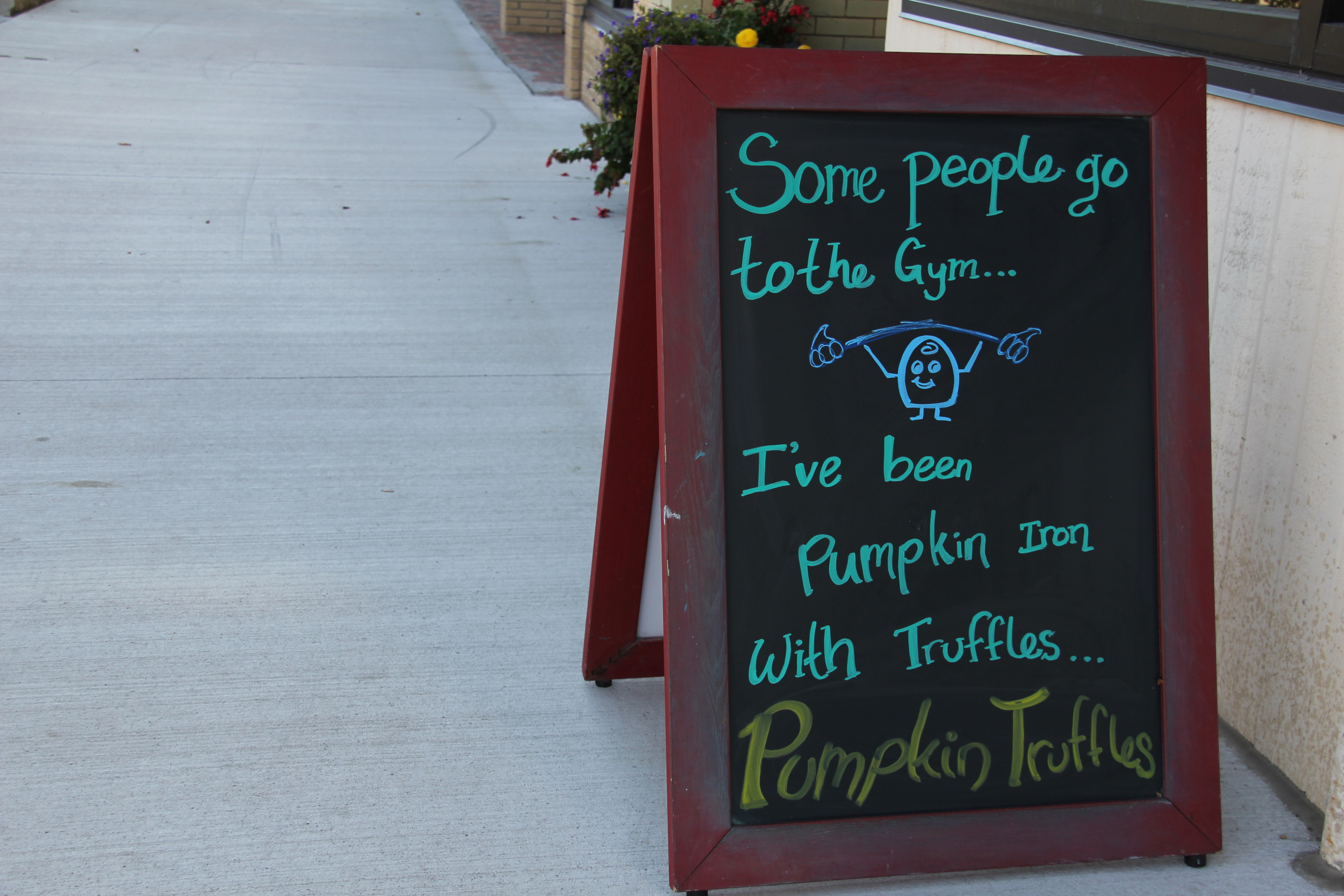
It’s that time of year again, time for all things pumpkin as noted on this sandwich board. (Minnesota Prairie Roots copyrighted photo September 2024)
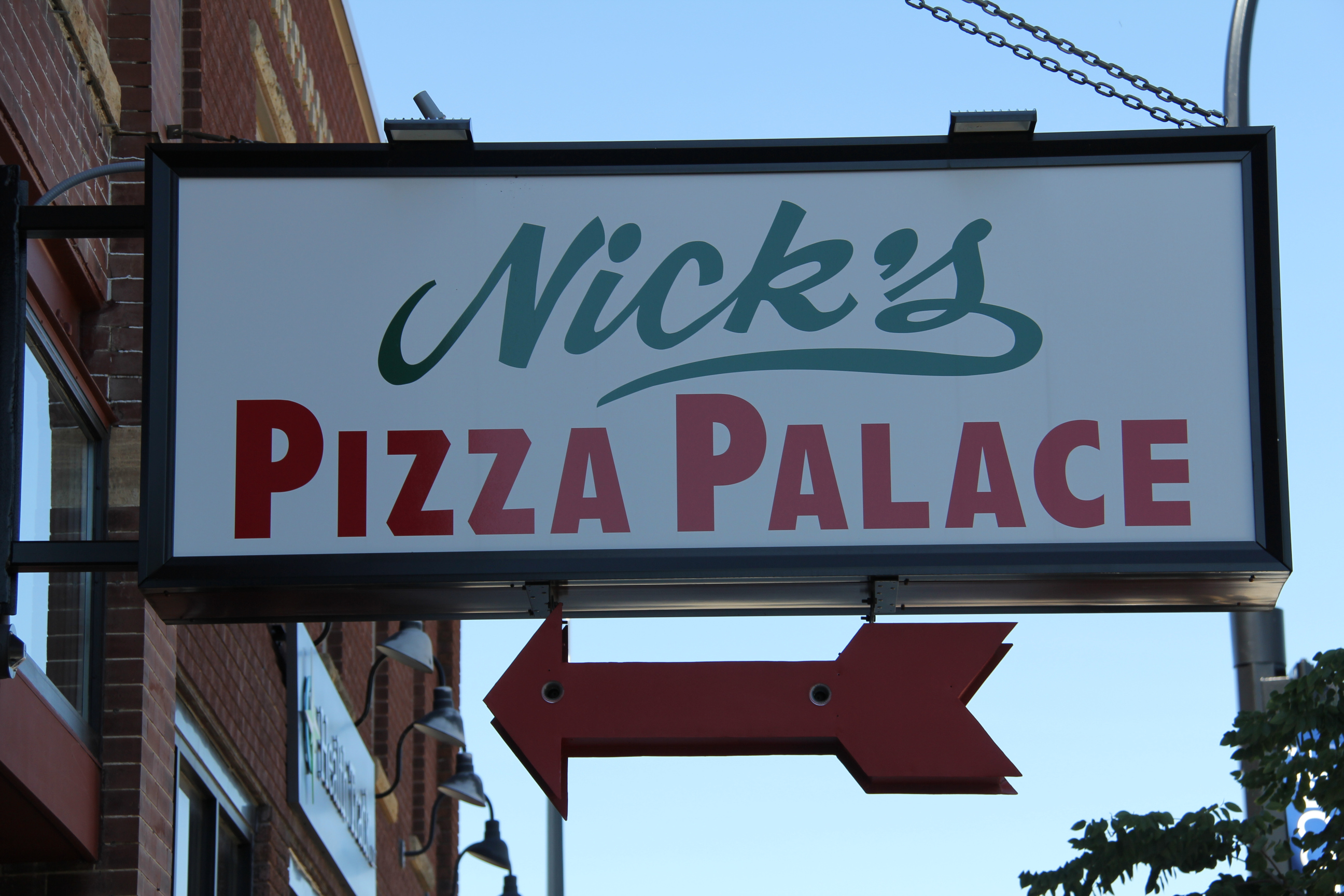
A long-standing pizza place along North Cedar Avenue. (Minnesota Prairie Roots copyrighted photo September 2024)

I’m also talking about the stories behind those signs. The people who own the businesses, run them, welcome customers inside for a cold one, a cup of coffee, a slice of pizza, a new pair of shoes, a pumpkin truffle, even an insurance policy. Signs are more, much more, than simply signs.

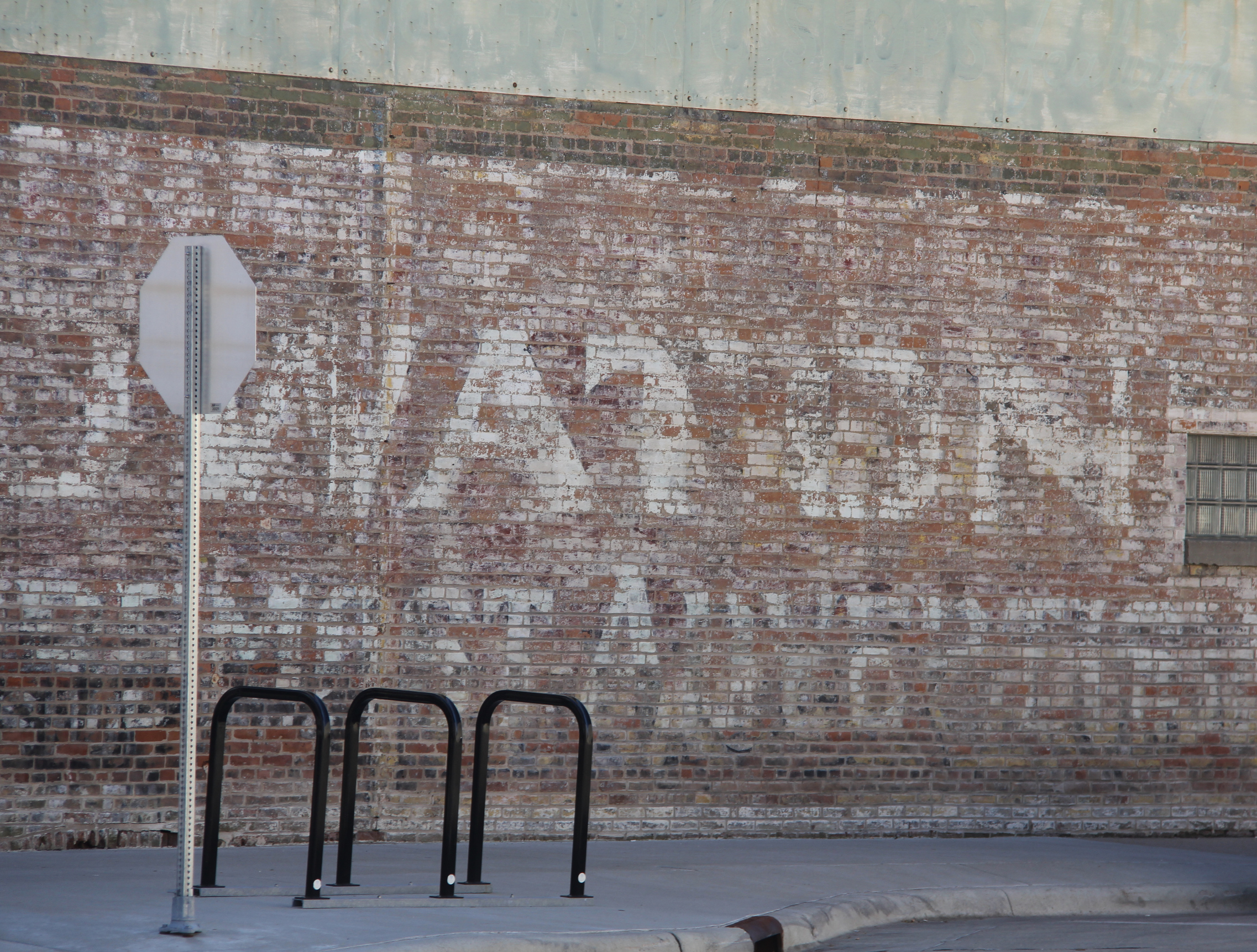
A mostly unreadable (at least to me) ghost sign. (Minnesota Prairie Roots copyrighted photo September 2024)
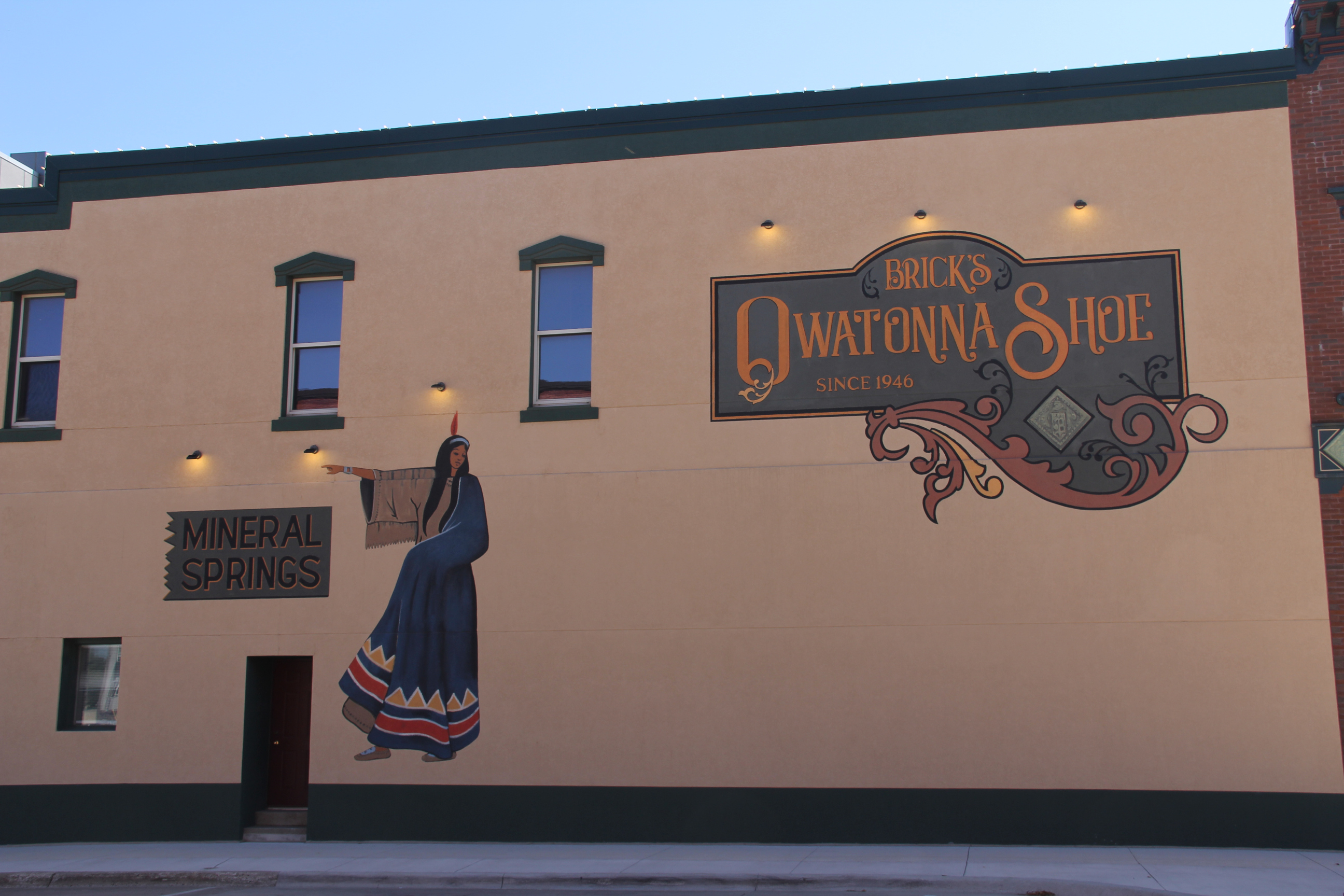
On the side of Owatonna Shoe is this painting of Princess Owatonna, after whom the city is named. A statue of the princess stands in Mineral Springs Park, the spring and princess being part of local lore. (Minnesota Prairie Roots copyrighted photo September 2024)
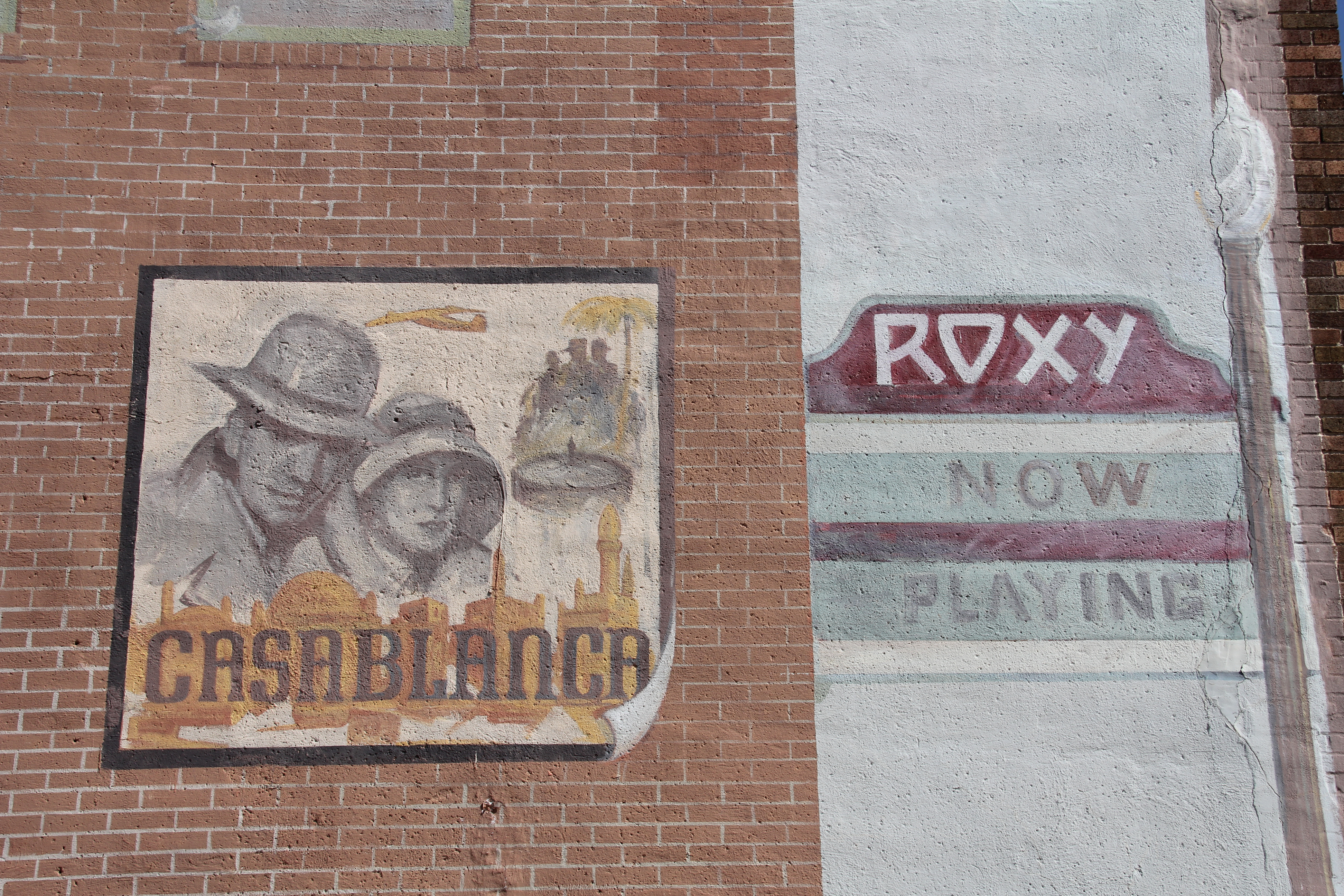
The long ago Roxy Theater is honored in the Main Street Mural in a downtown pocket park. (Minnesota Prairie Roots copyrighted photo September 2024)

Signs also hold history. Ghost signs, of which there are several in Owatonna, write of bygone days. Murals paint history, too, of the Roxy Theater and of Princess Owatonna and more.

And then I spotted this vintage gem on a building… (Minnesota Prairie Roots copyrighted photo September 2024)

Wherever you live, whatever community you visit, I encourage you to pause, look and really see the signage. Appreciate the history. Consider the stories. Study the fonts and art. Enjoy the potluck of signs that flavor a place.

© Copyright 2024 Audrey Kletscher Helbling
 

Celebrating my birthday with history & art September 27, 2024

(Minnesota Prairie Roots copyrighted file photo)

NOT EVERYONE WOULD CELEBRATE a birthday by exploring historic ruins and then capping the day by creating art within an historic context. But then I am not everyone.

This week, on my closing-in-on-seventy birthday, I took a day trip to Wasioja and neighboring Mantorville. Randy and I packed our picnic lunches and then hit the road east in late morning. No need to rush and get going too early at our ages.

After a brief stop at a Kenyon thrift shop, which smelled strongly of natural gas, we made a quick exit. But not before warning the shopkeeper that he needed to check on the odor immediately. And don’t turn on a light switch, although the lights were already on, we advised. (The shop was still standing on our return route home.)

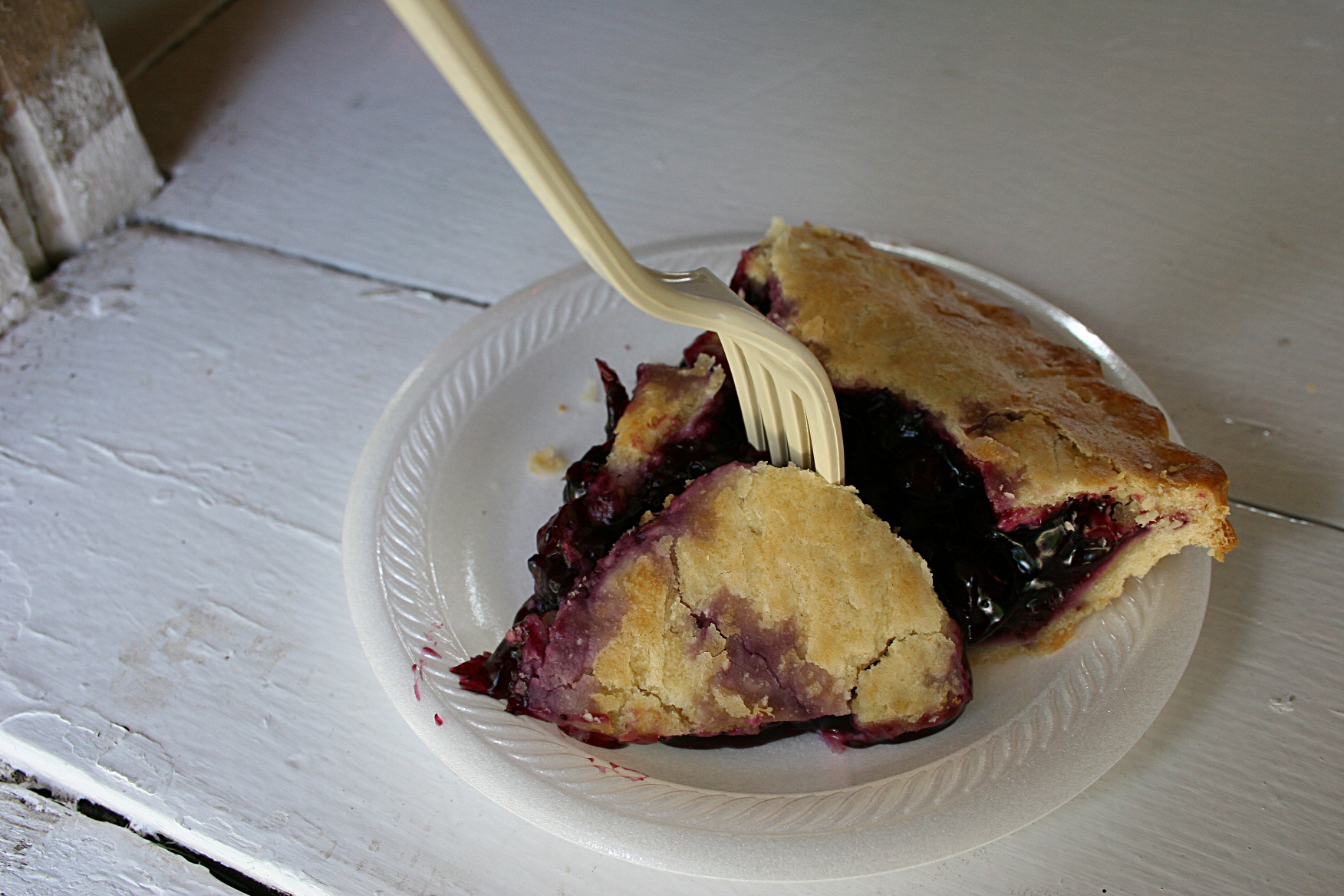
Blueberry pie. not from County Seat Coffee Shop. I didn’t photograph that pie piece. (Minnesota Prairie Roots copyrighted file photo)

GOING BACK IN TIME

I digress. In Wasioja, we discovered aged ruins and historic buildings, many connected to Minnesota’s involvement in the Civil War. I was aware of the Civil War recruiting station, but not some of the other sites. I’ll write more on our visits to Wasioja and Mantorville in future posts.

However, I should note now that Randy and I enjoyed slices of homemade blueberry and strawberry/rhubarb pie at County Seat Coffeehouse in Mantorville. It was, after all, my birthday. No sweet treat awaited me at home.

Back home by late afternoon with me feeling a bit tired after being on my feet all day (remember that broken right toe, which makes walking a tad more challenging), I put my feet up. Randy napped.

A promo for a 2022 talk by Mica Anders at the RCHS. (Promo credit of RCHS)

STEPPING BACK IN TIME WITH MICA ANDERS

And then, less than two hours later, we were off to the Rice County Historical Society for an interactive historical presentation by St. Paul genealogist and artist Mica Lee Anders. She was presenting on early (1850-1900) African American residents of Rice County. I’m always up to learning more about the history of this place I’ve called home for 42 years.

Anders made the entire event hands-on engaging by asking attendees to create flower mosaics that will honor the legacies of early African Americans. The flowers will be installed as public art at gravesites in Faribault and Northfield.

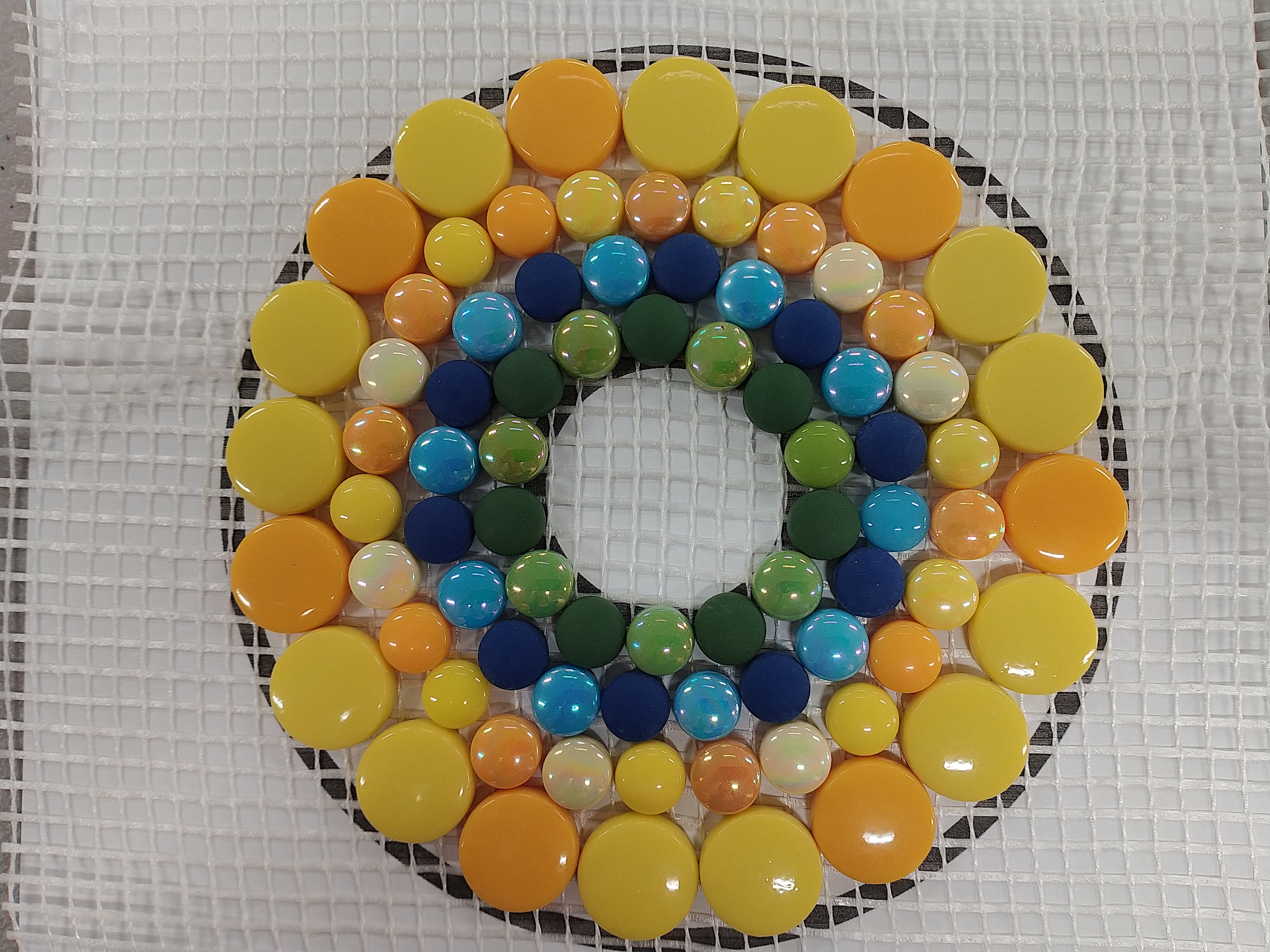
Not being especially artistic beyond creating with a camera and with words, I felt initially tentative about the whole idea. But Anders quickly put me at ease, explaining how to go about the process of creating mosaic flowers from glass tiles. We grabbed cupcake tins then scooped tiles in assorted shapes (mostly round) and colors (blues, greens, oranges and yellows) into individual holders. From there, we designed within a donut shape printed on paper. Later, we would transfer our designs onto sticky mesh.

As a perfectionist, I sorted my tiles by size and color before beginning to create. Part of me wanted to pause and take notes on everything Anders was sharing. But art won over being a journalist for the evening. I created. I listened. I asked questions. But I didn’t jot down a single word.

I heard about the success of those early African Americans who lived here. The barber. The young man who would become a doctor. The college grad. But I learned, too, of efforts to hide racial identity. Yet, races intermarried. And, said, Anders, Faribault was a welcoming place to those African Americans who settled here early on. To hear that pleased me greatly. Faribault has not always been a welcoming place for people of color.

The flower mosaic I created. Anders will finish the work. (Minnesota Prairie Roots copyrighted photo September 2024)

CONNECTING HISTORY & ART

Anders’ passion for history, genealogy and honoring the legacies of African Americans in southeastern Minnesota via her research and now her public art project coursed through the meeting room where a small group of us created colorful mosaics. It felt good to be part of something like this, a tangible way to honor those who came before us, who likely faced more struggles than I will ever know.

My mosaic was well thought out. I don’t usually randomly do anything. I used orange and yellow tiles in the outer two rings of my flower to represent the sun. The next ring featured blue round tiles representing the sky—dark blue for stormy days, lighter shiny blue for happier days. I finished my flower with an inner ring of green tiles representing the earth, growth, place.

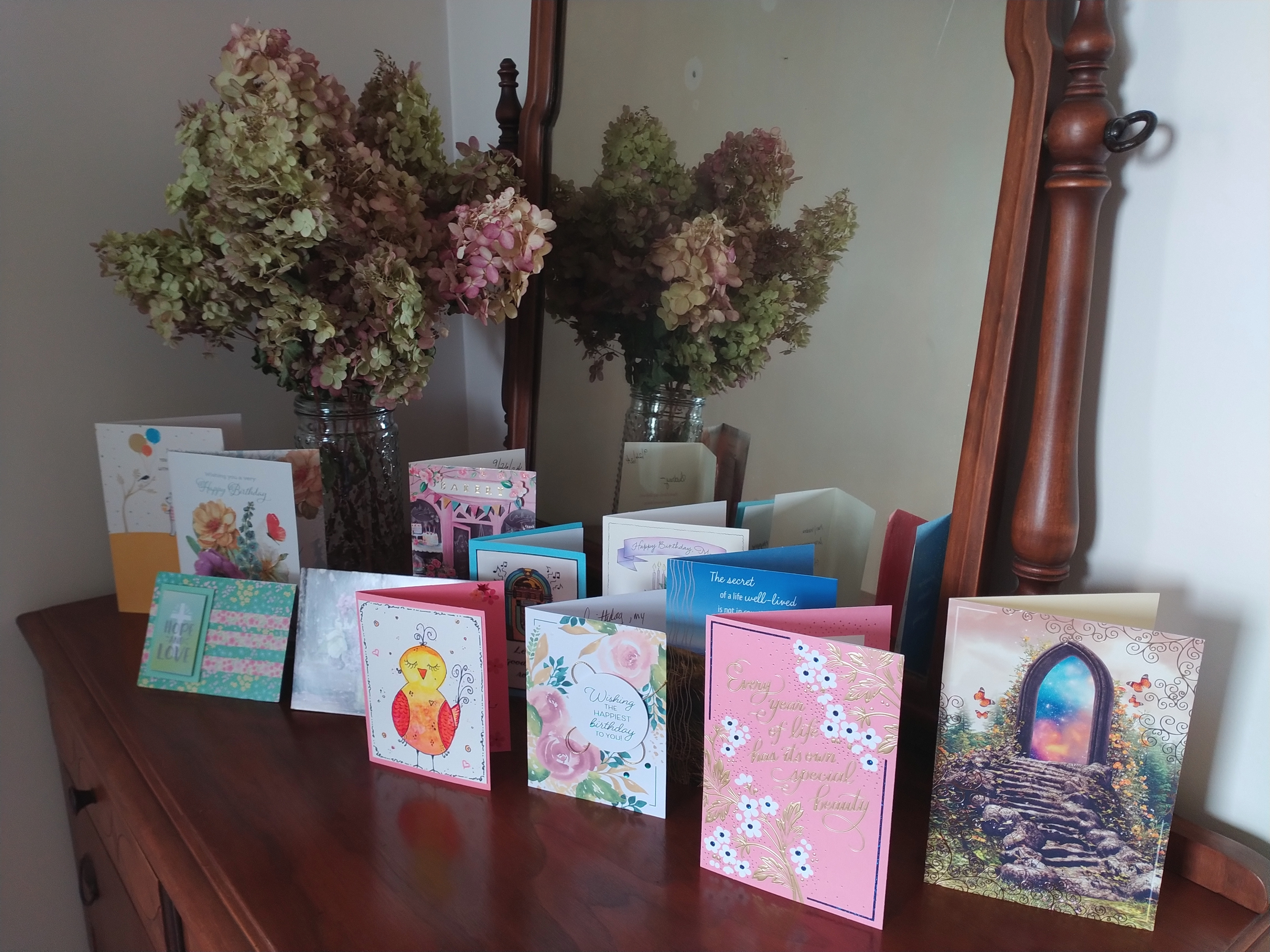
The birthday cards I received, displayed on a vintage family dresser in my dining room. (Minnesota Prairie Roots copyrighted photo September 2024)

THANKFUL

Thus I began another year of life. Learning. Creating art. Honoring. Celebrating. And feeling incredibly thankful for all the people who care about me. From greeting cards to an audio message, from texts to emails to calls (including a singing of “happy birthday”), I feel cherished and loved.

#

FYI: Mica Anders will host more workshops in Rice County (including in Northfield) to talk about early African Americans in southeastern Minnesota and to create flower mosaics. I encourage you to participate. Her project was made possible in part by Springboard for the Arts’ Rural-Urban Solidarity Initiative.

© Copyright 2024 Audrey Kletscher Helbling
 

Train art or graffiti, depending… September 18, 2024

Filed under: Uncategorized — Audrey Kletscher Helbling @ 10:40 AM
Tags: , , , , , , , ,
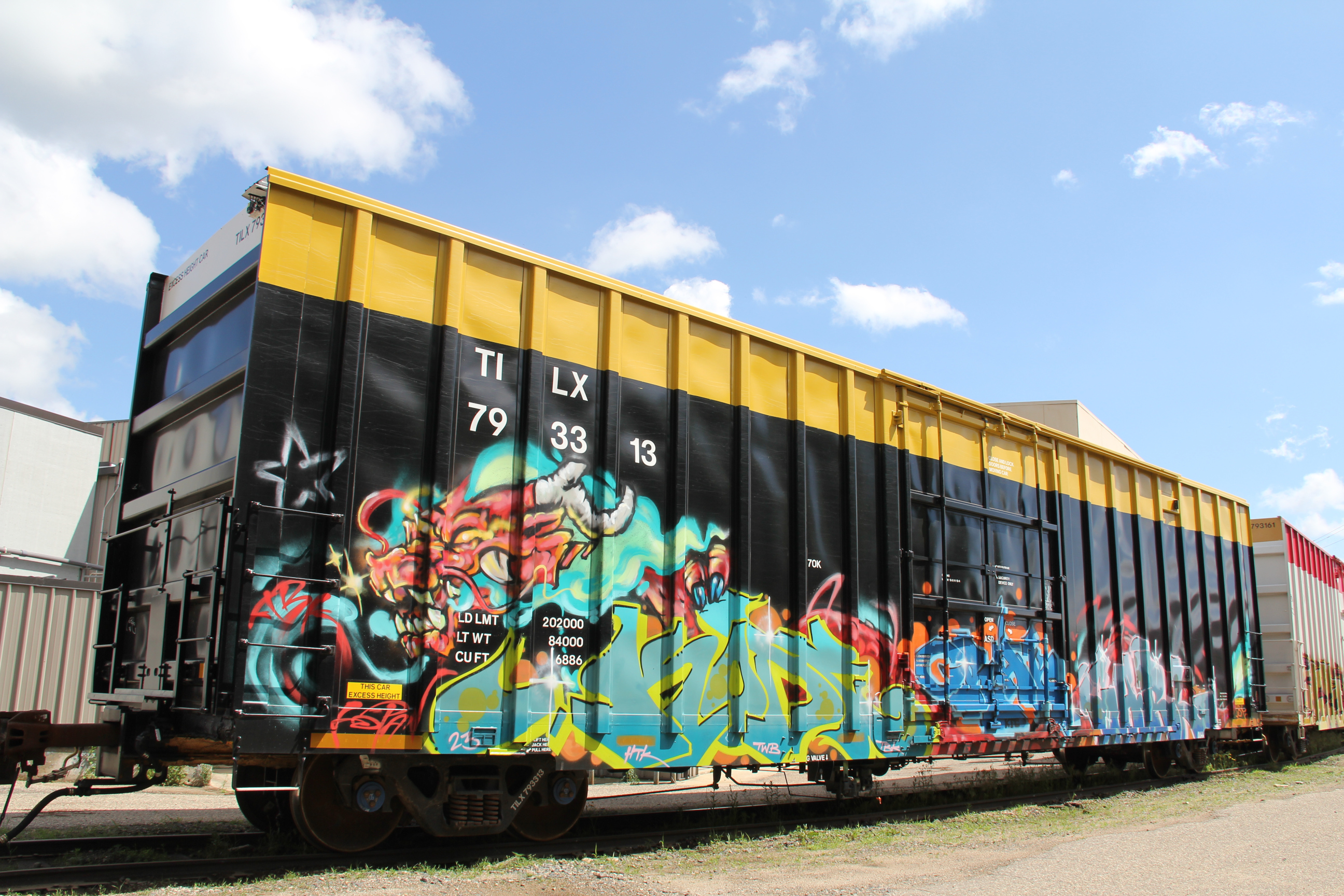
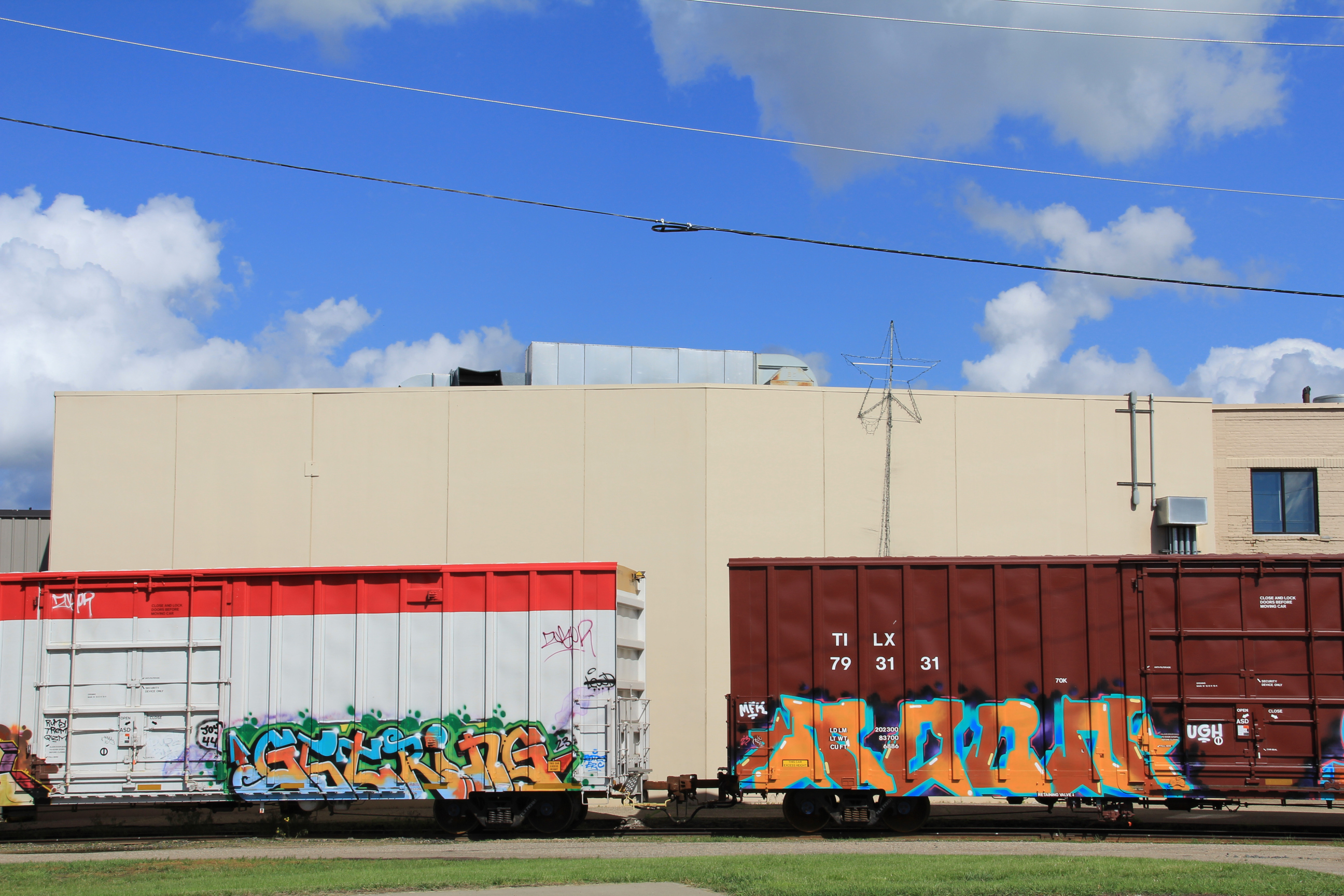
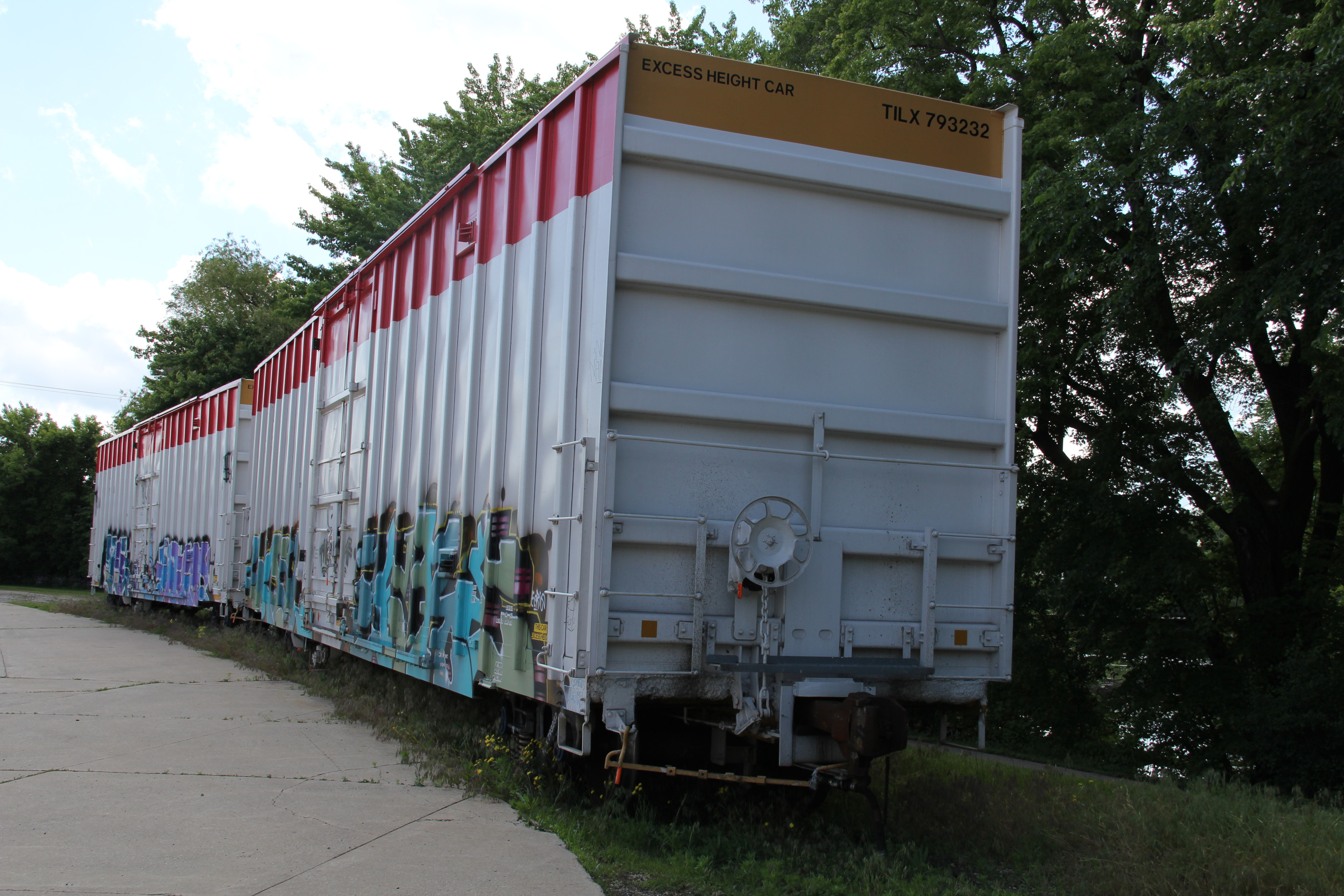
A dragon (at least that’s what I see) covers an entire boxcar. (Minnesota Prairie Roots copyrighted photo 2024)

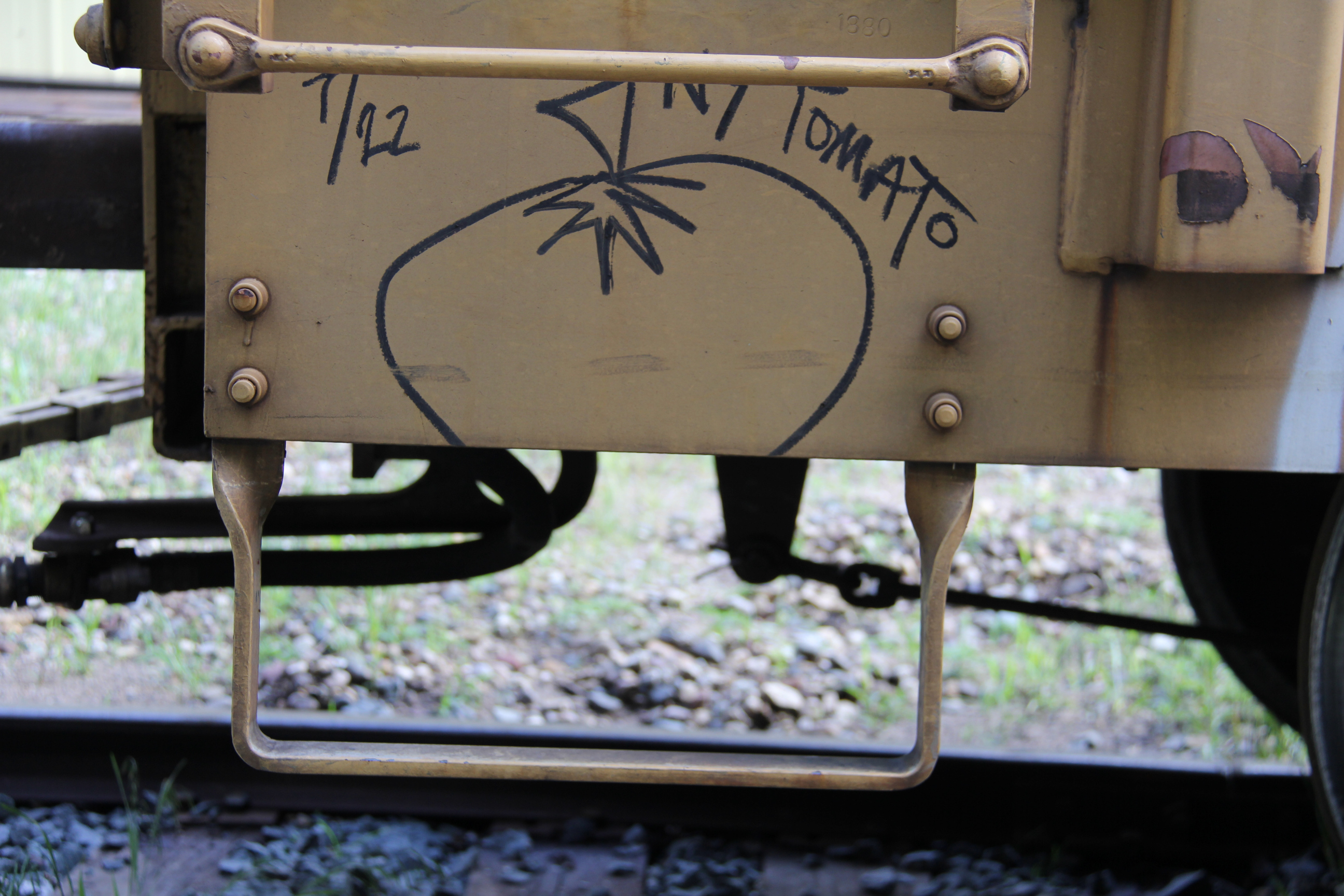
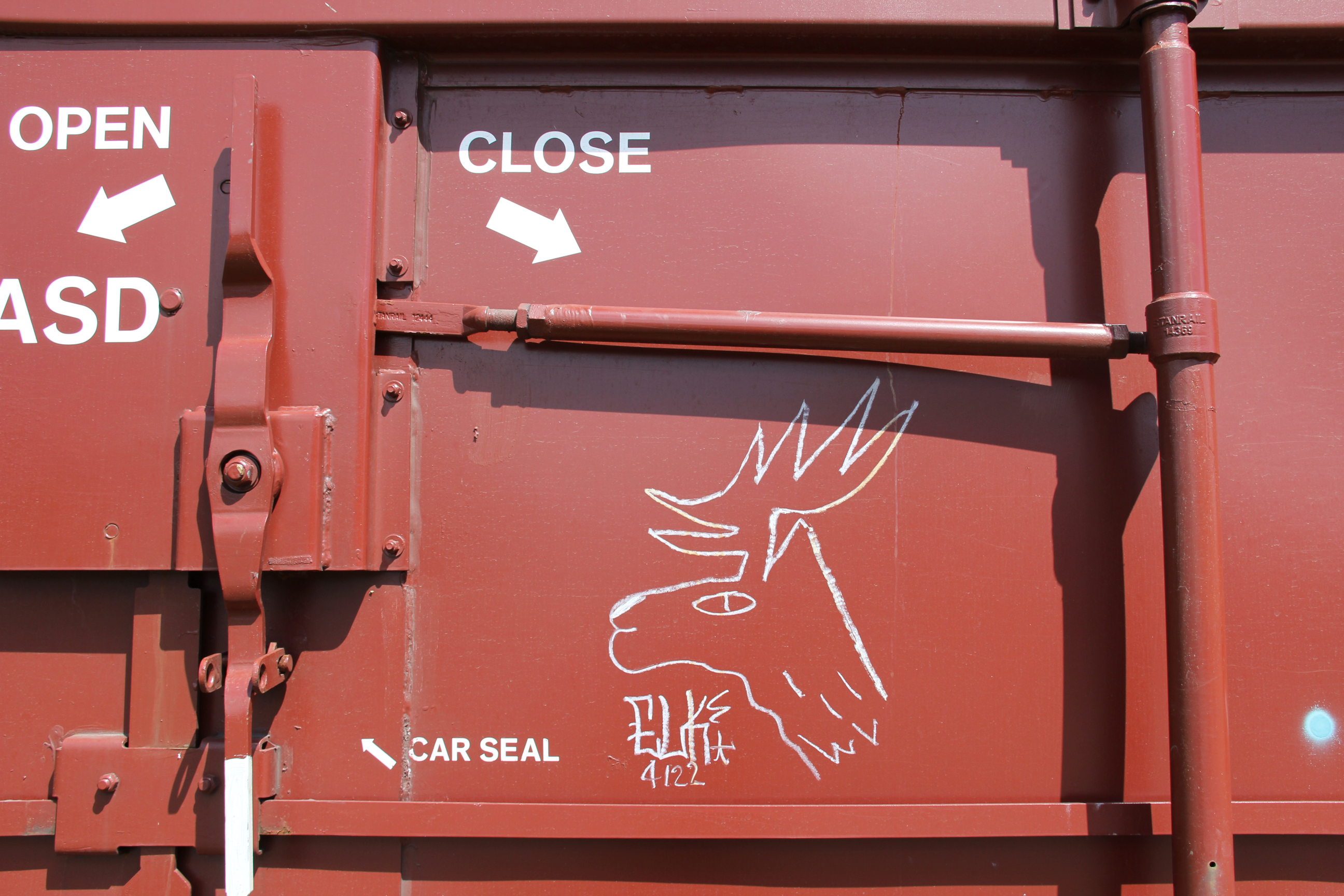
ADMITTEDLY, I POSSESS no understanding of train art. Yet, I appreciate it. Not as the graffiti it is by definition, but rather because I see the images and words as art. A traveling art gallery. I doubt railroad companies would agree.

The traveling gallery parked in Faribault earlier this year. (Minnesota Prairie Roots copyrighted photo 2024)

Watch any train pass by or view a line of parked box or tanker cars and you likely will see this art form. Whenever I spot this art, I wonder, “How and when do these artists manage to paint these sprawling words and images without getting caught?”

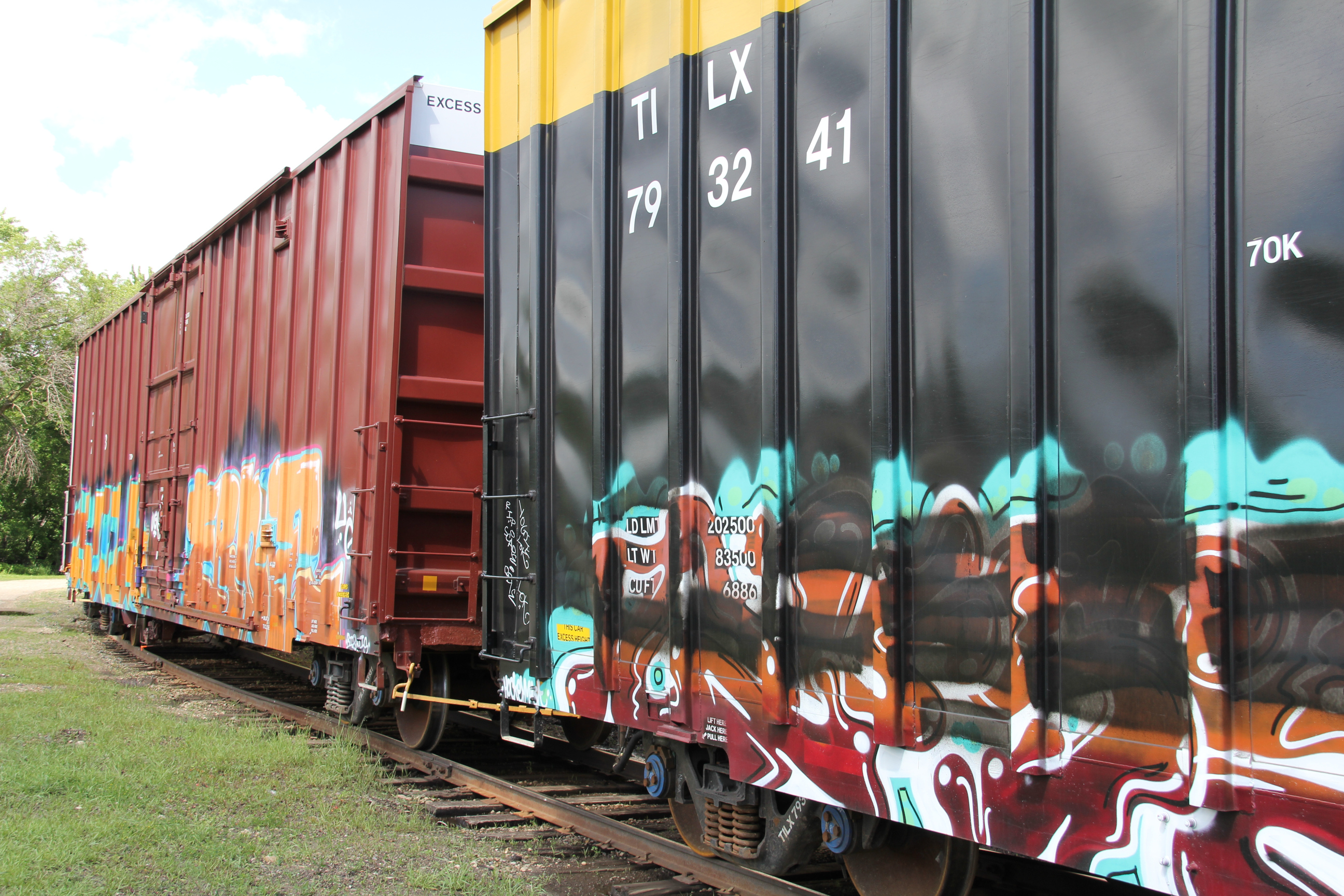
More art/graffiti I don’t understand. (Minnesota Prairie Roots copyrighted photo 2024)

Then I try to decipher the words, which are mostly indecipherable to me. My eyes can’t separate the often over-sized uppercase letters that jam together. Even standing back to read from a distance usually doesn’t help.

Another look at the dragon from a distance and the words I can’t read. (Minnesota Prairie Roots copyrighted photo 2024)

But occasionally I figure something out and then it’s like a moment of confused clarity. Why this word? Why this art? Why this fiery orange dragon (if that’s really what it is) stretching the length of a boxcar?

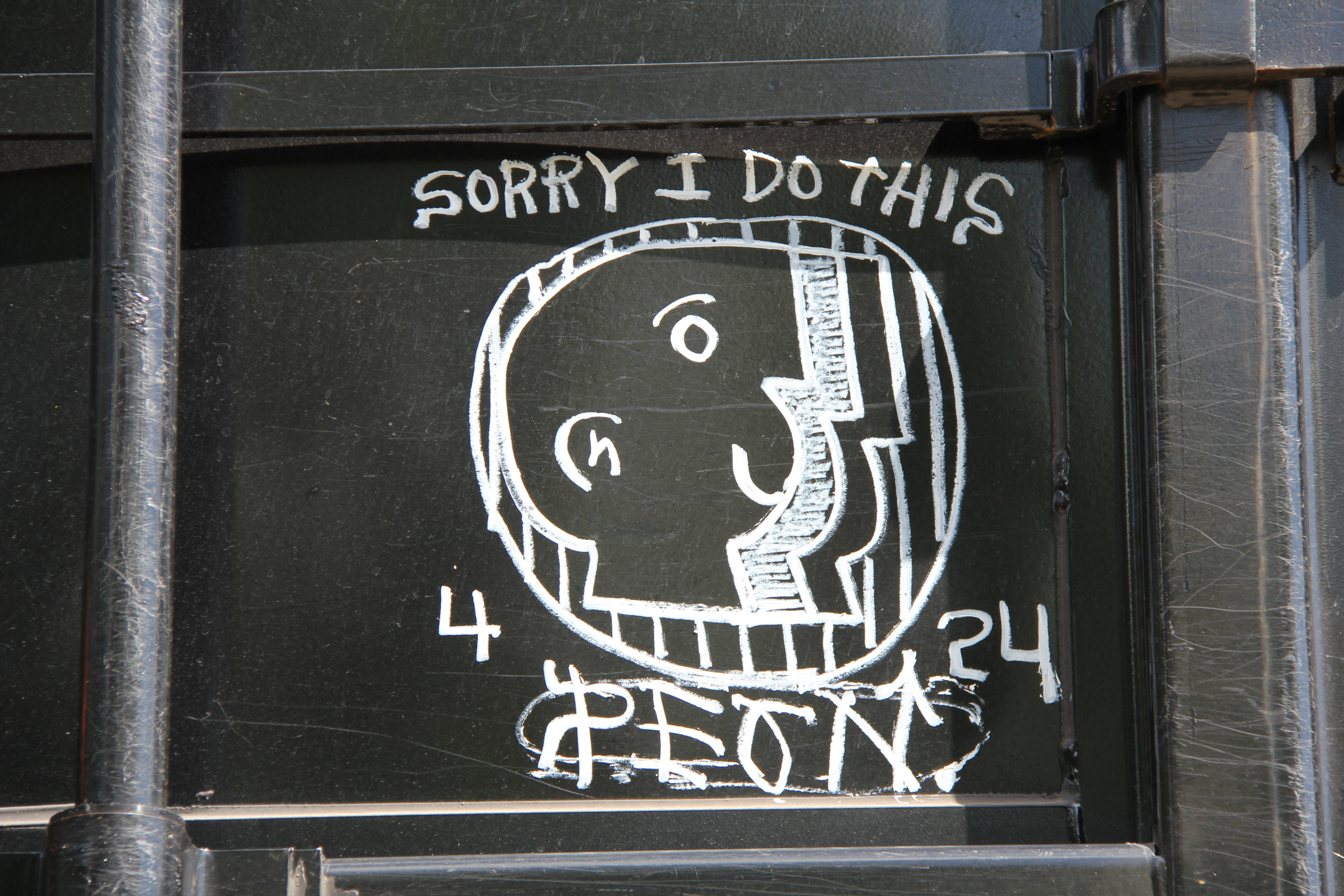
An apology. (Minnesota Prairie Roots copyrighted photo 2024)

For the artist, like any visual artist, there is meaning behind the art. I’m just not privy to the backstory. Sure, some of what I’m seeing could be gang graffiti. But mostly, I expect it is not. And if I view the train art in Faribault, for example, that doesn’t mean the work originated locally. Likely it did not. Trains travel all over the country.

The freshly-painted signature of DOLLFACE. (Minnesota Prairie Roots copyrighted photo 2024)

There are exceptions, though. While looking at art on short rows of parked boxcars a few months back in Faribault, a young couple was doing likewise. I asked whether they were the artists. The response from one: “I can neither confirm nor deny.” Later, as I rounded the row of boxcars and the pair were heading for two vehicles parked nearby, I got my answer. There, along the bottom edge of a boxcar, block letters dripped baby blue paint. DOLLFACE had left her signature.

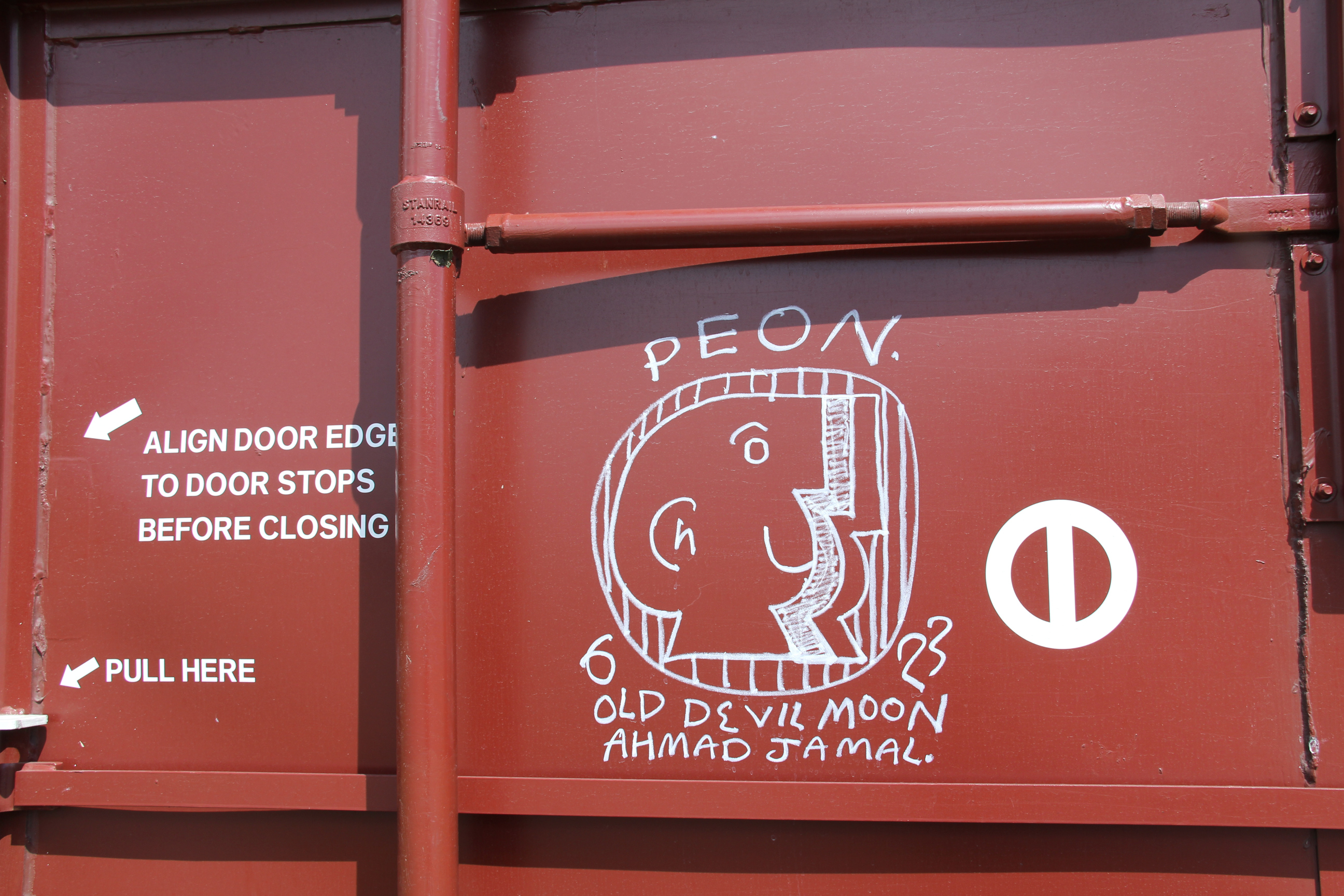
More art by the apologetic artist. (Minnesota Prairie Roots copyrighted photo 2024)
Signature or art, I’m unsure. (Minnesota Prairie Roots copyrighted photo 2024)
An artist’s tag…I think. (Minnesota Prairie Roots copyrighted photo 2024)

Other artists left their signatures, too, or what I can only assume are their signatures, along with dates, messages and social commentary. It’s all a bit of a mystery to me.

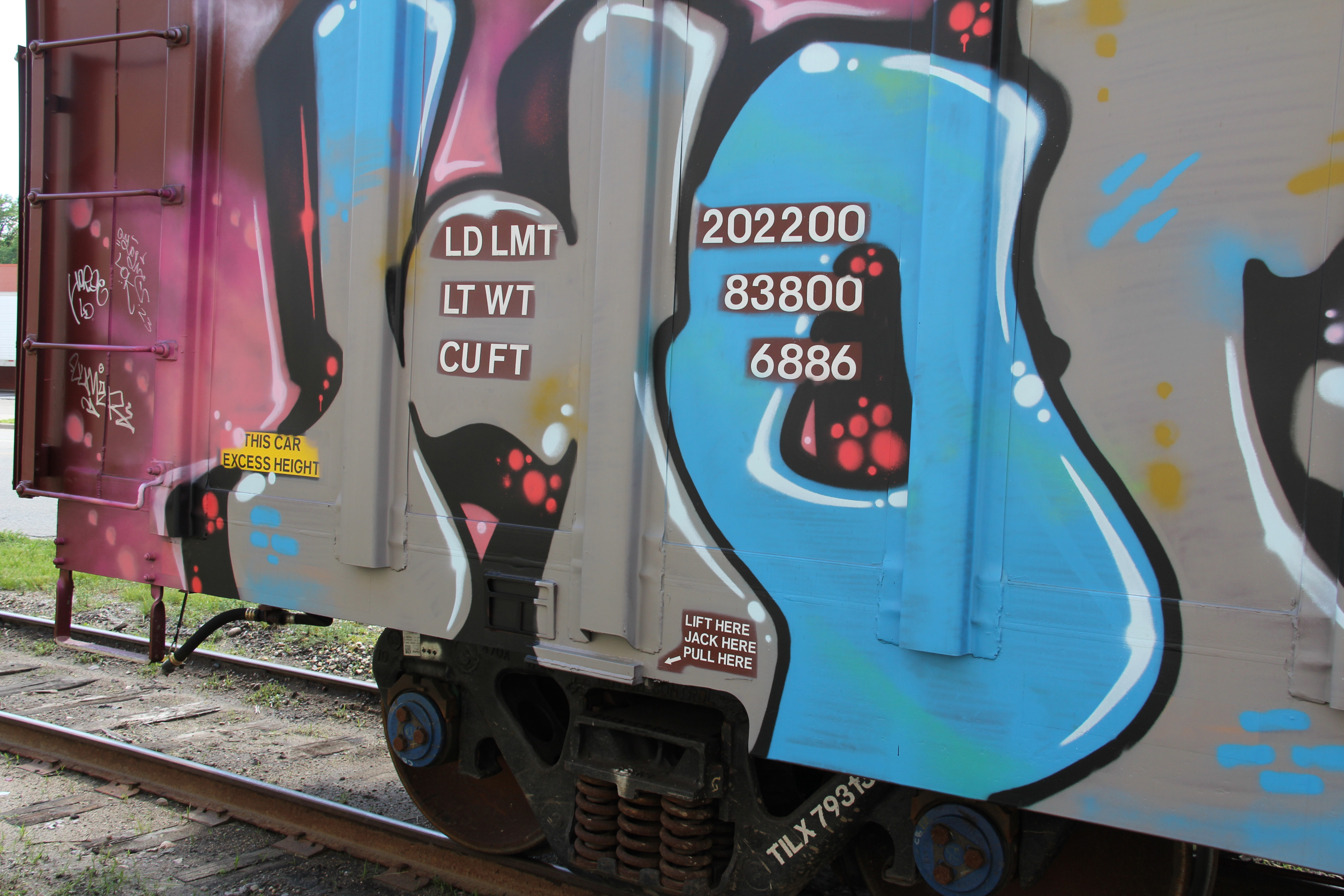
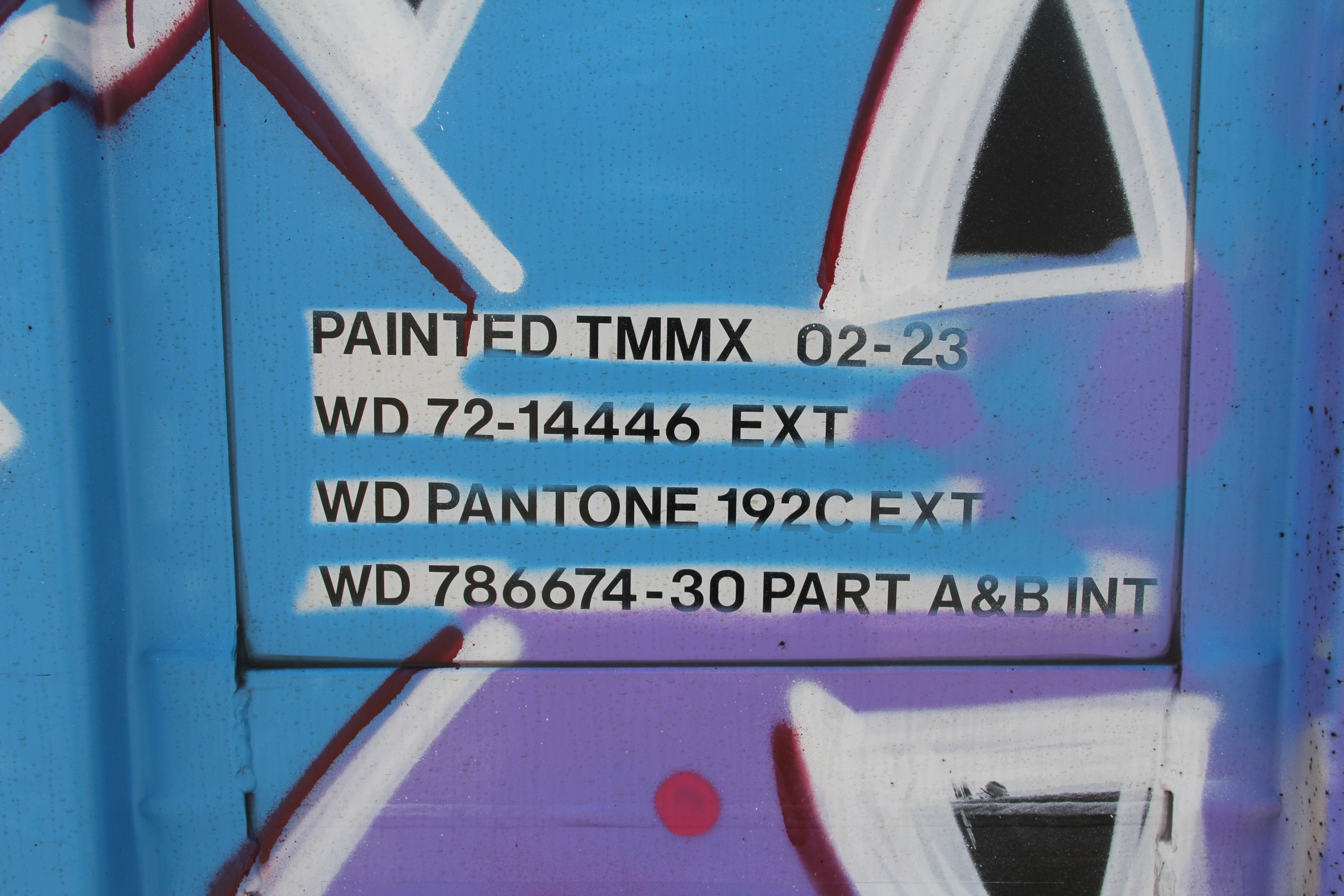
Some artists respectfully paint around official markings on rail cars. (Minnesota Prairie Roots copyrighted photo 2024)
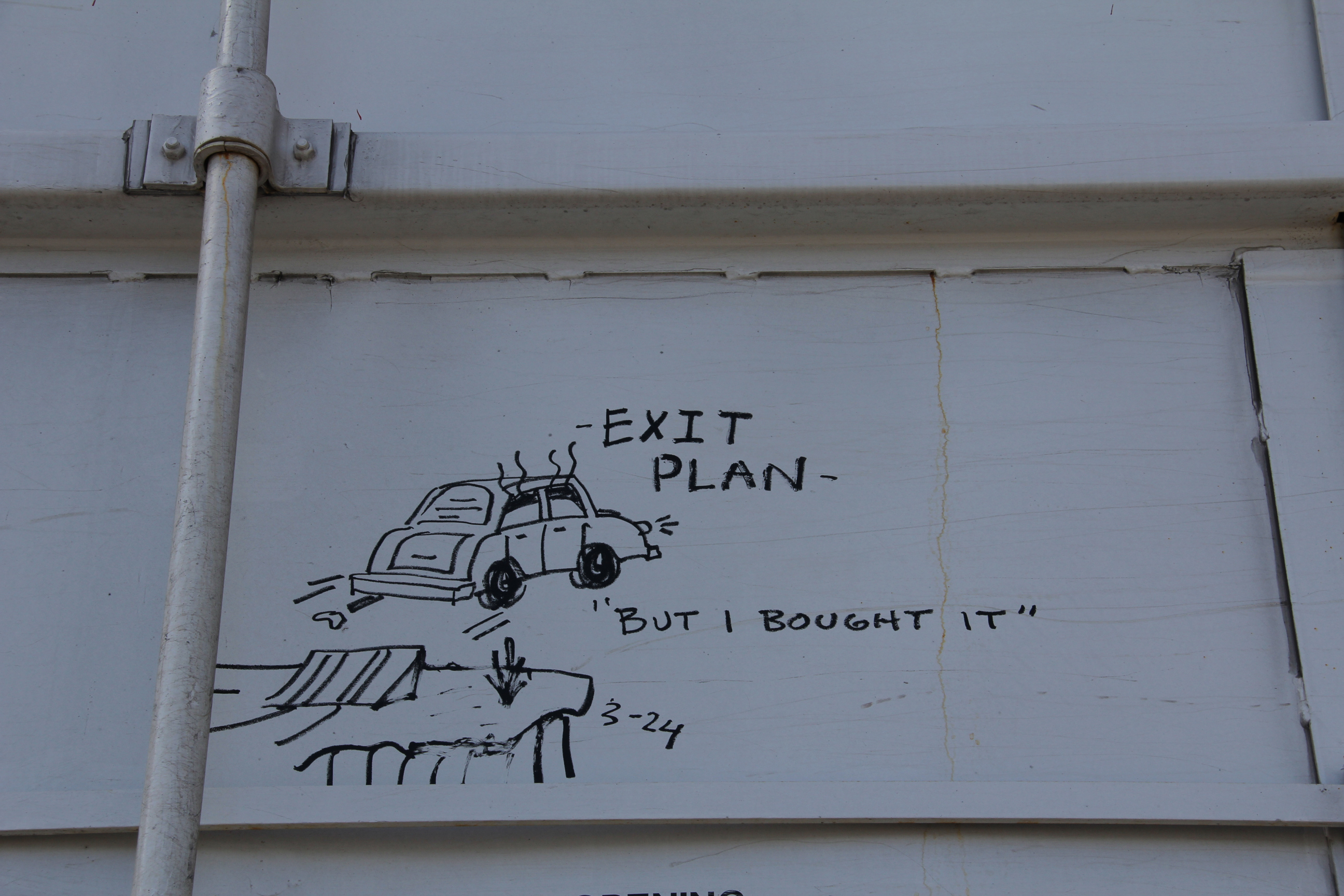
An understandable commentary. (Minnesota Prairie Roots copyrighted photo 2024)
More art on boxcars. (Minnesota Prairie Roots copyrighted photo 2024)

But I appreciate the skill, the effort, the creativity, the vibrant hues that go into creating this art form. Long ago, hobos—who today would be termed as “homeless”—rode the rails and left their art upon boxcars primarily as a way to communicate. Train art has a longstanding history in this country.

I found this humorous, painting around the word “PAINTED.” (Minnesota Prairie Roots copyrighted photo 2024)

And that continues today. Perhaps not in the same way. But assuredly as an art form. Or as graffiti, depending on perspective.

© Copyright 2024 Audrey Kletscher Helbling


The joy of a Northfield tie dye artist September 12, 2024

My first view of the tie dyed t-shirts. Two days later, I returned and met the artist. (Minnesota Prairie Roots copyrighted photo September 2024)

TIE DYED SHIRTS jolted color against a brown privacy fence along West Seventh Street in Northfield next to Riverside Park on a recent weekday afternoon. The colorful display proved a photographic surprise as I headed for the park.

The shirts have creative designs front and back. (Minnesota Prairie Roots copyrighted photo September 2024)
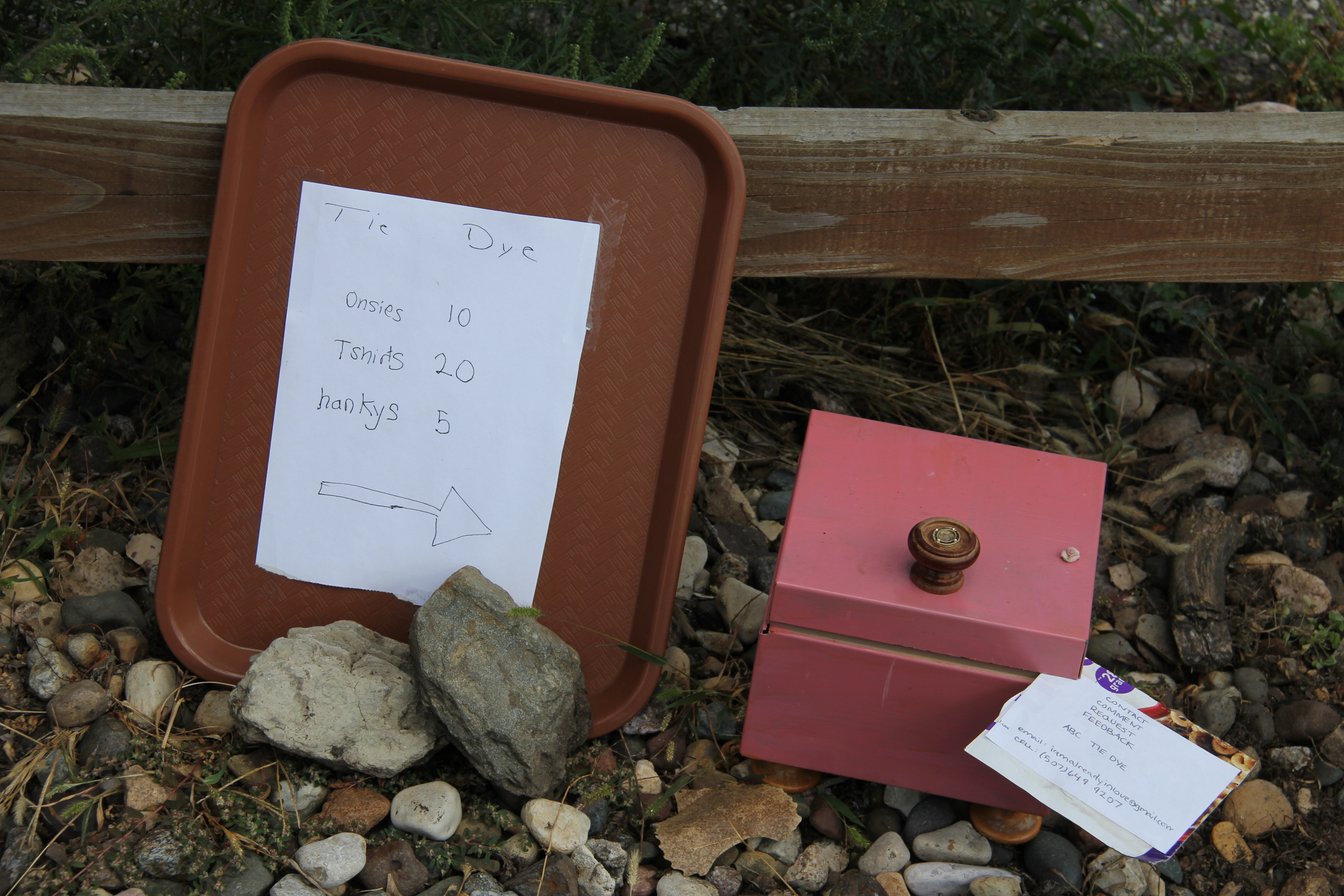
Prices and payment box, on the honor system. (Minnesota Prairie Roots copyrighted photo September 2024)
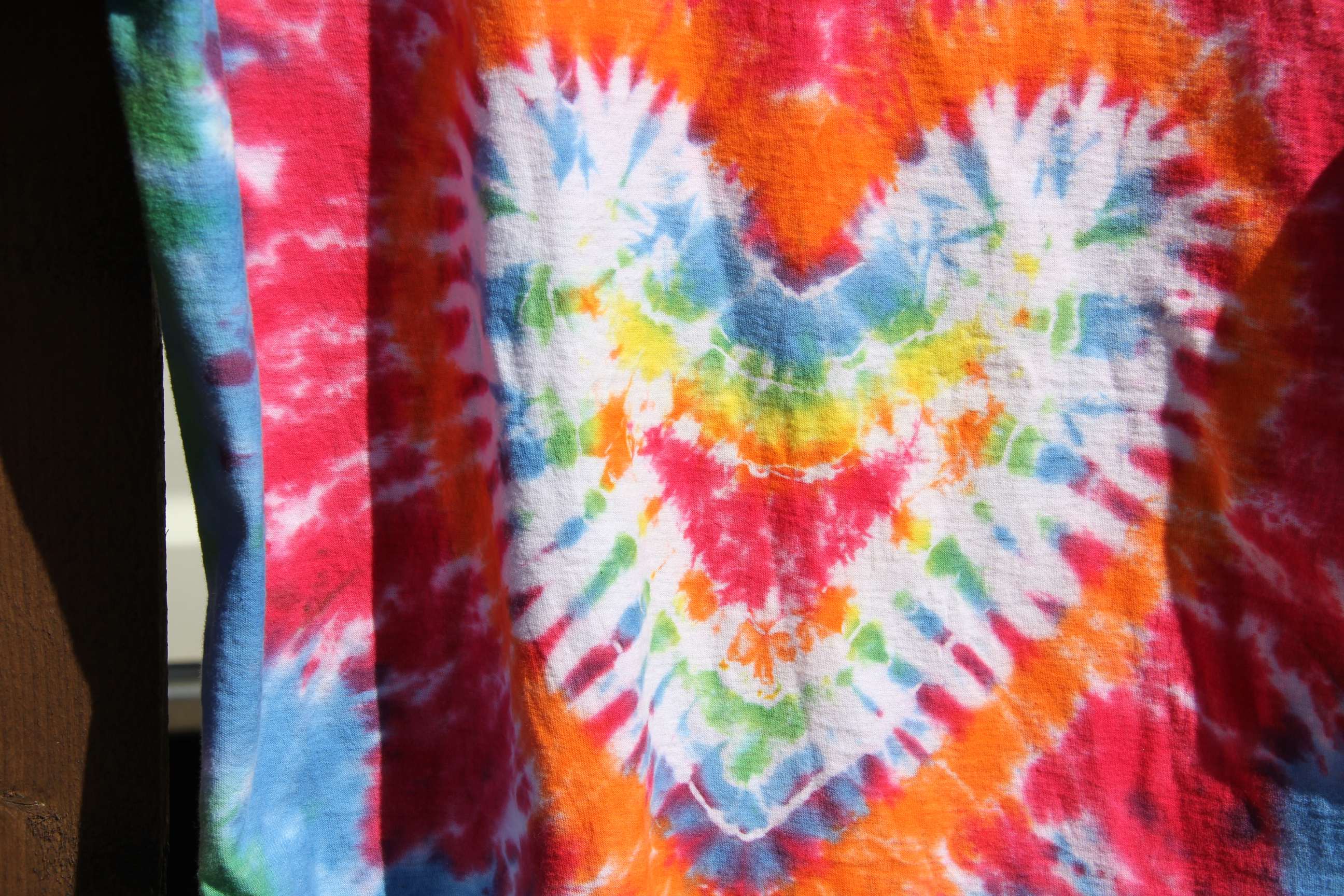
Vibrant hues on a heart shirt, one of my favorites. (Minnesota Prairie Roots copyrighted photo September 2024)

Rich, brilliant hues and creative designs instantly drew my attention to this pop-up shop that was as much a place to buy a tee on the honor system as it was an art display.

Artist Rebecca Stull. (Minnesota Prairie Roots copyrighted photo September 2024)

The creative behind the wearable art is Rebecca Stull, who lives in an apartment building behind the fence with her daughter, Lily Joy, age three. I met them two days after I initially spotted and first photographed the tie dye art. I happened to be in Northfield again, same location, aiming for the Northfield Farmers Market in the park. And out came Rebecca and her daughter, the artist carrying bowls of water to set beside the sidewalk for passing dogs.

Rebecca also tie dyed these cute heart onesies. (Minnesota Prairie Roots copyrighted photo September 2024)

I couldn’t believe my luck. To meet Rebecca, to hear her story, excited me. Everyone has a story. Rebecca is new to tie dying, learning as she goes. I would not have guessed that based on the art she produced. She has a two-year online art degree, a good background for creating this art.

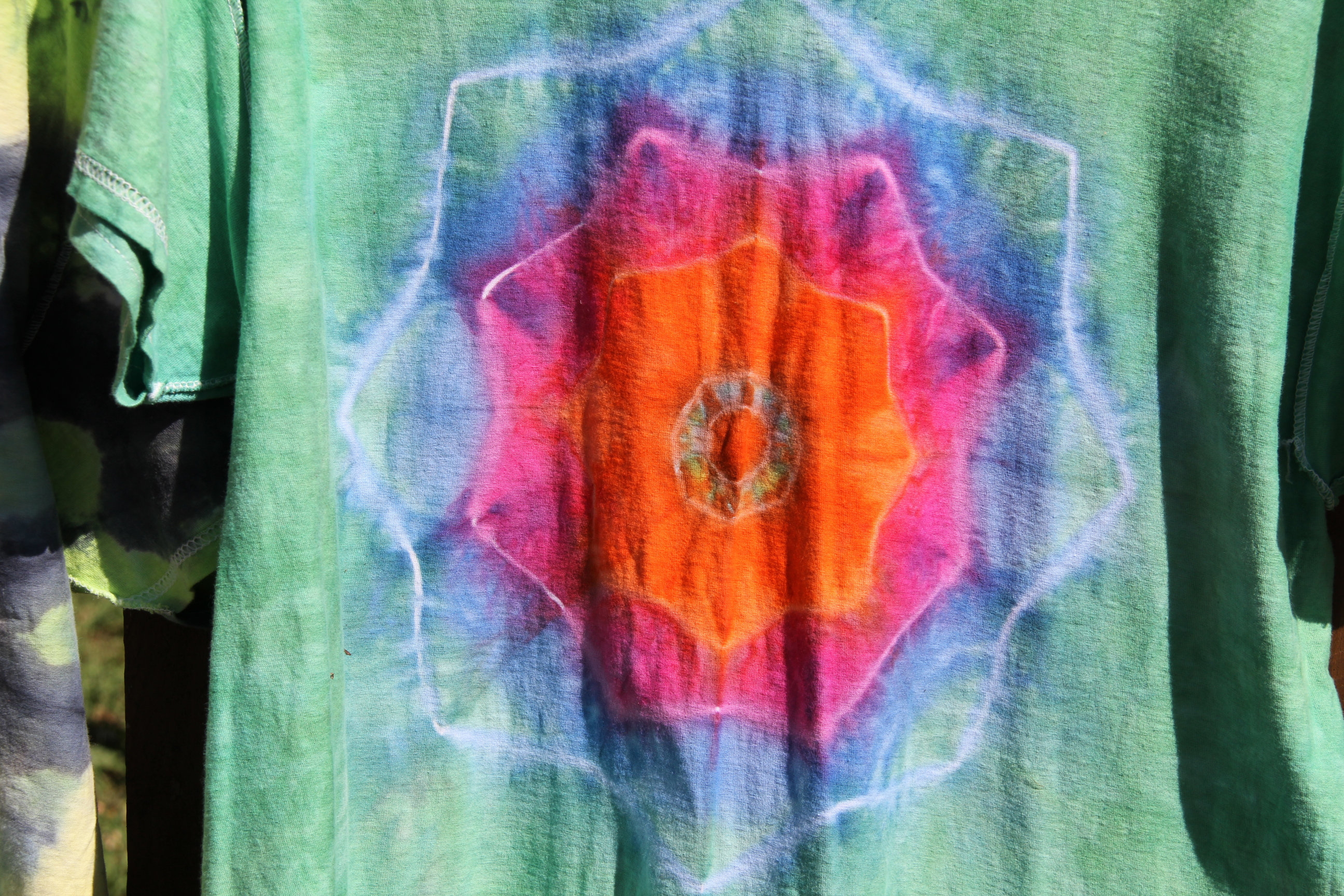
A mandala, a favorite design of Rebecca’s. (Minnesota Prairie Roots copyrighted photo September 2024)

This young mother and artist holds a passion for art, for tie dying. She feels a calling, she said, “on a journey to work with Jesus.” That shows in the crosses gracing some of her shirts, including little Lily’s. She also favors mandalas.

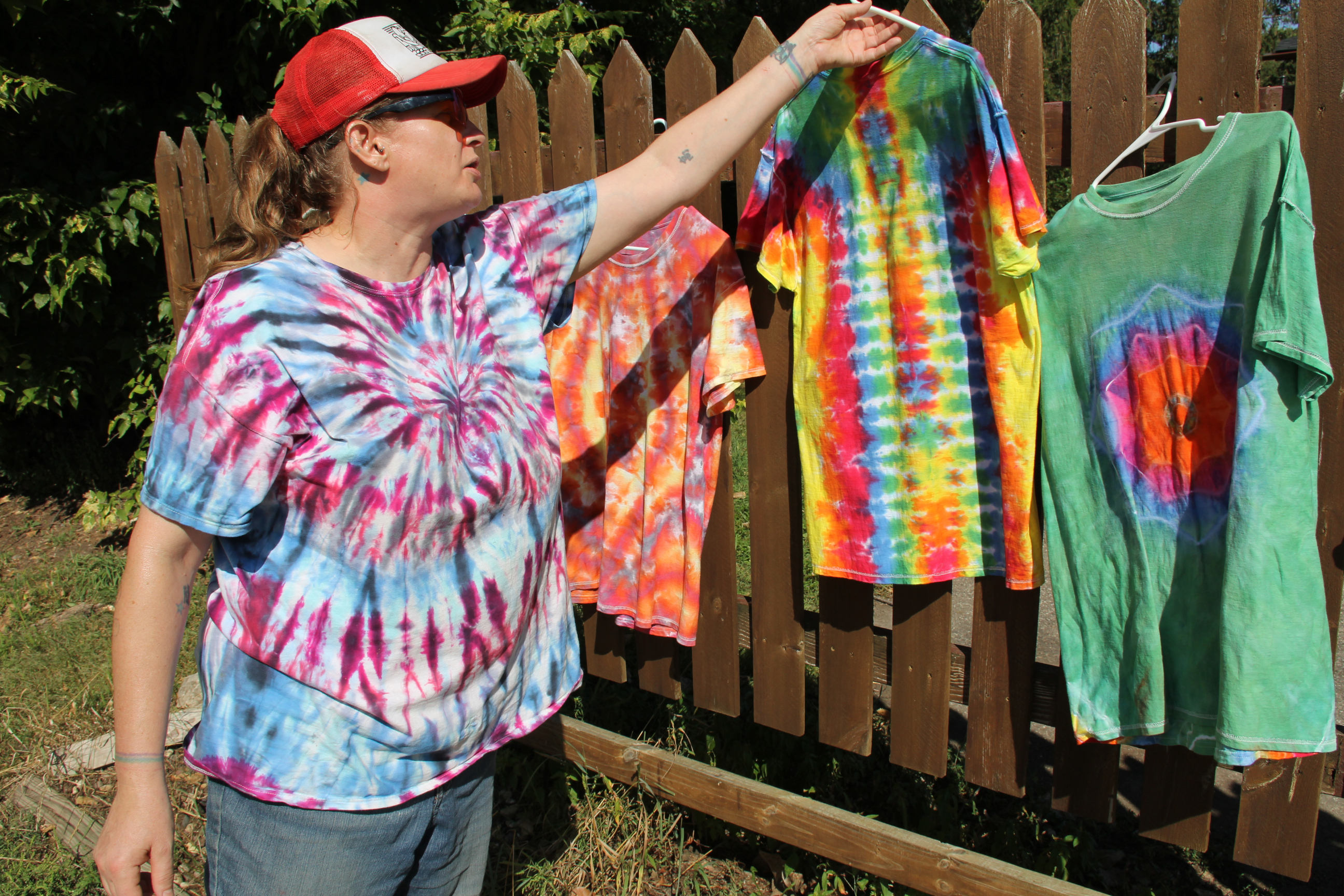
Rebecca pulled tees from the fence to show me fronts and backs. (Minnesota Prairie Roots copyrighted photo September 2024)

What I love about Rebecca, besides her tie dye art, is her joy. She exudes positivity, despite struggles. Rebecca shared just enough for me to understand that life hasn’t always been easy for her. But here she is, getting the support she needs, using her creative talents, raising Lily Joy with a joyful spirit.

Rebecca’s storefront, next to her apartment building. (Minnesota Prairie Roots copyrighted photo September 2024)

She told me how thankful she is for a landlord who supports her tie dye creativity.

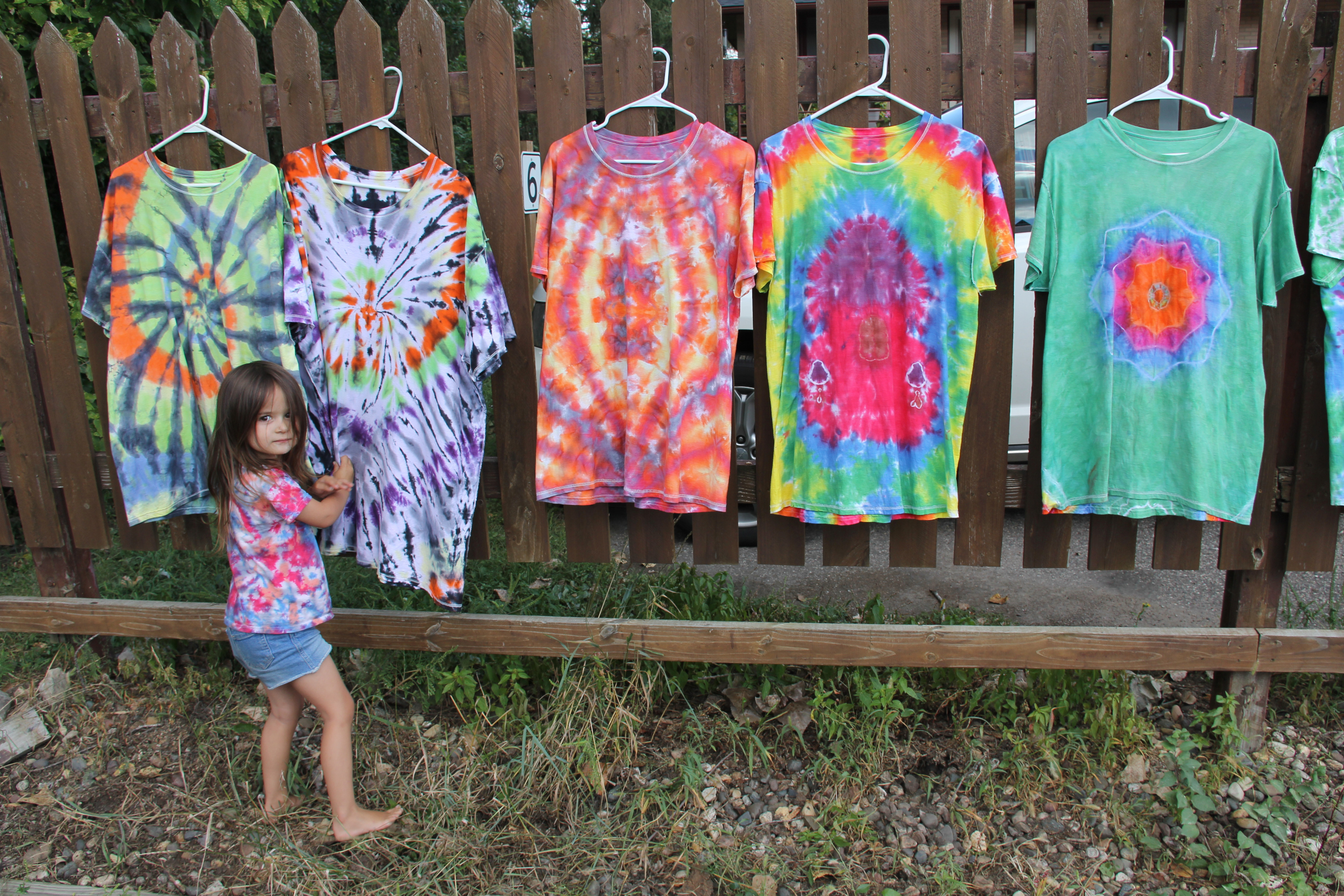
Lily Joy counts her mom’s t-shirts. (Minnesota Prairie Roots copyrighted photo September 2024)

I encouraged her. It’s clear Rebecca wants the best for her little girl. Some of the monies from her first t-shirt sales paid for Lily Joy to go to the recent Defeat of Jesse James Days carnival. The three-year-old is an enthusiastic marketer of her mom’s tie dyed shirts. As I watched, Lily Joy, walked along the fence line, touching the shirts, counting inventory for her mom.

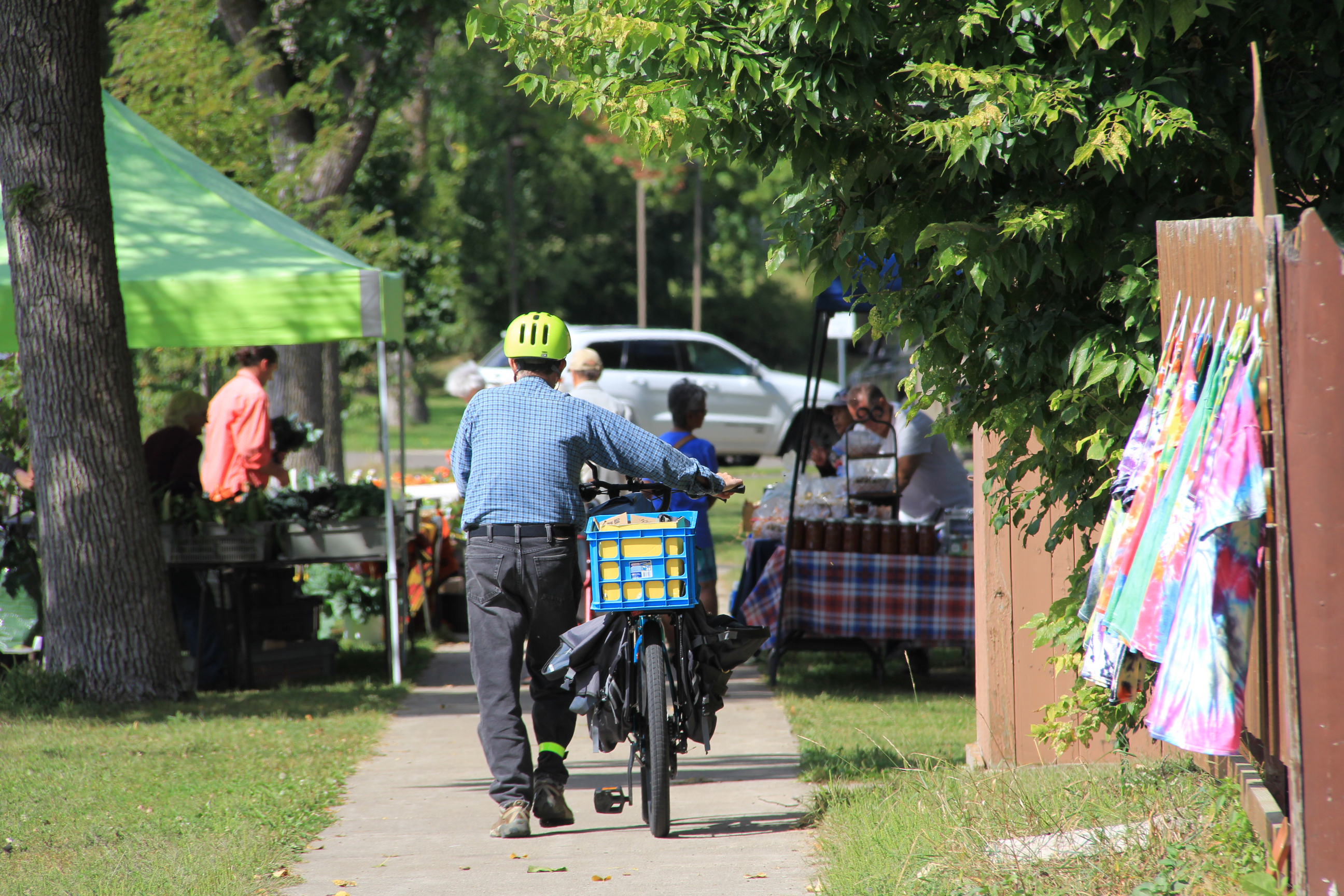
A cyclist passes Rebecca’s tie dyed t-shirts as he heads to the Northfield Farmers Market on a Friday morning. (Minnesota Prairie Roots copyrighted photo September 2024)

To have met these two blessed me, jolted joy into my day. And it all started with a walk to Riverside Park, 35mm Canon camera in hand.

© Copyright 2024 Audrey Kletscher Helbling
 

A walk in a garden as autumn approaches September 4, 2024

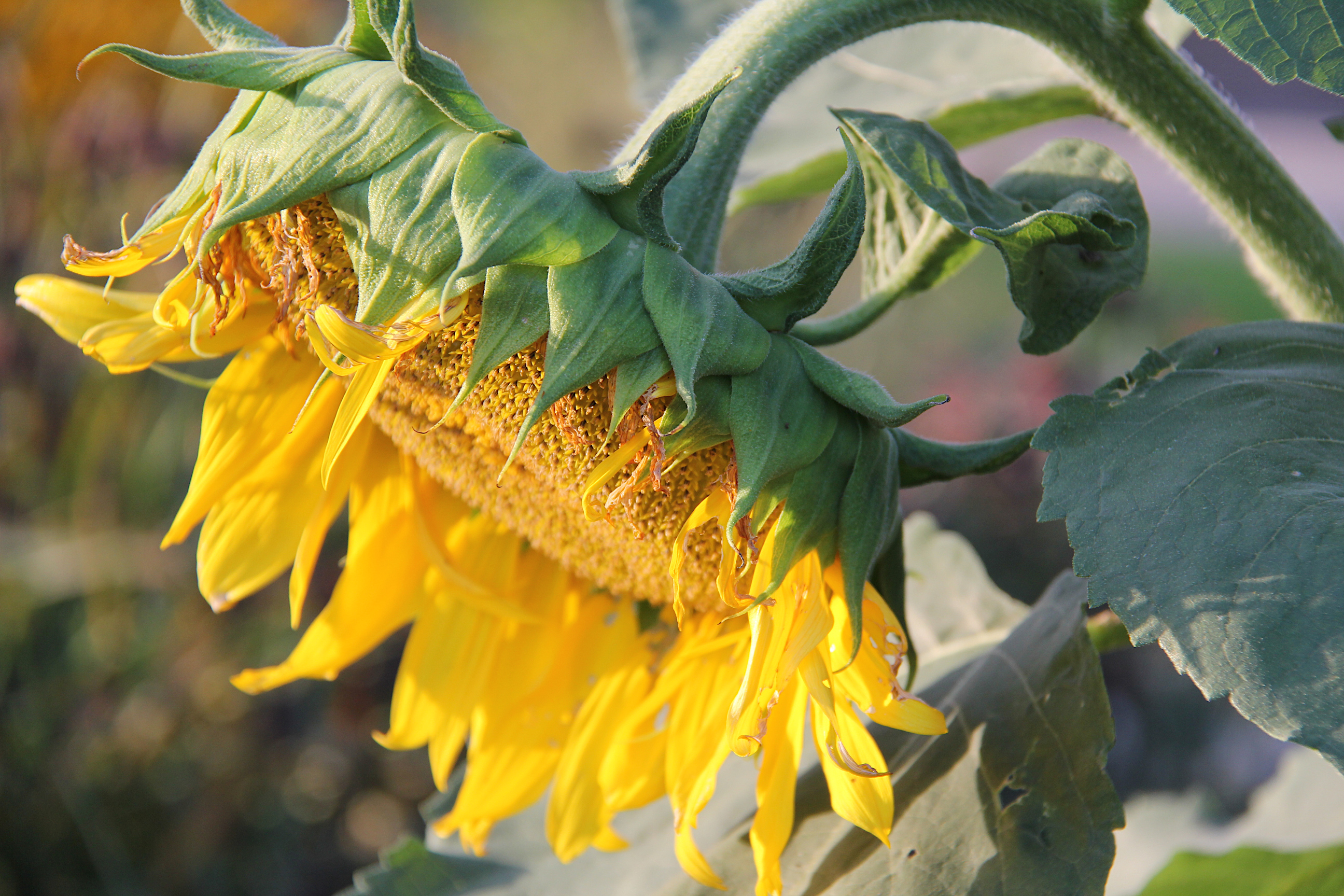
Sunflowers are drooping, like this one in the Rice County Master Gardeners’ Teaching Gardens, Faribault. (Minnesota Prairie Roots copyrighted photo August 2024)

I’M BEGINNING TO FEEL this sense of urgency, as if I need to spend more time outdoors taking in the natural world. It’s not a new feeling, but rather one which rolls into my thoughts at August’s end. When the calendar flips to September, everything shifts. I see it, hear it, smell it, feel it.

A dried oak leaf floats in a pond at the teaching gardens. (Minnesota Prairie Roots copyrighted photo August 2024)

Outside my front door, massive mophead hydrangeas are drying, morphing from green to brown. Once lush phlox are less full. Maple leaves, in hues of orange and yellow, litter the lawn. All over town, trees are beginning to change color.

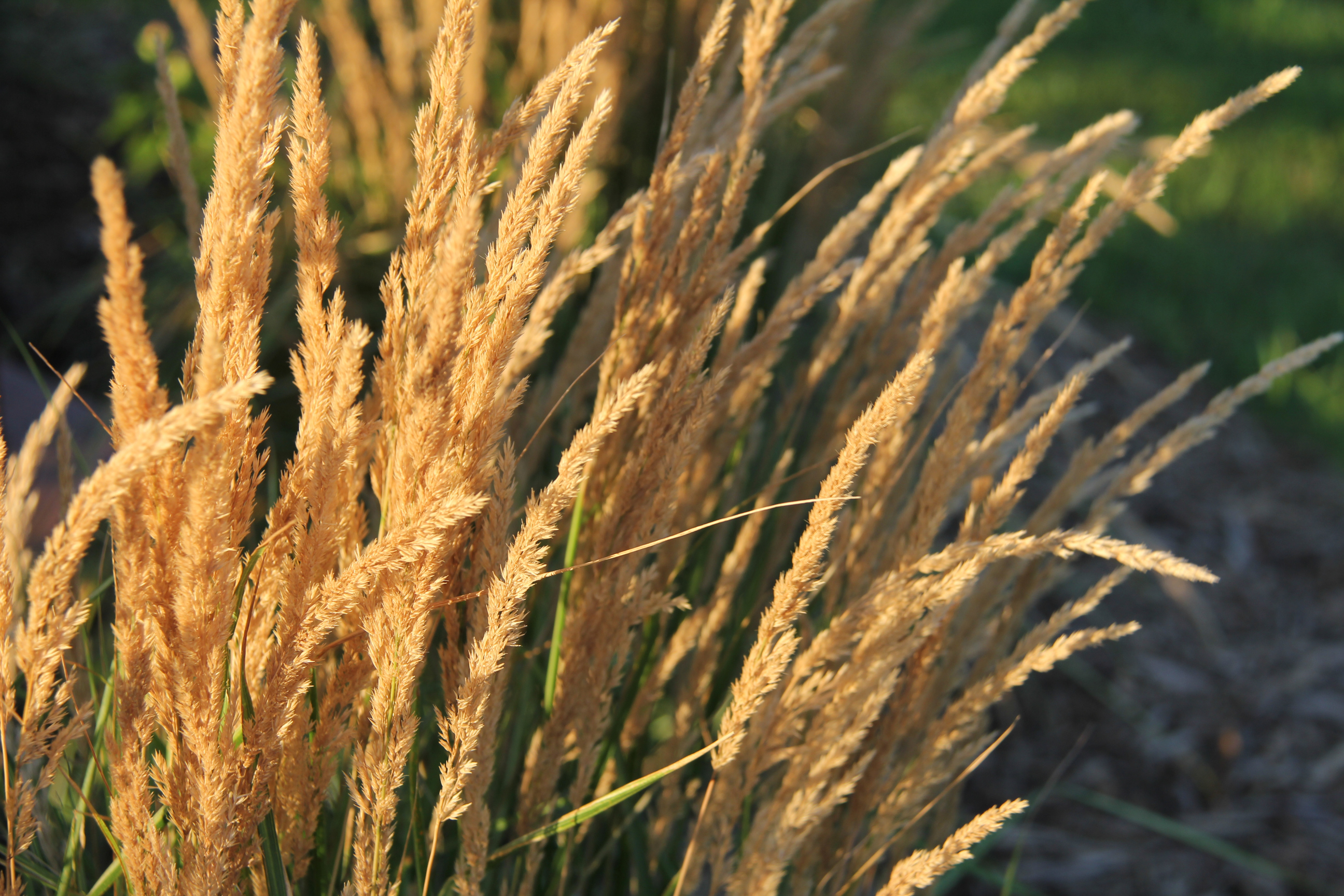
Golden grasses sway in the gentle wind of early evening. (Minnesota Prairie Roots copyrighted photo August 2024)
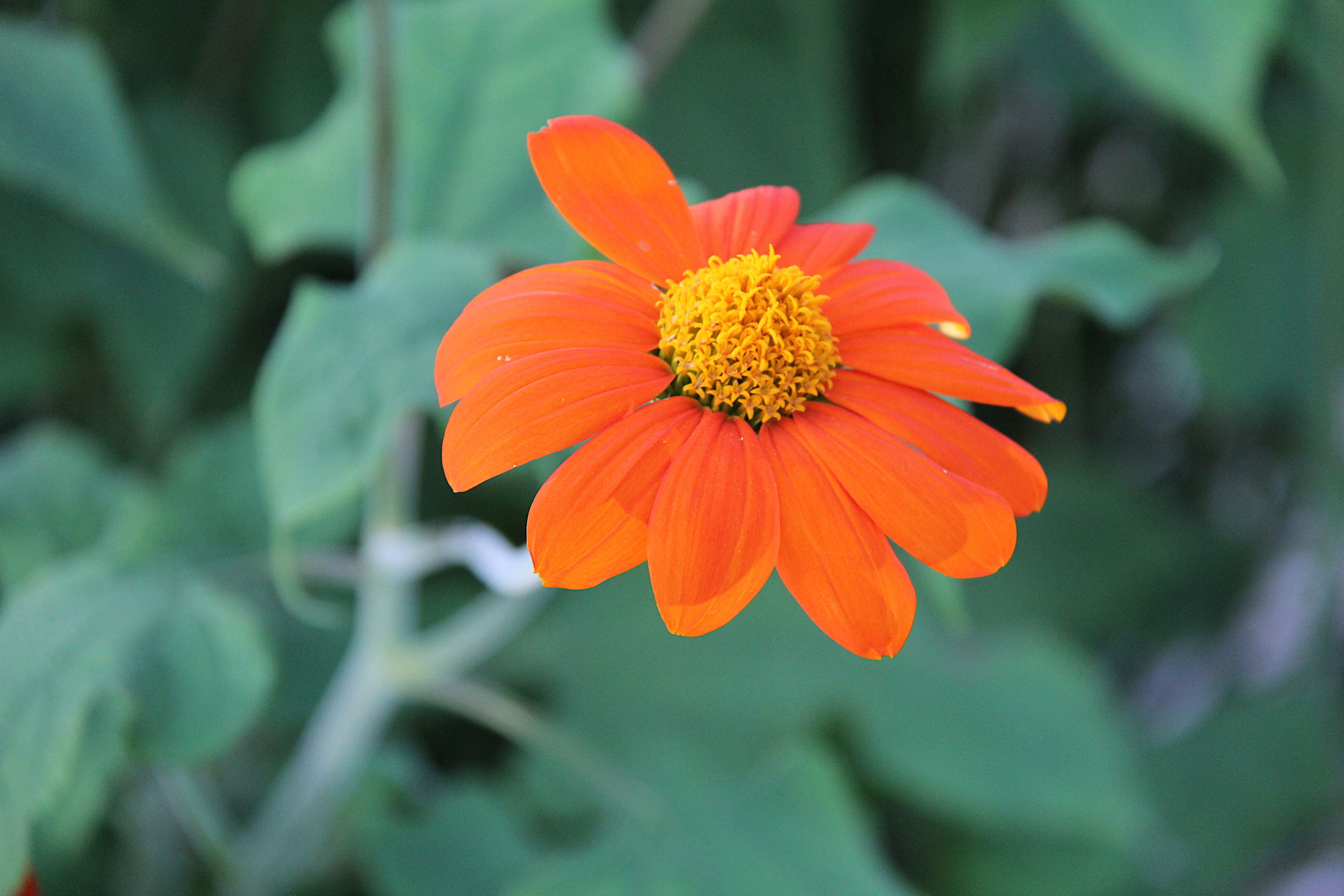
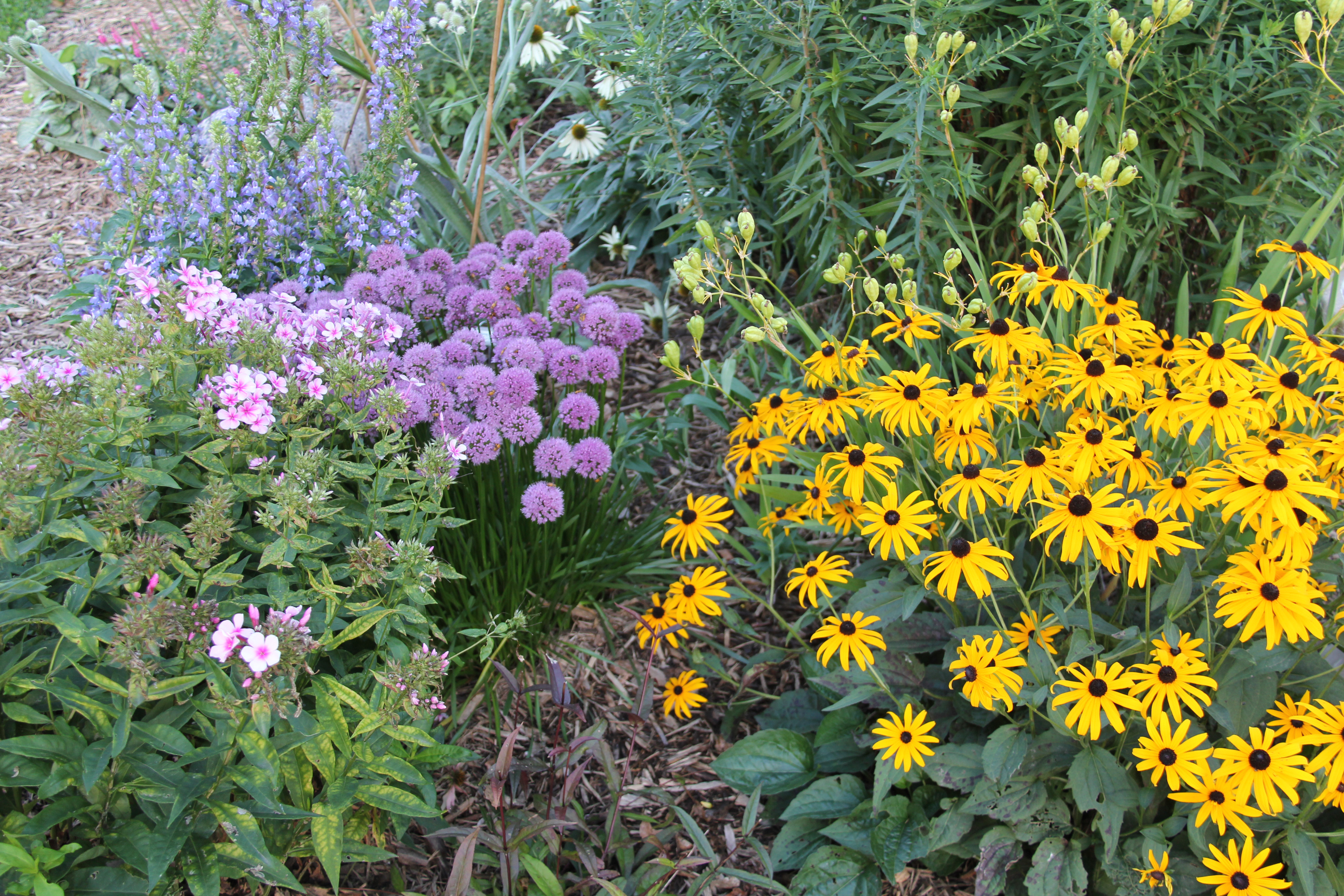
Jolts of color still fill the garden. (Minnesota Prairie Roots copyrighted photo August 2024)
Prolific black-eyed susans. (Minnesota Prairie Roots copyrighted photo August 2024)

Crickets chirp. Cicadas buzz. School buses roll past my house. Everything is shifting. And nowhere is that more noticeable than in a garden.

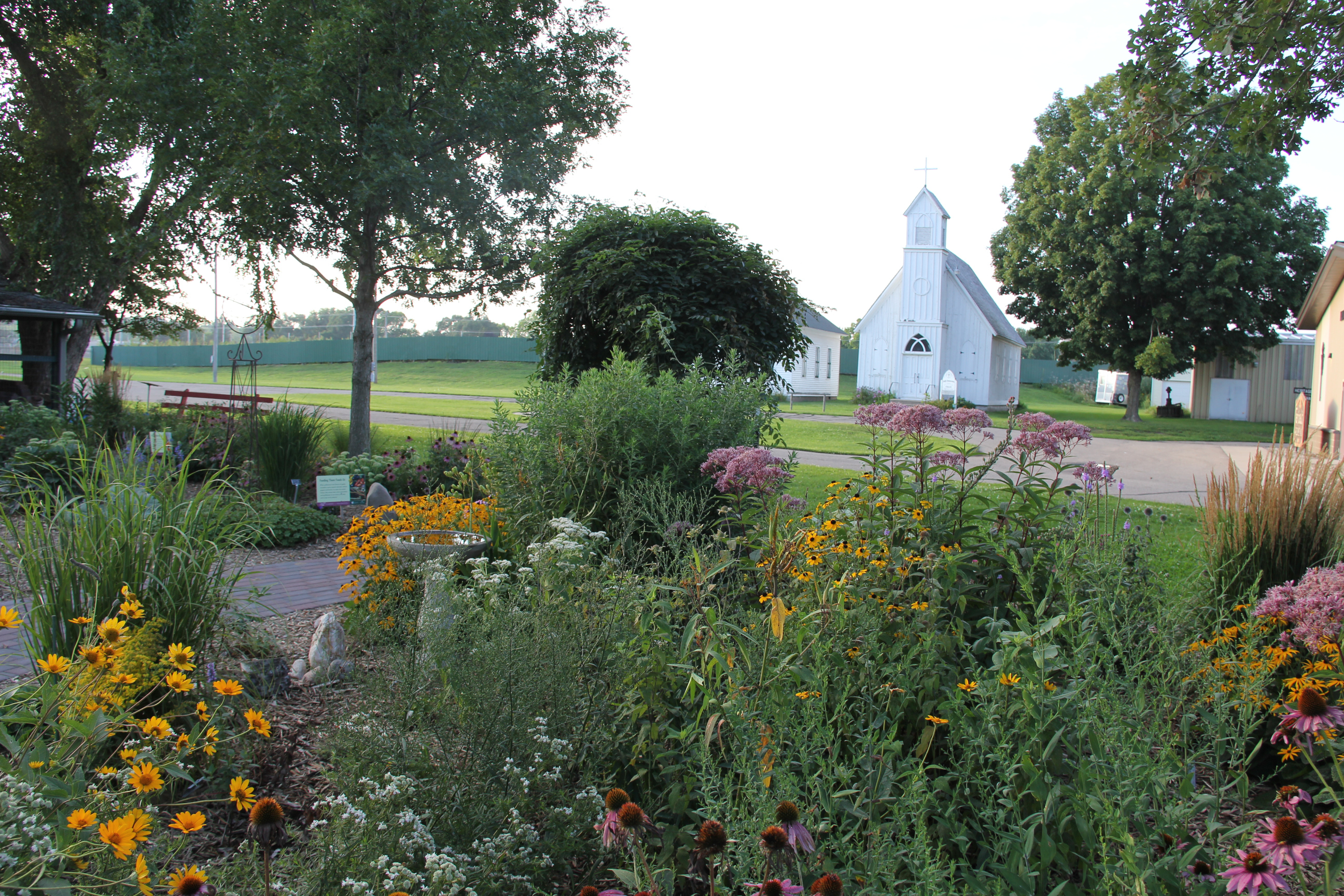
This shows only a section of the teaching gardens. That’s an historic church, on the grounds of the Rice County Historical Society, in the background. The gardens are next to the RCHS museum. (Minnesota Prairie Roots copyrighted photo August 2024)

And so I encourage you, if you live in a place that will soon change to cold and colorless, to enjoy the flowers while they are still blooming, as I did recently at the Rice County Master Gardeners Teaching Gardens.

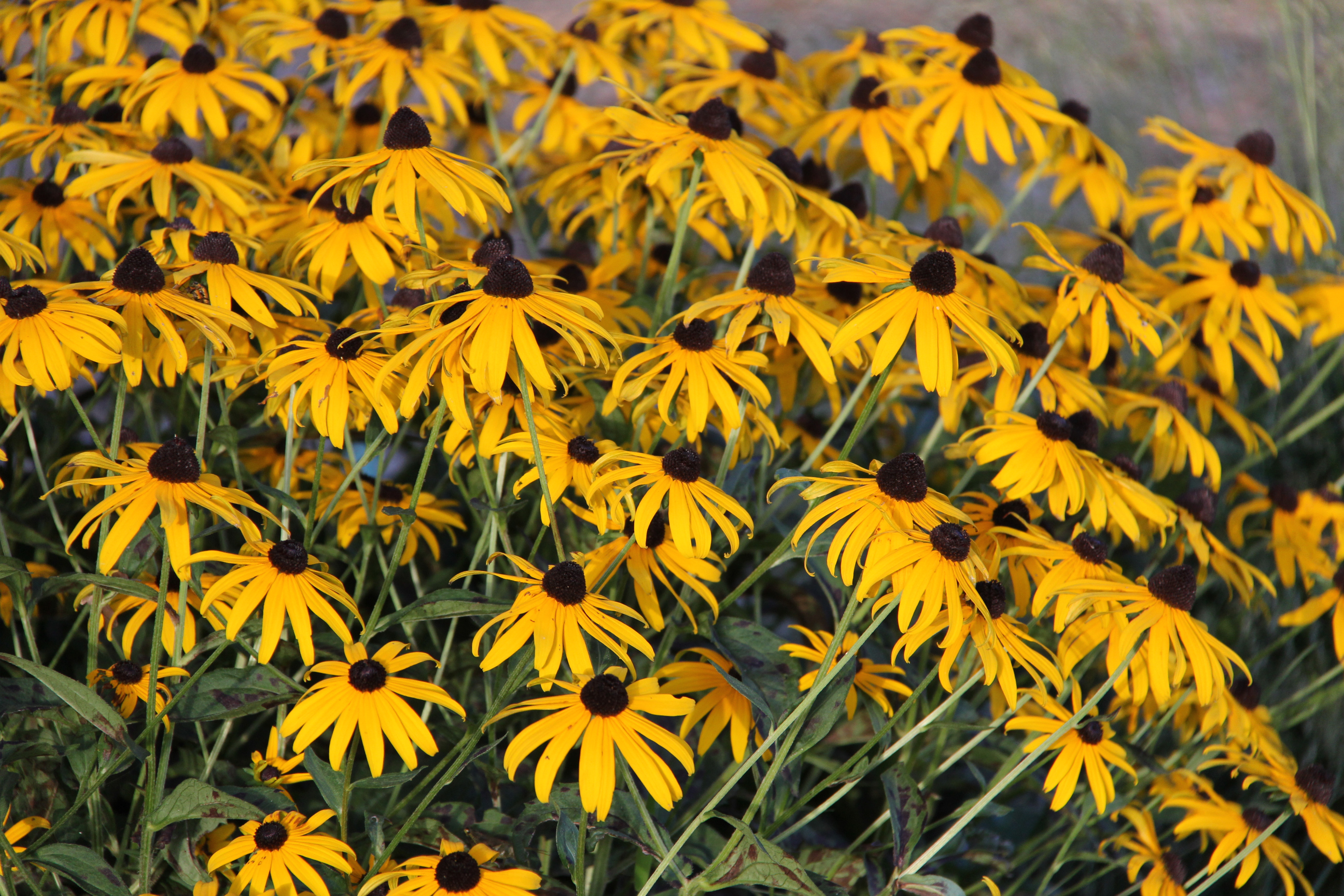
A mass of coneflowers. (Minnesota Prairie Roots copyrighted photo August 2024)
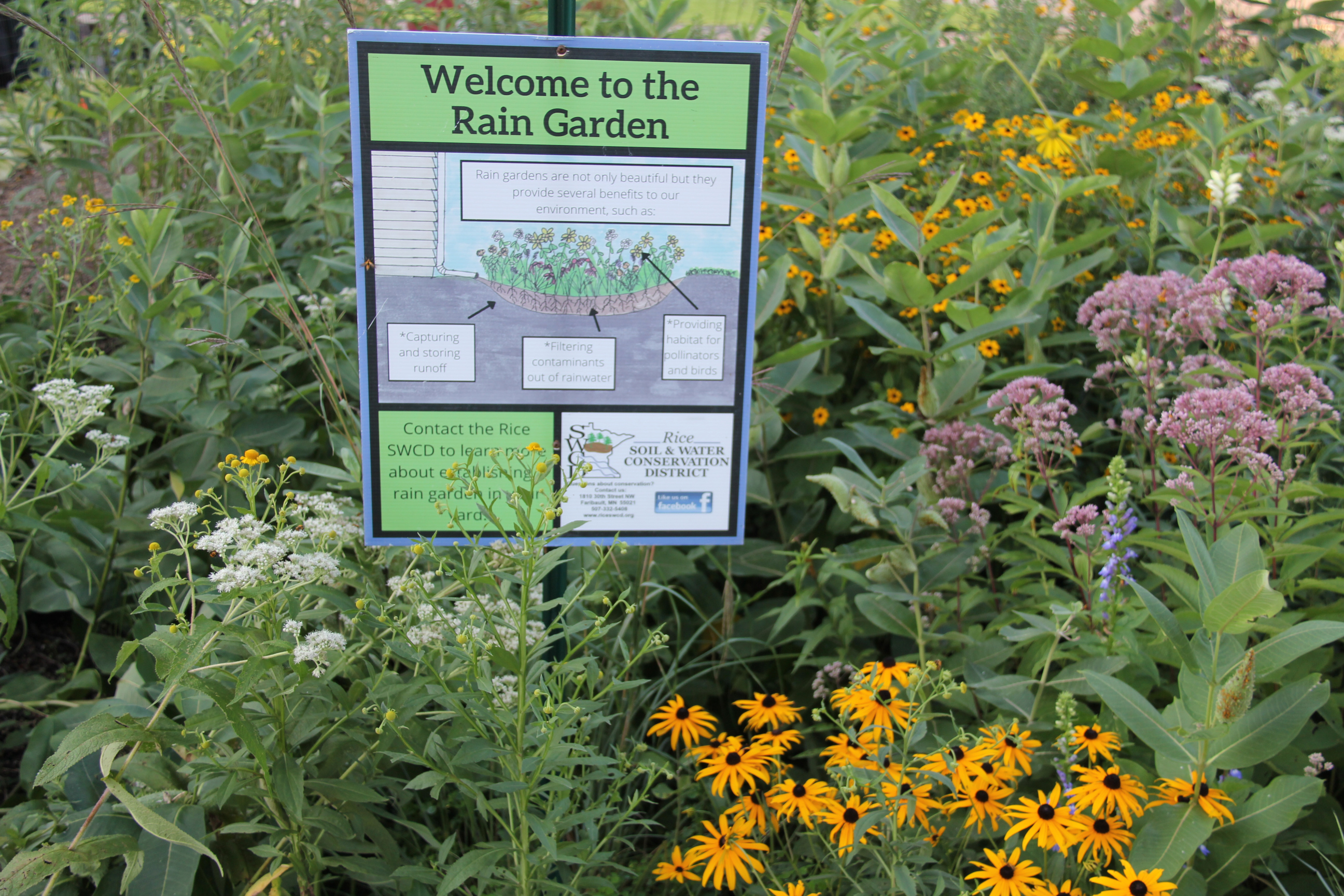
A rain garden flourishes here. (Minnesota Prairie Roots copyrighted photo August 2024)
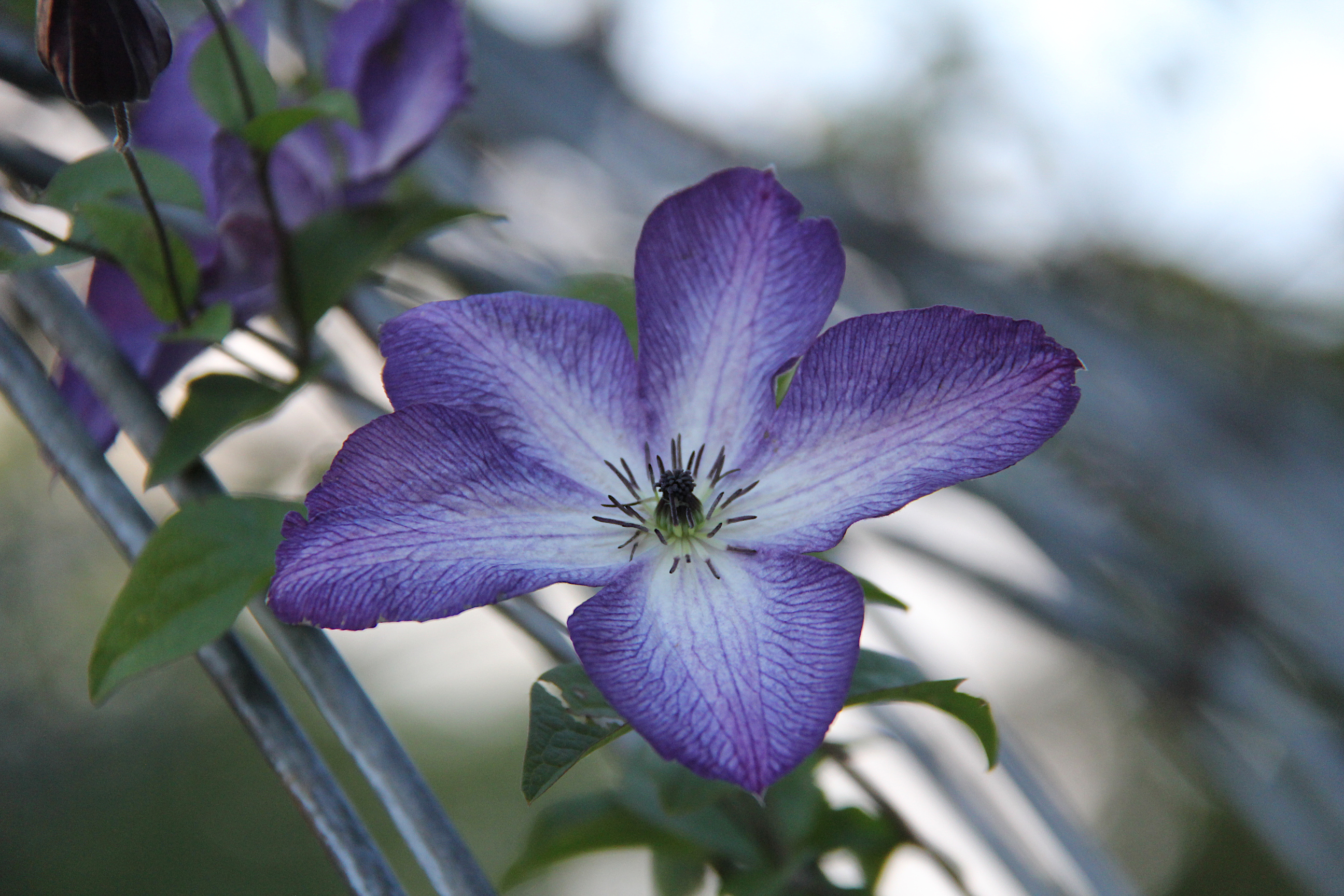
A few clematis were still blooming when I walked the gardens. (Minnesota Prairie Roots copyrighted photo August 2024)

Come, walk with me through this space with its beds of blooms, its textured perennials, its overall loveliness.

An array of flowers fill the gardens. (Minnesota Prairie Roots copyrighted photo August 2024)
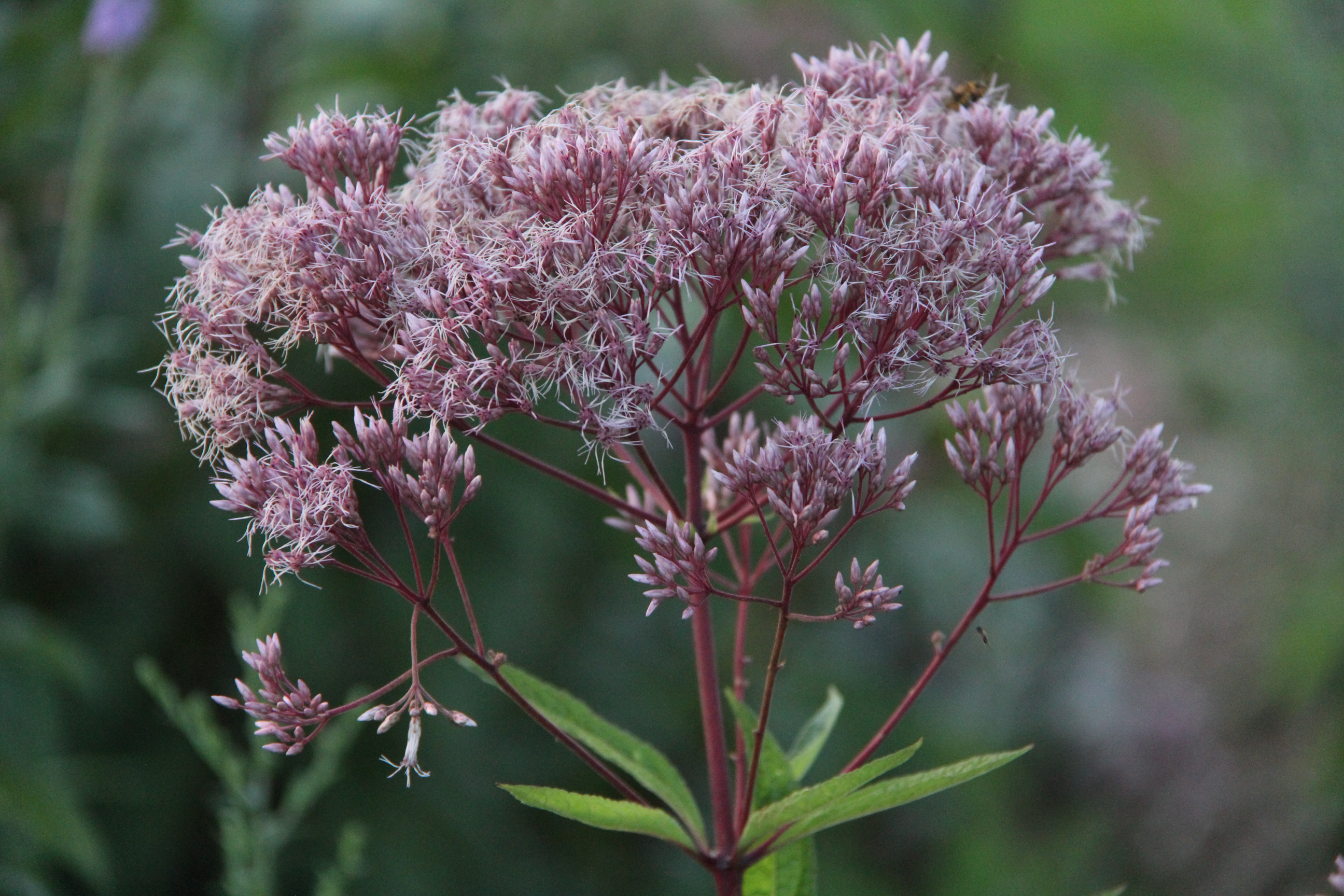
A muted hue that leans into autumn. (Minnesota Prairie Roots copyrighted photo August 2024)
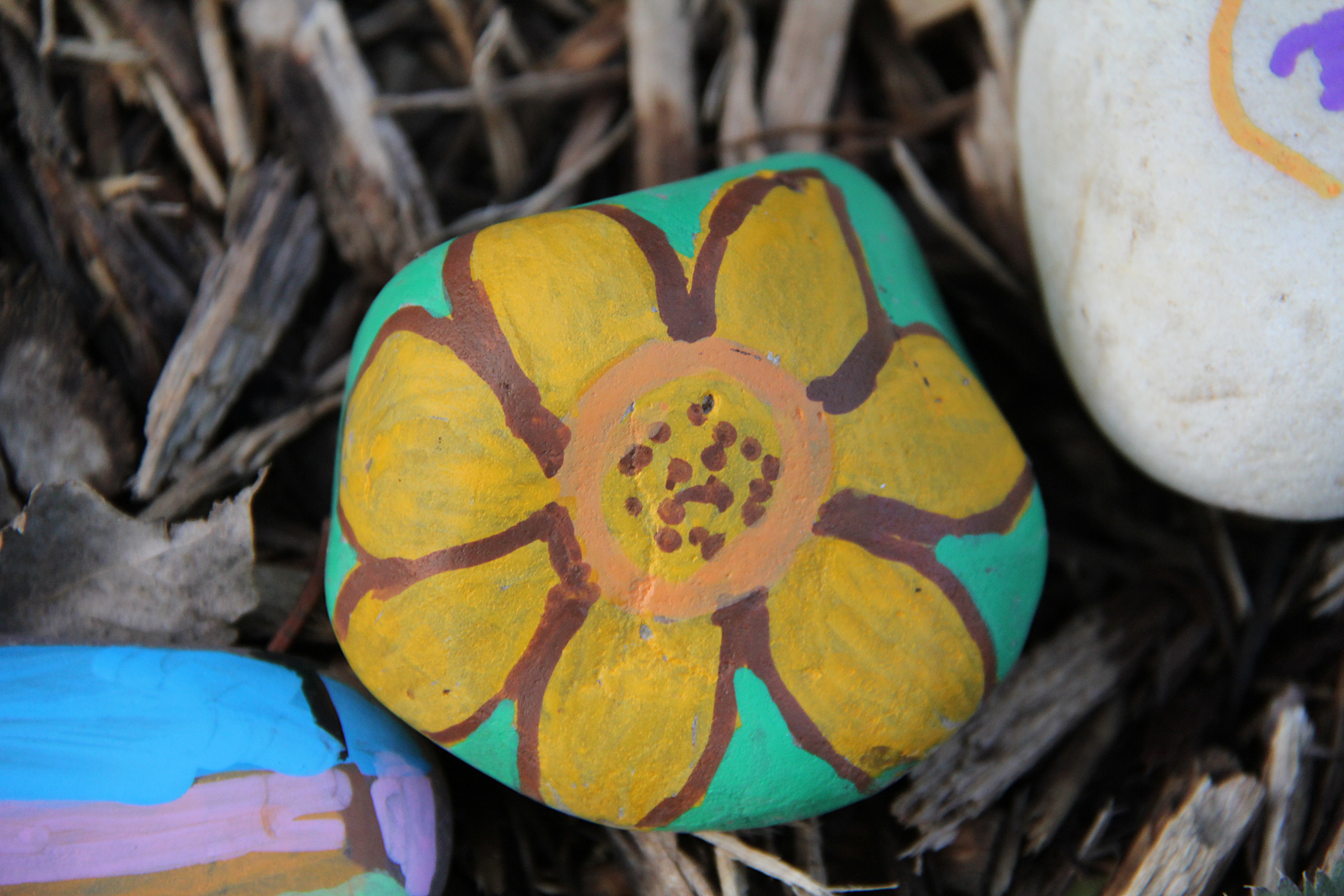
The gardens include rock art, this one in the Rock Art Snake. (Minnesota Prairie Roots copyrighted photo August 2024)

Or find your own garden in your place. Walk. Sit. Take it all in. And when the season shifts, when the flowers are long gone, when the trees have dropped their leaves, then remember this time, these days. Remember the beauty of it all. Remind yourself in the depths of winter how you paused to appreciate these days of summer transitioning into autumn.

© Copyright 2024 Audrey Kletscher Helbling
 

Rural living history & threshing memories September 3, 2024

A wagonload of oats awaits threshing at the Rice County Steam & Gas Engines Fall Show. (Minnesota Prairie Roots copyrighted photo August 2024)

MEMORIES. A HISTORY LESSON. A step back in time. The Rice County Steam & Gas Engines Fall Show is that and more. It’s also entertainment, a coming together of friends and families and neighbors. A reason to focus on farming of yesteryear.

Oats drape over the edge of the wagon. (Minnesota Prairie Roots copyrighted photo August 2024)

I was among the crowds gathered over the Labor Day weekend at the showgrounds south of Dundas. This show features demos, rows and rows and rows of vintage tractors and aged farm machinery, a tractor pull, flea market, music, petting zoo, mini train rides and a whole lot more.

The scene is set to resume threshing with thresher, tractor, baler and manpower. (Minnesota Prairie Roots copyrighted photo August 2024)

For me, a highlight was watching a crew of men threshing oats. The work is hard, labor intensive, even dangerous with exposed belts and pullies. It’s no wonder farmers lost digits and limbs back in the day.

This part of the threshing crew pitches oats bundles into the threshing machine. (Minnesota Prairie Roots copyrighted photo August 2024)

While my observations are not connected to memories, my husband’s are as he recalls threshing on his childhood farm in rural Buckman, Morrison County, Minnesota. After Randy moved with his family from rural St. Anthony, North Dakota (southwest of Mandan), his dad returned to threshing oats. In North Dakota, he used a combine. But his father before him, Randy’s grandfather Alfred, threshed small grains.

Hard at work forking bundles into the thresher. (Minnesota Prairie Roots copyrighted photo August 2024)
Lots of exposed pullies and belts line the threshing machine. (Minnesota Prairie Roots copyrighted photo August 2024)
The workhorse of the operation, the threshing machine. (Minnesota Prairie Roots copyrighted photo August 2024)

As I watched in Dundas, men forked bundles of oats into a McCormick-Deering thresher. The threshing machine separated the grain from the stalk, the oats shooting one direction into a wagon, the straw the other way into a growing pile. I stood mostly clear of the threshing operation with dust and chafe thick in the air.

Feeding the loose straw into the baler. (Minnesota Prairie Roots copyrighted photo August 2024)

From the straw pile, a volunteer stuffed the stalks into the shoot of an aged baler. An arm tamped the straw, feeding it into the baler. Another guy stood nearby, feeding wire into the baler to wrap the rectangular bales. A slow, tedious process that requires attentiveness and caution.

Watching and waiting for the straw to compact in the baler. (Minnesota Prairie Roots copyrighted photo August 2024)

The entire time I watched, I thought how easy it would be to lose focus, to look away for a moment, to get distracted and then, in an instant, to experience the unthinkable. Farming is, and always has been, a dangerous occupation.

Carefully guiding wire into the baler to wrap each bale. (Minnesota Prairie Roots copyrighted photo August 2024)

Randy understands that firsthand as he witnessed his father get his hand caught in a corn chopper. Tom lost his left hand and part of his forearm. But Randy saved his life, running across fields and pasture to summon help. It is a traumatic memory he still carries with him 57 years later.

Threshing at Sunnybrook Farm, St. Anthony, North Dakota, as painted by Tom Helbling. (Minnesota Prairie Roots copyrighted file photo)

But memories of threshing are good memories, preserved today in an oil painting from the farm in North Dakota, Sunnybrook Farm. My father-in-law took up painting later in life. Among the art he created was a circa 1920s threshing scene. We have that painting, currently displayed in our living room. I treasure it not only for the hands that painted it, but also for the history held in each brush stroke.

Threshing grain, living history in 2024. (Minnesota Prairie Roots copyrighted photo August 2024)

The painted scene differs some from the threshing scene I saw in Dundas. In North Dakota, horses were part of the work team, the tractor steam powered. In Dundas, there were no horses, no steam engine at the threshing site. Still, the threshing machine is the star, performing the same work. And men are still there, laboring under the sun on a late summer afternoon.

© Copyright 2024 Audrey Kletscher Helbling
 

A rock snake in Faribault’s Garden of Eden August 27, 2024

The snake I found in a Faribault garden. (Minnesota Prairie Roots copyrighted photo August 2024)

AS THE BIBLICAL STORY GOES, a cunning snake tempted Eve, convincing her that she could eat fruit from a tree growing in the middle of the Garden of Eden. She believed the snake’s claim of knowledge and immortality. Turns our he manipulated her. Things did not go so well after Eve ate the forbidden fruit and shared it with Adam.

I stood atop a bench to get this photo of the long and winding Rock Snake. (Minnesota Prairie Roots copyrighted photo August 2024)

Not all snakes are liars and evildoers. Some, like the one I found recently in a Faribault garden, are quite the opposite. The Rock Snake that stretches an estimated 40 feet across wood chips between a brick pathway and a rain garden in the Rice County Master Gardeners’ Teaching Gardens exudes only goodness.

The Rock Snake slithers (well, not really) past the rain garden. (Minnesota Prairie Roots copyrighted photo August 2024)

I resisted the temptation to snatch away a segment—a painted rock—of the snake. Some 220 painted stones comprise the serpent. I learned a lesson from Eve. Be strong. Don’t give in to those who would mislead you.

These painted rocks are themed to summer. (Minnesota Prairie Roots copyrighted photo August 2024)
More sunshine and flowers on the snake’s body. (Minnesota Prairie Roots copyrighted photo August 2024)
And yet more flowers bloom on the Rock Snake. (Minnesota Prairie Roots copyrighted photo August 2024)

Rather, I opted to photograph and enjoy the Rock Snake with its inspiring, joyful messages, its colorful art. A posted sign invites people to add their own painted rocks, lengthening the snake designed to bring a smile.

(Minnesota Prairie Roots copyrighted photo August 2024)

And smile I did as I followed the snake’s winding body, bending low to study the art, the words. Many of the stones were painted at the Master Gardeners’ booth during the recent Rice County Fair.

An overview of a small section of the gardens. (Minnesota Prairie Roots copyrighted photo August 2024)
Water features include a bird bath, pond and fountains. (Minnesota Prairie Roots copyrighted photo August 2024)
Several benches offer a place to rest, contemplate and enjoy the gardens. (Minnesota Prairie Roots copyrighted photo August 2024)

These gardeners, through their volunteer efforts, have created Faribault’s own Garden of Eden in a spacious area next to the conservation building and the Rice County Historical Society on the city’s north side. It’s taken years to get the garden to this lush, well-kept, welcoming space.

Swiss chard grows in the trial garden. (Minnesota Prairie Roots copyrighted photo August 2024)

I enjoy coming here, meandering among blooming flowers and plants, past the water features, pausing to examine the fairy garden. And now there’s more to see in the Rock Snake and a new bee lawn with habitat. There are trial gardens here and free seeds for the taking and benches for sitting. It is, indeed, a bit of paradise, a respite, a place to rest and contemplate and envelope one’s self in nature.

Flowers are always blooming. (Minnesota Prairie Roots copyrighted photo August 2024)
A garden hose runs alongside the Rock Snake. (Minnesota Prairie Roots copyrighted photo August 2024)
A sturdy dahlia blooms. (Minnesota Prairie Roots copyrighted photo August 2024)

Goodness thrives here. I experience it with my senses. My eyes take in the birds, blooms, bees, butterflies, the colorful Rock Snake. I smell the scent of blossoms. I hear water burbling in fountains, birds chirping. And if I could pluck vegetables from the trial gardens, I would assuredly taste goodness. But I won’t. I will not be tempted. Rather I will look and not touch. Leave and not take. I will leave this bit of Eden as I found it, beautiful and wondrous, a place of peace for anyone who visits.

© Copyright 2024 Audrey Kletscher Helbling
 

Students plant kindness in Montgomery, Minnesota June 22, 2024

Among the many kindness rocks painted by students at a Catholic school in Montgomery. (Minnesota Prairie Roots copyrighted photo June 2024)

MOST HOLY REDEEMER Catholic School in Montgomery, you rock. I mean, really rock.

Kindness rocks have been planted in gardens outside Most Holy Redeemer Catholic School. (Minnesota Prairie Roots copyrighted photo June 2024)

Recently I discovered an assortment of kindness rocks in flower gardens outside this small southern Minnesota school that educates preschoolers through eighth graders. The school sits across Vine Avenue West from a stunning Catholic church with the same name. I appreciate beautiful historic churches. And kindness rocks.

Hope, always hope, one of my favorite words. (Minnesota Prairie Roots copyrighted photo June 2024)
Most Holy Redeemer Catholic Church. (Minnesota Prairie Roots copyrighted photo June 2024)
You can feel the love that went into creating these kindness rocks. (Minnesota Prairie Roots copyrighted photo June 2024)

To say I felt excited about finding the church and rocks in Montgomery would be an understatement. Both inspire, offer hope, encourage. In today’s world, we need more of all three, along with compassion and plenty of kindness.

Words that need repeating. (Minnesota Prairie Roots copyrighted photo June 2024)

A while back, I began collecting kindness rocks, which are actually painted stones with inspirational words and/or art written/painted thereon. I collect these rocks with my camera, photographing them rather than taking them with me. Not all are meant to be taken.

Imagine reading these words when you are struggling. (Minnesota Prairie Roots copyrighted photo June 2024)

The students at Most Holy Redeemer filled my heart, mind and spirit with such positive thoughts via their artwork. Reminders to be kind, friendly, forgiving. Reminders to be hopeful and strong. Those words, especially, resonate with me as I’ve overcome much in the past year while dealing with long haul COVID and vision issues.
This encouraging message fits me perfectly right now. (Minnesota Prairie Roots copyrighted photo June 2024)

“You can and you will” read one message. That could have been/be my 2023-2024 mantra. I expect many others have been uplifted by short messages that grace these stones. “You matter.” “You are loved.” Even if you know that, to read those reaffirming words feels incredibly validating.
We all need to read these encouraging words. (Minnesota Prairie Roots copyrighted photo June 2024)
Life often isn’t fair. But we can all strive to be fair. (Minnesota Prairie Roots copyrighted photo June 2024)
Onward, fearlessly, never give up. (Minnesota Prairie Roots copyrighted photo June 2024)

I love that the students at Most Holy Redeemer are learning the value of positive thoughts and actions, sharing those in an artsy, public way on kindness rocks.
Inspirational signage in one of the gardens. (Minnesota Prairie Roots copyrighted photo June 2024)
Lilies. (Minnesota Prairie Roots copyrighted photo June 2024)
Flowers found on a kindness rock. (Minnesota Prairie Roots copyrighted photo June 2024)

The rocks are spaced atop mulch among flowers and shrubbery alongside the school. I was so focused on the kindness rocks that I paid minimal attention to the plants. And I love flowers. But then again, I suppose you could say these kindness rocks are flowers. Beautiful. Lovely. Flourishing. Blooming in a space where weeds have no place.

It’s all about kindness… (Minnesota Prairie Roots copyrighted photo June 2024)

FYI: I was interviewed recently about kindness rocks by Katy Read, a writer for the Minneapolis Star Tribune. Her story about kindness rocks published online Friday morning and will be in print Saturday, June 22, in the Strib, on the Inspired page of the Variety section. She interviewed multiple sources, including those who create the rocks and why they do. Thank you, Katy, for spreading kindness with your wonderful feature story.

© Copyright 2024 Audrey Kletscher Helbling