Minnesota Prairie Roots

Writing and photography by Audrey Kletscher Helbling

Don’t tell me you’re “fine” when you’re not & other insights March 5, 2017


HOW ARE YOU? I’ve never liked that question, even realizing the underlying kindness that laces those three trite words.

The standard answer of “I’m fine” is expected. The truth most often is not.


ttfa-1024x1024


Now Minneapolis writer Nora McInerny Purmort—who has faced her share of “I’m not fine” days—tackles the “How are you?” question in a podcast series from American Public Media. Terrible, (Thanks for Asking) is a must-listen series in which Nora seeks only honest responses to “How are you?”

I’ve listened to one podcast thus far. “Unbroken” features an interview with sexual assault survivor Sarah Super. It’s an incredible, horrible, powerful and, yes, sometimes graphic, story. But so worth your time for the insights revealed. Sarah is one strong woman. And we can learn so much from her about the importance of speaking up, of being heard and more.

Both she and Nora address the issue of silence. And, yes, I picked that from the interview because silence is all too pervasive. I’m talking the hard, uncomfortable silence that those who have suffered trauma, those who are dealing with health issues, those who are facing unimaginable difficulties and challenges hear. Yes, hear. Silence truly can be deafening.

Sarah cites the reason many friends and loved ones remained silent following her assault: “I didn’t know what to say or do.”

Puh-lease.

“Your silence,” Sarah says, “feels like apathy.” The definition of apathy is lack of interest, enthusiasm or concern. Lack of. Imagine how that feels to your loved one who is hurting. Lack of.

Nora reiterates Sarah’s thoughts: “Silence hurts when you are on the other end of something awful.”

In an interview with National Public Radio about her podcast series, Nora repeats, “The worst thing—and it doesn’t matter if you’re dealing with death, or if you’re dealing with all of these other things that we’ve talked to people about—silence is the worst thing you can hear from people.”

She gets it. Within six weeks, this young woman lost her father to cancer, miscarried and then lost her husband to brain cancer. Since then, Nora has authored the book It’s Okay to Laugh (Crying Is Cool, Too). And now the enlightening podcasts have followed.

What can we learn from all of this? My take-away is this: First, we need to speak up, to end the silence, to really care when we ask someone, “How are you?” And then we need to listen, really listen. That means setting aside our stories, our comments, our whatever, and truly focusing on what the other person is telling us. It’s about them. Not us.

#

CHECK BACK TOMORROW for a way that Minnesota is breaking the silence on an issue that affects all of us, directly or indirectly.

© Copyright 2017 Audrey Kletscher Helbling


A bedtime story from the Kenyon Police Department January 9, 2017

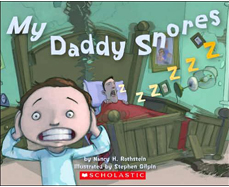
my-daddy-snores


I’VE WRITTEN HERE before about the Kenyon Police Department Facebook page. It’s a feel-good innovative use of social media. Truly positive and refreshing.

Now there’s one more reason to love this Facebook page. Officer Goodman (a puppet) has joined the KPD family. He makes his debut this evening by reading a children’s picture book, My Daddy Snores written by Nancy Rothstein and illustrated by Stephen Gilpin.

This might just be a new bed-time routine for you and your kids. Or you. There’s something comforting about a police officer puppet reading a story as if he’s a schooled children’s librarian. Or simply a police chief who continues to care deeply for others. That would be Kenyon Police Chief Lee Sjolander.

© Copyright 2017 Audrey Kletscher Helbling


Recommended Minnesota reads December 5, 2016

THIS TIME OF YEAR, when daylight fades too early into evening darkness, when I want nothing more than to stay indoors cozied against the Minnesota cold, I find myself gathering books. Stashing, stacking, sequestering them in my home.

And then I read, snugged into a corner of the reclining sofa that no longer reclines (unless the husband yanks on the redneck handle he’s improvised to replace the broken pull). I tuck into a fleece throw in hues that linger autumn.

Then I read. Of mystery in prose and poetry. Of fictional places. Of memories. Words wrapping stories around me. Writers writing so I can read. Of their experiences. Of their imaginations. Of their struggles and joys and moments.

Often I choose to read local, a subconscious decision tracing to my years writing book reviews for a now-defunct Minnesota magazine. But I am also drawn to Minnesota writers because of the connection I have to them. We are, or were, of this place, of these people.

In honor of Minnesota reads, I direct you to these books:


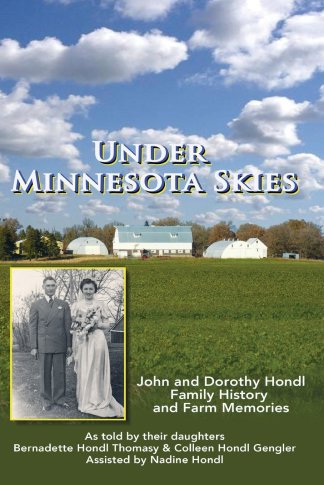
under-minnesota-skies


Under Minnesota Skies: John and Dorothy Hondl Family History and Farm Memories, penned by sisters Bernadette Hondl Thomasy and Colleen Hondl Gengler, is promoted as a family memoir of farm life in the 1940s-1960s that reflects on Czech and German heritage. The farm referenced in the book sits near Owatonna and has been in the Hondl family since 1881.

I can relate to much of the book’s content. The hard work and joys of farm life. Making hay. Filling silo. Tending livestock. This memoir, too, prompts long-forgotten memories of licking Gold Bond Stamps, of the South St. Paul Stockyard, of listening to WCCO 8-3-0, of driving tractor, of yearning for books.

Turning the pages of Under Minnesota Skies is like flipping the pages of a photo album detailing rural life. Except in words. Email the authors at kbthomasy at aol.com or dcgeng at frontiernet.net to purchase an autographed copy. Or buy the book at Little Professor Book Center in Owatonna or online at amazon.


ts-book-cover-2016


Voices: Past & Present, The Talking Stick Volume 25, is an eclectic collection of writing by Minnesota authors, or those with a strong Minnesota tie. Published by the northern Minnesota Jackpine Writers’ Bloc, this anthology includes 139 poems, 26 pieces of creative nonfiction and 20 works of fiction from 118 writers. So a good sampling of Minnesota talent.

Getting published in this book is a competitive process. Two of my poems, “Confessions in a Grocery Store Parking Lot” and “Prairie Garden Memories” are among the works printed in this 25th anniversary edition. Order on amazon.


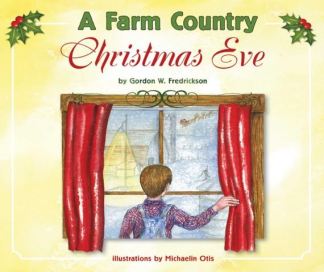
farm-country-christmas


Finally, anyone interested in rural life, should read the books penned by prolific husband and wife team Gordon and Nancy Fredrickson of Lakeville. The pair offer children’s picture books in their “A Farm Country” and “If I Were a Farmer” series. They have also written American Farm Heritage and poetry volumes for adults.

The Fredricksons’ books truly are a tribute to the rural way of life. These books can be purchased on the authors’ website, via amazon or at these Minnesota locations: Secret Attic in Northfield; The Old Hotel, New Market; and Bongards Cheese Shop, Bongards.

TELL ME: What local books have you read? What local books are you purchasing as Christmas gifts?

© Copyright 2016 Audrey Kletscher Helbling


Only in Minnesota: Babe the Blue Ox tops the news following a severe storm August 4, 2016

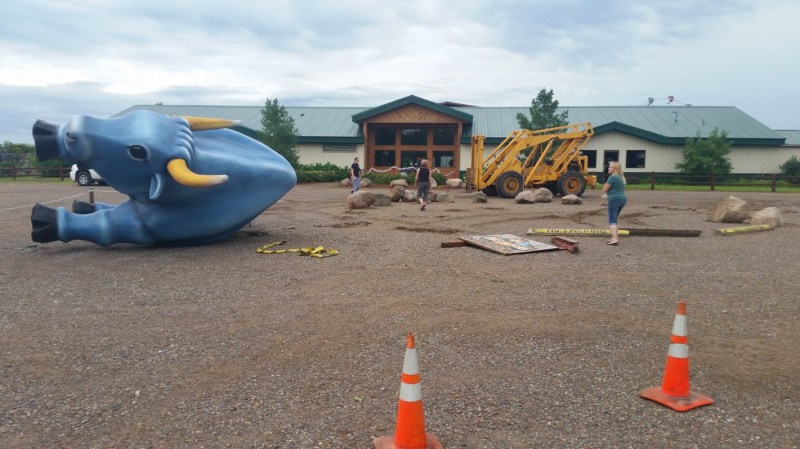
NOT EVEN THE STRENGTH of an ox could match the power of Mother Nature during severe thunderstorms that rolled through the Brainerd Lakes area of Central Minnesota Thursday morning.

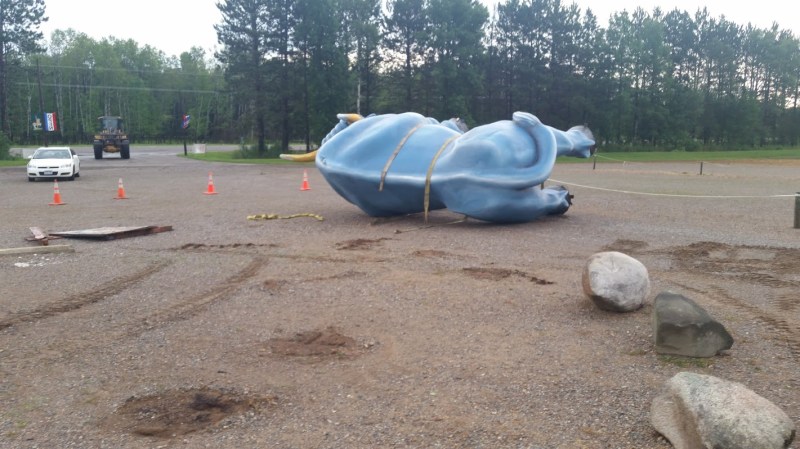
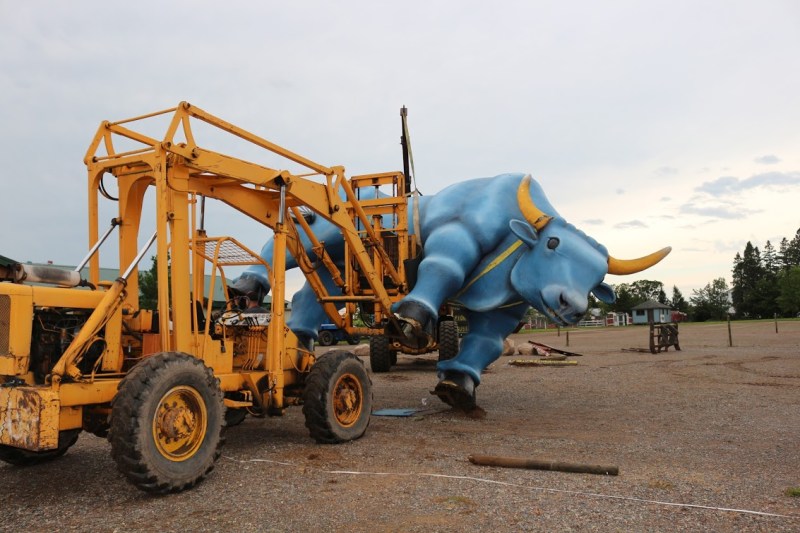
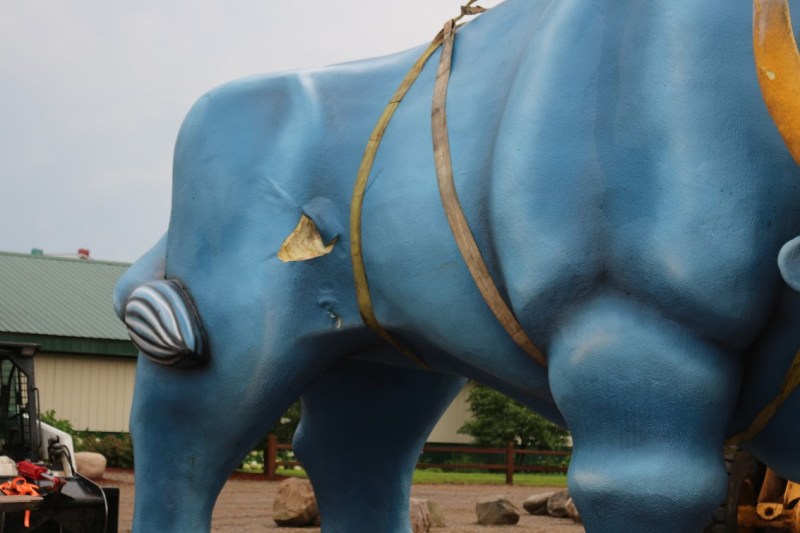
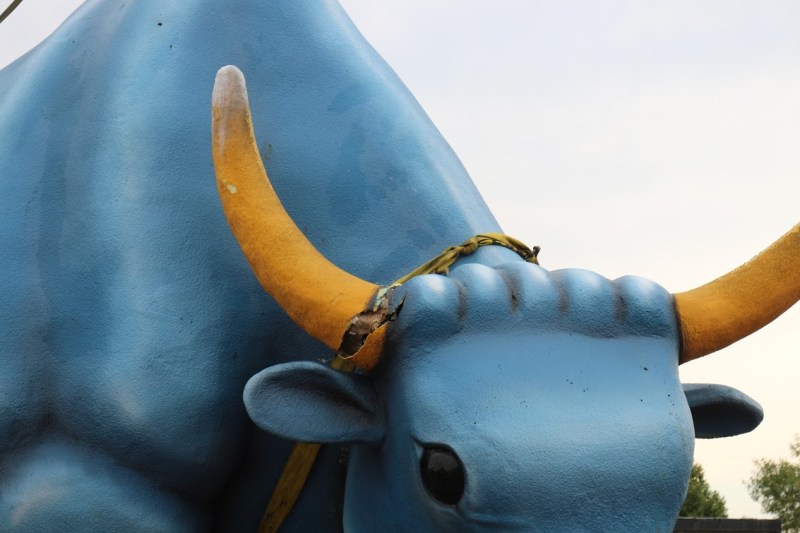
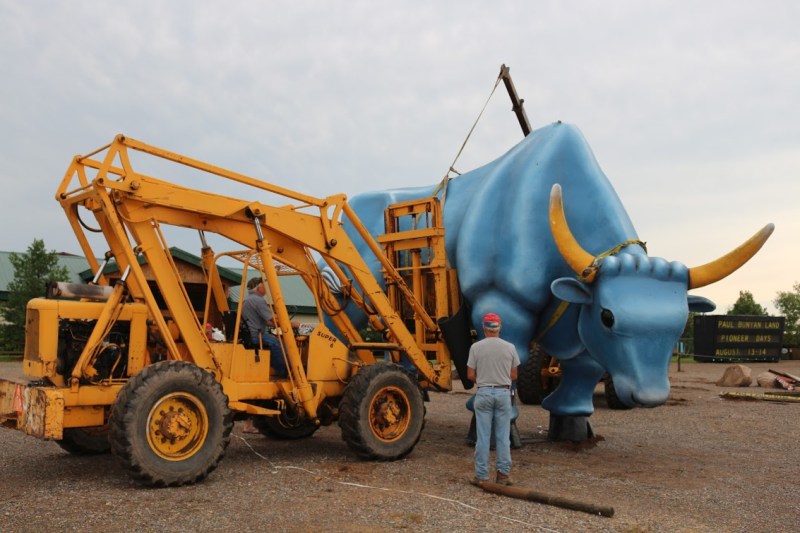
At Paul Bunyan Land along State Highway 18 east of Brainerd, strong winds toppled a 6,000-pound iconic Babe the Blue Ox statue. The 18-foot tall by 24-foot wide ox is “a little dinged up, but in true Paul Bunyan fashion, back up on his feet in no time,” according to an entry on the attraction’s Facebook page.

See for yourself:

Photo by Adam Rademacher and courtesy of Paul Bunyan Land.

Photo by Adam Rademacher and courtesy of Paul Bunyan Land.

Photo by Adam Rademacher & courtesy of Paul Bunyan Land.

Photo by Adam Rademacher & courtesy of Paul Bunyan Land.

Reeds Backhoe Service worked to upright Babe. Photo by Adam Rademacher and courtesy of Paul Bunyan Land.

Reeds Backhoe Service worked to upright Babe. Photo by Adam Rademacher and courtesy of Paul Bunyan Land.

Babe suffered a few dings, including to his flank. Photo by Adam Rademacher and courtesy of Paul Bunyan Land.

Babe suffered a few injuries, including to his rear flank. Photo by Adam Rademacher and courtesy of Paul Bunyan Land.

Babe's horn was also damaged. Photo by Adam Rademacher and courtesy of Paul Bunayn Land.

Babe’s horn was also damaged. Photo by Adam Rademacher and courtesy of Paul Bunayn Land.

Babe, back on his feet. Photo by Adam Rademacher and courtesy of Paul Bunyan Land.

Babe, back on his feet. Photo by Adam Rademacher and courtesy of Paul Bunyan Land.

If you’re from Minnesota or you’ve ever vacationed in the Brainerd Lakes area, you understand the importance of Babe the Blue Ox. He, along with his owner, lumberjack Paul Bunyan, are the stuff of Northwoods legend. Since the early 1950s, statues of the pair welcomed visitors to the Paul Bunyan Amusement Center near Baxter. Parents slipped their children’s names to the ticket taker and soon Paul was personally greeting Johnny or Jane from Wherever. Such is the stuff of summer childhood memories in Minnesota.

In 2003, the long-time tourist attraction closed and Paul and Babe moved to their new home next to This Old Farm Pioneer Village east of Brainerd. This morning, Babe proved his resiliency in adversity. Paul Bunyan Land opened at 10 a.m. Thursday, right on schedule.

BONUS STORY & IMAGE:

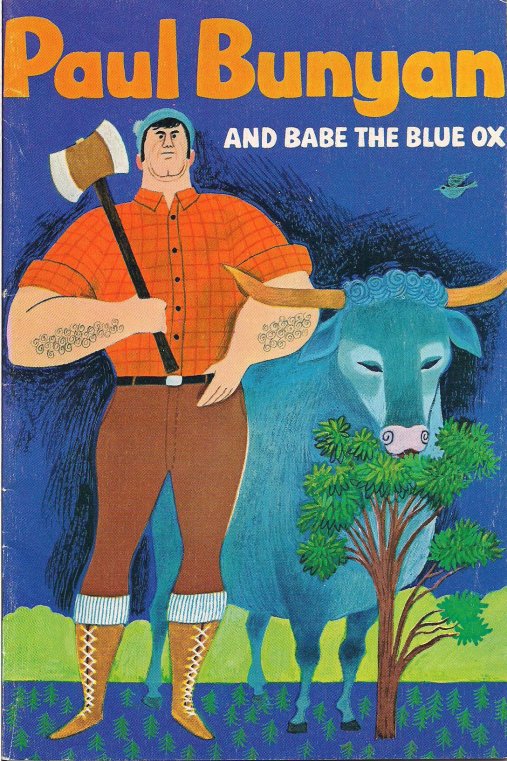
Paul Bunyan book cover


Several months ago I purchased Paul Bunyan and Babe the Blue Ox, a slim book (more like a pamphlet) at a used book sale in Faribault. Published by Bang Printing of Brainerd, likely in the 1960s, this book was written by Daphne Hogstrom and illustrated by Art Seiden. I acquired it for the art more than the story. I value such period graphics, especially this publication about a Minnesota legend.

According to the author, Babe the Blue Ox is as wide as the Mississippi River, stands 11 pine trees tall, does the work of 60 men and can pull rivers.

Legend goes and this writer writes, that Paul pulled Babe from a snowdrift in the year of the blue snow, thus the hue of this much beloved ox.

FYI: Click here to view the full gallery of storm damage images. All photos are courtesy of the Rademacher family and available for the public to use, according to the Paul Bunyan Land FB page. Note that Thursday’s storm caused severe damage throughout the Brainerd Lakes area with trees and power lines down. Damage reports are still coming in. This storm, and specifically the toppling of Babe the Blue Ox, is leading Minnesota news stories today.

© Story copyright 2016 Audrey Kletscher Helbling


A rural Minnesota teacher takes action when her students need books May 12, 2016

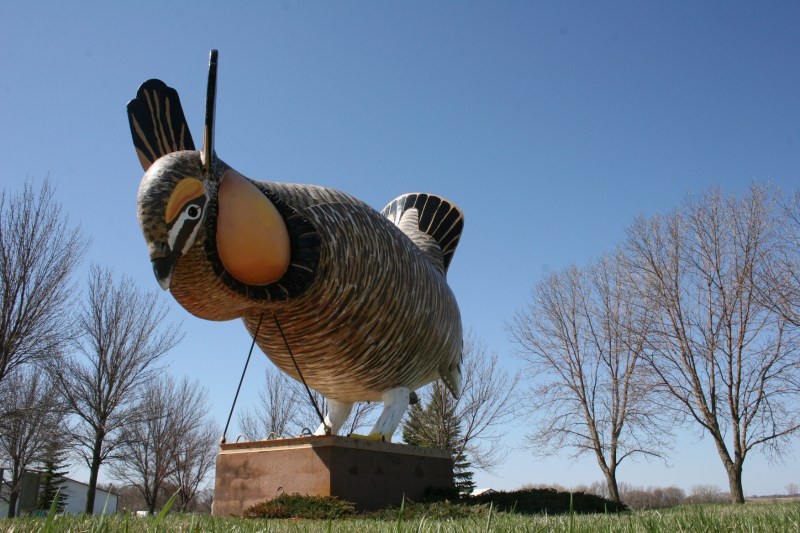
This prairie chicken statue celebrates the real prairie chickens which reside in the Rothsay area.

This prairie chicken statue celebrates the real prairie chickens which reside in the Rothsay area. Minnesota Prairie Roots file photo, May 2013.

FORTY MILES EAST of Fargo, an 18-foot tall, 9,000-pound statue marks Rothsay as The Prairie Chicken Capital of Minnesota. Without the kitschy roadside attraction, travelers likely would consider this just another small town along Interstate 94.

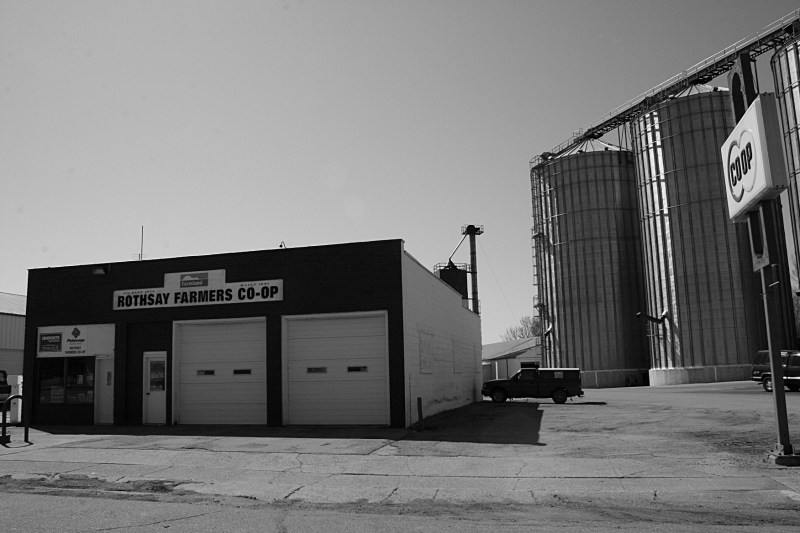
Downtown Rothsay is ag-oriented. Minnesota Prairie Roots file photo 2013.

Downtown Rothsay is ag-oriented. Minnesota Prairie Roots file photo, May 2013.

A few years ago, I popped into Rothsay. It’s your typical Minnesota farming community with a farmers co-op, hardware store, a bank, automotive body and repair shop, and such. And, if it’s lucky, as Rothsay is, a still surviving public school.

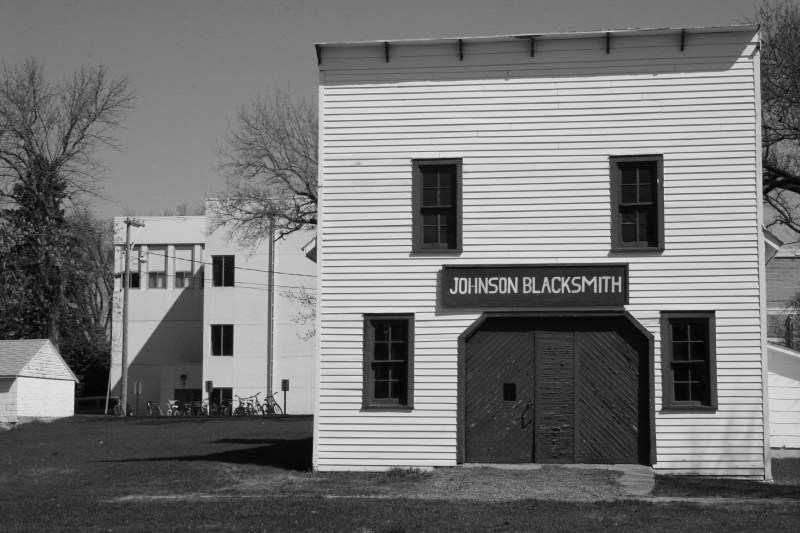
From what I observed, this is an historic blacksmith shop, not a working one. Note the bikes in the background parked outside the public school.

When I visited Rothsay three years ago, the school sat behind this historic blacksmith shop. Minnesota Prairie Roots file photo, May 2013.

In the three years since I visited this Wilkin County community, a new school has been built. But there’s a problem, specifically in the Media Center. A shortage of books exists for high school students.

This graphic comes from the gofundme page.

This graphic of book covers comes from the gofundme page.

Now Kristie Sullivan, an English Language Arts teacher who returned to her hometown to teach, has established a gofundme page to fund the purchase of books for high schoolers. She’s seeking $5,000 for titles ranging from classics like The Catcher in the Rye to the current-day popular The Hunger Games.

I can’t think of anything in education more important than books. They are the foundation tool of learning. If you can read, you can learn.

I understand the situation Ms. Sullivan faces. Years ago, when my children were attending a Christian day school in Faribault, I volunteered in the library. There was no funding for library books. So I had to get creative. New books came through cash gifts, a birthday book program, rewards from an annual book sale and from a used book drive. I also purchased many books at garage sales. I’d like to think I made a difference in getting books to students.

Kudos to this young teacher for caring so much about her students that she set up this gofundme page. Such action shows me she is passionate about teaching. And when a teacher is passionate, kids learn. Really learn.

FYI: If you are interested in supporting this gofundme project to buy books for Rothsay High School students, click here.

(h/t Fargo Forum)

© Copyright 2016 Audrey Kletscher Helbling


If you’ve never understood why “she stays,” then you need to read this book April 26, 2016

Filed under: Uncategorized — Audrey Kletscher Helbling @ 5:00 AM
Tags: , , , , , , , ,

IN MY IGNORANCE, I often asked the question, “Why does she stay?”

I couldn’t understand why any woman would stay in an abusive relationship. I expect many of us, if we are honest, have blamed the woman, faulted her for staying with a partner who is verbally, mentally, emotionally, financially, spiritually and/or physically abusive.

Why does she stay?


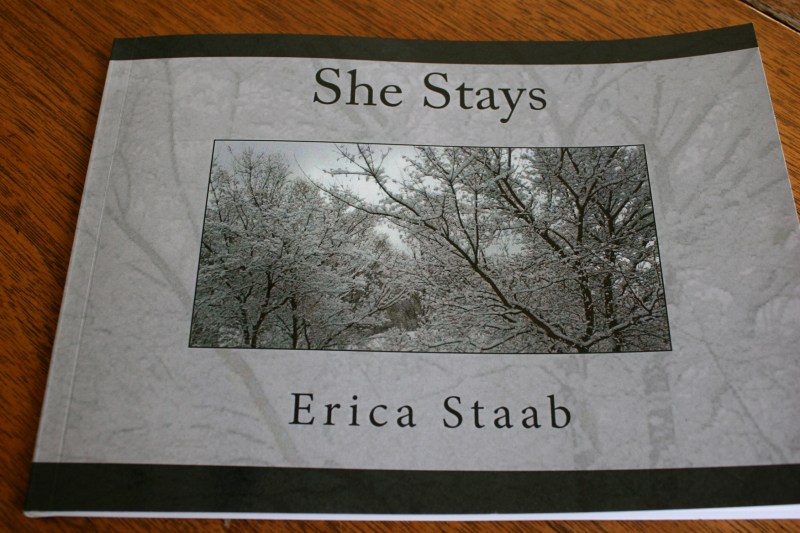
She Stays by Erica Staab


Erica Staab, director of the HOPE Center in Faribault, answers that question in She Stays. This self-published book is an absolute must-read for everyone. You. Your friends. Your daughter. Your niece. Your sister. Your brother. Your pastor.

Why?

Because you likely know someone who is a victim of domestic abuse. Maybe even you. And you need to know why she stays. It is only when we educate ourselves that we understand. And when we understand, we begin to make a difference.

Long before I read Erica’s recently-released book, I became educated on domestic abuse. Off the top of my head, I can list 13 women, by name, who are survivors. I don’t know the stories of each of these women. But some I do. They were in relationships with men who convinced them they had changed or whom the women believed they could change. These men professed their love. These men were initially charming, loving and attentive. Until they insidiously evolved into monsters who shoved, strangled, smothered, isolated, verbally-destroyed, brainwashed…

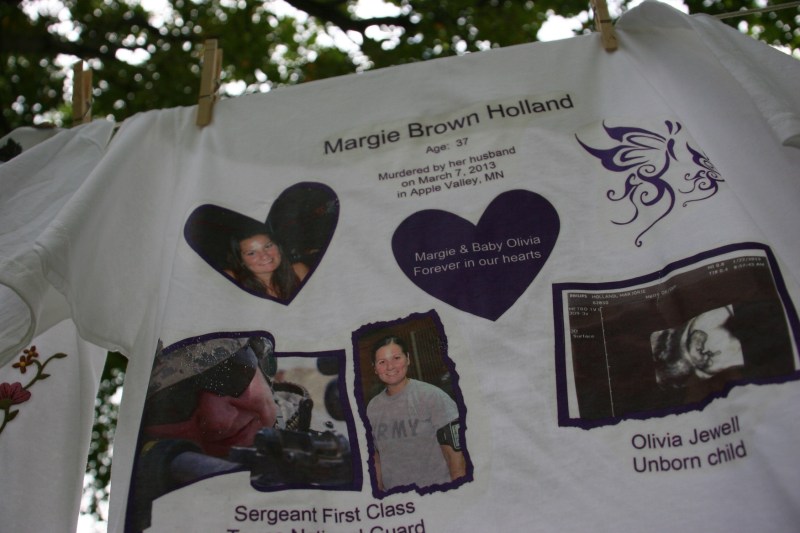
Margie Brown Holland and her unborn daughter, Olivia, were honored at The Clothesline Project display this summer in Owatonna. The Minnesota Coalition for Battered Women coordinates the project to honor victims of domestic violence. Redeemer Lutheran Church brought the project to Owatonna this past summer.

Margie Brown Holland and her unborn daughter, Olivia, were honored at The Clothesline Project display in the summer of 2015 in Owatonna. The Minnesota Coalition for Battered Women coordinates the project to honor victims of domestic violence. Redeemer Lutheran Church brought the project to Owatonna. Minnesota Prairie Roots file photo 2015.

I can also personally list the names of three women who were murdered by the men who supposedly loved them: Kay, Becky and Margie. Erica dedicates She Stays to her friend Margie Brown and unborn daughter Olivia. Margie’s dad once lived across the street from me. She also dedicates her book to Julie Carroll, another victim of domestic violence. I didn’t know Julie.

Becky Kasper's portrait.

Becky Kasper of Northfield was murdered in April 2013 by her former boyfriend. She was a student at Arizona State University. This portrait was posted by her father, Dan Kasper, who spoke about domestic violence at Redeemer Lutheran Church in Owatonna in January. Minnesota Prairie Roots file photo January 2016.

But I know that too many women are suffering and dying every day. Too many women are trapped in abusive relationships—whether because of fear, financial worries, even because of hope that the abuser will revert to the loving man he seemed at the beginning of the relationship. I doubt a woman ever enters a relationship thinking the man she loves will abuse her.

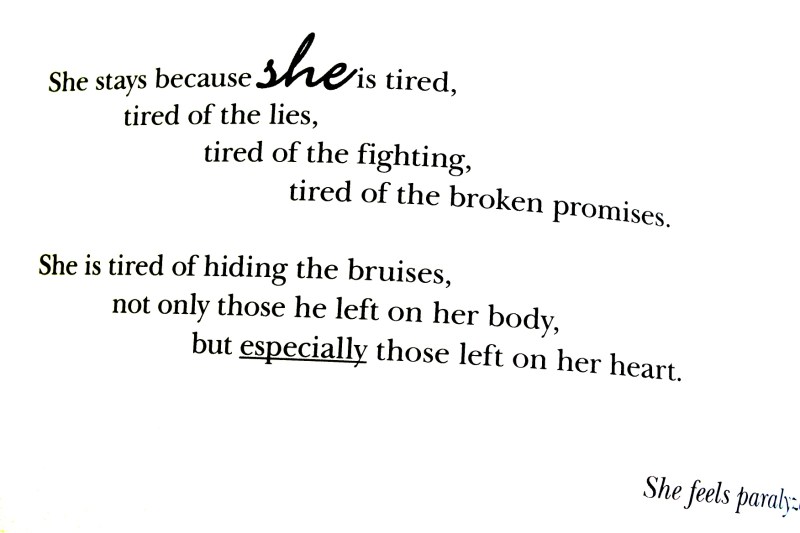
Reasons she stays, published on page 18. Text copyright of Erica Staab.

Reasons she stays, published on page 18. Text copyright of Erica Staab.

Erica lays out the reasons she stays in this compilation based on real stories of real women. And she writes in a way that is direct, honest and to the point. You can read this slim 42-page book in less than a half hour. It’s simplistic, state-it-like-it-is understandable.

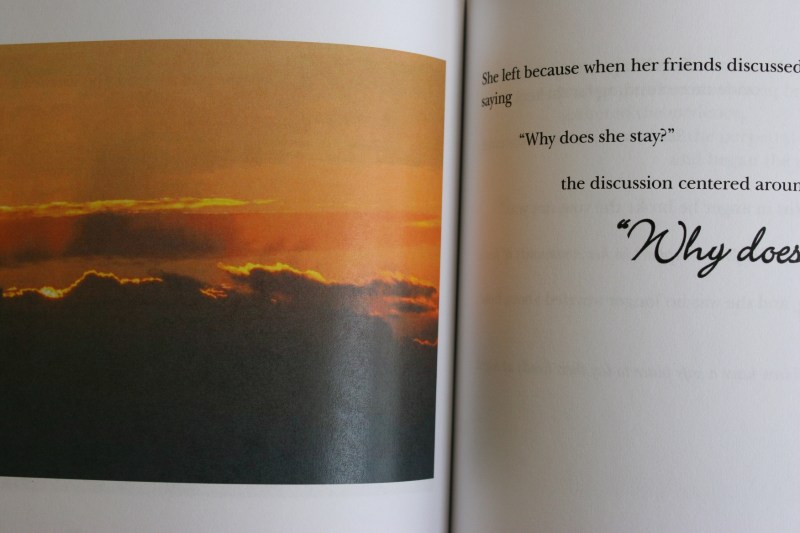
Erica's book also focuses on reasons she leaves.

Erica’s book also focuses on reasons for leaving. Interspersed throughout this volume are Erica’s photos, primarily nature themed.

But this author and experienced advocate doesn’t end with she stays. She also writes about why she left. Therein lies another reason you must read this book. You will learn that listening, understanding and believing can make all the difference to a woman in deciding whether she stays or she leaves. You can offer hope.

On the final page of She Stays, Erica pens four powerful words: You are not alone.

A victim of domestic abuse should never feel alone. But all too often she does, because we continue to ask, “Why does she stay?”

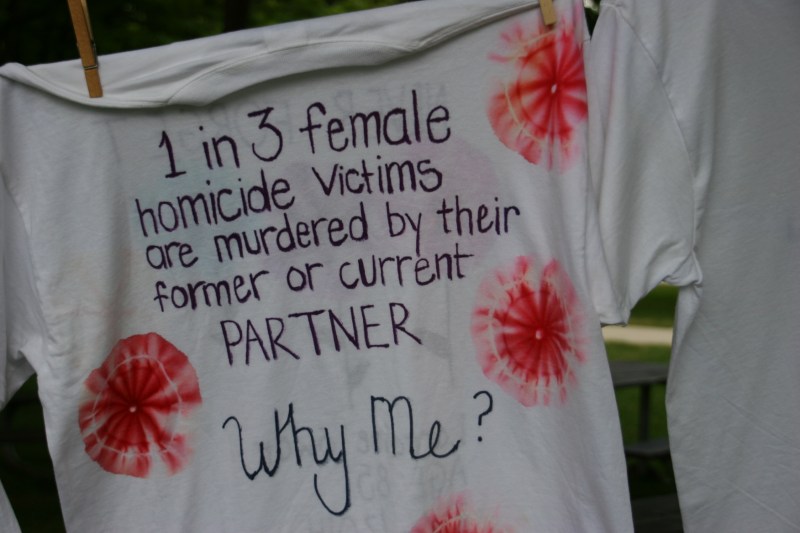
Statistics on a The Clothesline Project t-shirt from the Minnesota Coaltition for Battered Women..

Statistics on a The Clothesline Project t-shirt from the Minnesota Coalition for Battered Women, displayed this past summer in Owatonna. Minnesota Prairie Roots file photo.

FYI: To purchase a copy of She Stays, click here. Use this discount code to get $2 off: WCPXLKQS. All proceeds from the book will benefit HOPE Center, an advocacy organization in Faribault. Copies may also be purchased directly from HOPE Center.

If you are in an abusive relationship and in immediate danger, call 911 now.

Or contact a local crisis resource center for help and support.

You can find additional information through the following resources:

National Coalition Against Domestic Violence

Minnesota Coalition for Battered Women

NOTE: Men can also be victims of domestic abuse. But because the majority are women, I use that noun and the pronoun she. Just as Erica does in her book.

© Copyright 2016 Audrey Kletscher Helbling


Threads of tenacity, loyalty & quality weave through Faribault Woolen Mill book December 7, 2015

This sign marks The Faribault Woolen Mill, which sits along the banks of the Cannon River in Faribault, Minnesota.

This sign marks The Faribault Woolen Mill, which sits along the banks of the Cannon River in Faribault, Minnesota. Minnesota Prairie Roots file photo August 2015.

“DID YOU GUYS HAVE a tan mitten found yesterday?” customer Molly asked in a recent entry on the Faribault Woolen Mill Facebook page. She’d shopped at a mill overstock sale the day prior and lost a mitten knit by a family member. To Molly, it wasn’t about the mitten as much as the memory and love attached to it.

A mill employee asked Molly to send a photo to aid in the search. Whether the mitten has been found, I don’t know. But I view the mill’s response as a current day example of how this 150-year-old Faribault business cares like family.
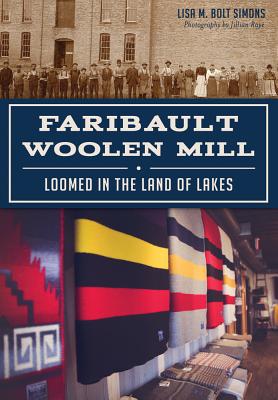
Book cover by The History Press

Book cover by The History Press

That’s a recurring theme in a just-published book, Faribault Woolen Mill—Loomed in the Land of Lakes, by my friend, Faribault author Lisa M. Bolt Simons. Lisa cites numerous cases of the mill’s loyalty to Faribault and its employees. In 1961, for example, mill owners purchased a cabin near Bemidji for use by employees, customers and others. That appreciation goes both ways. Community residents and employees have remained fiercely loyal to the woolen mill. Many employees returned to work after the mill briefly closed. Employment longevity reaches into decades, up to sixty years for one mill employee, spotlighting a strong work ethic.

Appreciative customers exist world-wide. Lisa found an August 1966 mill retail store guest book entry notation that The Beatles (yes, those Beatles) visited. That seems unlikely, though, given the Beatles only Minnesota concert, at Met Stadium, happened in August of 1965. However, during eight months in 1966, nearly 2,000 people from 45 states and nine countries signed the mill guest book.

Sandbags protect the Faribault Woolen Mill from the rising Cannon River.

Sandbags protect the historic Faribault Woolen Mill from the rising Cannon River in June 2014. The mill is listed on the National Register of Historic Places. That designation in 2012 allowed the business to apply for, and receive, a $300,000 grant from the Minnesota Historical Society for mill restoration. This photo is published in black-and-white on page 96 of Lisa M. Bolt Simons’ book. Minnesota Prairie Roots file photo 2014.

Lisa’s 126-page book, published by The History Press, is packed with information that shows extensive research on her part to tell the complete story of Minnesota’s oldest manufacturer. Her bibliography runs four pages. I must note here that Lisa references my June 12, 2012, blog post, “Historic Faribault Woolen Mill Opens Store with Artsy Vibe,” in the preface. One of my photos is also published in her book.
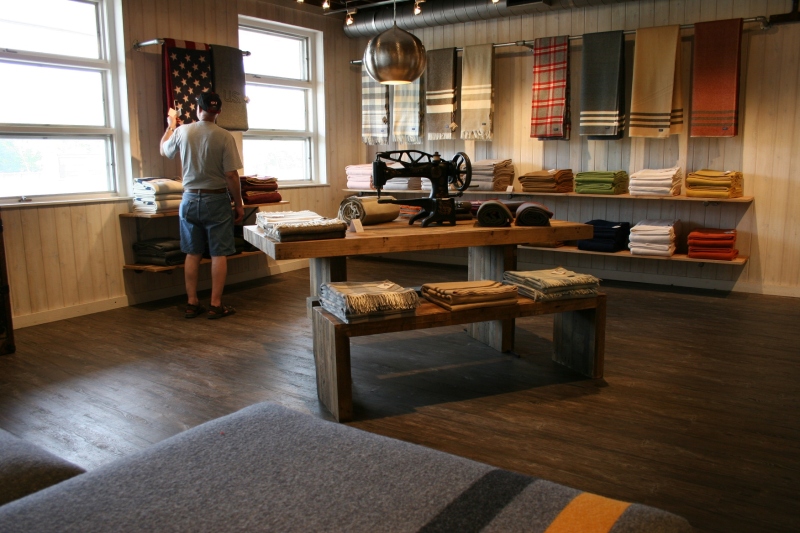
Perusing merchandise at the recently reopened Faribault Woolen Mill retail store.

Perusing merchandise at The Mill Store shortly after it opened in 2012. Minnesota Prairie Roots file photo.

Typically, I do not enjoy reading history. But I finished Lisa’s book in just a few days. It was that interesting. I didn’t grow up in Faribault. So, unlike natives, I didn’t know the history of the mill which started with the Klemers, a family ownership that extended into five generations. I didn’t know about the mill’s multiple locations, about the five fires. I didn’t know how close the mill came to closing during several economic down-turns. I didn’t know why the family sold to outside investors, a move that eventually resulted in the mill’s closure in 2009.

Lisa references public court documents that offer insights into the short-term closure. She also quotes employees who dealt with bounced paychecks and unpaid health insurance premiums. Her information confirms what my neighbor, a retired mill retail store employee, told me years ago.
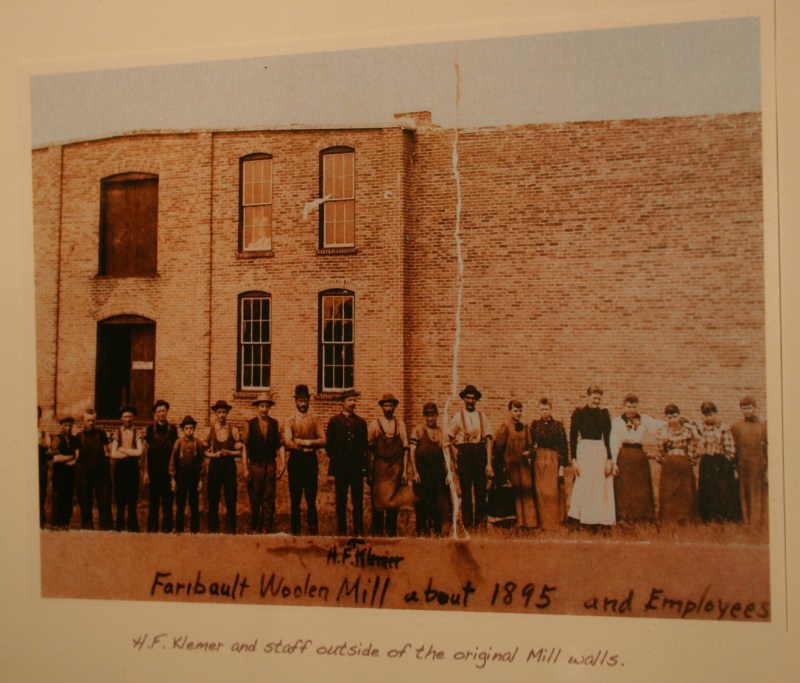
An historic photo from the mill, among those showcased in a mini wall of Woolen Mill history.

An historic photo from the mill, among those showcased in a mini wall of Woolen Mill history. Minnesota Prairie Roots file photo.

Through the challenges of fires, floods (in 2010 and 2014) and finances, the Faribault Woolen Mill survived with a tenacity that continues today under the ownership of Paul and Chuck Mooty and their leadership team. The cousins reopened the mill in 2011. A theme of endurance weaves throughout the book.

Crisp white cubbies, ever so perfect for showing off blankets/throws.

Crisp white cubbies, ever so perfect for showing off blankets/throws at The Mill Store. Minnesota Prairie Roots file photo 2012.

As it did from the beginning, the mill remains rooted in producing quality wool products, specializing in blankets that have warmed troops, hotel guests, airline passengers, newlyweds… Today you’ll find Faribault Woolen Mill products in boutiques and trendy places nation-wide, many of those notable locations listed in the book.
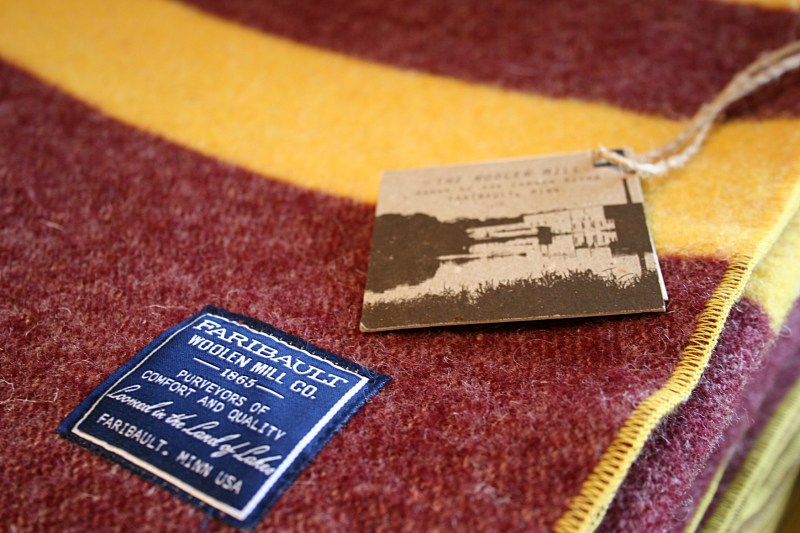
The mill's products are labeled as "Loomed in the Land of Lakes" by "Purveyors of Comfort and Quality." Minnesota Prairie Roots file photo 2012.

The mill’s products are labeled as “Loomed in the Land of Lakes” by “Purveyors of Comfort and Quality.” Minnesota Prairie Roots file photo 2012.

Because of Lisa’s book, I now hold a deeper appreciation of the Faribault Woolen Mill, one of the last vertical woolen mills in the U.S. I understand why locals value this business hugging the banks of the Cannon River. A quote from Jean Mooty, who restarted the retail store and is the wife of co-owner Paul Mooty, says it all: “The mill gets in your blood.”
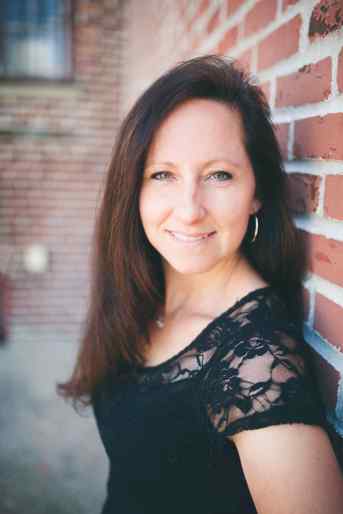
Lisa M. Bolt Simons. Photo by Jillian Raye Photography.

Lisa M. Bolt Simons. Photo by Jillian Raye Photography.

FYI: The Mill Store, 1500 Second Avenue Northwest, will host “A Book, Beer + Blankets” book tour launch from 4 p.m. – 7 p.m. on Wednesday, December 9. Lisa will give a short presentation at 5:30 p.m. Faribault’s F-Town Brewery will offer beer tasting. And, of course, Faribault Woolen Mill products will be available for purchase.

(Note: I received a complimentary copy of Faribault Woolen Mill—Loomed in the Land of Lakes. The inclusion of my mill photo and references to me and my blog did not influence this unbiased and honest review of the book.)

© Copyright 2015 Audrey Kletscher Helbling
Book cover image by The History Press
Author portrait by Jillian Raye Photography

 

Kenyon native turns to writing children’s books after MS diagnosis December 4, 2015

WRITER DEBBIE ESTREM’S childhood parallels mine. We both grew up on farms—she near Kenyon in southeastern Minnesota and me 150 miles to the west in Redwood County. She, though, moved into town, unlike me.


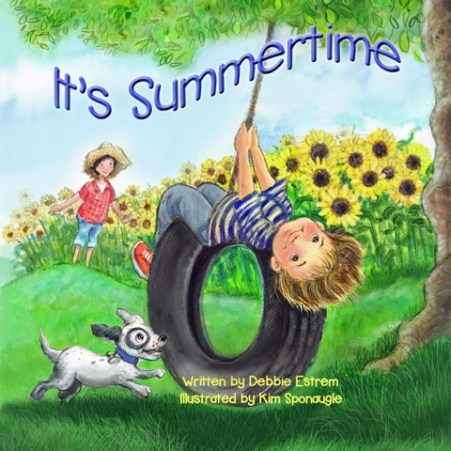
It's Summertime Book Cover


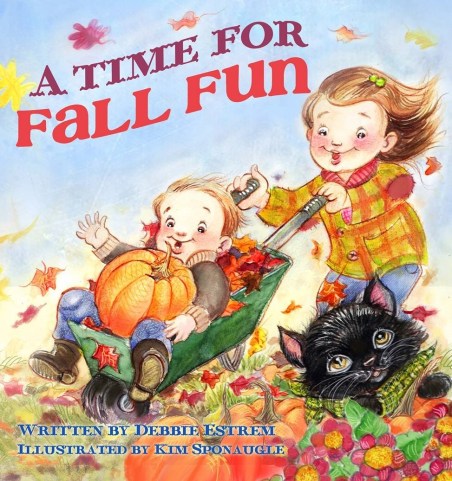
Because of our similar upbringings, I understand her connection to and appreciation for the simple things in life. I see that focus and a strong rural Minnesota influence in her children’s picture books, especially in It’s Summertime, the first volume in a seasonal-themed series. An autumn book, A Time for Fall Fun, just published with the remaining two seasonal titles due to release in 2016.


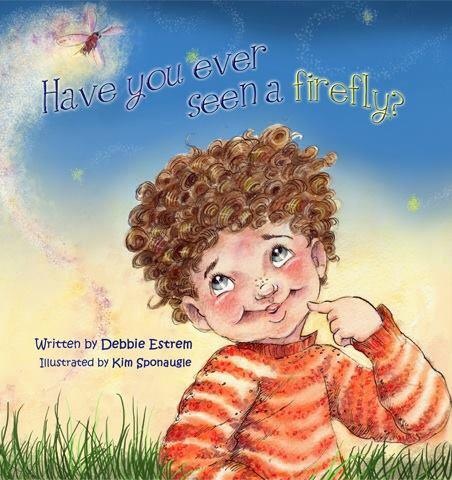
Firefly book cover


Her other self-published picture books include Have you ever seen a firefly? and Sights at the Zoo.

Of the three books Debbie sent for possible review, I am focusing here on It’s Summertime. I feel most connected, memory-wise, to the content. Debbie writes from a child’s perspective, showcasing outdoor summer activities such as picnicking, swimming, biking, jumping rope, blowing bubbles and attending the county fair.

It’s refreshing to read a book like this that emphasizes mostly unstructured play and family togetherness. I’m all for kids playing on their own, using their imaginations in unscheduled, unorganized free time.

Debbie’s writing, paired with the art of New Jersey illustrator Kim Sponaugle, makes It’s Summertime a delightful book that is visually and nostalgically appealing. The artist, according to her website, “is known for her bright, colorful style and lovable character expressions that give her illustrations warmth and delight.” Her drawings of happy children transport me to the carefree days of my childhood, back to memories of playing hopscotch at Vesta Elementary School and savoring sugary mini donuts at the Redwood County Fair.

While Kim holds an art degree, Debbie’s educational background is in business. However, she started writing poetry in 2003 and turned to penning children’s picture books after being diagnosed with Multiple Sclerosis in 2010. Unable to continue working and volunteering, Debbie decided to focus on something positive. And for her, that was writing children’s picture books.

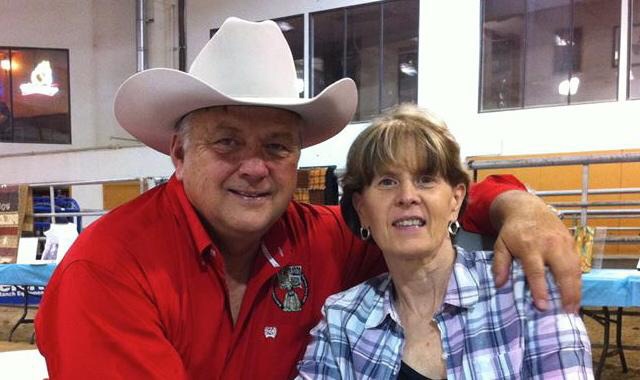
Kevin and Debbie Estrem in 2013. Photo courtesy of Debbie Estrem.

Kevin and Debbie Estrem in 2013. Photo courtesy of Debbie Estrem.

Ten percent of each book sale goes toward researching MS, specifically to the Colorado-Wyoming Chapter of the National Multiple Sclerosis Society. Debbie lives in Colorado Springs with her husband and childhood sweetheart, Kevin Estrem, who is retired from an Air Force career.


book cover


In Sights at the Zoo, Debbie weaves the topic of disabilities into the storyline, helping children to understand why someone uses a wheelchair, walker or other assistive device. The couple’s daughter, Cassi, whose first job out of college focused on researching the cause of MS, suggested her mother write the book. Having once used a cane and walker myself following hip replacement surgery, I appreciate this addition to the story. Debbie currently uses a wheelchair or motorized chair to get around.

This author is hoping, she says, that “discoveries are made for both the cause (of MS) and a cure in my lifetime.”


Fall book cover


IF YOU ARE INTERESTED in purchasing one of Debbie’s picture books, visit the Halo Publishing International website by clicking here.

© Copyright 2015 Audrey Kletscher Helbling

Book cover images courtesy of Debbie Estrem. Cover art by Kim Sponaugle.


Blessings in a box from North Dakota November 24, 2015

Filed under: Uncategorized — Audrey Kletscher Helbling @ 5:00 AM
Tags: , , , , , , , , , ,

WHEN THE MAIL CARRIER arrived at my door on Friday bearing a package, I was surprised. “I didn’t order anything. Who’s it from?” I asked.

“Looks like it’s from a relative,” he said.

And then I remembered my sister-in-law’s quick phone call several days earlier requesting my address. She was running errands and had no time to chat. This box with her return address solved the mystery of that call.

Inside, I found several sweet surprises—a pillow, a book and a clutch of notecards.

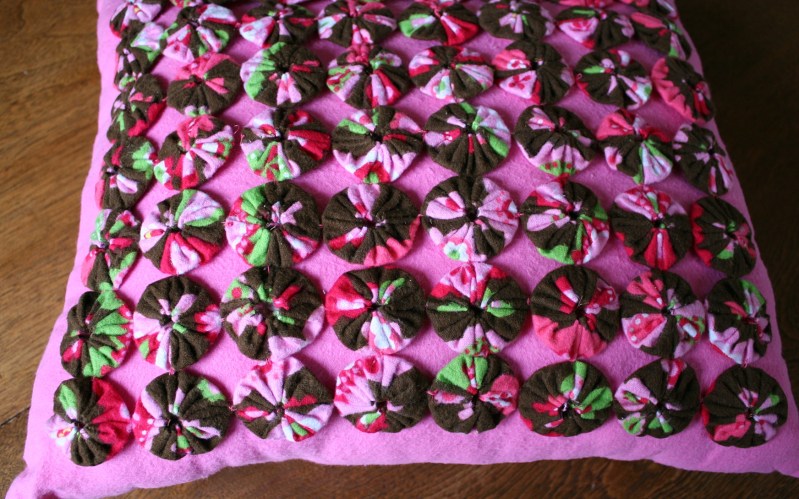
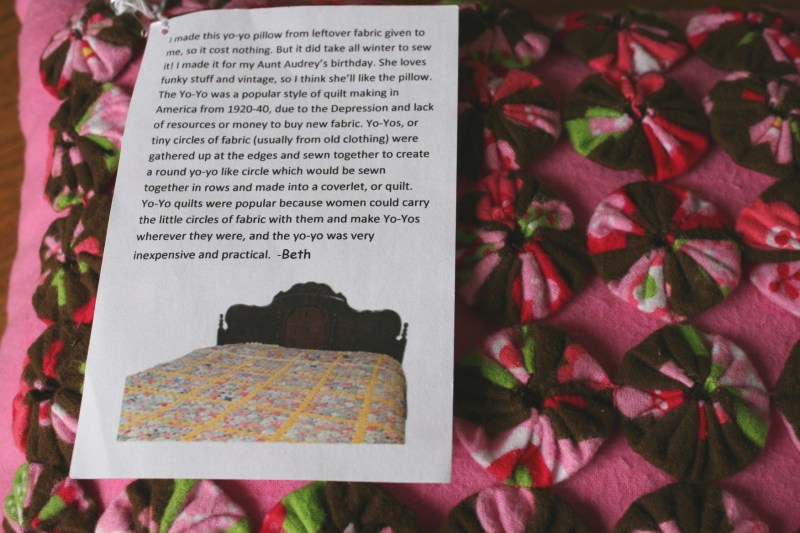
My niece worked all last winter stitching these yo-yos for this pillow.

My niece worked all last winter stitching these yo-yos for this pillow.

My 10-year-old niece crafted a yo-yo pillow for me. Fifty-six yo-yos, tiny circles of fabric gathered at the edges and sewn into circles stitched to a pink flannel pillow. Yo-yos were, Beth wrote in an attached note, popular during the Depression. Women made them from scrap fabric (oftentimes from old clothing) and then stitched them into quilts.

The story and history behind the yo-yo pillow.

The story and history behind the yo-yo pillow.

As much as I appreciate the pillow, I treasure even more the words Beth typed when she entered the pillow in her county fair and then the North Dakota State Fair. She earned two blue ribbons for this 4-H project. Here’s the part that especially touched me:

I made it for my Aunt Audrey’s birthday. She loves funky stuff and vintage, so I think she’ll like this pillow.

Beth’s wrong. I don’t just like this pillow; I love it.

And I like that my dear niece and her mom, Rena, know me so well. I do, indeed, value funky and vintage.

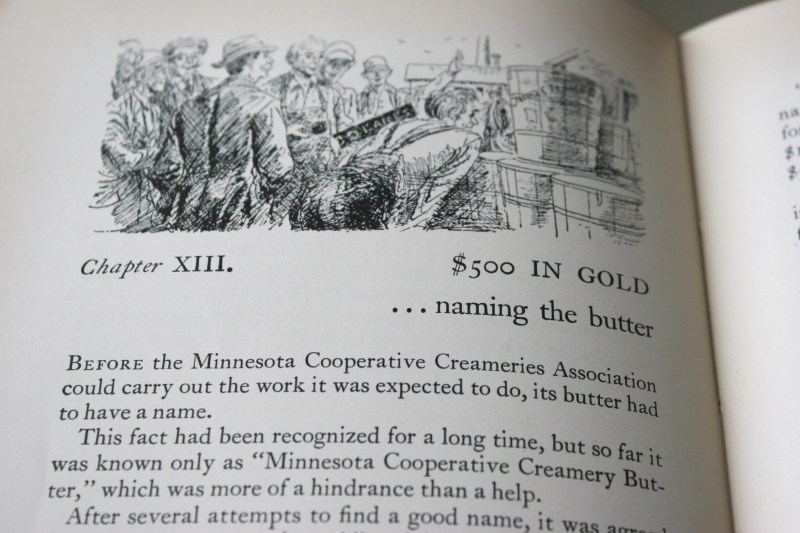
"When I discovered this historical gem from under junk and odds and ends (in a rummage store), I knew it was meant for you. Enjoy!" my sister-in-law wrote.

“When I discovered this historical gem from under junk and odds and ends (in a rummage store), I knew it was meant for you. Enjoy!” my sister-in-law wrote. This chapter explains how Land O’Lakes came to be the name of the Minnesota Cooperative Creameries Association’s butter. The Co-op launched a contest in 1924 to name its sweet cream butter, offering $500 in gold as prizes. Mrs. E.B. Foss of Hopkins and George I. Swift of Minneapolis submitted the same winning name. Contest entries of about 7,000 daily overwhelmed the company office. The contest topped news in the Midwest, second only to the Teapot Dome oil scandal, according to the author.

That leads to the second gift, the book Men to Remember: How 100,000 Neighbors Made History by Kenneth D. Ruble. Land O’ Lakes Creameries, Inc. commissioned the volume published in 1947. Perfect for someone who grew up on a dairy farm.

The "Spatial Odysseys" collection of notecards by David Paukert.

The “Spatial Odysseys” collection of notecards by David Paukert.

The last item in the package—a collection of rural-themed notecards—is a fitting gift also. The cards feature the work of Michigan, North Dakota, photographer David Paukert. Titled “Spatial Odysseys,” the photo cards showcase fields, a church, a barn and more from Paukert’s “Visions of the Prairie” Collection. Prairie. That reflects me, rooted in the prairie.

These gifts from Rena and Beth arrived at the end of a difficult week. They didn’t know this, of course, because the presents were originally intended for my birthday two months ago. But the timing of the delivery couldn’t have been better. Rena and Beth blessed me not only with the items they made and chose for me, but also with their thoughtfulness, love and care.

My sister-in-law also included a quote from Mother Teresa: “…do small things with great love.”

This week, please consider ways you can bless someone. Call a friend or family member who needs your support and encouragement. Listen. Avoid “hearing without listening.” Send a card with a heartfelt handwritten note. Or a gift. Volunteer. Be kind. Show your love. In whatever way you can.

Check back tomorrow for another “blessings” post.

© Copyright 2015 Audrey Kletscher Helbling


Discovering the magic of Santa in a small Minnesota town in March March 25, 2015

PEEF, THE MULTI-COLORED TEDDY BEAR created from the imagination of writer Tom Hegg and brought to visual life by artist Warren Hanson, has always held a special place in my heart. Because of my boy, who is no longer a boy but a young adult.

For his eighth birthday, Caleb's sisters created a PEEF cake for their brother.

For his eighth birthday, Caleb’s sisters created a PEEF cake for their brother.

Caleb loved his Beanie Baby-sized PEEF. Slept with the bear. Hugged him. Pressed his patchwork tummy over and over so the bear would squeak.

And then one day PEEF disappeared. Lost. Perhaps fallen from the van on a trip to Grandma’s house. Perhaps… I really have no idea what happened to this fur-roughened-by-little-boy-hands bear.

Somewhere, though, the first two PEEF children’s picture books are tucked away in a box in my house. Autographed during an author visit to Faribault in which Caleb posed for a picture with an over-sized patchwork bear. The location of that photo also eludes me.

PEEF The Christmas Bear reveals how the colorful bear came to be and how he also became Santa’s helper and friend.

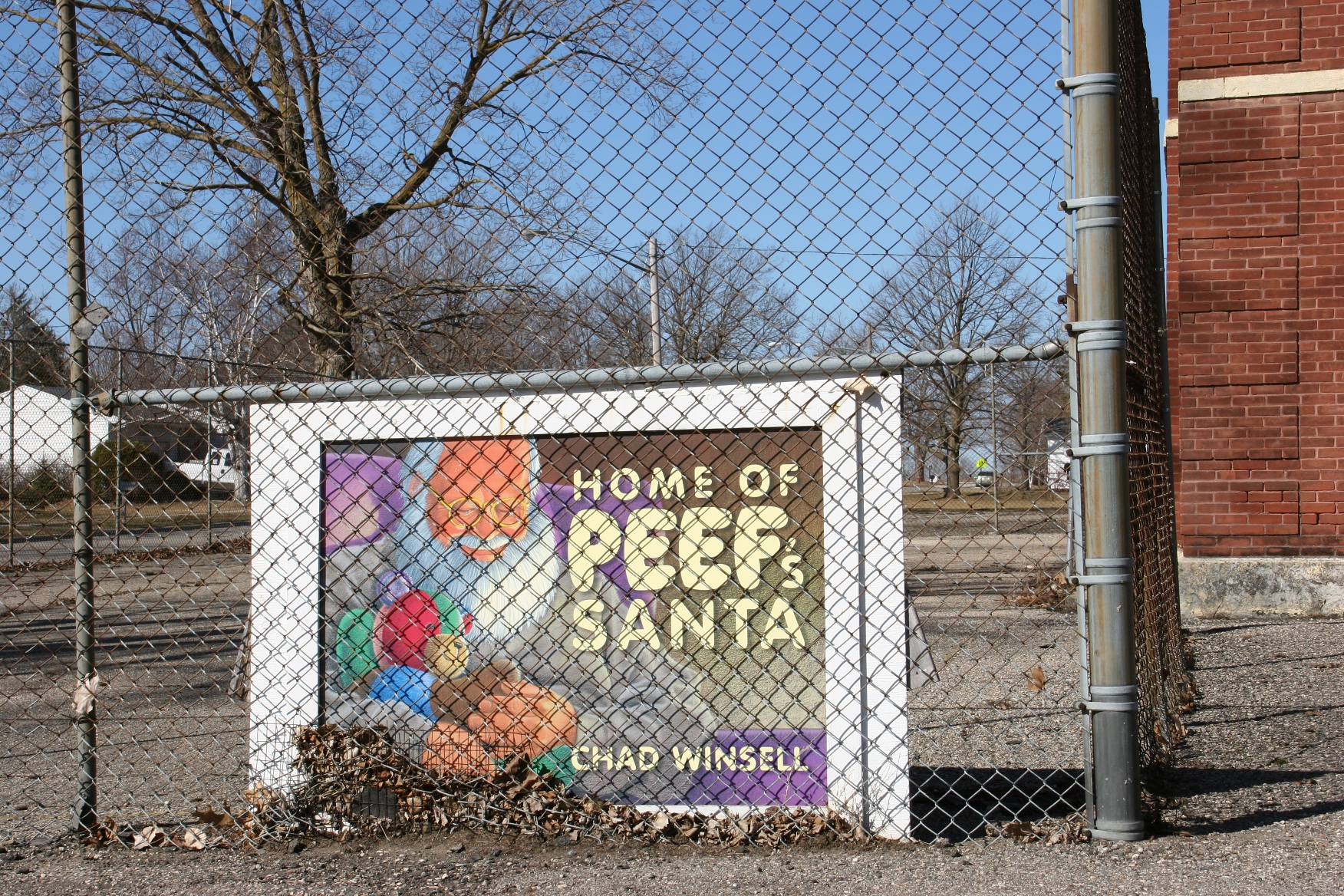
This sign shows the artwork for the first PEEF book's cover with local Chad Winsell  as the Santa model.

This sign shows the artwork for the first PEEF book’s cover with local Chad Winsell as the Santa model.

Not until this past Saturday did I learn, though, that the model for that first PEEF book hails from West Concord, a rural southeastern Minnesota community of nearly 800. A sign attached to a chain link fence outside the town’s former school, now turned West Concord Historical Society and Community Center, identifies this town as the home of PEEF’s Santa, Chad Winsell.

Historical Society Director Janis Ray, who seems a reliable go-to source for all things West Concord, explained that Chad was friends with PEEF’s creators, thus became the inspiration for Santa. Chad definitely has that Santa look, that sparkle in his eyes.

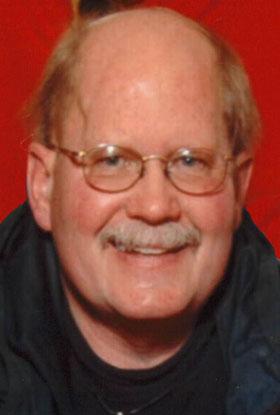
Michael "Chad" Winsell. Photo from obituary published by Michaelson Funeral Home.

Michael “Chad” Winsell. Photo from obituary published by Michaelson Funeral Home.

On November 18, 2014, Chad, whose real name was Michael, died after living with a brain tumor for 14 years. He was only 64. When I read his obituary, I understood that this man was more than a model for a book. He modeled the spirit of goodness and kindness and generosity that defines Santa. And for a community to recognize that serves to remind all of us that no matter where you live, who you are, you are valued.

© Copyright 2015 Audrey Kletscher Helbling
Photo of Michael “Chad” Winsell from the Michaelson Funeral Home website