
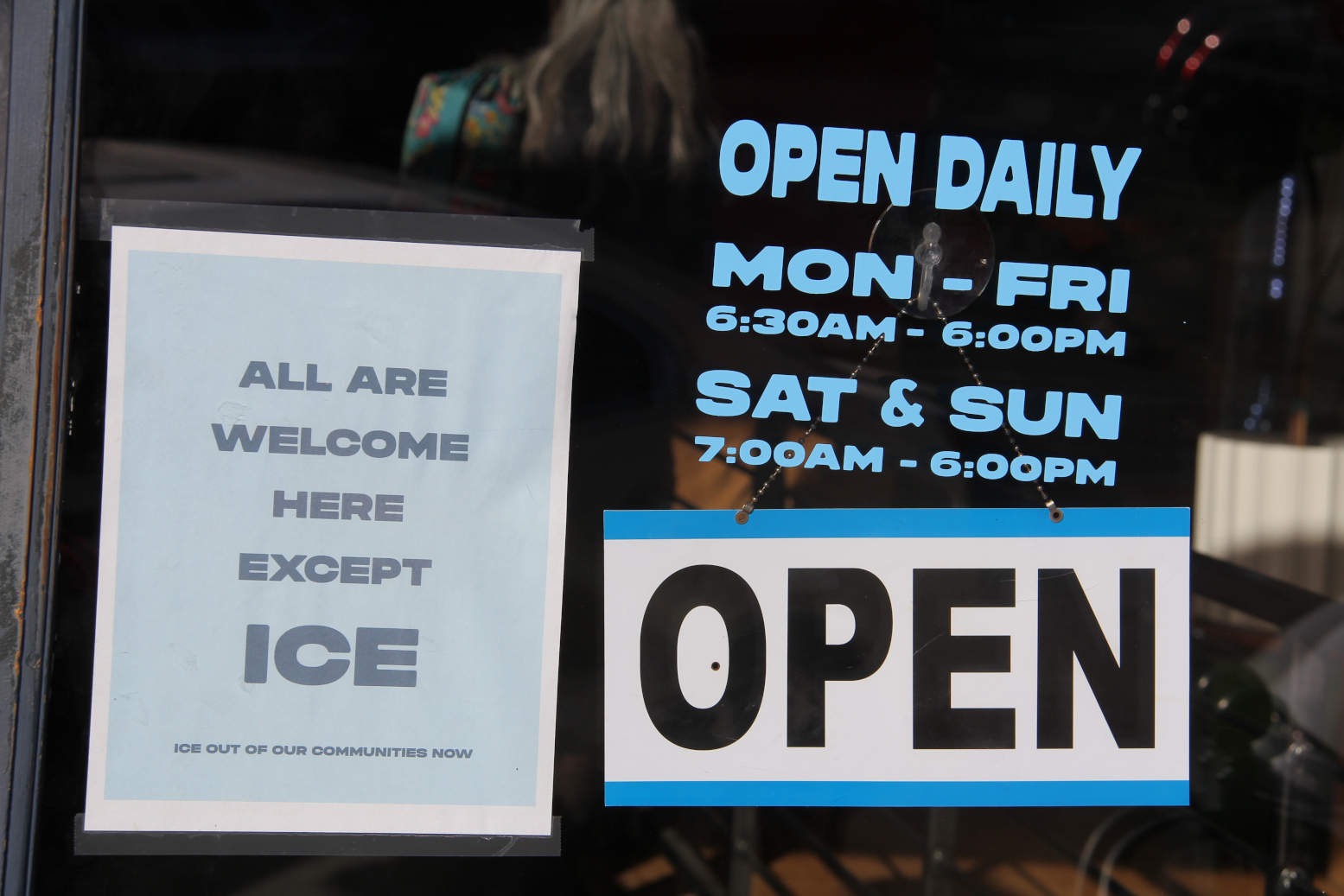
THE DAY AFTER BORDER CZAR (anyone dislike that title as much as me?) Tom Homan announced a draw-down of federal immigration agents in Minnesota, I’m feeling, as Governor Tim Walz said, “cautiously optimistic.” Recent history has proven that we can’t necessarily believe or trust what federal government officials tell us. But I’m trying to be hopeful.

For more than two months, 3,000 immigration enforcement agents have been working in Minnesota. And if anyone still believes that they are/were doing only targeted enforcement, arresting “the worst of the worst,” then I have some lakefront property to sell you.
Let’s go back to Thursday morning, when Homan made his draw-down announcement complete with praise for his agents and the success of their mission in Minnesota. I couldn’t listen any more. I’d heard enough.

I had an appointment in neighboring Northfield anyway so off I went to this college town that, like Faribault, has been recently inundated by ICE. Except in Northfield, a decidedly blue city, the business community is publicly vocal about its opposition to ICE’s presence unlike in my decidedly red city.
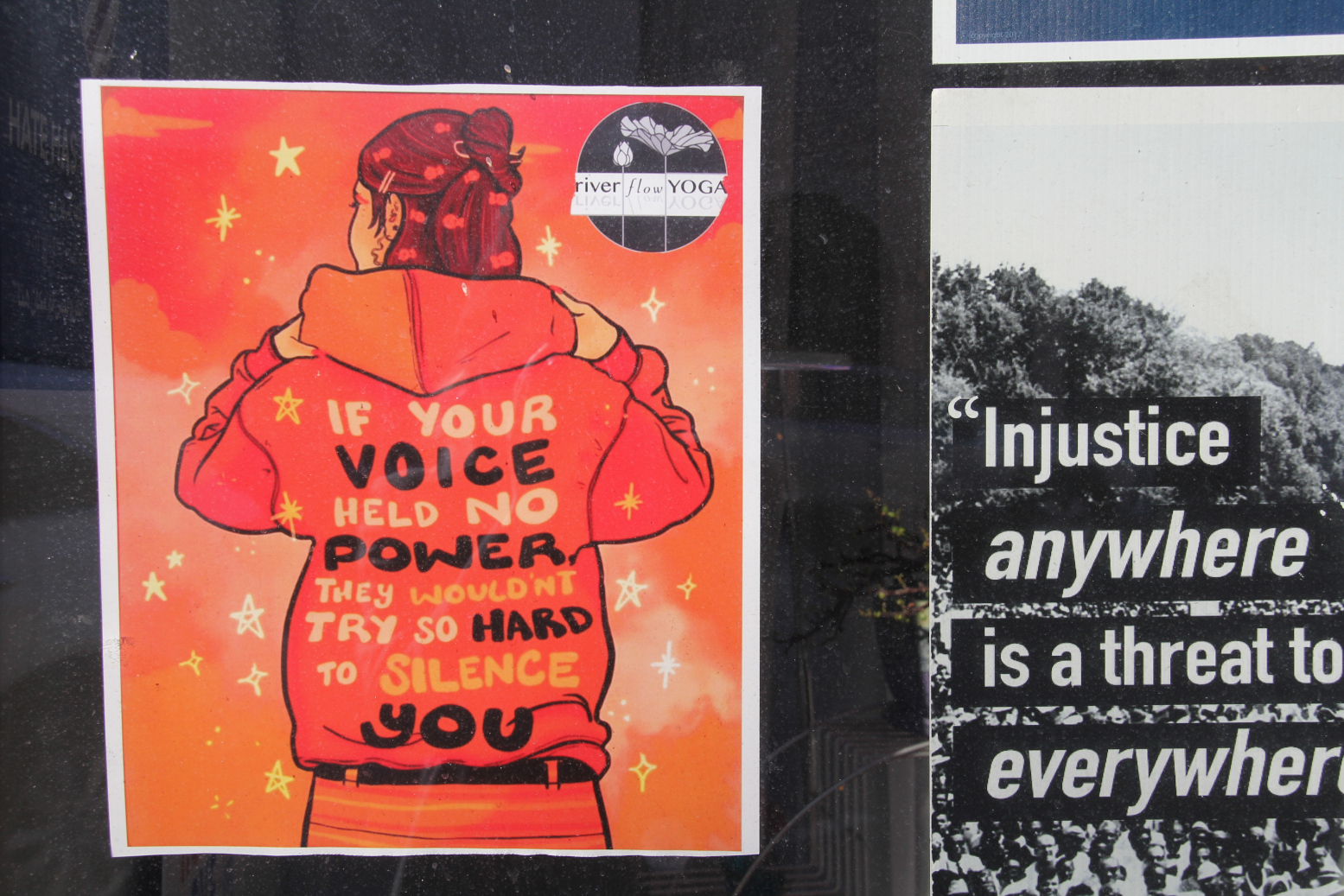
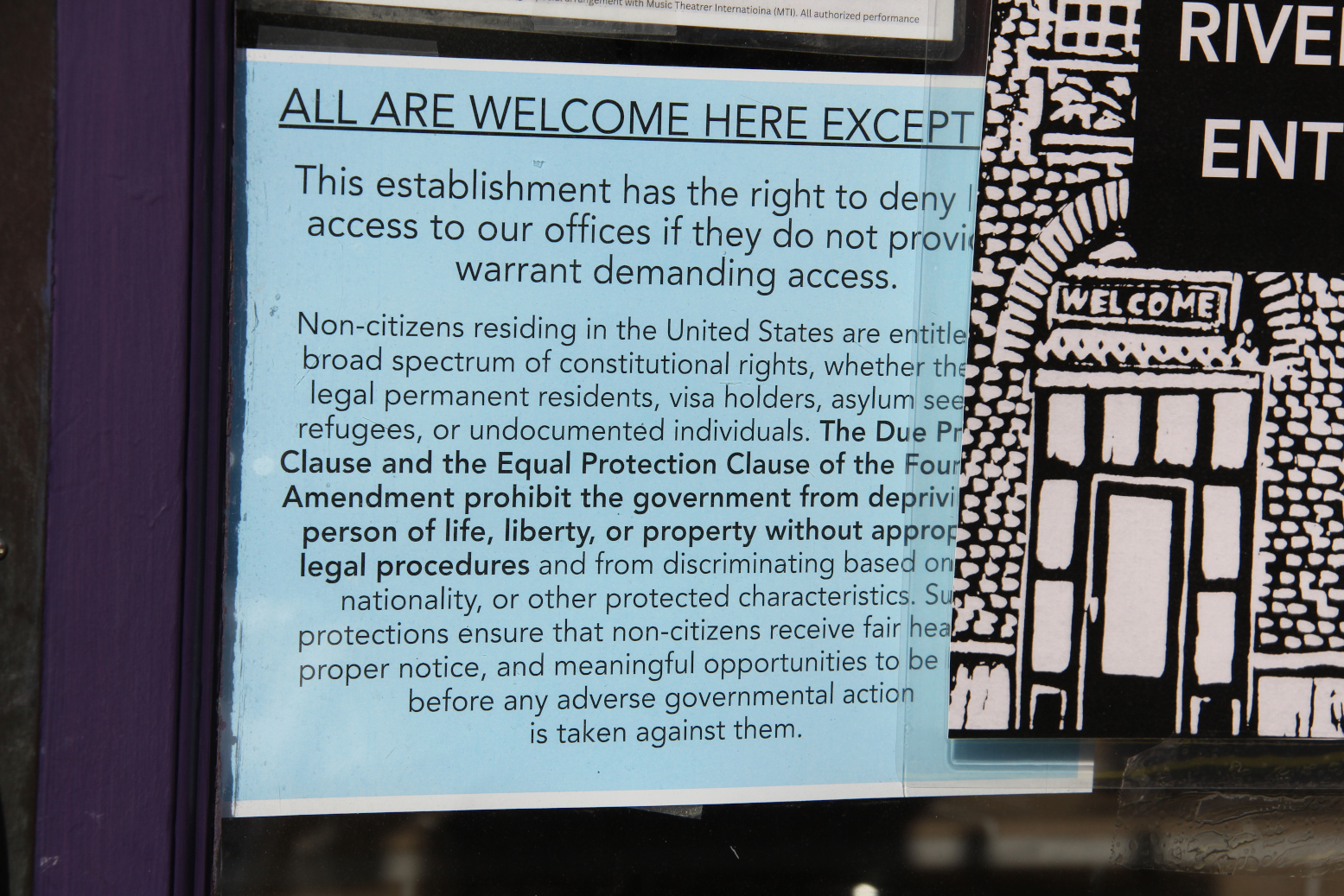
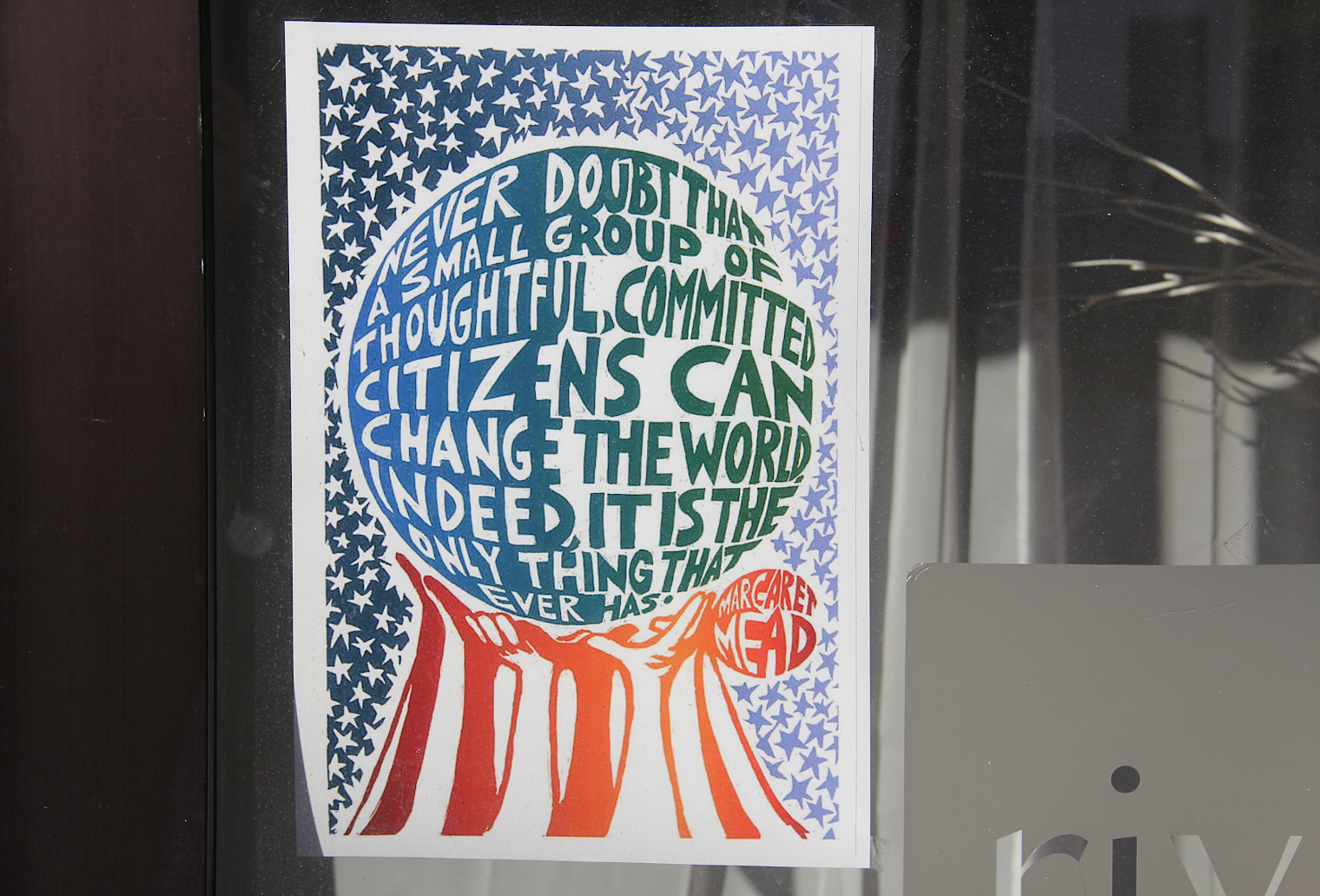
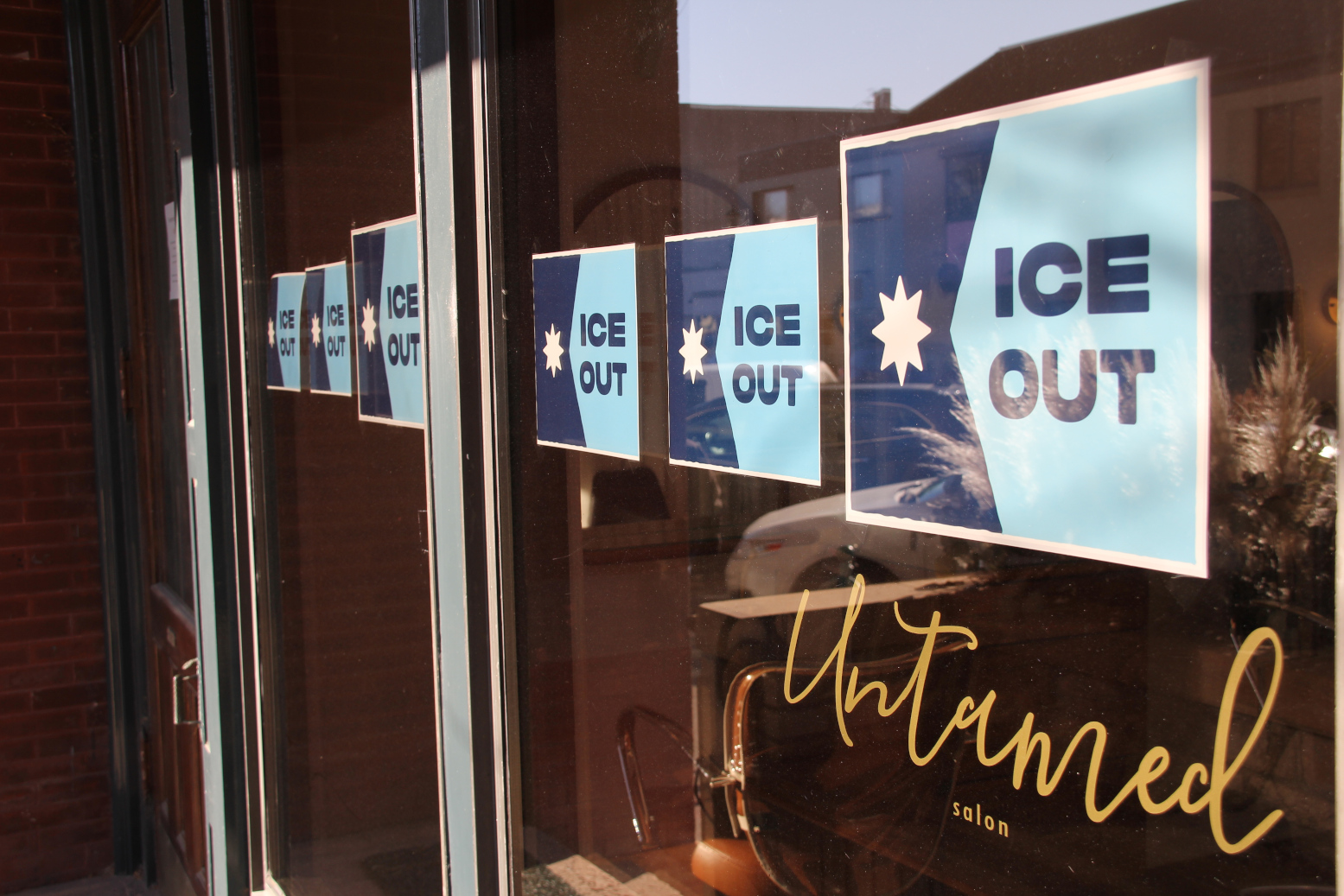
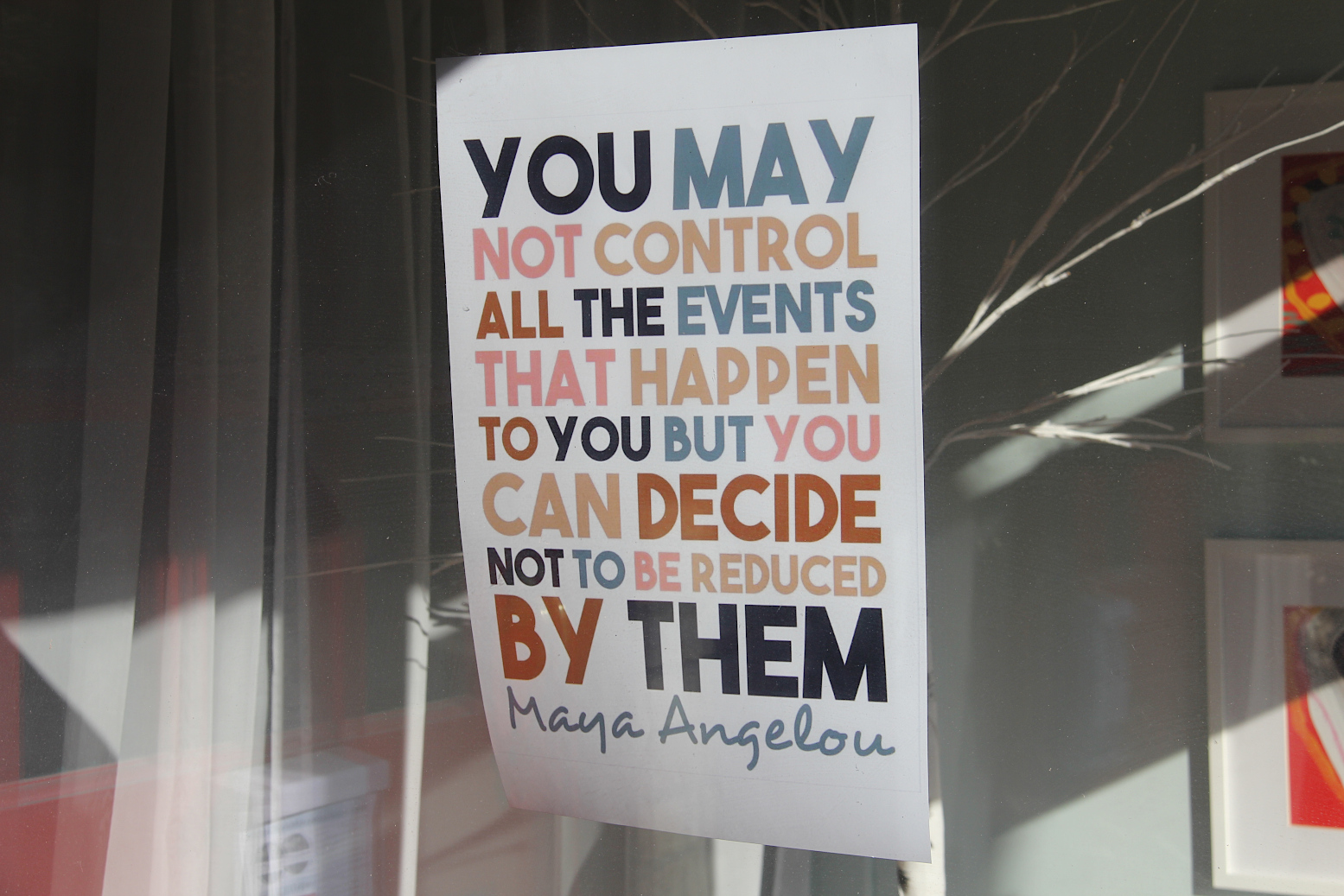
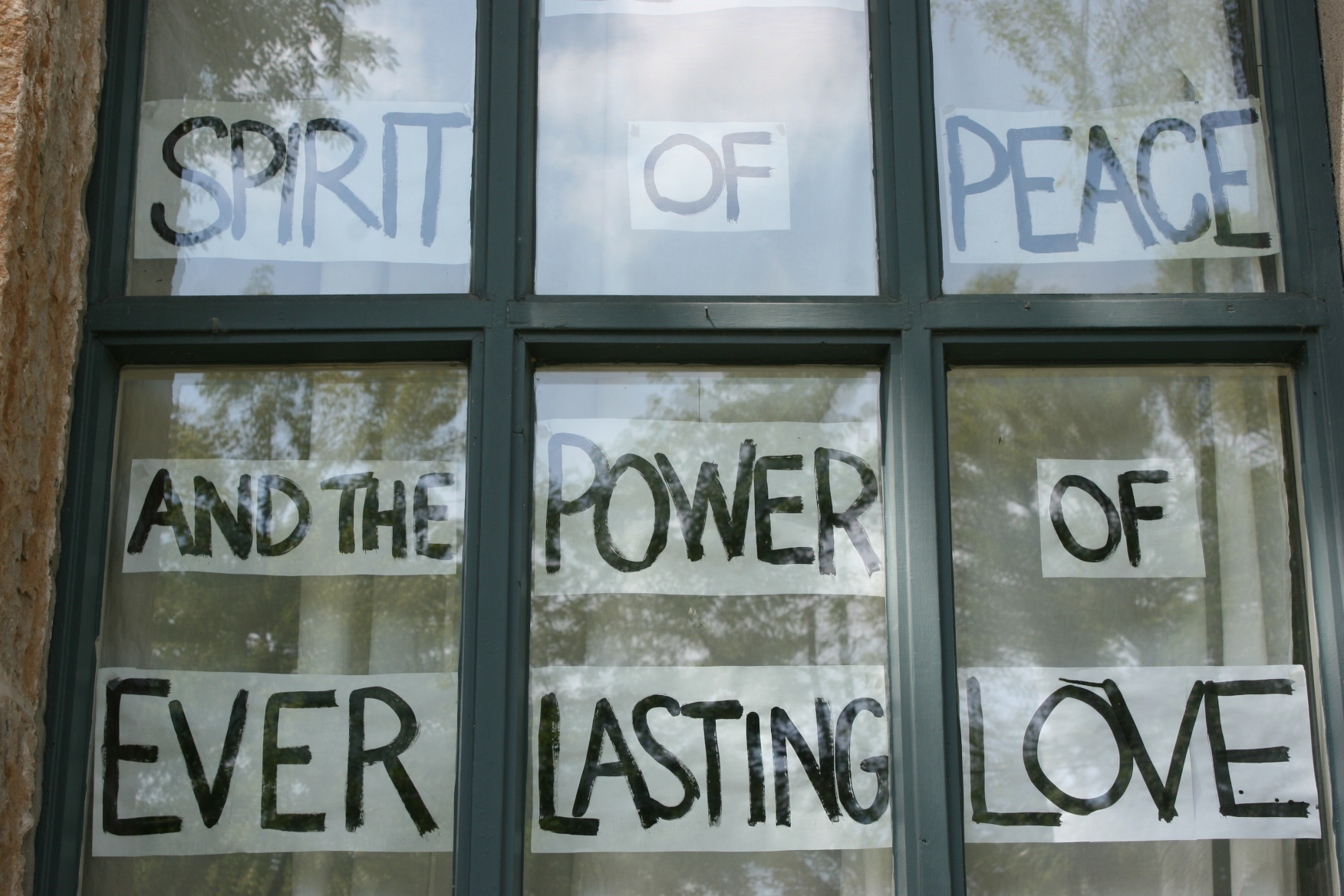
In the heart of downtown Northfield, on one side of a block along Division Street, nearly every business has posted an anti-ICE sign and/or uplifting signage. I felt the strength of those shopkeepers willing to stand up for and encourage others. There’s power in raising united voices in opposition to wrong.

Inside Content Bookstore, where I stopped to shop for a baby shower gift, I discovered even more messaging and ways in which the Northfield community is stepping up to help their immigrant neighbors, including children affected by ICE’s actions. Monies from the sale of Minnesota state flag and “Rebel Loon” (our state bird) stickers will go toward books and activities for those kids. Content is also collaborating on a poetry chapbook, Words to Meet the Moment: Poetry Against Fascism, releasing soon.
As ICE supposedly ends Operation Metro Surge in Minnesota (which also encompassed cities and small towns outside the metro like my city of 25,000), we are left with a mess. Let me define that. The personal toll is huge. Trauma has been inflicted upon thousands. “Generational trauma,” Governor Walz said.
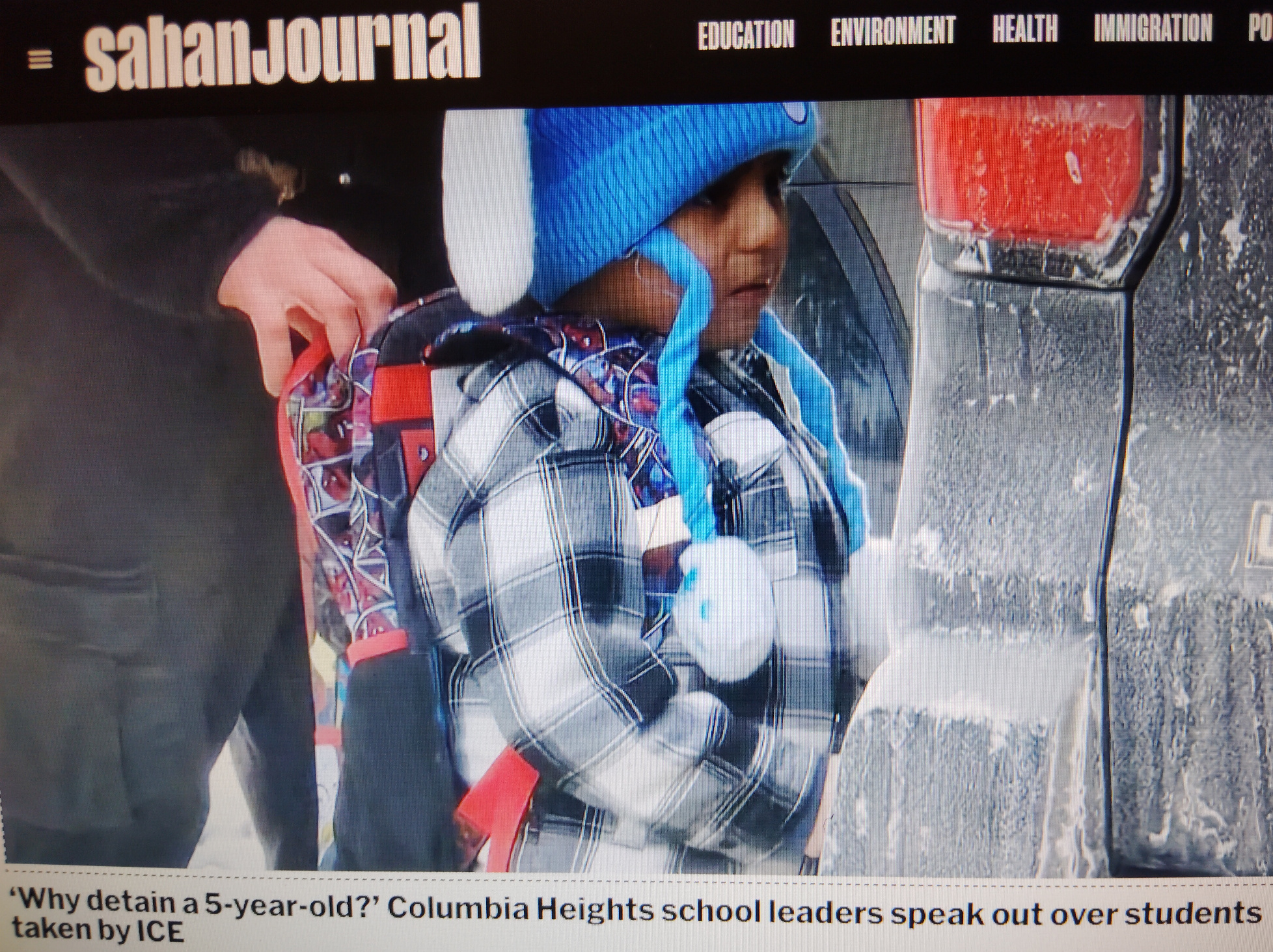
I worry about the kids who witnessed family members being taken or who saw armed, masked immigration officers with guns outside their schools (with classmates taken by ICE), outside their daycares, outside or inside their homes, at their bus stops, on the streets. It’s hard enough for adults to see such threatening power, aggression and use of excessive force. But our children? The mental health of all Minnesotans concerns me, especially that of the youngest among us.
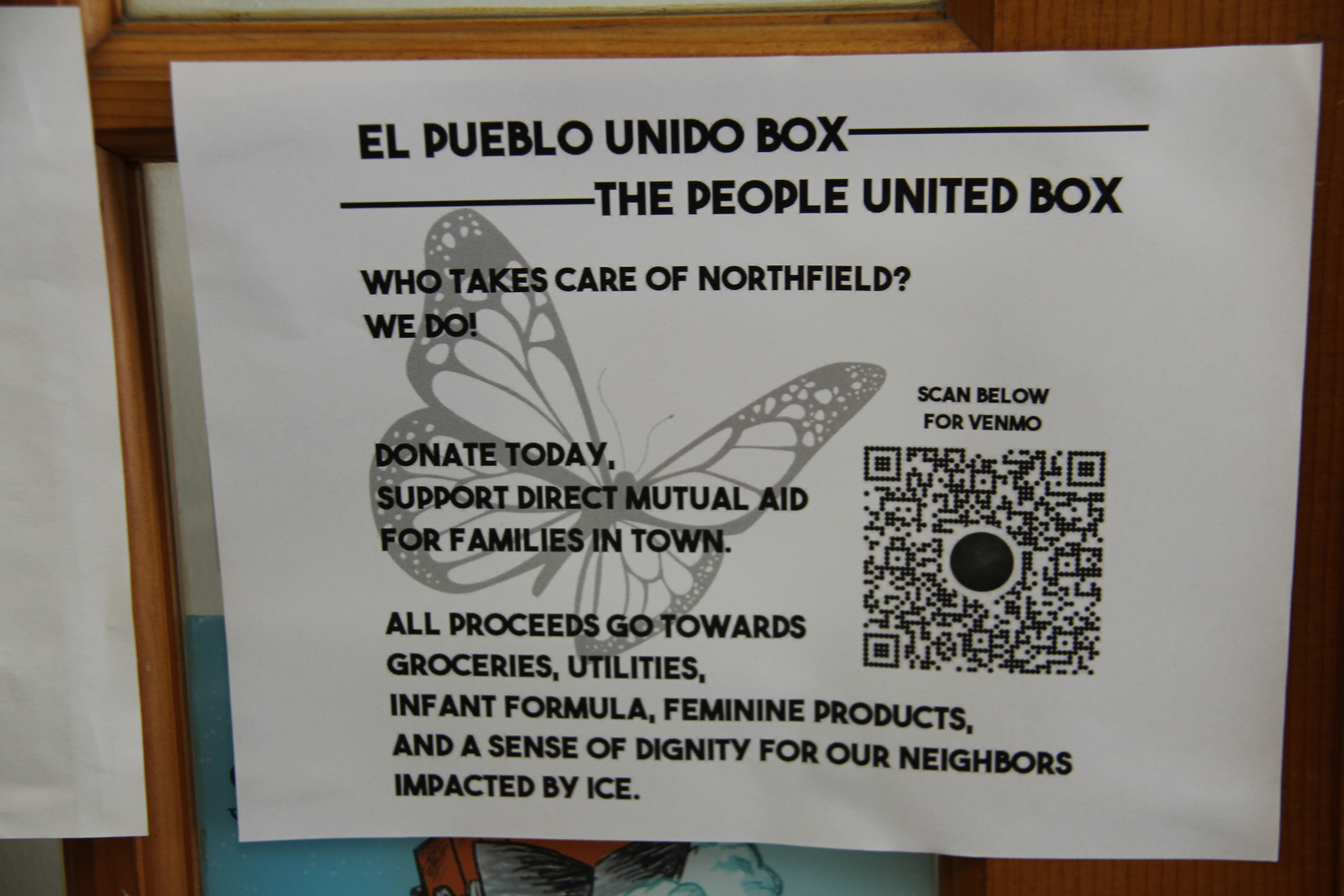
And then there is the financial fall-out with people now unable to pay their bills, including rent, facing eviction because they haven’t gone to work out of fear of ICE. Again, legal status matters not as anyone with brown or black skin has been targeted. These same individuals and families have relied on community members and nonprofits to help with rent payments and to bring them groceries. This is not long-term sustainable.
Until we are all confident that ICE is really, truly gone and is doing only targeted enforcement of “the worst of the worst,” we will all remain on edge. Rebuilding trust, restoring life to normalcy will assuredly take time.
Likewise, the Minnesota economy has suffered severe damage, especially small businesses. Governor Walz has proposed a $10 million forgivable loan recovery plan to help the business community and is also hoping for help from the federal government. Good luck with that.
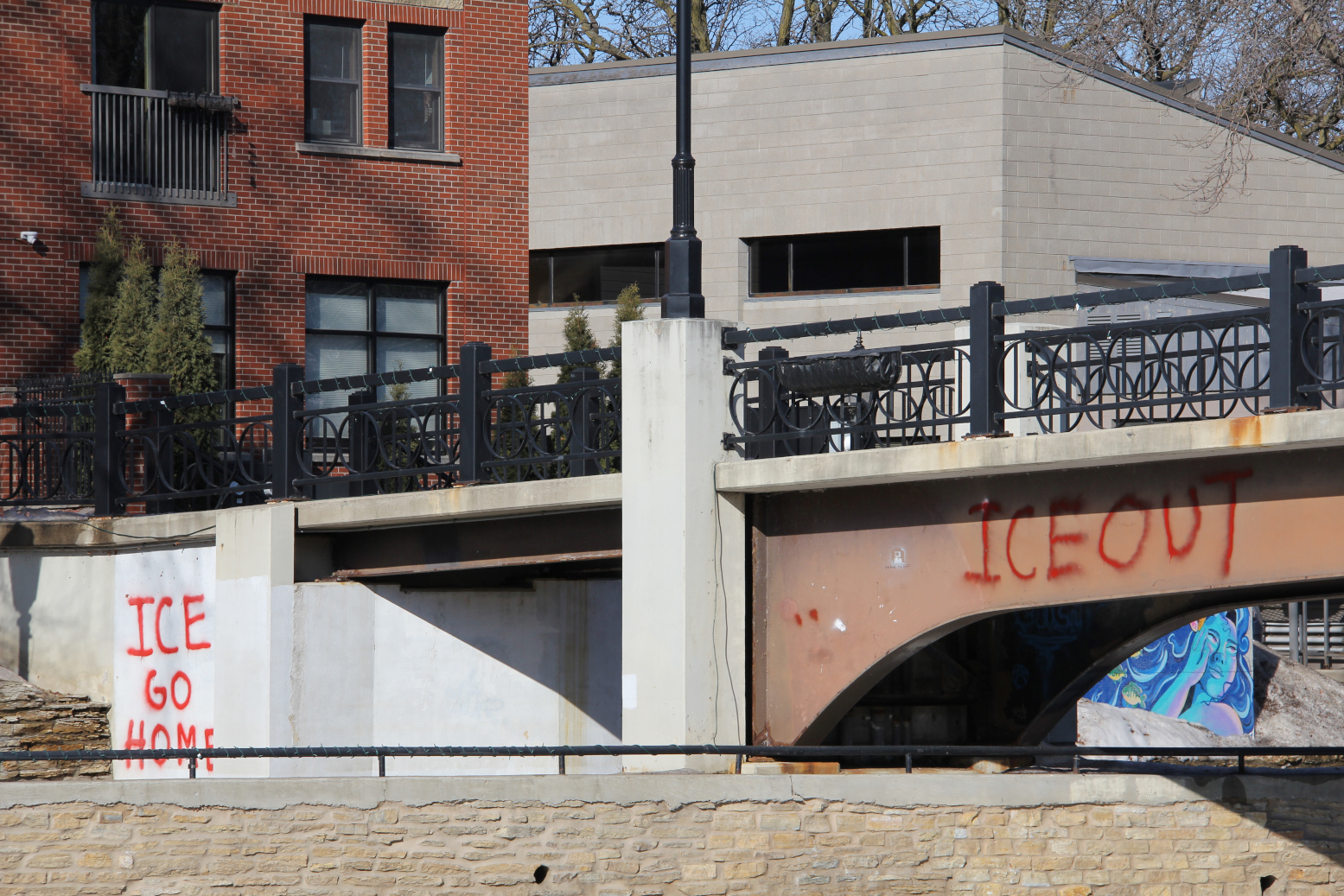
While in Northfield on Thursday, I learned that ICE agents recently went along Division Street, asking for employment records at some businesses. I don’t know details. But in my mind, I envision these armed, masked officers as a threatening presence in the heart of this picturesque, riverside American city. This community doesn’t back down from threats. In September 1876, townsfolk stopped the James-Younger Gang from robbing the First National Bank. Northfield is a community which cares for one another and which, in the midst of a federal invasion, has stood, is still standing, Minnesota Strong.
© Copyright 2026 Audrey Kletscher Helbling

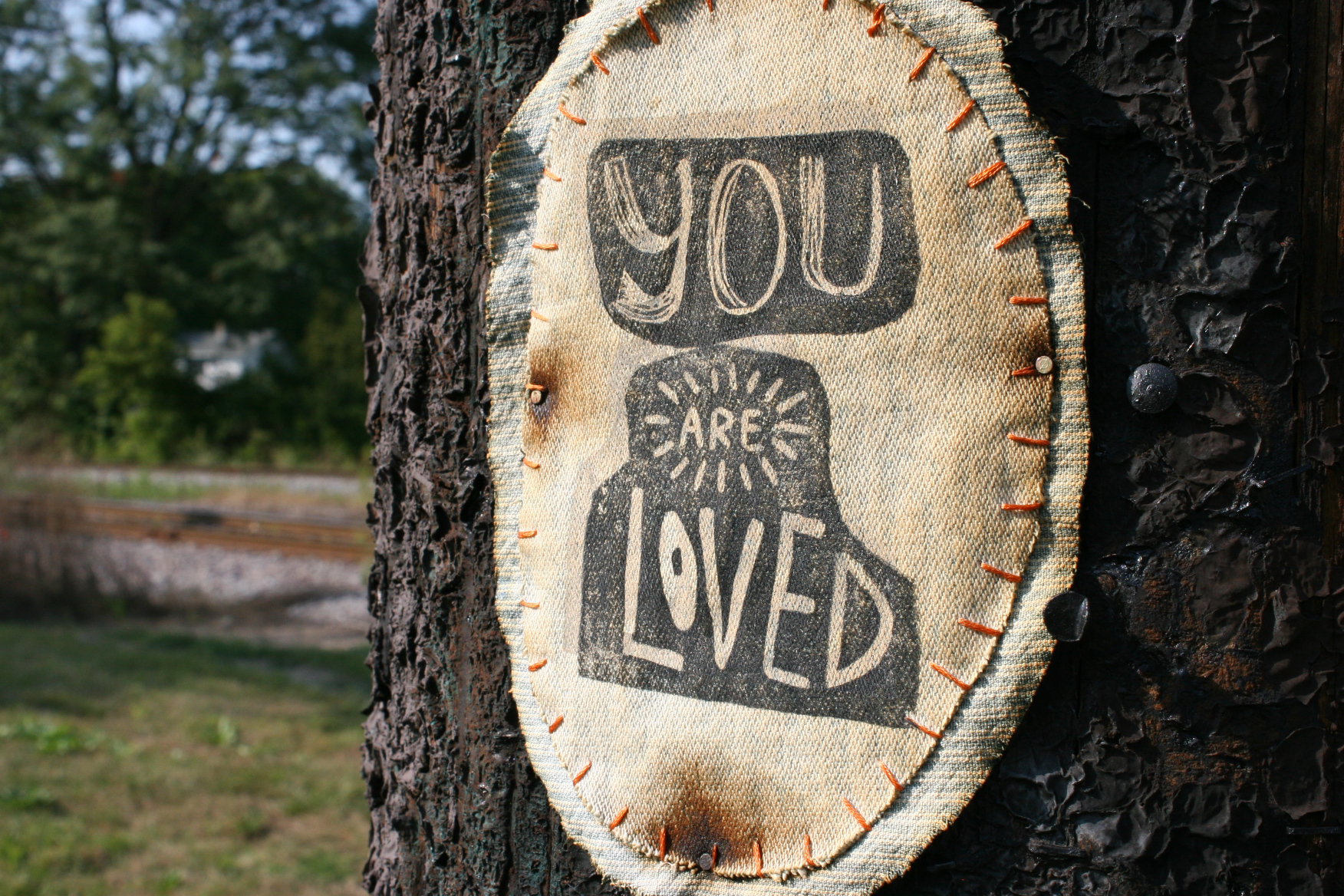

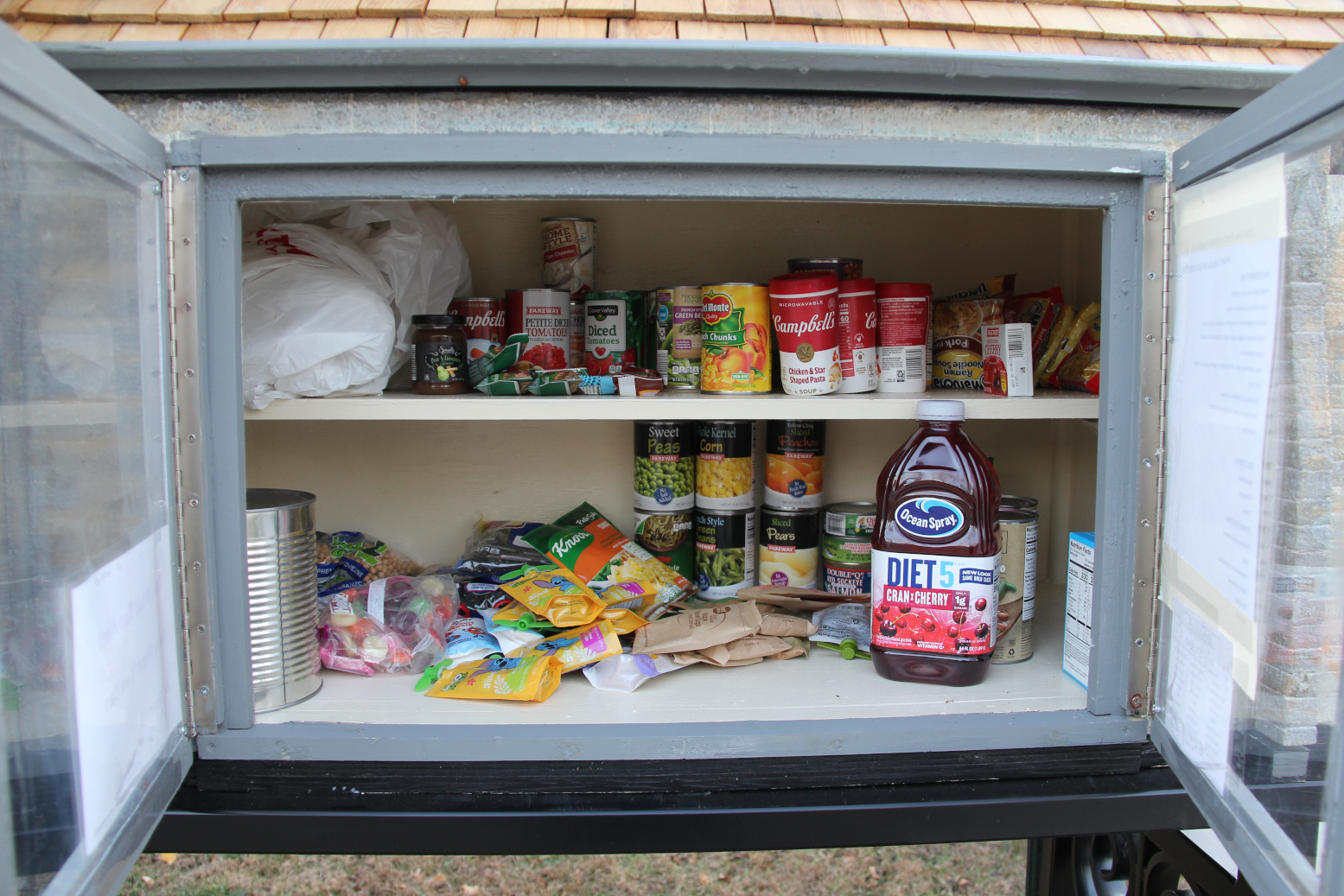

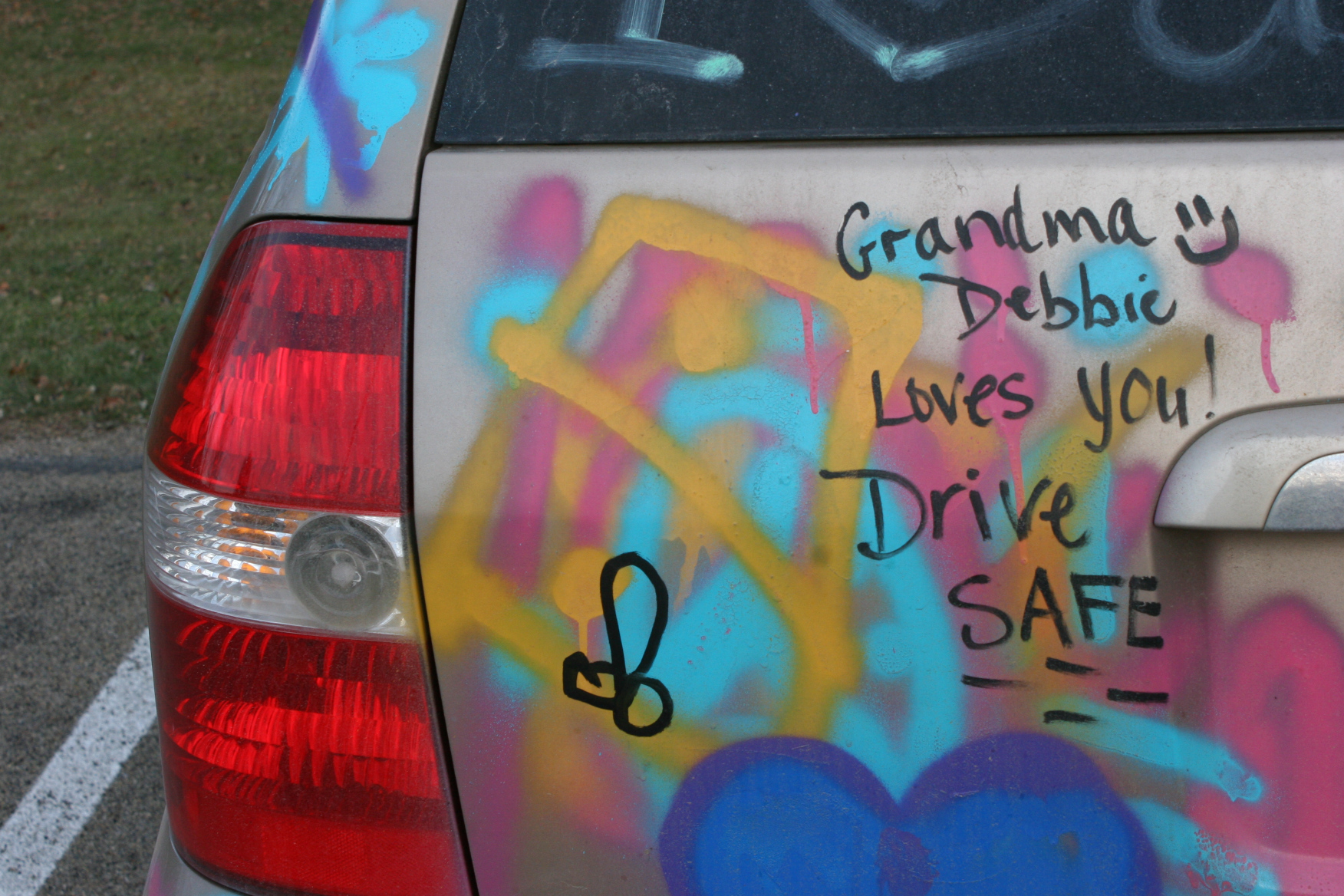



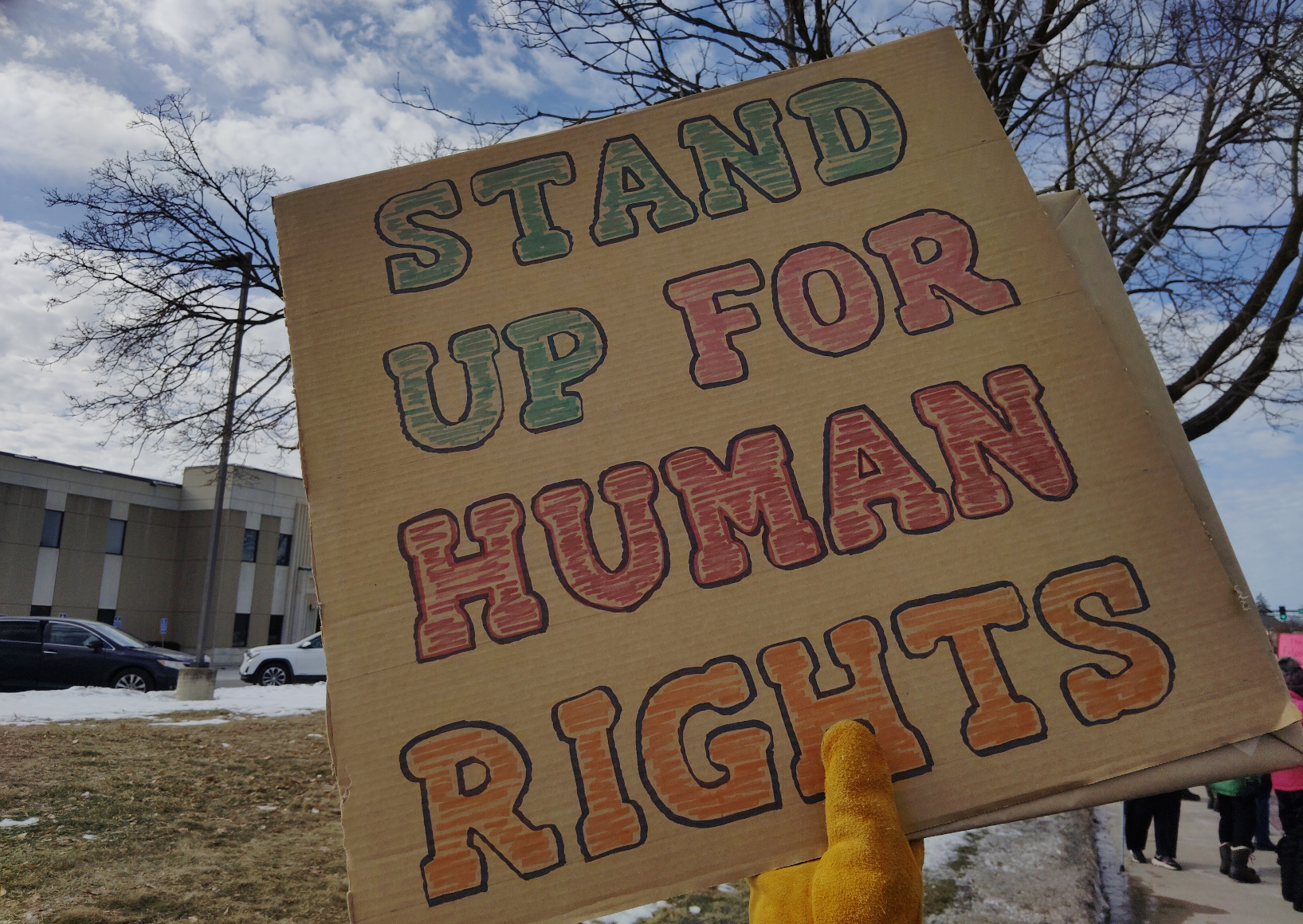
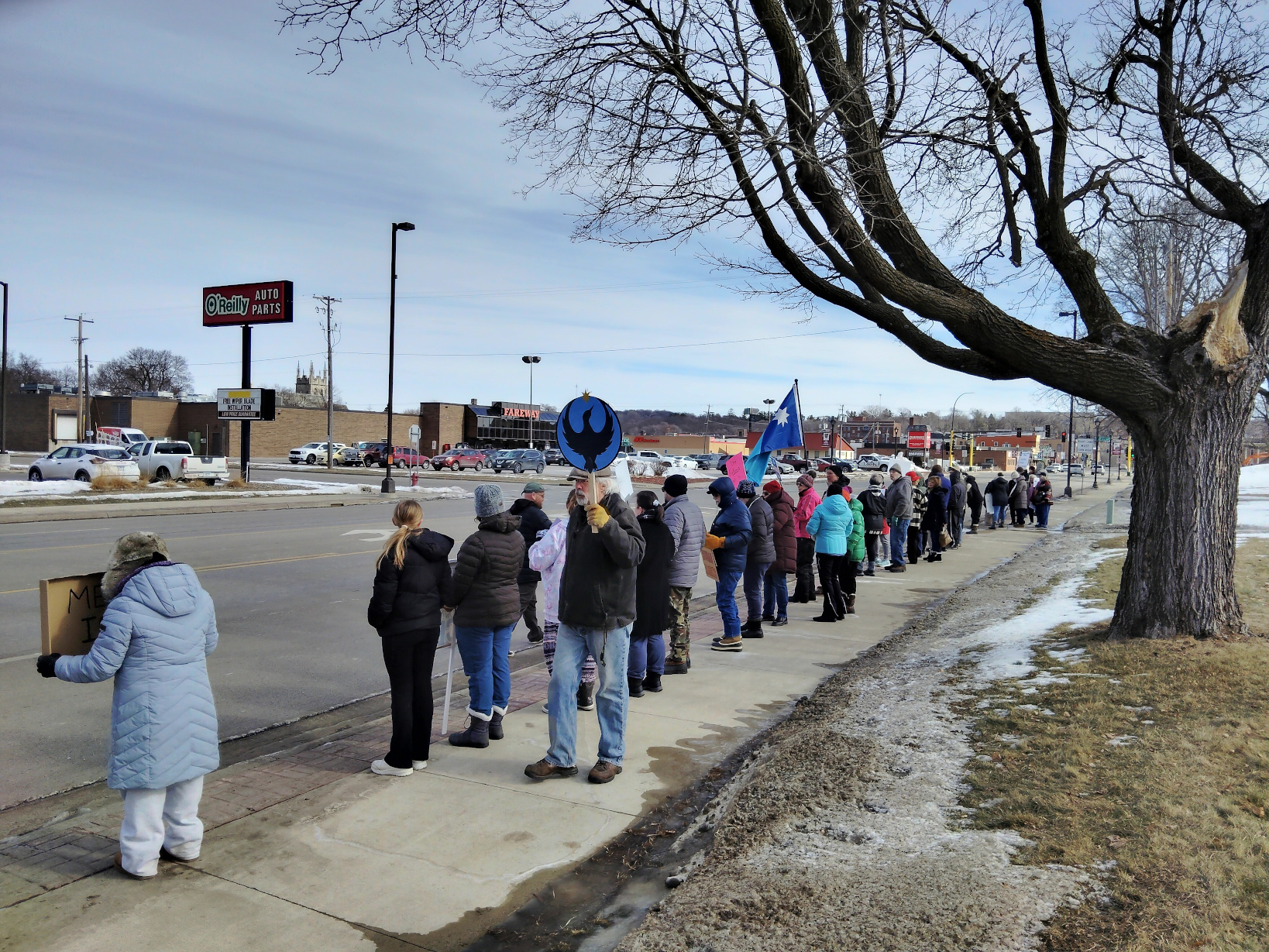
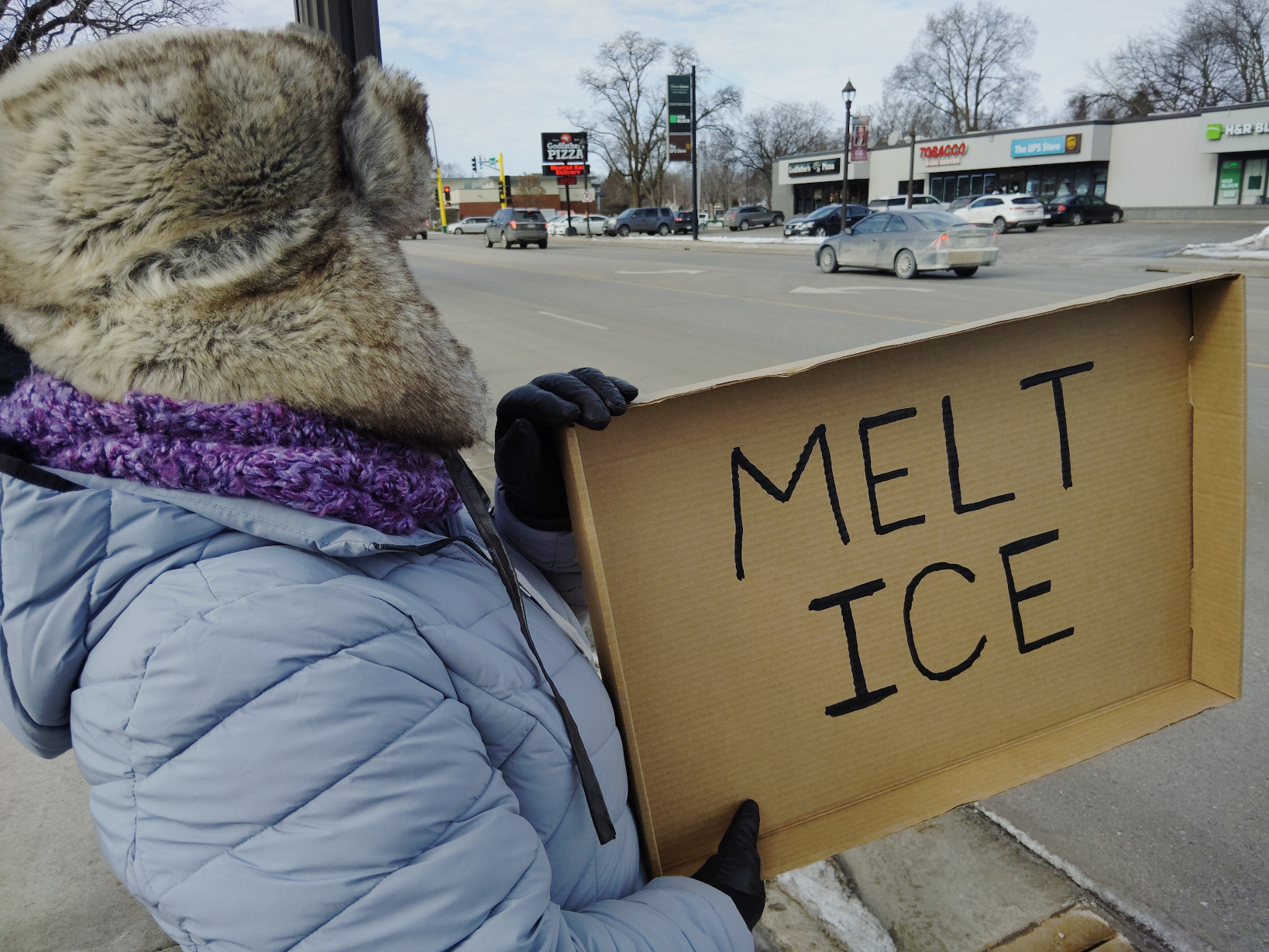
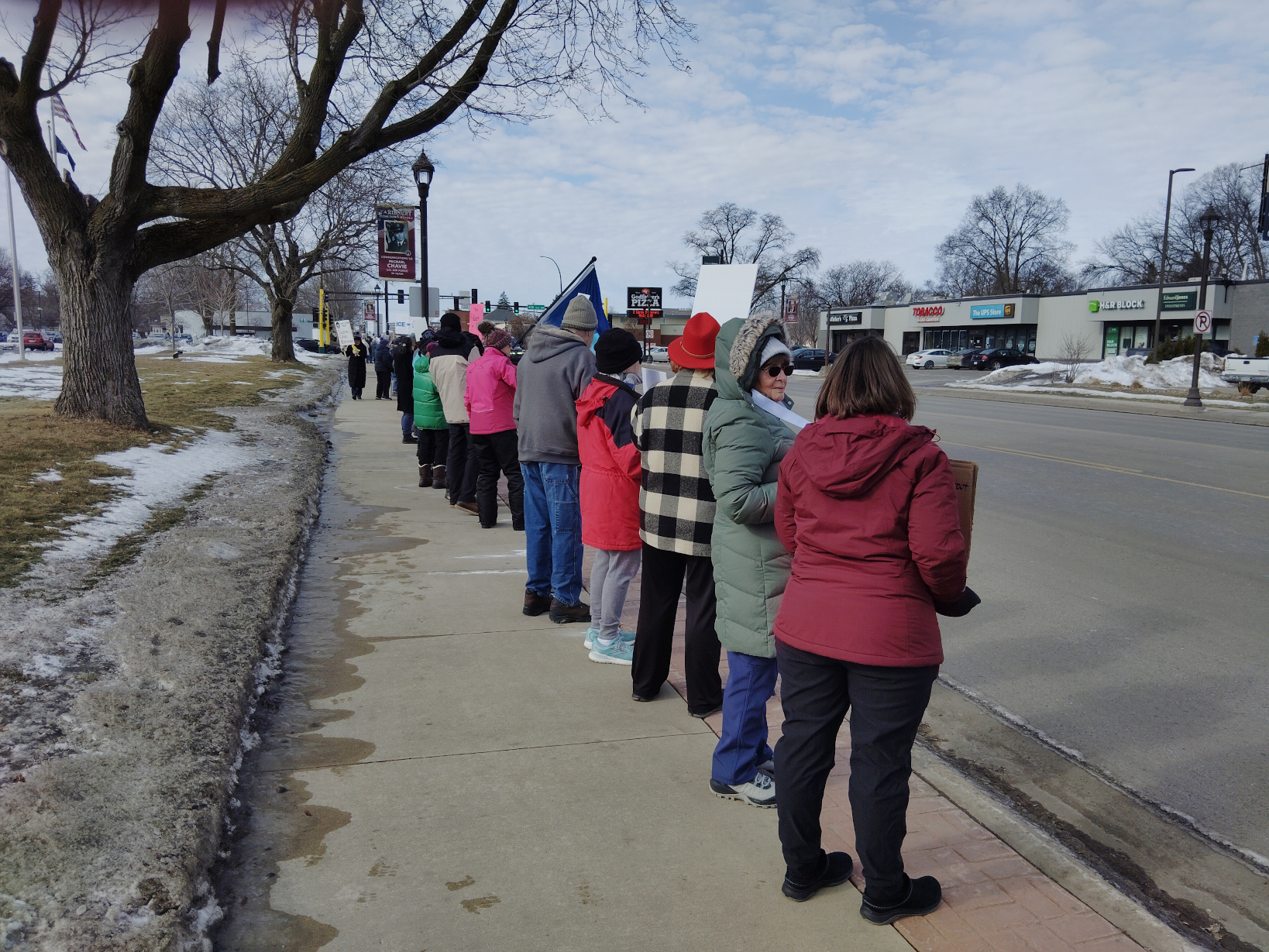
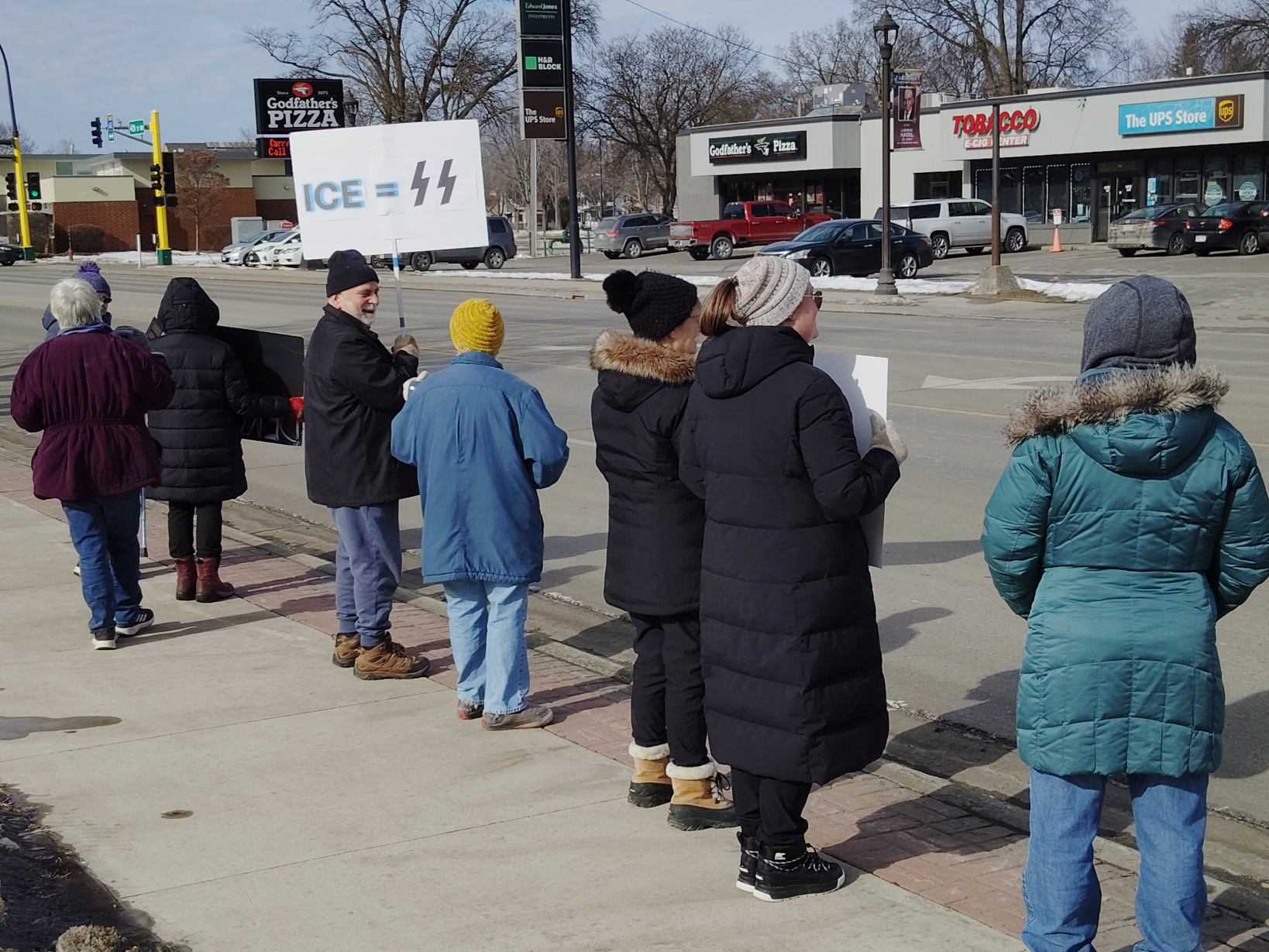










In appreciation of those protesting in rural areas on No Kings Day March 27, 2026
Tags: commentary, democracy, Minnesota, No Kings Day, opinion, protesting, protests, resistance, rural Minnesota, small towns
ON THIS, THE DAY before nationwide No Kings Day protests, I want to pause and thank the many people in small towns, in the most rural of regions, who are standing up for democracy. Media attention tomorrow will focus on protests in big cities. That coverage is expected. But equally as important are the rallies in communities of a couple hundred or several thousand deep in red territory.
In these places, publicly standing against the Trump administration takes, simply put, guts. Everyone knows everyone in small towns and it’s not necessarily easy to be politically at odds with one another. These are the people you see at the post office, worship with, meet for coffee, work beside, live next door to, do business with.
When those who oppose Trump, his administration and policies protest in rural Republican strongholds, they expose themselves as “the other.” Yet, it is this very public act of defiance and resistance which can get people thinking, start conversations, open doors to change. Now, more than ever, it’s important to fearlessly oppose tyranny. It’s important to stand up for freedom, voting rights, immigrants, justice, due process… It’s important to express concerns about the economy, the war in Iran, the overall state of this country.
Upon looking at a map of all the No Kings Day protest sites in Minnesota, I found many in rural areas. From Madison, population 1,500 and the self-proclaimed “Lutefisk Capital of the USA” near the South Dakota border, to Baudette, population 1,100 and the “Walleye Capital of the World” near the Canadian border, Minnesotans will gather. Even in my deeply red home county of Redwood in southwestern Minnesota, a protest is planned in the county seat of Redwood Falls.
In St. James, also in southwestern Minnesota and a town where I once lived and worked as a regional news reporter for the Mankato Free Press, a No Kings Day event is set. The community of 4,800 is home to many Hispanics and Latinos and was targeted by federal immigration enforcement agents during Operation Metro Surge.
Even Hackensack, in Paul Bunyan’s northern Minnesota lake country, is on the Saturday protest map. That town has a population of just under 300 as does Cyrus, near Morris in far western Minnesota, also holding a No Kings Day protest.
From my community of Faribault, with a population of around 25,000, to Kenyon to the east with some 1,800 residents, to the small towns of Rushford, St. Charles, Spring Grove and Preston in the far southeastern corner of Minnesota, and many small towns and cities across the state, people will gather in protest on Saturday.
In St. Paul, organizers are expecting up to 100,000 to rally at the state capitol. Those are some impressive numbers. Yet, if even five people show up in a small town to protest, that’s impressive, too.
Every voice of resistance matters, wherever you live, rural, suburban or urban.
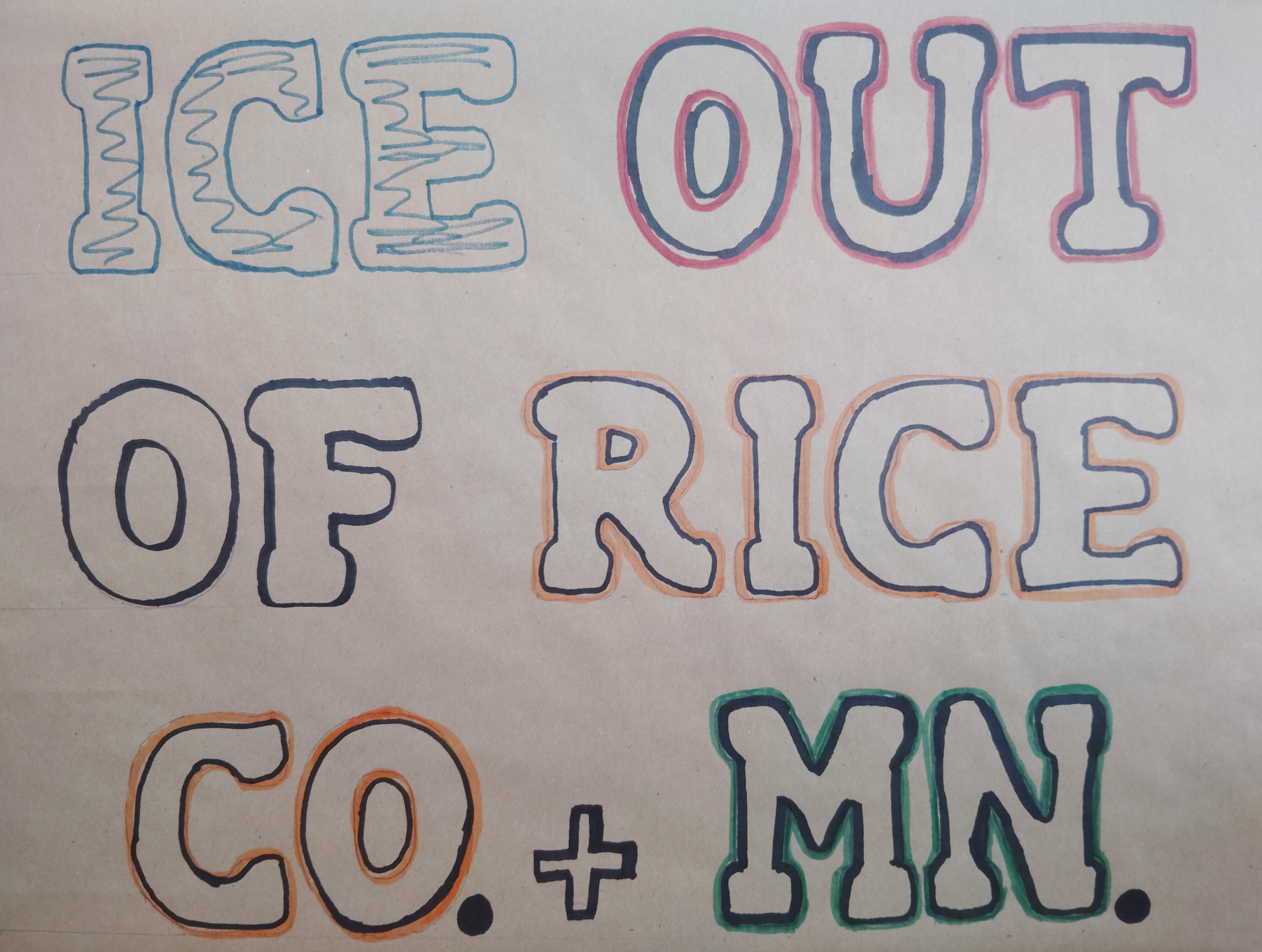
FYI: The Faribault No Kings Day protest is from 11 a.m.-noon March 28 (and every Saturday) by the Rice County government services building along Minnesota State Highway 60.
© Copyright 2026 Audrey Kletscher Helbling