Minnesota Prairie Roots

Writing and photography by Audrey Kletscher Helbling

Take a (story) walk along Central in Faribault September 2, 2020


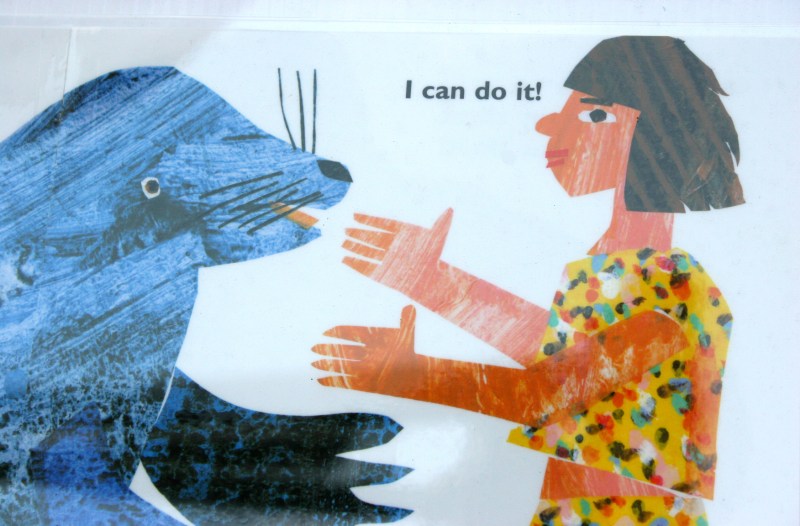
A page from Eric Carle’s book, From Head to Toe, photographed inside a StoryWalk display case.


“I can do it!” What an empowering statement, especially for young children. Those four words refrain in an installment of pages from the children’s picture book, From Head to Toe, now posted on street corners in the heart of historic downtown Faribault.
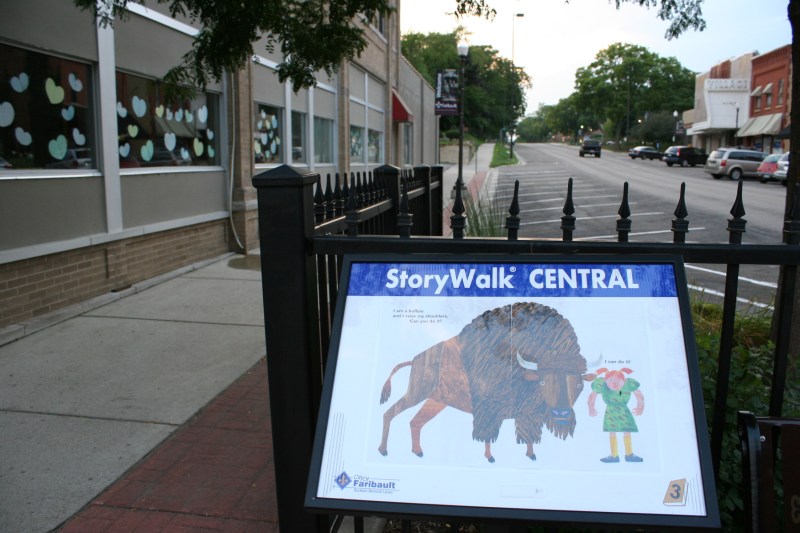
 

Posted next to Burkhartzmeyer Shoes and looking down a side street off Central.


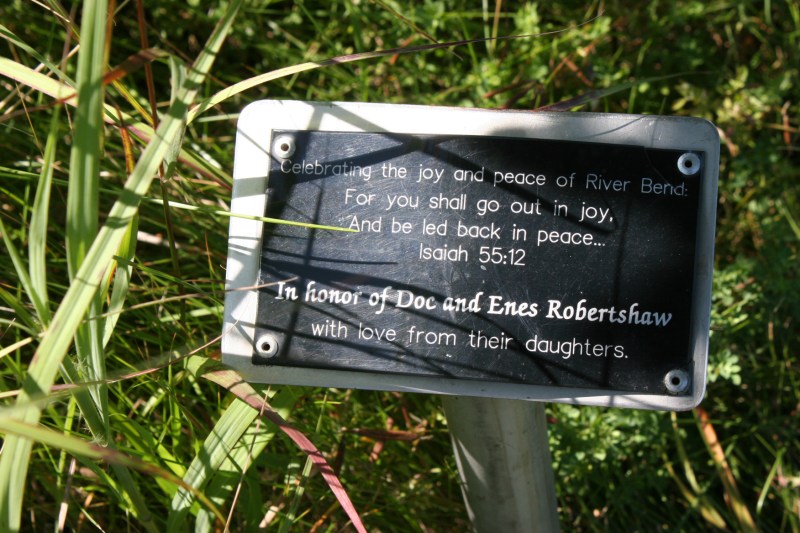
I love this latest addition to my community as part of a StoryWalk® CENTRAL project coordinated locally by Buckham Memorial Library. The idea is rooted in Vermont and seems to be a trend right now in the library world. River Bend Nature Center in Faribault and the public library in neighboring Northfield are hosting similar story walks.
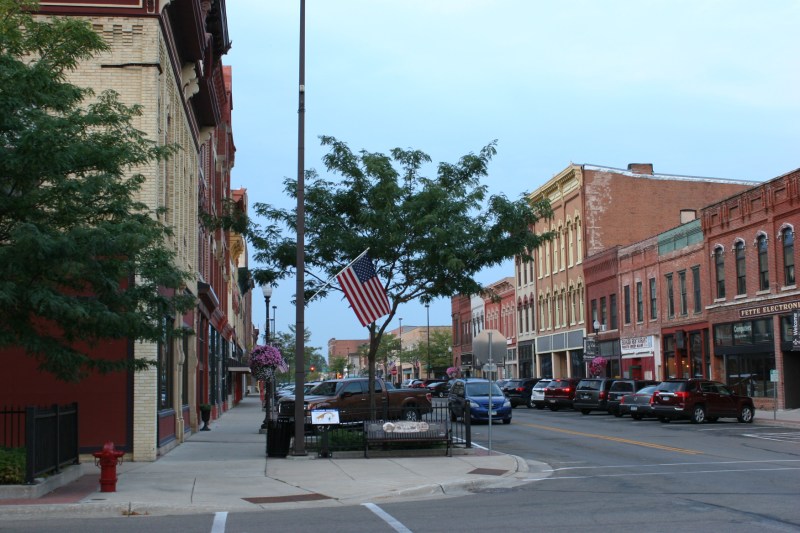
 

Looking north on Central Avenue, you can see one of the StoryWalk pages posted next to an historic-themed bench.


Last week one evening, Randy and I walked Central Avenue with our four-year-old granddaughter, viewing the colorful story crafted by noted author and illustrator Eric Carle. He is perhaps best-known for his children’s picture book, The Very Hungry Caterpillar. I’ve long been a fan of Carle’s creativity. He understands how to connect with the littlest of people through colorful illustrations and simple, repetitive and engaging language.
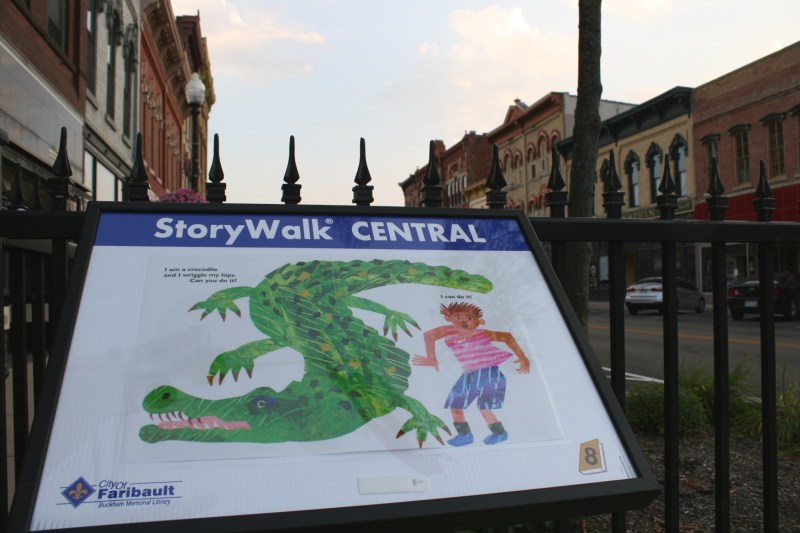
 

Historic Central Avenue provides the backdrop for StoryWalk CENTRAL.
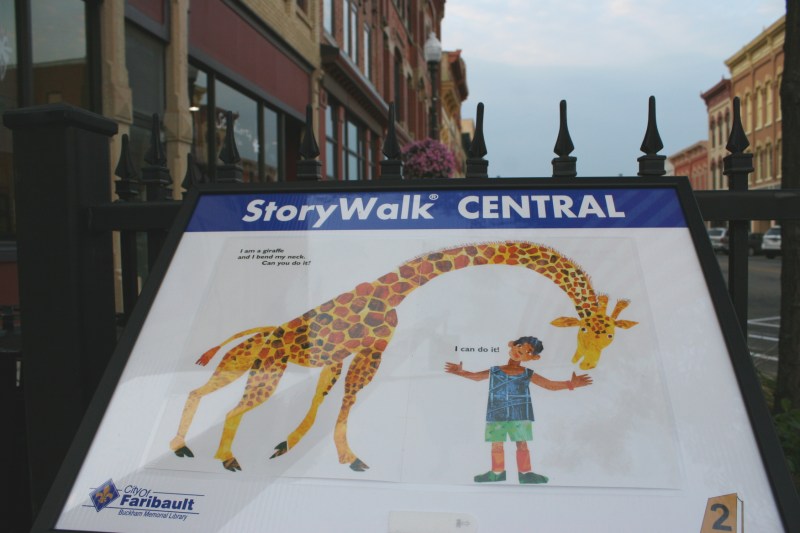
 

Bold colors and strong shapes define Carle’s art.
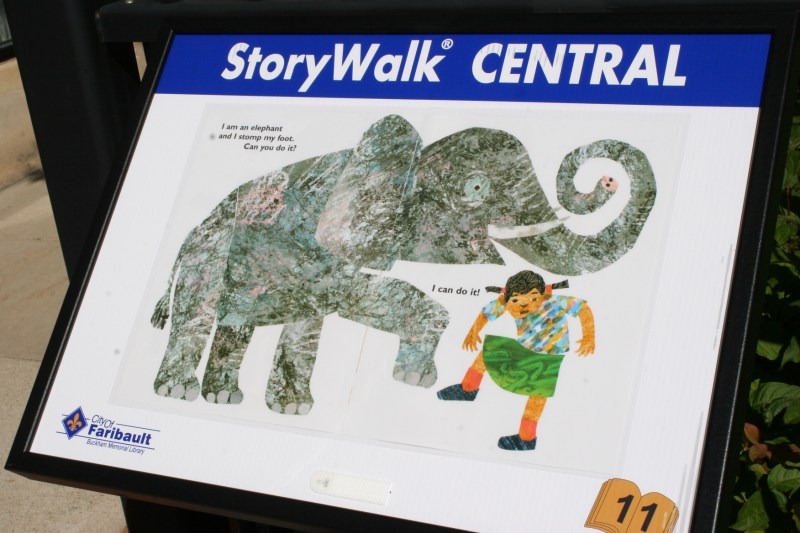
 

The book engages.


It took Isabelle a bit to get into From Head to Toe. But when she observed Grandma and Grandpa wriggling their hips like crocodiles, bending their necks like giraffes and stomping their feet like elephants, she joined in. Carle’s book calls for the reader and listener to actively participate in the book by doing the actions associated with each animal. It’s a great way to get kids up and moving. Adults, too.
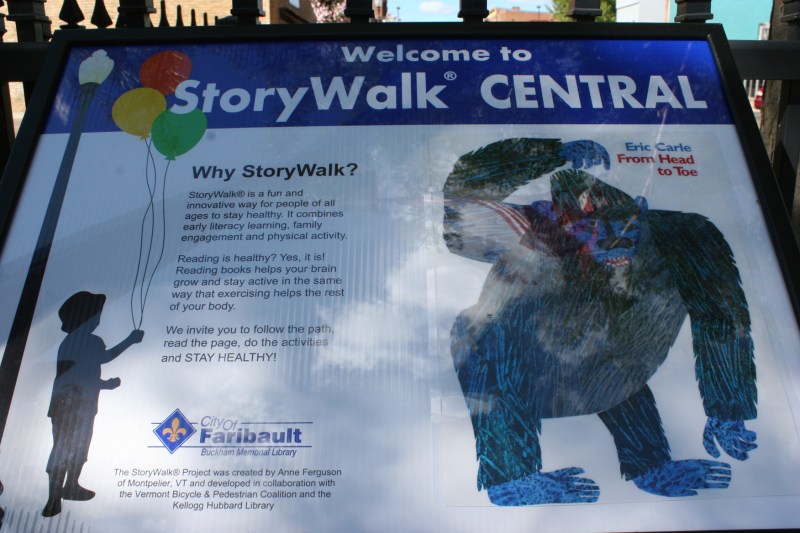
 

The thoughts behind StoryWalk.


And that, according to information posted on one of the 12 signs, is part of the motivation behind the interactive StoryWalk® concept. The book “combines early literacy learning, family engagement and physical activity.” And promotes brain growth and physical health through exercise.
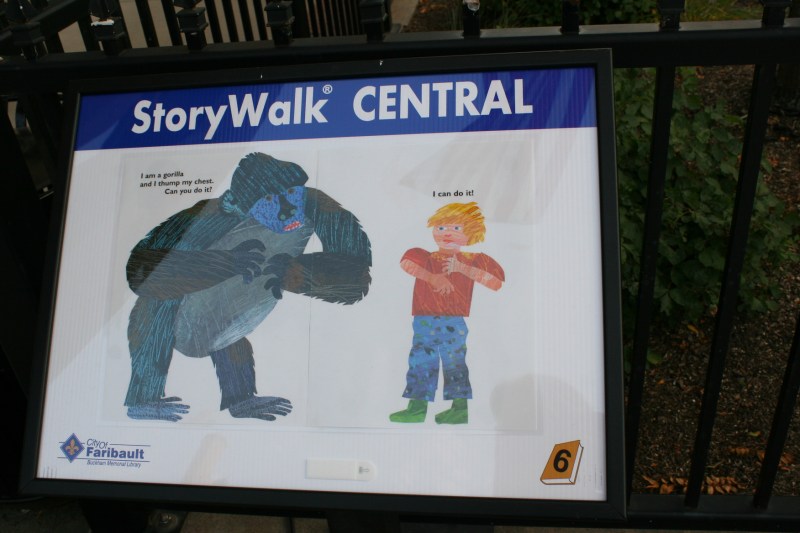
 

The animals lead the action.


The book also highlights diversity in the different ethnicities of the children and in the different animals Carle has created in his story. I especially appreciate that in our diverse community of Faribault. Buckham Memorial Library Director Delane James echoes my thoughts, praising From Head to Toe as a book that “resonates with everybody in the community…anyone can enjoy it no matter who they are.” And that means even those who can’t read or whose native language is one other than English. Like me, she calls Carle’s book “empowering.”

There are plans for more, and longer, book installations, all funded by a federal grant and coordinated with multiple city departments, James says. She noted the joint efforts of library, economic development, engineering and public works staff in getting the first StoryWalk® CENTRAL in place. From Head to Toe will remain posted for several months. This will be an ongoing and evolving public art and literacy project with five years worth of books included in the funding. The library buys multiple copies of the featured books, then removes and laminates the pages for posting in the weather-proof display cases.
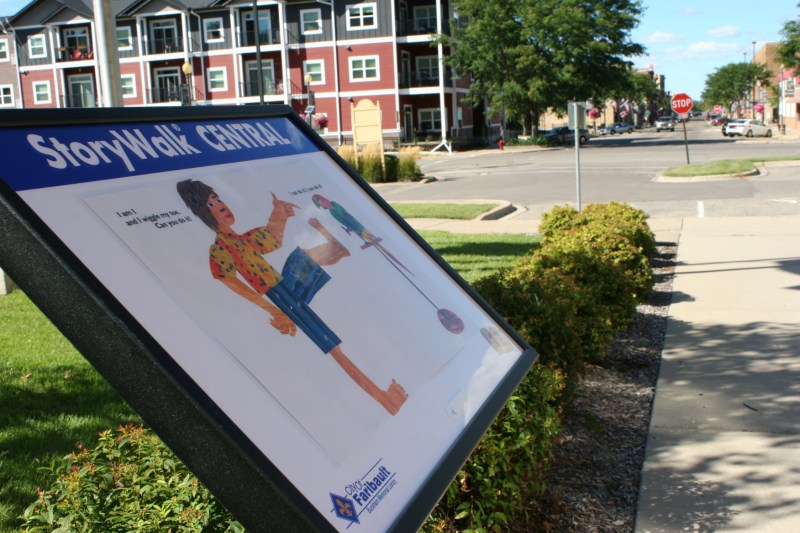
 

The 12th, and final, story board is located outside the entry to Buckham Memorial Library. This is looking north toward Central Avenue. The final board is designed to get kids and others inside the library, although the library is currently open by appointment only.


I appreciate, in this time of a global pandemic, a safe activity I can do with my granddaughter when she’s visiting. Only after we arrived home did Izzy share, “That’s Isaac’s favorite book.” That means we’ll be back on Central with her 20-month-old brother, wriggling our hips, bending our necks, stomping our feet and repeating, “I can do it!”


© Copyright 2020 Audrey Kletscher Helbling


Immigrants, Escape Artists &, yes, Elvis in the house September 1, 2020

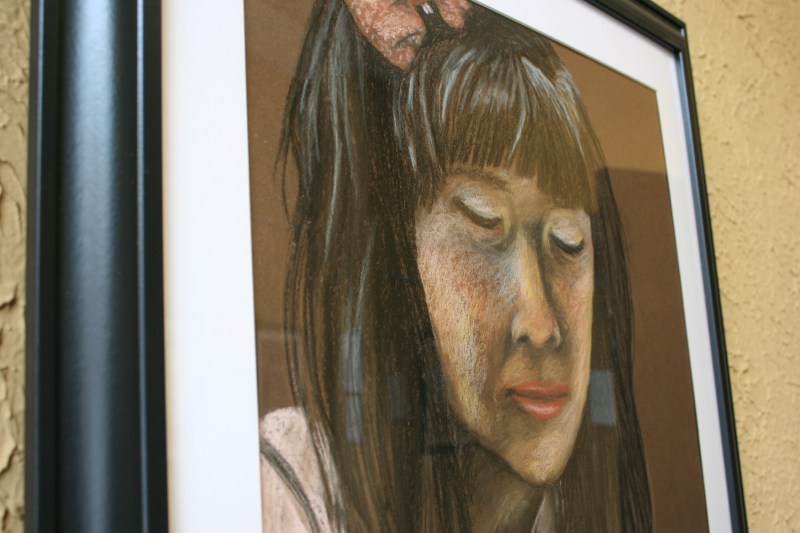
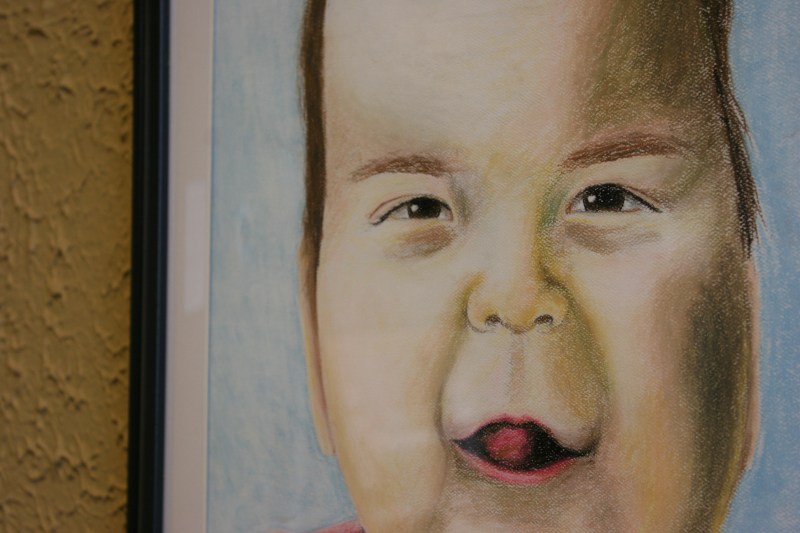
“Ashley,” portrait by Kate Langlais.


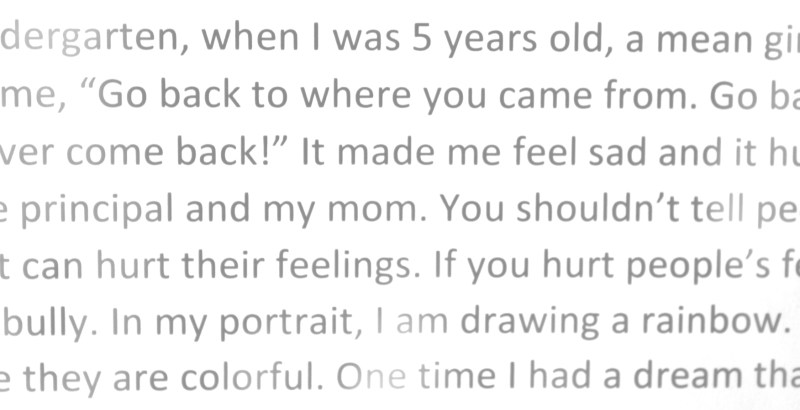
“GO BACK TO WHERE YOU CAME FROM. GO BACK TO MEXICO AND NEVER COME BACK!”


A snippet of Ashley’s story, as posted with her portrait.


I intentionally capitalized and boldfaced those angry words spoken to a 5-year-old by a “mean girl.” Can you imagine hearing such awful, horrible words directed at you? Yet, they are all too common. If not spoken, then thought.


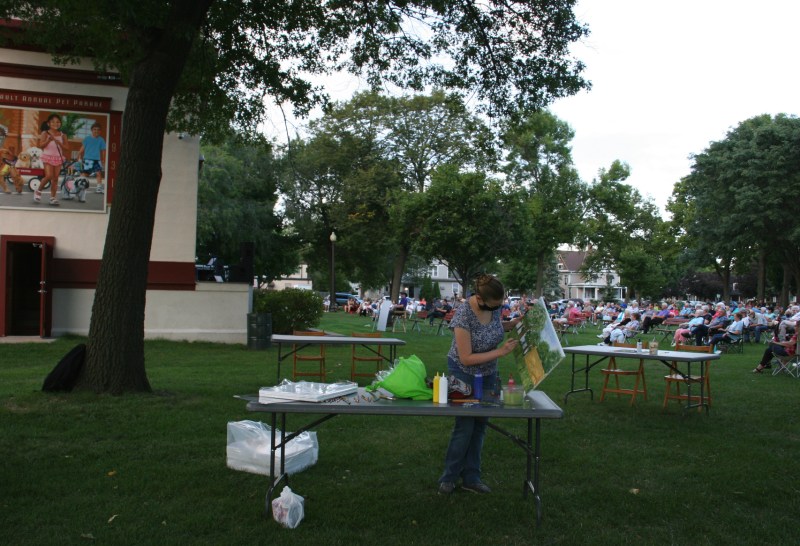
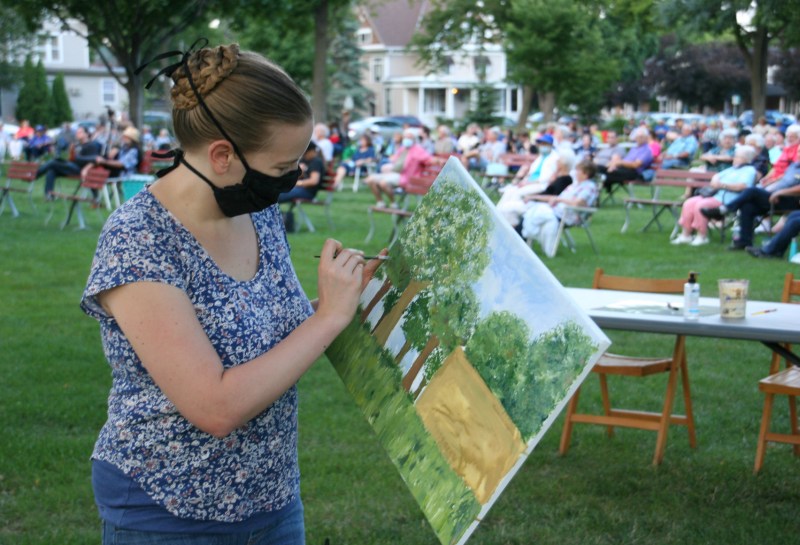
Kate Langlais, painting at a recent concert in Faribault’s Central Park as part of “Art in the Park.” Minnesota Prairie Roots file photo August 2020.


Ashley, the subject in an art exhibit, “I Am Minnesota,” by Faribault portrait artist Kate Langlais, experienced that hatred. She reported the insult to her mom and her principal. I’m thankful she called out the bully, because no one should have to endure such disrespect, especially a kindergartner.


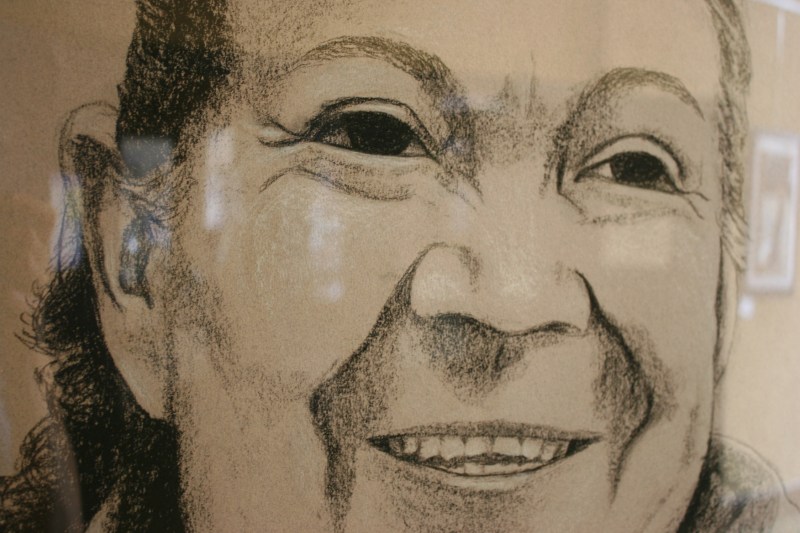
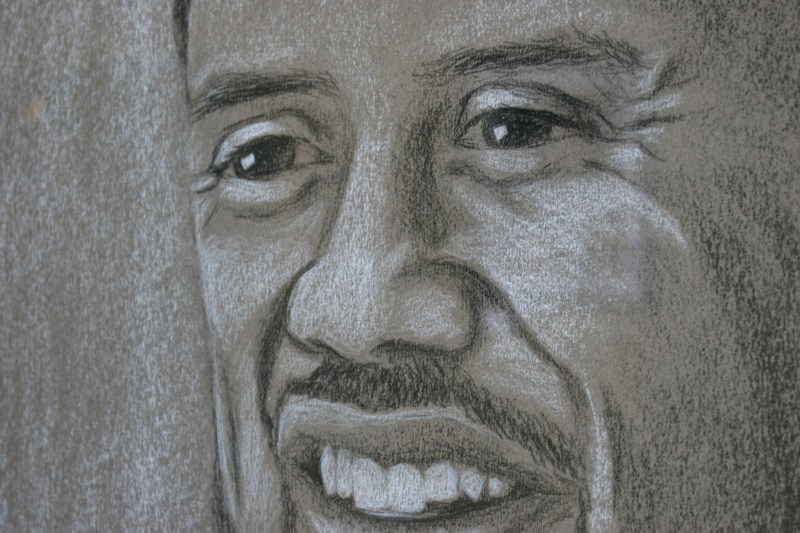
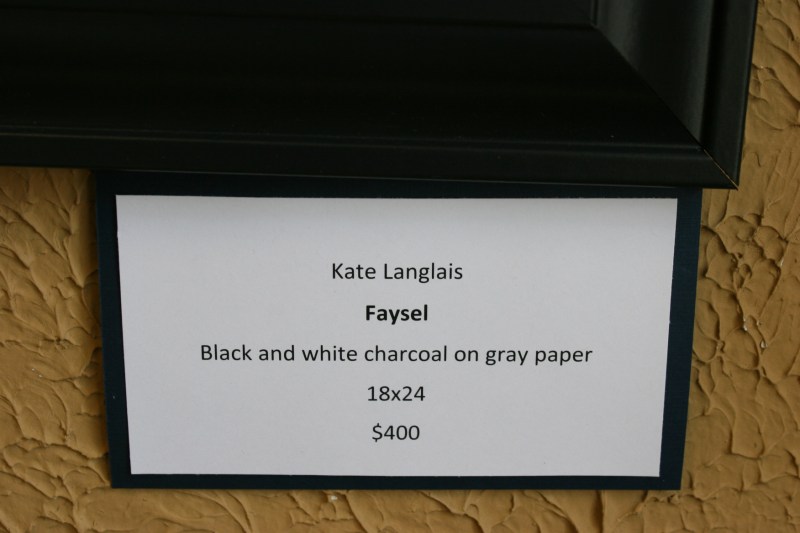
“Faysel” up close by Kate Langlais. He fled war in Somalia.


And I’m thankful to Kate, the artist, for taking on this project which features portraits of first and second-generation immigrants living in Faribault and their stories. Her portraits are currently exhibited at the Paradise Center for the Arts in historic downtown Faribault through September 12.


The title of each portrait is simple. The subject’s name.


Kate invites viewers to “recall what they know about their family’s immigration stories.”


Parker, four months, the son of an immigrant who arrived here at about the same age. Portrait by Kate Langlais.


But she pushes beyond that to prompt thought about problems immigrants must overcome—language barriers, cultural differences, acceptance (or not) by neighbors.


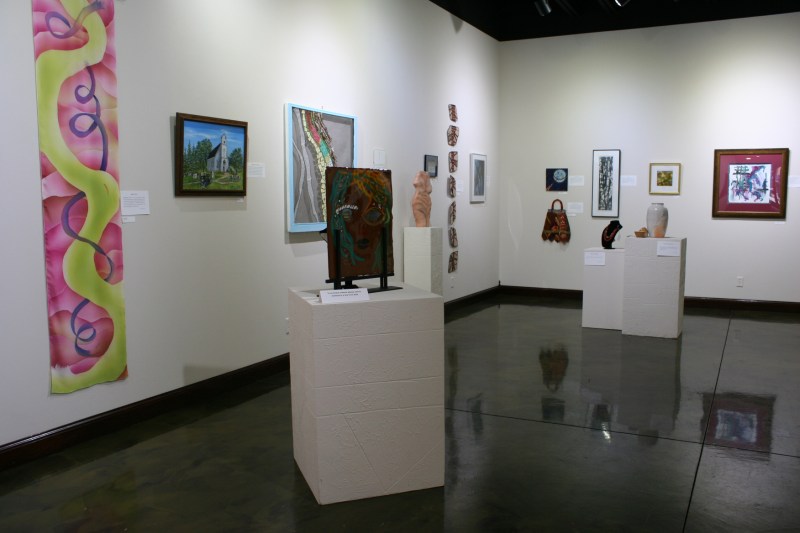
An overview of a portion of the Escape Artists exhibit.


After viewing Kate’s thought-provoking portraits and accompanying life summaries, I walked over to a larger gallery featuring art by the Escape Artists. Right away, I connected the two. Not because the art is at all alike. But because of the word “escape.” The subjects in Kate’s portraits escaped oppression, war, poverty and more for life in America. The Escape Artists are a group of artist friends who, 30-plus years ago, began escaping together to create art.


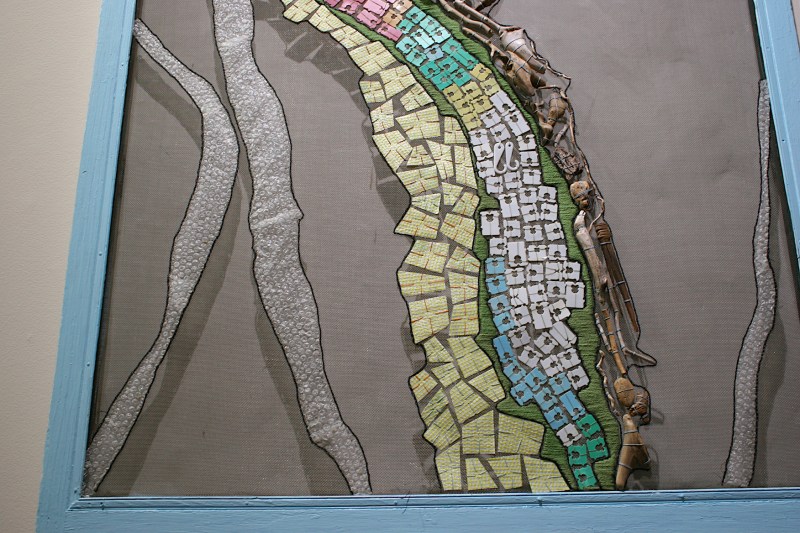
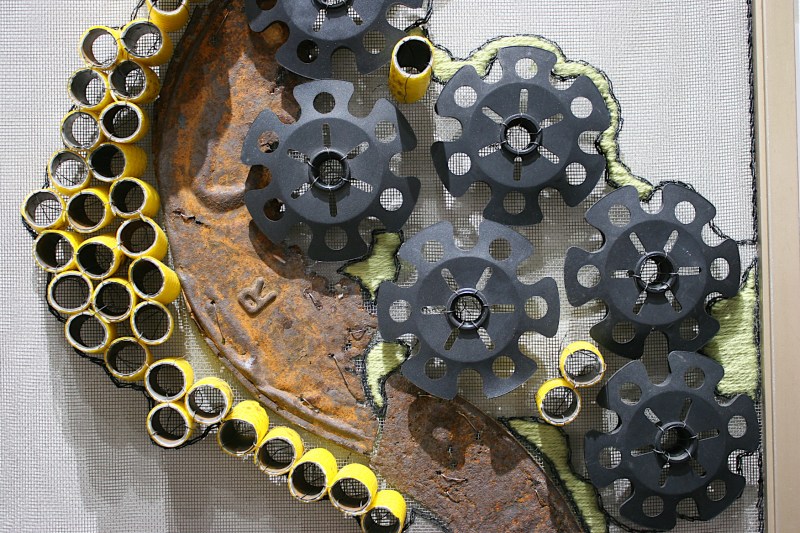
A section of “On the Ragged Edge” by Theresa Harsma.


As I meandered through the gallery, I considered the Escape Artists’ art with the imprint of Kate’s portraits on my mind. For example, Theresa Harsma writes in her artist’s statement for “On the Ragged Edge” of sorting through her collection of found objects and choosing those that seemed to want to be part of the piece. Just like immigrants want to be part of the piece that is America.


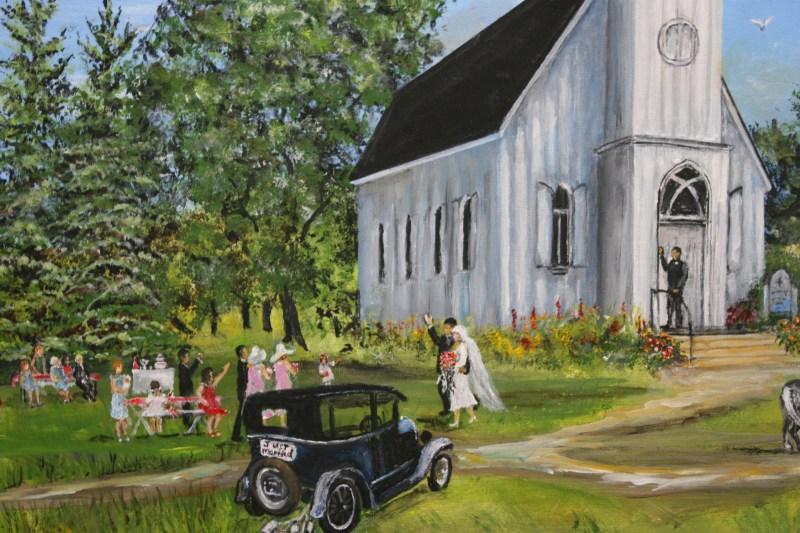
“1938 Church Wedding” by Linda Van Lear is based on The Holy Innocents Episcopal Church located at the Rice County Fairgrounds/Historical Society Museum Grounds.


I expect LInda Van Lear’s painting of “1938 Church Wedding” includes immigrants among wedding guests, probably even in the bridal party.


“Lasso the Moon” by Susanne Crane.


And I interpreted Susanne Crane’s “Lasso the Moon” as lassoing dreams. Dreams of a better life for those who came to America, including my forefathers, and probably yours.


This photo shows part of “Streams of Consciousness, Rivers of Green” by Theresa Harsma.


“Maria” by Kate Langlais.


Back to artist Theresa Harsma, another work, “Streams of Consciousness, Rivers of Green,” struck me in its connection to one story in “I Am Minnesota.” Three times Maria attempted to cross the river from Mexico into the U.S. The determination, the exhaustion, the despair—they’re all woven into her story. No matter how you feel about immigration issues, at the very core is a human being, now a Minnesotan, with struggles, hopes and dreams.


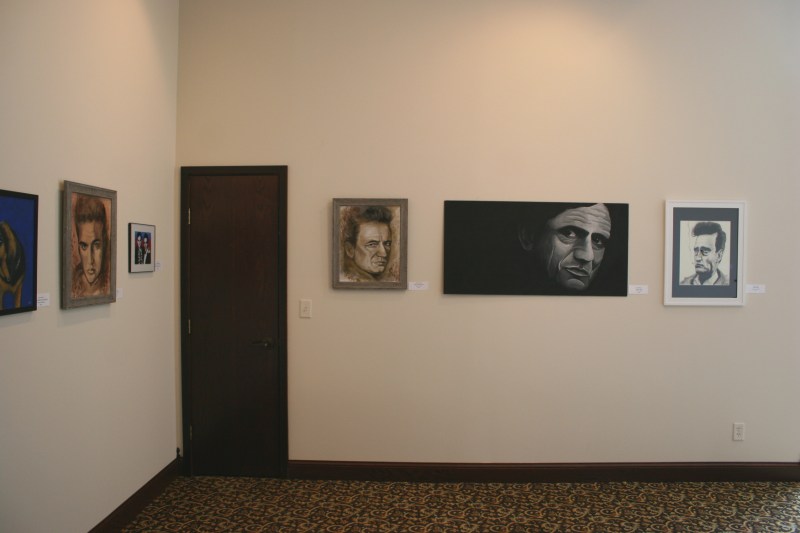
An overview of the Cash-Elvis exhibit.


Julie M Fakler created this piece, “You ain’t nothin’ but a hound dog,” inspired by Elvis’ song.


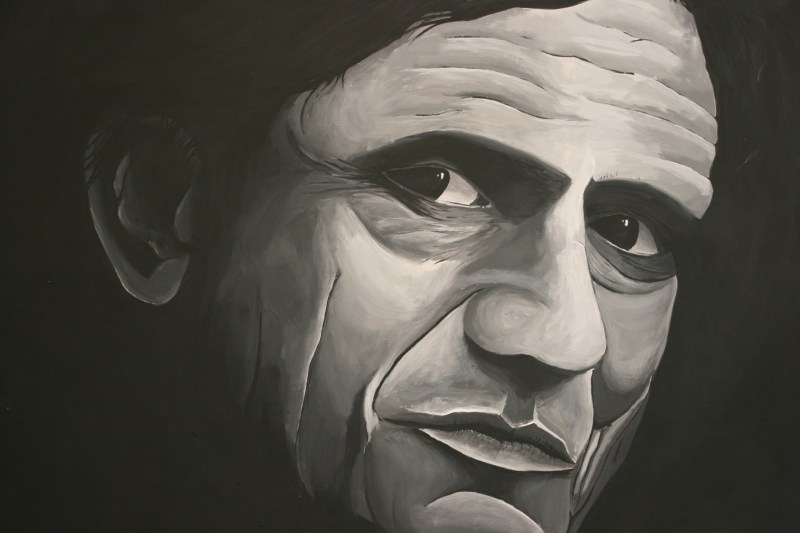
A close-up of Dan Rathburn’s “A Man in Black” (aka Johnny Cash).


Once I finished touring the Escape Artists’ exhibit, I shifted my focus to a Johnny Cash and Elvis pop-up show in a small corner gallery. In some ways, these two musicians were escape artists, too, escaping through their music.


“Tree of Life with Mother Nature’s Daughters” by Susanne Crane.


I love when art, from a divergence of artists, connects. We are all different. Yet alike in our humanity.


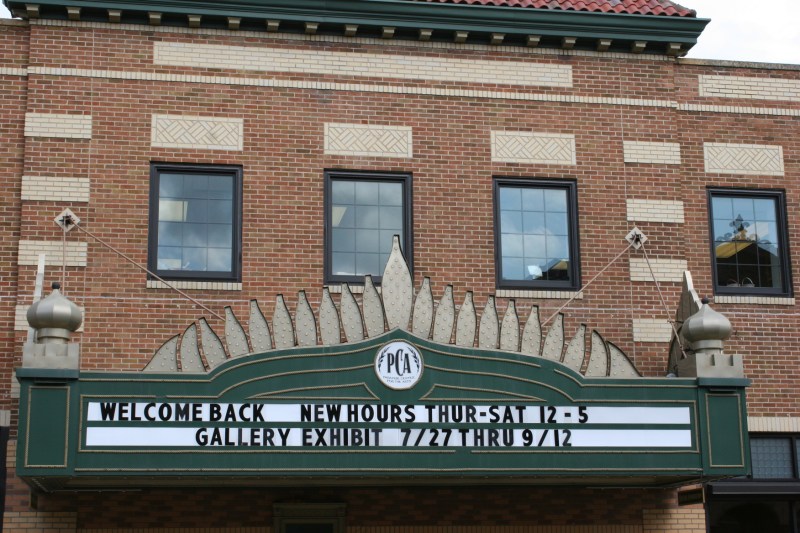
The Paradise Center for the Arts marquee.


FYI: The Paradise Center for the Arts, 321 Central Avenue North, Faribault, is open Thursday-Saturday from noon to 5 p.m. The above exhibits close on September 12.

© Copyright 2020 Audrey Kletscher Helbling
 

Anything but a typical walk at River Bend Nature Center August 31, 2020

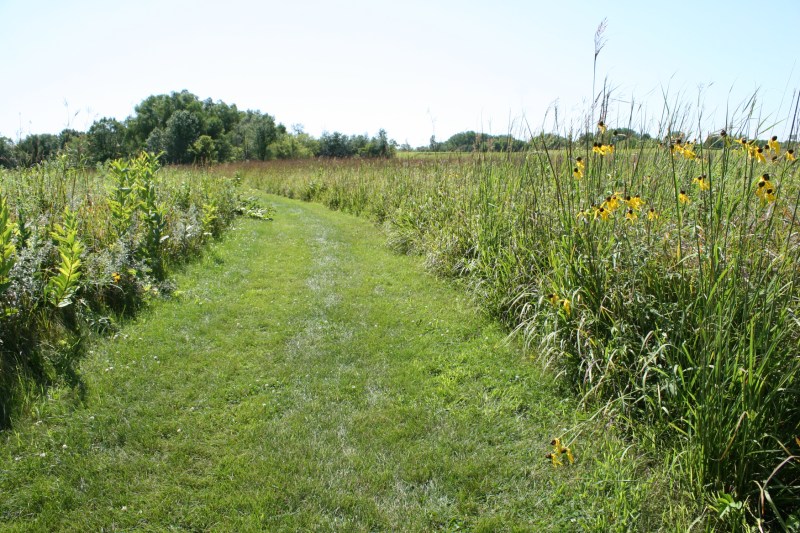
This path cuts through the edge of the prairie at River Bend Nature Center, Faribault.


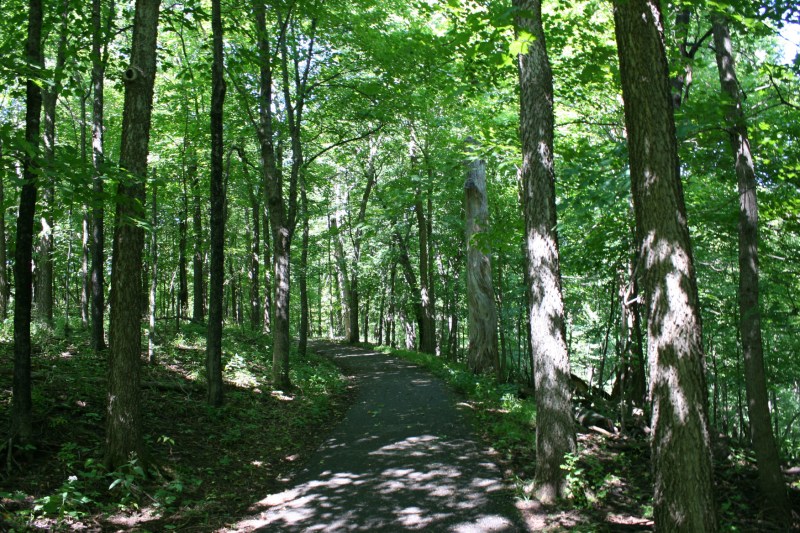
AS RANDY AND I HIKE the paved trails through the woods and the grassy path edging the prairie at River Bend Nature Center in Faribault, we often see the same sights, have the same conversations.


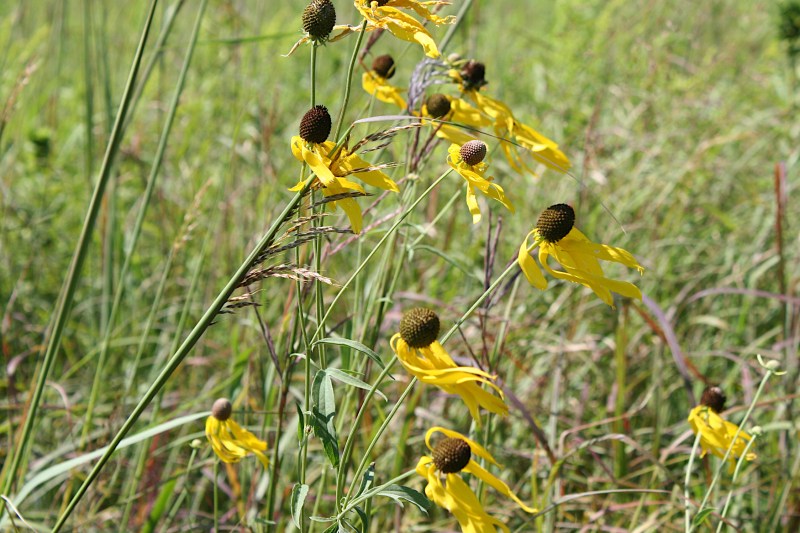
Prairie wildflowers


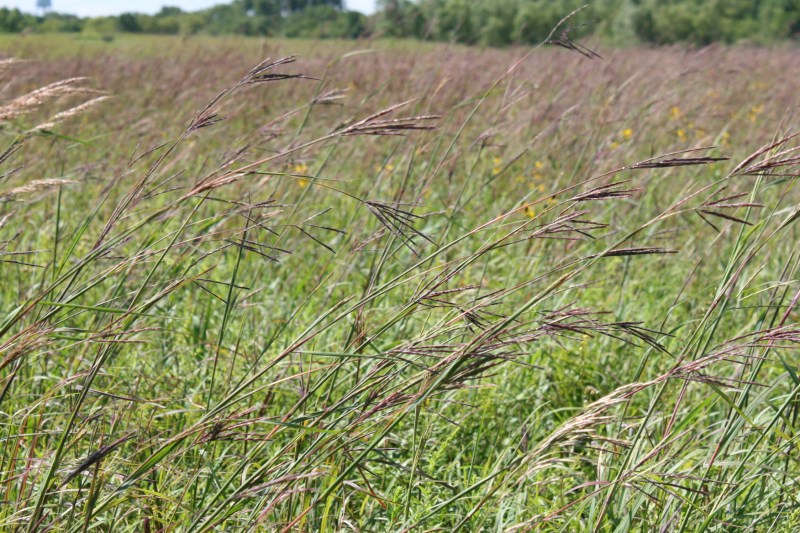
These prairie grasses remind me of my youth, when I played in such grass on the southwestern Minnesota prairie.


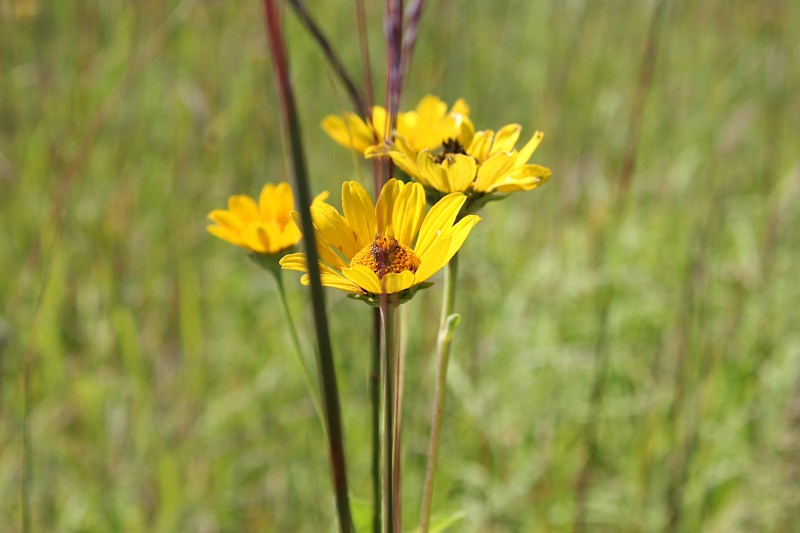
My favorite prairie wildflower, the black-eyed susan.


I talk about my love for the prairie and for the wildflowers and for grasses swaying in a poetic rhythm in the wind.


Eradicating invasive buckthorn from the woods remains an ongoing battle.


We discuss the buckthorn that grows rampant in the woods despite efforts to control it via goats and hands-on removal.


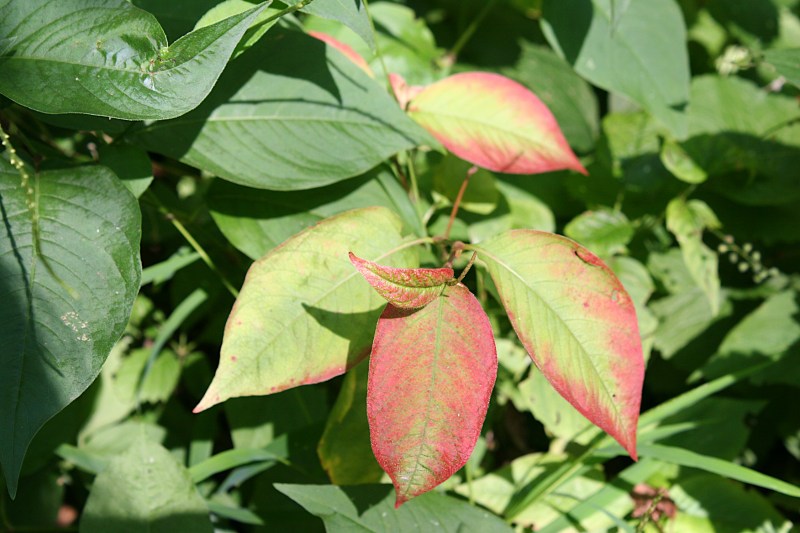
Leaves are beginning to change color.


I observe details that hint at the changing of seasons.


Photographed in the rain garden by the interpretative center.


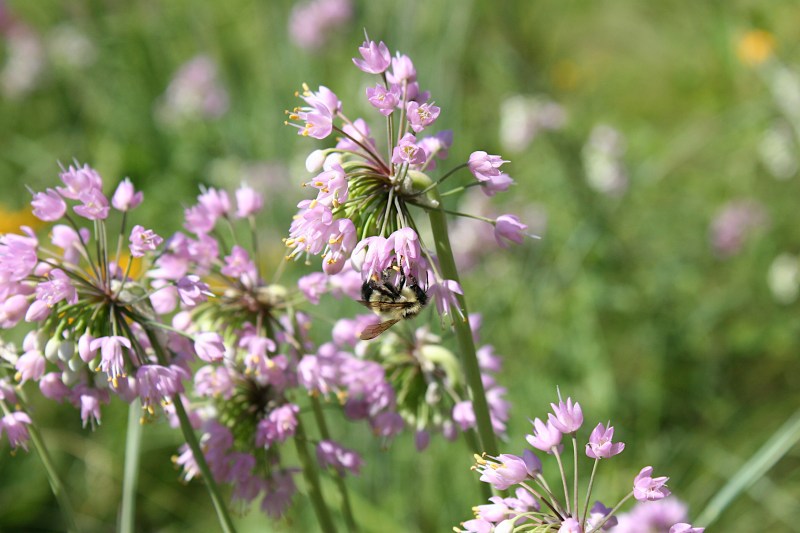
Not even a bumblebee escapes my notice or my camera’s lens.


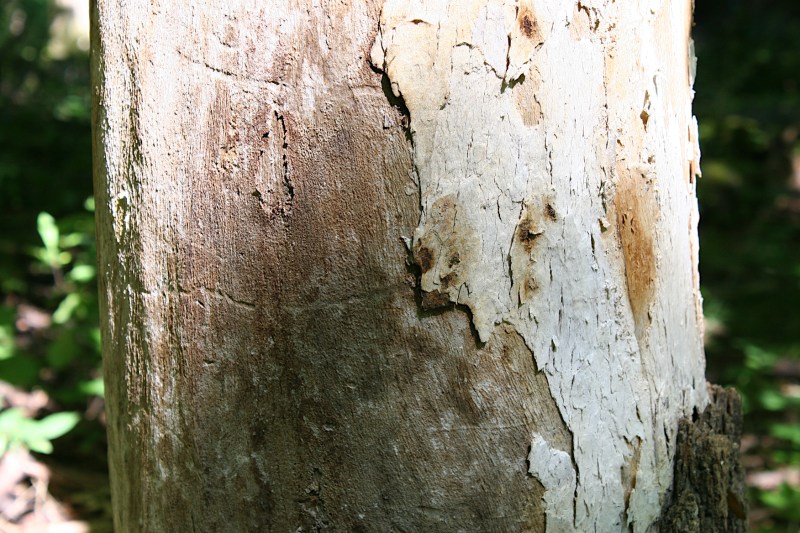
The art of bark.


Dead trees, bark, moss and fungi draw me to pause and look. Nature is, after all, in the details.


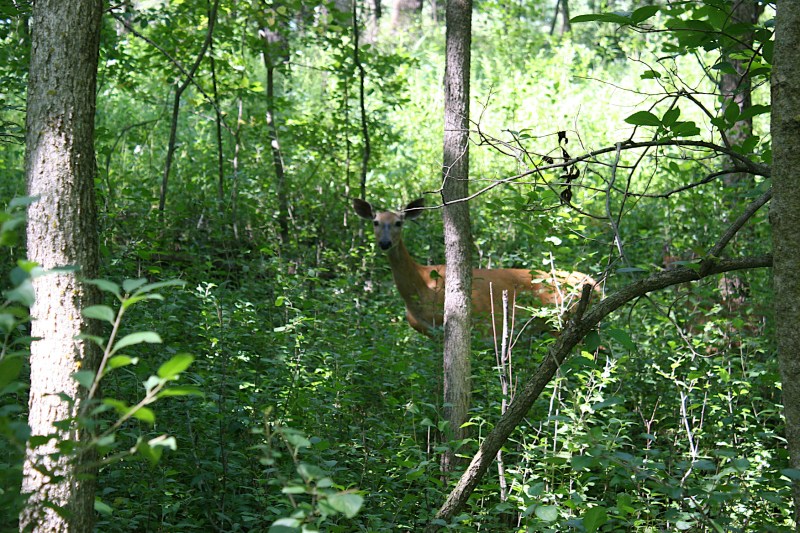
The doe and her baby, barely visible behind her.


But on this Sunday afternoon visit, mosquitoes and other pesky bugs push us at a much faster pace along wooded paths. So fast that I miss the doe and her growing fawn just off the trail leading to the Turtle Pond. Randy spots the pair and softly calls my name, enough to cause me to stop. Then he points to the woods where the deer stand. Still. Watching. I fire off three frames before the pair turn and clip through the trees. Disappearing to camouflage themselves within the green and brown hues of the treescape.


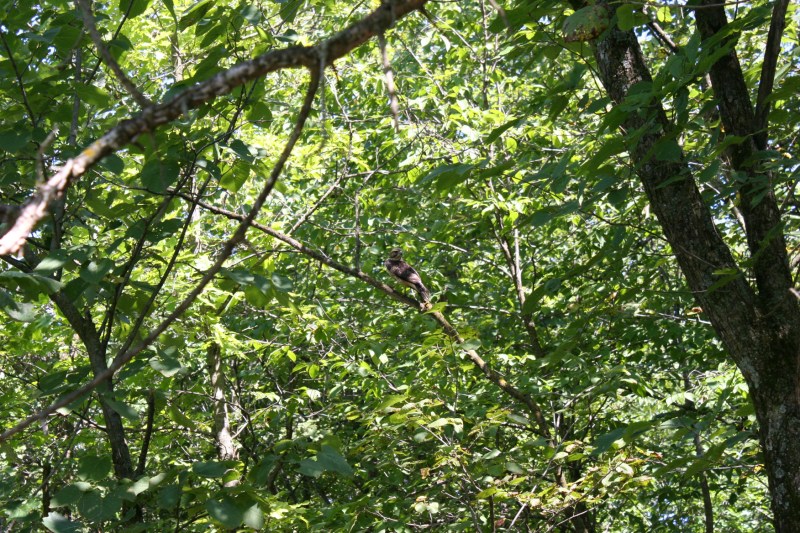
The hawk blends easily into the woods.


A few twists and turns later, I am still speed walking, driven to hurry by those biting insects. But then a bird catches my eye and I stop, speak Randy’s name. He doesn’t hear, fails to the see the bird so blended is it into the trees. I snap one photo before the bird rises, wings spanned wide. It appears to be a juvenile hawk. I am pleased with the hawk and deer sightings because we seldom see wildlife here, other than squirrels.


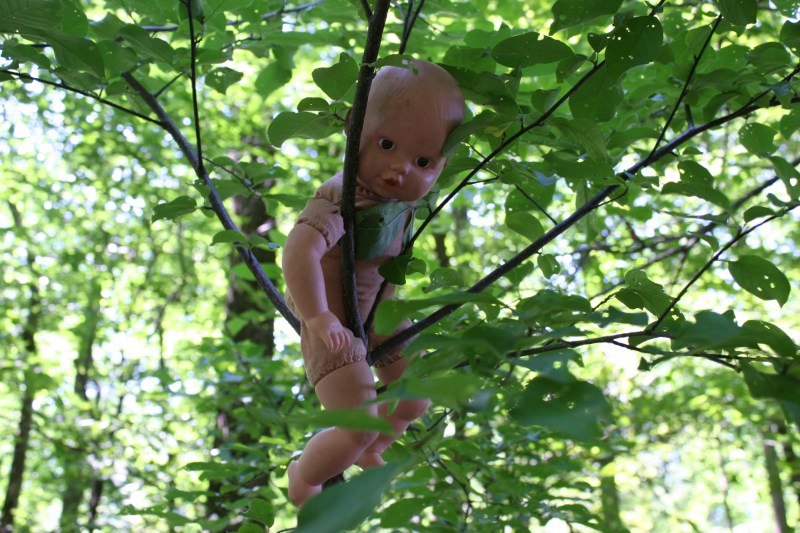
The oddest sighting ever at River Bend, doll well above my head in a tree.


But earlier I spotted the most unusual sighting ever at River Bend—a baby doll suspended in a tree. I expect a child lost her beloved doll and someone found it and decided it would be funny to place the toy in a tree. I found it a bit creepy. Like I was walking into Halloween or a Stephen King novel.


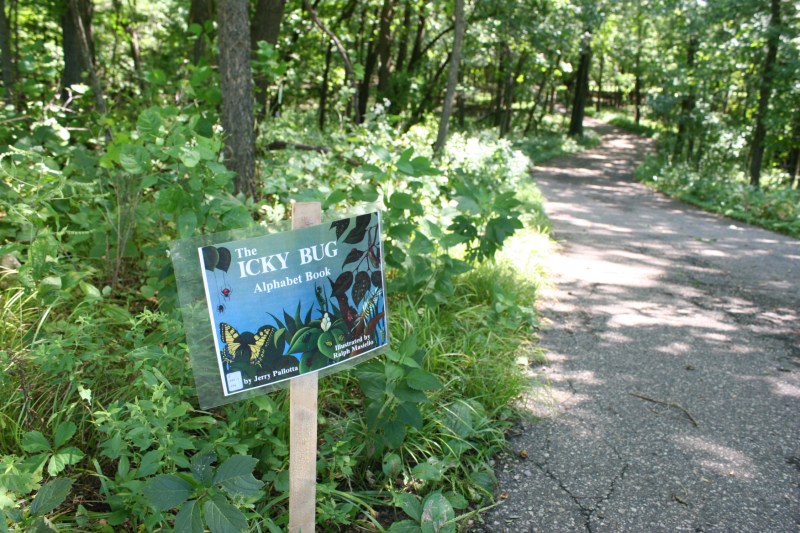
The first sign in a series of bug signs bordering trails.


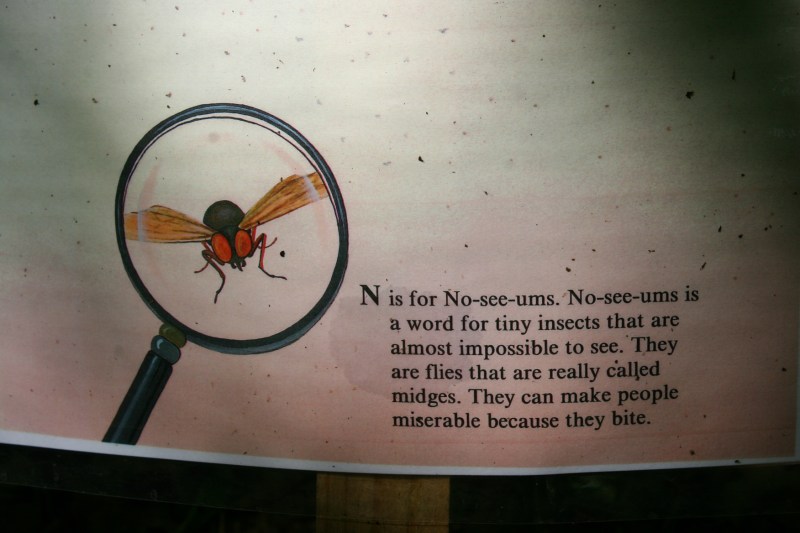
No-see-ums get their own page in the bug book.


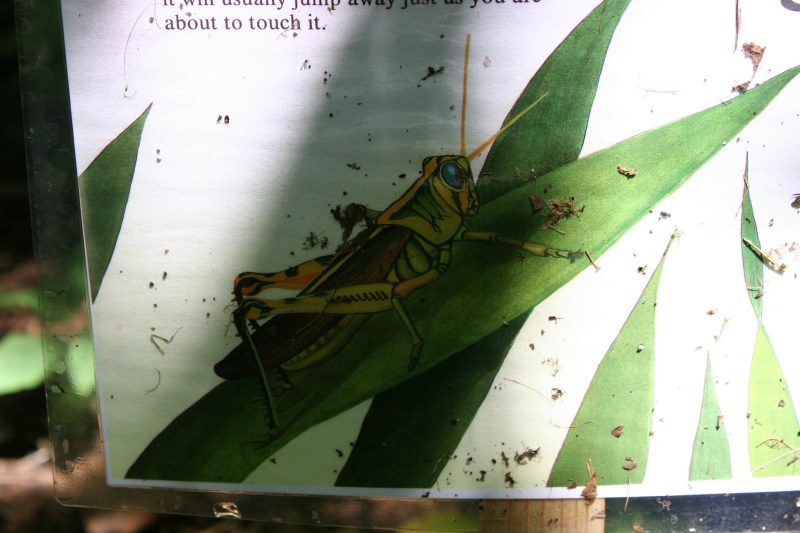
The grasshopper, too, merits its place in the bug alphabet book.


Along the same pathway, River Bend staffers posted photocopies of pages from The Icky Bug Alphabet Book by Jerry Palloth. More creepiness if you are not a fan of bugs. I don’t dislike bugs unless they pester (flies) or bite me (mosquitoes and no-see-ums) or destroy my flowers/plants (Japanese beetles) or are centipedes. I detest those fast-moving, too-many-legged insects.


Info about the bumblebee from Pallotta’s book.


I found the bug book informative, which I expect was the intention, along with giving families something of interest to study while in the woods. The Northfield Public Library is doing a similar activity, posting picture book pages on posts in five public parks during August, calling these “Story Strolls.” In downtown Faribault, along Central Avenue, Buckham Memorial Library has also posted a Story Walk, featuring pages from Eric Carle’s Head to Toe. (I’ll post about that soon.)


I had not previously noticed this small sign near a tree by the interpretive center.


I appreciate nature centers like River Bend, now more than ever during this global pandemic. Living as we do today with so many limitations in our lives—and justifiably so—I’ve grown to understand that I shouldn’t take anything for granted. I am thankful I live in a region where I can find endless natural settings to simply immerse myself in the beauty, solitude and peace of the outdoors. Baby dolls in trees aside.


Note: I took these photos several weeks ago, so the landscape has likely changed and the baby doll may be missing.


© Copyright 2020 Audrey Kletscher Helbling
 

About those face masks… August 28, 2020

Filed under: Uncategorized — Audrey Kletscher Helbling @ 5:00 AM
Tags: , , , , ,

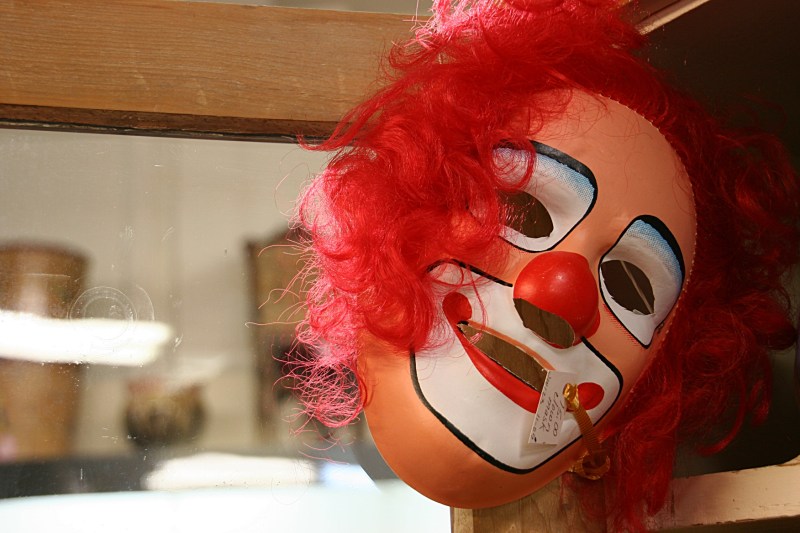
A clown mask for sale at a Minnesota antique shop. Minnesota Prairie Roots file photo


REMEMBER THOSE MOLDED plastic masks, popular Halloween costumes back in the 1960s? OK, if you, then you are younger than me. But I loved those masks because I could transform into someone other than the skinny farm girl I was in real life.


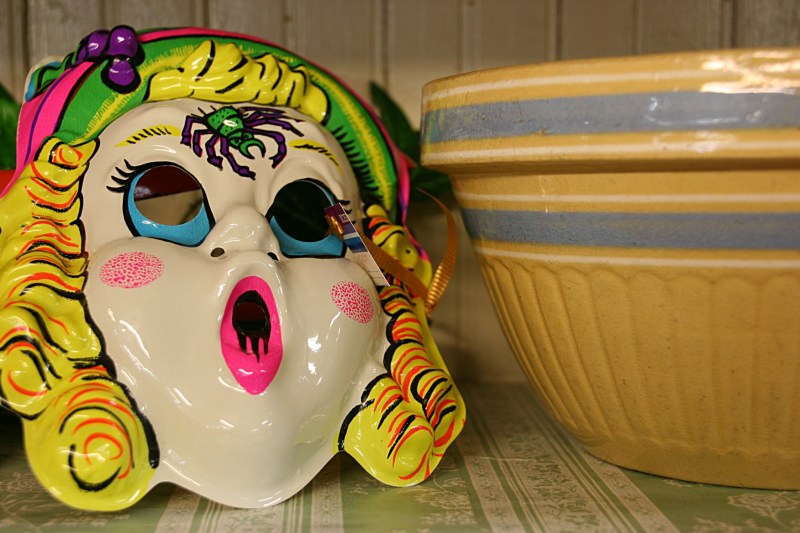
A Halloween mask for sale at Antiques of the Midwest. Minnesota Prairie Roots file photo.


I still remember the year I pressed a gypsy woman mask to my face, pulled on my mom’s colorful, full skirt and a blouse, and slipped bangles onto my arms. I was not elementary-aged Audrey ready to race about town gathering Hershey candy bars, Tootsie Pop suckers and the occasional rock-hard colored homemade popcorn ball that threatened to break teeth. Rather I was this free spirit of a gypsy seeking new adventure.


An Archie mask for sale at an antique shop. Minnesota Prairie Roots file photo.


Yet, I wasn’t quite free. I felt trapped inside that hot Halloween mask. It was uncomfortable. It limited my vision as did my missing prescription eyeglasses. In between candy stops, I sometimes pulled the mask up, freeing my face. But I put up with all this uncomfortableness for the fun of Halloween.


Face masks crafted and sent to me by Penny, a blogger friend in Texas.


Now fast forward to today. Each time I leave the house to go to a public place, I grab a cloth face mask. And hand sanitizer. It’s become as routine as grabbing my handbag, as slipping on my shoes. Like Gypsy Audrey of decades ago, I feel conflicted, though, about that face mask. I absolutely, 100 percent, support the wearing of face masks to prevent the spread of COVID-19 and am thankful for the mask mandate in Minnesota. But I don’t like wearing a mask. Just like back in my gypsy days, I find face masks hot, uncomfortable and limiting my vision whenever my glasses fog. But I put up with all the uncomfortableness because I care about protecting others from a disease that has sickened and killed people in my circle or connected to my circle.


A sign posted at the Steele County History Center in Owatonna. Minnesota Prairie Roots file photo June 2020.


So, when I head into public and see people without masks (still) or wearing them incorrectly (not covering their noses), my irritation rises. I don’t buy into the “you’re taking away my personal freedom” argument. If I enter a business, I need to wear a shirt and shoes or I won’t be served. If I get in a vehicle, the law requires I belt myself in. And, in Minnesota we also have a hands-off when driving cellphone law.


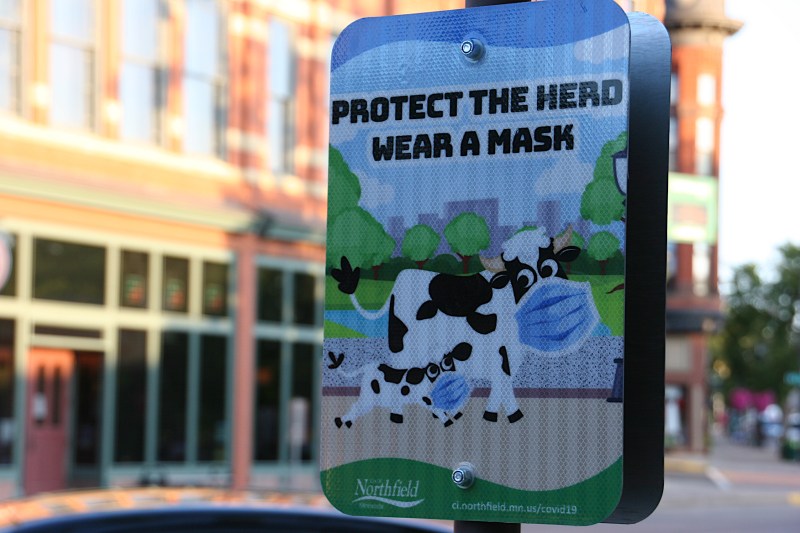
“Protect the herd” plays off Northfield, Minnesota’s “Cows, Colleges and Contentment” slogan. Minnesota Prairie Roots file photo 2020.


While I’m limiting my public circulation, I’m still out and about. And I’ve seen, in Faribault, way too many people who are either not wearing masks or are “half-maskers,” a new term I just heard a few days ago in a media report. The report focused on the importance of covering the nose, where the virus thrives and can be spewed by simply breathing. You don’t need to be an infectious disease doctor to grasp that basic health concept.


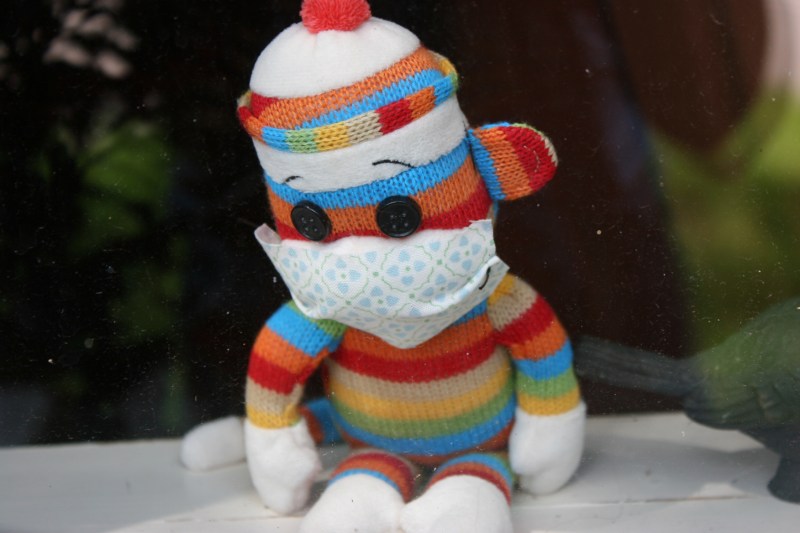
Wearing a face mask the right way, covering your nose and mouth. I photographed this toy monkey in the window of an historic home in Dundas, Minnesota.


About two weeks ago when I went to the local dollar store to pick up greeting cards, I encountered a customer without a mask and saw both cashiers and the customer in front of me wearing their masks below their noses. That same day, I spotted two grocery store employees at two different stores with masks below their noses. And my last visit to the dollar store, I once again saw an unmasked customer and a different cashier with her mask not covering her nose. I’d had enough. I politely asked the cashier to pull her mask over her nose and advised her that the mask was doing no good if she left her nose exposed. She reluctantly pulled the cloth face covering up and then, even before I was completely turned away, pulled it back down, her eyes glaring dislike toward me. I reached for the hand sanitizer in my pocket and squeezed a generous amount onto my palm.

I don’t get it. I just do not get it. Businesses want our business. Yet I see employees wearing masks incorrectly. People want this pandemic to end. Yet, some are half-maskers or no maskers (and that includes customers who come into my husband’s workplace) and/or believe this pandemic is all a hoax. It’s not. It’s as real as the two sympathy cards I’ve sent to friends who have lost loved ones to COVID-19.


FYI: Click here to read the Centers for Disease Control and Prevention information on how and why to wear a face mask and more.

© Copyright 2020 Audrey Kletscher Helbling
 

Beyond simply chalk art August 27, 2020

Filed under: Uncategorized — Audrey Kletscher Helbling @ 5:01 AM
Tags: , , , , , , , ,

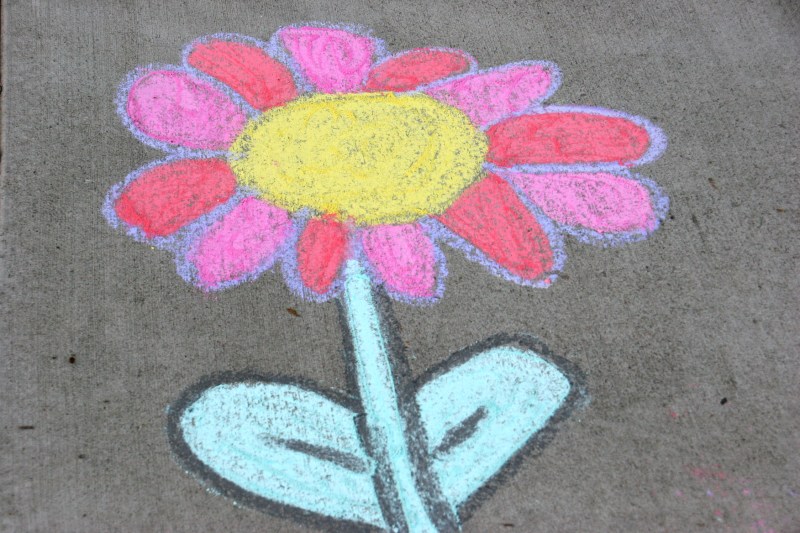
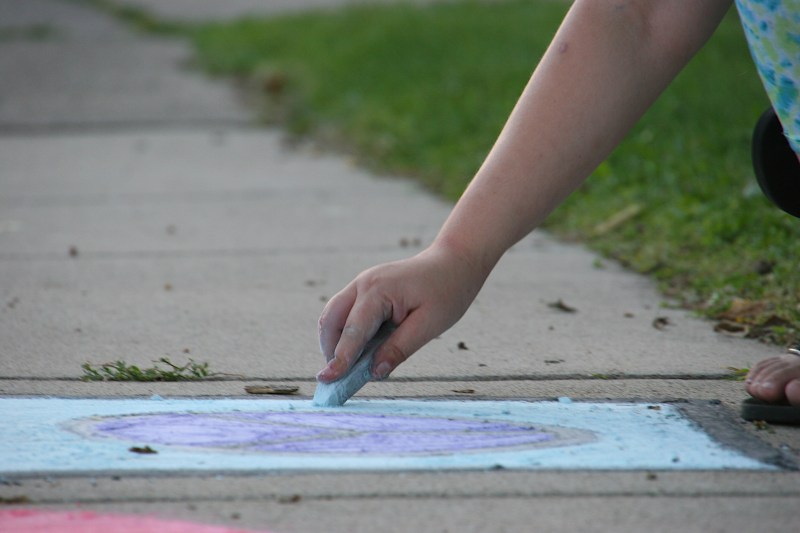
Chalk art by Jane.


SIMPLY PASSING BY without acknowledgment of something we appreciate is so easy. We all do it, right? Admire something from afar, and then continue on our way. And Randy and I did just that, even though he asked if we should stop. “Maybe on the way home,” I said.

“She’ll be gone by then,” Randy surmised.

At that point, I was more interested in getting to North Alexander Park for a short evening walk than in photographing a chalk art artist. I appreciated her efforts from the comfort of our passing van and figured if I remembered the art on our return trip, fine. If not, fine, too.

And so we enjoyed our evening trail walk, which included geese and squirrel watching, and a pass through the Rice County Fairgrounds as we headed back toward home along Second Avenue. Nearing the intersection with Seventh Street, Randy repeated his “Do you want to stop?” question.

This time I agreed.


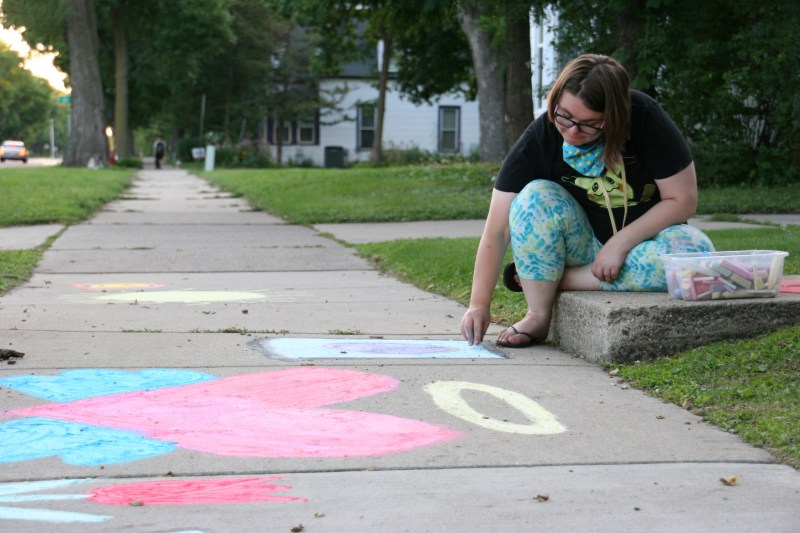
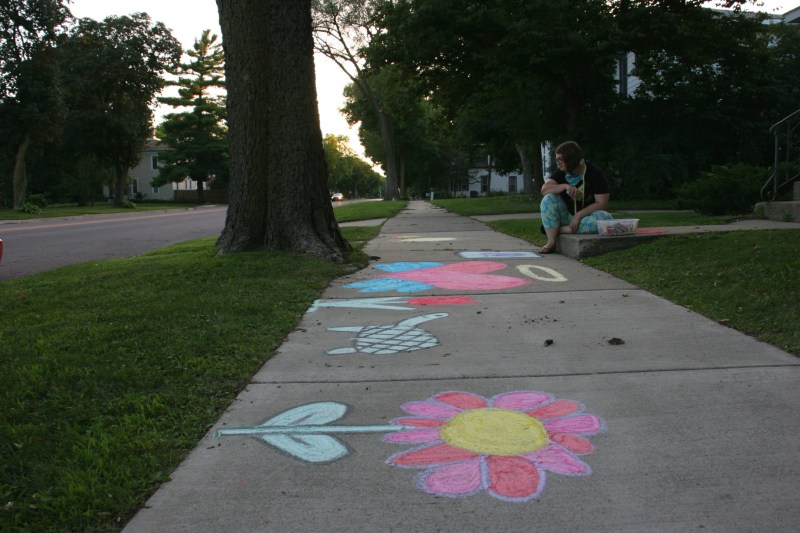
Jane, at work, with her angel heart wings in the foreground.


And I’m glad I did. Or I never would have met Jane, a lovely young woman who looks about 10 years younger than her mid-twenties age. She sat on a sidewalk step at a house along Seventh Street, chalk in hand, creating art.


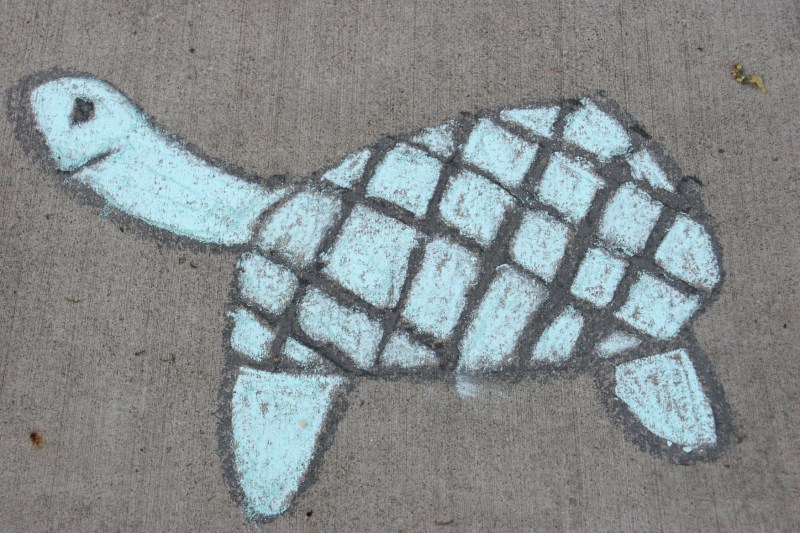
As I admired the flowers, turtle, angel heart wings, peace symbol and smiley face, and took photos, Jane and I chatted for a bit. She shared a glimpse into her life story. There have been struggles.


But here she was, exuding joy in our conversation, in the sweet smile gracing her face. I saw grit and determination there, too, as she focused on creating art. Her fingers, dusted with chalk, worked art onto the sidewalk. She was creating this public art to bring joy to others. I thanked her for that effort. That gift.


Chalk, Jane’s tool of choice on this summer evening.


Art, Jane says, is her passion. She’s also painted with acrylics, had some art training. Nothing formal.


Jane’s art stretches along the sidewalk in front of her Seventh Street residence.


I felt compelled to encourage this young woman as I asked about her plans. She’s uncertain about her future. I advised her to follow her passions in life, that life is too short to not do what you love. And that money isn’t everything. Things aren’t everything. But happiness is. I sensed she already knows this.


I complimented her, too, on her smile and Jane confirmed others have told her the same, how beautiful her smile. It was genuine, coming from deep within. From a place that has experienced challenges and overcome them. To create art. Bright and bold and beautiful.


© Copyright 2020 Audrey Kletscher Helbling
 

From milling flour to drinking whiskey in Rice County, history tour Part II August 25, 2020

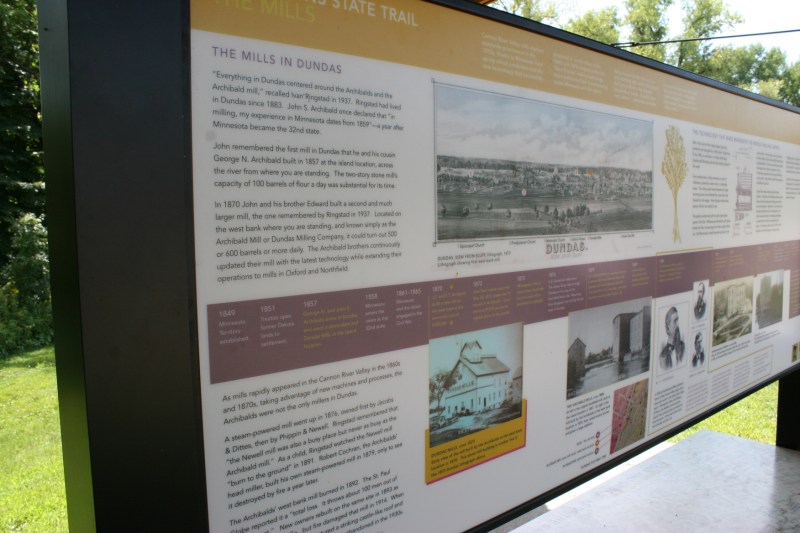
At the ruins of an historic flour mill in Dundas, a kiosk provides historical info, including this map of flour mills in the area.


RICE COUNTY IS RICH IN HISTORY, especially in historic buildings. I value that about this region of Minnesota. I appreciate that many aged structures remain, well cared for and treasured. I appreciate, too, those who share their knowledge of the past.

I grew up 120 miles west of here, on the prairie. Given the difference in landscape and settlement time and other factors, the history of southwestern Minnesota differs considerably from southeastern Minnesota. I am still learning about Rice County, the place I’ve called home for 38 years.


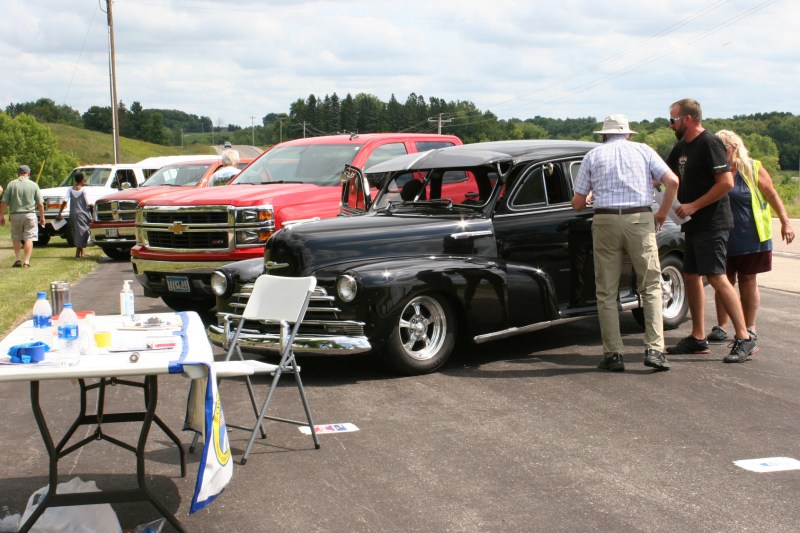
Vintage vehicles were among those on the history cruise, here at Christdala Swedish Lutheran Church near Millersburg.


On Saturday I expanded my understanding of this area by attending the first ever “Cruising Rice County History” tour, an event that took attendees through the county to seven historic sites. In yesterday’s post, I covered three of those places—Prairieville Church, Nerstrand City Hall and Valley Grove Churches.


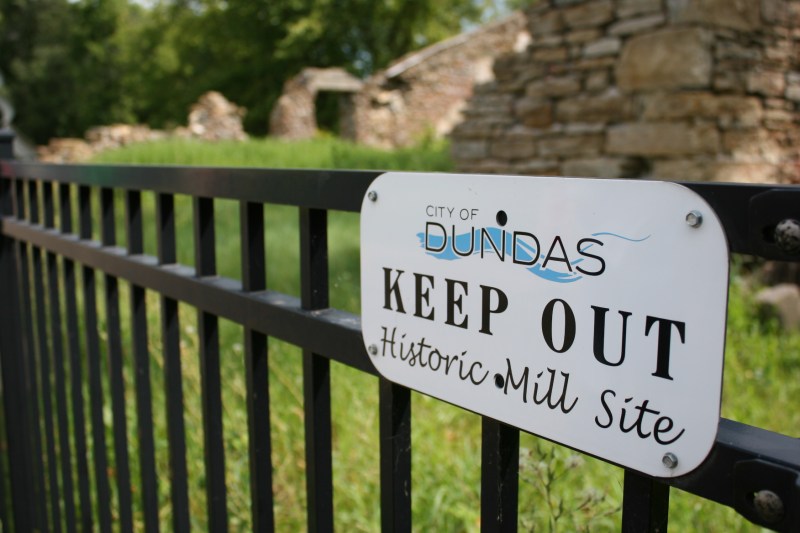
The Archibald Mill ruins are fenced to keep people from wandering onto the historic site.


Today we head west to the small town of Dundas, just outside of Northfield, and then even farther west to the even smaller settlement of Millersburg. Pre-tour, I was familiar with each point of interest on the cruise. But I still picked up tidbits of information either new to me or forgotten over the years.


A few walls remain of the once flourishing flour mill on the west side of the Cannon River in Dundas.


Kiosk info details flour milling history here.


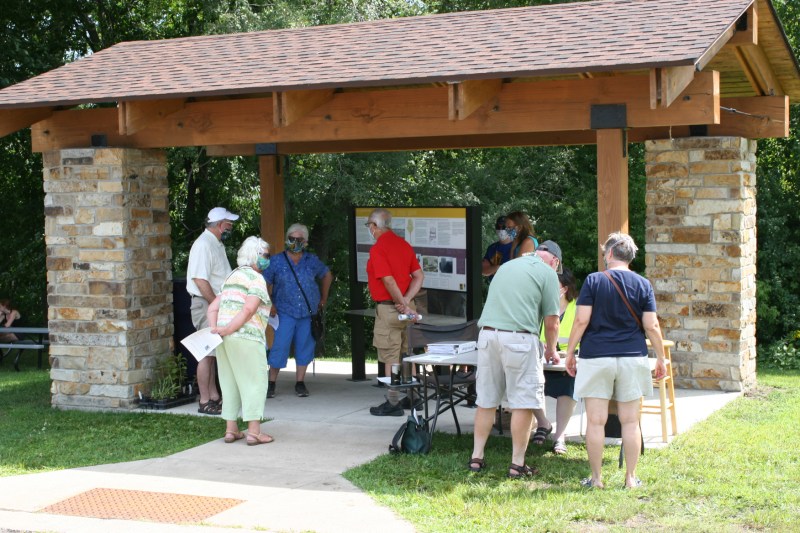
Tour participants check in at the flour mill ruins, where they could learn more about Rice County flour mills from local historian Jeff Jarvis, Susan Garwood (director of the RCHS) or read printed info.


In Dundas, the ruins of a long-gone flour mill, destroyed by fire, focused the third stop. I learned of the mills the Archibald brothers, from Canada, built here around the 1860s along the banks of the Cannon River. Their flour was world-renowned and their flour patent eventually sold to what is now General Mills. It’s quite a history in a region once known for its flour mills. If only one remained…


The history cruise took us throughout rural Rice County. This farm field lies along Rice County Road 1 on the way to Millersburg from Dundas.


Before heading to the next stop, Randy and I picnicked at Memorial Park in Dundas. That left us a bit crunched for time as we aimed out of town along Rice County Road 1 past farm sites and farm fields to the Millersburg District #20 School House Museum. We’ve been here before, toured the museum.


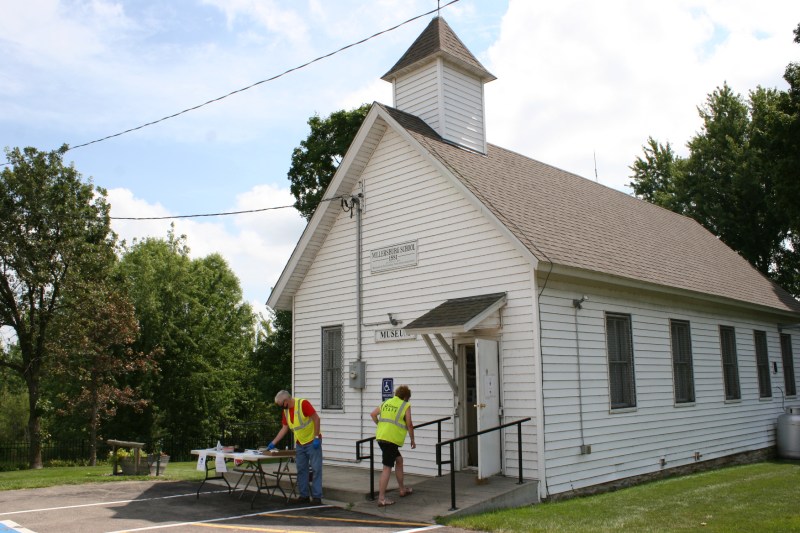
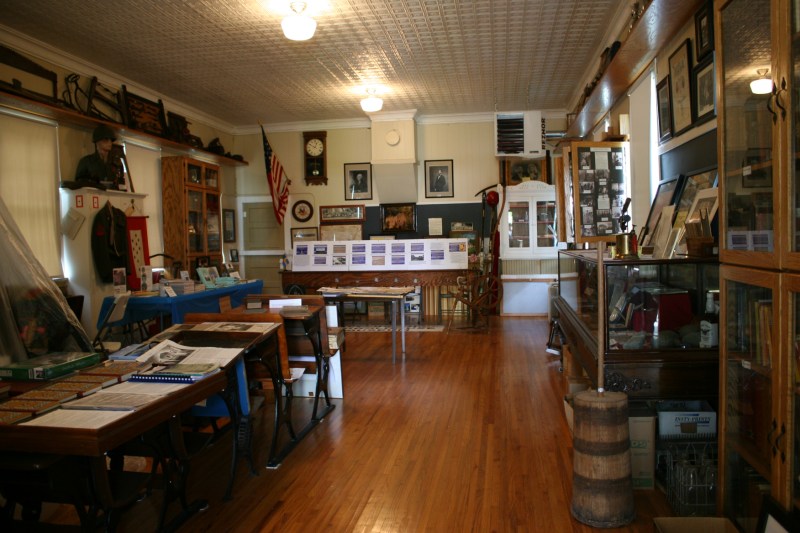
The former Millersburg School now houses a museum operated by the Christdala Preservation & Cemetery Association. Exhibits include school and church items, tools and info related to the James-Younger bank robbery.


While we couldn’t go inside the schoolhouse, we could peek our heads in the door.


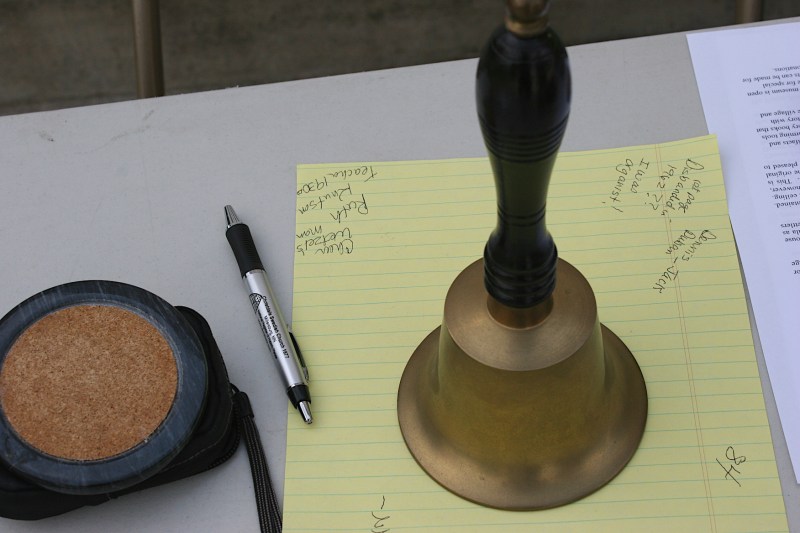
Appropriately, a bell sat on the check in station at the schoolhouse.


An historic marker outside the schoolhouse. You can also see the swings, remaining from the playground, to the right in this photo.


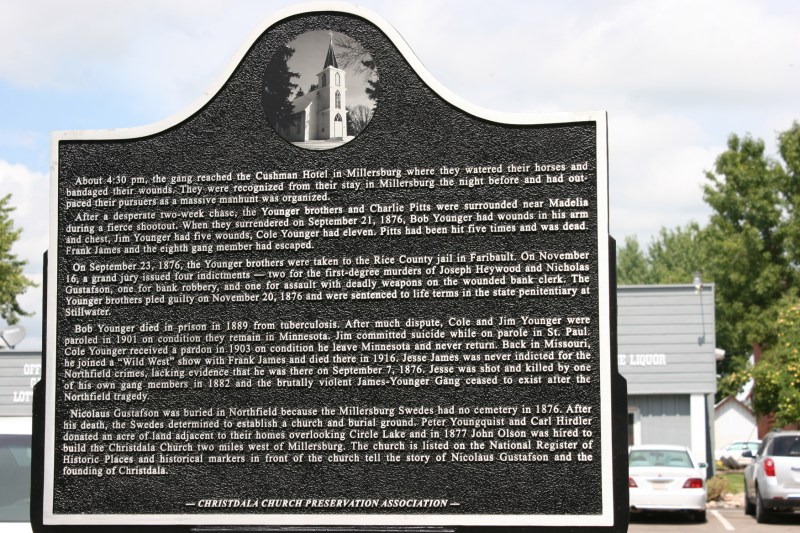
The back side of the historical marker outside the schoolhouse.


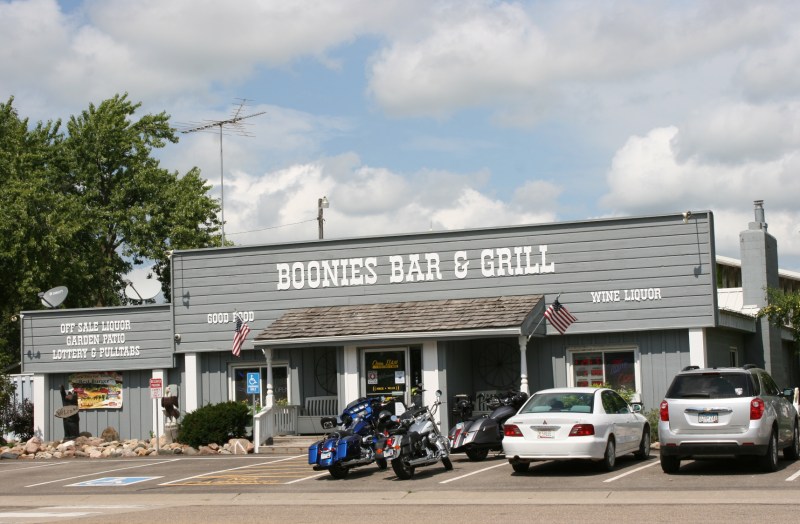
As the story goes, the Younger gang stopped for whiskey at the Millersburg store in September 1876 at the current location of Boonies.


But this visit I picked up some info not necessarily related to the 1881 school, but to the 1876 robbery of the First National Bank in nearby Northfield. Here, four members of the James-Younger Gang stopped for whiskey at the then Millersburg Store (today Boonies Bar & Grill across from the schoolhouse), stayed at the Cushman Hotel just down the road and the next day met up with fellow outlaws in Dundas.


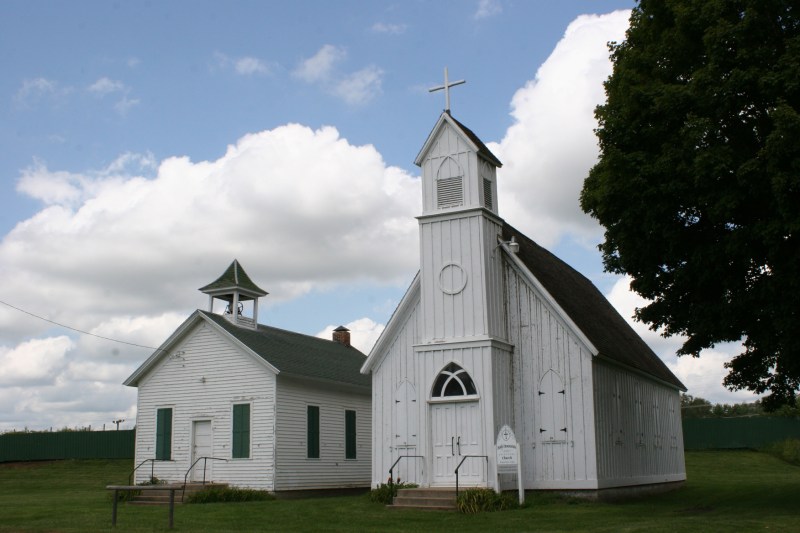
Christdala’s defining steeple. The church is on the National Register of Historic Places. Randy and I recently picnicked on the front steps of Christdala.


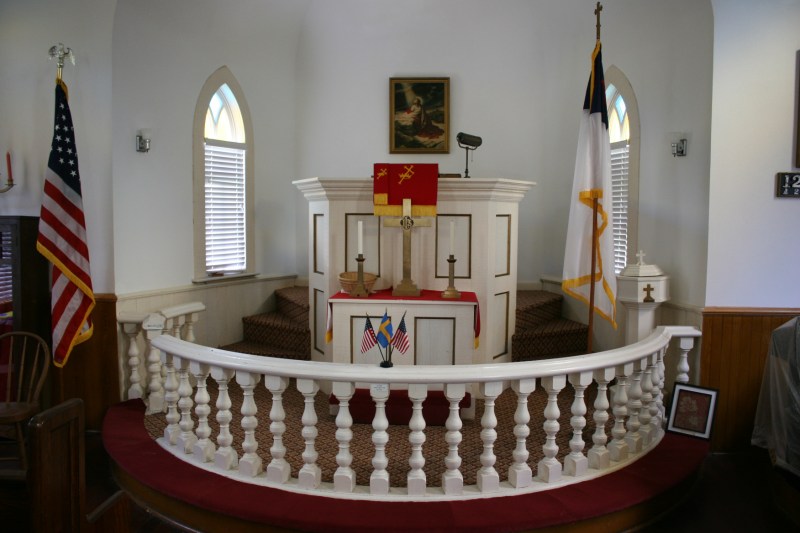
I was delighted to find the doors open to Christdala Swedish Lutheran Church.


And on their way back from robbing the bank, the gang followed the same route, taking us to the next stop on our tour, Christdala Swedish Lutheran Church. I’ve also visited here many times, including just a few weeks ago. Swedish immigrants built this church in 1878 high atop a hill, spurred by the death of friend and neighbor Nicolaus Gustafson. He was an innocent bystander killed in a shoot out during the Northfield bank raid. Because the Swedish community had no cemetery, Gustafson was buried in Northfield.


Simple stained glass windows inside Christdala in colors of the Swedish flag.


Today you’ll find Gustafsons buried in the Christdala graveyard along with many others whose surnames end in “son.” This long-closed church was open during the history tour. Although I’ve previously been inside, I wasn’t about to miss another opportunity to step inside this small Swedish church, complete with Swedish flags and stained glass windows in the Swedish colors of blue and yellow.


One of the many displays inside the Rice County Historical Society Museum, this one honoring Native Americans who lived in the county.


The RCHS recently acquired metal art sculptures from Lockerby Sheet Metal, a long-time Faribault sheet metal fabrication company no longer in business. Those pieces are being restored. This knight currently stands in the museum entry.


On the historical society grounds are these two historic buildings: the Pleasant Valley School District #22 schoolhouse (educating children in Bridgewater Township in the late 1850s) and Holy Innocents Episcopal Church, built in Cannon City in 1869 and later moved here.


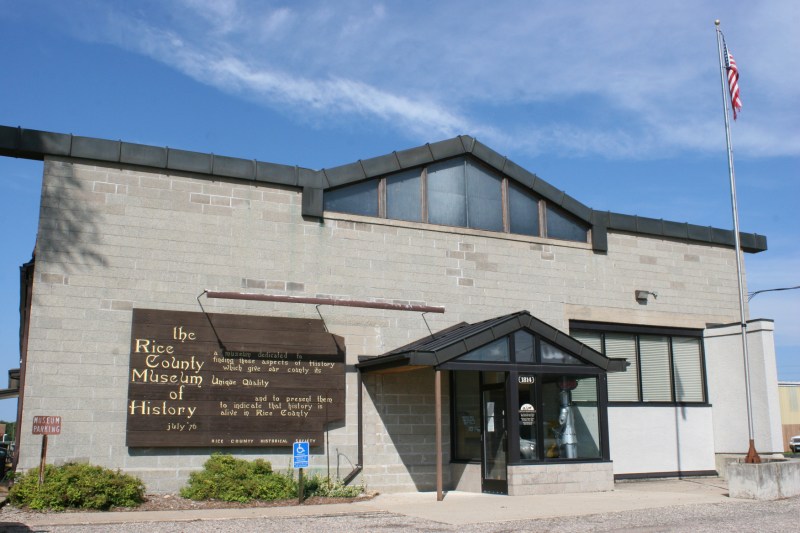
With time pressing to get back to (event sponsor) the Rice County Historical Society Museum in Faribault, Randy and I didn’t linger for long. We needed to turn in our poker run cards and look around the museum and grounds before everything ended. While Randy handed in our losing poker hand, I breezed through the museum exhibits and took a few photos inside and out.


Many of these historic places still exist thanks to preservation groups and history enthusiasts.


And I considered what a lovely day it had been. Out and about, enjoying and appreciating local history, thanks to the hard work and efforts of those who value Rice County history enough to preserve and share it.


Please check back for a follow-up post on an historic building I discovered in Dundas, and not on the tour, but with a powerful and timely message posted.

© Copyright 2020 Audrey Kletscher Helbling
 

“Cruising Rice County History,” Part I August 24, 2020

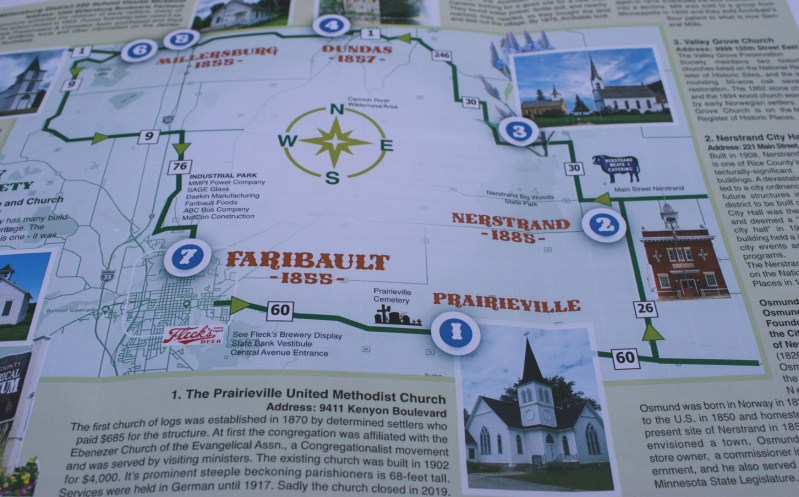
This shows a portion of a guide, designed by Jeff Jarvis of West Cedar Studio, for “Cruising Rice County History.”


WE CONSIDERED WHETHER WE SHOULD take the tour, expecting that we’d likely visited all of the historic places featured in “Cruising Rice County History,” the first ever cruise of historical sites in our county. But, in the end, because Saturday was beautiful weather-wise and COVID-19 has left us with few leisure options, Randy and I opted to attend the event sponsored by the Rice County Historical Society.


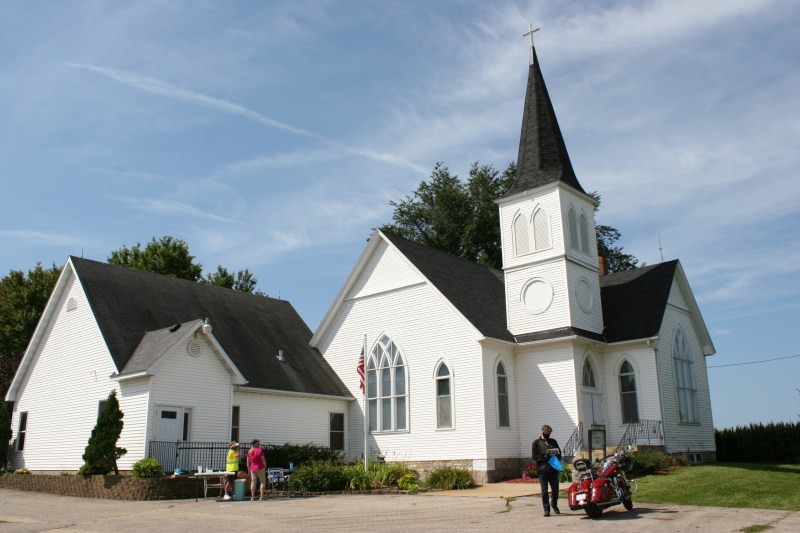
First on the tour, Prairieville United Methodist Church, founded in 1870; existing church built in 1902; and congregation dissolved in 2019.


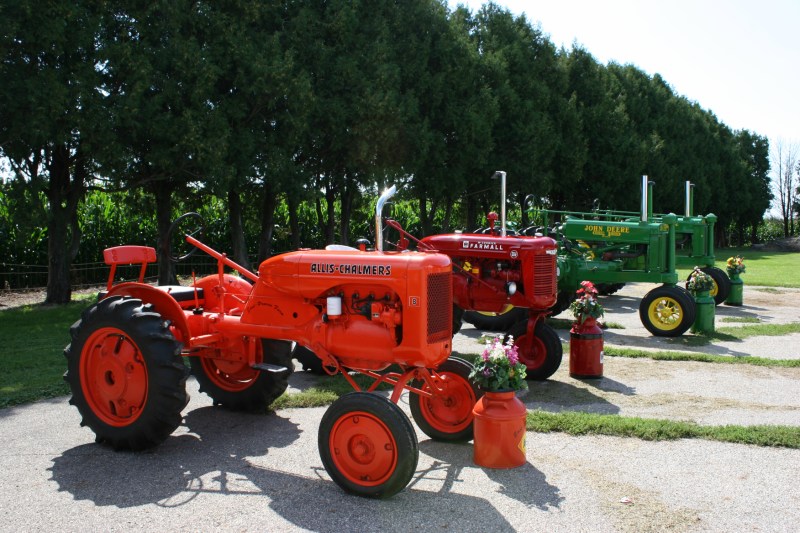
Vintage tractors added interest to the stop at the Prairieville country church.


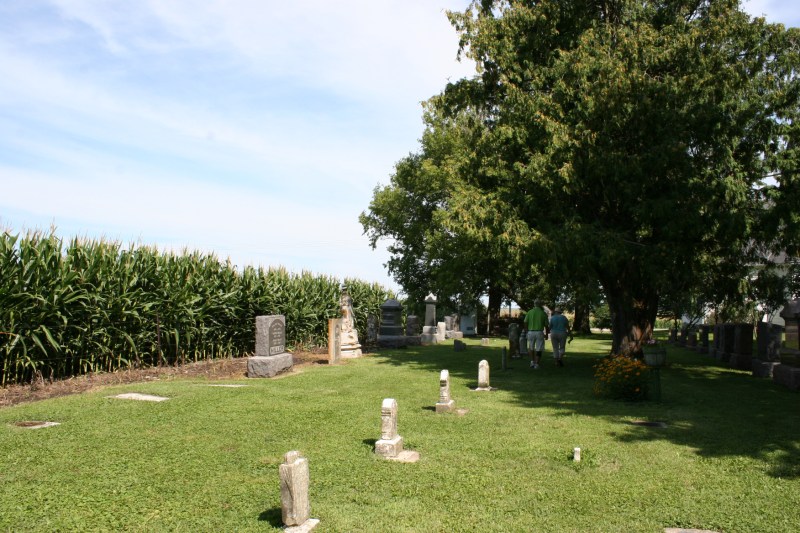
A cornfield snugs right up to the Prairieville Cemetery behind the church.


We joined 84 other vehicles on the tour, which took us east of Faribault, then north and west and, finally circling back to the RCHS in Faribault. Only one of the seven featured spots—Prairieville United Methodist Church and Cemetery—was a new to us point of interest, although we’re certainly familiar with the country church along Minnesota State Highway 60.


First stop: The Rice County Historical Society to pay our $20/vehicle tour fee and pick up our map and other info.


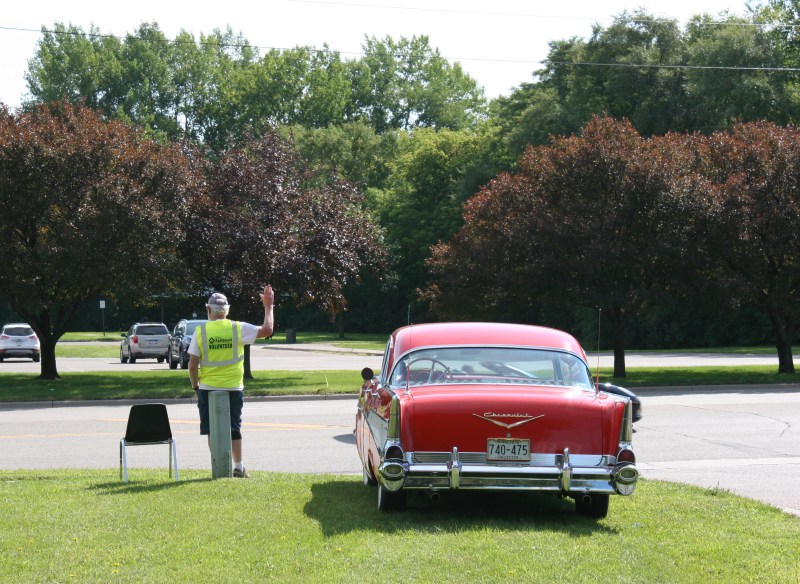
Many volunteers worked the event, including this guy who welcomed tour participants at the historical museum.


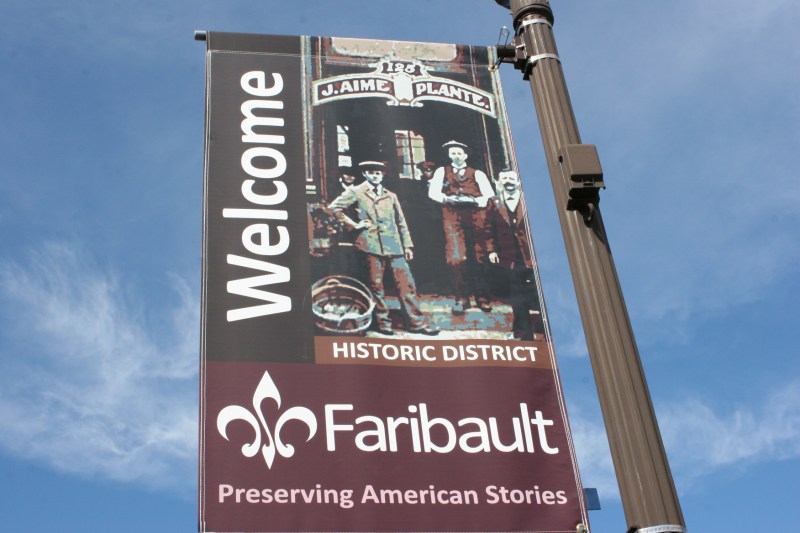
Before heading out of town, the tour took us through historic downtown Faribault, where I thought we were going to see a display of historic brewery items at a local bank. But apparently we are supposed to view this on our own sometime. Anyway, I photographed this banner outside the State Bank of Faribault.


Yet, at each stop, from two country churches to flour mill ruins to an old schoolhouse and an historic town hall, we learned new information, both from site hosts and from educational hand-outs.


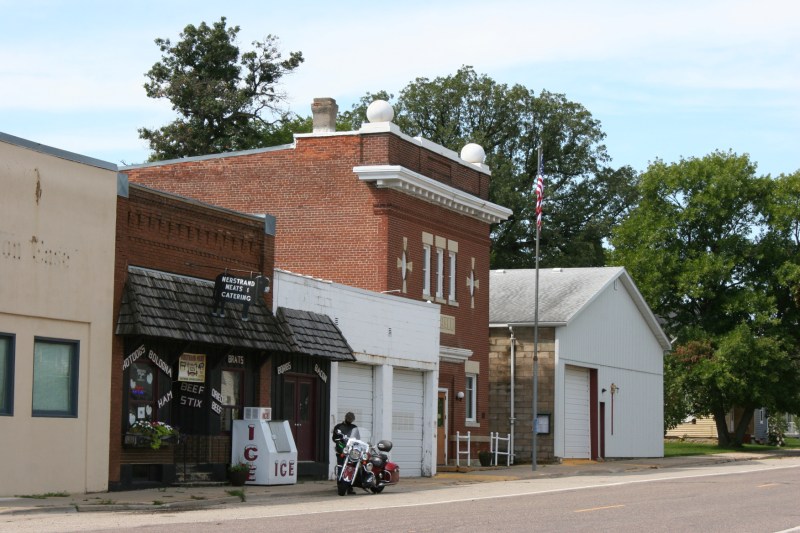
The Nerstrand City Hall (tall brick building)l, built in 1908, is on the National Register of Historic Places. After three wooden buildings were destroyed by a major fire in 1904, the city required all future buildings in the business district to be made of brick or stone and with firewalls between.


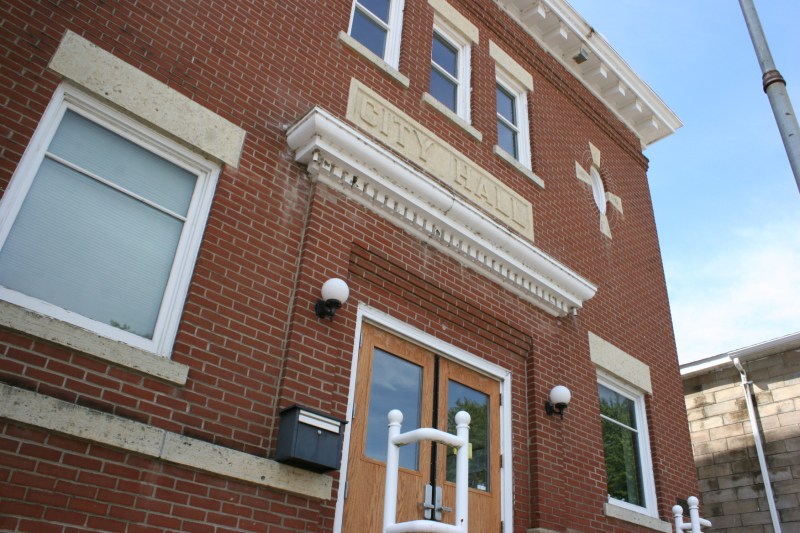
Nerstrand City Hall, up close.


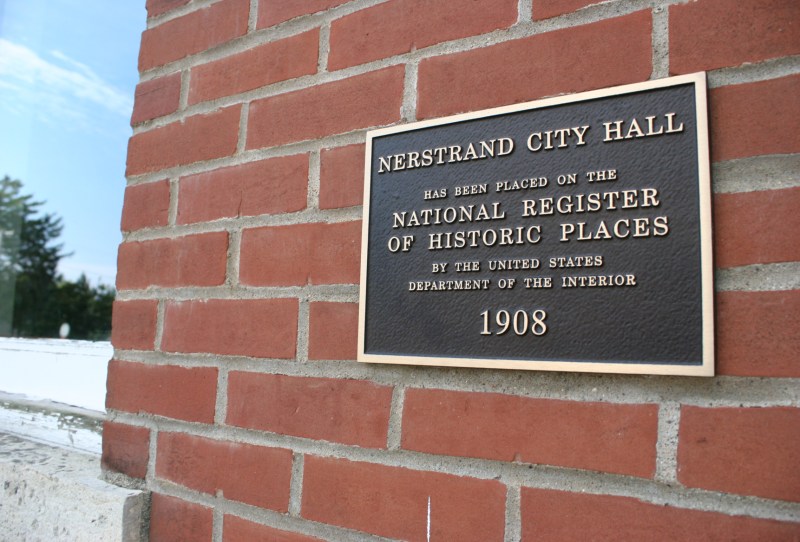
A plaque marks the Nerstrand City Hall as an historic structure.


Peering in the windows of the locked city hall.


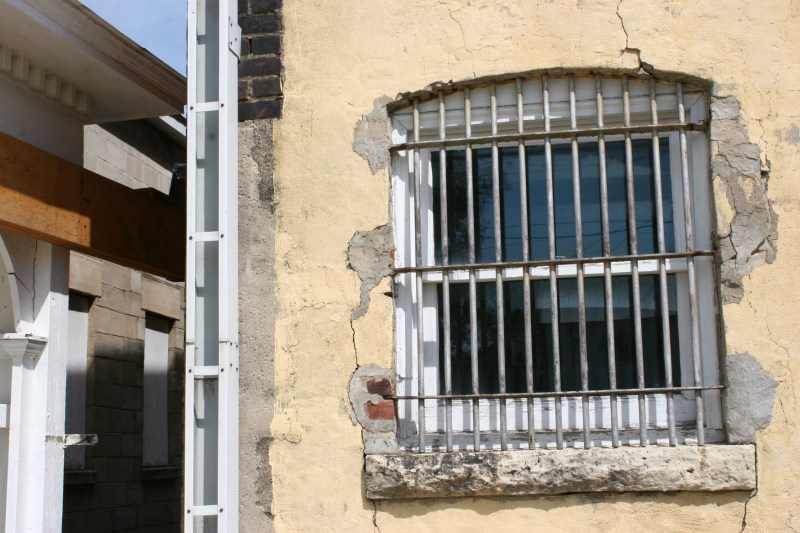
On the back of Nerstrand City Hall, bars cover a window, a reminder that a jail was once housed here.


We were disappointed we couldn’t get inside some of the historic buildings, but expect safety concerns factored into closed doors. Participants in the Saturday event were asked to mask up and social distance. And they did. So we felt comfortable.


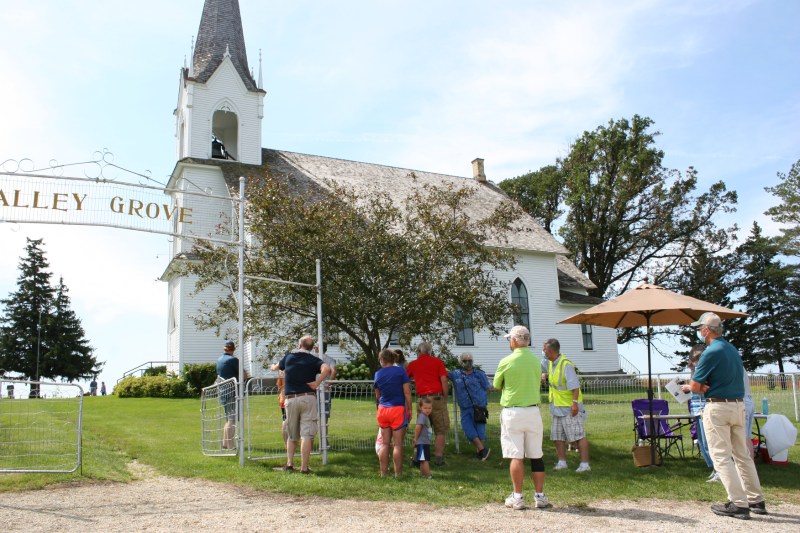
One of the two historic churches at Valley Grove, near Nerstrand Big Woods State Park. Randy and I have been to this site many times, thus didn’t linger here. It’s one of our favorite spots in rural Rice County. So peaceful and beautiful atop a hill. The woodframe church pictured here and a stone church directly across from it were built by Norwegian immigrants.


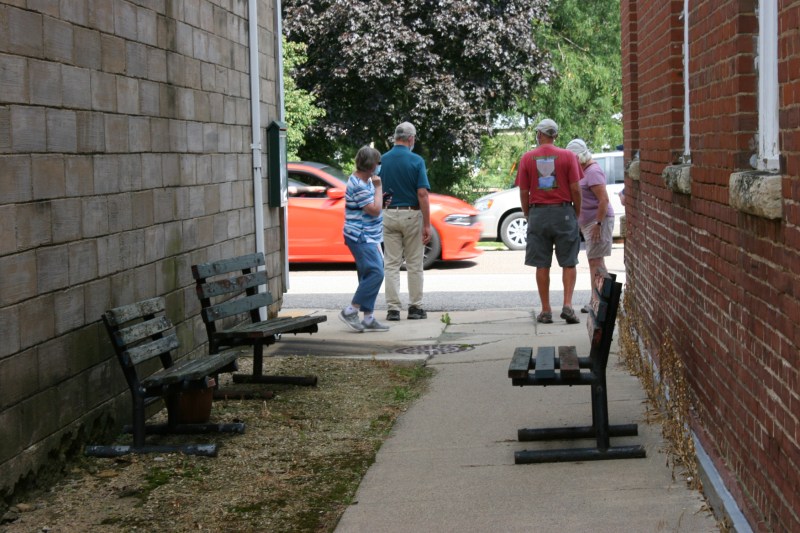
Two couples, including friends of ours (left), visit outside Nerstrand City Hall. This alley runs between the hall and the fire department.


We also chatted from a distance with friends, either hosting site stops or on the tour. What a joy to see familiar faces after months of minimal social interaction. Even if their smiles were hidden behind masks.


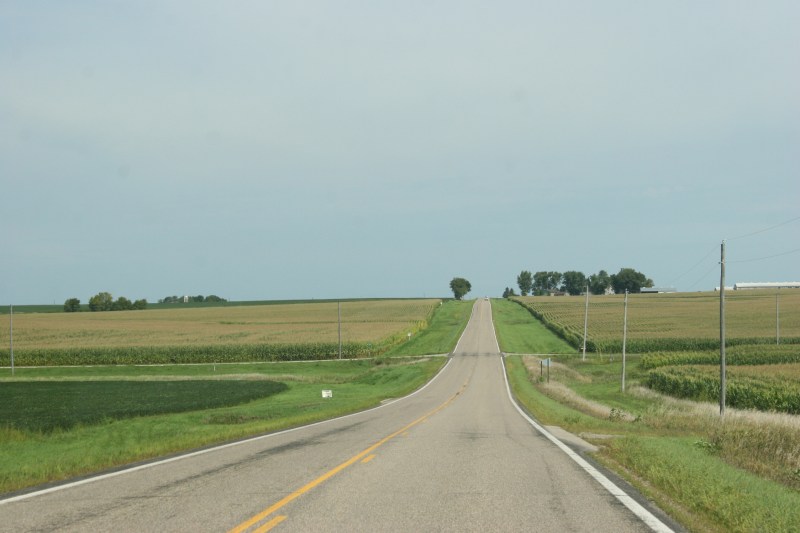
Driving toward Nerstrand.


Driving through rural Rice County, we saw lush fields of towering corn and acres of soybeans among farm sites.


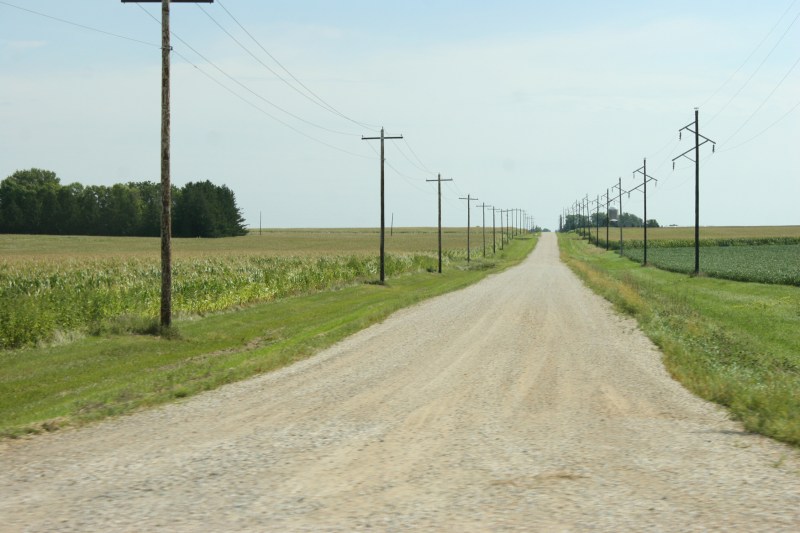
The route followed only paved roads, with plenty of gravel roads to see alongside.


I also enjoyed the rural route given my love of the country. There’s something freeing about traveling along paved back roads bordered by acres of cropland, intersected by gravel roads, punctuated by farm sites.


Young and old attended the “Cruising Rice County History” tour. This photo was taken at Valley Grove.


Thank you for joining my photo tour of “Cruising Rice County History,” Part I. Check back for Part II tomorrow.


© Copyright 2020 Audrey Kletscher Helbling
 

Not even COVID-19 can stop the music in Faribault August 22, 2020

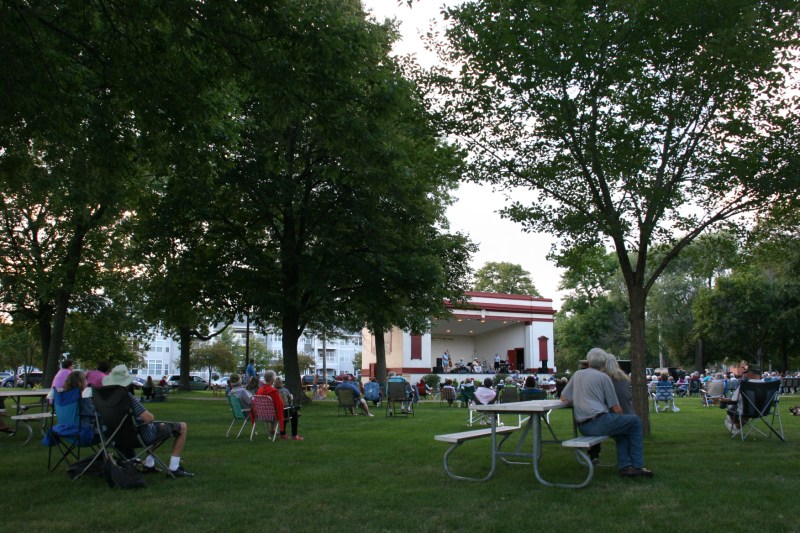
Just a small portion of the people attending a concert in Faribault’s Central Park on Thursday evening.


IN THIS SUMMER OF COVID-19 limitations, I feel fortunate to live in a community where at least one bit of normalcy remained—weekly Thursday evening concerts in Faribault’s Central Park.


People walk, bike and drive to the park in downtown Faribault.


With concert-goers spreading out throughout the block square park and wearing masks when needed, I am comfortable in the outdoor space listening to music. Randy and I missed only a few concerts, one due to rain, the other because we didn’t want to be in the park following the annual pet parade. I love kids. But they tend to forget about COVID and the need to keep their distance. Who can blame them? They’re just kids.


Jivin’ Ivan and the Kings of Swing perform in the Central Park Bandshell.


This past Thursday evening we went to the final scheduled concert in this summer series organized by the Faribault Parks and Rec Department. It was a lovely evening relaxing in our lawn chairs listening to Jivin’ Ivan and the Kings of Swing. Minus Ivan Whillock. The aging musician and noted woodcarver is being extra cautious during COVID and stayed home. Instead, we were treated to an audio of him singing. It was a nice personal touch, Ivan’s way of connecting with fans of his rich, golden voice. The Kings perform Golden Era swing music. Soothing. A journey back in time.


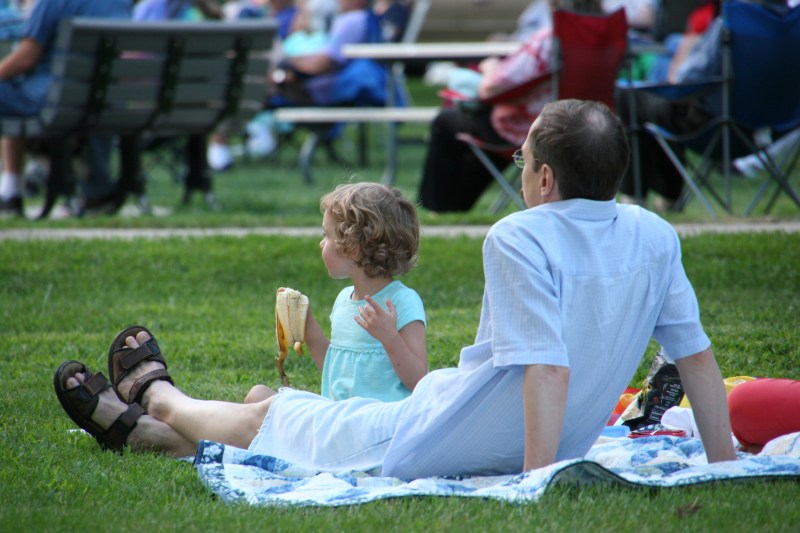
I’ve seen more families at this summer’s concerts than in recent years.


As I listen, I watch. And I observed children running, playing, painting, tossing hula hoops and multi-colored scarves, doing back flips. It all looked so normal. Just like any summer evening. Except for the face masks occasionally seen on kids and adults. And except for the lack of people mingling and visiting as typically happens at these summer concerts.


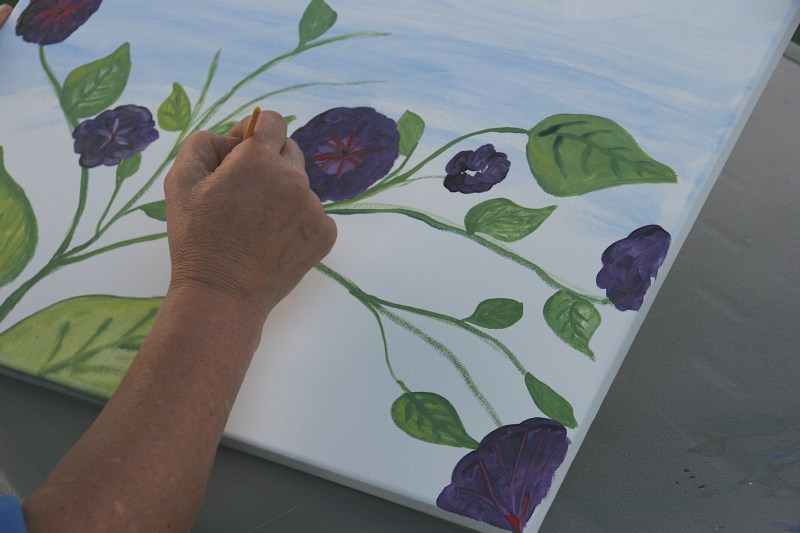
Art in the Park, an opportunity to paint, has been added to this year’s concerts. Here Paula creates.


Professional artist Kate Langlais paints during the concert.


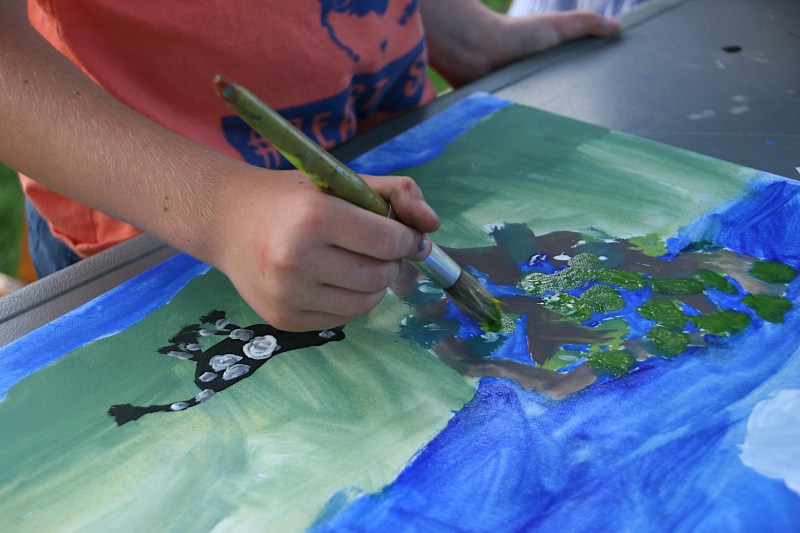
A young concert-goer creates art.


I also noted the size of the crowd, much larger than in past summers. That comes as no surprise given many of us in the aging demographic are limiting who we see and what we do. And this is the one event we can attend because it’s outdoors and people (mostly) follow safety protocol.

As the evening closed in on 8:30 and the bandshell lights switched on, the air chilled and some concert-goers began leaving. But my friend Valerie didn’t leave before we met up. She’d texted earlier wondering if I was at the concert. I haven’t seen her in forever, long before COVID started. And so we stepped to the side of the crowd, both in our face masks and caught up. It was so hard not to hug one another. But we didn’t. And even though I couldn’t see Valerie’s smile, I could see the smile in her eyes. In our brief conversation I felt reconnected, overjoyed, as if COVID exited and we were just two friends chatting with each other on a summer evening.

I can only hope that by this time next summer, COVID-19 will be history and we will all be vaccinated and life back to normal, whatever that may be.


Art in painting. Art in music.


But for now, for this summer, this is life. Masks and social distancing. Few or no social activities. Except for these concerts in the park—with an encore concert set for 6 pm Thursday, September 3, featuring instrumentalist Doug Madow and vocalist Barb Piper. To that announcement, the crowd reacted with raucous applause. One more evening of music to help us sort of forget about this global pandemic.

ENCORE TWO: Minnesota-born singer, songwriter and guitarist Mark Joseph performs at 7 pm Friday, September 11, in Central Park. Sponsored by the Caron family, this blues concert benefits the Paradise Center for the Arts in Faribault via a suggested free will donation of $10.


© Copyright 2020 Audrey Kletscher Helbling
 

The shifting of seasons in Minnesota August 14, 2020

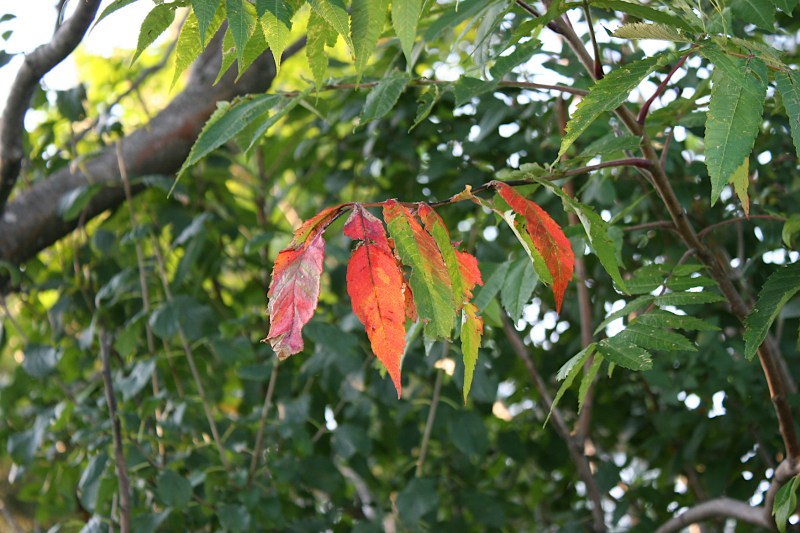
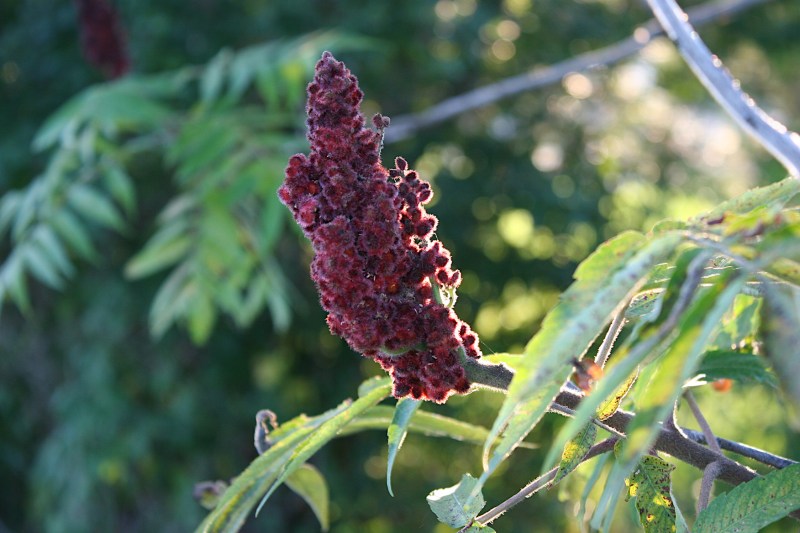
Sumac are already turning red.


THE CHANGING OF SEASONS edges into Minnesota, ever so subtly.


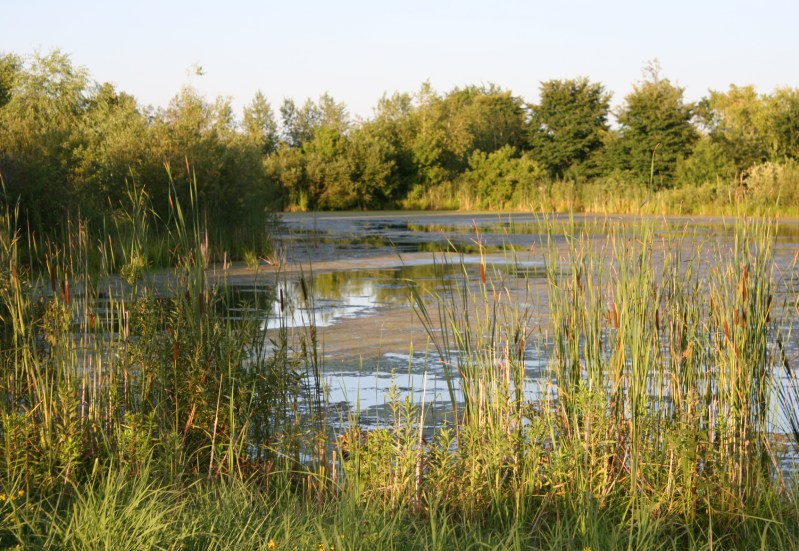
You can see the changing of the landscape around this pond, the subtle changes in hues.


August marks the month of transition, of shifting from summer to autumn.


Beautiful black-eyed susans.


Of wildflowers in full bloom.


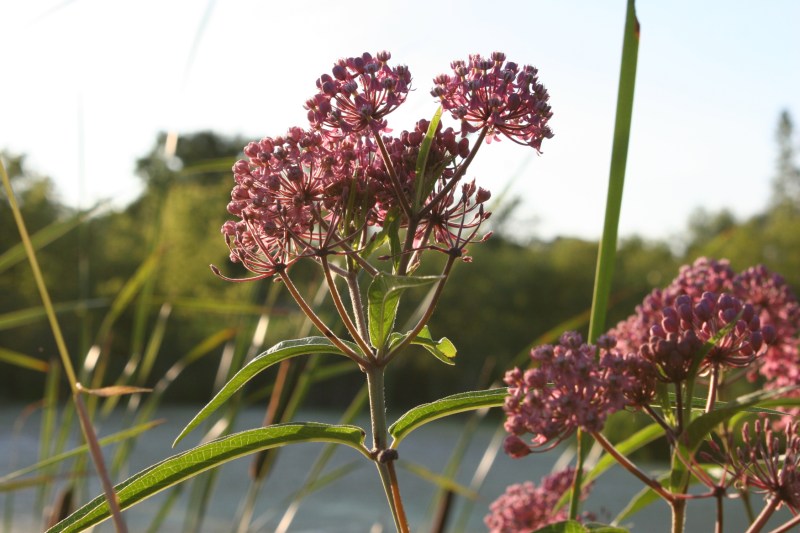
Milkweed, necessary for Monarh butterflies.


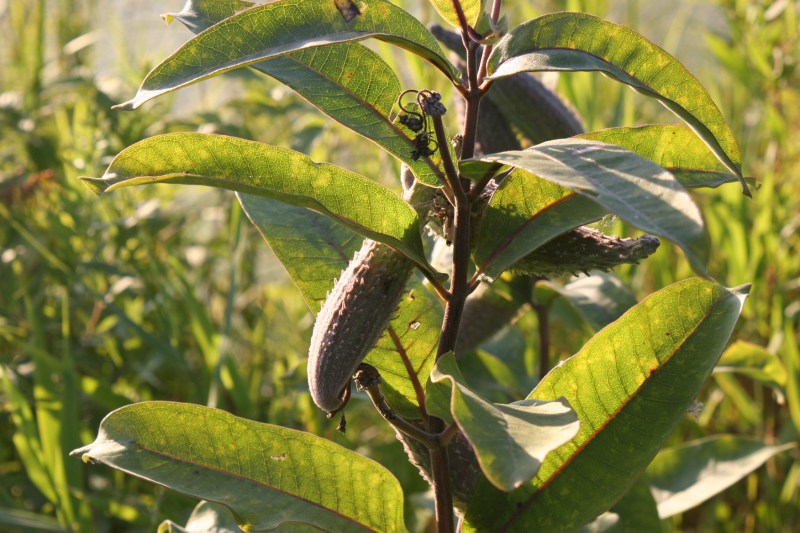
Milkweed pods will soon burst with seeds and fluff.


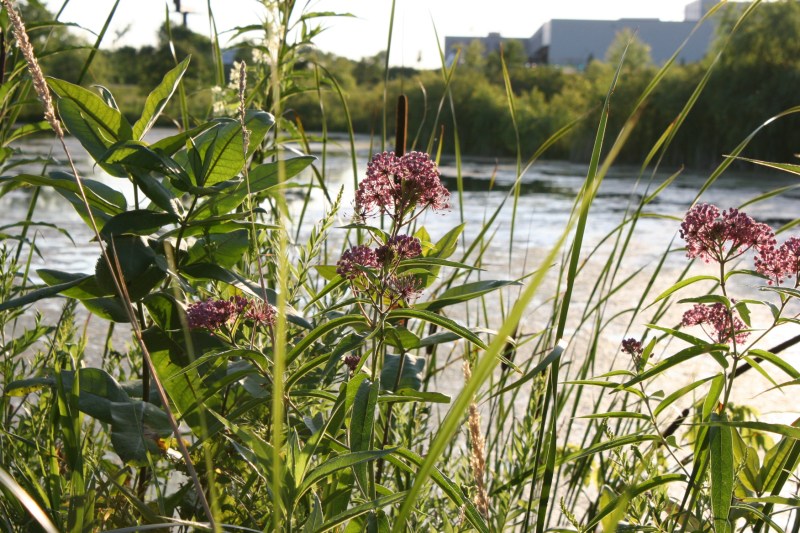
Milkweeds edge the trails and ponds at Faribault Energy Park.


Of blooming milkweeds and those heavy with pods.


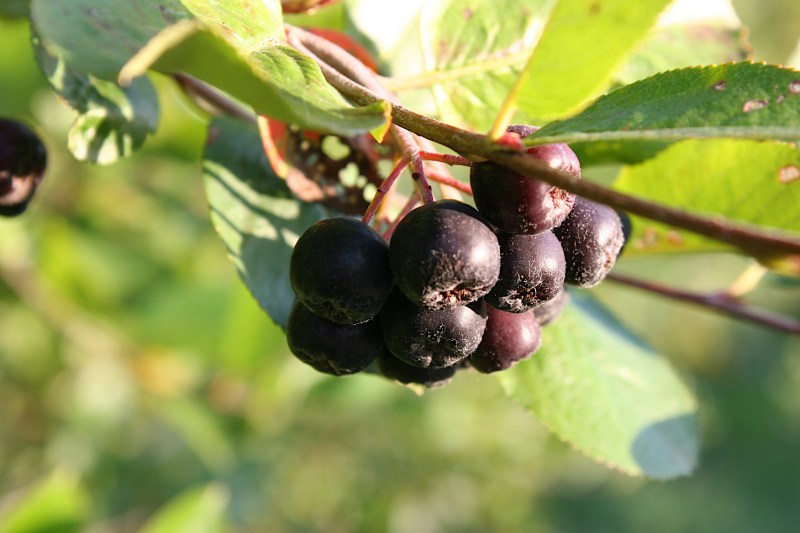
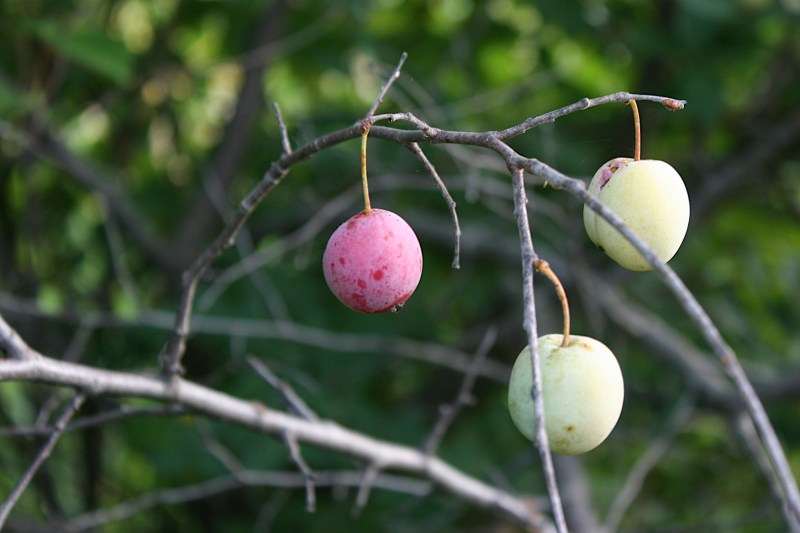
Unidentified berries.


Of berries ripening.


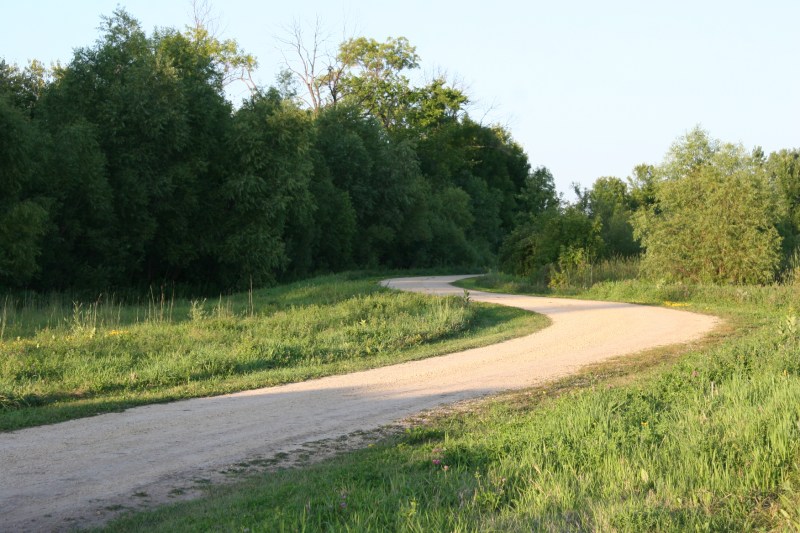
A trail winds through Faribault Energy Park. This isn’t a quiet place because of the interstate. But it’s a place of natural beauty and mostly undiscovered (meaning never busy).


Evenings fall earlier and cool temps sharpen the air. Folks pull on sweatshirts and jeans to keep off the chill. The urge to get outdoors prevails. Backyard campfires blaze warmth.


Plums ripen despite a Japanese beetle infestation.


Crickets chirp. Squirrels scamper. And gardeners bustle to bring in the bounty. Preparing for winter.


Sumac


And, in the landscape, hues morph from the greens of summer to the softer, earthy hues and fiery reds and oranges of autumn.


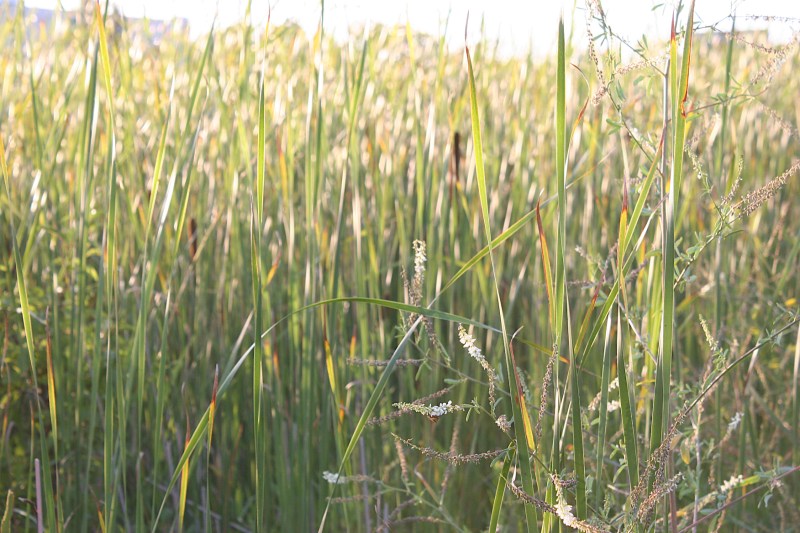
In the light of the setting sun, cattails and grasses.


Cattails rise in swampland and tall grasses sway.


Randy and I laugh at our long-legged shadow selves.


At sunset, shadows lengthen, foreboding and dark. As if hinting at days ahead. The dark days of winter that draw us indoors to snuggle under fleece throws, to crave comfort foods, to shelter in place.


An unknown wildflower.


And this winter to wonder what lies ahead in the uncertainties of COVID-19.


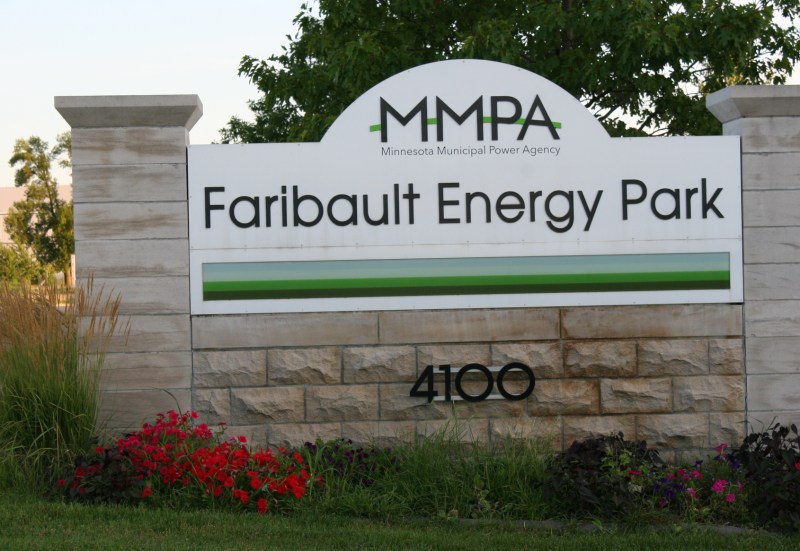
This sign marks the entrance to Faribault Energy Park on Faribault’s north side and visible from Interstate 35.  The wind turbine in the park landmarks this spot near the northbound lane of I-35.


Note: These photos were taken during a recent evening walk at the Faribault Energy Park.

© Copyright 2020 Audrey Kletscher Helbling
 

The story of a library garden August 10, 2020

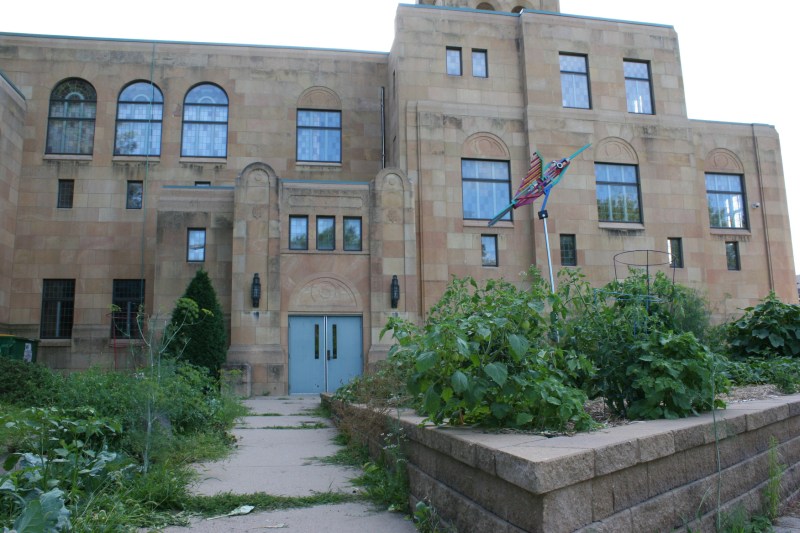
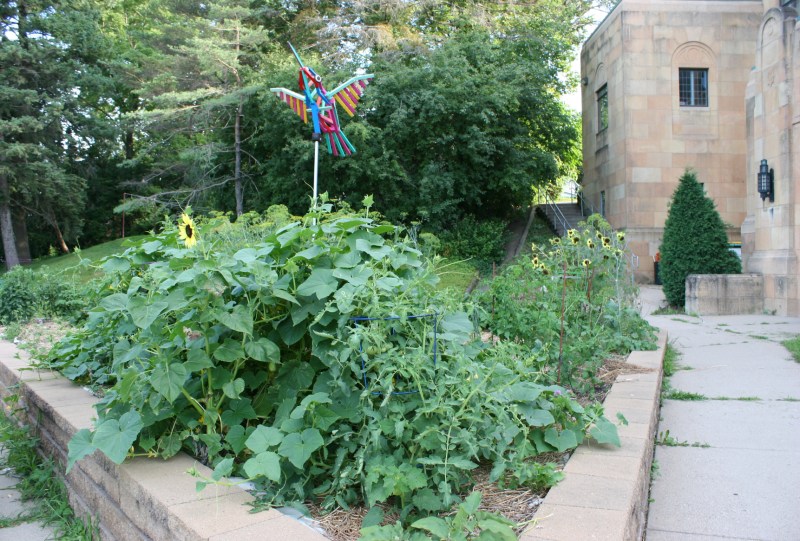
The vegetable garden on the side of Buckham Memorial Library, Faribault, Minnesota.


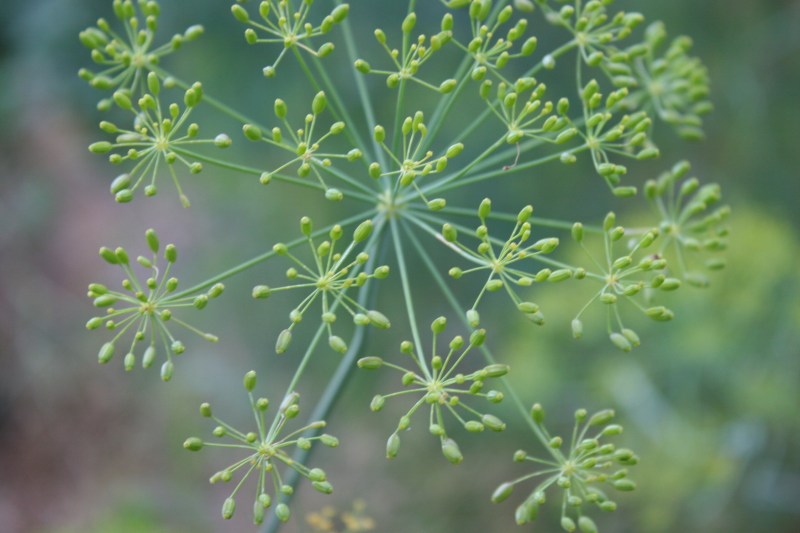
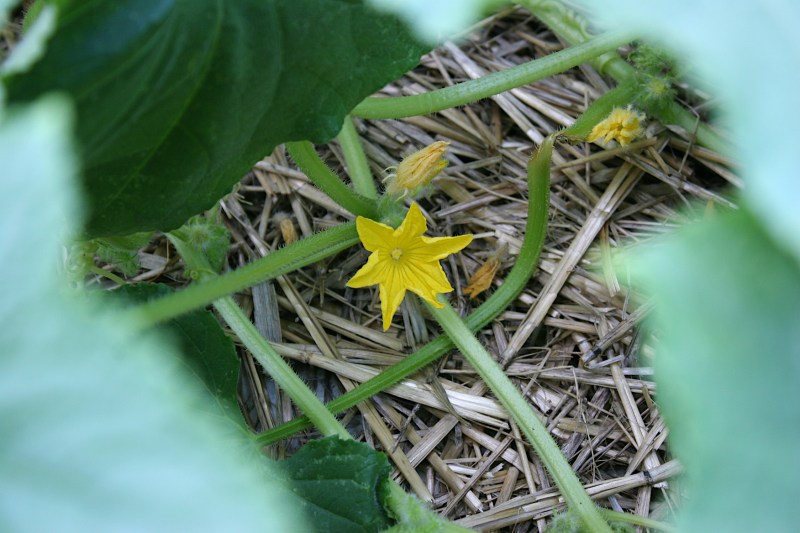
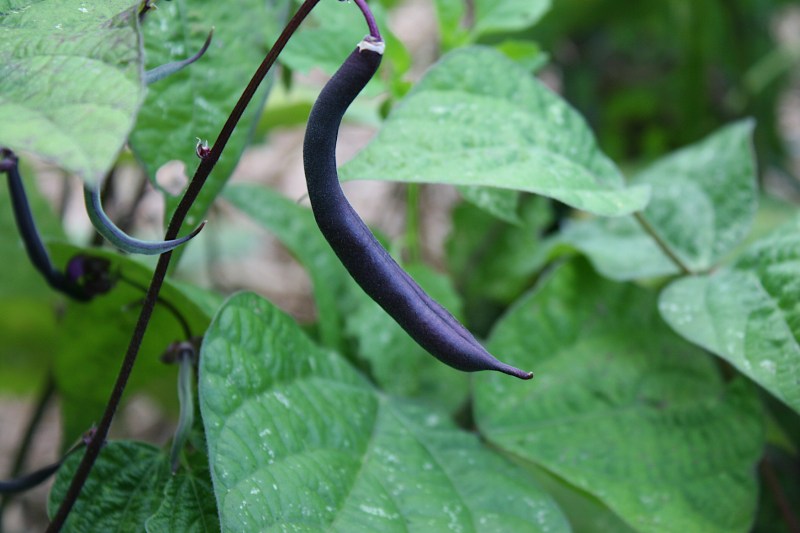
LEMON CUCUMBERS. Purple beans. Dill. Snap peas. Kohlrabi.


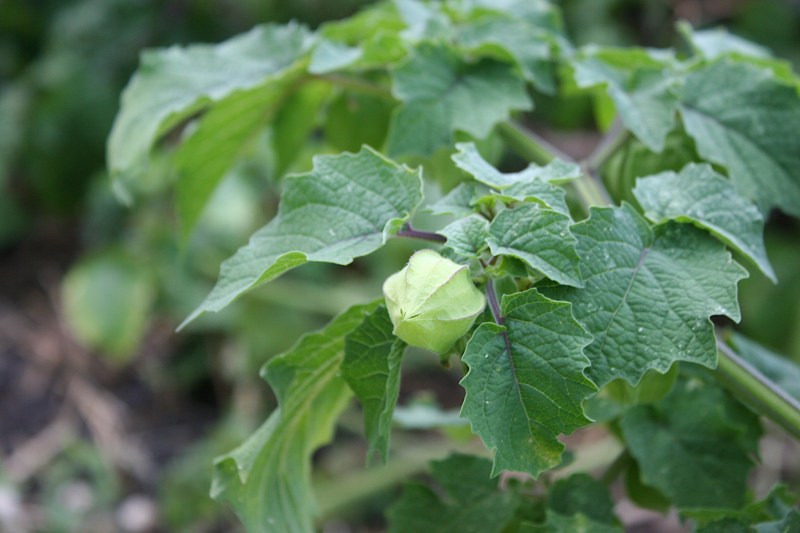
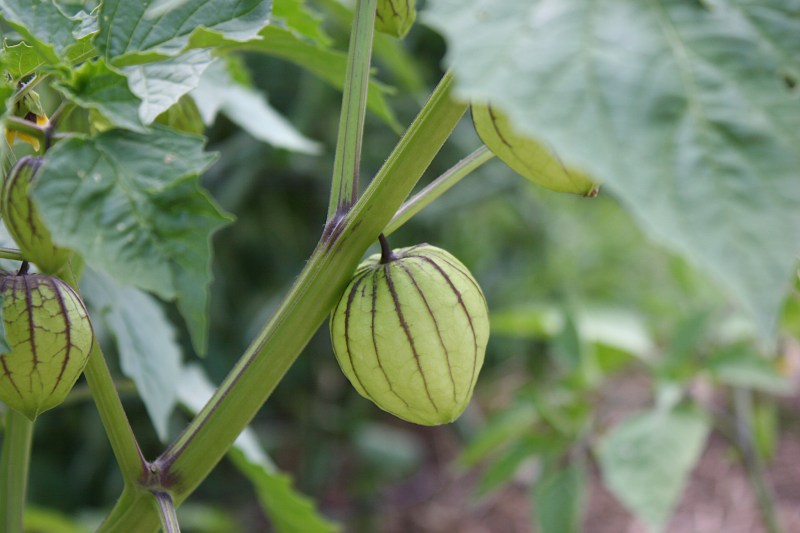
A developing ground cherry? Or something else?

 

Dill.


Ground cherries.


The list of vegetables grown in a community garden at Buckham Memorial Library in Faribault also includes ground cherries, tomatoes, Swiss chard, eggplant, cilantro, rosemary. Plus clover and sunflowers. And maybe some plants I’ve missed.


A vegetable blossom.


Several types of tomatoes grow in the garden.


Purple beans.


While I had hoped to harvest beans during a recent stop, I found them still too small and other vegetables (the ones I would eat) not yet ready for picking.


Sunflowers burst color into the garden.


Another view of the garden.


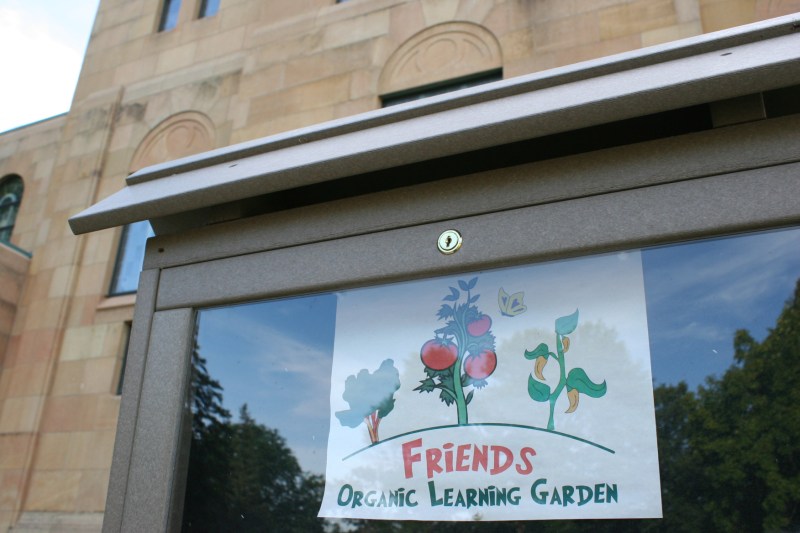
But I still took time to photograph this wedge garden, a project of Friends of the Library. The Friends Organic Learning Garden was designed several years ago as a place for folks to gather and learn how to:
  • grow delicious organic food
  • care for the earth and our water supply
  • support pollinators
  • connect with others in the community


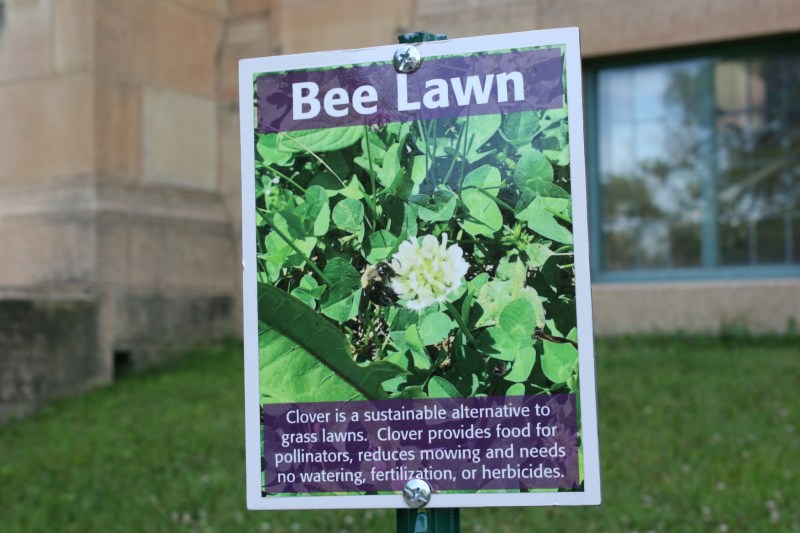
There’s a bee lawn right next to the vegetable garden.


Another unidentified vegetable developing.


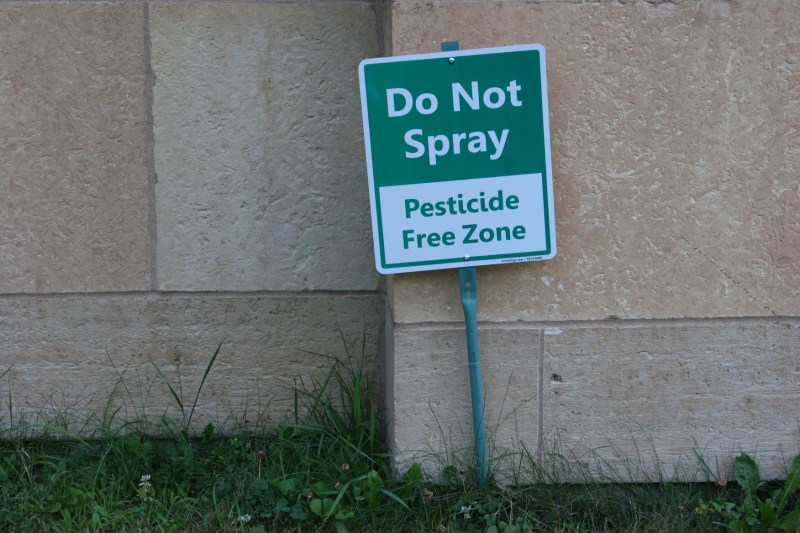
A warning sign next to the library and by the bee lawn.
 

It’s a great idea. Anything that brings people together, educates and meets a need—providing food—certainly holds value. I have, in past years, enjoyed vegetables from the library garden. That includes lemon cucumbers, which Lisa Reuvers, library employee and lead master gardener, says “were a hit a couple of years ago.”
 

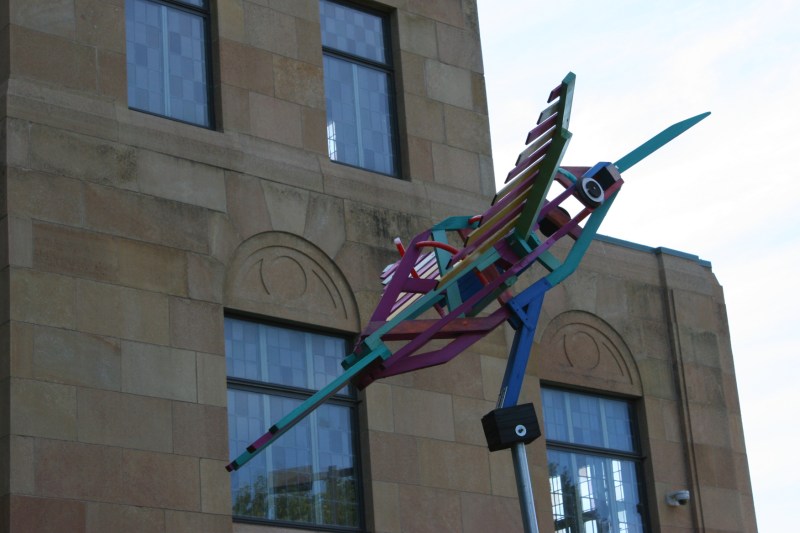
The garden features a hummingbird sculpture, “The Color of Flight, by Jorge Ponticas. This was funded by the “Artists on Main Street” program several years ago.


I’ll keep an eye on those coveted orb-shaped cucumbers as they ripen and grab a few for salads…


TELL ME: Does your community have a similar garden? Or are you a gardener? I’d like to hear.

© Copyright 2020 Audrey Kletscher Helbling