Minnesota Prairie Roots

Writing and photography by Audrey Kletscher Helbling

Memories from “A Night at the Museum” October 5, 2015

Museum, 90 family photo outside church


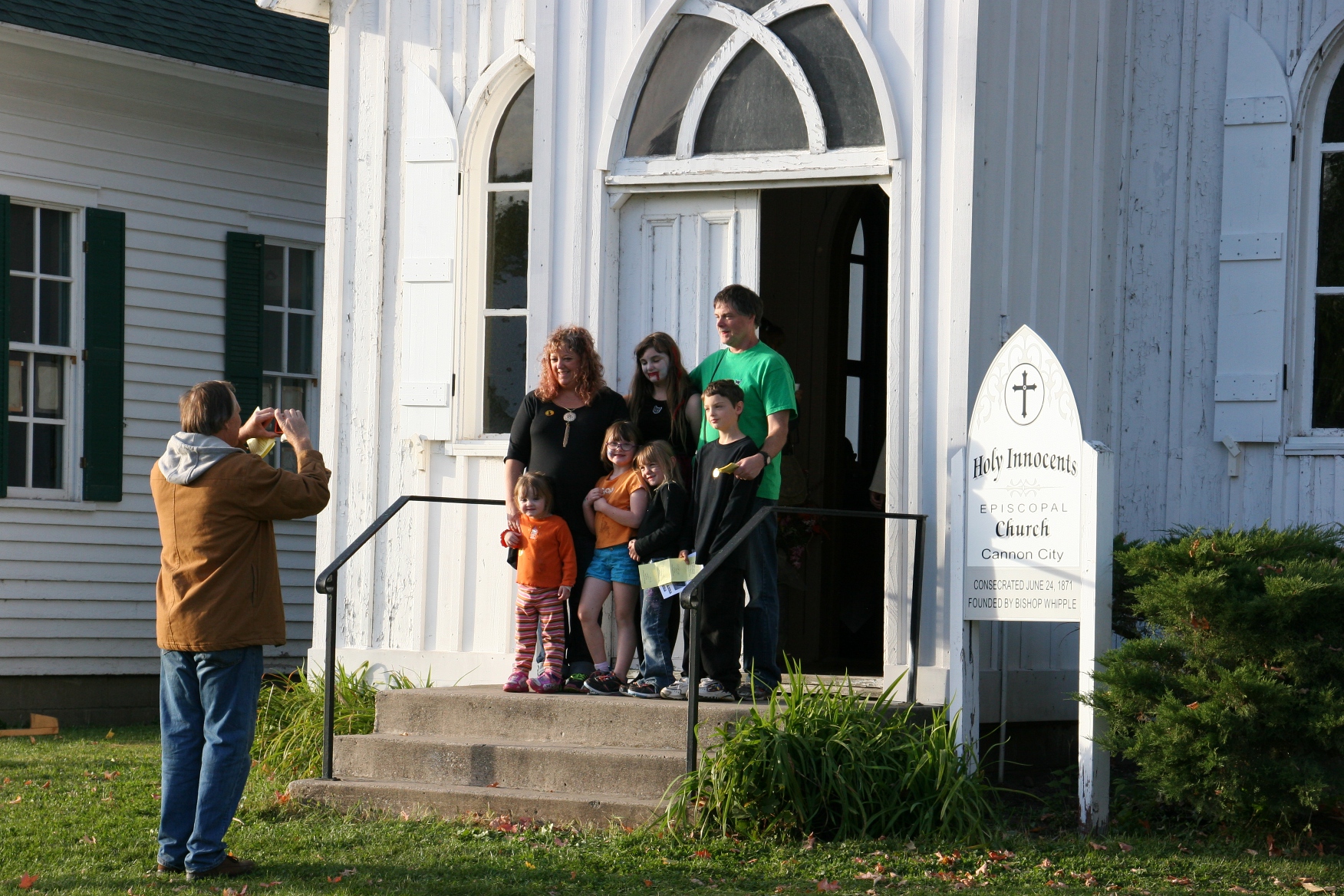
ON THE FRONT STEPS of Holy Innocents Episcopal Church, a family posed for photos.
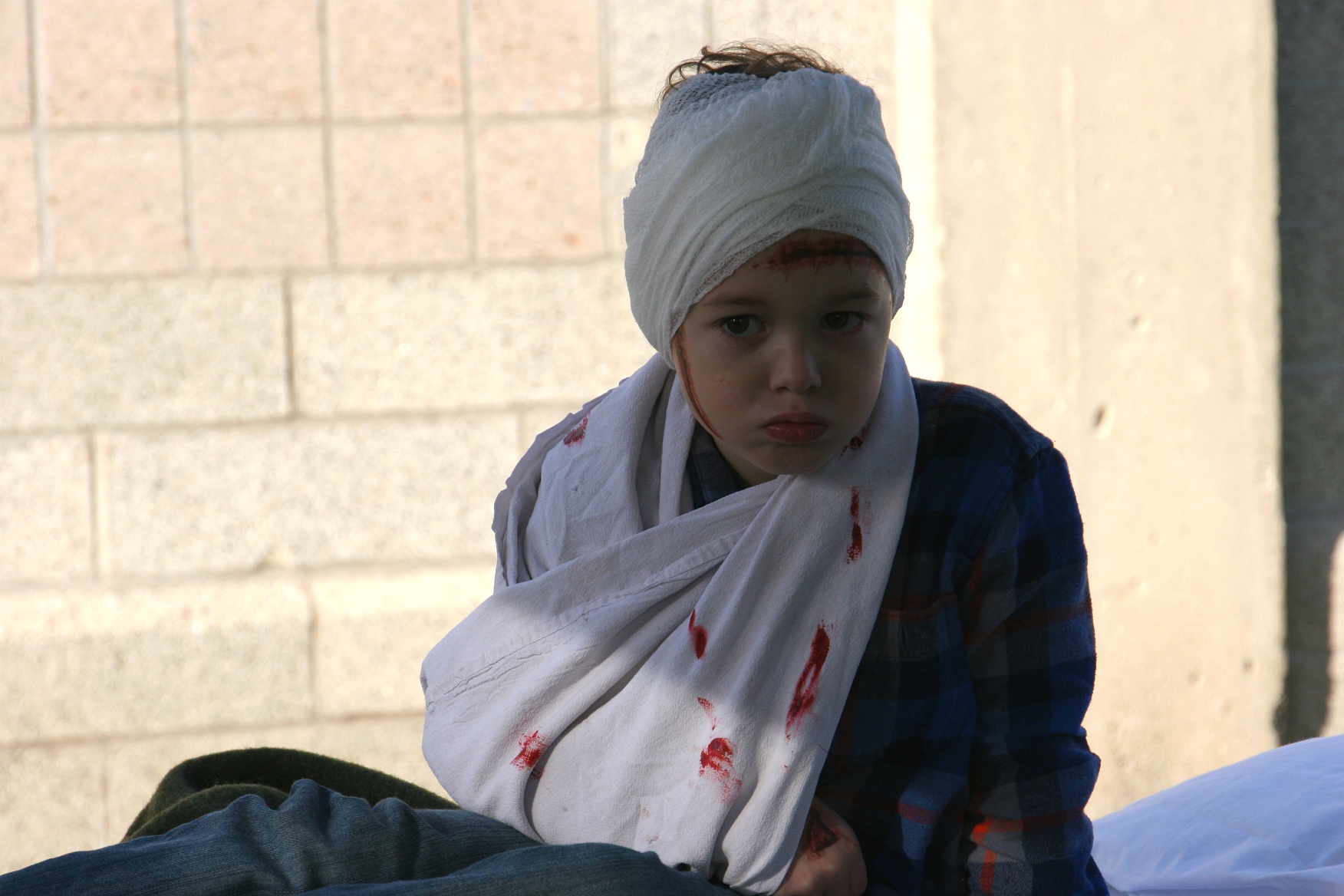
 

A boy feigns mock injuries for the living history event in Faribault.

A boy feigns mock injuries for a living history event in Faribault on Saturday.

Under a Red Cross tent, nurses tended a young boy kicked in the head by a horse.
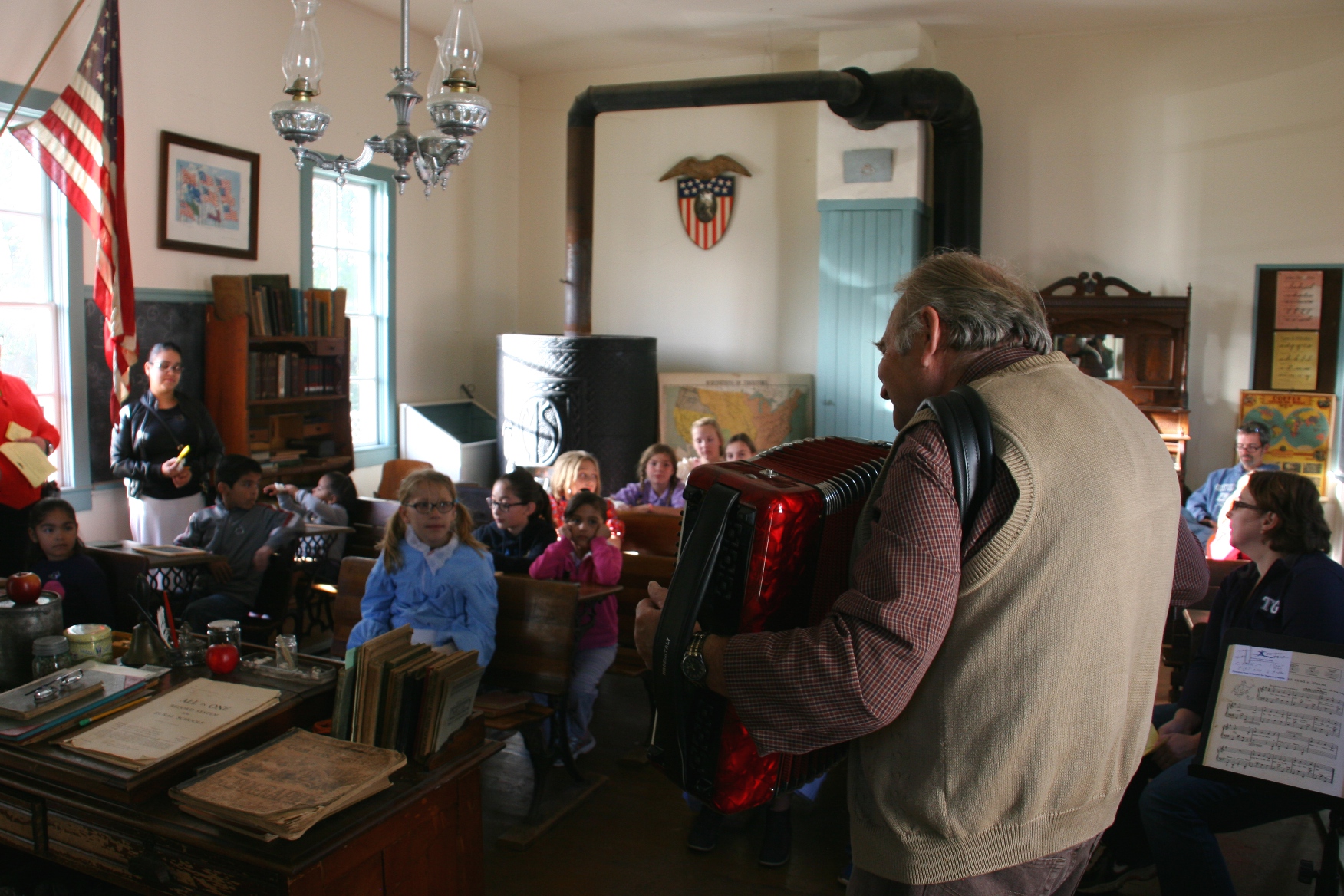
The one-room Pleasant Valley School quickly filled with students as the teacher led his class in songs.

The one-room Pleasant Valley School quickly filled with students as the teacher led his class in songs.

Inside Pleasant Valley School, students sang “If you’re happy and you know it…” along with their accordion-playing teacher.
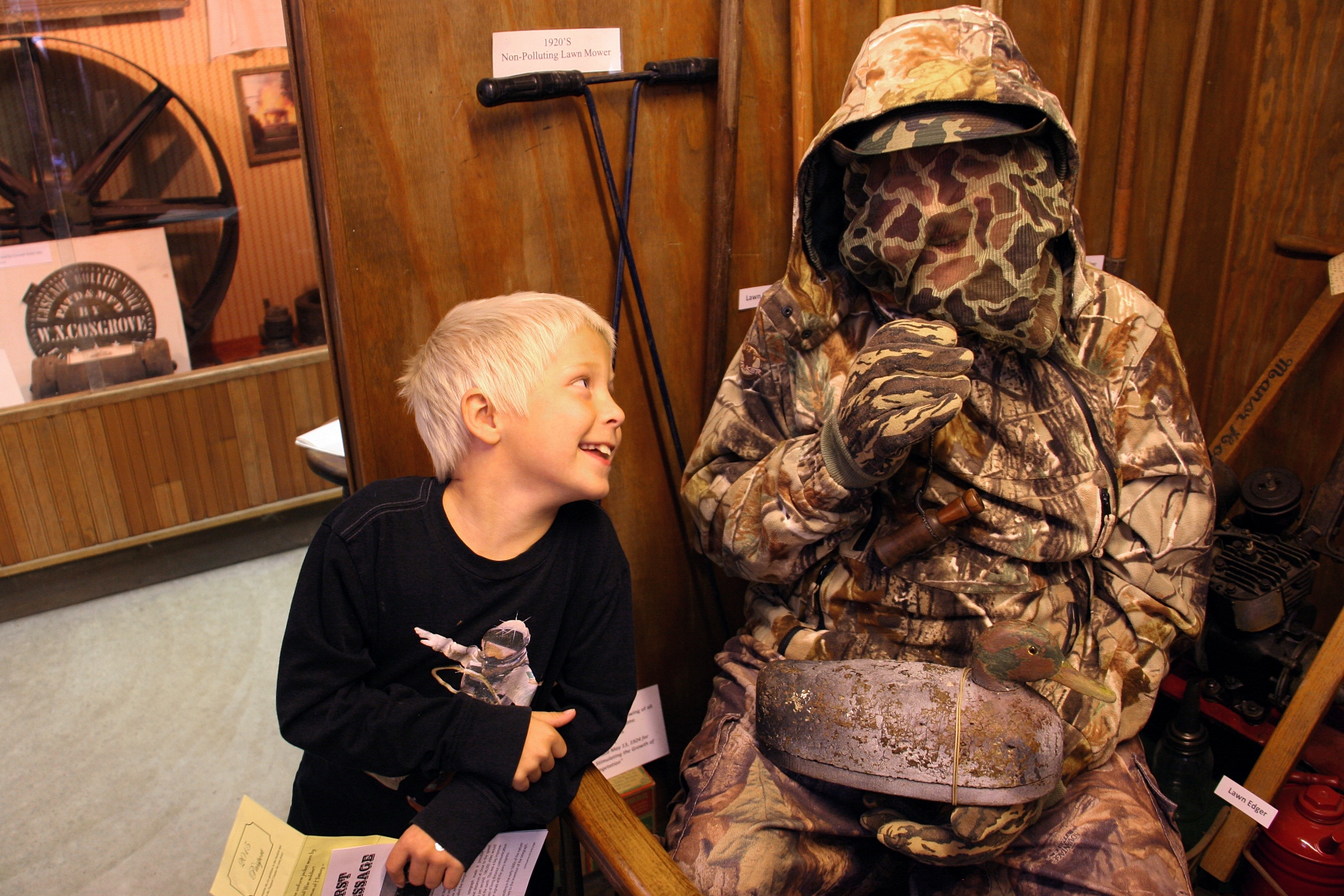
Every time this little guy poked the duck hunter, a duck call emitted. Eventually, he figured out that a real man, Brian Schmidt, was under all that garb. This is the moment Brian revealed himself.

Every time this little guy poked the duck hunter, a duck call emitted. Eventually, he figured out that a real man, Brian Schmidt, was under all that garb. This is the moment Brian revealed himself.

Inside Harvest and Heritage Hall, a boy poked at a duck hunter, wondering whether the camouflaged man was mannequin or real.
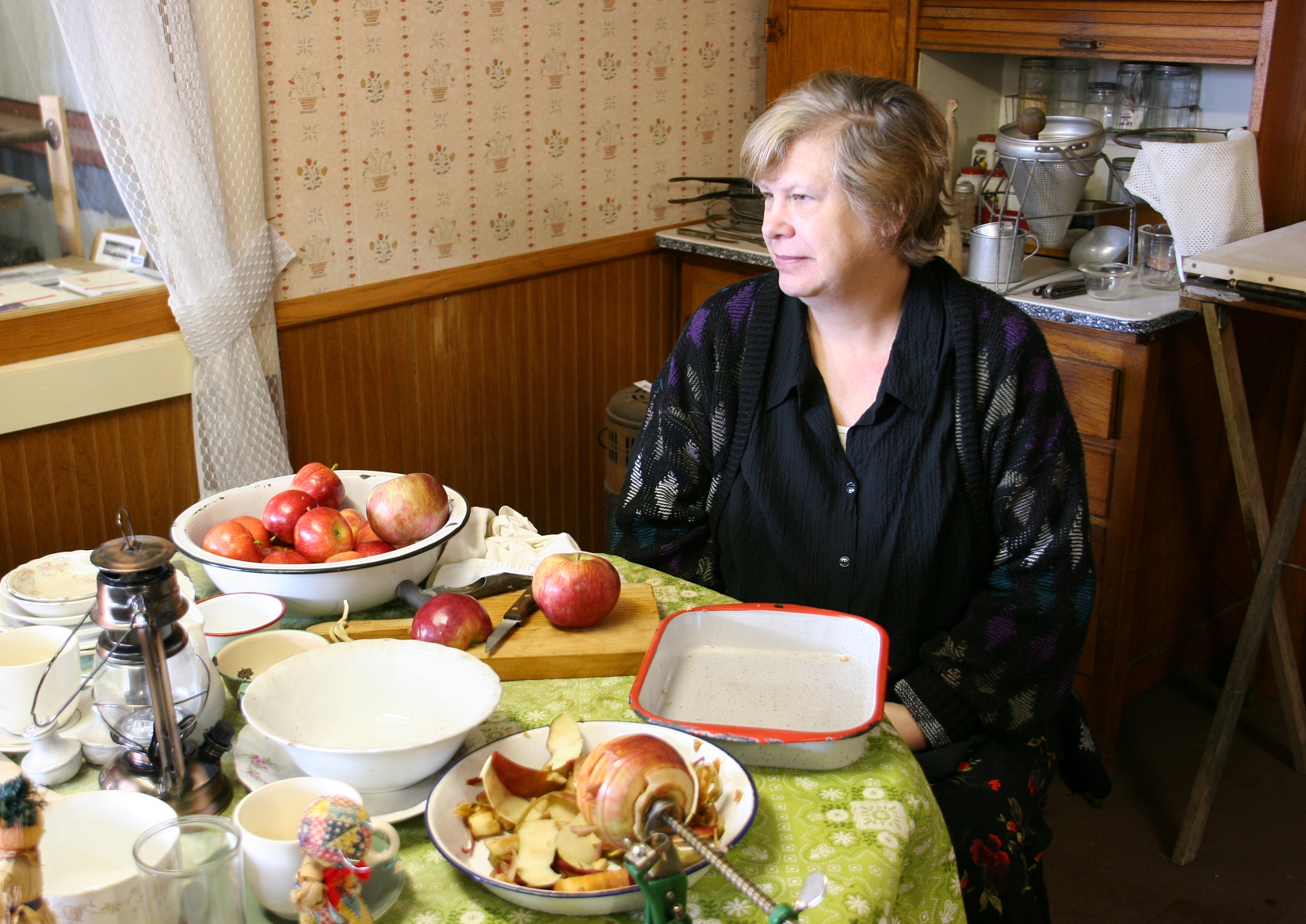
Mrs. Morris takes a break from making applesauce.
Mrs. Morris takes a break from making applesauce.

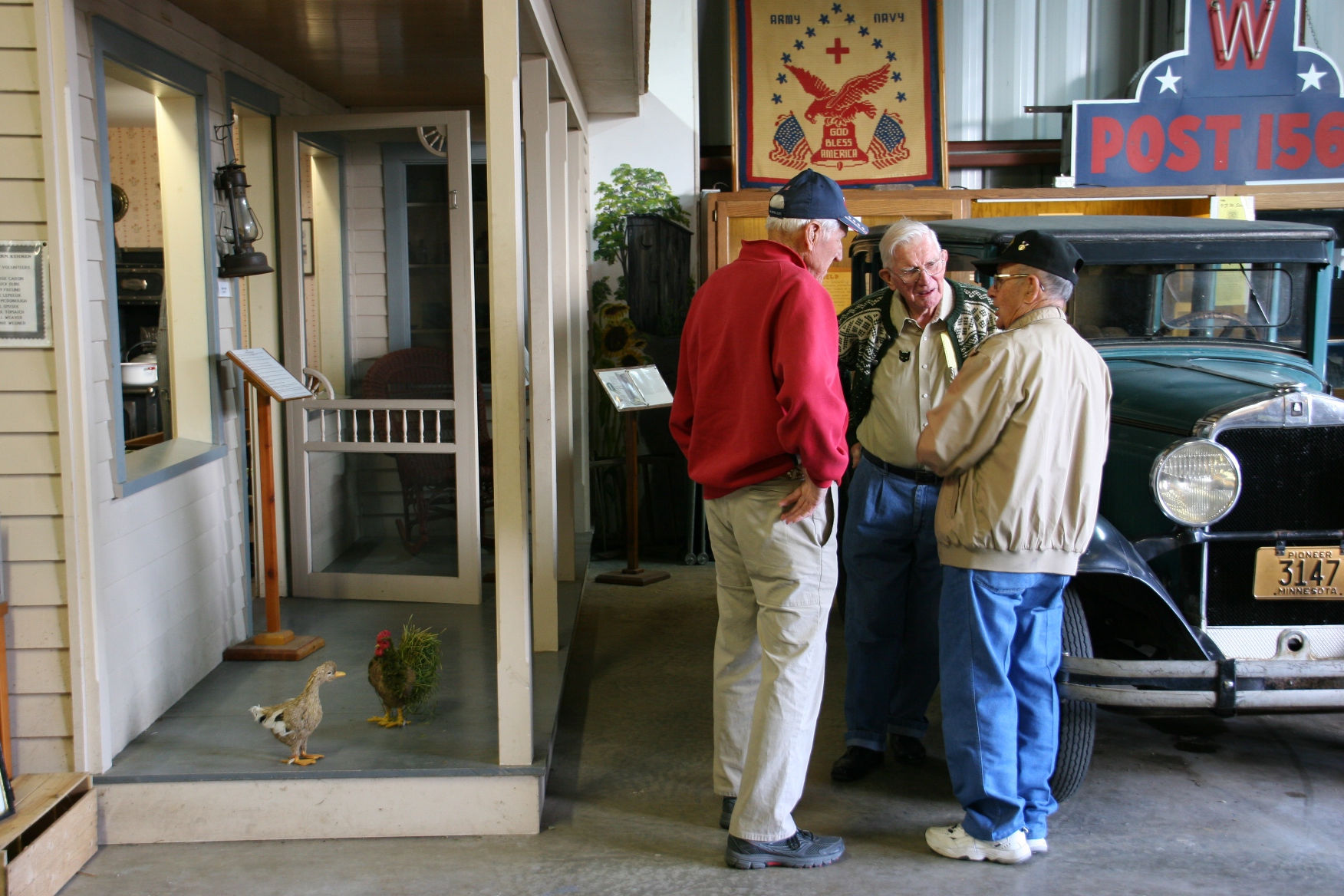
I love photographing moments like this of people connecting.

I love photographing moments like this of people connecting, here outside the Morris “home” in the Harvest/Heritage Hall.

Next to Mrs. Morris’ front porch, a trio of men visited while the lady of the house peeled apples in her kitchen.
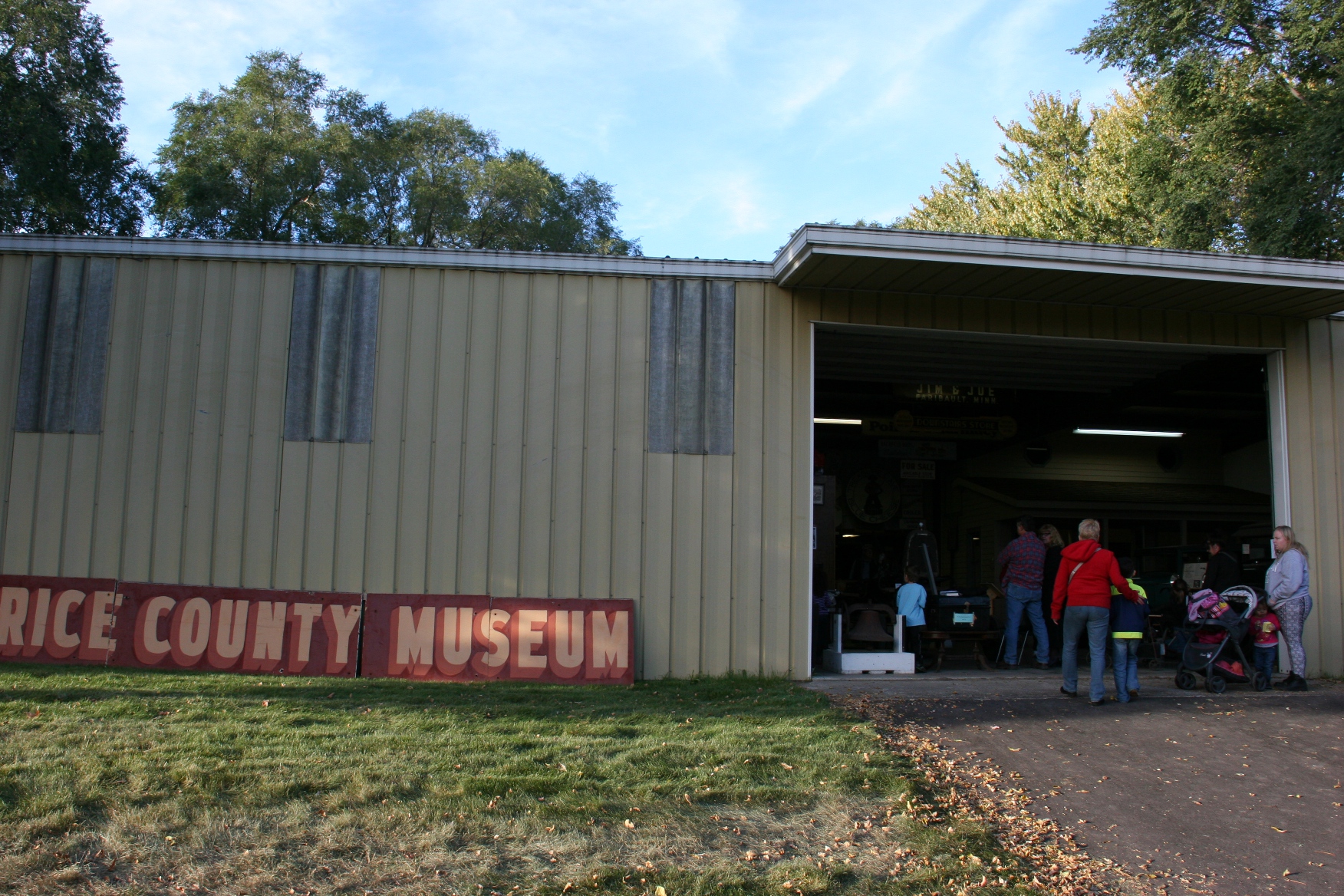
Participants in "A Night at the Museum" file into the Harvest and Heritage Hall.

Participants in “A Night at the Museum” file into the Harvest and Heritage Hall.

Scenes. Some part of living history activities. Others authentic, in the moment. But all part of the Rice County Historical Society’s annual “A Night at the Museum.”
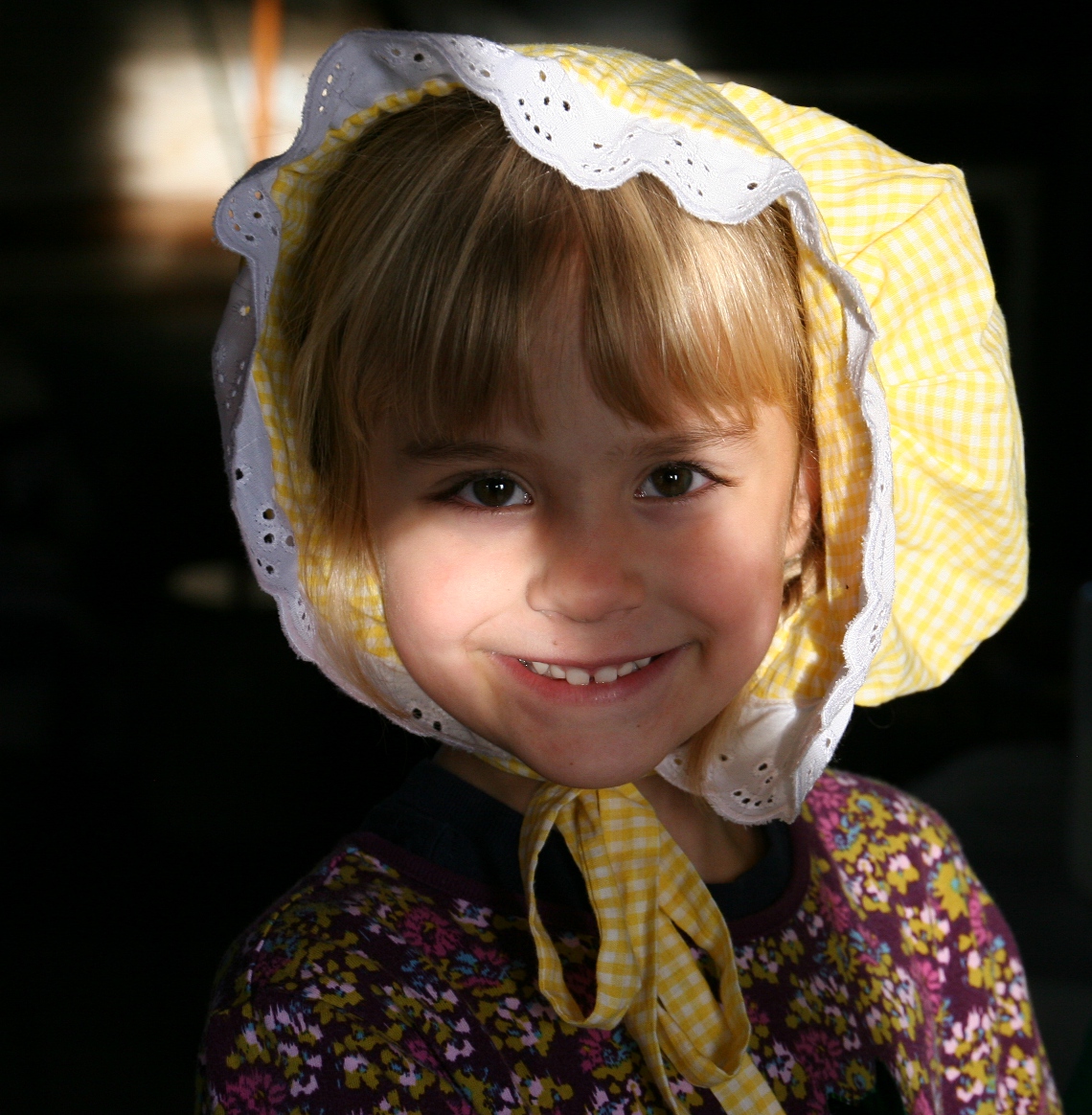
Many kids were dressed in period costume.

Many kids dressed in period costume.

A near perfect Saturday in October brought families and others to the museum grounds in Faribault to participate in this living history program that seems to grow in popularity every year. It’s an engaging event that includes a local history quest game for kids and plenty of learning and reminiscing opportunities for the adults.
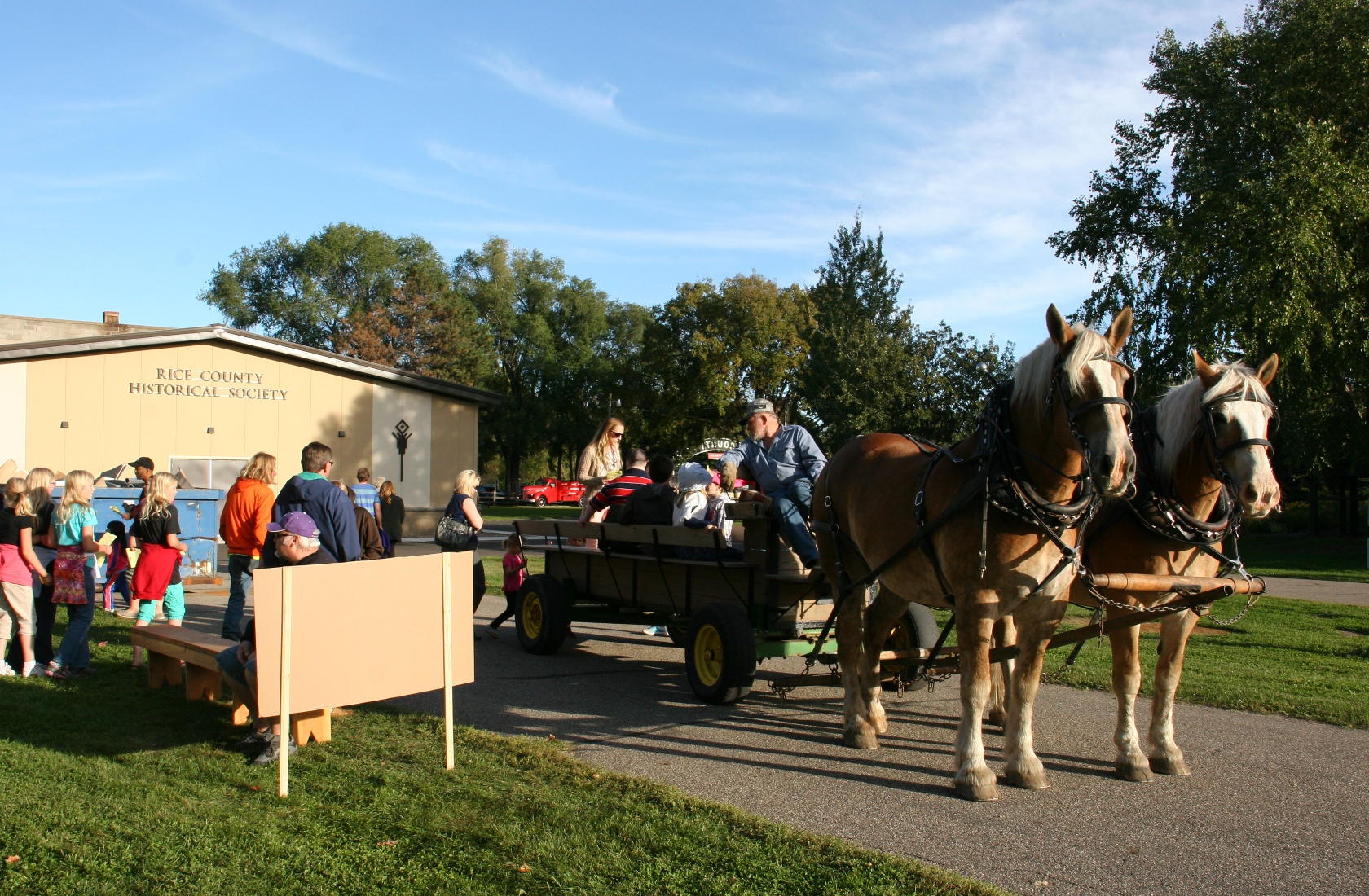
Horse-drawn wagon rides around the Rice County Fairgrounds were popular.

Horse-drawn wagon rides around the Rice County Fairgrounds proved popular.

And mixed in with all the education and fun is the building of memories. I expect kids will remember riding in the horse-pulled wagon, searching for the Bruce Smith display to determine the year the Faribault native and University of Minnesota football player won the Heismann Trophy (1941), struggling to walk on stilts and more. One boy may even remember answering an old crank phone to the question, “Would you like to order a pizza?”, posed by my husband on the other end.
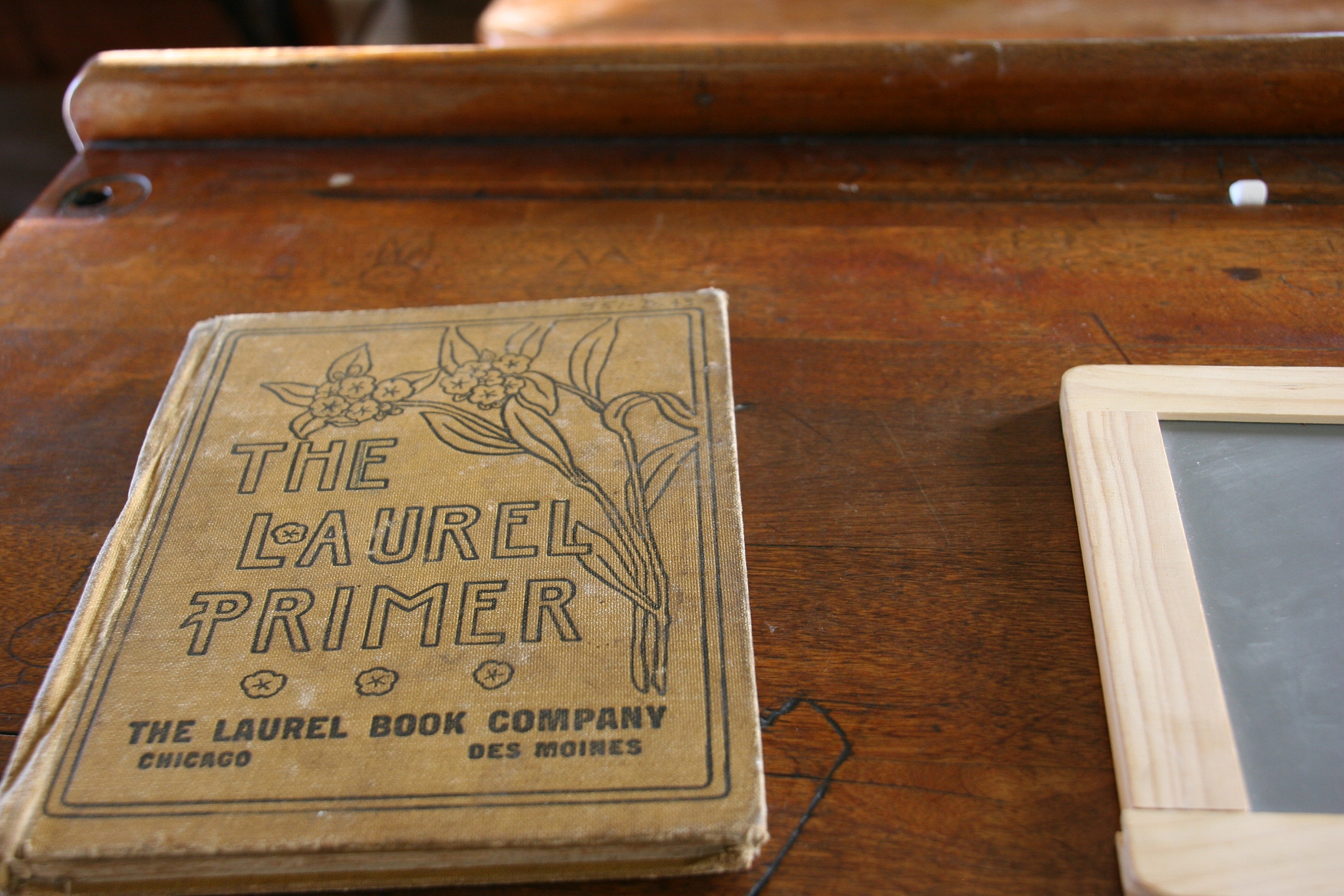
Old books were laid out on school desks.

Old books were laid out on school desks.

I’ll remember, not so pleasantly, the stressed mom who yanked and yelled at her daughter and how I tried to comfort the young girl cowering behind the schoolhouse door. Sometimes life’s moments hurt. But I delighted in finding a scythe I will return to photograph for an author writing a book about Laura Ingalls Wilder. And I was impressed by Gunnar, the friendly and confident elementary-aged boy who informed me that I was landscaping. He was right. I was photographing landscape (horizontal) images with my camera.
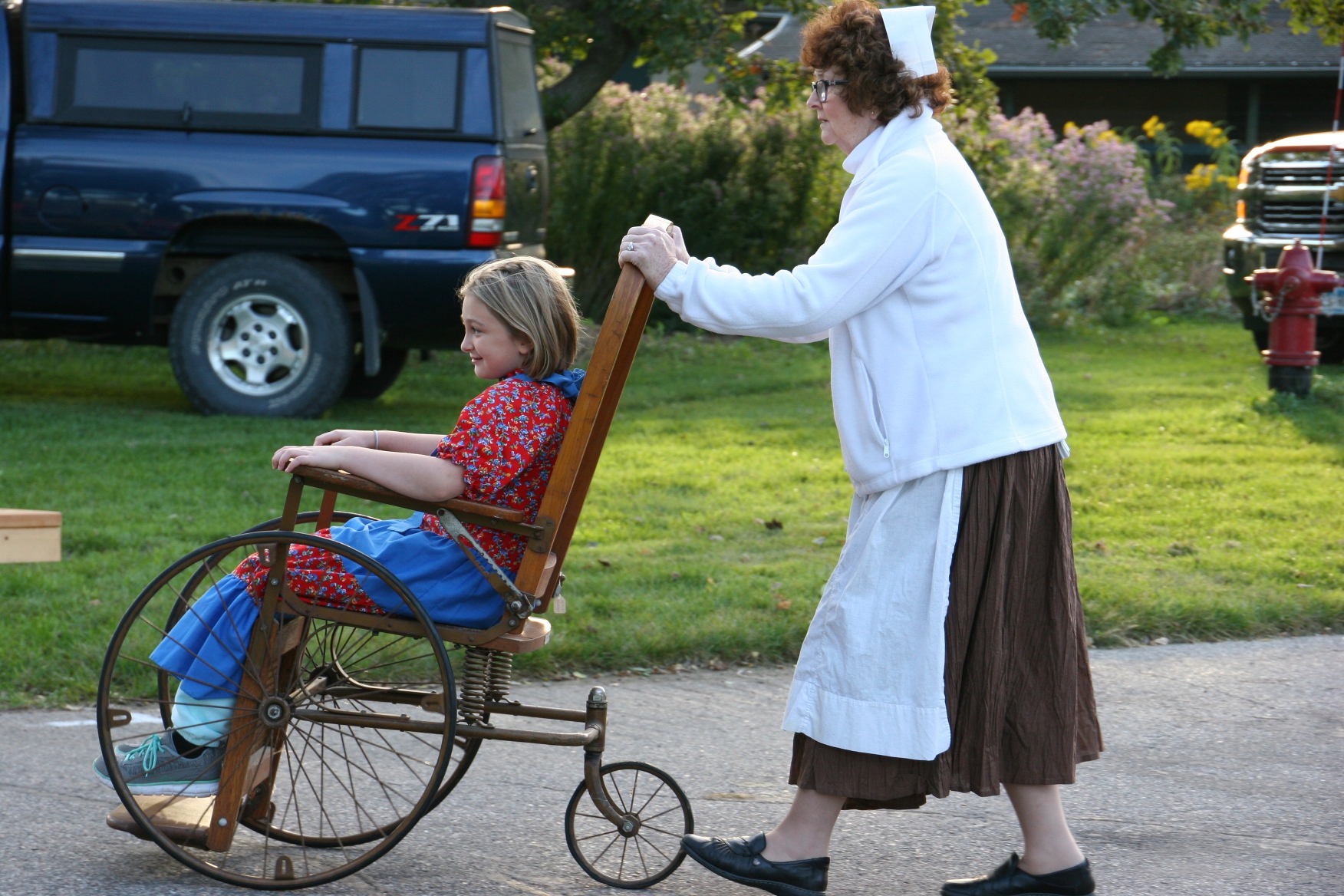
I expect this young girl will remember being pushed around in a wheelchair by a Red Cross nurse during this historical reenactment.

I expect this young girl will remember being pushed around in a wheelchair by a Red Cross nurse during this historical reenactment.

Aside from the unsettling incident I witnessed, I observed moments to savor. Moments that become part of an individual’s history, a family’s history, a couple’s history—remember that night we went to the museum…

BONUS PHOTOS:
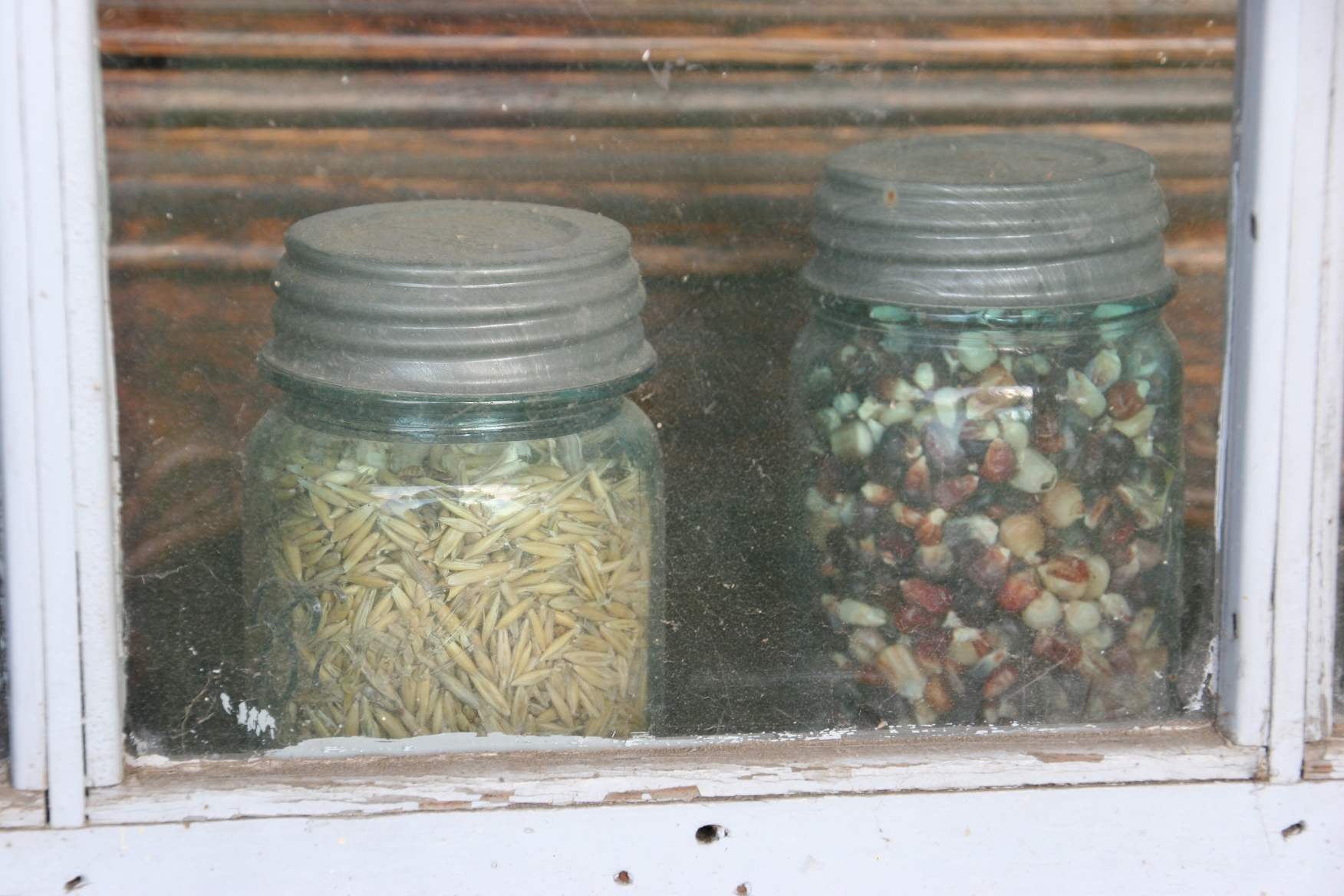
A scene photographed looking from the outside into the historic log cabin.
A scene photographed looking from the outside into the historic log cabin.

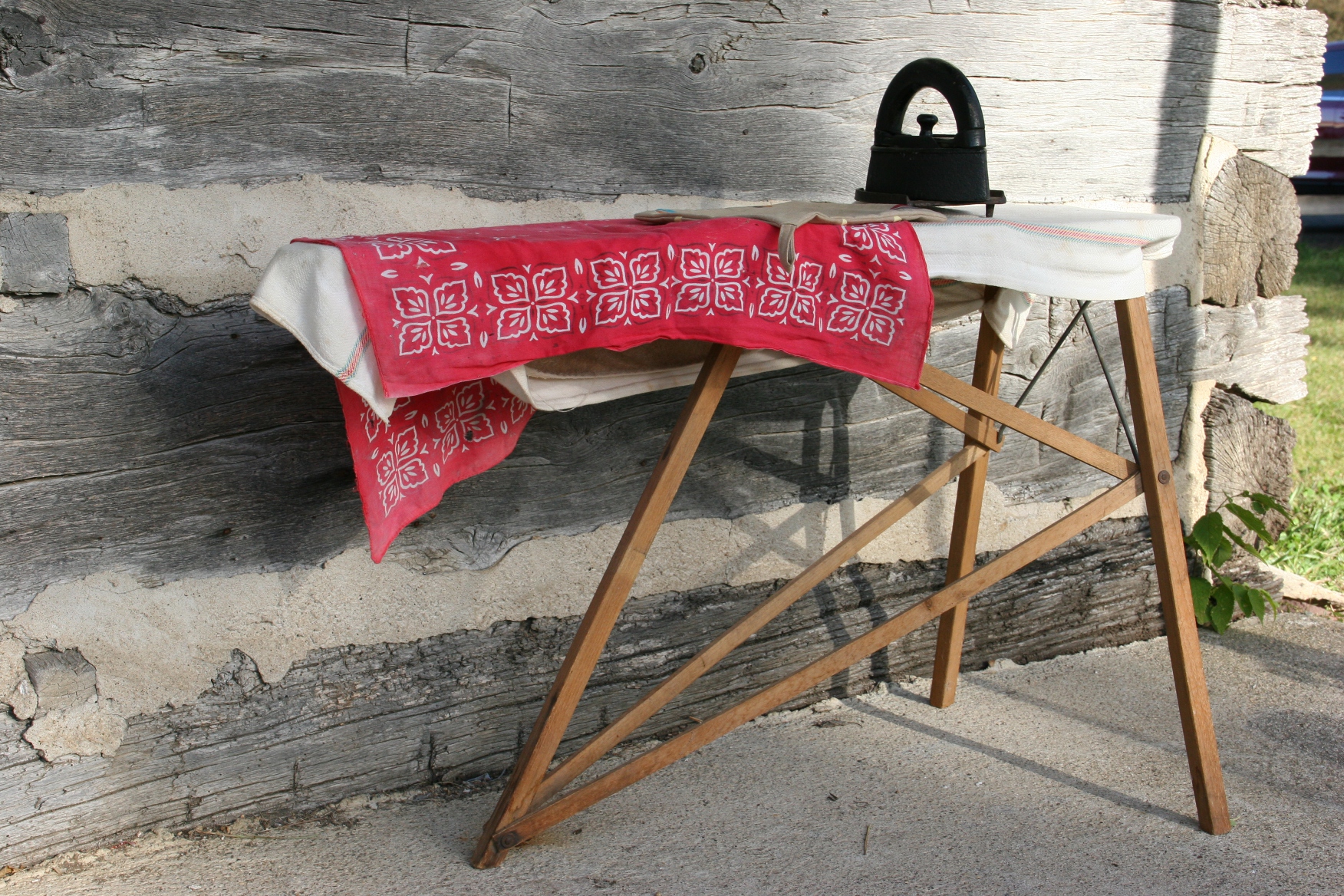
Ready to iron outside the log cabin.
Ready to iron outside the log cabin.

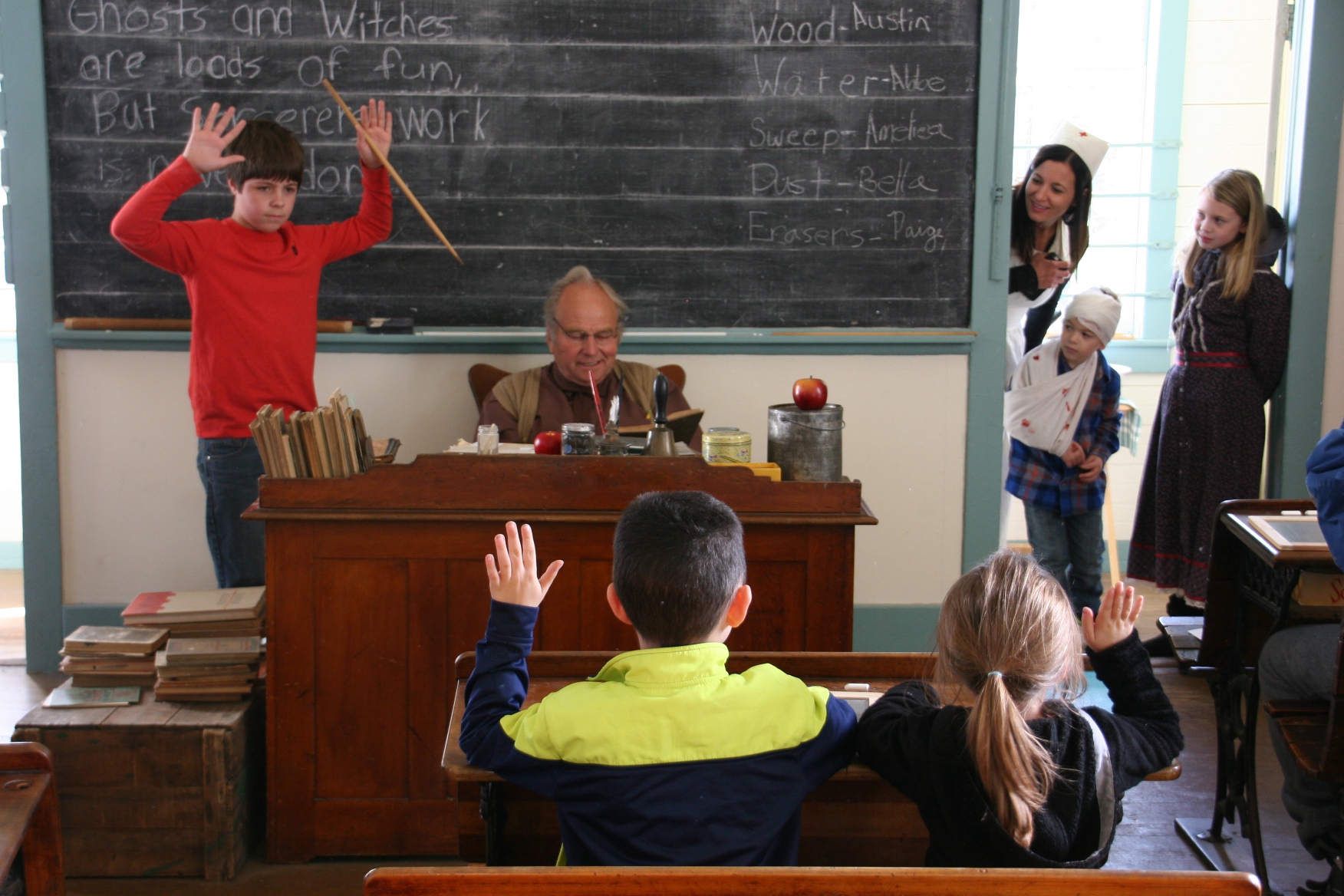
Math class is underway inside the one-room Pleasant Valley School.
Math class is underway inside the one-room Pleasant Valley School.

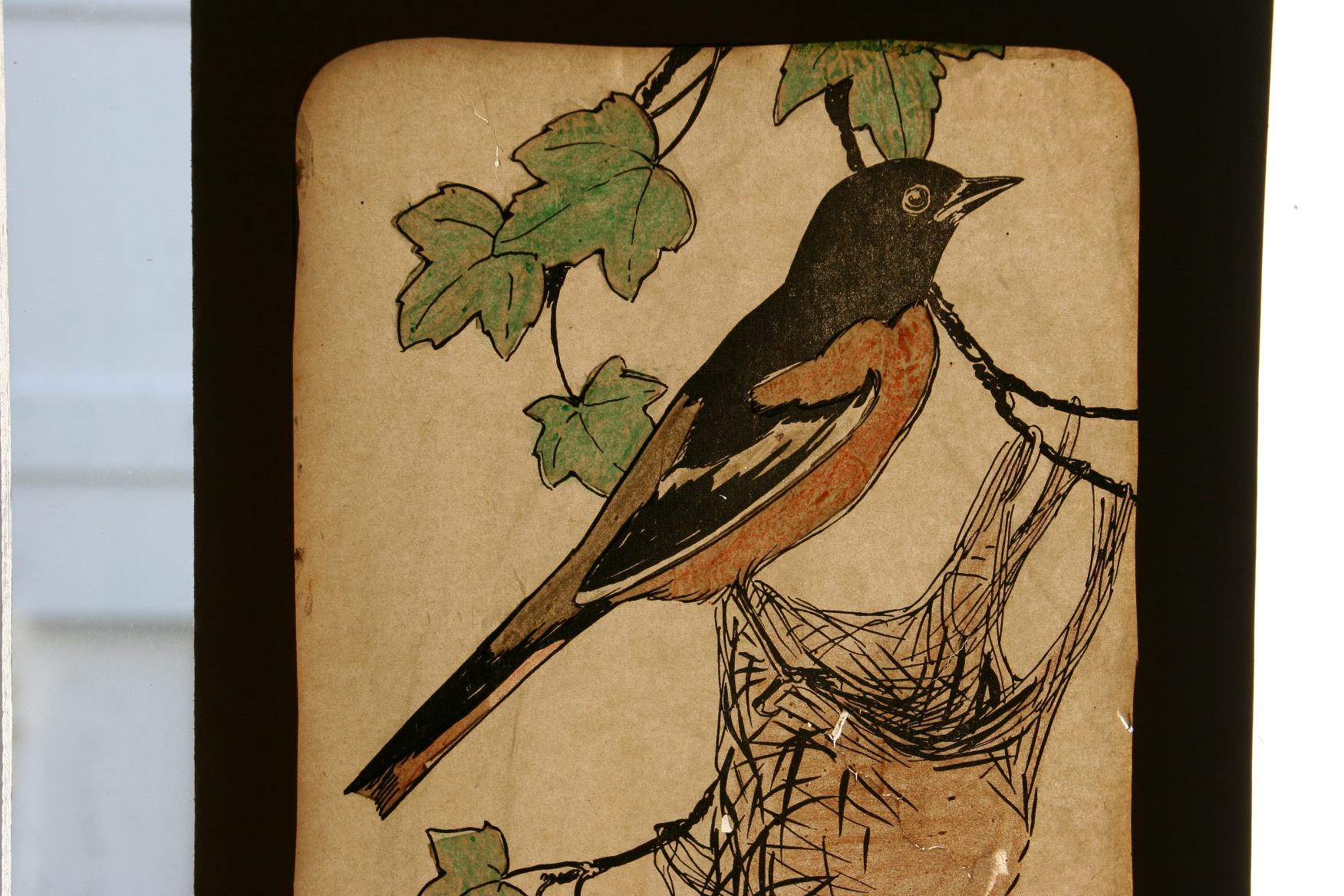
Art in a classroom window.
Art in a classroom window.

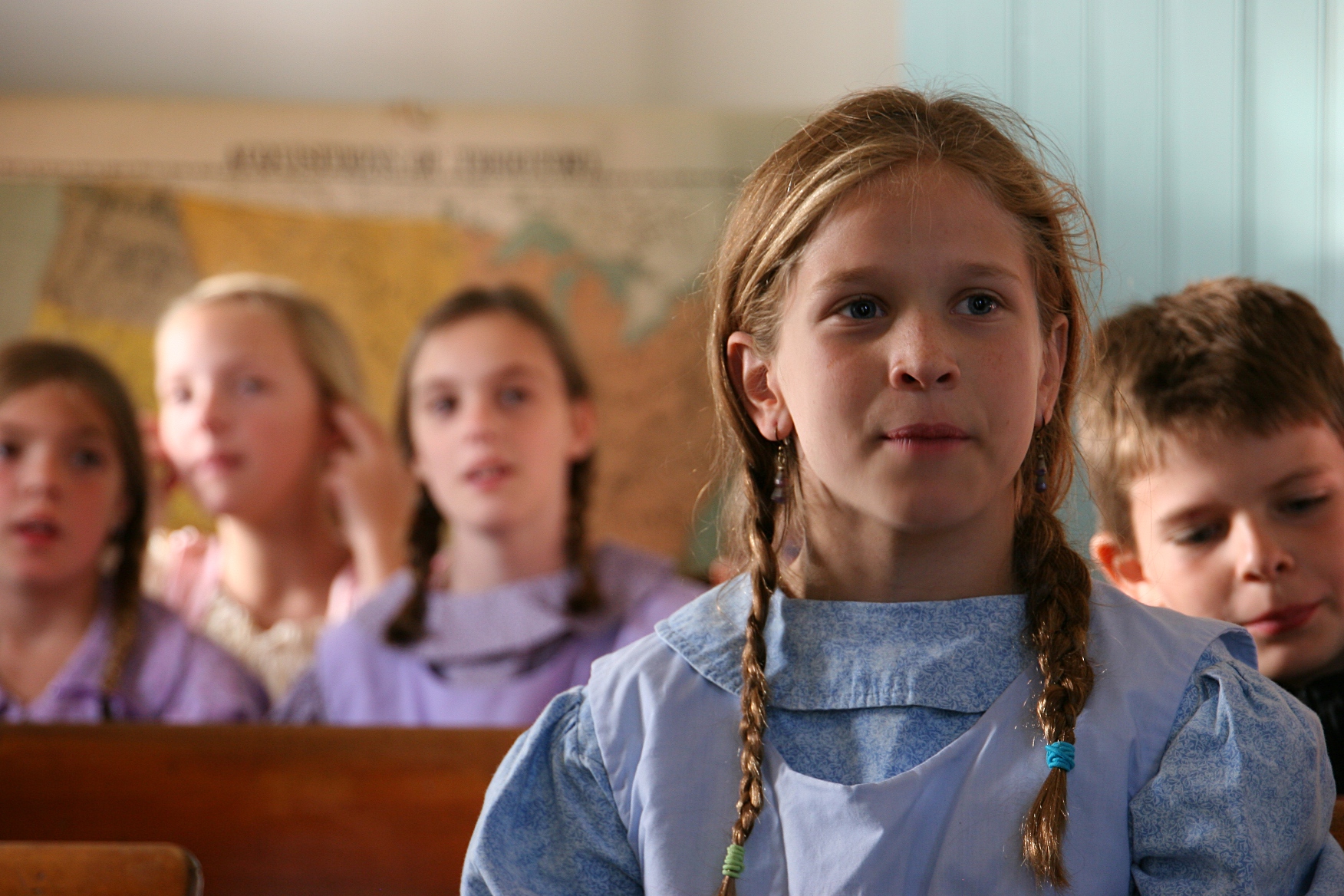
A student reenactor sings along with her class.

A student reenactor in class.

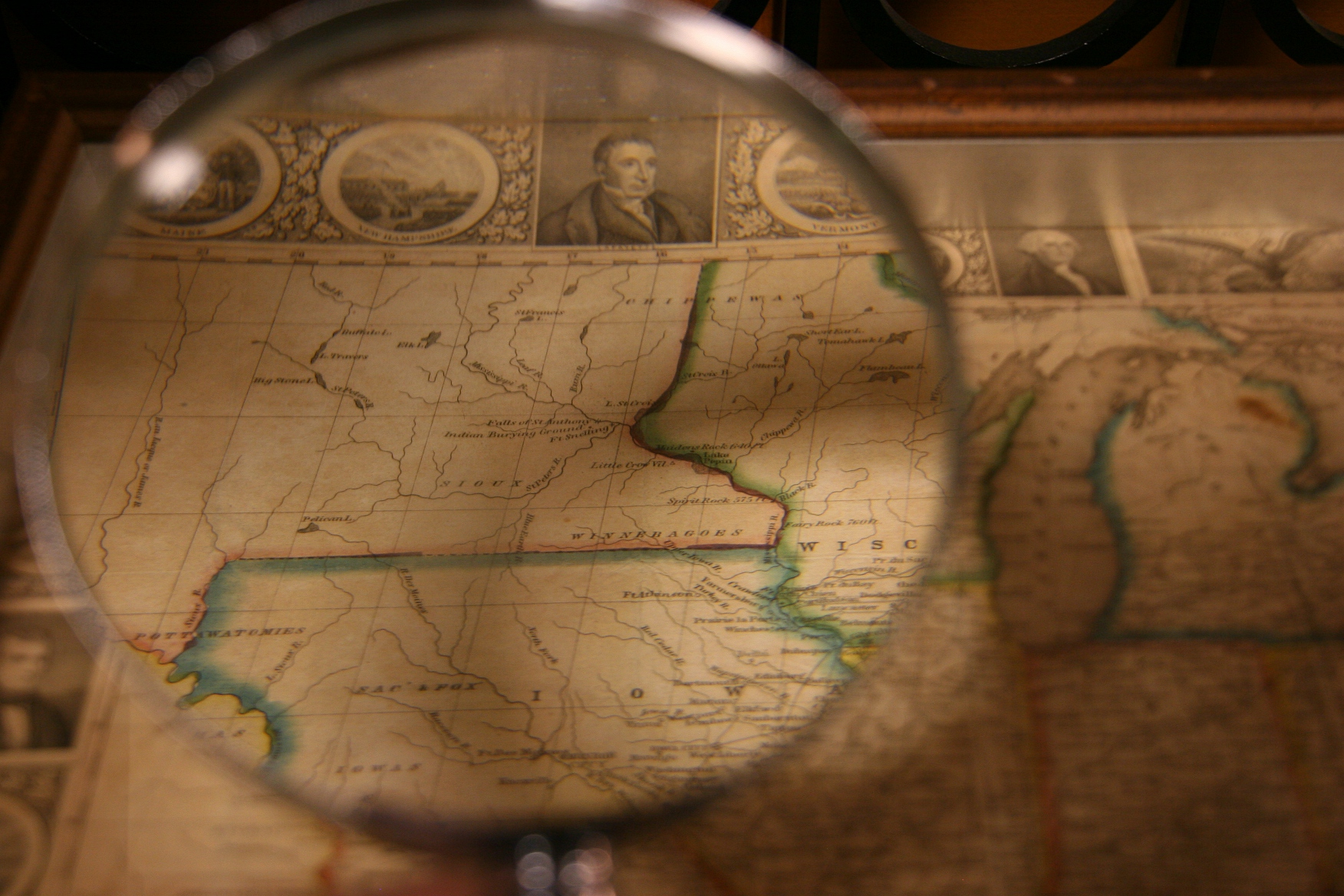
Inside the main museum building, I studied a map with a magnifying glass. Minnesota was spelled with one "n."

Inside the main museum building, I studied an 1849 map with a magnifying glass. Minnesota was spelled with one “n.” And the Minnesota River was labeled the St. Peter River.
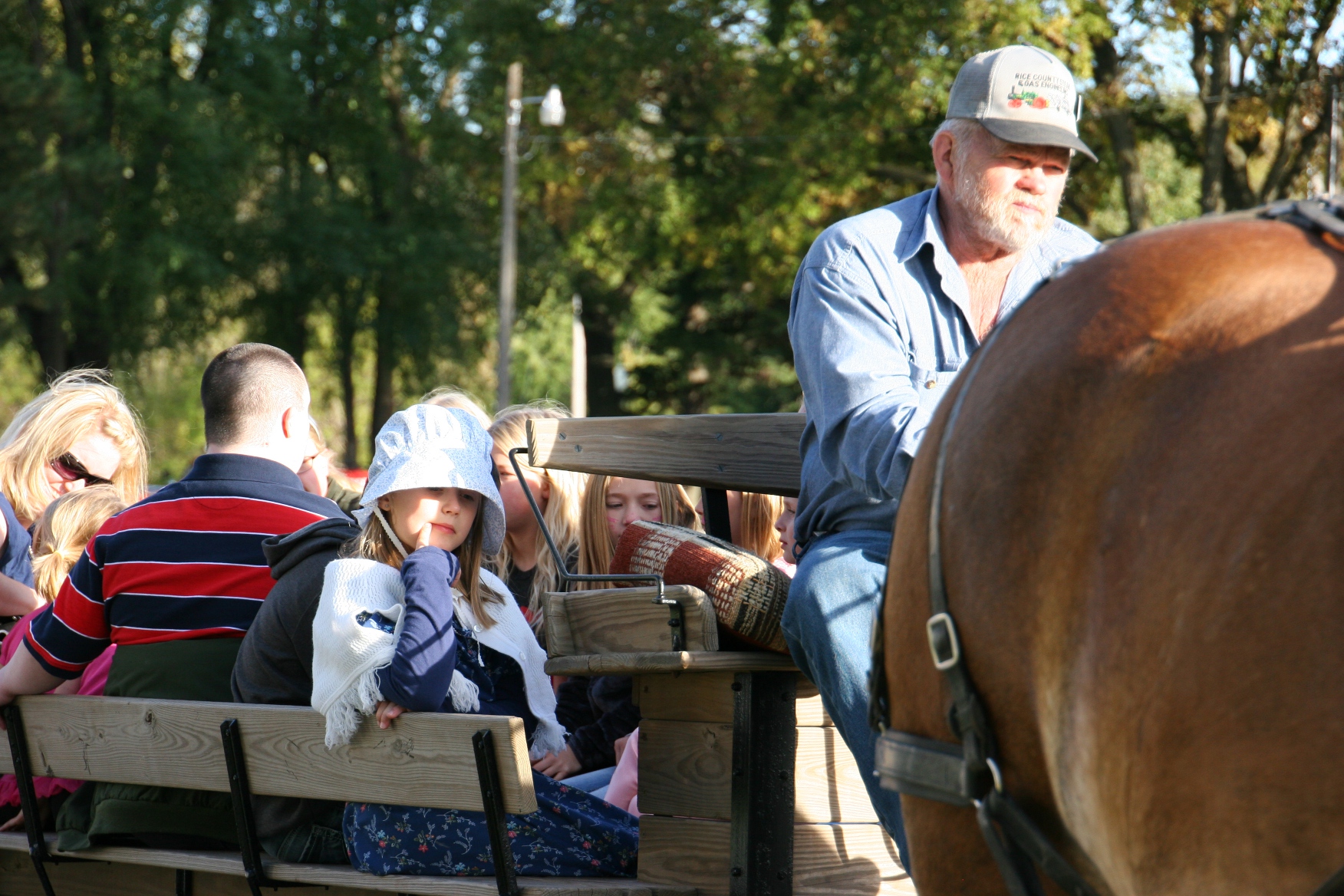
Mike and Pat Fuchs brought their horses and wagon for free rides.
Mike and Pat Fuchs brought their horses and wagon for free rides.

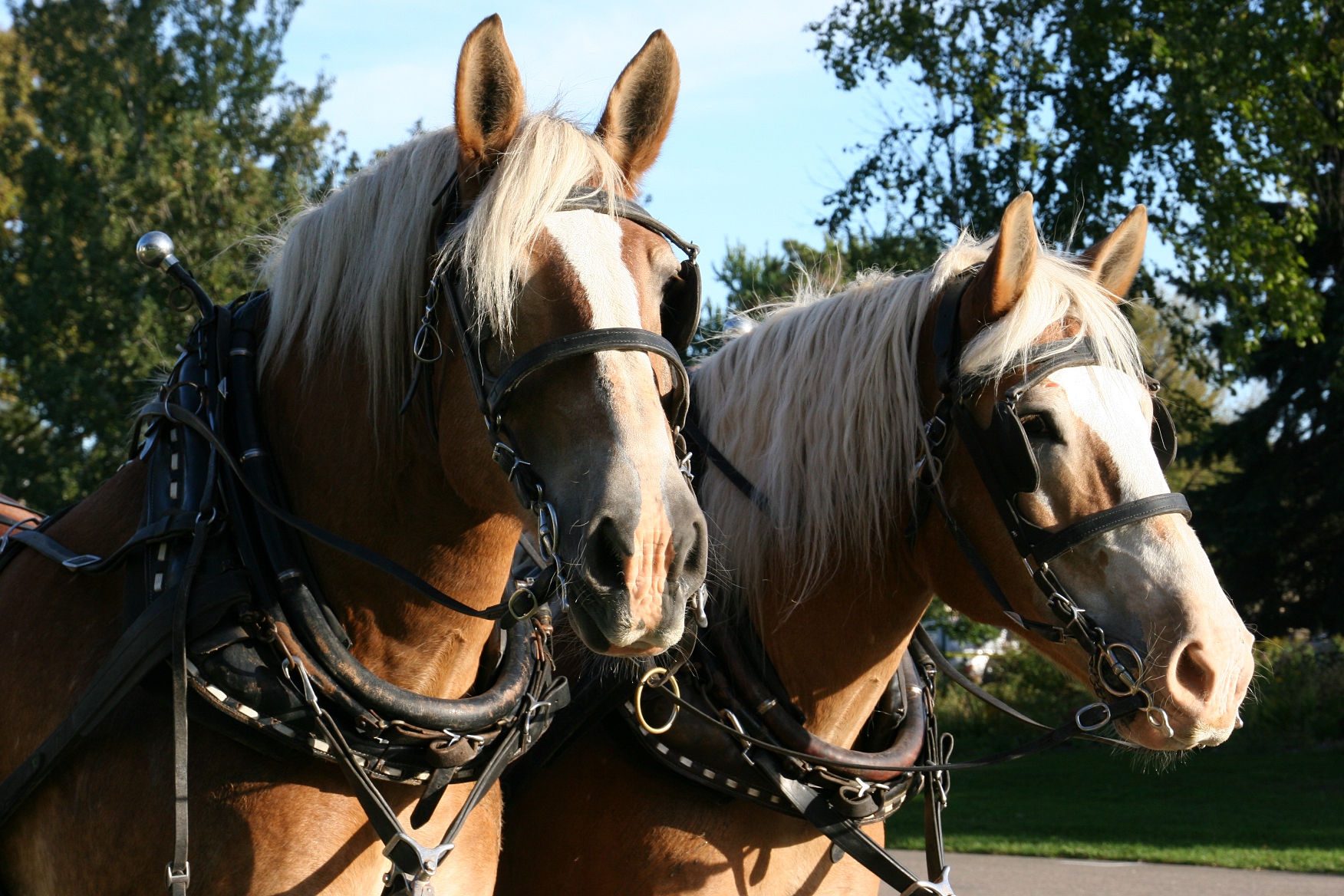
The beautiful horses.
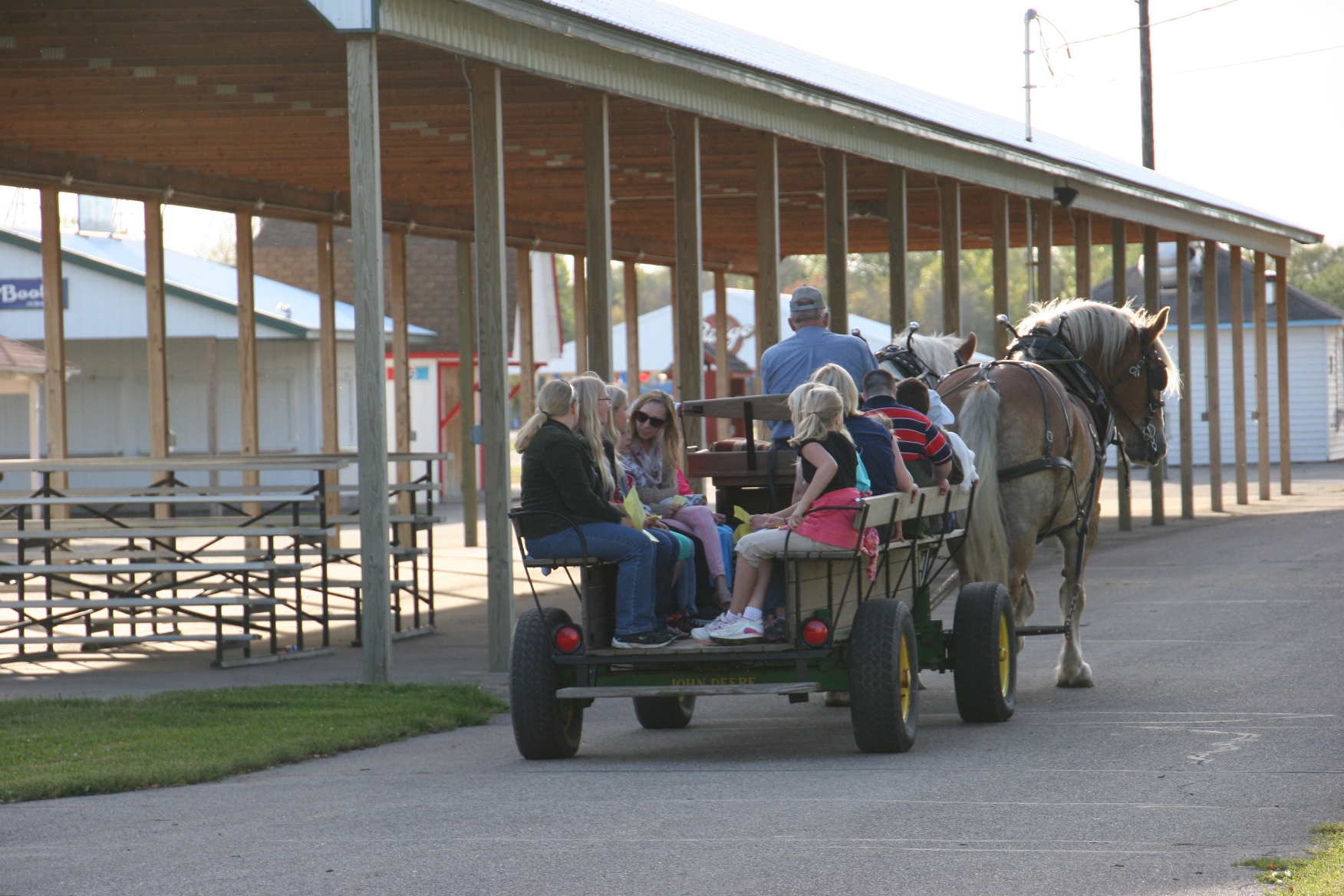
The beautiful horses.

Driving through the fairgrounds.
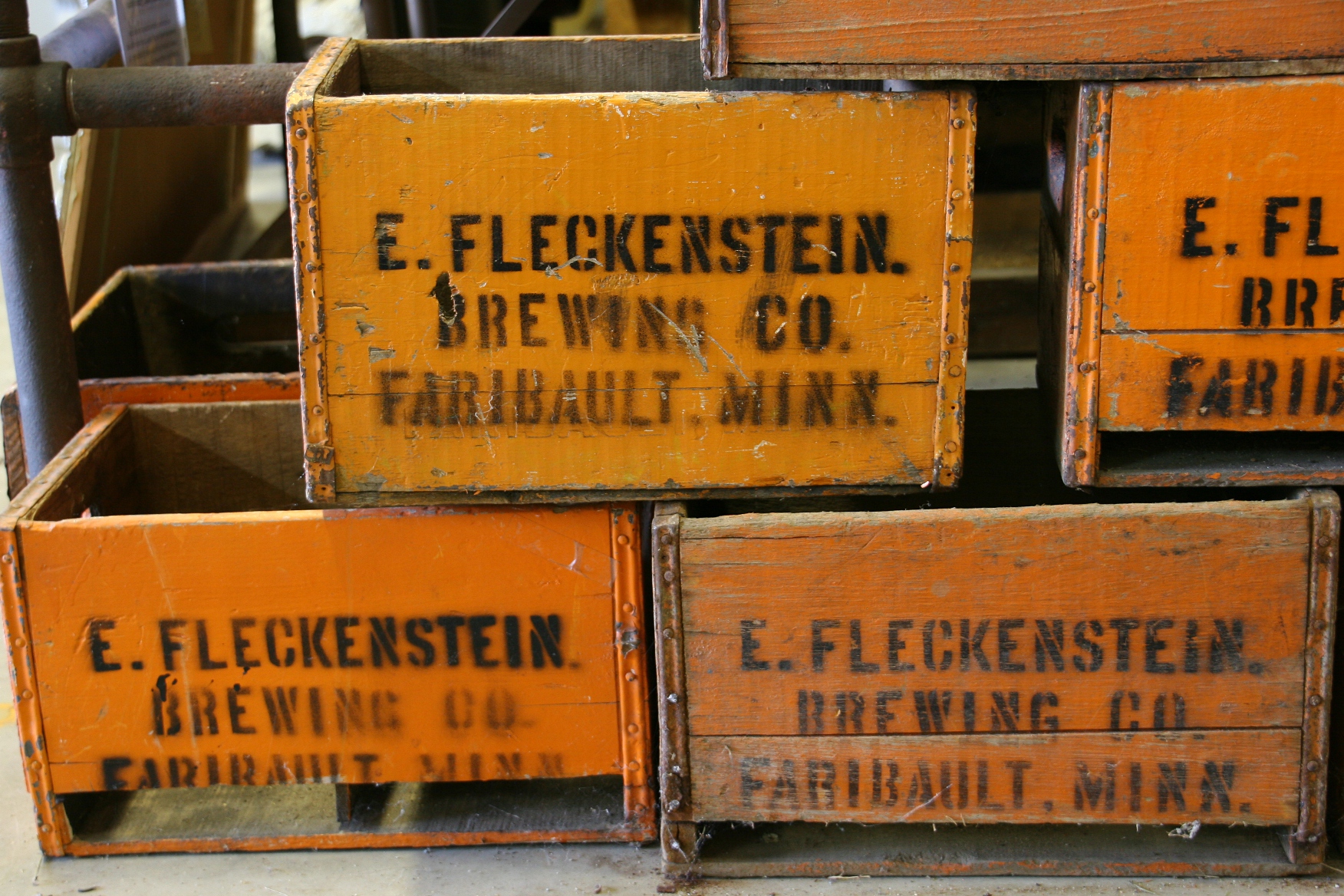
Driving through the fairgrounds.

Stacked inside the Harvest and Heritage Halls are these crates from Fleckenstein, which brewed beer and made soda in Faribault.
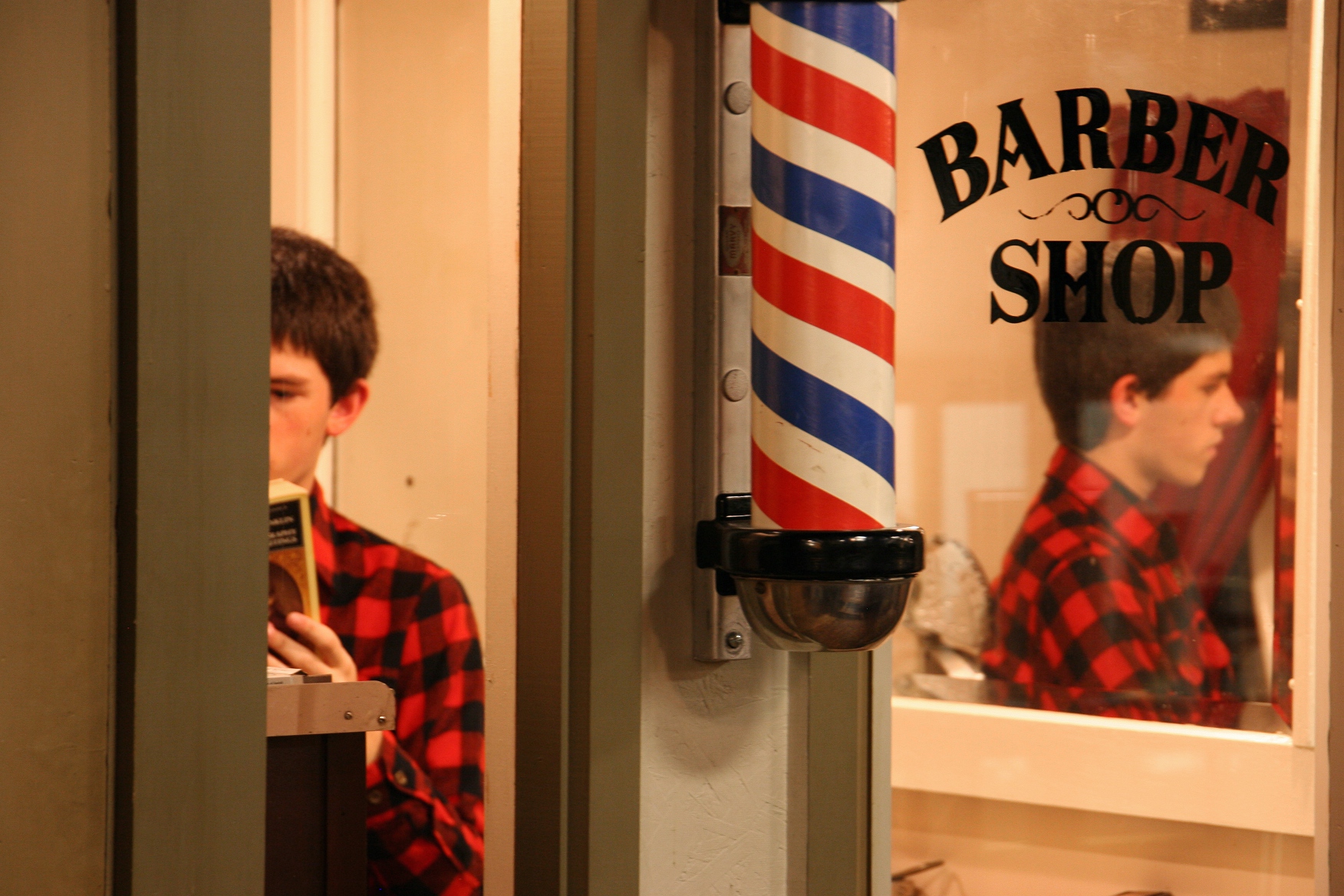
Stacked inside the Harvest and Heritage Halls are these crates from Fleckenstein, which brewed beer and made soda in Faribault.

A high school reenactor reads a book in the museum barbershop.
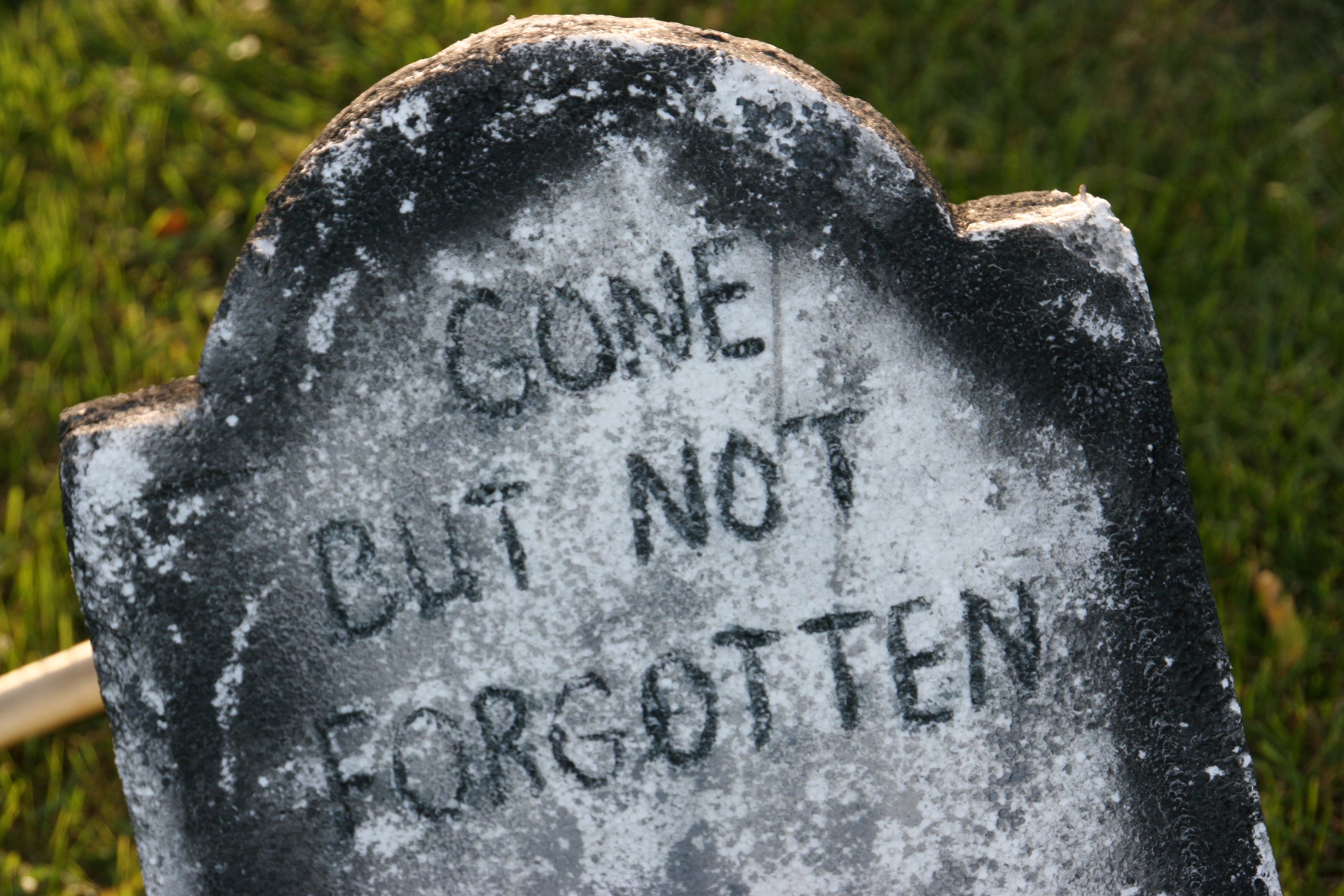
A high school reenactor reads a book in the museum barbershop.

Behind the historic church, I walked through the graveyard.

Behind the historic church, I walked through the graveyard.

© Copyright 2015 Audrey Kletscher Helbling


Minnesota Faces: Historical reenactors “Katie” and “Jim” plus more October 2, 2015

Portrait #42  : Siblings Kaylee and William


Portrait 42, Night at the Museum actors


Back in the day when I studied history, it was dull and boring and printed mostly as straight factual information in books. Dates and events and important people. Page after page after page with the occasional illustration or photo to break up the blocks of copy. Since I’m good at memorizing, I passed history classes with ease, but not with interest.

I haven’t cracked a history textbook in decades. But I presume they are a bit more interesting, perhaps in a storytelling, personalized way.

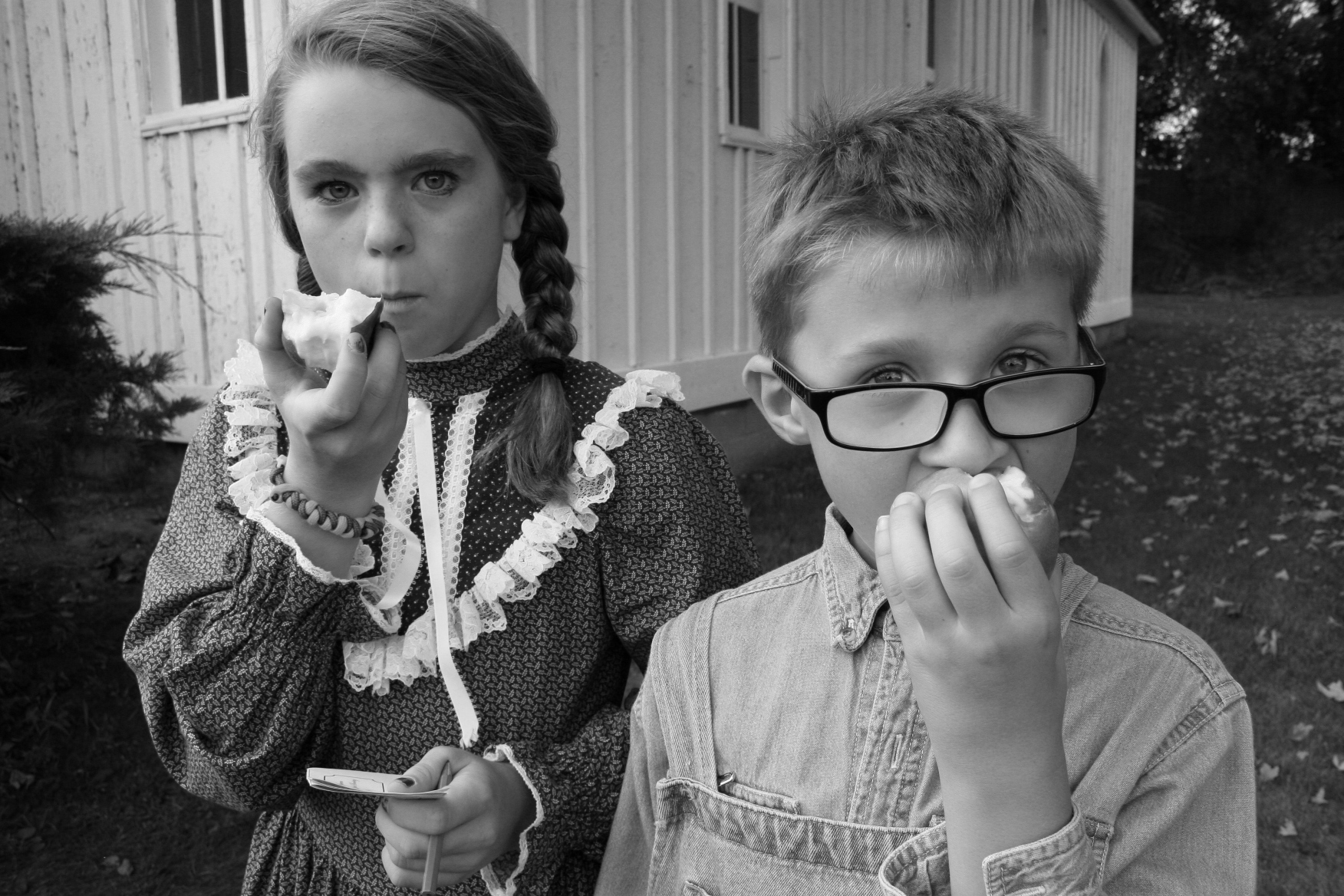
Today, thankfully, living history conveys the past in a personal and relatable way that a textbook never will. When I met siblings Kaylee and William last September, they were role-playing pioneer children during the Rice County Historical Society’s second annual “A Night at the Museum.

Lots of kids were running around the grounds in period attire or attending class inside the historic Pleasant Valley School. I was learning, too, as I wandered the museum grounds and observed reenactors portraying historical characters. I suspect I’m like most people who find this much more educational and entertaining than simply peering at historical items on display inside museum walls. Not that that doesn’t have value, too. It certainly does. I just prefer living history and am grateful our local historical society started this annual “A Night at the Museum.”

From 4 p.m. – 7 p.m. this Saturday, October 3, attendees can interact with costumed characters from Rice County’s past on the museum grounds at 1814 Northwest Second Avenue in Faribault, right next to the fairgrounds. New this year is a Flashlight Tour of Harvest and Heritage Halls at 6 p.m. There will also be horse-drawn wagon rides and food available around the fire pit. Click here for more information.

Maybe you’ll spot Kaylee and William there, pretending to be Katie and Jim.

#

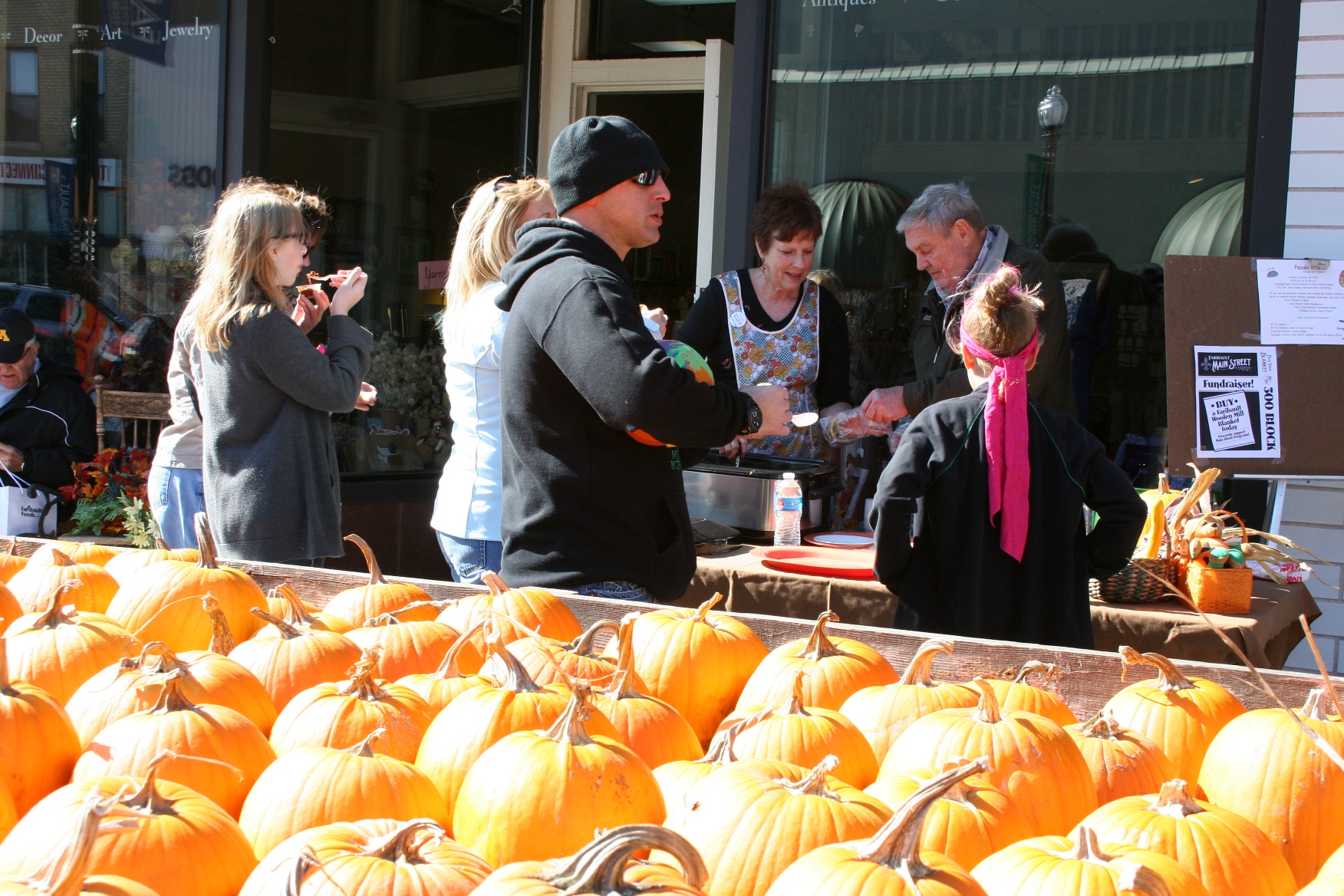
Participants in last year's Chili Contest dish up chili at a business along Central Avenue during the Fall Festival.

Attendees sample chili at a business along Central Avenue during the 2011 Fall Festival. Minnesota Prairie Roots file photo.

IF YOU WANT TO MAKE a full day of it in Faribault, arrive earlier for the annual downtown Fall Festival and Oktoberfest. Most events begin at noon. However, starting at 9:30, until noon, local artists will gather outside the Paradise Center for the Arts to create en plein air.

At noon there’s a kiddie parade and a Chili Contest with businesses and others offering chili samples (for a fee) until 2 p.m. From 12:30 p.m. – 4:30 p.m., those interested can take the Spooky Basement Tour, a free event at the Paradise Center for the Arts. The PCA is also holding a costume sale.  Kids can go trick-or-treating downtown from 1 – 3 p.m. Games for kids, pumpkin painting and a unicycle show are also among fest activities.

New to the downtown festival this year is Oktoberfest, celebrated from noon to 11 p.m. at Faribault’s new brewery, F-Town Brewing Company, just off Central Avenue. The event features food trucks, yard games, live music and, of course, beer.

© Copyright 2015 Audrey Kletscher Helbling
 

Connecting to the past at a Minnesota barn dance, Part III September 30, 2015

Filed under: Uncategorized — Audrey Kletscher Helbling @ 5:00 AM
Tags: , , , , , , , , , ,
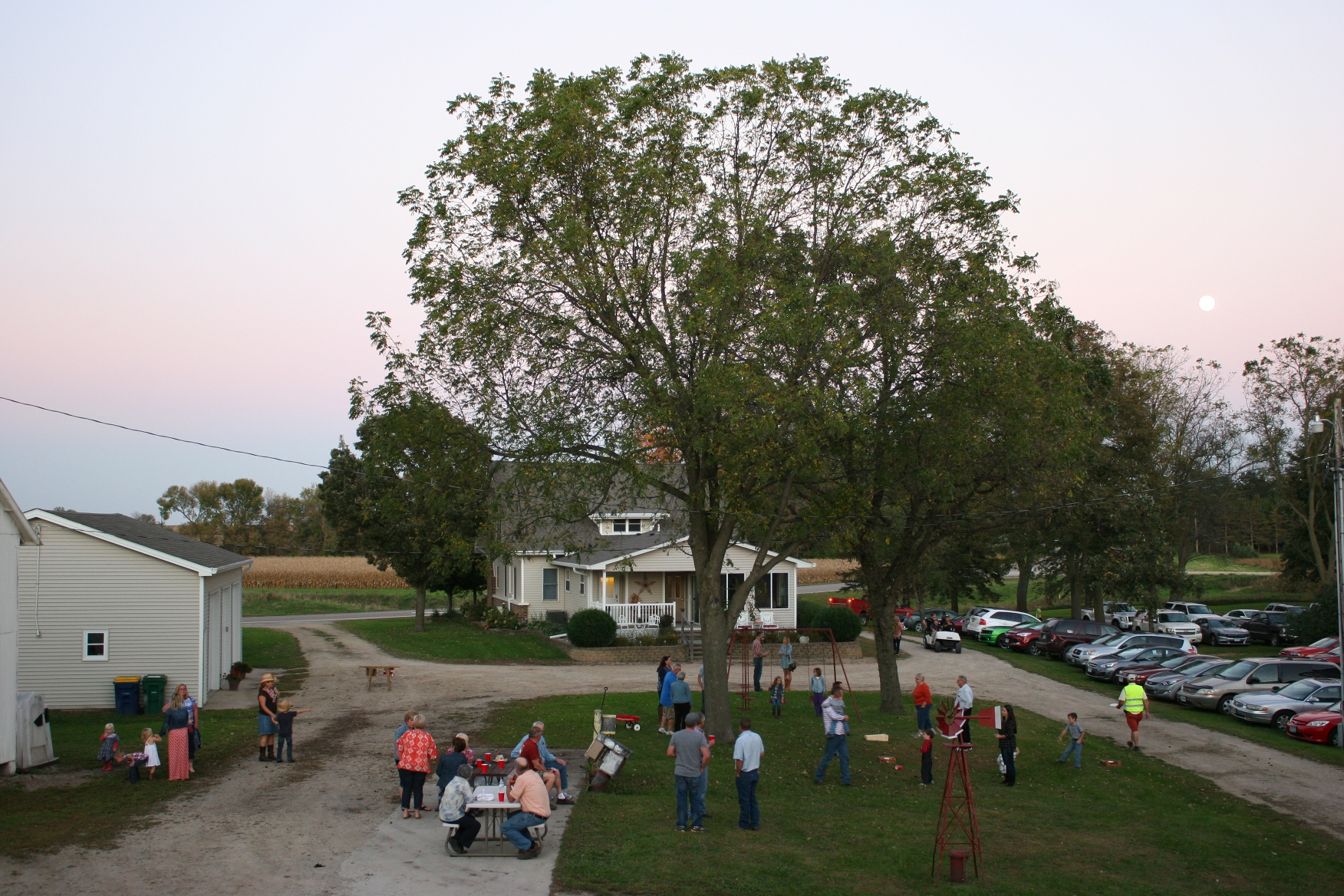
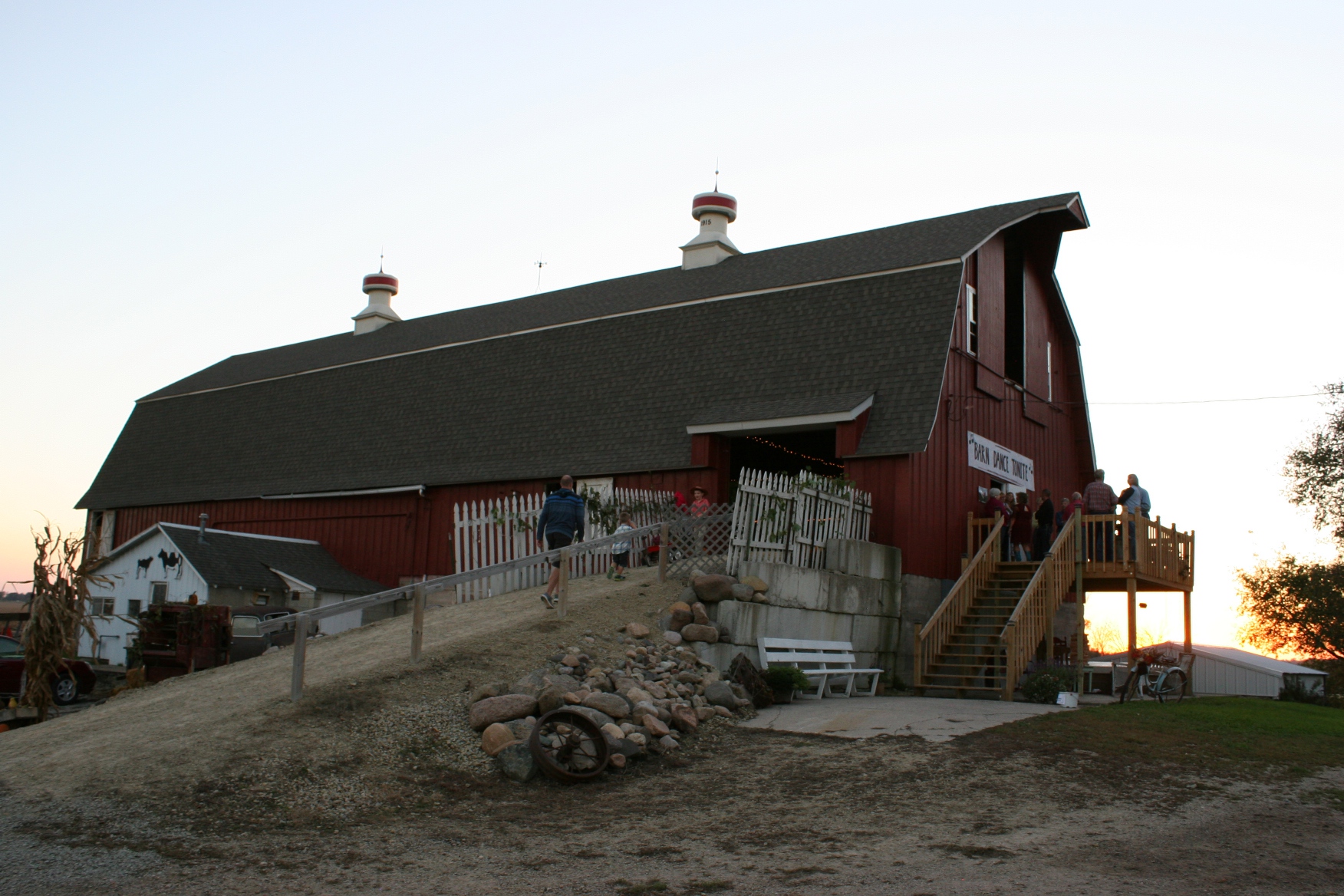
The sun sets behind John and Debbie Becker's rural Dundas, Minnesota, barn.

The sun sets behind John and Debbie Becker’s rural Dundas, Minnesota, barn on the evening of their September 26 barn dance.

THRICE NOW I’VE DOCUMENTED dances in the Becker Farms barn. And what an honor it has been to photograph these 2011, 2012 and now 2015 celebrations in such a bucolic rural setting in southeastern Minnesota. I delight in photos, which combined with words, write family and personal histories.

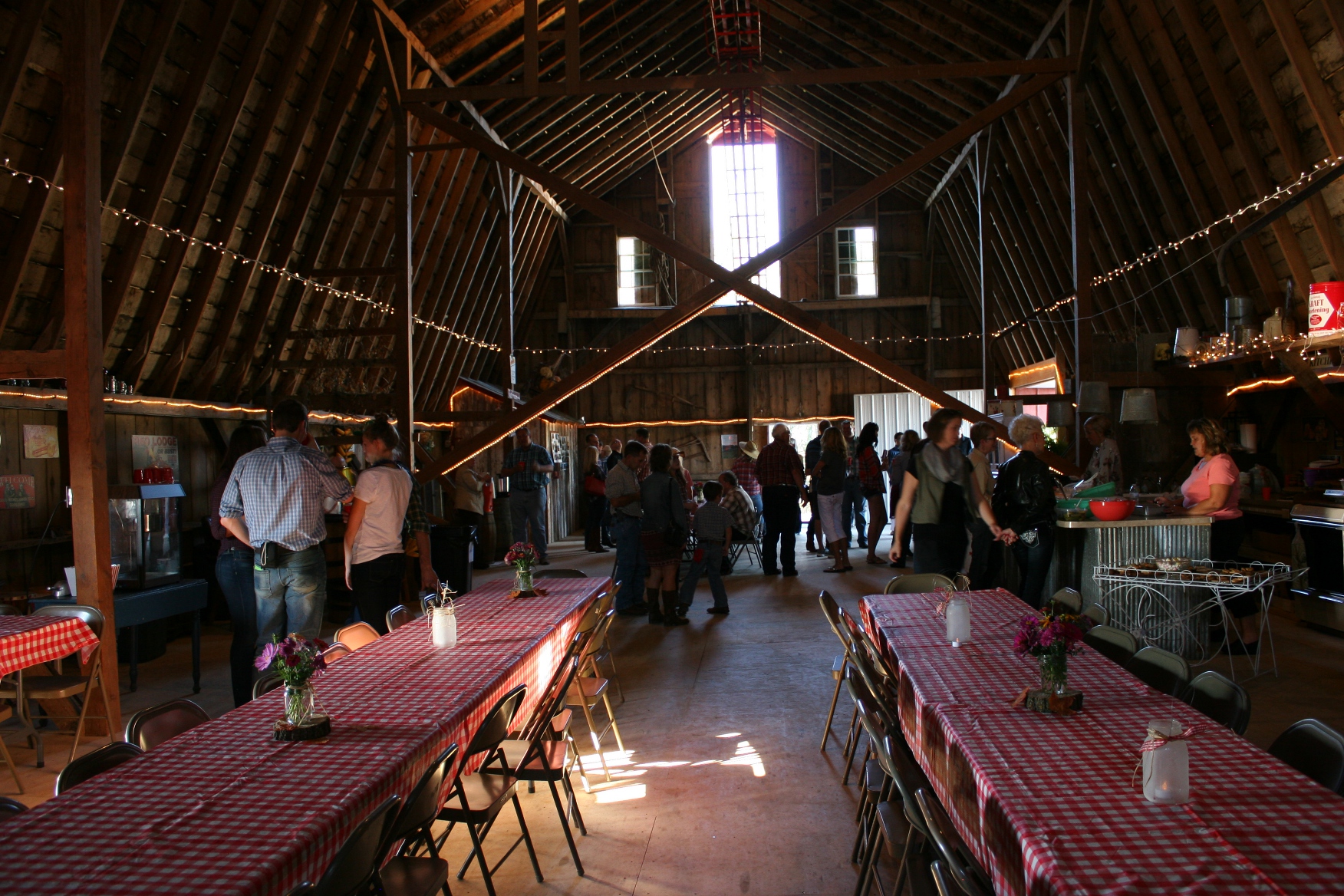
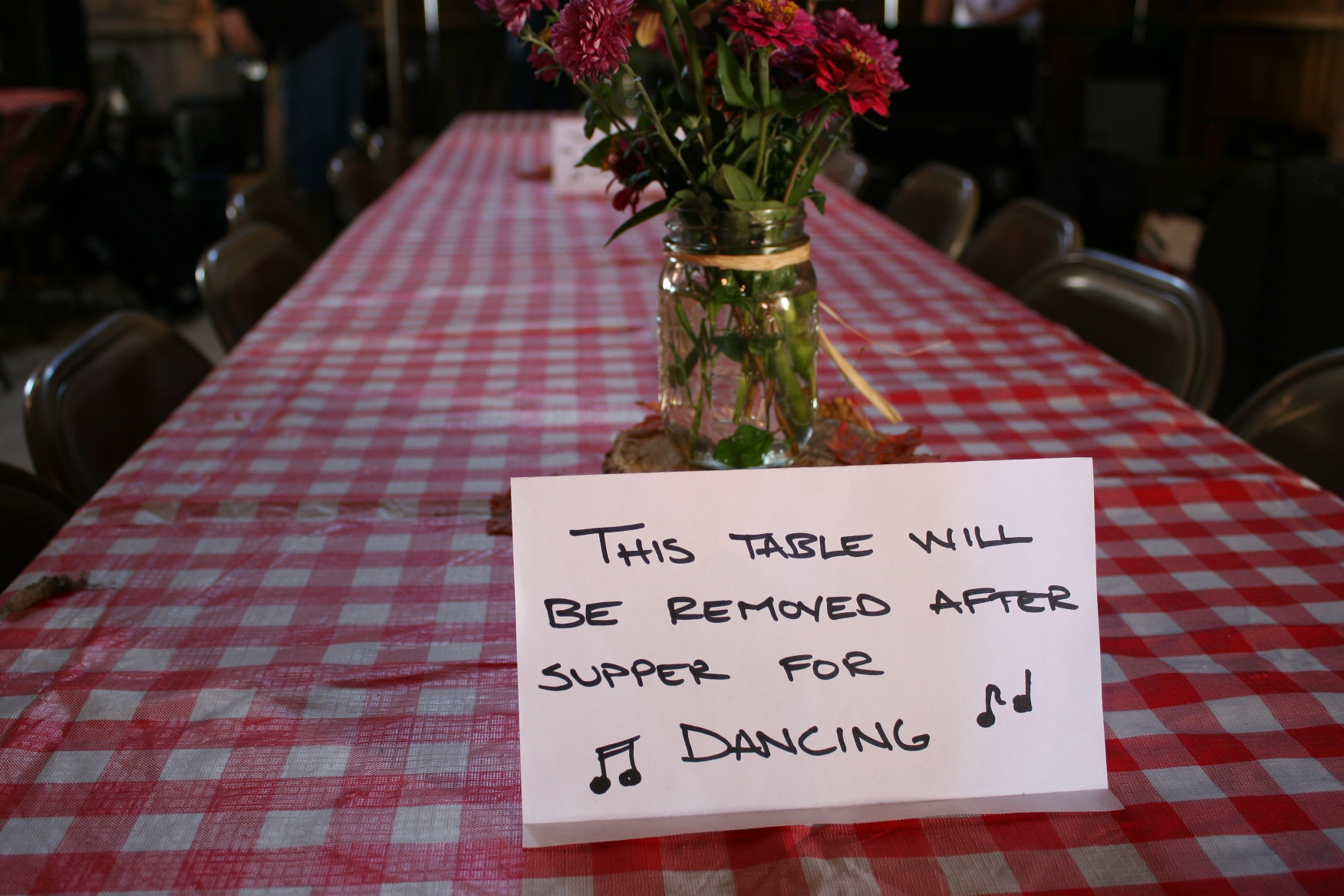
After guests ate, several tables would be removed for dancing.

After guests ate, several tables were removed for dancing.

I probably will never visit our nation’s capitol or see the Pacific Ocean or tour the Rockefeller Estate or attend a Broadway play or study a Van Gogh painting. But that’s OK. I have danced in a barn, something few Baby Boomers likely have done. I can write “Danced in a Barn” in my life’s story.

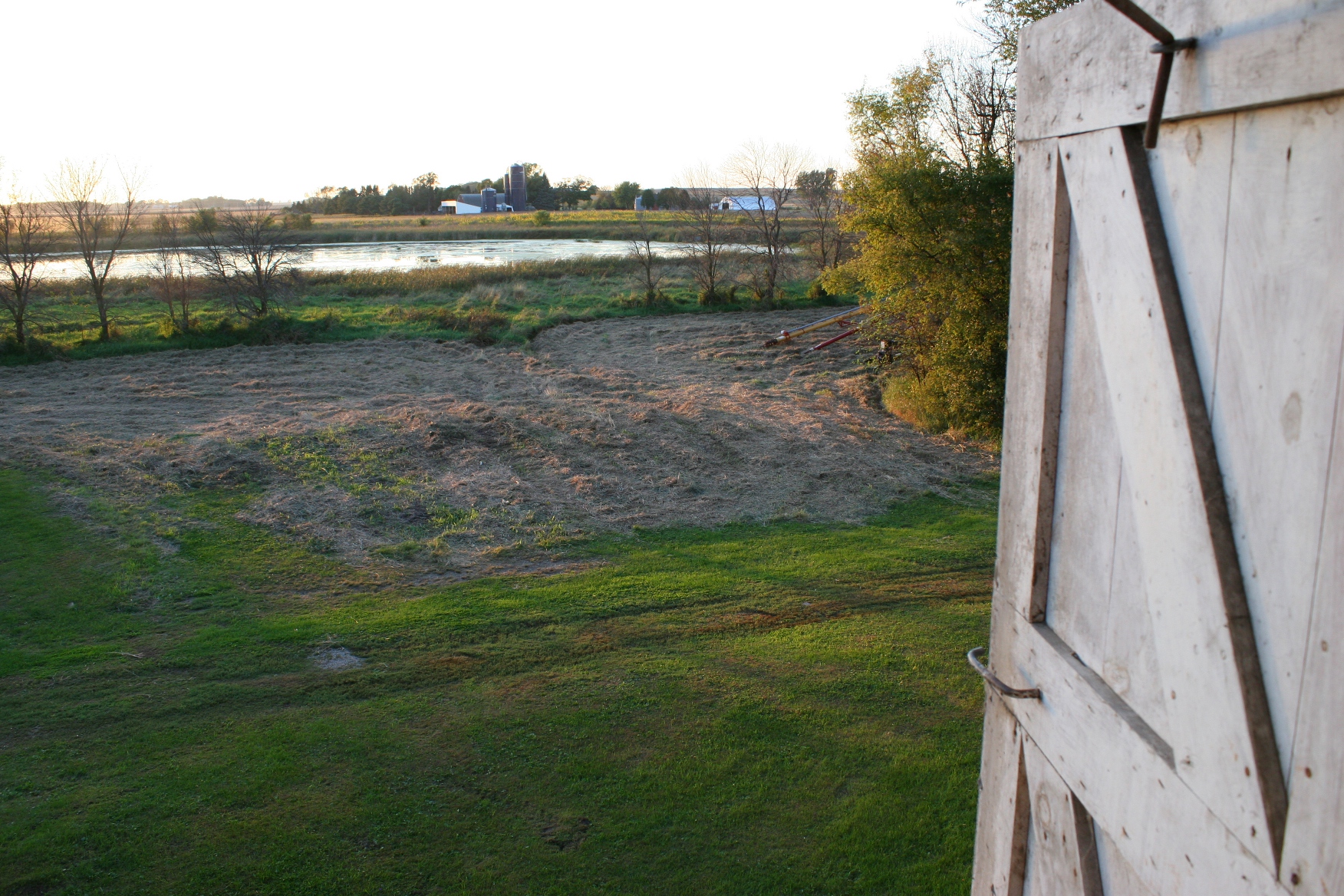
Peering out a hayloft door, I shot this scene of a neighboring farm place.

Peering out a hayloft door, I shot this scene of a pond and neighboring farm place.

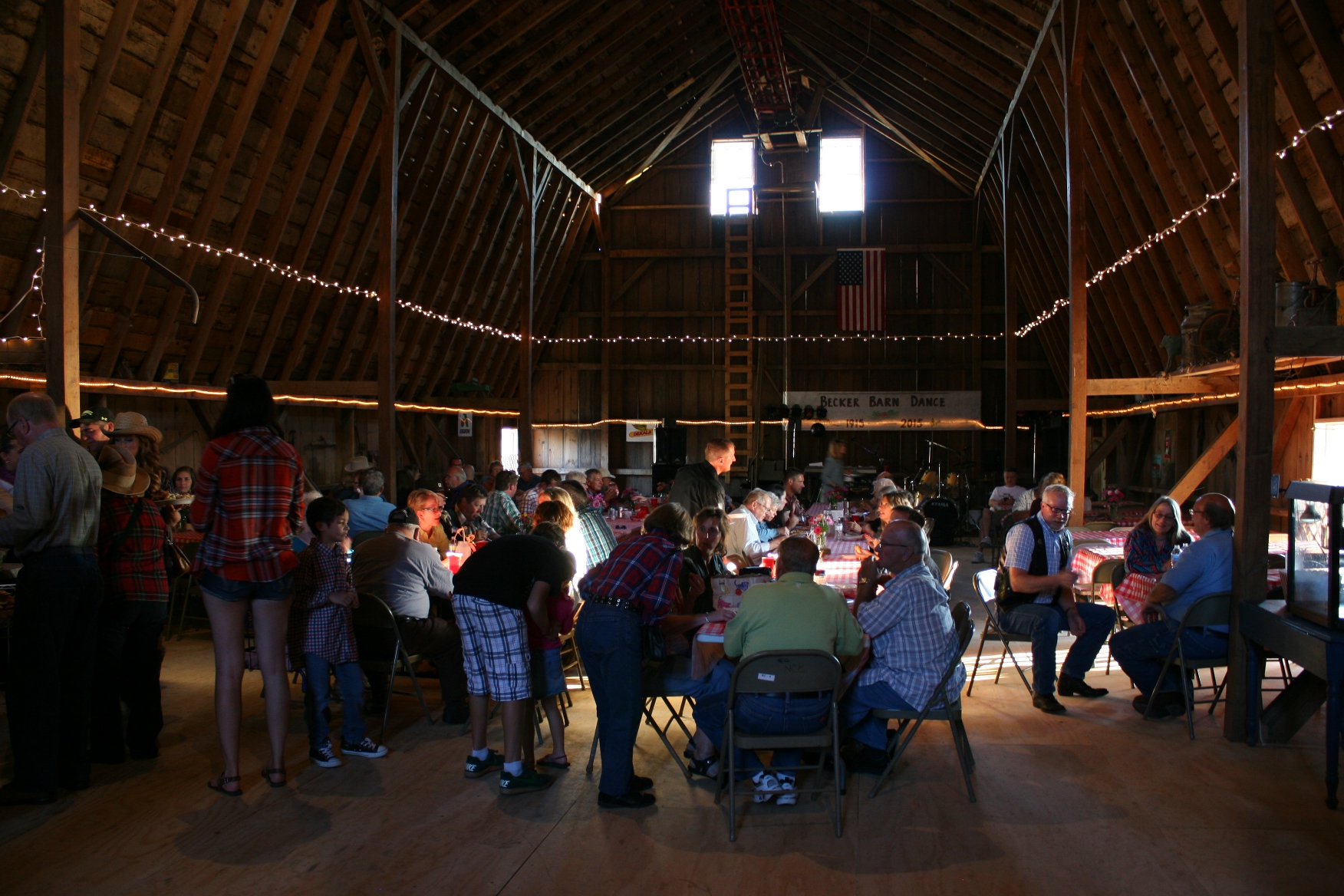
Dining in the barn.

Dining in the barn.

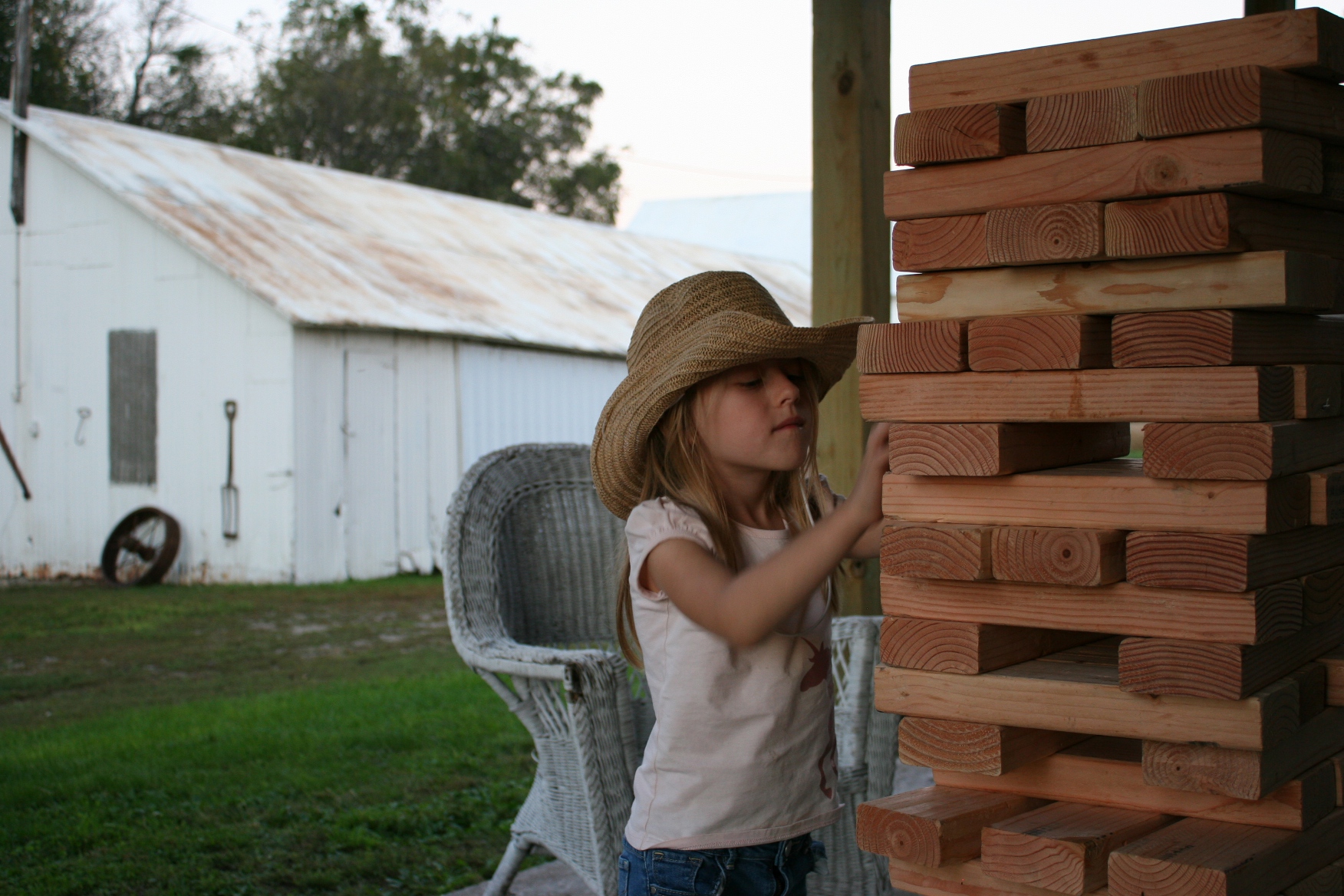
Playing with the rural version of Jenga blocks.

Playing with the rural version of Jenga blocks.

I appreciate the simple things in life. Sun setting. Great conversation and good music. Satisfying food that’s tasty and uncomplicated. Joy that comes from watching children at play, realizing too many years have passed since I was a kid free-ranging on the farm.

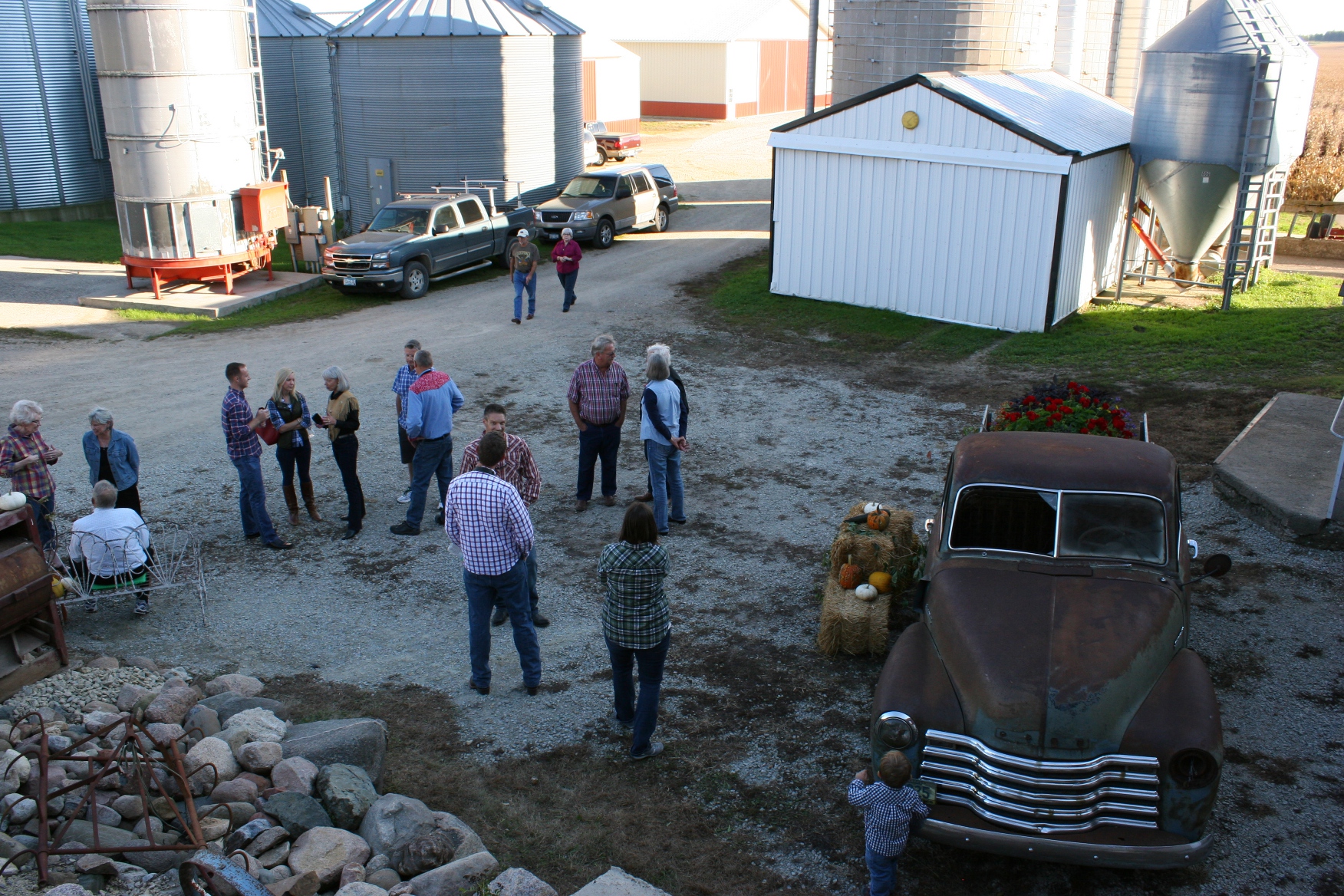
Visiting outside the barn.

Visiting outside the barn.

To my friends John and Debbie Becker, I am grateful for the chances to dance in their 100-year-old barn, to witness the coming together of family and friends in a hayloft.

Guests gathered inside and out on a lovely September evening.

Guests gathered inside and out on a lovely September evening.

There’s something about a barn dance that roots to the rural past in a way that no museum can. As I danced, I could imagine the dances of yesteryear, hayloft empty of loose hay, eager young men and anxious young women eyeing each other from opposite sides of the loft. I could imagine food spread across planks, the scent of animals below mingling with the smell of fried chicken.

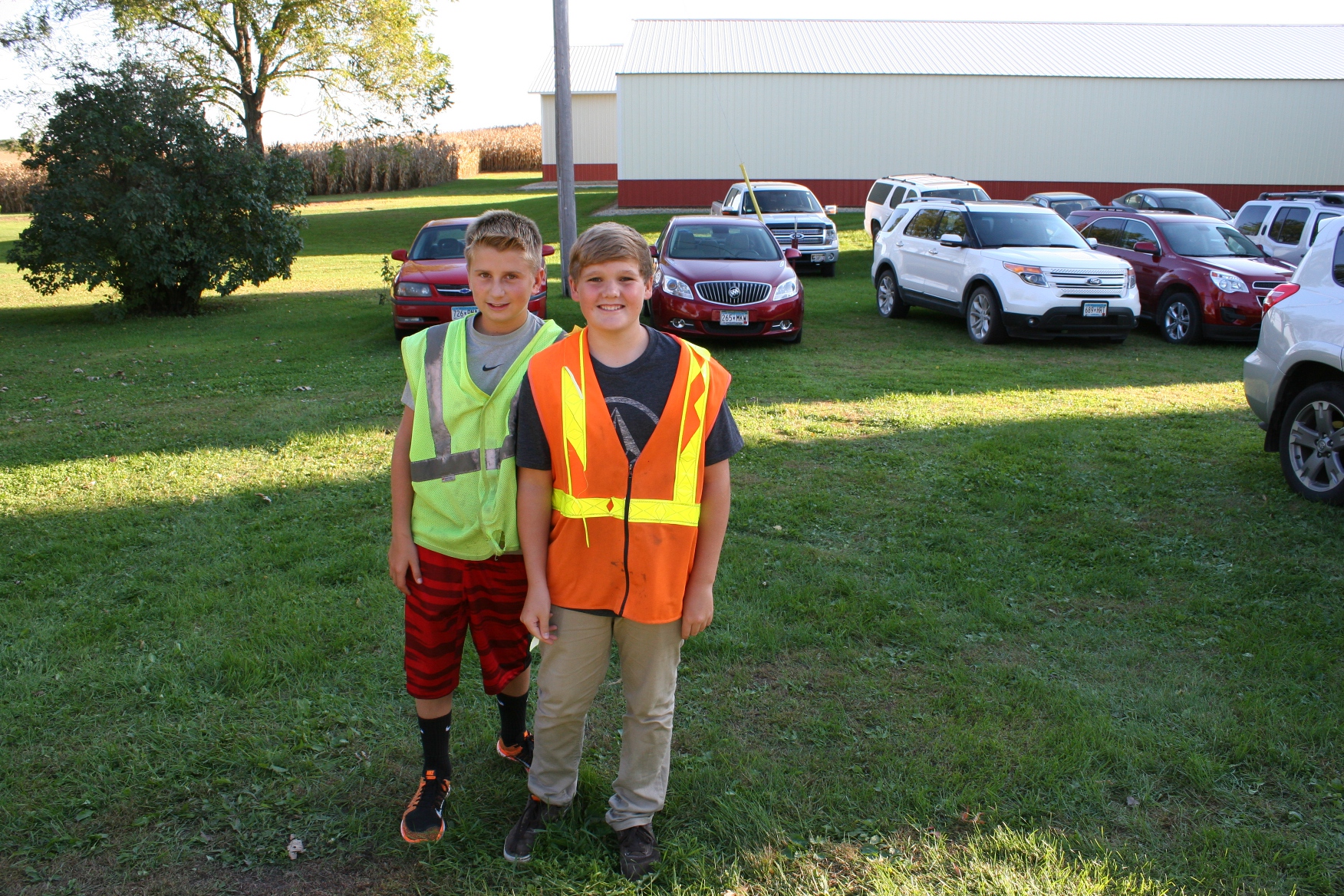
Parking vehicles was a major job considering the hundreds of invited guests.

Parking vehicles was a major job considering the hundreds of invited guests.

And outside, horses tethered rather than vehicles parked.

Even this Dekalb sign inside the barn generated memories of Dekalb corn growing in my dad's fields and me detasseling corn for this seed company.

Even this Dekalb sign inside the barn generated memories of Dekalb corn growing in my dad’s fields and me detasseling corn for this seed company.

Grandparents build memories with grandchildren at the barn dance.

Grandparents build memories with grandchildren at the barn dance.

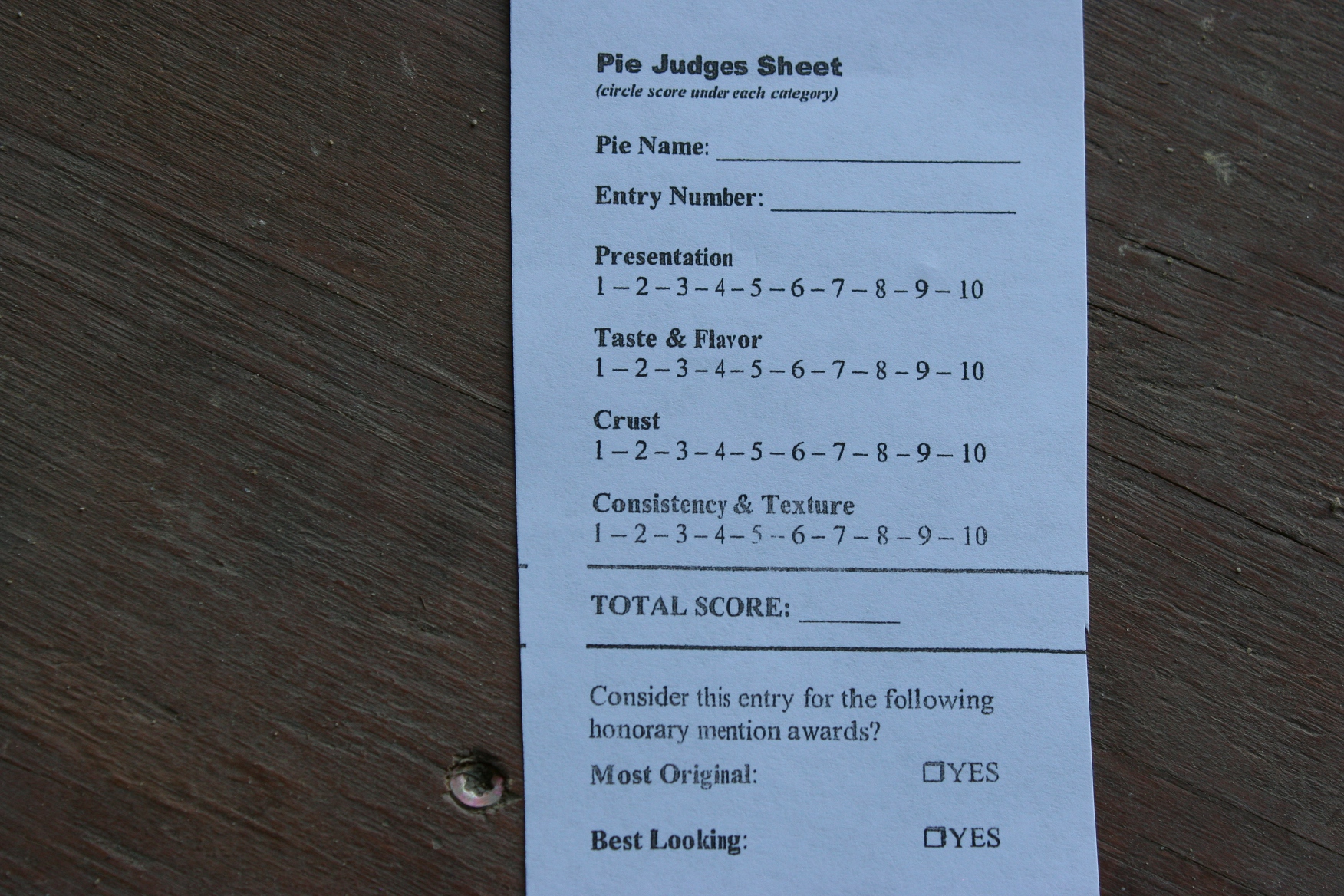
I'm sure the four judges will always remember the difficulty of choosing winners in the homemade pie judging contest.

I’m sure the four judges will always remember the difficulty of choosing winners in the homemade pie baking contest.

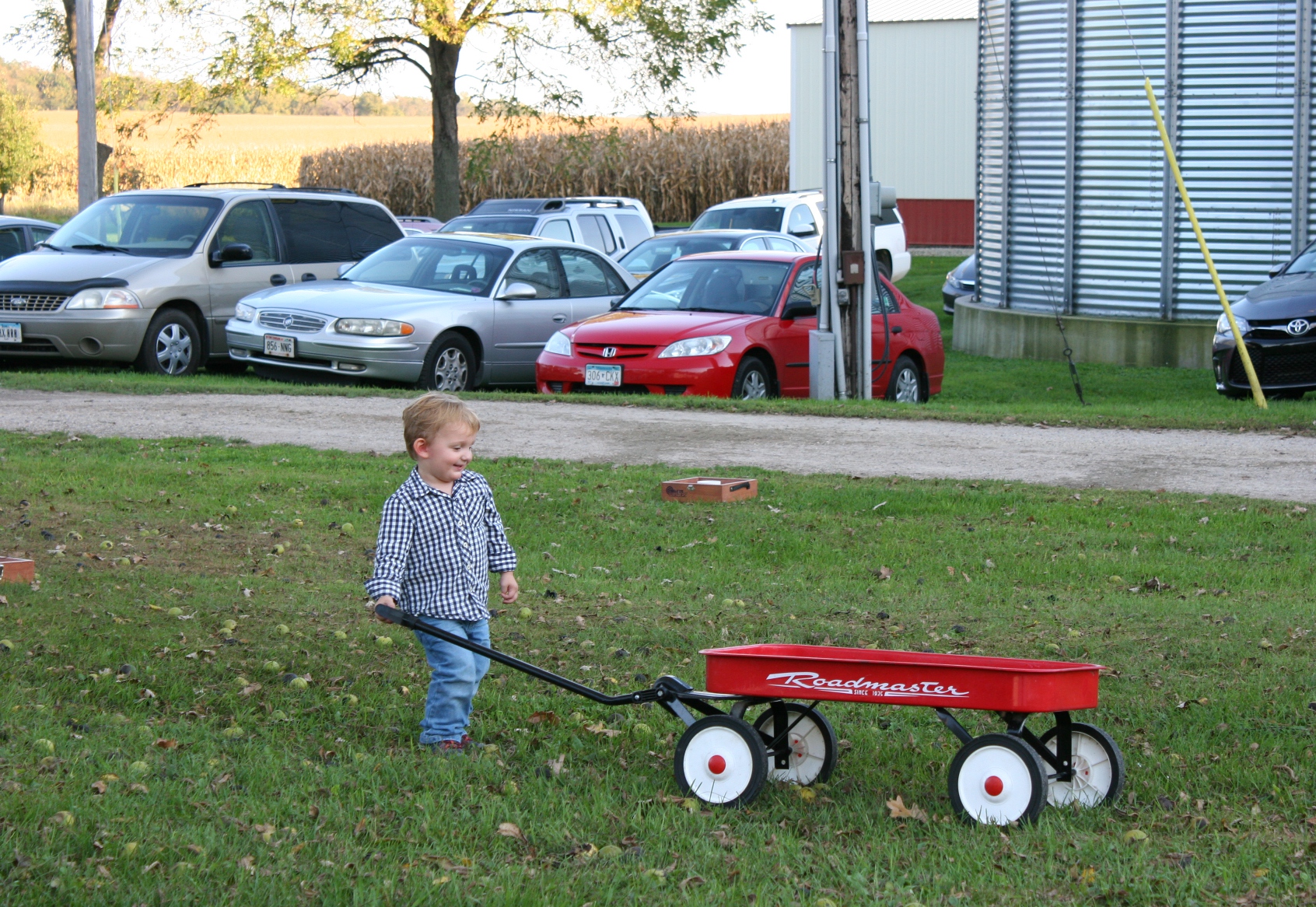
Red wagons hold timeless universal appeal to kids.

Red wagons hold timeless universal appeal to kids.

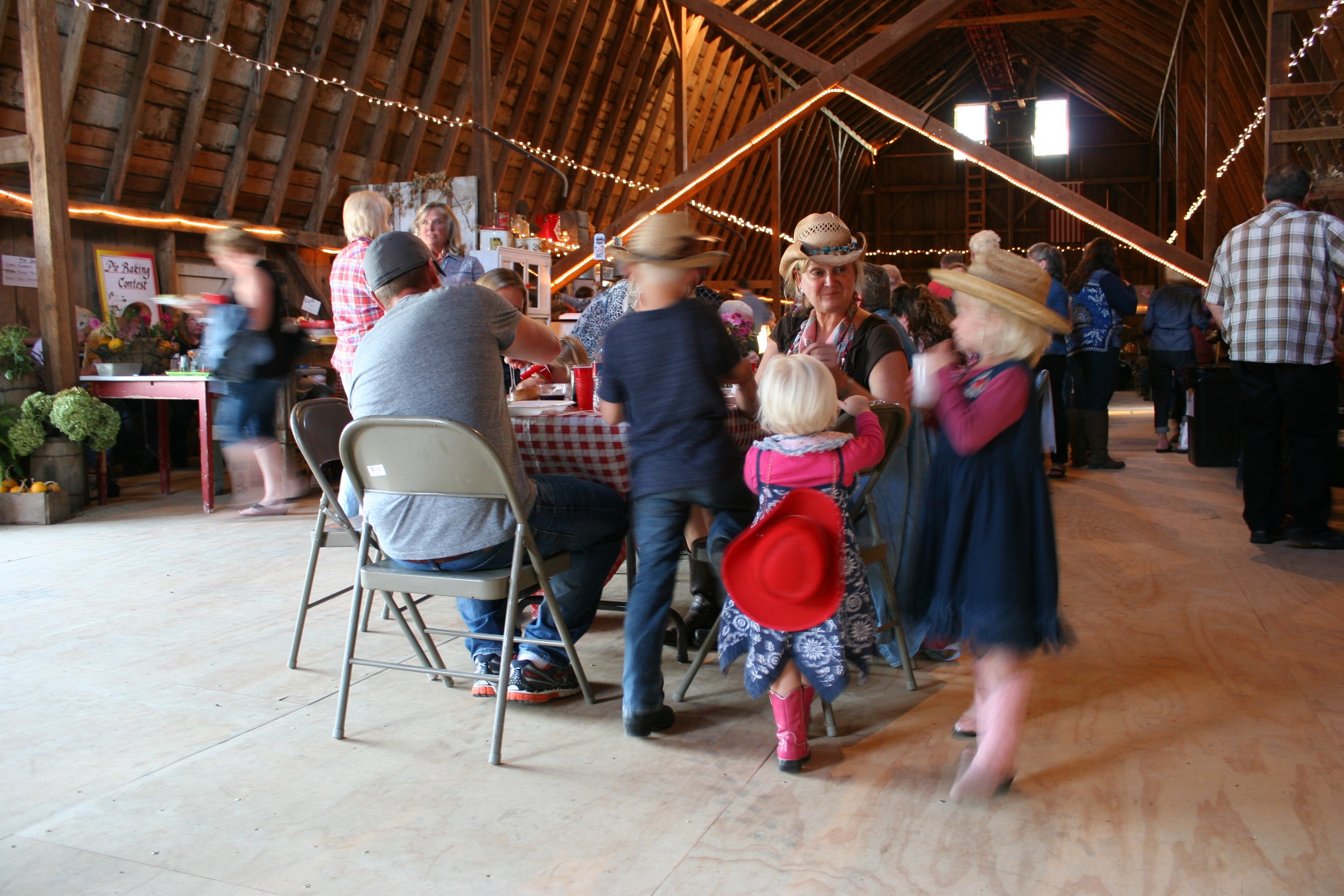
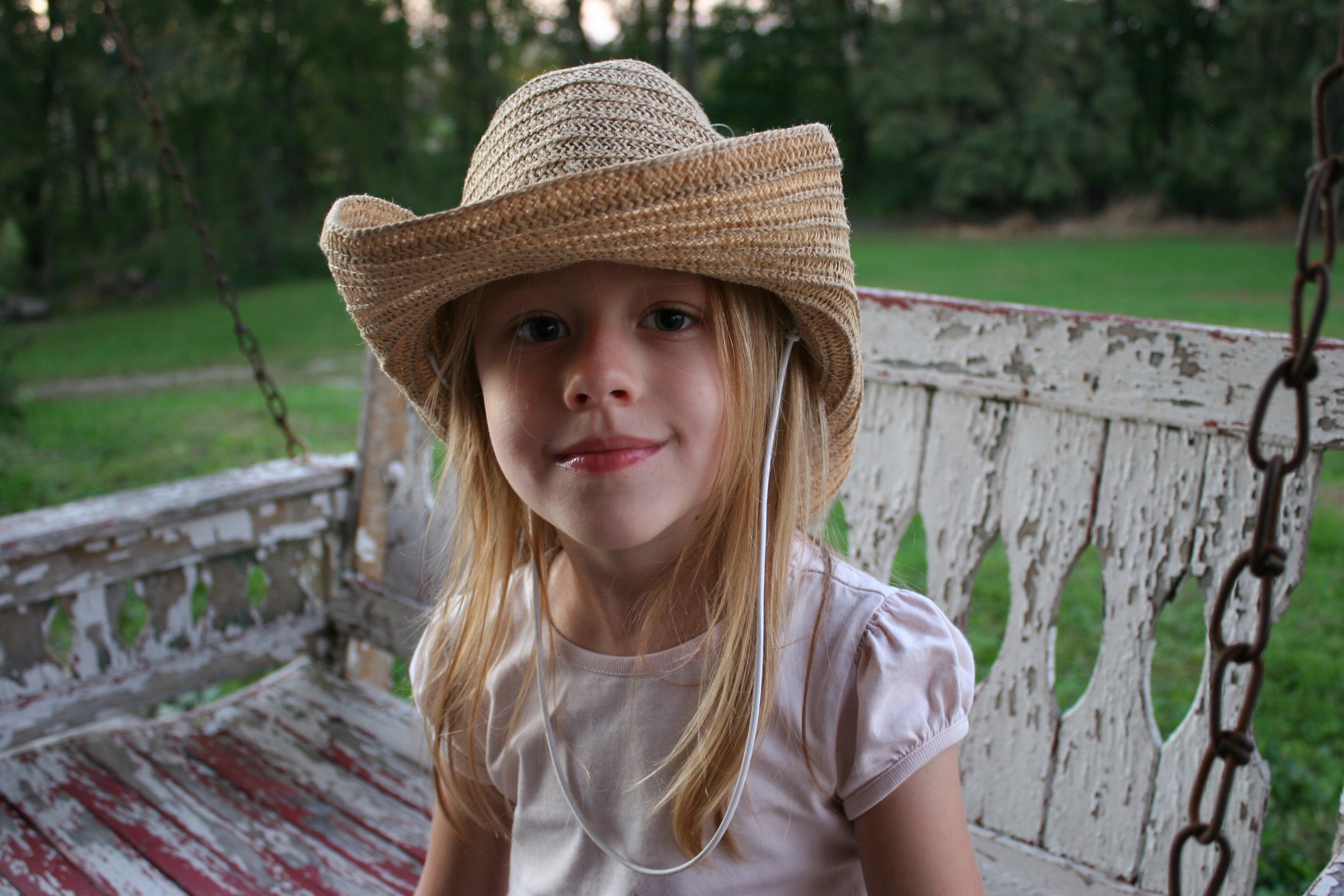
This girl's cowgirl hat reminded me of the straw hats I wore while playing make-believe as a child.

This girl’s cowgirl hat reminds me of the straw hats I wore while playing make-believe as a child.

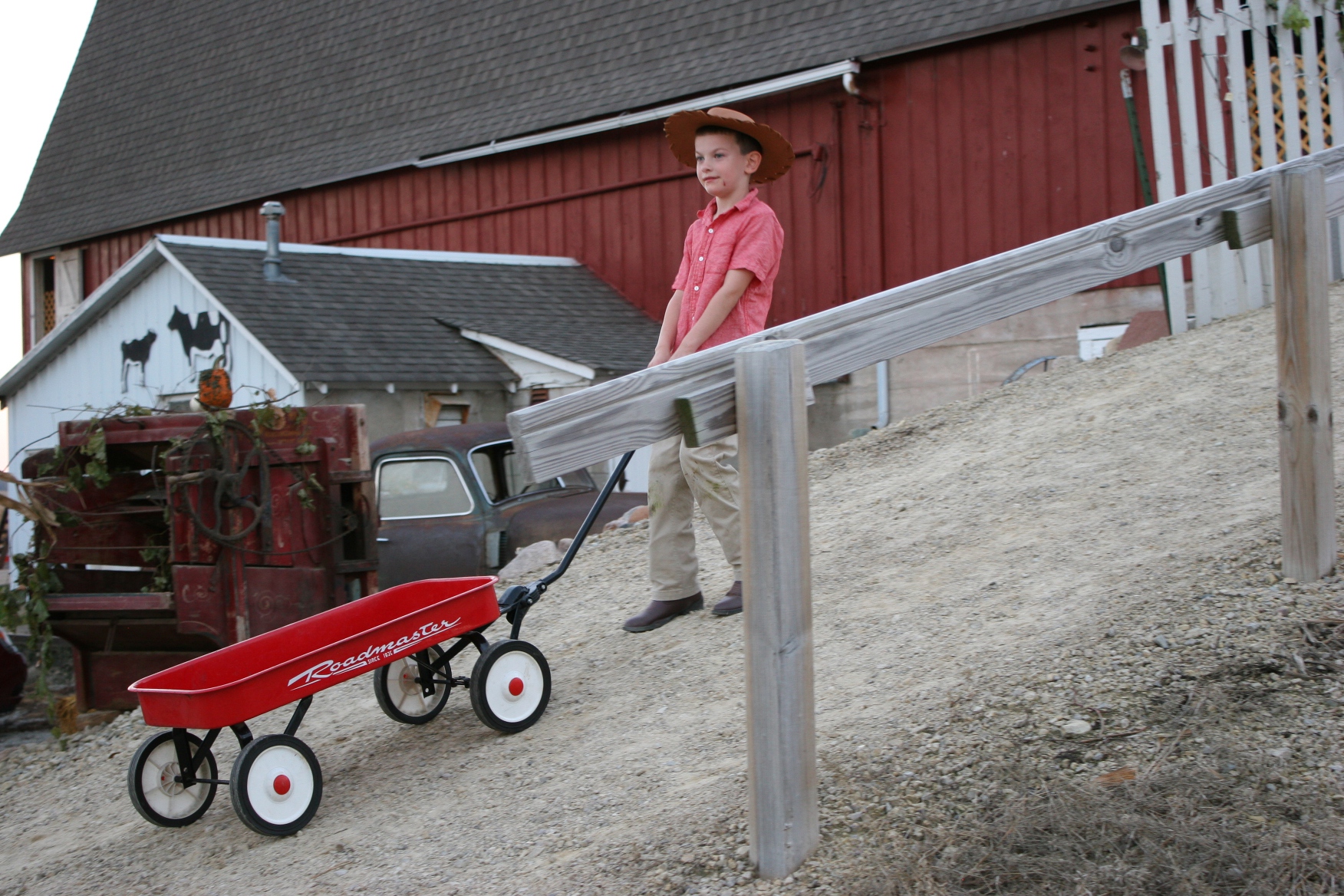
As this boy pulled a wagon up the incline toward the hayloft, I wondered if he would climb aboard for a wild ride down. Instead, he released the wagon. I would have rode down, gripping the handle.

As this boy pulled a wagon up the incline toward the hayloft, I wondered if he would climb aboard for a wild ride down. Instead, he released the wagon. I would have careened down, gripping the handle.

Whether my imagination matches historic reality, I am unsure. But I am certain of one thing. A barn dance connects folks to the past in a profound way.

I am always comfortably at home on a farm like the Beckers' farm site.

I am always comfortably at home on a farm like the Beckers’ farm site.

For me, a woman from the land, dancing in a hayloft fits me better than gliding across the smoothest of floors in an elegant ballroom. I am comfortably at home in a barn, in a way that’s sweetly familiar. Connected to my rural Minnesota prairie roots.

FYI: Click here and here to read my previous posts on the September 26 barn dance in rural Rice County, Minnesota.

© Copyright 2015 Audrey Kletscher Helbling
 

Touring Minnesota’s “other” basilica, St. Stan’s in Winona September 24, 2015

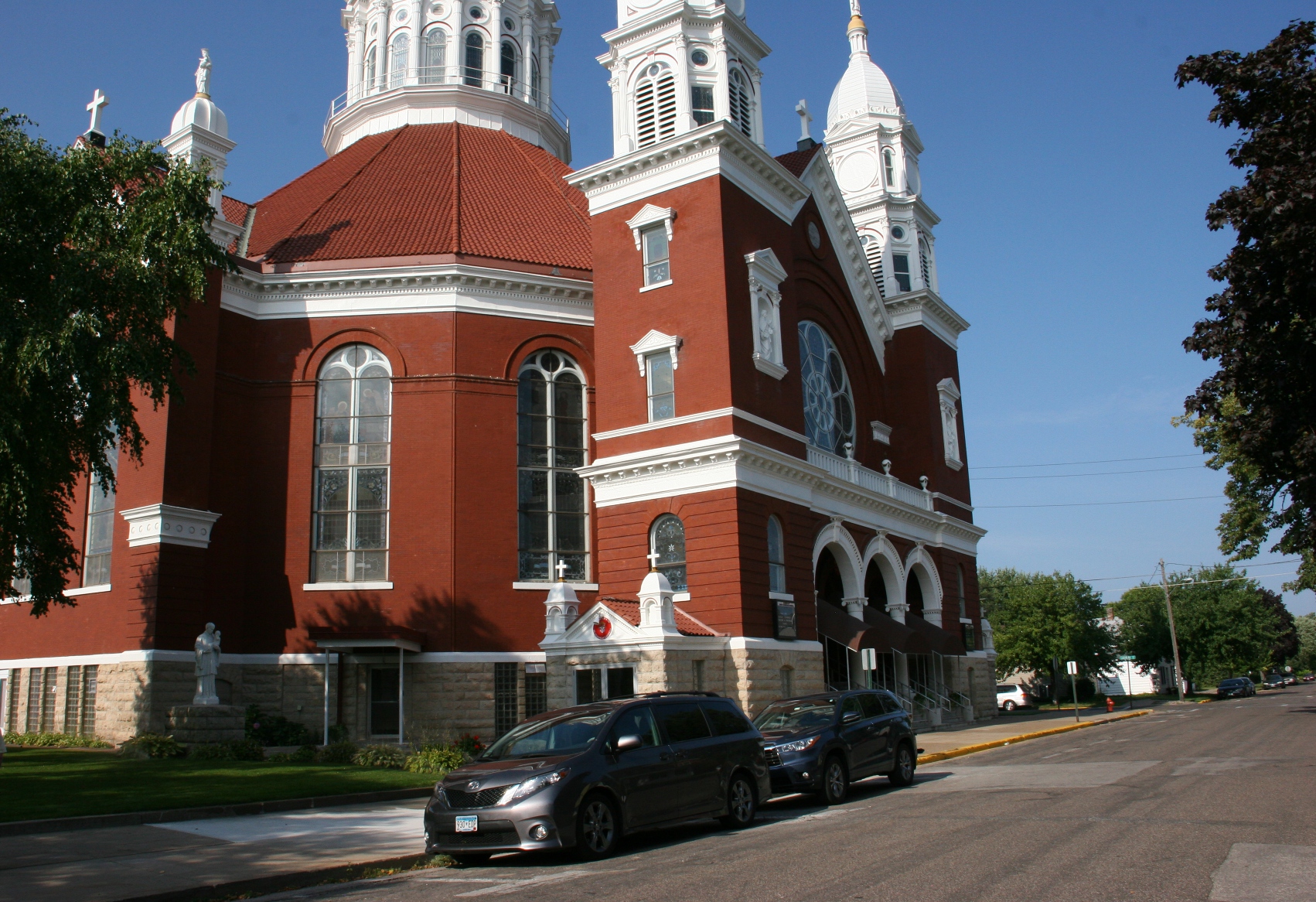
The Basilica of Saint

The Basilica of Saint Stanislaus Kostka, named after a popular saint from Poland, is so massive I could not get the entire basilica in a photo. It’s located at 625 East Fourth Street in Winona, Minnesota.

UNOFFICIALLY, PARISHIONERS CALL the basilica St. Stan’s. I like that. It seems fitting in an age when the current pope, Pope Francis, has connected in an everyday sort of way with the faithful, Catholic or not.

I am Lutheran. But denominational affiliation matters not when touring a beautiful house of worship. Or appreciating a man who oversees with a blessed sense of ordinariness. Several weeks ago my husband, a Catholic turned Lutheran, and I visited the Basilica of Saint Stanislaus Kostka, aka St. Stan’s, in Winona. Touring churches interests us from multiple perspectives.

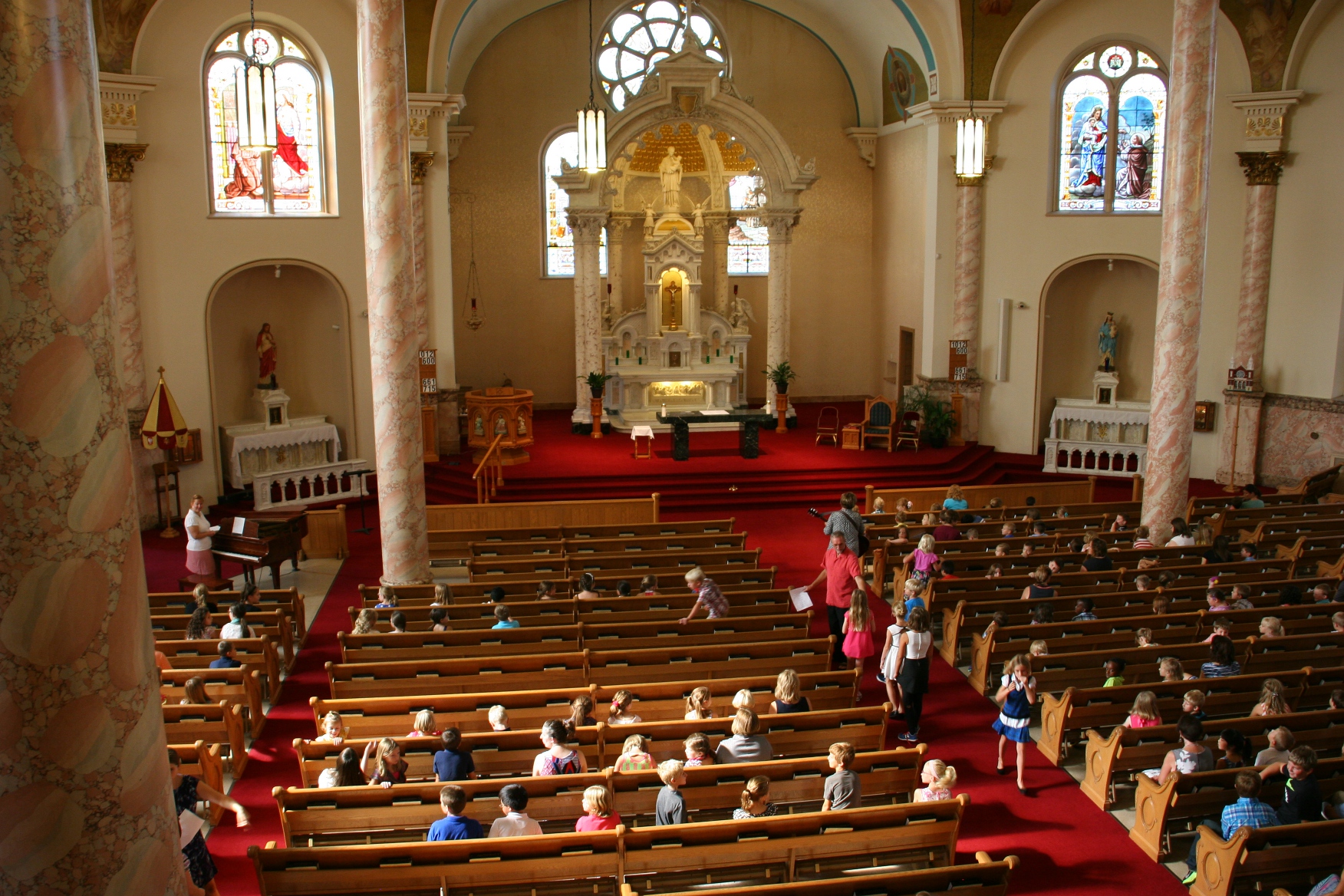
Students from the basilica's school file in for morning Mass.

Students file in for morning Mass.

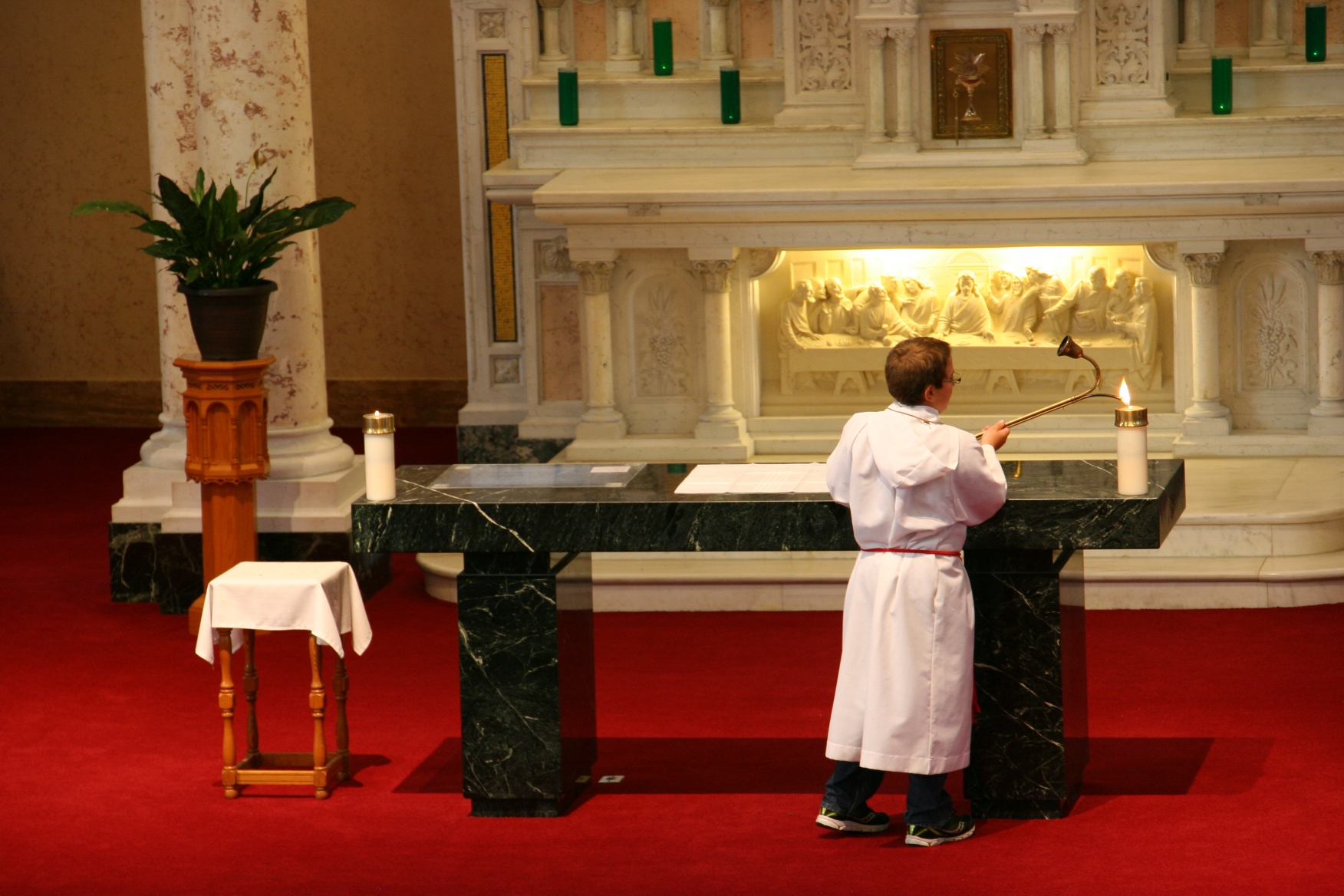
An altar boy prepares for Mass.

An altar boy prepares for Mass.

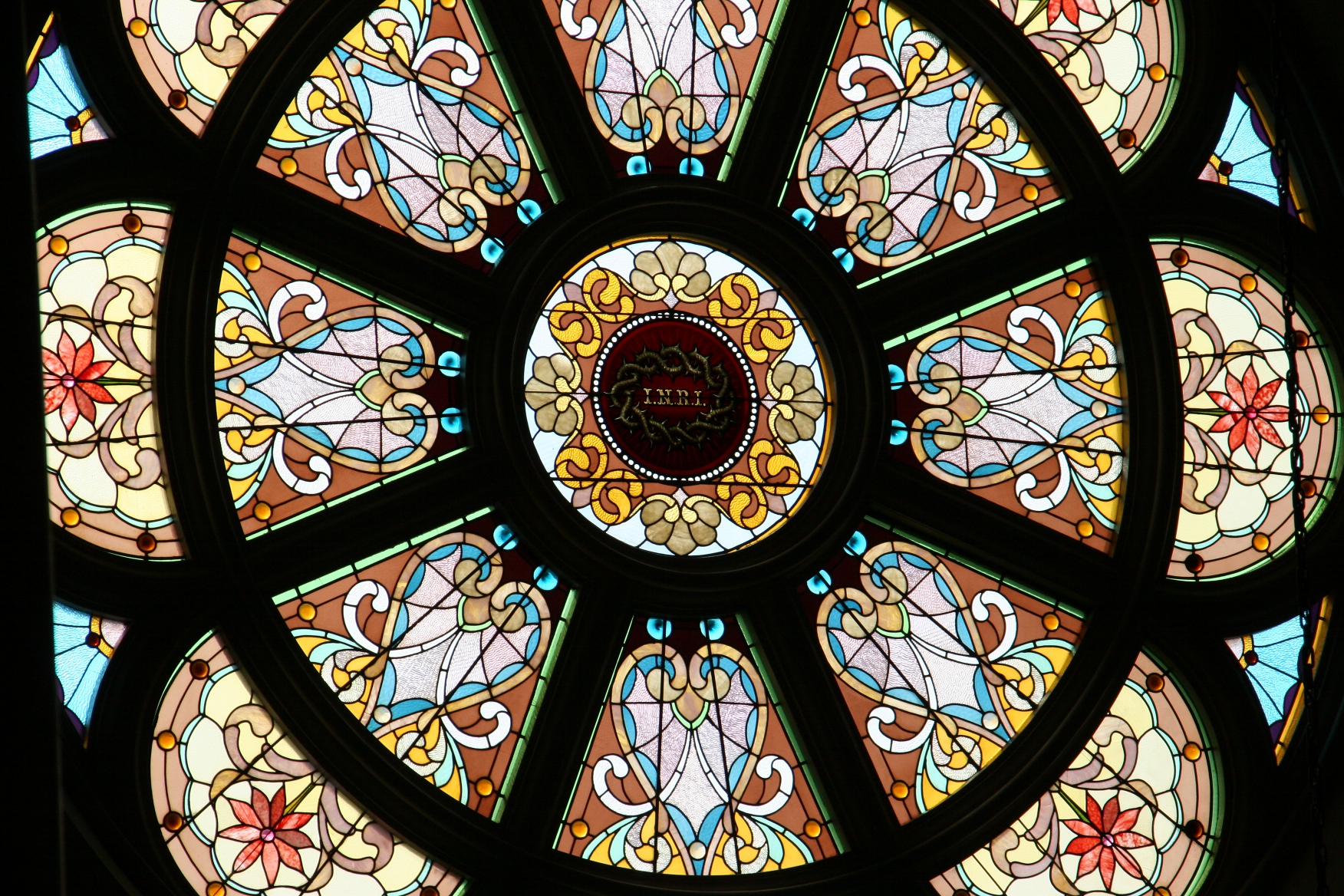
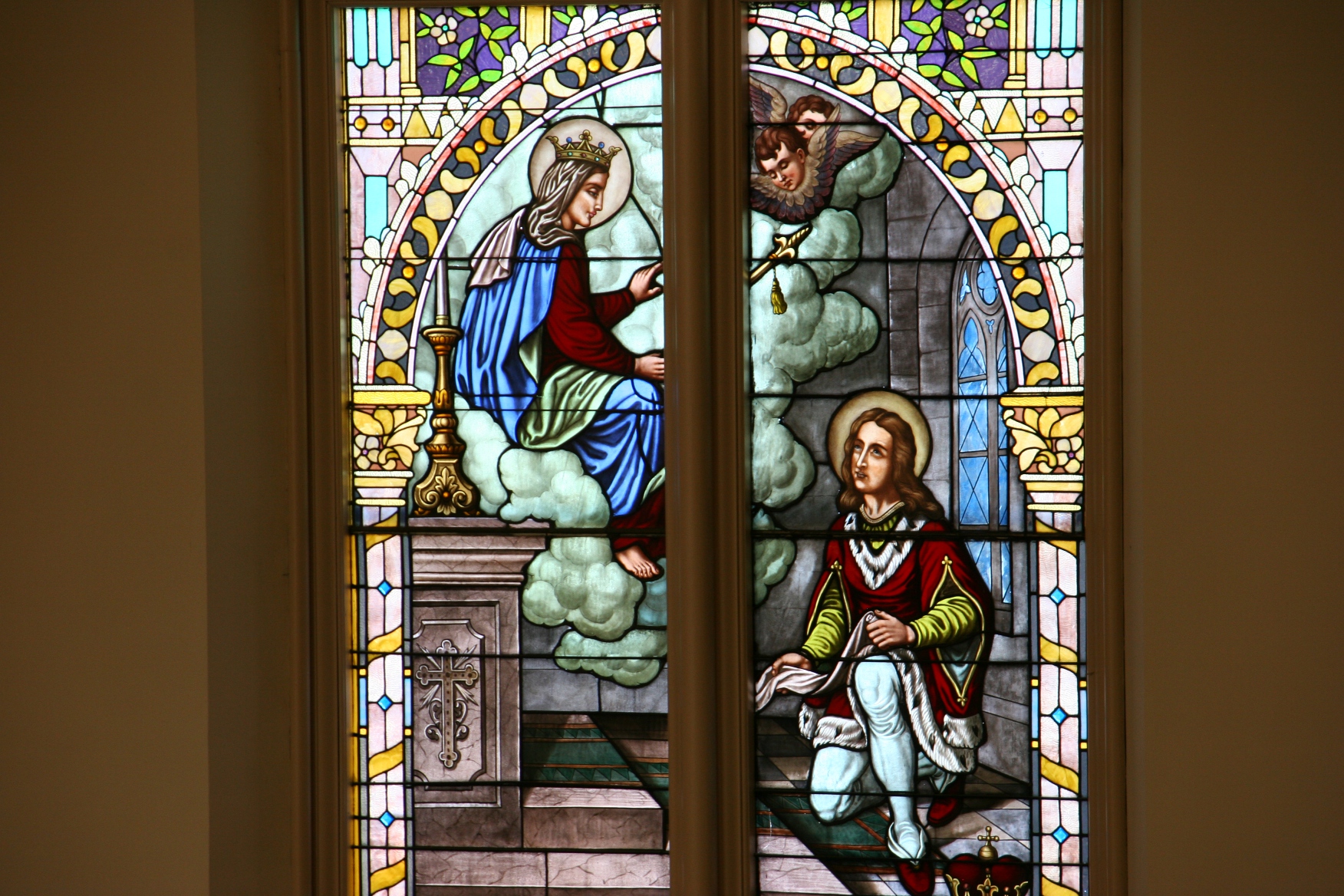
The stained glass windows are incredible in their sacred symbolism and beauty.

The stained glass windows are incredible in their sacred symbolism and beauty.

We arrived at St. Stan’s shortly before a children’s Mass, leaving us to observe from the balcony the reverent holiness of an altar boy lighting a candle, the filing of elementary students into pews, the light of a sultry summer morning filtering through stained glass windows.

Beautiful morning light filters through stained glass onto the curving balcony railing.

Lovely morning light filters through stained glass onto the curved balcony railing.

A statue is tucked into a corner below stations of the cross.

A statue is tucked into a corner below stations of the cross.

The paintings inside the dome are exquisite in their detailed beauty.

The paintings inside the dome are exquisite in their detail.

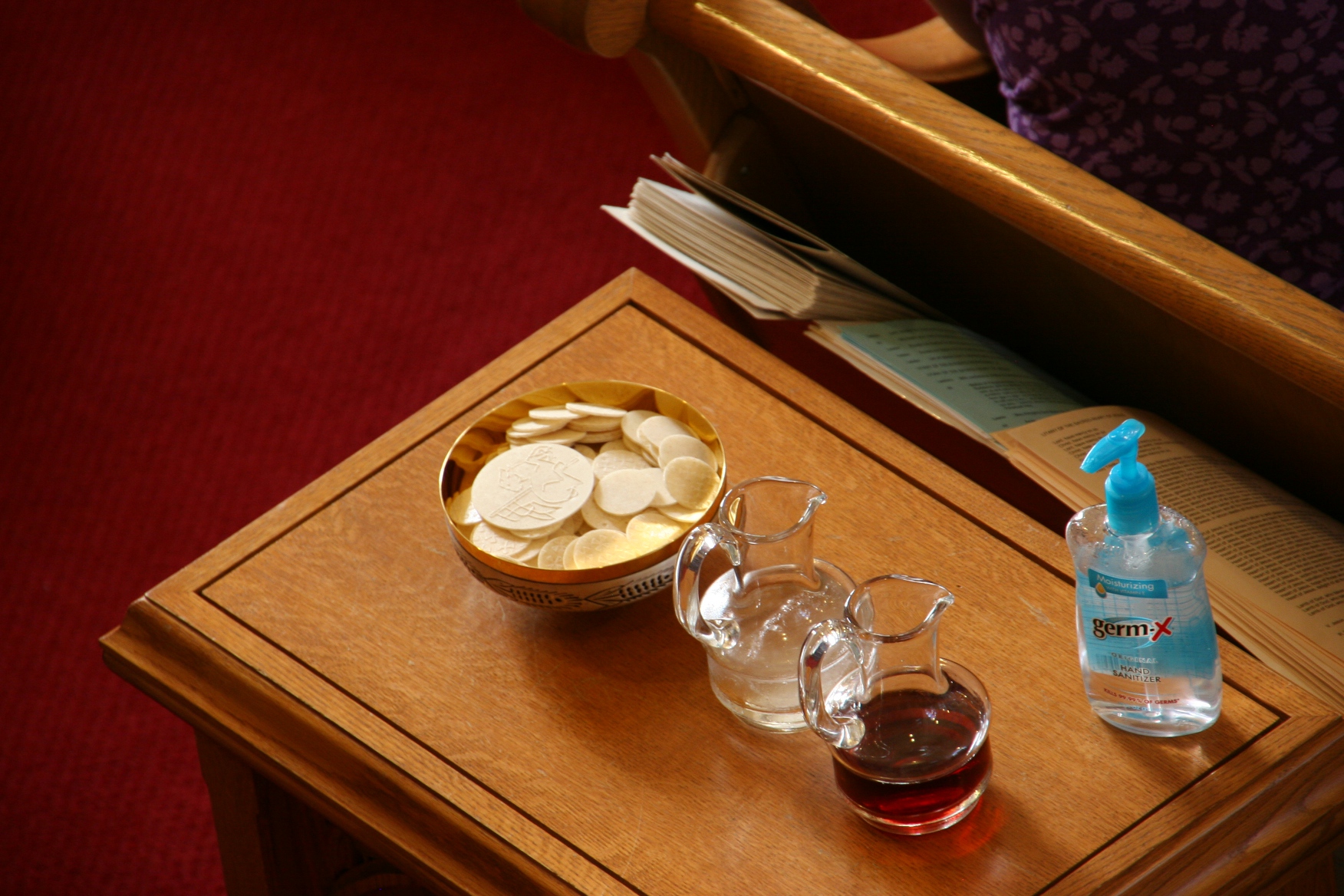
The bread and the wine before it is carried to the front of the sanctuary.

The bread and the wine before they are carried to the front of the sanctuary.

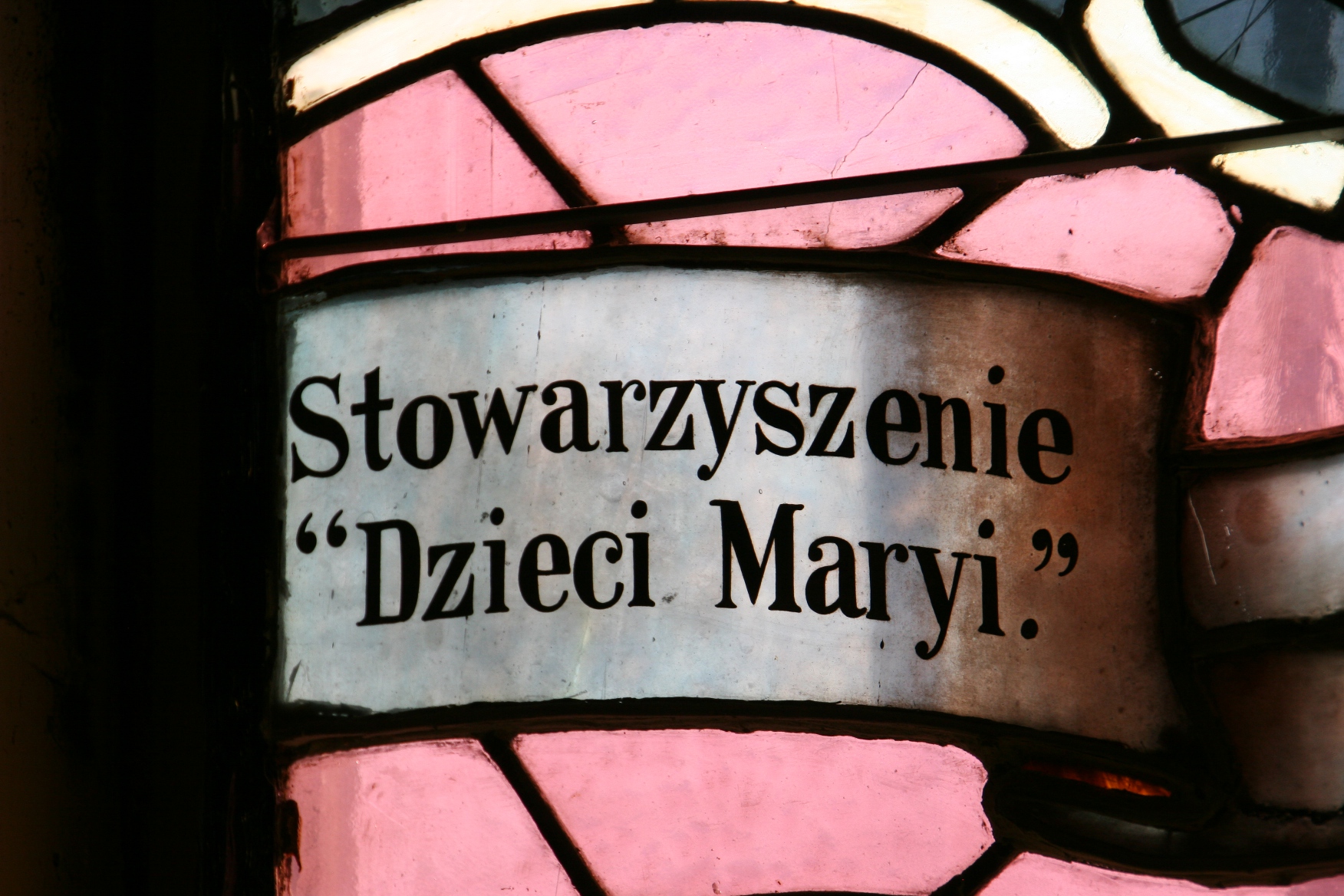
Polish words on a stained glass window translate to

Polish words on a stained glass window translate, according to Google translate, to “”Association of the Children of Mary.”

I stood there in awe, swinging my camera lens toward marble pillars and stained glass, statues and crucifixes, curving wood and paintings, Communion wafers and words in Polish.

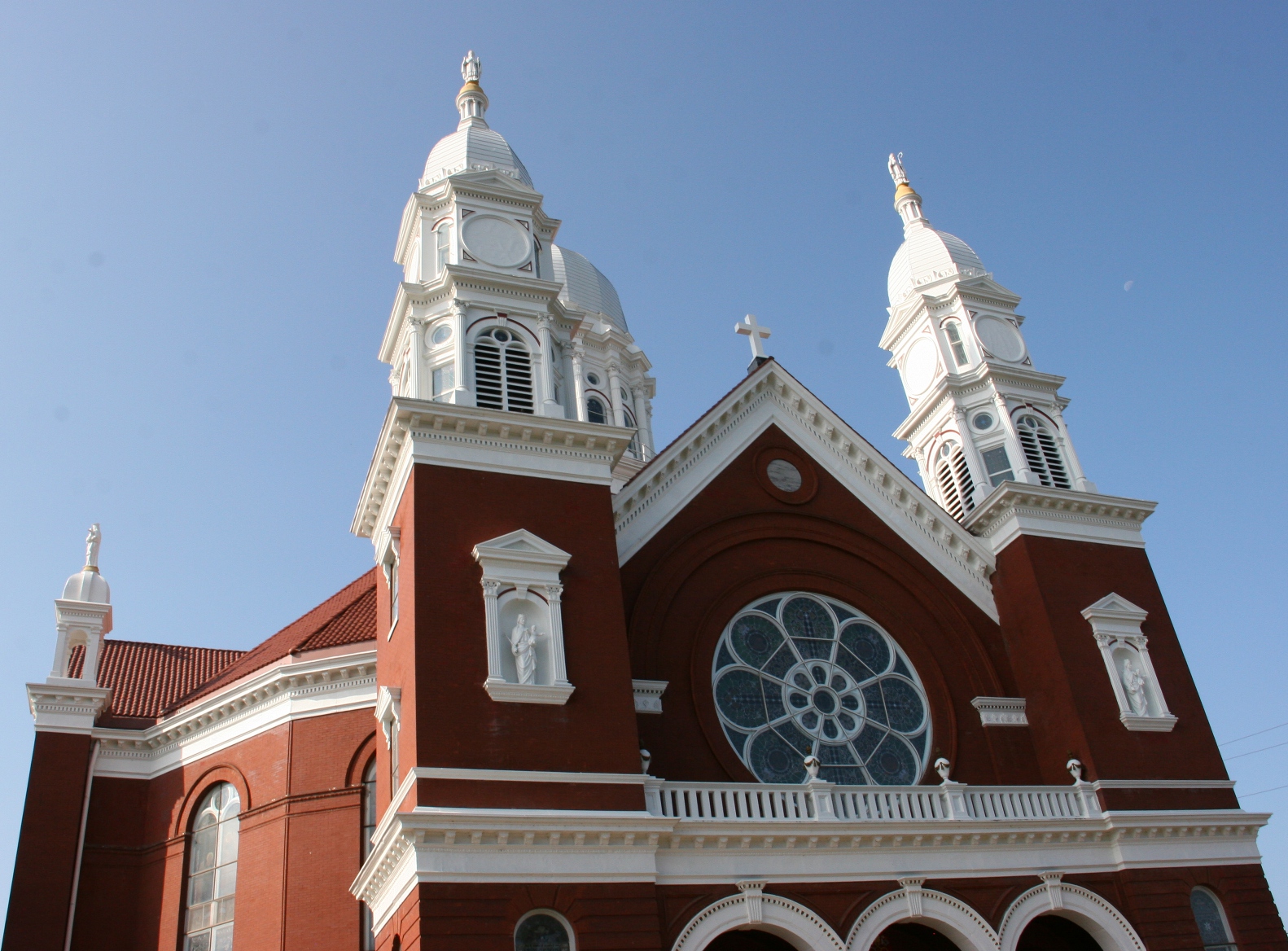
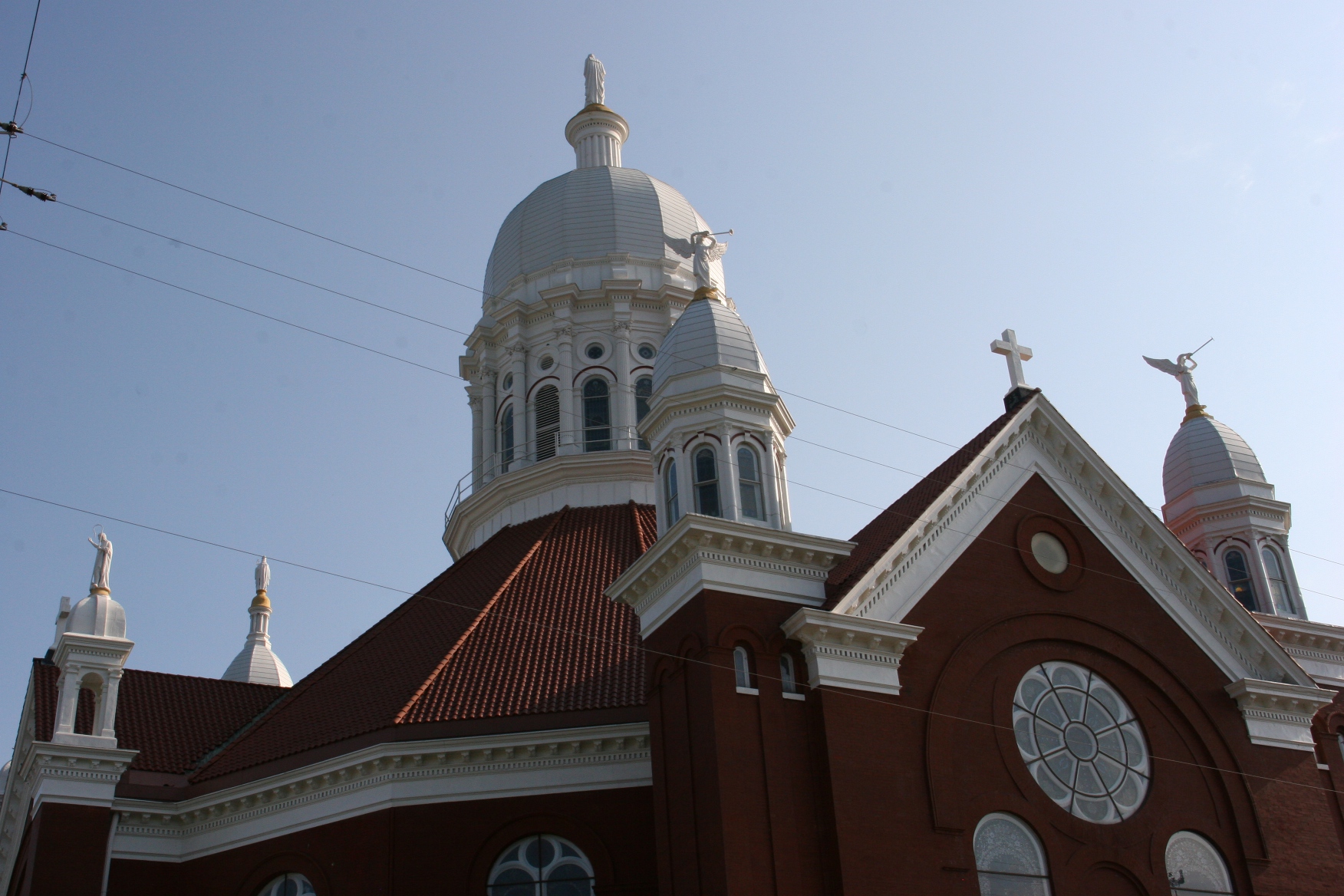
The upper portion of the basilica at its main entry.

The upper portion of the basilica at its main entry.

This is a church of Polish immigrants. Built in 1894 – 1895 of brick and stone in Romansque style (in the form of a Greek cross) by the Winona architectural firm of Charles G. Maybury & Son, the basilica is on the National Register of Historic Places.

With its designation as a basilica, St. Stan's also received a crest symbolic of important events in its history. Click here to learn about the crest.

With its designation as a basilica, St. Stan’s also received a crest symbolic of important events in its history. Click here to learn about the crest.

Not knowing the difference between a regular Catholic church and a basilica, I learned from online research that a basilica has received special privileges from the pope. St. Stan’s rates as a minor basilica , the 70th in the U.S. and only one of two in Minnesota. (The other is the Basilica of Saint Mary in downtown Minneapolis.) The title ties to the extraordinary architectural quality of the building and to the congregation’s significant Polish heritage, according to a 2011 press release from the Roman Catholic Diocese of Winona announcing the designation by the Vatican.

I'm certain the scenes in each stained glass window hold religious significance.

The stained glass windows truly are religious works of art.

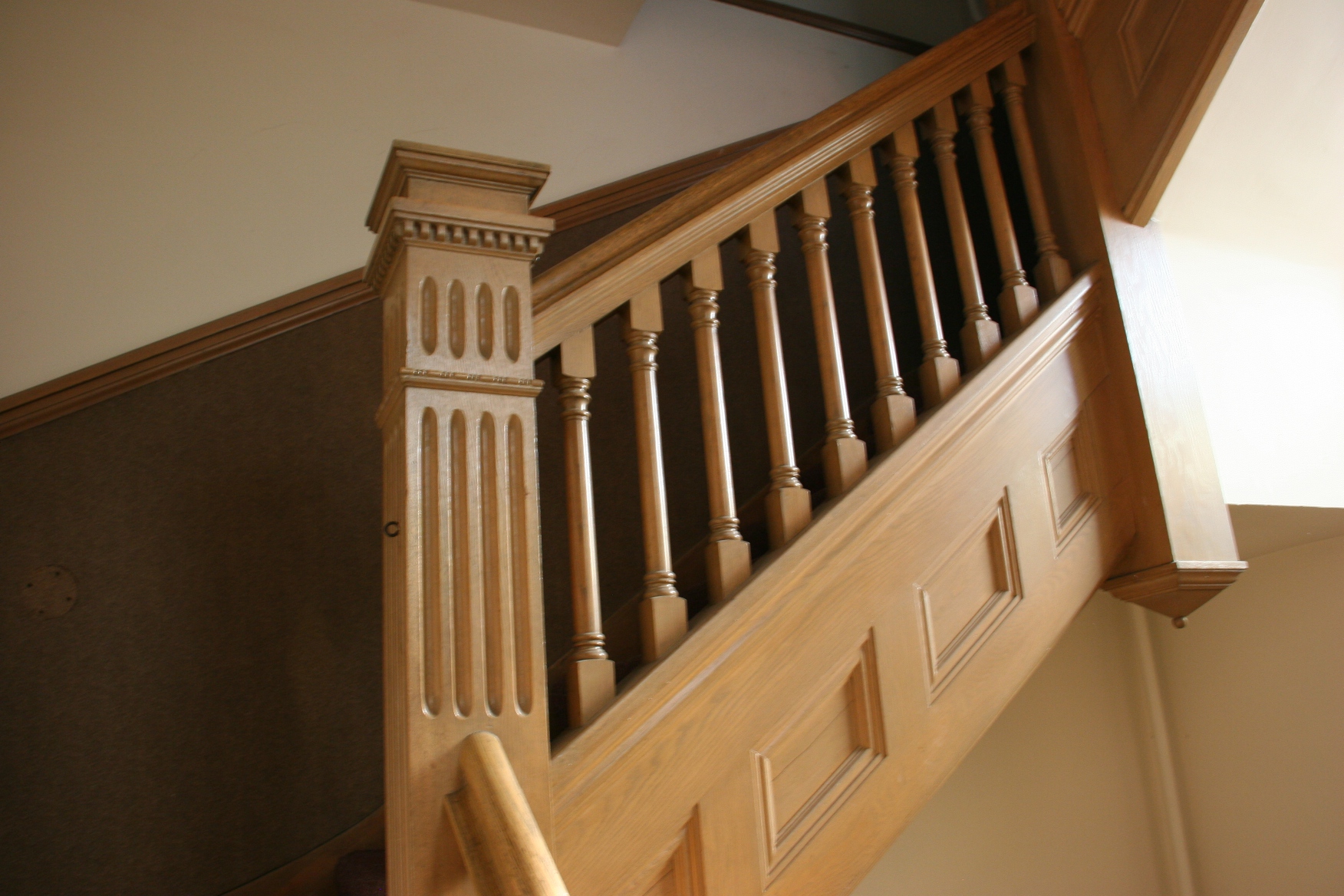
The stairway to the balcony features incredible craftsmanship.

The stairway to the balcony features incredible craftsmanship.

Massive marble pillars impress.

Massive marble pillars impress.

Terminology and privileges aside, this is one impressive house of worship. It’s artful and splendid. Reverent and meaningful. Personal, yet powerful in its sheer size.

I expect many a worshiper has found comfort in these stained glass windows.

I expect many a worshiper has found comfort in these stained glass windows.

This massive place holds generations of family history. Imagine the sins confessed and forgiven here, the blessings bestowed, the holy water sprinkled, the families who’ve grieved and celebrated within the walls of St. Stan’s.

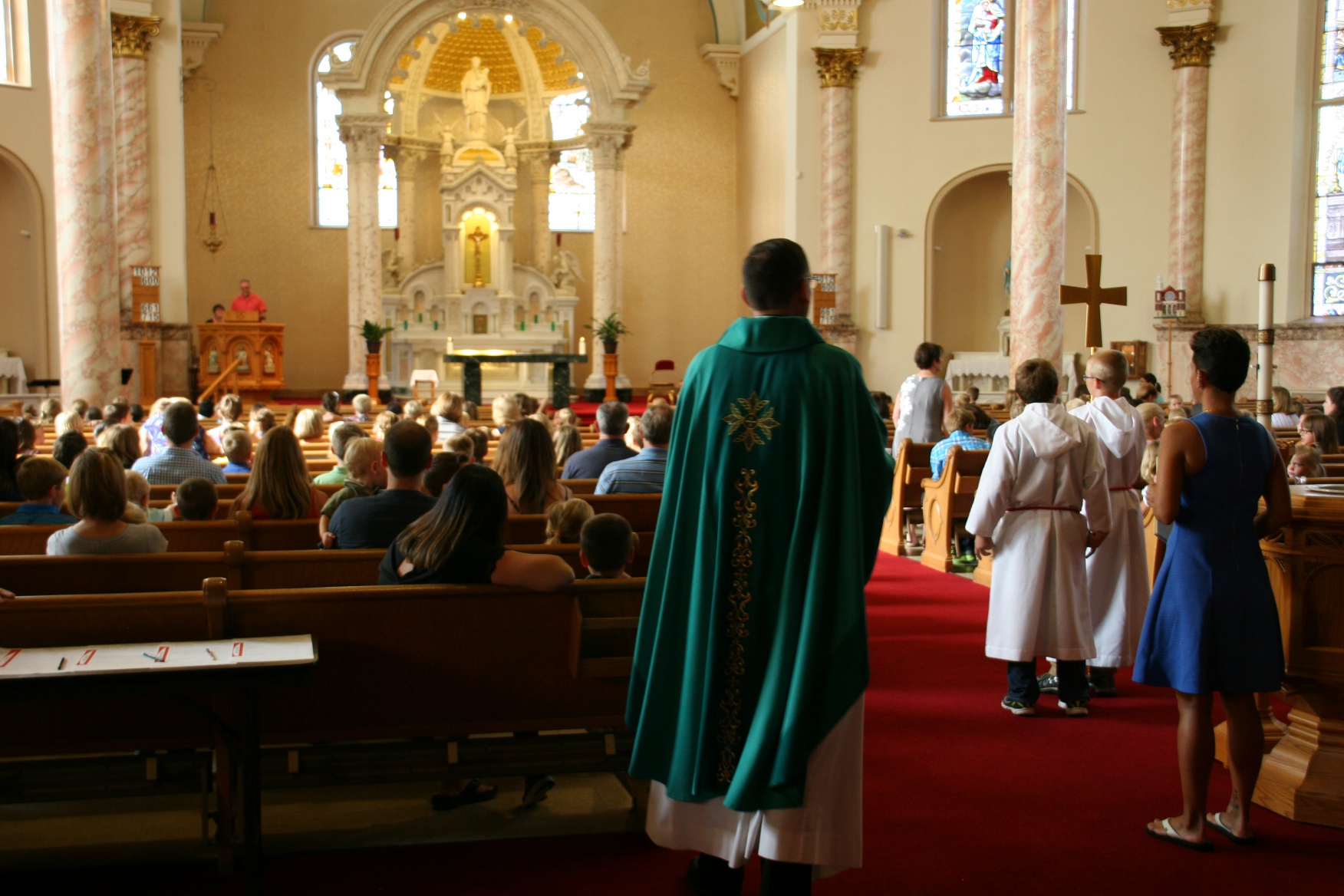
The priest is about to proceed up the aisle to begin Mass.

The priest is about to proceed up the aisle to begin Mass.

To witness the next generation in worship on a Friday morning in God’s house reaffirms for me that the faith of our fathers remains strong. Just like this aged basilica in the Mississippi River town of Winona.

BONUS PHOTOS of the exterior:

A back view of St. Stan's.

A back view of St. Stan’s.

Angel art atop a tower.

Angel art atop a tower.

Roof details.

Roof details.

The main entrance.

The main entrance.

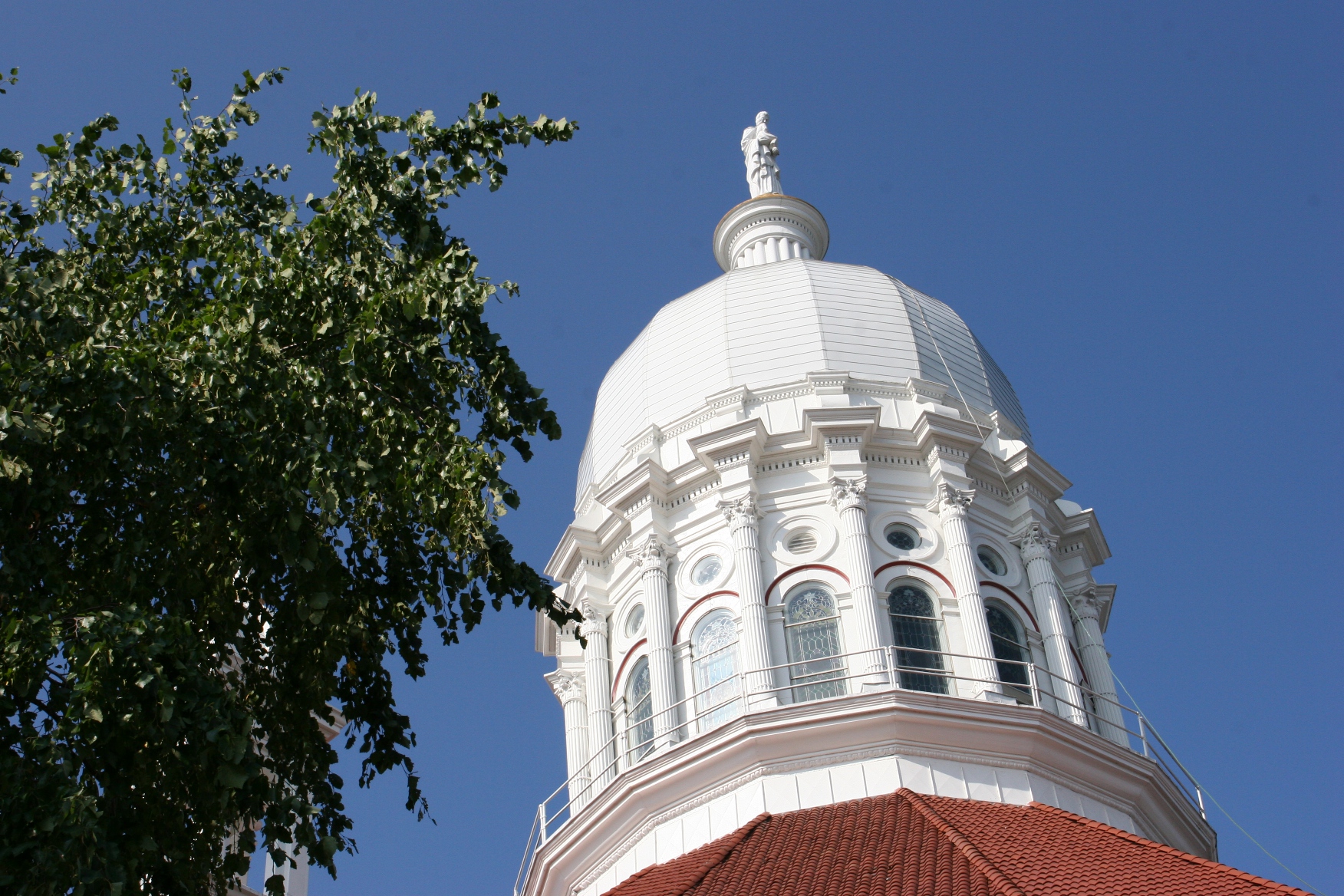
And the landmark dome.

And the landmark dome.

© Copyright 2015 Audrey Kletscher Helbling
 

Restored clock telling time again in historic downtown Faribault September 14, 2015

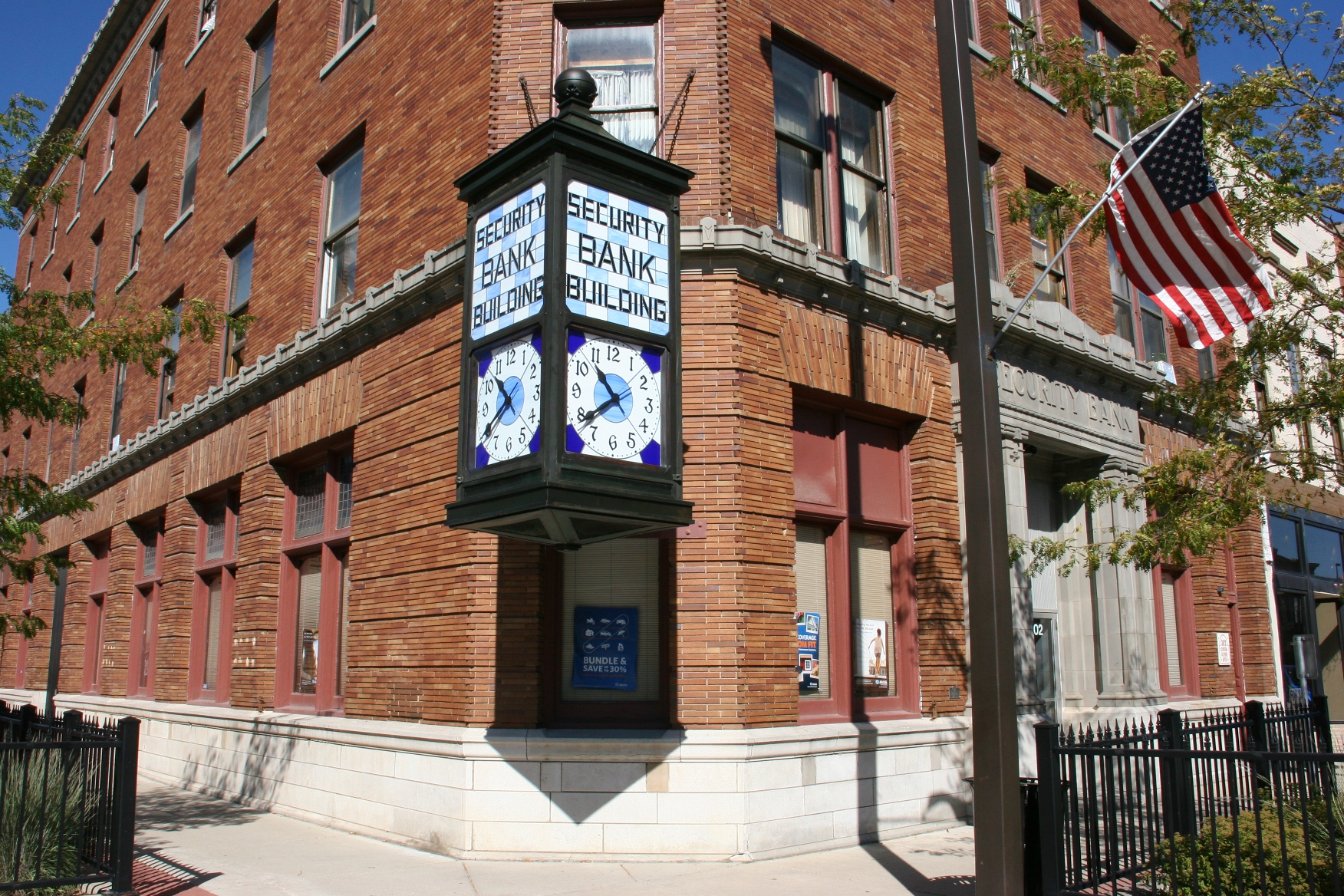
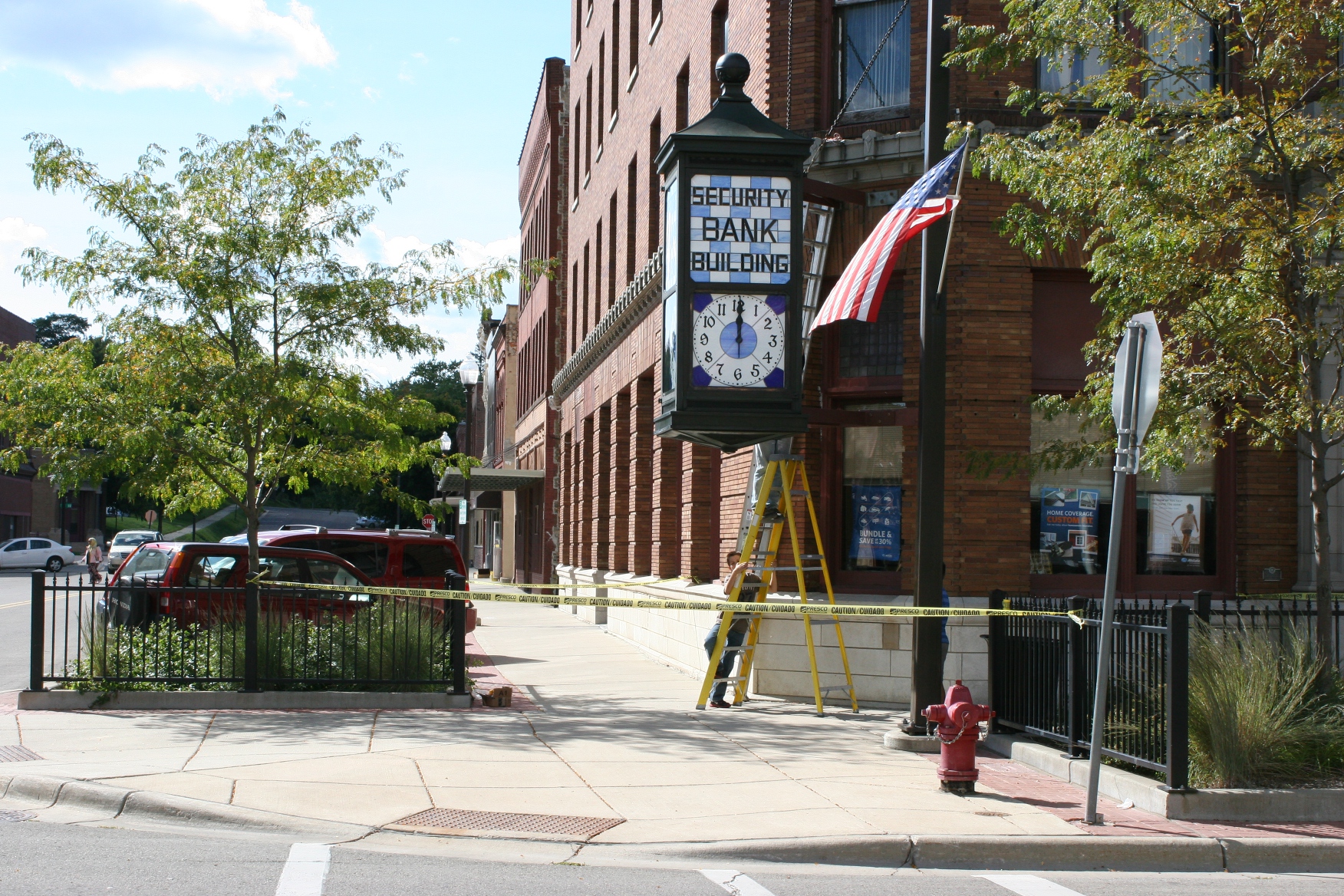
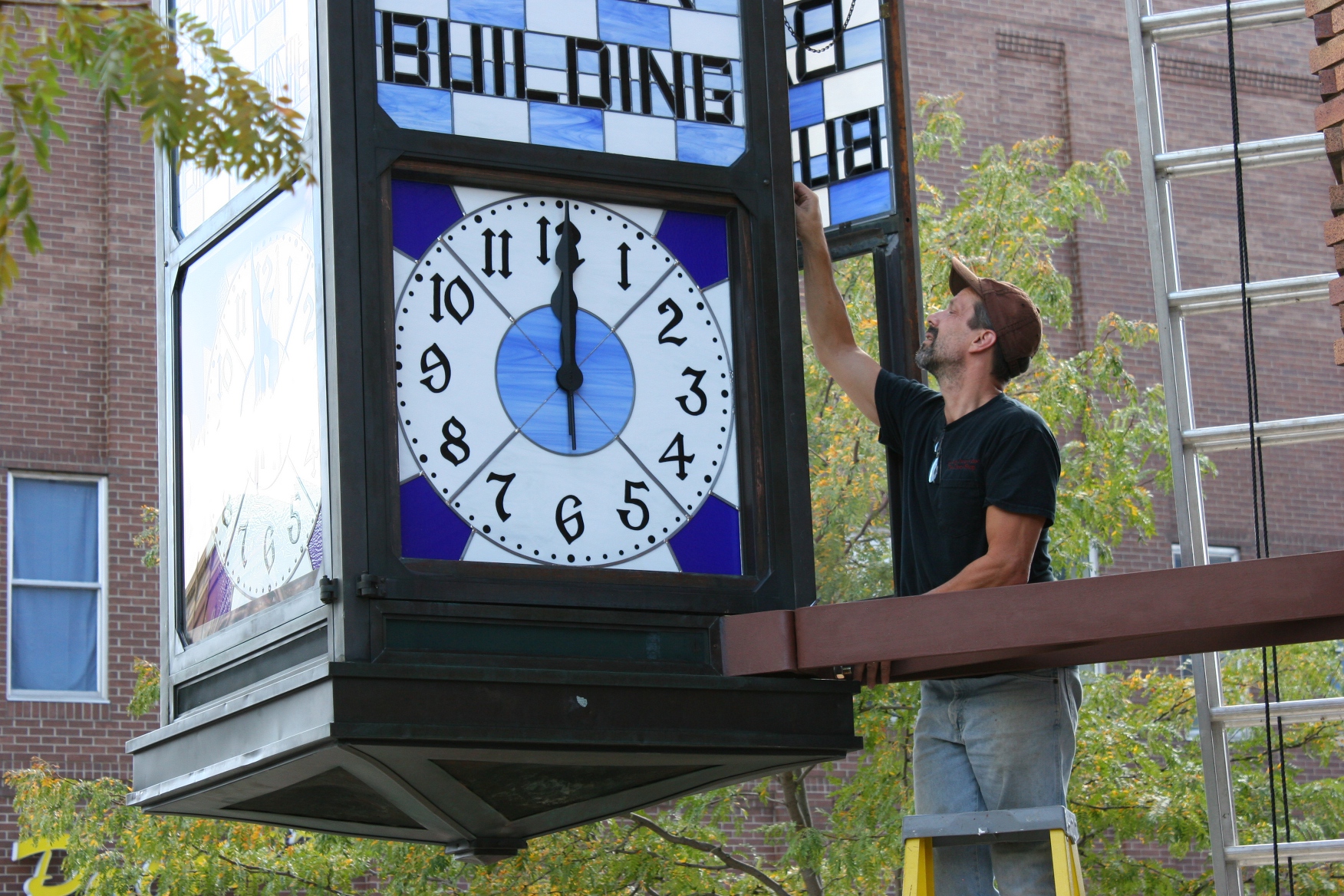
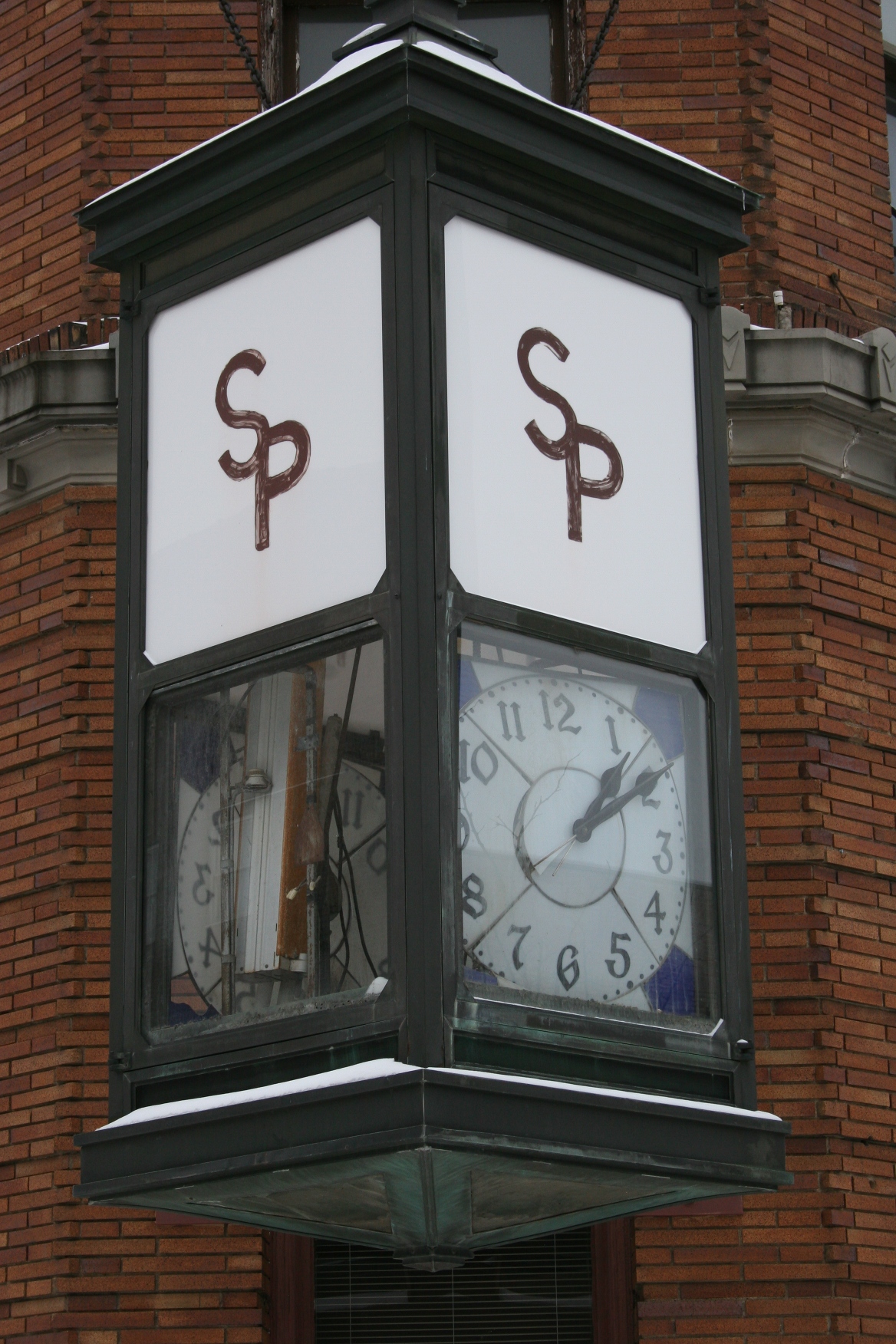
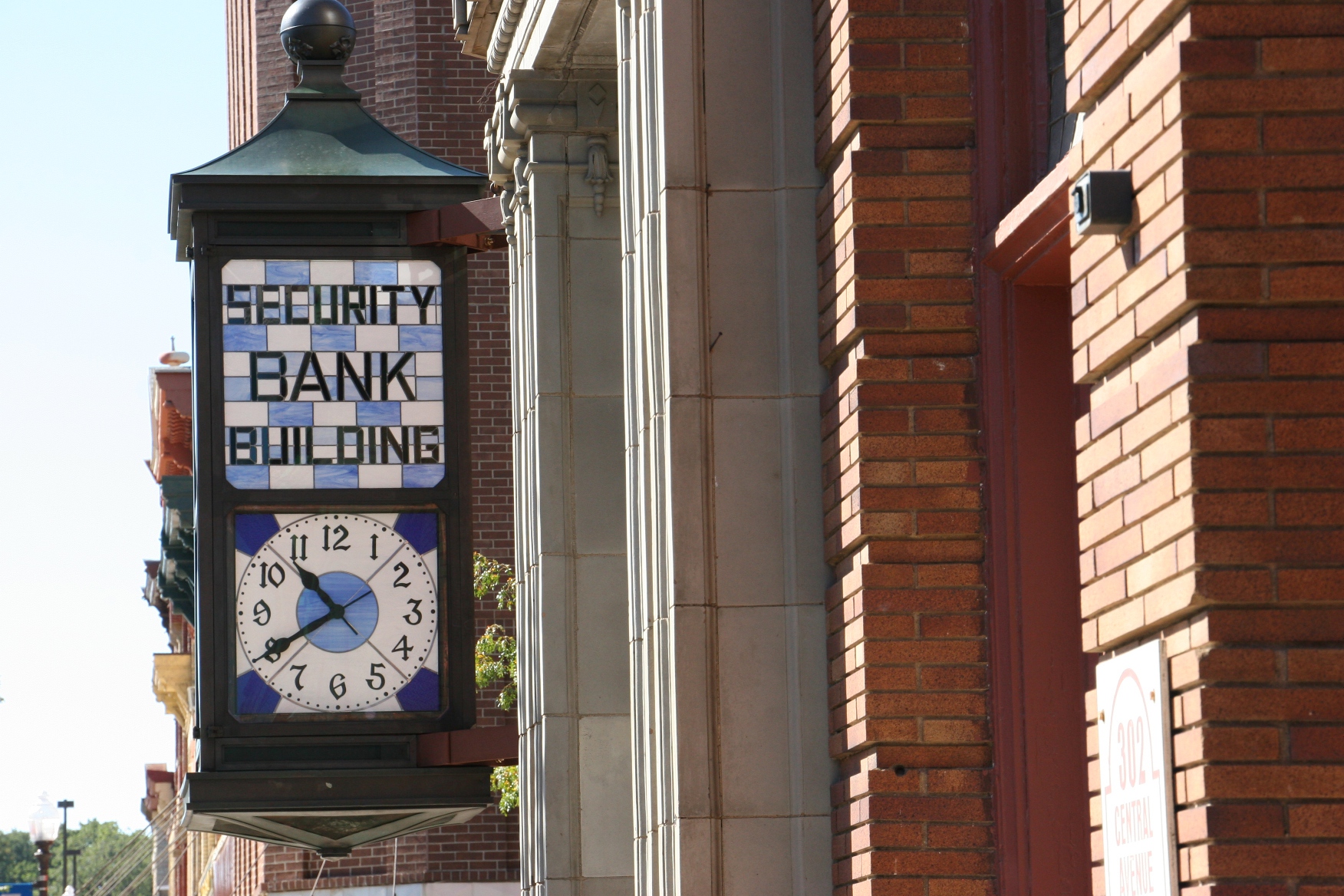
This restored 1915 clock was installed on the Security State Bank Building, 302 Central Avenue, on Saturday.

This restored 1915 clock was reinstalled on the Security Bank Building, 302 Central Avenue, on Saturday. This photo was taken Sunday morning.

THE TRANSFORMATION IS REMARKABLE, a stunning addition to a busy street corner in the heart of historic downtown Faribault.

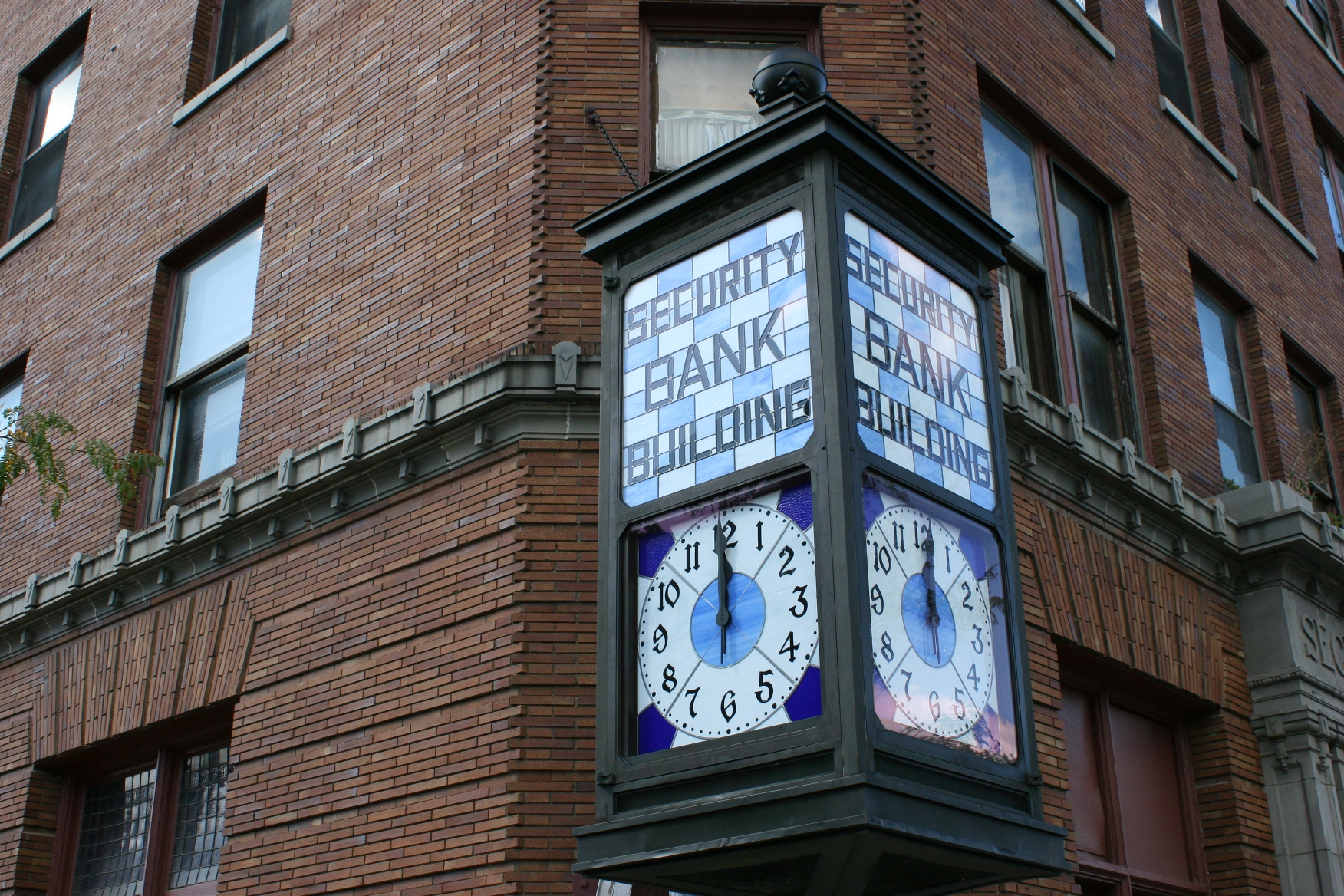
Up close...

Up close…

It is the restoration and reinstallation of a 100-year-old clock suspended from the Security Bank building.

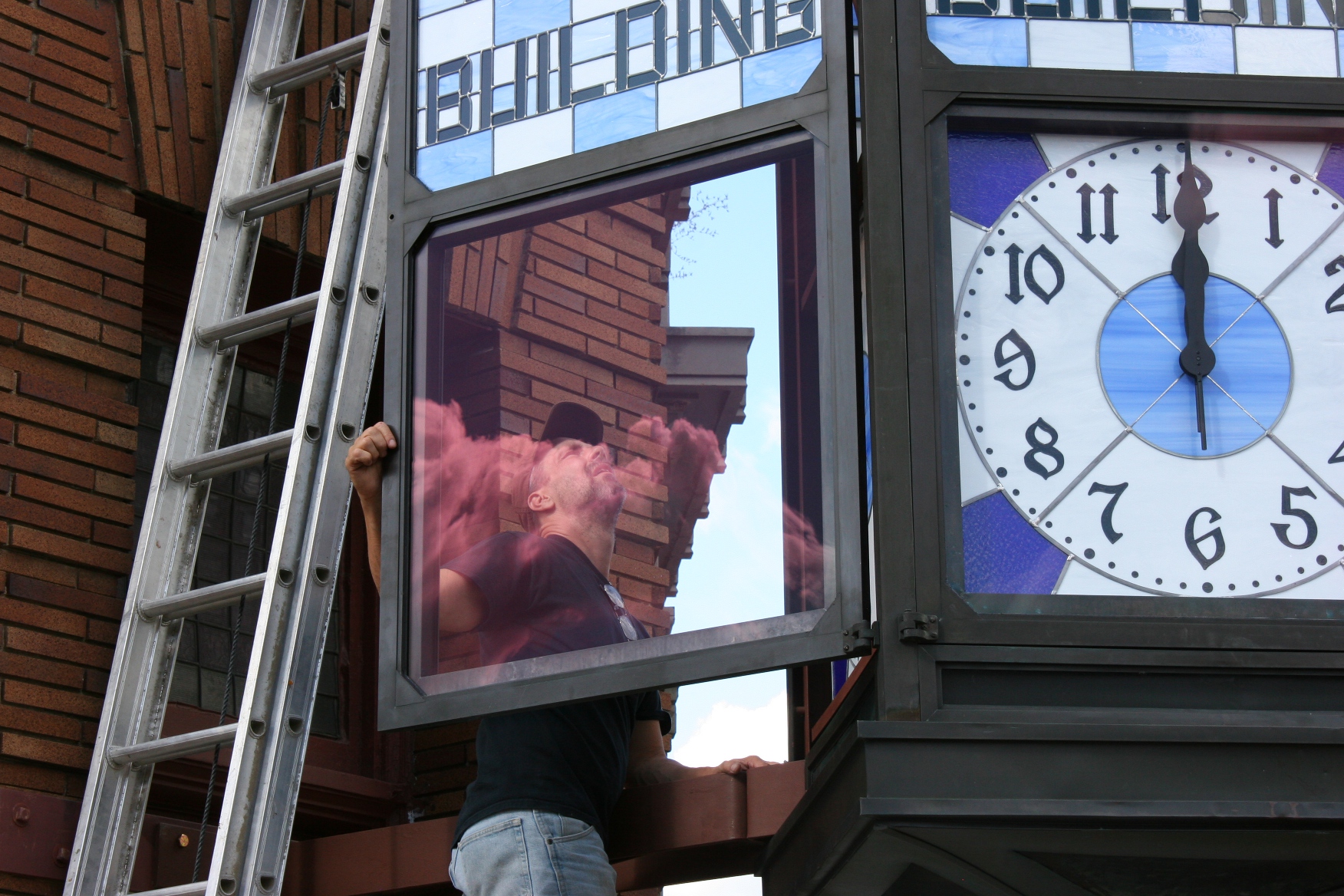
Mike Elwood at work on the clock.

Clock “doctor” Mike Elwood, whose clock shop is a block away, peers inside the clock.

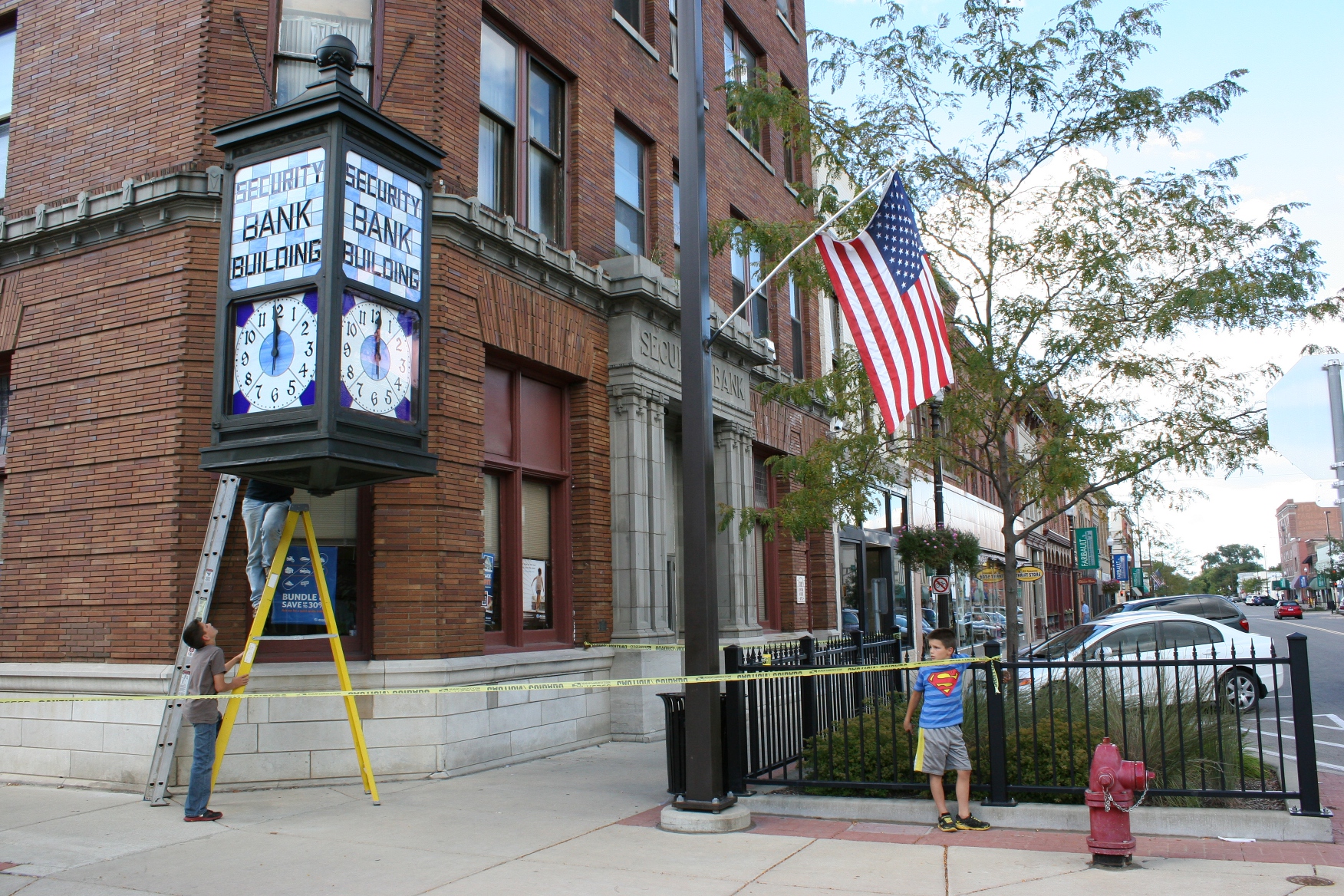
Mike's son, Charlie, waits at the bottom of the ladder.

Mike’s son, Charlie, waits at the bottom of the ladder.

Another view of Mike Elwood working on the clock.

Another view of Mike Elwood working on the clock.

Mike's other son, Tommy, dressed in a Superman shirt, watches.

Mike’s other son, Tommy, dressed in a Superman shirt, watches his dad at work Saturday afternoon.

Saturday afternoon, much to my delight, I spotted Mike Elwood of the Hickory Dickory Doc Clock Shop atop a ladder peering inside the clock. His goal, he shouted down to me, was to get the clock working by the end of the day. He led the restoration and repair of the clock’s inner workings while Faribault artist Jim Pichner crafted the stained glass clock facing and lettering.

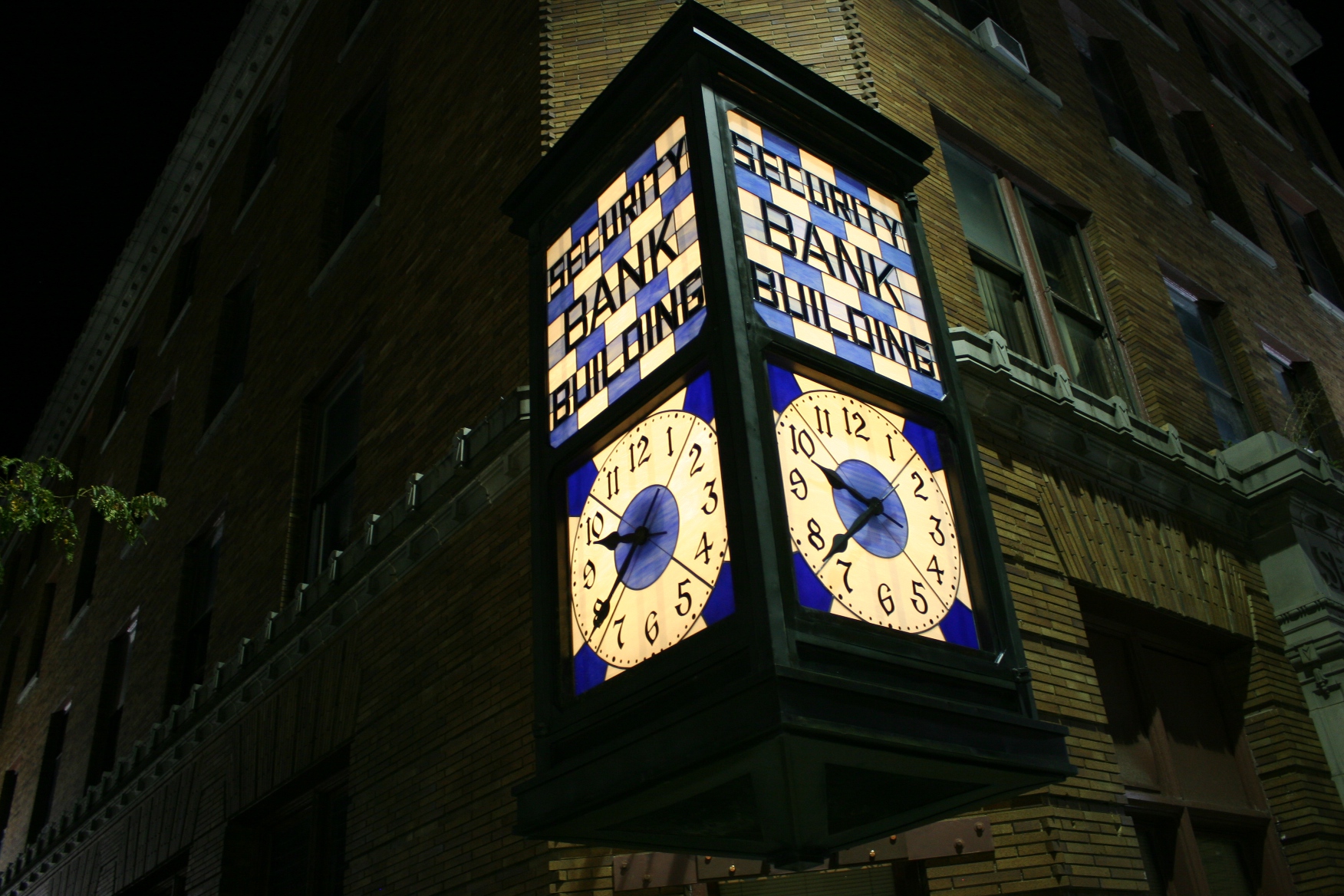
The beautiful glowing clock photographed at 9 p.m. Saturday.

The beautiful glowing clock photographed at 9:37 p.m. Saturday.

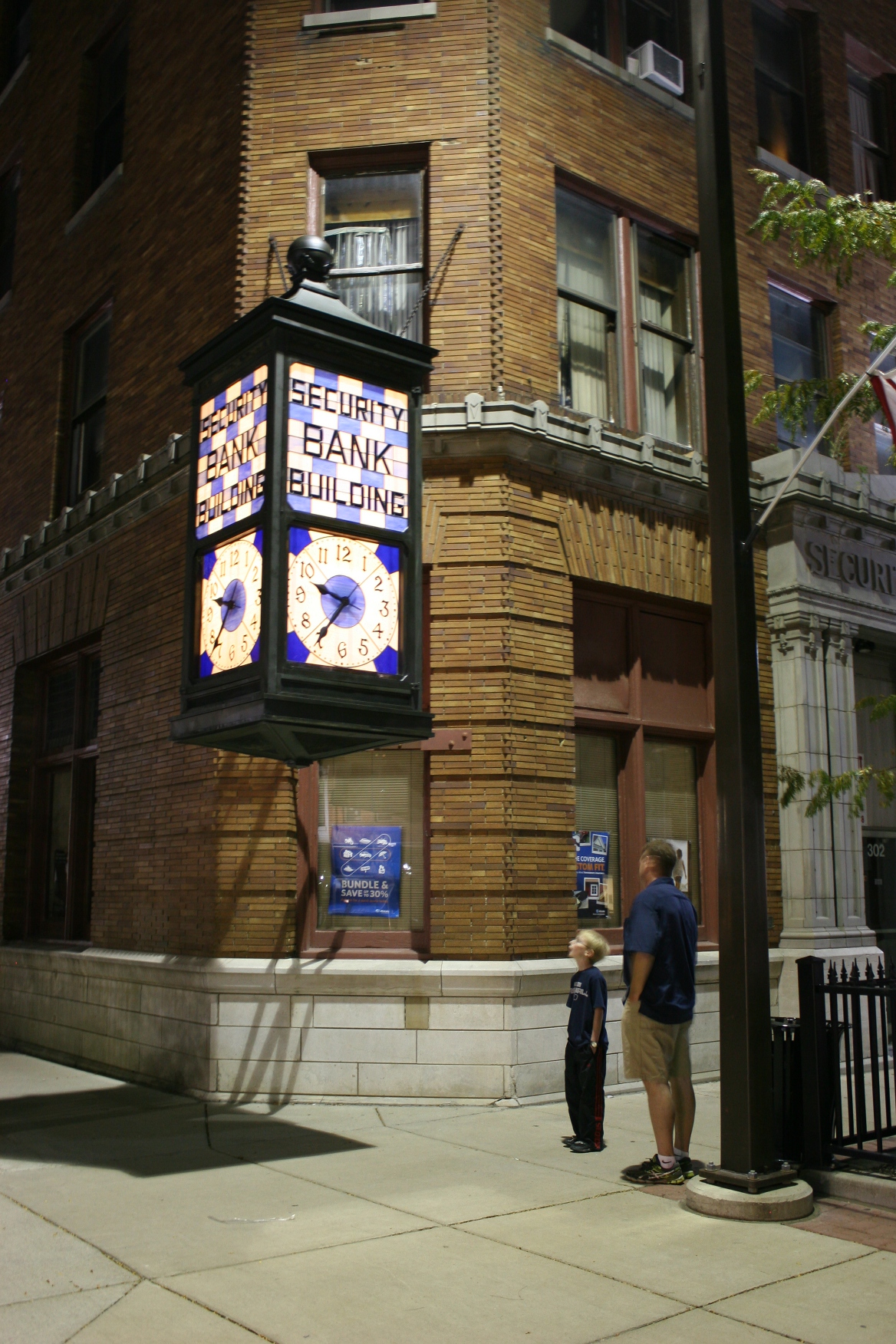
Steve and Peter McDonough check out the clock Saturday evening.

Steve and Peter McDonough admire the clock Saturday evening.

When I checked back at 9:30 p.m., the clock was aglow, working and being admired by Steve McDonough and his son, Peter. Like me, they were transfixed by its beauty. Steve, who owns the Village Family Theater several blocks away, says he loves his hometown’s downtown.

Telling time Sunday morning.

Telling time Sunday morning.

Although I didn’t grow up here, I’ve lived here 33 years and also hold a deep appreciation for historic downtown Faribault. The refurbished clock is just one more example of how much this community values history and its downtown.

The clock that graces the corner of the Security Bank building has fallen apart.

The clock before the restoration. Minnesota Prairie Roots file photo 2011.

The late Al Burkhartzmeyer, second-generation co-owner of Burkhartzmeyer Shoes a block to the south of the Security Bank building, was instrumental in efforts to get the clock refurbished. After his death in 2012, all memorial funds given in his honor went toward the clock restoration fund. The Faribault Rotary Club, of which Al was a member, also worked hard to raise monies for the project. The city of Faribault provided additional funds to get the restoration going with the stipulation that the Rotary repay those monies. Clock ownership remains with the city.

Looking south on Central.

Looking south on Central.

Truly, this was a community effort to raise the $25,000-plus to restore what is now a beautiful piece of working historical art in the heart of historic downtown Faribault.

BONUS PHOTOS:

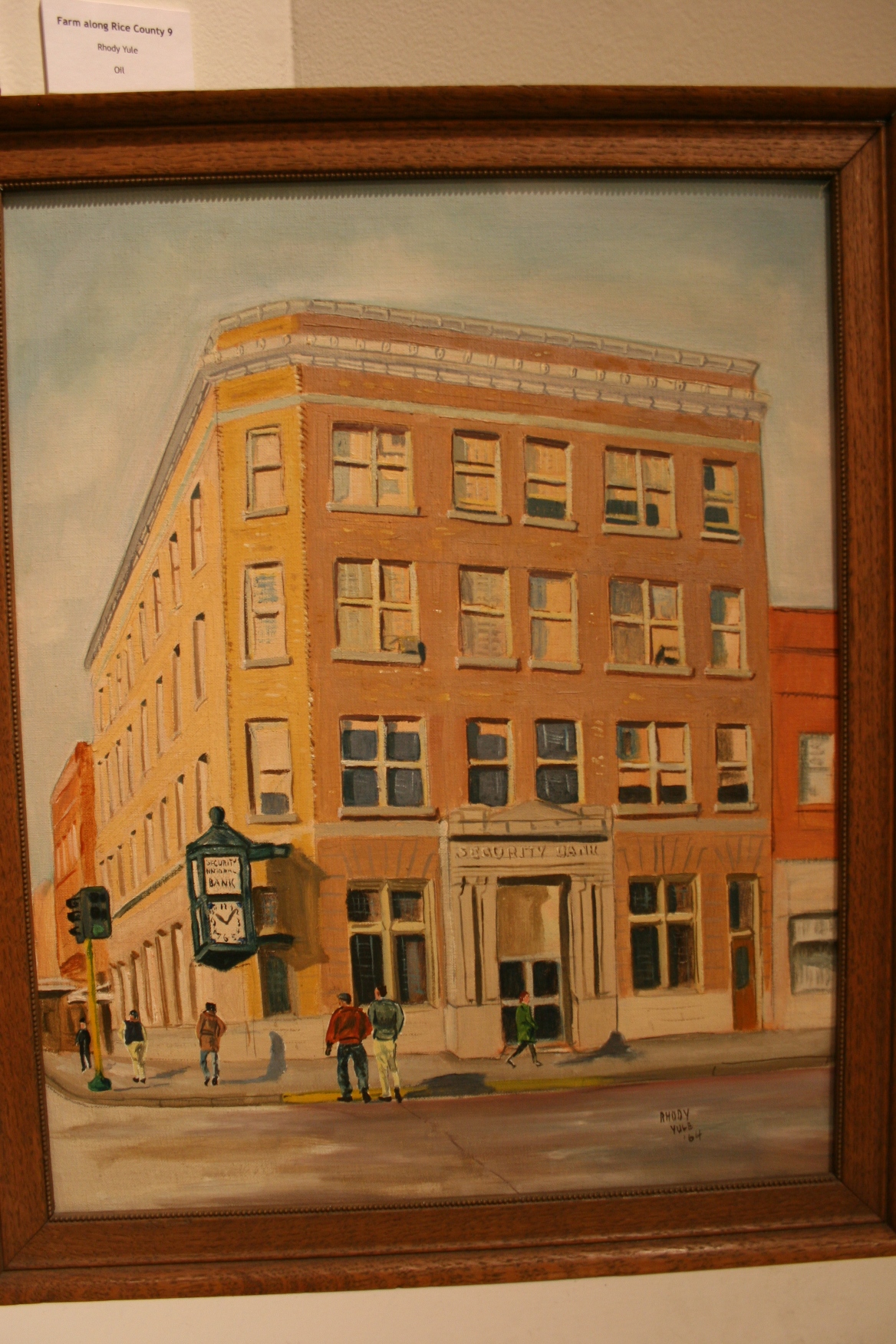
In 1964, Rhody Yule painted this picture of the Security Bank in downtown Faribault.

A 1964 painting of the Security Bank by Faribault artist Rhody Yule. The clock was restored to the 1950s era. Minnesota Prairie Roots file photo.

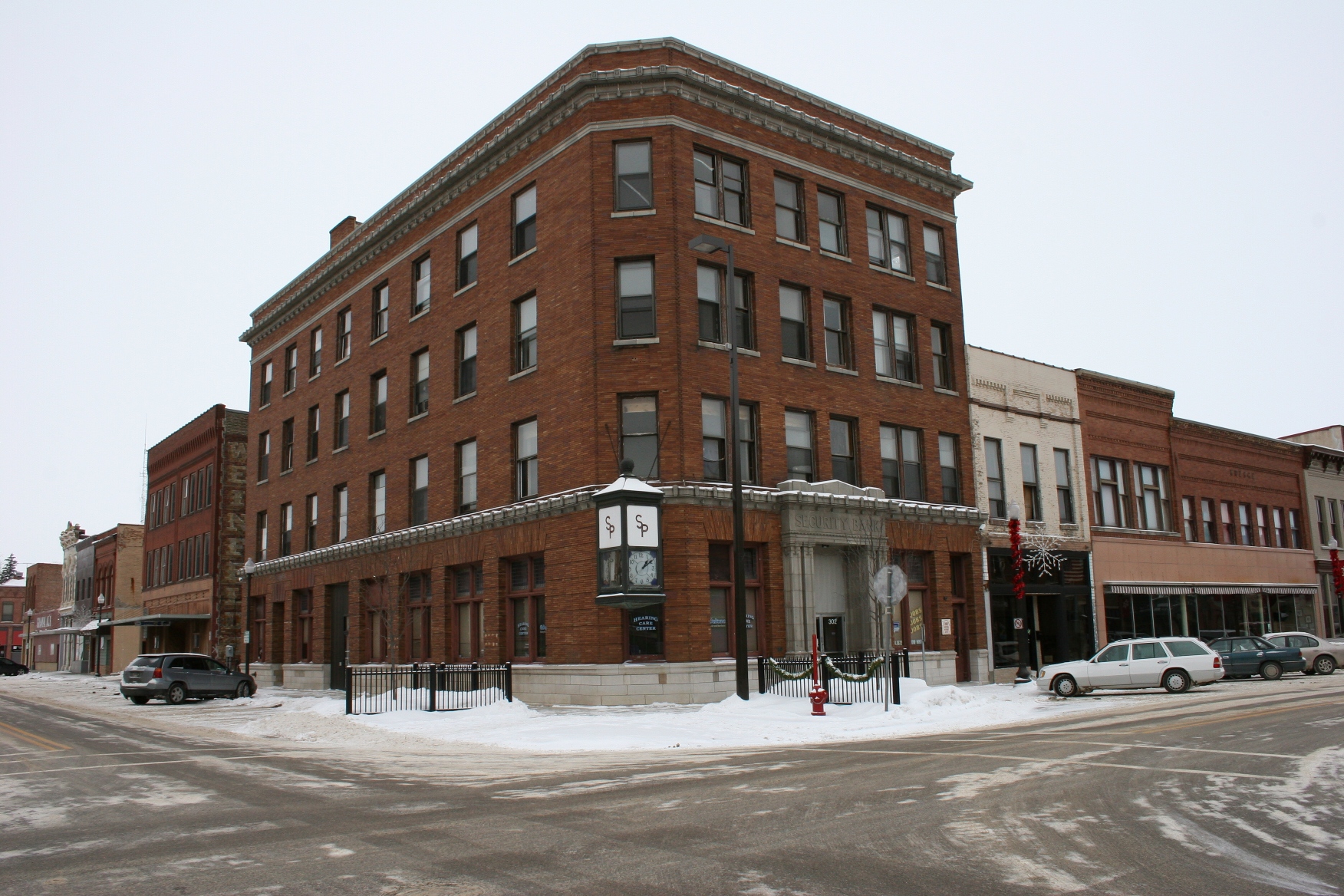
The former Security Bank, today, along Central Avenue in downtown Faribault.

The former Security Bank, photographed in December 2011. Minnesota Prairie Roots file photo.

UPDATE, SEPTEMBER 18: The renovated clock will be dedicated at 6:15 p.m. on Tuesday, September 22, at the Security Bank Building site on the corner of Central Avenue and Third Street. The Faribault Rotary Club and Faribault City Council are co-hosting the event.

© Copyright 2015 Audrey Kletscher Helbling
 

Minnesota Faces: Northfield historian September 11, 2015

Portrait #39: Christian Hakala

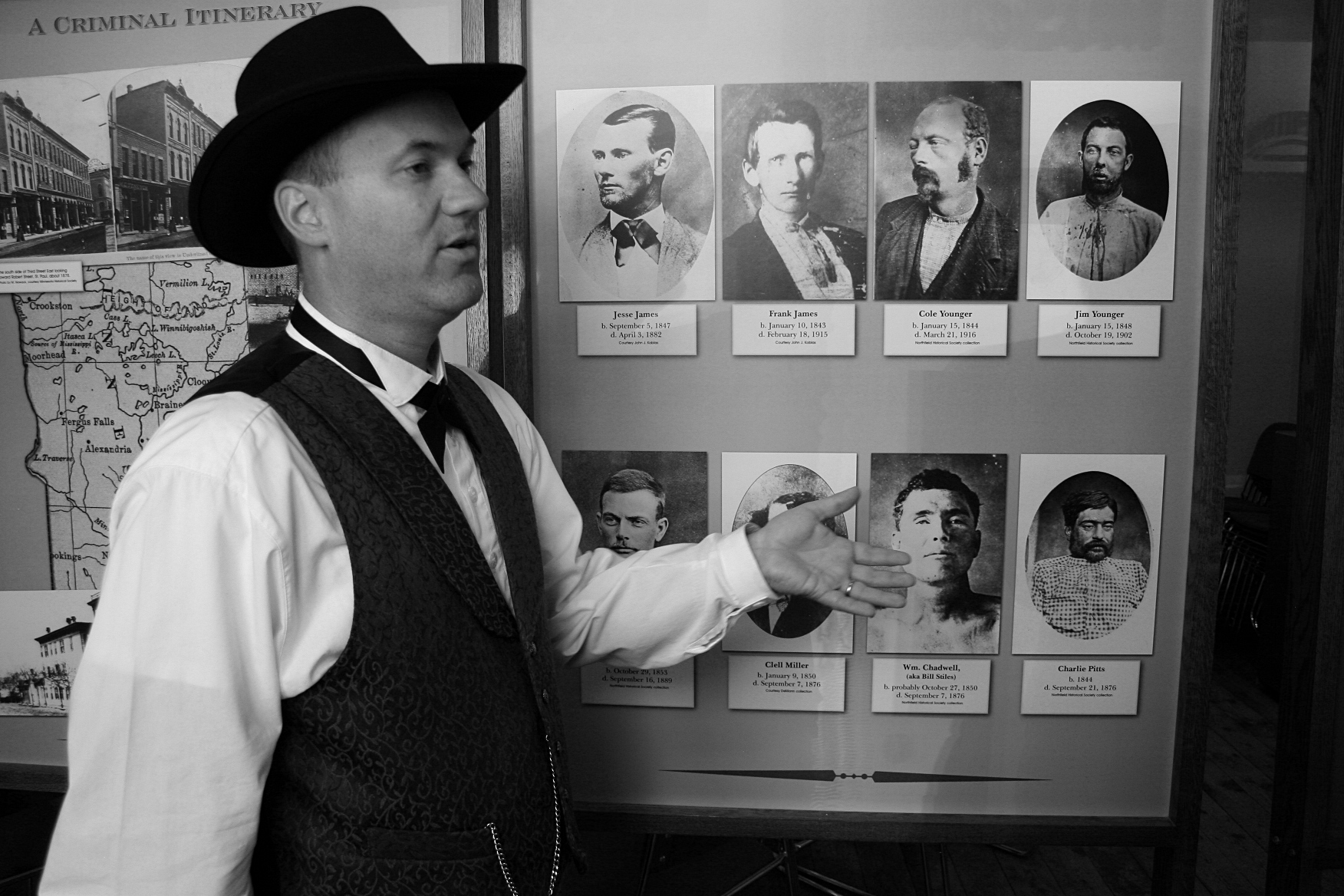
Christian Hakala talks about gang members involved in the Northfield bank raid, pictured to his left: Frank and Jesse James; Cole, Bob and Jim Younger; Clell Miller; William Chadwell; and Charlie Pitts.

Christian Hakala talks about gang members involved in the Northfield bank raid, pictured to his left: Frank and Jesse James; Cole, Bob and Jim Younger; Clell Miller; William Chadwell; and Charlie Pitts. Minnesota Prairie Roots file photo 2012.

To say folks in Northfield, Minnesota, appreciate local history would be an understatement.

Take Christian Hakala. He has a Master of Arts in history, has taught history, has served as Northfield Historical Society Board president and volunteers as a tour guide.

During his day job, he’s Director of Individual Giving at Northfield’s Carleton College.

It was in his capacity of NHS tour guide that I met Hakala in September 2012 as he walked visitors through the “Attempted Bank Raid” exhibit. That would be the September 7, 1876, attempted robbery of the First National Bank of Northfield by the James-Younger Gang. A bank cashier, a Swedish immigrant and two of the outlaws died in seven minutes as townspeople fought back.

Northfield this week is celebrating the heroism of locals during the annual The Defeat of Jesse James Days, an event which is among Minnesota’s most popular community celebrations. DJJD includes bank raid re-enactments. Hakala has participated in those, too, role-playing a townsperson.

If you appreciate history and drama and community celebrations, then head on over to Northfield this weekend. This beautiful historic river city knows how to showcase local history in a big way.

FYI: Click here for more details about The Defeat of Jesse James Days.

Minnesota Faces is featured every Friday on Minnesota Prairie Roots.

© Copyright 2015 Audrey Kletscher Helbling
 

Faribault Woolen Mill celebrates 150th anniversary August 13, 2015

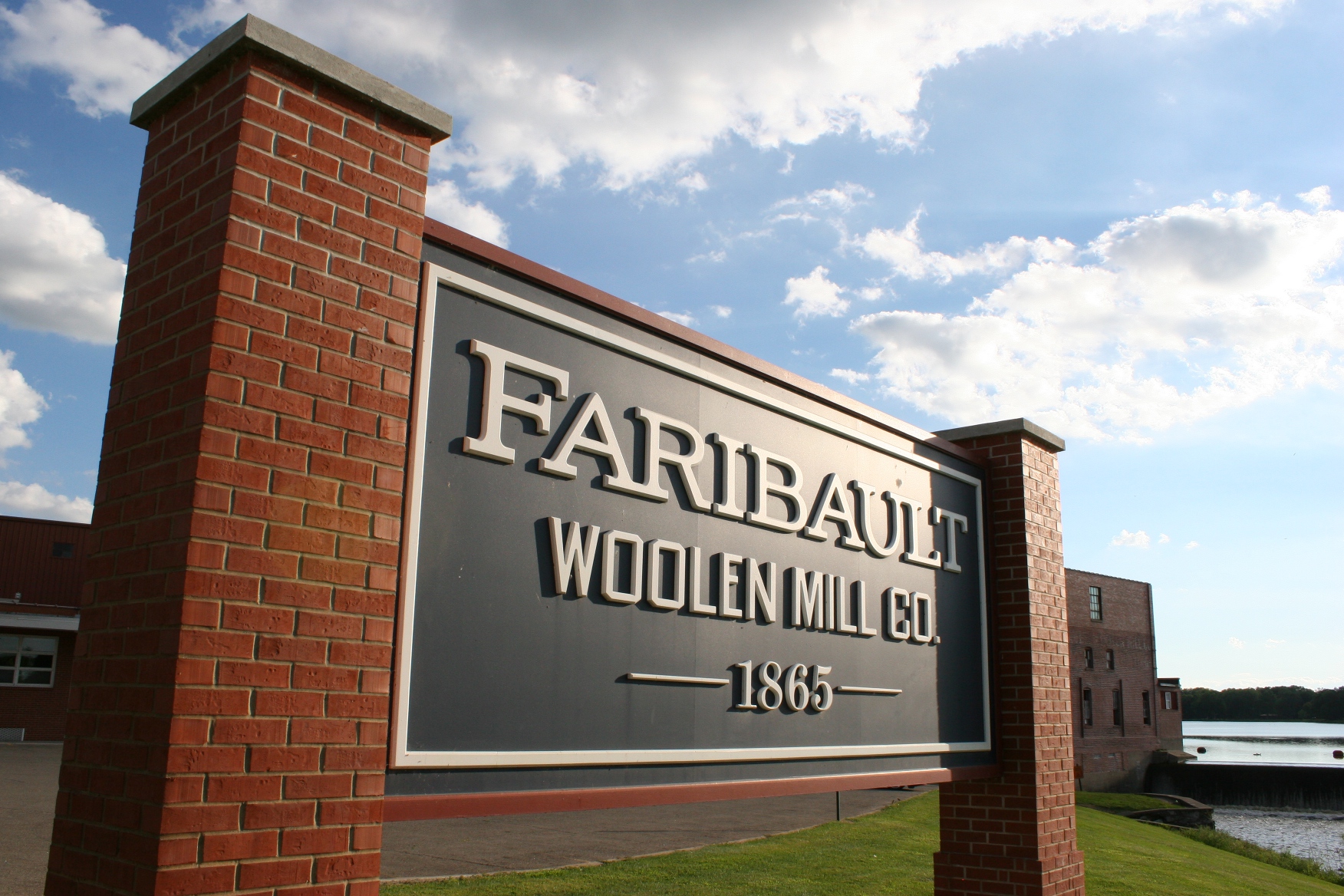
This sign marks The Faribault Woolen Mill, which sits along the banks of the Cannon River in Faribault, Minnesota.

This sign marks the Faribault Woolen Mill, which sits along the banks of the Cannon River in Faribault, Minnesota.

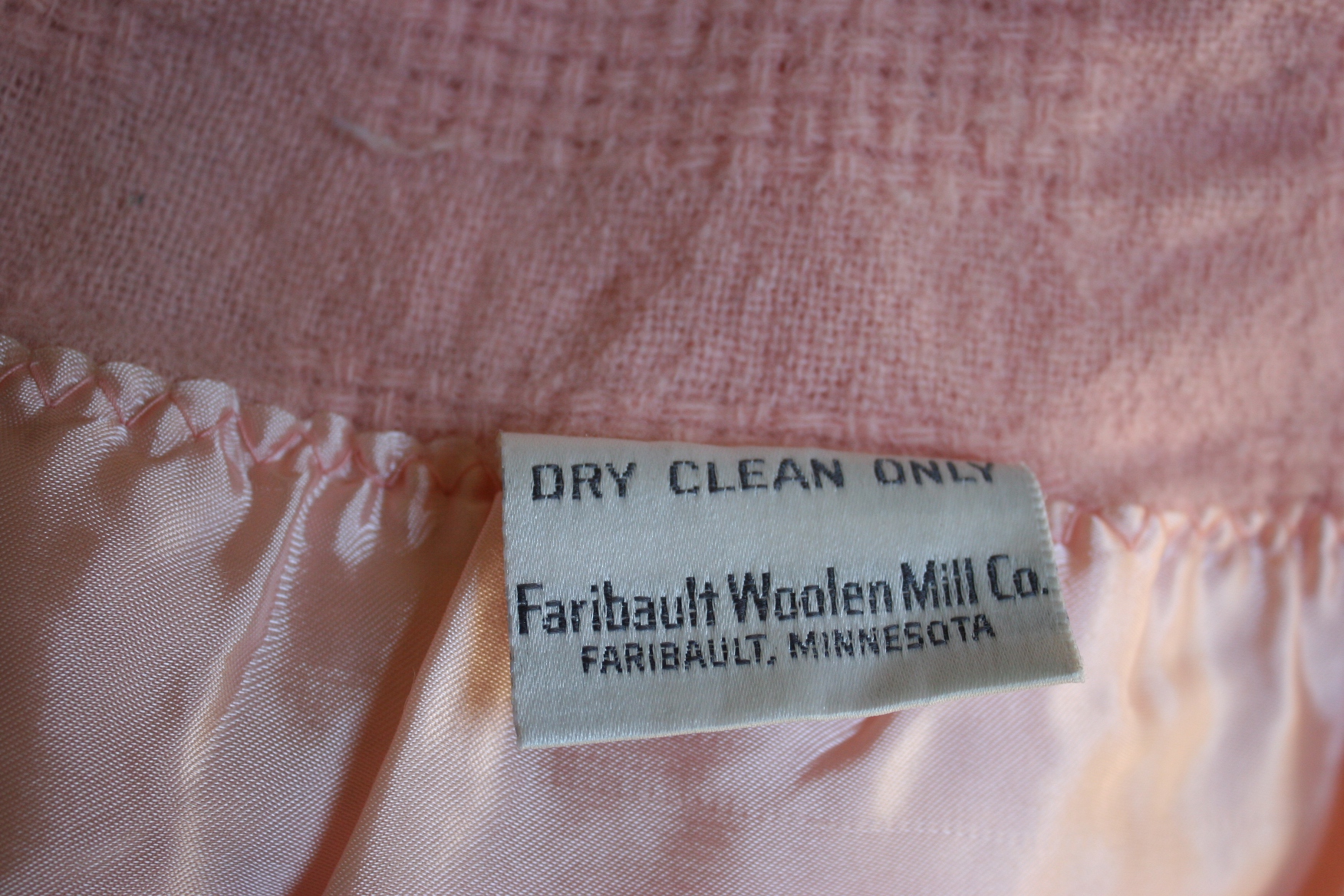
STASHED IN MY BEDROOM CLOSET are two blankets from the Faribault Woolen Mill—one a baby blanket in muted pink and aqua, the other a full-sized pink blanket. Both were gifts from a neighbor who once worked in the mill’s retail store.

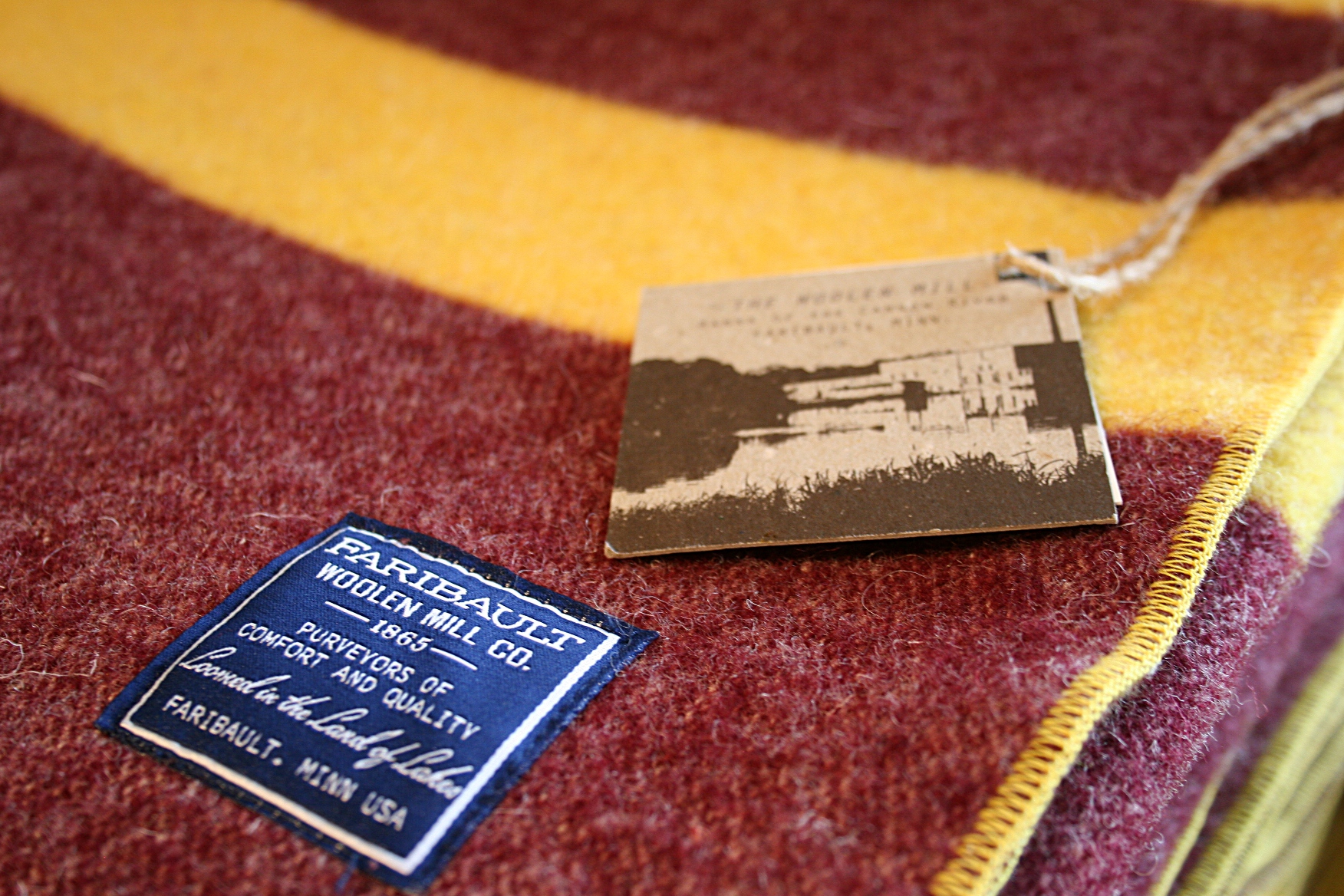
A label on a Faribault Woolen Mill blanket I own.

A label on a Faribault Woolen Mill blanket I own.

I expect in many homes throughout my community, locally-loomed blankets, throws, scarves and more cover beds, warm laps and wrap around necks on the coldest of Minnesota winter days and nights.

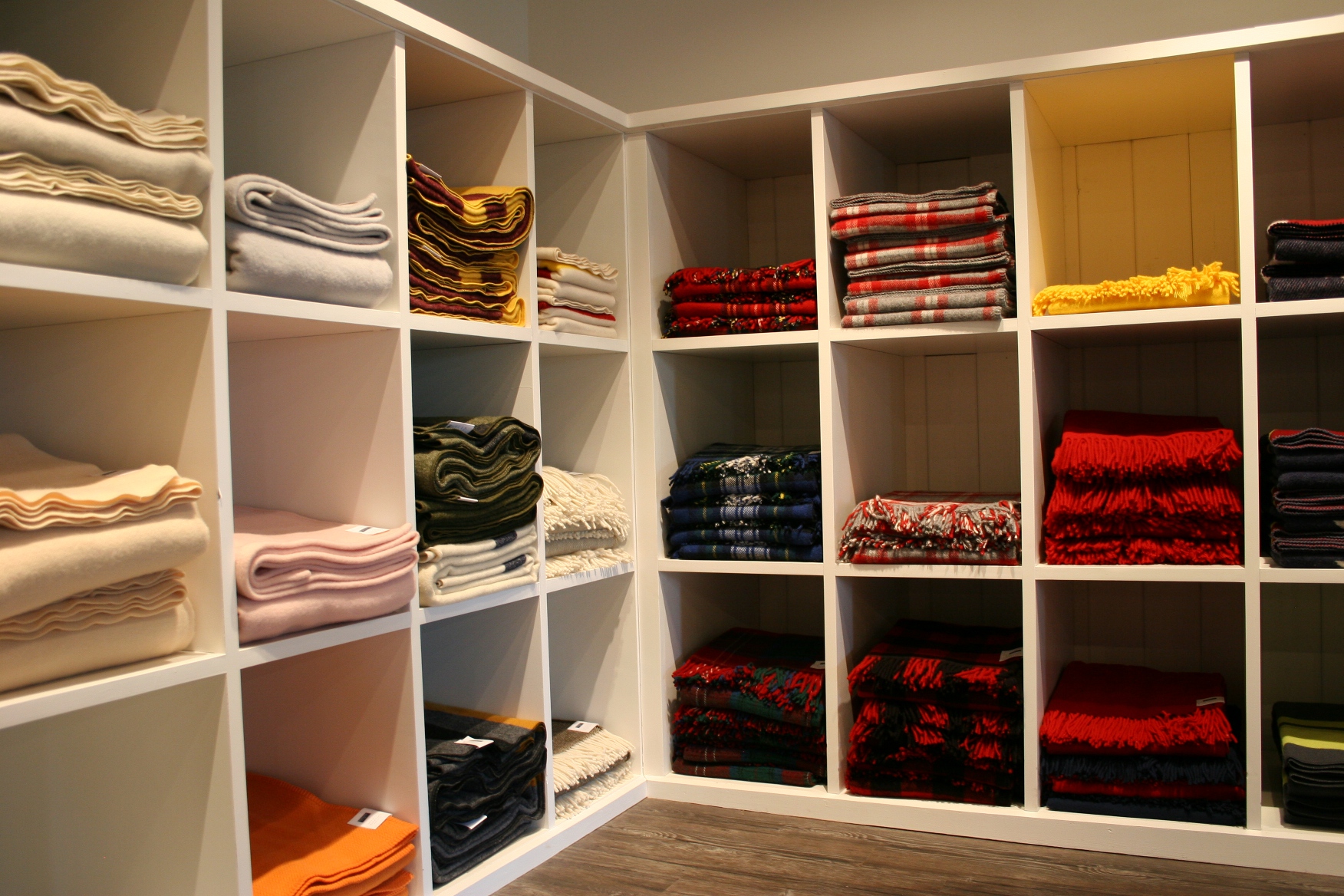
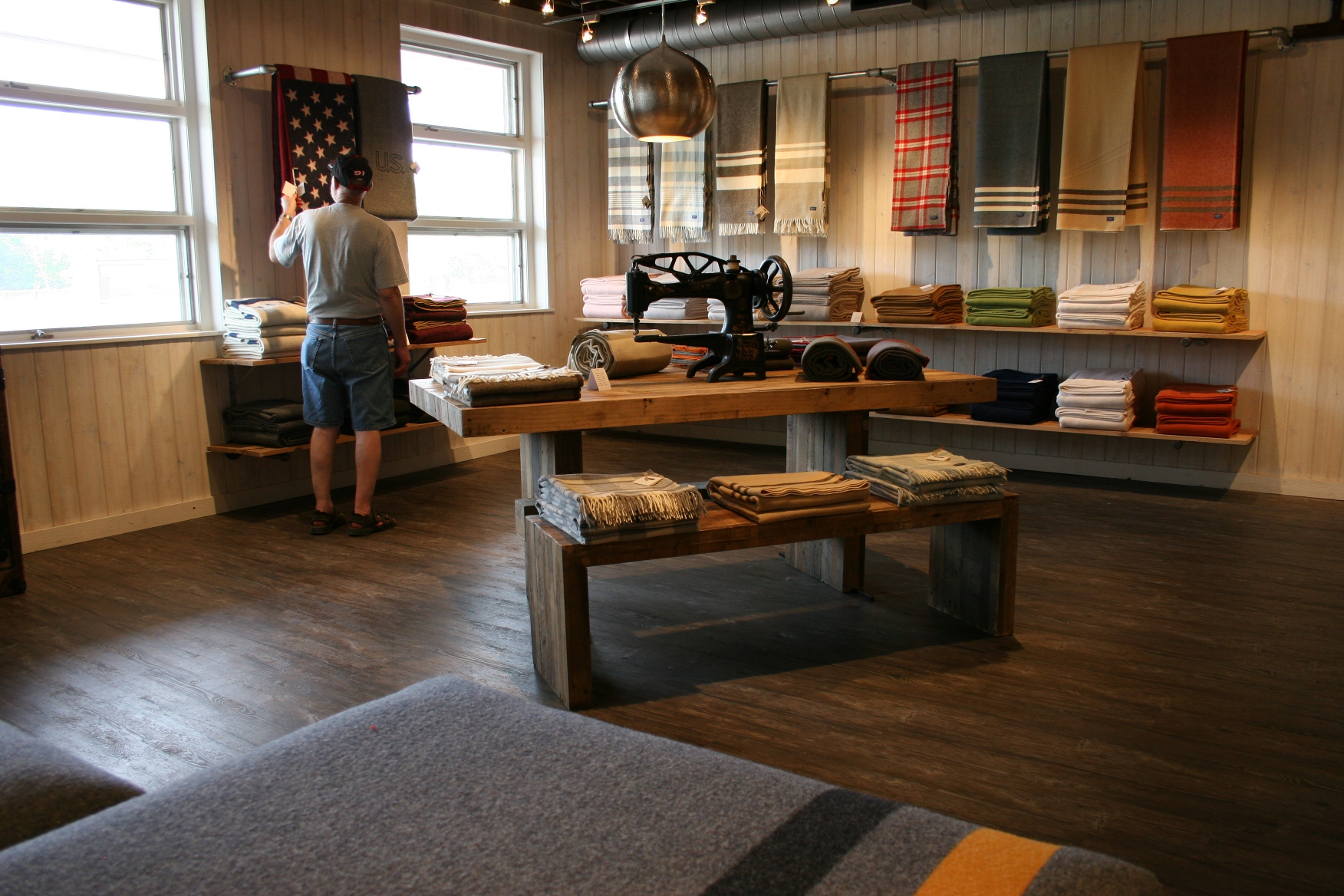
Crisp white cubbies, ever so perfect for showing off blankets/throws.

Crisp white cubbies, ever so perfect for showing off blankets/throws at the Faribault Woolen Mill retail store. Minnesota Prairie Roots file photo June 2012.

While the temperature isn’t exactly wool-worthy here in southern Minnesota in mid-August, autumn is tinging our days with cool nights and the subtlest of color changes in foliage. We realize that summer is waning and, once again, we’ll soon pull out the wool and the flannel.

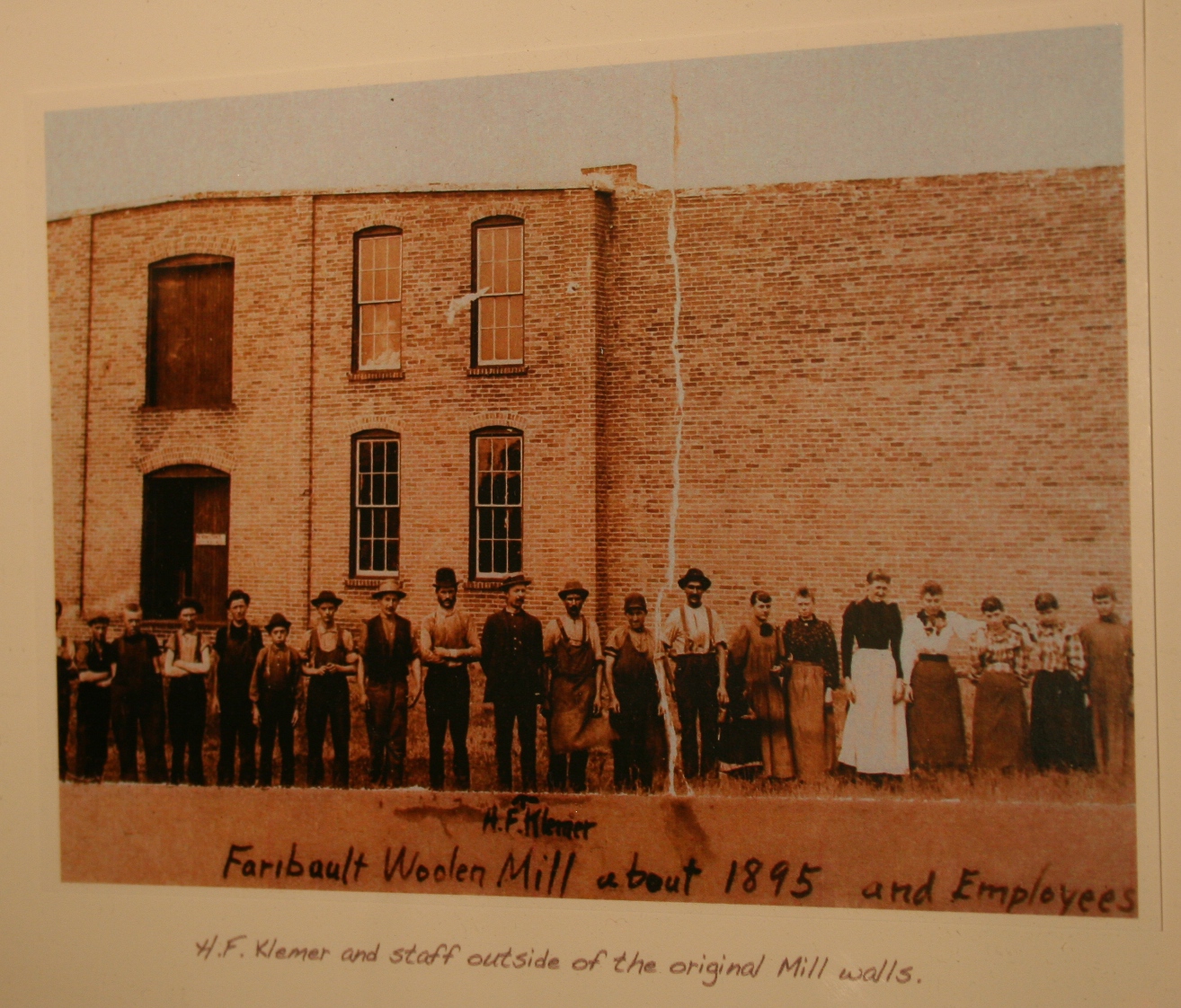
An historic photo from the mill, among those showcased in a mini wall of Woolen Mill history.

An historic photo from the mill is among those showcased in a mini wall of Woolen Mill history inside the retail store. Minnesota Prairie Roots file photo 2012.

This Saturday the Faribault Woolen Mill is pulling out its collection of locally-loomed products to sell in the 150th Marketplace, all in celebration of the mill’s 150th anniversary. Among Marketplace merchandise are the mill’s new 2015 line and special anniversary items, including a limited edition reissue of the 1949 plaid stadium blanket, Faribo Pak-A-Robe. The blanket comes in a carrying case that converts to a seat pad.

The mill's products are labeled as "Loomed in the Land of Lakes" by "Purveyors of Comfort and Quality." Minnesota Prairie Roots file photo 2012.

The mill’s products are labeled as “Loomed in the Land of Lakes” by “Purveyors of Comfort and Quality.” Minnesota Prairie Roots file photo 2012.

I’ve been to enough Woolen Mill sales to know the outdoor Marketplace will be crowded with those who appreciate the mill’s authentic products. Made in America and craftsmanship appeal to folks. And that’s a good thing for the mill, founded in 1865. One hundred fifty years. That says something about tenacity. This business, which provided blankets for American troops during both World Wars, supplied blankets to airlines in the early 1970s, and, from the late 60s to early 90s, produced more than half of the blankets made each year in the U.S., has survived the ebbs and flows of the economy.

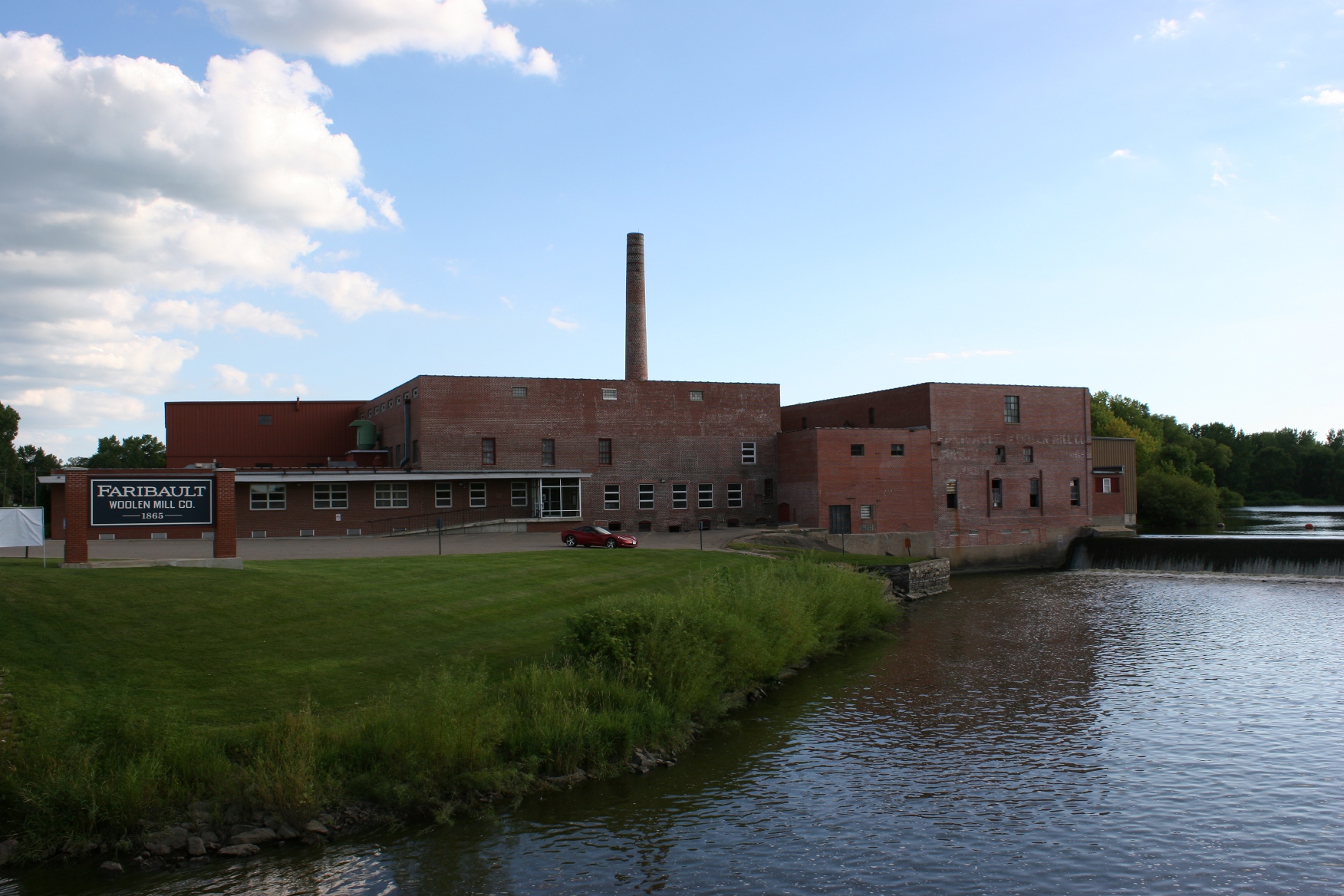
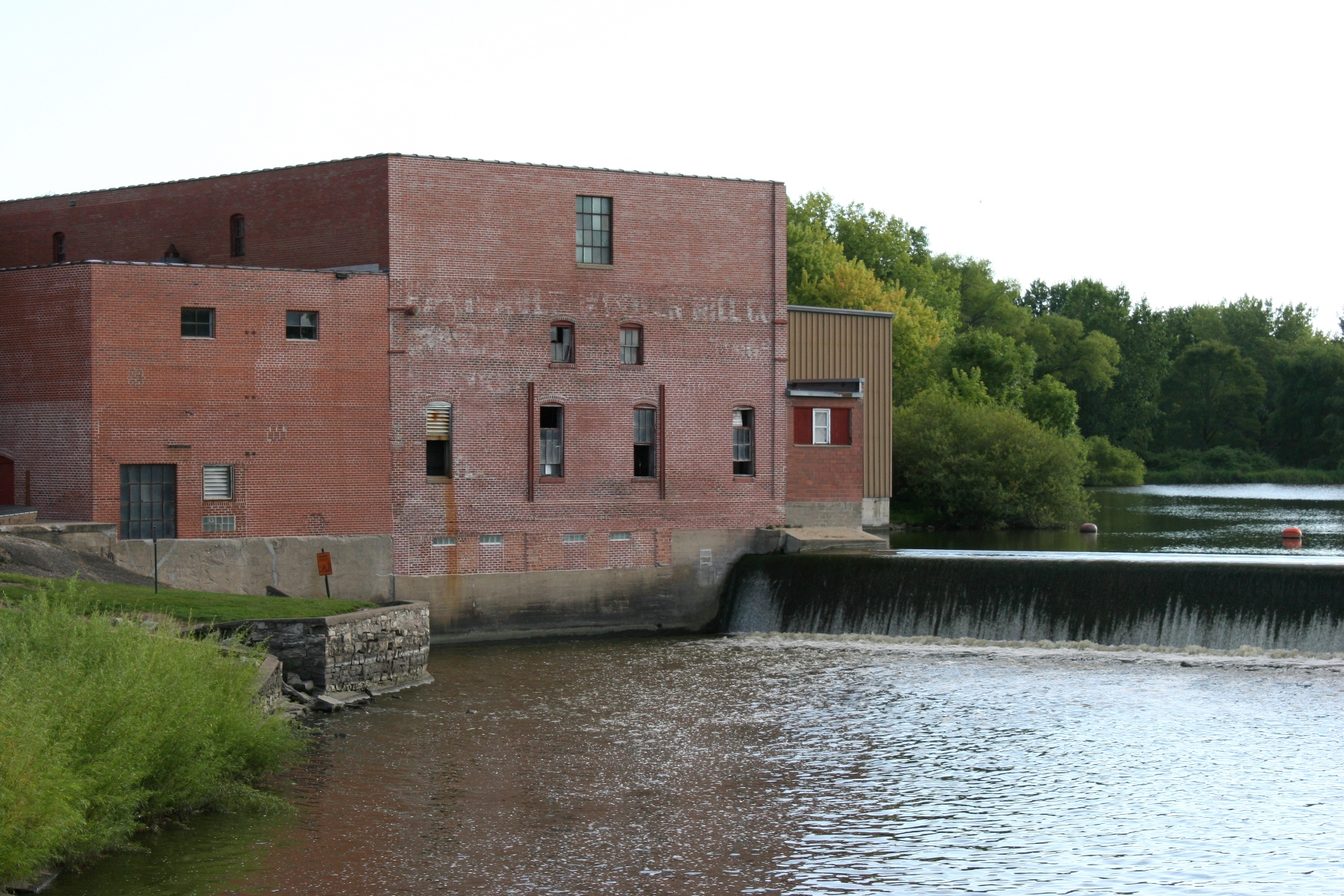
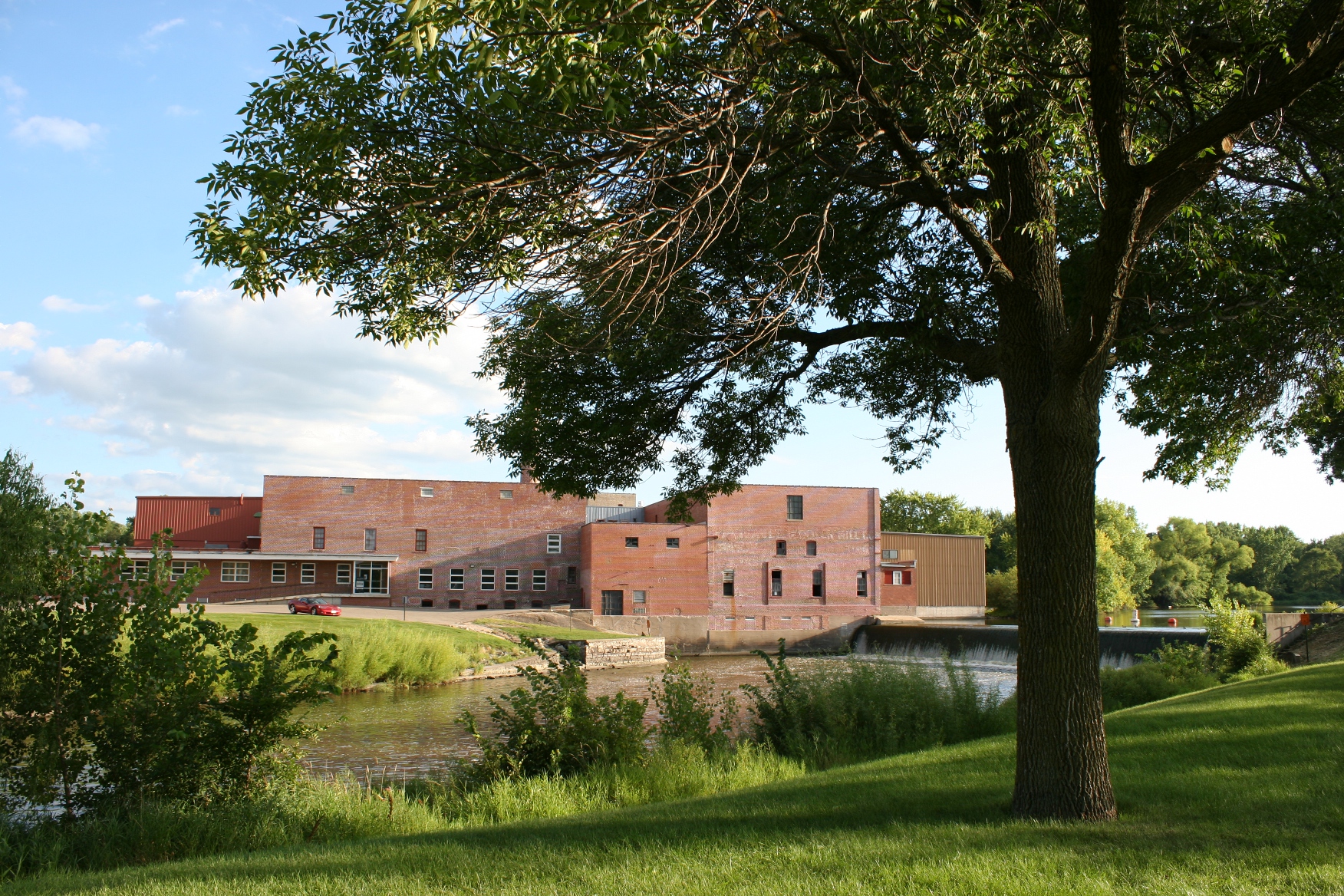
The Faribault Woolen Mill sits on the bank of the Cannon River.

The Faribault Woolen Mill sits on the bank of the Cannon River.

Yet, despite world-wide business success, the Faribault Woolen Mill almost didn’t make it to its sesquicentennial. The mill was shuttered in 2009 due to financial problems. Two years later Minnesota businessmen and cousins, Chuck and Paul Mooty, purchased the mill, revived it and the rest is history.

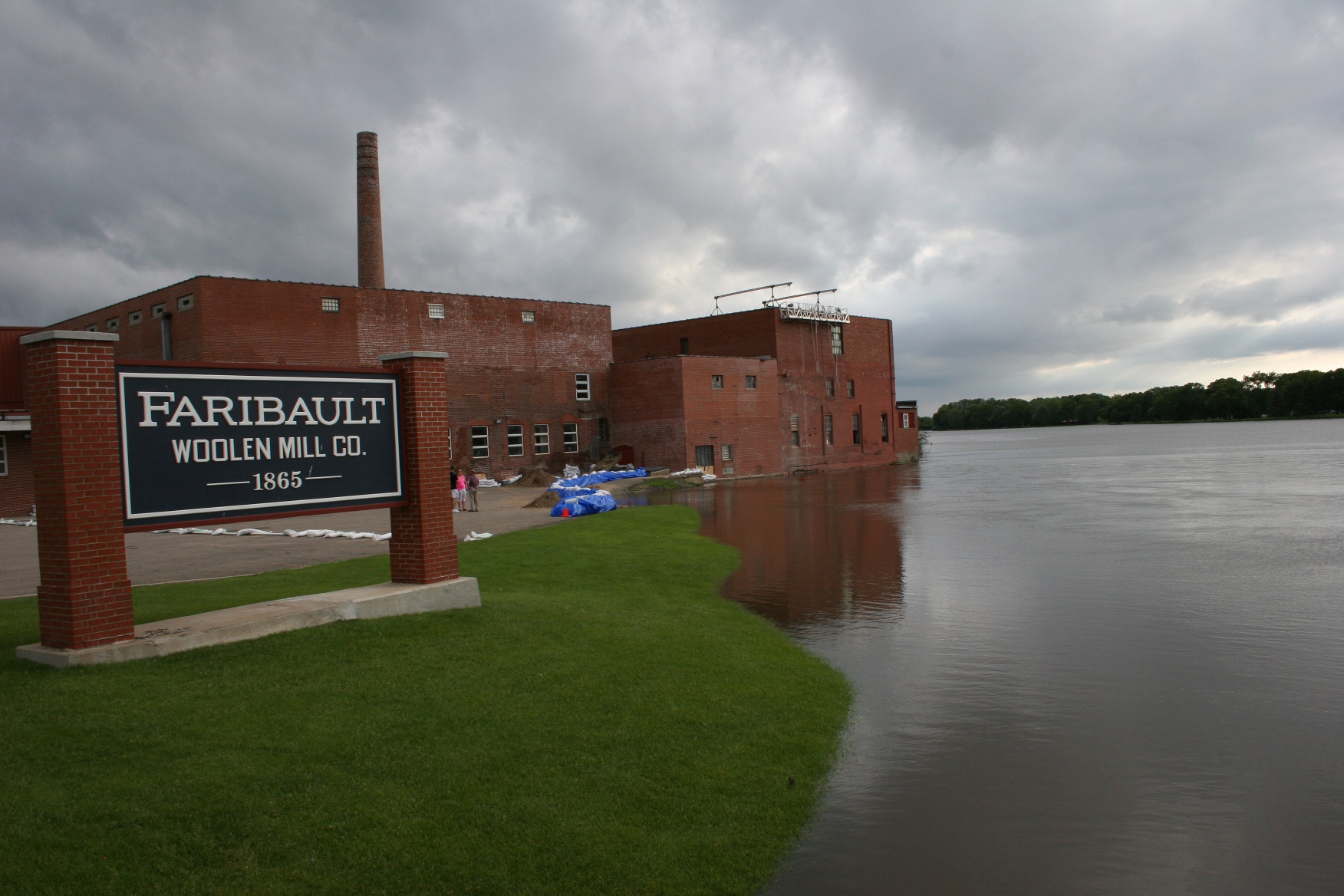
Sandbags protect the Faribault Woolen Mill from the rising Cannon River.

Sandbags protect the Faribault Woolen Mill from the rising Cannon River in June 2014. Minnesota Prairie Roots file photo.

The mill was also threatened twice in recent years by flooding of the Cannon River.

Faint Faribault Woolen Mill lettering remains on the old section of the mill complex.

Faint Faribault Woolen Mill lettering remains on the old section of the mill complex.

For my community, the mill is an important tourism draw and an equally important part of Faribault’s history. The mill, the oldest manufacturing entity in Minnesota, is on the National Register of Historic Places. But it’s likely not the aged building as much as the fine craftsmanship of mill products that brings shoppers here looking for quality and American authenticity.

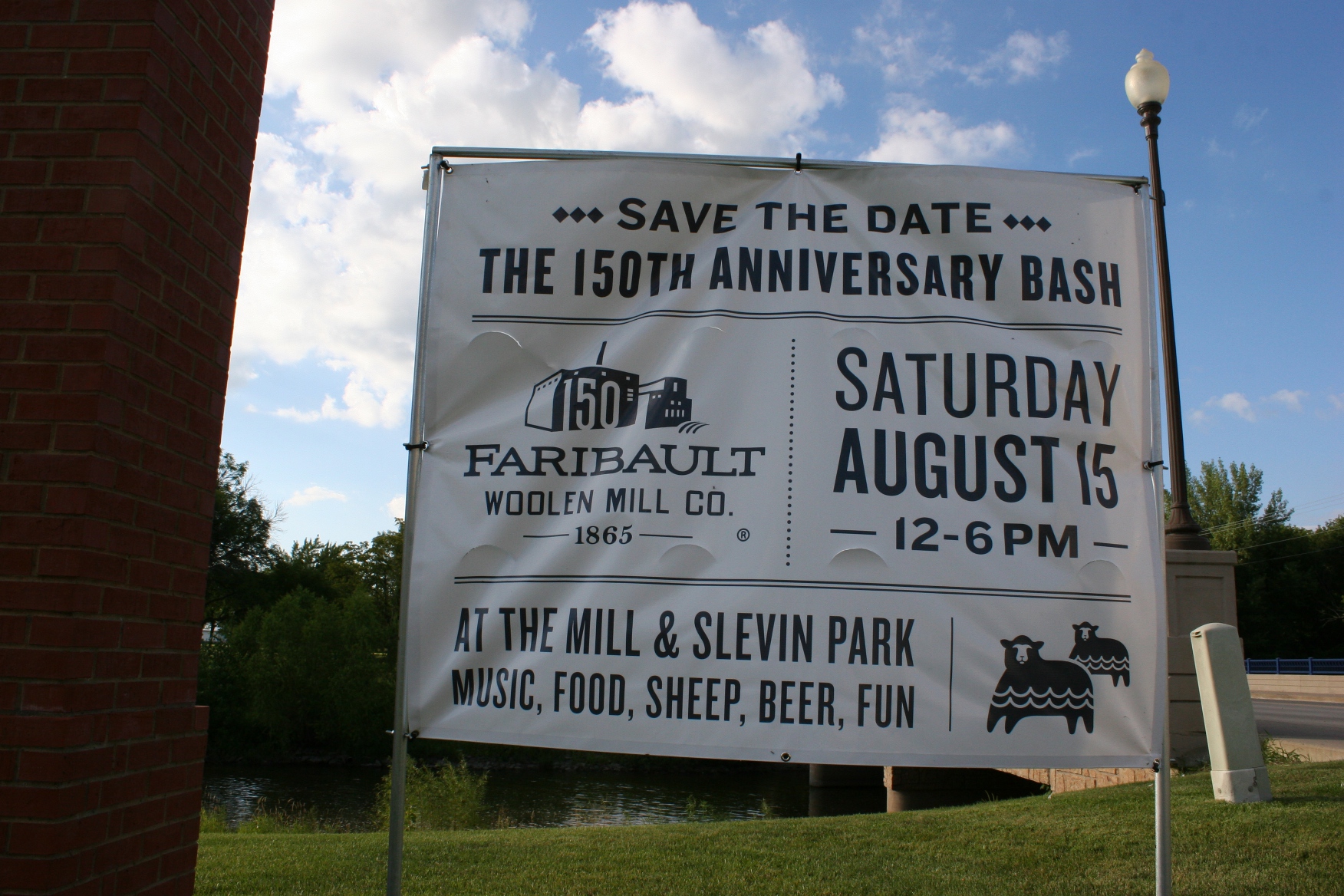
This sign outside the mill advertises Saturday's 150th anniversary festivities.

This sign outside the mill advertises Saturday’s 150th anniversary bash.

Saturday’s celebration will provide a great opportunity for all of Faribault to showcase itself, starting with food vendors at the mill’s outdoor anniversary celebration along the banks of the Cannon River. I’m happy to see a line-up of locals—The Cheese Cave, Uncle B’s Last Chance BBQ Shack, Bashers Bar & Grill/J & J Bowling Center, Lyons Meats and F-Town Brewing. Several other vendors from the Twin Cities metro will be there, too, with brats, cheesecake, coffee and ice cream.

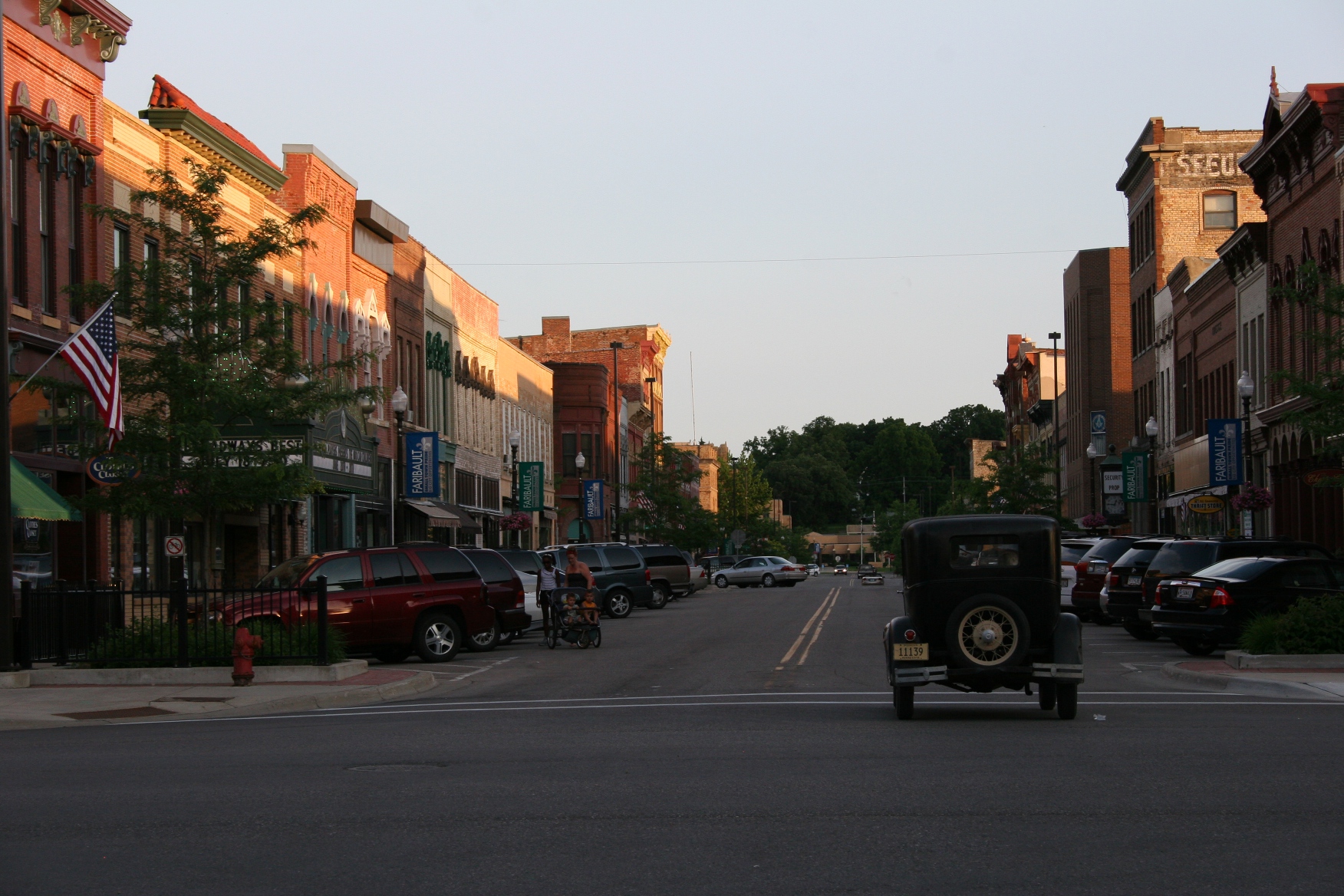
Leaving the show and driving southbound on Central Avenue through historic downtown Faribault.

A section of Faribault’s historic downtown, along Central Avenue. Minnesota Prairie Roots file photo 2014.

I hope visitors will also follow Second Avenue from the mill to Fourth Street and then to Central Avenue to check out our historic downtown and all the local shops. (Click here for a list of downtown shops and their locations.) Located near downtown at 739 Willow Street, Annie Belle Creations crafts Faribault Woolen Mill blankets into capes, coats and other clothing. Owner Lu Ann Heyer started in 1989 as a designer of stuffed animals for the Faribault Woolen Mill.

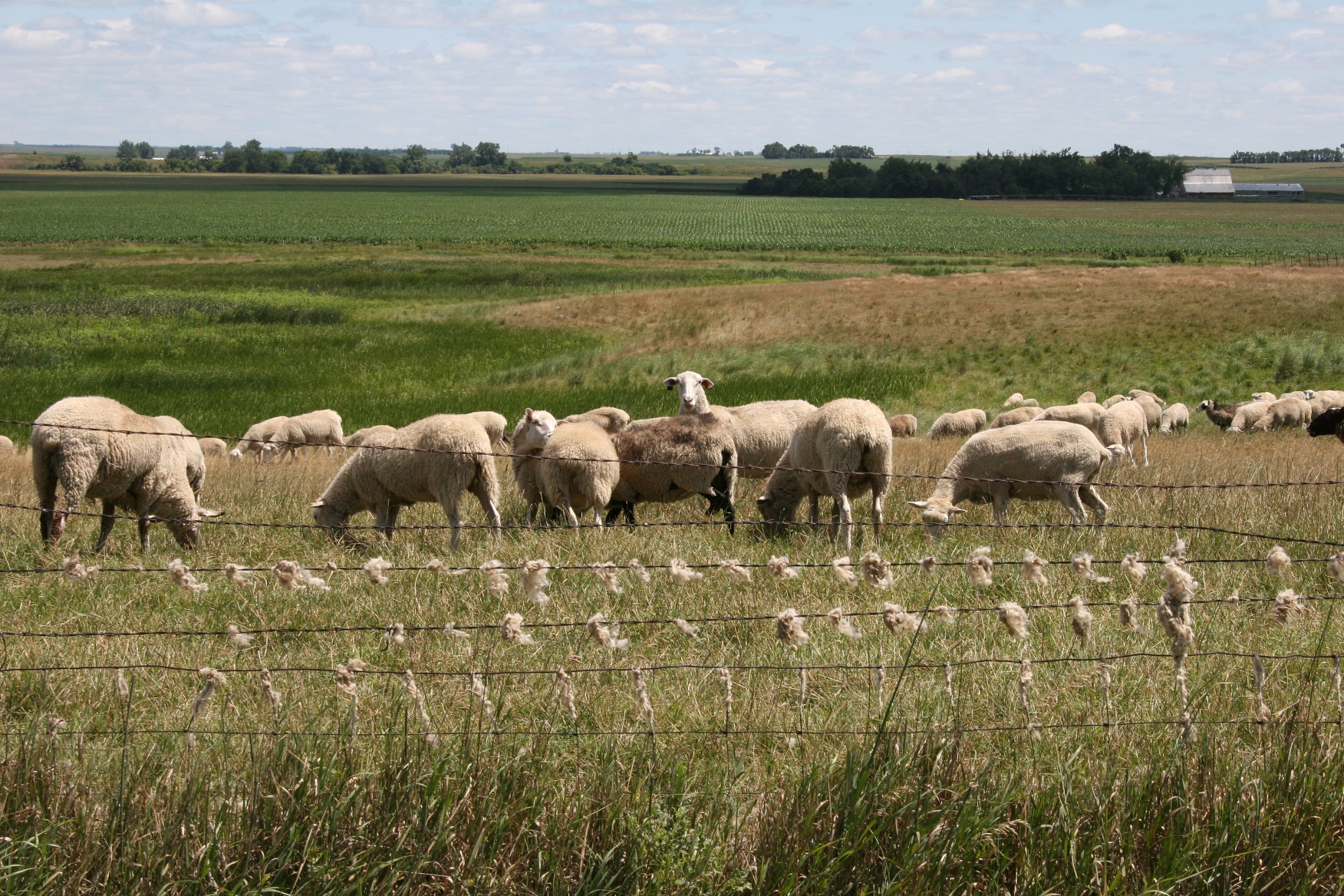
Pasture land near the park for these grazing sheep. Note their wool clinging to the fence.

Sheep graze near Blue Mounds State Park in southwestern Minnesota. Minnesota Prairie Roots file photo used for illustration purposes only.

Back at the mill and Father Slevin Park, there’ll be plenty to do. “The Running of the Sheep,” an event which is exactly as its name suggests, happens at 1 p.m. Other attractions include a petting zoo, games, raffles and more. Between 3 p.m. – 6 p.m. the folk/roots/indie rock group The Pines will perform as will Abracadabra,  a group of musicians who have traveled with the likes of Bob Dylan and The Beach Boys.

Perusing merchandise at the recently reopened Faribault Woolen Mill retail store.

A view inside the Faribault Woolen Mill retail store shortly after it opened under new ownership in 2012. Minnesota Prairie Roots file photo.

Visitors are encouraged to bring blankets to spread on the lawn while enjoying festivities. I expect Faribault Woolen Mill blankets, in particular, would be appreciated. You can even share your Faribault Woolen Mill blanket stories online at Memory Mill.

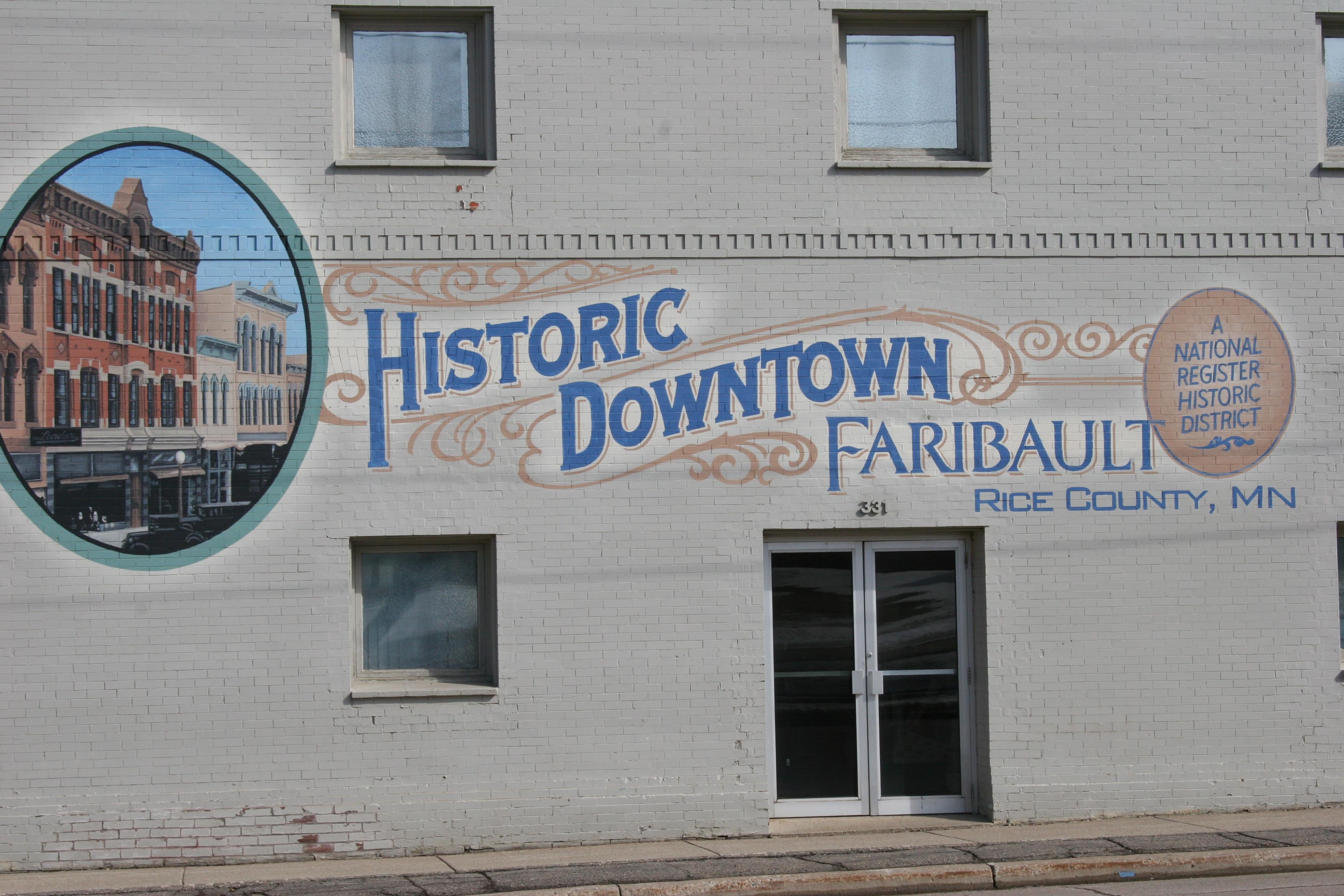
A mural, one of several in the downtown area, promotes historic Faribault.

A mural, one of several in the downtown area, promotes Faribault’s downtown as a National Register Historic District. Minnesota Prairie Roots file photo.

If you’ve never been to Faribault, come early, before the mill party, to poke around town. We’re just a short drive down Interstate 35 from the Twin Cities. Then at noon, join the mill as its celebration begins and continues for six hours.

A view of the Faribault Woolen Mill from Father Slevin Park across the Cannon River.

A view of the Faribault Woolen Mill from Father Slevin Park across the Cannon River.

FYI: The Faribault Woolen Mill is located at 1500 Northwest Second Avenue, near the Rice County Fairgrounds and the Rice County Historical Society Museum. The mill’s retail store will be closed on Friday and Saturday, with merchandise sold in the special anniversary Marketplace on Saturday.

Faribault Woolen Mill blankets/throws are artfully hung on a simple pipe.

Faribault Woolen Mill blankets/throws are artfully hung on a simple pipe in the retail store. Minnesota Prairie Roots file photo 2012.

Small group tours of the mill are offered at 11 a.m. and 1 p.m. on Thursdays. Note that these fill quickly and that you should schedule in advance.

© Copyright 2015 Audrey Kletscher Helbling
 

Faribault welcomes F-town Brewing Company July 30, 2015

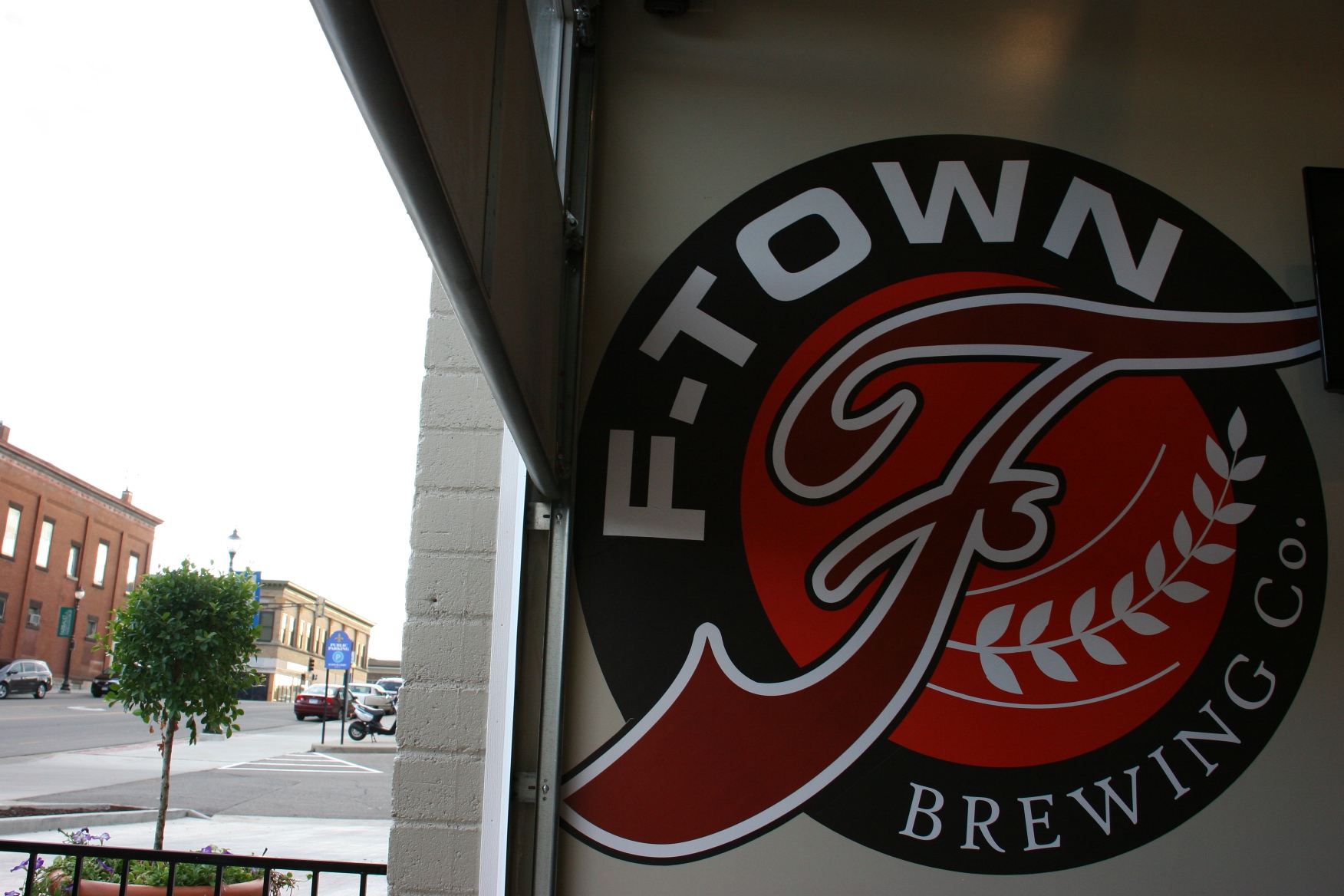
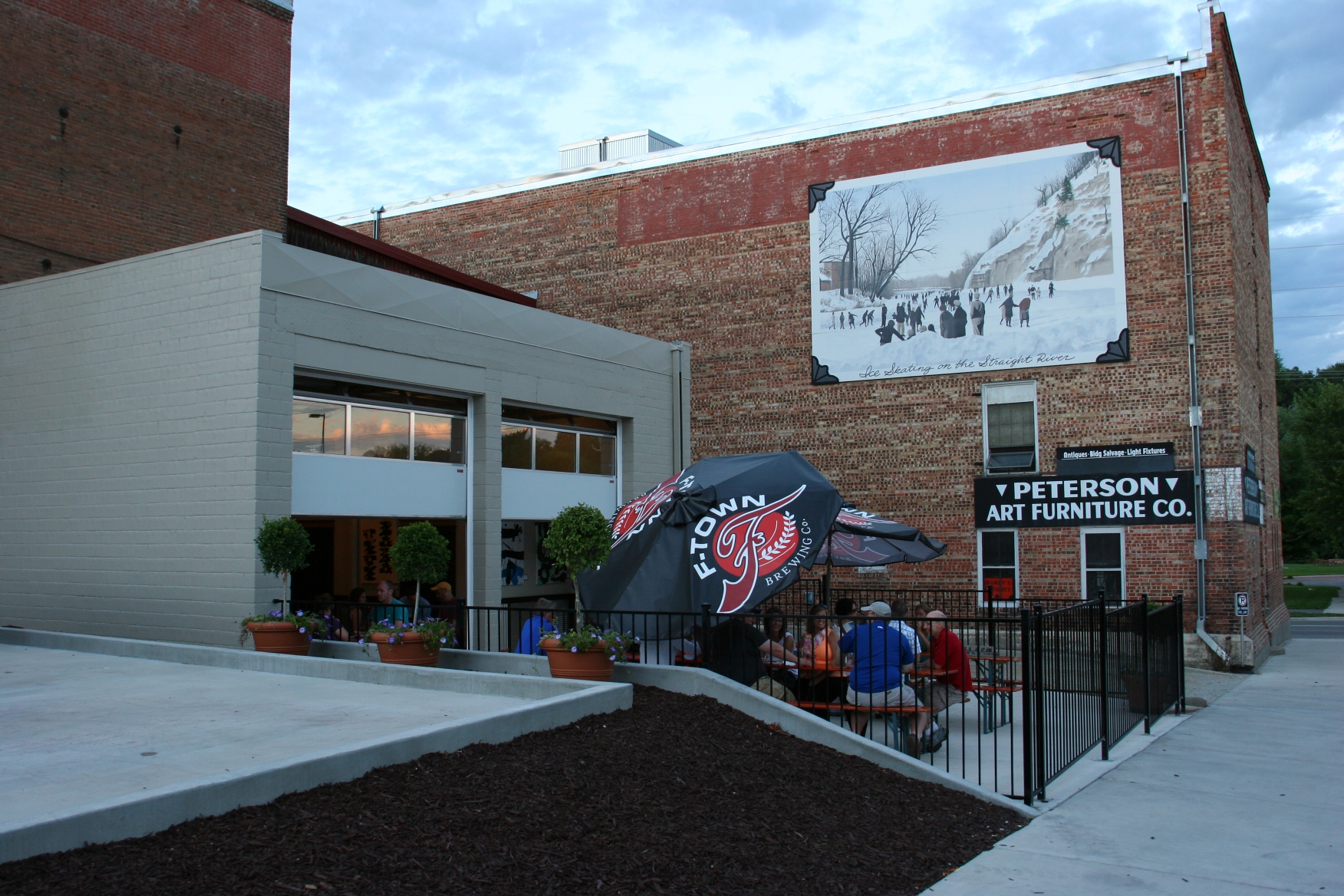
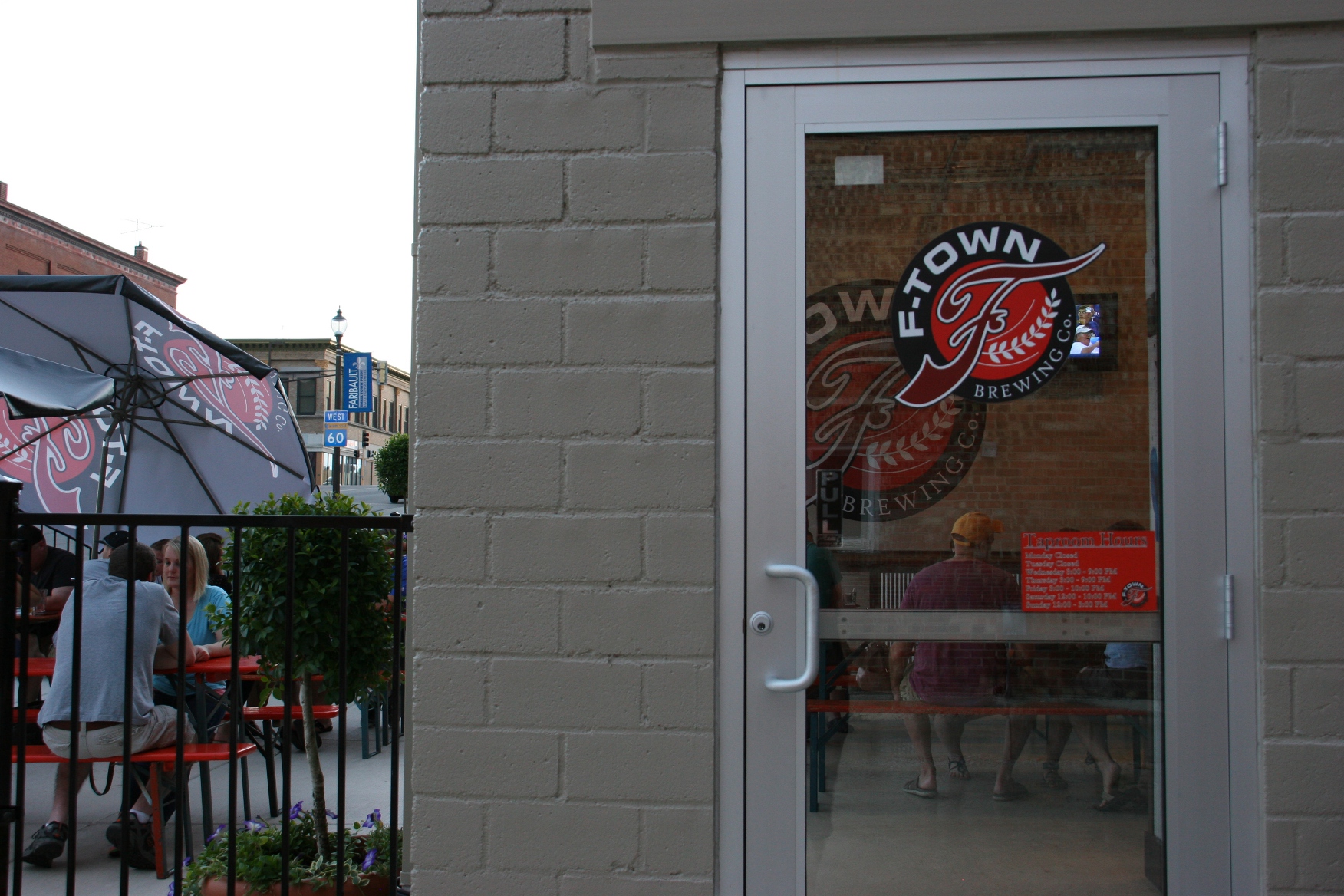
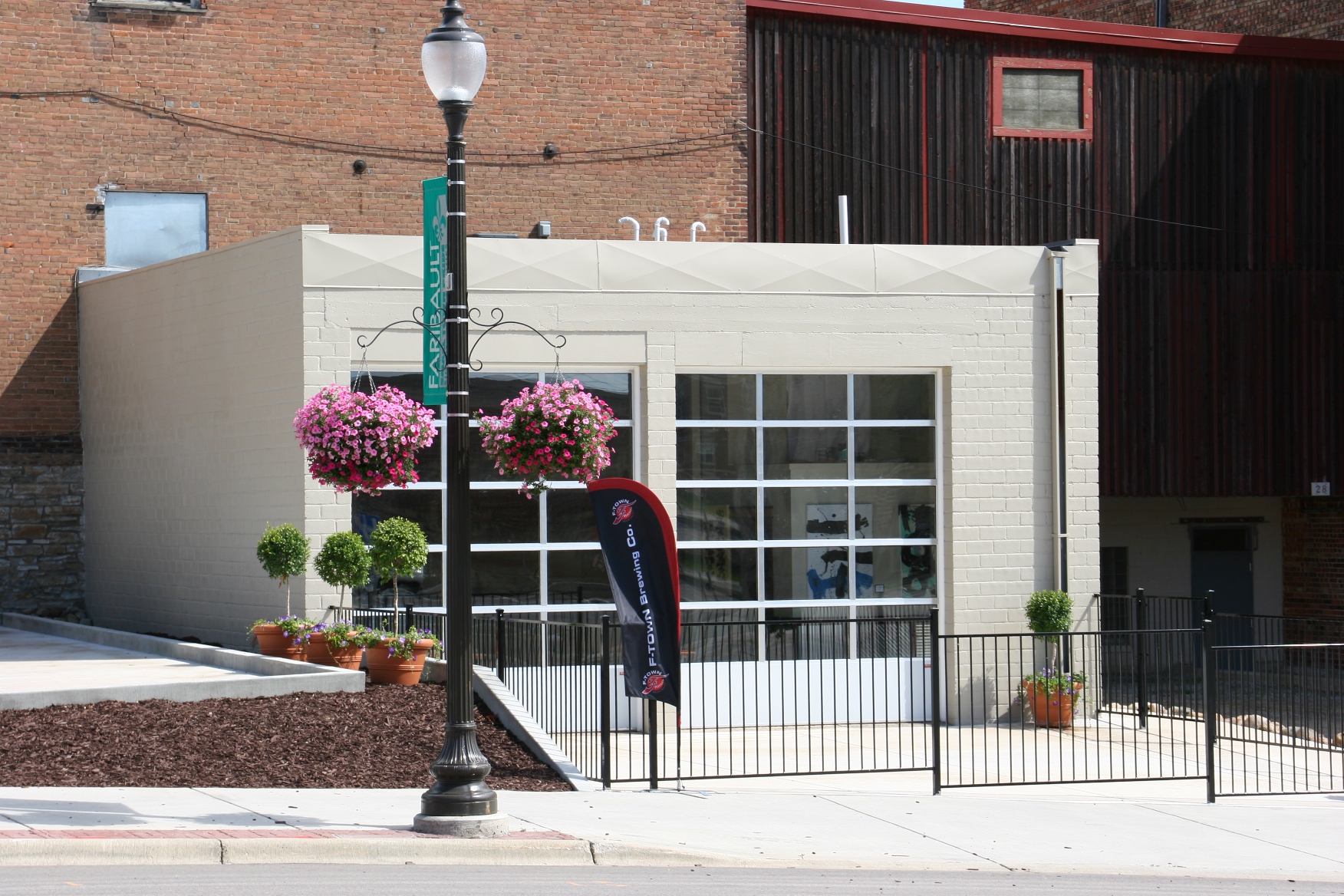
A logo on the taproom wall, which opens to a street-side patio. To the left in the photo, up the hill, is Central Avenue. That

The taproom, right, opens to a street-side fenced patio. To the left, up the hill, lies Central Avenue, the main street through Faribault’s historic business district. F-Town encourages patrons to order carry-out at local restaurants and bring the food to the brewery to enjoy with beer.

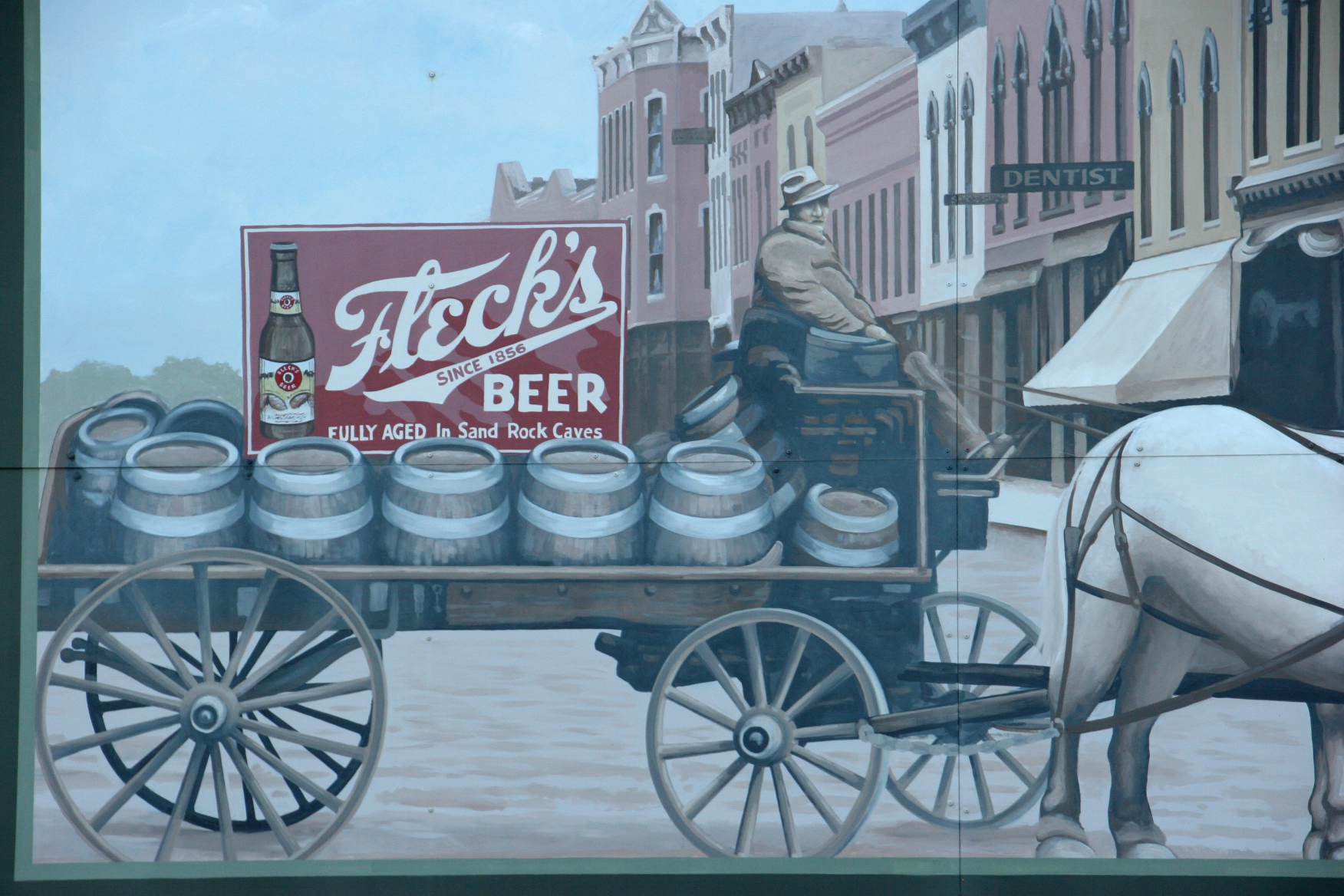
ONE OF MINNESOTA’S newest craft breweries, F-Town Brewing Company, has opened in the heart of historic downtown Faribault, in a community with a rich beer history. The Fleckenstein family brewed Fleck’s beer and other beverages here for 108 years, until 1964.

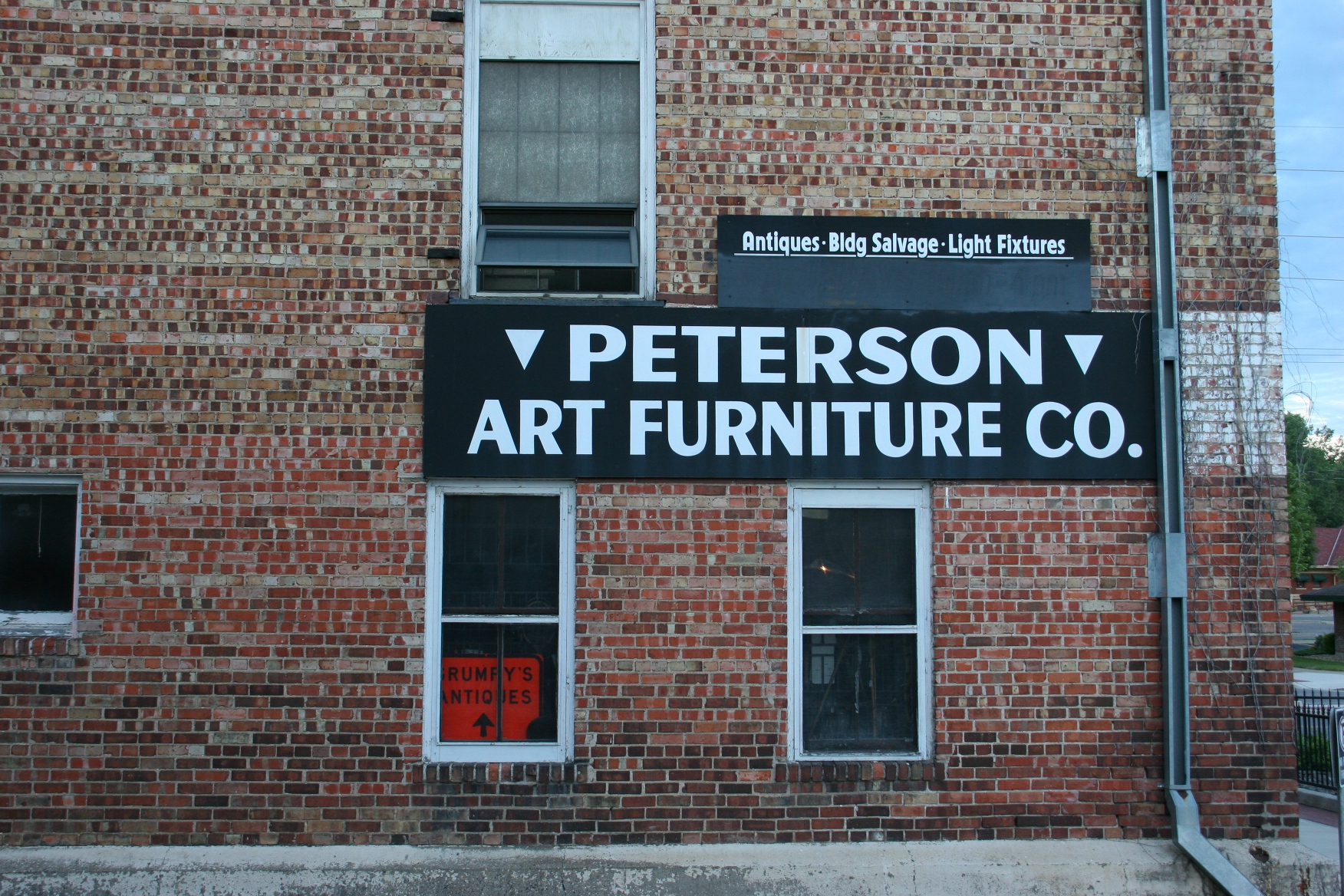
An overview of the Peterson building which houses architectural salvage and antiques, left, with the brewery on the left.

An overview of the Peterson Art Furniture building which houses architectural salvage and antiques, right, with the brewery on the left.

Now locals Noah Strouth, Chris Voegele and Travis Temke have brought beer back to Faribault, housing their operation in a section of the aged Peterson Art Furniture Co. complex with the taproom in an adjoining converted garage space.

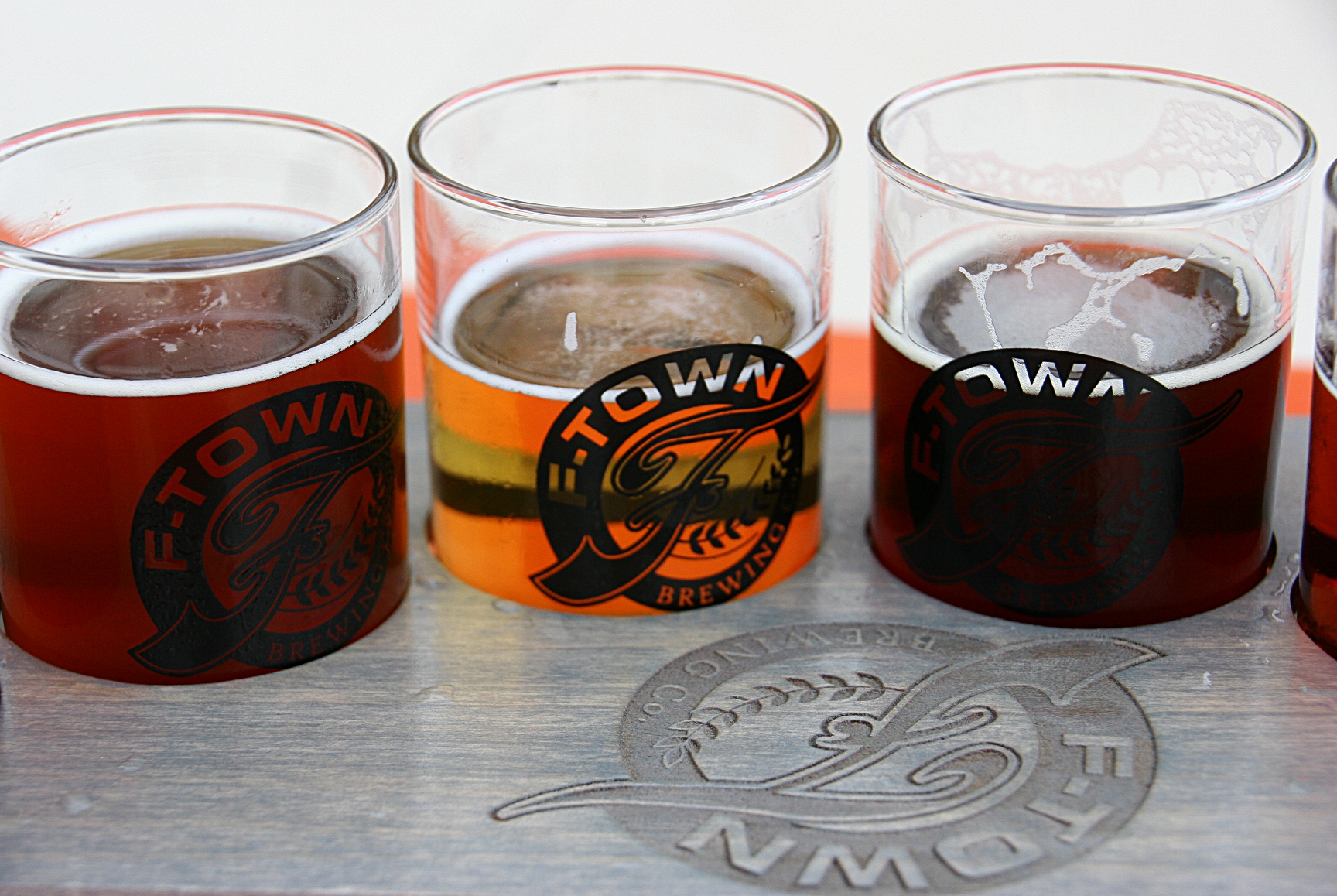
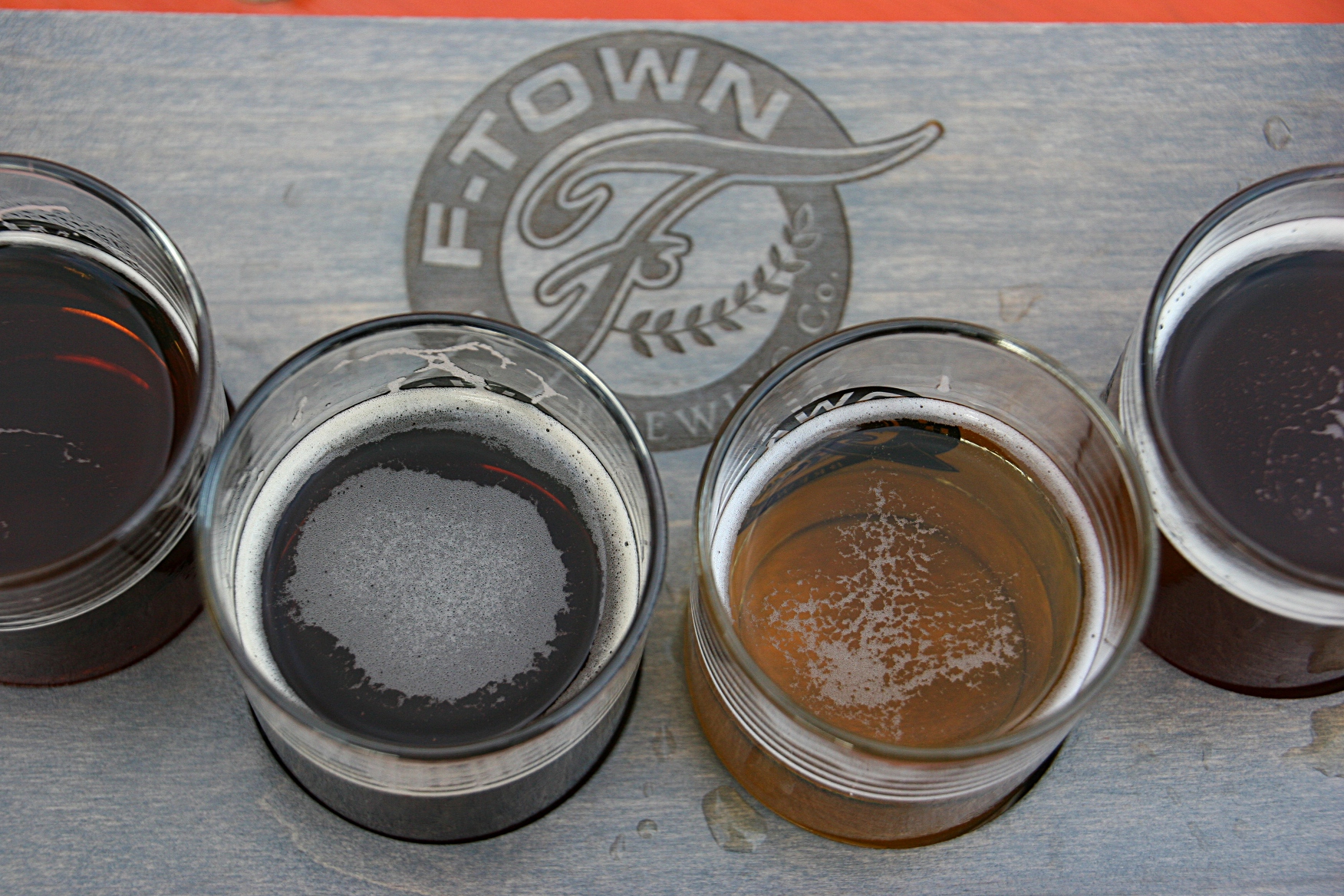
We wanted to sample all of the beers on tap, so we ordered a flight.

A snippet photo of the F-Town flight staged on the brewery’s signature orange picnic table.

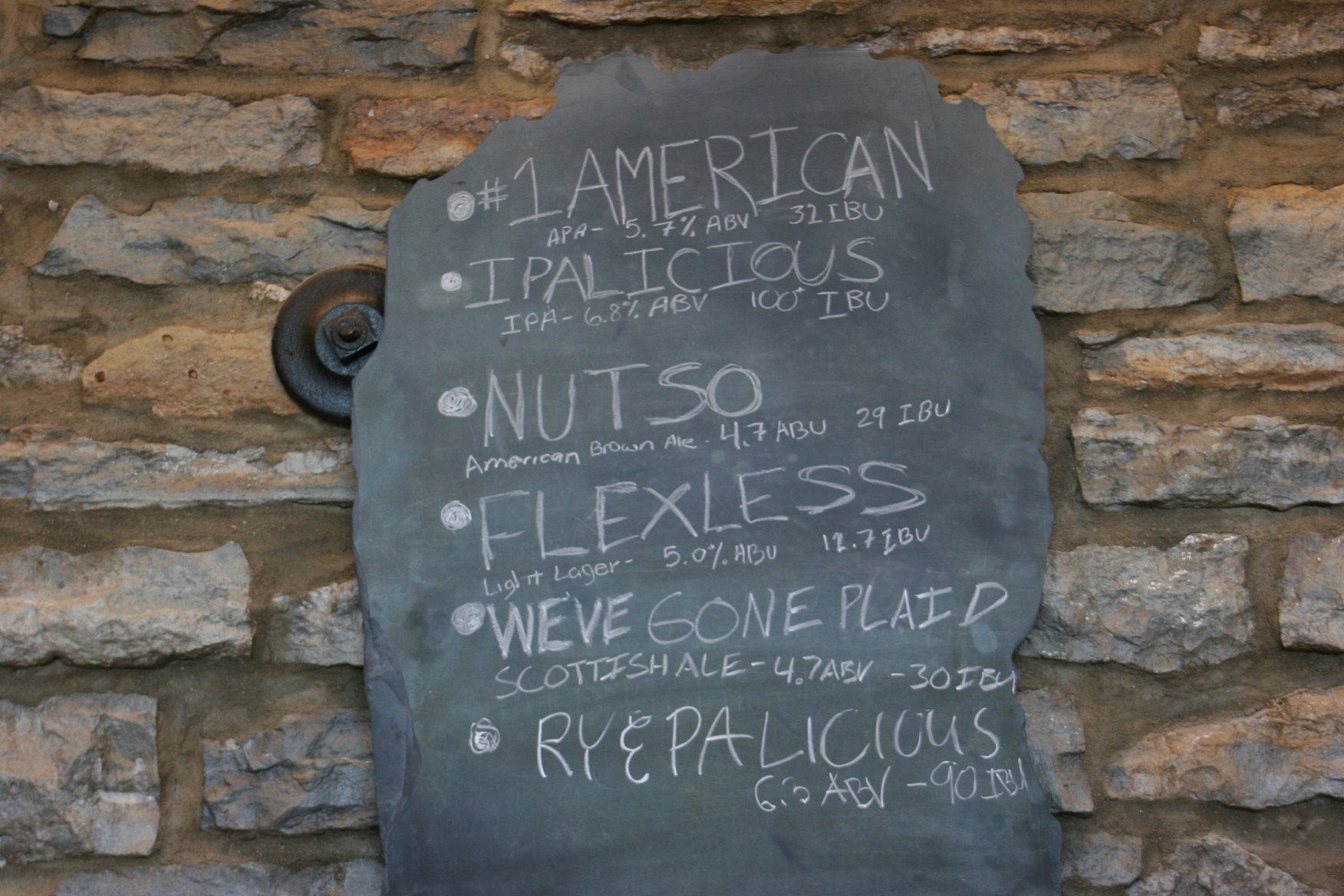
F-Town has proven a popular gathering spot for craft beer lovers since opening about a month ago. Saturday evening my husband and I stopped by for the first time, purposely allowing the initial hoopla to settle. We ordered a $12 flight—a sampling of six beers ranging from the FlexLess light lager to the robust Nutso which tasted of coffee to me.

The beers included in our flight.

The beers included in our flight.

I was hard-pressed to choose a favorite. But Randy picked FlexLess without a second thought. He found it the most similar to mass-produced beers, which can be a good thing or not, depending on the type of beer you like. He prefers a less hoppy taste. I wondered about that name, FlexLess, and the similarity to the historic Fleck’s name. The founders of F-Town early on hoped to bottle Fleck’s branded beer at a brewery they initially named Patriot’s Brewing. That all changed following legal and trademark issues.

A block from F-Town, you'll find a mural honoring Fleck's beer.

A block from F-Town, you’ll find a mural honoring Fleck’s beer, once brewed in Faribault.

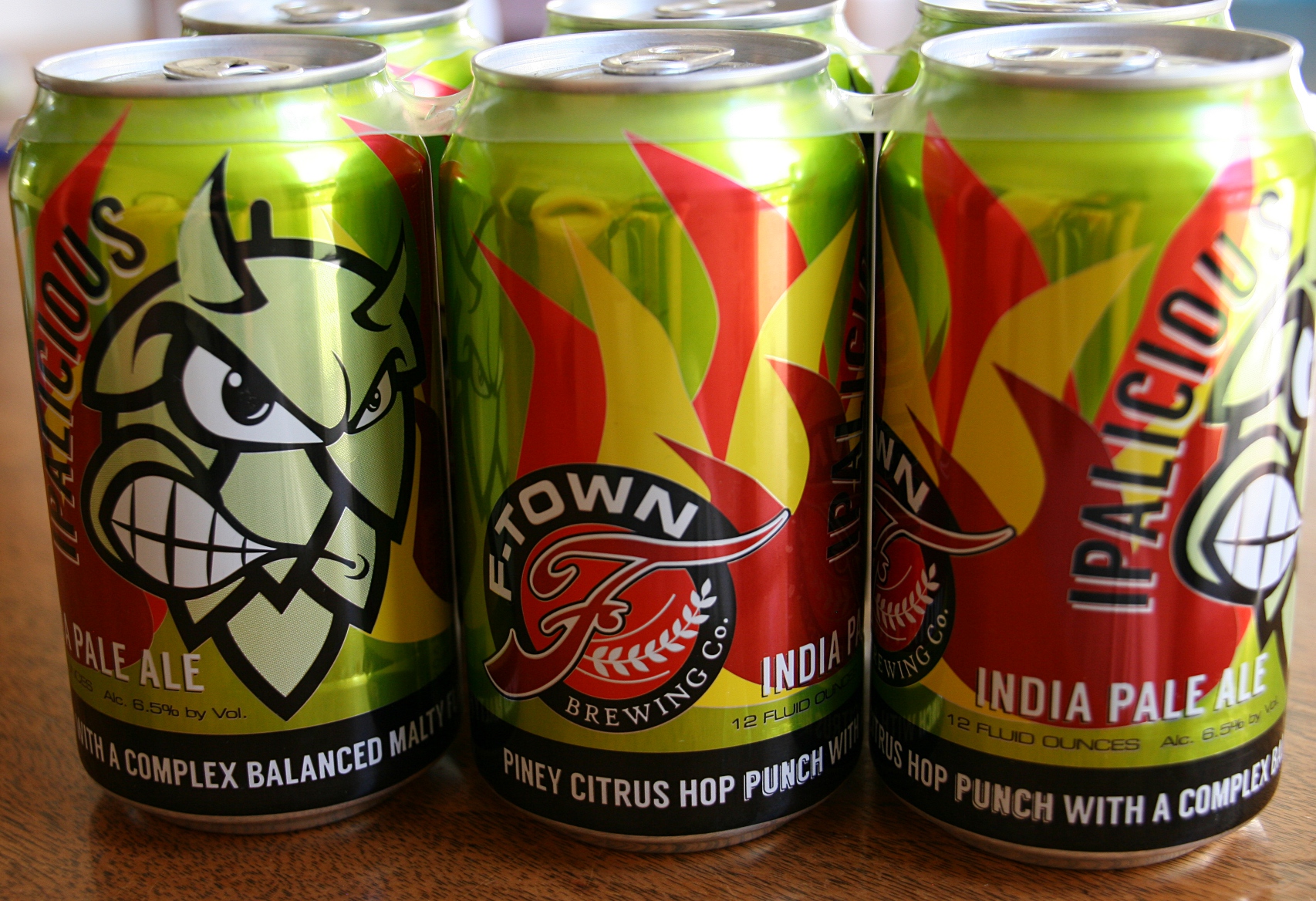
Eventually, the brewery became F-Town with beers bearing monikers like #1 American (there’s that patriotism), Ipalicious (an IPA) and We’ve Gone Plaid (a Scottish ale). The beers (only Ipalicious and Nutso at this point) are sold in cans, not bottles, a disappointment since I think craft beer should be bottled. But my son-in-law noted that cans are becoming a more common choice for craft breweries, including at the wildly popular Surly Brewing Co. I have yet to purchase F-Town beer off-sale as the one time I tried, the liquor store was sold out. The beer is being distributed only locally, for now, by College City Beverage.

In this photo, you see the door into the taproom and the patio.

In this photo, you see the door into the taproom and then the patio.

About that brewery name. I’ve heard mixed reviews. Some dislike that the “f-word” pops into your head upon hearing F-Town. But, on the positive side, the name is short and memorable and connects to the town name, Faribault with an “F,”  and purposely or not to the long-ago Fleckenstein breweries, also with an “F,” at least in my mind.

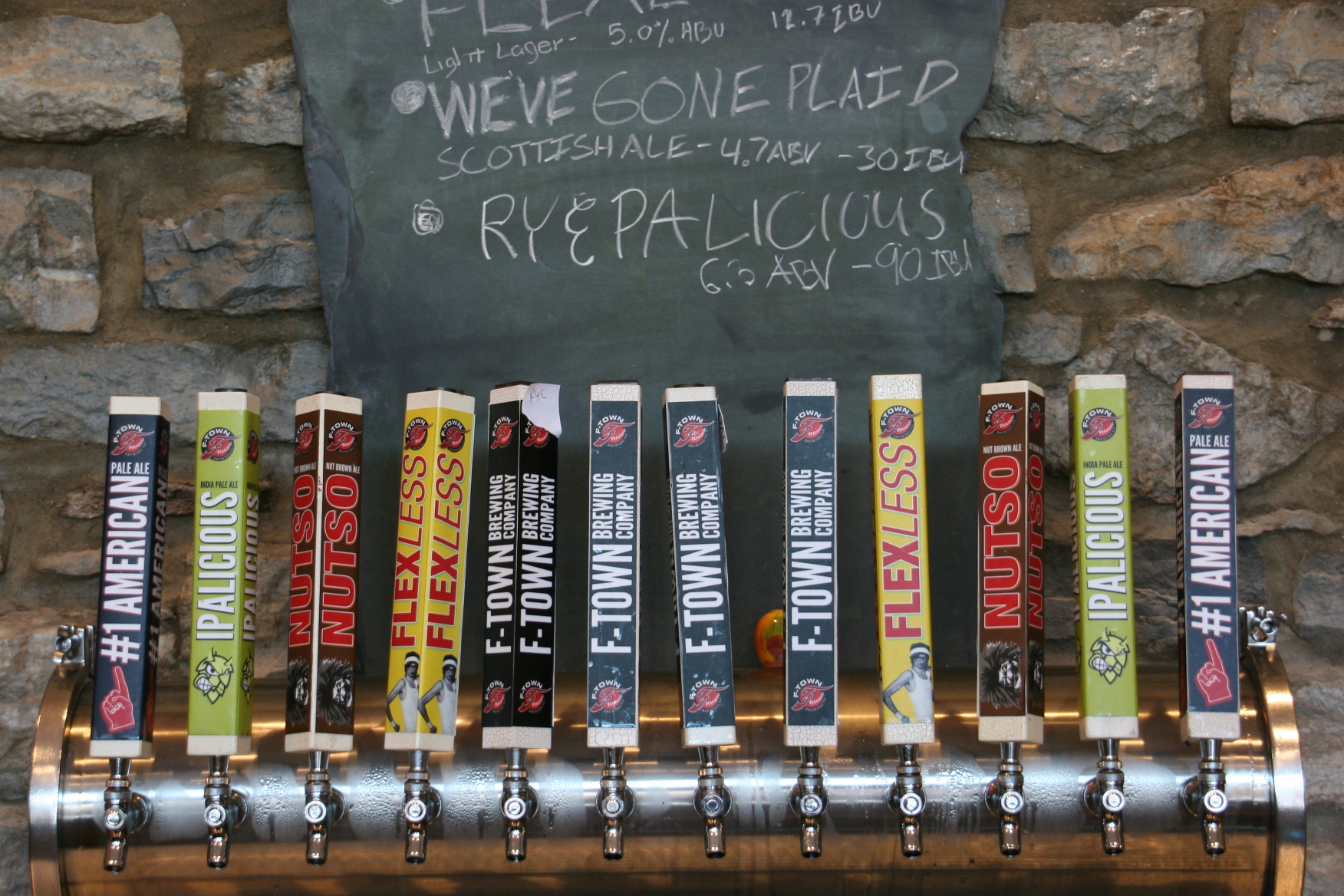
The taps.

The taps.

F-Town's IPA beer, Ipalicious.

F-Town’s IPA beer, Ipalicious.

I’ll admit, though, I’m not impressed by the wild-faced creature graphics for the Ipalicious and Nutso beers, the two F-Town beers currently canned and retailed. I was expecting art and beer names reflective of our historic community, local heritage, geographic setting and/or even the historic former furniture building in which the brewery is housed. I’m sure much thought was put in to both. But I am not making the strong connection to Faribault with the choices. I hope that changes.

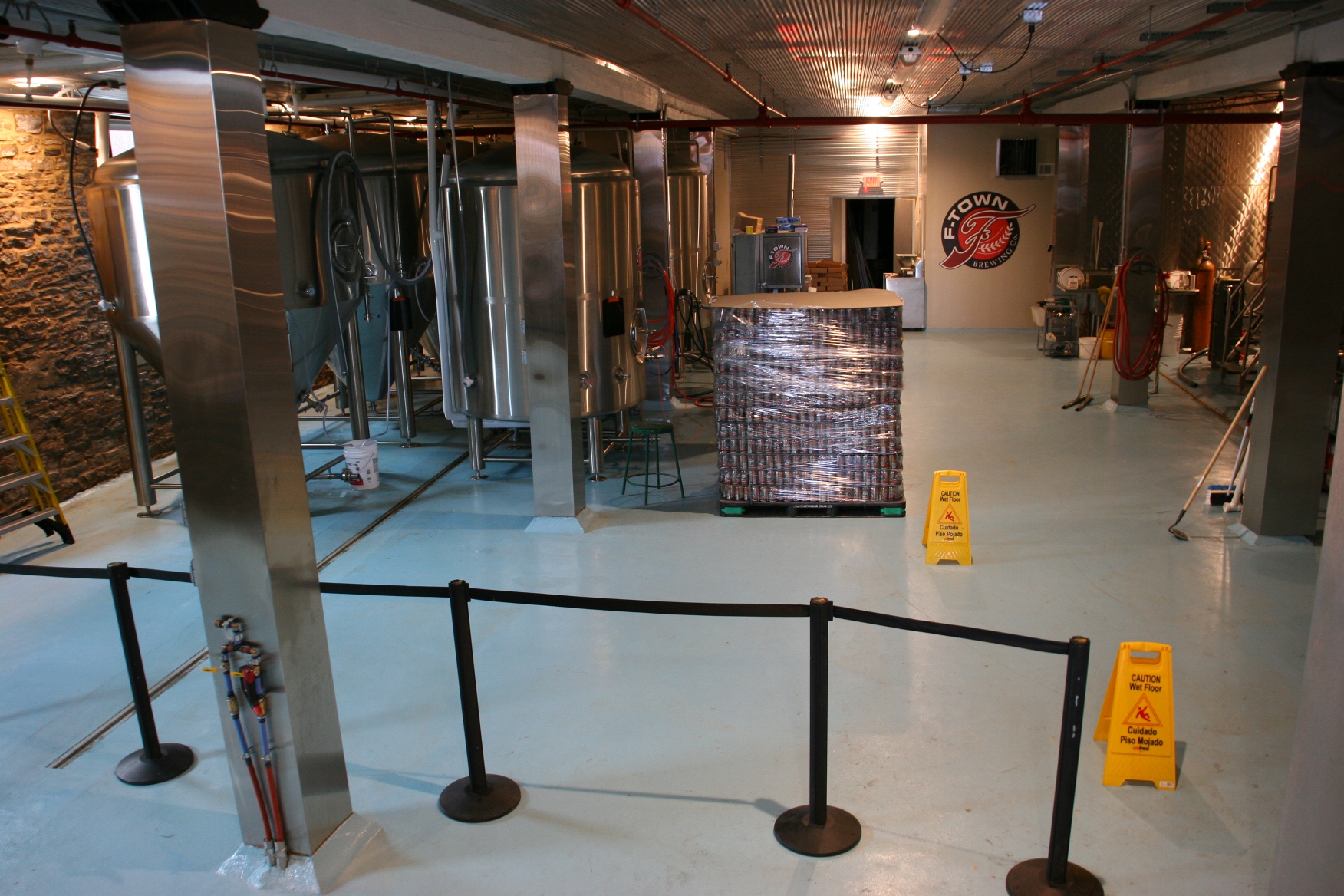
Here's where the beer is made, just down the steps from the taproom.

Here’s where the beer is made, just down the steps from the taproom.

Words matter. A guy drinking beer next to my husband and me at F-Town pegged us as “beer hippies,” folks who apparently wander about checking out craft breweries. We’re not hippie anything other than coming of age in the early 1970s. He assessed us as such after I asked if he’d been to Montgomery Brewing in neighboring Montgomery. He hasn’t. We haven’t. We’ve only ever visited August Schell Brewing Company in New Ulm. And now F-Town, new on the Minnesota craft brewery scene and right here in the heart of historic Faribault.

Except for the sidewalk flag, there's no identifying  exterior street-side signage on F-Town Brewing. It's needed and perhaps it's coming. The garage doors are opened, if the weather is nice, when the taproom is open.

Except for the sidewalk flag, there’s no identifying exterior street-side signage on F-Town Brewing. It’s needed. Perhaps it’s coming.

FYI: The F-Town Brewing Company taproom is open from 3 p.m. – 9 p.m. Wednesdays and Thursdays; from 3 p.m. – 10 p.m. Fridays; from noon to 10 p.m. Saturday; and from noon to 3 p.m. Sunday. It’s closed Mondays and Tuesdays. Tours are available at 3 p.m. Thursday and 1 p.m. Saturday.

The brewery is located at 22 Fourth Street Northeast/Minnesota State Highway 60, just half a block off Central Avenue.

BONUS PHOTOS:

The scene at eye level of the historic Peterson Art Furniture. Plan time to explore this multi-level complex stuffed with antiques and collectibles and architectural salvage.

This is an eye level scene of the Peterson Art Furniture Company building from the F-Town patio. Therein you will find 25,000 square feet of antiques and collectibles, architectural salvage, lighting, furniture and more. Plan time to explore this multi-level complex. Faribault has a rich history of furniture makers.

Another perspective of our flight.

Another perspective of our flight.

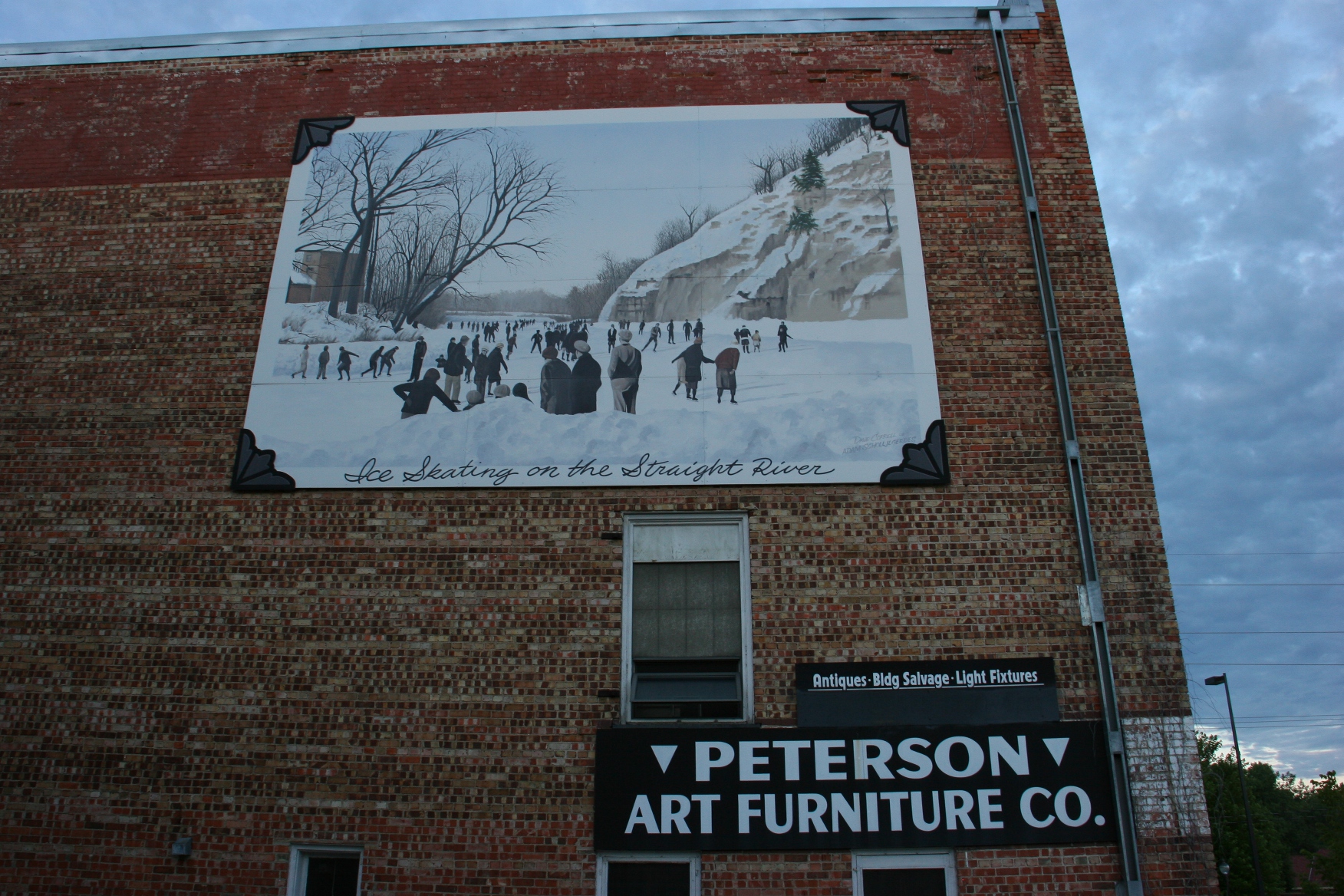
When you're sipping on the patio, don't miss this mural of iceskaters on the Straight River.

When you’re sipping on the patio, don’t miss this mural of iceskaters on the Straight River.

© Copyright 2015 Audrey Kletscher Helbling
 

In Elysian: A memorable small town Minnesota summer celebration July 9, 2015

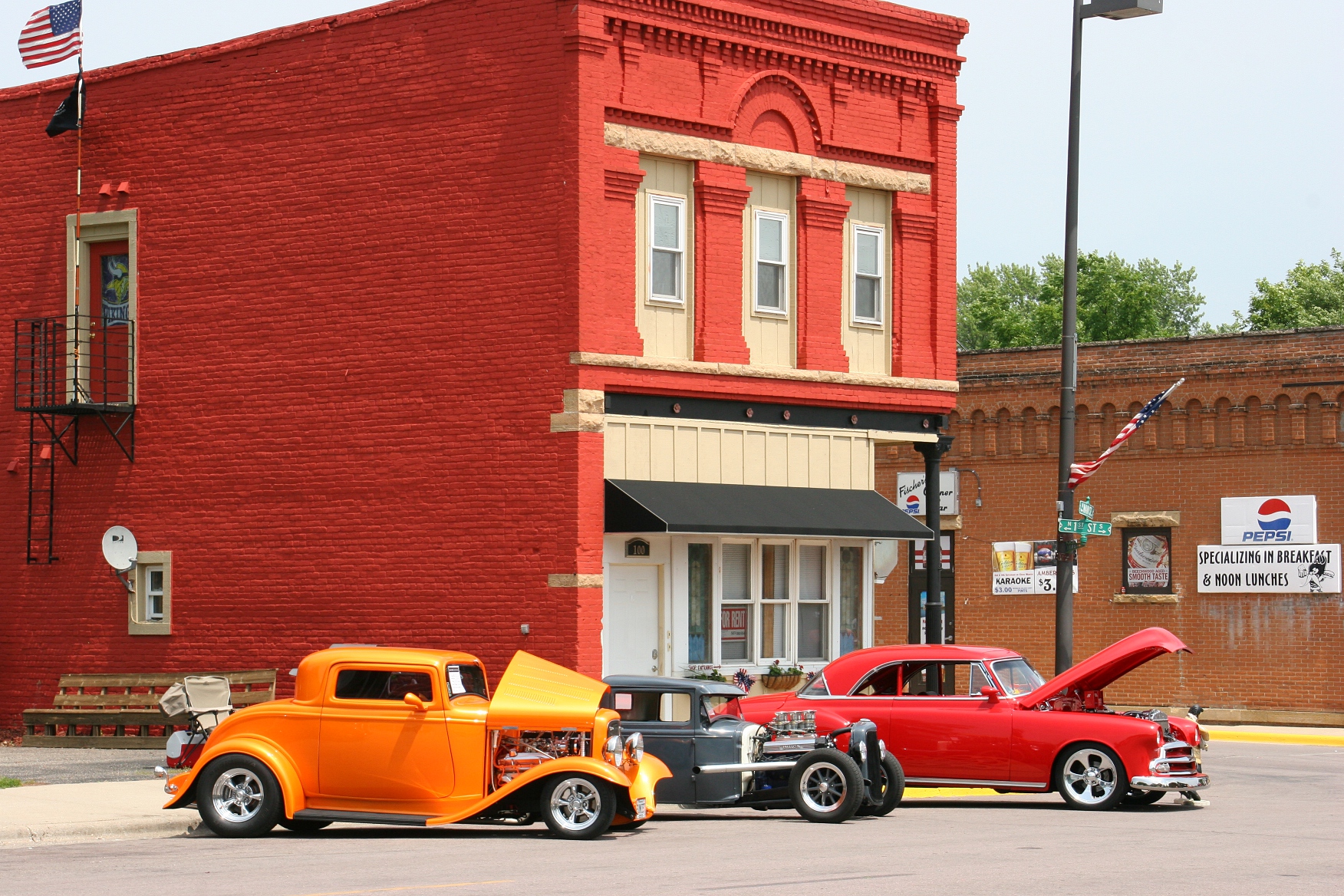
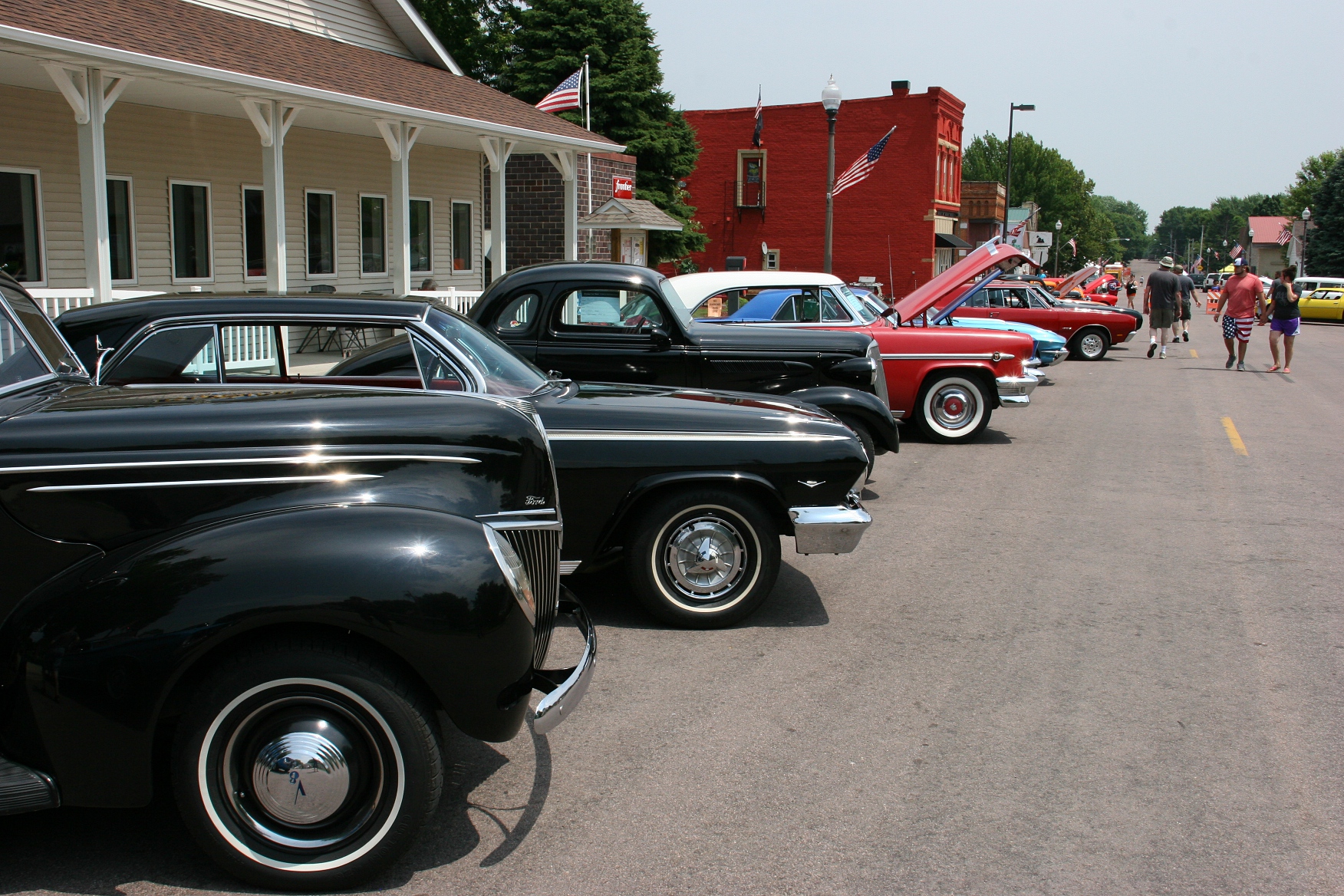
Vintage vehicles lined several blocks of Elysian's Main Street for the 21st annual Car, Motorcycle and Tractor Show on Sunday, July 5.

Vintage vehicles line several blocks of Elysian’s Main Street for the 21st annual Car, Motorcycle and Tractor Show on Sunday, July 5.

FOLKS IN SMALL TOWNS have a way of working together to create community events that are truly remarkable. It’s that sense of ownership, that strong connection to place, the importance of tradition and the love of community and family which, I think, prompt locals to continue year after year with time-honored celebrations like Elysian’s July Fourth weekend gathering.

Another view of the car show.

Another view of the car show.

Sunday afternoon we drove through this southeastern Minnesota lakeside town on our return to Faribault from southwestern Minnesota. I noticed the Car Show sign along Minnesota Highway 60 and people gathered. So we stopped. While the husband perused the vintage cars, the son and I watched the Kids’ Pedal Tractor Pull and checked out the Trail of History.

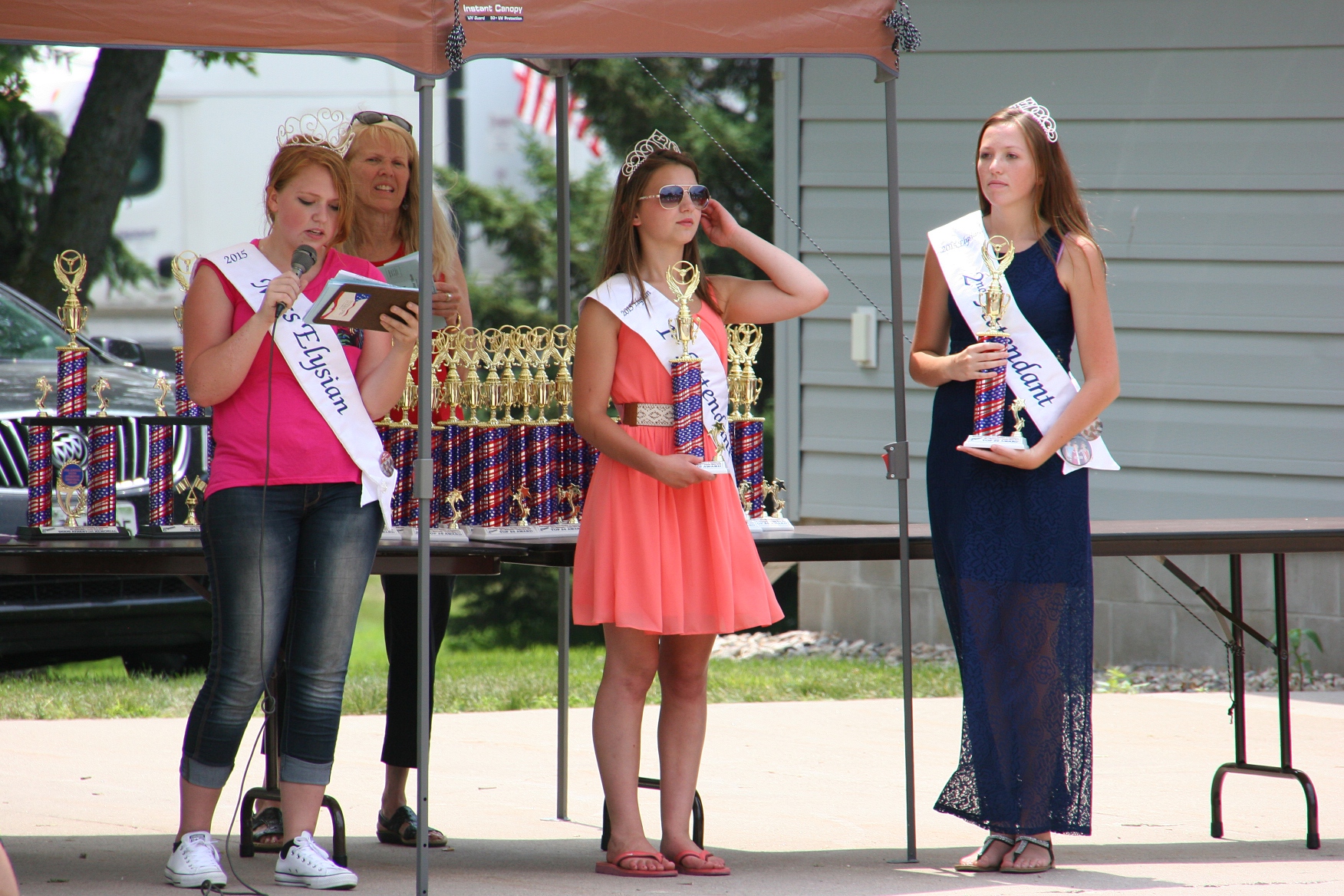
As we were leaving, Miss Elysian royalty were handing out Car Show trophies.

As we were leaving, Miss Elysian royalty were handing out Car Show trophies.

The holiday weekend celebration was winding down when we arrived. So we missed a lot. Yet, there was enough to see that I’m enticed to return next summer. Events actually began June 26 with royalty coronations and end this Saturday with two triathlons.

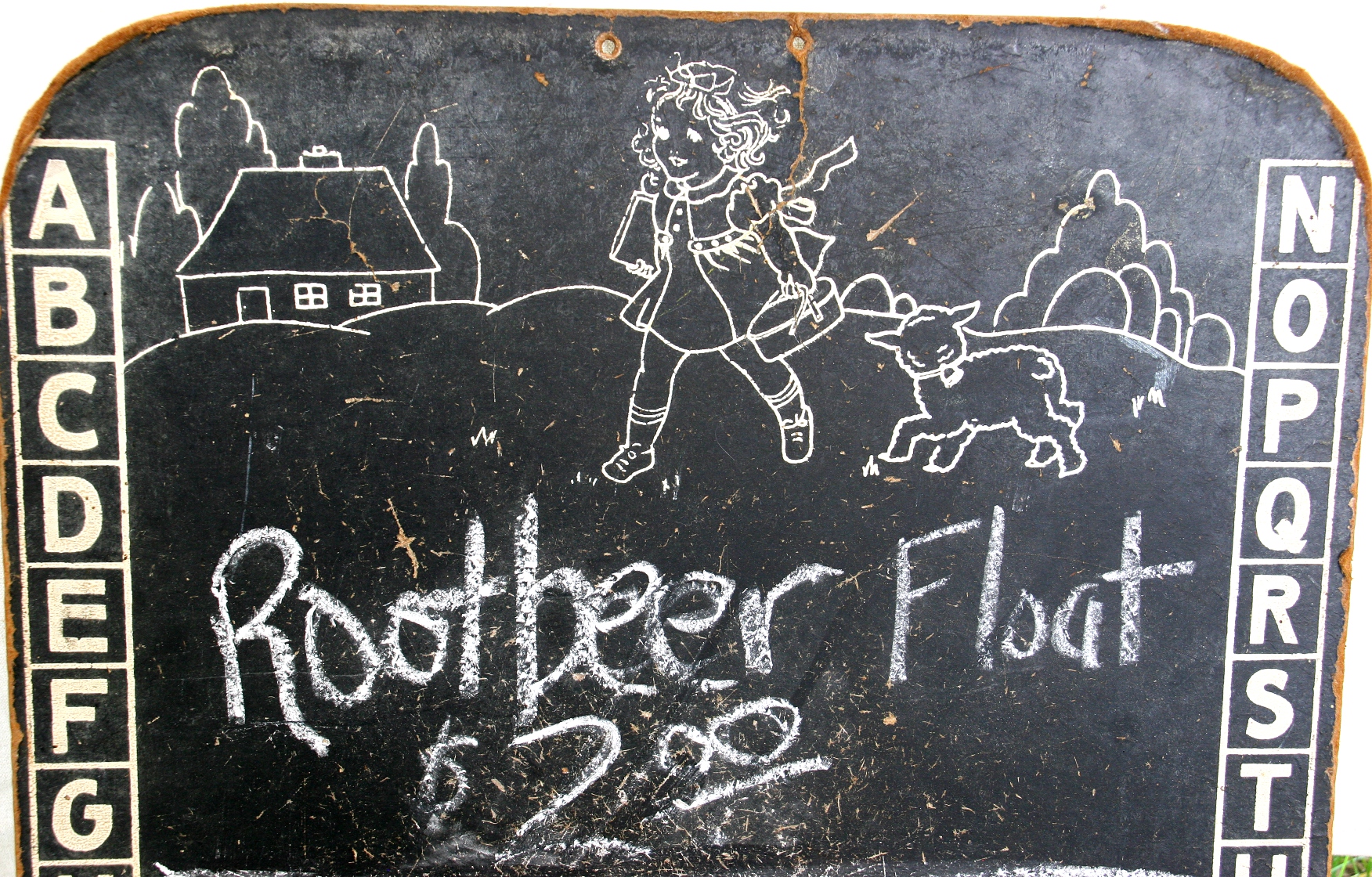
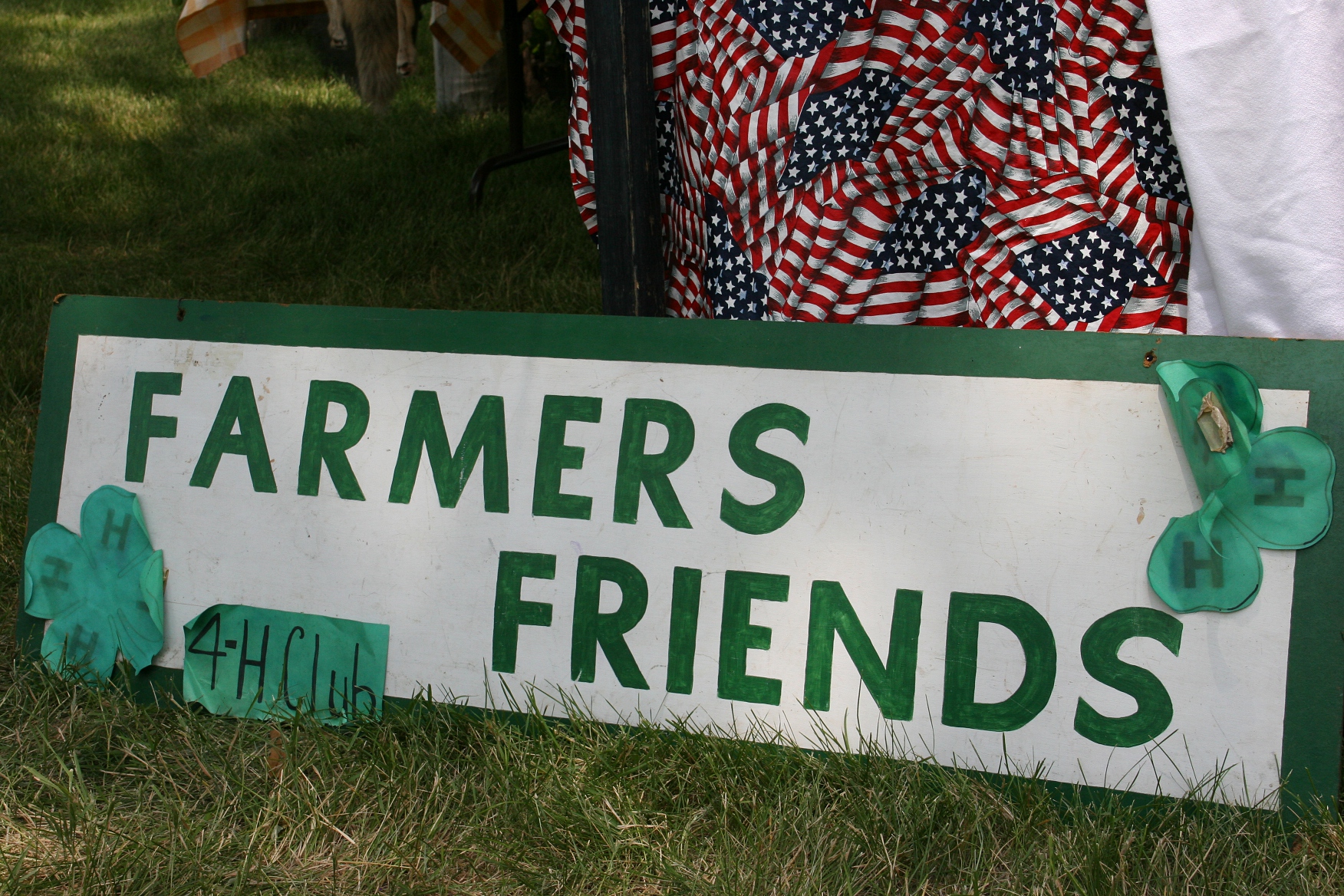
Farmers Friends 4-H Club advertised its root beer floats on a vintage chalkboard along the Trail of History, which the club sponsored.

Farme’rs Friends 4-H Club advertised its root beer floats on a vintage chalkboard along the Trail of History. When we ordered the floats, a woman scooped vanilla ice cream into red solo cups and handed us cans of root beer to make our own floats. How small town is that?

As we lounged with root beer floats on grass in the shade of trees lining the Sakatah Singing Hills State Trail, I considered how fortunate I was to enjoy small town Minnesota on a stunning summer afternoon with two guys I love.

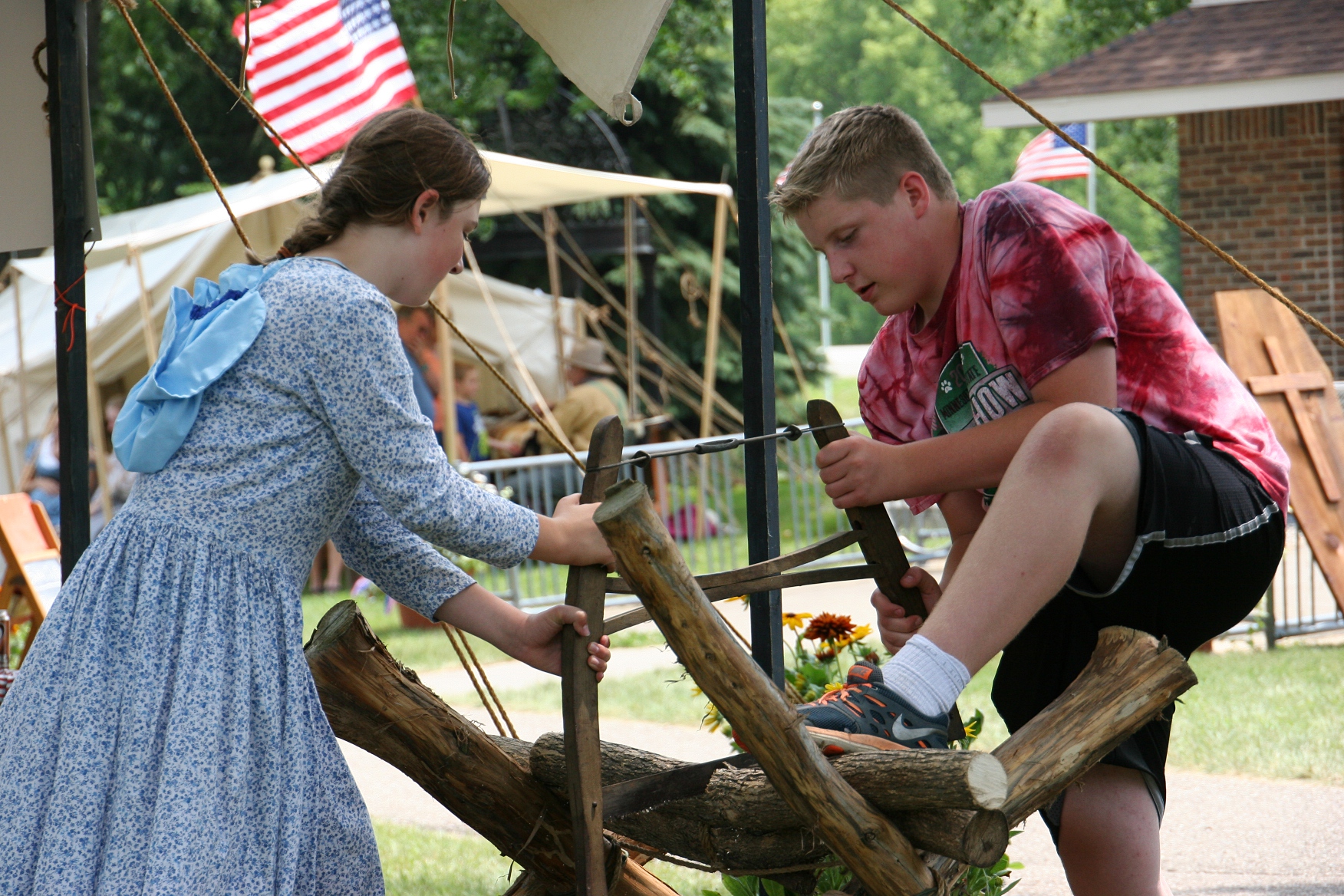
Sawing wood the old-fashioned way next to the Farmer's Friends 4-H Club tent.

Sawing wood the old-fashioned way next to the Farmer’s Friends 4-H Club tent.

Love this grassroots sign.

Love this grassroots sign posted in front of the food tent.

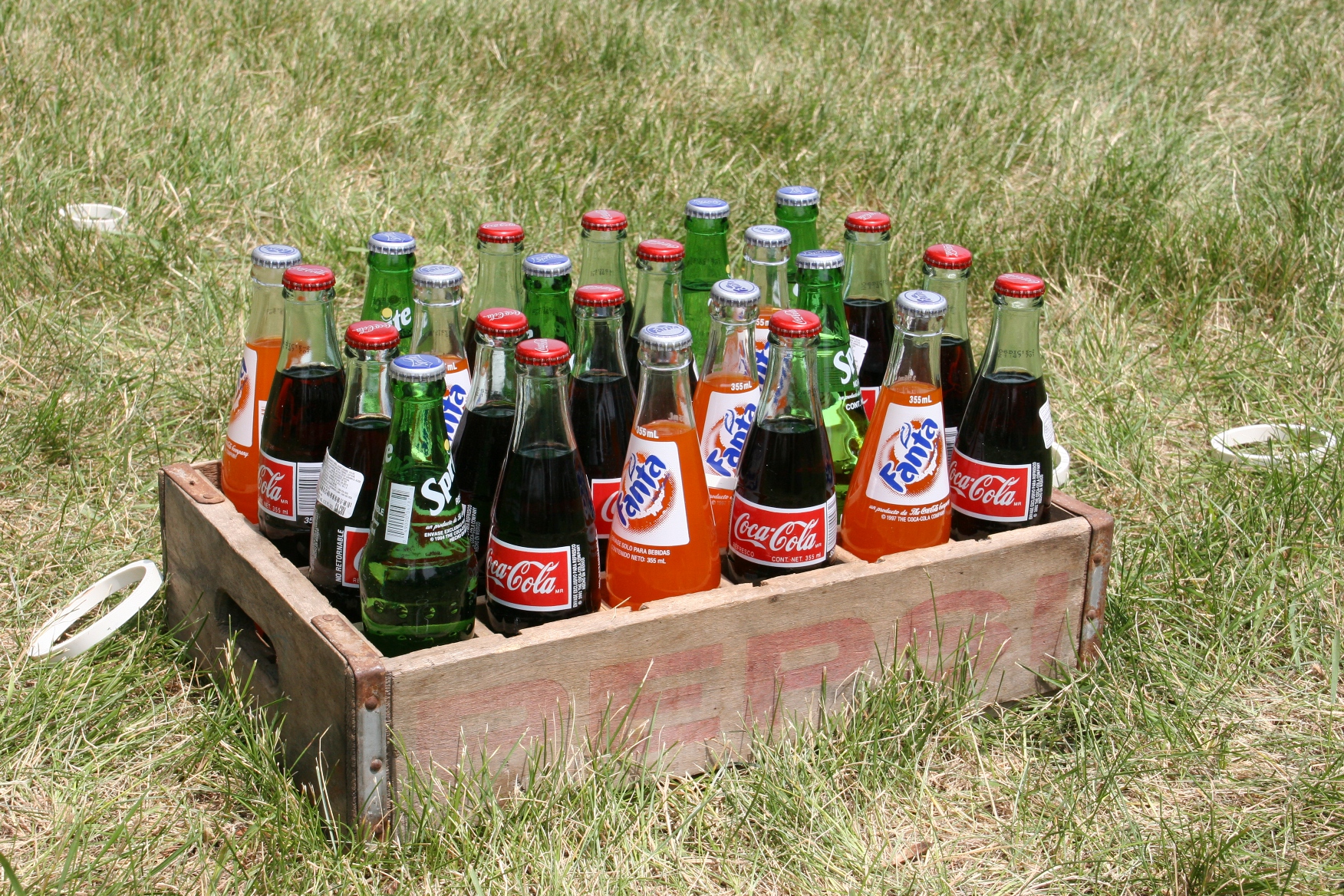
Old-fashioned games like a pop ring toss were available to play.

Old-fashioned games like a pop ring toss were available to play.

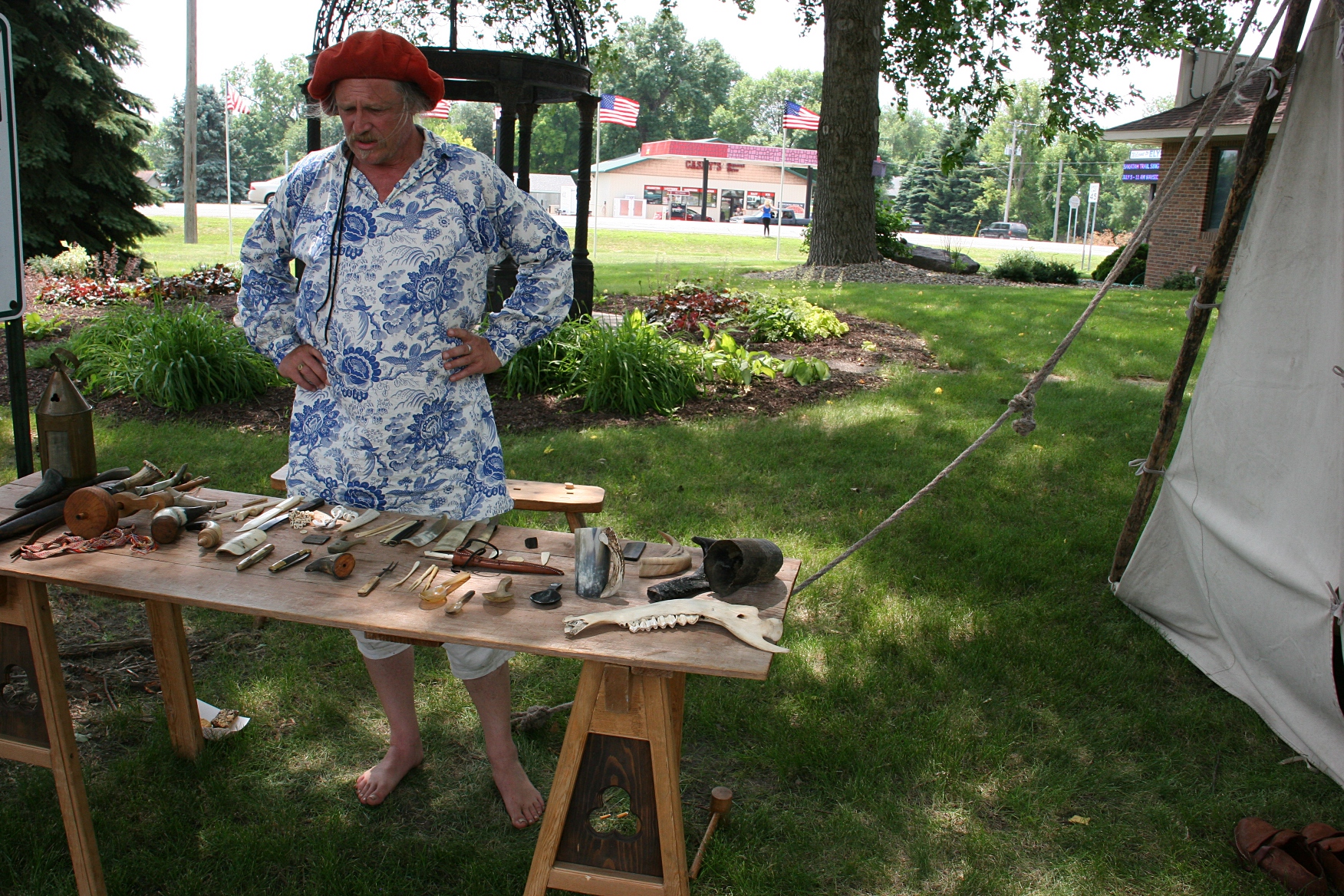
On the Trail of History, the Horner explained how items are crafted from horns/bones.

On the Trail of History, “the Horner” explained how items are crafted from horns/bones.

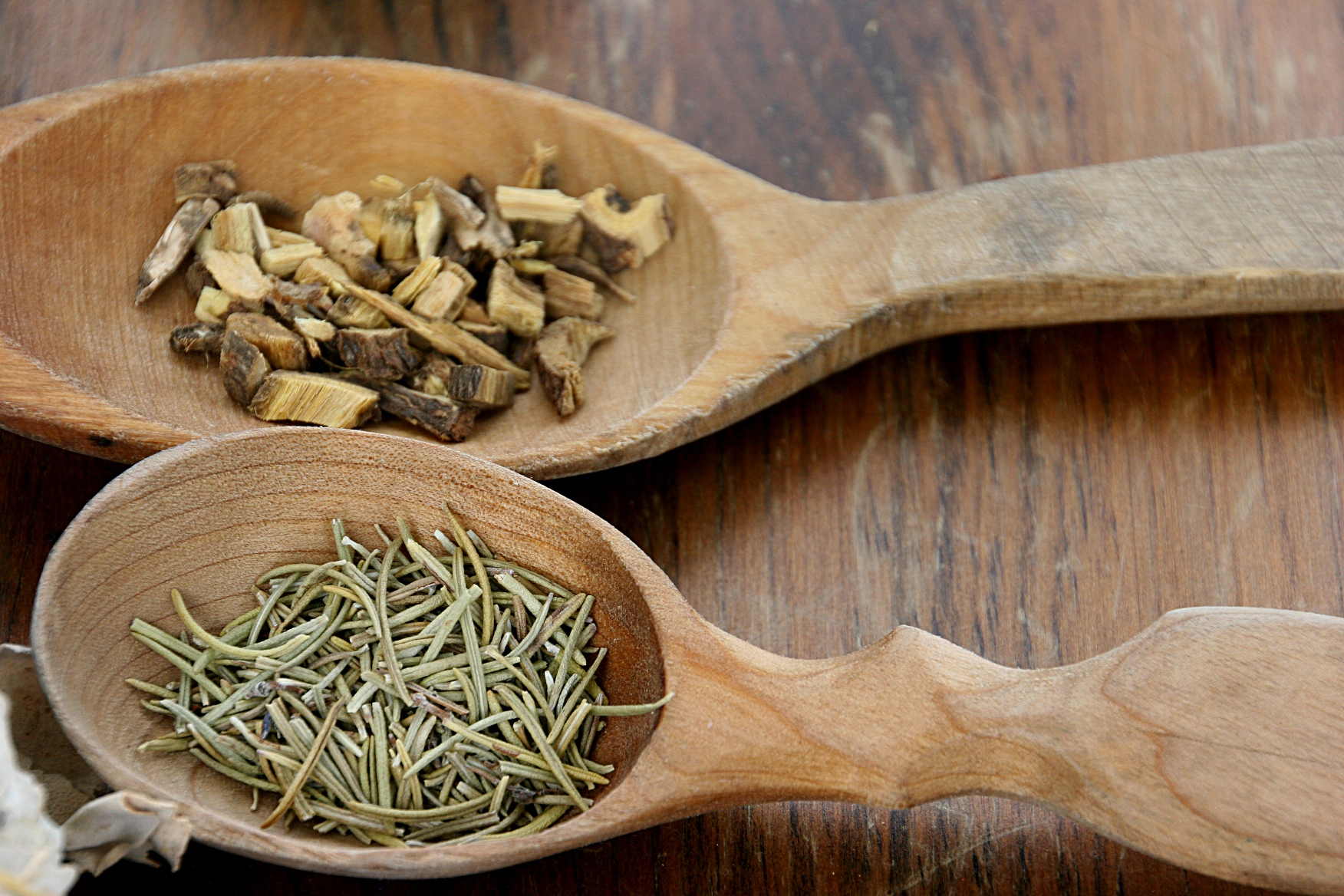
Another historian shared how plants can be used as natural remedies.

Another historian shared how plants can be used as natural remedies.

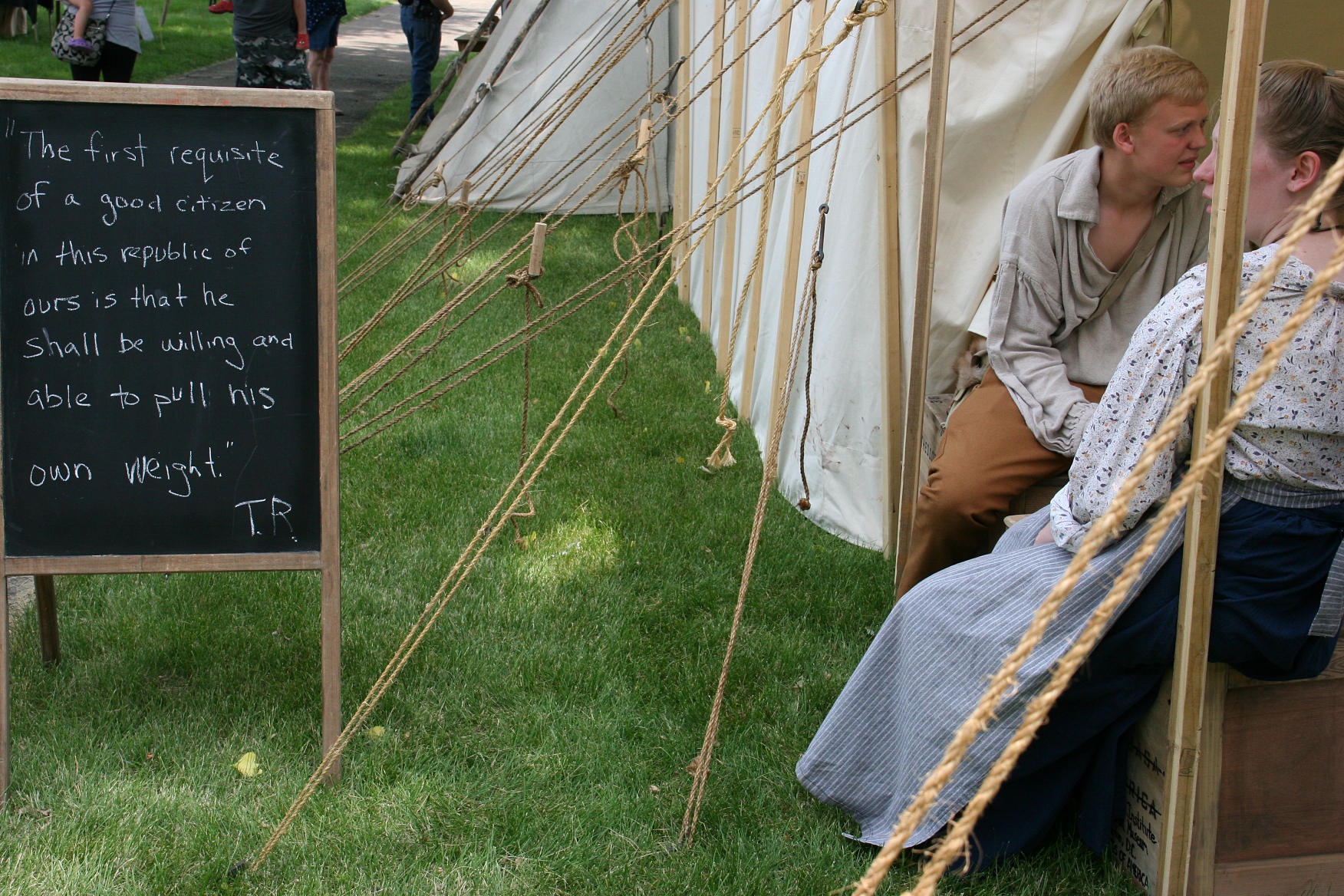
A fitting July Fourth weekend sign posted outside a Trail of History tent.

A fitting July Fourth weekend sign posted outside a Trail of History tent.

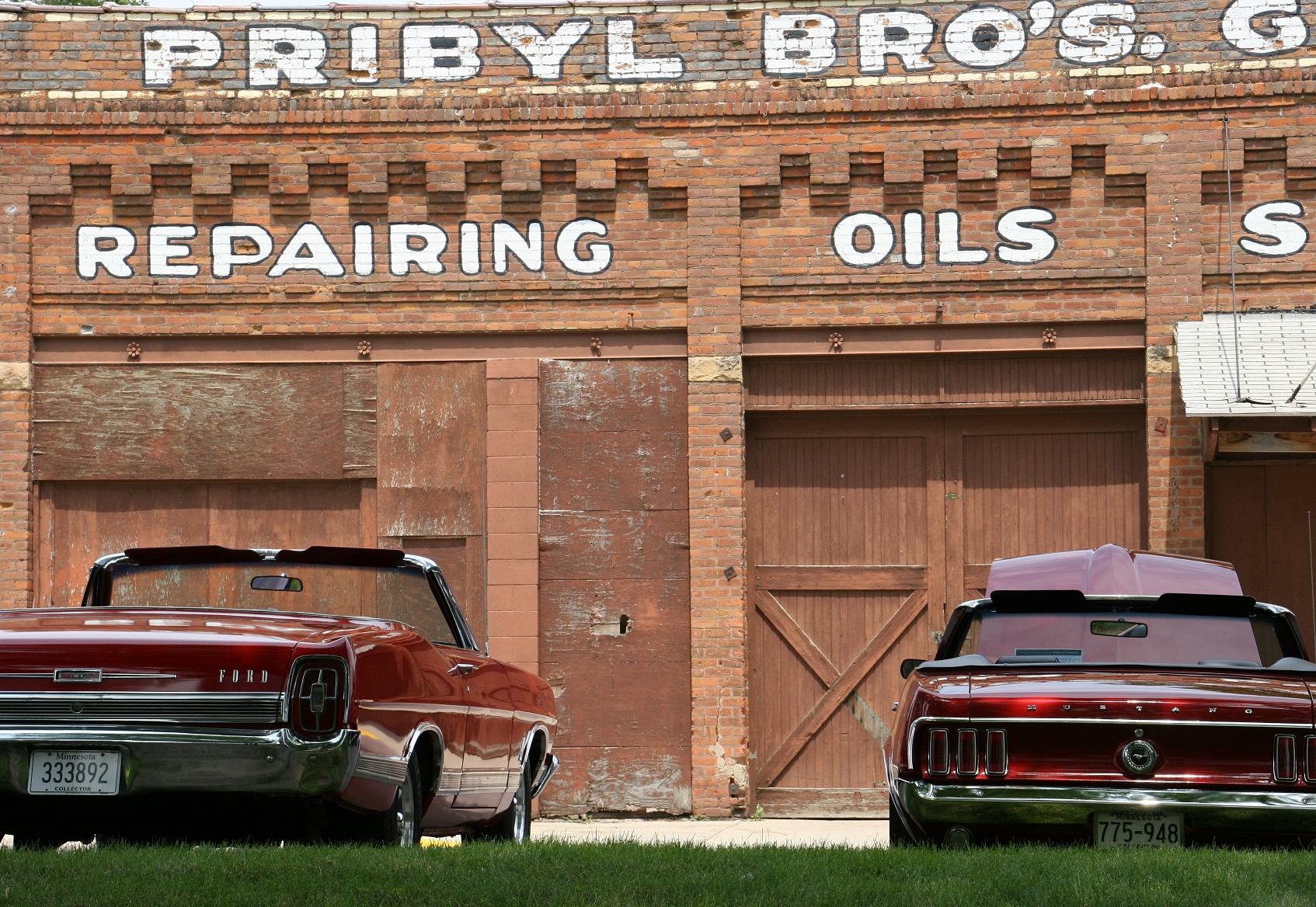
I absolutely love this aged building along Elysian's Main Street. These two cars were in the car show.

An aged garage along Elysian’s Main Street serves as the backdrop for cars in the Car Show.

#

WHAT ABOUT YOU? Is there a community event you attend or volunteer with each year? What makes for a successful community celebration?

FYI: Click here to see my previous post about the Kids’ Pedal Tractor Pull in Elysian.

© Copyright 2015 Audrey Kletscher Helbling
 

Next time pull off in Pine Island June 17, 2015

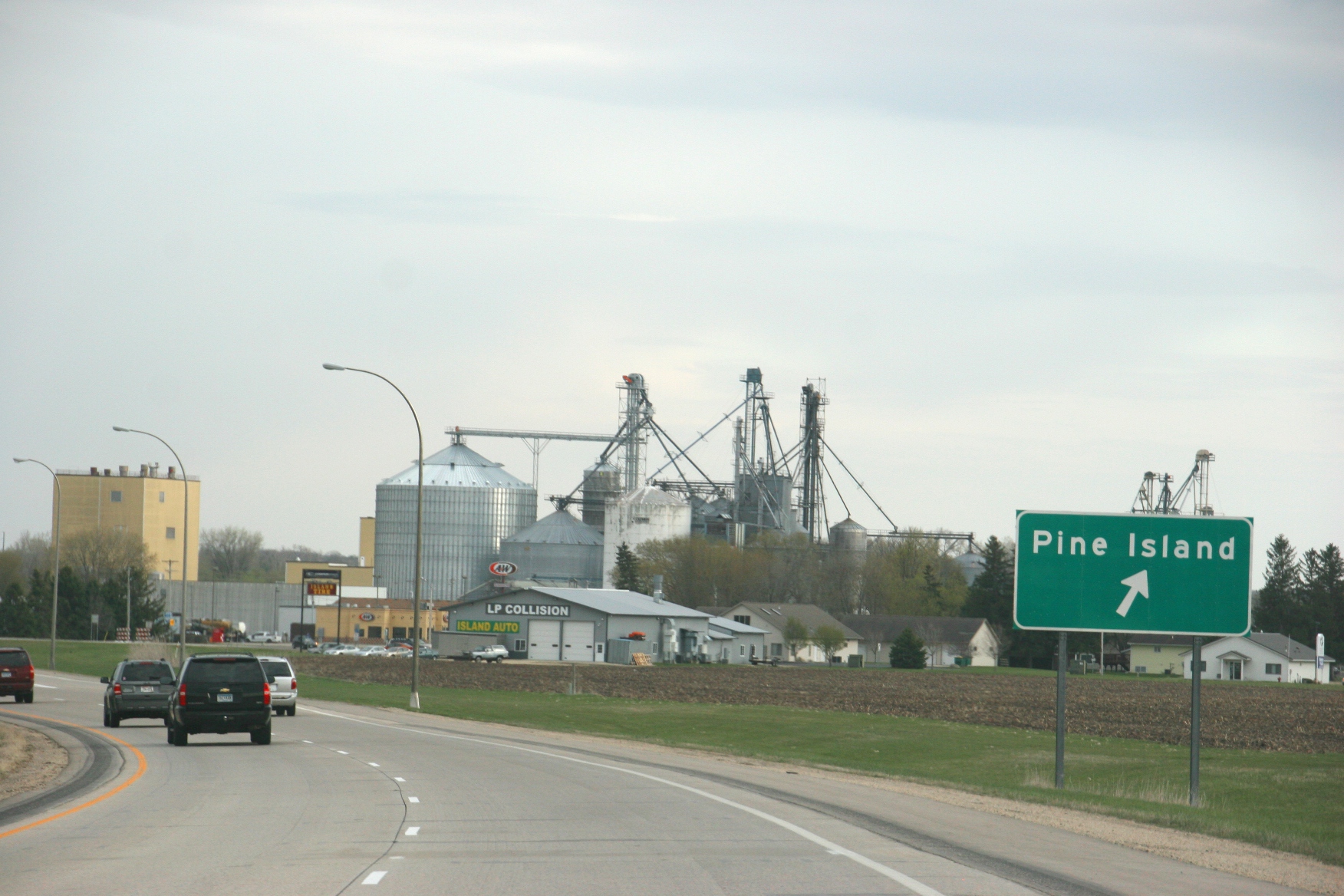
Approaching Pine Island on Highway 52 southbound.

Approaching Pine Island on U.S. Highway 52 southbound.

TRAFFIC ZOOMS BY on U.S. Highway 52 around Pine Island, hurried motorists rushing to Rochester or St. Paul or places in between.

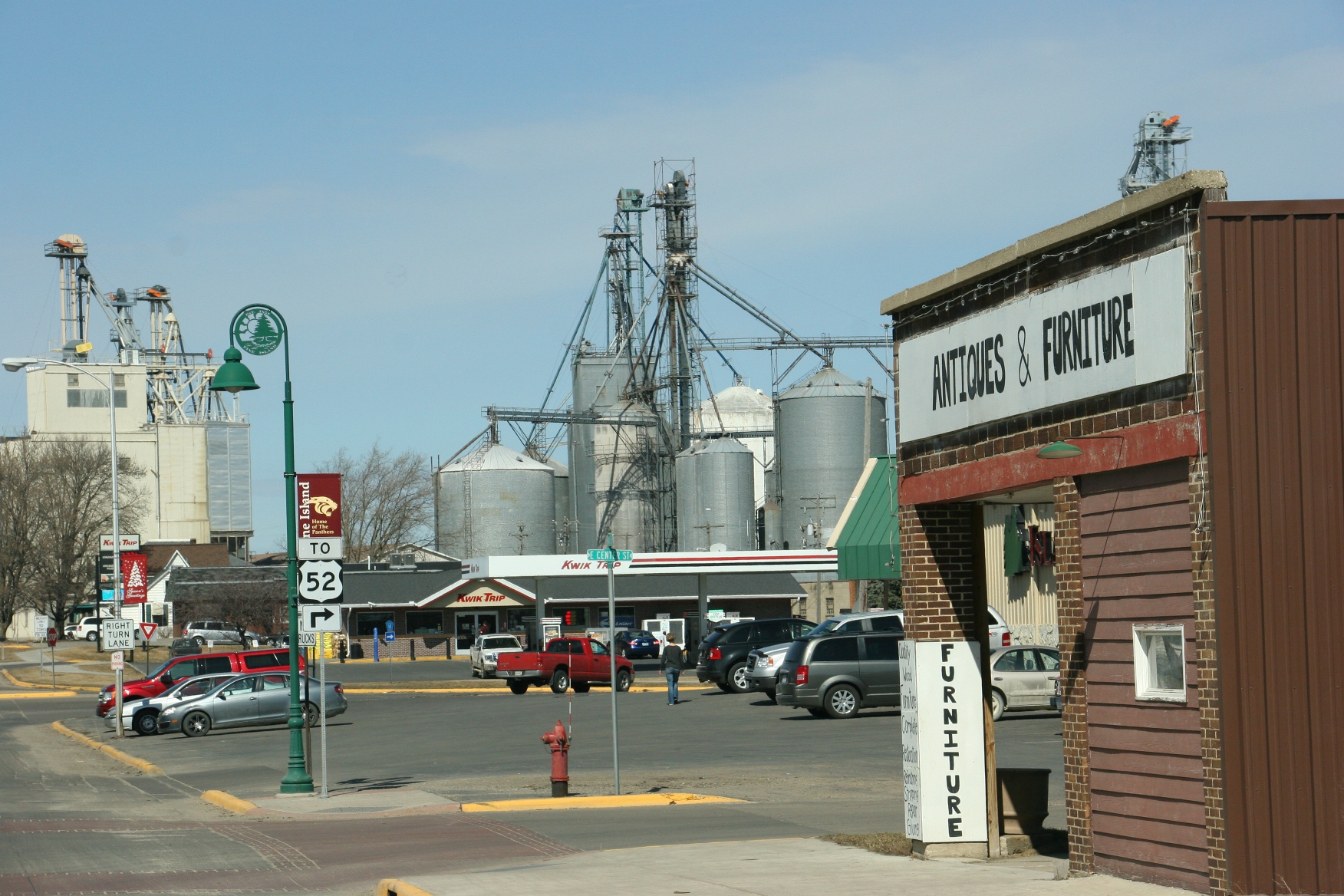
On the left, a street sign directs motorists to U.S. Highway 52. On the right, the antique store that was closed the afternoon of my visit to Pine Island.

On the left, a street sign directs motorists to U.S. Highway 52. On the right, the antique store that was closed the afternoon of my visit to Pine Island.

I’ve been one of those travelers all too many times while en route to and from Wisconsin. Never pulling off to explore Pine Island. But always wondering what this small town holds and thinking I really ought to stop at the highway side Pine Cheese Mart.
It’s too late now to visit the Cheese Mart. The long-time business folded last year after an exit into Pine Island was closed due to traffic safety issues. That closure made navigating to the Mart cumbersome, resulting in a business downturn. So I missed out on the cheese.
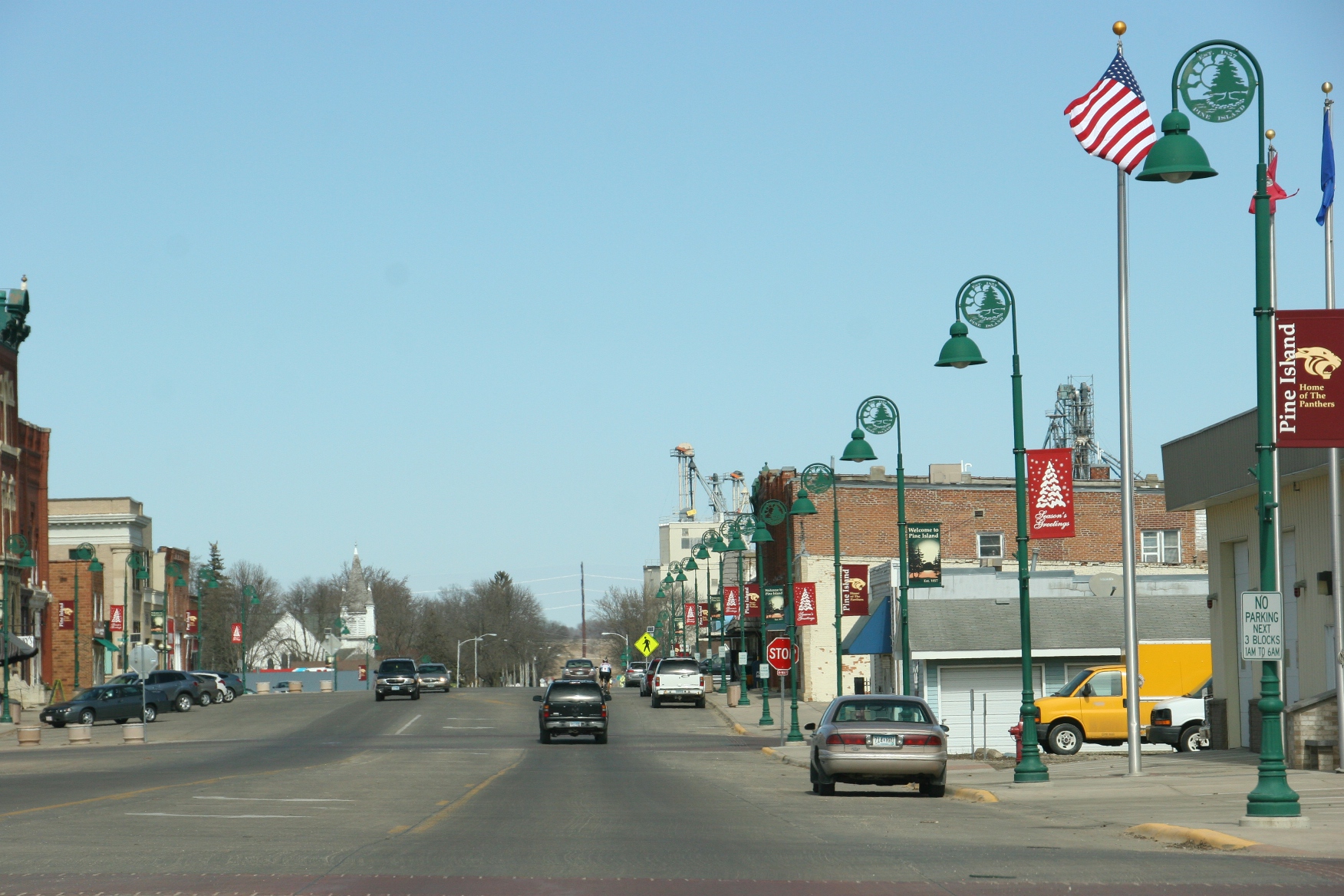
A view of Pine Island's Main Street while driving into the downtown.
A view of Pine Island’s Main Street while driving into the downtown.
Early this spring, my husband and I took a day trip to Pine Island. We hopped in the van with our Minnesota atlas and road map and headed east, stopping first in West Concord.

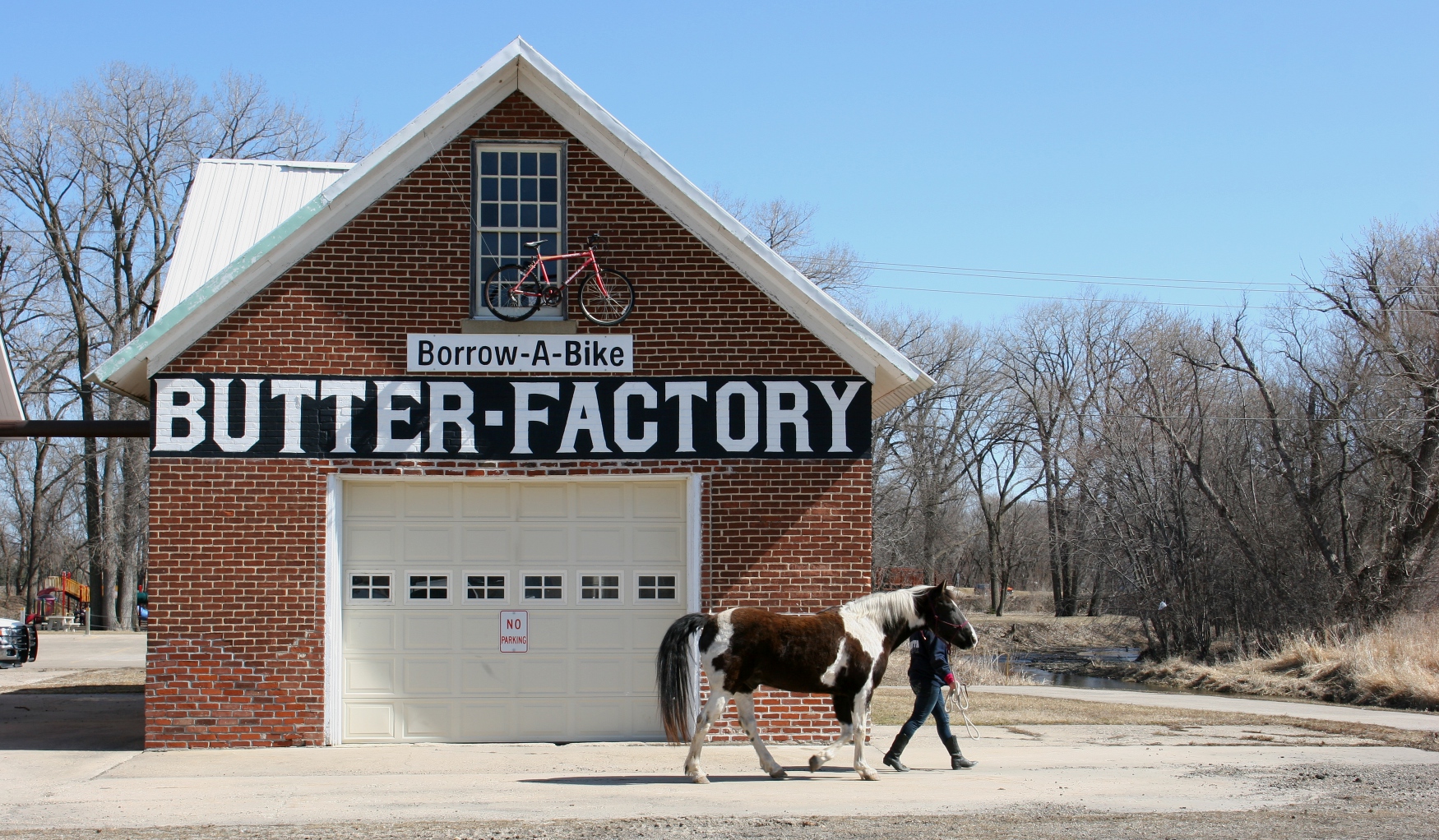
My favorite scene of the day by the old butter factory.

My favorite scene of the day by the old butter factory where, yes, butter was once made.

I should have done my homework. After the fact, I learned that Pine Island was once considered “The Cheese Capital of the World” That would have been in the opening decades of the 20th Century when some 40 cheese factories existed in the area. In 1911, Pine Island cheesemakers crafted a 6,000-pound block of cheese for the Minnesota State Fair, earning that cheese capital title for the town.

Today the small cheese factories are gone with only the large Land O’ Lakes cooperative producing cheese. But the community honors its cheesy past with an annual July Cheese Festival.

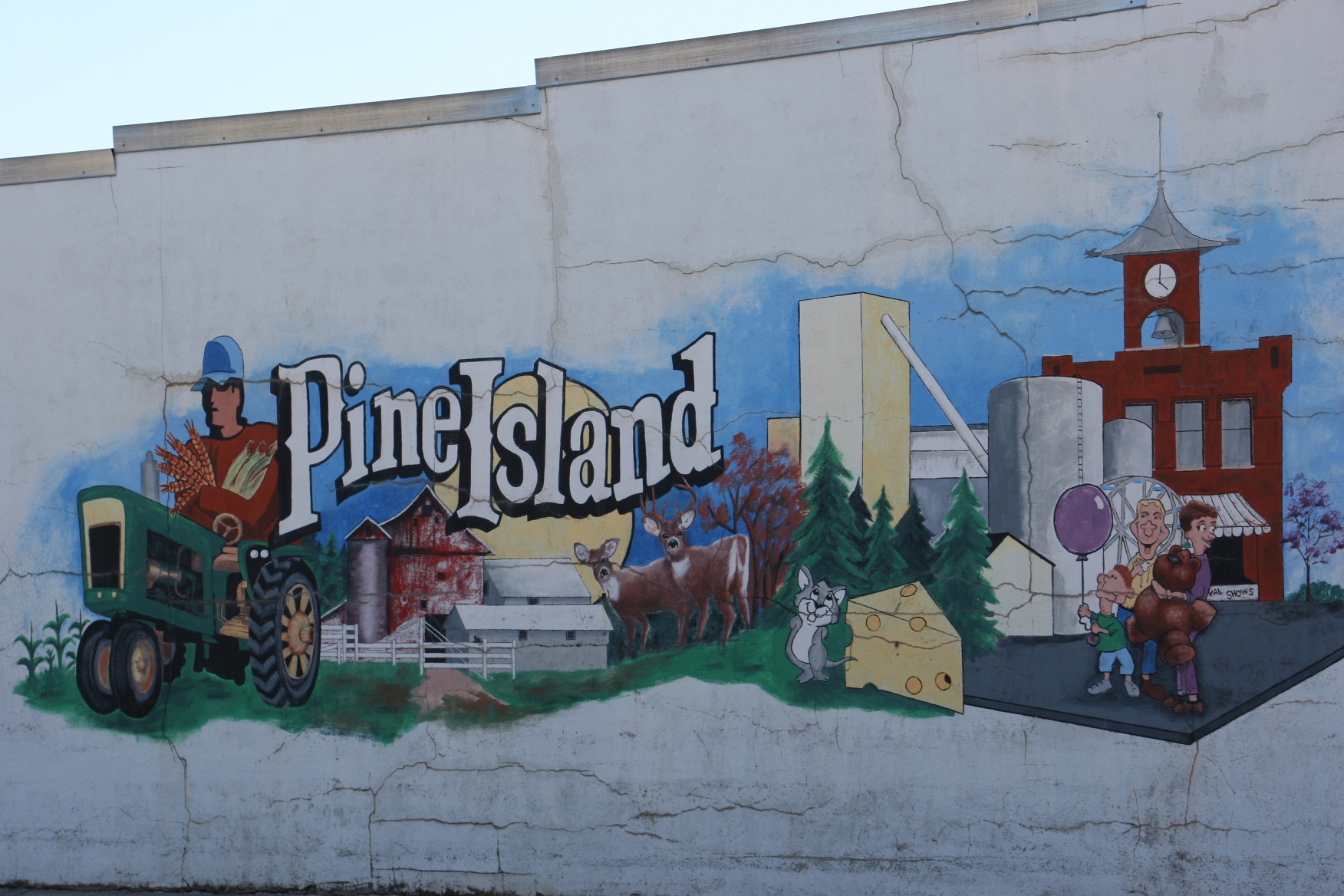
Look closely at this downtown mural and you will see a hunk of cheese, a visual tribute to this community's rich cheese past.

Look closely at this downtown mural and you will see a hunk of cheese, a visual tribute to this community’s rich cheese past.

Perhaps I missed it. But I didn’t notice anything visually significant tipping me off to Pine Island’s rich cheese history other than a mouse and a block of cheese painted onto a downtown mural and a lovely brick building labeled BUTTER-FACTORY.

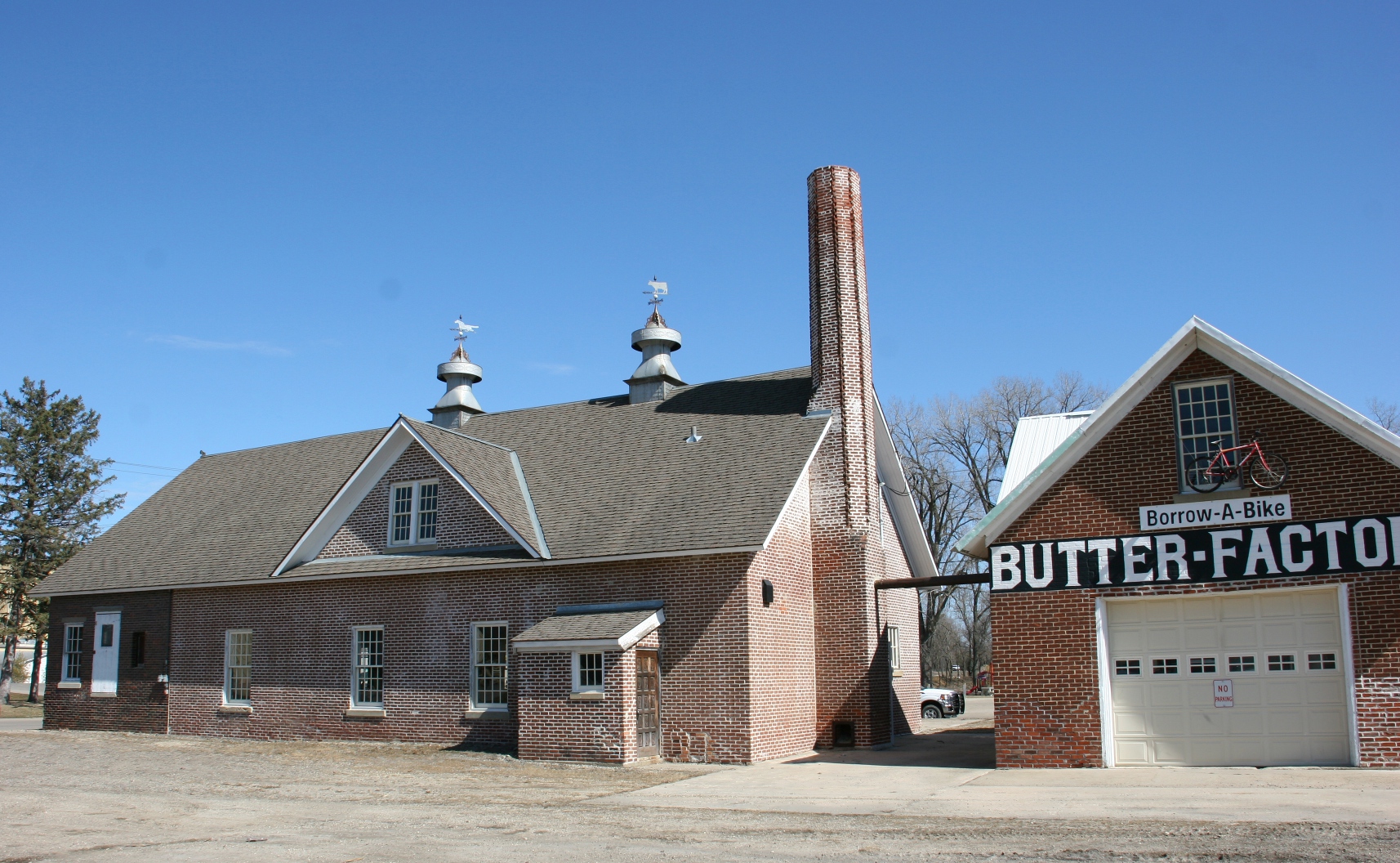
This old butter factory now holds bicycles available to ride on area trails.

This old butter factory now holds bicycles available to ride on area trails.

I should have done my research. The old Butter Factory today houses bikes and bike helmets available to borrow at no cost from 10 a.m. – 6 p.m. on weekends to cyclists using the nearly 13-mile Douglas State Trail from Pine Island to Rochester and Pine Island’s Paths to the Past trails: Historical Trivia Trail, Young People’s Path and Homes & Heritage Trail. Check ahead as this usage is seasonal.

So I missed a few things this visit. But I didn’t miss the remarkable historic architecture that defines the downtown business district:

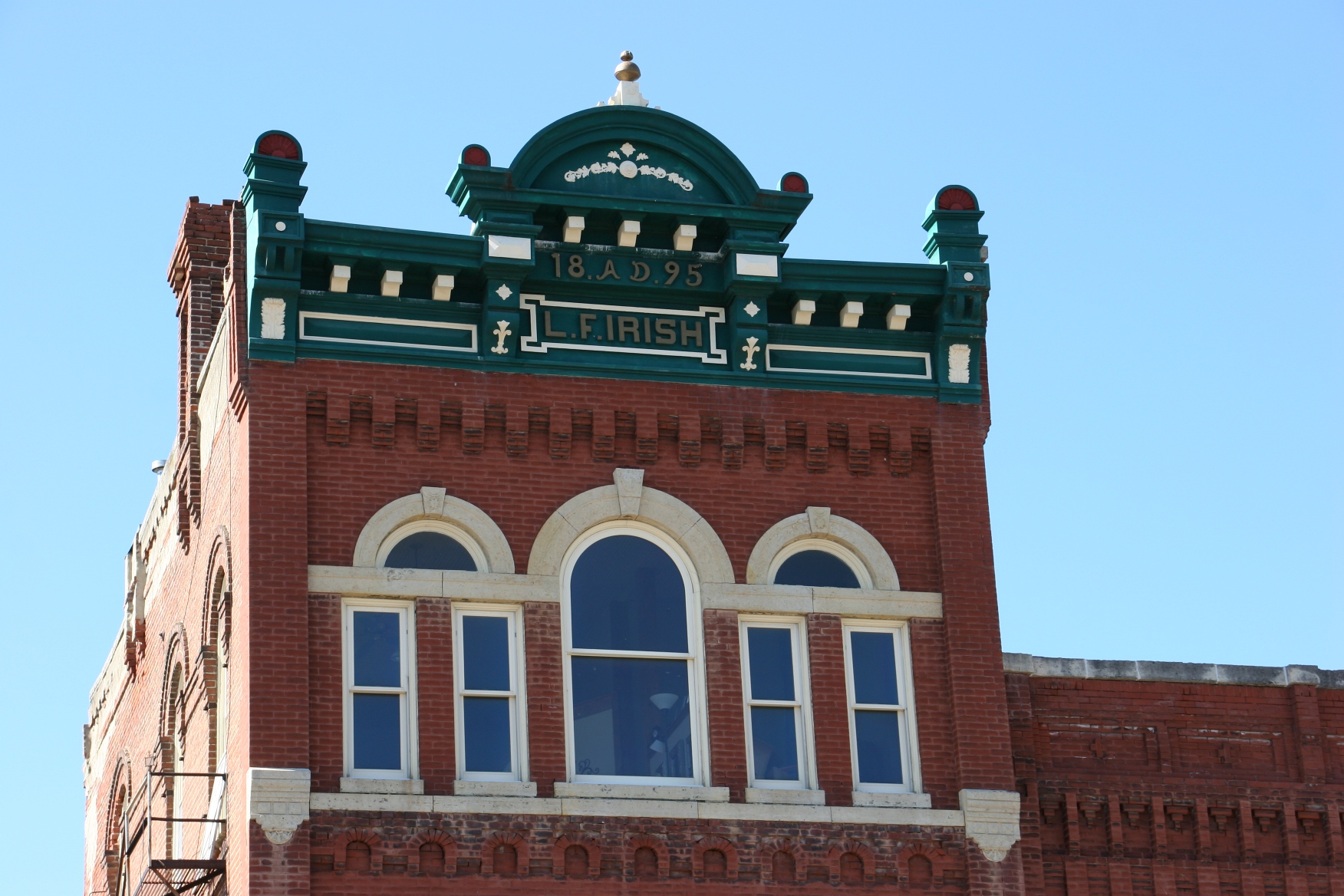
Downtown buildings feature stunning architectural detail.

Downtown historic buildings feature stunning architectural detail.

A broad view of downtown historical buildings with grand architecture.

A broad view of downtown historical buildings with grand architecture.

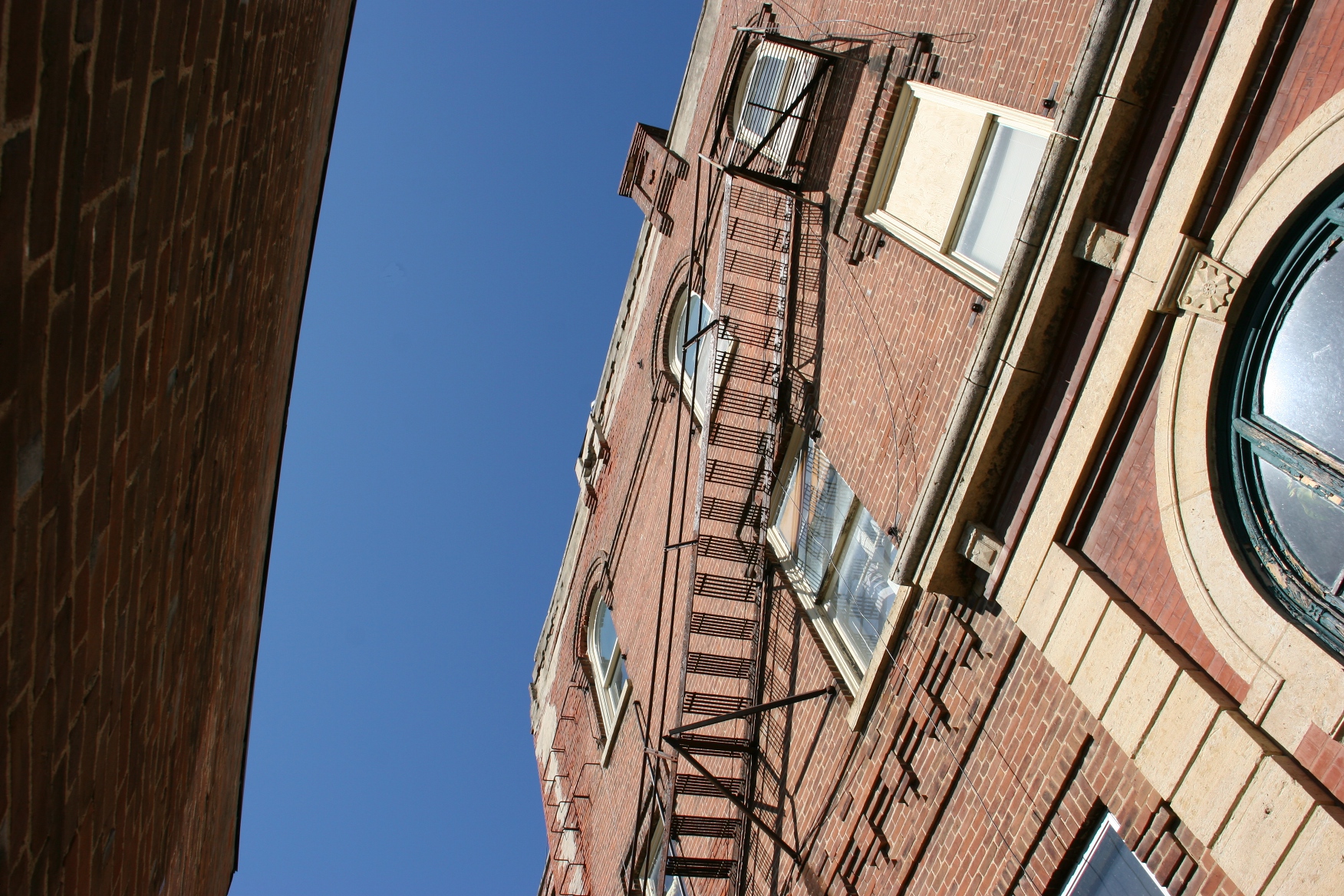
A stairway appears like a work of art on the side of an aged building.

A stairway appears like a work of art on the side of an aged building. I stood in an alley and aimed my camera up.

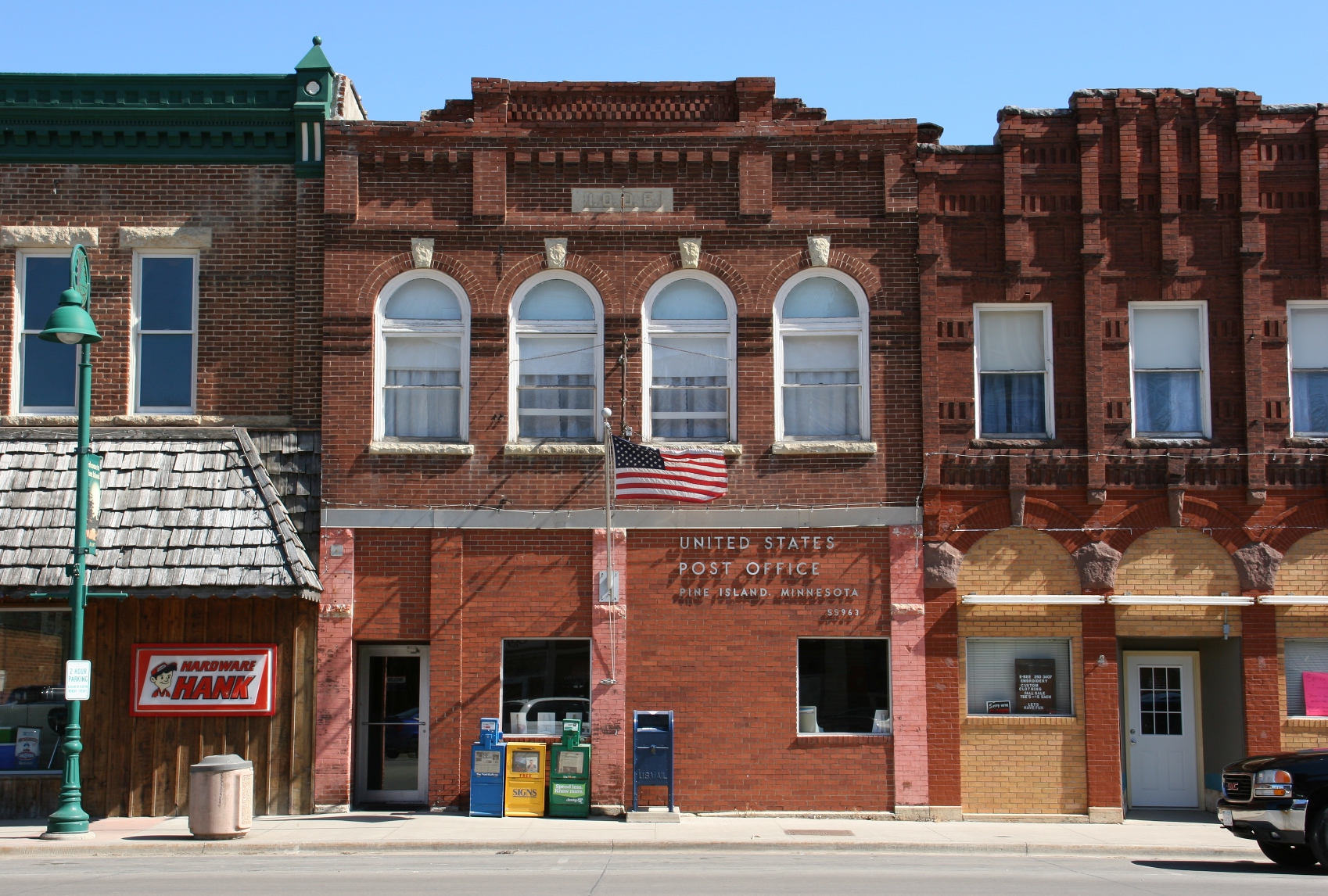
More historic buildings, including one that houses the post office.

More historic buildings, including one that houses the post office.

The top of City Hall.

The top of City Hall.

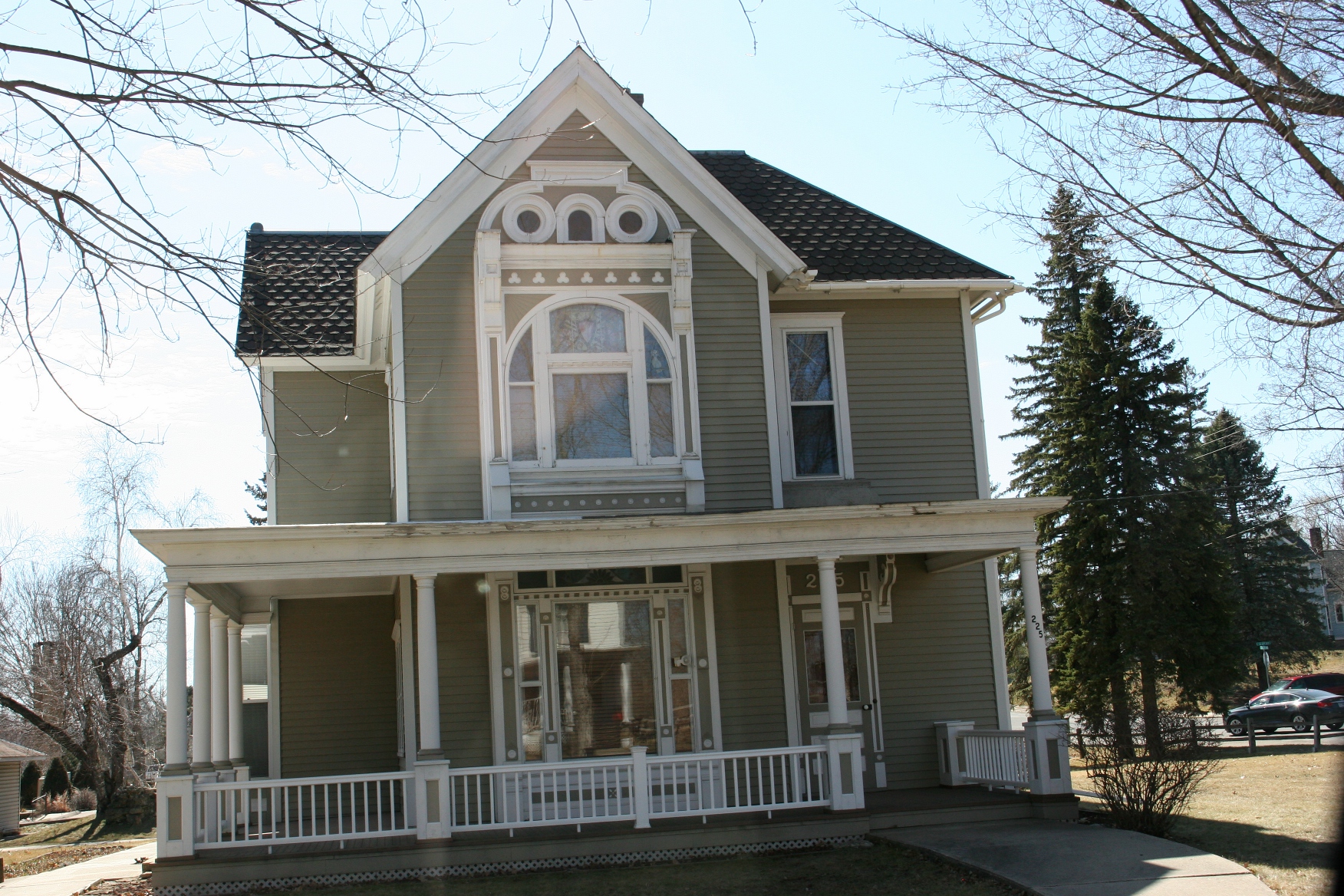
And some of the beautiful old homes close to downtown:

I snapped a quick shot of this lovely house while driving by.

I snapped a quick shot of this lovely house with a wrap-around porch while driving by.

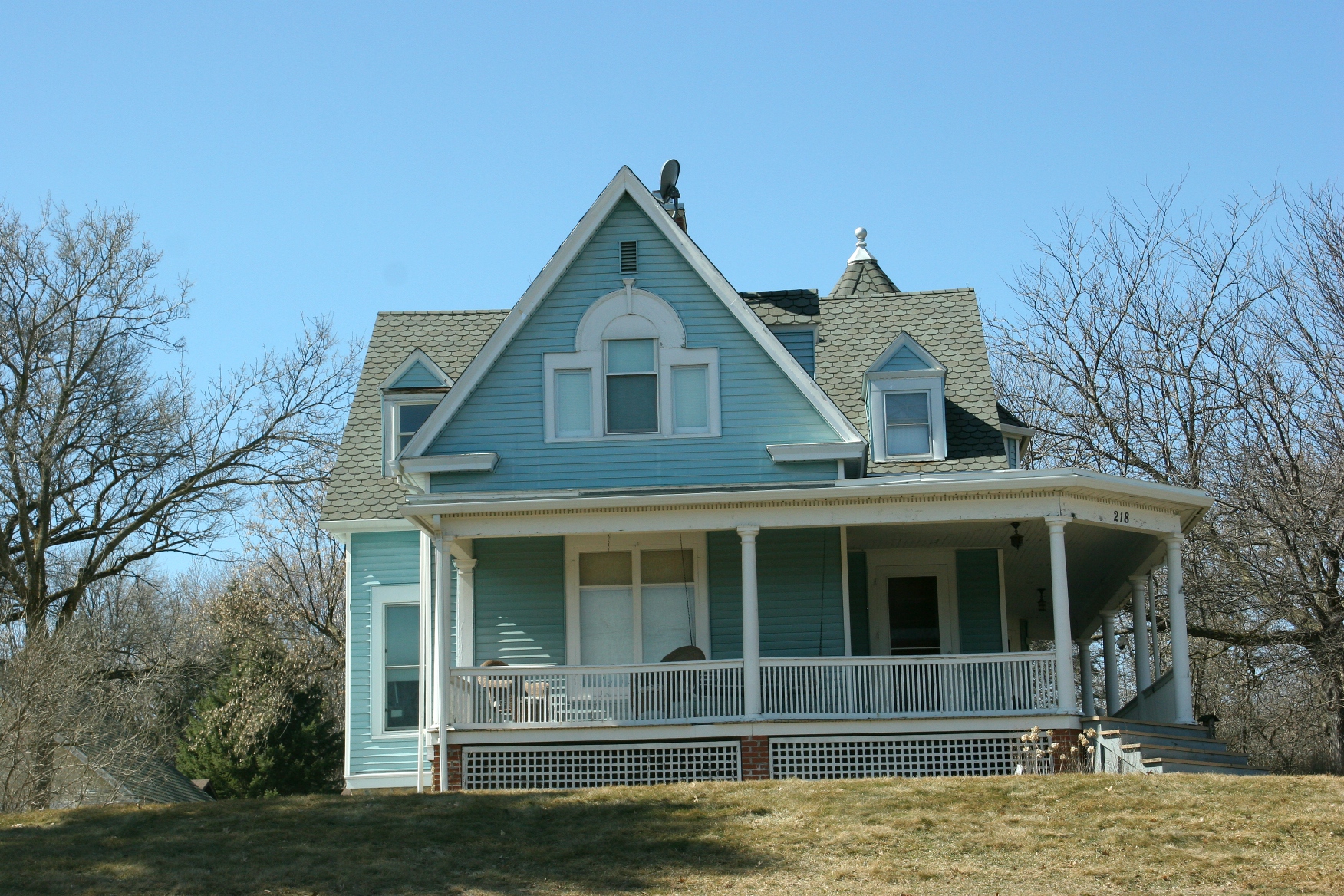
Another sweet house near downtown.

Another sweet house near downtown.

I was disappointed, though, to find the one antique/furniture refinishing store, Green’s Stripping & Antiques, closed when I was there.

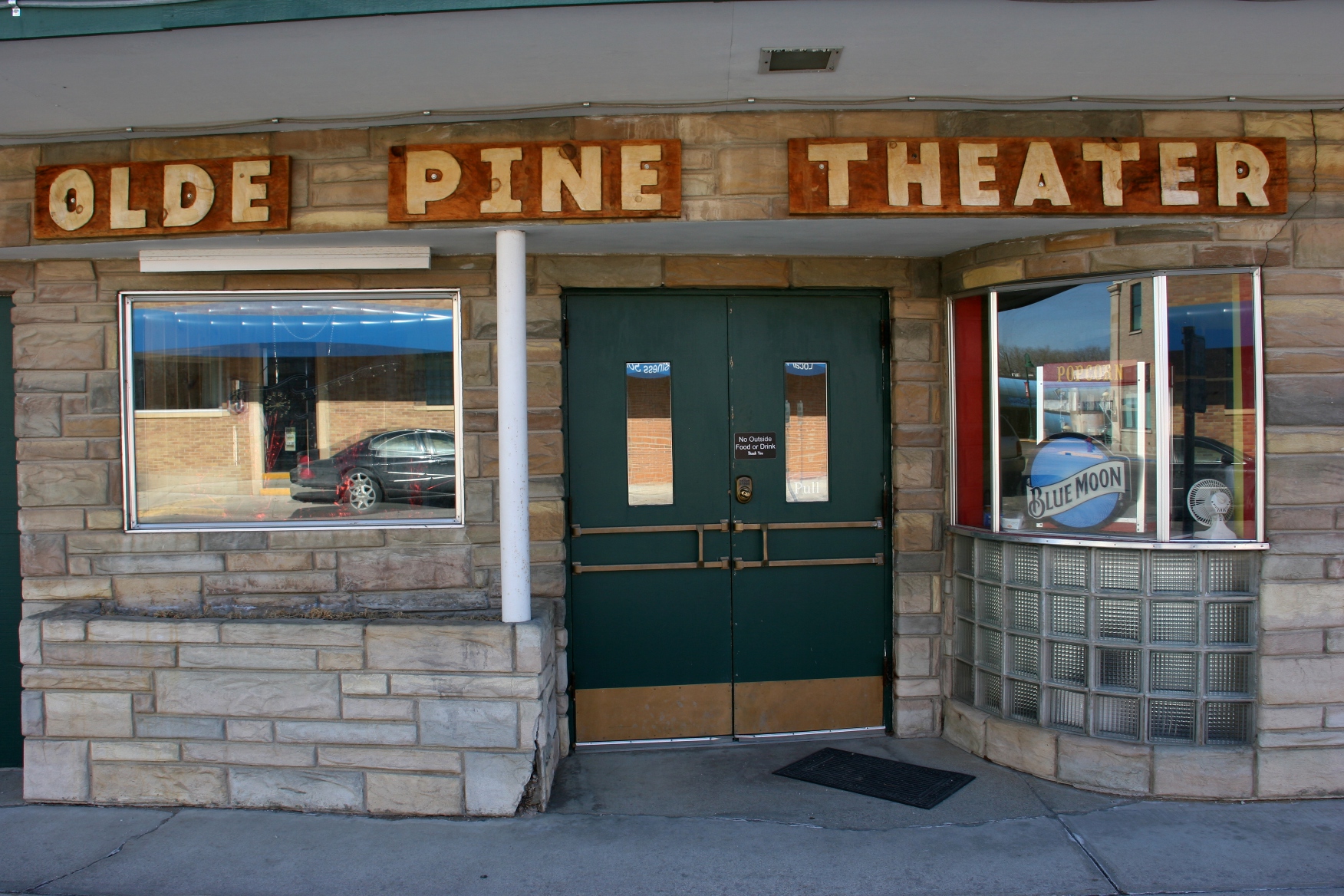
Likewise, I really wanted to get inside the Olde Pine Theater:

The theatre that I wished I could have seen.

The theatre that I wished I could have seen.

Maybe next time.

BONUS PHOTOS:

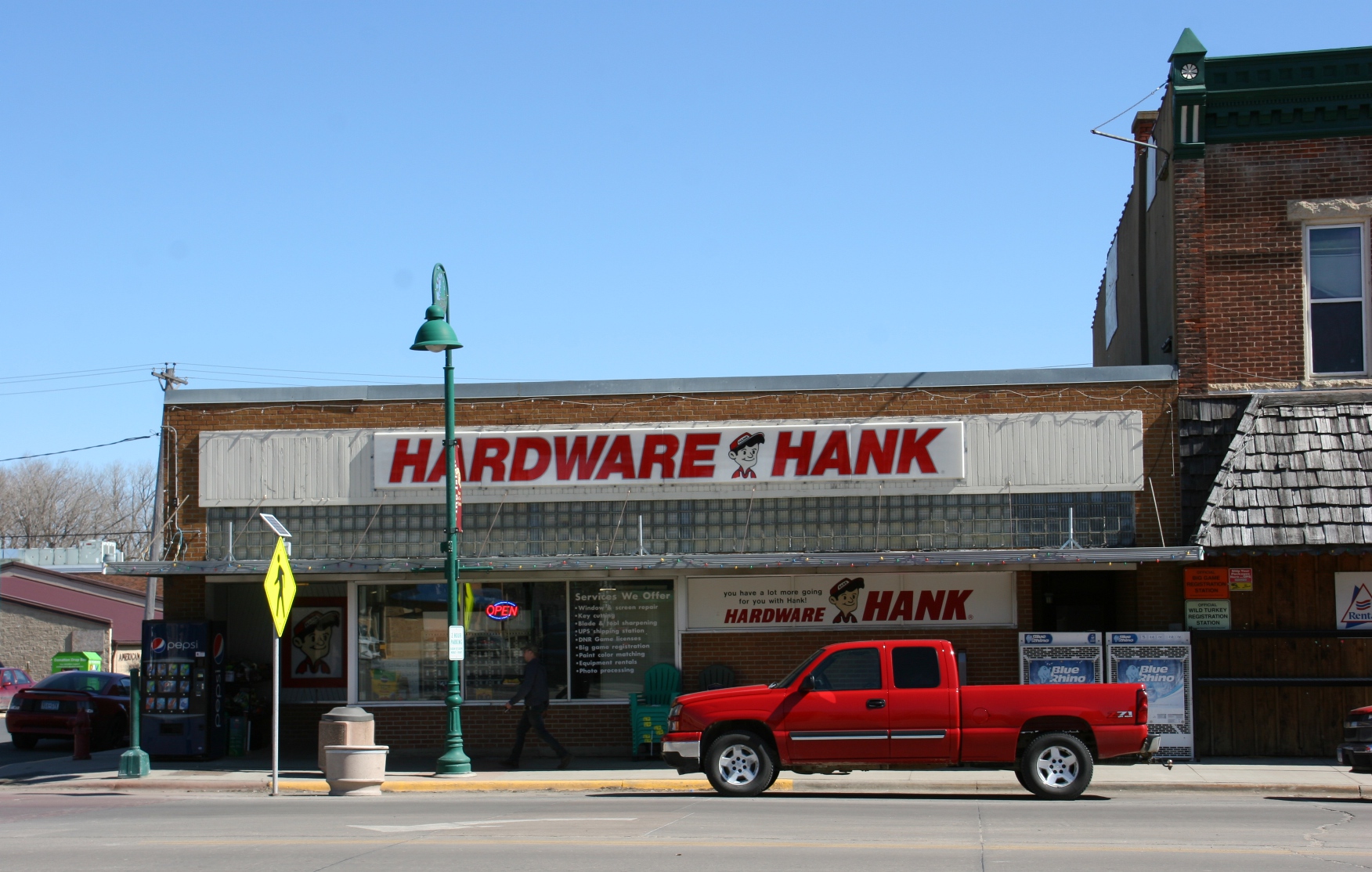
Many small towns still have thriving hardware stores like this Hardware Hank.

Many small towns still have thriving hardware stores like this Hardware Hank.

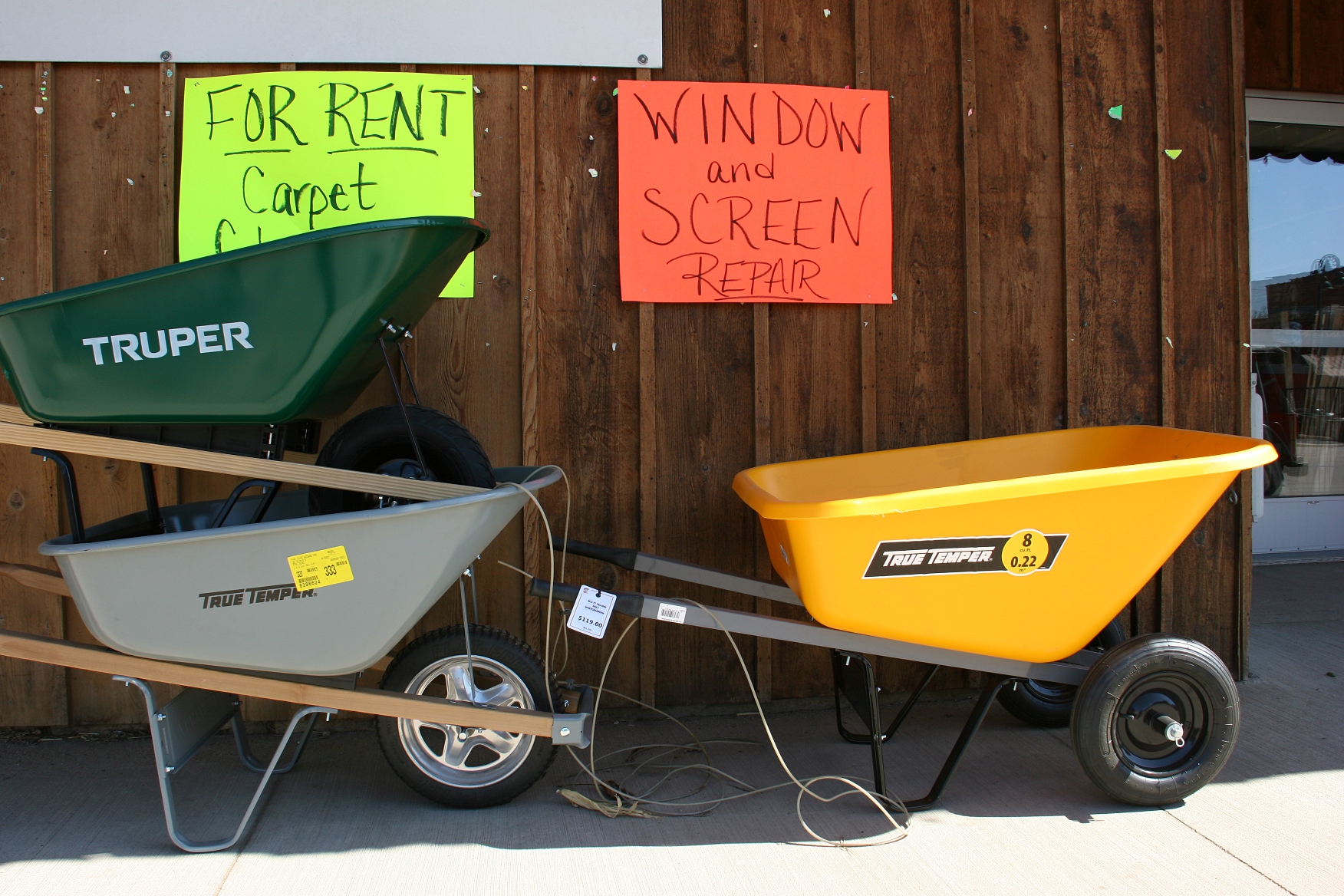
Parked outside Hardware Hank.

Outside Hardware Hank.

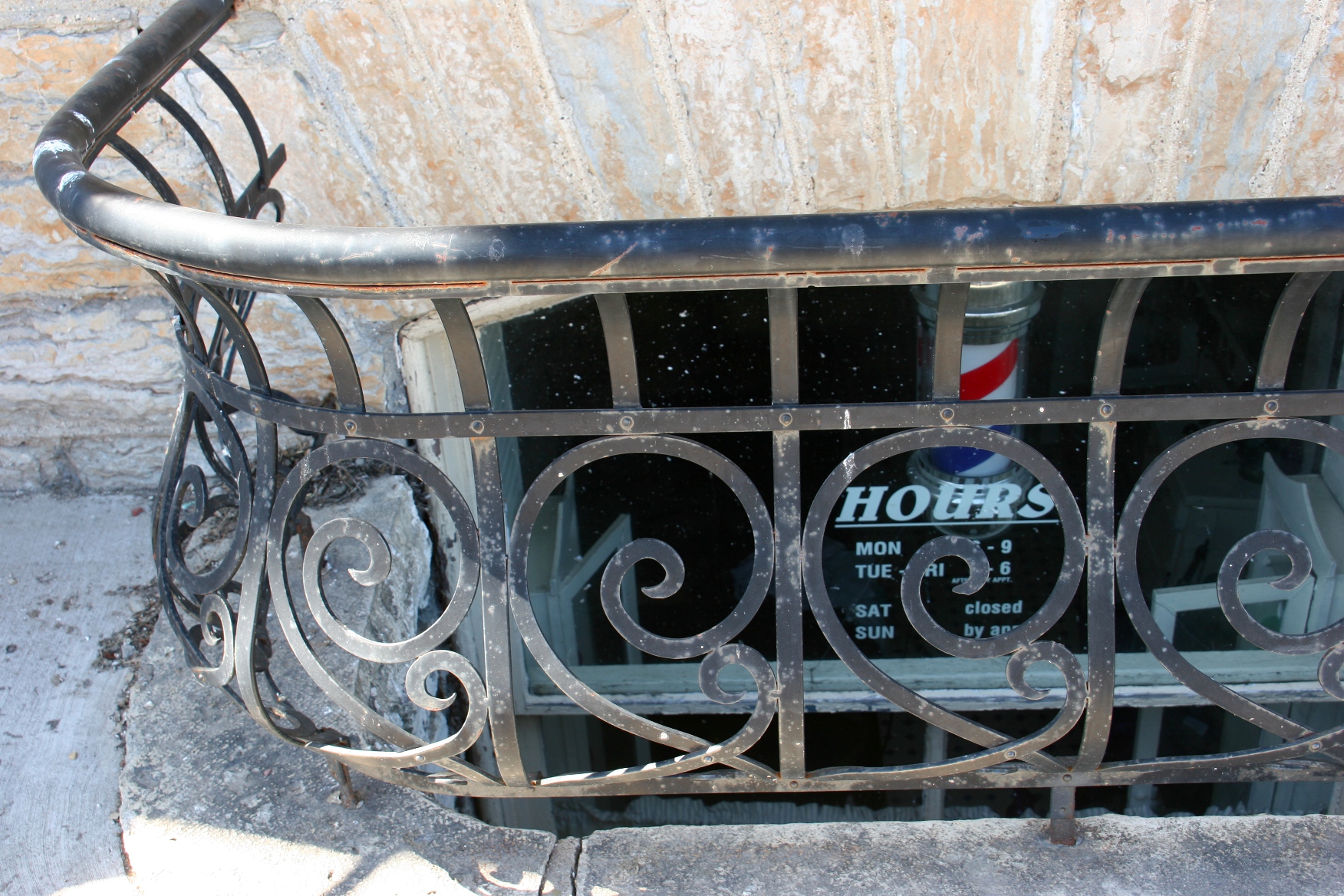
I even noticed a below street level barbershop.

I even noticed a below street level barbershop.

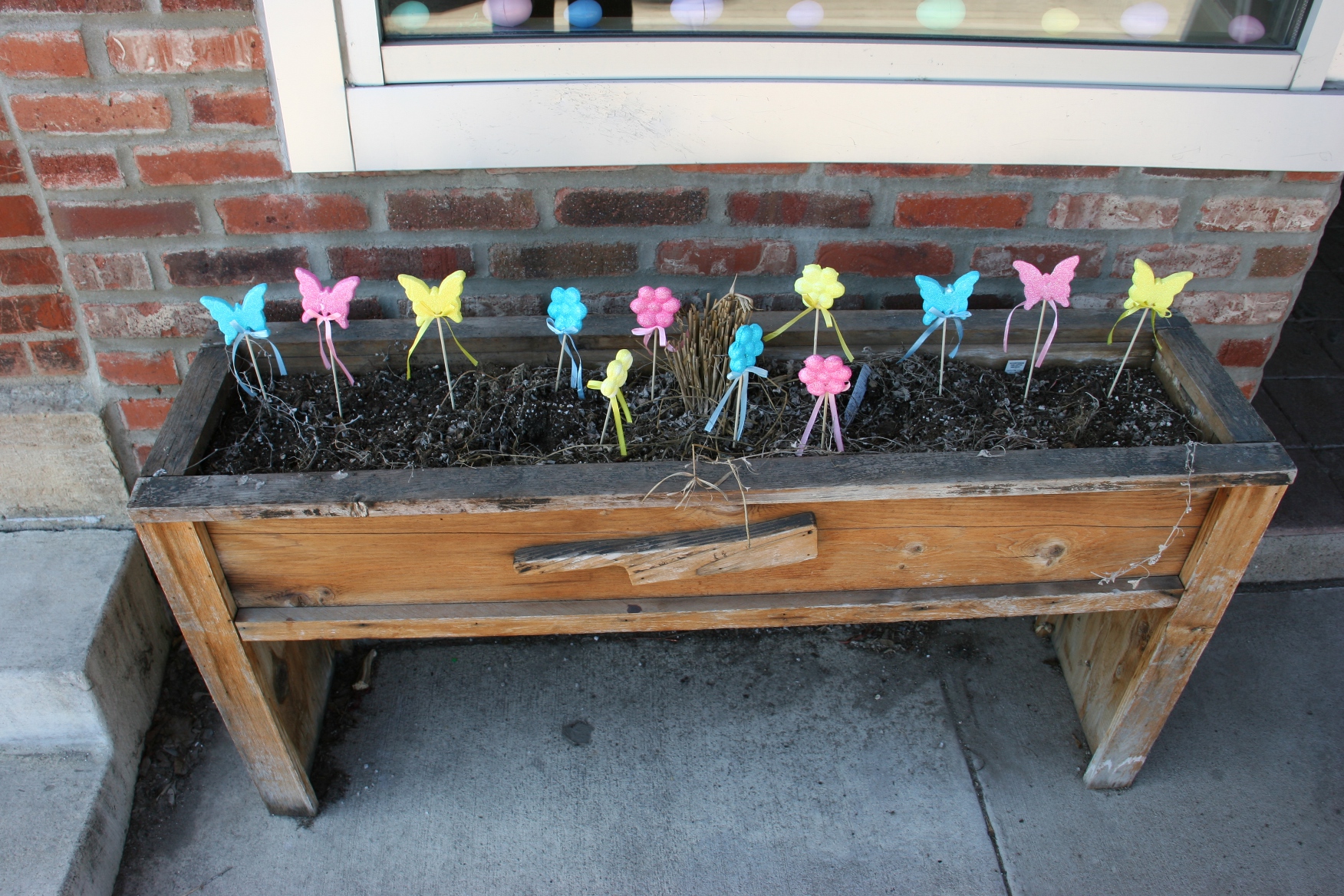
I spotted the spring scene in a flower box outside a downtown business.

I spotted this early spring scene in a flower box outside a downtown business.

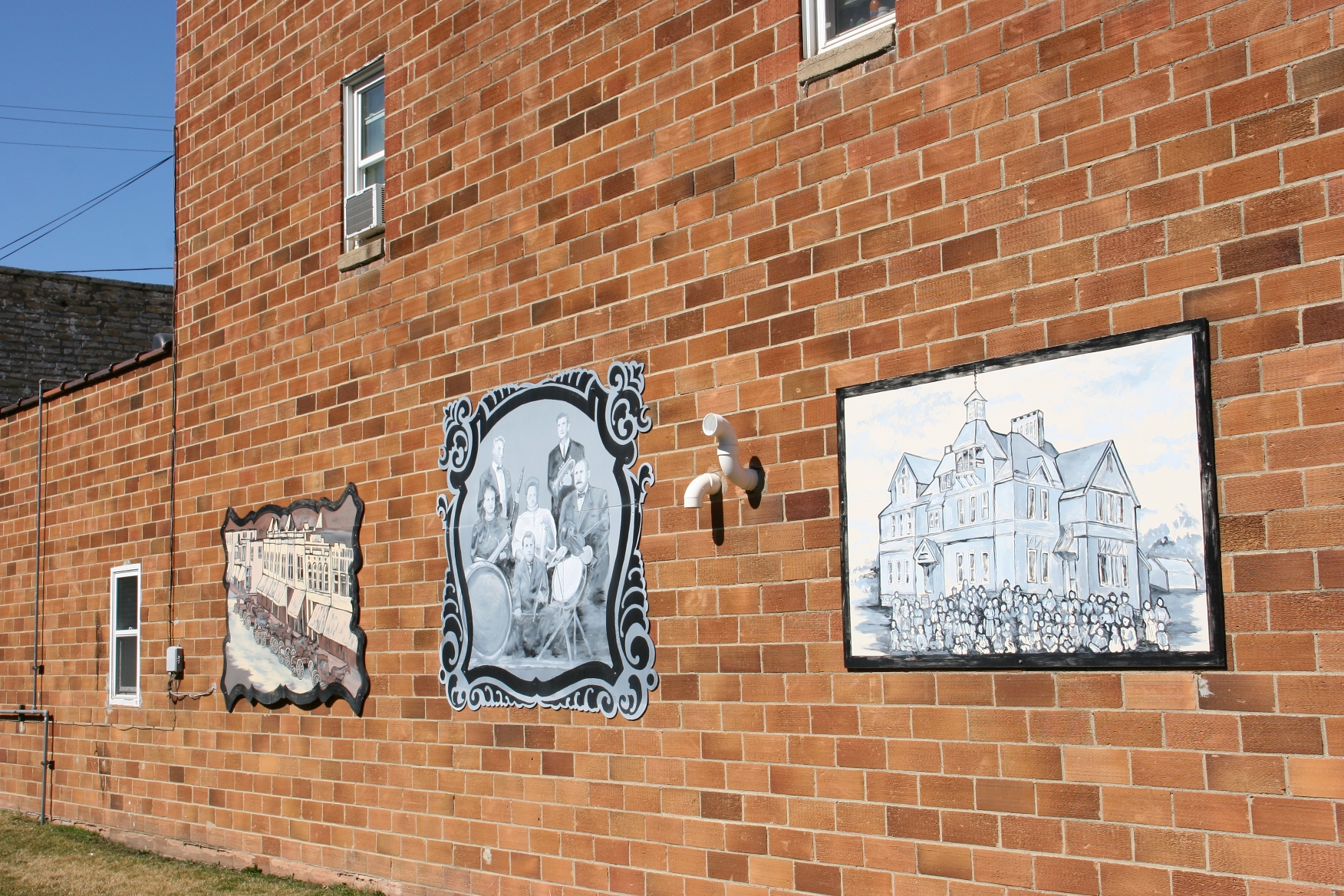
Murals grace the sides of two brick buildings sandwiching a vacant lot that is now a downtown mini park.

Murals grace the sides of two brick buildings sandwiching a vacant lot that is now a downtown mini park.

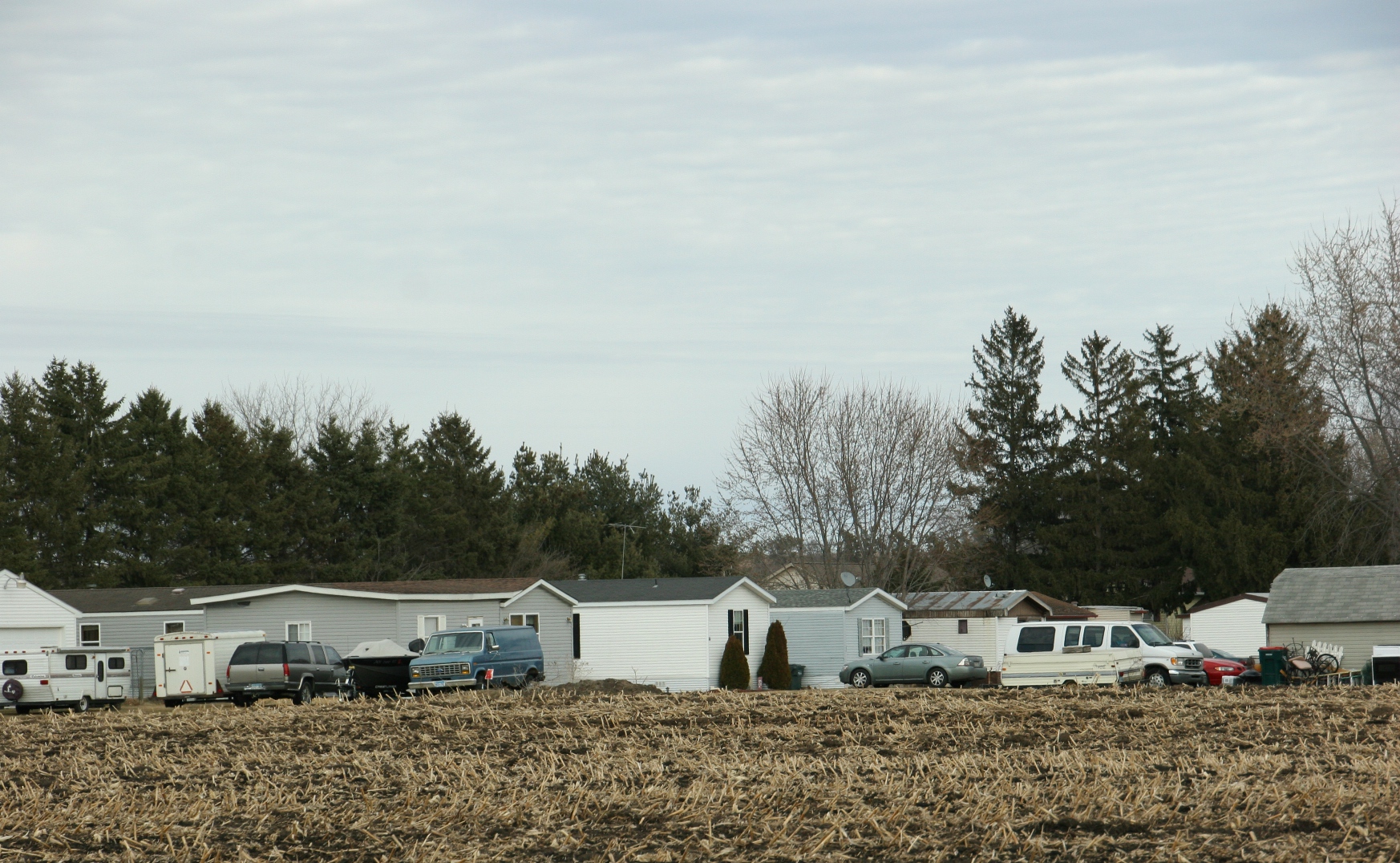
Driving out of town, I shot this image of Pine Island's mobile home court across the cornfield.

Driving out of town, I shot this image of Pine Island’s mobile home court across the then stubbled cornfield.

IF YOU KNOW Pine Island, what other things did I miss on my first visit to this Minnesota community of 3,300 residents?

How did Pine Island get its name? According to the Minnesota Historical Society “Minnesota Place Names,” an early settler named the town Pine Island in 1855 for the large, lone white pine on a small island in the Zumbro River. The island was once thick with pines and was once a winter shelter to the Dakota.

Check back to read about the Rainbow Cafe, where we ate lunch.

© Copyright 2015 Audrey Kletscher Helbling