Minnesota Prairie Roots

Writing and photography by Audrey Kletscher Helbling

Novice & seasoned poets bring their poetry to Mankato trails & parks July 15, 2014

I DON’T KNOW if I was more thrilled with her win, or mine, in the 2014 Mankato Poetry Walk and Ride competition.
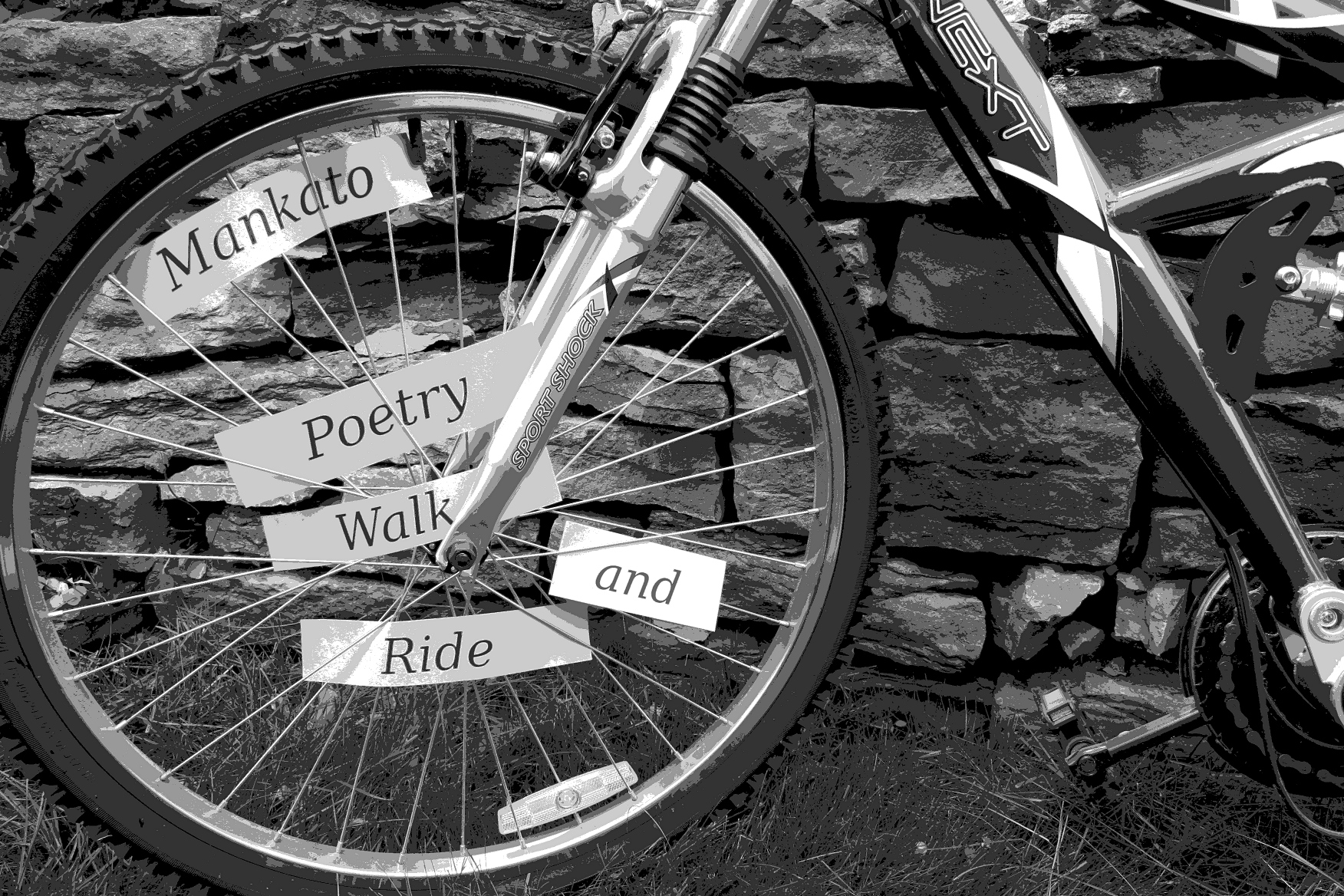
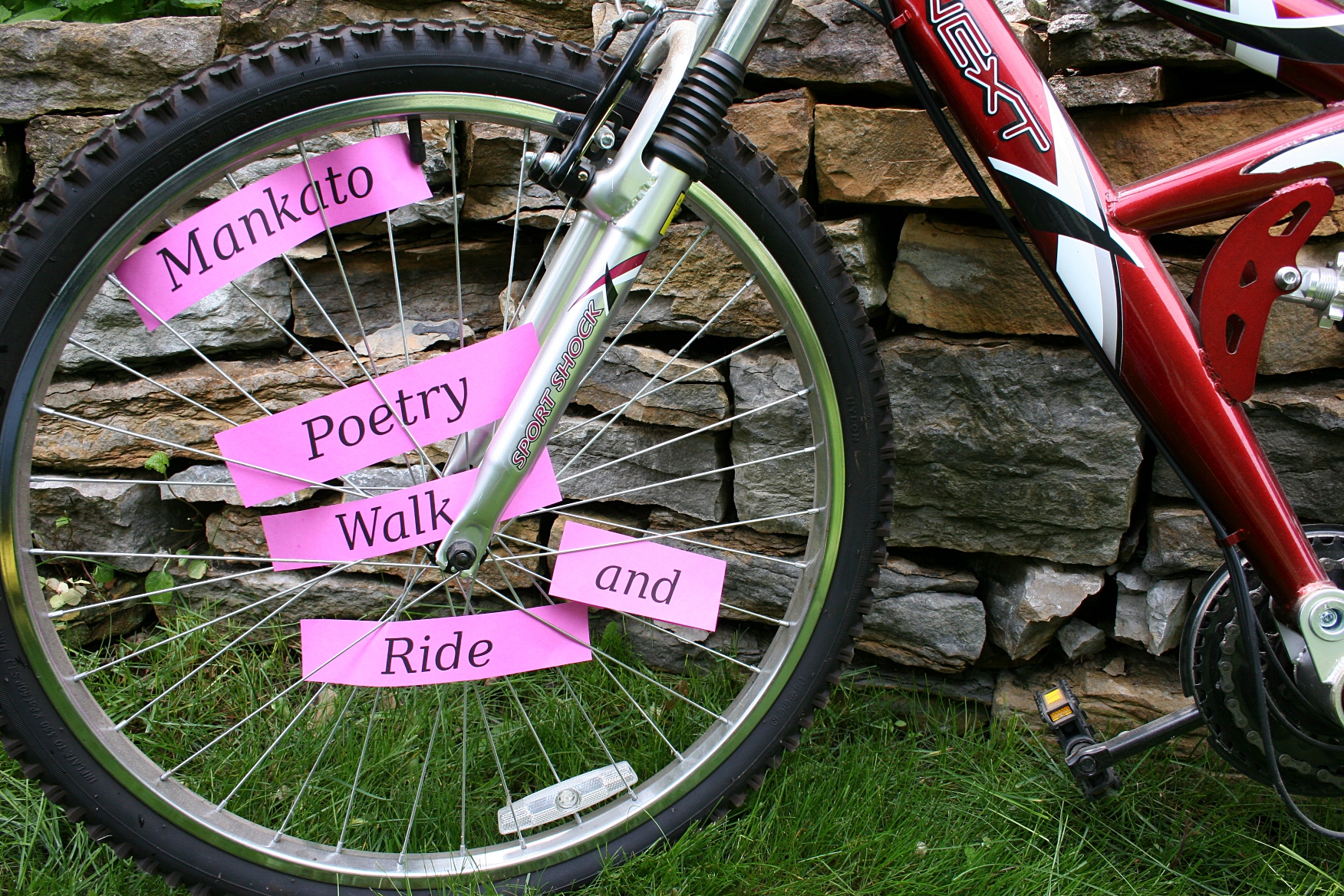
A graphic I created for Mankato Poetry Walk and Ride.

A graphic I created for Mankato Poetry Walk and Ride.

But when I saw 12-year-old Hannah Leraas’ name in the list of fourth through seventh grade division winners, I whooped out loud. Yes!

The young Faribault poet I’ve mentored had just published her first poem.

Hannah joins me and 20 other writers whose 35 winning poems will be posted soon on poetry sign boards in parks and along trails in Mankato and North Mankato. Additionally, poems by three selected notable area poets will also be published. Submitted poems were anonymously judged by noted League of Minnesota poets Bethany Barry, Charmaine Donovan and Peter Stein.
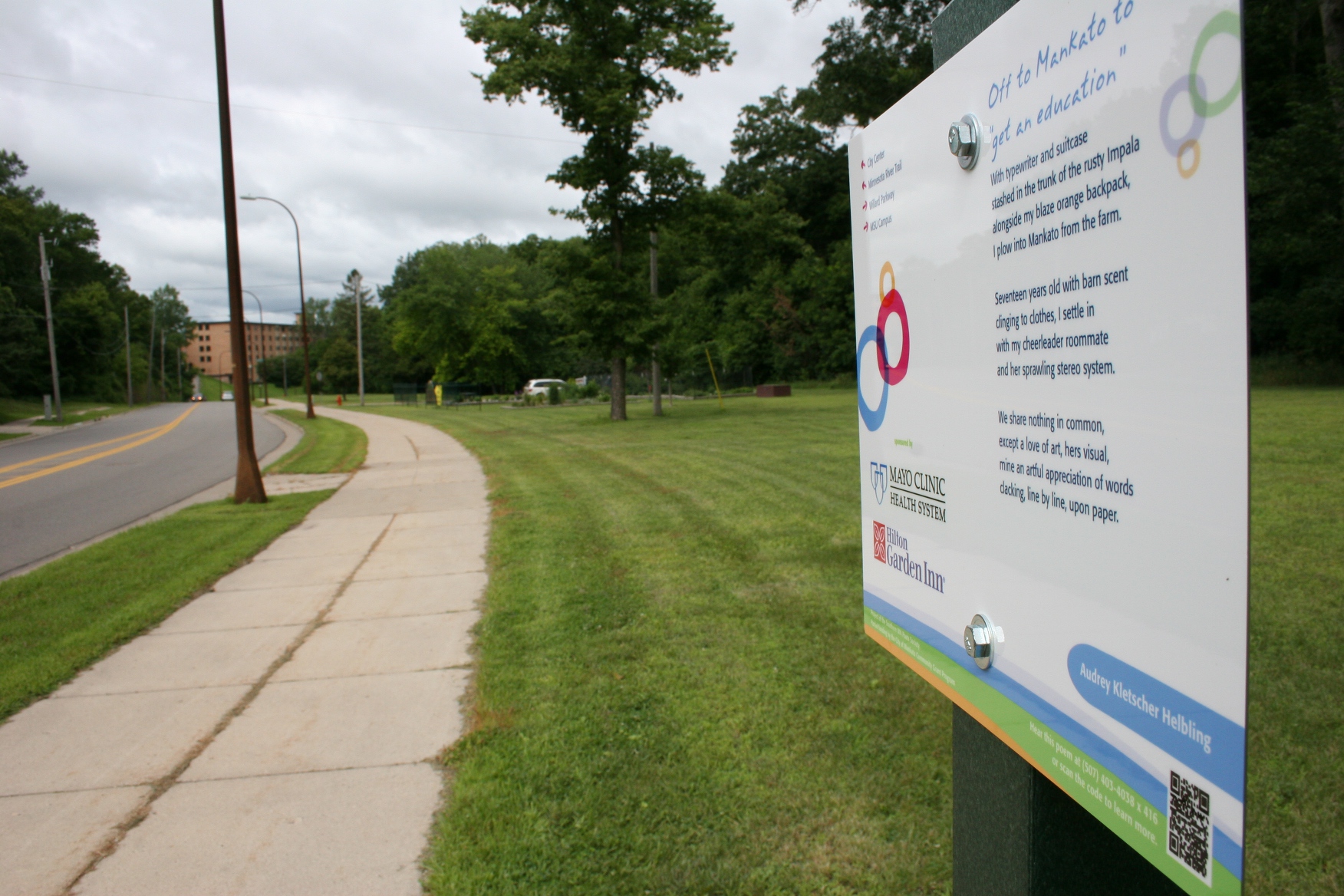
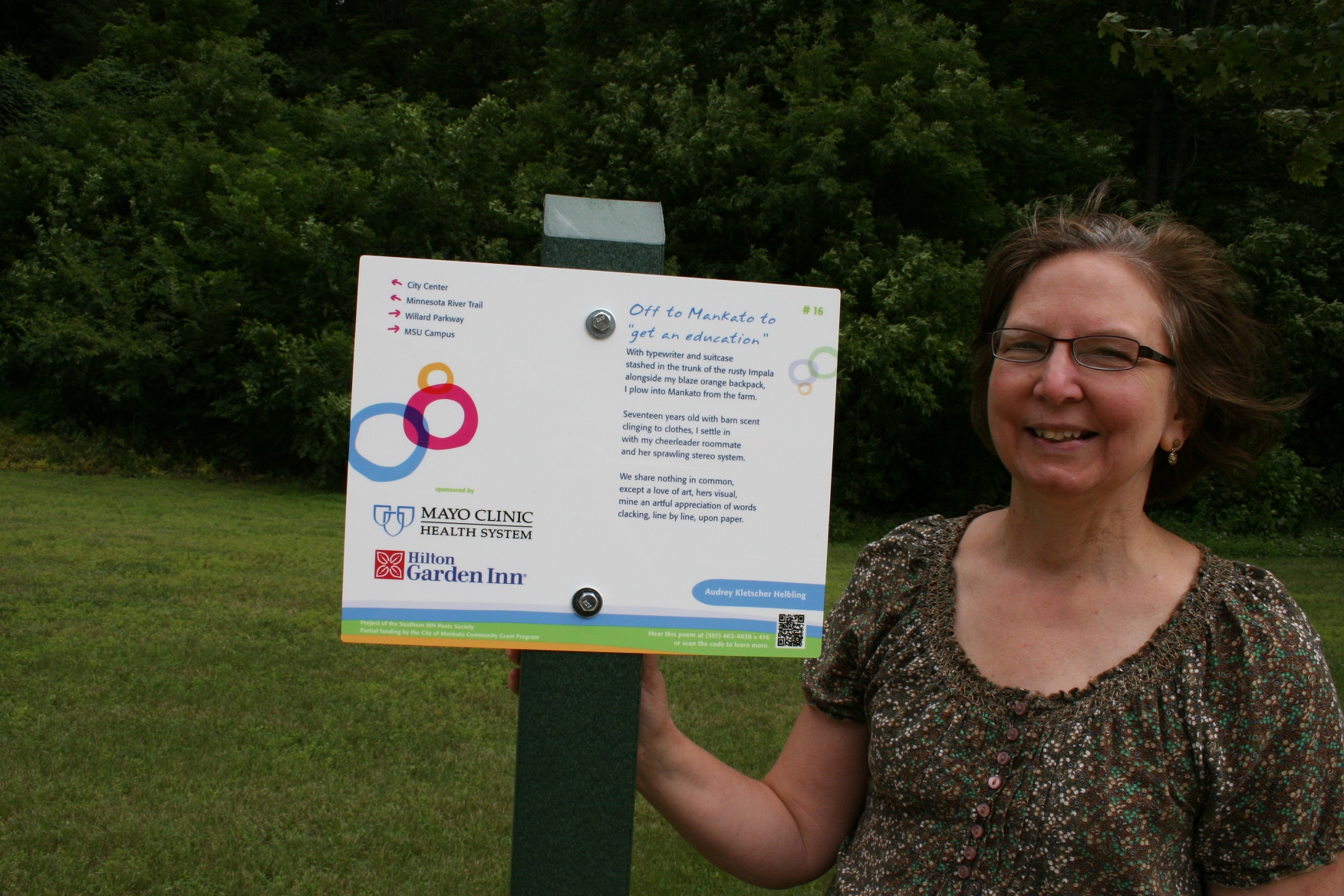
"Off to Mankato to 'get and education'", posted near Glenwood Gardens, in the background in this photo.

My poem, “Off to Mankato to ‘get an education'”, posted near Glenwood Gardens in 2013.

This marks the second year of this competition and I’m delighted to once again be part of an effort that brings poetry to the public in an unassuming way. Two of my poems were showcased last year.

Now my poem, “Bandwagon,” based on the John Deere Bandwagon television show originating in Mankato, will be displayed in Lions Park North. Hannah’s poem, “Snow,” will be located on signage in Sibley Park West.
My husband and I listen to one of my selected poems.

My husband and I listen to one of my selected poems in 2013.

Additionally, QR codes and phone numbers will be posted, allowing the public to hear poets read their works.

But for now, I want you to read, Hannah’s poem:

Snow

I woke up to see,
And it fills me with glee,
As I stepped out of bed
I suddenly said,
“I need to hurry!”
I dressed in a flurry,
Dashed down to the door.
My snow pants I wore.
Like an airplane in flight
I flew with pure delight…
SNOW!

The mentor in me is thrilled that Hannah chose some strong verbs like “stepped” and “dashed.” She could have written “got” or “ran,” verbs that are not nearly as powerful.

But my favorite part of this homeschooler’s poem is this: I dressed in a flurry.

The double meaning of that word, “flurry,” referencing both action and snow, truly impresses me. Hannah understands the power of language.
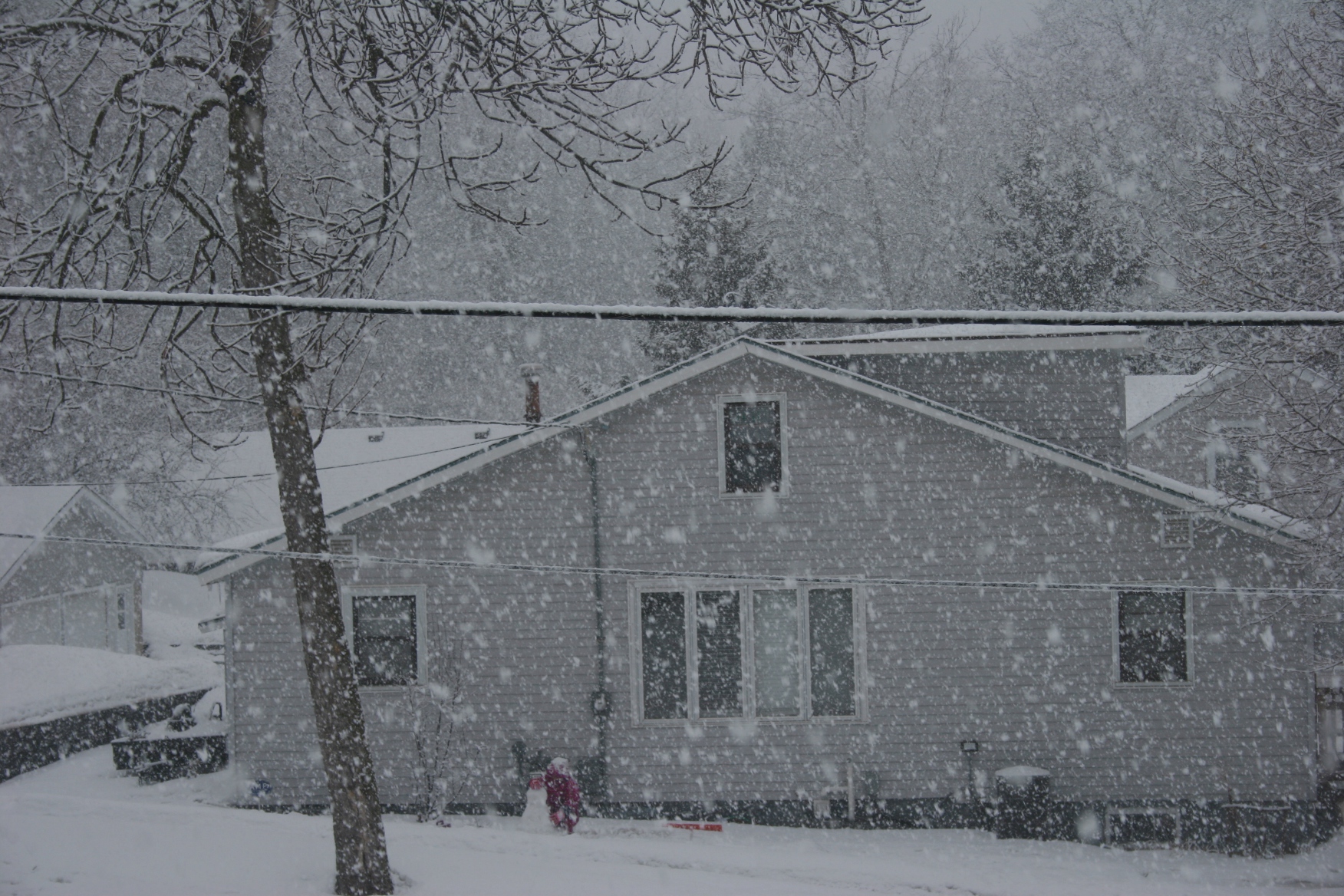
As soon as the snow began, my neighbor girl was outside building a snowman and a snow fort.

As soon as the snow began, my neighbor girl was outside building a snowman and a snow fort. Minnesota Prairie Roots file photo, February 2014.

And then there’s the imagery—can’t you just visualize Hannah flying out the door and into a snowy world?

She loves winter. I mean really loves winter. “I love snow and winter is my favorite season,” Hannah tells me.

And why? Snow, this thoughtful poet explains, is like a blank sheet of white paper upon which to draw pictures or write with a stick. There’s another poem in that response.

When’s the last time you thought about writing with a stick in the snow? Been awhile, hasn’t it?

Hannah is, not surprisingly, excited. Here’s her reaction to winning: “Like seriously, are dyslexics supposed to get published?”

Yes, this pre-teen struggles with letters and numbers and sentences. But that hasn’t stopped her from writing poetry, which she says helps with reading and writing and has improved her spelling. You have to admire her determination.

There were a few rules to follow in entering this contest which was open to writers living within a 50-mile radius of Mankato. Each poem could be no more than 18 lines with 40 characters or less per line. That’s a challenge, to write within such strict confines.

Hannah, who’s been penning mostly rhyming poems for about two years now, turns to her thesaurus—the one I gave her—to find the perfect descriptive words for her poems. I praised her for using that reference book, one I tap into often also.

She’s an enthusiastic poet who shares her favorite line from her favorite poem, one about Bob, a cuddly toy monkey she received one Christmas from her parents, Jesse and Tammy.

In writing that poem, she thought of the flying monkeys in the “Wizard of Oz” and then her beloved Bob:

…the big squishy guy,
the one who can’t fly…

FYI: For more information about the Mankato Poetry Walk and Ride, click here. Once our poems are posted and Hannah and I get to Mankato, I’ll post photos of us with our poetry signs.

© Copyright 2014 Audrey Kletscher Helbling


Seeding the harvest in southern Minnesota May 30, 2014

Filed under: Uncategorized — Audrey Kletscher Helbling @ 6:00 AM
Tags: , , , , , ,
Between Morgan and New Ulm, Minnesota.

Between Morgan and New Ulm, Minnesota.

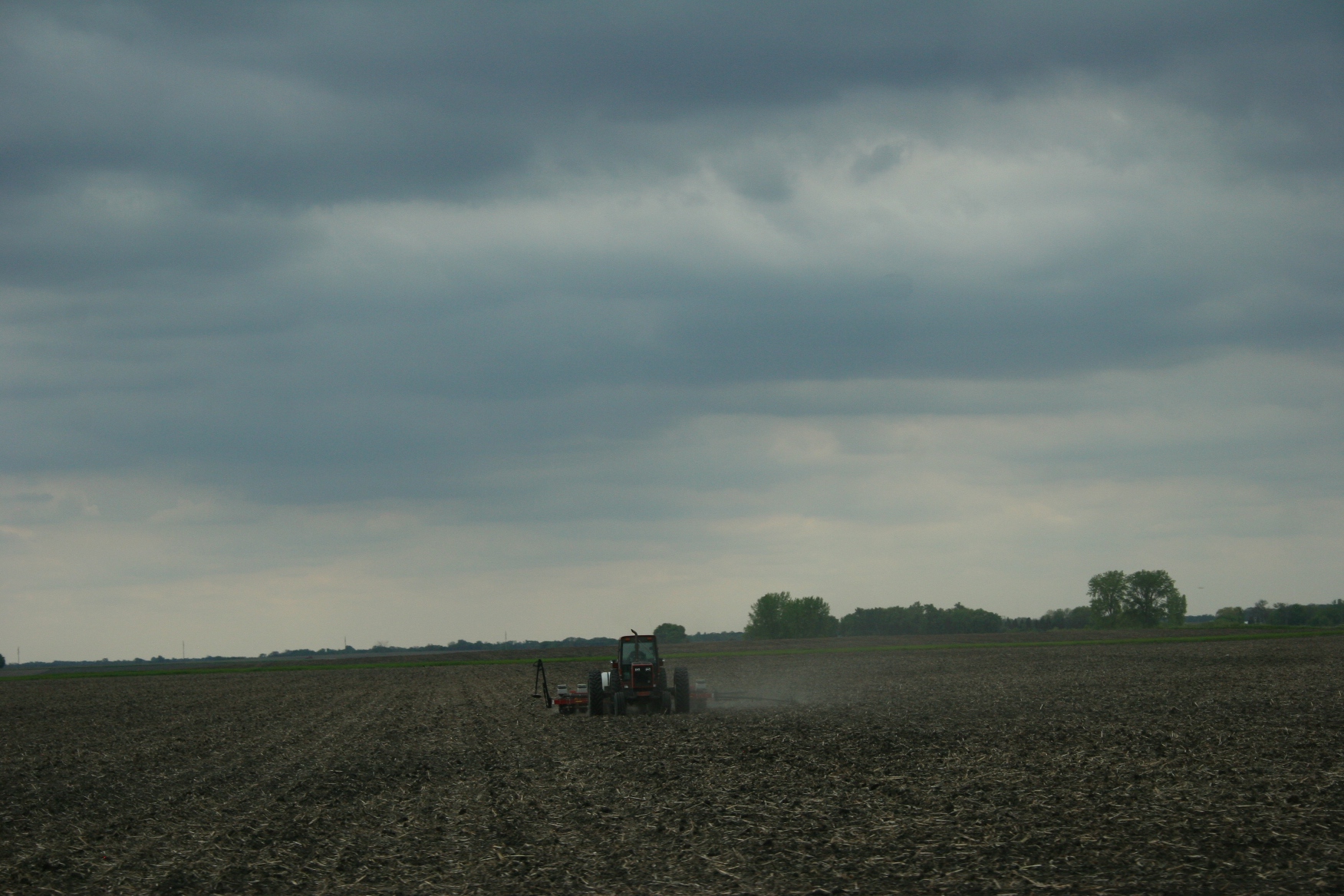
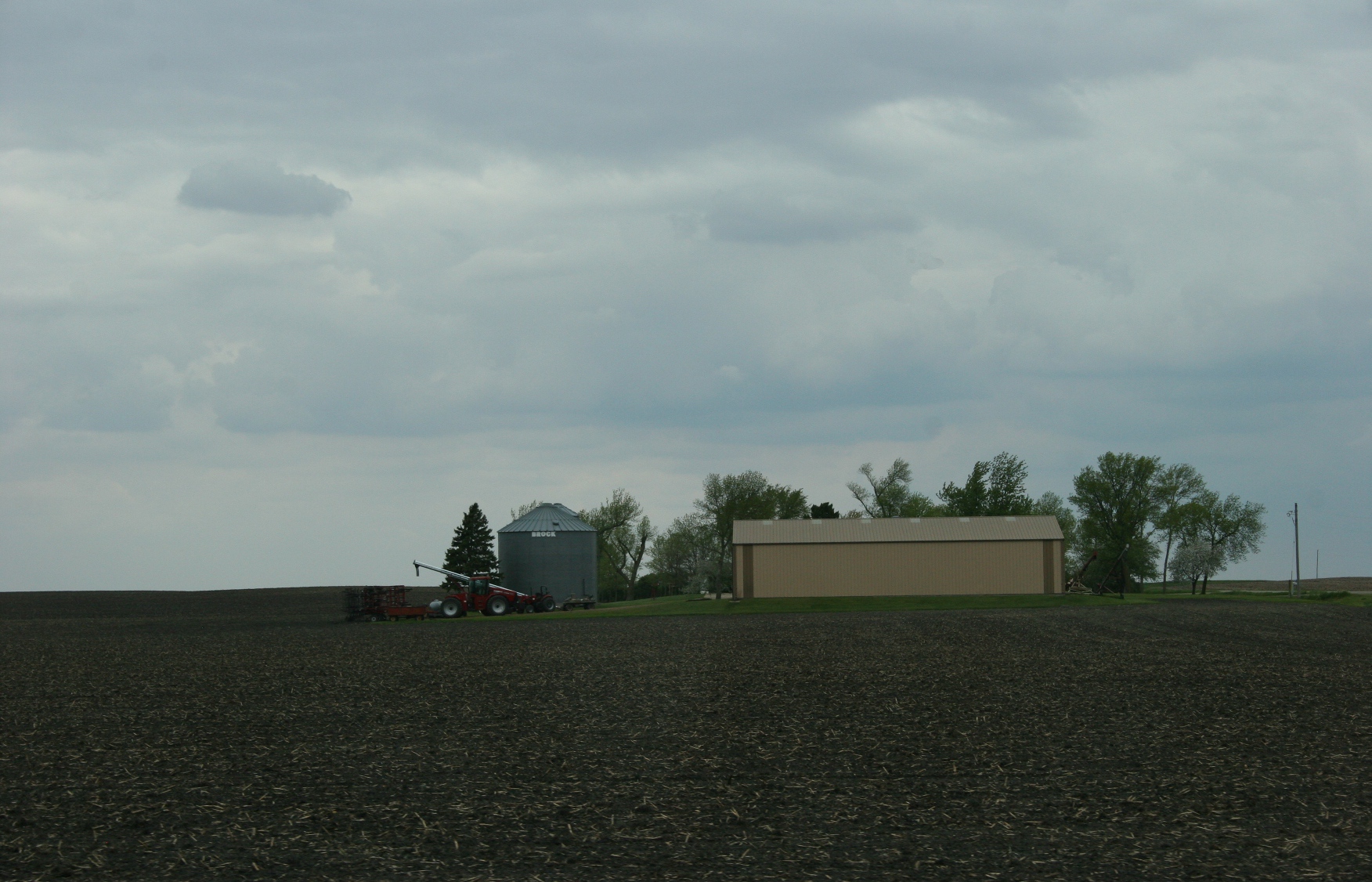
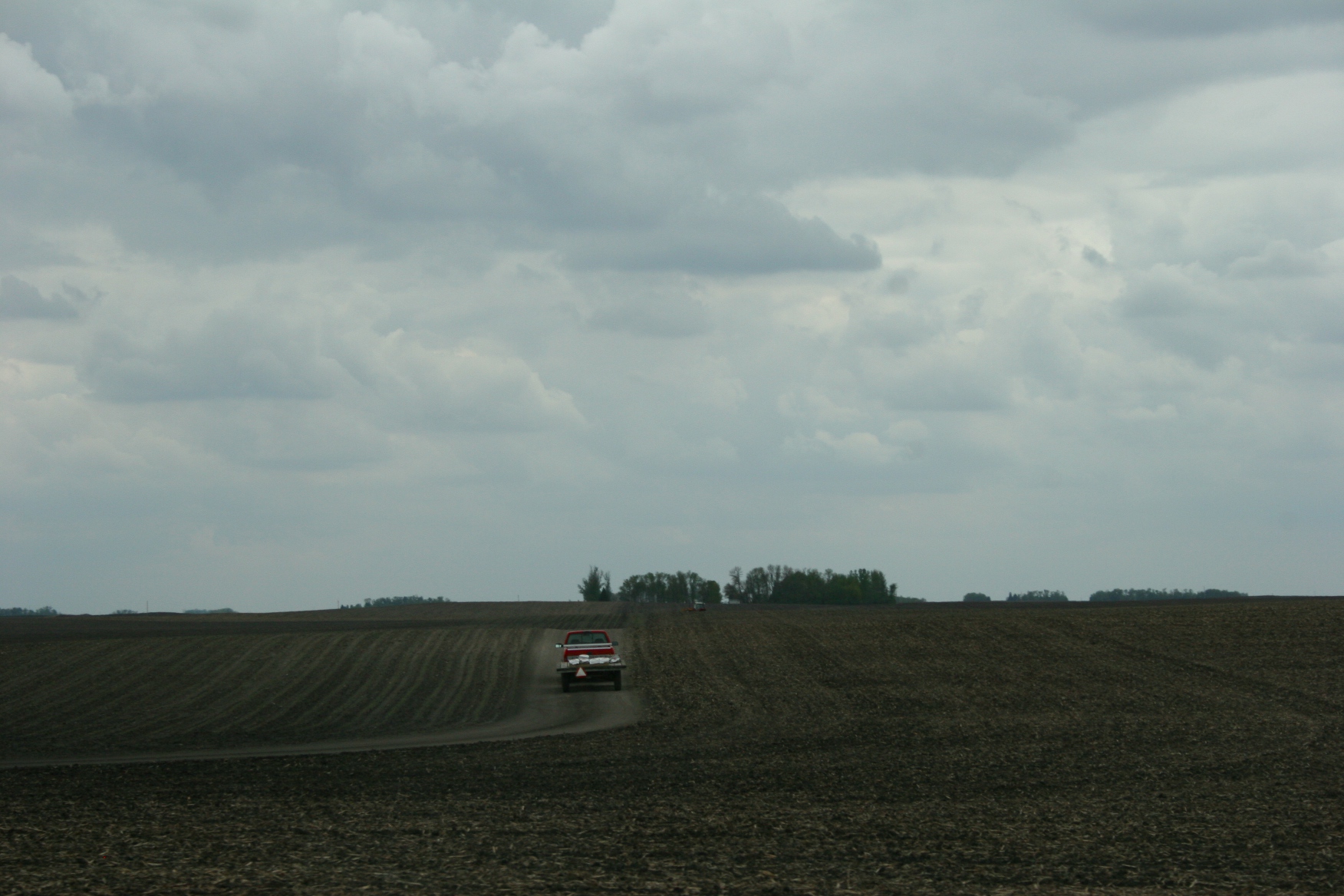
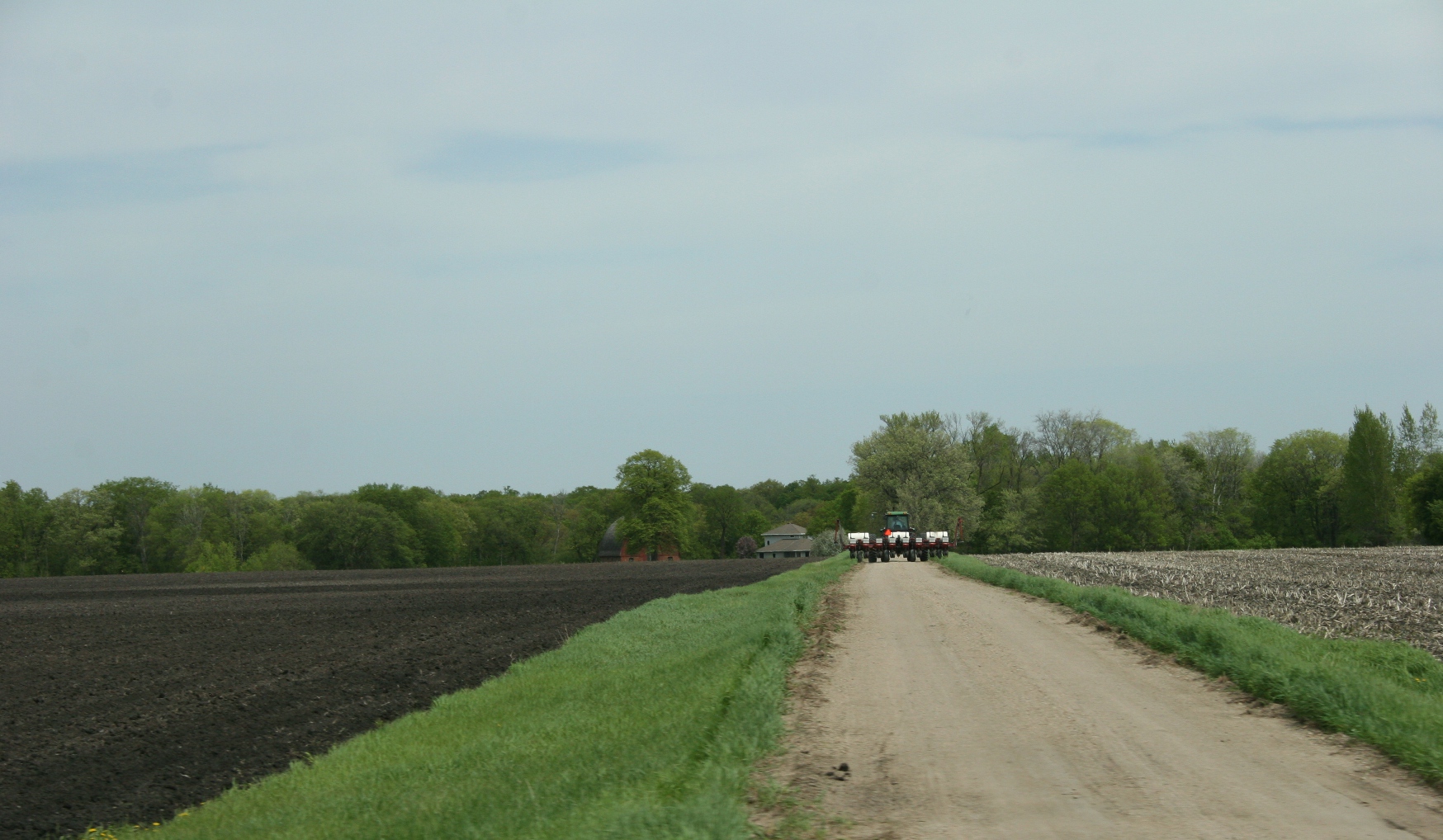
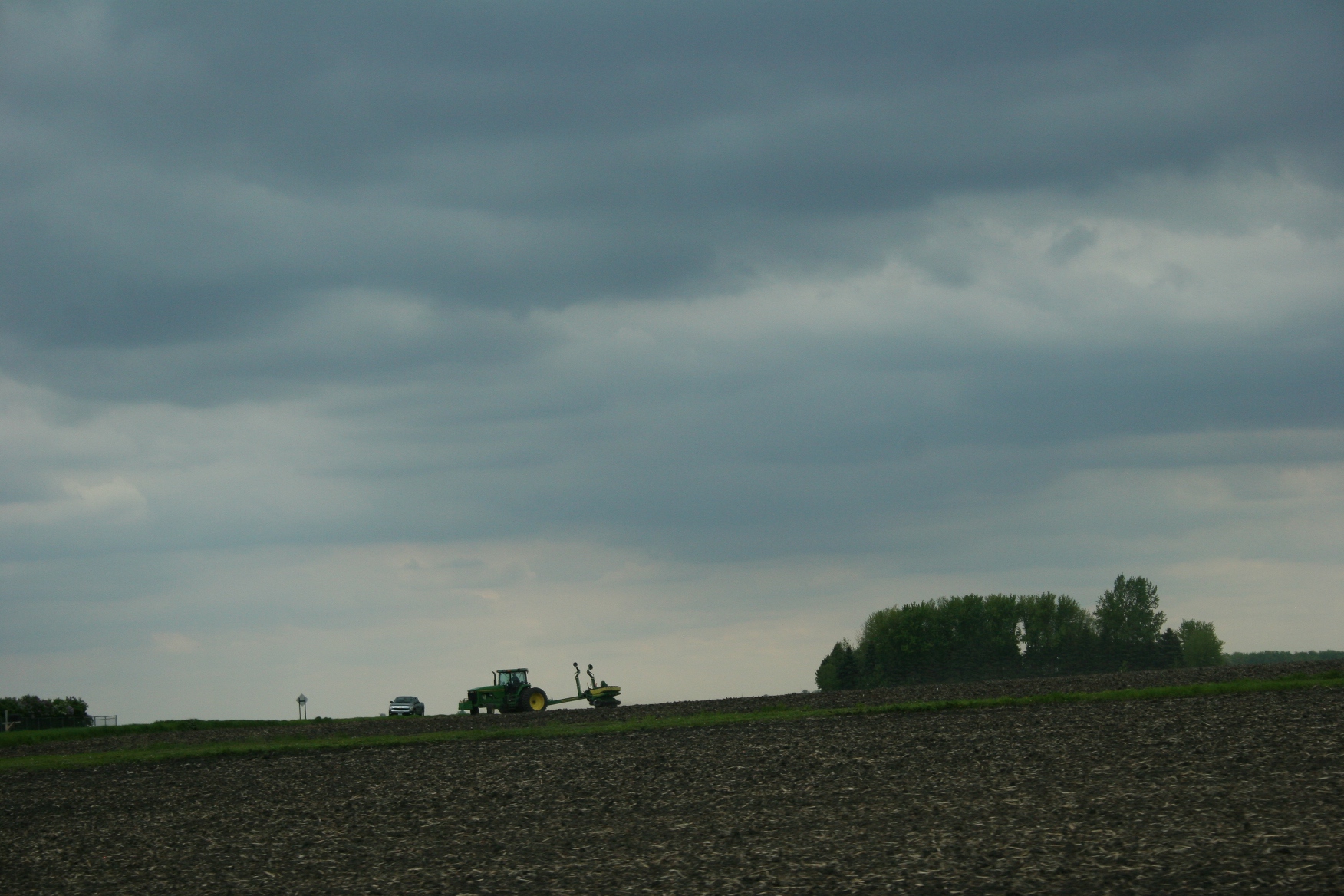
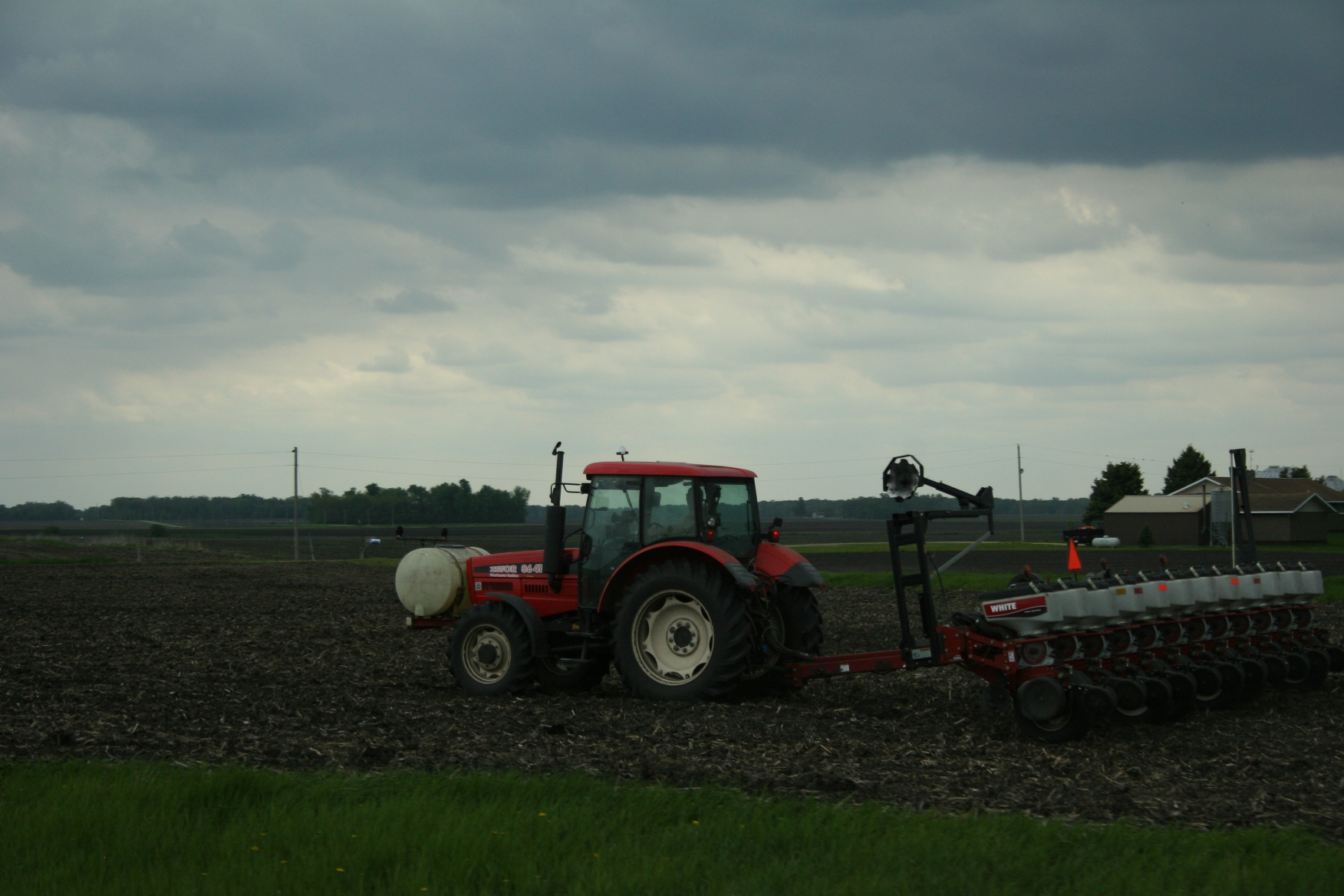
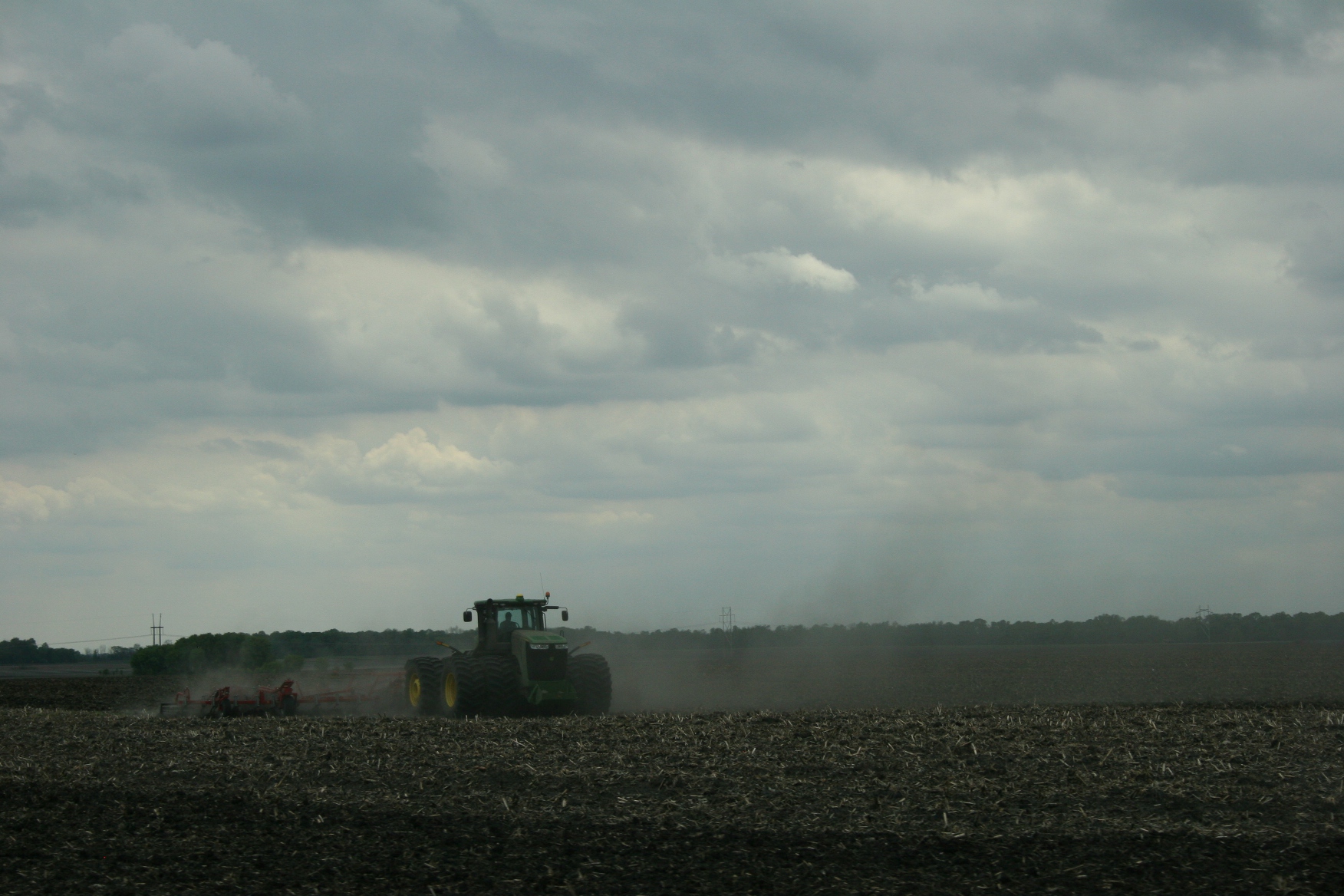
AS MOODY GREY SKIES—the kind that inspire a poet to pen poetry—loomed in southern Minnesota on Sunday afternoon, farmers hastened in the fields.

Near Mankato, Minnesota.

Near Mankato, Minnesota.

You could almost sense the urgency so late in the planting season.

Near Mankato.

Near Mankato.

It was as if time pressed above the earth, folded in the fabric of draping clouds.

Near Mankato.

Near Mankato.

Below, farmers stitched seeds into soil.

Near Delhi.

Near Delhi.

Hope of harvest in the prairie land.

Between Belview and Delhi.

Between Belview and Delhi.

The promise of spring fulfilled.

© Copyright 2014 Audrey Kletscher Helbling
 

Planting season in southern Minnesota May 28, 2014

Filed under: Uncategorized — Audrey Kletscher Helbling @ 6:00 AM
Tags: , , , , , ,

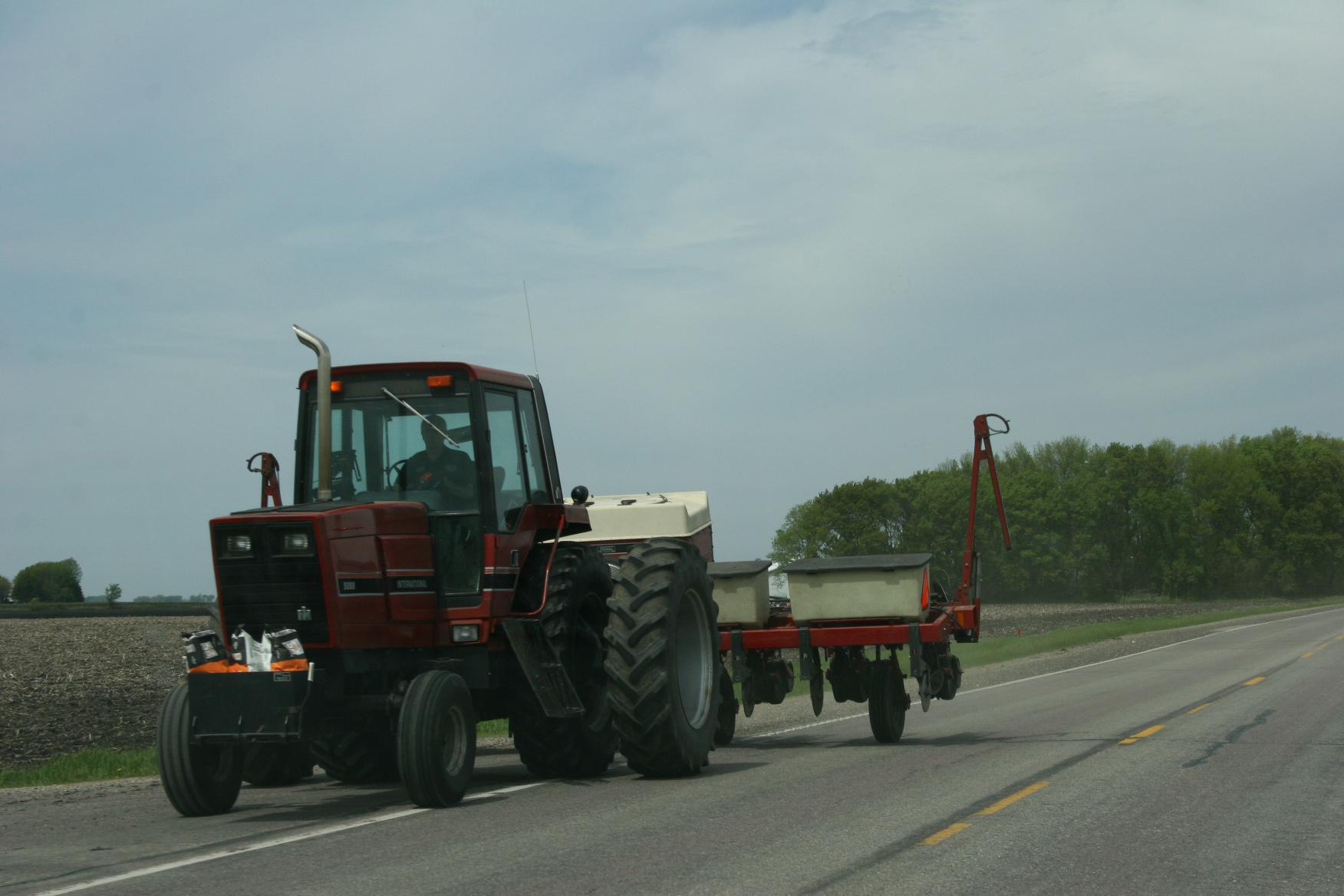
IF THEY WEREN’T WORKING the land, farmers along a stretch between Mankato and west of New Ulm were preparing to plant on Saturday.

Field work, tractor on drive, west of New Ulm

Everywhere, these tenders of the earth steered tractors along roadways and through fields, hurrying to prep the soil and seed crops during this year’s delayed planting season.

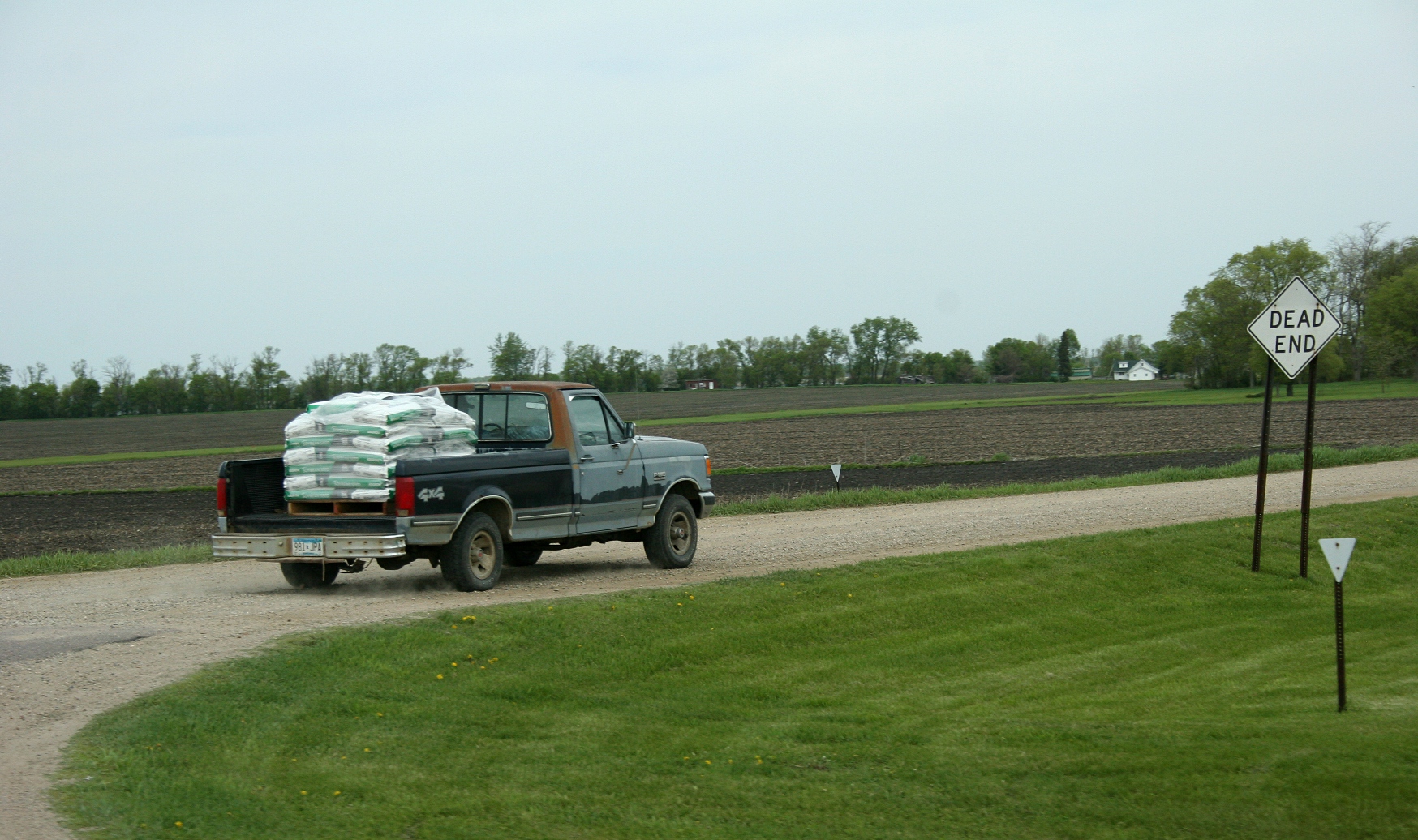
Field work, truck w seed bags west of Mankato

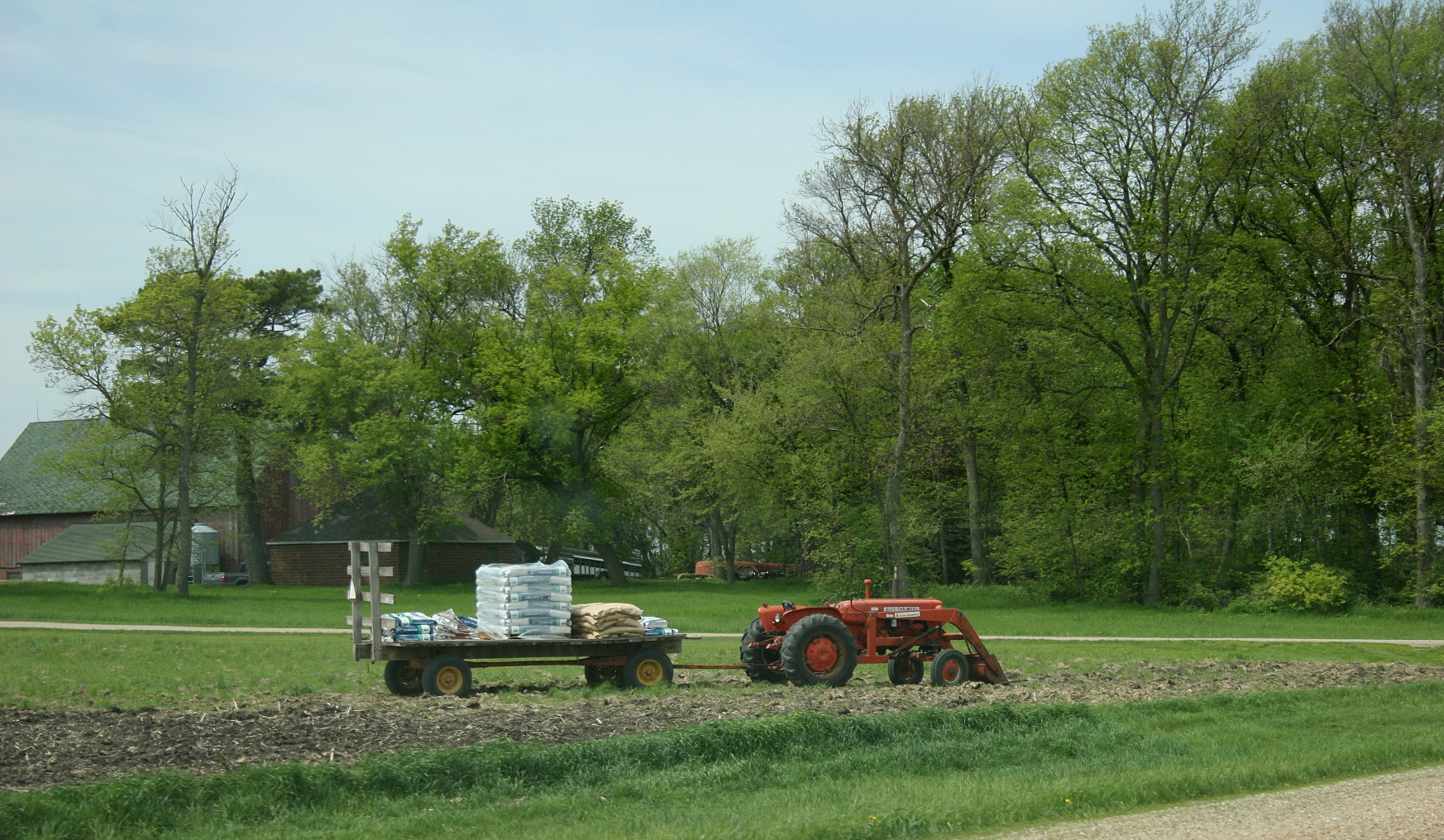
Seed bags topped wagons and pick-up trucks.

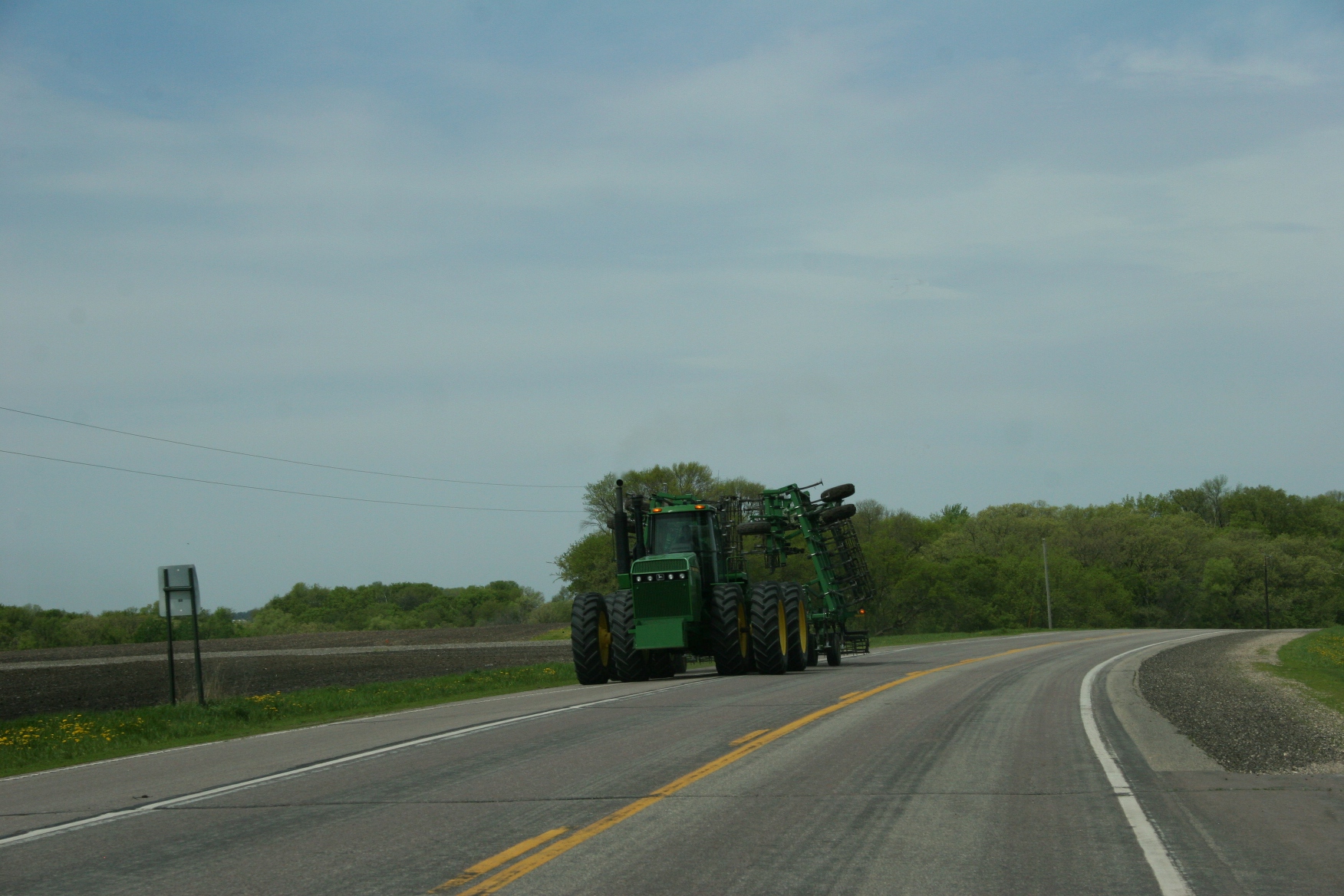
Field work, John Deere on curve west of New Ulm

Mammoth tractors pulling equally mammoth implements crept along rural roadways.

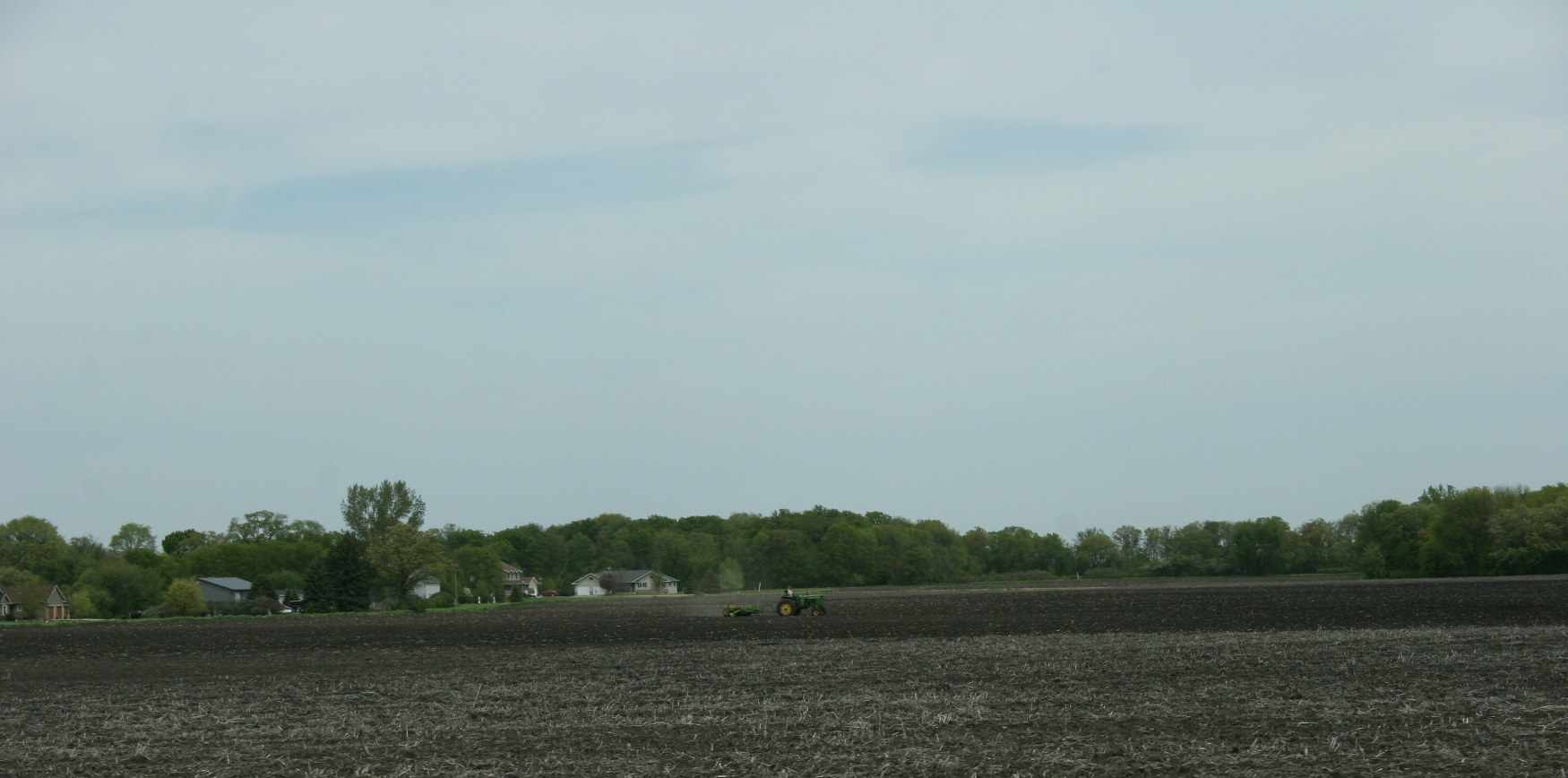
Field work, John Deere in field west of New Ulm

Sky and land swallowed small scale tractors.

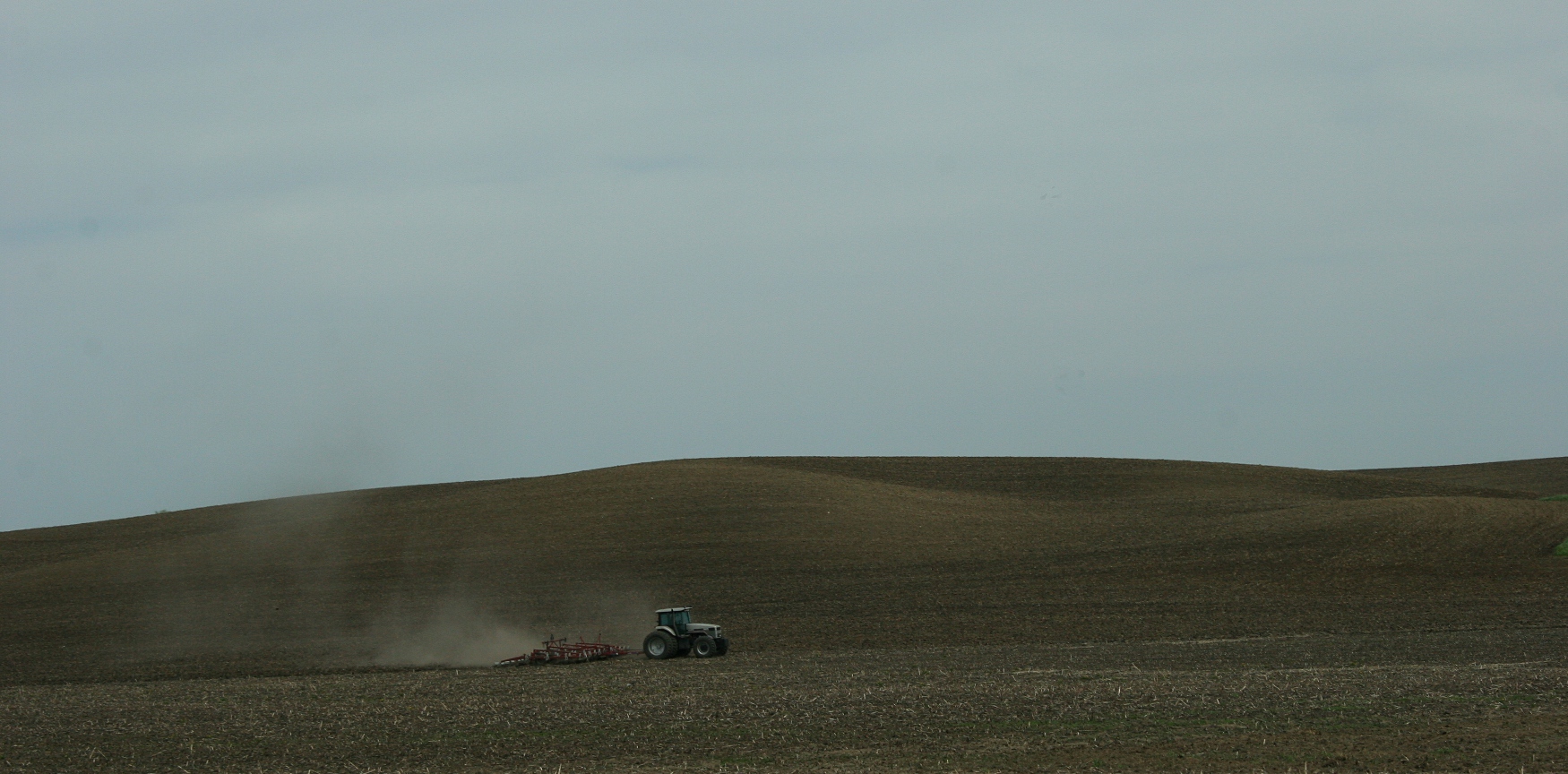
Field work, tractor hill, near Courtland

On a rare occasion dust flew in the field.

Field work, International on road west of New Ulm

And I took it all in, savoring this sweet time in the growing cycle as only one born and raised on a farm can.

Field work, bags on wagon, west of new Ulm

This place, this land, still claims my heart each spring, each summer, each fall, through the seasons of planting and growing and harvest.

Photos were taken along U.S. Highway 14 and along Brown County Road 29.
© Copyright 2014 Audrey Kletscher Helbling
 

One sweet antique shop in Mankato, on the way to Hiniker (not Golden) Pond January 16, 2014

Love these letters showcased at Pond Road Antiques.

Love these letters showcased at Pond Road Antiques.

I DON’T RECALL exactly when I began to appreciate antique stores. It certainly was not in my 20s or 30s, nor probably even in my early 40s.

But now, closer to age 60 than to 50, I’ve developed a fondness for these shops that hold memories of my past. Nostalgia sells.

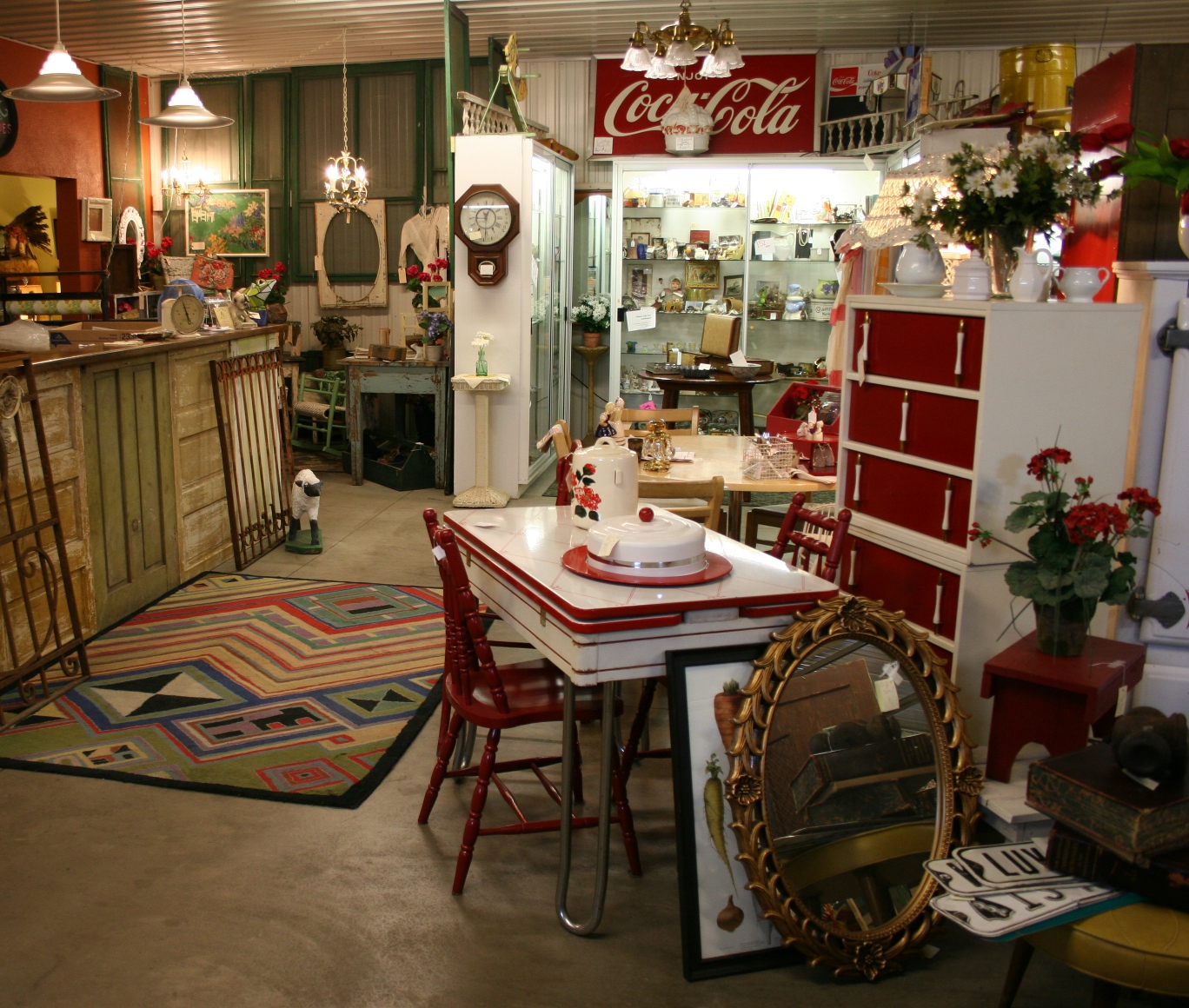
Not all antiques shops are created equal, though. Too much old stuff stuffed inside a dark, cramped and musty building overwhelms me. Artfully arranged merchandise in sufficient light draws me for a closer look.

Inside Pond Road Antiques.

Inside Pond Road Antiques.

Pond Road Antiques, just off Highway 169 at 111 Butterworth Street in Mankato, ranks as one of the most visually appealing antique shops I’ve shopped. While the exterior, a fancied-up new pole shed style building, doesn’t fit the merchandise inside, don’t judge a book by its cover. Inside you will find 38 dealers showcasing their wares in a visually pleasing way. Think designer display.

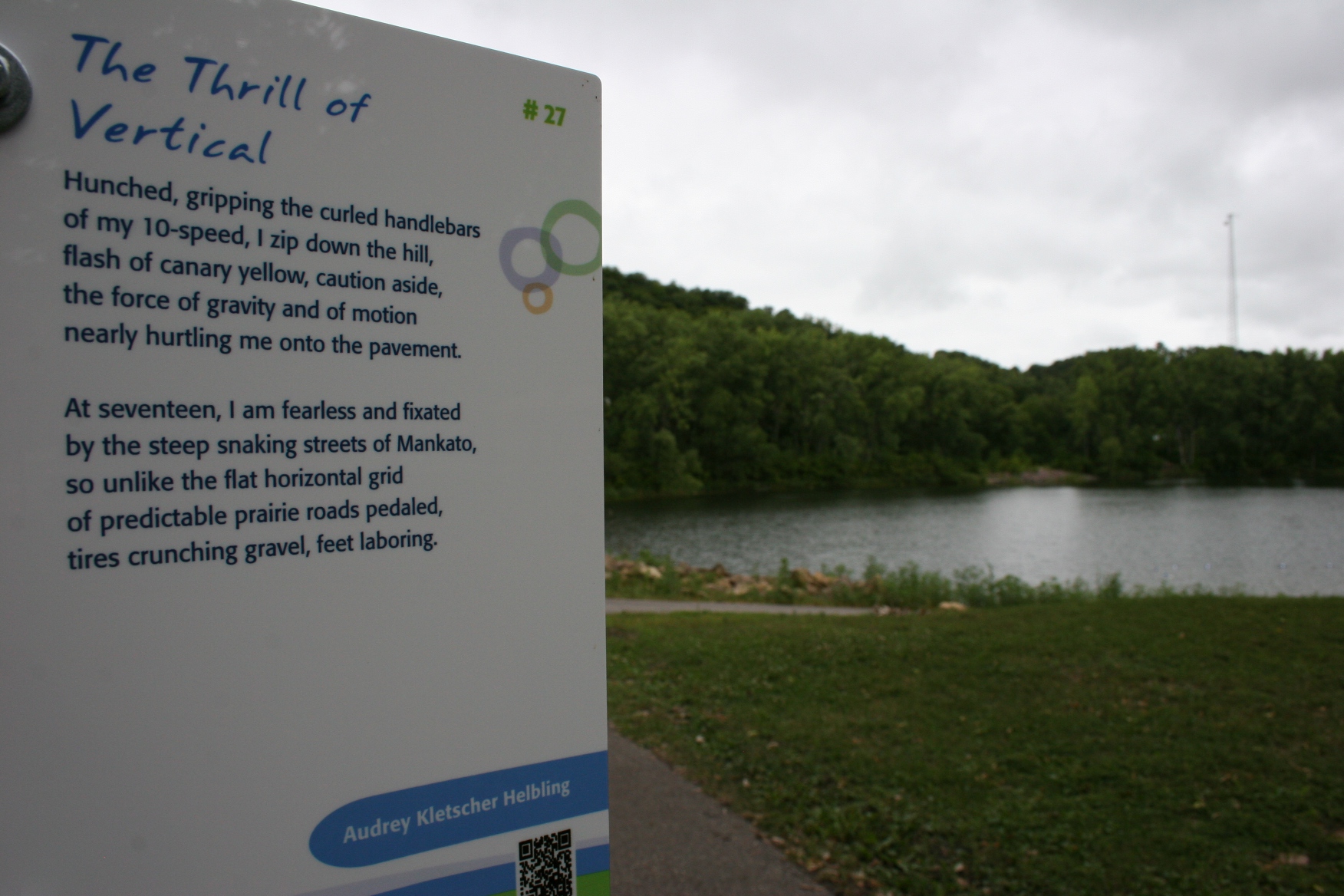
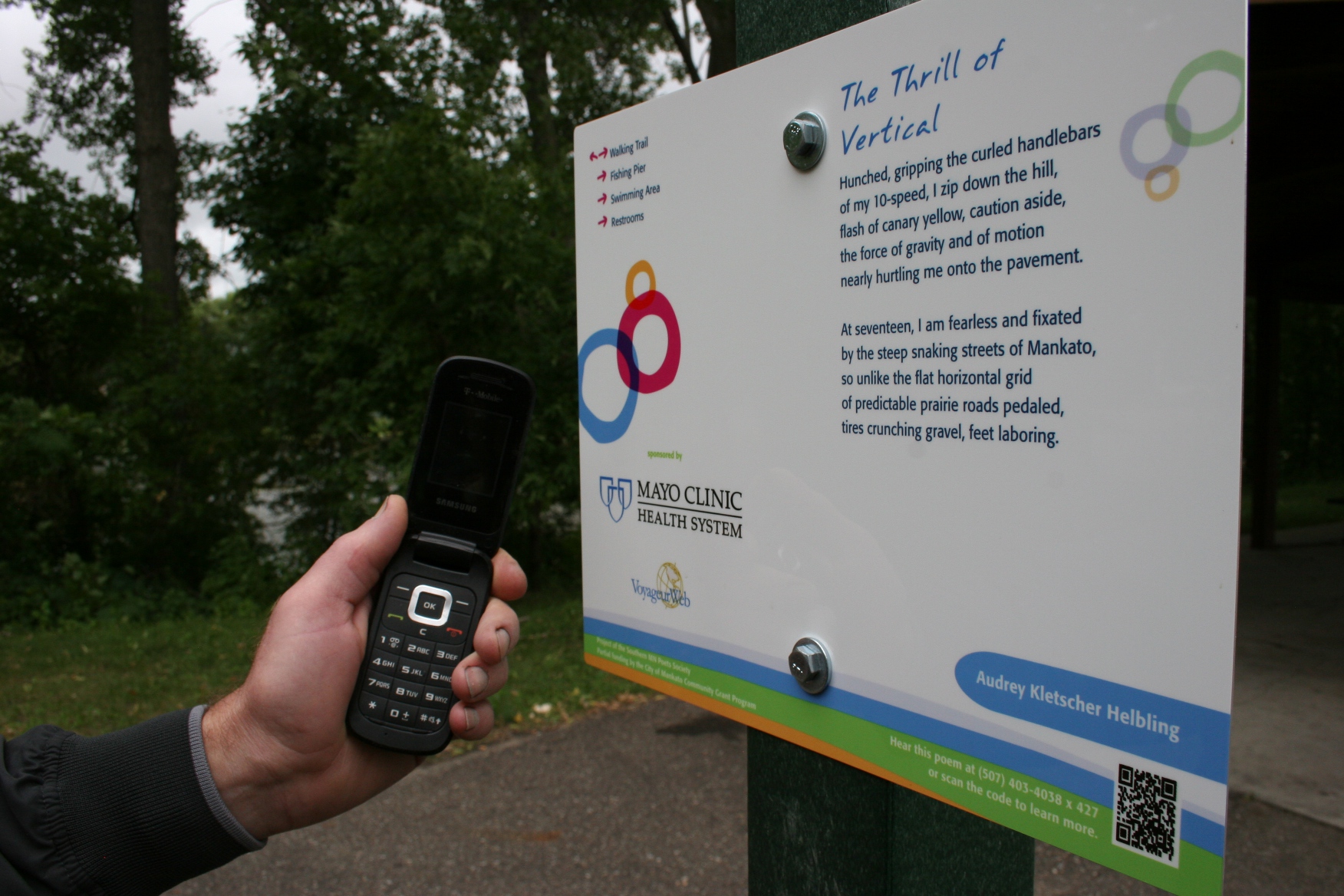
Here are a few photos of the merchandise (I failed to photograph the exterior) shot this past summer after a stop at nearby Hiniker Pond Park, where my poem, “The Thrill of Vertical,” is currently posted as part of the Mankato Poetry Walk and Ride. (Click here to learn about that poetry project.)

"The Thrill of Vertical," located next to Hiniker Pond.

My poem, “The Thrill of Vertical,” located next to Hiniker Pond.

I’d suggest a jaunt to Mankato to check out that poetry, scattered throughout Mankato and North Mankato, and to peruse the appropriately-named Pond Road Antiques.

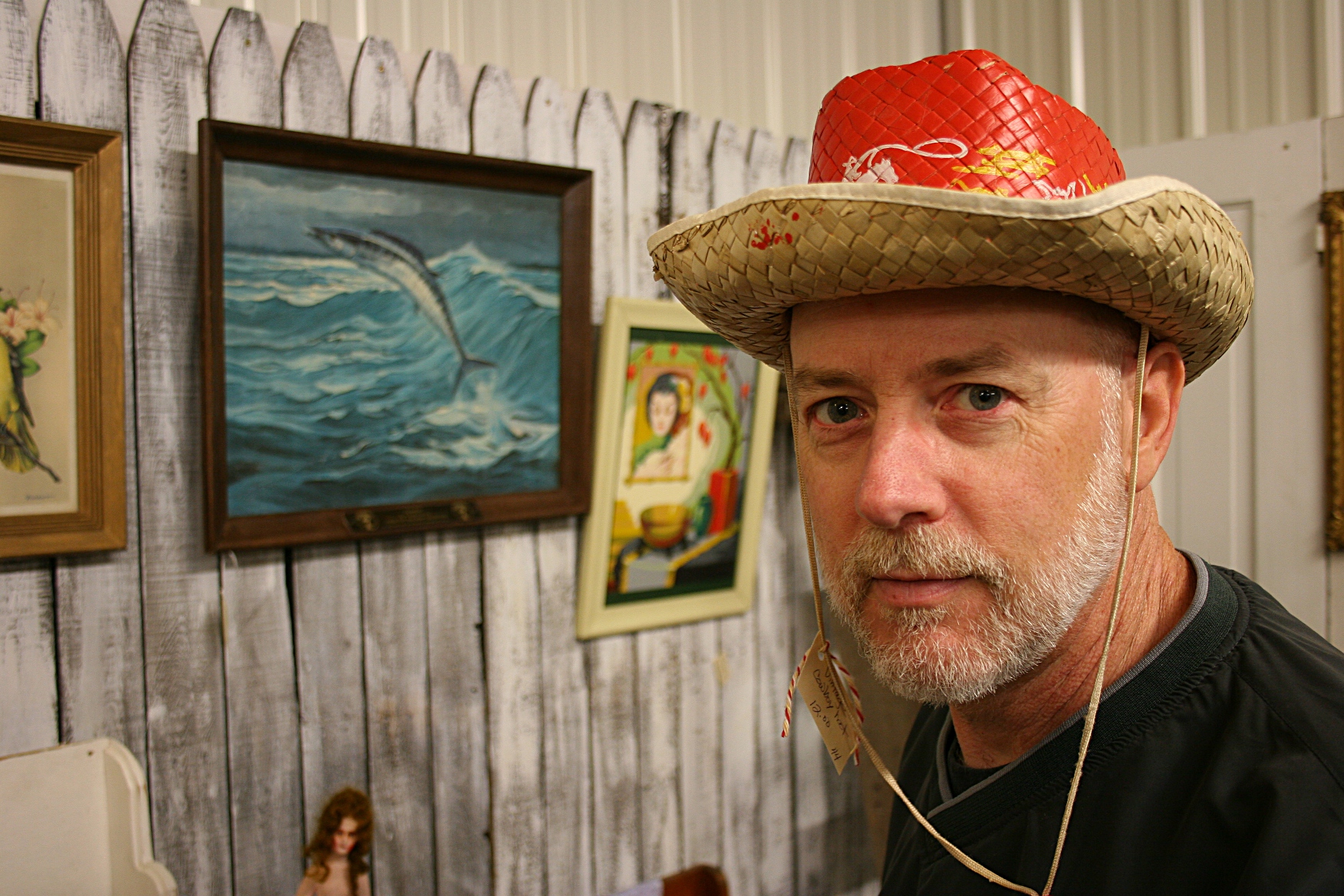
My husband, Randy, and I were thrilled to find this vintage straw cowboy hate. We reminisced for awhile about watching Westerns on TV and getting new cowboy hats each summer.

My husband, Randy, and I were thrilled to find this vintage straw cowboy hat. We reminisced for awhile about watching Westerns on TV and getting new cowboy hats each summer while growing up.

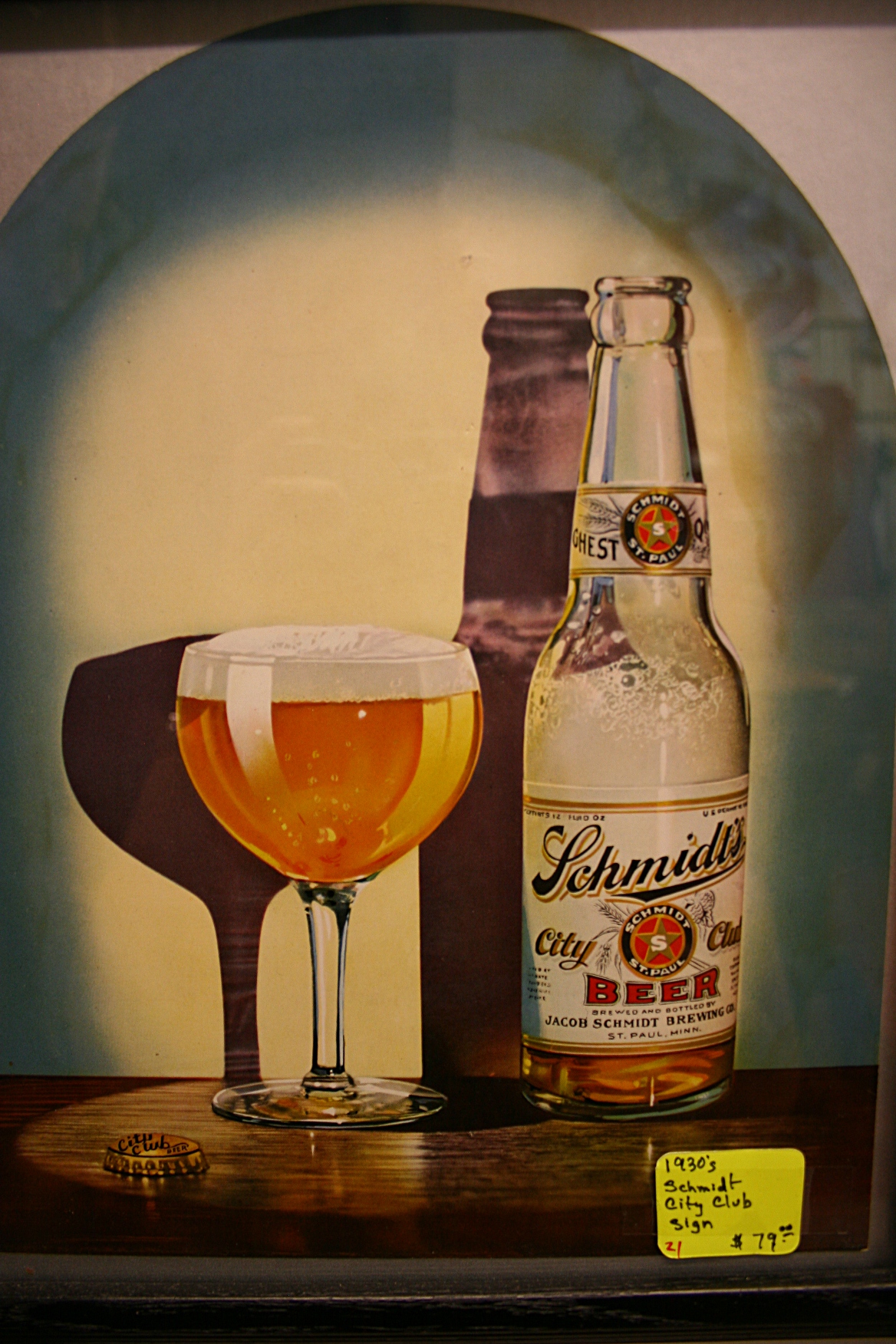
With a soon-to-be son-in-law with the last name of Schmidt, I find myself drawn to Schmidt beer collectibles.

With my eldest now married to a Schmidt, I find myself drawn to Schmidt beer stuff.

I nearly flipped when I saw this toy accordion, just like one I had as a child. I loved my accordion and it is the only musical instrument I've ever played.

I nearly flipped when I saw this toy accordion, just like one I had as a child. I loved my accordion. It is the only musical instrument I ever had the opportunity to play. I should have bought this although, if I recall correctly, the price was higher than I wanted to pay. But how I would love that toy accordion…

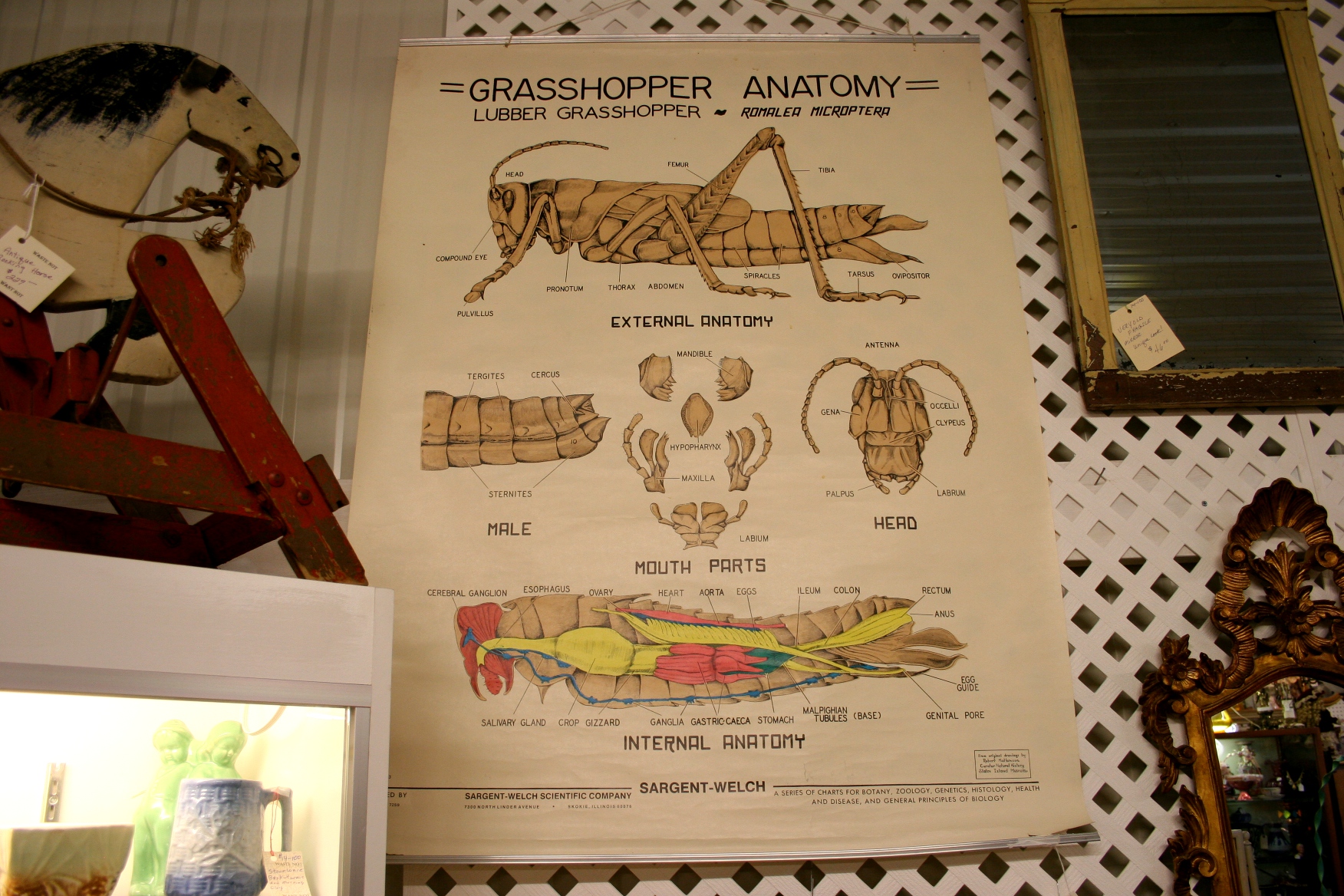
Unusual for sure and, well, I've always thought grasshoppers were interesting insects to watch.

Unusual for sure and, well, I’ve always thought grasshoppers are interesting insects to watch. Grasshoppers were everywhere on my native prairie when I was growing up. I love how items like this are being repurposed as art.

WHAT’S YOUR FAVORITE antique shop?

FYI: Pond Road Antiques is open from 10 a.m. – 5 p.m. Monday – Saturday and from noon – 5 p.m. Sundays.

© Copyright 2013 Audrey Kletscher Helbling


Shareholders vote to sell historic Blue Earth County Fairgrounds January 10, 2014

Filed under: Uncategorized — Audrey Kletscher Helbling @ 12:52 PM
Tags: , , , , , ,
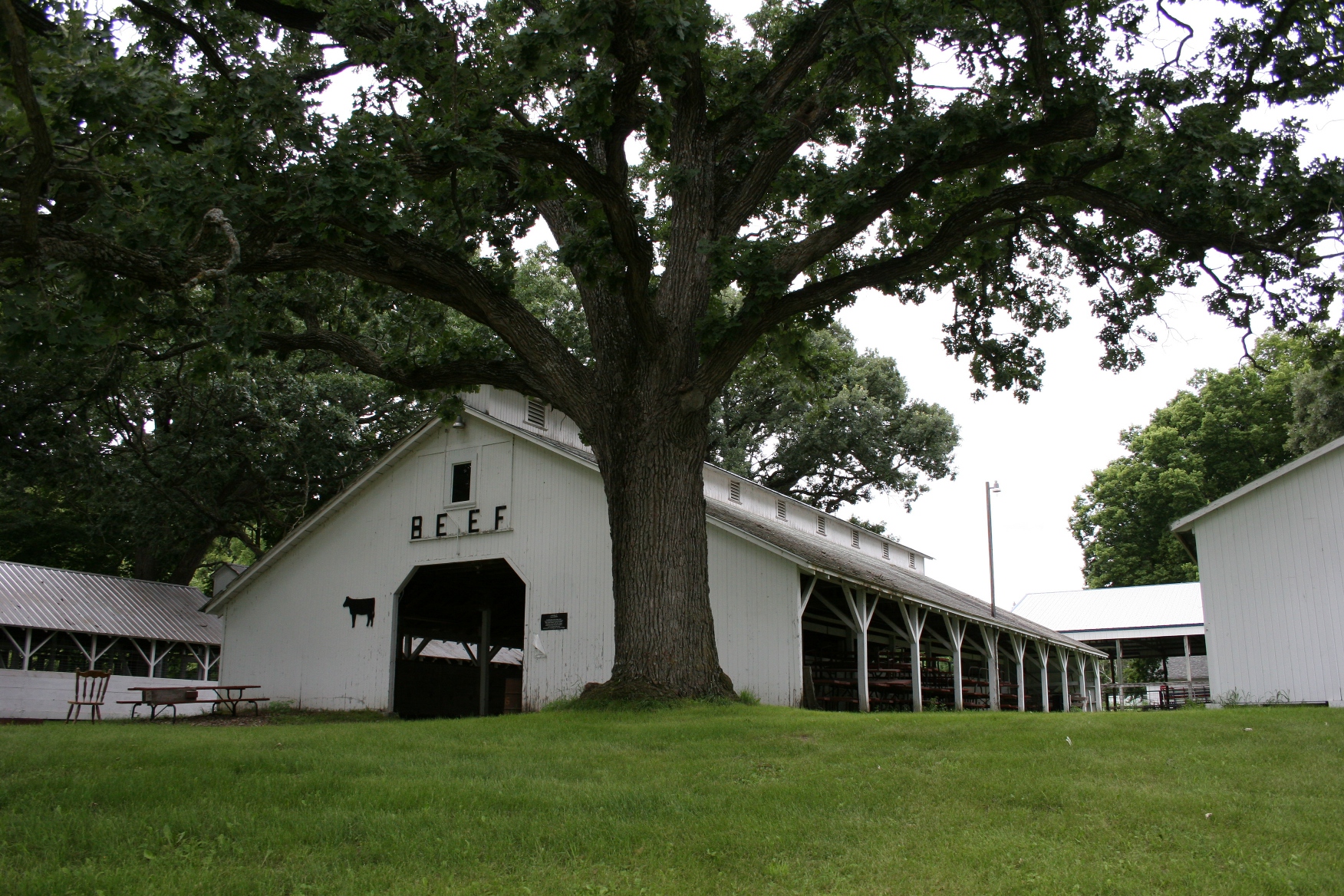
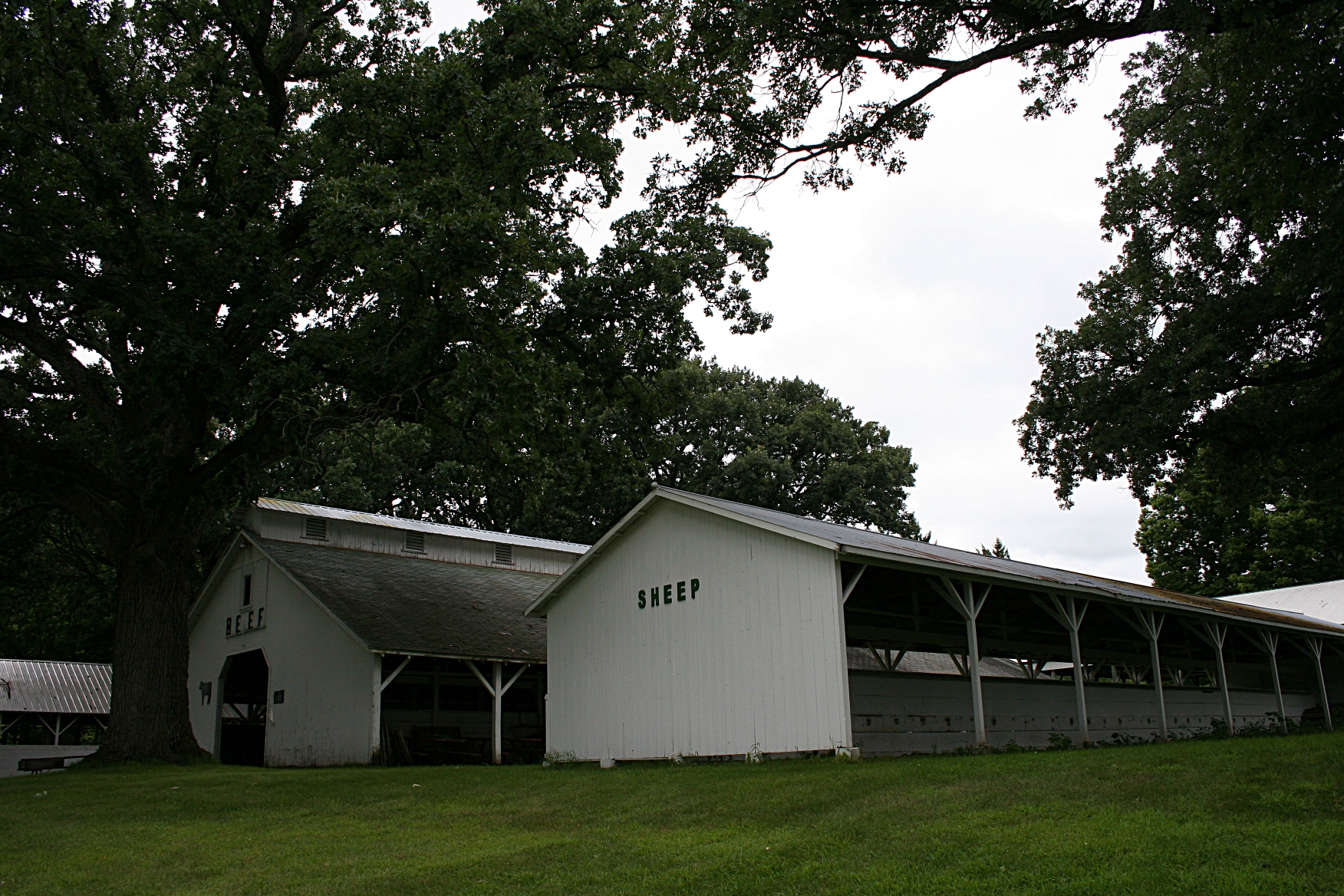
The beef barn, shaded by an oak tree.

This beef barn is representative of the many old buildings which grace the 154-year-old Blue Earth County Fairgrounds. The oak-covered fairgrounds sits along the Watonwan River in Garden City, Minnesota.

THE VOTE IS IN.

And if all goes as planned, the Blue Earth County Fair will move from an historic 154-year-old site in Garden City to within a two-mile radius of Mankato, 10 miles away.

Shareholders, during a special meeting Thursday evening, voted 175 in favor and 76 against to sell the long-time fairgrounds, according to an article in the Mankato Free Press. (Click here to read that story.) That sale authorization paves the way for possible construction of a new fairgrounds near Mankato, the county seat and county’s center of population.

For background on this story, click here and read my post, “Deciding the future of the historic Blue Earth County Fairgrounds.” Also click here to read an earlier post about my visit to the fairgrounds in July.

I am disappointed. Once an historic gem like this is lost, you can never replace it. Let’s hope, at least, that those old buildings can be saved.

And I wonder, too, whether simply moving the fair will increase attendance and push the fair out of debt.

This will be an interesting process, no matter what side of the issue you favor.


Deciding the future of the historic Blue Earth County fairgrounds January 8, 2014

The beef barn, shaded by an oak tree.

The beef and other barns are circled by aged oaks.

IN THE SHADE OF AGED OAKS sprawling along the banks of the Watonwan River in Garden City, agricultural buildings stretched long and lean as my husband and I drove through the Blue Earth County Fairgrounds on a July morning.

I was enamored with this charming and historic place, where buildings are labeled BEEF, SHEEP, POULTRY, FFA, 4-H EXHIBITS…

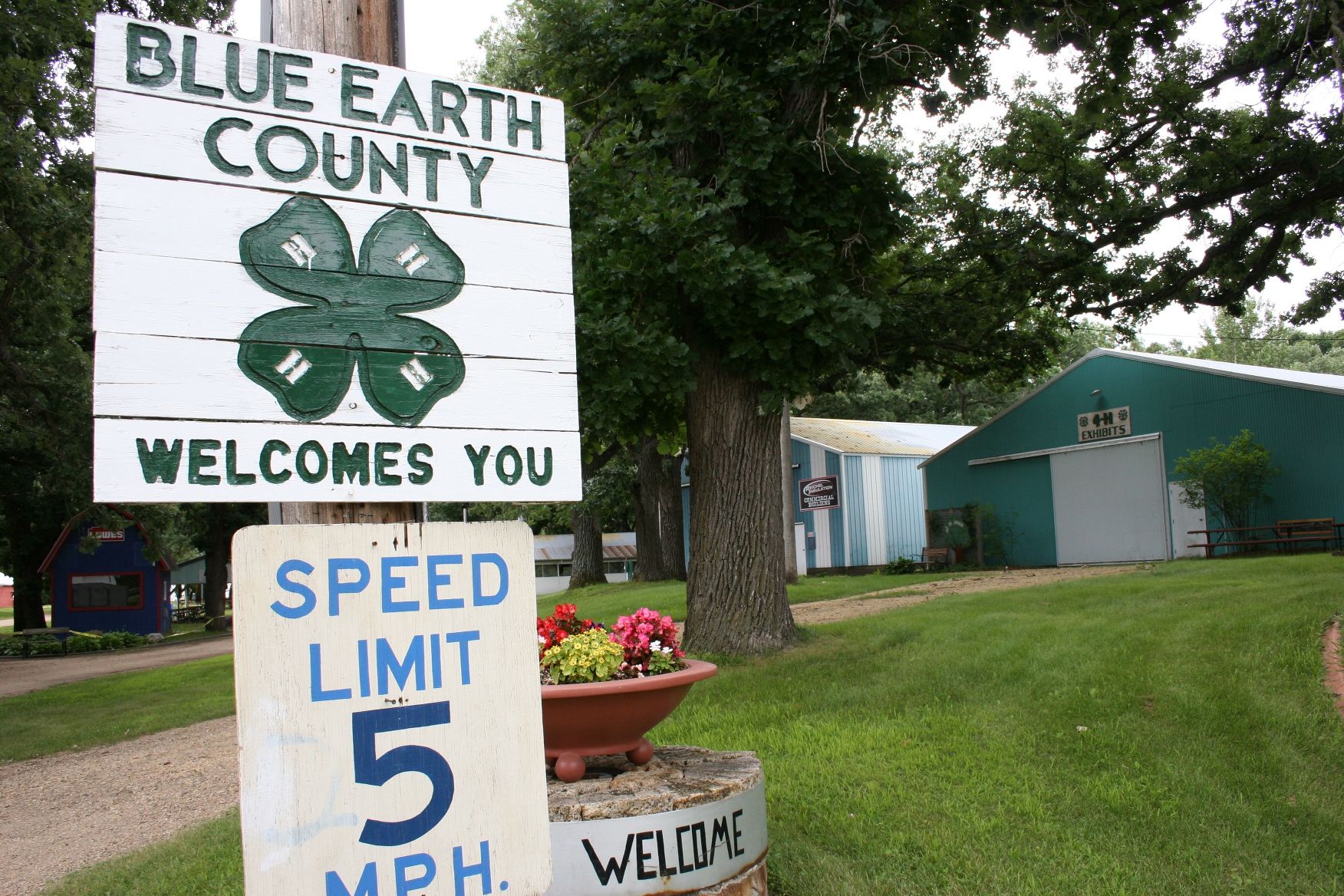
Just inside the entry to the Blue Earth County Fairgrounds.

Just inside the entry to the Blue Earth County Fairgrounds.

For 154 years, folks have come here each summer to celebrate the area’s agricultural roots.

But now this bucolic spot, which so charmed me during that brief drive-through this past July, may no longer serve as the site for Blue Earth County’s fair. The fair board is looking to move the fair within a two-mile radius of nearby Mankato, according to information on the fair website.

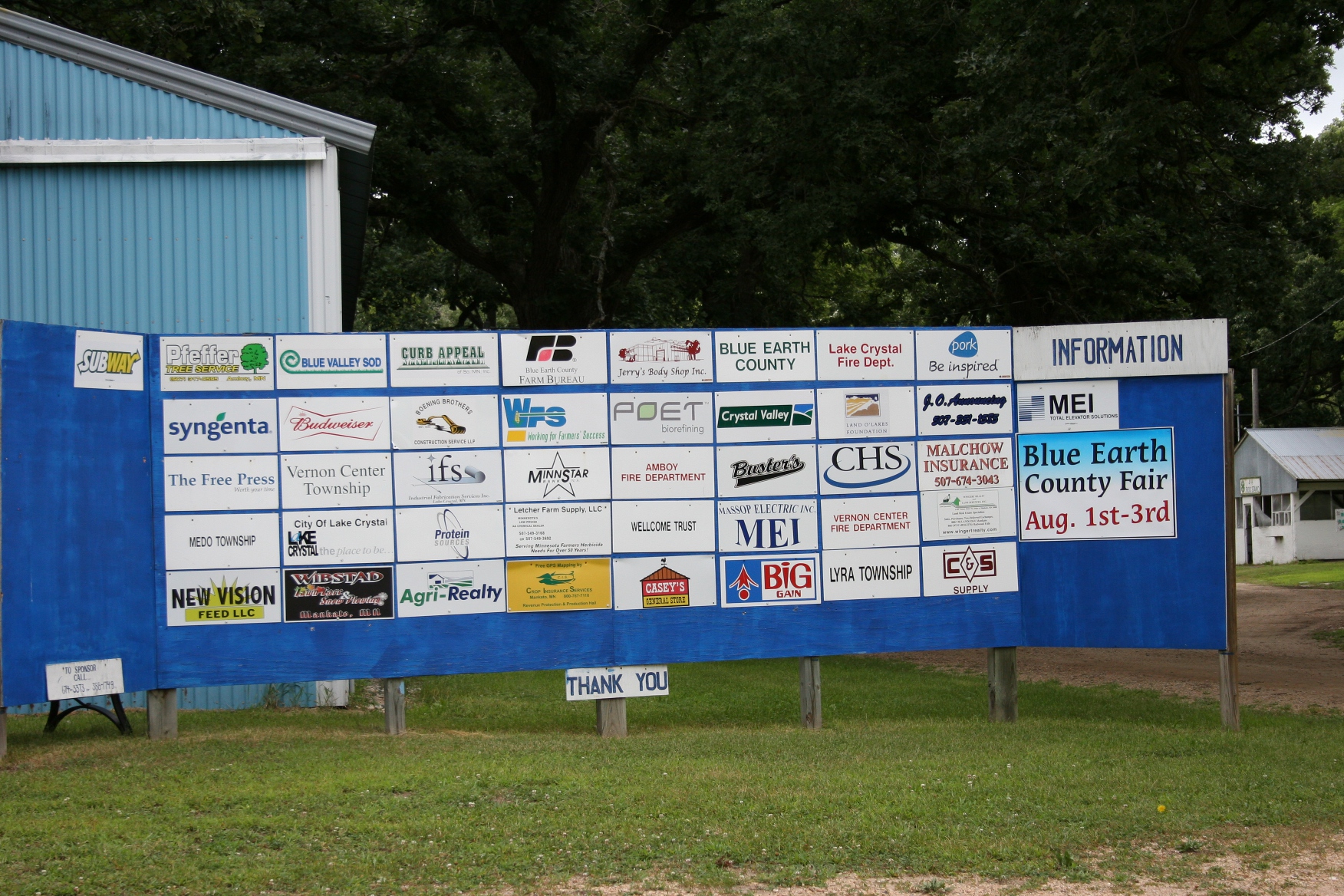
 A posting of fair sponsors just inside the front gate.

A posting of fair sponsors just inside the front gate.

Thursday evening, Blue Earth County Fair Association shareholders meet at Bethany Lutheran College in Mankato to discuss the future of the fair, supported in the past by rural sponsors like Crystal Valley Coop, Watonwan Farm Service and the Blue Earth County Farm Bureau.

Shareholders will vote, beginning at 6:20 p.m., on whether to sell the Garden City fairgrounds. I’m not privy to financial details but, according to a story in the Mankato Free Press, the fair has consistently lost money in recent years. The thought is that moving the fair nearer the county’s center of population (Mankato) and adding amenities will increase attendance and better tell the story of agriculture. Click here to read the document, BLUE EARTH COUNTY FAIR: GROUNDS FOR GROWTH.

I expect this membership meeting may be a heated one pitting historians and preservationists against those favoring change, and country folks against city residents. I might be wrong.

If you buy a $5 share, you can vote. Once. There’s no buying multiple shares for multiple votes. Shares are available for purchase yet today (from 11 a.m. – 1 p.m. and from 5-7 p.m.) at Busters on Madison Avenue in Mankato. And shares will be sold before the meeting, from 4:45-5:45 p.m. Thursday.

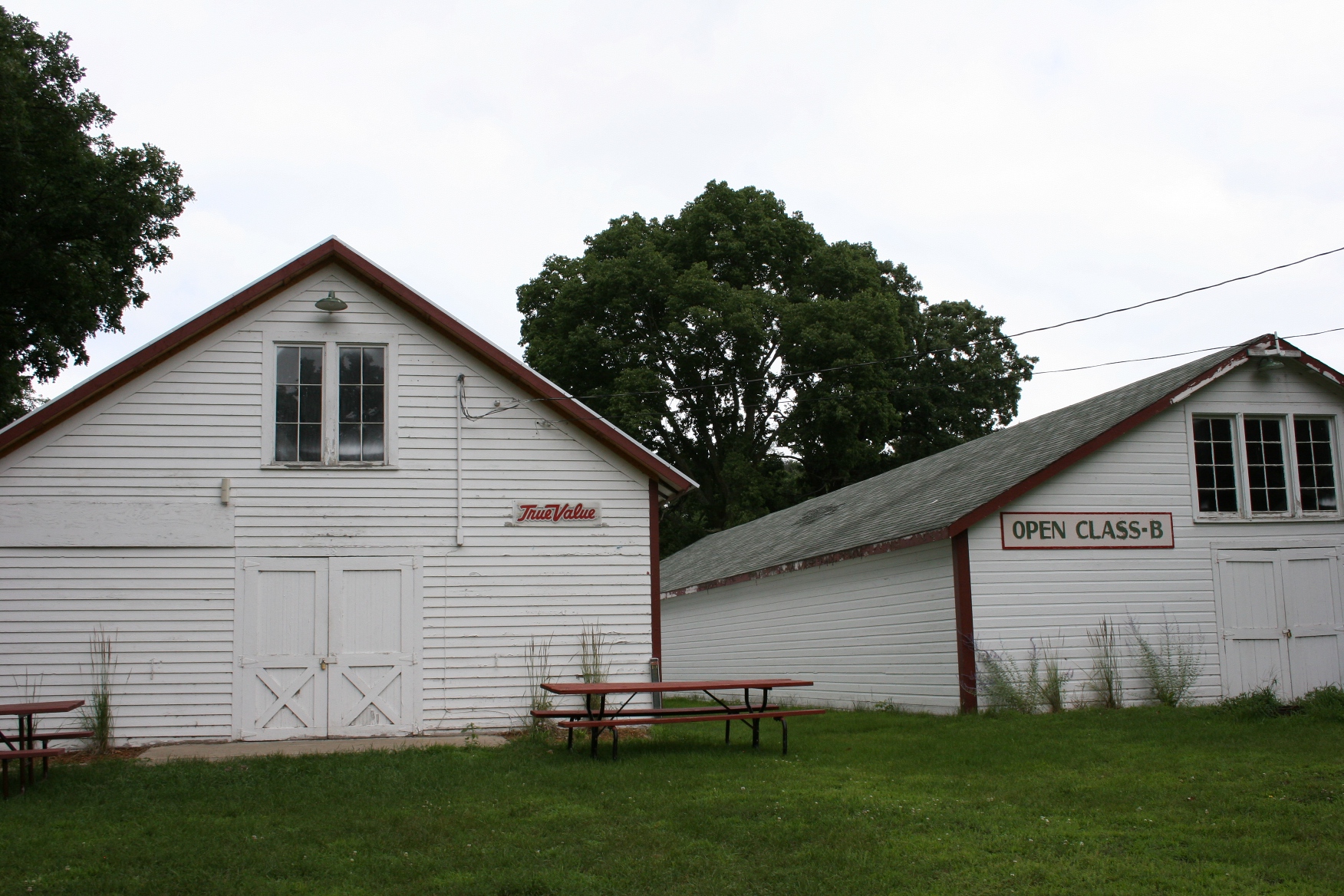
The open class exhibit buildings.

Open class exhibit buildings.

I’m not fully-informed on all sides of the issue. Yet I do know this: When my husband and I wove our way through the fairgrounds in Garden City, I was impressed by the historic character, the nostalgic charm, the quaint old buildings in the beautiful natural setting and the fact that a place like this still exists. There is something to be said for that, for the time-honored tradition of this fair and the pastoral appeal of this land. It is, undeniably, a picturesque place along the Watonwan River, a lovely gathering spot for the generations who have come here each summer to celebrate rural life.

LET’S HEAR YOUR THOUGHTS on the future of the Blue Earth County Fairgrounds. How would you vote? Move the fair to a site closer to Mankato or keep it here, in Garden City?

© Copyright 2014 Audrey Kletscher Helbling
 

Mankato’s newest public art project: “Poetry Walk and Ride” August 5, 2013

MANKATO HAS LAUNCHED its newest form of public art—poetry posted on signs in parks and along recreational trails.

My artsy effort to illustrate this post.

A scene I created to illustrate the poetry project.

The Mankato Poetry Walk and Ride is designed “to inspire and encourage poets of all ages, to provide public art in our communities and to encourage exercise,” says Yvonne Cariveau who suggested the project to the Southern Minnesota Poets Society of which she is a member.

Serving on the committee for the Mankato and North Mankato CityArt Walking Sculpture Tour, an exhibit of annual rotating outdoor sculptures, Cariveau envisioned a similar concept for poetry.

The Poets Society embraced the idea (member Susan Stevens Chambers organized a contest) and, with support from the cities of Mankato and North Mankato and numerous businesses, the project took off.

My husband and I listen to one of my selected poems.

My husband and I listen to one of my selected poems, “The Thrill of Vertical.”

Today 34 poetry signs are up, mostly in Mankato, with a few in North Mankato, for reading and listening. Yes, listening. Poets recorded their poems, which can be accessed via phone, dialing (507) 403-4038 or scanning a QR code.

Me, next to my "Off to Mankato to 'get and education'" poem posted near Glenwood Gardens.

Me, next to my “Off to Mankato to ‘get an education'” poem posted near Glenwood Gardens.

Two of the 34 poems, 27 selected in a competitive process, are mine.

"Off to Mankato to 'get and education'", posted near Glenwood Gardens, in the background in this photo.

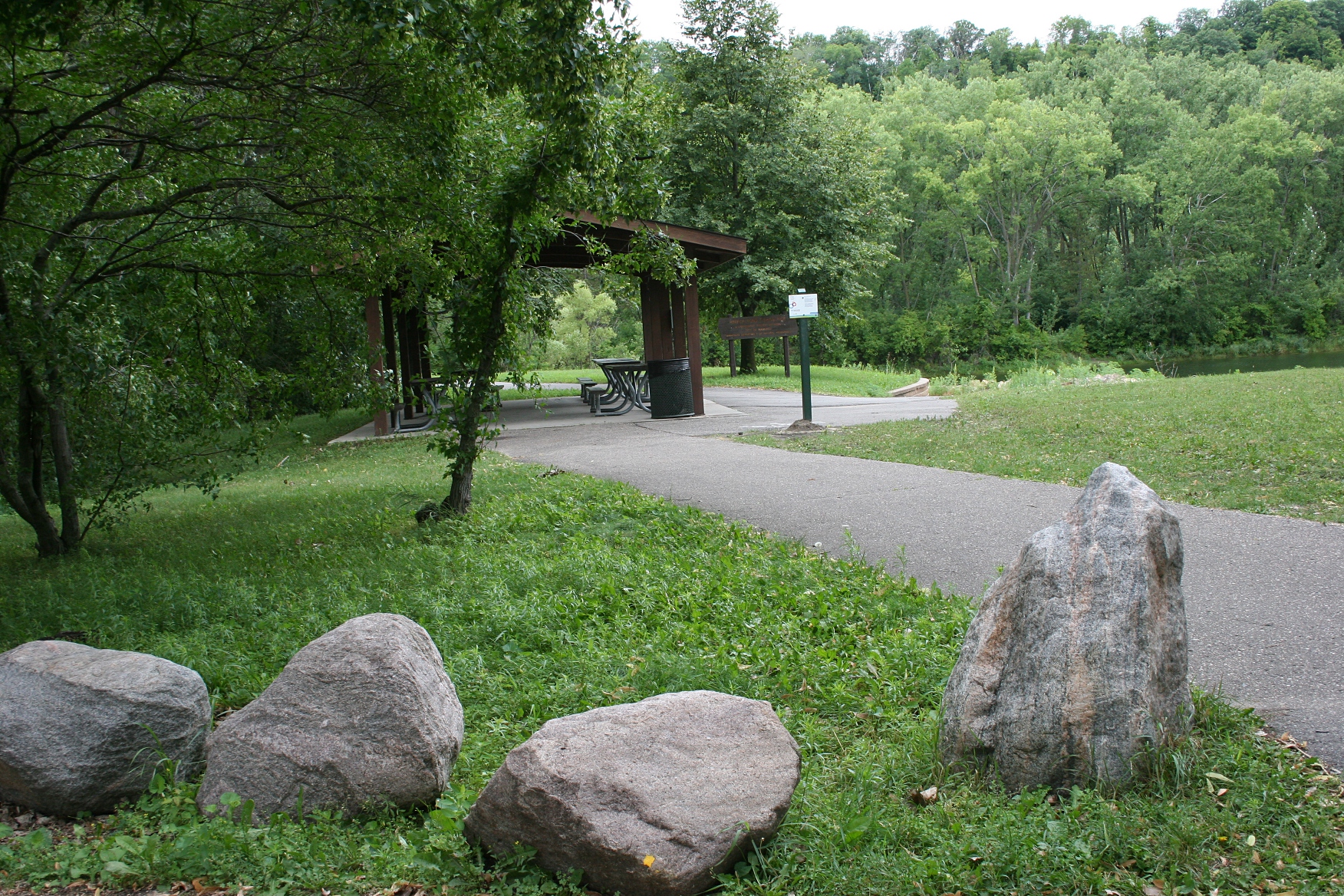
The setting in which one of my poems is posted near Glenwood Gardens.

You’ll find “Off to Mankato to ‘get an education’” near Glenwood Gardens close to the intersection of Glenwood Avenue and Division Street. The poem was inspired by my arrival in the autumn of 1974 as a freshman at Bethany Lutheran College, located not all that far from the posted poem.

"The Thrill of Vertical," located next to Hiniker Pond.

“The Thrill of Vertical,” next to Hiniker Pond.

My second poem, placed at Hiniker Pond Park in what seems like North Mankato but is really Mankato, also was prompted by my college year experiences. In “The Thrill of Vertical,” I write about zipping down the curving and hilly streets of Mankato on my 10-speed bike. Interestingly, the street I remembered in writing this poem is where “Off to Mankato to ‘get an education’” is posted along a recreational trail. Back in the 70s, there was no such trail.

Reflecting on that hurtling ride, I can’t help but think how stupid I was to fly at such speeds, back hunched, hands gripping racing handlebars, no helmet and two narrow bicycle wheels separating me from unforgiving pavement.

Today that crazy college kid abandon is forever captured in words, now published for all to see and recorded for all to hear. Until next June, when the 2013 poetry signs will come down and new ones will be erected.

Likewise, the other published writers—all of whom had to live within a 50-mile radius of Mankato, who range in age from seven to over 70 and are anywhere from new poets to recognized published poets—wrote about topics such as Mankato history, the river, Fudgsicles, family, mentors and more.

The challenge in writing the poems, for me anyway, came in the restrictions of 40 characters or less per line in a poem limited to 18 lines. It is a good exercise for any poet, to write within such confines, to value every letter, every space, every word.

One hundred twenty poems, submitted in specified age categories for those in third to 12th grades and then in adult divisions of humorous and serious, were anonymously judged. Doris Stengel, past president of the National Federation of State Poetry Societies, considered the adult entries while Peter Stein, League of Minnesota Poets youth chairperson, judged the youth poems. It is always rewarding as a poet to know that your work was selected on the basis of merit and quality rather than by name recognition.

The poems are posted in locations like this, near the shelter house in Hiniker Pond Park. the unobtrusive signs are about the size of a standard sheet of paper.

The poems are posted in locations like this, along a trail near the shelter house in Hiniker Pond Park. The unobtrusive signs are about the size of a standard sheet of paper.

In addition to the 27 winning poems, seven poems from notable Mankato area poets are among those posted.

Reaction to the poems thus far has been enthusiastic, says project initiator Cariveau, herself a poet. Her humorous poem, “Dreams of Coldstone,” was among those selected.

“People,” says Cariveau, “love the poems and are surprised by them.”

As for my reaction, I appreciate a project that makes poetry accessible. Those who may not otherwise read poetry likely will in an outdoor setting. Short poems. Easily read or heard. Non-intimidating. This is public word art at its best.

FYI: To read a list of the winning poets and the titles of their poems, click here.

For a map showing the locations of the posted poems, click here.

To learn about the Southern Minnesota Poets Society, click here.

You can hear me read my poems by calling (507) 403-4038 and then punching in 427 for “The Thrill of Vertical” and 416 for “Off to Mankato to ‘get an education’”.

Information on the 2014 Mankato Poetry Walk and Ride contest will be posted early next year on the SMPS website.

A chapbook of this year’s poems will also be published and will be available for purchase via the SMPS website and perhaps at other locations in Mankato.

P.S. I did not showcase other poems here in photos because I was unaware of their locations when I was in Mankato to photograph mine.

© Copyright 2013 Audrey Kletscher Helbling
 

Stepping into yesteryear at the Blue Earth County fairgrounds August 1, 2013

Just inside the entry to the Blue Earth County Fairgrounds.

Just inside the entry to the Blue Earth County Fairgrounds.

PRIOR TO LAST FRIDAY, I’d never been to the Blue Earth County Fairgrounds, nor even to Garden City, the unincorporated community in which the fairgrounds is located. That would be south of Mankato, along the banks of the Watonwan River.

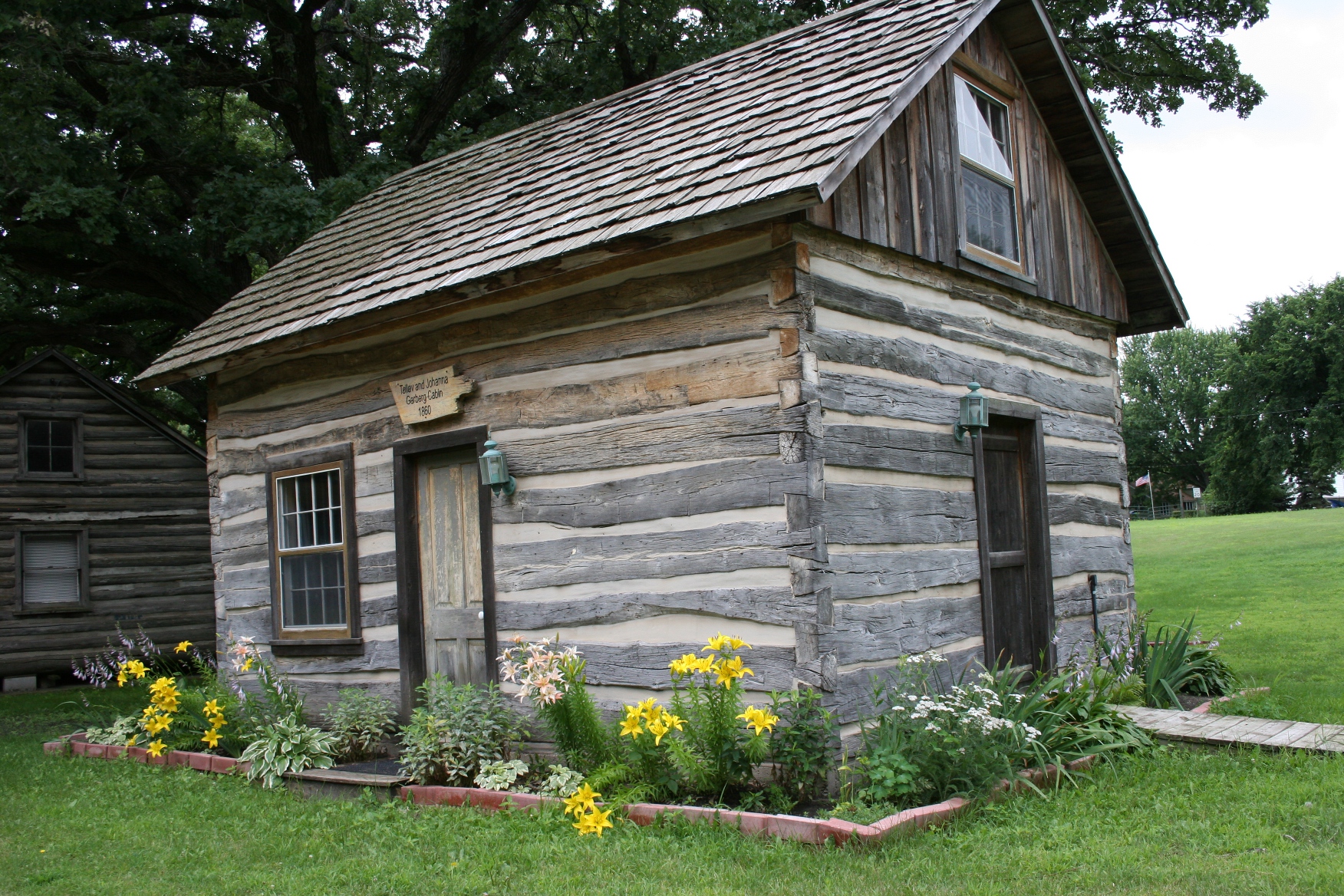
Log cabins on the fairgrounds include this one from 1860 and a replica of an 1839 cabin.

Log cabins on the fairgrounds include this one from 1860 and a replica of an 1839 cabin.

What a delightful place—like a step back in time.

The beef barn, shaded by an oak tree.

The beef barn, shaded by an oak tree.

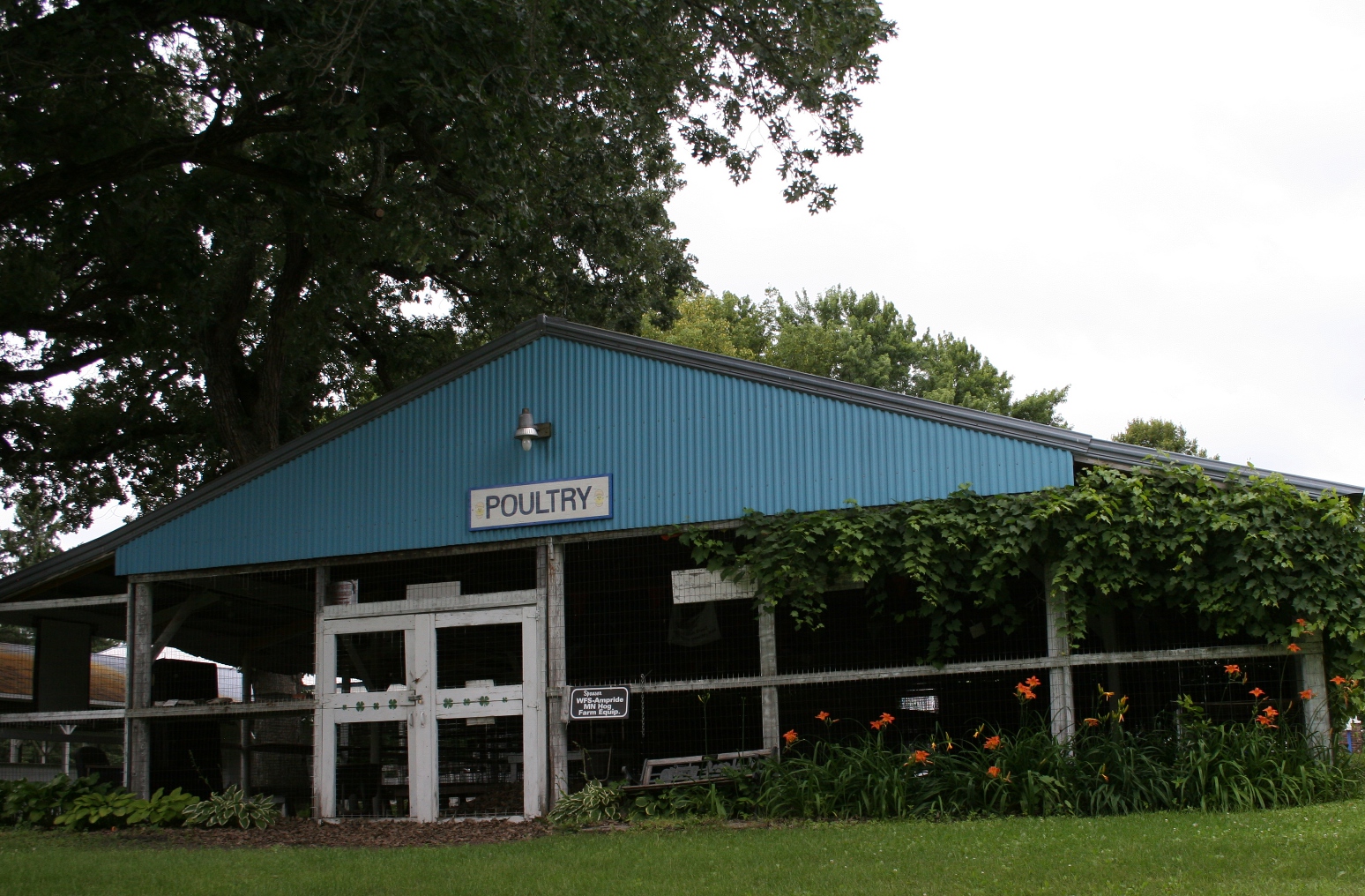
Space for chickens and ducks and geese and such poultry.

Space for chickens and ducks and geese and such poultry.

Always a fair favorite, the sheep.

Always a fair favorite, the sheep.

Just look at these old-fashioned buildings and imagine the cattle, pigs, poultry and sheep trucked into this scenic spot for the annual showing of the best of the best.

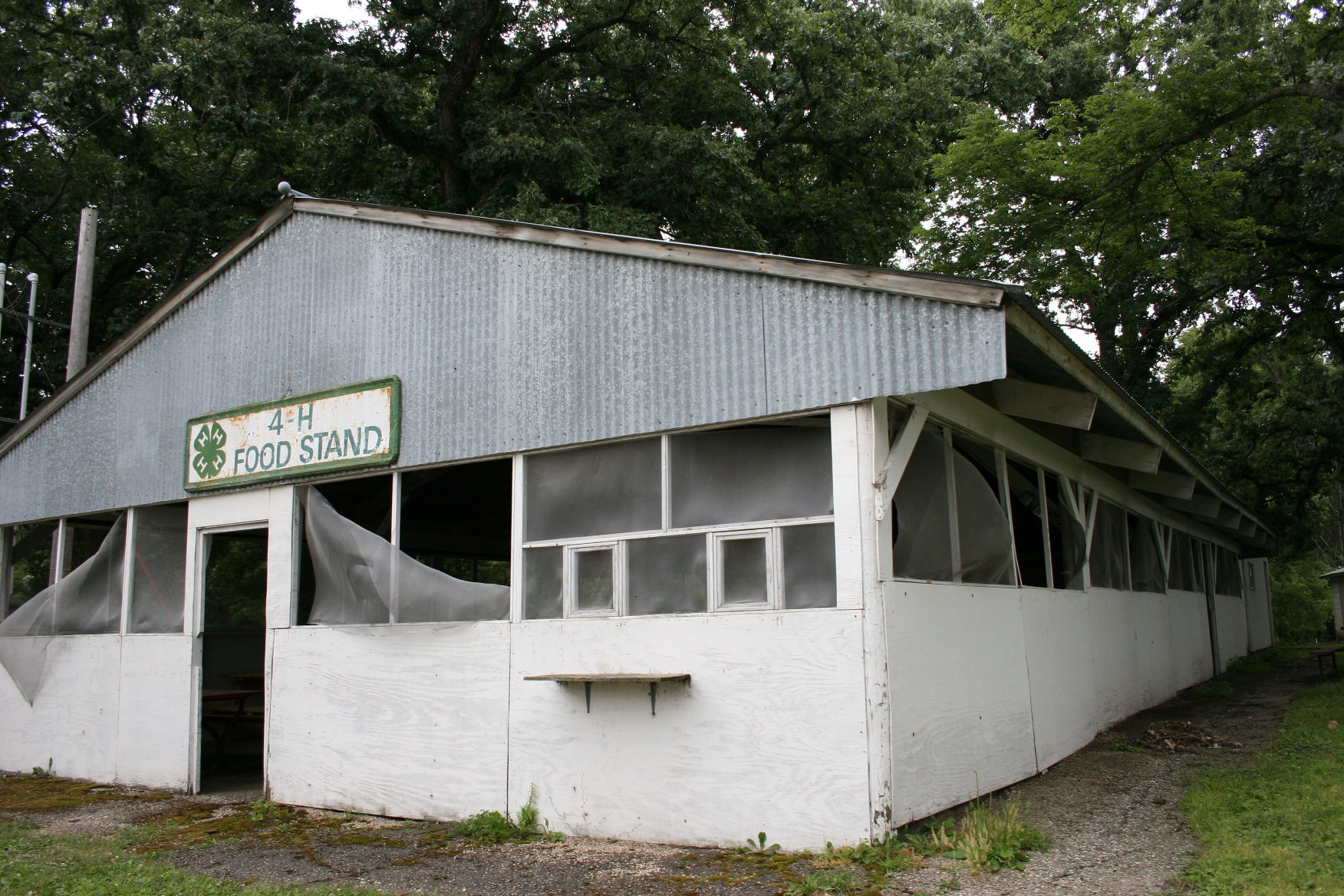
I expect (hope) the 4-H food stand will be repaired before the fair.

I expect (hope) the 4-H food stand was repaired before the fair.

Imagine 4-Hers clutching coveted ribbons.

The open class exhibit buildings.

The open class exhibit buildings. Look at the splendid old doors on these structures.

Imagine the families and old folks, the neighbors and strangers mingling here to celebrate life in rural Minnesota.

Imagine the young lovers strolling the grounds.

My Aunt Marilyn remembers, more than 50 years ago, attending this fair on a weekday afternoon along with other Blue Earth County employees. “I suppose they don’t do that anymore,” she said.

I expect not, Marilyn.

 A posting of fair sponsors just inside the front gate.

A posting of fair sponsors just inside the front gate.

Today, August 1, through Saturday, August 3, you can experience this grassroots fair when gates open at the Blue Earth County Fairgrounds/Shady Oaks Campground in Garden City just off U.S. Highway 169.

CLICK HERE for detailed fair information and click here for info about the campground.

BONUS PHOTOS:

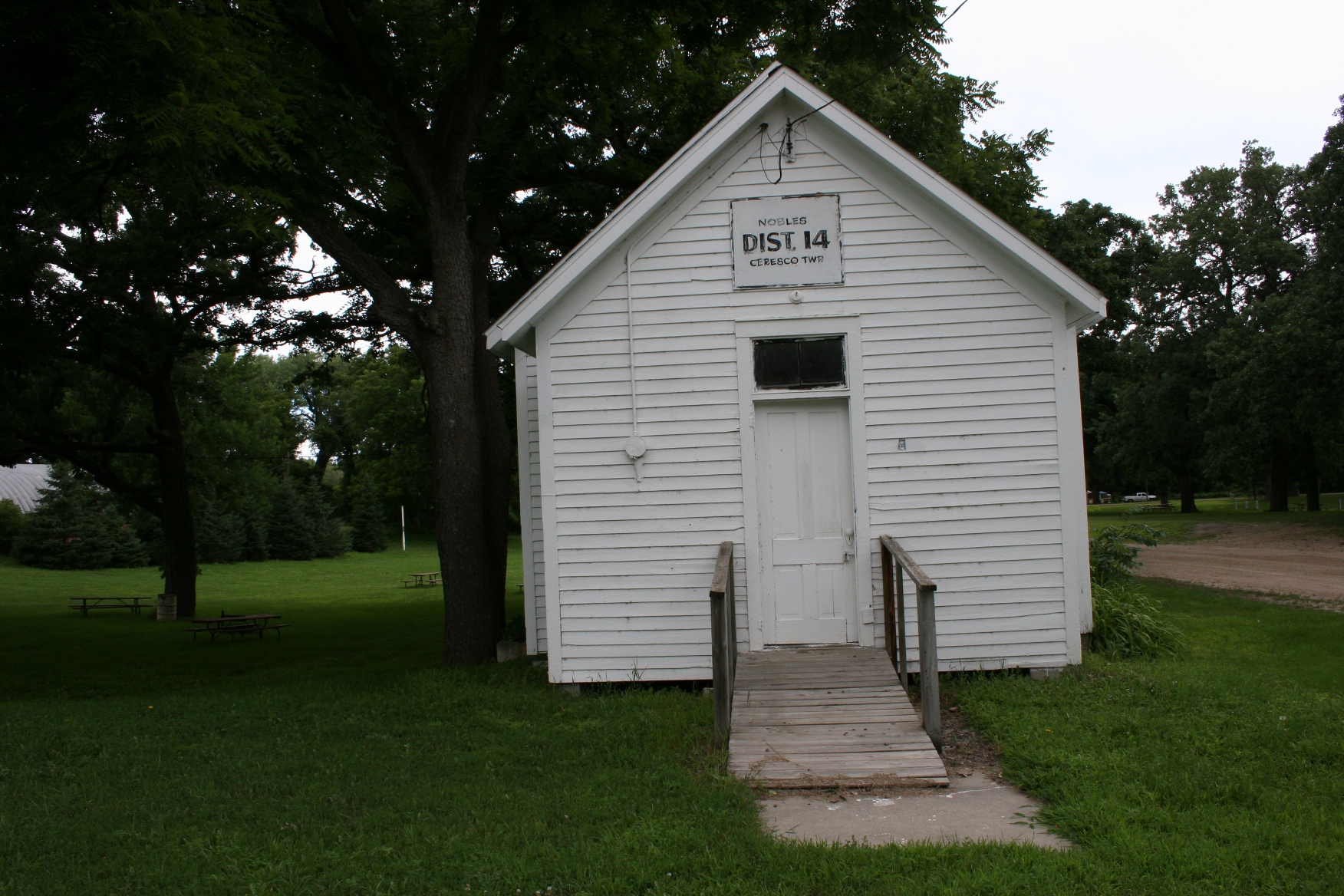
It seems every fairgrounds has an old school or church like this one.

It seems every fairgrounds has an old school or church like this one.

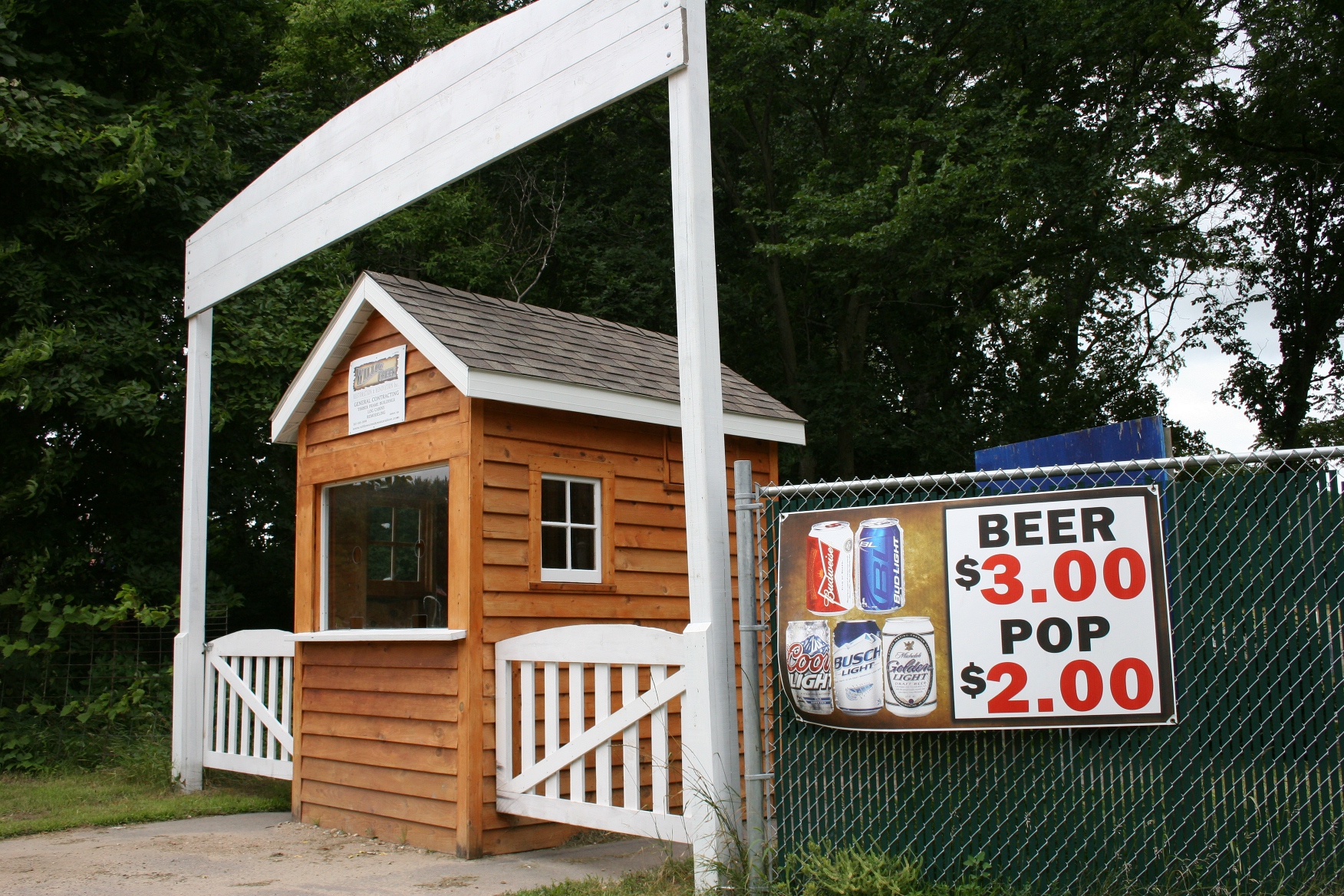
An on-site beverage stand.

An on-site beverage stand.

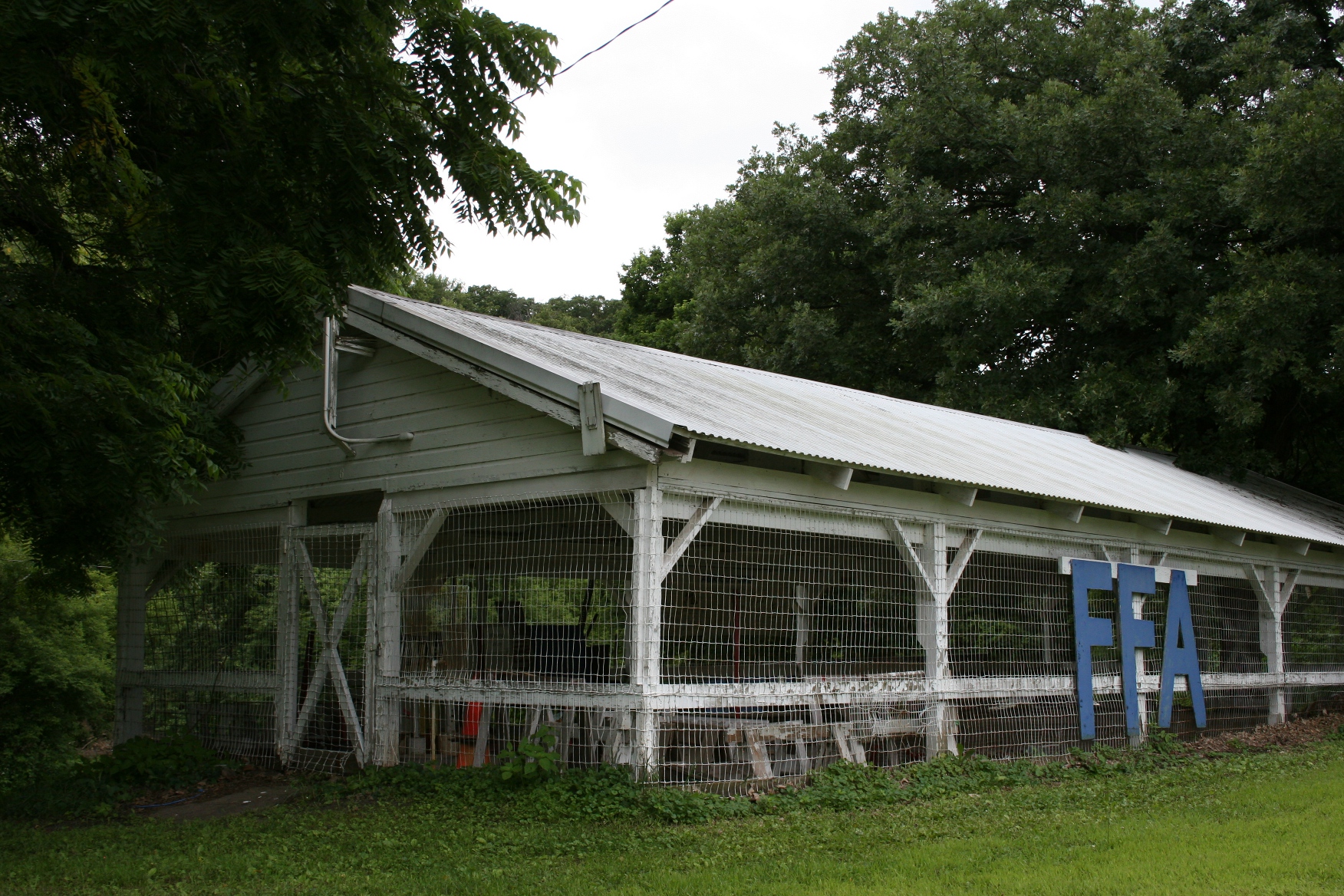
The Future Farmers of America building.

The Future Farmers of America building.

© Copyright 2013 Audrey Kletscher Helbling


Creativity unleashed at Bethany, my alma mater January 14, 2013

TYPICALLY, COLLEGE ALUMNI magazines hold my interest only long enough to thumb to the section where class updates are printed. I read those and then toss the publication into the recycling bin.

But recently, the bold, artsy cover of the November issue of the Bethany Report, the alumni magazine of Bethany Lutheran College, caused me to take a closer look at an article detailing the school’s new media arts program. I’m a Bethany grad, which in 1976 offered only a two-year associate arts degree to undergraduates.

Today this scenic hilltop campus in Mankato offers an array of four-year degrees, including one in communications, my eventual major at Minnesota State University, Mankato. Oh, how I wish majors and minors had been available back in my Bethany years, because I loved that small Christian college.

All of that aside, today’s Bethany students with an interest in communications, the fine arts and technology can enroll in the media arts major. I don’t pretend to know how Bethany’s program compares to that of other colleges.

I did my own editing on this recent photo of a Bethany billboard along U.S. Highway 14.

I did my own editing on this recent photo of a Bethany billboard along U.S. Highway 14.

But when I saw that magazine cover design emphasizing the media arts program and then an equally vivid, eye-catching billboard along U.S. Highway 14 near Janesville recently, I was impressed enough to visit the BLC website.

There I clicked onto a portfolio showcasing the creations of current and former students.

I’m no expert on the fusing of art, technology and communication. But I liked what I saw. And perhaps that uninformed spontaneous reaction counts for more than the dissected opinion of anyone in academia.

© Copyright 2012 Audrey Kletscher Helbling
 

The educating & healing continue 150 years after The U.S.-Dakota War December 28, 2012

STUDYING MINNESOTA HISTORY decades ago, I learned about “The Sioux Uprising of 1862” and even wrote a term paper on the topic bearing that title.
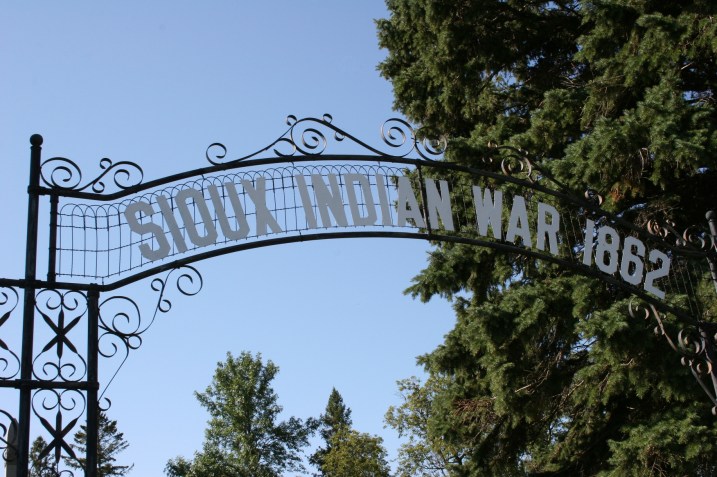
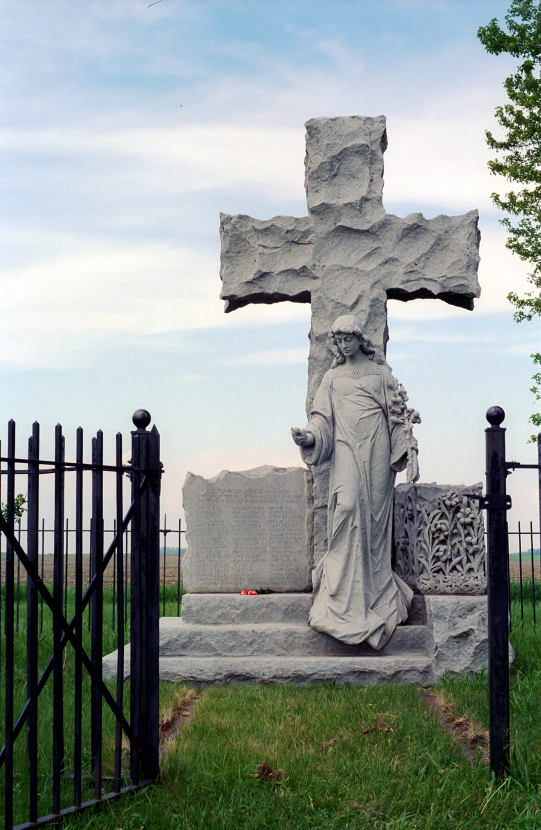
This archway leads to the Wood Lake State Monument, on the site of the battle which ended the U.S.-Dakota Conflict of 1862.

This archway leads to the Wood Lake State Monument, on the site of the battle which ended the U.S.-Dakota Conflict of 1862.

I thought nothing negative of that word, Sioux, which translates to “snake.” The Ojibway, once enemies of the Dakota, gave the tribe that name. I did not know; it was the word I was taught.
That I even studied “The U.S.-Dakota War of 1862,” the proper terminology for the six-week war fought primarily in my native southwestern Minnesota 150 years ago, seems remarkable. So many in Minnesota never knew of this conflict in our state’s history.

I don’t pretend to know every detail of the war between the Dakota and the white settlers and soldiers. But I do remember that I grew up with a fear of “Indians,” reinforced by the television westerns especially popular during my formative years and by the history lessons delivered about The Sioux Uprising of 1862, as it was then called.

Those classroom lessons were decidedly one-sided: The whites were the good guys, the Indians the bad guys. That line of thinking was wrong, oh, so wrong. I realize that now, having reached that conclusion decades ago.

The maltreatment of the Dakota by greedy traders, broken treaty promises, starvation, efforts to convert and transform the Dakota people into Christian farmers, expulsion from their homeland and more contributed to the war.

Yet, even the Dakota disagreed about the need to wage this battle. Some helped settlers escape to safety while others plundered and killed. My own maternal forefathers fled the New Ulm area to St. Peter, making this war a part of my personal family history.

The Milford State Monument along Brown County Road 29 west of New Ulm commemorates the deaths of 52 settlers who were killed in the area. Located along the eastern edge of the Lower Sioux Reservation, Milford had the highest war death rate of any single township.

The Milford State Monument along Brown County Road 29 west of New Ulm commemorates the deaths of 52 settlers who were killed in the area. Located along the eastern edge of the Lower Sioux Reservation, Milford had the highest war death rate of any single township.

While I carry no ill will toward the Dakota, I will tell you, unequivocally, that feelings still run deep in southwestern Minnesota. I am also honest enough to admit that perhaps I would feel differently if my family members had been massacred or if I was of Dakota, instead of German, heritage.

Although time can heal, it doesn’t always. Misconceptions and misguided expectations, even after 150 years, exist on multiple sides of the issue. I won’t delve into that here, but I do think the healing is still ongoing, forgiveness (on both sides) still not attained.

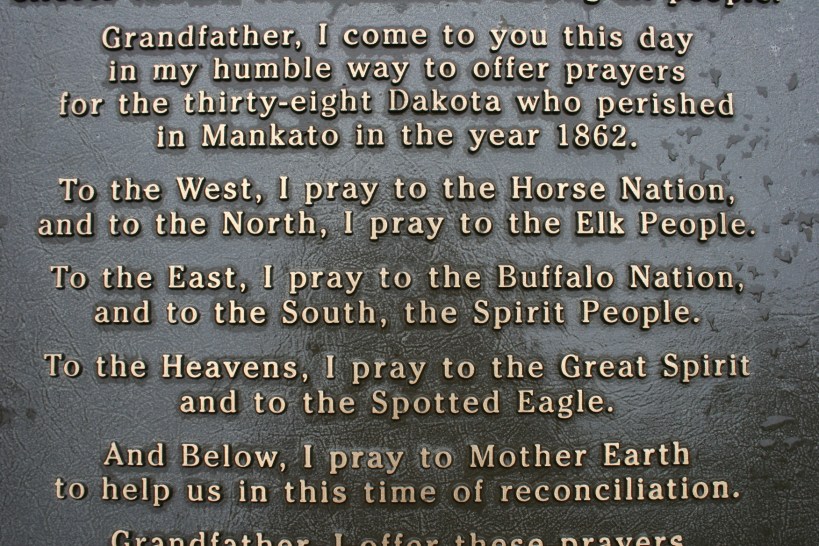
Words on a marker in Reconciliation Park in Mankato where 38 Dakota were hung on Dec. 26, 1862.

Words on a marker in Reconciliation Park in Mankato where 38 Dakota were hung on Dec. 26, 1862. On Wednesday, a new Dakota 38 Memorial was dedicated listing the names of the 38 men who died here. This file photo was taken of an existing plaque in the park.

In a ceremony in Mankato on Wednesday marking the 150th anniversary of the hanging of 38 Dakota, Mayor Eric Anderson proclaimed this the year of “forgiveness and understanding.”

The Dakota also called upon all to “forgive everyone everything.” Those words will be engraved into Kasota stone benches to be installed next summer at the site of the new Dakota 38 Memorial dedicated in Reconciliation Park on Wednesday.

Strides toward understanding and forgiveness, and education, can perhaps finally heal the still festering wounds of this long ago war.

TO VIEW PHOTOS from the event in Mankato on Wednesday, click to link here to Minnesota Public Radio.

TELL ME, ESPECIALLY if you grew up in Minnesota, did you study The U.S.-Dakota War of 1862? Also, are Minnesota students today being taught about this war?

© Copyright 2012 Audrey Kletscher Helbling