Minnesota Prairie Roots

Writing and photography by Audrey Kletscher Helbling

Stop & smell the roses in small towns, like Kenyon July 8, 2024

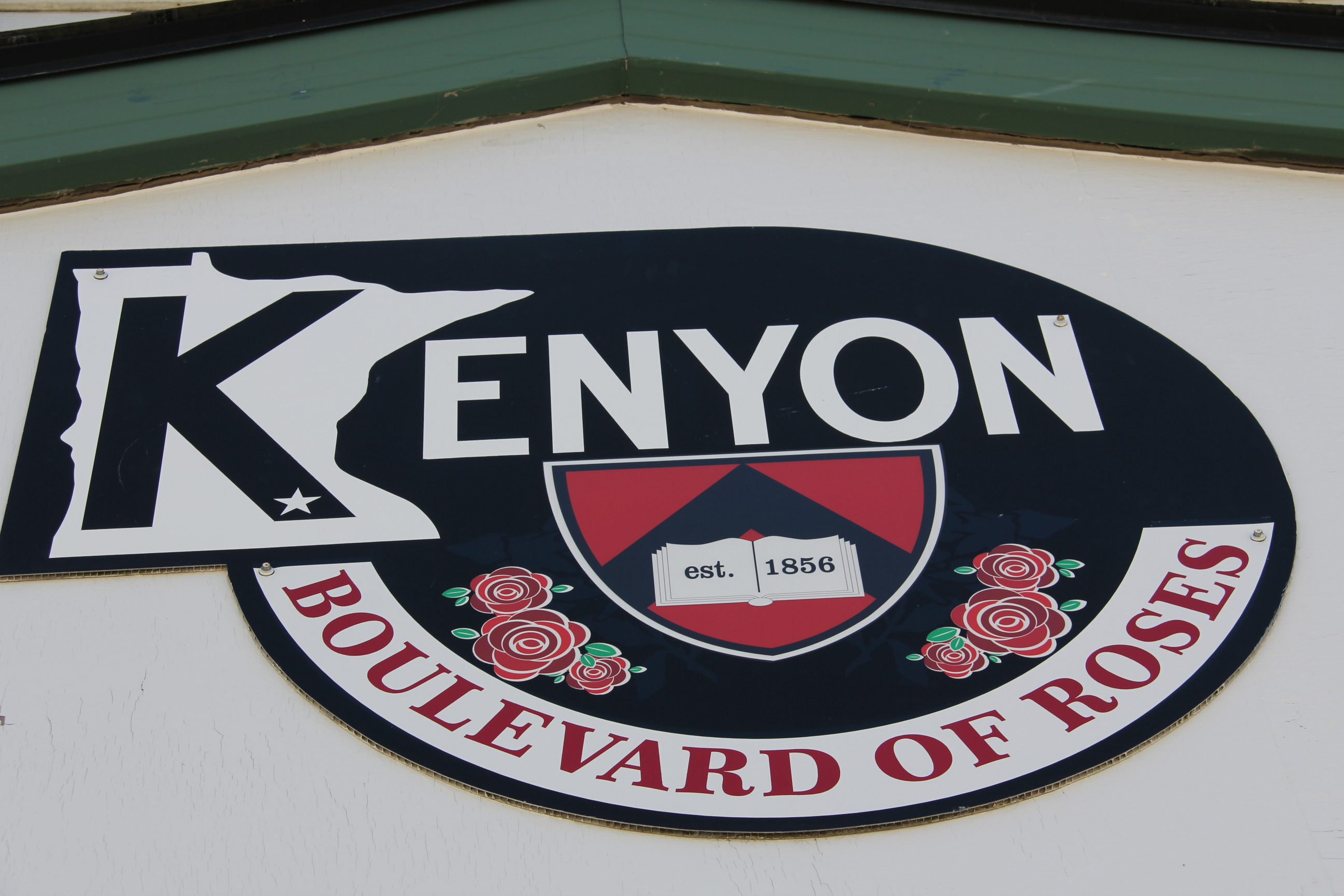
This identifying signage is posted on Kenyon’s city building. (Minnesota Prairie Roots copyrighted photo June 2024)

WHEN IT COMES to branding, everything is coming up roses in Kenyon. Literally.
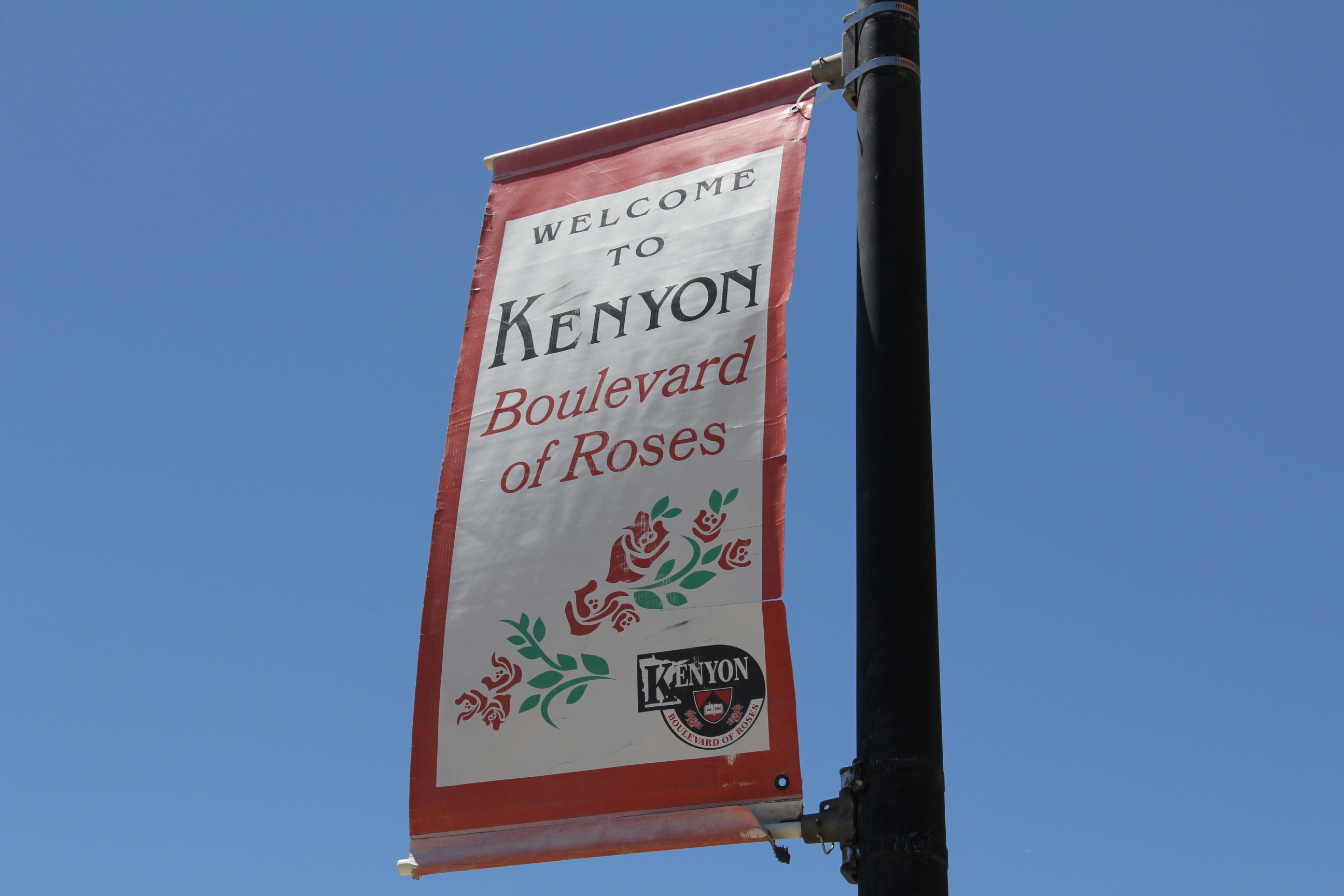
Welcome to Kenyon and its Boulevard of Roses. (Minnesota Prairie Roots copyrighted photo June 2024)
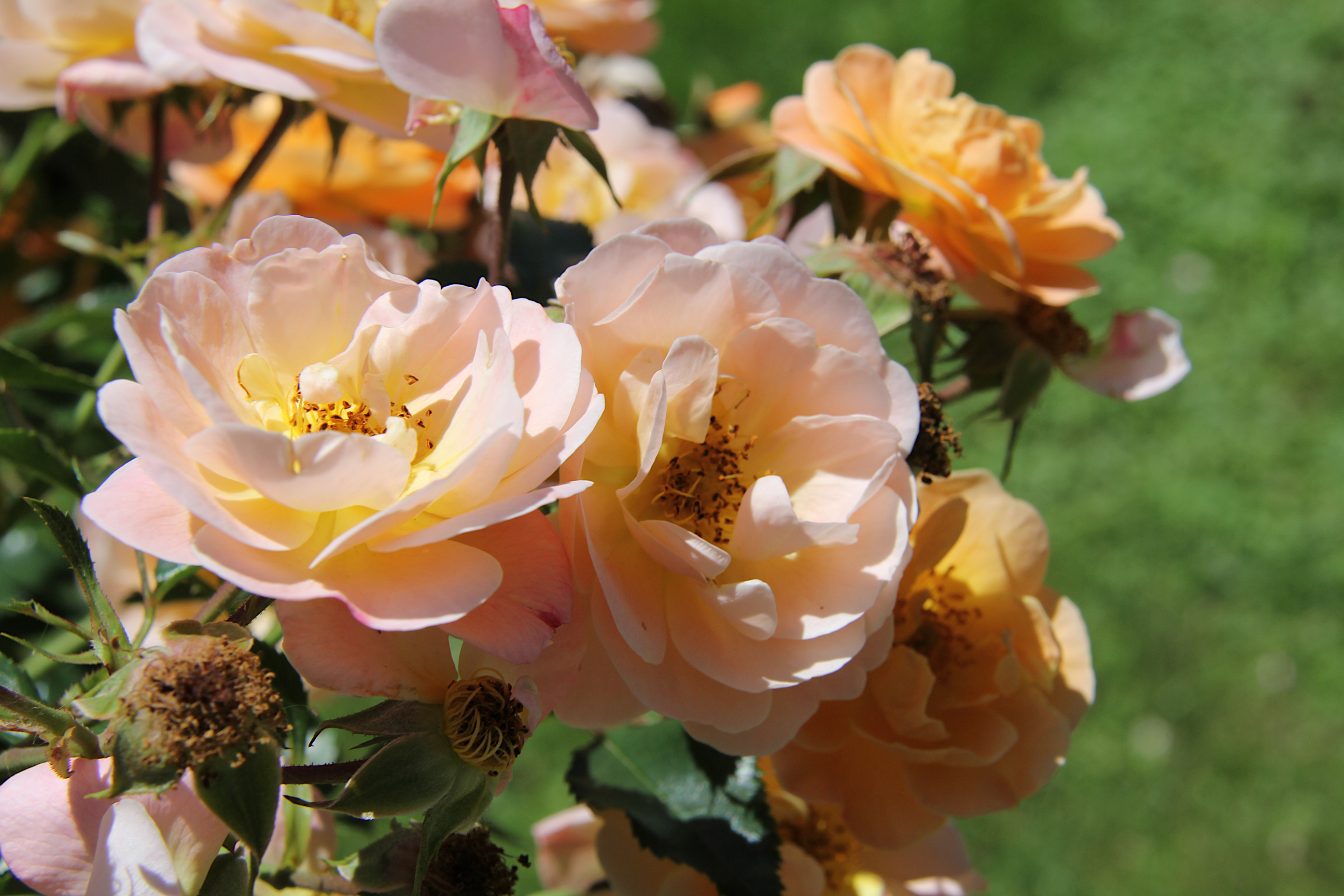
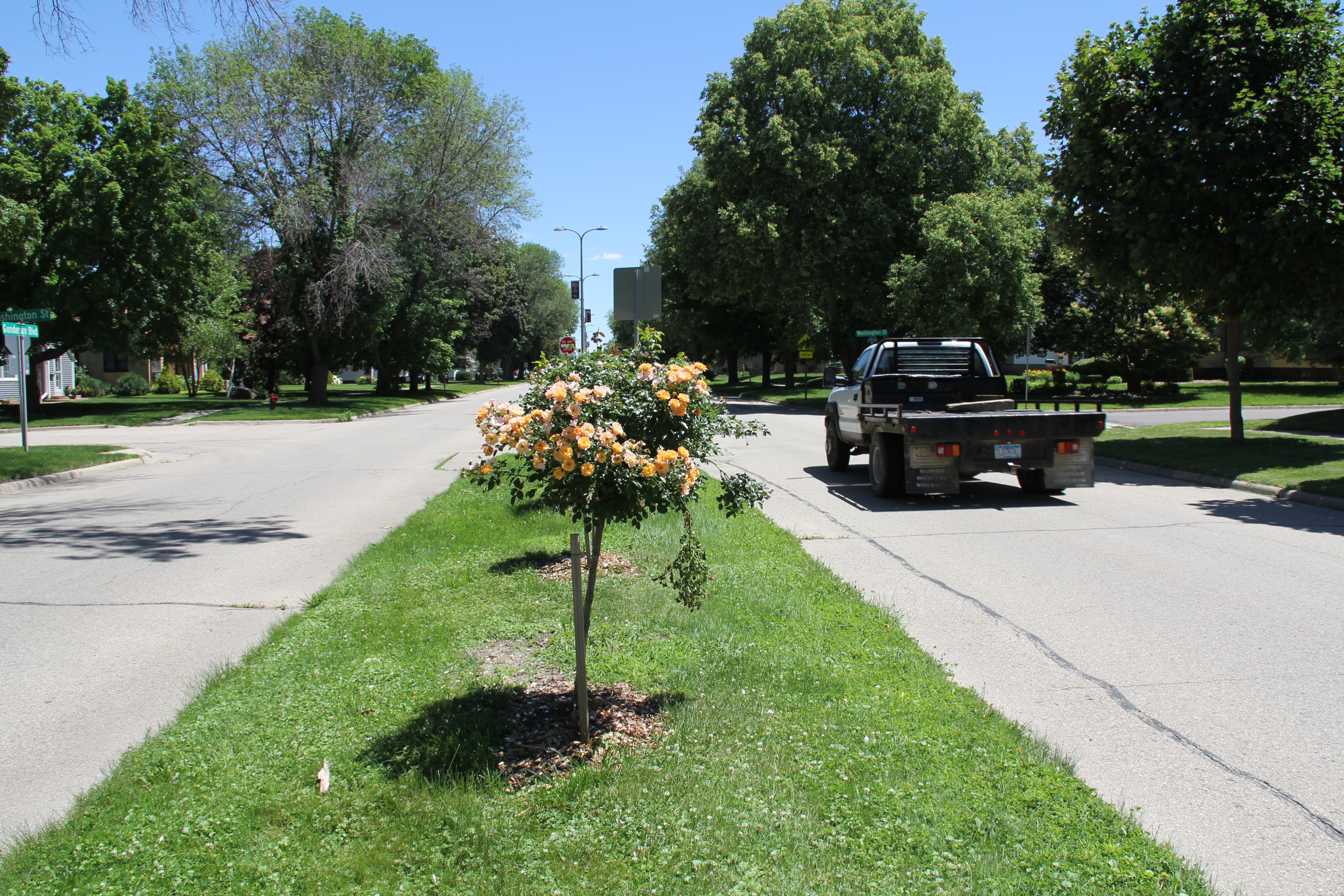
Roses bloom throughout the summer in the boulevard. (Minnesota Prairie Roots copyrighted photo June 2024)
So many lovely roses… (Minnesota Prairie Roots copyrighted photo June 2024)

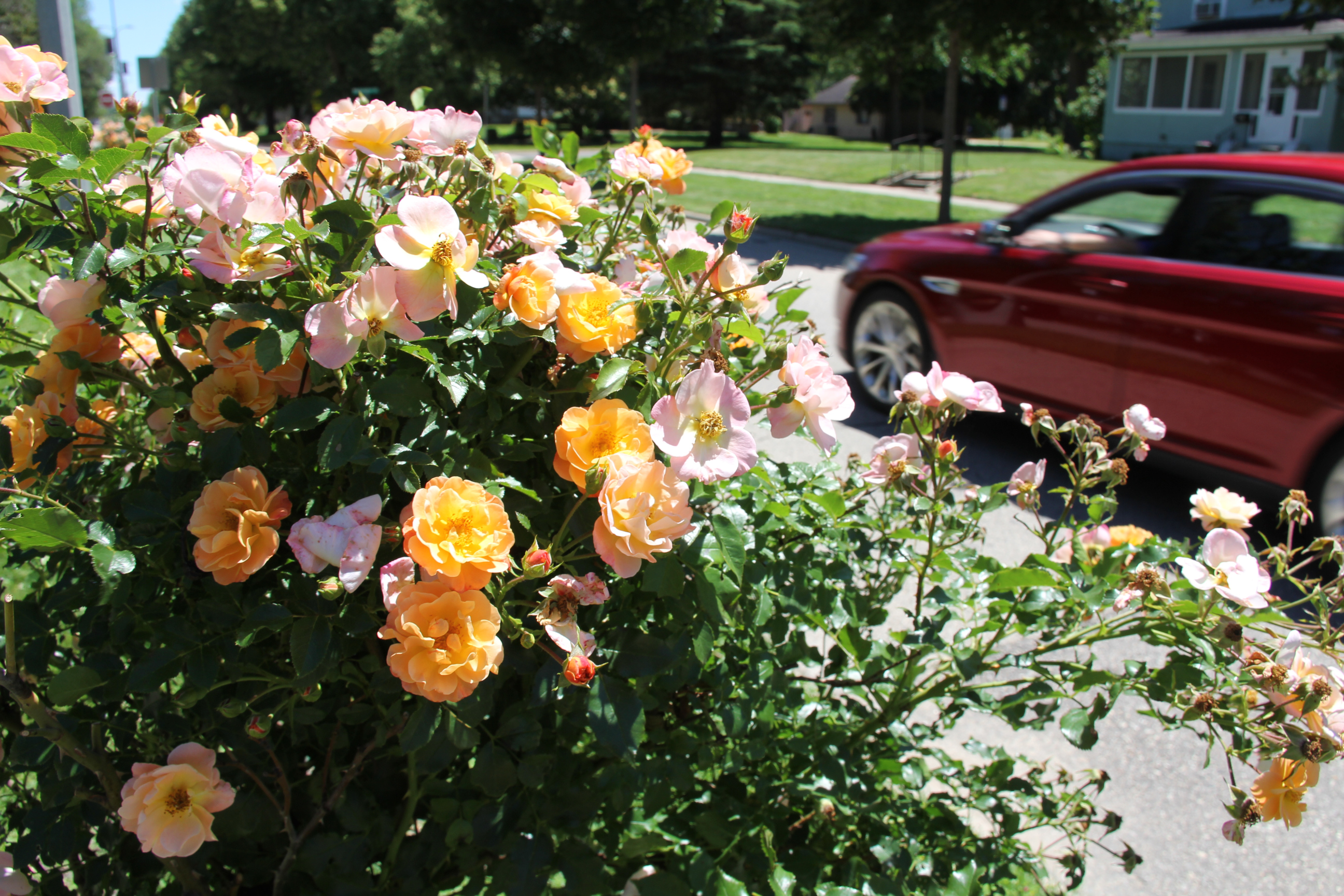
This community of just under 2,000 identifies itself via its Boulevard of Roses which is, indeed, a rose-filled boulevard on Minnesota State Highway 60/Gunderson Boulevard. For blocks along this heavily-traveled roadway on the west side of downtown, tree roses grow, blooming beauty into the landscape.
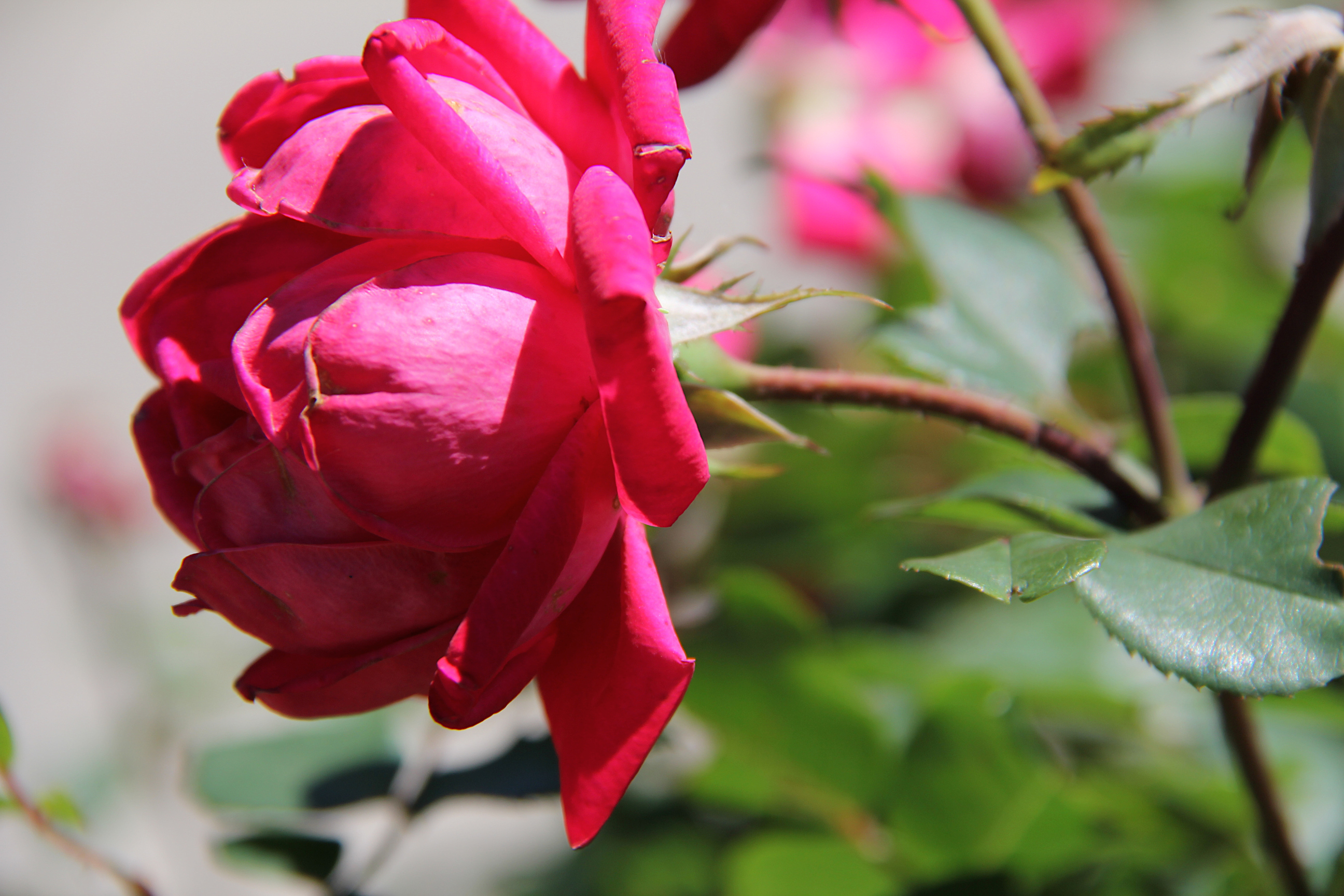
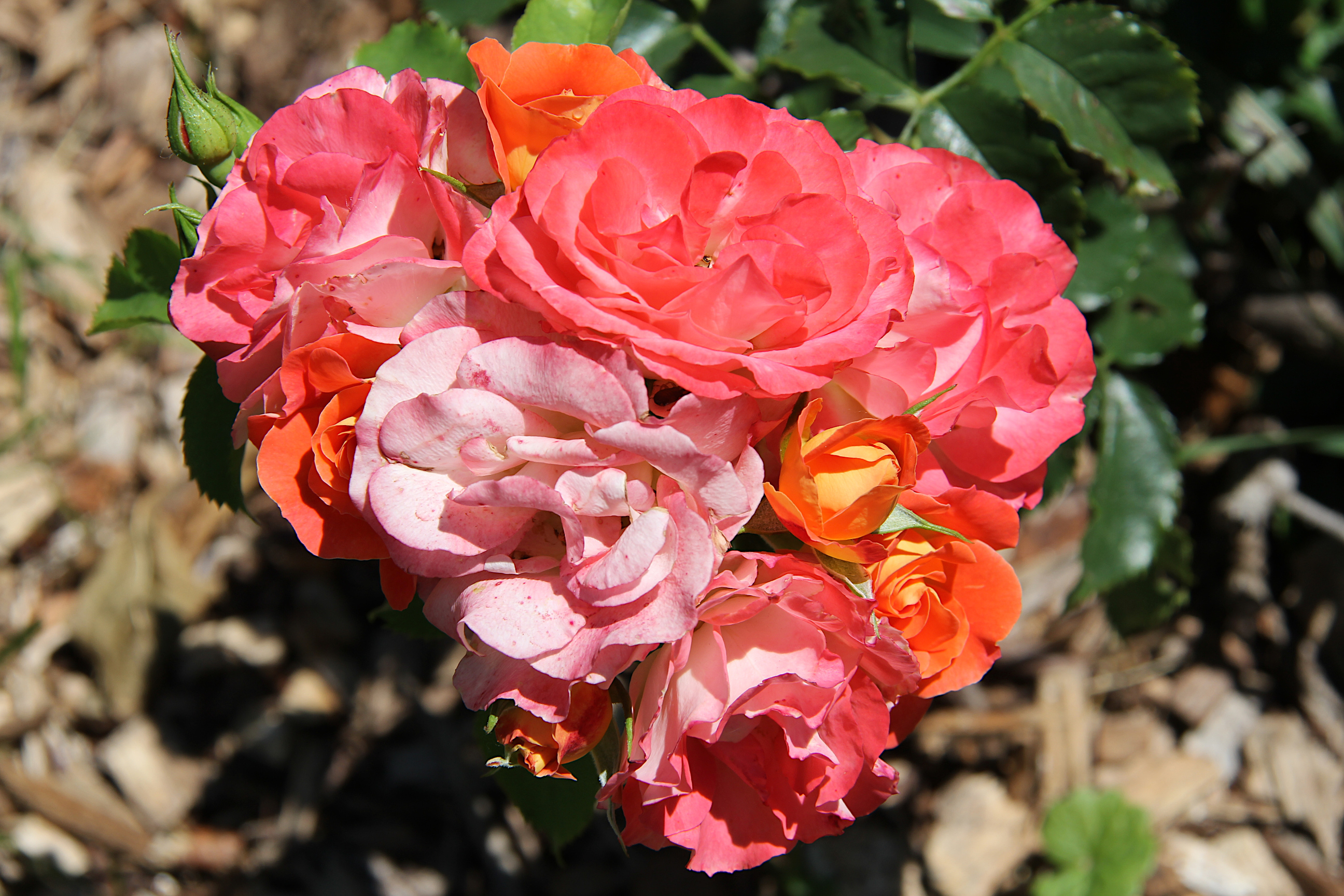
So many beautiful roses in assorted hues. (Minnesota Prairie Roots copyrighted photo June 2024)
Whether growing individually or in clusters, these tree roses are glorious. (Minnesota Prairie Roots copyrighted photo June 2024)
Traffic whizzes by on both sides as you smell/view the roses. (Minnesota Prairie Roots copyrighted photo June 2024)

Recently, I stopped to smell the roses. Literally. I dipped my nose into the perfume-scented flowers, delighting in their fragrance as semi trucks and other motor vehicles blew by me only feet away. Smelling the roses here requires caution. I’ve often wished Kenyon had a public rose garden, allowing for rose viewing, and smelling, in a peaceful setting.
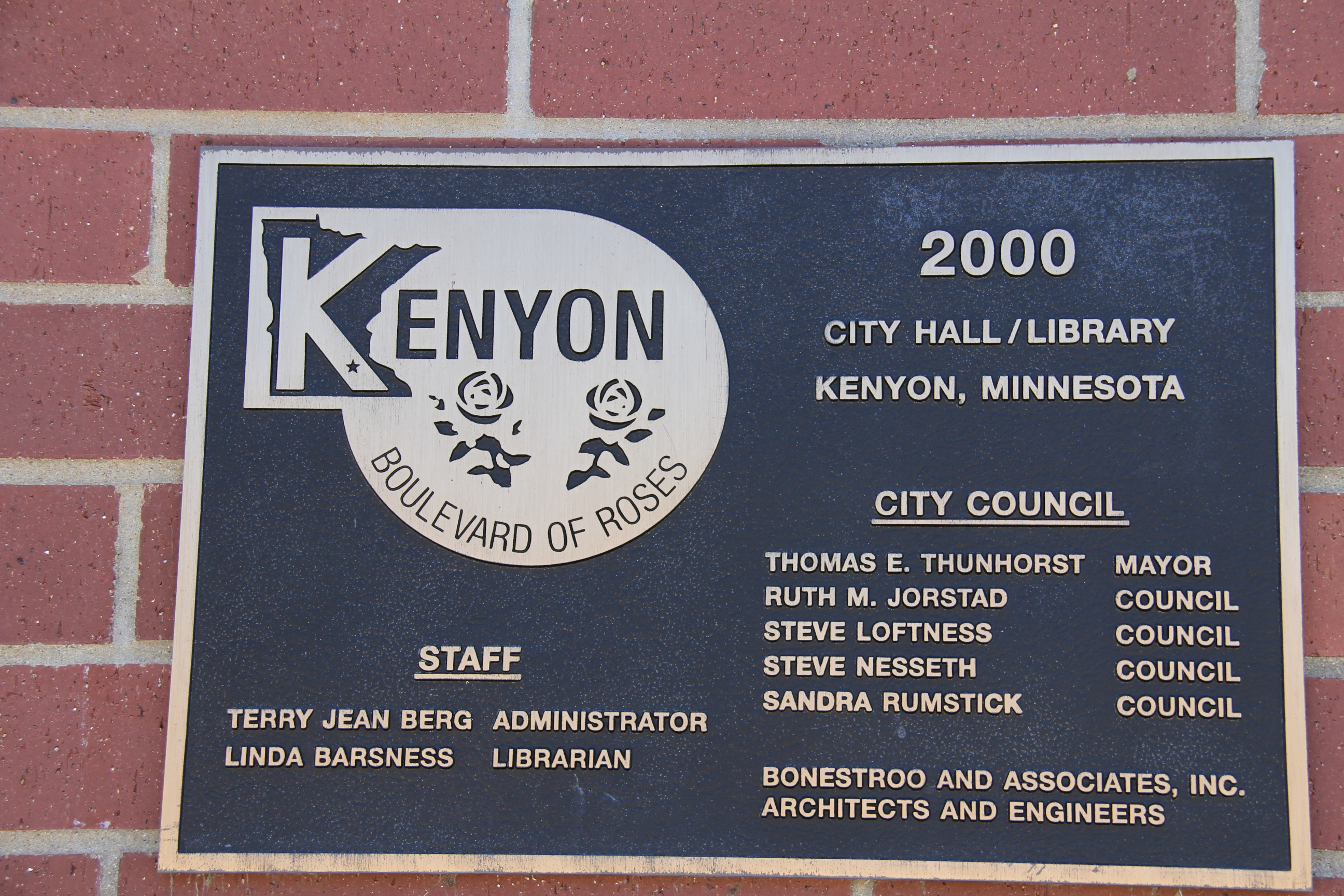
Even a plaque on Kenyon’s city building has the rose brand. (Minnesota Prairie Roots copyrighted photo June 2024)

But that the city has this, this Boulevard of Roses, is a gift. Back in 1962, city employee Lloyd Jystad asked to plant 10 tree roses to spruce up the boulevard. Permission granted. He cared for the rose bushes, which require burying in the ground before winter and then uncovering in the spring. From that initial request, the rose idea grew to include some 100 bushes, which are still cared for by city employees today. The Boulevard of Roses was dedicated in June 1968. That’s a long time of growing and tending roses.
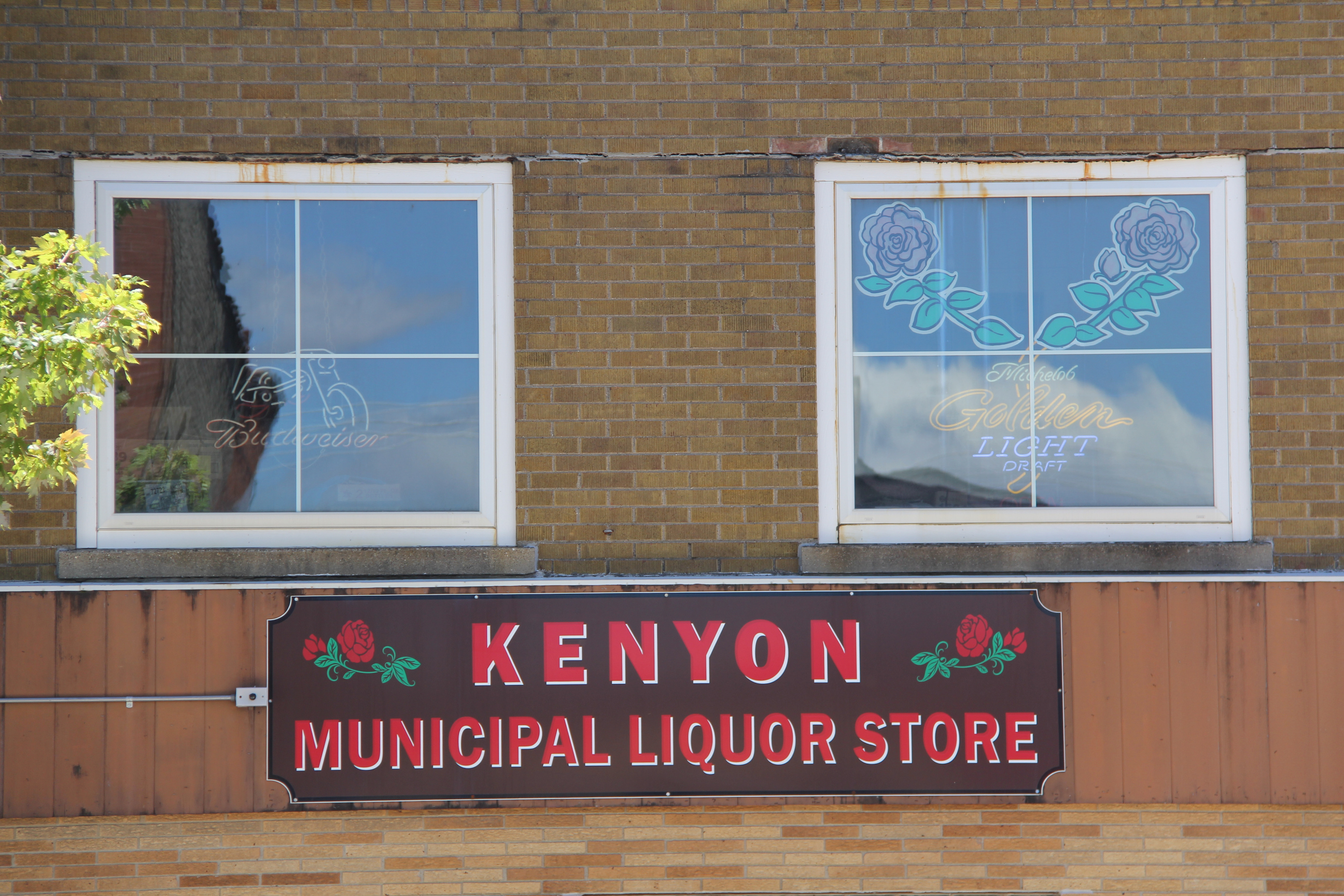
Rose branding on the city liquor store. (Minnesota Prairie Roots copyrighted photo June 2024)

Throughout Kenyon, roses bloom. In many ways, it’s remarkable for a community this small to have such a strong identifier. But I saw roses everywhere during a recent visit, far beyond the real ones that bloom along the highway. The red rose symbol graces many a sign in Kenyon.
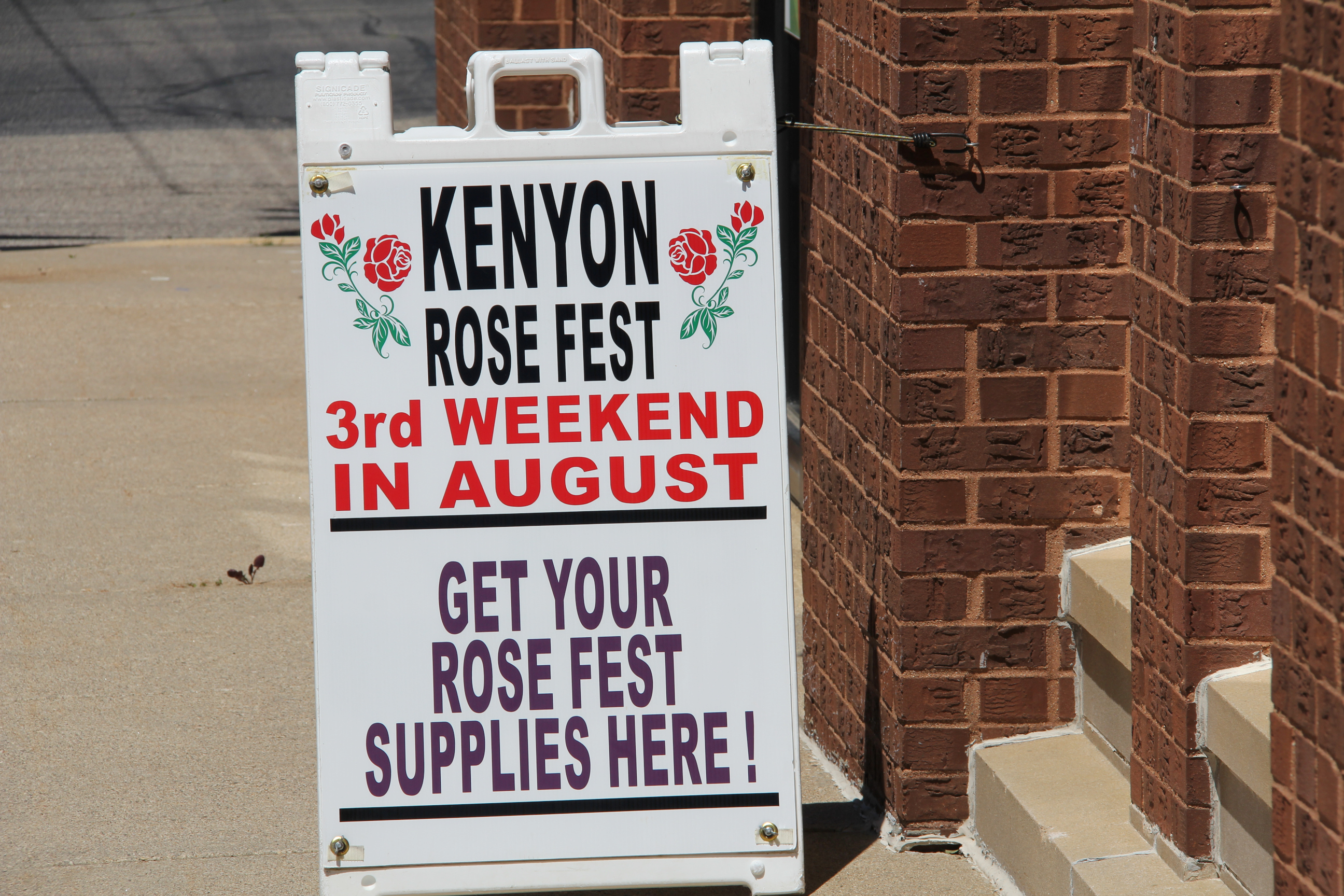

A sandwich board sits outside a small business well in advance of Rose Fest. (Minnesota Prairie Roots copyrighted photo June 2024)
Business branding on a shop door. (Minnesota Prairie Roots copyrighted photo June 2024)
Promoting the upcoming Rose Fest car and truck show in a storefront window. (Minnesota Prairie Roots copyrighted photo June 2024)

The city also celebrates roses in August with the Kenyon Rose Fest, this year August 14-18. It’s your typical small town summer celebration with fest royalty, a parade, a car and truck show, vendor and craft market, great food, and more. Mostly, Rose Fest is about connecting people and community. It brings folks together to celebrate small town life.
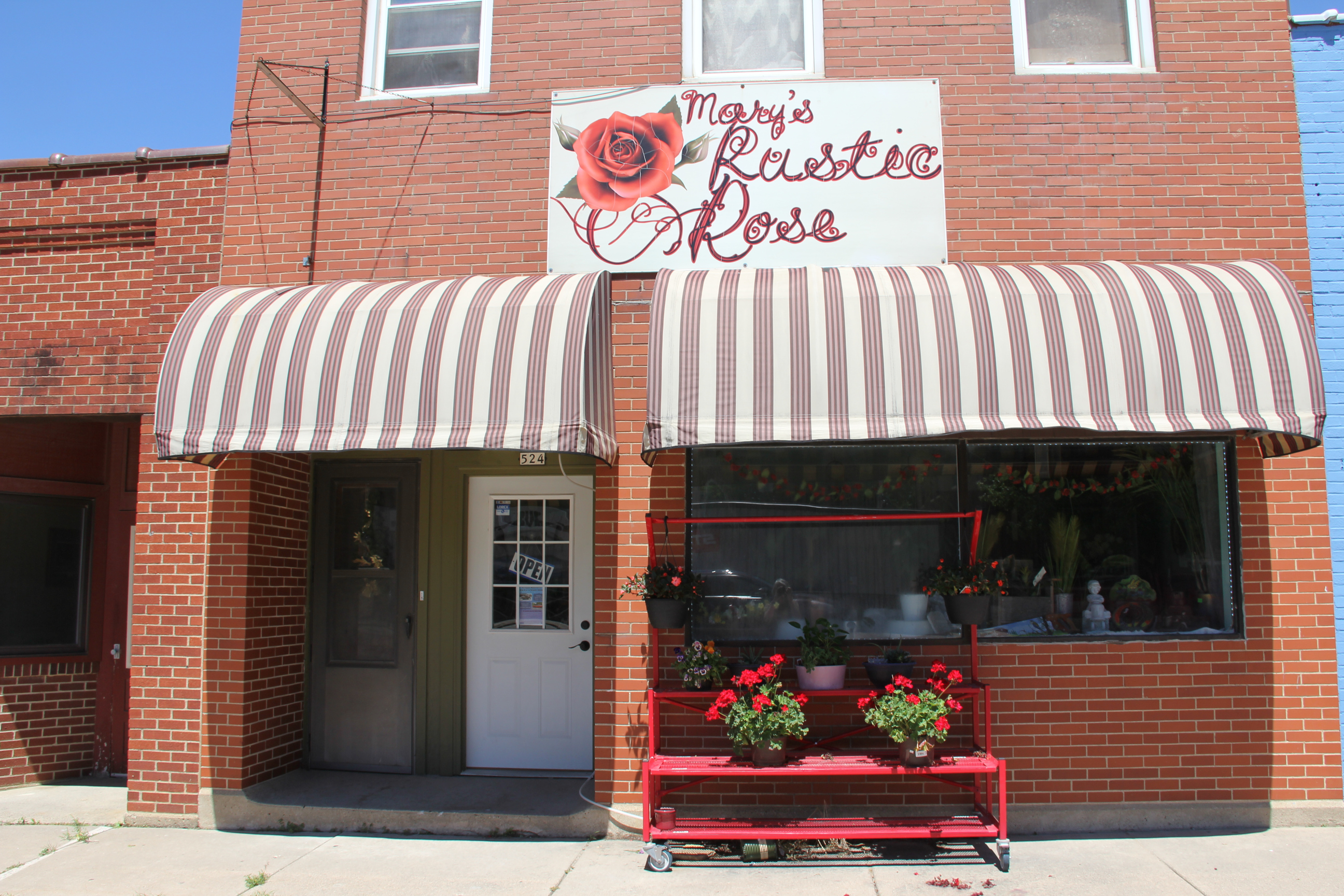
A fitting name for a floral shop in Kenyon. (Minnesota Prairie Roots copyrighted photo June 2024)

I often wonder if motorists, as they drive through Kenyon in their hurry from Point A to Point B, even notice the beauty they’re passing by in the Boulevard of Roses. I’m here to say it’s worth your time to stop, exit your vehicle and smell the roses. Life is much sweeter when we slow down and appreciate the nuances of small towns like Kenyon with its Boulevard of Roses.

© Copyright 2024 Audrey Kletscher Helbling


“The Viaduct,” an enduring Faribault landmark August 23, 2023

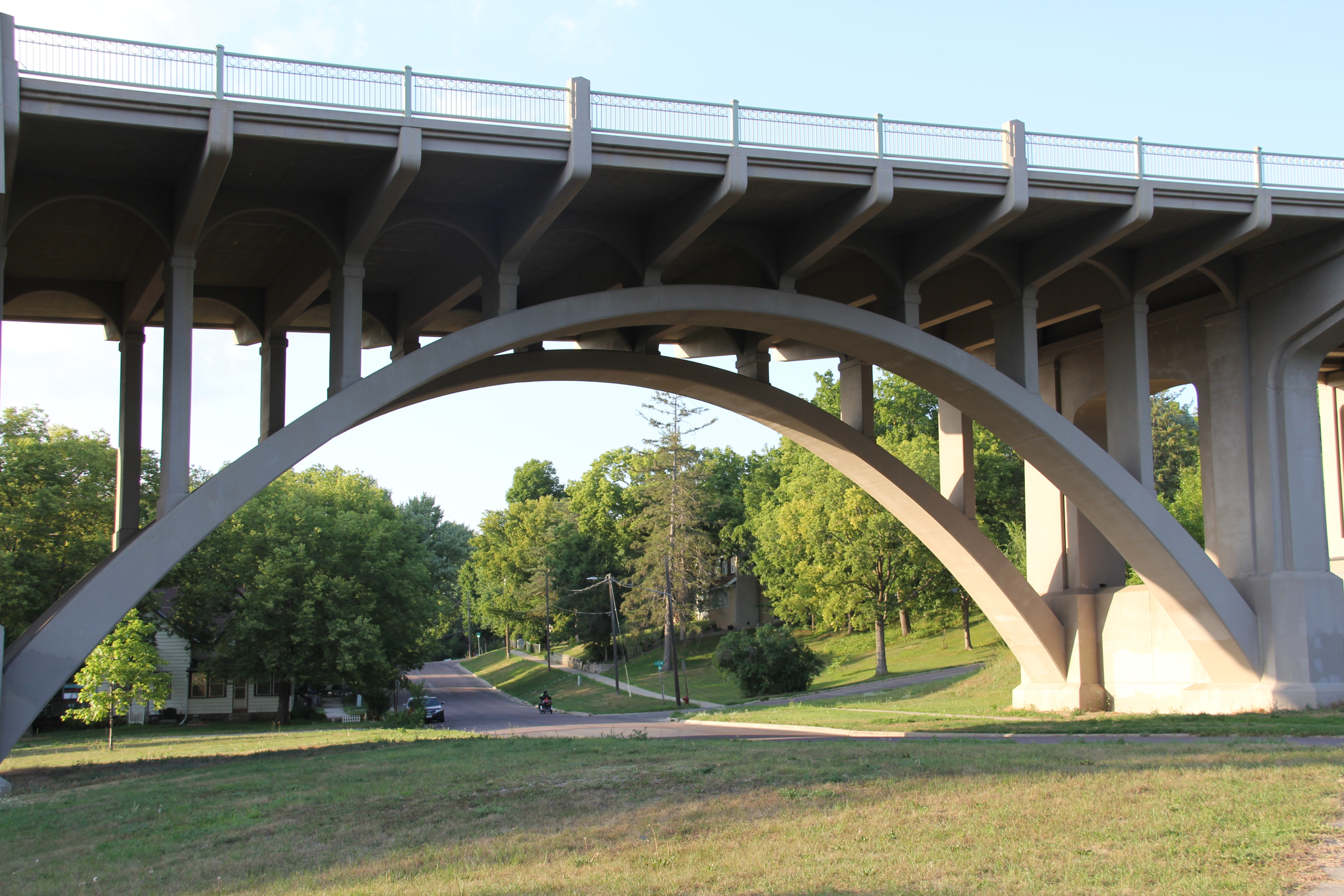
A side view of a section of Faribault’s historic viaduct. (Minnesota Prairie Roots copyrighted photo August 2023)

ARCHITECTURE, ART AND HISTORY meld on an expansive structure connecting Faribault’s east and west sides.

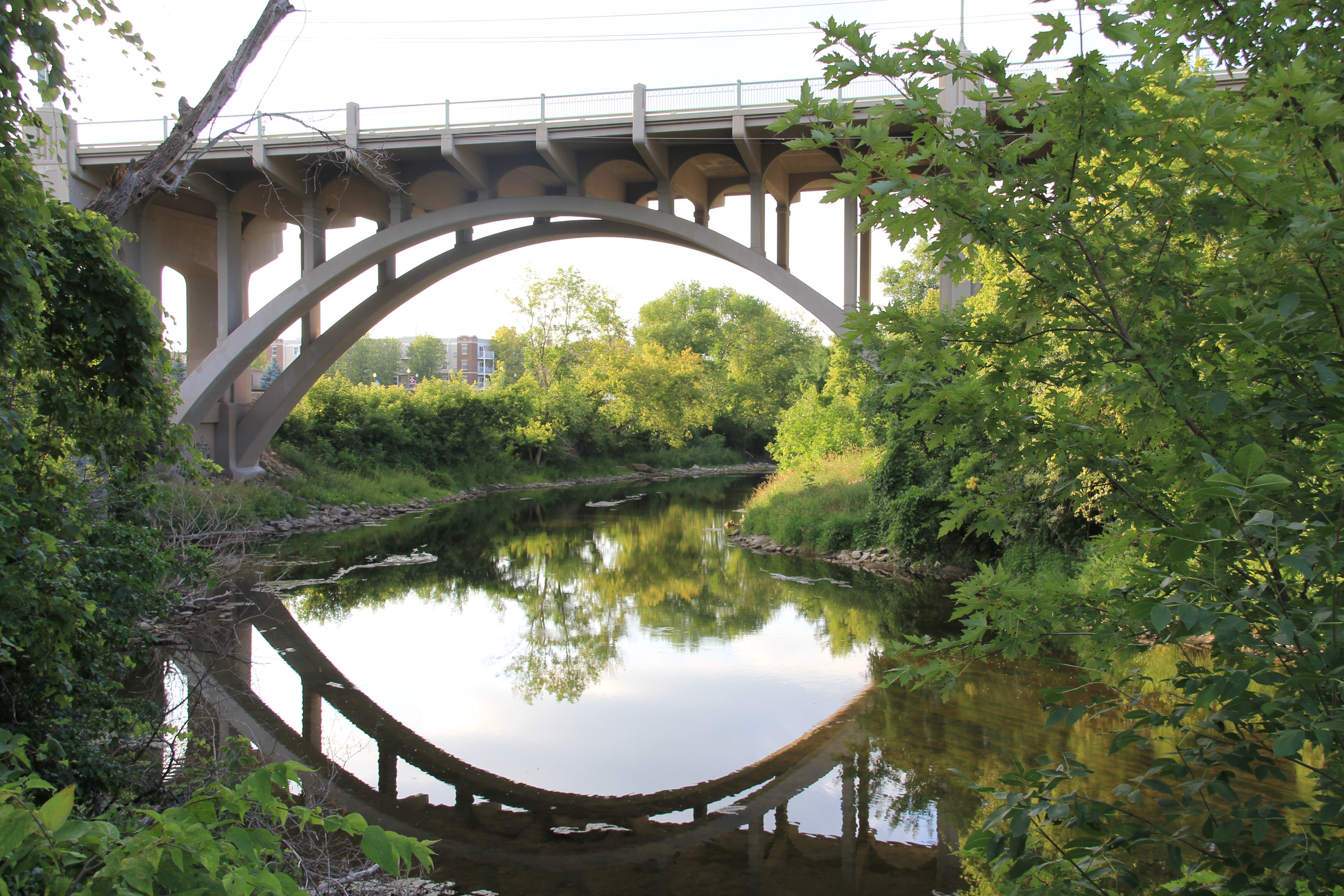
The viaduct reflects in the Straight River in the early evening light. (Minnesota Prairie Roots copyrighted photo August 2023)

Locally referred to as “The Viaduct,” the continuous concrete rib arch bridge routes pedestrians and traffic along Minnesota State Highway 60 over railroad tracks and the Straight River far below. Three massive reinforced arches distinguish this as a viaduct rather than a bridge.

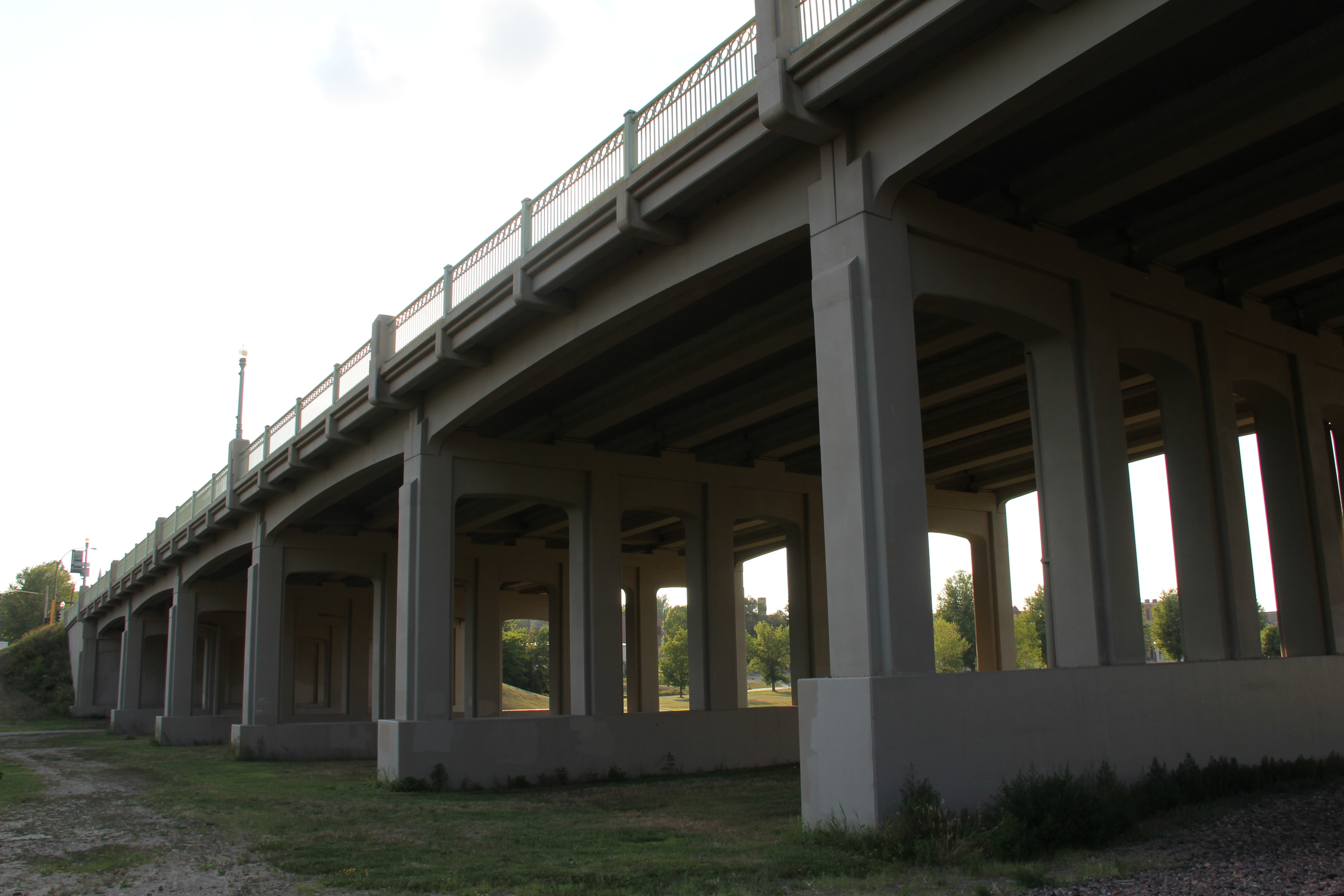
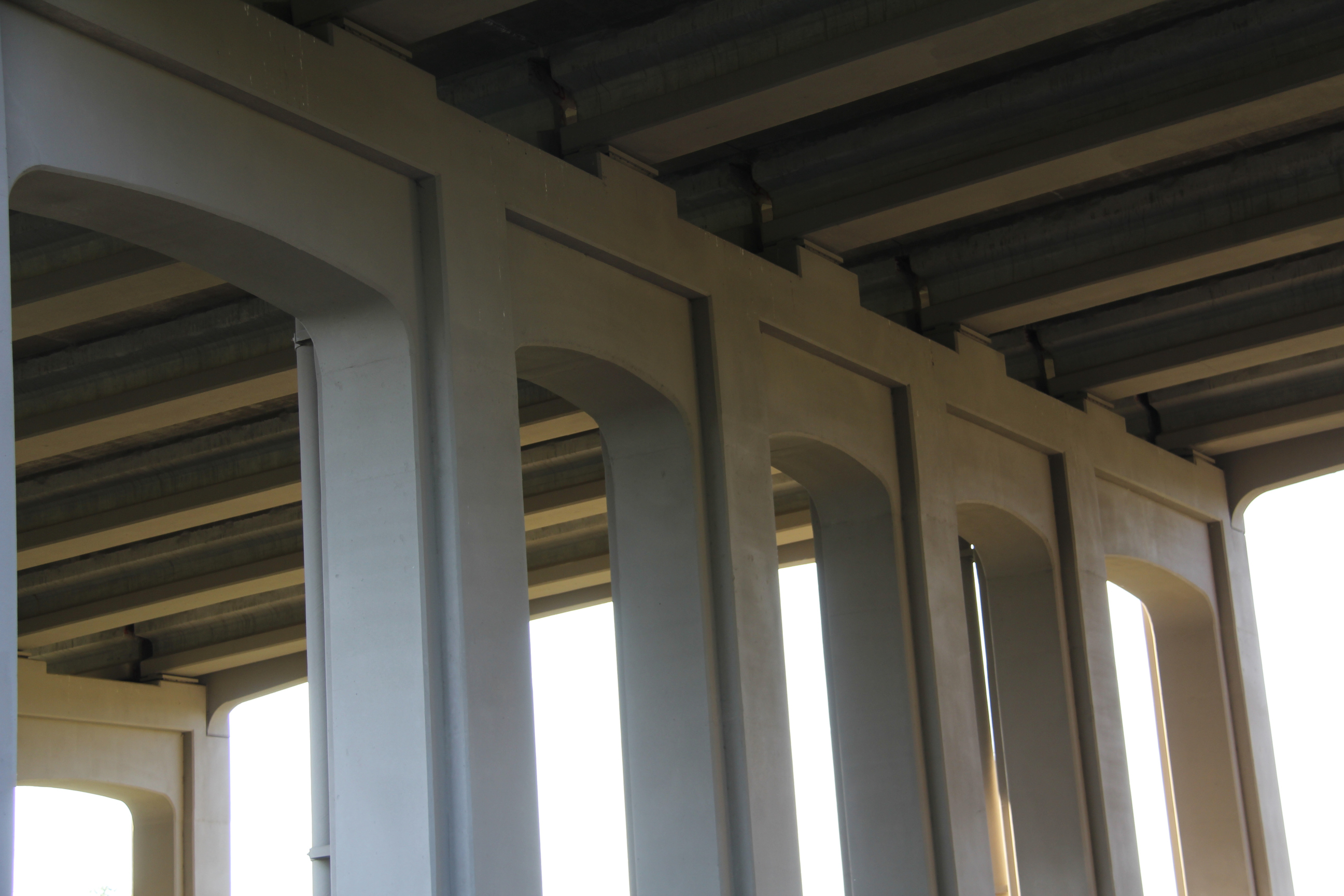
Piers and under the roadway up close. (Minnesota Prairie Roots copyrighted photo August 2023)

Thousands of times I’ve crossed the viaduct via vehicle in my 41 years living here. But not until recently did I pause to really study the underbelly of this 1937 Works Progress Administration project which is on the National Register of Historic Places. Only via a close-up look from ground level did I fully appreciate this engineering feat.

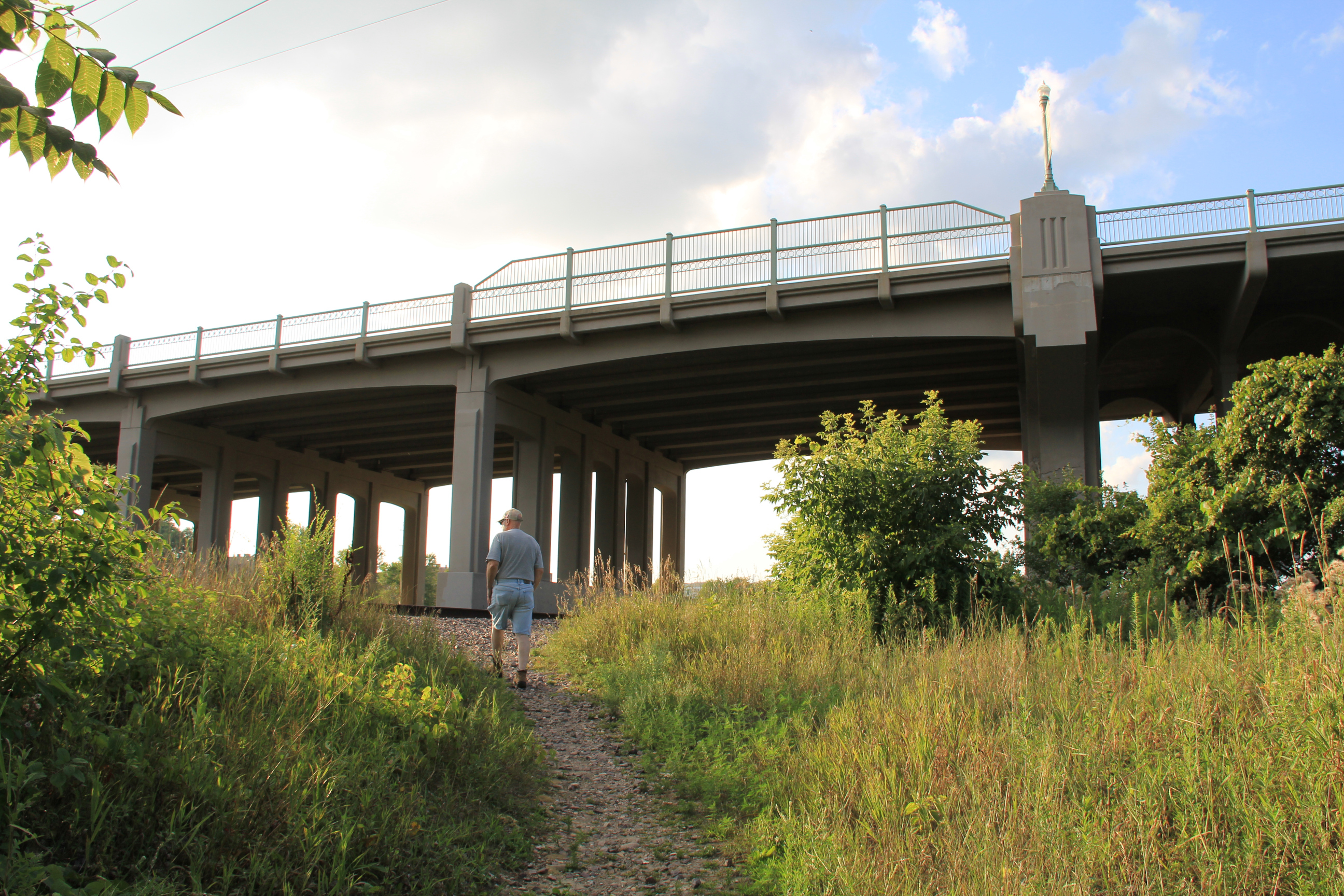
I followed Randy along this path leading to the tracks. (Minnesota Prairie Roots copyrighted photo August 2023)

I followed a narrow dirt trail through trees and underbrush in Teepee Tonka Park to reach a good viewing spot of the viaduct underside. From that perspective next to the train tracks, I observed the way patterns and lines repeat to build a strong structure that has withstood the test of traffic and of time. The bridge was rehabilitated, the roadway widened in 2008-2009.

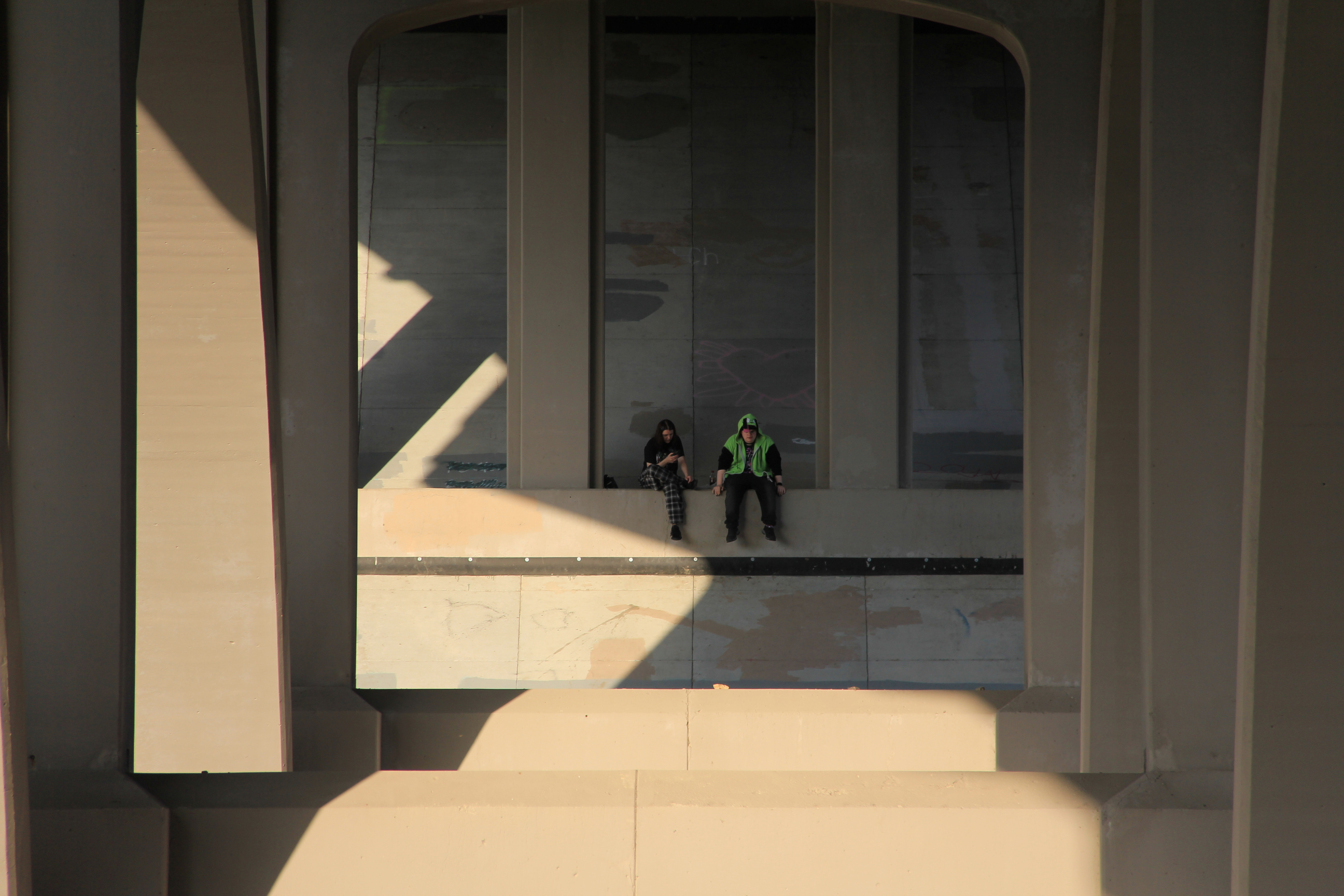
Hanging out under the viaduct. (Minnesota Prairie Roots copyrighted photo August 2023)

The viaduct impresses in design and size. I felt dwarfed by its massiveness, even more noticeable when I spotted a couple sitting on the far end. They appeared small in comparison to the concrete piers rising above and around them. I felt overpowered, too. I wondered how WPA workers managed to build this wonder in the late 1930s without the modern equipment of today.

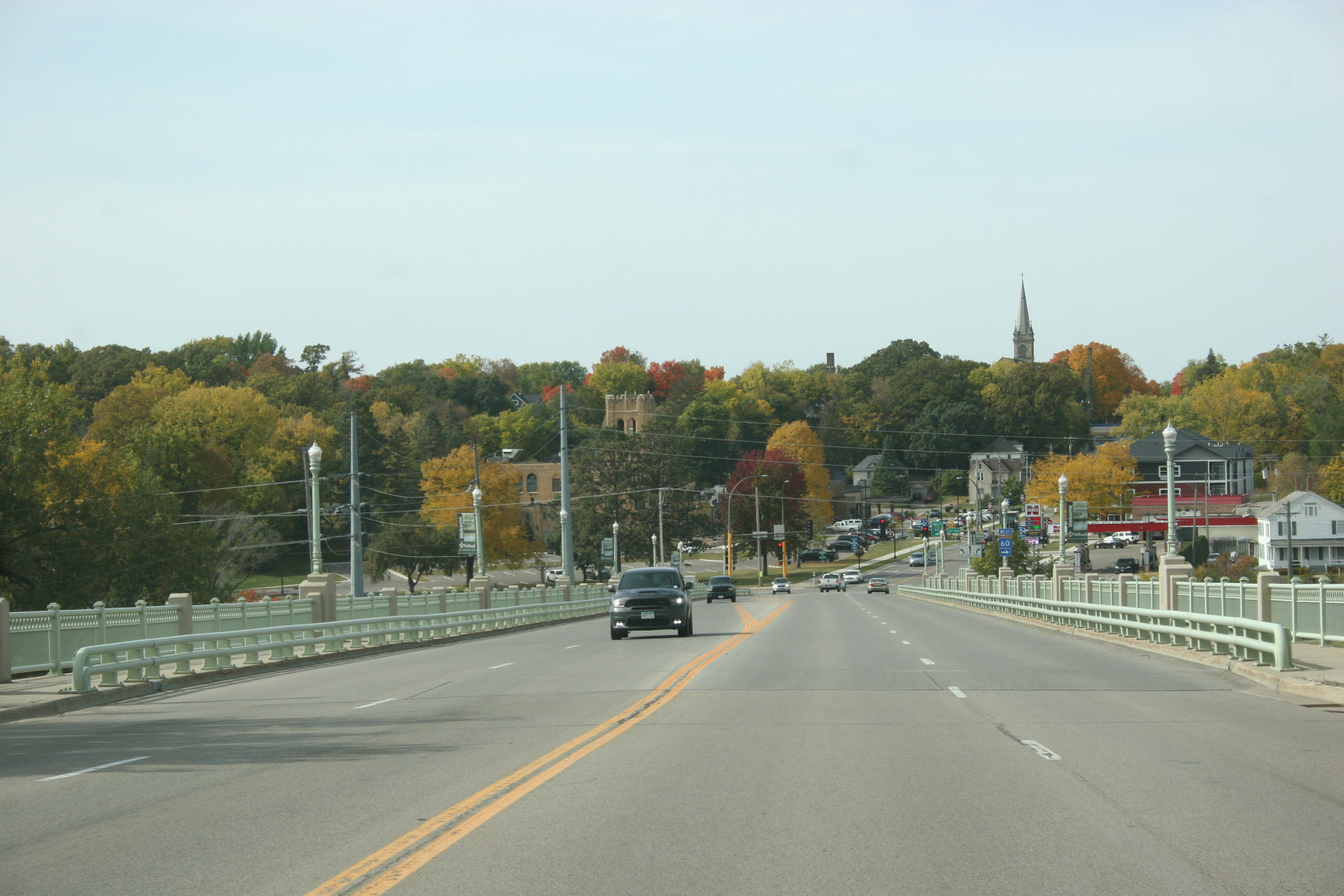
Westbound on the viaduct, Buckham Memorial Library is to the left and the Immaculate Conception Church steeple in the distance. (Minnesota Prairie Roots copyrighted file photo October 2022)

But it is more than utilitarian construction that marks this viaduct as noteworthy. The viaduct is a work of public art—an interactive sculpture which provides a sweeping view of historic downtown Faribault and the surrounding area when heading westbound. To view the bridge from below is to truly see its artsy side, its Art Deco/Classical Revival style. That style carries through in the concrete piers and, on road level, in the decorative railings and lights, replicas of the originals.

The viaduct is a marvelous work of architecture, art and engineering. (Minnesota Prairie Roots copyrighted photo August 2023)

As I stood under the viaduct studying its design, artsy arches, curves and lines, I considered the many people who have traversed this bridge. If only this concrete could speak, oh, the stories it would tell. Stories of construction workers who labored for 1½ years to complete this project. Stories of Ford Model As, among the first to drive across this linkage between east and west. Stories of students arriving at the Minnesota State Academies for the Deaf and Blind. Stories of athletes heading to hockey camp at Shattuck-St. Mary’s School. Stories of prisoners transported to the Minnesota State Correctional Facility, Faribault. Stories of ambulances racing across the viaduct toward the hospital. Stories of expectant parents headed there, too. Stories of families and students on their way to River Bend Nature Center. Stories of travelers simply passing through Faribault.

On the east side of the river, a road passes the viaduct and leads to Teepee Tonka Park. (Minnesota Prairie Roots copyrighted photo August 2023)

For 86 years, The Viaduct has gathered stories atop graceful arches, upon a roadway that is more than a route. This is a local landmark, an architectural and artistic marvel which visually and historically defines Faribault.

© Copyright 2023 Audrey Kletscher Helbling


Destination: Monkey Valley October 22, 2020

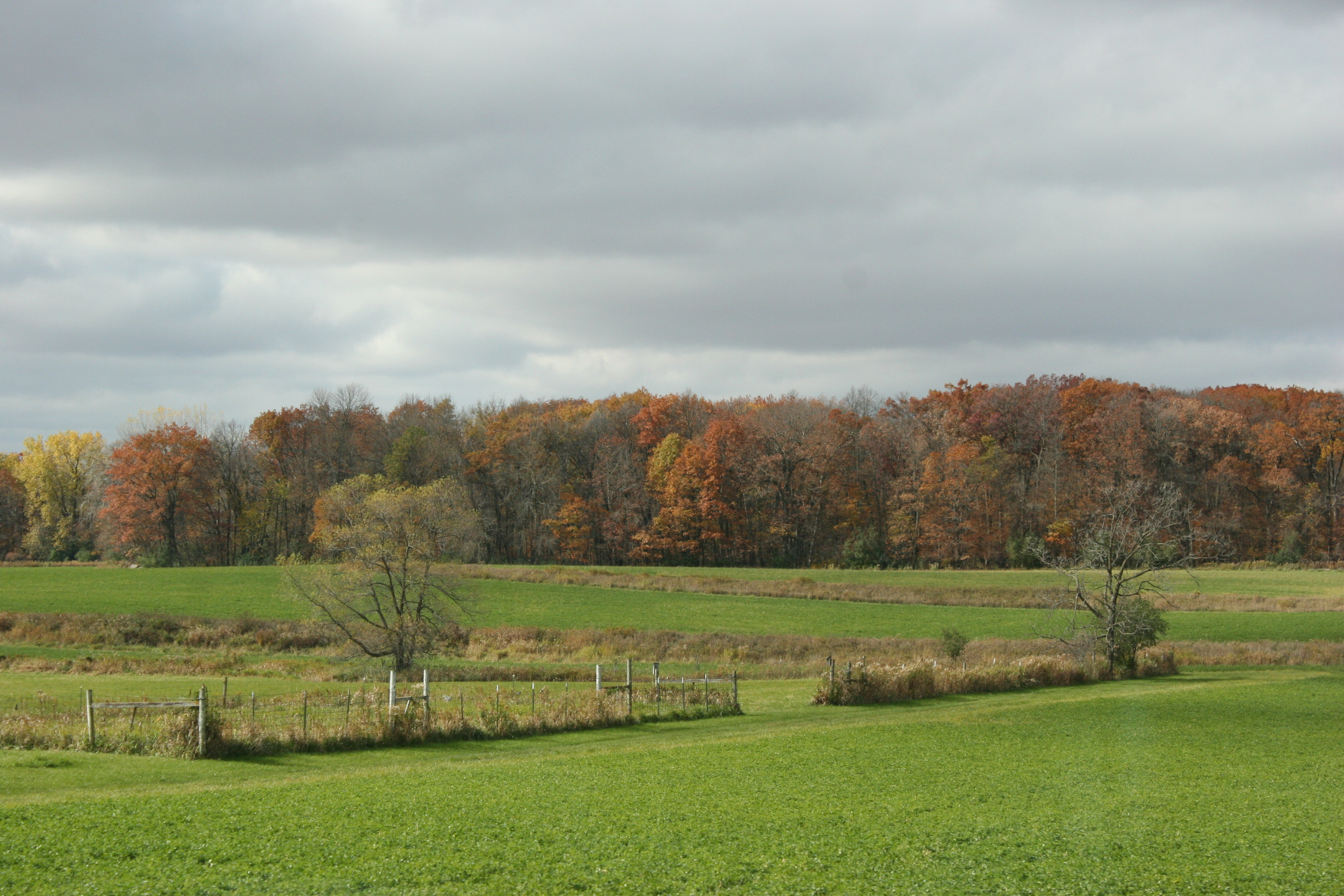
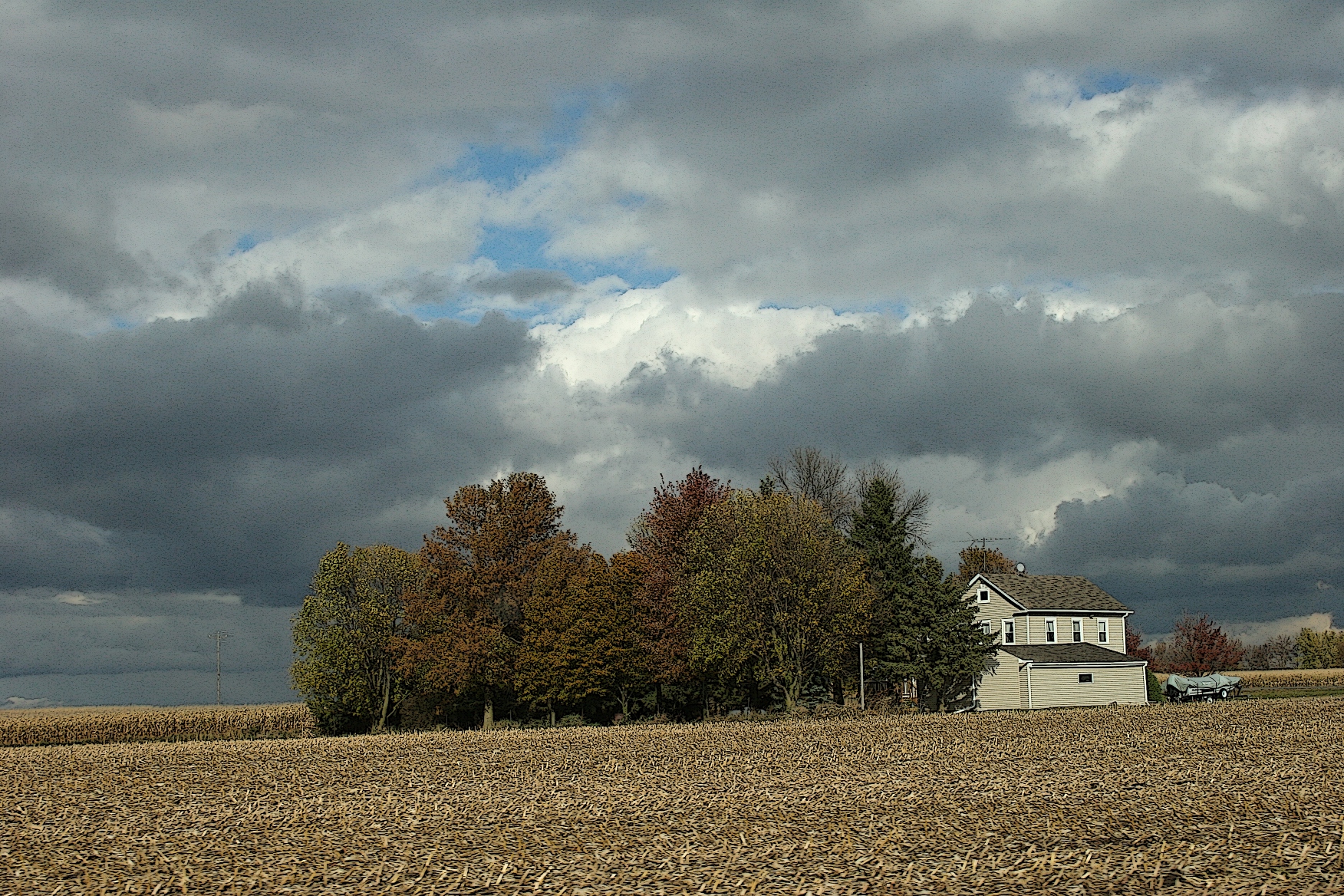
On Sunday afternoon, the landscape near Kenyon looked very much like autumn.

JUST DAYS AGO, the southern Minnesota landscape looked like autumn. But, after a record-breaking early snowstorm of up to nine inches of snow on Tuesday, this place I call home looks like winter.

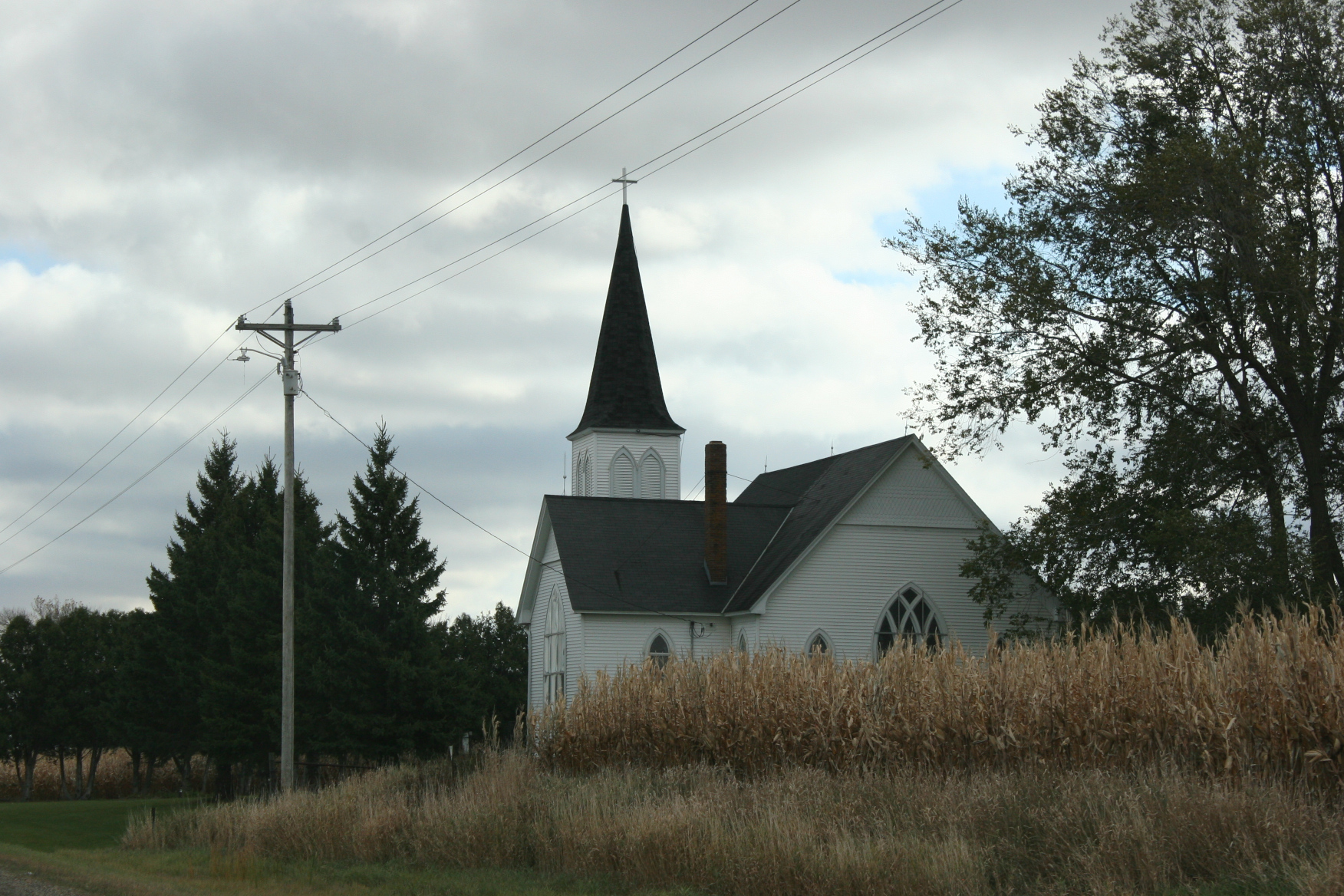
Prairieville United Methodist Church, located along Minnesota State Highway 60 east of Faribault, is no longer an active congregation and opens only for special occasions.

Still, I need to share with you the last remnants of autumn, photographed during a Sunday afternoon drive east of Faribault and eventually into the Zumbro River Valley between Zumbrota and Oronoco. Randy and I felt the urge, the need, to take this final drive of the season, although we were really about two weeks late to see the fall colors. Yet, we found much to appreciate.

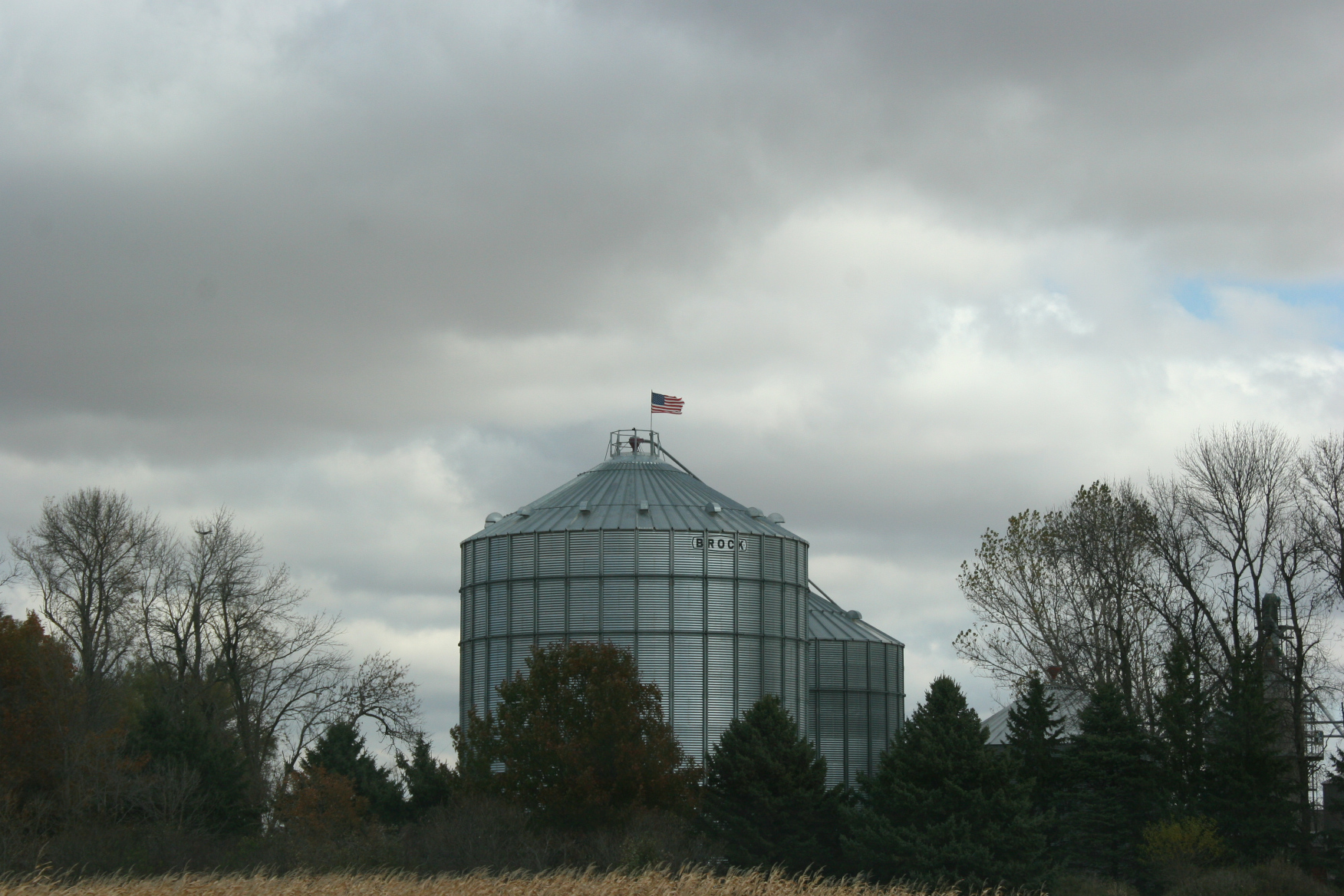
These grain bins are located along Minnesota State Highway 60 between Faribault and Kenyon.

As usual, I collected photo stories. Drives into the countryside and into small towns yield many such stories that often go untold. Had the day been warmer than about 35 degrees, we would have stopped more than twice to walk in these small communities. Our plans to eat a picnic lunch at a park ended with us parked outside the Zumbrota Public Library eating our ham sandwiches, grapes and protein bars in the van.

Harvesting corn Sunday afternoon east of Faribault along Minnesota State Highway 60.

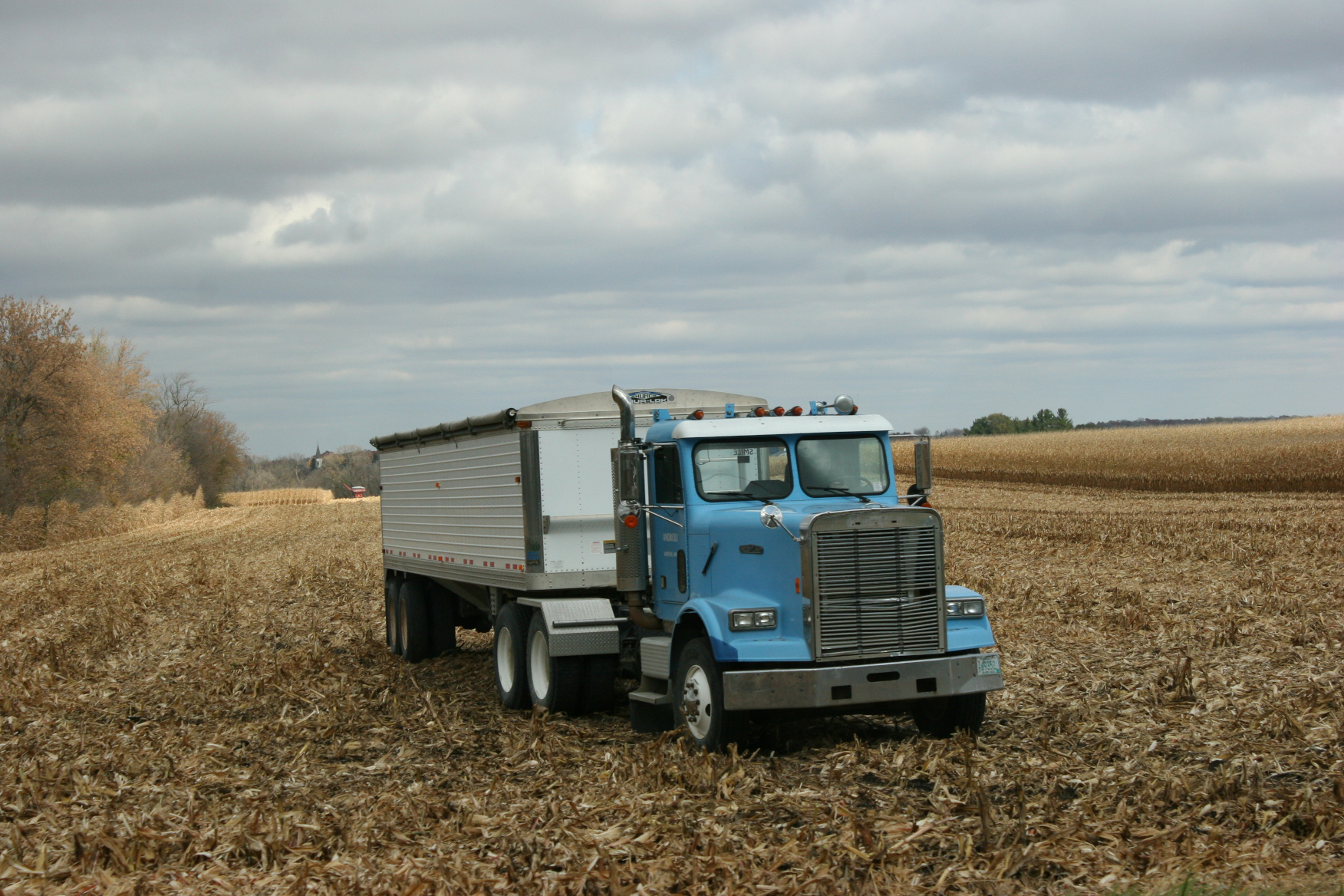
I filled my camera with images as we began out eastward drive along Minnesota State Highway 60. I found myself focused on documenting the harvest. Farmers were out in full force on Sunday, sweeping across acres of cornfields to bring in the crop.

A common site, and reason to slow down, during the harvest season.

Countless times, we encountered farm machinery on the highway, which led to Randy reciting this sound bite: Farmer on the road! That became a familiar refrain each time we slowed behind or met a tractor or combine and attempted to safely pass.

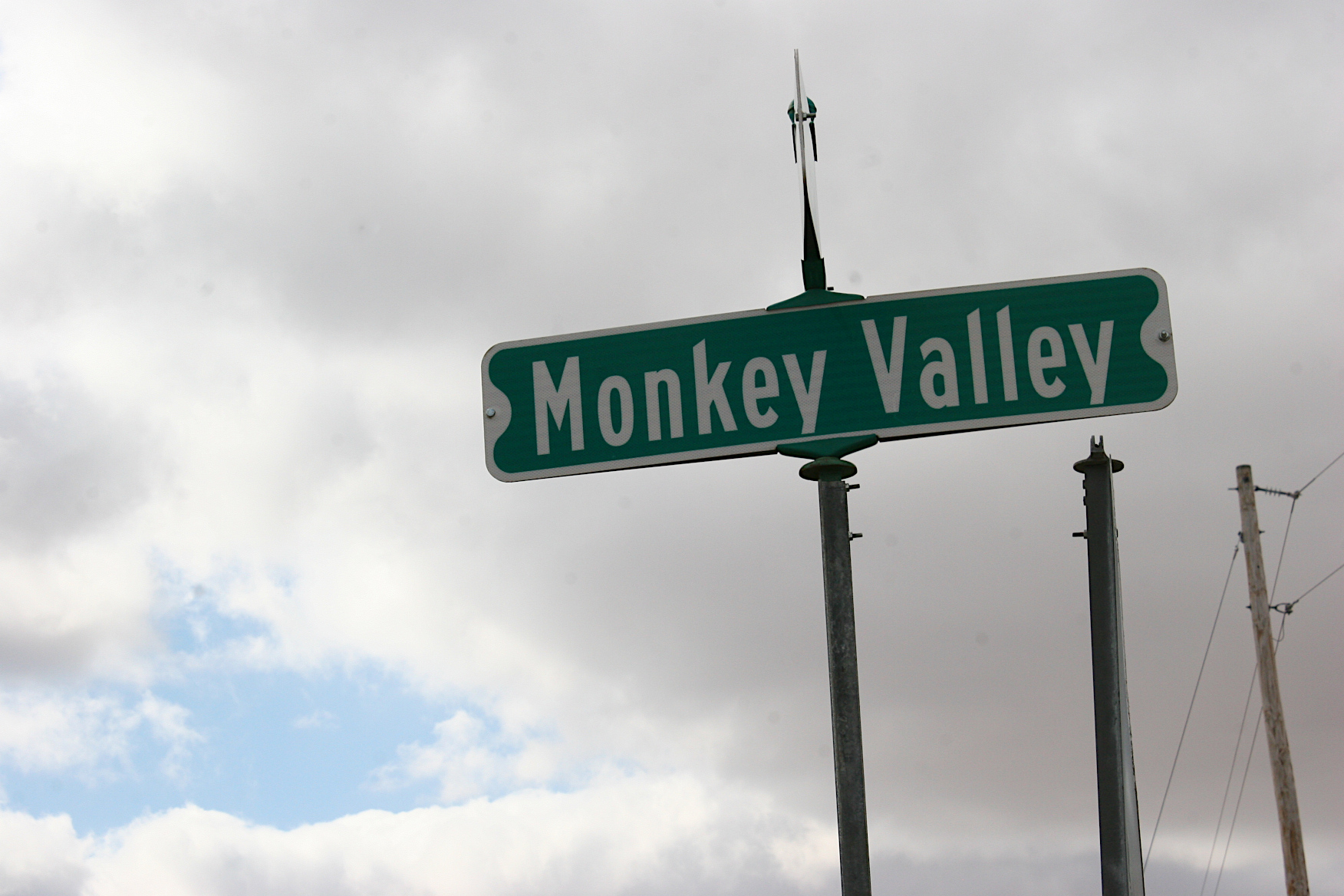
We’ve traveled highway 60 so many times that I struggle to find something new and interesting to photograph. So I suggested exiting onto a gravel road southwest of Kenyon into Monkey Valley.

Beautiful Monkey Valley.

The name itself intrigues me. As legend goes, the area was named such after a monkey escaped a traveling circus many many years ago. True? I don’t know. But I like the story.

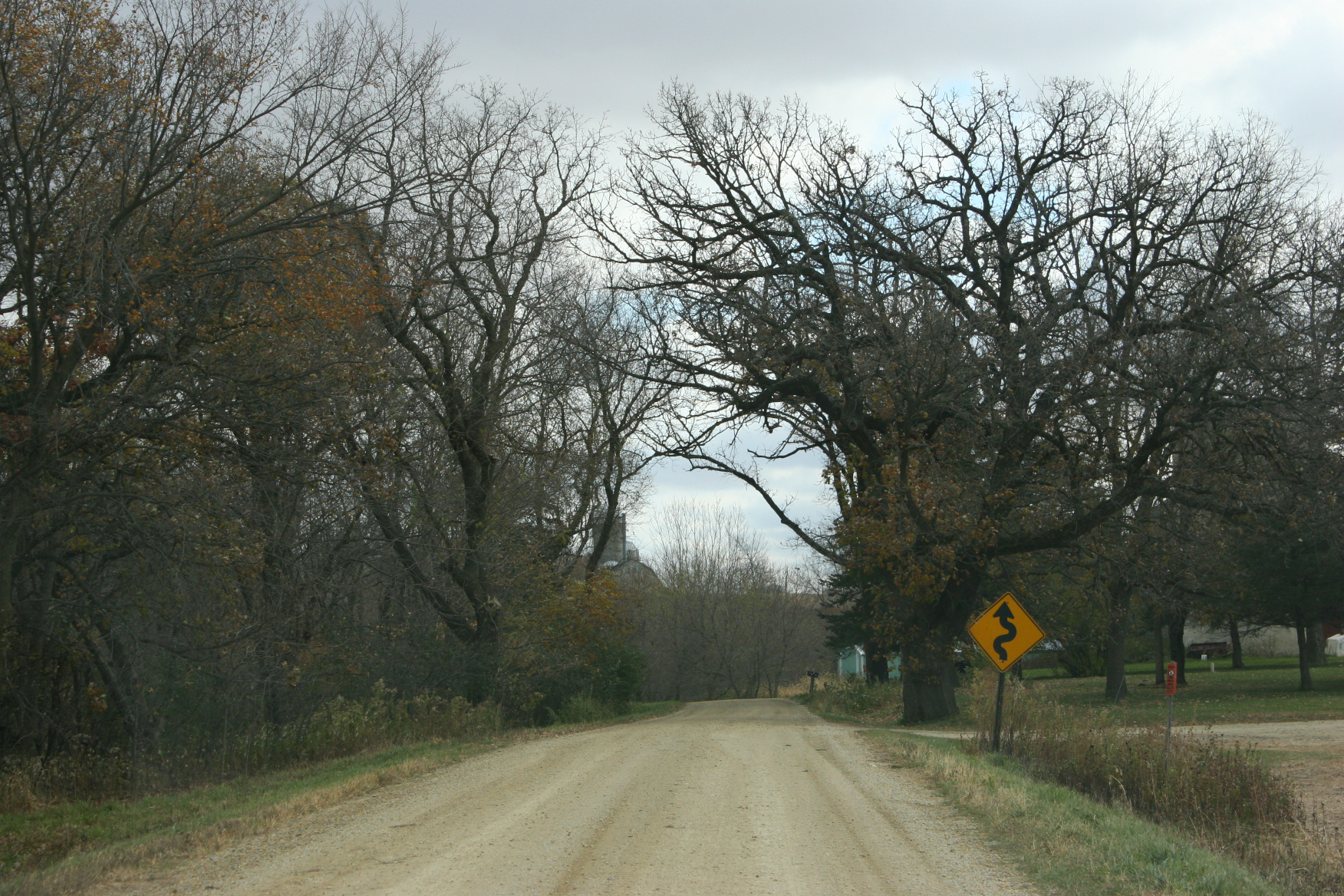
The gravel road winding through Monkey Valley.
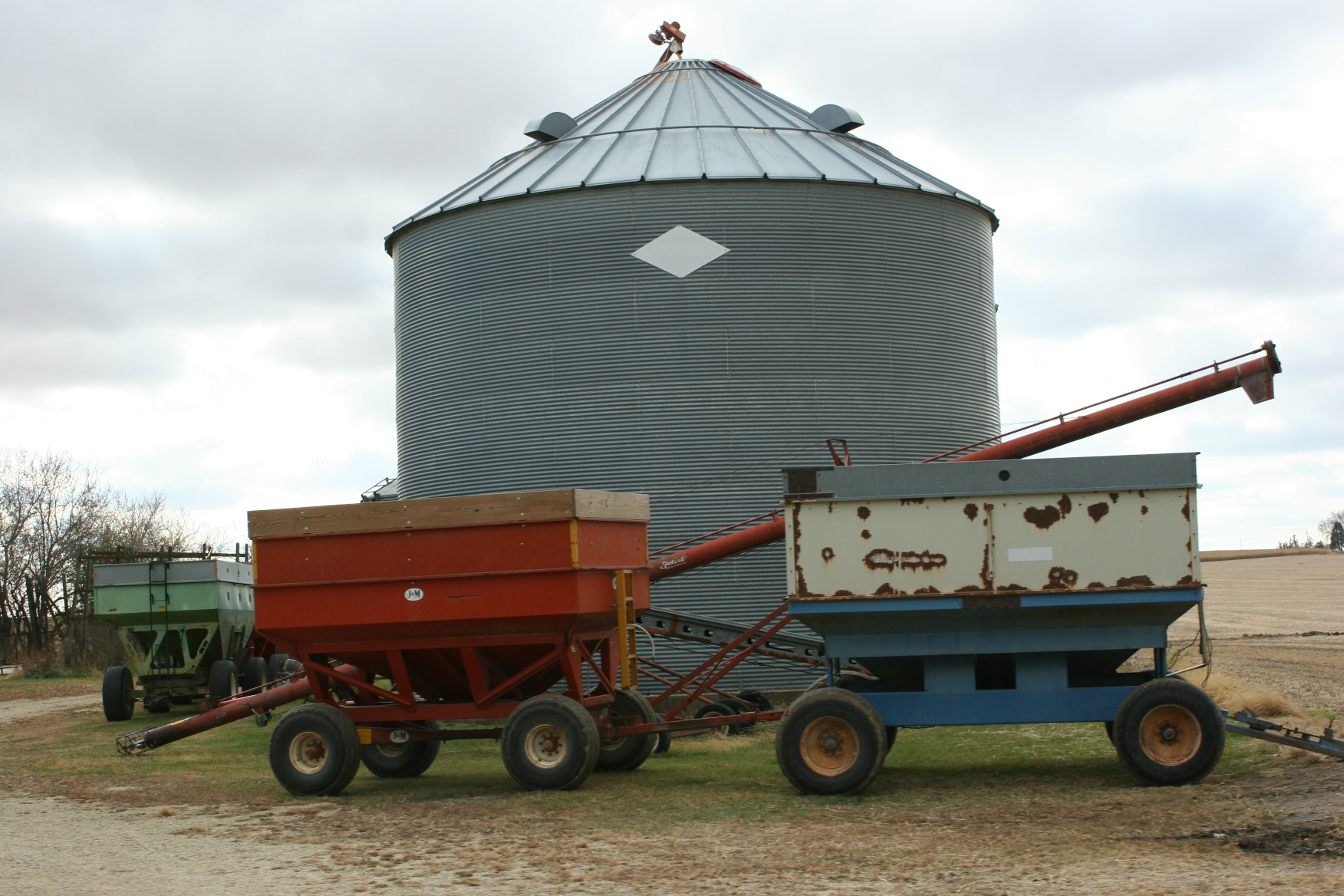
Grain wagons parked next to a grain bin in Monkey Valley.
A semi truck awaits the harvesting of corn in a Monkey Valley field.

And I also like this rural route, Monkey Valley Hollow, a gravel road which twists and turns through the woods past farm sites and fields and the Old Stone Church (which I didn’t photograph this time).

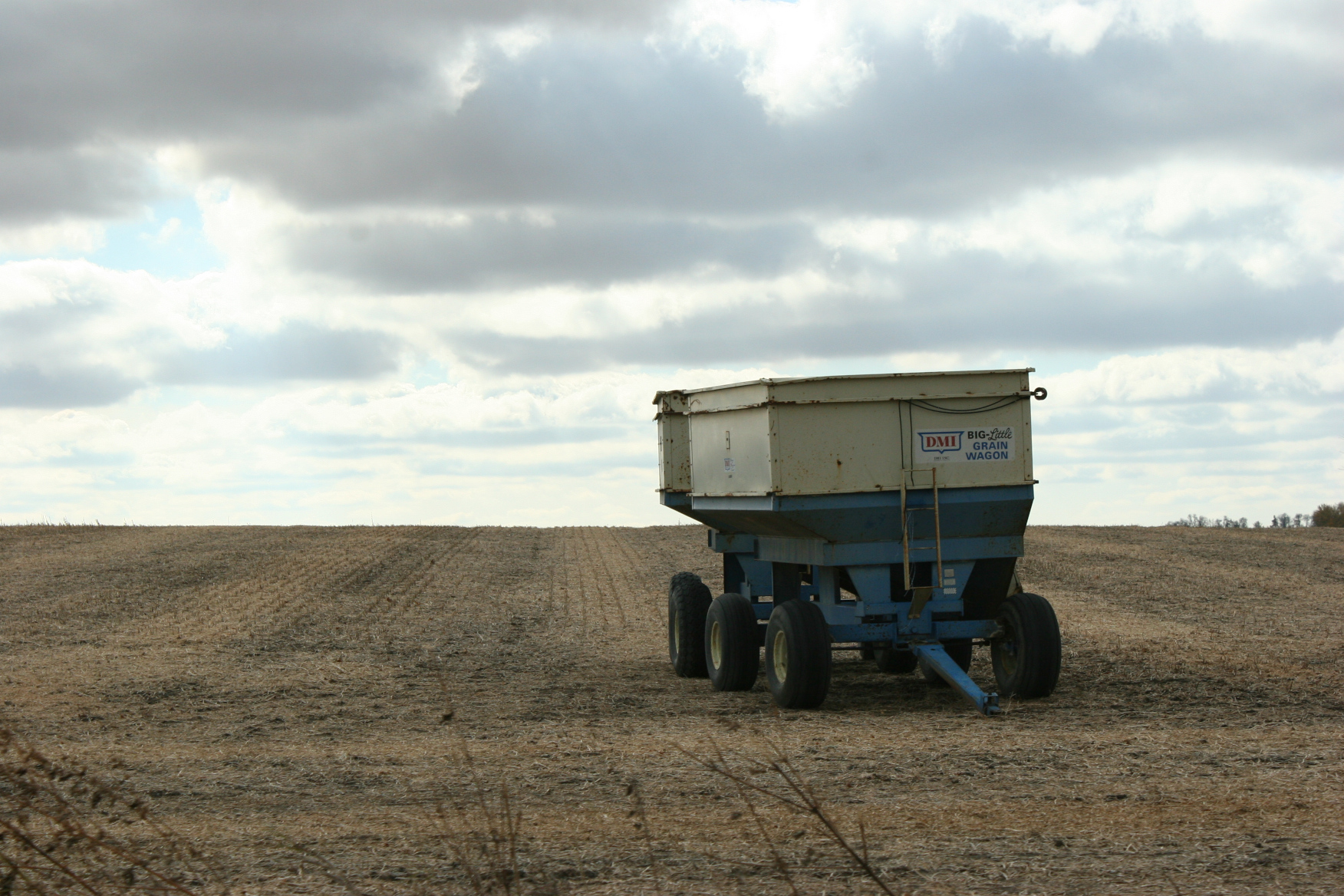
A lone grain wagon, my final photo before leaving Monkey Valley.

After completing this leg of our day trip, we aimed north for Kenyon. I always find something interesting in this small town, even though I’ve been here many times. Check back for those photo stories tomorrow as I show you my discoveries.

© Copyright 2020 Audrey Kletscher Helbling


Documentation of why you should stay off rural roads during a winter storm January 19, 2020

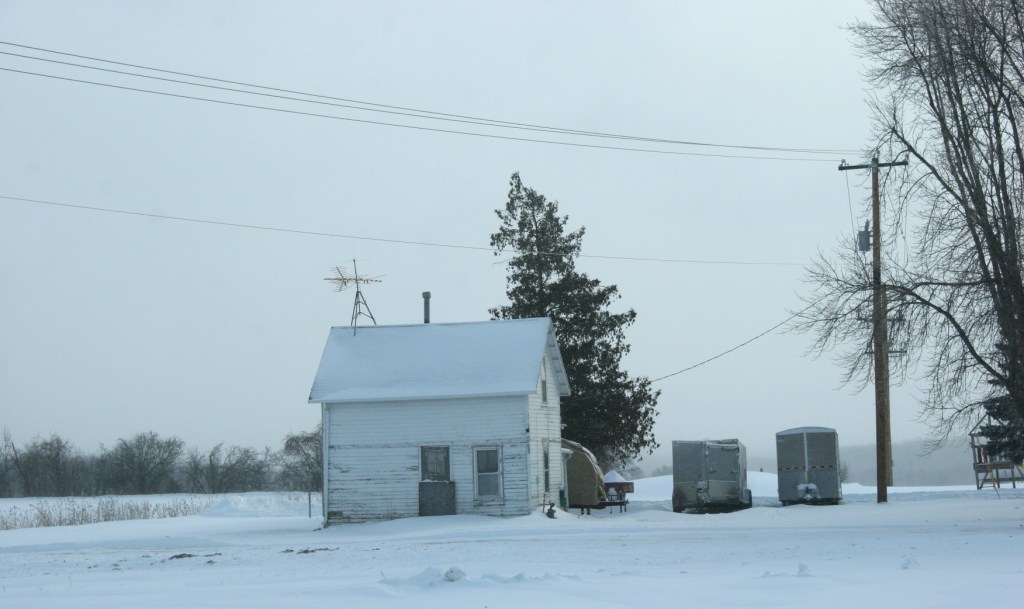
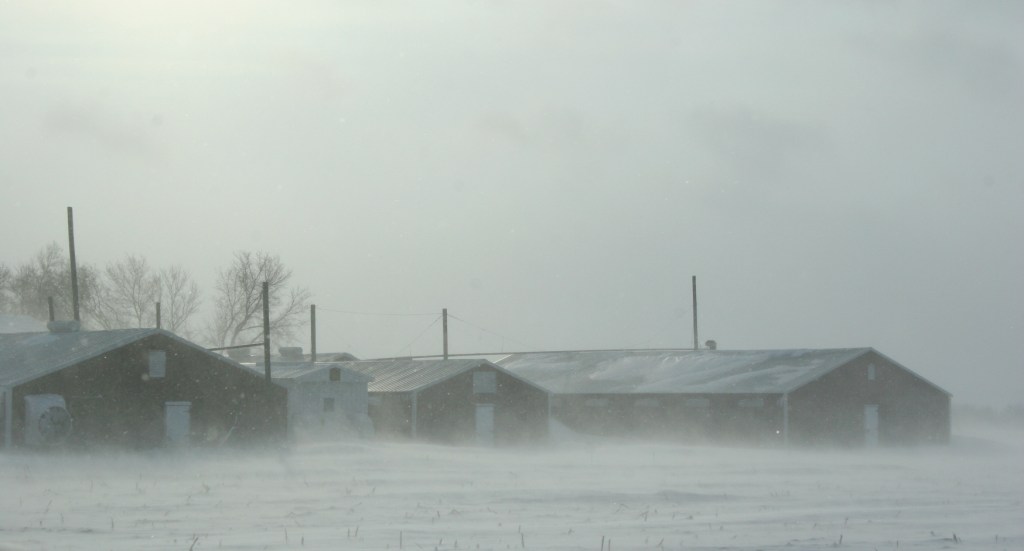
Just outside of Faribault Saturday afternoon along Rice County Road 25, this old farmhouse was easily visible during the storm.


THE WEATHER IN MINNESOTA has calmed considerably since Saturday when high winds created blizzard and near-blizzard conditions throughout much of the state.

Now we’re dealing with frigid temps, just two degrees above zero mid-morning here in Faribault with an expected high of maybe 10 degrees. Yes, that’s cold, even for those of us who are life-long residents. But we’ve seen much colder, in the double digits sub-zero.

Weather often dominates conversation in Minnesota because it so dramatically affects our lives. Our plans. Our off-work time, especially in the winter when snow removal can seem like a part-time job. But, hey, we choose to live here, right?


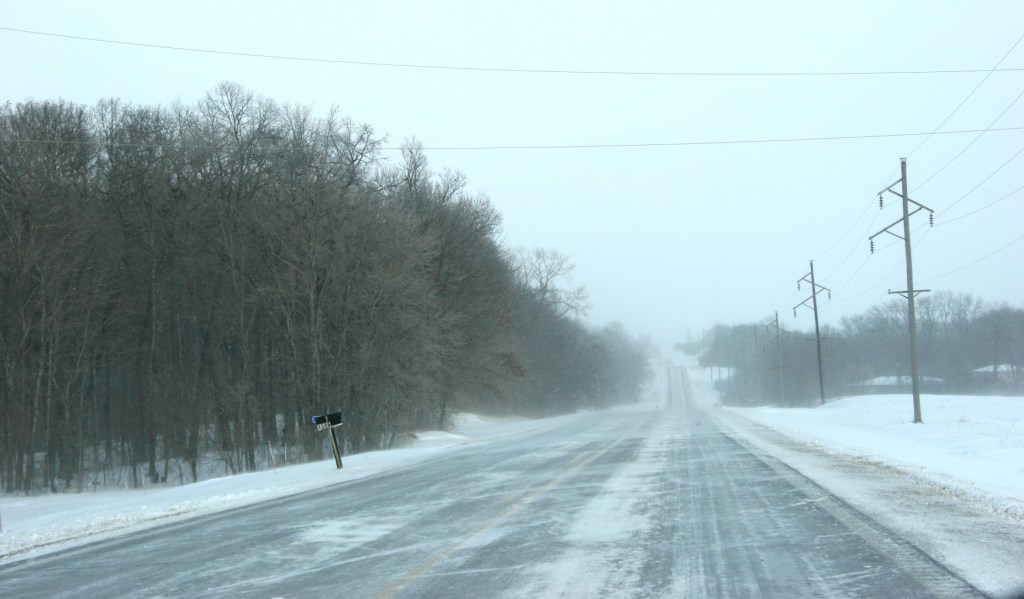
Visibility was good as we started out on CR 25 Saturday afternoon.


And sometimes we make choices that aren’t too smart. Like mine yesterday to venture with Randy into the countryside to check out conditions. Per my post late Saturday afternoon, here are more photos from that short drive east of Faribault and back.


Lots of farm sites and rural homes hug the roadway, breaking the wind.


The American flag flying straight out shows the strength of Saturday’s wind on a rural site just east of Faribault along CR 25.


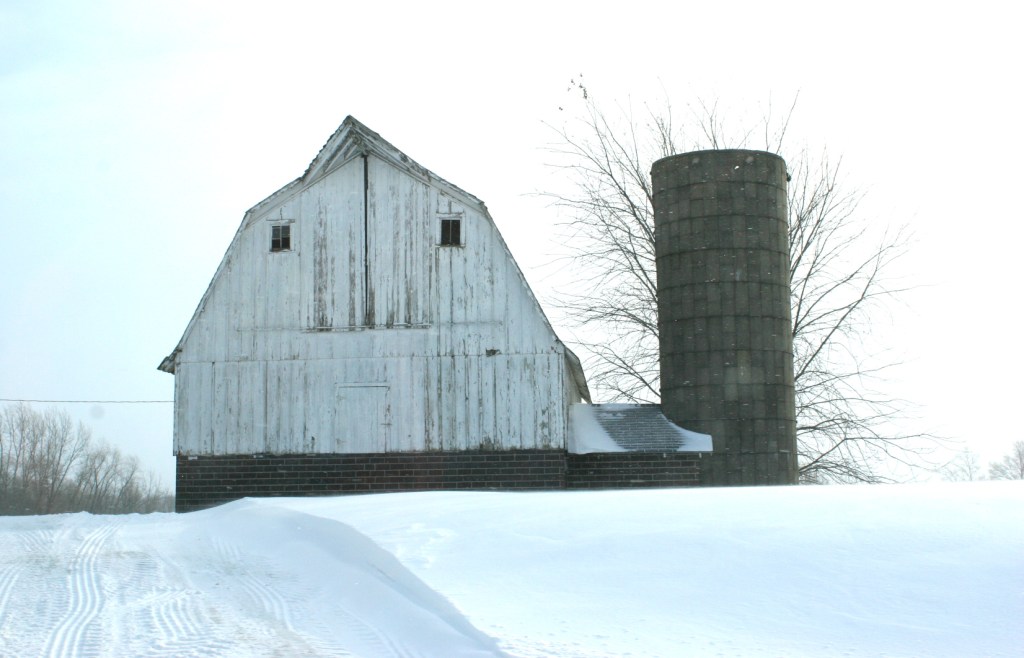
After we passed this barn on our friends’ farm site, conditions deteriorated.


Heading east out of town along Rice County Road 25/197th Street East, conditions were good. Blowing snow was minimal and we could easily see farm sites along the route. But then, as we edged into more open land, with no treelines or farm sites breaking the wind, visibility quickly lessened.


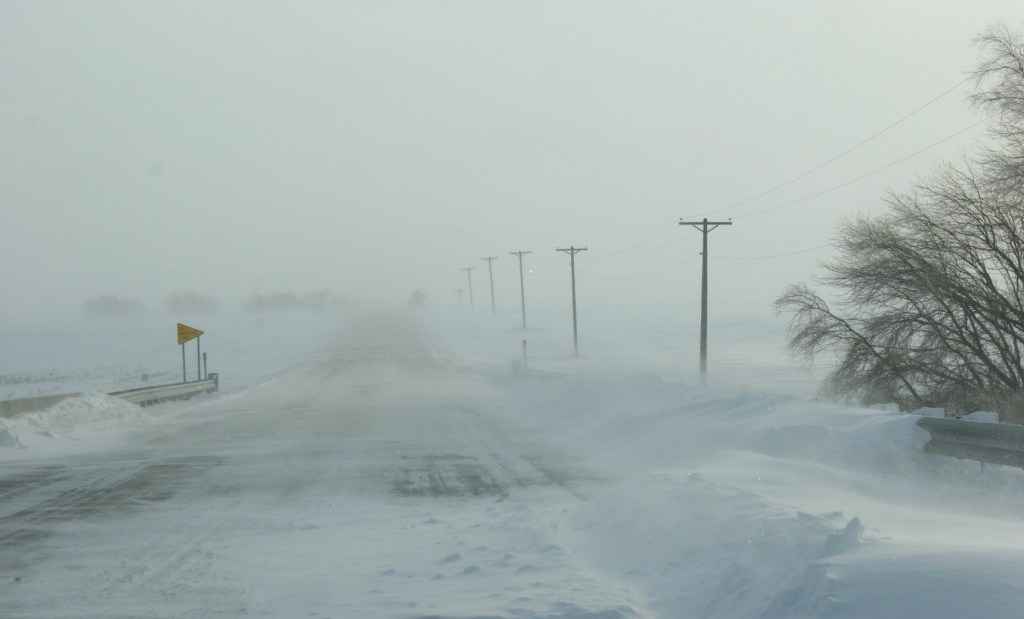
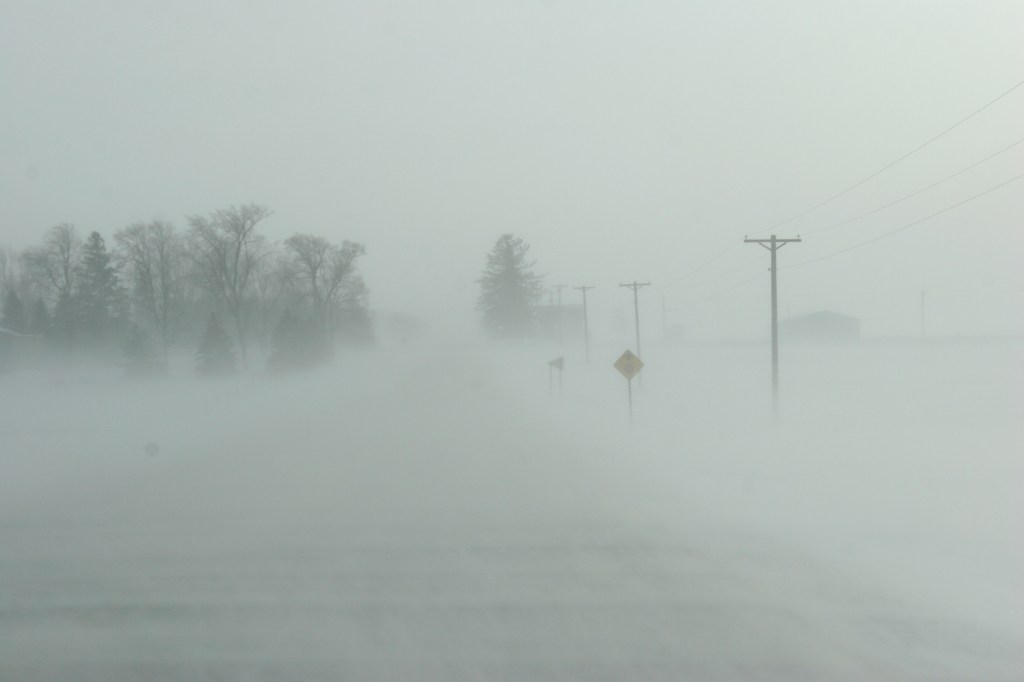
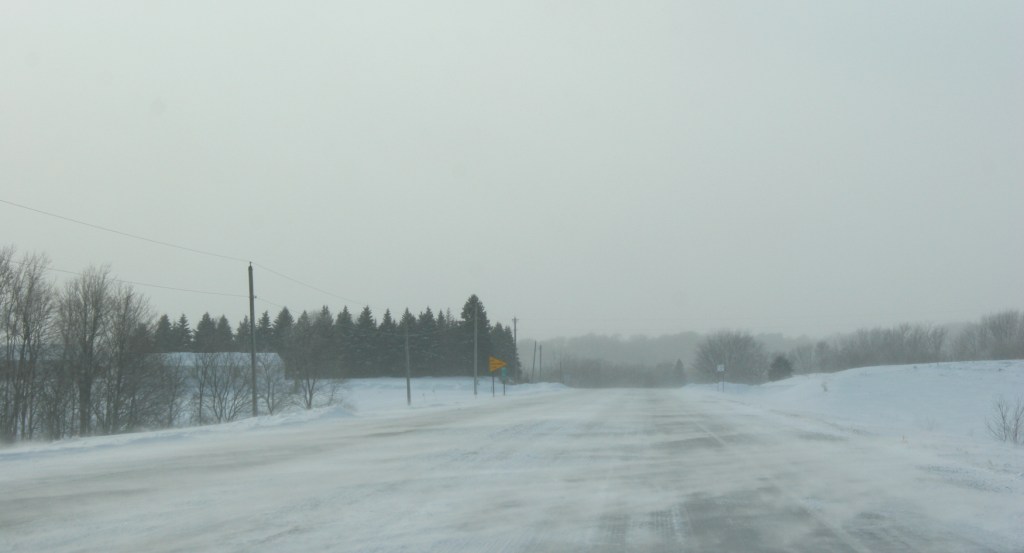
We drove into near white-out conditions along CR 25 near the intersection with CR 23.


Blowing snow diminished visibility.


We found ourselves enveloped in white, white-out conditions is the proper term.


Snow blows around low-slung buildings along CR 23.


Snowdrifts partially edged and crept onto sections of CR 23.


As we continued to drive south on CR 23, blowing snow reduced visibility even more.


Yes, I was scared and even asked Randy to turn around and retrace our route. Easier said than done. Instead, he eased onto County Road 23. Blowing snow still limited visibility although I could see near-the-road farm sites in the haze of white. Considerable drifting of snow near and onto the road now concerned me.


Snow pushed back from the roadway at the intersection of CR 23 and Minnesota State Highway 60 and photographed from the front passenger side window.


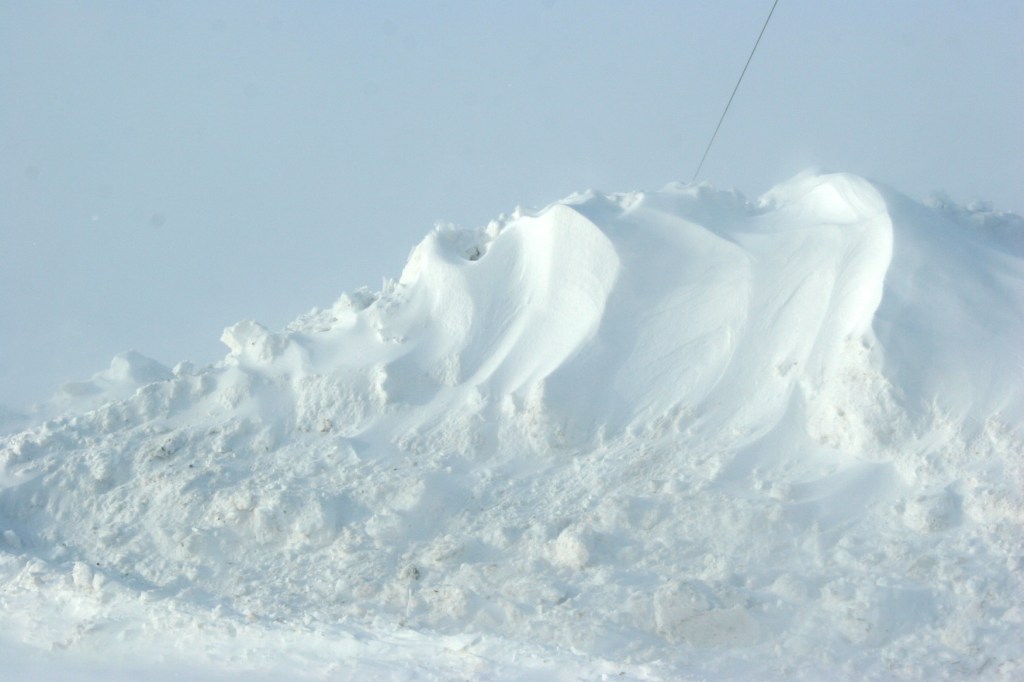
By the time we reached Minnesota State Highway 60, I was so ready to be done with this little adventure. Plowed snow banked the intersection. Randy rolled down his window to check for oncoming traffic.


Once on Minnesota State Highway 60 heading west, travel improved. More farm sites border this highway than along the county roads.


Then, thankfully, as we drove west toward Faribault, with less open space and farm sites breaking the wind, visibility improved.


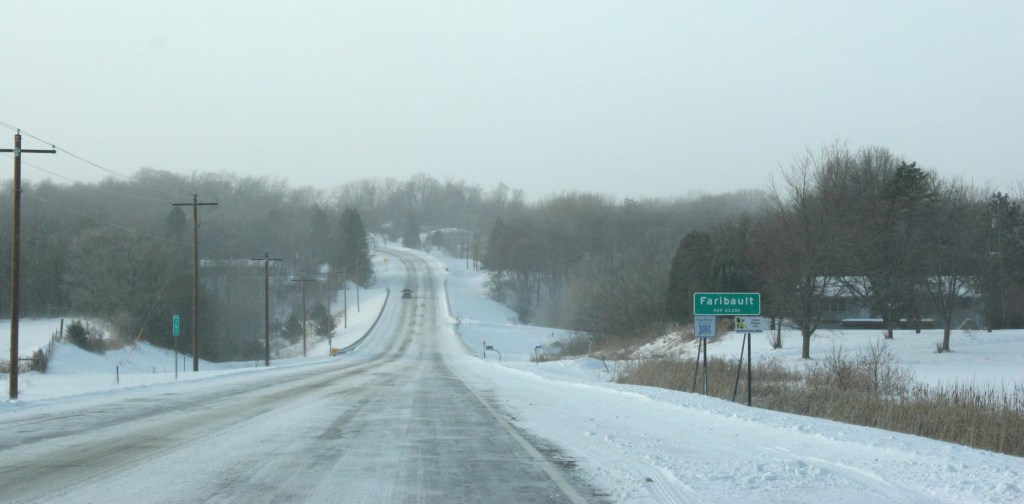
Conditions as we approached Faribault were good, considering what we’d just driven through.


Lesson learned: Stay home during a winter storm, especially when you advise others to do so.

© Copyright 2020 Audrey Kletscher Helbling


Thanksgiving morning December 2, 2014

Filed under: Uncategorized — Audrey Kletscher Helbling @ 6:00 AM
Tags: , , , , , , , ,

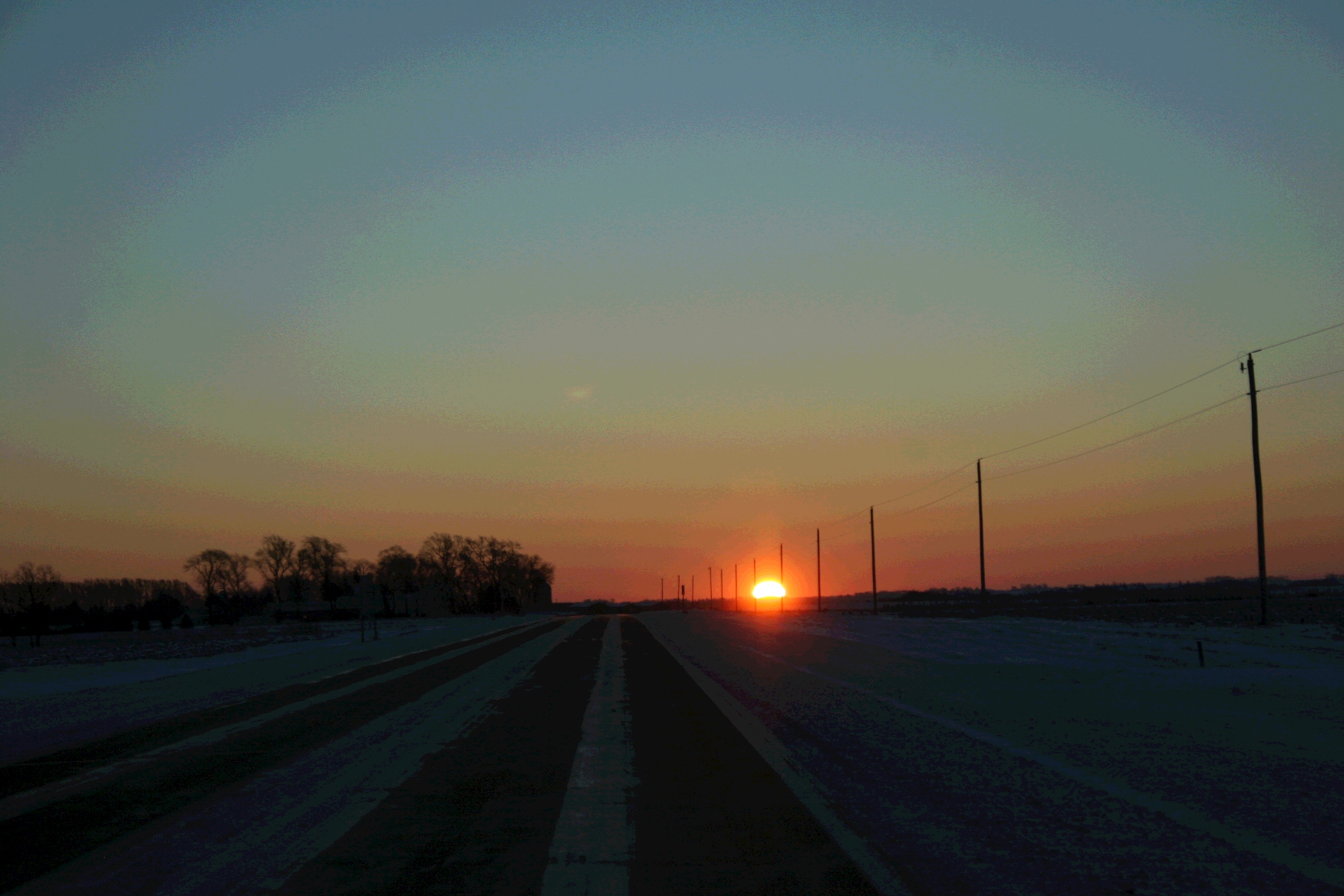
Thanksgiving morning sunrise between Faribault and Kenyon


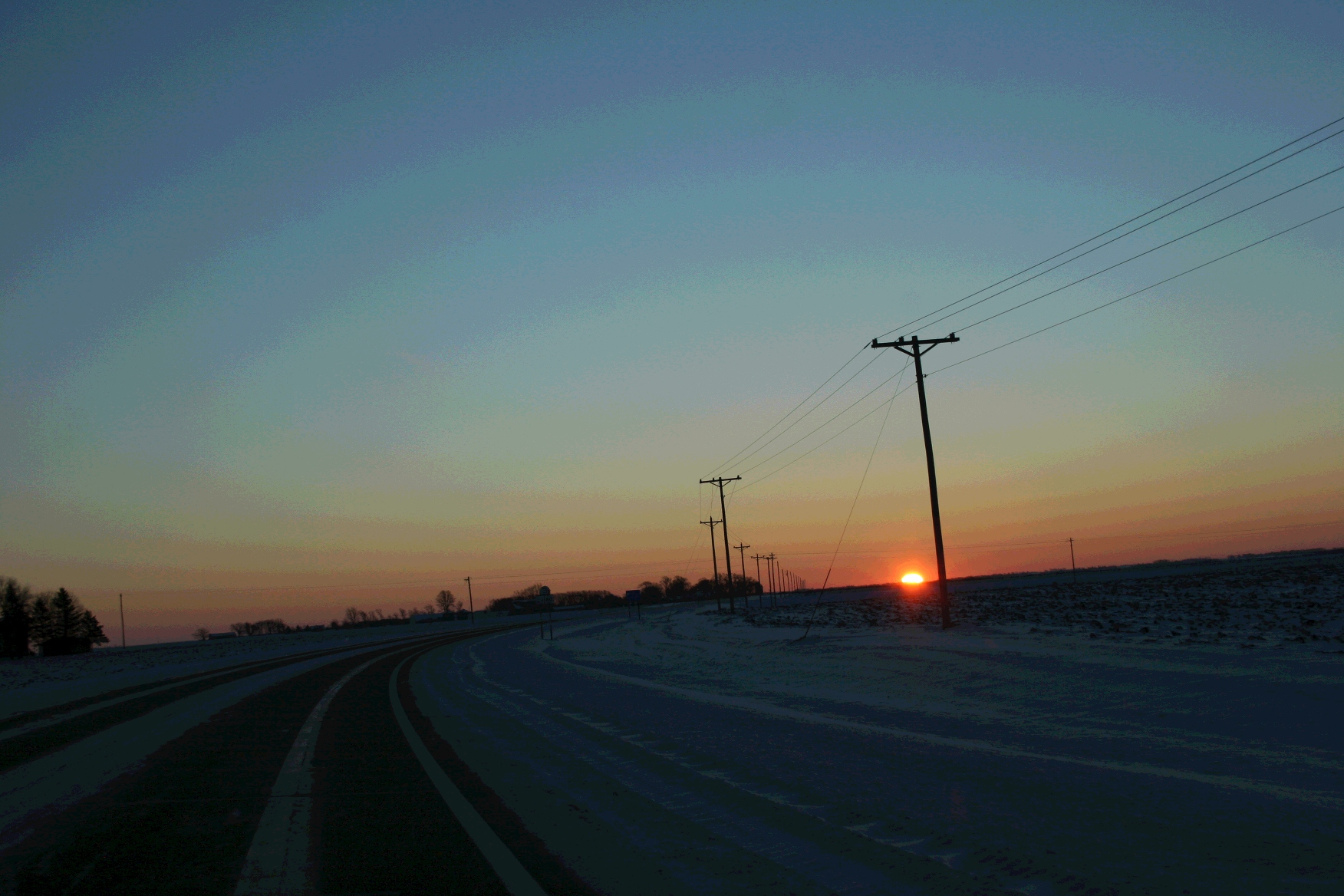
THE SUN WAS BEGINNING to edge into the landscape as we aimed east out of Faribault along Minnesota State Highway 60 toward Kenyon on Thanksgiving morning.

I’d been awake since 5 a.m., unable to sleep. Shortly before 6 a.m., I rose to shower, grab breakfast, pack and head out the door for the 300-mile drive to Appleton, Wisconsin, south of Green Bay to visit our daughter.


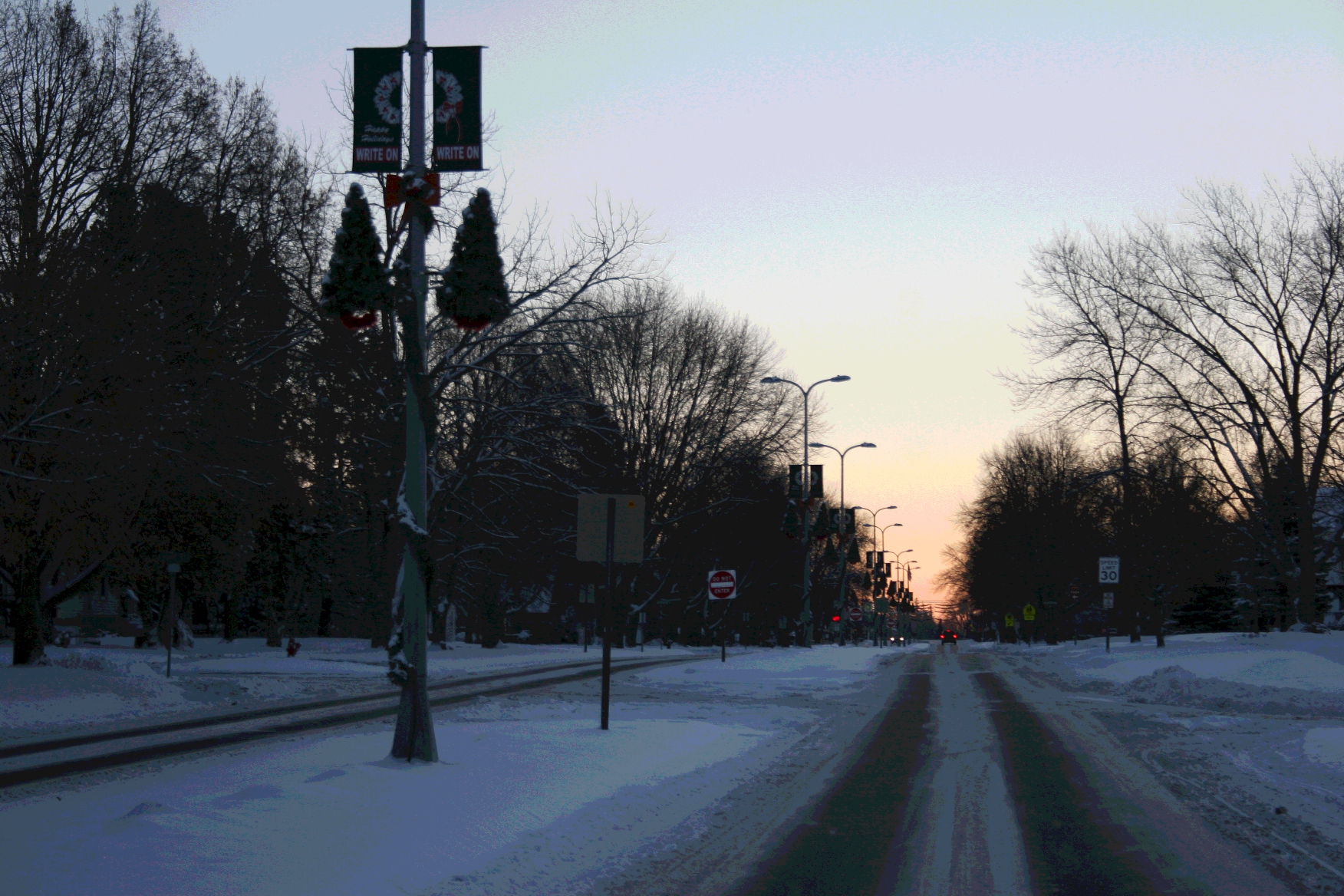
Driving into Kenyon, the view of the rising sun is temporarily blocked.

Driving into Kenyon, the view of the rising sun is temporarily blocked.


Snow ribboned the pavement, whitened the land, locked the temperature in the icebox category. This was not the Thanksgiving I envisioned. The world seemed more Christmas-like than November.

But this is Minnesota and, after living here my entire life, I should accept that the weather is unpredictable. I’d just shoveled more than a half a foot of snow from our driveway and sidewalk the day prior.


Thanksgiving morning sunrise 2


These thoughts rolled through my brain as the sun eased above the earth in a brilliant, blinding orb. On this day of national thanksgiving, I was grateful to be on the road with my husband, closing the miles between us and the daughter I love and cherish.

© Copyright 2014 Audrey Kletscher Helbling
 

And there was light & clouds & beauty everywhere in rural Minnesota August 4, 2014

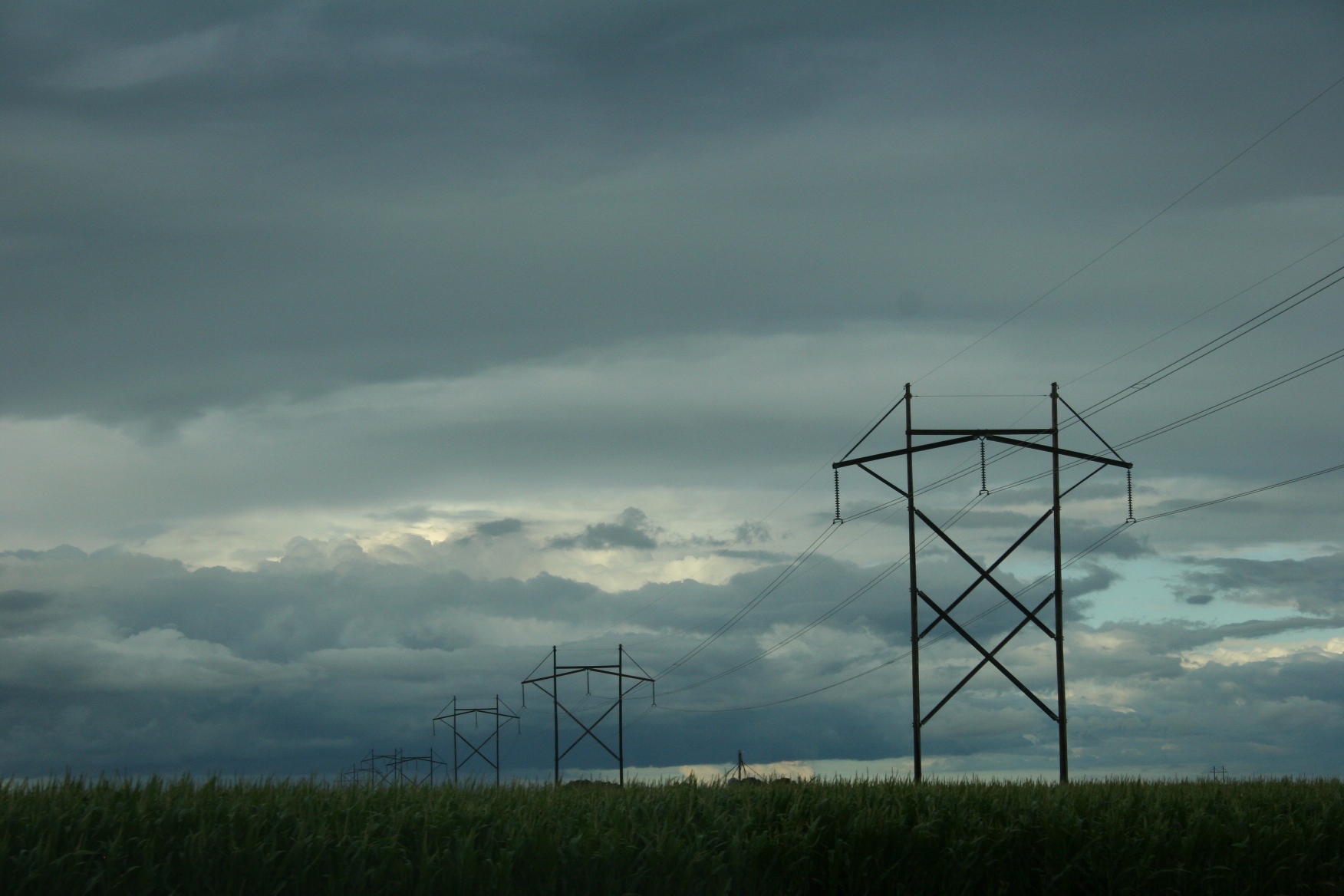
Power lines between Redwood Falls and Morgan.

Power lines tower over a cornfield between Redwood Falls and Morgan.

ALL THE WAY HOME, from southwestern Minnesota to southeastern, I watched the sky and the light and the crops as daylight edged ever nearer night.

A farm site between Morgan and New Ulm.

A farm site sits next to a corn field between Morgan and New Ulm.

There’s something magical about this time when light angles sharp shadows and a certain glow prevails.

Along U.S. Highway 14 between New Ulm and Courtland.

Along U.S. Highway 14 between New Ulm and Courtland.

On this particular evening, grey mingled with white and blue, clouds stretching and towering and sometimes nearly imprinting upon the earth.

I waited for the rain. Then, just east of Courtland along U.S. Highway 14, one of Minnesota’s most dangerous rural highways, the sky opened. For a short period, rain rushed across the windshield, washing away residue of bugs and bird poop with each swipe of the wipers.

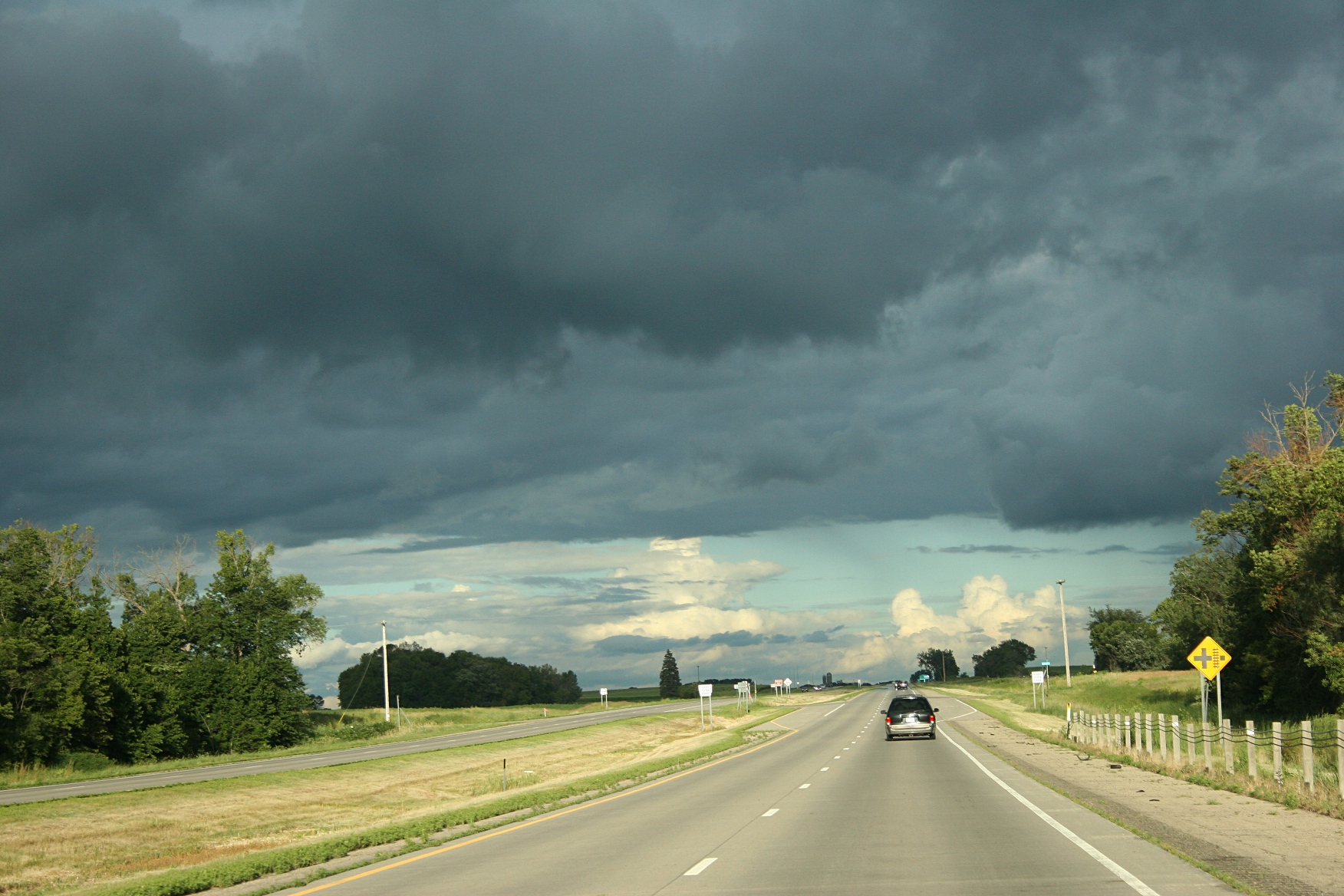
Traveling U.S. Highway 14 near Eagle Lake.

Traveling U.S. Highway 14 near Eagle Lake.

Soon enough, the rain stopped and dry pavement rolled beneath the van tires.

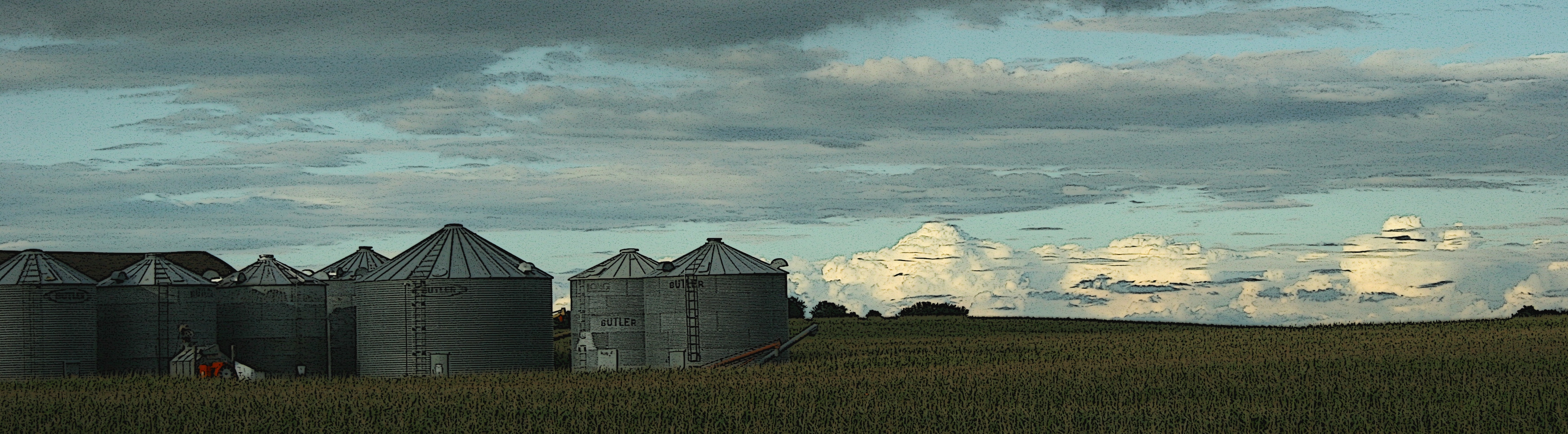
Grain bins along Minnesota State Highway 60 just off U.S. Highway 14.

Grain bins along Minnesota State Highway 60 just off U.S. Highway 14.

I focused once again on the light—the contrast of fading sunlight against battle grey sky,

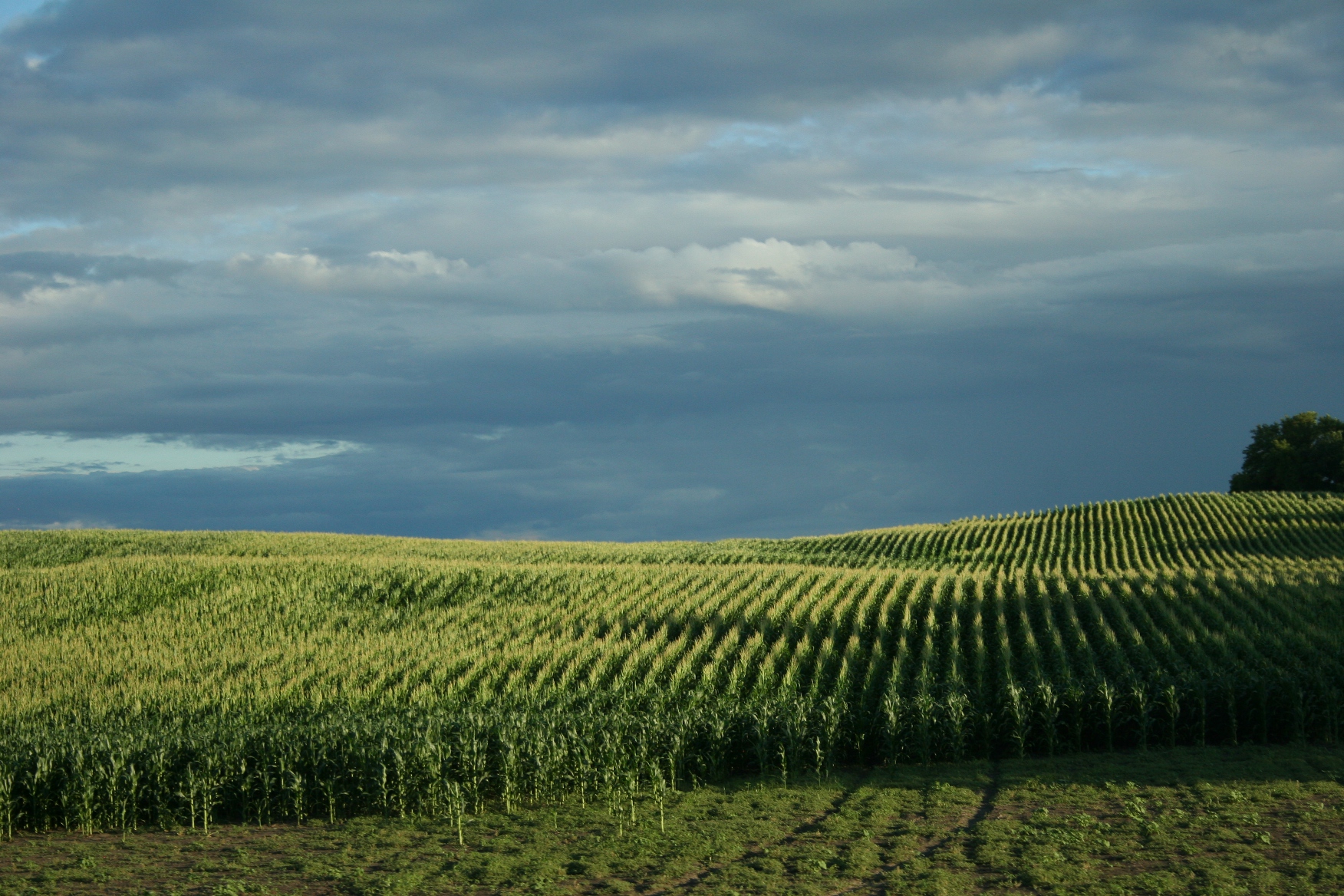
Light ripples across a hillside of corn between Waterville and Faribault along Minnesota State Highway 60.

Light ripples across a hillside of corn between Waterville and Faribault along Minnesota State Highway 60.

light spotlighting a hillside of tasseling corn,

Just east of Waterville along Minnesota State Highway 60.

Just east of Waterville along Minnesota State Highway 60.

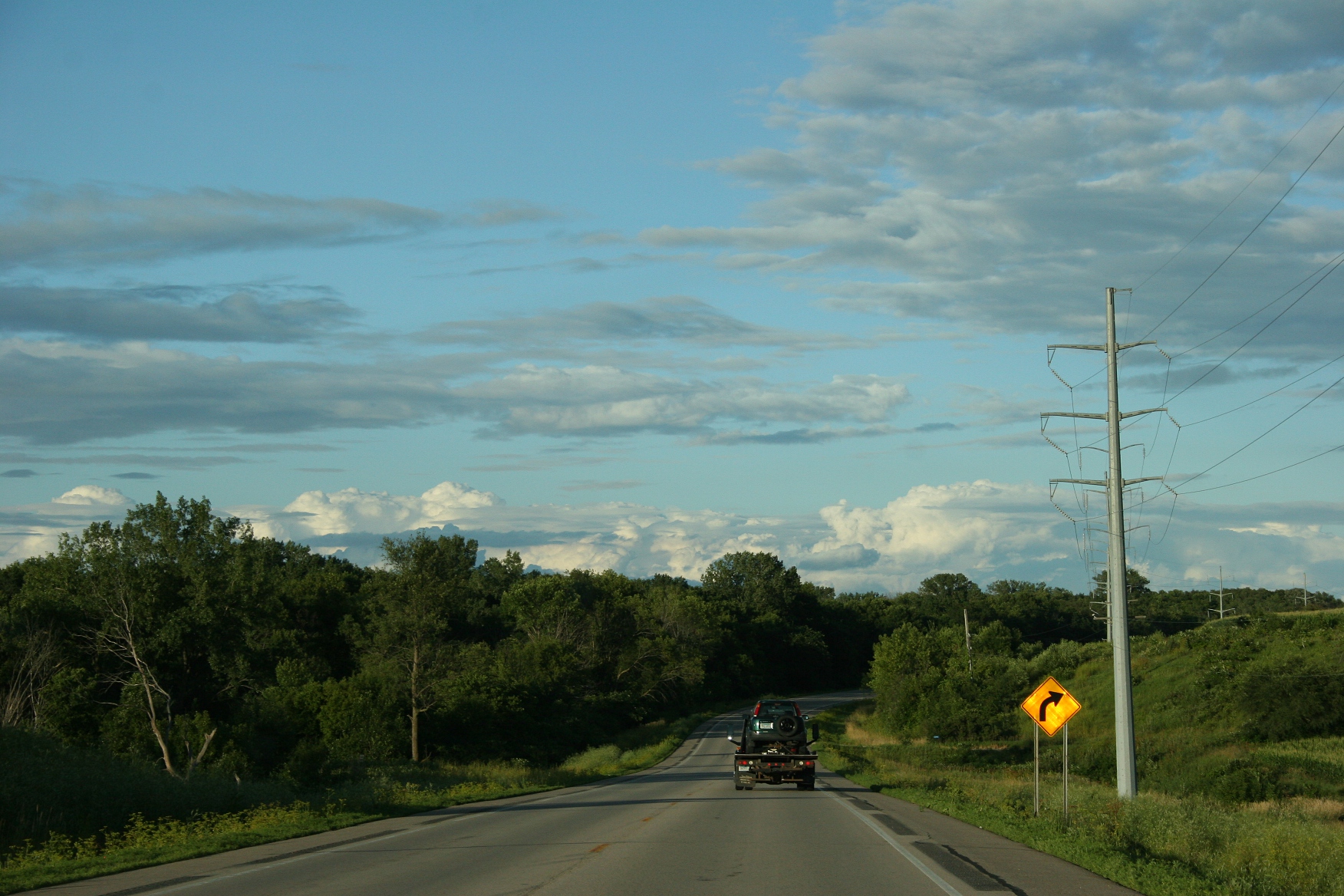
vibrant yellow traffic signs popping alongside the road.

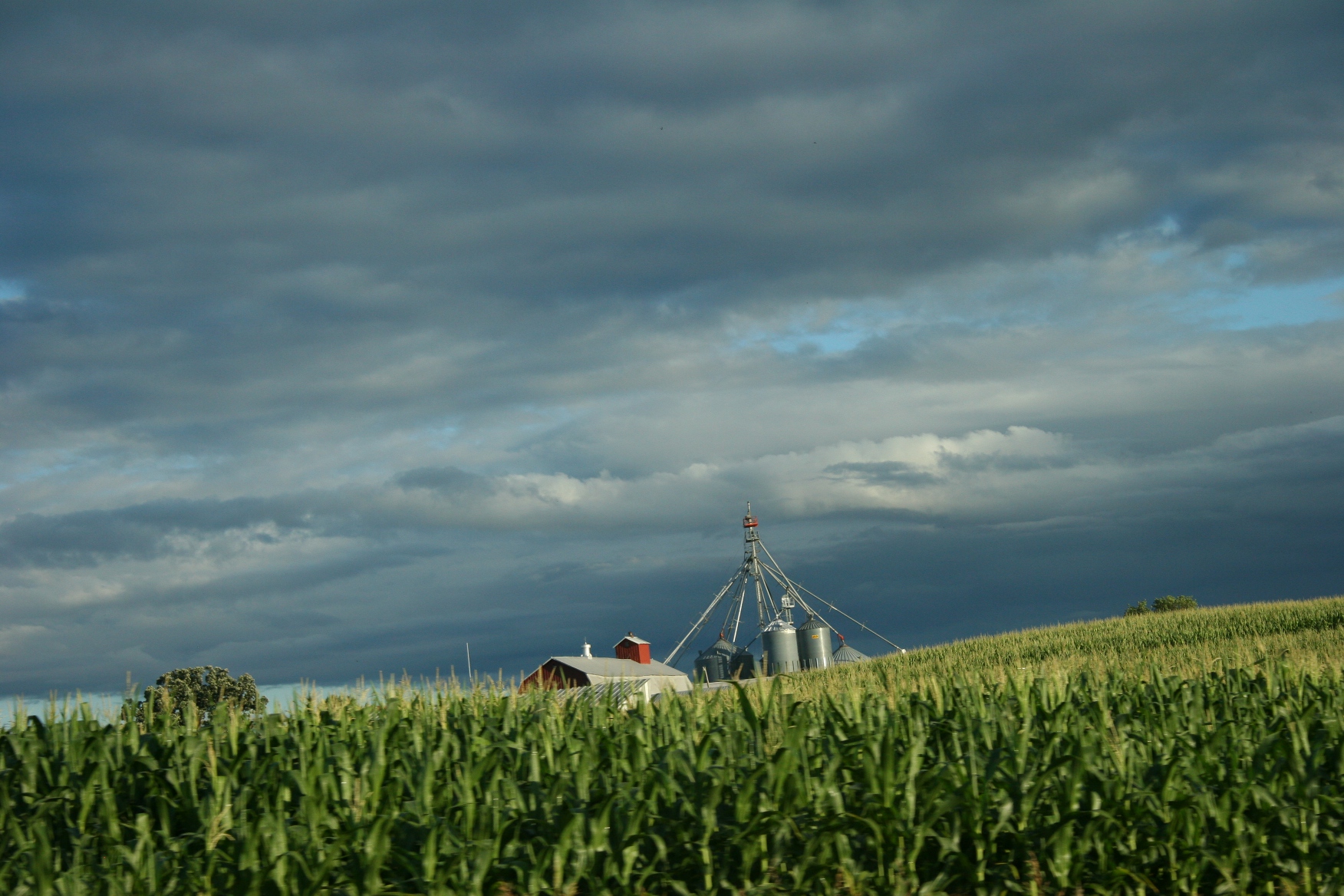
Barn and bins behind a corn field near Waterville.

Barn and bins behind a corn field near Waterville.

The landscape appeared more focused, like a bold-lined picture colored with pointy new crayons. Sharp. New. Unrounded.

© Copyright 2014 Audrey Kletscher Helbling
 

Waiting for the stoplight on a Saturday evening in Faribault July 26, 2014

Filed under: Uncategorized — Audrey Kletscher Helbling @ 6:00 AM
Tags: , , ,

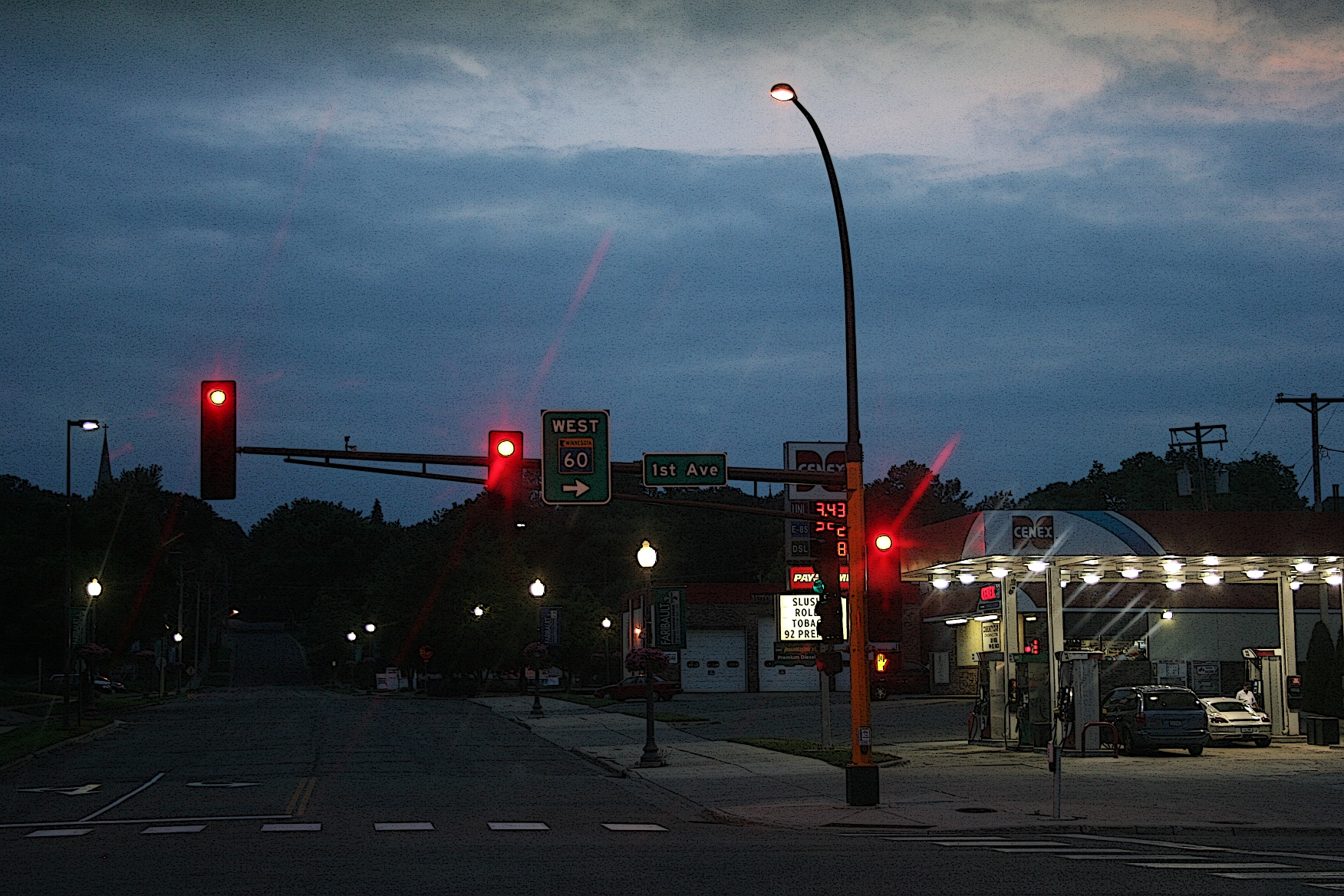
Stop and go, red

STOP.

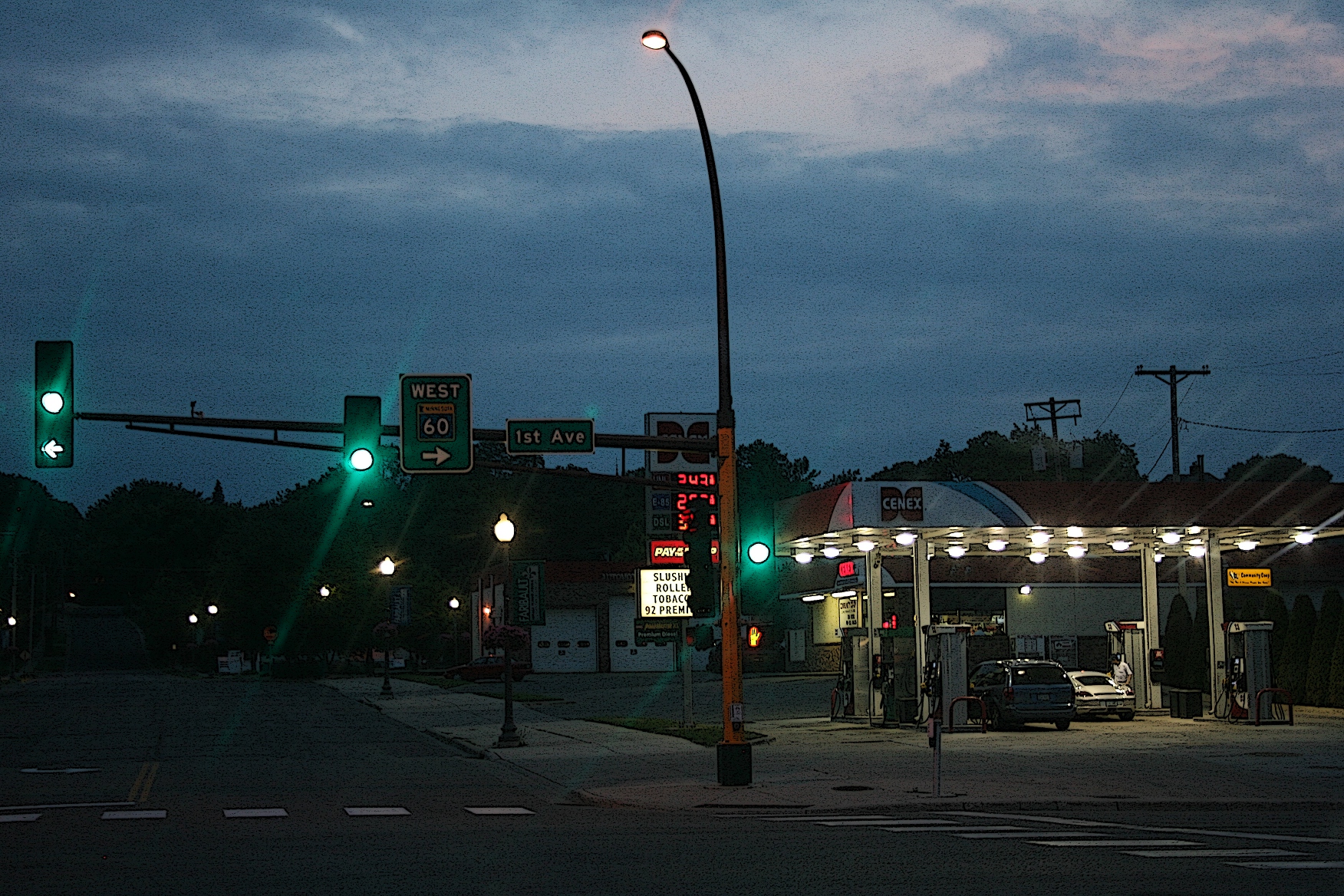
Stop and go, green

GO.

Copyright 2014 Audrey Kletscher Helbling


Light, oh glorious photographic light June 5, 2014

Corn sprouts along Minnesota Highway 60 east of Faribault. Photographed around 7:45 p.m.

Crops emerge in fields along Minnesota State Highway 60 east of Faribault. Photographed around 7:45 p.m.

LIGHT. Therein lies a factor that can make or break a photo.

Any student of photography covets the golden hour, that time around sunrise and sunset when light softens and sets a magical mood and tone.

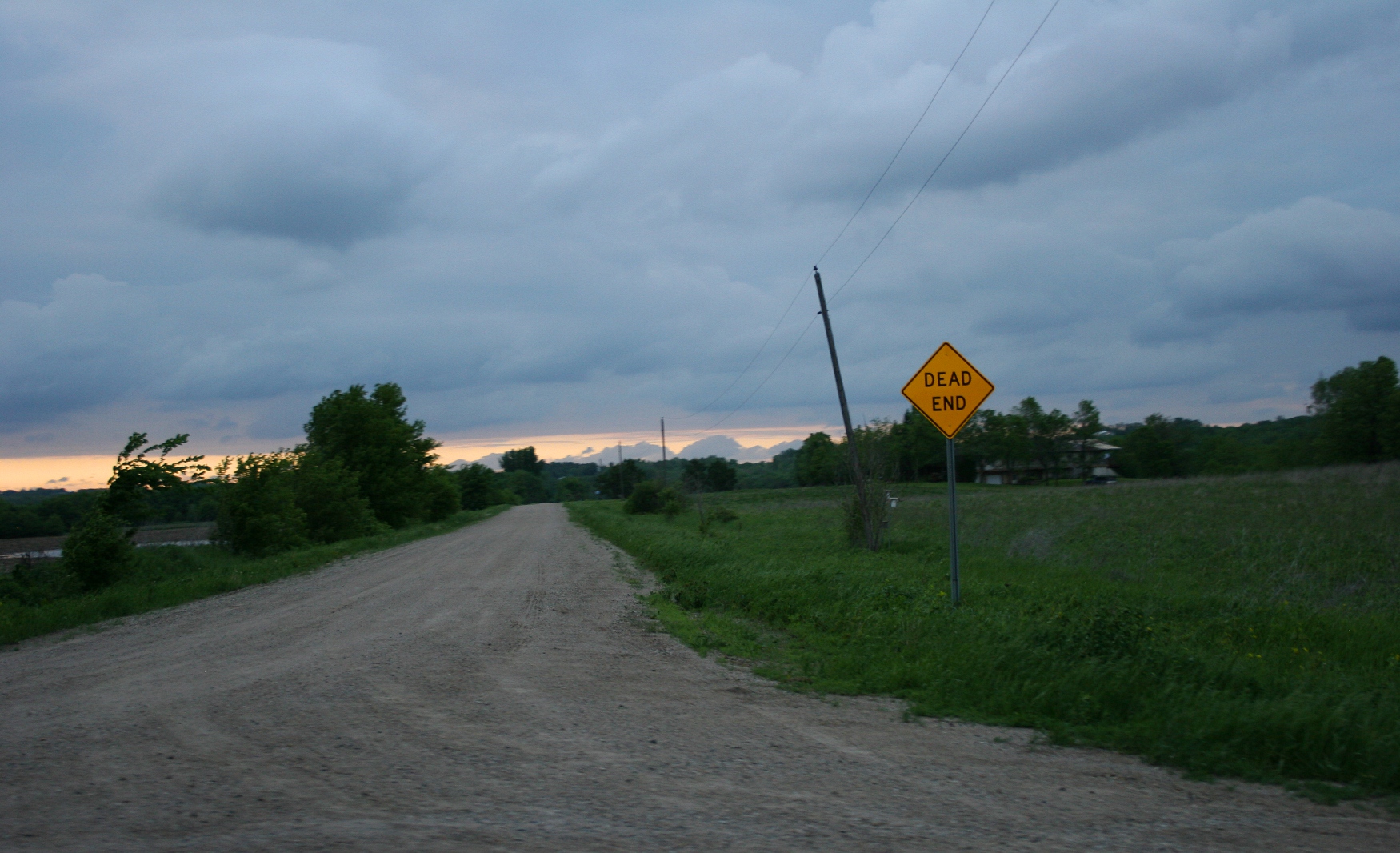
A gravel road shoots off

A gravel road shoots off 220th Street East southeast of Faribault.

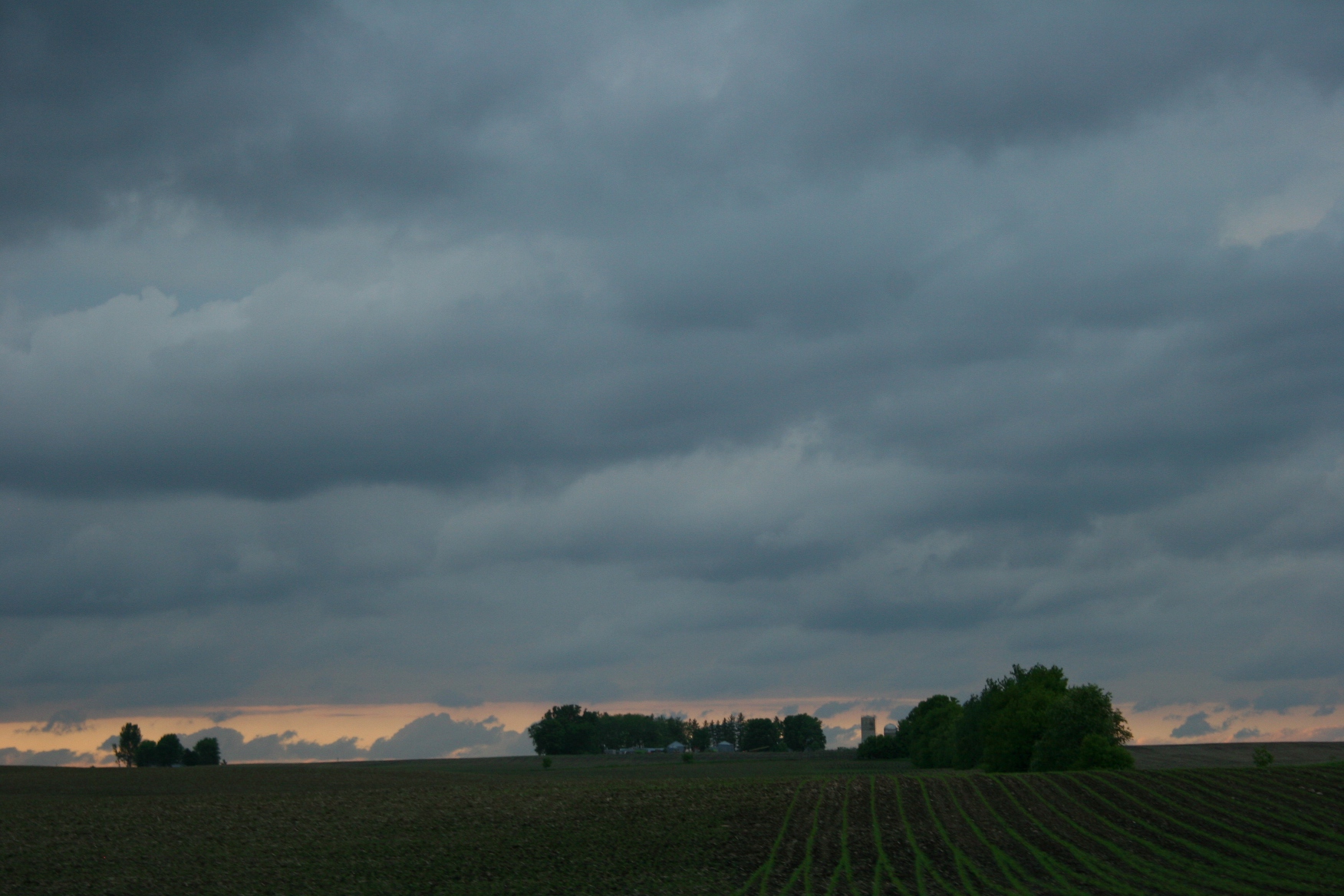
Monday evening, driving to and from a friend’s rural acreage east of Faribault to gather buckets of rhubarb, moody skies and light drew me to raise my camera, to fire off a few rapid shots of the landscape.

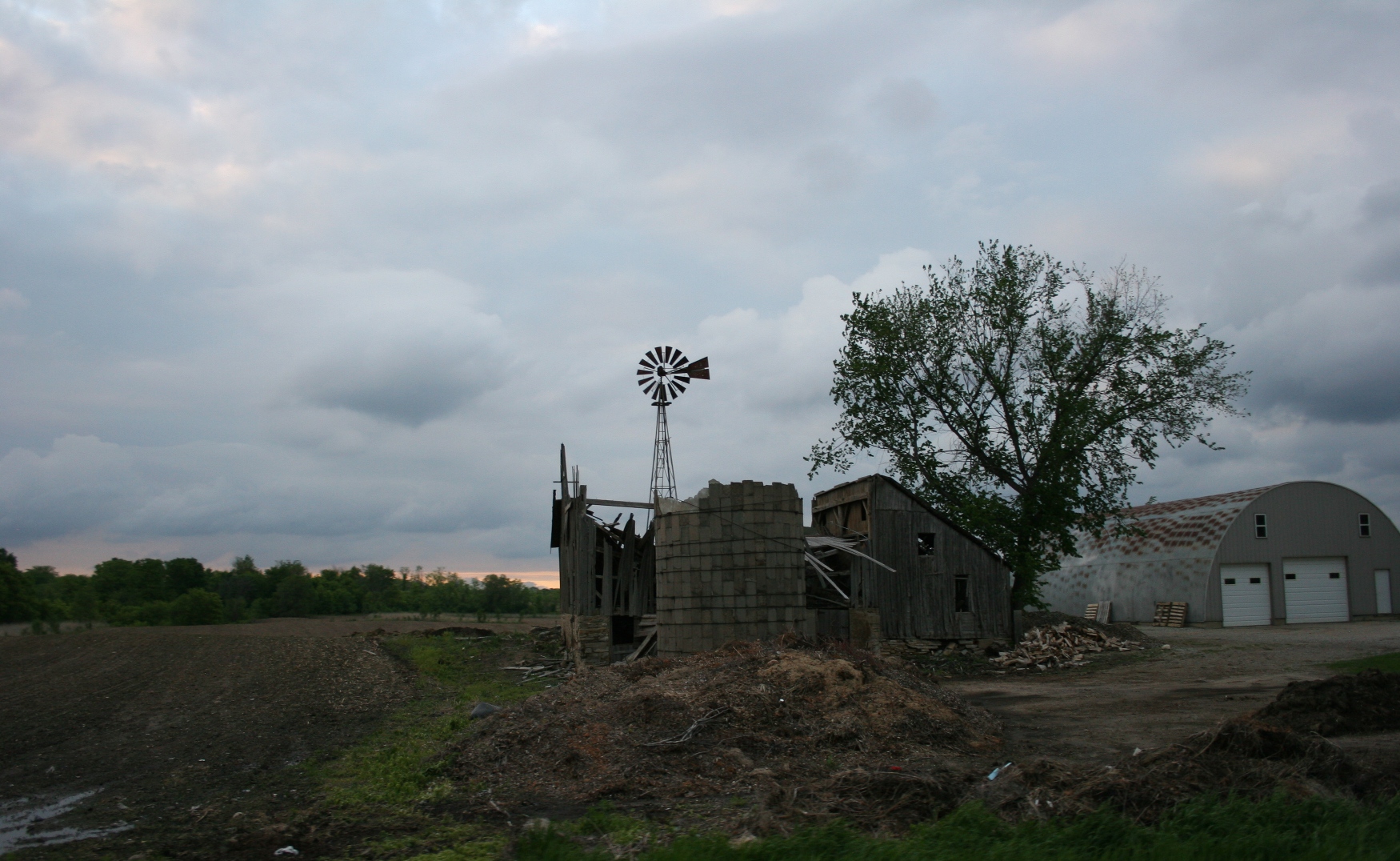
A decaying farm site along 220th Street East.

This windmill and decaying barn and silo caught my eye along 220th Street East.

There was no time to pause and compose, only snap through the rolled down passenger side window of the van.

Back in town, that sweet sweet light, although fading, still mingled with hovering grey skies that threatened more rain.

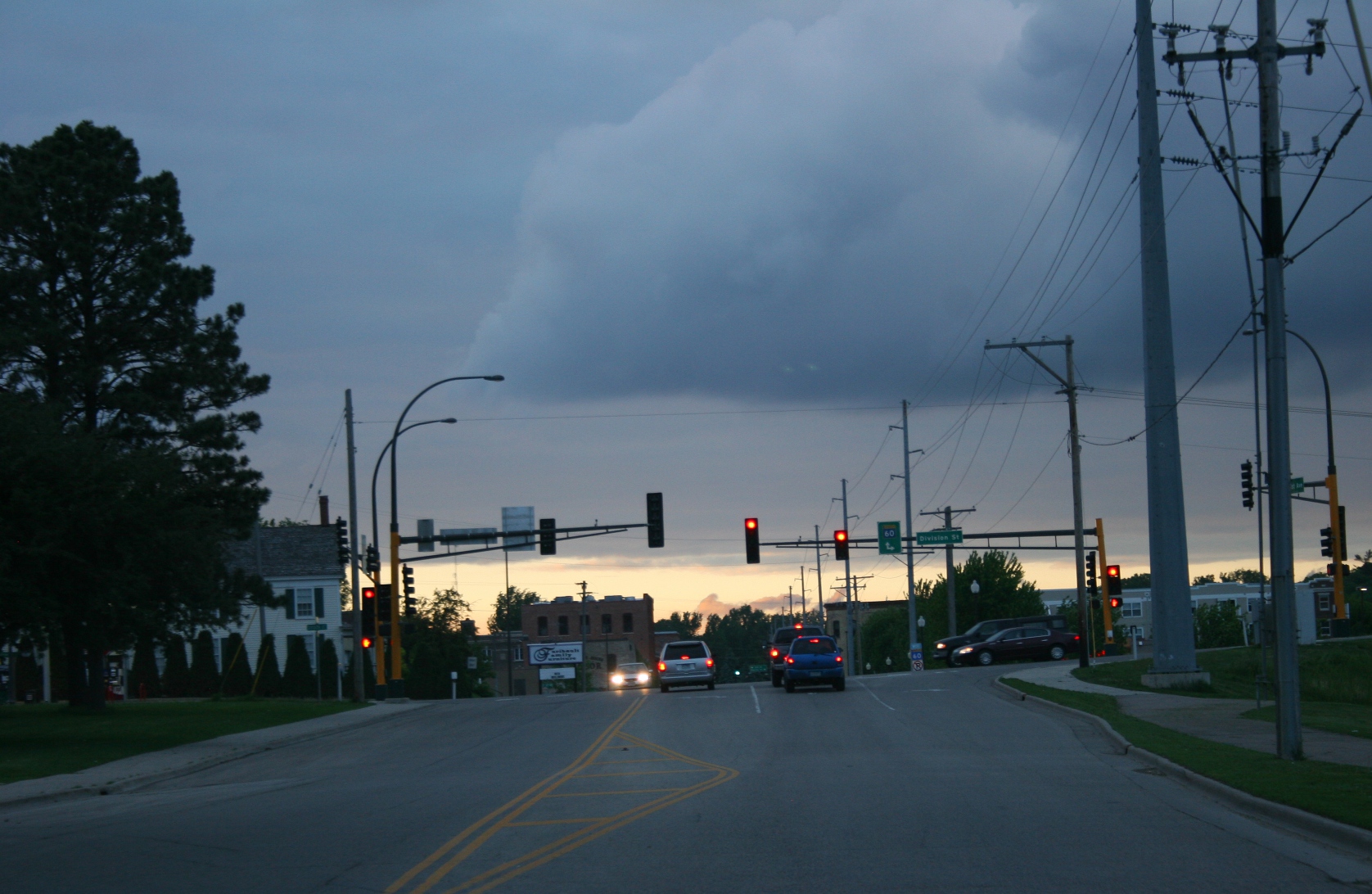
Several blocks from my home, Willow Street intersects with Minnesota State Highway 60. To the left is the home, now a museum, of founding father, Alexander Faribault.

Several blocks from my home, Willow Street intersects with Minnesota State Highway 60, right, and Division Street, left. To the left is the home, now a museum, of founding father, Alexander Faribault.

Again, I lifted my camera, this time shooting through the windshield, to capture a few images of this place I’ve called home for 32 years.

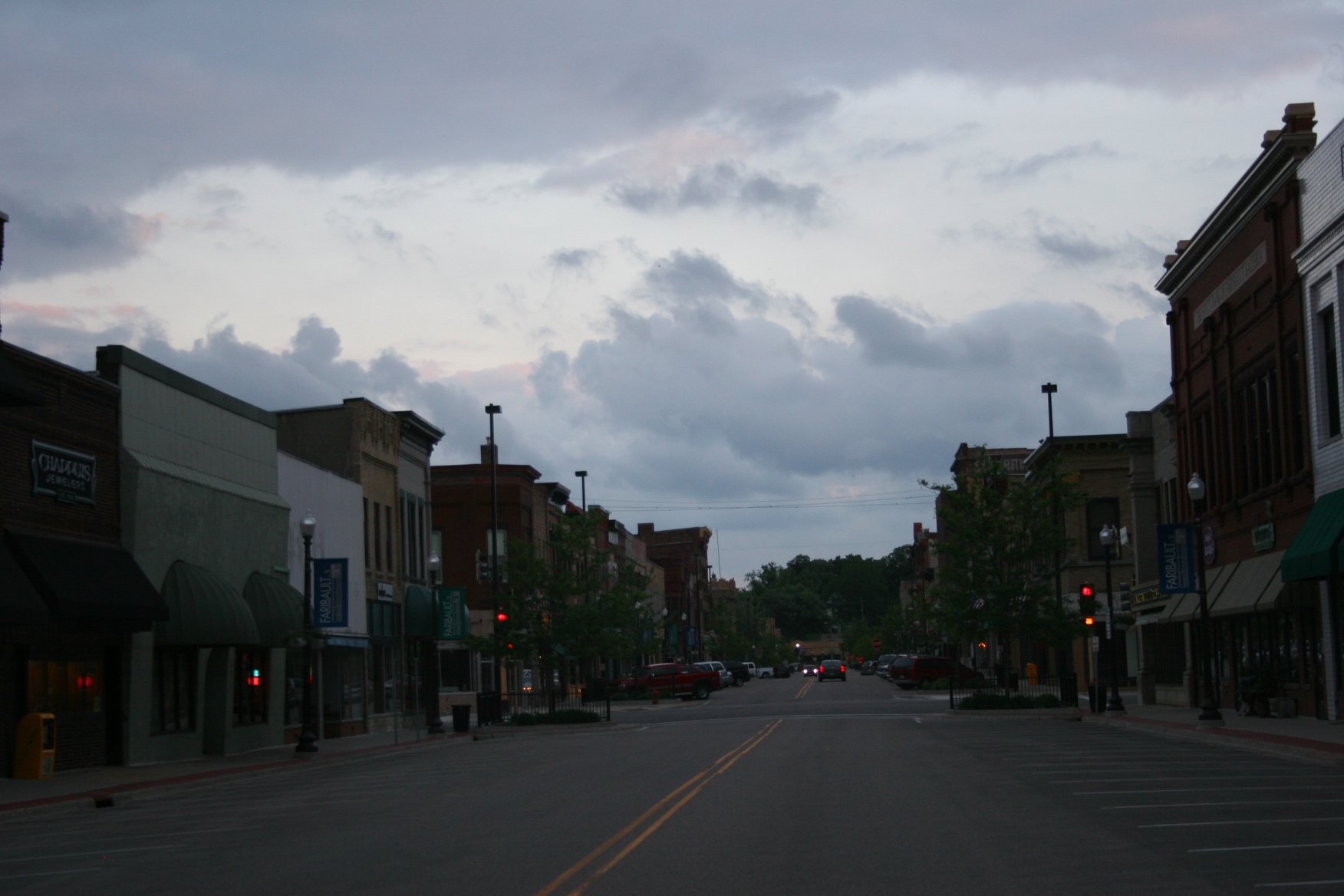
A portion of historic downtown Faribault in the fading light of day.

A portion of historic downtown Faribault in the fading light of day.

Historic buildings define downtown Faribault. I love this downtown for its quaintness, its history, its small town feel (although Faribault, in my opinion, is not a small town with nearly 30,000 residents).

Historic buildings define the downtown area.

Historic buildings define downtown Faribault.

I often wonder why locals and outsiders seem not to value this historic district with the same enthusiasm shown to similar historic Minnesota communities like Stillwater, Red Wing and Hastings, even neighboring Northfield.

Such were my thoughts during the golden hour of sunset.

© Copyright 2014 Audrey Kletscher Helbling
 

It’s in the details March 25, 2014

Filed under: Uncategorized — Audrey Kletscher Helbling @ 6:00 AM
Tags: , , , , , ,

Farm site 2

IN A FLASH, I’ve passed the farm site along Minnesota State Highway 60 between Faribault and Kenyon.

But I’ve clicked the shutter button, preserving this rural scene, a moment frozen in time. Many times, for whatever reason, I have photographed this place.

Later, viewing this most recent image on a computer screen, I notice the details that escaped my eyes during that drive-by. And I wonder how, all too often, we miss the details.

Farm site 3

Details comprise the whole, define our lives in ways we never realize. A look. An intonation. A reflex. Puzzle them together and you have life.

A snapshot. An album. A collection of minutes, hours and days that collectively become weeks and months and years. And suddenly you are, like me, past middle age, a generation away from death.

You wonder about the details, whether you’ve noticed and embraced and lived them.

Farm site 1

Have you swung in a tire swing?

Or have you simply viewed tires as a necessity to carry you along the highway of life? Too busy to notice details.

© Copyright 2014 Audrey Kletscher Helbling
 

Reflecting on Minnesota’s rural landscape November 5, 2013

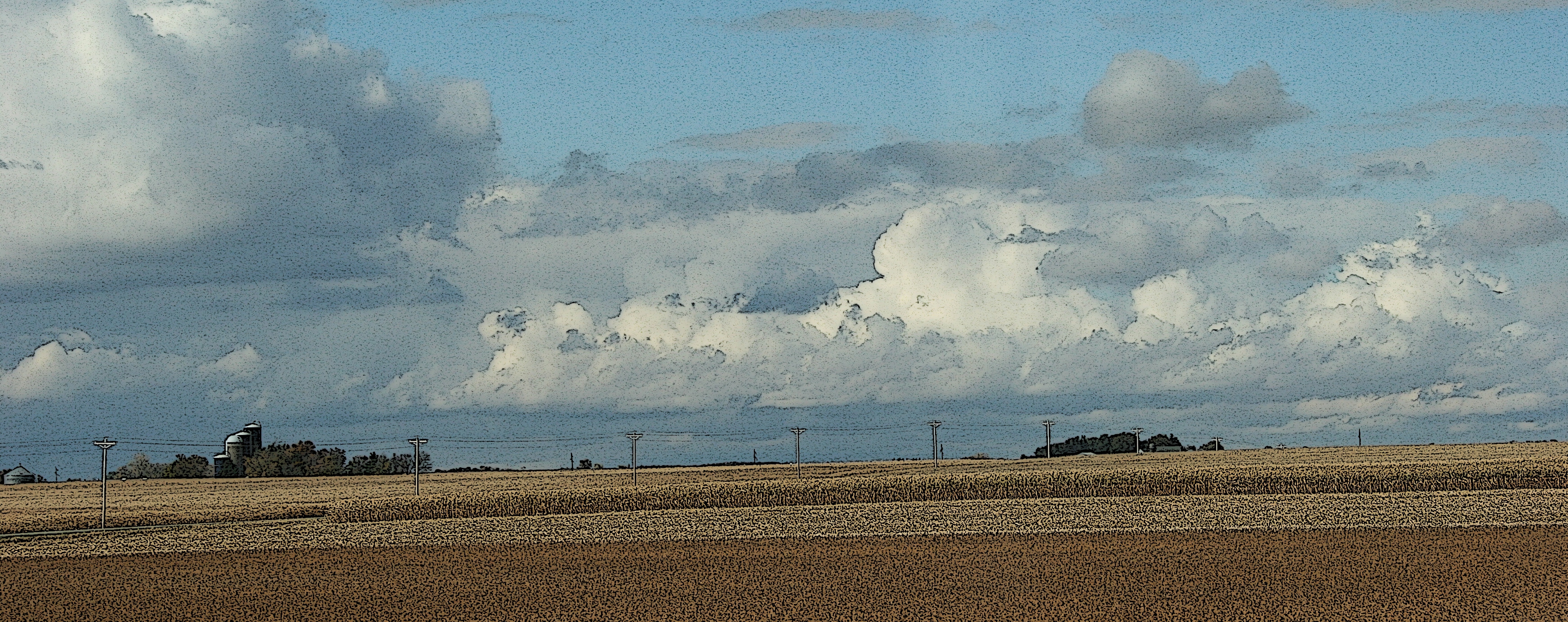
Expansive sky and land inspire the poet in me. Photographed, as are all photos here, along Minnesota State Highway 60 between Faribault and Kenyon.

Expansive sky and land inspire the poet in me.

WHAT DRAWS YOUR EYE in a rural landscape?

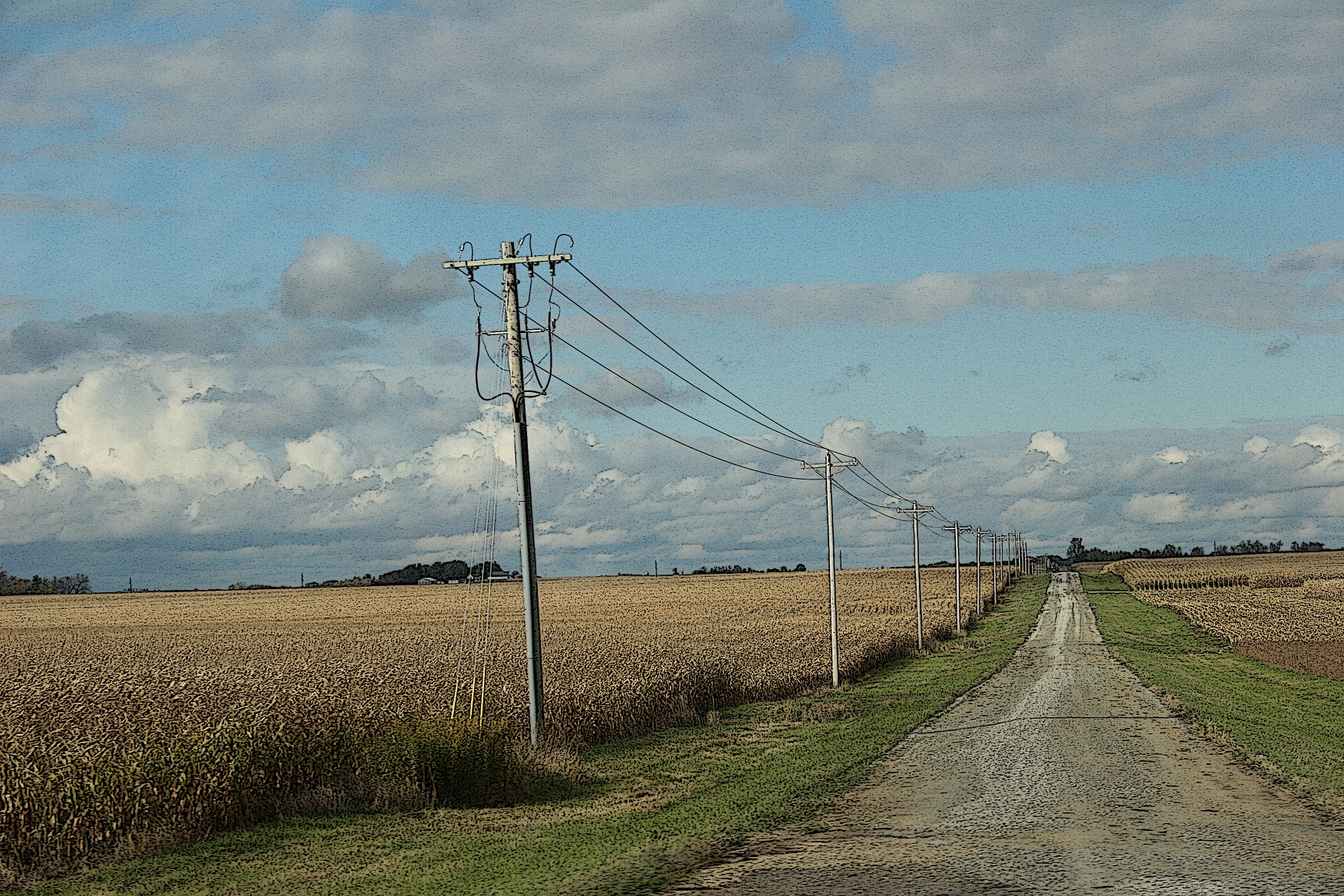
Strong lines pull me in, lead me to wonder where that gravel road would take me.

Strong lines pull me in, lead me to wonder, “Where would that rugged gravel road take me?”

Or do you even notice your environment as you travel from point A to point B?

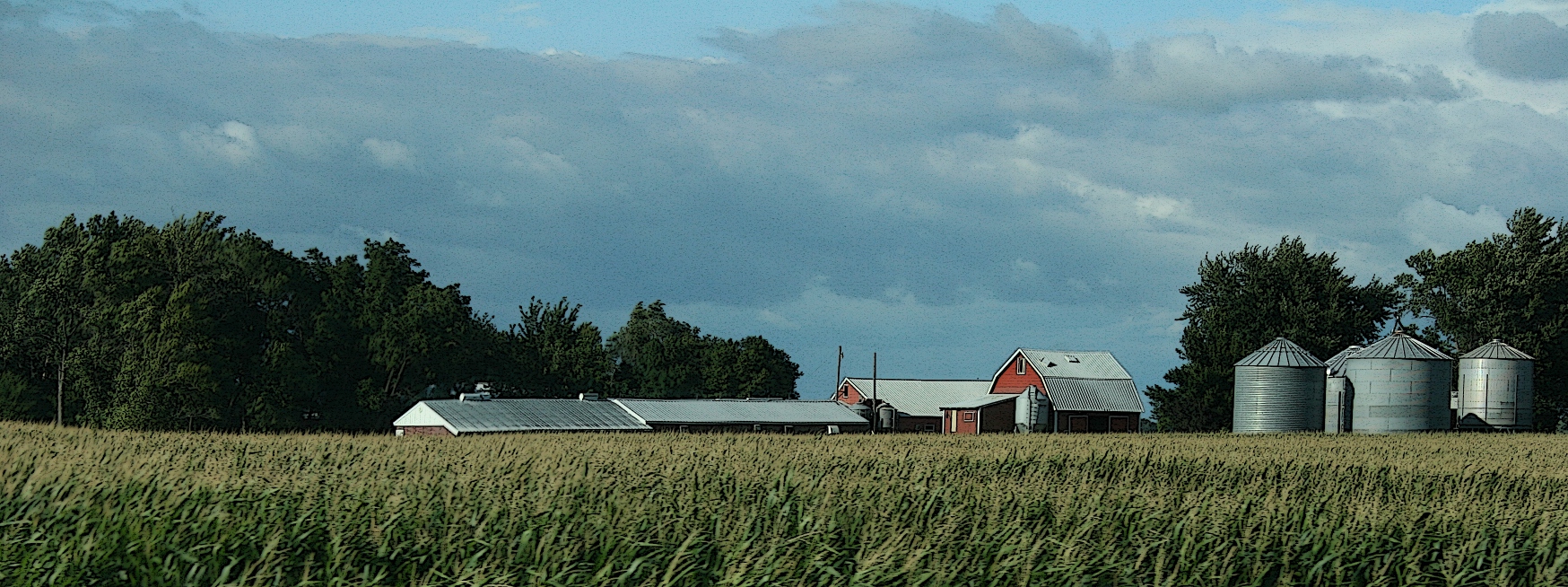
Noticing the geometry in these buildings clustered on a farm site.

I notice the geometry in these buildings, how they cluster and fit together on this farm site.

I challenge you, the next time you drive through rural Minnesota, or rural Anywhere, to truly see your surroundings. Don’t just look with glazed eyes. See. Once you see, you will appreciate.

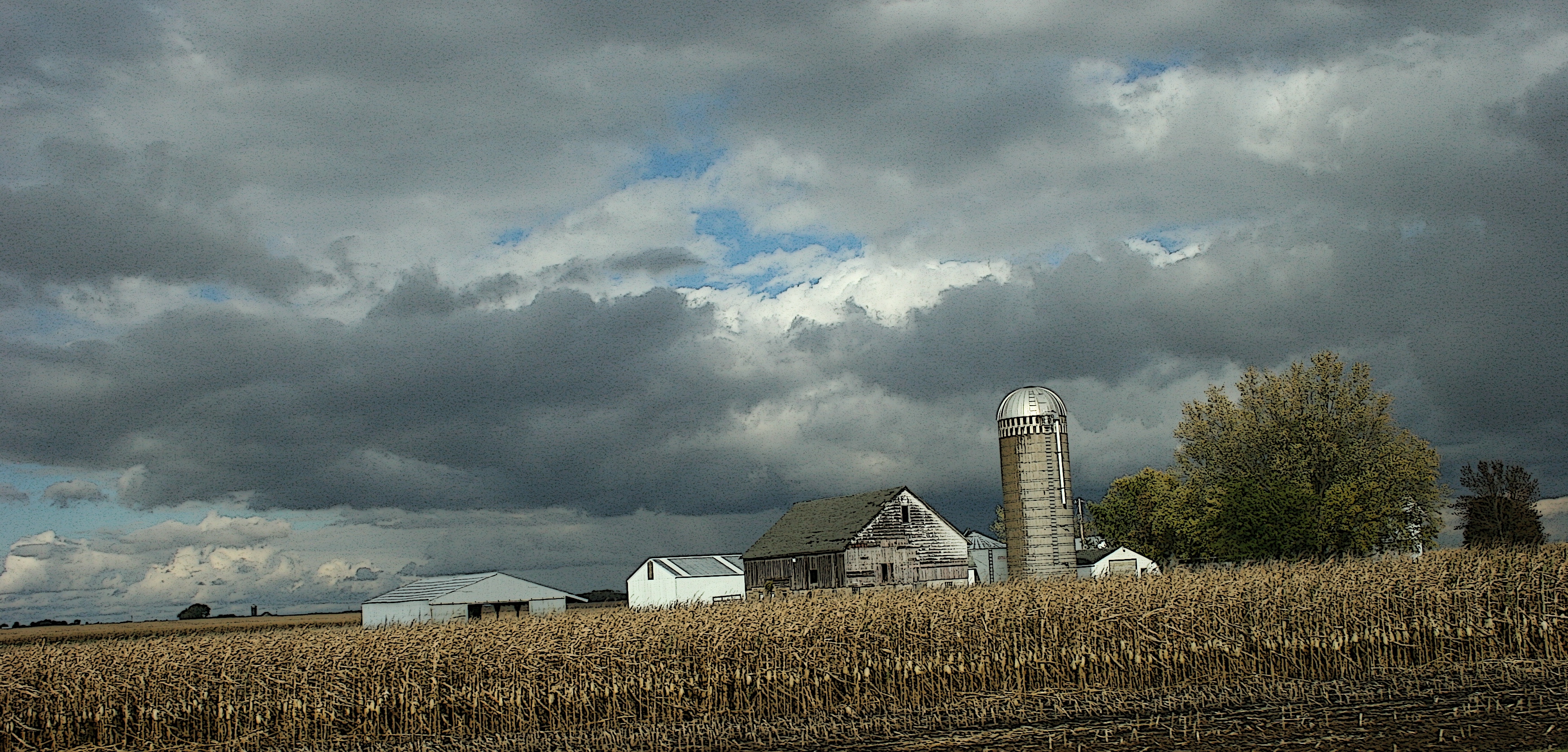
A sense of history defines this farm in that strong barn which dominates.

A sense of history defines this farm in that strong barn which dominates and in the mishmash roof lines of the farmhouse. Both cause me to reflect upon my rural upbringing, upon my forefathers who settled 150 miles from here on the southwestern Minnesota prairie.

History, point in life, memories, even your mood on a given day, will influence how you view the rural landscape, what draws your focus.

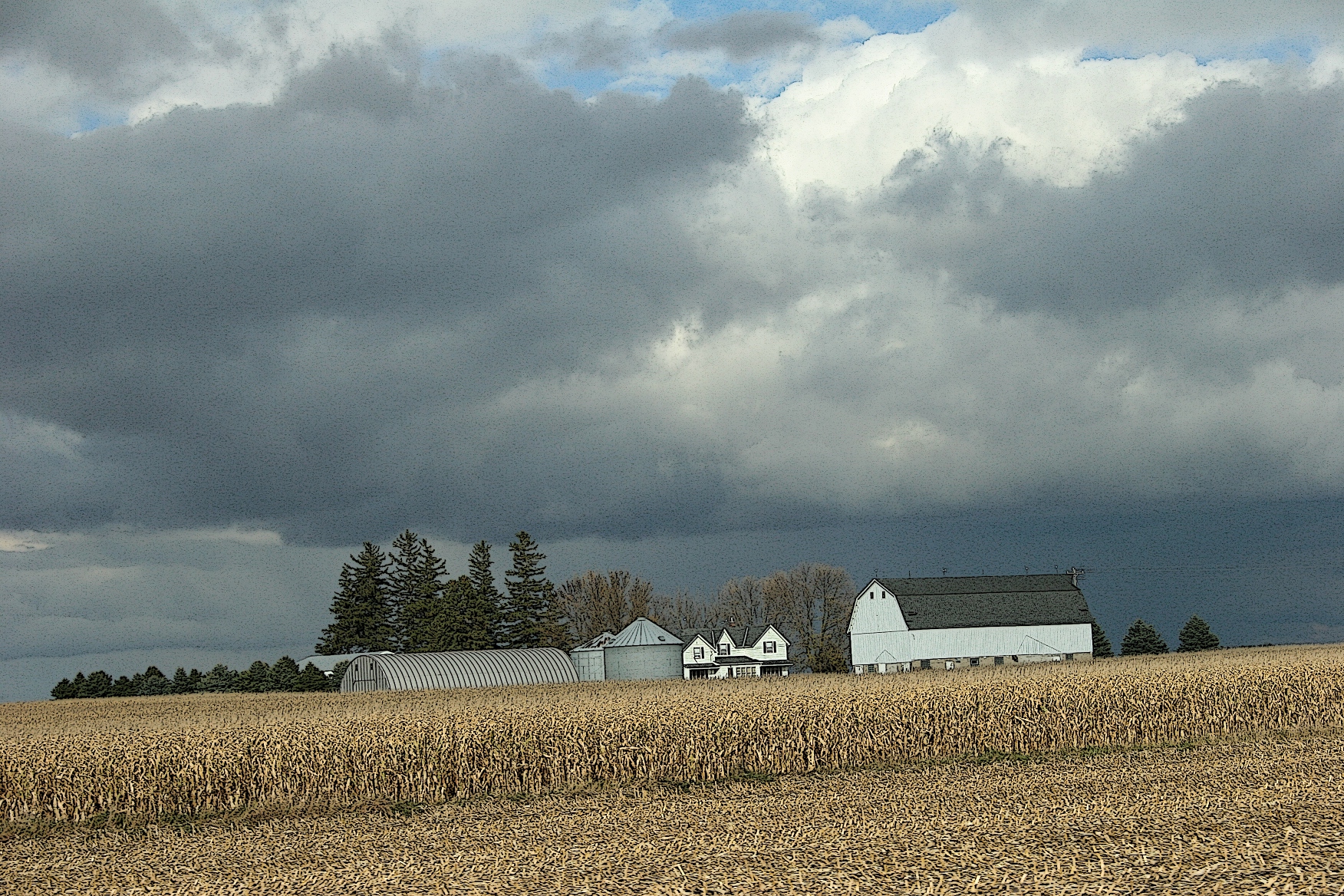
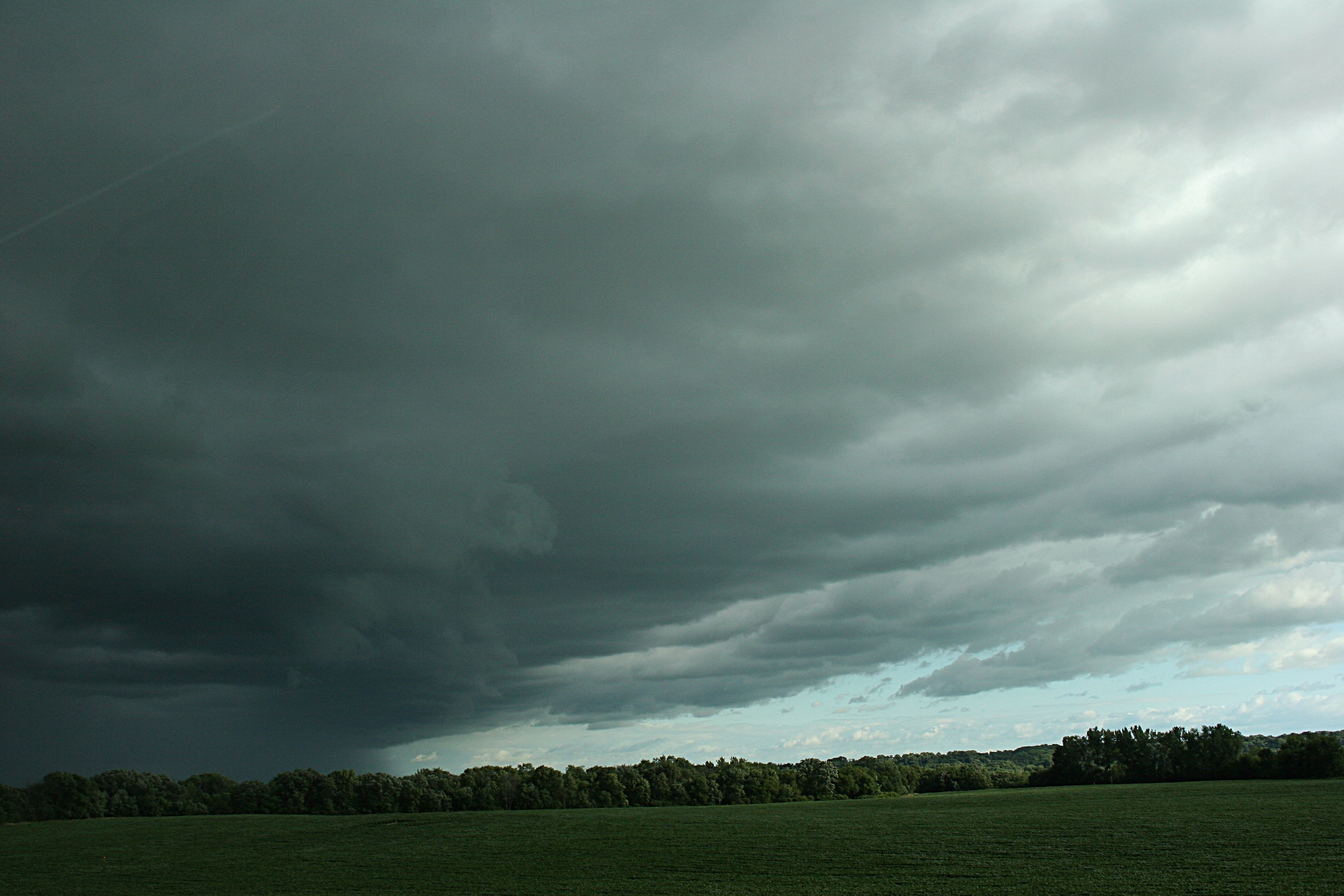
I see here trees huddled, protecting and sheltering that house from the elements. My thoughts turn introspective at this scene.

I see trees huddled, protecting and sheltering that house from the elements, from that threatening sky. My thoughts turn introspective as I consider how we are all sometimes vulnerable and huddled, drawn into ourselves.

Whether a writer or photographer, architect or historian, teacher or retiree, stay-at-home mom (or dad), a farmer or someone in between, you will lock onto a setting that inspires creativity or prompts thought or perhaps soothes your soul.

There is much to be said for noticing details, for understanding that the miles between small towns are more than space to be traveled.

FYI: These edited images were photographed nine days ago while traveling along Minnesota State Highway 60 between Faribault and Kenyon. In just that short time, the landscape has evolved with crops harvested, trees stripped of their leaves by strong winds and now, today, snow in the forecast.
© Copyright 2013 Audrey Kletscher Helbling