Minnesota Prairie Roots

Writing and photography by Audrey Kletscher Helbling

“Standing at the Grave,” an immigration story November 21, 2025

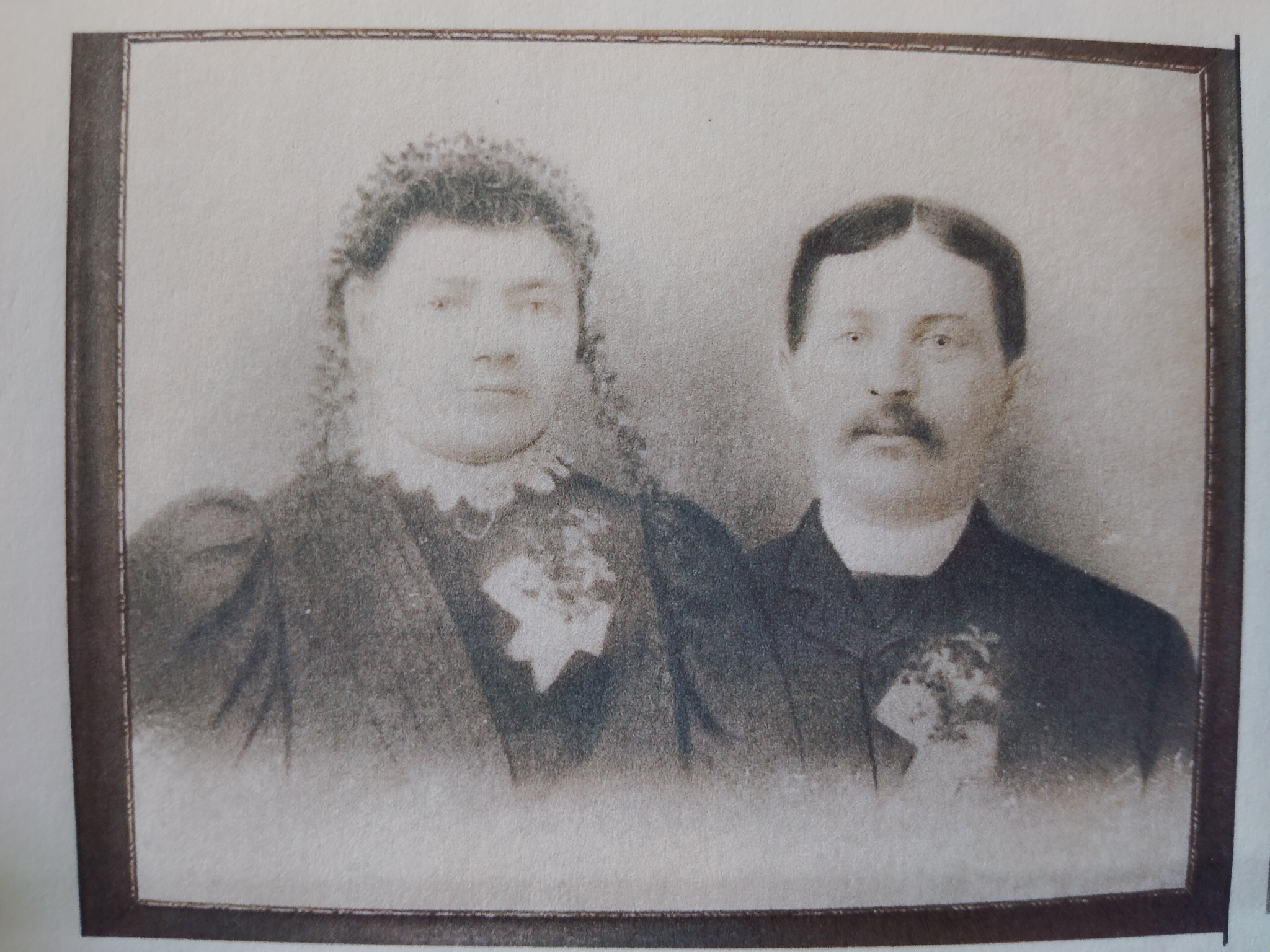
My great grandparents, Rudolph and Mathilda Kletscher, married in 1891. (Photo source: Kletscher Family Tree 2008 produced by Merlin and Iylene Kletscher)

UNLESS WE ARE NATIVE AMERICANS, immigration is part of our family history. On my maternal side, Friedrich and Maria Bode arrived from Germany at the port of New Orleans in October 1852. They would settle in Illinois. Most of the family eventually moved to Minnesota. On my paternal side, my great grandfather, Rudolph Kletscher, landed in Baltimore from Germany in 1886, several years later journeying west to put down roots in southern Minnesota.

I pulled this information from pages of family history uncovered and compiled by family members who have researched our roots in Germany. I am grateful for their work, for the names, dates and places recorded for reference. Sometimes there are stories, or tidbits of stories. But mostly the research reveals documented facts only, not stories.
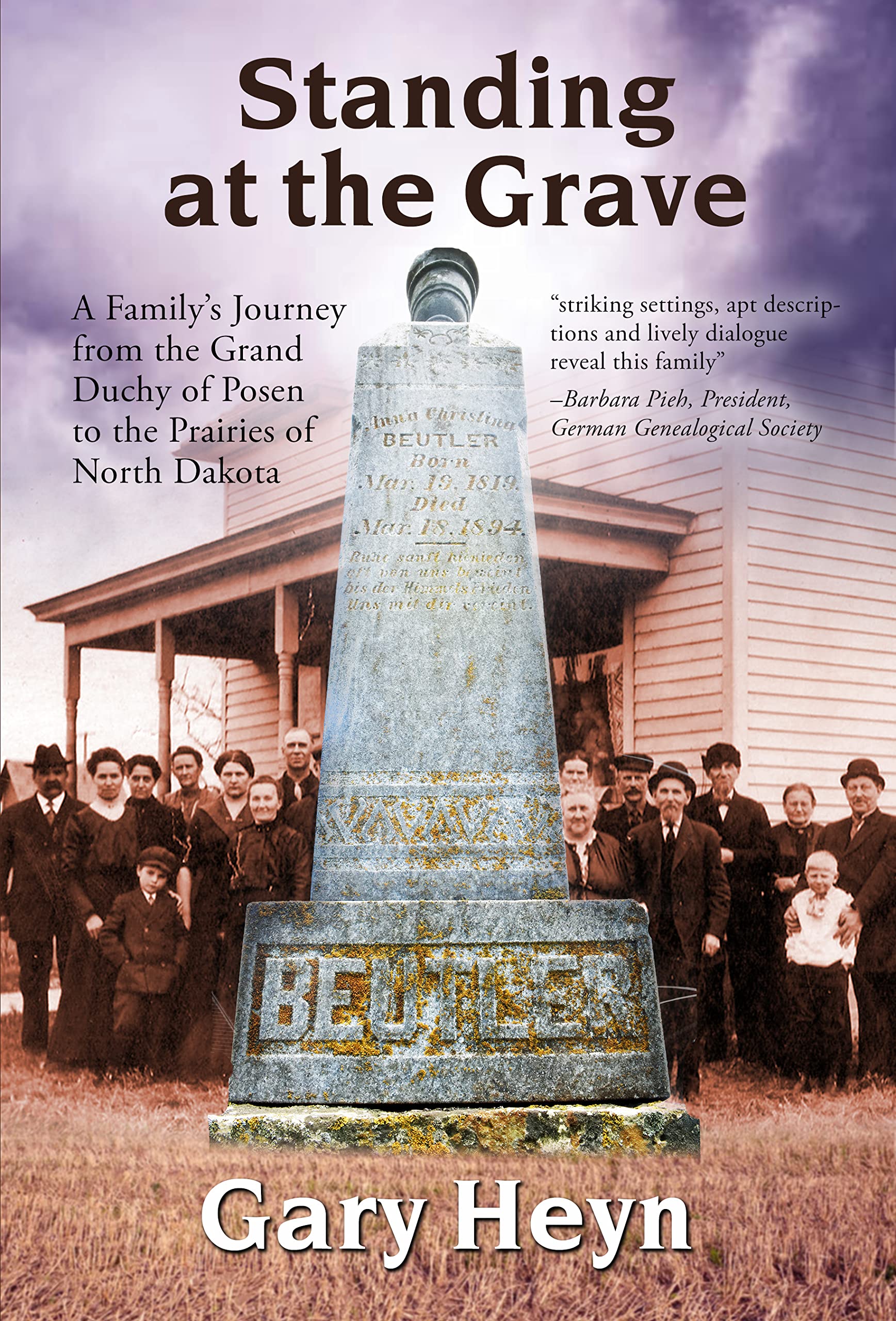
(Book cover sourced online)

It is the stories that interest me most, which explains my interest in reading Standing at the Grave—A Family’s Journey from the Grand Duchy of Posen to the Prairies of North Dakota by Minnesotan Gary Heyn. Books on Central in Faribault hosted Heyn on Thursday evening during a monthly literary event. I was among those in attendance, listening to Heyn read and then answer audience questions. I’d just finished reading his book about his ancestors who immigrated to America from Prussia (now Poland) beginning in 1867 shortly after the Civil War ended.

His ancestors could have been mine. Any of ours. Heyn took basic facts confirmed thorough research at the Minnesota History Center, church records, a Polish history website, old newspapers, even the National Weather Service and gleaned during several trips to Poland to form the foundation for his stories. The dialog and interactions are fictional slices of personal life in Prussia and then in America. Heyn’s characters really come alive when he reveals their fears, their worries, their hardships, griefs, challenges and more in intimate storytelling.
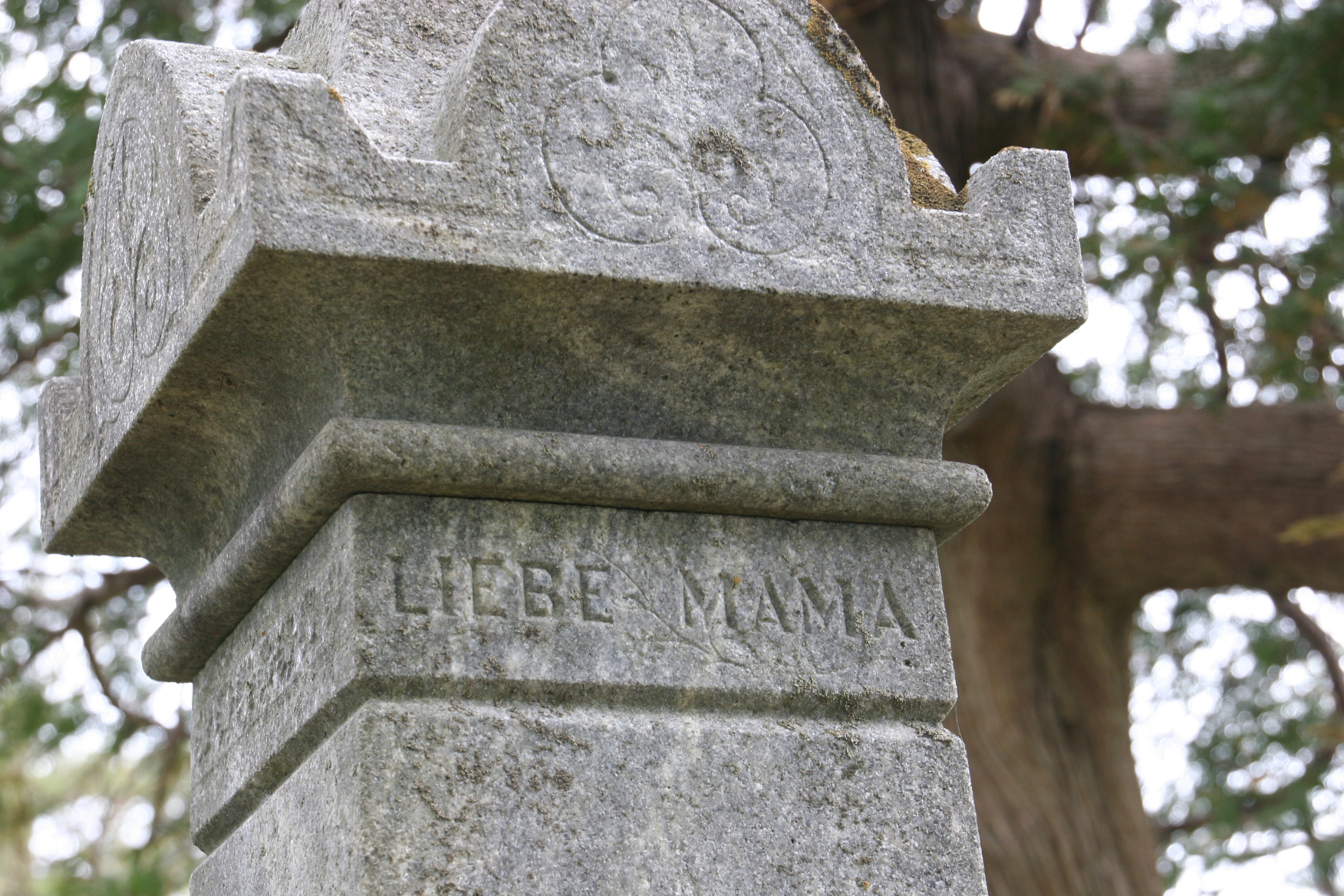
A tombstone in the Immanuel Lutheran Church Cemetery, Potsdam. The German word “LIEBE” means love in English. A Heyn family member is buried in this cemetery. (Minnesota Prairie Roots copyrighted file photo May 2022)

These are, at times, really hard stories. Of death by disease. Of death by accidents. Of death by suicide. Of death by botulism. I appreciate that the author doesn’t avoid tough topics. I understand the worries about weather and crop failure, vicariously stand at the graves of loved ones, recognize the depression a young mother experiences as she looks across the expansive North Dakota prairie, feeling isolated and alone.

But those difficult stories are balanced by the joys of births, of weddings, of the opportunity to claim land through the Homestead Act, to live and love and grow family in a new land rich in opportunity.

Main character, family matriarch Anna, follows her family to America many years after the first, eventually fulfilling her life-long dream of once again owning land, this time 160 acres in North Dakota. Most of the family found land in southern Minnesota, in the Rochester area where the author grew up and first heard the stories of his great grandmother. She lived with his childhood family. That sparked his interest in family history and genealogy, which, after his retirement as an accountant, led to writing Standing at the Grave.
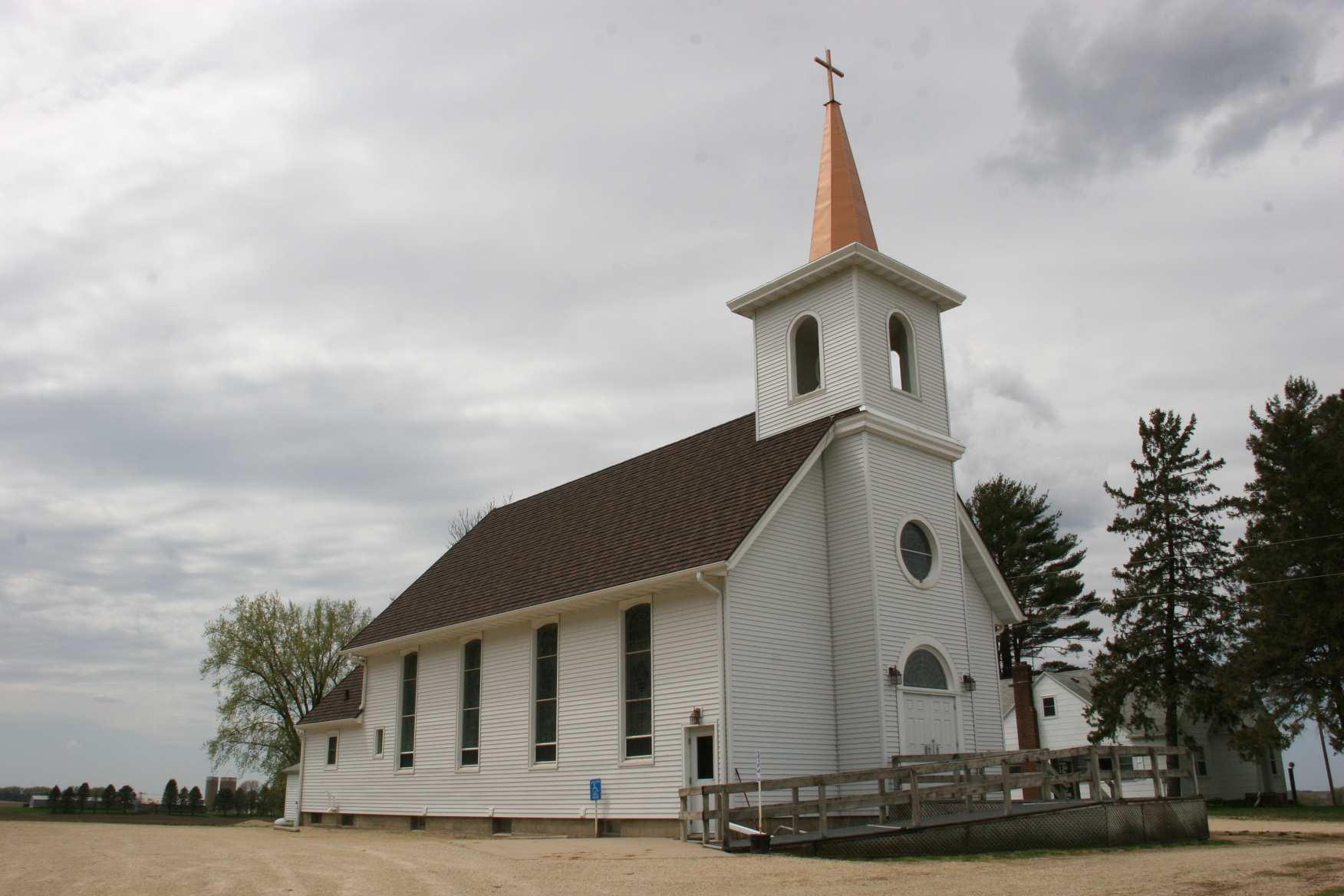
Immanuel Lutheran Church, Potsdam. (Minnesota Prairie Roots copyrighted file photo May 2022)

Southern Minnesotans, especially, will feel at home in places like Elgin, Grand Meadow, Pleasant Valley, Owatonna and more. I’ve even visited and photographed Immanuel Lutheran Church in Potsdam, where Anna stood on the front steps and scanned the countryside below the hilltop church. I’ve walked the cemetery, where Heyn’s ancestor, Willie, lies buried in an unmarked grave.

As much as I appreciate the storytelling in this book, I also appreciate its relevancy to today. Heyn family members new to America in the late 1800s are told to speak English, not German. Sound familiar? (My own mother, who died at age 89 in 2023, spoke German as her first language.) These newcomers to America felt like foreigners, often choosing to live among others from their homeland. Among those who shared their language, culture and customs, who liked bier, sauerkraut, Weihnachtsstollen and Glühwein.

But in times of challenges, Heyn reveals in one story, “…the citizens of this neighborhood, born all across the globe, banded together to help another working man.” That coming together of many nationalities repeats in his book, even as conflicts arise.
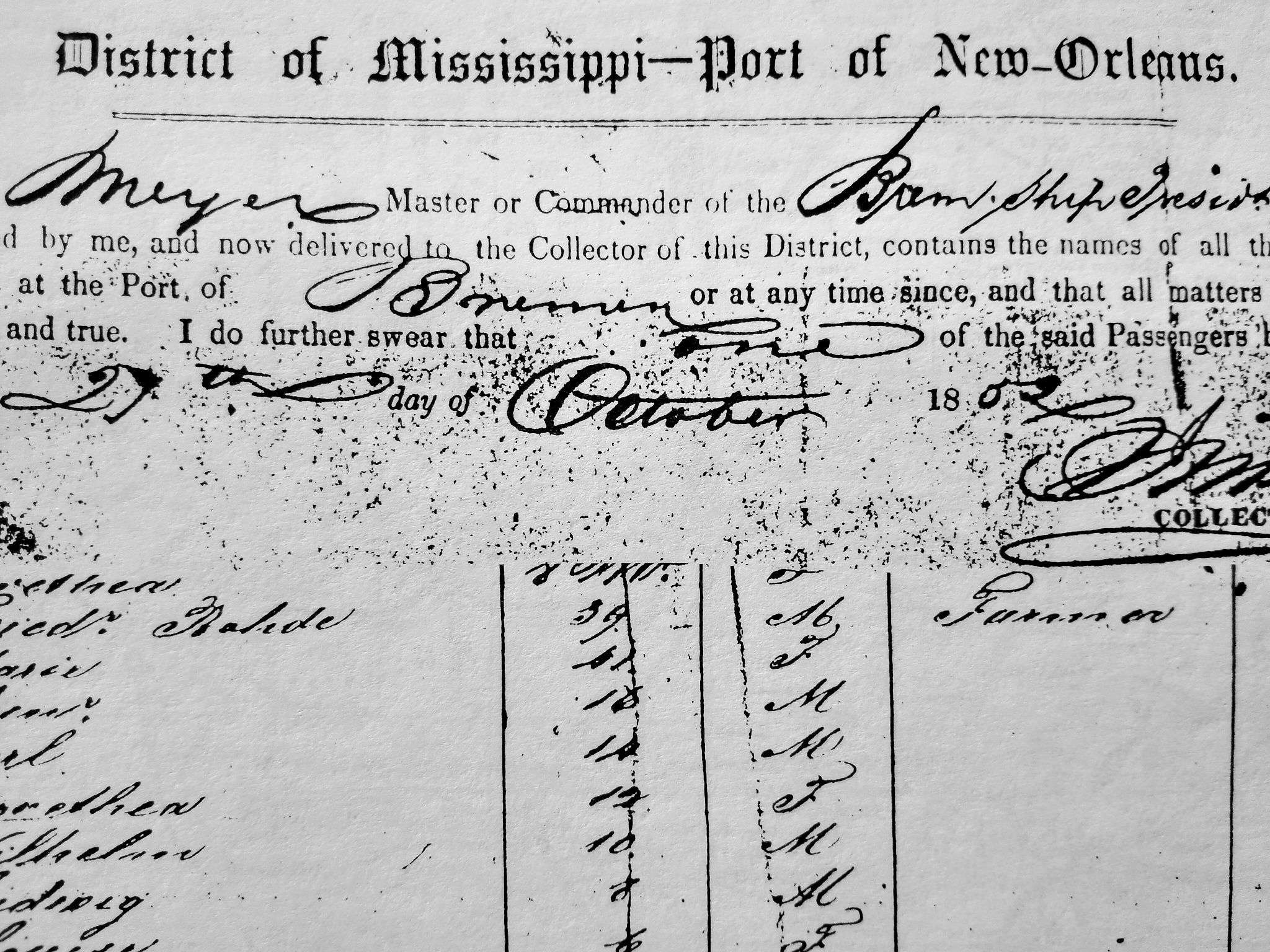
A passenger ship list from the port of New Orleans. (Source: The Bode Family book by Melvin & Lois Bode, 1993)

Heyn, in his writing, reveals the challenges, the dreams, the hopes, the resilience and resolve of his immigrant ancestors. These were strong individuals who relied on each other, their faith and their inner strength to cross a vast ocean for a new life in America. This is their story, but also a universal story of immigration, as relatable today as then.

This book helped me better understand those who came before me from Germany to America from a personal perspective. This book also reminds me of the struggles immigrants still face today in America, especially today.

© Copyright 2025 Audrey Kletscher Helbling


“Four Red Sweaters,” a difficult, but necessary, read July 1, 2025

(Book cover sourced online)

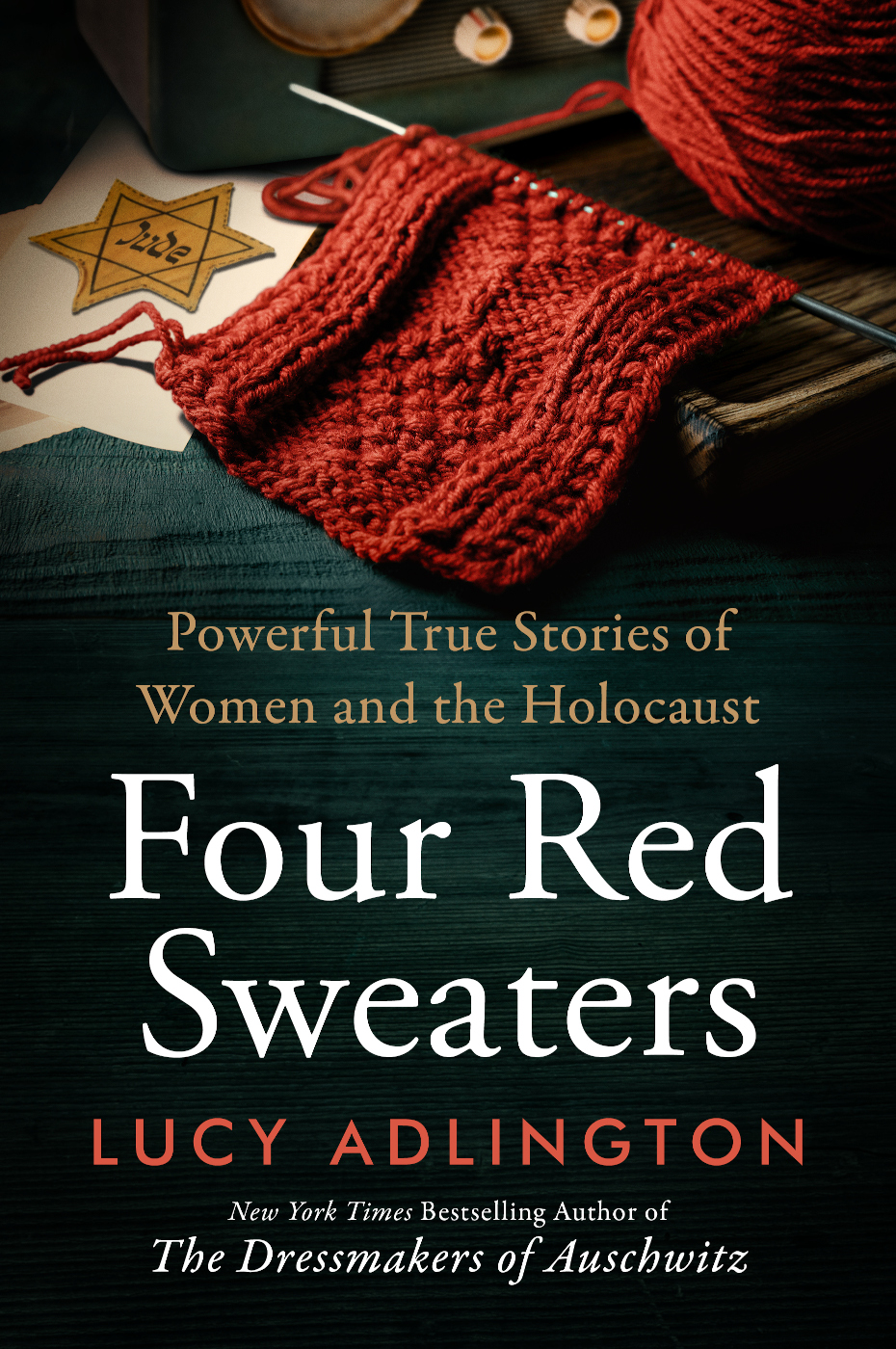
TYPICALLY, I CAN READ a book within two weeks. But not Four Red Sweaters—Powerful True Stories of Women and the Holocaust by Lucy Adlington. I had to renew this book at my local library in order to finish it.

Why? The content is so difficult, disturbing and devastating that I could only read this work of nonfiction in small chunks. But I was determined to finish this book about Jock, Anita, Chana and Regina—four Jewish girls living in Nazi Germany—and all connected by red sweaters. I owed it to them to learn more about the awful atrocities inflicted under Adolph Hitler’s rule by those who lived, breathed, and followed him and his ideology.

All the while I was reading Four Red Sweaters, a small voice in my head whispered warnings in words like a knock on the door, fear, anti-immigration sentiment, snatched, disappeared, deported, deception, secrecy, dehumanizing… The parallels to today were not lost on me.

REAL PEOPLE WITH STORIES

What I particularly like about this book, if one can ever really “like” a book on such a topic, is the personalization. Anita is not just #69388 inked onto her left forearm at Auschwitz-Birkenau. She is a girl who arrives at the concentration camp wearing shoes adorned with pompoms and tied with red shoelaces. She is a girl who knew how to play the cello. That skill eventually saved her.

But too many died. Millions and millions. That included the Fink family, brutally murdered by their neighbors in an act so heinous I can’t share it here. Turn to page 96 in the book. The Finks were extended family of Jock, a main character in this story. She was one of the “lucky” Jewish children who escaped Nazi Germany, along with her sisters, on a Kindertransport, an all-out effort by brave souls to get Jewish children out of the country to safety. But Jock’s parents and brothers died at the hands of the Nazis.

The pages of Four Red Sweaters are filled with heroic acts, bravery, defiance and determination that show the incredible strength of the human spirit. There existed a mentality of surviving together or dying together. The pages of this book are also filled with stories of unbelievable, unfathomable cruelty.

A NECESSARY READ

Author Adlington backs her writing up with 23 pages of source notes. In small print. That’s a whole lot of documentation in researching and writing this book. I cannot imagine the emotional toll this took on her. I also cannot imagine anyone reading Four Red Sweaters and not feeling deeply moved and worried, but also grateful to Adlington for sharing the stories of Jock, Anita, Chana and Regina and the broader stories of the Holocaust. We need to read about, study, learn and remember the past so as not to repeat it.

Near the very end of Four Red Sweaters, Adlington writers about a knitter who, in 2013, designed Remembrance socks. Heatherly Walker’s sock pattern honors Regina and the others who were forced to knit socks and more for the Nazis and their families. She incorporated hidden Jewish stars into the pattern, which is available on the Ravelry website for crafters. Knitting is an integral part of the stories Adlington shares in her book.

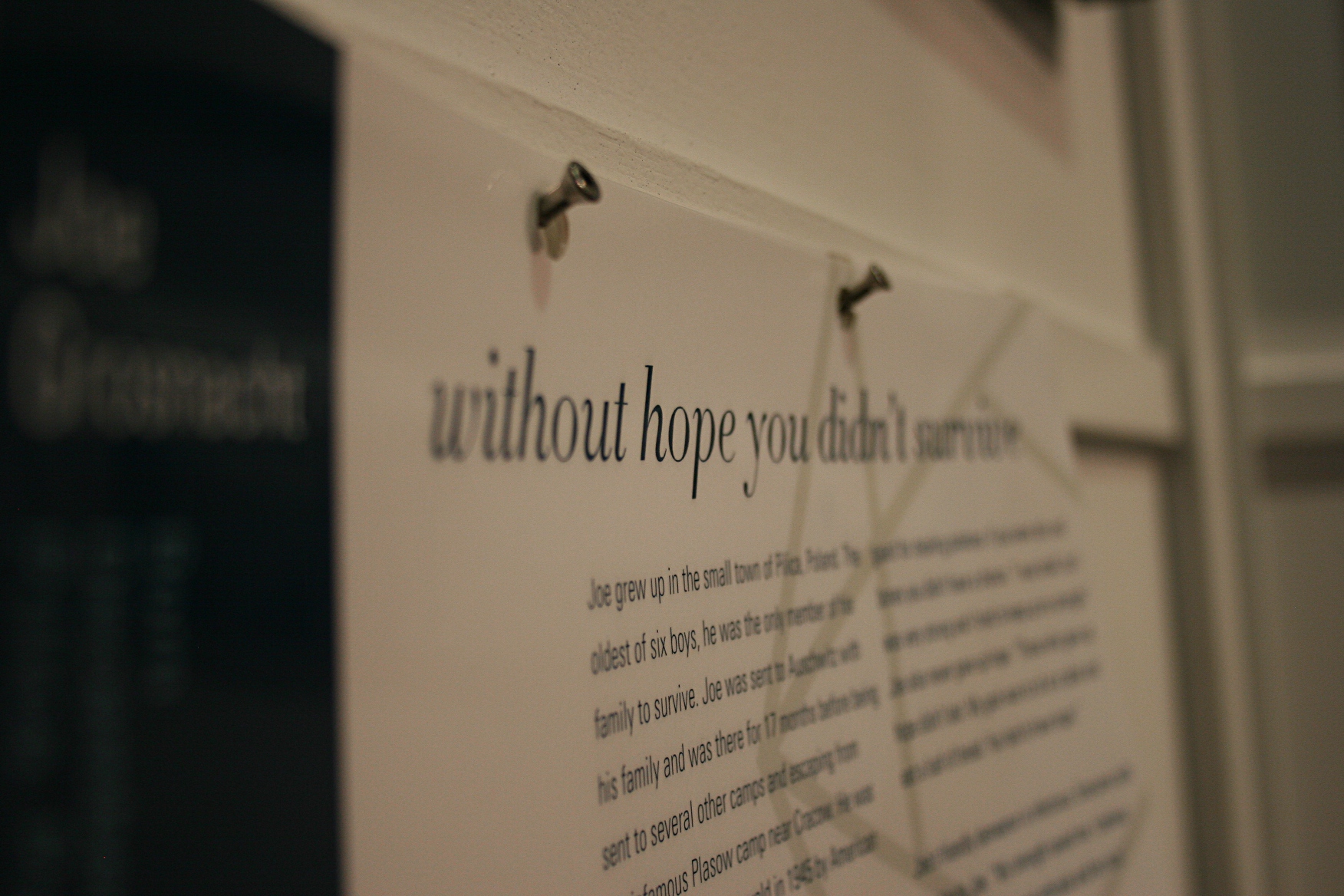
Hope in a story at the traveling exhibit about Holocaust survivors, “Transfer of Memory,” which I viewed in 2014 at the Steele County History Center, Owatonna. (Minnesota Prairie Roots copyrighted file photo 2014)

DEFIANCE, COURAGE, HOPE

One seemingly small act stands out for me in Four Red Sweaters. Regina’s friend Esther, after foraging mushrooms for the Nazis in the Sobibor extermination camp, walks into the SS canteen, sees a pot of soup cooking and spits in it. And the Nazis eat it. I can only imagine the satisfaction Esther felt in that moment of defiance. Endless examples of defiance, courage, hope and resilience are knitted into the pages of Four Red Sweaters.

As challenging as it was for me to read this book, I needed to do so. For to stop reading when the content grew increasingly difficult and disturbing would have been to do exactly as the Nazis desired. Nobody must know. But we must all know. And, sometimes, like Esther, we must spit in the soup.

#

TELL ME: If you’ve read Four Red Sweaters, how did you react? What stands out for you in the book? Special thanks to Missy’s Crafty Mess (the blog of an avid reader and knitter) for writing about Four Red Sweaters, which led me to this book about the Holocaust. I am grateful for her recommendation.

© Copyright 2025 Audrey Kletscher Helbling
 

Growing up with 21 siblings in rural Minnesota, a memoir June 10, 2025

This book is also packed with candid and posed photos of the Miller family, adding to the text. (Book cover sourced online)

THIS COULD BE MY STORY or that of any other Baby Boomer who grew up in rural southern Minnesota. With one primary exception. None of us had 21 siblings. Yes, twenty-one. I had only five—three brothers and two sisters.

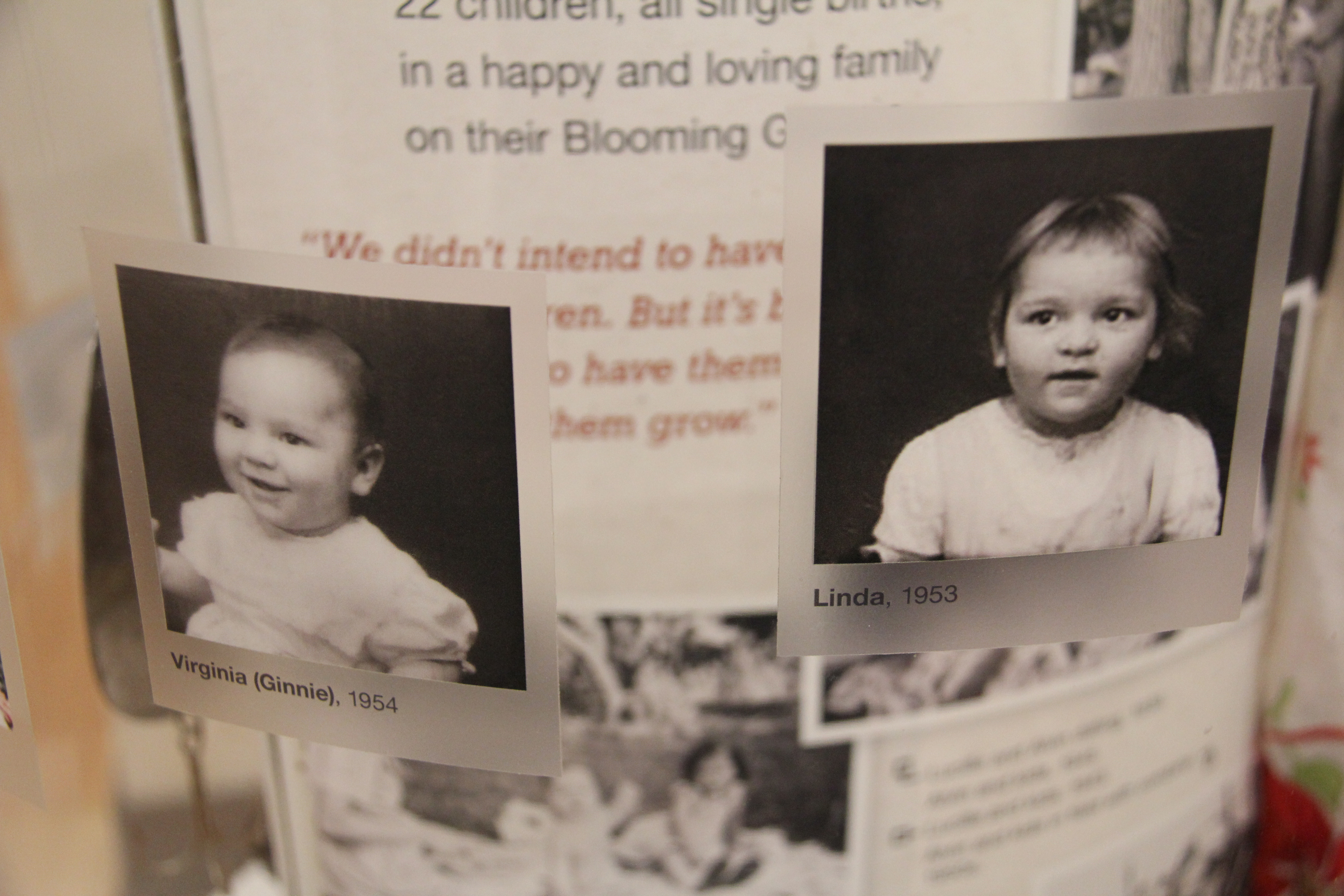
But Helen Miller had seven brothers and 14 sisters, all single births, all born to the same parents, Lucille and Alvin Miller of rural Waseca, over a span on 26 years. She’s chronicled the family’s life in a self-published memoir, 21 Siblings—Cheaper by the Two Dozen.

I happened upon this book, printed in 2018, after visiting the Waseca County History Center and seeing an exhibit about this unusually large family. I knew then that I needed to read this story by Helen, 13th in line. She’s just a bit older than me. I expected my farm upbringing during the late 50s through the 60s and into the early 70s would be similar in many ways. I was right.

WHITE RICE & PANCAKES

This book proved a stroll down memory lane. I remember meals of mostly meat and potatoes with a side vegetable given that was the preferred meal of my farmer father. He, like Alvin Miller, was quite content to eat those basics and didn’t care for any deviations. Large gardens were the norm, no matter family size. Lucille Miller canned fruits and vegetables, just like my mom, except a whole lot more. And, when food supplies ran low, both our mothers cooked a meal of white rice and cinnamon. I detested that and to this day still don’t like plain white rice.

I also do not much like pancakes, although I have no particular reason to explain that dislike. Helen Miller should. She writes of the family receiving boxes and boxes of pancake mix following a railroad accident. Except they didn’t get the pancake mix until months later…when weevils had infested the food. The Millers simply sifted out the bugs, prepared and ate the pancakes. They weren’t about to turn down free food.

Specific stories like these point to the challenges of feeding a mega family, even with their own garden produce, chicken, pork and eggs. With that many people to feed and to shelter, you can only imagine the logistics of running the household. Older siblings were responsible for younger siblings. Everyone pitched in with chores. They shared a lot—clothes, shoes, a singular cup for drinking water (same as my family), rooms, a love of music and a strong faith.

This shows part of the Miller family exhibit at the Waseca County History Center. (Minnesota Prairie Roots copyrighted file photo May 2025)

THE IMPORTANCE OF FAITH

The Millers’ Catholic faith centered their lives. Lutheranism centered mine. Faith carried the Millers through an especially tragic event—the deaths of their aunt, Irene Miller Zimmerman, and her six young children in 1959. An unseen train broadsided their station wagon just blocks from Sacred Heart School, the same school Helen and her siblings attended. She writes: It was under this veil of grief that I grew up a rather serious child. She was only four years old.

Amid the difficult moments, Helen documents light-hearted moments, too. One in particular caused me to burst into laughter. As a seven-year-old, Helen went to Confession for the first time, thinking she had not broken any of the Ten Commandments. But she had to confess something to the priest. Helen admitted to disobeying her parents twice, having false gods twice and then, and here’s the kicker, committing adultery three or four times. Now there’s nothing funny about that sin. But when an elementary-aged girl confesses to something she clearly doesn’t understand, well, I wonder how that priest kept from laughing aloud. He didn’t laugh, or correct her, according to Helen, who twice confessed to breaking the Sixth Commandment.

SEWING, FISHING & A WHOLE LOT OF PATIENCE

Story after story reveals a childhood upbringing that many times mimicked my own. Like Helen, I learned to sew because, if I wanted new clothes as a teen, I needed to stitch them. I babysat children for fifty cents an hour, just like Helen. I fished, occasionally, with my family. But the Millers fished often, usually at their rustic cabin along Reeds Lake a short drive from their farm. Vacations and dining out were not part of our youthful experiences. The list of similarities goes on and on among the many differences.

I can never fully relate to having 21 siblings. But this rural Waseca family managed and, by all accounts, well. With a whole lot of organization, love, strength and patience. And, Helen notes, with an eternally optimistic and patient mother. Just like my mom.

© Copyright 2025 Audrey Kletscher Helbling
 

Stories to make you feel better March 11, 2025

Sunrise on Horseshoe Lake, rural Merrifield, MN. (Minnesota Prairie Roots copyrighted file photo September 2024)

ON THE SATURDAY I should have been in Madison, Wisconsin, cuddling my nearly two-month-old grandson, Everett, I was, instead, home in Minnesota. Sick with a cold. I felt sad and disappointed that our trip was canceled.

But then my son-in-law sent a short video clip of Everett. To the soundtrack of “It’s a Beautiful Morning,” I watched Everett smile. You know the type of smile that widens and grows until it reaches your eyes. It was only a few seconds, but enough to shift my mood to joy.

And who doesn’t need a little joy right now? There’s a lot happening currently on a national and international scale that causes me deep concern, stress and worry. So I must intentionally seek out that which eases some of my angst. A visit with Everett and his parents would have proven a wonderful distraction. Soon, perhaps, Randy and I can do the four-hour drive to Madison.

Meanwhile, back home in Faribault, I connect with friends, go on walks, lift hand weights, hang laundry outside on the line, bake banana bread, take a Sunday afternoon drive, listen to uplifting music (specifically Christian radio station KTIS), pull out my camera, write, read…all simple things that brighten my days.

(Book cover sourced online)

Most of you know that I love to read. I happened upon a collection of short stories which was, in a way, like a short “It’s a Beautiful Morning” video clip. The slim volume, Notes from the Porch—Tiny True Stories to Make You Feel Better about the World by Thomas Christopher Greene, was exactly the book I needed to read on the weekend I was still fighting my cold and couldn’t see Everett.

Greene shared the stories via social media from his home in Vermont during the COVID-19 pandemic. And now he’s compiled those stories, typed into his laptop on his front porch, in this book. Even if you’re not a big reader—and I know a lot of people who don’t read books—this is a breeze of a relatable read.

In his book, Thomas Greene writes about a blue heron in sharing the story of his baby daughter Jane. (Minnesota Prairie Roots copyrighted file photo)

The book title alone, Notes from the Porch, points to the content of short snippets about everyday life. Most are not extraordinary moments, with the exception of the death of the author’s daughter, Jane, at six months. Even that has a positive message of we’re all stronger than we think. I bet nearly all of you can relate to that—the resilience we find in the midst of incredible personal challenges. And if you haven’t faced such challenges, then I’m glad you haven’t.

My niece and nephew dance in the rain at a family gathering. (Minnesota Prairie Roots copyrighted file photo)

But back to Greene’s book. He writes several stories about his seven-year-old neighbor boy who races his bike along the street. With wild abandon. Fearless. Occasionally stopping to chat with the front porch writer. I can picture that young boy, who also runs in the rain. Just as I can picture the older couple in another story, on their boat each evening chasing the sun. Rain and sunshine.

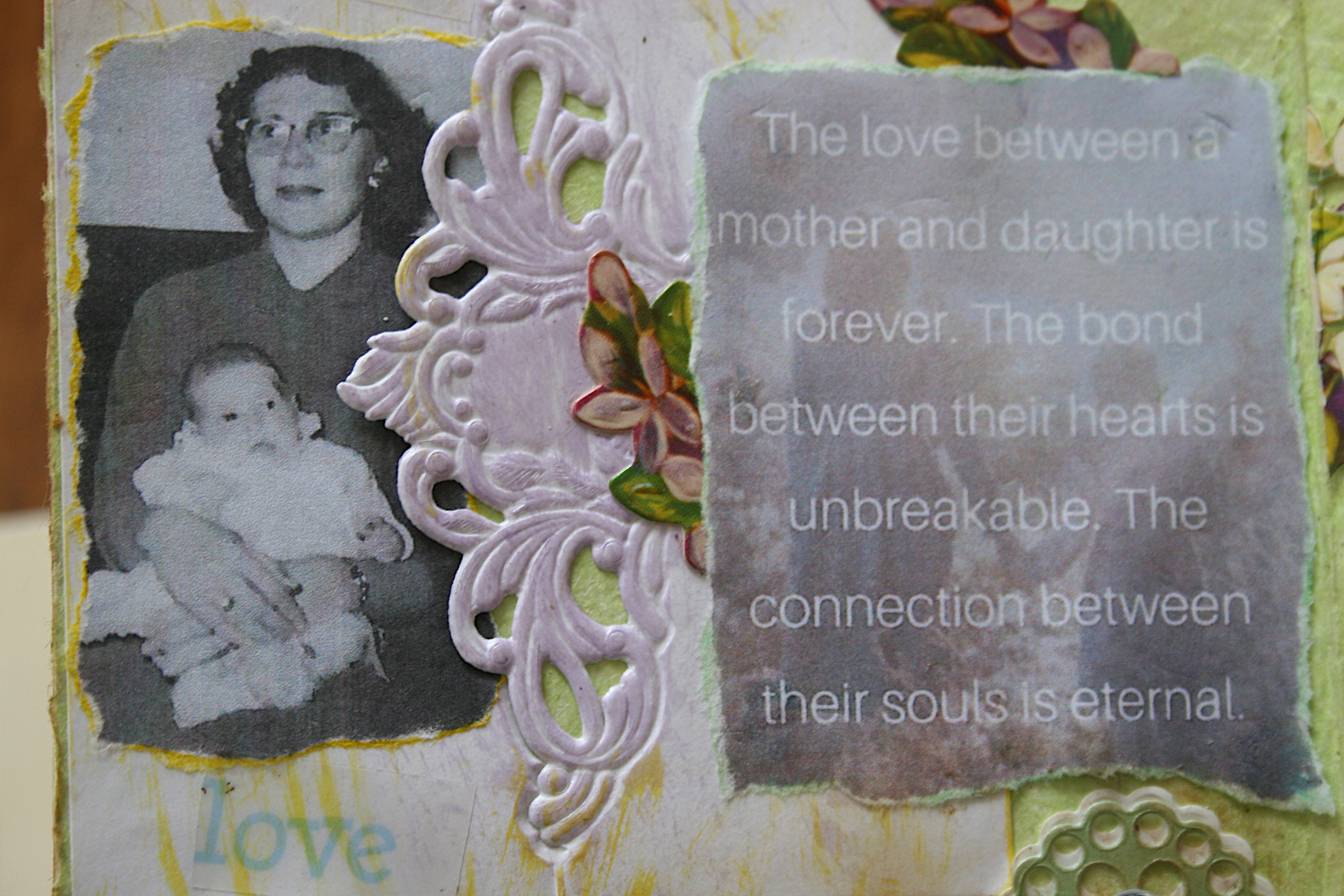
A page in a keepsake book a friend created for me after my mom died. The photo is of my mom holding me. (Minnesota Prairie Roots copyrighted file photo)

Greene’s writing is not only descriptive, but also emotionally touching and insightful. When I read his story, “The Only List I Will Ever Make,” I cried at #11, the final item on his living life list: 11. Call your mom. If your mom is no longer here, call her anyway. No one will root for you more. I used to call my mom every Sunday evening until she could no longer talk on the phone. She’s been gone three years now, dying during the height of Omicron (not of) in a long-term care center. There are days when I wish I could call her, hear her supportive words, tell her I love her. Greene’s writing reminds me that Mom is but a memory away, part of me for the kindness and compassion she taught me, for the unconditional love she gave to me, for the…

This art created by my granddaughter reminds me that we can all be each other other’s sunshine. (Minnesota Prairie Roots copyrighted file photo 2023)

And now Greene has gifted all of us with his kind and compassionate words. He writes of kindness witnessed in a grocery store. He writes about a father joyfully, publicly sharing the news that his straight A daughter has been accepted into an Ivy League school. A Black girl from Vermont, the daughter of an immigrant without any money, going to Harvard because she earned it. That reminds me of my own son getting into an elite East Coast college, because of his smarts, certainly not because we had the money to send him there.

Notes from the Porch uplifts, encourages, teaches. Each story is like “It’s a Beautiful Morning” video clip of my smiling grandbaby. Sure to leave you feeling better.

© Copyright 2025 Audrey Kletscher Helbling

 

A few book suggestions related to yesterday’s post January 8, 2025

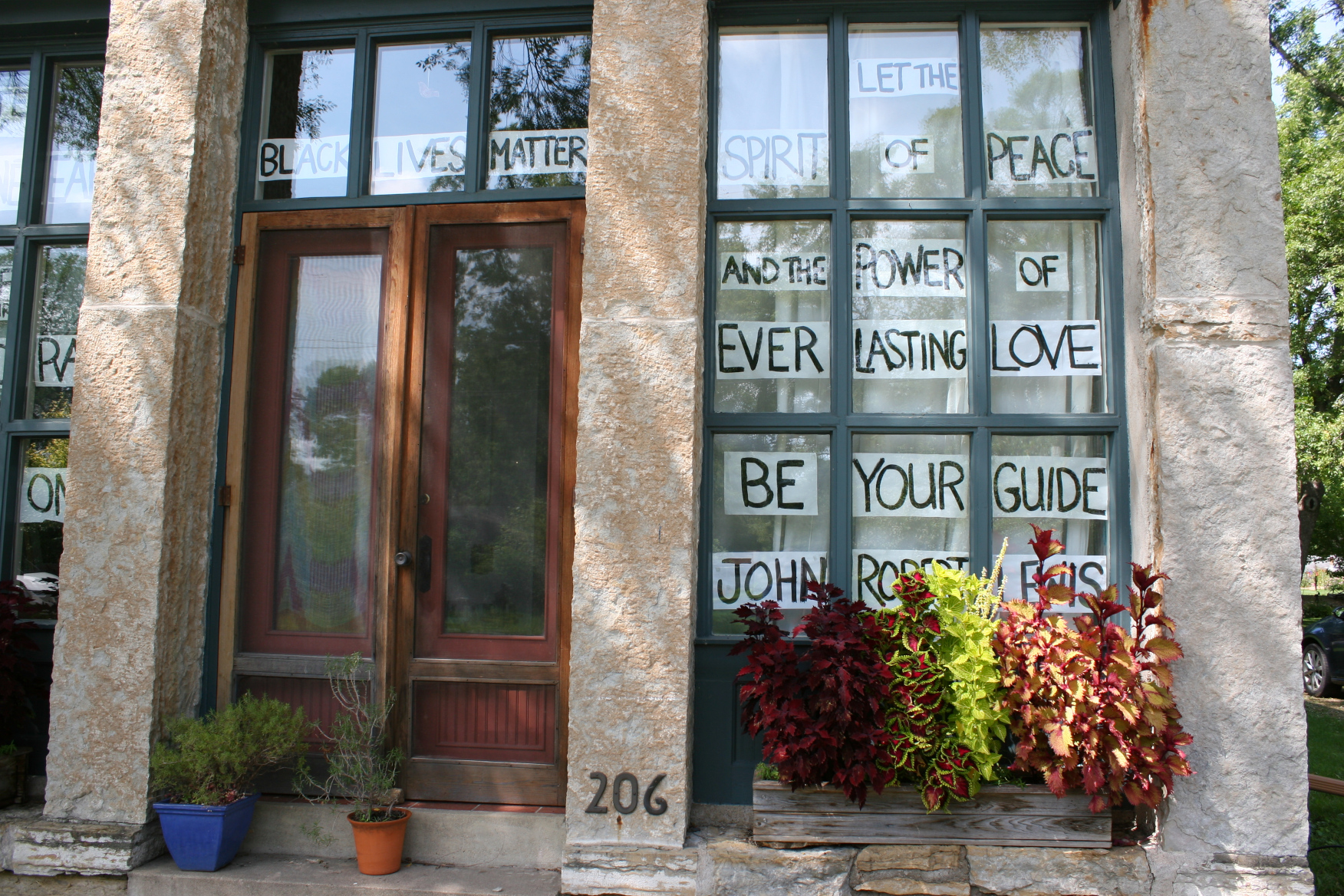
Inspiring messages on a house in small town Dundas, Minnesota. (Minnesota Prairie Roots copyrighted file photo August 2020)

I’M FOLLOWING UP on yesterday’s post focusing on the book Our Hidden Conversations—What Americans Really Think About Race and Identity by Michele Norris to recommend four related books. But before I get to those books, I must share that Norris will be in Minnesota on Monday, January 20, as the keynote speaker for the Martin Luther King Jr. Holiday Breakfast at the Minneapolis Convention Center (Exhibit Hall A). The event begins with networking and mingling from 7-7:30 a.m., breakfast from 7:30-8 a.m. and a program from 8-9:30 a.m. The celebration also includes music by Grammy award-winning Sounds of Blackness and a special collaborative performance by Threads Dance Project and Vocalessence. For more information about this 35th annual MLK breakfast, click here.

Now the books:

Book cover sourced online.

1959 (reprinted) Edition of The Negro Travelers’ Green Book—Guide for Travel and Vacations

I checked this facsimile of The Negro Travelers’ Green Book out from my local library. This guidebook lists, state by state (and in Canada), the hotels, motels, restaurants, tourist homes and vacation resorts where Blacks were welcome in 1959. This list is revealing and sometimes surprising. And clearly, it’s unsettling to read, understanding the discrimination against Blacks that existed not all that long ago.

Book cover sourced online.

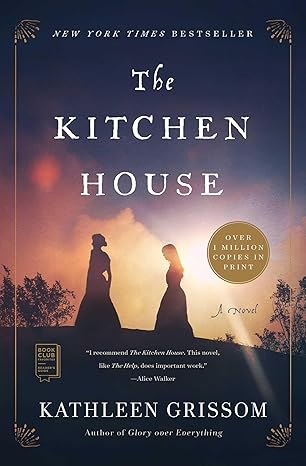
The Kitchen House by Kathleen Grissom

This New York Times bestseller published in 2010 tells the fictional story of life on a tobacco plantation beginning in the late 1700s from the perspectives of a slave (the daughter of a White master and his slave) and an indentured servant (an orphan from Ireland). Although a work of fiction, The Kitchen House is historical fiction, thus rooted in truth. This is a difficult read. But it’s also an inspiring book that speaks to the strength of the human spirit, the love of family and resilience.

Book cover sourced online.

So you want to talk about race by Ijeoma Oluo

Another New York Times bestseller, this one published in 2019, is in my reading stack. The title, So you want to talk about race, pretty much explains the content. The book was gifted to me by someone who left it in my church mailbox. I am grateful. I expect I will gain new insights from reading this book about race.

Book cover sourced online

Winter counts by David Heska Wanbli Weiden

This award-winning book published in 2020 has been in my reading stack for some time. I am half way through reading Winter Counts and already know I need to recommend this fictional book. Why? The storyline takes the reader onto the Indian Reservations of South Dakota. But what stands out for me is the authenticity of the writing. Author David Heska Wanbli Weiden, an enrolled citizen of the Sicangu Lakota Nation, knows of what he writes.

I am not only reading an intriguing novel about a vigilante set on justice for the Lakota community in dealing with illegal drugs and other issues. But I am learning about Lakota culture, beliefs, language and challenges, and a reclaiming of Native identity. This book has proven both educational and eye-opening.

TELL ME: Have you read similar books that you recommend I read? Please feel free to share with a brief summary of the book (s). I’m interested in any genre and in books for children to middle and high schoolers to adults.

© Copyright 2025 Audrey Kletscher Helbling
 

A humorous book rooted in rural November 18, 2024

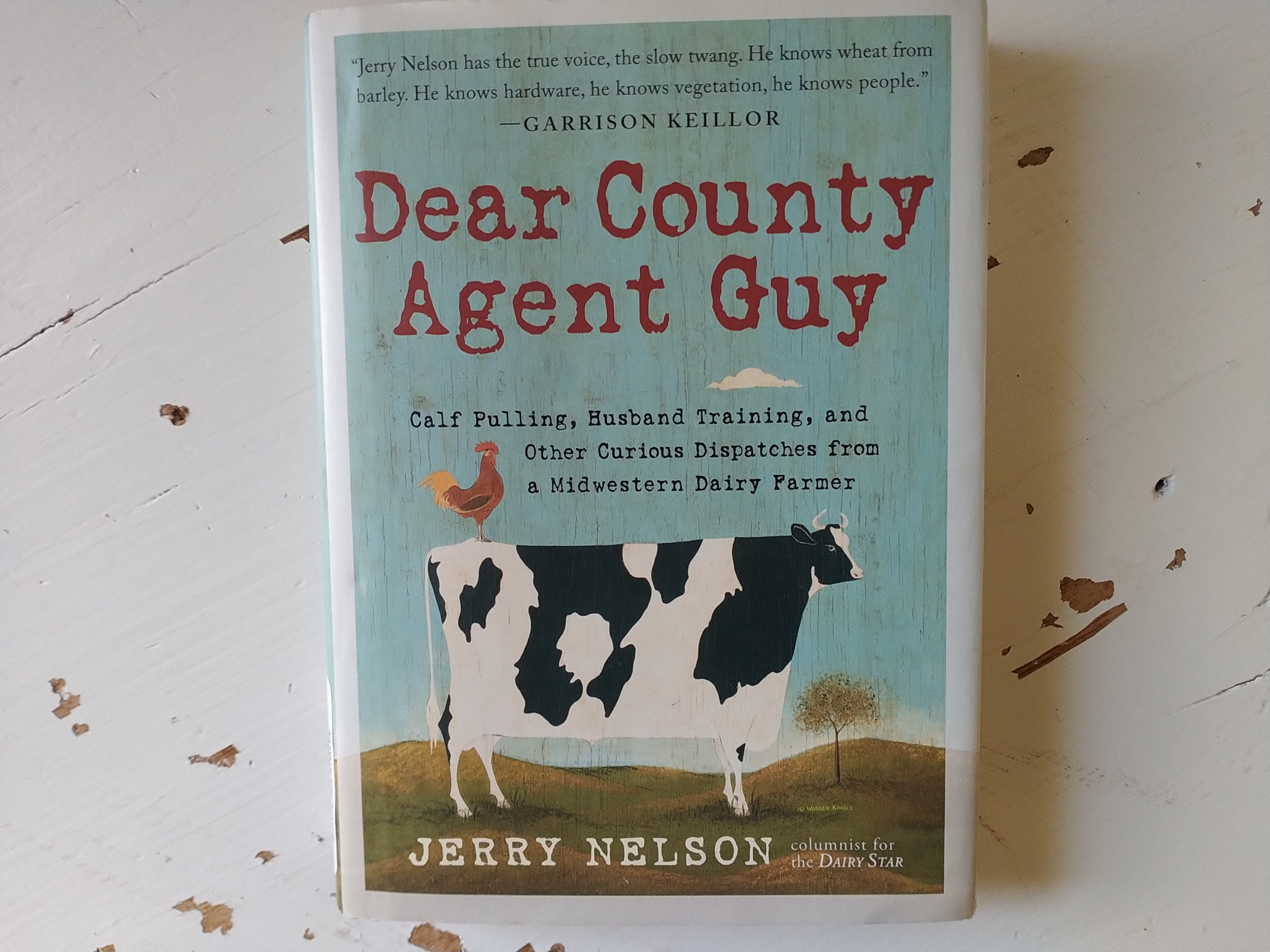
This book published in 2016. (Minnesota Prairie Roots copyrighted photo November 2024)

I NEEDED TO LAUGH. So I picked up a book I started a while ago, but which I’d set aside. That book is Dear County Agent Guy by South Dakota humor writer Jerry Nelson.

First, let’s clarify “county agent” for those of you who may not have rural roots. A county agent (kinda an old school term) is someone specifically trained to share information and research with individuals and the community. Farmers might contact the county agent about issues related to crops or livestock, for example. In Minnesota the entity heading extension services is the University of Minnesota. The U’s efforts cover agriculture, natural resources, health and wellness, youth (4-H) and more.

In his book, the author, who grew up on and then operated a South Dakota dairy farm, focuses on farm life. I, too, was raised on a dairy farm, but then left for college when I turned seventeen. This collection of humorous short stories is so relatable. Many of Nelson’s stories could be mine, although I am German, not Scandinavian, and assuredly do not like lutefisk.

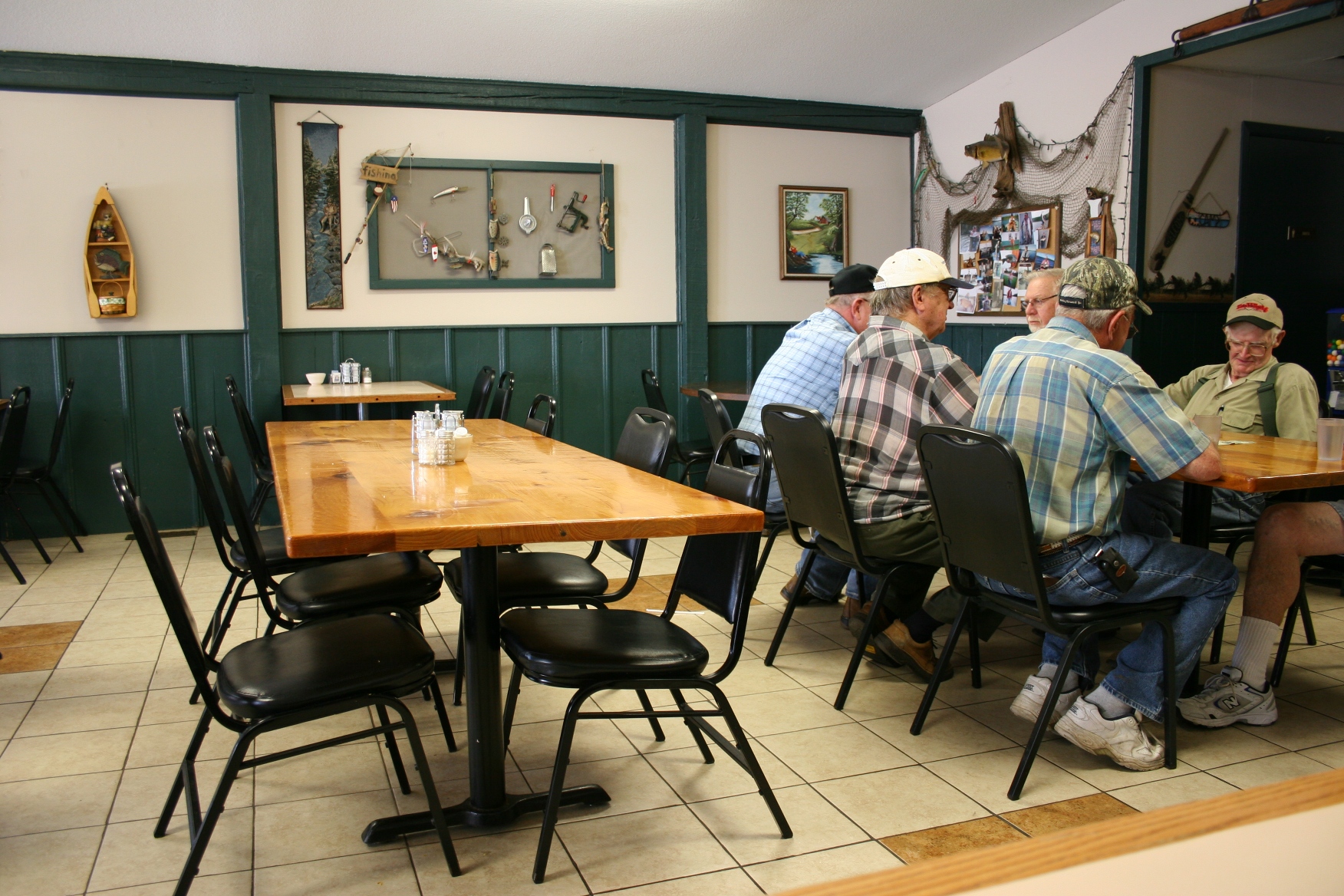
Friends gather for coffee and conversation at the Whitewater Cafe in St. Charles, Minnesota, in 2011. (Minnesota Prairie Roots copyrighted file photo)

A GIFTED RURAL STORYTELLER

Nelson’s writing made me laugh out loud at stories overflowing with humor. He’s a heckuva storyteller. I could picture him gathered with a bunch of other farmers, and a few townies, at the local cafe. Drinking coffee. Shaking dice. Exchanging stories and advice. And laughter. Lots of laughter. But I’m glad he opted to compile his stories in a book. Nelson also writes a column for Dairy Star, a Minnesota-based publication for dairy farmers in eight states. He’s among a lengthy list of columnists that include Minnesota’s Princess Kay of the Milky Way. His work publishes in many other farm publications.

The book subtitle of Calf Pulling, Husband Training, and Other Curious Dispatches from a Midwestern Dairy Farmer pretty well summarizes the content therein. It helps to have a farm background when reading this collection. But even if you don’t, you can still read, learn and laugh.

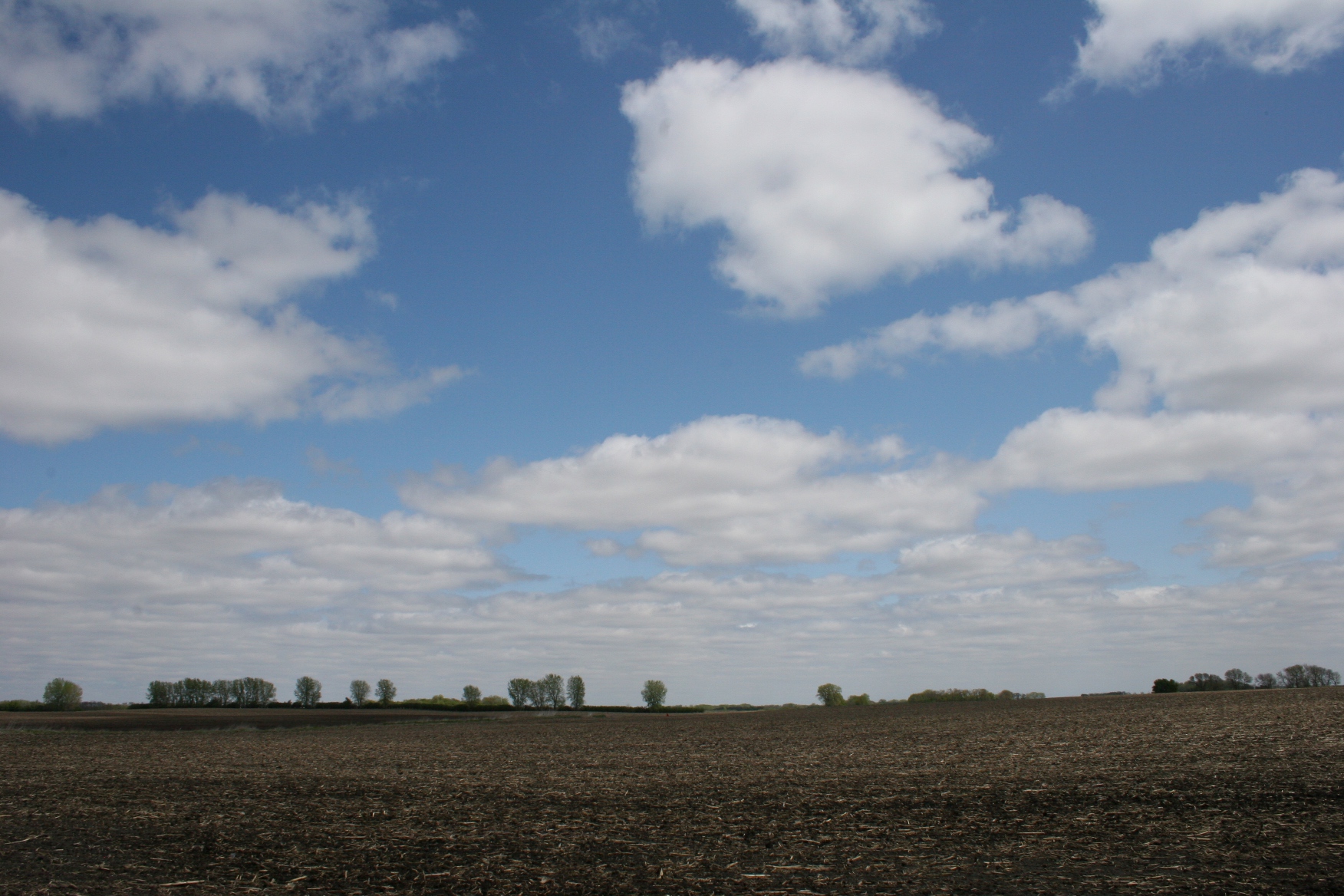
A snippet of the land where I grew up in rural Redwood County, Minnesota. My father farmed this land and my middle brother after him. The farm is no longer in the family. (Minnesota Prairie Roots copyrighted file photo)

MEMORIES GALORE FOR ME

There’s lots of nostalgia packed into these stories. How well I remember playing in the grove (the shelterbelt of trees surrounding our farm site), getting company (unexpected family and neighbors showing up to visit) and stretches of winter days stuck on the farm without electricity. Just as Nelson remembers. How well I recall Dad needing to assist a cow in giving birth (using a calf puller). How well I remember the earthy scent of freshly-turned soil.

While humor and nostalgia decidedly center Nelson’s stories, he also offers good, sound wisdom—about the importance of finding time to fish (or whatever) in a work-life balance, about appreciating family, about recognizing that life can end, just like that. Nelson nearly lost his life in a manure pit. He climbed inside to fix malfunctioning equipment when hydrogen sulfide gas overtook him. He was found floating face-up in the pit. His is a story of survival and resulting gratitude for every new sunrise.

Nelson’s writing shines with humor rooted in rural. I am grateful for his book, which shines sunshine into the world and made me laugh.

#

THANK YOU to Noreen, who follows my blog from Washington state and who gifted me with a hardcover copy of Dear County Agent Guy. I am grateful for your sharing this collection with me.

© Copyright 2024 Audrey Kletscher Helbling
 

“Winter’s Song,” memories, reflections & writing from Minnesota March 21, 2024

This abandoned farmhouse once stood along Minnesota State Highway 19 east of my hometown of Vesta on the southwestern Minnesota prairie. It’s no longer there. (Minnesota Prairie Roots copyrighted file photo 2013)

A TIME EXISTED when I loved winter. The snow more than the cold. During my growing up years on a southwestern Minnesota farm, I could not wait for the first snowfall, which then piled snow upon snow upon snow for months.

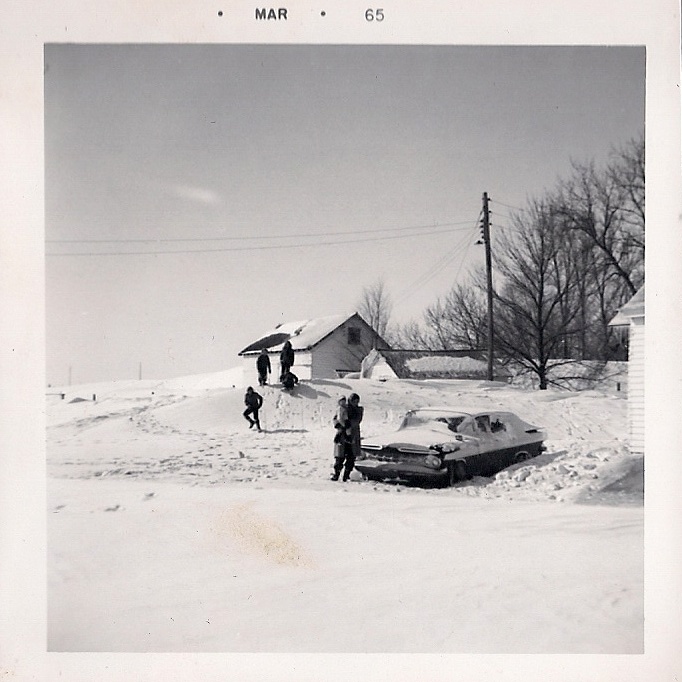
This huge, hard-as-rock towering snowdrift blocked my childhood farm driveway in March 1965. (Photo credit: Elvern Kletscher)

Fierce prairie winds swept snow around outbuildings, sculpting rock-hard drifts, an ideal landscape for Canadian Mounties. Snow pushed into piles by the loader of Dad’s John Deere tractor became mountains, rugged terrain to conquer. And pristine snow presented the perfect canvas for a game of Fox and Goose.

Our southwestern Minnesota farmyard is buried in snowdrifts in this March 1965 image. (Photo credit: Elvern Kletscher)

I remember, too, the crisp winter evenings of walking from barn to house after finishing chores. Packed snow crunched beneath my buckle overshoes. Frigid air bit at my nose, my mouth streaming billows of vapor. Overhead a billion stars pricked light into the immense black sky. Ahead of me, windows glowed in our tiny wood-frame farmhouse.

Those are the good memories I choose to remember. Not the near-frozen fingers. Not the pot on the porch because we had no bathroom. Not the house foundation wrapped in brown paper to seal out the cold. Not the central oil-burning stove that never kept the house warm enough.

Today I have it so much better. A warm house with a bathroom. No cows or calves to feed or straw bales to shake or manure to scoop. No dealing with cracked, chapped, bleeding hands. I have every reason today to embrace winter minus many of the hardships of yesteryear. But I find I don’t.

I’m working, though, on shifting my attitude back to that of appreciating a season which is often harsh here in Minnesota, although not in this unseasonably mild and nearly snow-less winter of 2023-2024. Last winter, now that was a record snowfall winter which tested many a life-long Minnesotan. Except perhaps my friend Jackie of Rochester, who loves winter.

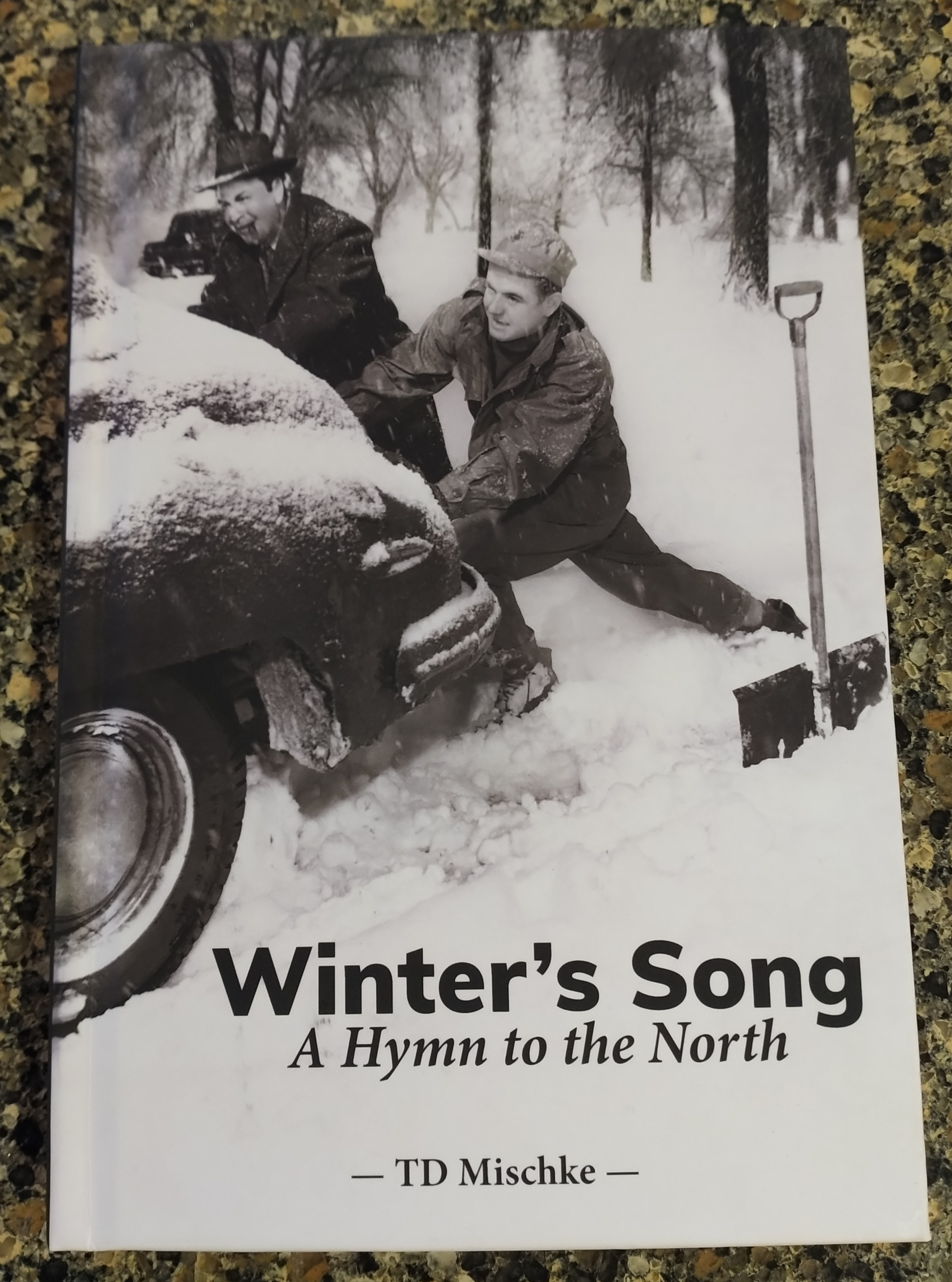
The vintage winter photo gracing the cover of Mischke’s book is from the archives of the Minnesota Historical Society. (Minnesota Prairie Roots photo)

Writer, musician, podcaster and former radio talk show host TD Mischke also loves winter (most of the time) as evidenced in his book Winter’s Song—A Hymn to the North, published in 2023 by Skywater Publishing Cooperative. I happened upon his collection of winter writing at my brother-in-law and sister-in-law’s house north of the metro. Jon is about as avid an outdoorsman as they come. Hunting. Fishing. And in the dead of winter, spearfishing on the frozen lake. This seemed a book written just for him.

Recognizing the Mischke name, I immediately inquired whether the writer, TD Mischke, was any relation to Sy Mischke, friend of my late father-in-law. Sy, a “character” by my definition, was TD’s uncle. TD Mischke certainly writes about characters in Winter’s Song.

Clearing snow is a sometimes endless task during a Minnesota winter. (Minnesota Prairie Roots copyrighted file photo)

His collection of short stories, essays and three poems honors Midwest winters. Not in a fully nostalgic way, but with a mix of reality. Winters are, admittedly, brutal. But also brimming blessings. The word “hymn” in the book title fits.

A lovely winter scene photographed in 2019 north of Faribault. It portrays the beauty of winter. (Minnesota Prairie Roots copyrighted file photo 2019)

As I read through the short chapters, I found myself liking winter more and more. And that’s thanks to Mischke’s storytelling skills, his attention to detail, his introspective writing, his humor, his honest portrayal of winter in Minnesota. Not everyone is meant to live here. That Mischke acknowledges. But he also acknowledges the toughness, stamina, strength and endurance of those who call the North home. I agree that it takes a bit of fortitude to manage some six months of winter. I felt in that moment a sense of pride as a life-long Minnesotan.

Spring erupts in budding trees at Falls Creek Park, rural Faribault. (Minnesota Prairie Roots copyrighted file photo May 2019)

That brings me to the second to last chapter of Winter’s Song—“Lessons of March.” It seemed only fitting that I was reading this chapter near the end of March on a day of predicted snow. I’ve never liked March much. But Mischke reminded me that this often grey month, which can throw in surprise snowstorms, should be appreciated for the simple reason that it makes us appreciate April even more. The arrival of spring. He’s right. Winter is often about perspective. After finishing Winter’s Song, I feel my thoughts shifting toward a renewed appreciation for this longest of seasons here in Minnesota.

FYI: Winter’s Song—A Hymn to the North is a finalist for the 2024 Emilie Buchwald Award for Minnesota Nonfiction. Minnesota Book Award winners will be announced May 7. To listen to TD Mischke’s podcast, The Mischke Roadshow, click here.


Inspired by Maria Shriver’s reflective book, “I’ve Been Thinking…” August 5, 2022

Filed under: Uncategorized — Audrey Kletscher Helbling @ 5:00 AM

Tags: , , , , , , , , ,
Published in 2018, a bestselling book I found at my local library. (Cover source: Amazon)

BE STILL. Two words. Two words that, at their core, seem so simple to follow. Yet, in the busyness and chaos and struggles of life, they often prove difficult to remember, then practice.

What does it mean to “be still”?

New York Times bestselling author, journalist, mother and celebrity Maria Shriver addresses the topic in “A Time to Rest,” a chapter in her book, I’ve Been Thinking…Reflections, Prayers, and Meditations for a Meaningful Life. In the chapter focusing on the importance of rest and reflection, Shriver reminds us to “be still.”

Those two words are a reference to Psalm 46:10 which, several years ago, became a bit of a mantra for me thanks to my friend Steve. Steve is quiet, a man of sparse words. So when he speaks, people tend to listen, really listen. He holds a deep faith. And when he pointed me to a specific verse in a Psalm that would remind me often to “be still” and hear the voice of God, he knew exactly what I needed.

A contemplative and peaceful photo I took, and edited, in December 2017. (Minnesota Prairie Roots copyrighted file photo)

This past week, Shriver’s book has based my morning time of quiet, of prayer and devotional/inspirational reading. I recommend this reflective collection of short themed chapters ending in prayer to anyone, whether a person of faith or not. I fully agree with Shriver’s advice to take time each day for quiet reflection, for thought and for a centering that calms. Be still.

Her inspirational book covers so many topics—empathy, listening, gratitude and much more—that, if we choose to practice them, will make our lives better and this world a much better place, We are, after all, all connected, Shriver writes as she calls for kindness and love to prevail. None of this is new. Yet, to read her words, from her perspective and experiences, reminds me that none of us are truly alone, unless we choose to be alone. Each of us deserves to be valued and appreciated. Heard.

An important message displayed at LARK Toys, Kellogg, Minnesota. (Minnesota Prairie Roots copyrighted file photo October 2015)

She encourages each of us to pause before we pass along something we’ve read or heard as truth. Like Shriver, I have worked in journalism and understand the necessity of verification, of truthfulness. She calls for a social kindness movement. I’ll take kindness period in a world where kindness feels more and more elusive.

This quarter-sized token, gifted to me by my friend Beth Ann, lies on my computer desk. (Minnesota Prairie Roots copyrighted file photo)

In the end, Shriver holds hope. And I do, too. Hope has been my focus word for many years. Hope, centered in my faith, has carried me through some especially difficult times. We’ve all had them—the struggles that stretch and challenge us. I hope you’ve never felt alone in difficulties. I haven’t.

I need to read books like I’ve Been Thinking…, to remind me of hope. To uplift and encourage and inspire me. To remember always to rest and reflect. To be still.

TELL ME: How do you work at being still? And what does “be still” mean to you?

© Copyright 2022 Audrey Kletscher Helbling

 

Book review: A closer look at mental health care reform in Minnesota from 1946-1954 September 19, 2019

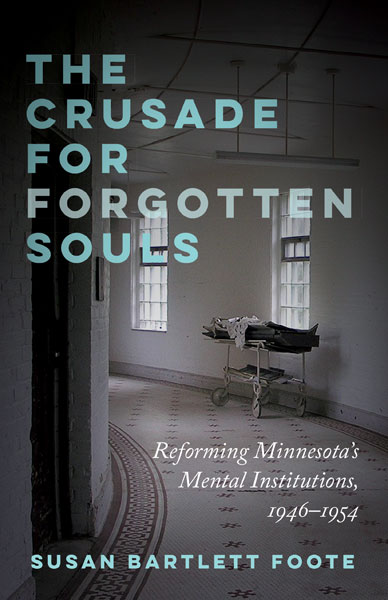
AS A WRITER, hearing other writers share insights into their work always interests me. That includes listening to Susan Bartlett Foote talk about her book, The Crusade for Forgotten Souls—Reforming Minnesota’s Mental Institutions, 1946-1954, at the Owatonna Public Library on Tuesday evening. Foote’s book won the 2019 Minnesota Book Award in nonfiction. It’s a well-deserved honor for a book which shares the powerful, and previously untold, story of reform in Minnesota’s mental health care system some 70 years ago.

Despite the four years Foote invested in researching and writing, she is quick to credit another woman for this story. Engla Schey. Foote dedicated her Minnesota Book Award to this activist and aspiring writer whom she calls the first mental health advocate in Minnesota. Schey worked initially as an attendant in several state mental health hospitals, or “insane asylums” as they were called back in the day. She witnessed first-hand the neglect, abuse, inhumane treatment, poor living and working conditions…all documented in her diaries. Foote read those diaries, in the possession of Schey’s great great niece.

The result is a deeply personal story about one ordinary woman’s efforts to change “a cynical and secretive system.” Schey’s insider perspective, Foote notes, allowed her to upend the whole structure. At the time, some 15,000 people lived in the state’s seven mental health hospitals with 80 percent of them committed and 35 percent senile/elderly. Half suffered from mental illnesses with stays of sometimes 20 years. The statistics are startling. But it is the stories Foote shares that make the most impact. Read this book and you will find yourself in tears.

As Foote related in her Tuesday evening talk, Schey quickly recognized that she needed help—of liberal churches, unions and writers—if she was to effect change within the system. She cared deeply. And personally. Her father voluntarily committed himself to the state hospital in Fergus Falls.

Eventually, the Minnesota Unitarian Church got involved, taking the approach of responsible study and analysis rather than jumping in and demanding immediate reform. The Rev. Arthur Foote (Susan Foote’s former father-in-law) led those efforts along with activist Genevieve Steefel and others.

Soon those initial reformers recognized the need to engage the press and political leadership and to build popular support, Foote said. Investigative news stories published. And some politicians, like then Minnesota Governor Luther Youngdahl, set aside partisan politics to make mental health care reform a top issue. Foote praised Youngdahl, referencing his stand that all mentally ill Minnesotans were entitled to fundamental human guarantees (dignity) and his goal to build a patient-centered mental health care system. A photo of Youngdahl burning a pile of straightjackets (and published in the book) signaled that change was going to happen, Foote said. And it did. Conditions improved both for patients and staff.

Like anything, though, change did not come easily nor is it always permanent. I experienced a deep sense of disappointment and frustration as I read in detail about all the politicking, untruths and denials. I can only imagine how those deeply involved in reform efforts felt. Youngdahls’s biggest disappointment, Foote shared with us in Owatonna on Tuesday, was that Minnesota churches (other than the Unitarians) wanted nothing to do with the issue of mental health. Has that changed much?

Youngdahl, in the ever-evolving political environment, suffered another disappointment in his failure to open a state hospital in Brainerd. One eventually opened there and my brother-in-law Brian became a resident after suffering incapacitating permanent brain damage. I knew him only briefly before his passing in 1984 at the age of 23.

At Tuesday’s talk in Owatonna, an audience member shared afterwards that a family member died of tuberculosis while hospitalized in a state hospital. Another attendee told me privately of staff intentionally breaking the legs of a man who lived at a state hospital in Faribault. For every story spoken, I expect many more remain unspoken. The hurt runs deep even all these decades later.

Although politicians and the public moved on and times changed and cuts began in the state hospital system by the early 1950s with Minnesota falling back to “average” in mental health care, Foote said, “I maintain this story is an inspiration, not a failure.”

She closed with a quote from Governor Luther Youngdahl: “Protection of the patient depends on our eternal vigilance.”

I agree. And I contend that we can all be Engla Scheys. We have within us—within our families, our circles of friends, our churches, our schools, our communities—the ability to make a difference in the lives of those dealing with mental illnesses and those who love them. Through our compassion, care, understanding, love and support. On multiple levels.

© Copyright 2019 Audrey Kletscher Helbling
 

My award-winning water story publishes April 8, 2017


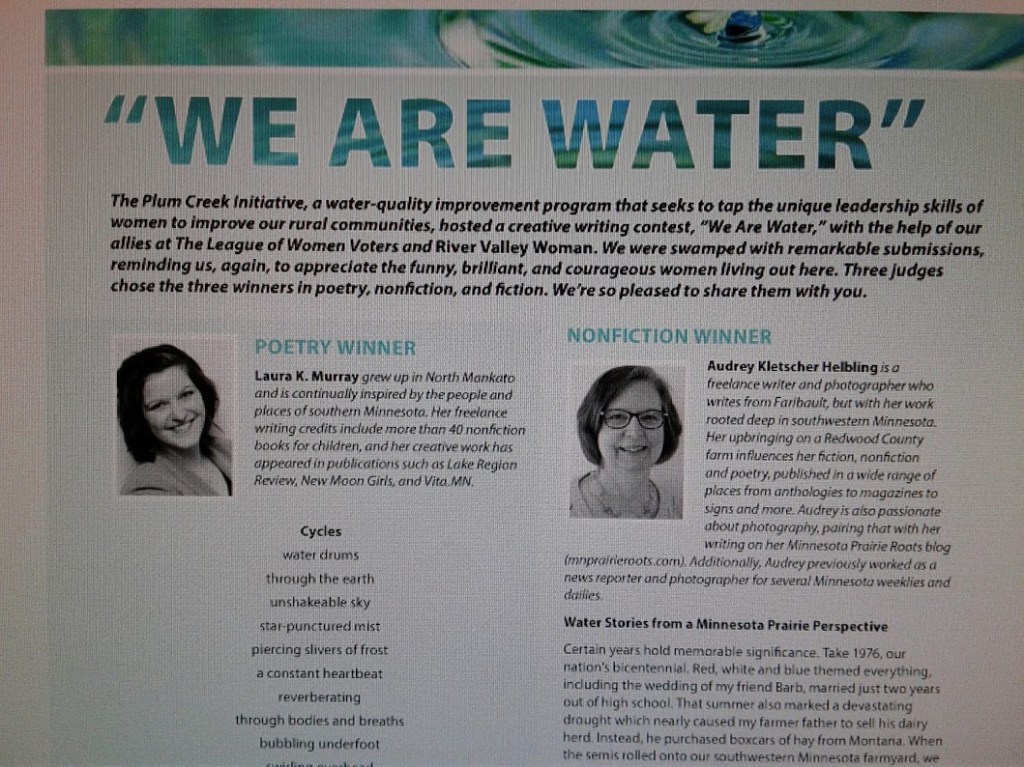
“Water Stories from a Minnesota Prairie Perspective” has published in southern Minnesota based River Valley Woman’s April issue. My story won the nonfiction category in the “We Are Water” writing contest sponsored by Plum Creek Initiative with the support of The League of Women Voters and River Valley Woman. That honor includes a $250 prize.

I don’t have a hard copy yet, but I viewed the story online. And so can you by clicking here and advancing to page 50 of the April issue. The piece is lengthy per submission guidelines requiring 5 – 12 pages of copy.

No matter how many times I’ve been published, I still thrill in seeing my words out there for others to read and perhaps appreciate. You can find print copies of the magazine in many locations like Mankato, St. Peter, New Ulm, Redwood Falls and surrounding smaller communities. Click here for a complete list.

In reading my story, you will learn of my growing up years on a southwestern Minnesota dairy and crop farm, the place that shaped me into the person, writer and photographer I’ve become. Farm life as I remember it from the 1960s – 1970s no longer exists. So this story, while written for a competition, was also written for me and my family. There’s an importance in reclaiming memories through written words, in telling the stories that define a place, in sharing my roots with you, my readers.

FYI: Click here to read my first blog post about winning this writing competition.

© Copyright 2017 Audrey Kletscher Helbling