Minnesota Prairie Roots

Writing and photography by Audrey Kletscher Helbling

The Beat: “In Minnesota, poetry matters” September 27, 2012

WHY DID IT TAKE ME until recently to determine that poetry is meant to be read aloud, preferably by the poet, and not just silently to one’s self?

I came to that realization in April after reading my poem, “Her Treasure,” to an audience gathered in an historic Zumbrota theater for Crossings at Carnegie’s “Poet-Artist Collaboration XI.”

That poetry-inspired art celebration proved pivotal for me, prompting a personal recognition that poetry is as much performance art as it is an intimate experience.
The Beat logo

And now the independent, nonprofit Northern Community Radio, with studios in Grand Rapids and Bemidji, Minnesota, recognizing the importance of poetry read aloud, is bringing poetry to the public via The Beat, broadcasting a poem a day by a poet with a Minnesota connection.

The Beat, according to NCR’s website is “Northern Community Radio’s daily reminder that, in Minnesota, poetry matters, and Minnesota poets are proving that every day.”

I proved that on September 17 with the reading of my poem, “Her Treasure.” Because traveling hundreds of miles up north from southern Minnesota was neither practical nor cost effective for me, The Beat producer Steve Downing, himself a published poet, read my poem. You can listen to Downing’s fine rendition of “Her Treasure” by clicking here.
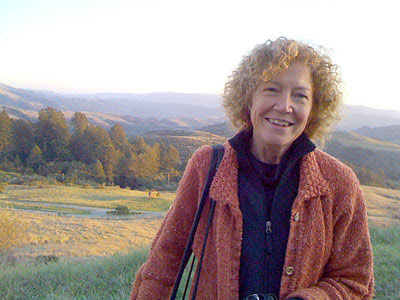
Minnesota’s 2011 Poet Laureate, Joyce Sutphen of Chaska.

Since early July, an assortment of about three dozen poets—from the well-known John Berryman, James Wright, Joyce Sutphen, Louis Jenkins, Will Weaver and Sean Hill—to the complete unknowns have been featured on The Beat.
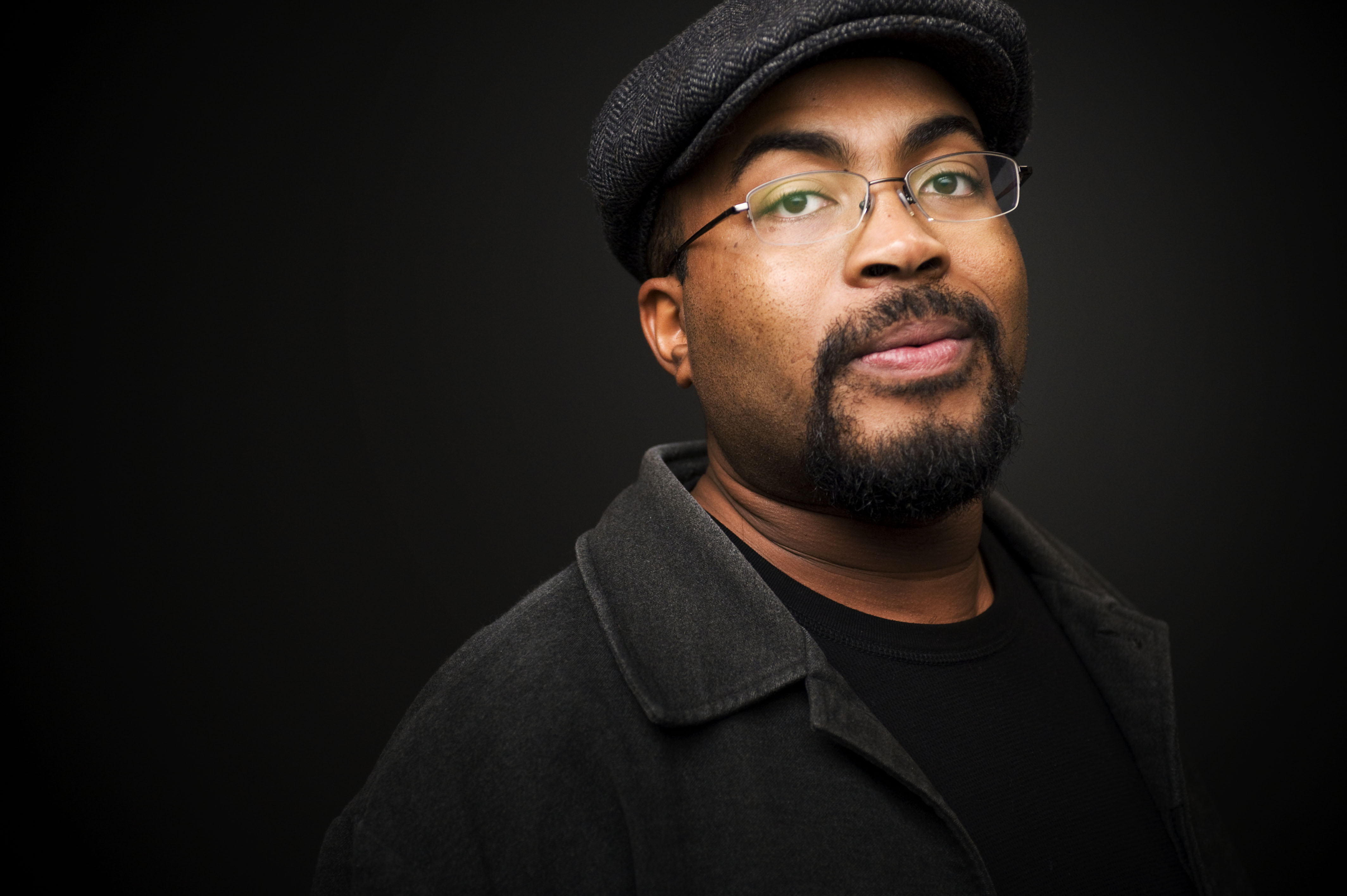
Poet Sean Hill recently moved from Bemidji to Alaska where he is teaching creative writing at a university in Fairbanks. Milkweed Editons will publish his second collection of poetry in 2014.

The show airs weekdays between 7:30 – 8 a.m. and then again between 3:30 – 4 p.m. on 91.7 FM in north-central and northeastern Minnesota, 90.5 FM in north-central and northwestern Minnesota and on 89.9 FM in the Brainerd area. With 150,000 listeners under the NCR signal, coverage extends from Grygla on the north to Pierz on the south to Fertile on the west and Hermantown on the east.

And for those outside the coverage area, like me, The Beat can be heard via audio streaming from kaxe.org or via the KAXE online archives.

“Reaction from poets and listeners, including folks who thought they hated poetry, has been unconditionally affirmative, making us think this was a success story waiting to happen,” says producer/poet Downing, also a former high school English teacher, published essayist, arts administrator and lifelong musician.
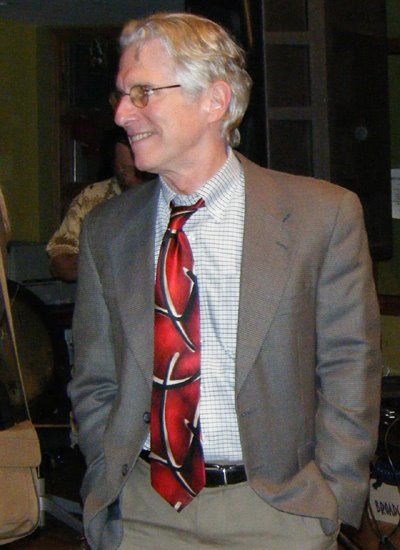
Steve Downing, poet and producer of The Beat

He and two others—NCR’s program director, who interviews writers for her long-standing RealGoodWords show, and a design-artist NCR staffer who is also a poet and has taught English at the college level—have been evaluating the hundreds of poetry submissions coming in from across the state.

“We didn’t know what to expect, but no one thought we’d be swamped, which we are,” Downing says. “It’s a nice problem to have but a problem nevertheless.”

The three-person jury meets every Friday to look at/listen to submissions. “The jury looks for creative work that, first, sparks a positive ‘gut’ response; that demonstrates originality; that makes smart word choices; and that’s provocative, in the best sense of the word,” Downing explains.

He advises submitting poets to avoid the topics of partisan politics, religion and lost love and to remember that the Federal Communications Commission is listening.

The range of topics is “all over the place,” Downing says, although some poems are somewhat “Minnesota-centric,” covering subjects like family farms, old barns, and the state’s flora, fauna and weather.

Broadcasting these poems on its community-based public radio stations helps fulfill NCR’s overall mission “to build community in northern Minnesota by way of radio programming, cultural events and interactive media.”

The Beat is currently funded by a one-year $30,000 allocation from the Minnesota Arts & Cultural Heritage Fund.

The history of The Beat, however, stretches back several years to The Beat Cafe, a live-on-air pledge drive program which, among other Beat content, featured Downing reading his poems, with live bass and percussion accompaniment. The success of that first show prompted discussion on how to make this happen again. So come spring 2013, The Beat Cafe fundraiser will be back with live-on-air poetry and music.

Says Downing: “Think berets, dark glasses, shawls, candles in wine bottles…”

Between now and then, though, Downing will continue to air selected poetry by Minnesota poets, known and unknown, and will apply again for state funding to continue the popular poetry program, The Beat.

#

FYI: If you’re a Minnesota poet and would like your writing considered for The Beat, email text or, preferably, audio versions (e.g. MP3) of your poetry to Downing at this address: sdowning@kaxe.org

A poem should take three minutes or less to read.

Once accepted for The Beat, poets have recorded their poems at KAXE in Grand Rapids, KBXE in Bemidji and at KFAI in Minneapolis or on their own devices. NCR also offers the option of Downing or others reading a selected poem if the poet cannot record his/her work.

I contacted Downing about writing this post after my poem was selected by the jury for airing on The Beat.

© Copyright 2012 Audrey Kletscher Helbling
Artwork and photos courtesy of Northern Community Radio


A Minnesota arts collage, from theater to poetry September 15, 2012

FOR A FEW SECONDS THERE, I searched the dictionary of my brain for that word which temporarily eluded me. Collage. That would be it.

Remember when that art form was especially popular, when, as a school assignment, you had to scrounge up ten zillion magazines and then snip out images themed to a specific subject and glue it all in a jumbled mess onto a piece of paper?

Today I present a collage—not a jumbled mess, though—of art.

Let’s take the biggest focal piece first. A Hudson.

A Hudson, like this one I photographed several years ago at a Faribault car show, centers “The Car.” Do not expect, though, to see a real Hudson on stage, only the shape of one.

The Hudson centers the stage at the Paradise Center for the Arts during a production of The Car by Carol Wright Krause. My husband and I saw this play by the Faribault-based The Paradise Community Theatre Friday evening. I’d rate it as one of the best I’ve ever seen performed locally.

Here’s a summary of the play written by director Gabe Talamantes:

The Car is about a family’s car, which as Ed (a character in the five-person drama) puts it “is a miracle of modern American engineering.” This miracle car is a character in itself, a highly theatricalized version of a 1954 Hudson. It takes us on a journey into the lives of the Banners and the challenges an all American family faces as they struggle through two decades of change at home and abroad. We will see how they choose to overcome such difficulties.

Now, why am I so enthusiastic about The Car? Because it moved me to tears. When a theatrical performance can evoke such a strong emotional reaction from me, I will embrace it with unbridled enthusiasm.

That break-down moment for me came near the end of the play, when Vietnam War veteran Hal Banner (played by Todd Ginter), broke down in the arms of his father, Ed Banner (Chuck Larsen). He was no hero, Hal said, pointedly telling his father that he (Ed) would never understand the horrors of war. And then Hal got specific, talking about seeing the eyes of those he killed.

That’s when the tears trickled down by cheeks and I struggled mightily to keep from sobbing. In that moment, I heard my Korean War veteran father, not Hal/Todd. My dad, too, spoke of seeing the eyes of those he killed on the front lines in Korea.

Later, when I congratulated Todd on his performance, he told me that he had talked to several veterans in preparation for his role. And it was the eyes which they spoke of and which he knew he needed to emphasize in that heartrending father-son conversation. It is easily the most powerful moment in the play.

I wondered how many audience members might be veterans and at that moment suppressing war memories and feelings, as my father did.

But this play is about so much more than war. It also addresses the issue of prejudice when Hal brings home a Japanese wife, portrayed by Carrie Jendza whose mother came here from Korea some 40 years ago. Carrie presents a stunning performance as do Susan Dunhaupt as Ed’s wife, Geneva, and Faribault High School sophomore Emily Remmey as Beth Banner, Hal and Sumiko’s daughter.

The prejudice starts right away when Ed Banner insists on calling Sumiko the Americanized “Sue.” He slides in references to “slant eyes” (there’s the “eye” thing again) and other derogatory comments.

In real-life, prejudice is an issue in Faribault, home to many Latino, Somali and Sudanese family. It is no secret that prejudice exists in my community. You can read about it in a previous post by clicking here.

I didn’t spot a single minority in the audience Friday evening,  not unusual despite Faribault’s sizable minority population.

There, that’s all I’m telling you about The Car, other than to advise you to see this powerful and memorable production. It’s community theater at its best for the superb acting and the unforgettable messages delivered.

Faribault artist Vivian Jones created this watercolor, “It Was Grandma’s Car,” for the current “car pARTS” show.

Additional performances of The Car at the Paradise, 321 Central Avenue, Faribault, are set for 7:30 p.m. on September 15, 20, 21 and 22 and at 2 p.m. September 16. Call (507) 332-7372 or click here to reach the Paradise website. According to info published in the theater program, production of The Car is made possible through a Minnesota State Arts Board Operating Support Grant.

While you’re at the play, be sure to check out the exhibit, “car pARTS,” in the Carlander Family Gallery.

The Beat logo.

NOW LET’S PLACE another piece in that art collage. On-air poetry.

In July, Northern Community Radio began airing poetry on its weekday morning show during a segment called The Beat.

On Monday my poem, “Her Treasure,” will air on 91.7 KAXE (89.9/Brainerd) and on 90.5 KBXE. Now I won’t be able to listen to whomever reads my poem between 7:30 a.m. – 8 a.m. and again between 3:30 p.m. – 4 p.m. Faribault is well outside the coverage area which extends from Thief River Falls to Hermantown to Pierz. Eventually, though, I’ll be able to listen to the reading of my poem online.

You can listen to The Beat via online streaming. (I’m not smart enough to figure that out and my former in-house techie now lives at NDSU in Fargo.)

I’m in the company of some mighty fine poets, from novices to Minnesota’s 2011 poet laureate, Joyce Sutphen, to well-known Minnesota writer Will Weaver. You can check out the current listing of The Beat poems/poets by clicking here.

The poems chosen for airing were selected through a juried process.

Connie Ludwig, right, and I pose for a photo with her watercolor, “Pantry Jewels” (above my head) inspired by my poem, “Her Treasure.” This photo was taken in April at Crossings at Carnegie in Zumbrota.

Just, FYI, “Her Treasure” is the same poem featured in “Poetry Artist Collaboration XI” at Crossings at Carnegie in Zumbrota last April. To read my poem, click here.

I love this whole concept of The Beat, of Northern Community Radio’s “daily reminder that, in Minnesota, poetry matters, and Minnesota poets prove that every day.”

You can expect a forthcoming detailed post from me on this project funded by Minnesota’s Arts & Cultural Heritage monies.

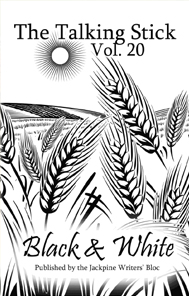
The cover of last year’s The Talking Stick 20.

NEXT, LET’S PLACE the third piece in this arts collage. More poetry, plus fiction and creative nonfiction.

Today I’m missing out on a book release party for The Talking Stick 21 in the Park Rapids area. This anthology, published by The Jackpine Writers Bloc, represents some fine writing by Minnesota writers. You can, referencing back to The Beat, listen to the poetry of Sharon Harris, a Jackpine member and one of the key producers of the collection.

I’ve been published in two previous volumes of The Talking Stick (including receiving an honorable mention for my poem, “Hit-and-Run,” in volume 19) and will be published again in this newest volume. My poem, “Broken,” was chosen from among 275 submissions for publication.

To learn more about The Talking Stick, click here. To learn more about The Jackpine Writers’ Bloc, click here.

THAT’S IT. Now, go ahead, add your own pieces to this art collage via your comments.

© Copyright 2012 Audrey Kletscher Helbling


Remembering the quotes of 35W bridge collapse survivor Garrett Ebling August 4, 2012

YOU’VE LIKELY SEEN HIM on the news this week, perhaps read about him in a newspaper article. He would be Garrett Ebling, survivor of the 35W bridge collapse.

I’ve never met Garrett, although we have communicated, first after my son was struck by a hit-and-run driver near my Faribault home in May of 2006. Garrett was managing editor of The Faribault Daily News then and showed such compassion and concern for my son and our family.

The following year, not long after the bridge collapse, Garrett and I would reconnect. This time I was on the other end, offering him compassion, concern and prayers as he battled to recover from severe injuries sustained when his car plunged from the bridge into the Mississippi River.

His fortitude impressed me then and still does.

Shortly after, I asked Garrett if he would share his experiences and thoughts with me for a magazine article. He agreed, granting me one of only a few interview requests he accepted. The result was a feature story which published in the November/December 2007 issue of Minnesota Moments. Garrett answered my questions via email given his jaw was wired shut or had recently been unwired, I can’t recall now which. That interview process worked best given his tenuous physical and emotional condition.

The story also included information and quotes from phone interviews with his rescuer, Rick Kraft of St. Paul, and his fiancee, Sonja Birkeland, to whom he’d proposed only four days before the bridge collapse. (They married on August 3, 2008, one year and two days after the bridge collapse and now have a young son, Cooper.)

Garrett’s responses to my long list of questions showed me his incredible strength, determination and positive attitude. He shared his excitement after he stood for the first time in these words:

This morning I stood up—STOOD UP—for the first time since the accident. I was so excited I screamed to my therapist: “Monica, look! I’m standing! I can’t believe it!” But with my jaw wired shut it sounded like “”Wonka, ook! Aye andin! Aye ant eave it!” For a brief moment I didn’t care that I’m muzzled.

Sir Edmund Hillary—the first person to climb Mount Everest—once said “It is not the mountain we conquer but ourselves.” When this is all said and done, I will be standing—STANDING—at the top of the mountain.

But I will not have conquered the bridge. Rather, I will have bested the uncomfortability, the uncertainty, the pain. I will have realized from which the depths I can rise up.

It’s the top of the mountain that puts us closest to heaven.

That last sentence, particularly, has stuck with me through the years. This week I worked the quote into a poem I submitted to The Minneapolis StarTribune which issued a call to readers for 35W poems. Mine, “Quotes from a survivor,” was accepted for online publication and was also published in the Variety section of the August 4 print edition. You will find it, and several other poems, by clicking here. Poems were limited to 35 words.

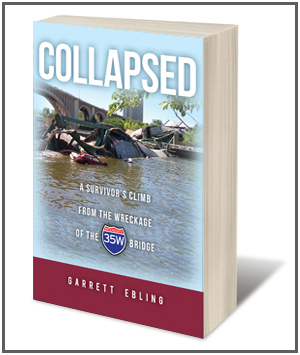
Garrett, the former journalist and now a small business owner of a sandwich shop, recently published a book, Collapsed: A Survivor’s Climb From the Wreckage of the 35W Bridge. Notice that use, again, of the word “climb.”

I have not yet gotten a copy of Garrett’s book. But I expect inspiring words from this man who has overcome seemingly insurmountable physical and emotional obstacles during his climb to the mountaintop.

© Copyright 2012 Audrey Kletscher Helbling


Gravel road on the prairie July 9, 2012

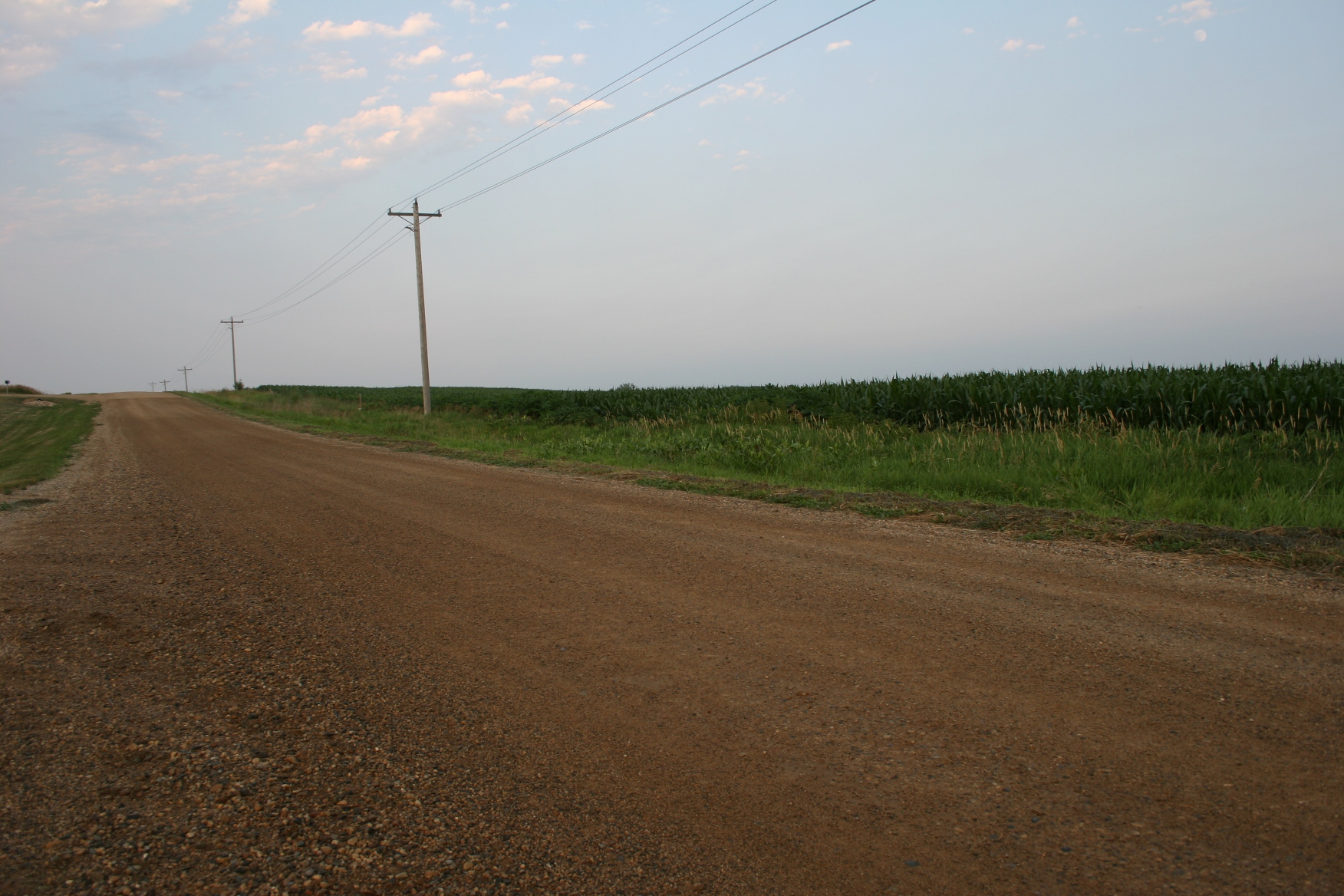
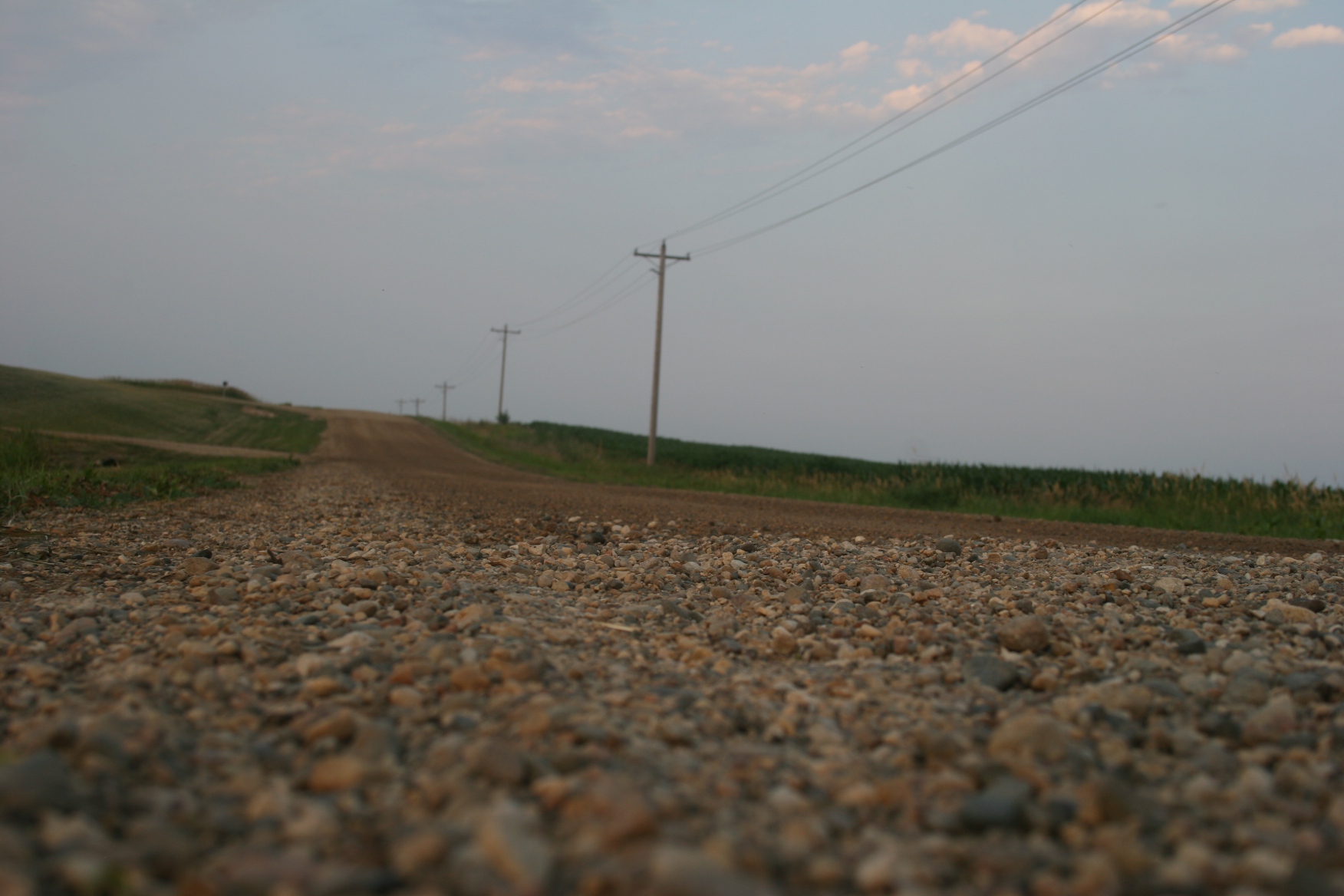
A gravel road just north of Lamberton in southwestern Minnesota.

WHAT IS IT ABOUT a gravel road?

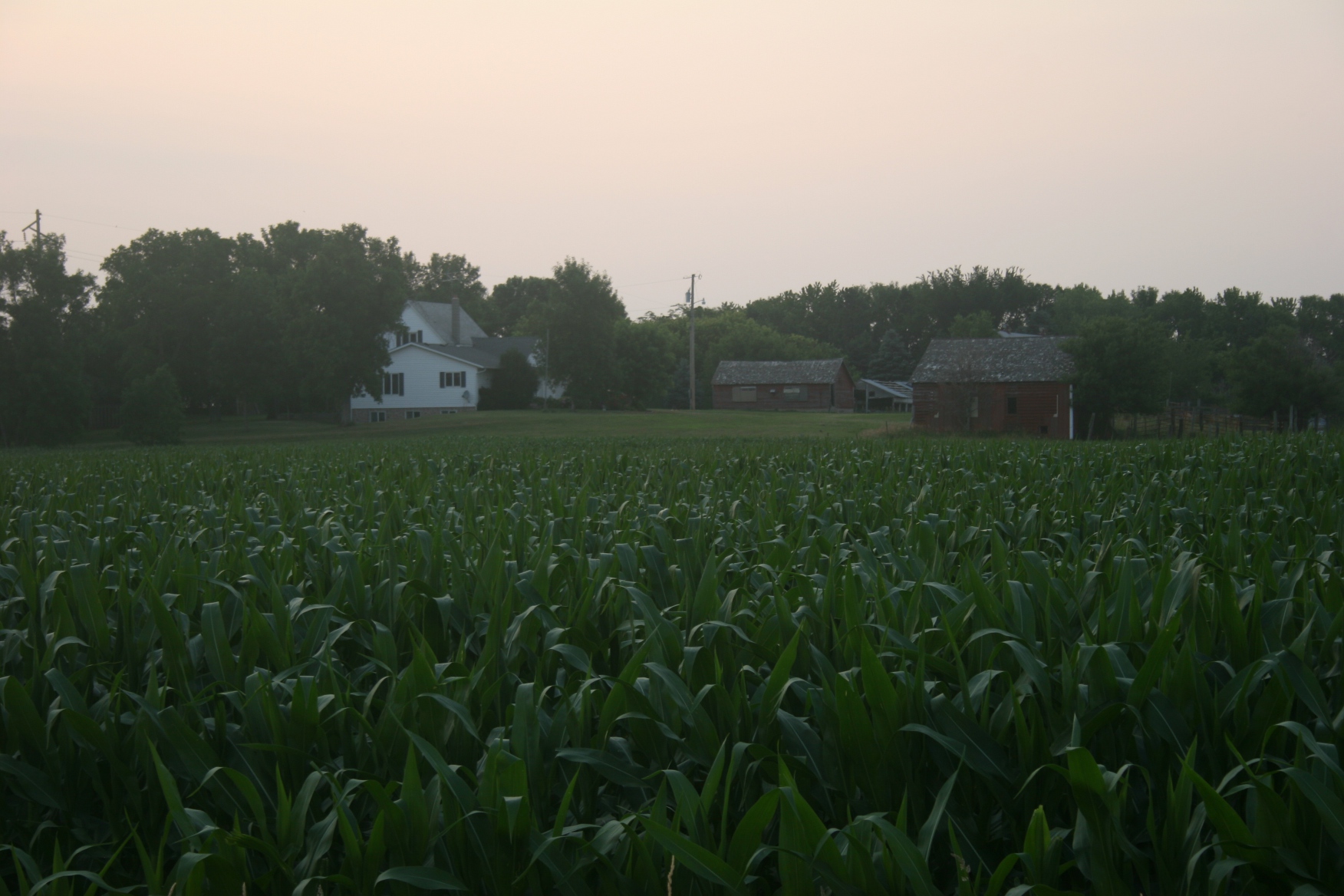
A picturesque farm site on a sultry summer evening as seen from a gravel road north of Lamberton.

It is poetry and peace, country and charm.

You can almost hear the crunch of the gravel in this image.

But it is more. It is small stones crunching under tires and feet as dust rises and lingers, marking the trail traveled.

As the sun sets on the prairie, a truck travels along a gravel road up to a paved roadway north of Lamberton.

It is a marker of townships, the route of massive yellow road graders blading the road surface to a flat finish or heaving snow toward ditches.

It is memories of bumpy school bus rides and squishing into the back seat of the family car between brothers and sisters.

It is Dad’s admonition to always, always, move to the right when cresting a hill.

Utility lines along the same gravel road stretch into forever.

It is the memory of pinpoint stars dotting the pitch black darkness of a prairie night and the sweet scents of wild roses (once) rambling in ditches and of freshly-mown alfalfa and of hay baled and stacked onto a swaying wagon.

A gravel road is all of these to me, and yet, in its most basic definition, it serves as a way to get from point A to point B, and marks borders between town and country.

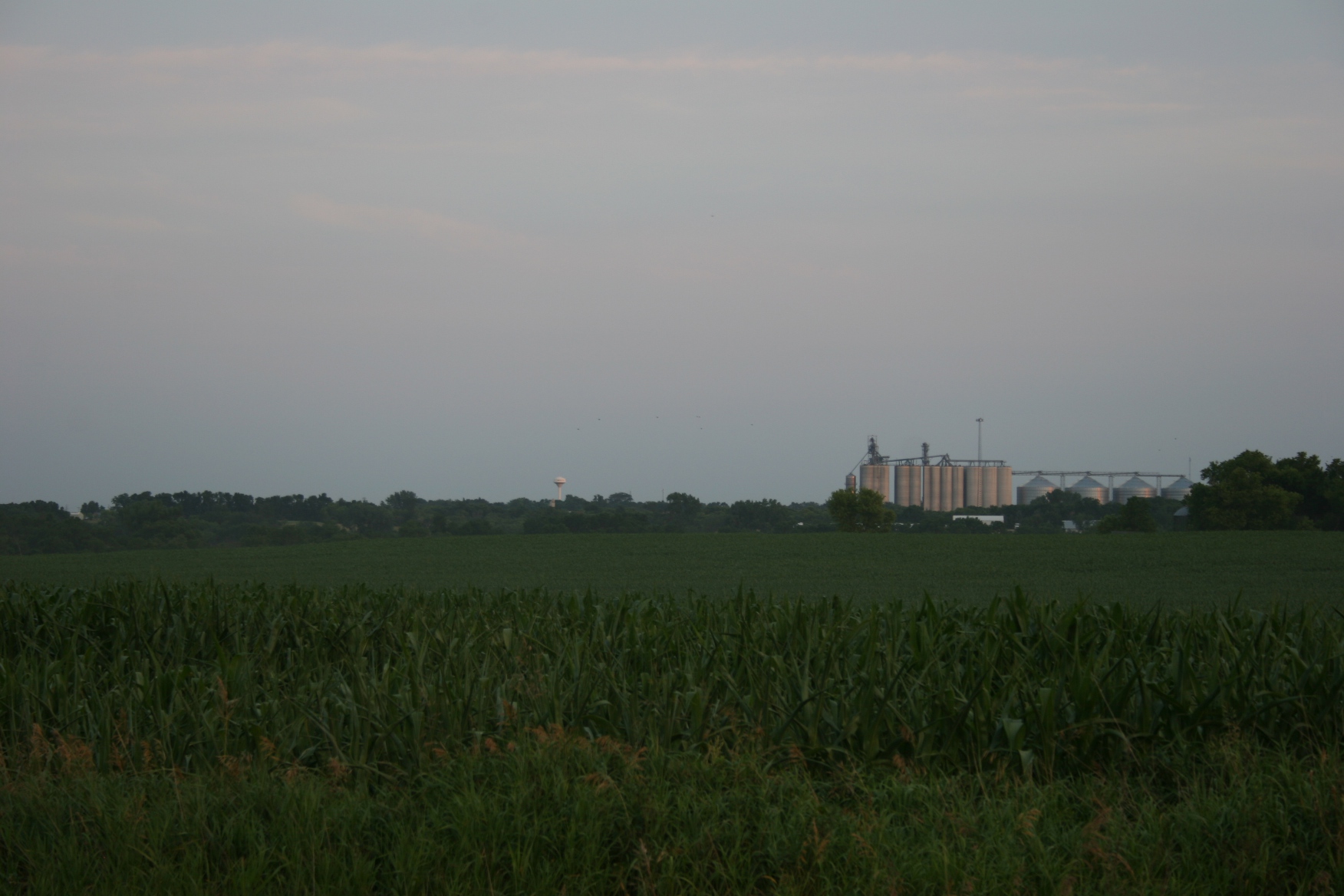
Standing on the gravel road, I turned south to photograph the cornfield and Lamberton in the distance.

It is a line in a plat book, a route connecting paved roads, a path to a rural home.

It is a gravel road on the prairie.

© Copyright 2012 Audrey Kletscher Helbling


A mother’s perspective on the Amy Senser hit-and-run case May 8, 2012

Filed under: Uncategorized — Audrey Kletscher Helbling @ 7:09 AM
Tags: , , , , , , , ,

YOU NEVER FORGET. That day. That defining moment when your world stops and panic sears your soul.

My moment occurred six years ago, the morning my then 12-year-old son was struck by a car while crossing the street to his school bus stop within a block of our Faribault home.

May 12, 2006. The day I became all too familiar with the term “hit-and-run driver.”

At approximately 7:40 a.m. a blue 4-door car, possibly a Chevrolet Cavalier or Corsica, struck my boy whose body slammed into the side and/or front of the vehicle, somersaulted through the air and landed alongside the street.

The driver never stopped. Nor has the driver ever been found.

Fortunately my son suffered only minor injuries, although we do not know what the long-term impact will be on his physical health as he ages.

And what about that driver? Why did he/she fail to stop? It is the question which occasionally still haunts me, which early on angered me. It is the question which led me to ask a local philanthropist and the head of the local bus company to contribute money toward a $1,000 reward (which BTW has expired as has the statue of limitations on the hit-and-run).

Why did the driver of the car fail to stop after hitting my child?

I don’t ask myself that question all that often anymore, except around the anniversary date or when I hear of a hit-and-run. Like the case of Amy Senser, wife of former Minnesota Viking Joe Senser, convicted last week in the August 2011 hit-and-run death of Anousone Phanthavong. She was found guilty of leaving the scene of the accident and failure to promptly report an accident, both felonies, and of misdemeanor careless driving.

Ten days after the accident, Amy Senser finally admitted that she was the driver of the vehicle. Senser maintained during her trial, however, that she thought she hit a construction barrel or a pothole around 11 p.m. on that fateful night. Instead, she struck Phanthavong who had pulled to the side of an interstate exit ramp when his car ran out of gas. He was filling the car’s gas tank when he was hit and killed. By a hit-and-run driver. Amy Senser. Who thought she hit a construction barrel or pothole?

Early on in the investigation into my son’s 2006 hit-and-run, local police investigators maintained that the driver of the car fled because he/she had something to hide: driving drunk, driving without a license, driving without insurance, prior conviction…

Six years ago I couldn’t fathom those as “good enough” reasons to drive away from a child you’d just slammed into with your car. I still can’t justify those excuses. As the years have passed and I’ve heard of more and more hit-and-runs, I’ve come to believe the police theory that the driver in my son’s case had something significant to hide.

Yet, I will never, never understand how anyone, in good conscience, can strike someone with their vehicle and then simply drive away. Drive. Away.

#

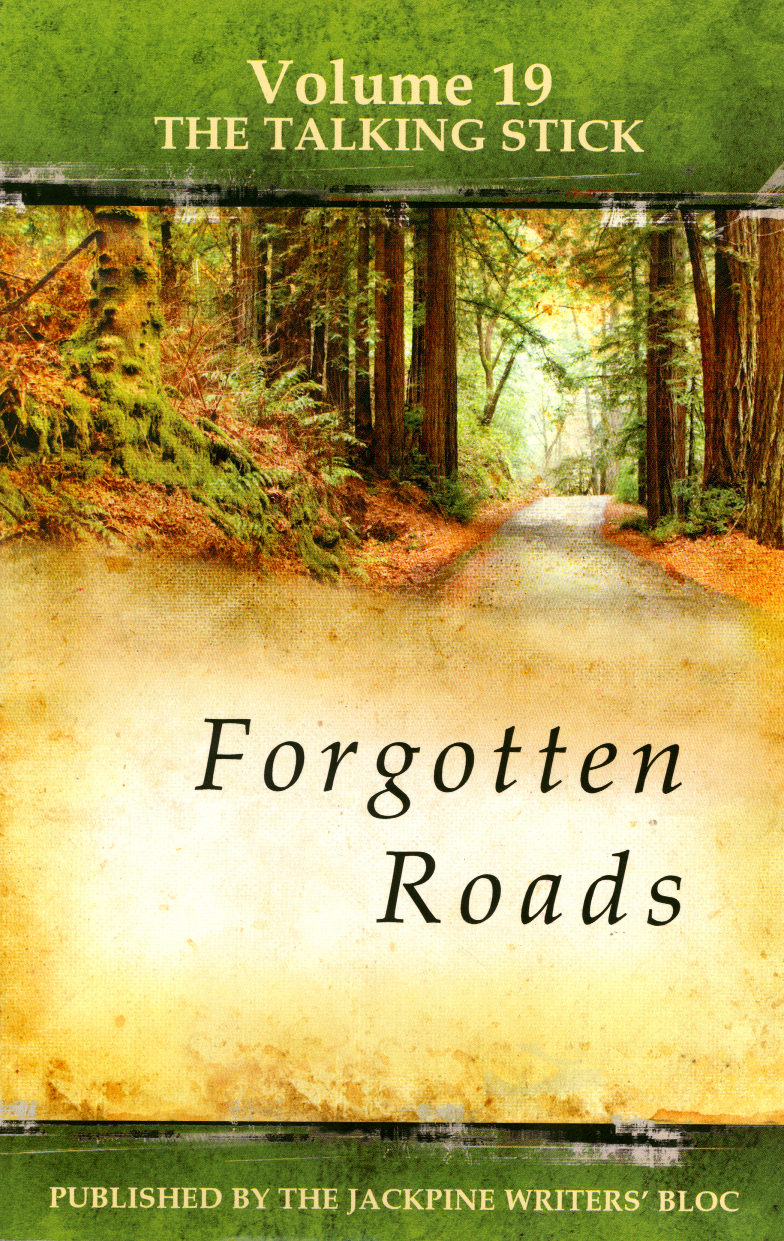
SEVERAL YEARS AFTER my son’s hit-and-run, I wrote a poem about the incident and eventually entered it into The Jackpine Writers’ Bloc annual writing competition. “Hit-and-Run” subsequently earned an honorable mention in poetry and published in 2010 in The Talking Stick, Volume 19, Forgotten Roads. That book title seems so appropriate.

My poem focuses on my emotional reaction, making this poem especially powerful.

#

Hit-and-Run

In that moment, I know,
as the rivulets of water course down my body,
as I step from the tub
dripping puddles onto the linoleum,
that the sirens wail
for you,
my boy, my only son.

You, who tossed your backpack
over your bony shoulders,
then hurried
toward the street,
toward the bus stop.

While I showered,
you crossed carelessly,
your fragile body bouncing
off the car
you had not seen,
flailing in a somersault,
landing hard on the pavement.
Sirens scream, and I know.

Panic grips,
holds tight my heart,
my very soul,
as I race from the bathroom,
wrapped in a bath towel,
stand immobile,
watching the pulsating red lights
of the police car
angled on the street,
blocking the path to you.

#

ANYONE WITH INFORMATION on the May 12, 2006, hit-and-run case involving my son should contact the Faribault Police Department or Crime Stoppers of Minnesota at 1-800-222-8477. A local investigator told me a year ago that the case remains open and that police will follow up on any tips and leads.

© Copyright 2012 Audrey Kletscher Helbling


Unlocking the poetry within an abandoned farmhouse April 30, 2012

An abandoned farmhouse along Minnesota State Highway 19 east of Vesta on the southwestern Minnesota prairie.

Abandoned Farmhouse

My old bones rattle in the winter wind,
grown weary from years of standing,
bitter cold encompassing my body.

Despair surrounds me
like rot in the weathered heap of the barn,
like rust consuming the junk pile.

Alone, all alone now, abandoned
except for the dying circle of trees
that embrace me, holding me close.

The years have broken my spirit—
too much silence within my walls,
too many tears shed upon my floors.

Left here, without laughter, without hope.
Dreams shattered in my broken windows.
My door closed, locked with a skeleton key.

Abandoned. Desolate. Alone.
Leaning only on the prairie sky,
in a circle of dying trees.

#

IN 2001, THIS POEM published in Poetic Strokes, A Regional Anthology of Poetry from Southeastern Minnesota, Volume 3. To this day, it remains one of my favorite poems among all those I’ve penned.

“Abandoned Farmhouse” retains that status because the poem connects to my past, to rural southwestern Minnesota where I grew up in a cramped 1 1/2-story wood-frame farmhouse. When I was 11 years old, my parents built a rambler with a walk-in basement a stone’s throw across the circular gravel driveway from the old house. They needed the space for their growing family as the sixth, and final, child arrived in August of 1967.

The summer after we moved into the new house, we tore down the old house, board by board. Memories of dismembering that house lath by lath, nail by nail, imprinted upon my memory. Decades later I would recall the bones of the old house, the skeleton key that unlocked the porch door, the grove of trees that sheltered it from the strong winds that swept across the prairie.

I would write this poem, personifying an abandoned farmhouse.

My poetic words reach beyond my childhood home, though, to embrace the many abandoned farmhouses that dot the prairie landscape. I often wonder about the families that lived in these houses and about the stories they would tell.

Returning to an even earlier time period, my poem also reflects a pervasive loneliness that often troubled early pioneer women in a land that could feel desolate, harsh and inhospitable.

This past March, I captured that desolation in an abandoned farmhouse photo (above) taken within five miles of my childhood home. It aptly illustrates my poem.

To this day, I see both beauty, and despair, in abandoned farmhouses.

©  Copyright 2012 Audrey Kletscher Helbling

Shared with you in celebration of National Poetry Month, which ends today, April 30.


Main Street Wabasso, home of the White Rabbit April 25, 2012

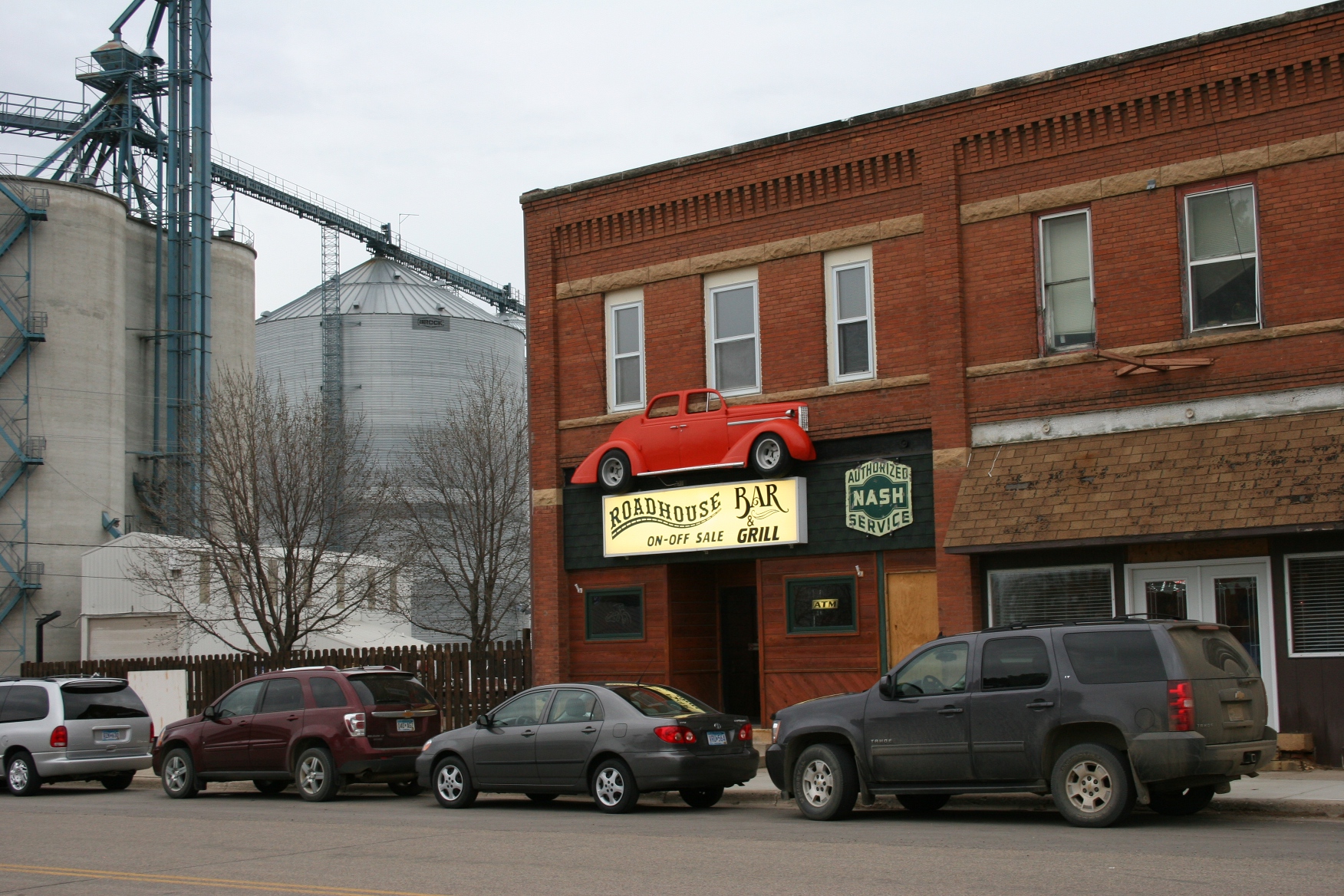
The Roadhouse Bar & Grill is a popular gathering and dining spot in Wabasso. During the summer, old car enthusiasts and motorcyclists gather here for Tuesday evening "Roll-ins" that draw up to 1,000 people. There's plenty of outdoor seating on a sprawling patio where a hamburger bar is set up for the popular event. The Grill also offers an extensive burger and sandwich menu with reasonable prices.

WITH A HALF HOUR wait before we could be seated at the Roadhouse Bar and Grill in Wabasso on a recent Saturday evening, I hit the sidewalk determined to photograph the Main Street of this small southwestern Minnesota town where I attended high school.

This road-side sculpture welcomes travelers to Wabasso, which means white rabbit.

I have, through the decades, discovered minimal familiarity among most Minnesotans with Wabasso, a Redwood County farming community of around 650 that links to Henry Wadsworth Longfellow’s poem, “The Song of Hiawatha.”

Longfellow writes in his section on the Four Winds:

“Honor be to Mudjekeewis!”
Cried the warriors, cried the old men,
When he came in triumph homeward
With the sacred Belt of Wampum,
From the regions of the North-Wind,
From the kingdom of Wabasso,
From the land of the White Rabbit.

I’ve always been told that Wabasso is an Indian word meaning “white rabbit.” I never learned of the poetic connection until researching on my own; English teachers at Wabasso High never taught this, that I recall. I doubt many of the locals are aware of Longfellow’s reference.

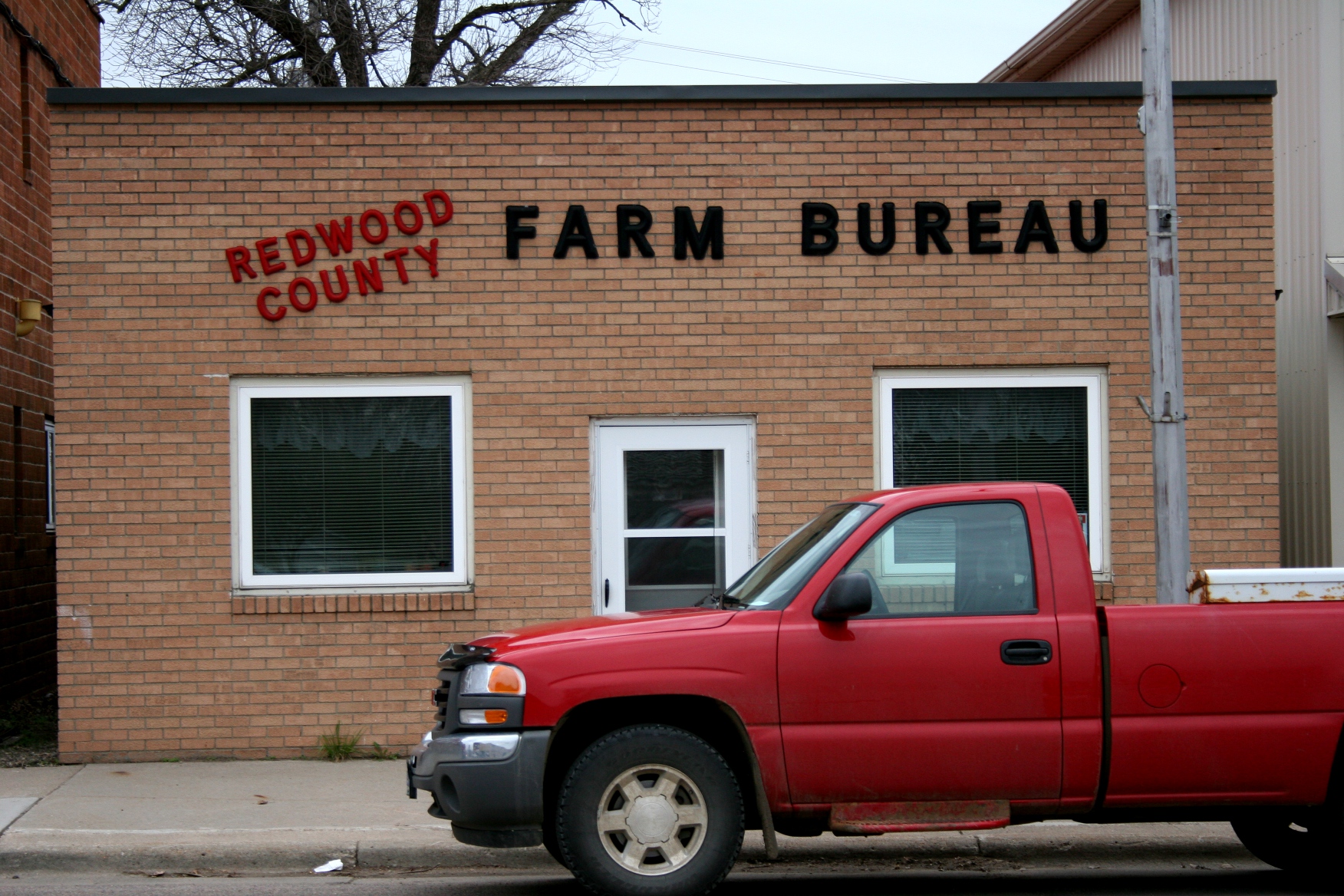
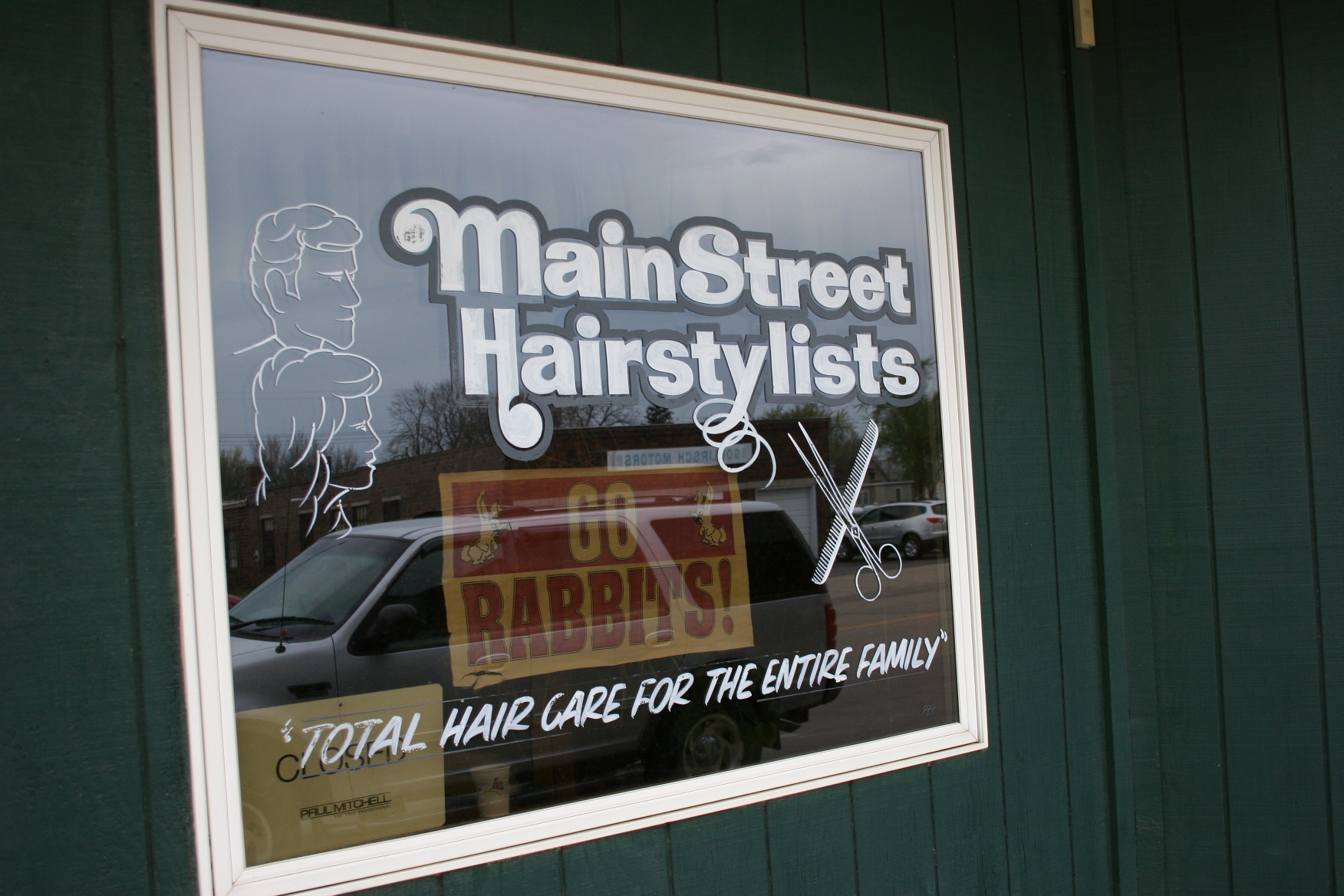
Wabasso is decidedly proud of its white rabbit namesake, though. You’ll find an oversized rabbit statue along State Highway 68 on the south side of town. The public school mascot is, of course, a white rabbit. And, as I found, even local businesses support the Rabbits via storefront signage.

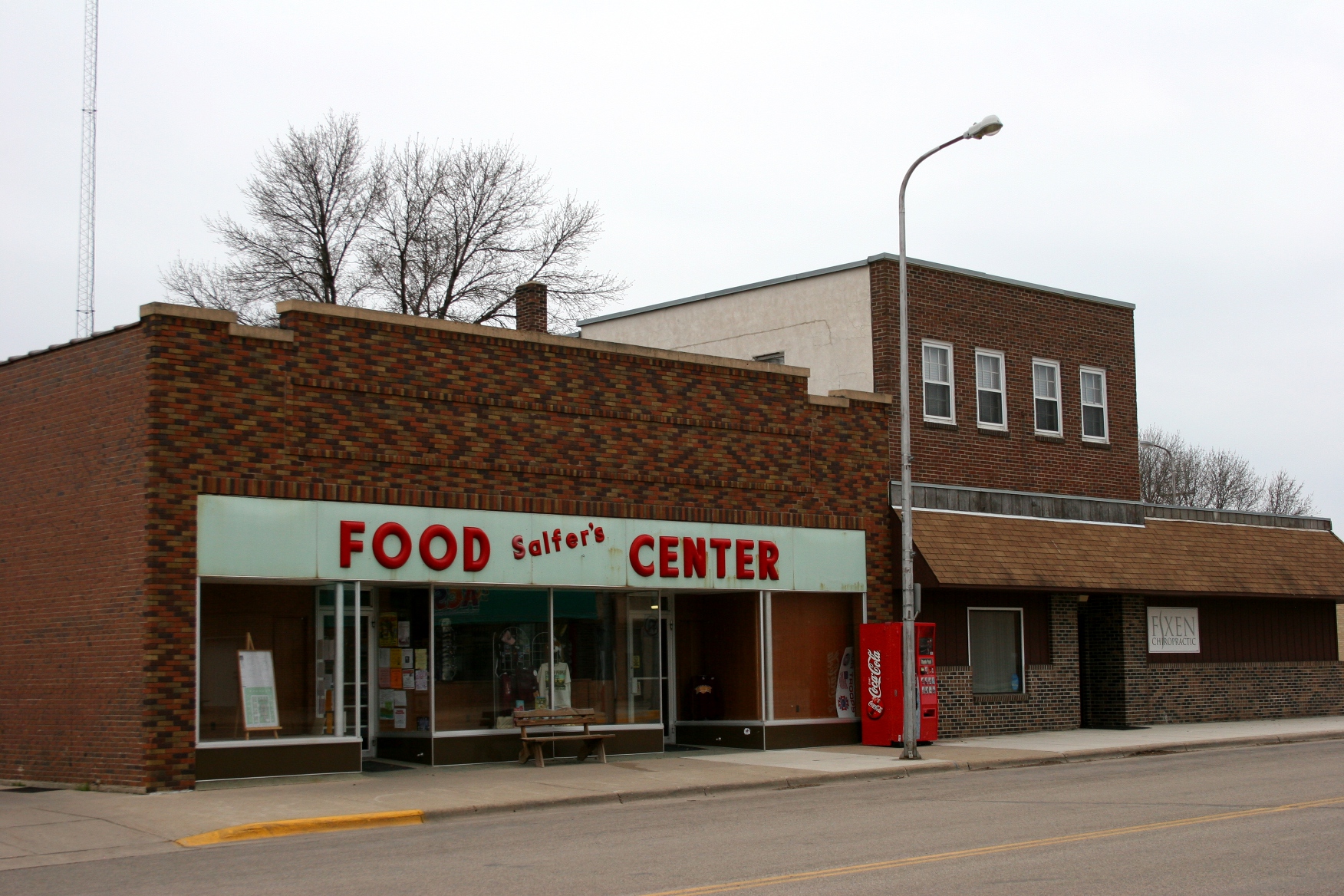
Wabasso’s downtown business district is typical rural Minnesota with a mix of well-kept and deteriorating buildings that border a broad street. Attempts to modernize once stately brick buildings with wood and metal fail and make you wish for a money bag of gold to restore such structures to their original grandeur.

But for now, in this economy, one must choose to appreciate the imperfections of Main Street as adding character to a community like Wabasso, home of the white rabbit.

A broad view of a block along Wabasso's Main Street on a recent Saturday evening.

Wabasso is a strong agricultural-based community. The outgoing Future Farmers of America Minnesota State President Hillary Kletscher (my niece) graduated from Wabasso High School in 2011.

A sign supporting the high school sports team hangs in a salon window.

Wabasso is fortunate enough to still have a grocery store.

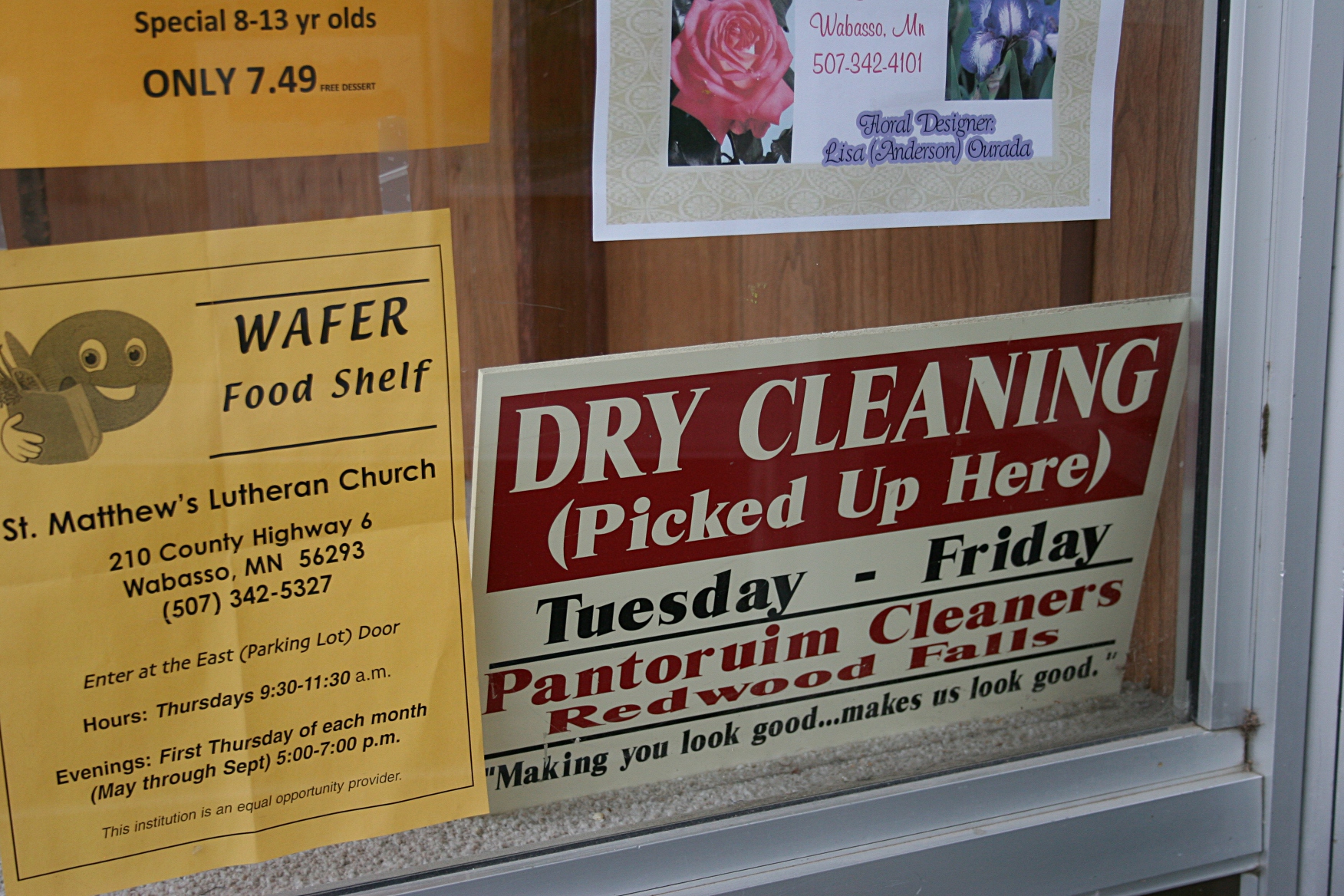
Signage in the window of Salfer's Food Center.

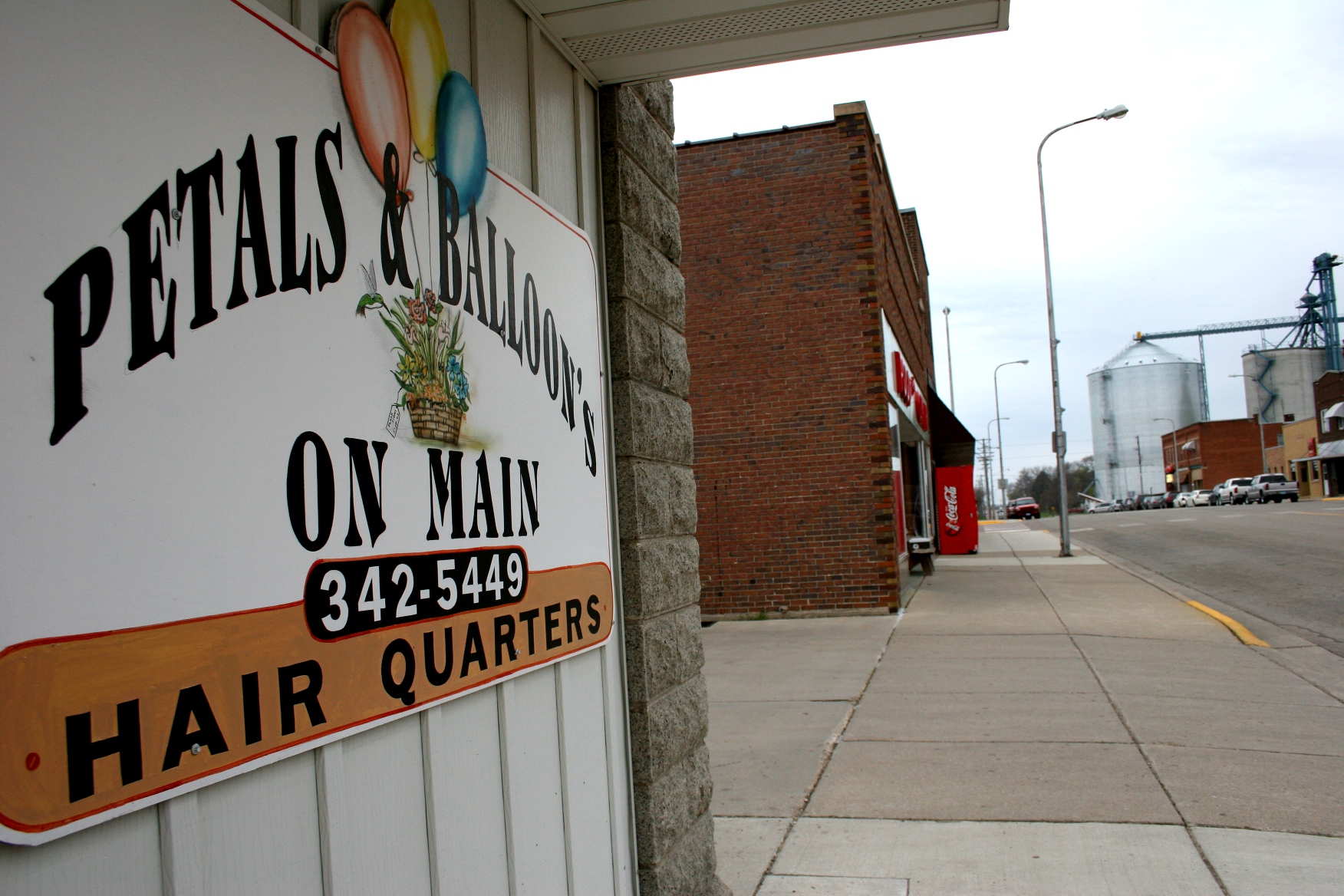
My WHS class of 1974 classmate Marcis owns this combination floral shop and hair salon along Main Street. Marcy was also waiting tables at the Roadhouse the Saturday evening I was in town.

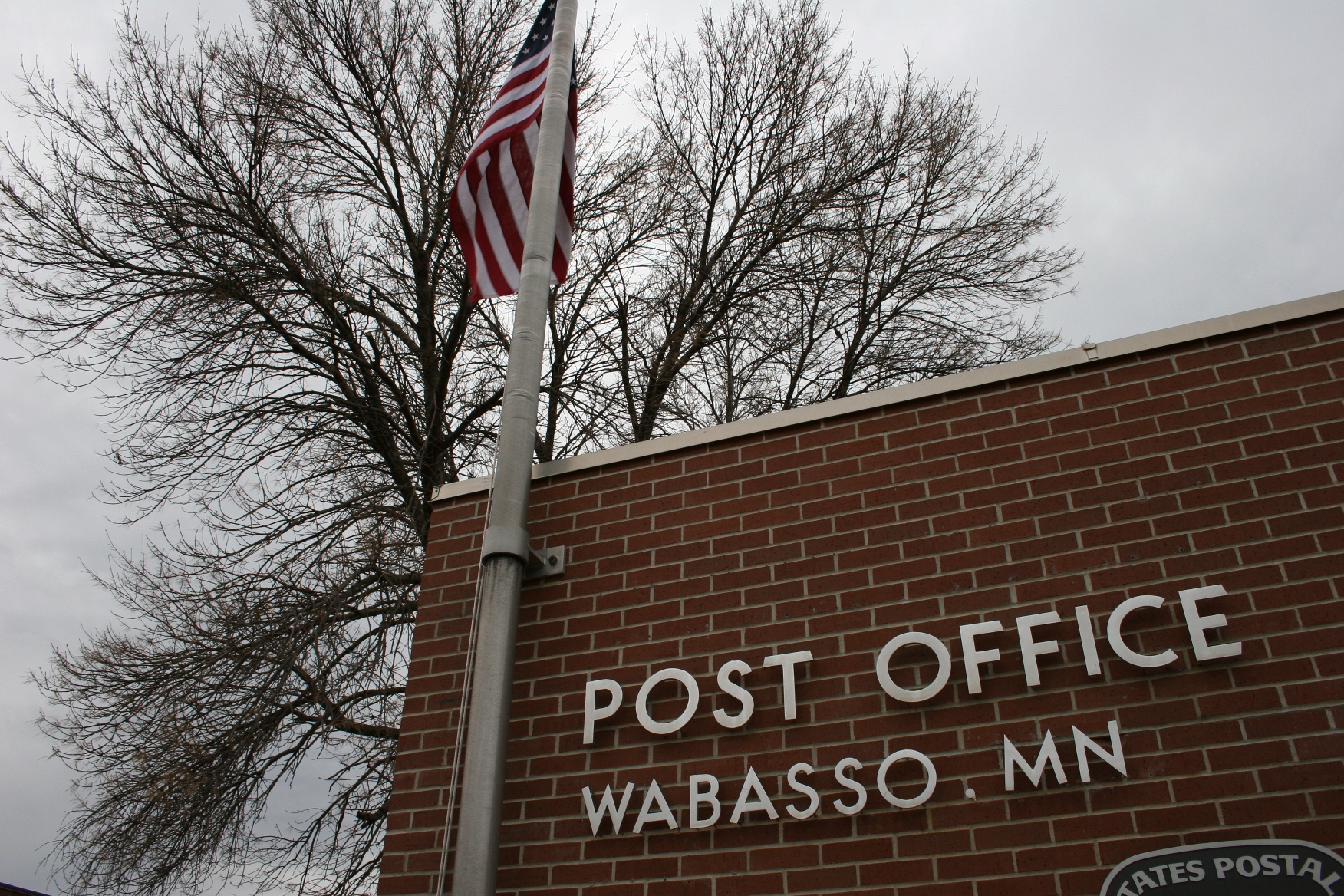
Wabasso is fortunate to also still have a post office, unlike more and more rural communities in Minnesota.

THE PHOTOS IN THIS POST are similar in content to those printed in the just-published spring issue of Minnesota Moments magazine. Photographer Ryan Ware of Chaska and I contributed 16 images from 14 small towns to a photo essay titled “Touring Main Street in Small Town, Minnesota.” The essay is only a small sampling of the hundreds, perhaps even thousands, of images we have taken of small towns and rural areas. Both natives of southwestern Minnesota, Ryan and I share a passion for photography that connects us to our rural roots. I would encourage you to check out Ryan’s photos at his Fleeting Farms blog by clicking here.

CLICK HERE to reach the Minnesota Moments website.

CLICK HERE for more information about the Roadhouse Bar & Grill.

CLICK HERE to learn more about Wabasso.

© Copyright 2012 Audrey Kletscher Helbling


Understanding poetry & connecting it to art in one Minnesota community April 23, 2012

Filed under: Uncategorized — Audrey Kletscher Helbling @ 7:01 AM
Tags: , , , , , , , ,

Viewing art paired with poetry at Poet Artist Collaboration XI at Crossings at Carnegie in Zumbrota.

“POETRY KIND OF SCARES ME….I’m kind of rough around the edges…I don’t always get poetry.”

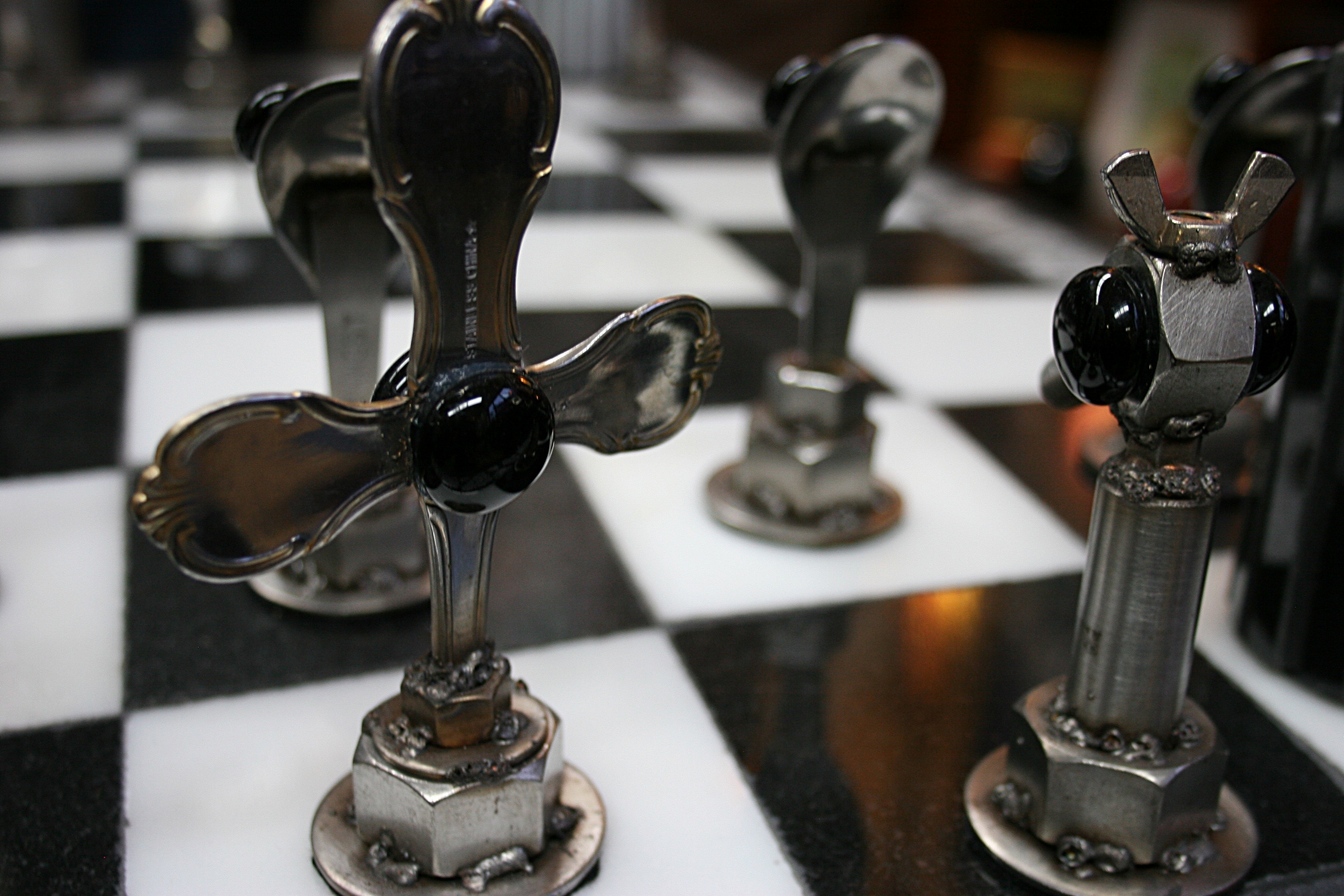
If anything, I appreciate the honesty of Dale Lewis, a Hastings artist who Saturday evening spoke about the table-size chess board he created in response to 12-year-old Fiona Kiger’s poem, “Chess.”

Dale was among 52 artists and poets participating in Poet Artist Collaboration XI, a poetry-inspired art celebration organized by Crossings at Carnegie in Zumbrota.

Pieces in the chess set, comprised of wood, marble, granite, stainless steel and glass, created by sculptor Dale Lewis. He titled his art "This is your chess set on poetry" in response to the poetry of Fiona Kiger, a homeschooled student from Rochester who already has completed several chapters in a fantasy book.

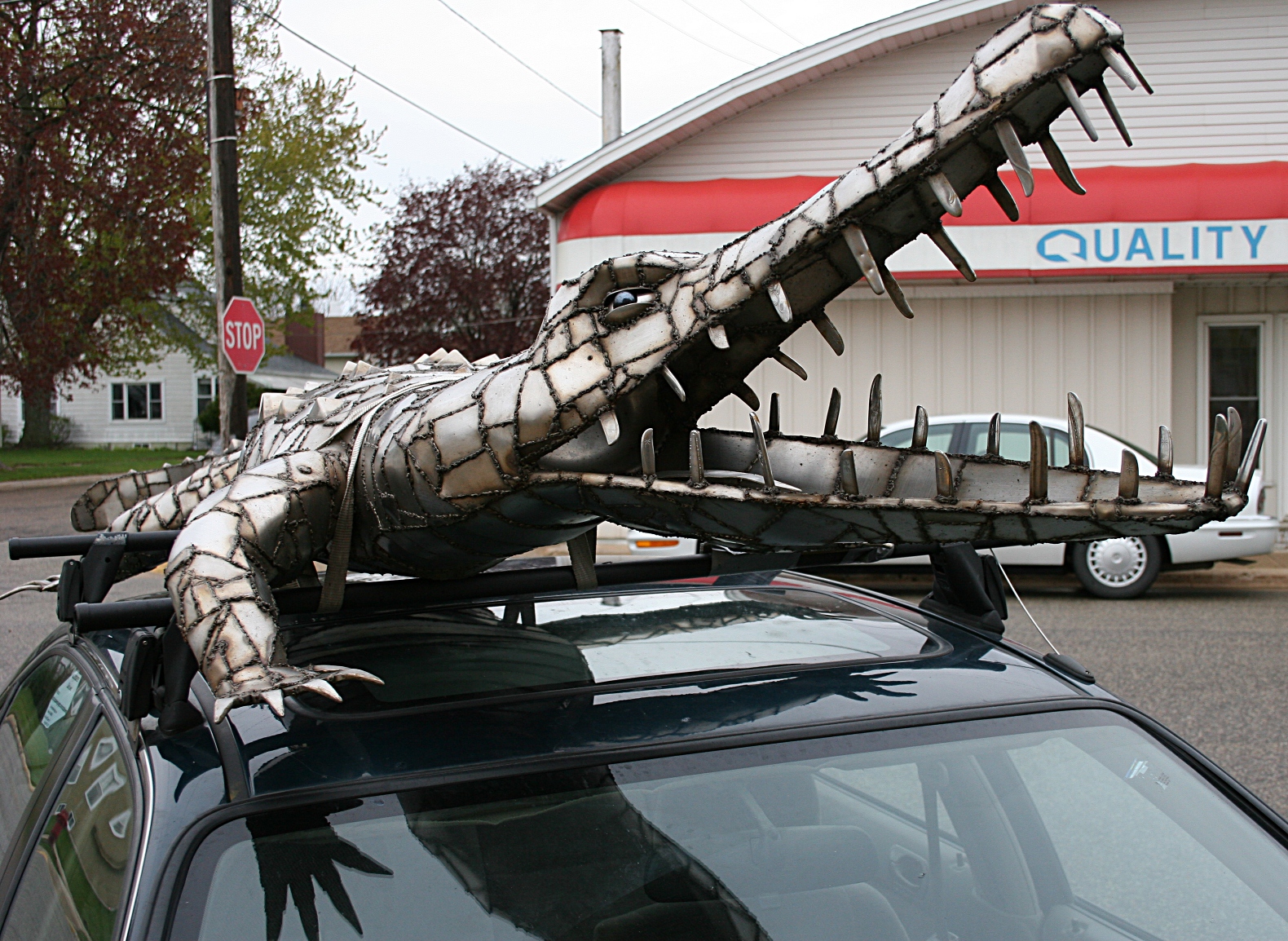
Dale Lewis arrived at Crossings at Carnegie with a crocodile sculpture strapped to the top of his car.

The juried competition and Saturday gala reception and poetry reading/art talk drew a broad spectrum of artists and writers and guests that, I’m certain, included more than a few individuals who feel exactly as Dale does, sometimes somewhat intimidated by poetry. Count me, a poet, among them. I don’t always “get” poetry either.

But events such as the Zumbrota collaboration are helpful in understanding writing that can sometimes, perhaps even oftentimes, cause many to bypass poetry books and avoid poetry readings like the plague.

Listen to Dale: “I’m not as afraid of poets as I was a few weeks ago.”

Neither am I.

It did my writer’s persona good to mingle with other poets and with artists Saturday evening, to hear that no matter where we are in the stages of writing or in creating art, we are in this for the love of our respected crafts. That, I sensed, more than anything.

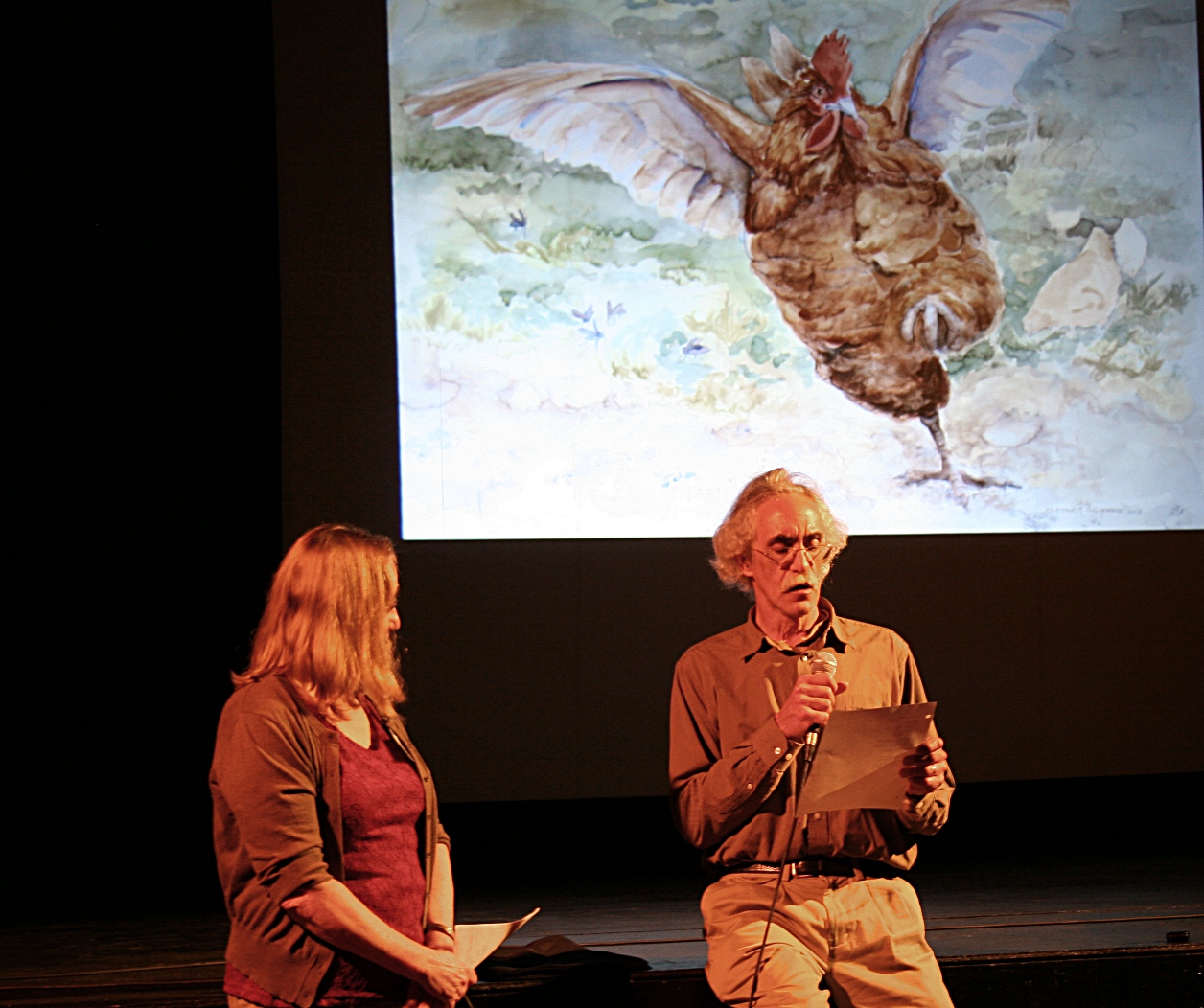
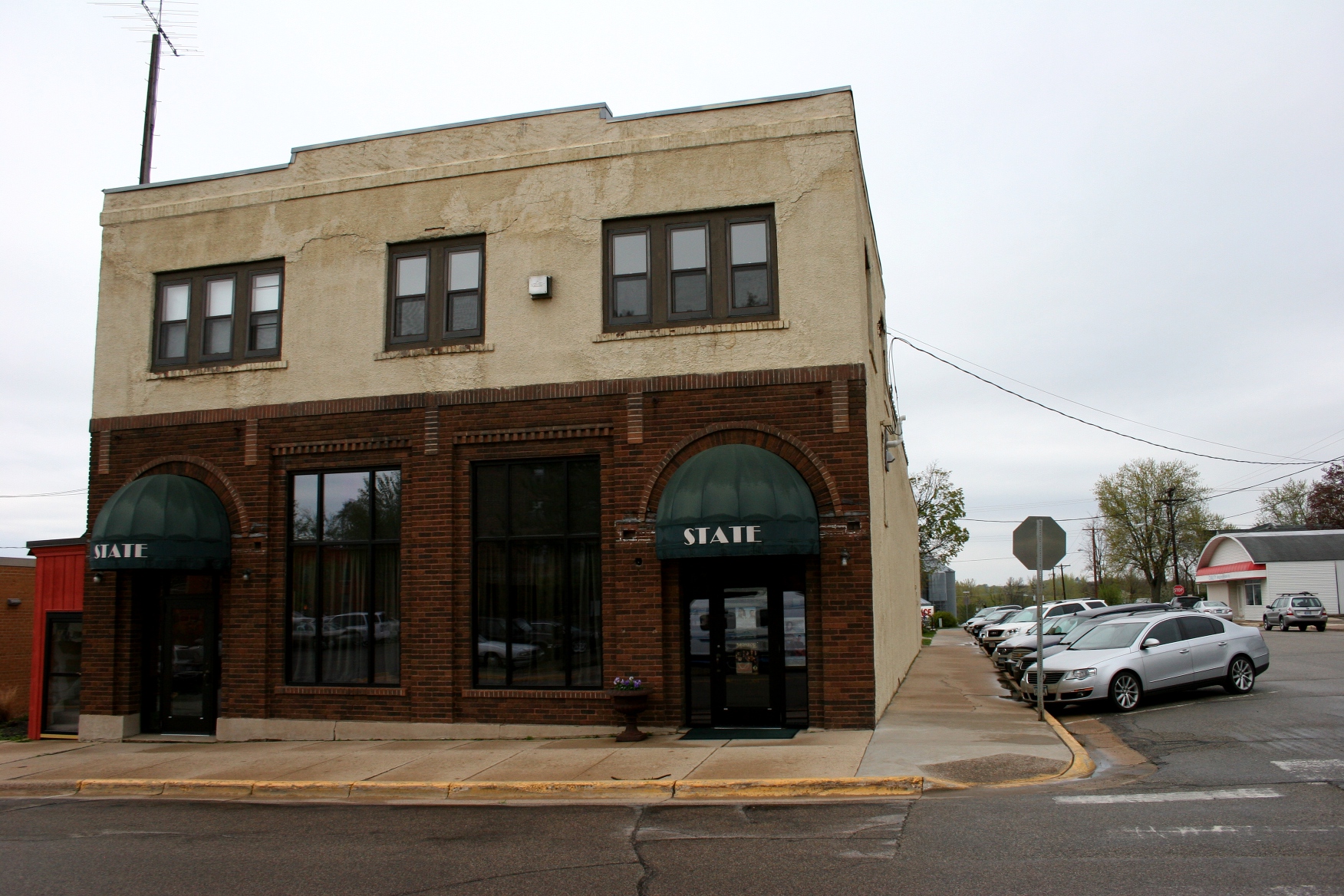
Peter C. Allen reads his poem while Sarah K. Nygaard of Zumbrota, who created the corresponding art, "Long Live the King," looks on. Artwork was projected onto a screen in the reading/ artist talks at the 90-year-old historic State Theatre just down the block from Crossings at Carnegie.

I met poet Peter C. Allen from Kenyon, who lives on a hobby farm and read his “Chicken Crossing,” slinging out a line (which I can’t repeat here) that caused the audience to erupt into raucous laughter.

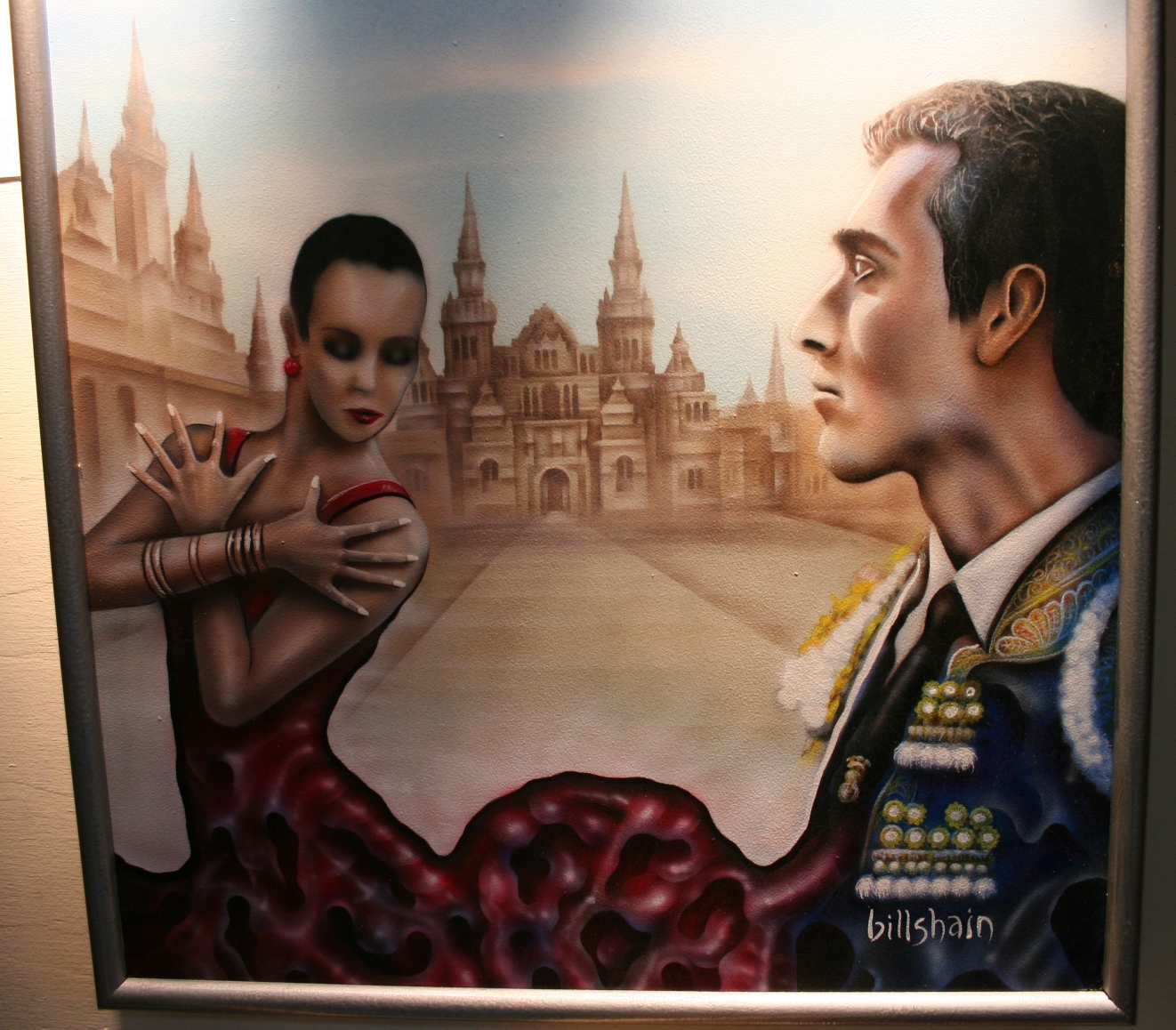
Pine Island artist Bill Shain's airbrushed composition was inspired by Patrick L. Coleman's poem. Patrick's poem, Bill says, seems like a page out of a romance novel. He went out of his comfort zone, Bill says, to create "Power and Surrender." In his painting the woman has power over the man, her red dress like the cape of a matador and also resembling bowels.

I met Patrick L. Coleman of Minneapolis, who, during his introduction to “Frederica Reminisces” caused me to feel a bit inadequate when he mentioned that his poem initiated as an assignment in a Loft poetry class. But later, when I met Patrick and his wife, Donna, we instantly connected. He’s a retiree who decades ago turned down a journalism scholarship to the University of Minnesota to pursue a career as a bio chemist. Today he is working on a mystery novel and sometimes writing poetry.

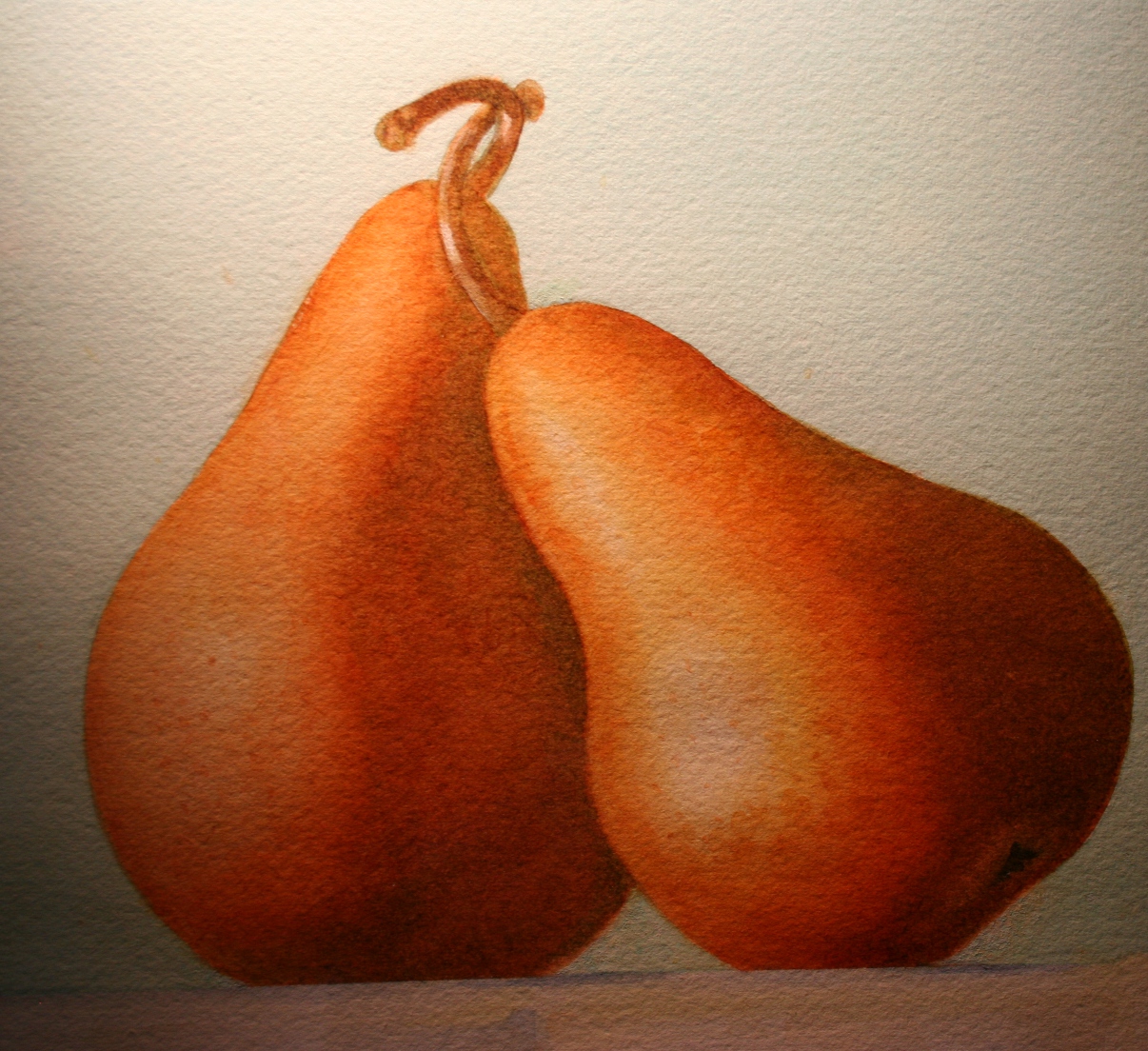
Toni Stevens of Rochester painted "A Loving Pear," a watercolor inspired by the poem, "Traveler," by Elise Gregory of Ellsworth, Wisconsin. This is a close-up of that painting.

I listened to Betty J. Benner of Austin spin her story-poem of rhubarb and cucumbers left on her front steps during a reading of “This is just to say.” Betty acknowledged to me earlier that she had deviated from her usual serious poetry to pen a humorous piece. The audience responded with laughter.

Likewise, a St. Louis Park poet drew chuckles when she introduced herself as Sandy Beach followed by “Yes, that’s my real name.”

While many of the poems were infused with humor, several were immersed deep in emotions, reflecting on life and death. Others recalled memories. And others held a strong sense of place.

Janelle Hawkridge of Winnebago and her paired artist, Katherine E. Smither of Rochester, honored women in their collaboration on, the most unlikeliest of subjects, a 70-year-old’s spider/varicose-veined legs. Janelle’s poem, “A Work of Art,” particularly, resonates with me. She views those imperfect, aging legs as history, a life story, a work of art.

The poets read with passion. The artists spoke with passion. They connected. You could hear it in their words, see it in the locking of their eyes, a touch on the shoulder, a nod of the head.

In the end, poet Ronald J. Palmer of Bloomington, who wrote about the stages of life in “The Significance of Traffic Lights,” perhaps best summarizes the feelings of many attending the poetry reading/art talk in Zumbrota: “I think poetry and art should be together more often.”

That recommendation, Ronald, gets a green light from me.

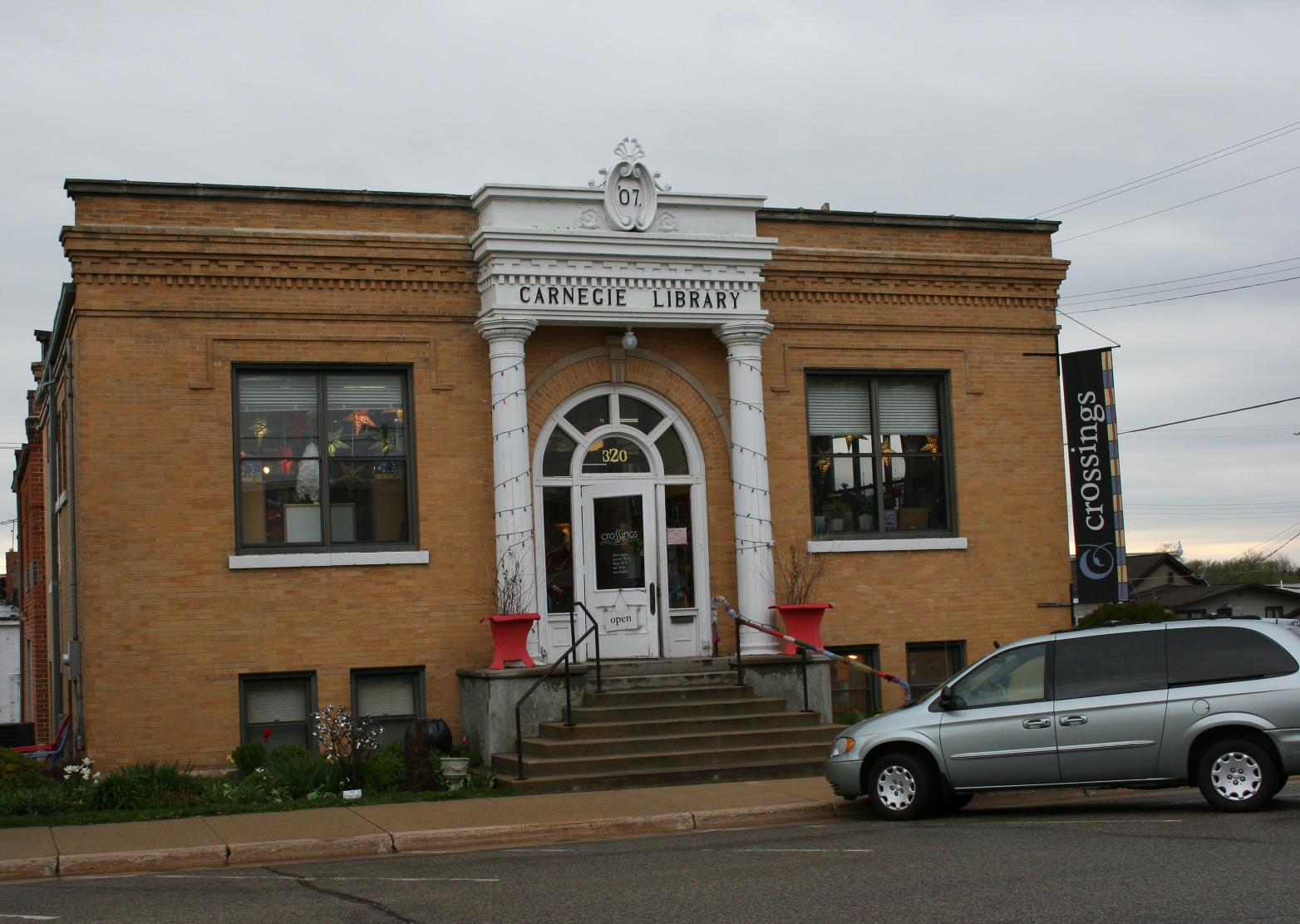
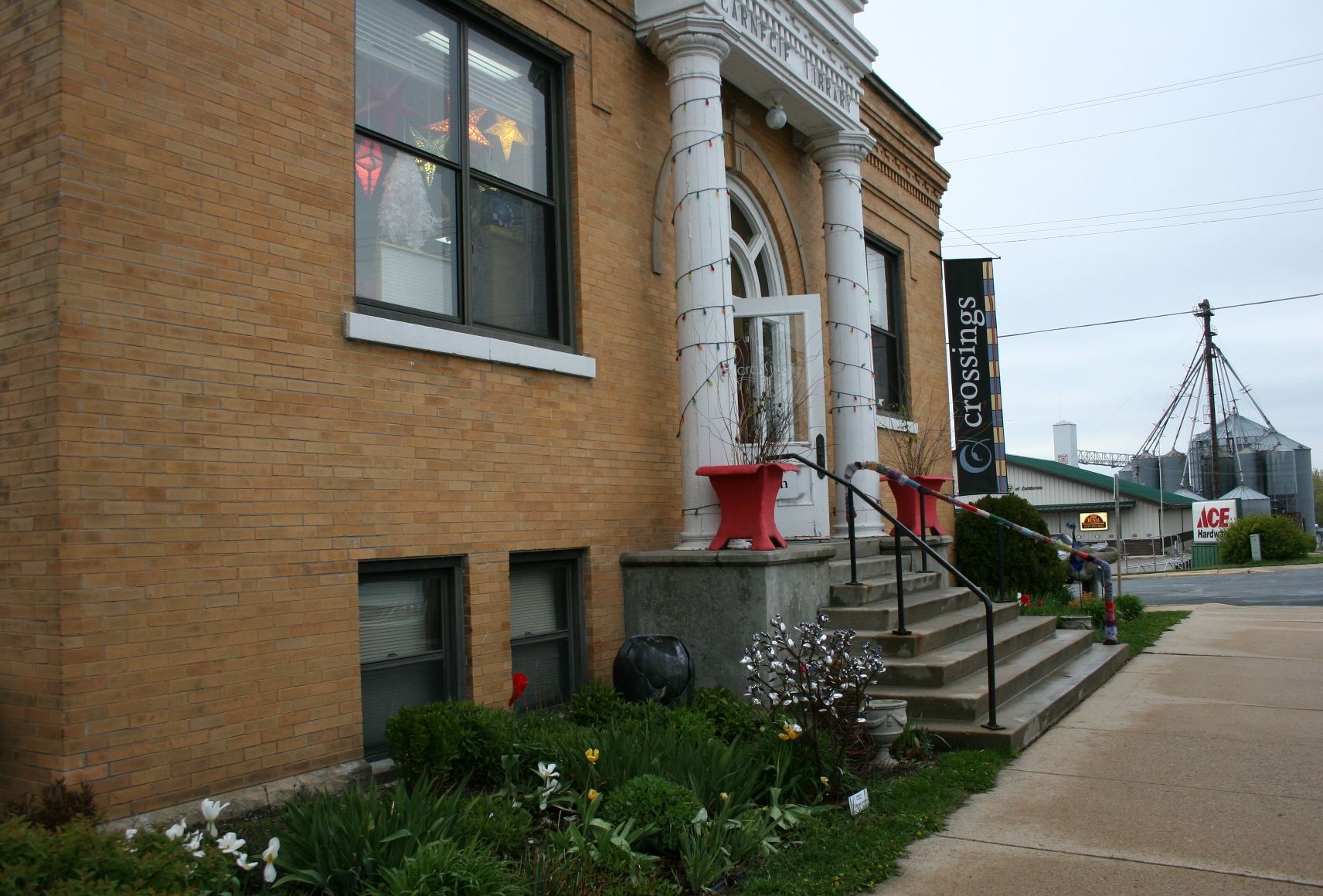
Crossings at Carnegie, a privately-owned art center, is housed in a former Andrew Carnegie library built for $6,500 in 1908 in the Classical Revival style.

CLICK HERE to learn more about Poet Artist Collaboration XI, which closes April 26 at Crossings at Carnegie in Zumbrota.

The poetry reading/artist talks were held in the State Theatre, built in 1921 for $38,000. Up until recently, movies were still shown in the theatre. In December 2011, the Zumbrota Area Arts Council purchased the theatre and is currently raising monies to renovate the building.

CLICK HERE to learn more about the historic State Theatre.

CLICK HERE to read an earlier blog post about my poem, “Her Treasure,” and artist Connie Ludwig who created “Pantry Jewels,” inspired by my writing.

FYI: Close-up photos of the two art pieces were taken with permission of the artists. Permission was not sought to reproduce the copyrighted poetry. Therefore it is not featured here.

© Copyright 2012 Audrey Kletscher Helbling


Celebrating poetry and art in Zumbrota on a Saturday evening April 22, 2012

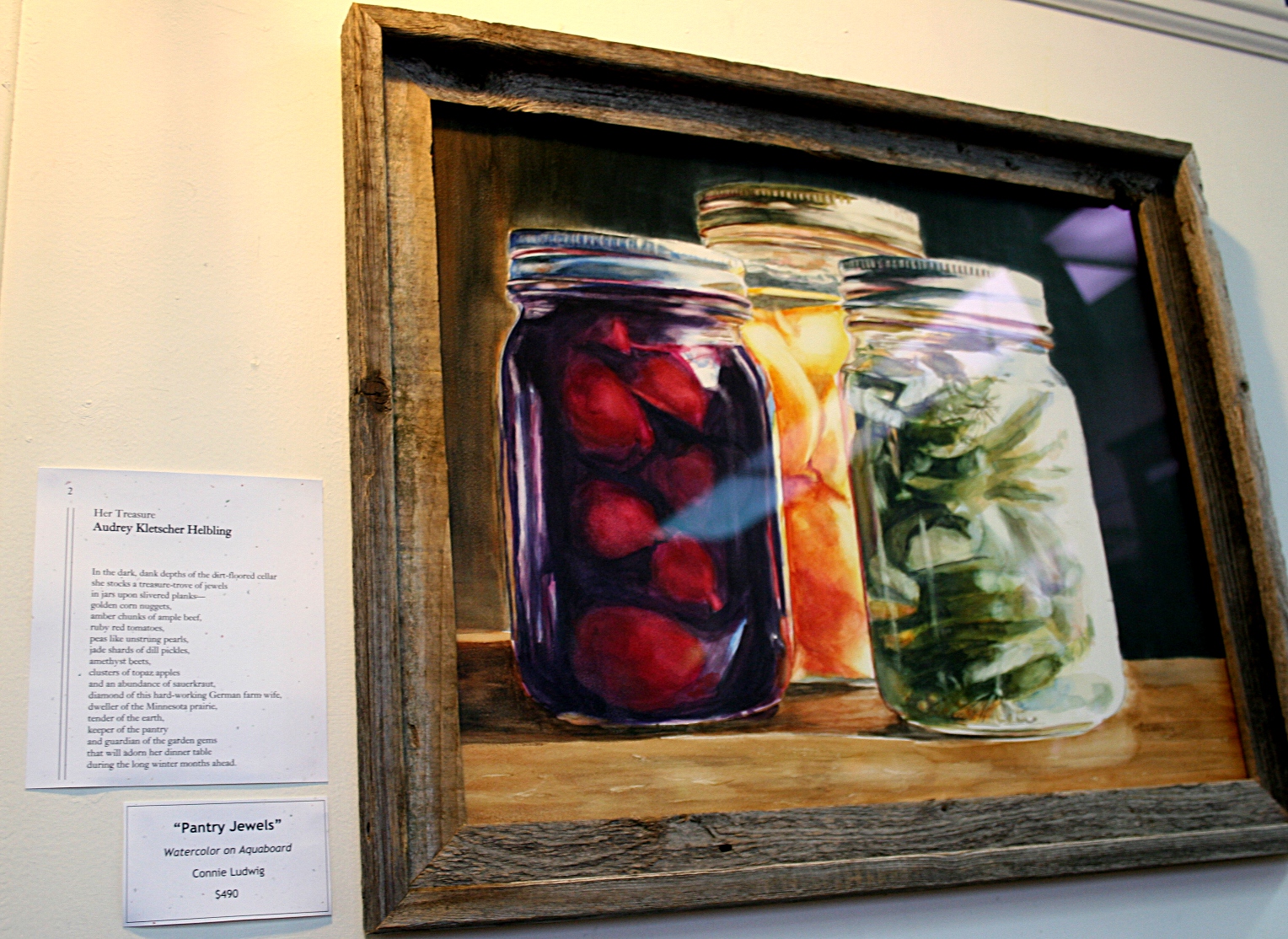
Artist Connie Ludwig's "Pantry Jewels," inspired by my poem, "Her Treasure." (Please excuse the glare on the glass; there was no way to avoid it while photographing the painting.)

Her Treasure

In the dark, dank depths of the dirt-floored cellar
she stocks a treasure-trove of jewels
in jars upon slivered planks—
golden corn nuggets,
amber chunks of ample beef,
ruby red tomatoes,
peas like unstrung pearls,
jade shards of dill pickles,
amethyst beets,
clusters of topaz apples
and an abundance of sauerkraut,
diamond of this hard-working German farm wife,
dweller of the Minnesota prairie,
tender of the earth,
keeper of the pantry
and guardian of the garden gems
that will adorn her dinner table
during the long winter months ahead.

#

I MET “MY ARTIST” Saturday evening and saw the art she created, inspired by my poem (above).

And I use those words, “my artist,” because I feel connected to Connie Ludwig of Goodhue. She, like 25 other artists participating in Poet Artist Collaboration XI at Crossings at Carnegie in Zumbrota, took words of poetry and shaped them into art.

“Her Treasure,” under Connie’s paintbrush, became “Pantry Jewels.” The earthy watercolor painting of canned beets, pickles and peaches glows with the perfect balance of light and darkness, with sunlight filtering through glass and glinting off the golden rings that lock in garden goodness.

Connie understands my poem—the memories of my mother canning fruits and vegetables in her southwestern Minnesota farmhouse kitchen. She understands the dark dirt-floored cellar in which these preserves were stored upon rough boards. She understands the importance of honoring the women who honored the land by feeding their families with the fruits of their labors.

In the chapbook published for Crossings’ Poet Artist Collaboration XI, Connie writes:

My mother and aunts loved gardening and canning. They considered those “squirreling skills an essential part of themselves. I have wonderful memories of the ladies showing off, trading and sharing their canned jewels. And, of course, feeding them to us. The models for this painting came from the pantry of my husband’s cousin.

Connie, right, and I pose for a photo after a 90-minute presentation in which 26 poets read their poems and 26 artists talked about how the poems inspired their art. Note Connie's "Pantry Jewels" painting just above my head to the left. If I could buy this $490 watercolor on aqua board, I would in a snap. I love it that much and how it honors my rural roots. But I can't... If you're interested, contact Crossings.

Connie, thank you for transforming my poem into such down-to-earth, beautiful art that touches my soul. Your painting was all I hoped for in this process of poetry inspiring art.

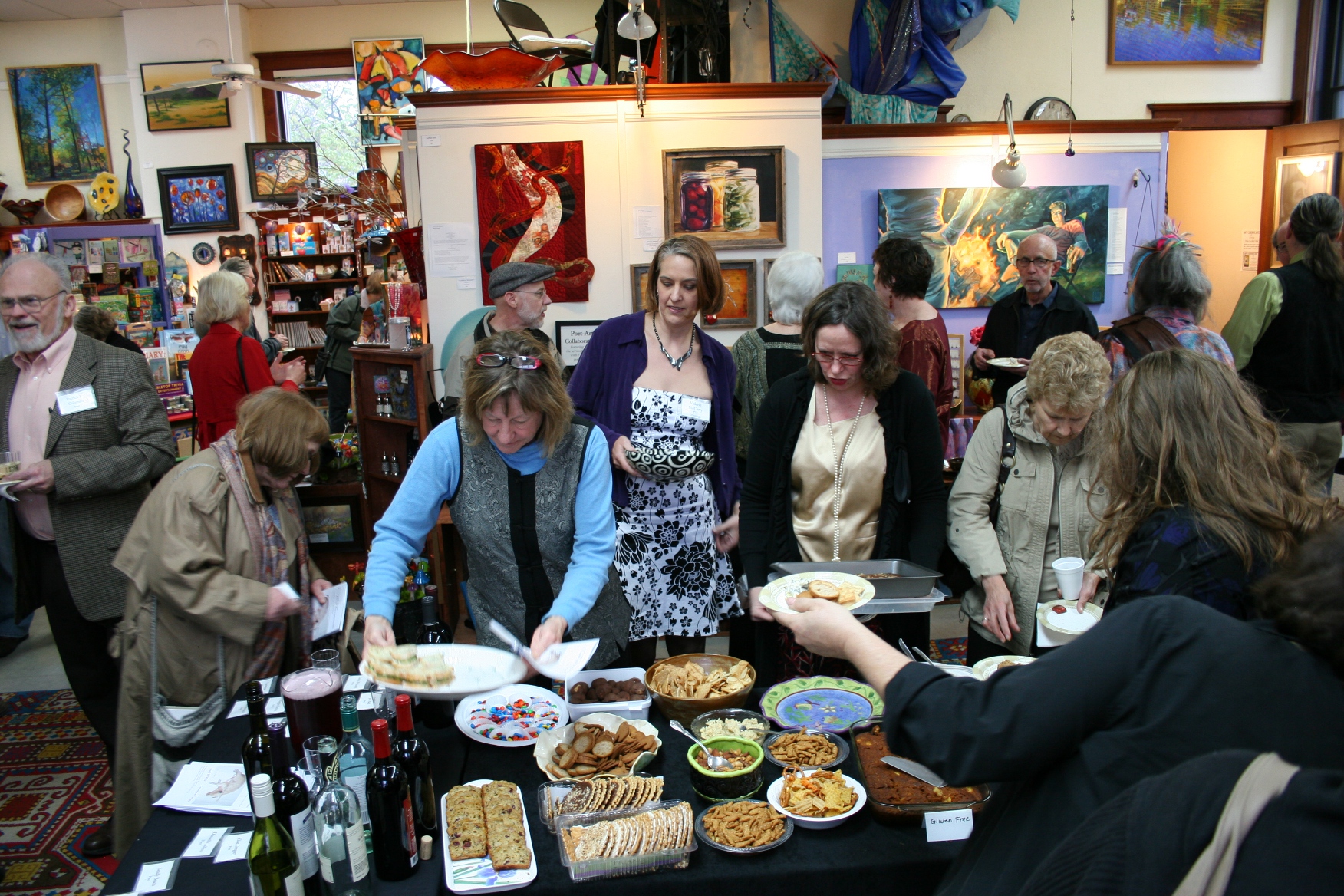
A snippet shot of the crowd at Crossings at Carnegie, including Marie Marvin, center in blue. This place was elbow-to-elbow people during the hour-long gala reception before and after the poetry readings and artist talks held at the next door historic State Theatre. There were 26 poems selected from around 180 submissions for this juried Poet Artist Collaboration, now in its 11th year.

Thank you also to the artists and poets and guests who took the time to thank me for writing “Her Treasure.”

Thank you to my husband, Randy, for always supporting me in my writing.

To Crossings at Carnegie, and specifically Marie Marvin who opened the art center in 2001, thank you for acting as the driving force behind this collaboration. The phenomenal (or as I would say, overwhelming) turn-out is a tribute to the hard work of your team. I’d like to see more events like this through-out Minnesota that pair words and art.

To be one of the 26 poets selected for inclusion truly brought me joy. To mingle with so many poets and artists for an evening inspired and validated for me the importance of the arts in our lives.

Crossings at Carnegie, housed in a former Carnegie library, is a privately-owned cultural, visual and performing arts center in Zumbrota. I love the rural atmosphere with the hardware store and grain elevator just down the street. I need to return to Crossings as I was overwhelmed (crowd-wise and visually) on this busy evening.

I’d encourage you, if you have not seen this exhibit at Crossings, 320 East Avenue, to take it in before the April 26 closing date. Click here for more information.

Also check back here for an additional post from Poet Artist Collaboration XI.

© Copyright 2012 Audrey Kletscher Helbling


Pairing poetry and art in Zumbrota April 19, 2012

Filed under: Uncategorized — Audrey Kletscher Helbling @ 7:08 AM
Tags: , , , , , , , ,

Lois' jellies and pickled beans photographed in July 2009 at the Faribault Farmers' Market.

In the dark, dank depths of the dirt-floored cellar

she stocks a treasure-trove of jewels

in jars upon slivered planks—

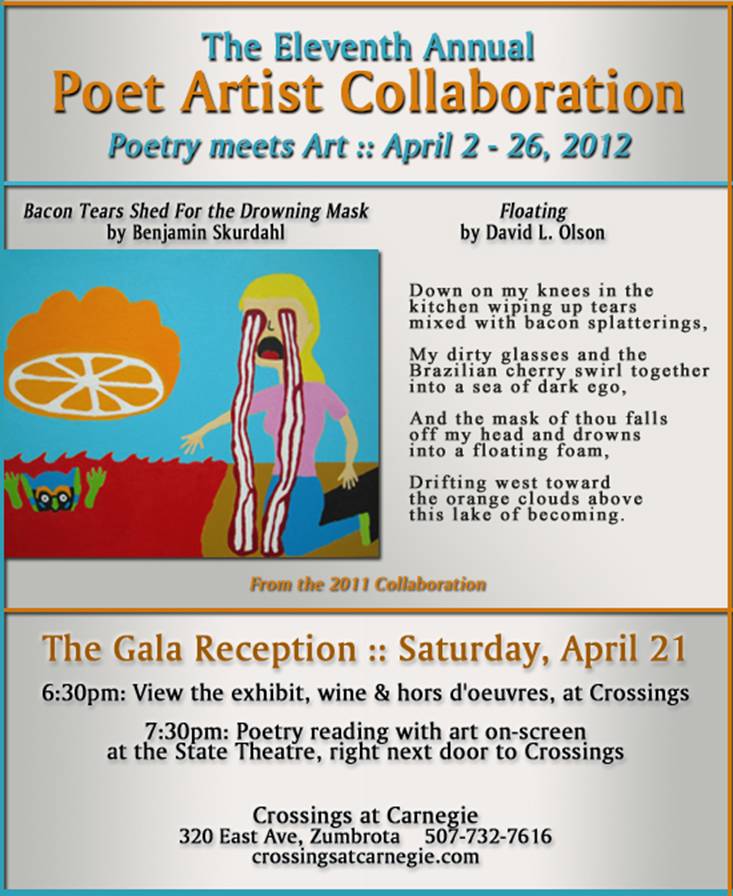
Thus begins my poem, “Her Treasure,” which I will read this Saturday, April 21, at the Poet-Artist Collaboration XI Gala Reception at Crossings at Carnegie in Zumbrota. The reception begins at 6:30 p.m. at Crossings with guests treated to refreshments and to music by pianist Matthew Rivera. The event then moves next door to the State Theatre for poetry readings with on-screen art at 7:30 p.m.

Yes, art. And poetry. Together. One inspired by the other.

I’ll meet “my artist,” Connie Ludwig of Goodhue who created a watercolor, “Pantry Jewels,” inspired by my poem about canned fruits and vegetables stocked in a farmhouse cellar.

The works of 25 other poets and of 25 other artists are also included in this juried exhibit.

Once I learned Connie’s identity, I contacted her, asking her to share some information about herself and about the process of creating her poetry prompted piece. Unlike me, Connie is not a novice at this poet-artist collaboration. This marks her tenth time participating in the Crossings event.

Recently retired from the Zumbrota library, Connie is an established artist who typically works in pastels from her home studio. In the summer she does pastels outdoors and on her front porch.

But this time, for this show, Connie opted to work in watercolor, which, she says, “more often than not has control over me.”

Drawing on childhood memories of the huge garden her family planted every year at their home in St. Croix State Park along the Minnesota-Wisconsin border east of Hinckley, this artist understands the content of my poem.

My aunts and my mother were survivors of the Great Depression and gardens and canning were very, very important to them. So you can probably deduce that your poem about the dark basement, dirt floor and canned jewels reminded me of them.

When I read it (your poem), I could picture the light on the jars when I used to go down and get them. And I knew both the physical resemblance to jewels and the equivalent worth of jewels was how they felt about their canning endeavors. You wrote a poem that reflected an important part of their lives.

Fortunately my husband has cousins that enjoy canning. The models for the three jars that I used to illustrate your poem are Mary’s peaches and Greg’s pickles. I took a picture of them and painted both from that and the actual jars. Jim (my husband) could hardly wait for me to finish so he could “open and eat.”

Well, Connie, I can hardly wait to see your art, “Pantry Jewels,” paired with my poem.

FYI: Click here to read more about Poet-Artist Collaboration XI, including a list of the participating poets and artists. The exhibit will be on display through April 26. Please join Connie and me at the Gala Reception and at the poetry reading.  I’m second on the list to read my poem and Connie to talk about her art. We’d love to meet you.

Copyright 2012 Audrey Kletscher Helbling