Minnesota Prairie Roots

Writing and photography by Audrey Kletscher Helbling

Veterans Day 2025: Reflecting on Dad’s letter home from the frontline in Korea November 11, 2025

On the back of this photo, my dad simply penned “a letter from home.” I appreciate this photo taken by an unknown buddy while they were in the service. (From the Elvern Kletscher photo collection)

A SHORT BIT AGO, I reread a letter my dad wrote home to his parents in southwestern Minnesota on his 22nd birthday in March 1953. Dad penned the letter thousands of miles away in Korea, where he was fighting on the frontline during the Korean War.

Among my dad’s “Korea stuff” are a book of military instructions he carried into the battlefield, a newspaper clipping about him, and his dog tags atop his letter home, the chain circling the words “hell hole.” (Minnesota Prairie Roots copyrighted file photo November 2023)

One long paragraph of that missive stands out for me on this Veterans Day. That is Dad’s anger at the draft board and at those who thought it necessary to send young men like him into what he termed a “hell hole” and a war against Communism that he didn’t think could be won.

This photo from my dad’s collection is tagged as “Kim, Rowe, Allen & me, May 1953 Machine Gun Crew.” That’s my father on the right. (From the Elvern Kletscher photo collection)

I expect many others thought like Dad. How could you not after shooting, killing, watching your buddies die in battle? After living with hunger and bone-chilling cold in a mountainous land far from home.

At the time of his letter, Dad was especially concerned that his younger brother, Harold, would be drafted. He vowed revenge if that happened. I suppose when you’re an older brother and you’ve seen war like he has, you don’t want someone you love to experience the same. Dad’s words were just that. Words. Words written by a combat soldier weary of war. A soldier frustrated. A soldier counting the months until he could leave Korea and then be discharged from the Army.

Dad vented to his parents. He called for those in positions of power to come to the Korean battlefields, to see for themselves the realities of war. I imagine many a soldier wished the same, that officials, leaders and decision-makers understood the results of their policies, actions, decisions, orders.

My dad came home from Korea with the wounds of war. Mental, emotional and physical. He was wounded by shrapnel at Heartbreak Ridge. He experienced depression and post traumatic stress disorder.

Yet, he returned to America still patriotic, a proud American whose sacrifices and service were not then recognized. He served in what would become known as “The Forgotten War.” How demeaning, to be ignored, unsupported, just like Vietnam War veterans. Only decades later did Dad receive the Purple Heart he earned on the battlefield.

The Rice County Veterans’ Memorial in Faribault. This photo and five other vet-themed photos I took hang in public spaces at the new State Veterans Home in Bemidji. (Minnesota Prairie Roots copyrighted file photo)

Dad went on to become an active American Legion member, serving as commander of the local post. He taught me and my siblings to respect veterans and those who died in battle. We attended every Memorial Day program in my hometown of Vesta. Afterwards we gathered at the cemetery for the playing of taps, prayer and a gun salute. We wandered among the tombstones.

I joined the Junior American Legion Auxiliary, which mostly involved selling poppies on Poppy Day. I also read “In Flanders Fields” at the community Memorial Day program and placed paper poppies on a wreath. My mom was an active American Legion Auxiliary member.

Dad integrated back into life in rural Minnesota upon his return from Korea as if nothing had changed for him. But it had. And it did. Going through his box of “Korea stuff” 72 years after he wrote that birthday letter home to his parents, I glimpse the “hell hole” of war he experienced. My anger rises, too, for all he endured and suffered on the battlefield and upon his return home to rural Minnesota.

© Copyright 2025 Audrey Kletscher Helbling


Wandering through a Faribault flower garden in autumn October 14, 2025

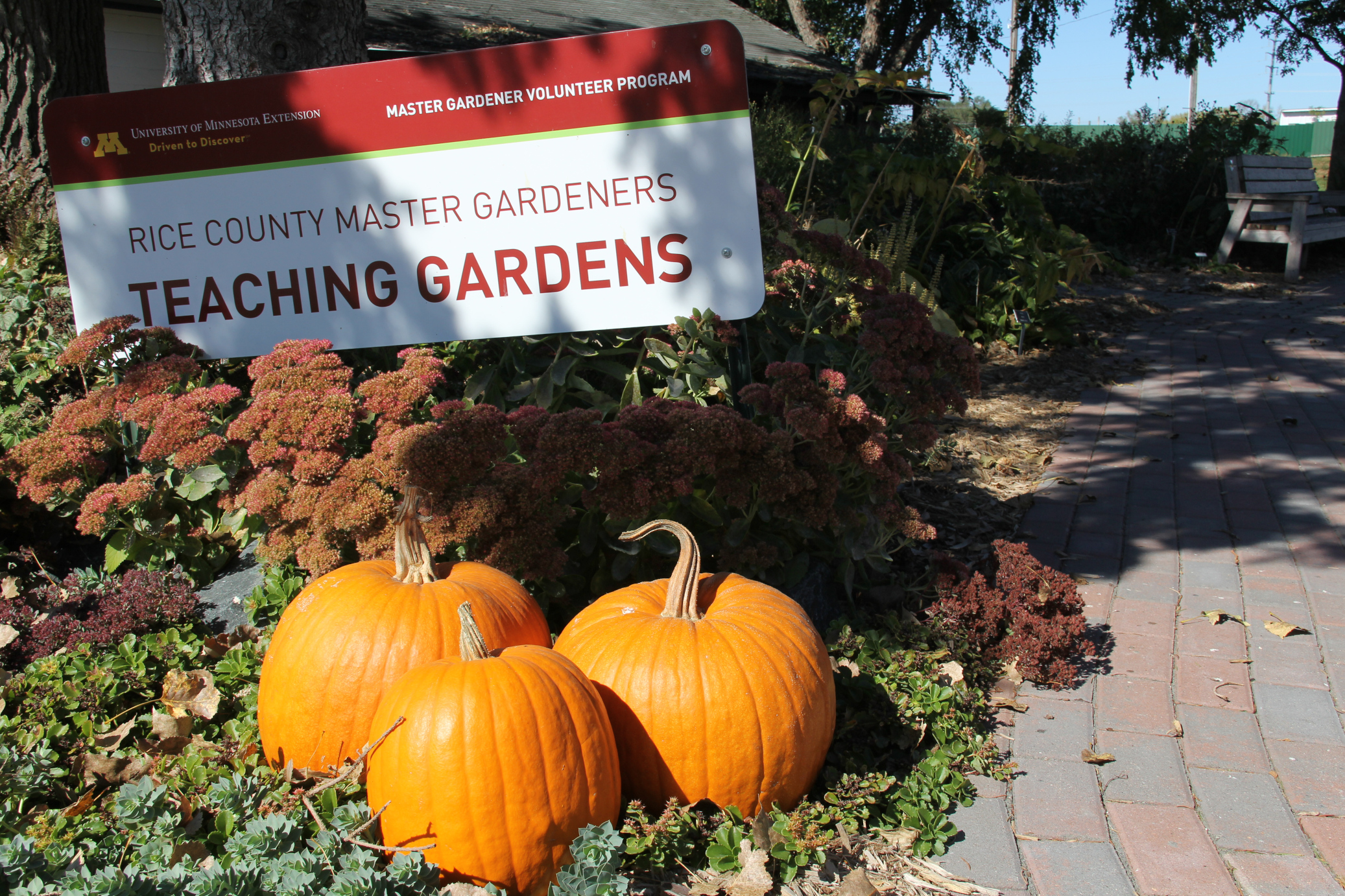
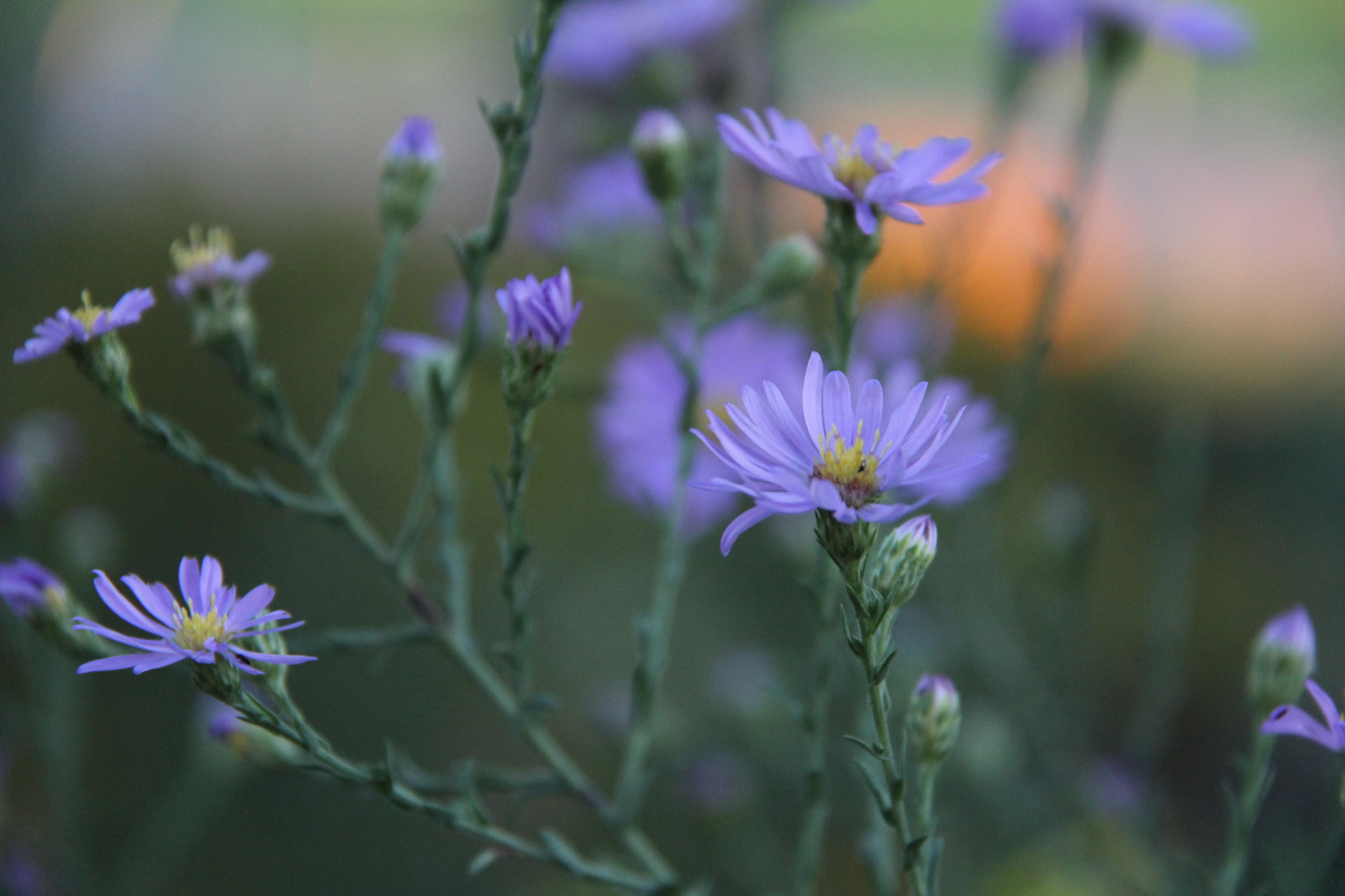
Flowers blooming a few weeks ago in the Rice County Master Gardeners Teaching Gardens. (Minnesota Prairie Roots copyrighted photo September 2025)

IN THIS FLEETING TIME before winter arrives, I find myself drawn to end-of-the-season blooms. And plenty remain, clinging to summer past, attaching to autumn present, but some already ceding to the inevitable cold and snow yet to come.

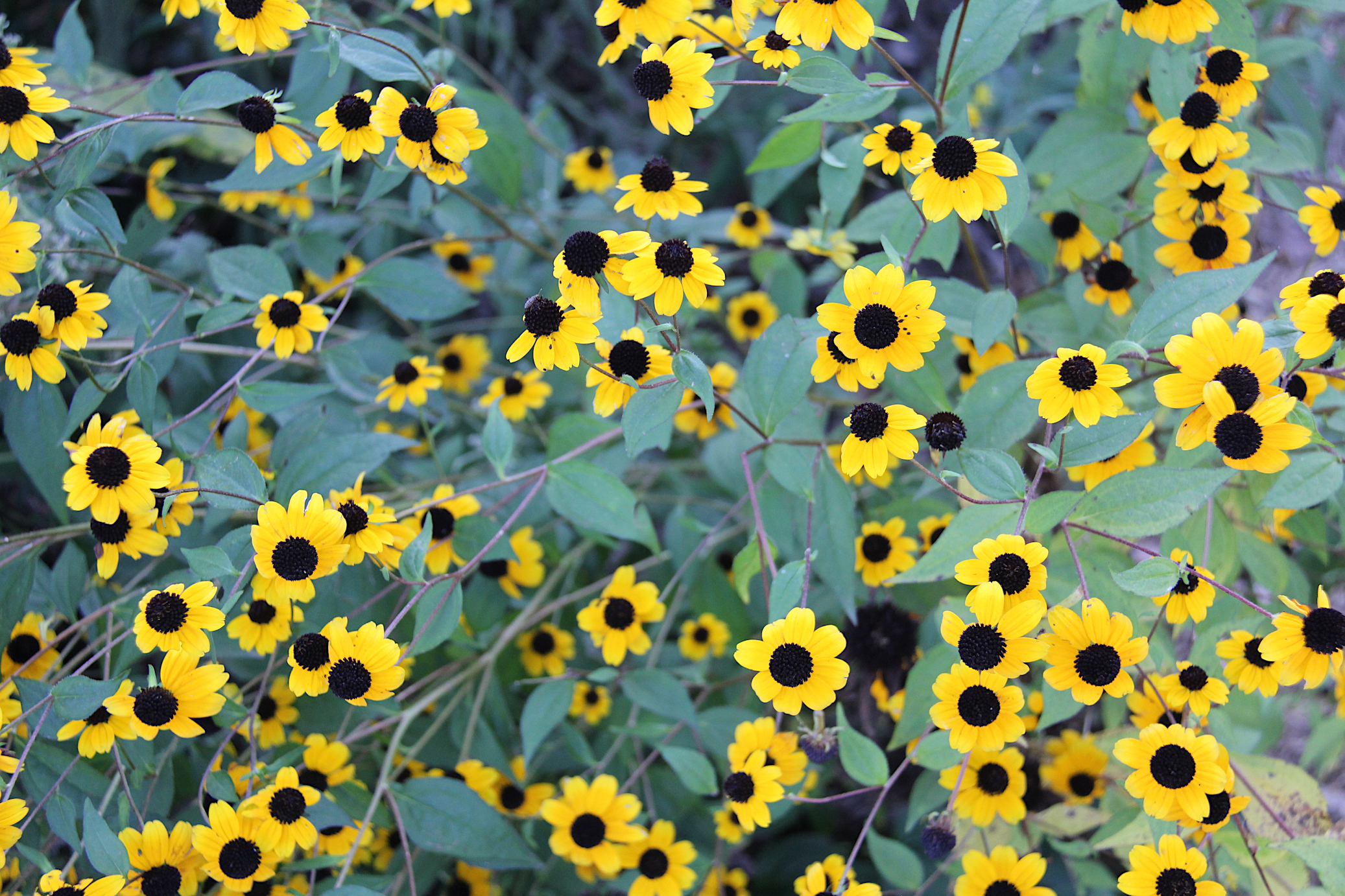
A mass of brown-eyed (I think) susans. (Minnesota Prairie Roots copyrighted photo September 2025)

Even as days grow shorter and nightfall presses dark upon the land, these flowers remain. And I delight in them wherever they stand, bend into the wind, catch the light of the morning and evening sun.

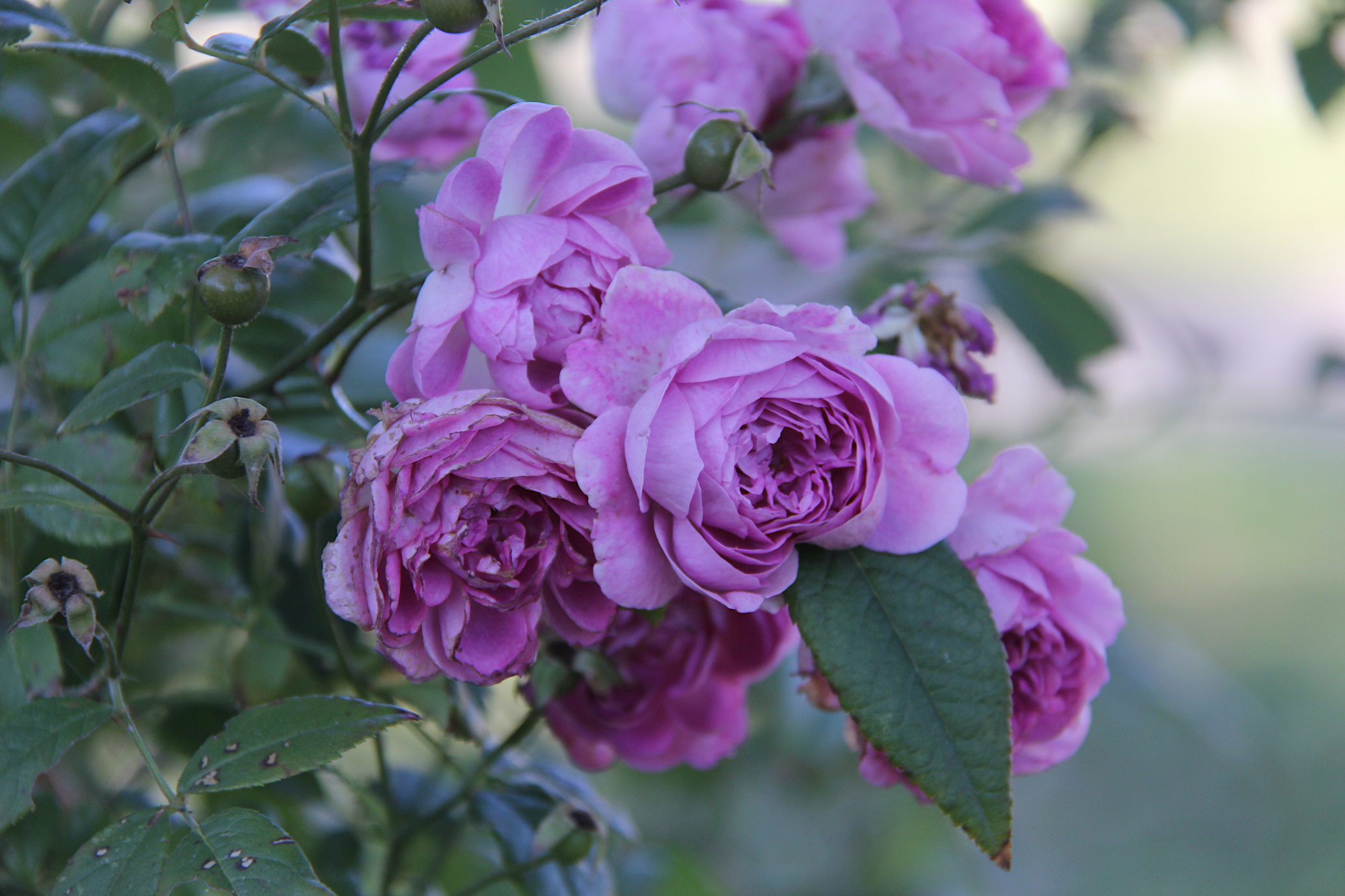
The roses are still blooming. (Minnesota Prairie Roots copyrighted photo October 2025)

Most surprising, perhaps, are the roses that linger. I dip my nose close, expecting the heady scent of perfume, only to be disappointed. They smell ever so faint, a scent barely noticeable.

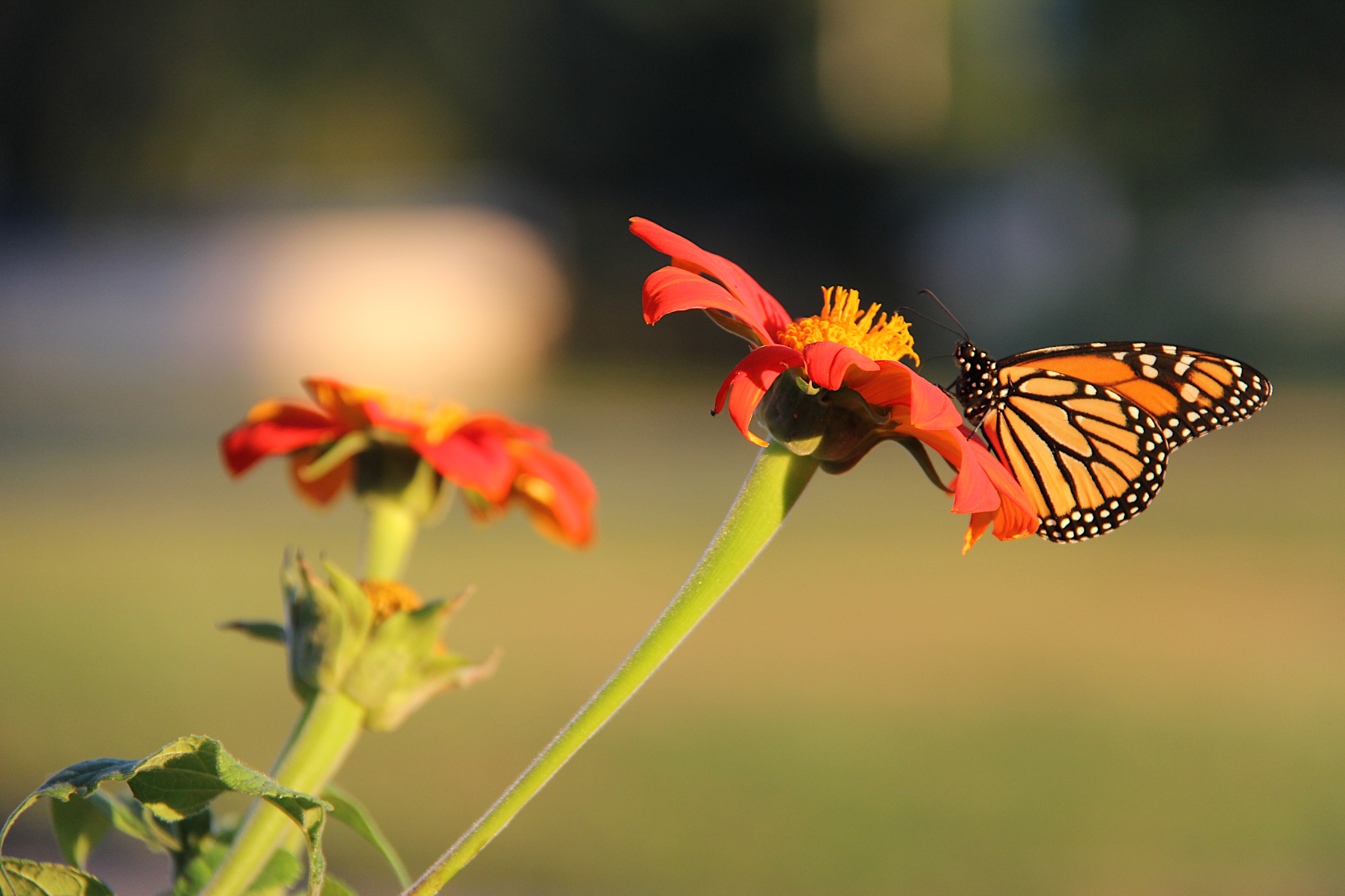
When I took this photo in late September, Monarchs flitted among zinnias. (Minnesota Prairie Roots copyrighted photo September 2025)

Zinnias flash color, a beacon for monarchs.

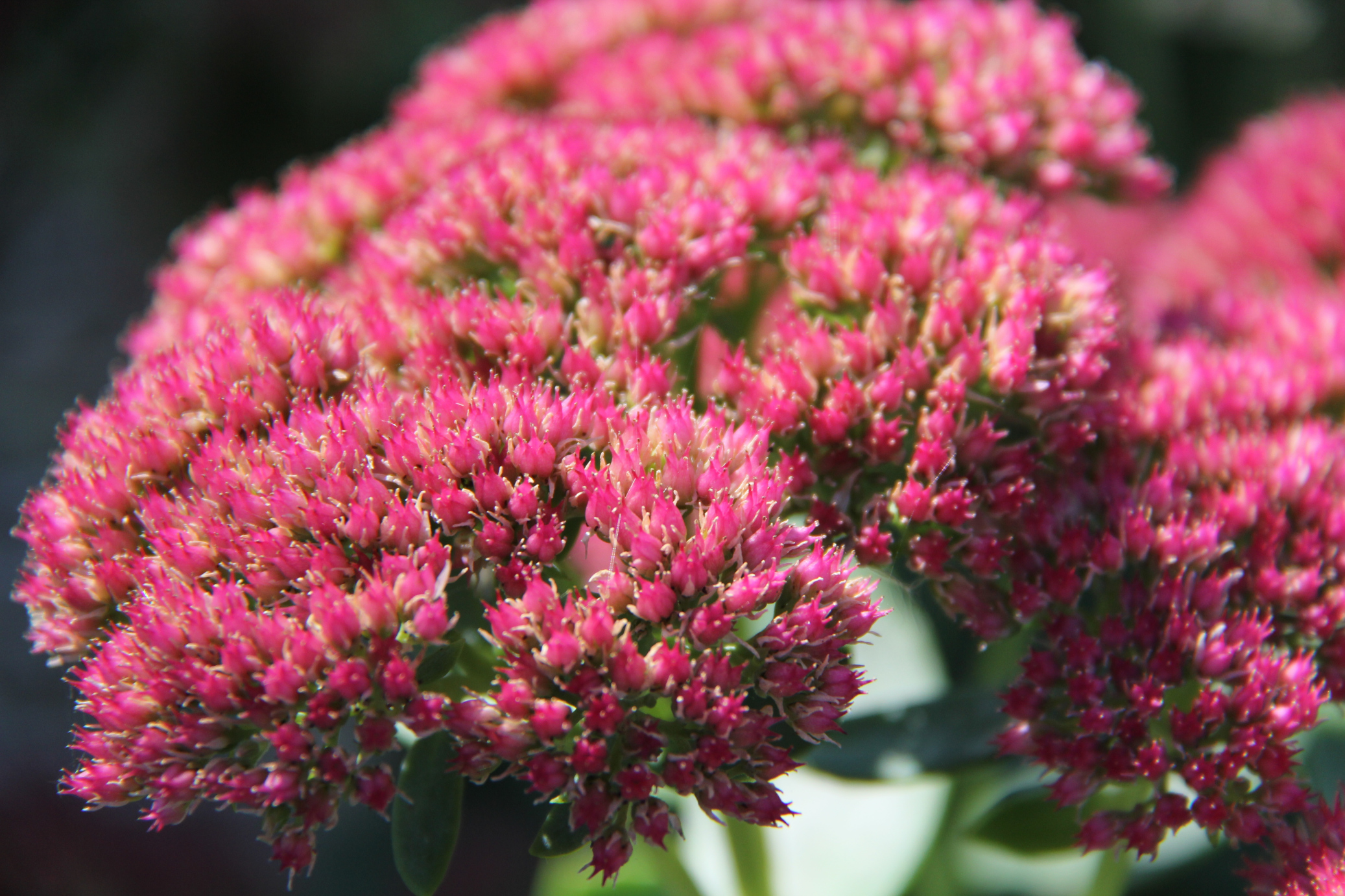
Stunning sedum, absolutely beautiful in the evening light. (Minnesota Prairie Roots copyrighted photo October 2025)

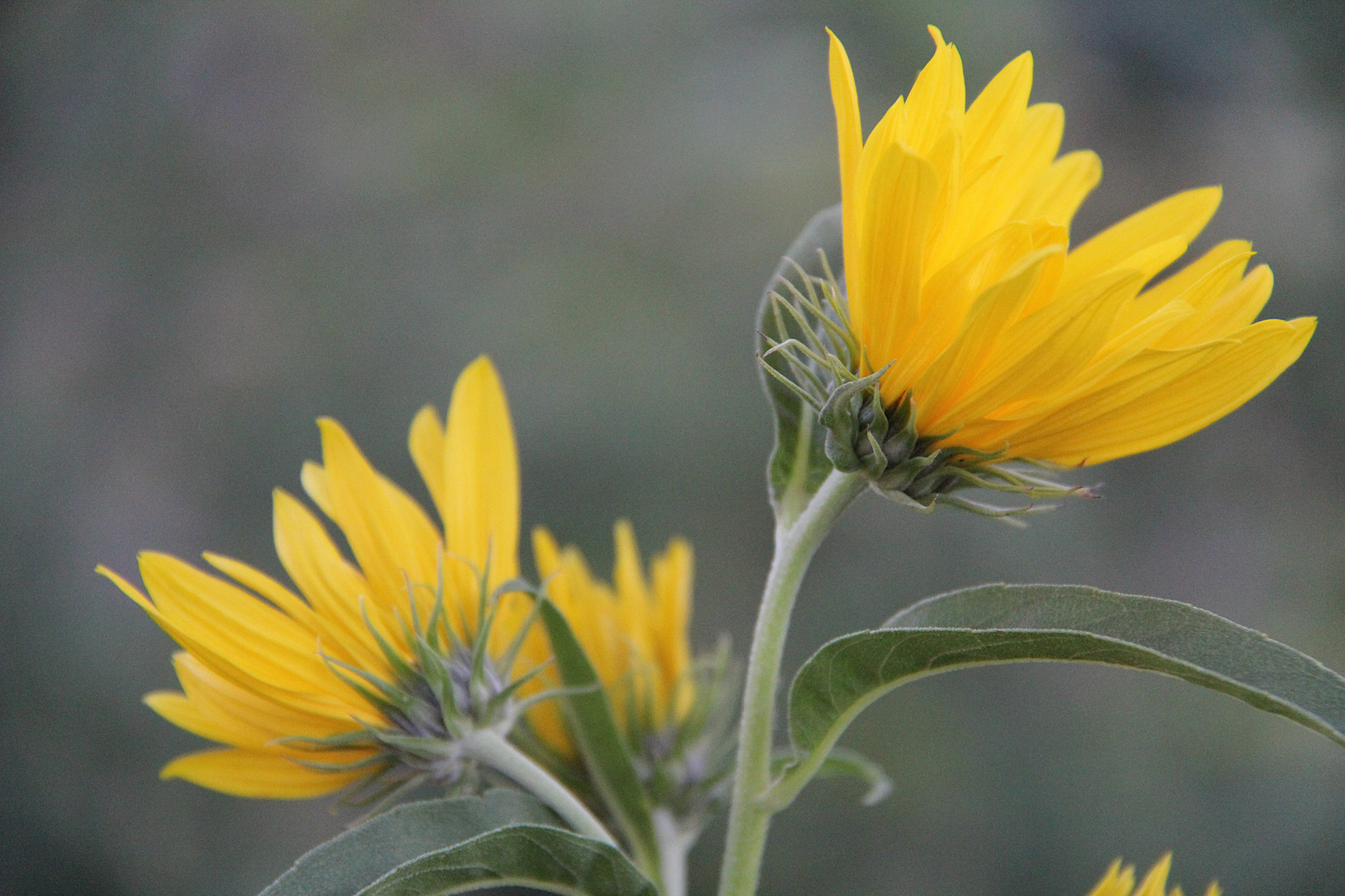
Sedum and seed heads and sunny yellow flowers all cozy together, some spent, some still determined to survive as the season shifts toward winter.

Paver pathways weave through the gardens which include benches, a water feature, rock snakes and more. (Minnesota Prairie Roots copyrighted photo October 2025)

I feel this sense of urgency to focus my eyes on flowers, to imprint upon my memory their glorious beauty. And so I wander among the blooms and dying blooms in the Rice County Master Gardeners Teaching Gardens in Faribault.

Photographed up close or at a distance, these flowers are lovely in the evening light of autumn. (Minnesota Prairie Roots copyrighted photo September 2025)

I love this oasis on the Rice County Fairgrounds next to the historical society. It offers a peaceful respite just off heavily-trafficked Second Avenue where vehicles rush by, their drivers seemingly unaware of the nearby gardens.

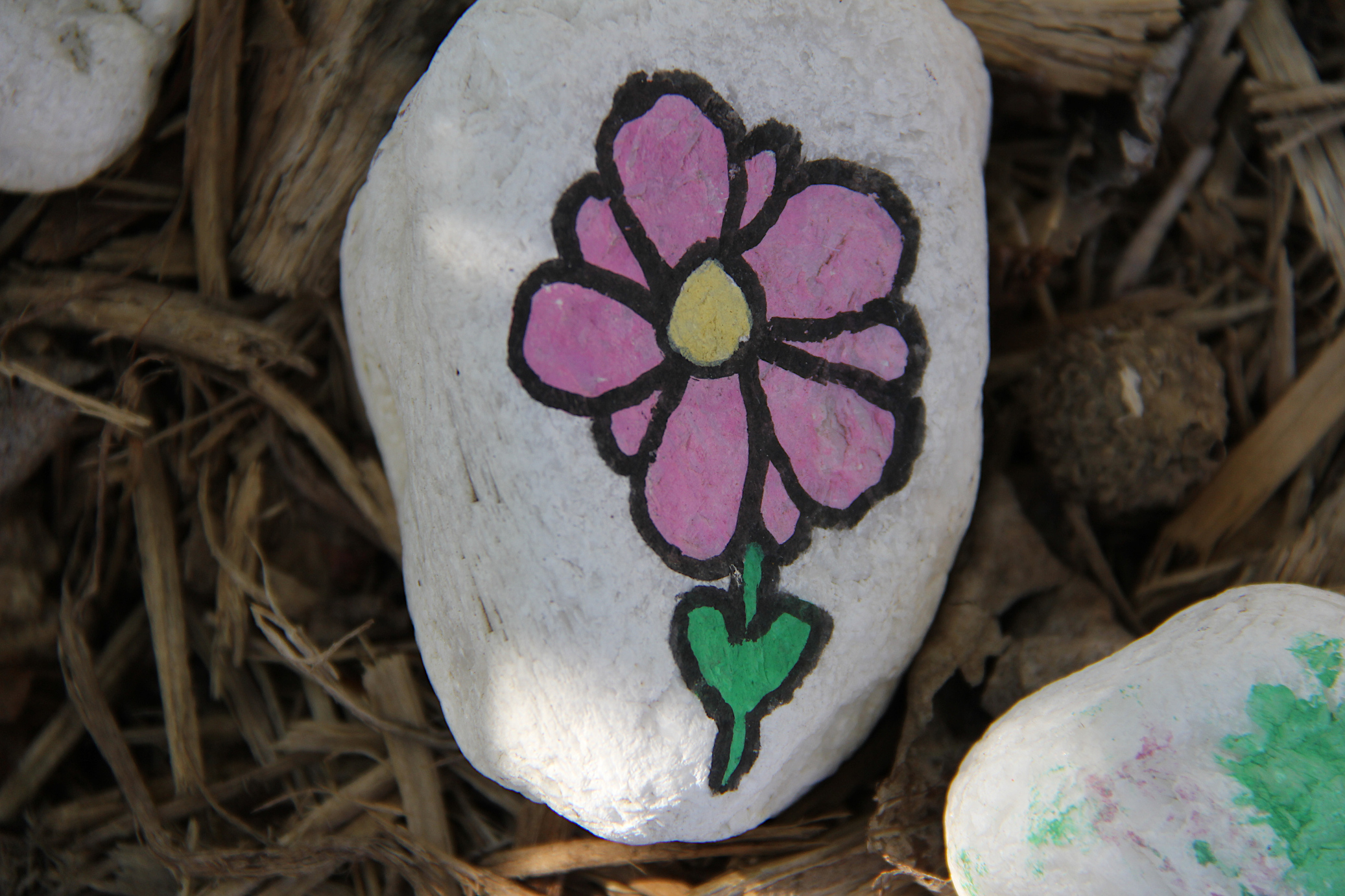
The garden includes two rock snakes, this flower stone among the many forming the serpent. (Minnesota Prairie Roots copyrighted photo October 2025)

But I long ago discovered this spot. Perfect for a picnic. Perfect for wandering. Perfect for photographing flowers. Perfect for reflecting and learning and enjoying. I’m grateful for every volunteer who lovingly tends this garden so I can come here. Sit. Walk. Photograph. Snapshot the scene for future reference.

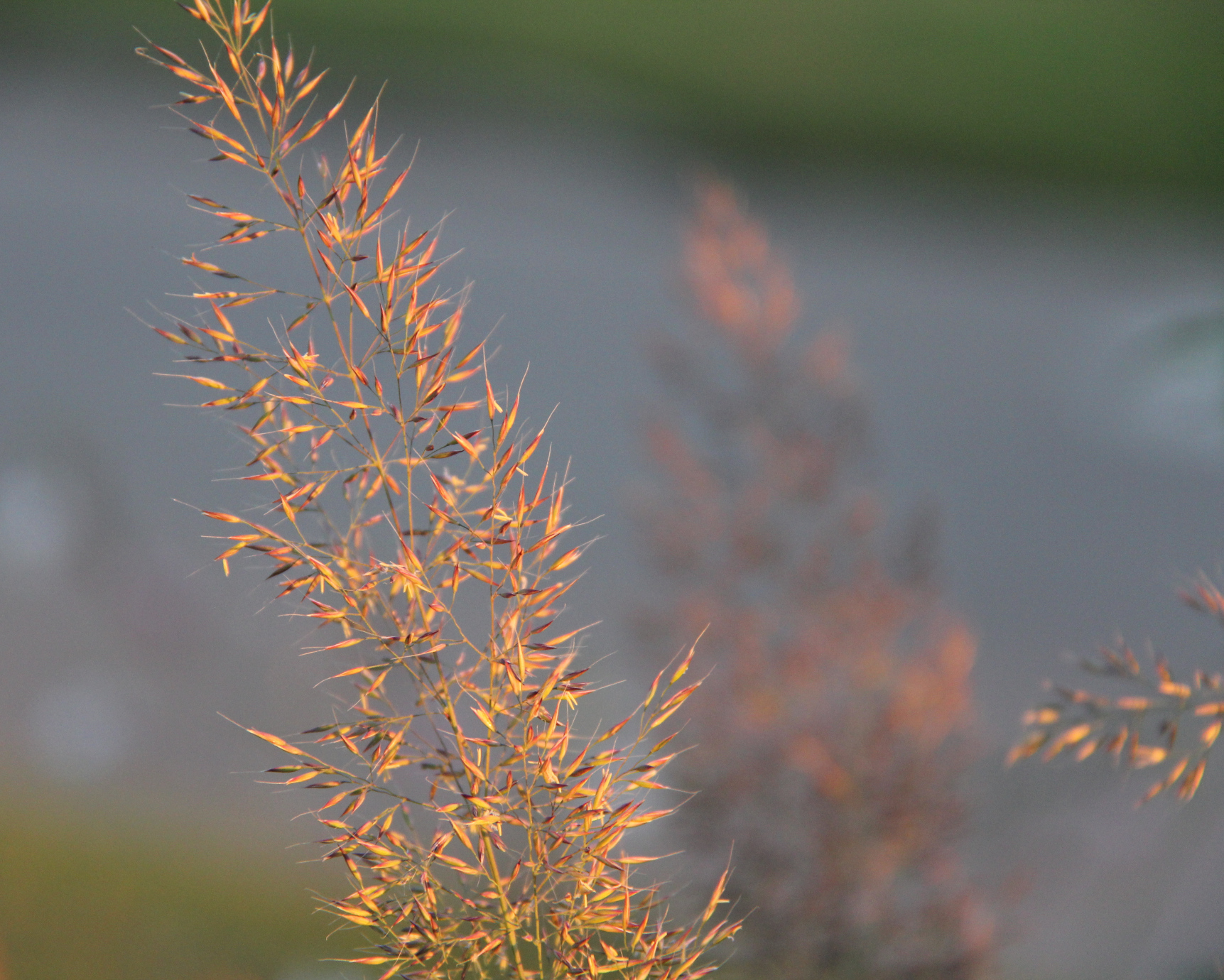
A grass stem glows in the light of sunset. (Minnesota Prairie Roots copyrighted photo September 2025)

When winter comes with its wind and deep-freeze cold and snow, I will remember the pink roses, the bold brown-eyed susans, the grass glowing in the sunlight.

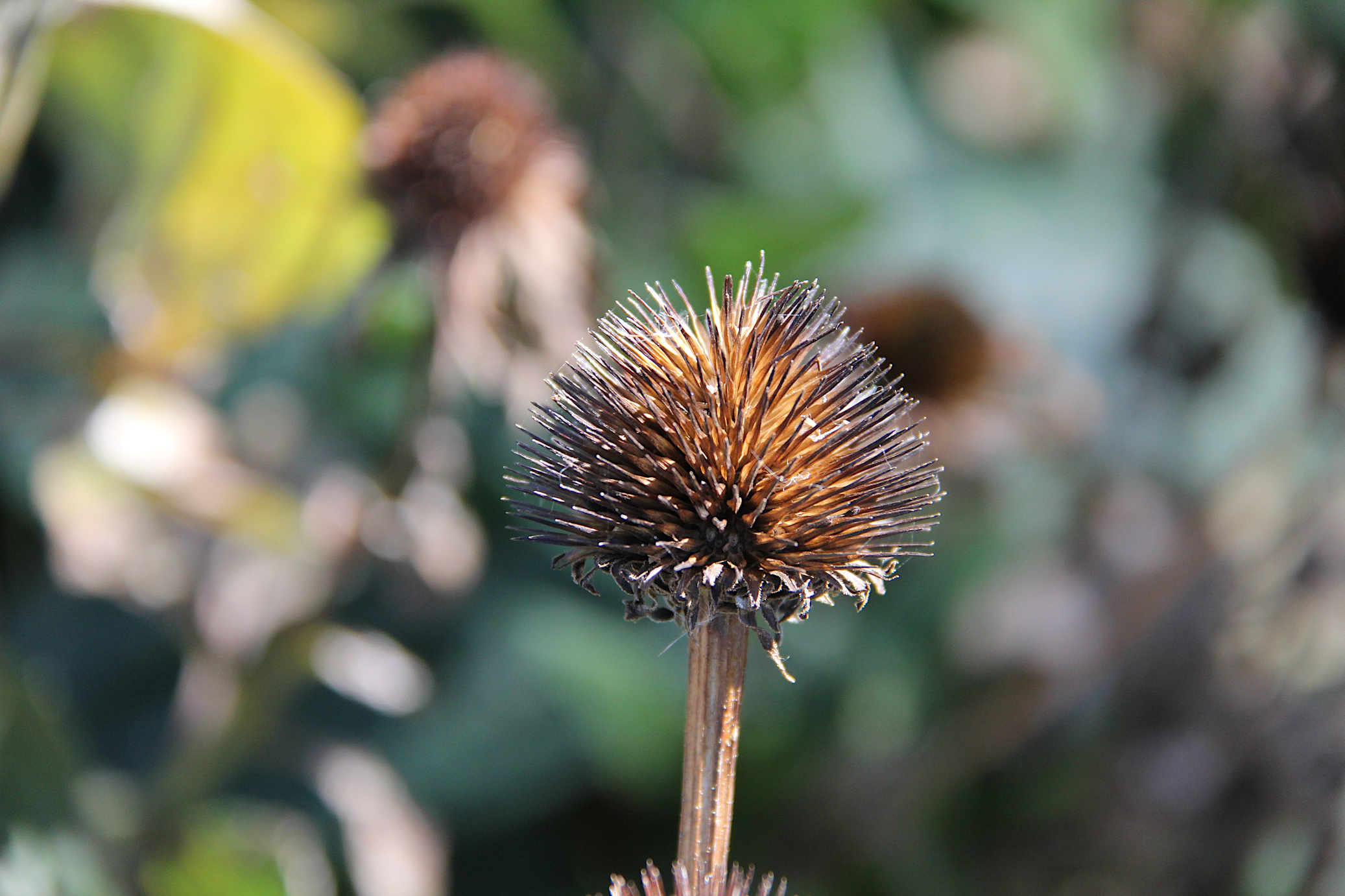
A coneflower seed head. (Minnesota Prairie Roots copyrighted photo October 2025)

And when winter drags on, I will remember this place and how, when spring arrives, the perennials will resurrect and pop through the earth. I will remember, too, how seeds sown in the soil will sprout and push green shoots through the earth to leaf and blossom and bring me summer joy.

© Copyright 2025 Audrey Kletscher Helbling
 

Reflecting on freedom & more as we celebrate the Fourth in southern Minnesota July 2, 2025

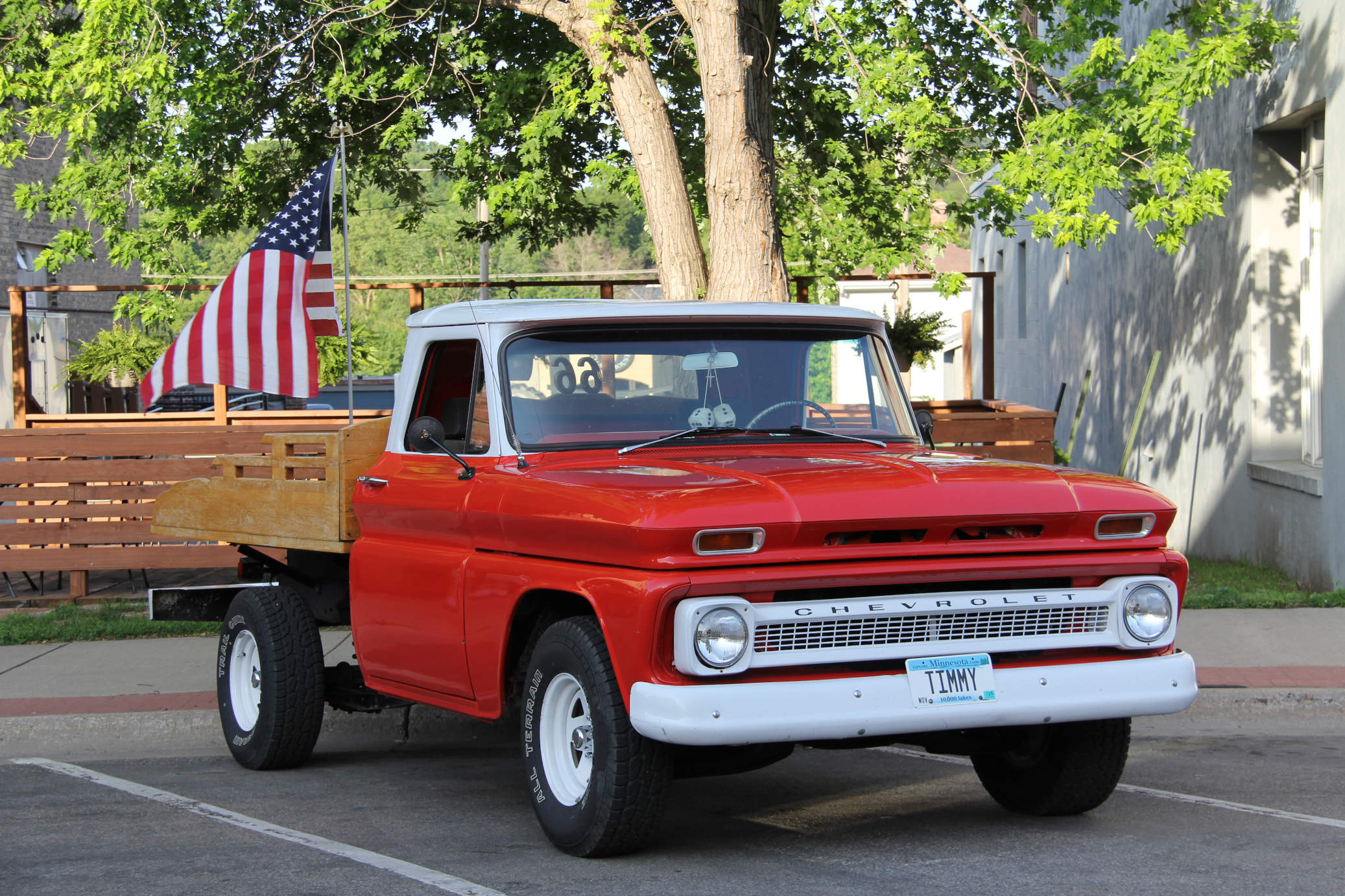
At a recent Faribault Car Cruise Night, I spotted several vehicles sporting American flags, including this Chevy pick-up truck. (Minnesota Prairie Roots copyrighted photo June 2025)

PARADES. GET TOGETHERS. FIREWORKS. All define the Fourth of July as we gather over the long holiday weekend to mark America’s 249th birthday. I hope, in the all of this, that we never lose focus of why we are celebrating. It is, in one word, “freedom.”

In light of that, I reread The Declaration of Independence, signed on July 4, 1776, declaring our independence from British rule. It’s worthy of annual review to remind us of the past and to warn us lest we stray back to that which oppressed and suppressed us.

This document is also about our rights to life, liberty and the pursuit of happiness. In fact, those are the words we most often recall when thinking about The Declaration of Independence. As an American, I value my freedoms as an individual and as a writer and photographer.

When I walk or drive through my community, I see a diversity of peoples. Those who grew up here and have deep roots in Faribault. Those who, like me, moved here from other parts of Minnesota (or the United States). And those who flew across an ocean or crossed a border for new opportunities and/or to escape war, violence, oppression and more in their homeland. I’ve talked to immigrants who have fled violence to settle in America, in my community. Their stories are heartbreaking. They just want better, safer lives for themselves and their families. What we all want.

(Minnesota Prairie Roots copyrighted file photo)

Decades ago while attending grade school during the Cold War, each day began with The Pledge of Allegiance. My classmates and I turned to the American flag hanging in the corner of our rural southwestern Minnesota classroom, placed our hands upon our hearts and recited, “I pledge allegiance to the flag of the United States of America and to the Republic for which it stands, one nation under God, indivisible, with liberty and justice for all.” I always wanted to end with “Amen.” The pledge felt like a prayer to me as we spoke in a unified, reverent voice.

But now, in adulthood, I recognize that the wording of the Pledge no longer truly fits America.

Still, I feel pride in the American flag, which flies on street corners in downtown Faribault, in parks, outside government buildings, outside the Legion, in residential yards and elsewhere throughout the city. It is a visual representation of our country. Fifty stars for 50 states. Thirteen red and white stripes representing the original 13 colonies. Even the colors stand for something—red for valor and bravery, white for purity and innocence, and blue for vigilance, perseverance and justice.

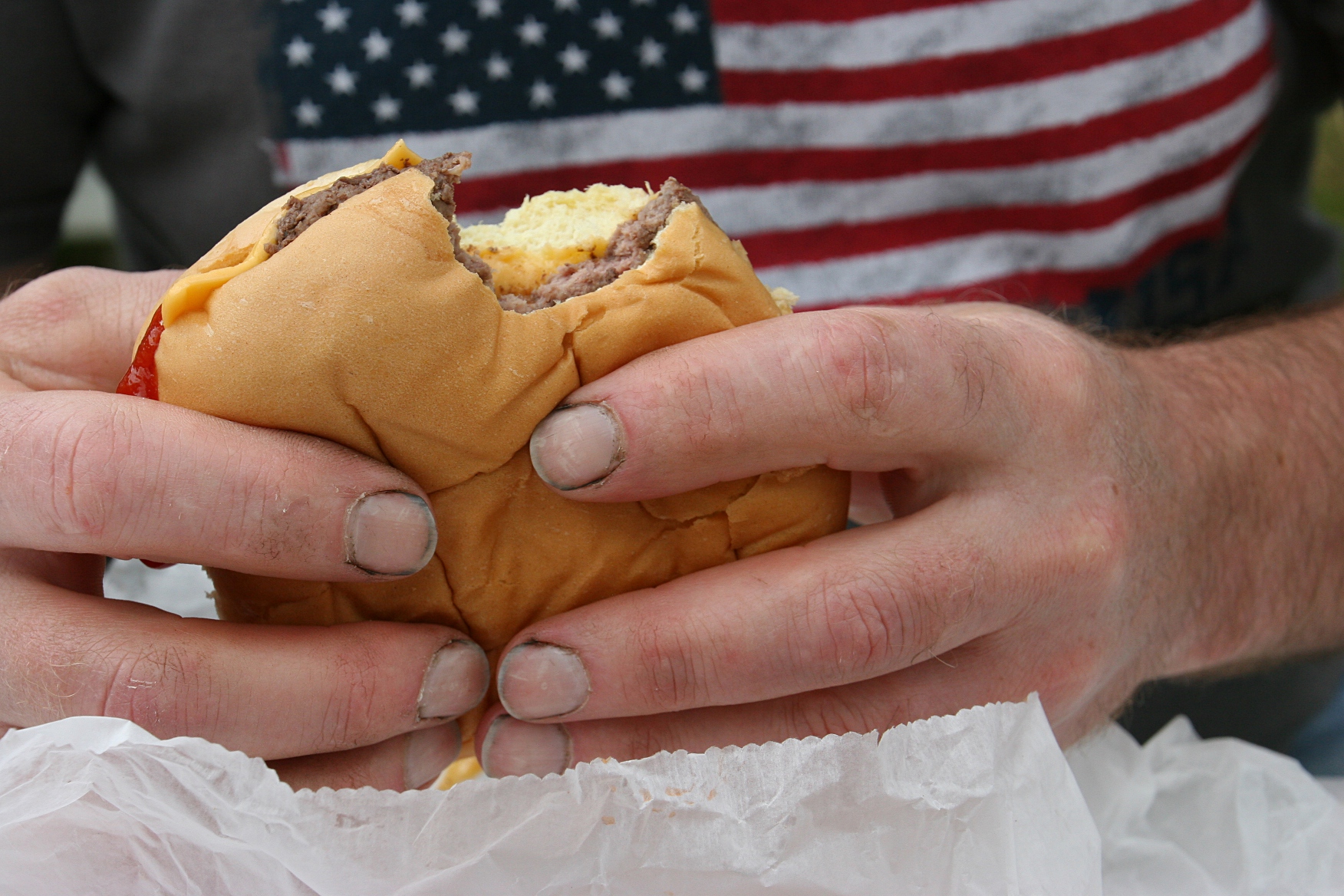
My husband, Randy, enjoys a cheeseburger at a past North Morristown, Minnesota, Fourth of July celebration. This July 4 marks the 132nd year of that event. (Minnesota Prairie Roots copyrighted file photo 2016)

On the Fourth and throughout July and summer, an abundance of flags will fly “o’er the land of the free and the home of the brave.” On Independence Day and in the days thereafter, we’ll don red-white-and-blue attire before stepping out the door for a backyard picnic of grilled burgers and watermelon or heading to an out-of-town celebration or gathering with friends and family.

Among all the food, conversations, music and activities on and around the Fourth, we need to pause and reflect on the word “freedom.” We need to study the long ago words of The Declaration of Independence. Words worth rereading each July in honor of our independence, our freedom.

© Copyright 2025 Audrey Kletscher Helbling
 

In which I protest, grieve & reflect June 19, 2025

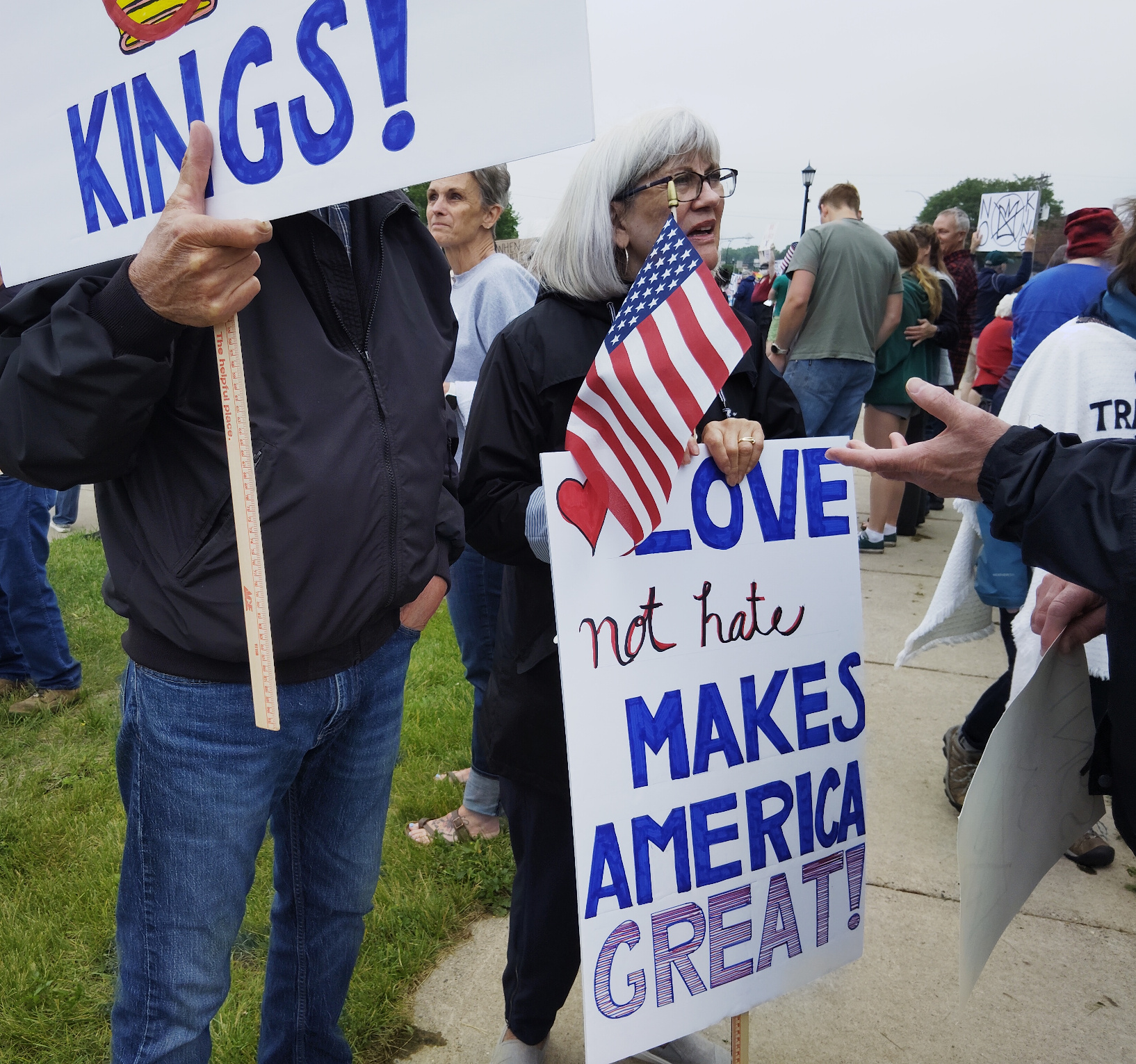
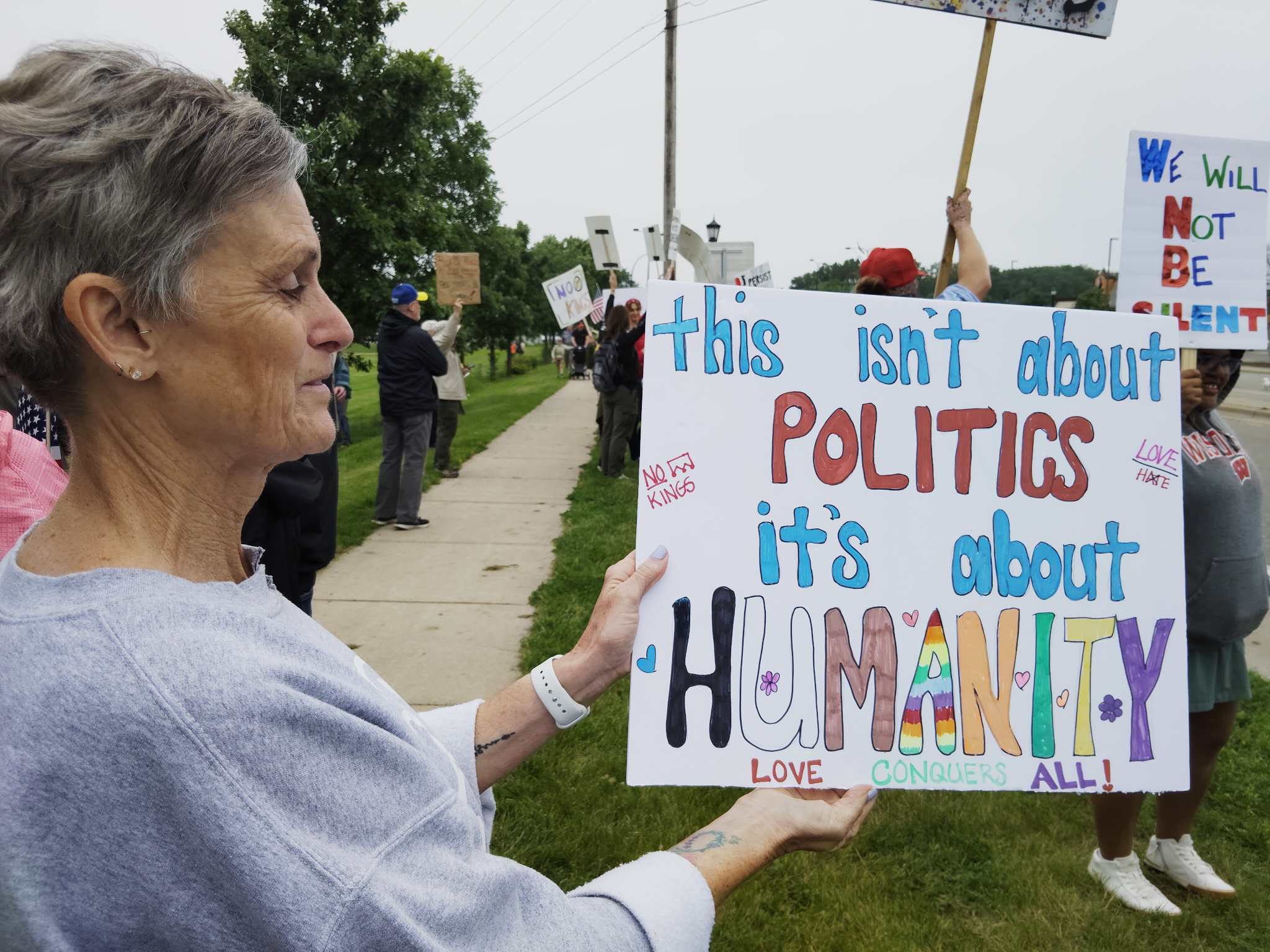
Protesters stand along Minnesota State Highway 19 by Ames Park in Northfield during the June 14 NO KINGS protest. This is one of my favorite signs among the many held by hundreds of protesters. (Minnesota Prairie Roots copyrighted photo June 2025)

I LEANED MY HEAD against Randy’s shoulder, my left hand gripping the rod of a protest sign and a small American flag. I felt such profound sadness in that moment. The moment when a pastor asked for a period of silence in honor of Minnesota State Representative/House Speaker Emerita Melissa Hortman and her husband, Mark, assassinated in their home during the early morning hours of June 14.

Flag Day. Nationwide NO KINGS protest day. A day of gathering turned tragic here in Minnesota.

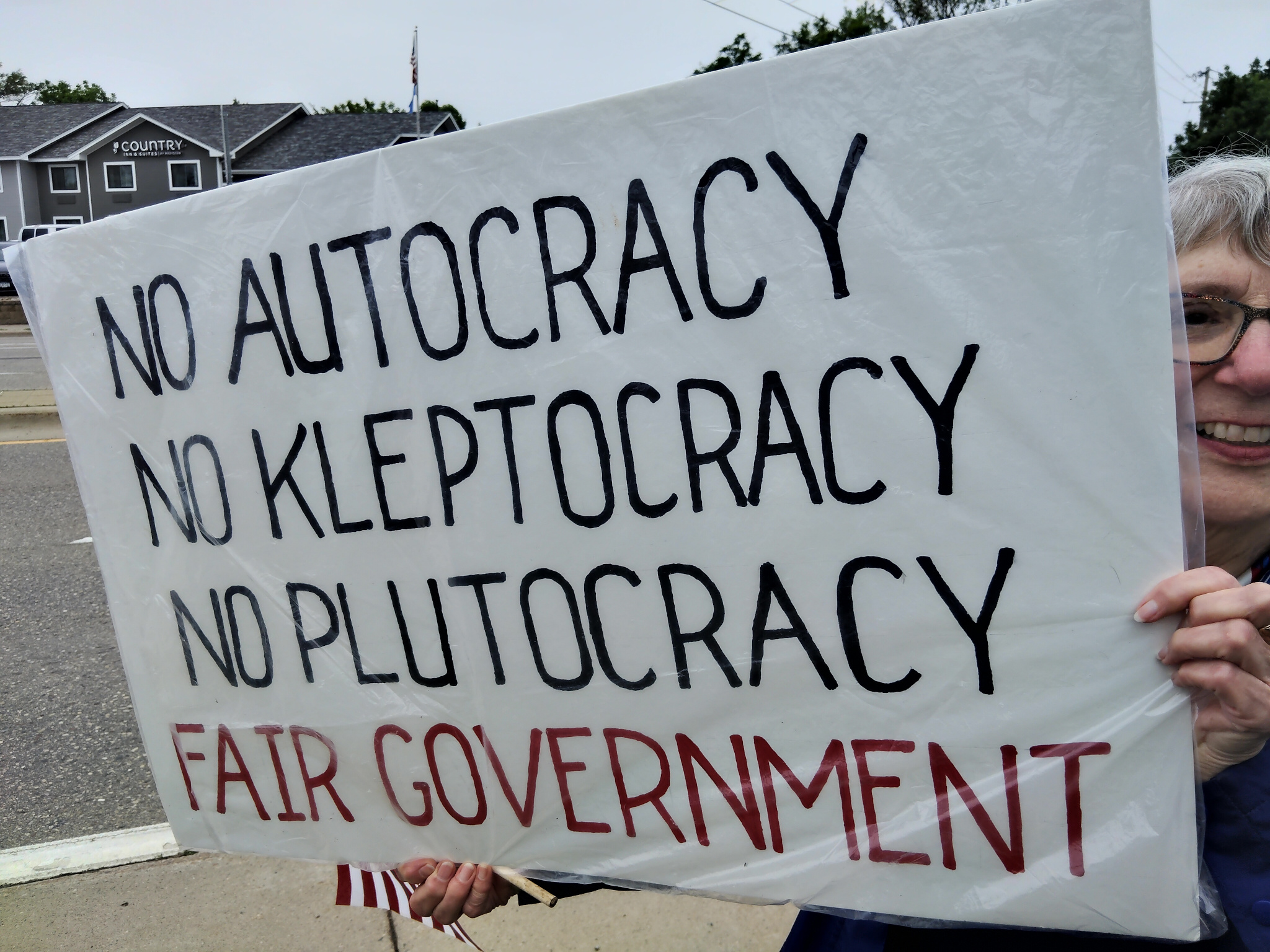
A strong statement against a system of government by one person with absolute power. I suggest you look up these words, as I had to with some. (Minnesota Prairie Roots copyrighted photo June 2025)

I alternated between leaning into my husband and leaning my bowed head against the bottom of my NO MORE KINGS protest poster held high, the sign with the cursive words, “I value freedom,” scrawled on the back side. The wind blew, swept my hair across my face like a veil covering sadness. The heaviness felt palpable here, in Ames Park in Northfield, along the banks of the Cannon River. But so did the energy.

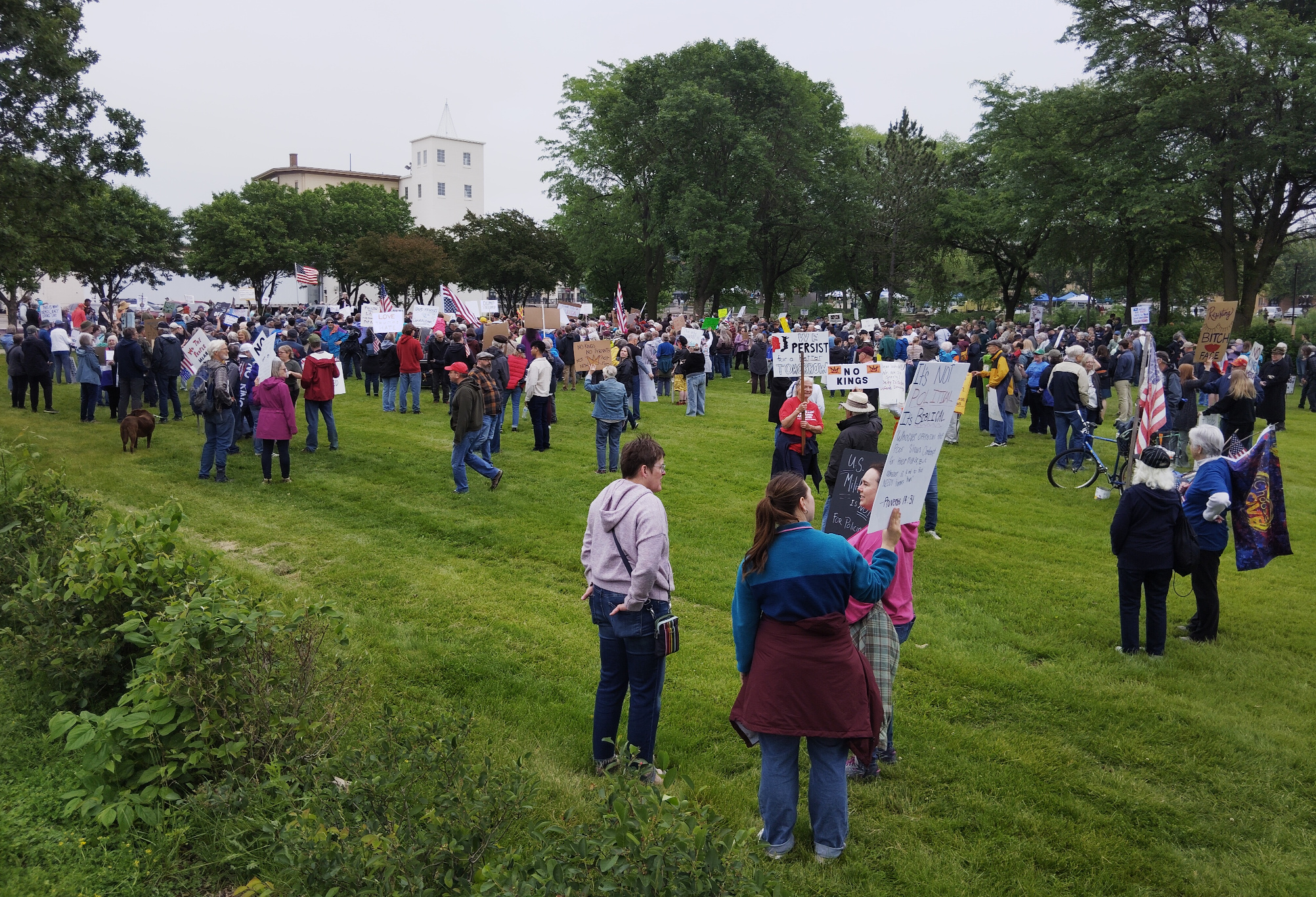
This shows just a portion of the massive crowd gathered for Northfield’s NO KINGS protest. (Minnesota Prairie Roots copyrighted photo June 2025)

We were a group of hundreds—maybe even a thousand (I’m not good at estimating crowd size)—gathered to publicly express our concerns about leadership in this country, about decisions being made that negatively affect all of us, about the state of and future of our democracy… It was my first protest. Ever. I wanted, needed, to be here. To remain silent seems complicit.

I’d already arrived when a friend texted that Minnesotans had been advised by state law enforcement not to attend NO KINGS protests. That warning linked to the suspect in the shootings of the Hortmans and of State Senator John Hoffman and his wife, Yvette. We would later learn that NO KINGS fliers were found in the vehicle of Vance Boelter, now accused in the double murders and attempted murders.

While your eyes may focus on the protest sign in the middle, look to the right. and this sign: IF NOT ME, WHO? IF NOT NOW, WHEN? (Minnesota Prairie Roots copyrighted photo June 2025)

That explained why, on the way to the riverside protest, I overheard a woman telling a couple that her police officer son had advised her not to participate in the rally. She was going home. I was not. Nor were any of the others converging on Ames Park at noon. I wasn’t scared. Vested safety people, trained in conflict resolution and de-escalation, were in place. I felt safe in the masses, which, I suppose, is an unrealistic perspective. But I refuse to be silenced by fear, by the words and actions of those who attempt to suppress voices. And intimidate.

And there were those, including the drivers of a white pickup truck and of motorcycles which repeatedly roared past the rally site, spewing their opposition in noise and in political flags bannering messages I won’t repeat. But they, too, have a right to protest. Peacefully. Just as I do. And I wrote that on the back of a second sign: FREE to PROTEST. But, mostly, passing vehicles honked in strong support.

So many positive messages promoting love, compassion, care, kindness… (Minnesota Prairie Roots copyrighted photo June 2025)

At this rally of people opposing the current administration and its policies and actions, I felt a unity of purpose and a deep, cohesive concern for the future of our country. I felt uplifted, embraced, empowered. Speakers spoke (although I couldn’t hear most). The pastor led us in prayer. We sang—”The Star Spangled Banner” and “We shall overcome.” We cheered. We chanted. We waved our posters and flags. And a group held an over-sized American flag, which I couldn’t see from my vantage point deep in the shoulder-to-shoulder crowd.

We were mostly an older group. Baby Boomers. Grandparents. Even octogenarians. Perhaps some protested during the Vietnam War. Or served this country. We’ve lived a few years, enough decades to understand that we need to rise up against authoritarianism. Enough to understand what’s at stake. But there were some young people, too, like the dad behind me with his preschool daughter playing in the grass. He clearly cares, if not for himself, but then for his child.

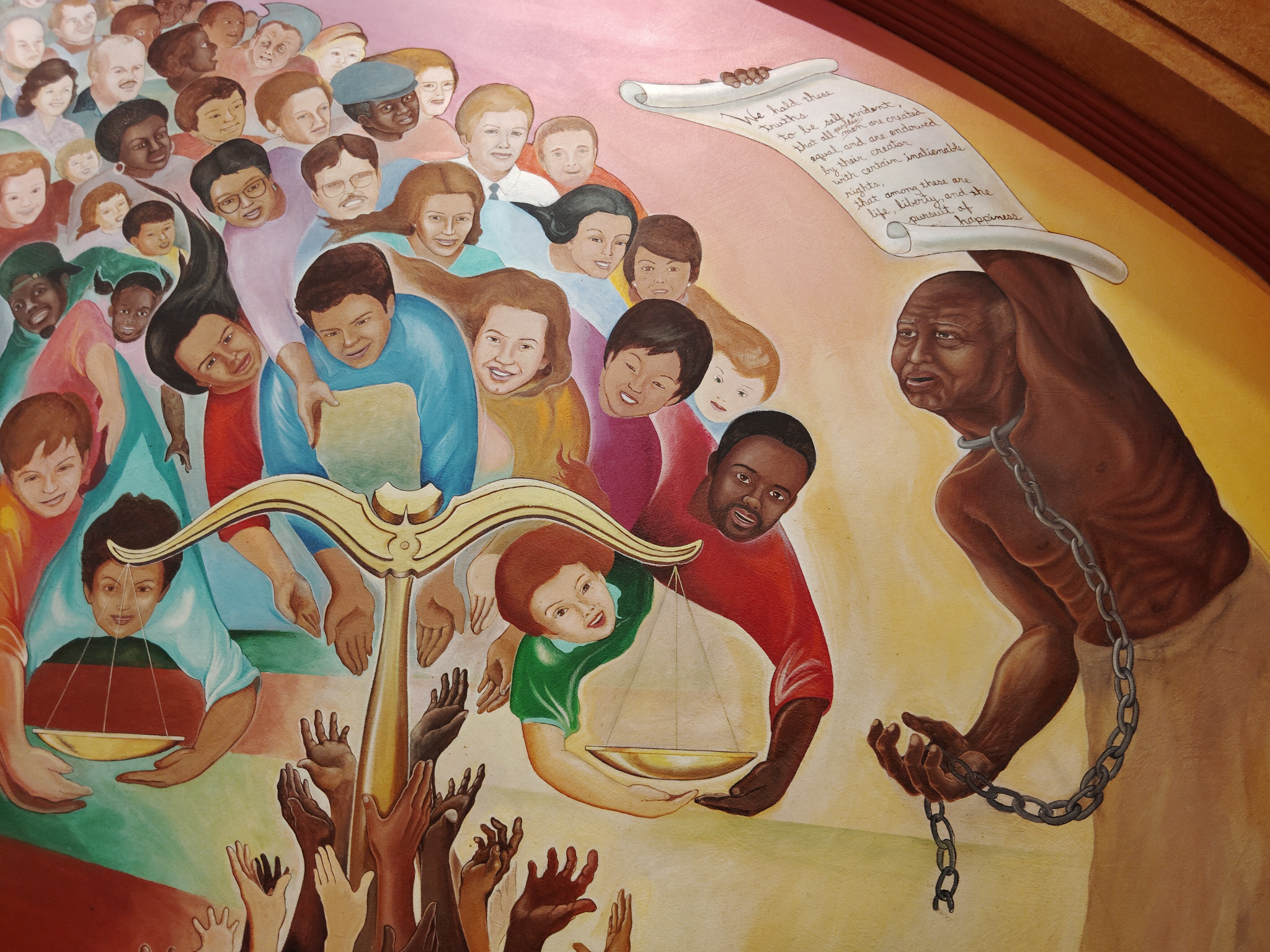
I saw this mural, “The Inheritance of Struggle,” inside the Memorial Student Union at the University of Wisconsin, Madison, Tuesday afternoon. It shows “the contributions made by people of various ethnicities and cultures in the form of tears, sweat, blood and life in the building of the United States.” It’s fitting for today, Juneteenth, and for NO KINGS day. (Minnesota Prairie Roots copyrighted photo June 2025)

The morning after the NO KINGS protest, I left for Madison, Wisconsin, to spend time with my 5-month-old grandson (and his parents). As I snuggled Everett, I thought, he (and my other two grandchildren) are part of the reason I chose to protest. Their lives stretch before them. I want them to live in a country where they are free. Free. I want them to live under a government based on a three-pronged system of checks and balances, not one ruled by a king or some version of a king or dictator. I want them to live in a kind, caring and compassionate country. Not a selfish, uncaring, divisive nation filled with hatred.

I returned to Minnesota yesterday and am catching up on laundry and writing. And, along with my fellow Minnesotans, I’m collectively grieving the assassination of an elected official and her husband. And I’m thinking, this is what it’s come to in Amercia…

© Copyright 2025 Audrey Kletscher Helbling
 

Reflecting on & celebrating 43 years of marriage May 15, 2025

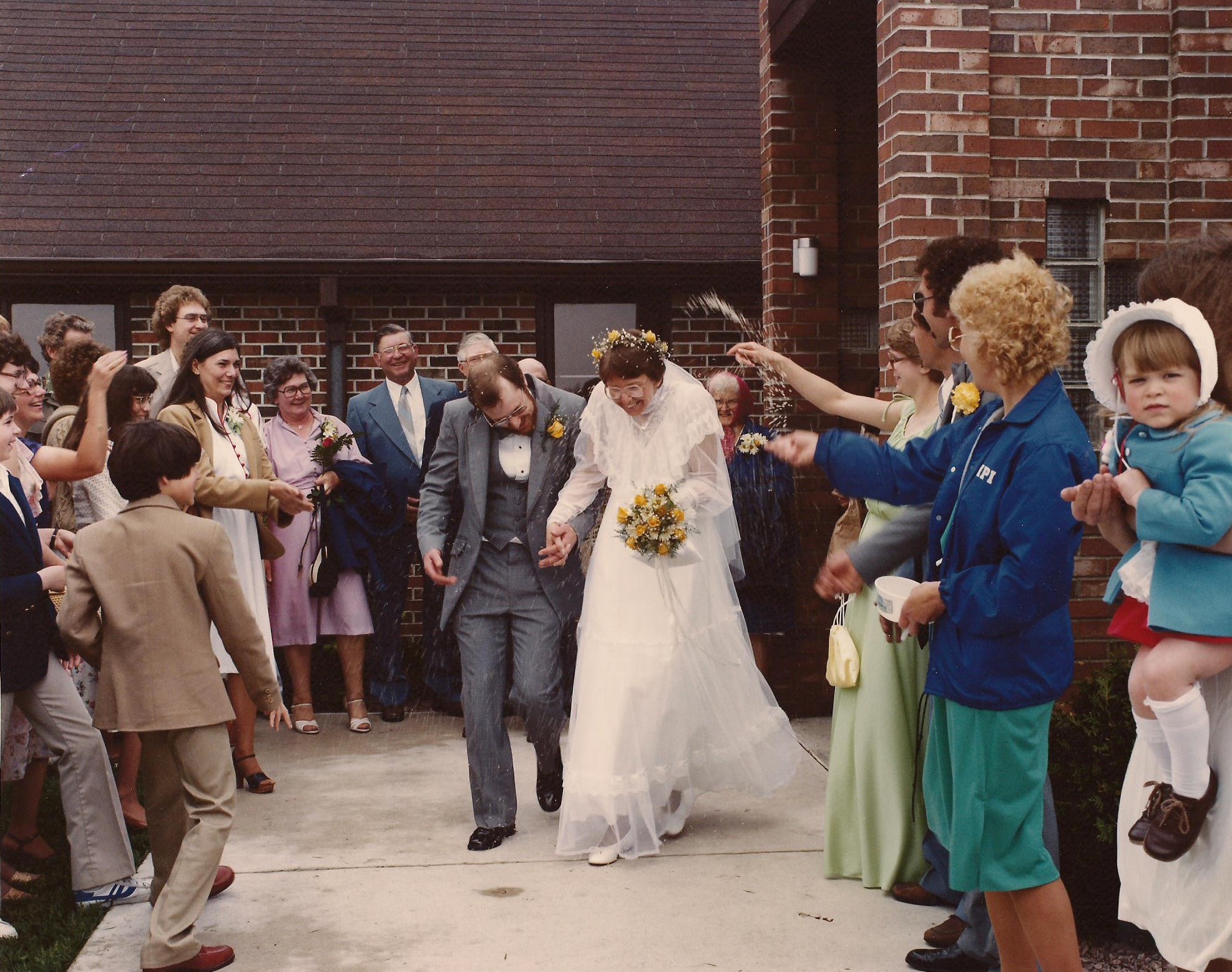
Randy and I exit St. John’s Lutheran Church in Vesta following our May 15, 1982, wedding. I cherish this image because it’s a journalistic-style photo in the day of portrait-only wedding photos. I also cherish it because it shows loved ones, including some who have since died. (Photo credit: Williams Studio, Redwood Falls, MN)

FORTY-THREE YEARS. Three children. Three grandchildren. Three seems the focus number today, the date I married Randy 43 years ago.

It hardly seems possible that so many years, so many decades, have passed since the two of us exchanged vows at St. John’s Lutheran Church in my hometown of Vesta. On the Saturday afternoon of Minnesota’s 1982 weekend fishing opener, we gathered with family and friends in the church on the edge of town a half mile from my childhood family farm.

In hindsight, May was not the best month to choose for a wedding, especially when your dad and most of your paternal relatives are farmers. My parents never said a word about our chosen date of May 8. But my florist sister protested. That was Mother’s Day weekend and she firmly stated that she would not attend our wedding. So we changed the date to a week later. I should have called her bluff.

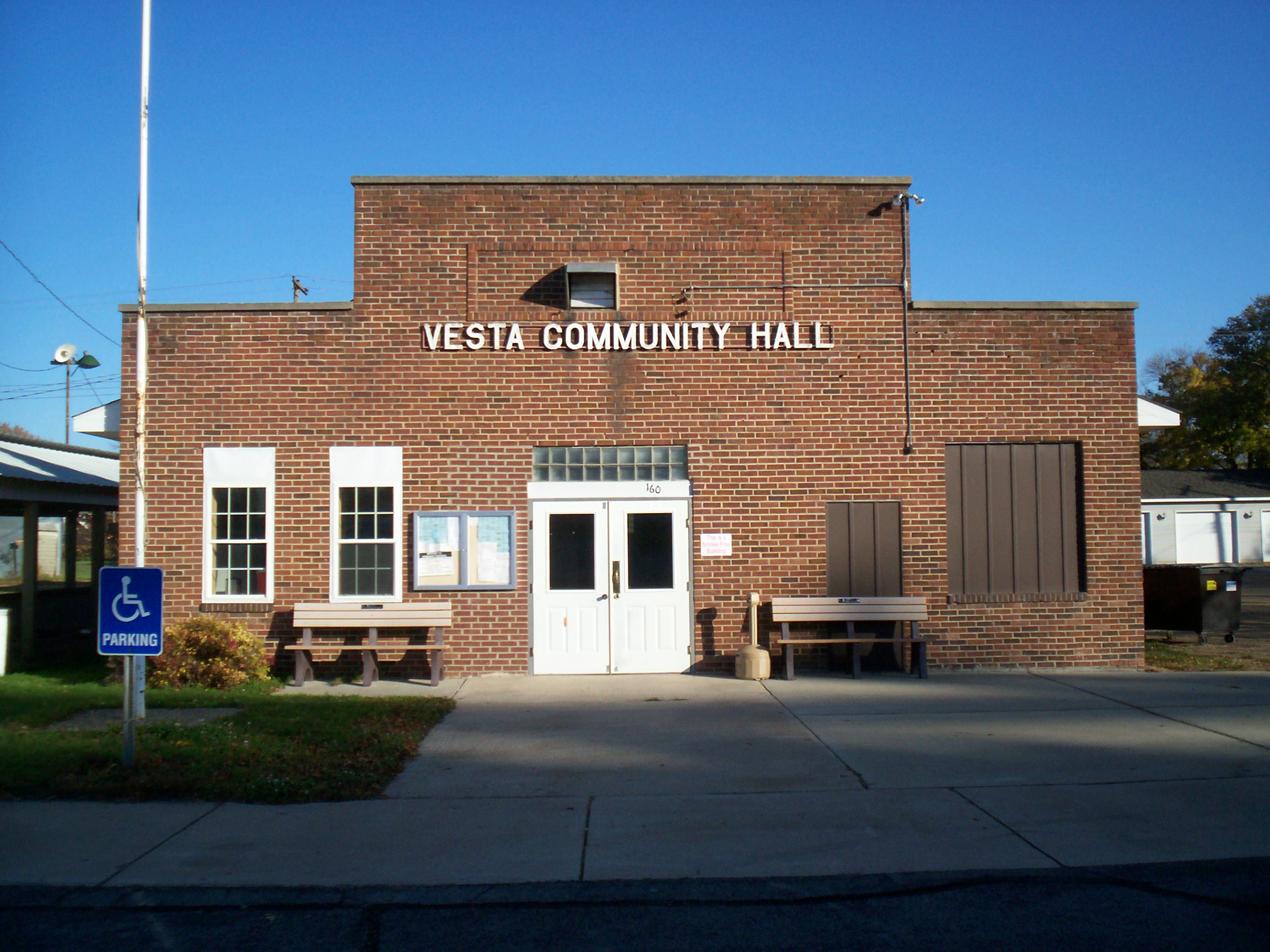
The Vesta Community Hall, site of our 1982 wedding reception and dance. I loved this building with its stage, wood floor and wood benches lining the edges of the dance floor. It’s no longer the community hall, sadly. (Minnesota Prairie Roots copyrighted file photo)

That aside, our May 15 wedding went on during spring planting season. Dad managed to take time away from the tractor to grill food for the groom’s dinner, to walk me down the aisle and to celebrate afterwards at the Vesta Community Hall. Some farmers missed our wedding to plant corn. And at least one angler opted to go fishing. Choices.

Life is all about choices. Randy and I chose to marry each other. And for that I am thankful. We’ve made a great team, facing life’s challenges and celebrating life’s joys together. I cannot imagine going through the difficult times alone, without Randy’s steady, calming presence. His laid-back, introverted personality balances my more extroverted emotional personality. Sometimes he frustrates me as I’m sure I do him. But it works, this balance.

Our similarities of background have proven a strength in our marriage. We both grew up on crop and dairy farms in families without much money, so we’ve always agreed on finances. At a young age, we were expected to pitch in and do farm chores. As the older among many siblings, we carried more responsibilities. We worked hard. We understood that our parents were counting on us. And when we talk about picking rock, we don’t need to ask, “What are you talking about?” I will say, though, that Randy picked a whole lot more rocks in rocky Morrison County than I did from my dad’s farm fields in Redwood County. But then again, Randy never worked an off-the-farm summer job detasseling corn.

Now here we are, 43 years later, Randy still working hard—full-time as an automotive machinist even though he supposedly retired several years ago. And me still writing and doing photography. But we make a conscious choice now to put our family before jobs. Or more like I “tell” Randy he needs to take off work so we can do whatever, such as travel four hours to Madison, Wisconsin, to see our four-month-old grandson. Oh, and Everett’s parents, too.

Audrey and Randy, May 15, 1982. (Photo credit: Williams Studio)

I love how Randy supports me in my writing, even attending the many poetry readings I’ve participated in through the years. I doubt my husband ever expected that he would be marrying a poet. Next week, at 6 p.m. on Thursday, May 22, I’m joining four other poets at Books on Central in Faribault to read poetry. Randy will be there in the chairs listening. I just need to “tell” him.

And I need to tell him this also. Happy 43rd anniversary, Randy! I love you! Thank you for being my partner in life.

© Copyright 2025 Audrey Kletscher Helbling
 

Prayer ribbons at the Cathedral July 16, 2024

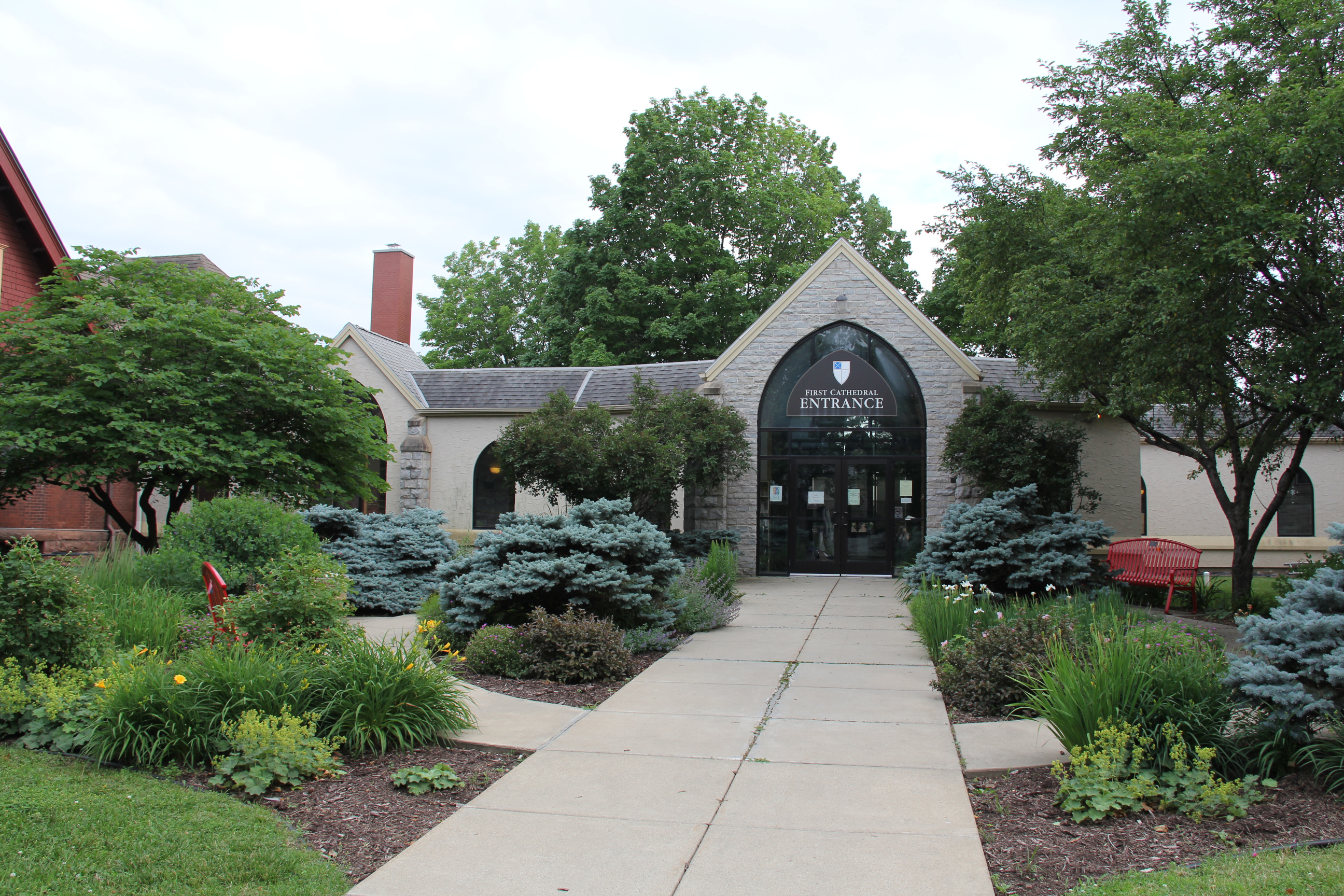
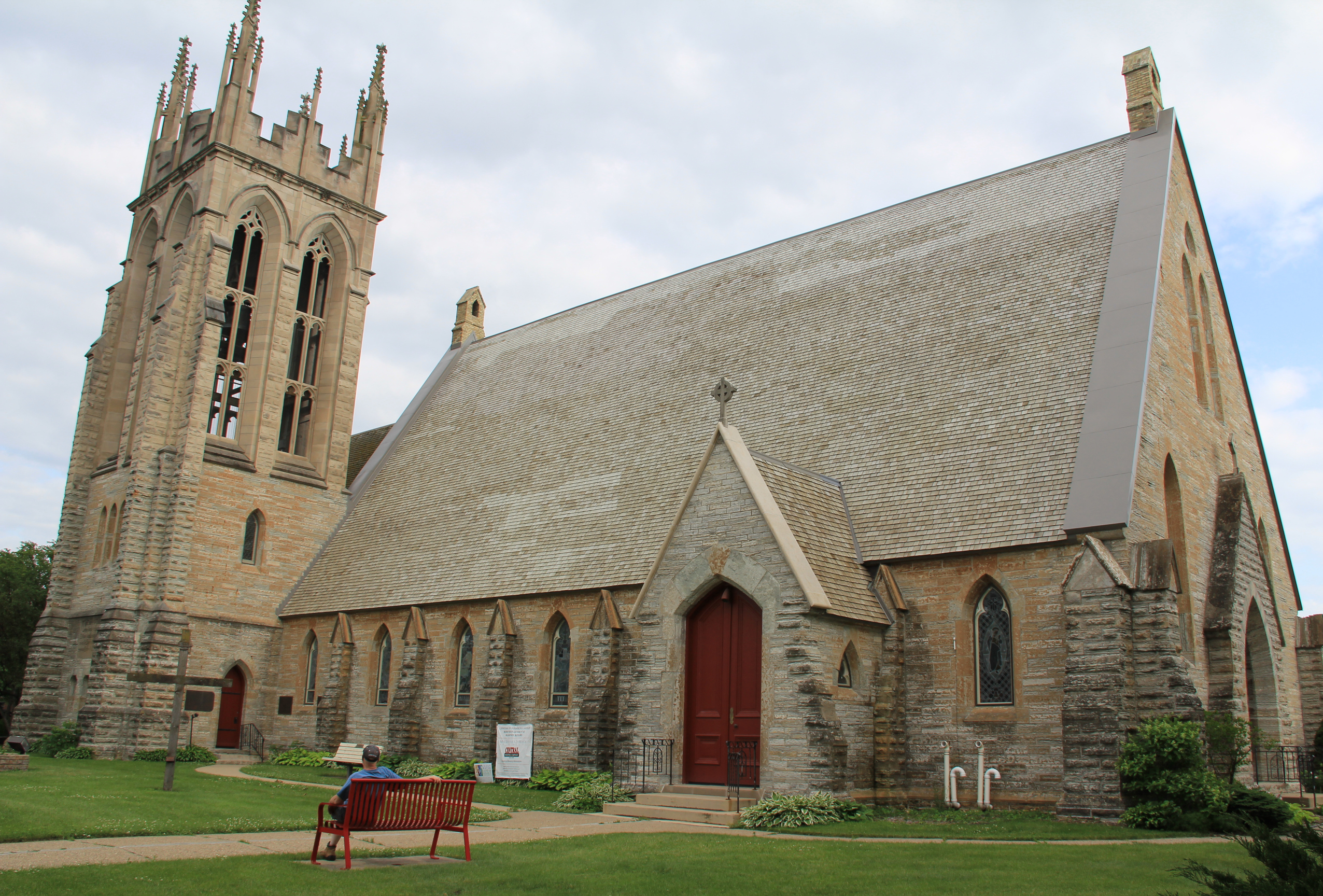
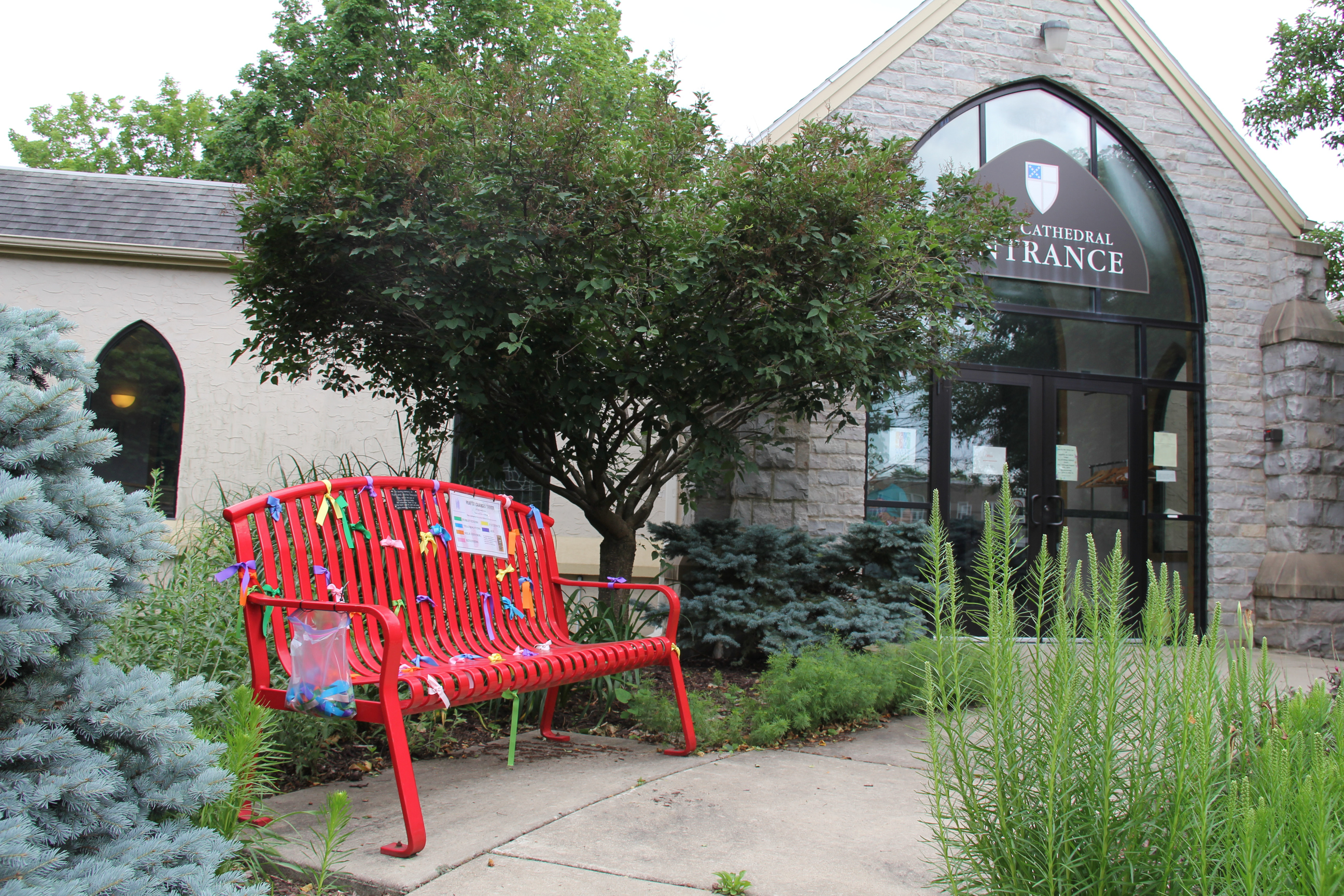
A garden graces a side entry to The Cathedral of Our Merciful Saviour in Faribault. (Minnesota Prairie Roots copyrighted photo June 2024)

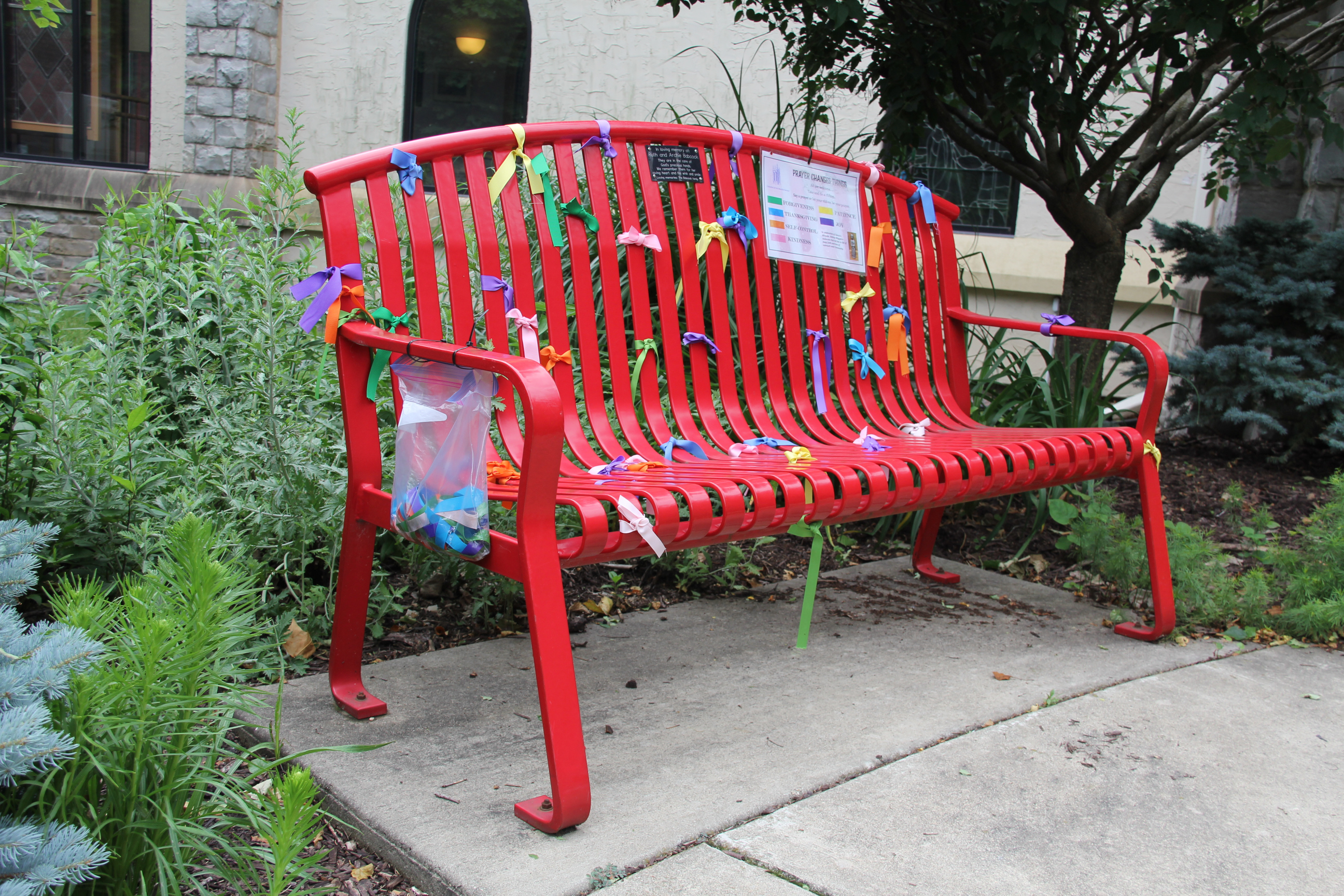
AMONG THE FLOWERS, trees and shrubbery fronting a side entry to the space that connects church to guild house, three red benches nestle. Bold. Vibrant. Statement pieces in a garden at The Cathedral of Our Merciful Saviour.

Construction on the original part of the Cathedral began in 1862 and was completed in 1869. It is listed on the National Register of Historic Places. (Minnesota Prairie Roots copyrighted photo June 2024)

But those benches outside the massive limestone church towering above the landscape along Second Avenue across from Central Park in Faribault serve as more than a place to rest. They are a place for prayers.

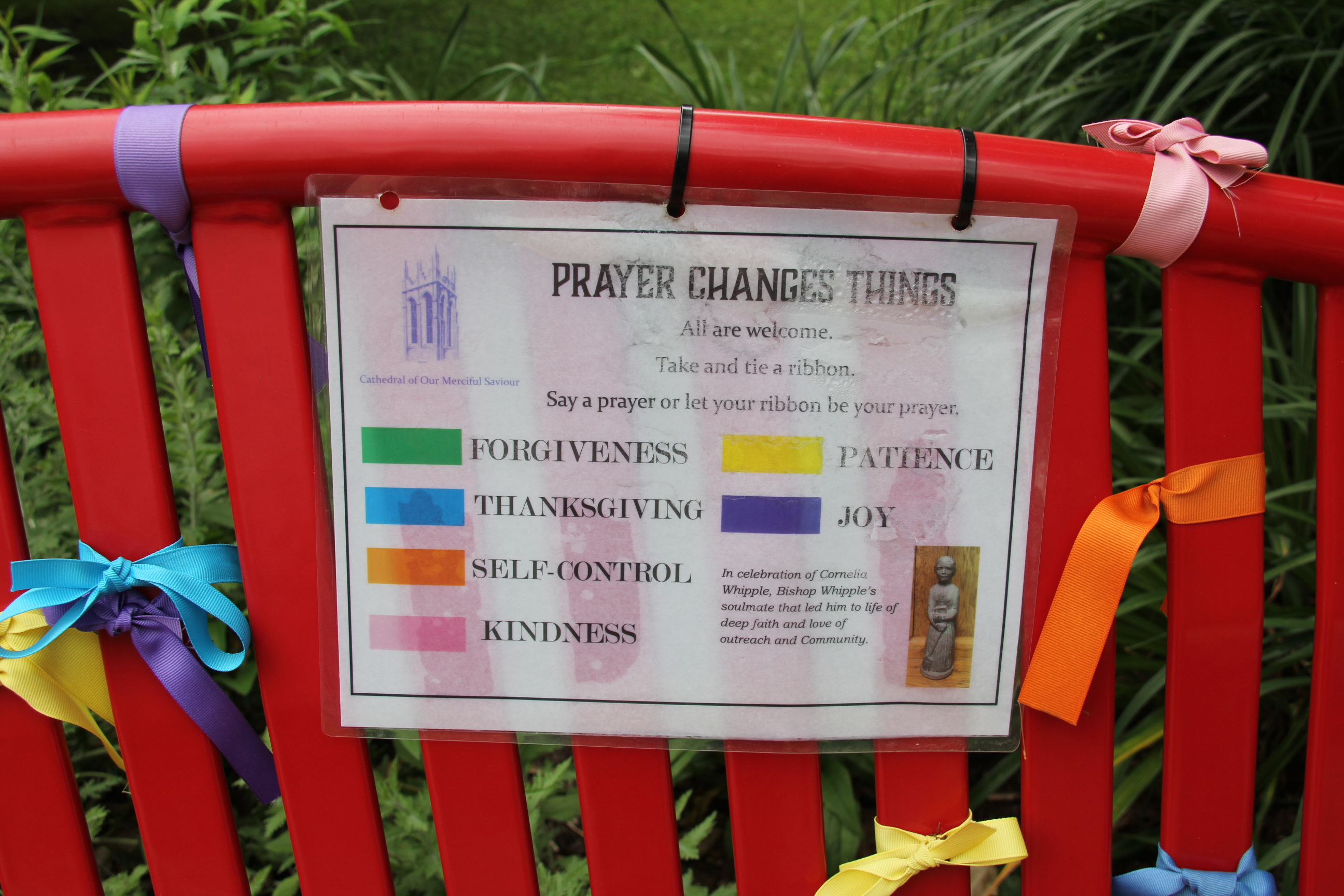
Prayer ribbon instructions posted on a bench. (Minnesota Prairie Roots copyrighted photo June 2024)

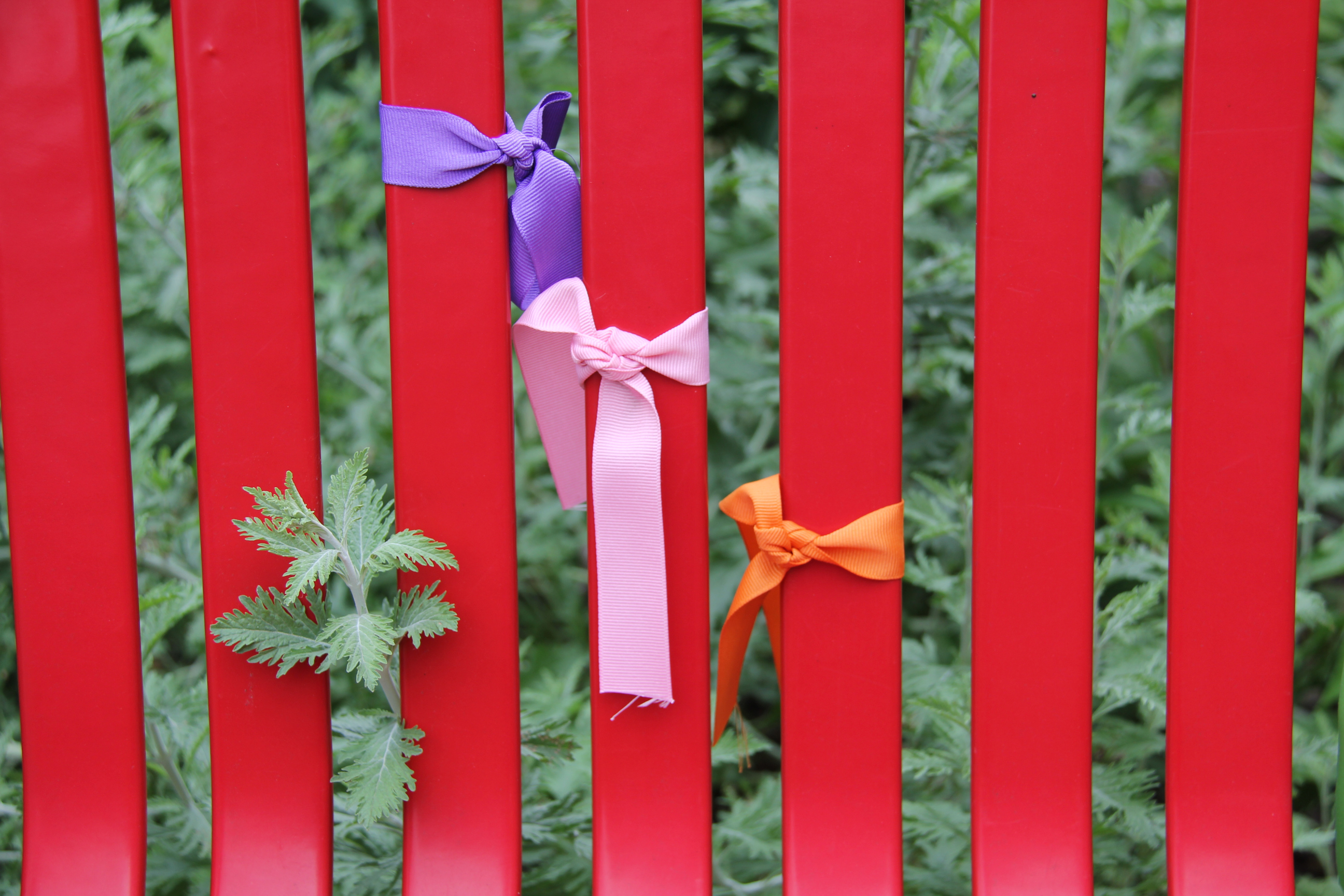
Ribbons, representing prayers, are tied to the slatted benches. A sign explains: PRAYER CHANGES THINGS. All are welcome. Take and tie a ribbon. Say a prayer or let your ribbon be your prayer.

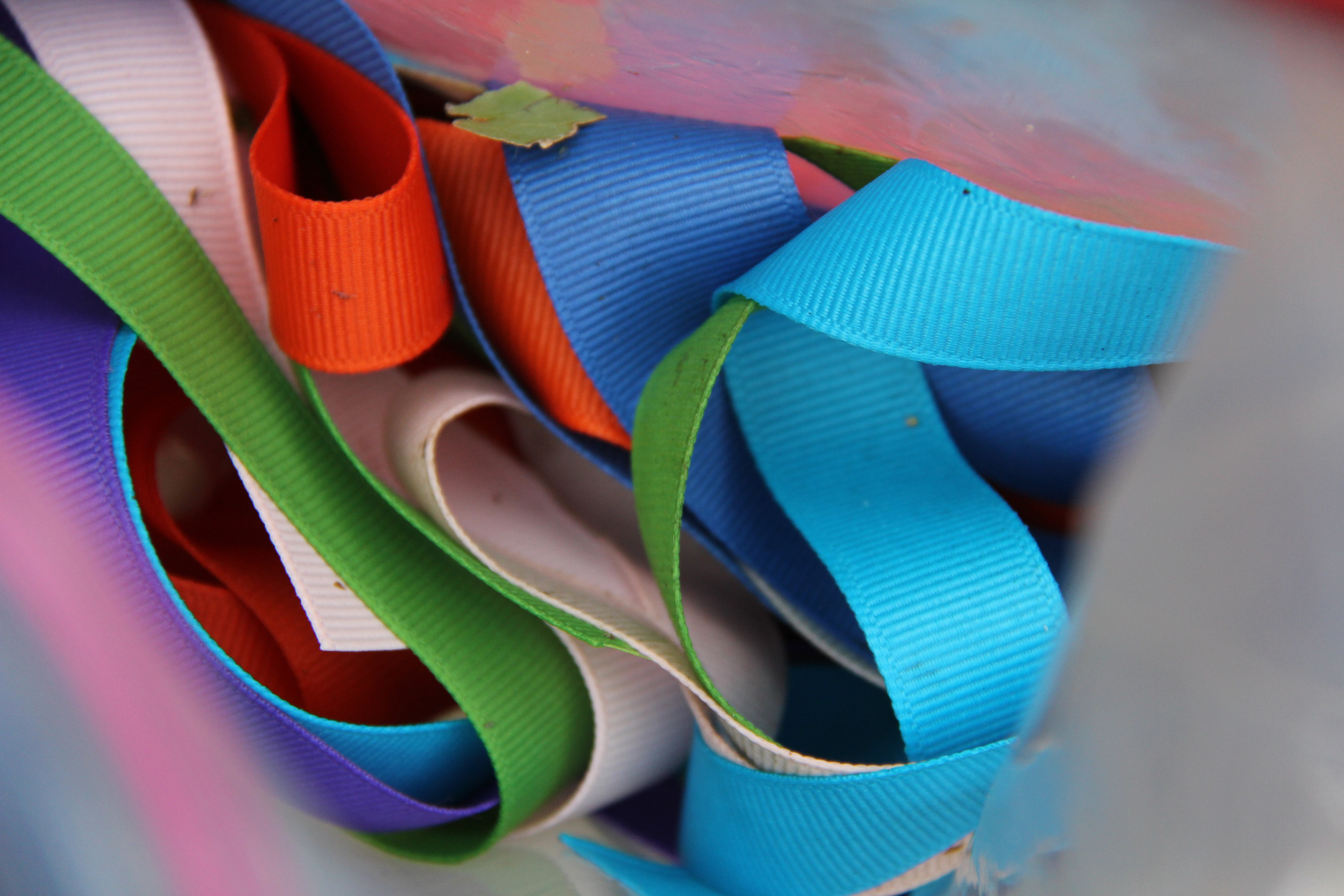
Choose a ribbon from the bag. (Minnesota Prairie Roots copyrighted photo June 2024)

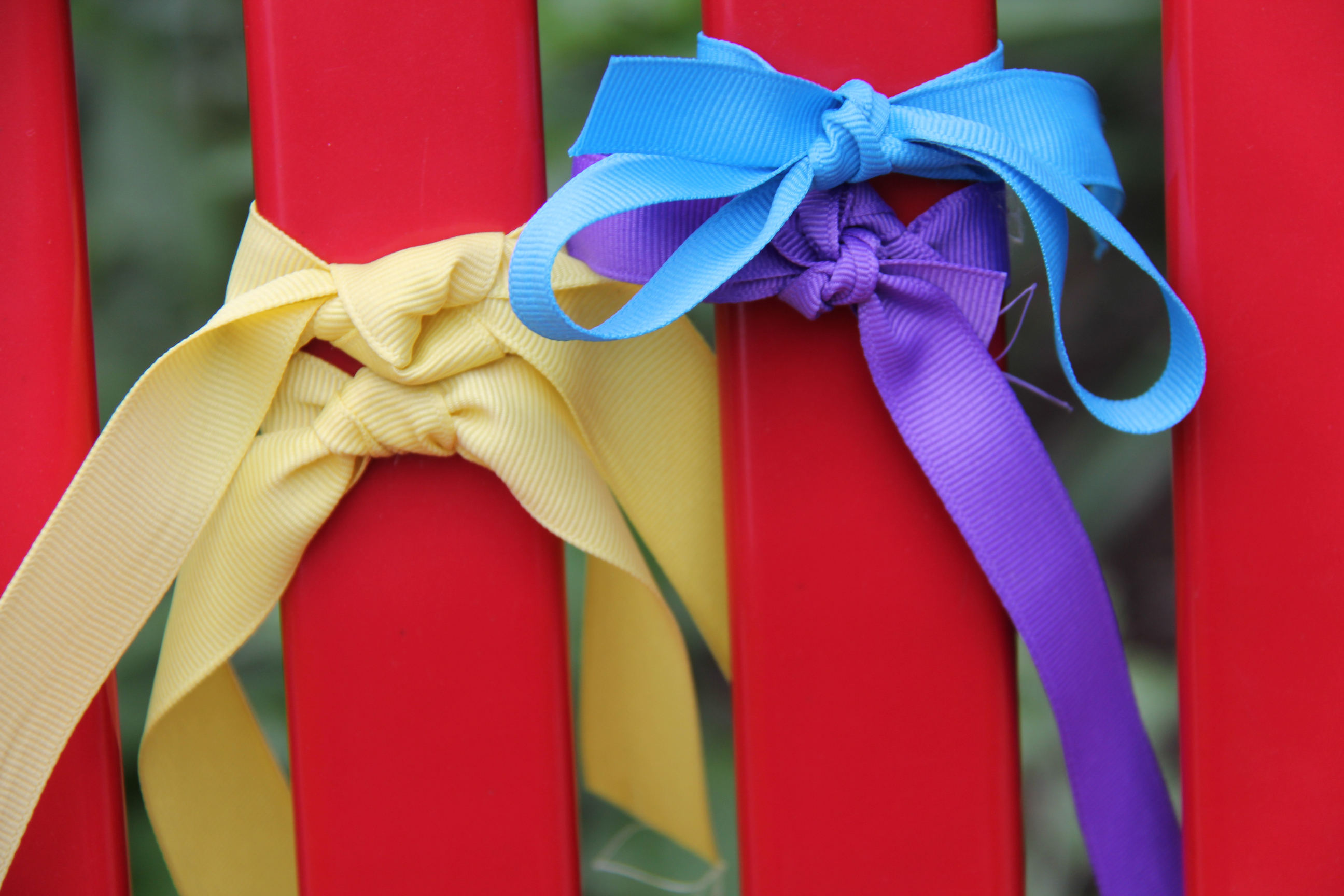
What a creative idea. A Ziploc bag of multi-colored ribbons hangs on one of the benches. Each hue represents a different prayer. Green for forgiveness. Blue for thanksgiving. Orange for self-control. Pink for kindness. Yellow for patience. Purple for joy.

One of the three garden benches is covered with prayer ribbons. (Minnesota Prairie Roots copyrighted photo June 2024)

These prompts prove soul-searching. Too often prayers focus on needs/wants/desires, not tough topics like forgiveness and self-control. And how often we forget to express gratitude and joy in prayer.

Ribbons representing prayers of joy, kindness and self-control. (Minnesota Prairie Roots copyrighted photo June 2024)

To be reminded of these traits, these feelings, these thoughts can only make us kinder, gentler, better people.

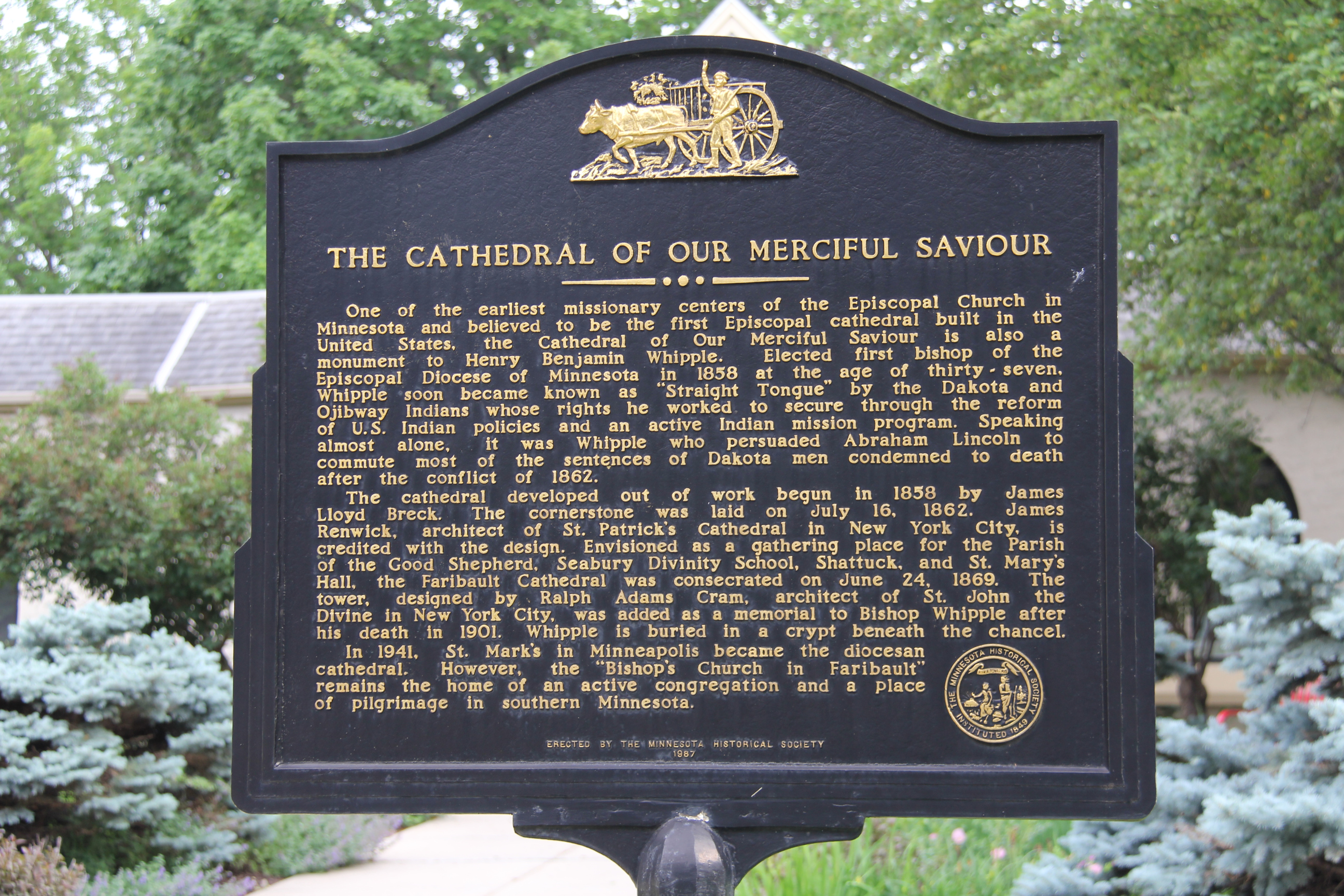
A historical marker at the Cathedral summarizes its history. (Minnesota Prairie Roots copyrighted photo June 2024)
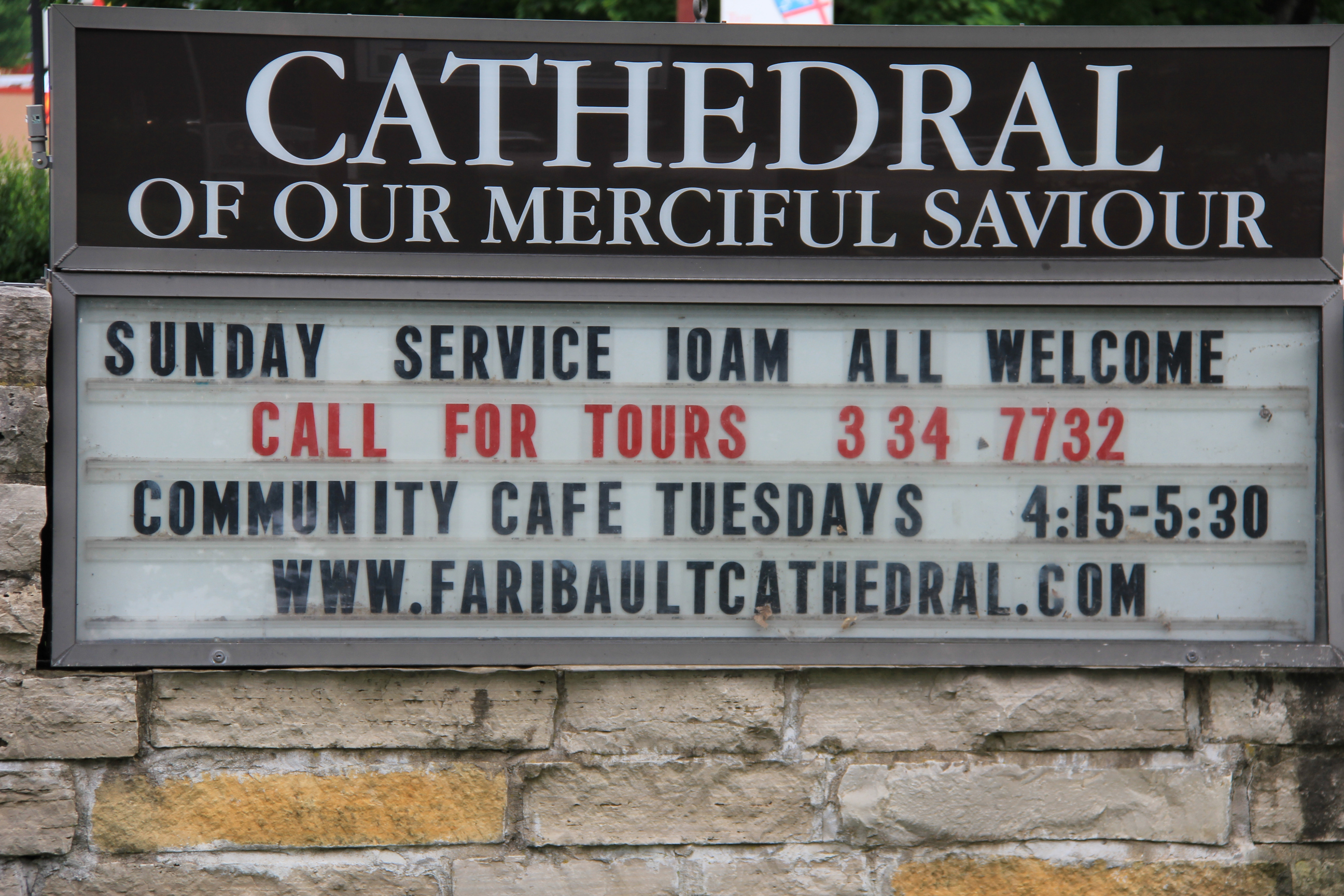
The Cathedral sign lists community connections. (Minnesota Prairie Roots copyrighted photo June 2024)

That follows a guiding principle of the Cathedral as a place “where history meets heart.” The Cathedral, since it’s founding in the mid-1800s, has long centered on community. Bishop Henry Whipple befriended the Dakota people and many more. Today the church still opens its doors—as the site of the Community Cafe (serving free meals weekly to the community), as a venue for free concerts, as a historic site to tour, as an active participant in Faribault’s annual Heritage Days celebration, as a location for Red Cross blood drives…

Ribbons representing patience, thanksgiving and joy. (Minnesota Prairie Roots copyrighted photo June 2024)

And now this seemingly small, yet powerful thing, this beckoning to ponder and place prayers upon public benches. Prayer changes things. Just as a faith family can, when thoughts and ideas expand into actions. Actions that embrace community, providing a welcoming place to gather, to celebrate, to contemplate life.

An inviting entry garden…with prayer beribboned benches. (Minnesota Prairie Roots copyrighted photo June 2024)

We all hold the capacity to forgive, to thank, to control our thoughts, words and behavior, to practice kindness, to exercise patience, to express joy. If tying a ribbon to a red bench encourages self-reflection and positive change, then that is a good thing. We can always be better, do better, live better, in ways that improve our lives and the lives of those around us.

© Copyright 2024 Audrey Kletscher Helbling
 

Reflections & updates June 10, 2024

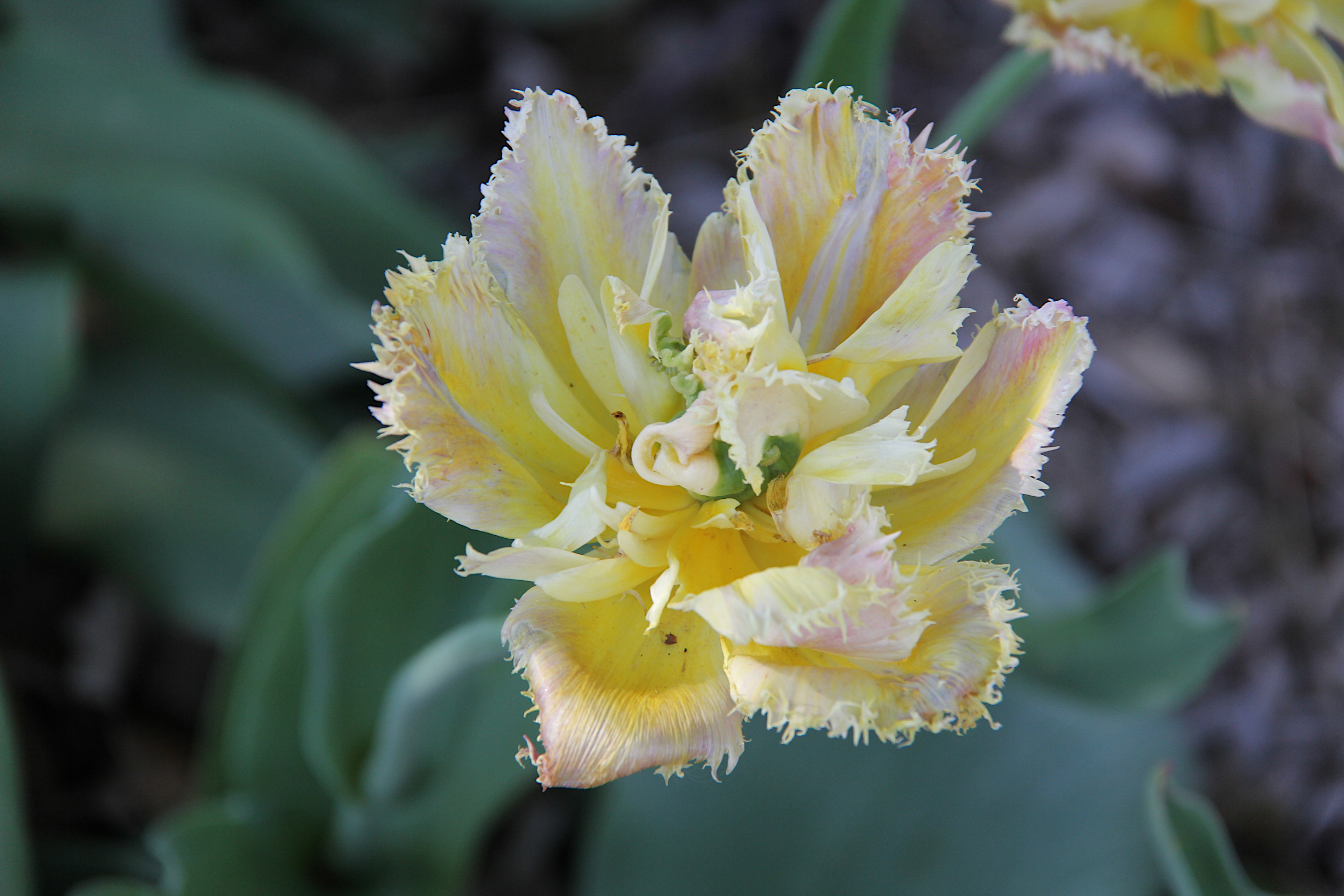
Photographed at the Rice County Master Gardeners garden in Faribault on one of my meandering walks. (Minnesota Prairie Roots copyrighted photo May 2024)

WHEN I GO FOR A WALK, I’m either walking to primarily exercise or to photograph. One involves fast-paced movement to increase my heart rate. The other entails a leisurely pace of observing the world around me.

There was a time when I always carried my camera. No more. I need to feel the freedom of just being, without thought of, oh, I need to photograph that. If I’m without my 35 mm digital camera and absolutely need to take a photo, I will use my smartphone.

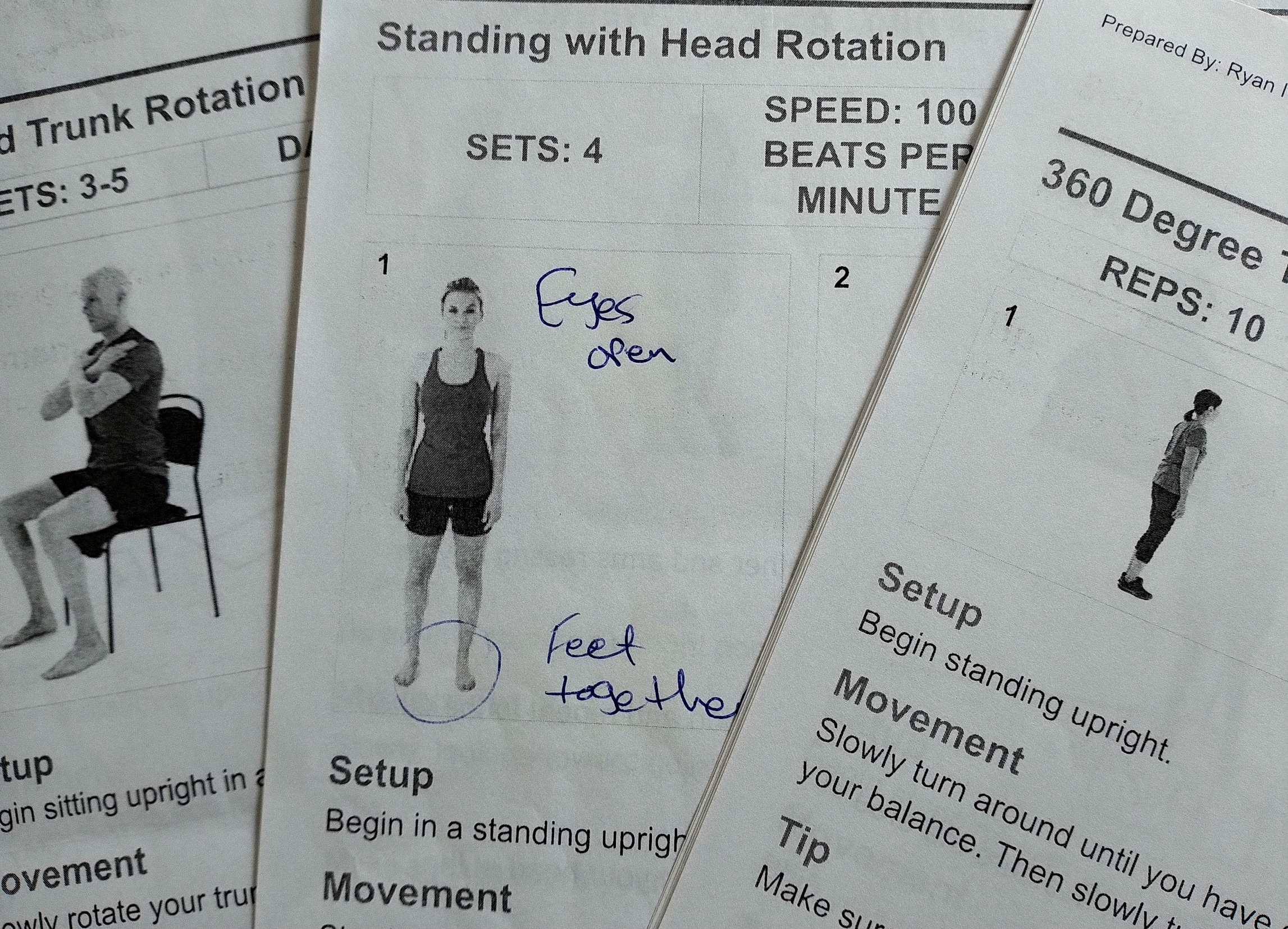
An example of exercises I did in vestibular rehab therapy. (Minnesota Prairie Roots copyrighted file photo 2023)

A NEW PERSPECTIVE

What prompted this change? My health. Last summer was, for me, the summer that wasn’t. I was primarily housebound from April through September due to long haul COVID. You’ve probably read my story, detailed here. I dealt with balance, sleep, sensory and other issues. All aspects of my life were affected. I left my house only for medical appointments because I couldn’t handle being out in the world of noise, light, sound, movement. I felt overwhelmed. I sat in my darkened living room, curtains drawn, lights low, no sound.

But here I am, a year later, with six months of vestibular rehab therapy behind me, and doing significantly better. Time and a lot of hard work on my part got me to this better place health-wise. I still deal with residual sensory issues. But mostly, I manage. And when I don’t, I temporarily sequester myself.

That I am back walking and photographing is, in many ways, remarkable. Last summer I couldn’t walk half a block due to imbalance. And I certainly couldn’t use my camera. I credit my physical therapist for patiently working with me, helping me regain my sense of balance and build my tolerance and ability to manage sensory overload. There is hope for anyone dealing with similar issues. But it can be a difficult road. There’s no denying how often I felt unheard, unsupported, without hope.

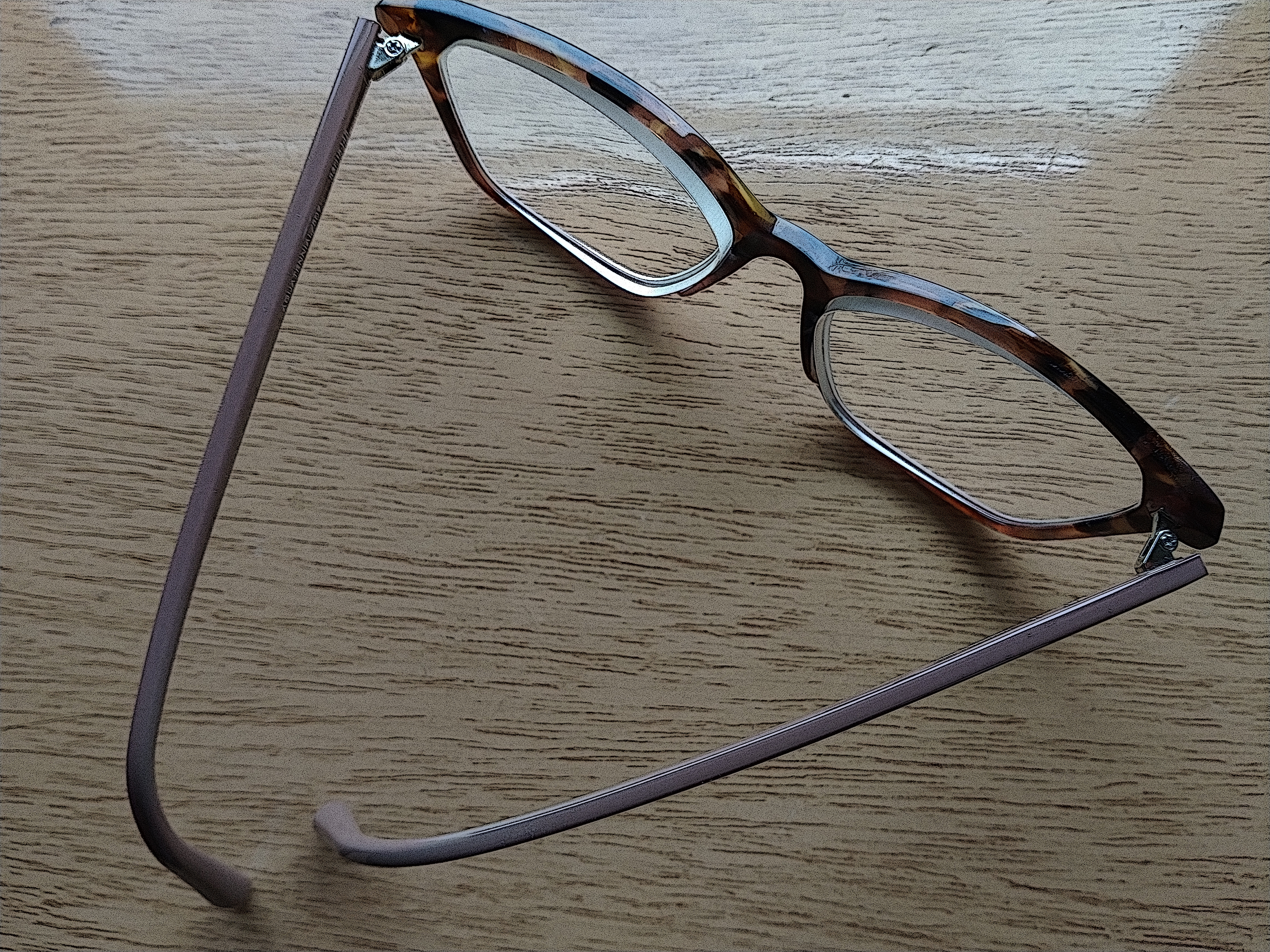
My new prism-heavy prescription eyeglasses. (Minnesota Prairie Roots copyrighted file photo May 2024)

DEALING WITH VISION ISSUES

At the same time all of this was happening, I was experiencing increasing double vision. In late January, I had bilateral strabismus eye surgery to realign my eyes. It was successful until it wasn’t. In 10-20 percent of cases, the eyes shift back to misalignment post-surgery. Mine did. I opted to try prism-heavy prescription lenses before considering a third surgery. I had my initial eye surgery at age four.

Four weeks out from getting my new prescription eyeglasses, my eyes and brain are still adjusting. The prisms have mostly corrected my double vision. But I’m struggling with distorted close-up vision, specifically slanting. I’m hoping, with time, that will vanish. I also can’t see things clearly on my computer screen, which is problematic when writing and when processing photos.

But onward I forge. Sometimes I push myself too much, taking too many photos, doing too many things. That results in strained, aching eyes and headaches. Often I feel just plain tired due to all the effort it takes to simply see. My brain and my eyes are working hard to focus my vision.

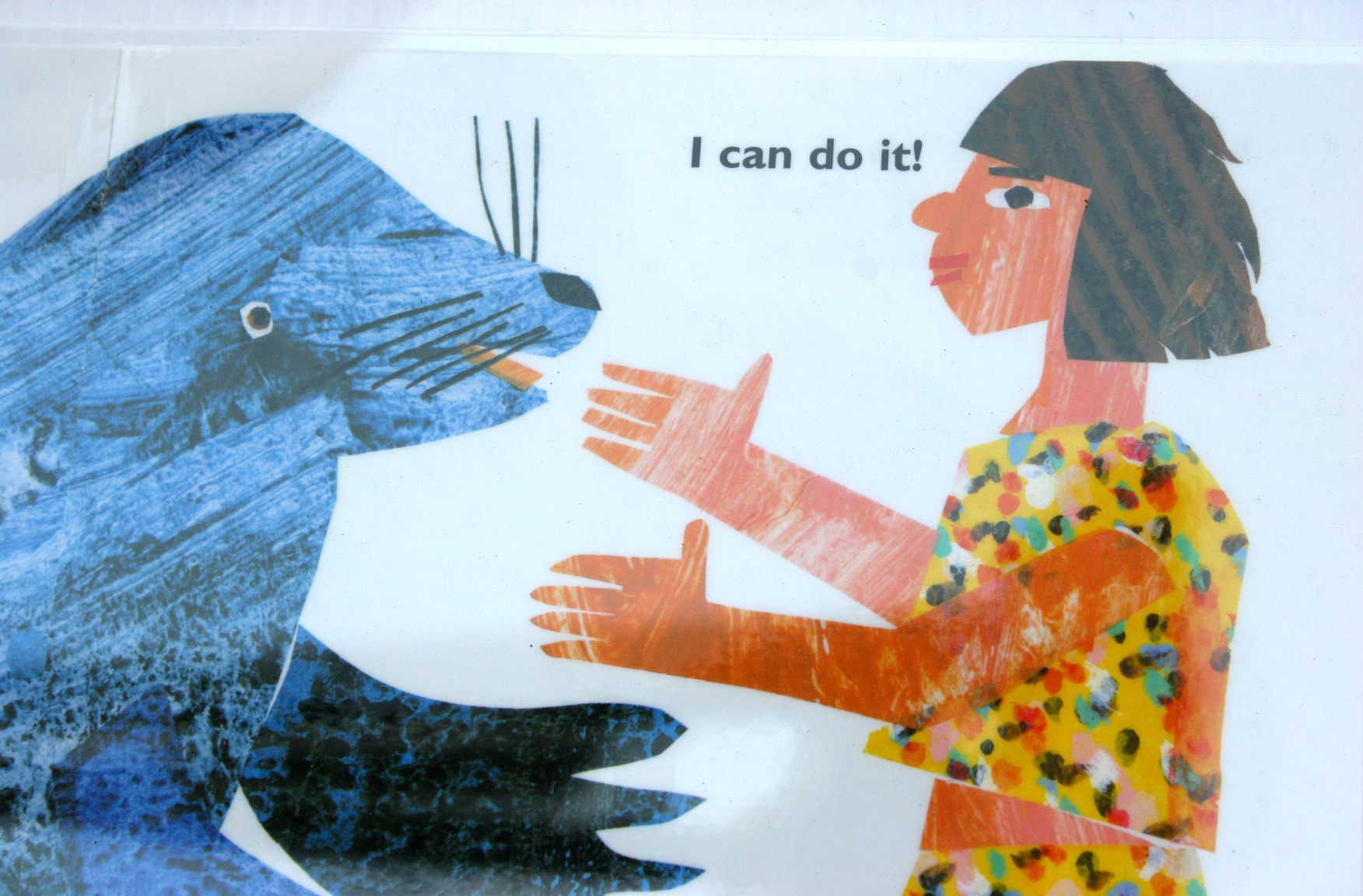
A page from Eric Carle’s book, From Head to Toe.

TAKE NOTHING FOR GRANTED

Too often in life, we take things for granted—the ability to walk, to hear, to see. And then something happens to us or someone we love and we realize that, hey, none of these are givens. I recognize that I have a responsibility to take care of myself in the best way I can. Sometimes that means walking to stay fit and sometimes that means walking to feed my creative spirit.

© Copyright 2024 Audrey Kletscher Helbling
 

Mother’s Day reflections of love & gratitude May 10, 2024

Filed under: Uncategorized — Audrey Kletscher Helbling @ 11:52 AM
Tags: , , , , , , , ,
The only photo I have of my mom holding me. My dad is holding my brother Doug. (Minnesota Prairie Roots)

MOTHER’S DAY. It’s a day that can feel both sad and joyful. Sad if your mom is no longer living. Mine isn’t. Joyful if you have children, no matter their age.

It is a Sunday of gathering, of remembering, of honoring, of celebrating motherhood. Perhaps with a meal together. Perhaps with flowers delivered or received. Whatever, however, the focus should be one of love and gratitude.

I feel grateful for my lovely mom, who taught me kindness, compassion and care. Sure, she had her moments. Who wouldn’t with six kids spanning 12 years? We tested her patience more than once. But that didn’t diminish her love for us. Her own mother died at age 48, when I was only two months old, and I cannot imagine how difficult that was for my mom and her three younger siblings. So treasure your mom. Time together is precious.

The card I made for my mom as a child. (Minnesota Prairie Roots copyrighted photo)

So are words shared. As a writer, I value greeting cards as a way of expressing love and other emotions. My mom did, too. She saved cards, including a simple card I created for her in elementary school for Mother’s Day. I cut a flower photo from a seed catalog and pasted it to the front of a folded piece of paper, then printed I love you Mother. Audrey inside. The editor in me wants to add a comma and change the formal Mother to Mom. But I doubt Mom much cared. She was just happy to get a handcrafted card from her eldest daughter.

Likewise, I love getting greeting cards from my now-grown children. One arrived in the mail today from my second daughter, who lives 260 miles away in Madison, Wisconsin. I last saw her at Christmas. Her job as a letter carrier for the US Postal Service keeps her working 10-12 hours daily, usually six days a week. So seldom does Miranda have adequate time off to travel to Minnesota. I couldn’t help but think, as I opened her Mother’s Day card, that Miranda was likely dropping similar cards into mailboxes along her route.

Mothers always appreciate flowers. These were a gift from my daughter Amber and her family in 2021. (Minnesota Prairie Roots copyrighted file photo 2021)

She chose a lovely floral design card that is certainly “me.” And then my sweet daughter penned the most loving message. One that left me in tears. Hope you have a nice, relaxing day surrounded by the people you love. We love & miss you. Love, John & Miranda.

A plane leaves Minneapolis St. Paul International Airport. (Minnesota Prairie Roots copyrighted file photo)

I will be surrounded by people I love—my eldest daughter, Amber, son-in-law and two grandchildren—on Saturday. But “the people I love” also includes the rest of my family. And in that moment tears fell at the missing of Miranda and her brother, Caleb, both of whom I haven’t seen in more than four months. Caleb lives in Boston.

This photo of me with my mom was taken two years before her death. Minnesota Prairie Roots copyrighted file photo January 2020 by Randy Helbling)

To be a mom is to understand that separation is inevitable. Our kids grow up, move away, sometimes farther than we’d like. Things keep us apart. Death also separates. Daughters and sons have lost mothers. Mothers have lost children. But in the end, love remains. As does gratitude. I am grateful for my mom. Grateful for my three children. I am grateful to be a mother.

Happy Mother’s Day to all the moms out there! You are loved. And appreciated.

© Copyright 2024 Audrey Kletscher Helbling
 

“Winter’s Song,” memories, reflections & writing from Minnesota March 21, 2024

This abandoned farmhouse once stood along Minnesota State Highway 19 east of my hometown of Vesta on the southwestern Minnesota prairie. It’s no longer there. (Minnesota Prairie Roots copyrighted file photo 2013)

A TIME EXISTED when I loved winter. The snow more than the cold. During my growing up years on a southwestern Minnesota farm, I could not wait for the first snowfall, which then piled snow upon snow upon snow for months.

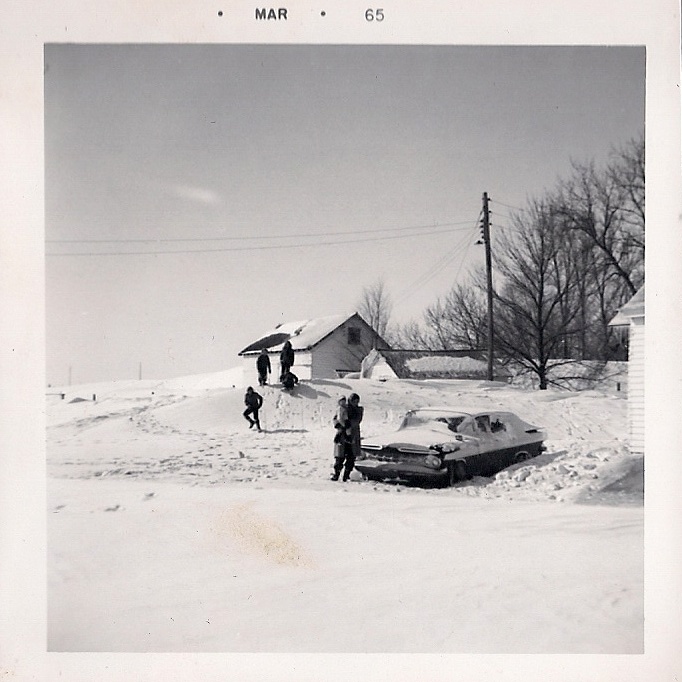
This huge, hard-as-rock towering snowdrift blocked my childhood farm driveway in March 1965. (Photo credit: Elvern Kletscher)

Fierce prairie winds swept snow around outbuildings, sculpting rock-hard drifts, an ideal landscape for Canadian Mounties. Snow pushed into piles by the loader of Dad’s John Deere tractor became mountains, rugged terrain to conquer. And pristine snow presented the perfect canvas for a game of Fox and Goose.

Our southwestern Minnesota farmyard is buried in snowdrifts in this March 1965 image. (Photo credit: Elvern Kletscher)

I remember, too, the crisp winter evenings of walking from barn to house after finishing chores. Packed snow crunched beneath my buckle overshoes. Frigid air bit at my nose, my mouth streaming billows of vapor. Overhead a billion stars pricked light into the immense black sky. Ahead of me, windows glowed in our tiny wood-frame farmhouse.

Those are the good memories I choose to remember. Not the near-frozen fingers. Not the pot on the porch because we had no bathroom. Not the house foundation wrapped in brown paper to seal out the cold. Not the central oil-burning stove that never kept the house warm enough.

Today I have it so much better. A warm house with a bathroom. No cows or calves to feed or straw bales to shake or manure to scoop. No dealing with cracked, chapped, bleeding hands. I have every reason today to embrace winter minus many of the hardships of yesteryear. But I find I don’t.

I’m working, though, on shifting my attitude back to that of appreciating a season which is often harsh here in Minnesota, although not in this unseasonably mild and nearly snow-less winter of 2023-2024. Last winter, now that was a record snowfall winter which tested many a life-long Minnesotan. Except perhaps my friend Jackie of Rochester, who loves winter.

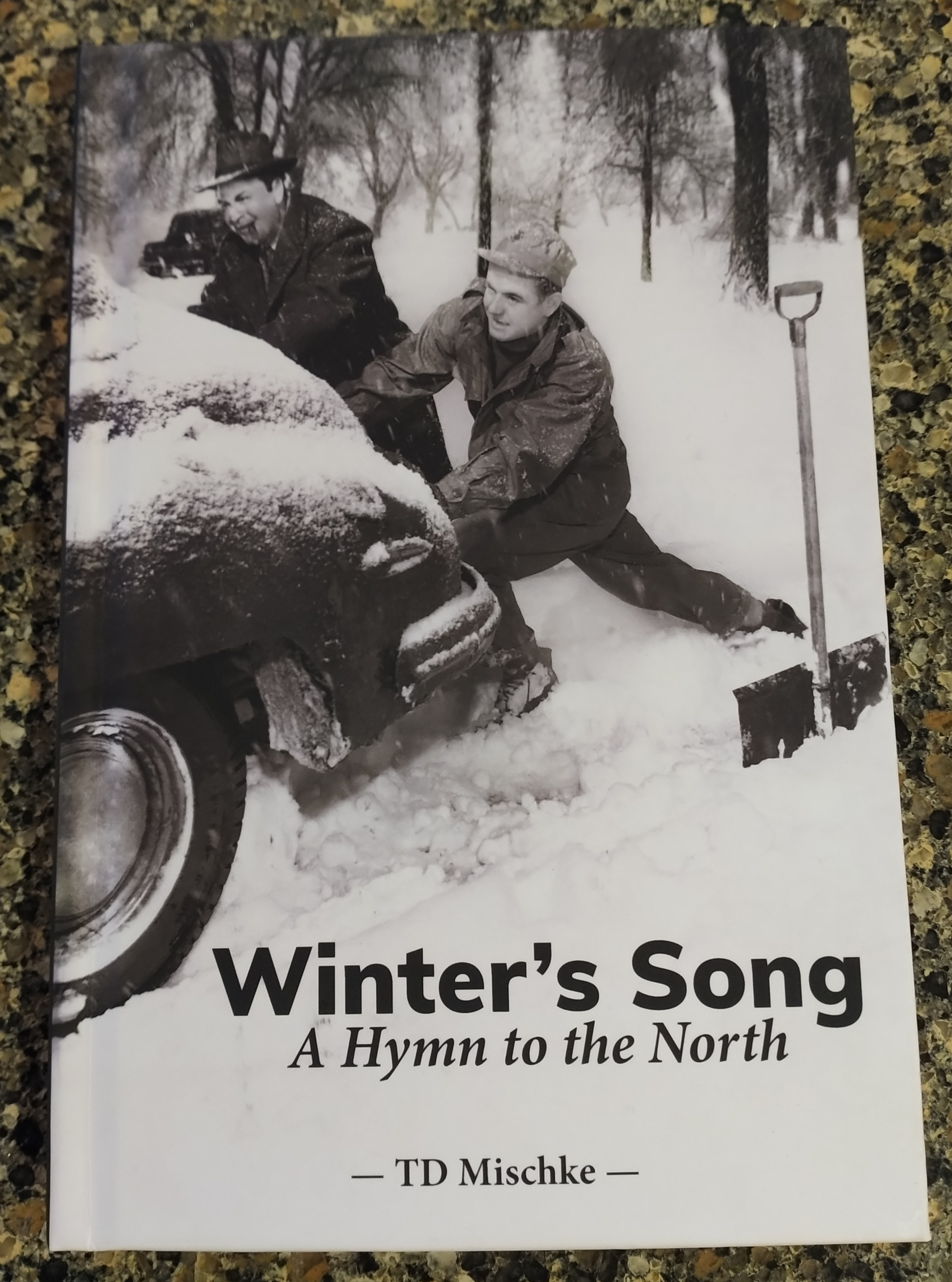
The vintage winter photo gracing the cover of Mischke’s book is from the archives of the Minnesota Historical Society. (Minnesota Prairie Roots photo)

Writer, musician, podcaster and former radio talk show host TD Mischke also loves winter (most of the time) as evidenced in his book Winter’s Song—A Hymn to the North, published in 2023 by Skywater Publishing Cooperative. I happened upon his collection of winter writing at my brother-in-law and sister-in-law’s house north of the metro. Jon is about as avid an outdoorsman as they come. Hunting. Fishing. And in the dead of winter, spearfishing on the frozen lake. This seemed a book written just for him.

Recognizing the Mischke name, I immediately inquired whether the writer, TD Mischke, was any relation to Sy Mischke, friend of my late father-in-law. Sy, a “character” by my definition, was TD’s uncle. TD Mischke certainly writes about characters in Winter’s Song.

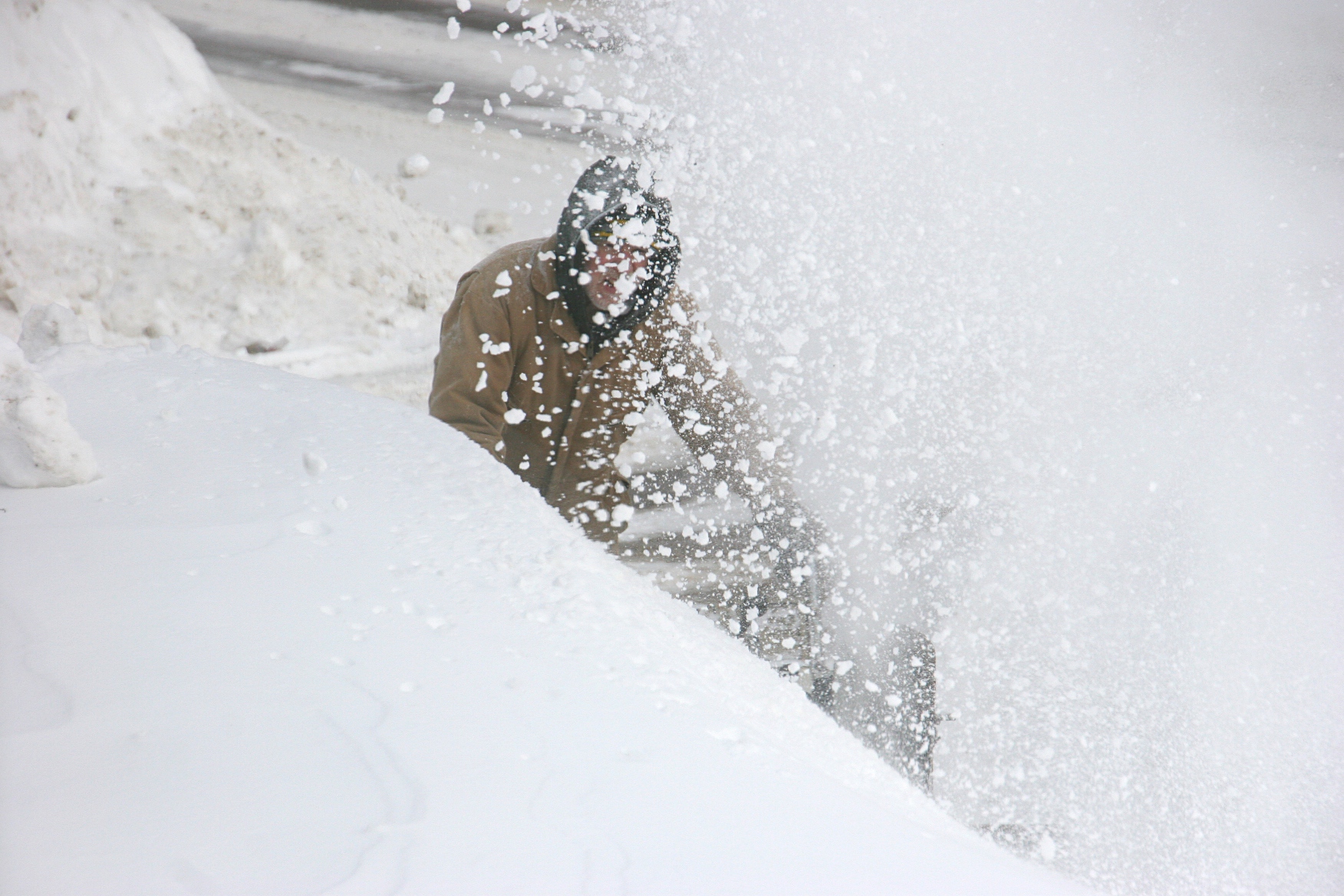
Clearing snow is a sometimes endless task during a Minnesota winter. (Minnesota Prairie Roots copyrighted file photo)

His collection of short stories, essays and three poems honors Midwest winters. Not in a fully nostalgic way, but with a mix of reality. Winters are, admittedly, brutal. But also brimming blessings. The word “hymn” in the book title fits.

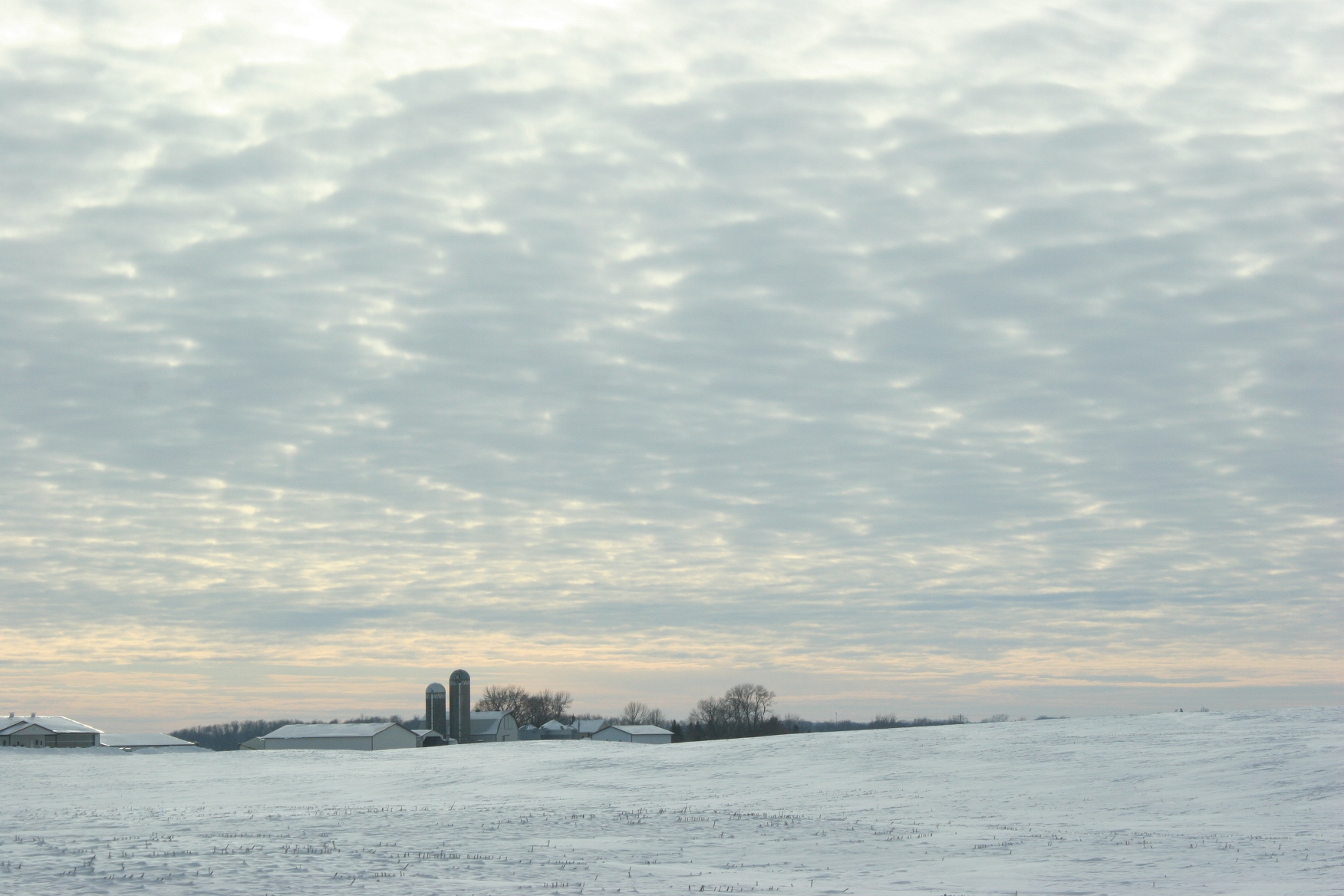
A lovely winter scene photographed in 2019 north of Faribault. It portrays the beauty of winter. (Minnesota Prairie Roots copyrighted file photo 2019)

As I read through the short chapters, I found myself liking winter more and more. And that’s thanks to Mischke’s storytelling skills, his attention to detail, his introspective writing, his humor, his honest portrayal of winter in Minnesota. Not everyone is meant to live here. That Mischke acknowledges. But he also acknowledges the toughness, stamina, strength and endurance of those who call the North home. I agree that it takes a bit of fortitude to manage some six months of winter. I felt in that moment a sense of pride as a life-long Minnesotan.

Spring erupts in budding trees at Falls Creek Park, rural Faribault. (Minnesota Prairie Roots copyrighted file photo May 2019)

That brings me to the second to last chapter of Winter’s Song—“Lessons of March.” It seemed only fitting that I was reading this chapter near the end of March on a day of predicted snow. I’ve never liked March much. But Mischke reminded me that this often grey month, which can throw in surprise snowstorms, should be appreciated for the simple reason that it makes us appreciate April even more. The arrival of spring. He’s right. Winter is often about perspective. After finishing Winter’s Song, I feel my thoughts shifting toward a renewed appreciation for this longest of seasons here in Minnesota.

FYI: Winter’s Song—A Hymn to the North is a finalist for the 2024 Emilie Buchwald Award for Minnesota Nonfiction. Minnesota Book Award winners will be announced May 7. To listen to TD Mischke’s podcast, The Mischke Roadshow, click here.


Defining time in the everyday moments of life March 7, 2024

Filed under: Uncategorized — Audrey Kletscher Helbling @ 5:00 AM

Tags: , , , , , , , , ,
The restored Security State Bank Building clock in historic downtown Faribault. (Minnesota Prairie Roots copyrighted file photo)
TIME, WHEN YOU’RE YOUNG, seems to pass slowly. You’re waiting, always waiting. To turn another year older. To master a skill. To gain independence. To do whatever seems so important you wonder how you can possibly wait for another day or week or month to pass.

Now I wish time would slow down. But it can’t and it won’t and so I accept the reality of time passing, of aging, of days disappearing too quickly. Of celebrating my 50-year high school class reunion this year. Of my youngest turning thirty. Of me nudging seventy.

A street clock in historic downtown Wabasha. (Minnesota Prairie Roots copyrighted file photo)

In a recent conversation with a beloved aunt, she shared that she can’t believe how old her nieces and nephews are, considering she’s only twenty-nine. I love that about Aunt Dorothy, who has always and forever declared herself on the cusp of thirty while in reality she’s closing in on ninety. I like her thinking.

(Book cover sourced online)

By happenstance, I picked up a children’s picture book at my local library a few weeks ago that focuses on time. I’m not trying to go back in time to my childhood. Rather, I enjoy books written for kids. Many hold important messages and beautiful art that resonate with me. I highly-recommend you check out recently-published children’s picture books to see how they’ve evolved over the decades into some timely masterpieces of words and art.

Among the books I selected was Time Is a Flower, written and illustrated by Julie Morstad of Vancouver, British Columbia. In her opening page, Morstad writes of time as a clock, as a calendar, in the traditional ways we consider time.

A prairie sunset in southwestern Minnesota. (Minnesota Prairie Roots copyrighted file photo)

But then the book unfolds, page by page, into time comparisons that are simplistic, everyday, ordinary, unremarkable. Yet remarkable in the way Morstad presents them with sparse words and bold art. If I could rip the pages from her book, I would frame her illustrations of a sunset reflected in sunglasses; a child’s long wavy locks woven with bird, butterfly and flower; and a wiggly tooth in a gaping mouth.

A swallowtail butterfly feeds on a zinnia. (Minnesota Prairie Roots copyrighted file photo)

Time is the moments, the memories. The details. Not necessarily the extraordinary. That is the message I take from Morstad’s book. Appreciate the caterpillar, not just the butterfly. Appreciate the seed, not just the flower. Value the slant of sunlight across the floor, and the shadows, too.

A princess by Roosevelt Elementary School kindergartner Ruweyda, exhibited in March 2023 at the Student Art Show, Paradise Center for the Arts, Faribault. (Minnesota Prairie Roots copyrighted file photo)

As I consider Time Is a Flower, I think of my dear aunt half a country away in New Jersey. Too many years have passed since I’ve seen Aunt Dorothy, so long that I can’t recall the last time we embraced. But I hold memories of her, of our time together. She was the young aunt who arrived from the Twin Cities with discarded jewelry and nail polish for me and my sisters. She was the aunt who called her husband, “My Love,” an endearing name that imprinted upon me her deep love for Uncle Robin (who died in January). She is the aunt who took me into New York City when I was a junior in college visiting her on spring break. She is the aunt who, for my entire life, has called me “My Little Princess.”

A 1950s scene in downtown Faribault honors history and the passage of time in this mural. (Minnesota Prairie Roots copyrighted file photo)

Yes, time passes too quickly. The clock ticks. Days on the calendar advance. Years pass.

Each spring the daffodils bloom. (Minnesota Prairie Roots copyrighted file photo)

But within each day, seconds and minutes and hours remain. Time to live. Time to love. And time to remember that time is like a flower. Sprouting. Growing. Blooming. Dying. Time is a moment, until it’s a memory.

Most people no longer wear wrist watches. I still do. (Minnesota Prairie Roots copyrighted file photo)

NOTE: Remember, this Sunday, March 10, time changes as we shift to daylight savings time in the U.S. We lose an hour of time as we spring forward.

© Copyright 2024 Audrey Kletscher Helbling