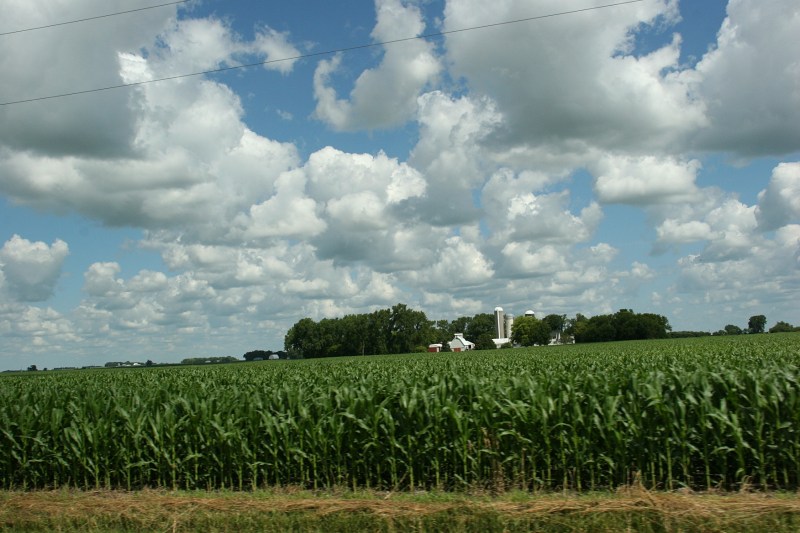
Minnesota Prairie Roots

Writing and photography by Audrey Kletscher Helbling

Observing the Minnesota harvest October 25, 2016

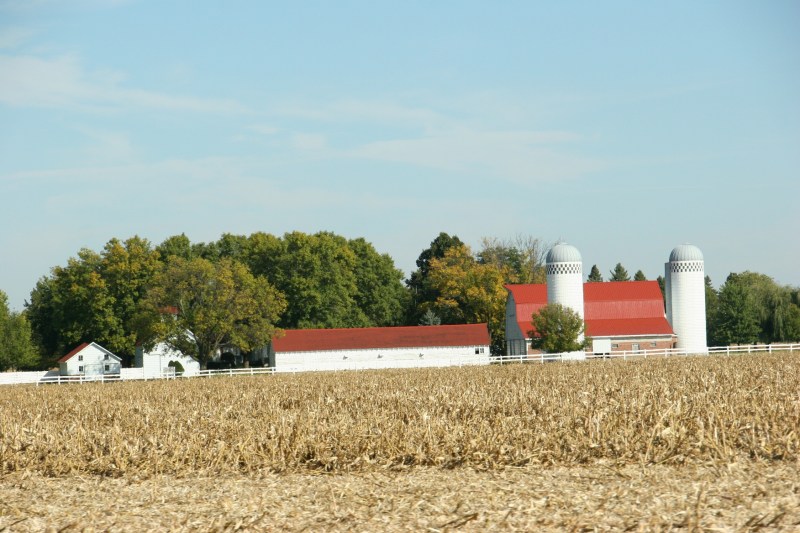
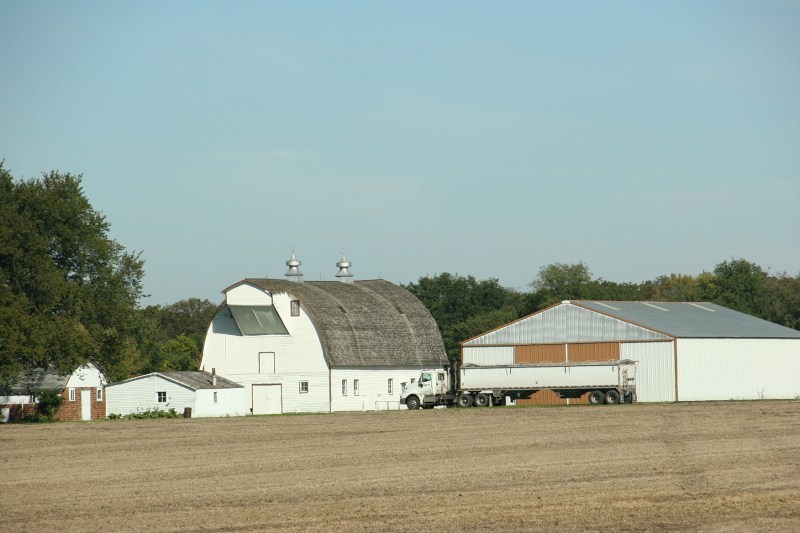
A farm site between Kenyon and Faribault.

A farm site between Kenyon and Faribault.

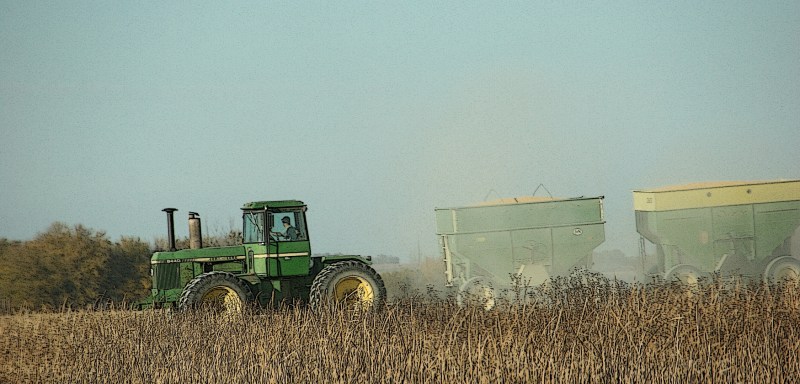
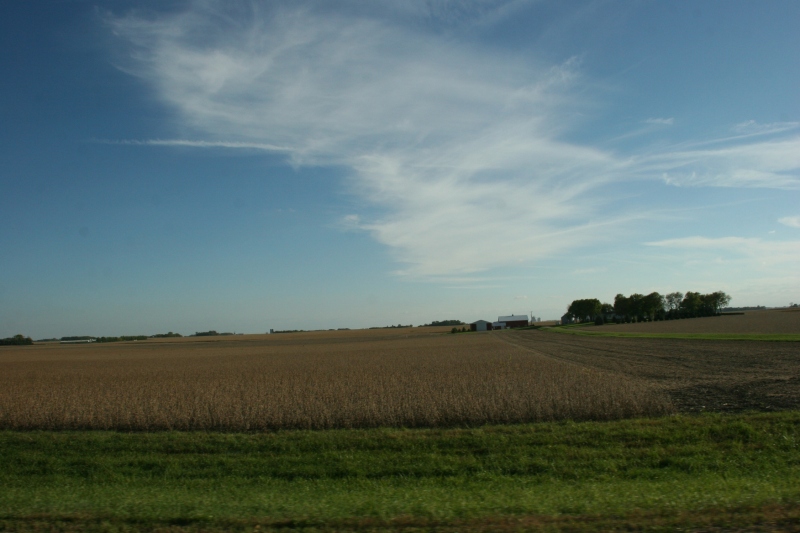
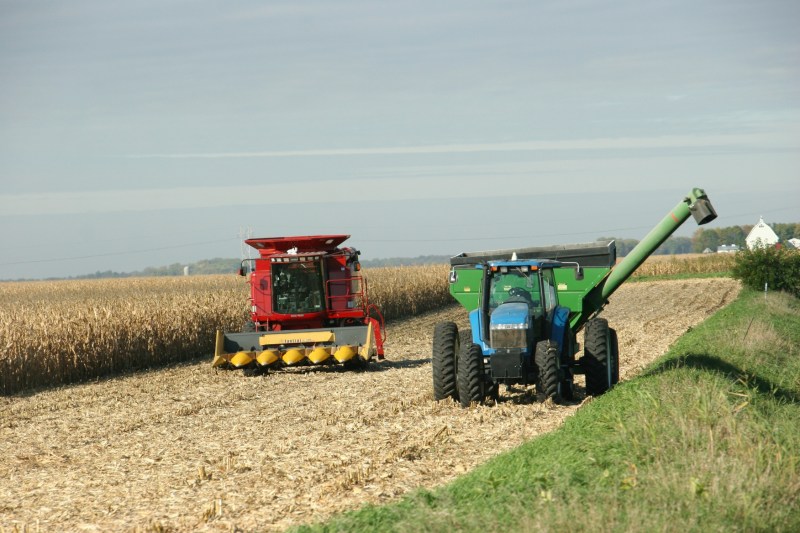
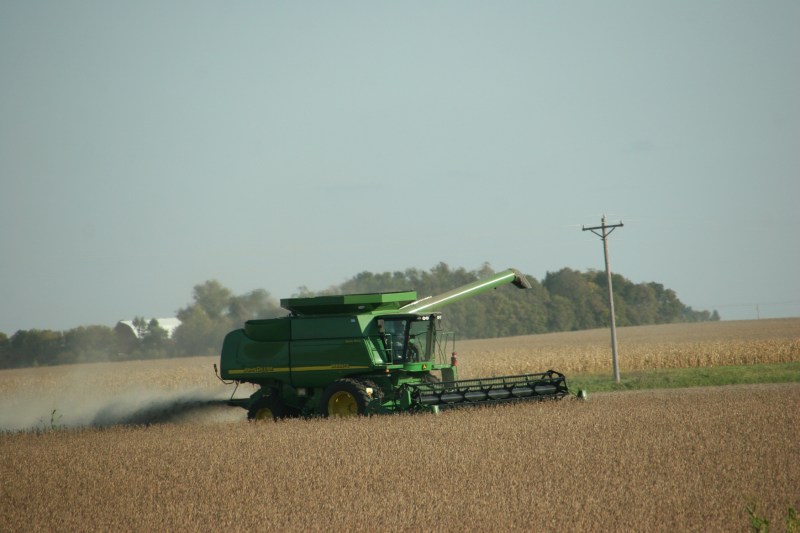
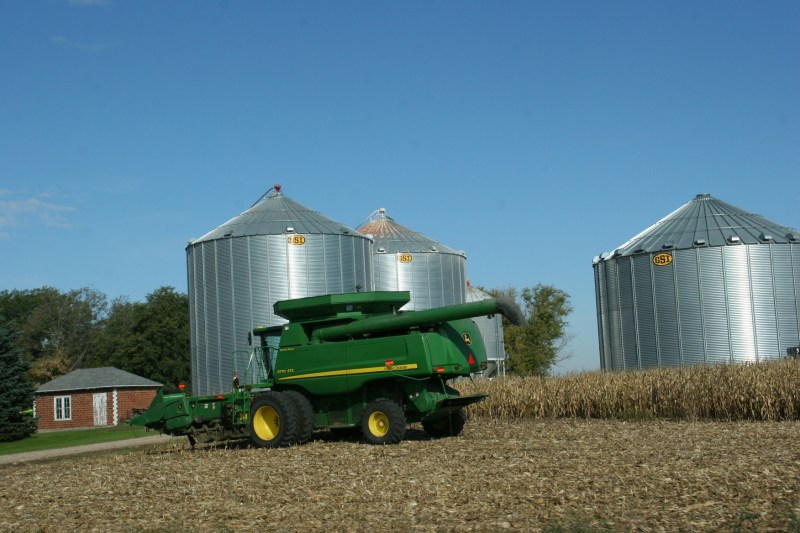
ALONG GRAVEL ROADS and across fields, farm machinery kicked up dust, shrouding rural southeastern Minnesota in pockets of hazy grey.

Somewhere southeast of rochester.

Somewhere southeast of Rochester.

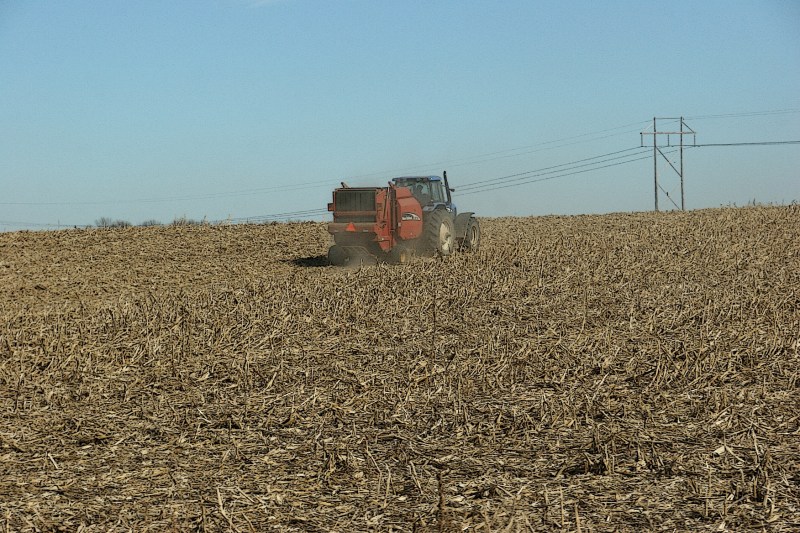
Dust sometimes trailed plumes behind tractors.

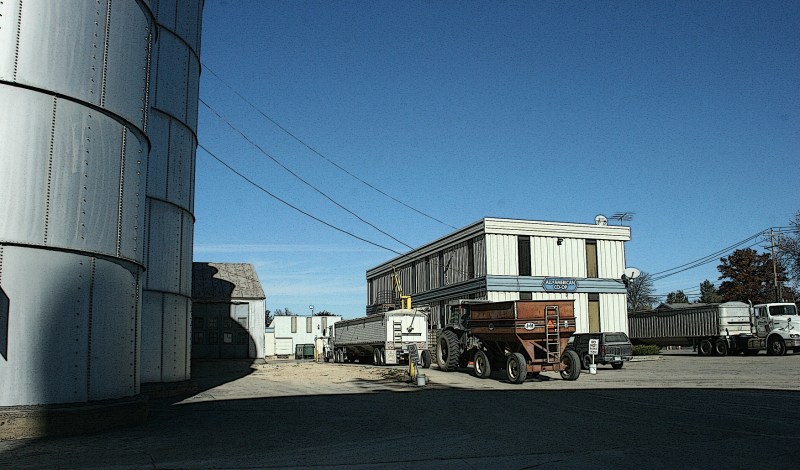
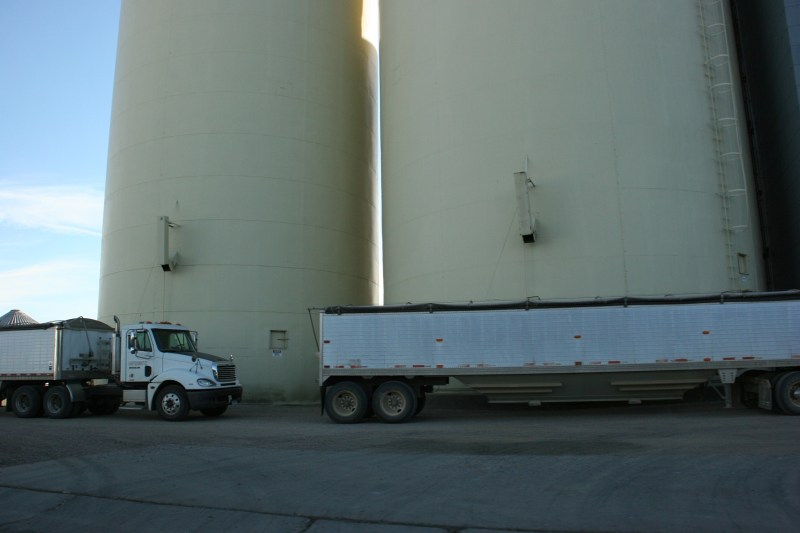
All American Co-op in Stewartville Saturday afternoon.

All American Co-op in Stewartville Saturday afternoon.

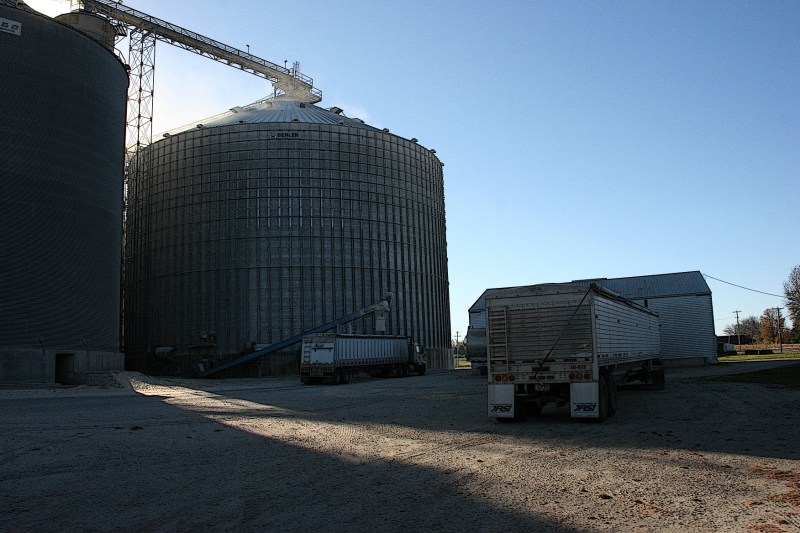
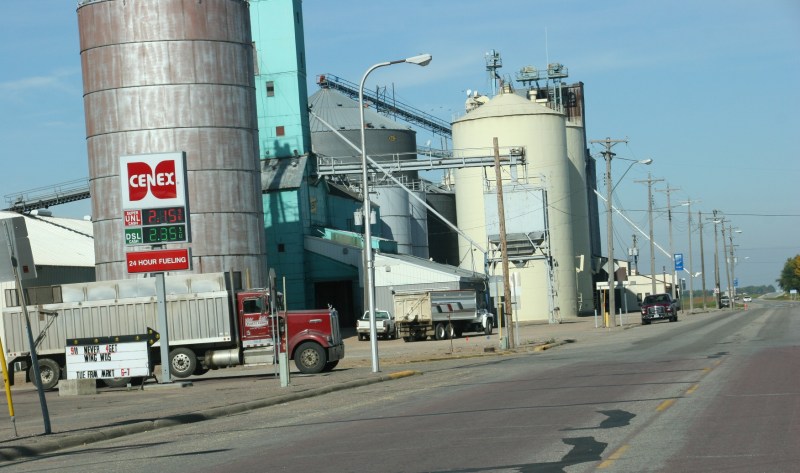
The elevator in Hayfield.

Grain bins in Hayfield.

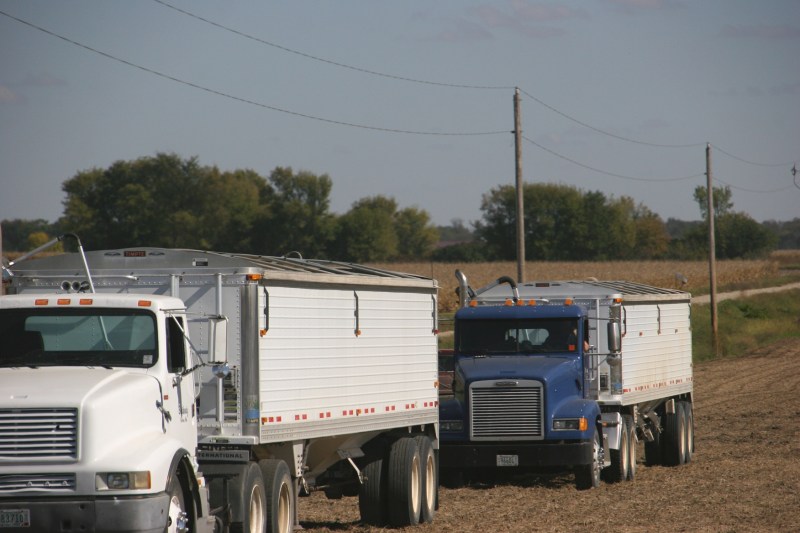
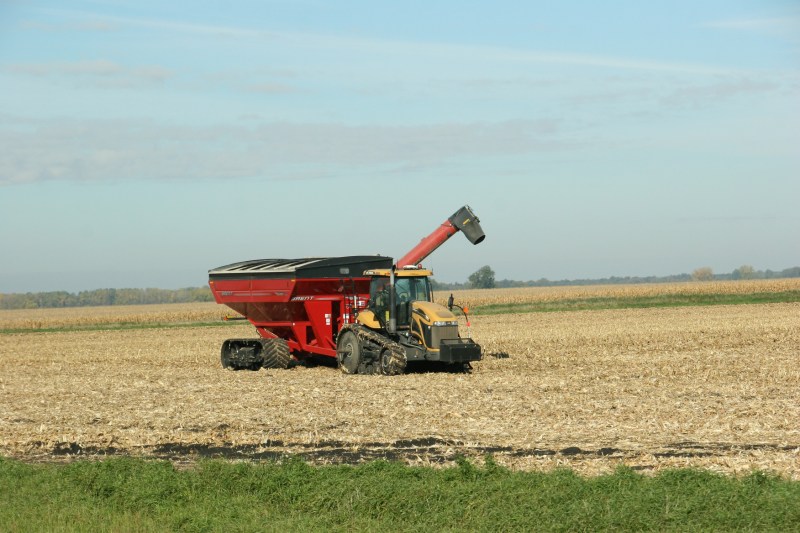
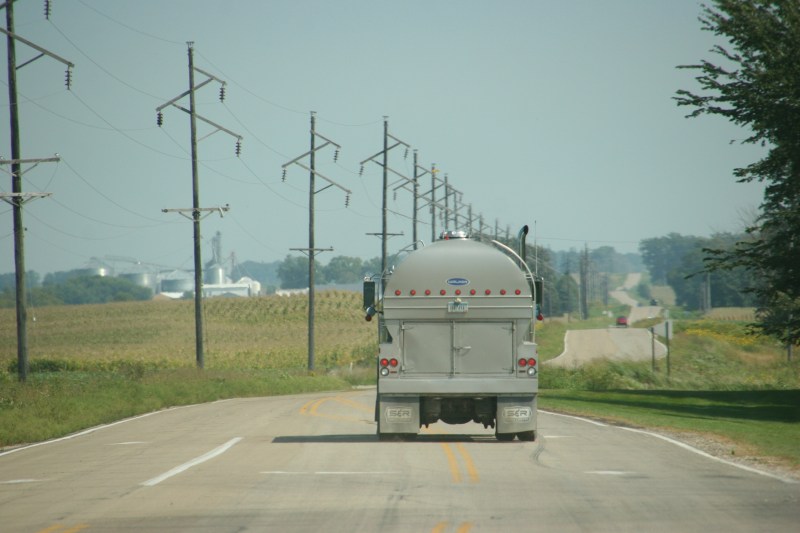
In small towns, tractors pulling grain wagons and trucks loaded with corn or soybeans waited at local elevators.

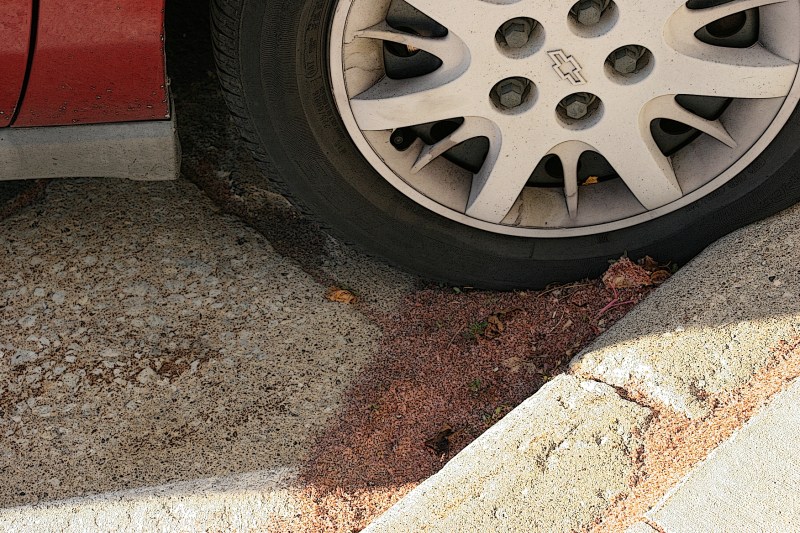
Bees wings accumulating along Main Street in Hayfield.

Bees wings (chaff from corn cobs) accumulate along Main Street in Hayfield.

And bees wings drifted, tinting Main Street and sidewalks red.

Near Root River County Park in Olmsted County.

Near Root River County Park in Olmsted County.

Near Wanamingo...

Near Wanamingo…

In township after township after township, I observed farmers gathering in the crops and working the land on Saturday. A good drying day. Sunshine and crisp temps. Perfect to finish the harvest.

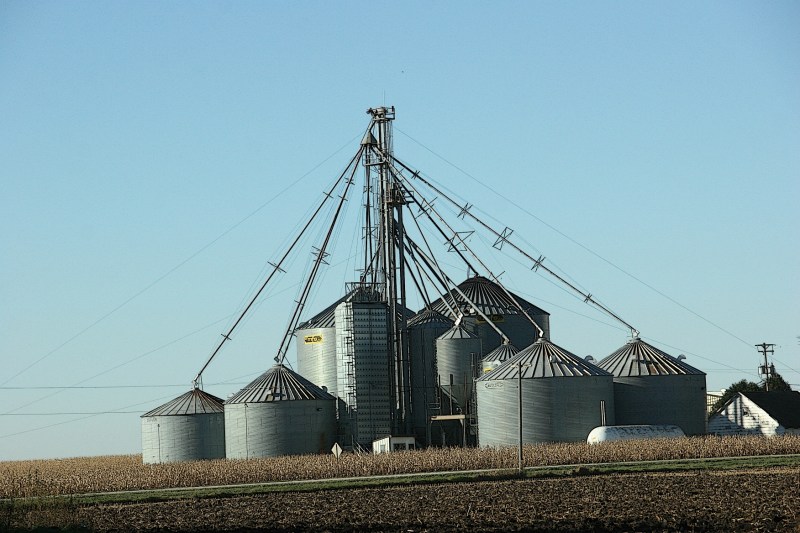
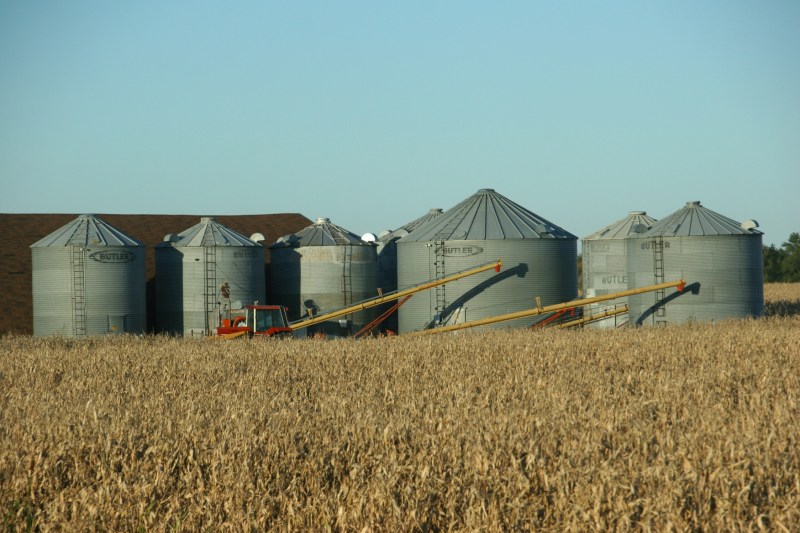
A cluster of bins near Hayfield.

A cluster of bins by Hayfield.

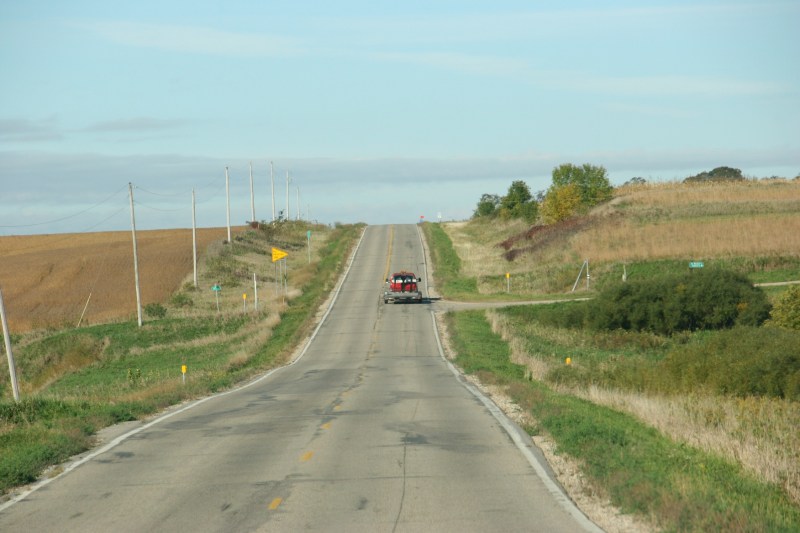
A day trip drive this time of year requires patience as combines, trucks and tractors clog roadways, slowing traffic. But that’s OK. Sometimes we need to creep along, to simply appreciate this land and the farmers who plant, tend and gather in the crops.

© Copyright 2016 Audrey Kletscher Helbling


Thoughts & scenes along the Highway 14 detour October 5, 2016

TYPICALLY, ROAD CONSTRUCTION frustrates me. Unexpected delays and detours add to travel time and sometimes to distance.

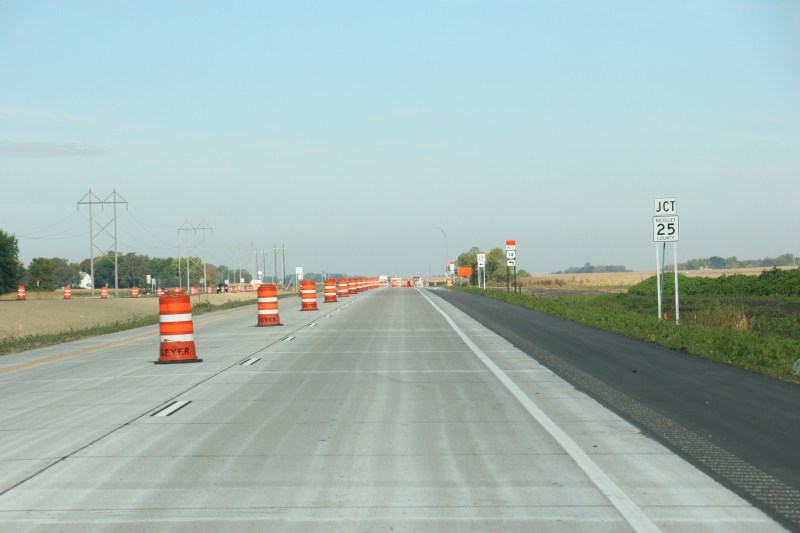
U.S. Highway 14 under construction between Mankato and Nicollet.

U.S. Highway 14 under construction between Mankato and Nicollet, nearing the detour.

But I welcome at least one major road project in southern Minnesota—the expansion of U.S. Highway 14 between Mankato and Nicollet in to a four-lane. This stretch rates as one of the most dangerous roadways in rural Minnesota. Traffic volume along the narrow highway is high. Passing is mostly difficult and dangerous.

The improvements are needed to make this a safer highway. If only the expansion would run all the way to New Ulm.

On the detour route.

The detour route took us through Nicollet County farm land,aiming for Courtland.

Traveling to southwestern Minnesota last Saturday, my husband and I steered away from the Highway 14 project by taking Minnesota Highway 99 between St. Peter and Nicollet. Except this time 99 was closed before we reached Nicollet and we were rerouted onto the official Highway 14 detour route.


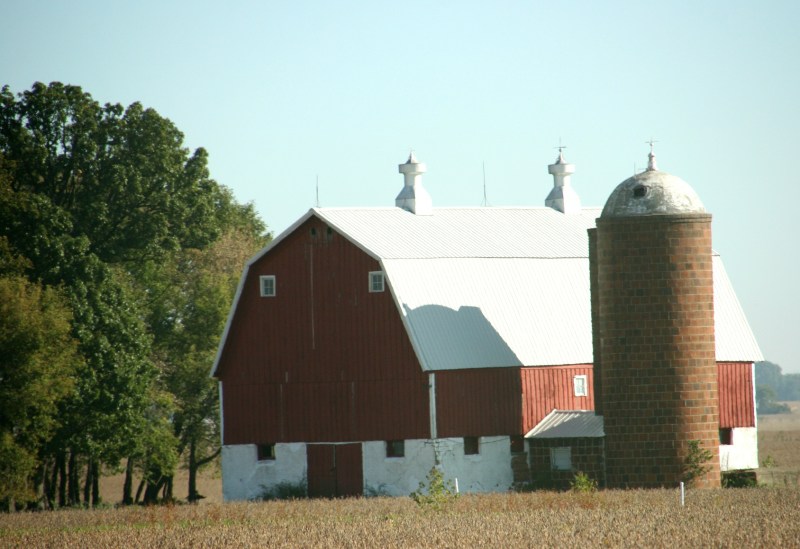
detour-43-red-barn


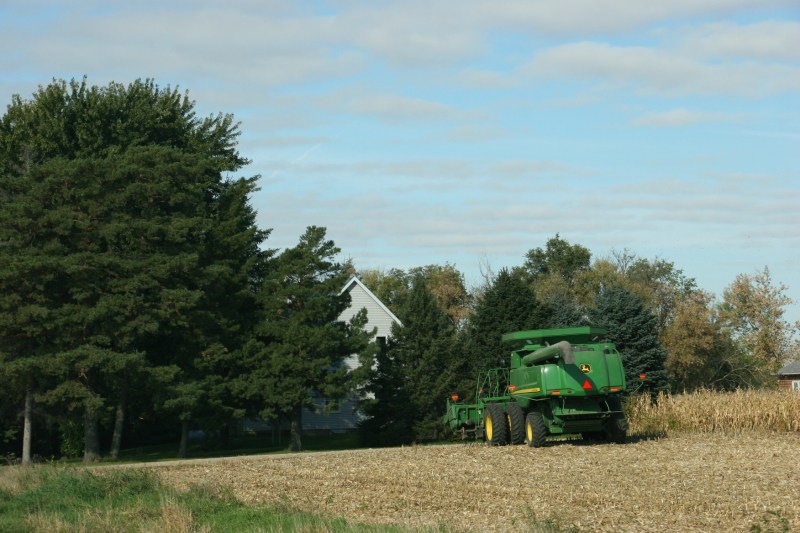
detour-51-john-deere-combine-in-field


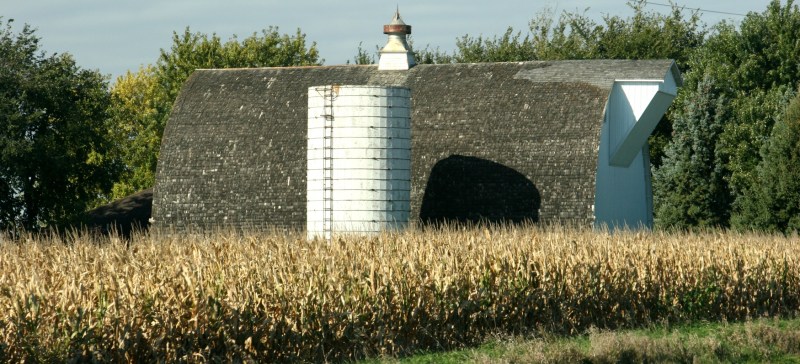
detour-49-barn-roof


detour-50-grain-bins


The detour added about 15 minutes to our drive time. But that was OK. I enjoy rural landscapes and passing places like Immanuel Lutheran Church and School, rural Courtland, the home congregation of my maternal ancestors.


detour-53-nicollet-county-road-25


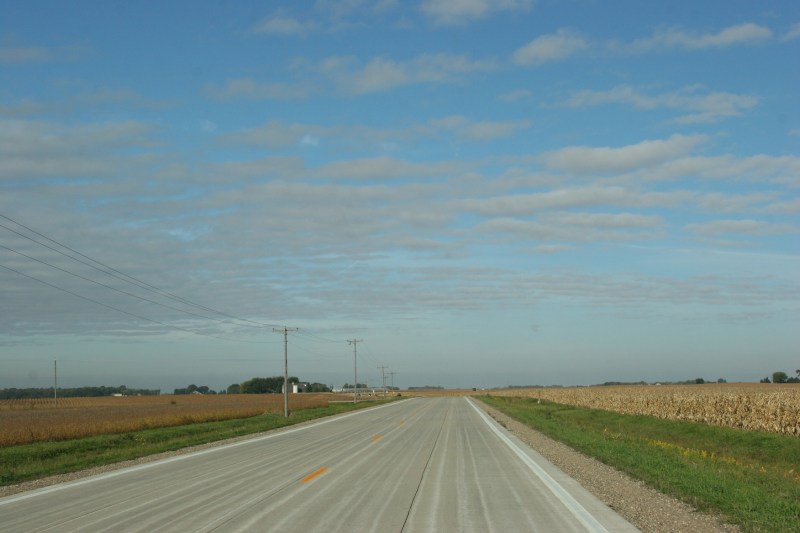
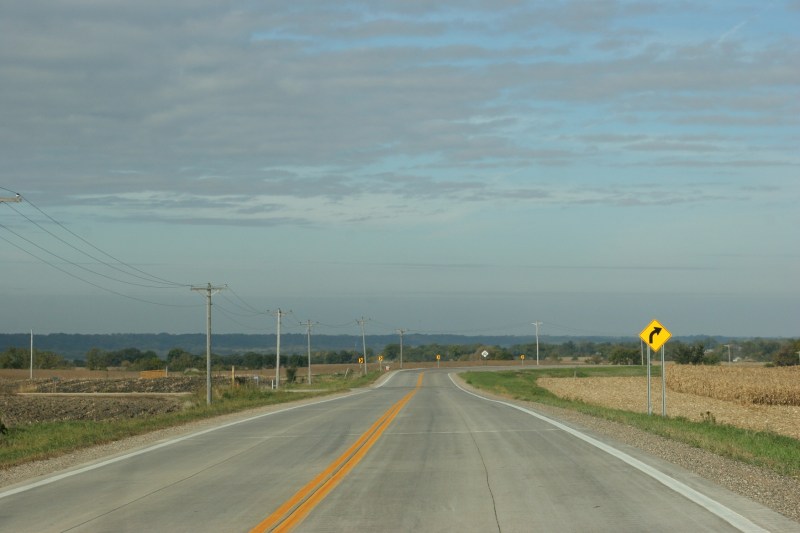
As we rounded Nicollet County Road 25 near its intersection with Highway 14, a spectacular view of the Minnesota River Valley unfolded before us. Vast blue sky striped with grey clouds butted the distant tree line. I could see for miles and miles and miles. It is not the mountains. But, still, the scene wrote lines of poetry before my prairie native eyes.

TELL ME: What are your thoughts on road construction, detours and/or dangerous roadways?

© Copyright 2016 Audrey Kletscher Helbling


Autumn, Southern Minnesota’s season of harvest & hope October 4, 2016

Filed under: Uncategorized — Audrey Kletscher Helbling @ 5:00 AM
Tags: , , , , , , , , , ,
Somewhere between Morgan and New Ulm, in the middle of prime Minnesota farm land.

Somewhere between Morgan and New Ulm, in the middle of prime Minnesota farm land early Saturday evening.

HARVEST. That word holds the seasons of a farmer’s hope.

A partially-harvest cornfield between New Ulm and Morgan.

A partially-harvest cornfield between New Ulm and Morgan.

From spring planting to summer growth to autumn ripening, a farmer focuses on the outcome—a yield that brims with golden corn and soybeans.

Harvesting between St. Peter and Nicollet.

Harvest equipment sits in a cornfield west of St. Peter.

Through months of looking toward the skies, of weathering too much or too little rainfall, of watching heat shimmer waves across fields, of tending and waiting, a farmer anticipates this season of harvest.

Driving west on Minnesota State Highway 99 toward Le Center.

Driving west on Minnesota State Highway 99 toward Le Center.

On a day trip Saturday from the southeastern to the southwestern side of Minnesota—through Rice, Le Sueur, Blue Earth, Nicollet, Brown and Redwood counties and back—I observed the harvest. Minimal on the eastern side, which has been flooded with too much recent rainfall, but in full swing in the counties of Brown and Redwood.

Combing beans near New Ulm.

Combining beans near New Ulm.

Farmers worked the land, dust enveloping combines.

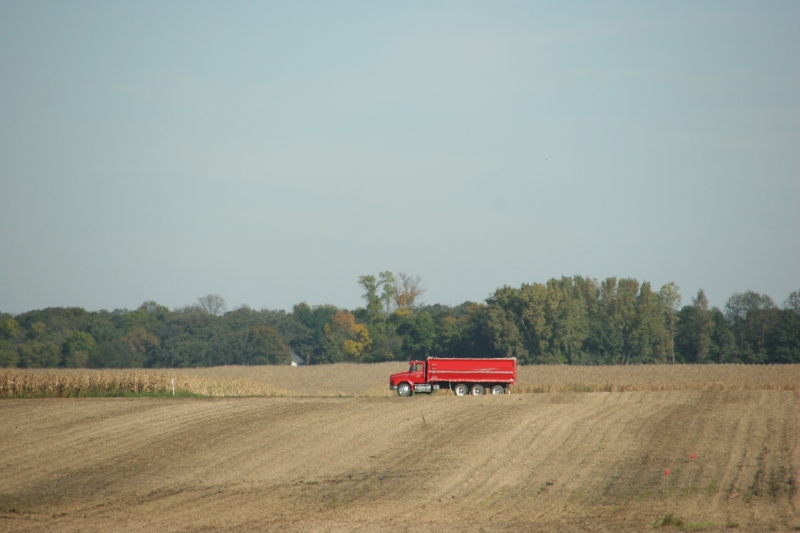
A red grain truck jolts color into a field near New Ulm.

A red grain truck jolts color into a field near New Ulm.

North of Belview, trucks await the harvest.

North of Belview, trucks await the harvest.

Parked outside the elevator in Morgan.

Parked outside the elevator in Morgan.

Farming communities like Morgan are busy with harvest.

Farming communities like Morgan are busy with harvest.

Grain trucks idled in fields and barreled down county roads toward local elevators

Near Courtland.

Near Courtland.

Grain bins near Waterville.

Grain bins near Waterville.

or homestead grain bins.

Driving into Courtland.

Driving into Courtland.

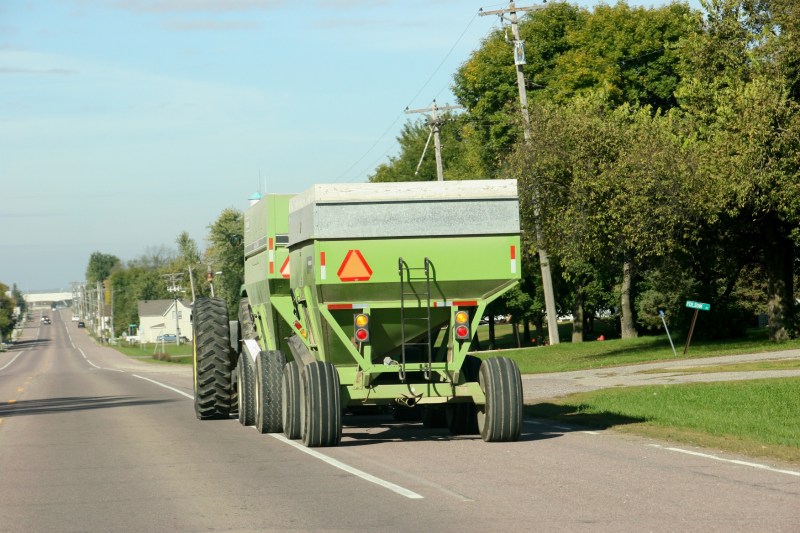
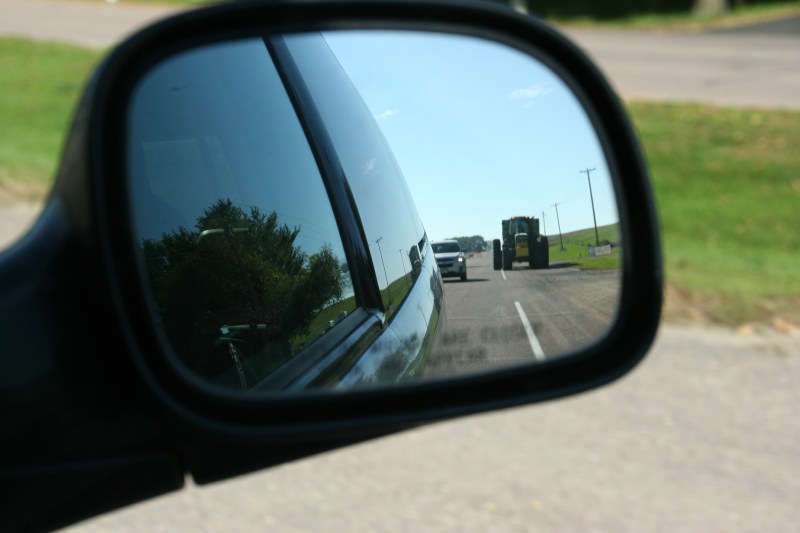
This time of year, motorists need to be watchful of slow-moving farm equipment.

This time of year, motorists need to be watchful of slow-moving farm equipment.

Harvest started west of St. Peter.

Harvest started west of St. Peter.

The landscape crawled with tractors and combines and trucks, farmers at the wheels, guiding the crops toward harvest.

White among fields of golden crops.

A harvested field against a farm site backdrop of white.

And I observed it all. No longer an intimate part of this process as I once was so many decades ago on my Redwood County childhood farm, I am still connected to this season by the memories that trace deep within me.

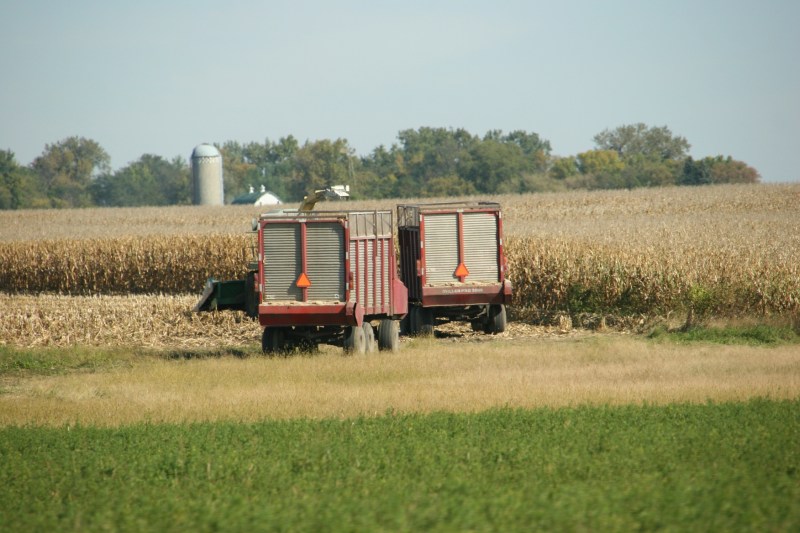
West of New Ulm, grain wagons sit in a field.

West of New Ulm.

Harvest still holds me in hope.

© Copyright 2016 Audrey Kletscher Helbling


A country moment from southwestern Minnesota October 3, 2016

YOU KNOW YOU’RE in rural Minnesota when…


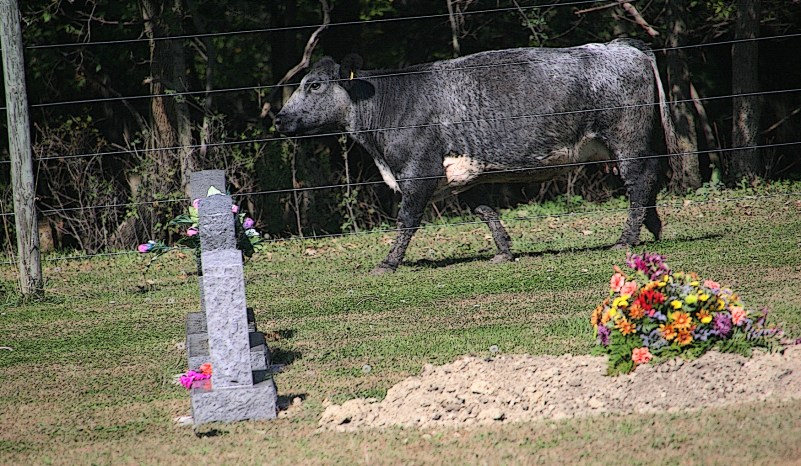
cattle-by-rock-dell-cemetery-123


…within feet of a country cemetery, a fenced-in cow saunters past a mounded grave graced with flowers.

#

Photo taken on October 1, 2016, Rock Dell Lutheran Church, rural Belview, Minnesota.

© Copyright 2016 Audrey Kletscher Helbling


A picture story from small town Minnesota September 27, 2016

Filed under: Uncategorized — Audrey Kletscher Helbling @ 5:00 AM
Tags: , , , , , ,

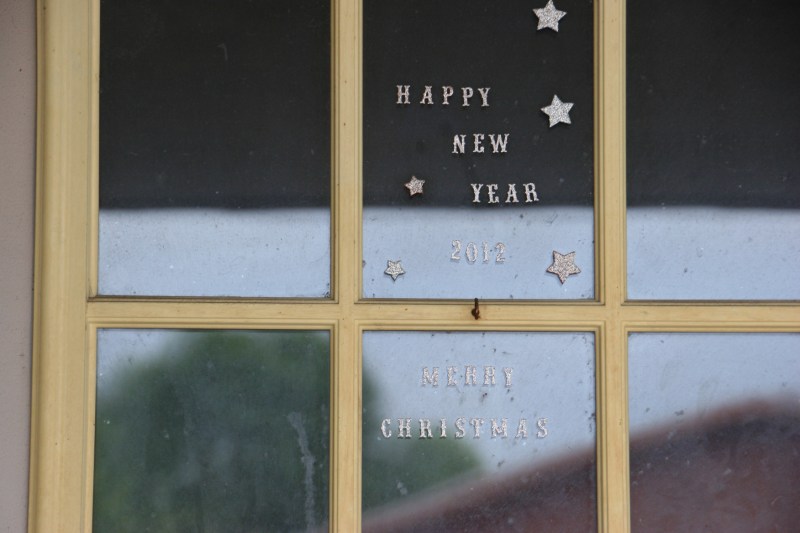
side-street-waterville-26-holiday-greetings-on-door


SMALL TOWNS SOMETIMES present images of time standing still.


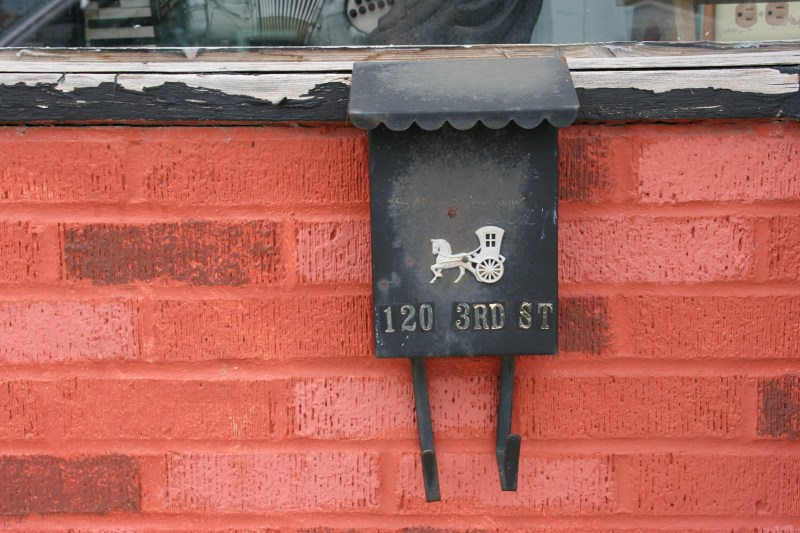
side-street-waterville-28-mailbox


History lingers.


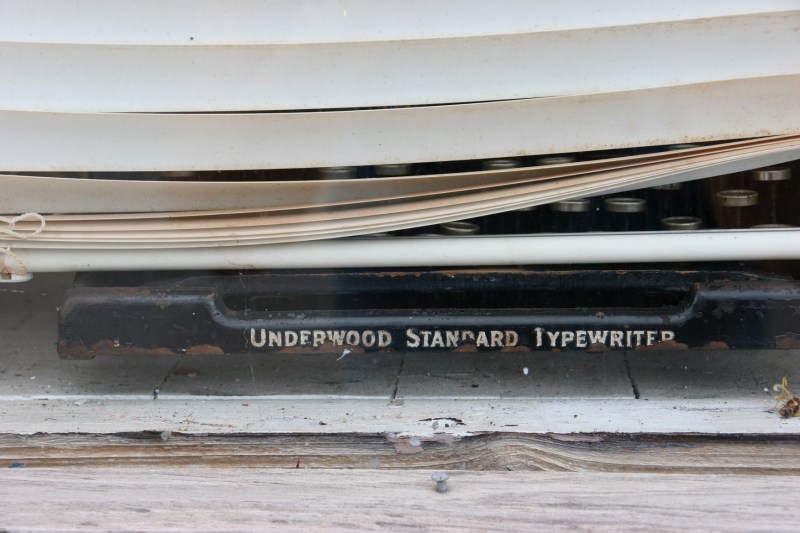
side-street-waterville-27-vintage-typewriter


The past writes in to the future.


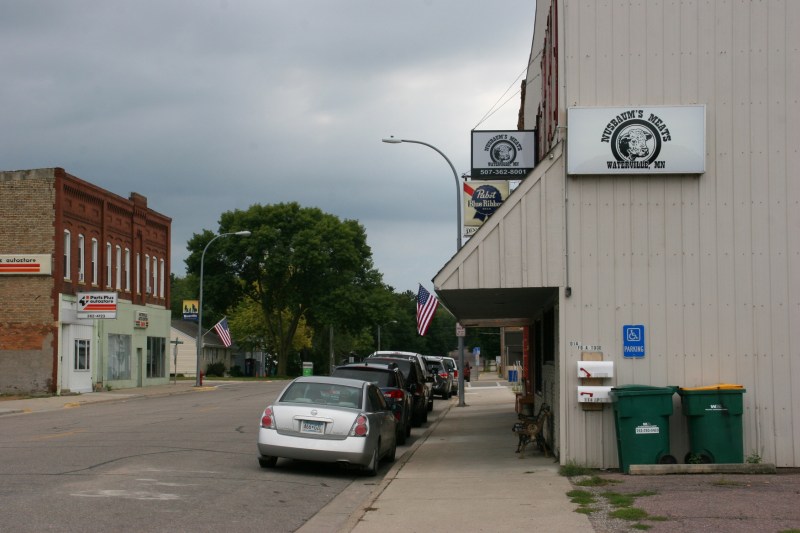
side-street-waterville-25-nusbaums-meats


Long-time grassroots businesses maintain a presence, some strong, others struggling against the consumer pull to regional shopping centers, to discount and chain stores.


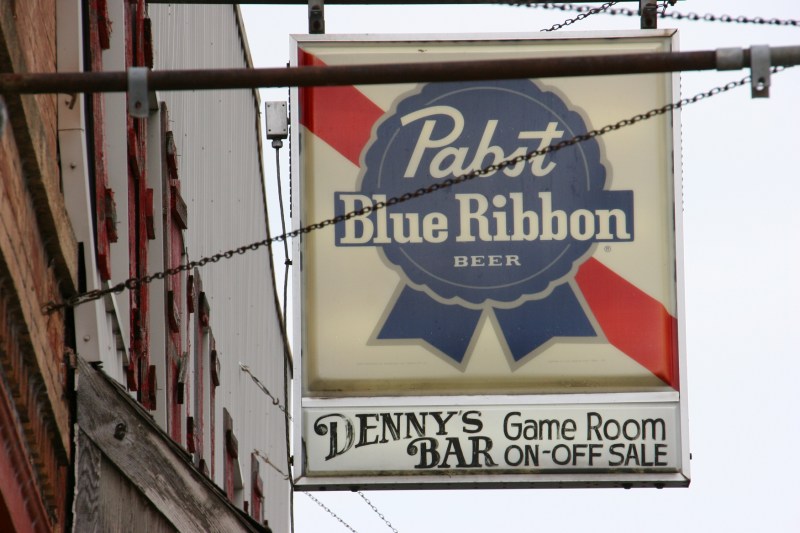
side-street-waterville-pabst-blue-ribbon-bar-sign


Watering holes still lure in the locals with icy beer and plenty of BS, enough to crank up the town rumor mill.


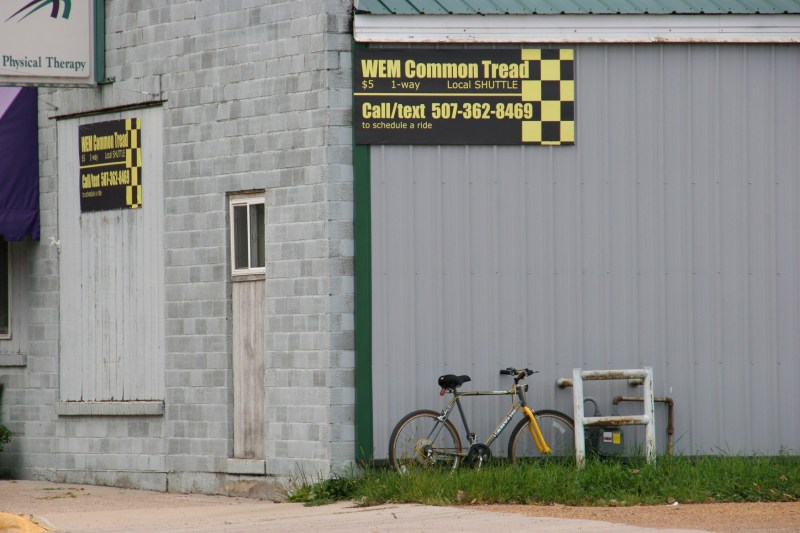
side-street-waterville-13-wem-common-tread


Signs of change creep in. An aging populace. Technology. New needs.


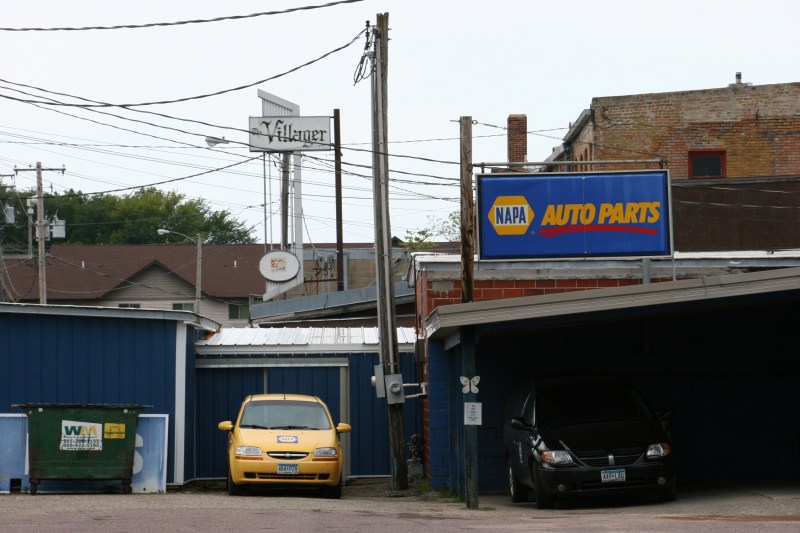
side-street-waterville-30-alley-napa-sign


But always the community webs together, lines interconnecting those who call this place, this small town, home.

#

(All of these images were taken recently along two side streets and an alley off Main Street in Waterville, Minnesota.)

FYI: Please click here to read my first post from Waterville. And check back for more photos from this southern Minnesota community.

© Copyright 2016 Audrey Kletscher Helbling


My observations as autumn teases Minnesota September 14, 2016

Filed under: Uncategorized — Audrey Kletscher Helbling @ 5:00 AM
Tags: , , , ,
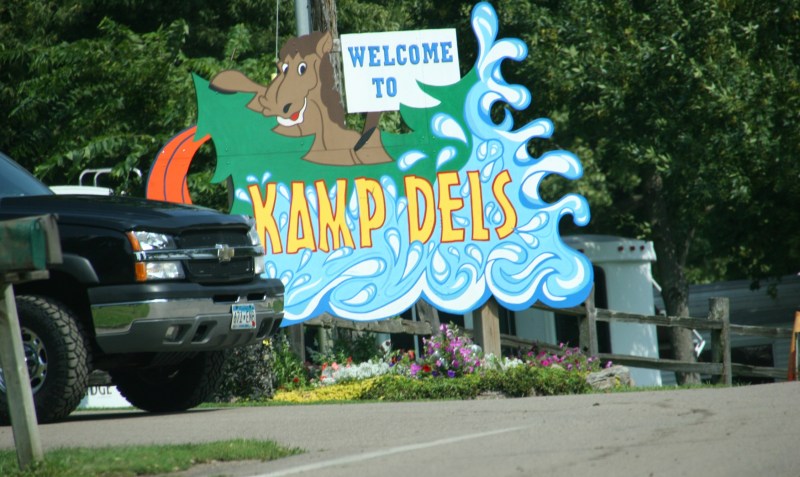
As I passed Kamp Dels near Waterville recently, I noticed how the campground is emptying.

As I passed Kamp Dels near Waterville recently, I noticed how the campground is emptying.

AS MUCH AS I DON’T WANT to admit it, summer is fading into autumn here in Minnesota. I like fall. I really do. But I don’t appreciate what follows. Winter.

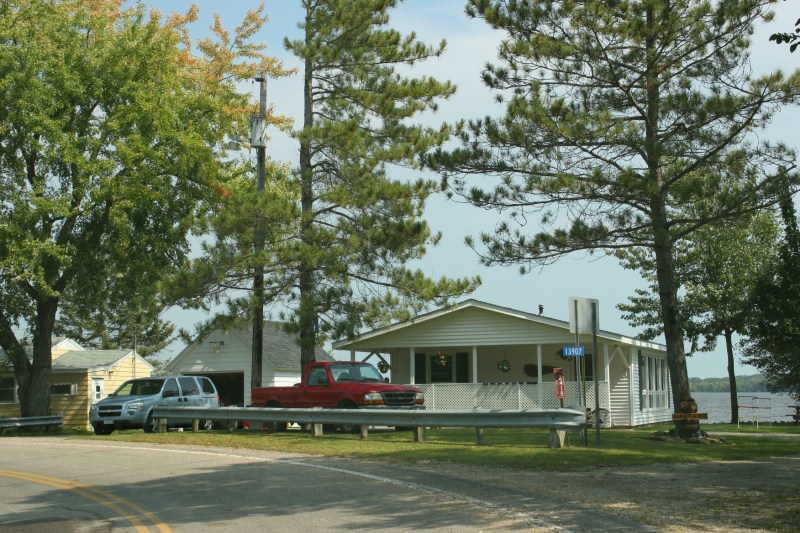
Just down the tree-lined road from Kamp Dels, leaves are changing color on lakeside trees.

Just down the tree-lined road from Kamp Dels, leaves are changing color on lakeside trees.

The shift in seasons began already in August with a subtle hint of color tinging select trees. Now more leaves are changing color and dropping. A leaf here, a leaf there. And before we know it, the trees are bare.

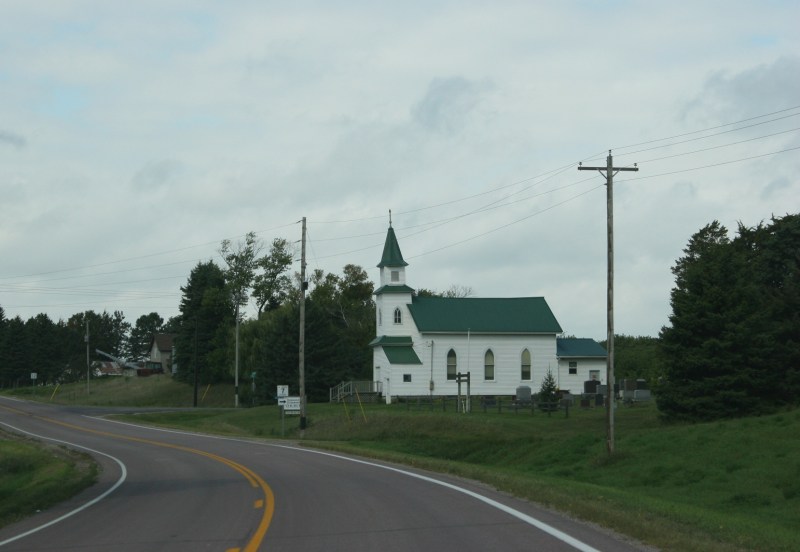
Between Waterville and Elysian sits the Cannonville Community Church.

Between Waterville and Elysian sits the Cannonville Community Church.

But I am getting ahead of the days.

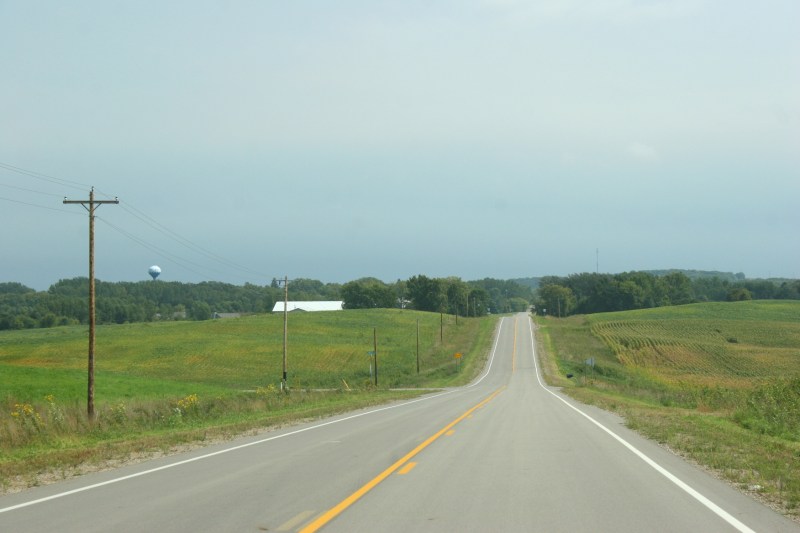
Fields line a back county road between Waterville and Elysian.

Crops are changing color along a back county road between Waterville and Elysian.

For now, corn fields are morphing from green to golden. Flowers that once bloomed in vivid hues are browning, dying. Gardens are ripe with produce.

Ripening crops unfold before me near the Cannonville church.

In the rolling landscape near the Cannonville church, corn fields ripen.

The sun fades earlier. A definitive sharpness in the evening air hints of colder months ahead.

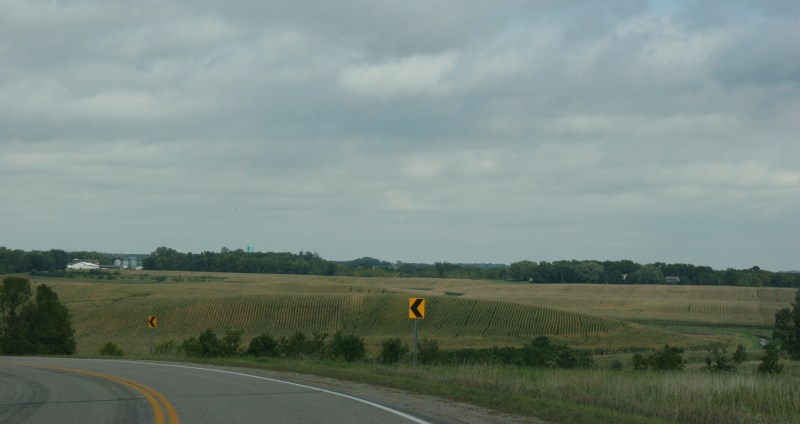
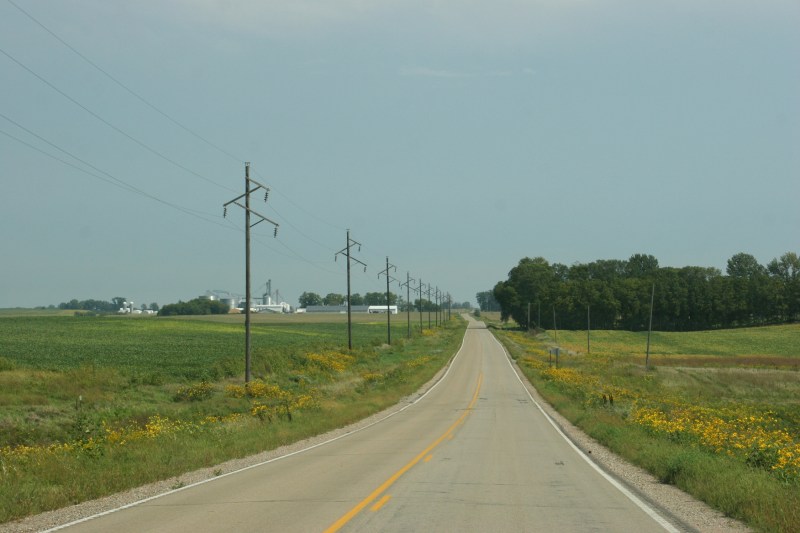
Fields and roadway stretch between Morristown and Faribault.

Fields and roadway stretch between Morristown and Faribault in rural Rice County.

I feel a certain sense of melancholy mixed with anticipation as autumn evolves, as harvest approaches. The sights, sounds, smells and tastes of September delight me. I welcome cobalt skies, splashes of red in tree lines, piles of pumpkins, candles flickering warmth and light, the comfort of a well-worn sweatshirt.

Hints of autumn are visible everywhere along this rural roadway between Morristown and Faribault.

Hints of autumn are visible everywhere along this rural roadway between Morristown and Faribault.

But I see winter knocking at the door, suitcase bulging with snowflakes.

© Copyright 2016 Audrey Kletscher Helbling


A photo essay: Aerial agricultural spraying up close August 9, 2016

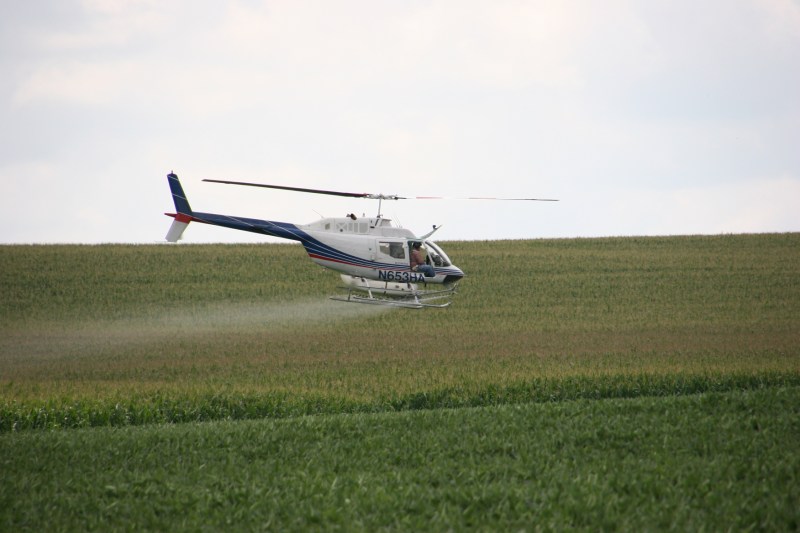
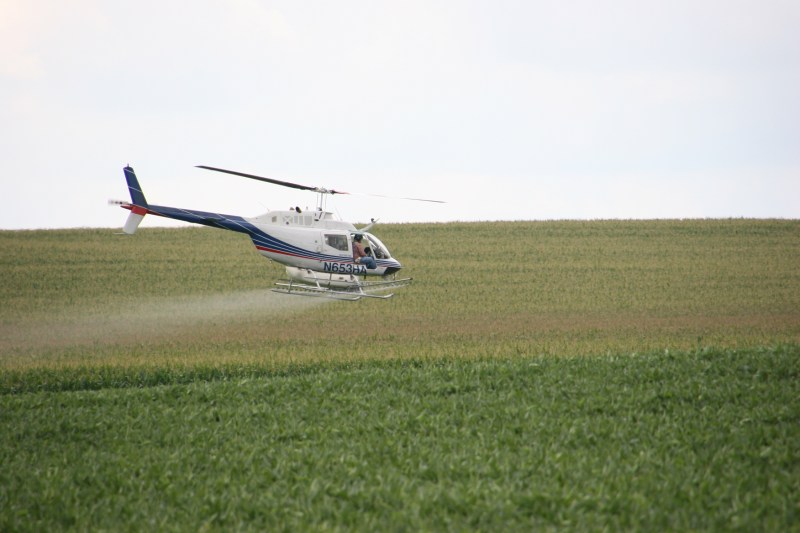
IN THE DISTANCE, down the gravel road, a helicopter swept across the fields and then disappeared.

“Did it crash?” I asked my husband, worry lacing my words.

“Do you see a fireball?” he responded, answering my question.

I didn’t. And it was obvious to me then that the rise of the land was blocking my view of the helicopter.


Helicopter spraying, 105 dairy farm


But I needed to visually confirm, to see this flying machine up close. So Randy turned off the asphalt county road onto 230th Street East, aiming toward a hilltop dairy farm marked by five looming silos.


Helicopter spraying, 109 over corn field


Helicopter spraying, 112


Helicopter spraying, 113


Helicopter spraying, 115


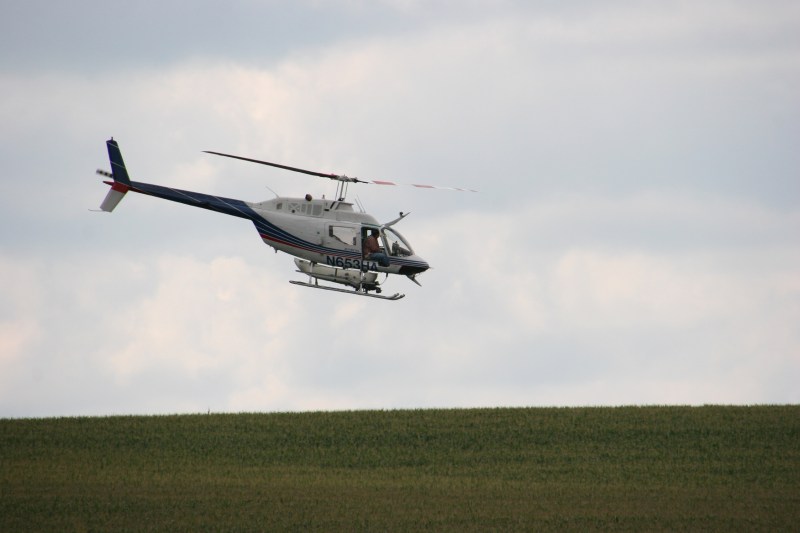
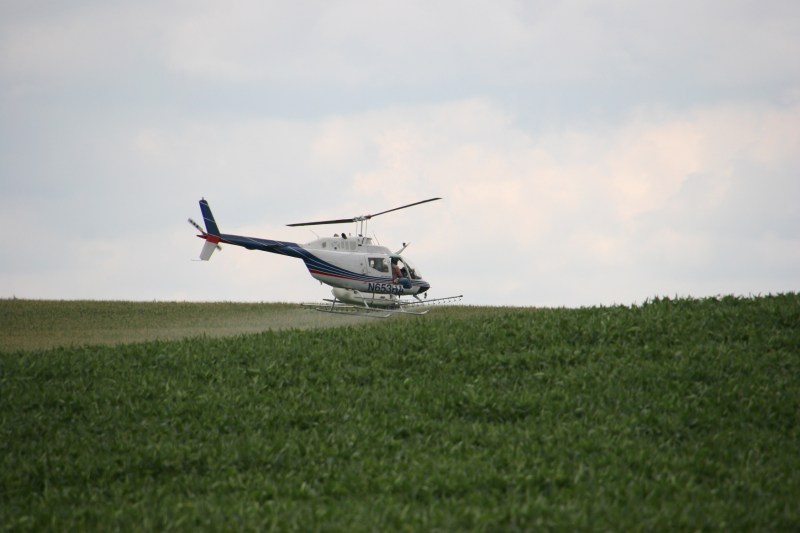
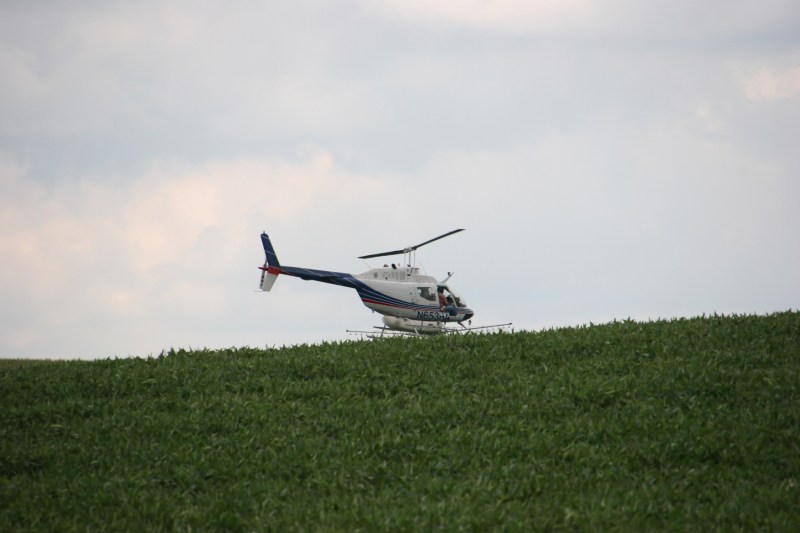
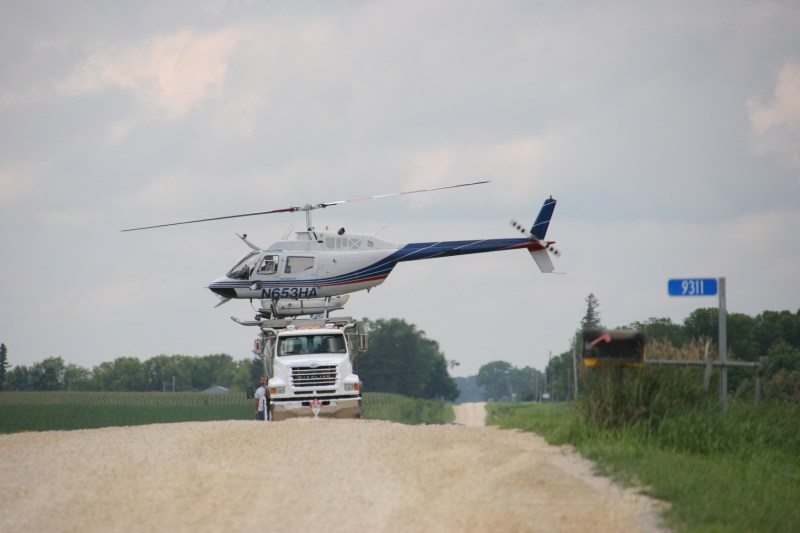
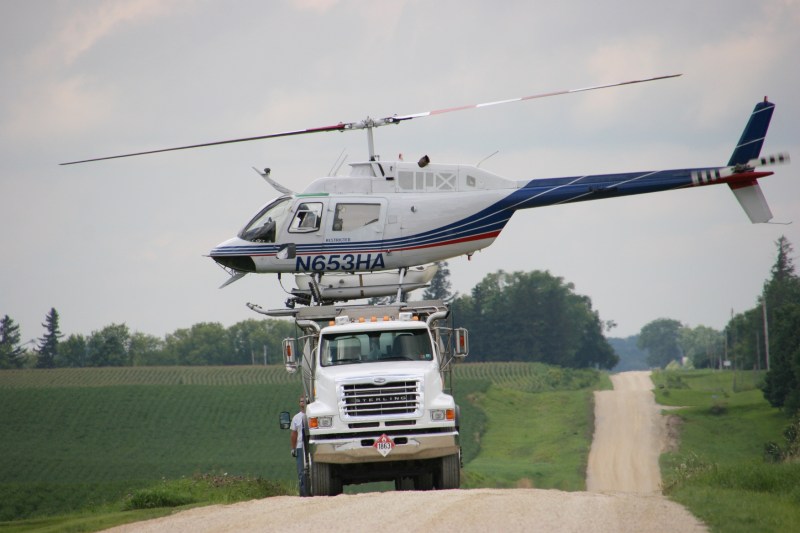
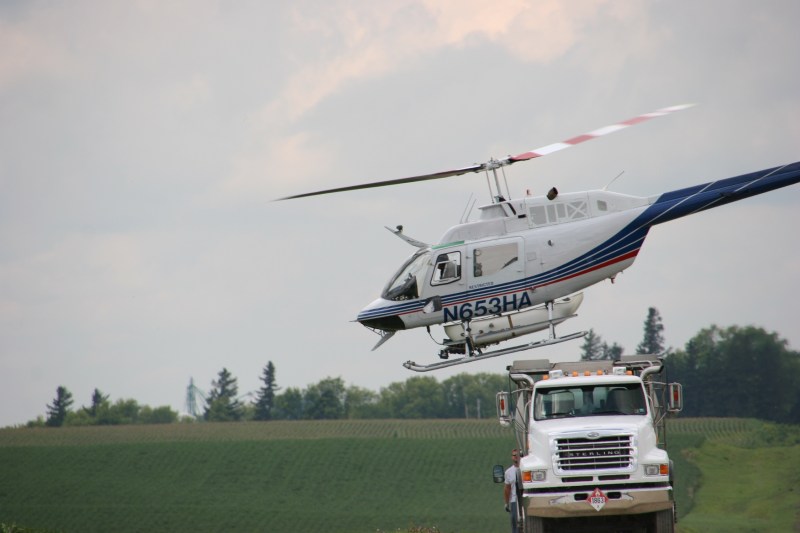
Before we made it to the farm, though, the chopper was back, skimming and spraying chemicals upon acres of corn at this location southeast of Faribault. Randy braked our van to a stop and I was out the passenger side door before the wheels stopped turning, eager to photograph an aerial application up close.

The helicopter files over a hill in the corn field.

The helicopter files over a hill in the corn field.

Whether you agree or not with the spraying of chemicals upon the land to control weeds, fungus and insects or to fertilize crops, you have to admire the skills of these pilots. This appears a dangerous undertaking as the copter zooms above the fields, the pilot simultaneously spraying, guiding his aircraft and watching the ground for obstacles—like silos, power lines and hills.

Helicopter spraying, 121 atop truck


While the pilot’s skills impressed me, I was especially fascinated by what I saw as we crested the hill next to the Tatge dairy farm.


Helicopter spraying, 124 atop mixing truck


The helicopter had landed atop a truck in the middle of the country gravel road.


The helicopter lifts off from the mixing truck, ready for another round of spraying.

The helicopter lifts off from the mixing truck, ready for another round of spraying.

I’d never thought about this—how an aerial spraying helicopter refills with both chemicals and fuel. We didn’t stop to ask questions. I wasn’t about to distract the team of men focused on their work.

© Copyright 2016 Audrey Kletscher Helbling


More than a car show at St. John’s, rural Faribault August 3, 2016

At the St. John's car cruise-in.

At the St. John’s car cruise-in.

I’VE ATTENDED CAR SHOWS in parks, along city streets and at a fairgrounds. But never at a church or in the country.

A vintage car arrives for the cruise-in car show at St. John's, 19086 Jacobs Avenue, rural Faribault.

A vintage car arrives for the cruise-in car show at St. John’s, 19086 Jacobs Avenue, rural Faribault.

A tractor trophy awarded at the show reflects the rural region.

A tractor trophy awarded at the show reflects this rural region of southern Minnesota.

Across the road from St. John's, a truck pulls a grain bin.

Across the road from St. John’s, a truck pulls a grain bin.

Saturday morning I wheeled to a country church northeast of Faribault for St. John’s United Church of Christ, Wheeling Township’s first-ever Cruise-In Car Show. It’s a peaceful rural setting among farm fields and farm sites near Nerstrand Big Woods State Park.

An overview of the car show next to the church.

An overview of the car show next to the church.

This congregation knows how to draw folks in for events ranging from the annual The Last Supper Drama on Palm Sunday to Lenten soup luncheons to an ice cream social to a September Germanfest to the Big Woods Run and more. Many times I’ve gone to St. John’s activities, where I always feel welcomed by a friendly group of people like 90-year-old historian Elsie, Lynn (who’s usually in the kitchen) and the Rev. Lora Sturm.

My husband's hands clasped in prayer.

My husband’s hands clasped in prayer.

On this Saturday morning, the reverend leads attendees in prayer. As I stand between a row of vintage cars in the church parking lot, I consider how wonderful to hear this prayer of blessing upon the vehicles and upon those in attendance.

This group of men visited for a long time around various vehicles.

This group of men visited for a long time around various vehicles.

While visiting with others, I note that most either belong to this congregation or grew up in this church. There’s a special closeness in country churches that comes from living in the same geographical area and gathering here to socialize, to celebrate, to mourn, to grow in the faith (although some admittedly have drifted away).

The oldest vehicle at the event.

The oldest vehicle at the event.

Roots run deep through generations of families. German immigrants founded this congregation in 1856 as Minnesota’s first German Evangelical Church. They worshiped, nonagenarian Elsie tells me, in a log cabin before that burned and the current church was built in 1870 by German farmers from locally-quarried limestone.

I set my camera on the grass and aimed up to photograph this view of St. John's.

I set my camera on the grass and aimed up to photograph this view of St. John’s. Yes, there’s a cross-topped steeple, just not in this image.

The “Old Stone Church,” as it is known, stands strong on the corner of a paved county and gravel road next to the church cemetery. A 4-year-old boy points to a gravestone and tells me God is buried there. I lead him to the stone, read the name thereon and explain to him that God is not buried here nor is He dead.

Cars parked right next to the cemetery.

Cars parked right next to the cemetery.

I love that these kids have been together for hours—romping on the mini playground, playing hide-and-seek, searching for a geo-cache stashed in a treeline behind the cemetery… This setting invites such play, reminding me of my own upbringing in a small town Lutheran church.

The scene reflected in the shiny bumper of a car.

The scene reflected in the shiny bumper of a car.

Guys chatted next to tractors.

Guys chatted next to tractors.

Lovely crabapple trees edge the parking lot. St. John's members make their famous apple jelly from these apples to sell at Germanfest.

Lovely crabapple trees edge the parking lot. St. John’s members make their famous apple jelly from these apples to sell at Germanfest.

On this Saturday, this cruise-in is not just a gathering of car, truck and tractor enthusiasts showing off their vehicles. This event is about memories and socializing, about slowing down and appreciating the beauty and quiet of this reverent country place. It’s about being neighborly.

Volunteers served up a generous plate of a BBQ pulled pork sandwich, potato salad and beans, all for $5.

Volunteers served up a generous plate of a BBQ pulled pork sandwich, potato salad and beans, all for $5.

That delicious food.

That delicious food.

And it’s also about the food, this time delicious BBQ pulled pork sandwiches from the Rice County Pork Producers.

I always leave St. John's feeling happy and smiling.

I always leave St. John’s feeling happy and smiling.

St. John’s, from my experience, has always nourished the body, soul and spirit. And on this late July morning, this cruise-in accomplishes that mission in food, setting and friendly conversation.

FYI: Check back tomorrow and the day after for more photos from the St. John’s Cruise-In Car Show.

© Copyright 2016 Audrey Kletscher Helbling


The rural influence in my writing & photography, plus a farm tour July 12, 2016

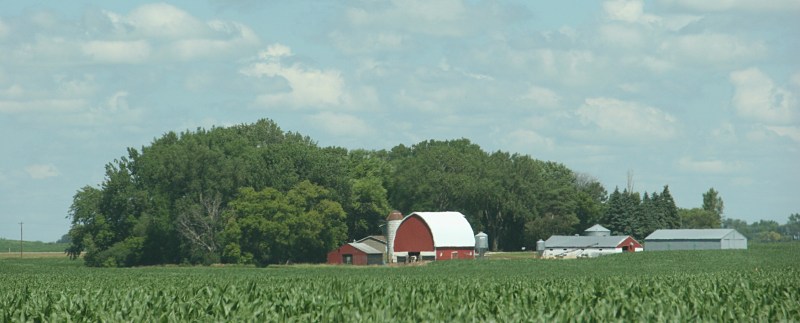
Barn, 117 red barn along US Hwy 71 south of Redwood Falls


BARNS DRAW MY CAMERA lens like moths to a porch light.


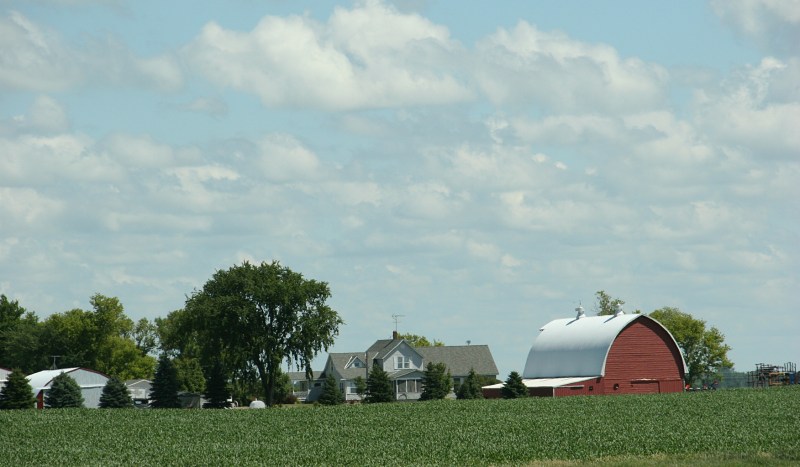
Barn, 144 farm site between Olivia and Wilmar


My response is reflexive, this focal allure of barns while traveling through rural Minnesota.


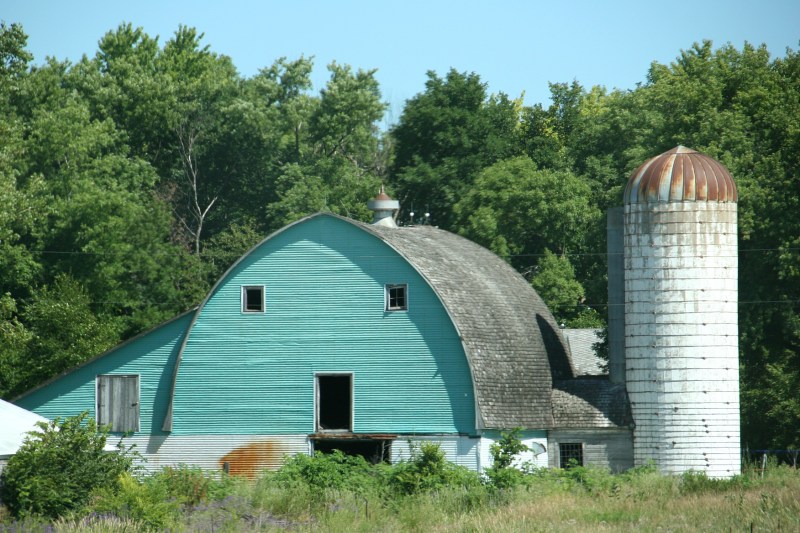
Barn, 112 bluegreen barn along US Hwy 71 south of Redwood Falls


Barns, to me, symbolize rural life. Growing up on a southwestern Minnesota dairy and crop farm, I labored in the barn—scooping silage and ground feed, scraping manure into gutters, carrying milk pails from barn to milkhouse, tossing hay and straw bales from the hayloft, bedding straw…

My hair, my skin, my clothing smelled always of cows and manure. I bathed but once a week. That seems unfathomable now. But it was the reality of then.


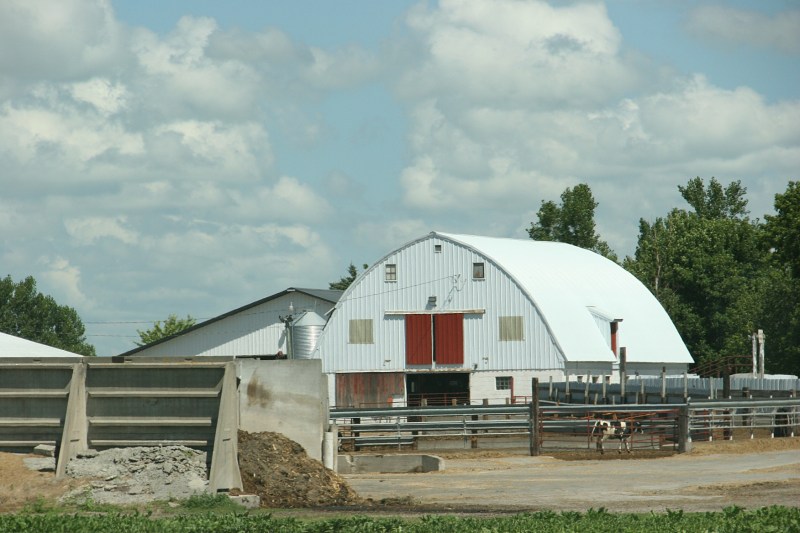
Barn, 145 white barn & cow


The barn on our family farm provided more than shelter for the cows. It provided an income, a way of life, a training ground for hard work. No matter what, the cows needed to be tended, fed and milked. Vacations were rare—only two my entire childhood, one to the Black Hills of South Dakota and the other to Duluth. On the occasion when my parents traveled farther, they left my older brother and me home to take care of the farm under our bachelor uncle Mike’s watchful eye.


Barn, 142 farm site between Olivia and Wilmar


I often told my dad I wanted to be a farmer. He discouraged me. He likely knew what I didn’t, that I wasn’t cut out to be a farmer. I am not a risk taker. And to be a farmer, you need to be a bit of a gambler. You gamble on the unpredictability of weather and of prices. Granted, technology has curbed some of the risk. But still, it’s there.


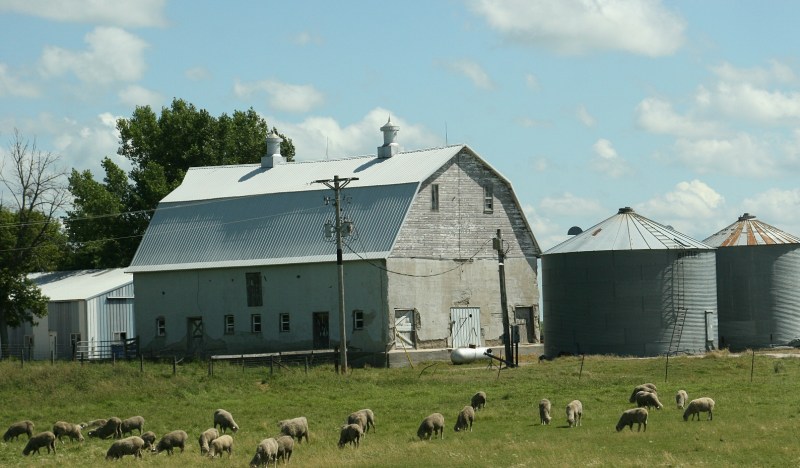
Barn, 132 sheep and barn between Morton & Olivia


Instead, I pursued a degree and career in journalism. And then, eventually, I became a full-time stay-at-home mom, setting aside my writing to raise my three kids. Until I found time again to write.


Barn, 109 east of Wabasso along US 71


In my writing today, unlike my past deliver-the-facts newspaper reporting, I have created a unique voice rooted in rural Minnesota. I may not smell of cow or manure, but those scents linger in my memory, infusing into my writing and photography. I bring a small town rural perspective to my work. I find my joy in writing about and photographing everyday life, everyday places, everyday people, mostly in Greater Minnesota.

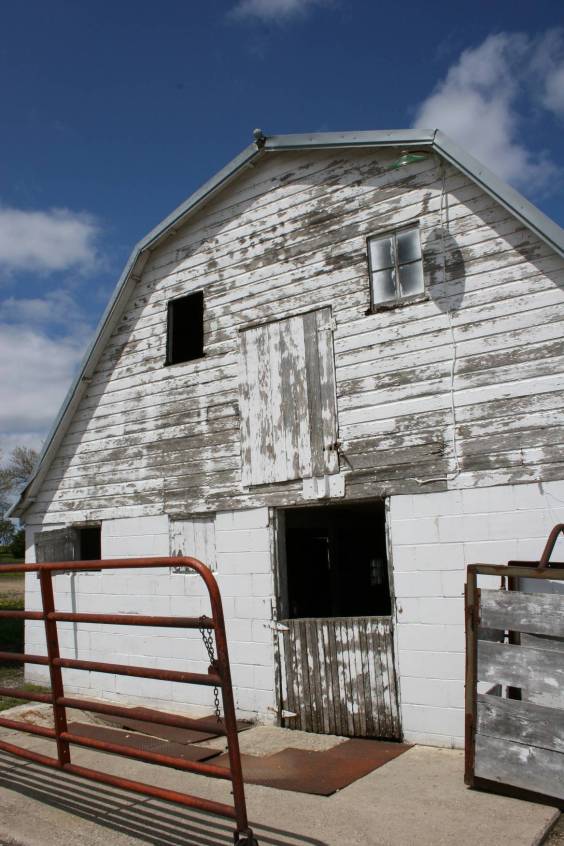
The early 1950s barn on the Redwood County dairy farm where I grew up today stands empty of animals.

The early 1950s barn on the Redwood County dairy farm where I grew up today stands empty of animals. Minnesota Prairie Roots file photo.

And it all started in a Redwood County barn.

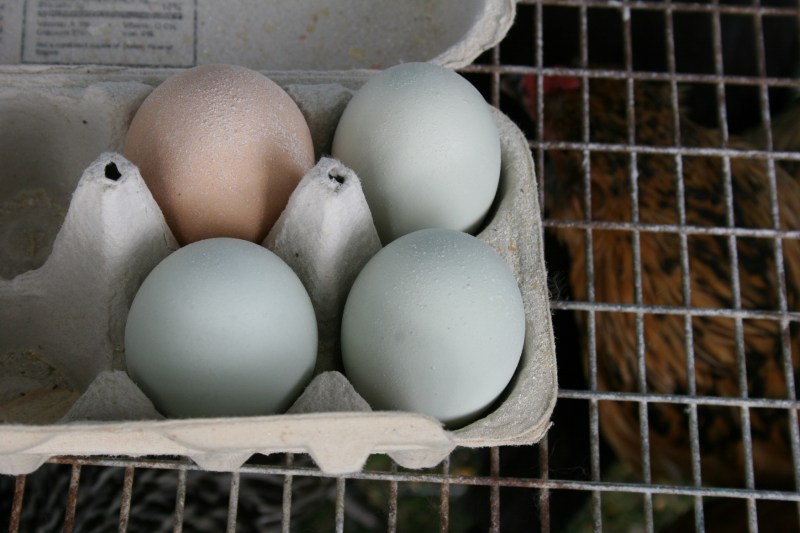
Fresh eggs and caged chickens attracted lots of interest.

Fresh eggs and caged chickens photographed at an event several years ago at Valley Grove Church, rural Nerstrand. Minnesota Prairie Roots file photo.

YOU, TOO, CAN EXPERIENCE farming this Saturday, July 16, by touring agricultural businesses throughout the region during the annual Eat Local Farm Tour. From Simple Harvest Farm Organics in rural Nerstrand to Mississippi Mushrooms in Minneapolis to Hope Creamery in Hope and 26 other sites, you’ll discover Minnesotans and Wisconsinites passionate about local foods. You’ll meet beekeepers, cheesemakers, berry growers, cattlemen/women, trout farmers and more.

Click here for a listing of sites on the Eat Local Farm Tour, which runs from 10 a.m. – 4 p.m.

© Copyright 2016 Audrey Kletscher Helbling
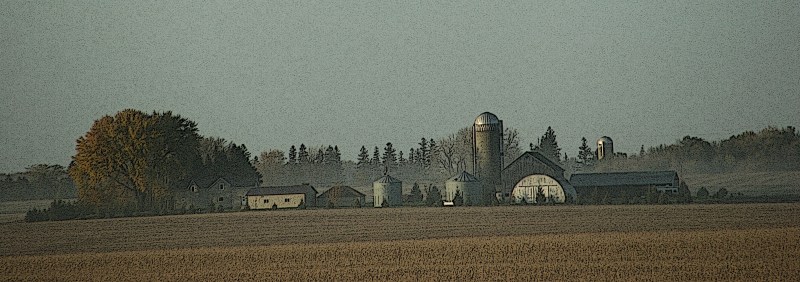
Note: With the exception of my home barn, all barns and farm sites featured in this post are located along U.S. Highway 71 in rural Minnesota, from south of Redwood Falls to south of Willmar.


The skies of summer in southwestern Minnesota July 8, 2016

Filed under: Uncategorized — Audrey Kletscher Helbling @ 5:00 AM
Tags: , , , , ,

Sky in sw MN, 27 red barn close-up


DECADES AGO, I LAY flat on my back in a Redwood County, Minnesota farm yard, eyes fixated on the clouds. I wasn’t a weather watcher. Rather, I was a girl with an imagination. As I lay there, I imagined a monstrous bird swooping from the sky to bite a chunk from the silo.


Sky in sw MN, 15 big sky & farm site


I’d just viewed a movie about a giant bird attacking the Empire State Building. It was no surprise then that I noticed frightening creatures looming in the sky.


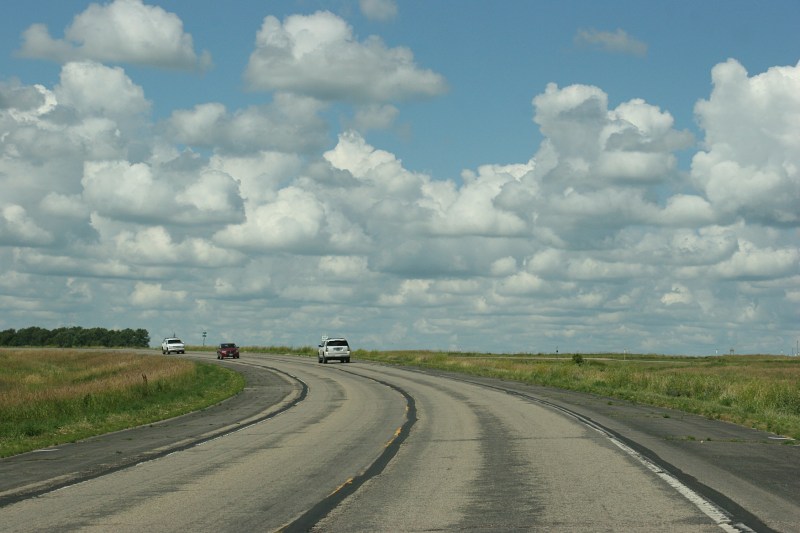
Sky in sw MN, 21 highway 14


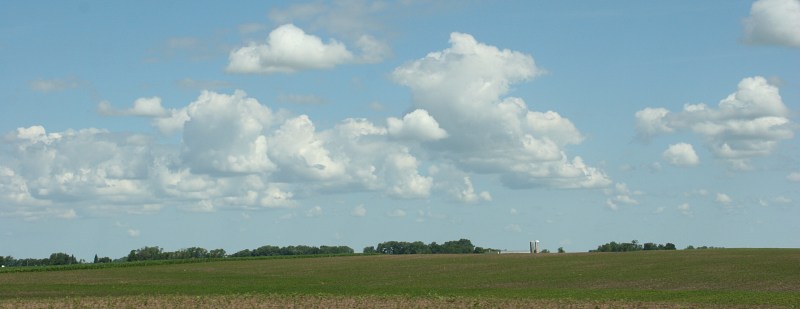
That was then. This is now, decades later, when I am still fascinated by the clouds of summer. There’s nothing quite like the summer skies of my native southwestern Minnesota prairie. Traveling west on July 2 to a family gathering near Lamberton, I delighted in the perfect summer sky of white clouds suspended above the land in a background of blue.


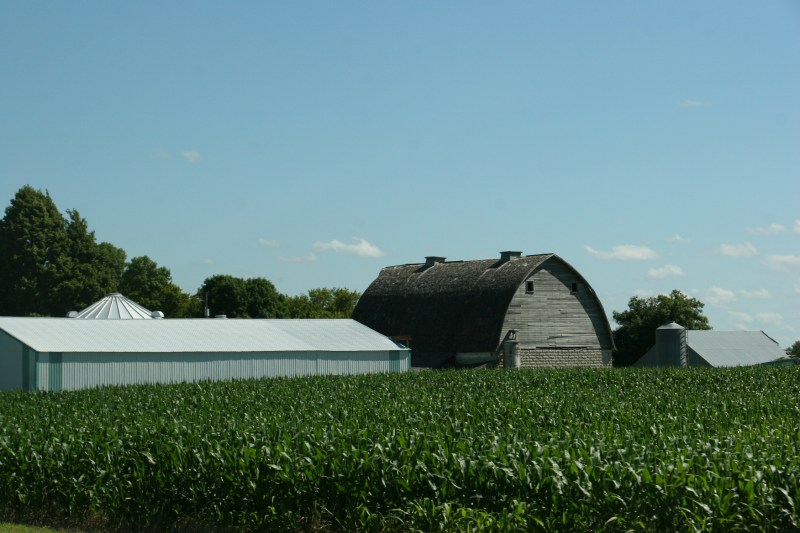
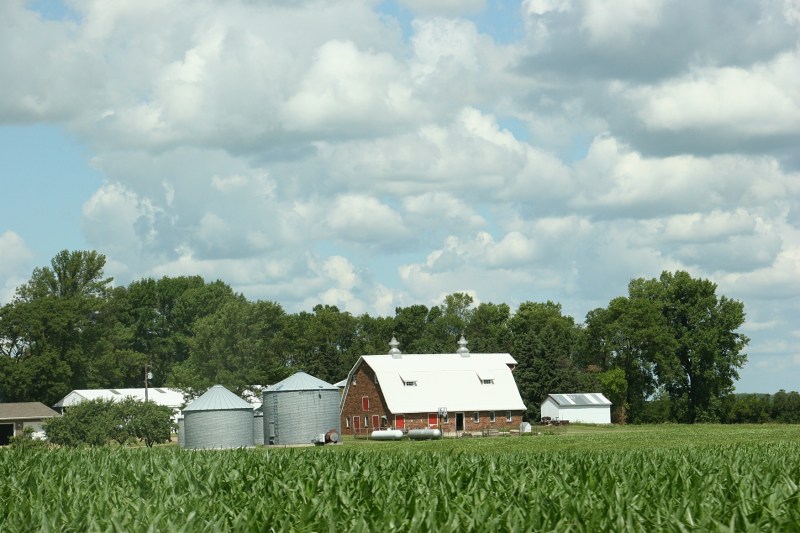
Sky in sw MN, 23 corn, barn & bins


Below, fields of corn and soybeans stretched for acres, broken only by farm sites, grain elevators, small towns and slashes of roadways.


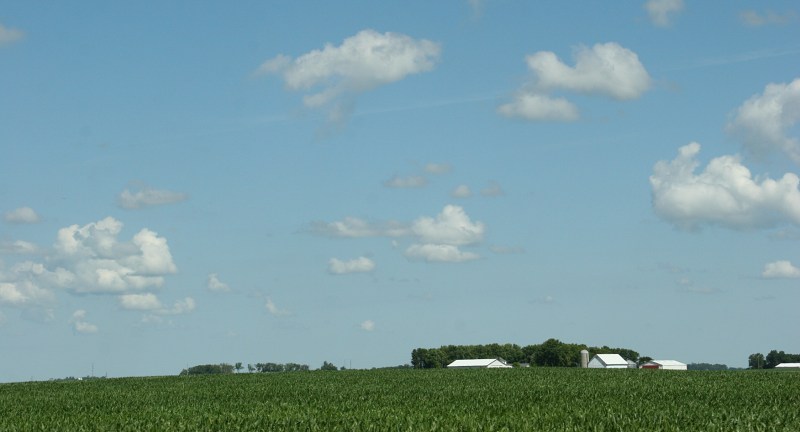
Sky in sw MN, 7 big sky & farm site


The sky and land are so big here. I suppose to some, the vastness can unsettle. But for me it’s freeing.


Sky in sw MN, 28 full corn field, farm site and cloudy sky


My mind wanders from worries and difficult realities of life, of attacking giant birds, to a carefree state. I simply feel happy here beneath clouds that hang like wispy pulls of cotton candy above the greening cropland.


Sky in sw MN, 24 bins and sky


This land, this sky, this place, this rural Minnesota shall always claim my heart and my imagination.


Sky in sw MN, 30 entering Lamberton


TELL ME: What place claims your heart and why?

© Copyright 2016 Audrey Kletscher Helbling

Note: All of these photos were taken on July 2 while traveling westbound on U.S. Highway 14 between Sleepy Eye and Lamberton, Minnesota.