
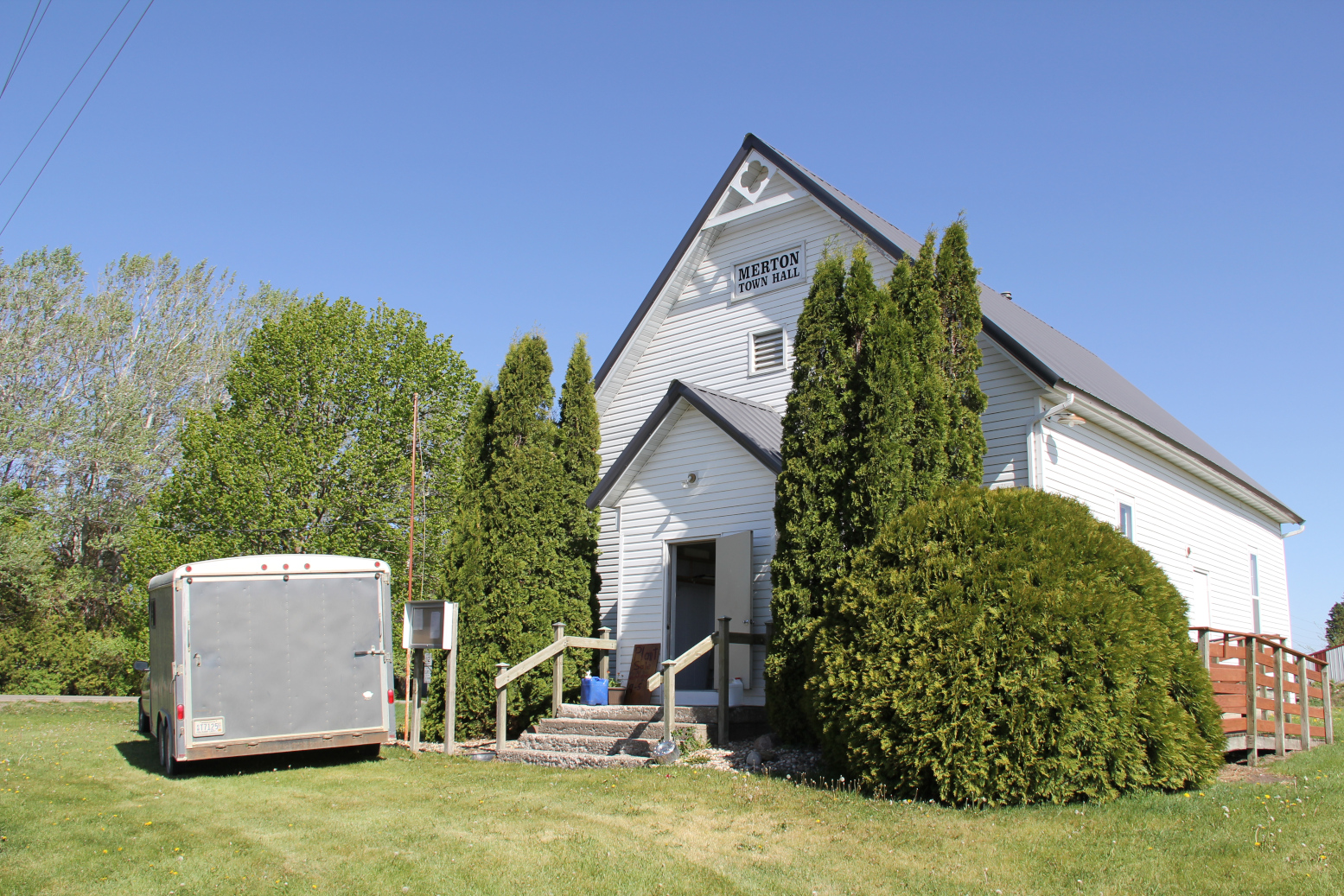
INSIDE THE MERTON TOWN HALL, Audrey Klukas, who lives a few miles away in rural Owatonna, is hosting a May plant sale. She’s hauled plants and canned goods, homemade apple pies and woven rugs from her trailer, up the steps into this aged building.
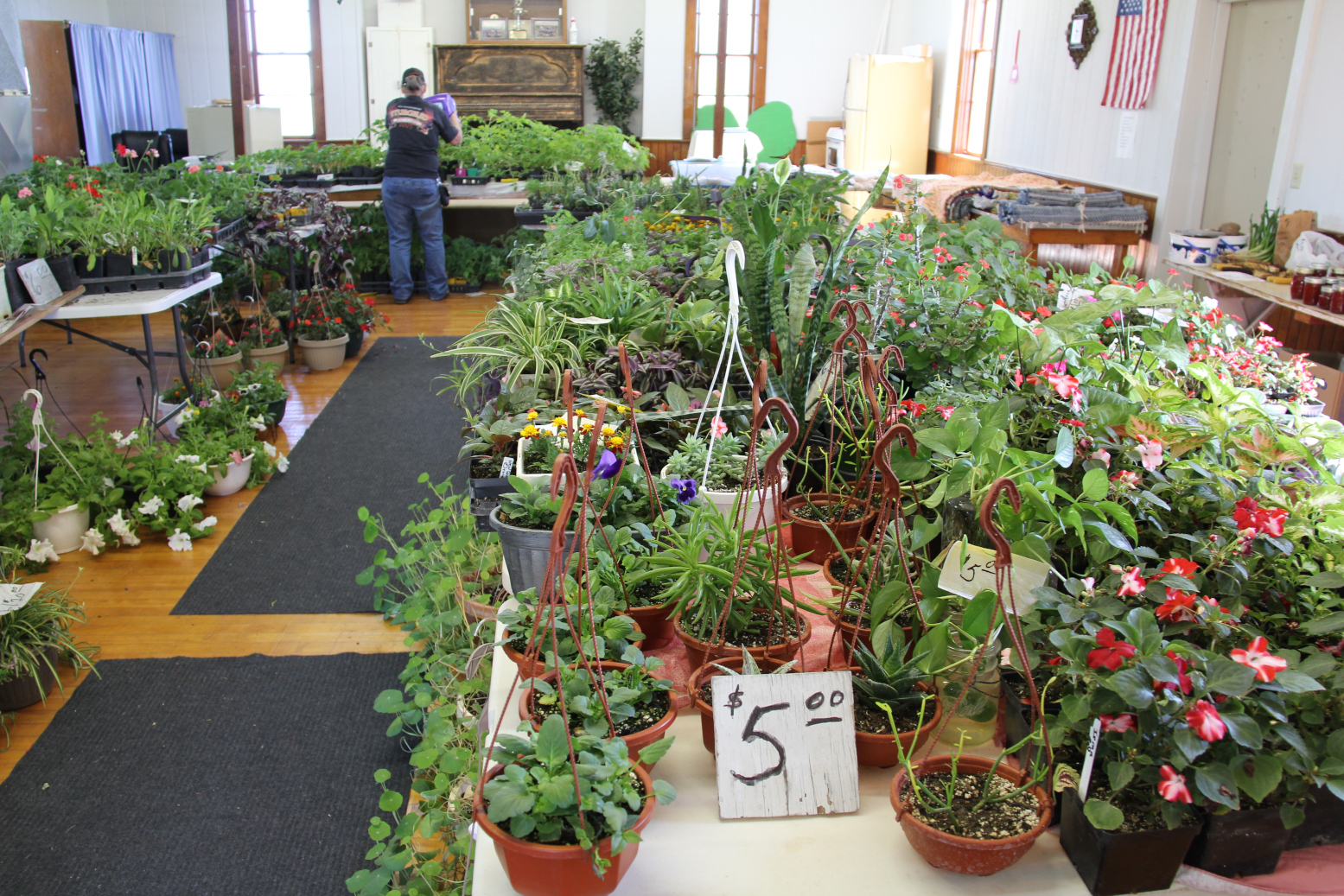
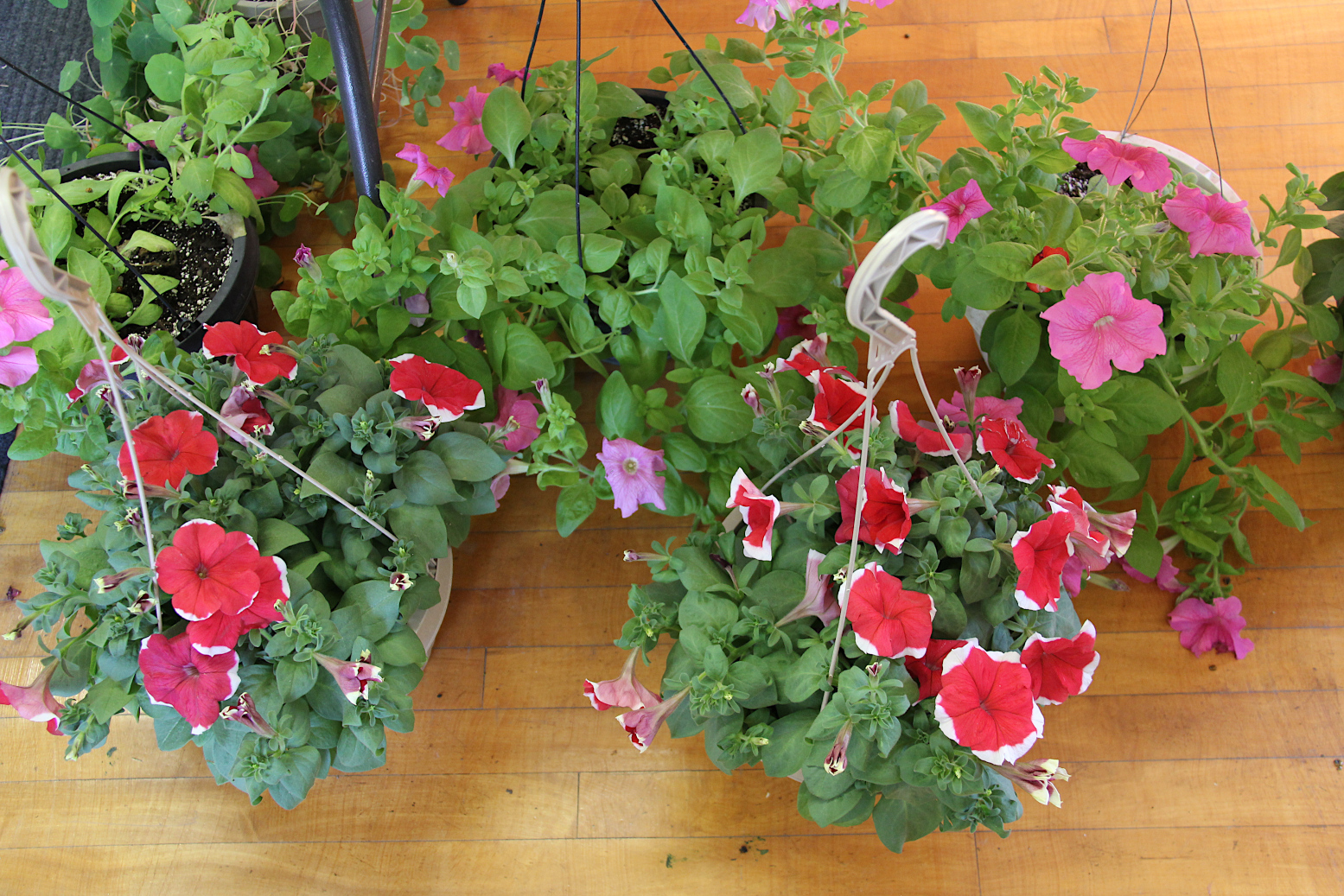
Marigolds, geraniums, petunias, tomatoes, succulents, peppers, hostas, sedum, coneflowers and more cover tables and sections of the old wooden floor. Tree seedlings sit on a painted church pew.
Klukas has grown most of the plants in her rural greenhouse. She’s a woman of many talents, an entrepreneur, a student of horticulture. In 1973, she graduated with the first class of horticulture students completing their two-year degree at the University of Minnesota, Waseca. That technical college closed in 1992.
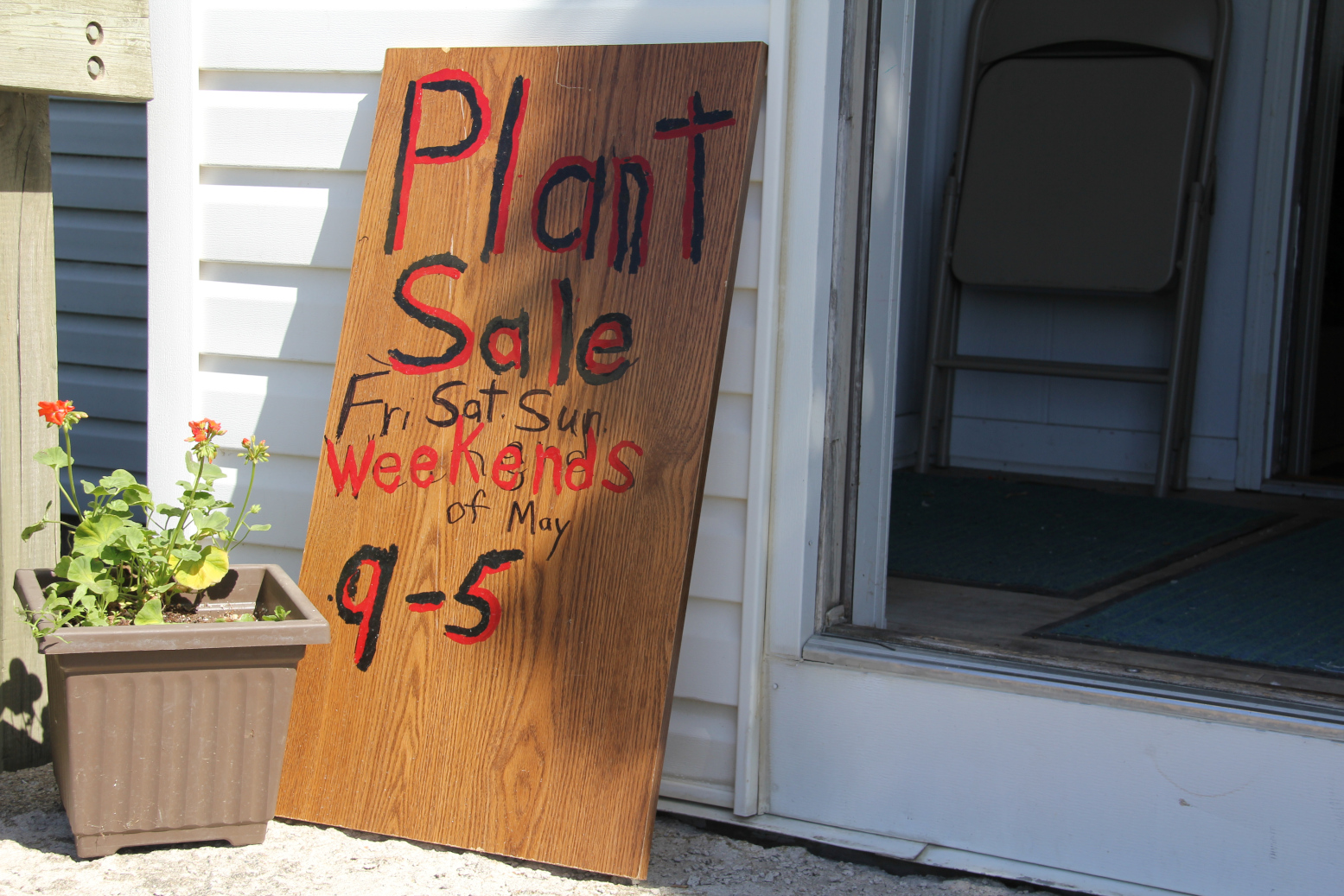
It’s clear that Klukas put her education to good use—planting seeds, then watering and nurturing the growing plants. She’s shared the fruits of her labors in this month-long sale, held every Friday through Sunday in May. The final weekend sale is from 9 a.m.-5 p.m. May 29-31.
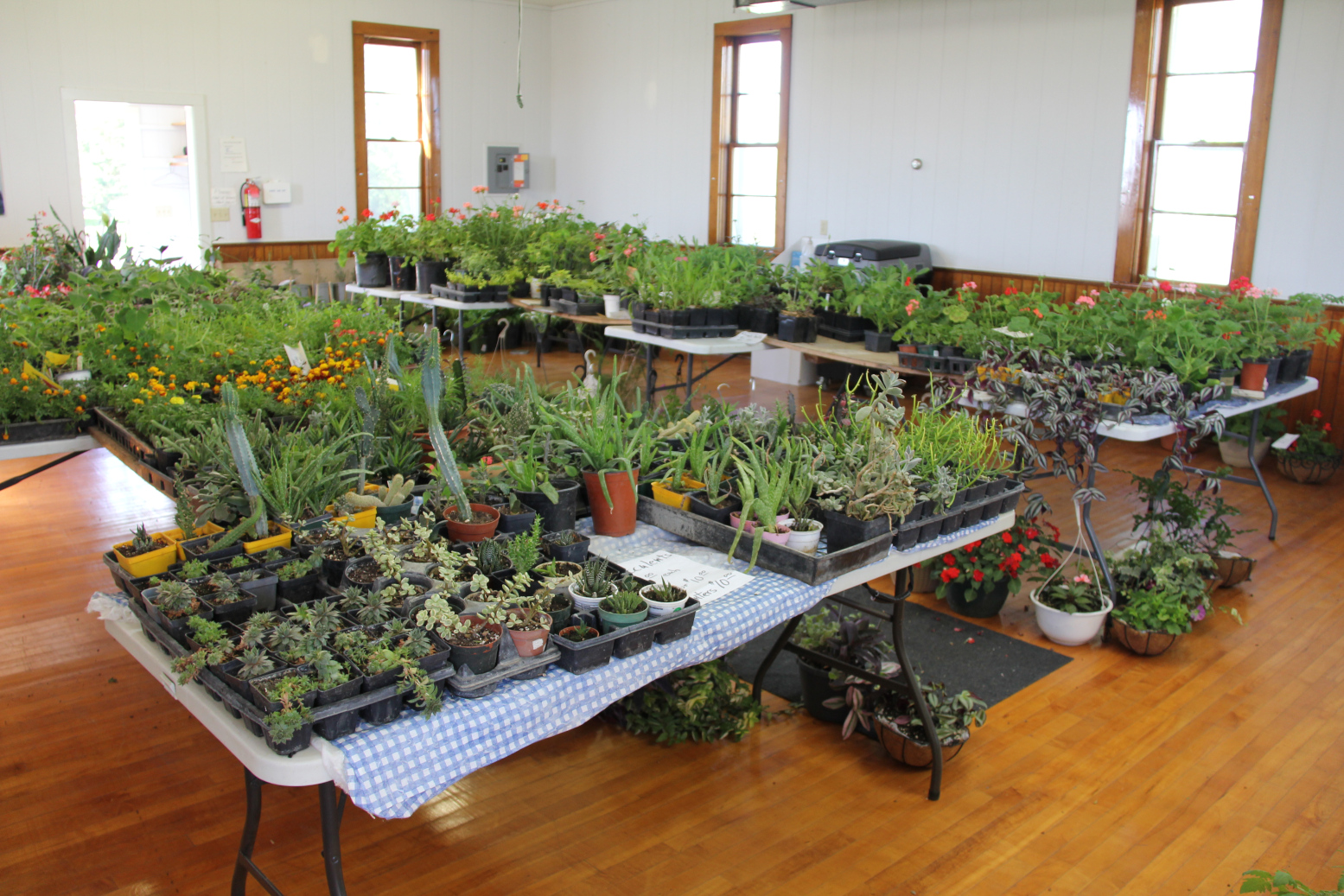
As I wandered among the plant-filled tables, bright sunshine streamed through the windows, Asian beetles clinging to the warm glass.
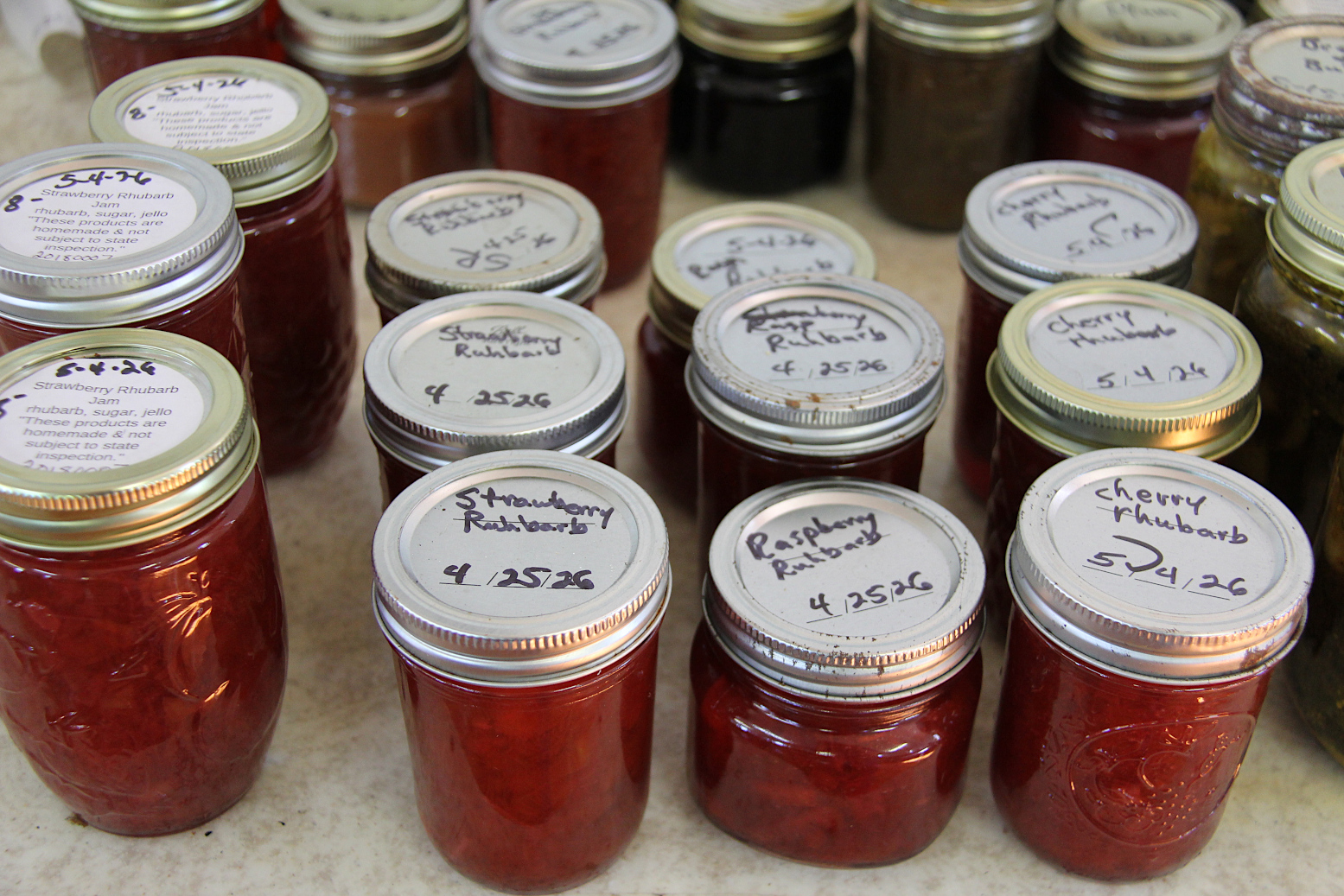
I admired the jars of canned goods. The pickles. Jam in assorted varieties like rhubarb with strawberry, raspberry and cherry. And then something I’d never seen, pickled kohlrabi and kohlrabi with pepper flakes and jalapeno. I should have bought a jar.
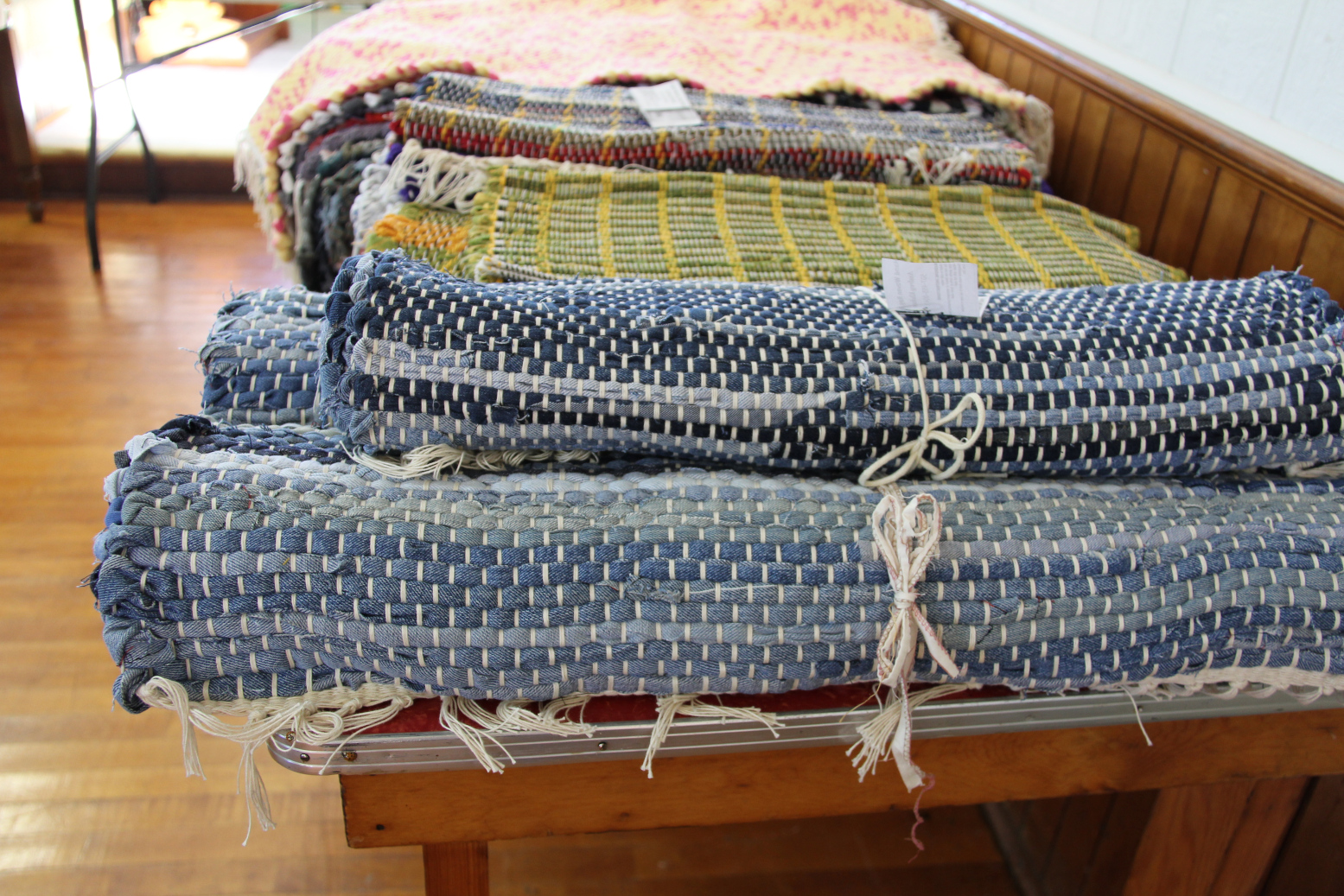
Instead, I meandered, taking it all in. I stopped to run my hands across the woven rugs crafted by Klukas and displayed on a table below a flyswatter, a clock and an American flag bannered on the wall above a printed copy of “The Pledge of Allegiance.” I noticed a handprinted sign: Needed old jeans for rugs. It takes a lot of jeans to make a rug, Klukas told me.
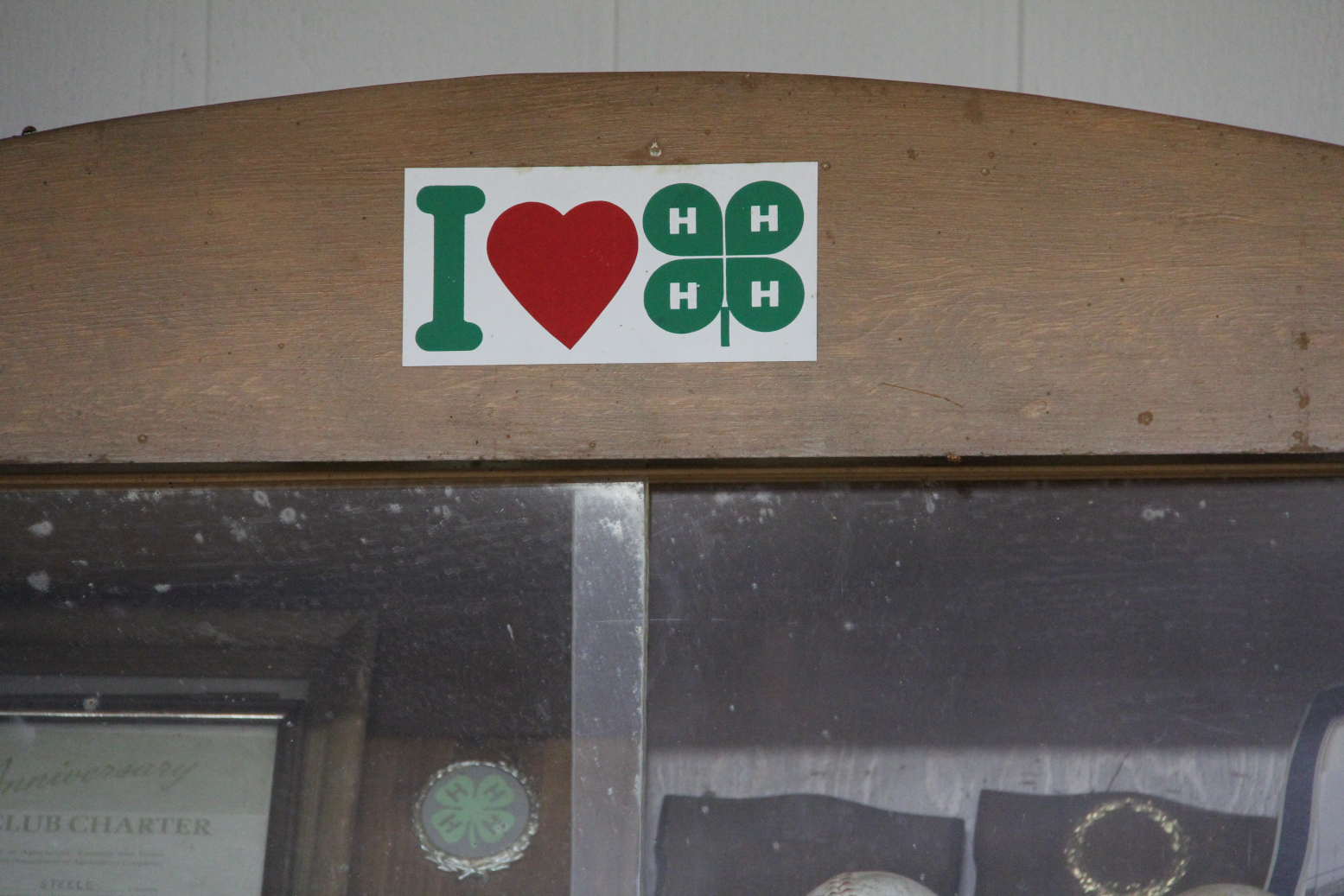
I asked some questions about the building, which she probably uses more than anyone, Klukas said. A 4-H club once met here. And when I looked closer, I saw that verified in an over-sized green clover, a discarded banner and more in and above a trophy case.
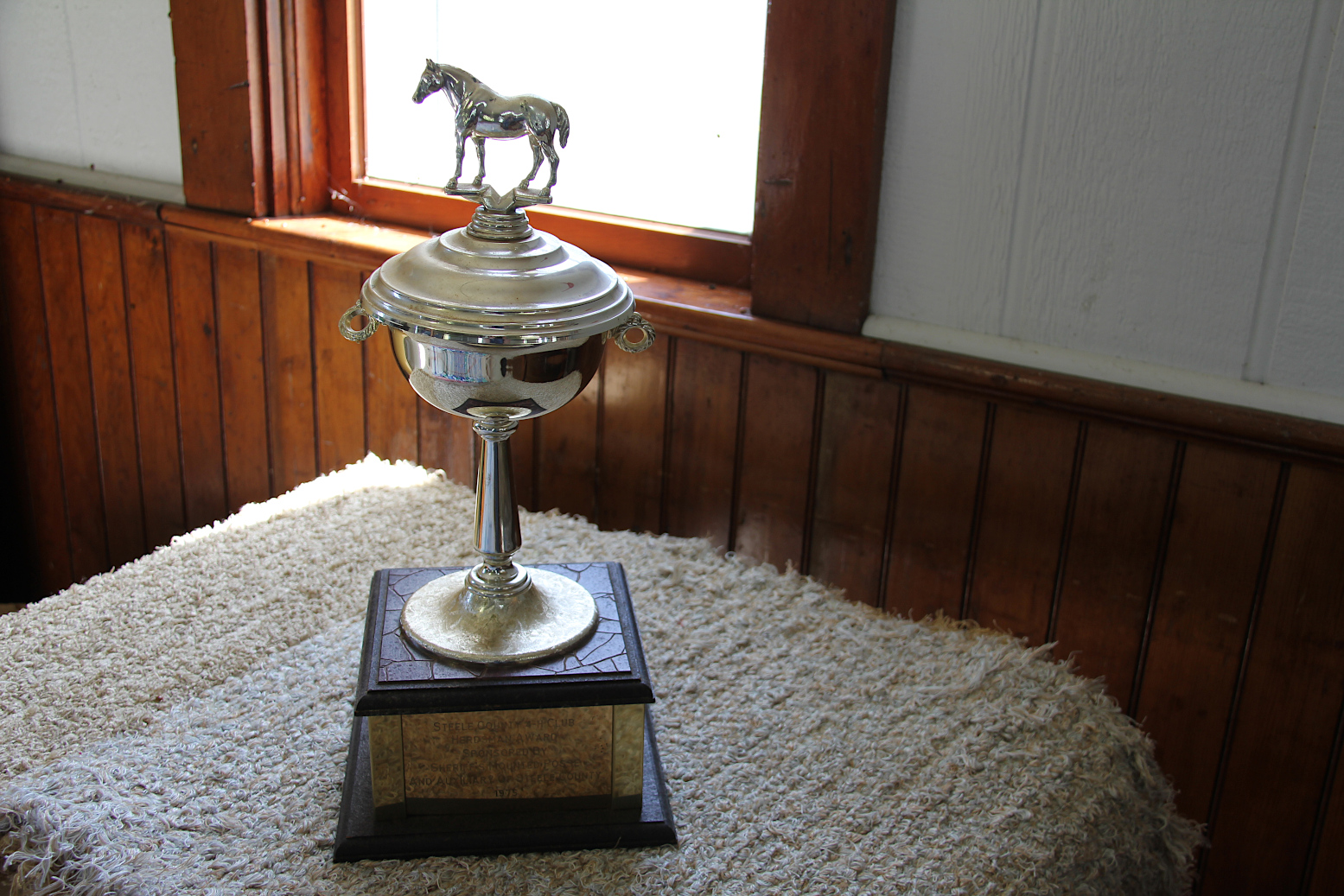
A trophy caught my eye. Klukas stepped around her plant tables and onto a stage to remove the trophy from the cabinet. A silver horse topped the Steele County 4-H Club Herdsman Award sponsored by the Sheriff’s Mounted Posse and Auxiliary of Steele County, 1975. I admired the 51-year-old trophy, as much a piece of history as a piece of art.
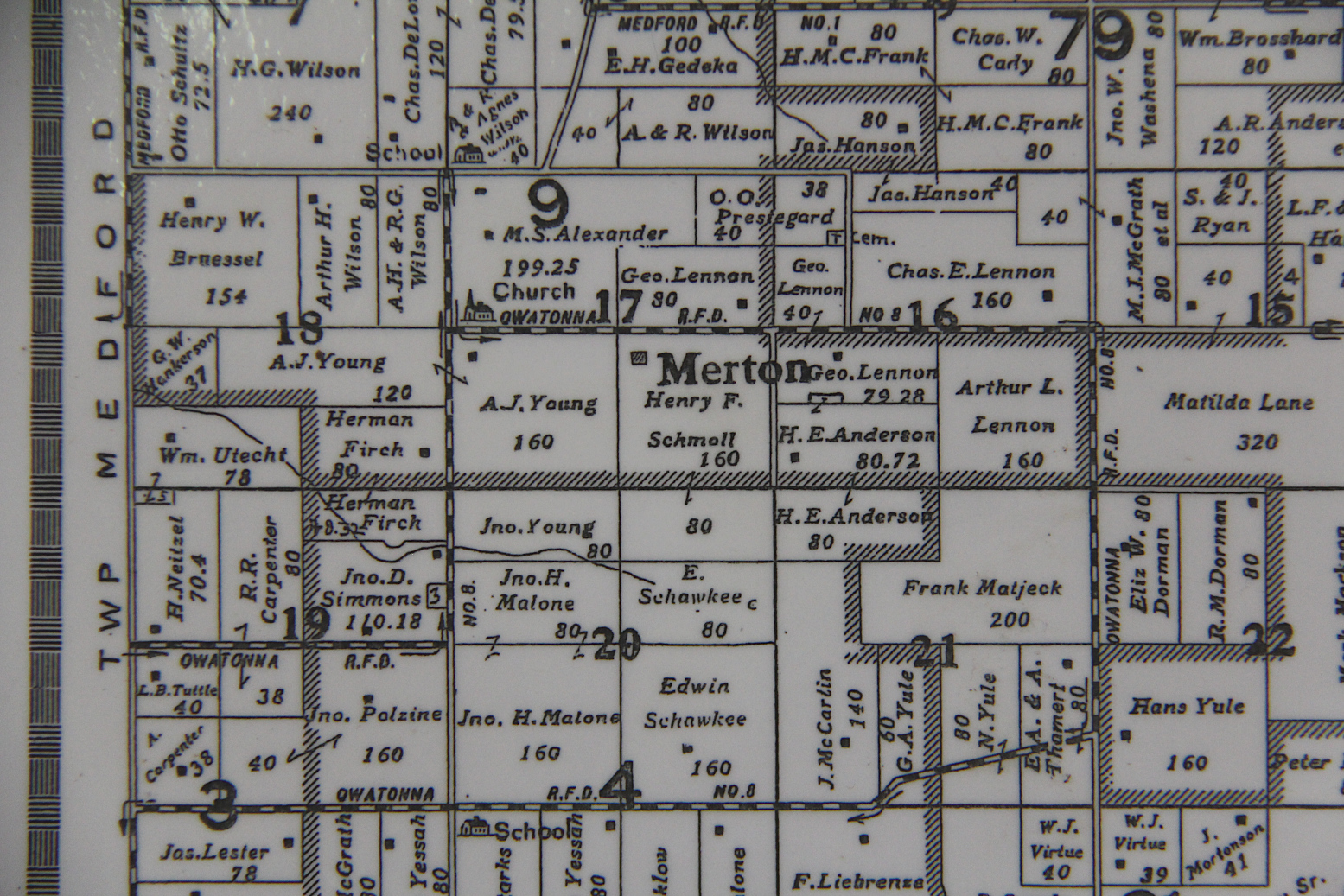
Since this is the Merton Town Hall, the center of township government, this is also a meeting and polling place. I wiggled my way to the voting booths, divided and cordoned off with blue fabric for privacy. Here locals exercise their right to vote. This is about as grassroots as it gets in a democracy.
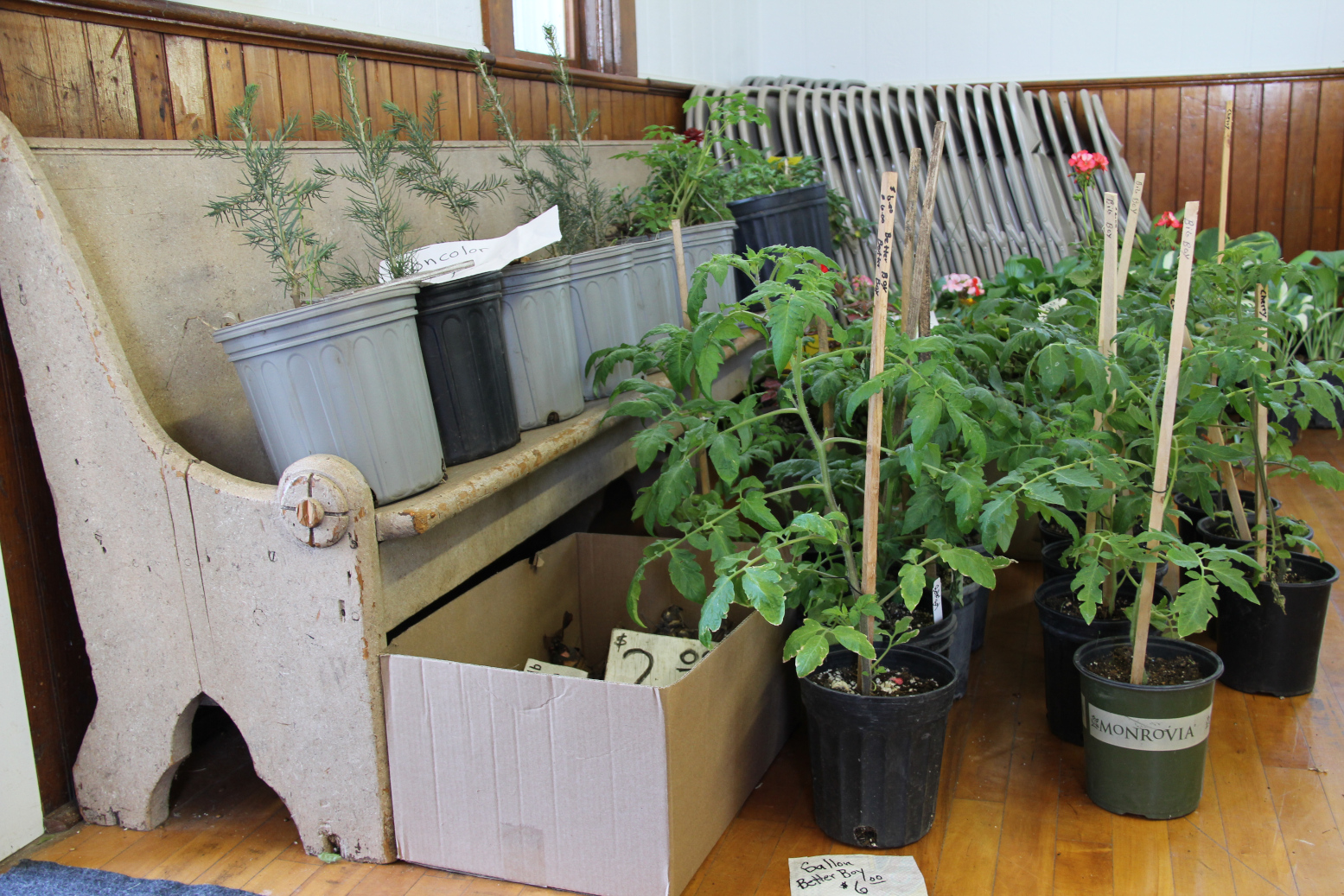
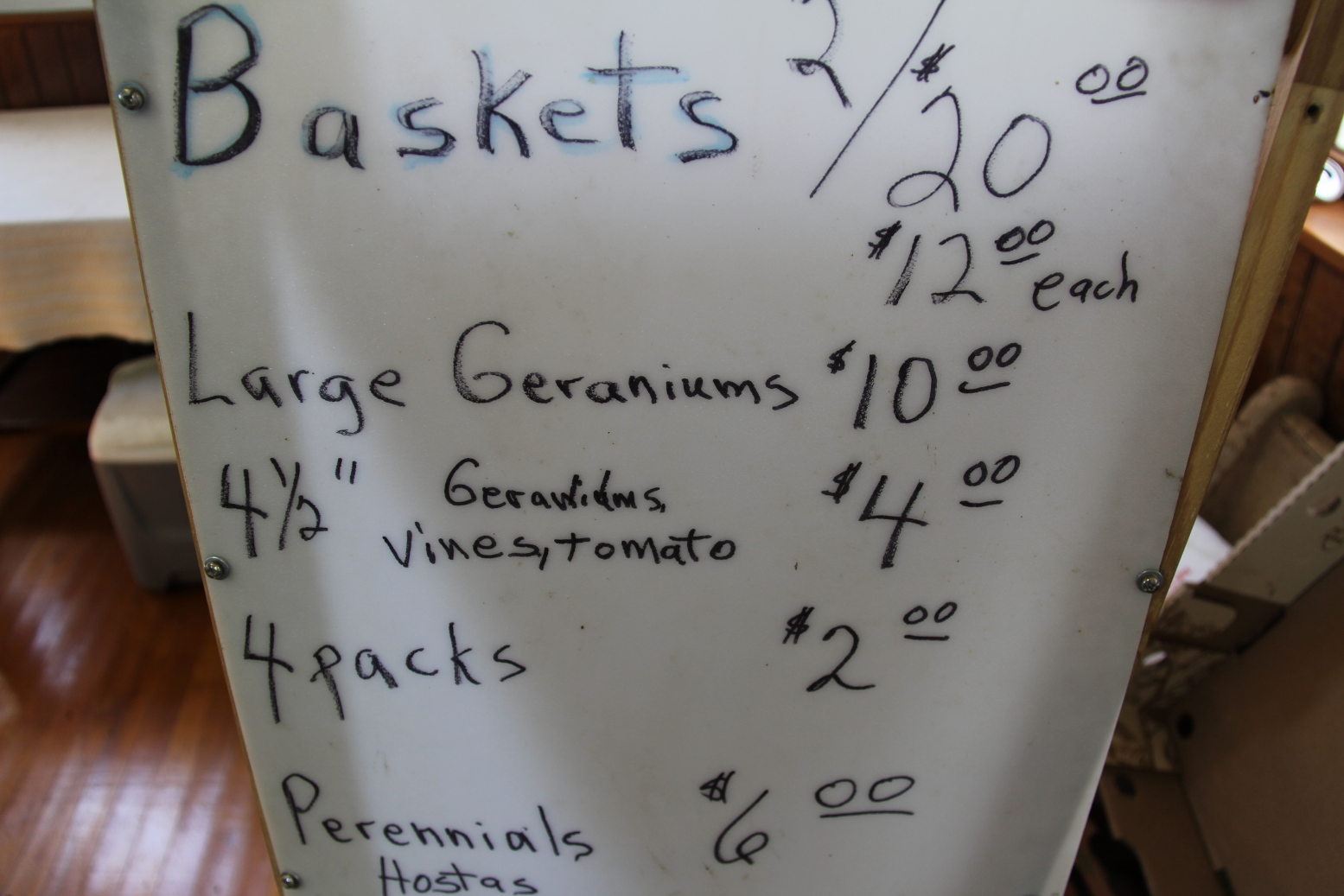
Klukas and I didn’t talk much. But she shared that a church once used this building, too, which was originally a school. No more details known. School, church, town hall, 4-H club meeting place and now, in the month of May, this simple structure in the middle of farm fields is a space to sell plants, rugs, homemade preserves, pies…the fruits of Klukas’ labors.
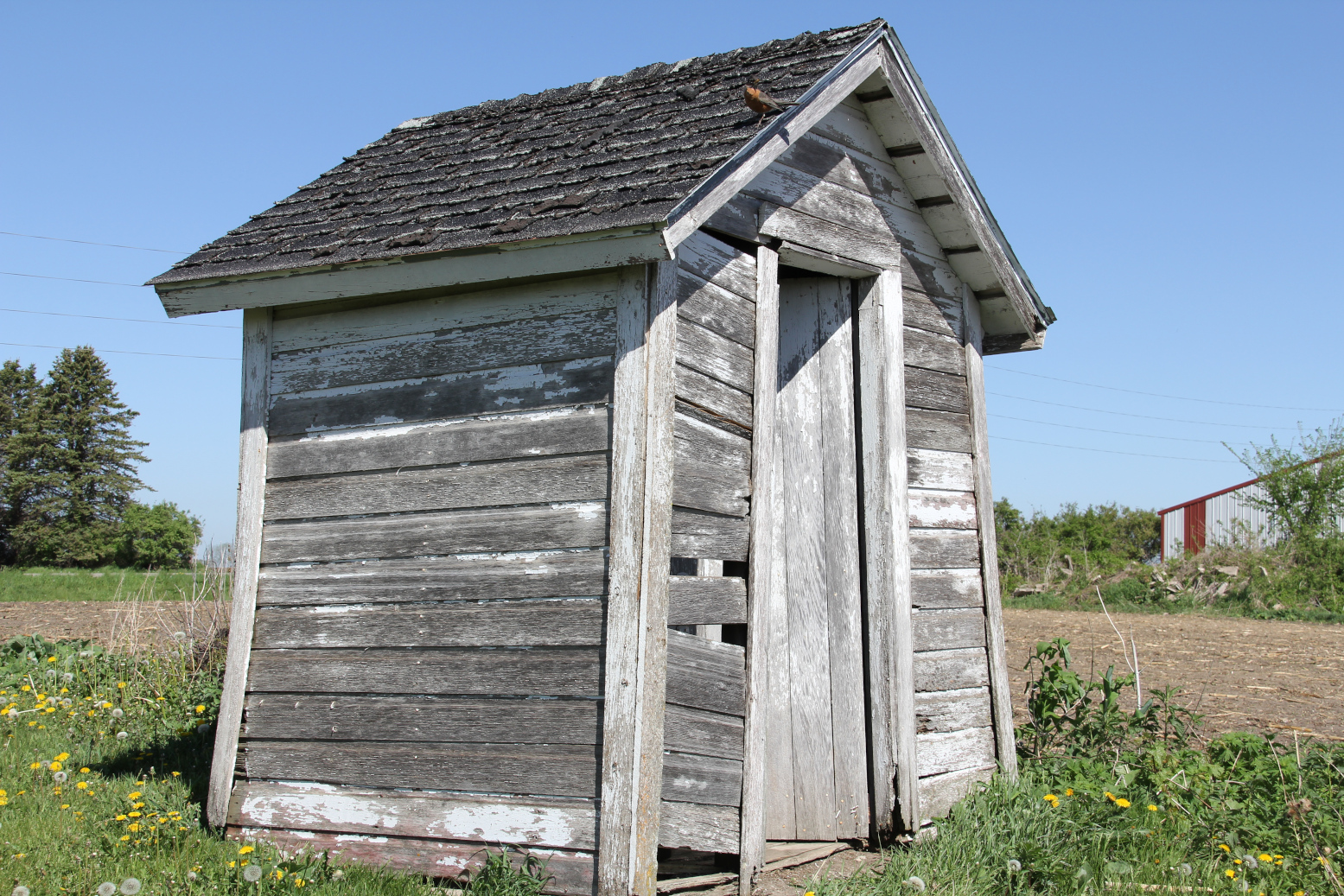
When I stepped outside the town hall, I considered the feet that have climbed the front steps into this building. To learn. To worship. To discuss township governance. To vote. To commit to the 4 tenets of 4-H: head, heart, hands and health. To gather. And on this May day to shop as farm fields green, as robins tend their young inside an on-site weathered gray outhouse that leans into the land.
© Copyright 2026 Audrey Kletscher Helbling





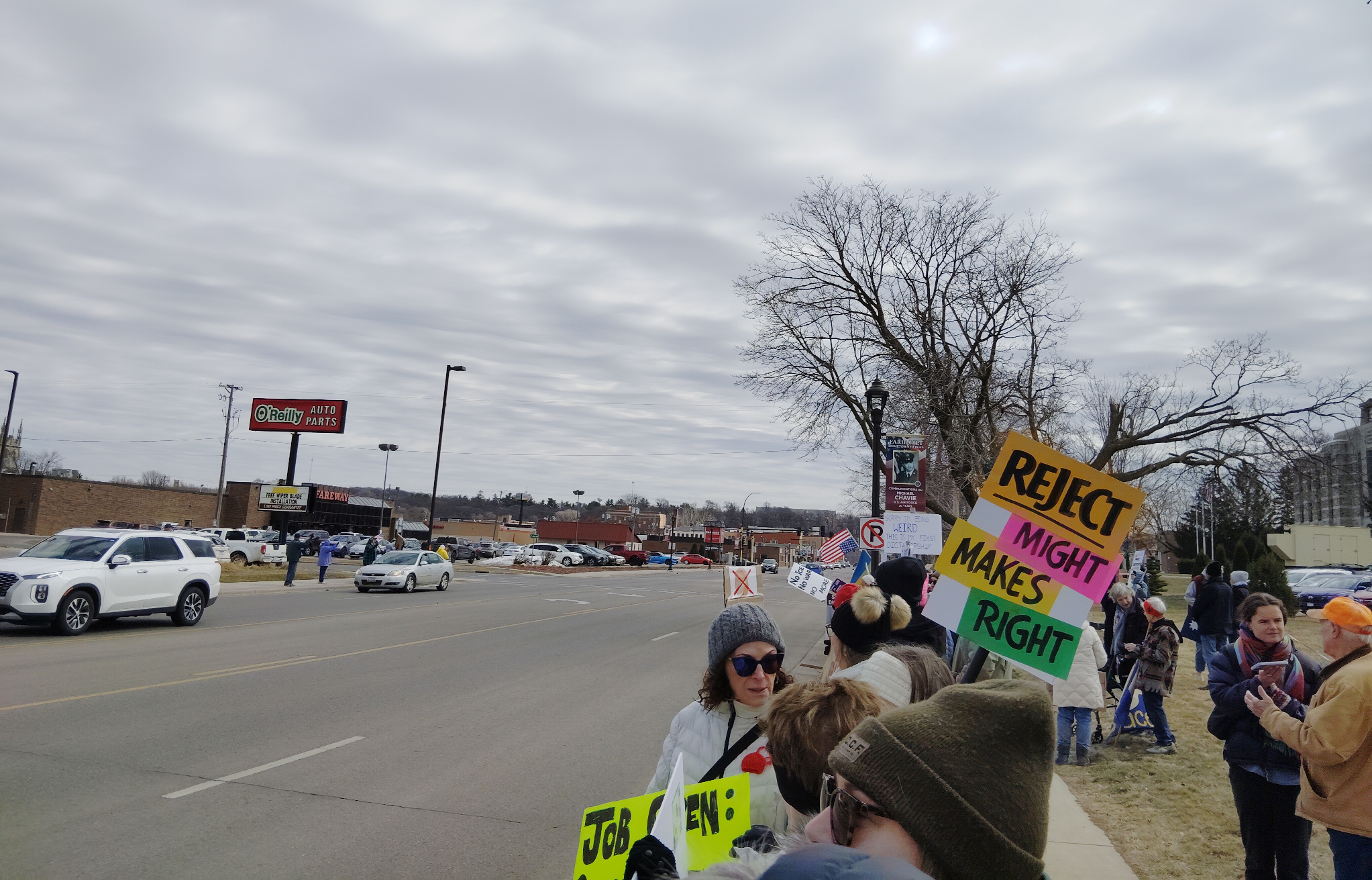
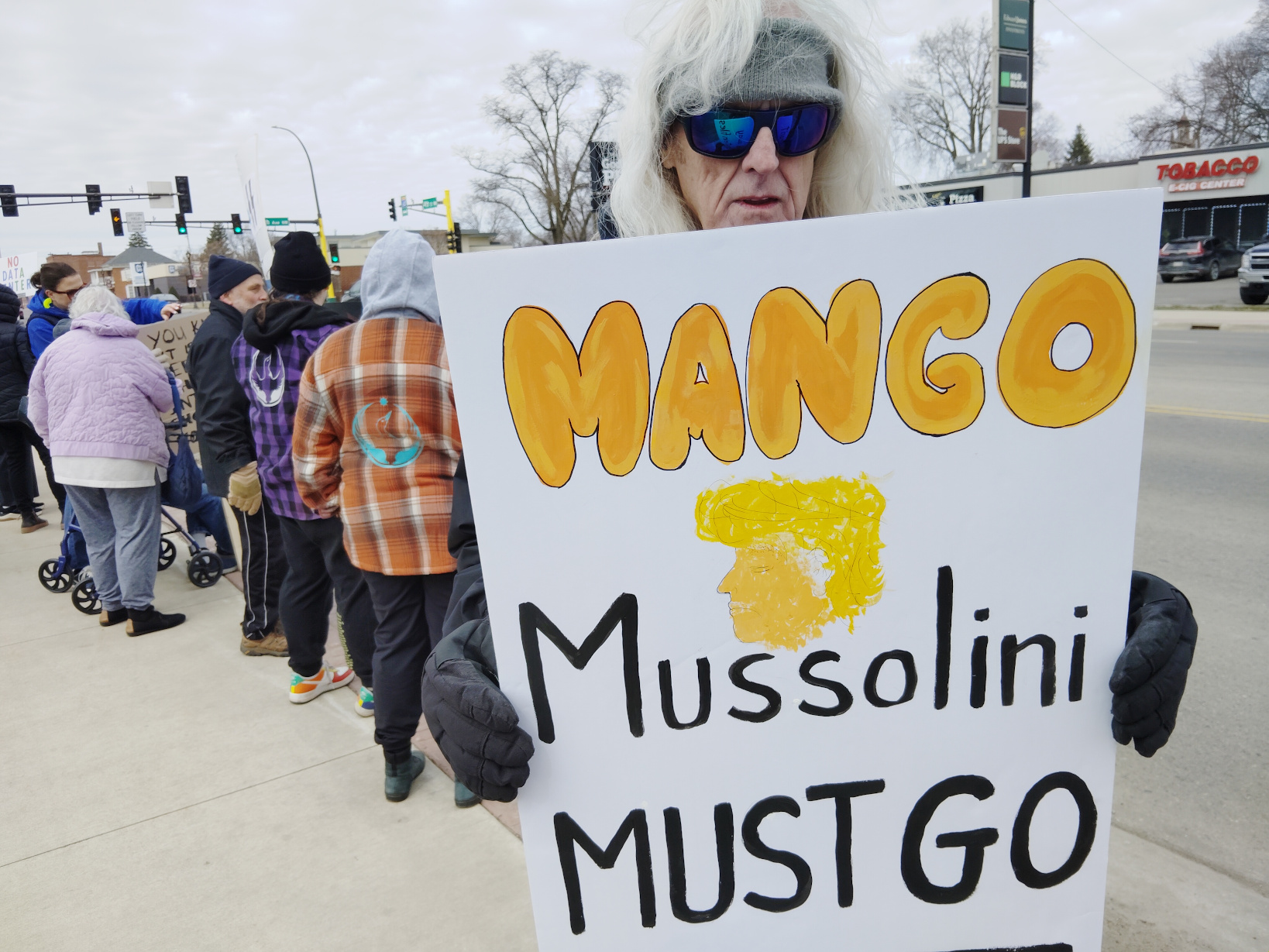
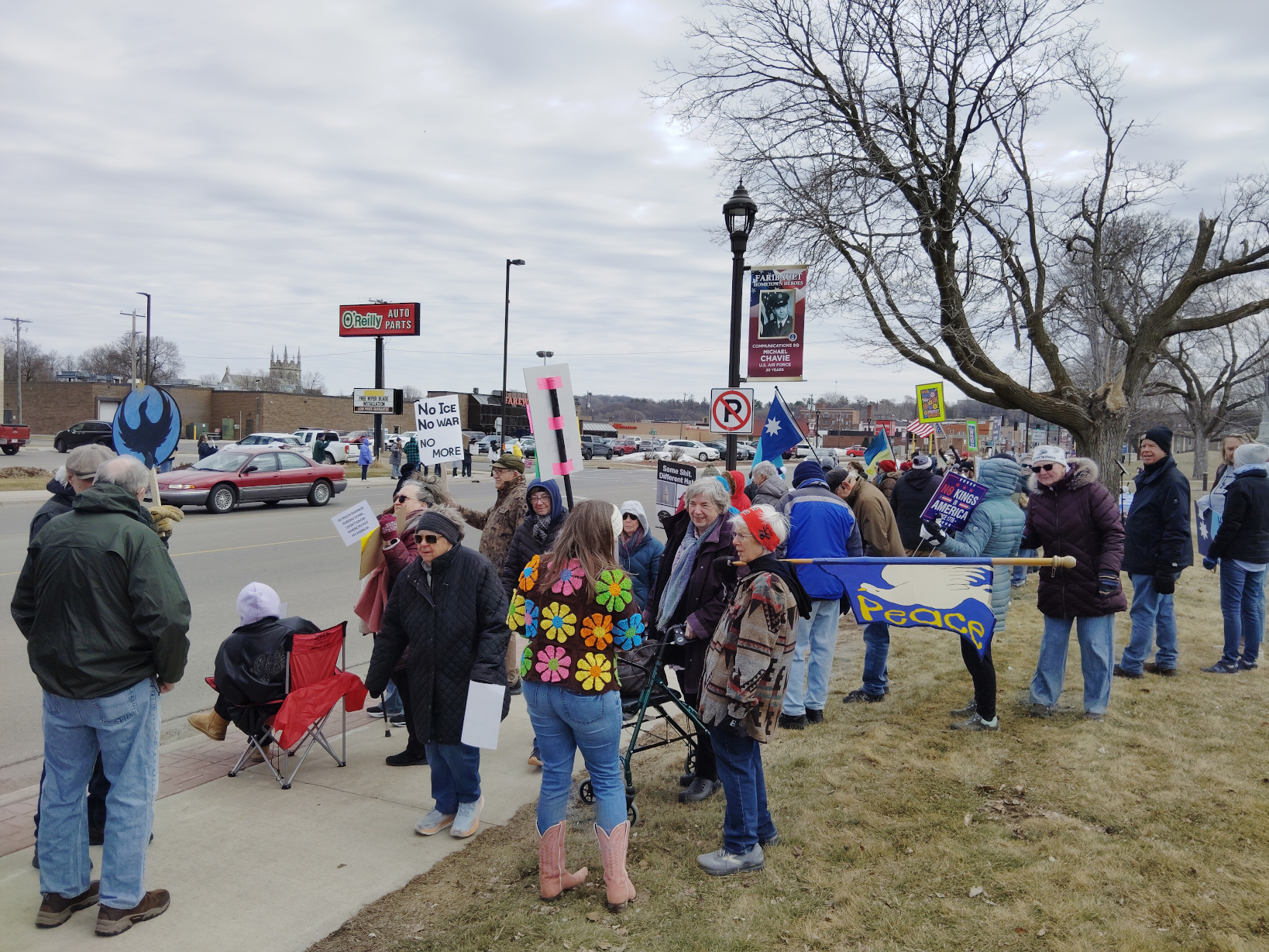
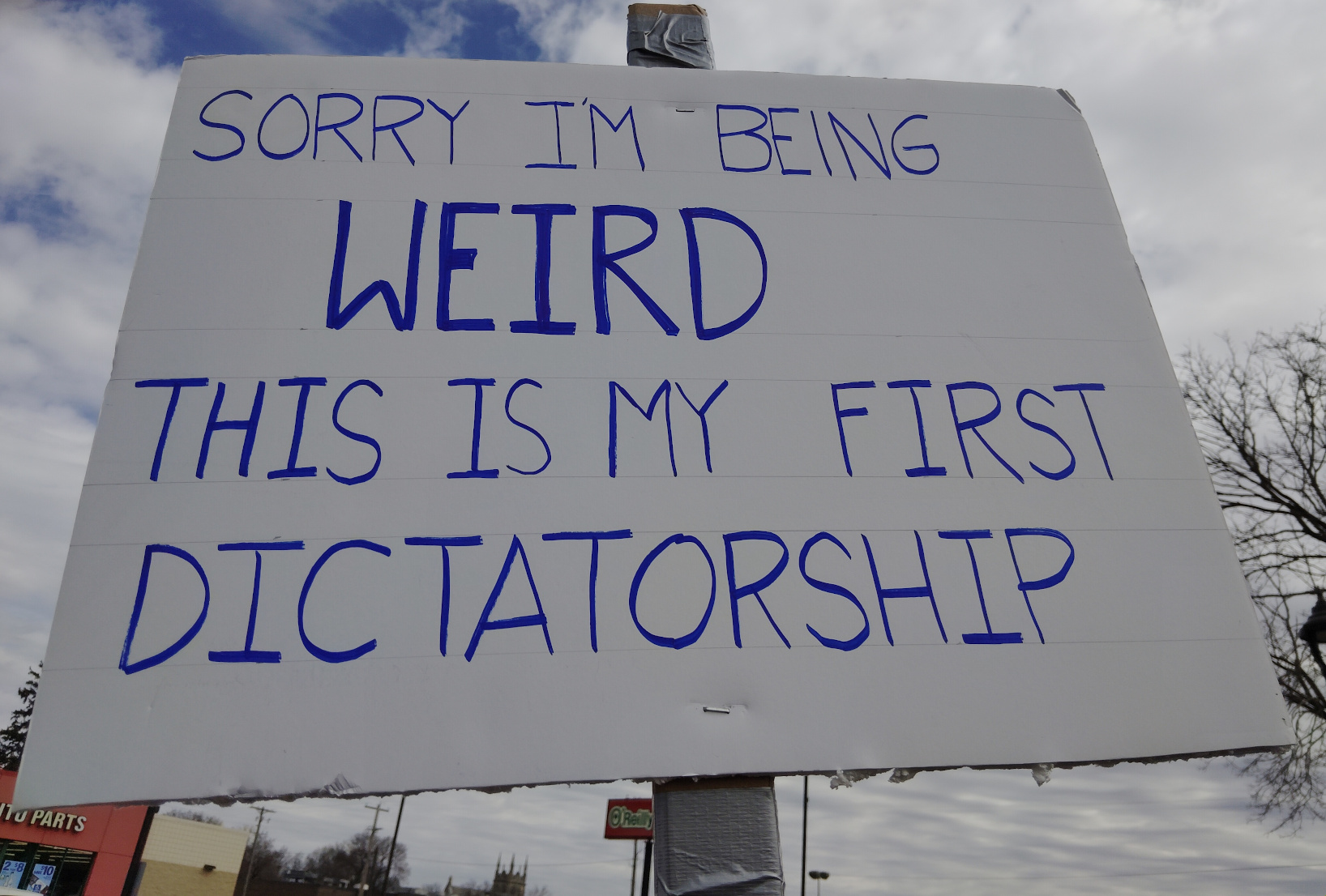






Persistent peaceful protest April 23, 2026
Tags: America, children's picture book, commentary, concerns, current issues, democracy, Faribault, First Amendment rights, free speech, Iran War, Minnesota, Operation Metro Surge, peace, protest, protest signs, protesting, rural Minnesota, war
THEY PROTESTED during the Vietnam War. Larry, Karl and Mary, who was tear-gassed at the University of Minnesota back in the day. Nearly 60 years later, they are on the protest line again, holding signs, voicing their concerns.
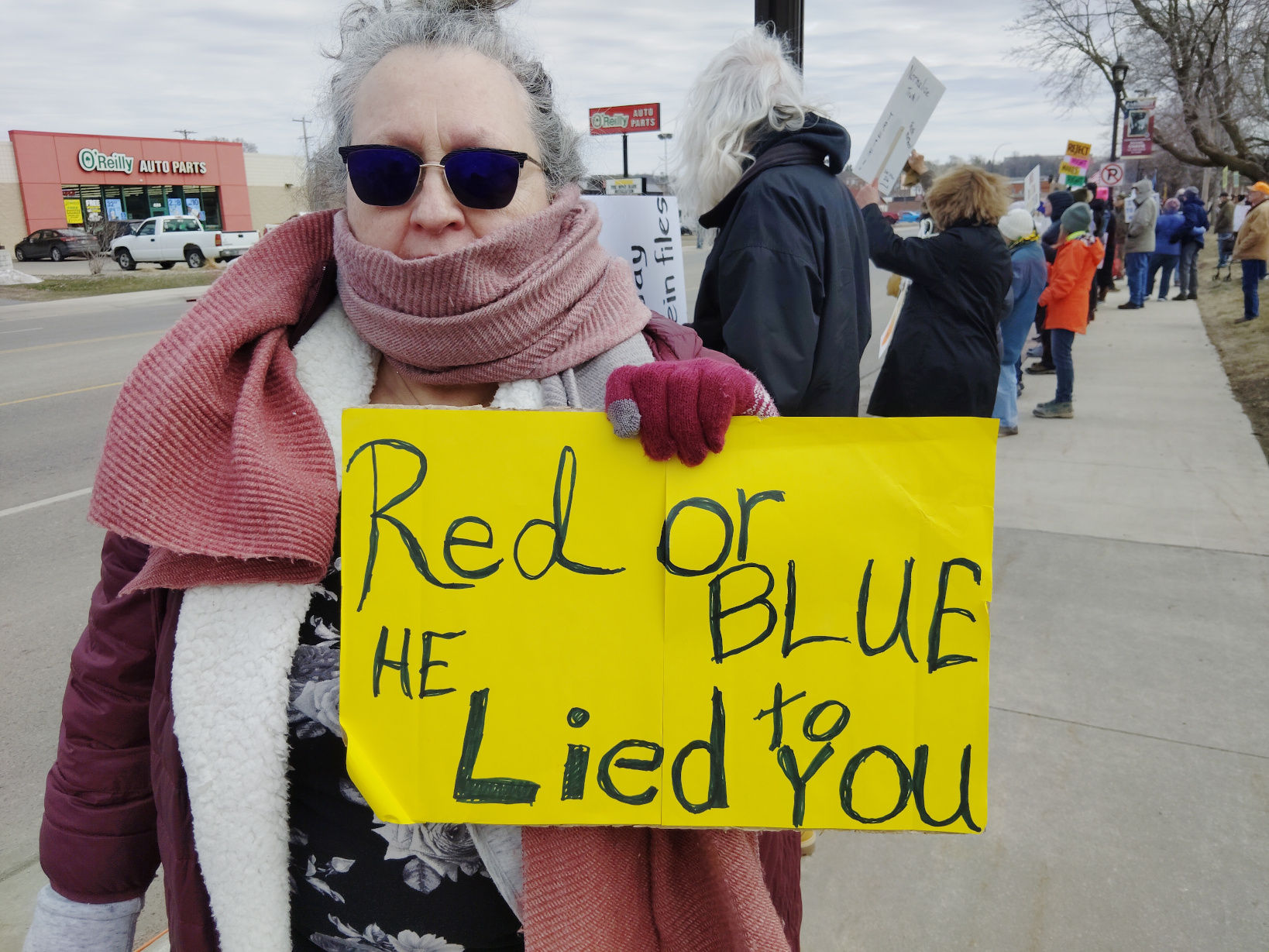
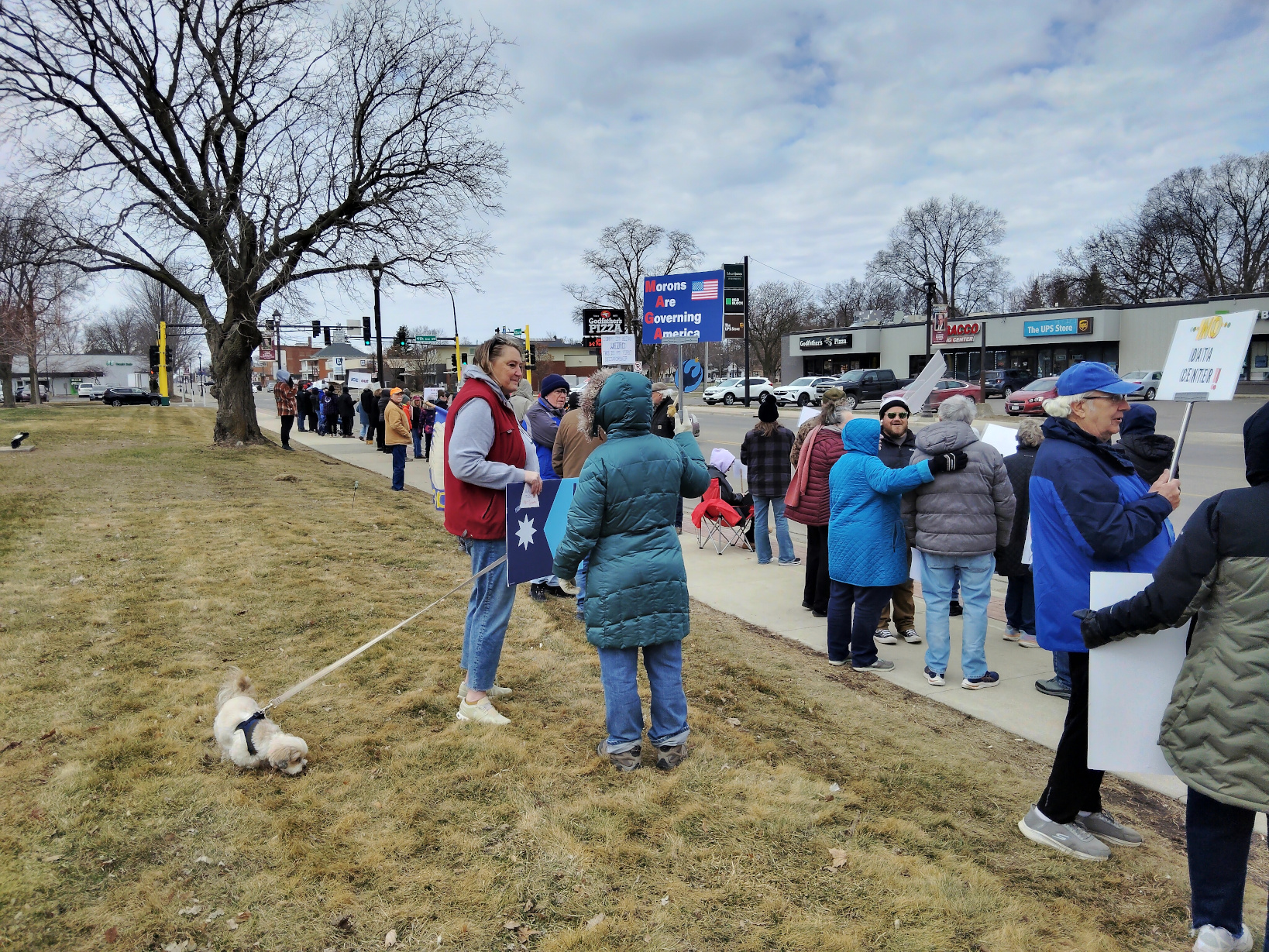
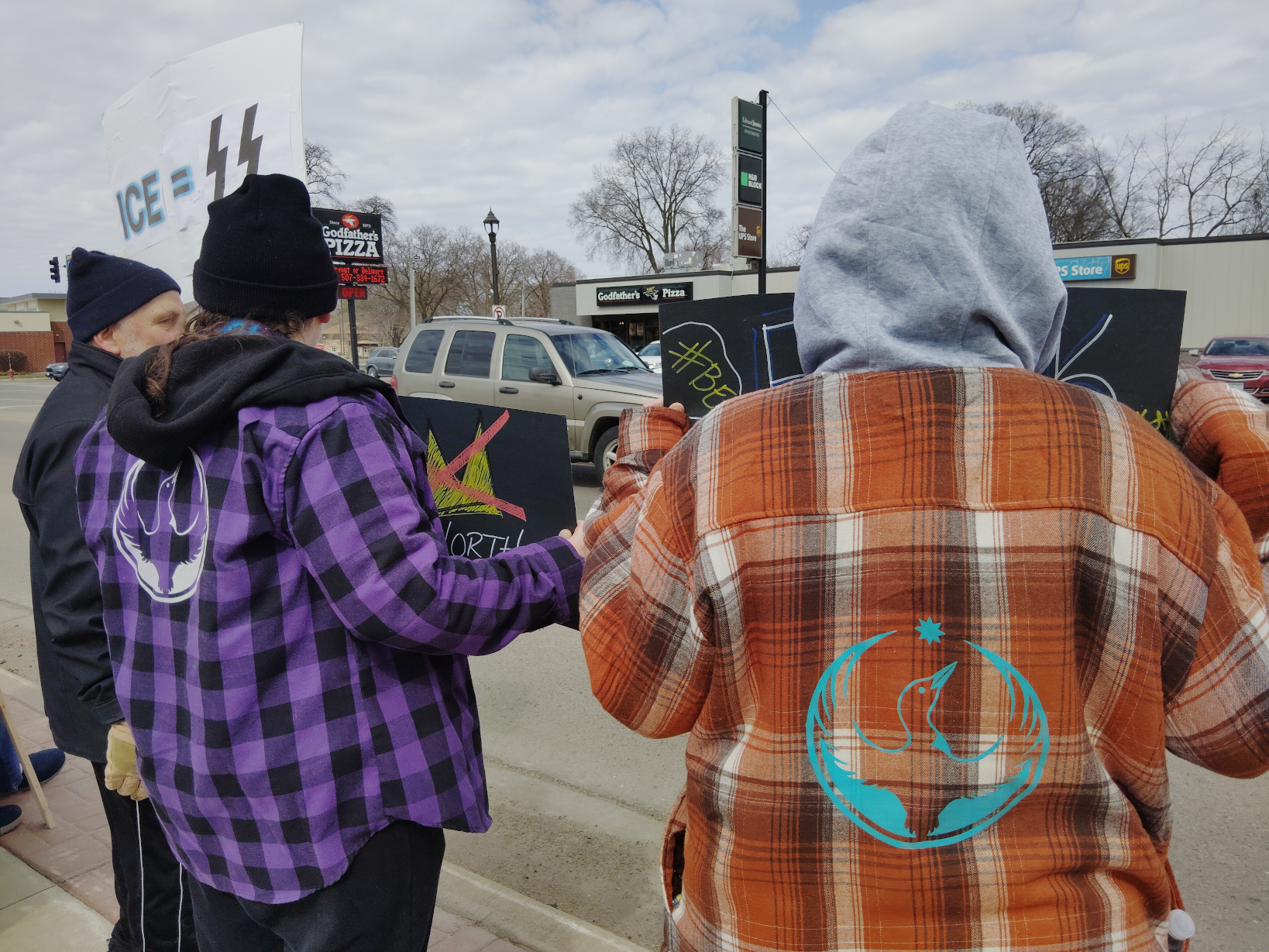
And I’m there, too, standing along Minnesota State Highway 60/Fourth Street in Faribault exercising my First Amendment rights to free speech. I never thought that at my age, I would become a protester. But nearly every Saturday morning from 11 a.m.-noon for the past three months, I’ve stood in solidarity with Larry, Karl, Mary, Kate, Mercedes, Randy, Raven, Matt, Barb, Kirsten, John, Gary, Wendy, Elizabeth, Josh, Sheri, Mark, Ann, Reed, Susan, Donna, Travis, Carrie, Allison, Hannah…up to 175 people at the most recent No Kings Day protest.
I’m proud to call these kind, compassionate and caring individuals my friends. Some I’ve met on the protest line; others I knew previously. Whether friendships old or new, I value every single person who is taking a public stand against the chaos unfolding in this country. There is value in protesting.
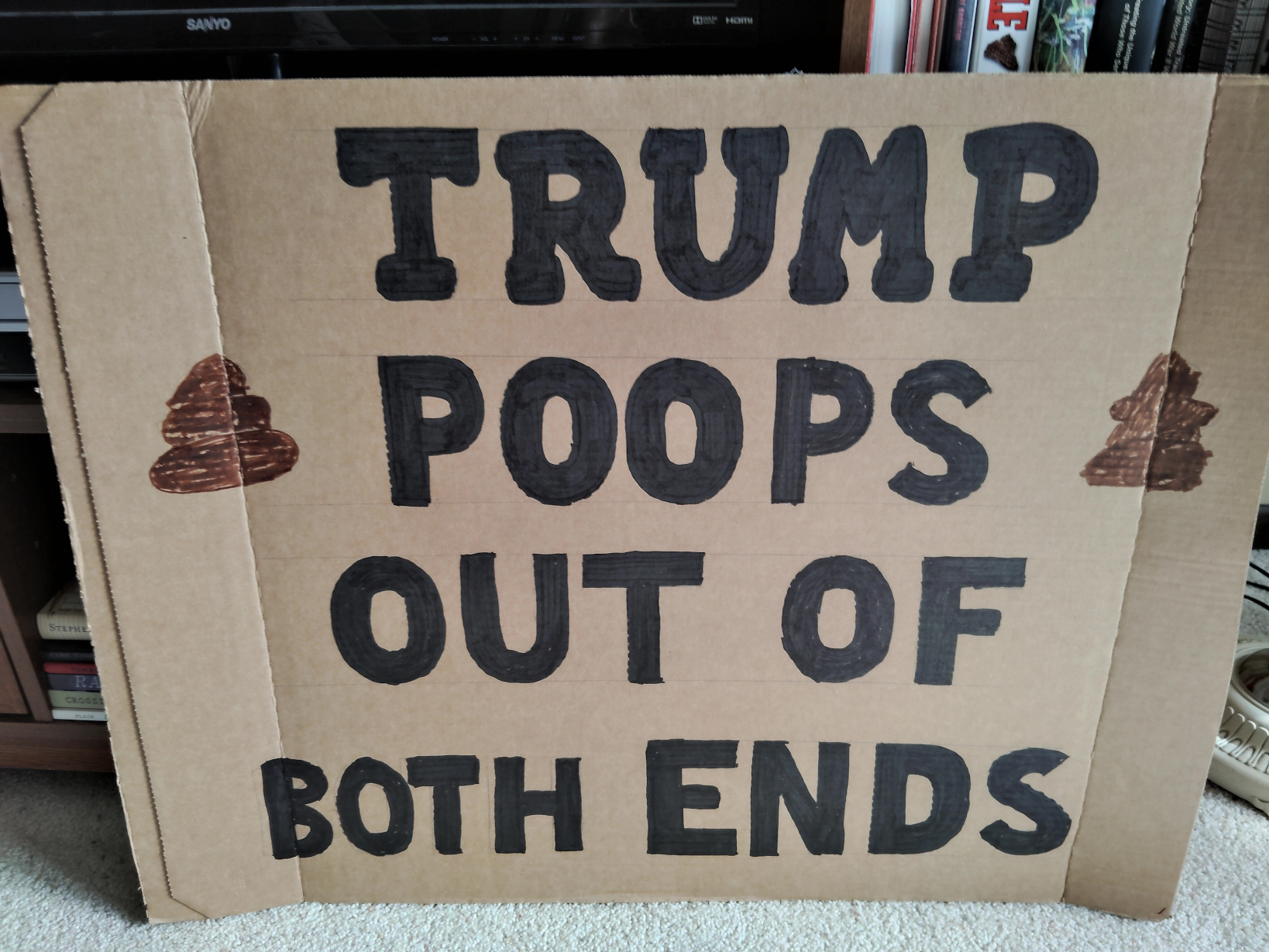
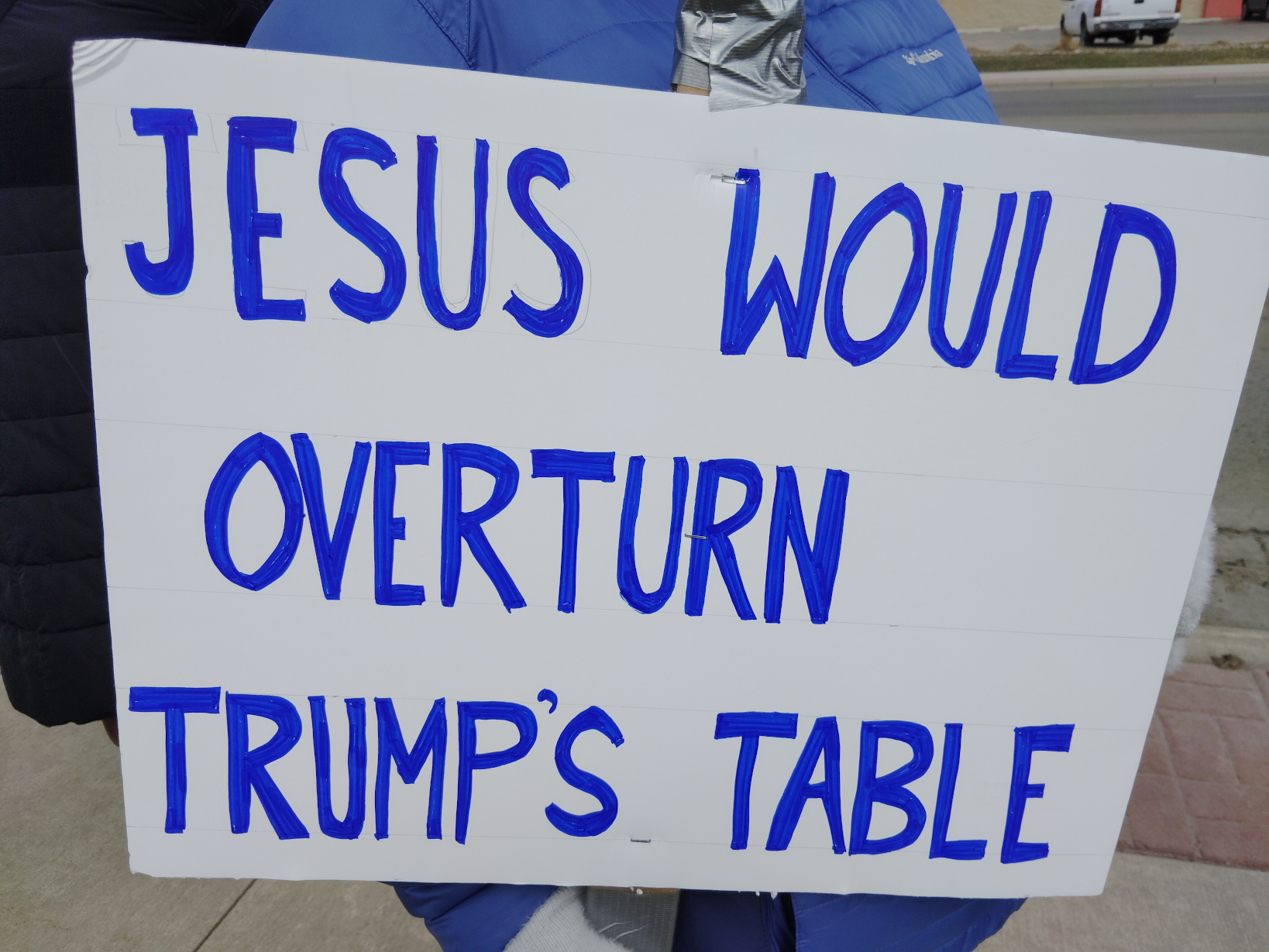
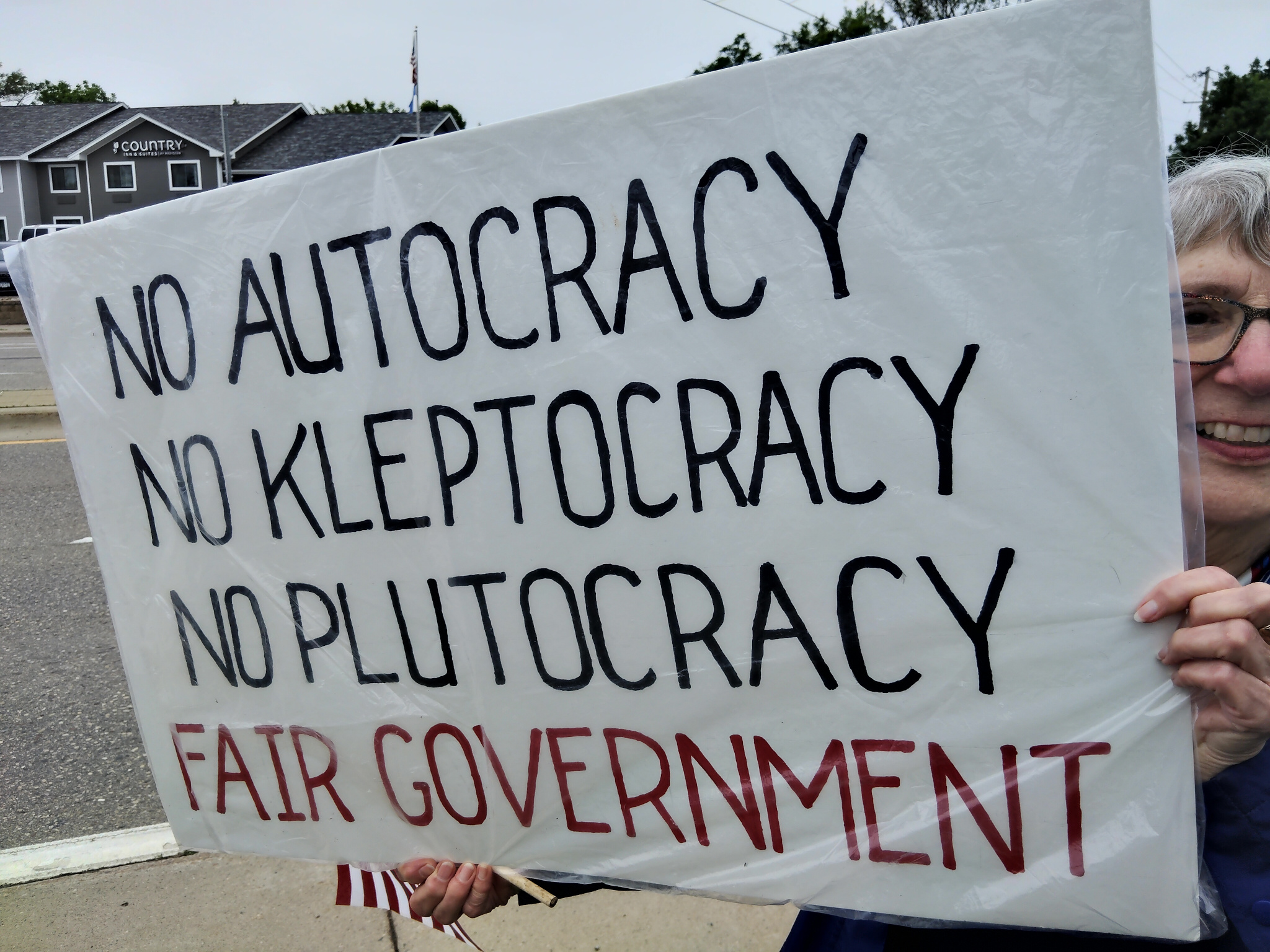
We express our concerns in the signs we craft, or buy, and hold for passing motorists to see. Concerns about immigration enforcement, the environment, Constitutional rights, the Epstein files, voting rights, the future of our democracy, human rights, data centers, the economy, incompetency of elected officials, un-presidential images with comparisons to Jesus…and most recently the war in Iran.
I have a stash of signs in my basement and continue to create new ones. When issues pop up, I pull out the markers, the tag board or cardboard, the stencils and write a message. There’s no shortage of concerns I hold for this country and world under the current federal leadership.
Lately I’ve held “Peace, not war” signs. It’s an issue on everyone’s mind, this unnecessary war our president started without Congressional approval, without a clear understanding of the Iranian regime’s mindset, without an exit. American soldiers are dying. The economy is a mess. And on and on. Threats to bomb away a civilization don’t sit well with me. Nor do comparisons to Jesus or attacks on Pope Leo XIV.
Peace has always felt elusive. Even on the protest line, where we practice peace, we sometimes find ourselves under verbal attack from motorists who clearly support the president and his agenda. We’ve been yelled at, called “stupid, retarded, mentally ill, dumb a**es” and more while getting the middle finger sometimes accompanied by a “f**k you!”. We just smile and wave, refusing to give these angry MAGA individuals the negative reaction they desire. That said, when they drive dangerously close to us at a high rate of speed, they cross the line from free speech to public endangerment.
Nearly 60 years ago, Larry, Karl and Mary were young adults protesting the Vietnam War. I admire that they are back on the protest line. They understand the importance of speaking up, of not remaining silent.
Creatives like Wendy Anderson Halperin also understand how we can use our voices to make a difference. I recently found her book, simply titled Peace, at my local library. Published in 2013, this children’s picture book is especially relevant today. I encourage you to read it, to study Halperin’s detailed illustrations and to read the many quotes woven into the artwork. Quotes that are thought-provoking, uplifting, revealing, encouraging.
I leave you with two quotes printed in Peace:
“When the power of love overcomes the love of power, the world will know peace.”—Jimi Hendrix.
“Never be afraid to raise your voice for honesty and truth and compassion against injustice and greed. If people all over the world would do this, it would change the earth.”—William Faulkner.
RELATED: Sahan Journal, a nonprofit digital newsroom in Minnesota dedicated to reporting for immigrants and people of color, published an outstanding article on April 21 about more than 70 Minnesota children detained by federal immigration agents during Operation Metro Surge. This is an eye-opening story that should be read by everyone, regardless of political affiliation. Click here to read.
© Copyright 2026 Audrey Kletscher Helbling