Minnesota Prairie Roots

Writing and photography by Audrey Kletscher Helbling

Celebrating the Fourth of July the old-fashioned way in rural North Morristown July 5, 2016

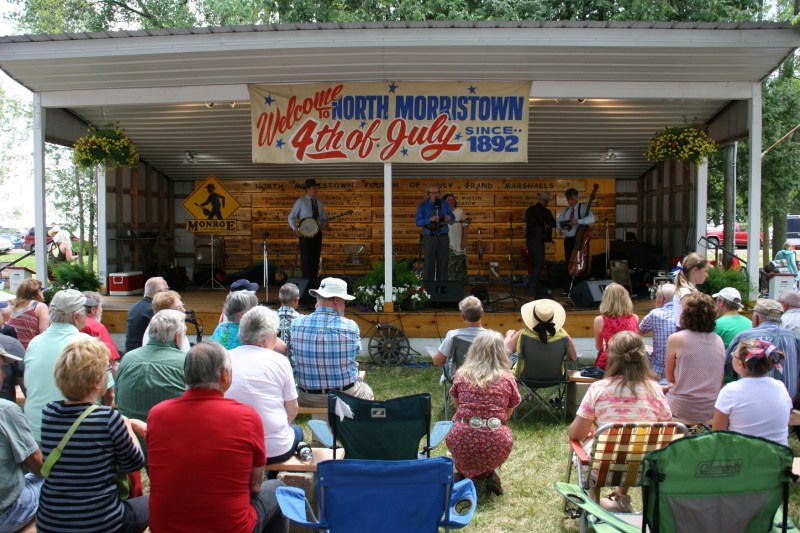
The popular bluegrass band, Monroe Crossing, performed twice at North Morristown.

The popular bluegrass band, Monroe Crossing, performed twice at North Morristown.

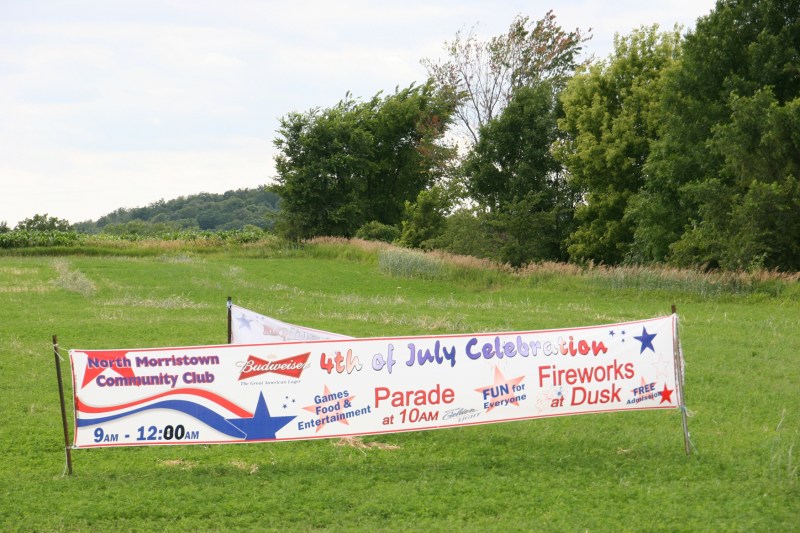
NORTH MORRISTOWN on the Fourth of July is grassroots Americana. It is also Minnesota’s longest running celebration of our nation’s birthday.

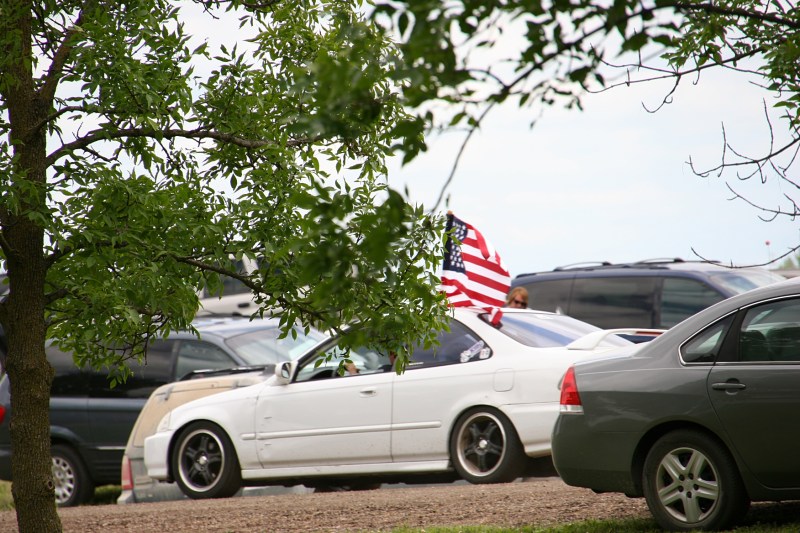
Vehicles lined county roads leading to the festival grounds and also filled parking areas.
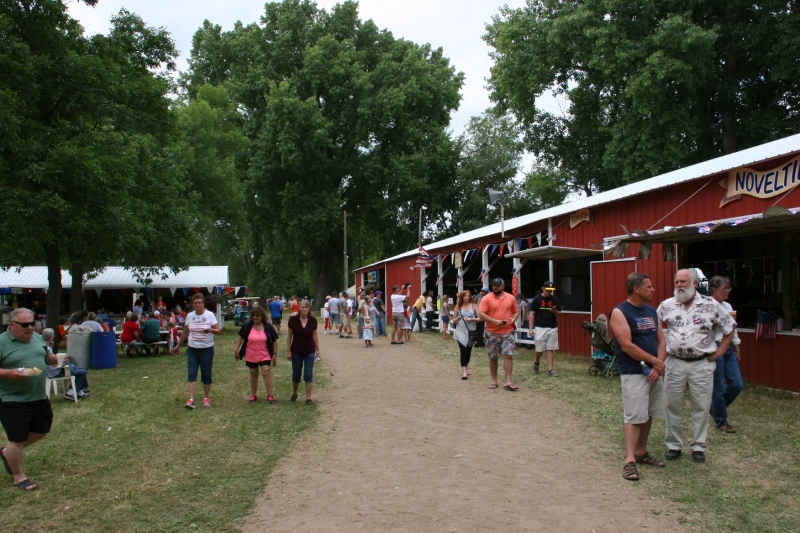
Vehicles lined county roads leading to the festival grounds and also filled parking areas.

By late afternoon, the crowd began thinning a bit. Festivities began at 9 a.m.

By late afternoon, the crowd thinned a bit.
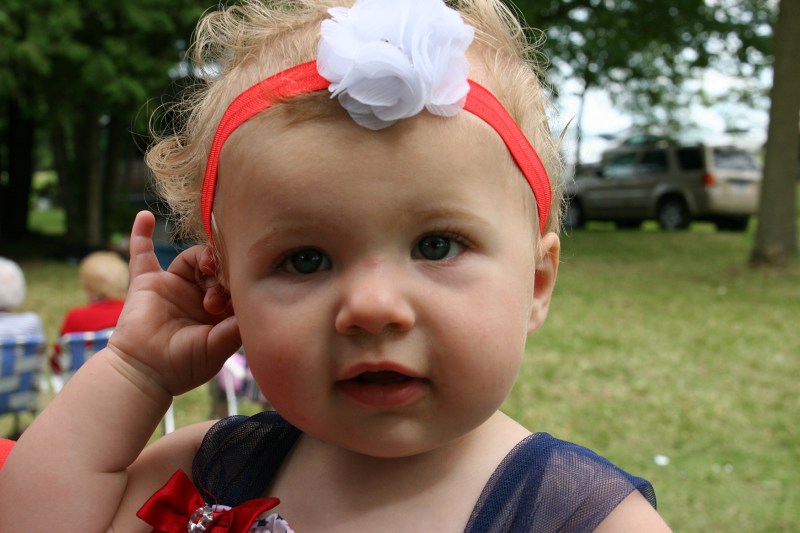
In 2015, Mathea, now one, was recognized as the youngest in attendance. Fest planners also honor the eldest in attendance and those who travel the greatest distance.

In 2015, Mathea, now one, was recognized as the youngest in attendance. Fest planners also honor the eldest in attendance and those who travel the greatest distance. I didn’t stay for that 5 p.m. announcement. My husband noted a sign up sheet showing a 9-day-old baby there as well as visitors from both coasts.

For 124 years, through generations of families, folks have gathered here in the farmland of southwestern Rice County on July 4.
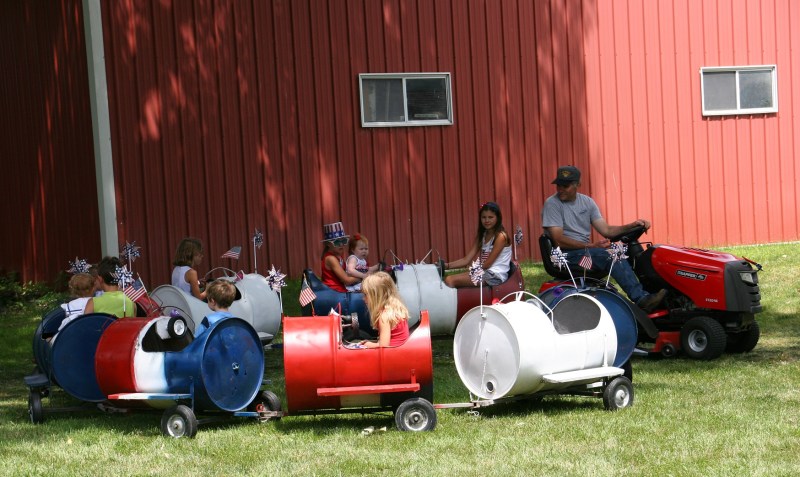
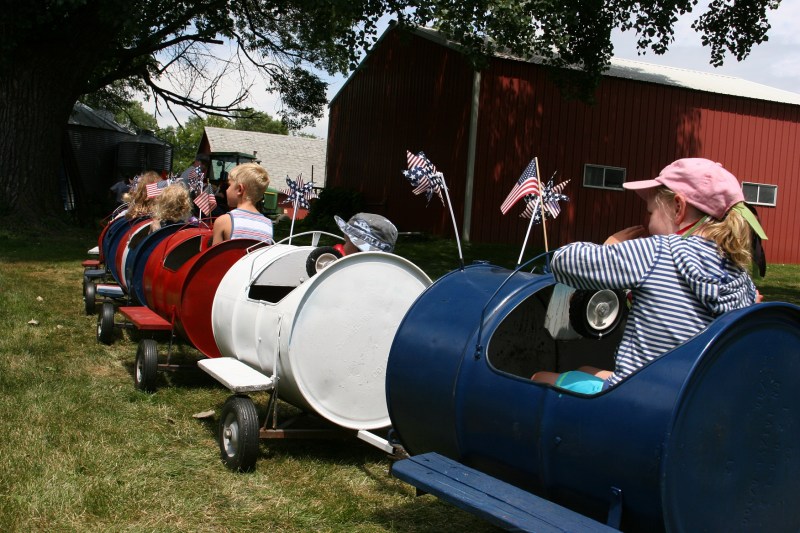
The old-fashioned barrel train draws lots of riders.
The old-fashioned barrel train draws lots of riders.

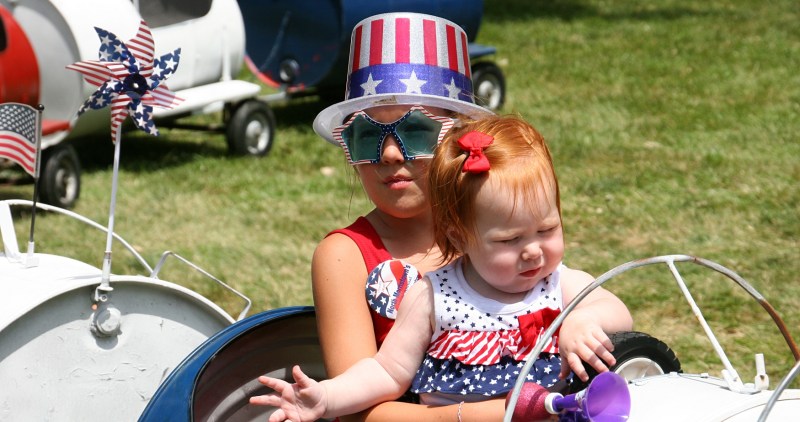
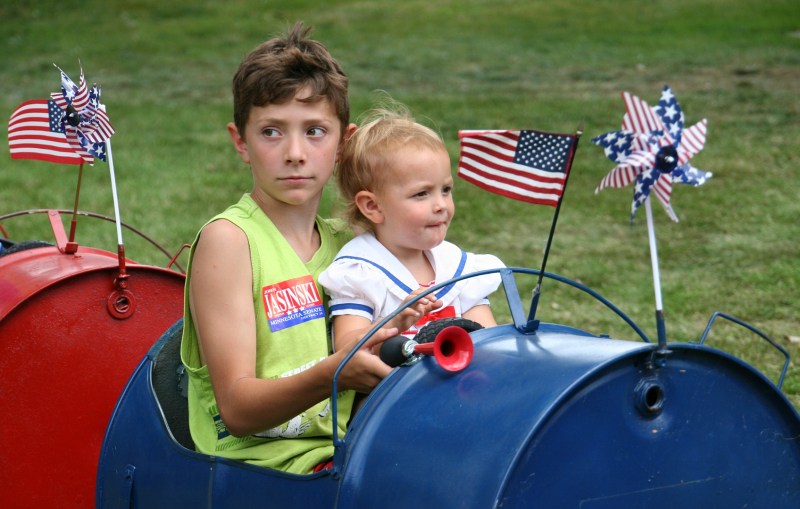
Kids love the barrel train.

Kids love the barrel train complete with bicycle horns to toot.
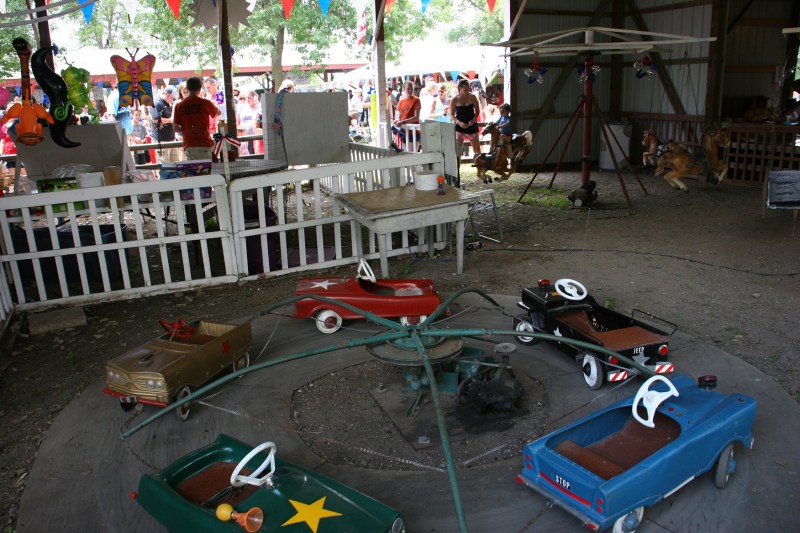
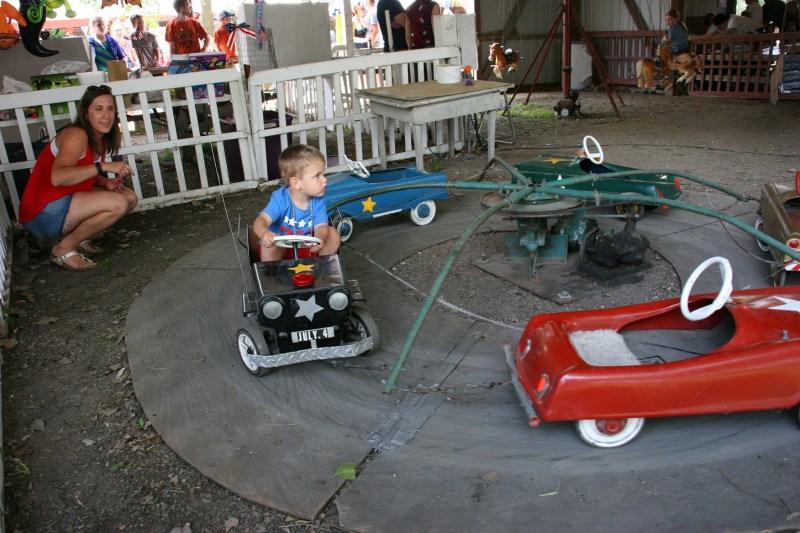
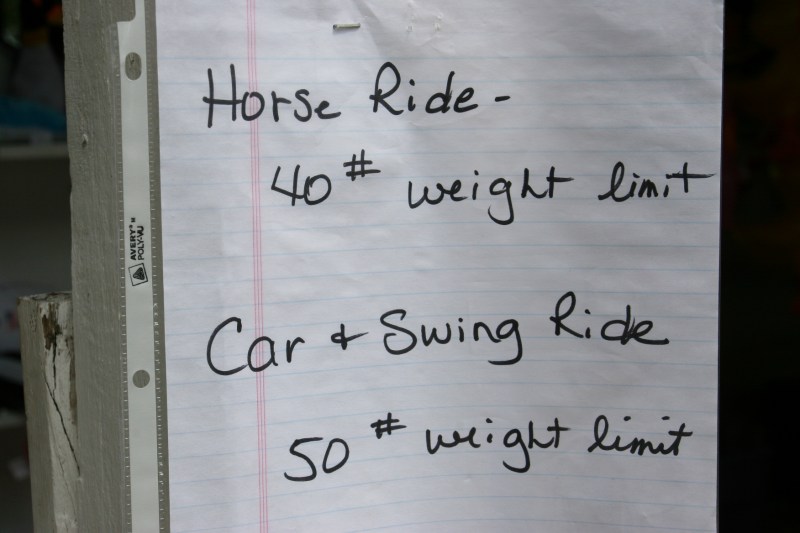
The homemade carnival rides have been around forever.

The homemade carnival rides have been around forever.

Iolla, in her 70s, remembers coming here as a child, riding some of the same kids’ rides still operating today. Jen, in her 30s, remembers too and now brings her children, including the youngest, only two months old.
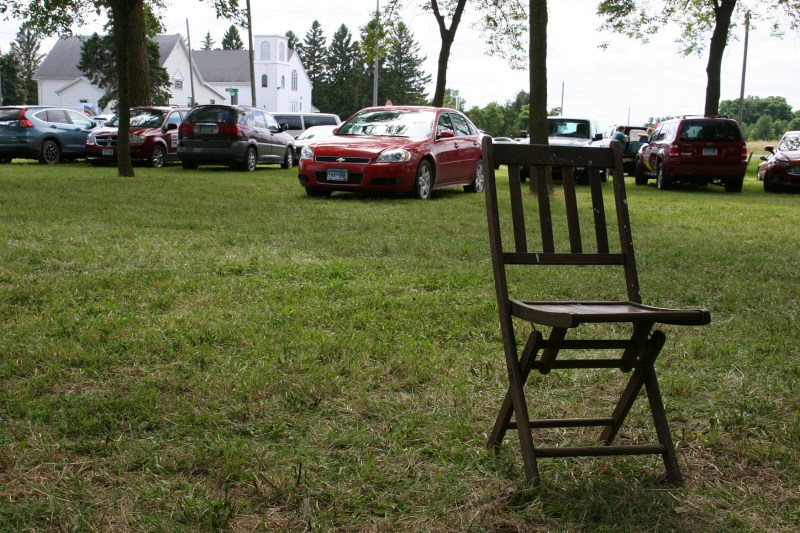
A fest-goer left this vintage wooden folding chair sitting behind the ice cream stand. In the background you can see Trinity Lutheran Church and School across the road.

A fest-goer left this vintage wooden folding chair sitting behind the ice cream stand. In the background you can see Trinity Lutheran Church and School across the road.

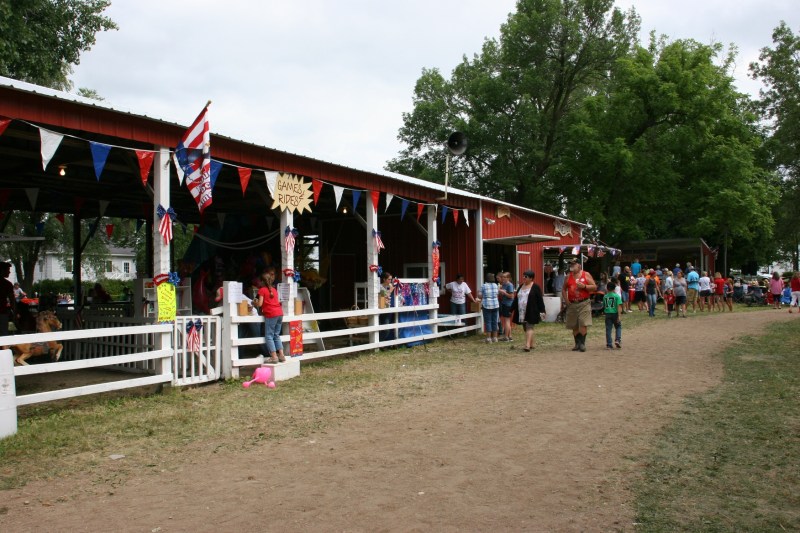
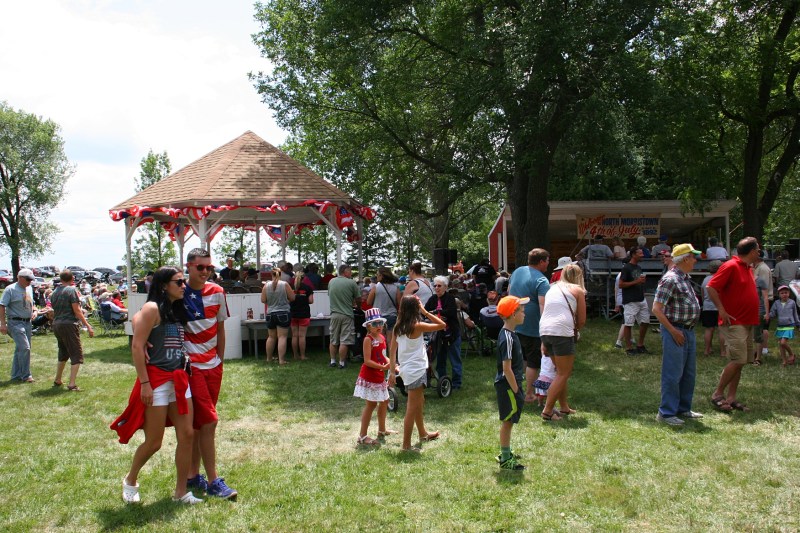
On July Fourth, this spot in the middle of farm fields, edged by several building sites and across the street from Trinity Lutheran Church and School, draws thousands.
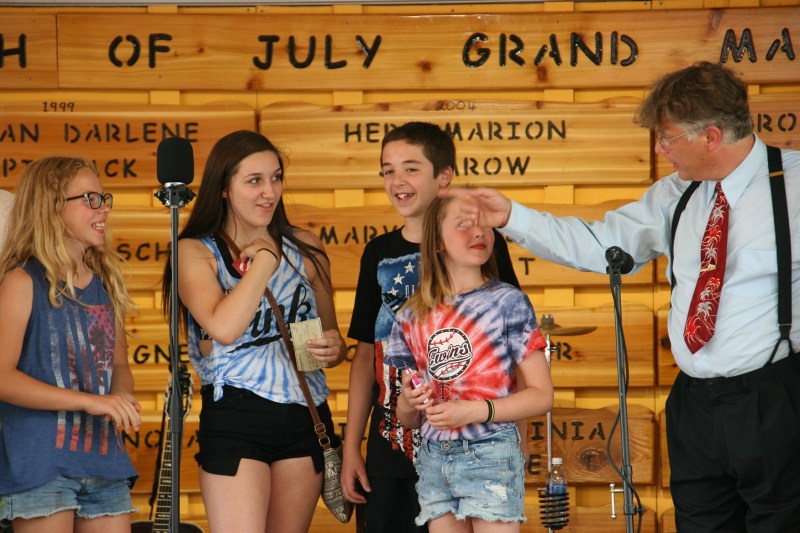
The winners of the medallion hunt are introduced and presented with a $100 check.

A member of Monroe Crossing introduces the winners of the medallion hunt and presents them with a check for $100.
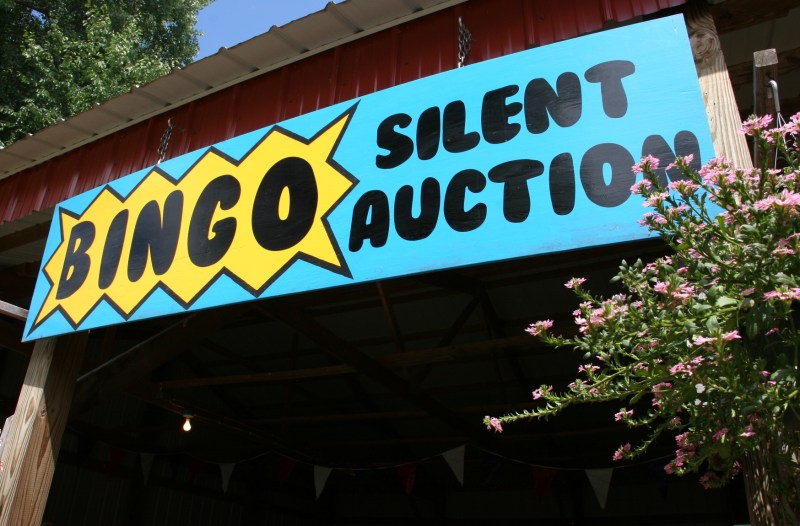
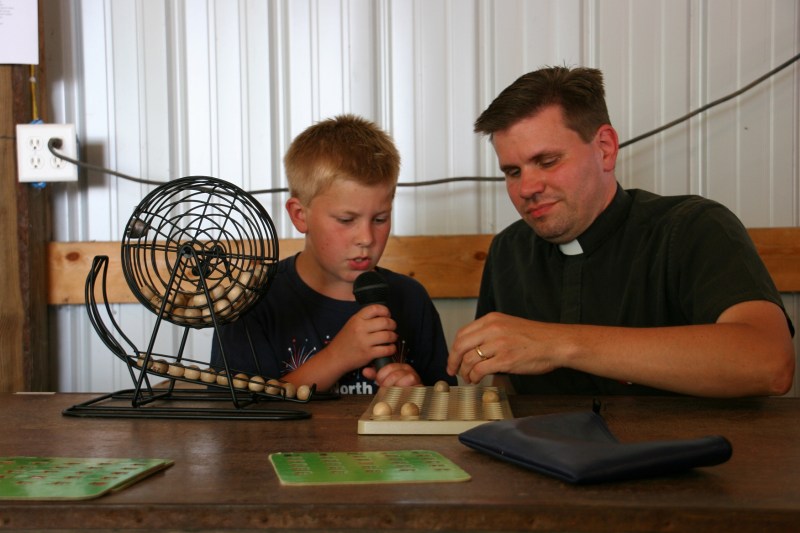
Players packed the bingo hall inside a poleshed style building.
Players packed the bingo hall inside a poleshed style building.

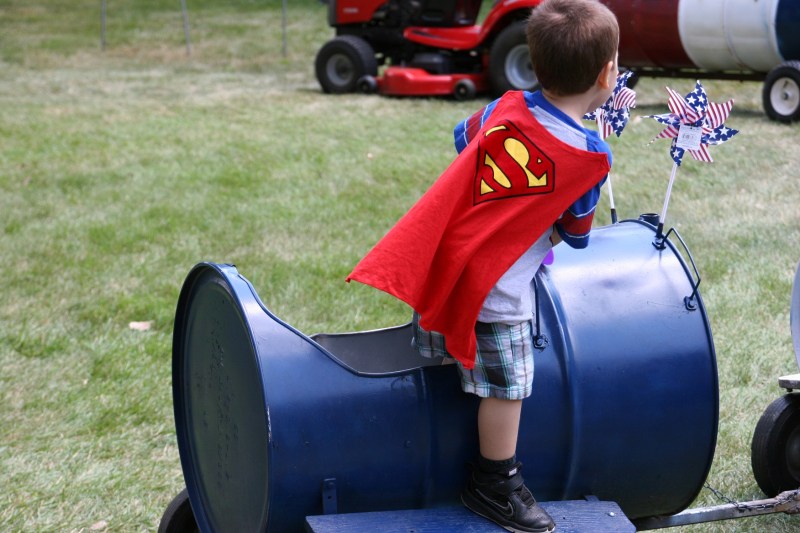
Even Superman rode the barrel train.

Even Superman rode the barrel train.

They come for the mid-morning parade, the patriotic program, the medallion hunt, the food, the music, the carnival rides, the bingo, the fireworks and much more. And they come for the reunion with family and friends. Many grew up in the area. But many didn’t. Like me.
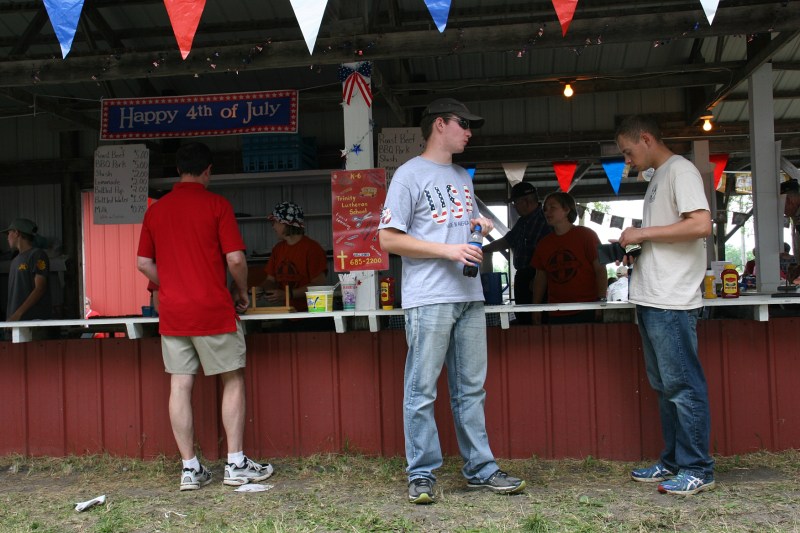
This food stand serves tasty BBQ pork and beef sandwiches and other food.

This food stand serves tasty BBQ pork and beef sandwiches and other food. The stand was already out of roast beef when I arrived at around 1 p.m. However, several hours later the supply had been replenished.

My husband enjoys his cheeseburger.
My husband enjoys his cheeseburger.

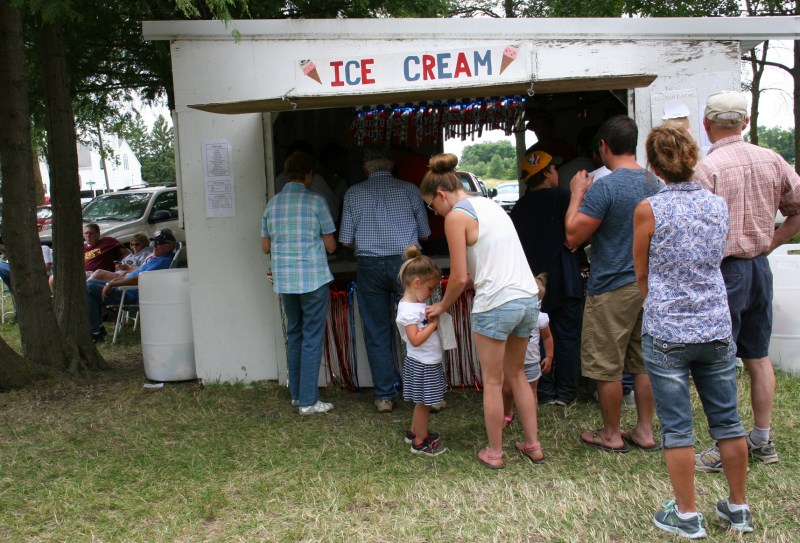
There was always a line for the ice cream.

There was always a line for the ice cream.

That matters not. I’ve lived in nearby Faribault for 34 years now, enough to know a lot of people. When my husband and I walked onto the North Morristown festival grounds early Monday afternoon aiming for the food stands, it took us awhile to get our pork sandwich, burger, onion rings and fresh-squeezed lemonade. Not because service was slow. Rather, we ran into a lot of friends.
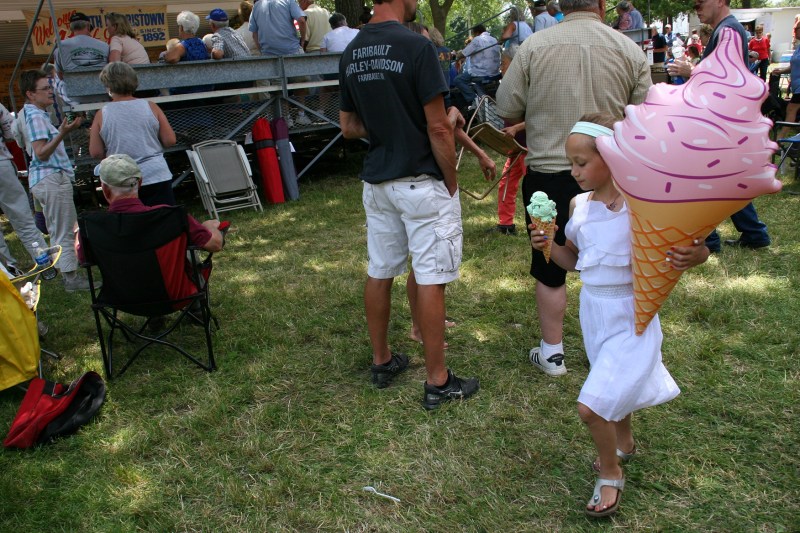
Ice cream to eat and ice cream to

Ice cream to eat and ice cream to go.
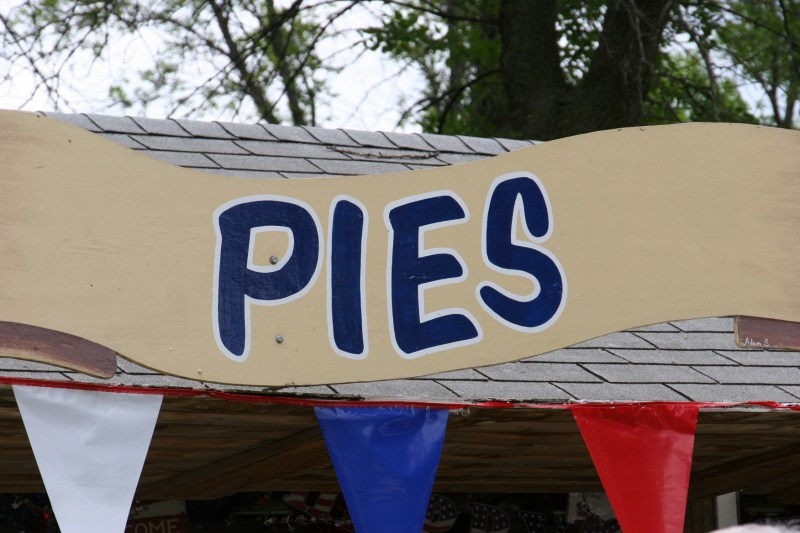
Signs mark the various food booths.

The pie shop is always popular given the homemade pies.
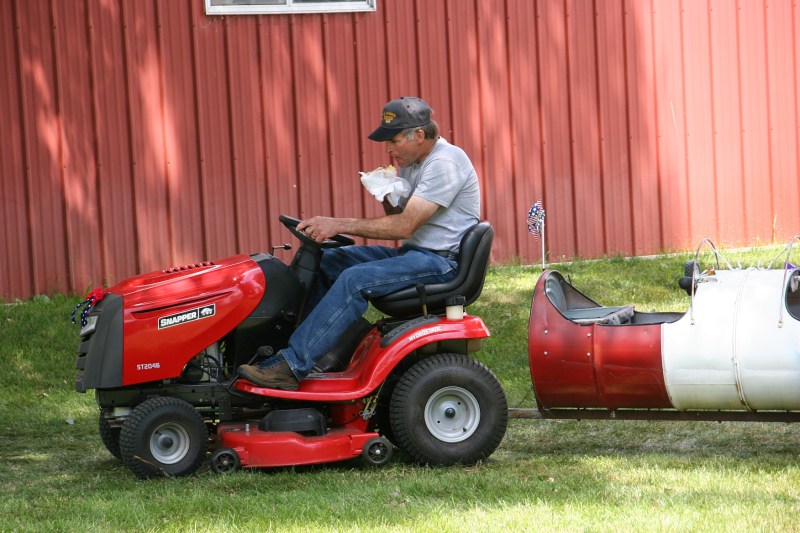
The barrel train engineer was so busy that he had to eat on the job.

Marlin the barrel train engineer was so busy that he had to eat his sandwich on the job.

North Morristown was the place to be this Fourth of July as organizers reported record crowds. I don’t have stats to share, only knowledge that food stands were running out of or low on food. That’s a good problem to have given more people equals more income for Trinity Lutheran School, the beneficiary of this annual fest.
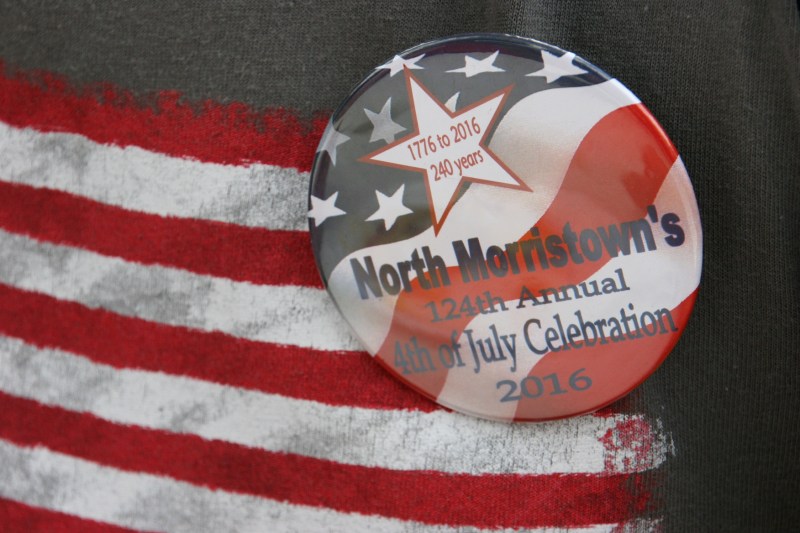
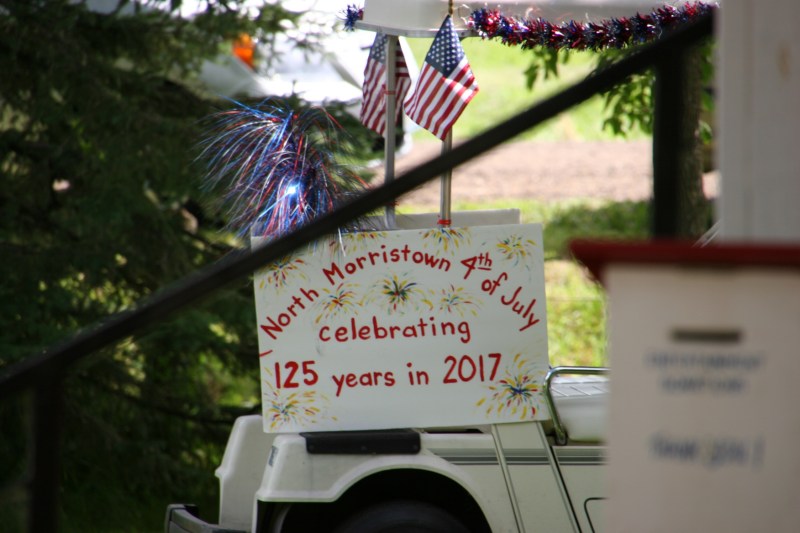
North Morristown will be celebrating its 125th Fourth of July in 2017.

North Morristown will be celebrating its 125th Fourth of July in 2017.

There’s something about this rural celebration that is uniquely charming and appealing in the sort of old-fashioned way that makes you want to return every summer. Nothing really changes much.
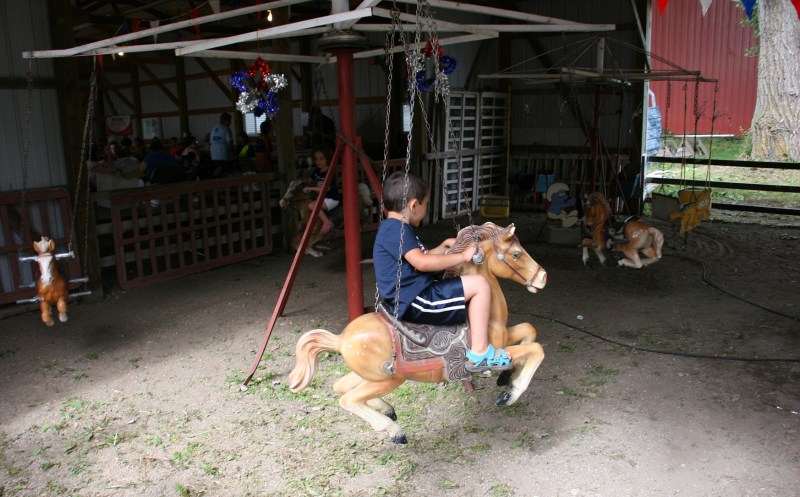
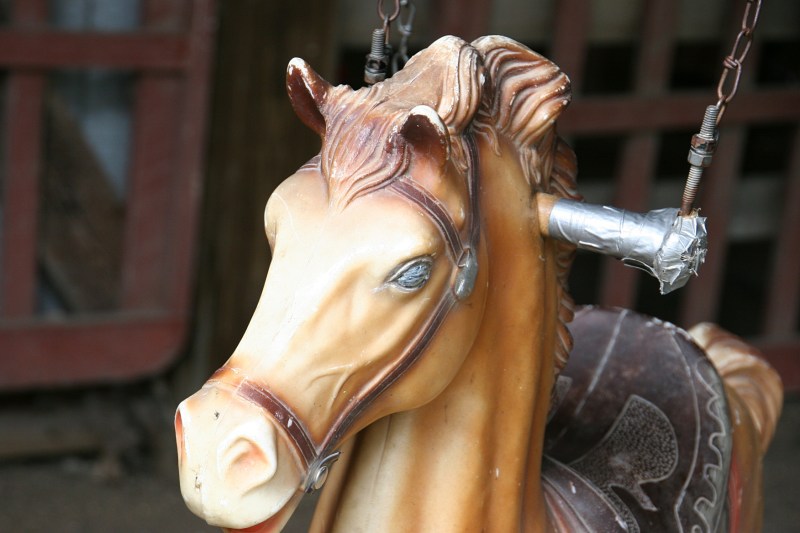
These vintage plastic jumpy horses were repurposed decades ago into a carnival ride.

These vintage plastic jumpy horses were repurposed decades ago into a carnival ride.

The food stands and kids’ rides seem from another era.
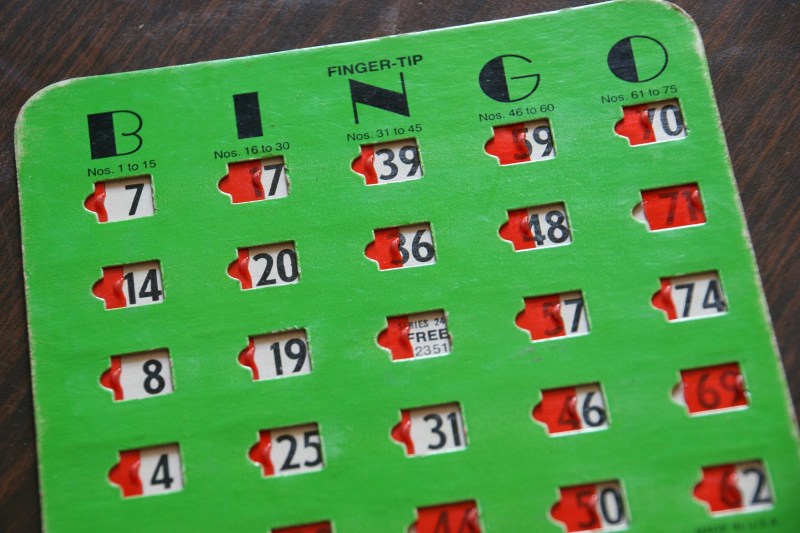
No fancy bingo cards here.

I wonder how many generations have used these vintage bingo cards.

Even the bingo cards feature sliders rather than daubers.

By the time I decided I needed a slice of pie, the selection was dwindling. However, I enjoyed a slice of blueberry-peach.

By the time I decided I needed a slice of pie, the selection was dwindling. However, I enjoyed a slice of blueberry-peach.

The pies are still homemade. The oily scent of crispy onion rings drifts through the air, drawing crowds to the hamburger stand. Polka bands still play in the beer shed.
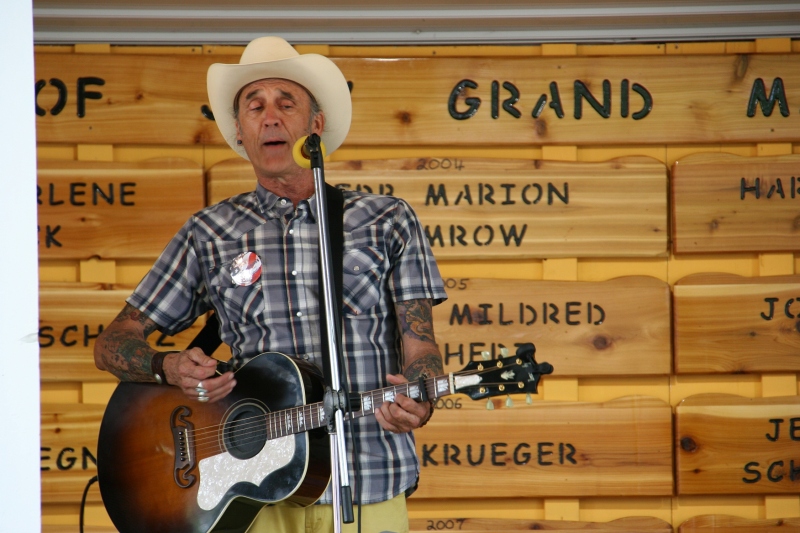
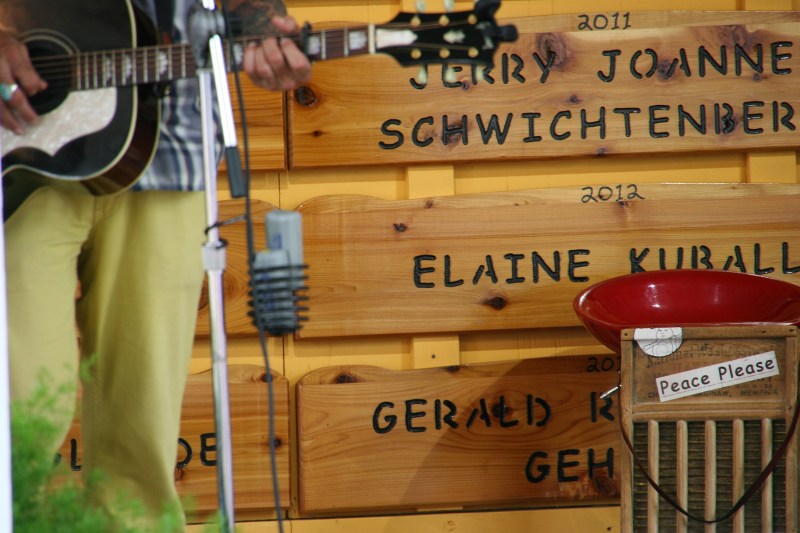
Musicians performed throughout the afternoon and into the evening.

Musicians performed throughout the afternoon and into the evening. The names imprinted upon the boards (the stage backdrop) are of past parade grand marshals.

Music blasts a bluegrass beat.
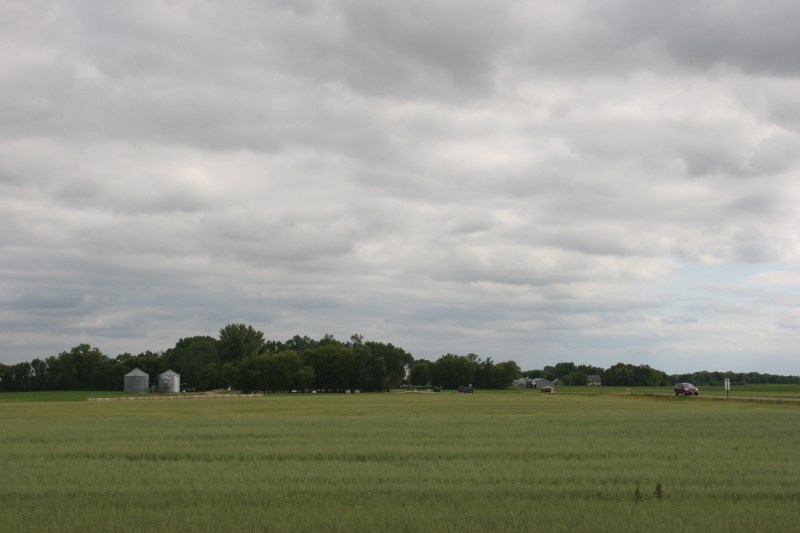
Looking toward the festival site among farm fields.

Looking toward the festival site among farm fields.

It is an idyllic place to celebrate the Fourth of July, in the heart of rural Minnesota.

FYI: Check back for a second post on North Morristown’s July 4, 2016, celebration.

© Copyright 2016 Audrey Kletscher Helbling


Rural Minnesota patriotism July 1, 2016

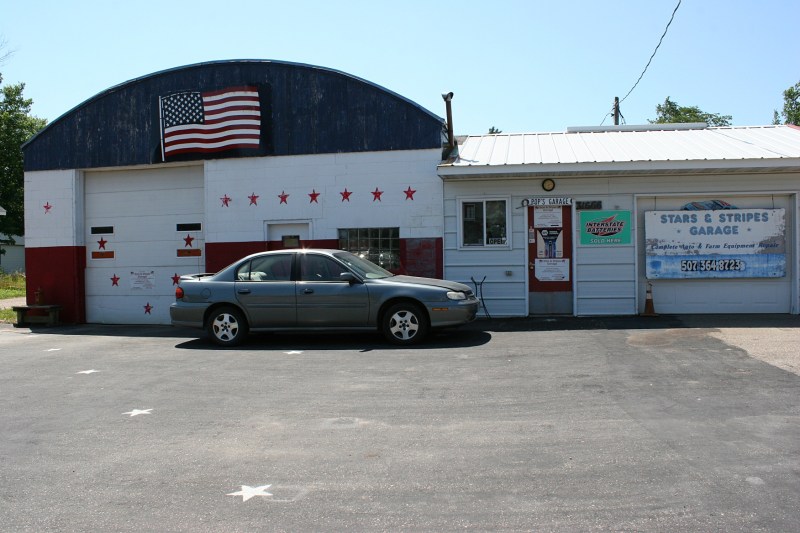
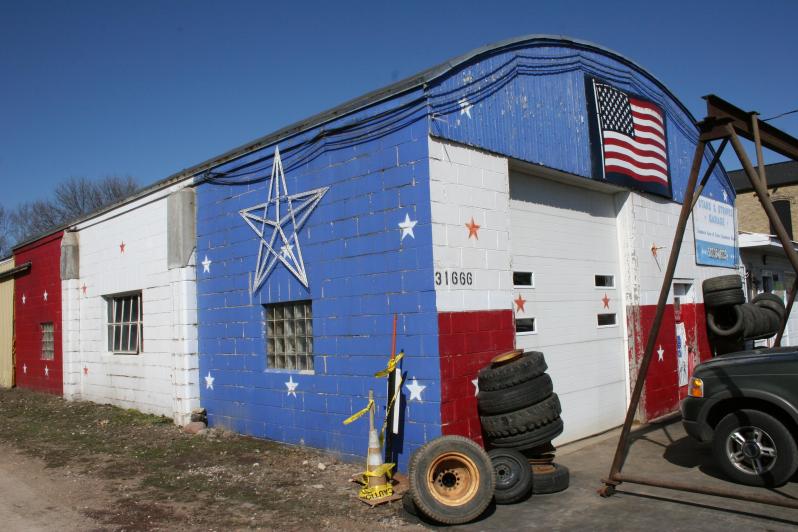
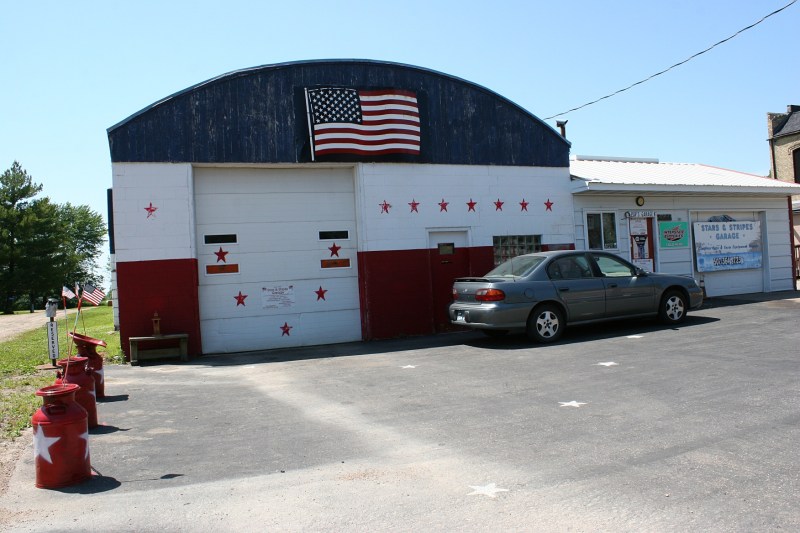
The Stars & Stripes Garage in Heidelberg, Minnesota, photographed several weeks ago. Normally I would crop the parking lot section of the image. But it's an important part of the scene with white stars painted upon asphalt.

The Stars & Stripes Garage in Heidelberg, Minnesota, photographed several weeks ago. Normally I would crop the parking lot section of the image. But it’s an important part of the scene with white stars painted upon asphalt.

I HAVE YET TO FIND a more patriotically-themed garage.

Painted red, white and blue and decorated with stars and an American flag, the Stars & Stripes Garage in the hamlet of Heidelberg in Le Sueur County stands out for its grassroots show of patriotism.

Copy of Garage, Stars & Stripes 1

The Stars & Stripes Garage. Minnesota Prairie Roots file photo 2009

I first came across the Stars & Stripes in 2009, subsequently writing a magazine article about the garage owned by Vietnam veteran Joel Kukacka.

The Stars & Stripes Garage, seven years after I first painted it.

The Stars & Stripes Garage, seven years after I first photographed it.

Recently I passed through Heidelberg, pausing briefly to snap a few images of Joel’s business on a bright Sunday summer afternoon. The paint is faded in some places, a few new stars have been added and the business sign moved. But, basically, the exterior appears unchanged.

This public show of patriotism still endures in this out-of-the-way spot along quiet Le Sueur County Highway 30 in rural southern Minnesota. It’s the type of place you discover when taking the back roads.

The bluegrass band, Monroe Crossing, has performed at North Morristown the past seven years, presenting two concerts at the celebration.

The popular bluegrass band, Monroe Crossing, returns to the North Morristown stage for two performances, at 1:30 p.m. and 4 p.m. Several other musical groups are also performing throughout the day and into the evening. There is no charge, although donations are welcome. Minnesota Prairie Roots file photo.

TO ALL OF MY READERS, have a wonderful and safe Fourth of July weekend as we celebrate the birth of our nation.

If you’re seeking an authentic Americana experience of the holiday in rural Minnesota, attend the 124th annual North Morristown July Fourth celebration. From the Firecracker Walk/Run to a parade to a patriotic program to a medallion hunt to music to kids’ rides to bingo to fireworks and more, you’ll find a full day of activities. You also find the best homemade food (buy your slice of pie early) on the festival grounds. North Morristown is a few farm homes and Trinity Lutheran Church and School and is located north of Morristown/west of Faribault.

Click here to view a photo essay I published in 2013 on the North Morristown celebration.

© Copyright 2016 Audrey Kletscher Helbling
 

In a Minnesota cemetery: Oh, sweet baby, who were you? June 16, 2016


Emmanuel Cemetery, Aspelund 169 baby grave marker


I’VE TOURED MANY RURAL CEMETERIES. But never have I seen a grave marker that so saddened me as the one I spotted on the edge of the Emmanuel Lutheran Church Cemetery in Aspelund on Sunday afternoon.


Emmanuel Cemetery, Aspelund, 172 baby grave & flip flop


Smaller than the length of my size eight flip flop, the simple slab of concrete tilted barely above the earth. Inscribed thereon, in cursive, was a single word—Baby.


Emmanuel Cemetery, Aspelund 170 baby grave marker close-up


Certainly I’ve seen grave markers of many babies. But this one, because of its minimal size and placement under trees along the cemetery boundary and its simplicity of design, caused me to pause. I am a mother and a new grandmother. And I suppose in the humanity of that, thinking of my own love for my daughters, son and granddaughter, I empathized with the grief of such a loss.

A section of the cemetery that lies next to Emmanuel Lutheran Church and next to a field.

A section of the cemetery that lies next to Emmanuel Lutheran Church and a field.

Aged tombstones, which I assume once stood vertically, are now cemented flat into the ground.

Aged tombstones, which I assume once stood vertically, are now cemented flat into the ground.

The names reflect the ethnicity of the immigrant families who settled in the Aspelund area.

The names reflect the ethnicity of the immigrant families who settled in the Aspelund area.

Dates are missing from the in-ground marker of Hans, whom I believe to be an early immigrant.

Dates are missing from the in-ground marker of Hans, whom I believe to be an early immigrant.

A beautiful sheltered gravesite

A beautiful sheltered gravesite for John and Maren.

Love the immigrant names of Johannes and Engeborg. So poetic.

Love the immigrant names of Johannes and Engeborg. So poetic.

As I further explored the cemetery—reading the Scandinavian names, studying tombstones and admiring the meticulously kept grounds—I couldn’t shake the image of that baby’s gravestone. Who was he/she? Who were the parents? Why did he/she die?

Next to this list of rules is a graveyard directory, which we couldn't decipher.

Next to this list of rules is a graveyard directory, which we couldn’t decipher.

Hoping to find answers on a posted cemetery directory, neither my husband or I could figure out how to match names with platted marker locations. So I left, still wondering about this precious baby buried here beneath trees in rural Goodhue County, Minnesota.

© Copyright 2016 Audrey Kletscher Helbling
 

Aspelund: More than a southern Minnesota ghost town June 15, 2016

Filed under: Uncategorized — Audrey Kletscher Helbling @ 5:00 AM
Tags: , , , , , ,
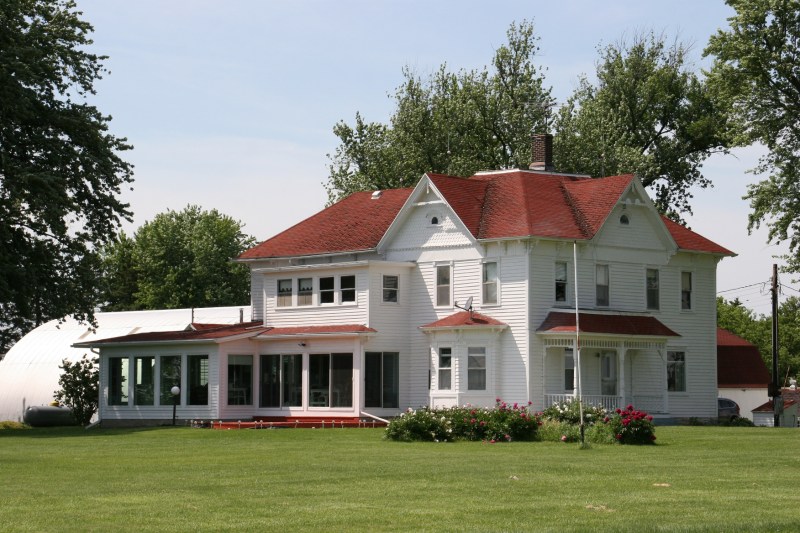
A lovely sprawling home in Aspelund.

A lovely, sprawling farm home in Aspelund.

TECHNICALLY, ASPELUND is classified as a ghost town by the Goodhue County Historical Society. There’s no longer a post office in this spot along County 1 Boulevard in west central Goodhue County, apparently the reason for the ghost town tag.

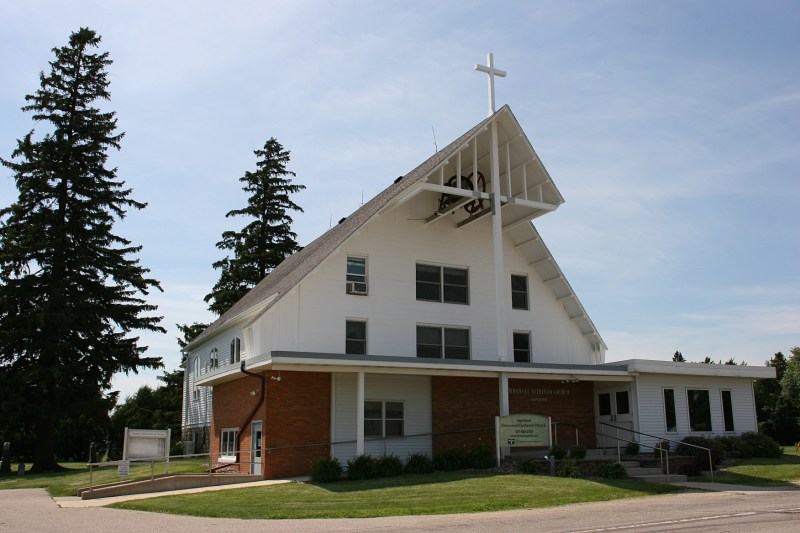
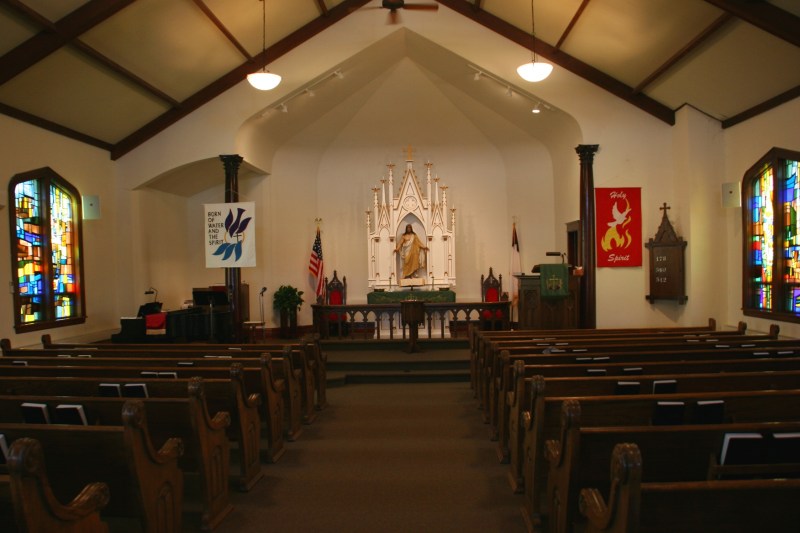
The community's church, Emmanuel Lutheran.

The community’s church, Emmanuel Lutheran.

But my observations, and thus definition, of Aspelund differ. People still live here—on at least two farms—and worship here and attend to local government business in the Wanamingo Town Hall.

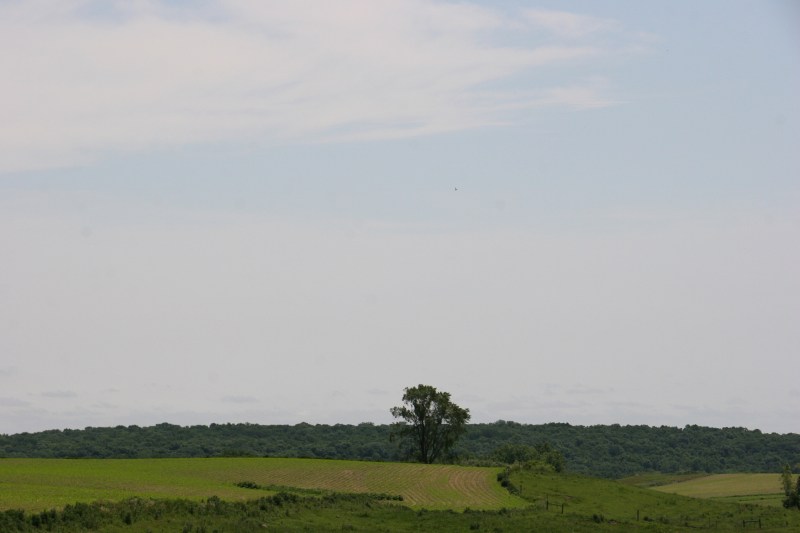
The area around Aspelund is beautiful Minnesota countryside with a mix of fields and woods, flatland and hills.

The area around Aspelund is beautiful Minnesota countryside with a mix of fields and woods, flatland and hills.

Aspelund doesn’t appear ghost townish to me. Rural, yes.

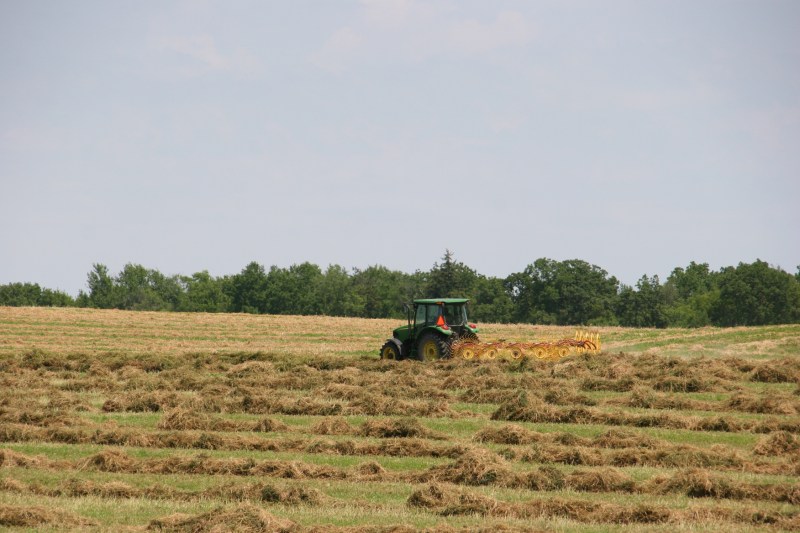
Making hay on the outskirts of Aspelund.

Working an alfalfa field on the outskirts of Aspelund.

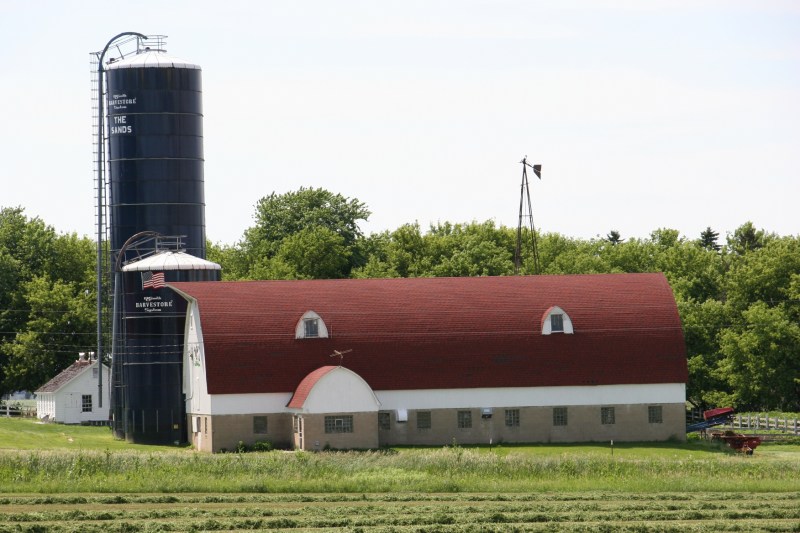
One of two barns in Aspelund.

One of two barns in Aspelund.

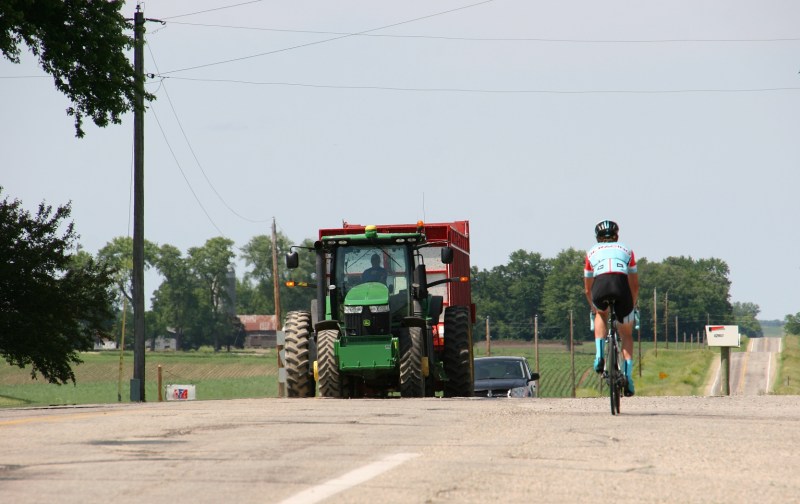
Traffic through Aspelund on Sunday afternoon.

Traffic through Aspelund on Sunday afternoon.

On Sunday afternoon, I observed farmers in fields, a youth group meeting in Emmanuel Lutheran Church, and a biker, motorists and farmers passing through this settlement.

Inside Emmanuel Lutheran Church.

Inside Emmanuel Lutheran Church. Local churches centered the community, especially during the days of early settlement.

Places like Aspelund impress upon me their historical and current value in rural Minnesota. Mostly Norwegians settled here to farm the land, to re-establish their lives in a new land of opportunity. I admire their strength and determination. They endured much—poverty, isolation, disease, homesickness and more. They persevered. Just like their descendants who remain 150-plus years later.

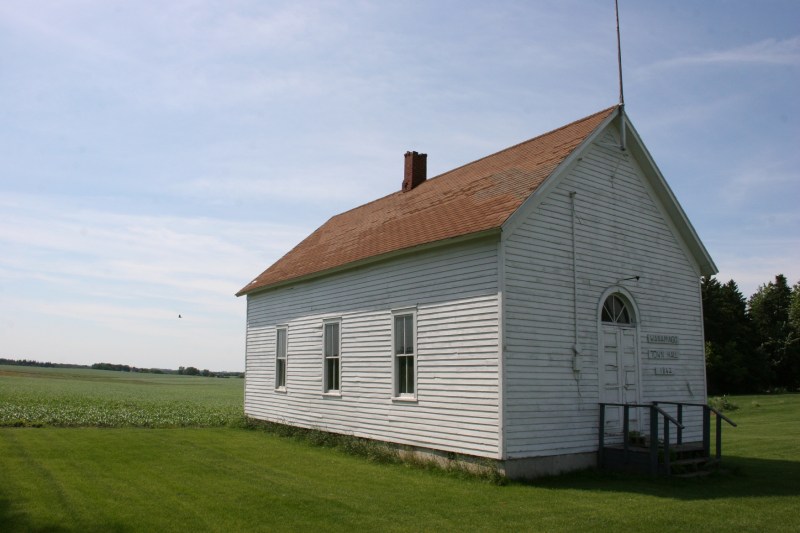
The old Wanamingo Township Hall, built in 1862, stands next to the church.

The old Wanamingo Township Hall, built in 1862, stands next to the church.

Aspelund’s ethnic roots are documented in family names on gravestones, in the records of churches like Emmanuel and nearby Holden Lutheran, and in current voter registration rolls.

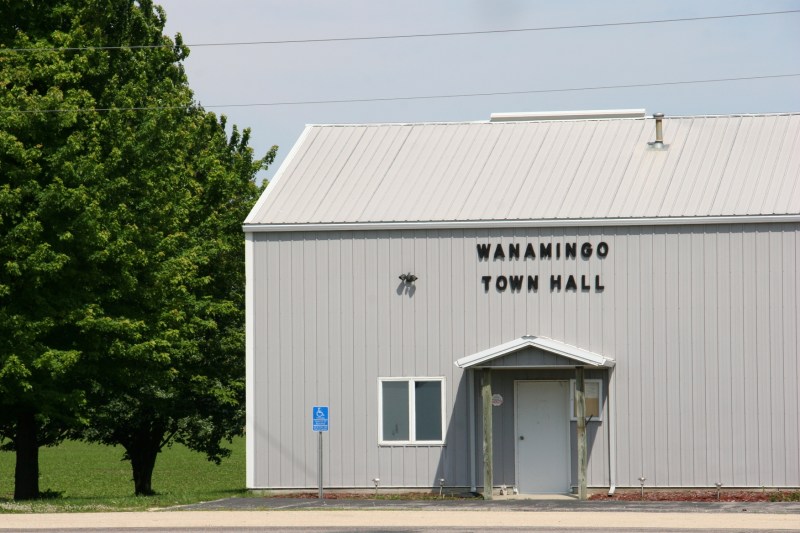
The current town hall.

The current town hall.

Even the name of the settlement itself, Aspelund, comes from a town in Norway. Oh, how those early immigrants must have missed their homeland. And how their descendants still appreciate the Mother Land today.

Photographed in Aspelund.

Photographed in Aspelund.

FYI: Check back tomorrow as I take you into the Emmanuel cemetery. Click here to read yesterday’s post about Aspelund Winery and Aspelund Peony Gardens.

© Copyright 2016 Audrey Kletscher Helbling
 

In Cannon City: A grassroots Americana commemoration of Memorial Day May 31, 2016

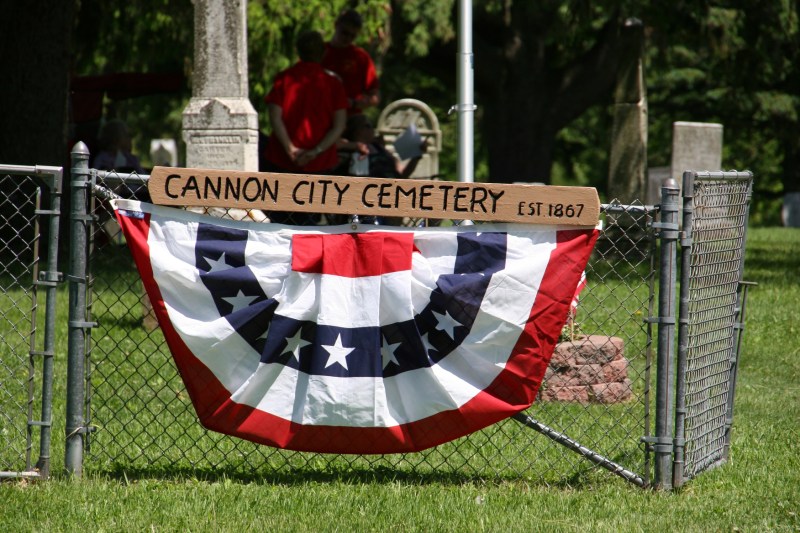
The entrance to the Cannon City Cemetery is decorated for Memorial Day.

The entrance to the Cannon City Cemetery is decorated for Memorial Day.

THERE’S A CERTAIN SENSE of comfort in tradition. For nearly 100 years, folks have gathered each Memorial Day at the Cannon City Cemetery to honor our veterans.

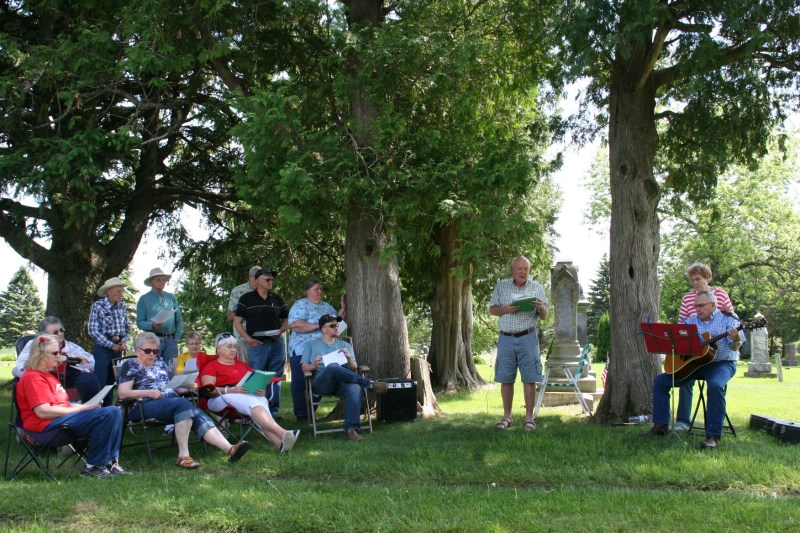
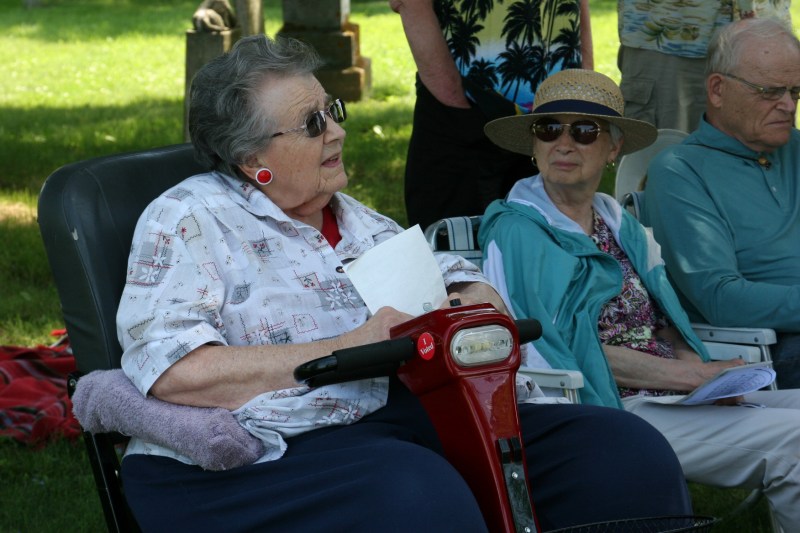
This shows a portion of those gathered for Monday's semi-formal program.

This shows a portion of those gathered for Monday’s semi-formal program.

In the shade of spruce and cedar trees and surrounded by gravestones, I listened to natives read The Gettysburg Address, Freedom, What Heroes Gave and more; recite In Flanders Fields; and recall the history of this celebration. A Civil War veteran initially asked students from the village school to put on a Memorial Day program. In those early years, pupils marched from the school to the cemetery bearing floral wreaths. Today the cemetery board organizes this annual observance.

Mel Sanborn, left, emceed the program.

Mel Sanborn, left, emceed the program.

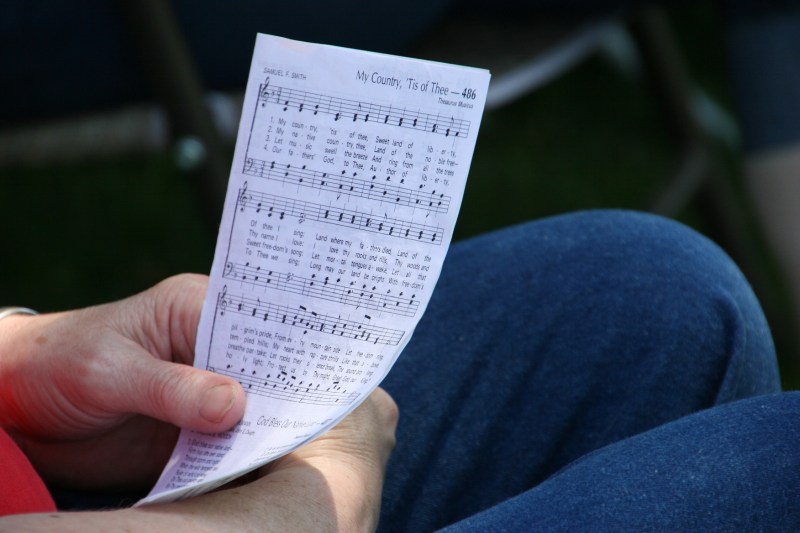
Song sheets were distributed to those in attendance and then collected to save for next year.

Song sheets were distributed to those in attendance and then collected to save for next year.

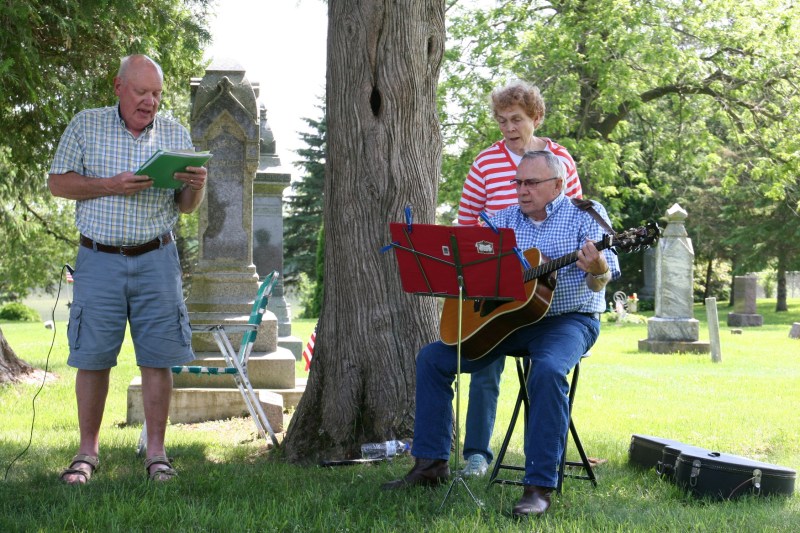
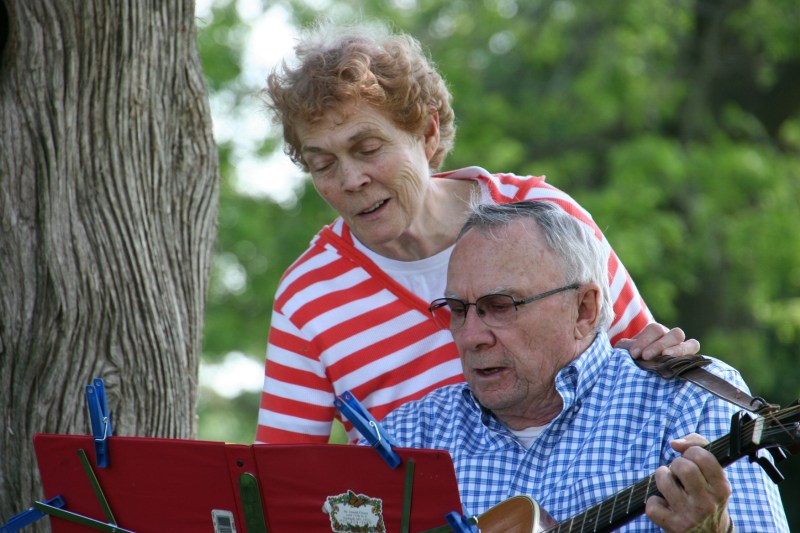
Don, on the guitar, and Judy Chester lead the singing.

Don, on the guitar, and Judy Chester lead the singing.

We sang patriotic songs like The Star Spangled Banner, The Battle Hymn of the Republic, and America the Beautiful, some accompanied by a guitar, some not. Voices rose 40-plus strong above the shrill of a cardinal and the distant muffle of gunfire. Sun shone. Breeze rippled.

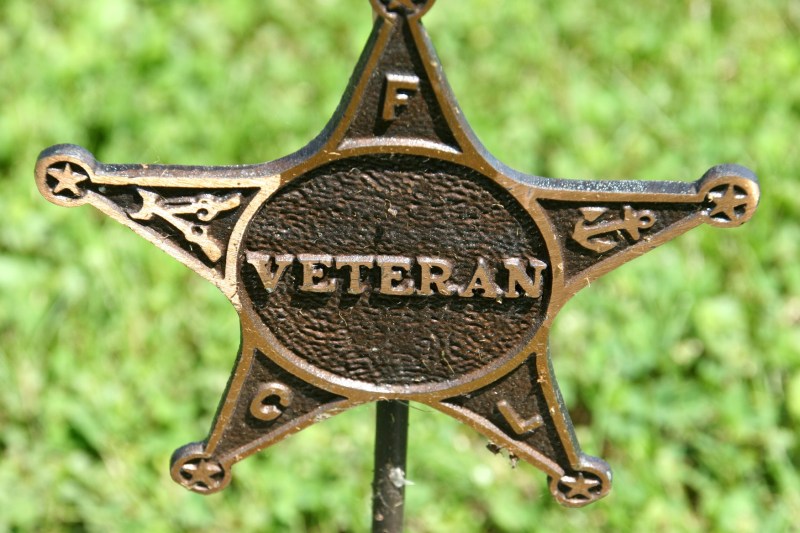
A bronze star marks a veteran's grave.

A bronze star marks a veteran’s grave.

The Cannon City Cemetery offers an ideal setting for a grassroots remembrance of those who have served our country. Therein lies its appeal to me.

Giving the history of and then reciting In Flanders Fields.

Giving the history of and then reciting In Flanders Fields.

I have no connection to this place where nearly 50 veterans are buried. But this ceremony reminds me of the Memorial Day programs of my youth. As an aging senior recited In Flanders Fields, I mouthed the words I recited so many years ago on the stage of the Vesta Community Hall.

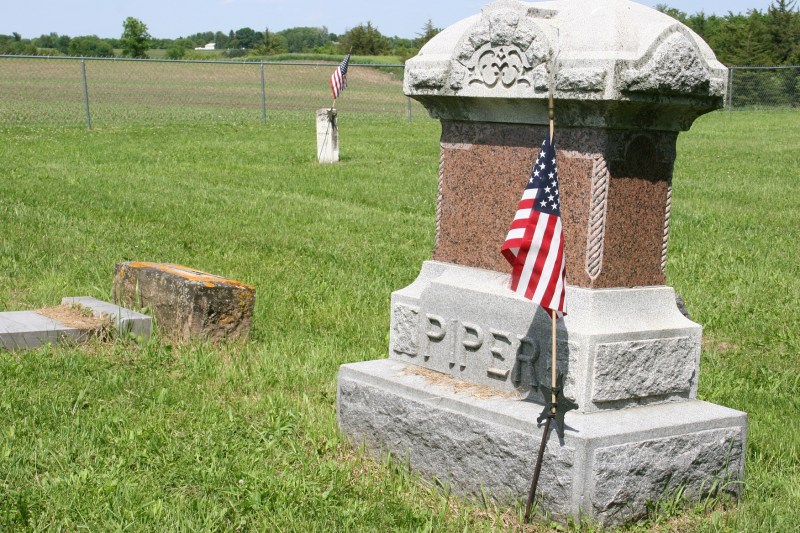
Fields surround the cemetery.

Fields surround the cemetery where American flags marked veterans’ graves on Memorial Day.

In its peaceful location among farm fields, this cemetery reminds me of home. Of tradition.

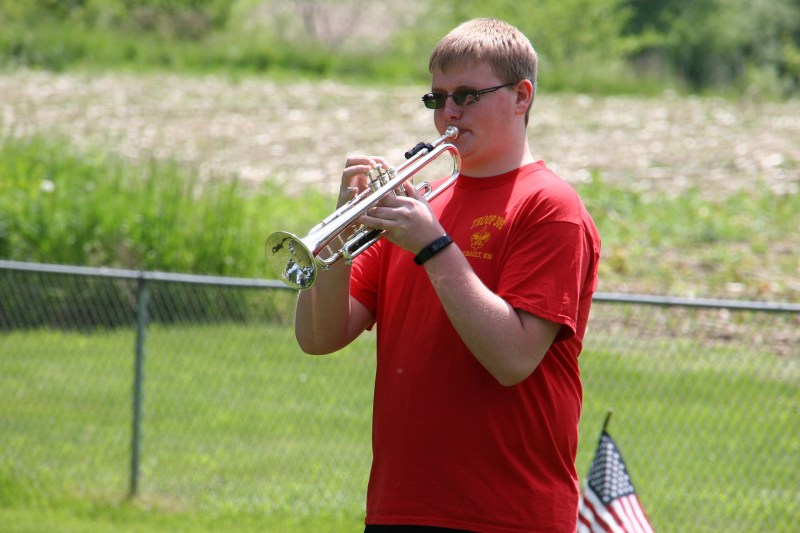
Sam Wilson ends the program by playing taps.

Sam Wilson ends the program by playing taps.

And when taps sounded, I was reminded, too, of just how much some sacrificed so that I could stand here, in this cemetery, on Memorial Day, hand across heart reciting The Pledge of Allegiance.

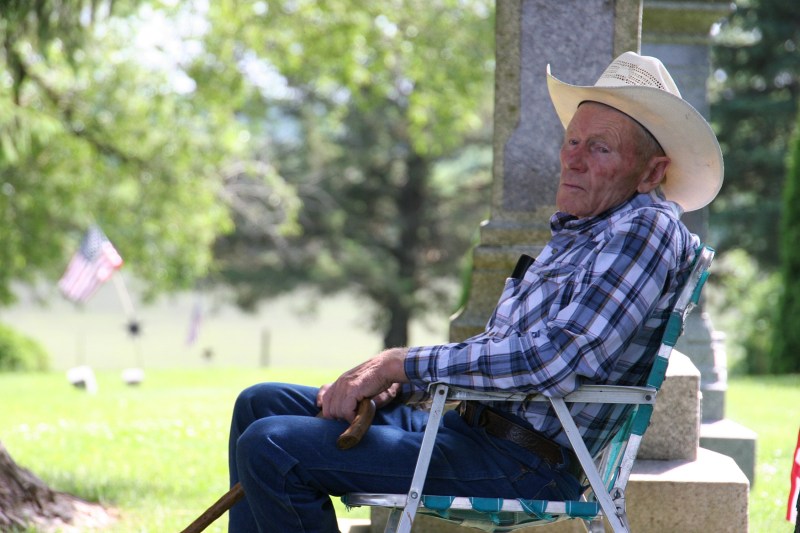
Cannon City native Bob Lewis is a fixture at the annual Memorial Day program. Locals are already tapping his historical knowledge in preparation for the 150th anniversary celebration.

Cannon City native Bob Lewis is a fixture at the annual Memorial Day program. Locals are already tapping his historical knowledge in preparation for the 150th anniversary celebration in 2017.

FYI: Next year the Cannon City Cemetery turns 150 years old. Plans are already underway for a special celebration to mark the occasion. If you want to experience grassroots Americana on Memorial Day, this is the place to be.

© Copyright 2016 Audrey Kletscher Helbling


At the intersection of Minnesota Highways 99 & 13 May 19, 2016

Filed under: Uncategorized — Audrey Kletscher Helbling @ 5:00 AM
Tags: , ,

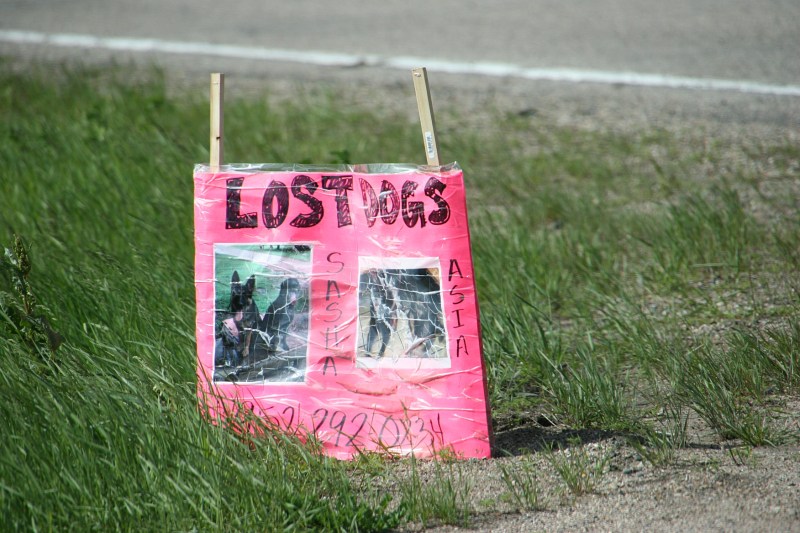
Lost dogs sign, 5


Copyright 2016 Audrey Kletscher Helbling
 

Rural roadside surveillance May 18, 2016

Filed under: Uncategorized — Audrey Kletscher Helbling @ 5:00 AM
Tags: , , , , , , ,

Roadside stand, 93 side view


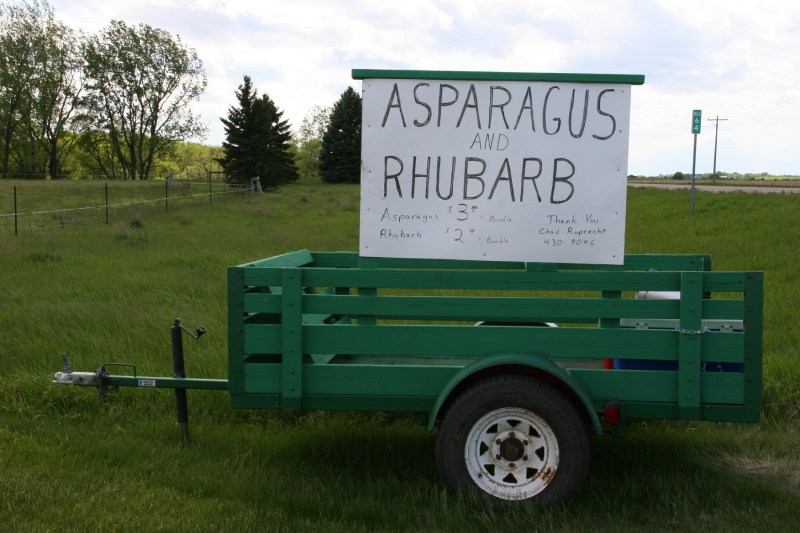
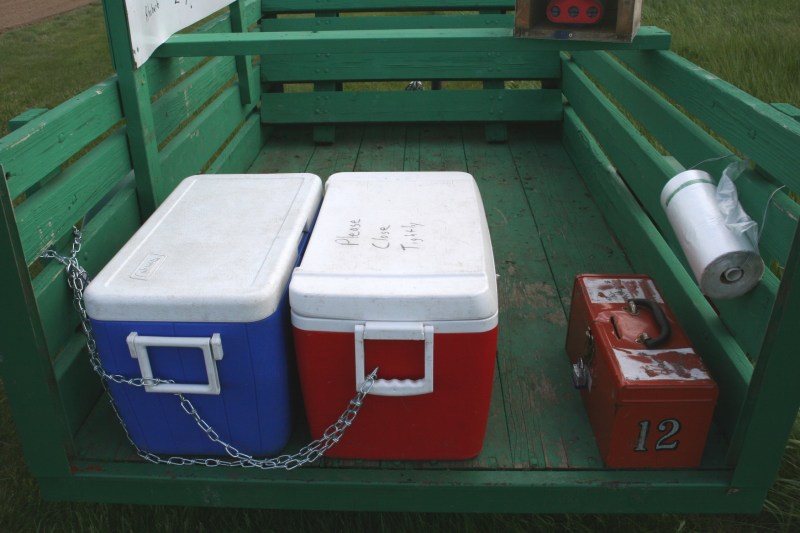
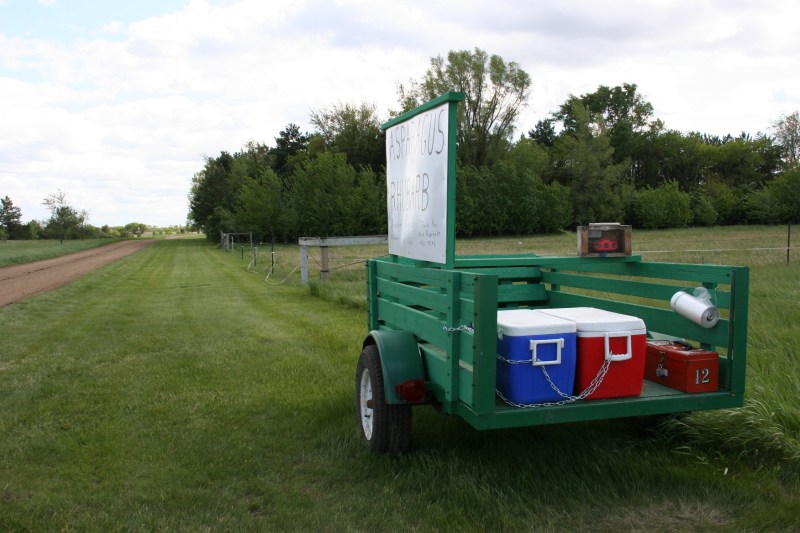
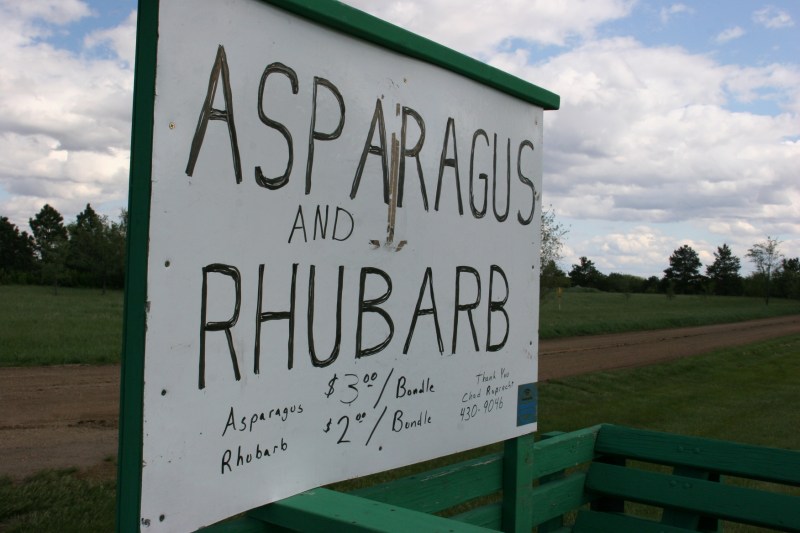
ALONG U.S. HIGHWAY 14 at its intersection with the road to Wanda, just east of Lamberton, I spotted a roadside stand advertising rhubarb and asparagus. I had rhubarb back home in my refrigerator. But I didn’t have asparagus and I love that spring-time vegetable.

So Randy pulled our van off the highway, turning onto a farm driveway next to a green trailer. I asked if he had $3. He did. I had only larger bills. I grabbed the money and my camera, bracing myself against a fierce prairie wind to snap a few photos.


Roadside stand, 95 close-up of coolers


Then I headed for the trailer. I lifted the lid on a red cooler, noting the instructions to “Please close tightly.” I did after finding that cooler empty. Then I opened a blue cooler with the same results. Empty. No asparagus for me.


Roadside stand, 97 camera


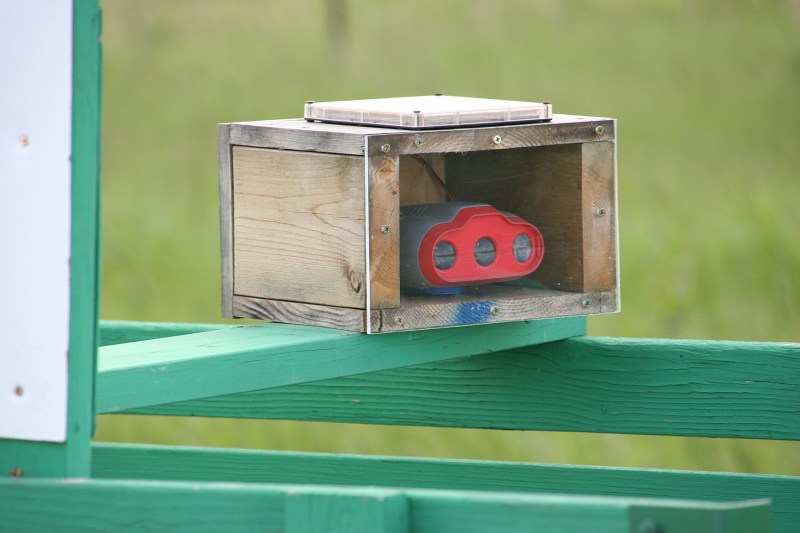
Discouraged, I took a few more photos and headed back to the van. Randy was already backing up, which I found odd. “Is that a wildlife camera?” he asked, indicating a camera inside a wooden box mounted to the trailer. Could be.


Roadside stand, 94 trailer next to driveway


I slammed the van door, handed the money back to Randy and buckled up as he resumed backing toward the highway. About that time, a white vehicle started heading down the driveway. “We’re being watched,” I observed, which should have been obvious to me given the camera and sign noting “Protected by security system.”

Soon the vehicle curved back onto the farm site.


Roadside stand, 96 close-up of sign


I left not only without the asparagus I craved, but also a bit disillusioned. I’d like to think unattended roadside stands don’t need security systems or chains or locks. But who am I kidding? Apparently myself.

© Copyright 2016 Audrey Kletscher Helbling


A rural Minnesota teacher takes action when her students need books May 12, 2016

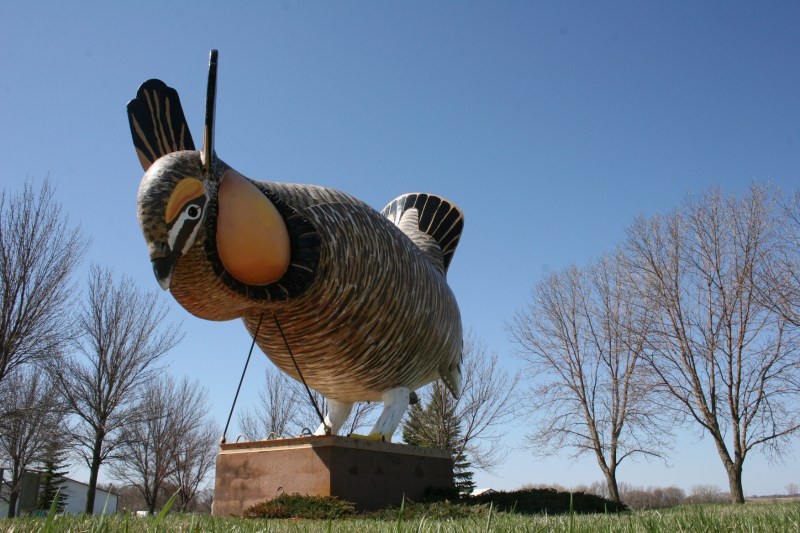
This prairie chicken statue celebrates the real prairie chickens which reside in the Rothsay area.

This prairie chicken statue celebrates the real prairie chickens which reside in the Rothsay area. Minnesota Prairie Roots file photo, May 2013.

FORTY MILES EAST of Fargo, an 18-foot tall, 9,000-pound statue marks Rothsay as The Prairie Chicken Capital of Minnesota. Without the kitschy roadside attraction, travelers likely would consider this just another small town along Interstate 94.

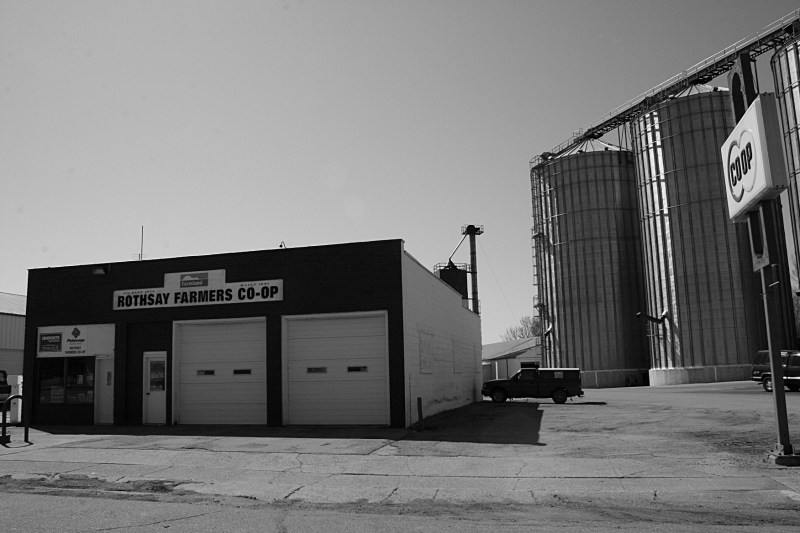
Downtown Rothsay is ag-oriented. Minnesota Prairie Roots file photo 2013.

Downtown Rothsay is ag-oriented. Minnesota Prairie Roots file photo, May 2013.

A few years ago, I popped into Rothsay. It’s your typical Minnesota farming community with a farmers co-op, hardware store, a bank, automotive body and repair shop, and such. And, if it’s lucky, as Rothsay is, a still surviving public school.

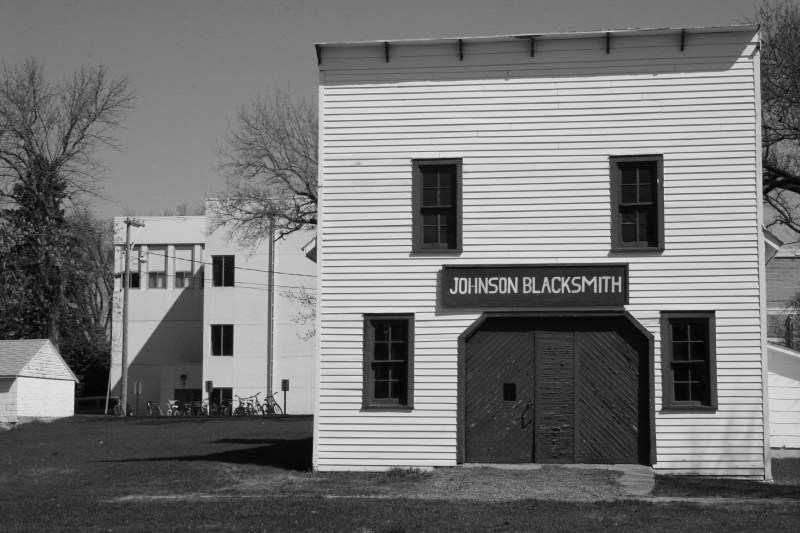
From what I observed, this is an historic blacksmith shop, not a working one. Note the bikes in the background parked outside the public school.

When I visited Rothsay three years ago, the school sat behind this historic blacksmith shop. Minnesota Prairie Roots file photo, May 2013.

In the three years since I visited this Wilkin County community, a new school has been built. But there’s a problem, specifically in the Media Center. A shortage of books exists for high school students.

This graphic comes from the gofundme page.

This graphic of book covers comes from the gofundme page.

Now Kristie Sullivan, an English Language Arts teacher who returned to her hometown to teach, has established a gofundme page to fund the purchase of books for high schoolers. She’s seeking $5,000 for titles ranging from classics like The Catcher in the Rye to the current-day popular The Hunger Games.

I can’t think of anything in education more important than books. They are the foundation tool of learning. If you can read, you can learn.

I understand the situation Ms. Sullivan faces. Years ago, when my children were attending a Christian day school in Faribault, I volunteered in the library. There was no funding for library books. So I had to get creative. New books came through cash gifts, a birthday book program, rewards from an annual book sale and from a used book drive. I also purchased many books at garage sales. I’d like to think I made a difference in getting books to students.

Kudos to this young teacher for caring so much about her students that she set up this gofundme page. Such action shows me she is passionate about teaching. And when a teacher is passionate, kids learn. Really learn.

FYI: If you are interested in supporting this gofundme project to buy books for Rothsay High School students, click here.

(h/t Fargo Forum)

© Copyright 2016 Audrey Kletscher Helbling
 

In honor of spring planting season in southern Minnesota April 18, 2016

Filed under: Uncategorized — Audrey Kletscher Helbling @ 5:00 AM
Tags: , , , , ,
A pause in field work along the Rice-Steele County line Sunday afternoon.

A pause in field work along the Rice-Steele County line Sunday afternoon.

FARM IMPLEMENTS KICKED up dust Sunday afternoon under blue skies clumped with white clouds here in southeastern Minnesota.

Prepping the soil for planting along 270th Street East in southern Rice County.

Prepping the soil for planting along 270th Street East in southern Rice County.

It was the kind of balmy spring day that draws me to the land, to memories of spring planting.

This tractor and grain cart (typically used during harvest) sat unattended in southern Rice County Sunday afternoon.

This tractor and grain cart (typically used during harvest) sat unattended in southern Rice County Sunday afternoon.

While tractors and other equipment have changed since I left the farm of my roots at age 17, way too many years ago, one constant remains. This is the season of transition. An awakening. Black earth turned to warm sun. Seeding of the soil. The promise of a harvest.

Just outside Medford this farmer prepped the soil Sunday afternoon.

Just outside Medford this farmer prepped the soil Sunday afternoon.

The farm girl in me still lingers, waiting for spring days like this, for a drive into the country, for an opportunity to honor the land via photos, via thoughts, via a deep emotional connection to the earth.

© Copyright 2016 Audrey Kletscher Helbling
 

Wondering about the Wanamingo Town Hall April 8, 2016

Wanamingo Town Hall, 112 view one


WOOD-FRAME TOWN HALLS aged by time hold a sense of history that always leaves me wondering.

The Wanamingo Town Hall, which I recently photographed in the ghost town of Aspelund in Goodhue County, is no exception. I thought a simple internet search would yield answers. It didn’t.


Wanamingo Town Hall, 113 view two


So I am left to wonder about this simple structure built during the Civil War and the U.S.-Dakota War of 1862. Was this originally a schoolhouse as town halls often were? Is it still used for township activities? For 4-H meetings? As a polling place? I found a photo of a new pole shed style town hall online indicating this historic building is no longer used by township government.

I also learned some history of the area from the book, Minnesota Geographic Names—Their Origins and Historic Significance, written by Warren Upham and published by the Minnesota Historical Society in 1920. Wanamingo, the author writes, “settled in 1854, organized in 1858, is almost wholly occupied by prosperous Norwegian farmers” (page 209).

Today Wanamingo Township remains agriculture-based. And you can still see the strong Norwegian heritage in family surnames, in country churches, in business names and more. Is the area still occupied by primarily prosperous Norwegian farmers? That I can’t answer.

© Copyright 2016 Audrey Kletscher Helbling