Minnesota Prairie Roots

Writing and photography by Audrey Kletscher Helbling

More than a car show at St. John’s, rural Faribault August 3, 2016

At the St. John's car cruise-in.

At the St. John’s car cruise-in.

I’VE ATTENDED CAR SHOWS in parks, along city streets and at a fairgrounds. But never at a church or in the country.

A vintage car arrives for the cruise-in car show at St. John's, 19086 Jacobs Avenue, rural Faribault.

A vintage car arrives for the cruise-in car show at St. John’s, 19086 Jacobs Avenue, rural Faribault.

A tractor trophy awarded at the show reflects the rural region.

A tractor trophy awarded at the show reflects this rural region of southern Minnesota.

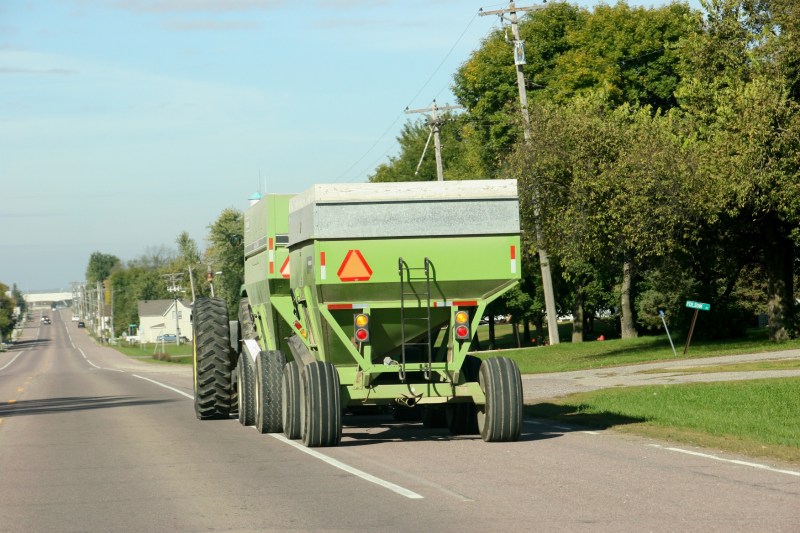
Across the road from St. John's, a truck pulls a grain bin.

Across the road from St. John’s, a truck pulls a grain bin.

Saturday morning I wheeled to a country church northeast of Faribault for St. John’s United Church of Christ, Wheeling Township’s first-ever Cruise-In Car Show. It’s a peaceful rural setting among farm fields and farm sites near Nerstrand Big Woods State Park.

An overview of the car show next to the church.

An overview of the car show next to the church.

This congregation knows how to draw folks in for events ranging from the annual The Last Supper Drama on Palm Sunday to Lenten soup luncheons to an ice cream social to a September Germanfest to the Big Woods Run and more. Many times I’ve gone to St. John’s activities, where I always feel welcomed by a friendly group of people like 90-year-old historian Elsie, Lynn (who’s usually in the kitchen) and the Rev. Lora Sturm.

My husband's hands clasped in prayer.

My husband’s hands clasped in prayer.

On this Saturday morning, the reverend leads attendees in prayer. As I stand between a row of vintage cars in the church parking lot, I consider how wonderful to hear this prayer of blessing upon the vehicles and upon those in attendance.

This group of men visited for a long time around various vehicles.

This group of men visited for a long time around various vehicles.

While visiting with others, I note that most either belong to this congregation or grew up in this church. There’s a special closeness in country churches that comes from living in the same geographical area and gathering here to socialize, to celebrate, to mourn, to grow in the faith (although some admittedly have drifted away).

The oldest vehicle at the event.

The oldest vehicle at the event.

Roots run deep through generations of families. German immigrants founded this congregation in 1856 as Minnesota’s first German Evangelical Church. They worshiped, nonagenarian Elsie tells me, in a log cabin before that burned and the current church was built in 1870 by German farmers from locally-quarried limestone.

I set my camera on the grass and aimed up to photograph this view of St. John's.

I set my camera on the grass and aimed up to photograph this view of St. John’s. Yes, there’s a cross-topped steeple, just not in this image.

The “Old Stone Church,” as it is known, stands strong on the corner of a paved county and gravel road next to the church cemetery. A 4-year-old boy points to a gravestone and tells me God is buried there. I lead him to the stone, read the name thereon and explain to him that God is not buried here nor is He dead.

Cars parked right next to the cemetery.

Cars parked right next to the cemetery.

I love that these kids have been together for hours—romping on the mini playground, playing hide-and-seek, searching for a geo-cache stashed in a treeline behind the cemetery… This setting invites such play, reminding me of my own upbringing in a small town Lutheran church.

The scene reflected in the shiny bumper of a car.

The scene reflected in the shiny bumper of a car.

Guys chatted next to tractors.

Guys chatted next to tractors.

Lovely crabapple trees edge the parking lot. St. John's members make their famous apple jelly from these apples to sell at Germanfest.

Lovely crabapple trees edge the parking lot. St. John’s members make their famous apple jelly from these apples to sell at Germanfest.

On this Saturday, this cruise-in is not just a gathering of car, truck and tractor enthusiasts showing off their vehicles. This event is about memories and socializing, about slowing down and appreciating the beauty and quiet of this reverent country place. It’s about being neighborly.

Volunteers served up a generous plate of a BBQ pulled pork sandwich, potato salad and beans, all for $5.

Volunteers served up a generous plate of a BBQ pulled pork sandwich, potato salad and beans, all for $5.

That delicious food.

That delicious food.

And it’s also about the food, this time delicious BBQ pulled pork sandwiches from the Rice County Pork Producers.

I always leave St. John's feeling happy and smiling.

I always leave St. John’s feeling happy and smiling.

St. John’s, from my experience, has always nourished the body, soul and spirit. And on this late July morning, this cruise-in accomplishes that mission in food, setting and friendly conversation.

FYI: Check back tomorrow and the day after for more photos from the St. John’s Cruise-In Car Show.

© Copyright 2016 Audrey Kletscher Helbling


The rural influence in my writing & photography, plus a farm tour July 12, 2016

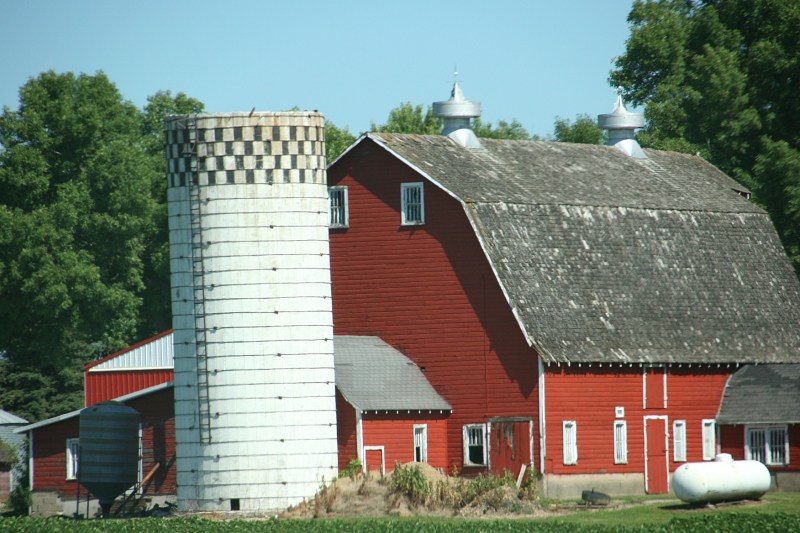
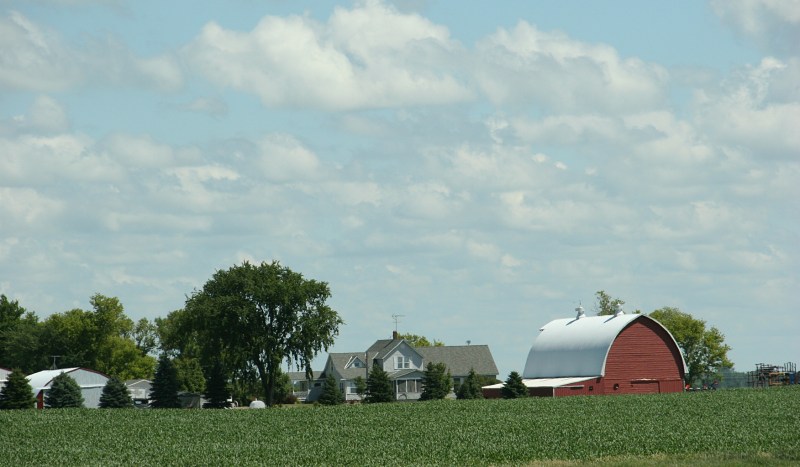
Barn, 117 red barn along US Hwy 71 south of Redwood Falls


BARNS DRAW MY CAMERA lens like moths to a porch light.


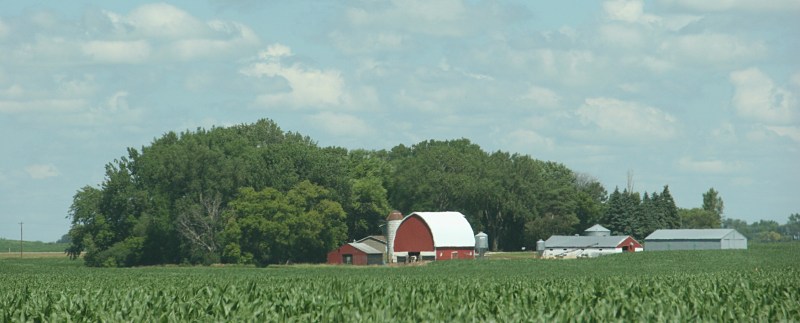
Barn, 144 farm site between Olivia and Wilmar


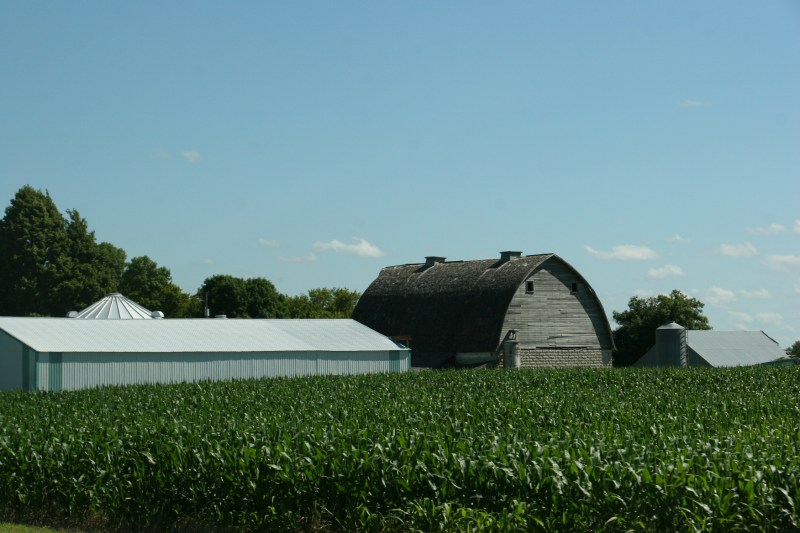
My response is reflexive, this focal allure of barns while traveling through rural Minnesota.


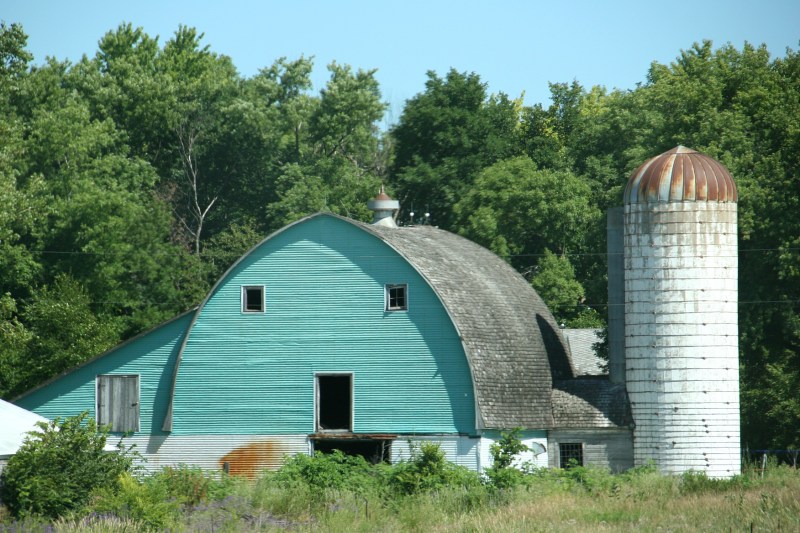
Barn, 112 bluegreen barn along US Hwy 71 south of Redwood Falls


Barns, to me, symbolize rural life. Growing up on a southwestern Minnesota dairy and crop farm, I labored in the barn—scooping silage and ground feed, scraping manure into gutters, carrying milk pails from barn to milkhouse, tossing hay and straw bales from the hayloft, bedding straw…

My hair, my skin, my clothing smelled always of cows and manure. I bathed but once a week. That seems unfathomable now. But it was the reality of then.


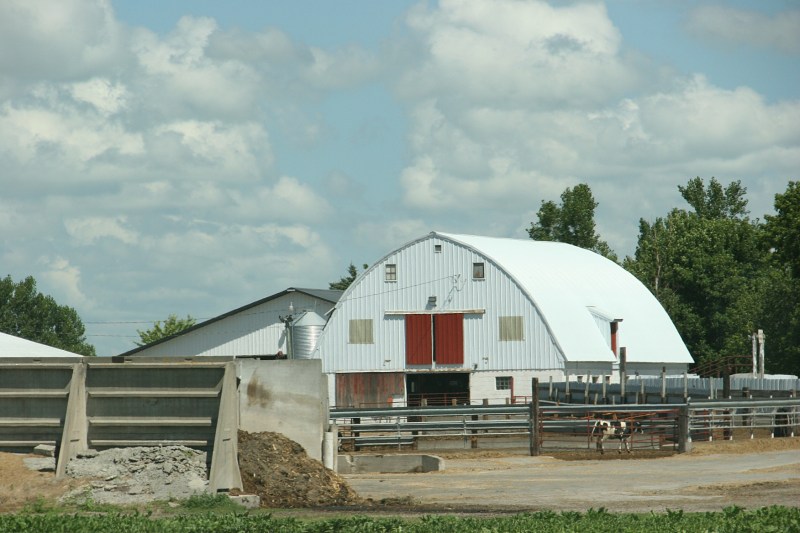
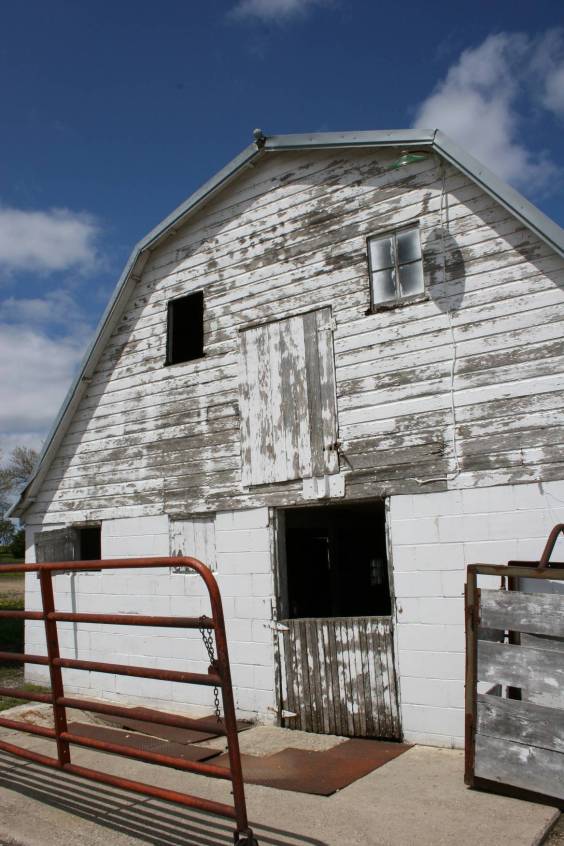
Barn, 145 white barn & cow


The barn on our family farm provided more than shelter for the cows. It provided an income, a way of life, a training ground for hard work. No matter what, the cows needed to be tended, fed and milked. Vacations were rare—only two my entire childhood, one to the Black Hills of South Dakota and the other to Duluth. On the occasion when my parents traveled farther, they left my older brother and me home to take care of the farm under our bachelor uncle Mike’s watchful eye.


Barn, 142 farm site between Olivia and Wilmar


I often told my dad I wanted to be a farmer. He discouraged me. He likely knew what I didn’t, that I wasn’t cut out to be a farmer. I am not a risk taker. And to be a farmer, you need to be a bit of a gambler. You gamble on the unpredictability of weather and of prices. Granted, technology has curbed some of the risk. But still, it’s there.


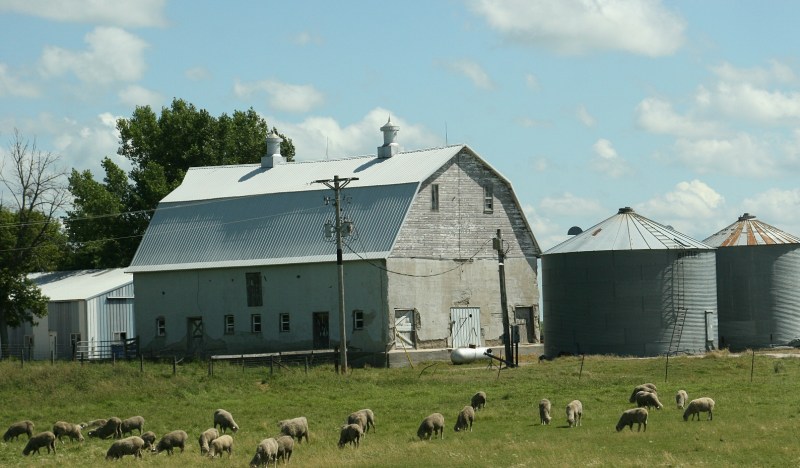
Barn, 132 sheep and barn between Morton & Olivia


Instead, I pursued a degree and career in journalism. And then, eventually, I became a full-time stay-at-home mom, setting aside my writing to raise my three kids. Until I found time again to write.


Barn, 109 east of Wabasso along US 71


In my writing today, unlike my past deliver-the-facts newspaper reporting, I have created a unique voice rooted in rural Minnesota. I may not smell of cow or manure, but those scents linger in my memory, infusing into my writing and photography. I bring a small town rural perspective to my work. I find my joy in writing about and photographing everyday life, everyday places, everyday people, mostly in Greater Minnesota.

The early 1950s barn on the Redwood County dairy farm where I grew up today stands empty of animals.

The early 1950s barn on the Redwood County dairy farm where I grew up today stands empty of animals. Minnesota Prairie Roots file photo.

And it all started in a Redwood County barn.

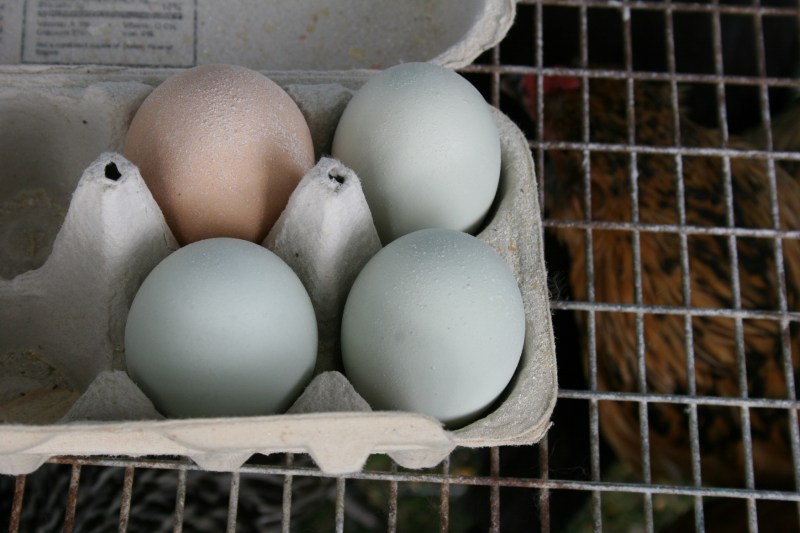
Fresh eggs and caged chickens attracted lots of interest.

Fresh eggs and caged chickens photographed at an event several years ago at Valley Grove Church, rural Nerstrand. Minnesota Prairie Roots file photo.

YOU, TOO, CAN EXPERIENCE farming this Saturday, July 16, by touring agricultural businesses throughout the region during the annual Eat Local Farm Tour. From Simple Harvest Farm Organics in rural Nerstrand to Mississippi Mushrooms in Minneapolis to Hope Creamery in Hope and 26 other sites, you’ll discover Minnesotans and Wisconsinites passionate about local foods. You’ll meet beekeepers, cheesemakers, berry growers, cattlemen/women, trout farmers and more.

Click here for a listing of sites on the Eat Local Farm Tour, which runs from 10 a.m. – 4 p.m.

© Copyright 2016 Audrey Kletscher Helbling

Note: With the exception of my home barn, all barns and farm sites featured in this post are located along U.S. Highway 71 in rural Minnesota, from south of Redwood Falls to south of Willmar.


The skies of summer in southwestern Minnesota July 8, 2016

Filed under: Uncategorized — Audrey Kletscher Helbling @ 5:00 AM
Tags: , , , , ,

Sky in sw MN, 27 red barn close-up


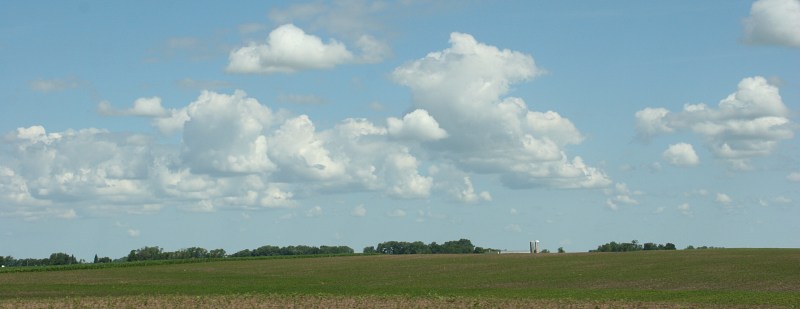
DECADES AGO, I LAY flat on my back in a Redwood County, Minnesota farm yard, eyes fixated on the clouds. I wasn’t a weather watcher. Rather, I was a girl with an imagination. As I lay there, I imagined a monstrous bird swooping from the sky to bite a chunk from the silo.


Sky in sw MN, 15 big sky & farm site


I’d just viewed a movie about a giant bird attacking the Empire State Building. It was no surprise then that I noticed frightening creatures looming in the sky.


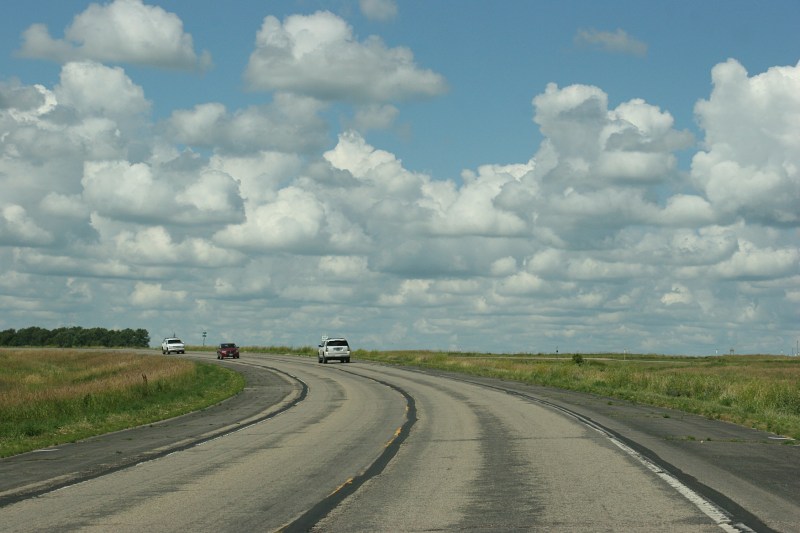
Sky in sw MN, 21 highway 14


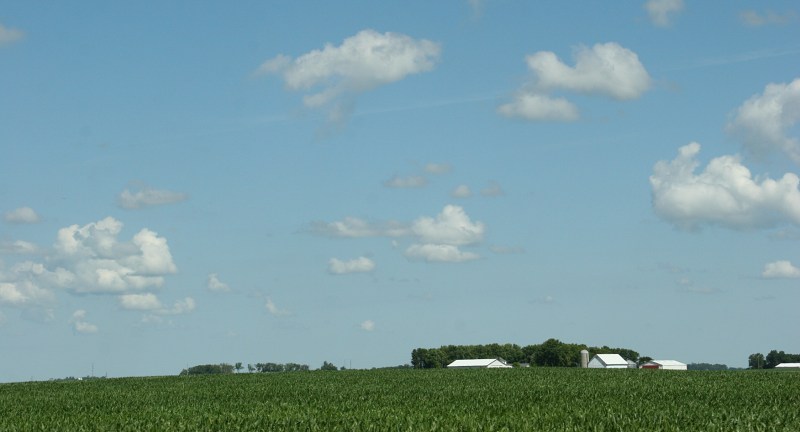
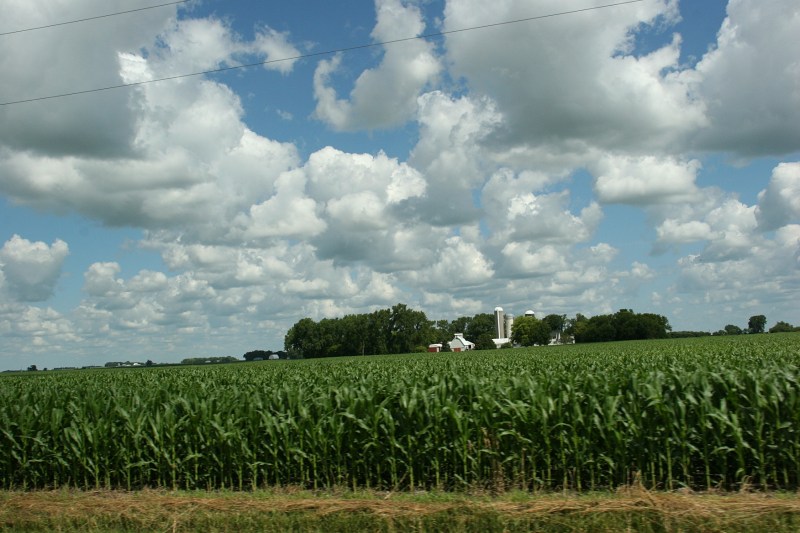
That was then. This is now, decades later, when I am still fascinated by the clouds of summer. There’s nothing quite like the summer skies of my native southwestern Minnesota prairie. Traveling west on July 2 to a family gathering near Lamberton, I delighted in the perfect summer sky of white clouds suspended above the land in a background of blue.


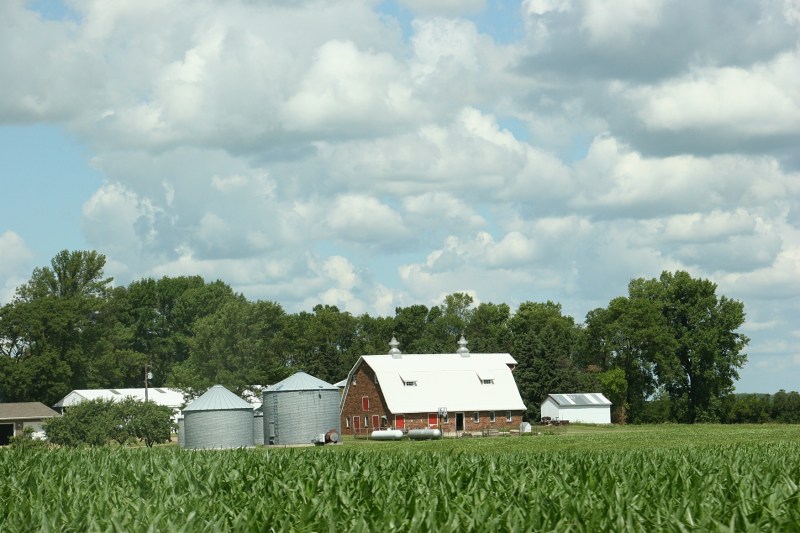
Sky in sw MN, 23 corn, barn & bins


Below, fields of corn and soybeans stretched for acres, broken only by farm sites, grain elevators, small towns and slashes of roadways.


Sky in sw MN, 7 big sky & farm site


The sky and land are so big here. I suppose to some, the vastness can unsettle. But for me it’s freeing.


Sky in sw MN, 28 full corn field, farm site and cloudy sky


My mind wanders from worries and difficult realities of life, of attacking giant birds, to a carefree state. I simply feel happy here beneath clouds that hang like wispy pulls of cotton candy above the greening cropland.


Sky in sw MN, 24 bins and sky


This land, this sky, this place, this rural Minnesota shall always claim my heart and my imagination.


Sky in sw MN, 30 entering Lamberton


TELL ME: What place claims your heart and why?

© Copyright 2016 Audrey Kletscher Helbling

Note: All of these photos were taken on July 2 while traveling westbound on U.S. Highway 14 between Sleepy Eye and Lamberton, Minnesota.


Serving up kraut at a Minnesota “feed” July 7, 2016

Filed under: Uncategorized — Audrey Kletscher Helbling @ 5:00 AM
Tags: , , , , , , , , ,

HOW DO YOU DEFINE feed?

In Minnesota, the word can typically be defined as an event in which large numbers of people are served food by a group of volunteers aiming to raise money for a cause. Not exactly a Webster dictionary concise definition.

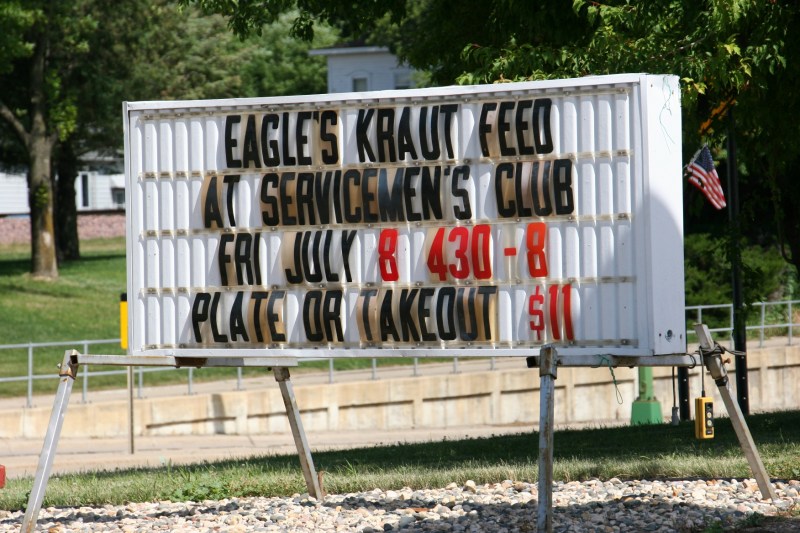
This sign is posted at the intersection of U.S. Highway 14 and Minnesota State Highway 4 in downtown Sleepy Eye.

This sign is posted at the intersection of U.S. Highway 14 and Minnesota State Highway 4 in downtown Sleepy Eye.

Often the featured food reflects the ethnicity of the region. Take, for example, the Eagle’s Kraut Feed slated for tomorrow at the Servicemen’s Club in Sleepy Eye. This southwestern Minnesota community has a strong German heritage. That would explain the Kraut Feed menu of all you can eat sauerkraut, dumplings, mashed potatoes and gravy, Landjagers (sausage), applesauce, bread and coffee and/or milk.

Even though I’m 100 percent German and do eat sauerkraut, I don’t like dumplings or sausage. But apparently a lot of folks do.

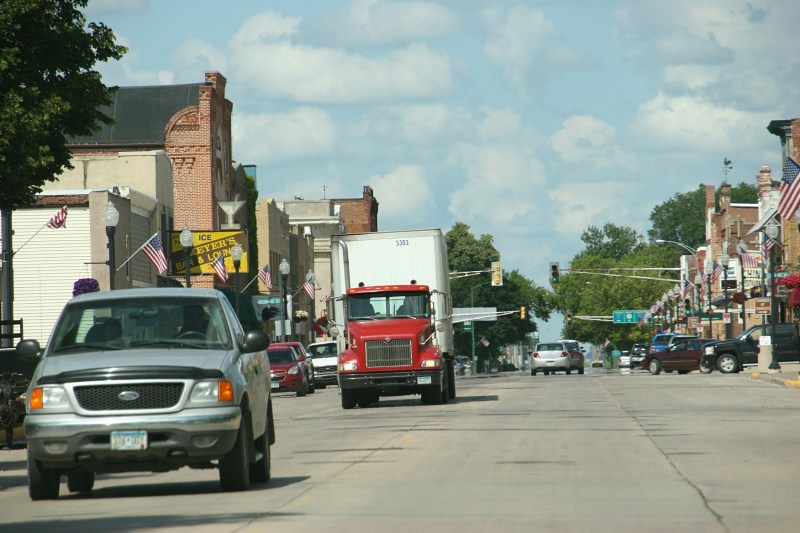
Downtown Sleepy Eye, Minnesota, photographed on July 2.

Downtown Sleepy Eye, Minnesota, photographed on July 2.

While searching online for info about the July 8 Kraut Feed, I also read that the Servicemen’s Club hosted a Ring Bologna Feed in February and a Bullhead Feed in March. I’m not surprised. I grew up in the county next to Sleepy Eye and my mom cooked both. I wasn’t fond of either ring bologna or bullheads. But those locally-sourced (from our farm and nearby School Grove Lake) cheap foods fed our family of eight.

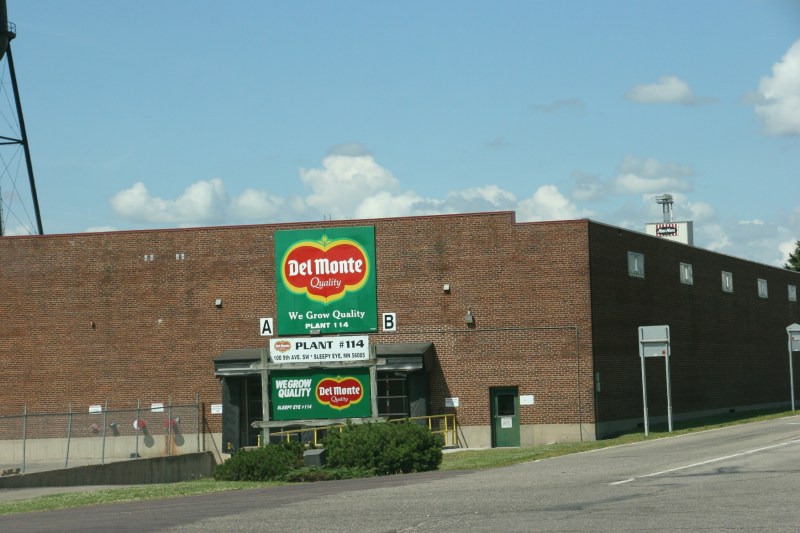
Sleepy Eye's Del Monte plant, located on the west edge of town along U.S. Highway 14.

Sleepy Eye’s Del Monte plant, located on the west edge of town along U.S. Highway 14.

In August, Sleepy Eye will serve free buttered sweet corn at its annual Buttered Corn Days. That event connects to the local Del Monte company, a community fixture since 1920. According to the Del Monte website, the Sleepy Eye plant “produces the largest case quantities of peas and corn for the company, planted by over 300 different growers on more than 26,000 acres.” That and the employment of up to 400 seasonal employees are good enough reasons to host a free community sweet corn feed.

TELL ME: What types of feeds are popular in your area? Or what is the most unusual feed you’ve come across and/or attended?

© Copyright 2016 Audrey Kletscher Helbling


Part II: So much to appreciate at North Morristown’s July 4 celebration July 6, 2016

FROM THE COMFORT OF MY LIVING ROOM, I watched fireworks explode across the television screen in bursts of sparkling hues against the hazy New York City skyline. Simultaneously, smoke from neighborhood fireworks drifted through open windows in my Minnesota home, creating an enhanced sensory illusion.
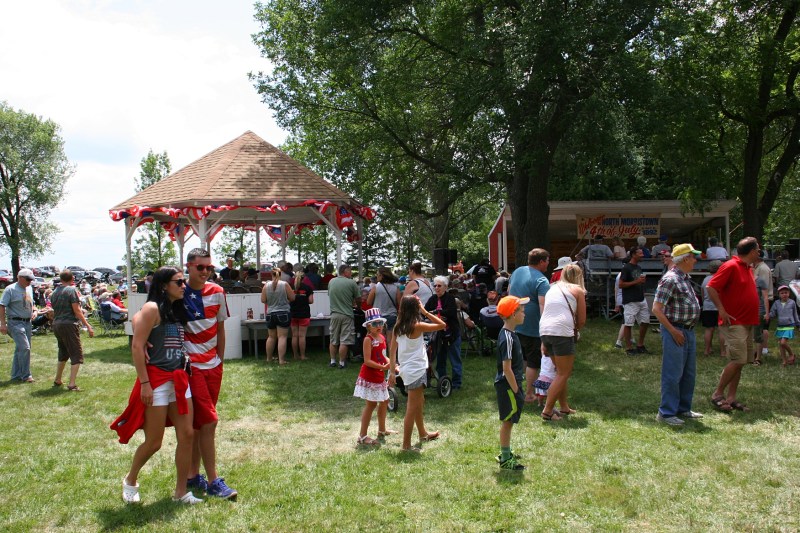
Red, white and blue attired prevailed among fest-goers who settled in a gazebo, on lawn chairs and grass and on bleachers to hear musicians perform.

Red, white and blue attired prevailed among fest-goers who settled in a gazebo, on lawn chairs and grass and on bleachers to hear musicians perform.

As I enjoyed the live broadcast, I considered how different my observance of our nation’s birth. Hours earlier I’d roamed the festival grounds of the North Morristown Fourth of July celebration. At this rural southern Minnesota location, I experienced a down-to-earth grassroots event that is still going strong after 124 years.

In New York City, boats shot fireworks. In North Morristown, the only body of water was a kids' wading pool holding rubber duckies for a carnival game.

In New York City, boats shot fireworks. In North Morristown, the only body of water was a kids’ wading pool holding rubber duckies for a carnival game.

Some 1,200 miles away on the East Coast, fanfare and orchestrated precision capped the evening. In North Morristown the day also ended in fireworks—shot from a farm field along a country road with fireflies dancing in the road ditches.
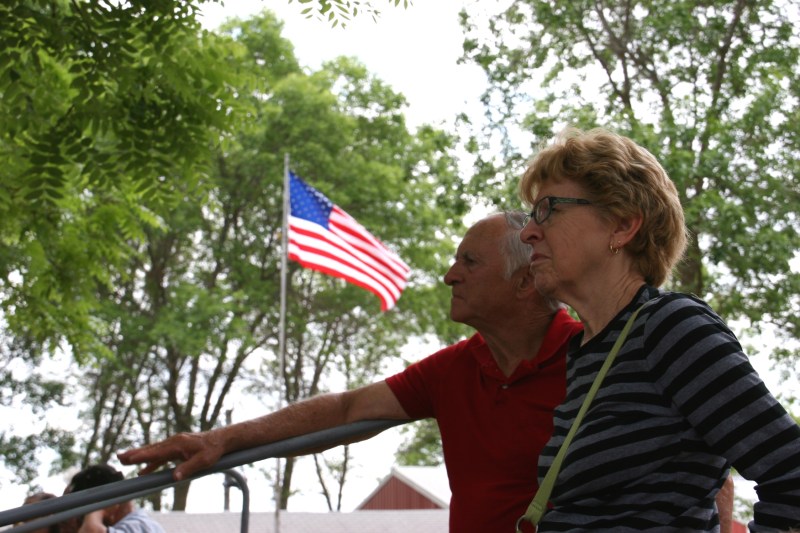
A couple listens to the music while sitting on portable bleachers under a canopy of trees.

A couple listens to the music while sitting on portable bleachers under a canopy of trees.

What a contrast of parties.
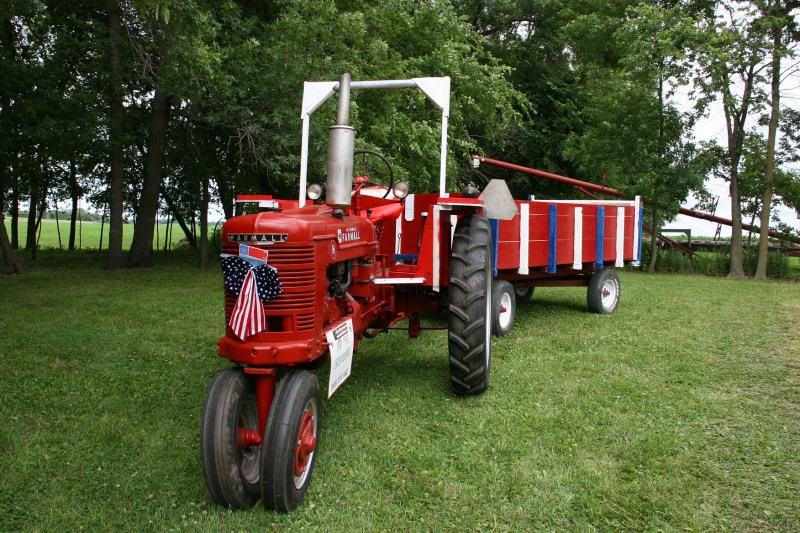
Parked on the festival grounds following the parade.

This 1940 Farmall owned by John Krause was parked in the festival parking lot.

I’ve been to New York once, nearly 40 years ago. I have no desire to return. But I’ll return to North Morristown as I have many times for the Fourth or for the annual fall harvest dinner at Trinity Lutheran Church. This rural location suits me and my agricultural upbringing.
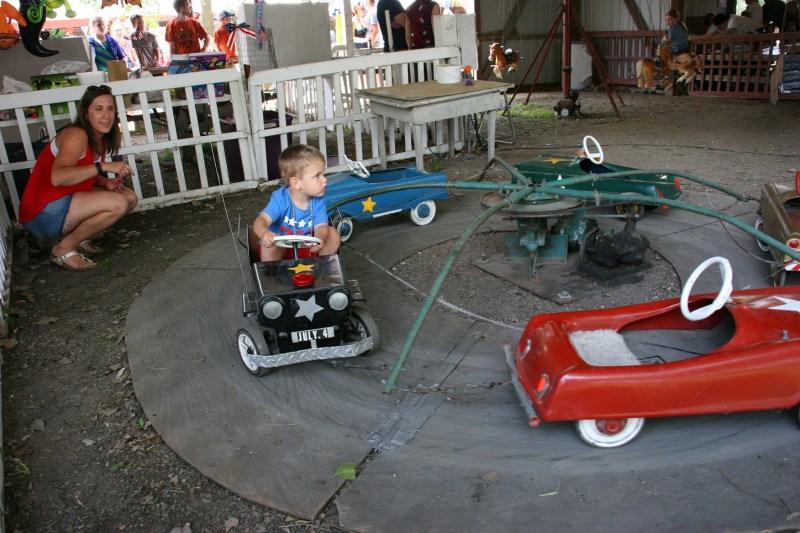
Cooper rides a vintage car while his mom watches.

Cooper rides a vintage car while his mom watches. The homemade kids’ rides are signature North Morristown.
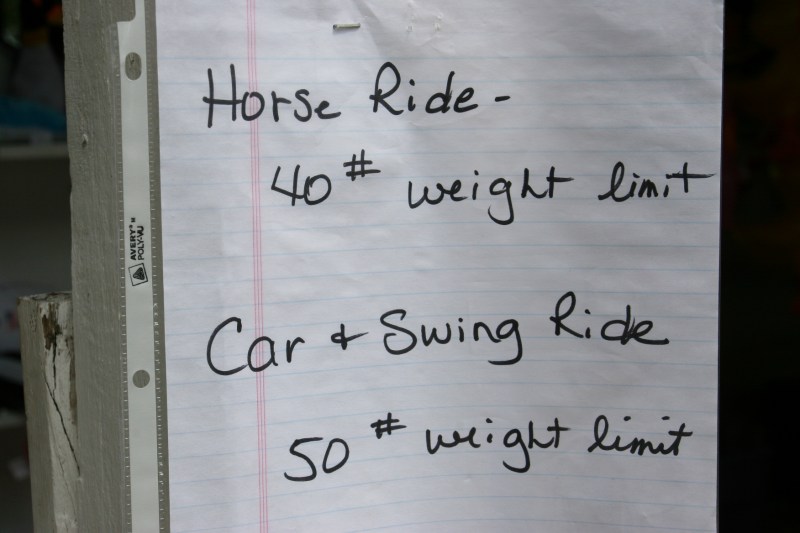
No fancy signage needed.

No fancy signage needed to deliver information.
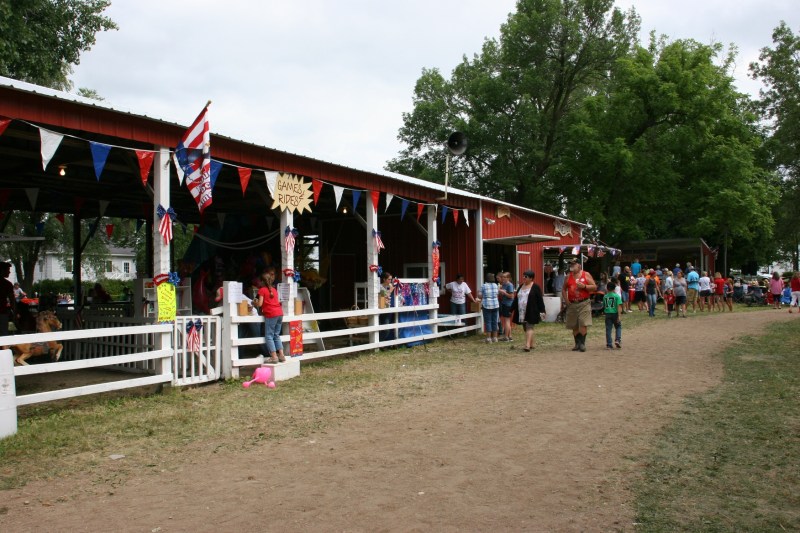
Games, rides and the ticket booth are housed in this red poleshed.

Games, rides, the ticket booth and more are housed in this red poleshed.

A strong sense of community and of family, of nostalgia and of tradition define this place and this celebration.
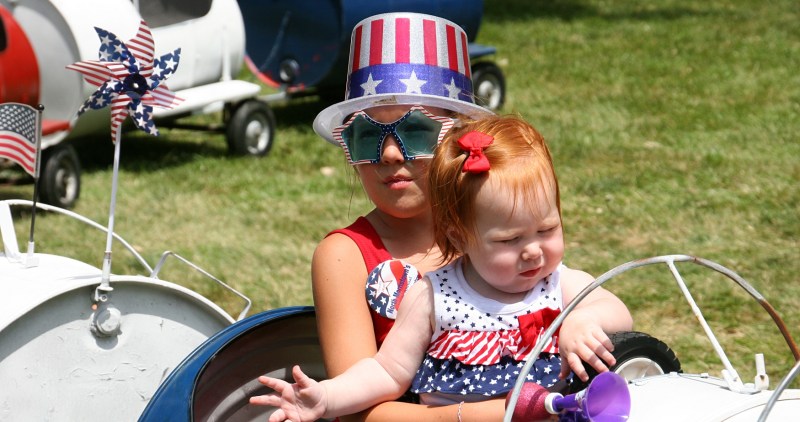
The barrel train ride is by far the most popular of the kids' rides.

The barrel train ride is by far the most popular of the kids’ rides.

There’s a certain comfort in the simplistic rustic charm of North Morristown on the Fourth of July. It’s a place you want to bring your kids and grandkids, where you come to meet friends and make new friends. It’s a place to reunite with family, to remember the past and to create memories.
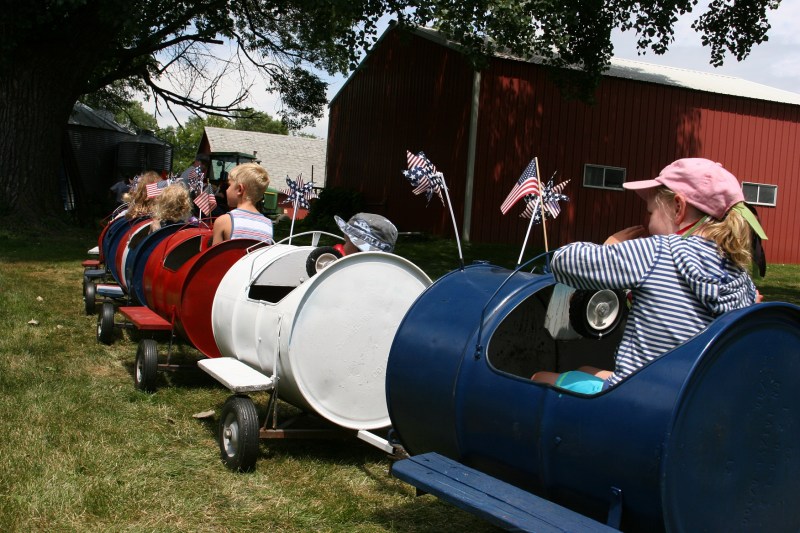
The barrel train chugs away across the lawn.
The barrel train chugs away across the lawn.

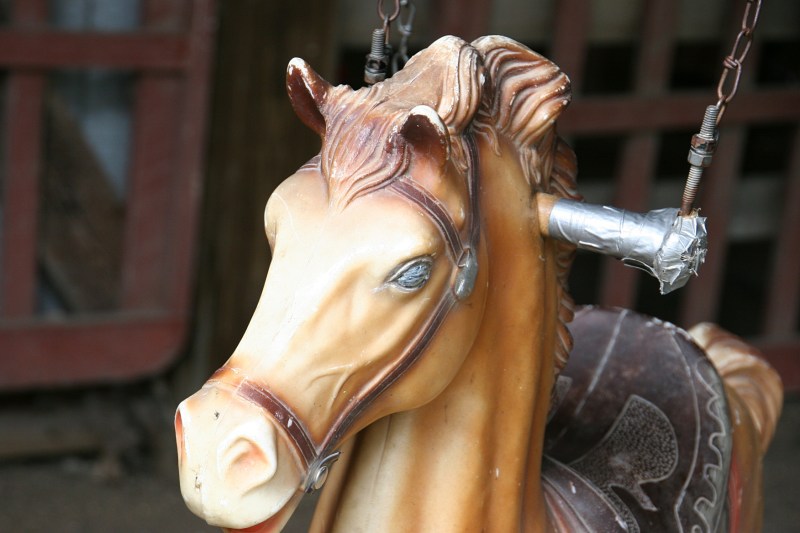
You'll see lots of duct tape used here.

You’ll see lots of duct tape used here, including on this vintage horse ride.

Games of skill draw many a player.

Games of skill draw many a player.

The carnival style rides are novel, the food homemade delicious, the atmosphere welcoming and kicked back.

Craig, whom I know from Faribault Car Cruise Nights, showed up (with his wife Kathy) dressed as Uncle Sam.
Craig, whom I know from Faribault Car Cruise Nights, showed up (with his wife Kathy) dressed as Uncle Sam.

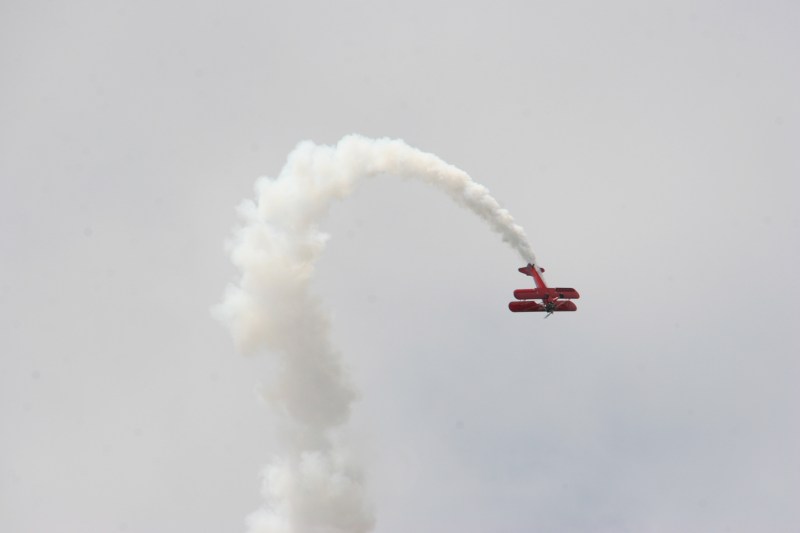
A biplane buzzes the festival grounds mid-afternoon.

A biplane loops over the festival grounds mid-afternoon.
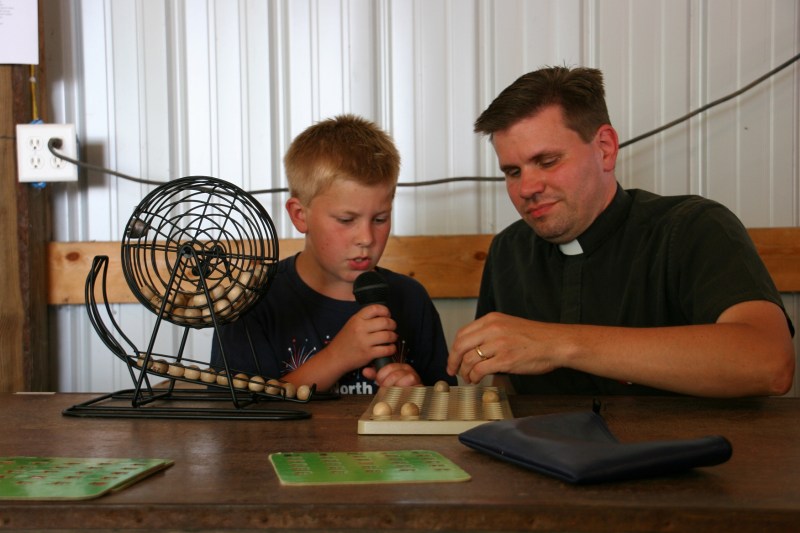
The Rev. Juan Palma of Trinity Lutheran Church North Morristown teams up with his son to call bingo.

The Rev. Juan Palm of Trinity Lutheran Church North Morristown teams up with his son to call bingo.

Here you can strike up a conversation with a bluegrass fan from nearby New Prague; love up a 12-week-old puppy named Max; encourage Noah, Hannah and Jack in their search for the medallion; catch up with Rose whom you haven’t seen in years; delight in a biplane writing smoke across the sky; listen to the pastor’s son call bingo numbers…

An appreciative crowd listens to Monroe Crossing, a popular bluegrass band.

An appreciative crowd listens to Monroe Crossing, a popular bluegrass band.

It’s nothing like NYC. And that’s absolutely alright by me.

BONUS PHOTOS:
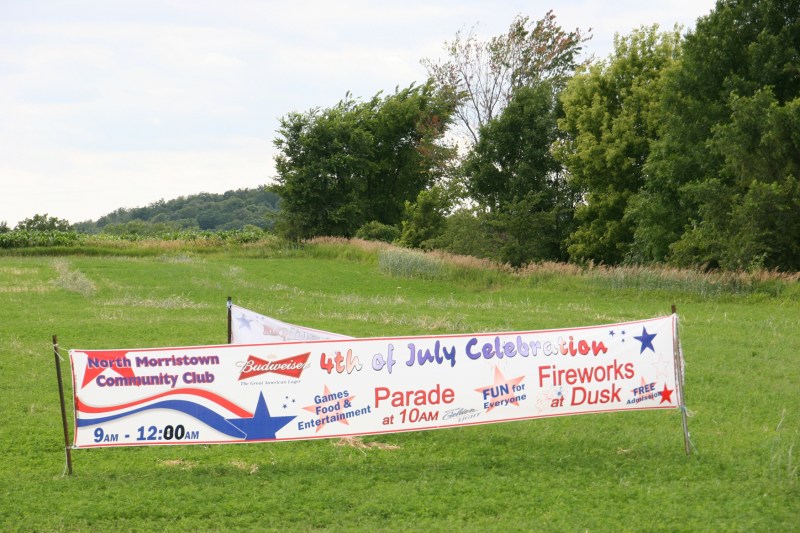
This banner marks the intersection of two county roads near the North Morristown festival site.

This banner marks the intersection of two county roads near the North Morristown festival site.

Kids' activities are to the left, food and beverage stands to the right and the entertainment stage straight ahead.
Kids’ activities are to the left, food and beverage stands to the right and the entertainment stage straight ahead.

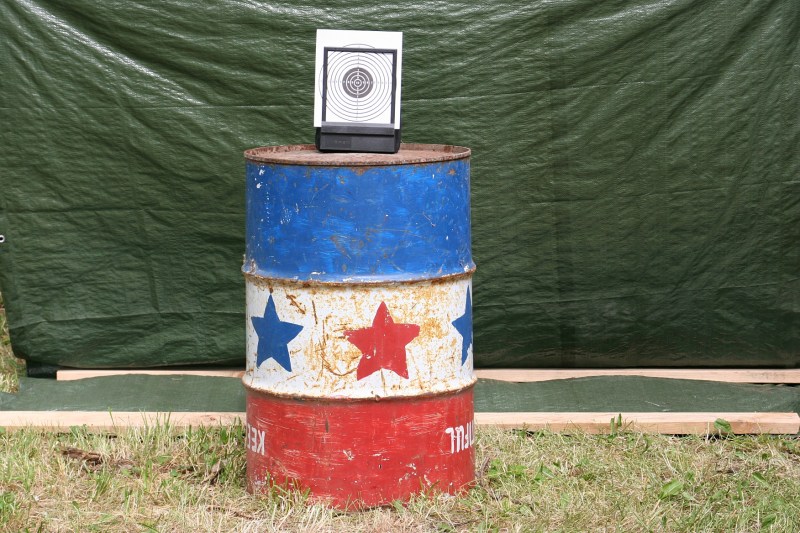
New to the skill games this year is the target shooting game using a spring-loaded gun.
New to the skill games this year is the target shooting game using a spring-loaded gun.

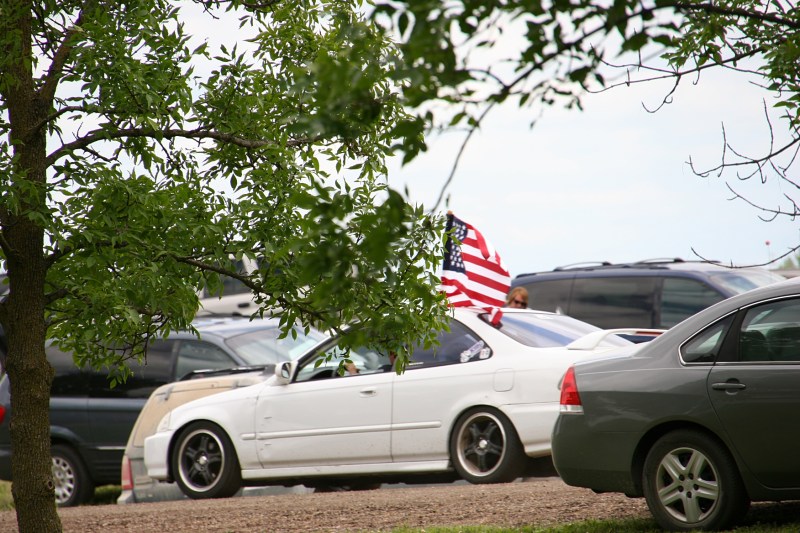
A flag bedecked car passes the festival grounds.
A flag bedecked car passes the festival grounds.

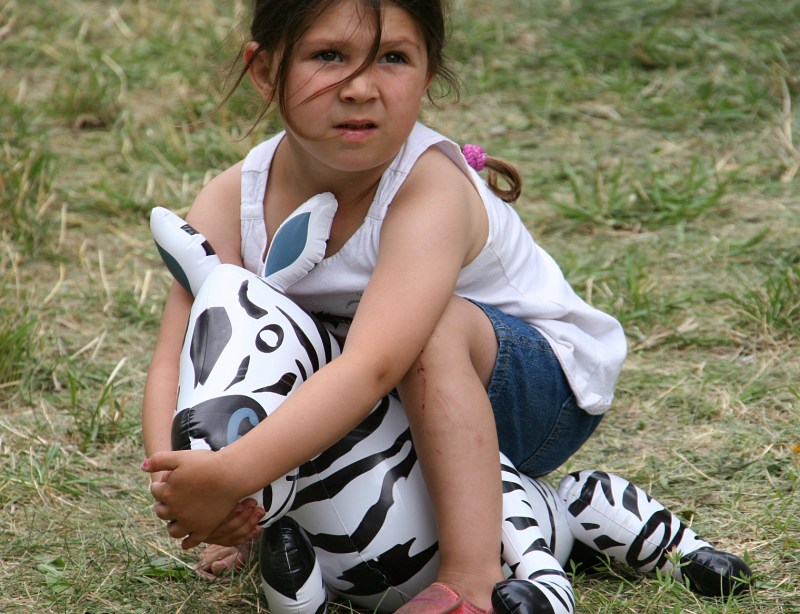
Kids loved the blow-up prizes ranging from animals to an inflatable ice cream cone.
Kids love the blow-up prizes ranging from animals to an inflatable ice cream cone.

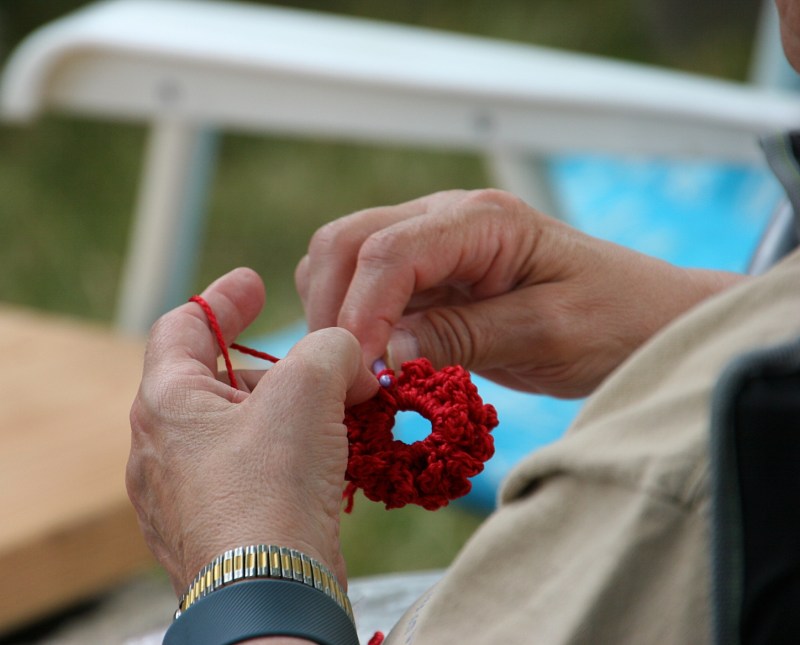
A fest goer crochets while musicians perform.
A fest goer crochets while musicians perform.

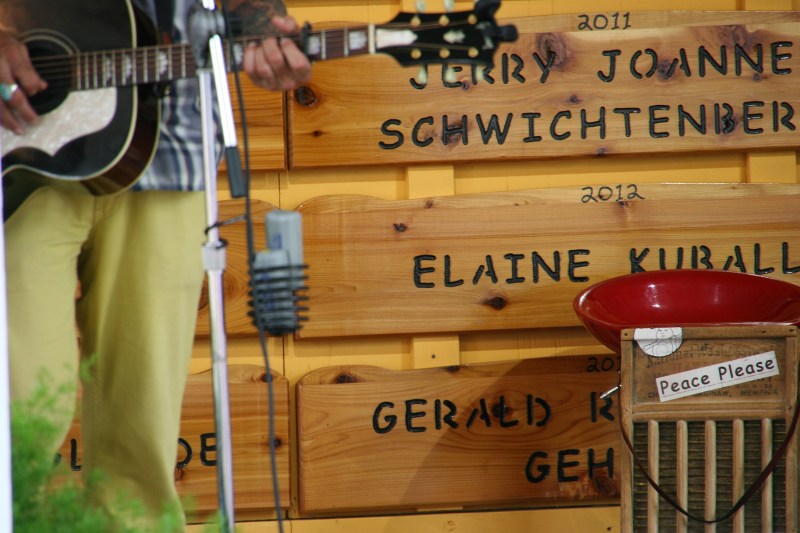
The names of all parade grand marshals are displayed on the main stage backdrop.
The names of all parade grand marshals are displayed on the main stage backdrop.

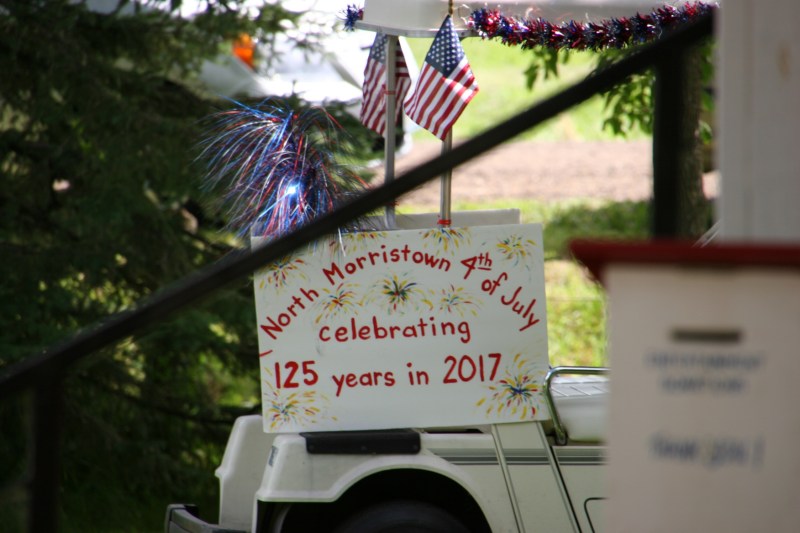
Next year will be a big year as North Morristown marks its 125th Fourth of July celebration.

Next year will be a big year as North Morristown marks its 125th Fourth of July celebration.

FYI: Click here to read my first post on North Morristown’s 2016 Fourth of July celebration.

I’d like to thank all of the hardworking men, women and children who organize and volunteer at the North Morristown celebration. You are giving all of us a delightful way to celebrate the Fourth. Whether you grilled burgers, scooped ice cream, sold tickets, operated a carnival ride, picked up garbage, sold buttons and more, know that you are valued and deeply appreciated. These events don’t happen without your tireless efforts and dedication. So thank you.

© Copyright 2016 Audrey Kletscher Helbling


Celebrating the Fourth of July the old-fashioned way in rural North Morristown July 5, 2016

The popular bluegrass band, Monroe Crossing, performed twice at North Morristown.

The popular bluegrass band, Monroe Crossing, performed twice at North Morristown.

NORTH MORRISTOWN on the Fourth of July is grassroots Americana. It is also Minnesota’s longest running celebration of our nation’s birthday.

Vehicles lined county roads leading to the festival grounds and also filled parking areas.

Vehicles lined county roads leading to the festival grounds and also filled parking areas.

By late afternoon, the crowd began thinning a bit. Festivities began at 9 a.m.

By late afternoon, the crowd thinned a bit.

In 2015, Mathea, now one, was recognized as the youngest in attendance. Fest planners also honor the eldest in attendance and those who travel the greatest distance.

In 2015, Mathea, now one, was recognized as the youngest in attendance. Fest planners also honor the eldest in attendance and those who travel the greatest distance. I didn’t stay for that 5 p.m. announcement. My husband noted a sign up sheet showing a 9-day-old baby there as well as visitors from both coasts.

For 124 years, through generations of families, folks have gathered here in the farmland of southwestern Rice County on July 4.

The old-fashioned barrel train draws lots of riders.

The old-fashioned barrel train draws lots of riders.

Kids love the barrel train.

Kids love the barrel train complete with bicycle horns to toot.

The homemade carnival rides have been around forever.

The homemade carnival rides have been around forever.

Iolla, in her 70s, remembers coming here as a child, riding some of the same kids’ rides still operating today. Jen, in her 30s, remembers too and now brings her children, including the youngest, only two months old.

A fest-goer left this vintage wooden folding chair sitting behind the ice cream stand. In the background you can see Trinity Lutheran Church and School across the road.

A fest-goer left this vintage wooden folding chair sitting behind the ice cream stand. In the background you can see Trinity Lutheran Church and School across the road.

On July Fourth, this spot in the middle of farm fields, edged by several building sites and across the street from Trinity Lutheran Church and School, draws thousands.

The winners of the medallion hunt are introduced and presented with a $100 check.

A member of Monroe Crossing introduces the winners of the medallion hunt and presents them with a check for $100.

Players packed the bingo hall inside a poleshed style building.

Players packed the bingo hall inside a poleshed style building.

Even Superman rode the barrel train.

Even Superman rode the barrel train.

They come for the mid-morning parade, the patriotic program, the medallion hunt, the food, the music, the carnival rides, the bingo, the fireworks and much more. And they come for the reunion with family and friends. Many grew up in the area. But many didn’t. Like me.

This food stand serves tasty BBQ pork and beef sandwiches and other food.

This food stand serves tasty BBQ pork and beef sandwiches and other food. The stand was already out of roast beef when I arrived at around 1 p.m. However, several hours later the supply had been replenished.

My husband enjoys his cheeseburger.

My husband enjoys his cheeseburger.

There was always a line for the ice cream.

There was always a line for the ice cream.

That matters not. I’ve lived in nearby Faribault for 34 years now, enough to know a lot of people. When my husband and I walked onto the North Morristown festival grounds early Monday afternoon aiming for the food stands, it took us awhile to get our pork sandwich, burger, onion rings and fresh-squeezed lemonade. Not because service was slow. Rather, we ran into a lot of friends.

Ice cream to eat and ice cream to

Ice cream to eat and ice cream to go.

Signs mark the various food booths.

The pie shop is always popular given the homemade pies.

The barrel train engineer was so busy that he had to eat on the job.

Marlin the barrel train engineer was so busy that he had to eat his sandwich on the job.

North Morristown was the place to be this Fourth of July as organizers reported record crowds. I don’t have stats to share, only knowledge that food stands were running out of or low on food. That’s a good problem to have given more people equals more income for Trinity Lutheran School, the beneficiary of this annual fest.

North Morristown will be celebrating its 125th Fourth of July in 2017.

North Morristown will be celebrating its 125th Fourth of July in 2017.

There’s something about this rural celebration that is uniquely charming and appealing in the sort of old-fashioned way that makes you want to return every summer. Nothing really changes much.

These vintage plastic jumpy horses were repurposed decades ago into a carnival ride.

These vintage plastic jumpy horses were repurposed decades ago into a carnival ride.

The food stands and kids’ rides seem from another era.

No fancy bingo cards here.

I wonder how many generations have used these vintage bingo cards.

Even the bingo cards feature sliders rather than daubers.

By the time I decided I needed a slice of pie, the selection was dwindling. However, I enjoyed a slice of blueberry-peach.

By the time I decided I needed a slice of pie, the selection was dwindling. However, I enjoyed a slice of blueberry-peach.

The pies are still homemade. The oily scent of crispy onion rings drifts through the air, drawing crowds to the hamburger stand. Polka bands still play in the beer shed.

Musicians performed throughout the afternoon and into the evening.

Musicians performed throughout the afternoon and into the evening. The names imprinted upon the boards (the stage backdrop) are of past parade grand marshals.

Music blasts a bluegrass beat.

Looking toward the festival site among farm fields.

Looking toward the festival site among farm fields.

It is an idyllic place to celebrate the Fourth of July, in the heart of rural Minnesota.

FYI: Check back for a second post on North Morristown’s July 4, 2016, celebration.

© Copyright 2016 Audrey Kletscher Helbling
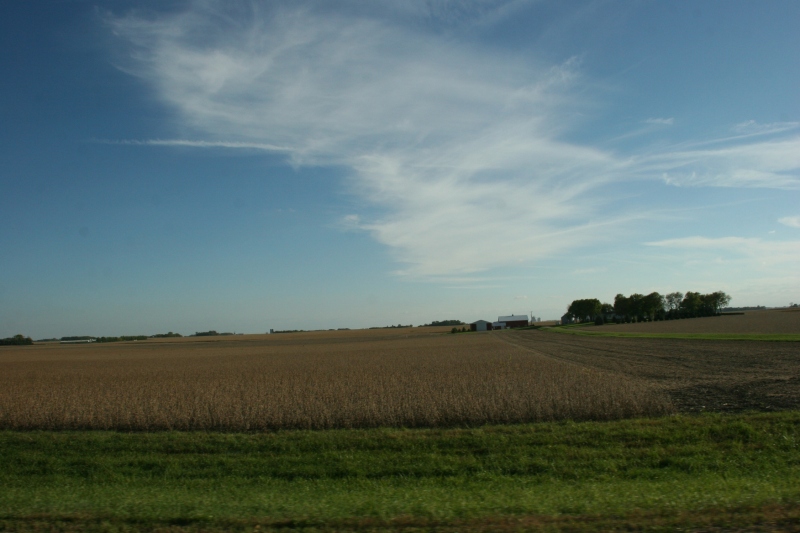
 

Rural Minnesota patriotism July 1, 2016

The Stars & Stripes Garage in Heidelberg, Minnesota, photographed several weeks ago. Normally I would crop the parking lot section of the image. But it's an important part of the scene with white stars painted upon asphalt.

The Stars & Stripes Garage in Heidelberg, Minnesota, photographed several weeks ago. Normally I would crop the parking lot section of the image. But it’s an important part of the scene with white stars painted upon asphalt.

I HAVE YET TO FIND a more patriotically-themed garage.

Painted red, white and blue and decorated with stars and an American flag, the Stars & Stripes Garage in the hamlet of Heidelberg in Le Sueur County stands out for its grassroots show of patriotism.

Copy of Garage, Stars & Stripes 1

The Stars & Stripes Garage. Minnesota Prairie Roots file photo 2009

I first came across the Stars & Stripes in 2009, subsequently writing a magazine article about the garage owned by Vietnam veteran Joel Kukacka.

The Stars & Stripes Garage, seven years after I first painted it.

The Stars & Stripes Garage, seven years after I first photographed it.

Recently I passed through Heidelberg, pausing briefly to snap a few images of Joel’s business on a bright Sunday summer afternoon. The paint is faded in some places, a few new stars have been added and the business sign moved. But, basically, the exterior appears unchanged.

This public show of patriotism still endures in this out-of-the-way spot along quiet Le Sueur County Highway 30 in rural southern Minnesota. It’s the type of place you discover when taking the back roads.

The bluegrass band, Monroe Crossing, has performed at North Morristown the past seven years, presenting two concerts at the celebration.

The popular bluegrass band, Monroe Crossing, returns to the North Morristown stage for two performances, at 1:30 p.m. and 4 p.m. Several other musical groups are also performing throughout the day and into the evening. There is no charge, although donations are welcome. Minnesota Prairie Roots file photo.

TO ALL OF MY READERS, have a wonderful and safe Fourth of July weekend as we celebrate the birth of our nation.

If you’re seeking an authentic Americana experience of the holiday in rural Minnesota, attend the 124th annual North Morristown July Fourth celebration. From the Firecracker Walk/Run to a parade to a patriotic program to a medallion hunt to music to kids’ rides to bingo to fireworks and more, you’ll find a full day of activities. You also find the best homemade food (buy your slice of pie early) on the festival grounds. North Morristown is a few farm homes and Trinity Lutheran Church and School and is located north of Morristown/west of Faribault.

Click here to view a photo essay I published in 2013 on the North Morristown celebration.

© Copyright 2016 Audrey Kletscher Helbling
 

In a Minnesota cemetery: Oh, sweet baby, who were you? June 16, 2016


Emmanuel Cemetery, Aspelund 169 baby grave marker


I’VE TOURED MANY RURAL CEMETERIES. But never have I seen a grave marker that so saddened me as the one I spotted on the edge of the Emmanuel Lutheran Church Cemetery in Aspelund on Sunday afternoon.


Emmanuel Cemetery, Aspelund, 172 baby grave & flip flop


Smaller than the length of my size eight flip flop, the simple slab of concrete tilted barely above the earth. Inscribed thereon, in cursive, was a single word—Baby.


Emmanuel Cemetery, Aspelund 170 baby grave marker close-up


Certainly I’ve seen grave markers of many babies. But this one, because of its minimal size and placement under trees along the cemetery boundary and its simplicity of design, caused me to pause. I am a mother and a new grandmother. And I suppose in the humanity of that, thinking of my own love for my daughters, son and granddaughter, I empathized with the grief of such a loss.

A section of the cemetery that lies next to Emmanuel Lutheran Church and next to a field.

A section of the cemetery that lies next to Emmanuel Lutheran Church and a field.

Aged tombstones, which I assume once stood vertically, are now cemented flat into the ground.

Aged tombstones, which I assume once stood vertically, are now cemented flat into the ground.

The names reflect the ethnicity of the immigrant families who settled in the Aspelund area.

The names reflect the ethnicity of the immigrant families who settled in the Aspelund area.

Dates are missing from the in-ground marker of Hans, whom I believe to be an early immigrant.

Dates are missing from the in-ground marker of Hans, whom I believe to be an early immigrant.

A beautiful sheltered gravesite

A beautiful sheltered gravesite for John and Maren.

Love the immigrant names of Johannes and Engeborg. So poetic.

Love the immigrant names of Johannes and Engeborg. So poetic.

As I further explored the cemetery—reading the Scandinavian names, studying tombstones and admiring the meticulously kept grounds—I couldn’t shake the image of that baby’s gravestone. Who was he/she? Who were the parents? Why did he/she die?

Next to this list of rules is a graveyard directory, which we couldn't decipher.

Next to this list of rules is a graveyard directory, which we couldn’t decipher.

Hoping to find answers on a posted cemetery directory, neither my husband or I could figure out how to match names with platted marker locations. So I left, still wondering about this precious baby buried here beneath trees in rural Goodhue County, Minnesota.

© Copyright 2016 Audrey Kletscher Helbling
 

Aspelund: More than a southern Minnesota ghost town June 15, 2016

Filed under: Uncategorized — Audrey Kletscher Helbling @ 5:00 AM
Tags: , , , , , ,
A lovely sprawling home in Aspelund.

A lovely, sprawling farm home in Aspelund.

TECHNICALLY, ASPELUND is classified as a ghost town by the Goodhue County Historical Society. There’s no longer a post office in this spot along County 1 Boulevard in west central Goodhue County, apparently the reason for the ghost town tag.

The community's church, Emmanuel Lutheran.

The community’s church, Emmanuel Lutheran.

But my observations, and thus definition, of Aspelund differ. People still live here—on at least two farms—and worship here and attend to local government business in the Wanamingo Town Hall.

The area around Aspelund is beautiful Minnesota countryside with a mix of fields and woods, flatland and hills.

The area around Aspelund is beautiful Minnesota countryside with a mix of fields and woods, flatland and hills.

Aspelund doesn’t appear ghost townish to me. Rural, yes.

Making hay on the outskirts of Aspelund.

Working an alfalfa field on the outskirts of Aspelund.

One of two barns in Aspelund.

One of two barns in Aspelund.

Traffic through Aspelund on Sunday afternoon.

Traffic through Aspelund on Sunday afternoon.

On Sunday afternoon, I observed farmers in fields, a youth group meeting in Emmanuel Lutheran Church, and a biker, motorists and farmers passing through this settlement.

Inside Emmanuel Lutheran Church.

Inside Emmanuel Lutheran Church. Local churches centered the community, especially during the days of early settlement.

Places like Aspelund impress upon me their historical and current value in rural Minnesota. Mostly Norwegians settled here to farm the land, to re-establish their lives in a new land of opportunity. I admire their strength and determination. They endured much—poverty, isolation, disease, homesickness and more. They persevered. Just like their descendants who remain 150-plus years later.

The old Wanamingo Township Hall, built in 1862, stands next to the church.

The old Wanamingo Township Hall, built in 1862, stands next to the church.

Aspelund’s ethnic roots are documented in family names on gravestones, in the records of churches like Emmanuel and nearby Holden Lutheran, and in current voter registration rolls.

The current town hall.

The current town hall.

Even the name of the settlement itself, Aspelund, comes from a town in Norway. Oh, how those early immigrants must have missed their homeland. And how their descendants still appreciate the Mother Land today.

Photographed in Aspelund.

Photographed in Aspelund.

FYI: Check back tomorrow as I take you into the Emmanuel cemetery. Click here to read yesterday’s post about Aspelund Winery and Aspelund Peony Gardens.

© Copyright 2016 Audrey Kletscher Helbling
 

In Cannon City: A grassroots Americana commemoration of Memorial Day May 31, 2016

The entrance to the Cannon City Cemetery is decorated for Memorial Day.

The entrance to the Cannon City Cemetery is decorated for Memorial Day.

THERE’S A CERTAIN SENSE of comfort in tradition. For nearly 100 years, folks have gathered each Memorial Day at the Cannon City Cemetery to honor our veterans.

This shows a portion of those gathered for Monday's semi-formal program.

This shows a portion of those gathered for Monday’s semi-formal program.

In the shade of spruce and cedar trees and surrounded by gravestones, I listened to natives read The Gettysburg Address, Freedom, What Heroes Gave and more; recite In Flanders Fields; and recall the history of this celebration. A Civil War veteran initially asked students from the village school to put on a Memorial Day program. In those early years, pupils marched from the school to the cemetery bearing floral wreaths. Today the cemetery board organizes this annual observance.
Mel Sanborn, left, emceed the program.

Mel Sanborn, left, emceed the program.

Song sheets were distributed to those in attendance and then collected to save for next year.
Song sheets were distributed to those in attendance and then collected to save for next year.
Don, on the guitar, and Judy Chester lead the singing.

Don, on the guitar, and Judy Chester lead the singing.

We sang patriotic songs like The Star Spangled Banner, The Battle Hymn of the Republic, and America the Beautiful, some accompanied by a guitar, some not. Voices rose 40-plus strong above the shrill of a cardinal and the distant muffle of gunfire. Sun shone. Breeze rippled.

A bronze star marks a veteran's grave.

A bronze star marks a veteran’s grave.

The Cannon City Cemetery offers an ideal setting for a grassroots remembrance of those who have served our country. Therein lies its appeal to me.

Giving the history of and then reciting In Flanders Fields.

Giving the history of and then reciting In Flanders Fields.

I have no connection to this place where nearly 50 veterans are buried. But this ceremony reminds me of the Memorial Day programs of my youth. As an aging senior recited In Flanders Fields, I mouthed the words I recited so many years ago on the stage of the Vesta Community Hall.

Fields surround the cemetery.

Fields surround the cemetery where American flags marked veterans’ graves on Memorial Day.

In its peaceful location among farm fields, this cemetery reminds me of home. Of tradition.

Sam Wilson ends the program by playing taps.

Sam Wilson ends the program by playing taps.

And when taps sounded, I was reminded, too, of just how much some sacrificed so that I could stand here, in this cemetery, on Memorial Day, hand across heart reciting The Pledge of Allegiance.

Cannon City native Bob Lewis is a fixture at the annual Memorial Day program. Locals are already tapping his historical knowledge in preparation for the 150th anniversary celebration.

Cannon City native Bob Lewis is a fixture at the annual Memorial Day program. Locals are already tapping his historical knowledge in preparation for the 150th anniversary celebration in 2017.

FYI: Next year the Cannon City Cemetery turns 150 years old. Plans are already underway for a special celebration to mark the occasion. If you want to experience grassroots Americana on Memorial Day, this is the place to be.

© Copyright 2016 Audrey Kletscher Helbling