Minnesota Prairie Roots

Writing and photography by Audrey Kletscher Helbling

A crop dusting photo essay August 27, 2013

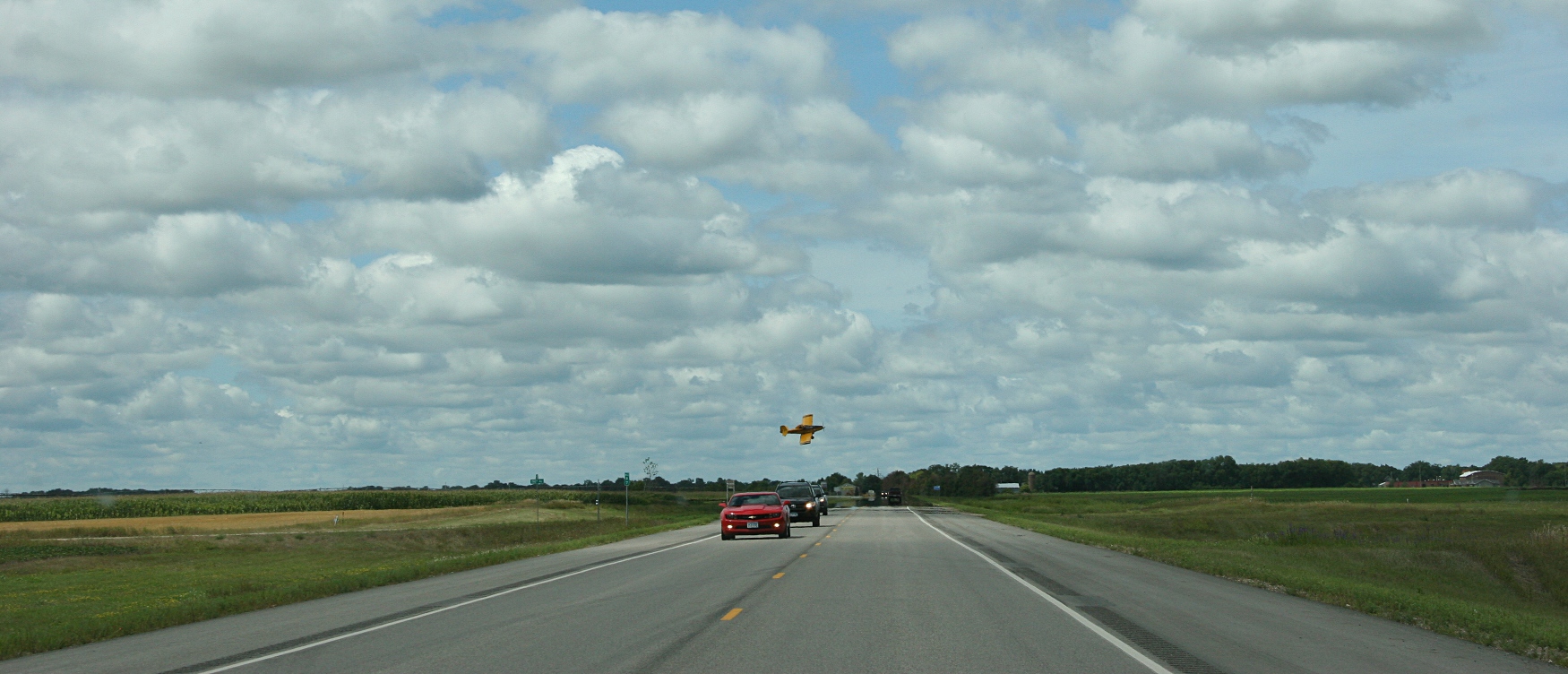
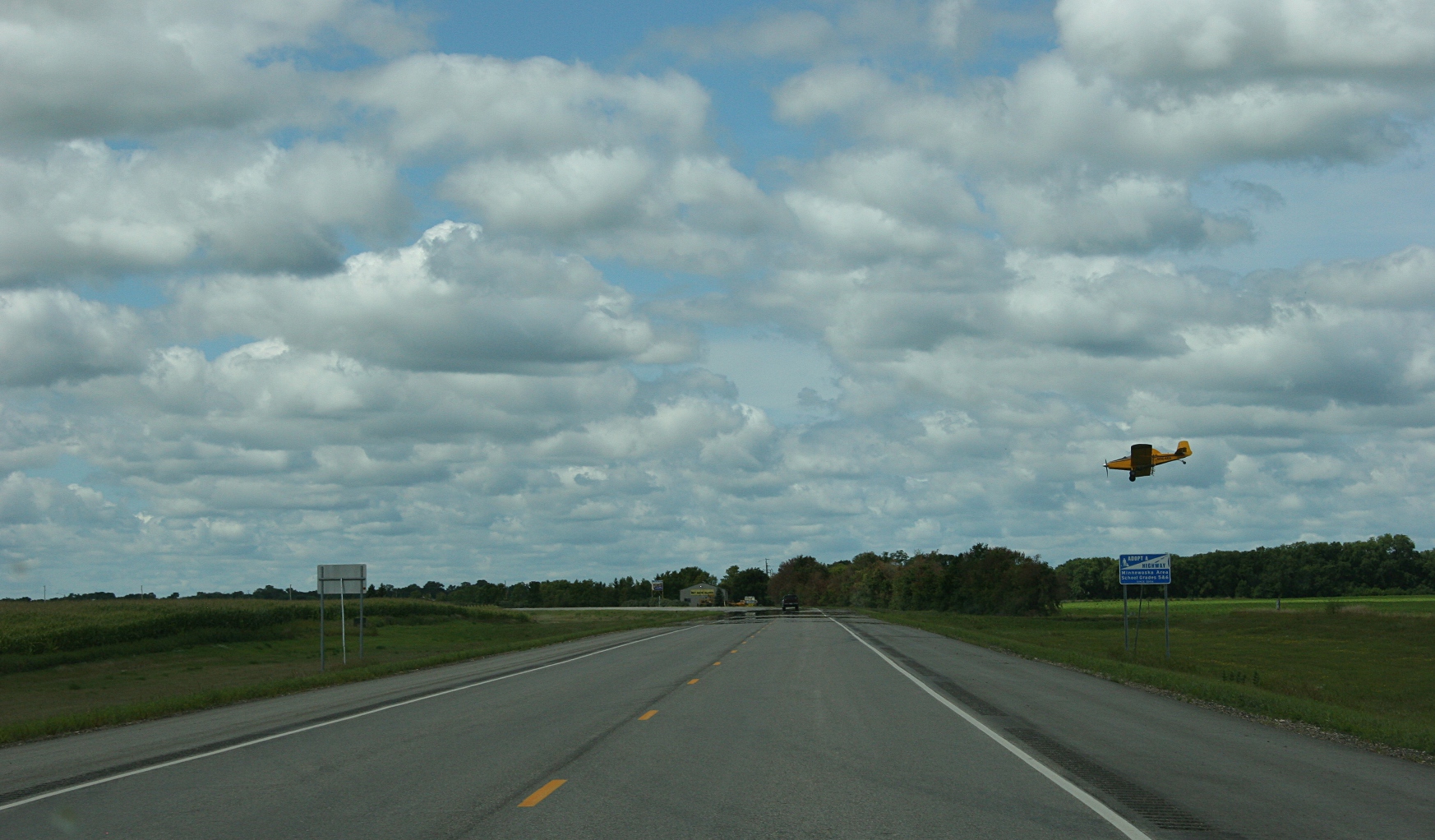
Frame 1

Frame 1

I’M NOT NECESSARILY a fan of the end result of crop dusting—some chemical sprayed upon a field with the residue sifting into the air and upon the earth.

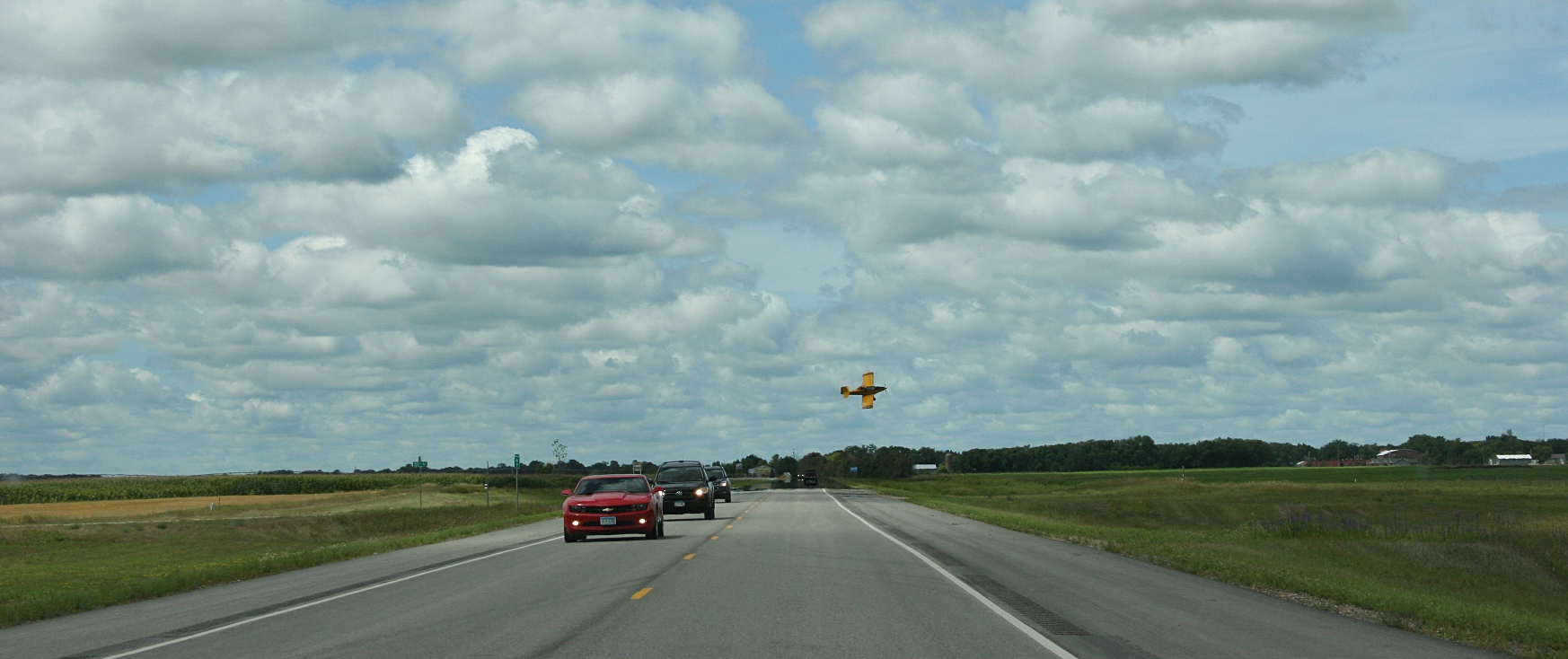
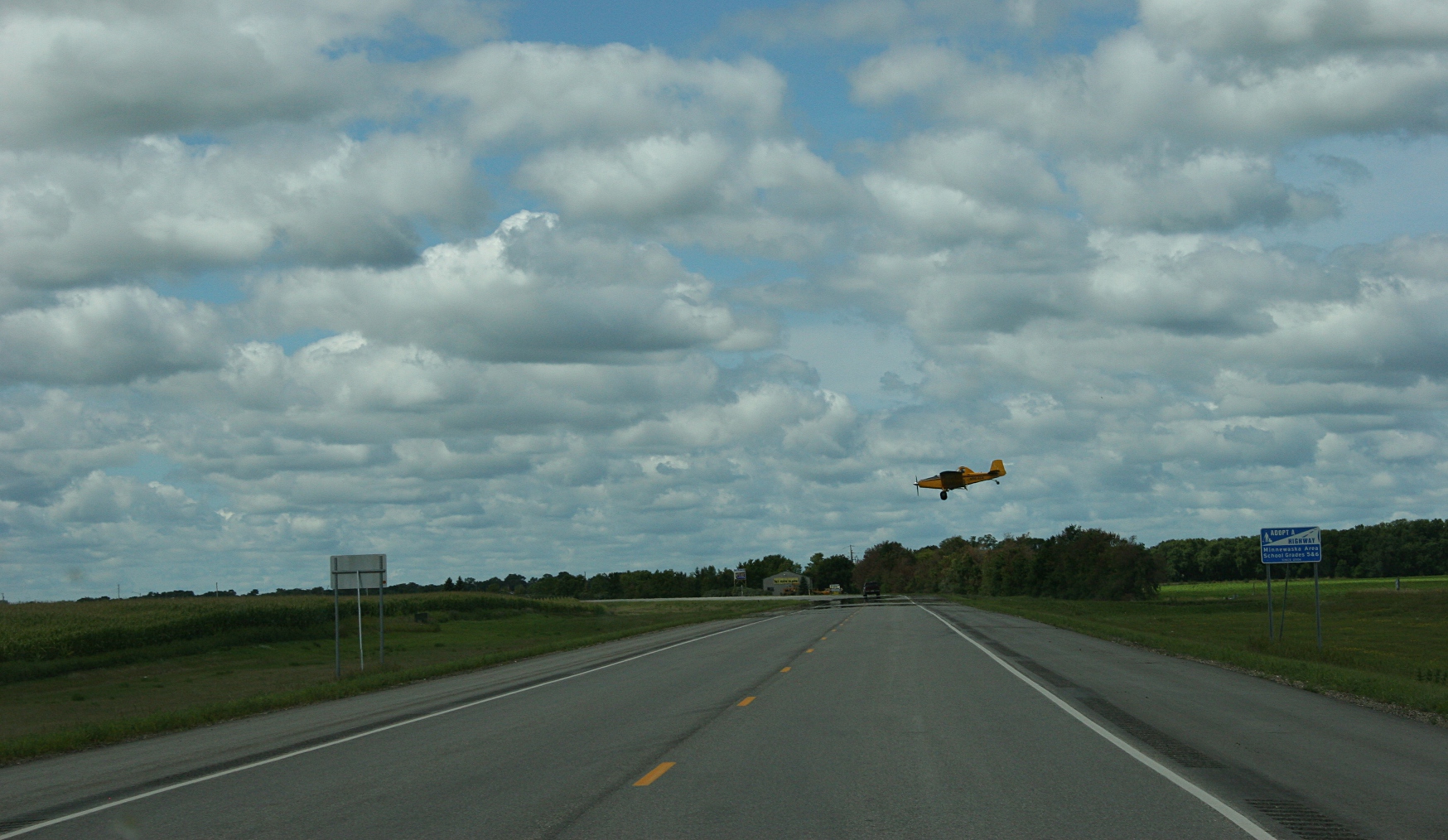
Frame 2

Frame 2

But watching a crop dusting plane at work does fascinate me.

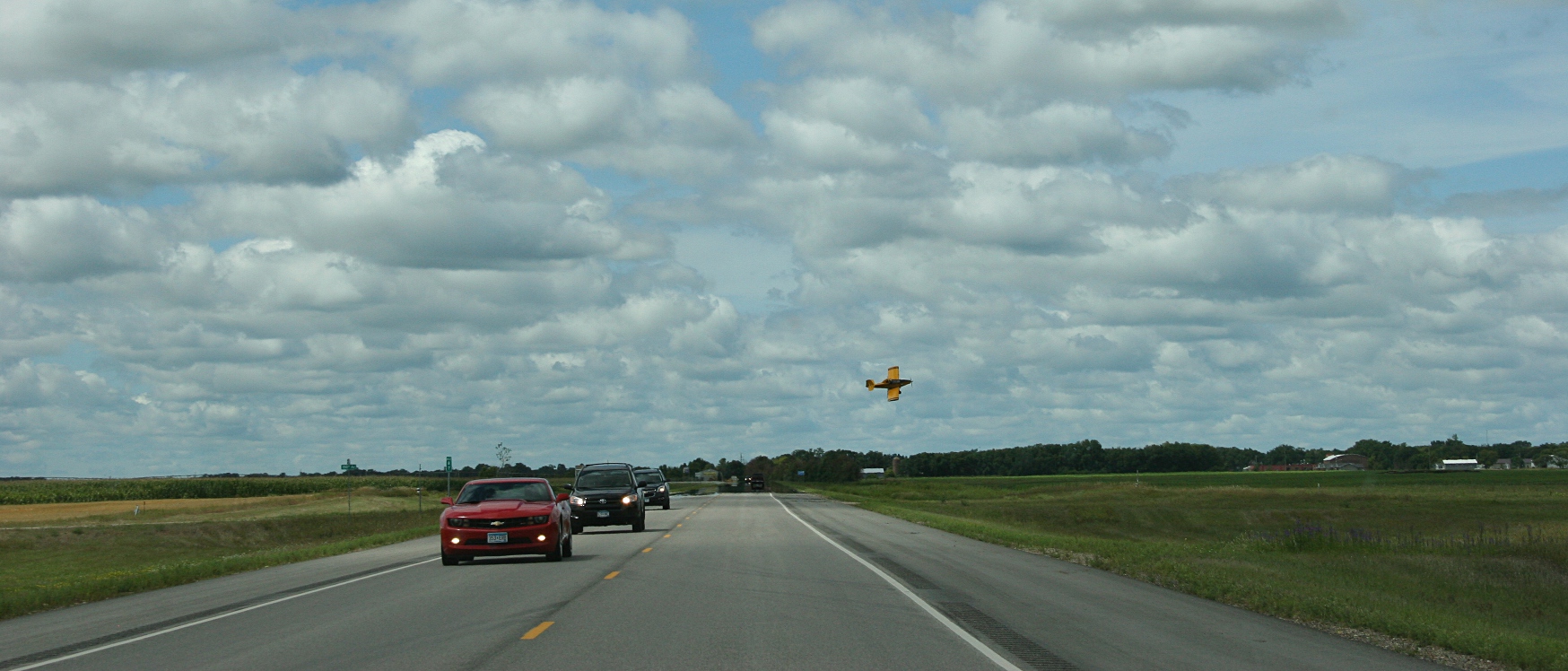
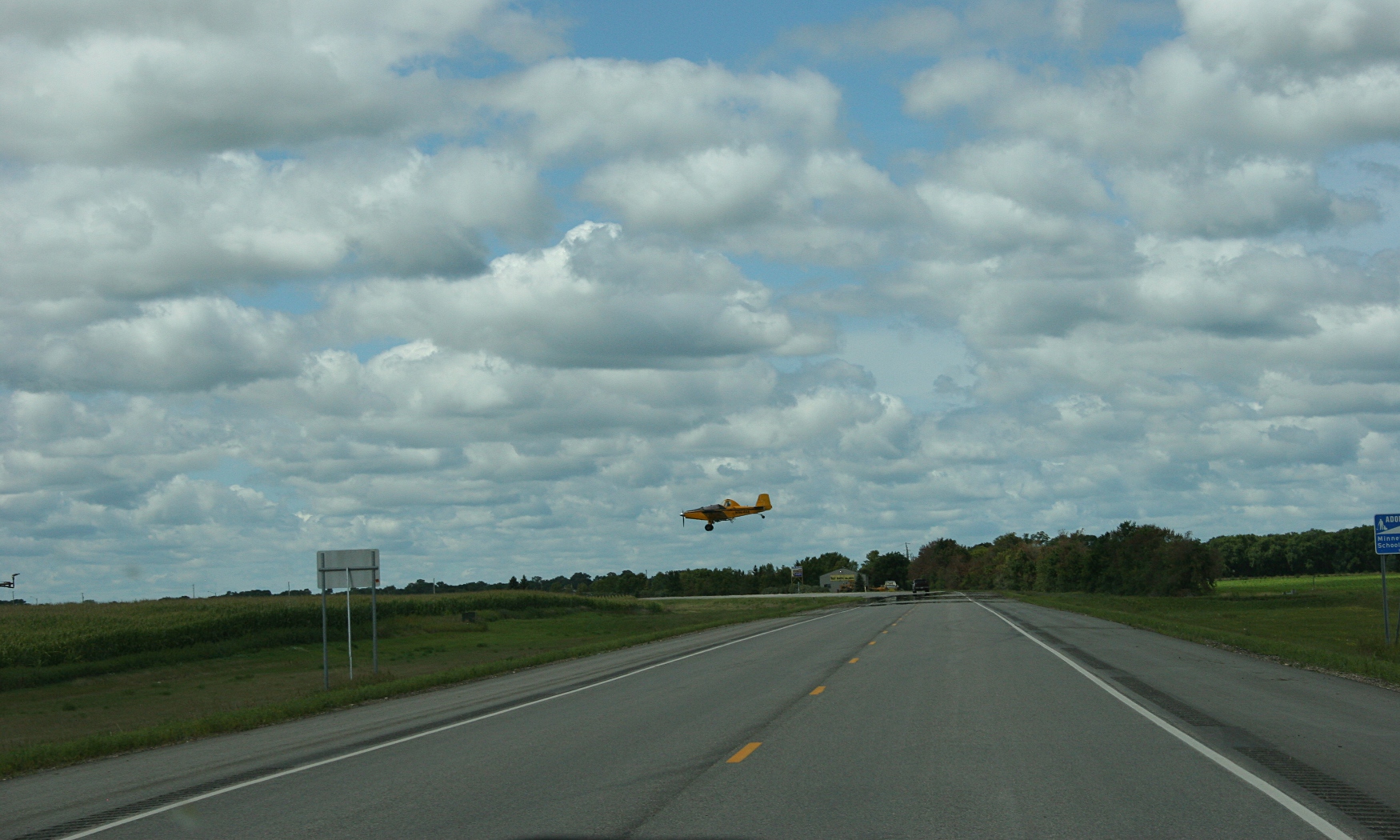
Frame 3

Frame 3

On a recent Saturday afternoon, while traveling Minnesota Highway 28 en route to Morris, I was entertained by a crop duster spraying a cornfield near Westport.

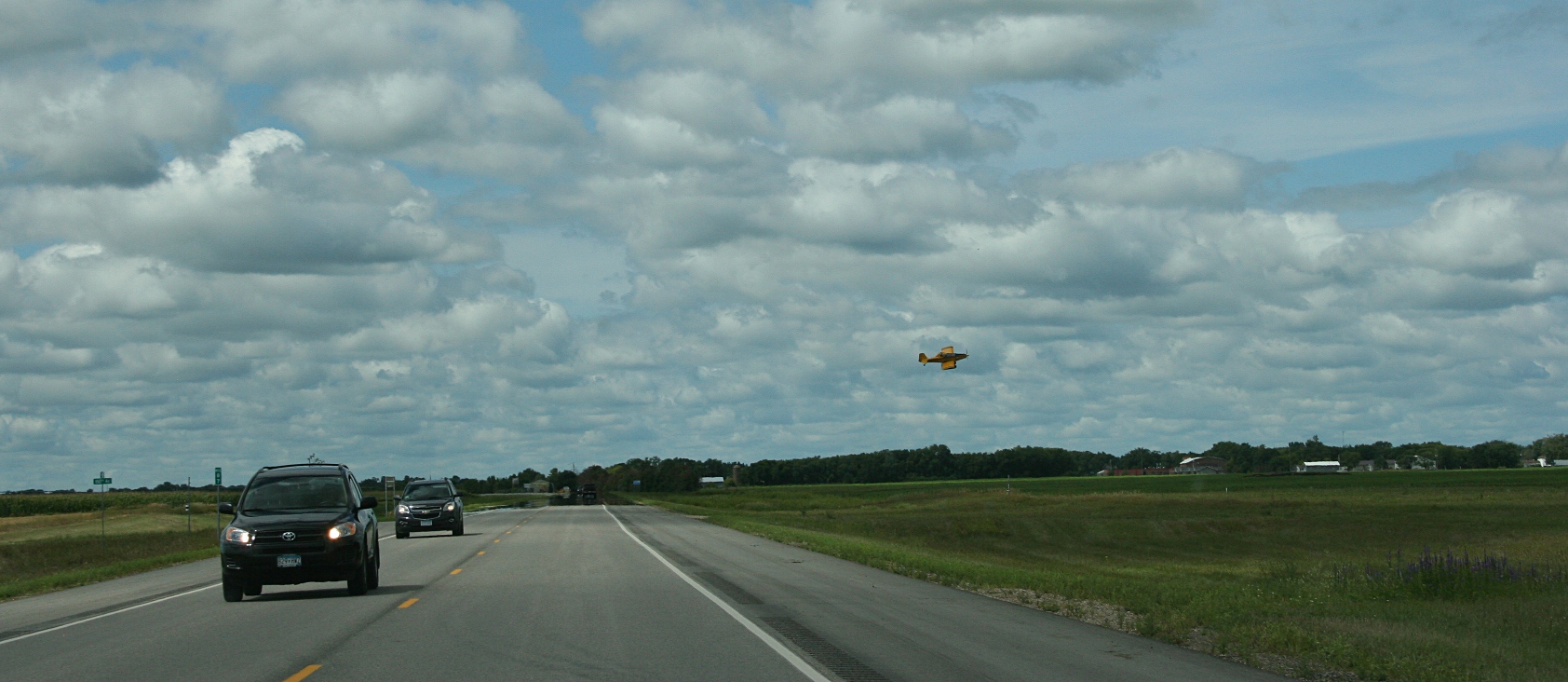
Frame 4

Frame 4

Frame 5

Frame 5

Frame 6

Frame 6

Just ahead of the van in which my husband, son and I were traveling, the plane skimmed across the highway before completing a sharp turn to pass back over the roadway and across acres of corn.

Frame 7

Frame 7: How low do you think this plane is flying?

I am no aviation expert, but it seems to me that special skills and a dose of daredevil courage are required to fly a crop duster.

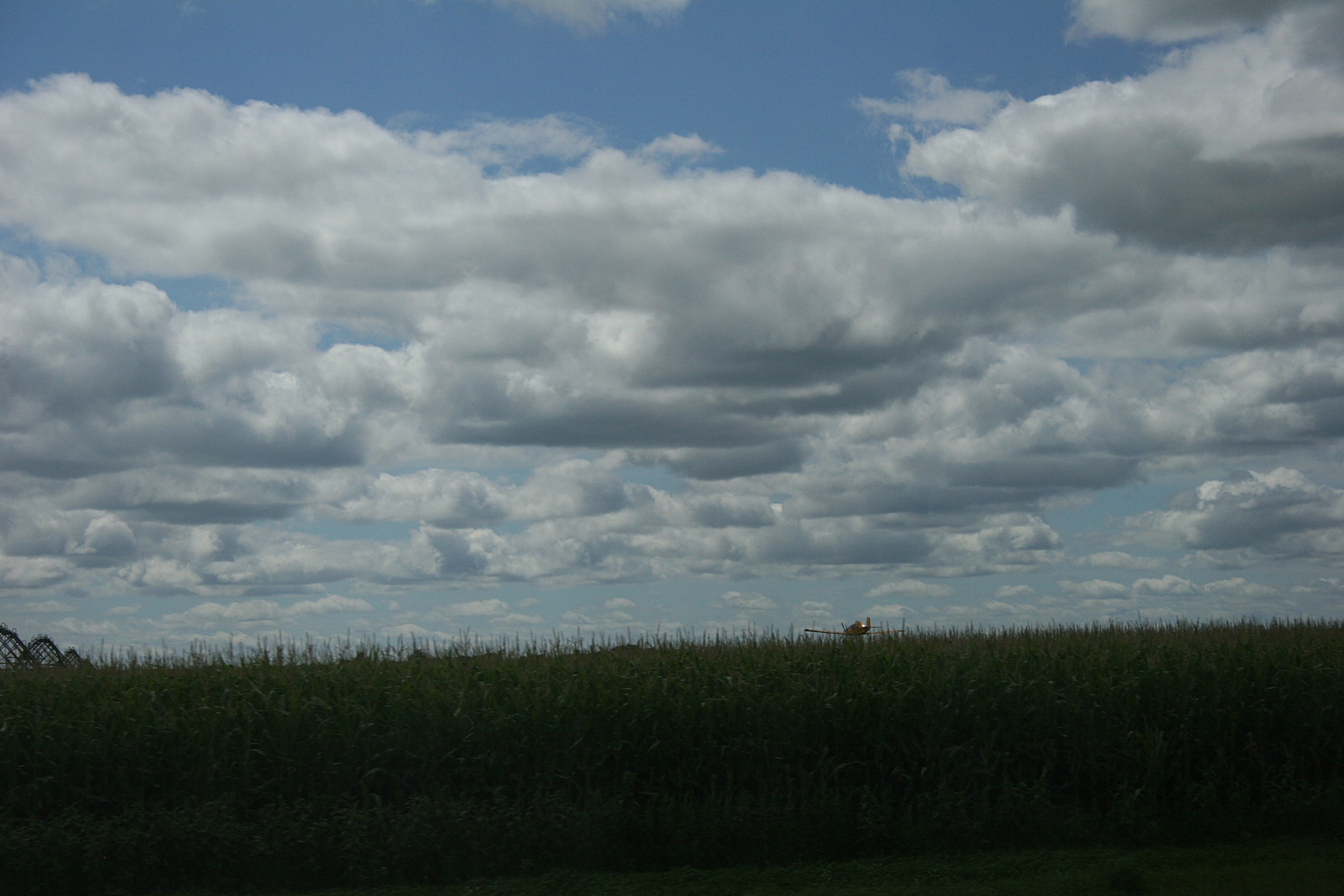
Frame 8: Just the tip of the plane visible above the cornfield.

Frame 8: Just the tail and wings of the plane visible above the cornfield.

Thoughts?

© Copyright 2013 Audrey Kletscher Helbling


Kitschy Minnesota county fair art in Morris August 14, 2013

Filed under: Uncategorized — Audrey Kletscher Helbling @ 6:00 AM
Tags: , , , , , , , , ,

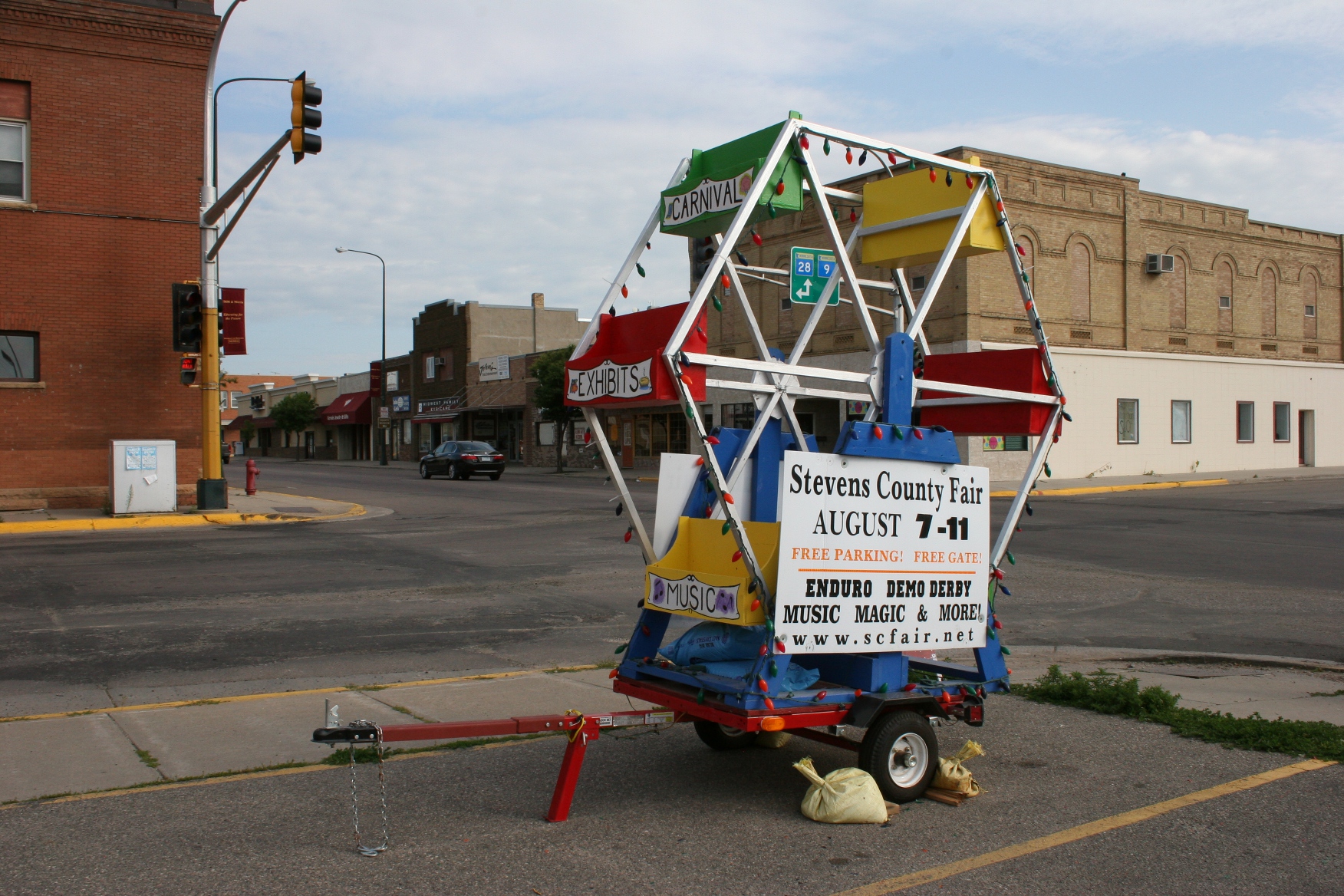
I MAY HAVE MISSED attending the Stevens County Fair in Morris when I was in this western Minnesota community for a family reunion this past weekend.

Fair, front view of sign

But I didn’t miss this kitschy piece of fair advertising positioned on the corner of the Family Dollar parking lot downtown.

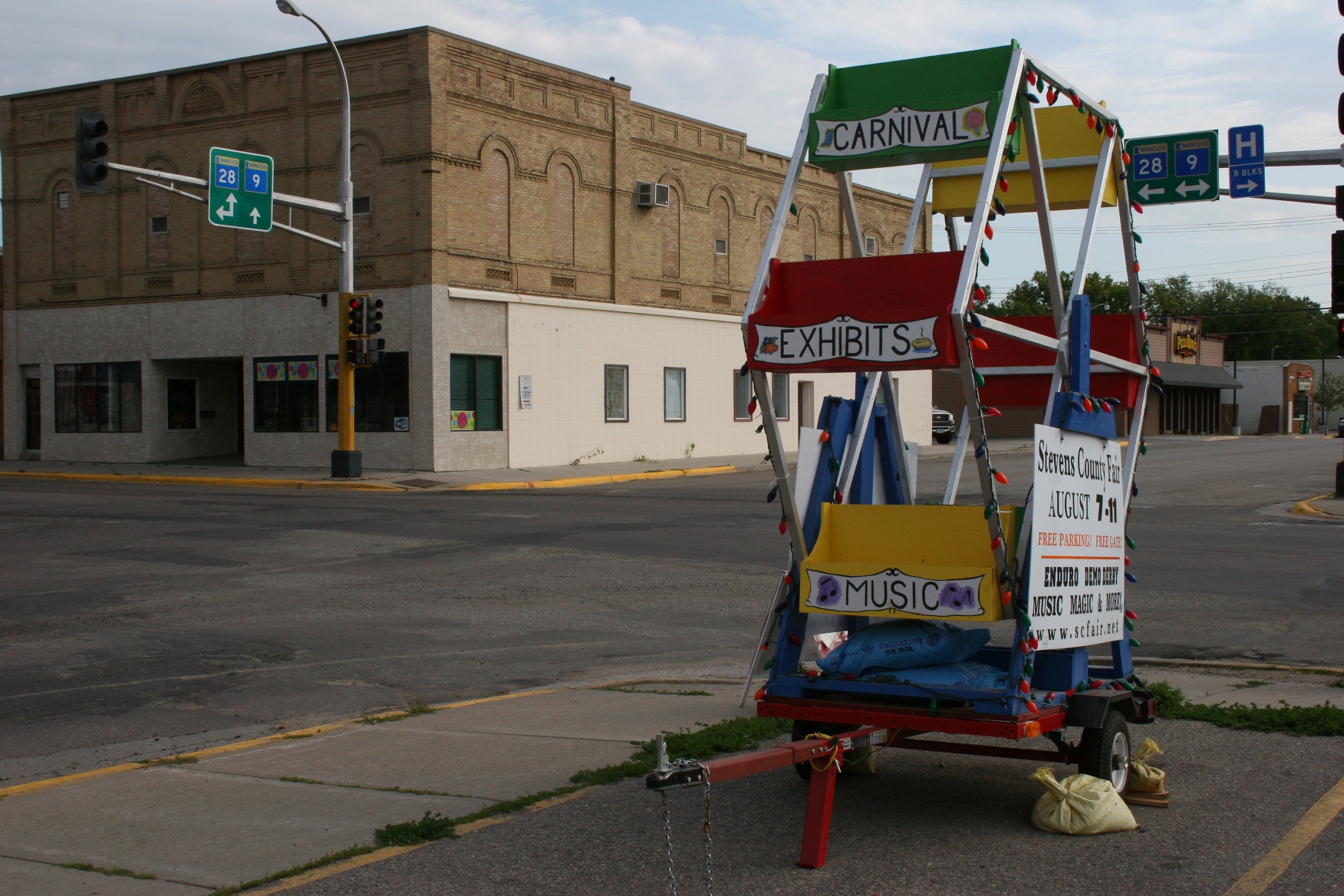
Fair, exhibits chair

I expect most of the locals are so used to seeing this mini Ferris wheel rolled out every summer that they think nothing of it. However, as an outsider and one who appreciates such homegrown creativity, this certainly caught my attention.

Fair, end view

My two regrets are these:

That I could not attend the fair because, even though I am not a fan of tromping around a fairgrounds among a crowd of people, I expect this rural fair would have appealed to me.

I did not see this Ferris wheel brightened by the holiday lights attached to the frame. In my mind’s eye, I can visualize the Christmas bulbs popping with color in the fading prairie sunset.

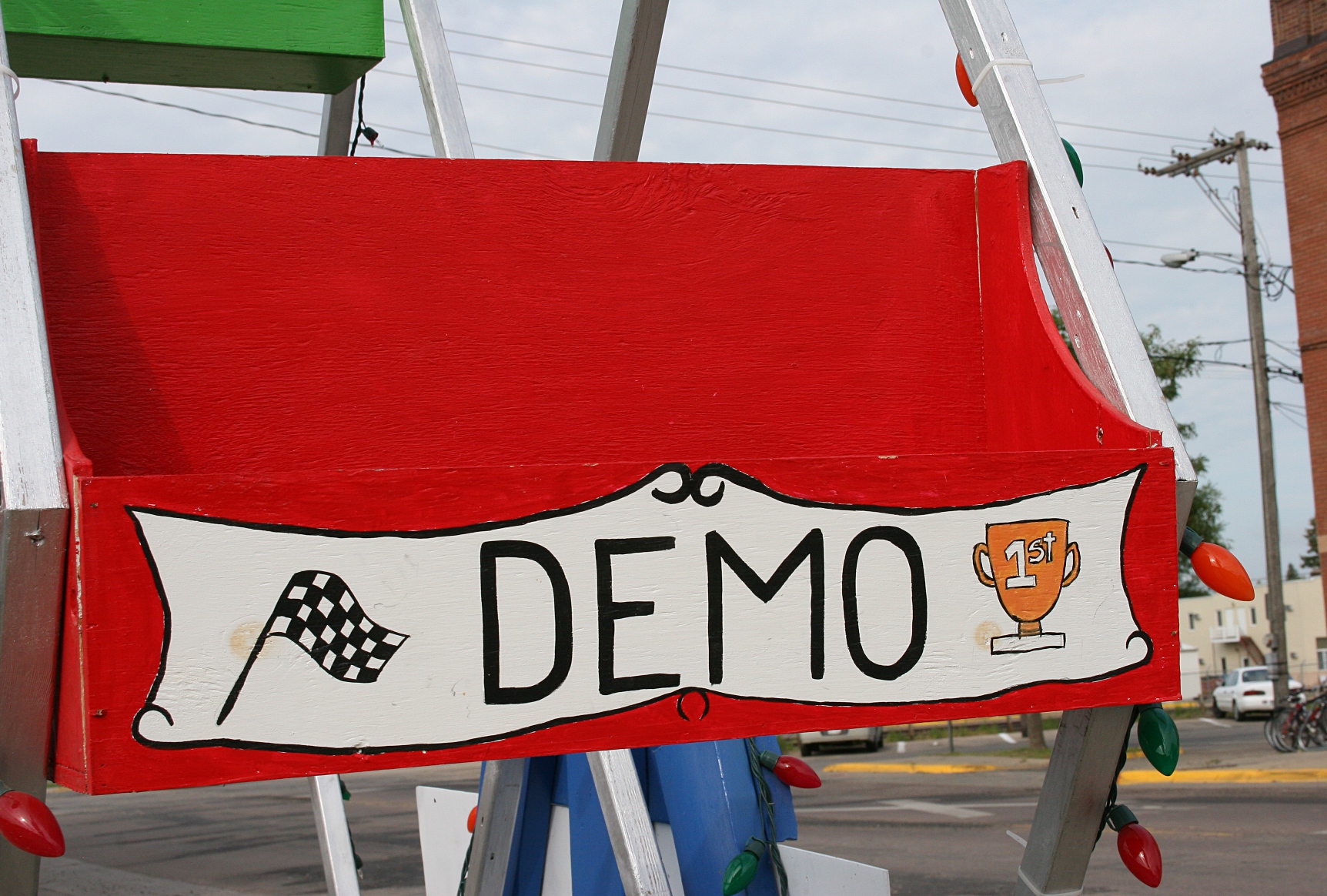
Fair, demo chair

THAT ALL SAID, if any current or former Stevens County residents can enlighten me as to the history of this homemade Ferris wheel, please share. Who made it, when, has it always been parked downtown…?

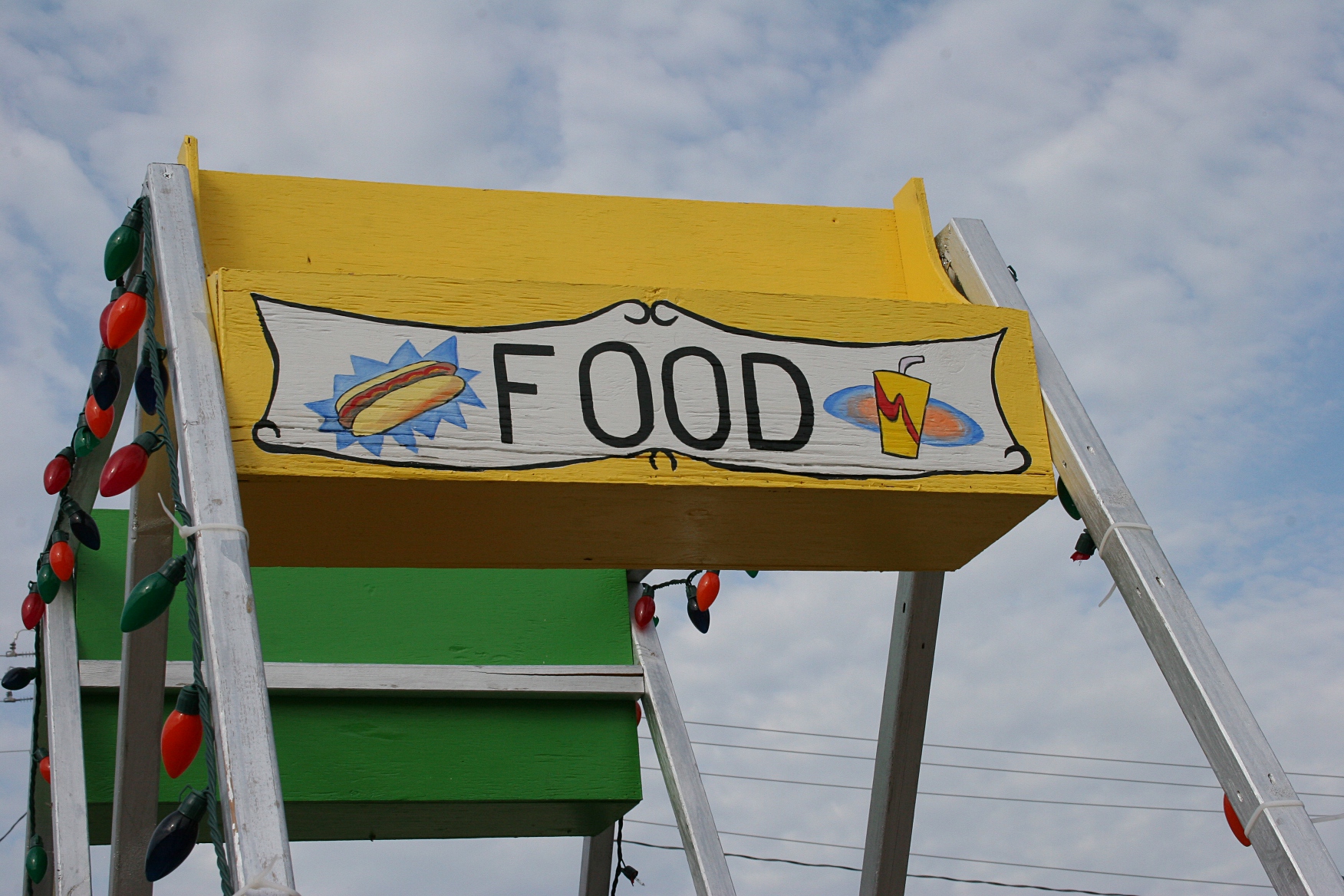
Fair, food chair

And what about the fair itself? What do you love about the Stevens County Fair?

For the rest of you readers, did/will you attend a county fair this summer? Let’s hear.

© Copyright 2013 Audrey Kletscher Helbling


Stepping into yesteryear at the Blue Earth County fairgrounds August 1, 2013

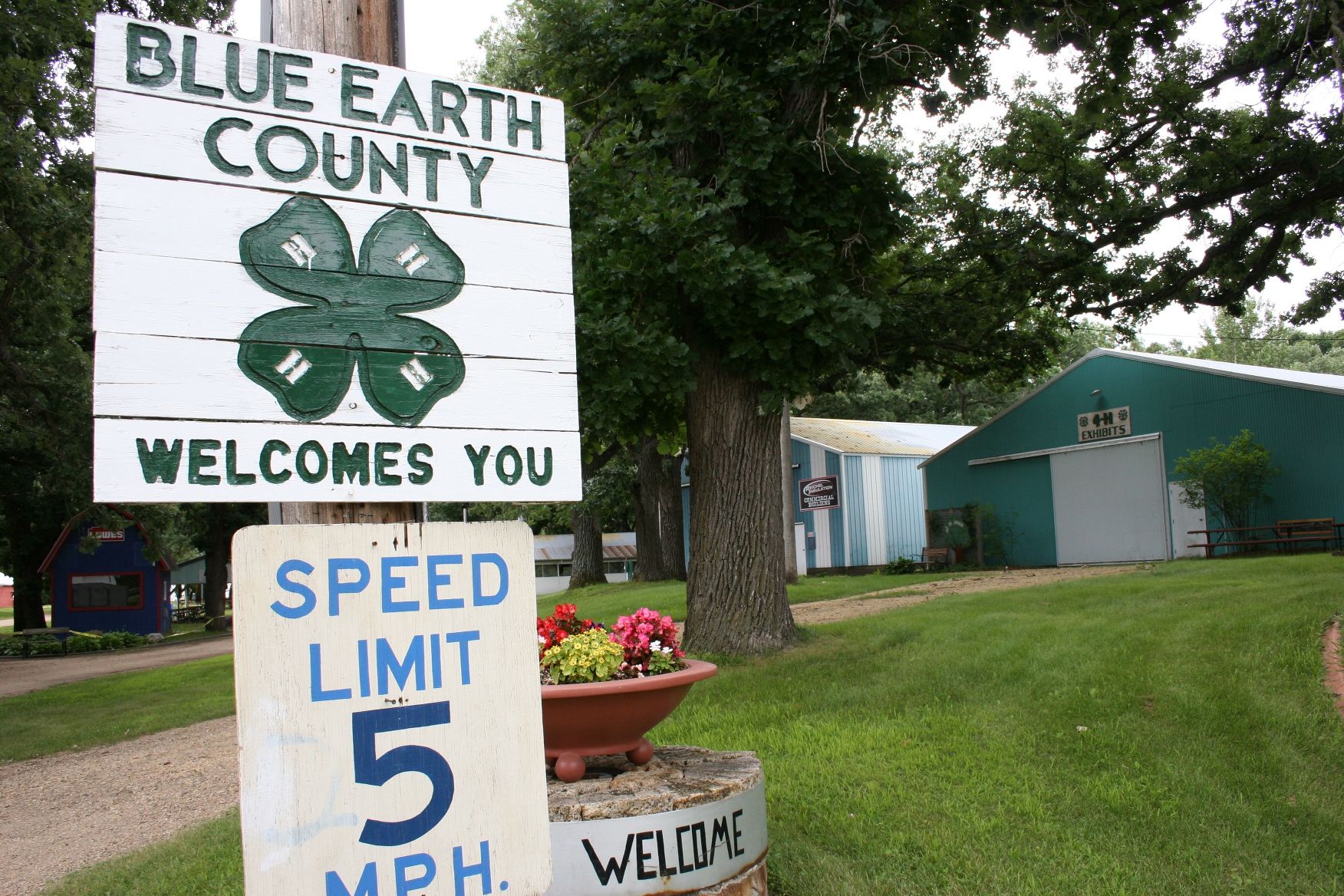
Just inside the entry to the Blue Earth County Fairgrounds.

Just inside the entry to the Blue Earth County Fairgrounds.

PRIOR TO LAST FRIDAY, I’d never been to the Blue Earth County Fairgrounds, nor even to Garden City, the unincorporated community in which the fairgrounds is located. That would be south of Mankato, along the banks of the Watonwan River.

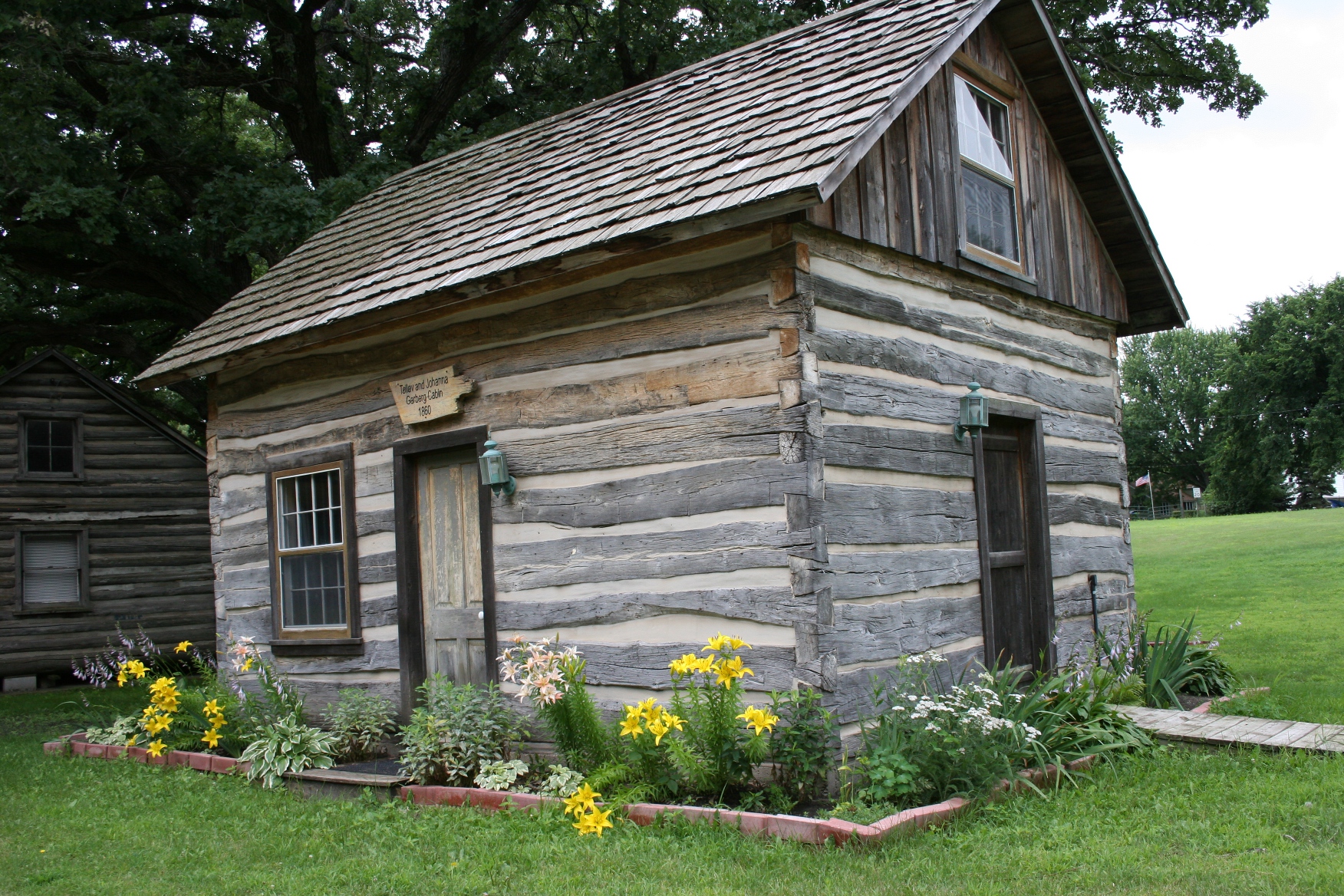
Log cabins on the fairgrounds include this one from 1860 and a replica of an 1839 cabin.

Log cabins on the fairgrounds include this one from 1860 and a replica of an 1839 cabin.

What a delightful place—like a step back in time.

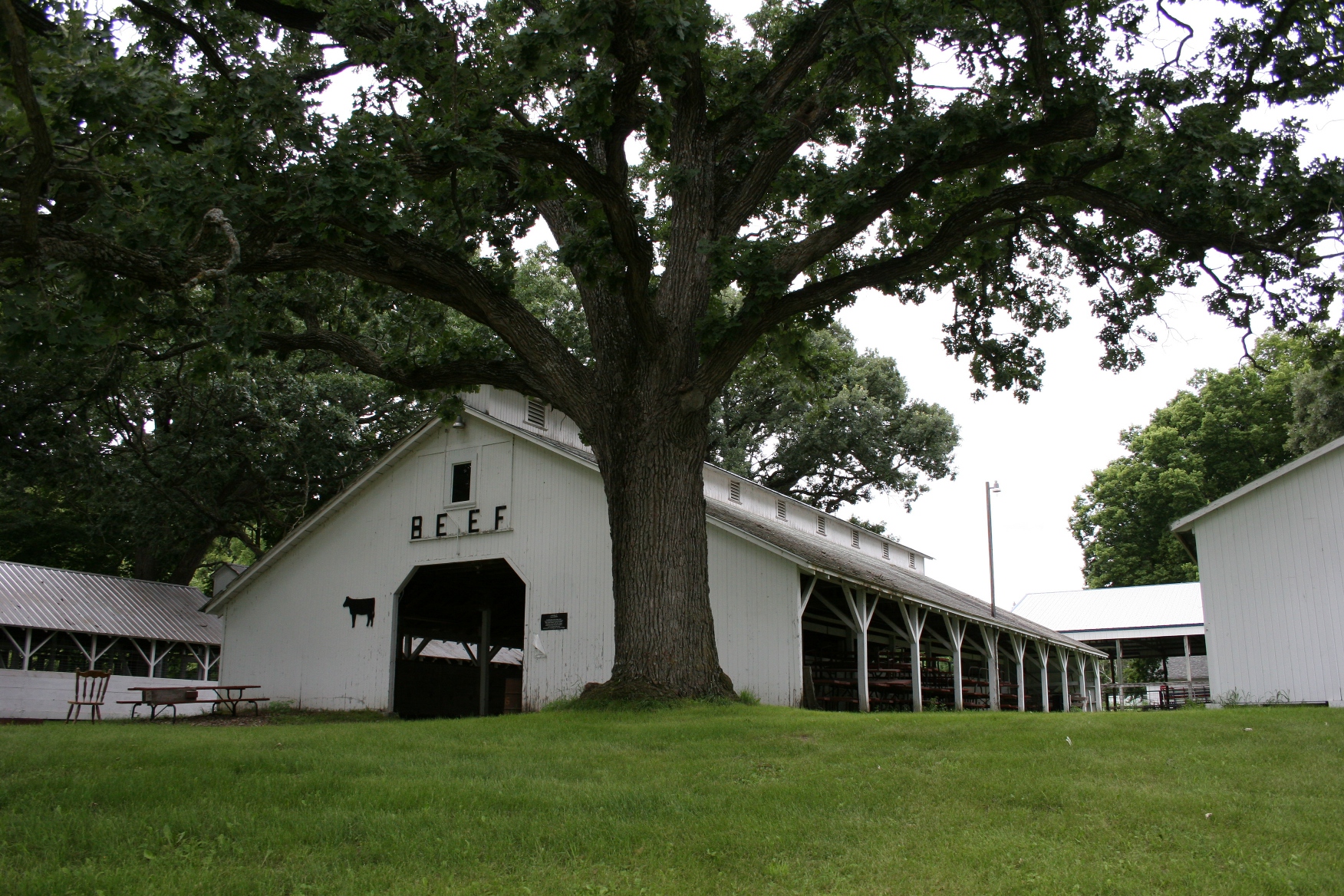
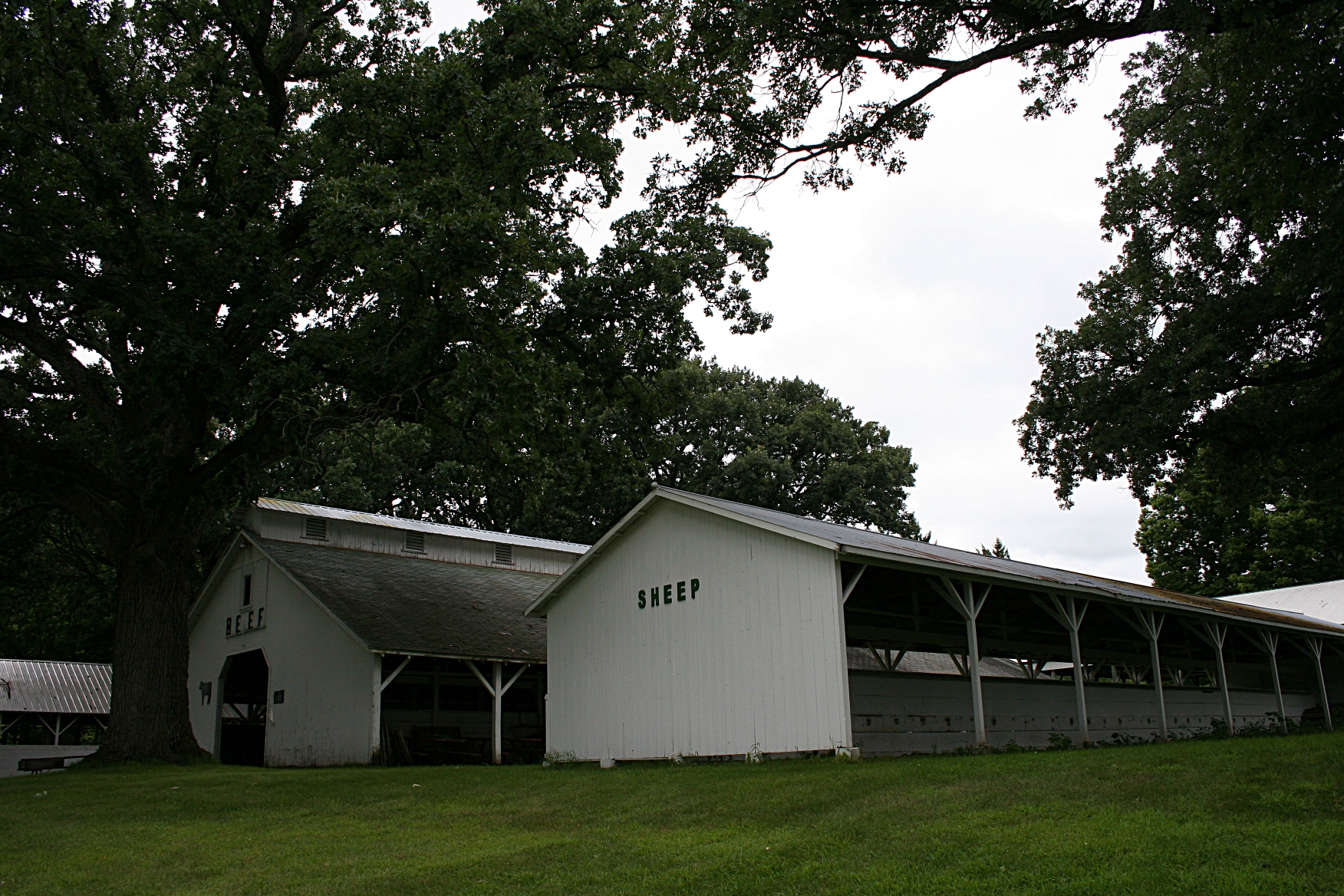
The beef barn, shaded by an oak tree.

The beef barn, shaded by an oak tree.

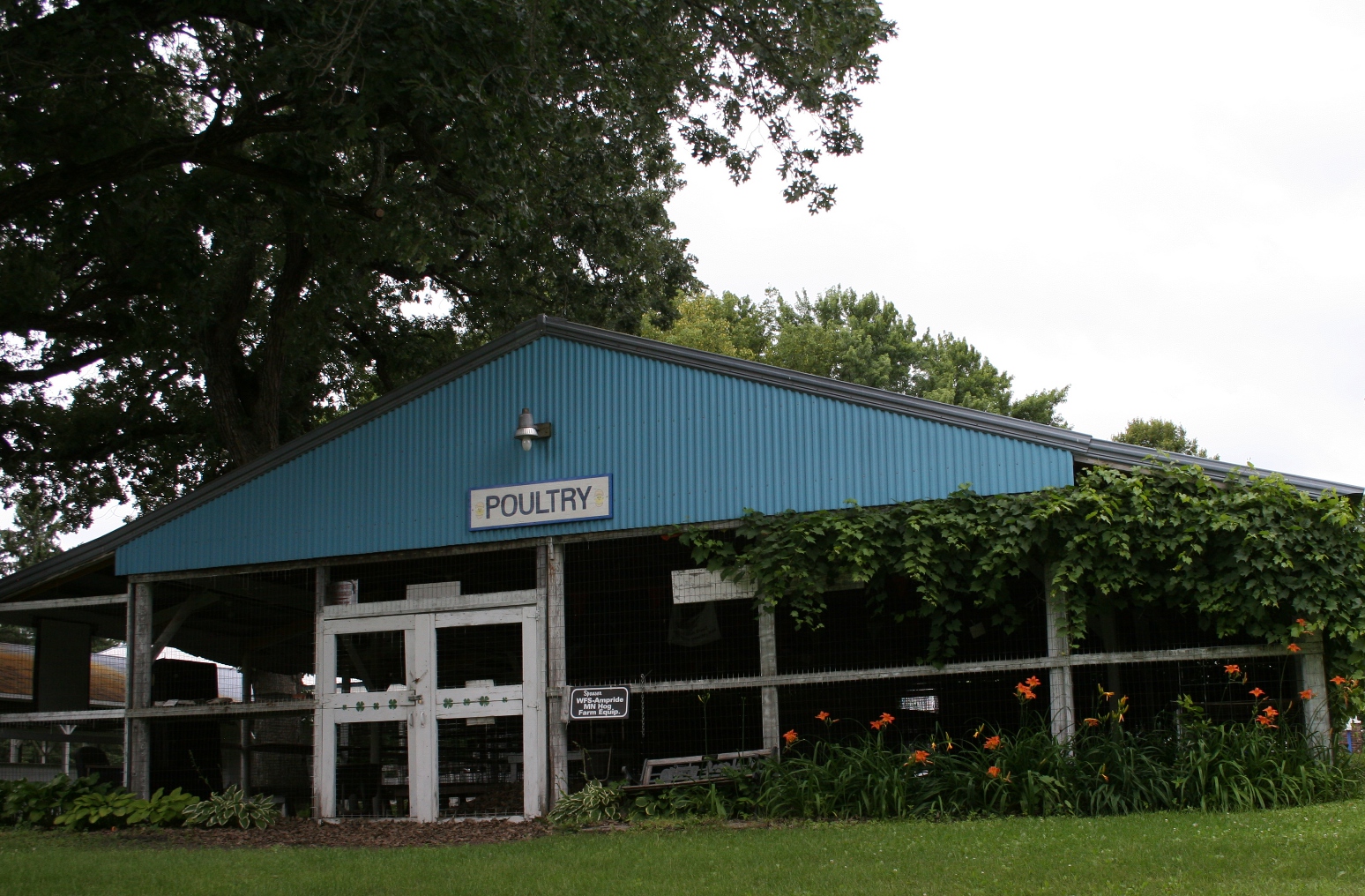
Space for chickens and ducks and geese and such poultry.

Space for chickens and ducks and geese and such poultry.

Always a fair favorite, the sheep.

Always a fair favorite, the sheep.

Just look at these old-fashioned buildings and imagine the cattle, pigs, poultry and sheep trucked into this scenic spot for the annual showing of the best of the best.

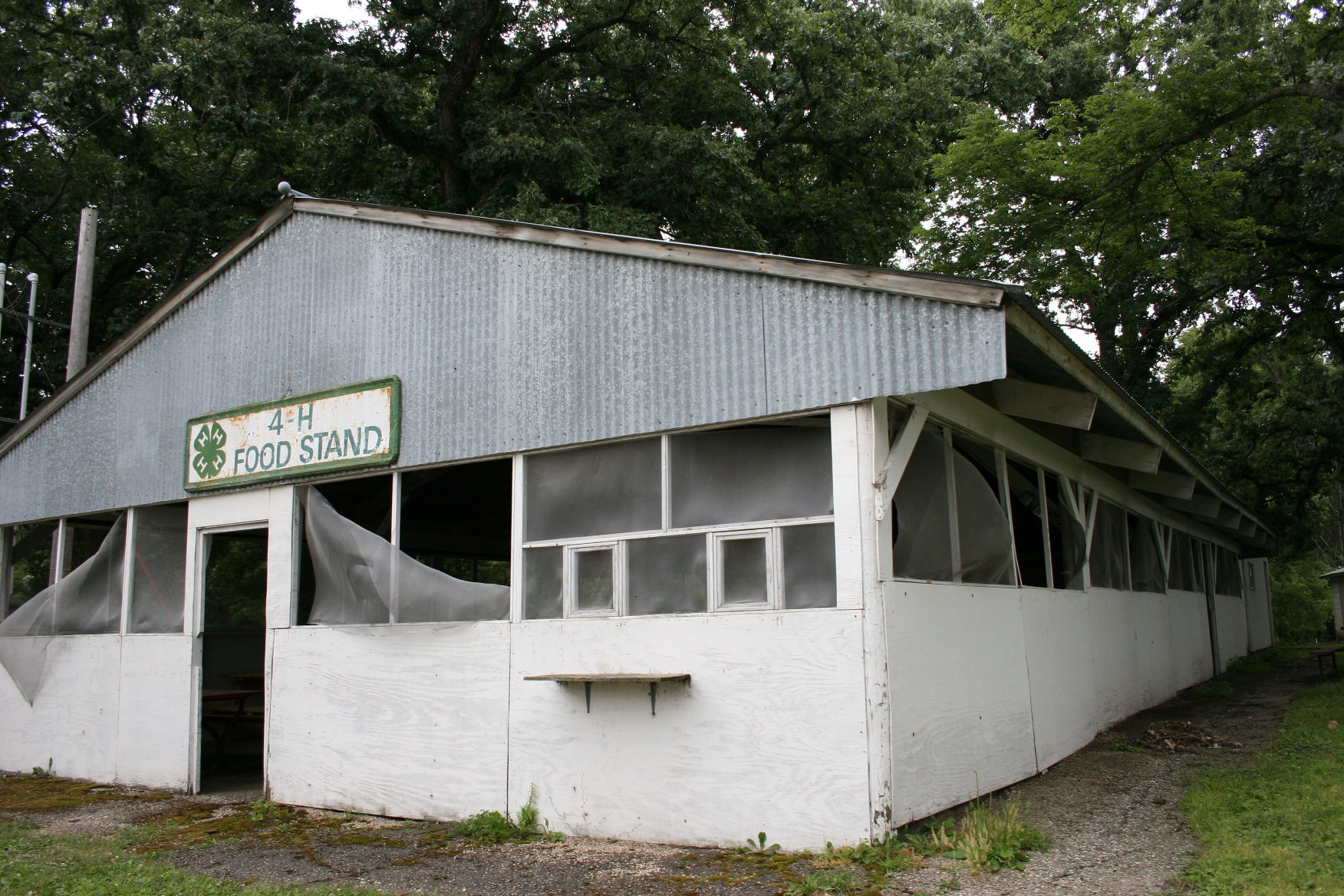
I expect (hope) the 4-H food stand will be repaired before the fair.

I expect (hope) the 4-H food stand was repaired before the fair.

Imagine 4-Hers clutching coveted ribbons.

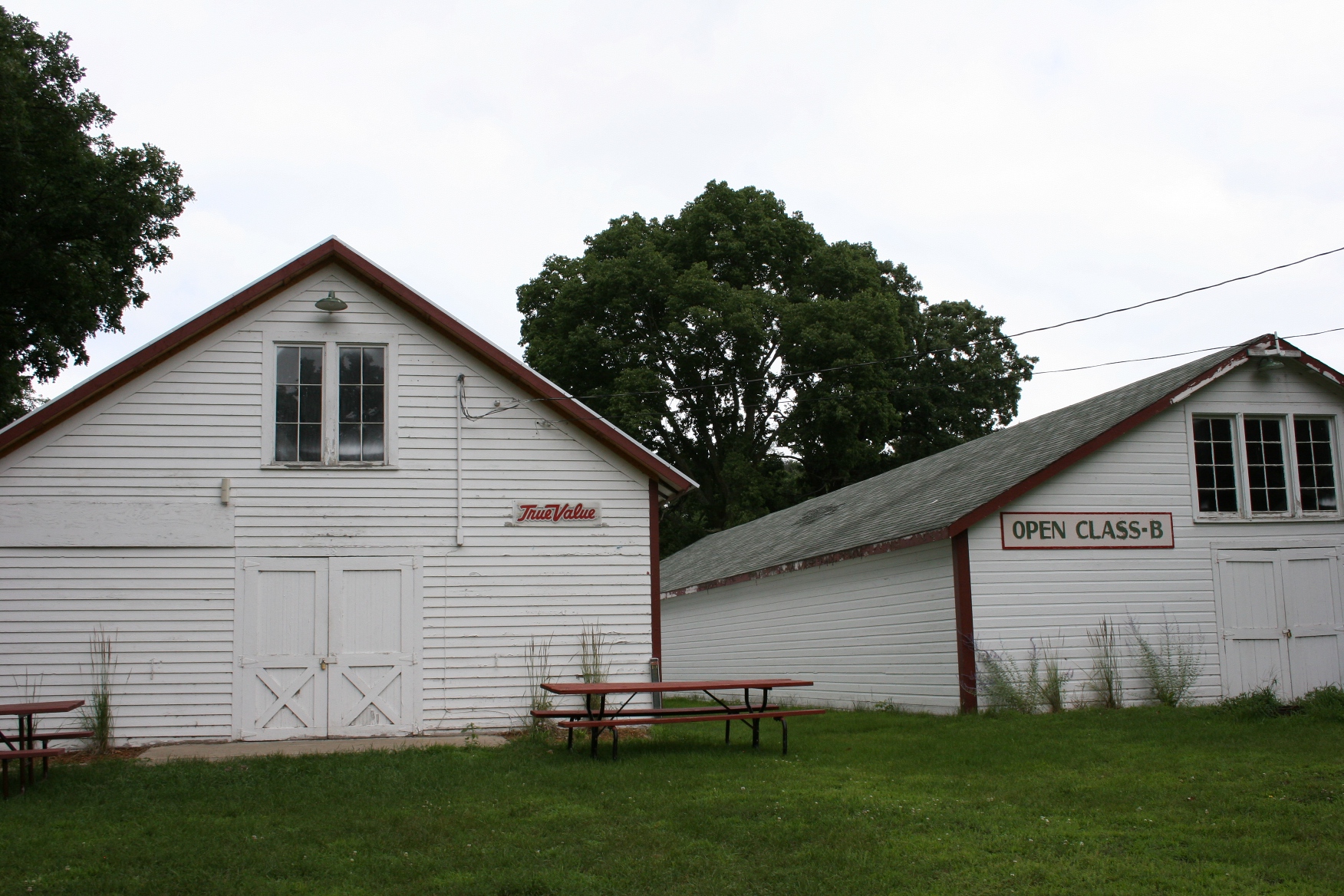
The open class exhibit buildings.

The open class exhibit buildings. Look at the splendid old doors on these structures.

Imagine the families and old folks, the neighbors and strangers mingling here to celebrate life in rural Minnesota.

Imagine the young lovers strolling the grounds.

My Aunt Marilyn remembers, more than 50 years ago, attending this fair on a weekday afternoon along with other Blue Earth County employees. “I suppose they don’t do that anymore,” she said.

I expect not, Marilyn.

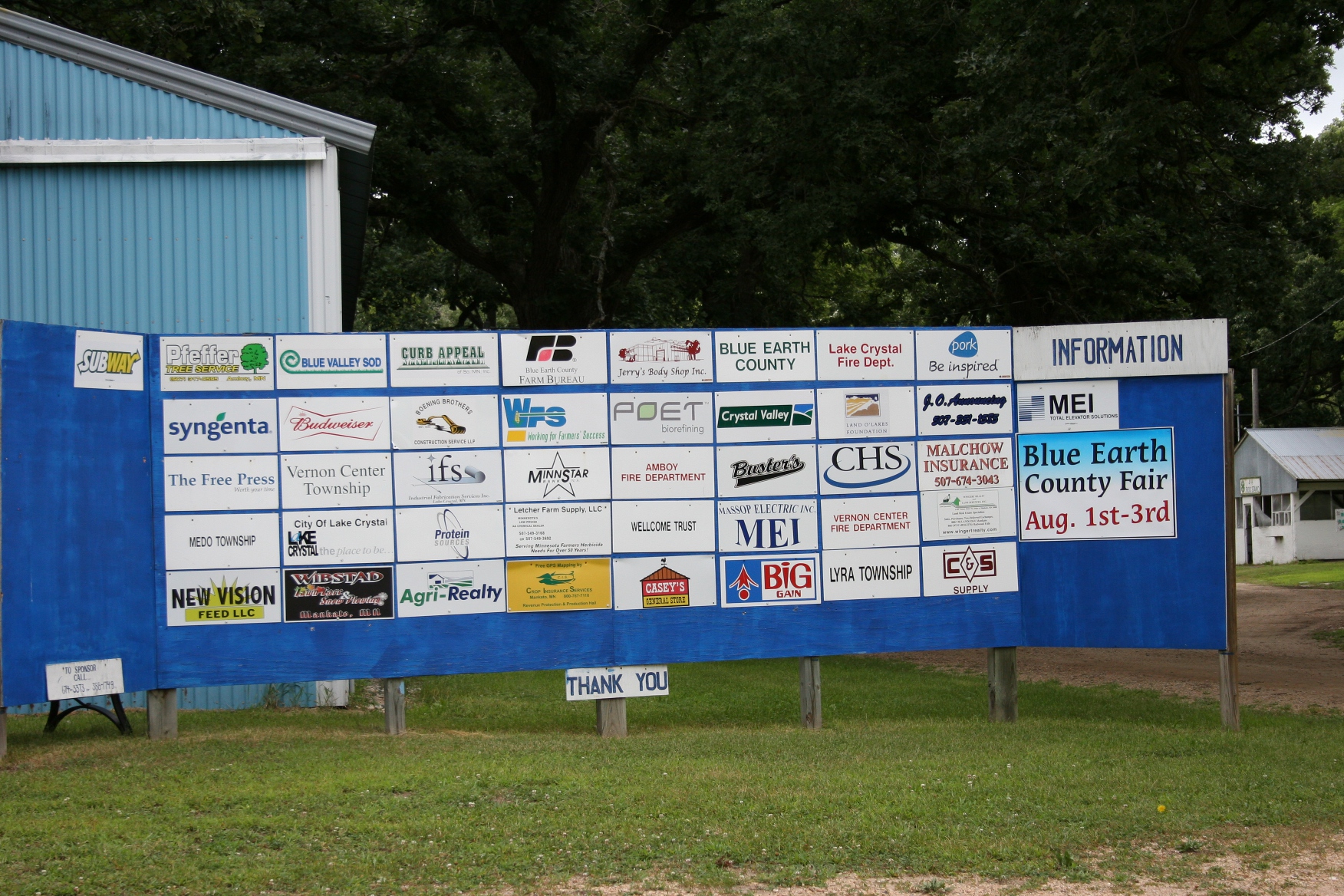
 A posting of fair sponsors just inside the front gate.

A posting of fair sponsors just inside the front gate.

Today, August 1, through Saturday, August 3, you can experience this grassroots fair when gates open at the Blue Earth County Fairgrounds/Shady Oaks Campground in Garden City just off U.S. Highway 169.

CLICK HERE for detailed fair information and click here for info about the campground.

BONUS PHOTOS:

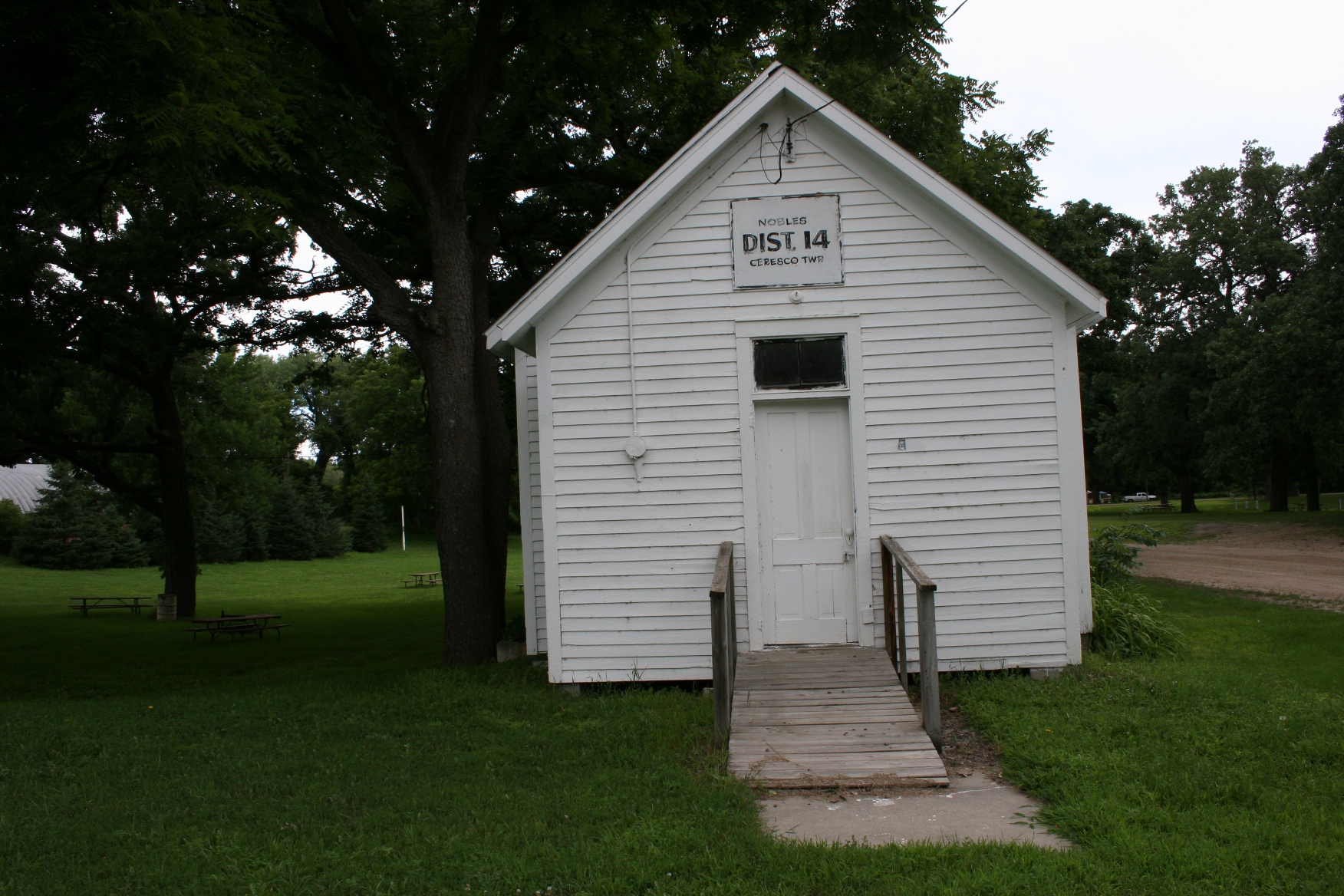
It seems every fairgrounds has an old school or church like this one.

It seems every fairgrounds has an old school or church like this one.

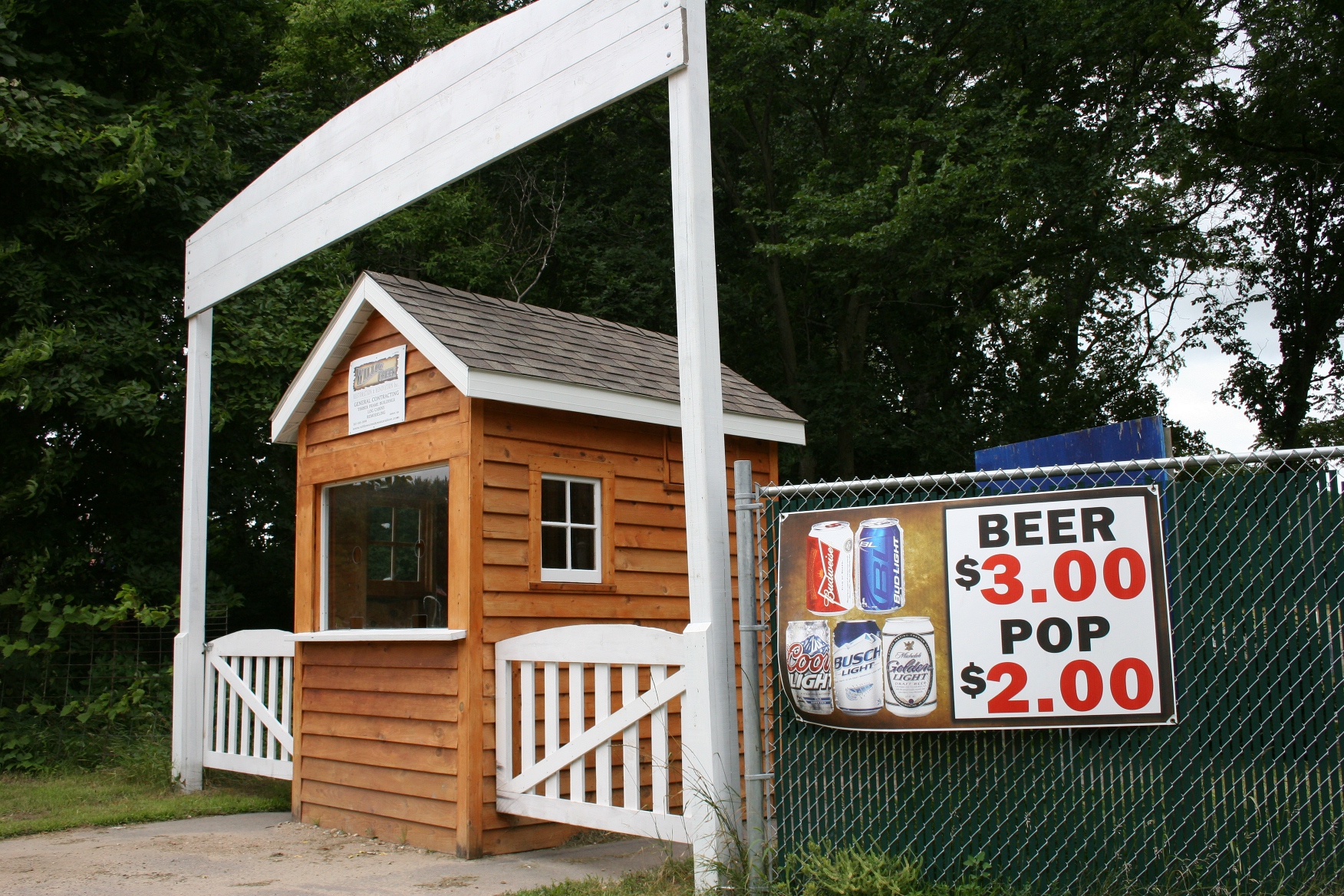
An on-site beverage stand.

An on-site beverage stand.

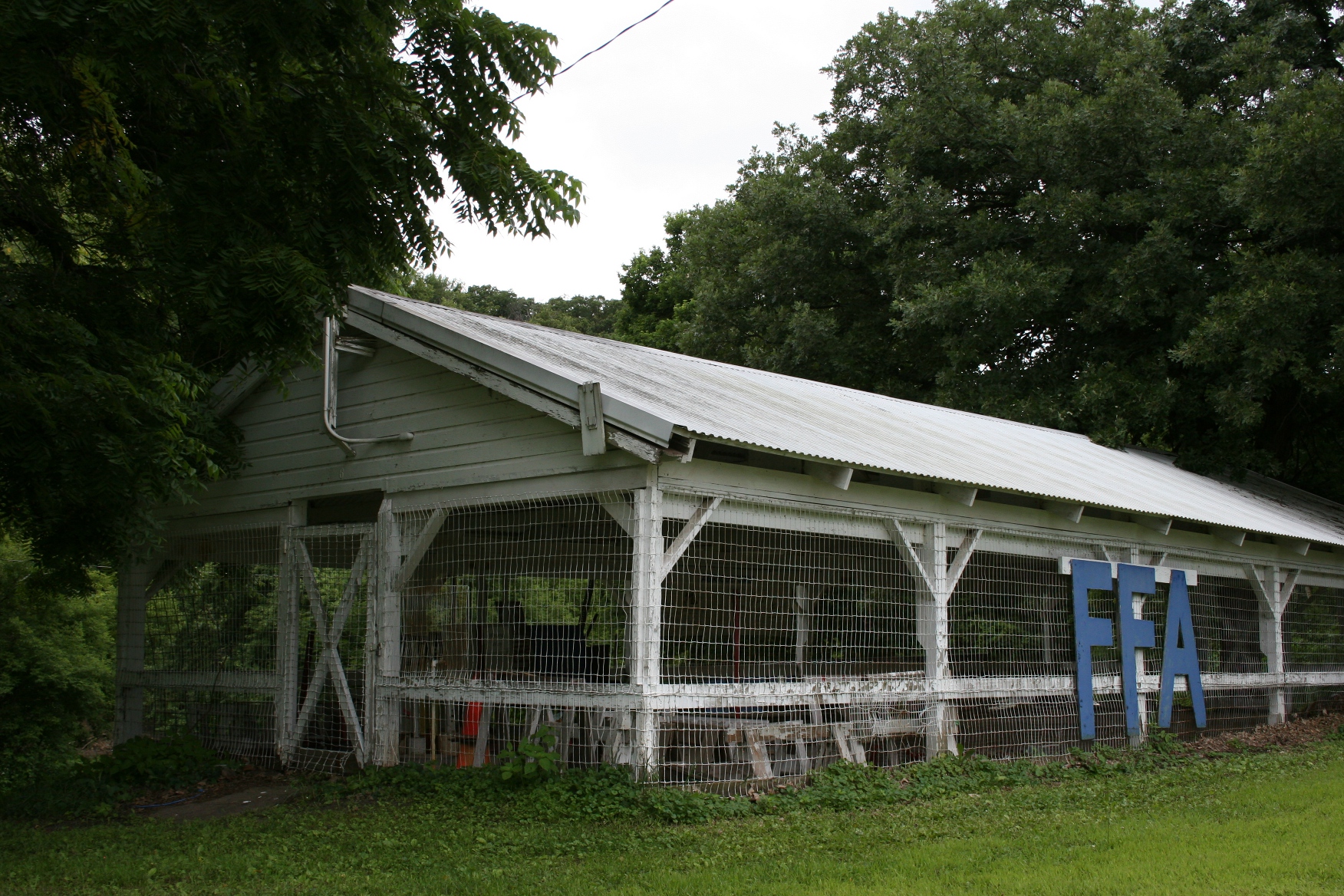
The Future Farmers of America building.

The Future Farmers of America building.

© Copyright 2013 Audrey Kletscher Helbling


Hey, check out this southeastern Minnesota small town July 27, 2013

Filed under: Uncategorized — Audrey Kletscher Helbling @ 6:00 AM
Tags: , , , , , , ,

SMALL TOWNS INTRIGUE ME. Each possesses a unique character.

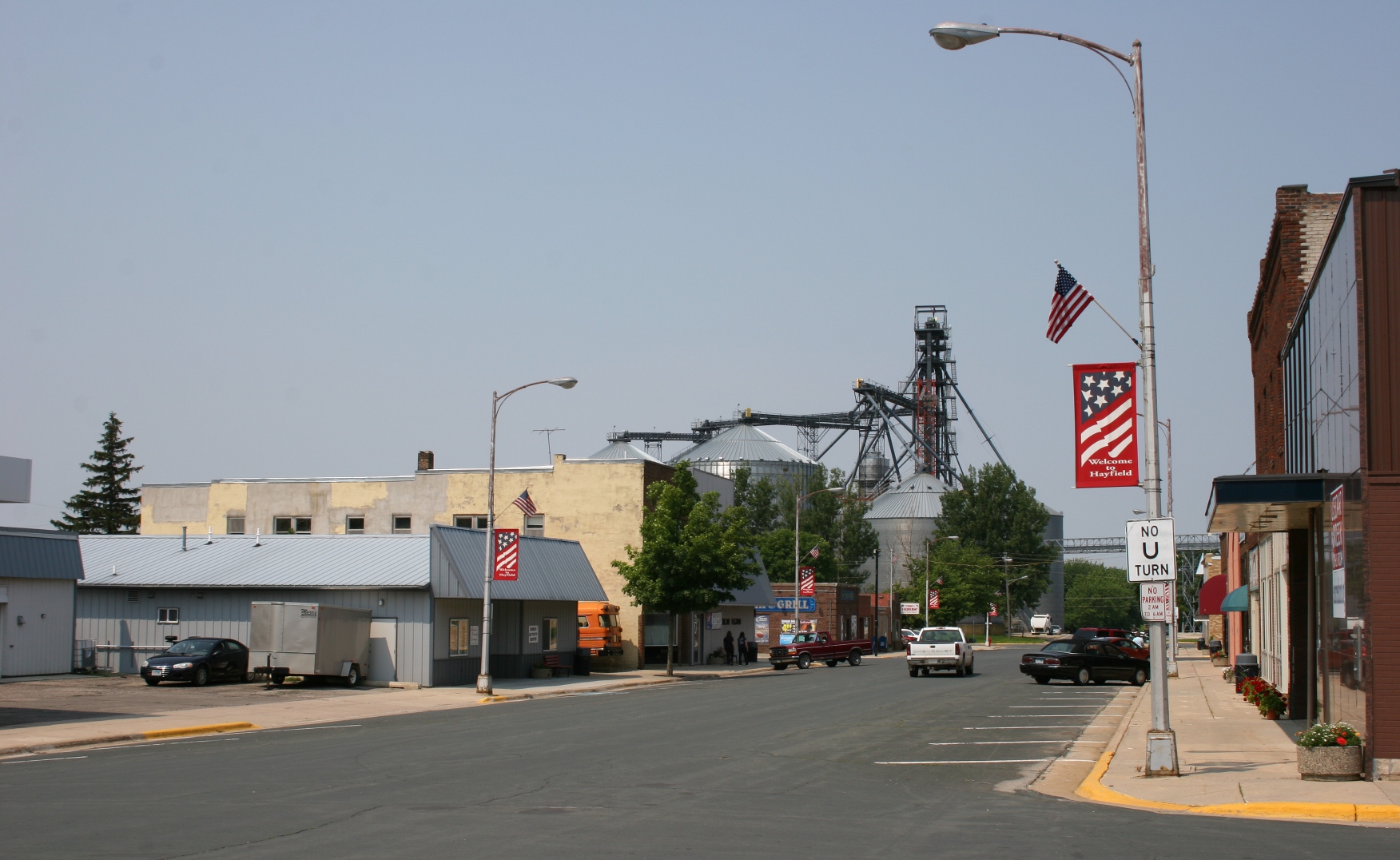
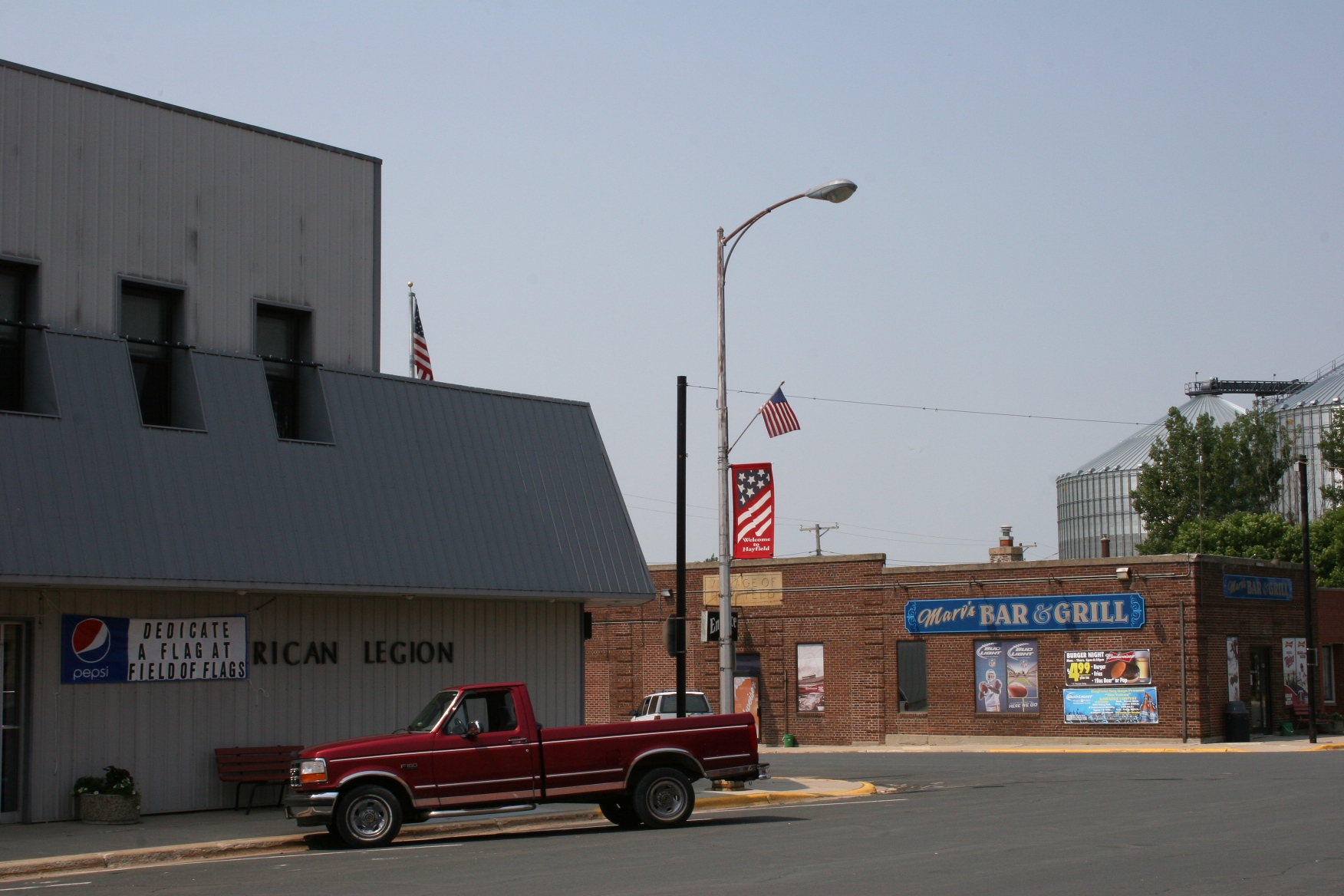
A snapshot of Hayfield's downtown business district.

A snapshot of Hayfield’s downtown business district.

For that reason, and because I favor rural more than urban, my husband and I purposely detour off highways, park our vehicle along Main Streets and explore.

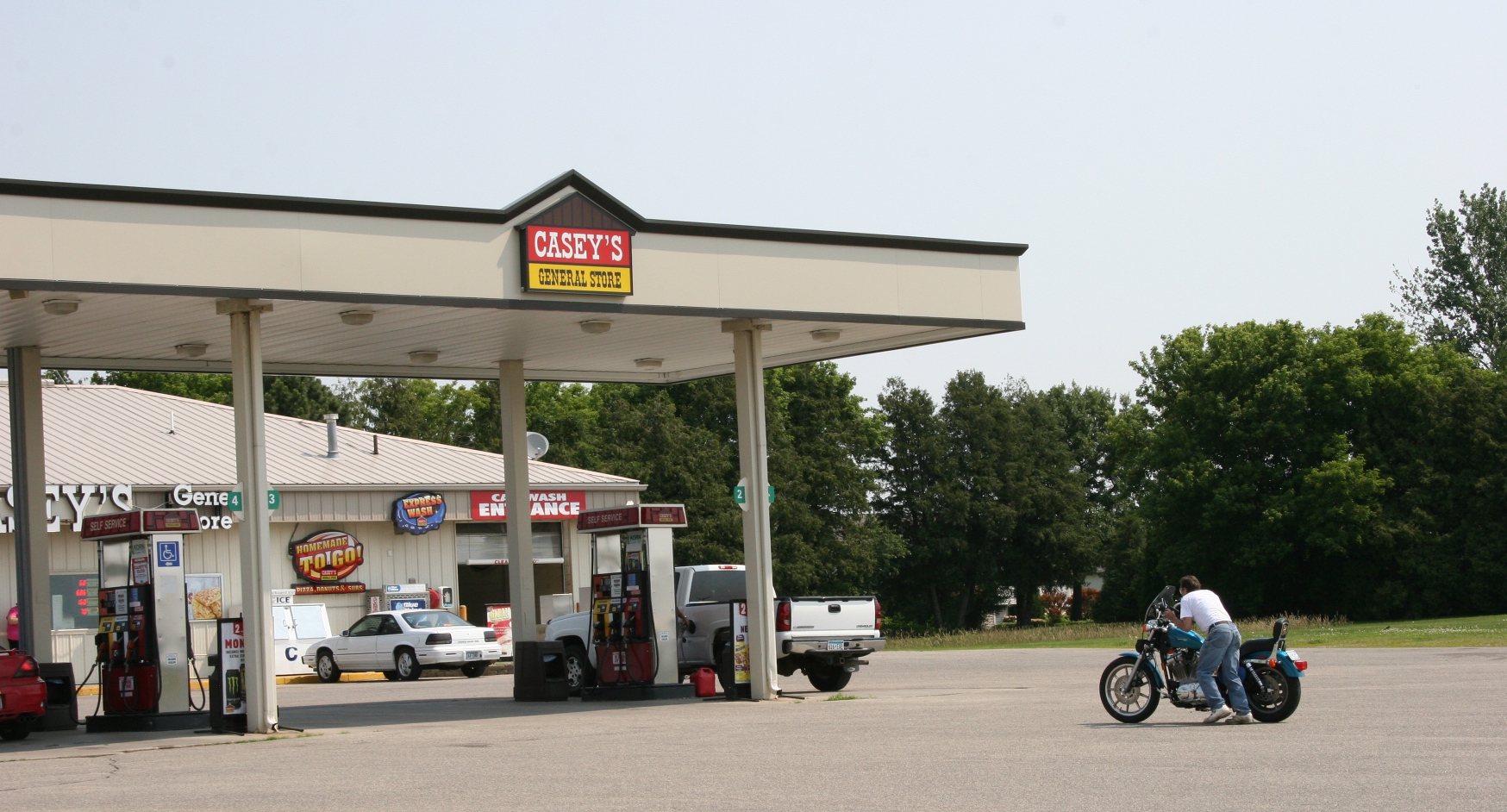
This biker ran out of gas and pushed his motorcycle up to the pumps at Caseys in Hayfield, just off Minnesota Highway 56.

This biker ran out of gas and pushed his motorcycle up to the pumps at Casey’s General Store in Hayfield, just off Minnesota Highway 56.

Often we are the only ones walking about, especially since our stops are typically on Sunday afternoons.

However, even on a recent Monday morning visit to Hayfield, population 1,300, southwest of Rochester in Dodge County, the downtown was quiet enough that I didn’t have to worry about standing in the middle of the street to take photos.

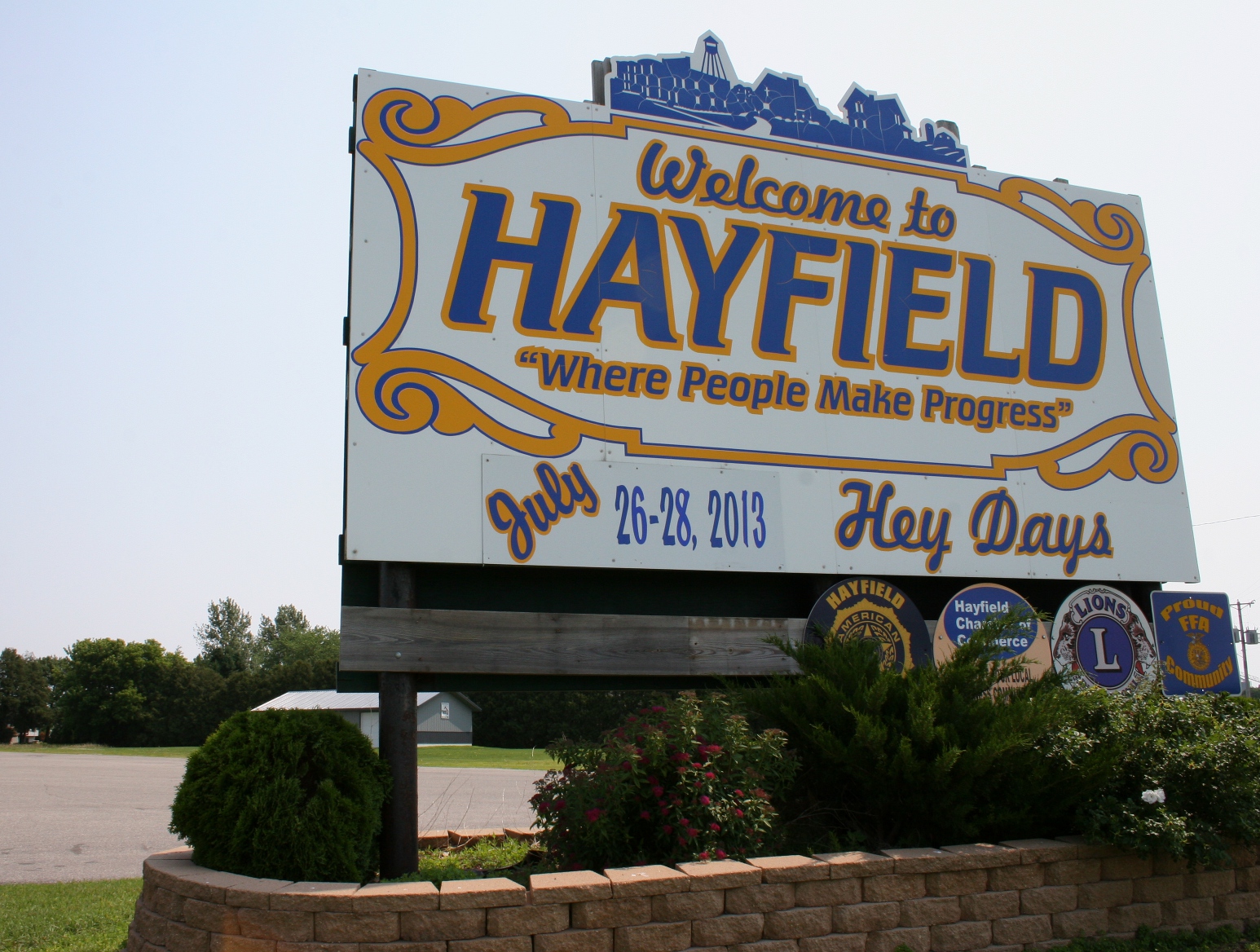
Welcome to Hayfield. So...I'm wondering whether the town is named after a person or a hay field.

Welcome to Hayfield. So…I’m wondering whether the town is named after a person or a hay field.

And Hayfield offers plenty of photo ops, beginning with the welcome sign just off Minnesota State Highway 56. The “Where People Make Progress” slogan puzzled me, until I read this explanation on the city’s website:

Our community has had many projects which have been accomplished by grants, donations and countless volunteer hours.

Examples of that progress include the local pool, ball diamonds, the library, Meals on Wheels…

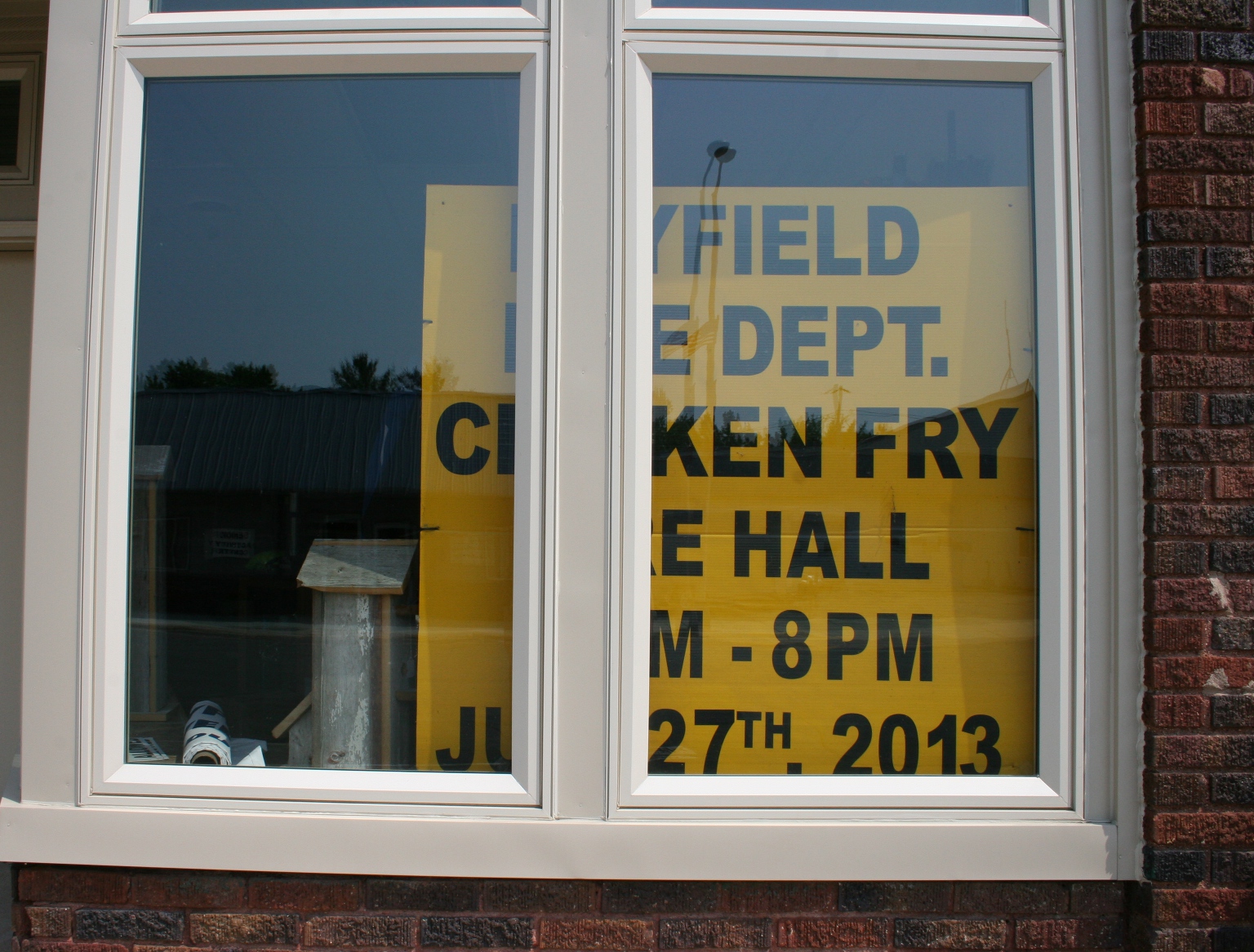
A sign in a window advertises the chicken dinner served during Hey Days.

A sign in a window advertises the chicken dinner served during Hey Days.

The annual community celebration of Hey Days, slated for July 26 – 28, also involves countless hours of volunteerism. That’s the thing about small towns. People don’t necessarily sit and wait for someone else to do something. They just do it.

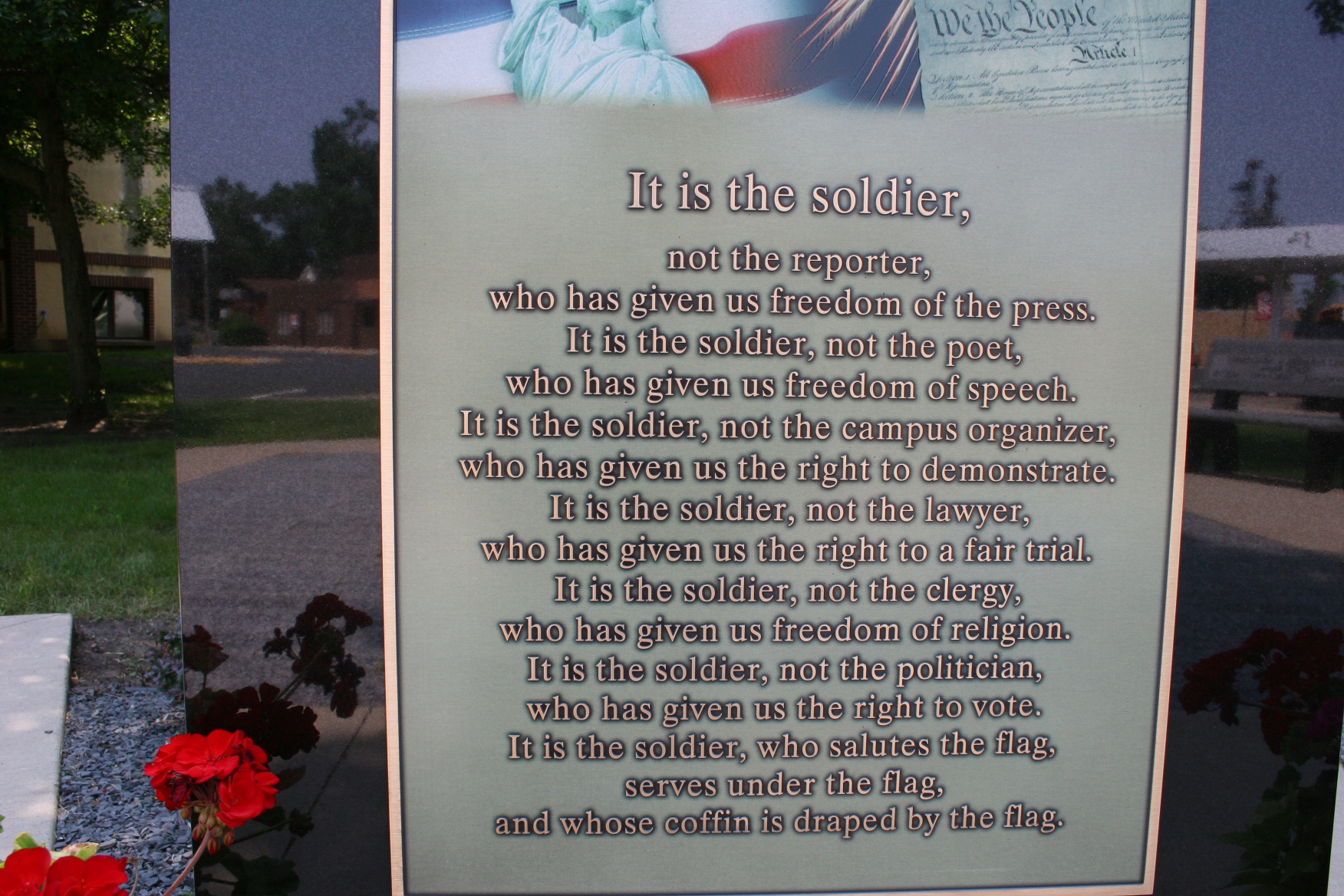
Part of the impressive vets' memorial.

Part of the impressive vets’ memorial.

I bet volunteers planned, raised funds for and helped build the veterans’ memorial park next to First Presbyterian Church at the end of the business district. It’s one of the most impressive memorials we’ve seen.

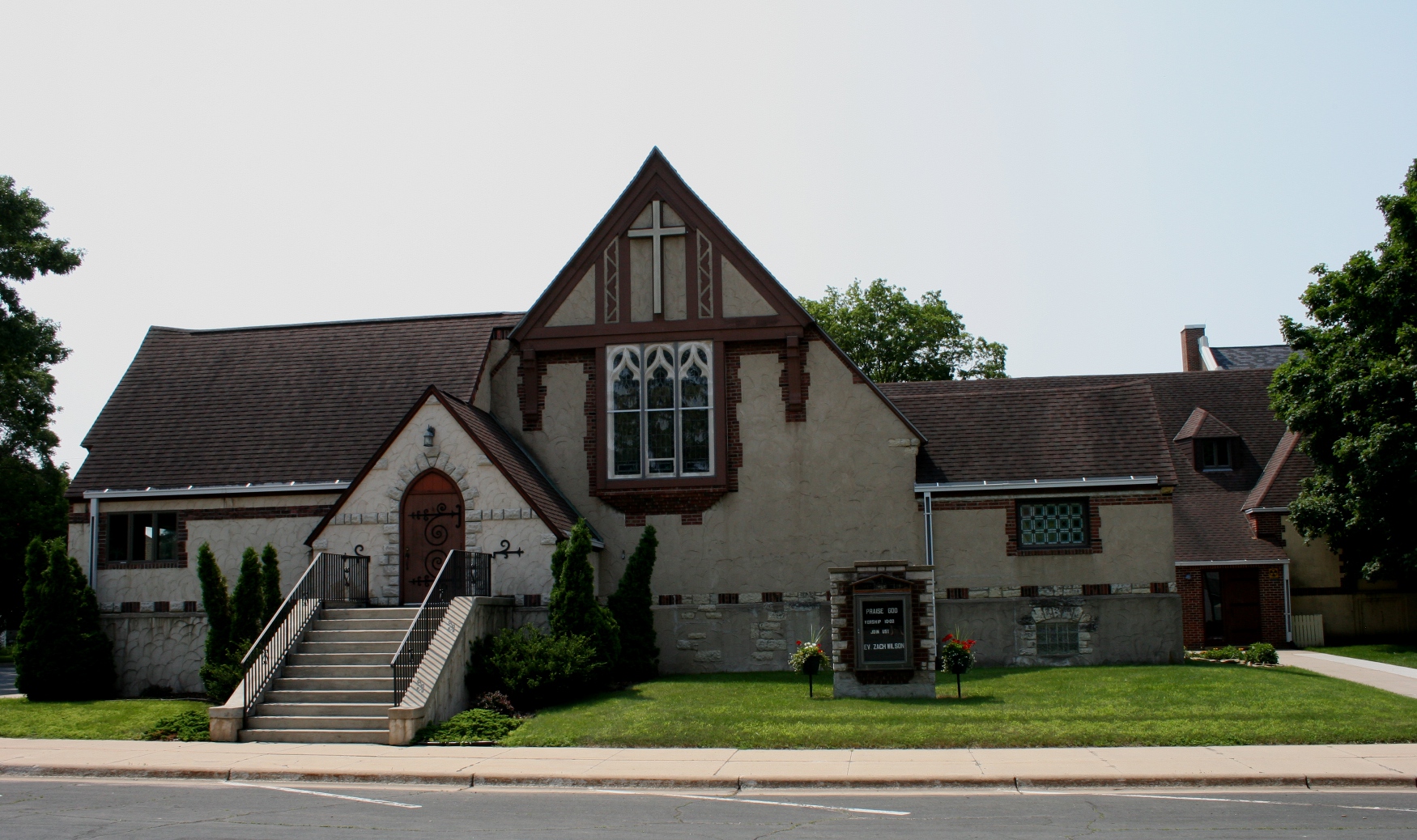
First Presbyterian Church, next to the veterans' memorial.

First Presbyterian Church, next to the veterans’ memorial.

Inside that lovely old church.

Inside that lovely old church.

That memorial is definitely worth a trip into town as is the church. We found the door unlocked and so let ourselves into this beautiful sanctuary. I’m pretty certain the guy working on a school bus at the bus garage was watching us.

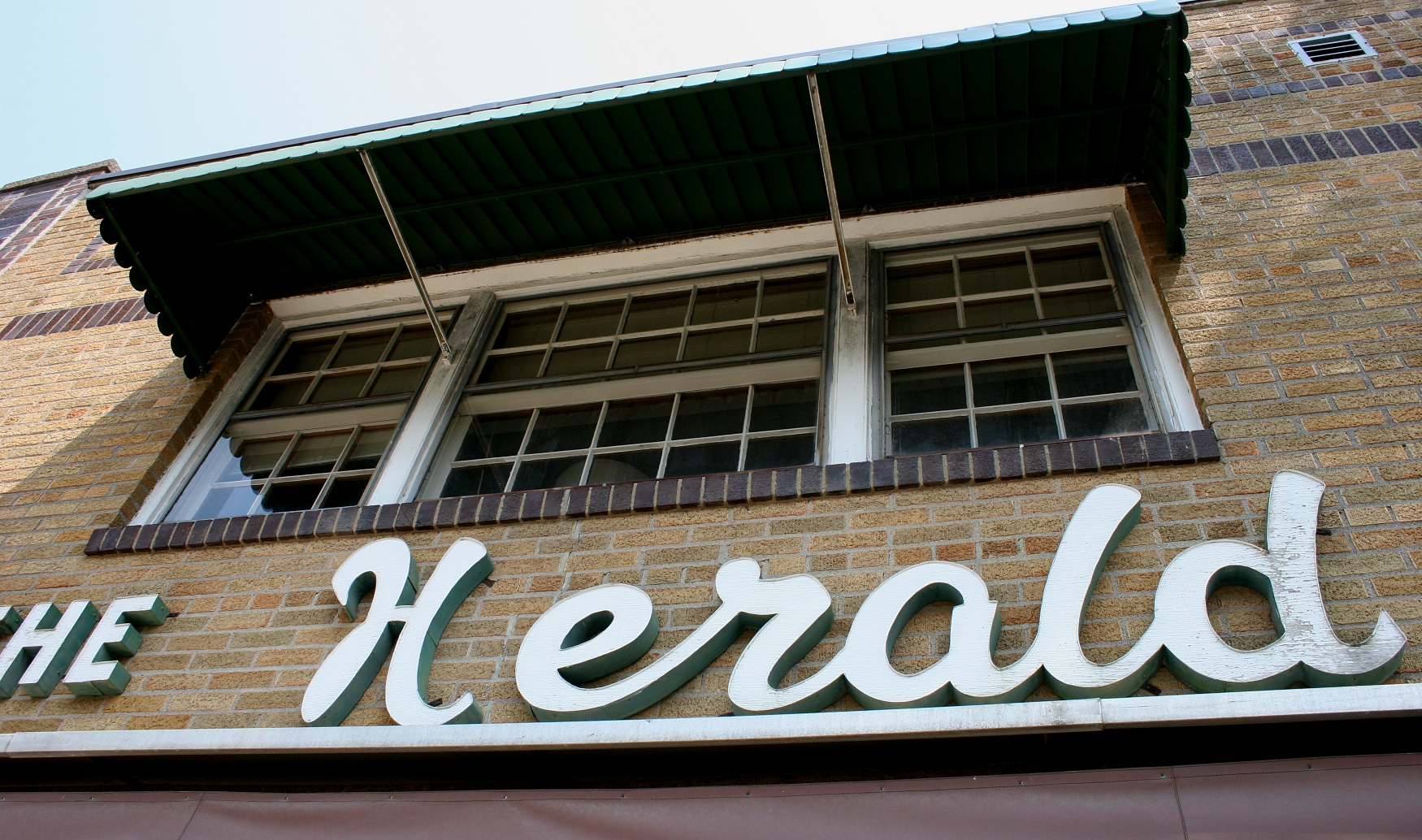
Font art at the former newspaper office.

Font art at the former newspaper office.

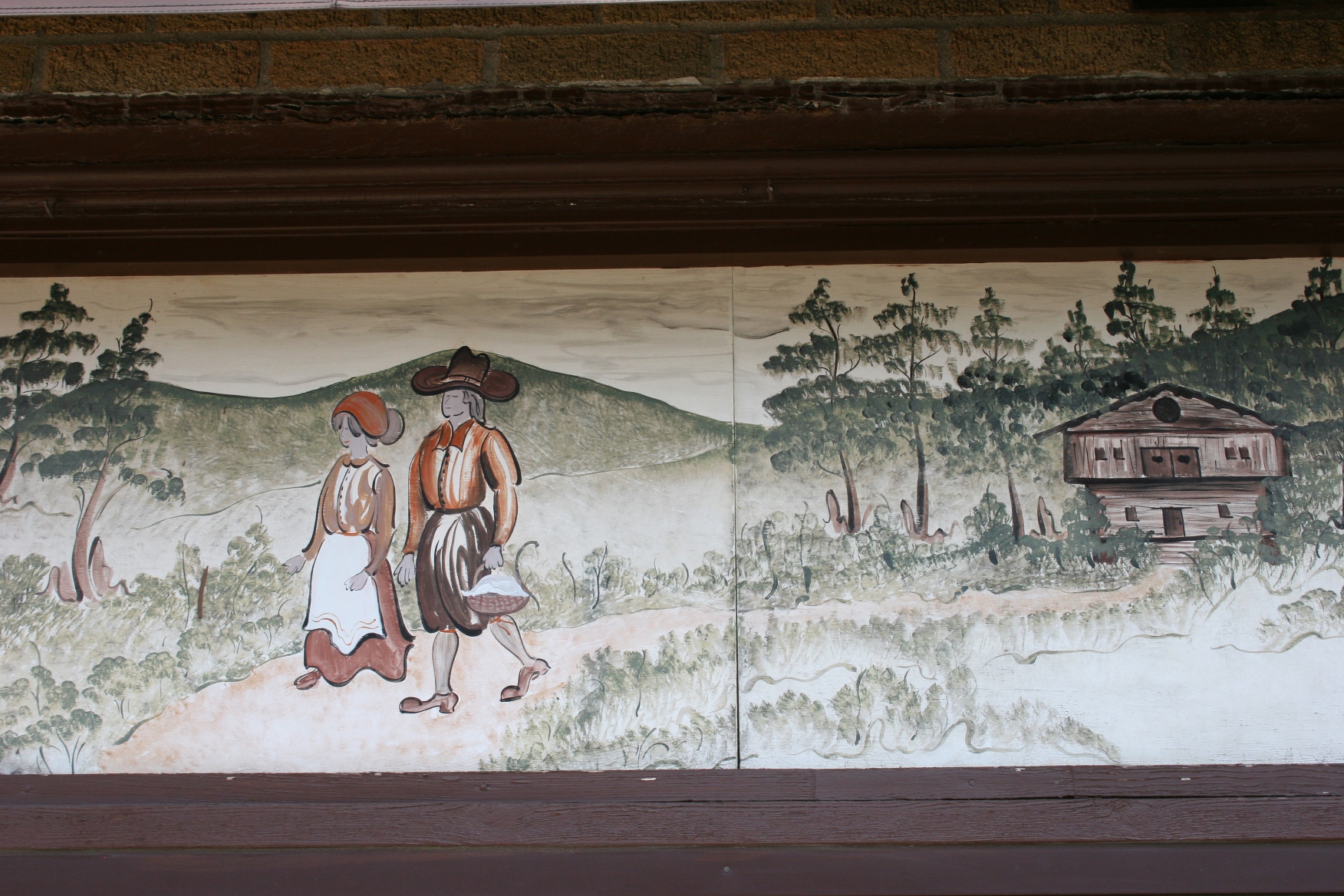
And more art on the former news office.

And more art on the former news office.

Across the street, the font and paintings on the former Herald newspaper office, now a home, caught my eye. The newspaper is now merged as the Star Herald based in nearby Dodge Center.

The library on the left, the former newspaper office on the right.

The library on the left, the former newspaper office on the right.

Next door I tried the door of the library, only to find it locked.

Like most small towns, you will find a Legion and a bar and grill in Hayfield.

Like most small towns, you will find a Legion and a bar and grill in Hayfield.

Yes, when I explore small towns, I’ll always try the doors. Always.

© Copyright 2013 Audrey Kletscher Helbling


A muddy shoe ban in Morgan July 24, 2013

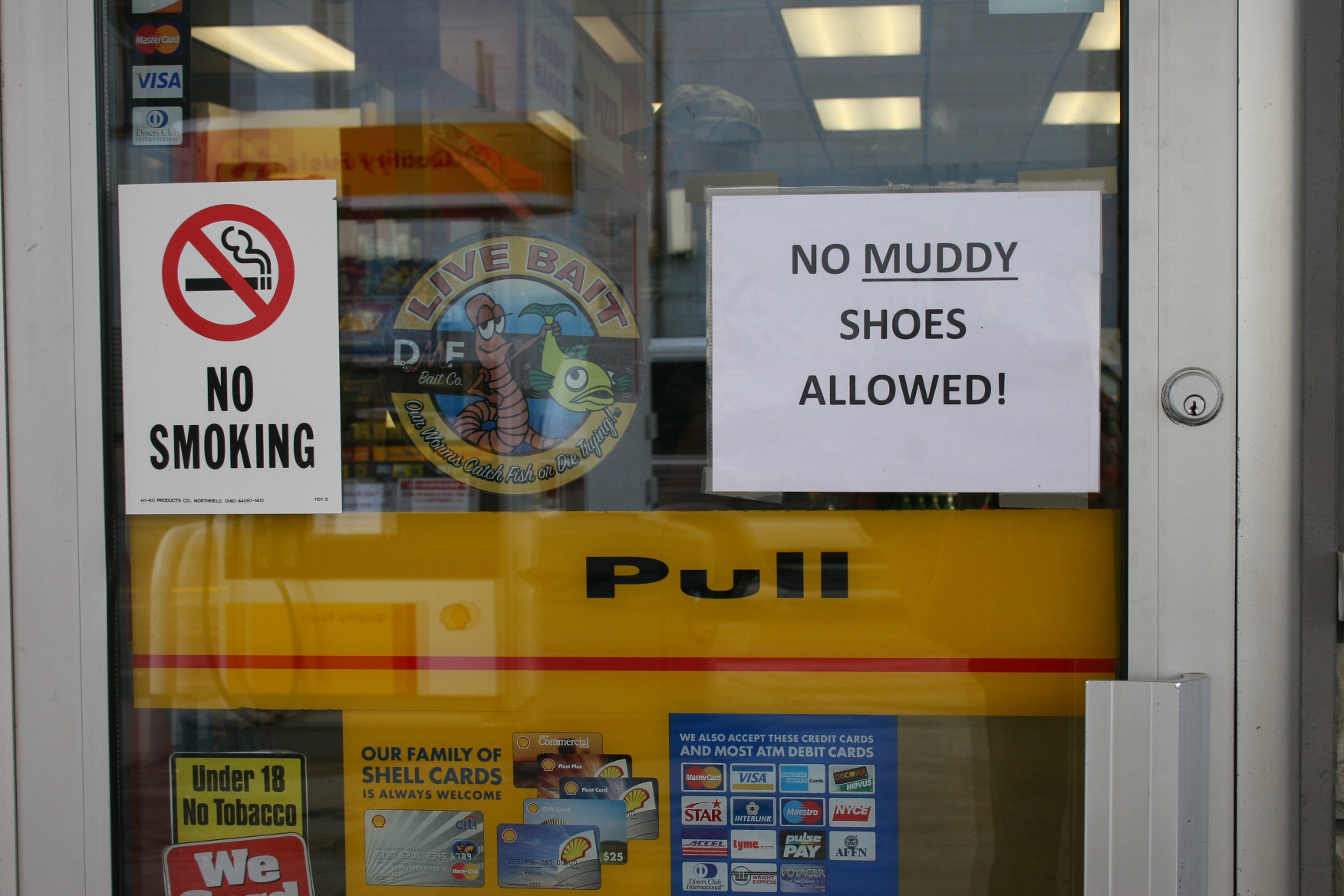
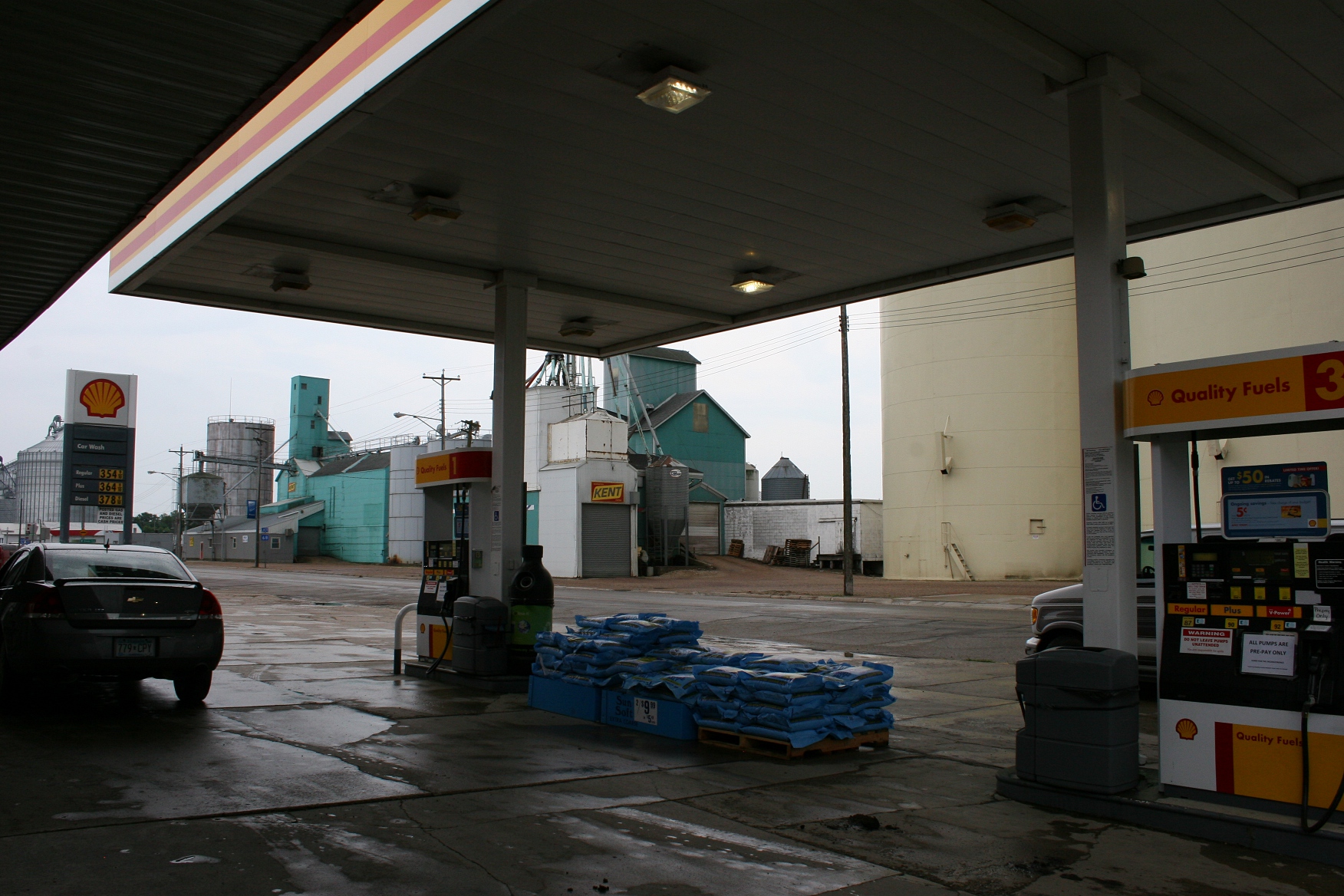
YOU BEST NOT ENTER the Shell convenience store/gas station in Morgan with muddy shoes. I never checked my flip flops nor the floor upon entering. My initial focus was finding the bathroom in Wayne’s C-Store, as it’s known by locals.

Posted on doors of the Shell station in Morgan.

Posted on doors of the Shell station in Morgan.

Only afterward did I ponder the message and wonder how many times staff has dealt with mud trekked inside this retail hub in this rural southwestern Minnesota community. Often enough, apparently, given the postings on the two front doors.

A view right outside the Shell station.

A view right outside the Shell station.

My husband and I had just driven about 100 miles, more than an hour of that in rain. But, unless our soles acquired mud while walking from our gravel parking space into the store, they should have been clean.

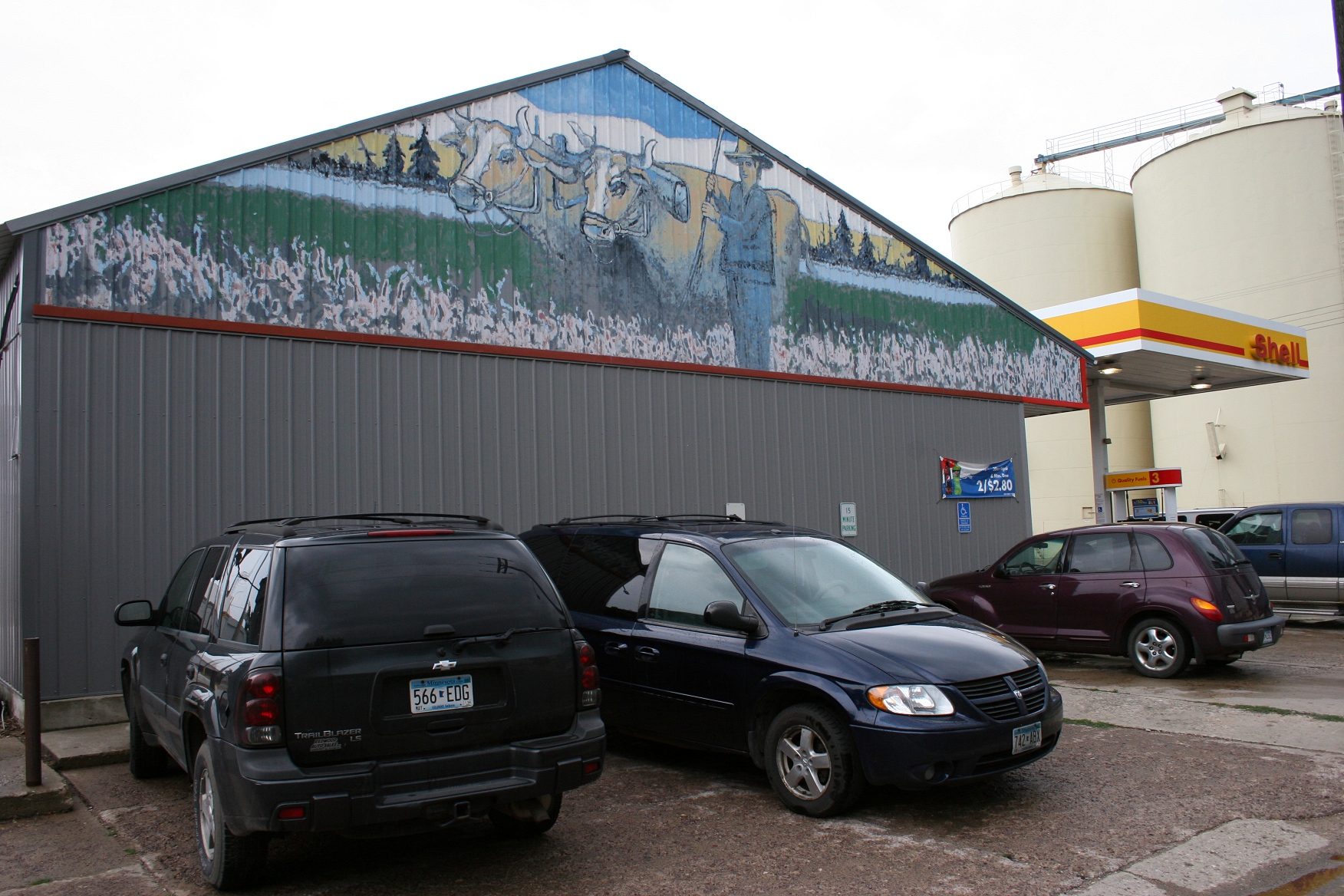
A rural-themed mural on the side of Wayne's C-Store.

A rural-themed mural on the side of Wayne’s C-Store.

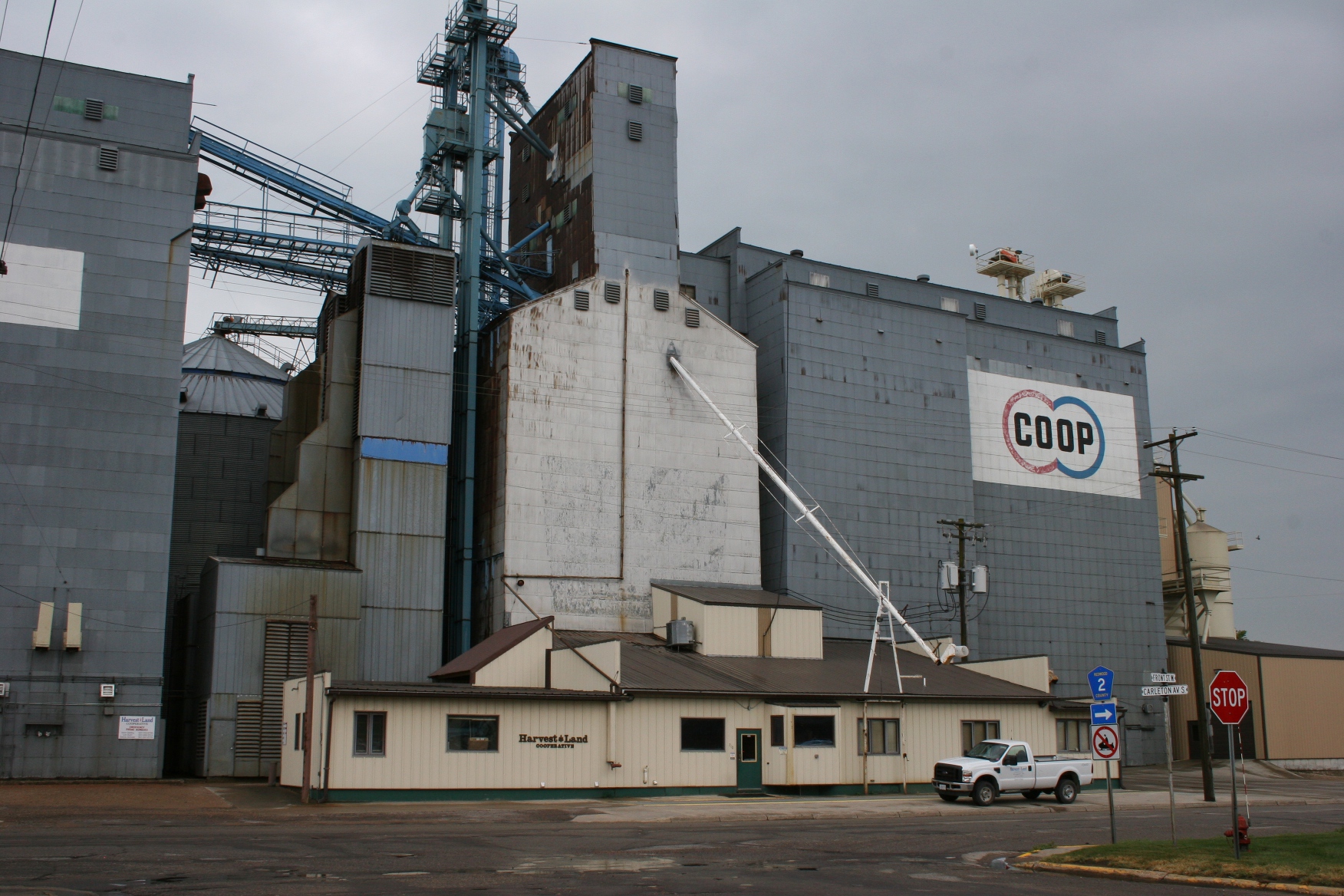
After photographing the NO MUDDY SHOES ALLOWED! sign and the mural on the side of the convenience store, I swung my camera around to photograph Harvest Land Cooperative across the street.

A snippet of the Harvest Land Co-op complex across the highway from the Shell station.

A snippet of the Harvest Land Co-op complex across the highway from the Shell station.

There’s something about an elevator that always causes me to pause and reflect on my rural Minnesota prairie roots.

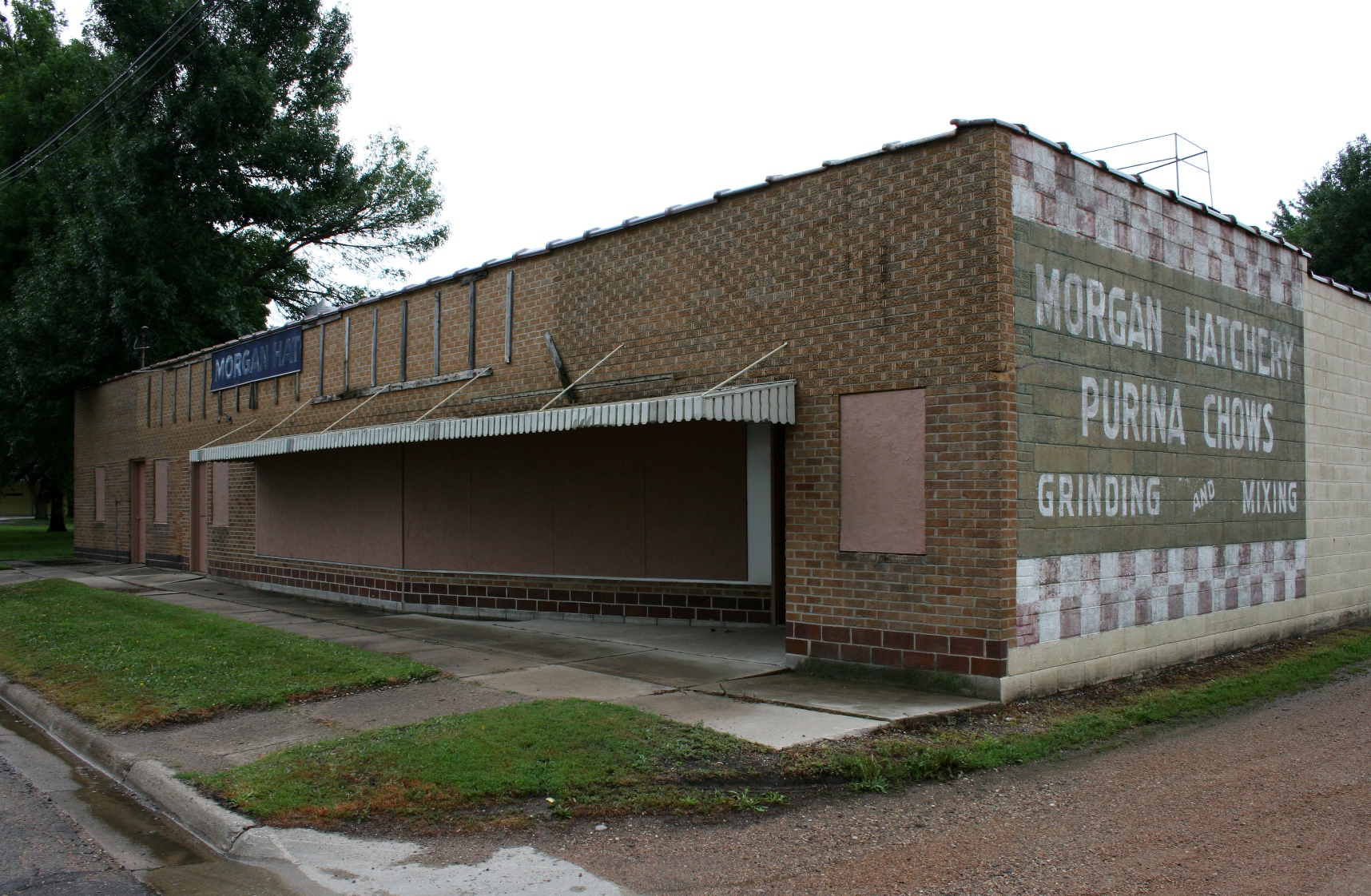
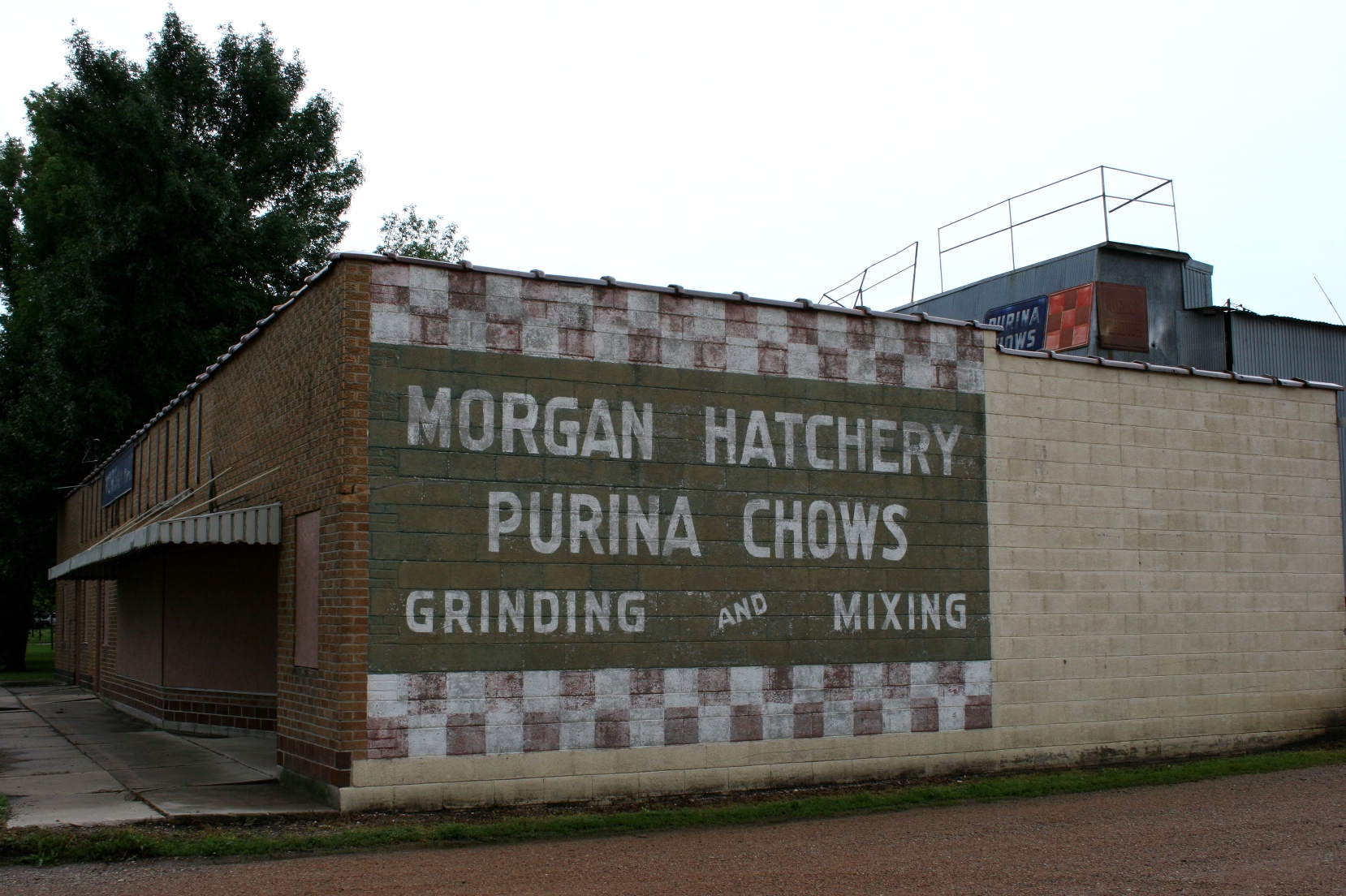
The hatchery is closed.

The hatchery is closed.

From there I skirted vehicles parked alongside the Shell station and dodged puddles to photograph signage on the next door old Morgan Hatchery.

A side view of the former hatchery.

A side view of the former hatchery.

At that point I likely muddied my flip flops. But that was just fine. I wasn’t returning to the NO MUDDY SHOES ALLOWED! store.

© Copyright 2013 Audrey Kletscher Helbling


Walnut Grove mural bridges cultures July 18, 2013

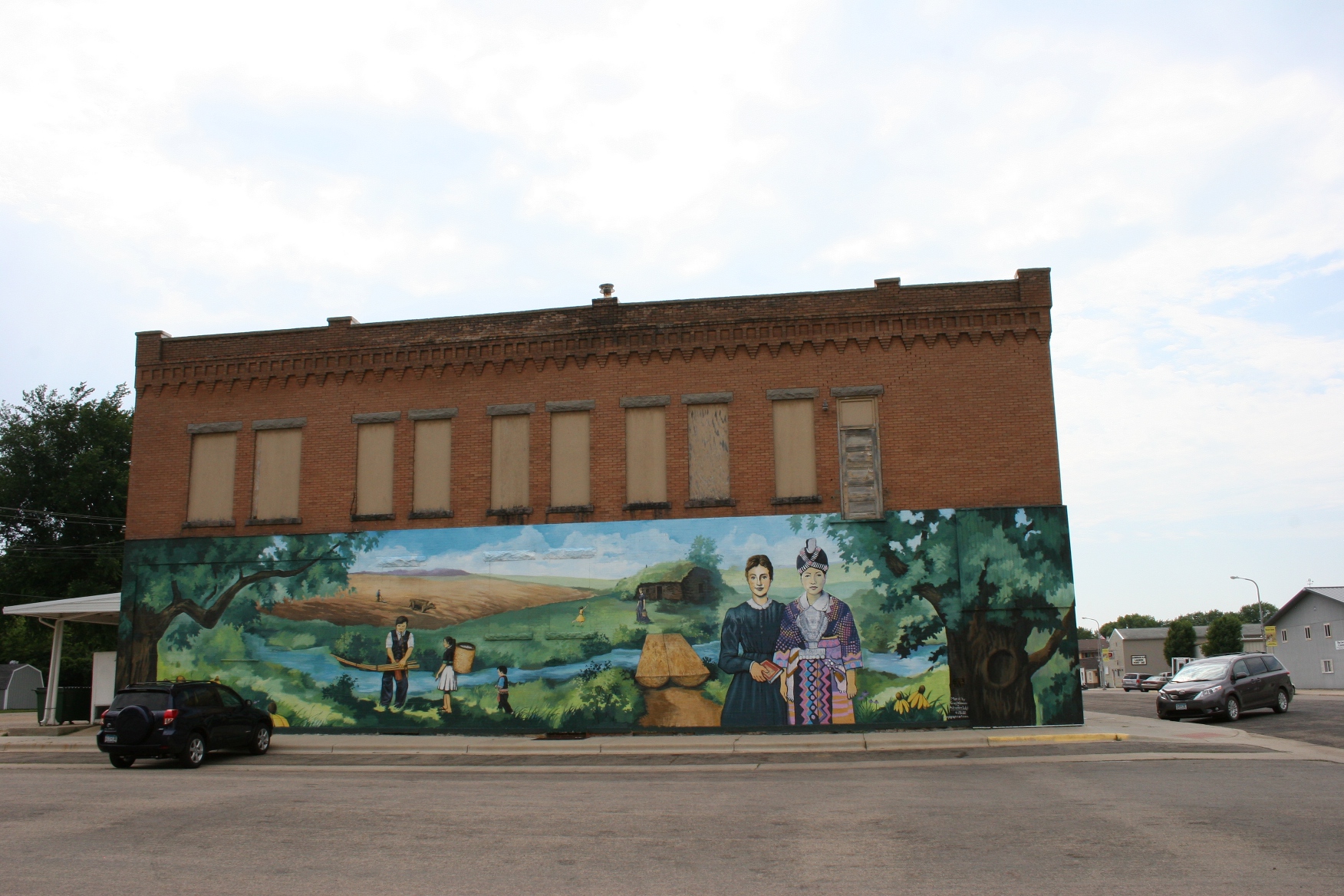
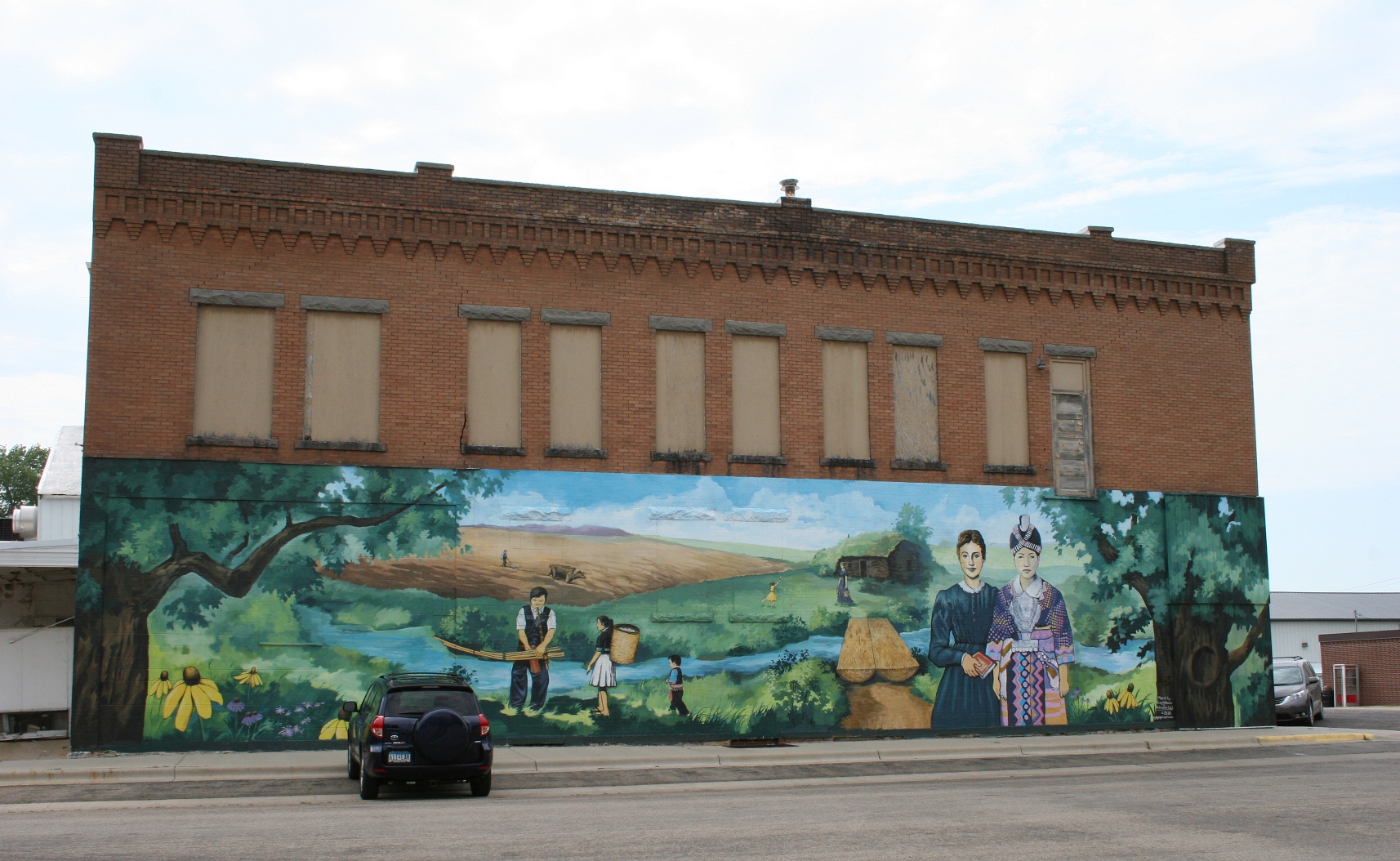
Rochester artist Greg Wimmer was commissioned to paint this mural last summer in downtown Walnut Grove.

Rochester artist Greg Wimmer was commissioned to paint this mural last summer in downtown Walnut Grove.

MY NEPHEW, ADAM KLETSCHER, who lives and teaches in Walnut Grove, told me to check out the new mural downtown when I recently visited this southwestern Minnesota community. So, after leaving the Family Festival during the town’s annual celebration of Laura Ingalls Wilder’s Little House books, I stopped to photograph the 20-foot by 78-foot painting on the east side of Bubai Foods along Main Street.

Being a bit rushed, I failed to photograph the front of the building housing a combination Asian and American food market. And I didn’t have time to go inside and ask questions.

Later I connected with Terry Yang, who moved to Walnut Grove in 2001 from St. Paul, opened the Asian portion of Bubai Foods in 2003 and purchased the American foods side in 2005.

Yang is among the estimated 30 percent of Walnut Grove’s 870 residents of Hmong ethnicity. The Hmong first came to this rural area in 2000, Yang says, to settle in a quiet small town with affordable housing (“We don’t have to lock our houses or cars here,” he says) in a landscape similar to their native Laos.

Walnut Grove is now home to retired Hmong and to young people employed mostly at factories in nearby Marshall, Wabasso and Worthington.

The mural in progress. Photo courtesy of Greg Wimmer.

The mural in progress. Photo courtesy of Greg Wimmer.

It is that infusion of Laotian immigrants that figured in to the design of the community-supported mural painted last summer by Greg Wimmer of Rochester based Wimmer Illustration and Design with assistance from Adrienne Lobl. Mural sponsors included individuals, local businesses and the Laura Ingalls Wilder Museum.

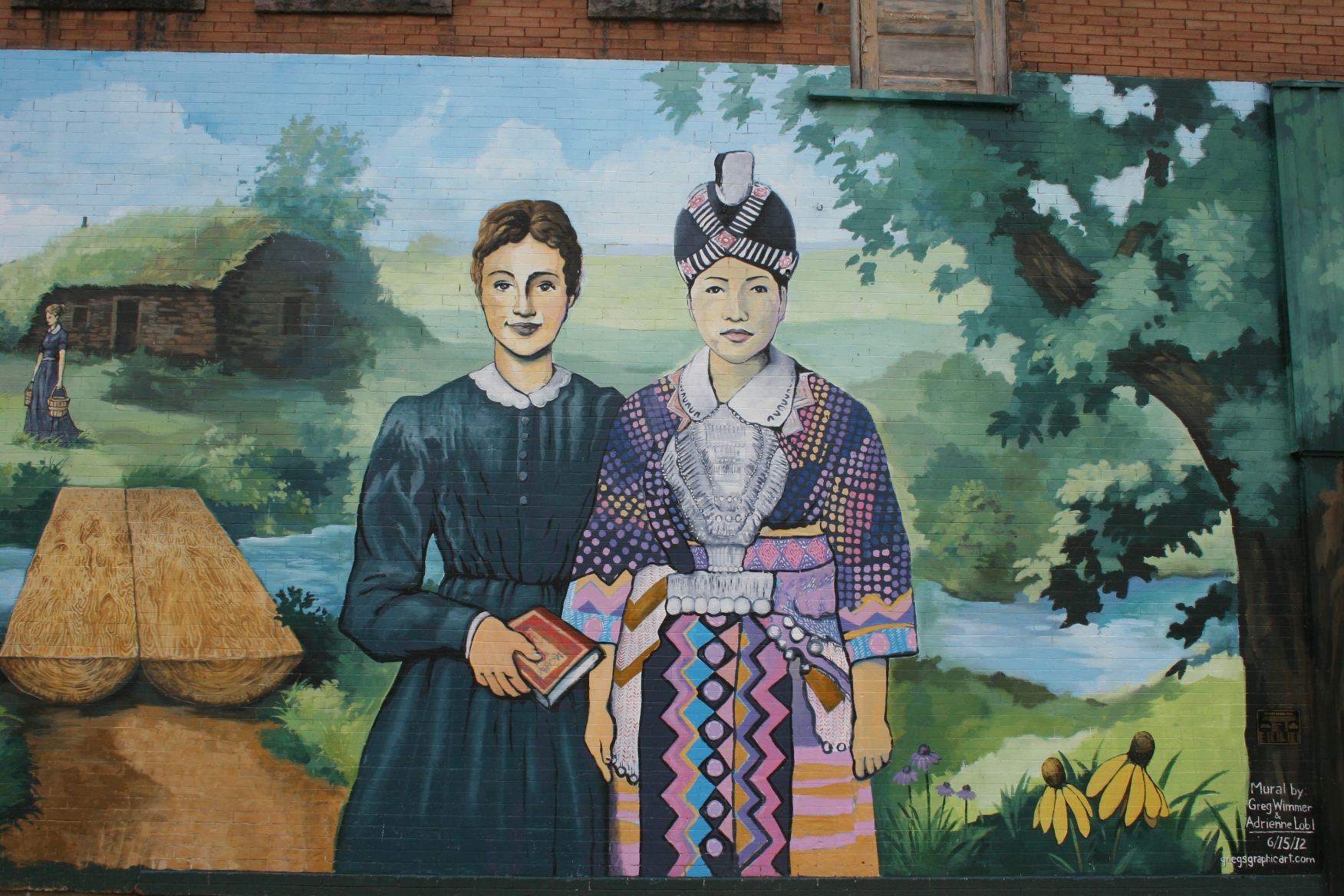
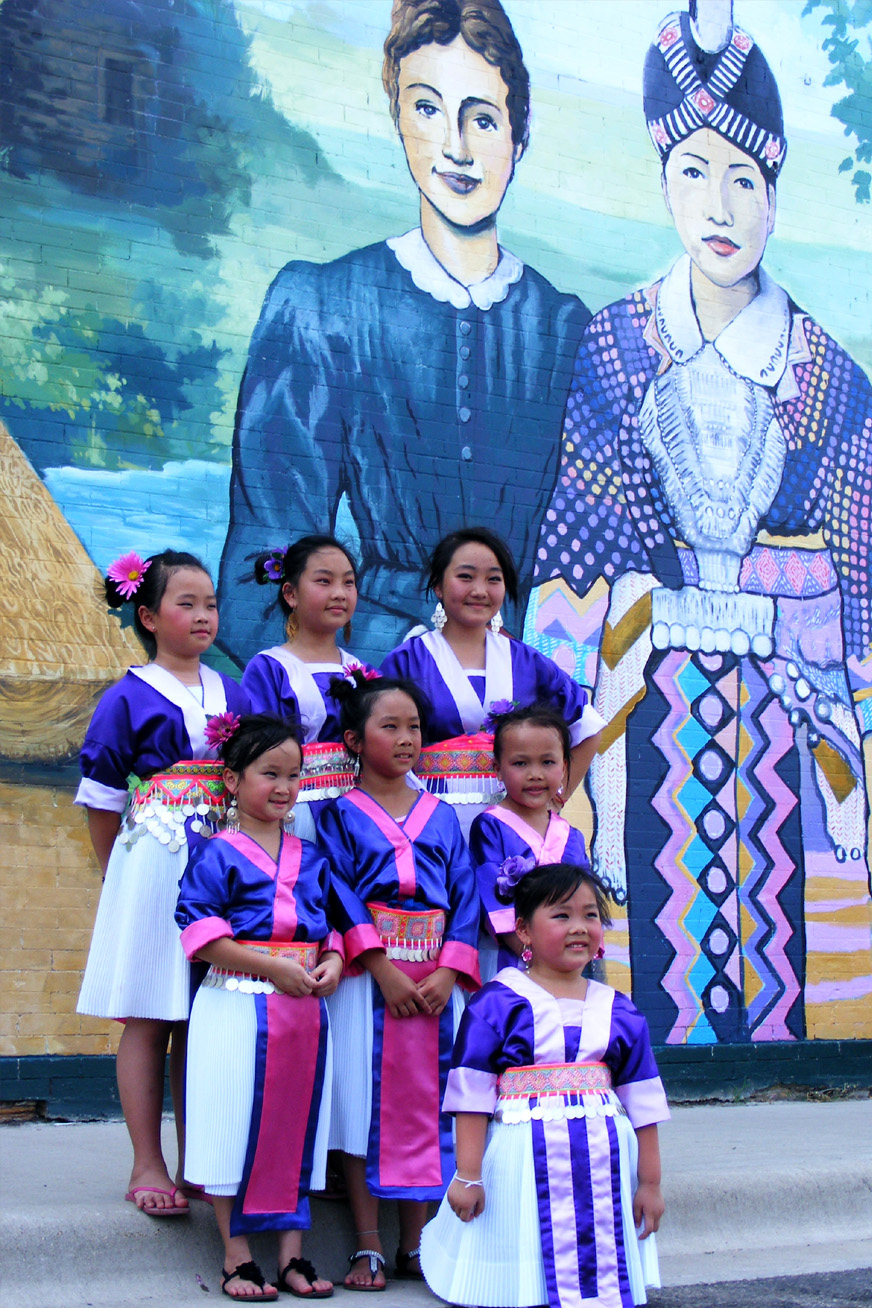
This snippet of the mural shows Laura Ingalls Wilder as a teacher next to a Hmong woman. To the left is the log bridge spanning Plum Creek, where the Ingalls family lived in a dug out.

This snippet of the mural shows Laura Ingalls Wilder as a teacher standing next to a Hmong woman. To the left is the log bridge spanning Plum Creek, where the Ingalls family lived in a sod house.

The painting, Yang says, shows the similarities between Laos and Walnut Grove and also melds the new Hmong culture and the pioneer history of this Minnesota community. For example, Laura Ingalls and a Hmong woman stand side by side, one in a simple lace-collared prairie dress, the other in intricate and colorful traditional celebratory Hmong attire reserved for special occasions like weddings and New Year’s celebrations.

Wimmer worked with the Hmong community, integrating many of their suggestions in to the design. A log bridge spanning Plum Creek, part of an original Ingalls family mural here which had faded and was in need of repair, was incorporated in to the new work and represents the bridging of two cultures, according to the artist.

“My personal opinion is that it (the mural) makes a statement about the changes in the community without saying a word,” Wimmer says.

In the foreground a Hmong man plays a bamboo flute near a rice field as his daughter carries a basket. In the background, a pioneer  busts sod with a an ox and a plow.

In the foreground, left, a Hmong man plays a bamboo flute near a rice field as his daughter carries a basket. In the background, a pioneer busts sod with an ox and a plow.

Yang also references the connections between the two cultures via two farming scenes—of a pioneer man plowing a Minnesota field with an ox, similar to the water buffalo that work the land in Laos, and of a Hmong family near a rice field and shown with a basket for carrying harvested crops from farm to village.

Native prairie plants, like black-eyed Susan and coneflowers, are part of the painting.

Native prairie plants, like black-eyed Susan and coneflowers, are part of the painting.

One of the draws to Walnut Grove, Yang says, is the land available for Hmong to plant gardens. Laotian natives, like native Walnut Grove area residents, are connected to the land.

Yang has always felt welcome in southwestern Minnesota and appreciates the mural showcasing the changes in his community, which now includes, he says, “so many races.”

Girls in traditional Hmong dress attended the mural dedication last year.

Girls in traditional Hmong dress attended the mural dedication last year. Photo courtesy of Greg Wimmer.

FYI: Hmong dancers will be among entertainers at the Family Festival from 11 a.m. – 6 p.m. this Saturday, July 20, at the Walnut Grove City Park as part of the festivities celebrating the Little House books by Laura Ingalls Wilder. Click here to see the festival schedule.

And click here for more information about other events at the annual celebration.

BONUS PHOTOS:

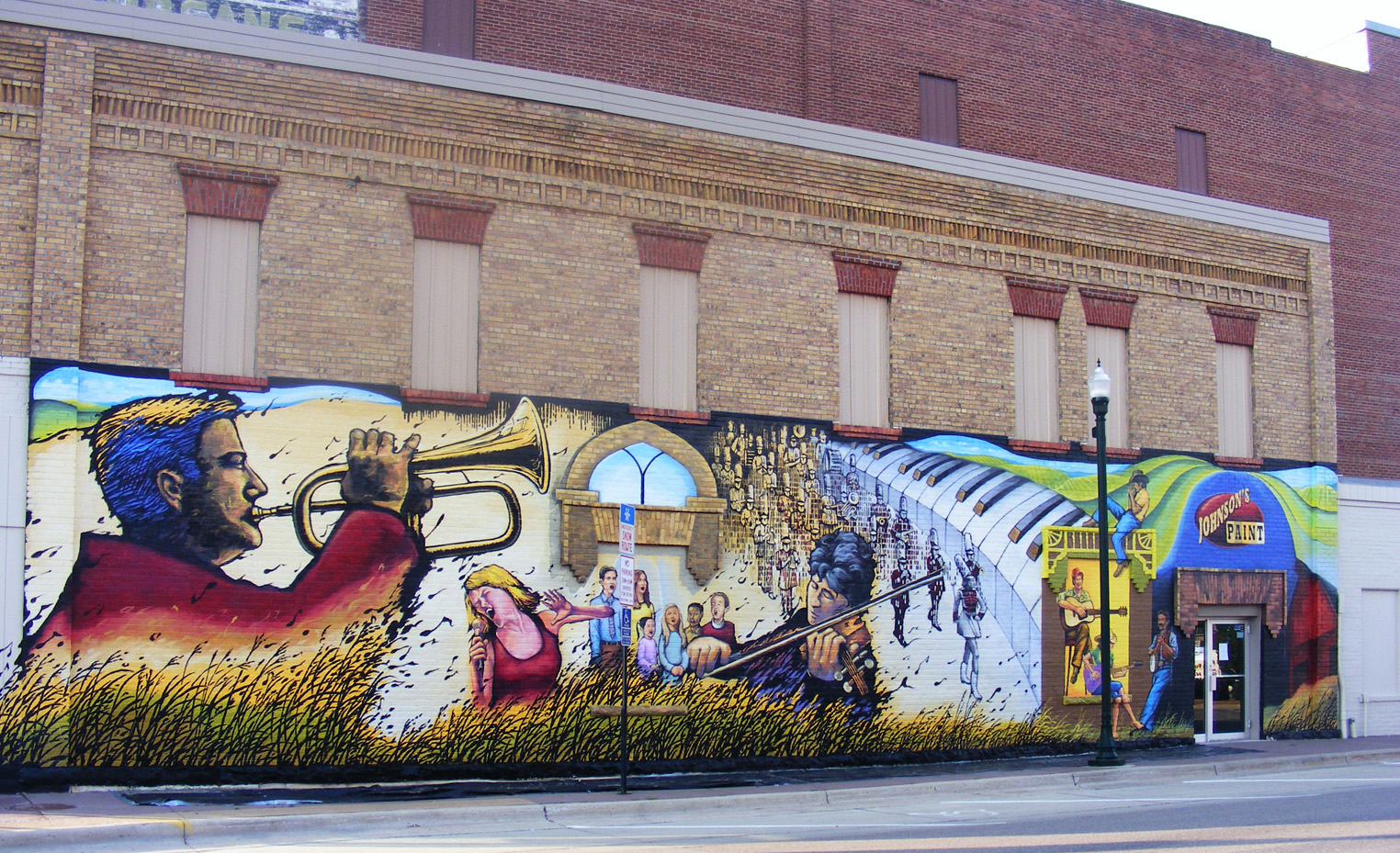
Greg Wimmer painted this mural in nearby Marshall. Photo courtesy of Greg Wimmer.

Greg Wimmer painted this mural in nearby Marshall. Photo courtesy of Greg Wimmer.

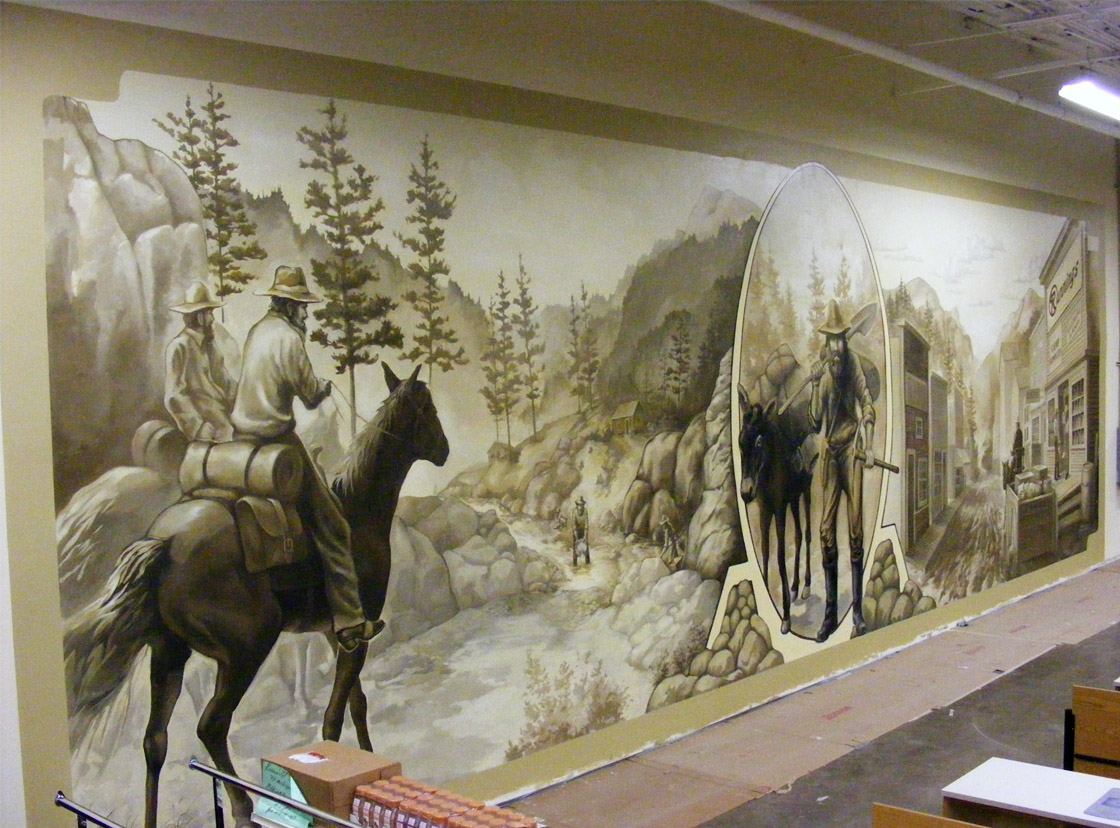
And Wimmer painted this mural in Rapid City, South Dakota. Photo courtesy of Greg Wimmer.

And Wimmer painted this mural in Rapid City, South Dakota. Photo courtesy of Greg Wimmer.

© Copyright 2013 Audrey Kletscher Helbling


Little school on the prairie July 8, 2013

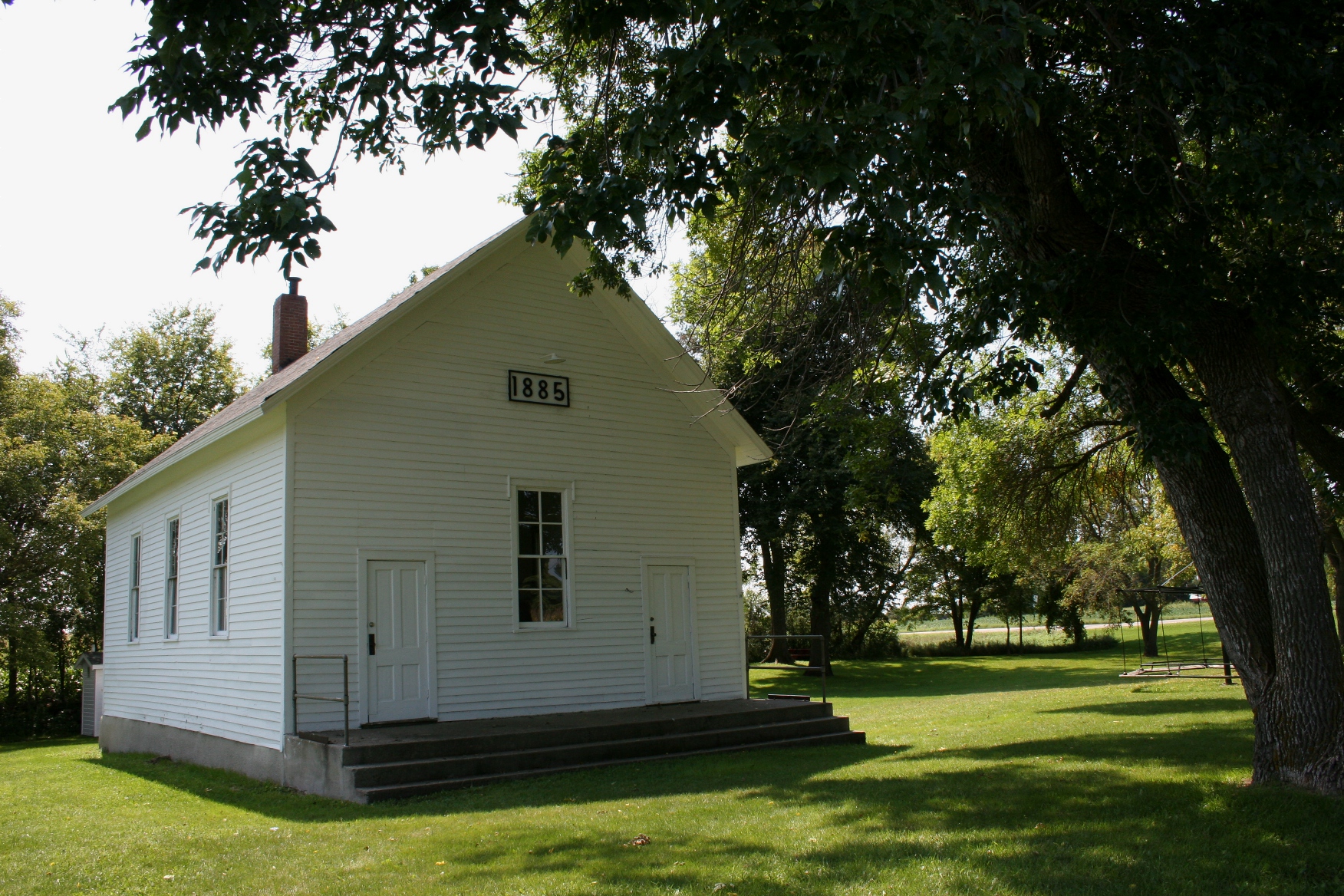
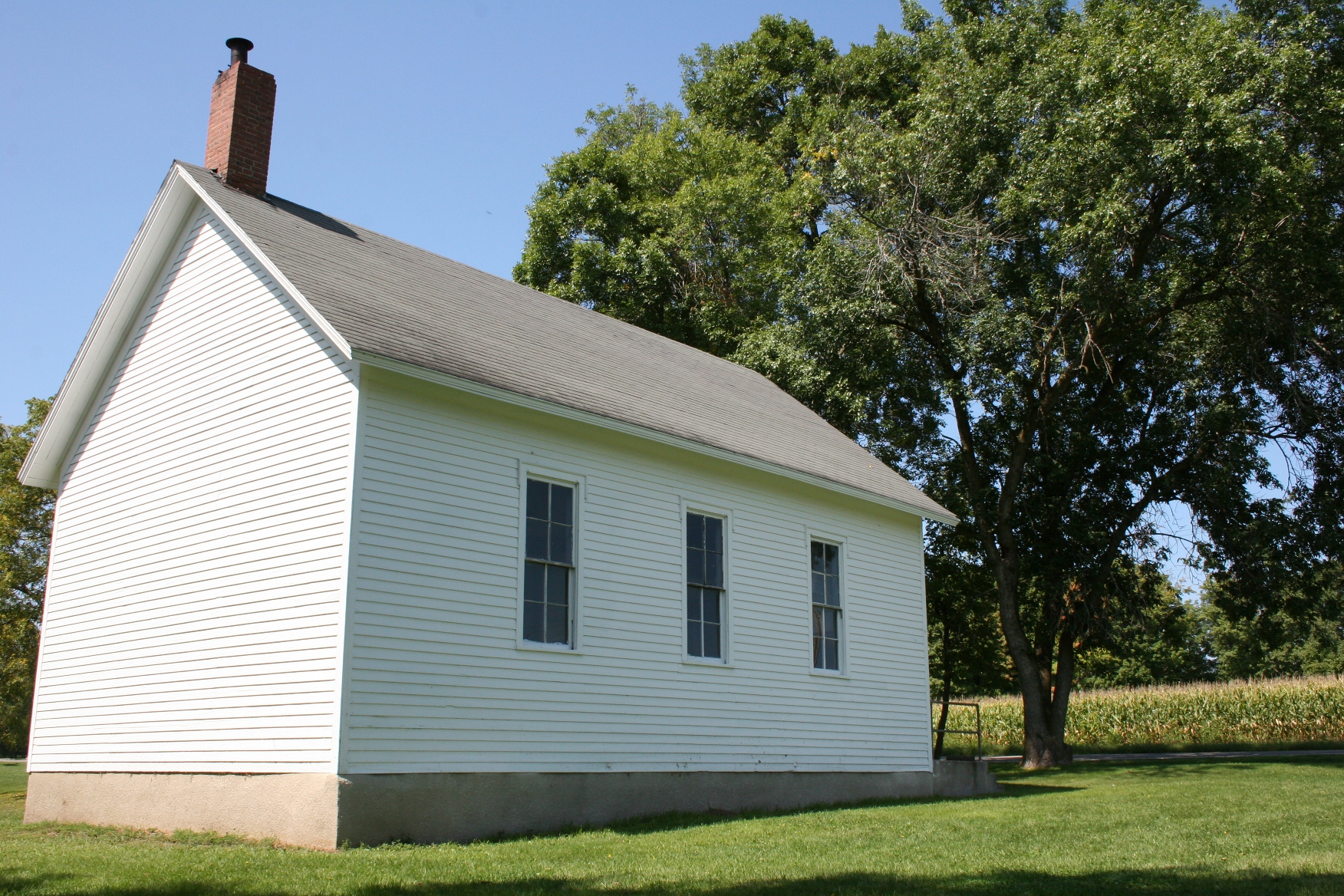
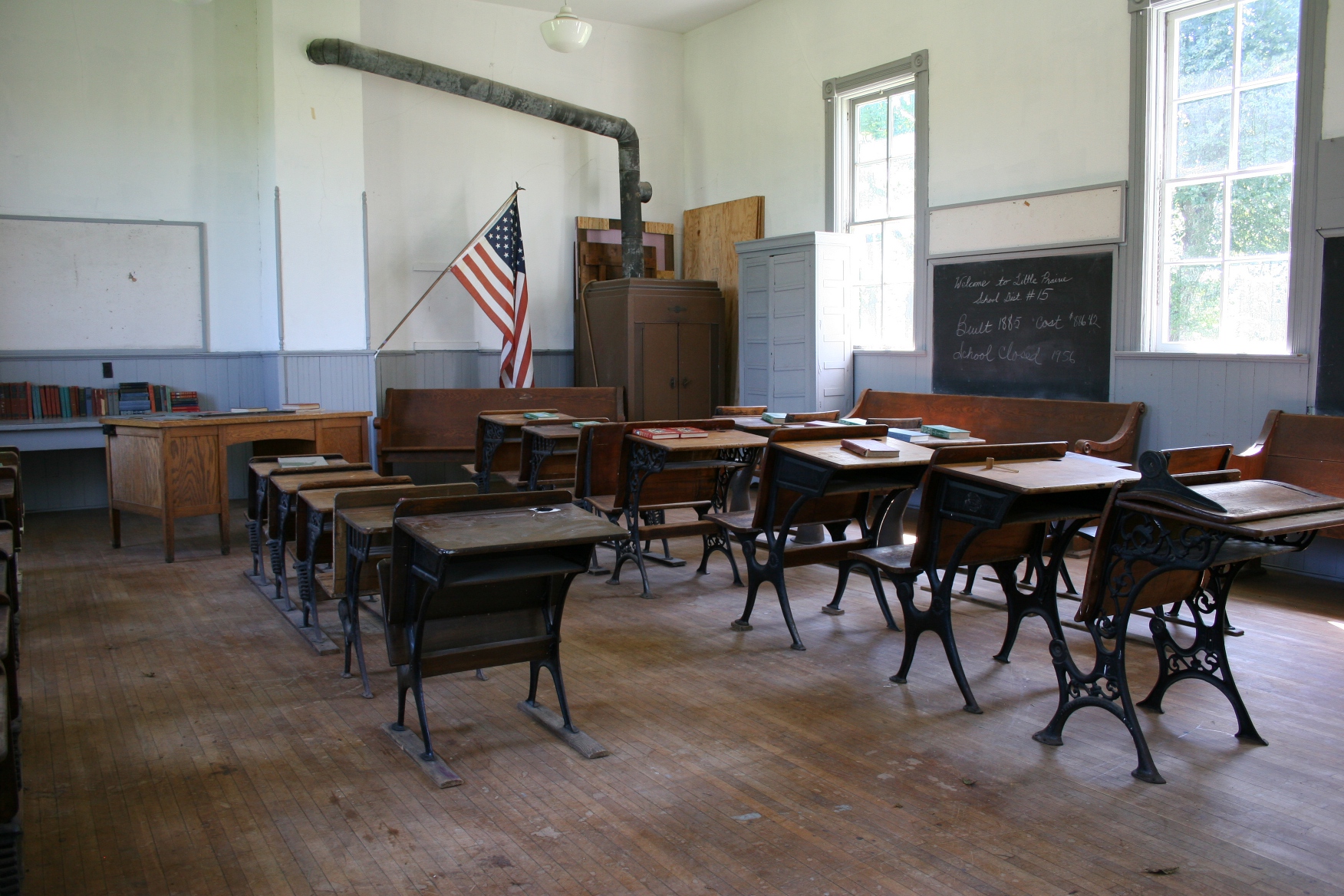
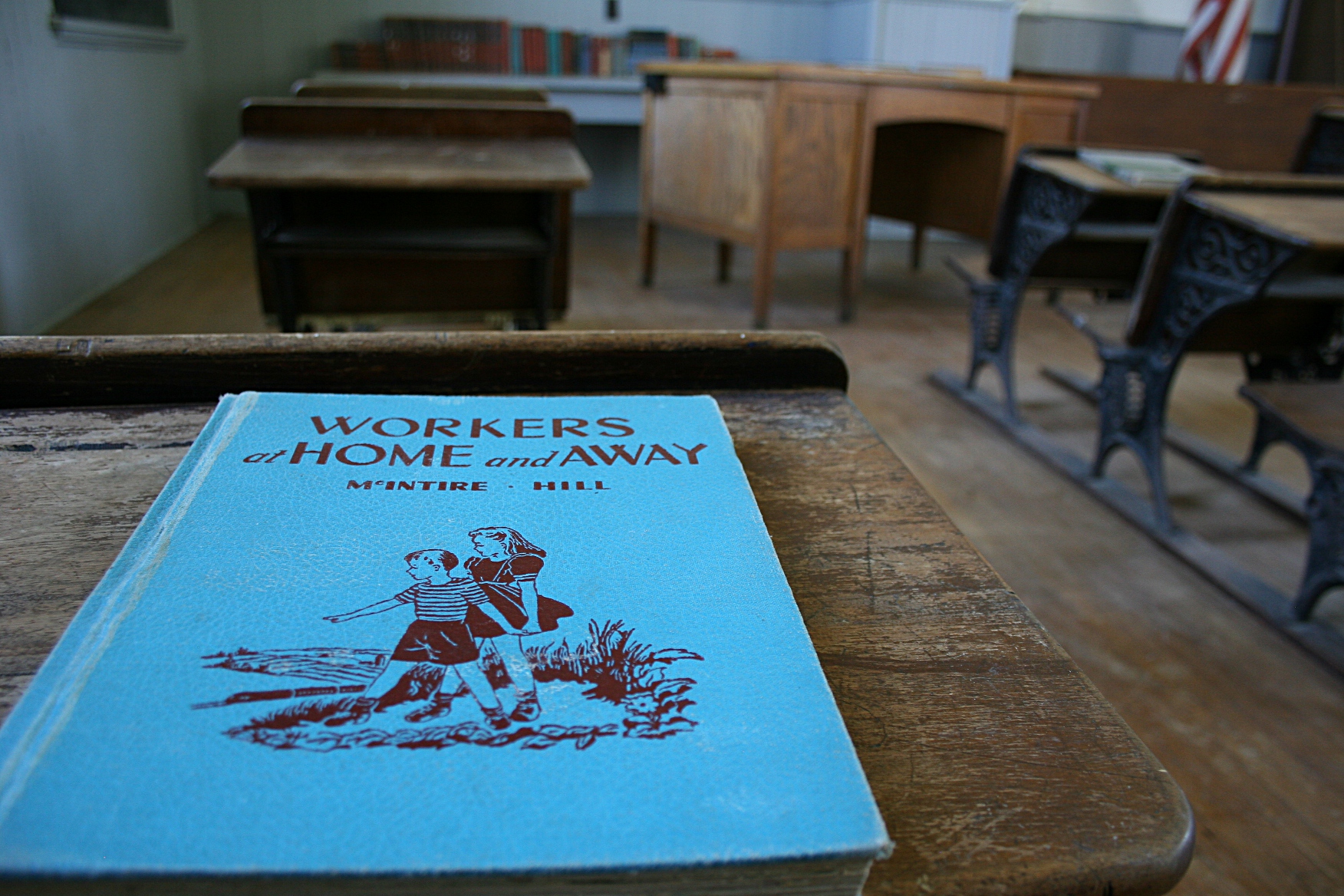
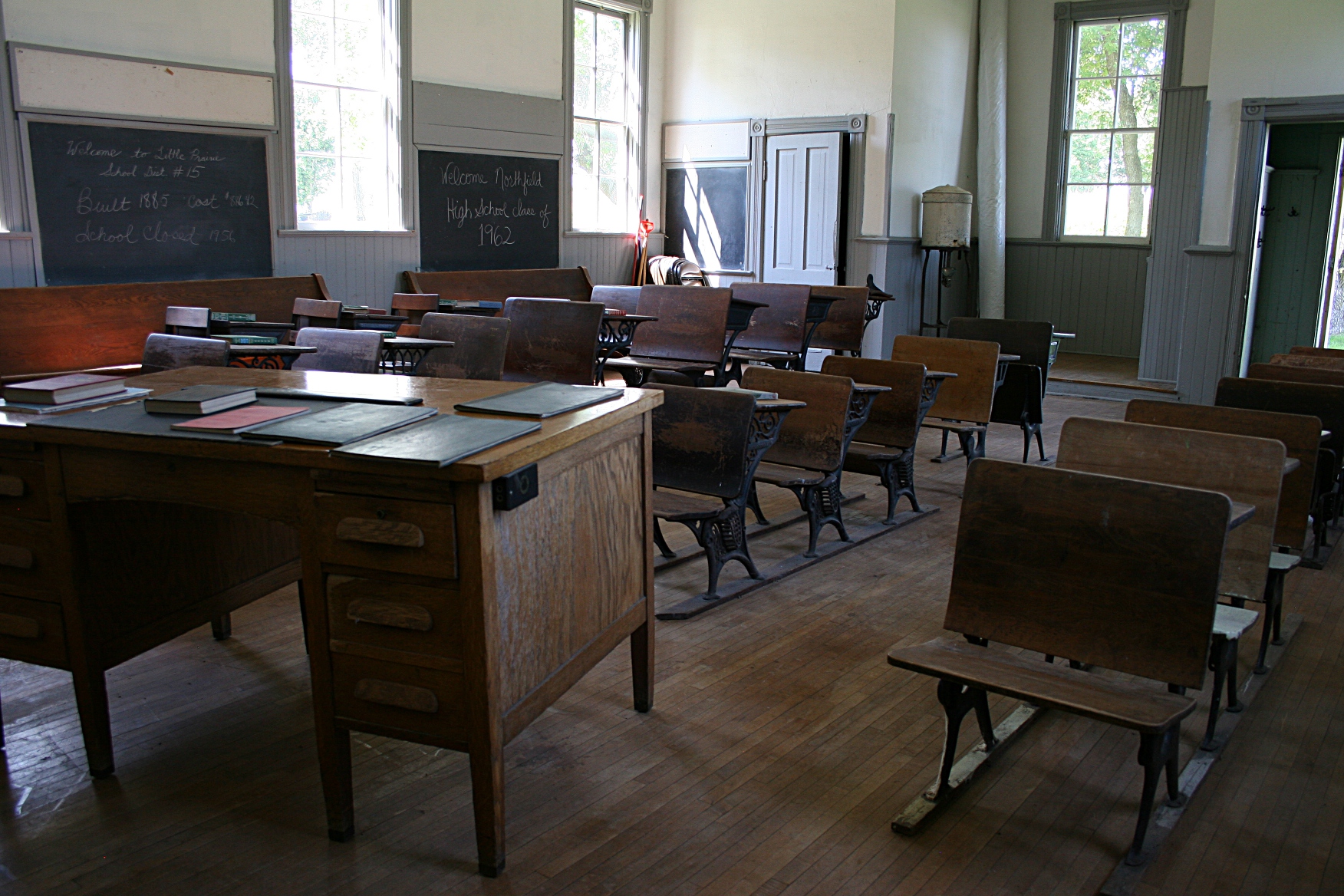
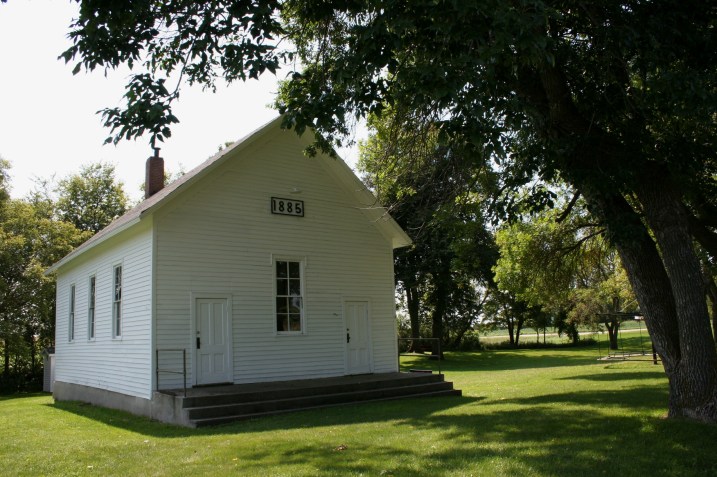
The former Little Prairie School District 15 country schoolhouse near Dundas in rural Rice County Minnesota.

AS THE STORY GOES, and I’ve no reason to believe it’s been embellished, the teacher kept the students inside for recess one afternoon because of coyotes roaming the school grounds.

True story from the one-room Chimney Butte School, rural St. Anthony, North Dakota, in the early 1960s.
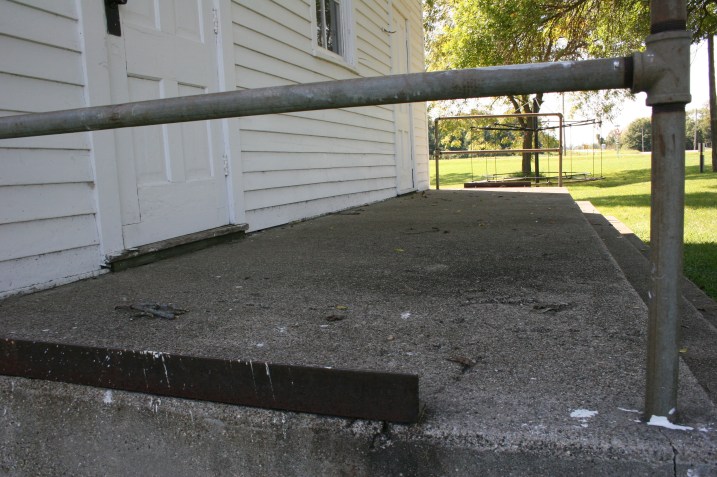
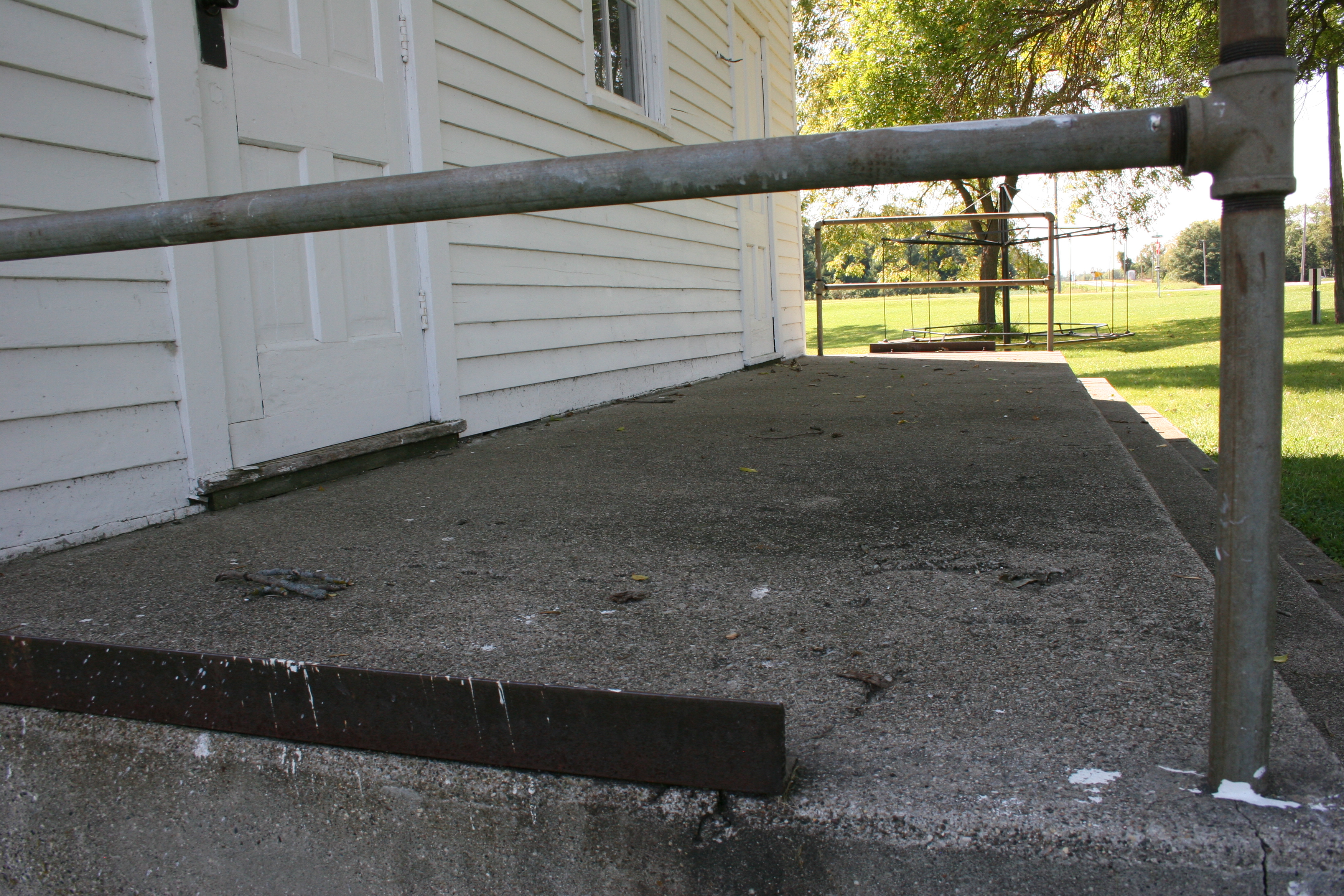
Scrape the mud from your shoes on the metal scraper, left, before stepping inside the Little Prairie school.

This tale, which I suppose does not make it a tale if it’s the truth, flits through my mind every time I step inside a country school, like that at Little Prairie. My husband, one of the Chimney Butte students sheltered from the ranging coyotes, and I came across the 1885 Little Prairie School District 15 country school as we traveled the back roads between Faribault and Dundas.

We’ve previously driven Rice County roads 8 and 77 through the heart of Little Prairie. But I’d only noticed then the historic Little Prairie United Methodist Church and not the old schoolhouse kitty-corner across the tar road.

As I always do, I tried the schoolhouse doors, hoping to get inside, knowing they would be locked. So I cupped my hands around my eyes to reduce the glare and peeked inside the windows, then lifted my camera and shot a few photos.
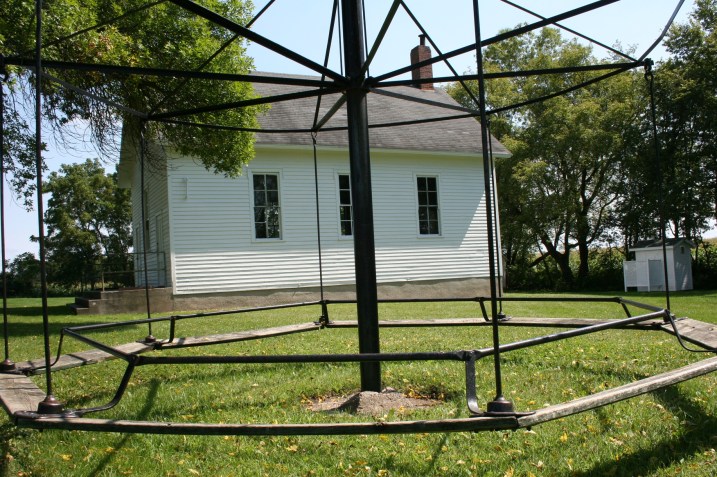
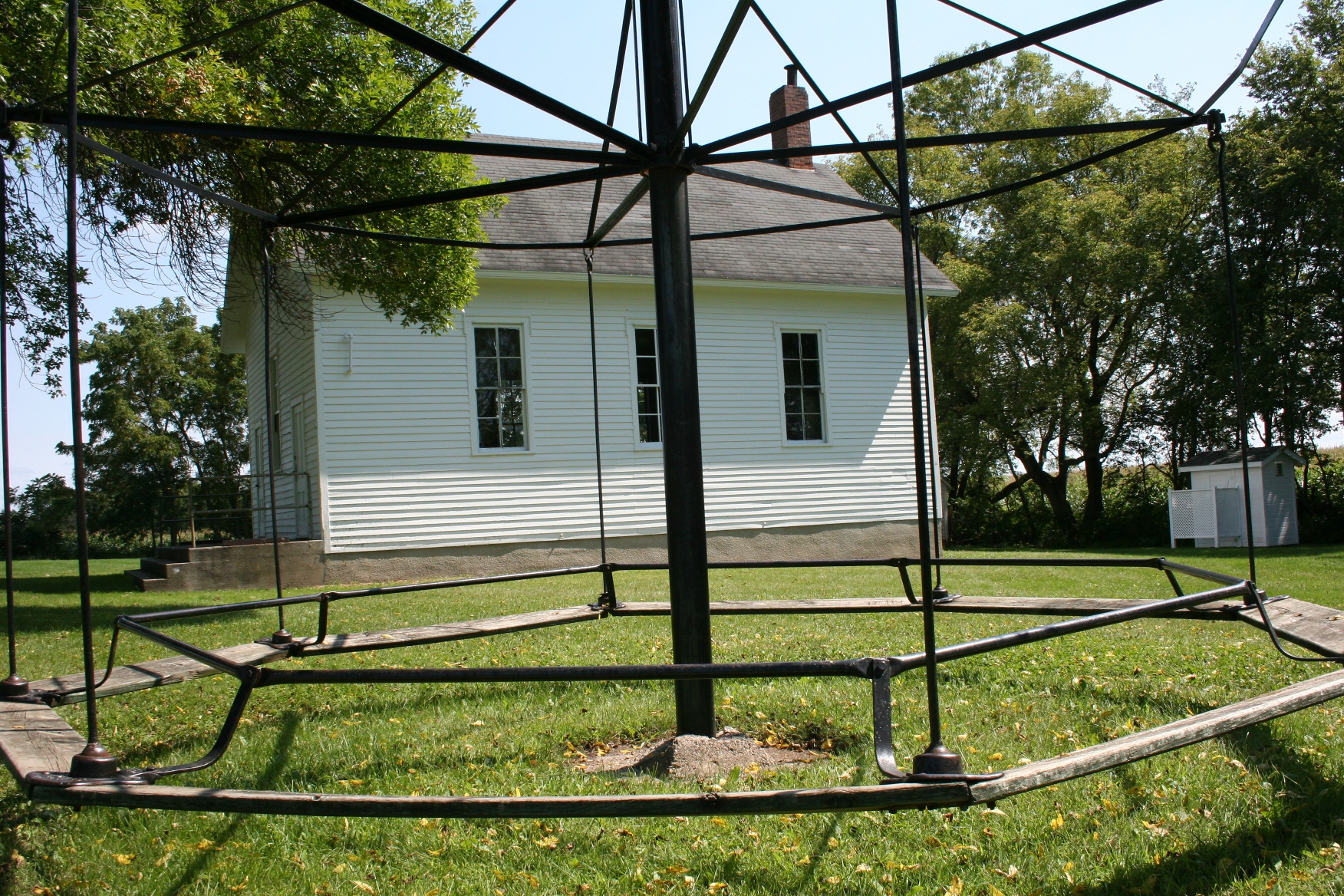
I’ve never seen or ridden a merry-go-round like this one in the Little Prairie school yard. It gently swayed up and down as we circled.

And then, as we spun on the merry-go-round, we noticed the car parked by the church and the man sitting on a bench outside with his back to us. We contemplated that he might be the pastor, a man with a key. Randy even went so far as to suggest that he likely was waiting between appointments to counsel couples engaged to be married.
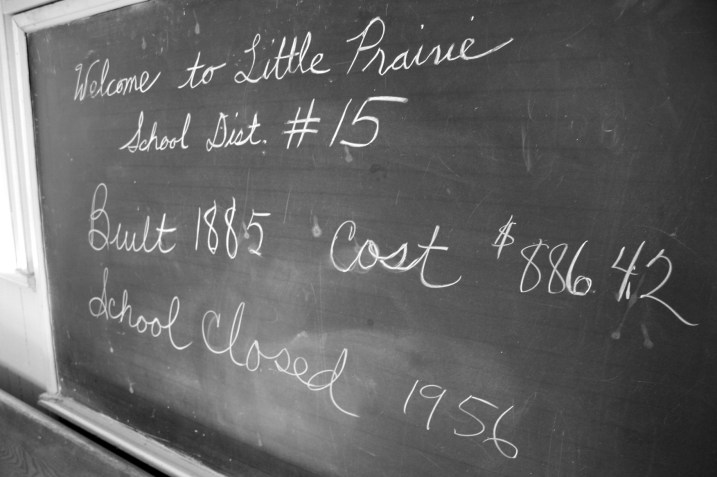
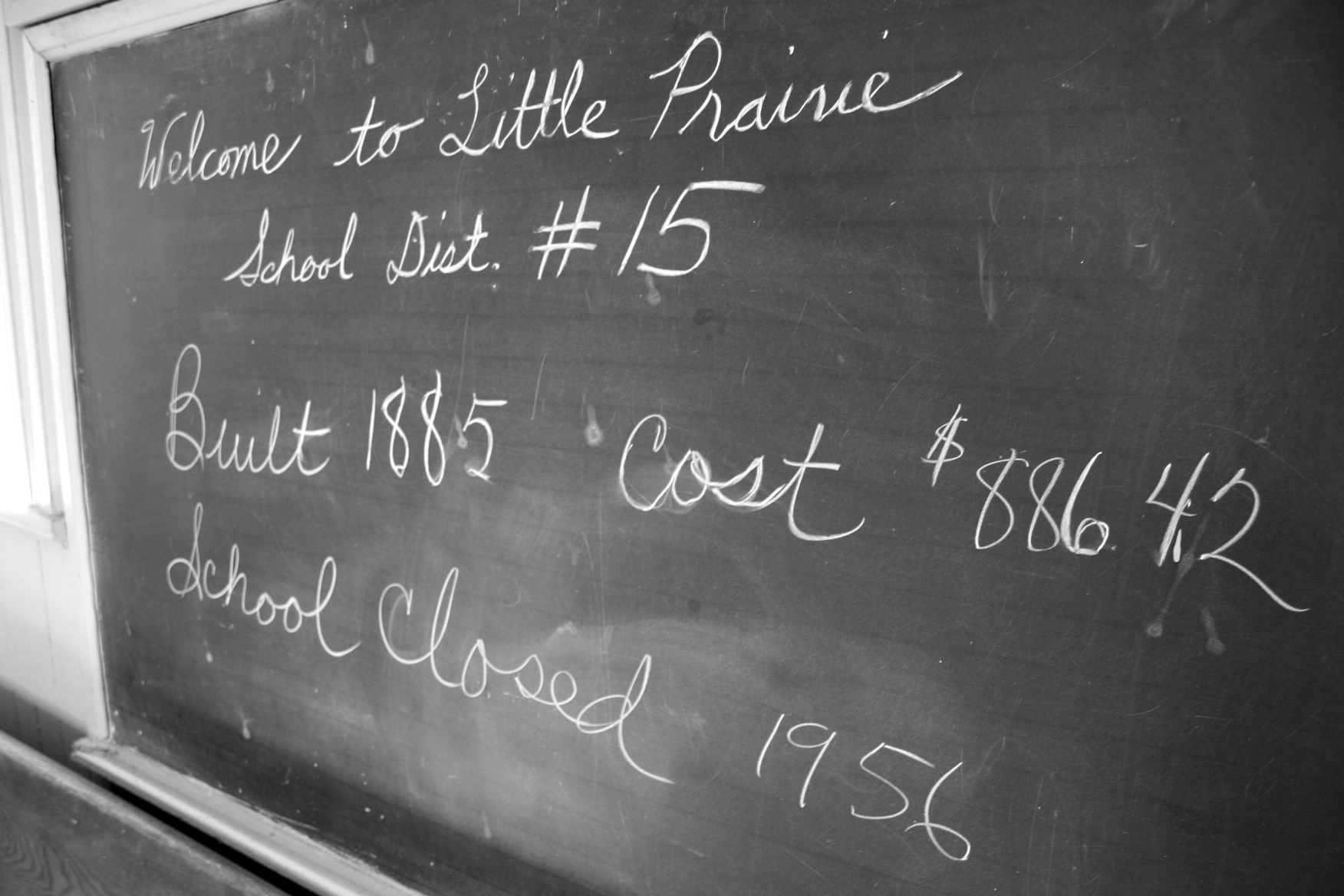
A blackboard, with pertinent historical info about the school.

Eventually the man spotted us, crossed the road and we were in. Pastor Gordon, as he introduced himself, wasn’t leaving us outside for the coyotes, not that we saw any lurking in the vicinity. And, yes, he said, he was between pre-marriage counseling sessions.

Like us, Pastor Gordon Deuel did not grow up in Rice County. Like me, he’s from southwestern Minnesota, except farther west than me, from the prairie town of Hendricks on the Minnesota-South Dakota border. He feels at home here, where he’s pastored Little Prairie for seven years.

I tell you this because he cannot recite the detailed history of the Little Prairie School as a local would. But he possesses, like Randy and me, a deep appreciation for the preservation and history of old buildings such as country schoolhouses and churches.
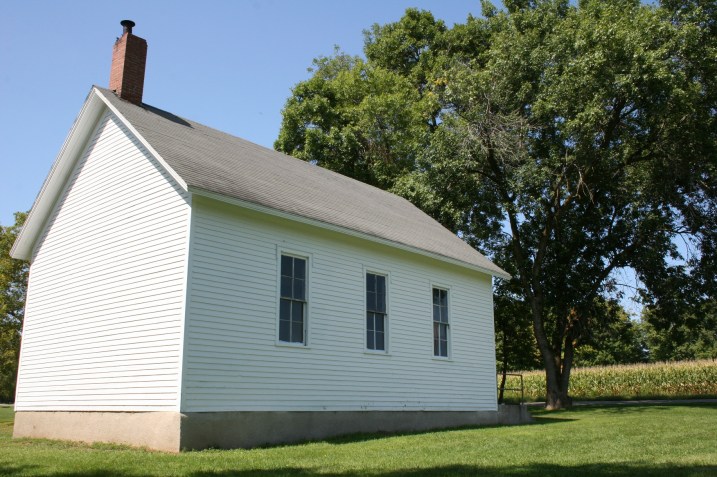
A back and side view of the school, surrounded mostly by cornfields.

Just that morning his congregation had planned to gather in the school yard for a worship service and community potluck picnic. But the heavy dew moved the event into the church. The school is opened several times a year for public touring and occasionally for solo stops like ours or group tours by former students.
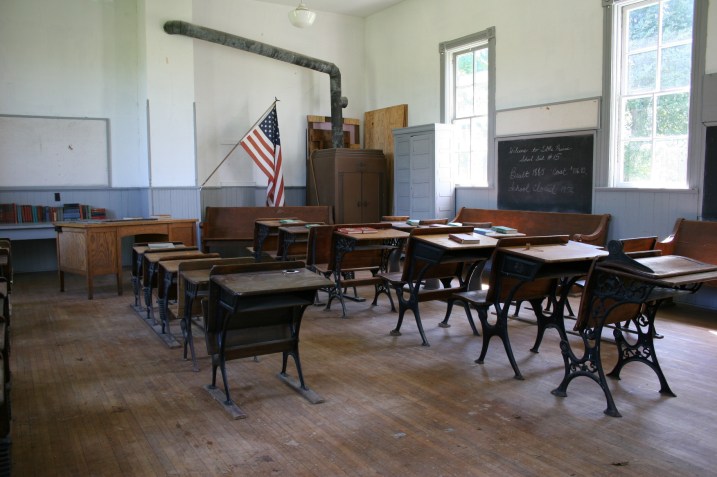
Looking to the front and one side of the school.

We came away from our chat with a realization that the people of Little Prairie care deeply for their little country schoolhouse. Although owned by the church, the school is really a community project embraced by those who live around Little Prairie and/or attend the Methodist church and also by members of the local Full-O-Pep 4-H Club, Pastor Gordon informs us. They form the informal “Schoolhouse Committee” which maintains the building and property.

Pastor Gordon remembers how several terminally ill individuals from the Northfield and Faribault areas wanted to give back to the community. So, for a small fee, they were hired to paint the exterior of the school.

Many old books were lined precisely on a table behind the teacher’s desk.

Such care for country schools is shown likewise at the 1881 District 20 Millersburg School to the north and west near Millersburg. There members of the Christdala Preservation Association have converted the one-room country school into a museum. Randy and I discovered it two years ago, during the annual association meeting and worship service at Christdala Evangelical Swedish Lutheran Church just down Rice County Road 1.

Minnesota photographer Doug Ohman, in his Minnesota Byways series book Schoolhouses of Minnesota, features “120 color photographs that illuminate the simple, often abandoned, sometimes refurbished, and nearly vanishing Minnesota pioneer and early schoolhouses.”
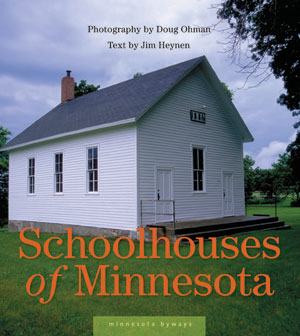
That’s Little Prairie School on the cover of Doug Ohman’s book.

Gracing the cover of that volume—Little Prairie School District #15.
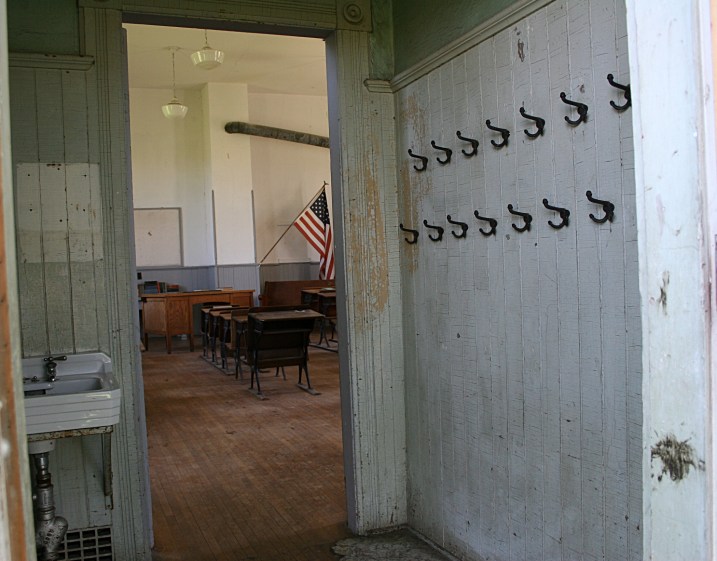
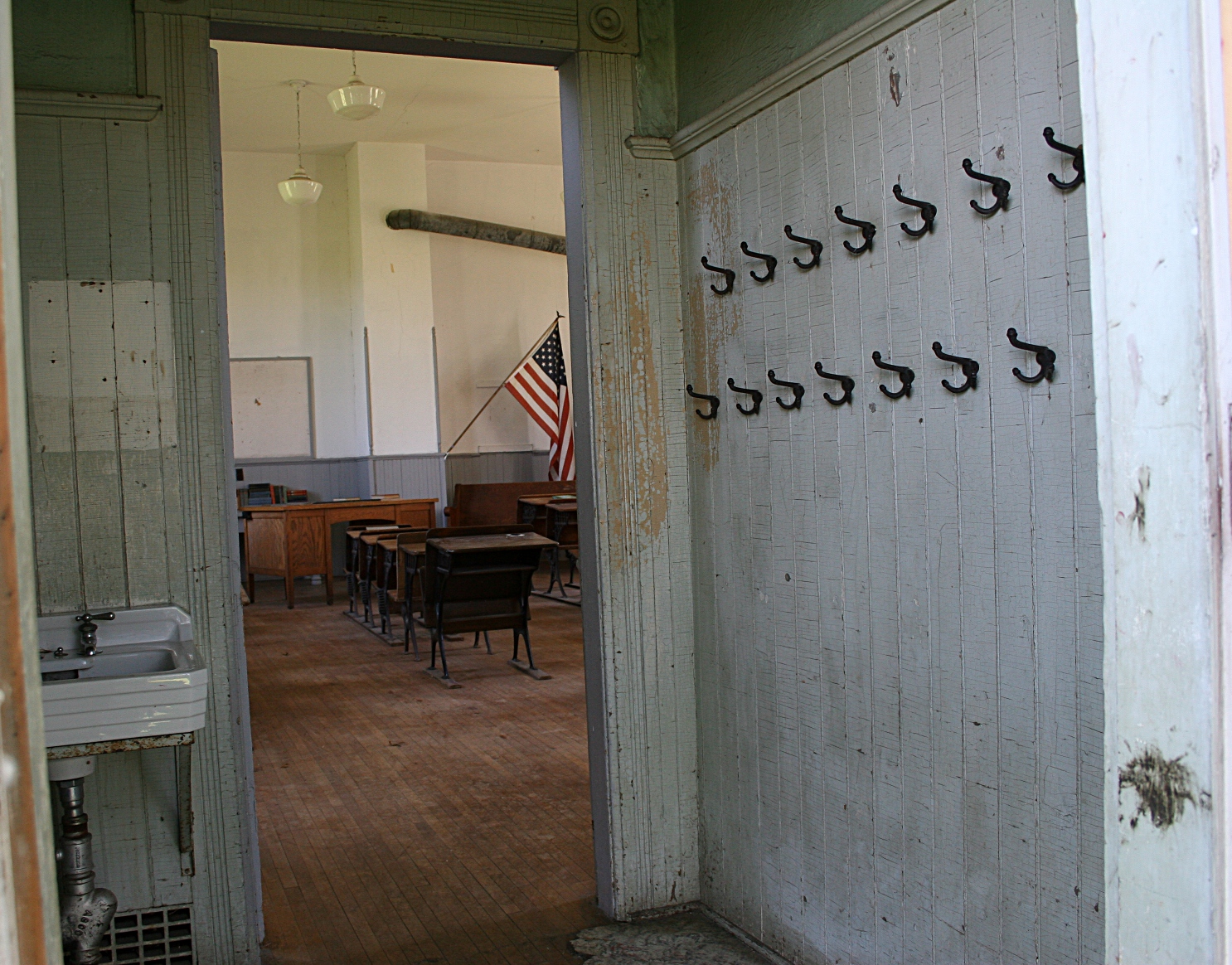
The school entry, with a place to hang coats, right, and a sink to wash up, left.
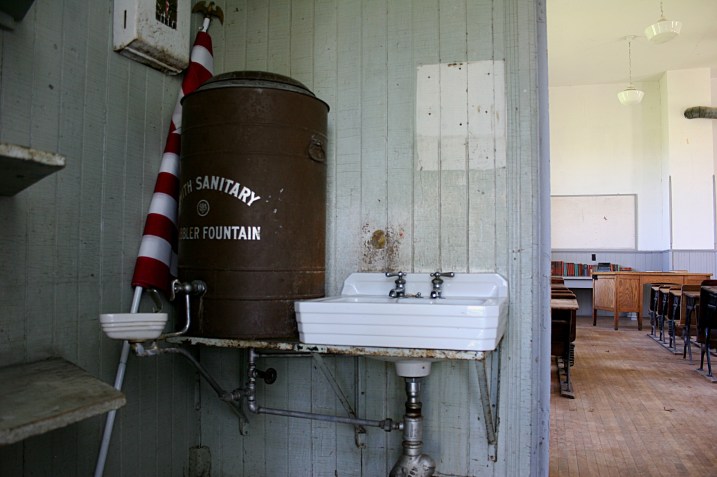
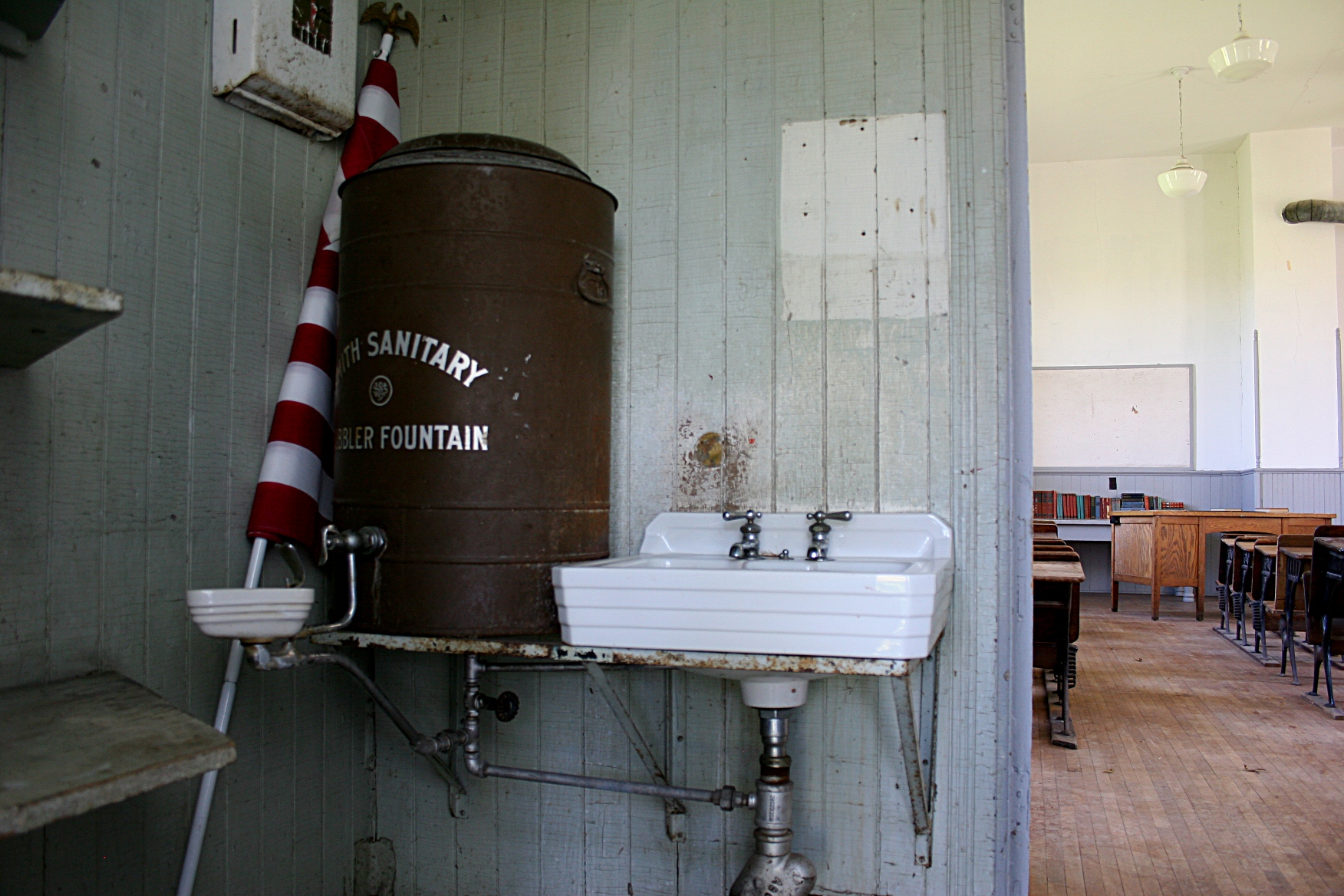
Another view of that same entry with the water fountain to the left of the sink.
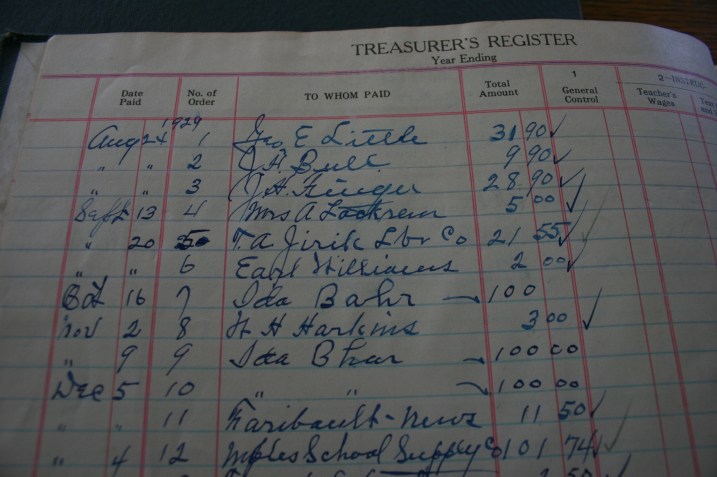
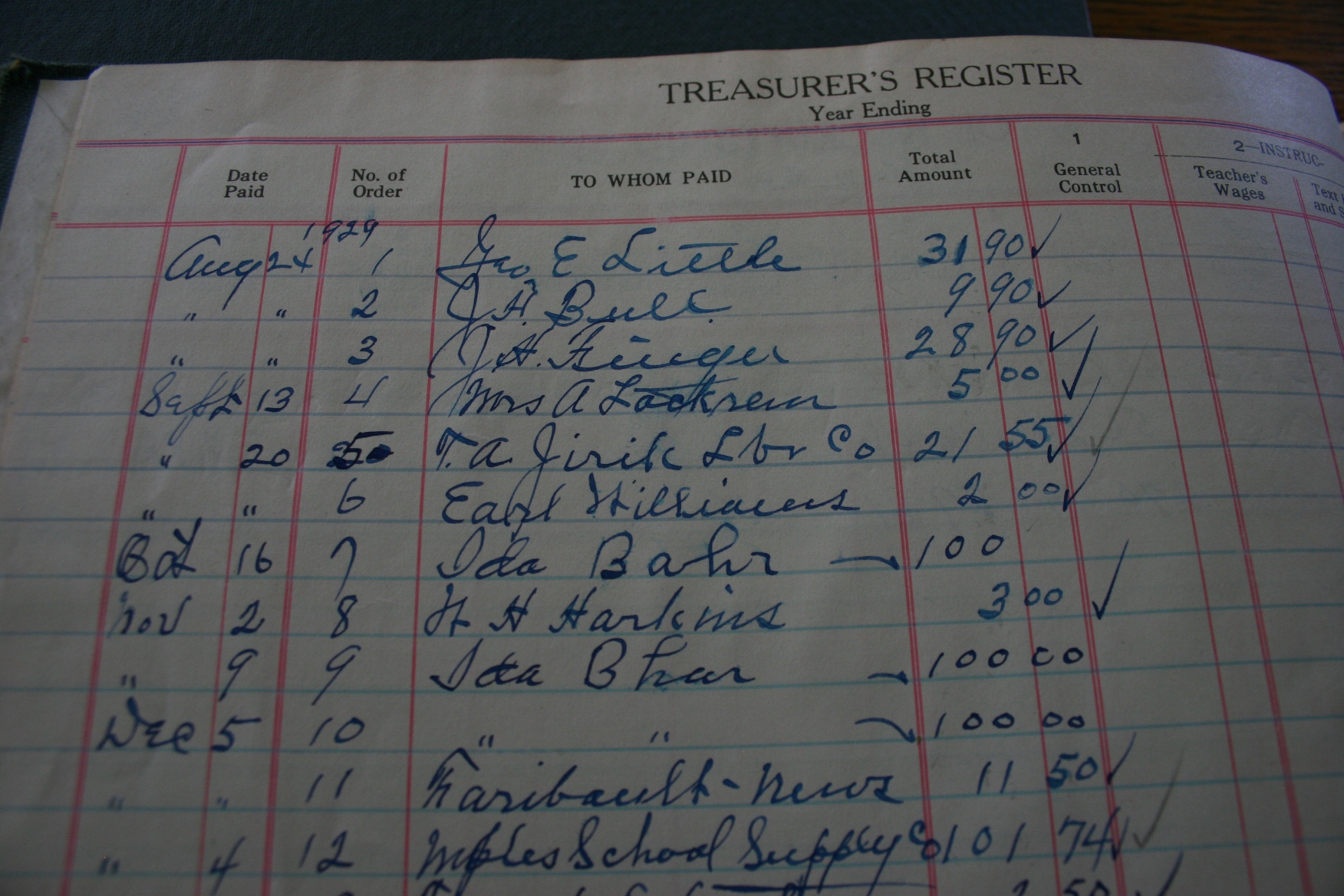
The school treasurer’s bookkeeping register from 1929.
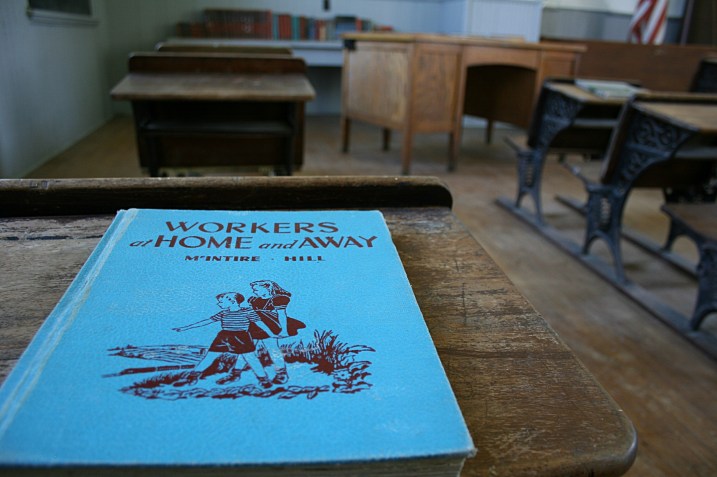
If only I’d had time to peruse all the wonderful old books inside this school.

Looking toward the back of the school.
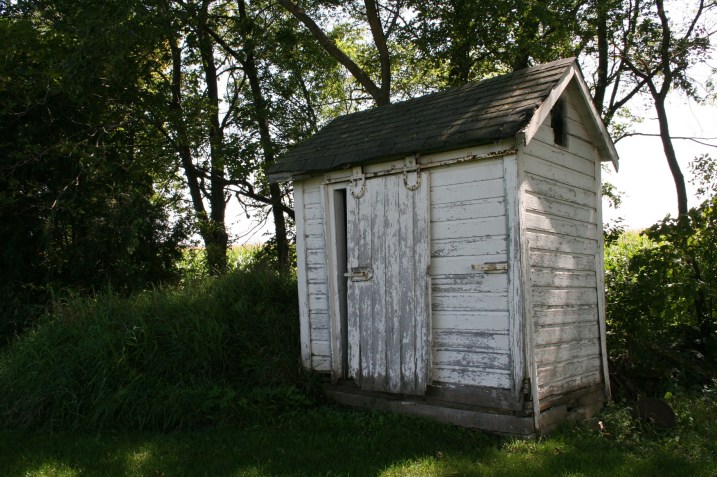
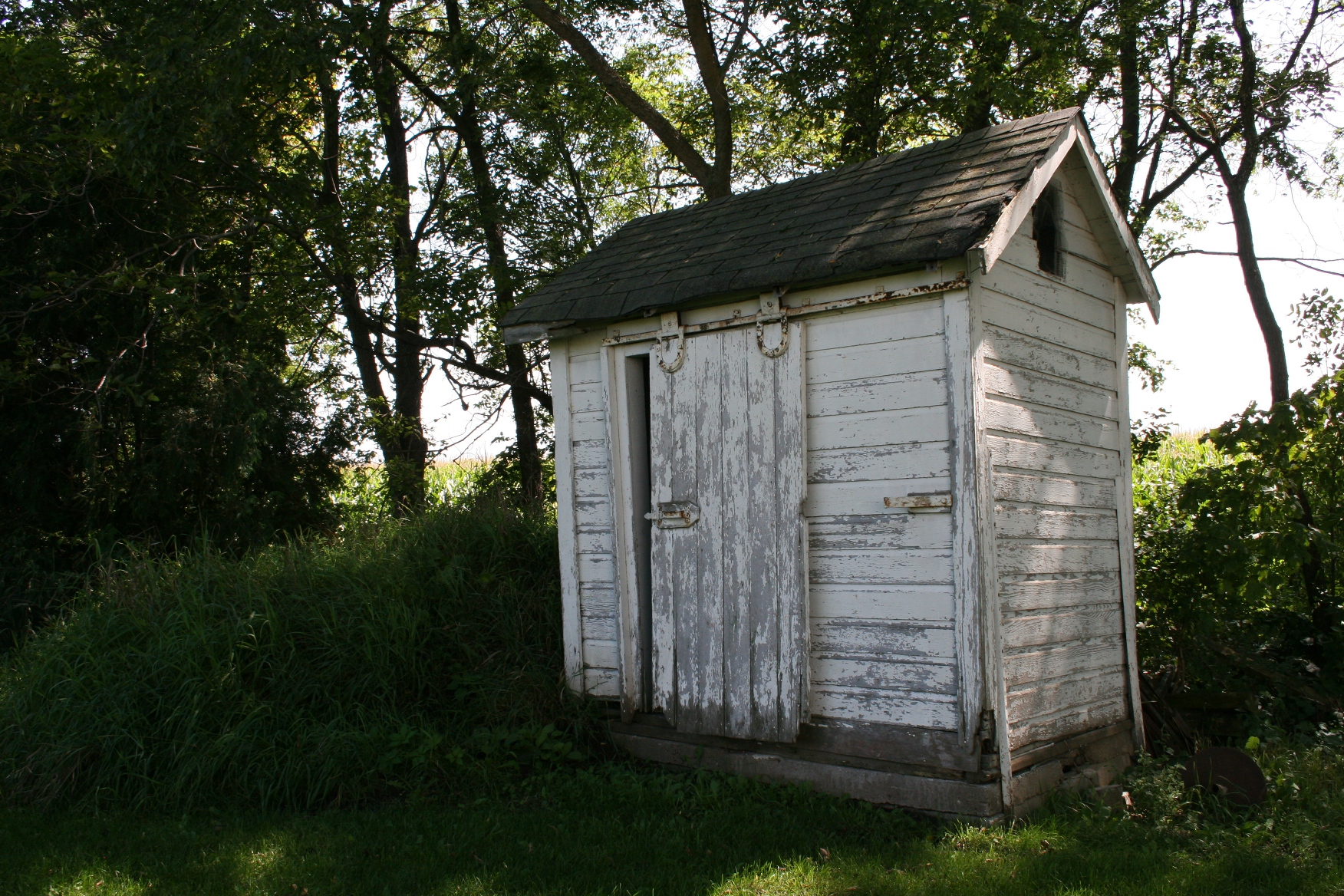
An old shed, I think the outhouse; I did not peer inside.

FYI: These images were shot last summer when my husband and I stopped at the school while on a Sunday afternoon drive.

© Copyright 2012 Audrey Kletscher Helbling


In North Morristown: A photo essay of Minnesota’s oldest July 4th celebration July 4, 2013

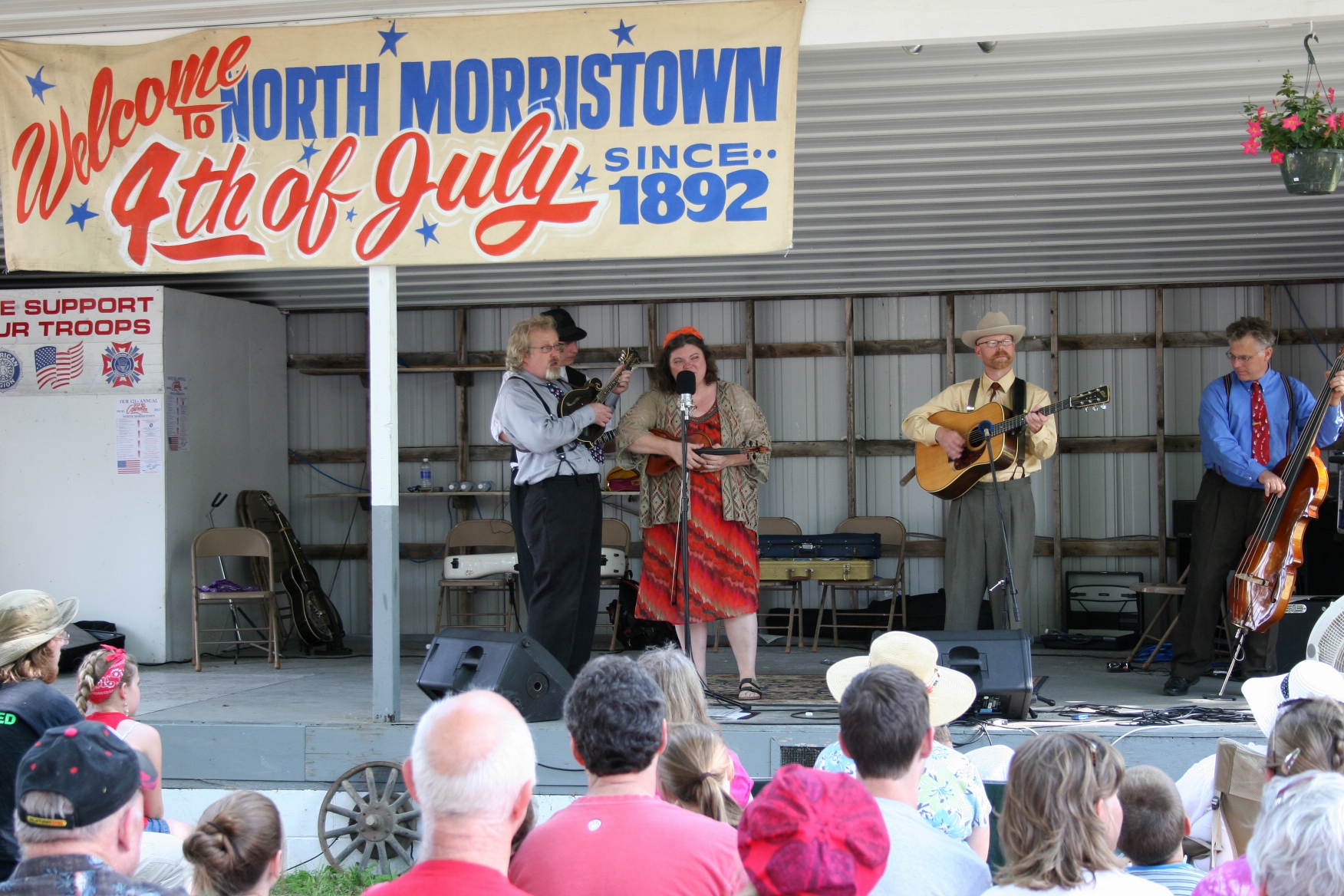
The bluegrass band, Monroe Crossing, has performed at North Morristown the past seven years, presenting two concerts at the celebration.

The bluegrass band, Monroe Crossing, has performed at North Morristown the past seven years, presenting two concerts at the celebration this year.

NORTH MORRISTOWN, MINNESOTA, is about as rural Americana as you’ll find anywhere in these United States of America on the Fourth of July.

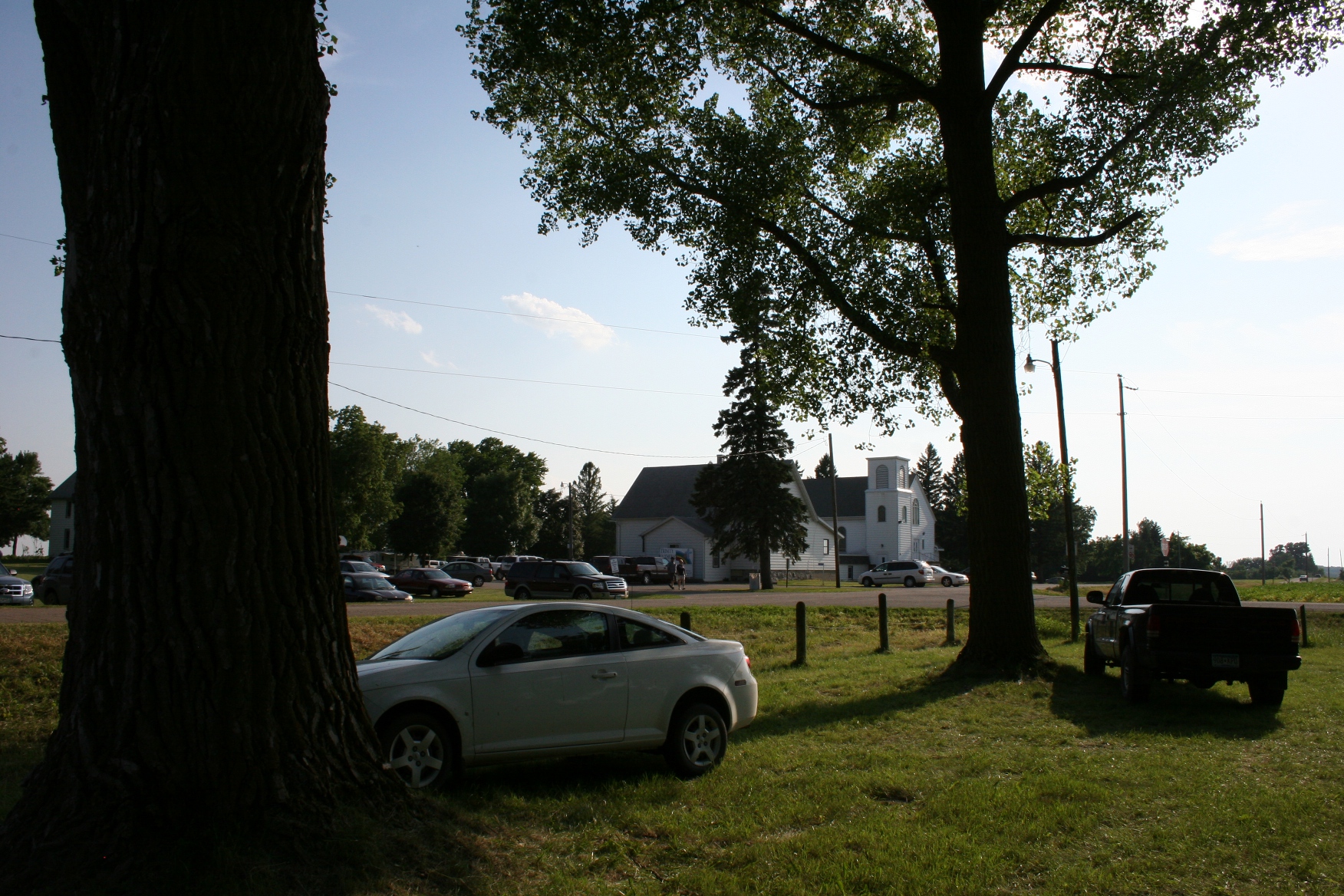
The event is held at the North Morristown picnic grounds in southwestern Rice County.

The event is held at the North Morristown picnic grounds in southwestern Rice County.

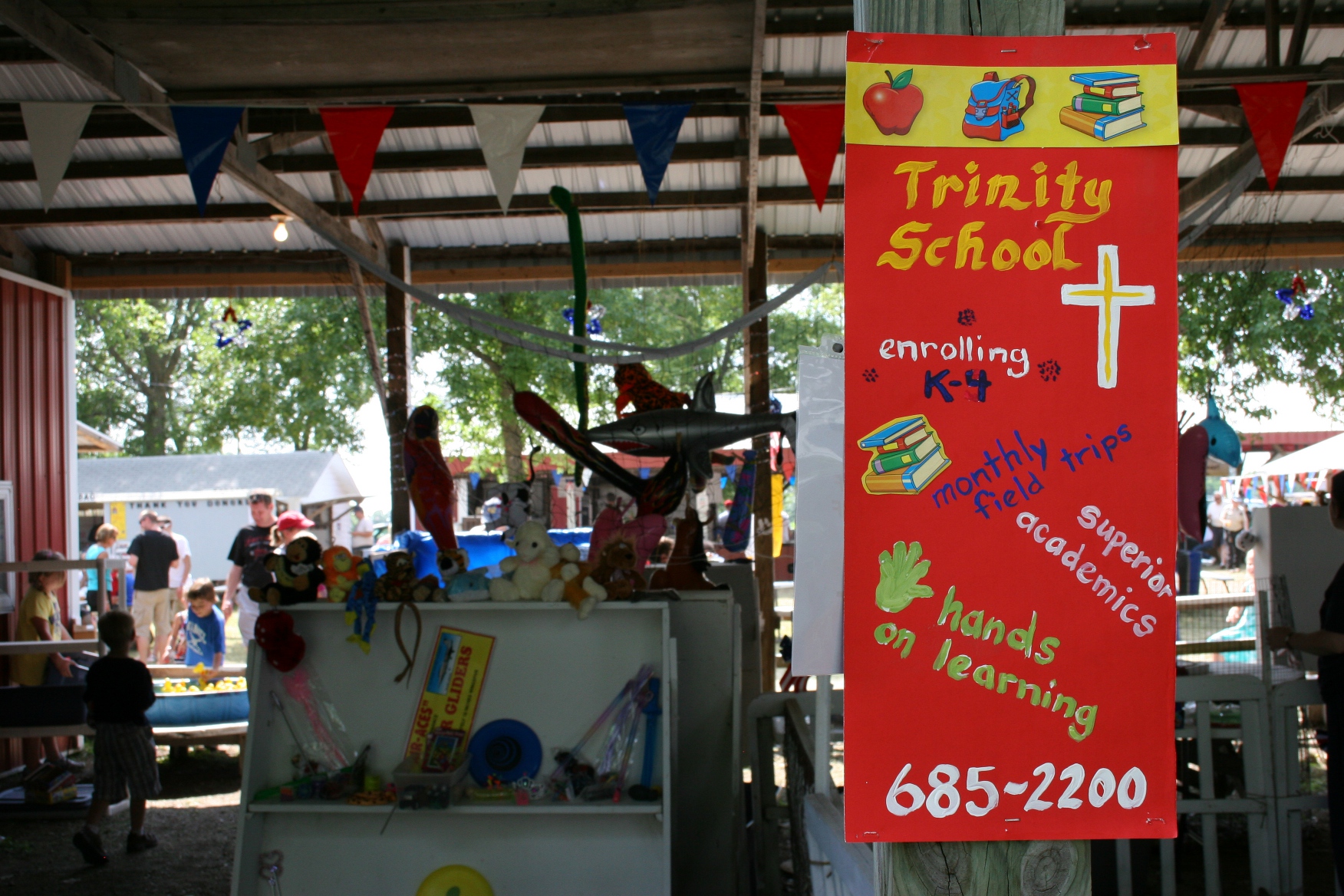
Trinity Lutheran Church and School sit across the road from the picnic grounds.

Trinity Lutheran Church and School sit across the road from the picnic grounds.

Here, on the picnic grounds of Trinity Lutheran Church and School, generations of families have gathered for 121 years to celebrate our nation’s birthday with family and friends at our state’s oldest Independence Day celebration, begun in 1892.

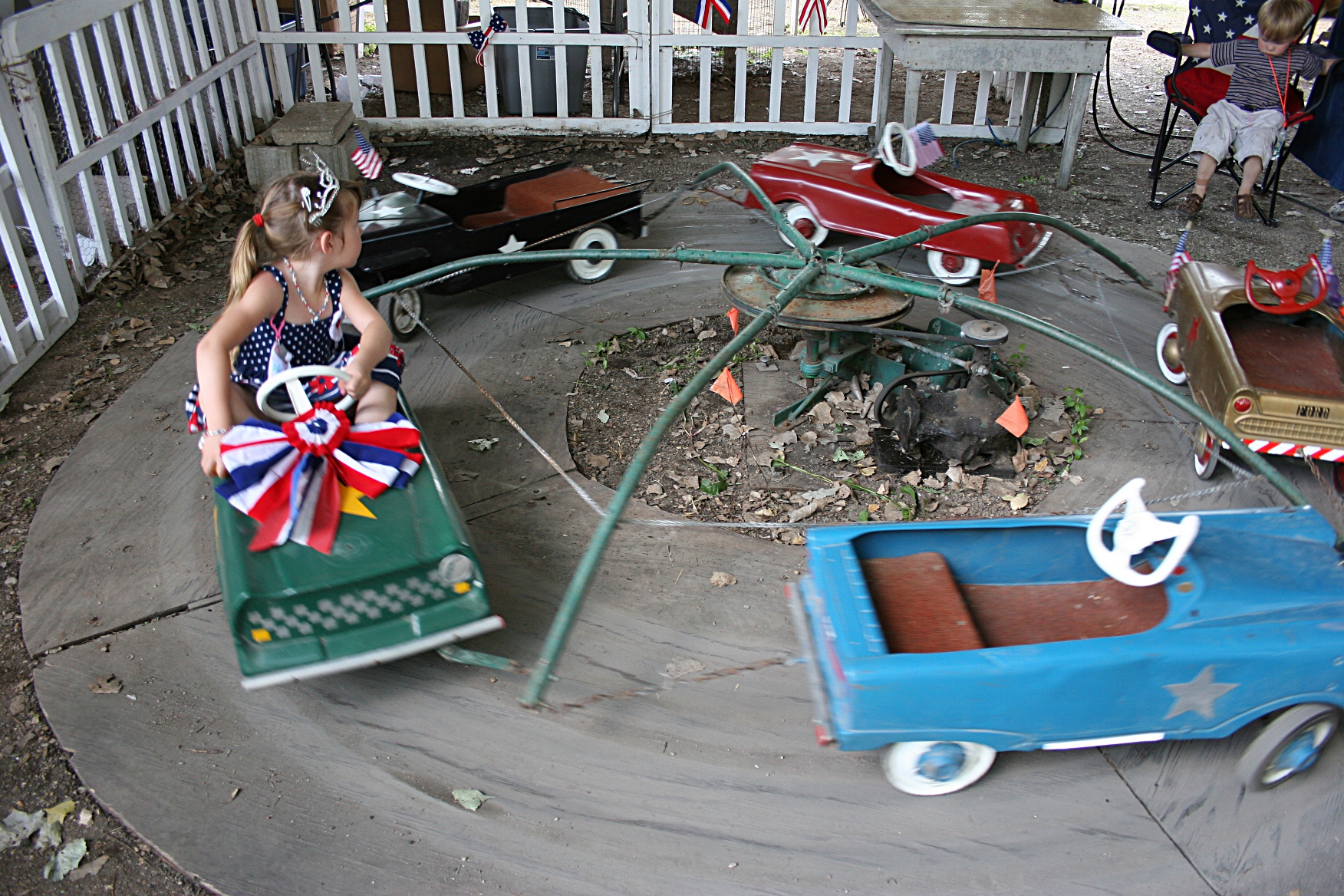
The vintage car ride for kids.

The vintage car ride for kids.

The day brings old-fashioned games and rides for the kids, bingo, music, a scavenger hunt, a parade, a patriotic program and more. Fireworks shot over farm fields cap the day’s festivities.

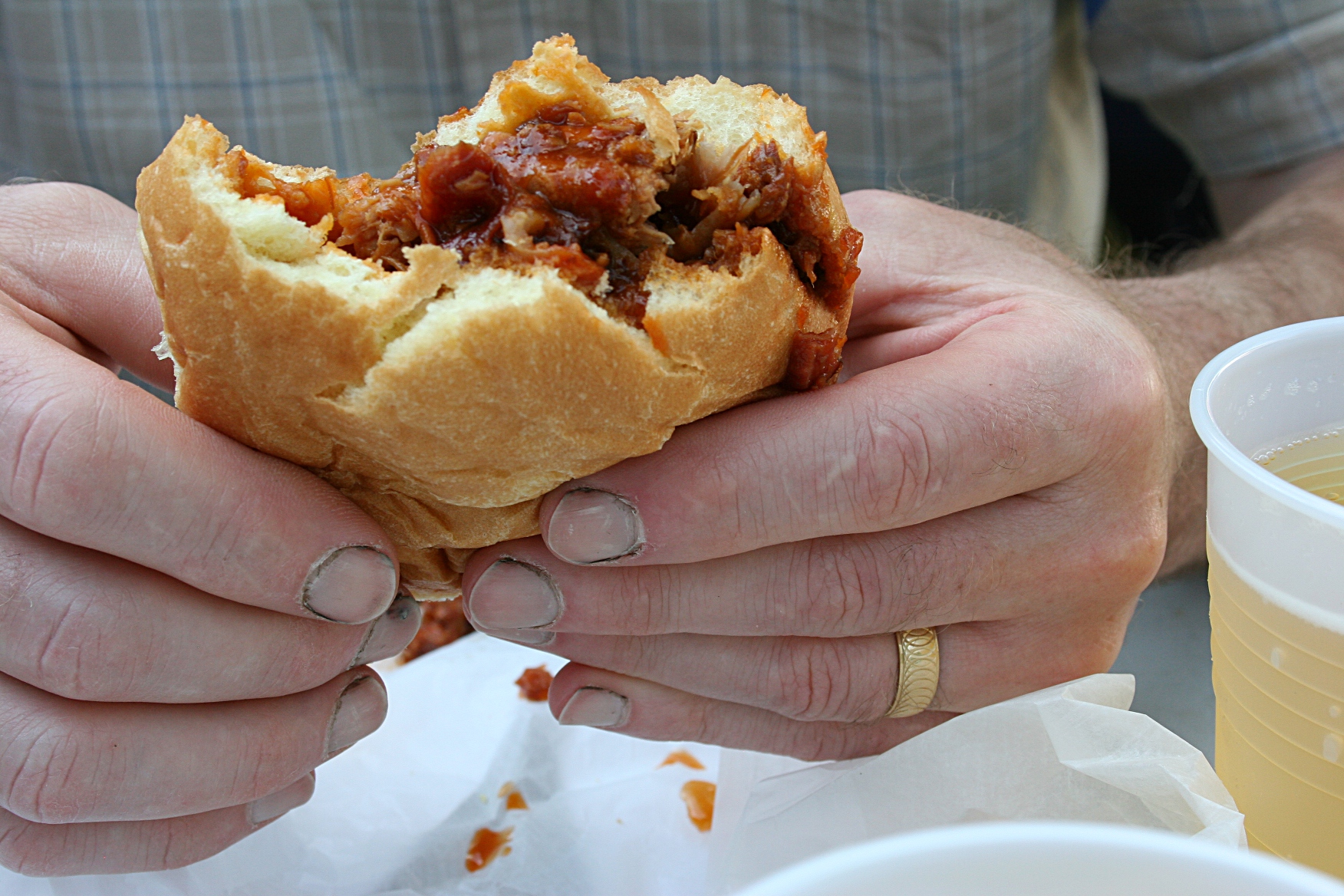
Enjoying a pork sandwich and a beer.

Enjoying a pork sandwich and a beer.

And the food, oh, the food. Homemade pies. Savory hot pork and beef sandwiches, burgers, thick onion rings, and more.

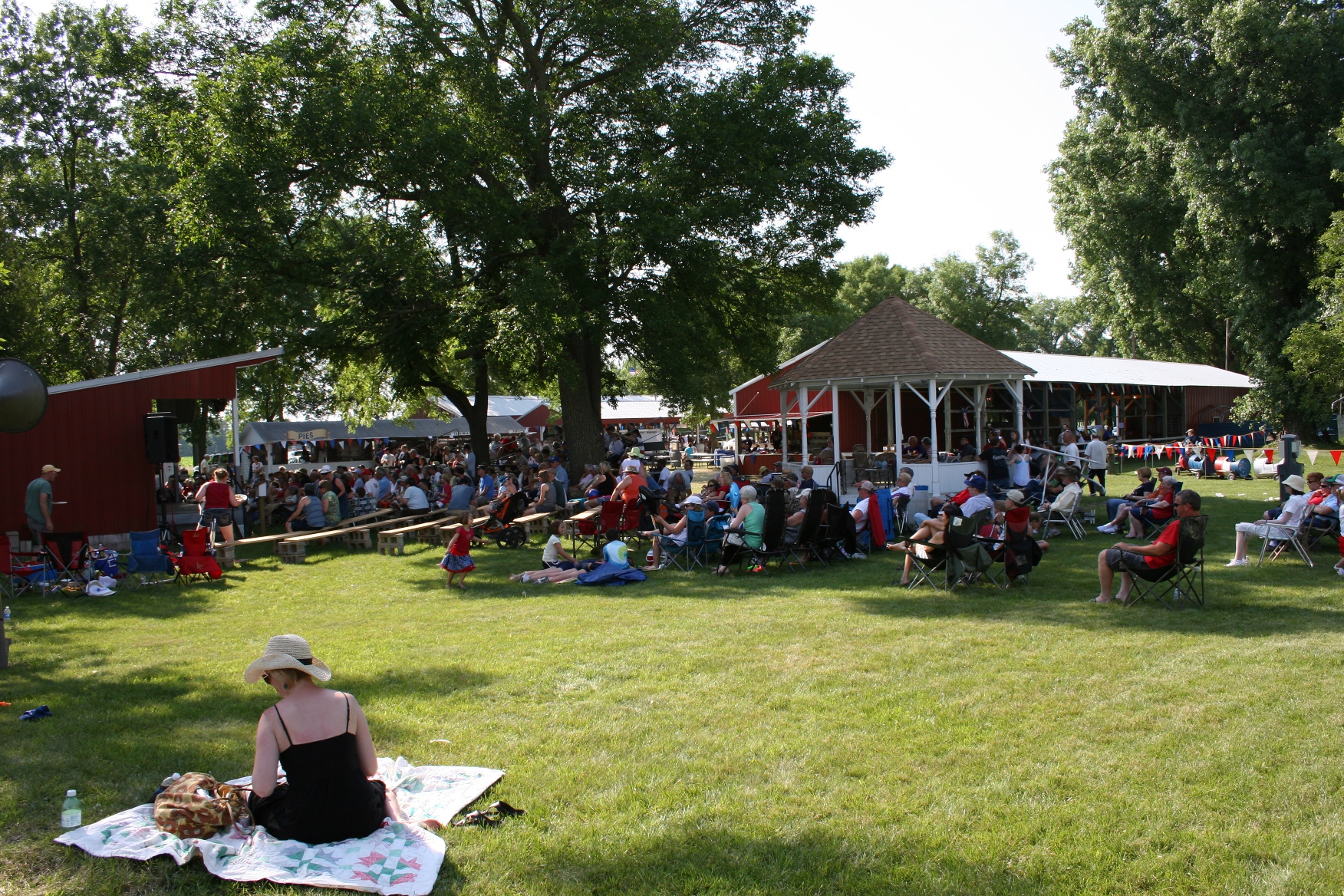
A large crowd enjoys a free afternoon concert by Monroe Crossing.

A large crowd enjoys a free afternoon concert by Monroe Crossing.

What a day. What a celebration.

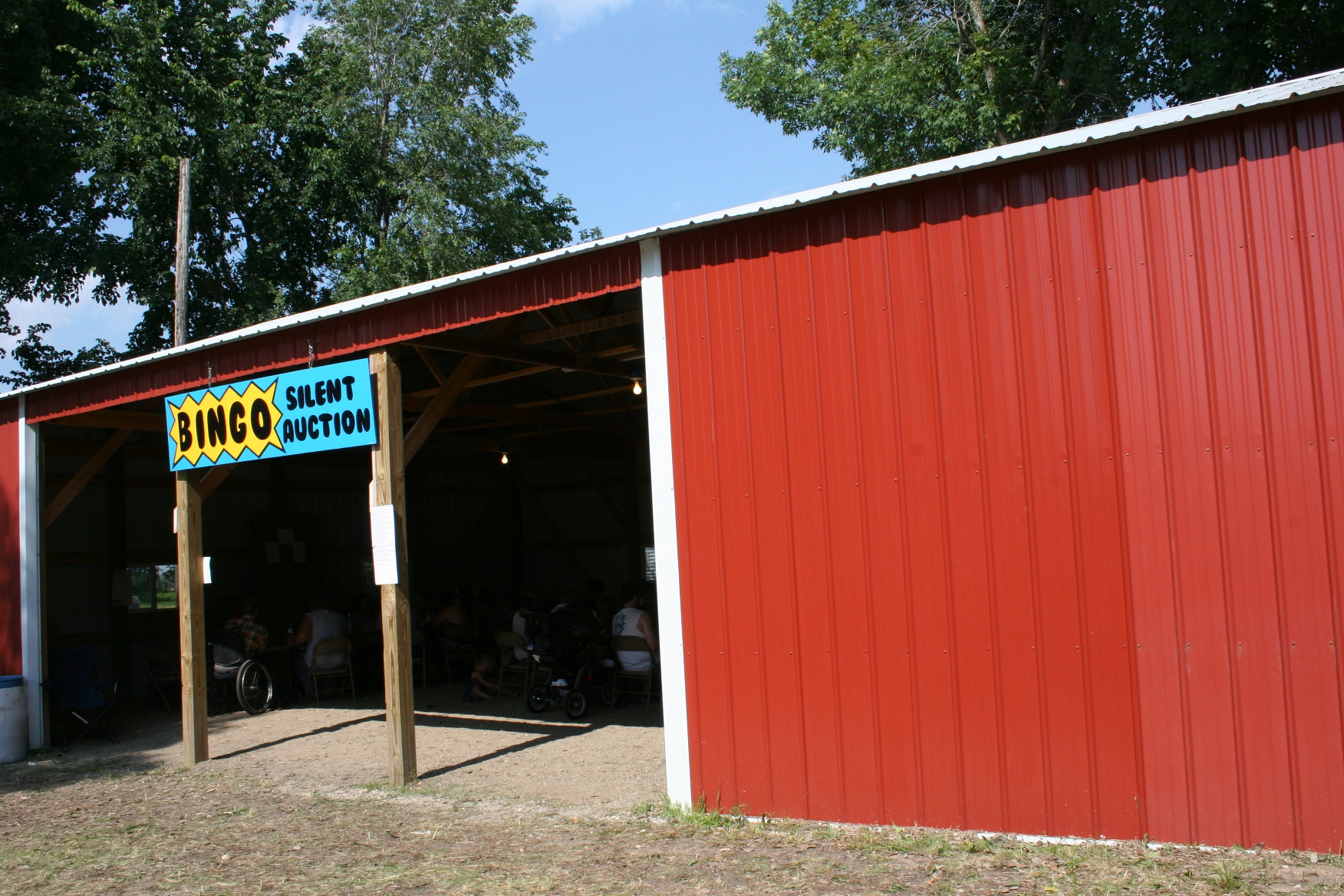
One pole shed is dedicated to bingo.

One section of a pole shed is dedicated to bingo and a silent auction.

The bingo callers.

The bingo callers.

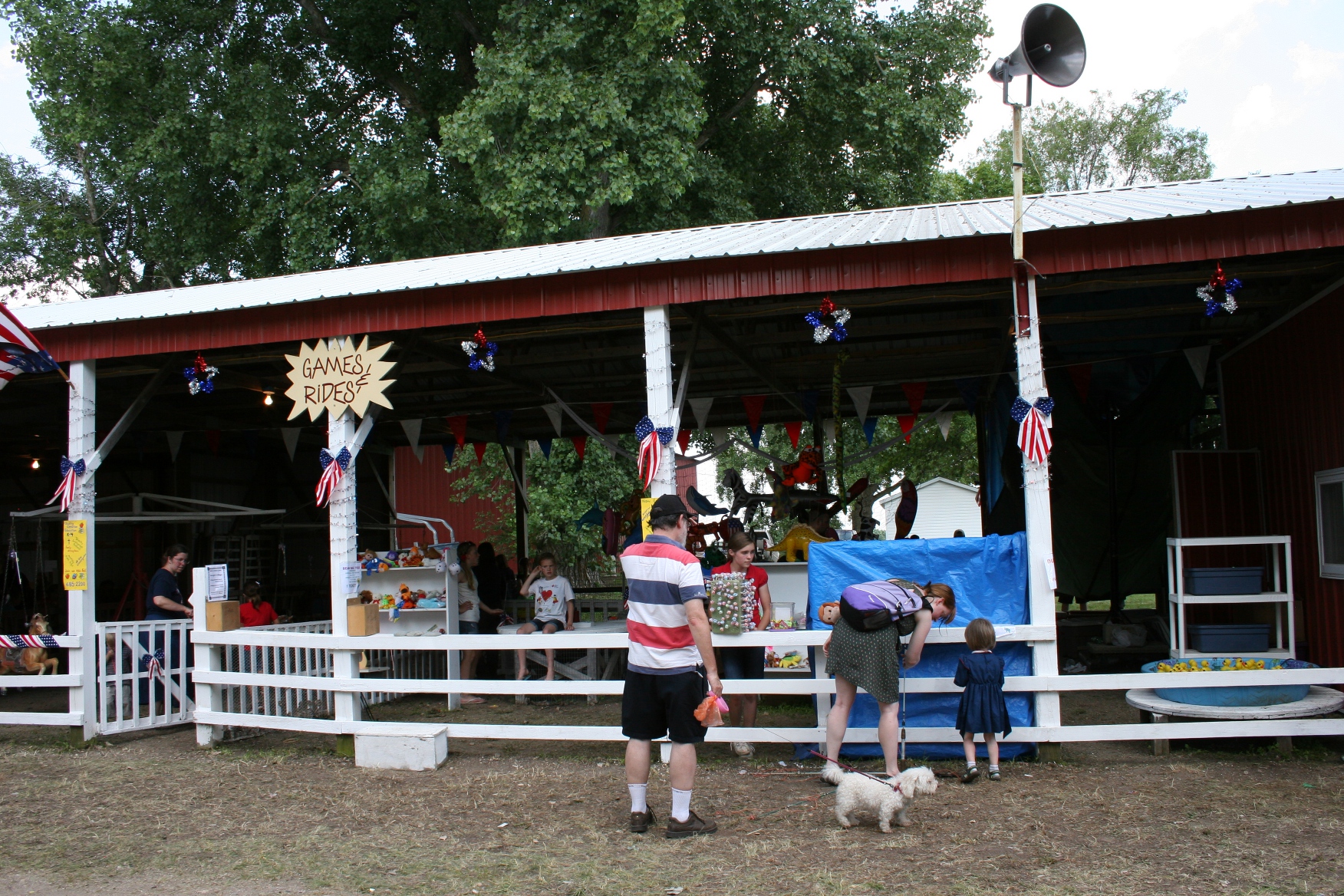
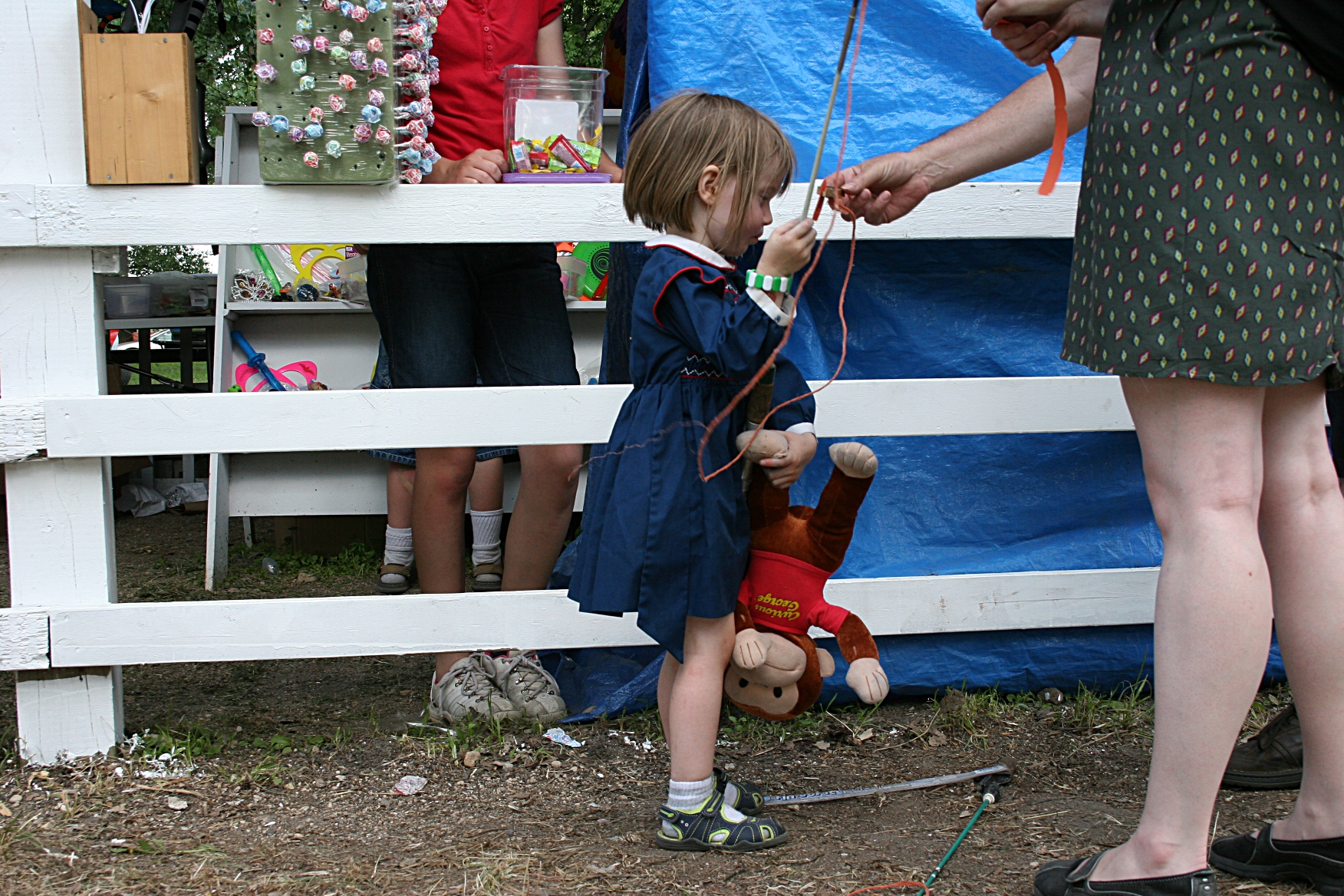
Fun for the kids in the games and rides building.

Fun for the kids in the games and rides building.

A ticket for the fish pond.

A ticket for the fish pond.

Filling the squirt gun in the duck pond.

Filling the squirt gun in the duck pond.

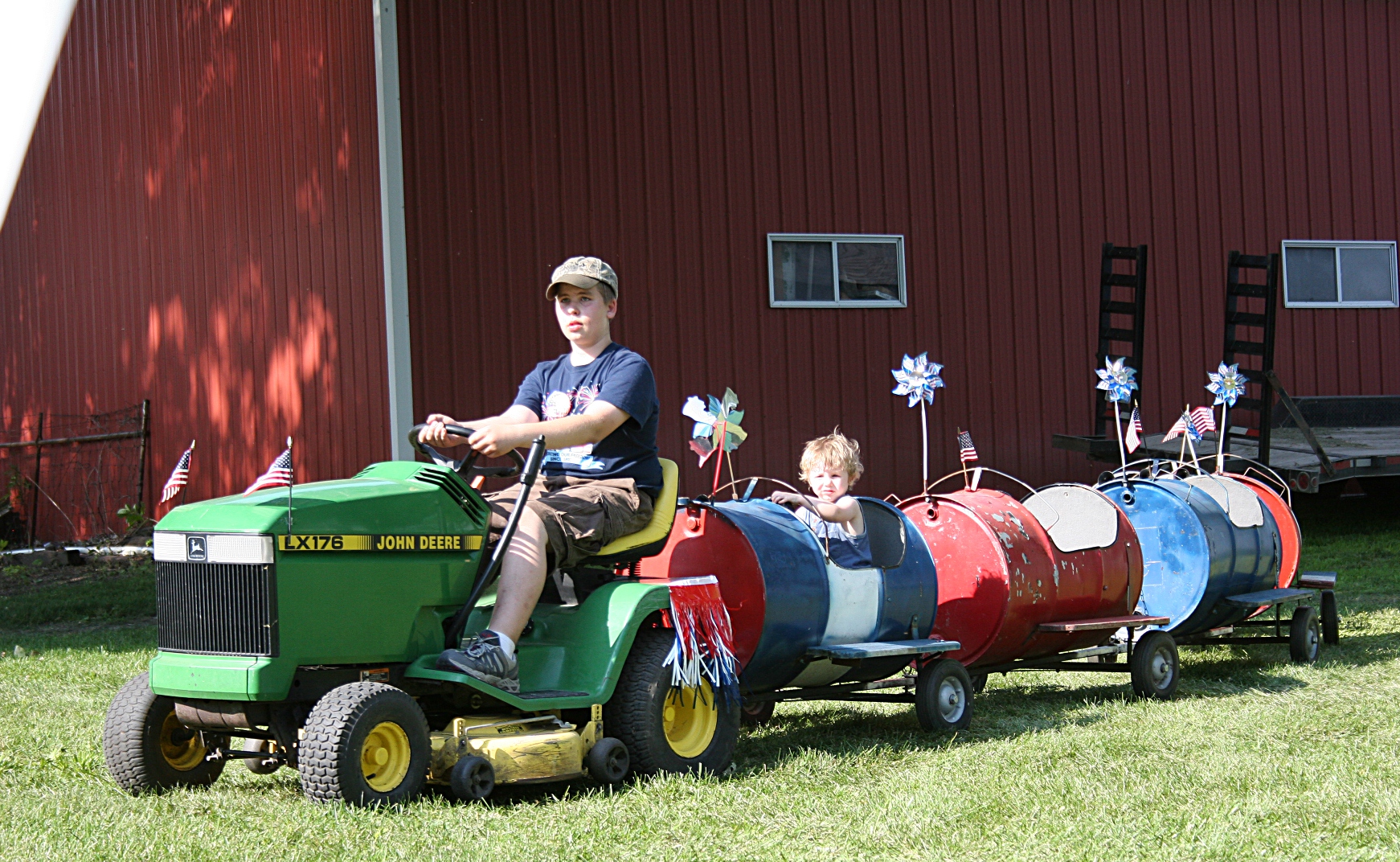
Riding the old-fashioned barrel train.

Riding the old-fashioned barrel train.

The day's proceeds benefit Trinity Lutheran School.

The day’s proceeds benefit Trinity Lutheran School.

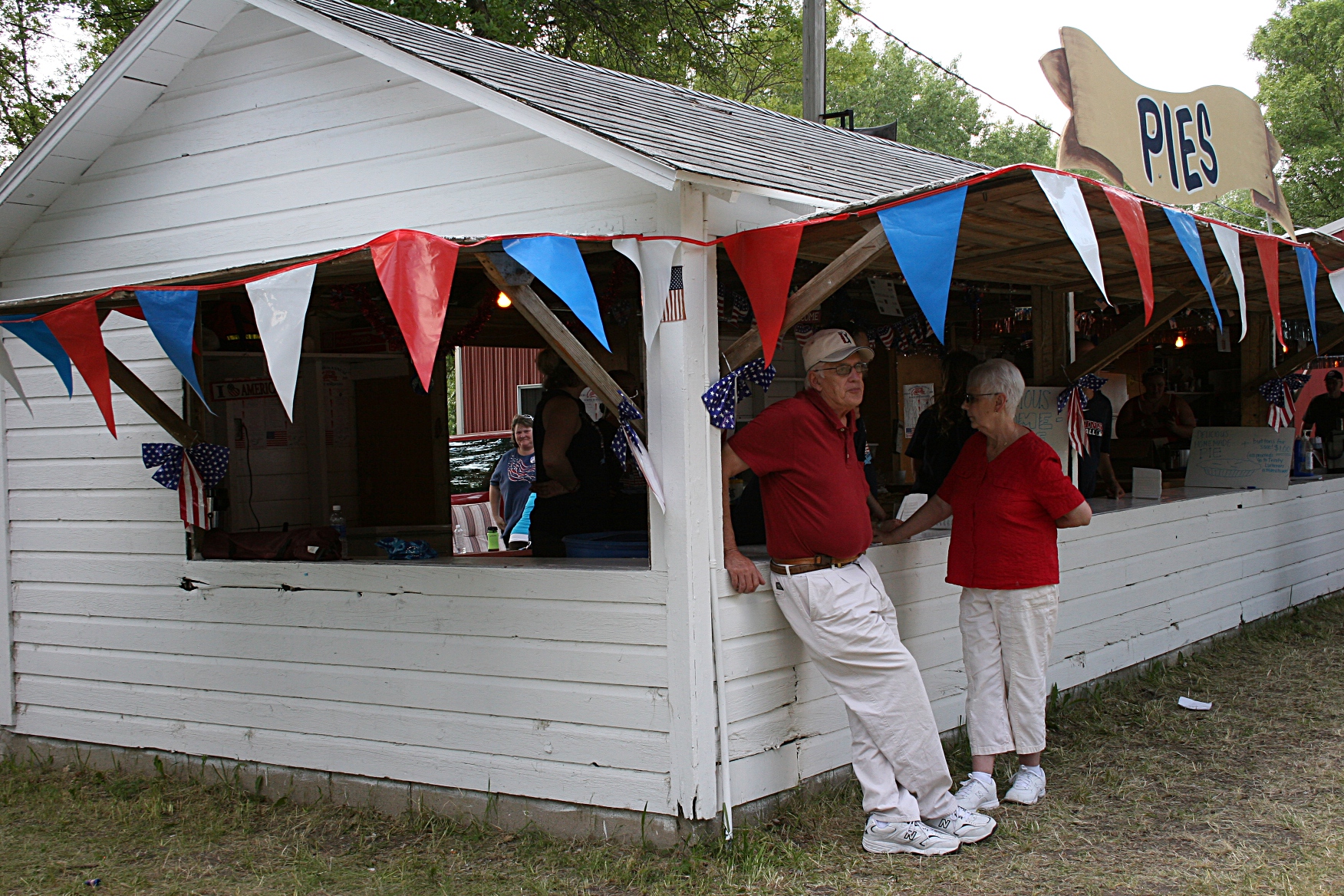
Homemade pies and ice cream are served from the pie building.

Homemade pies and ice cream are served from the pie building.

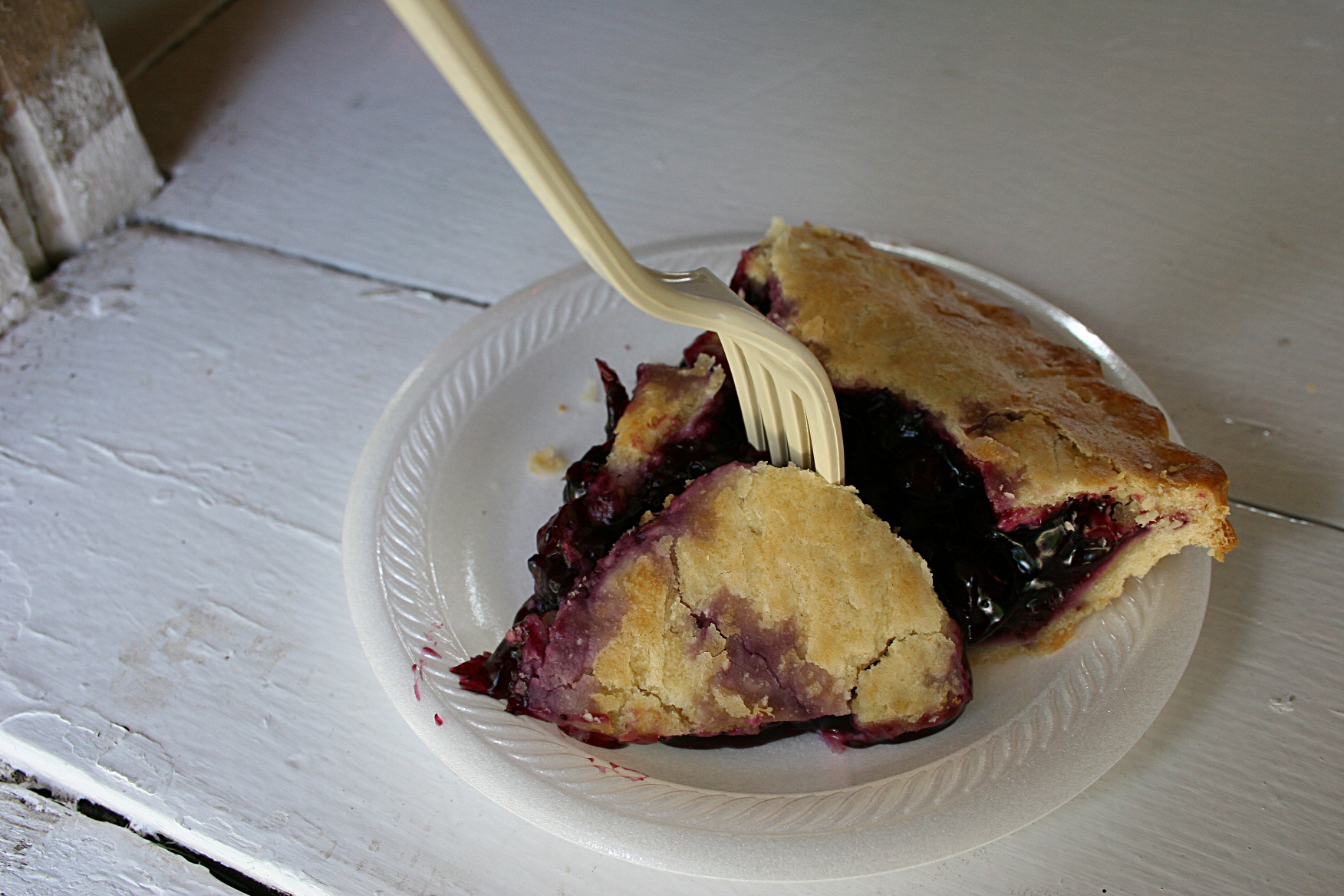
Blueberry pie.

Blueberry pie.

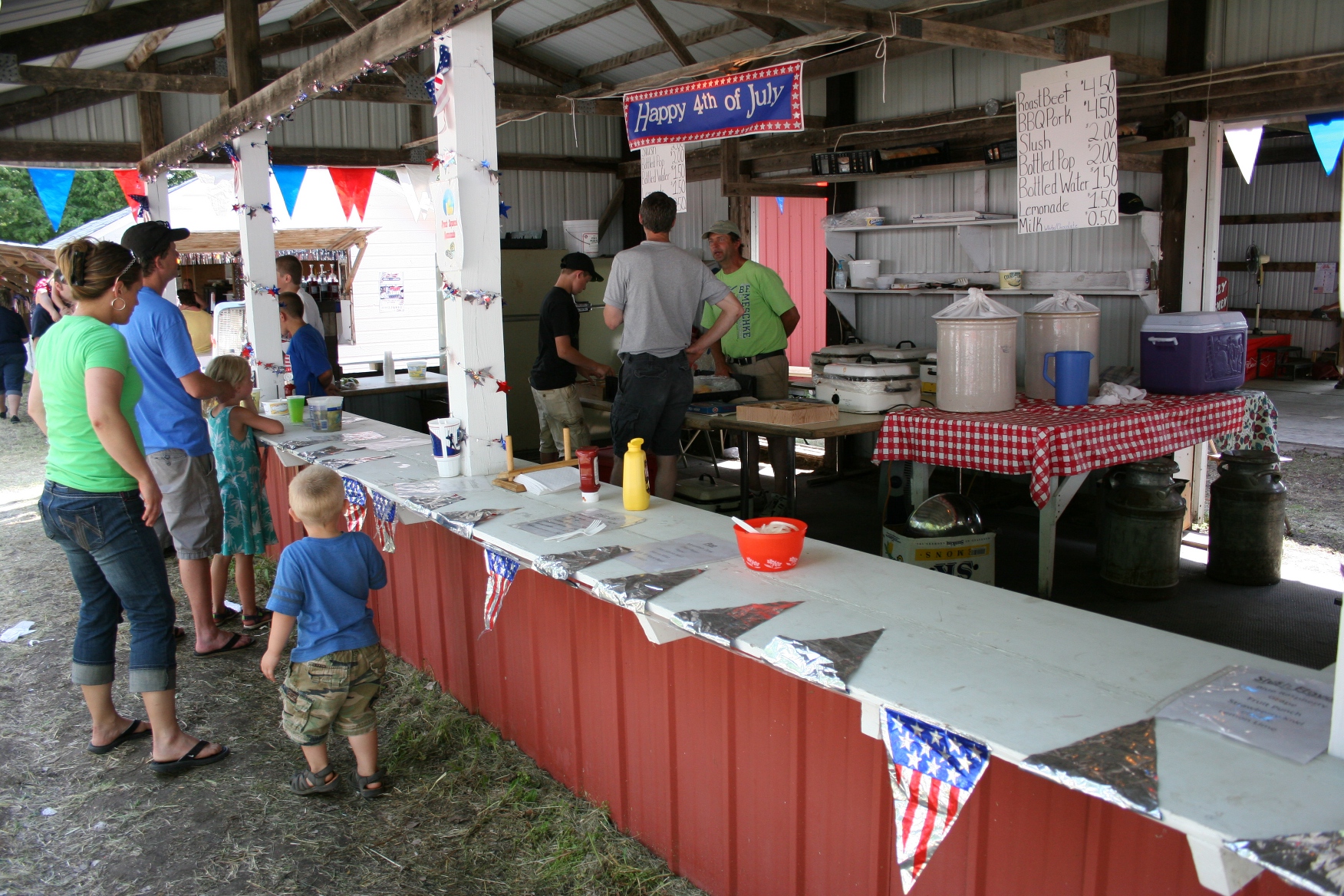
Hot pork and beef sandwiches and cold beverages are served from this stand.

Hot pork and beef sandwiches and cold beverages are served from this stand.

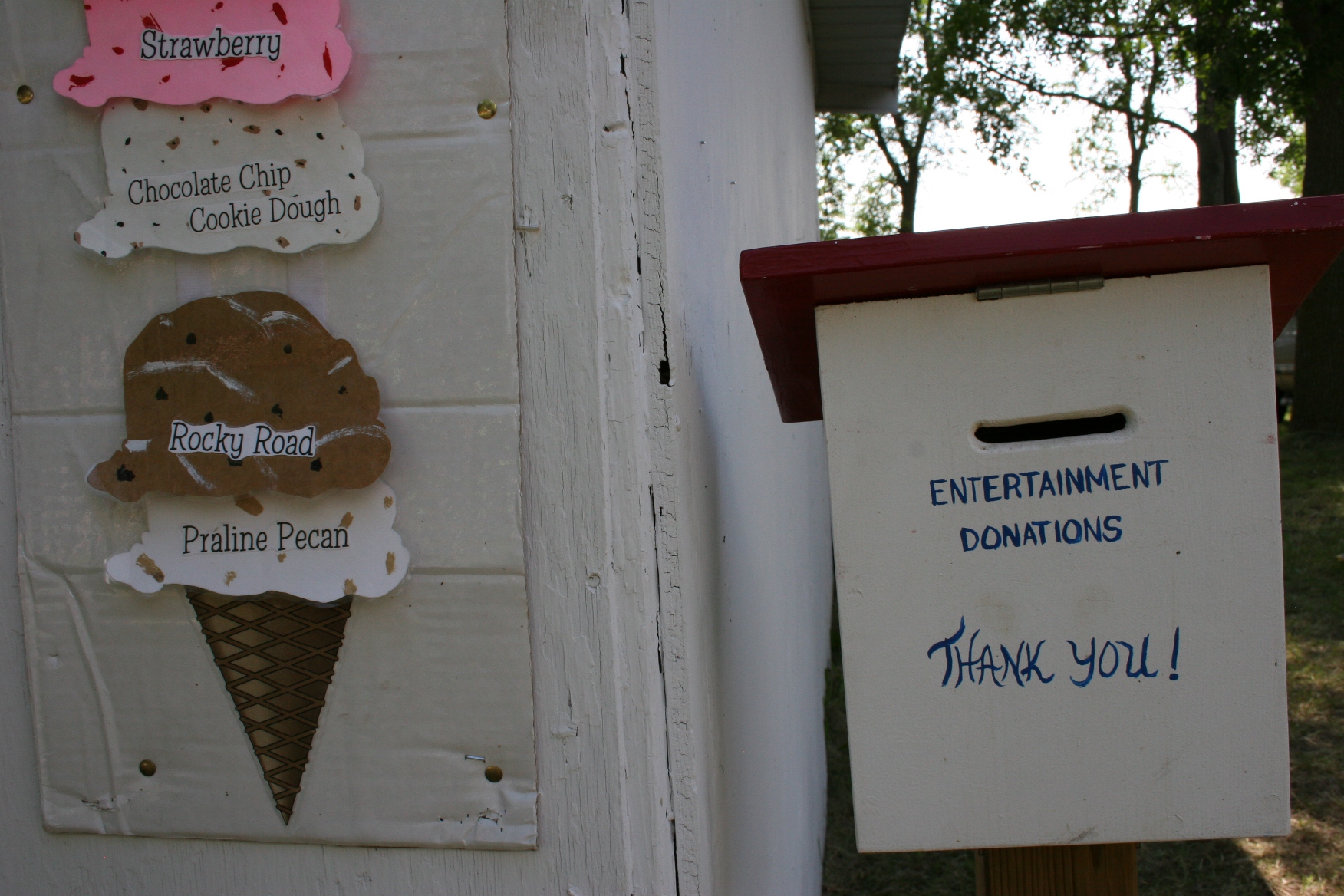
Visitors stopping by the ice cream shop can drop donations for the entertainment into a drop box.

Visitors stopping by the ice cream shoppe can drop donations for the entertainment into a drop box.

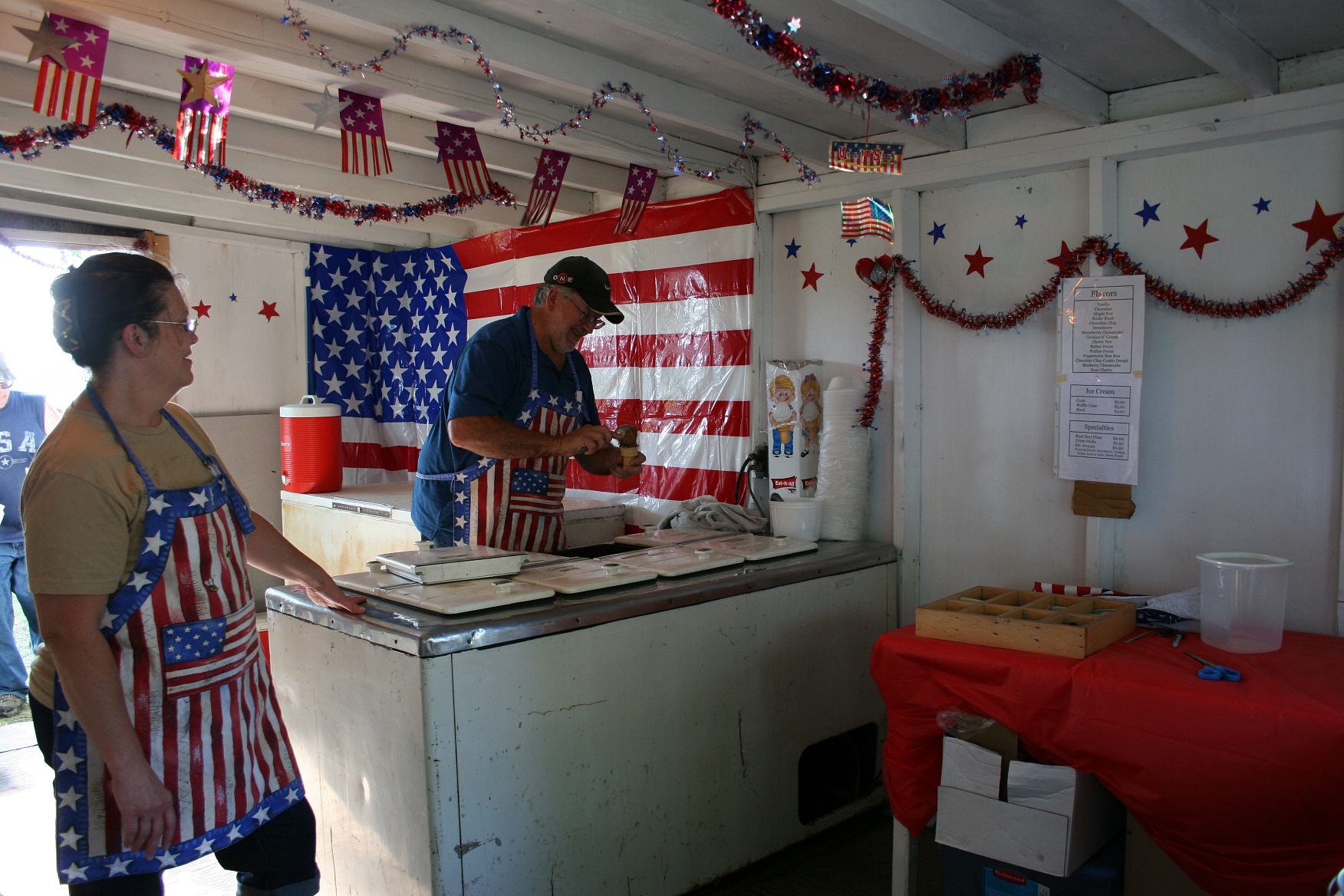
A peek inside the ice cream shoppe.

A peek inside the ice cream shoppe.

Enjoying an ice cream cone.

Enjoying an ice cream cone.

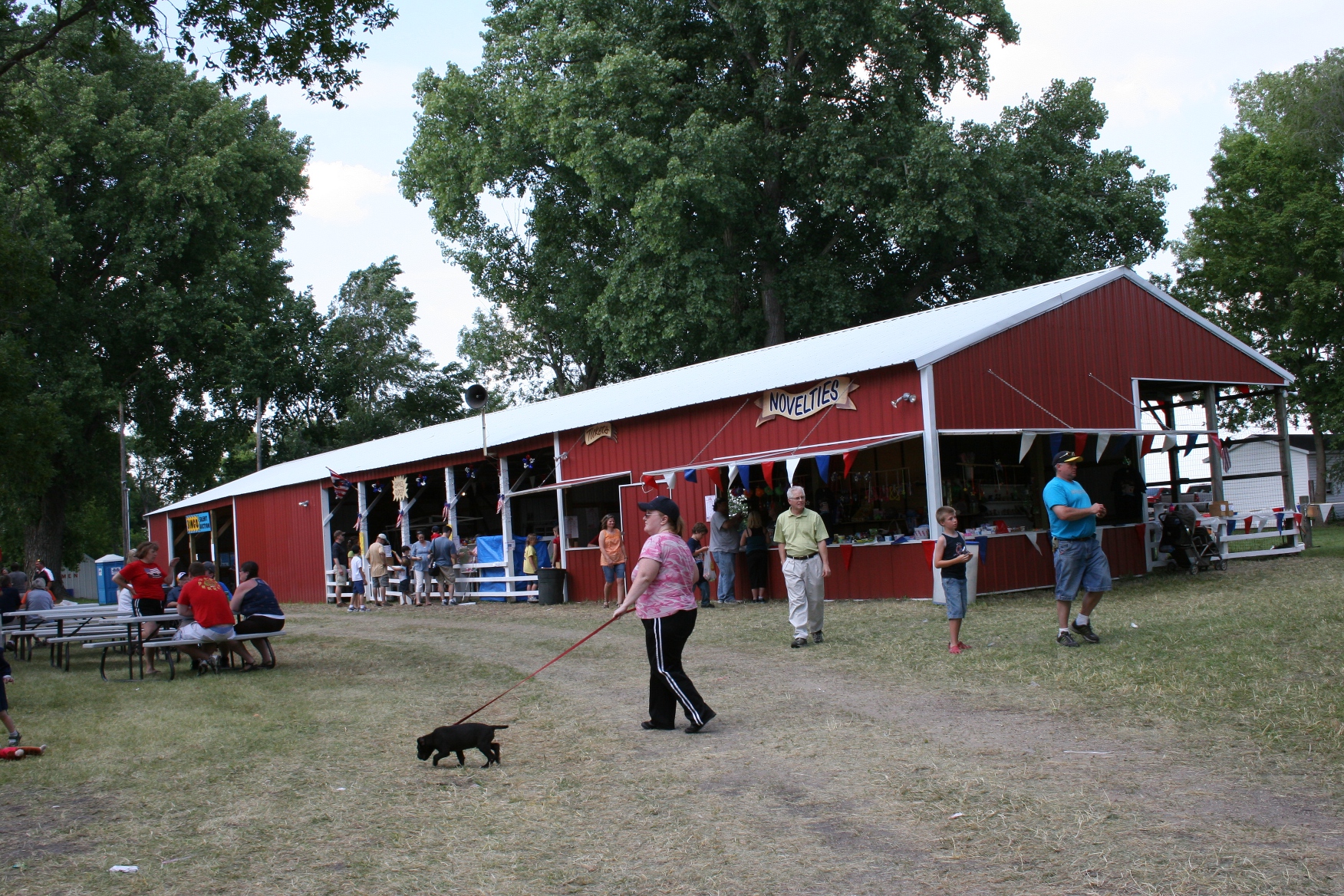
An overview of the novelties shoppe and games and rides building.

An overview of the novelties shoppe and games and rides and bingo building.

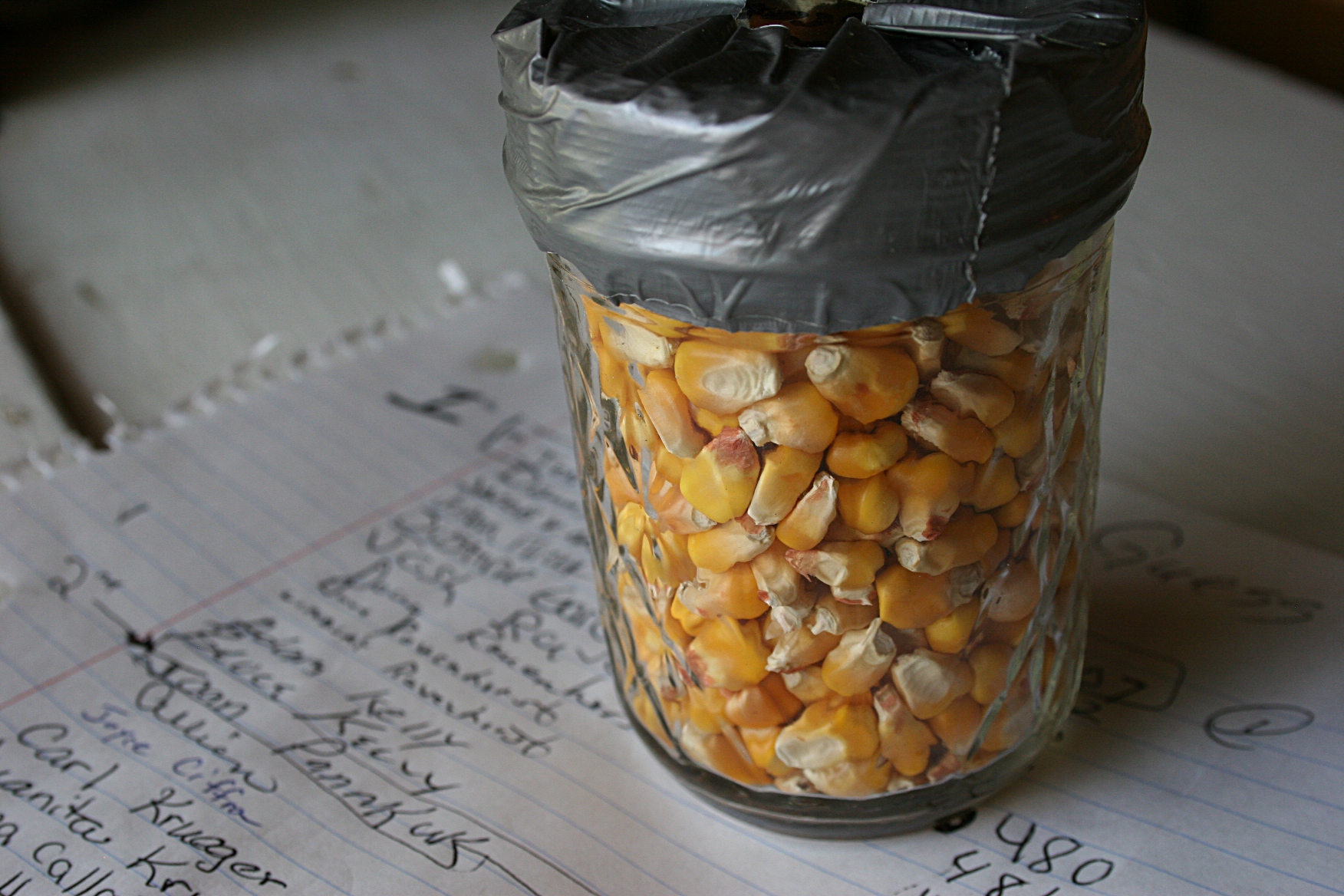
Guess the number of corn kernels in the duct taped jar and win a prize.

Guess the number of corn kernels in the duct taped jar and win a prize.

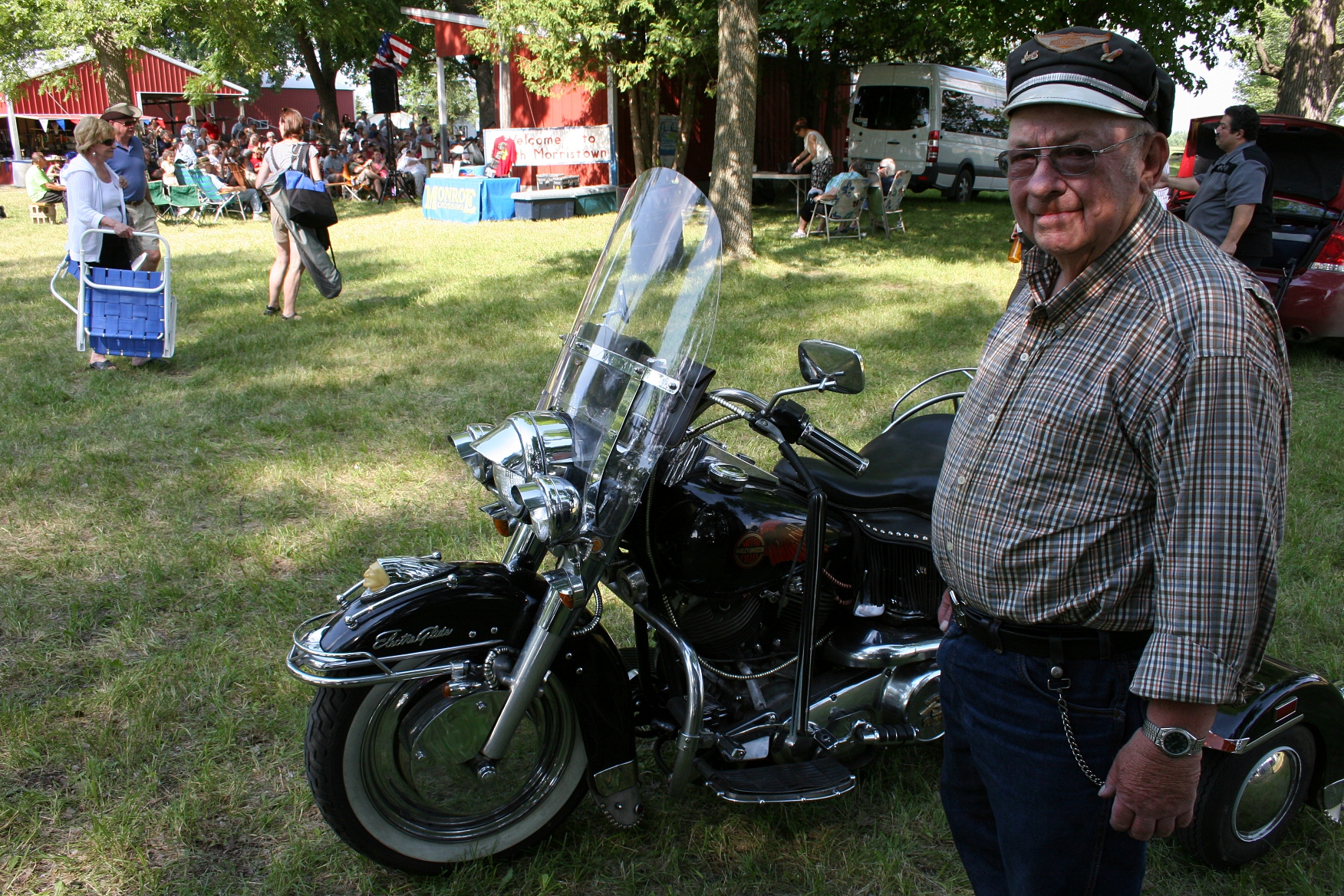
A 75-year-old Harley rider arrives at the celebration late in the afternoon.

A 75-year-old biker arrives at the celebration late in the afternoon on his 1977 Harley.

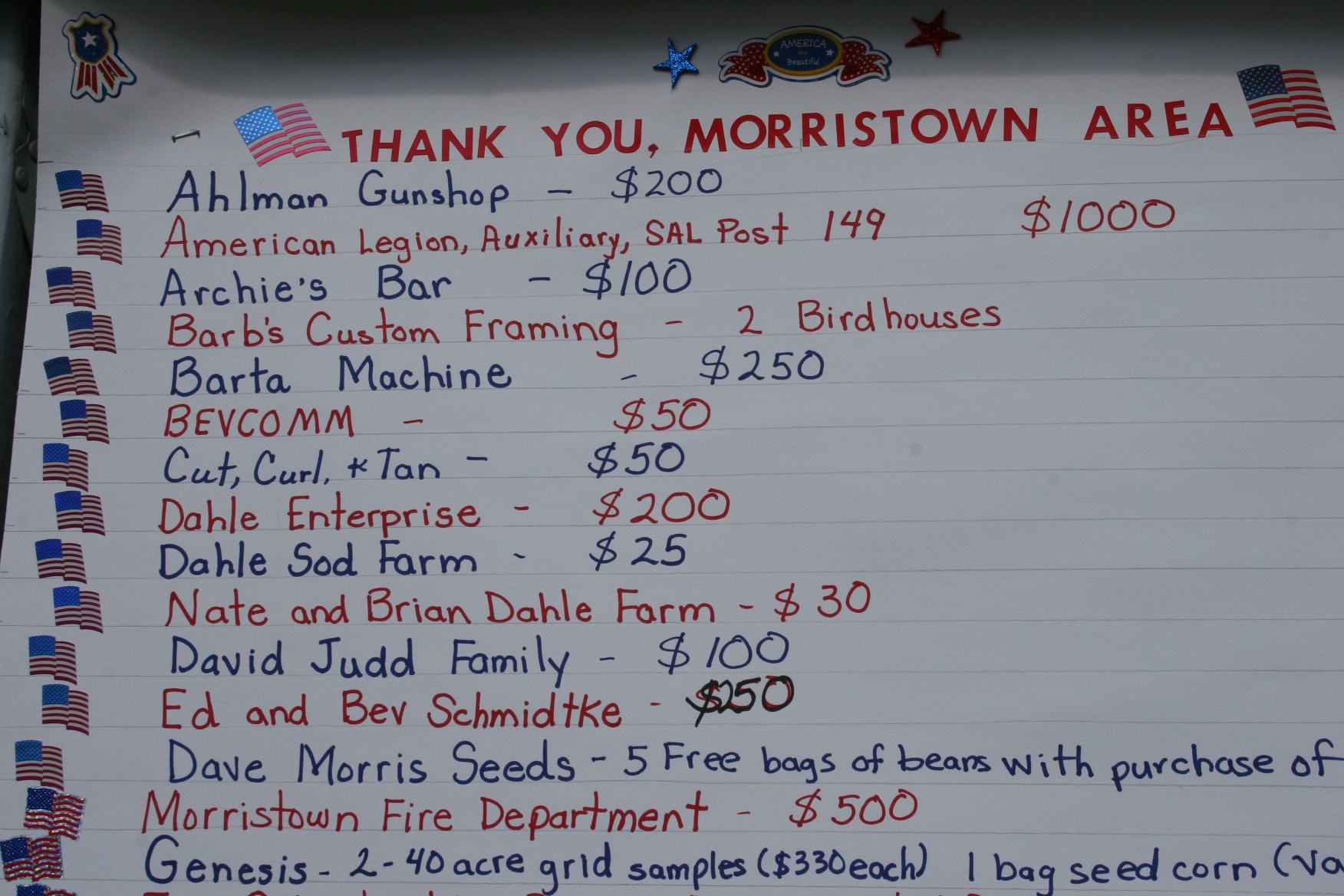
One of several lists thanking supporters.

One of several lists thanking supporters.

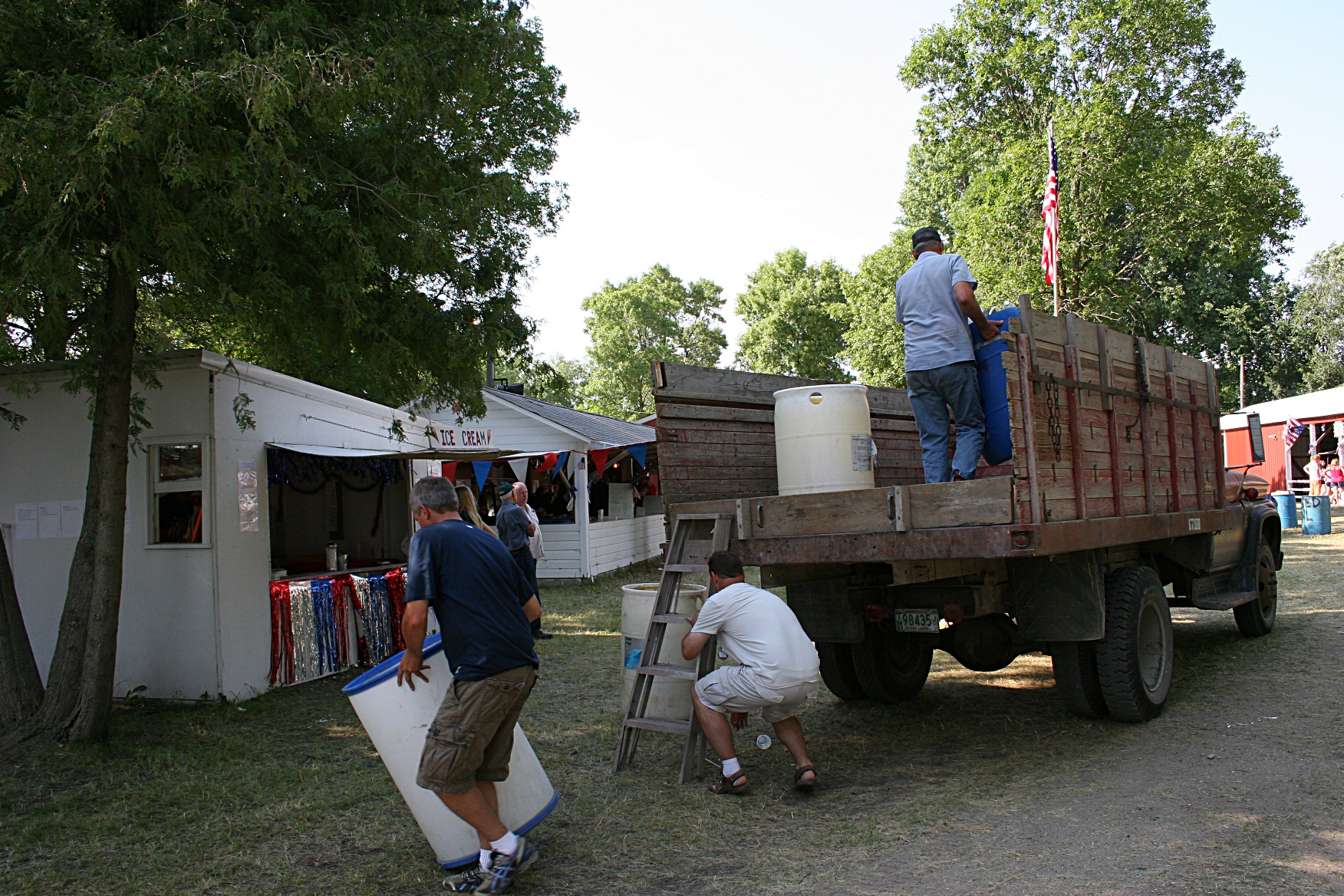
Garbage pick up in a 1964 grain truck.

Garbage pick up by a 1964 grain truck.

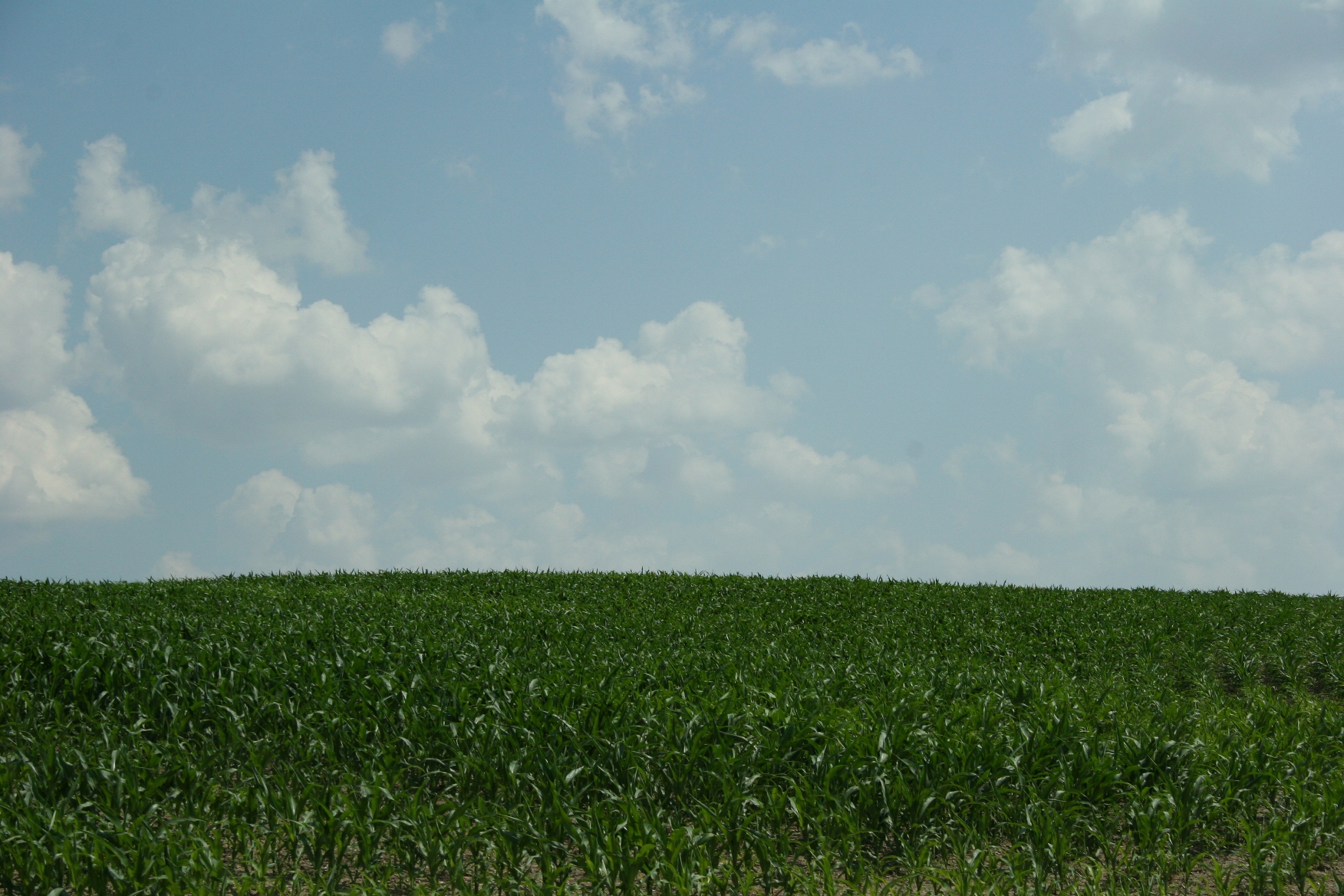
North Morristown is set in the middle of farm fields.

North Morristown is set in the middle of farm fields.

© Copyright 2013 Audrey Kletscher Helbling
 

Quilt art celebrates rural Faribault woman’s passion for quilting July 3, 2013

Filed under: Uncategorized — Audrey Kletscher Helbling @ 6:30 AM
Tags: , , , , , , , , , , , ,
The sun sets as I approach Barb and Bob's farm east of Faribault.

The sun sets as I approach Barb and Bob’s farm east of Faribault.

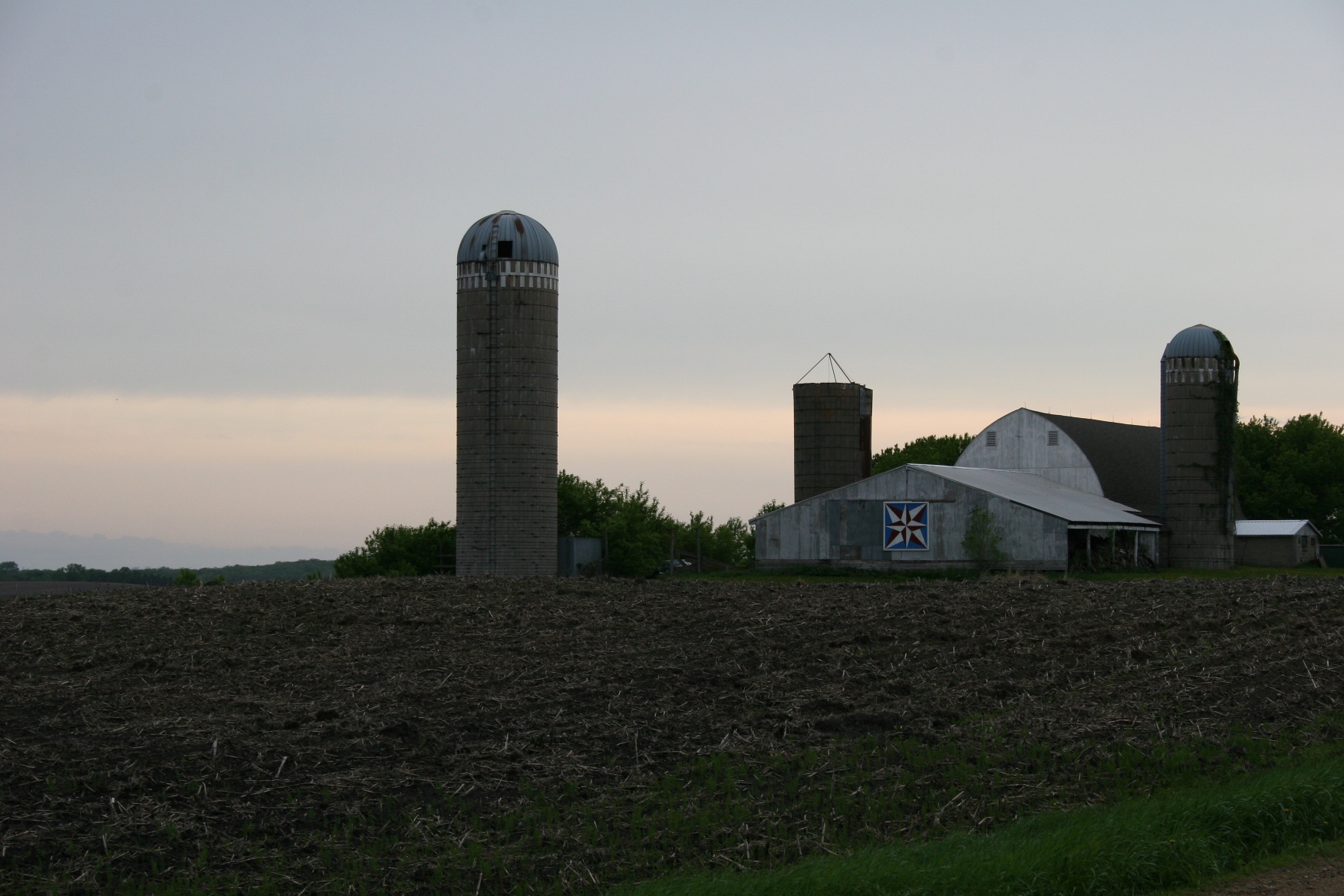
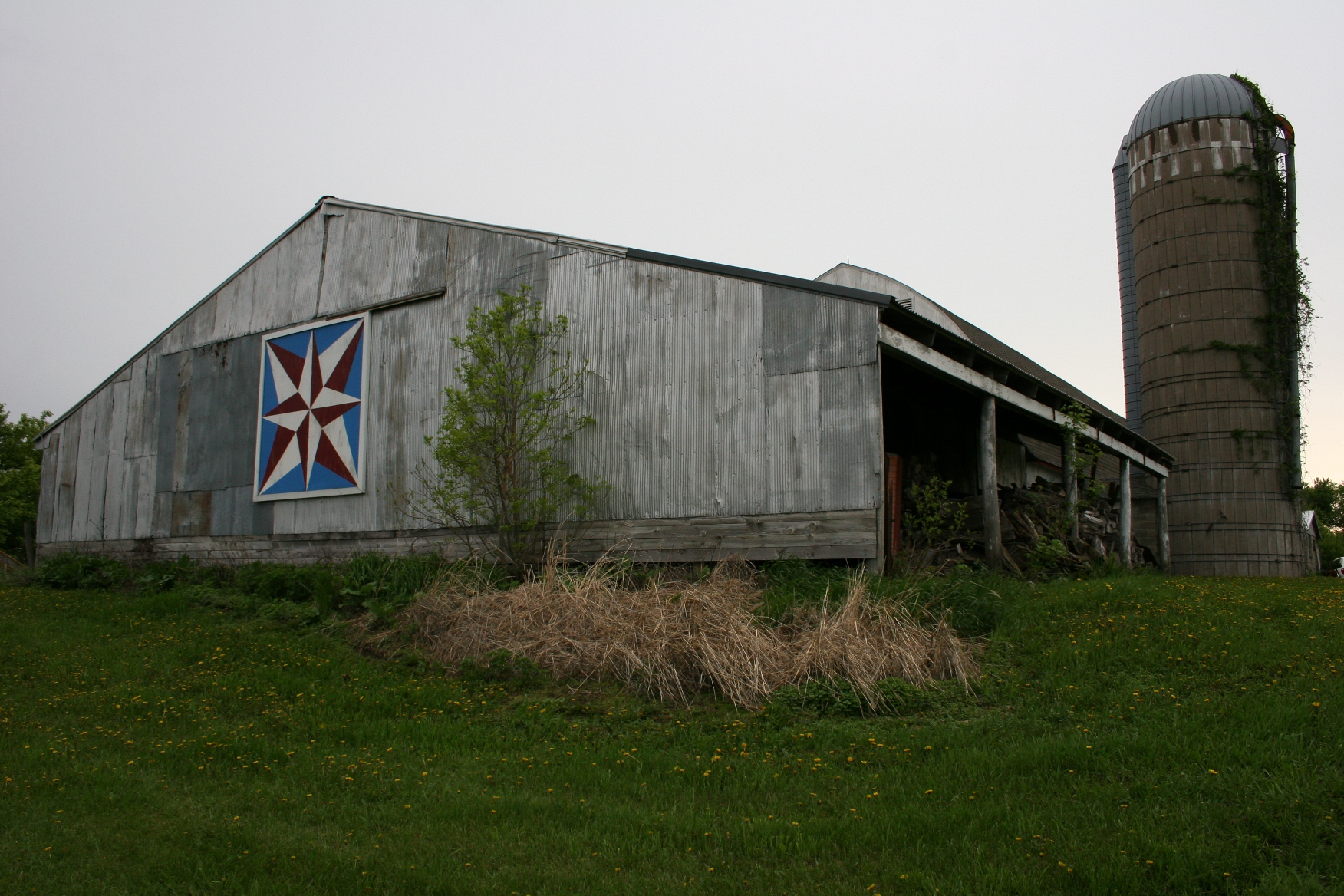
ON A RECENT RURAL OUTING to forage rhubarb from my friend Barb’s abundant patch, I noticed a work of art I hadn’t previously seen displayed on her farm east of Faribault.

A a display of Americana art.

A display of Americana art.

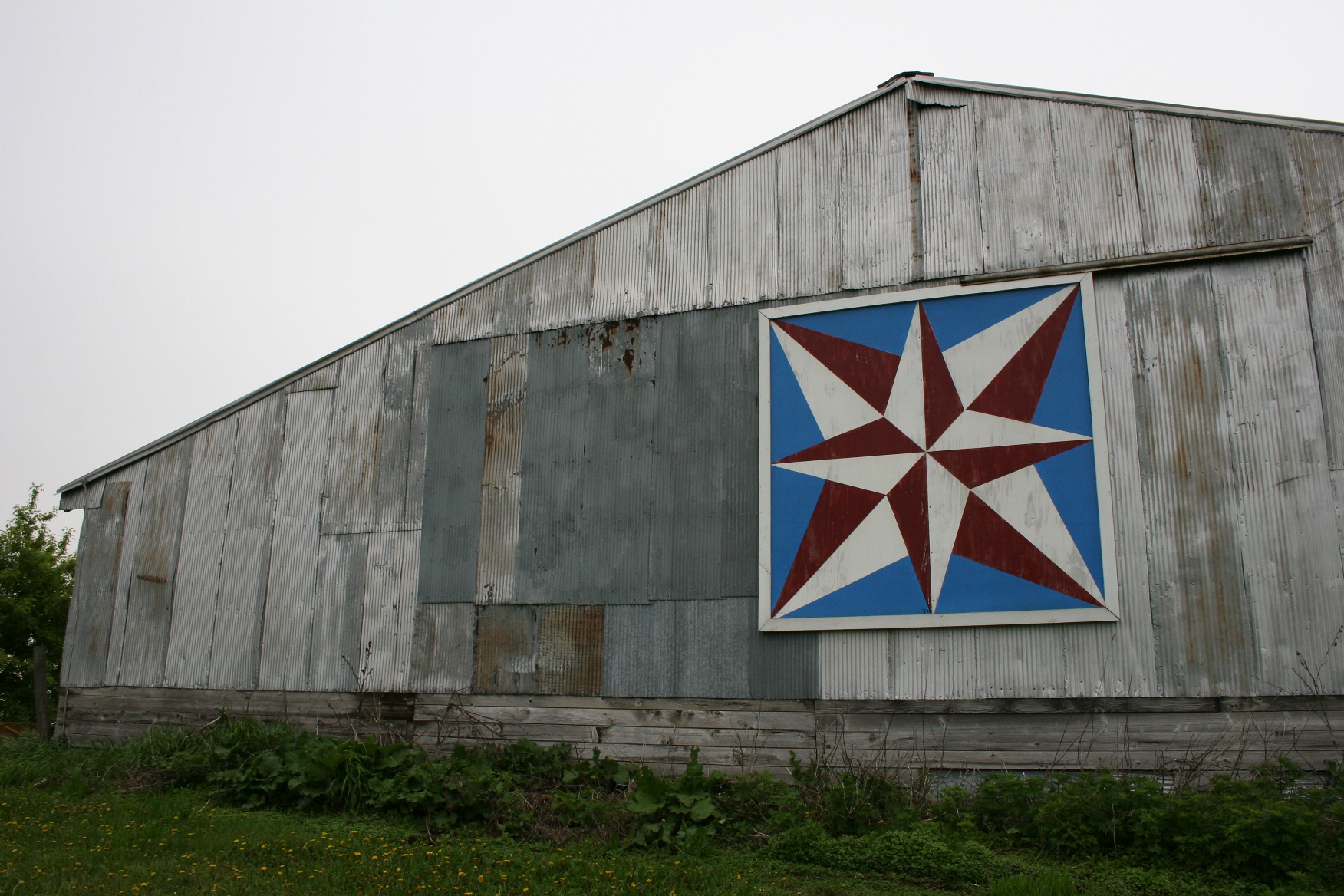
Attached to weathered tin on the end of a pole shed hangs a red, white and blue “Star Shadow” quilt block painted on an eight-foot square of plywood.

The barn quilt is tied to Barb’s passion for quilting, something she’d do all day if only she didn’t have to cook or clean or…

"Star Shadow."

“Star Shadow.”

She’d seen similar painted quilts on barns, always wanted one and a few years ago, along with husband Bob, chose the Star Shadow design for their quilt art. No particular reason for the design—just one they both liked, although they knew the paint hues would be in the trio of patriotic colors.

Barb’s a long-time seamstress who once sewed her own clothes, embroidered and then began making simple block quilts before attempting a tulip quilt. She struggled with the tulip quilt, finishing it in the early 1990s, some 40 years after beginning the project.

Since that quilting success, Barb’s emerged as an avid quilter, stitching countless bed-sized quilts, wall hangings, placemats, table runners and more. She keeps her work or gives it away, including to charities. As a member of the Blue Chicks, a local quilting group that meets monthly, Barb has sewn quilts for the Ronald McDonald House. She also quilts with her sisters once a month and recently joined the quilting circle at her church, Trinity Lutheran in Faribault. That church group donates most of its quilts to charity.

“I’m infected with the pox,” Barb says of her quilting passion. She collects fabric, goes on fabric-shopping road trips with fellow quilters…

Although my friend doesn’t design her own quilt patterns, she enjoys the creative aspect that comes in selecting designs and colors, pulling it all together in a work of art—whether stitched or painted.

BONUS FARM PHOTOS:

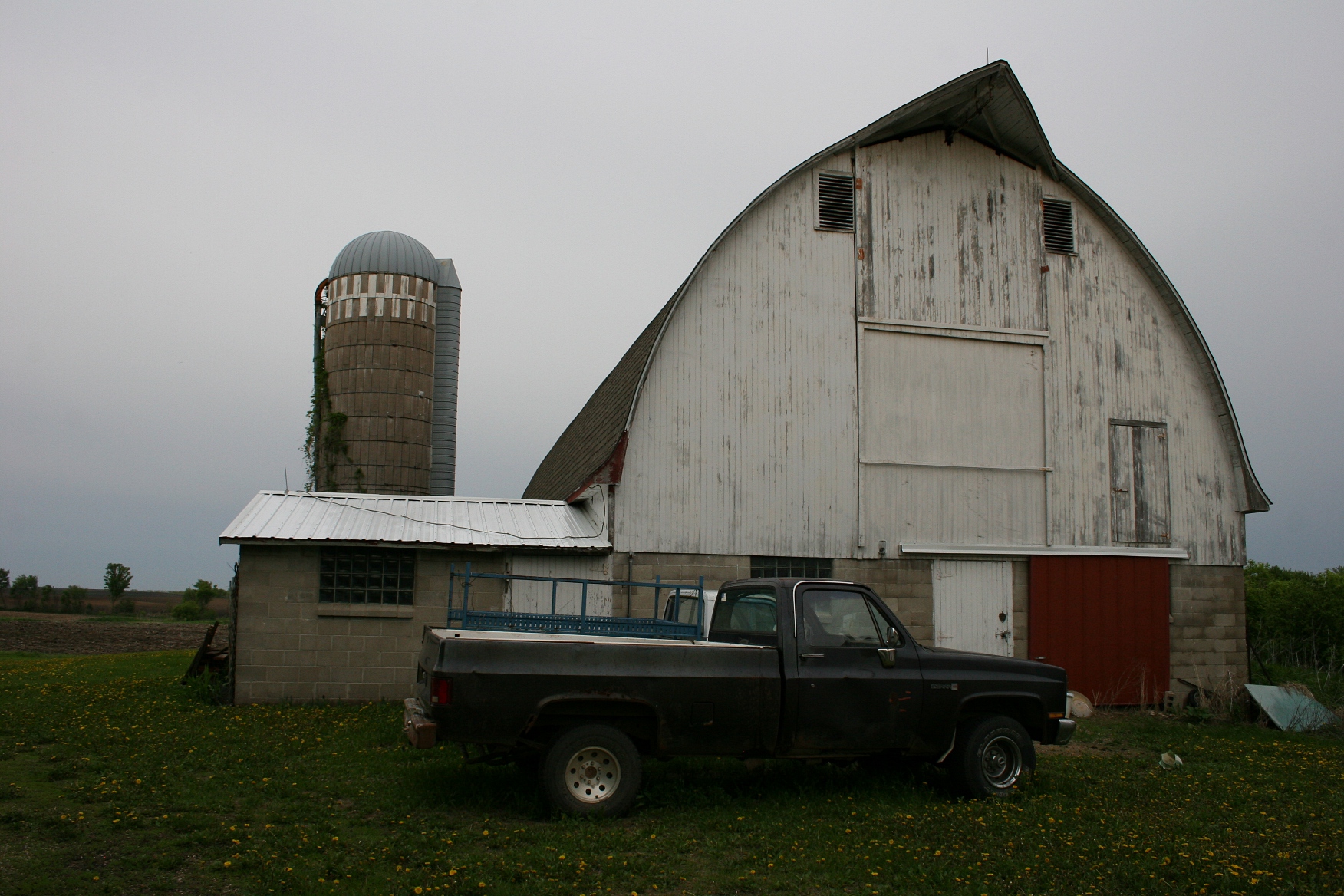
The beautiful barn on Barb and Bob's 100-year-old plus family farm.

The beautiful barn on Barb and Bob’s 100-year-old plus family farm.

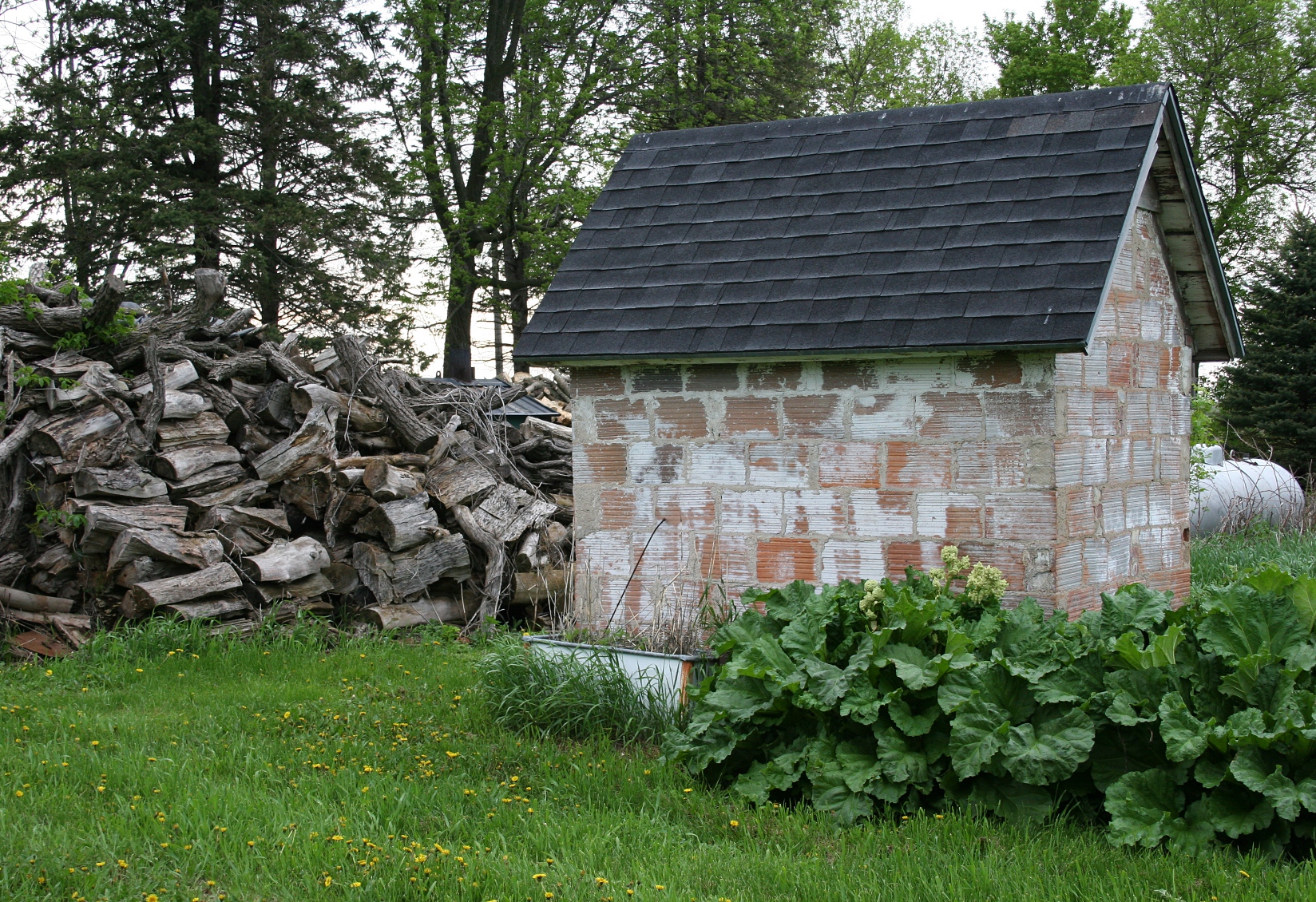
Rhubarb grows by the old smokehouse, which now houses garden tools.

Rhubarb nudges the old smokehouse, which now houses garden tools.

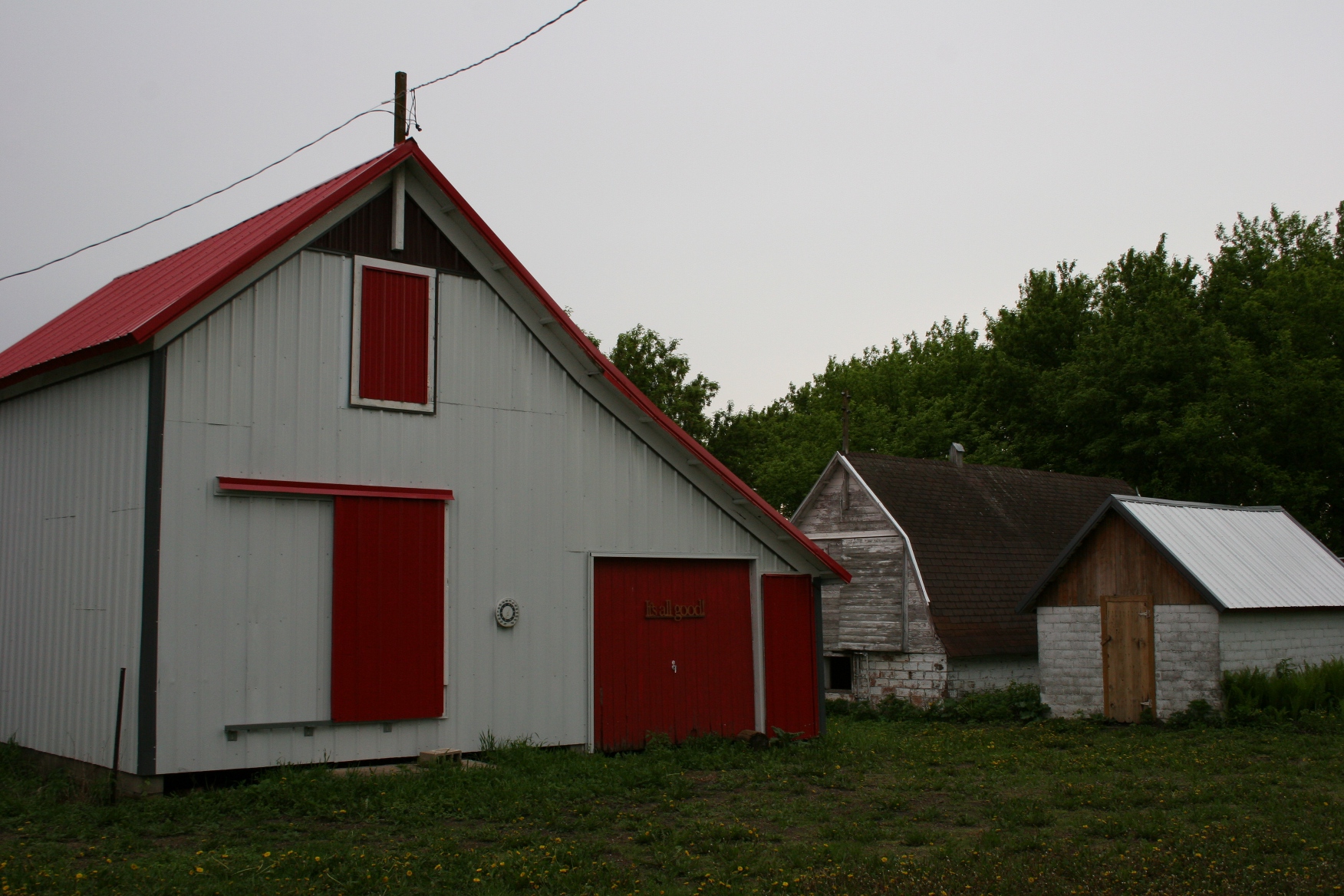
This farm is typical old style farmplace with lots of outbuildings, including the granery on the left, one of the oldest buildings on the farm.

This farm is typical old style farm place with lots of outbuildings, including the updated granery on the left, one of the oldest structures on the farm.

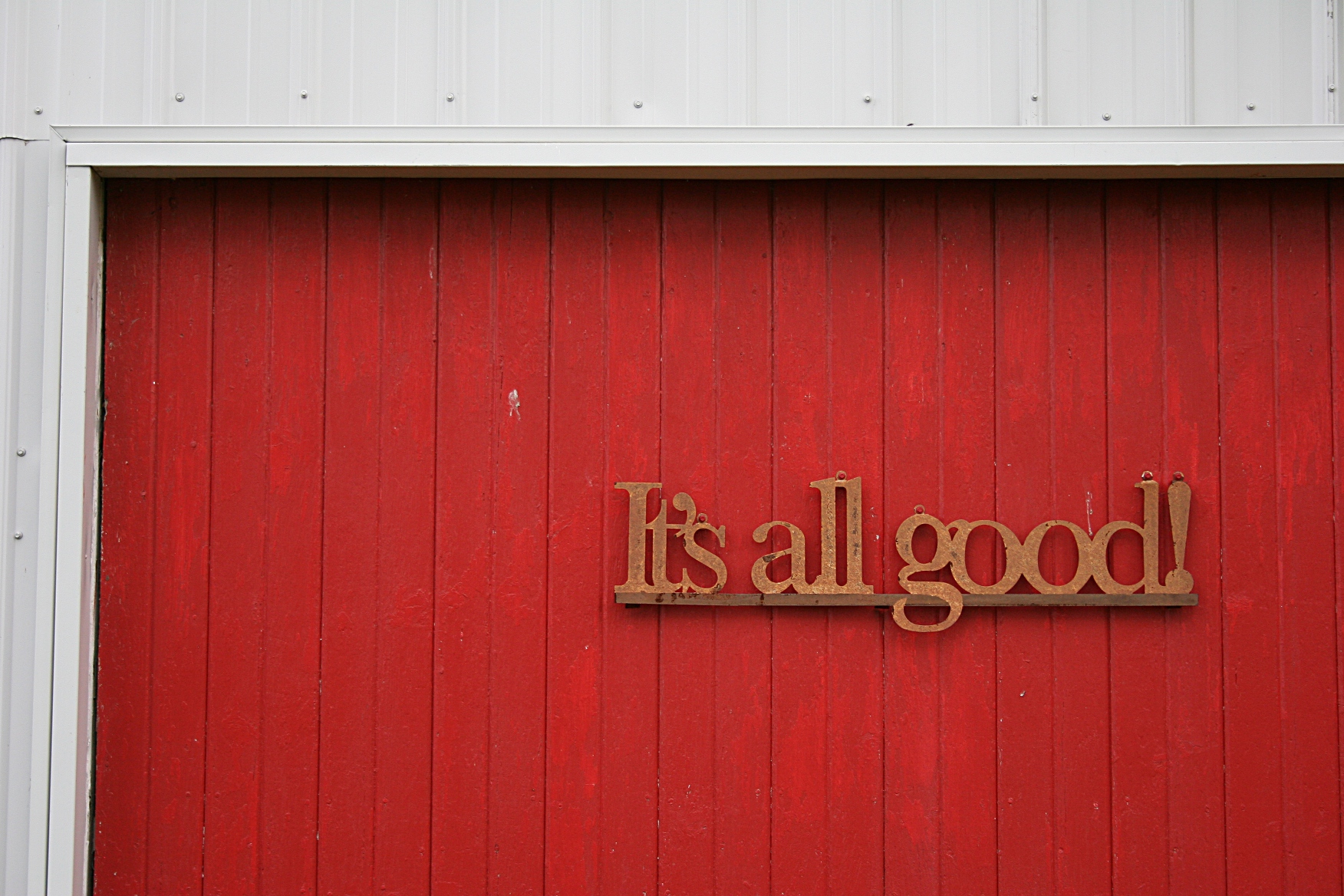
The message on the granery door reflects Barb's attitude: "The sheds are full of stuff and it's all good."

The message on the granery door reflects Barb’s attitude: “The sheds are full of stuff and it’s all good.”

© Copyright 2013 Audrey Kletscher Helbling
 

Reflections on a prairie sunset June 30, 2013

Filed under: Uncategorized — Audrey Kletscher Helbling @ 2:59 PM
Tags: , , , , , , , , ,

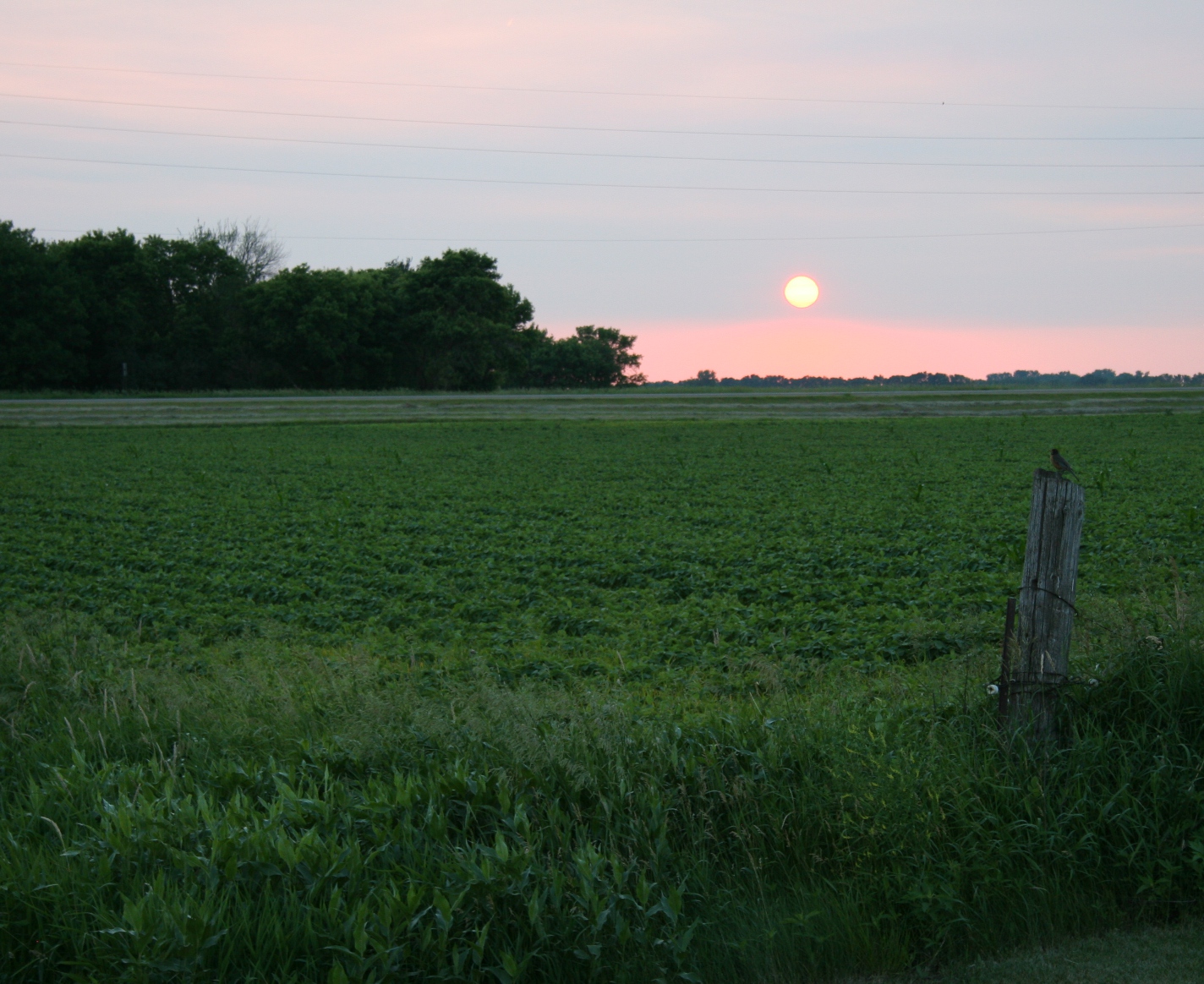
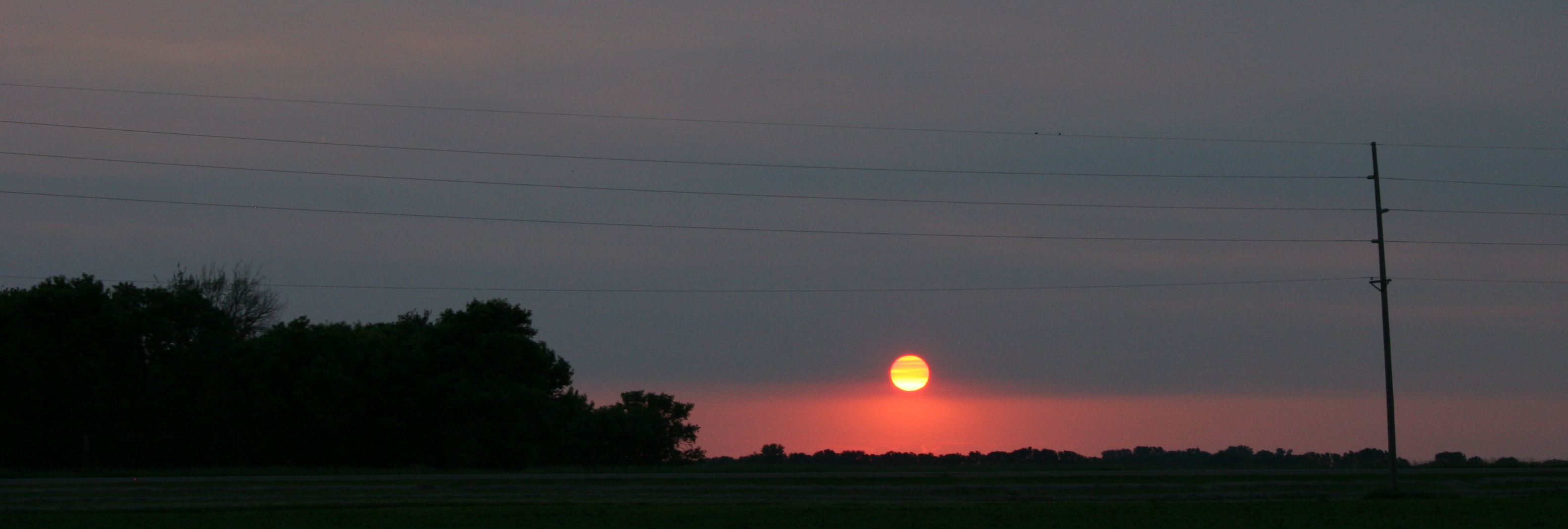
Sunset on the prairie

WE STOOD ALONG THE EDGE of the gravel road Saturday evening, my 13-year-old nephew and I, mesmerized by the glorious golden sun pinking the sky above and below a layer of blue grey.
I raised my camera. He lifted his phone. We snapped several photos, compared, wished for better zooms to photograph the prairie sky north of Lamberton in southwestern Minnesota.

Sunset on the prairie 2

“It’s what I miss most about this place, the sunrise and the sunset,” I said.

“And the stars,” Stephen added.

Sun and stars.

He was right. The stars, too.

Copyright 2013 Audrey Kletscher Helbling