Minnesota Prairie Roots

Writing and photography by Audrey Kletscher Helbling

The season of church dinners October 23, 2011

To everything there is a season, and a time for every harvest dinner in the church basement:

A time to be prepared

And a time to enlist volunteers;

A time to bake

And a time to pluck up that which is planted;

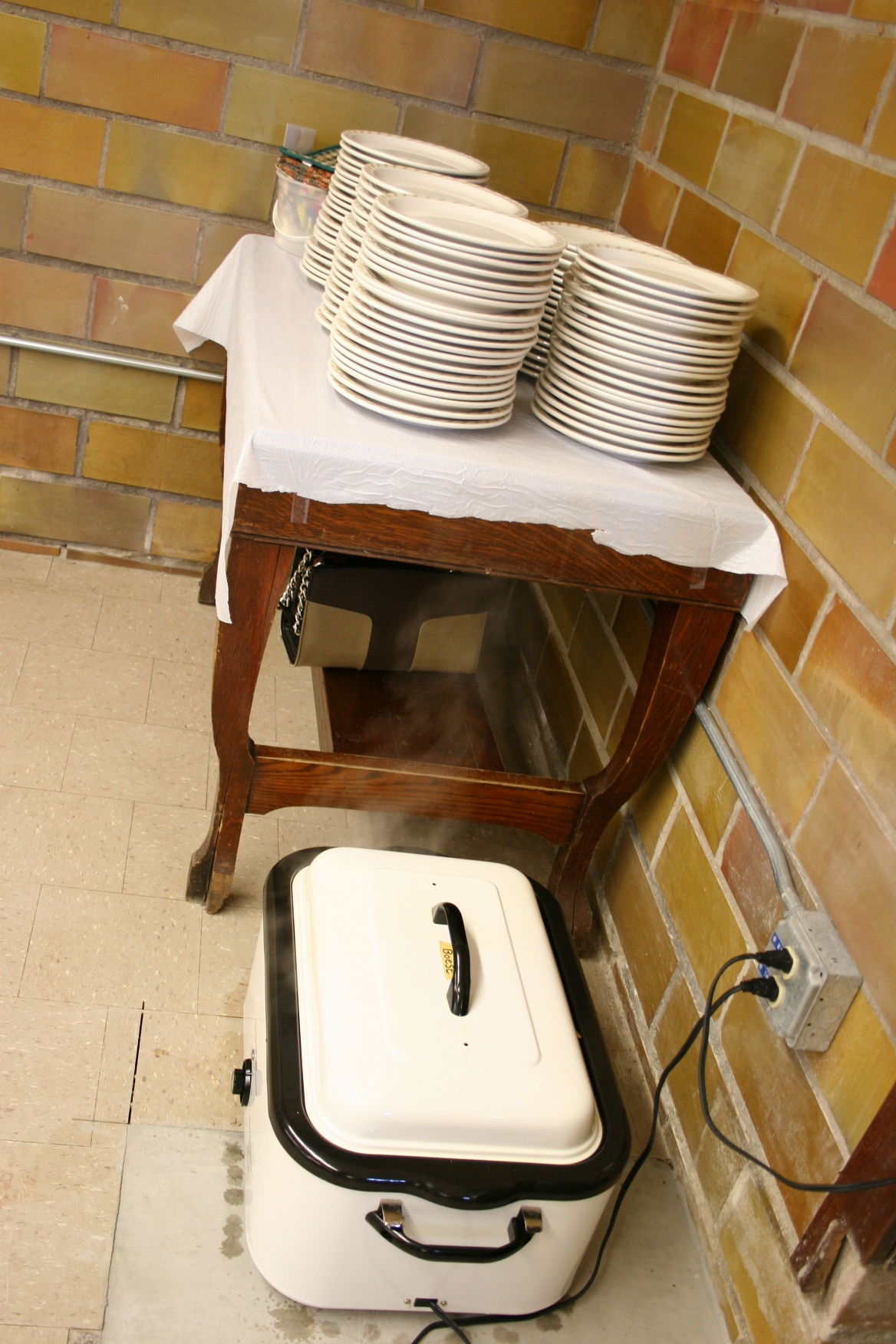
A time to pull out the plates and roasters

And a time to feed those who come seeking nourishment;

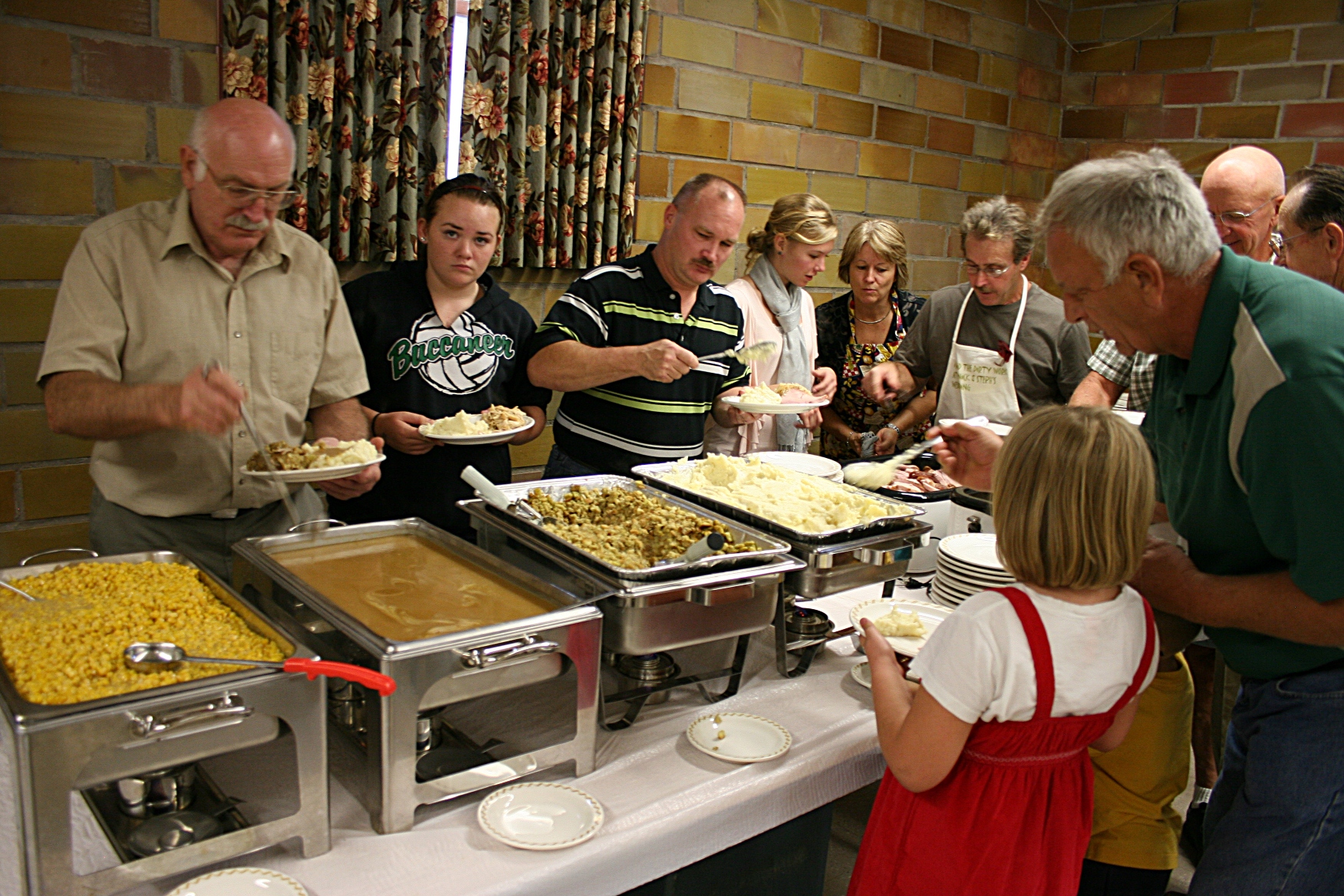
A time to serve the hungry waiting in line

And a time to dish up meals for those who want take-out;

A time to savor good home-cooking

in the company of family and friends;

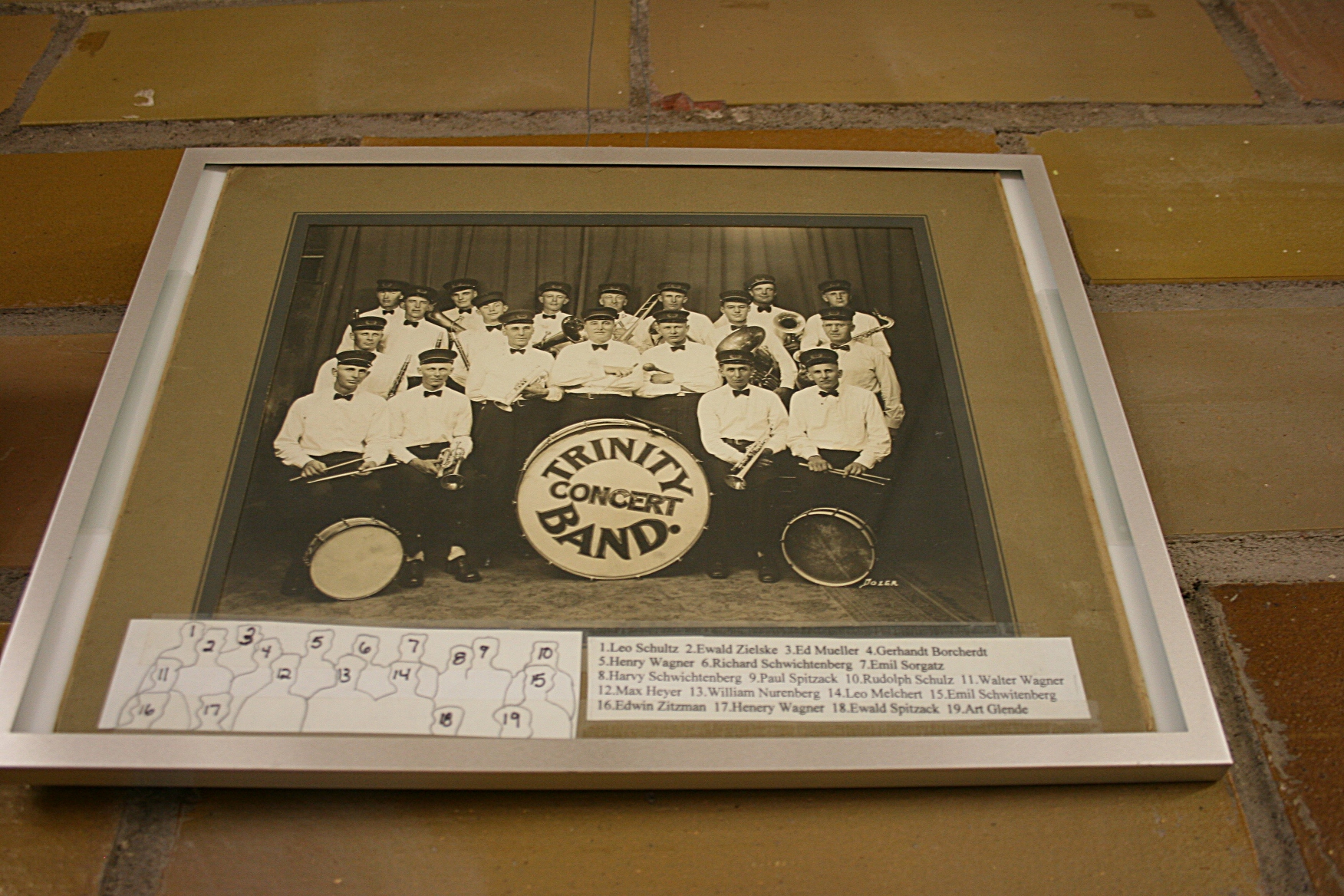
A time to remember the past in old photos and conversation

And a time to welcome new friends into the fold;

A time to encourage those who labor tirelessly in the kitchen

And a time to be thankful for this land we love, in the season of harvest.

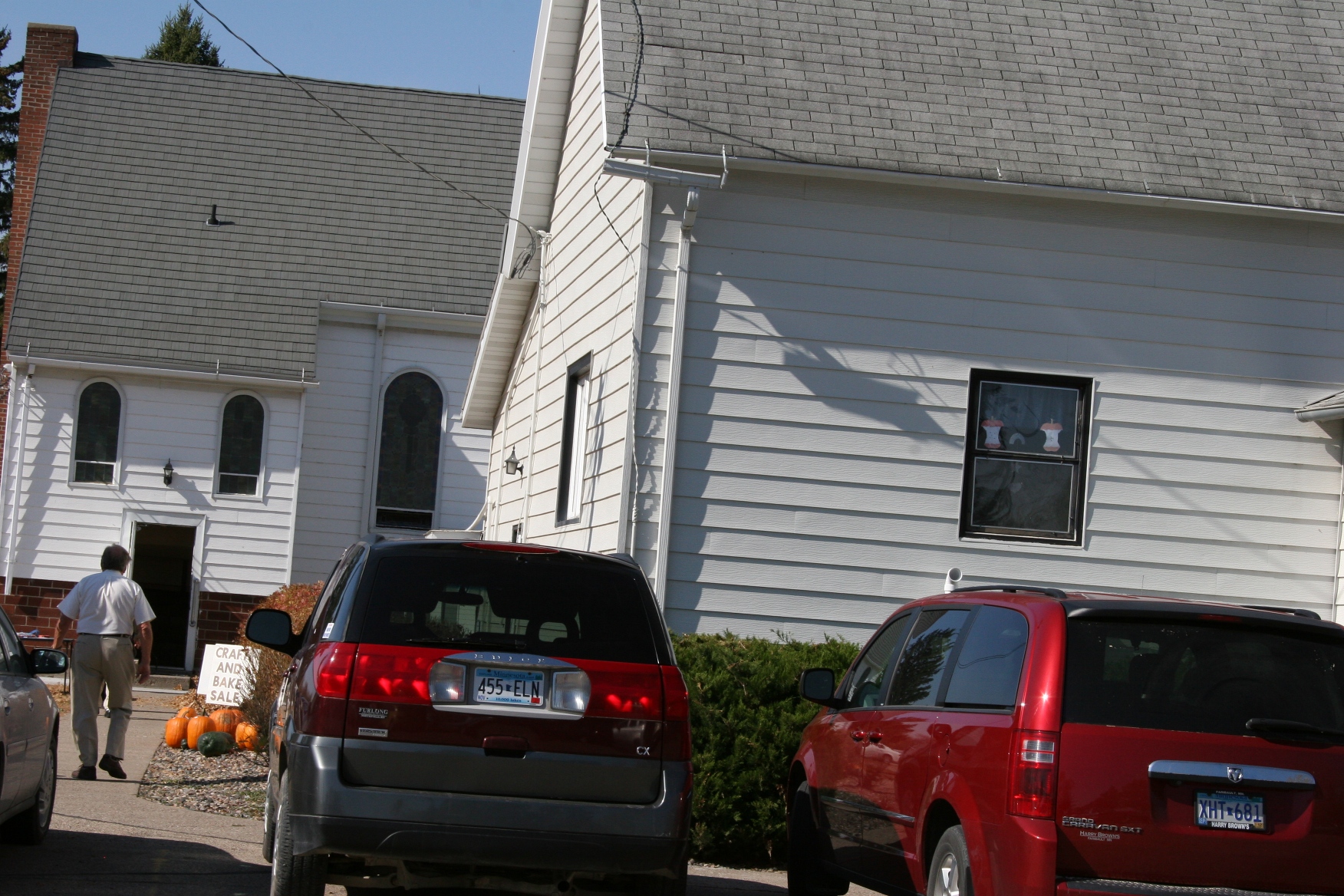
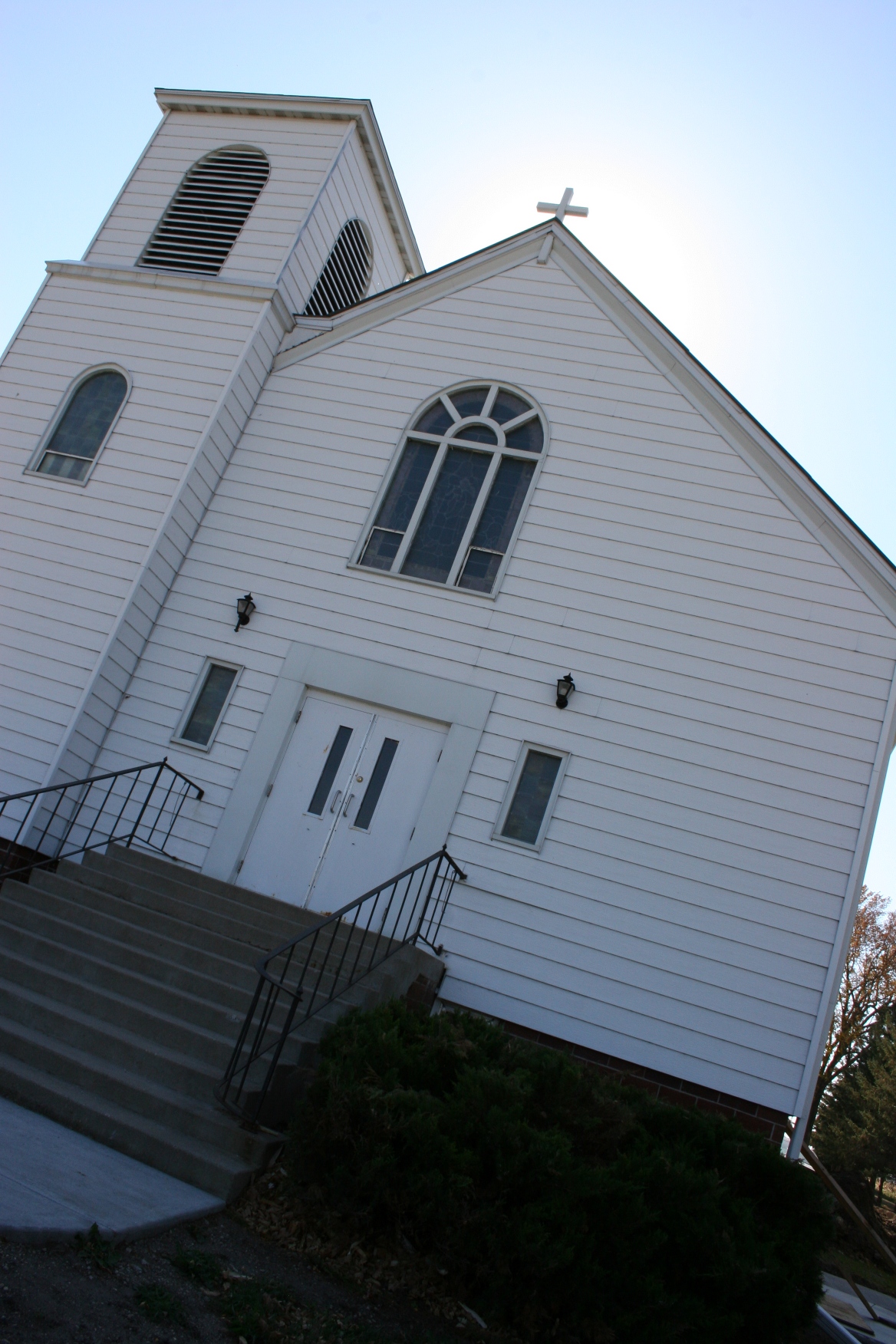
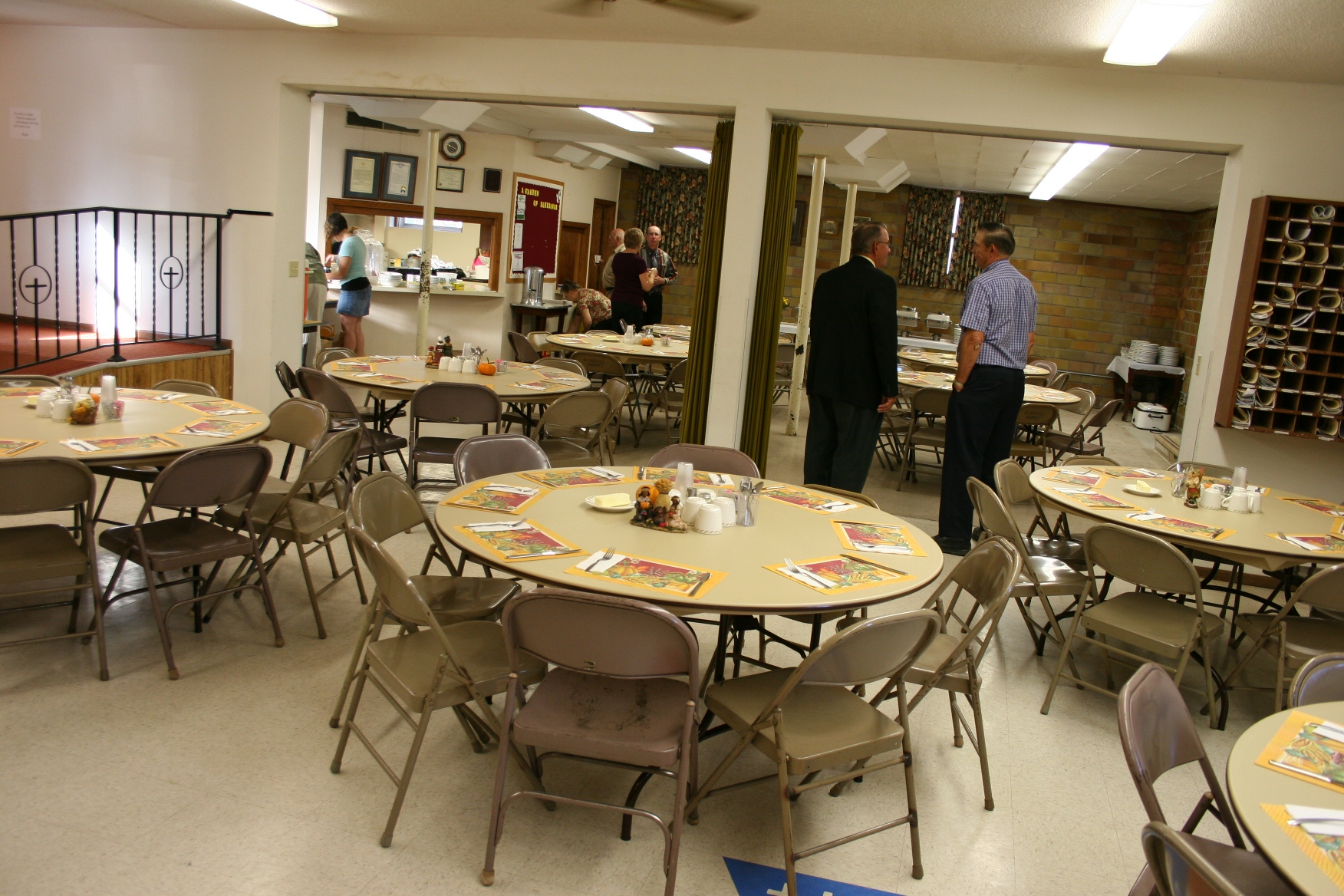
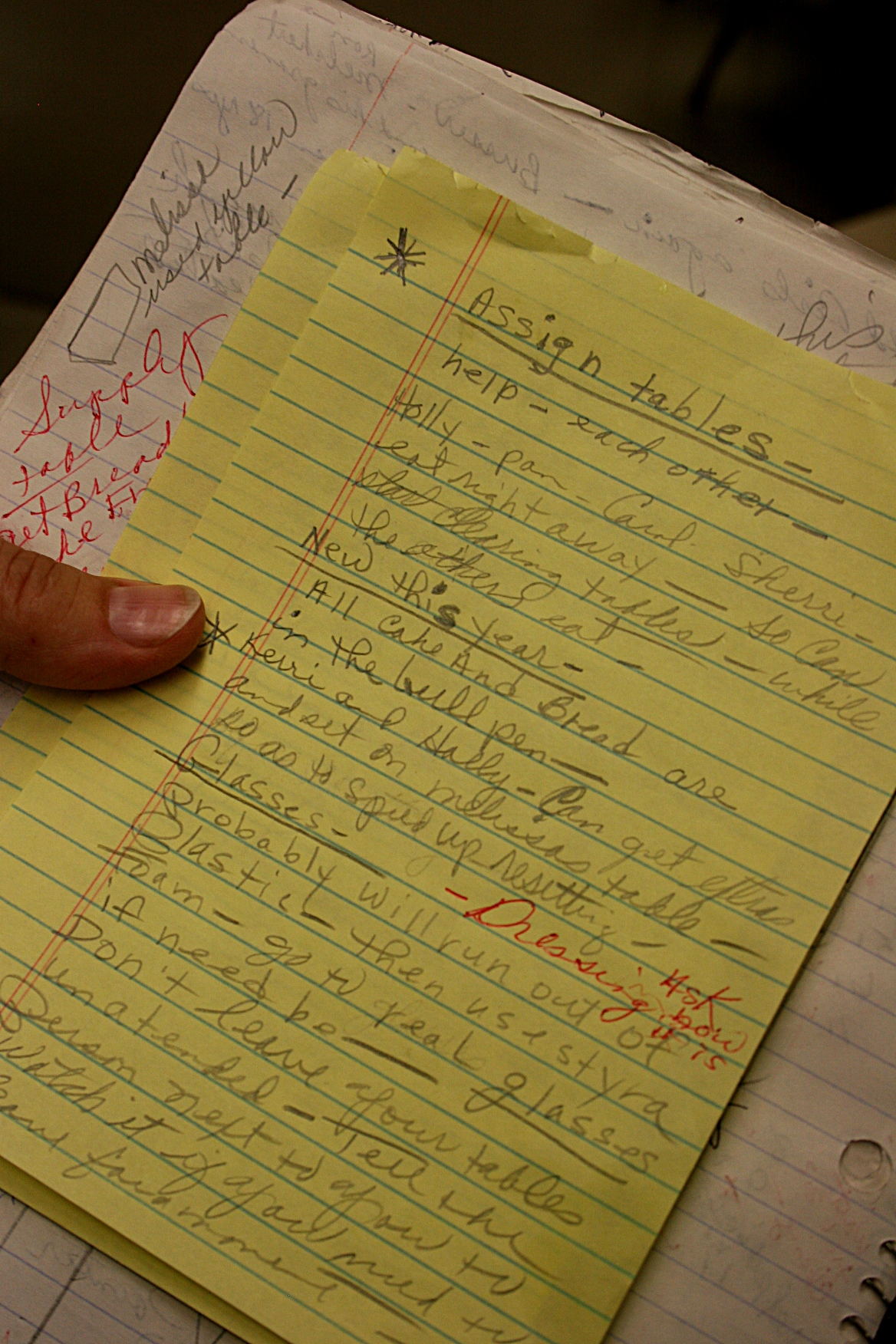
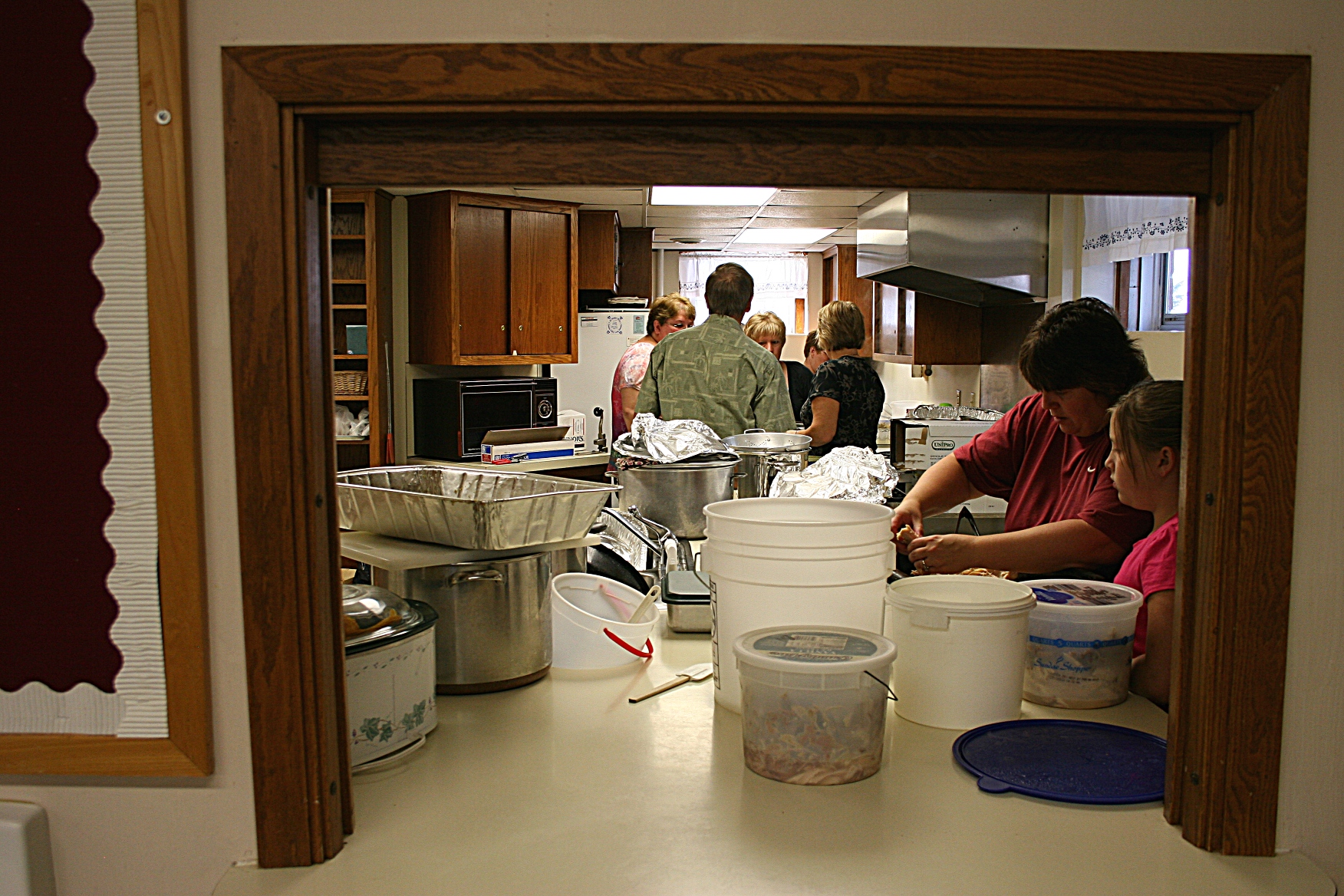
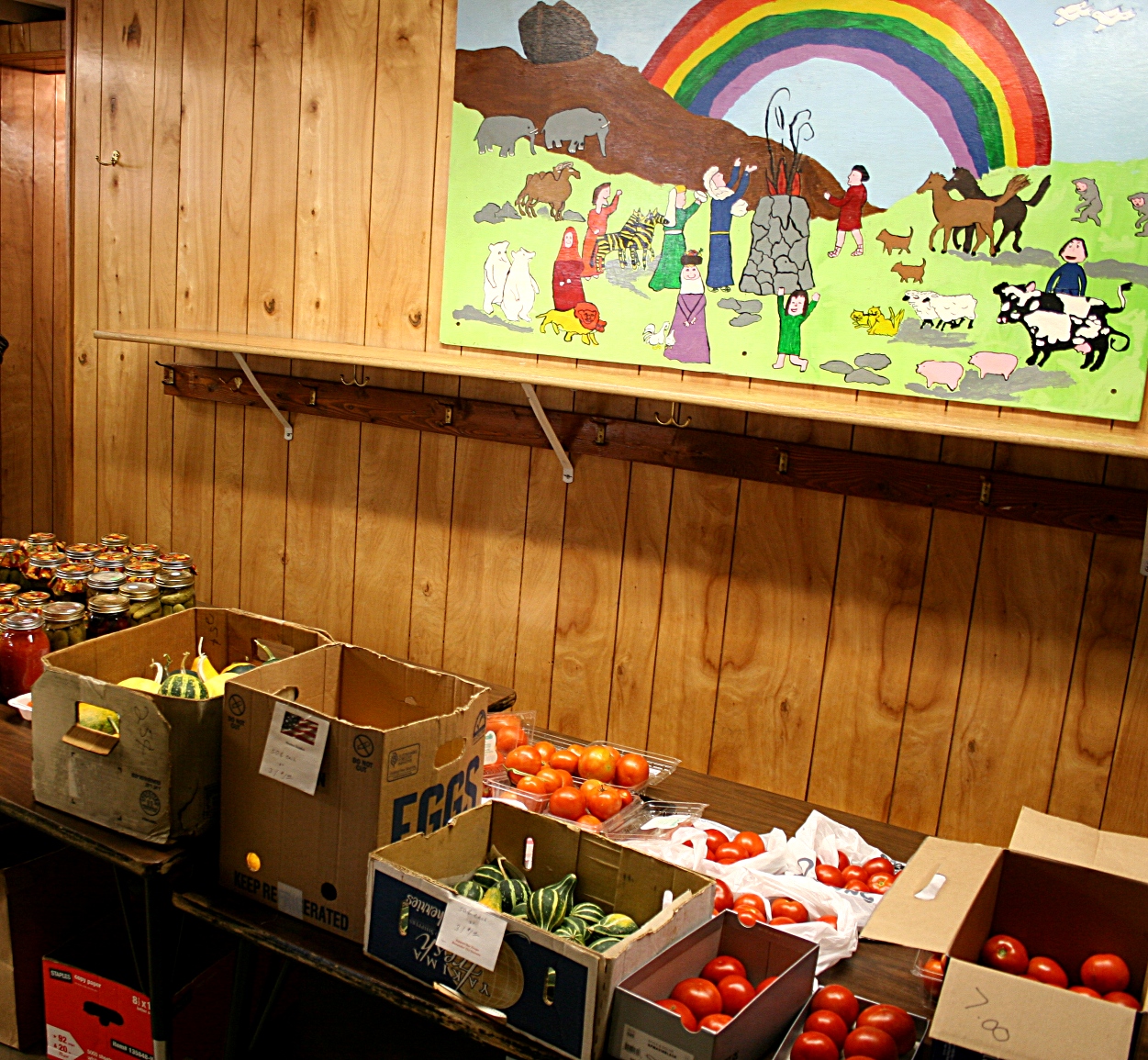
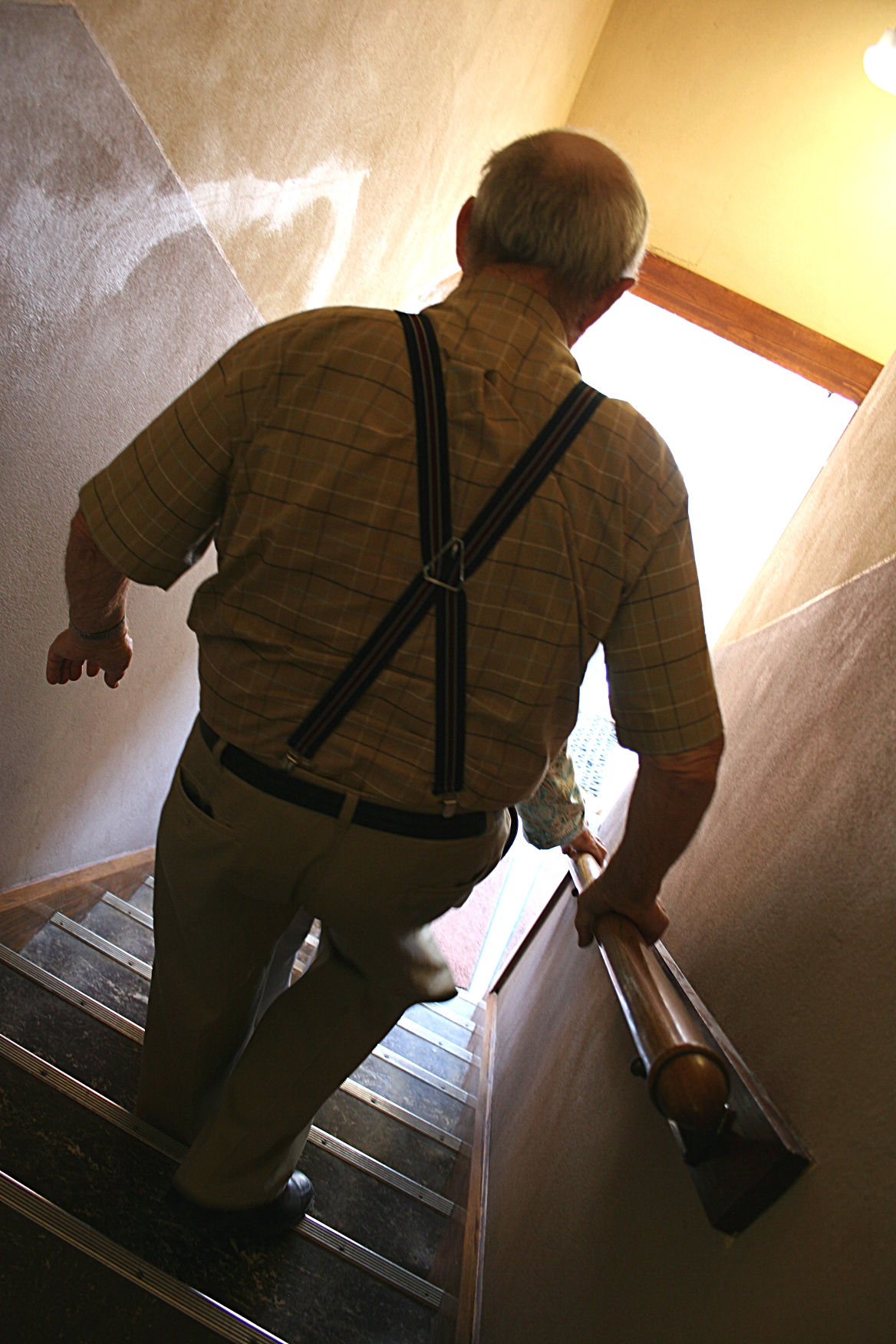
THESE PHOTOS were taken at the recent Trinity Lutheran Church, North Morristown, annual fall harvest dinner, country store and bake sale.

Copyright 2011 Audrey Kletscher Helbling


Walking into yesteryear at the Oak Center General Store October 17, 2011

IF NOT FOR THE MINNESOTA Highway 60 detour onto U.S. Highway 63 north of Zumbro Falls, we never would have found Oak Center.

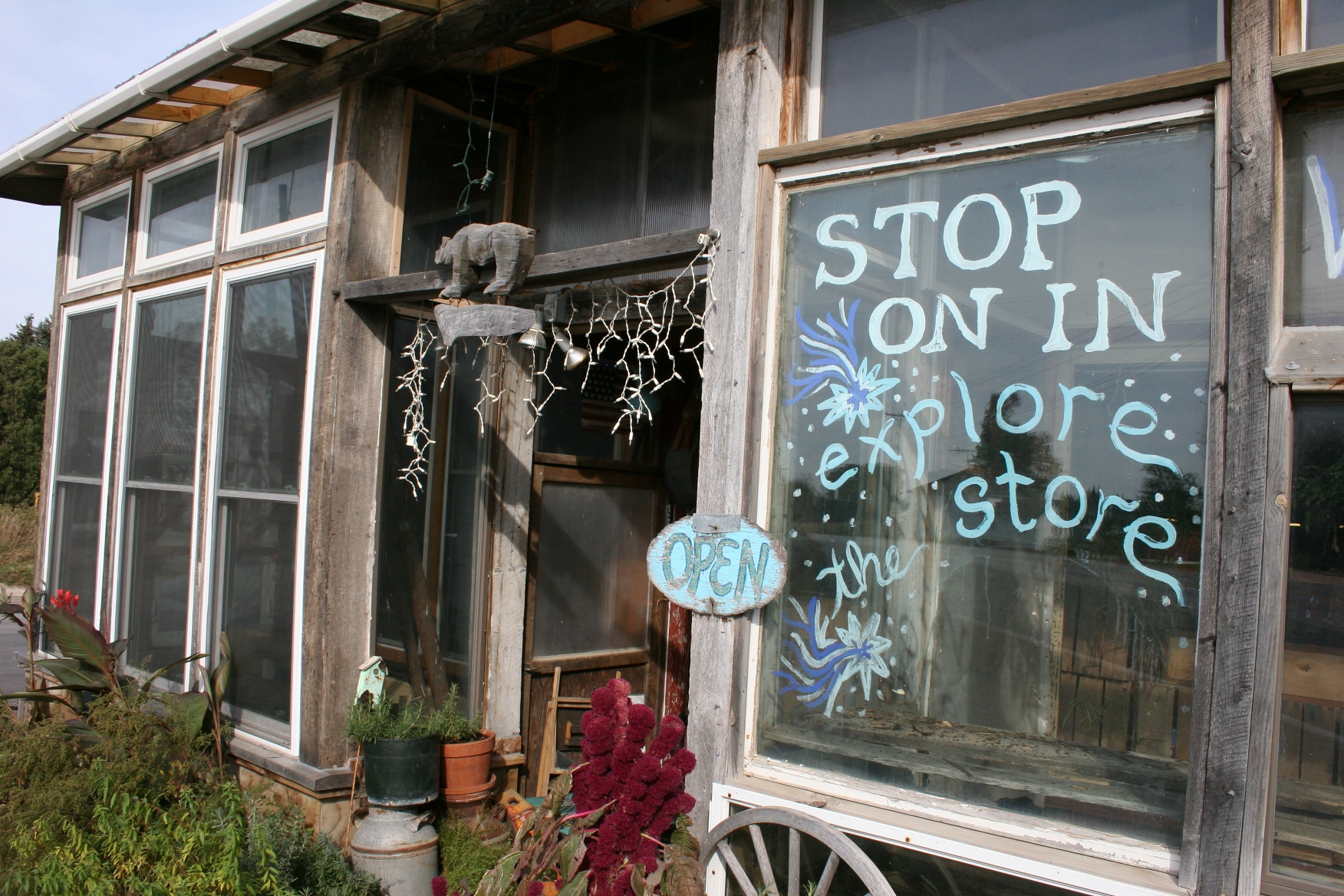
And had we not seen the writing on the window, “Stop on in and explore the store,” and the OPEN sign, we might have driven right by the Oak Center General Store.
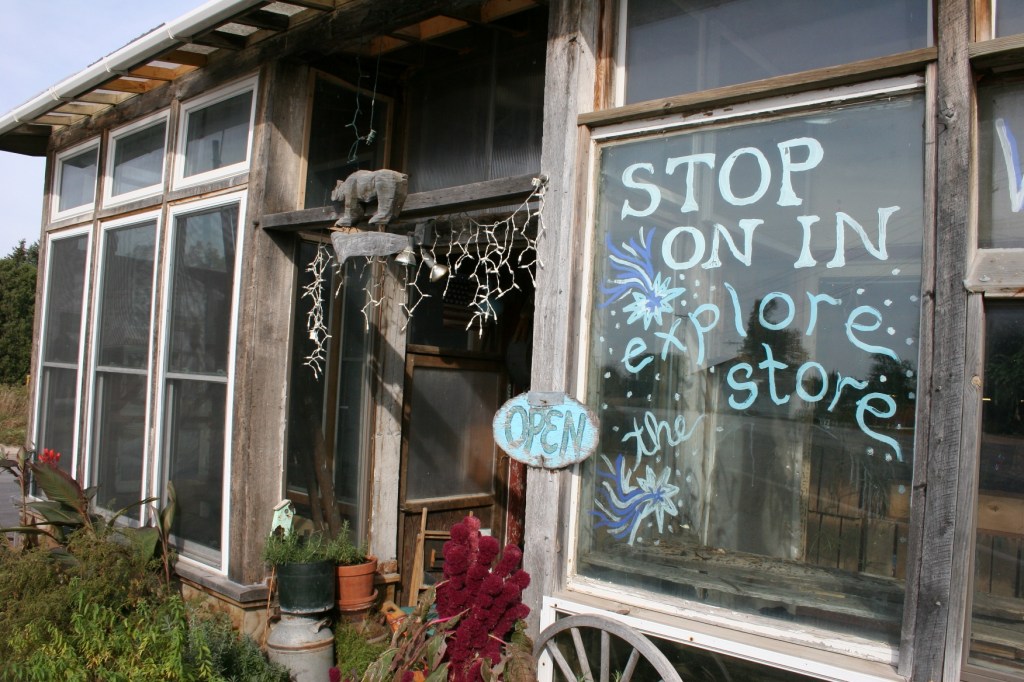
That message on the front window that urged us inside.
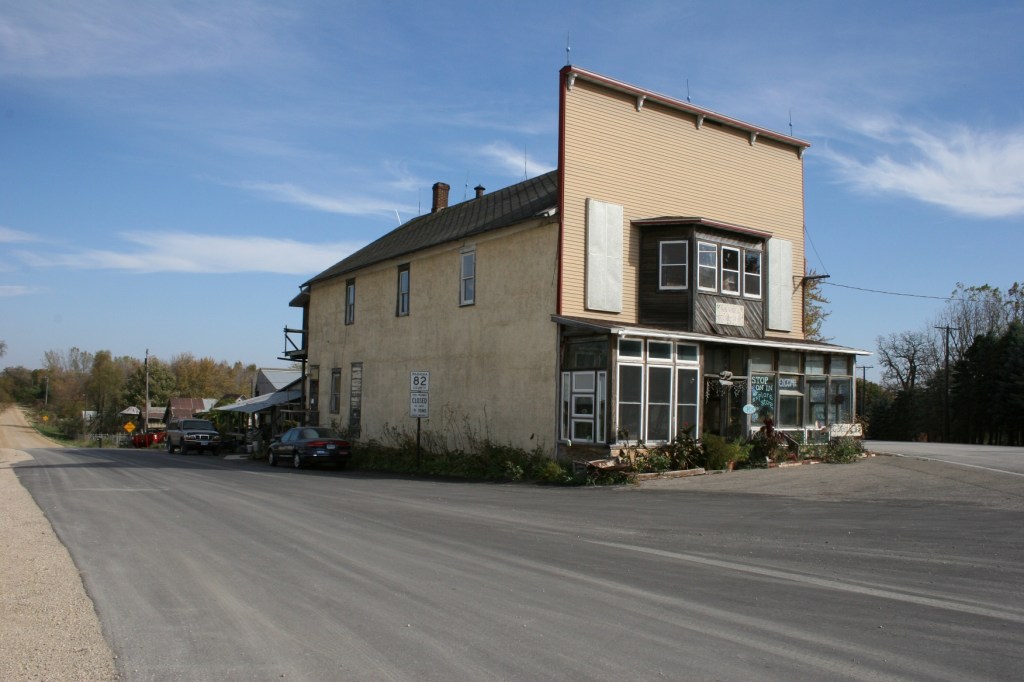
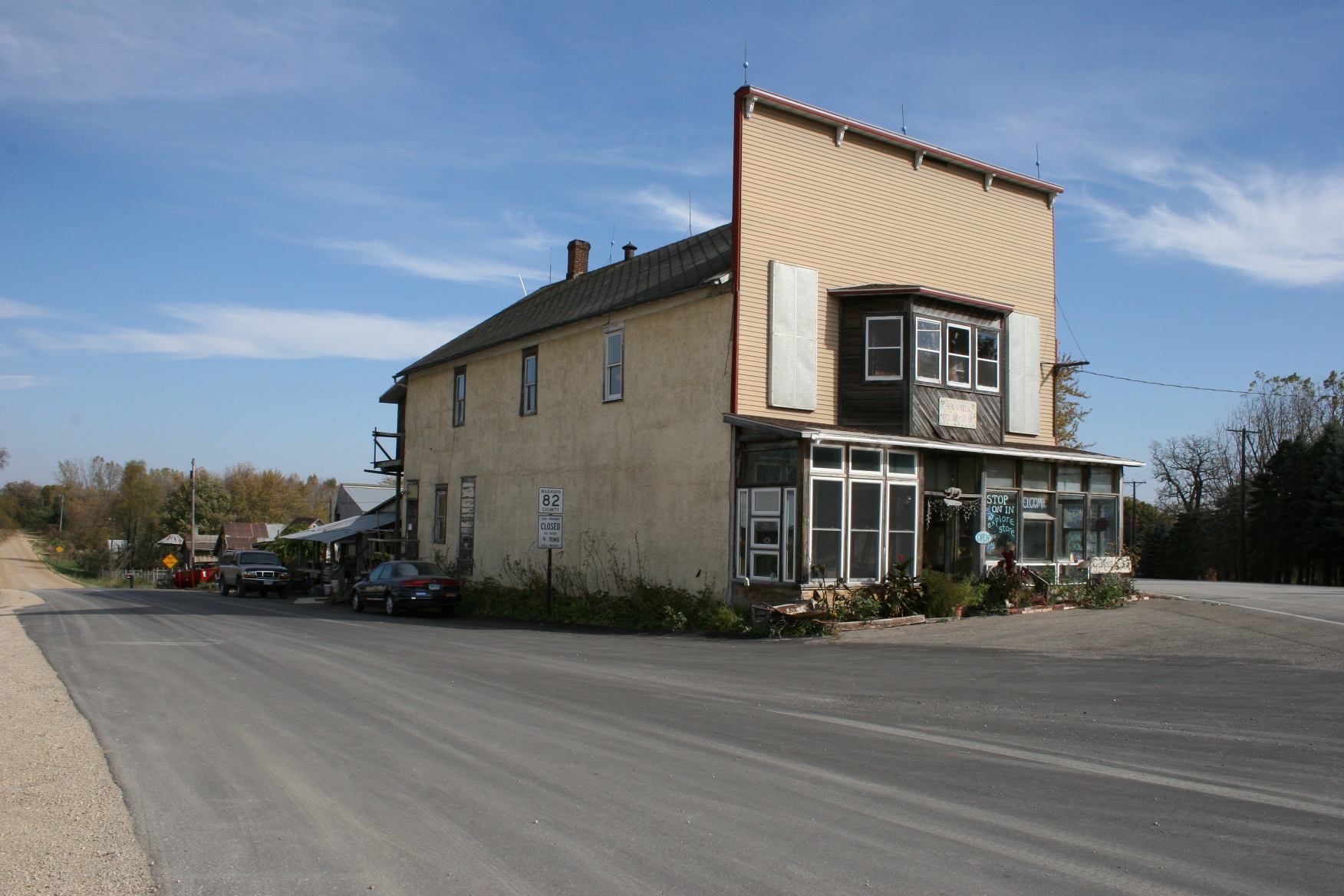
The general store sits nearly on top of Highway 63, right, in Oak Center.

From the exterior, it’s that type of structure and setting—a visual hodgepodge which makes you question whether the place truly is open.

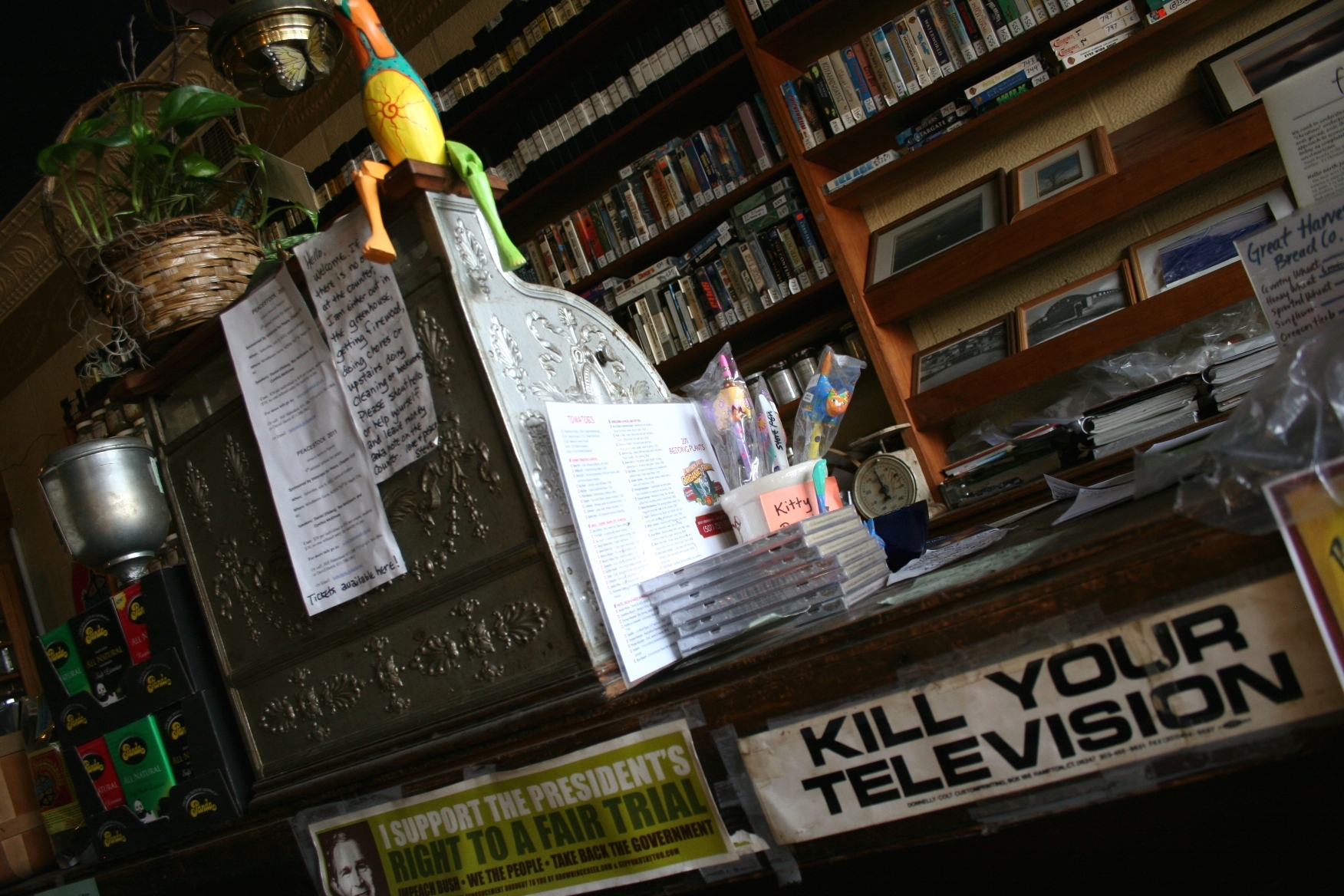
My husband and I wondered that when we pulled off the highway and parked next to the old building. Then we stepped inside and it was like we had walked into a general store of yesteryear, right down to the vintage push-button cash register.
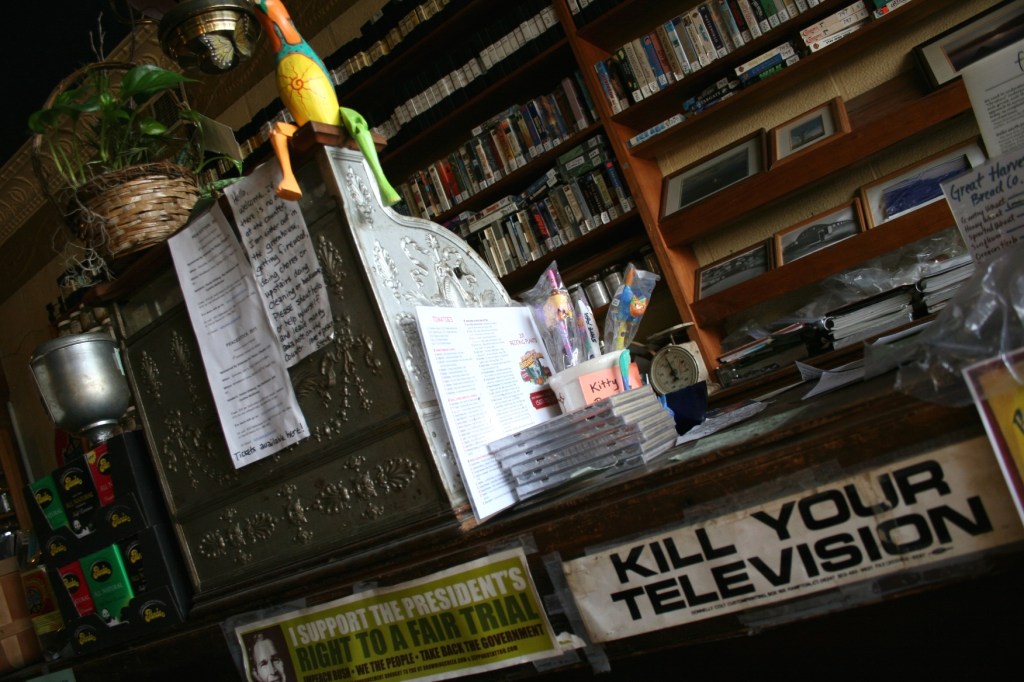
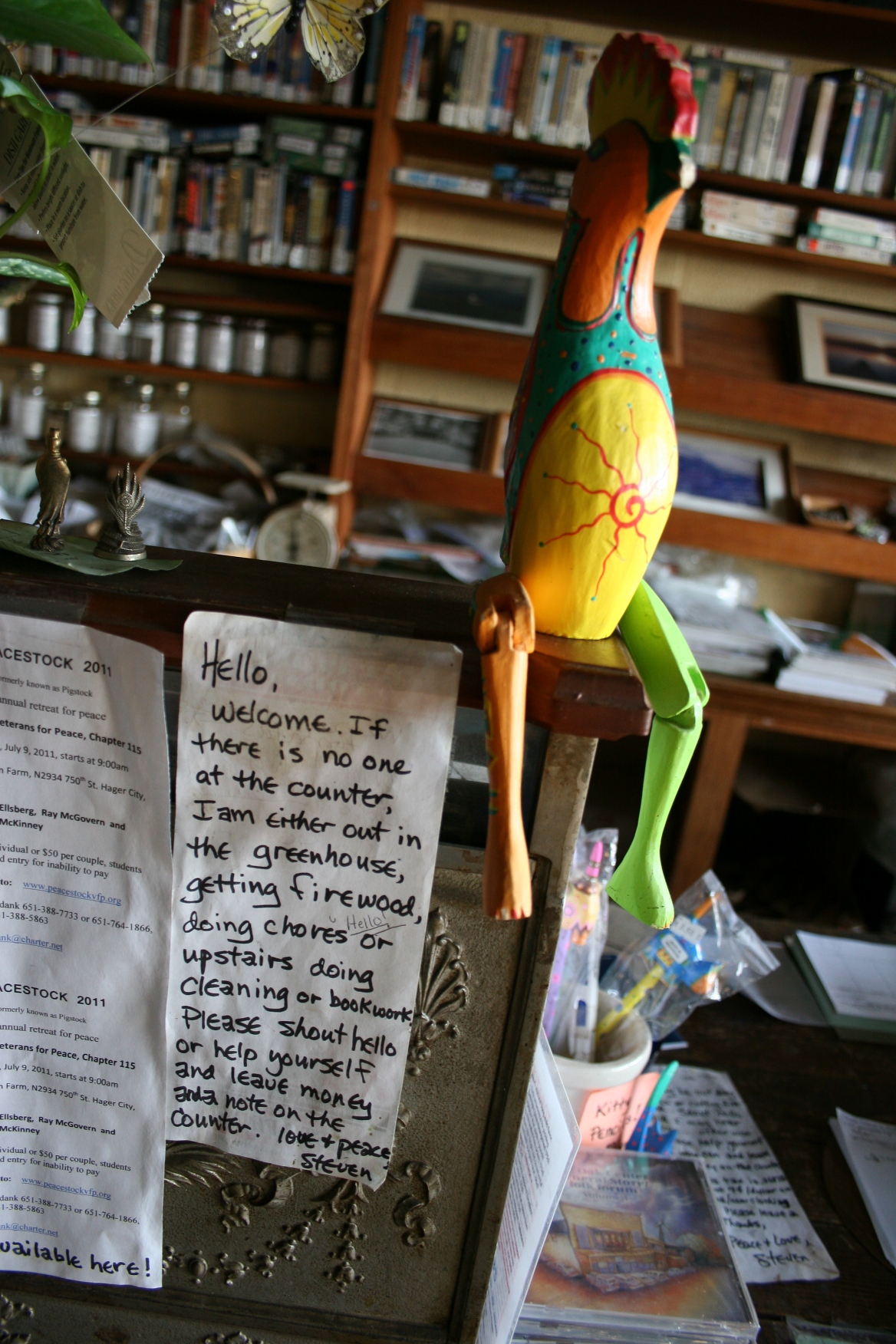
The vintage cash register sits atop a counter labeled with strongly-worded messages.

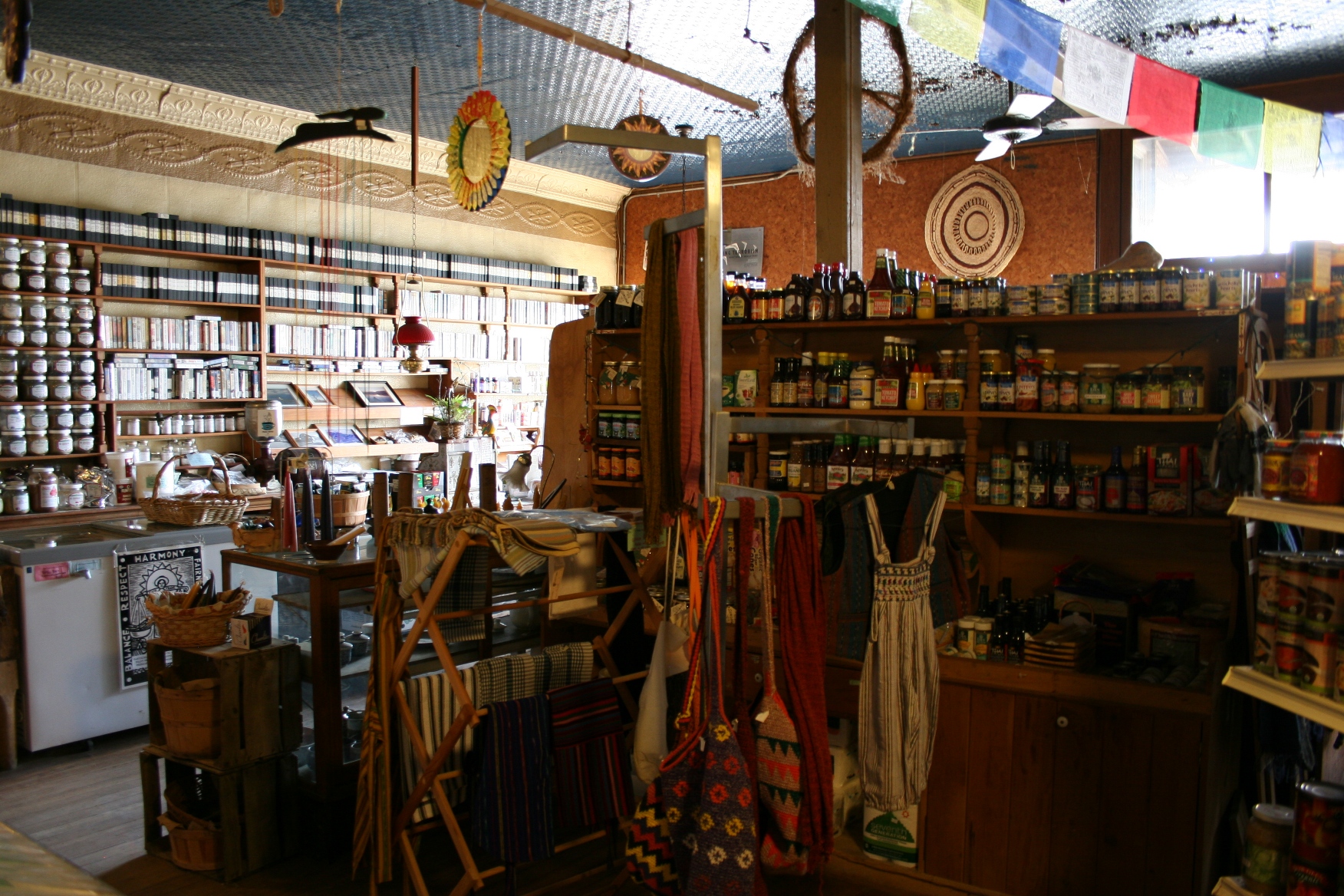
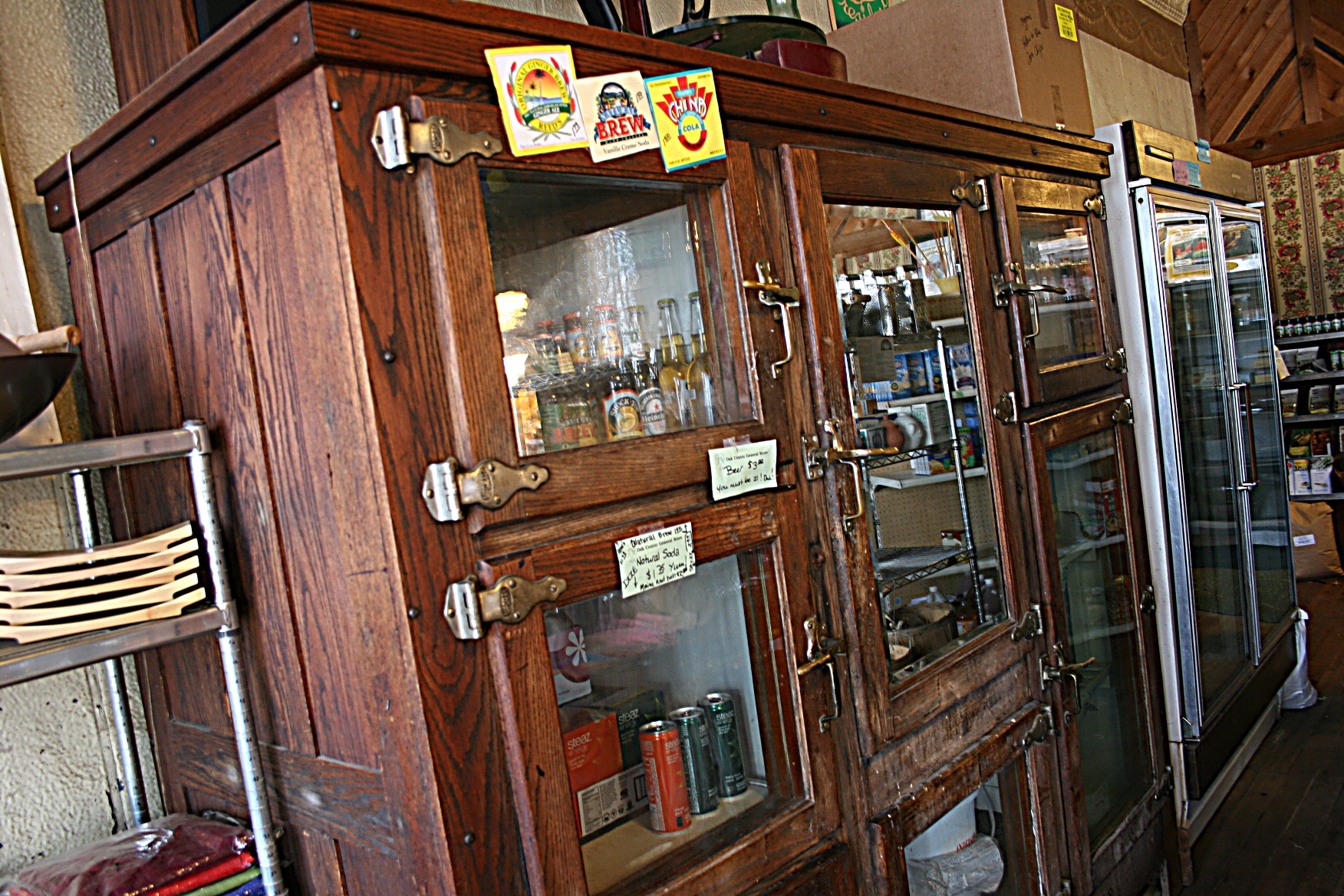
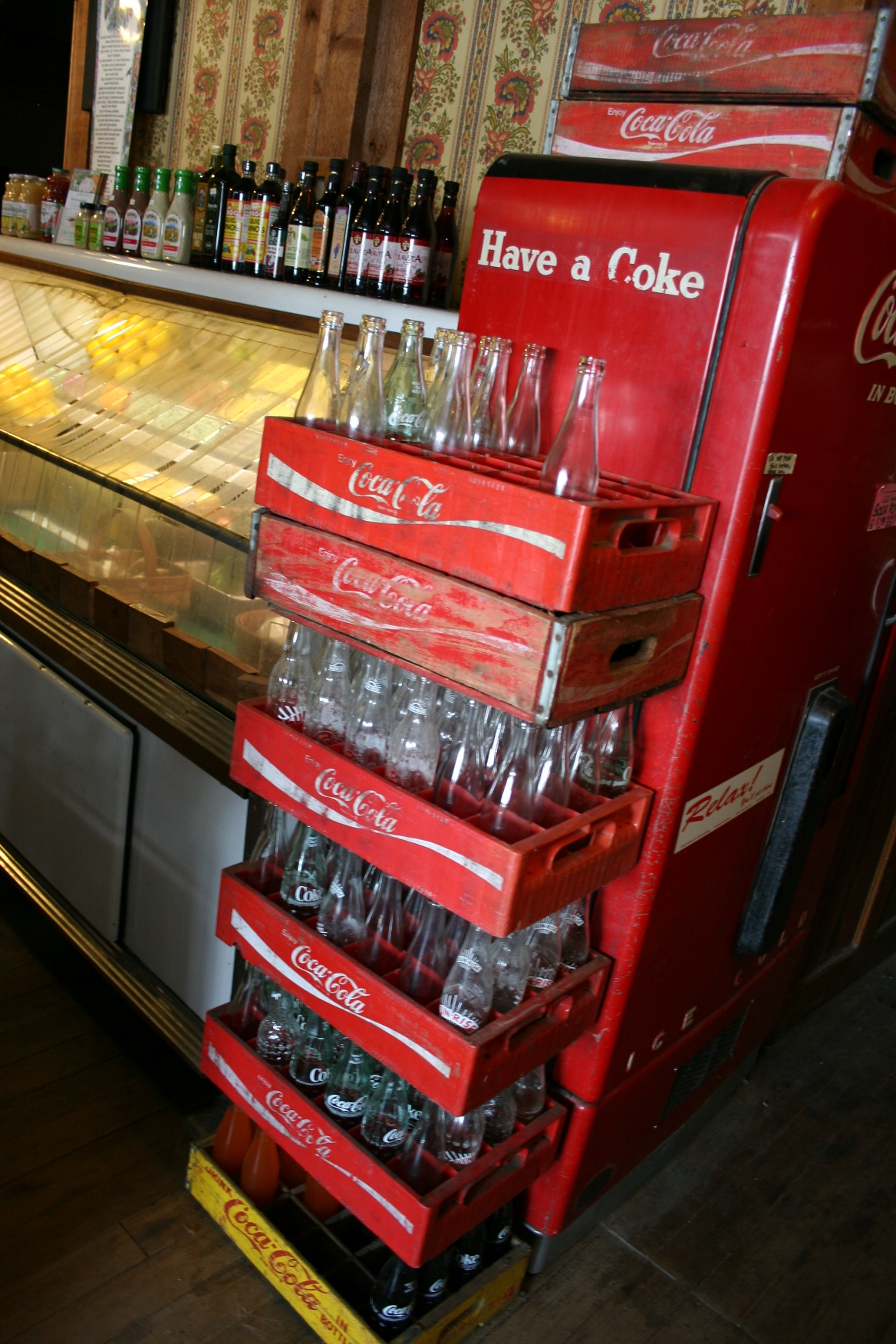
For the longest time we meandered around the shelves, taking it all in—the worn wood-plank floor, the tin ceiling, the old wooden refrigerators, the vintage bottled pop machine, the bulk spices…
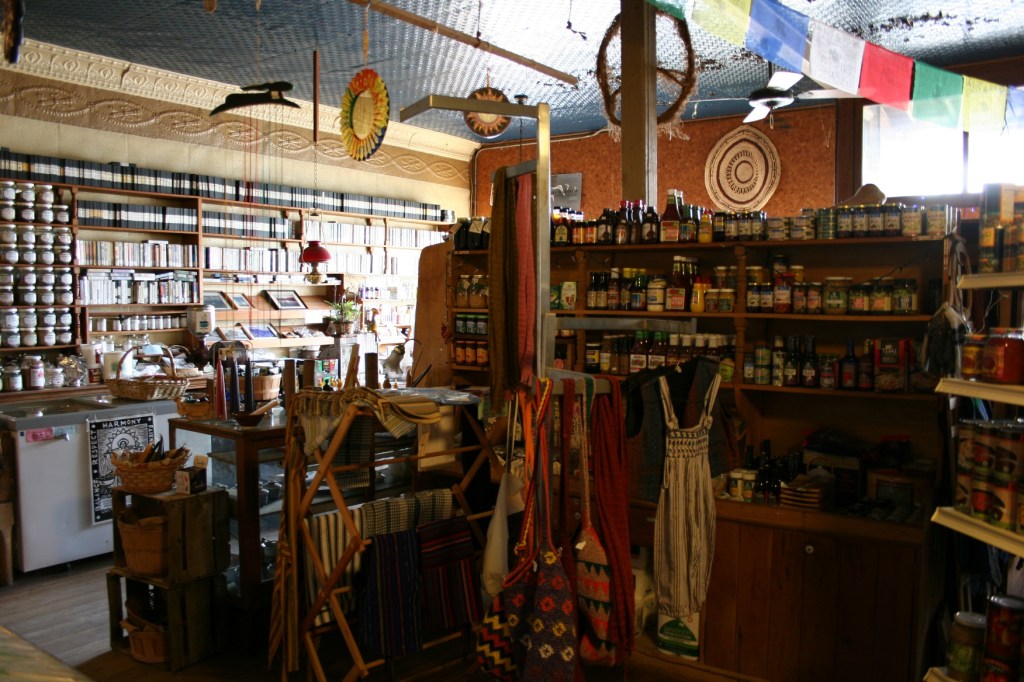
An eclectic mix of merchandise is crammed into the store.
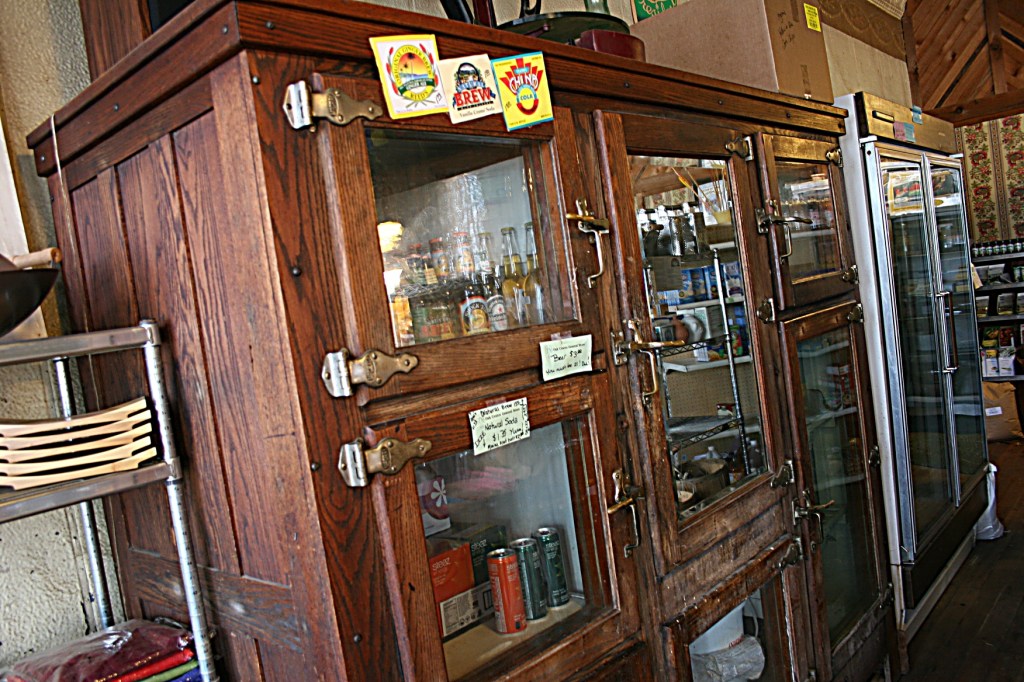
Old-style refrigerators, still in use in the store.
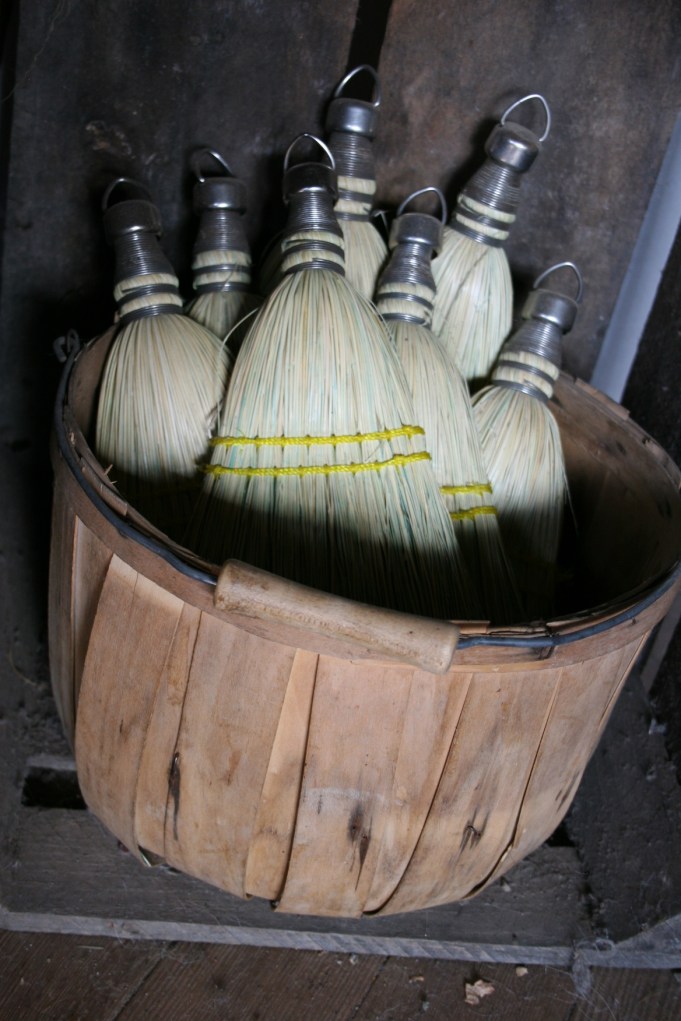
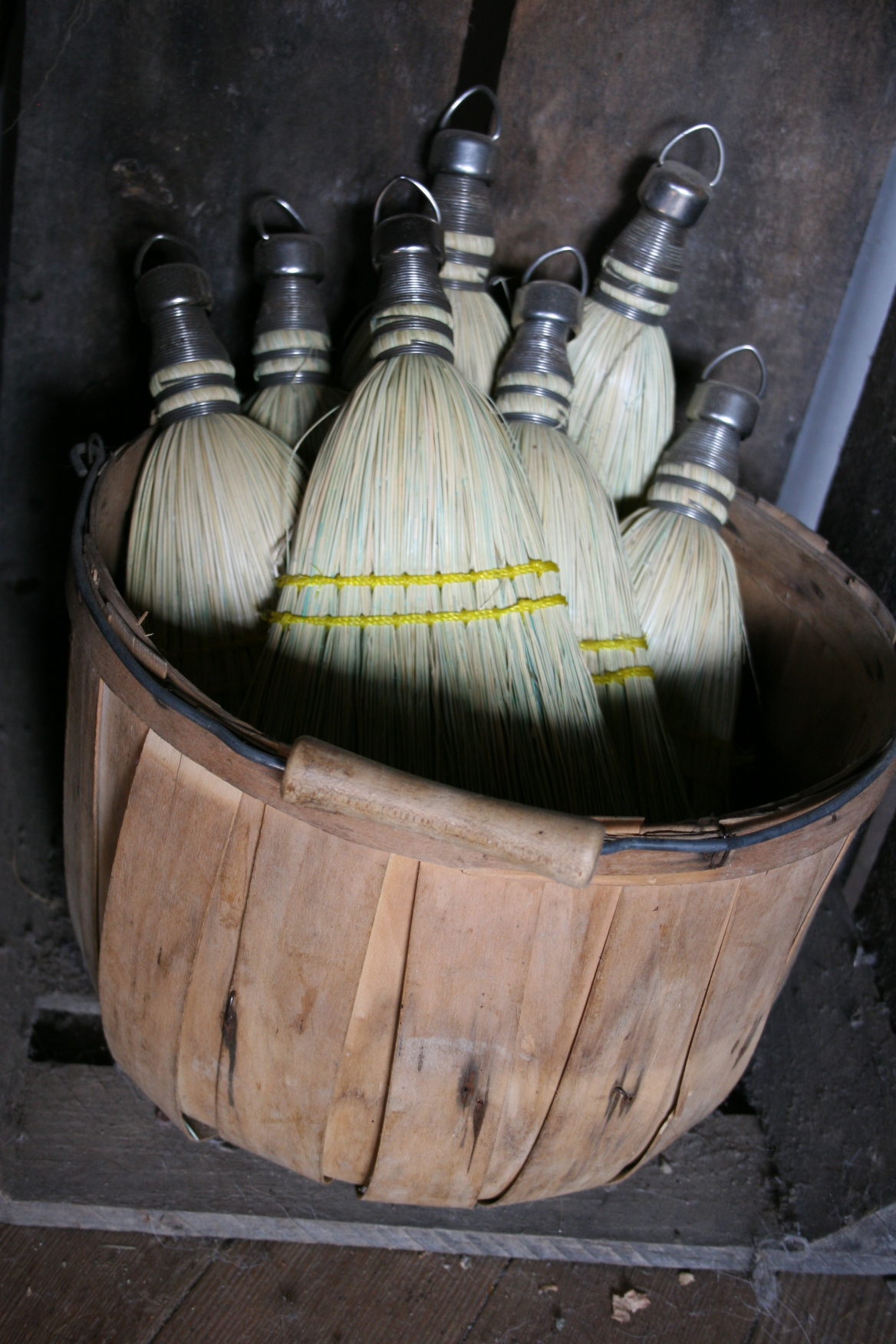
Brooms for sale tucked into a basket on the floor.
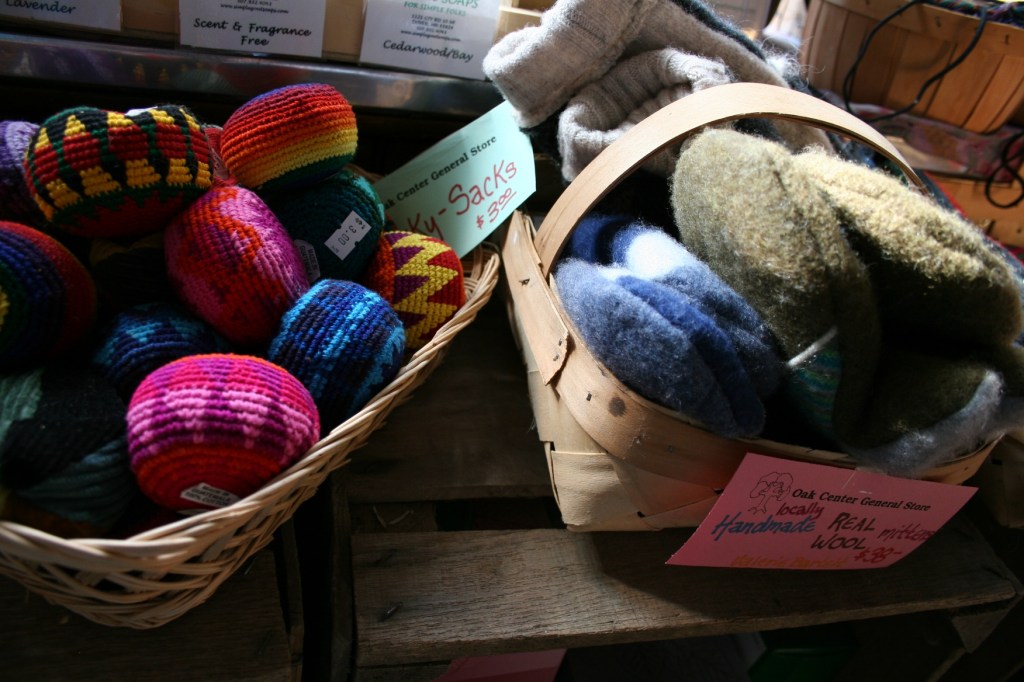
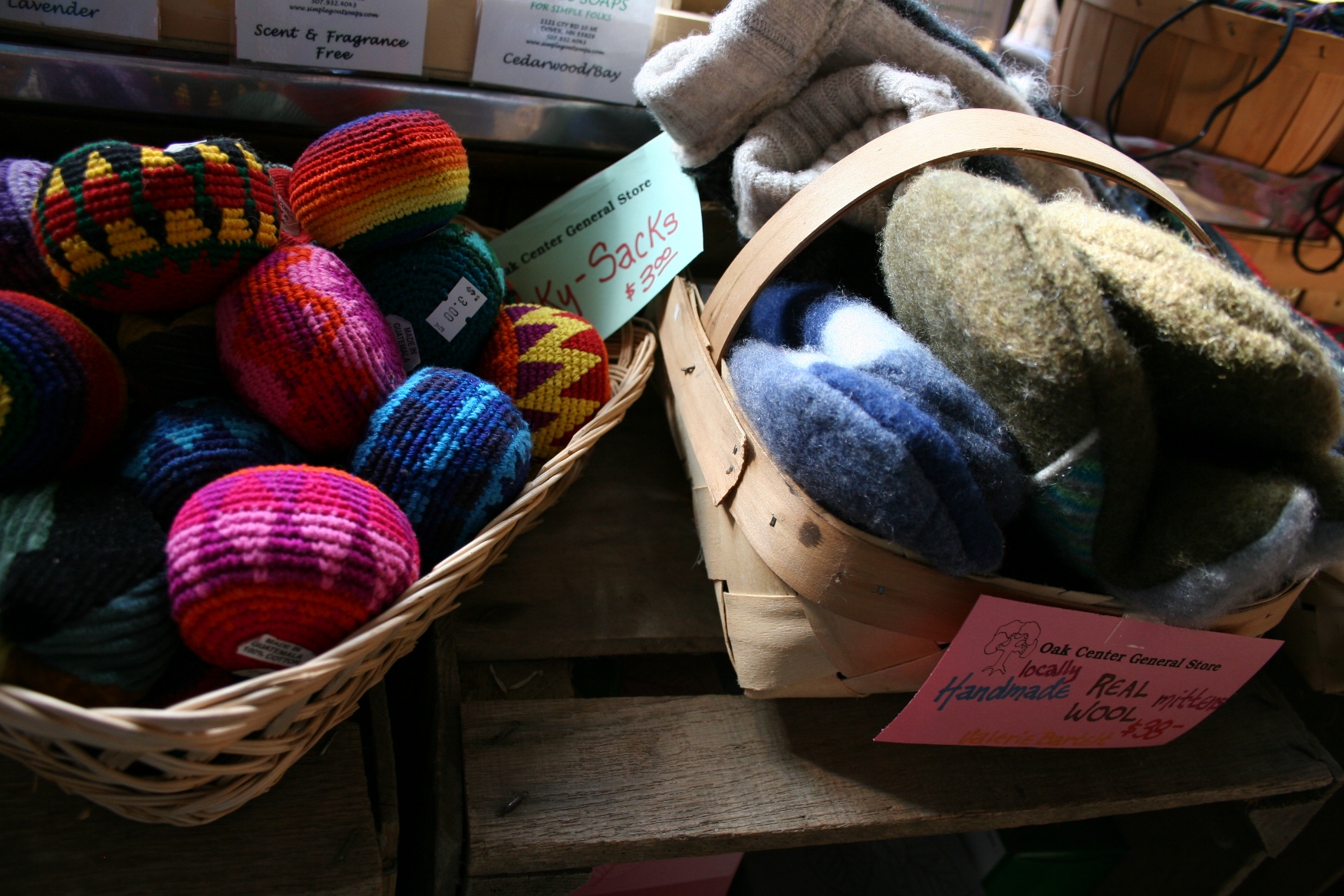
Hacky sacks and handmade woolen mittens on display near a front window.
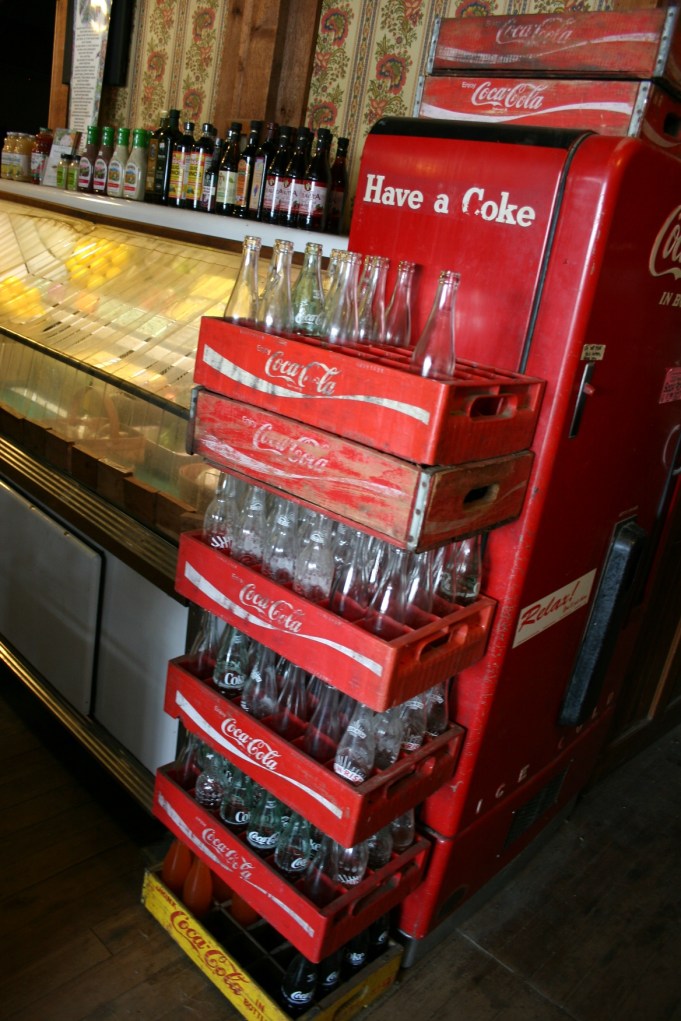
You can purchase pop in bottles from a vintage pop machine.

I couldn’t get enough of this historic general store, which hearkens back to 1913 in this unincorporated locale. I’m not sure exactly what I said to my husband when we were there, all alone, perusing the place. I think we were both too in awe to even talk much.

That’s a good thing, because, even though no one was minding the shop, the baby monitor was switched on, we later learned, and our conversation could be overheard.
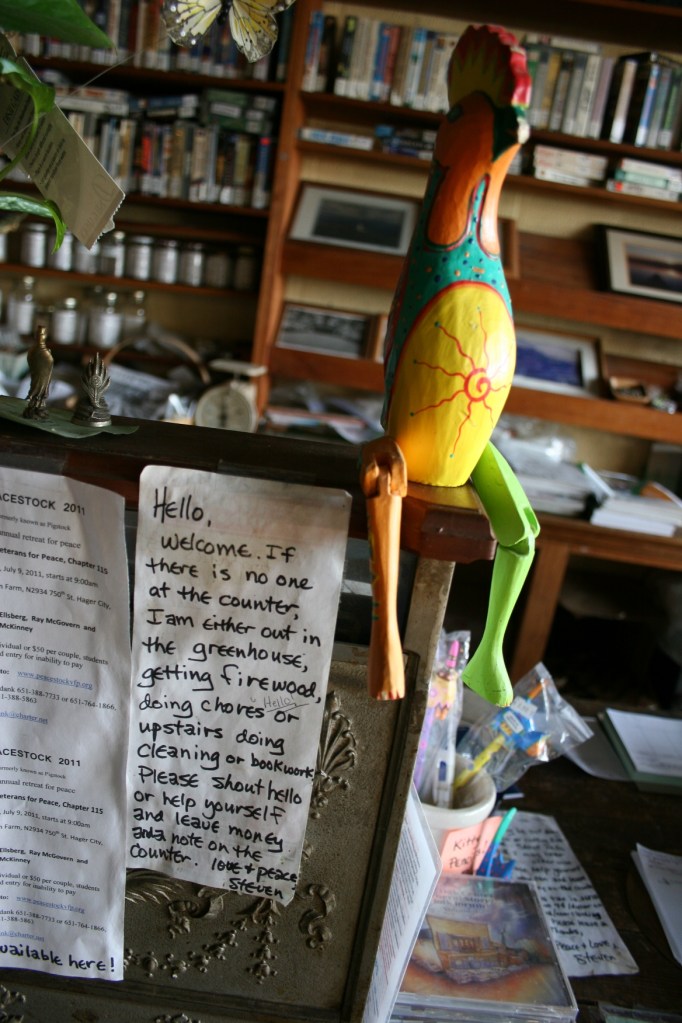
A message on the cash register advises customers to leave their payment on the counter with a note if no one is around.
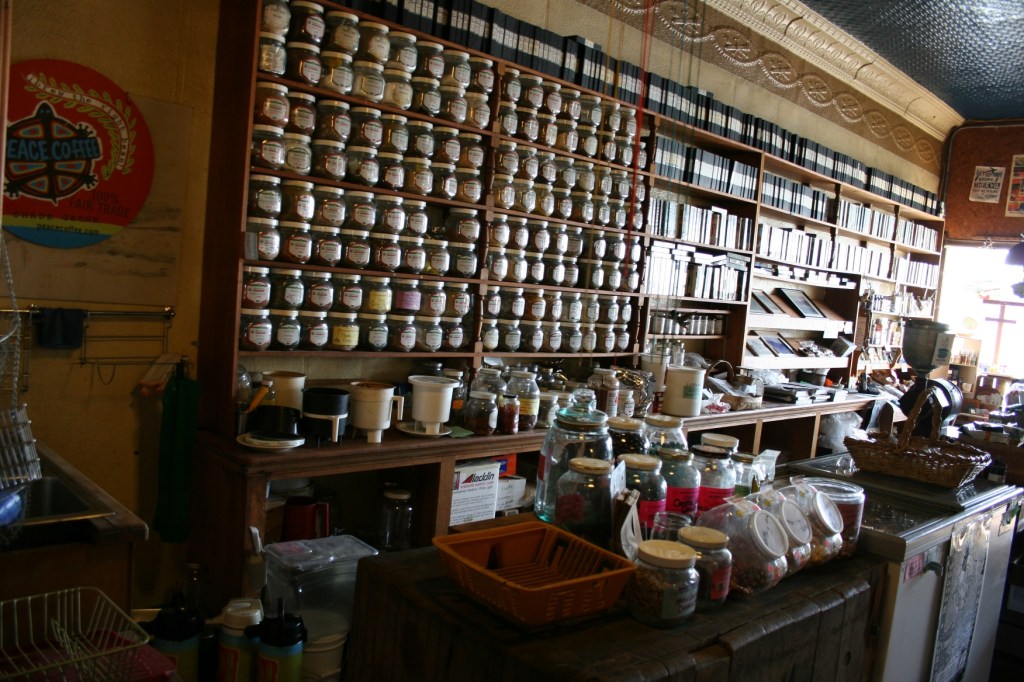
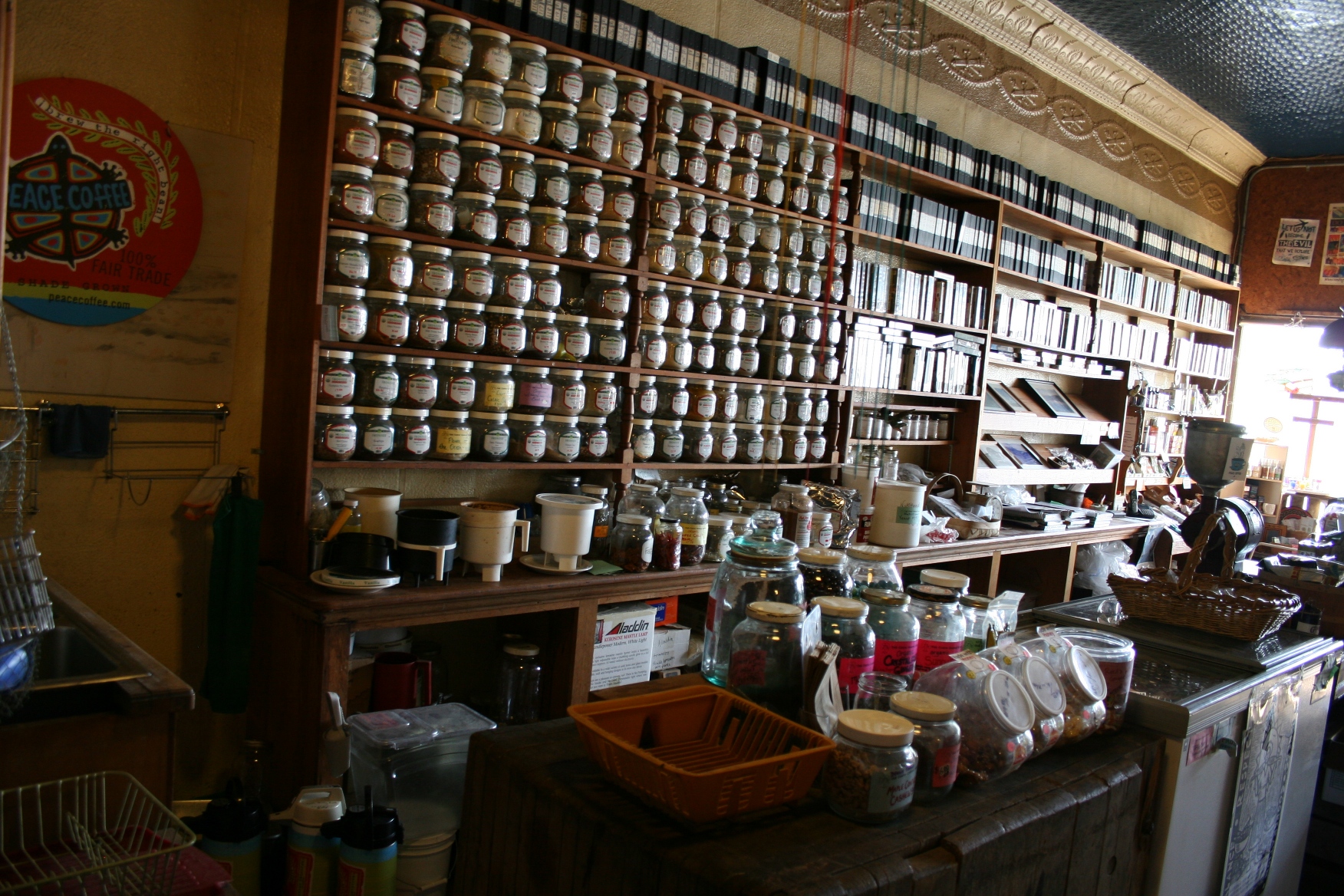
Rows of bulk spices line the shelves behind the counter.

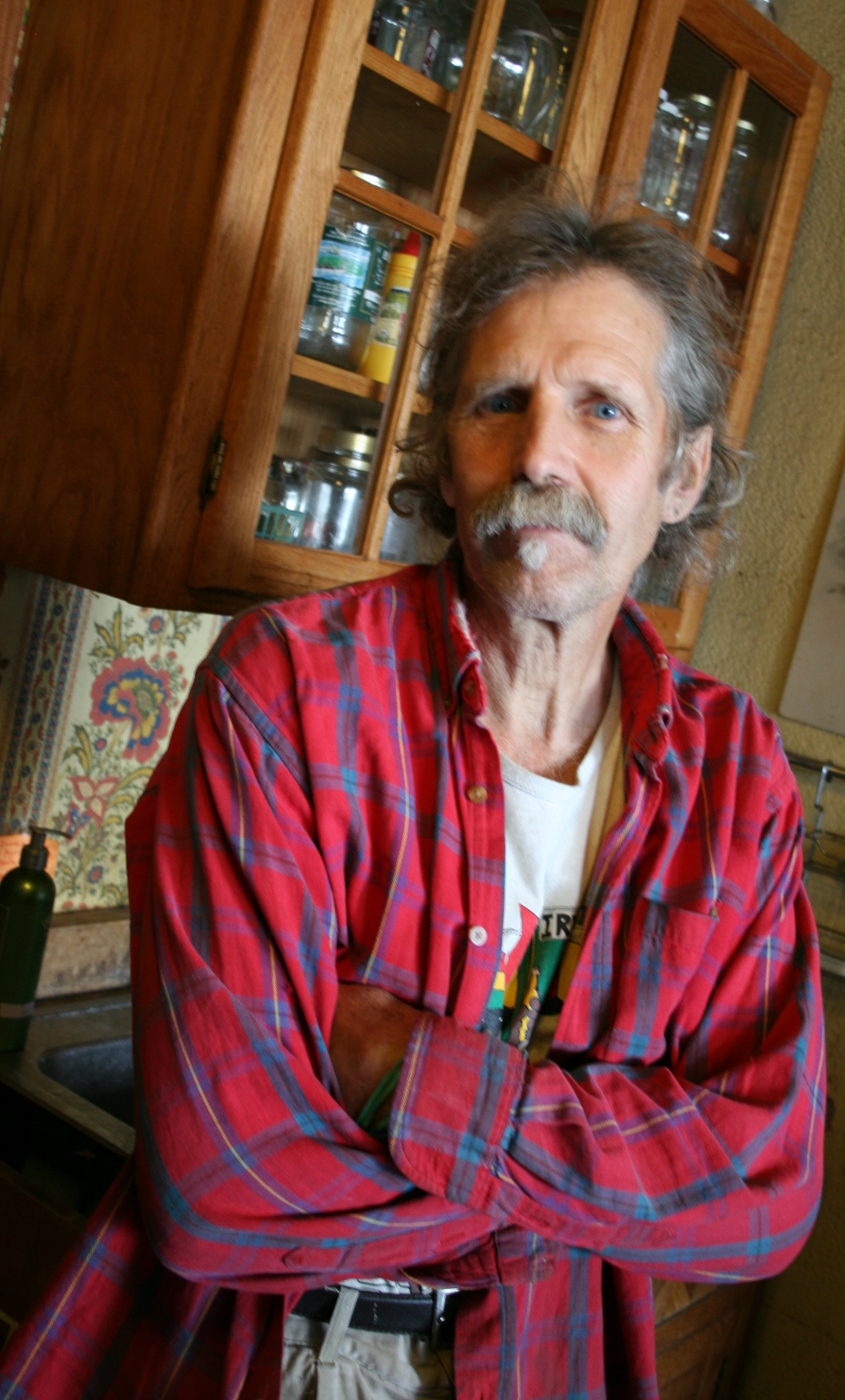
Steven Schwen

About the time I stepped behind the counter to photograph the cash register, Strider Hammer strode into the room and, when I began asking questions, he fetched owner Steven Schwen.

Introducing himself as a “voluntary peasant,” Steven and I shook hands and he apologized for the damp hand. He’d been washing dishes.

Strider clamped my hand in a friendly vise grip handshake.

And so, properly introduced, Randy and I learned a thing or ten about the Oak Center General Store, which Steven purchased 35 years ago after the business closed and the building sat vacant for five years.

Today the Oak Center General Store is “dedicated to rebuilding a better world from the earth up.”

Although I didn’t ask for details about his life views, Steven’s comments and signage inside the store speak to an outspoken, yet gentle, man deeply-rooted in his independent, self-sufficient, non-materialistic, environmental, anti-war beliefs.

“Produce, don’t consume,” he says.

With that philosophy, Steven runs this general store which sells organic foods, kitchenware, candles, incense, local fair trade products, herbs and a lengthy list of other miscellaneous items.

He also operates Earthen Path Organic Farm, a 14-acre fruit, vegetable and herb farm based directly behind the general store, and works with son Joe and daughter-in-law Rebecca of Heartbeet Farm. They sell their products at the Rochester Farmers’ Market and to co-ops in Northfield and the metro area. The Community Supported Agriculture farm, Steven says, supports his family and the store. He also builds furniture and cabinets during the winter months.

Later, after touring the other facet of Oak Center General Store—the music scene—Strider would take us out back to see the farm.

But first things first. Steven disappeared and Strider led us through a dark middle room gathering place cozied with worn couches and a wood burning kitchen stove, past the corner media center (aka computer) to a back stairway nearly as steep as a ladder.

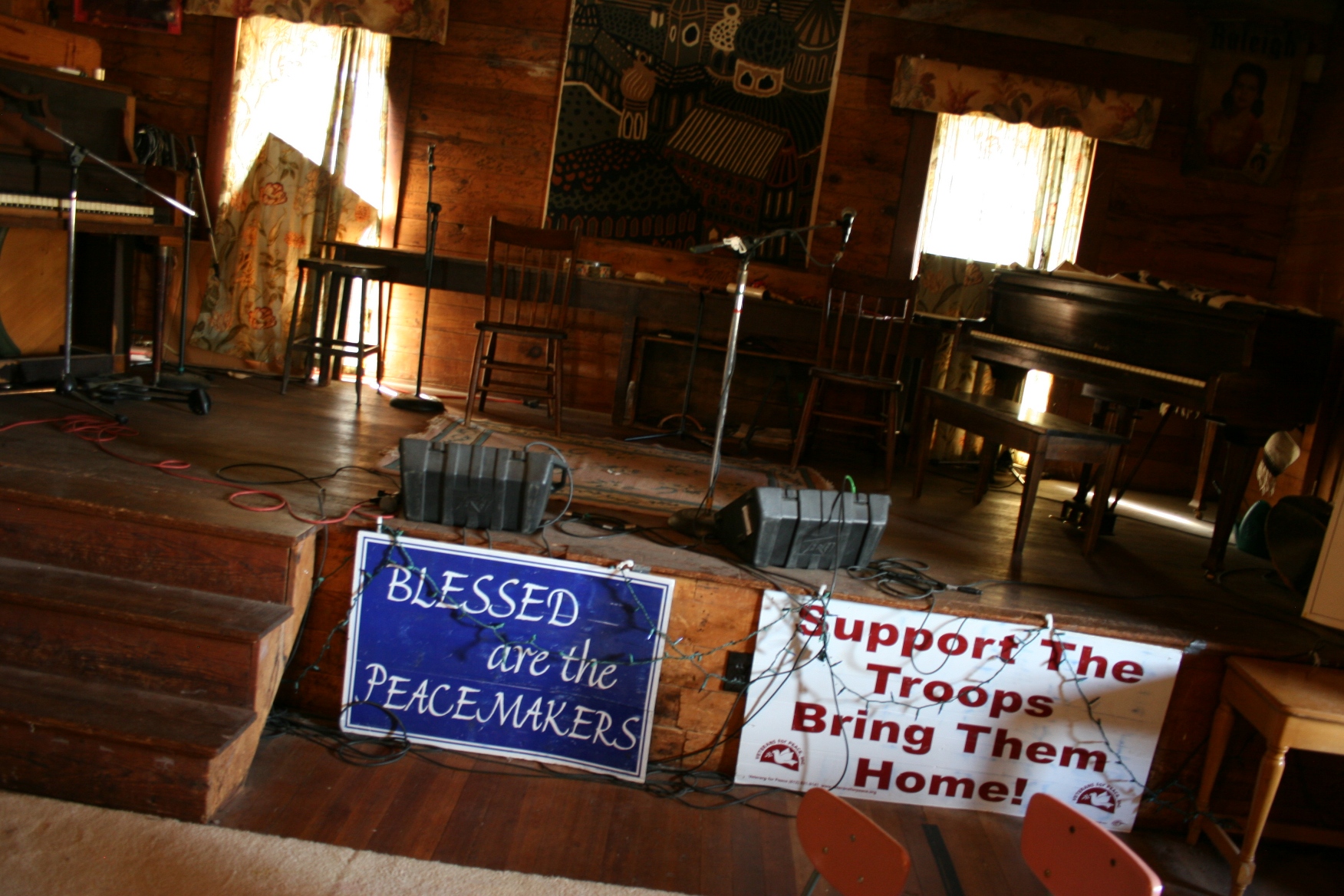
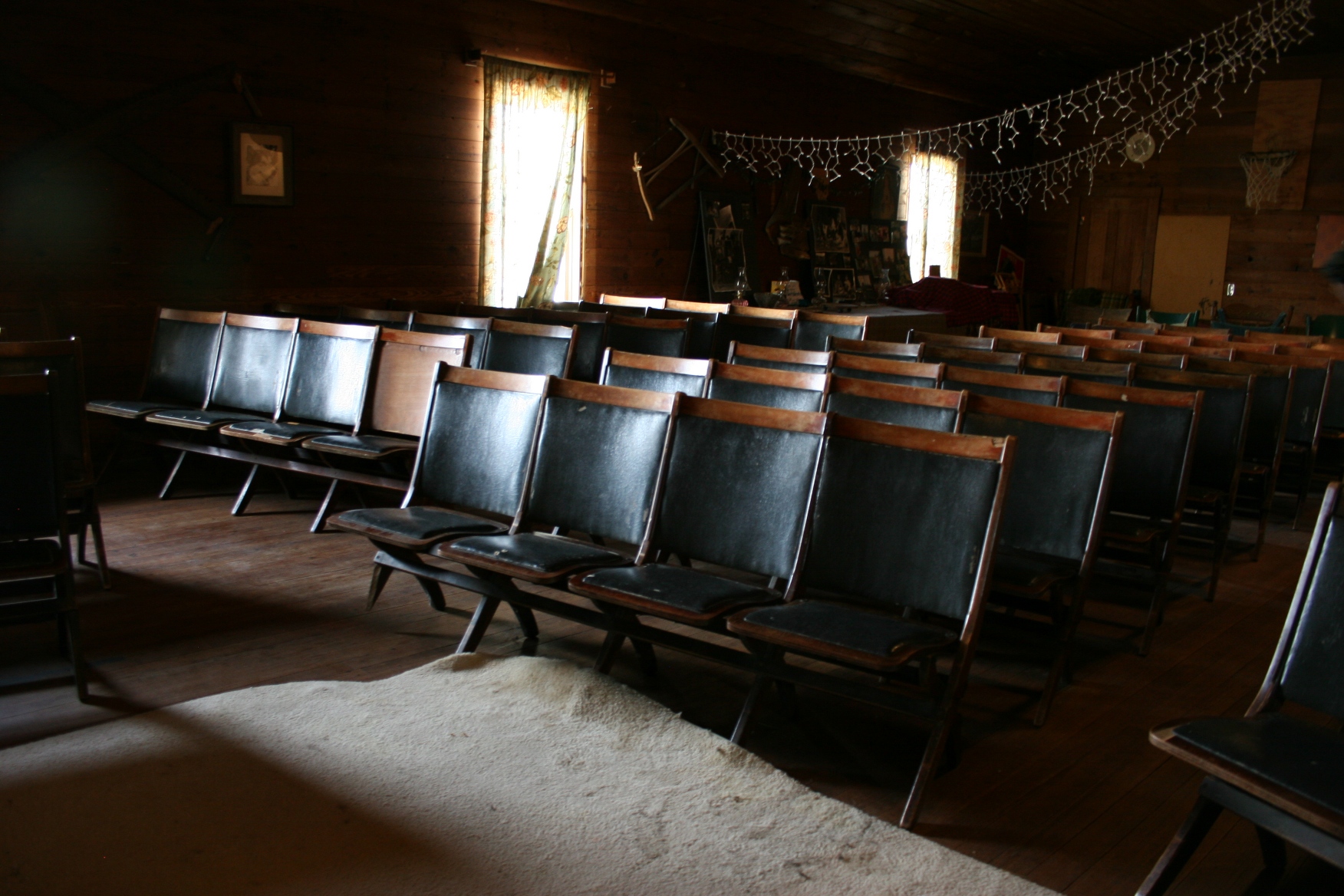
Those steps led us to the old Grange Hall, a former meeting place for farmers and now an entertainment center for local, national and international bluegrass, blues, folk, jazz and similar musical acts.

Earlier, Steven defined the 30-year run of October – April Folk Forum weekend concerts as “non-commercial entertainment connecting people to the land, music and each other.”
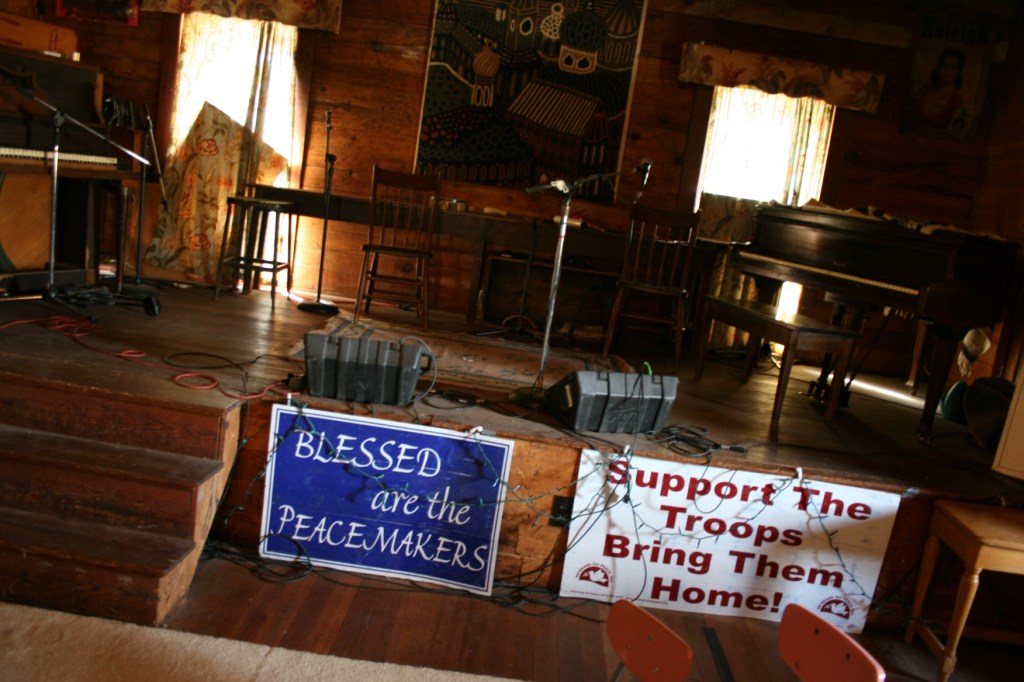
The former Grange Hall stage where musicians perform during the Folk Forums.
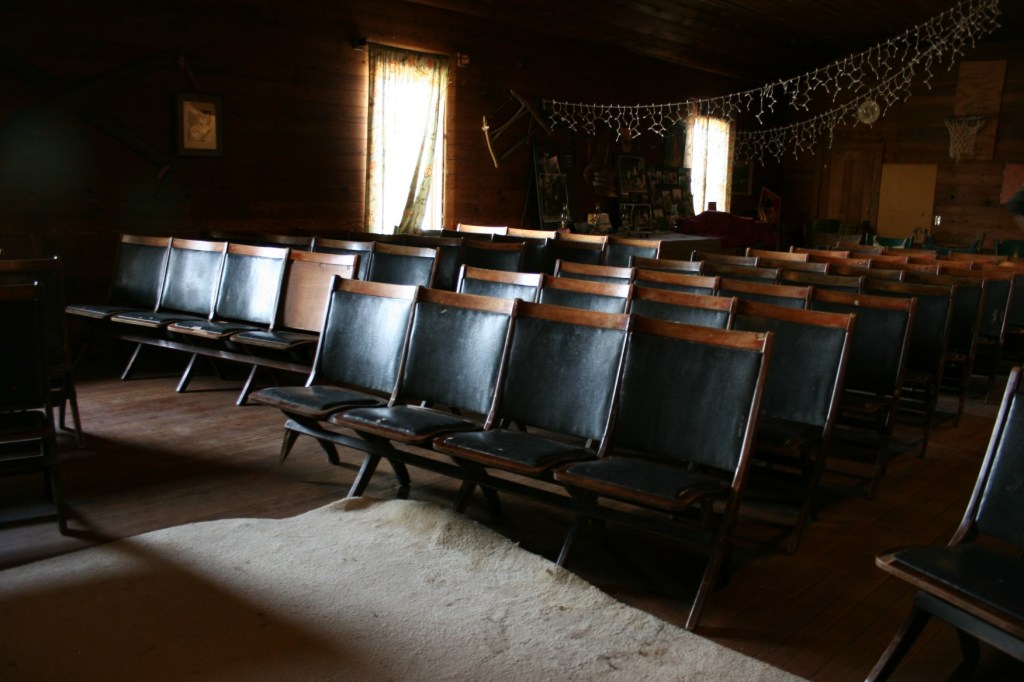
Rows of seating in the old Grange Hall.

I know nothing really about the music genres that entertain at Oak Center. But I recognized Monroe Crossing, the bluegrass group which will present a 2 p.m. Christmas Matinee on Sunday, December 4.

Other upcoming performers include Bingham and Thorne, Marty Marrone & Tangled Roots, Robby Vee, Galactic Cowboy Orchestra and many more slated in from now through December 23. (Click here to get the full line-up of musicians.)

Strider invited us to return for a concert with a recommended $5 – $15, but “pay what you’re able,” ticket price and what I expect would be a laid-back atmosphere.

He’s a personable guy, who, when I asked, said he’s a friend and extended family to Steven. You get the sense that anyone who steps inside Oak Center General Store is family.

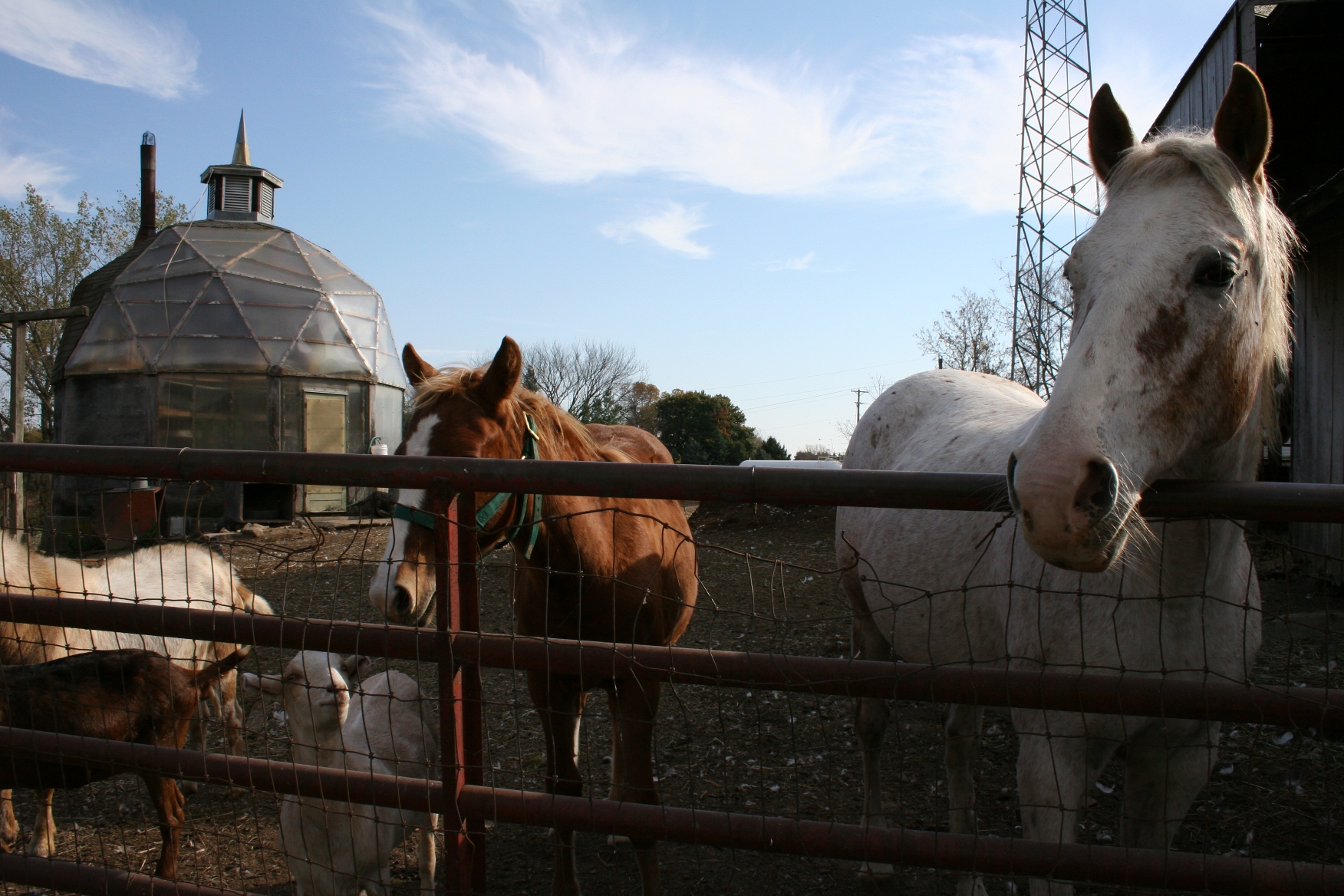
Even the animals out back are the friendly sort; they nuzzle up to the fence when Strider beckons.
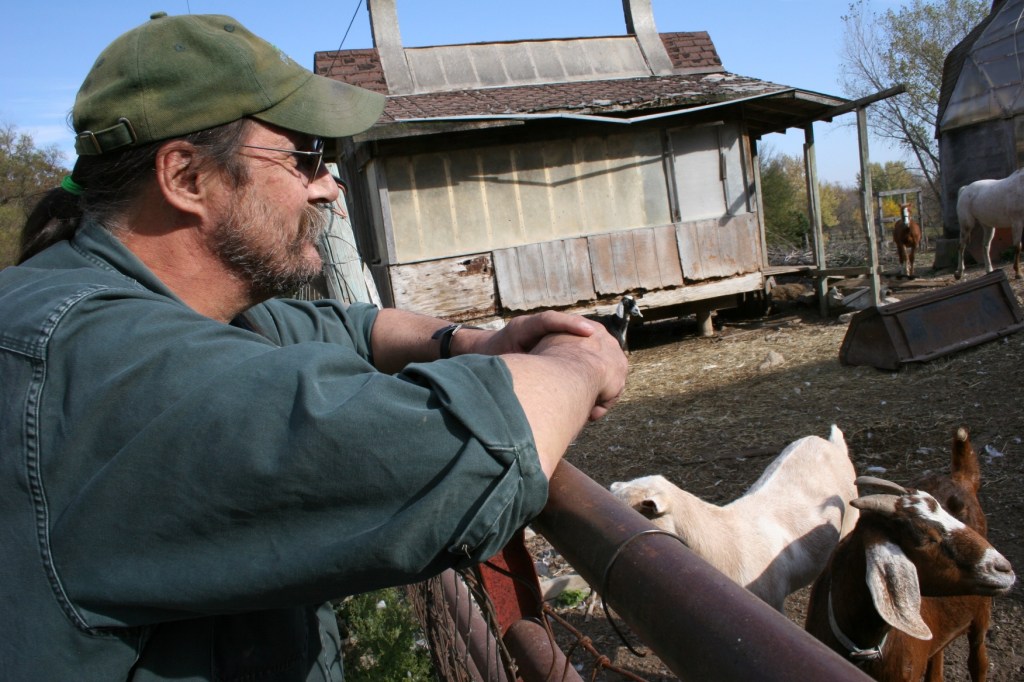
Strider Hammer calls animals to the fence at Earthen Path Organic Farm.
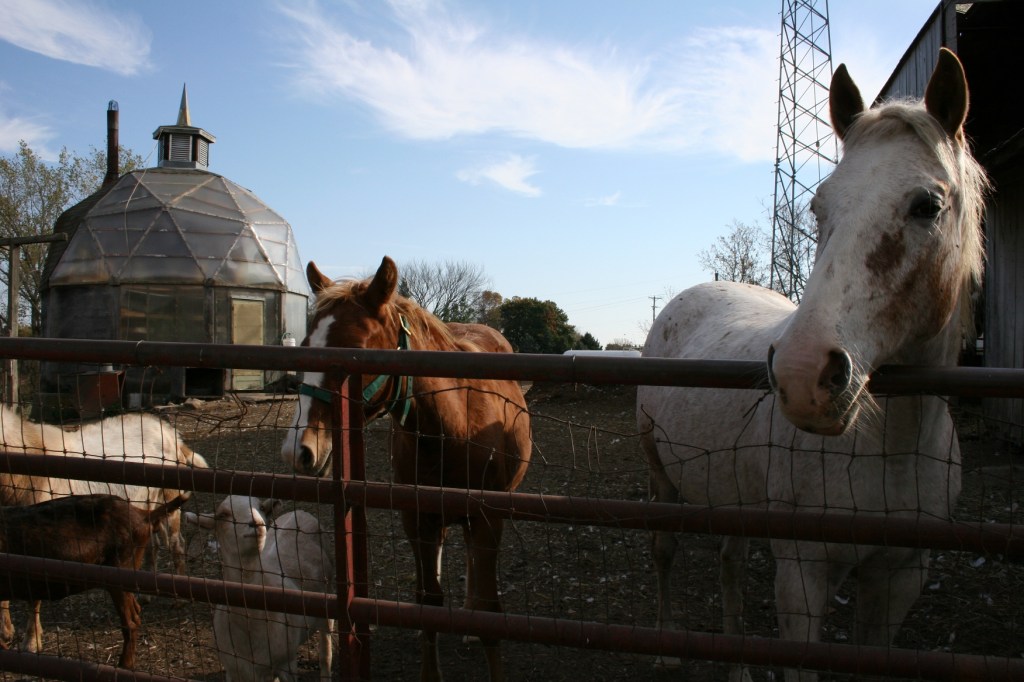
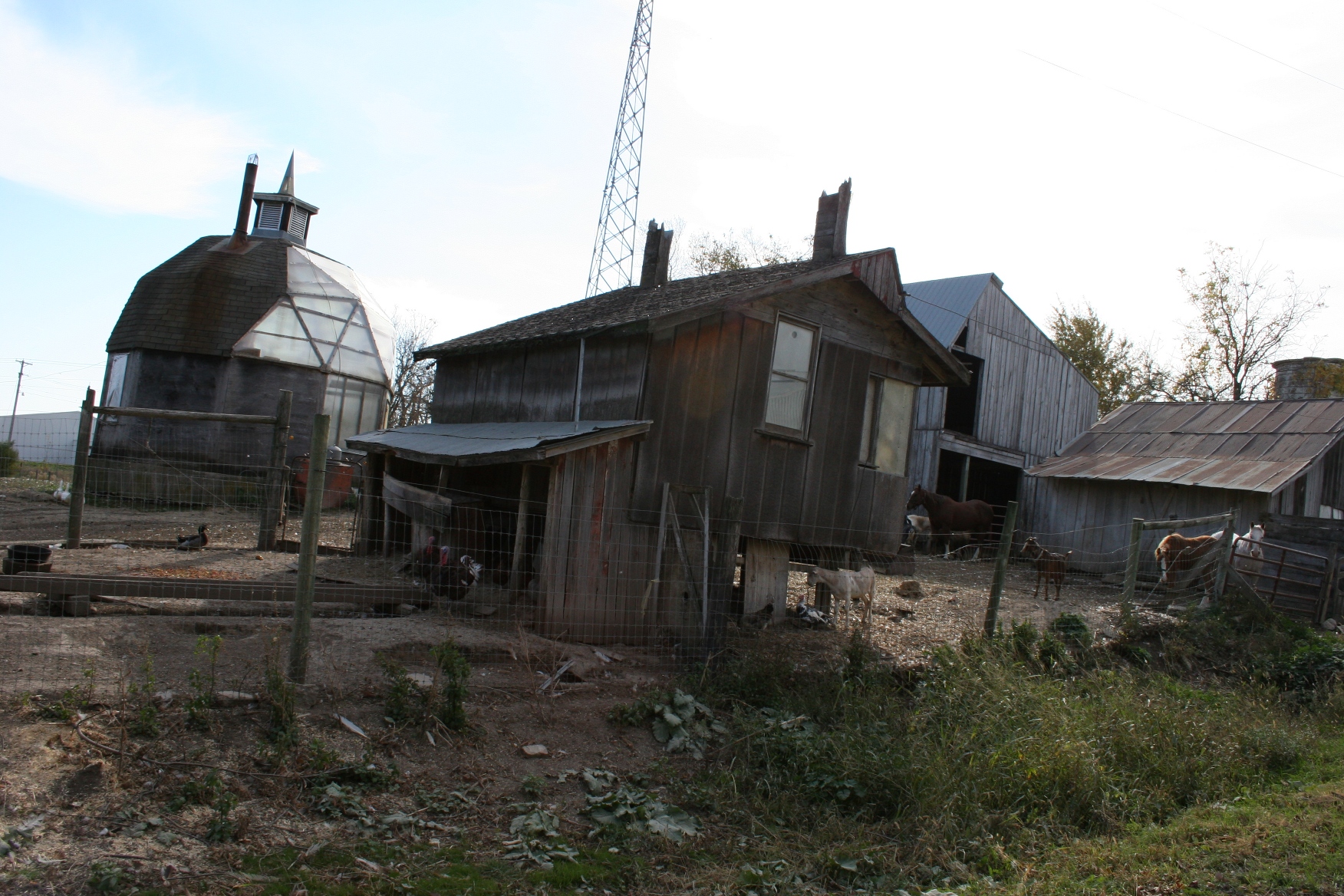
The friendly animals on the "Old McDonald" style farm. Steven's son Joe and his wife Rebecca farm with draft horses. Steven once used those horses to farm, but now, because he can no longer lift the harnesses, relies on tractors.
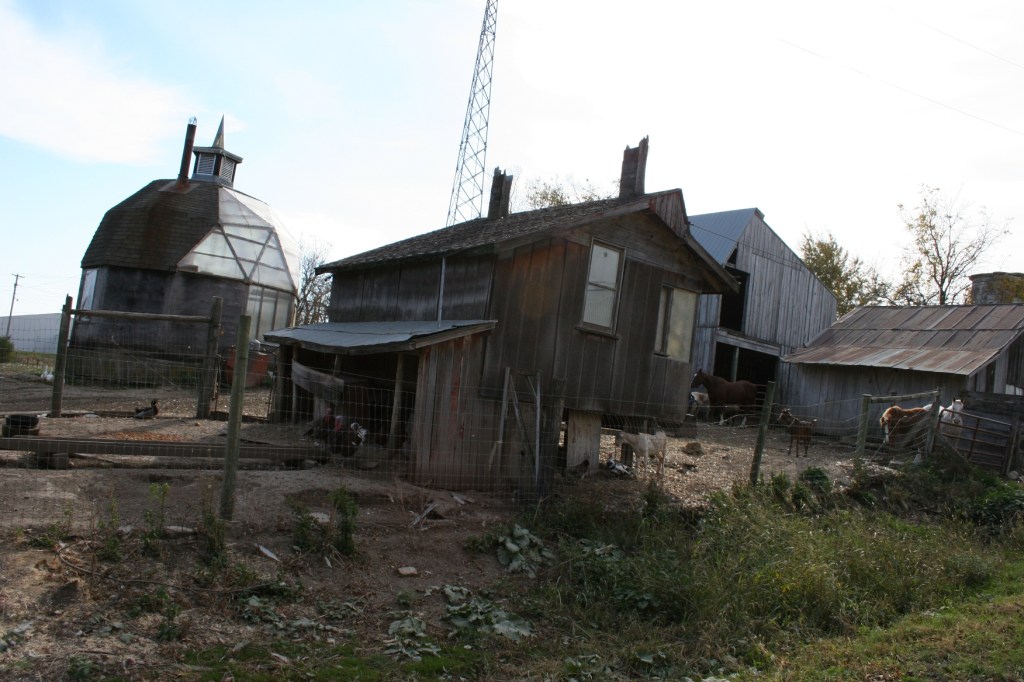
The mishmash of buildings behind the general store.

Back at the side door that leads to the former Grange Hall and back room gathering place, Strider climbed the few stairs onto the weathered deck and bid us farewell with a single and seemingly fitting word for the vibe of the Oak Center General Store:

“Peace,” he said and walked away.

A flower blooms next to the general store.
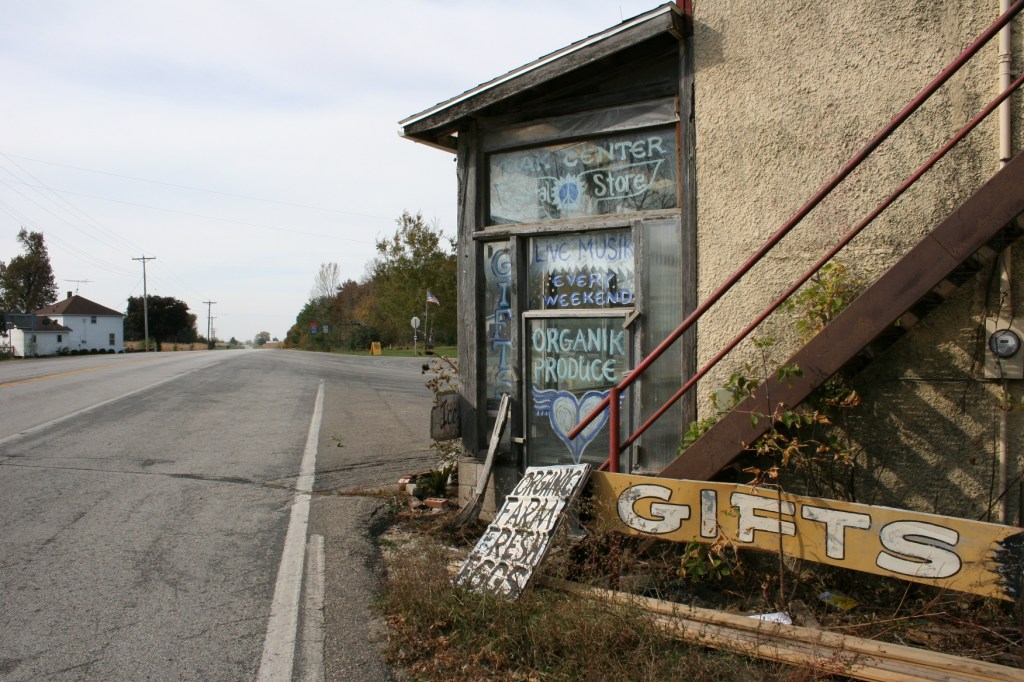
A side view of the store from Highway 63.

FYI: The store is open from 9 a.m. – 6 p.m. Monday – Saturday and some Sundays. In addition to music, Oak Center General Store hosts theater, round table discussions and workshops (ie., holistic medicine, organic gardening, batik) at its Folk Forums.

For more information about the Oak Center General Store, click here.

To learn about  Earthen Path Organic Farm, click here.

For info about  Heartbeet Farm, click here.

© Copyright 2011 Audrey Kletscher Helbling


Worshipping at a country church October 16, 2011

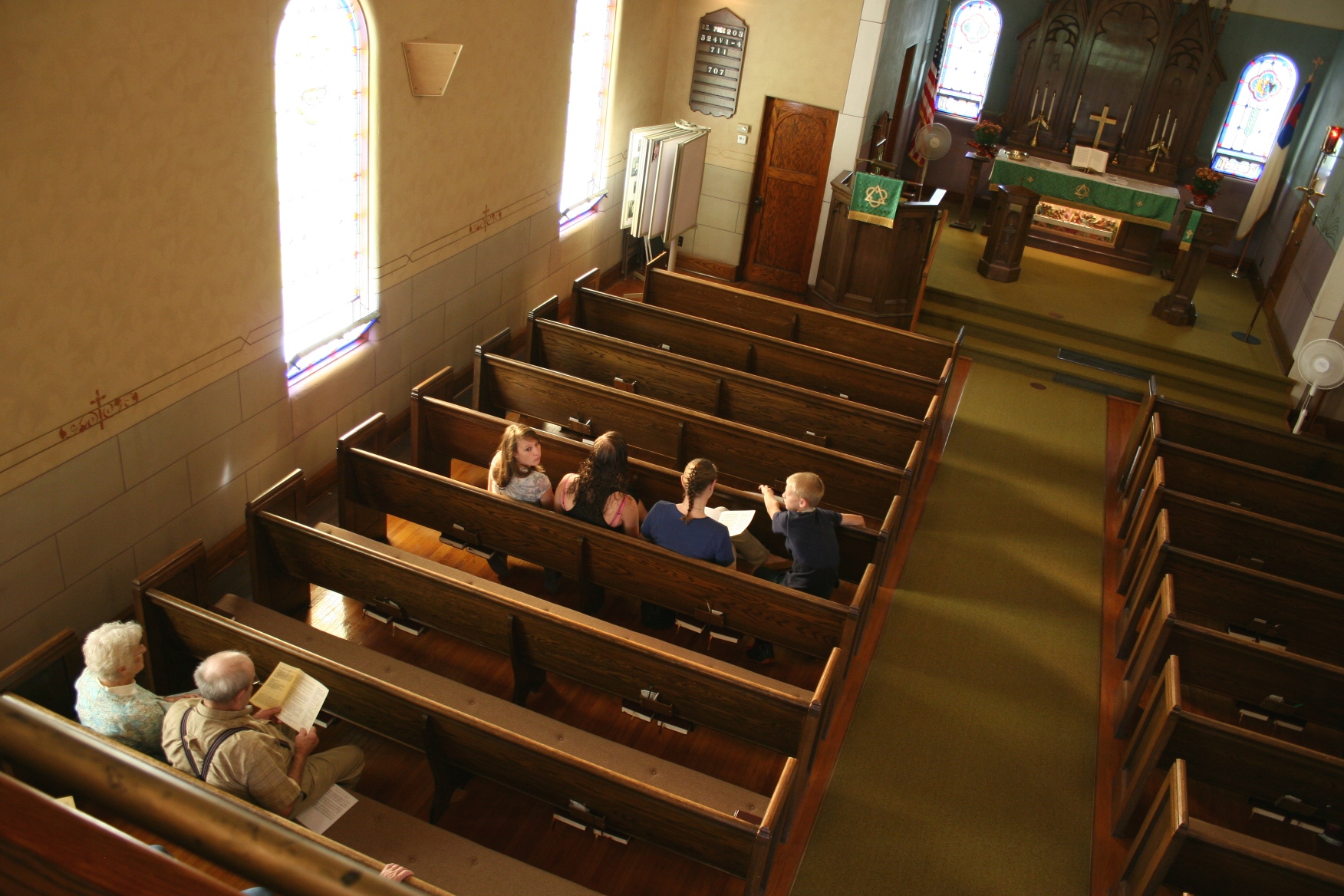
Before worship services on a Sunday morning at Trinity Lutheran Church, North Morristown.

“THERE’S ONE MORE THING to do,” said the Rev. Merle Lebahn, vacancy pastor at Trinity Lutheran Church, North Morristown, before dismissing his congregation. “Give ‘em heaven!”

And so concluded one of the most dynamic worship services I’ve attended in a long time. Pastor Lebahn didn’t deliver a fire-and-brimstone sermon in this country church. But he shared a message memorable both in content and method of presentation.

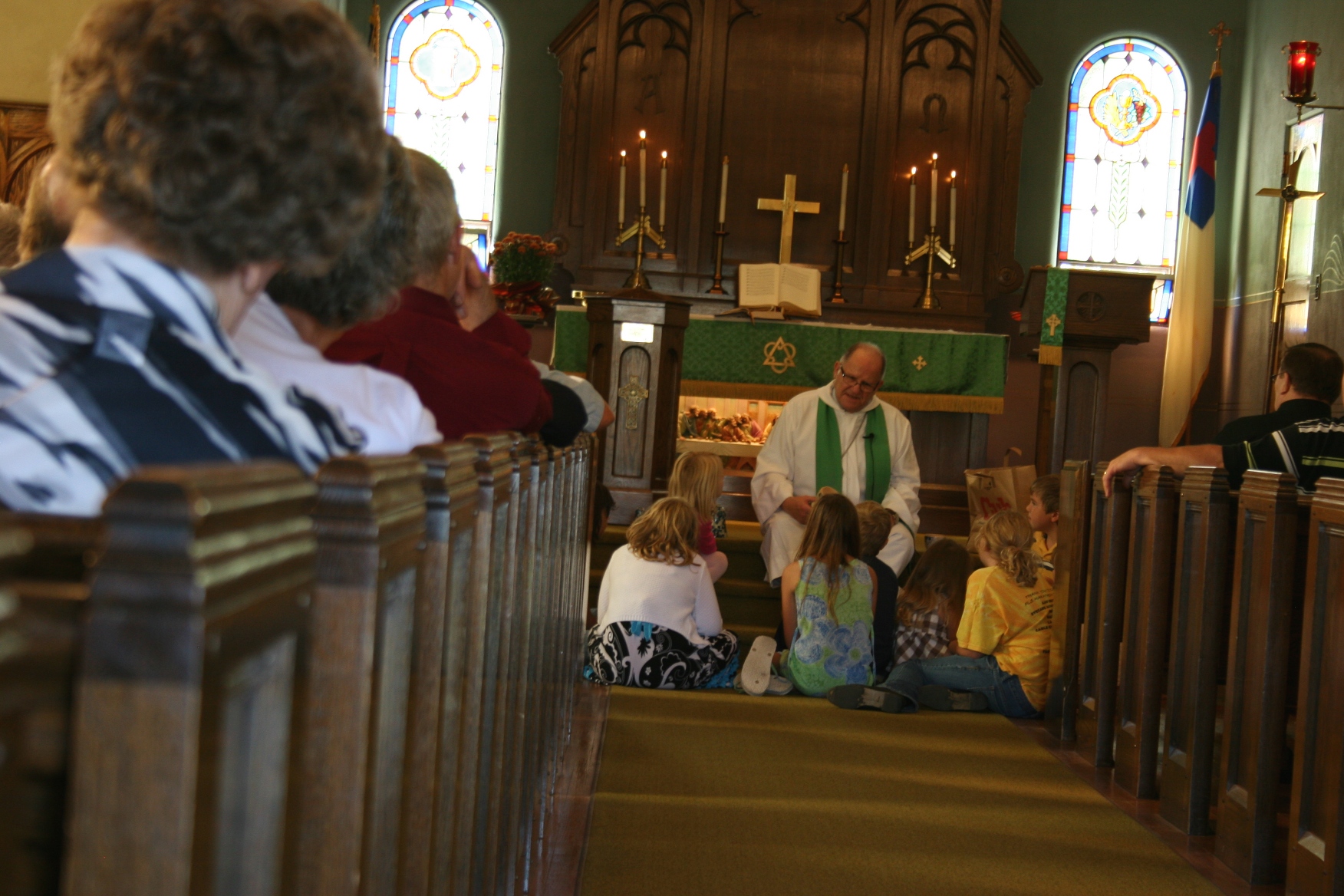
Pastor Lebahn gets front and center when he gives the children's lesson, just as he does during the sermon.

He’s not a preach-from-the-pulpit style of preacher, but rather an up-close, center-of-the aisle, close-to-his-flock kind of clergyman. His voice rises to a near shout when he wants to emphasize a point and then drops to a quiet, gentle cadence to drive home the message.

And that message last Sunday reflected on the gospel lesson from Luke 10 and the story of the Good Samaritan. Remember that bible story about the beaten man lying at the side of the road, passed by many until, finally, a Samaritan stopped to help?

Rev. Lebahn told us we were the beaten ones lying in the ditch until we received Christ.

He talked, too, about crossroads in our lives and about the people God brings into those crossroads.

I could go on and on about that sermon. But I think you get the main point delivered by this 78-year-old clergyman who looks, and acts, considerably younger than a near octogenarian. Consider his foot stomping and arm flailing and constant motion. I got tired just watching from my end-pew position in this sanctuary that holds 26 six-person pews on the lower level and a few more in the balcony.

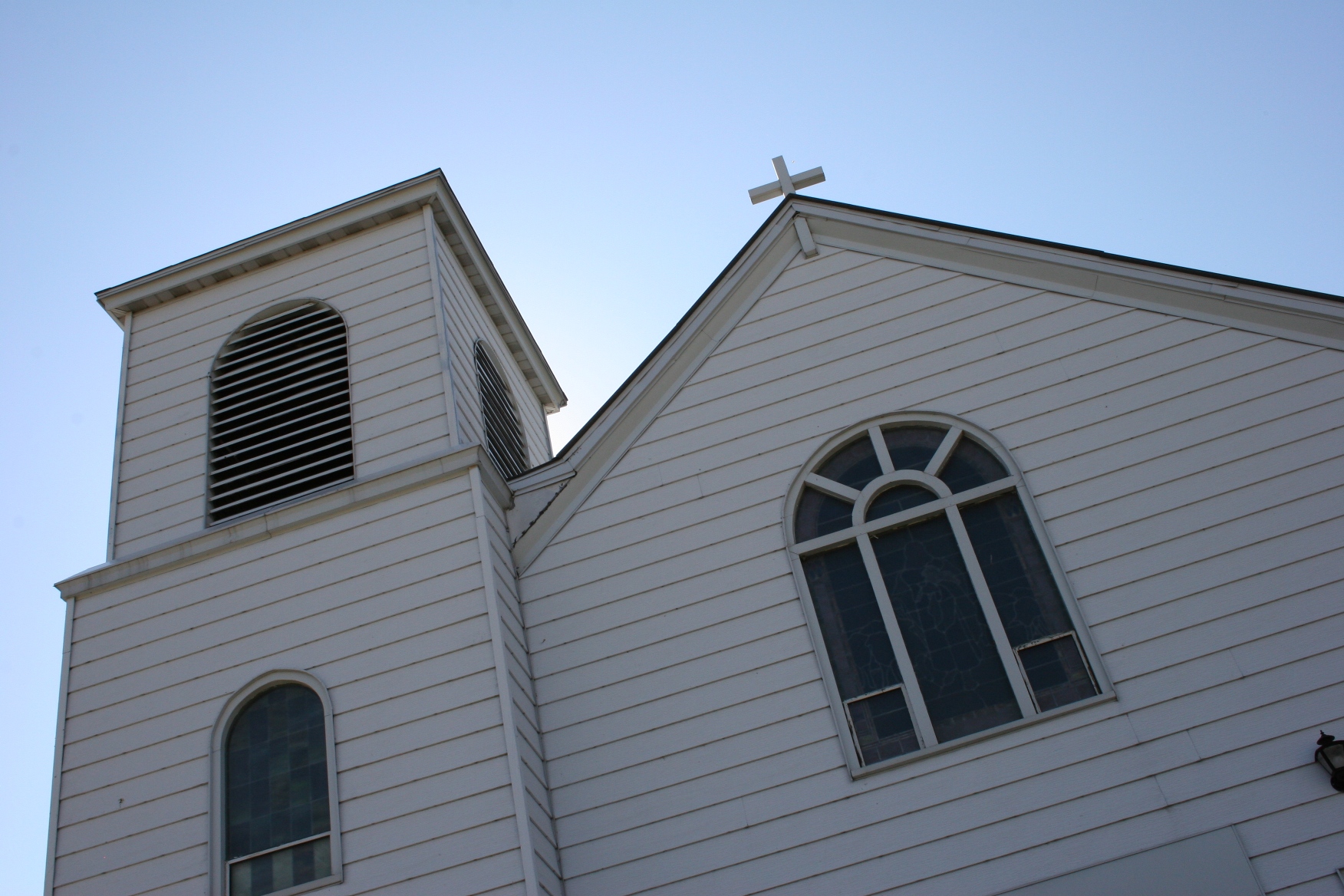
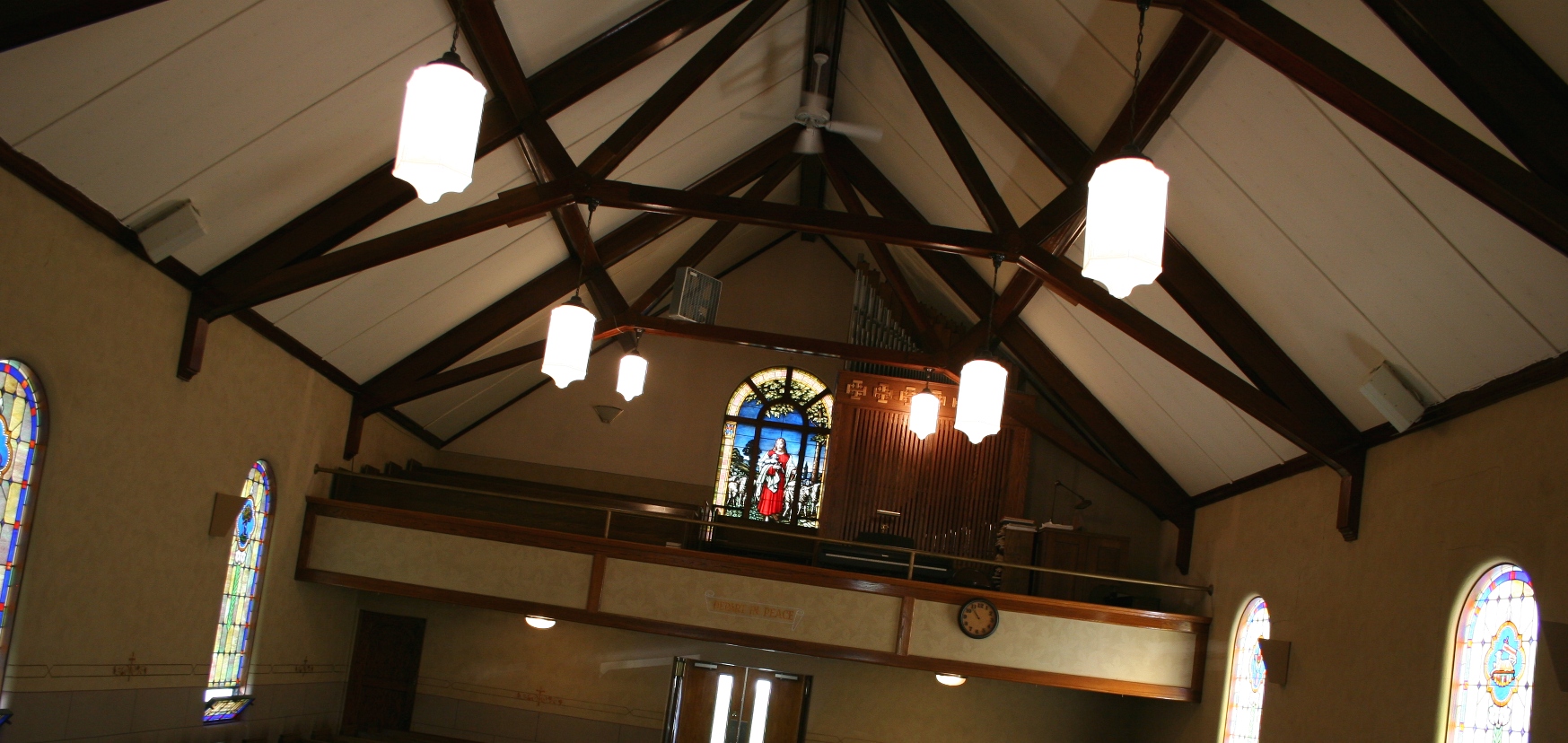
A view of the balcony in this 1938 rural church.

It’s the type of snug church where you won’t get away with napping during the sermon, like you could anyway under Pastor Lebahn’s watch.

There’s something about worshipping in a small country church like this that you can’t replicate in a modern, large-scale church, even if you incorporate stained glass windows or other elements from an historic building.

I felt a sense of connection, of closeness, on Sunday as the congregation joined in prayer—for those celebrating anniversaries and birthdays and for those in need—and sang old favorite hymns like “Oh, That the Lord Would Guide My Ways.”

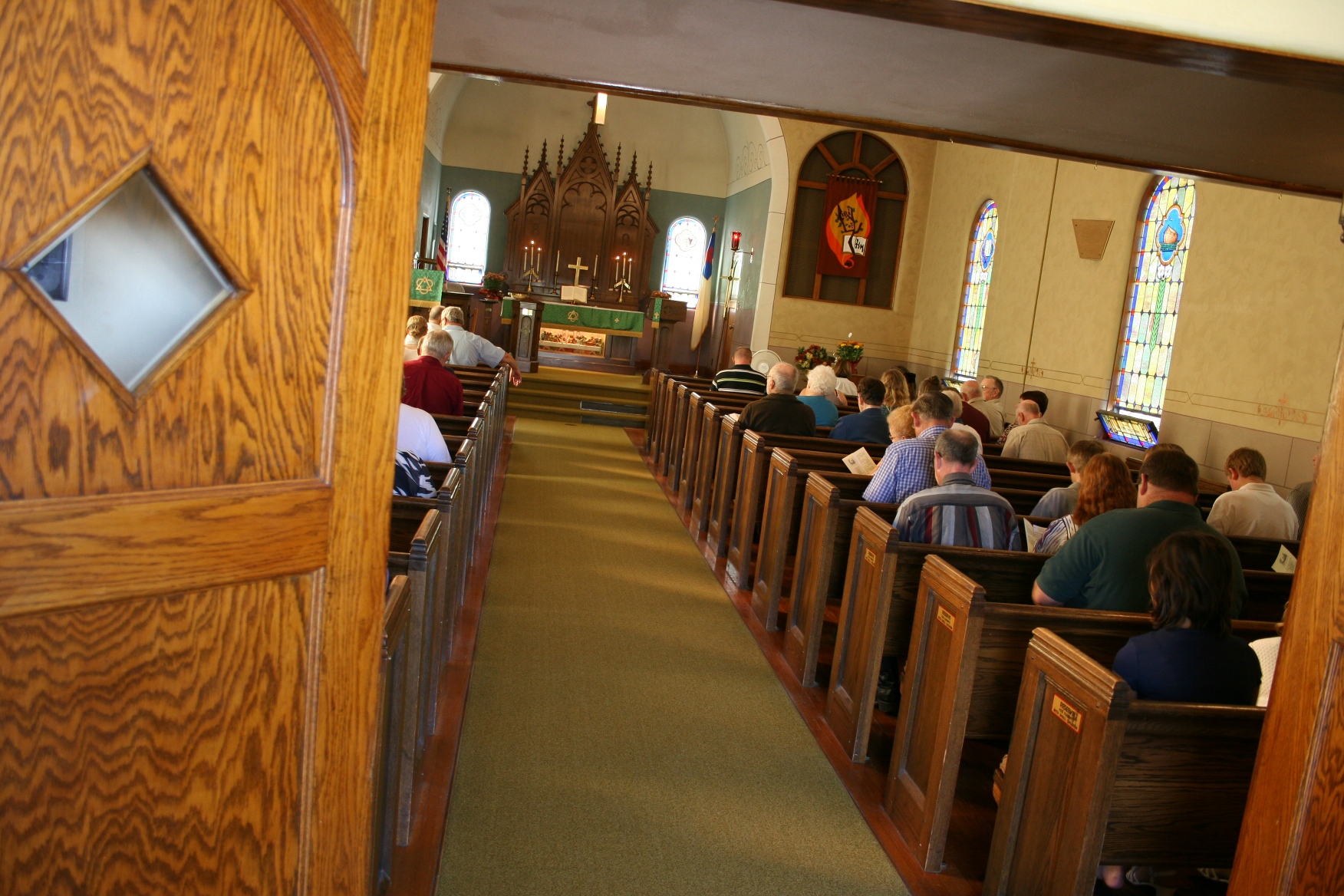
Looking from the entry into the sanctuary during worship services.

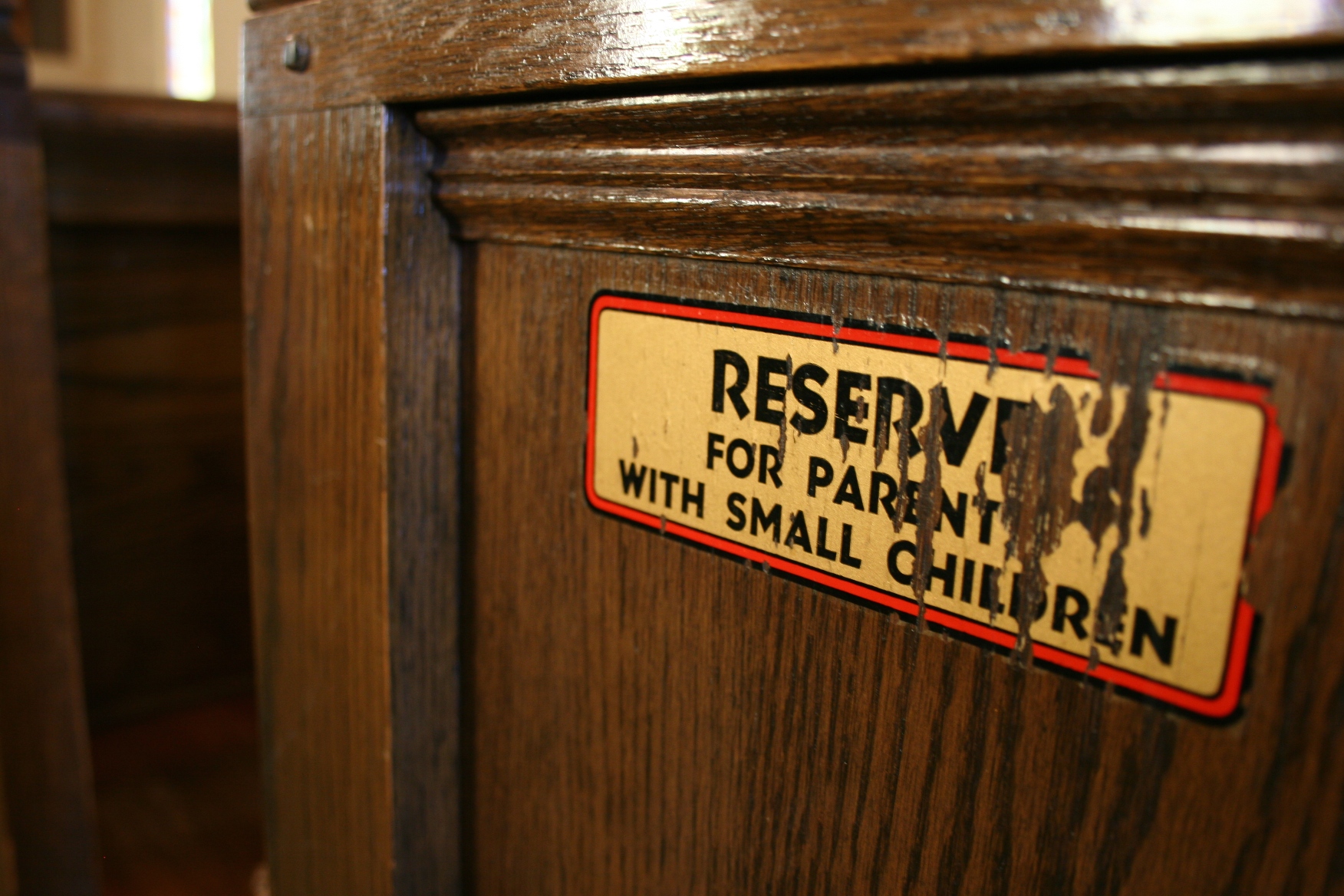
In the back of the church are pews for families with little ones.

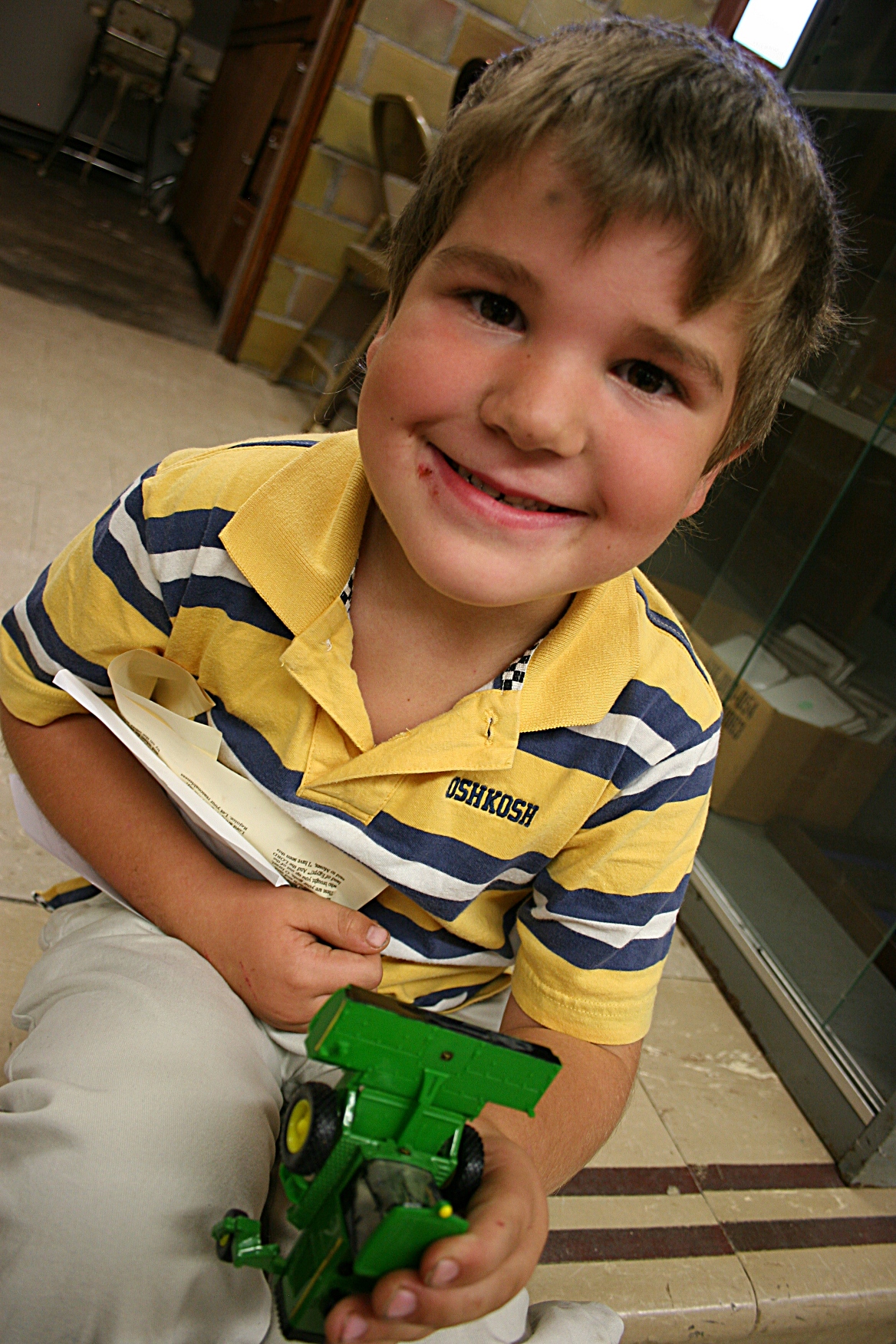
Farm boy, 6-year-old Jonathan, after services in the basement.

You can’t help but feel close when you’re tucked into tightly-jammed pews in a place where a comfortable pair of jeans is as common as a suit and tie and where farm kids like 6-year-old Jonathan bring a mini toy John Deere haybinder to church to keep his little hands busy.

Because just outside the church doors lie fields of corn and alfalfa and soybeans…

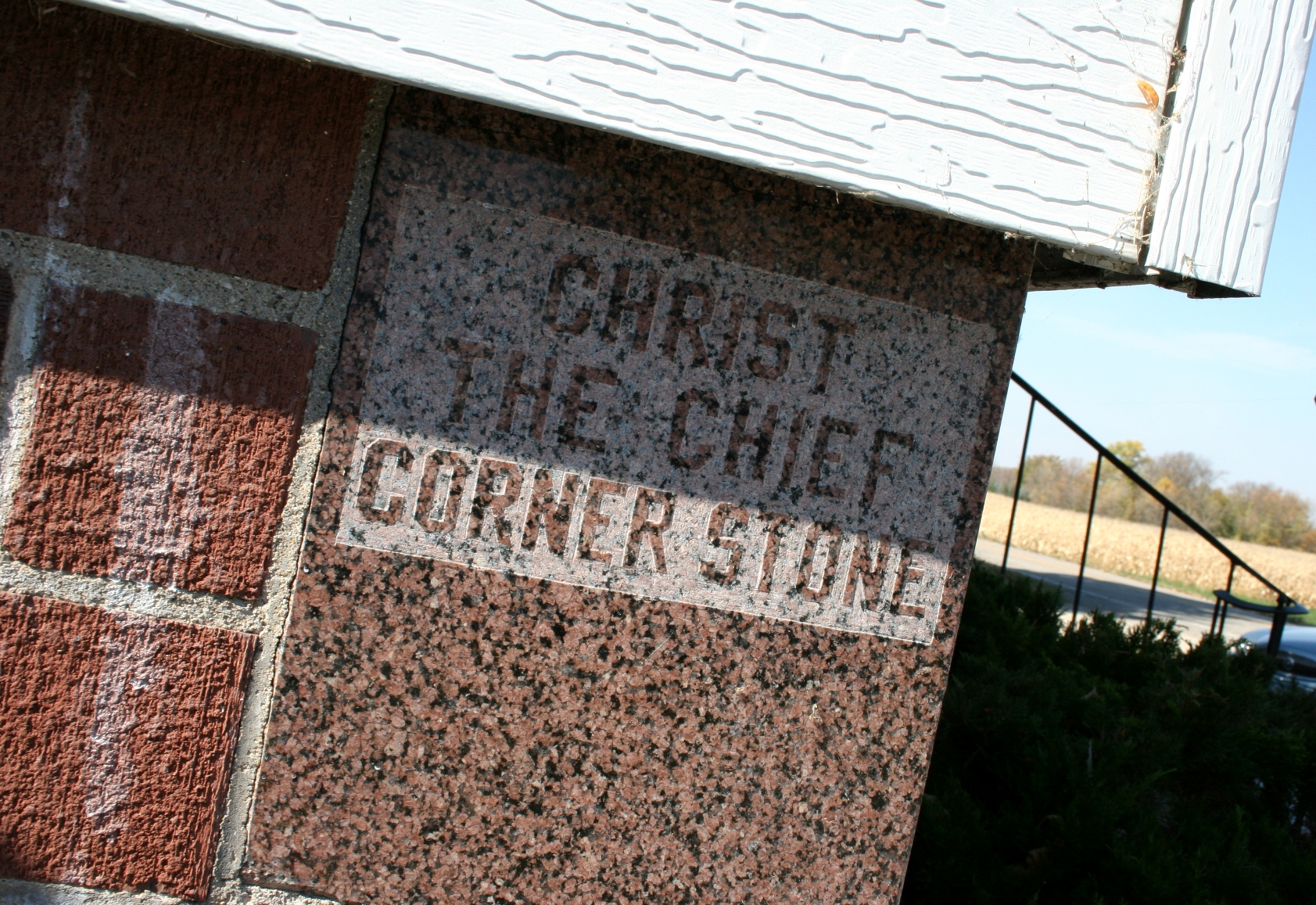
To the right of the cornerstone, in the distance, you can see corn fields.

Looking heavenward...

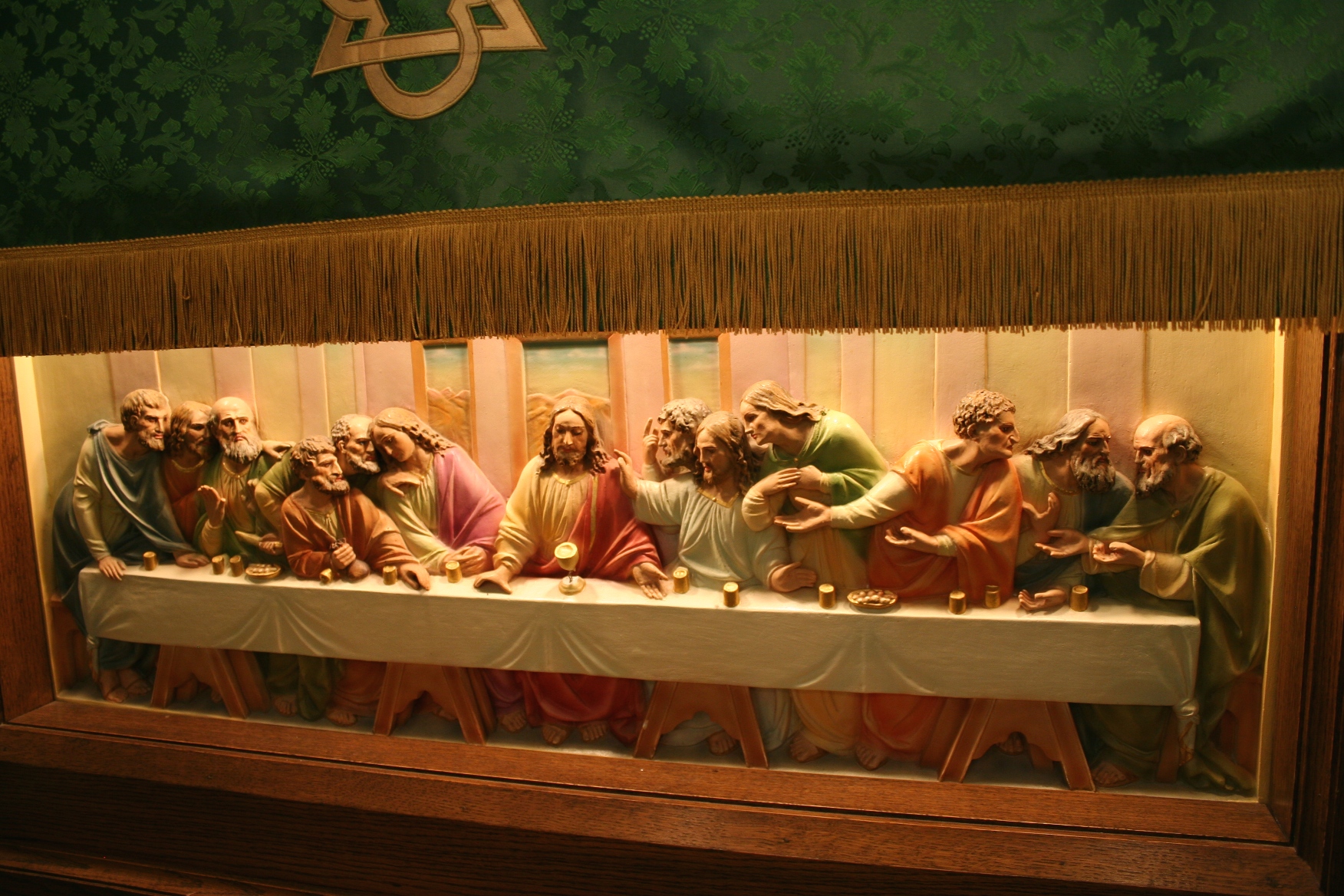
The Last Supper art on the lower part of the altar.

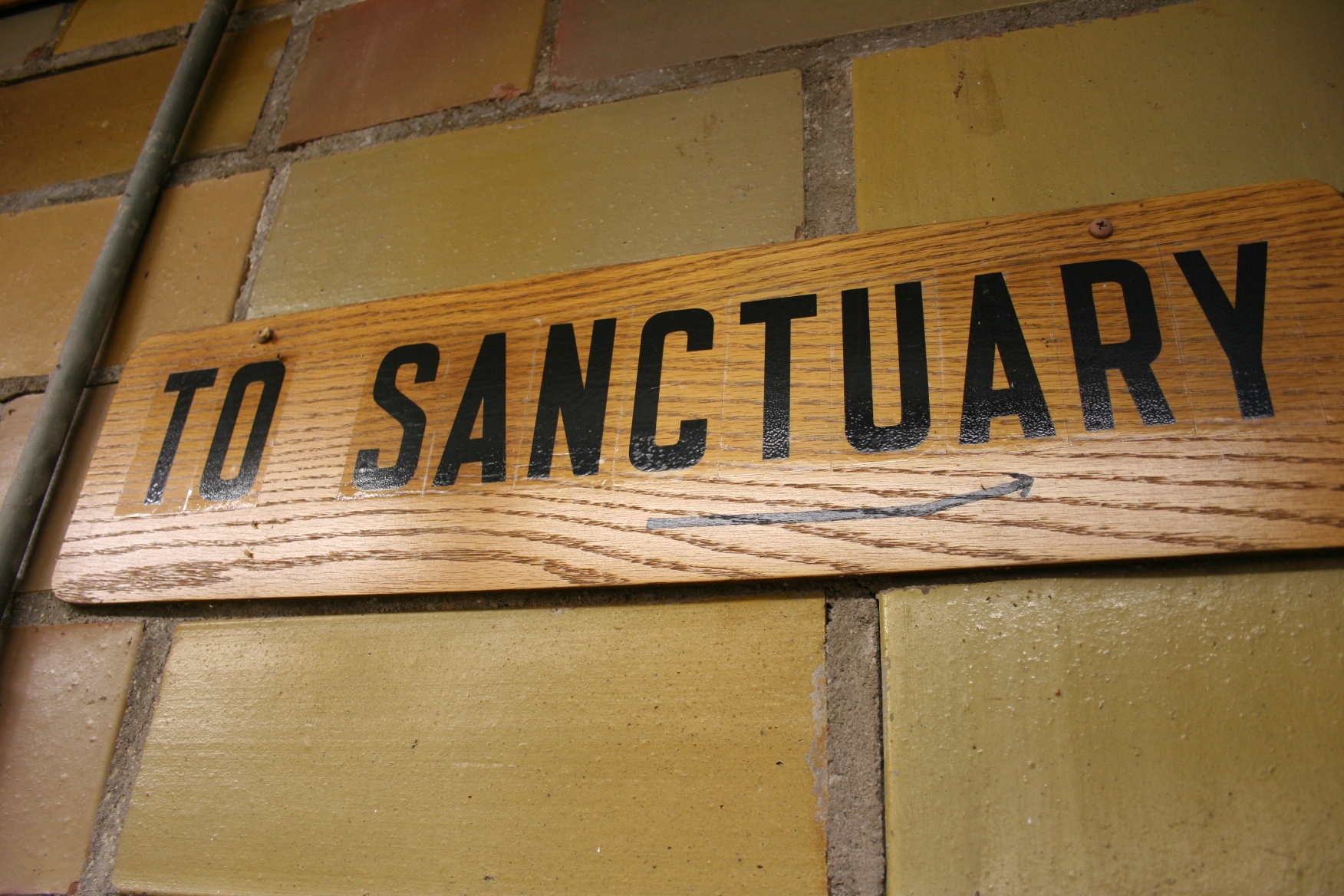
In my next post about this church, I'll take you into the basement where this sign is located.

CHECK BACK FOR A POST about the harvest dinner at this country church following the worship service.

© Copyright 2011 Audrey Kletscher Helbling
 

Sign junkie October 14, 2011

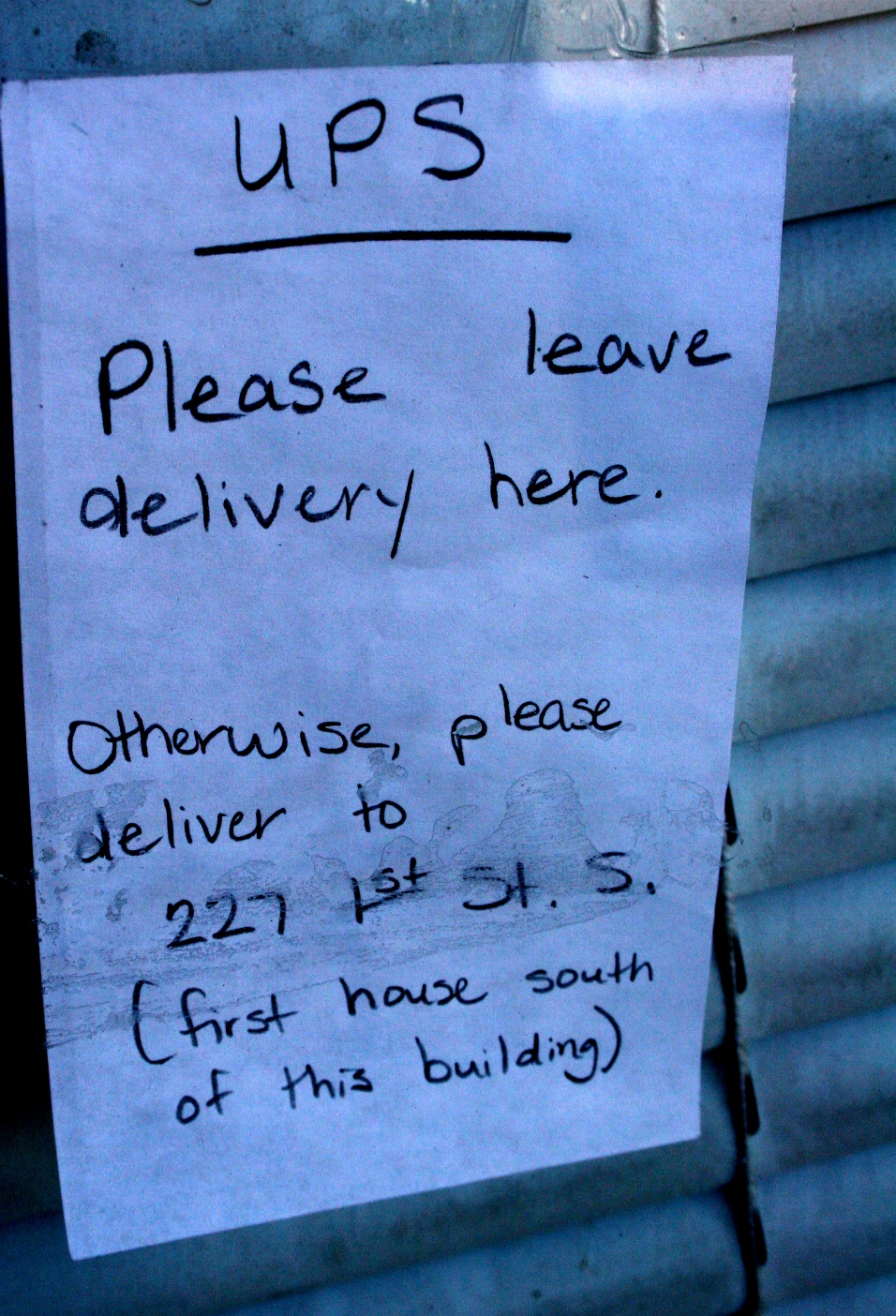
A note on the door at Medallion Case.

YOU MIGHT NOT APPRECIATE business signage like me. Heck, you may not even pay much attention to signs unless, of course, you are looking for a specific place. Then you would notice.

But I notice signs because I consider them to be works of art, reflections of personalities and history, trademarks of small-town life, and sources of entertainment.

I’m not talking about the mass-produced, generic signage that marks a chain store. Rather, I mean those handcrafted and/or custom signs (and notes) you’ll find on small-town Main Street or along rural roadways.

Recently, signage in Nerstrand, a village of 233 residents in eastern Rice County near Nerstrand Big Woods State Park, attracted my interest.

And because most of you aren’t going to drive to Nerstrand to see these signs, you can just view them here.

Then, once you’ve perused my discoveries, I challenge you to go out into your own communities and search for sign art.

WARNING: If you accept this assignment, you may become a sign junkie just like me.

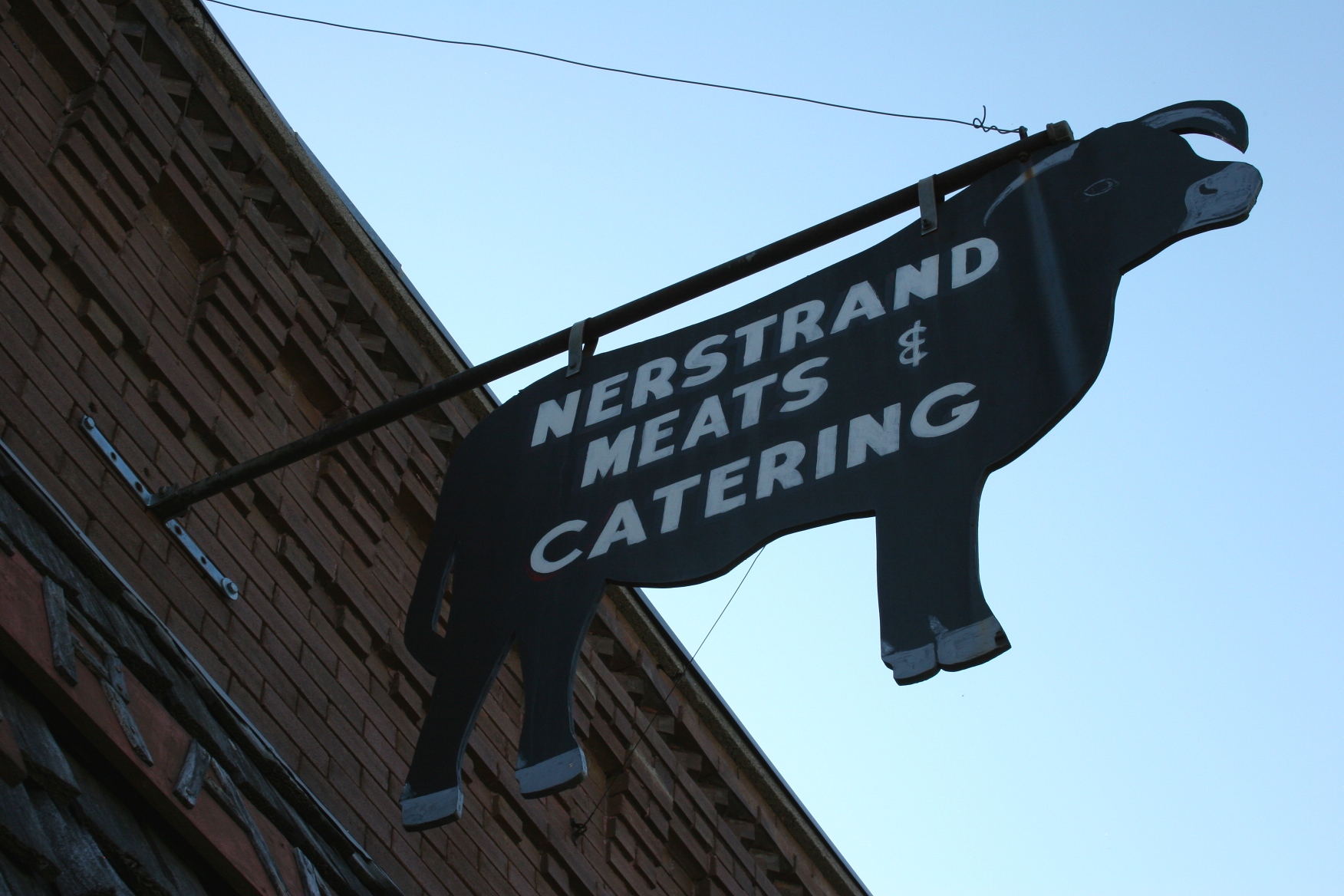
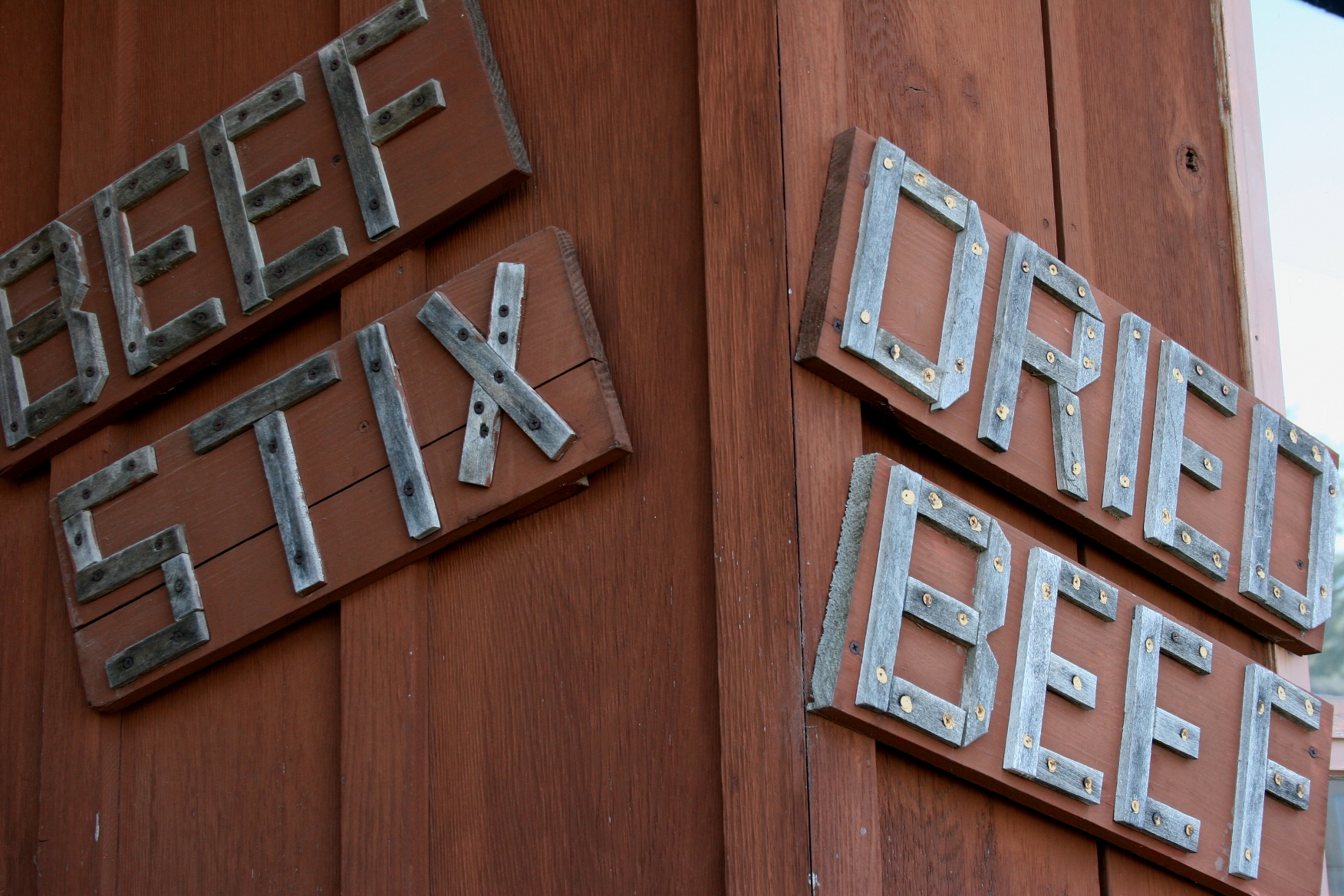
No confusion about the meat market business located here along Main Street Nerstrand.

Additional signage on the Nerstrand Meats building highlights the products available.

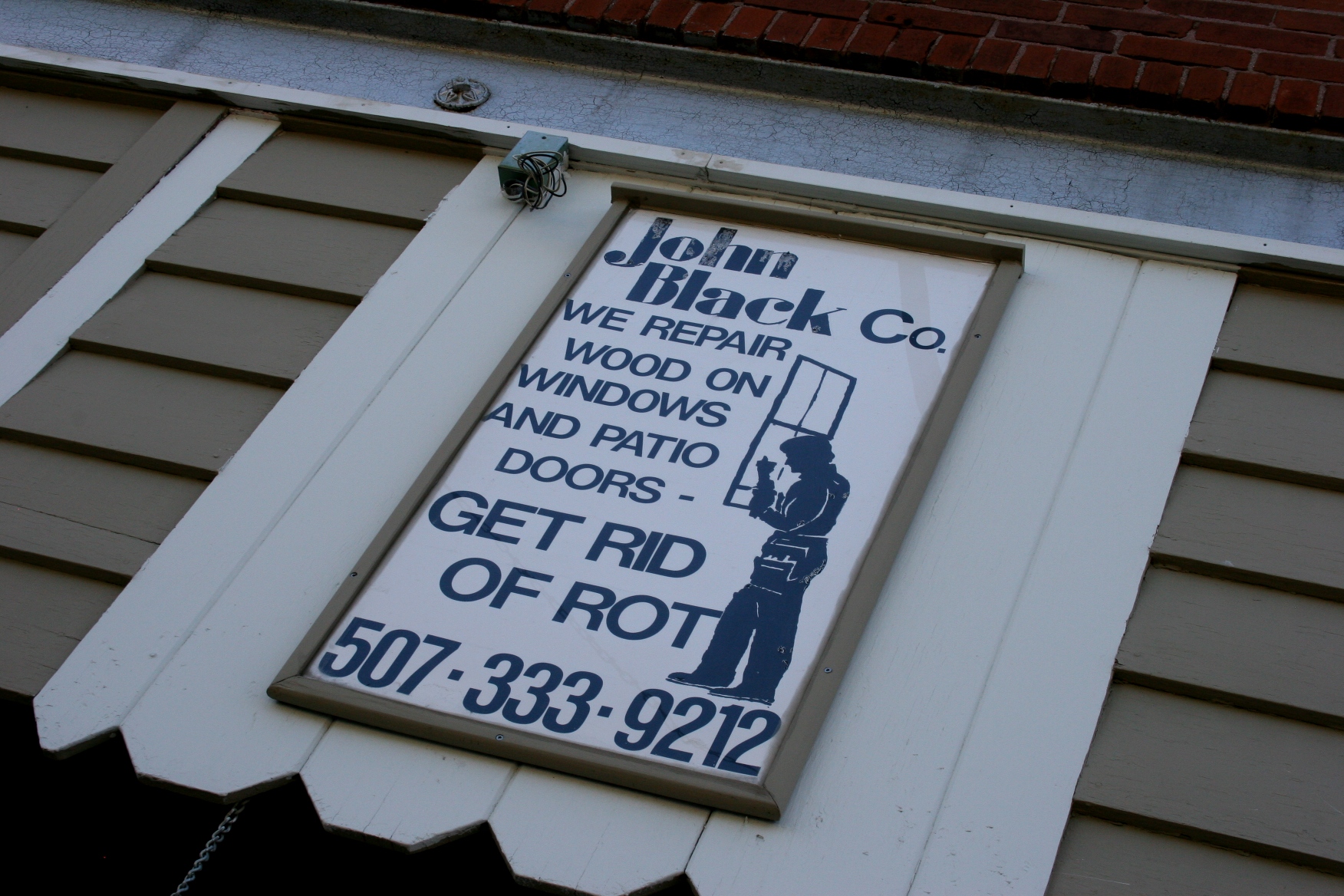
Another business sign along Nerstrand's Main Street.

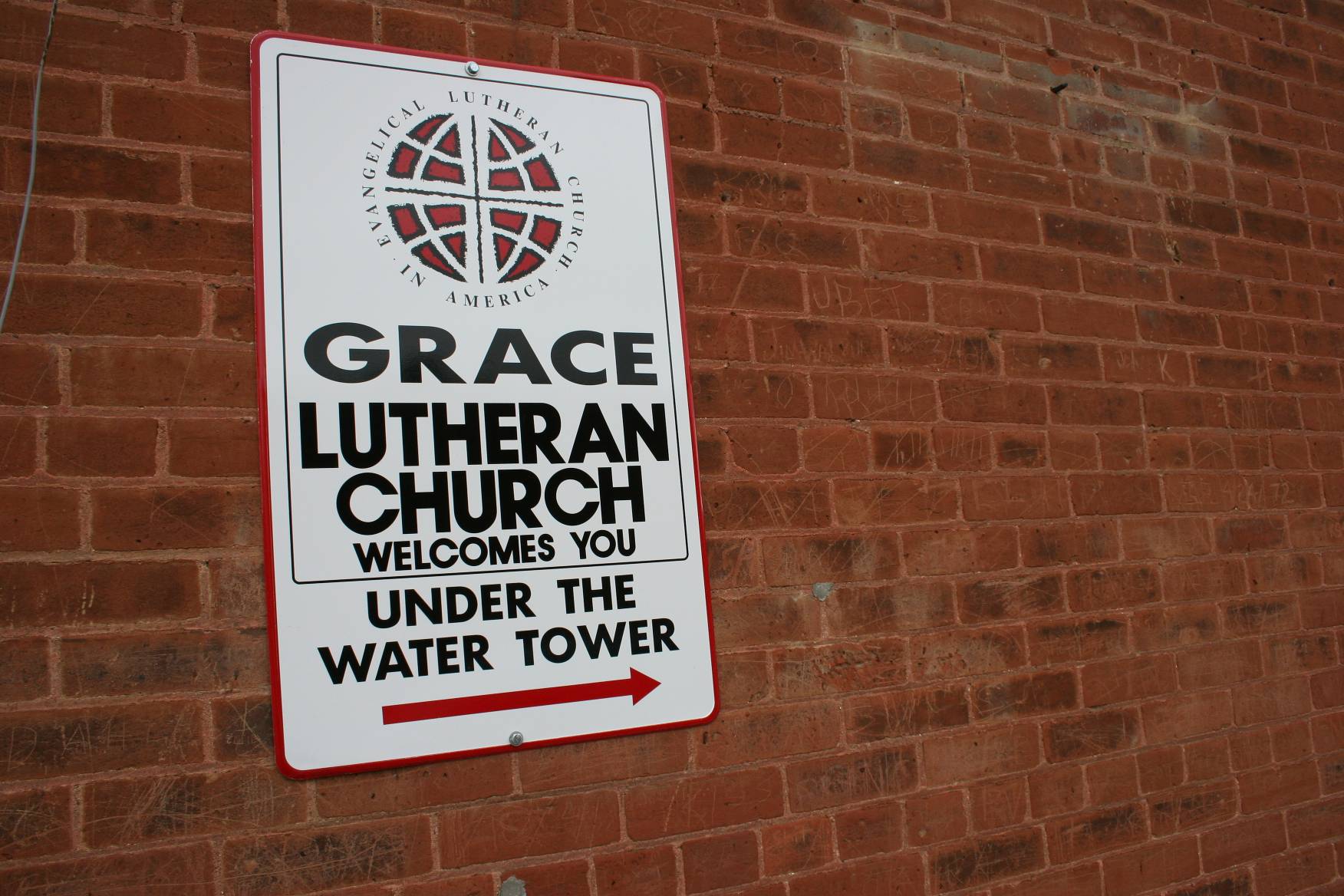
This sign on the corner of a Main Street business in Nerstrand directs motorists to Grace Lutheran Church.

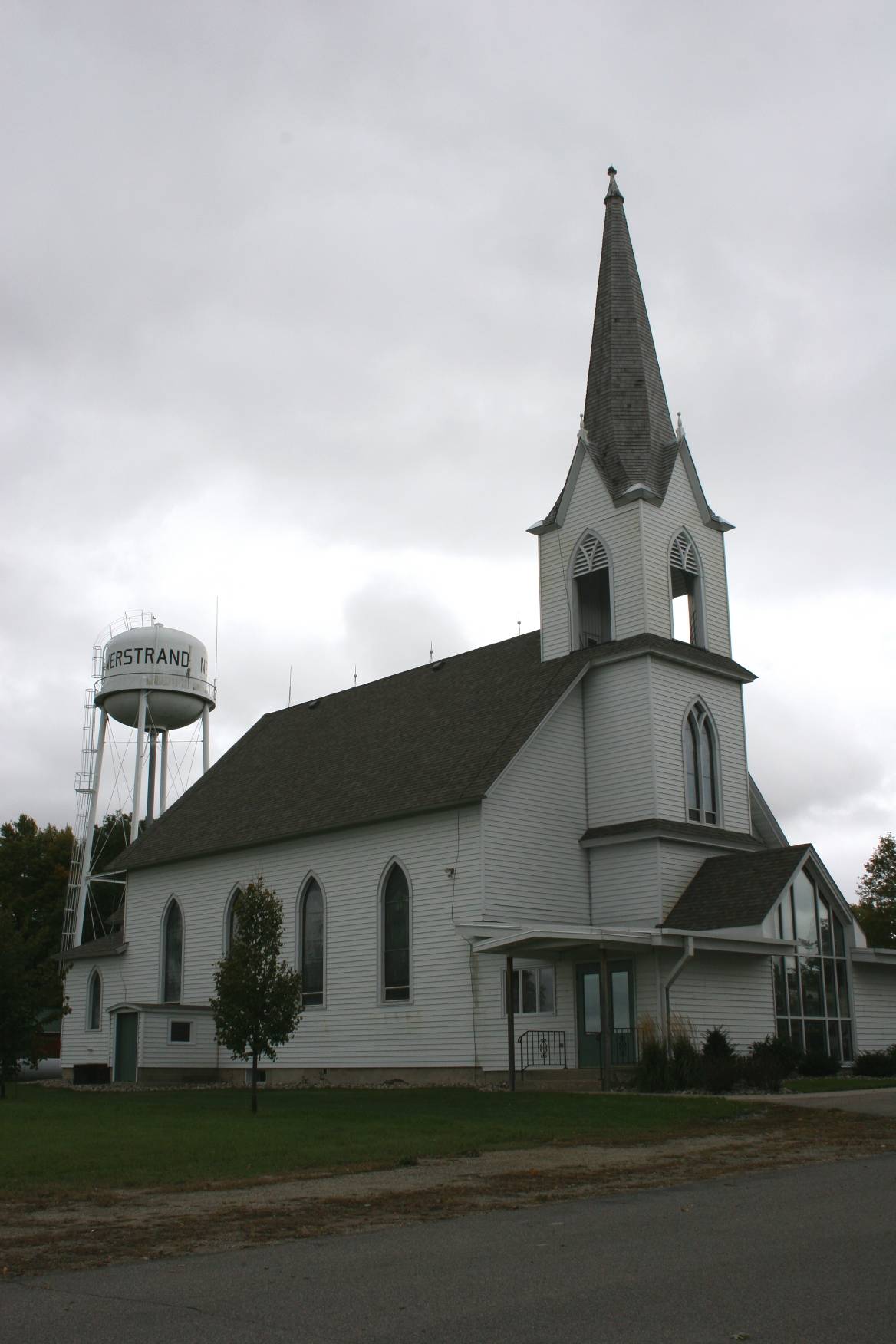
Just so you believe me, here's Grace, under the water tower.

BONUS: I’ve tossed in two signs from rural Dennison also.

This sign at the end of the driveway at 2290 Goodhue County 49 Blvd will direct you to Potpourri Mill Log Cabin near Dennison. That's Vang Lutheran Church in the background.

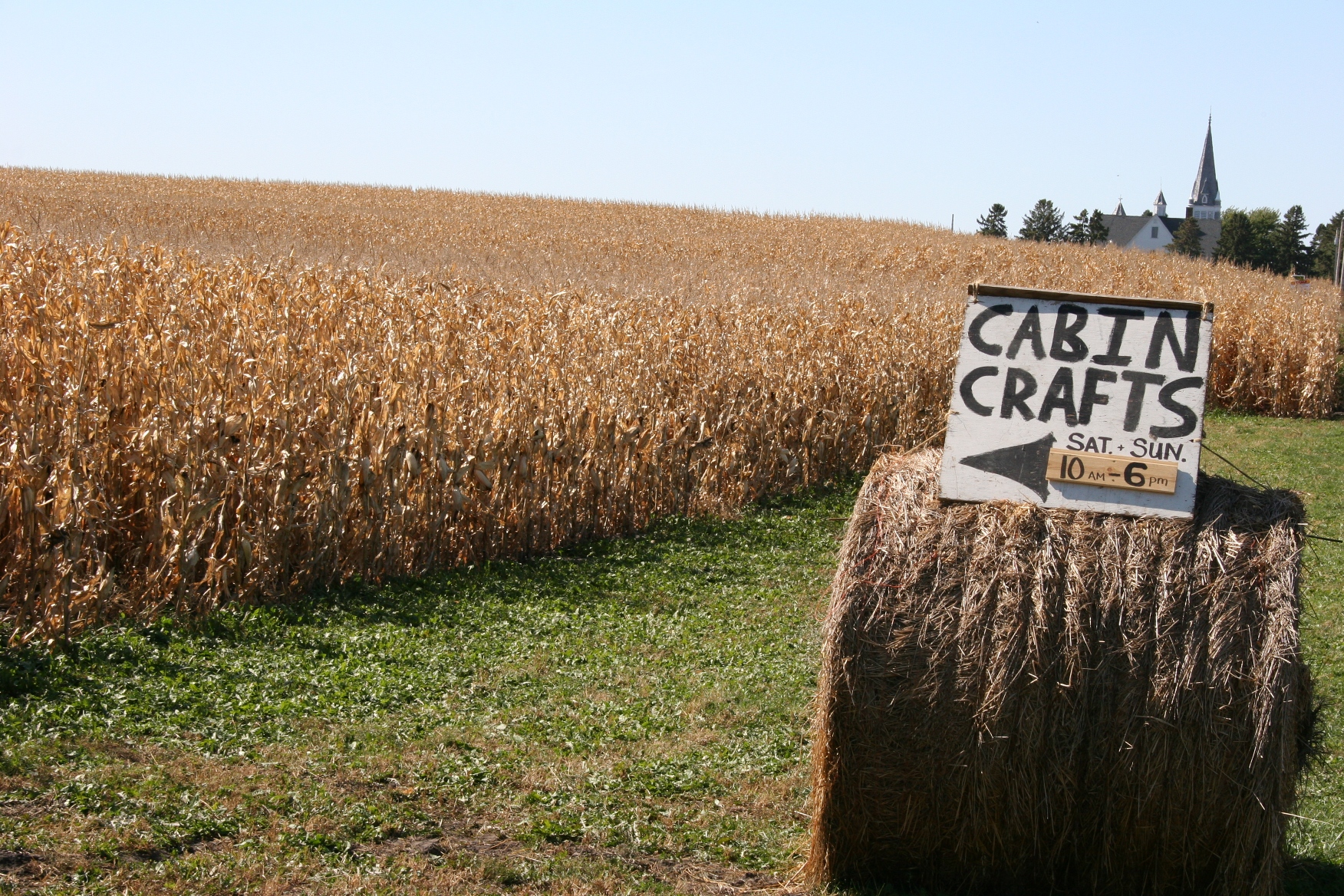
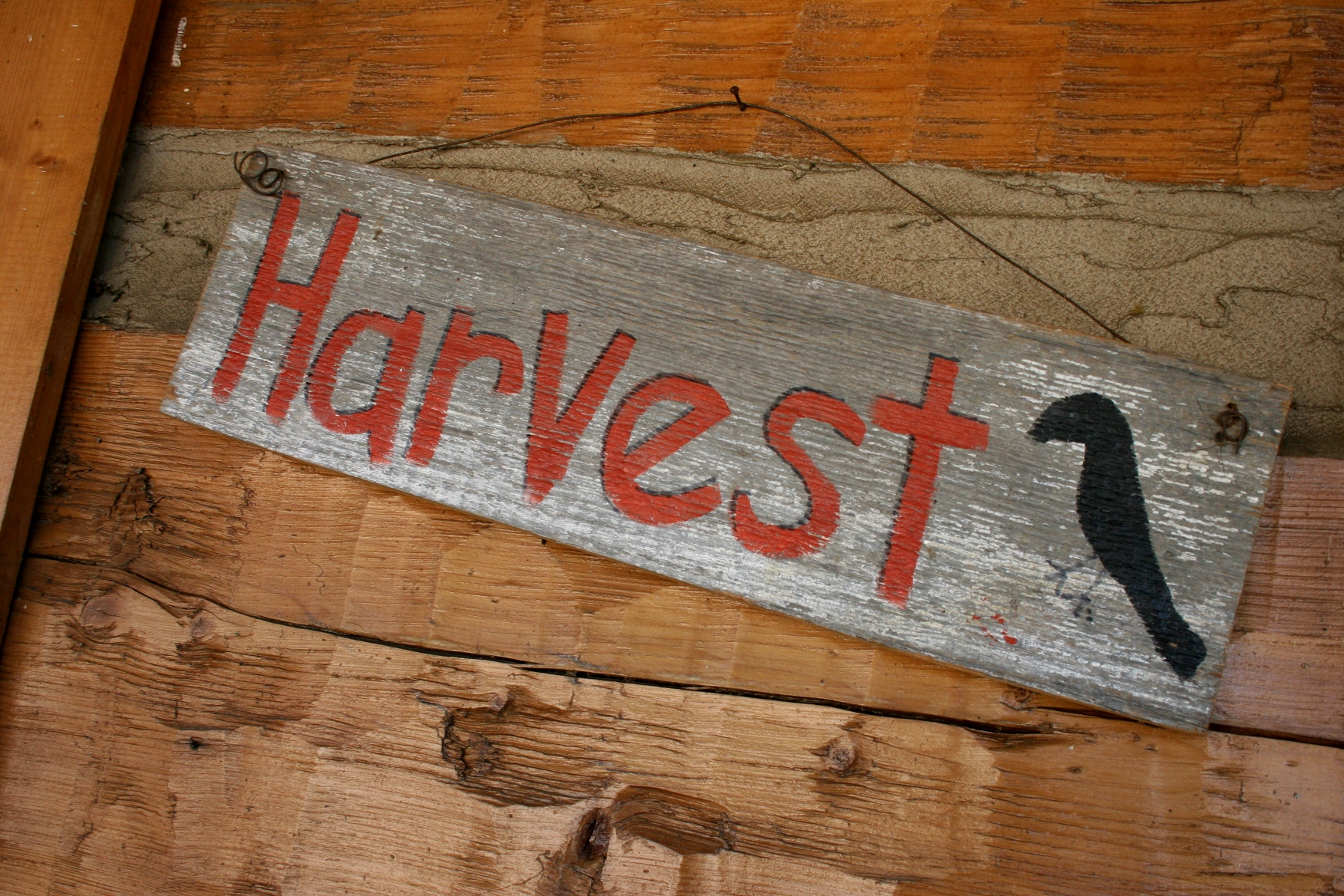
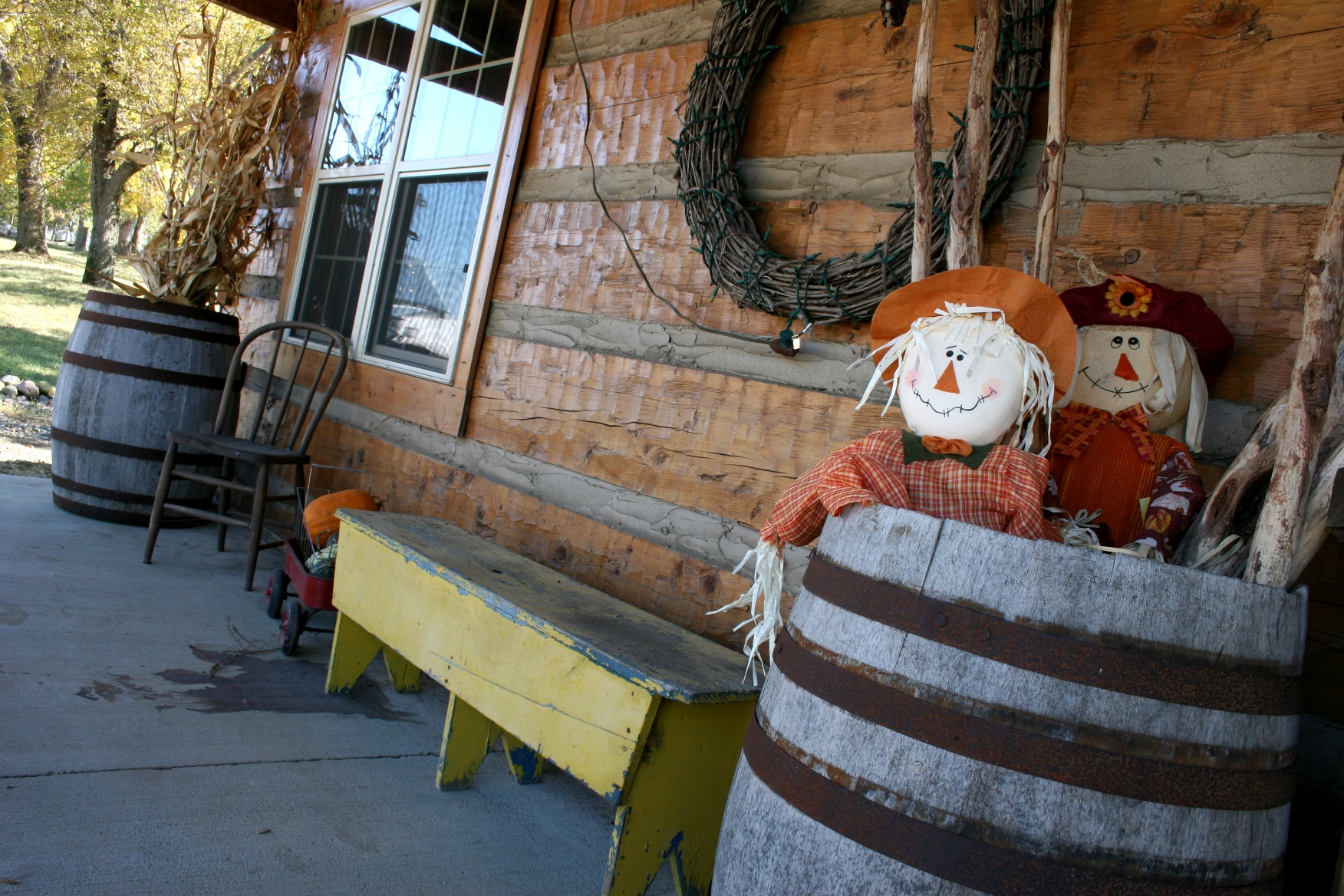
Once you drive up to the log cabin, you'll see this season appropriate sign outside the front door. Inside you'll find the Harvest Thyme Craft Show, which runs weekends through October 16.

© Copyright 2011 Audrey Kletscher Helbling
 

On our way to church in North Morristown October 12, 2011

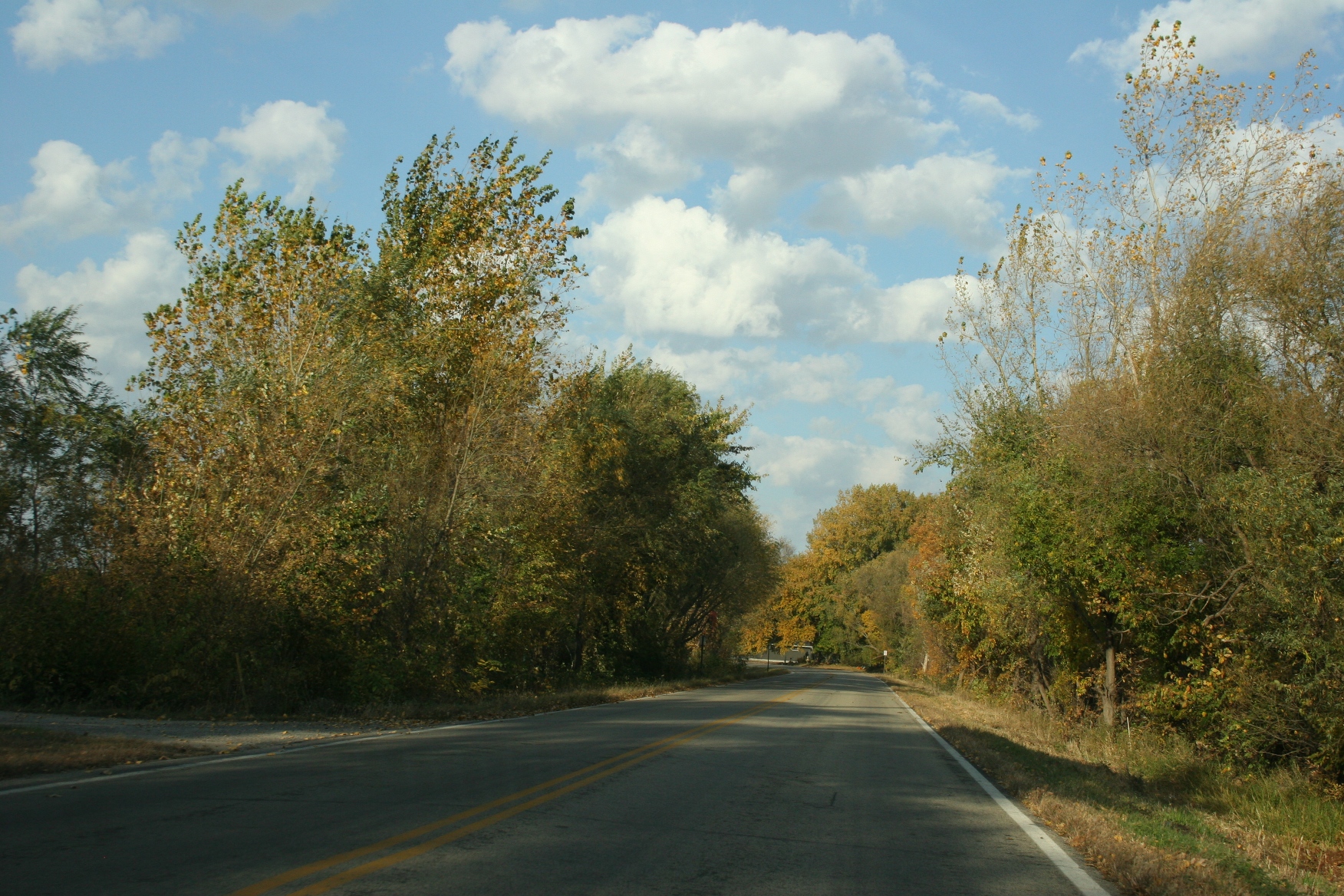
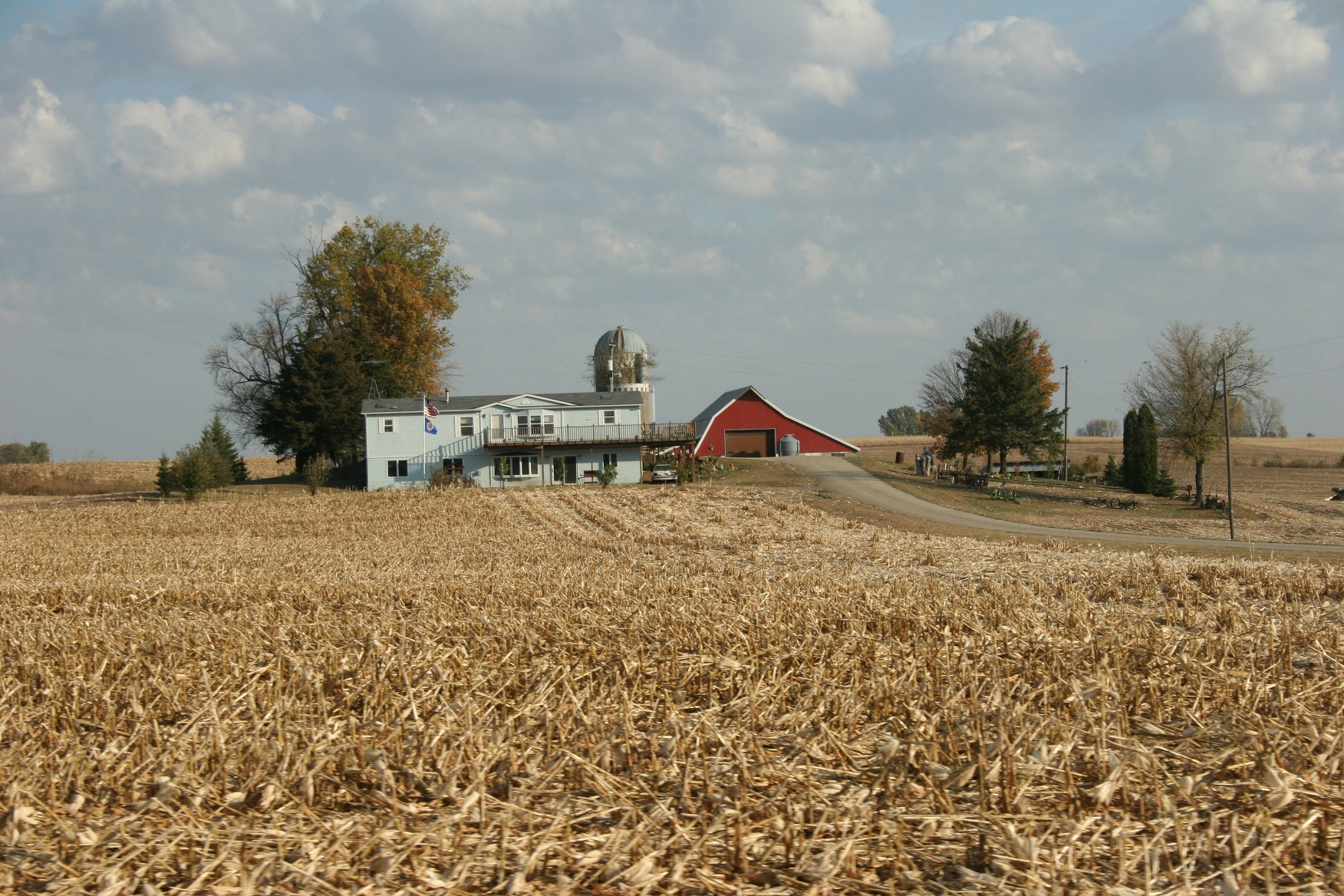
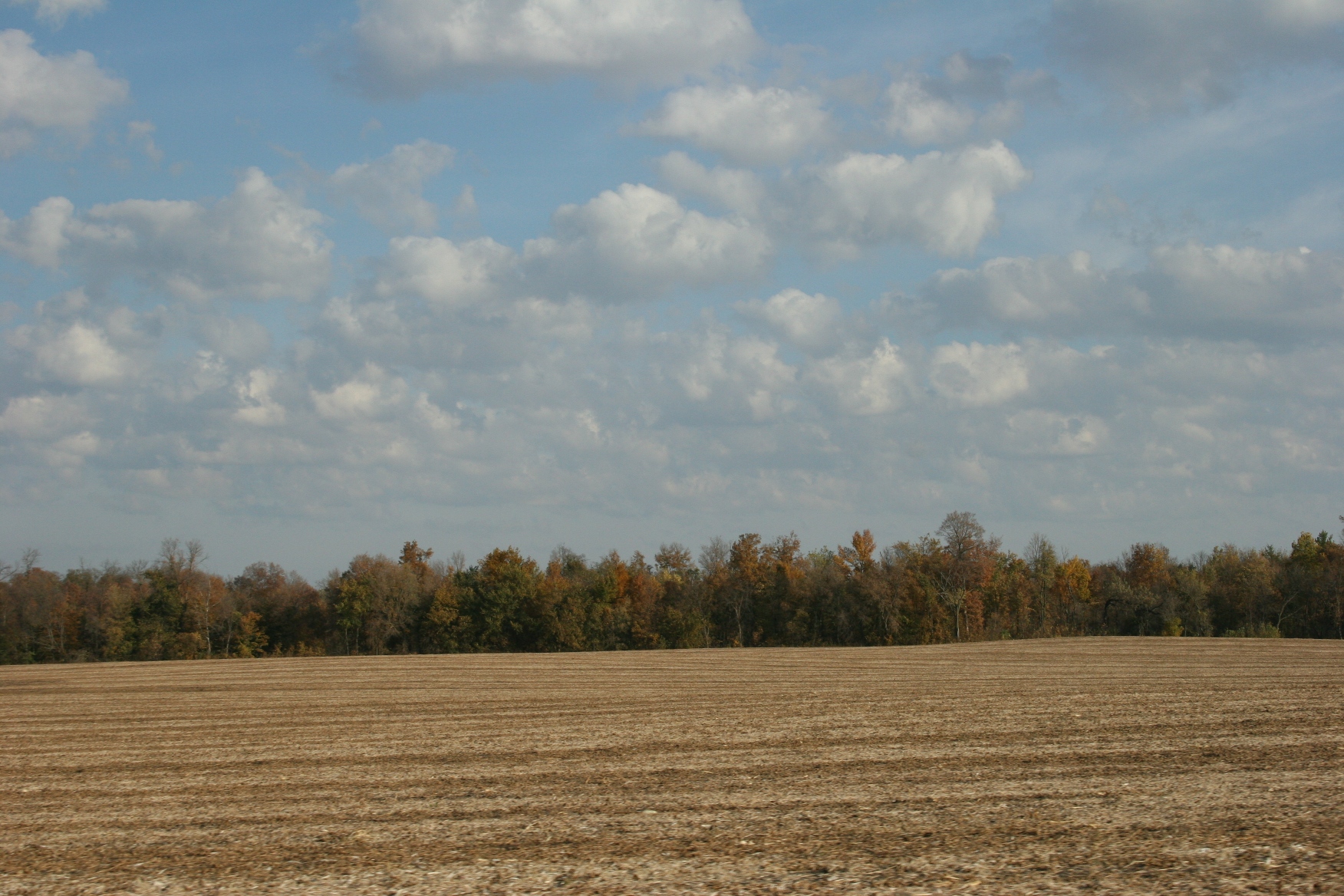
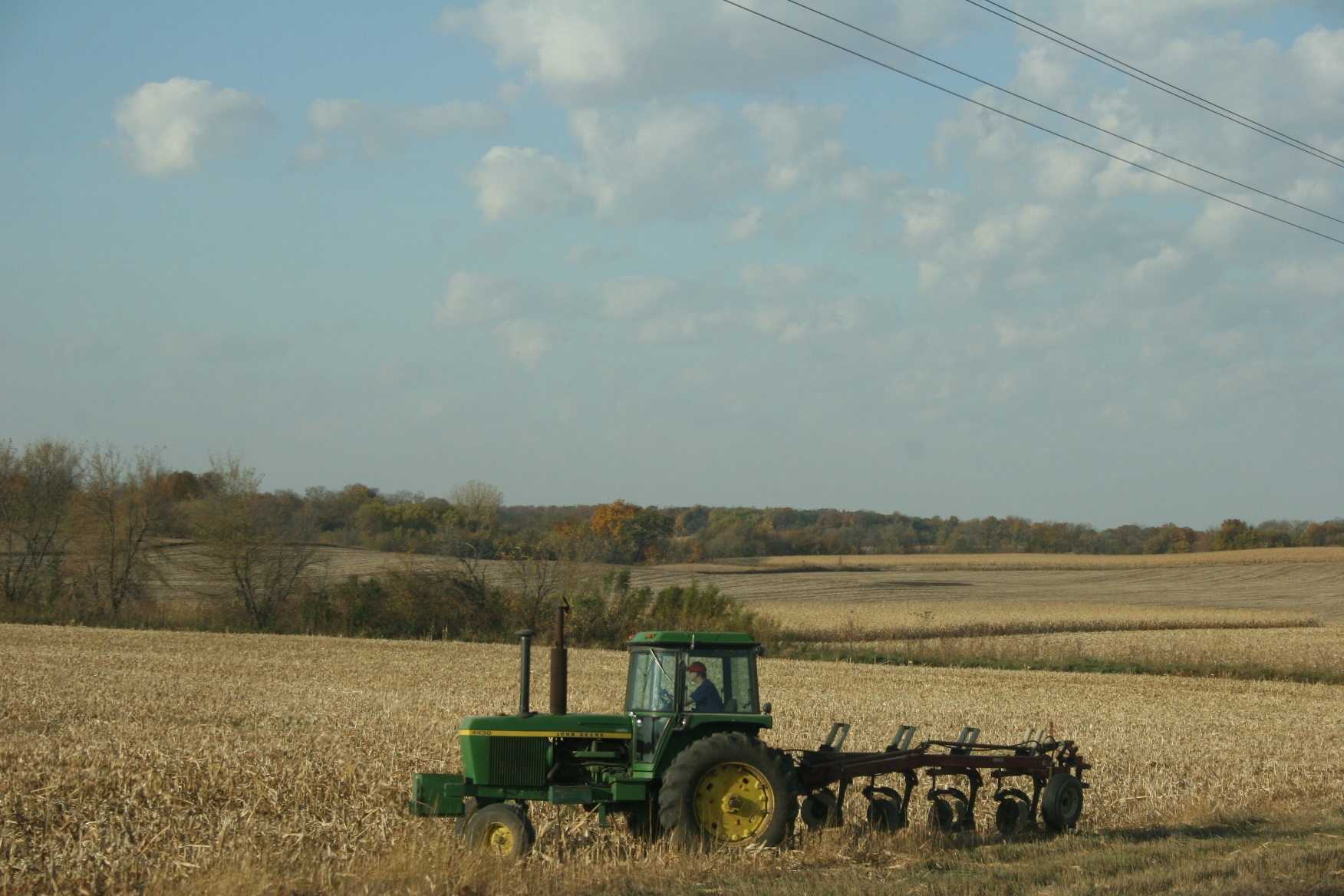
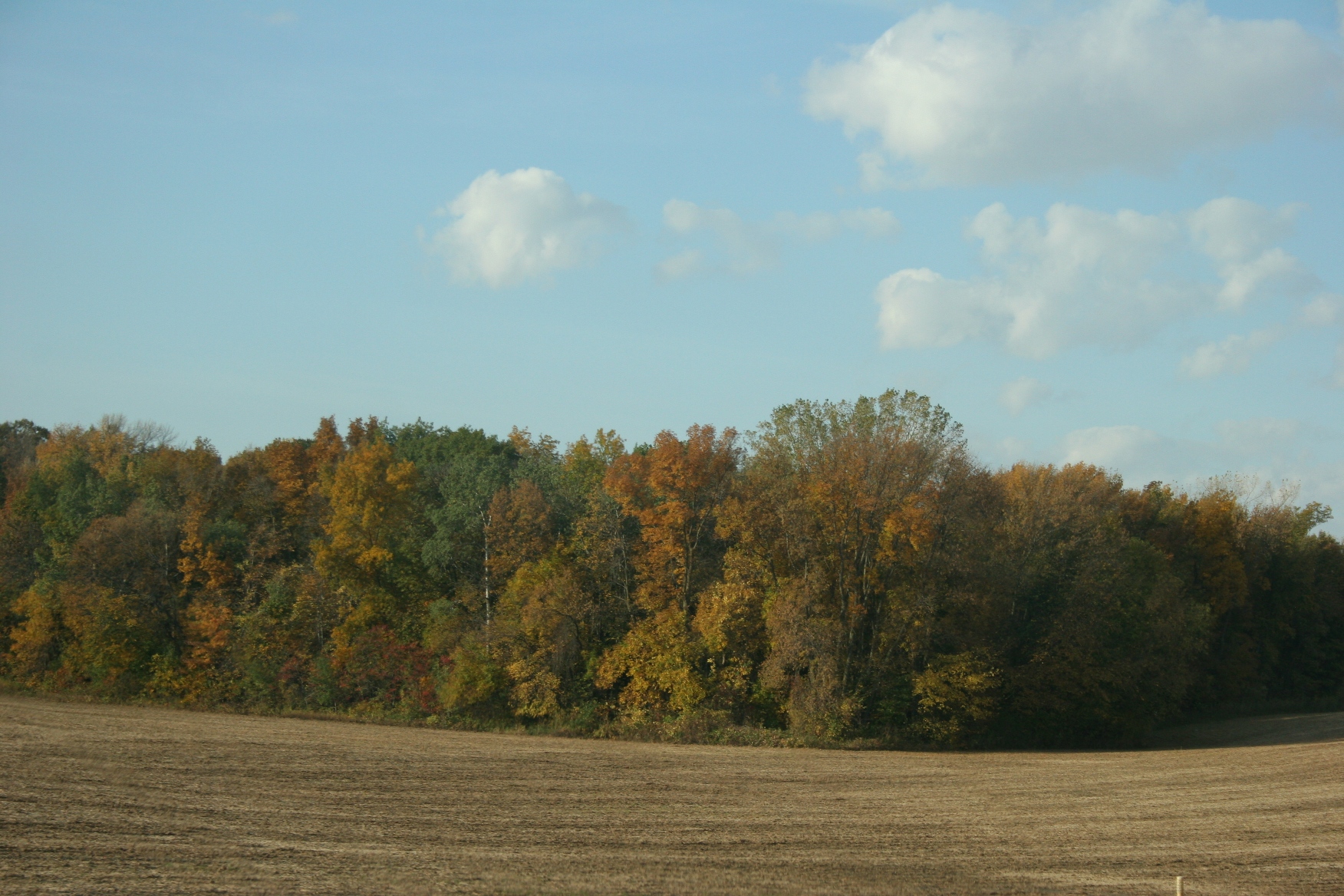
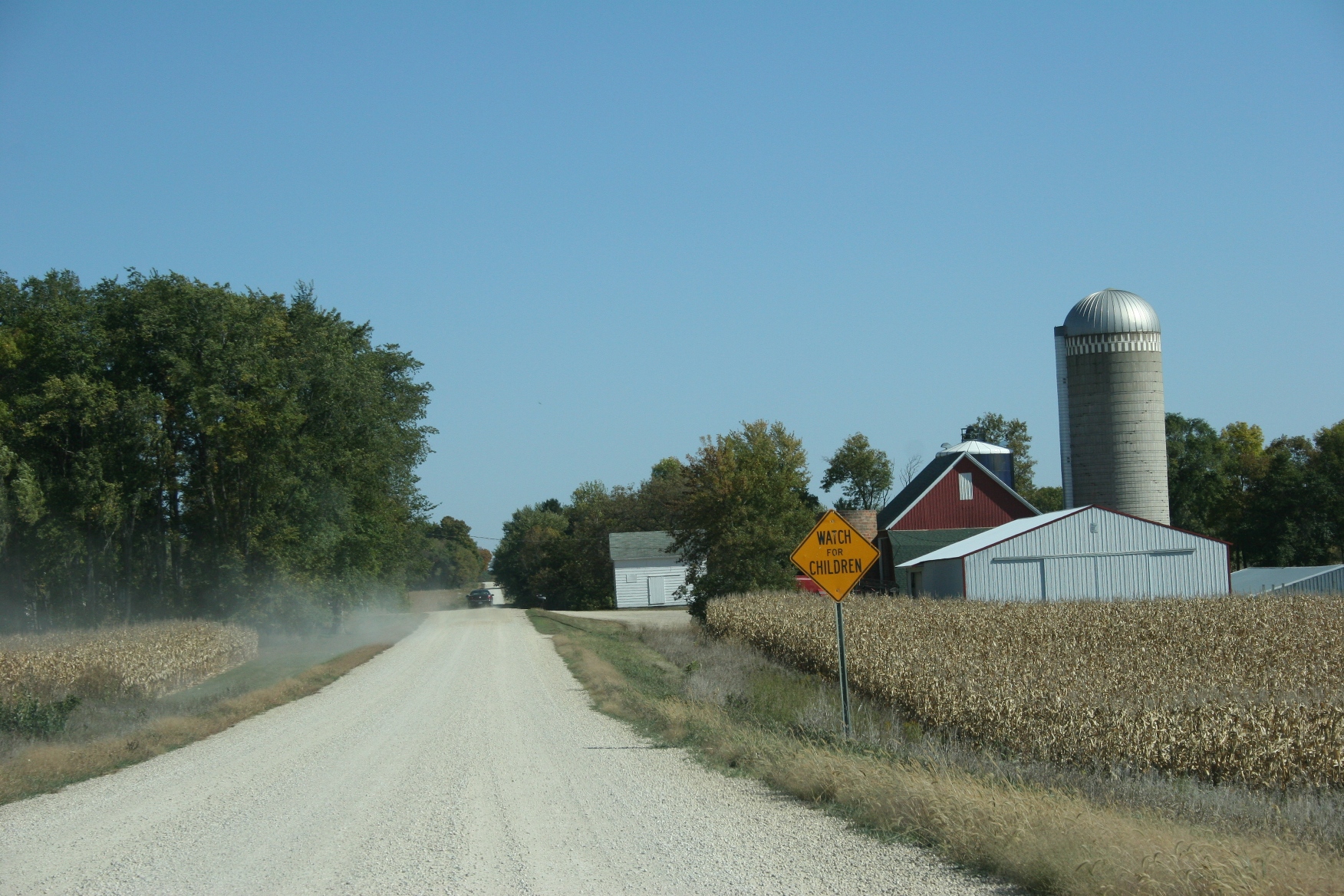
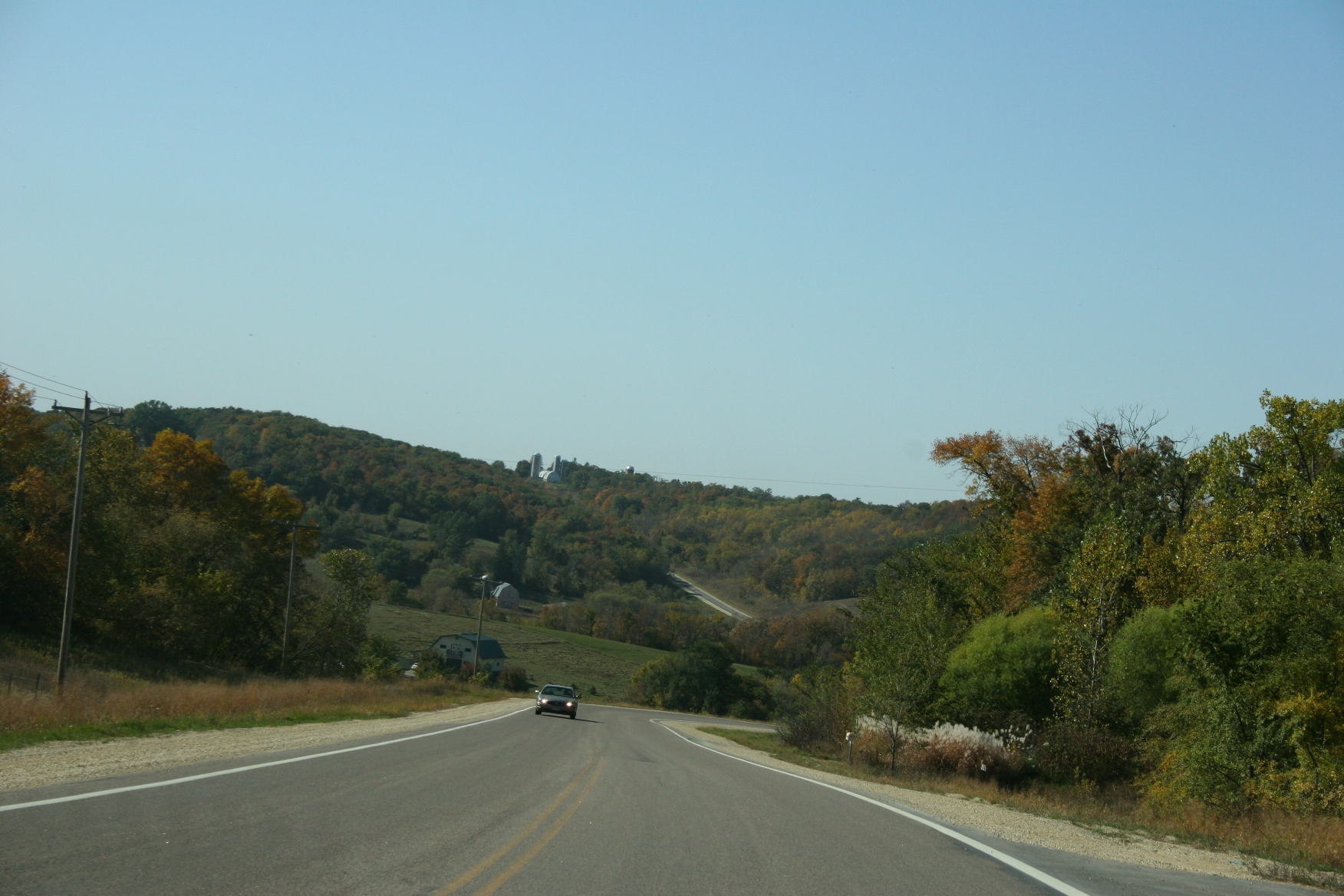
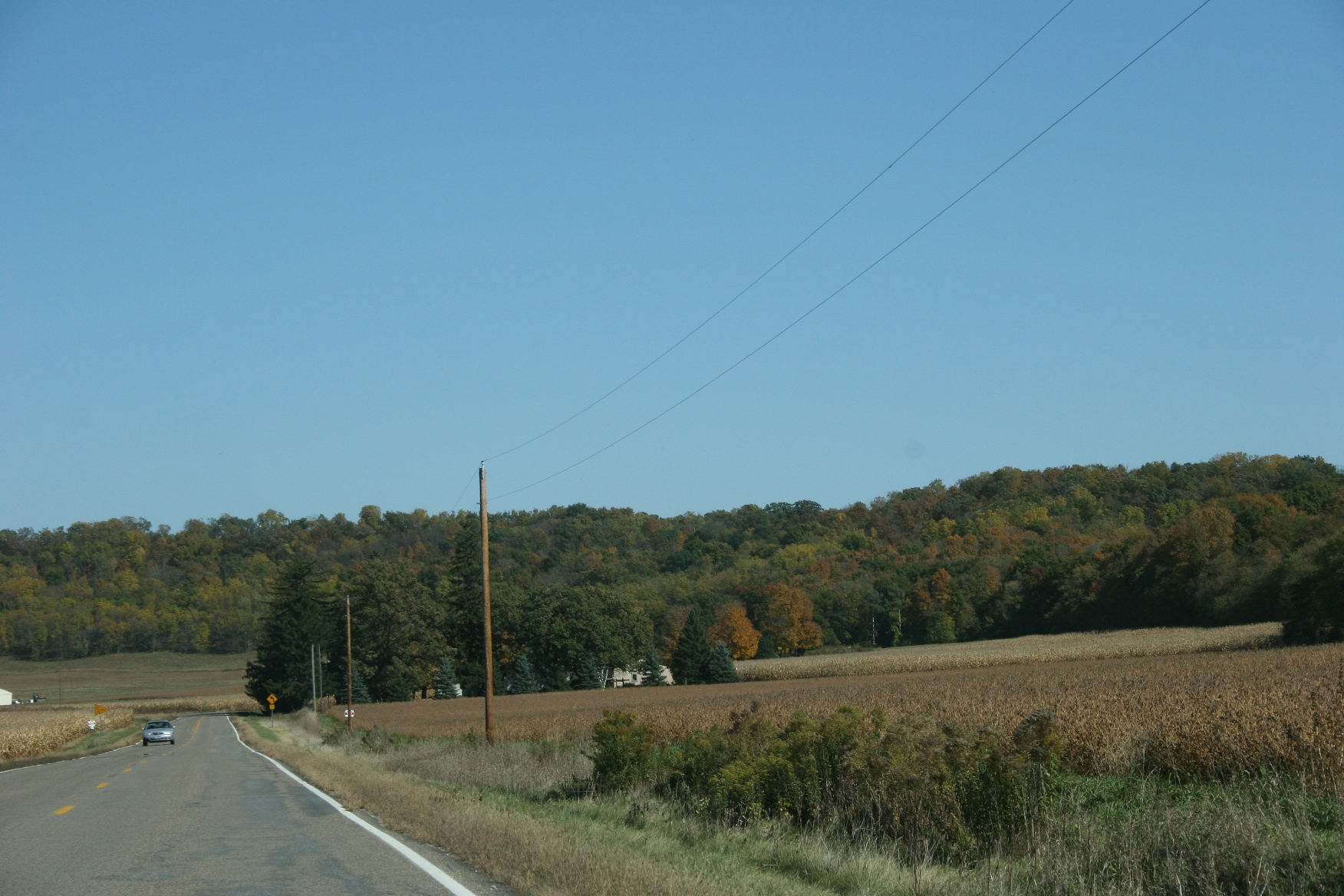
ON OUR WAY TO CHURCH on Sunday morning in North Morristown, my husband and I drove through some mighty fine country.

Past…

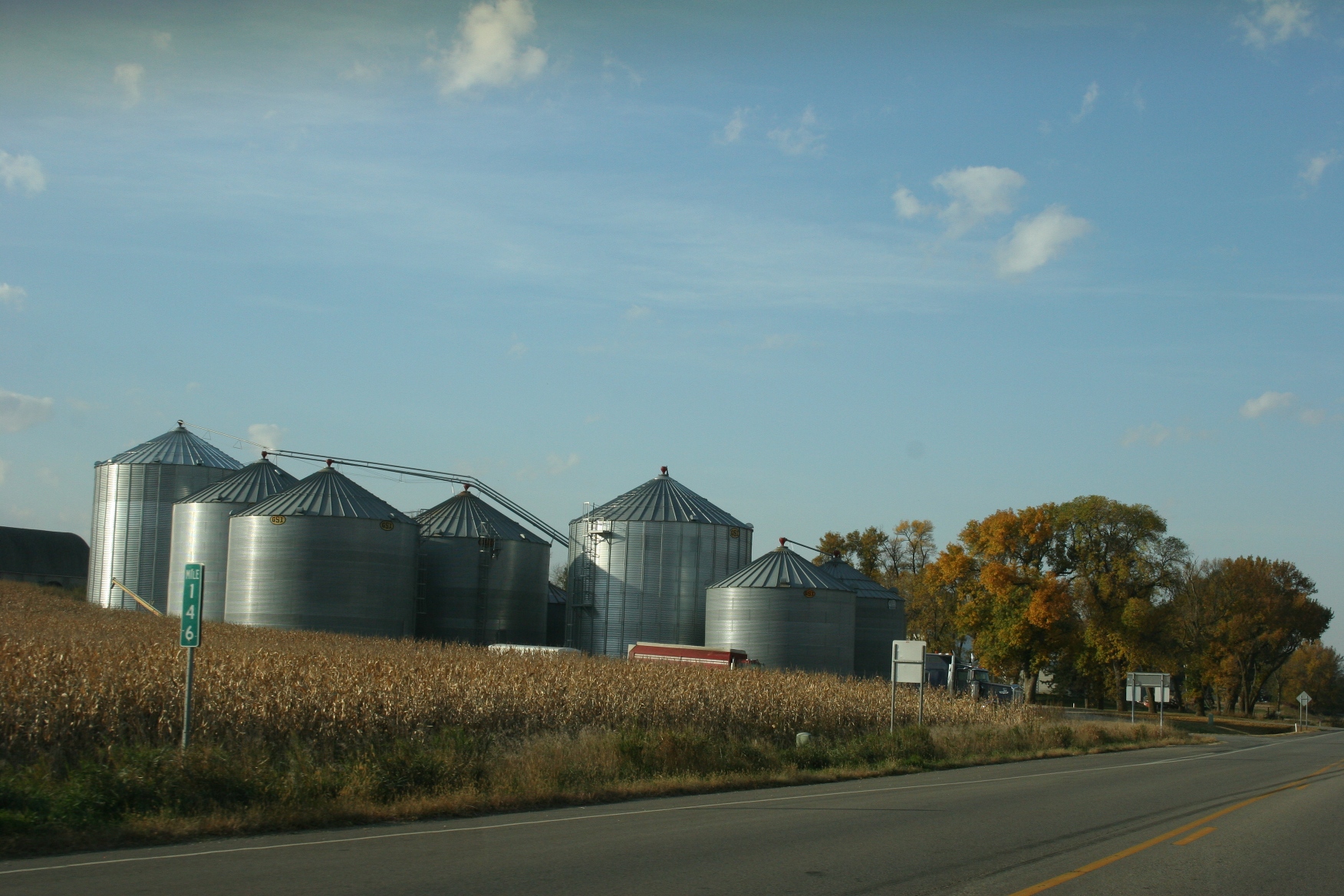
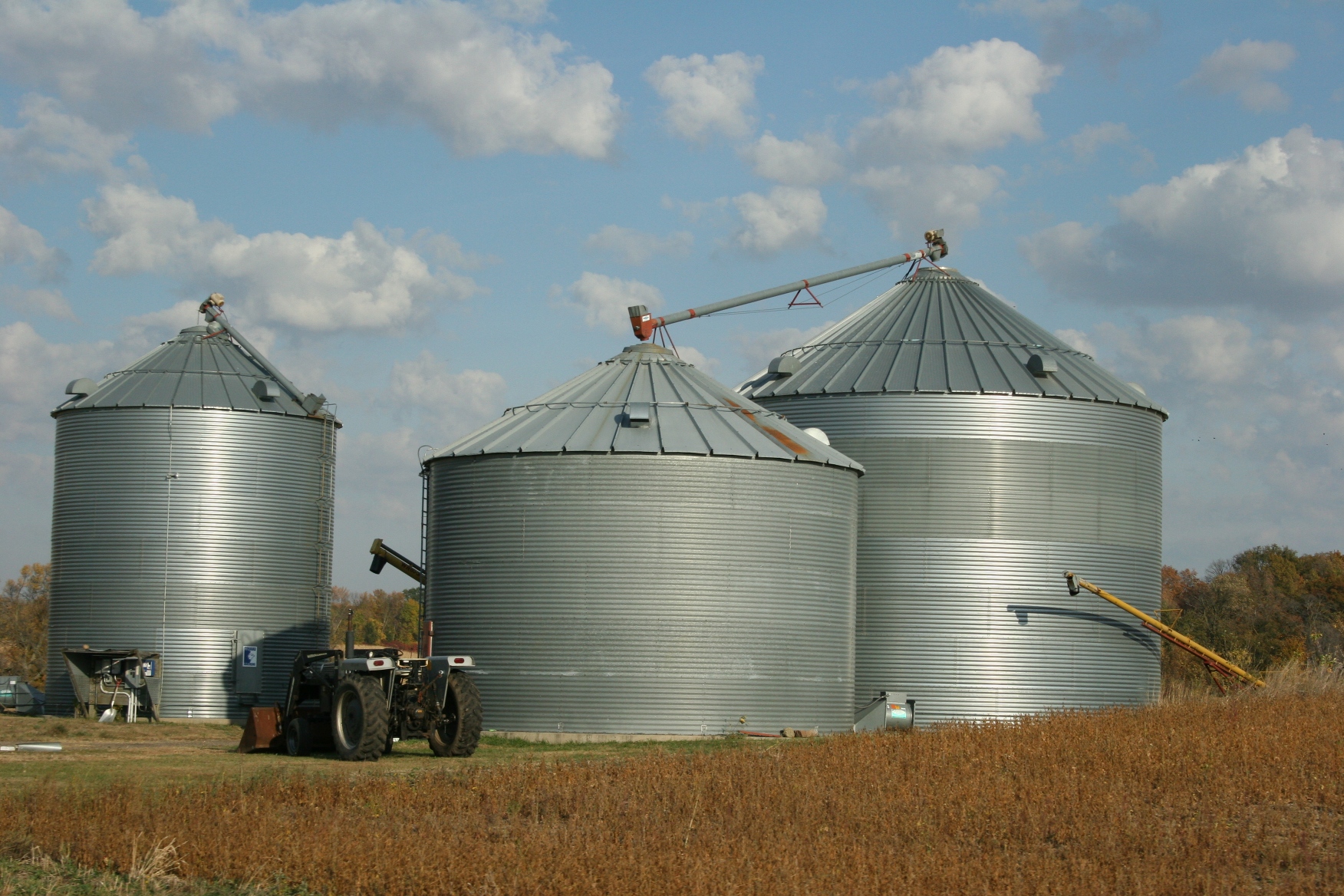
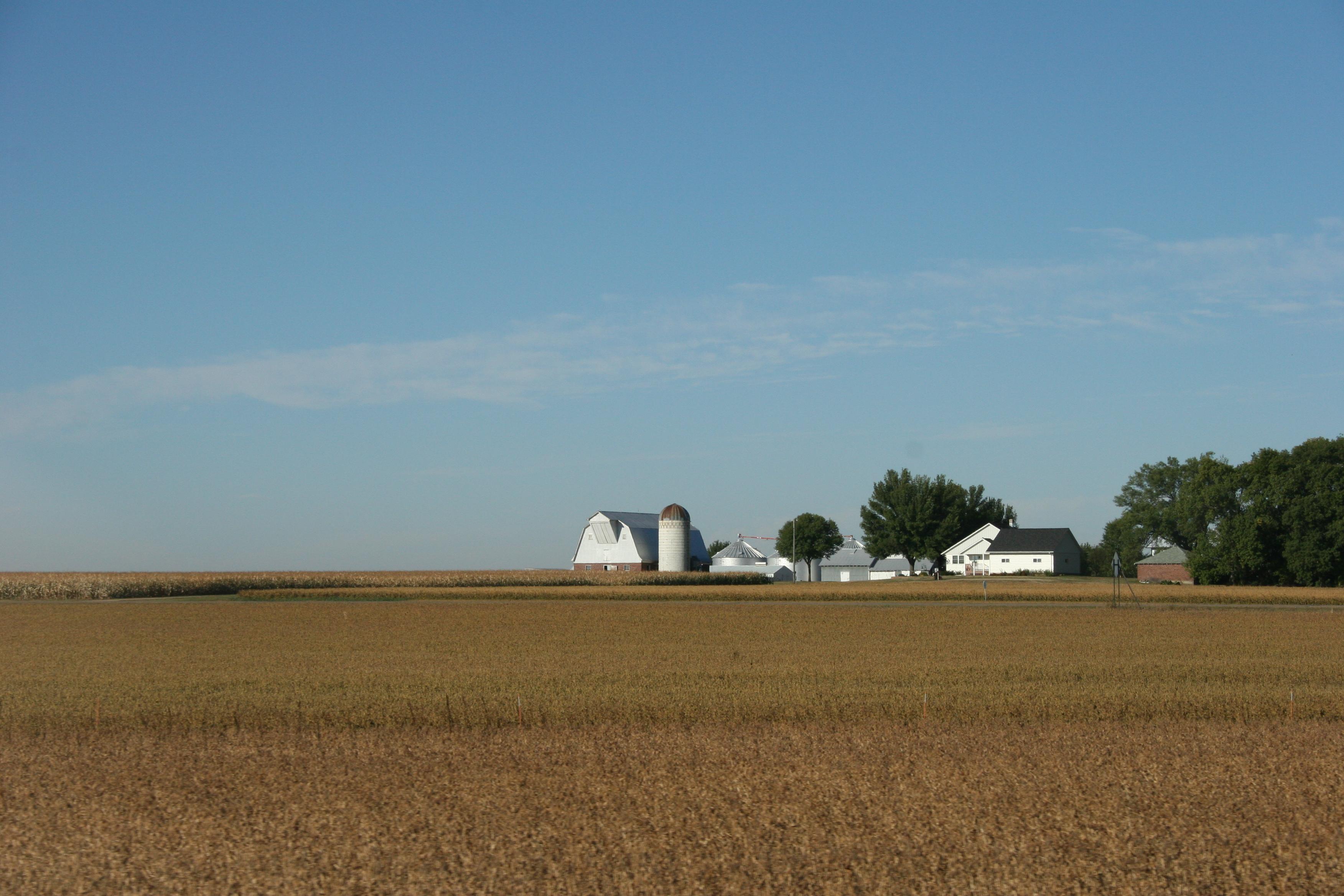
grain bins awaiting the season’s yield

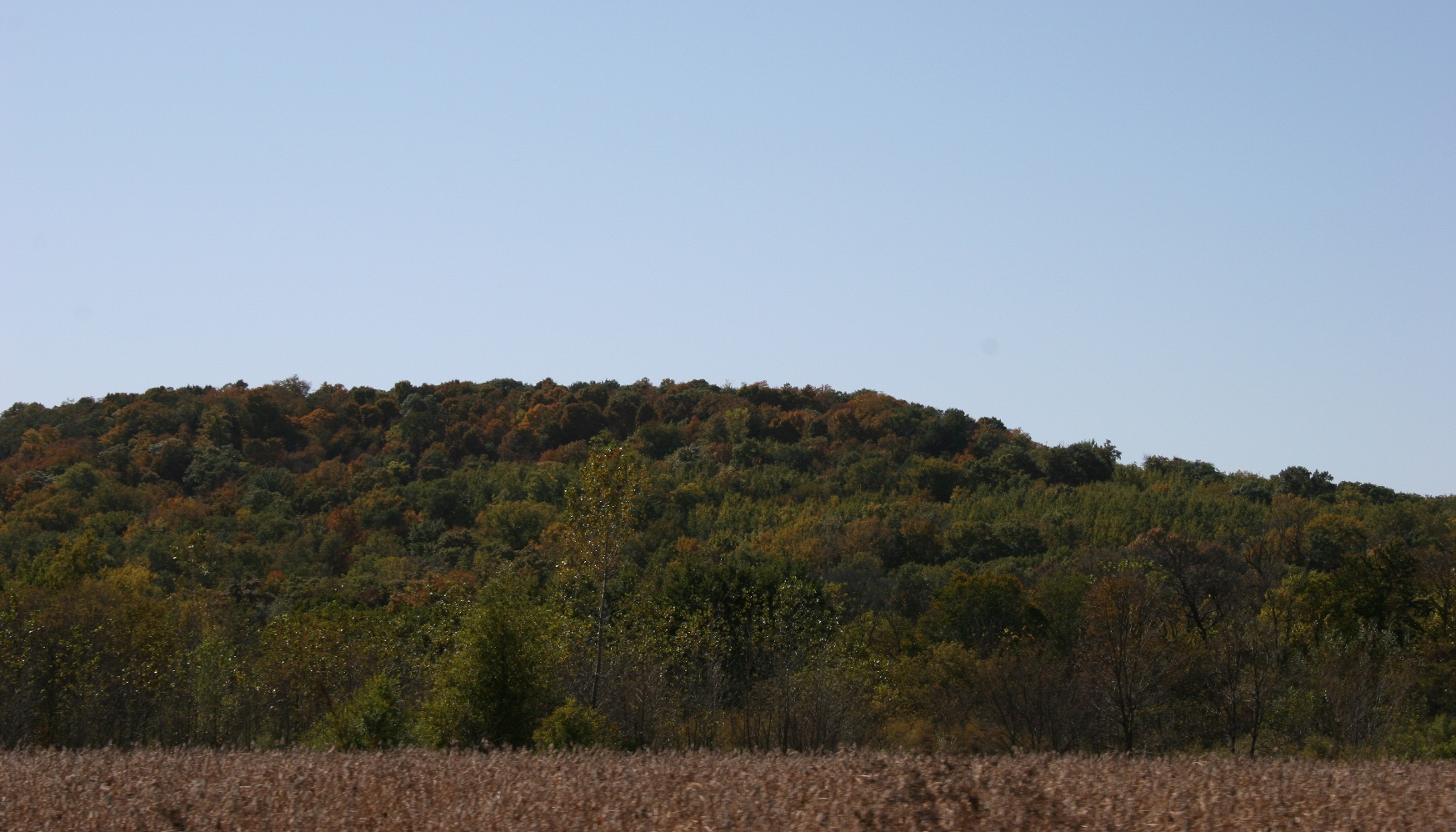
autumn’s glory edging Cannon Lake

harvested corn fields

tree line and crop line

a farmer laboring

beauty and bounty

a clutch of bins

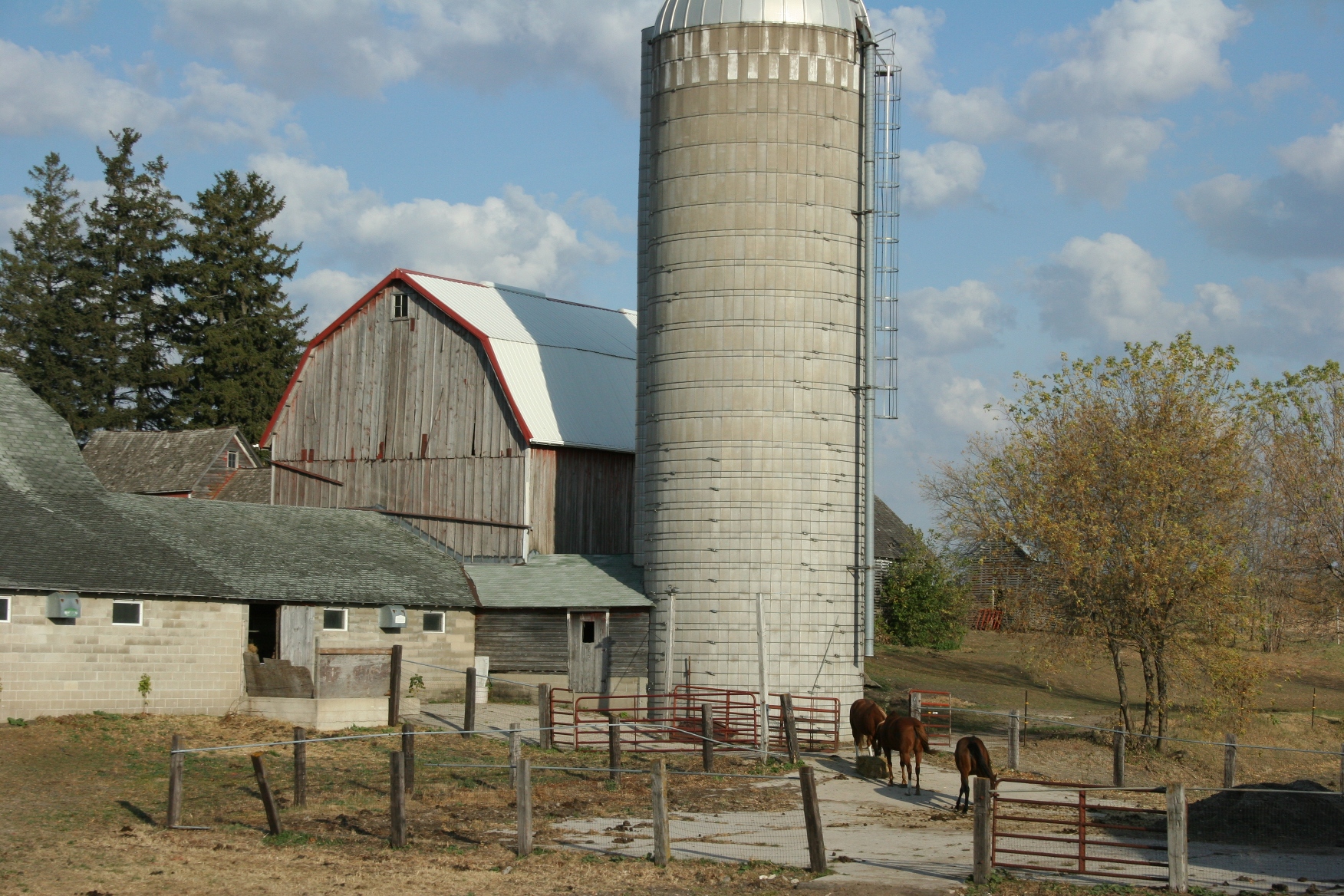
horses dallying in a barnyard

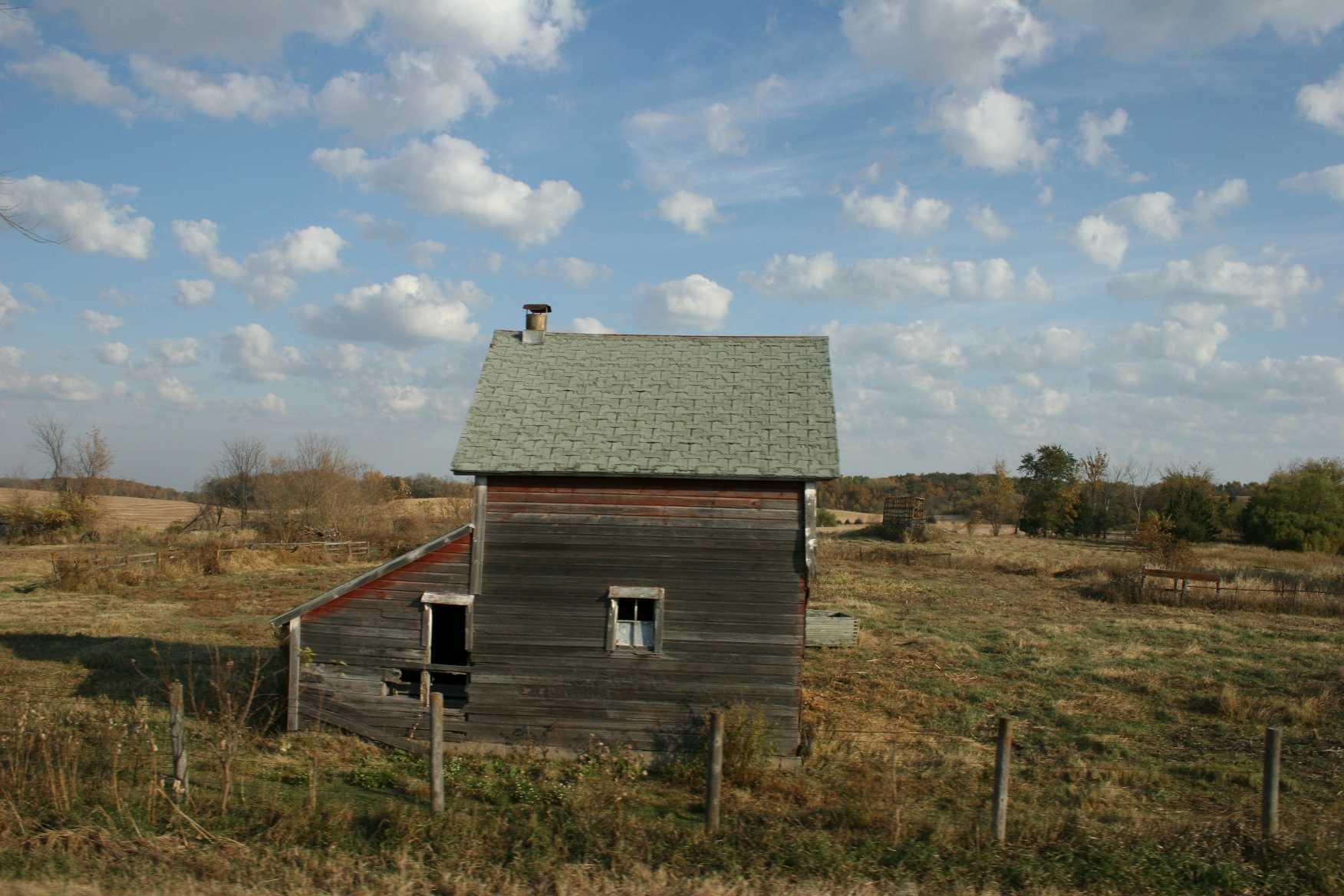
a shed weathered by time

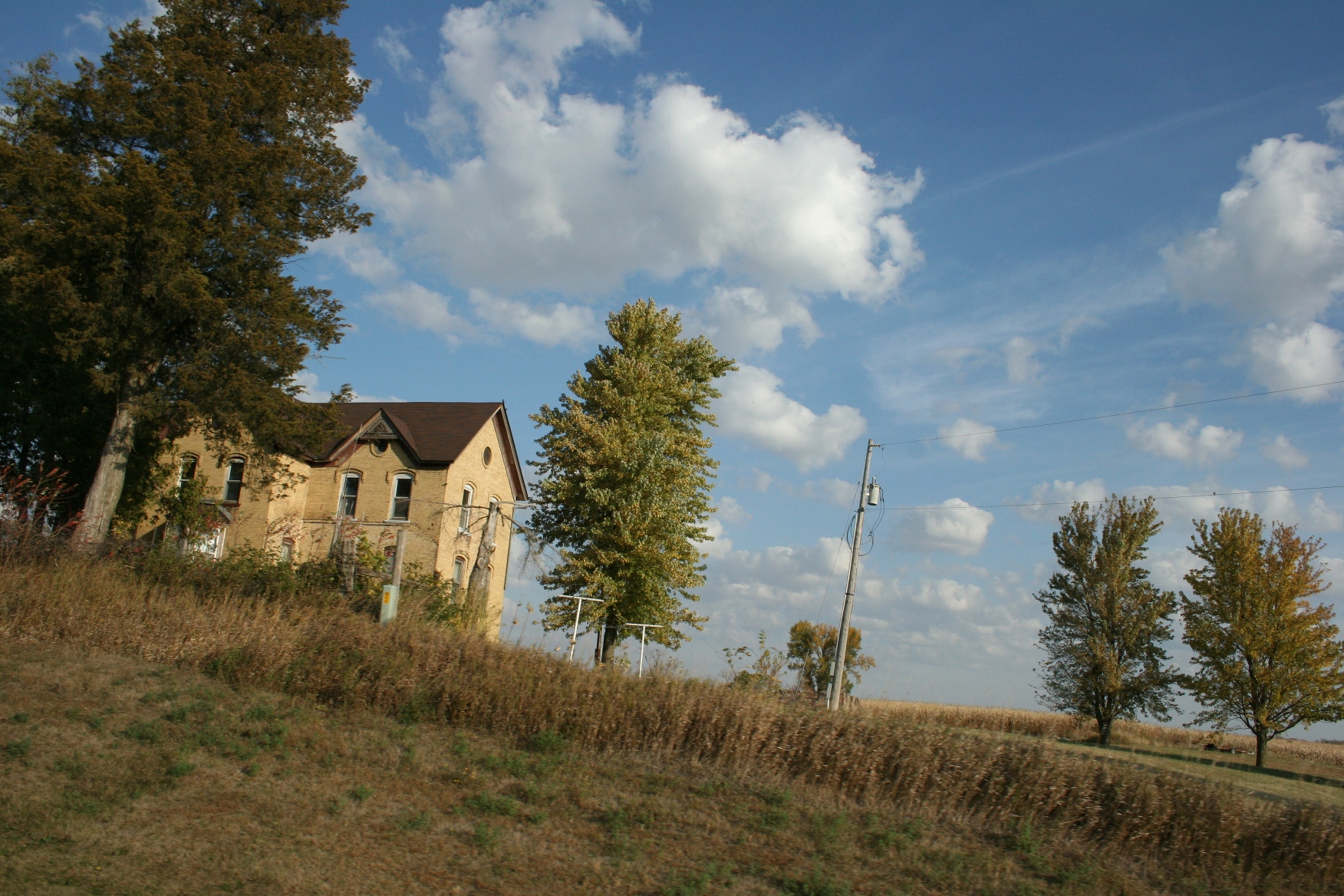
an old brick house on a hill

to Trinity Lutheran Church, North Morristown.

We savored the best of a lovely, gorgeous, stunning, beautiful, wonderful, photographic October morning that transitioned into an unbelievably warm afternoon.

Typically we don’t get this many balmy October days here in Minnesota, meaning we need to appreciate each one while secretly hoarding memories of these days for the long winter months ahead.

For now I want to remember this Sunday, this drive west of Faribault to the little country church, Trinity Lutheran, edged by an alfalfa field and across the road, acres of corn.

I want to remember the warmth of the day and of the people with whom we worshiped.

I want to remember, too, the good food and fellowship afterward in the church basement as we celebrated this congregation’s annual fall dinner and craft sale.

CHECK BACK for posts about dinner and about Trinity church.

© Copyright 2011 Audrey Kletscher Helbling
 

Field fires aplenty in Minnesota’s Red Flag areas October 6, 2011

A farm site between Morgan and Redwood Falls in southwestern Minnesota, where field conditions are dry and the fire danger high.

DRY, WINDY CONDITIONS persist in much of Minnesota creating ideal conditions for fire.

Unless you’ve had your head buried inside, you understand the danger and the reason for the National Weather Service’s Red Flag Warning that covers central and southern Minnesota.

Today would not be the day to build a campfire, have a bonfire or toss a cigarette butt out the car window (like you should any day). Burning bans are in effect throughout the state.

If forecasters are correct, these weather conditions will continue for awhile.

That all said, I wondered if my nephew, a kindergarten teacher and Westbrook volunteer firefighter, has been battling any blazes in his region of southwestern Minnesota.

Adam checked in with me early this morning:

Fires—we have had quite a few around here. Westbrook has had two; Dovray, two; and Walnut Grove, for sure three, all in the past week. It’s very dry and with the wind, it doesn’t take much to create a big fire. Many of the calls are mutual aid—helping neighboring towns with fires, but that’s how we do things here. All of them have been combines and fields. I haven’t made it to many of them as I could not get out of school at the time. But I made it to one on Sunday.

A story in today’s The Cottonwood County Citizen about a county-wide burning ban confirms Adam’s summary:

These burning bans come in the wake of at least a half-dozen fires that occurred around the county, most of which involved the harvest. Extremely dry conditions, low humidity and high winds have increased the potential for major fires.

I found an article in last Thursday’s Jackson County Pilot headlined “Combine fire sparks massive field blaze.” The story went on to say that a combine fire, fueled by 40 mph winds, quickly spread into a field. Fire crews from numerous departments in southern Minnesota and northern Iowa were called to the scene.

The Faribault Daily News today reports a Monday afternoon fire in the Lonsdale-Montgomery area that burned five acres of hay, 30 acres of swamp and 30 – 50 acres of corn.

Another blaze, this one on Wednesday afternoon in a soybean field northwest of Luverne, is reported in The Rock County Star Herald. In that case, farmers disked strips of black dirt to help contain the fire.

It’s a dangerous situation out there right now, especially for farmers bringing in the harvest in those dry, dry fields.

IF YOU WOULD LIKE to report on fires in your area, submit a comment.

© Copyright 2011 Audrey Kletscher Helbling

 

Fill the grain bin in Dennison

Filed under: Uncategorized — Audrey Kletscher Helbling @ 7:05 AM
Tags: , , , , , , , , , , , ,

SO, TODAY WE’RE GOING to talk signs. Not just any signs, but those homemade signs you find in rural Minnesota.

Chances are, no matter where you live, you drive or walk by creative signage every day and don’t give it a second thought. The signs have simply become part of your landscape. You fail to notice either the messages or the art.

And, yes, signs fall into my definition of art.

But then one day an outsider like me comes to town. And I view your town with fresh eyes. I notice the details—the windows and doors, the wood and brick, and the signs that define your community.

Main Street in Dennison, from city hall north.

That is how I happened upon a unique fundraising sign in Dennison, a community of 168 which straddles the Rice/Goodhue county lines in southeastern Minnesota. My husband and I stopped in Dennison while on a Sunday afternoon drive to view the fall colors in the Sogn Valley area.

There, along Goodhue County Road 9, the main east-west road through town, I found this sign appropriately placed by the Farmers State Bank.

Fronting the road and the bank, this sign tracks contributions to the park fund.

Now, whoever dreamed up this sign deserves some type of recognition for effort and creativity.

Dennison is a farming community. The sign reflects that ag heritage with the half-full grain bin. You did notice the corn and the grain bin, right?

The goal is to fill this grain bin and build that park. Want to help? Contact the city or Farmers State Bank.

The promoters of this park project could have designed the typical graph or thermometer sign to track contributions. But, instead, the sign honors the rural heart of Dennison. You simply have to appreciate that type of creative thinking.

You also have to value the sense of community that defines towns like Dennison. Here folks work together to raise funds for a park and don’t/probably can’t rely on government.

Well done, Dennison, and may you get a good corn yield this fall. Enough to fill the bin.

CHECK BACK for another post featuring interesting signage I found in rural Minnesota.

CLICK HERE to see signs I photographed recently in downtown Janesville.

ALSO, CLICK HERE to see sign images taken a year ago in Pemberton.

© Copyright 2011 Audrey Kletscher Helbling
 

A Sunday drive to view the fall colors in Sogn Valley October 4, 2011

A colorful hillside in the Sogn Valley area of southeastern Minnesota.

MINNESOTANS, THIS is your week.

Get outside. View the fall colors. Experience rural Minnesota at the height of harvest. This could be our best week, weather-wise, until next spring. Not that I’m trying to forecast gray skies and cold and that dreaded word, “snow,” but I’ve lived here long enough—55 years—to realize you should “make hay while the sun shines.”

I took my own advice on Sunday when the husband and I went on a fall color drive to the historic agricultural Sogn Valley area of quaint farms and wooded, rolling hills in northwestern Goodhue County.

We originally planned to paint a bedroom ceiling Sunday afternoon. But then, when a friend asked if the ceiling needed to be painted that day, we decided the project could wait. The afternoon was too beautiful to spend indoors with our eyes focused toward a ceiling instead of upward toward clear blue skies accented by the changing leaves of autumn.

So, just to offer you some visual encouragement to do a fall color drive or go for a walk this week, here are some photos I snapped on that Sunday drive.

We followed this gravel road, 20th Avenue, between Goodhue County Road 9 and Vang Lutheran Church.

Along 20th Avenue, I spotted these picturesque farm buildings.

I photographed Vang Lutheran Church across the cornfield west of the Potpourri Mill Log Cabin 10 minutes north of Kenyon or 45 minutes south of the Twin Cities.

An autumn-themed setting greets shoppers at the seasonal Harvest Thyme Craft Show at the Potpourri Mill Log Cabin, 2290 Goodhue County 49 Boulevard, Dennison. Remaining weekend show hours are 10 a.m. - 6 p.m. October 8-9 and October 15 - 16.

We were driving westbound on Goodhue County Road 9 toward Sogn.

You'll see lots of old barns, like this one along 20th Avenue, in this historic agricultural region.

Farmers are in the fields harvesting corn (pictured here) and soybeans.

The Sogn Valley area offers scenic fall color viewing in a rural landscape with little traffic. To truly experience the region, turn off the highway onto back gravel roads. Have a plat book handy and a navigator with a good sense of direction, which would not be me.

CHECK BACK FOR more photos from this autumn drive and for a post on Nerstrand Big Woods State Park, a popular fall color destination. The park parking lot was overflowing on Sunday. Colors were spectacular.

© Copyright 2011 Audrey Kletscher Helbling
 

The final harvest September 28, 2011

Filed under: Uncategorized — Audrey Kletscher Helbling @ 7:55 AM
Tags: , , , , , , , , ,

DEEP IN THE RICH FARMLAND of southwestern Minnesota, a group of farmers are planning for harvest. But not their harvest.

They will gather to bring in the crops of their friend and neighbor, Steve, who was found dead at the scene of a single-vehicle crash eight days ago. Even before last Friday’s funeral, these good people had lined up half a dozen combines to sweep across Steve’s corn and soybean fields south of Lucan.

One day for the corn. One day for the beans.

I don’t know the identities of these friends. But I expect they were among the mourners who packed St. John’s Lutheran Church in Redwood Falls on Friday to console a grieving family, to find comfort in Scripture and song and words spoken.

I was there. We heard the pastor tell us how God loved Steve so much that he called him home—too early in our eyes, at the age of 64—to spare him from evil and to give him peace.

Words that helped us to understand, from a pastor who considered Steve a personal friend, who himself paused to wipe tears from his eyes during his message.

As I sat in the balcony, looking down toward the casket, to the family in the front rows, my heart broke. For my youngest brother who had stretched his arms along the back of the pew to encircle his wife and their teenaged daughter and their son. They had lost their father, father-in-law and grandpa.

And later, at the cemetery, as my dear sister-in-law leaned forward in her chair, her head bent, her hands clasped tight in her lap, my heart broke.

Minutes later I pulled my 11-year-old nephew close as tears slid down his cheeks, as his body shook with sobs of grief. I wrapped him in my arms, stroked the back of his head, wished with all my might that I could make everything better for the boy who loved his “Papa” so much.

Later, in the church basement, we found moments of laughter in the stories shared by Steve’s oldest son about the perfectionist farmer who each morning walked out of his farmhouse and checked to see that everything was in its place in the farmyard.

We laughed at the man who spent one final weekend with his family, arriving at a downtown Minneapolis hotel with a small bag, asking to, once again, borrow his other son’s shaver.

It felt good to laugh through the tears, to hear about the grandfather who kept cats because he knew his grandchildren loved them, who got a lamb because he knew his grandchildren would love that lamb.

We laughed and remembered and celebrated the life of a man who was dear to so many.

When Steve’s farmer-friends roll their combines onto his acreage, they’ll pay him one last tribute—by bringing in the final harvest.

“To everything there is a season, and a time to every purpose under heaven: a time to be born and a time to die, a time to plant and a time to pluck up that which is planted…”

#

NOTE: The above combine photo is for illustration purposes only and was shot just outside of Courtland on Saturday morning.

© Copyright 2011 Audrey Kletscher Helbling
 

Harvest barn dance celebrates family, friends and yesteryear September 19, 2011

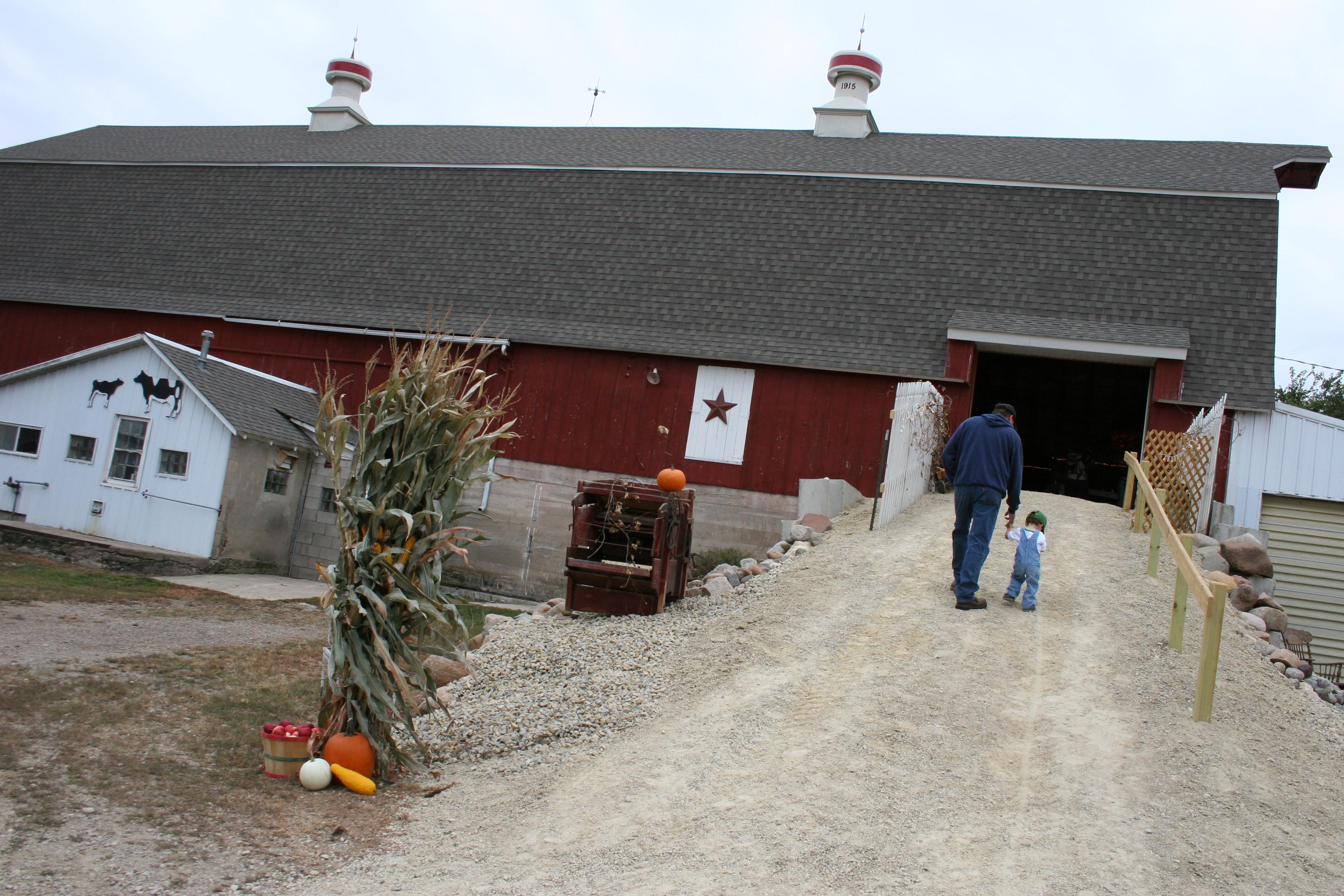
A father and son were among the hundreds of guests attending a dance in this 96-year-old barn.

IN THE 1930s, at the height of The Great Depression, a young Herb Becker attended dances in the sprawling red barn along Rice County Road 1 several miles west of Dundas.
Herb didn’t know it then, but in 1948 he and his wife Dorothy would buy the “Faber farm” site with the 36-foot by 100-foot barn.

Today his youngest son John and wife Debbie own the farm, purchased in 1988. Saturday they hosted their first-ever Harvest Time Barn Dance.

John and Debbie Becker have reshingled and done other work to their barn to keep it from deteriorating.

“It’s a dream come true,” John said several times through-out the event which brought the barn back full circle to his father Herb—who died in 2009—and those long-ago barn dances.

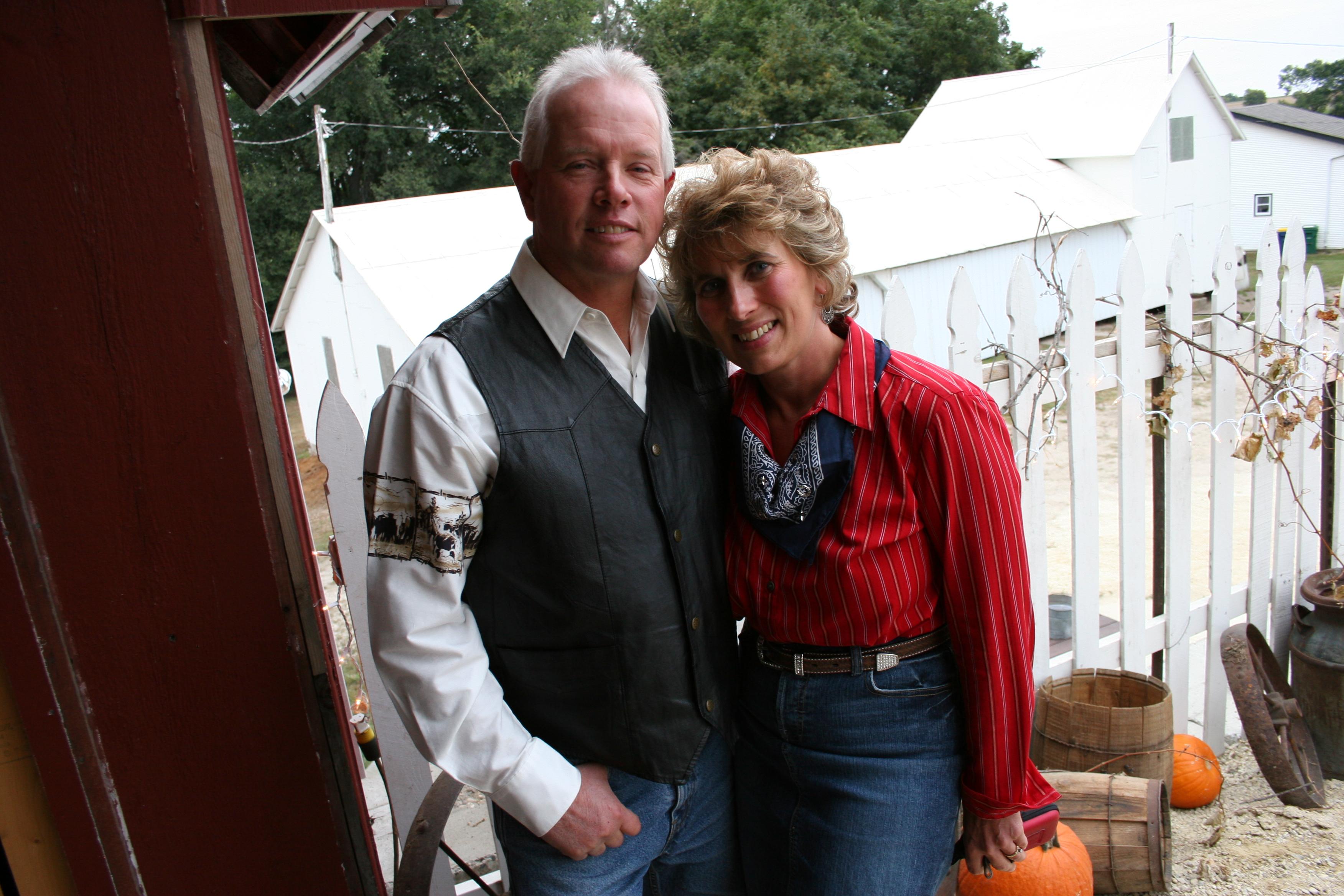
I bet Herb would have been pleased with the party that drew family, friends and neighbors of the Beckers together on a cool autumn evening to visit, eat and dance the night away in the old hay mow. My husband Randy and I were among our friends’ invited guests.
Everything about the celebration in this 1915 barn spoke to the kind of down-home neighborliness and love of family that define the Beckers and the Malechas (Debbie’s family). These are good, honest, hard-working people of faith with their roots planted deep in the earth. I doubt I stopped smiling all evening.
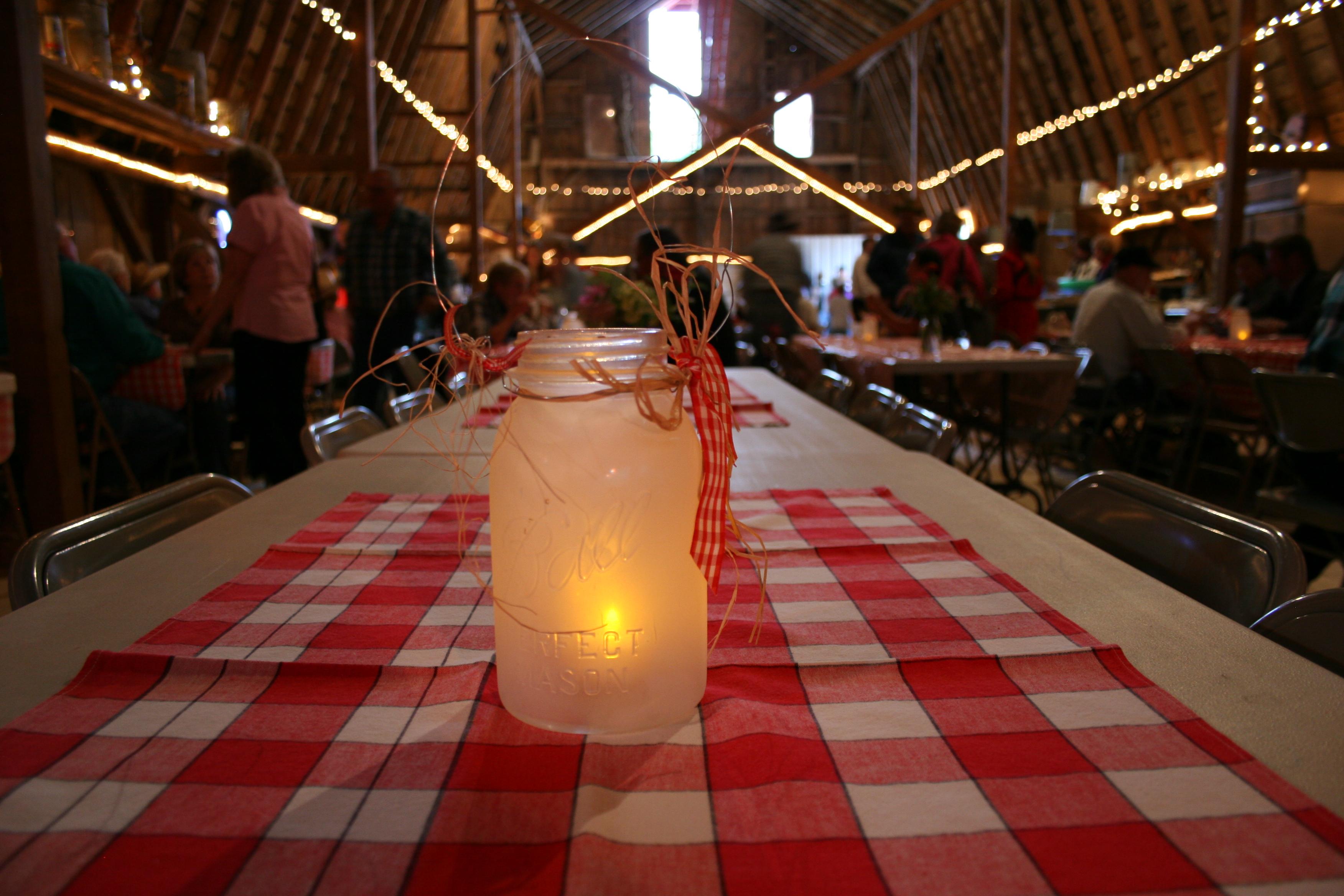
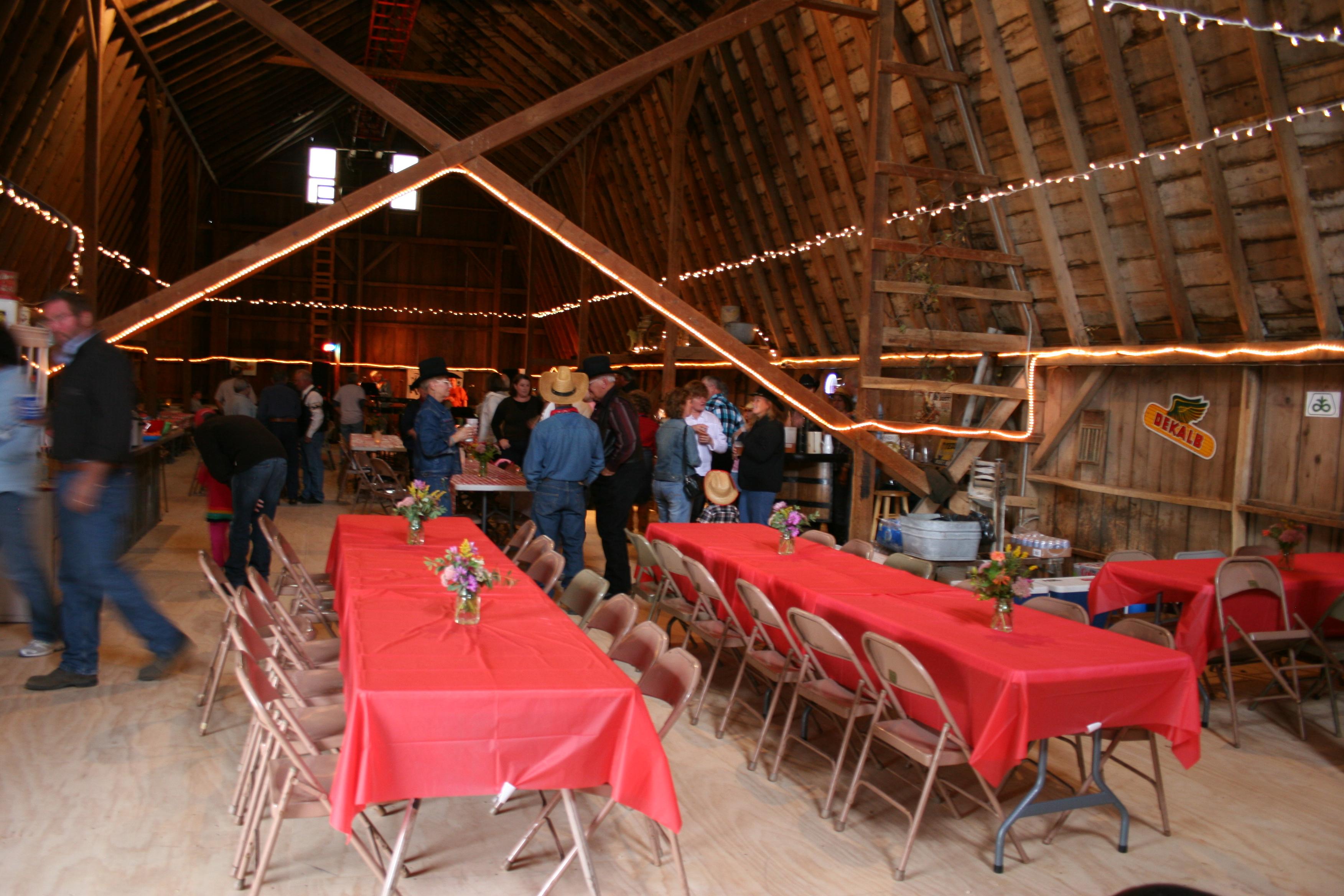
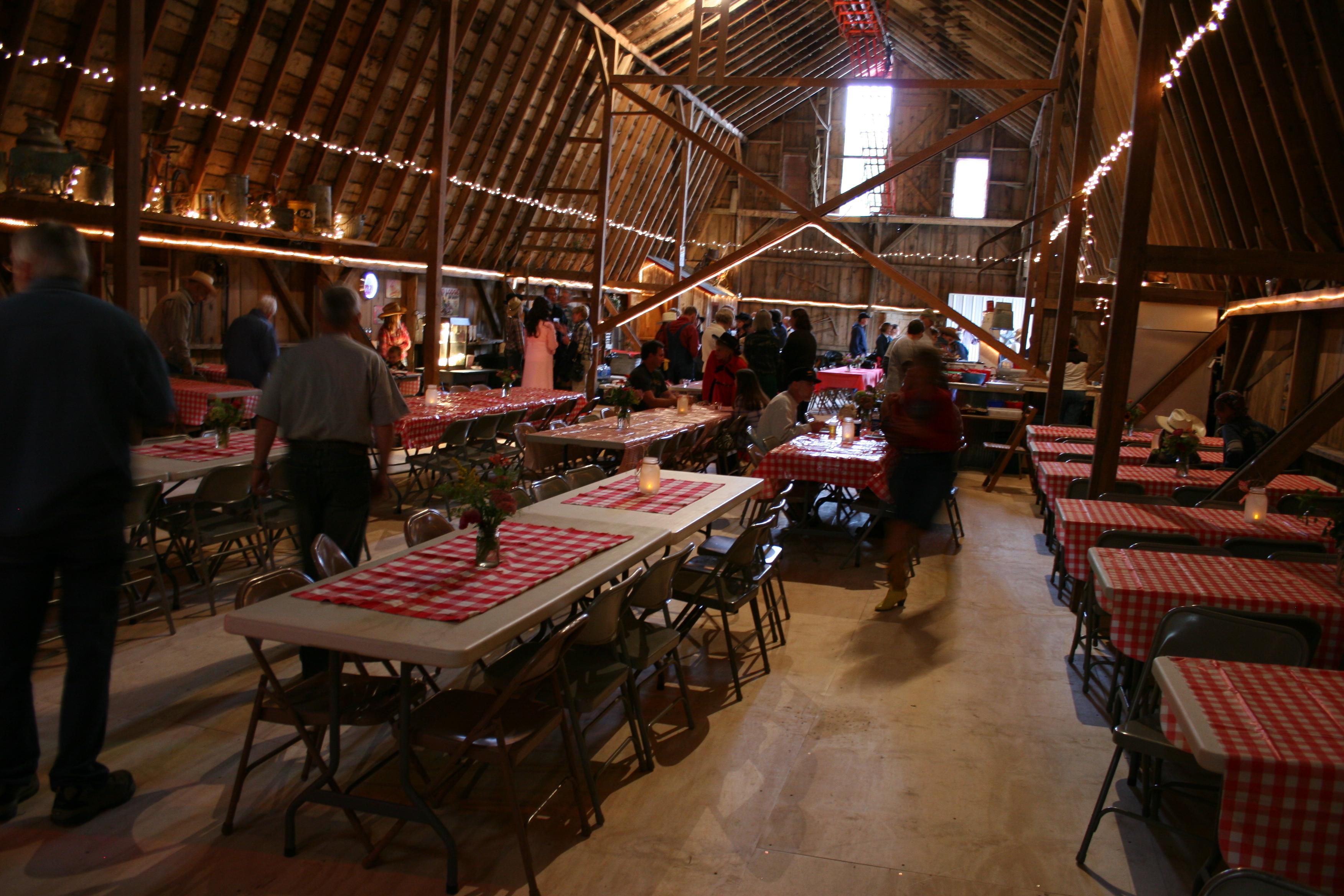
And there was plenty to smile about—from the country-style decorated barn complete with red-and-white checked tablecloths, zinnias/sedum/golden rod in fruit jars, pitchforks, bushel baskets, seed corn signage, wooden barrels, cream separator, horse harness and lots more to the kids and adults sporting cowboy hats, cowboy boots and other western attire to the welcoming, sometimes boot-stomping, music of The Revivals band.

Battery-operated tea light candles and flowers in quart jars decorated tables covered with red and/or red-and-white checked cloths. This photo looks toward the west end of the hay mow.

Everywhere collectibles and antiques were on display, creating a setting of simple country charm.

Guests indulged in tasty roast beef sandwiches, calico beans, an array of salads and bars.

The Beckers created a coffee corner, where guests could grab some "De-Calf" or "Real Calf," visit, maybe even pull a deck of cards from the shelf for a game of Euchre.

Fall and vintage decorations lined the pathway leading into the barn.

It was the type of evening reminiscent of the old-fashioned gatherings of yesteryear, when adults could visit while the kids played with carefree abandon. And they did on Saturday. Tag and hide-and-seek. Pick-up football in the dusty farm yard. Make-believe, chasing each other with cap guns blazing.

Kids ran and played and ran and played--all night.

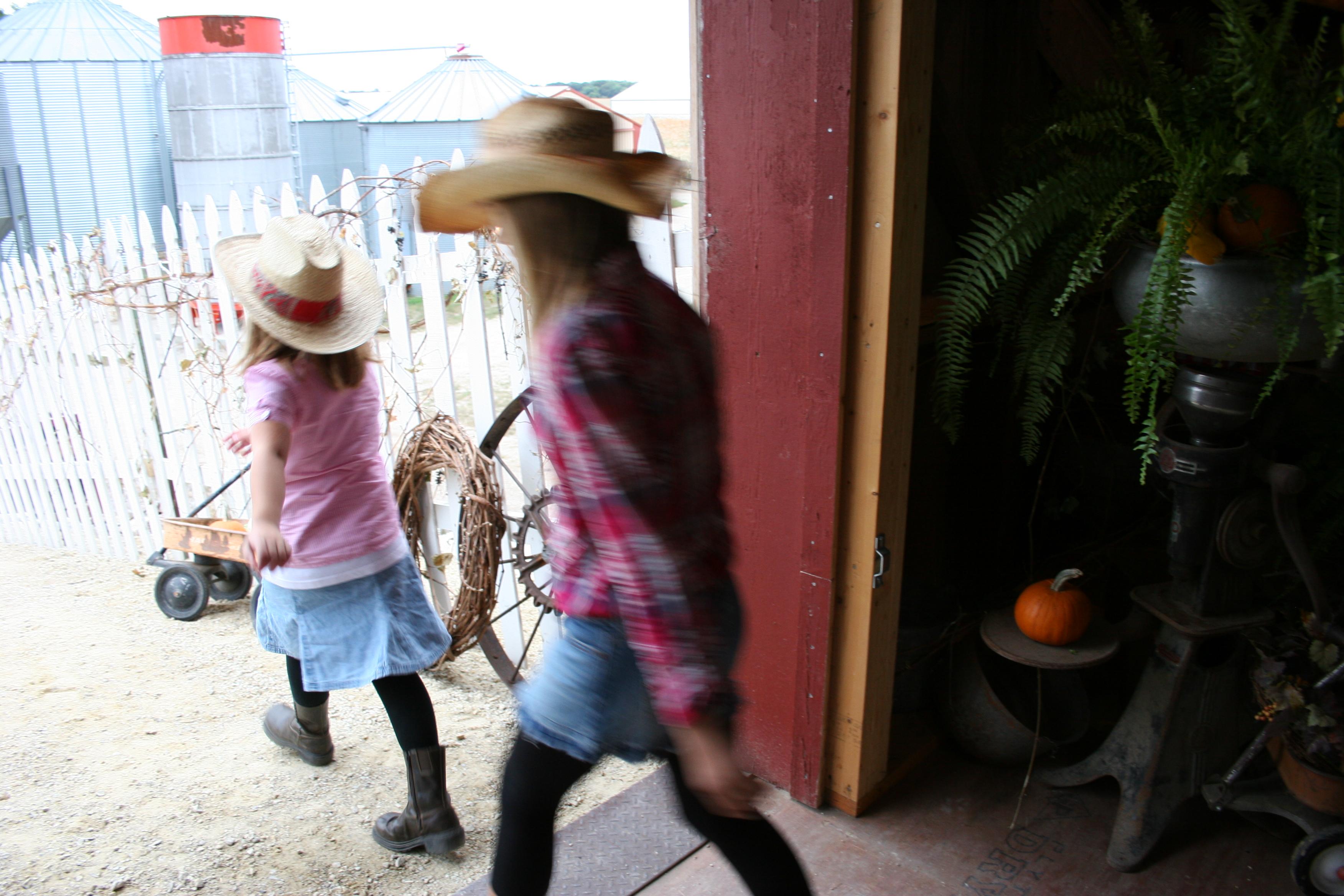
Heading out the barn door...

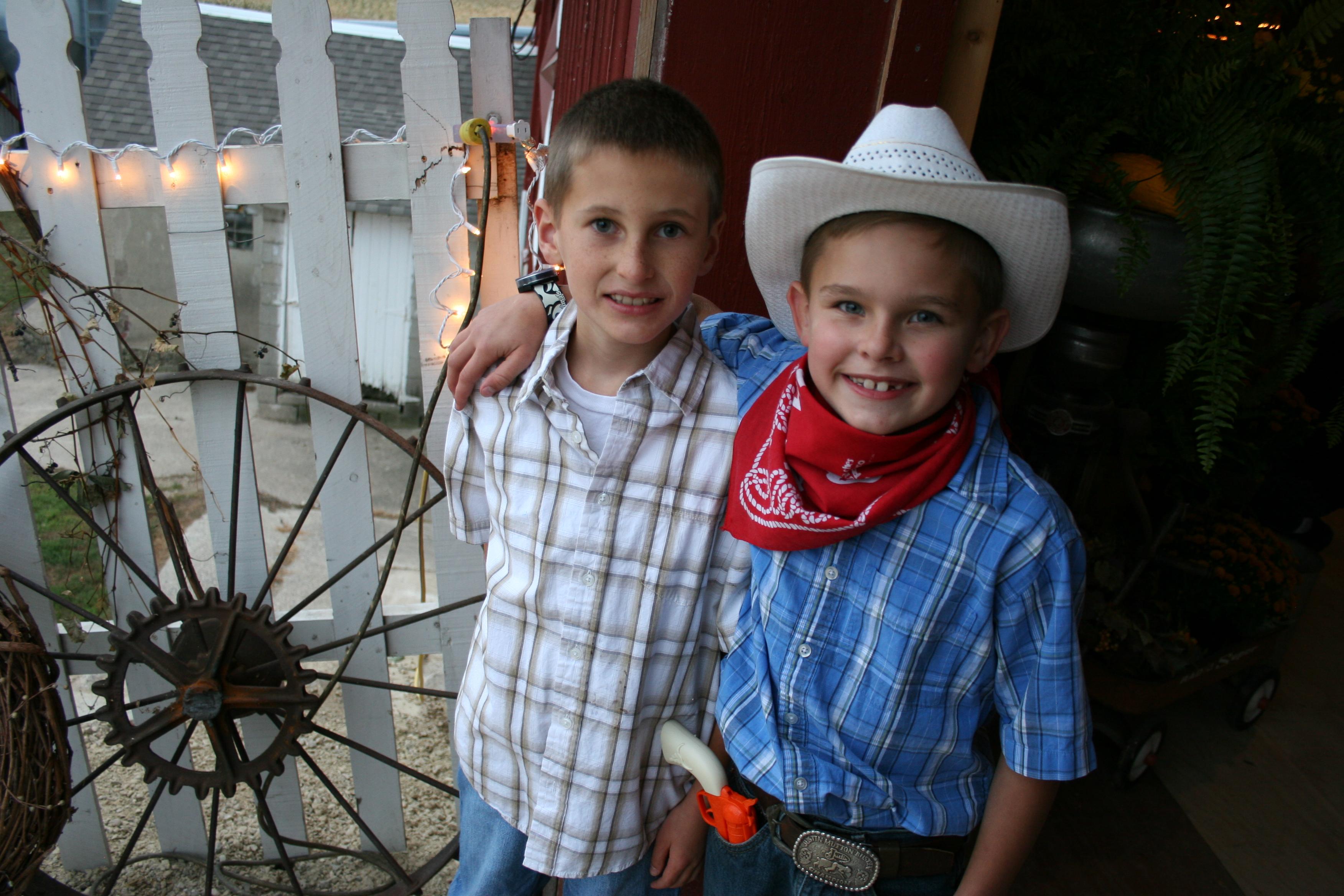
The kids, and a few adults, brought cap guns.

Probably my favorite image of the evening...no words necessary to describe these happy boys.

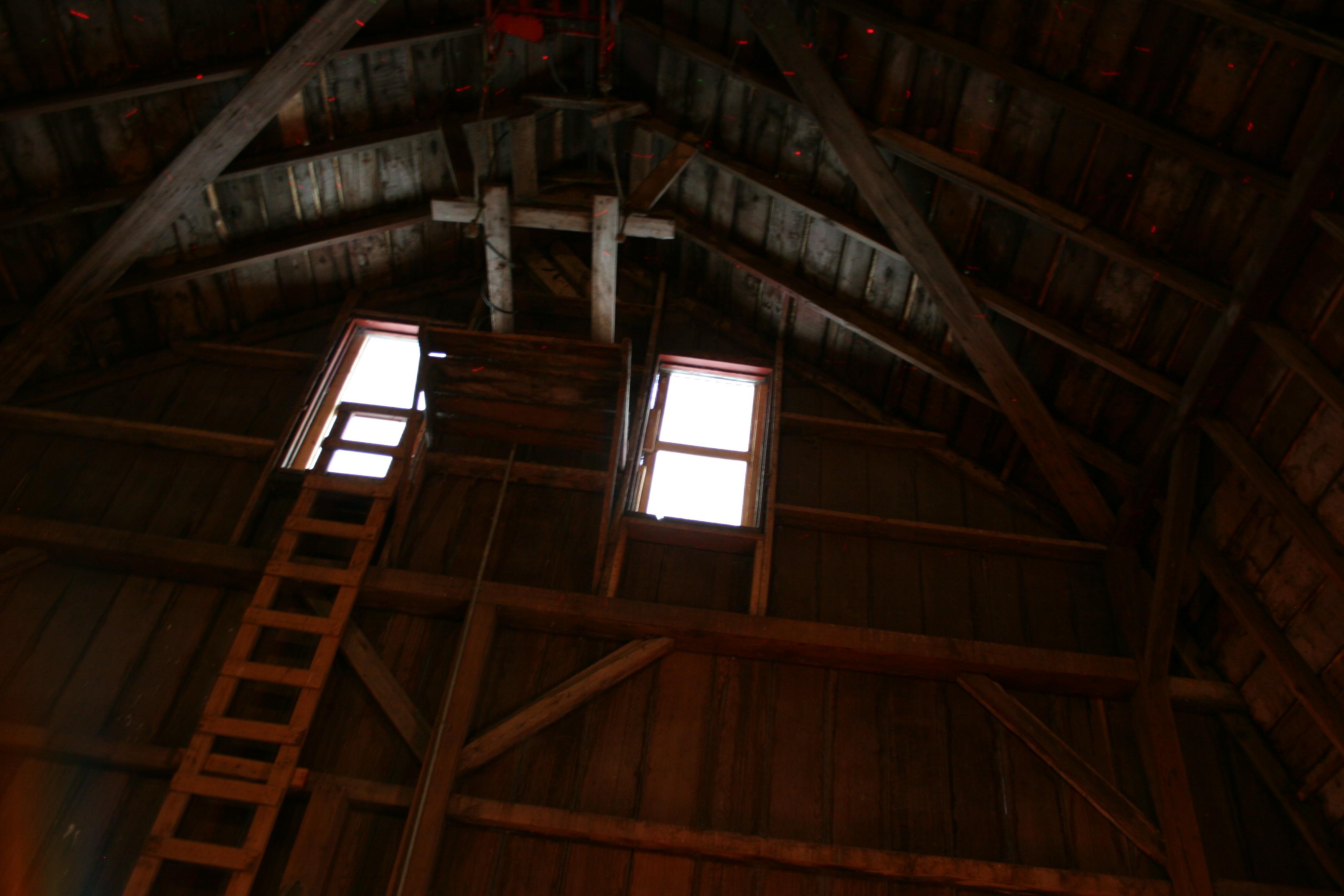
Inside, the adults admired the architectural bones of the barn, cranking necks upward toward the skeletal rafters, toward the conveyor that once carried hay bales across this dairy barn hay mow. And before that, the hay fork, on display outside the barn. They imagined climbing the ladder on the east end of the barn, like daring trapeze artists, to a platform above.

Looking toward the east end of the hay mow.

The east end of the hay mow with the ladder and platform and highlighting the barn's framework.

Looking toward the west end of the hay barn.

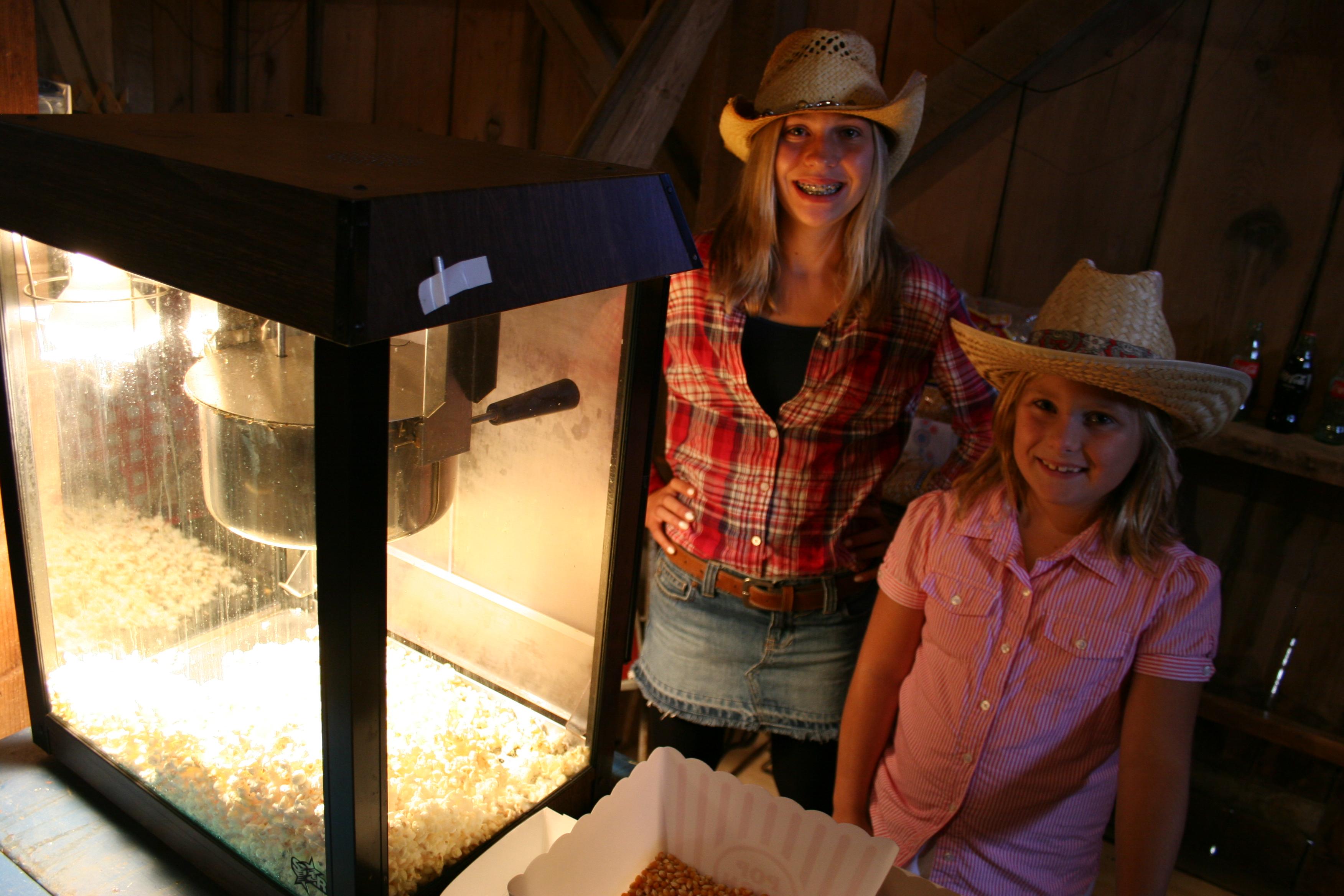
Pulling popcorn duty at the barn dance.

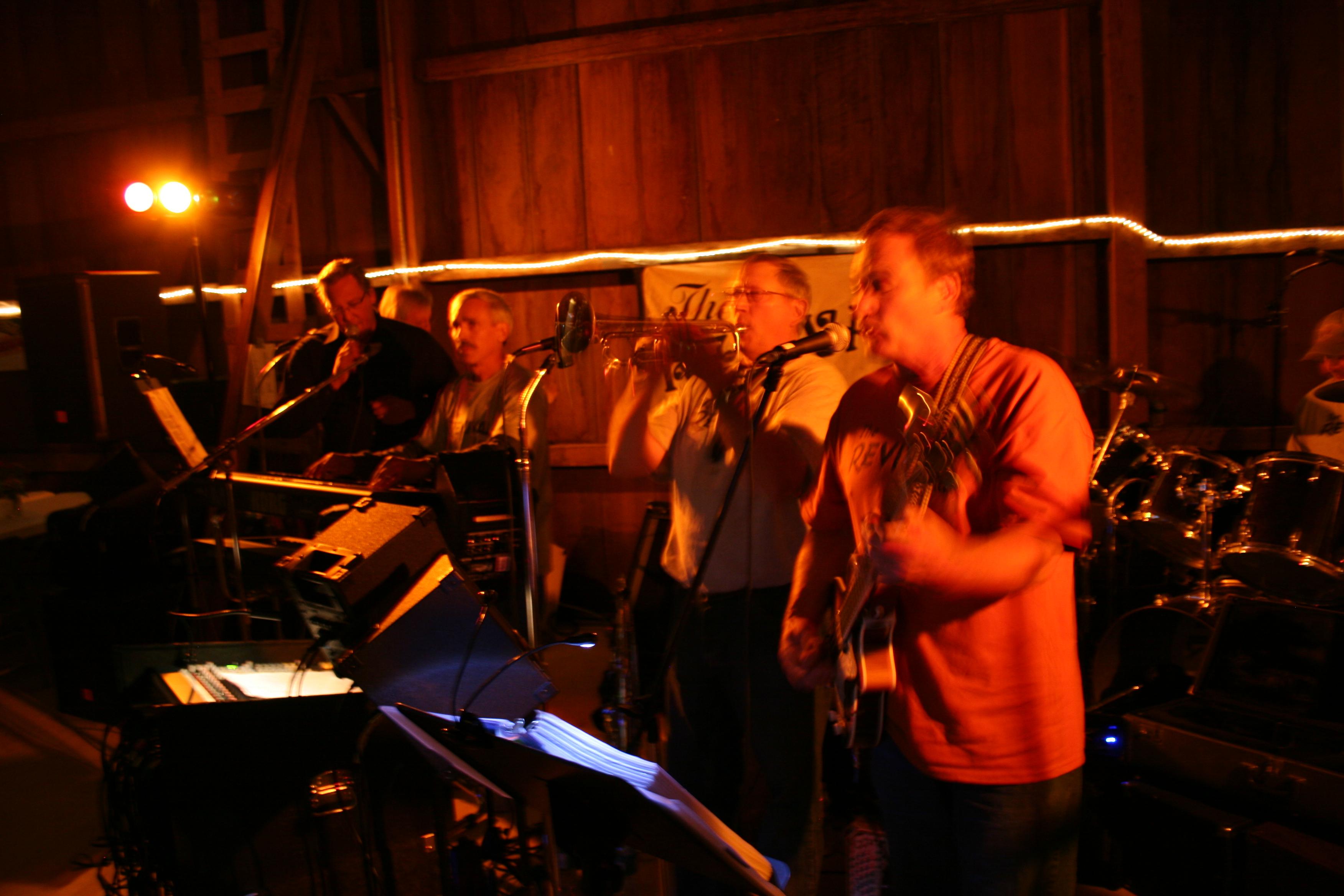
And later, when The Revivals from New Prague rocked the rafters with music that spanned polkas and waltzes to country and 1950s-1970s hits, adults and kids alike slid their feet across the corn meal-slicked plywood covering the maple floor that was too unsalvageable for refinishing. They twirled and shook and twisted.

And they danced like Herb would have wanted them to dance, celebrating life.

The Revivals from New Prague played a mix of music from old-time to rock.

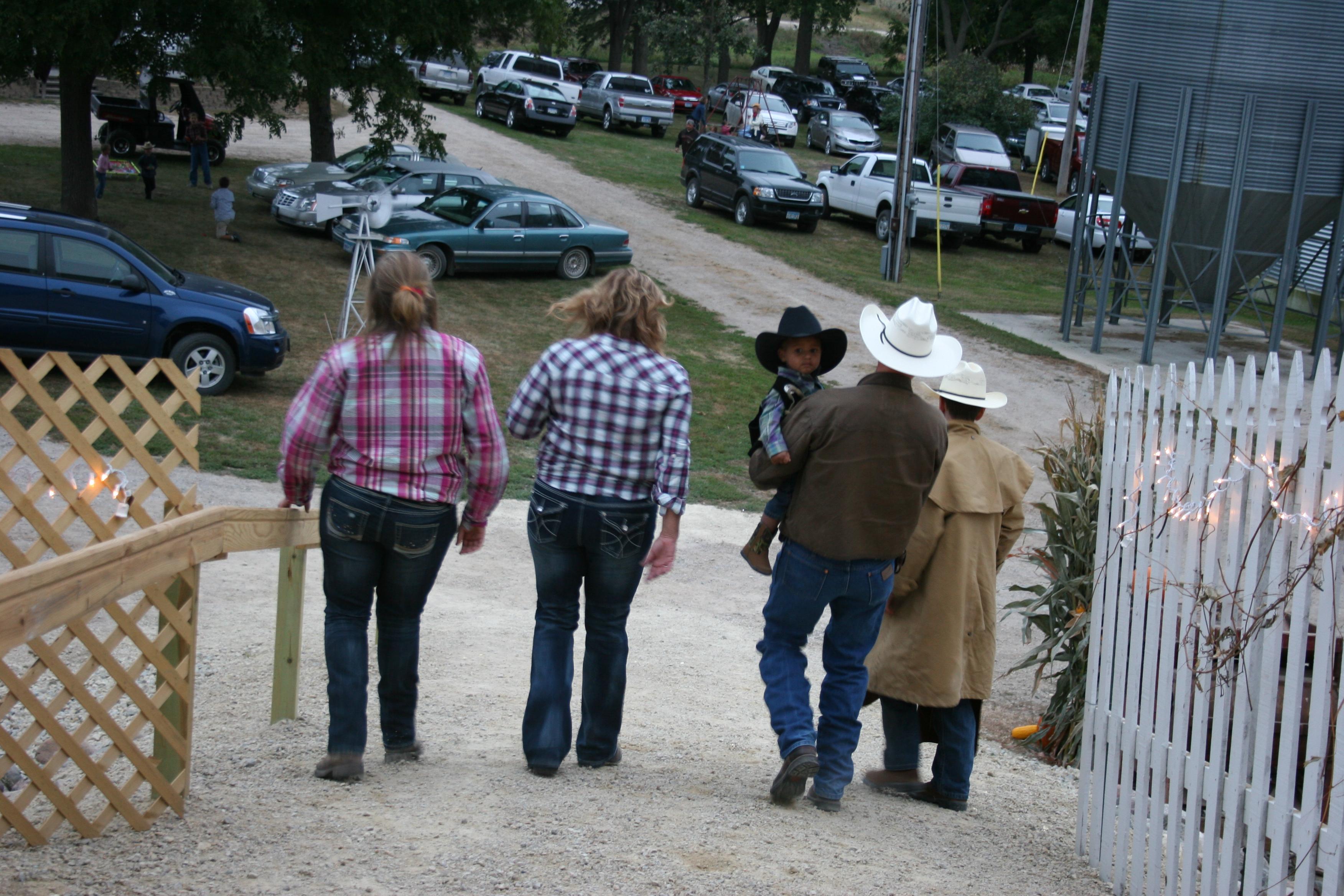
Leaving the barn dance. Vehicles packed the farm yard.

CHECK BACK FOR MORE barn dance images. I won’t have photos of the dancing; once I had my band shot, I put away the camera.

HAVE YOU EVER attended a barn dance? If you haven’t, you might want to become friends with the Beckers. I bet they’ll have plenty of requests for a repeat harvest dance next fall. Thanks, John and Debbie, for an absolutely memorable and fun evening.

© Copyright 2011 Audrey Kletscher Helbling