Minnesota Prairie Roots

Writing and photography by Audrey Kletscher Helbling

A lot of Irish in Saint Thomas in Derrynane Township March 20, 2018


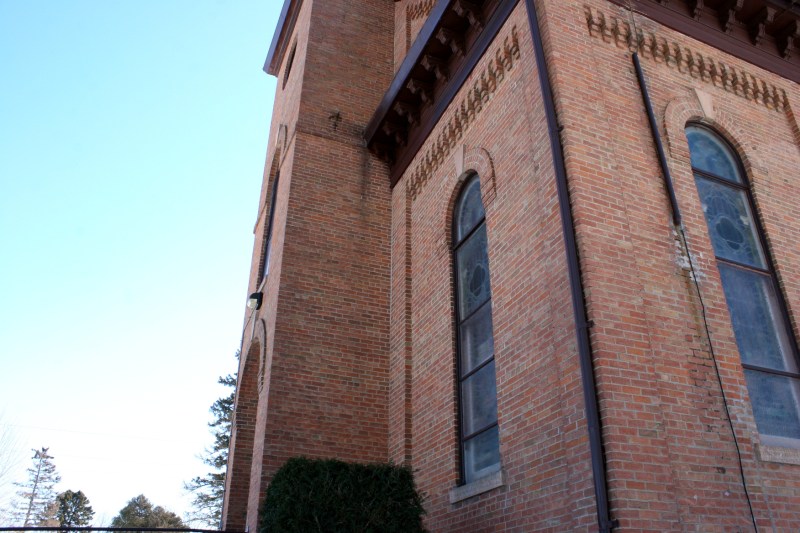
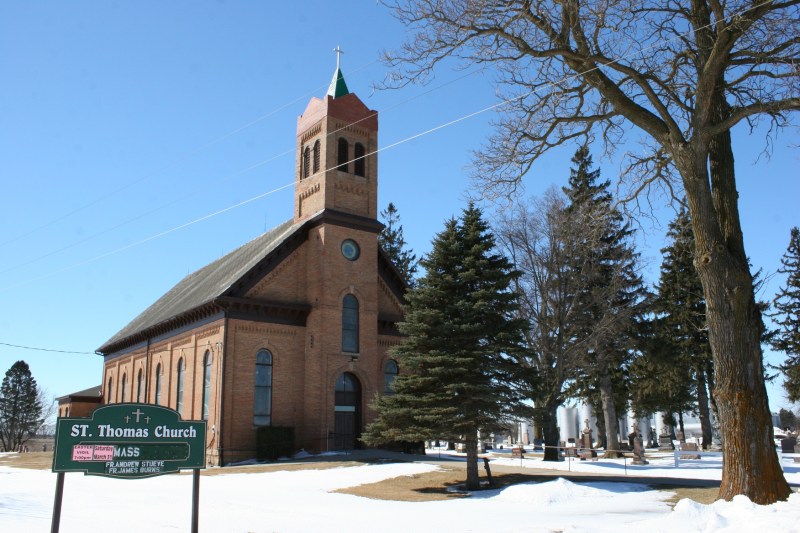
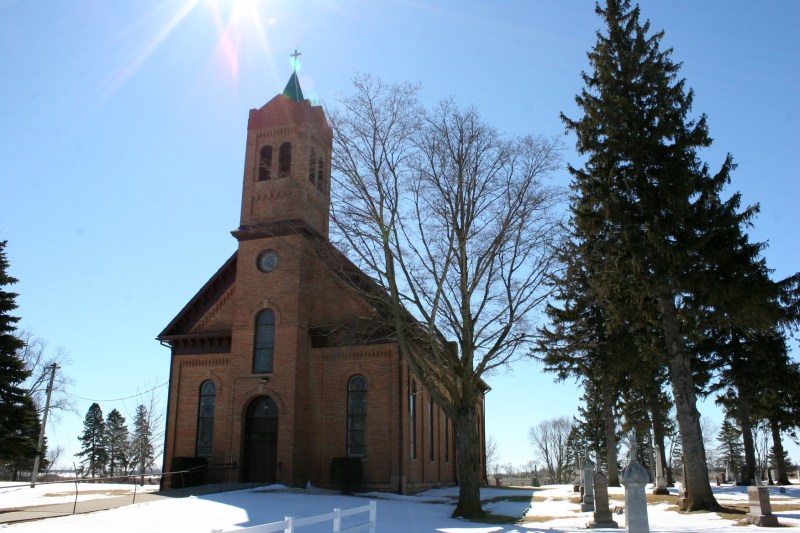
I APPROACHED THE BEAUTIFUL brick church with the full expectation that the doors would be locked. They were. There would be no getting inside St. Thomas Catholic Church on this St. Patrick’s Day. I felt disappointment, but not surprise.


A hot pink sign tacked onto the church sign notes an Easter vigil here on March 31.


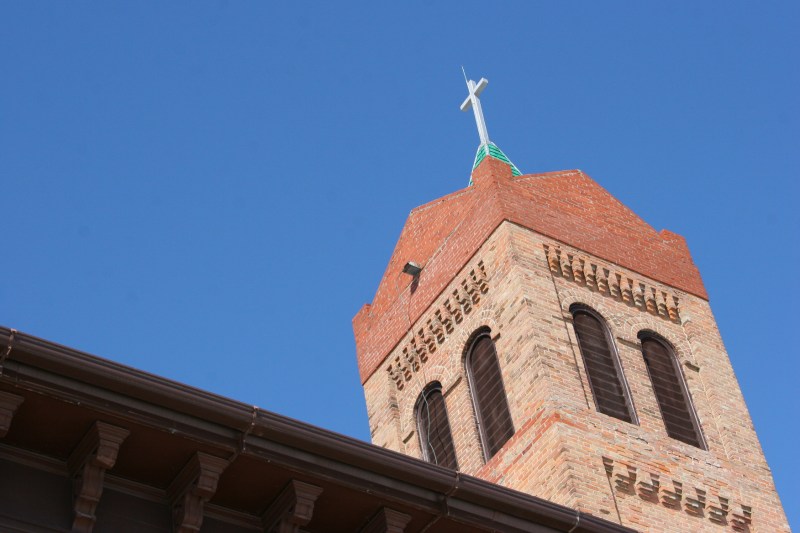
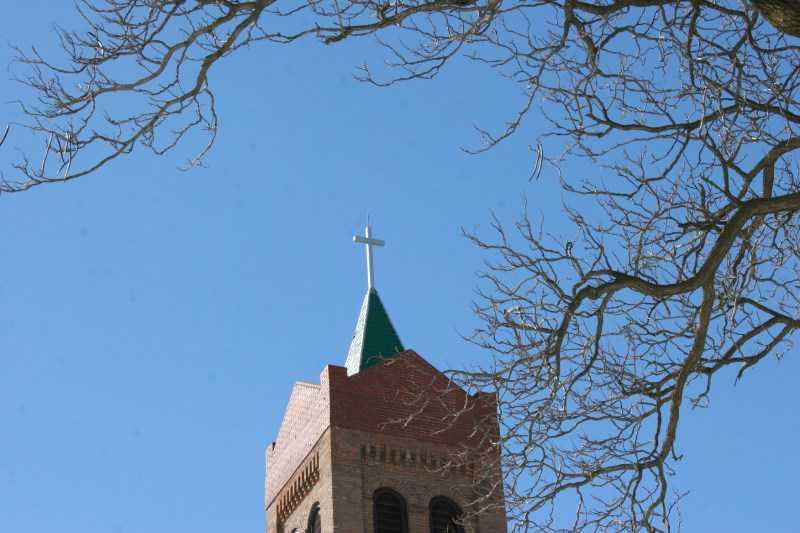
Even though shut out, Randy and I still explored, circling this immense church with stained glass windows and with tower steepling to a cross.


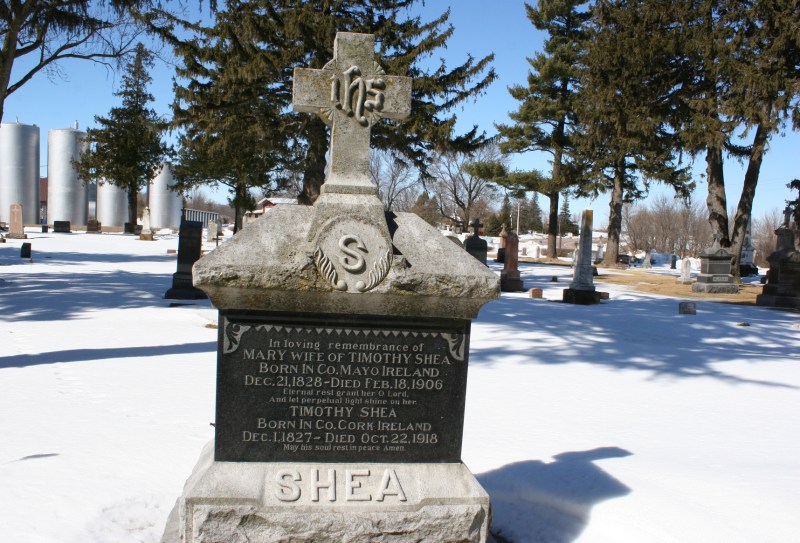
We crunched across crusty snow to look at gravestones that bear the Irish history of this place in names like O’Malley, Shea, O’Connell and noted ancestral roots in Cork County, Ireland and elsewhere.


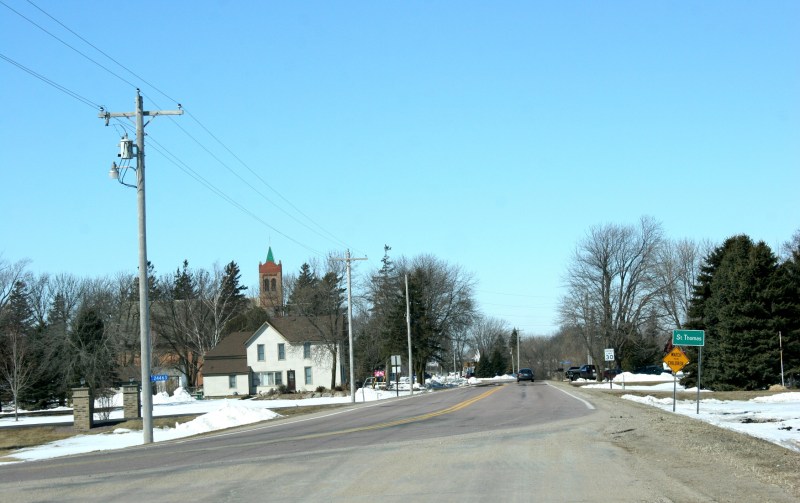
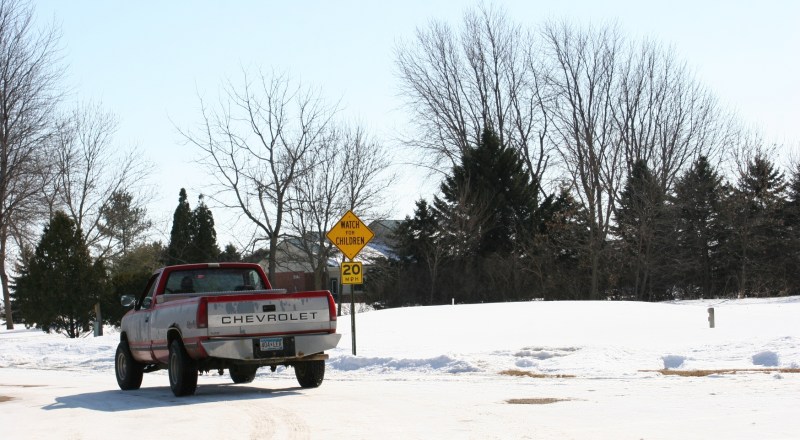
Driving into Saint Thomas, Minnesota.


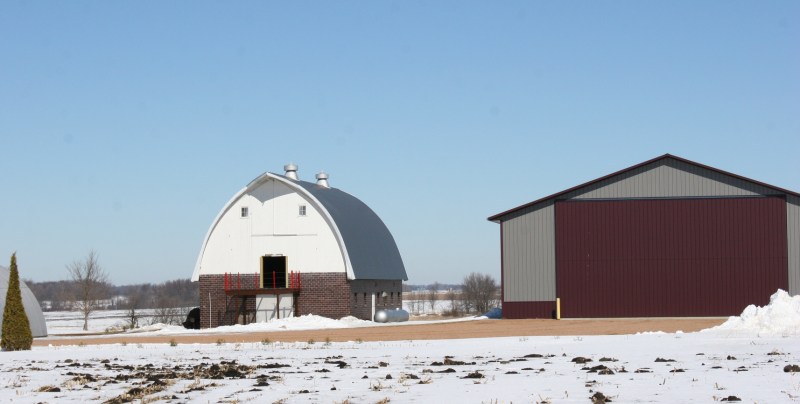
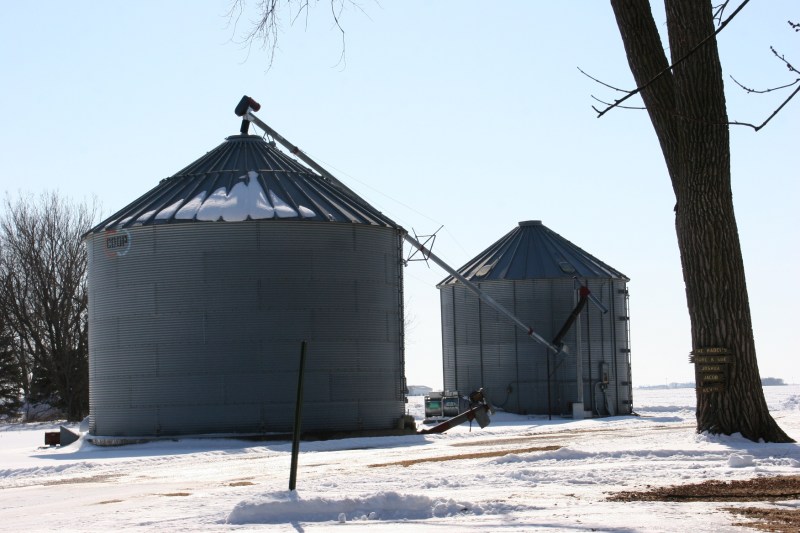
This village lies in the middle of farmland with this farm site on the edge of Saint Thomas.


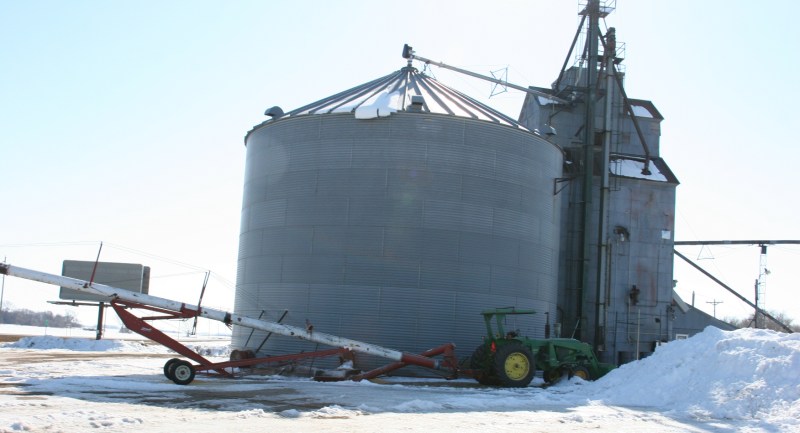
This ag business sits right next to the cemetery.


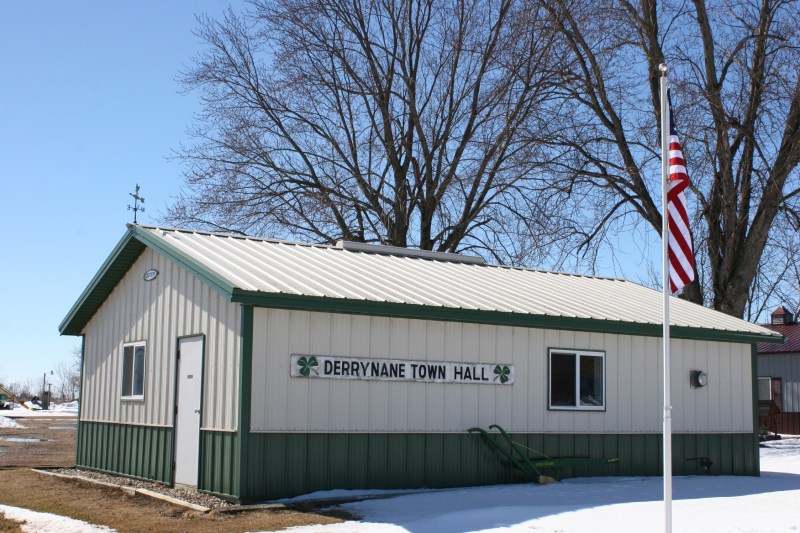
Then comes the town hall.


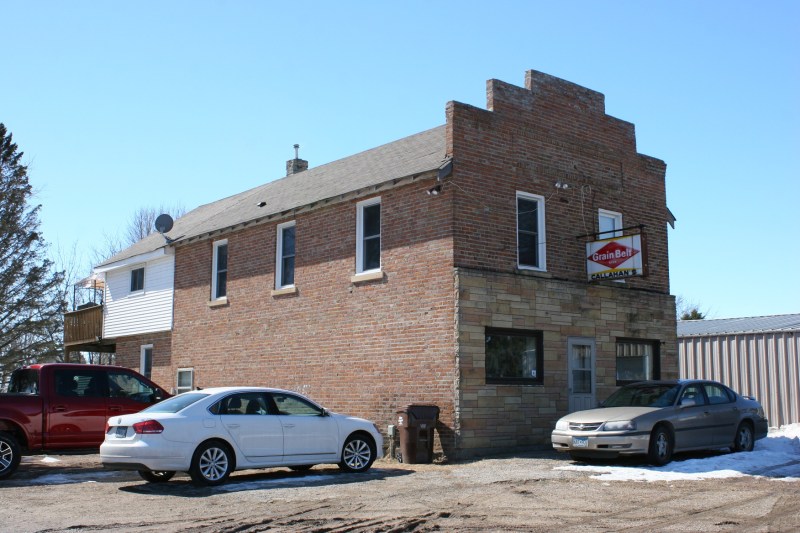
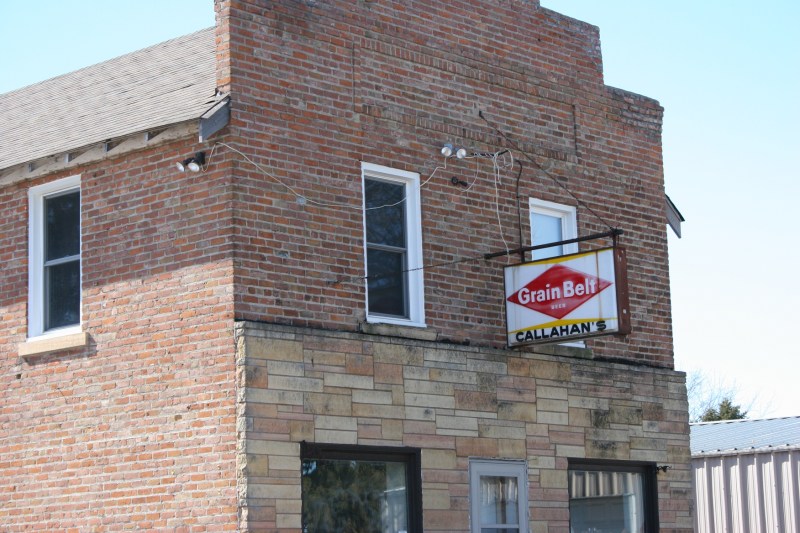
And, finally, Callahan’s, which appeared no longer in business.


Saint Thomas is through-and-through Irish, based on our observations of this unincorporated village along Le Sueur County Road 28 just north of Le Center in Derrynane Township. We found this settlement via an atlas that is our guidebook to mostly unknown places in Minnesota. With a name like St. Thomas, we expected a Catholic church and not much more.


The church, built in 1883, closed in January 2011, just another among many rural Catholic churches shuttered and merged. Mass is still held occasionally at St. Thomas.


I often wonder how long such mostly vacated churches will stand. St. Thomas appeared well-cared for still. At least on this St. Patrick’s Day in 2018. But when those who once worshiped weekly here are gone, will their descendants care? Will they still tend the cemetery, swing open the doors for an Easter vigil? I hope so.


© Copyright 2018 Audrey Kletscher Helbling


Evan, like so many small southwestern Minnesota towns, is fading into the prairie March 19, 2018

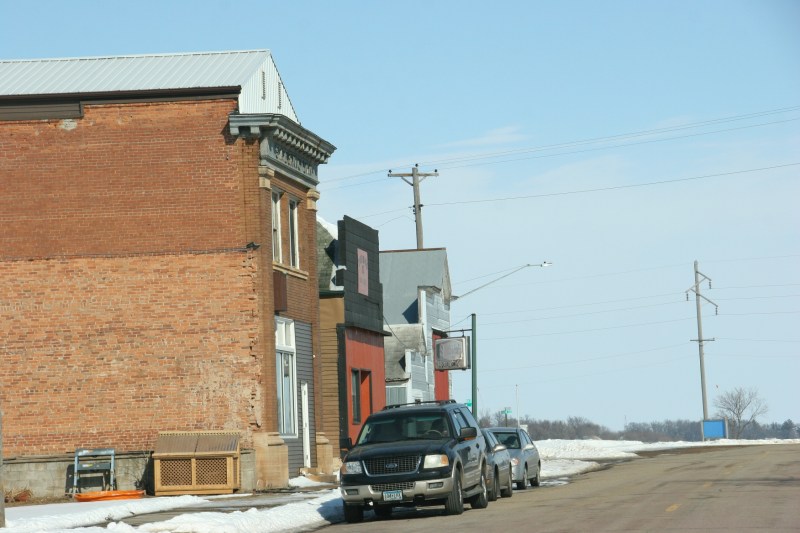
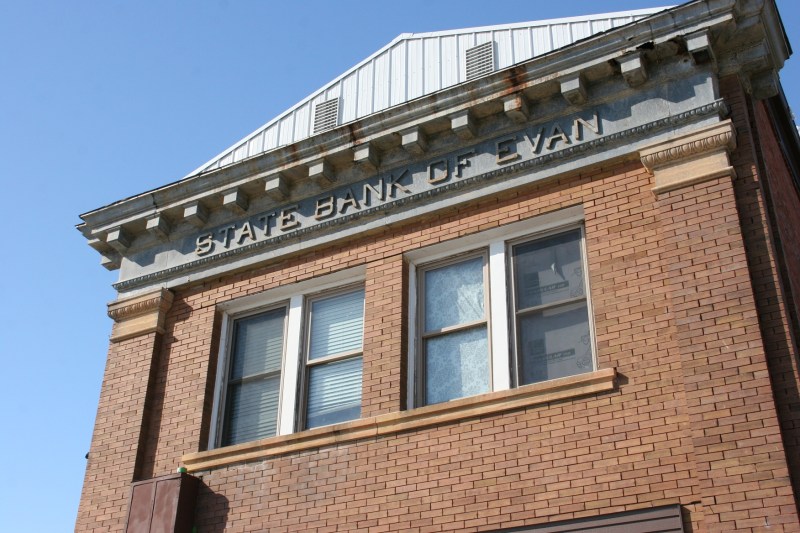
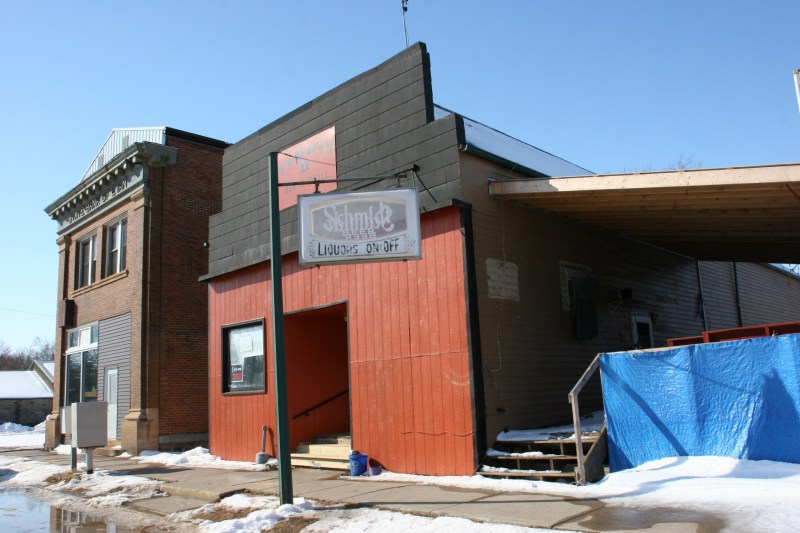
Downtown Evan today anchored by a former bank building.


LIKE SO MANY OTHER SMALL TOWNS on the southwestern Minnesota prairie, Evan once boasted a long list of businesses—creamery, bank, two general stores, hardware store, lumberyard, blacksmith shop, stock dealer, garage, implement dealer, three elevators, restaurant, utility company, library and two churches.


Evan, incorporated in 1904, is named after Eva Hanson, married to Nels. He platted the railroad station known as Hanson Station several years earlier.


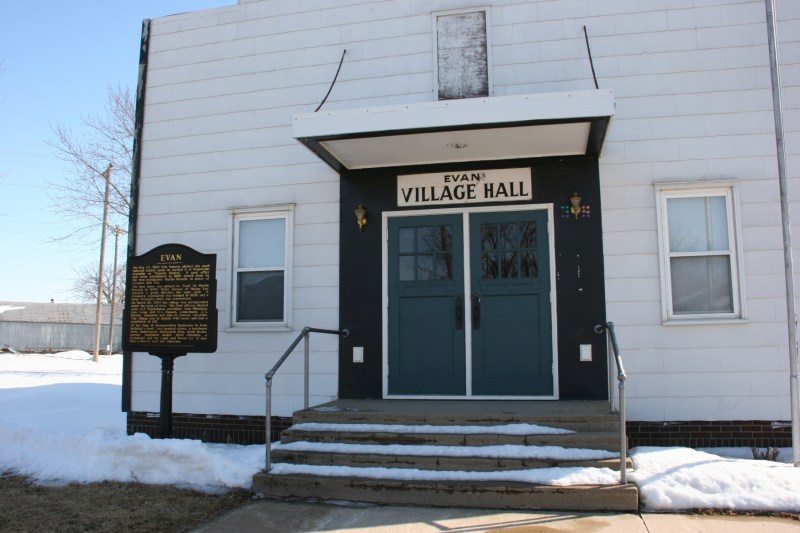
So claims the historical marker fronting the village hall in this Brown County community of around 80 residents.


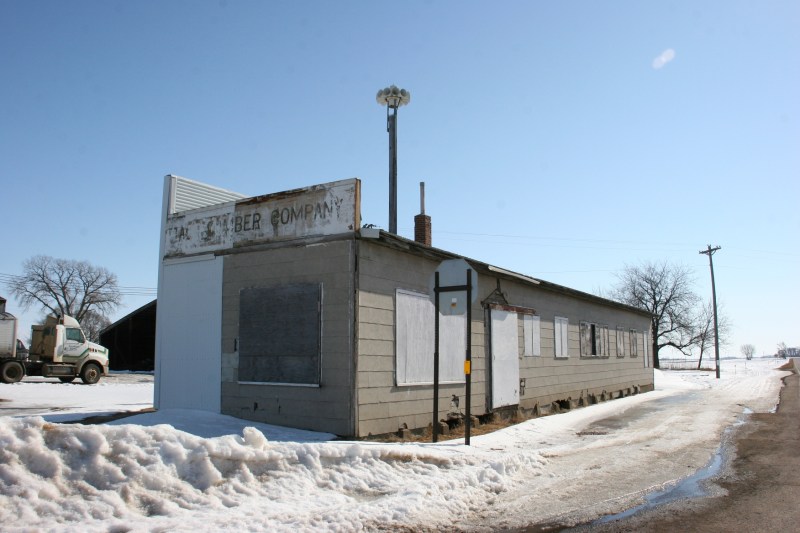
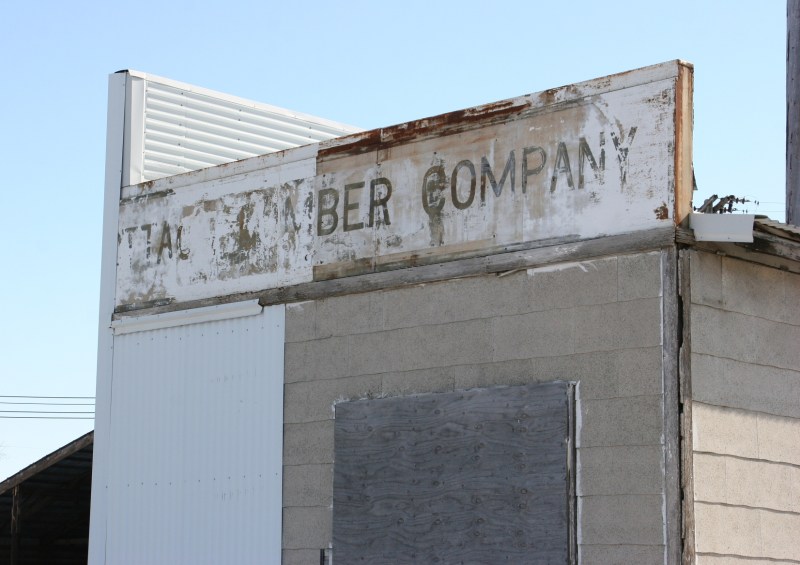
Fading signage identifies this as the former lumberyard.


Today only remnants of those original businesses remain.


I believe the brick building may be the former creamery.


On a recent drive through Evan, I noted the decline.


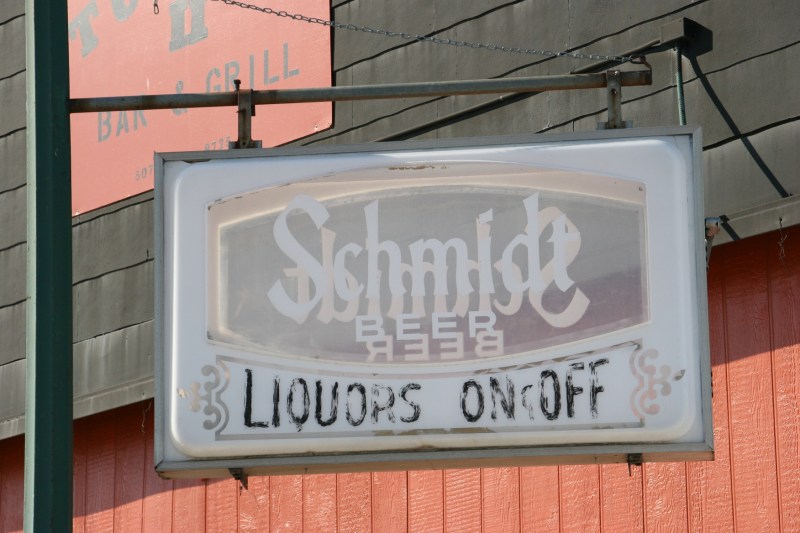
This vintage sign hangs outside Tubby’s II Bar & Grill. A sign in the window noted the bar is closed for the winter.


Faded signs.


Boarded windows.


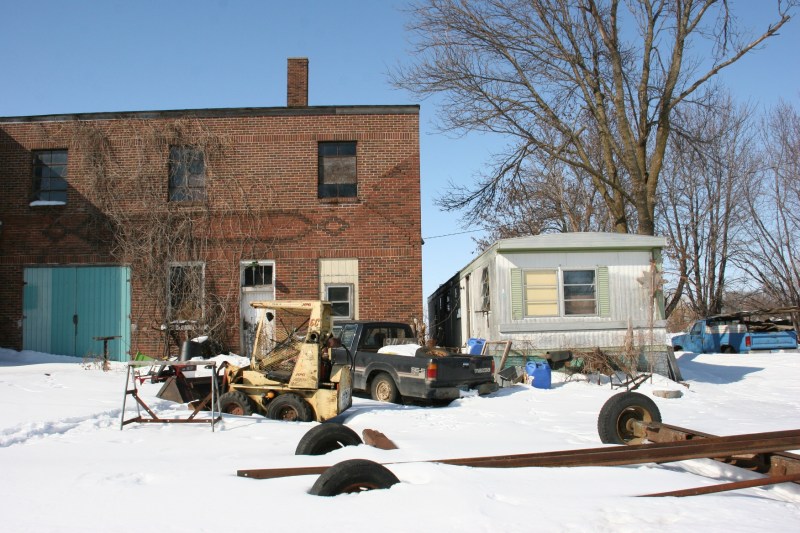
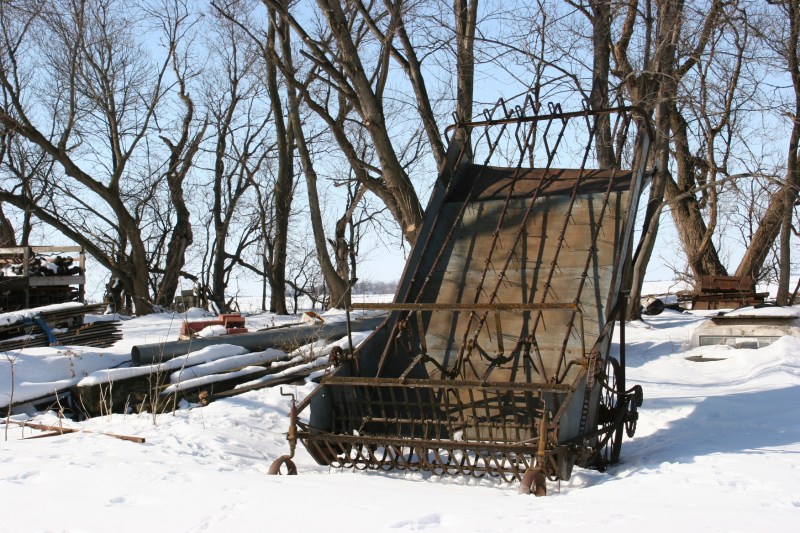
This vintage hay loader rested among other junk.


Clustered junk.


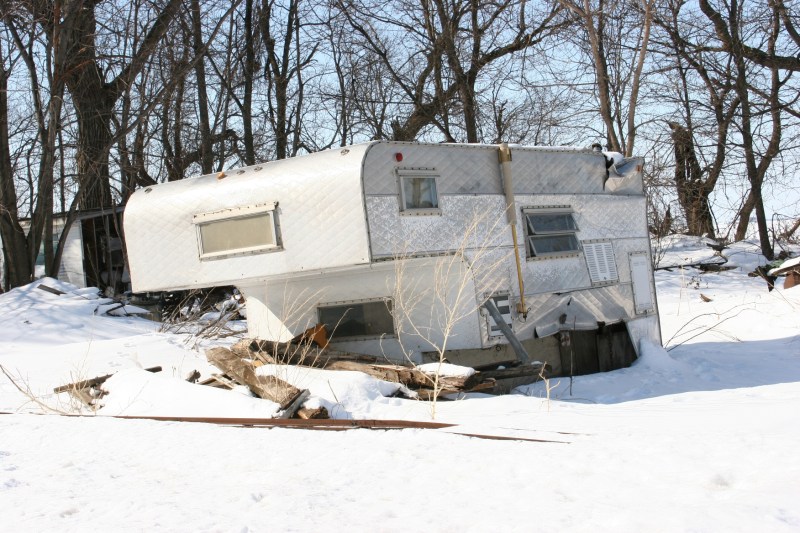
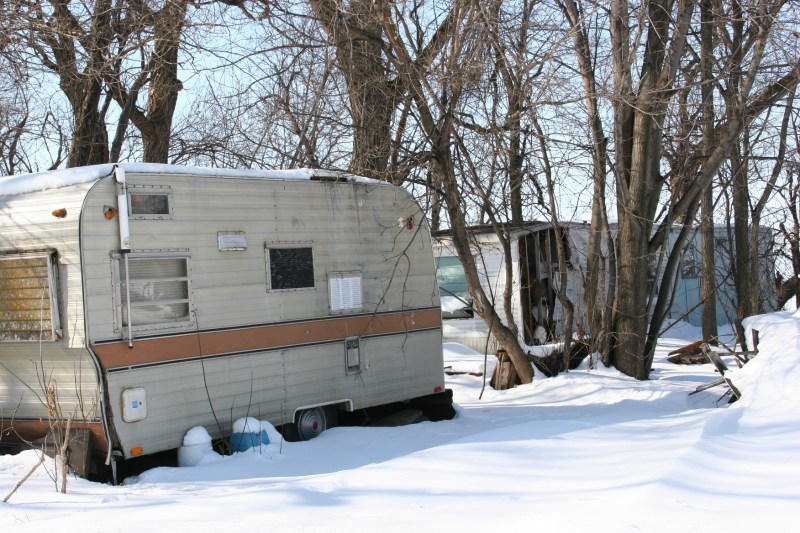
I’ve never seen anything like this graveyard of campers and trailers.


Abandoned campers and trailers and trucks. It made me sad, just sad, to see the abandonment.


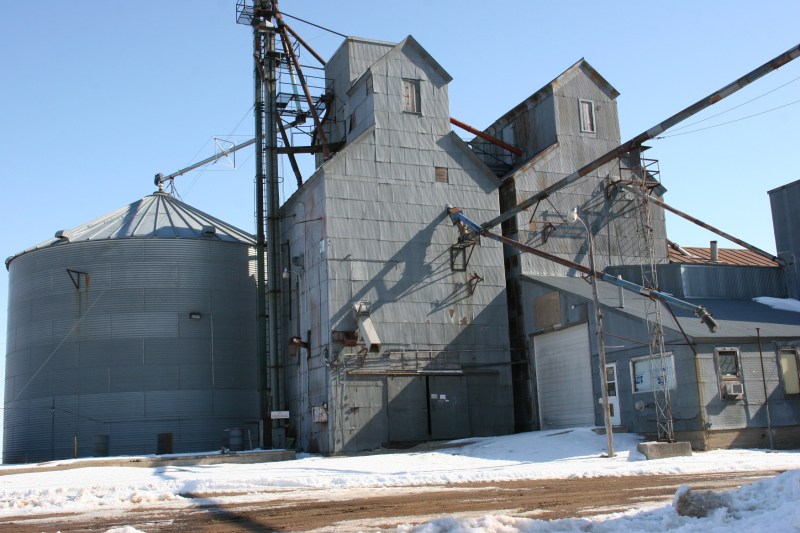
The old grain elevators still stand on the edge of town along the highway.


But none of this surprises me. It’s our fault really. We are a much more mobile society, a society much different than back-in-the-day or even 20 years ago. At one time, places like Evan thrived as area farmers and locals kept their business local. Today regional shopping centers pull in customers from all those small towns.


The train still runs, not through Evan, but through neighboring Sleepy Eye.


The railroad left.


Without jobs, with our farmer fathers still farming, many from my generation of Baby Boomers left Minnesota’s small towns. We couldn’t bank on a future in our rural hometowns.


Attitudes changed. Kids from my generation left for college and bigger cities and better opportunities. There’s nothing wrong with that desire to see the world, to become something other than our parents. But in doing so we added to the demise of many a small town. I am hard-pressed to think of many classmates who stayed in my hometown of Vesta 45 minutes from Evan to the north and west. Vesta, too, is a shell of the community it was when I grew up there in the 1960s and 1970s.


Grain bins on opposite ends of town mark this as a farming community still today.


I don’t pretend to know the intricacies of Evan’s decline except an overall understanding of why once thriving towns now are mere ghosts of their pasts. Certainly Evan’s remote rural location factors into the mix. Located along Minnesota State Highway 68, Evan is easy to bypass on the shortcut route between Sleepy Eye and Morgan.


The only person or moving vehicle I saw in Evan during my short stop there.


Yet, Evan is home for some. I saw newer homes there. Not new as in recent, but newer than old. I saw a lovely church and that well-kept village hall. And grain bins. And the fading letters on the lumberyard, a visual reminder that at one time a demand for building supplies existed in a farming community that once prospered.

© Copyright 2018 Audrey Kletscher Helbling


This & that from my tour of downtown Sleepy Eye, Part IV March 13, 2018

Editor’s note: Today’s post concludes my four-part series from downtown Sleepy Eye in southwestern Minnesota. This final photo essay presents a mishmash of images. Enjoy.


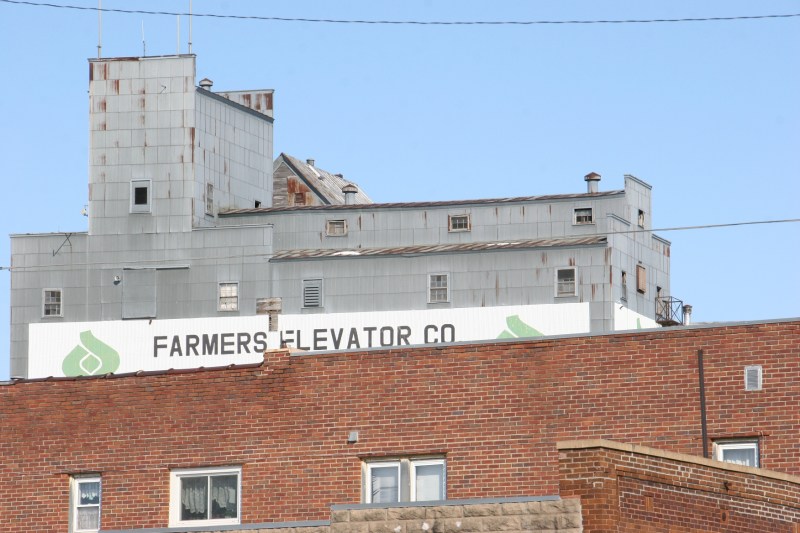
The Sleepy Eye Farmers Elevator stands as a visual reminder of this area’s strong farming base. However, the elevator has not been used since 2009 and was purchased by a private party from Central Region Cooperative just a year ago.


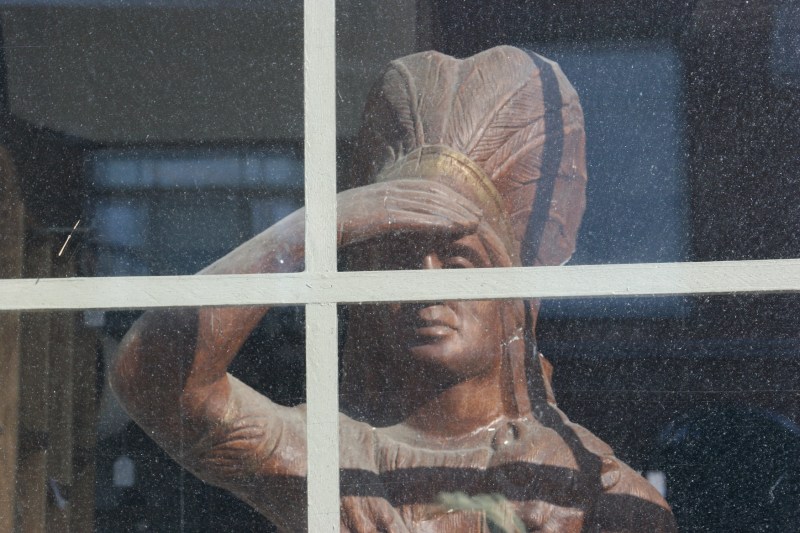
An Indian chief, spotted in a storefront window, connects visually to the town’s namesake, Chief Sleepy Eyes.


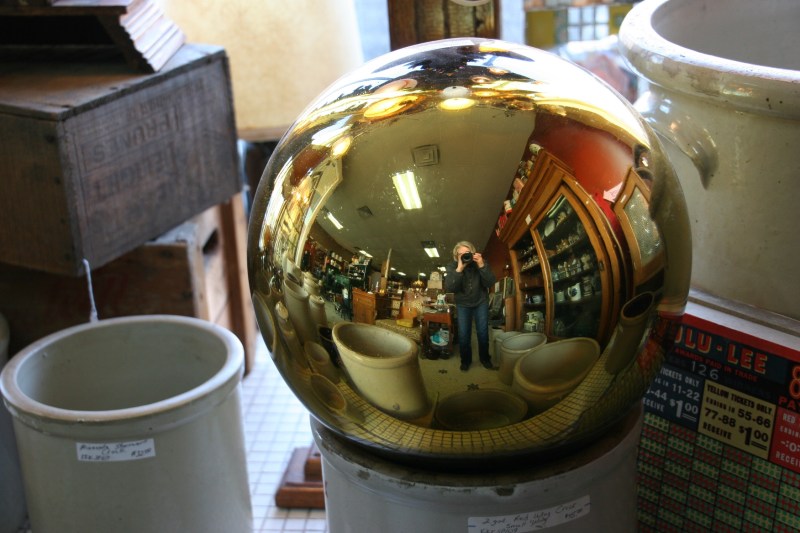
I took my camera inside K & J Antiques & Collectibles where shopkeeper Kurk Kramer graciously allowed me to take photos.


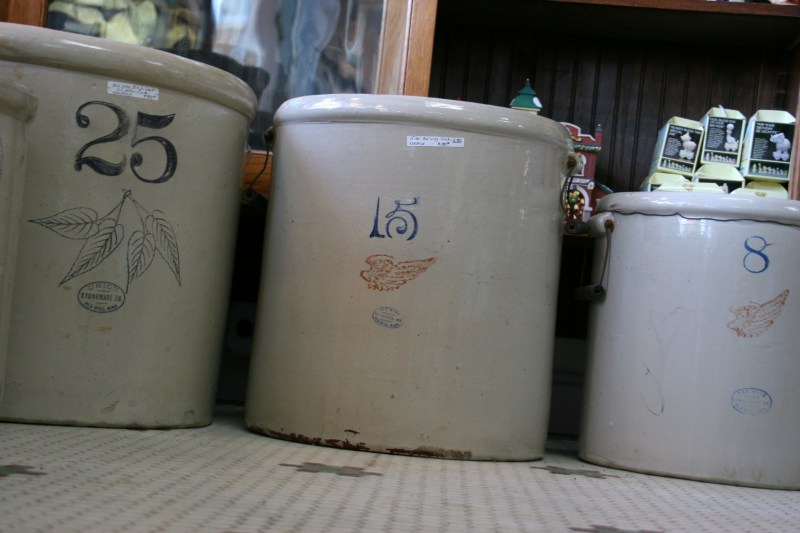
Red Wing crocks and a beautiful vintage tile floor drew my attention in this former bakery turned antique shop.


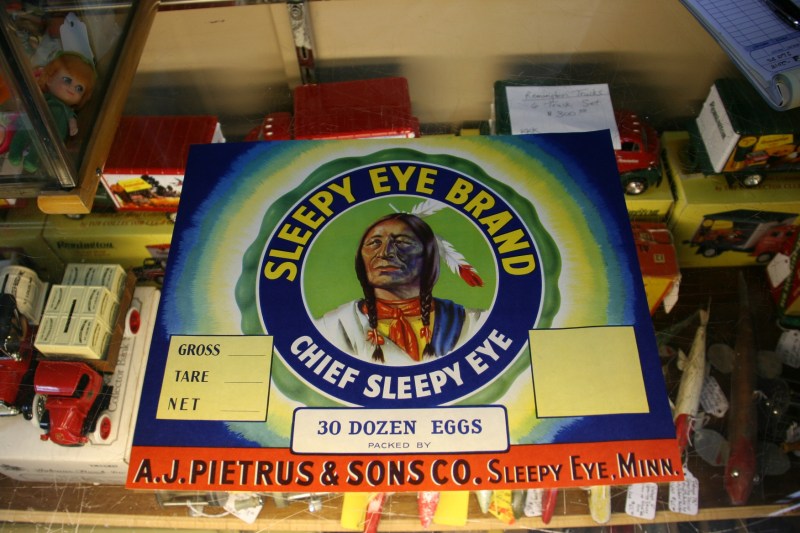
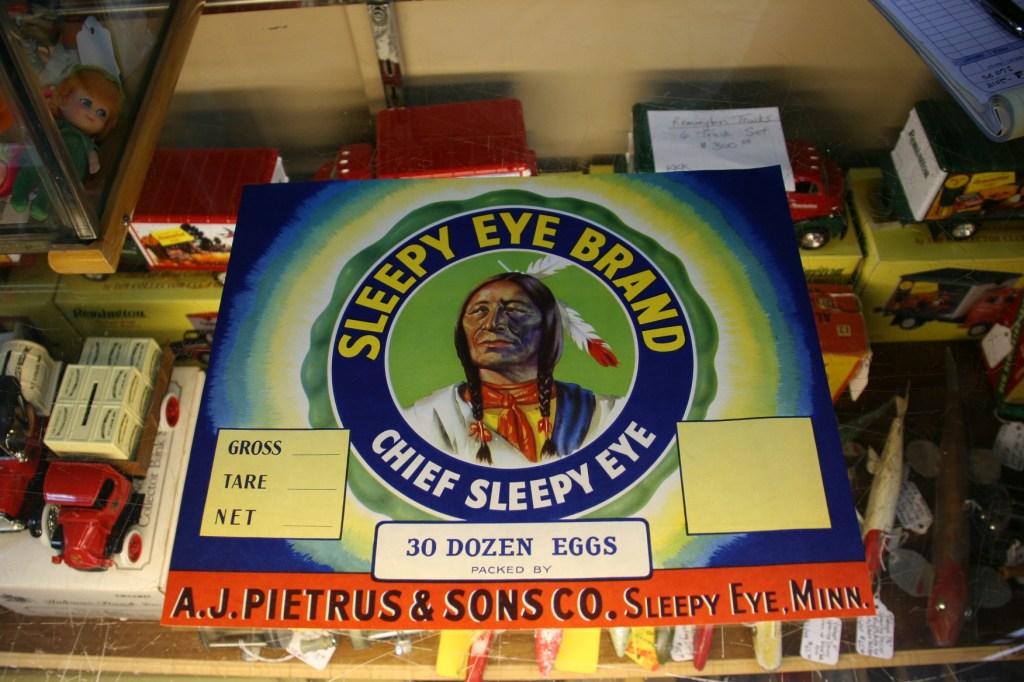
Dakota Chief Sleepy Eyes is the town’s namesake. Kurk Kramer pulled this A.J. Pietrus & Sons vintage promo from a display case. He has plenty of Sleepy Eye collectibles for sale.


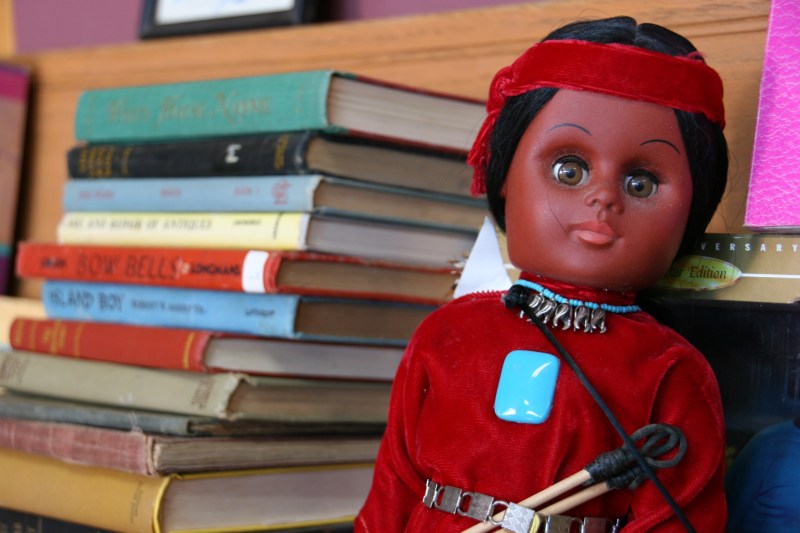
Native American collectibles are prominently displayed in this town named after a Dakota chief. This doll is offered for sale at K & J Antiques.


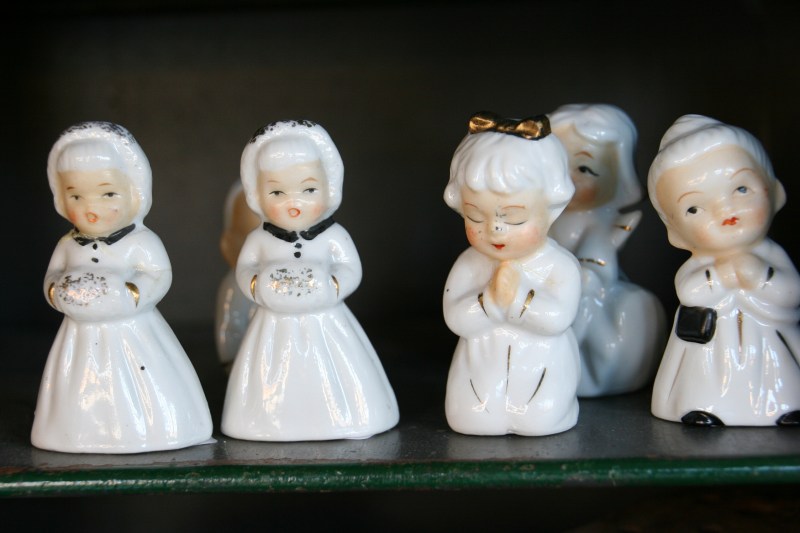
Sleepy Eye has a strong faith community with St. Mary’s Catholic Church and churches of other denominations. These figurines are shelved at K & J Antiques.


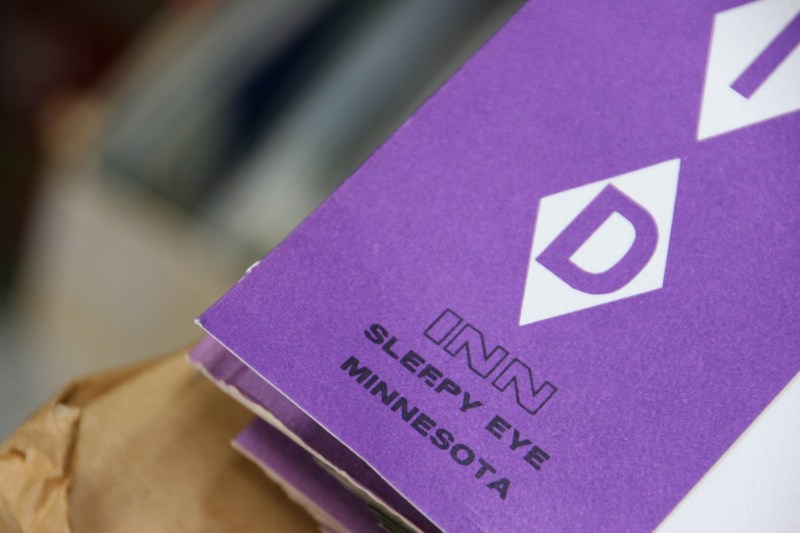
This photo shows a corner of a promo for the Orchid Inn, once a fine dining, banquet and dance hall in Sleepy Eye. These vintage paper pieces are for sale at K & J Antiques. The promo boasts (in part): “Of prime importance is the fact that while conveniently located, the Inn does provide the host with a site free of metropolitan distractions–a vital factor in group control.” It’s an interesting piece of literature for a former regional gathering place. Plans call for the property to become a STEM learning center with a focus on agriculture.


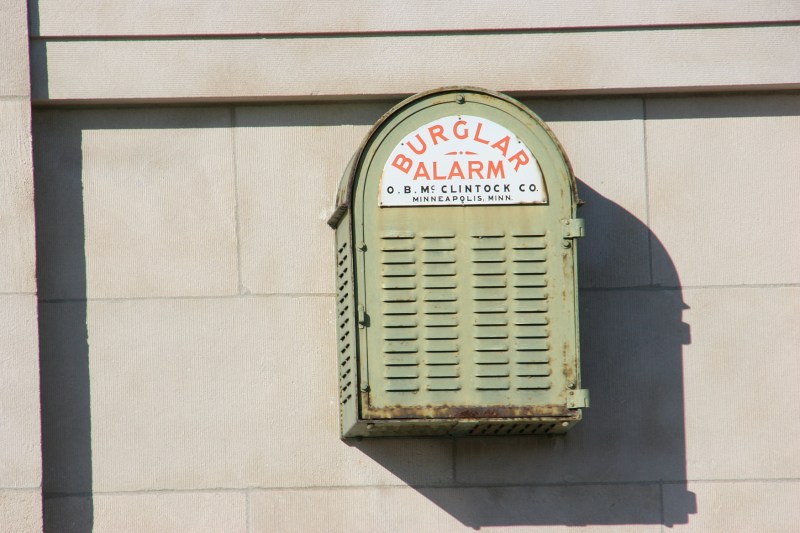
On a stalwart former bank building, I noticed this vintage alarm.


On another building I spotted this rusted mail slot. It looks like it’s been there awhile, as has the door.


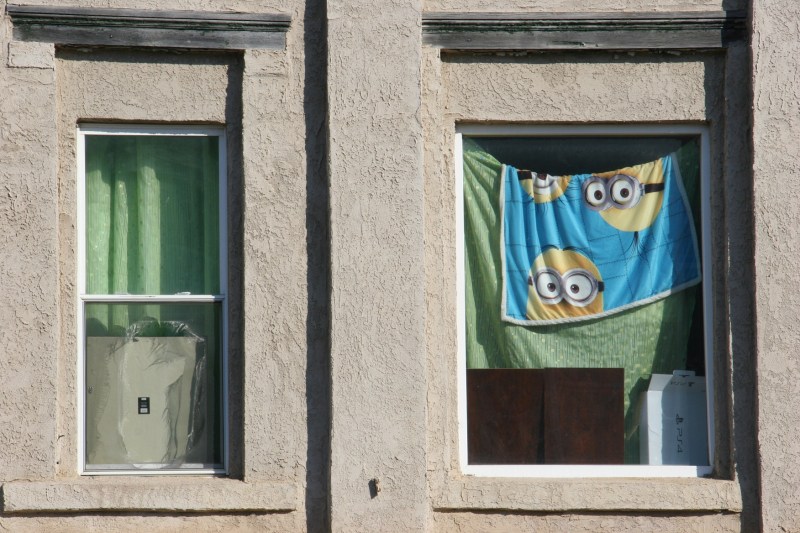
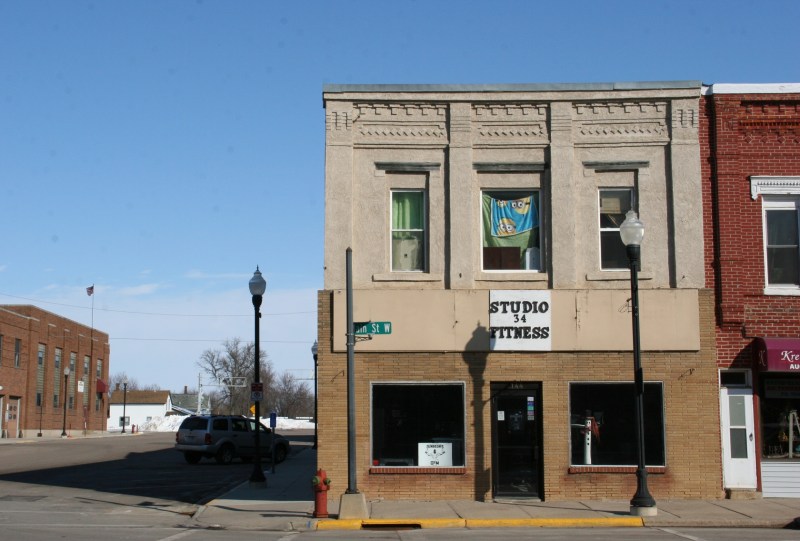
I notice details, including this Minion towel hanging in a second floor window in an historic building. Made me laugh.


If you are interested in reading past posts written about Sleepy Eye through the years, please type Sleepy Eye into my blog search engine. Note that Sleepy Eye is much more than I presented in this four-part series. These posts are a result of about an hour spent walking through the downtown area before I had to be on my way. Plan your own trip to explore this community in Brown County, Minnesota. Click here to visit the Sleepy Eye Chamber of Commerce & CVB site for more information. 

© Copyright 2018 Audrey Kletscher Helbling
 

From Mazeppa: When fire destroys a community gathering place March 12, 2018


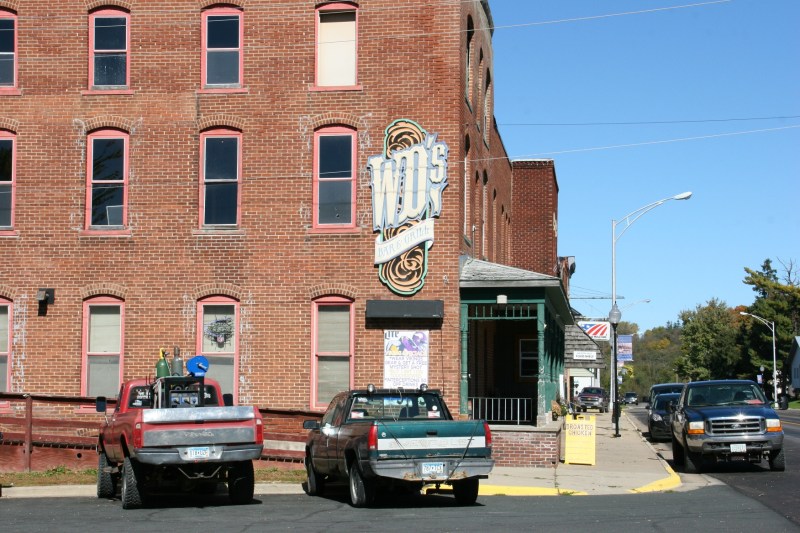
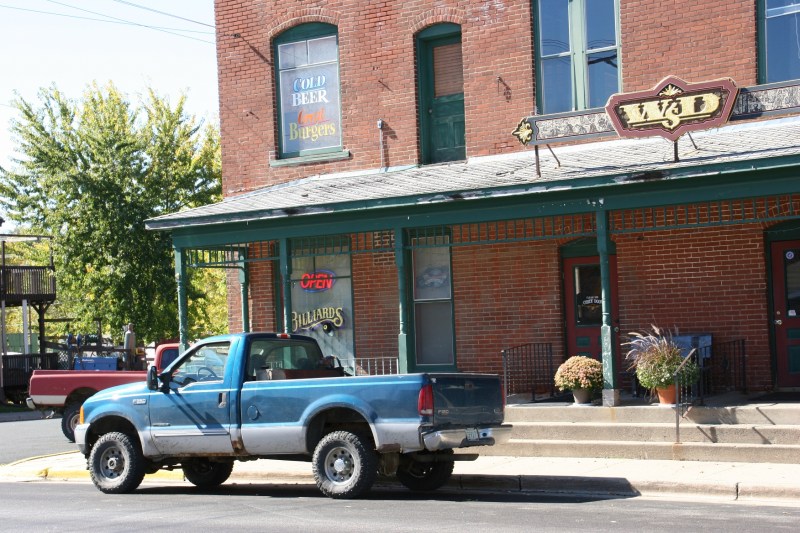
PERUSE THE FACEBOOK PAGE for WD’s Bar & Grill in Mazeppa and you get a strong sense of what this business means to the folks of this small southeastern Minnesota community north of Rochester.


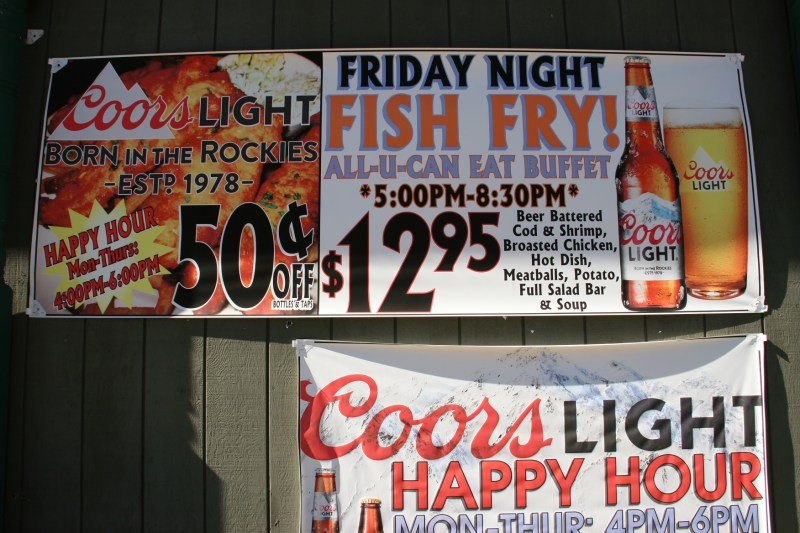
Here locals gather to celebrate special occasions like Valentine’s Day with prime rib and jumbo shrimp dinners. Or birthdays with burgers and a beer. And during this season of Lent, a Friday Night Fish Fry draws crowds. This seems the place to be—to meet your family, your friends, your neighbors, to commune over good food and conversation.


But no more. Early Sunday morning this 1900 brick corner building in the heart of this town burned. I can only imagine how locals are reeling from the loss of a community gathering spot. When a town of around 800 loses a business, it loses part of its identity. I should note, though, that Mazeppa still has other bars/restaurants/gathering places.


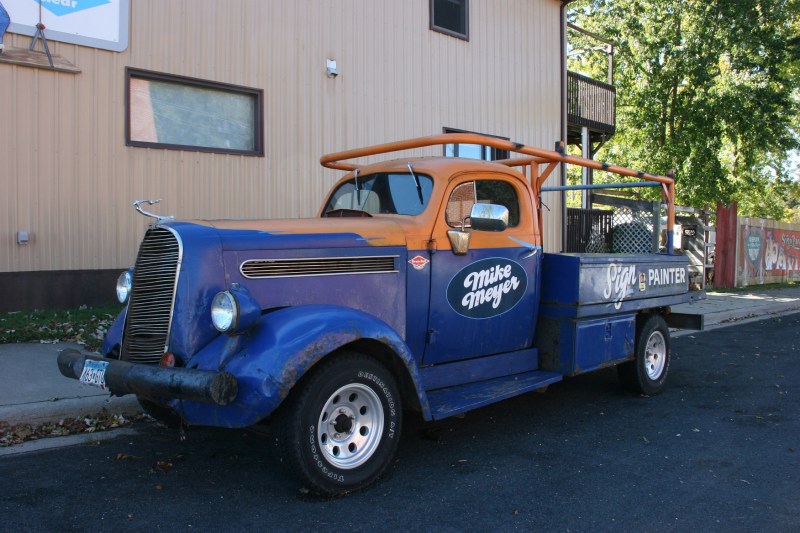
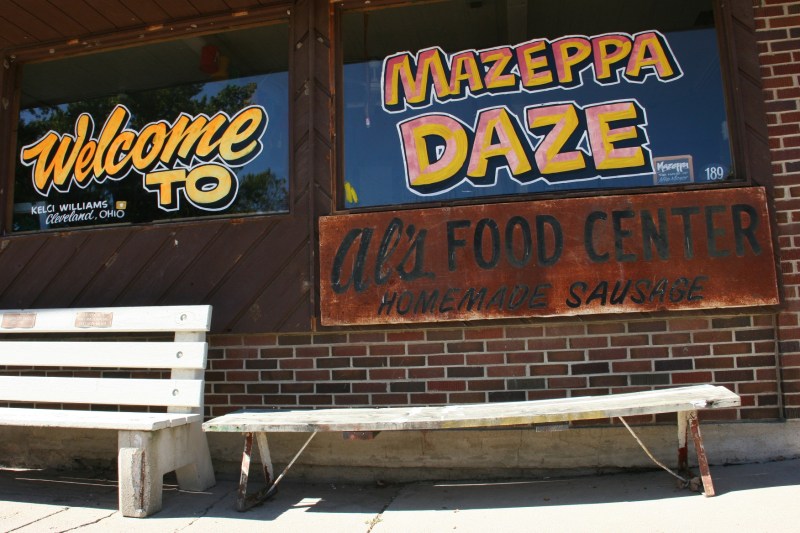
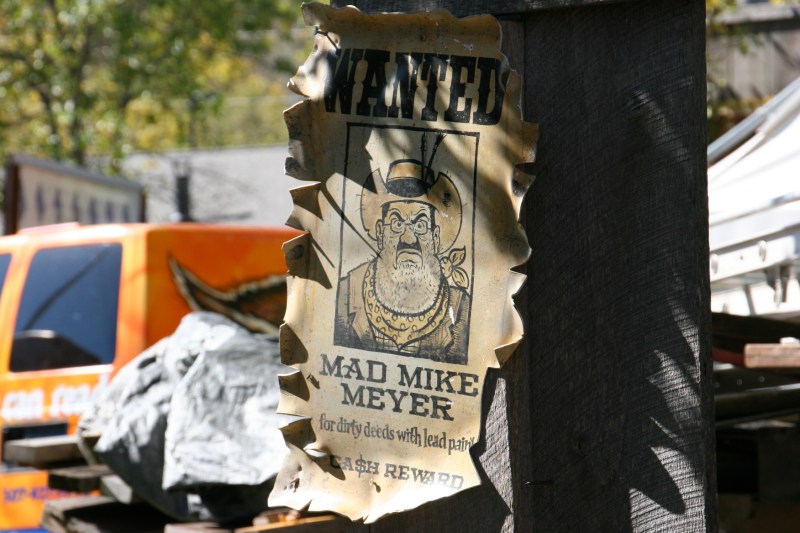
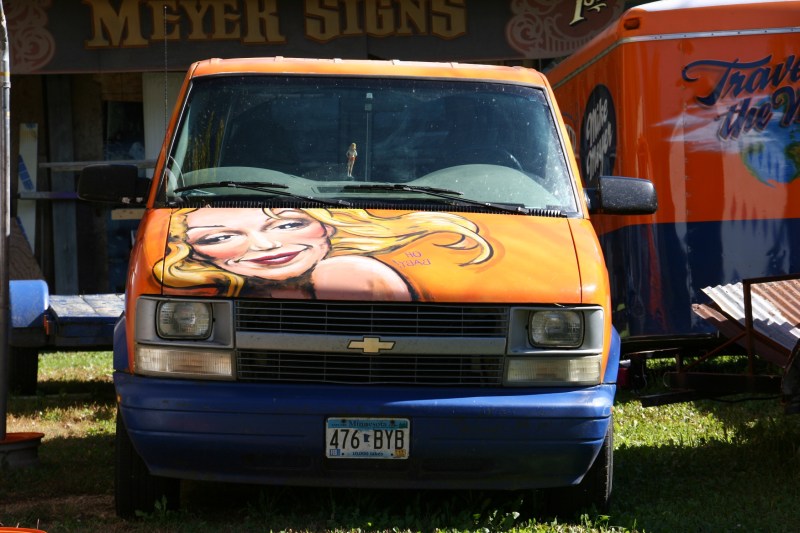
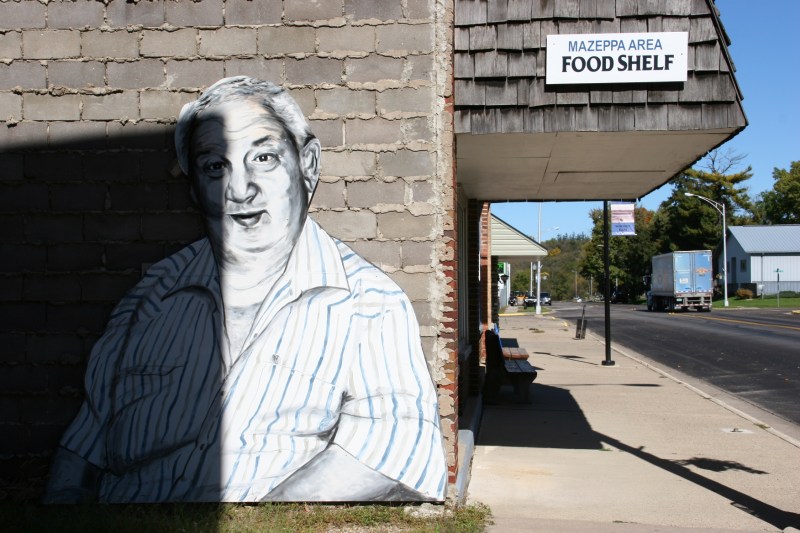
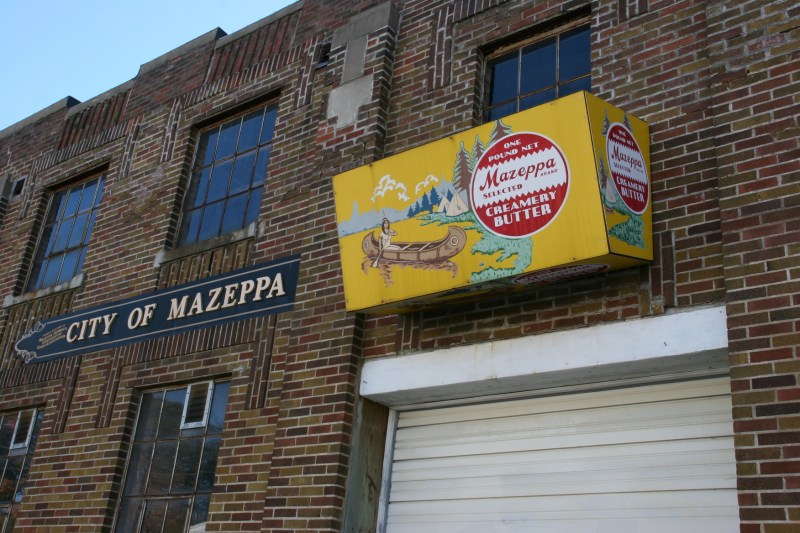
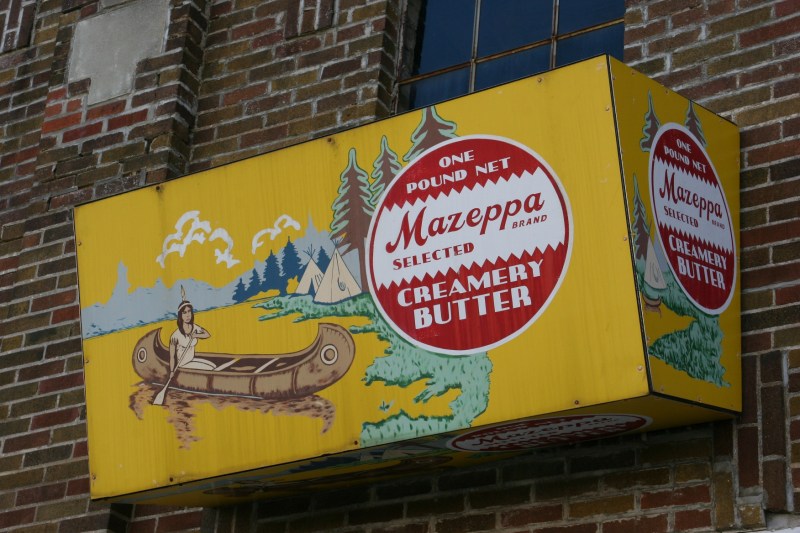
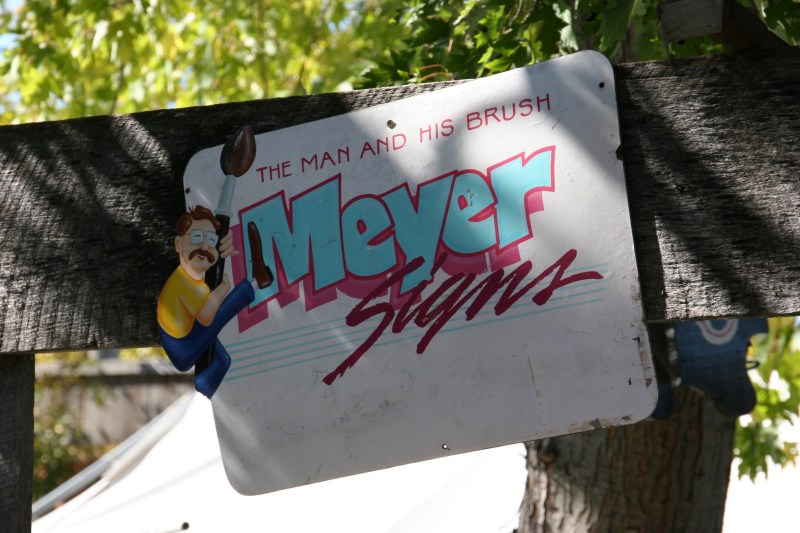
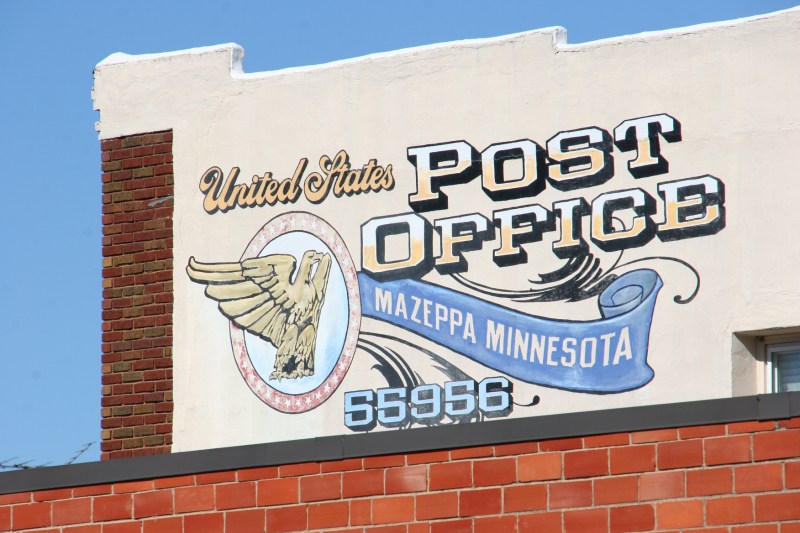
I visited Mazeppa in October 2016 and found it an especially interesting community to photograph given the historic buildings and also the incredible building signage created by resident sign painter Mike Meyer. If only I’d stepped inside WD’s Bar & Grill during that brief visit. There’s a lesson to be learned in that. Although I documented this town with my camera, I didn’t really experience it. I didn’t walk into that long-time bar and grill and observe the locals, feel the heartbeat of this community. I regret that now.

Even if WD’s chooses to rebuild, something will have been lost. Not in the people. But in the setting of history, of a rooted sense of place.


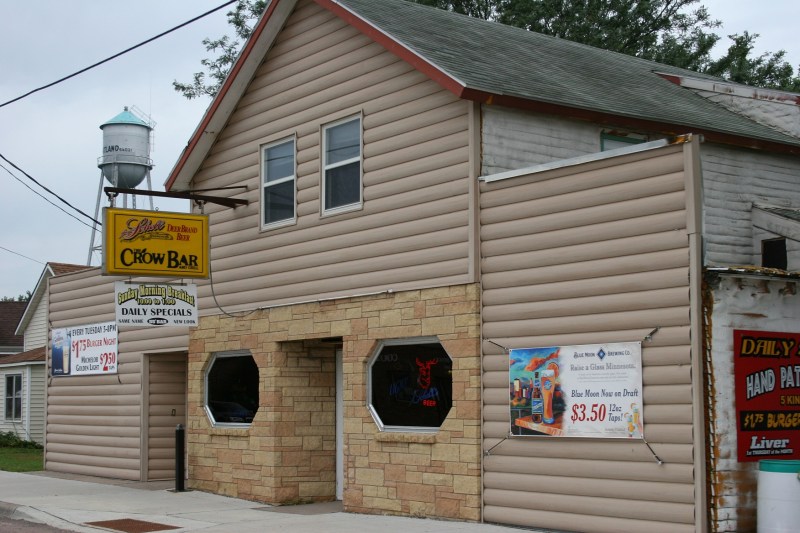
The Crow Bar & Grill, Courtland, Minnesota. Minnesota Prairie Roots file photo July 2014.


FYI: Click here to read a post from November 2015 about another small town bar and grill destroyed by fire. Last time I passed by nearly two weeks ago, a new building stood on the site in Courtland, presumably the rebuilt The Crow Bar & Grill.

Please check back soon for more photos from my October 2016 stop in Mazeppa, including the signage of Mike Meyer. It’s time I post those forgotten filed images.

© Copyright 2018 Audrey Kletscher Helbling
 

The art of signs in Sleepy Eye, Part III

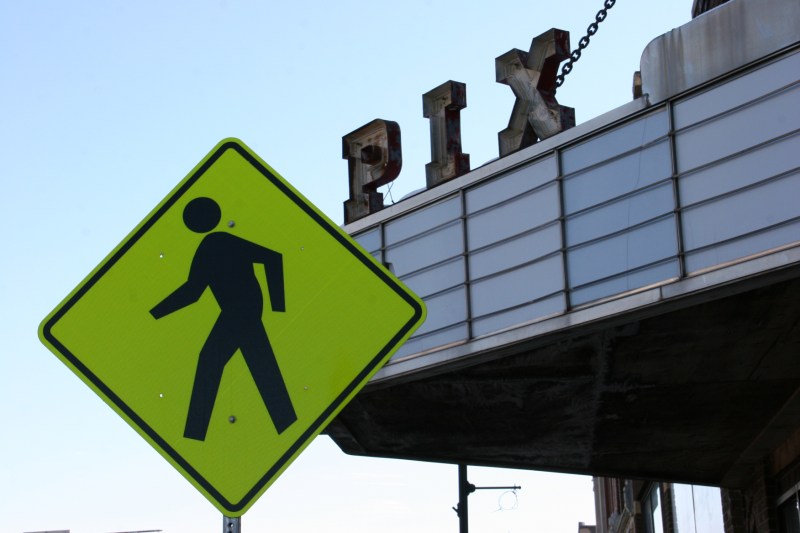
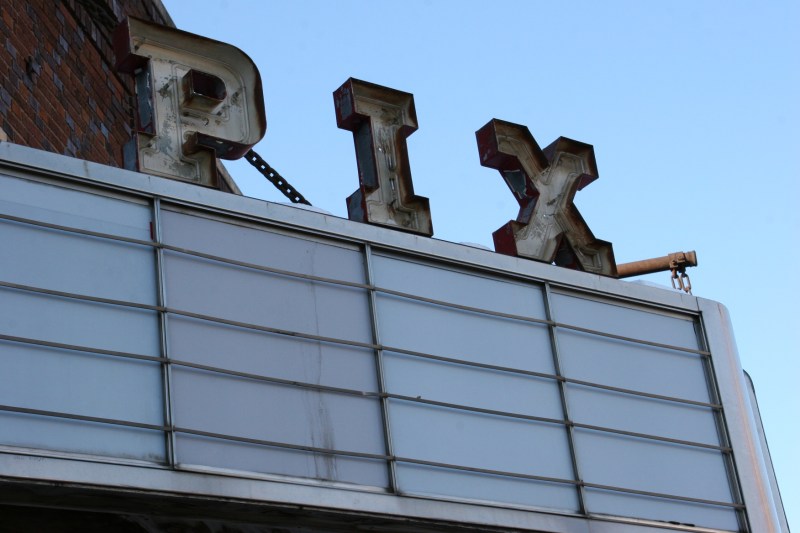
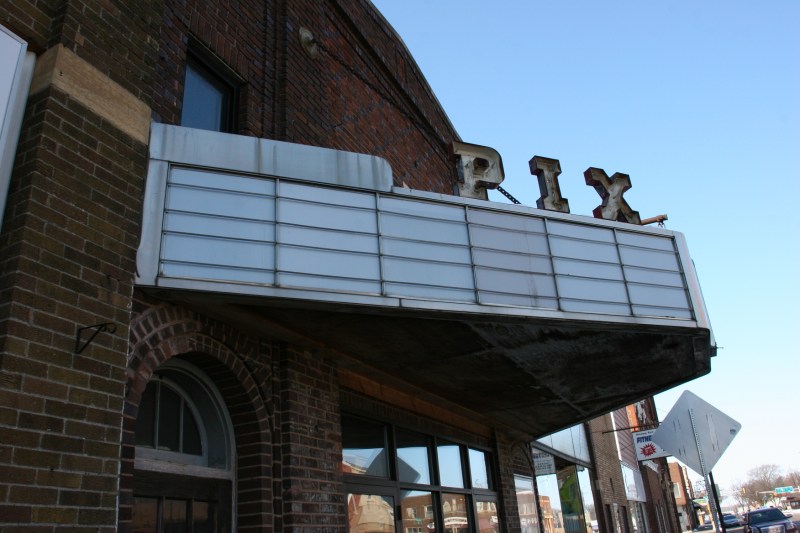
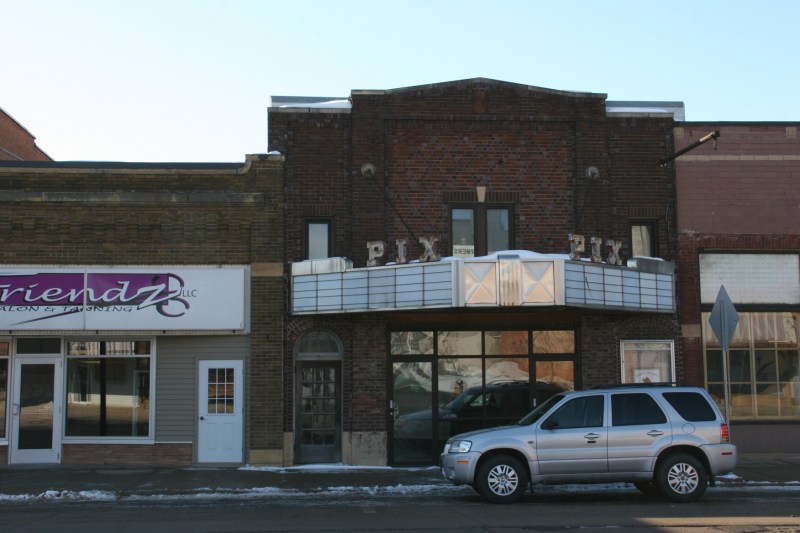
A pedestrian crossing sign contrasts with the historic PIX Theatre sign in need of repair in downtown Sleepy Eye, Minnesota.


AS A CREATIVE TYPE, I am drawn to signage. I appreciate the graphics, the fonts, the uniqueness of signs that mark businesses.


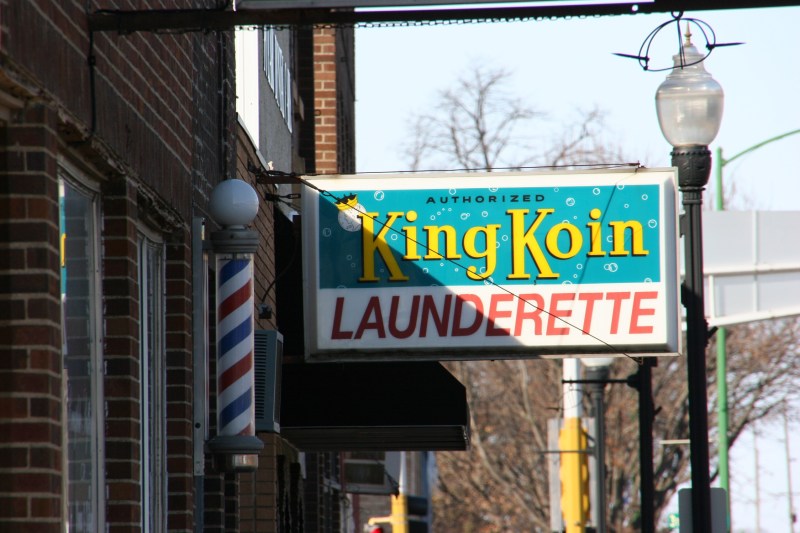
Sleepy Eye in southwestern Minnesota features one of my favorite signs—that of the King Koin Launderette. I love the colors, the name, the bubbles.


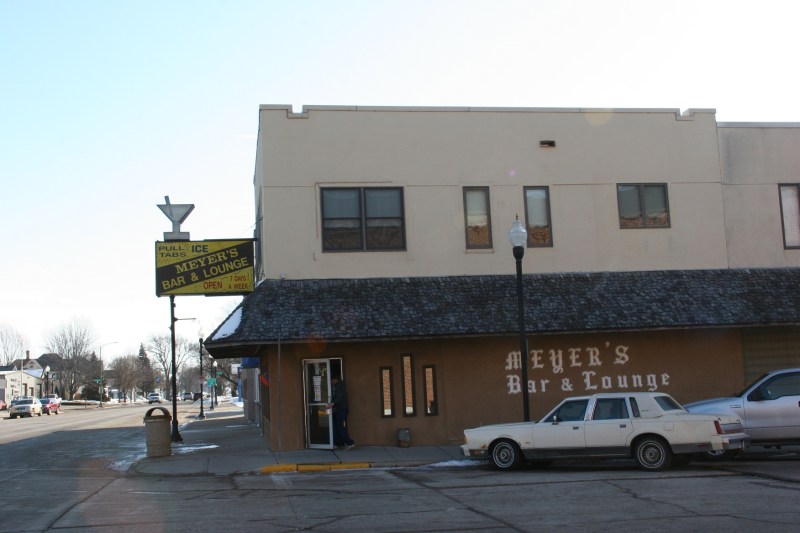
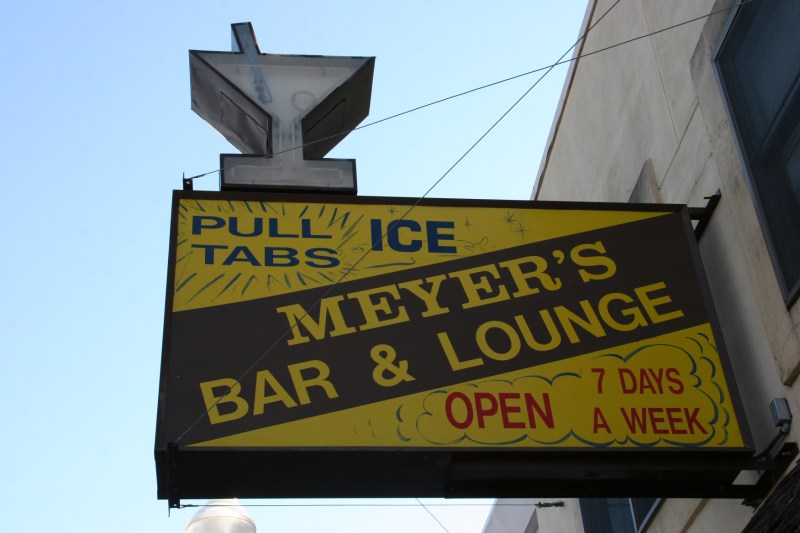
Then there’s the bright yellow signage on Meyer’s Bar & Lounge. The martini glass makes this sign as does the word lounge. That tag hearkens to a bygone era of mixed drinks served in a place fancier than a bar. I’ve never been inside Meyer’s so I can’t confirm whether a lounge really exists there.


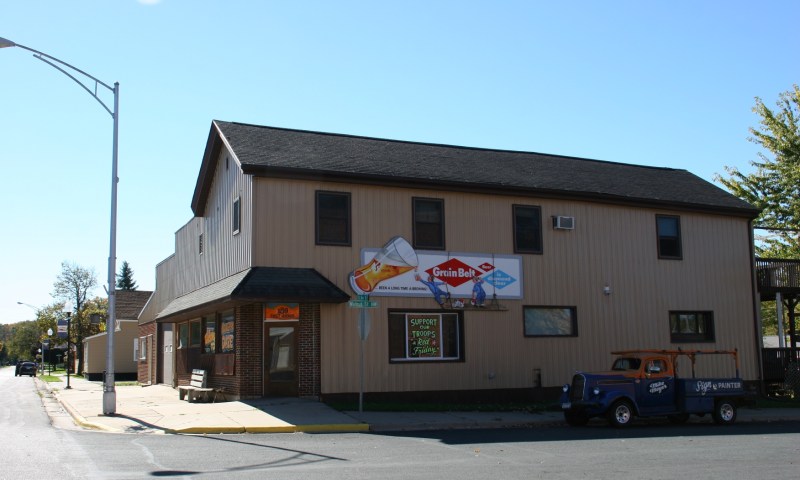
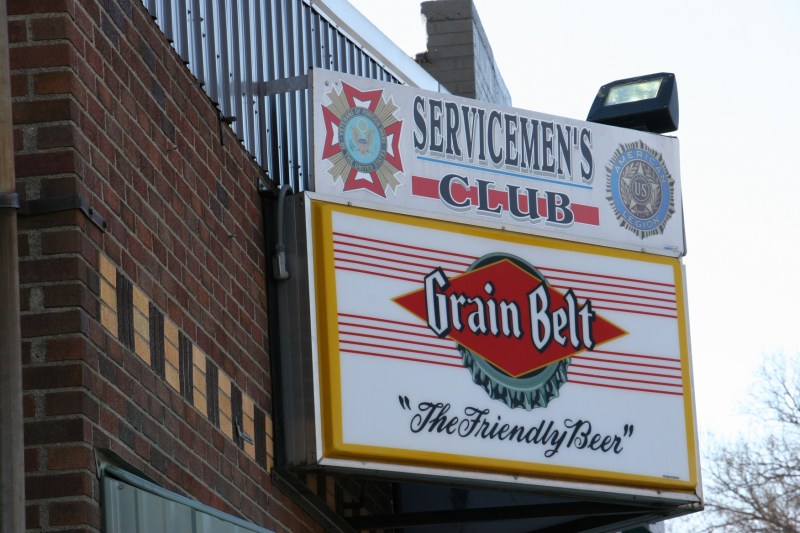
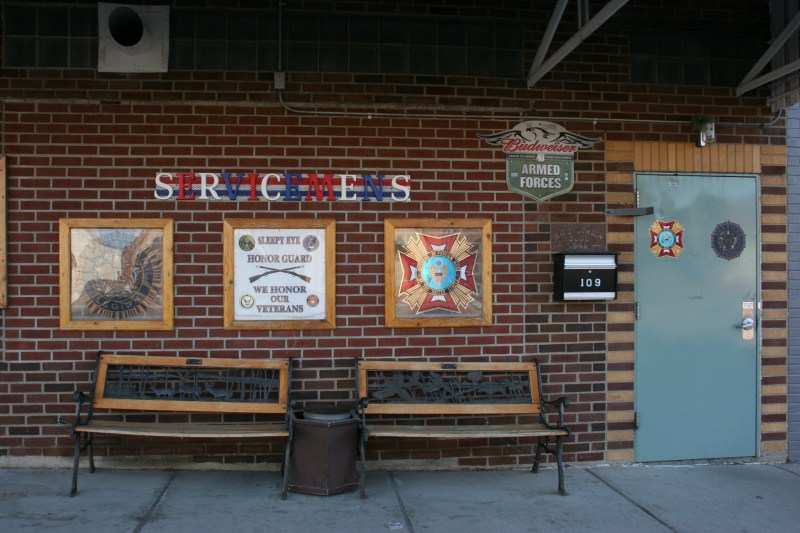
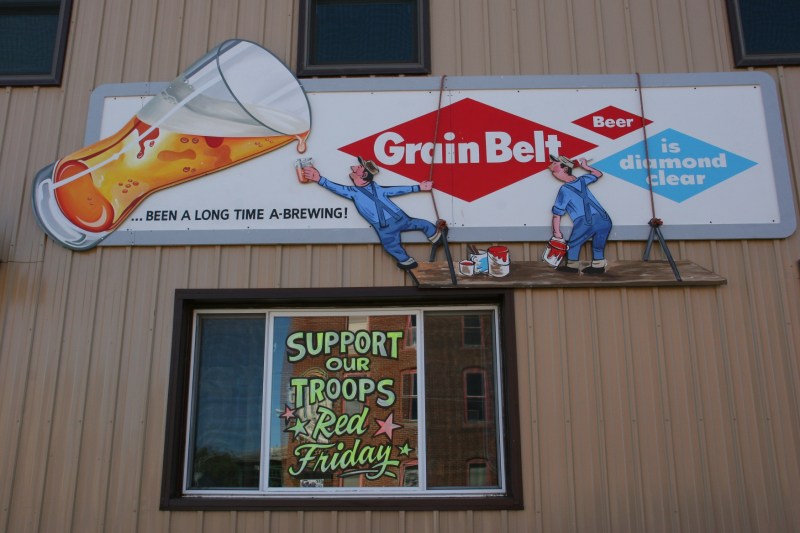
Nor have I been inside the Servicemen’s Club. But I sure do like, from an artistic perspective, the back-to-back Grain Belt signs. I don’t understand, though, how a beer can be friendly. People can be friendly. Not beer. Minneapolis Brewing Company debuted the slogan, “The Friendly Beer With the Friendly Flavor,” in 1933. Despite that confusing message, I still appreciate this visually-appealing sign advertising a beer now made by August Schell Brewing Company. That’s just down US Highway 14 from Sleepy Eye in the city of New Ulm.


If all goes as planned, more local beer should be available within a year or two in a former downtown movie theater, according to Sleepy Eye Economic Development Authority Coordinator Kurk Kramer. Local physicians plan to open a nano brewery and coffee shop therein. That pleases me, especially since the couple intends to restore the historic PIX Theatre marquee.


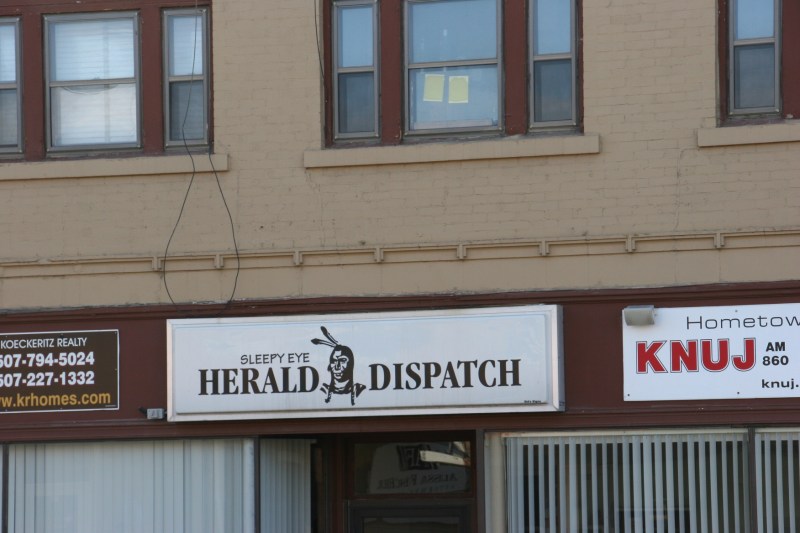
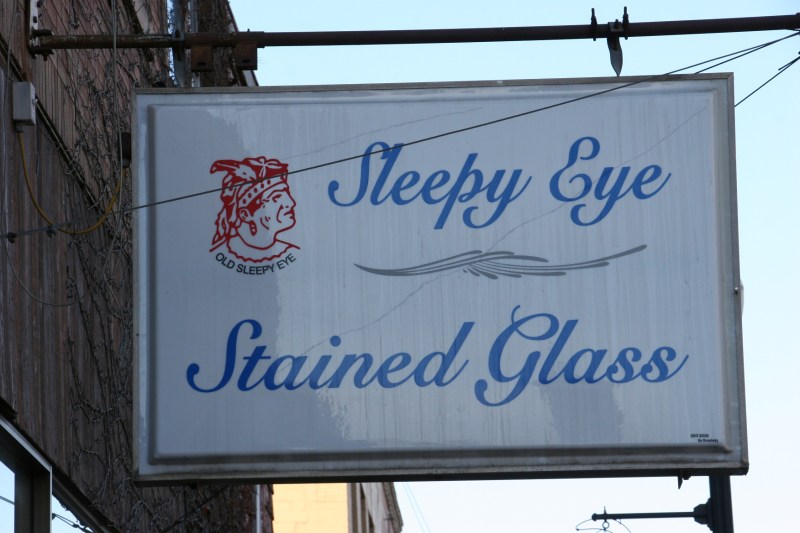
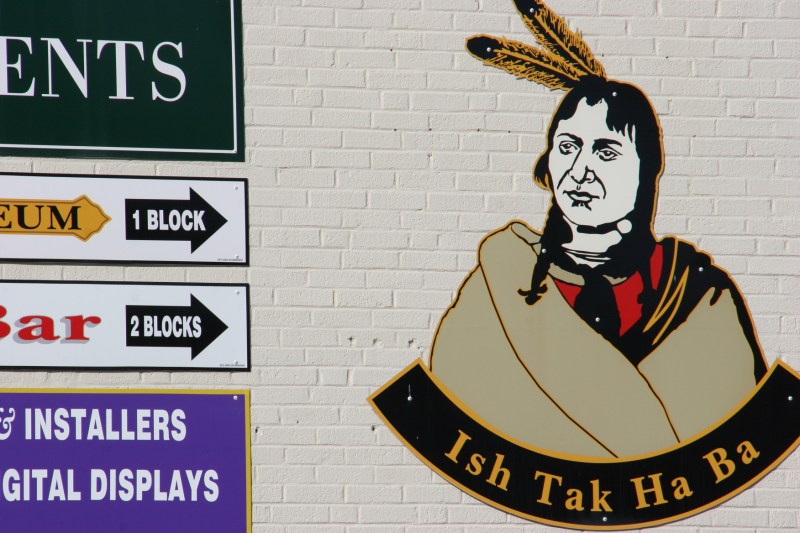
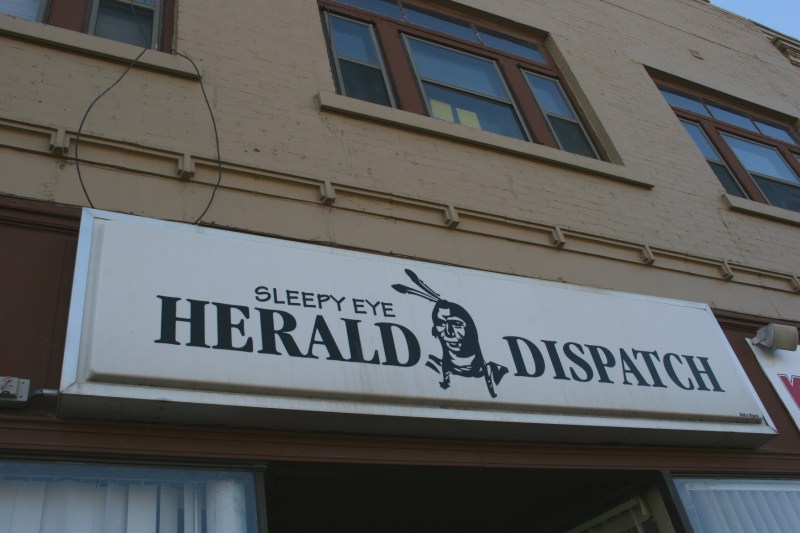
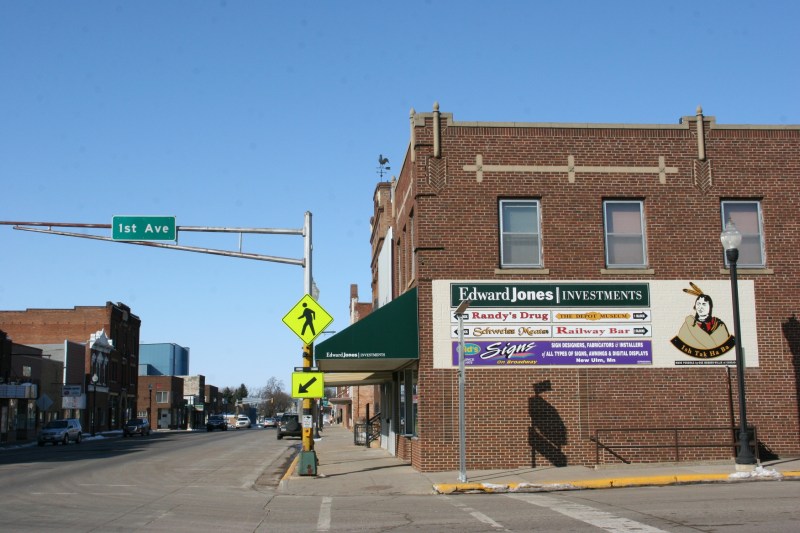
Sleepy Eye businesses also honor the town’s namesake, Chief Sleepy Eyes, with his portrait featured on numerous signs. You’ll see his likenesses marking Sleepy Eye Stained Glass, The Sleepy Eye Dispatch Herald (where I worked briefly decades ago), posted on a corner downtown business and elsewhere. It’s a nod to local history, just one more point of interest.

I challenge you, the next time you are in a small town like Sleepy Eye, to pause and study the signage. Consider the graphics, the fonts, the uniqueness of these signs that often make them works of art as much as place markers.


Check back tomorrow for “This & that from my tour of downtown Sleepy Eye, Part IV.” That post will conclude my series on Sleepy Eye.

© Copyright 2018 Audrey Kletscher Helbling
 

An outsider’s quick look at, & visions for, downtown Sleepy Eye, Part II March 9, 2018


WHEN I SEE A COMMUNITY like Sleepy Eye with so many architecturally-pleasing historic buildings, I wish I could wave a financial wand.


If I could, I would sweep away the metal, the wood, the stucco, the fake fronts that hide the bones of these beautiful, mostly-brick, structures. I would restore them to their grandeur, drawing the interest of motorists passing through this southwestern Minnesota community. I would give people a reason to stop, to check out the architecture, the unique small town shops and eateries. Many do. More could.


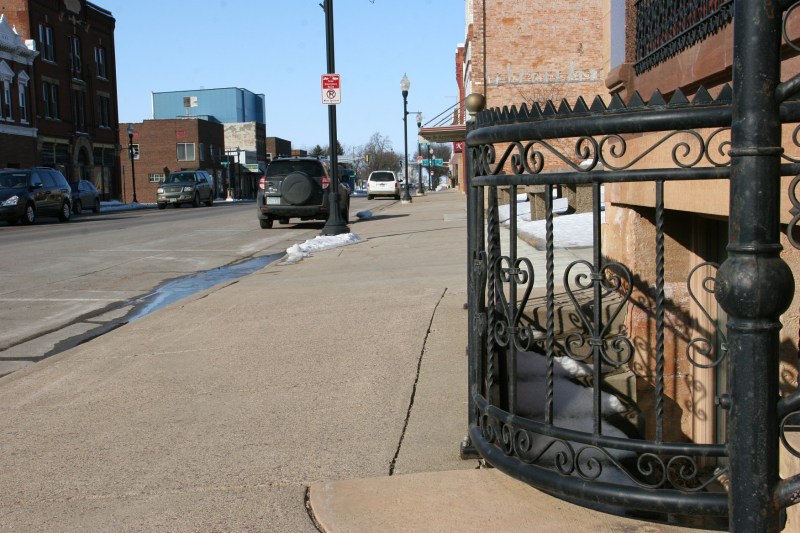
Details like this curved, ornate railing on city hall add visual interest and charm.


I would also make this busy main street more pedestrian and visually-friendly with bump-out corners graced by public art and lovely flower planters.  I would replace concrete sidewalks with brick, or at least edge them in brick. I’d buy some paint and repair windows and fix unsafe and run-down buildings…if only I held a magical wand of unlimited finances.


This map, from a vintage Orchid Inn promo, shows Sleepy Eye’s location in southwestern Minnesota.


With US Highway 14, a major east-west roadway running right through Sleepy Eye, heavy traffic is already here. And the bonus of this route as the Laura Ingalls Wilder Historic Highway adds to the potential.


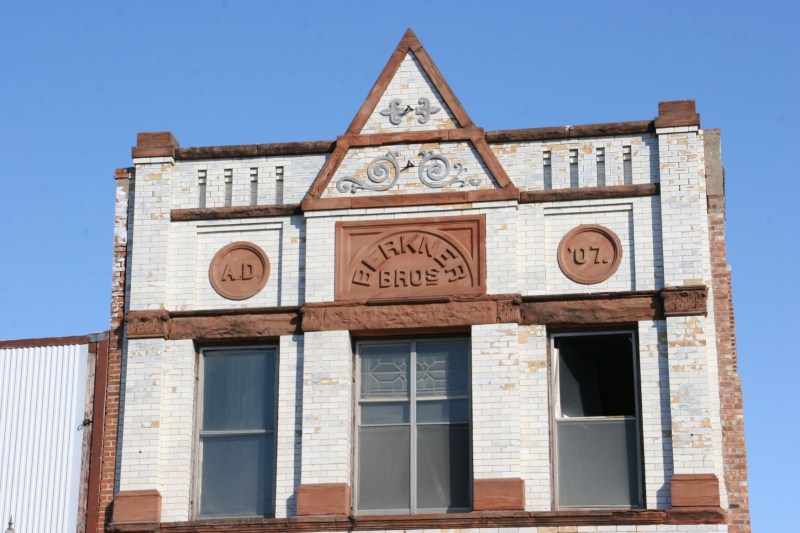
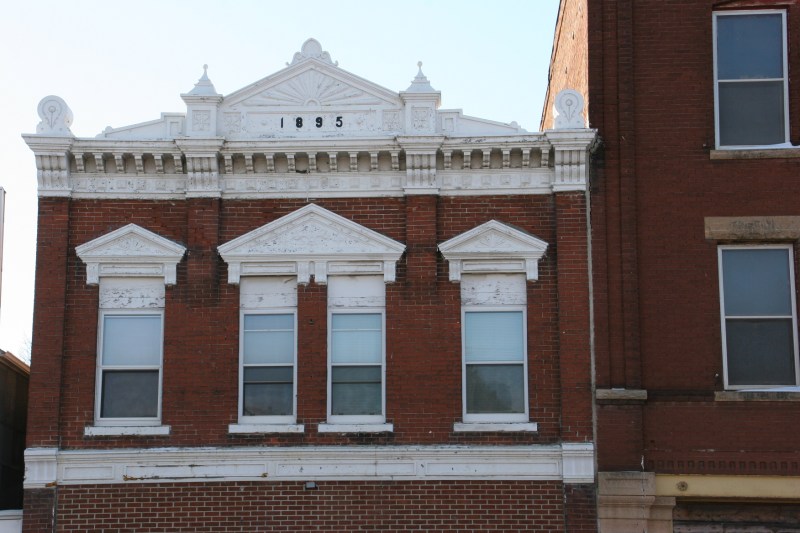
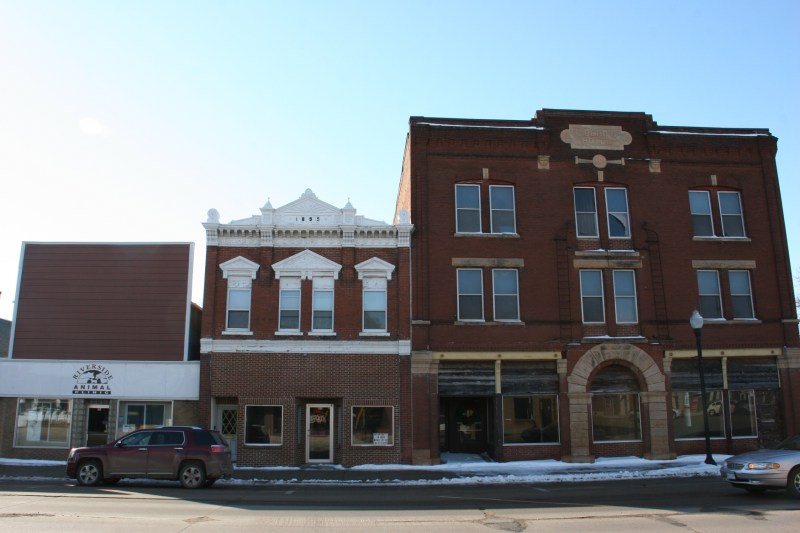
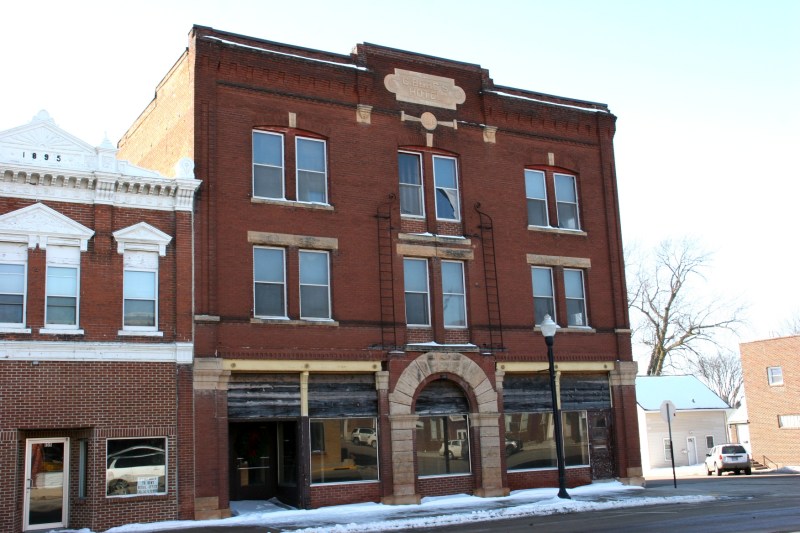
These architecturally detailed buildings hold Sleepy Eye’s history in dates and names.


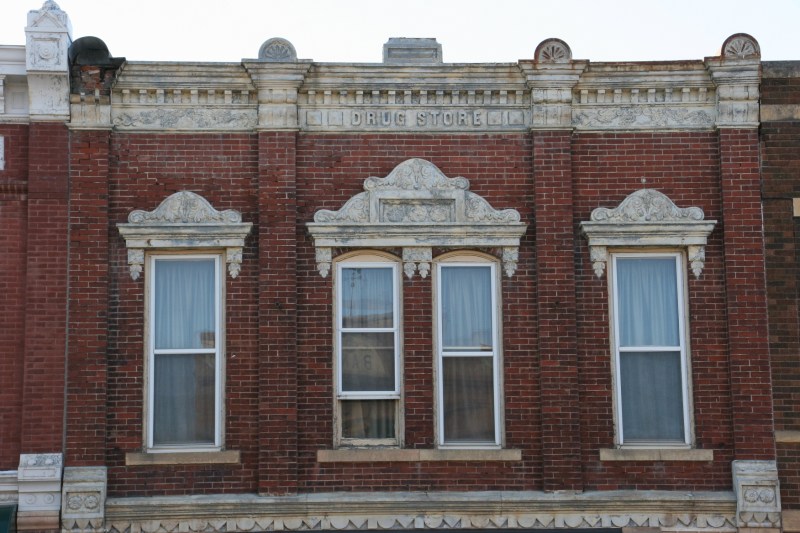
You have to look upward to see the true beauty of these historic buildings.


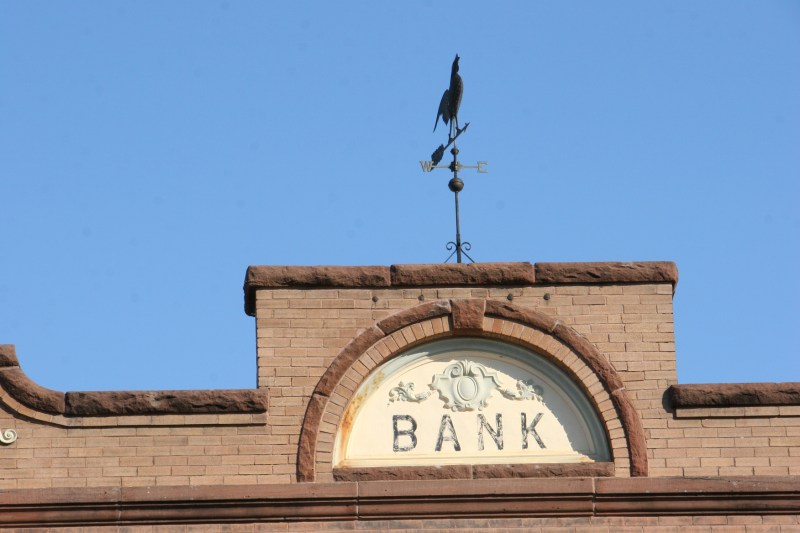
A rooster weather vane drew my interest atop city hall, housed in a former bank.


If I had unlimited financial resources, I would do all of these things for this Brown County community west of New Ulm. But magical wishes differ from reality. It takes money to make these improvements. And I expect the merchants here, like those in so many small farming communities, are simply happy they’re still in business given competition from regional shopping centers, Big Box stores and online sources.


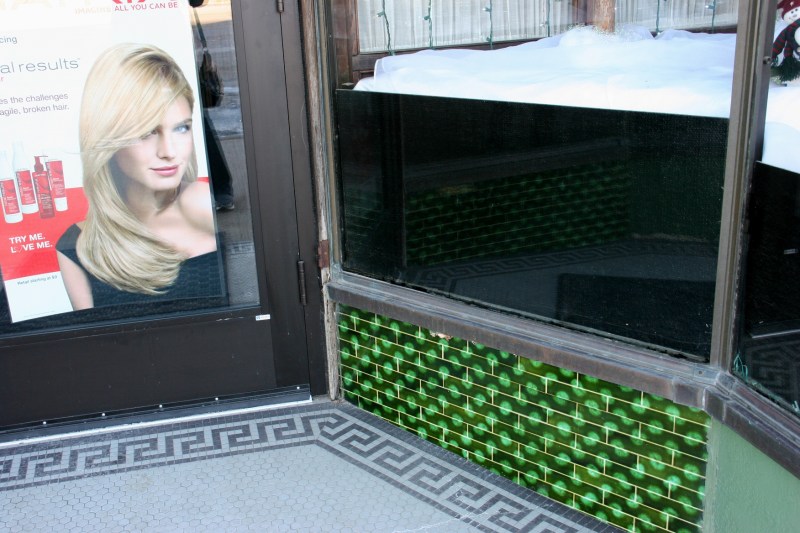
In numerous buildings I noted lovely tile, inside and out.


Yet, small towns like Sleepy Eye offer an alternative, a welcome break from the sameness of mass everything. Places like Sleepy Eye Stained Glass draw customers from all over to purchase stained glass supplies or to get stained glass windows and more restored. Three local antique shops, other shops and the friendliness and service of small town proprietors are additional draws. Schweiss Meats is a popular place for those who appreciate small town meat markets.


The old Pix Theatre needs lots of work inside and out. The intention is to save and restore the marquee, according to EDA Coordinator Kurk Kramer.


Within a year or so, two local physicians hope to reopen the abandoned Pix Theatre as a nano-brewery and coffee shop, according to Sleepy Eye Economic Development Authority Coordinator Kurk K. Kramer. He also runs K & J Antiques and Collectibles. If all goes as planned, the former Orchid Inn motel and event center will become AGlobal, a STEM-based learning center with a focus on agriculture. Additionally, the Orchid would house a language immersion institute.


Those plans show me people are working hard to keep this community thriving, with businesses that distinguish Sleepy Eye from other small Minnesota towns. EDA Coordinator Kramer noted that Sleepy Eye is also home to a business (Mark Thomas Company) which serves the funeral home industry by producing such products as handcrafted wooden urns. Who knew? Not me.


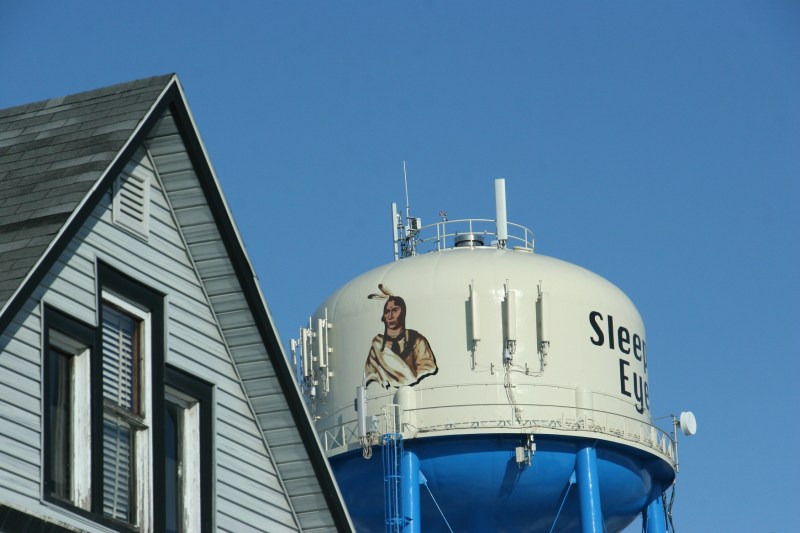
Sleepy Eye honors its namesake on its water tower.


But I do know that Sleepy Eye is named after Chief Sleepy Eyes, buried at a monument site marking his grave. Everywhere you will see the respected Dakota leader’s portrait. He brings historical interest and identity to Sleepy Eye. Those are existing strengths.


Perhaps some day these historic downtown buildings will all be restored. I appreciate that some already are. Funds are available through the Sleepy Eye Downtown Rehabilitation Incentive Program to make improvements. So perhaps my vision for this small Minnesota town will evolve into more than simply a wish…


FYI: Highway 14 improvements in downtown Sleepy Eye this summer call for sidewalk replacement, pedestrian flashers at ped crossings and more. Click here to read details.

Please check back next week for “The Art of Signs in Sleepy Eye, Part III.”


© Copyright 2018 Audrey Kletscher Helbling
Content on this site may not be duplicated, transmitted or otherwise copied without the permission of Audrey Kletscher Helbling.


Revisiting downtown Sleepy Eye & the insights gleaned, Part I March 8, 2018

A painting of a Dakota chief on the city water tower gives travelers a hint at the history of Sleepy Eye, Minnesota. The town is named after noted and respected Dakota Chief Sleepy Eyes. He settled with his band along Sleepy Eye Lake and is buried here with a monument and park dedicated to him.


YOU CAN LEARN A LOT about a community by simply walking through the central business district. Many times I’ve done just that with camera in hand. I’ve found that, through photography, I focus on details in addition to the overall scene. That gives me insight into a place.


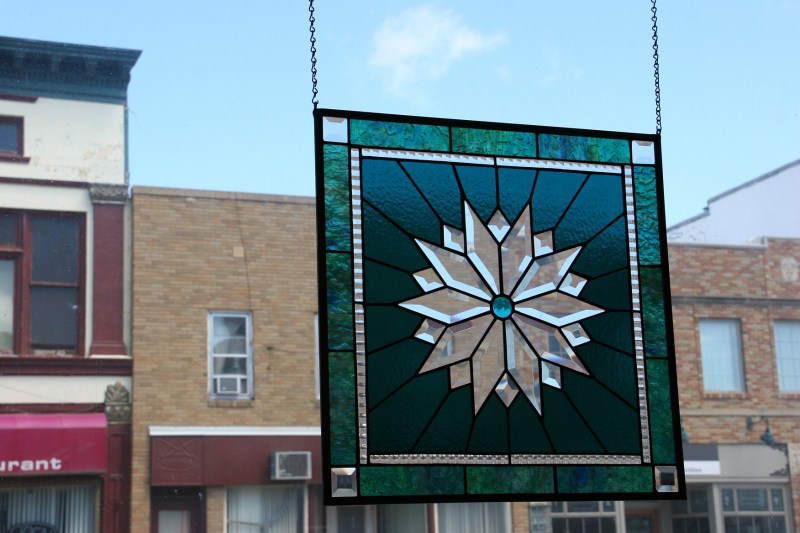
I photographed this stained glass hanging in the front window of Sleepy Eye Stained Glass during a May 2016 visit. Minnesota Prairie Roots file photo.


Most recently I walked along several blocks of downtown Sleepy Eye with my Canon DSLR while my husband shopped at Sleepy Eye Stained Glass for supplies for a church window he’s refurbishing. US Highway 14 (the Laura Ingalls Wilder Historic Highway) runs right through the heart of this small town in south central Brown County. That’s in southern Minnesota next to my native county of Redwood.


More than 30 years ago I lived and worked in Sleepy Eye for six months as a newspaper reporter and photographer. Thus I hold a certain familiarity of place. On this stop, I wanted to grab a sweet treat from the bakery next door to the newspaper office.


Sleepy Eye has many architecturally-pleasing aged buildings such as city hall.


I found, though, in the remembered location not a bakery, but rather K & J Antiques and Collectibles run by the welcoming Kurk K. Kramer. He happens also to work as the city’s Economic Development Authority coordinator. Given his friendly personality and clear love for Sleepy Eye, Kramer seems an ideal fit for the job. He laughed when I walked into his shop and asked for a doughnut from the long-closed bakery. He was a wealth of information about the town. I’ll share more in future posts and also show you a sampling of goods from Kramer’s shop.


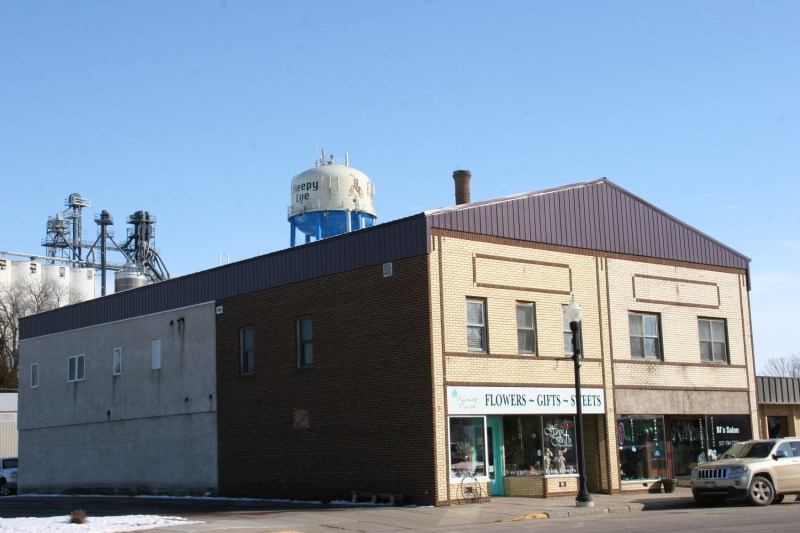
A snippet of the downtown, situated along Highway 14, a major east-west roadway across southern Minnesota.


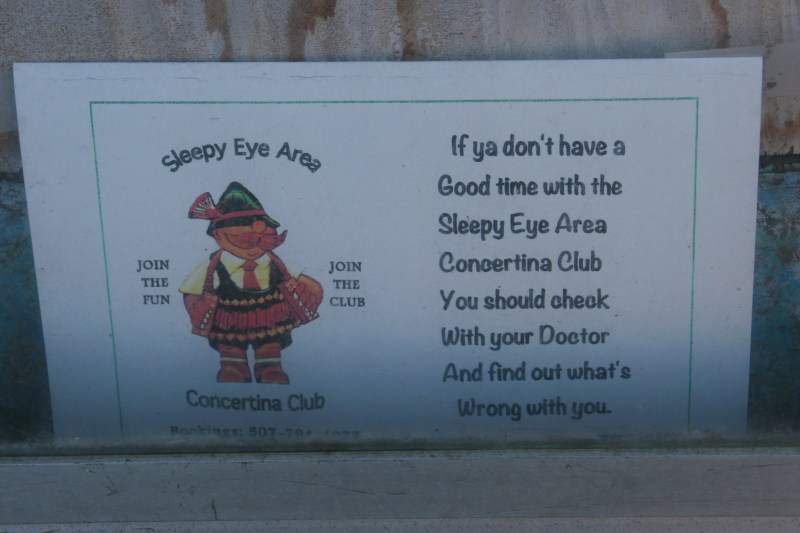
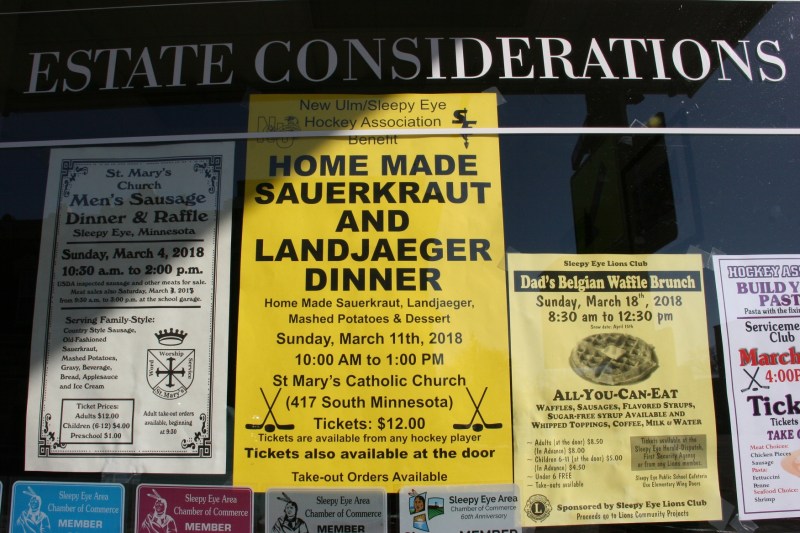
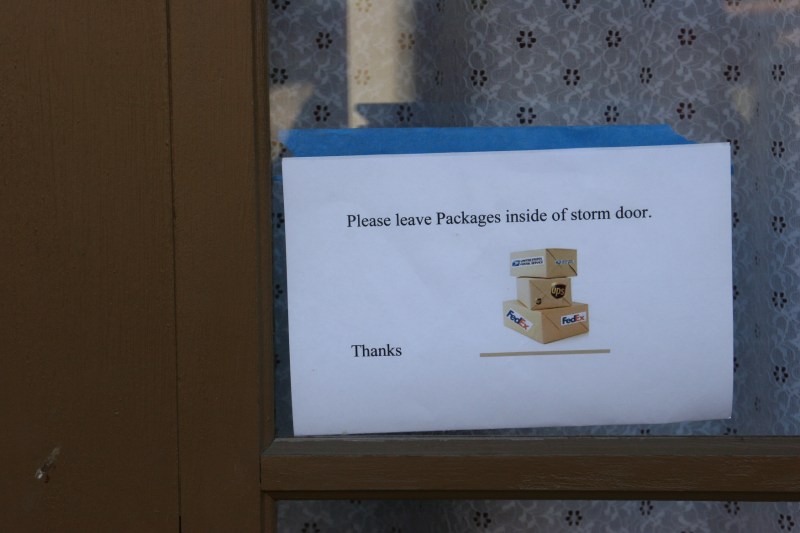
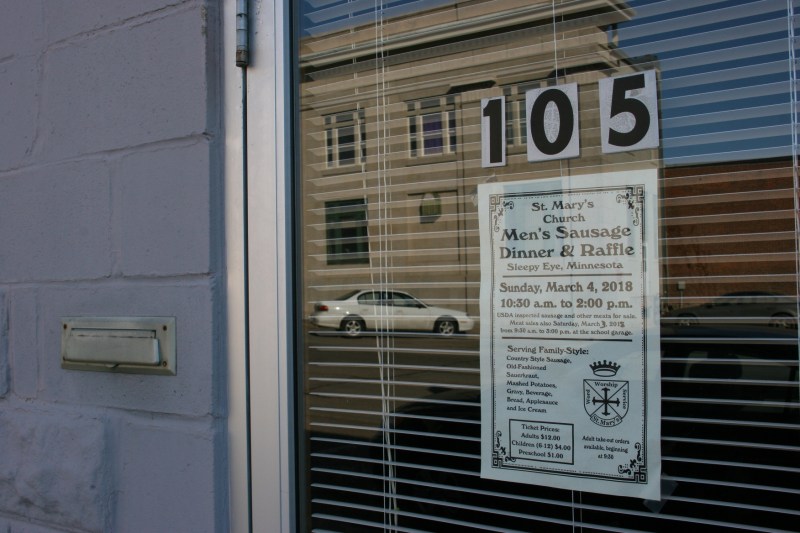
Despite my disappointment at the absence of the bakery, I still delighted in revisiting this town I called home for a short while. Whenever I explore a community, I look for fliers and notes posted in downtown businesses. Such finds often amuse me and present a snapshot of a place and its people. I love the small townishness of these public postings, these postscripts.


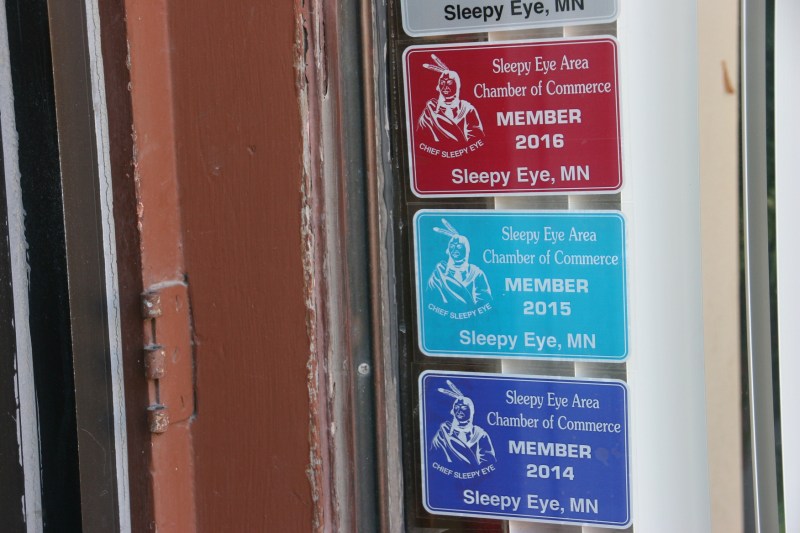
I saw lots of these stickers in many businesses, indicating a strong Chamber of Commerce and a sense of community pride.


Take a look at what I found in storefront windows. And then check back for more posts from Sleepy Eye. See what caught my eye as I wandered—and drew some curious looks—while the husband shopped.


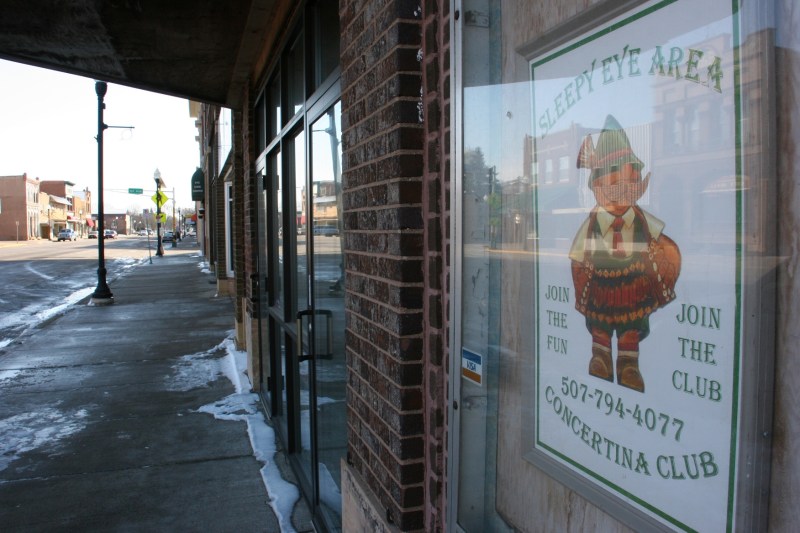
So what do my photos tell you about Sleepy Eye? Like most small Minnesota towns, community dinners/breakfasts/brunches are an integral part of the social fabric and also indicate a strong volunteer base of caring residents. Heritage is important. Note the homemade sauerkraut and Landjaeger (a type of sausage) dinner and the Sleepy Eye Area Concertina Club signs. Politeness, humor and community pride are givens.

These are my assessments based on my quick walk-through of peering into downtown storefront windows.

TELL ME: Have you ever done the same to learn more about the personality of a community?


Check back tomorrow for Part II in my series titled “An outsider’s quick look at, & visions for, Sleepy Eye.”

© Copyright 2018 Audrey Kletscher Helbling

 

February at the ballpark & I’m not talking spring training in Florida February 23, 2018

Filed under: Uncategorized — Audrey Kletscher Helbling @ 5:00 AM
Tags: , , , , , , , , , , , ,


ON A FEBRUARY AFTERNOON, sunshine heats the earth, slants shadows upon snow fallen fresh that morning. It is a rare day of respite from a too-cold winter in Minnesota and I am anxious to get outside.


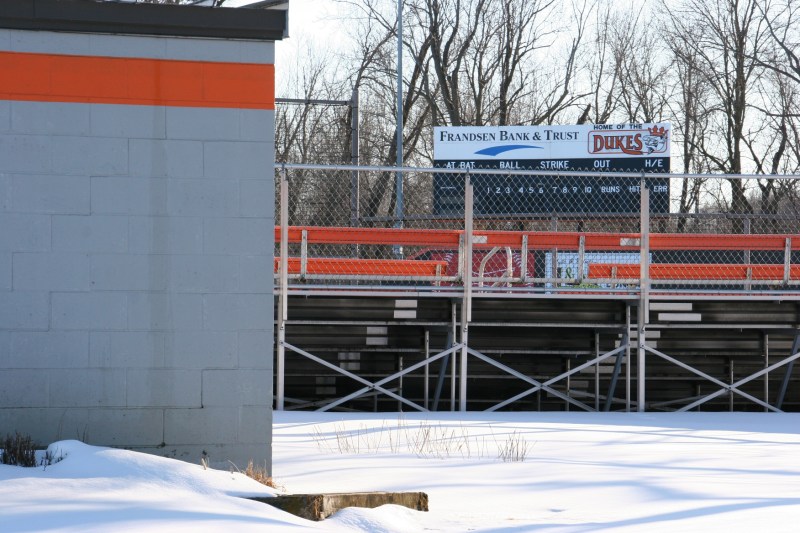
So Randy and I hop in the Chevy and head toward Dundas, just south of Northfield. I want to walk in Memorial Park, home of the Dundas Dukes. Randy pulls the car into the riverside park, loops and stops on a snowy road next to a trail. We exit, tread with caution along a path, diverting off the icy route as needed to avoid slipping.


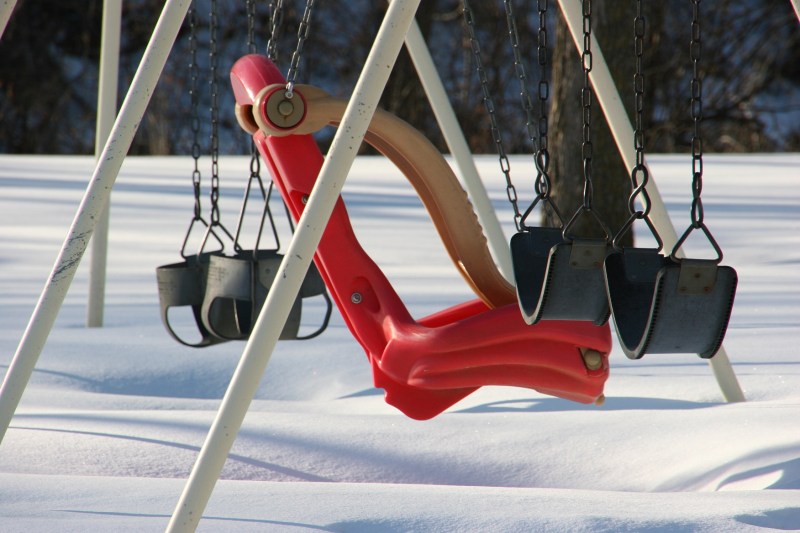
Passing the abandoned playground, I observe swings hung statue-still.


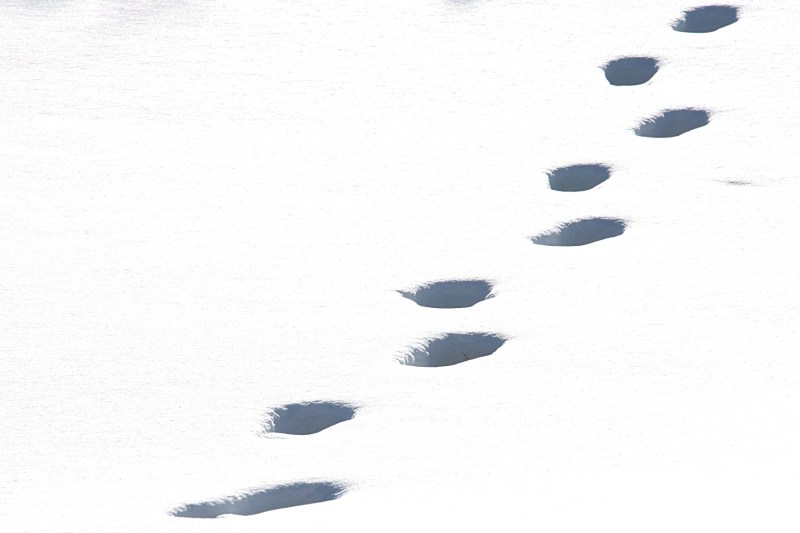
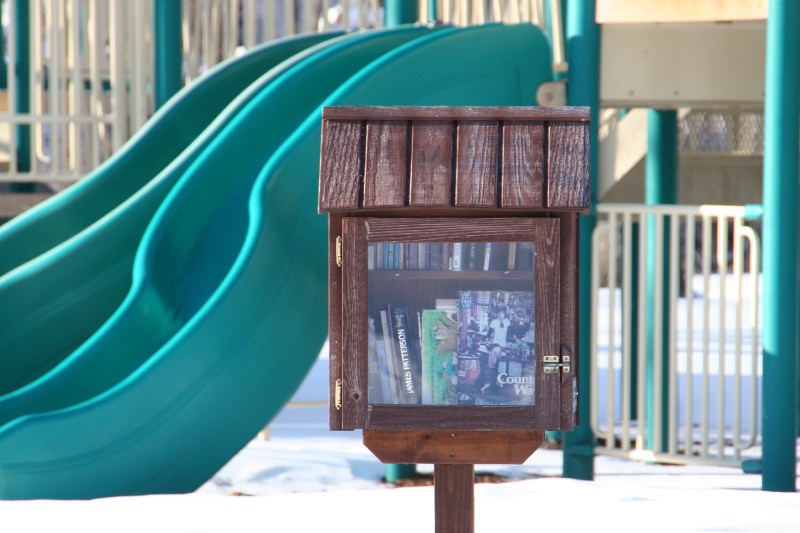
I note footprints through the snow leading to a Little Free Library. Used even in winter.


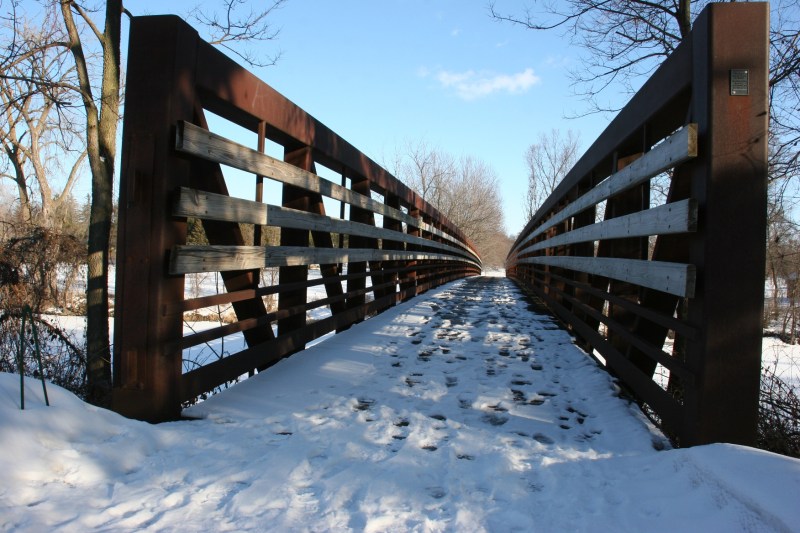
A short hike away, I step onto the foot bridge spanning the Cannon River.


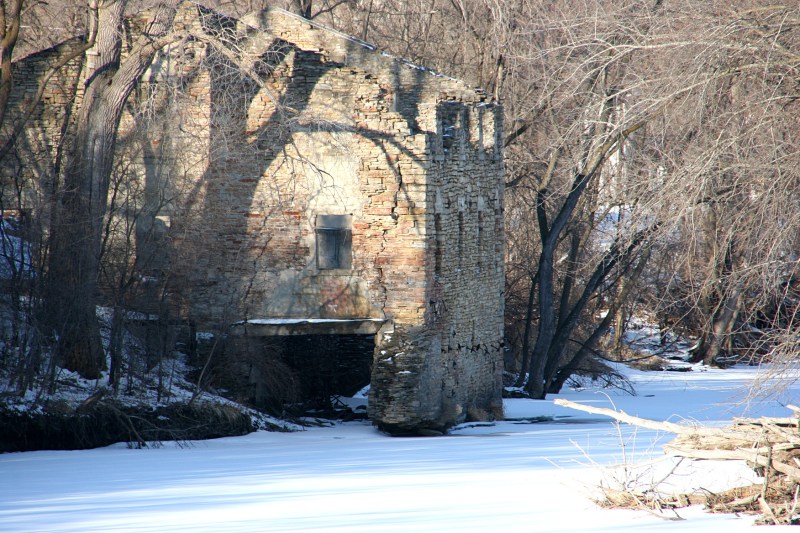
I pause midway, focus on ruins of the Archibald Mill,


bridge shadows,


an open spot of water,


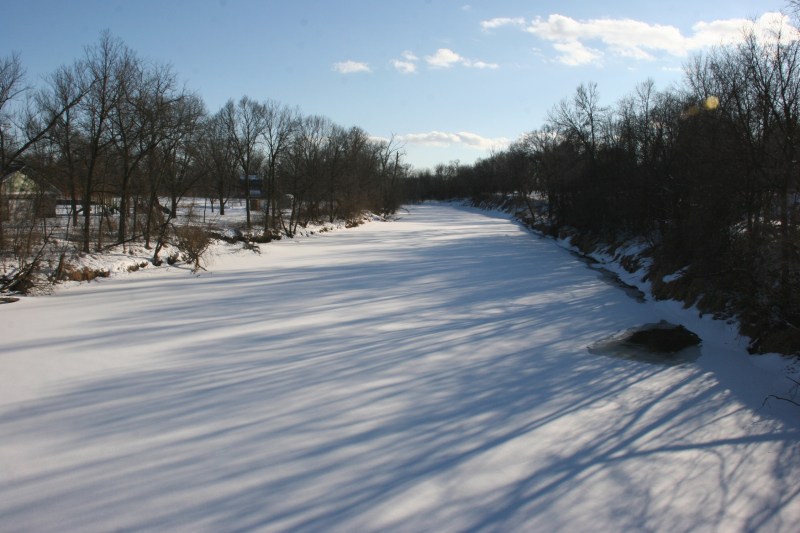
the river ribboning white between shoreline trees.


In the simplicity of this place, these scenes, I feel content. I am here with Randy, who appreciates the natural silence as much as me.


Overhead I watch a Delta airliner angling down toward the Minneapolis-St. Paul International Airport. I wonder about those aboard. Would they rather be leaving than arriving?


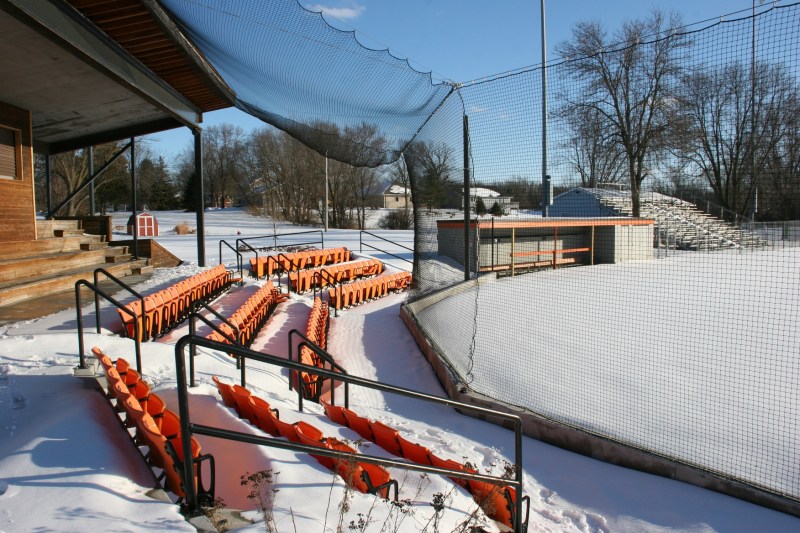
Some 1,700 miles away in the warmth of Ft. Myers, the Minnesota Twins toss and catch balls, swing bats and practice in the sunshine of opening week of spring training. Here in Dundas, opening day is still months away. I imagine the bold orange seats and grandstands filled with spectators, the cracks of bats, the swish of baseballs when the Dukes meet the Hampton Cardinals here on April 29. I can almost hear the conversations and laughter that will soon fill this place.


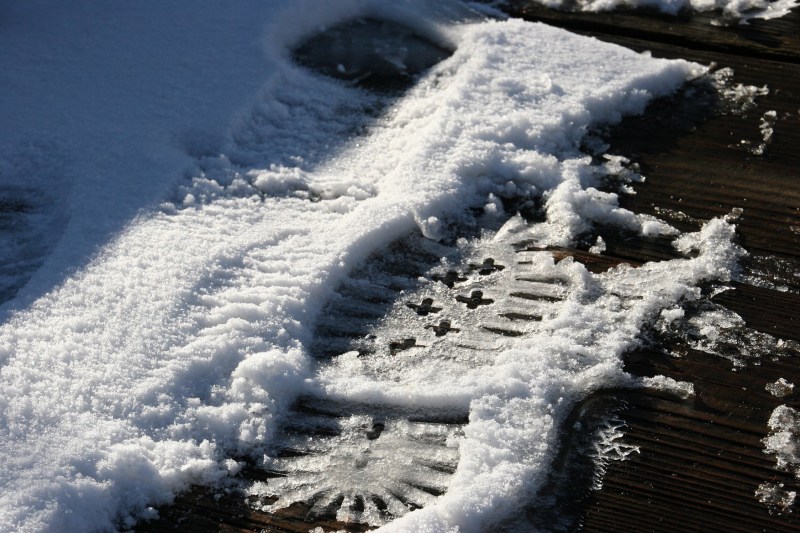
I head back toward the car, tracking in the footsteps of those who, like me, dream. Of sunny summer days. Of baseball. Of walks in the park. And of rivers that run free of ice, free of snow, free of winter under a Minnesota sky.

© Copyright 2018 Audrey Kletscher Helbling
 

Up North in Nisswa November 9, 2017

Filed under: Uncategorized — Audrey Kletscher Helbling @ 5:00 AM
Tags: , , , , , , , , ,

Babe the Blue Ox of Paul Bunyan Legend stand on the corner by the tourism office along Nisswa’s Main Street.


ON THE THURSDAY I toured Nisswa in mid-September, the turtle race track stood empty, Babe the Blue Ox stood tall and this northern Minnesota community buzzed with visitors.


Set in the heart of lake country, this town of some 2,000 draws folks from nearby cabins, resorts and hotels to meander through the many shops that line several blocks of a route once followed by Native Americans traveling northward through these parts from southern Minnesota.


Babe the Blue Ox bears the history of Nisswa’s name on its flank.


The name Nisswa comes from the Ojibwe word nessawae meaning “in the middle” or “three.” Nisswa sits in the middle of three lakes.


On this day, I didn’t learn much about local history. But I did learn that these northerners rate as a friendly bunch. In business after business, shopkeepers greeted Randy and me with friendly smiles and welcoming attitudes. With the exception of signs prohibiting photos of merchandise (much of it original art) prevalent throughout Nisswa, I felt more than welcome.


A shopkeeper at The Fun Sisters Up North Boutique even convinced me to try on leggings and an appropriate bum-covering top. Inside my mind, I protested. But she was just so darned nice that I agreed. I’ll admit that I looked better than I thought in leggings. But I still felt like I was playing dress-up in fashionable attire totally foreign to me. She didn’t make the sale. But the clerk sold me on the genuine friendliness of Nisswa.


Signature northwoods birch logs propped outside a business.


I dropped my money in several other businesses, picking up Minnesota-themed gifts for friends and my granddaughter.


Vintage Native American art outside a shop tips visitors off to this region’s history.


The legend of Paul Bunyan, here interpreted in a woodcarving, runs strong in the Minnesota northwoods.


Nisswa presents a definitively northwoods feel with more than one Babe the Blue Ox and Paul Bunyan and plenty of buffalo plaid and loon art. Randy and I spent hours here ducking in and out of shops. And that says a lot for the attraction of Nisswa to someone like me who generally dislikes shopping. The original arts and crafts and merchandise with a Minnesota bent kept me interested.


Painted turtles mark businesses.


Although we didn’t patronize a Nisswa eatery, there are plenty of options for meals, treats and brew.


Had we arrived in Nisswa at 1 p.m. on a Wednesday weeks earlier, we would also have witnessed the weekly summertime turtle races. Reminders of that tourist draw are evident in the turtle race track and in turtles painted onto sidewalks in front of businesses. I applaud communities like this that hatch and then latch onto an idea that identifies and sets them apart from other towns. For Nisswa, it’s turtle races and friendly folks in quaint northwoods shops.

TELL ME: Have you been to Nisswa? What is your impression of this small Minnesota town?

Please check back for a closer look at the iconic Babe the Blue Ox statue along Main Street.


© Copyright 2017 Audrey Kletscher Helbling
 

Biancabella, books & bliss at Becky’s bookshop October 30, 2017


PRINCESS BIANCABELLA first drew me to the business along Milaca’s main drag. Stretched out atop carpet next to stacks of books in the front window display area, the calico cat appeared blissfully content. Not even my photographic efforts disturbed her.


The scene delighted me—this bookstore cat in one window, a vintage typewriter in another and a creative OPEN sign crafted from a book and propped outside Bexter Book & Copy.


It’s not often anymore that you find an independent bookstore, especially in a town the size of Milaca with not quite 3,000 residents. This shop, which opened about a year ago, anchors a corner of the downtown business district in an historic building. And it appears the owner, Rebecca Rittenour, is working hard to make her business a success. She not only sells new and used books, but also offers hometown copy services and engages her patrons via a Mystery Book Club, creative in-store displays and more.


I especially like her artistic vignettes that encourage folks to shop local. I didn’t speak much with Becky other than to greet her, ask for permission to photograph and praise her store. But I got the sense, both from wandering the bookshop and from reading the Bexter website and Facebook page, that she truly holds a passion for books and for sharing her love and knowledge with others. That’s always the benefit of shopping local—excellent customer service from a passionate shopkeeper.


Milaca is fortunate to have an independent bookstore with books tucked into open drawers, filed onto shelves and showcased in artful ways.


On my quick stop in town, this bookshop charmed me with its vivid chartreuse walls, homey character and resident princess cat.


TELL ME: Do you have a favorite independent bookstore? If yes, what delights you and draws you to this bookshop?

© Copyright 2017 Audrey Kletscher Helbling