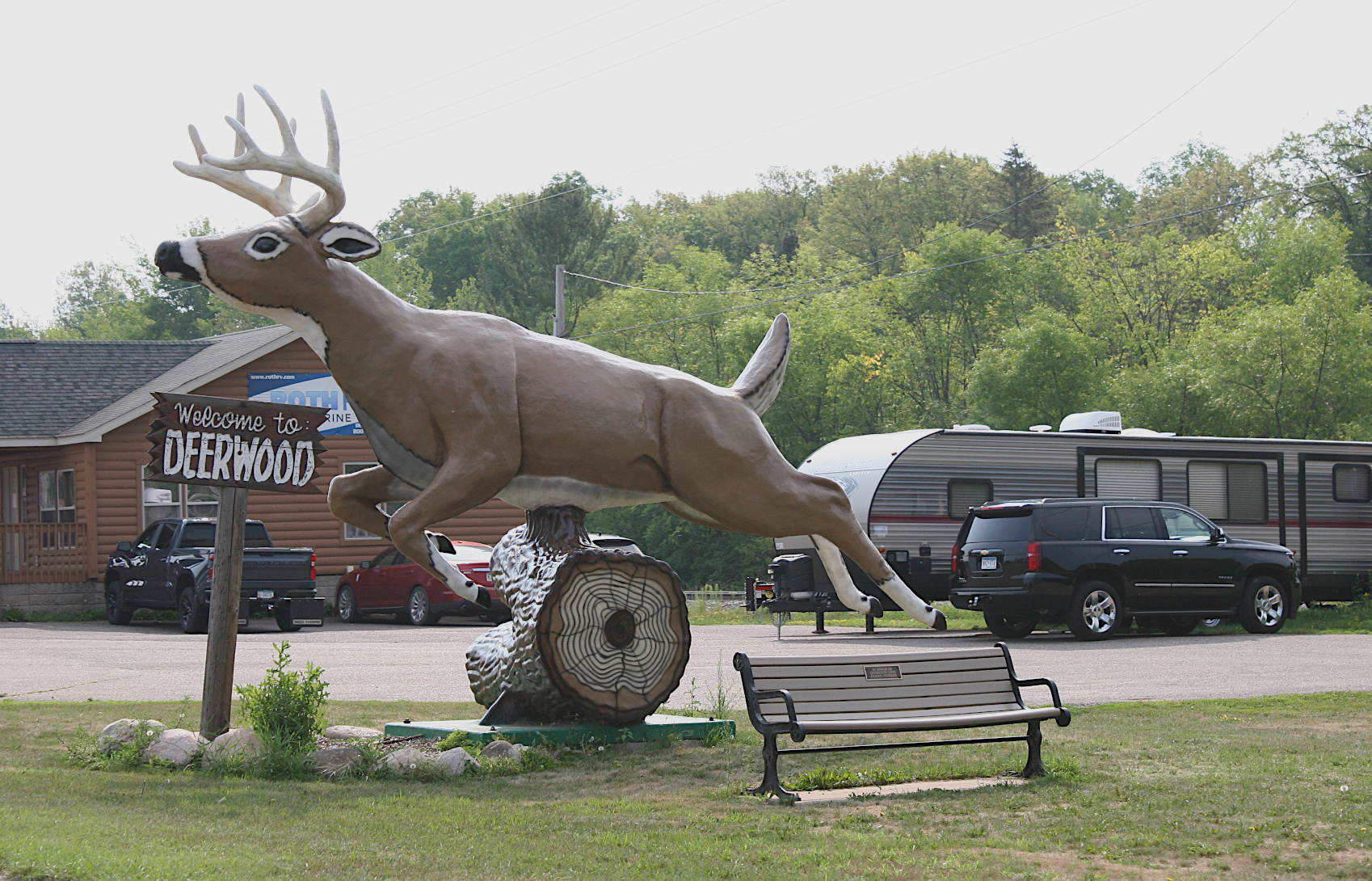
Leaping whitetail deer art in Deerwood, Minnesota. Minnesota Prairie Roots copyrighted file photo July 2021.
I APPRECIATE OUTDOOR public art. That includes kitschy roadside sculptures that define communities. The walleye in Garrison. The prairie chicken in Rothsay. The otter in Fergus Falls. Babe the Blue Ox in countless Up North Minnesota towns.
And in Deerwood, a Crow Wing County community of around 550, a leaping whitetail deer. The jumping deer, located in Elmer Park, is visible from Highway 6. I snapped a shot of it from the road last trip through this town in mid-July.
A little poking around online revealed that Deerwood was originally known as Withington. But, after being too often confused with Worthington in the southwestern corner of Minnesota, it was officially named Deerwood. That makes sense given its location among the lakes and hardwoods of central Minnesota where deer abound.
I learned a bit more history. Cuyler Adams of Deerwood discovered the iron ore which led to mining in this region. Thus the name Cuyuna Range—a combination of Adams’ first name and the name of his dog, Una.
Oh, the things you learn upon seeing, and photographing, a memorable deer sculpture next to a roadway.
TELL ME: Do you have a favorite roadside sculpture? I’d like to hear.
Babe the Blue Ox, public art and photo op in Pequot Lakes. Minnesota Prairie Roots copyrighted photo.
ONLY RECENTLY HAVE I begun to explore the central Minnesota lakes region and small towns therein. Thanks to the generosity of a sister-in-law and brother-in-law, who are sharing their guest lake cabin with extended family, going Up North to the cabin is now a reality rather than a life-long dream. I feel incredibly blessed and grateful to experience what, for many Minnesotans, is a multi-generational part of their summers.
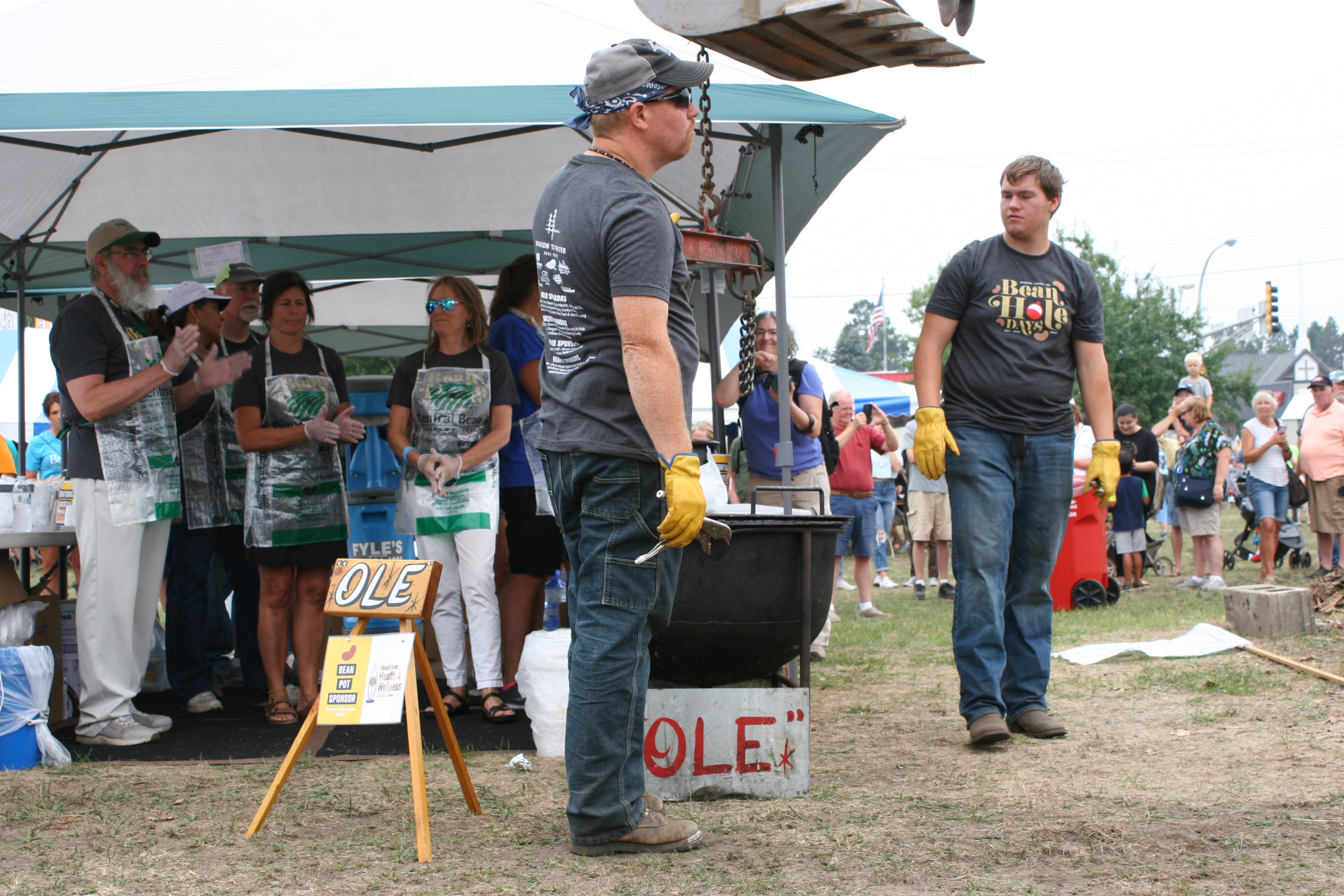
Kettles of baked beans, lifted from an underground pit, await serving during Pequot Lakes’ recent Bean Hole Days. Minnesota Prairie Roots copyrighted photo.
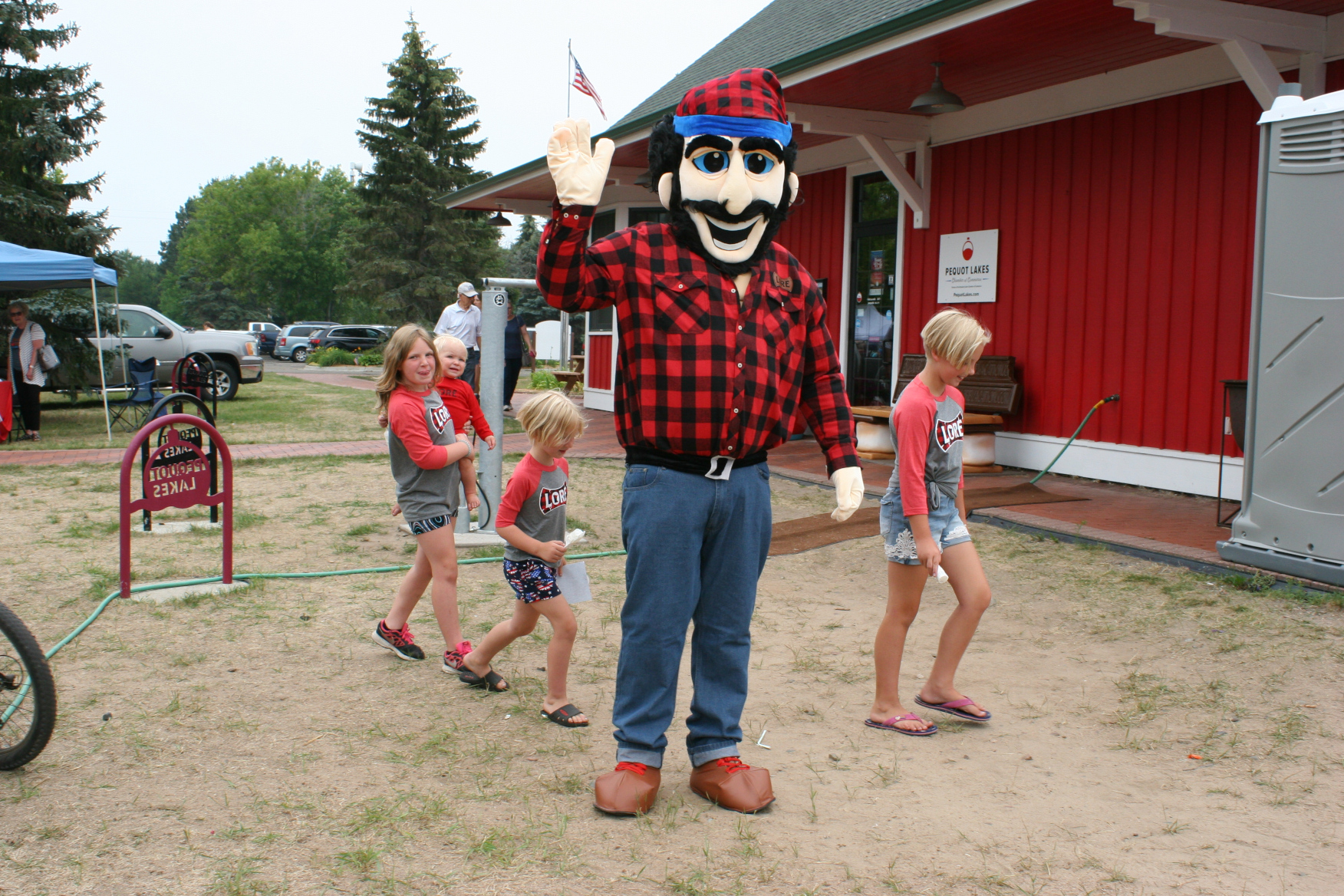
A friendly Paul Bunyan mingles with the crowd during Bean Hole Days. Minnesota Prairie Roots copyrighted photo.
This is Paul Bunyan land. The place of lumberjack lore. So different from my home in southeastern Minnesota. Paul and his side kick, Babe the Blue Ox, are universally appealing, creating a strong tourism branding identity for this region.
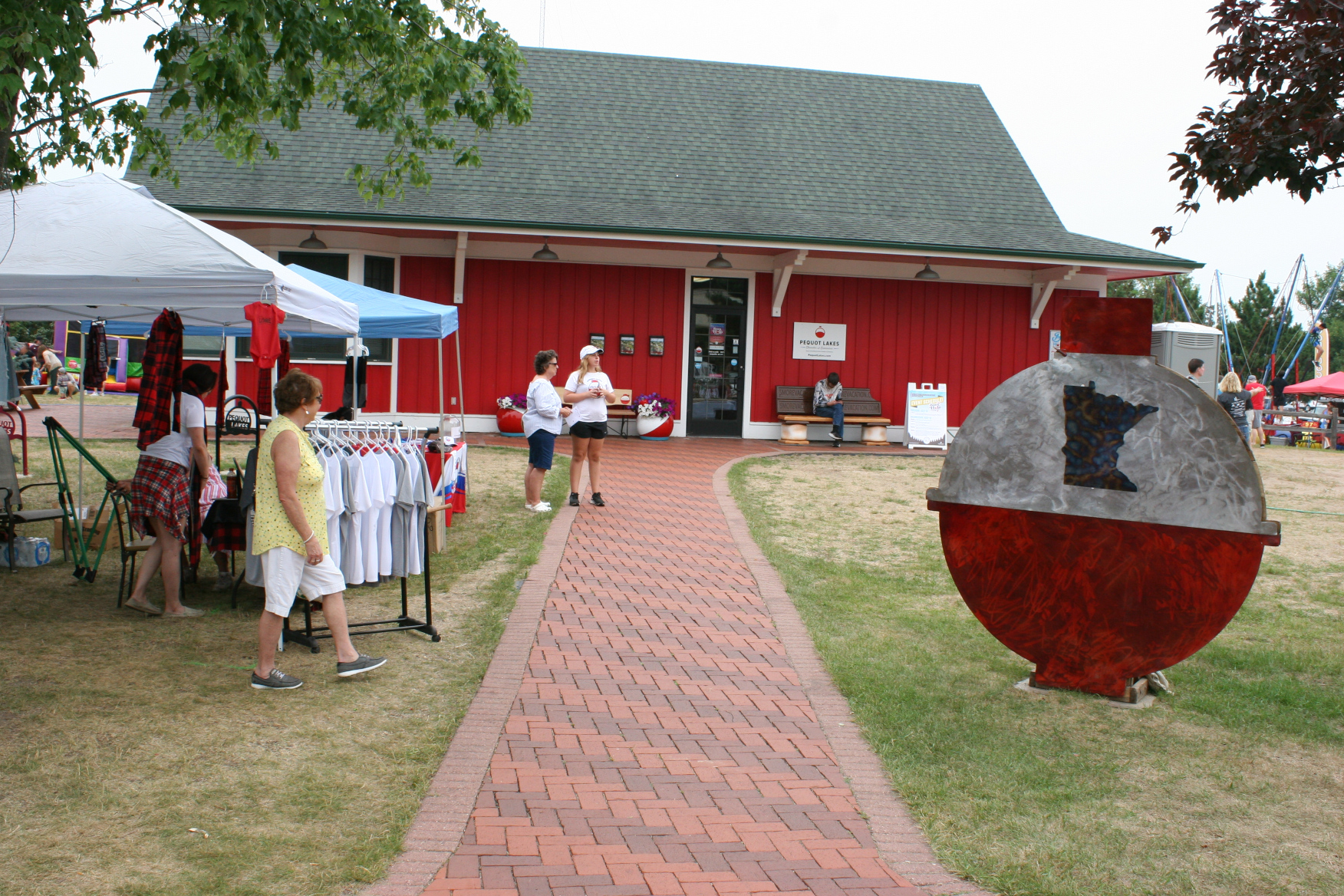
In Trailside Park, bobber sculpture and the Chamber of Commerce and Tourism office draw visitors. Minnesota Prairie Roots copyrighted photo.
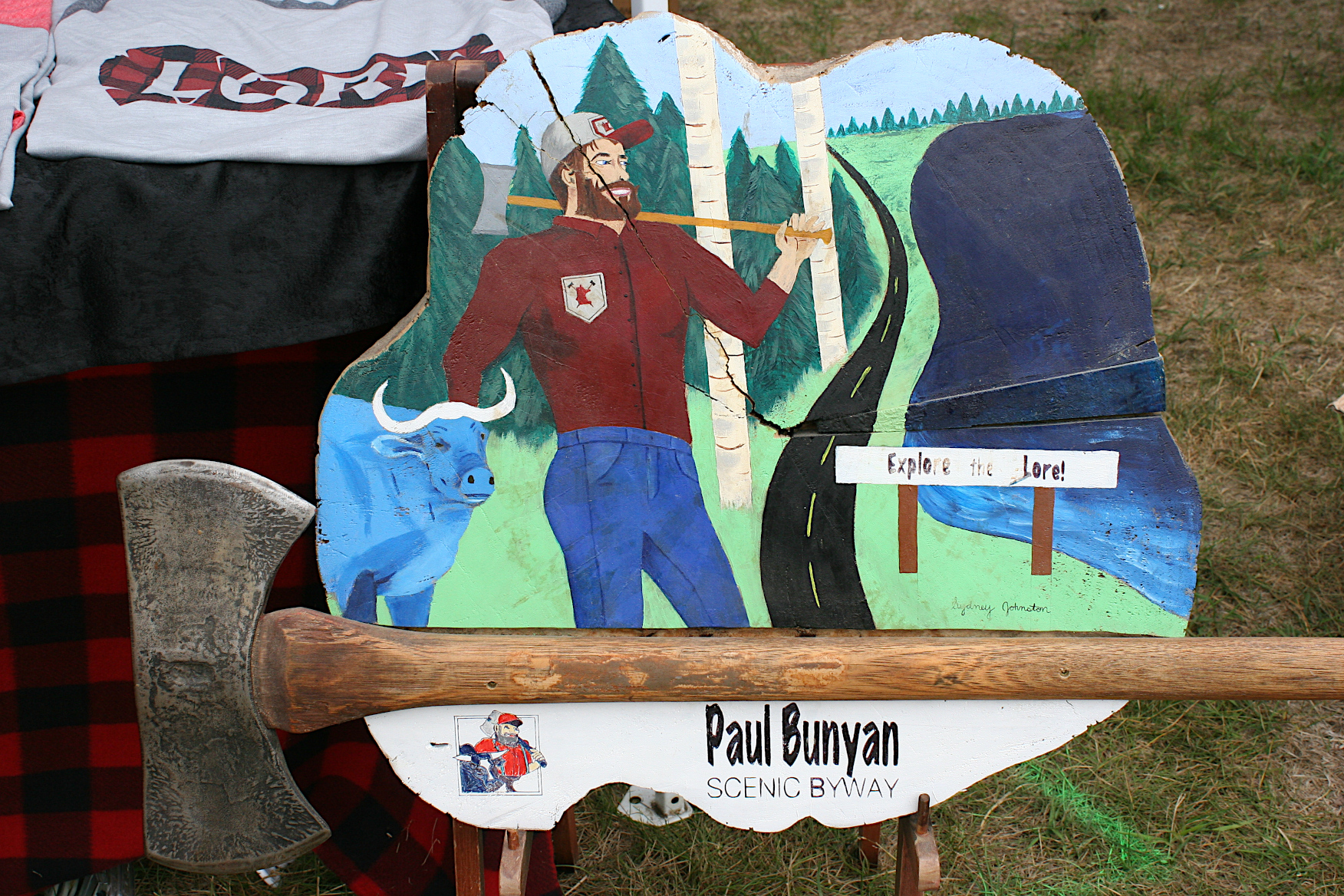
Paul Bunyan art promoting the scenic byway, spotted at Bean Hole Days. Minnesota Prairie Roots copyrighted photo.
And the Paul Bunyan Scenic Byway, a 54-mile route along county roads in scenic northern Crow Wing County and a portion of Cass County, also passes through Pequot Lakes.
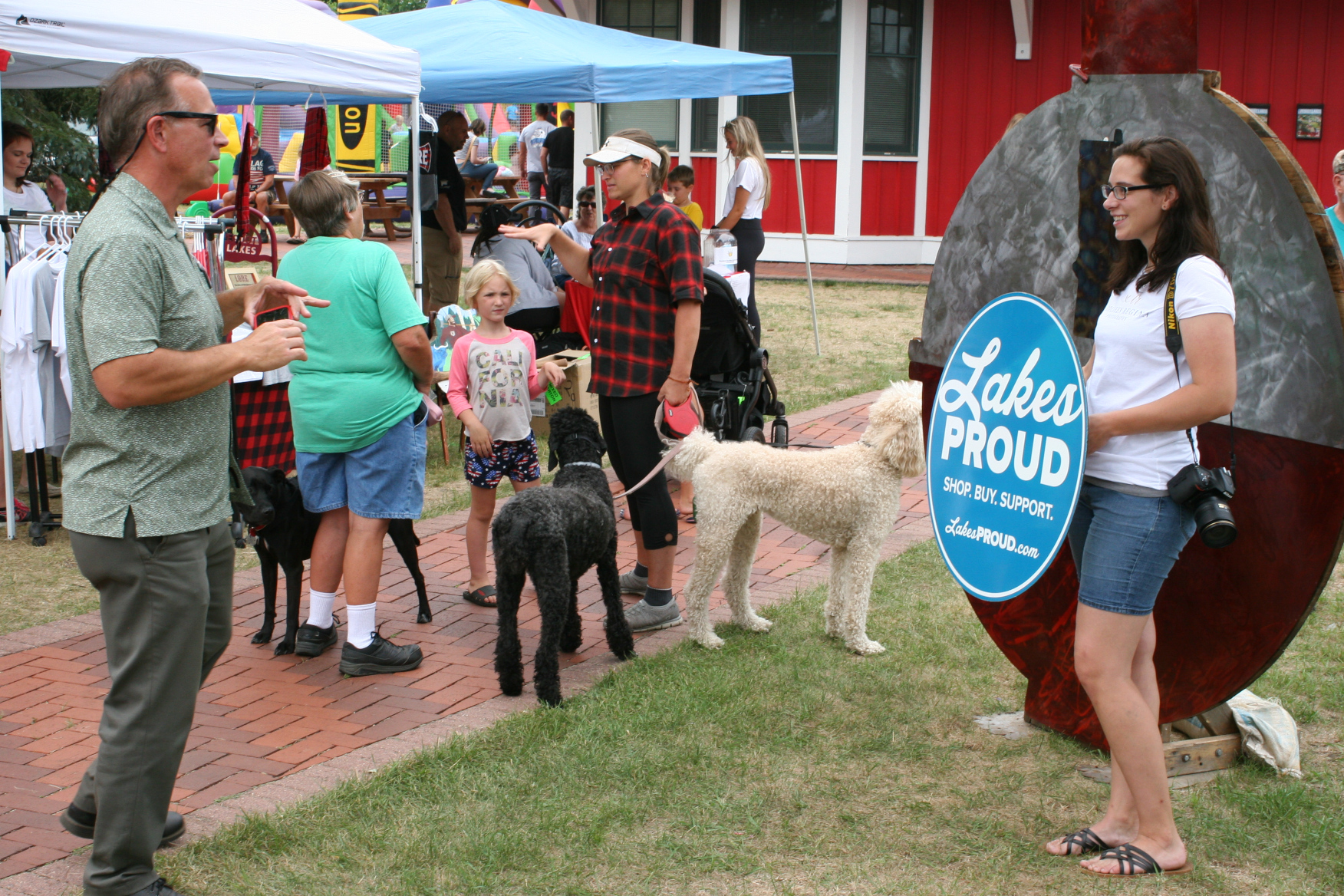
The bobber sculpture proved popular with visitors during Bean Hole Days. Minnesota Prairie Roots copyrighted photo.
To visit this region is to appreciate and embrace the stories and character of Northwoods strong Paul Bunyan. And his sweetheart Lucette Diana Kensack (seen in Hackensack, a bit farther to the north).
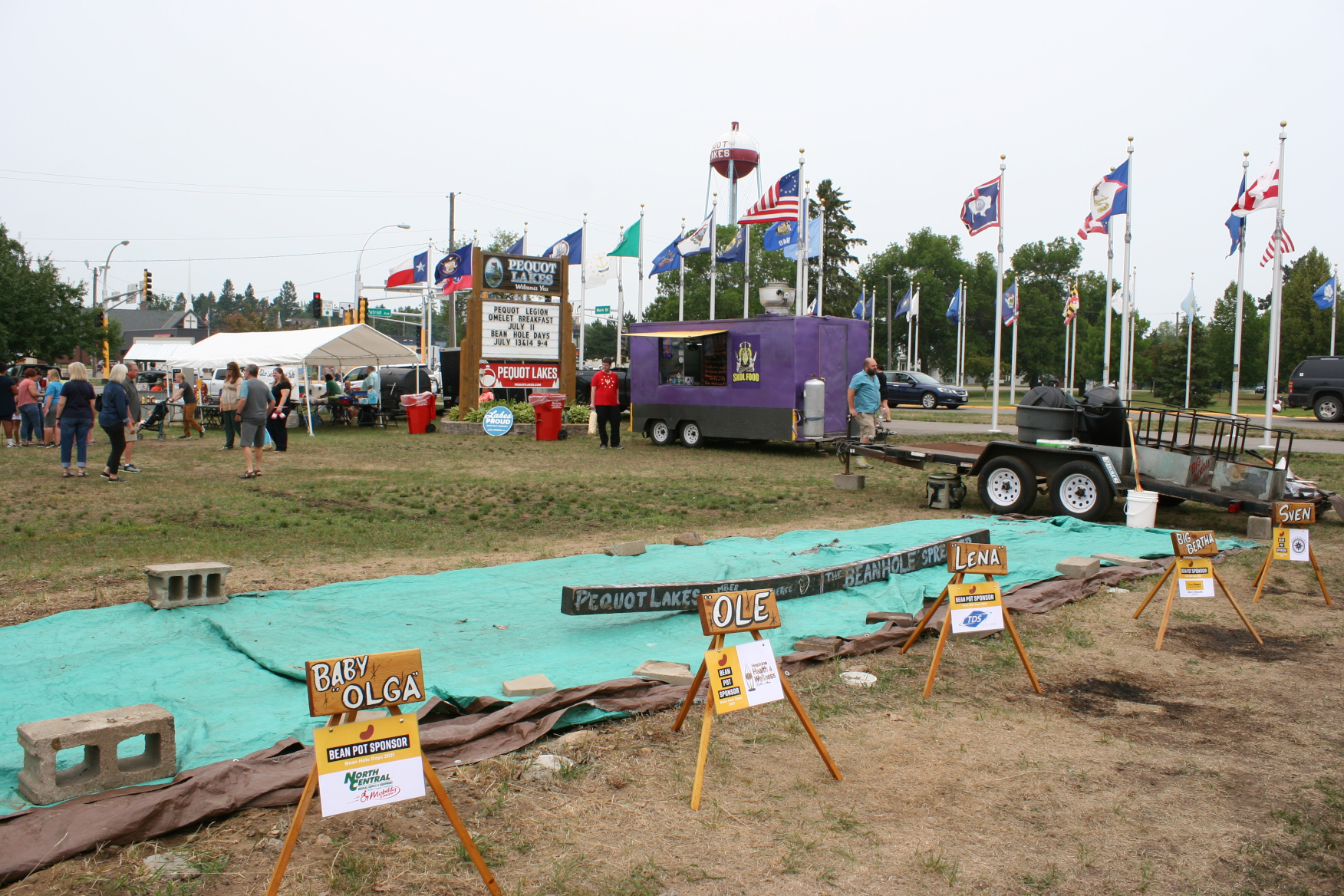
Kettles of beans bake in a covered pit. Each is named. Minnesota Prairie Roots copyrighted photo.
I appreciate how hard the good folks of this area work to brand this region and to create events that entertain and also provide visitors with unique experiences. Bean Hole Days, for example, rates as unlike anything I’ve ever attended. I loved everything about it from the people to the phenomenal homemade beans baked underground in Paul Bunyan-sized kettles.
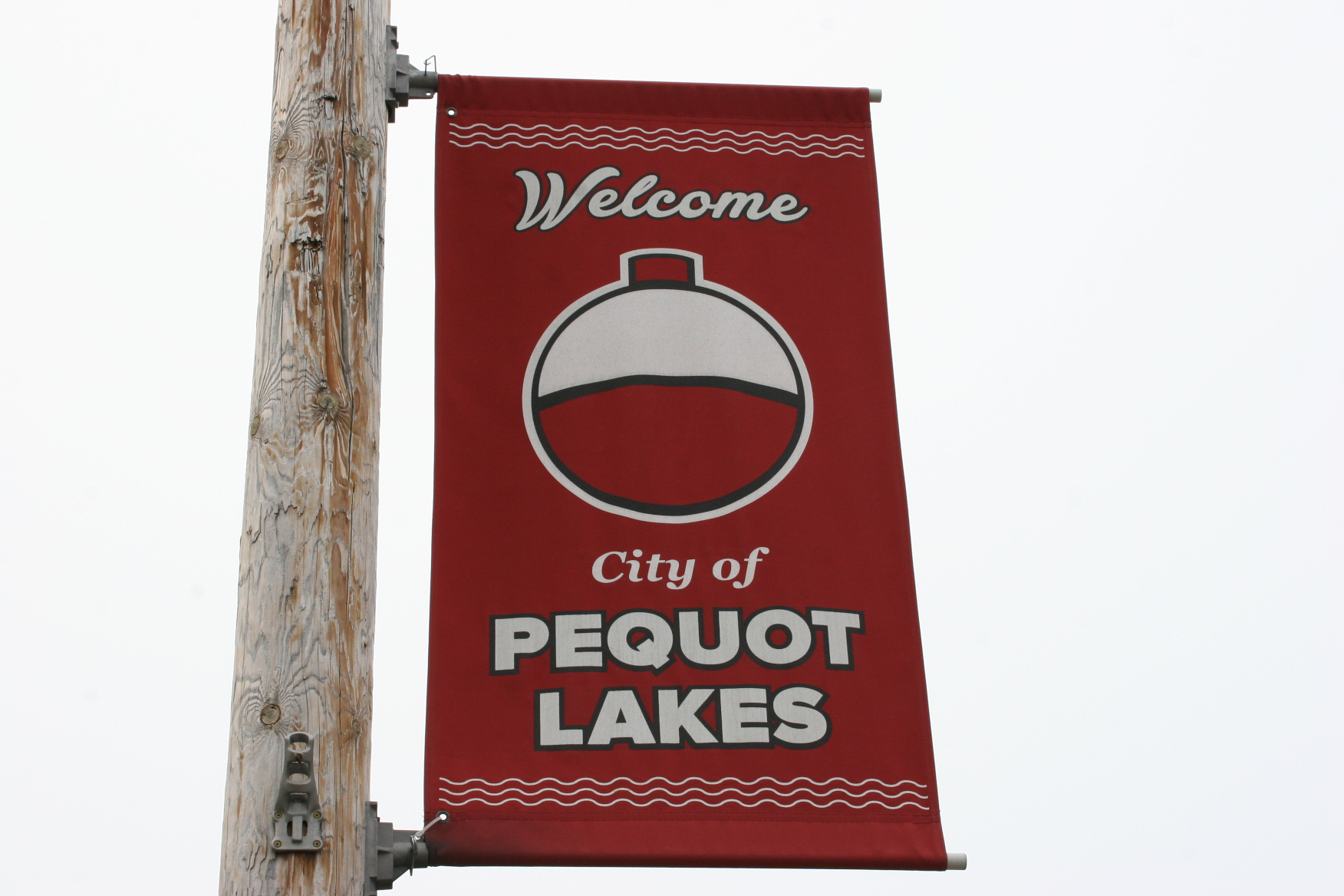
The bobber brands Pequot Lakes. Minnesota Prairie Roots copyrighted photo.
In about 10 more days, on Saturday, August 7, Pequot Lakes hosts another celebration—a Chokecherry Festival. Chokecherries are a tiny stone fruit often used in making jellies and jams. Pequot Lakes calls itself the Chokecherry Capital of Minnesota. I’m quite familiar with these berries, having picked more pails full than I care to remember while growing up on a southwestern Minnesota farm.
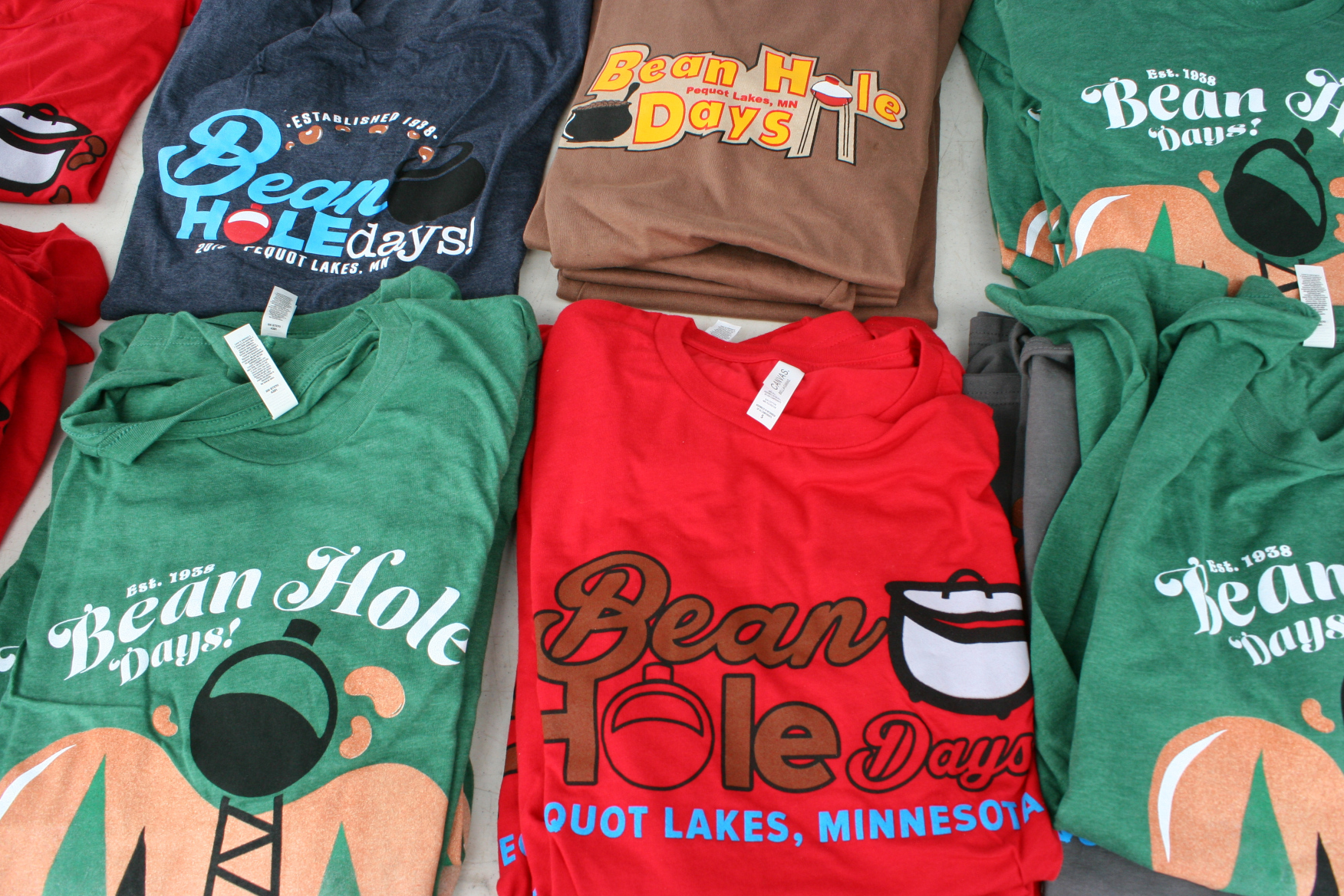
I expect vending of tees at the Chokecherry Festival, just like at Bean Hole Days. Minnesota Prairie Roots copyrighted photo.
That aside, it doesn’t appear the Pequot Lakes celebration includes any chokecherry harvesting. But it does feature a Pit Spitting Contest and a Chokecherry Culinary Contest with four categories. Jams/jellies/preserves, pastries, wine and originality.
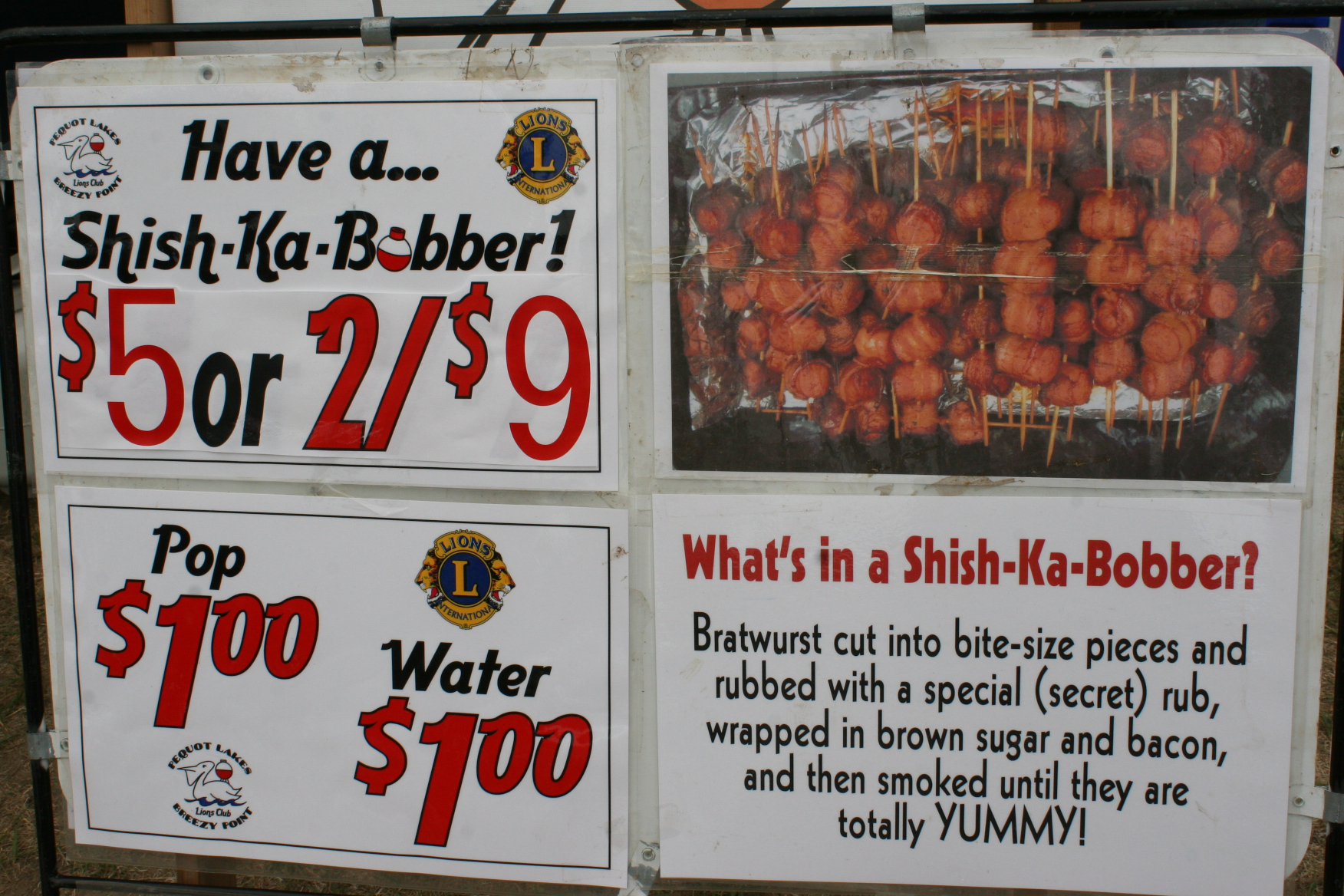
Festival food offered by the Pequot Lakes/Breezy Point Lions Club. Minnesota Prairie Roots copyrighted photo.
And just like at Bean Hole Days, the 9 a.m. – 4 p.m. event in Trailside Park includes an Arts-Crafts Fair, food vendors, kids’ activities and more.
Dogs are welcome. I photographed this one in the arms of a Arts/Crafts Fair vendor at Bean Hole Days. Minnesota Prairie Roots copyrighted photo.
I encourage you to take in small town celebrations like those offered in Pequot Lakes and neighboring communities in Paul Bunyan land. To do so is to experience the Northwoods culture, at least the side that draws tourists to town.
#
This marks the third, and final, in a series of posts on Pequot Lakes.
Belview, located in southwestern Minnesota, some seven miles from my hometown of Vesta.
FOR THOSE OF YOU who’ve followed my Minnesota Prairie Roots blog for awhile, you understand that I value small towns. They are a favorite destination, an escape of sorts back to my rural prairie roots. To a less-populated place, typically rooted in agriculture.
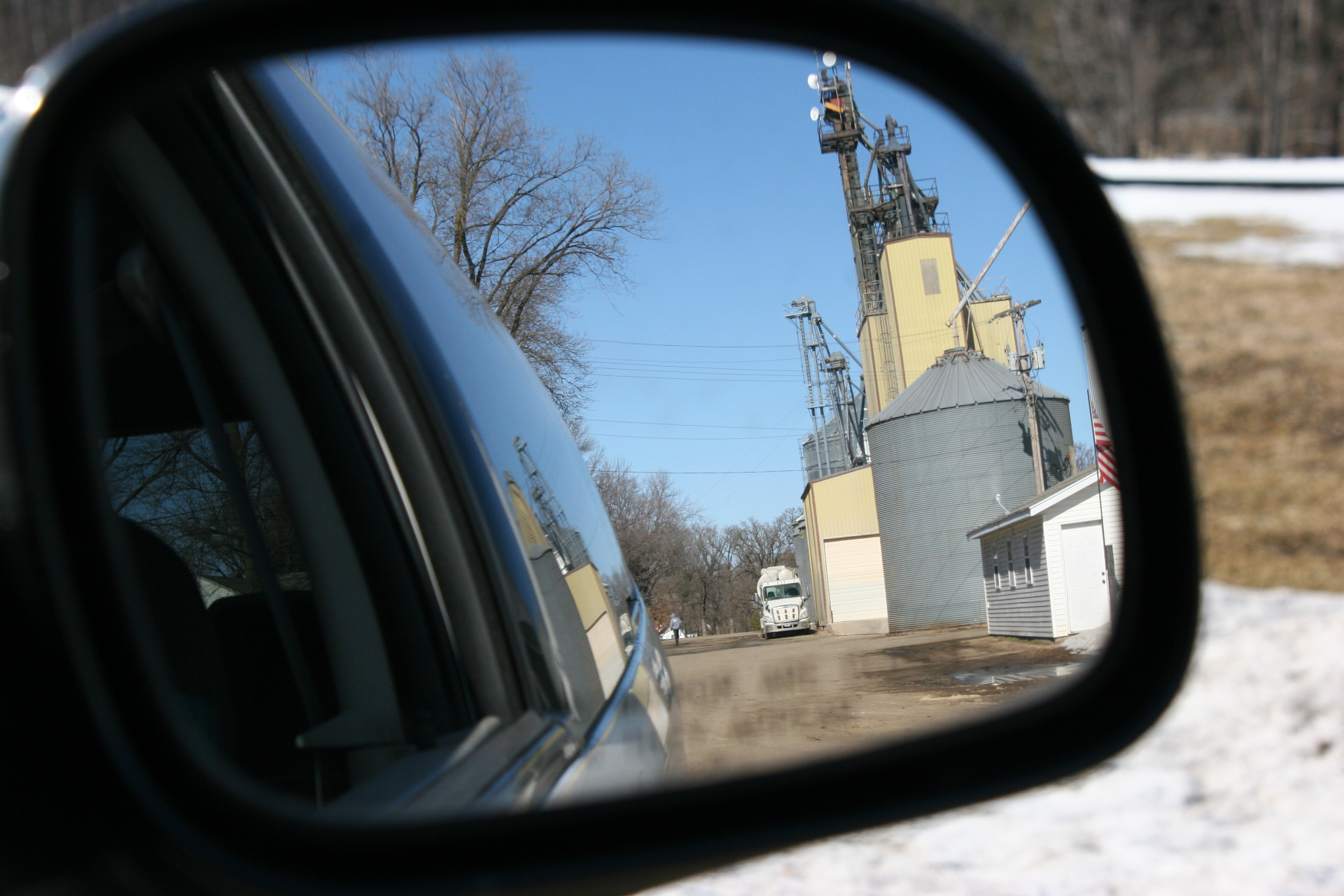
The grain complex in unincorporated Bixby in Aurora Township in Steele County, MN, reflects in the passenger side mirror.
That said, I recognize that my definition of a “small town” may differ from yours. I view small towns as communities with populations of several thousand or less. I would not, for example, consider my city of Faribault to be small. Others would given its population of around 24,000.
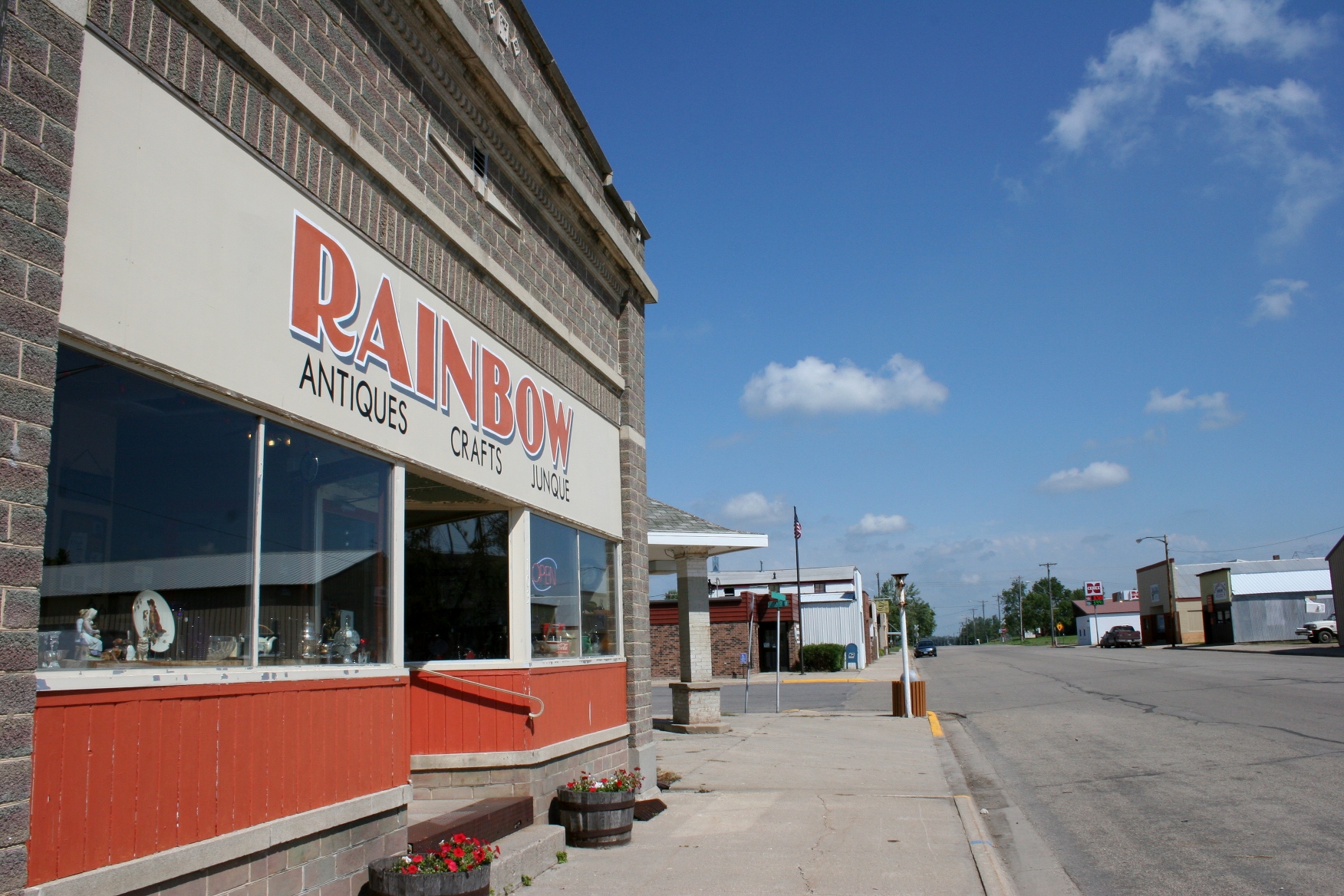
A favorite stop (when it’s open) is Rainbow Antiques, Crafts & Junque in Belview. Other attractions in Belview include the historic Odeon Hall, Rock Dell Lutheran Church, rural Belview, and Grandview Valley Winery, to the north of town. Minnesota Prairie Roots file photo August 2011.
What draws me to small towns, to photograph and write about them, beyond my desire to reconnect with rural places and share my finds?
I love this kitschy bar stool atop the City & Country Tavern roof overhang in Morgan in southwestern MN.
It’s discovering nuances of character. It’s connecting with people. It’s the architecture and oddities and so much more. Exploring small towns is like taking a basic sentence and enhancing the main subject with adjectives.
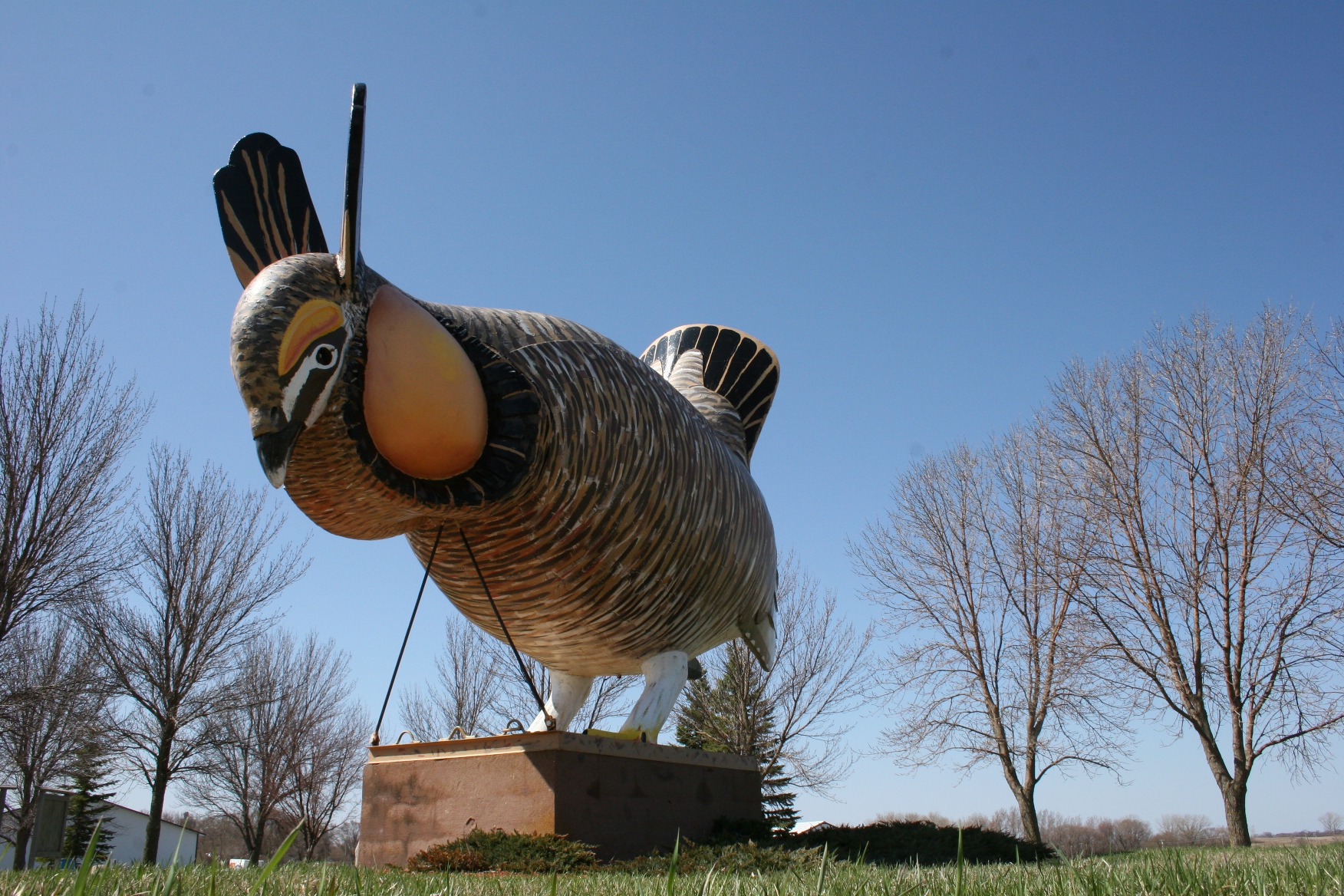
This prairie chicken statue along Interstate 94 in western Minnesota celebrates the real prairie chickens which reside in the Rothsay area. Minnesota Prairie Roots file photo May 2013.
Yet, I realize not everyone appreciates language like I do. All too often, small towns are bypassed or driven through—seemingly not a place that would attract visitors. But I am here to tell you they are worth the detour off the interstate, the destination for a day trip, the stopping on Main Street.
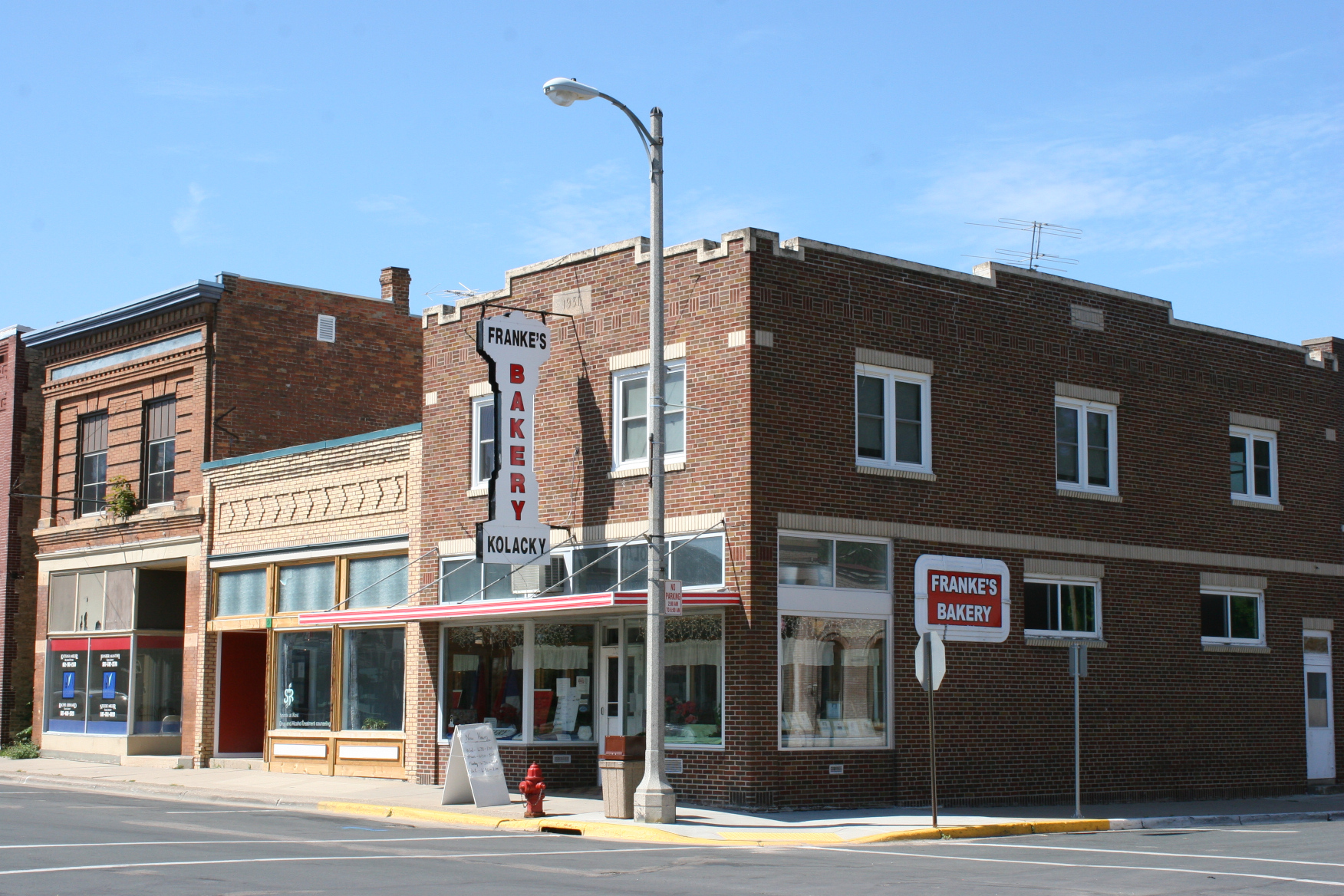
Popular Franke’s Bakery anchors a corner in downtown Montgomery, MN. Minnesota Prairie Roots file photo August 2020.
Montgomery, Minnesota, for example, is one of my favorite nearby small towns. Why? I love going to Franke’s Bakery, a staple in this community for 100-plus years. The bakery specializes in Czech treats, in this self-proclaimed Kolacky Capital of the World. Across the street from the bakery, a mural tells the history of this town. Aged buildings line the main business district, with home-grown shops and eateries and bars. The adjectives enhancing the main subject.
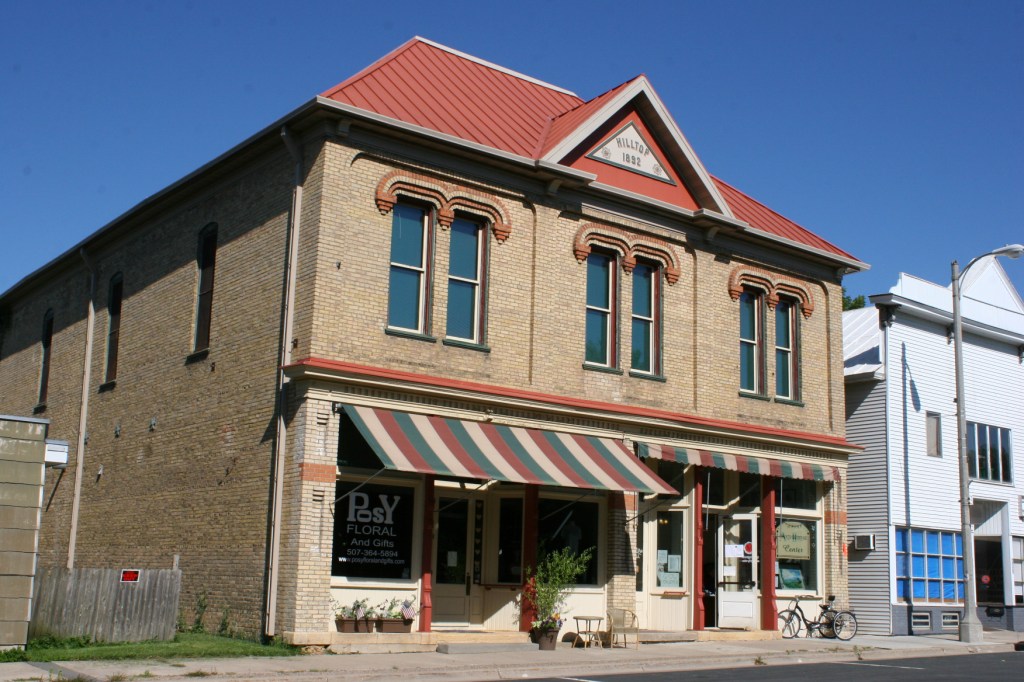
The Montgomery Arts & Heritage Center, right, and Posy Floral, left, along First Street North on the north end of downtown Montgomery, MN. Minnesota Prairie Roots file photo August 2020.
The Montgomery Arts and Cultural Heritage Center and Montgomery Brewing also draw me to this Le Sueur County community. And the signs and architecture.
The good folks of Montgomery have branded their community, tapping into their heritage and then building on that to create a place that attracts visitors. I think potential exists in every small town to do the same. And it starts with recognizing the strengths, the uniqueness, of a community. I know that requires time, money and effort. But, oh, the possibilities.
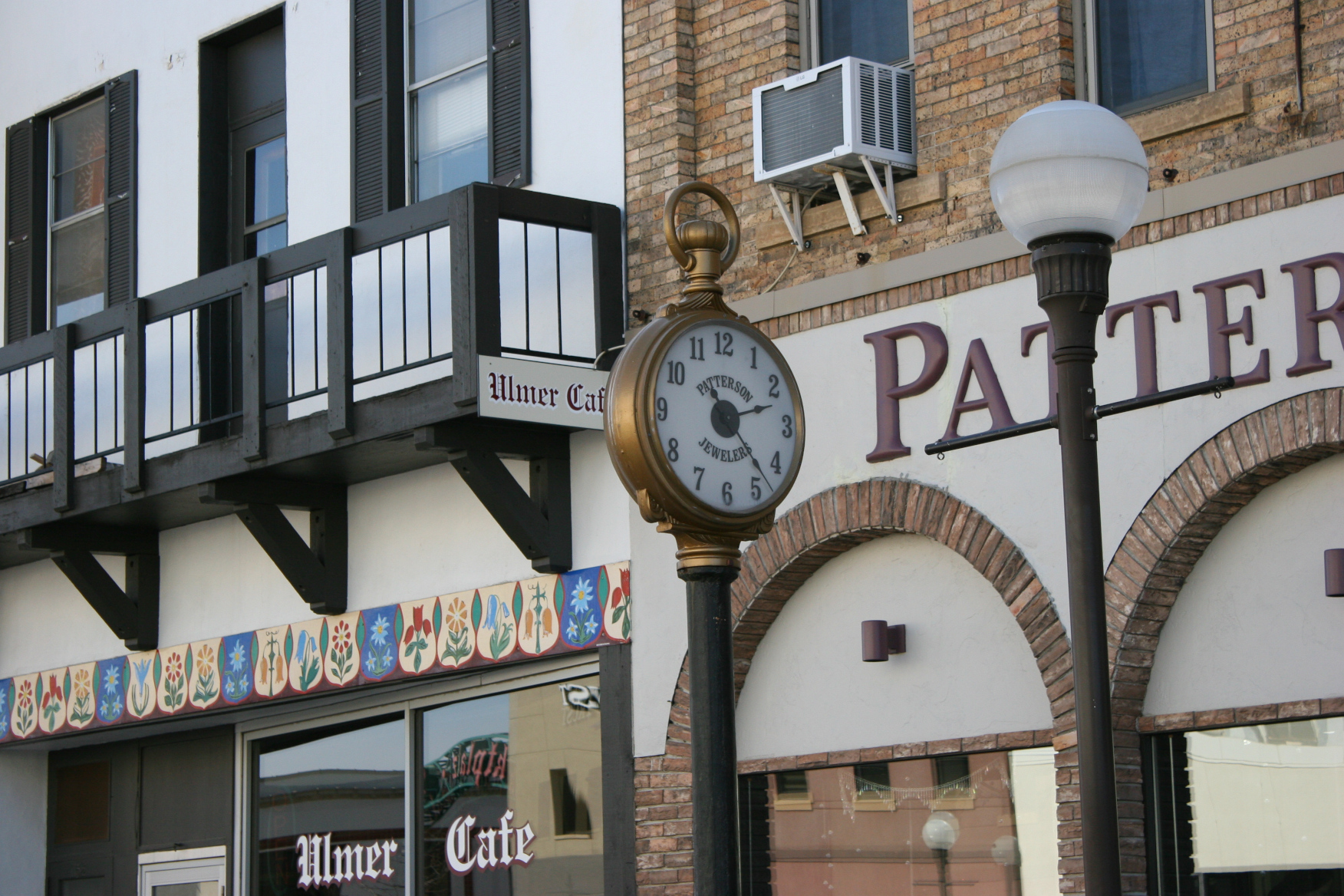
The community of New Ulm is home to many home-grown restaurants, like the Ulmer Cafe.
I, for one, love small town bakeries, antique shops, thrift stores, art centers and home-grown cafes with meal offerings that are crafted by hand, not pulled from a freezer and heated. I recently saw a sign for Beef Commercials in New Ulm. I haven’t eaten one—roast beef layered between slices of white bread, topped with a dollop of mashed potatoes and smothered in gravy—for years. Had it been meal time and not a pandemic, I may have stopped to indulge in nostalgia.
A thriving grocery store in small town Ellendale, MN.
Now I know every community can’t tap into heritage like New Ulm and Montgomery. But, each place truly possesses potential to attract visitors. In Ellendale, for example, the award-winning Steve’s Meat Market draws meat lovers. I am partial to Lerberg’s Foods and its worn wooden floor, narrow aisles and aged moose head looming over cans of stacked corn.
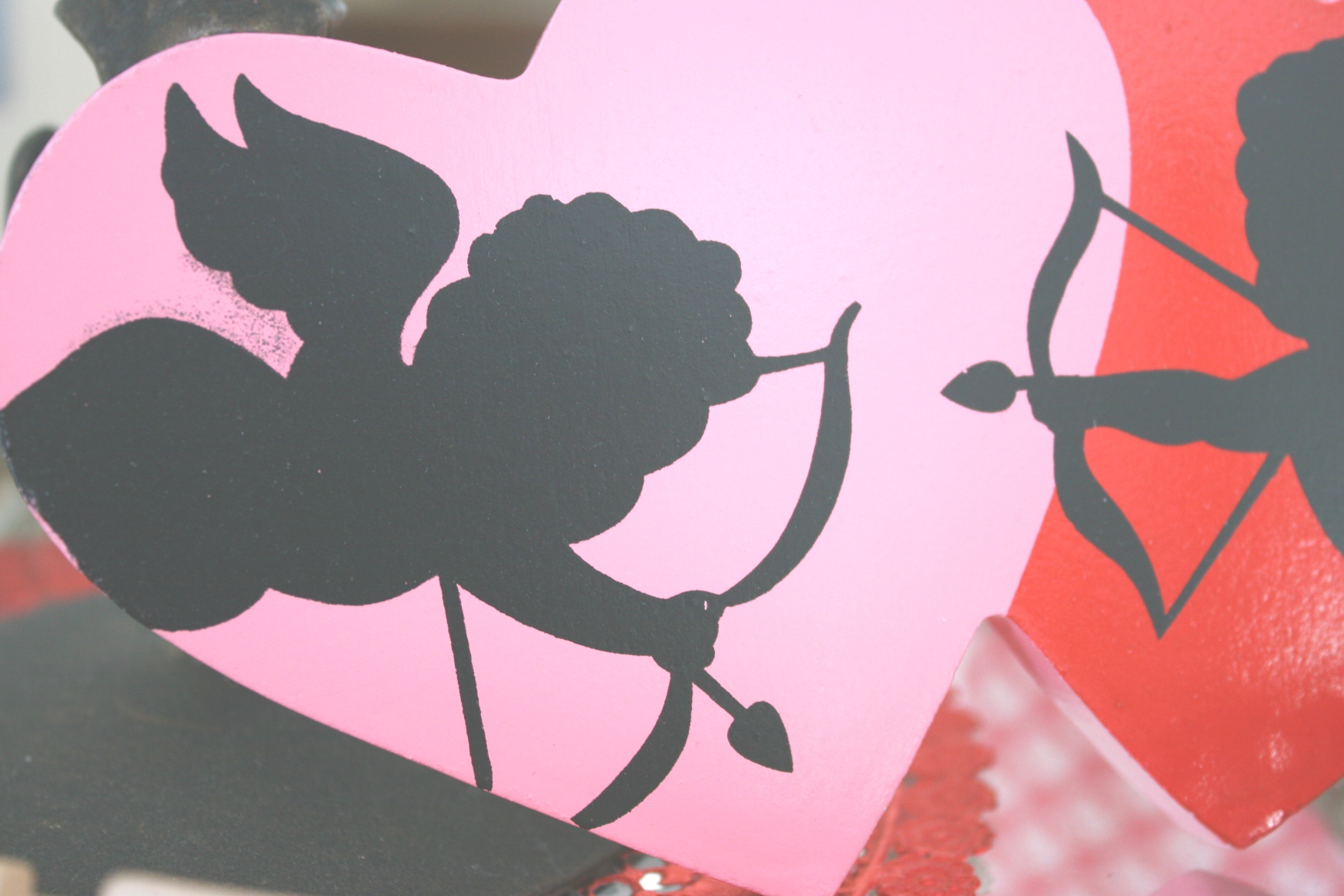
Outside the local hardware store in the downtown main business district, this heart art shows pride, marketing savvy and identity in Blooming Prairie. This small town is located in southern Steele County, south of Owatonna.
I delight in such discoveries. Kitsch. Identity. A strong sense of place and pride. I hope that, by sharing my thoughts and photos, you, too, will view small towns through a lens of appreciation.
TELL ME: Have you discovered a small town that you just love. I’d like to hear.
PLEASE CHECK BACK as I expand on this post with more photos from some of the communities featured here.
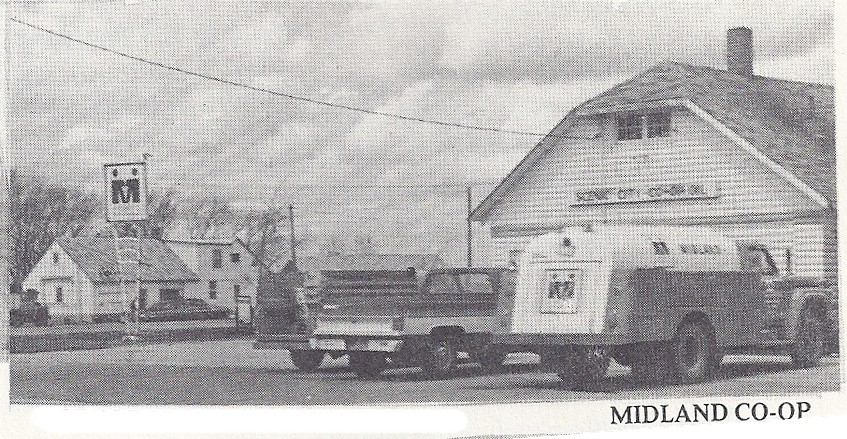
My uncle’s gas station with the fuel delivery truck parked by The Old Log Cabin. Photo from Envisioning a Century, Vesta, 1900-2000. The Miland station and the restaurant across Highway 19 in Vesta no longer exist. Minnesota Prairie Roots file photo.
GROWING UP IN SMALL TOWN Minnesota in the 60s and 70s, I saw local businesses thriving. There were two hardware stores, two grocery stores, a lumberyard, feed mill, grain elevator, bank, restaurants, corner bar, barbershop, several service stations, post office and more in my hometown of Vesta, population 365. But today, the one-block Main Street stands mostly empty, pocked by vacant lots from long-ago torn down buildings. A few businesses remain. The elementary school closed decades ago.
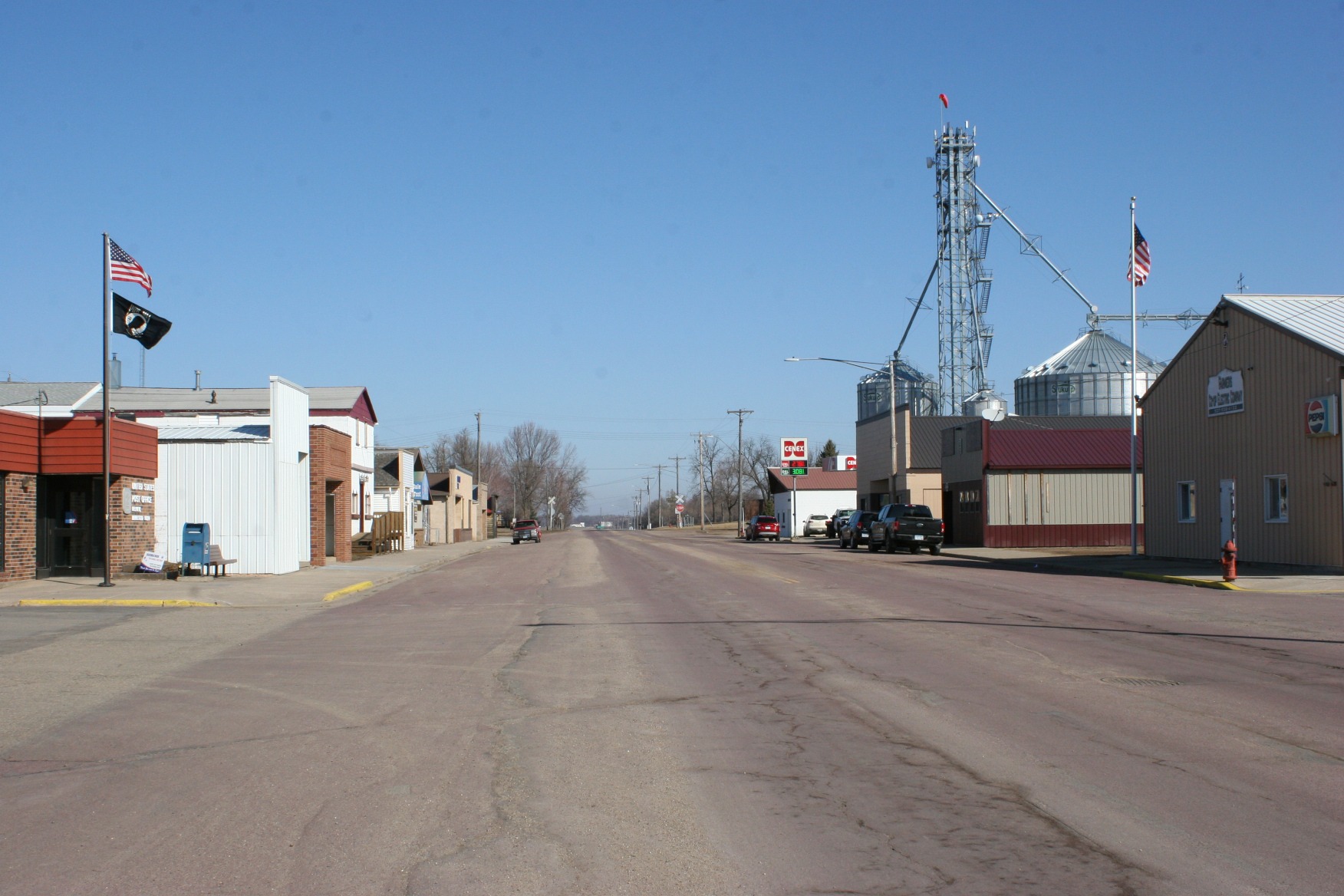
Downtown Belview, Minnesota, photographed last Saturday, March 13, 2021.
In Belview seven miles to the north and east, the story repeats. I recall driving to Belview with my grandma in the early 1970s to shop for fabric so I could sew dresses for her. That dry goods store is long gone. Belview has, like most rural communities, experienced the closure of many businesses as locals headed to regional shopping hubs to shop at Big Box stores and also embraced online shopping.
An historic anchor building in downtown Redwood Falls. Sward Kemp Snyder Drug recently moved out of downtown to the new hospital and clinic on the east edge of Redwood.
Likewise, Redwood Falls, to the east of Belview along Minnesota State Highway 19, has changed considerably. That Redwood County seat and the Lyon County seat of Marshall were our family’s go-to larger towns to shop for clothes, shoes and other necessities when I was growing up on the prairie. Last Saturday when Randy and I stopped in downtown Redwood, I found the streets nearly empty and few businesses open. Nothing like the bustling downtown I remember.
Vintage Vinyl, a newly-opened business in the heart of Redwood Falls.
I can sit here and write about this with nostalgia and sadness, wishing these rural communities remained self-sufficient. But wishes are not reality. And wishing does not change things. Action does.
An overview of Vintage Vinyl, packed with albums plus gaming and trading cards, books, video games, DVDs and VHSs, figurines and more. The tables provide a place for folks to play checkers, etc., and/or just hang out.
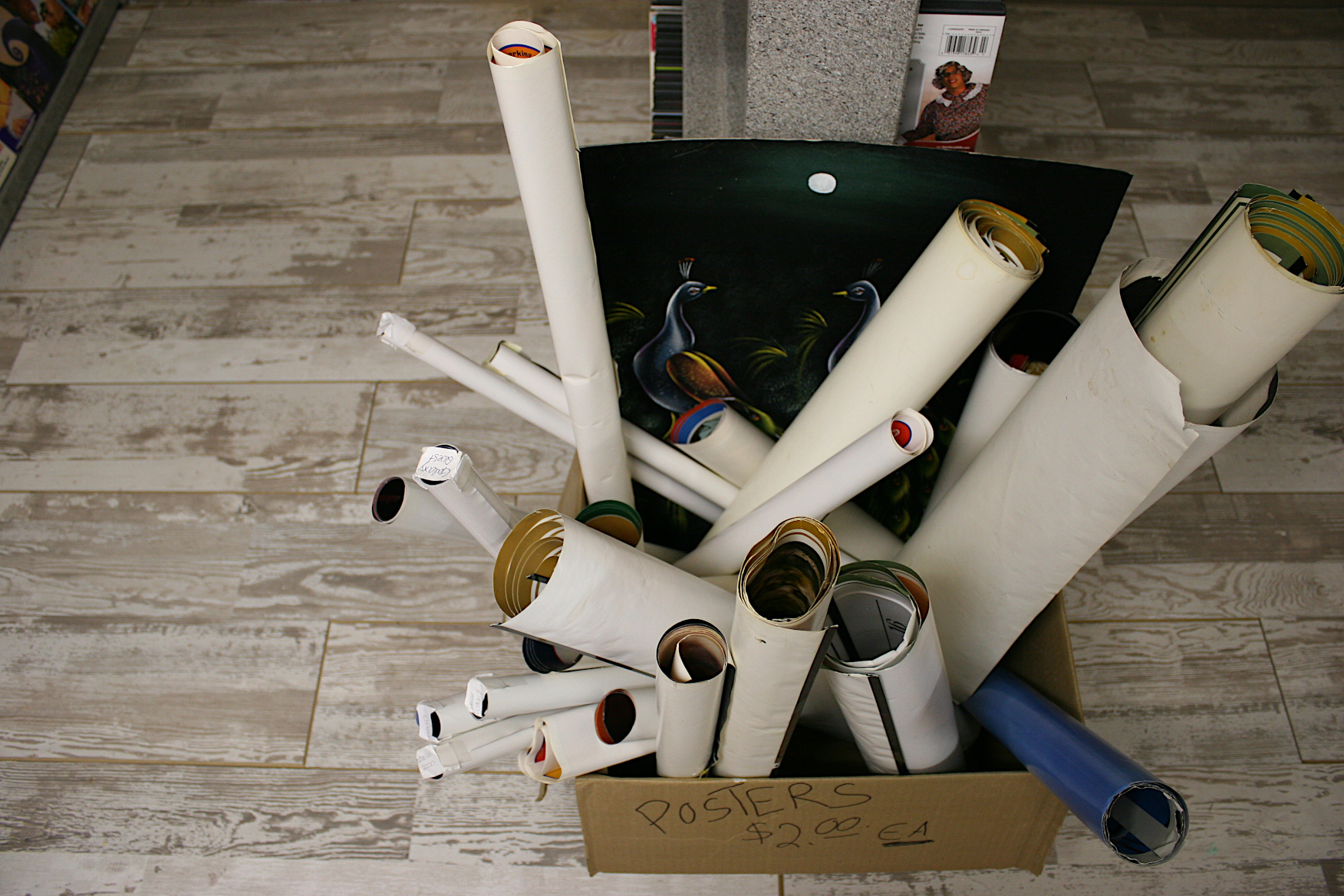
Looking for a poster? You’ll find them in Nate’s shop.
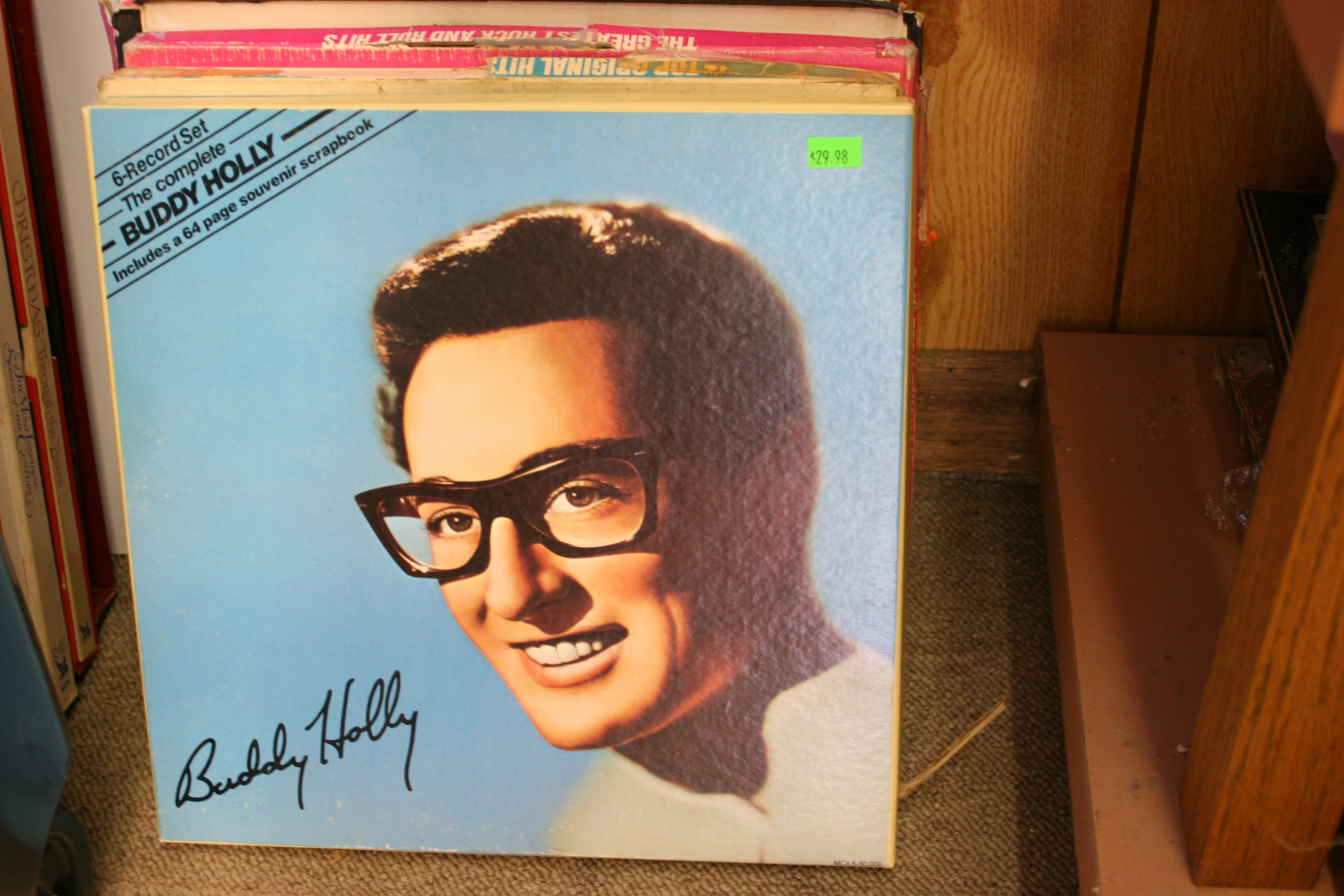
I spotted this Buddy Holly album leaning against the wall on the floor.
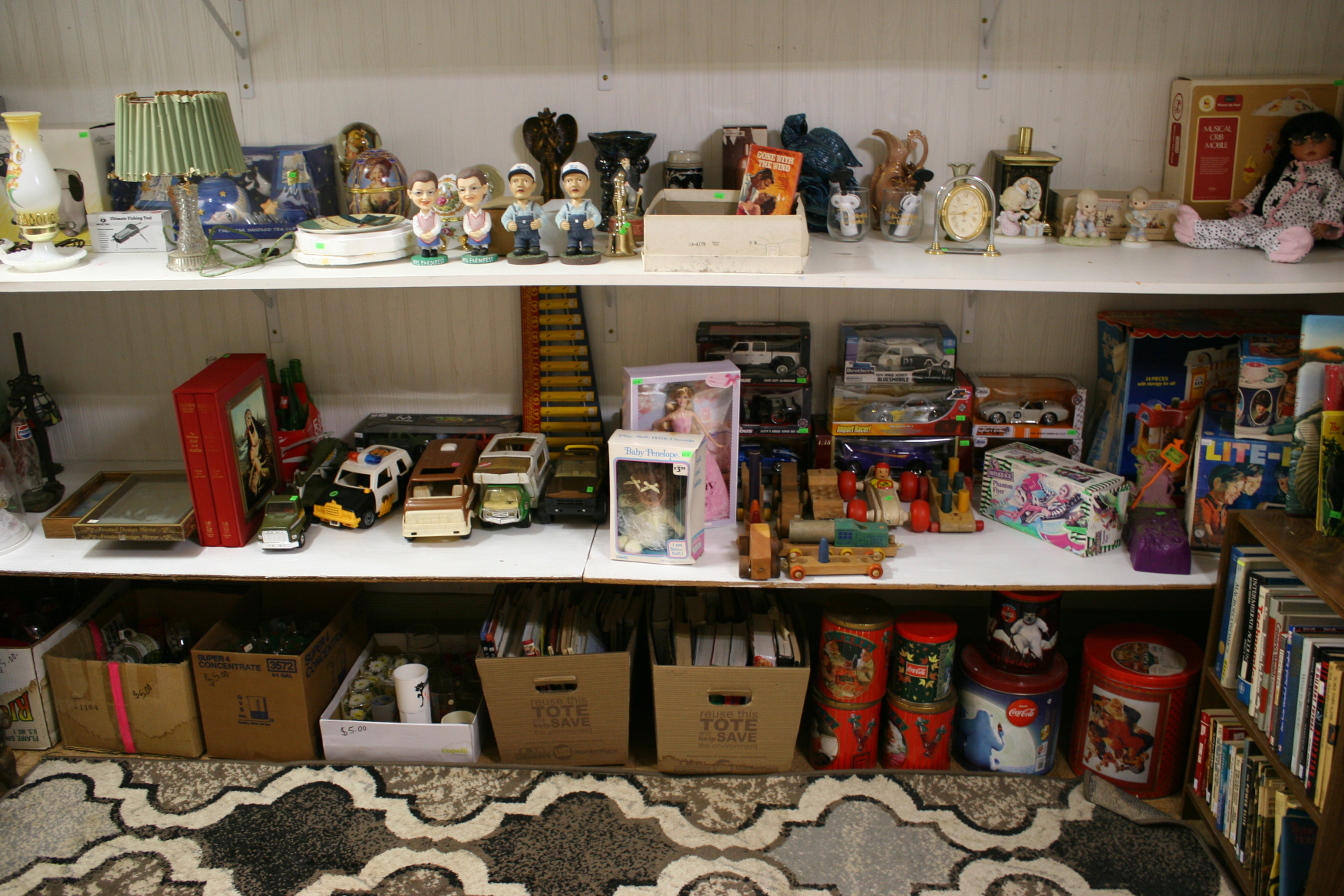
In the basement, an array of merchandise.
He’s friendly, outgoing, welcoming. Everything you want in a shopkeeper. But Nate also carries a sense of responsibility, it seems. He recently-returned to his home area after a stint with the military that took him around the world. He could have settled elsewhere. But he chose to return to his roots. (He graduated from nearby Wabasso High School, my alma mater, in 2004.) That says something.
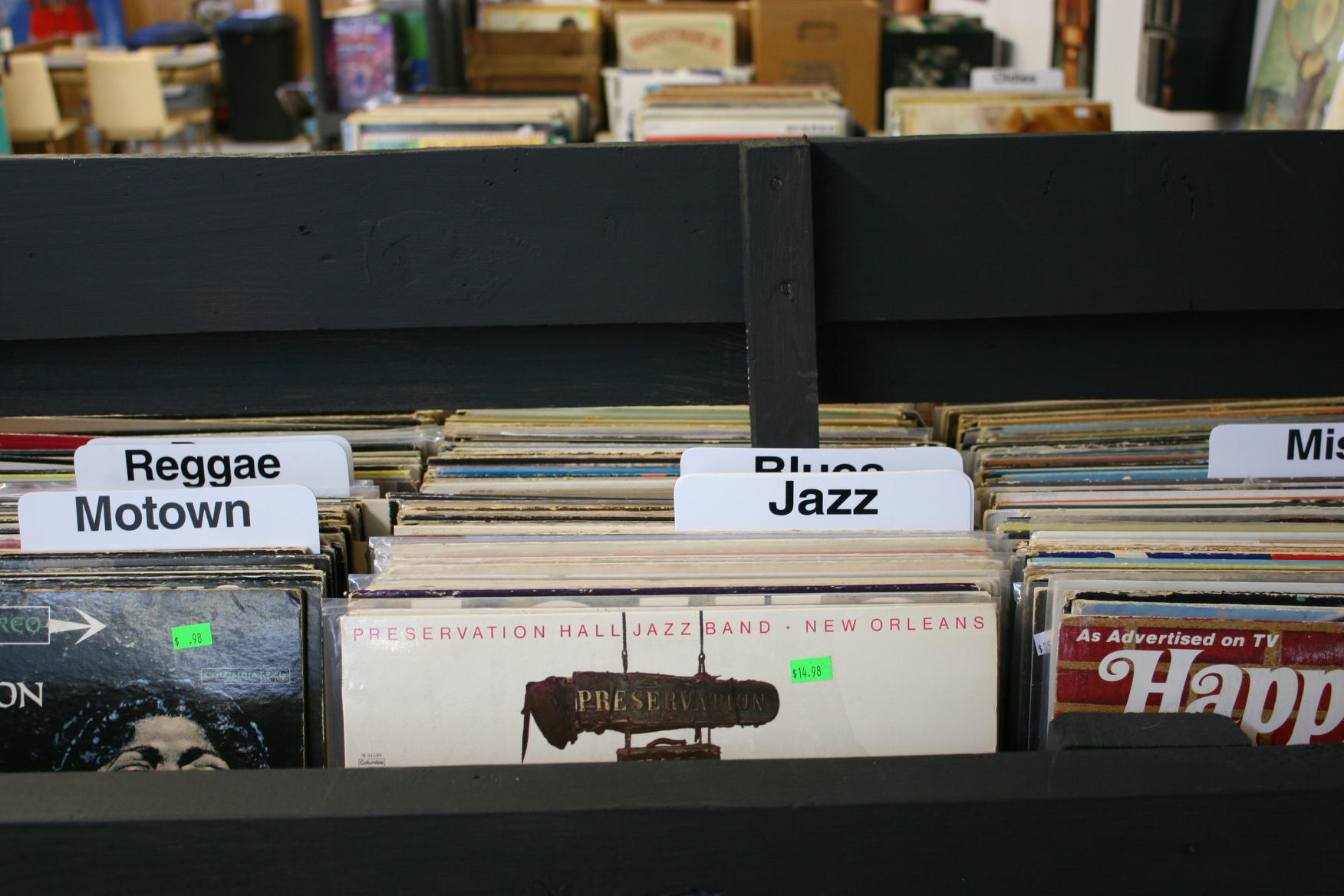
Endless musical options…
We didn’t chat all that long. But my brief conversation with Nate gives me hope. Hope that his positive attitude, his efforts—including purchasing two arcade games—and his drive will ignite a fire of possibilities.
PLEASE CHECK BACK to read my thoughts on small towns and what draws me to them.
Housed in the former PIX Theatre, Sleepy Eye Brewing & Coffee Company, along US Highway 14 in downtown Sleepy Eye. Minnesota Prairie Roots file photo March 2020.
WHEN I WAS GROWING UP on the southwestern Minnesota prairie in the 60s and 70s, locally sourced meant harvesting vegetables from the garden, dipping milk from the bulk tank and pulling our own farm-raised beef from the freezer. Our farm family of eight was basically food self-sufficient, with the exception of fresh fruit (a rare treat) and staples like flour and sugar.
Information on tables informs customers of locally sourced food. Minnesota Prairie Roots file photo March 2020.
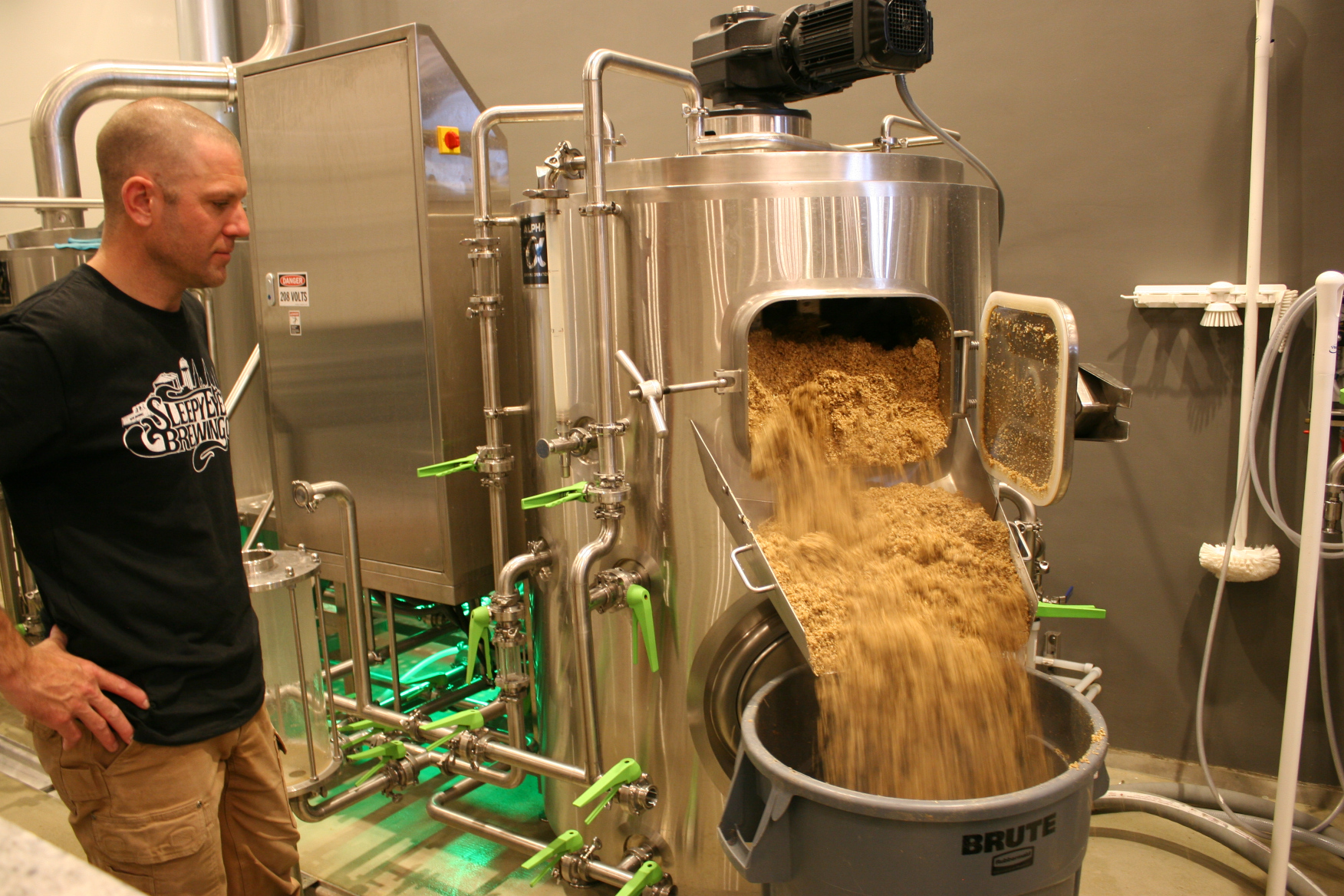
Spent grains from the beer making process go to Fischer’s Sleepy Bison Acres as supplemental food for the bison. Minnesota Prairie Roots file photo March 2020.
More info on the interaction and reliance on the community. Minnesota Prairie Roots file photo March 2020.
With that background, you’ll understand why I appreciate the efforts of businesses like Sleepy Eye Brewing and Sleepy Eye Coffee Company, which work with local farmers to source products. Bison meat. Milk. Honey. Eggs. It’s a win-win for everyone, including customers who value fresh, local and direct farm-to-table.
This is a stunningly beautiful space. Minnesota Prairie Roots file photo March 2020.
The brewery and coffee/bakery/sandwich/salad shop are housed in the historic former PIX Theatre in the heart of downtown Sleepy Eye. My first and only visit happened a year ago, just before COVID-19 changed everything, including my interest in dining out or imbibing at a craft brewery.
A flight served in a movie reel. Minnesota Prairie Roots file photo March 2020.
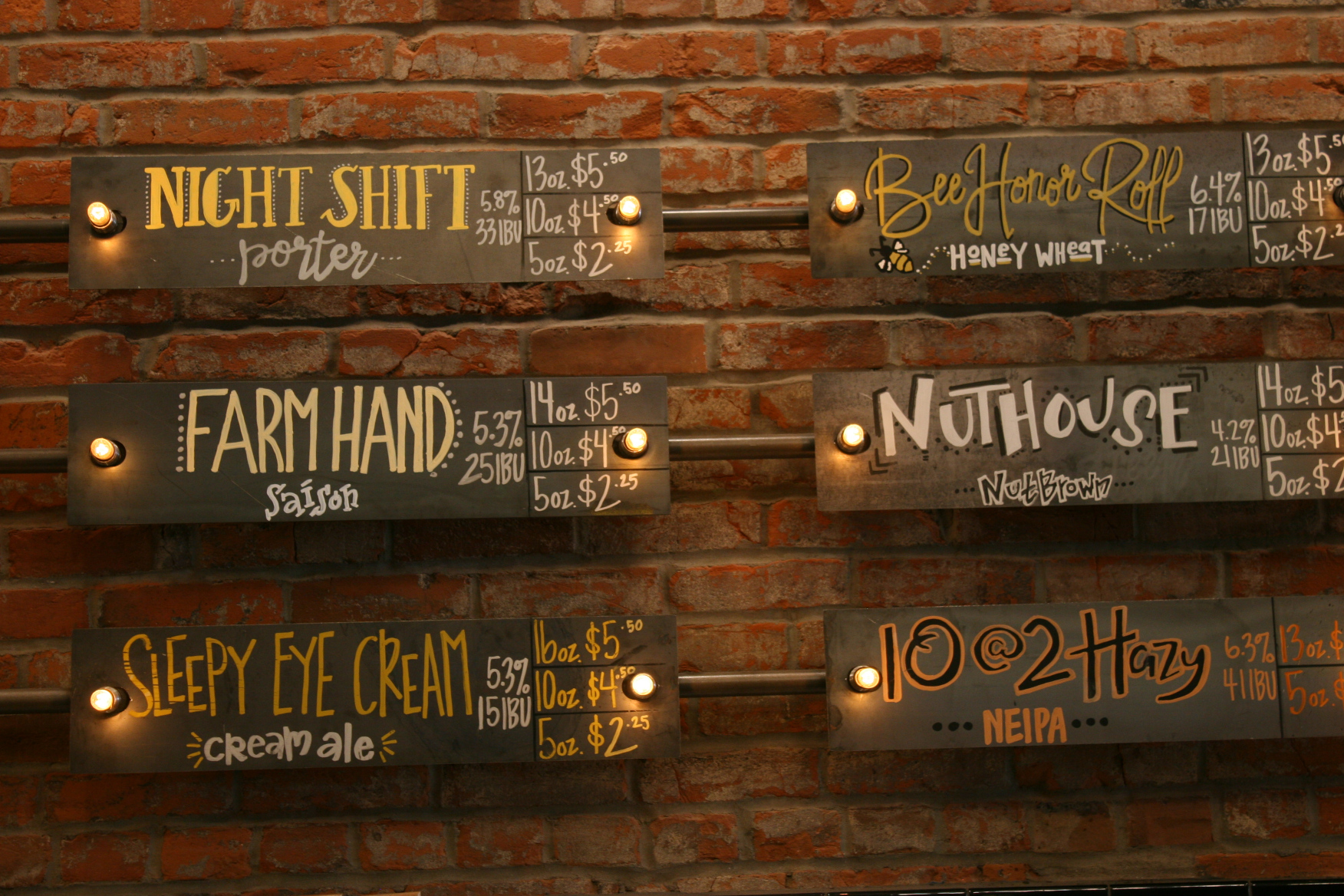
Some of the beer choices at Sleepy Eye Brewing. Minnesota Prairie Roots file photo March 2020.
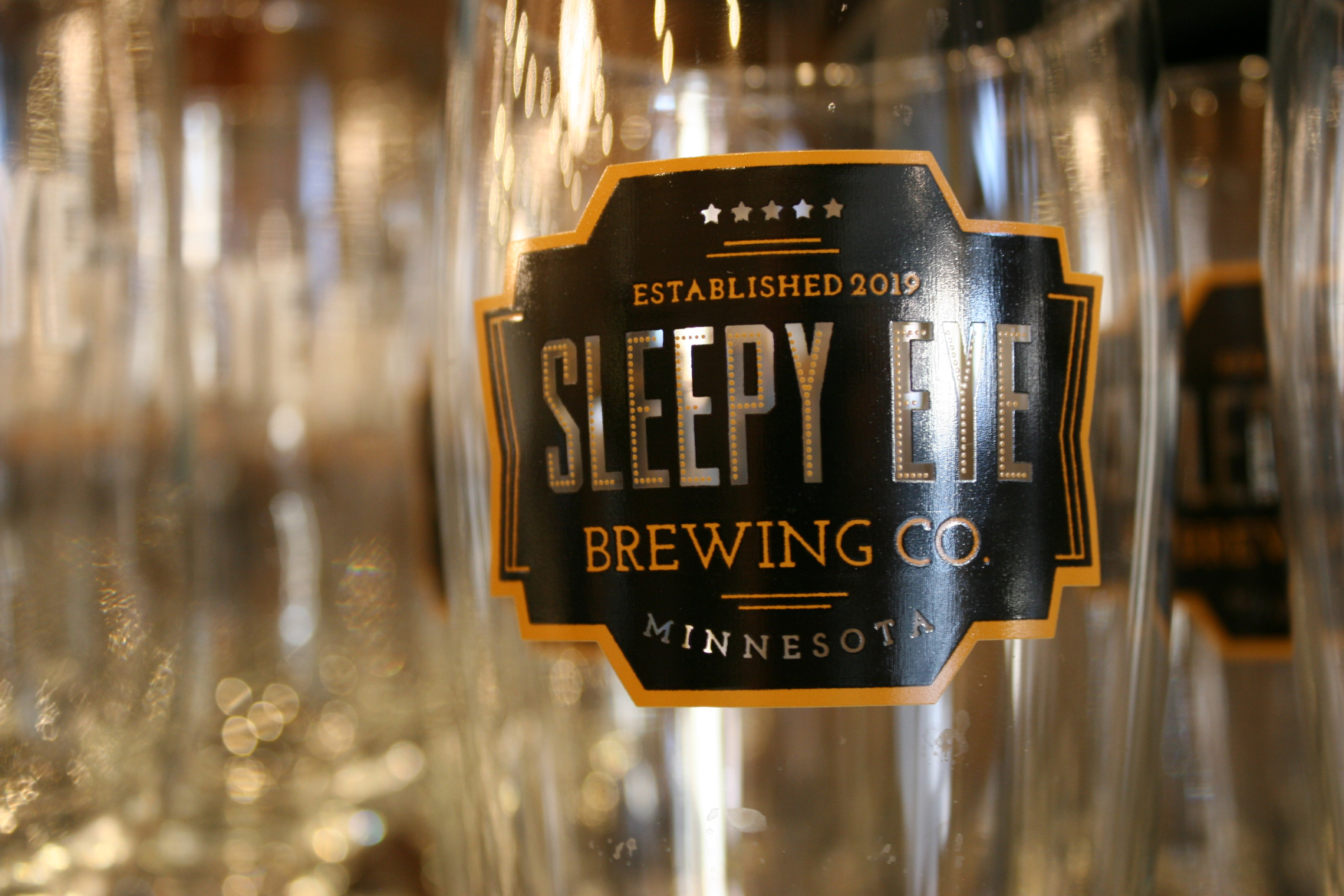
Glasses advertise the brewery. Minnesota Prairie Roots file photo March 2020.
But I’ll be back once life returns to normal because I appreciate the former movie house setting, the beer and the small town friendliness. I intend also to sample a homemade sweet treat from the bakery. Or maybe a sandwich or salad.
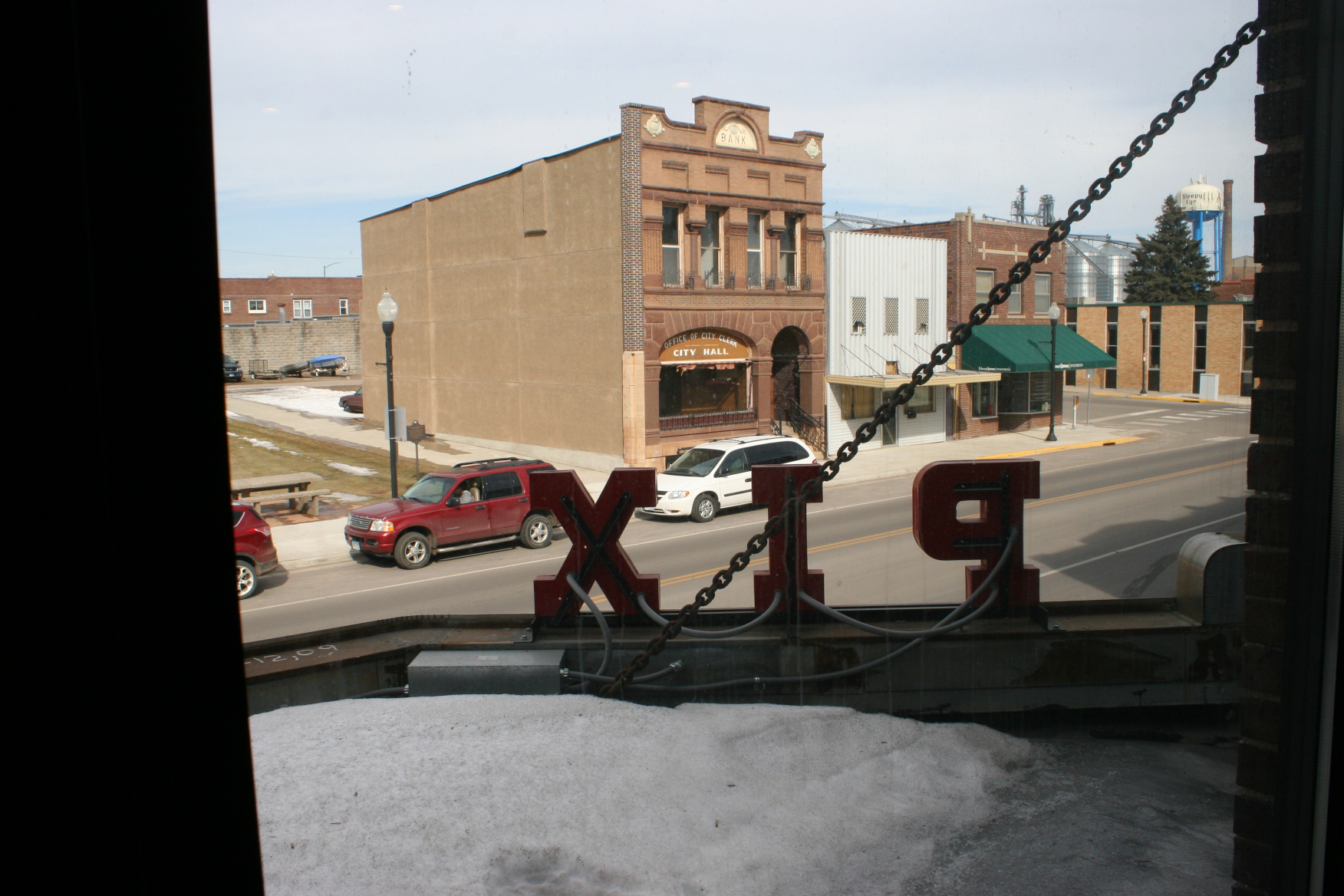
A view from the balcony window looking over US Highway 14 and Sleepy Eye’s main business district. Minnesota Prairie Roots file photo March 2020.
I love how some small towns are seeing a revival of sorts via businesses like craft breweries. Hometown bakeries also add to the draw.
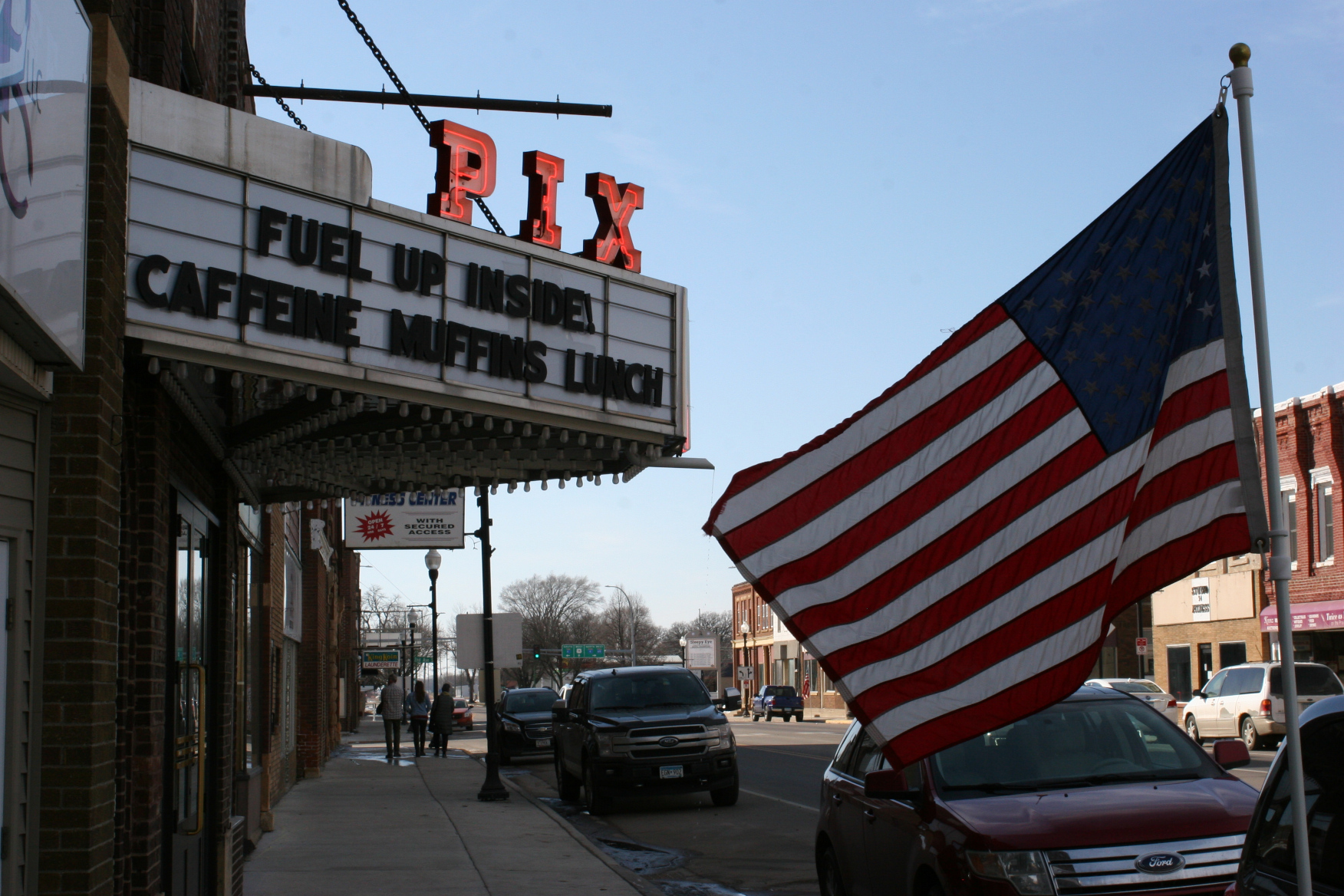
The restored marquee now advertises “fuel” rather than movies. Minnesota Prairie Roots file photo March 2020.
For someone like me who grew up with home-grown/home-raised food on premises, the current trend of locally sourced brings me full circle back to my roots. That’s 45 miles to the northwest of Sleepy Eye in rural Vesta.
A sign posted at the Steele County History Center in Owatonna. Minnesota Prairie Roots file photo June 2020.
TODAY MY COUNTY OF RICE reported its 92nd COVID-related death. That saddens me. I don’t know the identity of this latest individual to die from the virus. But that matters not. What matters is that, to family and friends, this is the loss of a loved one.
That’s something we all need to remember. Ninety-two represents much more than a number added to the growing statistics. It represents a life.
With that said, I need to vent. And if you’re weary of reading about anything COVID-related, then stop reading right now. But I’m frustrated, beyond frustrated.
On Saturday, Randy and I headed to two small towns south of Owatonna. Just to get out of town for a bit. We’ve previously toured both, but several years ago. Driving into rural Minnesota, parking on Main Street and then walking to see what we can find is an adventure.
WHAT MASKS?
Our day trip into these two rural Steele County communities on Saturday proved to be an adventure alright. What we found was absolutely, totally, disheartening. Compliance to Minnesota’s state mask mandate is pretty much non-existent. That left me exiting several businesses—a hardware store and boutiques—before the doors had barely closed behind me. And we’re not talking just customers here without masks. We’re talking owners and employees.
Never mind the signs posted outside these businesses stating that “masks are required.” Why bother? Oh, because the state requires posting of these signs, apparently.
FEELING DISRESPECTED
Here’s how I felt when I saw those business owners and employees without masks. I felt disrespected. I felt unsafe. I felt unwelcome. I felt frustrated. I felt angry. I felt like they didn’t really want my business. And, as much as I wanted to say something to them about my feelings, I didn’t. You never know who’s carrying a gun these days and may harm you if you speak up. So I walked out.
And the thing is, several of those small town boutiques, especially, were inviting little shops filled with merchandise that may have interested me. But I felt uncomfortable from the moment the unmasked shopkeepers greeted me and I turned to make a hasty exit.
BUSINESSES LEAD BY EXAMPLE
Interestingly enough, while Randy was shopping at a popular family-owned meat market in the town a mile off the interstate, he found full mask mandate compliance and even a plexi-glass shield separating cashiers from customers. Plus hand sanitizer. So kudos to that meat market and the local grocery store owner, who was also masked. I observed a woman I’d previously seen, unmasked at the boutique, walk into the meat market wearing a mask. Interesting, huh? A business sets the tone for customer compliance.
This masking issue isn’t a problem unique to small towns. When we returned to Faribault and stopped to pick up a few groceries, I spotted mask-less customers. They are increasing in number. The non-maskers and half-maskers. But at least I don’t see business owners and employees without masks in my community (except at the farm implement dealer). That’s the difference. In the two small towns in Steele County, business owners and employees were without masks. I don’t get it. I just don’t get it. Masks are a scientifically-proven way to prevent spread of COVID-19. Why risk the health of customers? This, what I perceive as selfish and uncaring behavior, left me with a really negative perspective of these two towns. And that’s something no business, no community, needs, especially now.
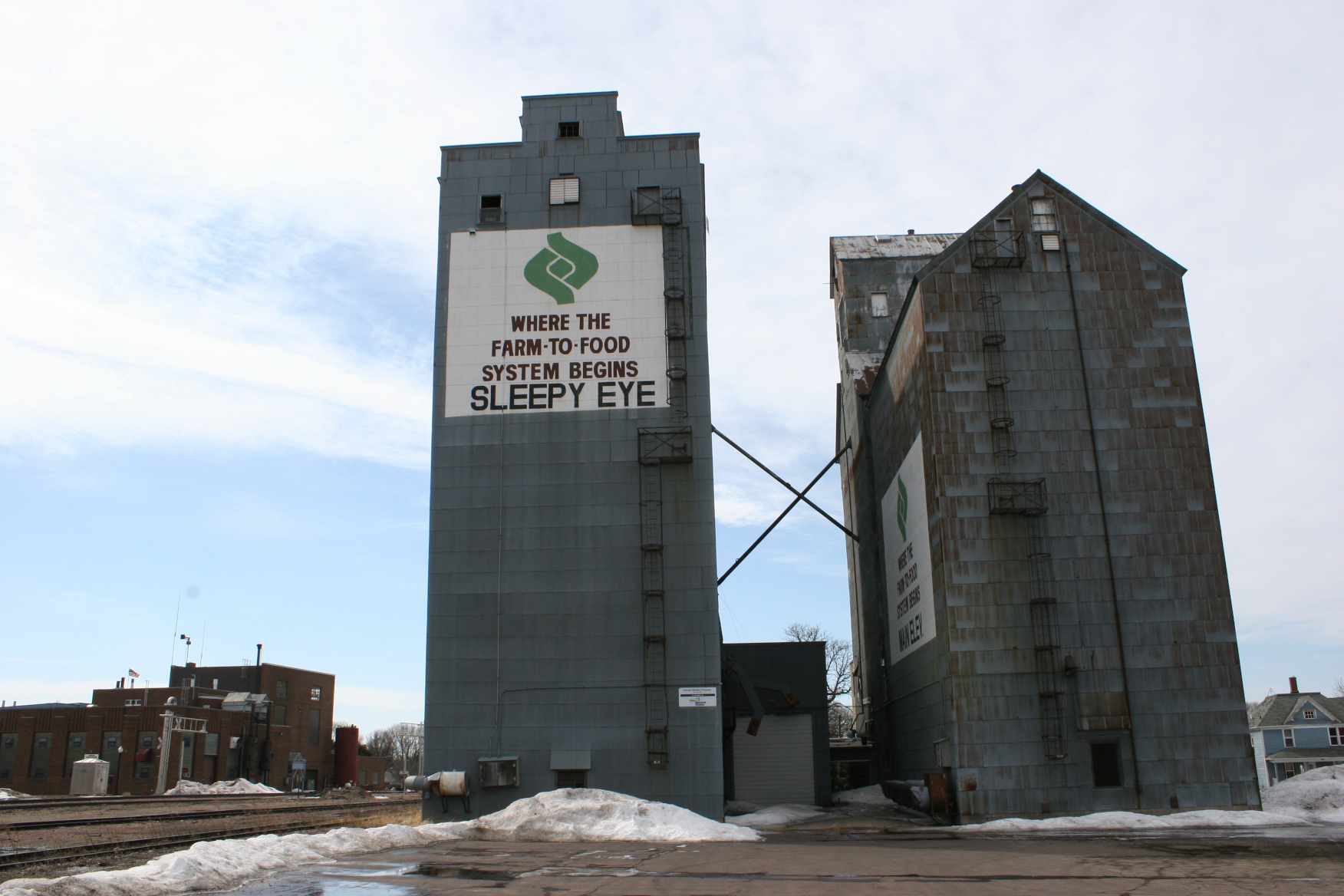
Twin grain elevators mark the skyline of Sleepy Eye. Minnesota Prairie Roots file photo March 2020.
EXACTLY ONE YEAR AGO, Randy and I rolled into Sleepy Eye, a small ag-based community along U.S. Highway 14 in Brown County in southwestern Minnesota. I lived and worked there briefly as a newspaper reporter decades ago. So I’m familiar with the town, although much has changed. In recent years, we’ve stopped at Sleepy Eye Stained Glass for stained glass. Randy occasionally creates and repairs stained glass art.
But on this stop, we’d just come from neighboring Redwood County, where we saw my mom in the nursing home. We didn’t know it then, but this would be our last in-person visit before COVID-19 closed care center doors to visitors and changed everything.
By the time we reached Sleepy Eye well past the noon hour, I was hungry. It’s a running joke in our family that I need to eat on time or I get crabby. It’s the truth, not a joke.
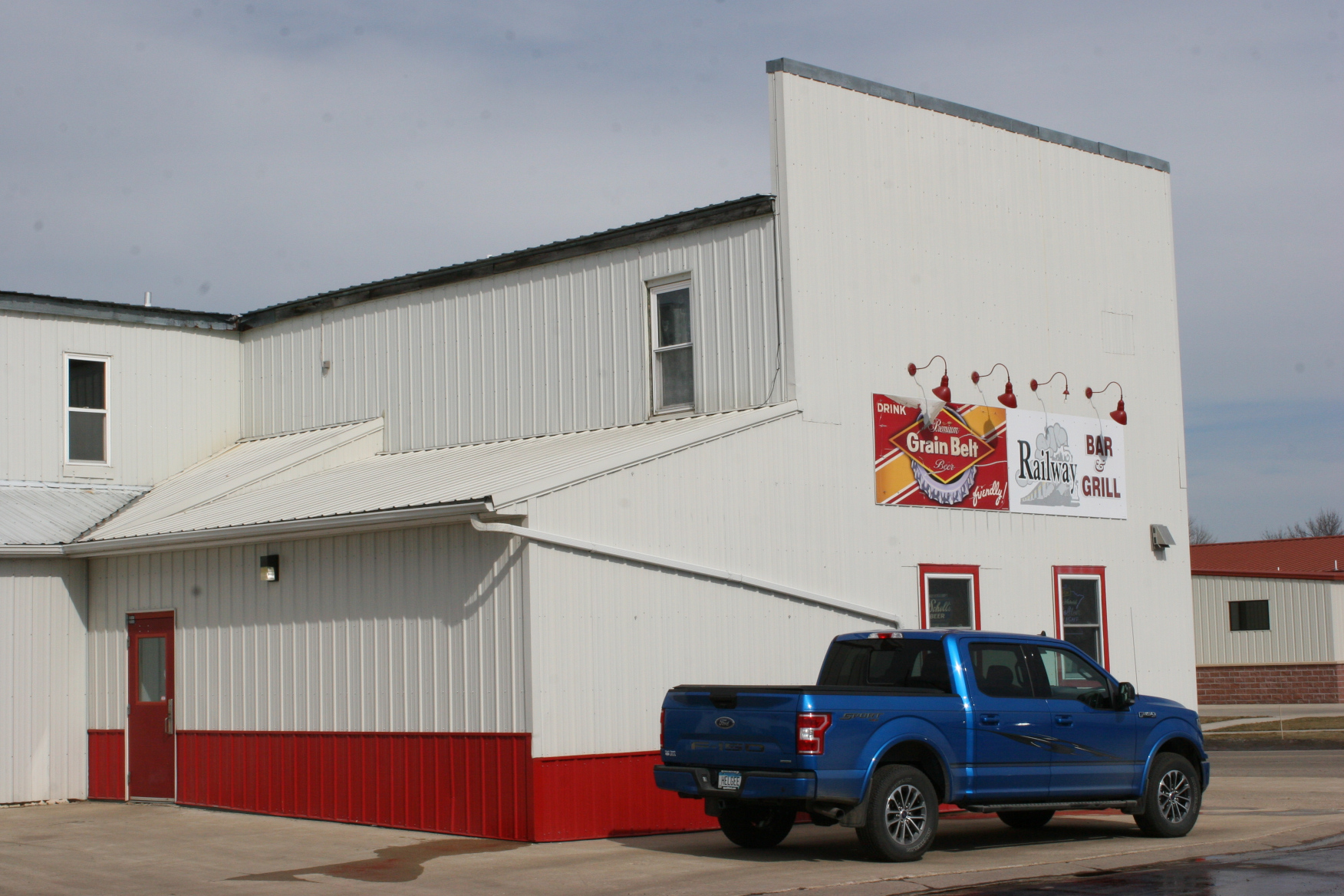
A side view of the Railway Bar & Grill. Minnesota Prairie Roots file photo March 2020.
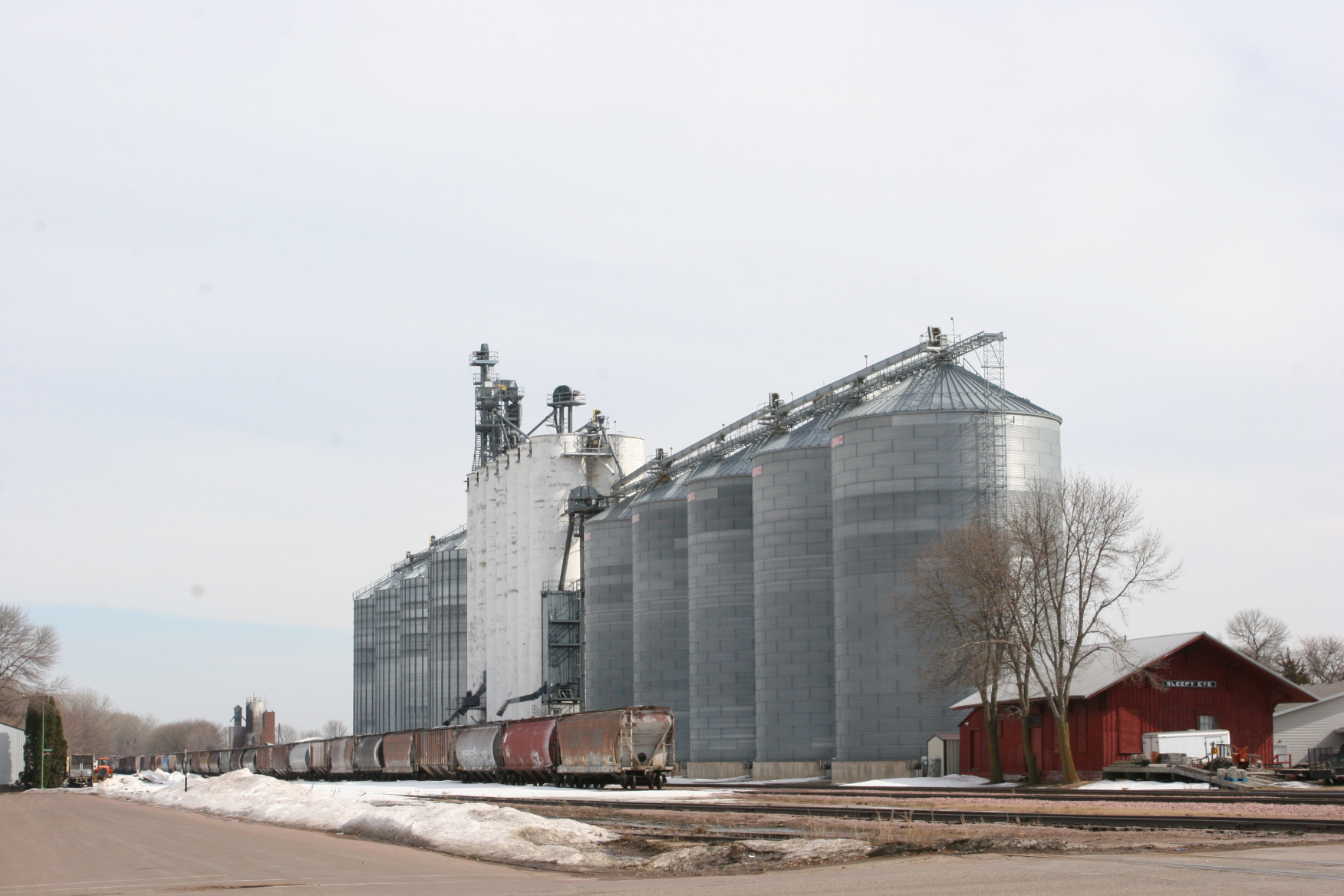
Across the street from the bar and grill, train tracks and grain bins. Minnesota Prairie Roots file photo March 2020.
Those beautiful vintage grain elevators… Minnesota Prairie Roots file photo March 2020.
We ended up at The Railway Bar & Grill, appropriately named given its location near the train tracks. Next to the grain elevator. I don’t recall what I ordered other than a sandwich. Nothing memorable, but sustenance.
The condiment holder on our table. These always reveal insights into local tastes. Minnesota Prairie Roots file photo March 2020.
In a pandemic year that’s been especially difficult for bars and restaurants, The Railway apparently struggled. The business—complete with bar, two dining areas, private conference room, an outdoor patio, 12 tappers and more—is now for sale. For $165,000.
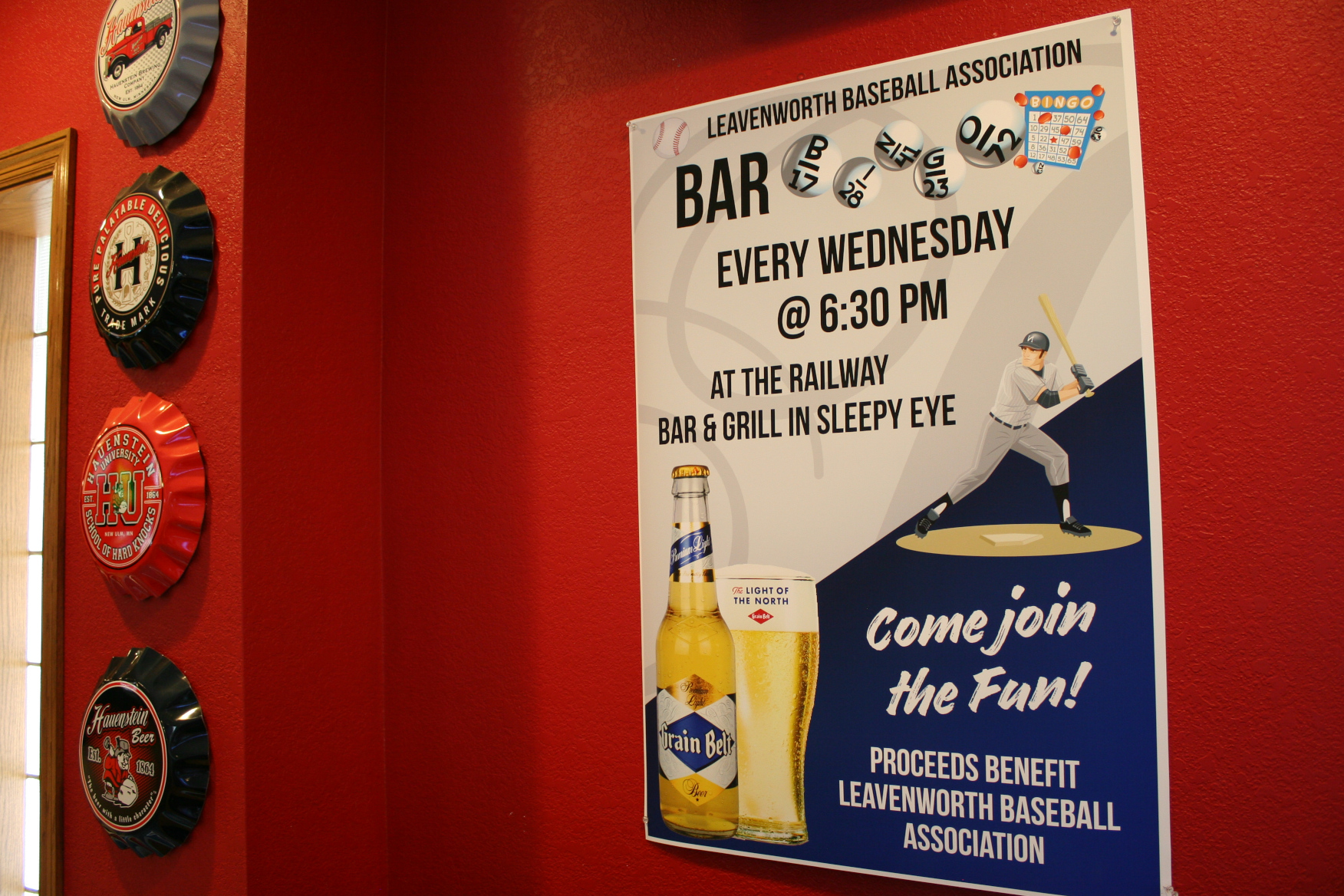
A sign posted inside The Railway Bar & Grill shows community involvement. Minnesota Prairie Roots file photo March 2020.
I’m not familiar with dining options in Sleepy Eye. But I know one thing about small towns—cafes and bars and grills are community gathering places. Spots to meet with family and friends. After a ball game. On a Saturday night. To shoot the breeze. To celebrate. To get out of the house on a cold winter evening. To BS over a beer or two. From all indications, The Railway filled that need in Sleepy Eye.
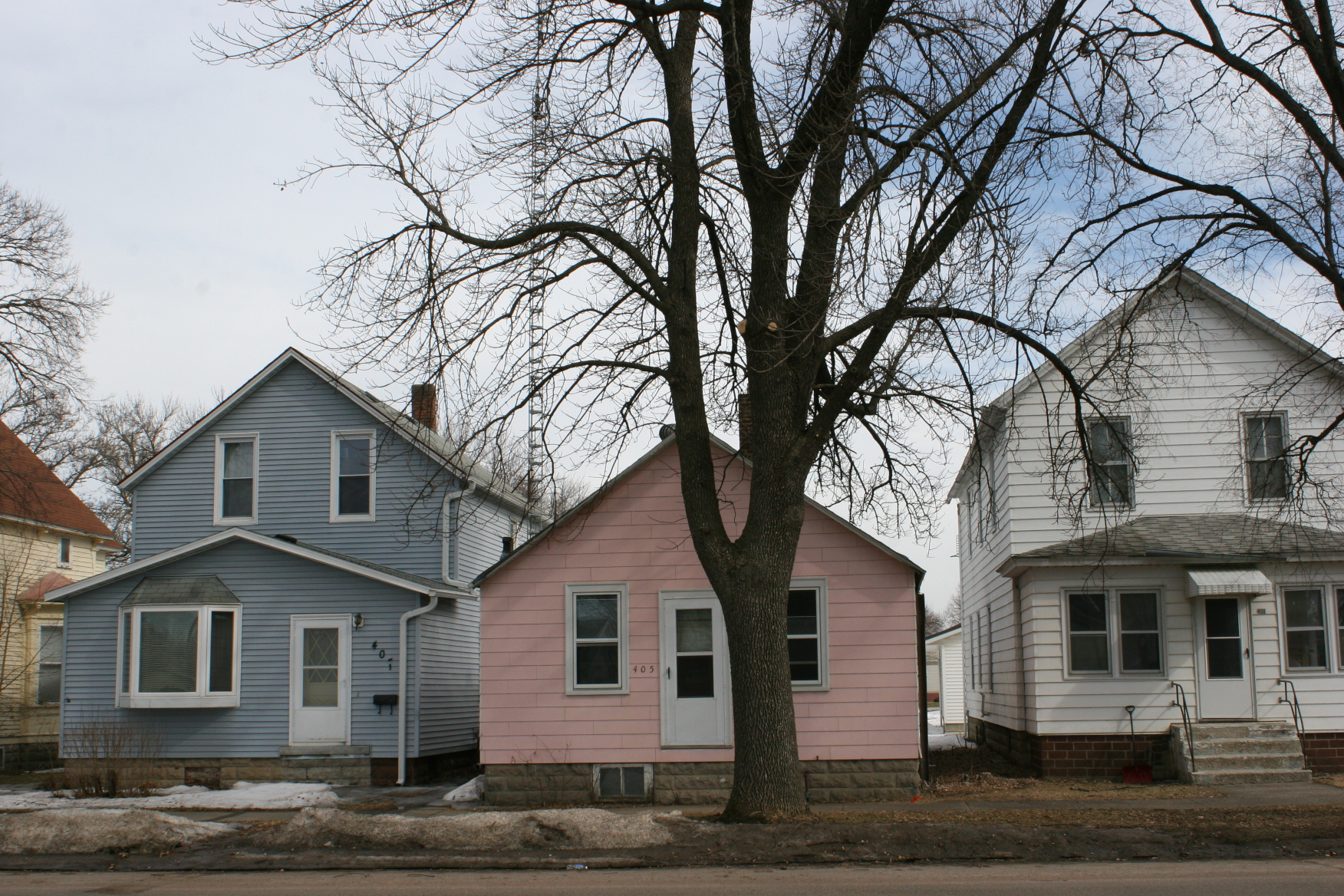
Small houses cram together in the neighborhood by the grain elevators and The Railway Bar & Grill. Minnesota Prairie Roots file photo March 2020.
When Randy and I finished our sandwiches on that early March Saturday afternoon in 2020, I stepped outside to photograph the neighborhood while he paid the bill. I focused my lens on three houses crammed together.
The grain elevators, next to the train tracks in Sleepy Eye, dwarf neighboring buildings. Minnesota Prairie Roots file photo March 2020.
And then I aimed toward the towering grain elevators next to the bar & grill. Vintage elevators always draw my eye for their architectural interest (as cathedrals of the prairie), historical importance and connection to my farming past. Silo style grain storage units will never hold the same appeal as these rectangular grey elevators soaring high above small towns. Too many of these have vanished, including in my hometown of Vesta where a local farmer moved the elevators onto his farm.
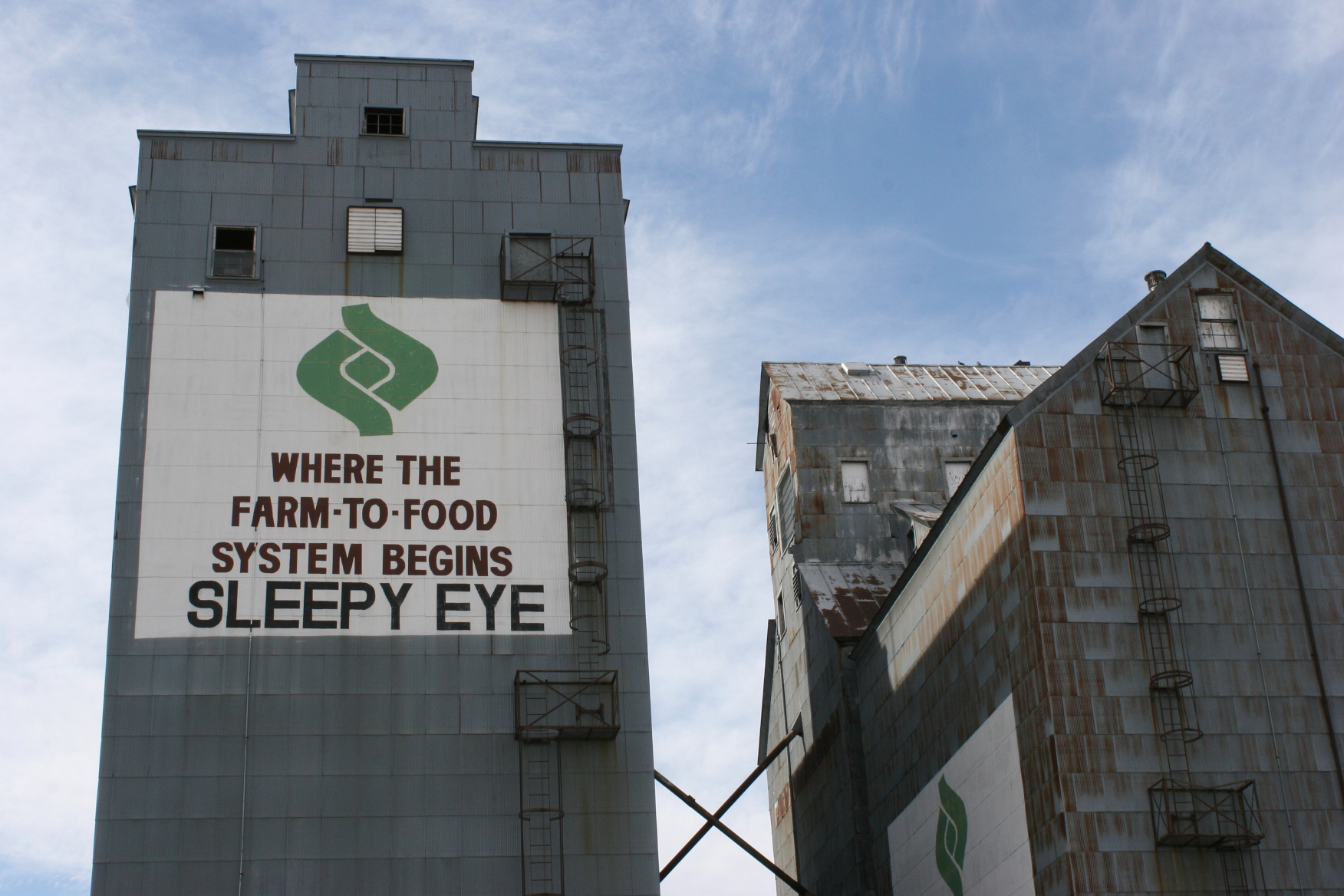
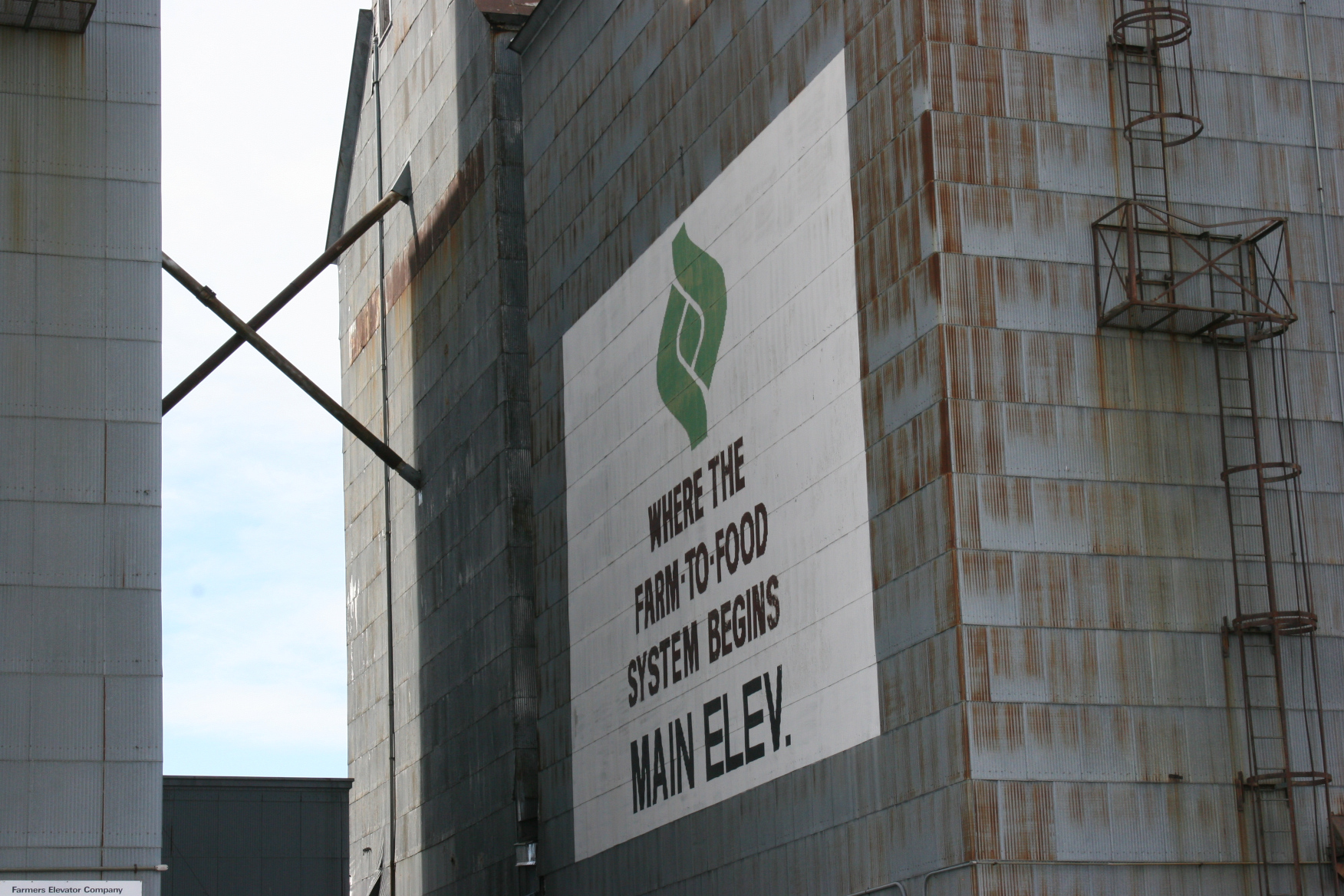
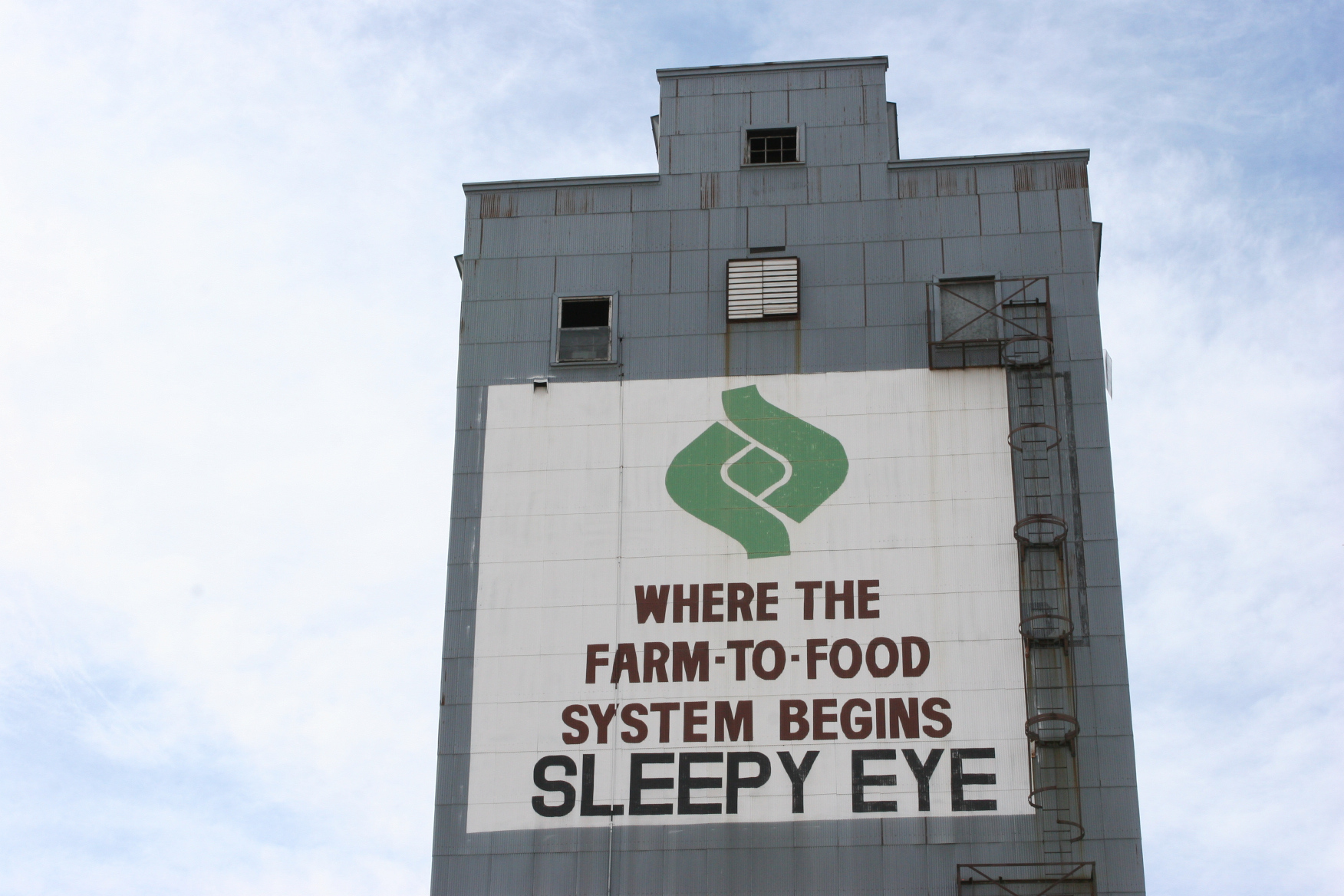
A strong message adds to the visual appeal of the Sleepy Eye grain elevators. Minnesota Prairie Roots file photo March 2020.
On this Saturday, I delighted in reconnecting with my rural roots outside The Railway. In my memory, I heard the rumble of a train, saw grain trucks lining up at the elevator, smelled the earthy scent of harvest…
Minnesota Prairie Roots file photo used for illustration only.
LITTLE HOUSE ON THE PRAIRIE.Little Town on the Prairie. Both are familiar to fans of author Laura Ingalls Wilder who wrote books by those titles. But what about Love in the Prairie? Ah, not so familiar.
You’ll find Love in the Prairie outside B to Z Hardware Store. An oversized Sweethearts candy box. A Prison of Love. Spots to cuddle with your sweetheart on a sofa or bench. A kissing booth. Photo cut-outs to pretend you are Danny or Sandy from the musical Grease. Lots and lots of fun photo ops.
I’ve not been there. But I’ve viewed images posted on Facebook. Click here to see for yourself. I love what I see in this community south of Owatonna.
Isn’t this brilliant? I love the creativity, the joy, the smiles this brings in a time when we need happiness. And love. More than ever.
It’s a great way, too, for a small town hardware store to market itself, to draw customers—you’ll find candy and other Valentine’s Day merchandise inside.
To the creatives behind Love in the Prairie, thank you.
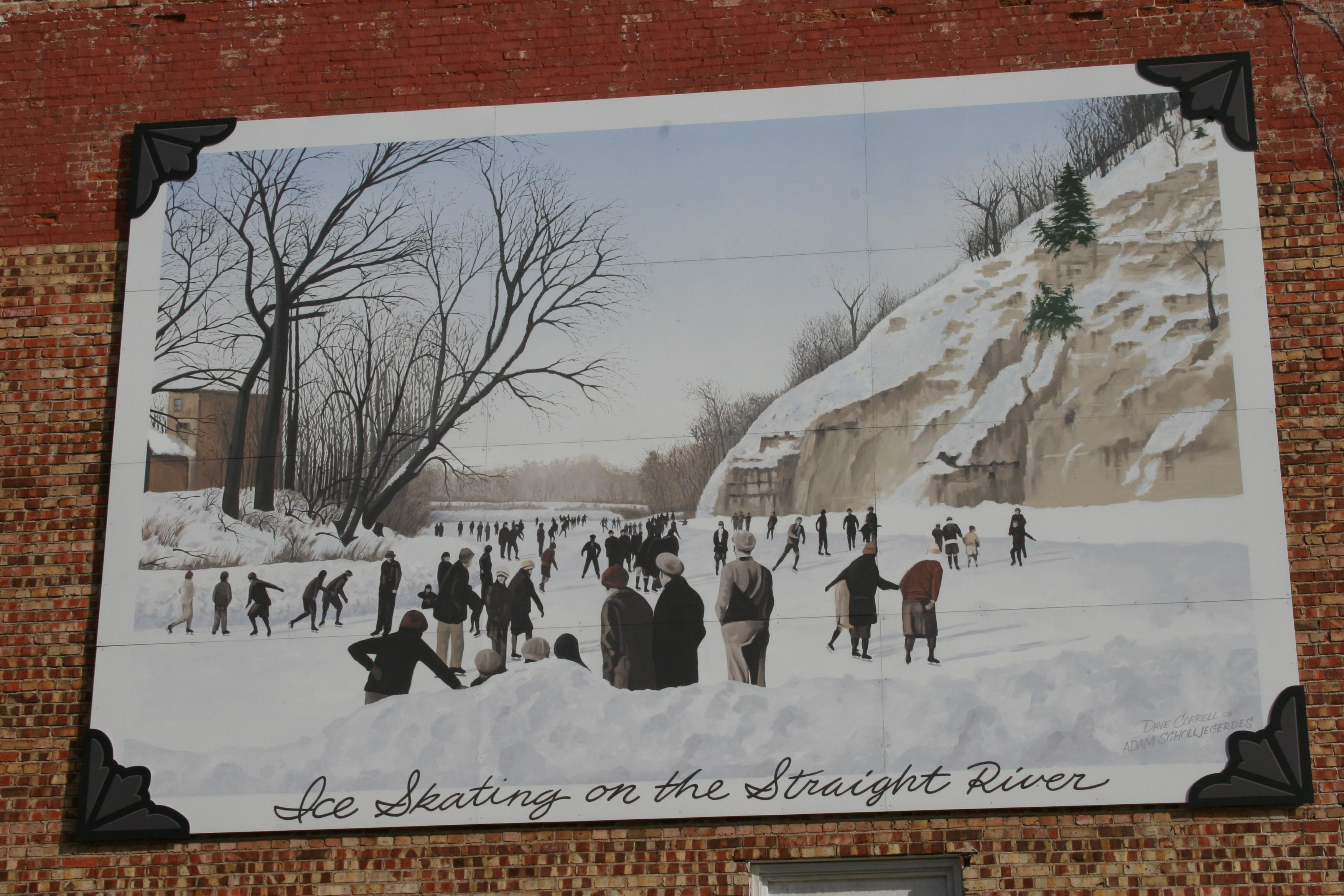
This mural of “Ice Skating on the Straight River” graces the side of 10,000 Drops in downtown Faribault. Minnesota Prairie Roots file photo.
WAY BACK IN THE DAY, in the exuberant days of my youth, when I truly enjoyed winter, I loved to ice skate. I wore my Aunt Dorothy’s white figure skates, passed along to me. I was happy to have them.
And I was happy to find a patch of ice upon which to skate in my hometown of Vesta. Near the grain elevator. Nothing fancy. Just an open space flooded in the winter for skating.
Buckman, Minnesota. Minnesota Prairie Roots file photo September 2020.
RURAL MINNESOTA. For Randy and me, that represents our upbringing, the place of our roots, the land that is part of our personal geography.
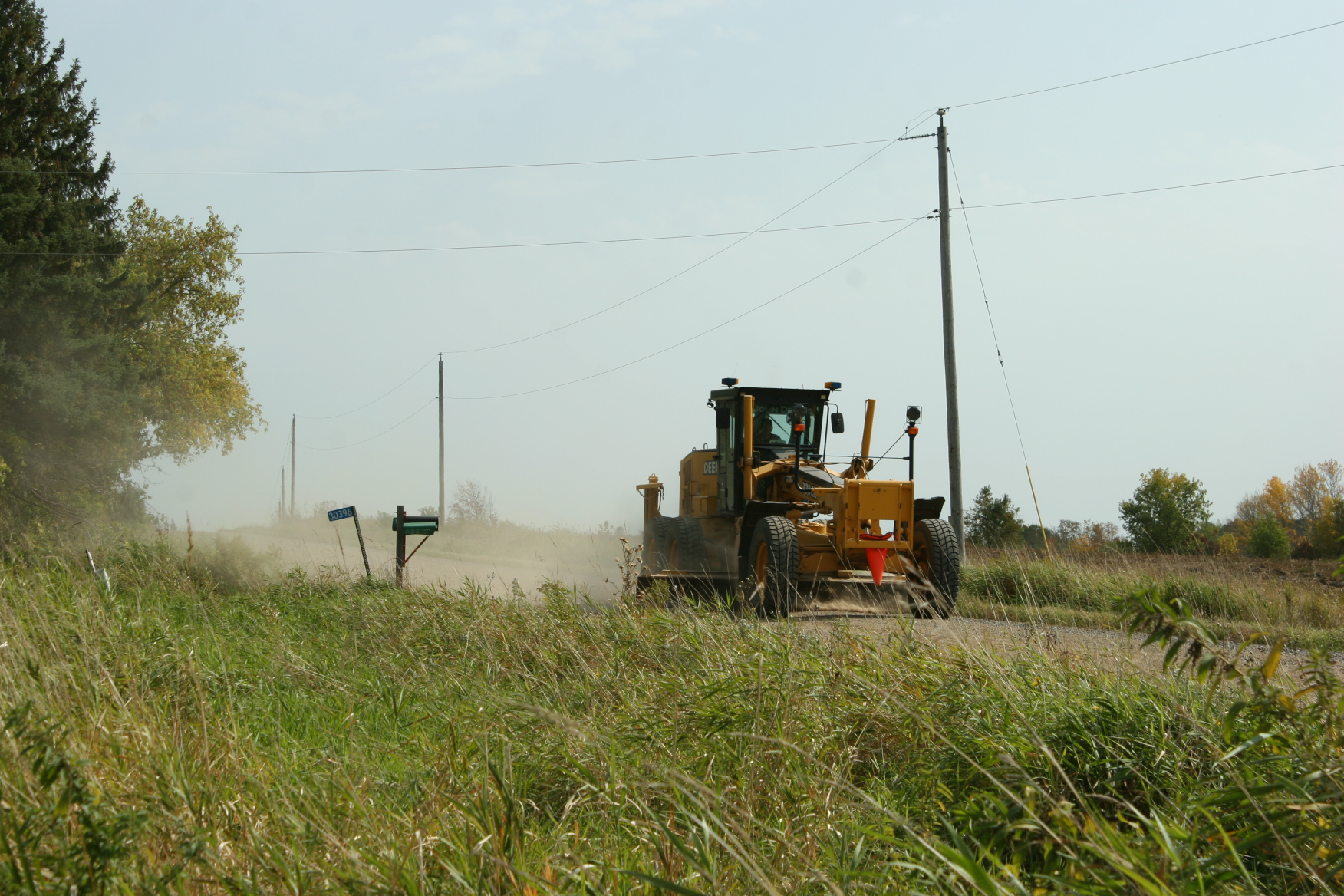
A road grader grades the gravel road near Randy’s childhood farm southeast of Buckman. We pulled off the narrow road to allow the grader to safely pass by our van. Minnesota Prairie Roots file photo September 2020.
A farm place between Buckman and Gilman. Minnesota Prairie Roots file photo September 2020.
In the small town of Gilman. Minnesota Prairie Roots file photo September 2020.
We both grew up on farms, in large families—his three kids larger than mine at nine. We both picked rock—he more than me as Morrison County in central Minnesota sprouts more rocks than Redwood County. We each labored in fields and barns and understood the value of hard work and our importance in the farming operation. Even at a young age. That carries through in our strong work ethics and our strong link to the land.
Pierz, a small town to the north of Buckman and bigger than Buckman, still has a hardware store. Randy attended junior and senior high school in Pierz. Minnesota Prairie Roots file photo September 2020.
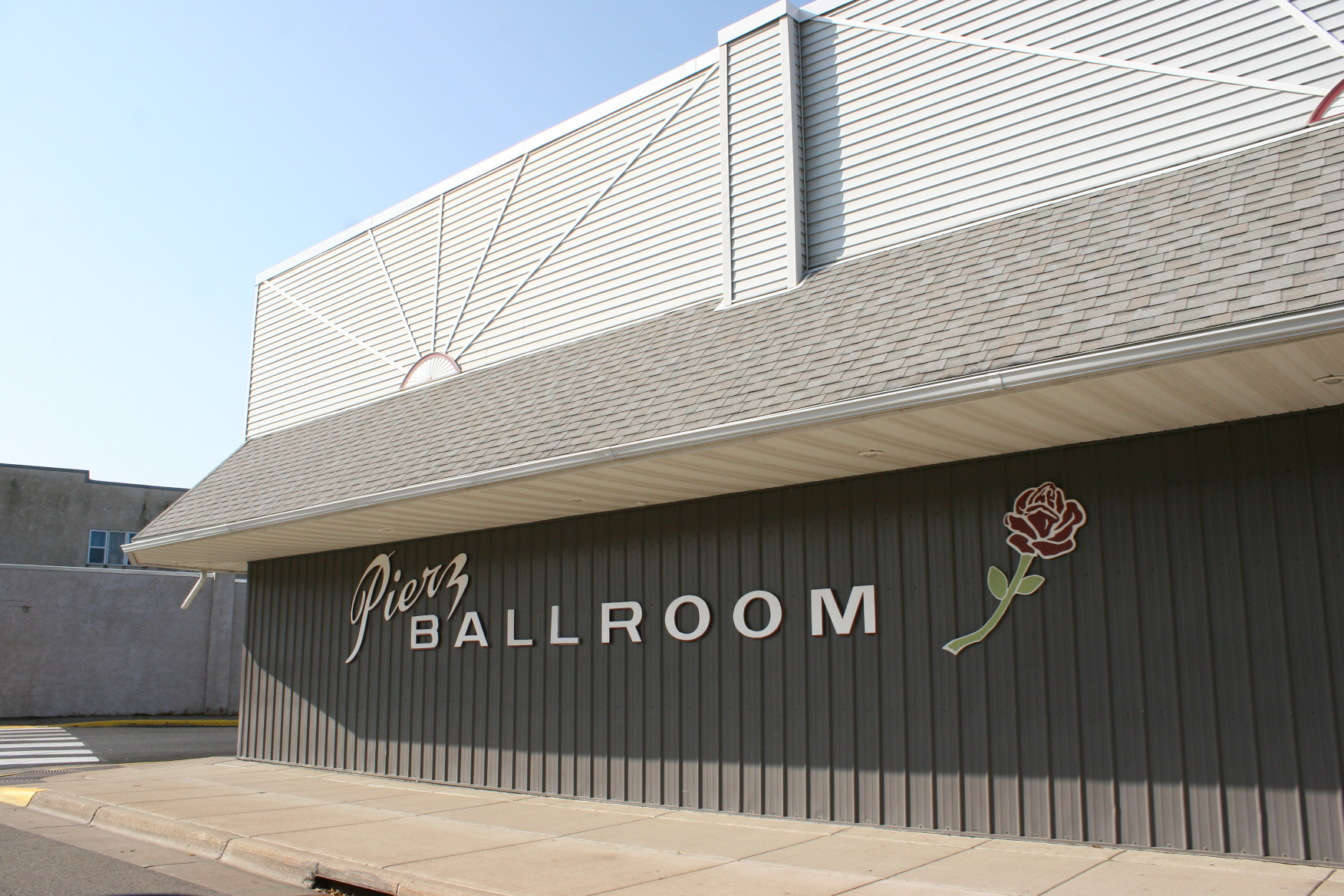
As we passed through Pierz, I photographed this updated community gathering spot. Minnesota Prairie Roots file photo September 2020.
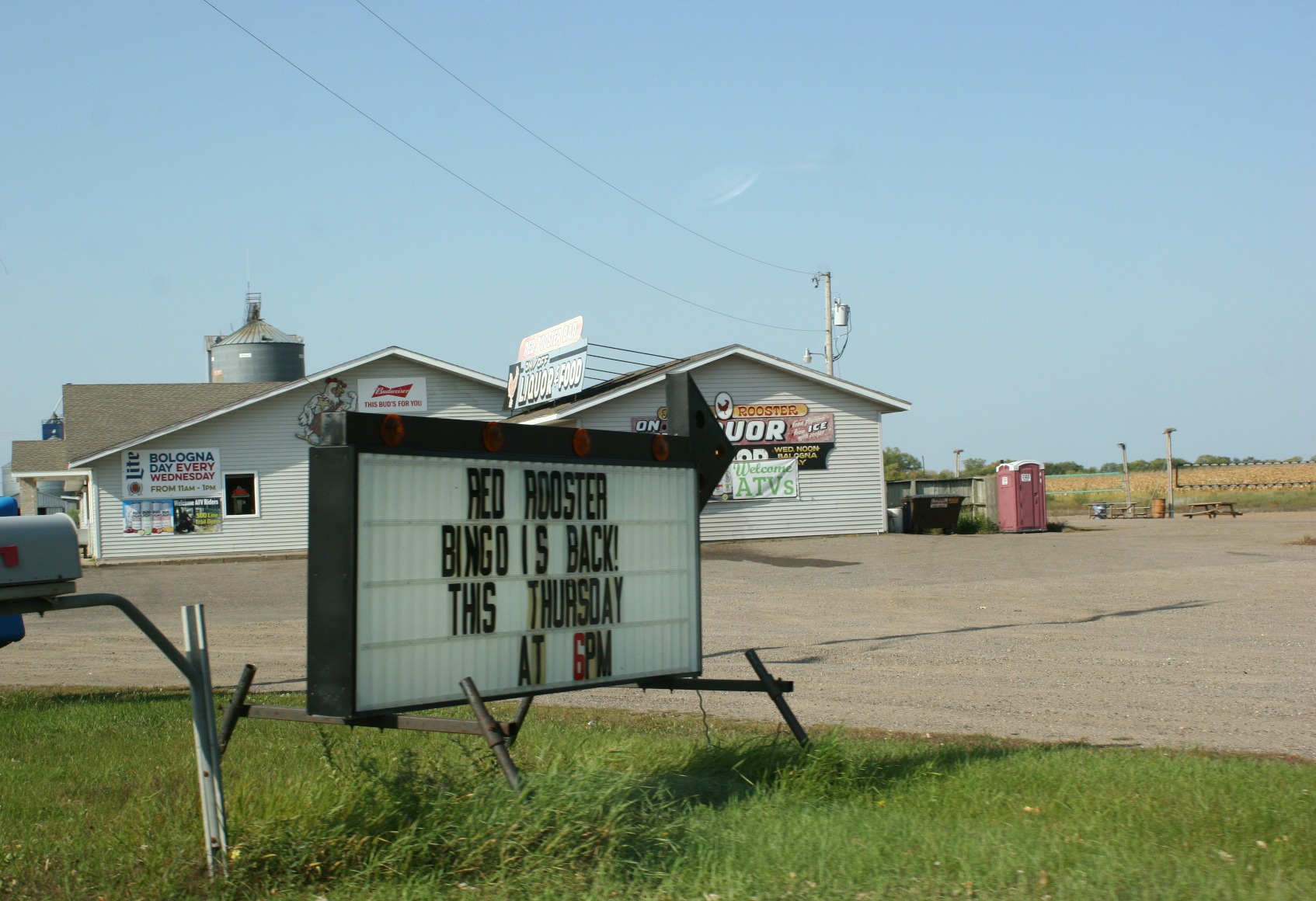
Genola, just to the south of Pierz, is home to the Red Rooster. BINGO is big in this part of rural Minnesota as is weekly Bologna Day (as noted in the banner on the building). Minnesota Prairie Roots file photo September 2020.
And, though we left our rural communities at age 17, we still hold dear the small towns—Buckman and Vesta—that were such an important part of our upbringing. Both have changed with familiar businesses long gone. Society changed and locals began driving farther for groceries and other necessities.
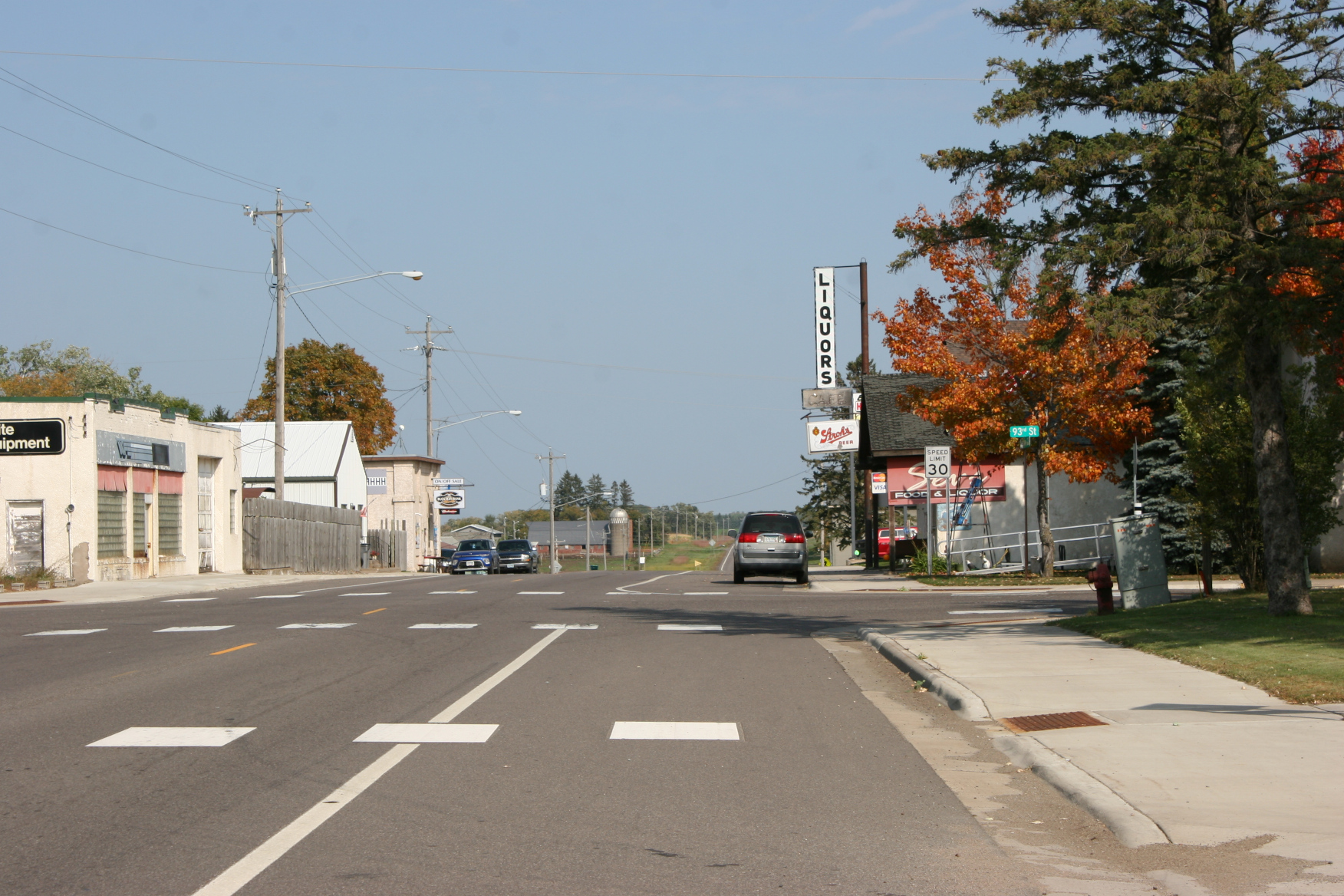
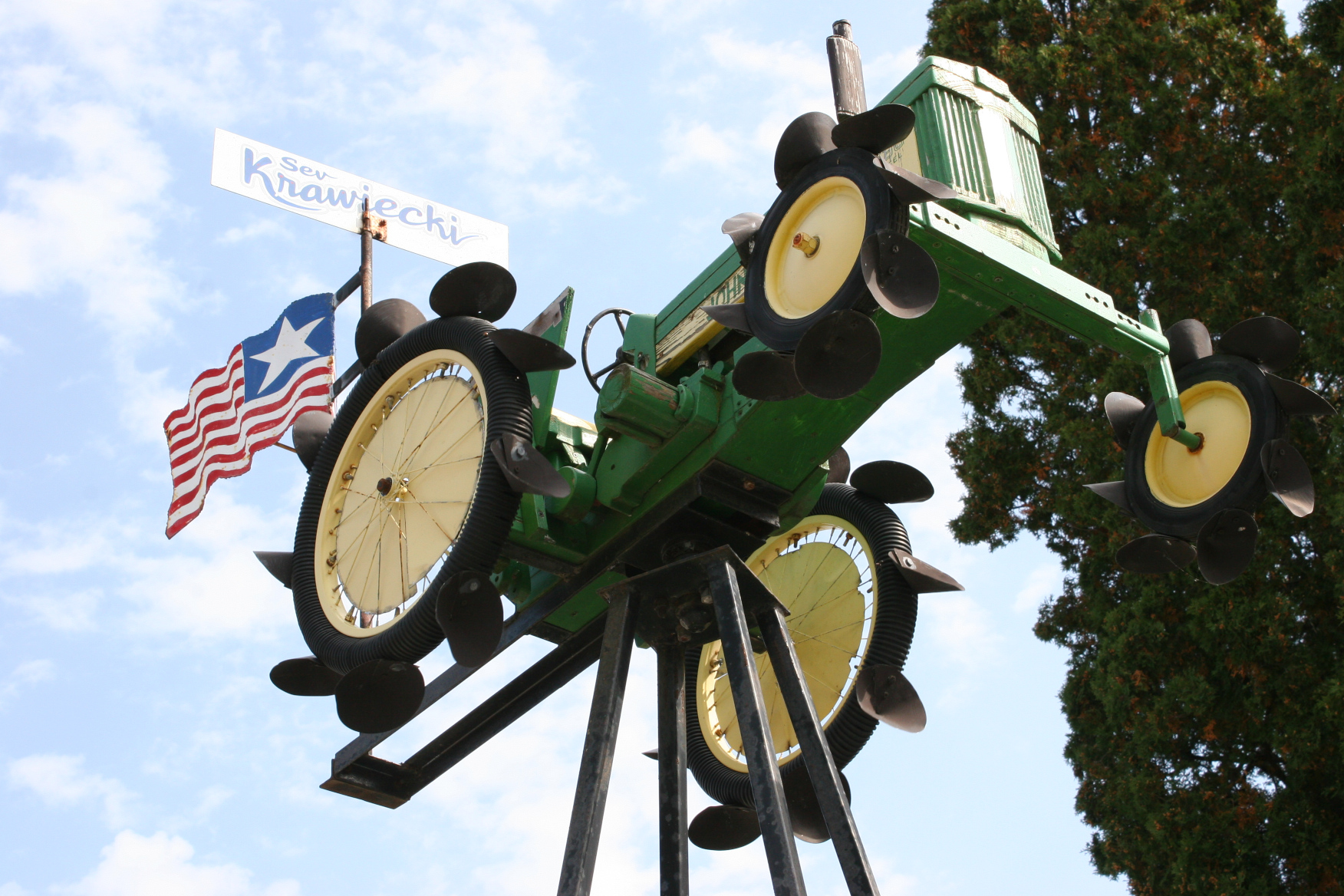
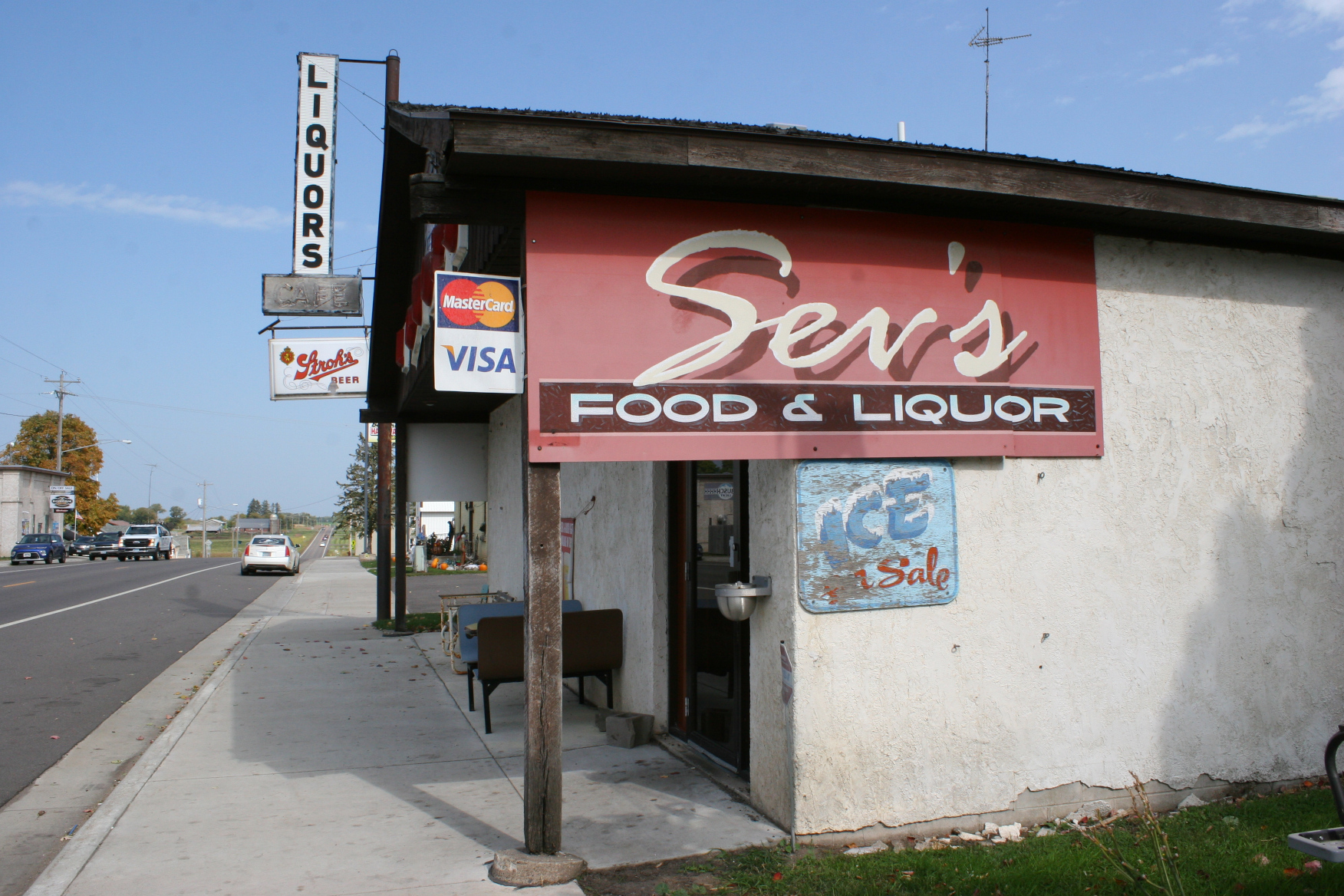
A nod to this area’s rich agricultural base outside Sev’s Food & Liquor in Buckman. Minnesota Prairie Roots file photo September 2020.
It’s easy to get caught in the memories, of the back then, of wishing nothing had changed. But it has and it does. And life goes on.
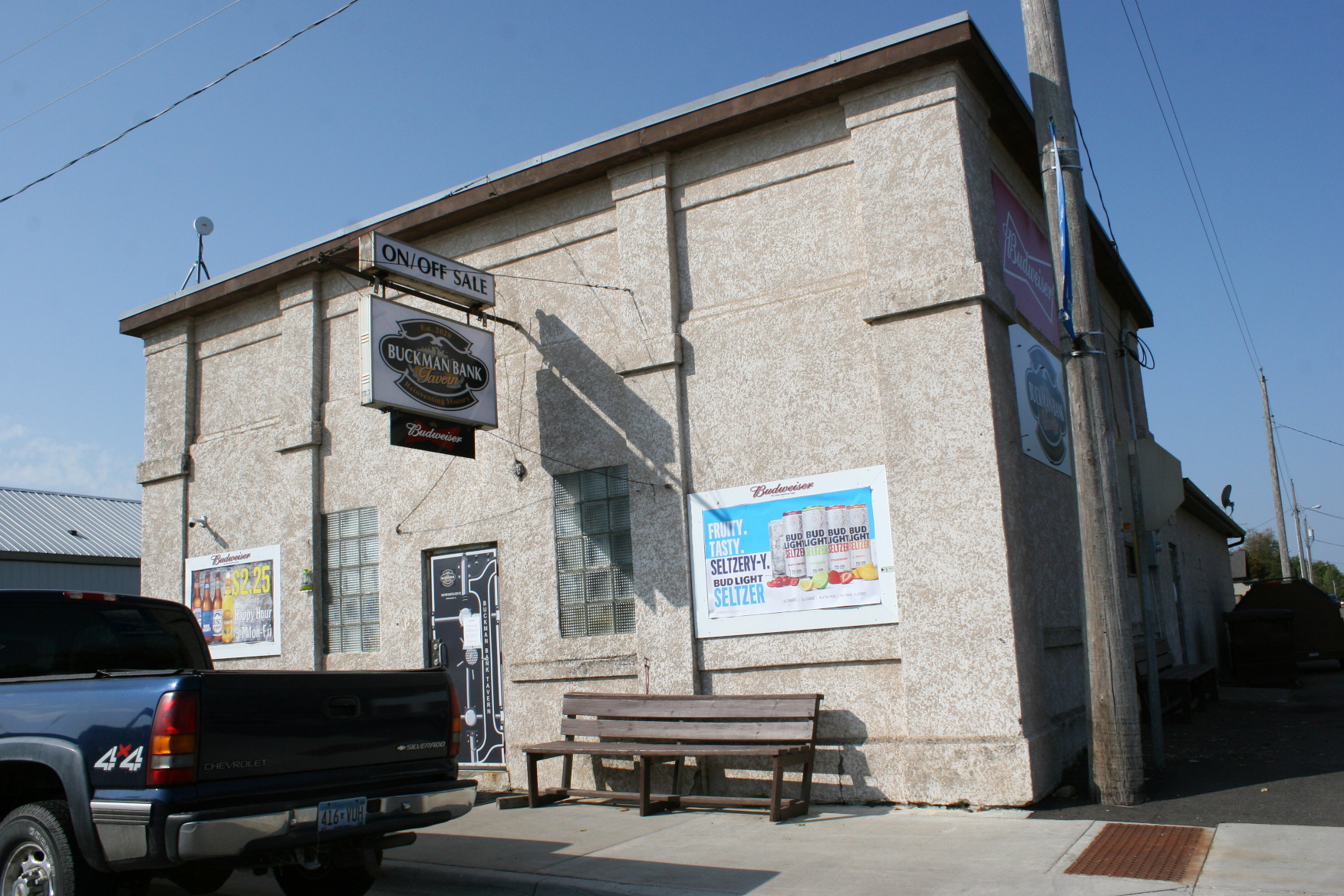
Housed in the old bank building, the Buckman Bank Tavern. Minnesota Prairie Roots file photo September 2020.
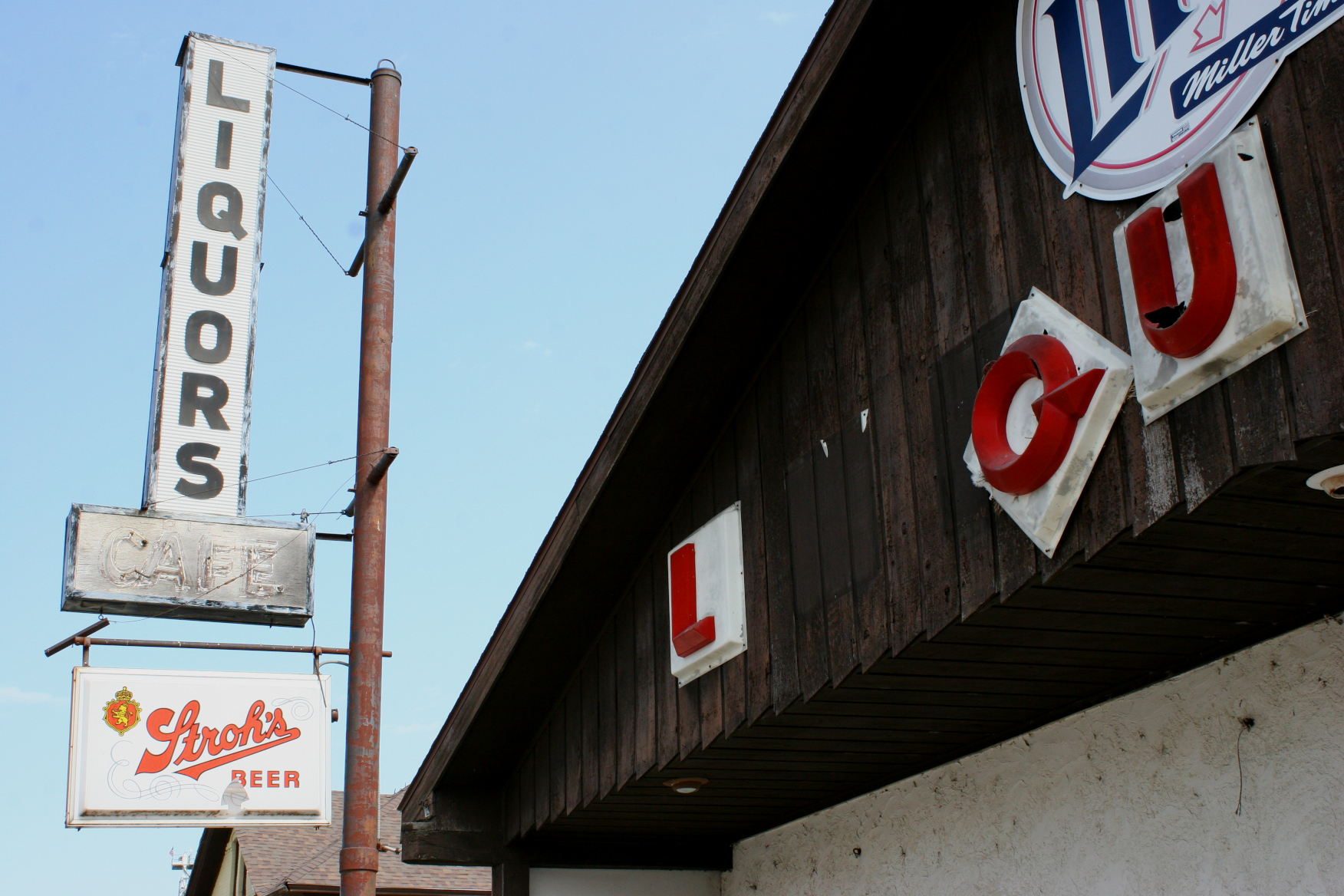
Signs on Sev’s in Buckman. Minnesota Prairie Roots file photo September 2020.
Sev’s Food & Liquor along Buckman’s main street. Minnesota Prairie Roots file photo September 2020.
Returning to our hometowns, our home areas, causes me to reflect while simultaneously appreciating that which remains. Cafes and churches and hardware stores. Post offices and bars and grain elevators. These are the community gathering spots that still mark many of Minnesota’s smallest communities, those towns that span only blocks from east to west, north to south.
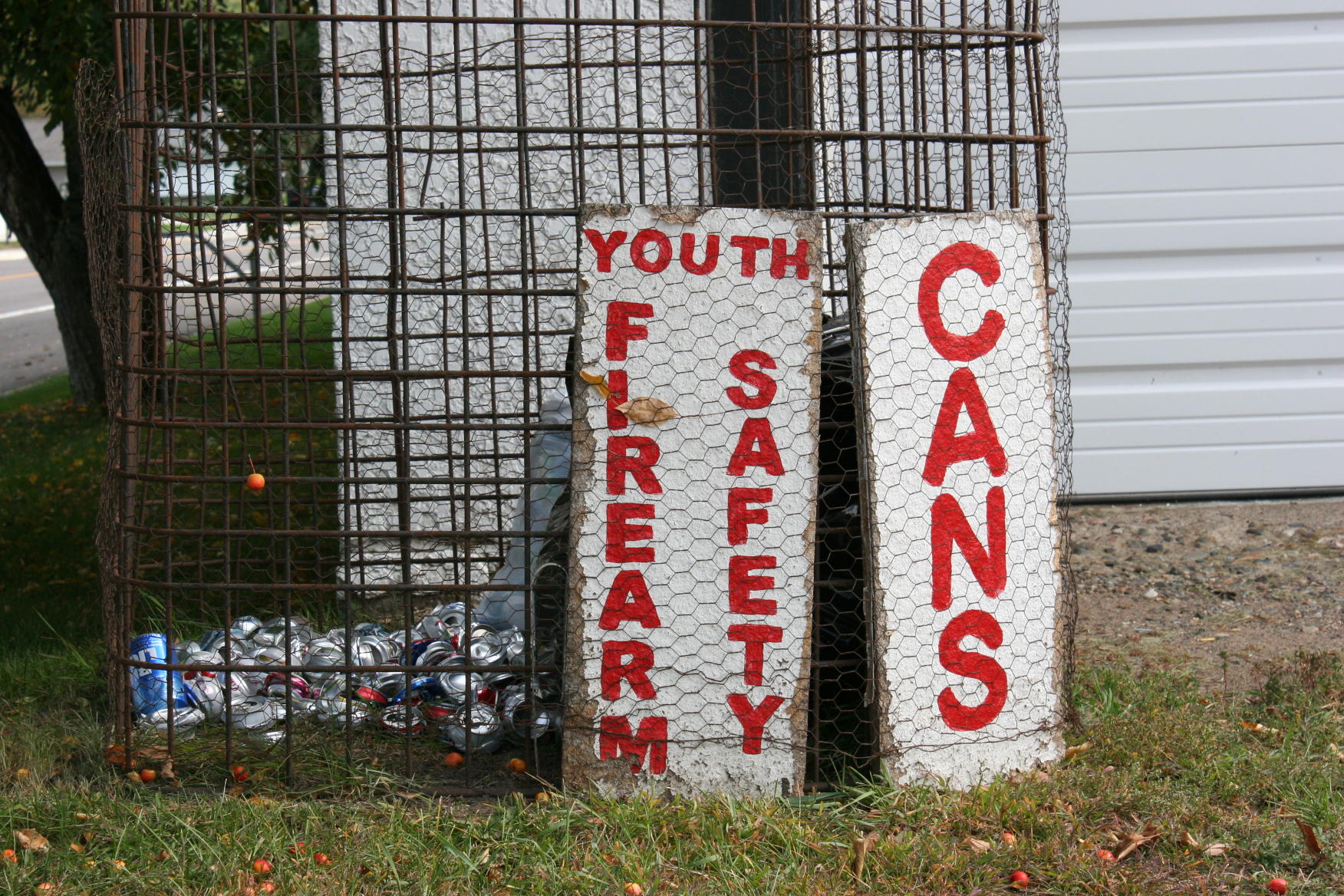
I often see can collection sites in small towns, like this one in Buckman. They offer insights into a community. Minnesota Prairie Roots file photo September 2020.
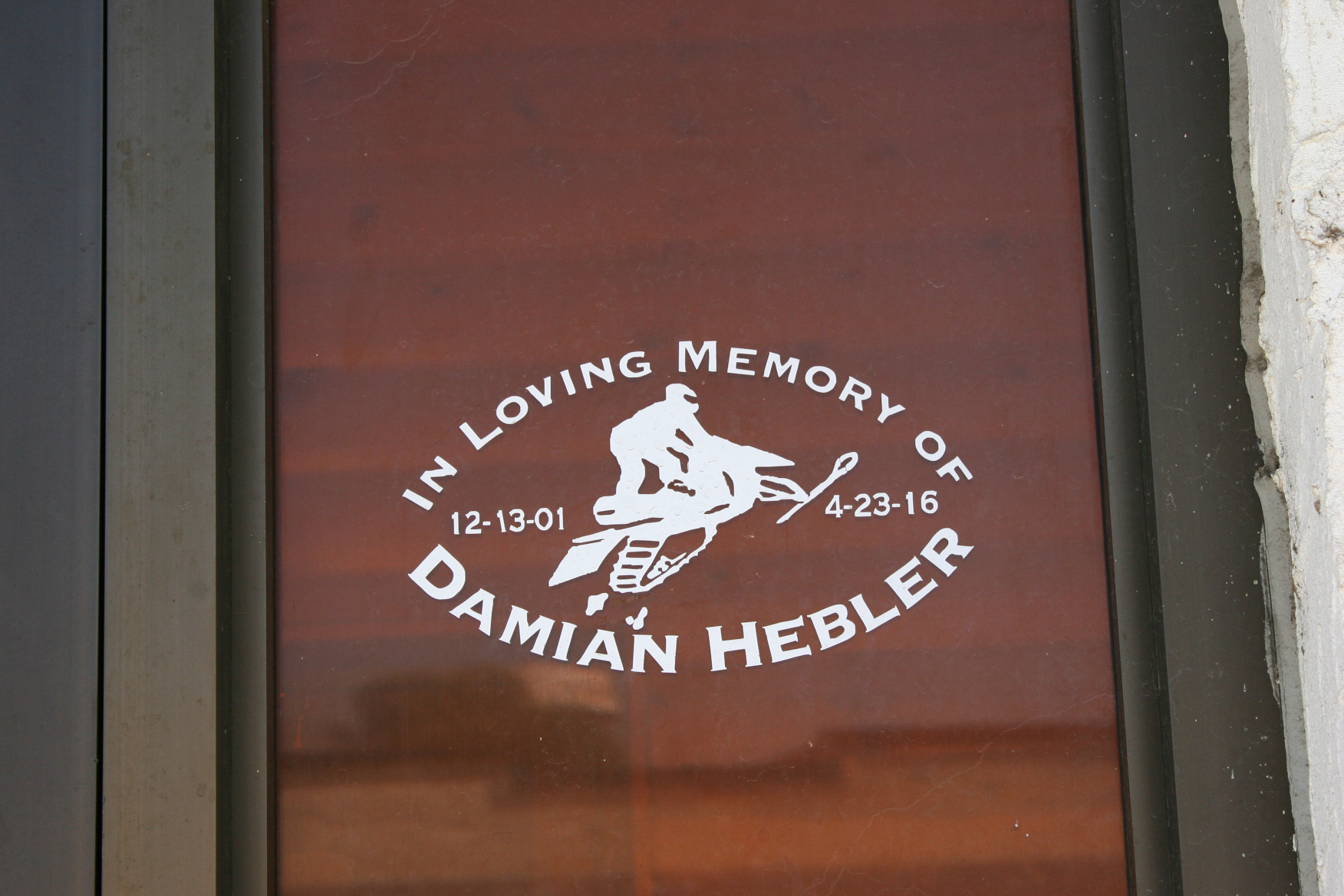
On the door of a Buckman bar, a young man remembered. Minnesota Prairie Roots file photo September 2020.
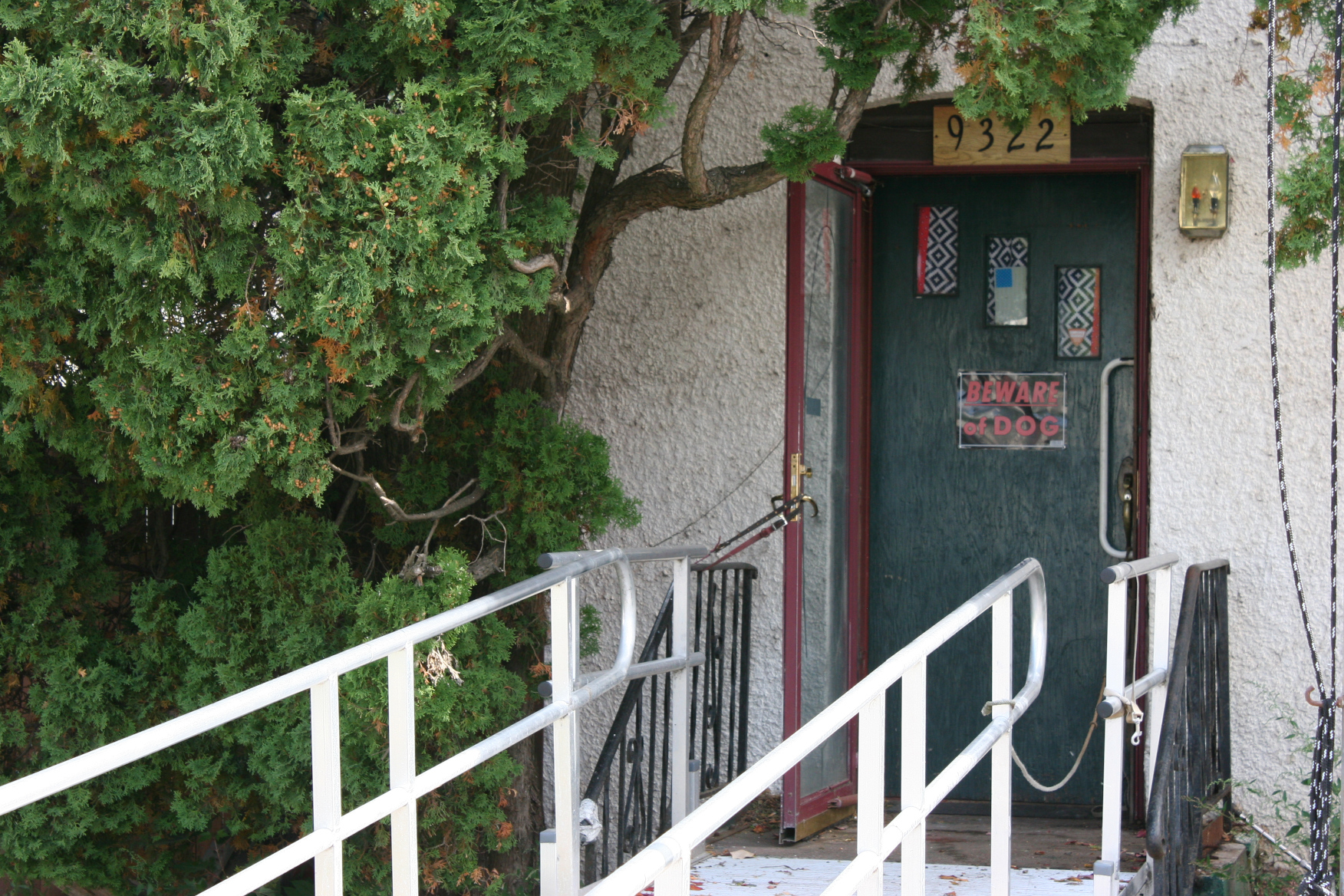
A warning sign posted on a house in Buckman. Minnesota Prairie Roots file photo September 2020.
But more than buildings, people form community. Even in Faribault, where Randy and I have lived since 1982, we’ve found our small town in a city of around 25,000. That’s in our faith family at Trinity Lutheran Church, the “town” that centers our lives. An uncle and I discussed this recently. He lives in Minneapolis. His neighborhood is his community, his small town.
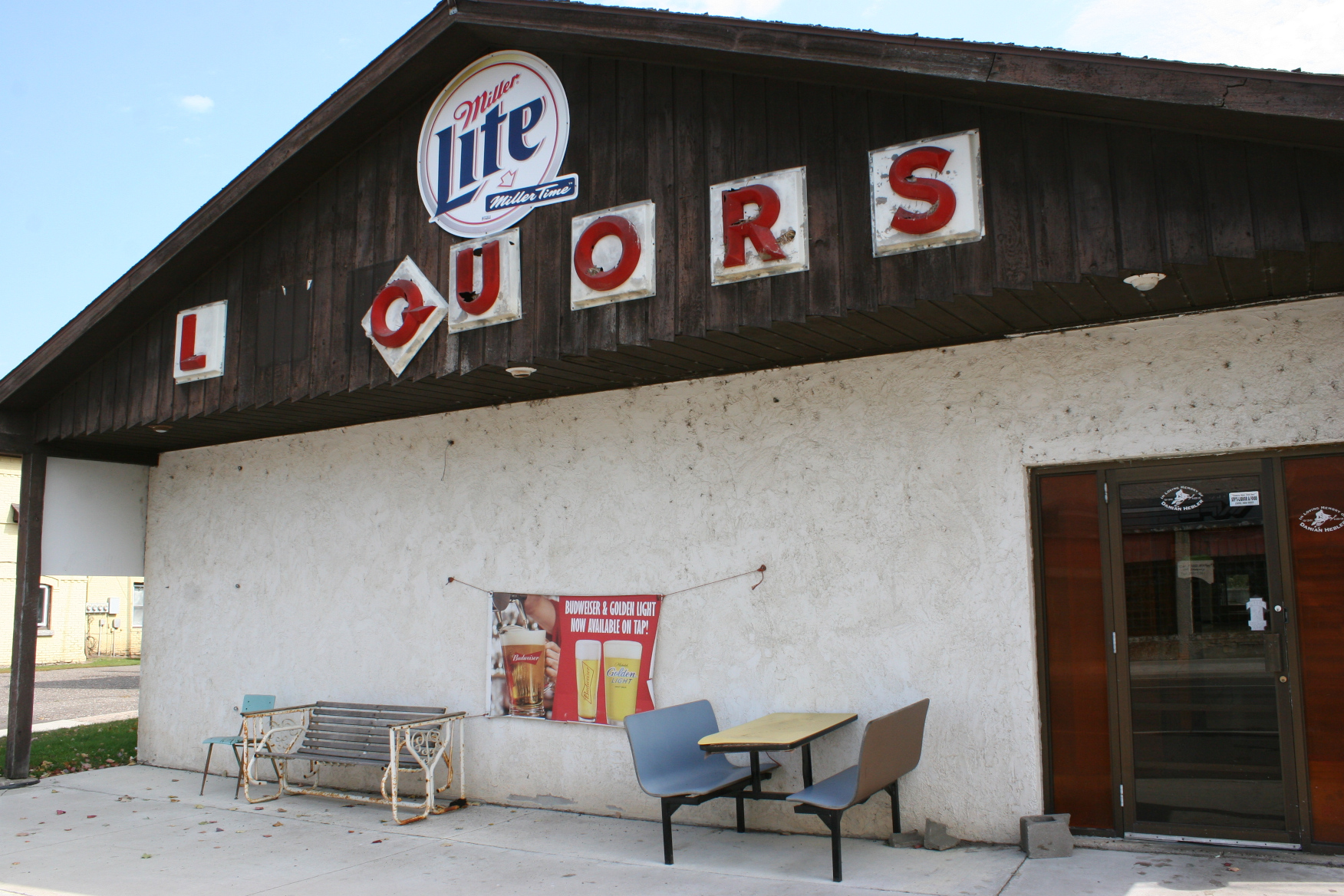
A place to gather outside Sev’s Food & Liquor in Buckman. Minnesota Prairie Roots file photo September 2020.
No matter where you live, whether in rural Minnesota or New York City, the mountains of Idaho or the plains of Nebraska, I hope you’ve found your community and place of joy.

















 Minnesota Prairie Roots
Recent Comments