Minnesota Prairie Roots

Writing and photography by Audrey Kletscher Helbling

Same day, same highway 50 miles apart: Plane lands, cattle truck crashes January 7, 2012

KNOWN AS A NOTORIOUSLY DANGEROUS roadway along some stretches, U.S. Highway 14 in southern Minnesota Thursday grabbed headlines again with two separate crashes about 50 miles and 12 hours apart. One involved a cattle truck, the other a small plane.

This time though, only cattle, not people, died.

I know this road, The Laura Ingalls Wilder Historic Highway, well as it’s the route my family travels back to my native southwestern Minnesota.

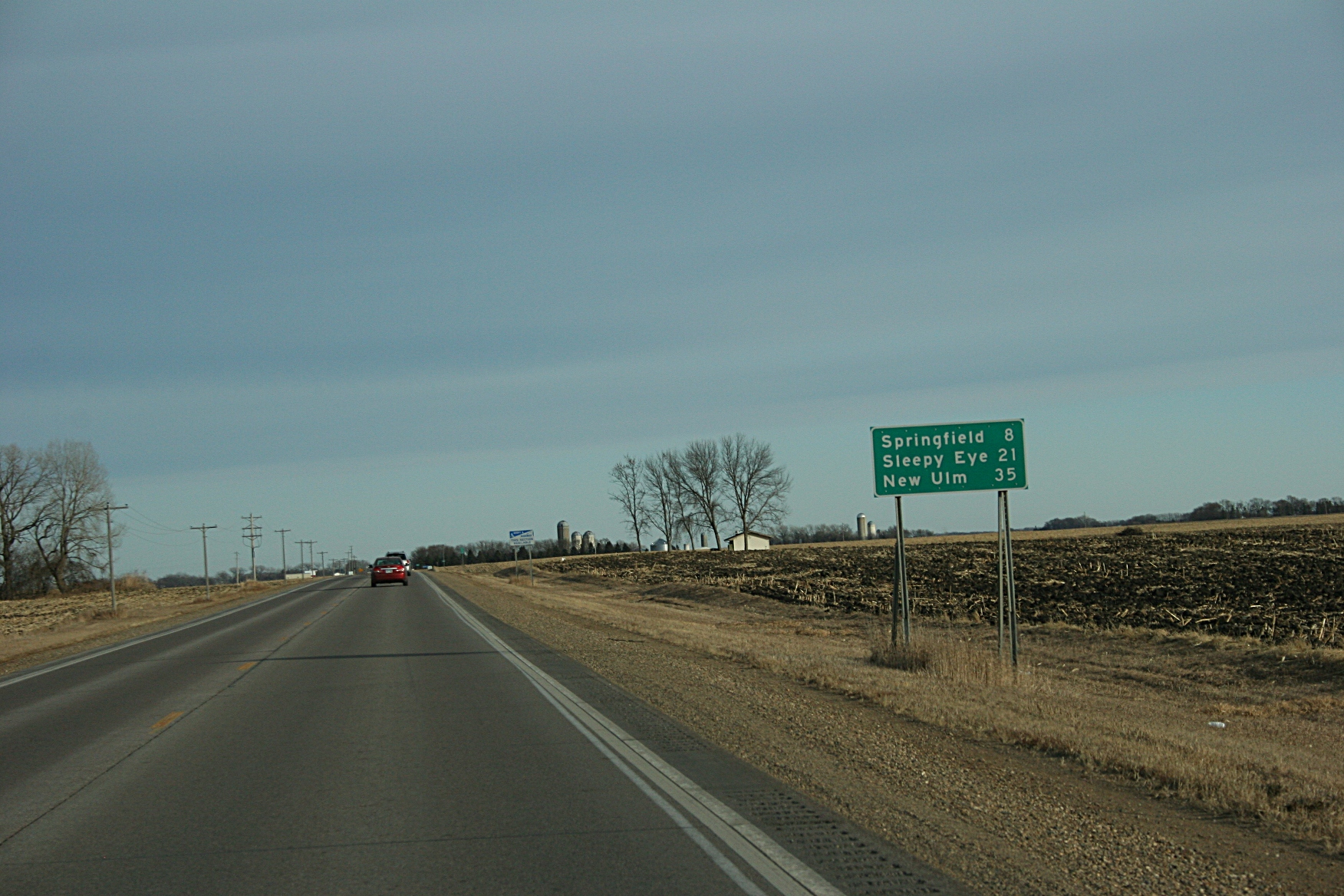
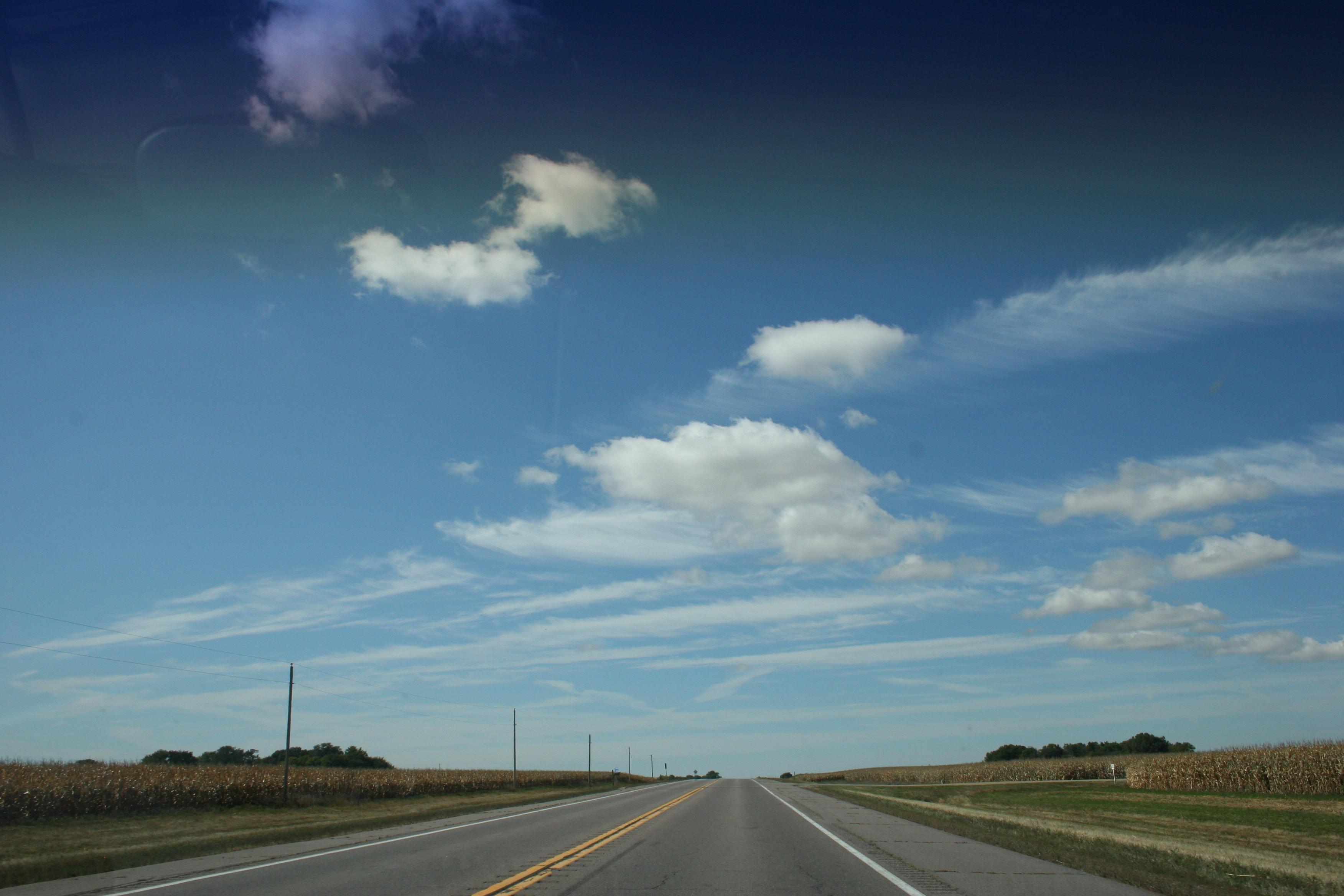
I shot this image along U.S. Highway 14 east of Lamberton several weeks ago.

Around midnight Thursday, January 5, a semi truck pulling a cattle trailer left Highway 14 just east of the Nicollet County Road 37 intersection near New Ulm and rolled onto its side in the ditch, according to news reports. The driver suffered only minor injuries, but some of the 35 cattle were killed in the crash or had to be euthanized.

About 50 miles west and some 12 hours earlier, Highway 14 east of Revere in Redwood County became a runway for a Lakeville pilot who was forced to make an emergency landing, according to news sources. He managed to land his plane on the road before it went into a ditch and flipped.

As in the cattle truck accident, the pilot escaped with only minor injuries.

When I first heard and read about these accidents, I was simply thankful that the truck driver and pilot survived. I was thankful, too, that others traveling along Highway 14 were not involved.

Then I started wondering exactly how many vehicles travel along these sections of Highway 14 each day and how those counts and the timing and locations of the incidents affected the outcomes.

According to the most recent statistics I could find from the Minnesota Department of Transportation’s Office of Transportation Data and Analysis, the 2009 annual average daily traffic count was 8,000 for the Highway 14 area where the cattle truck crashed.

See how the outcome could have been so much different had this occurred during peak daylight travel hours? Anyone who’s driven Highway 14 between New Ulm and Mankato realizes just how unsafe this narrow, arterial road is with its heavy traffic, county and other roads intersecting the highway and few opportunities to safely pass.

Fortunately, 50 miles west, the traffic count drops considerably as the population decreases and the land stretches flat and wide into acres of fields punctuated by farm sites and small towns.

Near Revere, where the pilot landed his plane on Highway 14 before noon on Thursday, MnDOT lists the 2007 annual average daily traffic count as 1,550. Odds of putting a plane down without hitting a vehicle were definitely in the pilot’s favor.

And given trees are sparse on the prairie, luck was in the aviator’s favor there, too.

Fortunately, the emergency landing also occurred outside of Revere, in the 3.5 miles between the town of 100 residents and Highwater Ethanol and not too dangerously close to either. The ethanol plant, of which my middle brother is the CEO/GM, is situated along Highway 14 between the crash site and Lamberton.

Viewing a 1994 plat of the area, I spotted a landing strip just to the north and east of Revere. I could not verify whether that still exists and it really doesn’t matter given the pilot claims he had to make a snap decision to put his failing aircraft down Thursday on Highway 14 at a speed of 90 mph.

I’m thankful that on January 5, 2012, U.S. Highway 14 in southern Minnesota didn’t rack up more fatal statistics. It’s already had too many.

© Copyright 2012 Audrey Kletscher Helbling


The generous gift of a St. Paul woman to a rural Minnesota food shelf January 6, 2012

TODAY I’M TREATING YOU to a gem of a story published yesterday in a weekly community newspaper, The Gaylord Hub.

It’s an inspiring and uplifting story of a St. Paul woman who purposely sought out a rural food shelf as the recipient of a Christmas gift. And a mighty generous one from someone with apparently no connection to Gaylord, a southern Minnesota Sibley County seat town of around 2,300.

Hub officer manager and bookkeeper Elizabeth Reishus shares the tale of generosity in her January 5 “The Word From High Avenue” column as shared with her by Yvonne O’Brien of Sibley County Food Share, Inc.

Writes Reishus:

A woman from St. Paul had called Second Harvest food bank to ask for a list of rural food shelves. Second Harvest was not able to give her that information, but did give her O’Brien’s phone number.

The woman then called O’Brien and asked questions about the food shelf. What percent of families served were minorities? Is the need higher in the summer? What kinds of resources does your food shelf have to rely on for donations?

O’Brien explained that about 40 percent of clients at the food shelf are people of a minority. The need for help increases in the summer when seasonal workers arrive to work at area farms and other agriculture-related jobs. She also explained that unlike bigger towns and cities, we do not have the big chain stores such as Wal-Mart, Target, Cub or Cash Wise that donate food. The Sibley County Food Shelf is maintained through the generosity of area people and some grant money, O’Brien explained.

The St. Paul woman said she would like to send a donation to the food shelf. O’Brien gave the woman the mailing address for donations and expected to receive a check for about $50. She was pleasantly surprised to find that the donation check was for 10 times that amount. The generous mystery woman gave $500 to the Sibley County Food Shelf.

How’s that for Minnesota Nice and for thinking beyond the metro?

Consider the effort this mystery woman took to find just the right place for her $500 donation. What motivated her to seek out a rural food shelf, to ask those specific questions about minorities, to give that much money to a single food shelf?

I’d never really thought, prior to reading Reishus’ column, how small-town food banks typically don’t receive food donations from chain stores, relying instead primarily on the generosity of locals.

So thank you to that woman from St. Paul for thinking beyond the metro area of the need in rural Minnesota and for blessing Sibley County Food Share with $500.

She offers us much food for thought.

FOR MORE INFORMATION about Sibley County Food Share, click here.


How about this balmy January weather in Minnesota then?

HEY, ALL YOU MINNESOTA SNOWBIRDS wintering away in Texas, Arizona and Florida. How’s the weather at your winter retreat? As warm as back home?

If you’re detecting a hint of smugness in my inquiry, you are correct.

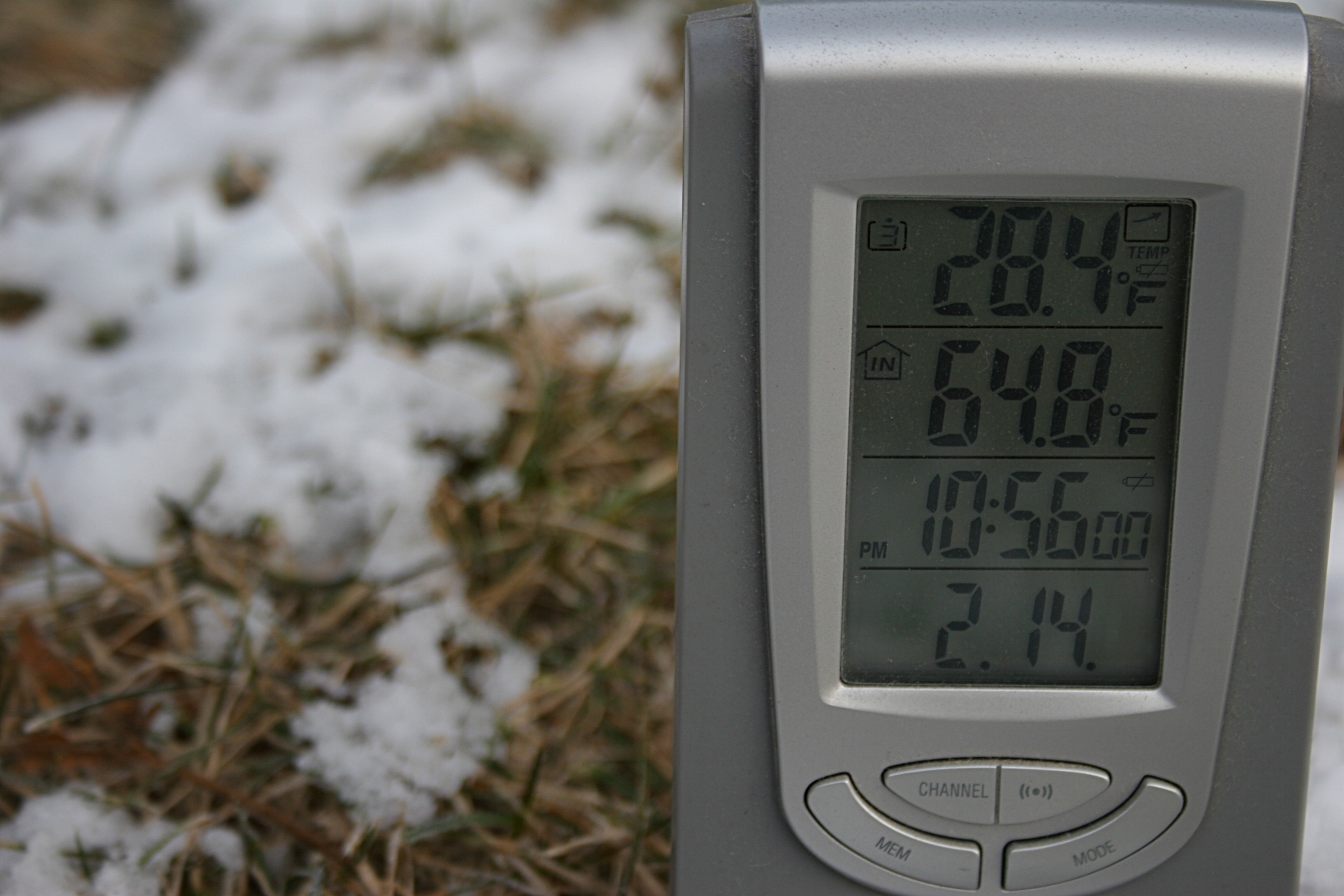
The temperature reading at 8:30 a.m. on Thursday, January 5, is 28.4 degrees in my backyard. Note that the time is incorrect , so just ignore it.

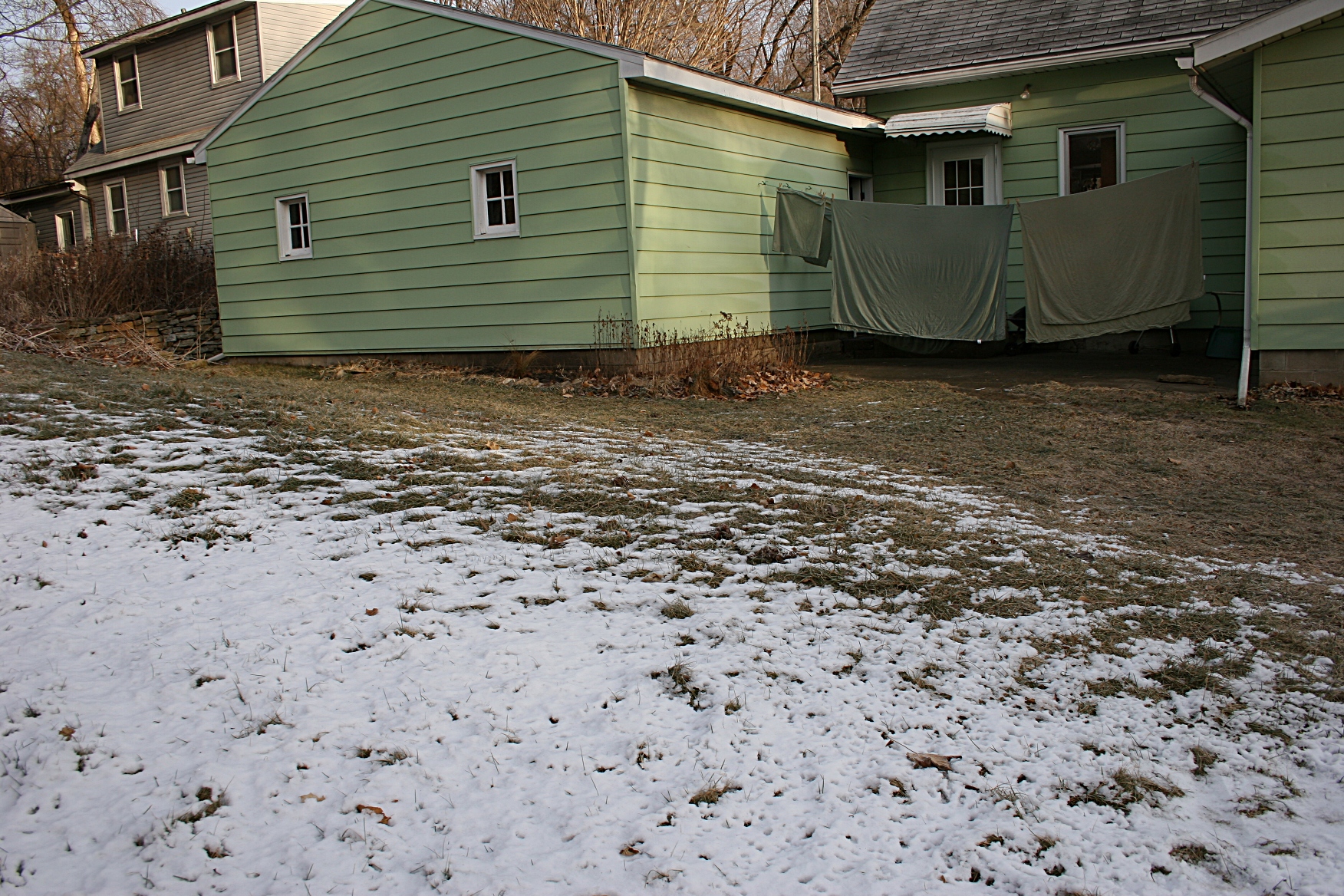
Let’s step into my backyard and review yesterday’s weather via a series of photos. First, imagine me dressed in a comfy red and black buffalo plaid flannel shirt and blue jeans minus a winter coat. It’s 8:30 a.m.and I’m clipping freshly-laundered flannel sheets onto the clothesline. At 28.4 degrees the cold air nips at my fingers, but I work at a rapid pace.

Notice all of the snow on the ground at 8:30 a.m. when I hang sheets on the clothesline.

Four hours later I step outside to read the temperature; it’s already climbed to 46 degrees.

I scrape the last remnants of snow and ice from the concrete driveway. The snow that had clung to the lawn on the north side of the backyard fence is disappearing in the warmth heat of the day.

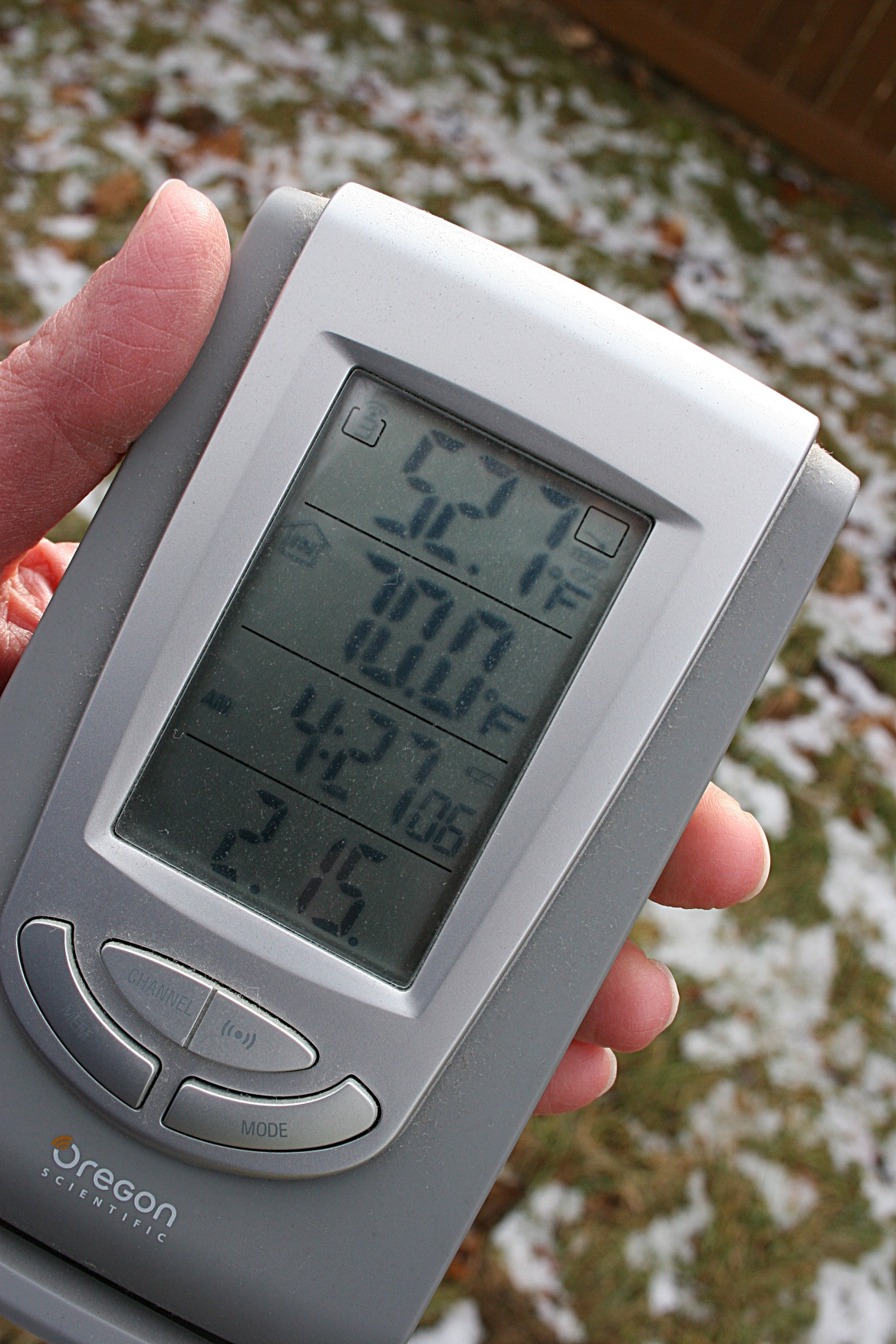
By 3:30 p.m., when I visit the backyard again, I read 52.7 degrees on the weather recording station.

My temperature recording device reads a balmy 52.7 degrees @ 3:30 p.m. Again, note that the time is incorrect so you'll just have to trust me on this time and temp.

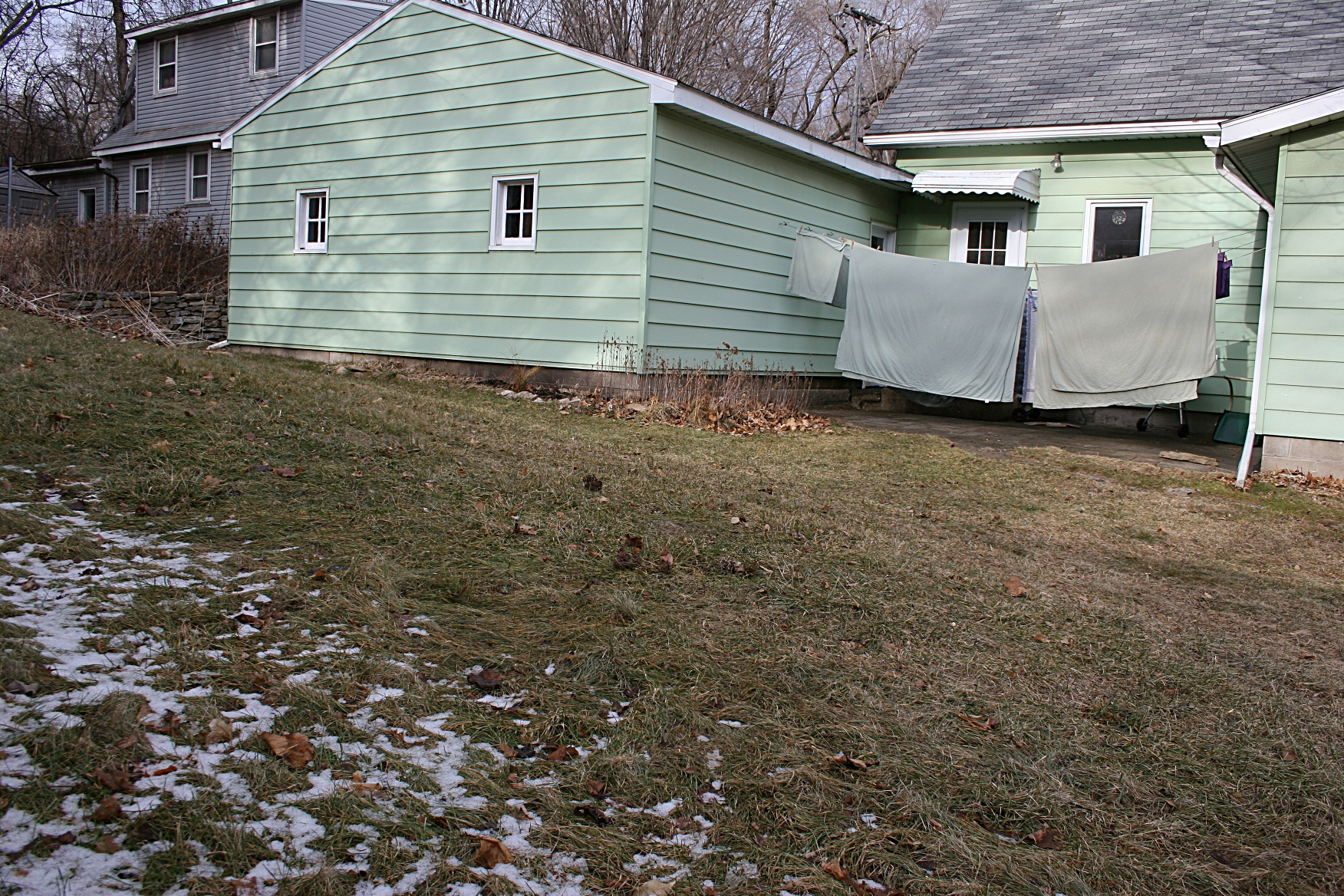
An hour later I pull the mostly-dry sheets from the line in a backyard nearly free of snow.

How’s that for January 5 in southern Minnesota?

This is my backyard @ 3:30 p.m. See how the snow has all but vanished in the balmy temps.

NOTE: These temperature readings from my Faribault backyard are unofficial.

But officially, Minnesota broke some record temps on Thursday. According to the National Weather Service, temperatures soared into the 60s in southwestern Minnesota.

Reports the NWS: “There has never been a 60 degree temperature recorded in Minnesota during the first week of January…in the modern day record. Click here to read the full NWS summary on Thursday’s record temps.

And for me, personally, this may mark the earliest date I’ve hung laundry on the clothesline in a new year.

© Copyright 2012 Audrey Kletscher Helbling

 

Grilling on a balmy, brown Christmas in Minnesota December 27, 2011

Filed under: Uncategorized — Audrey Kletscher Helbling @ 8:17 AM
Tags: , , , , , ,

FOR CHRISTMAS DAY dinner, I planned to prepare homemade lasagna complemented by salad and garlic bread.

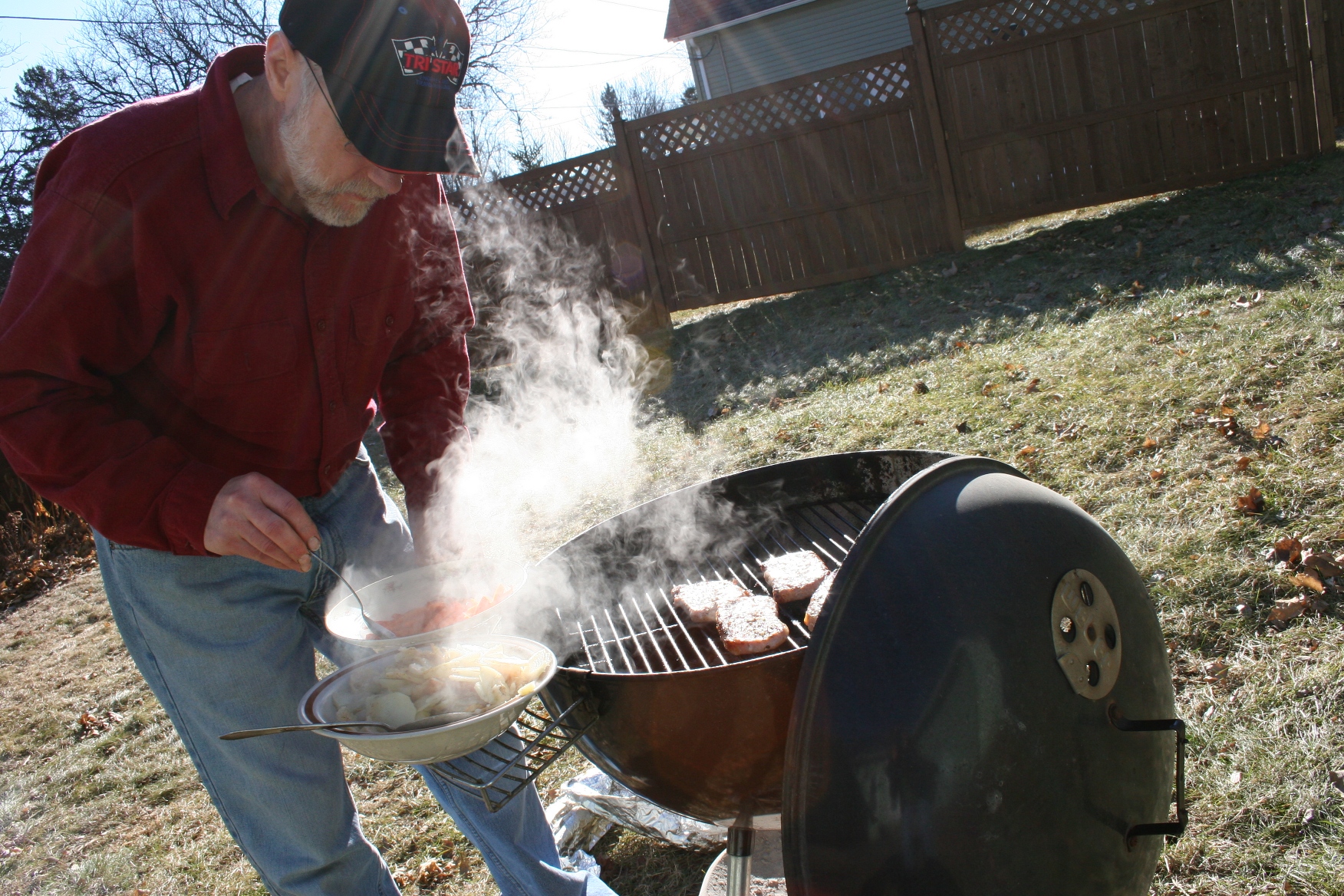
But at the last minute, due to weather conditions, I changed my mind. The lack of snow and predicted 40-degree temperatures here in southern Minnesota called for firing up the Weber on Christmas Day. My husband enjoys grilling no matter the temperature or ground cover, and he’s darn good at it. (Click here to see images of him grilling atop a snowbank.)

My husband grilling in our snowless and warm backyard on Christmas Day in Faribault, MN.

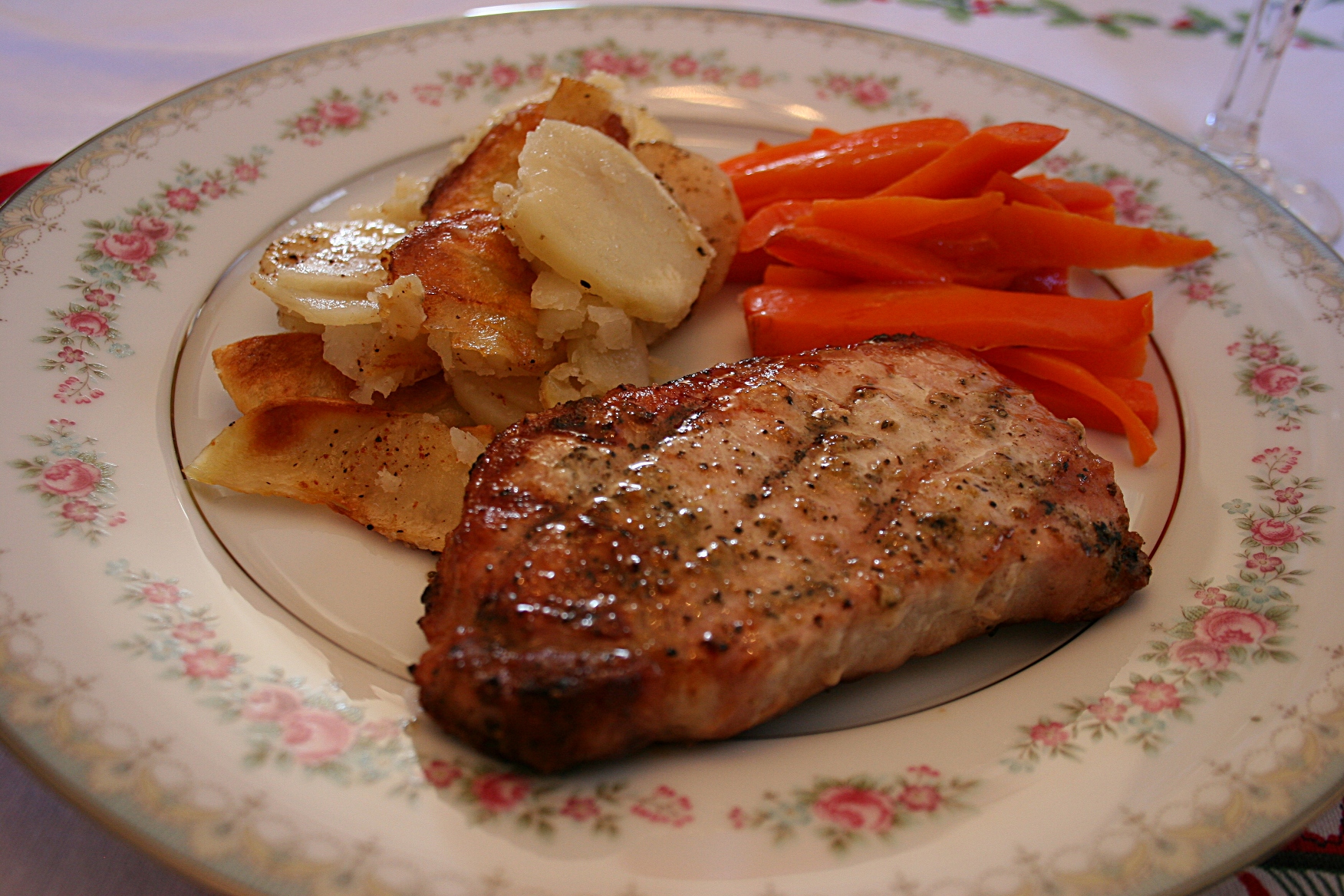
On Sunday he grilled pork chops, seasoned potatoes and carrot slices, a simple and savory meal.

I proposed setting up a card table on our south-facing, sun-drenched patio, just to say we’d dined outdoors on Christmas Day. But even I found the low 40s still too nippy for comfortable and leisurely noon-time dining.

Instead, I settled for photographing the holiday grilling in shirt-sleeve warm weather without a trace of snow lingering in the backyard.

Weather-wise this marked a mighty fine Christmas weekend here in southern Minnesota with a high of 42 degrees in Minneapolis/St. Paul, the fifth warmest Christmas Day on record since 1905.

On Monday, the temp soared to 52 degrees in the metro, shattering the previous December 26 record high of 51 degrees set in 1936.

I don’t know if Santa appreciated the warmth and absence of snow. But I sure did.

Juicy pork chops on the grill.

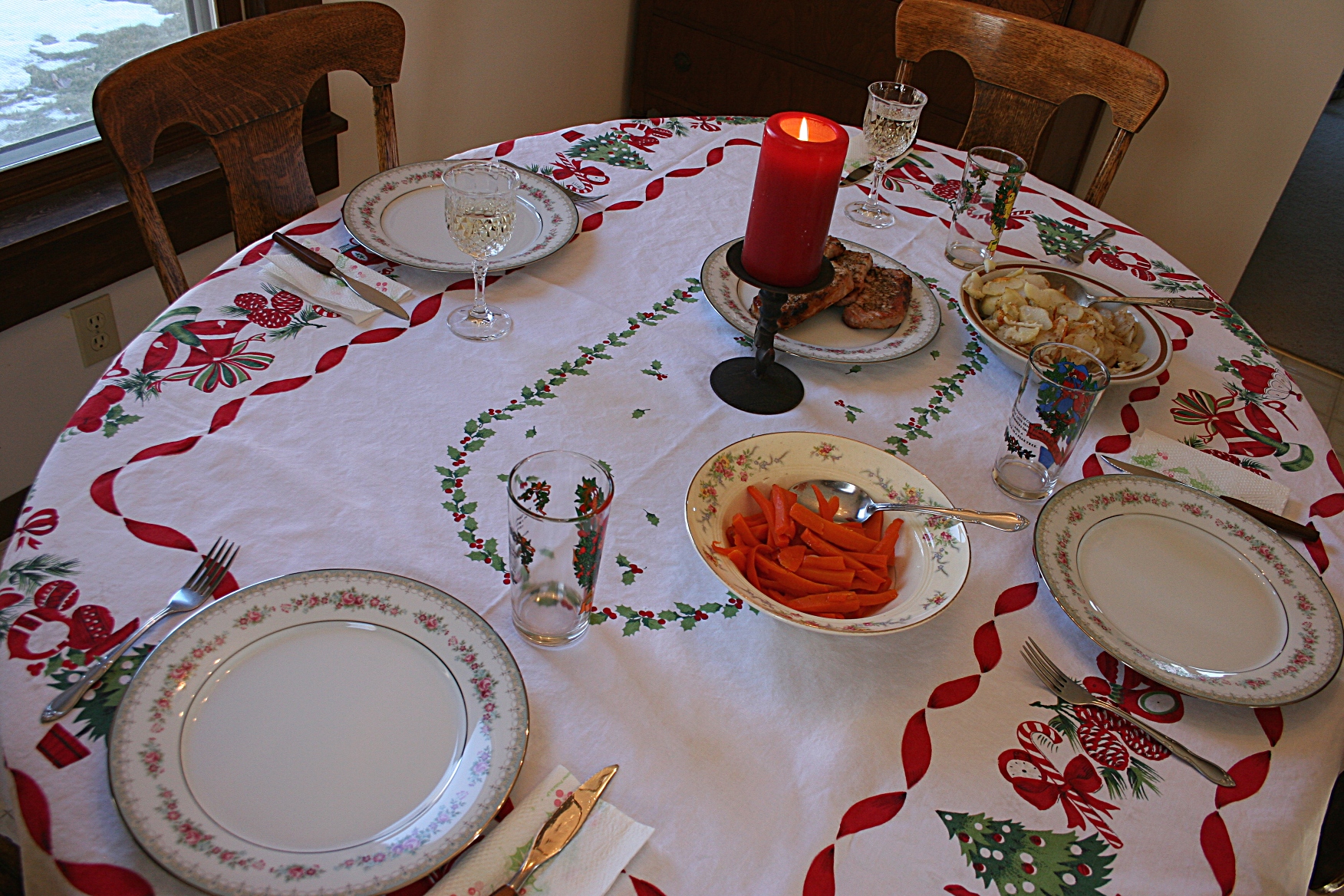
Christmas Day dinner ready for dishing up. If you look in the upper left corner through the window, you'll see a smidgen of snow outside on the north side of our house.

Christmas dinner plated on my garage sale china.

© Copyright 2011 Audrey Kletscher Helbling
 

Reflections on harvest time in southern Minnesota September 27, 2011

Westbound on U.S. Highway 14 between Nicollet and Courtland in southern Minnesota Friday afternoon.

I LOVE THIS LAND, this rural southern Minnesota.

You can take your woods and your lakes and your boats or your big city freeways and skyscrapers and traffic jams.

I will take sky and a land that stretches flat into forever.

I like my space open, not hemmed in by trees packed tight in a forest. I want to see into forever and beyond, the horizon broken only by the occasional grove hugging a building site.

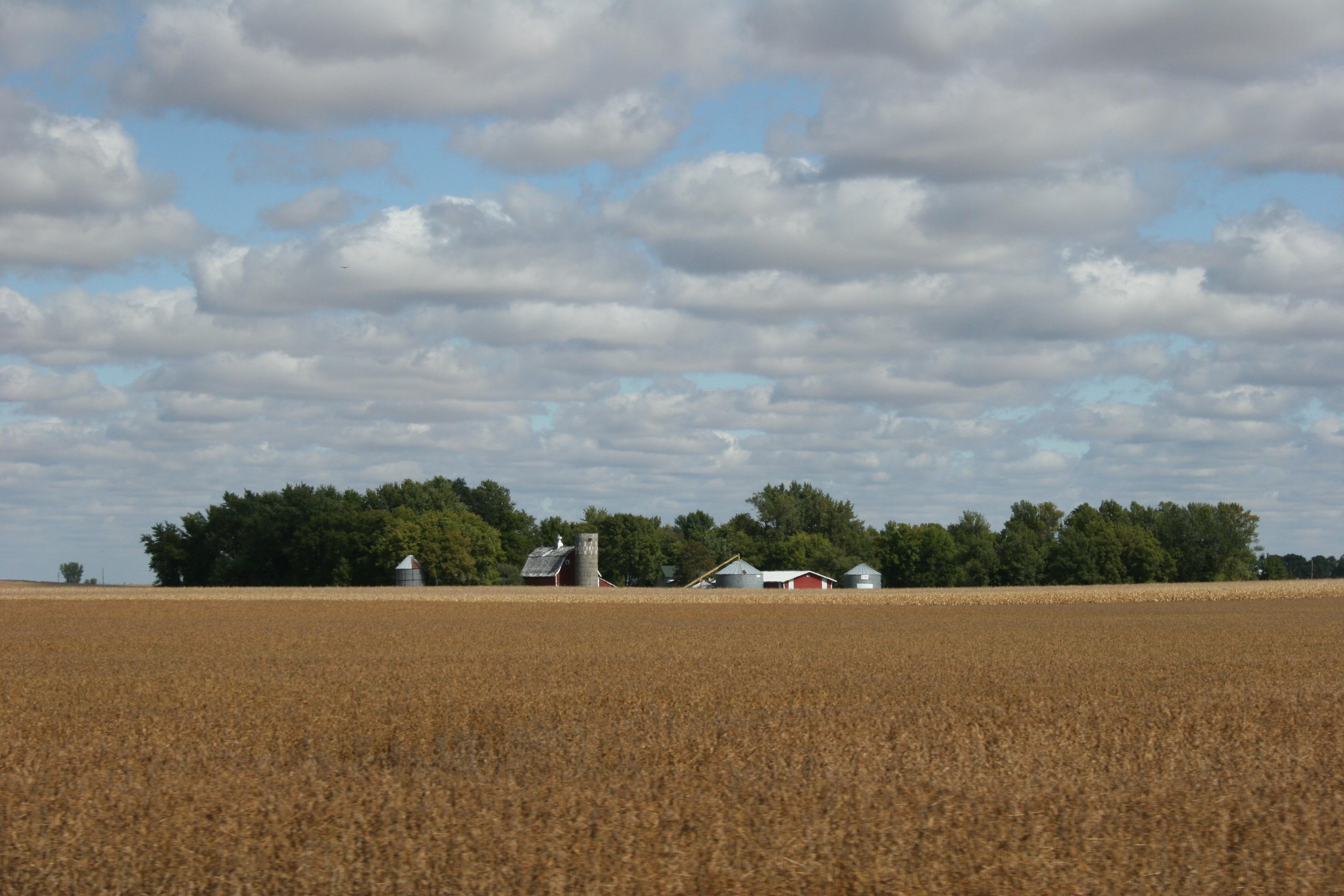
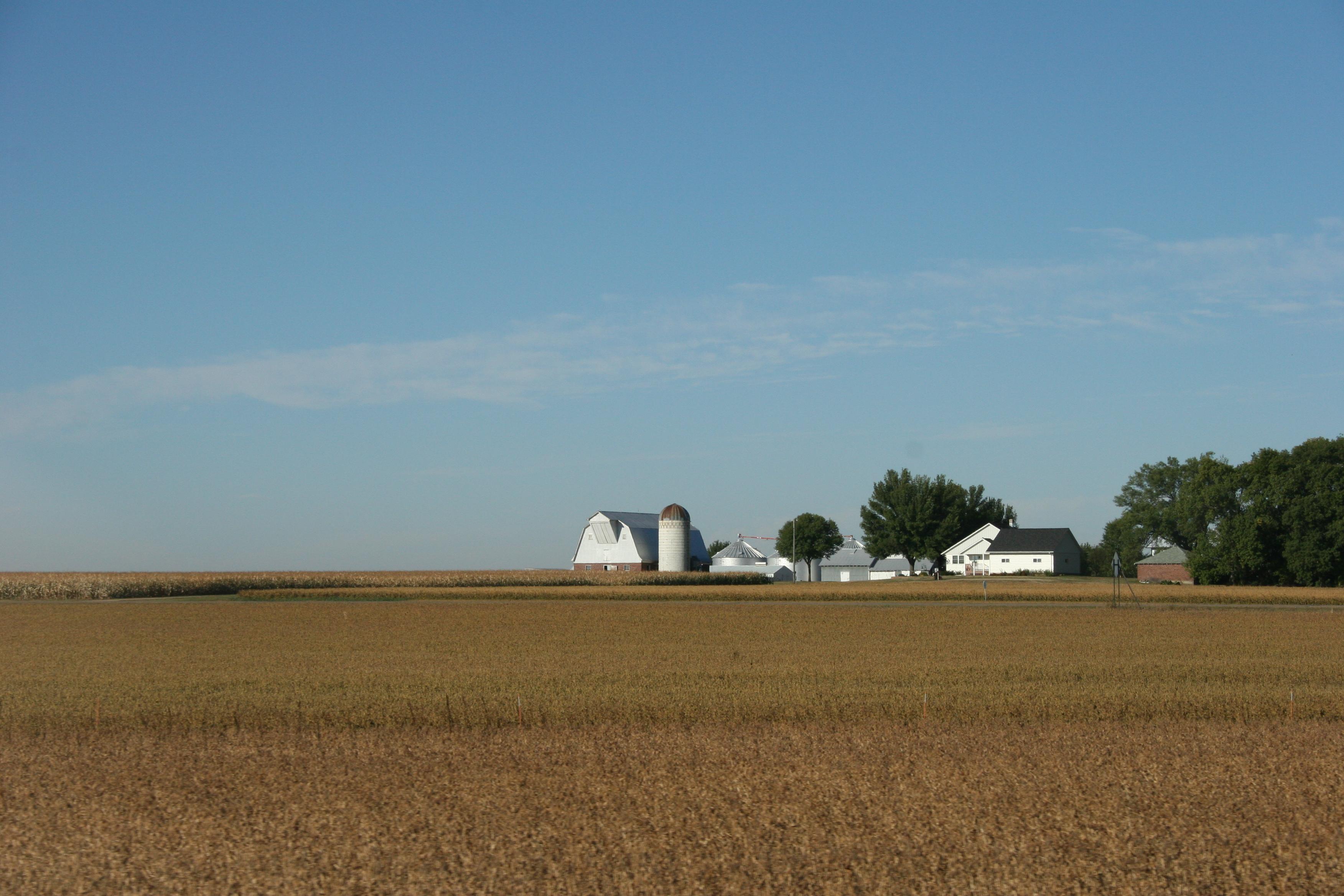
A farm site between Mankato and Nicollet, as seen from U.S. Highway 14.

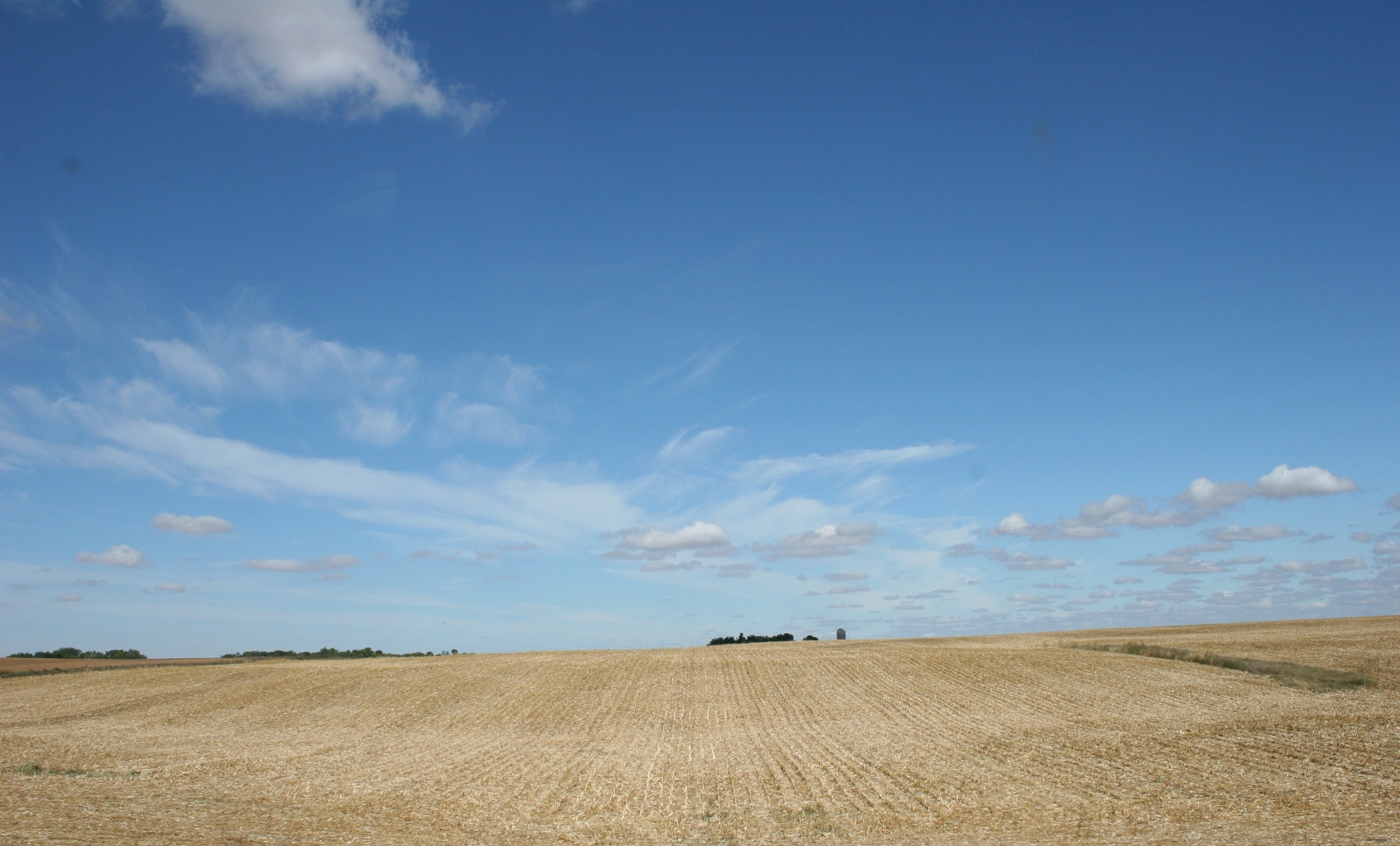
A harvested corn field between Nicollet and Courtland.

I want corn and soybean fields ripening to the earthy hues of harvest. Not gray cement or dark woods.

Give me small-town grain elevators and red barns and tractors, and combines sweeping across the earth.

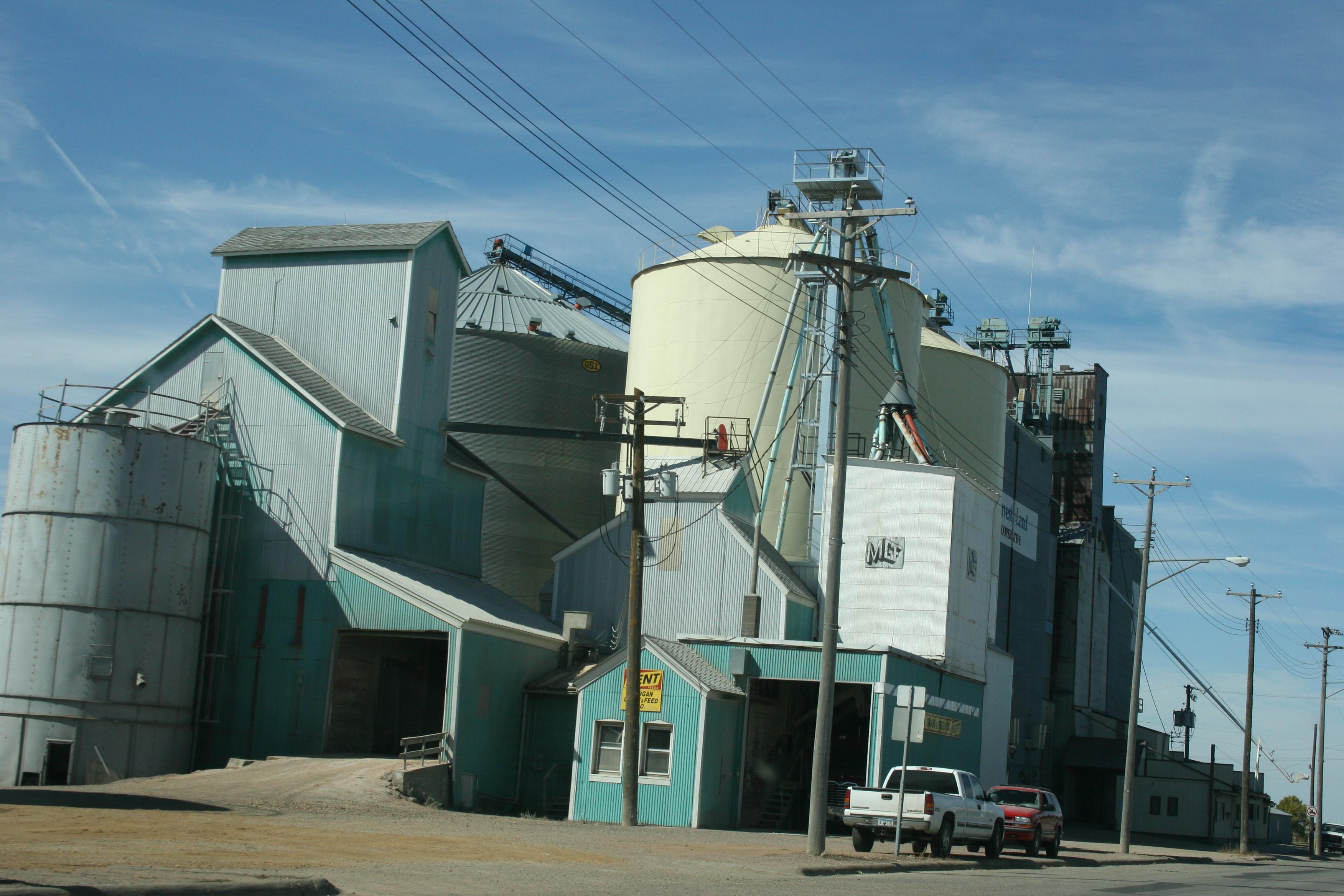
The elevator complex in Morgan in Redwood County.

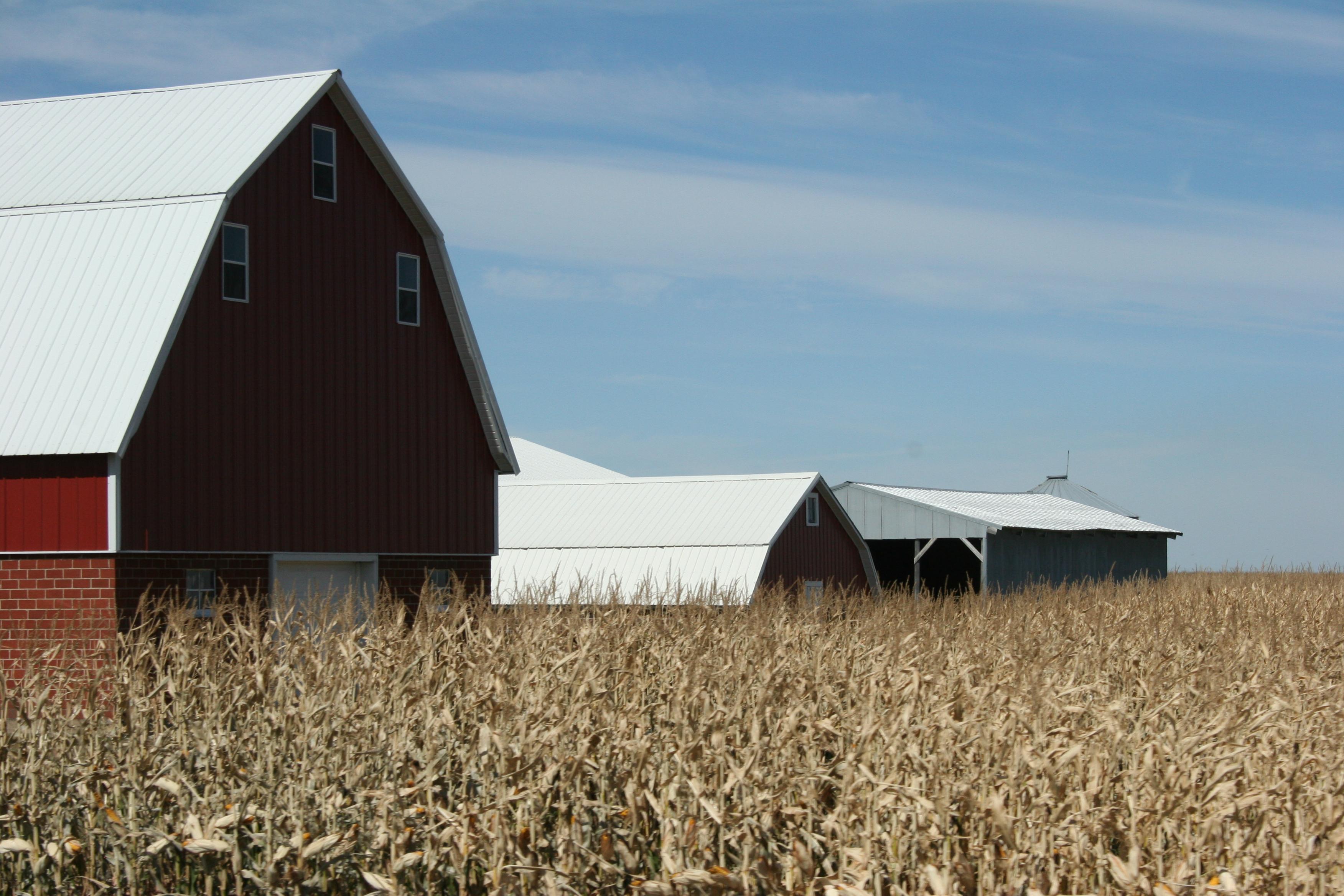
A farm site along the twisting back county road between New Ulm and Morgan.

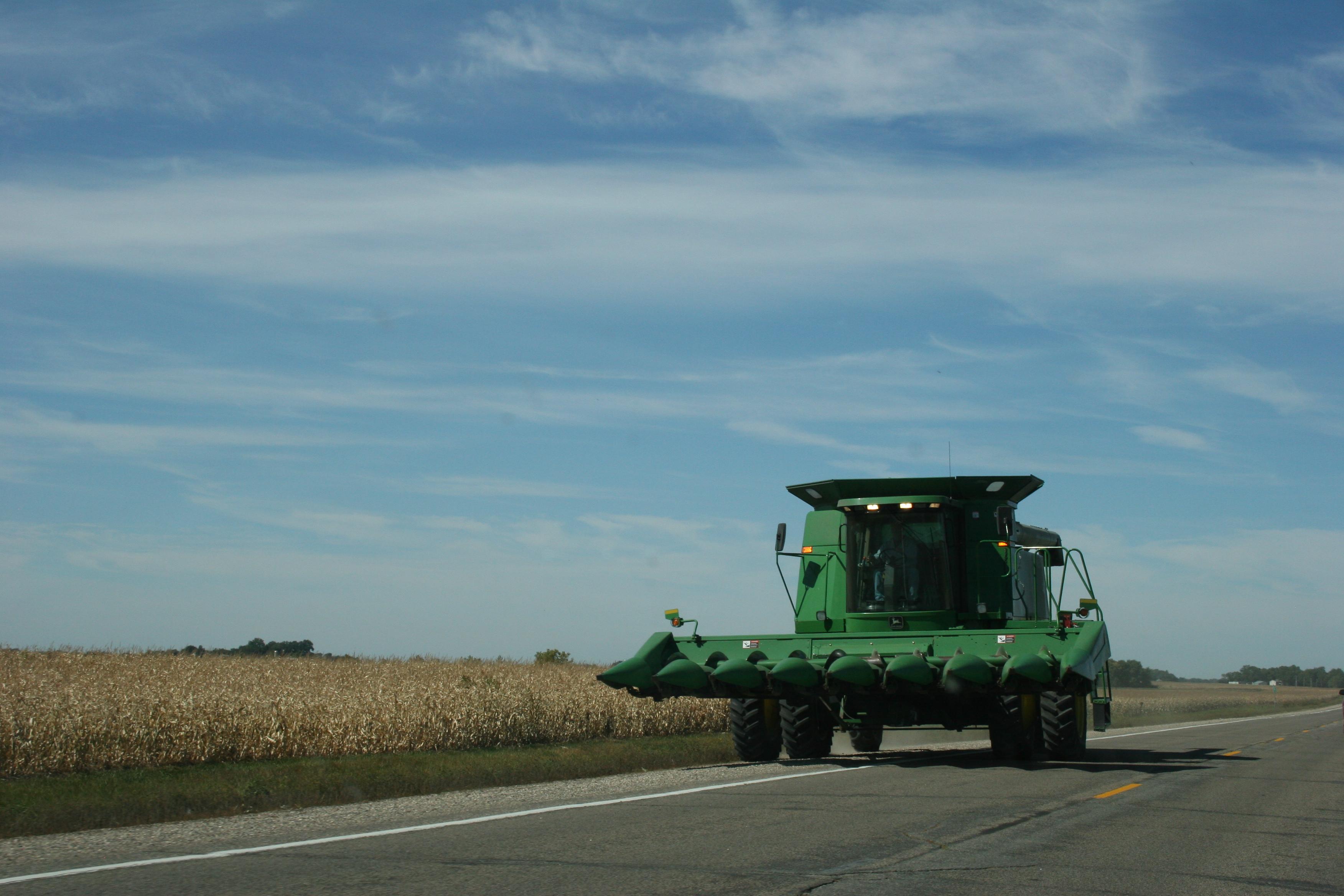
A John Deere combine spotted on the highway just outside of Morgan.

This is my land, the place of my heart.

Although I left the farm decades ago, I still yearn, during autumn, to return there—to immerse myself in the sights and smells and sounds of harvest. The scent of drying corn husks. The roar of combines and tractors. The walk across the farm yard on a crisp autumn night under a moon that casts ghost shadows. Wagons brimming with golden kernels of corn. Stubble and black earth, turned by the blades of a plow.

Today I only glimpse the harvest from afar, as a passerby. Remembering.

A farm site between Morgan and Redwood Falls in southwestern Minnesota.

Harvesting corn on Saturday just outside of Courtland.

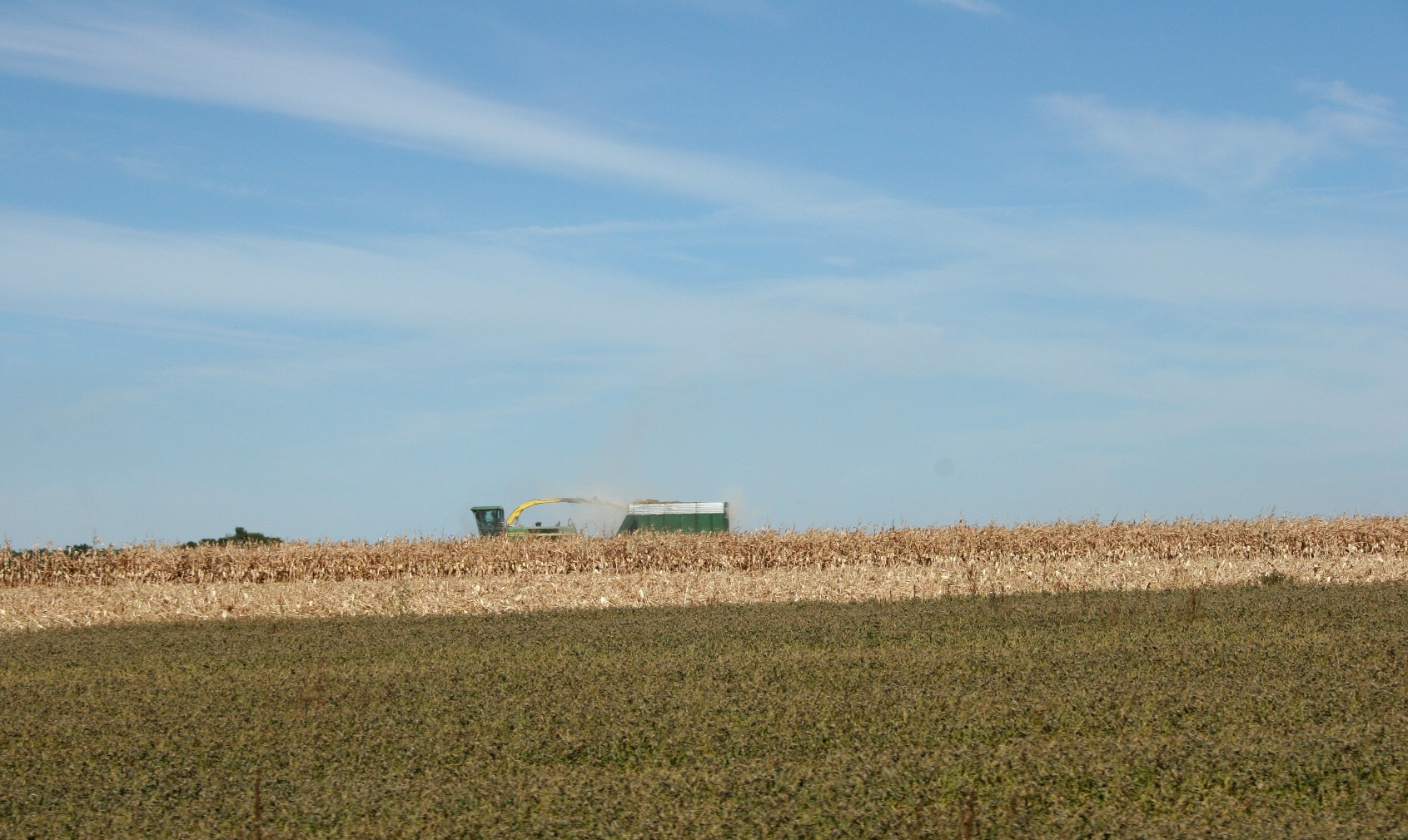
Chopping corn into silage between New Ulm and Morgan.

ALL OF THESE IMAGES (except the elevator) were taken at highway speed from the passenger side of our family car while traveling through southern Minnesota on Friday and Saturday.

© Copyright 2011 Audrey Kletscher Helbling
 

Visiting down-home Indian Island Winery August 30, 2011

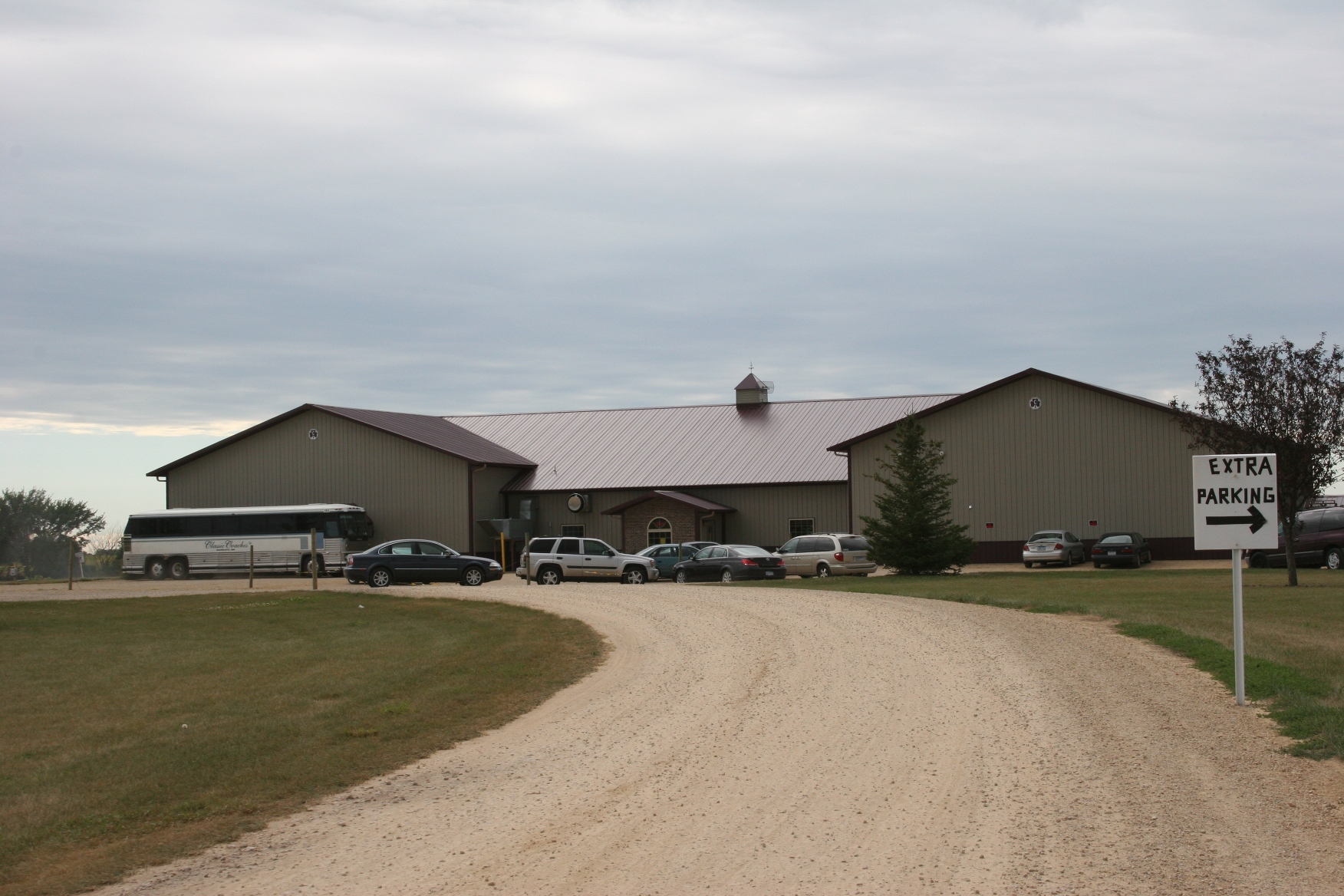
This building complex houses one of southern Minnesota's newest wineries.

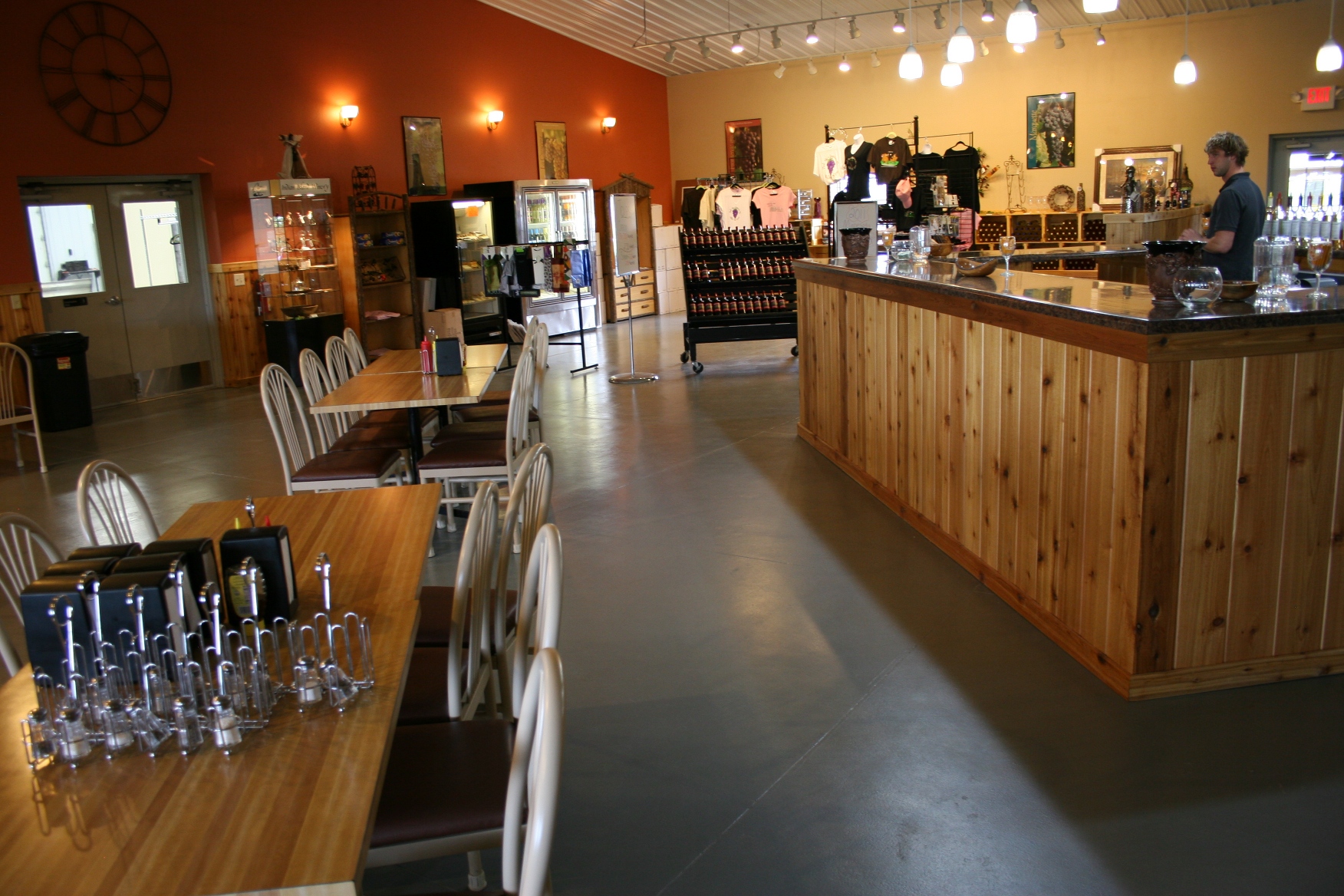
IF YOU DIDN’T KNOW, you likely would think, from a distance, that the sprawling pole shed along Waseca/Blue Earth County Road 37 several miles south of Smith Mills is just another farm building planted among acres and acres of soybean and corn fields.

But you would be wrong. This is home to Indian Island Winery, among southern Minnesota’s newest wineries.

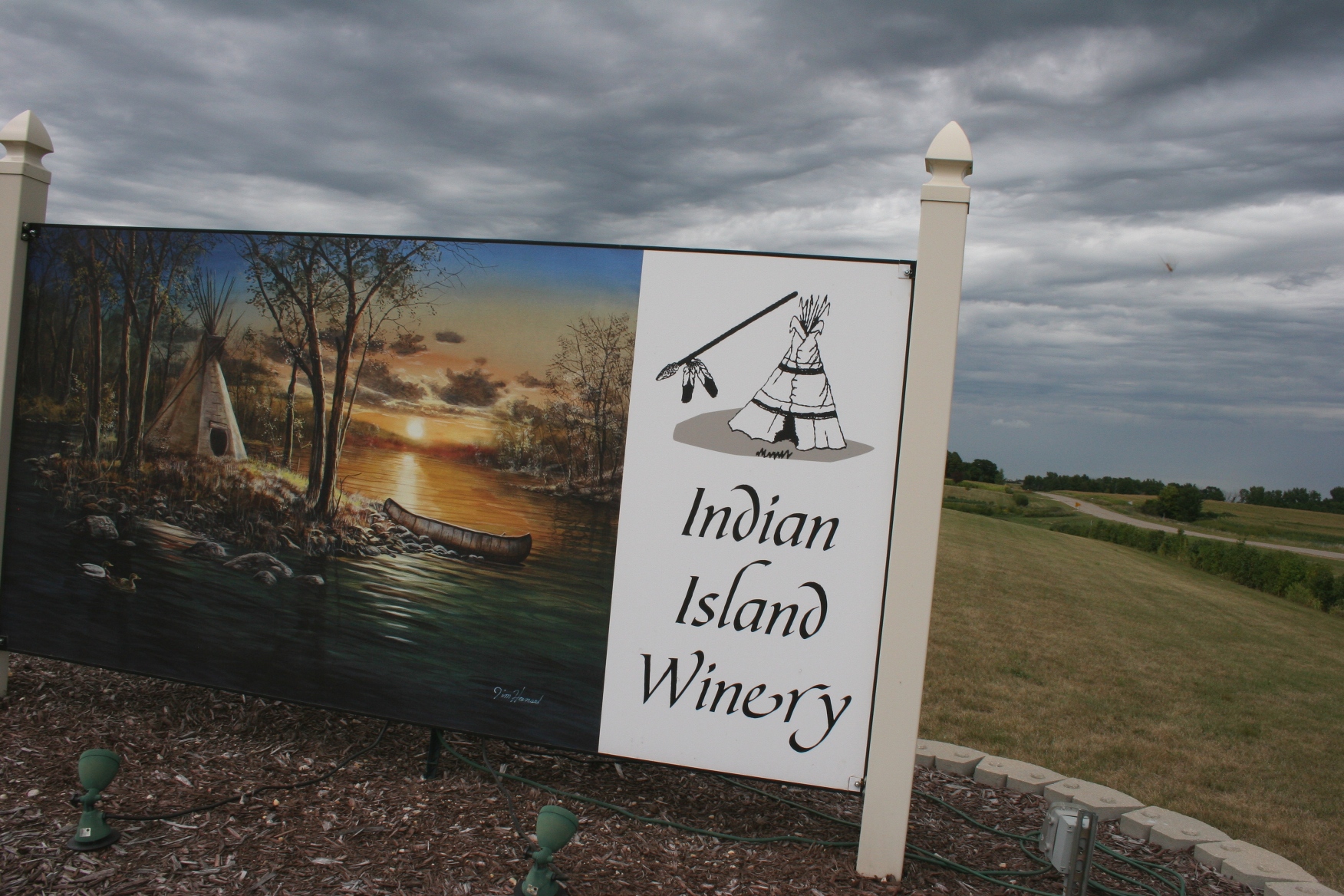
Minnesota artist Jim Hansel created the artwork, "Native Lands," for Indian Island Winery. Considered one of America's premier wildlife, nature and landscape artists, Hansel is legally blind.

Sunday afternoon my husband and I drove west from our Faribault home to check out the winery with the intriguing name, drawn from the Native Americans who once used this land—at one time nearly surrounded by water—as their summer hunting camp.

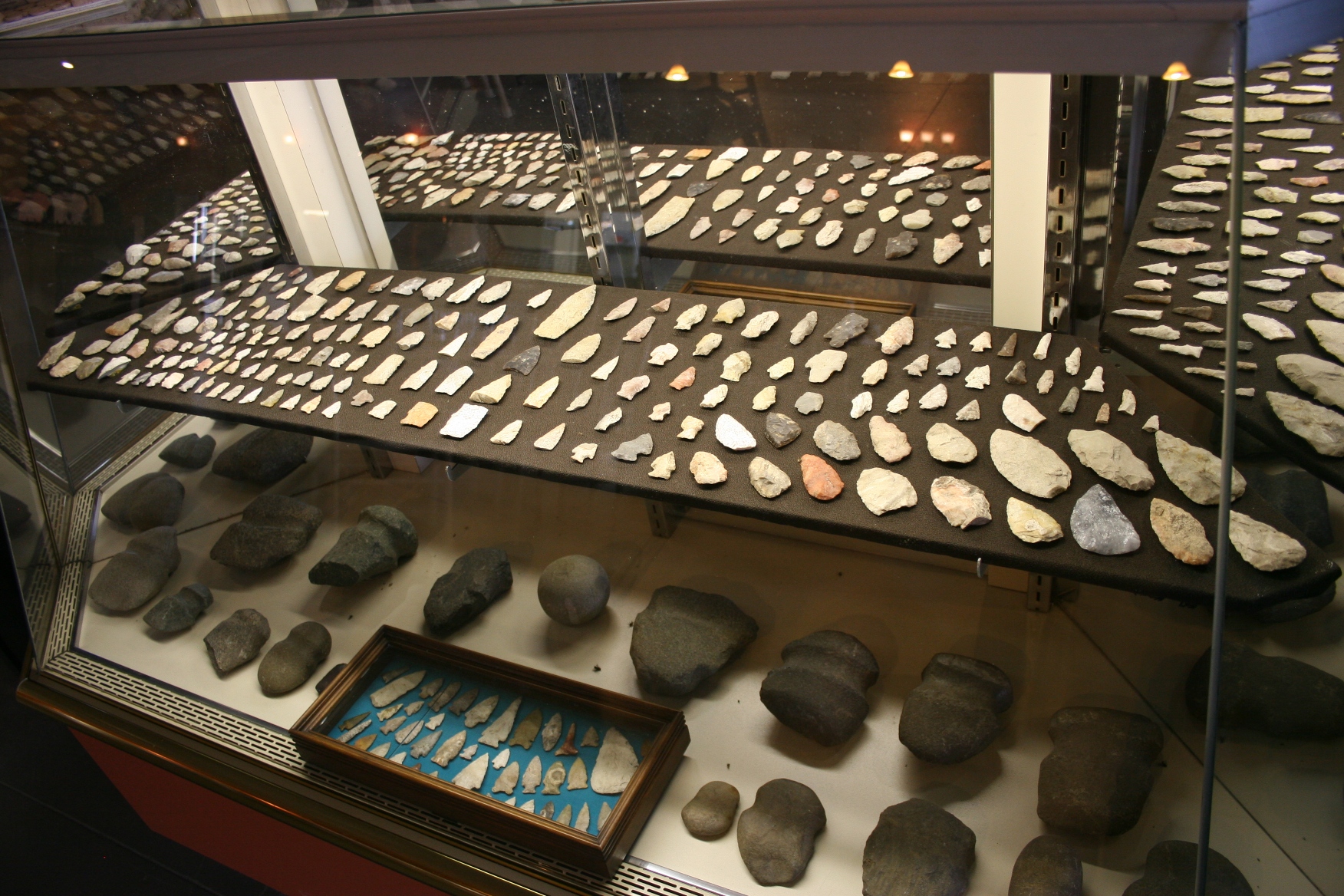
Inside the winery, you’ll see the artifacts, found on this property, to back up the historical context of this place. And, no, this site was not a Native American burial grounds.

Indian artifacts found on-site and displayed inside the winery.

Tour the winery and/or the vineyard and the Winter family will fill you in on the grape-growing and harvesting and wine-making process. We opted in on the winery tour, out on the vineyard tour given I wanted to photograph the vineyard and didn’t want to hold up a whole trolley full of tourists.

Instead, Tom Winter, who is a partner in the business along with his parents, Ray and Lisa, his wife Angela, and his sister Angie, invited us to follow the trolley out to the grape fields and explore on our own.

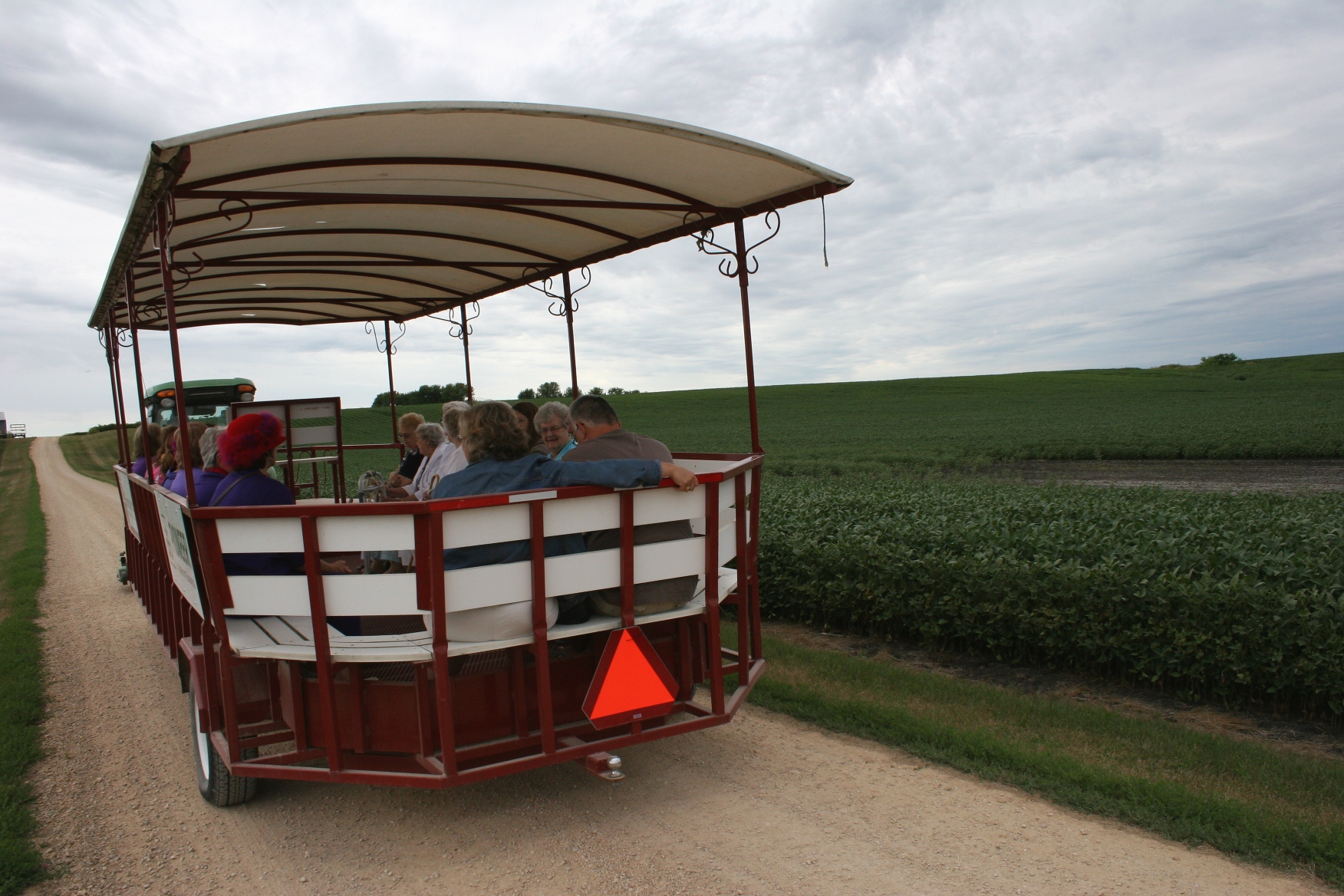
Visitors experience the country as they ride past soybean fields on the way to the vineyard.

That no qualms invitation warmed me up to the Winter family right then and there. And, if I was to choose a phrase defining our visit to Indian Island, that would be “down-home, country friendly.”

From Tom’s broad smile, to his and Angela’s adorable 7-month-old son to the charming college student tending the wine-tasting bar to the bucolic setting, everything about Indian Island speaks  “Welcome, we’re happy to have you here in this place we love.”

And clearly the Winters love this land, and each other, as they reside on various building sites within view of the winery and vineyards. “Close, but not too close,” Tom laughs, adding that a cousin also lives nearby.

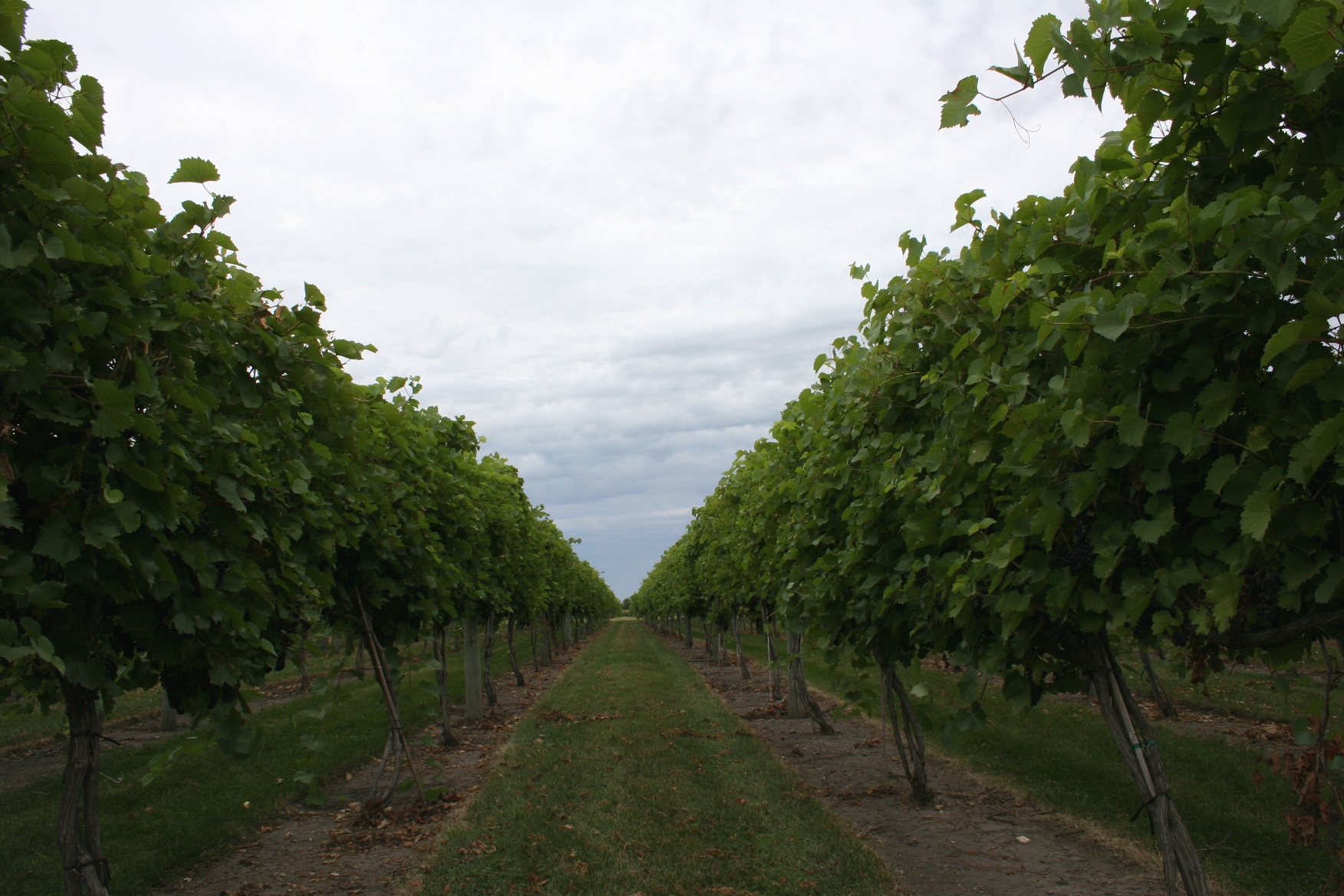
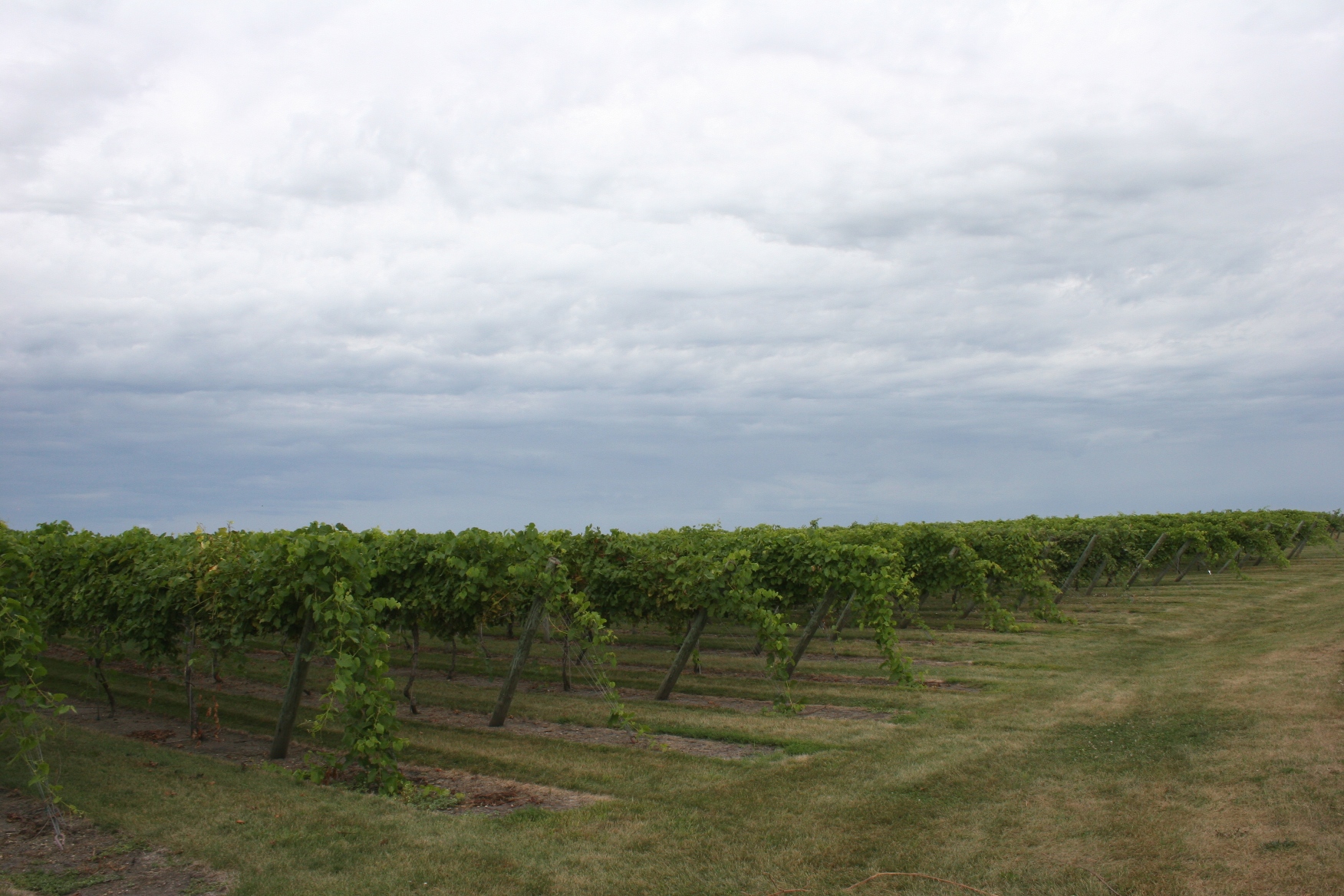
Indian Island's vineyard covers 13 acres. Here's a view between rows of plants.

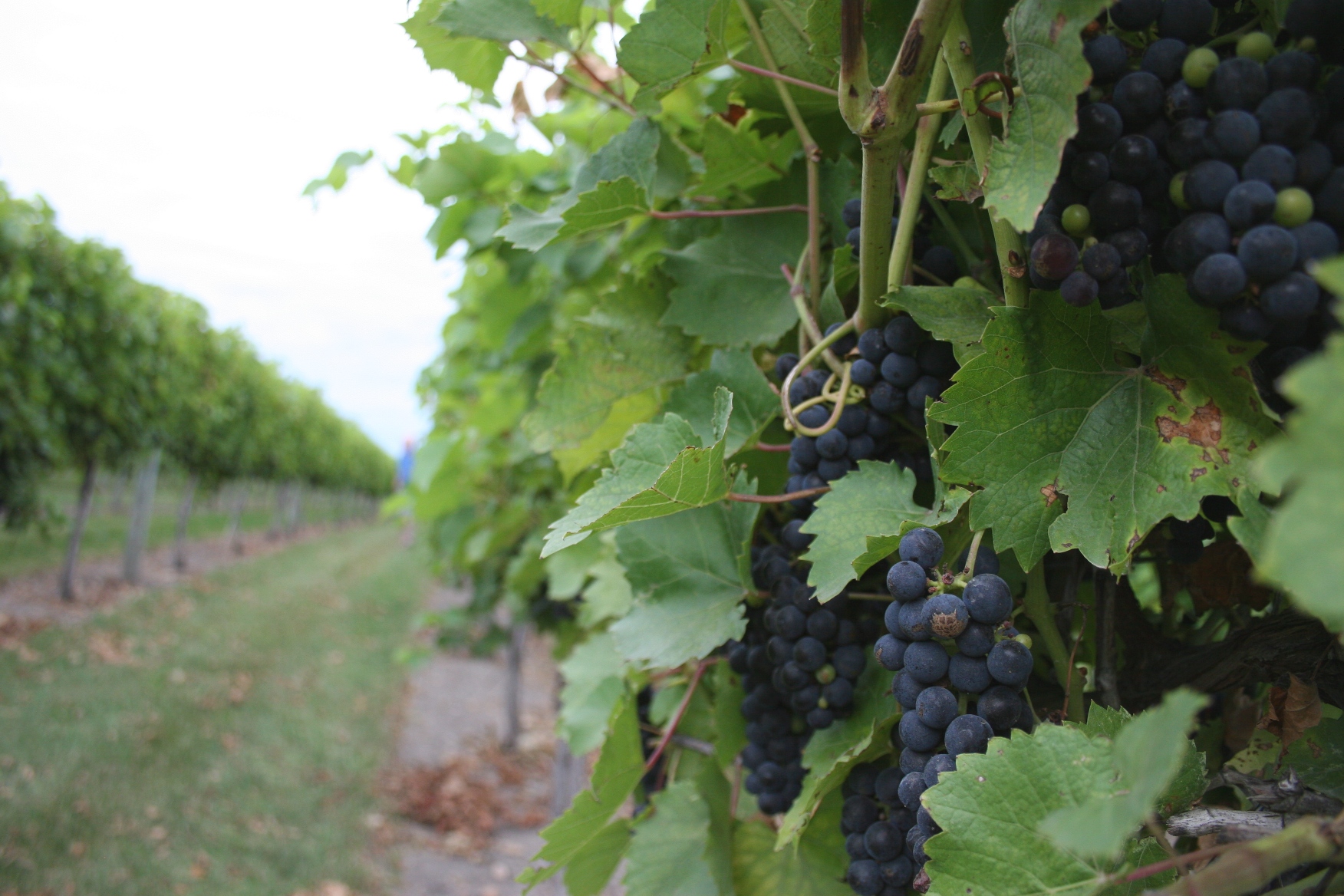
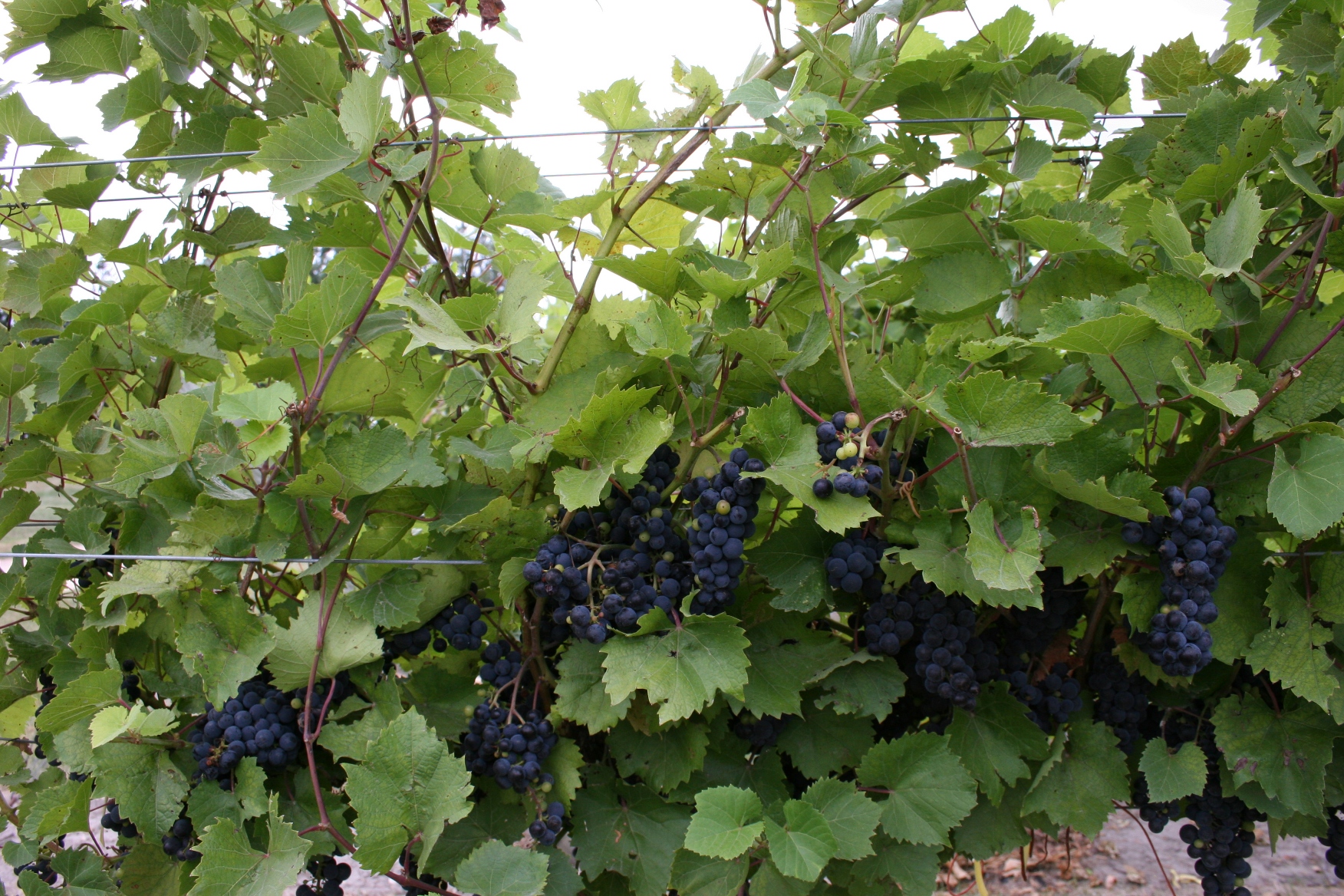
Clusters of grapes hang heavy on vines awaiting the harvest.

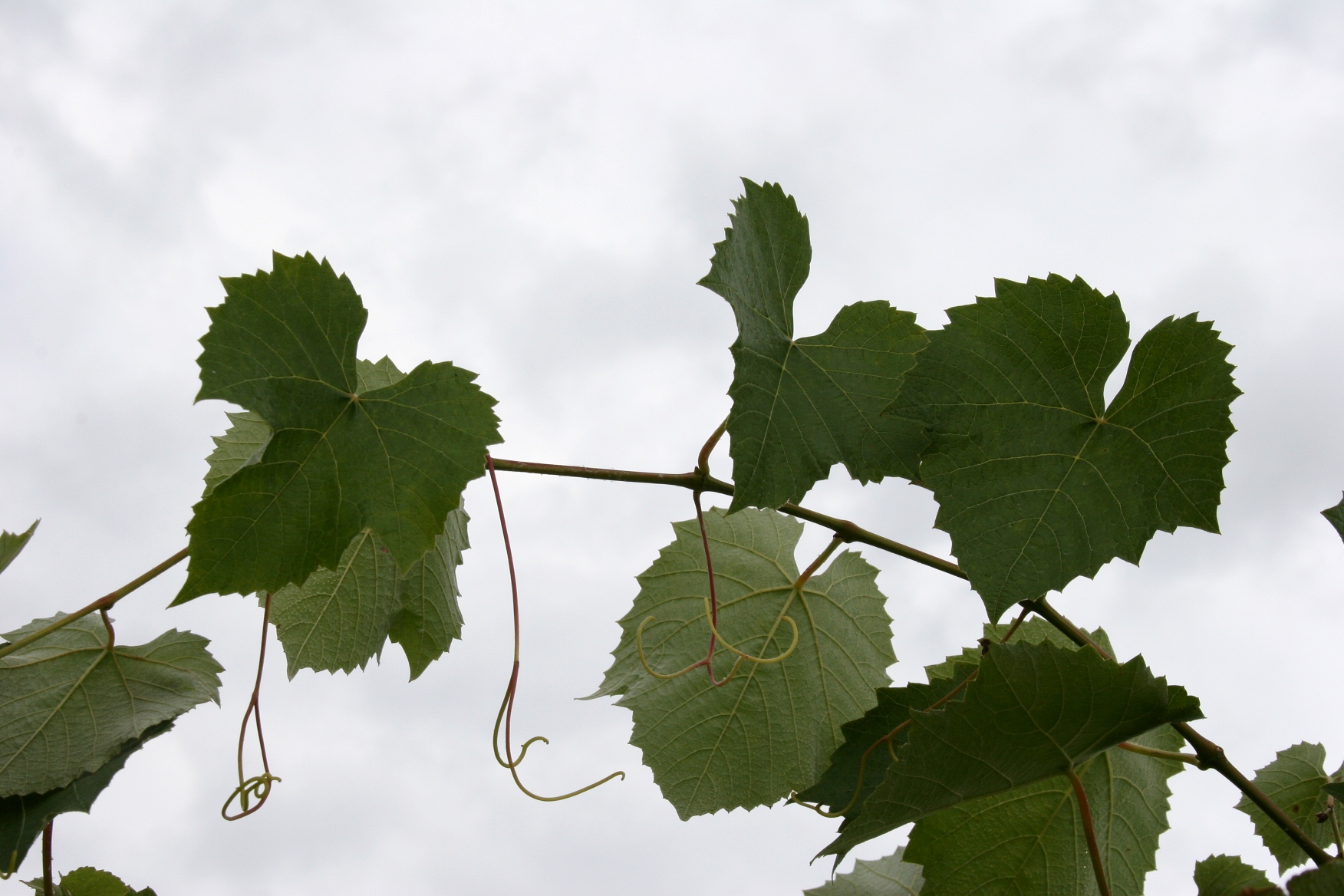
Grape leaves arc above the rows.

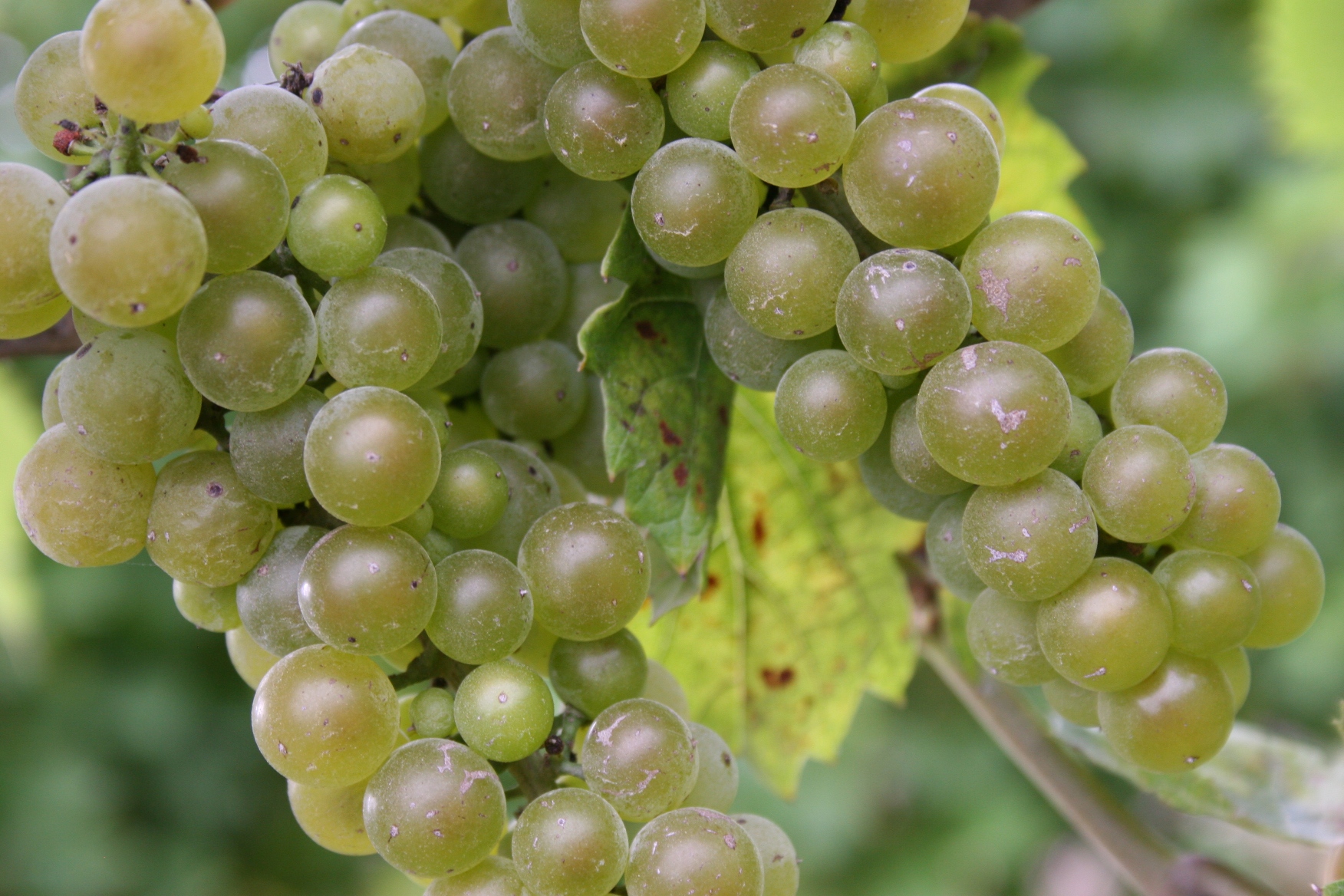
I don't know grape types, but my husband and I found many varieties in the vineyard.

Masses of grapes and individual grapes made for some lovely photos.

The thing we noticed about the vineyard grapes is that they don't look at all like the types of larger grapes sold in grocery store produce departments.

Tom Winter warned us about the LP-fueled cannon before we headed for the vineyard. The cannon "fires" periodically to scare away the birds. Likewise, a loudspeaker system intertwined among the grapes broadcasts the voices of squawking birds, all to keep real birds away from the fruit.

During the winery tour, Tom says several times, “My sister’s the winemaker.” Even though Angie Winter makes the wine, this family works together, from Angela keeping the books to Tom pinch-hitting as a tour guide when he isn’t working in other facets of the winery to… Earlier this year, the Winters were named Waseca County’s Farm Family of the Year.

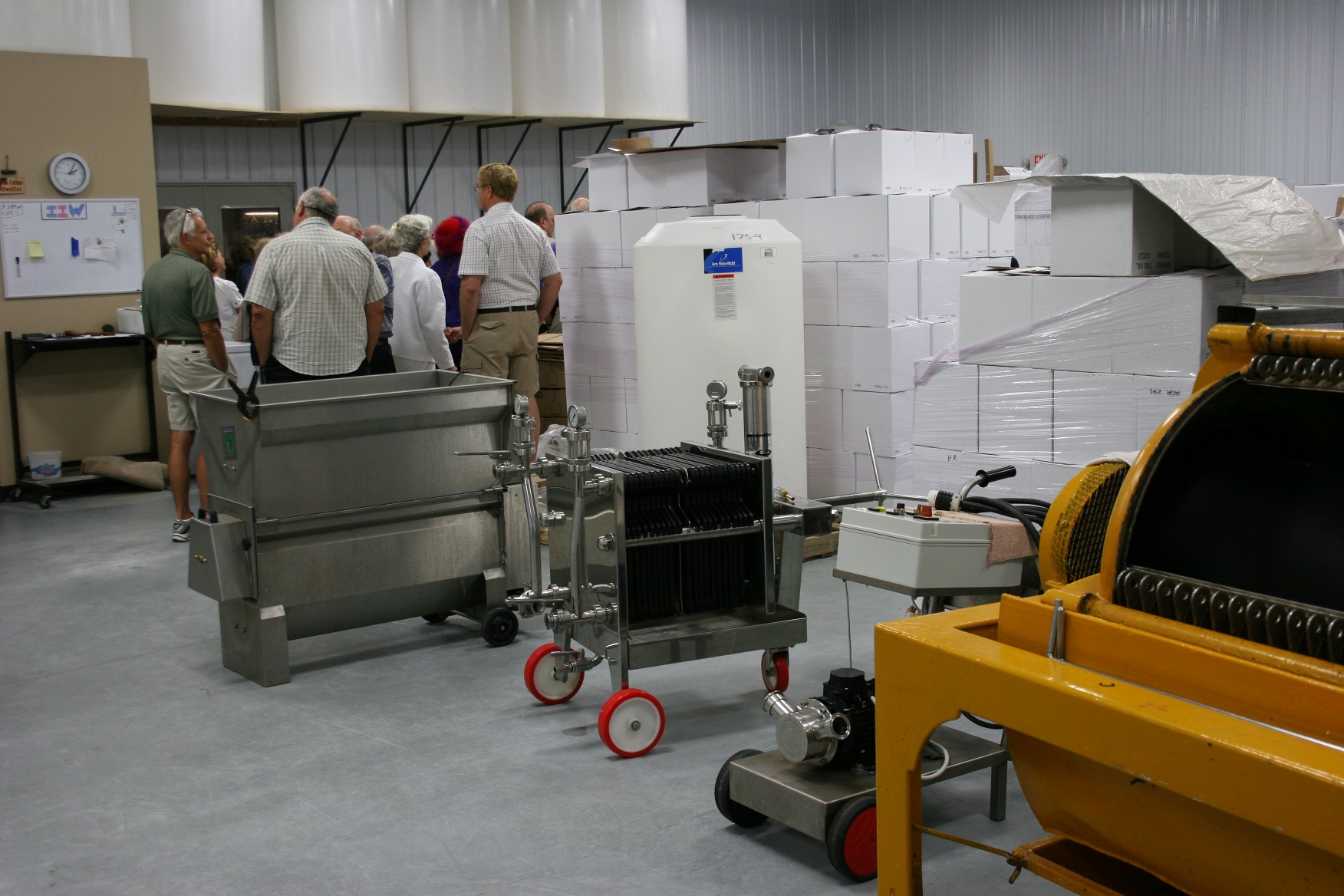
Visitors learn about the press, filter, crusher and other equipment in the wine-making room.

A box full of corks in the wine-making section of the business.

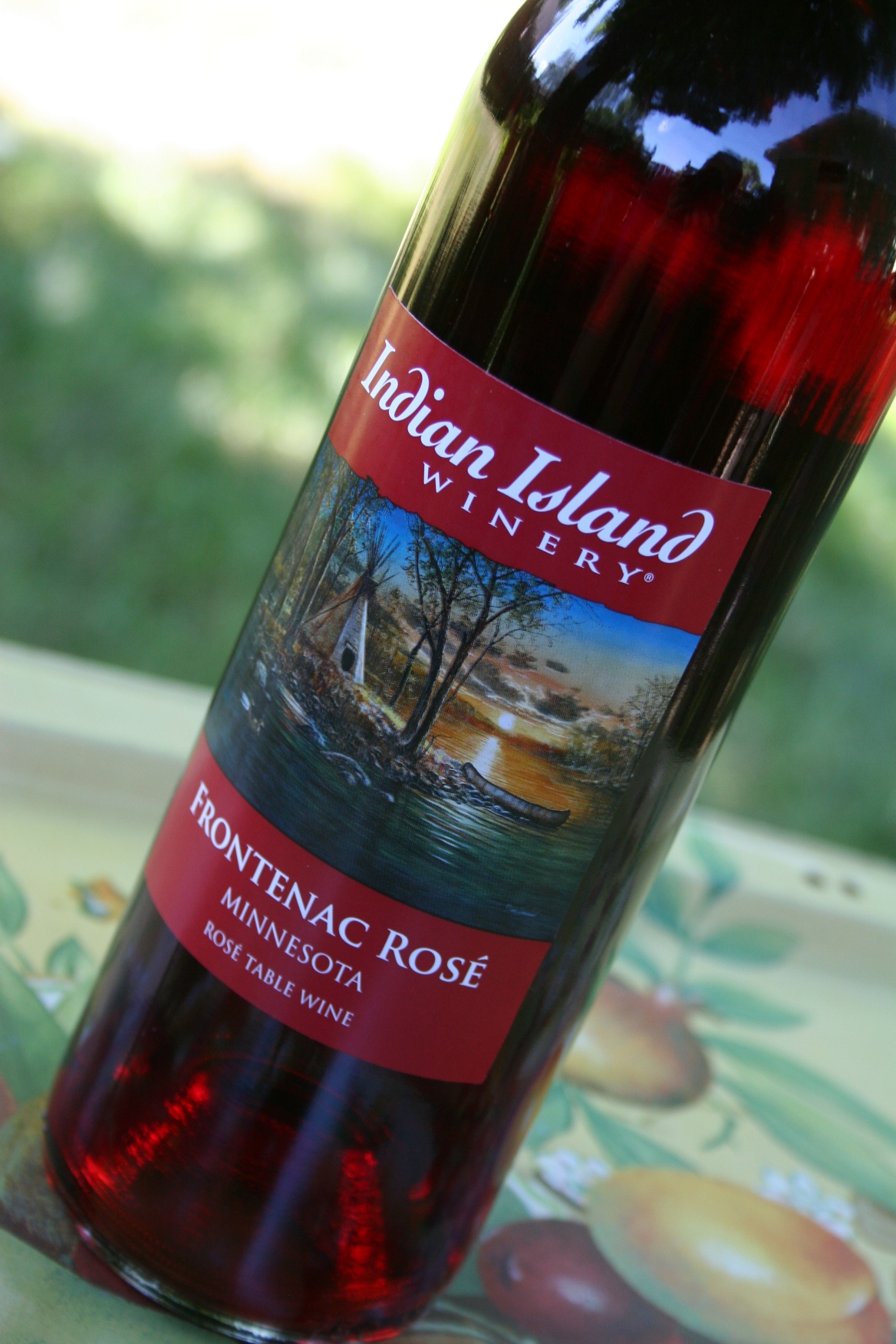
Together, after only a few years in the wine business, the Winters have accumulated a long list of awards—the most recent the coveted Minnesota Governor’s Cup (aka gold medal) in the 2011 International Cold Climate Wine Competition for their Frontenac Rosé.

The Winters’ wine beat out 250 other entries to take the top honors, Ray Winter says.

Winner of the 2011 Governor's Cup, Frontenac Rose.

Inside the machine shed style building, which looks nothing like a storage place for farm machinery, you can (for $5 and you get to keep an Indian Island wine glass) sample four pre-selected wines and three others at the wine bar. You’ll find Maiden Blush, this year’s bestseller, and wines with names like Dreamcatcher, Prairie Wind and St. Pepin.

You can sample wines (17 are on the current wine-tasting list) and/or enjoy a meal inside or outside the winery.

One of the many winery offerings: St. Croix, a semi-dry red table wine.

Grab a bottle of wine from the vast selection at Indian Island Winery.

If all goes well with this year’s crop, Indian Island plans to offer wines made from only Minnesota-grown grapes. Most grapes will come from the family’s own vineyards with some also coming from local contractors.

For now, Indian Island makes only grape wine. I have yet to sample any, although my husband and I picked up bottles of Maiden Blush and Frontenac Rosé.

The bartender suggested we return: “Come back in the evening, have a glass of wine and watch the sun set.”

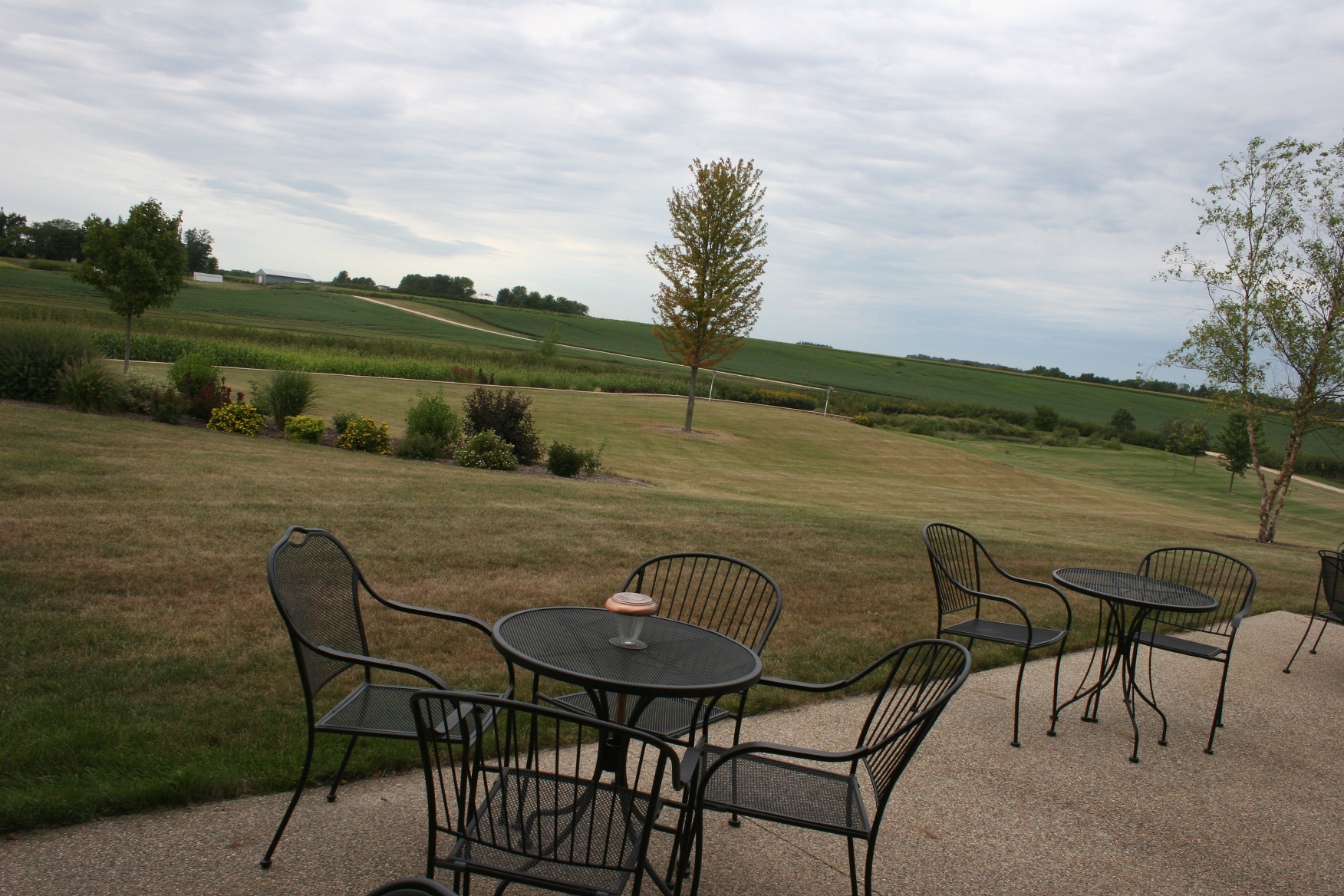
That sounds like a plan to me, to this former southern Minnesota prairie farm girl who appreciates nothing more than the sun slipping below the horizon in a serene setting like that at Indian Island Winery.

I can picture myself sitting on the patio at Indian Island, sipping wine and watching the sun set.

FYI: Indian Island Winery is among places featured in the “Minnesota River Sips of History” wine, beer and history trail tour. Click here for more information on this tour that will take you to places like August Schell Brewing Company in New Ulm, Fieldstone Vineyards in Redwood Falls, the historic R.D. Hubbard House in Mankato, Gilfillan Estates between Morgan and Redwood Falls, and more. The sites are hosting special events the weekend of October 21 – 23.

Indian Island is among about 30 wineries in Minnesota and is located southeast of Mankato. The business aims to use only Minnesota grapes, most grown on-site.

FYI: Click here to learn more about artist Jim Hansel who created the signature artwork that graces Indian Island wine labels.

© Copyright 2011 Audrey Kletscher Helbling
 

An old-fashioned grocery store, moosehead and all, thrives in Ellendale August 5, 2011

In the small town of Ellendale, kids bike to Lerberg's Foods for groceries and the occasional slushie. Here two sisters and a friend slurp their slushies while sitting on bags of water softener pellets next to the pop machine.

WHEN ANDREW LERBERG bagged a moose in northern Minnesota in 1919, the animal was brought by rail to Ellendale and the moosehead proudly displayed in the family’s grocery store.

Ninety-two years later, that moosehead still hangs at Lerberg’s Foods, above a framed photo of Andrew with his trophy and above processed fruits and vegetables stacked on grocery store shelves.

Look down the grocery aisle to your left and you'll see the moosehead that is part of Lerberg's lore.

Ross Sletten, who purchased the business in 2007 from Andy Lerberg, will tell you the moosehead came with the store and that originally the rifle used to shoot the animal rested in its antlers. Not any more. Times have changed.

But not everything has changed at Lerberg’s. The original tongue-and-groove maple floor, tin ceiling, small-town-friendly atmosphere and more speak to the history of this 1914 brick building and to the long-standing grocery store owned by three generations of Lerbergs—Andrew, who started the business (in another building) in 1901, Arthur and Andy.

The original tongue-in-groove maple floor in front of the meat counter.

The produce department of Lerberg's Foods.

Ross began working at Lerberg’s in 1976 and, on a recent Sunday, three of his five kids—Brett, 18, Cassidy, 14, and Noah, 12—were all working at the store that anchors a corner of the main street in Ellendale, population around 600.

This long-time employee, now owner/manager, is clearly proud of his grocery store, which he claims is the oldest grocery store in Steele County and the second oldest in Minnesota.

That’s easy to believe when you walk upon the worn tongue-and-groove floor between the narrow aisles—of which there are three—pause to appreciate the tin ceiling, and listen to Ross. He’ll tell you about the tailor who had a shop in the store’s current-day upstairs office or about the eggs, ducks and chickens locals once traded for goods.

He’ll point out the store’s original coffee grinder resting on a shelf above the dairy section or direct your attention to the original wooden butcher block back in the meat department and still in use today (grandfathered in, he says).

Lerberg's Foods owner/manager Ross Sletten points out the original butcher block, which he still uses.

Cassidy Sletten, 14, checks out groceries on a Sunday morning.

He runs a business which, on a Sunday morning, teems with customers—folks picking up a few groceries after church, kids treating themselves to slushies from the machine at the front of the store, a 9-year-old purchasing several cartons of eggs for his mom, a guy buying three bags of water softener salt.

Located just the right distance (meaning too far) from Albert Lea, Austin, Owatonna and Mankato, the store draws customers who will shop locally rather than drive to regional hub cities, Ross says. He can offer competitive prices, he says, through his supplier, Nash Finch.

A street-side sign in Lerberg's front window thanks customers for their patronage.

Already, 12-year-old Noah Sletten is thinking about his future and maybe someday taking over the business. “I think it would be kind of fun to own something old,” Noah says, then smiles.

For someone like me, who grew up in rural southwestern Minnesota and frequented a grocery store with tongue-and-groove floors, a tin ceiling, a candy counter (where I bought my favorite Bazooka bubblegum for a penny), a toy rack and groceries lining two aisles, discovering Lerberg’s Foods brought back so many memories. I couldn’t get enough of this old-time style store.

The only thing missing, I told 14-year-old check-out clerk Cassidy Sletten before leaving her family’s store, was the old-style screen door that would bang behind me. She gave me a puzzled look.

“Ask your dad,” I said, smiled, and walked out the door.

Candy at the end of a check-out counter tempts kids. There are peanuts for the adults.

And right before you walk out the door, you'll see this strategically-placed rack of toys.

A side view of the grocery store looking toward the main street through Ellendale. A customer is carrying a bag of water softener pellets, stacked in front of the pop machine. The slushie slurping kids had to temporarily give up their hang-out spot so he could grab three bags of salt.

© Copyright 2011 Audrey Kletscher Helbling
 

A Sunday morning with The Hope Feline Patrol July 31, 2011

The Hope Feline Patrol lounges on the porch of Hopefull Treasures.

VISIT HOPE, MINNESOTA, late on a Sunday morning and you might feel like you’re in a ghost town. Except for the cats. The Hope Feline Patrol, I’ve dubbed them.

When my husband and I pulled into this Steele County town because that’s what we sometimes do on Sundays after church—hop in the car and drive to places we haven’t been to before—not a soul was in sight save those two cats.

They lounged on the porch of Hopefull Treasures, aka Wilker’s Antiques, all stretched out as if they had not a care in the world. Until I appeared.

The long-haired orange cat stirred, on alert, jumped off a weathered wooden box and wound around my leg. The tabby stayed put, flicking eyes toward me, then, satisfied that I presented no threat, resumed cat napping.

The orange cat, however, plopped down on the sidewalk in front of the antique store, rolled around for awhile and then assumed a leisurely pose with a watchful eye on the single main route through this town of 120 residents.

The orange cat almost immediately sat up and assessed the situation when I arrived.

The napping tabby left patrol duties primarily to the orange cat.

Hopefull Treasure's orange cat keeps an eye on the single road that runs through Hope.

All the while I kept taking pictures of the cats and the antique store I wished was unlocked. It’s open only from noon to 6 p.m. on Fridays, from 10 a.m. to 3 p.m. Saturdays or by chance or appointment. Apparently I wasn’t drawing a chance card on this day.

I knew I’d love poking around inside this place, scrounging for more story and photo treasures, plus antique and collectible treasures.

Every place, every person, every animal, every thing holds a story. And at Hopefull Treasures I’d found my story in The Hope Feline Patrol.

I had to peer into the windows of the closed antique store to check out the treasures.

Vintage postcards and coffee cups I spotted through the front window of Hopefull Treasures.

When I moved on down the street, the orange cat was still lying on the sidewalk in front of Hopefull Treasures.

© Copyright 2011 Audrey Kletscher Helbling

 

Guess the pig’s weight and other farm stories from New Richland July 29, 2011

VENTURE INTO RURAL MINNESOTA—and we’re talking the small farming communities here, not what metro folks call “Greater Minnesota” or “outstate Minnesota”—and you’ll connect to our state’s agrarian roots in some interesting ways.

Take New Richland, for example, a town of 1,200 in southeastern Waseca County. Drive into town and you’ll see the usual grain bins and elevator and other farm-related businesses you would expect in an agricultural community.

A cluster of grain bins in the heart of New Richland.

But then explore a little more and you’ll discover just how much this town values its agricultural heritage. Take the post office. Peek around the corner…

A corner of the New Richland Post Office. Note the grain bins a few blocks away.

Around the post office corner you'll find this mural which reflects the connection between city and country.

A snippet of the country portion of the mural. I wonder how the artist decided what type of tractor to feature?

Country connects to city in this detailed mural.

and you’ll find a mural depicting farm and city.

Now I’ve seen many a mural in my day, and I’d rate this as among the best. I wish I knew who to credit for this detailed artwork that draws the eye along the winding country road, down the train tracks to the grain elevator or along city streets to downtown. But I couldn’t find any information about the mural in a quick online search.

However, I did learn more about New Richland and the pride this community takes in its agricultural roots. Just a few weeks ago the town celebrated its 28th annual Farm & City Days. Events included the usual parade, street dance, bingo, antique car show, medallion hunt and such.

But I found a few activities that definitely say country through and through.

Teams of two competed in the  second annual Chore Boy Race. (Just for the record, girls can participate, too; the winners were Molly Flor and Brandon Mullenbach). Anyway, it’s a contest that involves eggs, milk, hay, grain and wheelbarrows. You can learn more about the competition by clicking here and reading this story in the local newspaper, The Star Eagle.

I found a Chore Boy Race contestant application online and one Farm & City Days Facebook page photo and these rules (some in boldface):  “You must wear all your chore clothes at all times. This includes but is not limited to Boots, Hat, Bibs & Gloves.”

OK then, got that?

If you’d rather use your brain than your brawn, Farm & City Days offers a “Guess the weight of the pig” contest at $1 a guess. The person with the closest guess wins the pig and processing at Morgan’s Meat Market. This year two entrants correctly guessed the exact weight of 208 pounds and agreed to split the hog, according to the Farm & City Days Facebook page.

If you didn’t win the pig, you could still eat pork by buying a pork sandwich meal from the Waseca County Pork Producers at the city park.

Two other agricultural-themed activities included a kids’ tractor pull and a Farm vs. City 3-person Scramble at a golf course.

I’m disappointed I missed Farm & City Days because it sounds like one heckuva good time, as small-town celebrations typically are. But I wouldn’t even have known about this annual farm-city event if I hadn’t been poking around New Richland last Sunday, spotted that mural on the side of the post office and then gone online to learn more about it, which I didn’t, but I did.

This John Deere tractor was parked outside the funeral home in New Richland on Sunday afternoon.

My husband and I stopped in New Richland while on a recent Sunday afternoon drive. Check out my July 24 blog post from this community and watch for future stories and photos from New Richland.

© Copyright 2011 Audrey Kletscher Helbling

 

Bad news from Hope July 27, 2011

The Hope Post Office, which I photographed on Sunday.

I WISH I DIDN’T have to update a story I posted just yesterday about the post office in Hope, south of Owatonna off Interstate 35. But I must, and the news isn’t good.

On Tuesday the United States Postal Service released the latest in a lengthy list—try 3,600-plus—post offices that could be closed to save money.

Hope wasn’t on that list.

But apparently it was on an earlier list as I discovered just minutes ago. While researching another topic online, I came across two newspaper articles about the proposed closing of Hope’s post office. Community residents have already gathered at a meeting to express their dismay with the planned closure.
Click here to read a story published in The Owatonna People’s Press.

Click here to read another story published in the The Star Eagle based in Waseca County.

Residents of Hope and the surrounding area, according to the articles, will have to wait about three more months before a decision is made on the proposed closure.

You’ll read in these stories how residents fear losing the one central place that connects them, how they worry about the impact on local businesses and more.

Their concerns are legitimate. I said it in my previous post and I’ll say it again. In a small town, a post office serves as a community gathering spot. It isn’t just a place to pick up mail, buy stamps or send a package. It is part of the heartbeat of small town Main Street.

© Copyright 2011 Audrey Kletscher Helbling