Minnesota Prairie Roots

Writing and photography by Audrey Kletscher Helbling

How I spent my Mother’s Day May 10, 2015

Heading here:

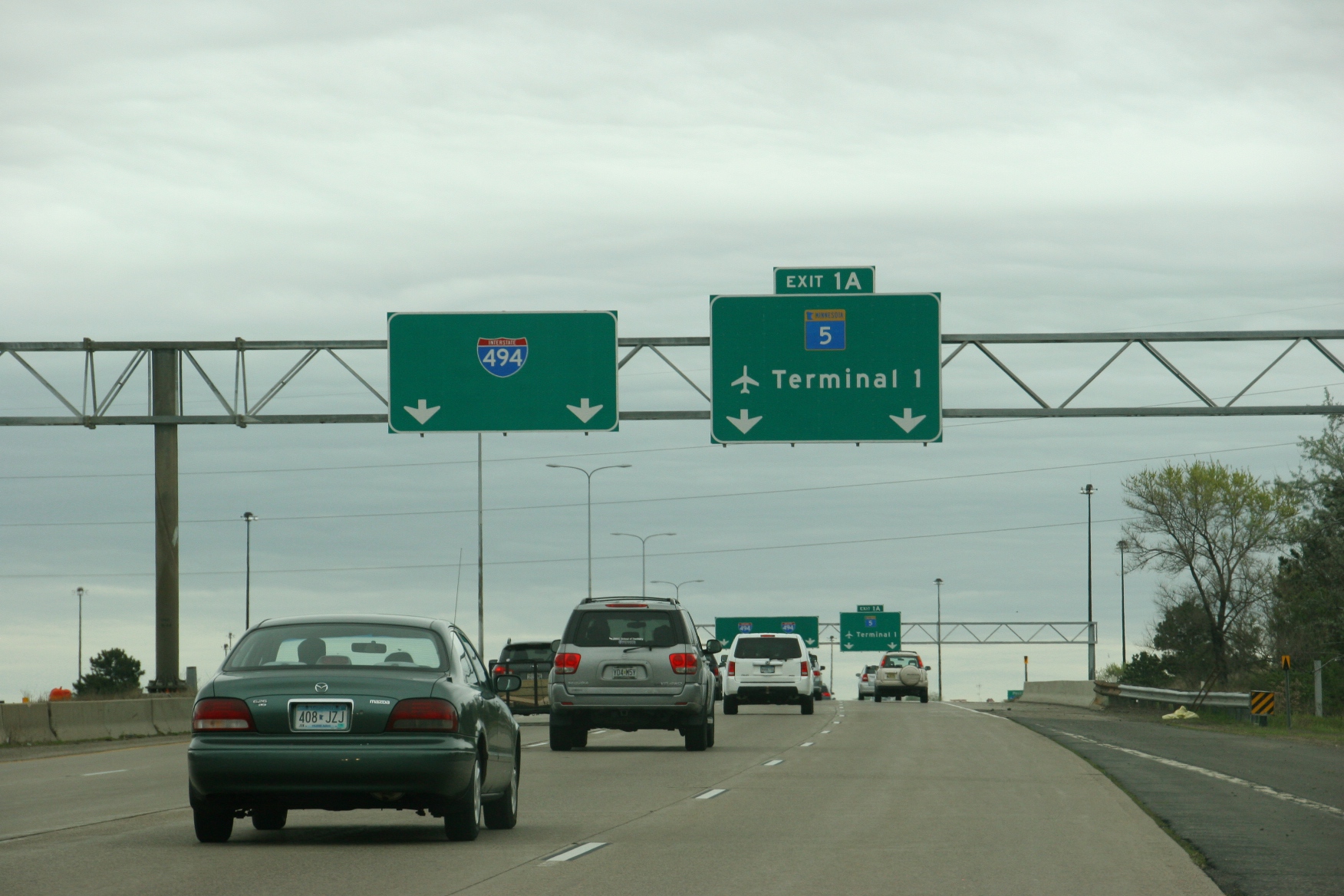
Airport, sign


Airport, terminal 1 sign


Waiting here (for an hour):


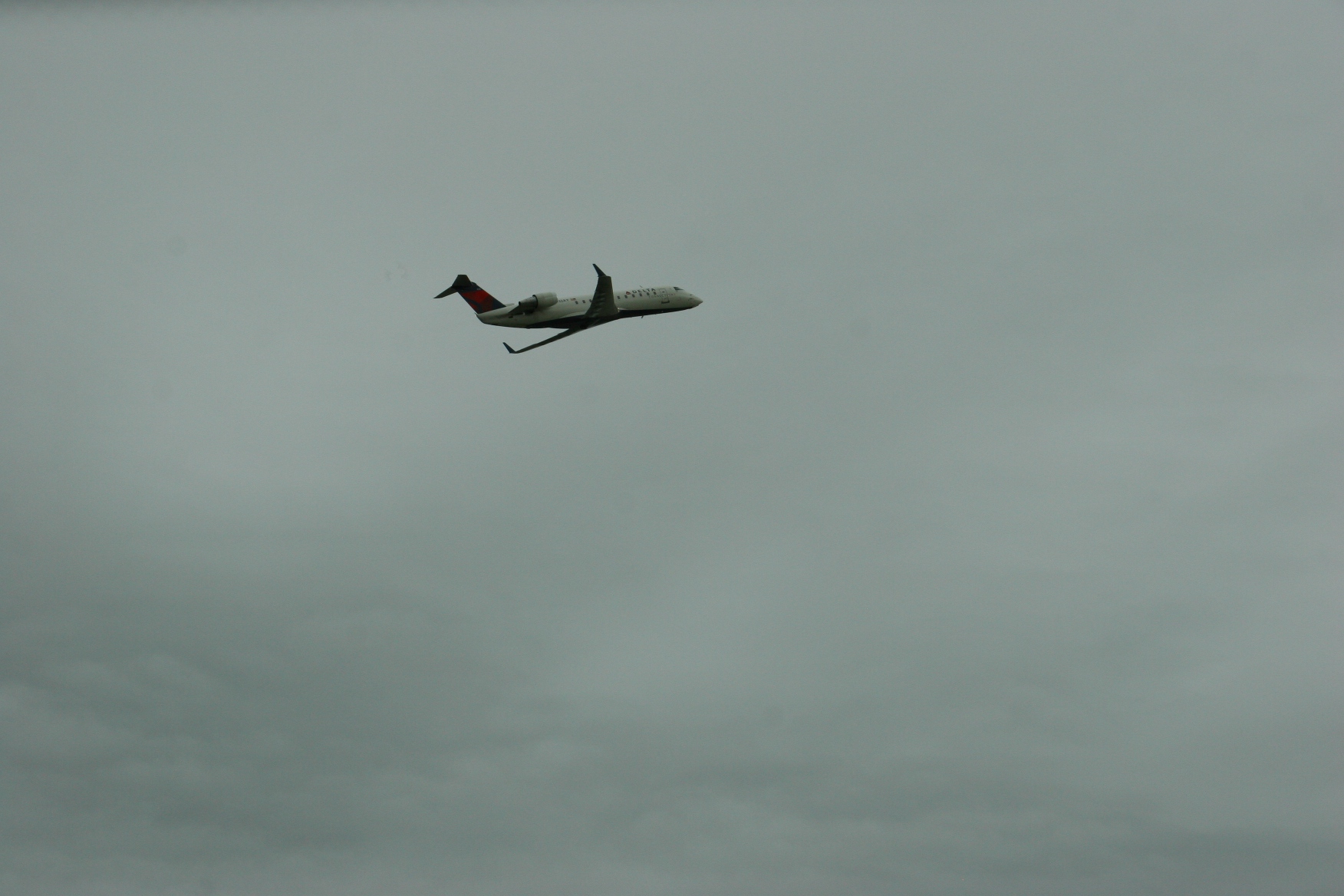
Airport, plane 1


Airport, plane 2


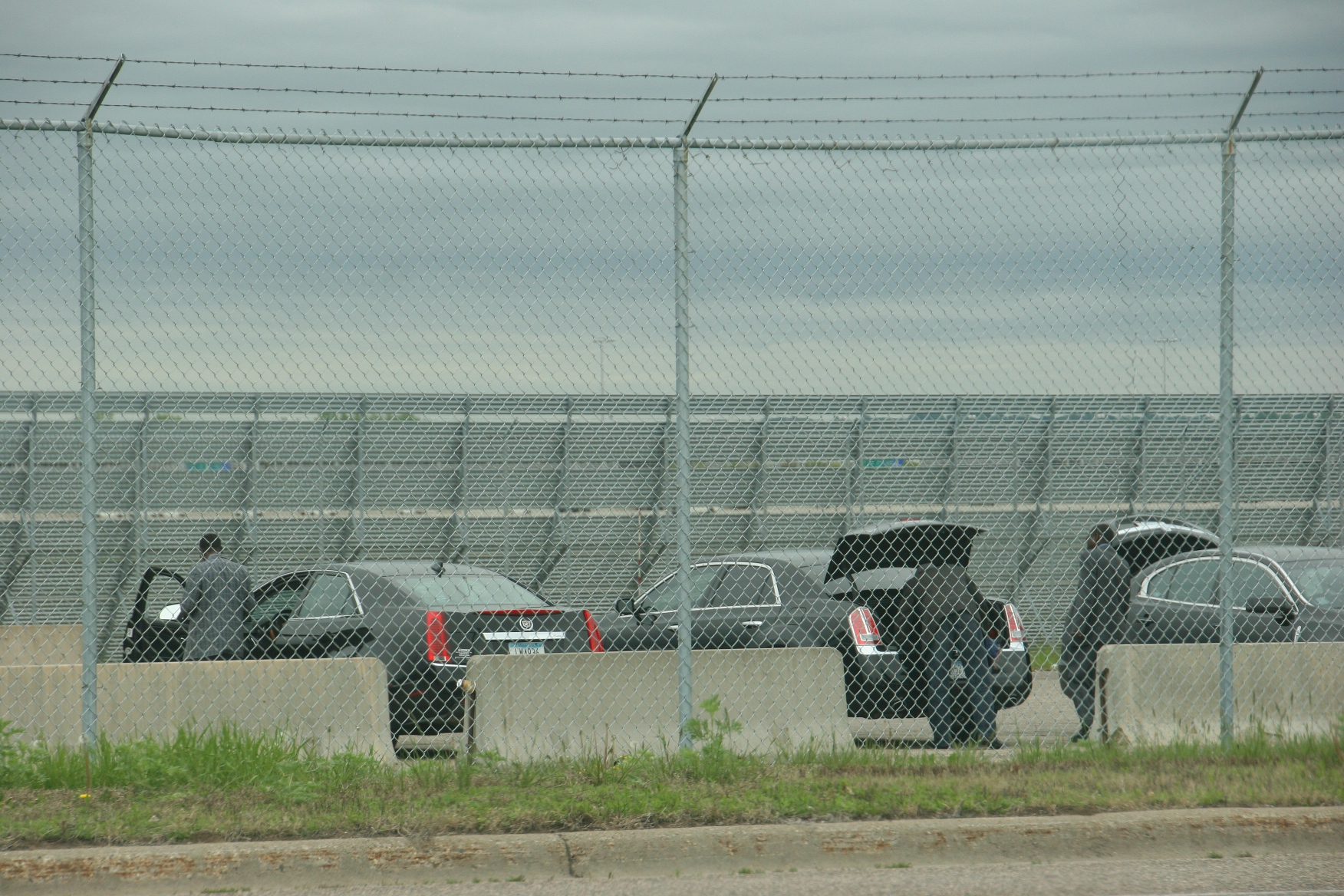
Airport, drivers waiting at airport


Airport, plane 3


Airport, plane 5


For this:

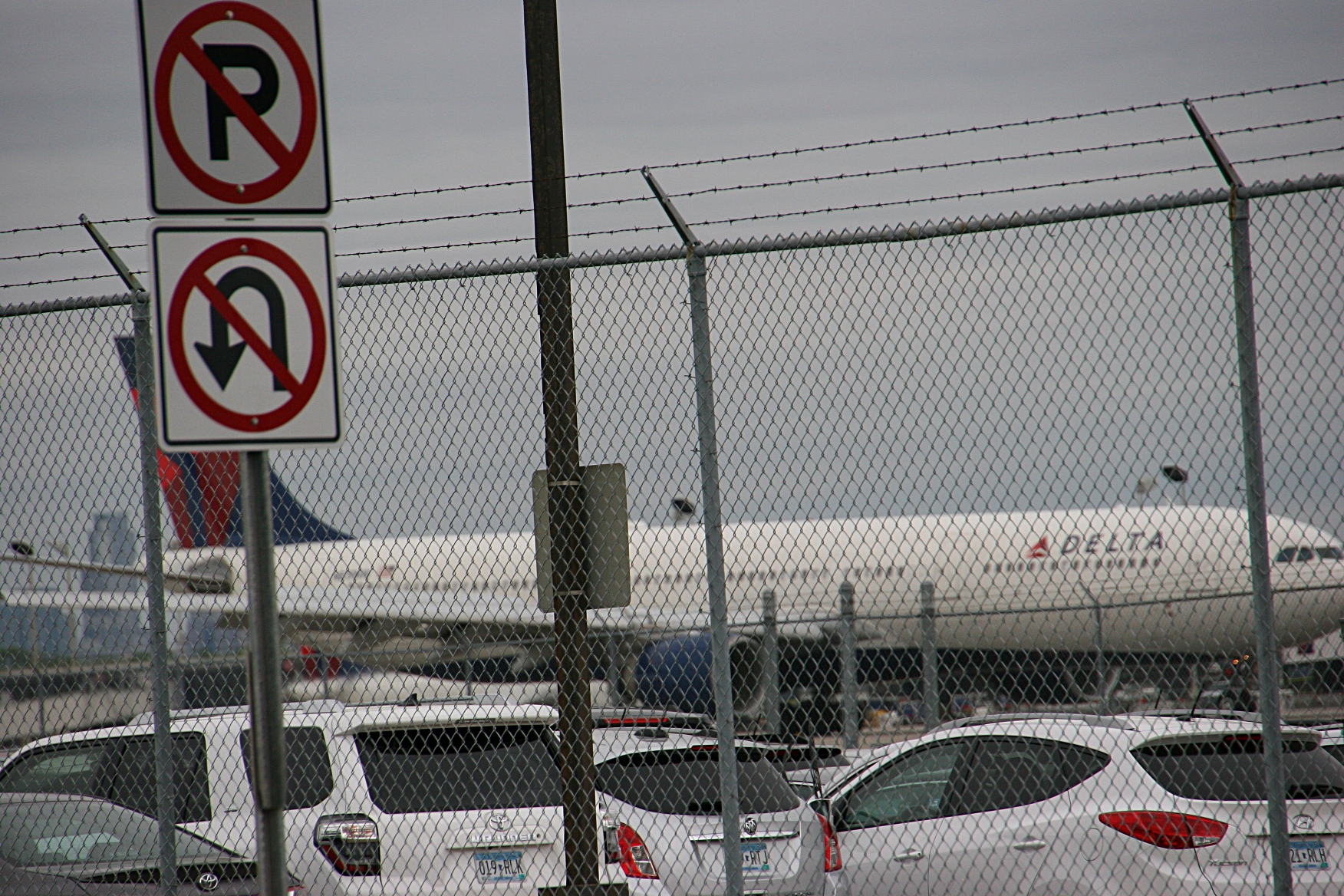
Airport, Delta plane landed


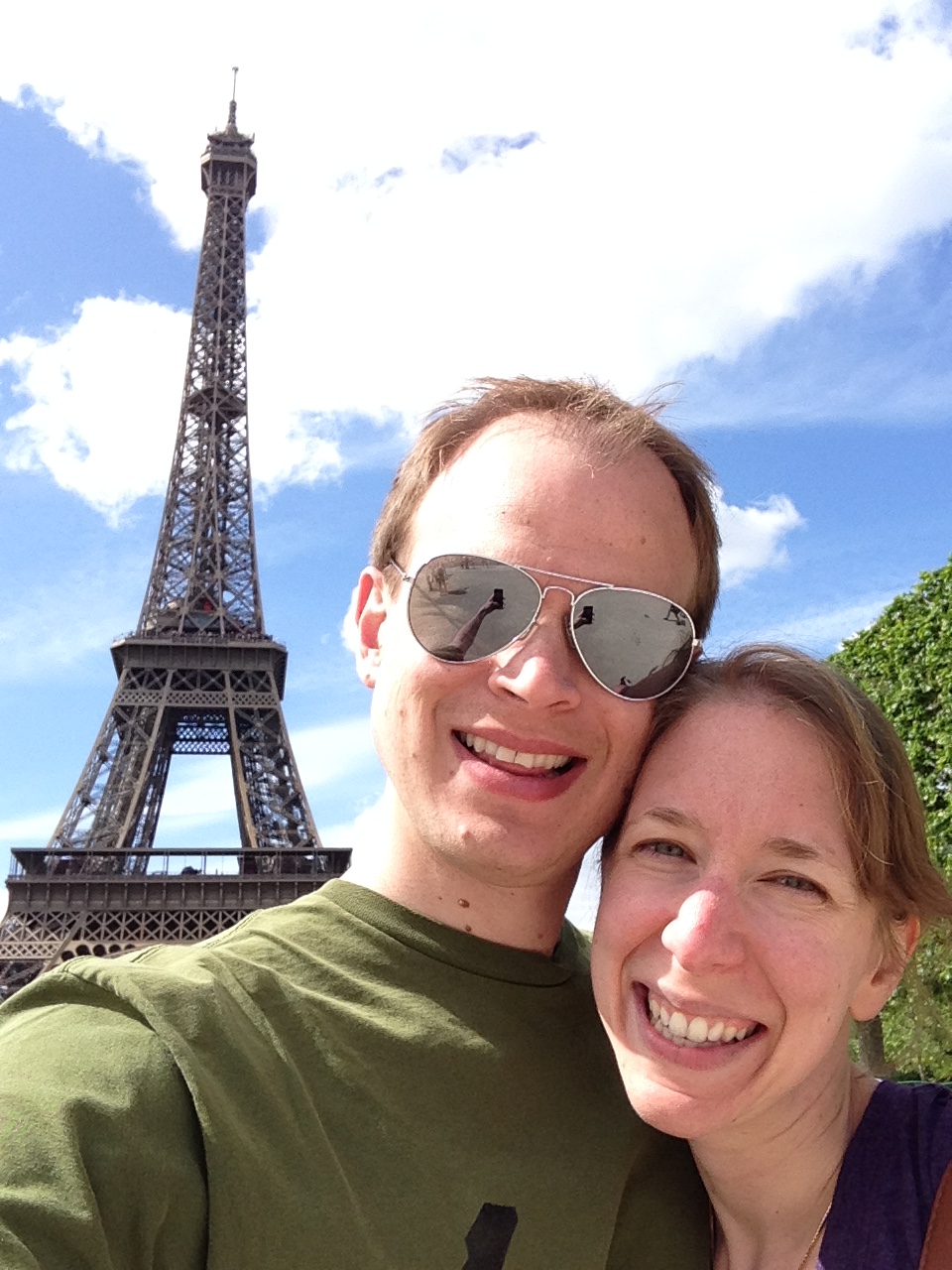
For these loved ones:

Marc and Amber eiffel tower


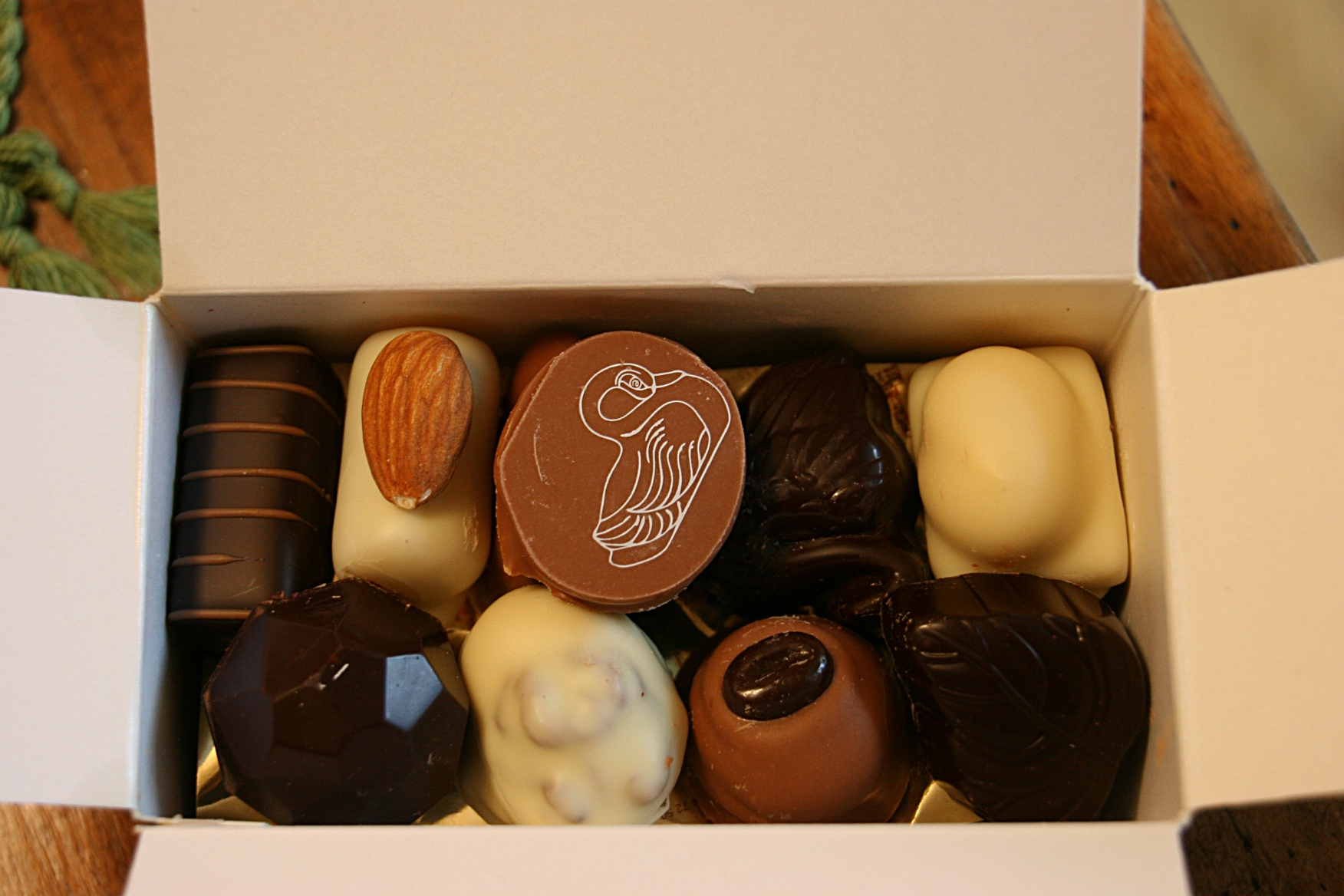
Who brought me (and my husband) this gift of Belgium chocolates:


Belguim chocolate


I hope your Mother’s Day was as great as mine with my eldest daughter, Amber, and her husband, Marc, safely back home from Europe and phone conversations with my other daughter, Miranda, my son, Caleb, and my mom, Arlene. There’s nothing more I wanted for Mother’s Day than to be with, or speak with, those I love. I am blessed.

© Copyright 2015 Audrey Kletscher Helbling


Lindström/Lindstrom’s missing umlauts April 16, 2015

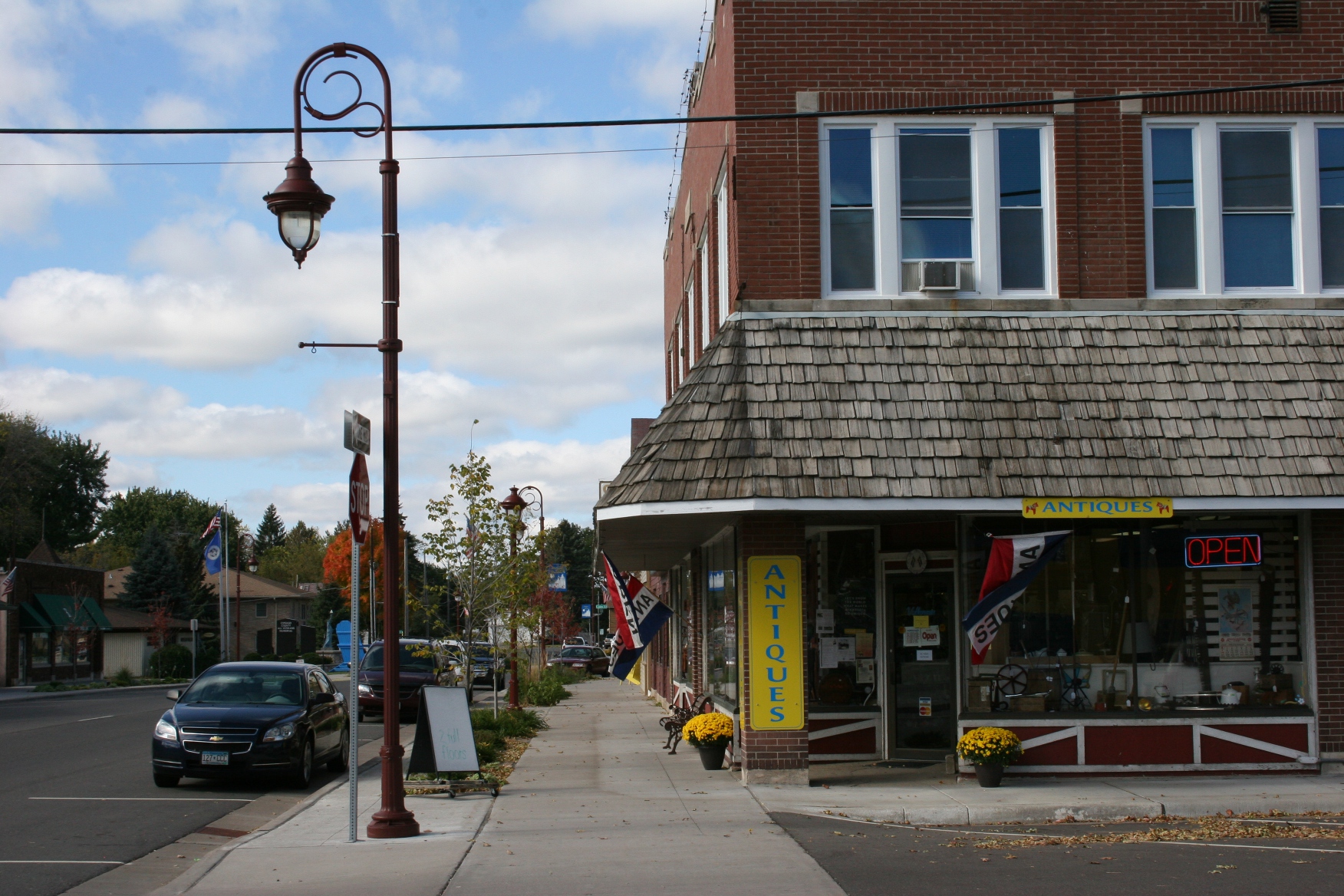
A section of LIndstrom's business district.

A section of  Lindstrom’s business district.

IT’S ALL A BIT AMUSING in a Minnesota sort of way.

Some folks in Lindström, “America’s Little Sweden” located about 40 miles north of the Twin Cities, noted the omission of the umlaut over the letter “o” on newly-erected official Minnesota Department of Transportation highway signage. They weren’t happy.

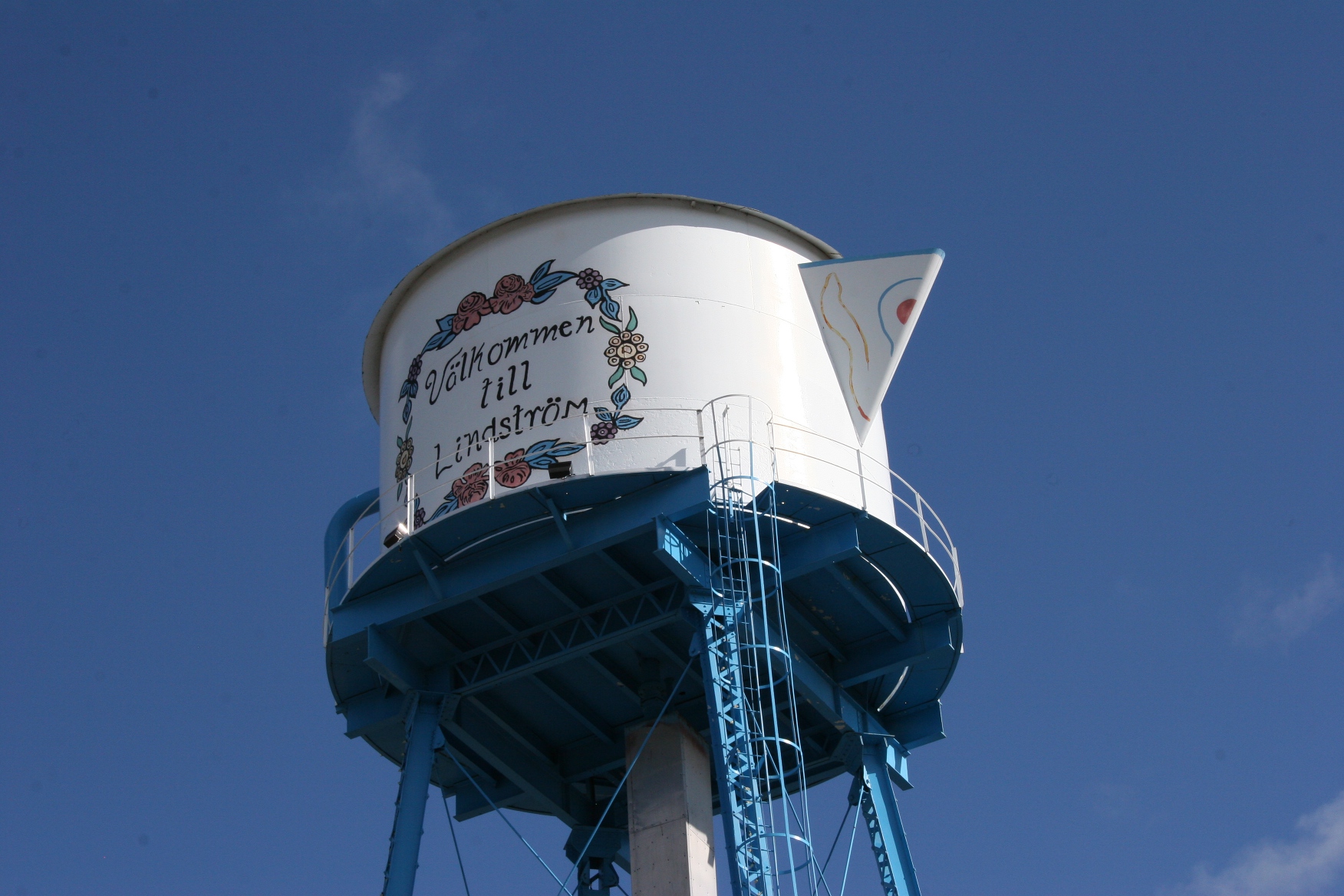
The town's 1908 water tower, converted to a Swedish coffee pot in 1992, sports umlauts.

The town’s 1908 water tower, converted to a Swedish coffee pot in 1992, sports umlauts.

Now if you’re of Swedish heritage and/or a stickler about absolutely proper linguistics, you can understand this discontent. I studied German in high school and college and am well aware of the importance of umlauts in correct pronunciation of a word. An umlaut denotes a specific sound.

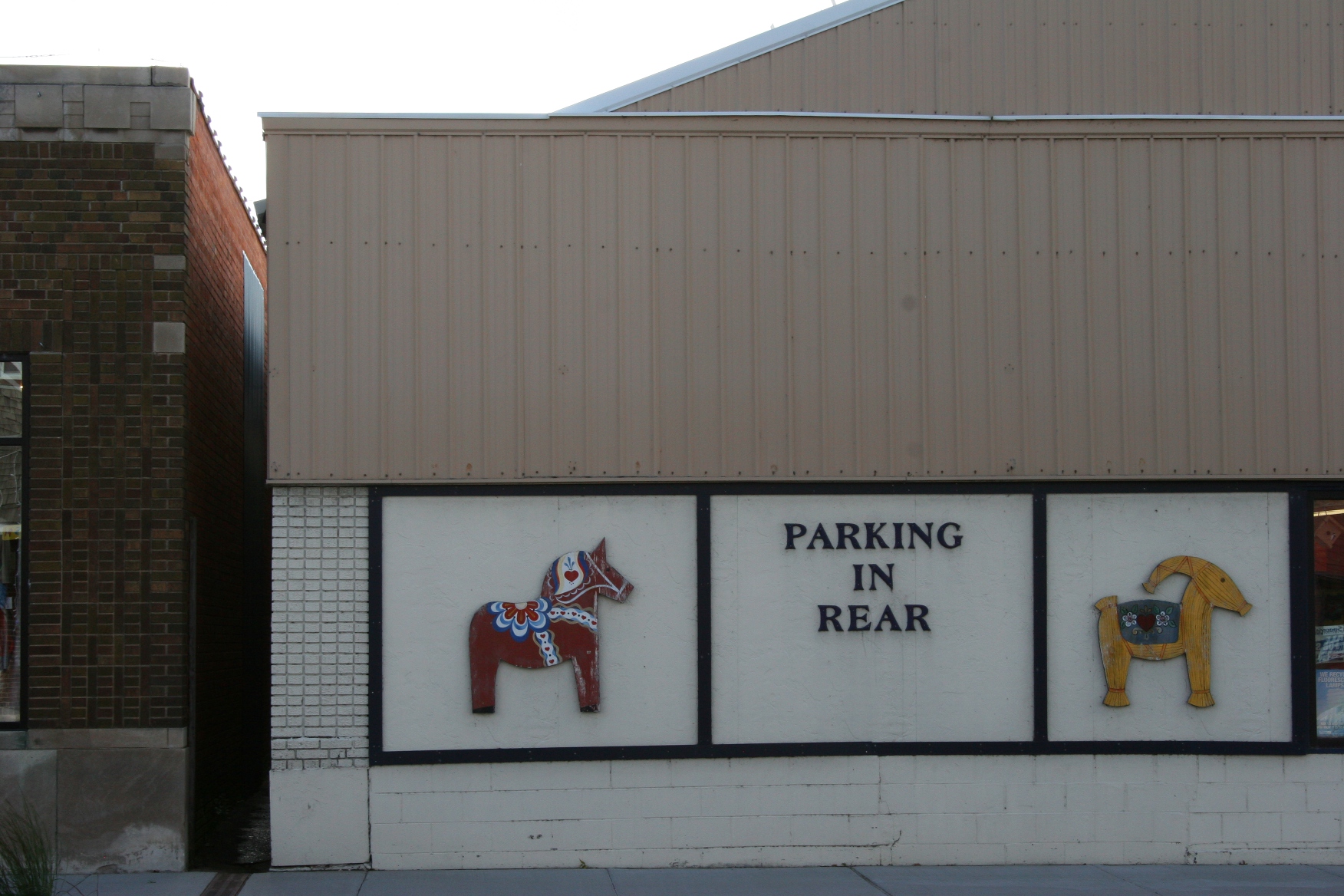
A Swedish dala horse and  Yule goat posted on a business honor this community's Swedish heritage.

A dala horse and Yule goat posted on a business honor Lindstrom’s Swedish heritage.

I expect if I lived in Lindström, where the Swedish heritage is an integral part of the town’s identity and a tourism draw, I might be miffed, too, about that missing umlaut.

In MnDOT’s defense, it was simply following state law which allows only standard alphabet usage (no umlauts or such) on traffic control devices.

Minnesota Governor Mark Dayton has since intervened, issuing an executive order on April 15 that approves addition of those two missing dots above the “o.”

In the meantime, The New York Times, the Associated Press and many other media outlets have picked up this, shall I call it, distinctly Minnesotan story.

I noticed in a television news story on the missing umlaut, that signage on the city’s center of government reads Lindstrom City Hall and Community Center rather than Lindström City Hall and Community Center. On the city’s website, the umlaut is sometimes there, sometimes not. I find that discrepancy interesting.

During my visit, I was more interested in what the bakery had to offer.

During my visit, I was more interested in what the bakery had to offer than an awareness of umlauts.

So I wondered about other signage in this community of 4,442 which my husband and I visited briefly last October, when I wasn’t noting the absence or presence of umlauts. I checked my few photos and here’s what I found:

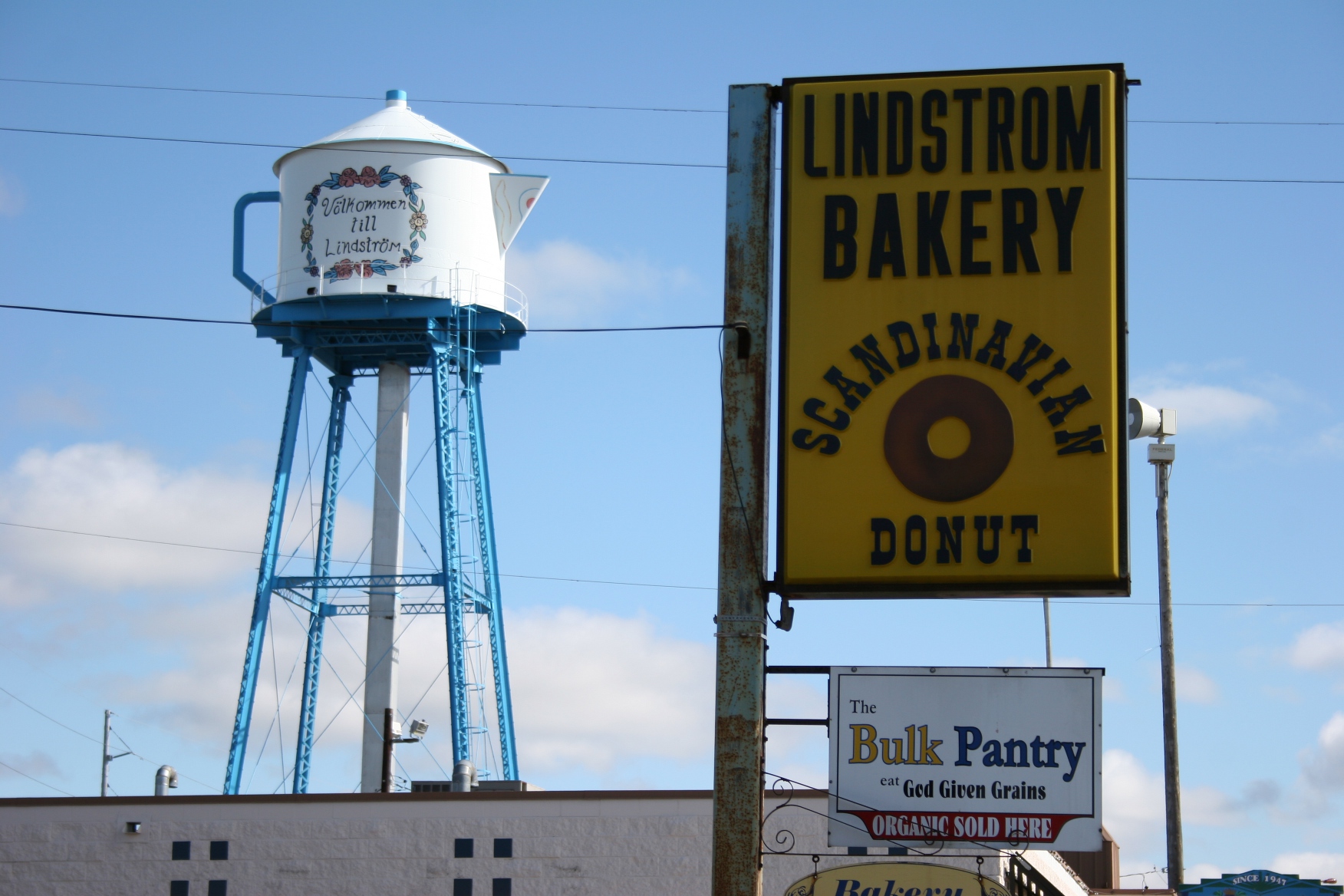
Umlauts on the Swedish coffee pot, but none on the bakery sign.

Umlauts on the Swedish coffee pot, but none on the bakery sign.

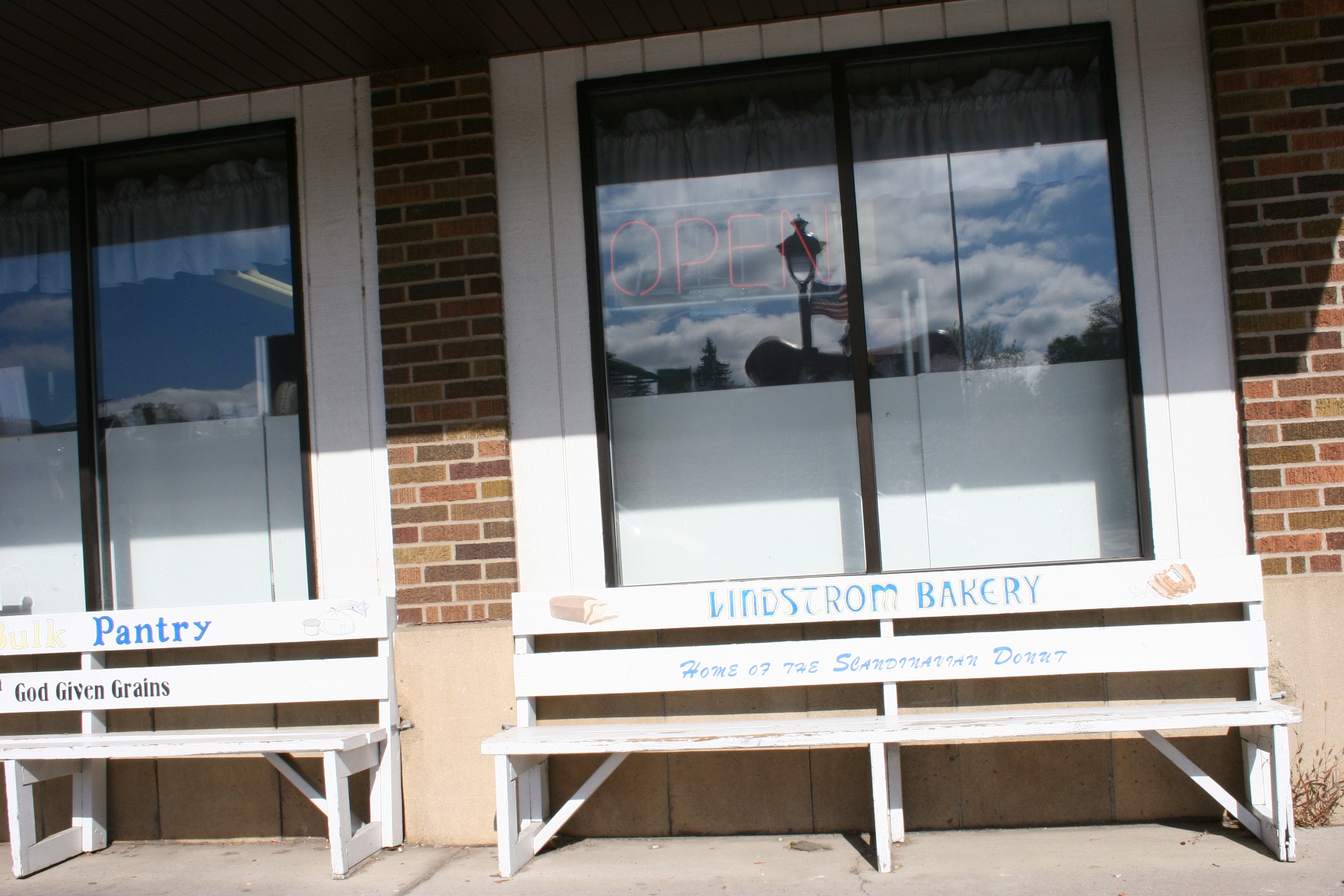
No umlauts on the bakery bench signage either.

No umlauts on the bakery bench signage either.

Interesting, huh?

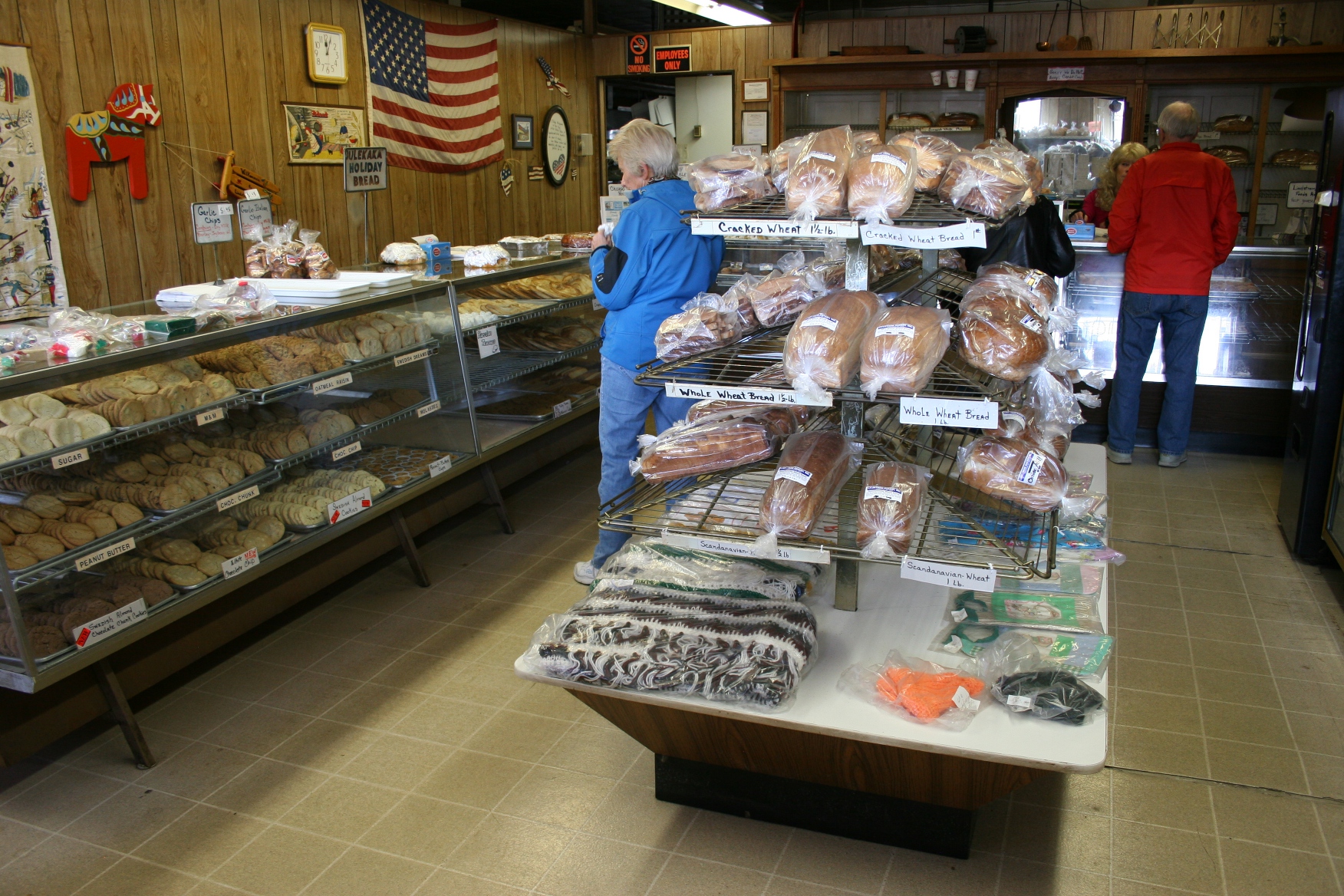
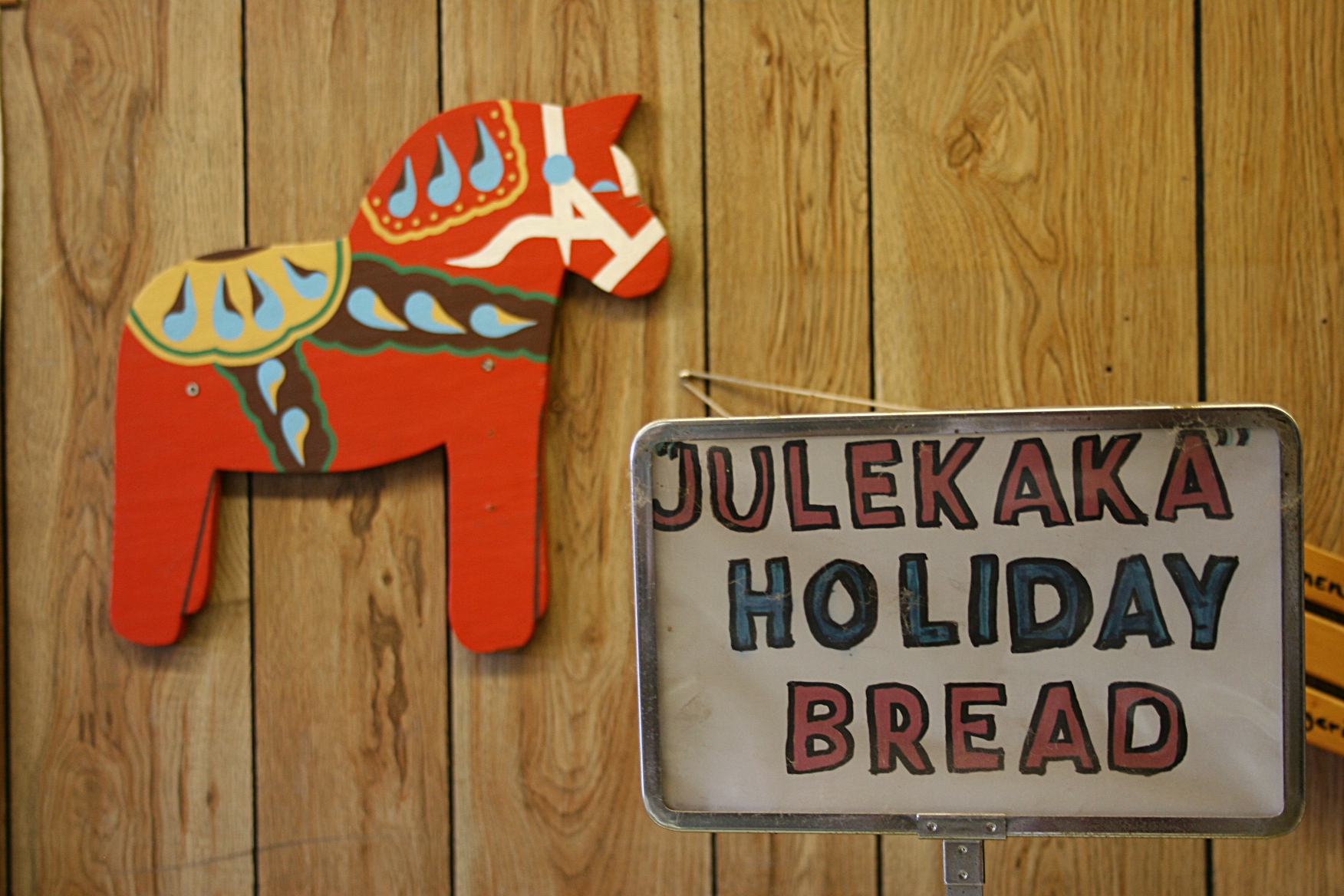
Apparently no umlauts in the word "julekaka" on this bakery signage.

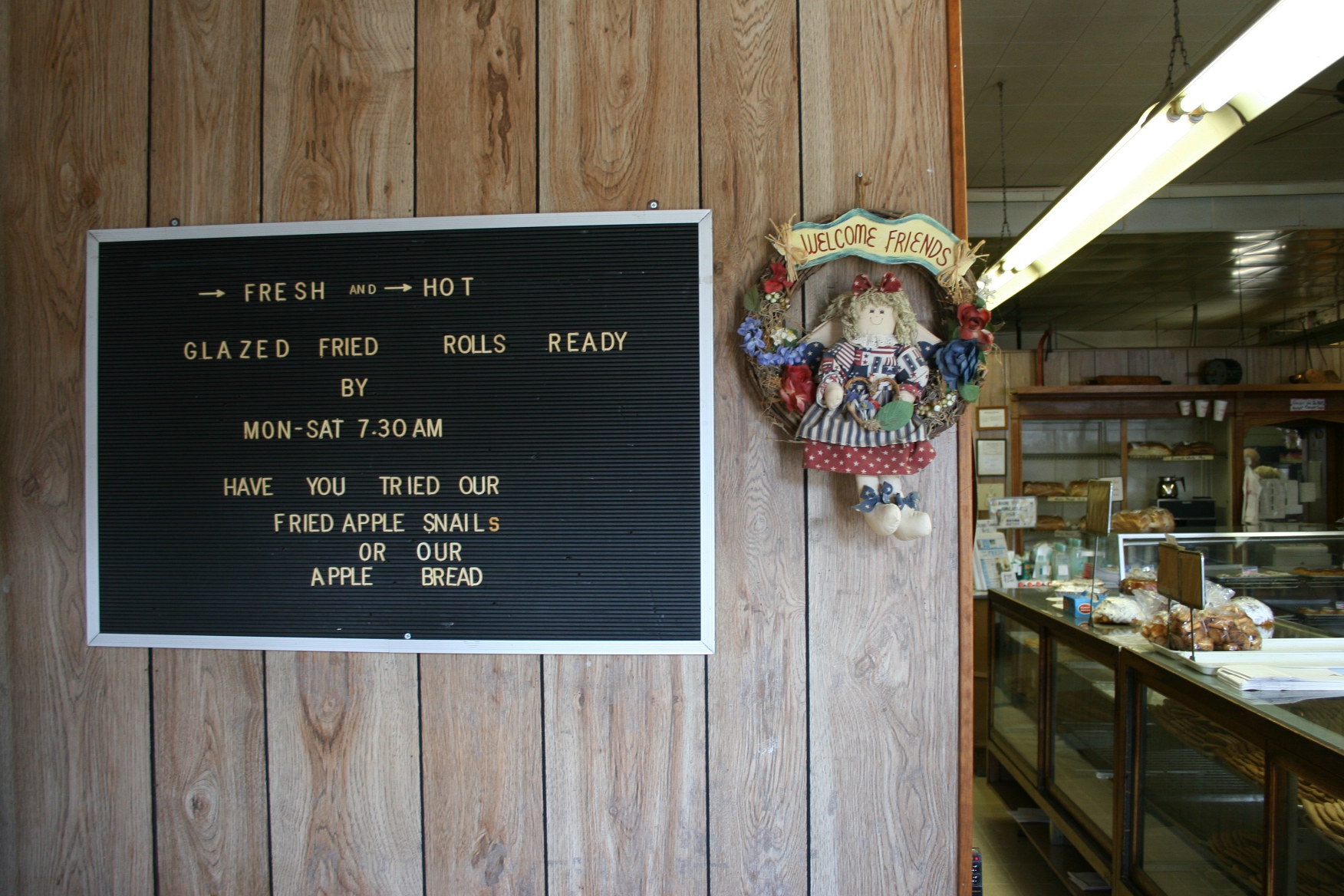
Inside the bakery which specializes in Swedish treats.

Umlaut or not, Lindström has garnered national attention. And that can only benefit local tourism in Lindström/Lindstrom.

BONUS PHOTOS:

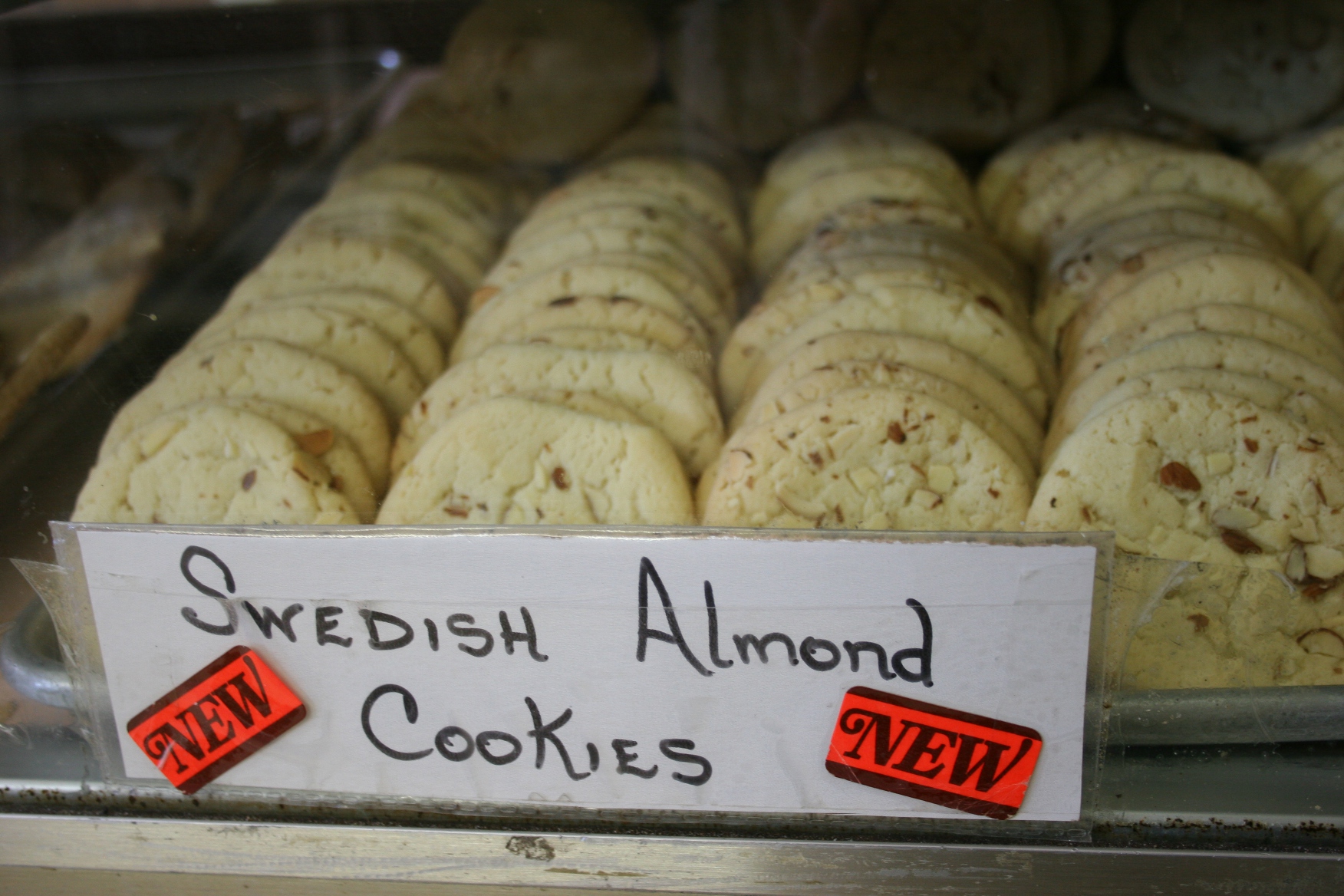
More bakery treats.

More bakery treats.

Many choices at this bakery.

Many choices at this bakery.

Nothing Swedish, as far as I know, about Deutschland Meats.

Nothing Swedish about Deutschland Meats. Love that kitschy brat art atop the business.

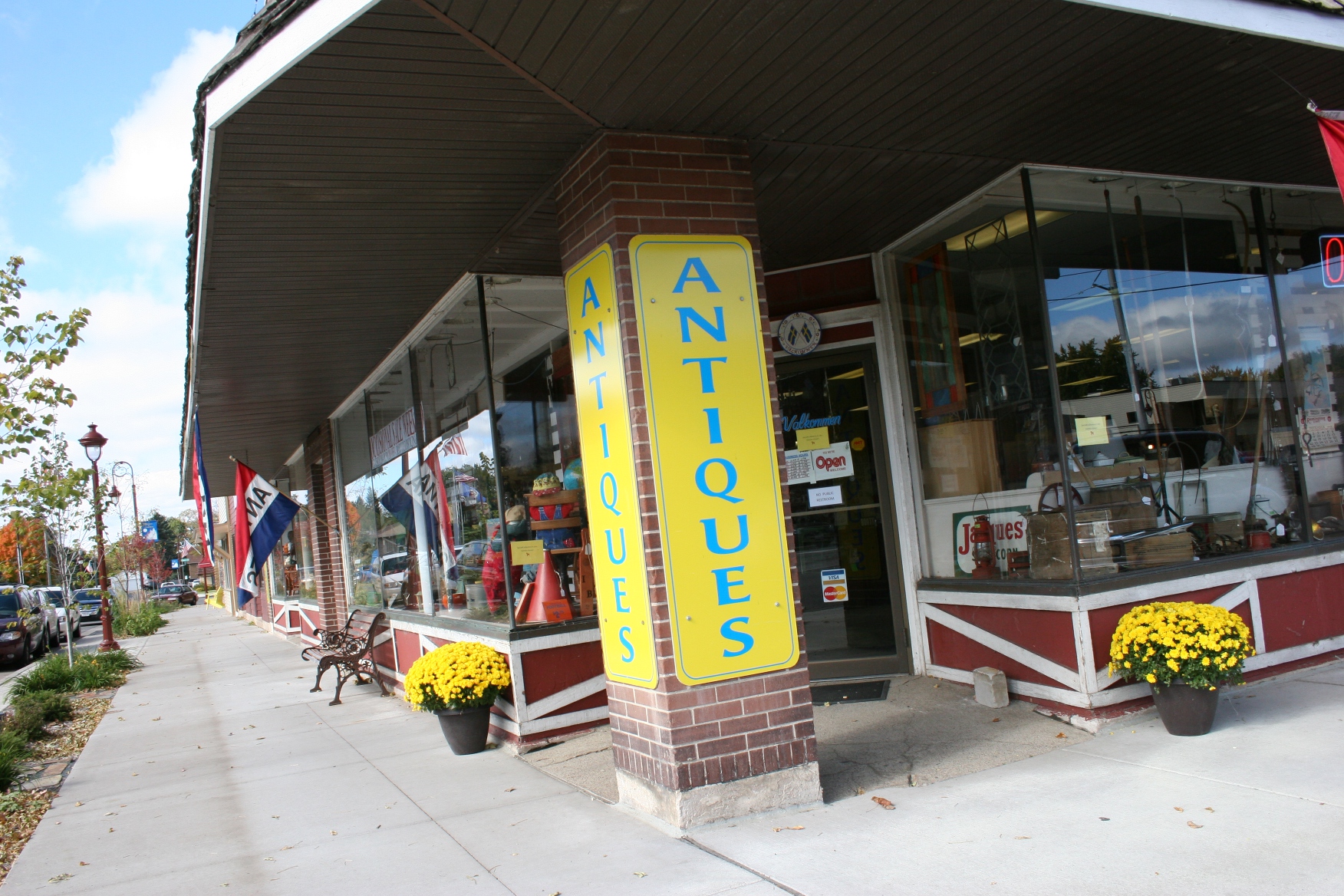
A must-visit antique shop in Lindstrom.

The must-visit Lindstrom Antique Mall, where you will find Swedish merchandise.

© Copyright 2015 Audrey Kletscher Helbling

Note that the absence of umlauts in cutlines is not intentional, but due to my not knowing how to add them there, if that is even an option.


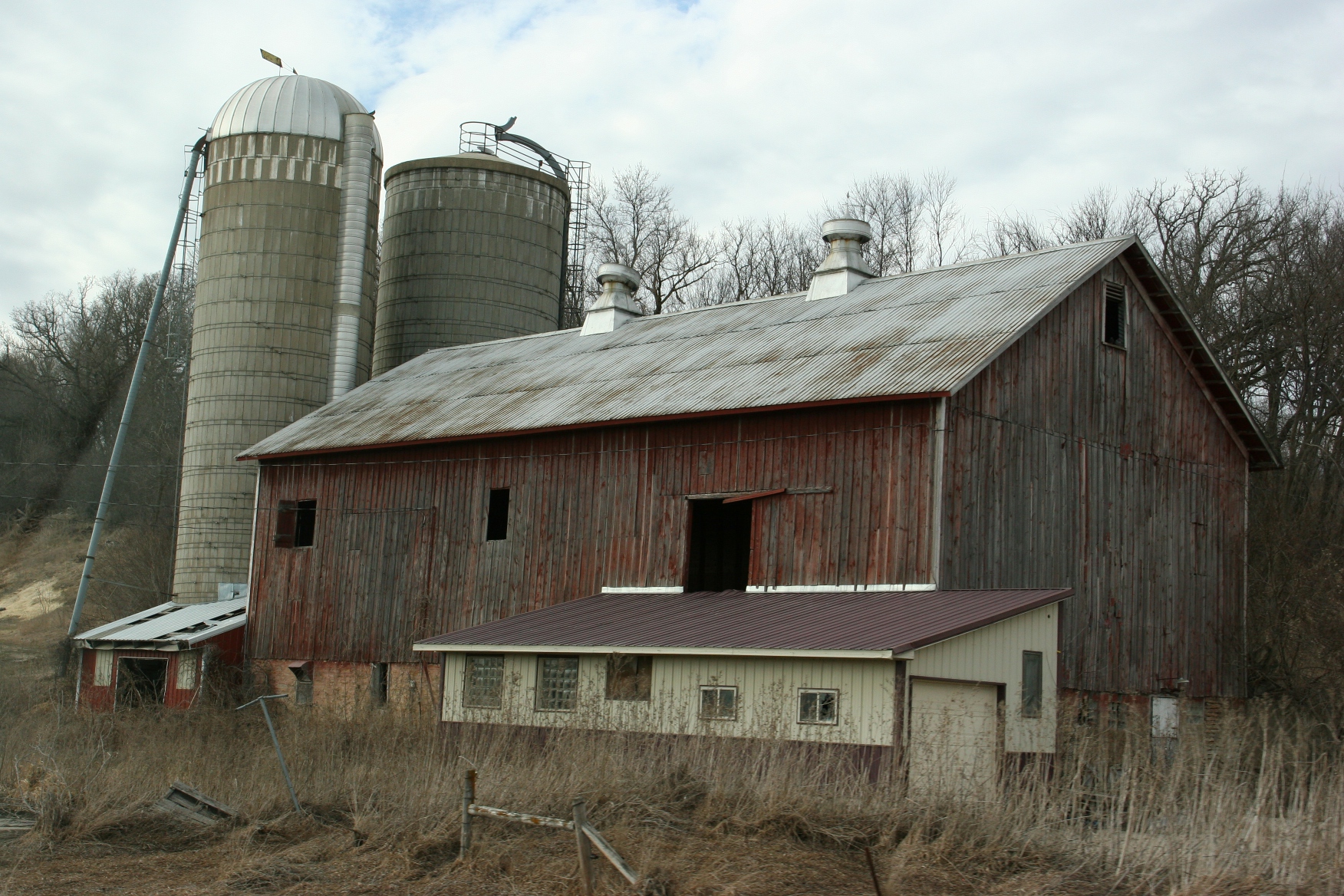
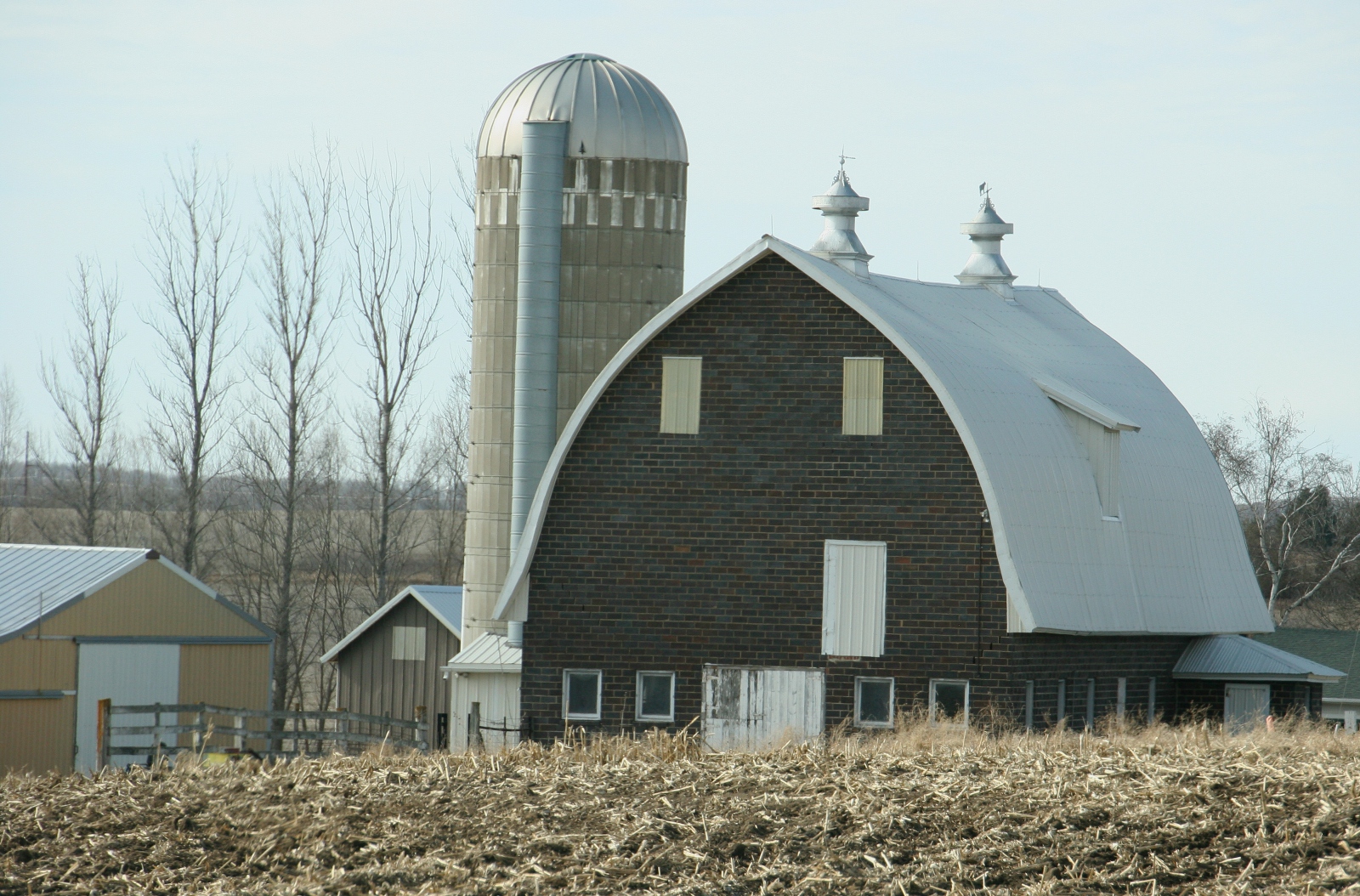
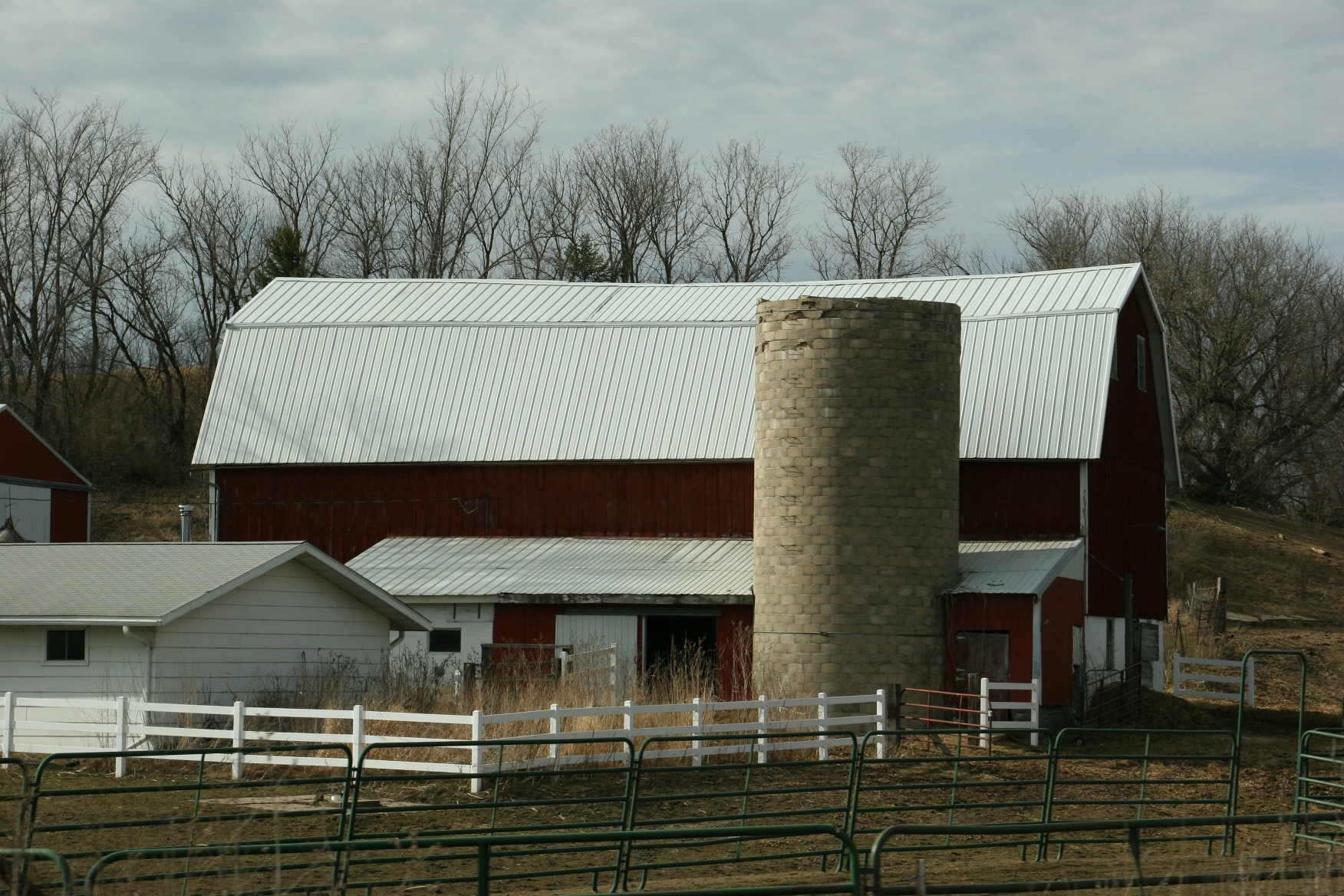
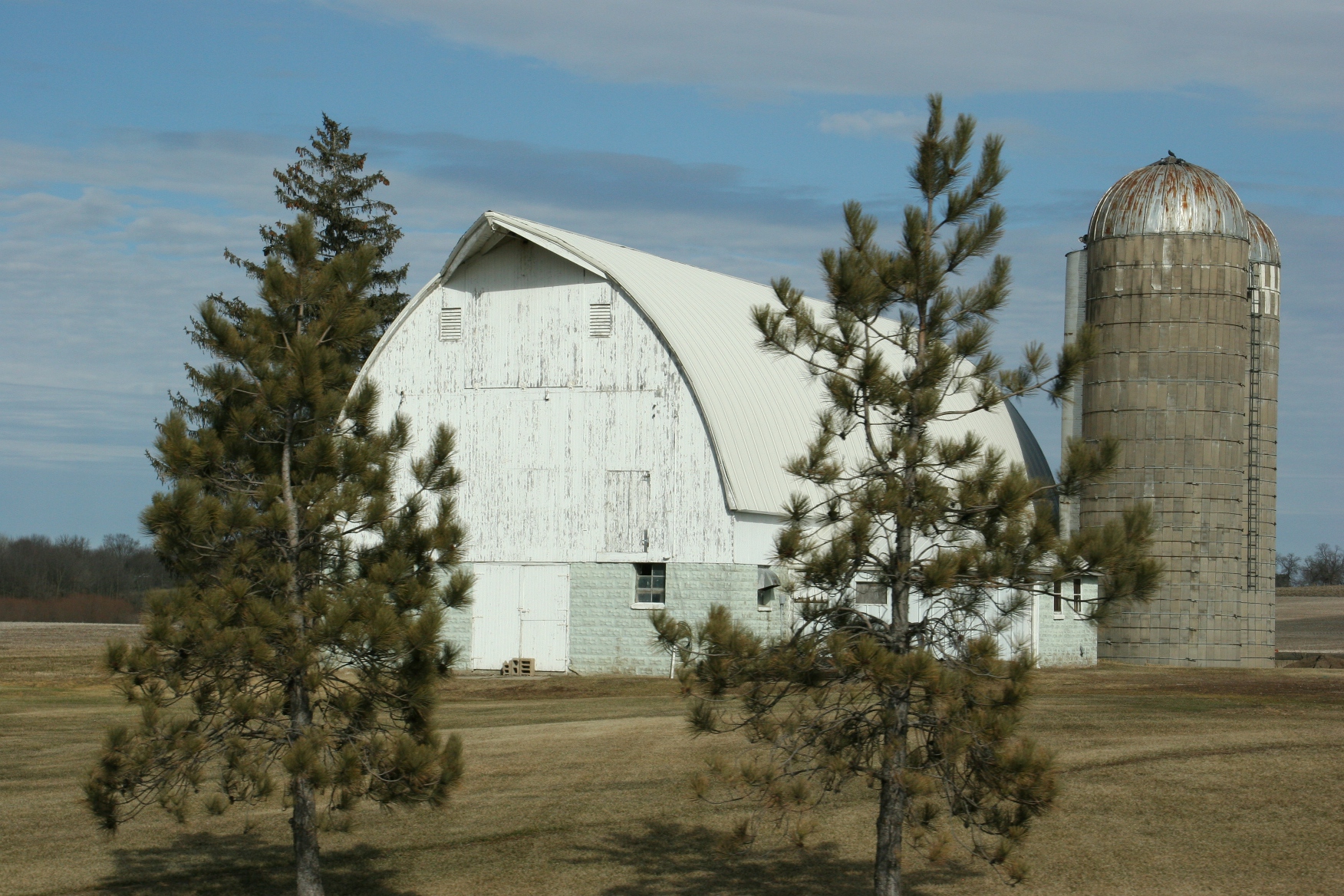
A photo documentary of Minnesota barns & thoughts on their demise

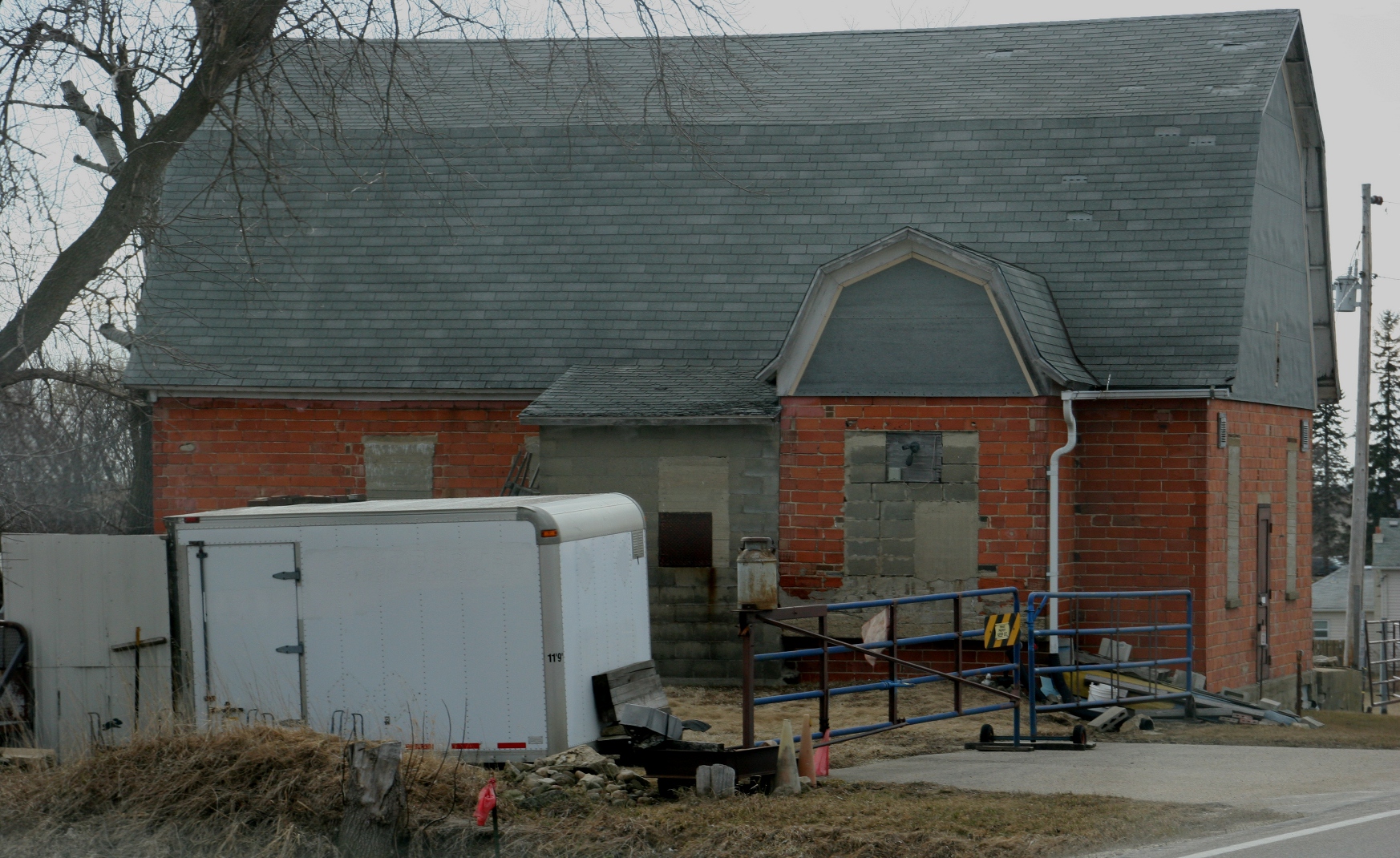
Barn, 7 se MN


BARNS ONCE SHELTERED cows, pigs, sheep, a farmer’s livelihood. Some still do. But most don’t.


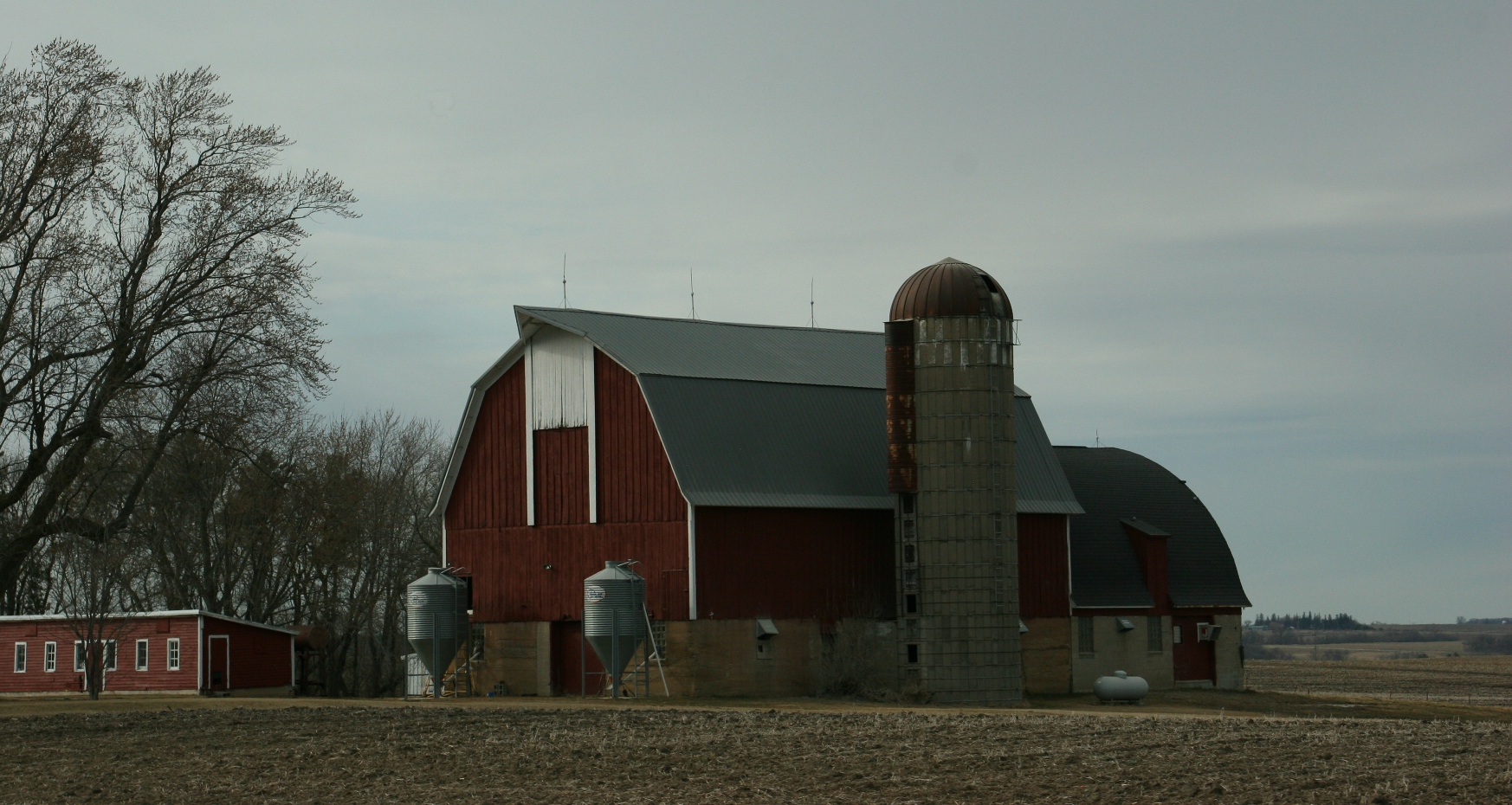
Barn, 14 se MN


Today all too many barns stand empty of animals and are used instead for storage of recreational vehicles and other possessions. Others are simply slumping into heaps, like rotting carcasses with backbones exposed.


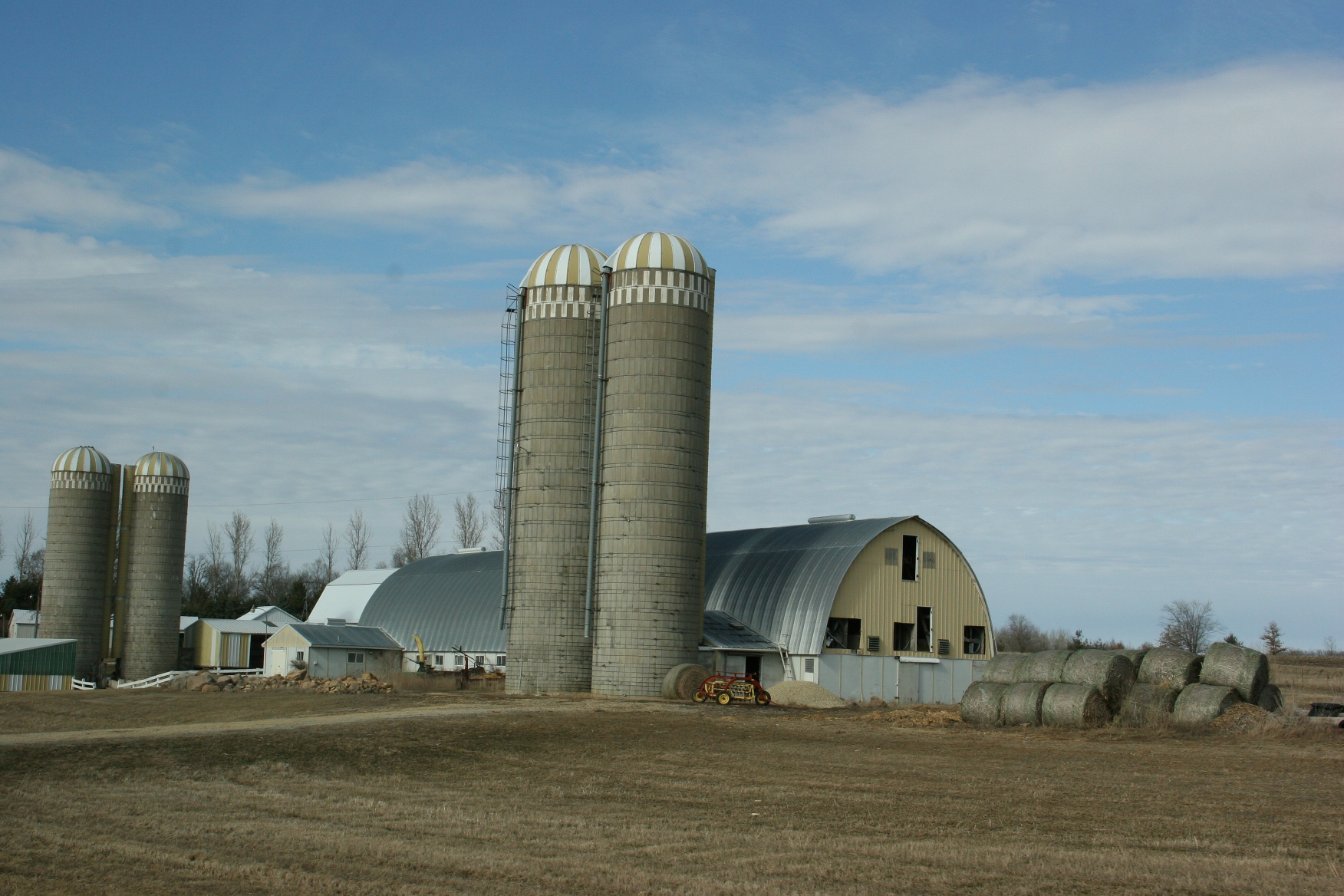
Barn, 10 se MN


I fear barns will soon become memories rather than strongholds, symbols, anchors of farm sites. Their demise has been steady, sure. I see it every time I drive through the Minnesota countryside. Empty barns. Weathered siding. Curling shingles. Boarded windows. Weeds overtaking former cow yards.


Barn, 15 se MN


I understand the financial burden of keeping up these massive structures. Sometimes it just is not in the budget to maintain a barn that provides zero income.


Barn, 11 se MN


Back in the day when I rolled a wheelbarrow brimming with ground feed down the barn aisle, forked straw onto cement for cow’s bedding, shoved manure into the gutter, dodged streams of hot cow pee, shoveled pungent silage before stanchions, the barn and associated source of revenue were more important than the house. Long before my childhood home had an indoor bathroom, the barn had a gutter cleaner.


Barn, 18 se MN


Times have changed. Many farmers no longer raise cattle or hogs or milk cows. They plant cash crops and work off the farm.


Barn, 19 se MN


And so days and weeks and months and years pass and the empty barns, without the humid warmth of animals, without the daily care of the farmer, without the heartbeat of life, begin to die.


Barn, 21 se MN


Except for those that are saved.


Barn, 9 se MN


FYI: All of these barns were photographed in southeastern Minnesota, mostly around Pine Island and Oronoco.

Click here to learn about Friends of Minnesota Barns, a non-profit dedicated to celebrating and preserving Minnesota’s rural heritage.

© Copyright 2015 Audrey Kletscher Helbling


We didn’t find gold in Oronoco, but… April 8, 2015

ORONOCO. I delight in the way those “o”s roll off the tongue. Smooth. Repetitious. Like a steady drum beat.

But I’d never been to Oronoco, only seen the exit signs to this community off U.S. Highway 52 five miles north of Rochester. Time to change that, to visit this place named after the Orinoco River in South America. (And, yes, the spelling of Orinoco is correct.)

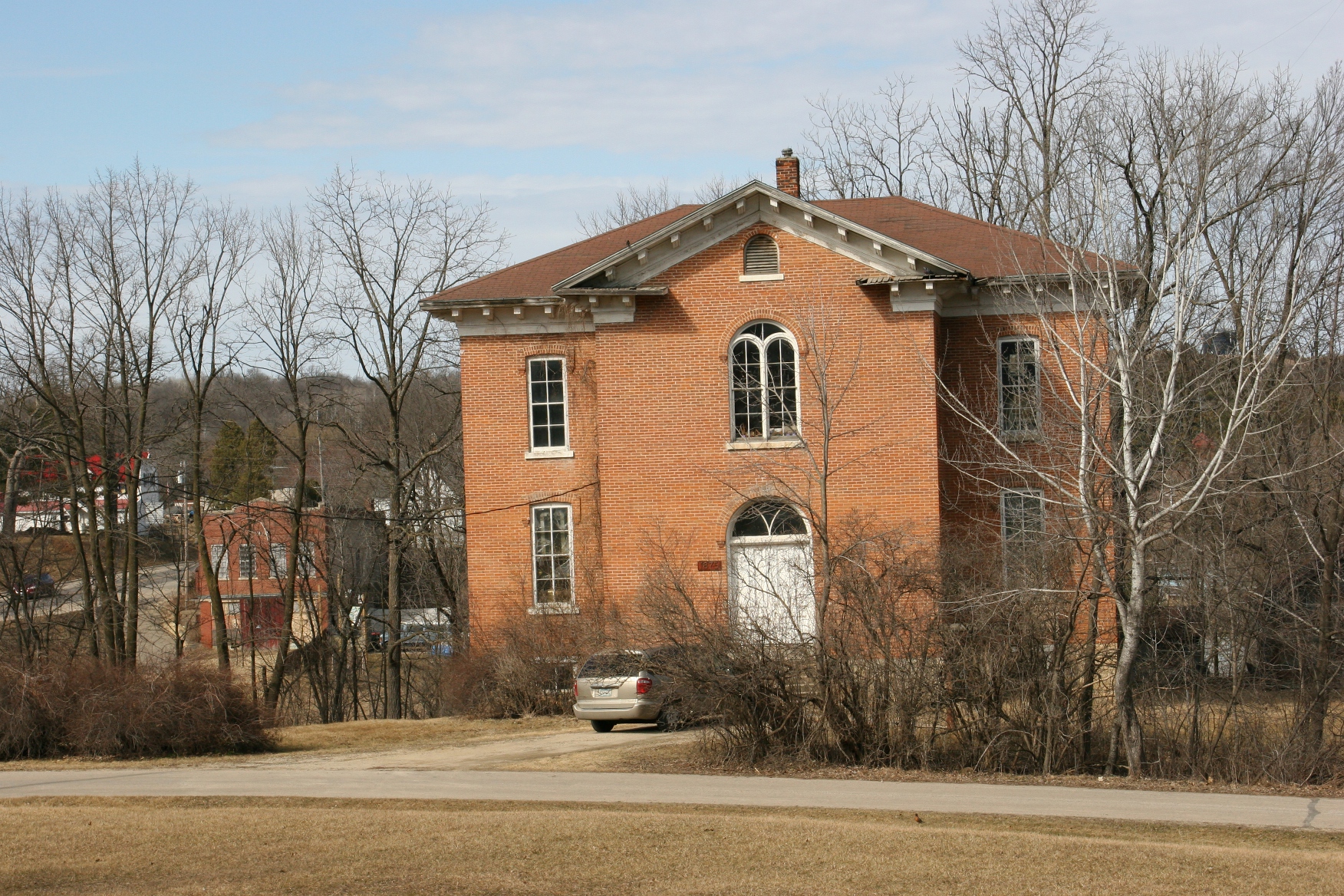
The old schoolhouse.

The old schoolhouse.

On a recent Saturday, my husband and I wound our way into this small town, home of Oronoco Gold Rush Days, an antique show and market held on the third weekend in August since 1972. That’s a long-standing event, its name tracing to the apparent discovery of gold here in the late 1850s and the establishment of the Oronoco Mining Company. That mining venture didn’t last long as the raging Zumbro River washed away the gold mining operation. Apparently little gold was found.

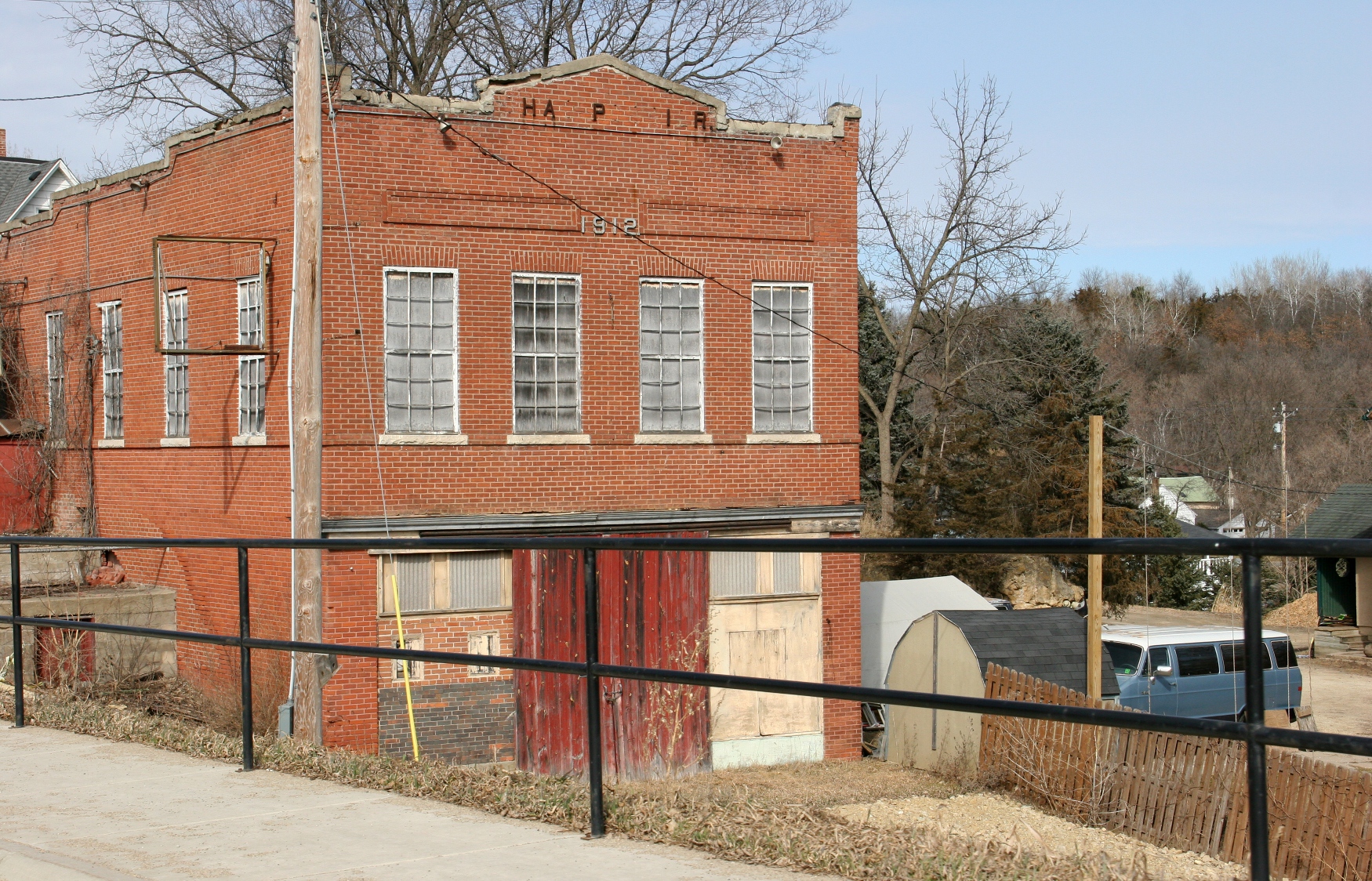
A boarded up building dated 1912.

A boarded up building dated 1912.

Historic buildings define the heart of this quaint river community. We did a quick drive through downtown and stopped only to browse two highway side antique shops as the day shifted toward evening.

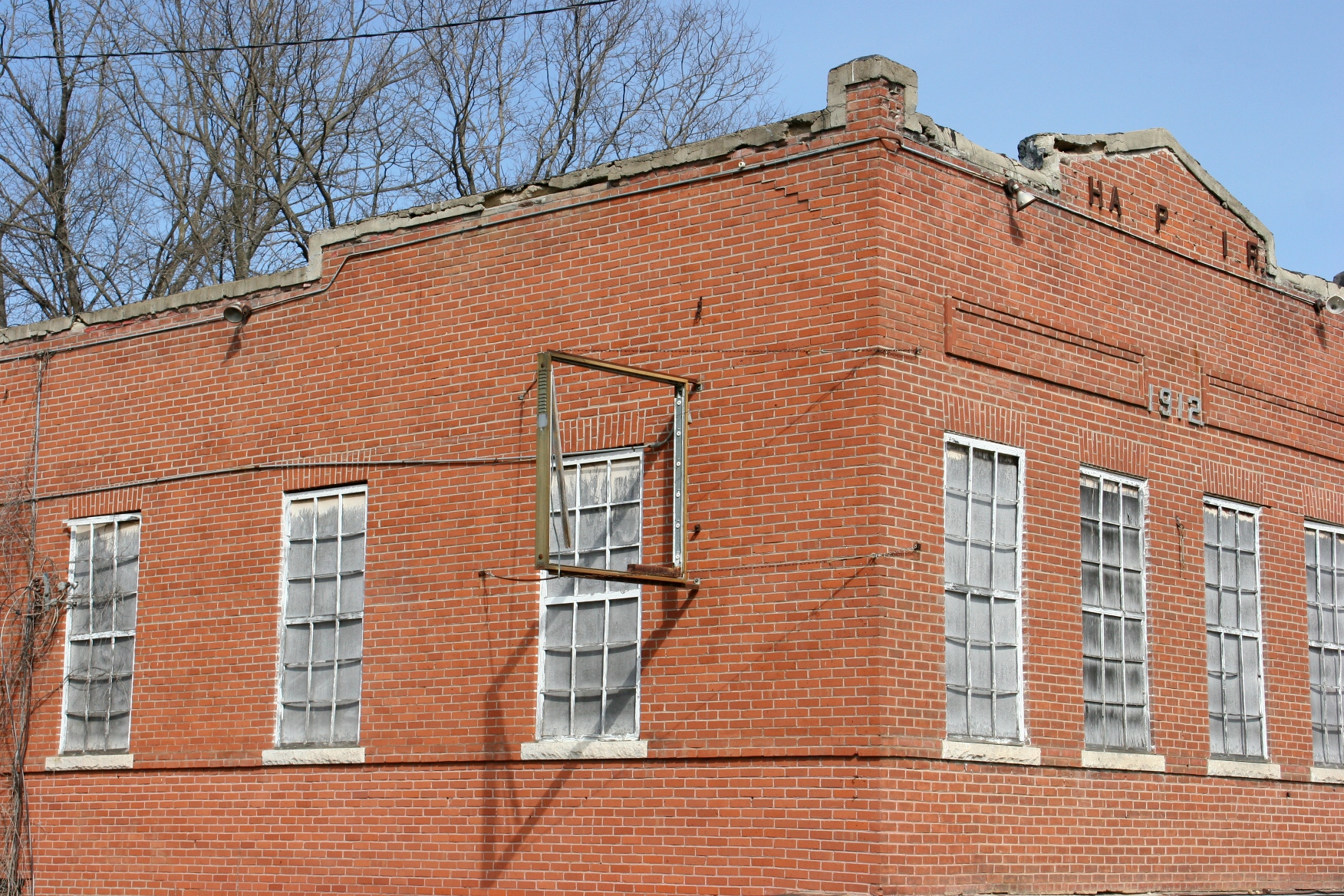
The 1912 building up close.

The 1912 building up close.

Oronoco seems worth a return trip to poke around more, to see what we missed.

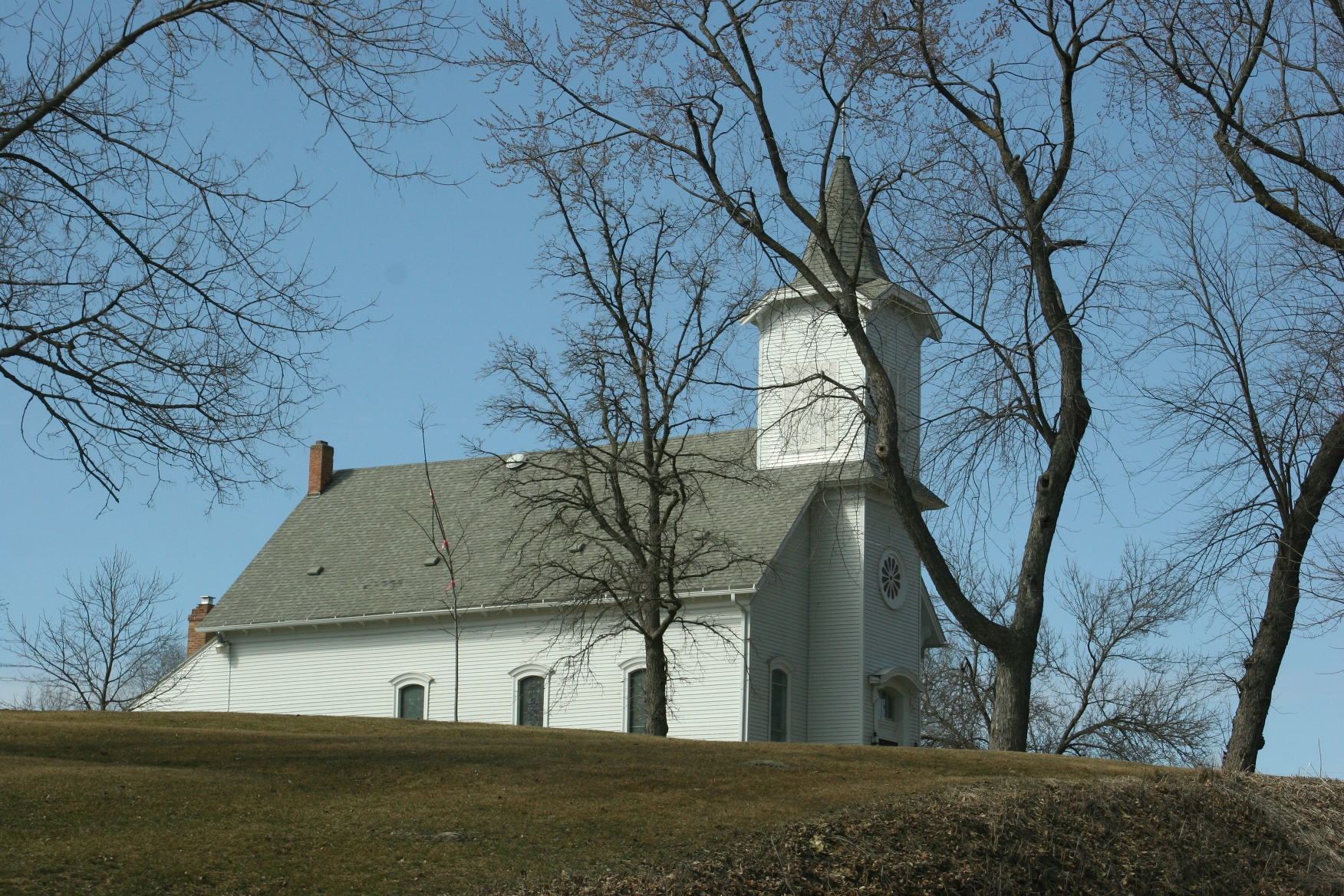
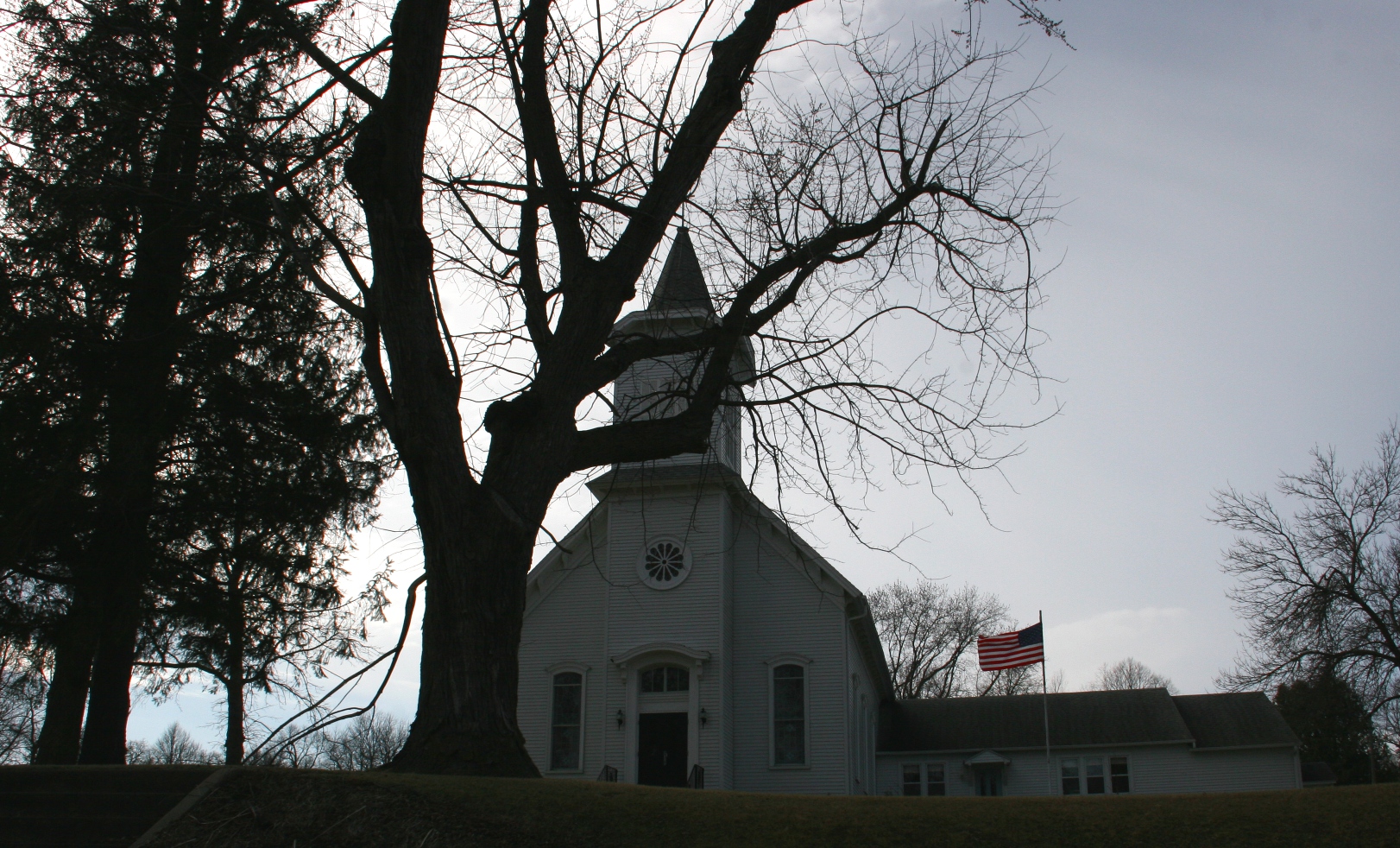
First Presbyterian Church, constructed in 1871, sits atop a hill.

First Presbyterian Church (today Presbyterian Church of Oronoco), constructed in 1871, sits atop a hill.

A front view of that beautiful old church.

A front view of that beautiful old church.

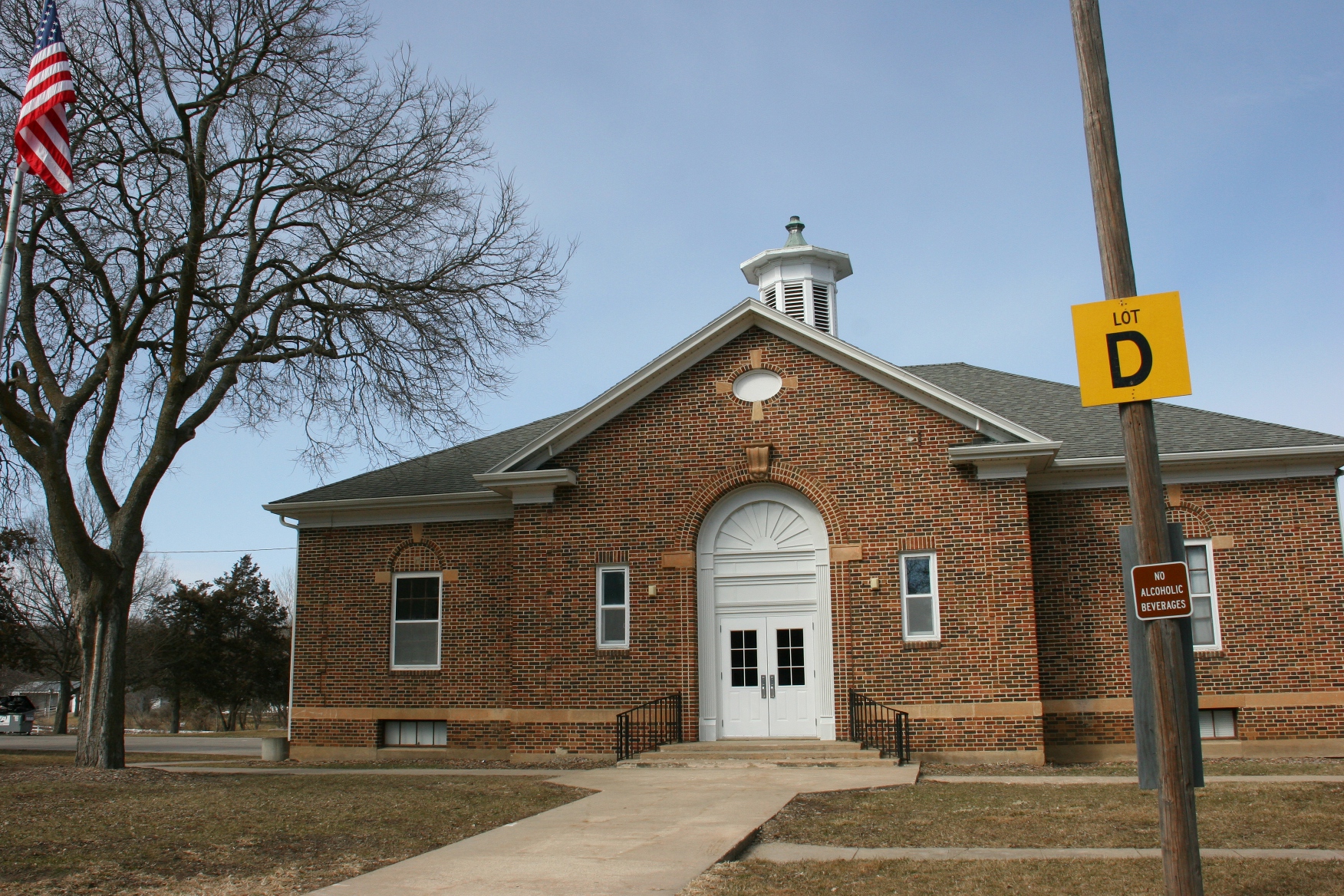
The community center.

The community center.

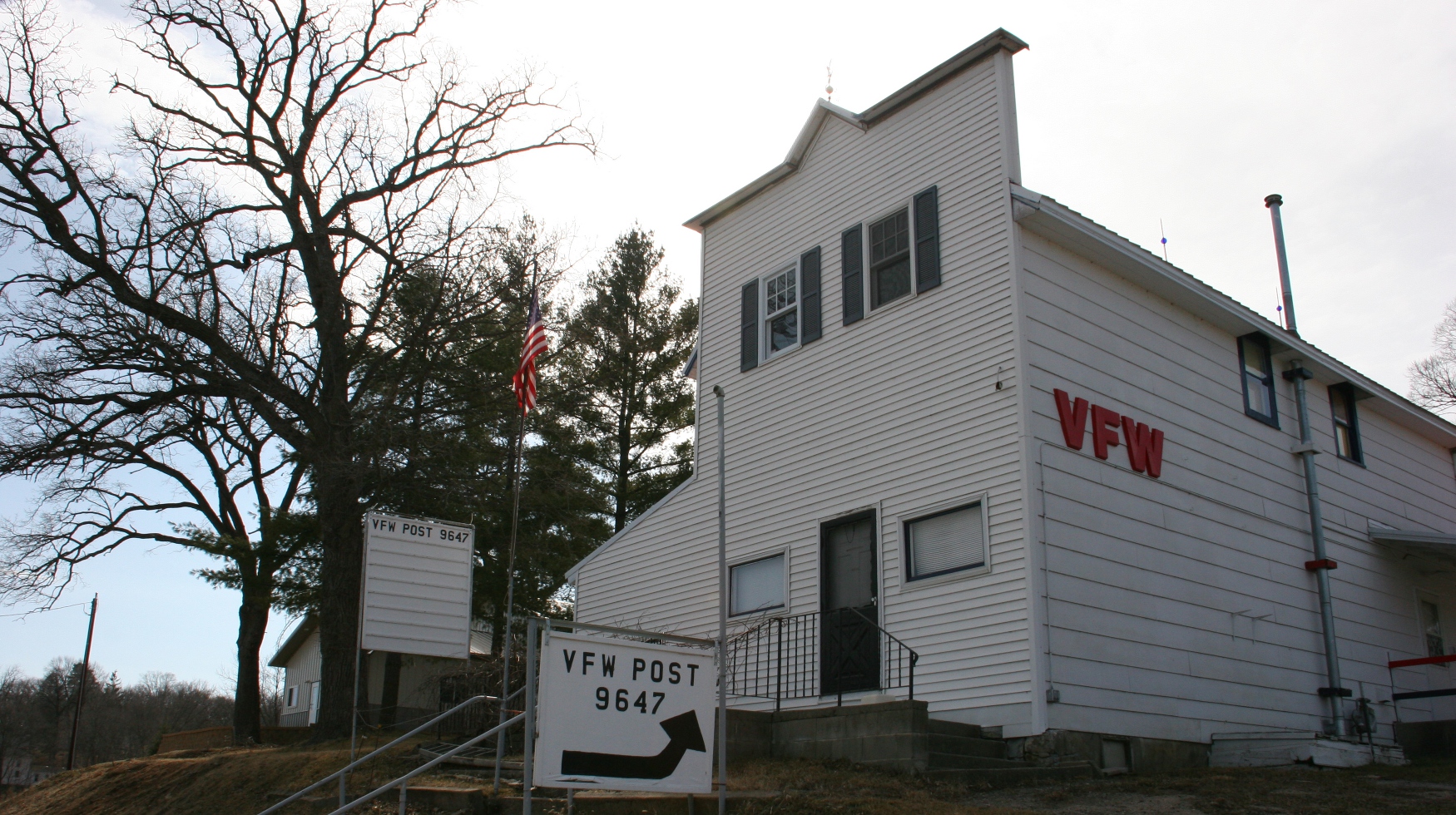
The downtown VFW sits atop a hill, too.

The downtown VFW sits atop a hill, too.

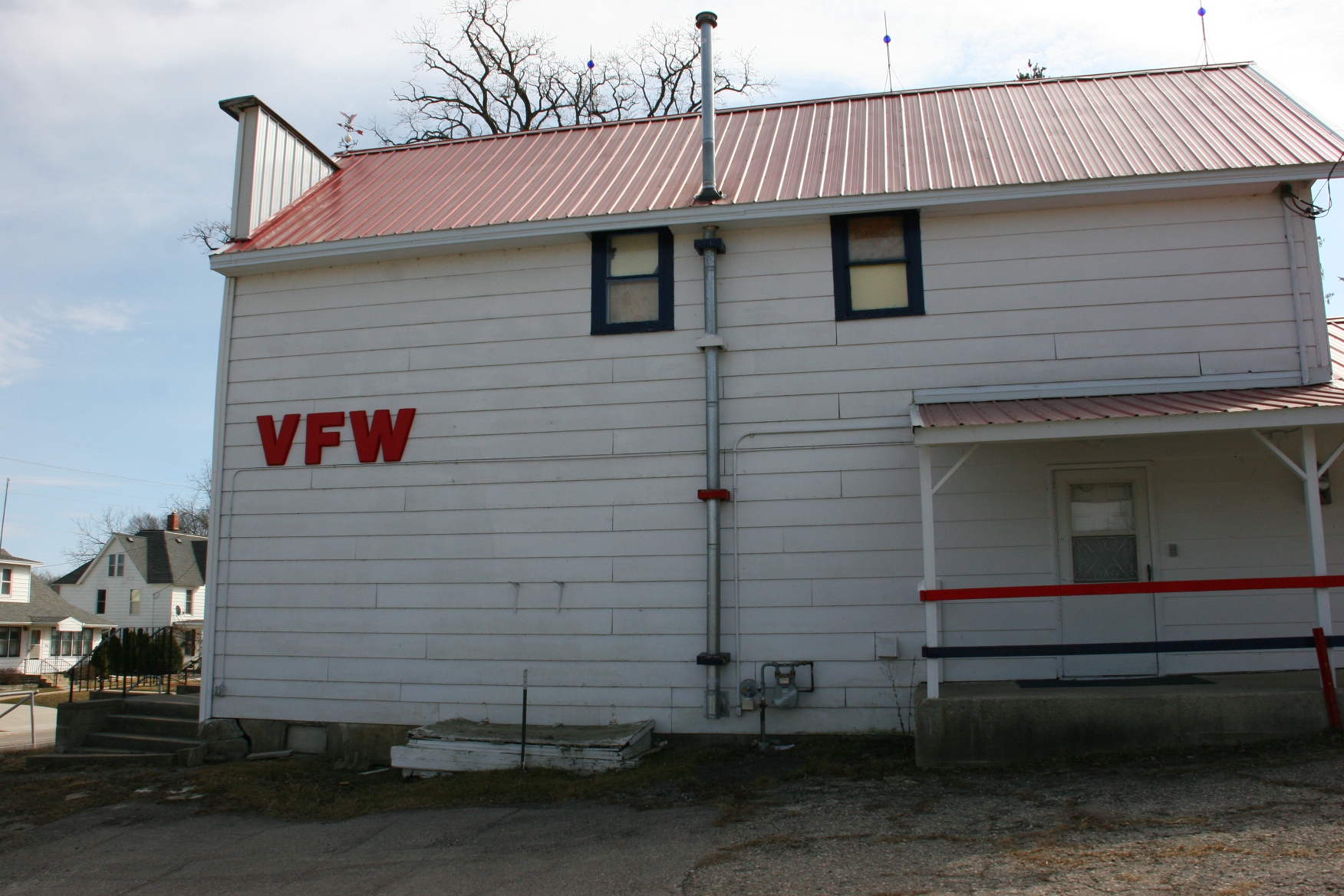
Sometimes a building's side view is as interesting as its front view.

Sometimes a building’s side view is as interesting as its front view.

FYI: To learn more about Oronoco area history, click here. For more info on Presbyterian Church of Oronoco, click here. To read my previous post about Antiques Oronoco, click here.

© Copyright 2015 Audrey Kletscher Helbling


Connecting poetry & antiques in Oronoco April 7, 2015

Filed under: Uncategorized — Audrey Kletscher Helbling @ 5:00 AM
Tags: , , , , , , ,

SOME ANTIQUE STORES are cluttered, dark, musty smelling. I suppose you can say that’s part of the character, the ambiance, the what-do-you-expect in a collection of old stuff.

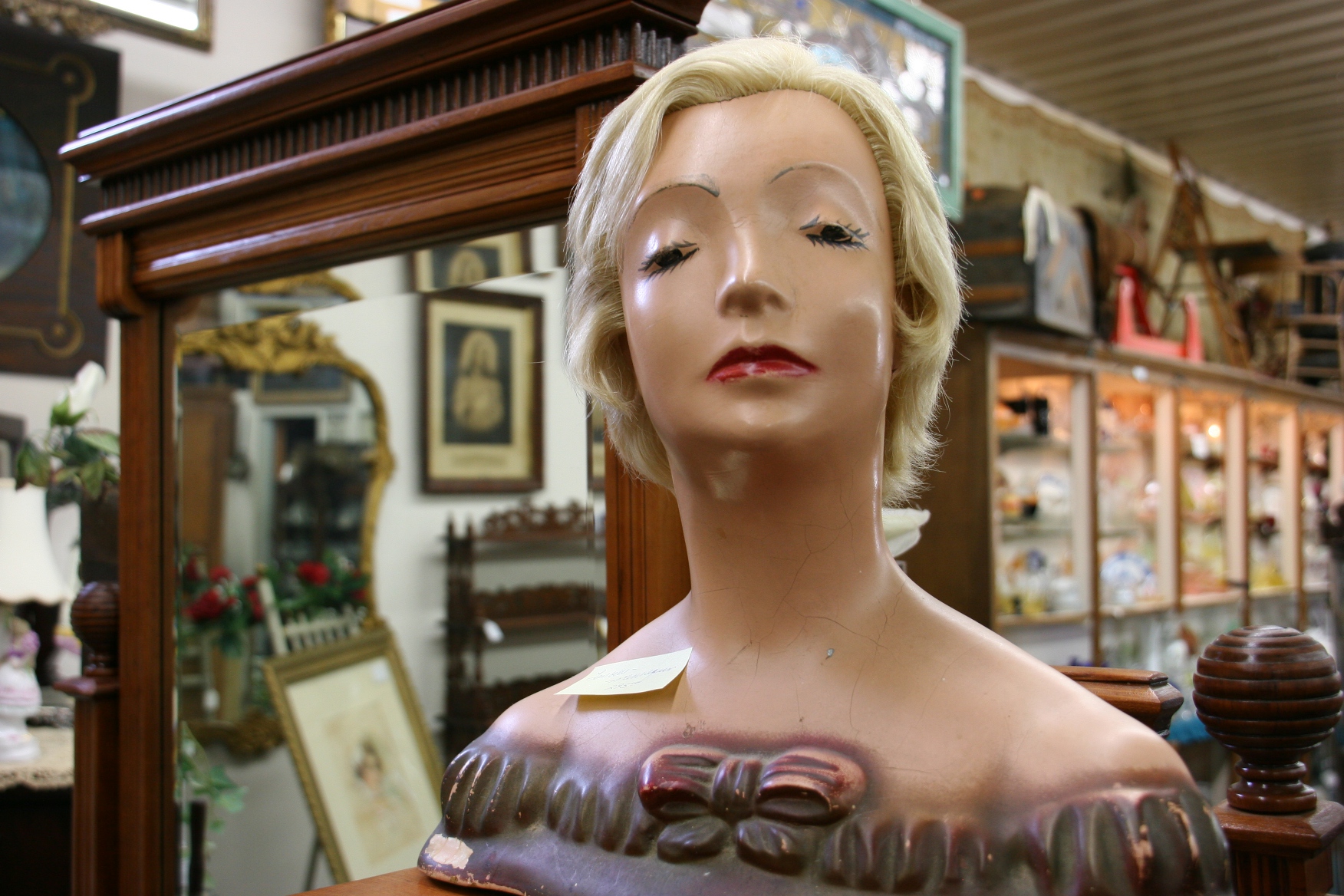
This bust caught my eye.

This bust caught my eye at Antiques Oronoco.

But I prefer browsing in bright spaces where antiques and collectibles are showcased in artsy and creative ways.

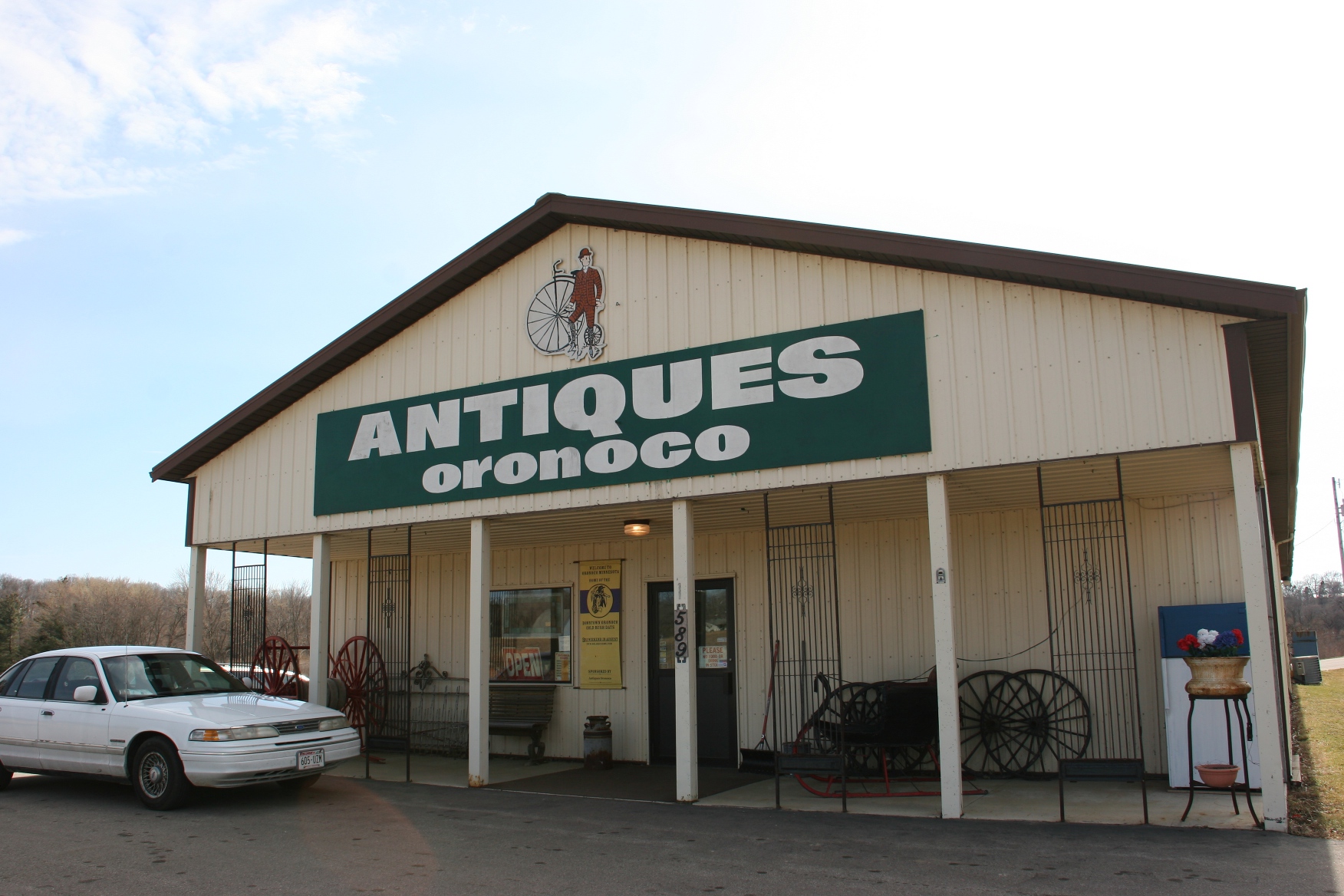
Antiques Oronoco, north of Rochester, just off Highway 52.

Antiques Oronoco

That’s exactly what I discovered at Antiques Oronoco, located along West Frontage Road off U.S. Highway 52 just north of Rochester.

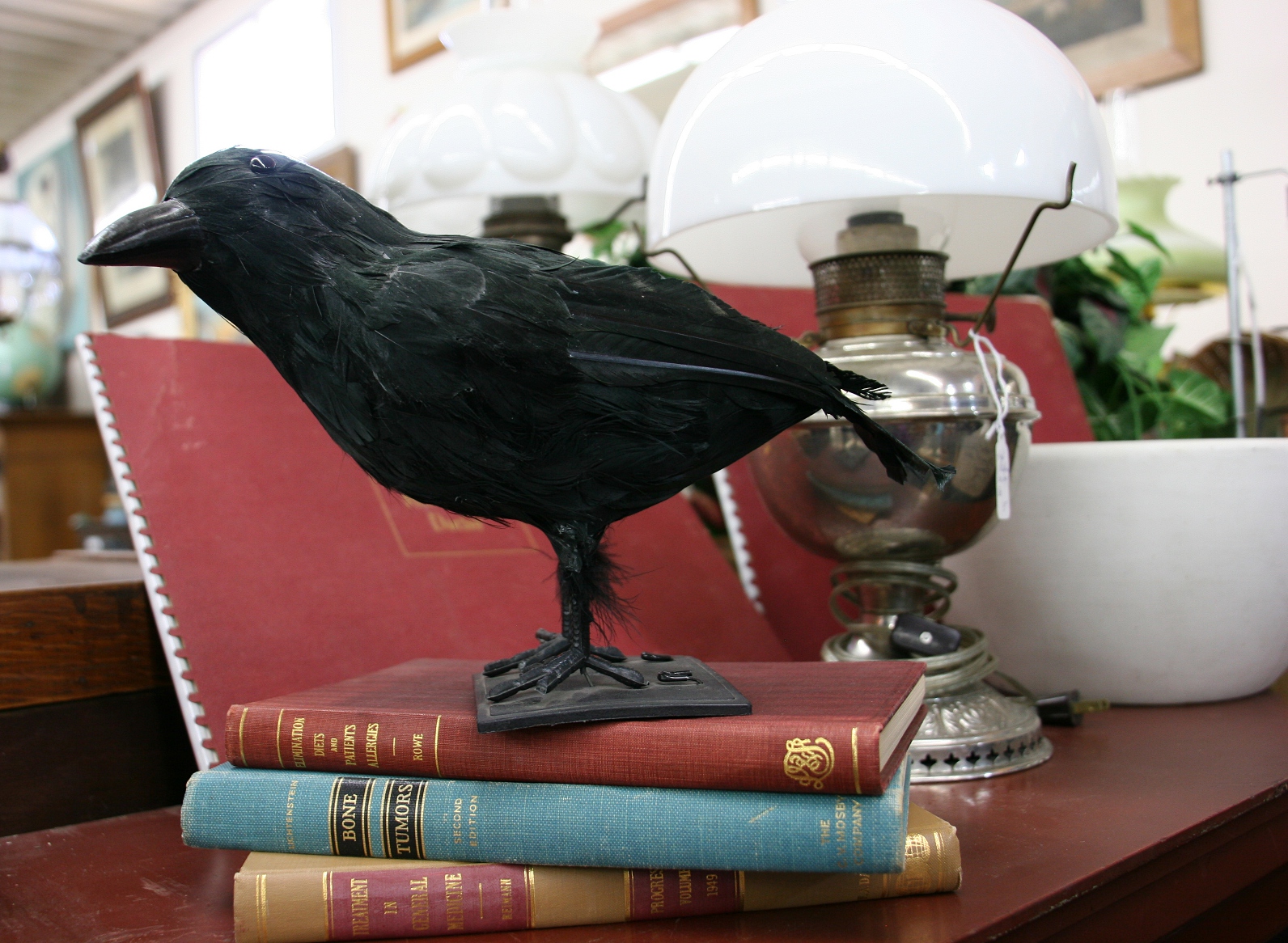
I expected to find Edgar Alan Poe collections beneath this perched raven. (Is this a raven?) But, instead, the books are titled "Treatment in General Medicine," "Bone/Tumors" and "Elimination Diets and Patients Allergies."

I expected to find Edgar Alan Poe’s “The Raven” beneath this raven.  But, instead, the books are titled “Treatment in General Medicine,” “Bone/Tumors” and “Elimination Diets and Patients Allergies.” Doesn’t matter. I truly like this artful way of displaying books.

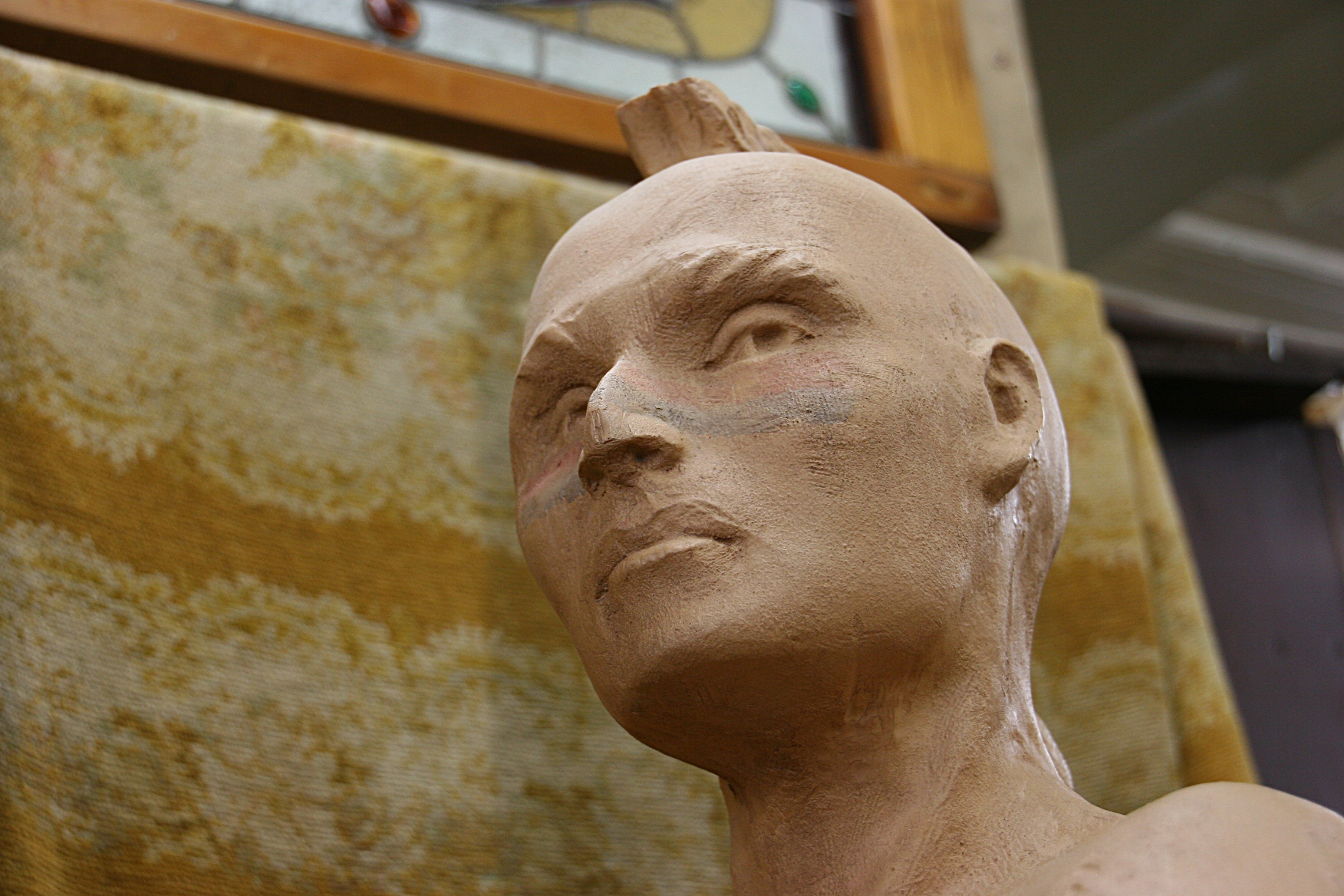
A Native American sculpture.

A Native American sculpture.

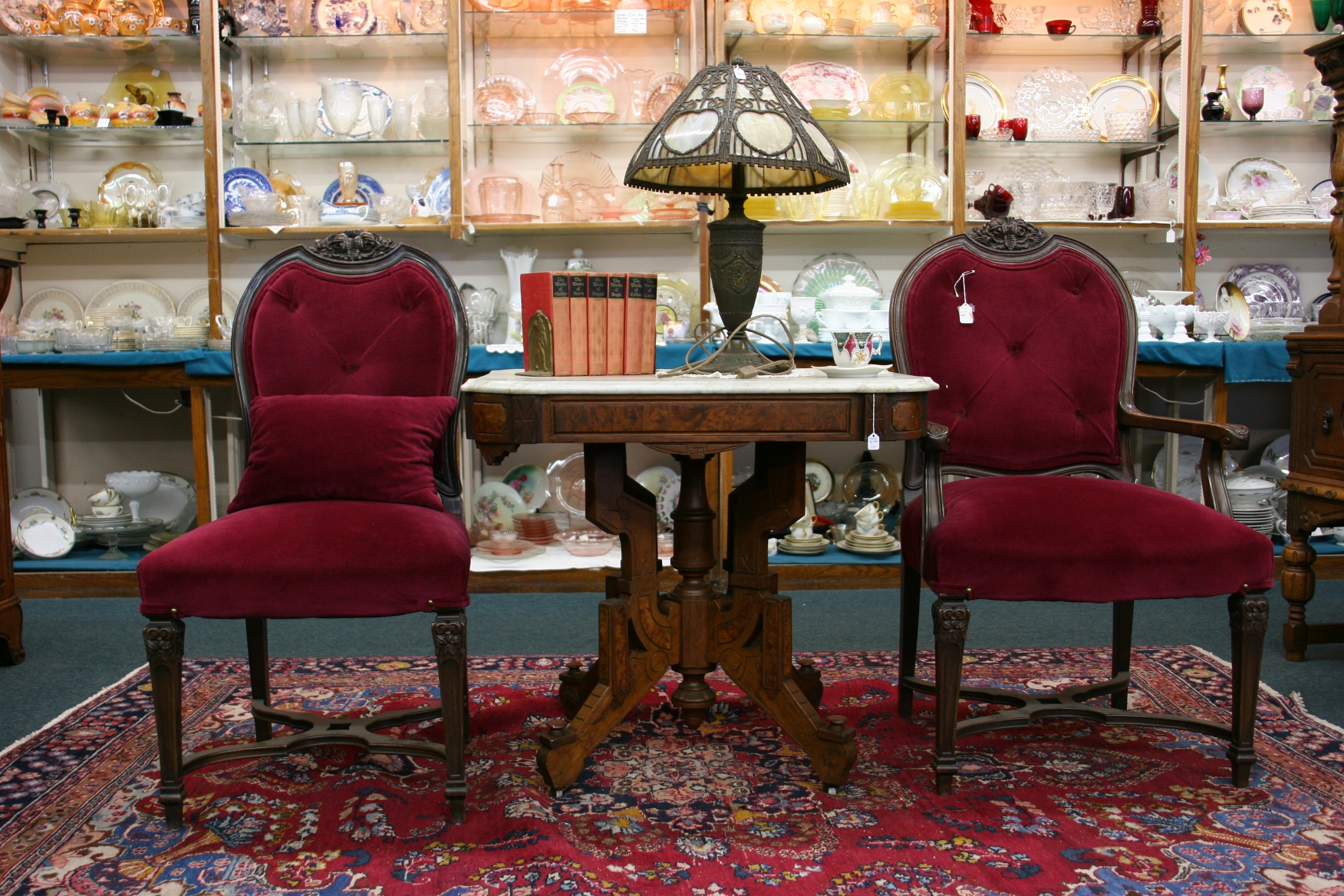
A beautifully staged setting that lent an air of comfort and hominess.

A beautifully staged setting that presents comfort and hominess.

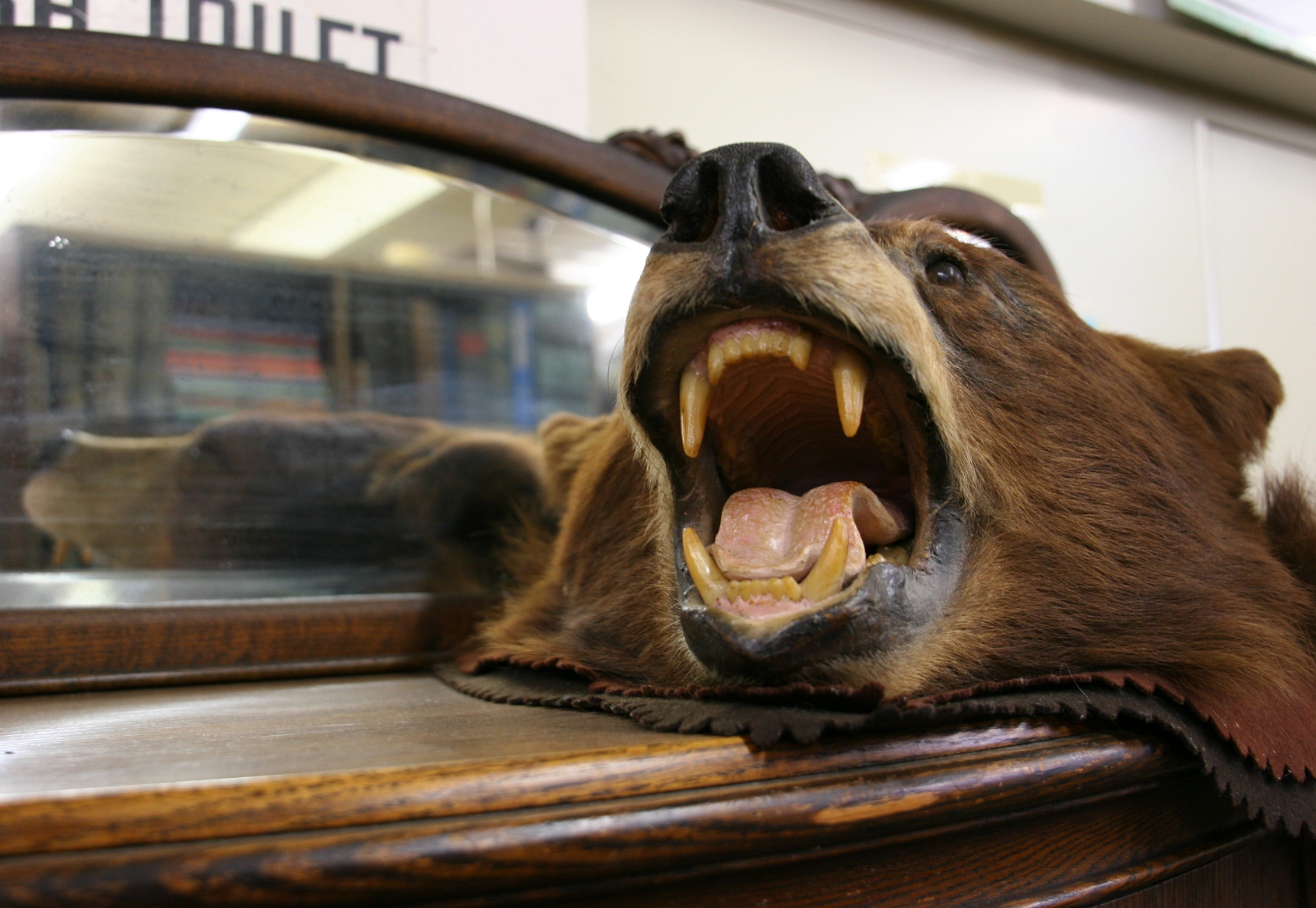
An unexpected scene as I rounded a corner.

An unexpected scene atop a vintage chest of drawers as I rounded a corner.

My eye is drawn to vignettes, merchandise staged to focus my interest. It’s in the details. The angle of a book. A cozy corner. Colors purposely grouped. The unexpected.

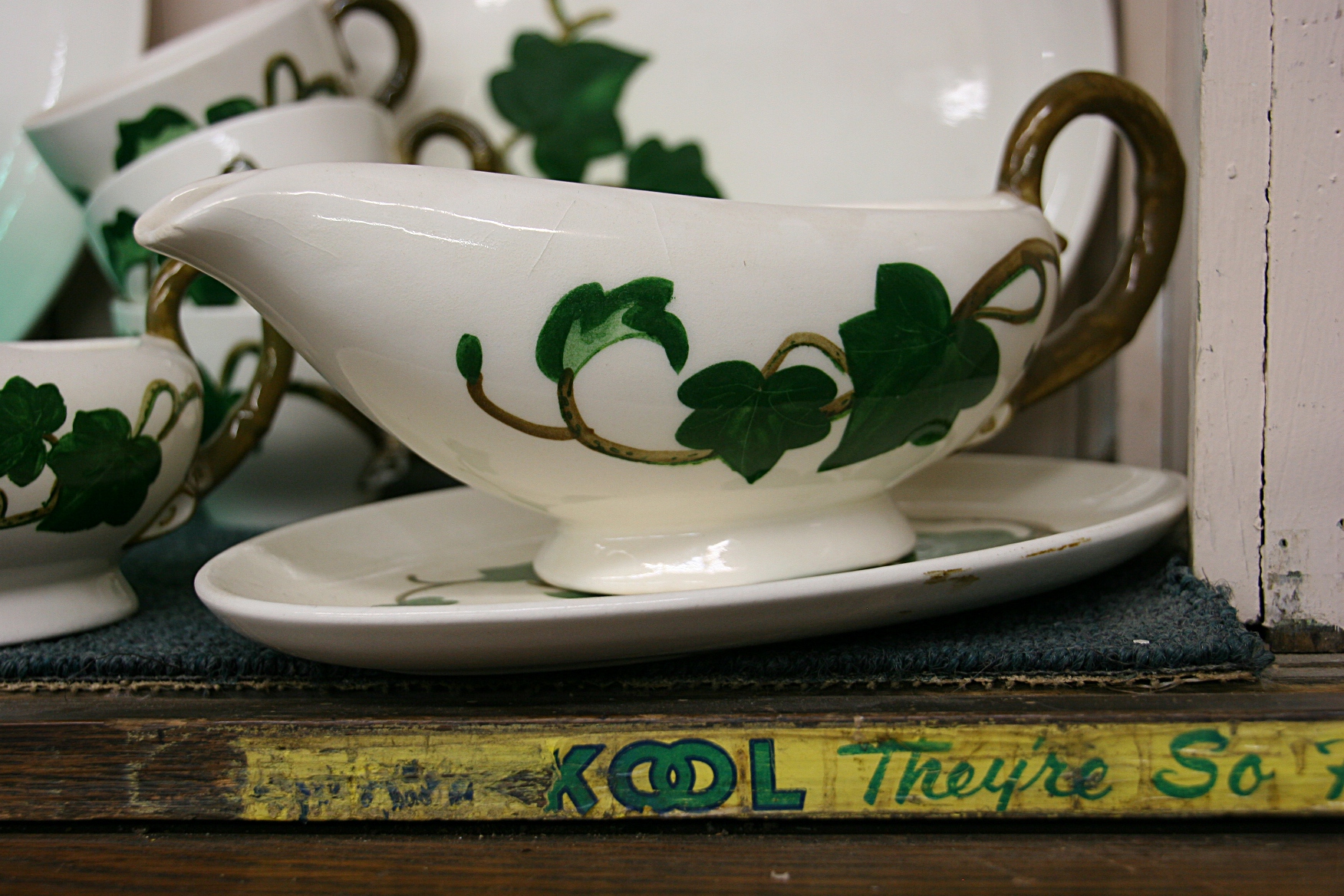
I was as much drawn to the art on the gravy bowl as to the writing on the edge of the aged shelving.

I was as much drawn to the art on the gravy bowl as to the writing, advertising KOOL cigarettes, on the edge of the aged shelving.

Sure, the standard shelving of merchandise exists at Antiques Oronoco. But there’s a visual orderliness and poetry in between.

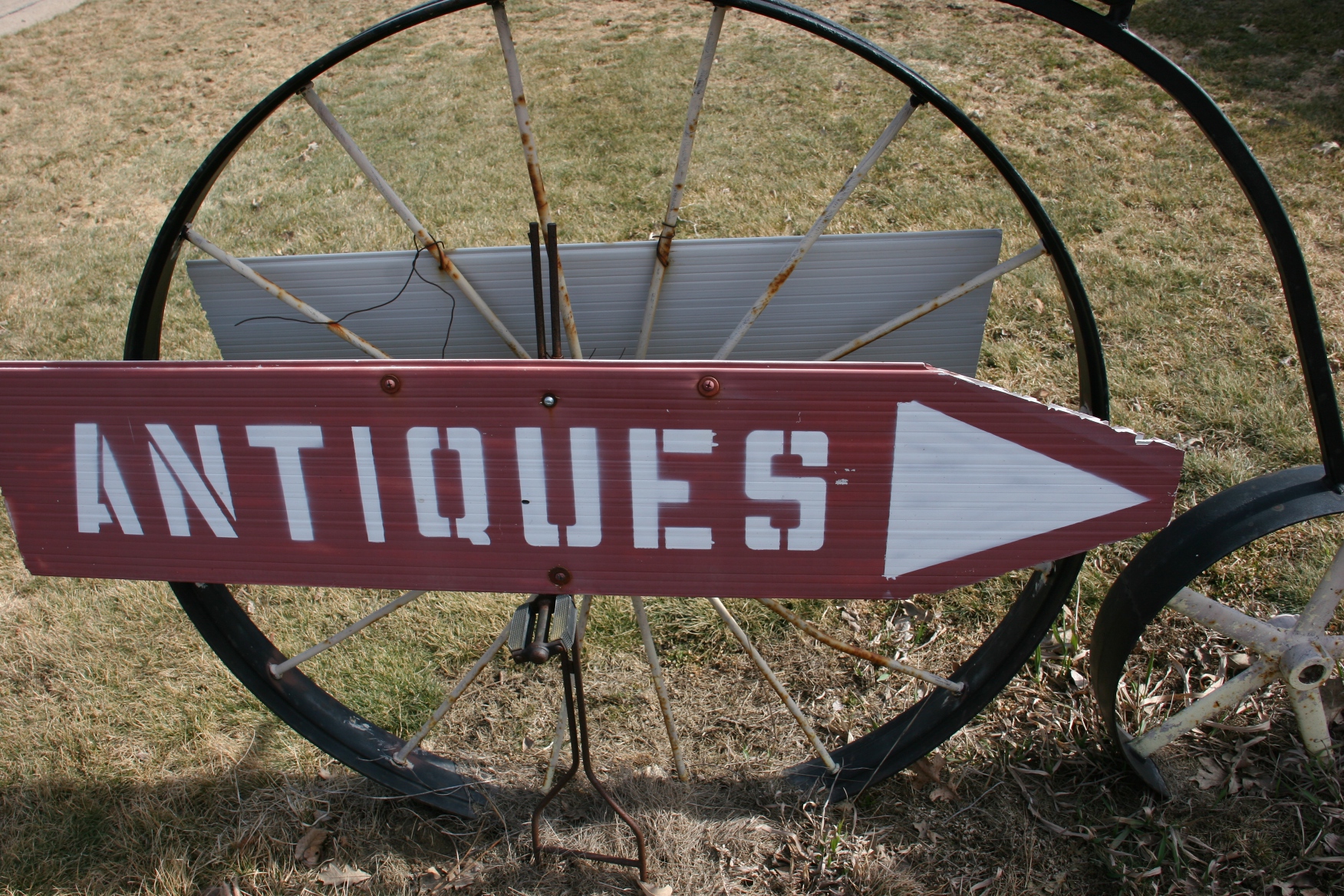
A sign propped on an antique bike directs motorists to Antiques Oronoco.

A sign propped on an antique bike directs motorists to Antiques Oronoco.

I asked the owner for permission to photograph and for a business card. She handed me her card and I recognized her name, Yvonne Cariveau, a duplicate name for her daughter Yvonne Cariveau, an accomplished poet and enthuser of all things poetry (ie. Mankato Poetry Walk & Ride and Image & the Word) whom I know from Mankato.

As you often hear, it’s a small world.

The table is set as if for a special family dinner.

The table is set as if for a special family dinner.

On this Saturday, an unplanned stop at Oronoco Antiques reminded me that poetry is about more than words. It’s about connections and a friendly, welcoming smile. It’s about family. It’s about the ability to embrace each day, even after a tragic loss. Yvonne’s husband (the younger Yvonne’s father) died in a foggy December morning crash when another vehicle ran a stop sign at a rural Wisconsin intersection and slammed into Gordy and Yvonne Cariveau’s van.

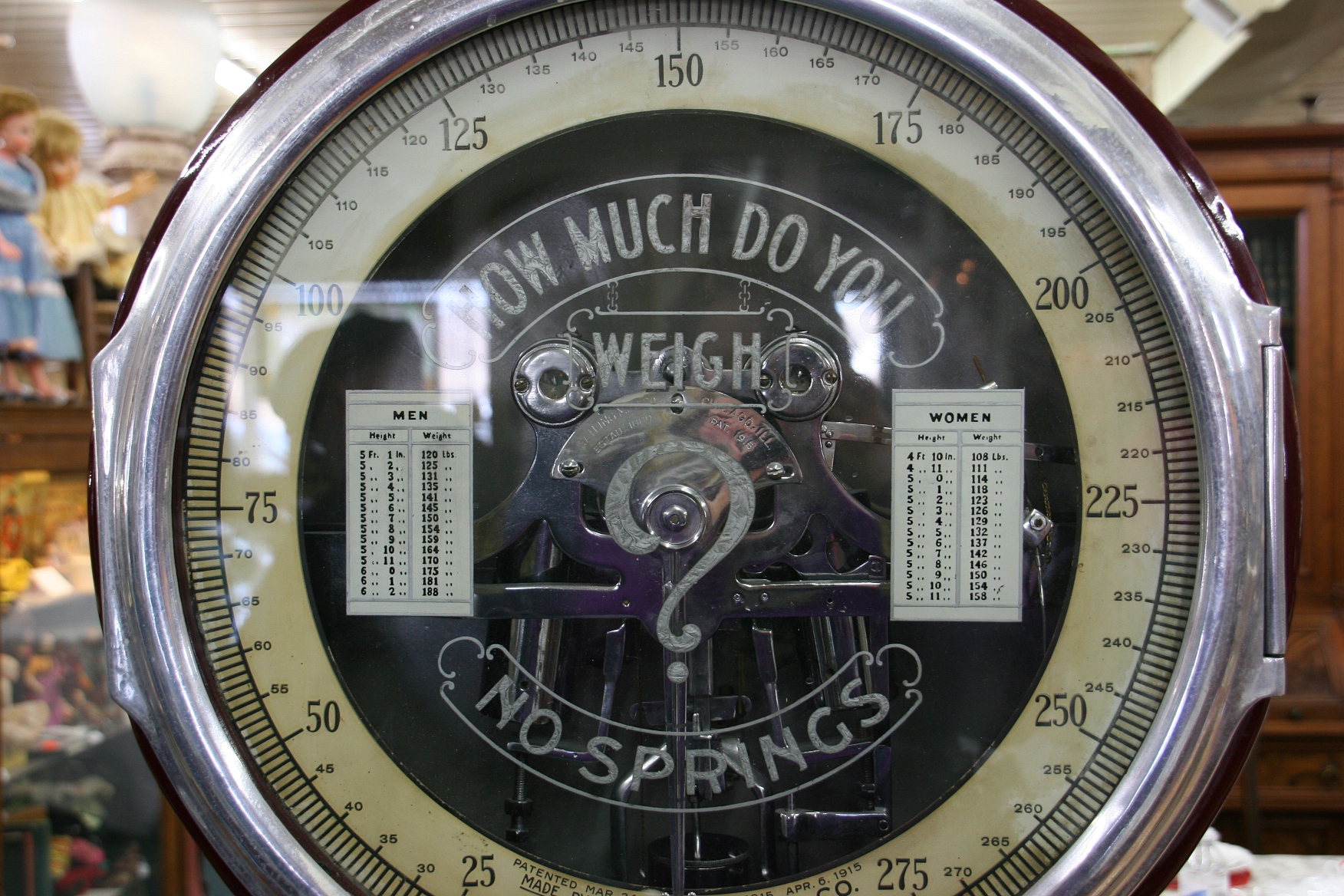
One of Gordy Cariveau's favorite finds, and old scale which weighs accurate. According to charts on the scale, a 5'11" man should weight 170 pounds, for example. And a 5'5" woman, 132 pounds.

One of Gordy Cariveau’s favorite finds, an old scale which still weighs accurate today, according to Yvonnne. Charts on the scale claim a 5’11” man should weigh 170 pounds, for example. And a 5’5″ woman, 132 pounds.

I hugged the elder Yvonne the afternoon of my visit as she worked with family to stage and photograph items in her antique store. She possesses a remarkable strength and grace. And that, too, is poetry.

FYI: April is National Poetry Month, a celebration of all things poetry. Seek out poetry in your daily life. It is everywhere. In a blooming crocus, in a baby’s smile, in asparagus clipped from your backyard patch, in a cardinal’s call, in the words you type…

© Copyright 2015 Audrey Kletscher Helbling


Part III: Oh, the memories, the treasures uncovered in West Concord April 2, 2015

Filed under: Uncategorized — Audrey Kletscher Helbling @ 5:00 AM
Tags: , , , , ,

IT’S EASY, WHEN TOURING a museum like that run by the West Concord Historical Society, to feel overwhelmed by the volume of items displayed.

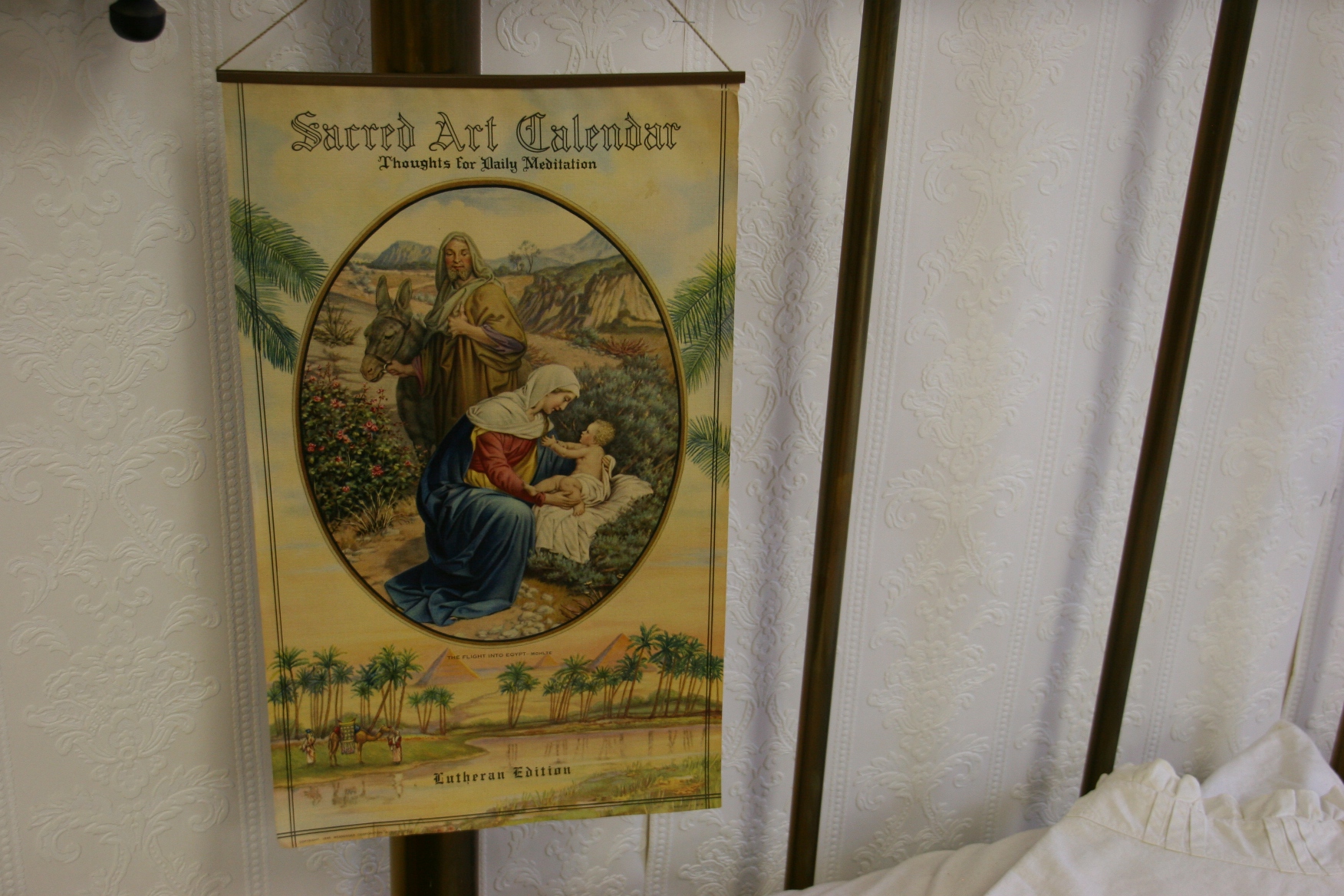
This struck me as particularly humorous: A Sacred Art calendar, Lutheran edition.

The wording on this beautiful piece of art struck me as particularly funny: A Sacred Art Calendar, Lutheran Edition.

But often certain things will imprint as particularly unique or humorous or as a reminder of something from your past.

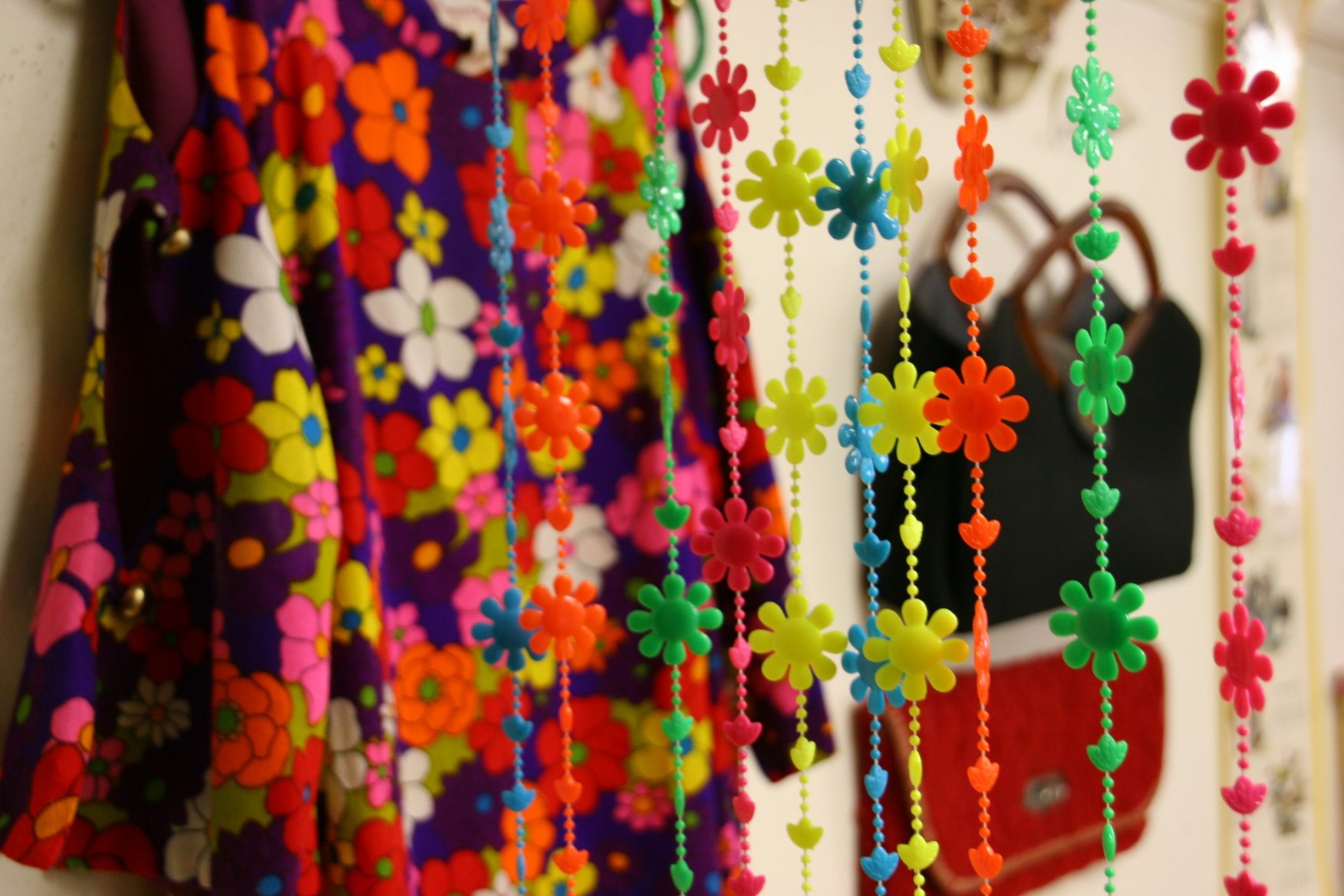
When I nearly ran into these dangling beads inside the doorway to The 50's and 60's Room, I knew this would be my favorite themed room. It was.

When I nearly ran into these dangling beads inside the doorway to The 50’s and 60’s Room, I knew this would be my favorite themed room.

The WCHS’s museum, housed in a massive former school, contains so much stuff that you are sure to find multiple pieces of the past that pop out, no matter your age.

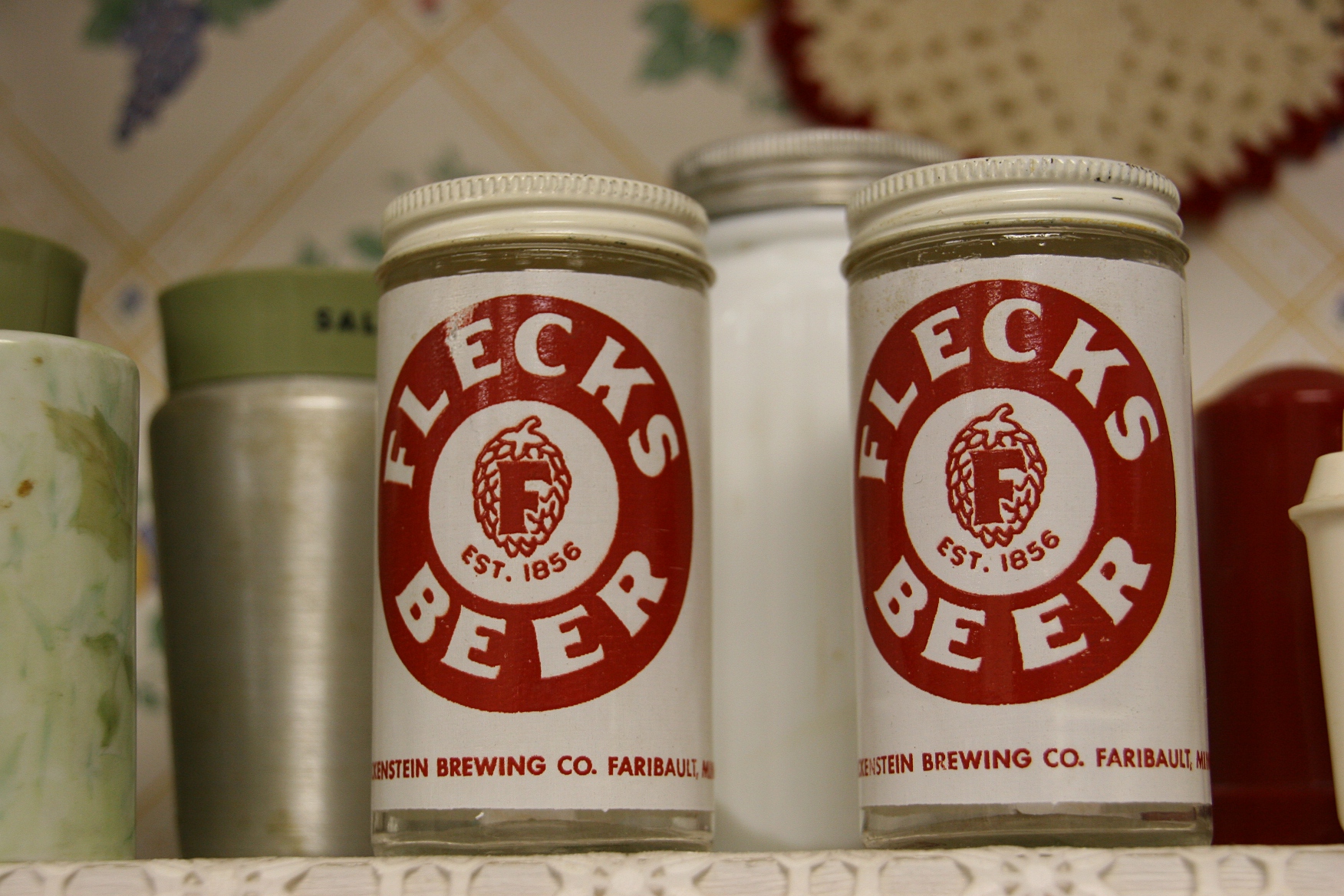
This Flecks beer memorabilia is displayed in the West Concord museum even though the beer was made in my community of Faribault 25 miles away.

This Flecks beer memorabilia is displayed in the West Concord museum even though the beer was made in my community of Faribault 25 miles away.

I have no personal connection to West Concord. Yet I am connected by time and by the geography of living in southeastern Minnesota.

Here are some more of my favorite finds inside the WCHS museum:

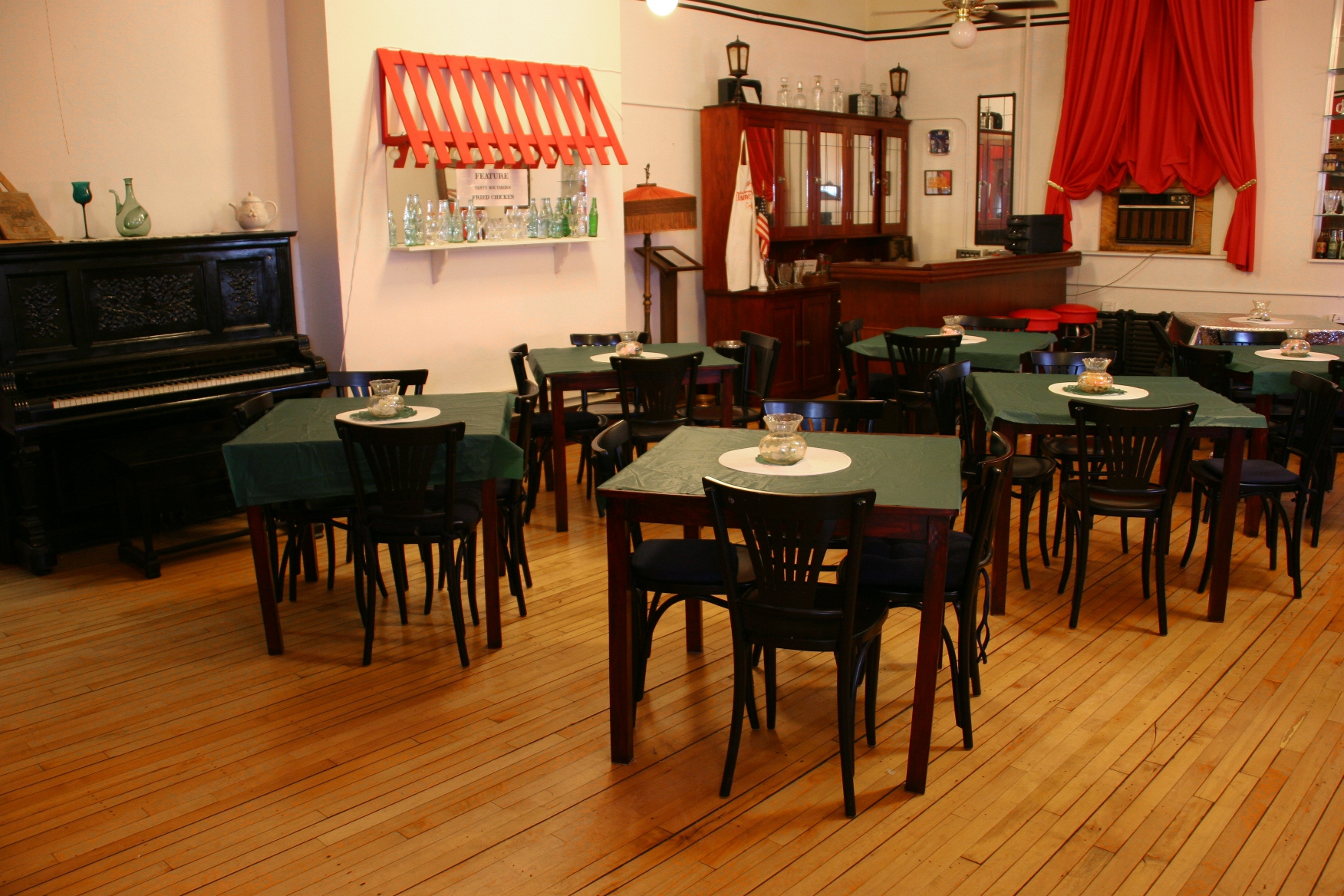
This entire former classroom is set up to look like the 1930s-early 1940s Flame Room once housed in the Concord Hotel. This space can be rented for gatherings.

This entire former classroom is set up to look like the 1930s-early 1940s Flame Room once housed in the Concord Hotel. This space can be rented for gatherings. Locals dined and danced at The Flame.

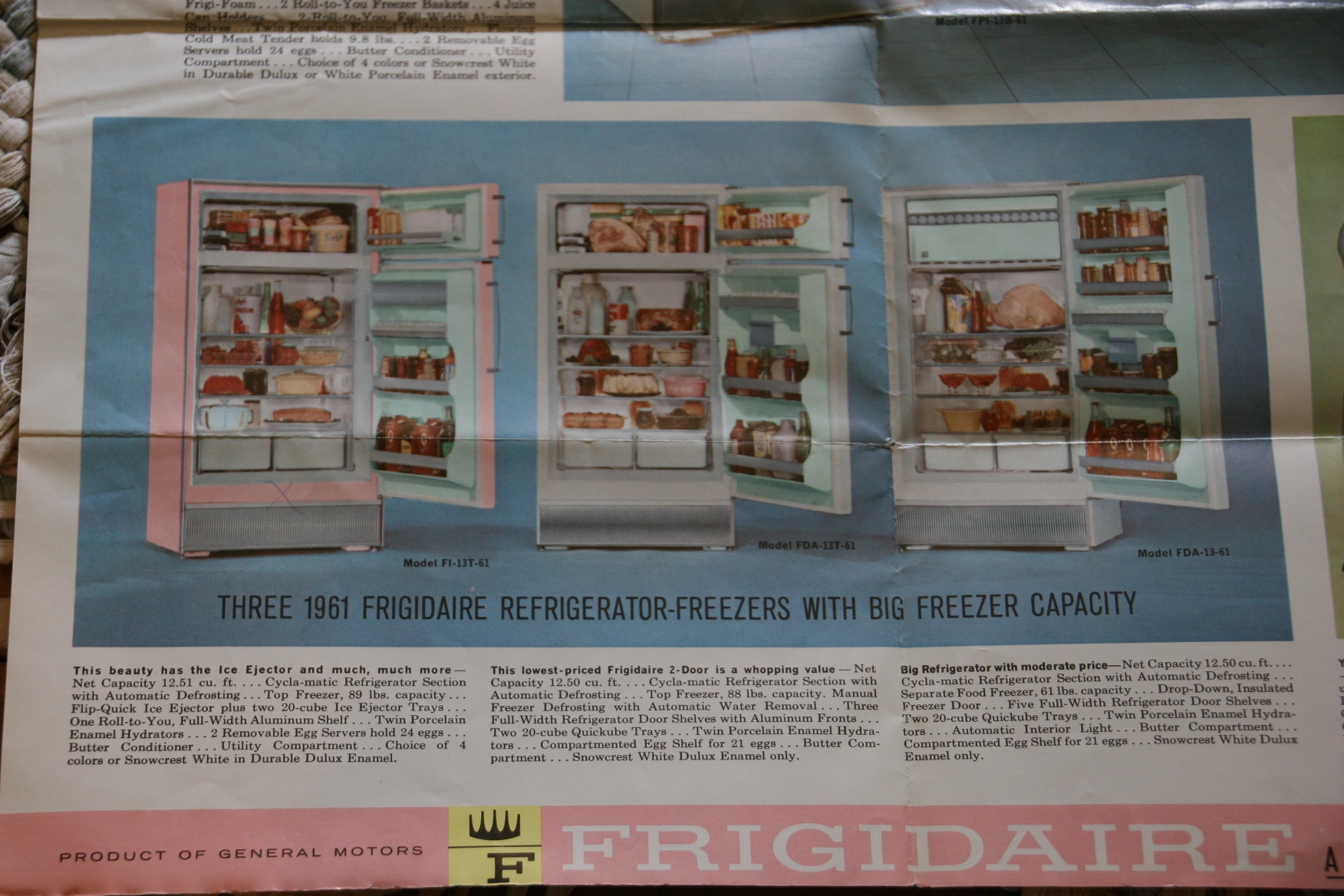
Vintage ads and graphics, like this one for pink Frigidaire appliances, always draw my attention

Vintage ads and graphics, like this one for pink Frigidaire appliances, always draw my interest.

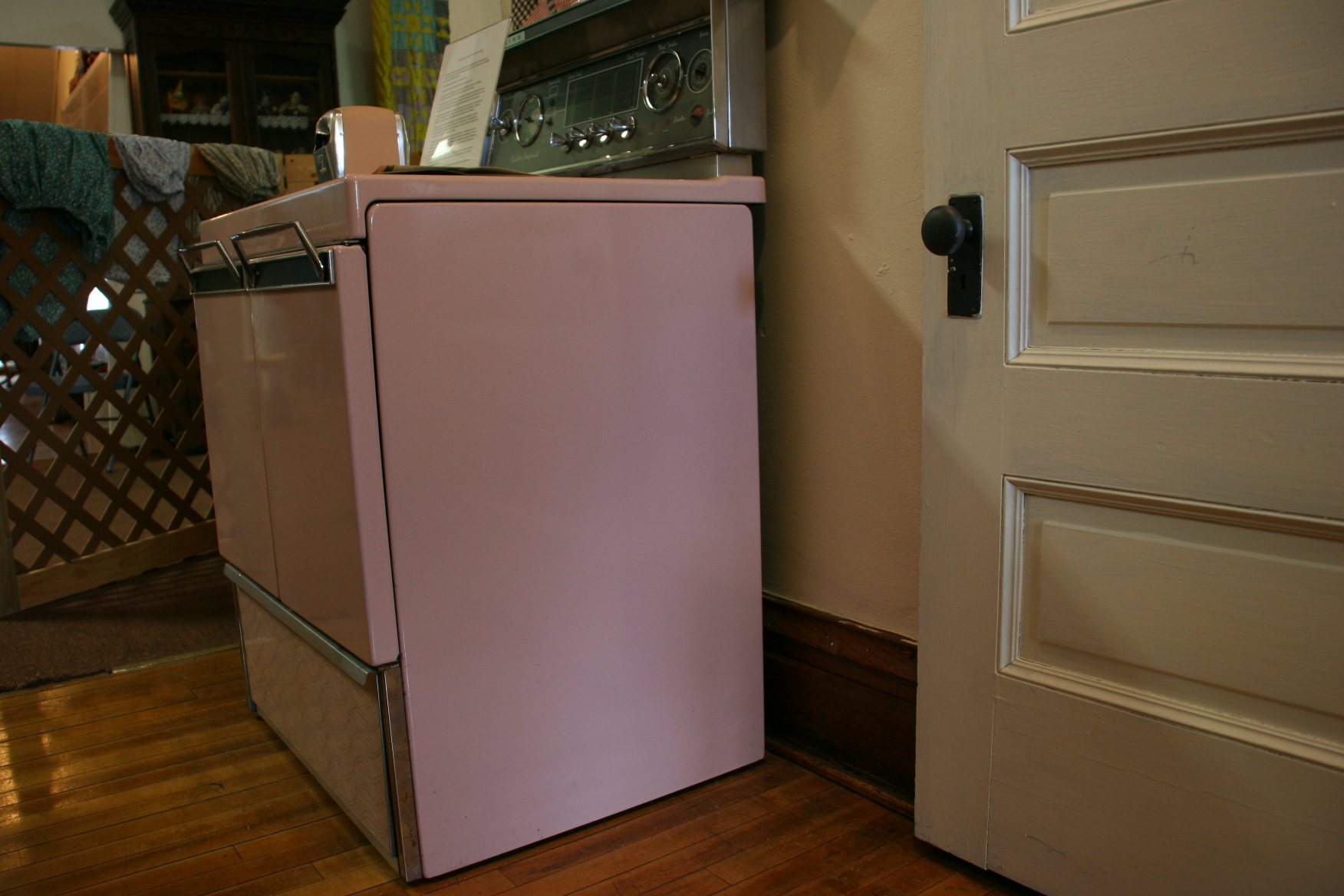
This pink Frigidaire electric stove was purchased by Arthur and Lorraine Spreiter in about 1959 from Pirkl and Hall Appliance along Main Street in West Concord. The stove features double oven doors rather than a drop-down door. The Spreiters also purchased an upright pink refrigerator/freezer.

This pink Frigidaire electric stove was purchased by Arthur and Lorraine Spreiter in about 1959 from Pirkl and Hall Appliance along Main Street in West Concord. The stove features double oven doors rather than a drop-down door. The Spreiters also purchased an upright pink refrigerator/freezer.

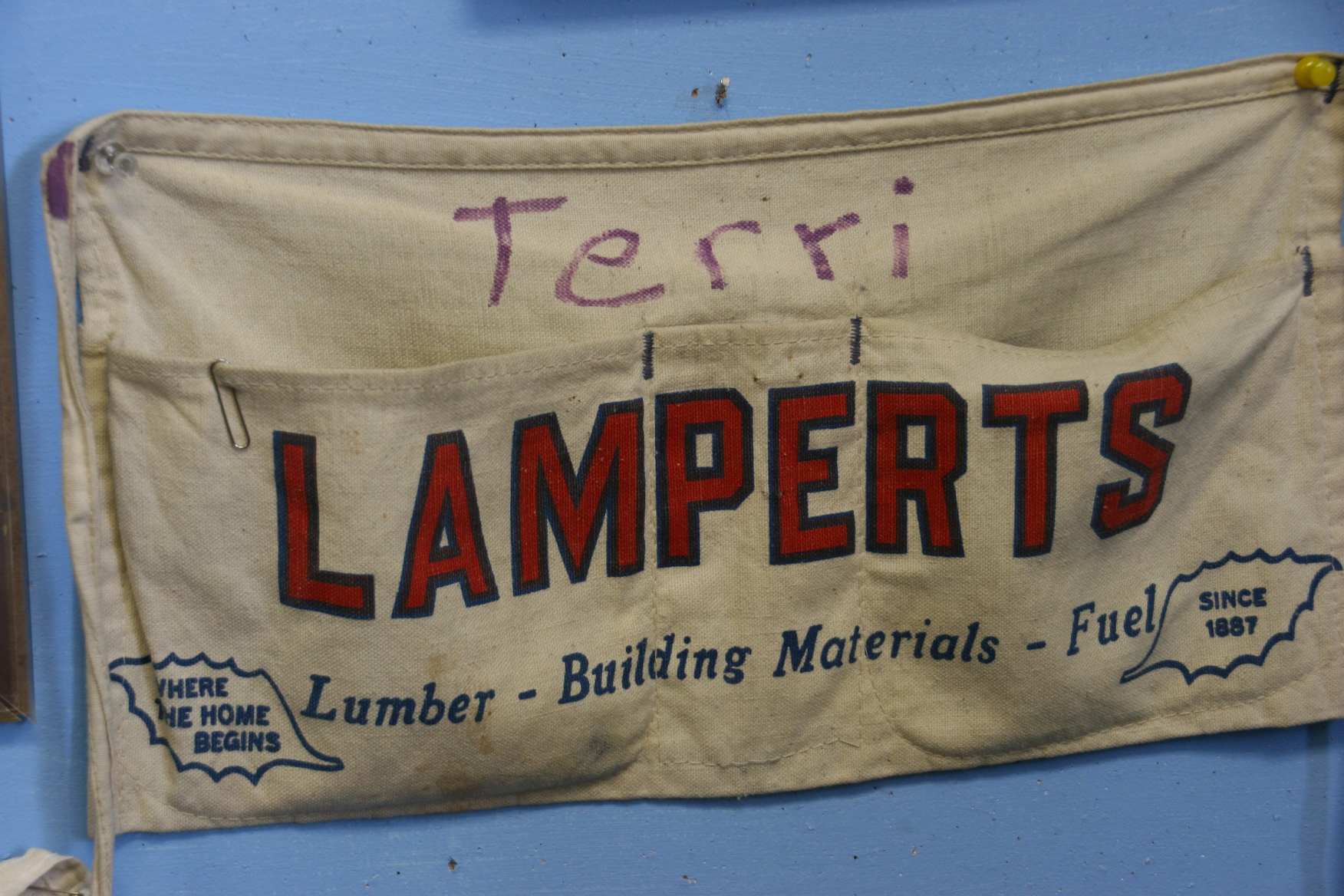
I was delighted that this apron was saved and displayed in The Farmers and Merchants Room. Lumber yards were once such an important business in small towns.

I am delighted that this apron was saved and displayed in The Farmers and Merchants Room. Lumber yards were once key businesses in small towns. Most have closed, replaced by Big Box lumber sources. The apron is so representative of the personal service offered in small towns.

I collect vintage drinking glasses and once had a red spotted one. My Aunt Jeanette has a collection of these. Love.

I collect vintage drinking glasses and once had a red spotted one. My Aunt Jeanette has a collection of these. Love.

I love vintage signs and graphics. And how many Gambles stores even exist any more? This sign was found in the old West Concord Gambles store opened in about 1935 by Clarence Barwald.

I love vintage signs and graphics. And how many Gambles stores even exist any more? This sign was found in the old West Concord Gambles store opened in about 1935 by Clarence Barwald. It hangs in The Farmers & Merchants Room.

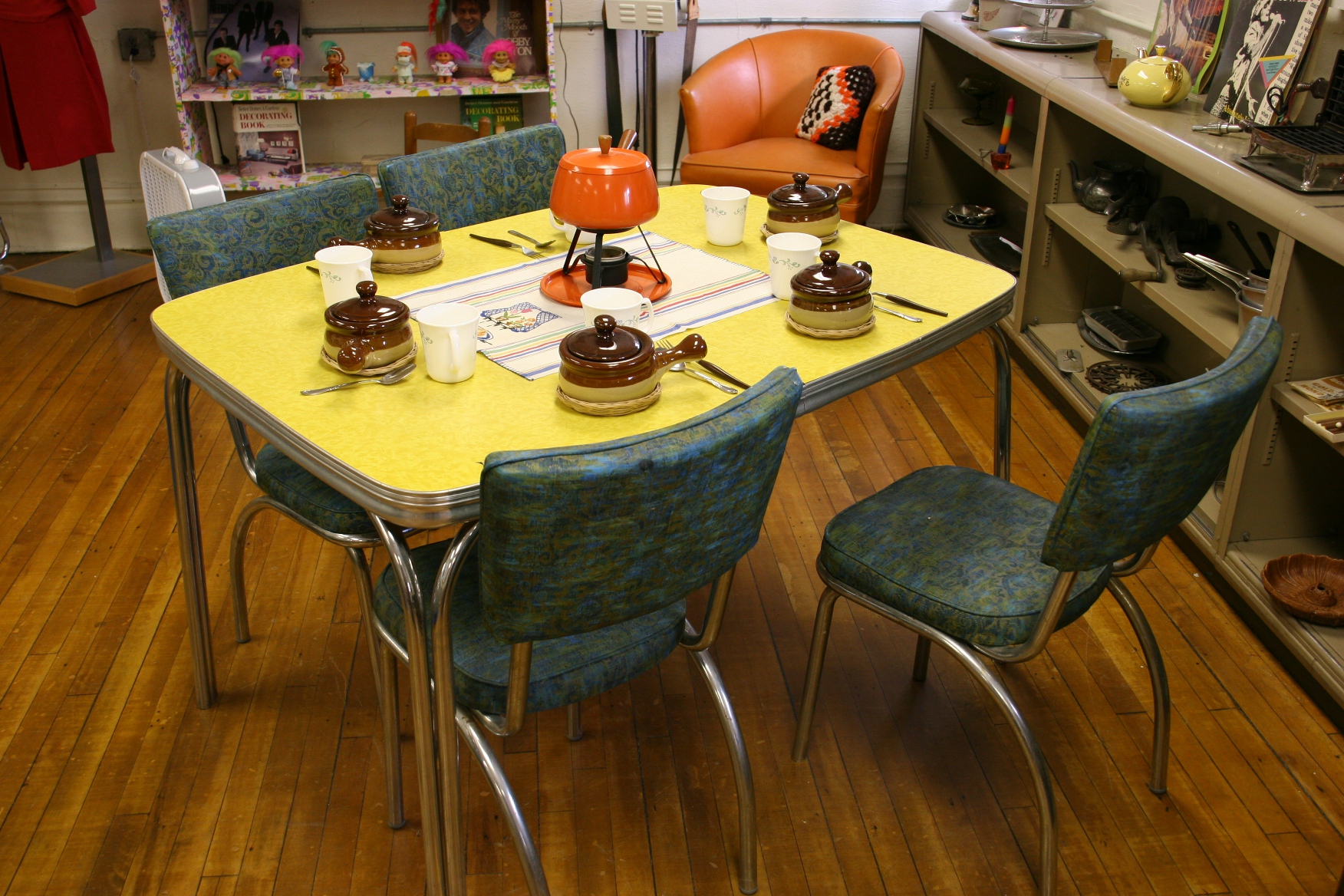
Growing up, I never was impressed by the oil-cloth covered Formica table in our kitchen. But today, well, I feel differently. My husband was especially thrilled to see this yellow table, like the one he remembers from his youth.

Growing up, I never was impressed by the oil-cloth covered Formica table in our kitchen. But today, well, I feel differently. My husband was especially thrilled to see this yellow table, like the one he remembers from his youth.

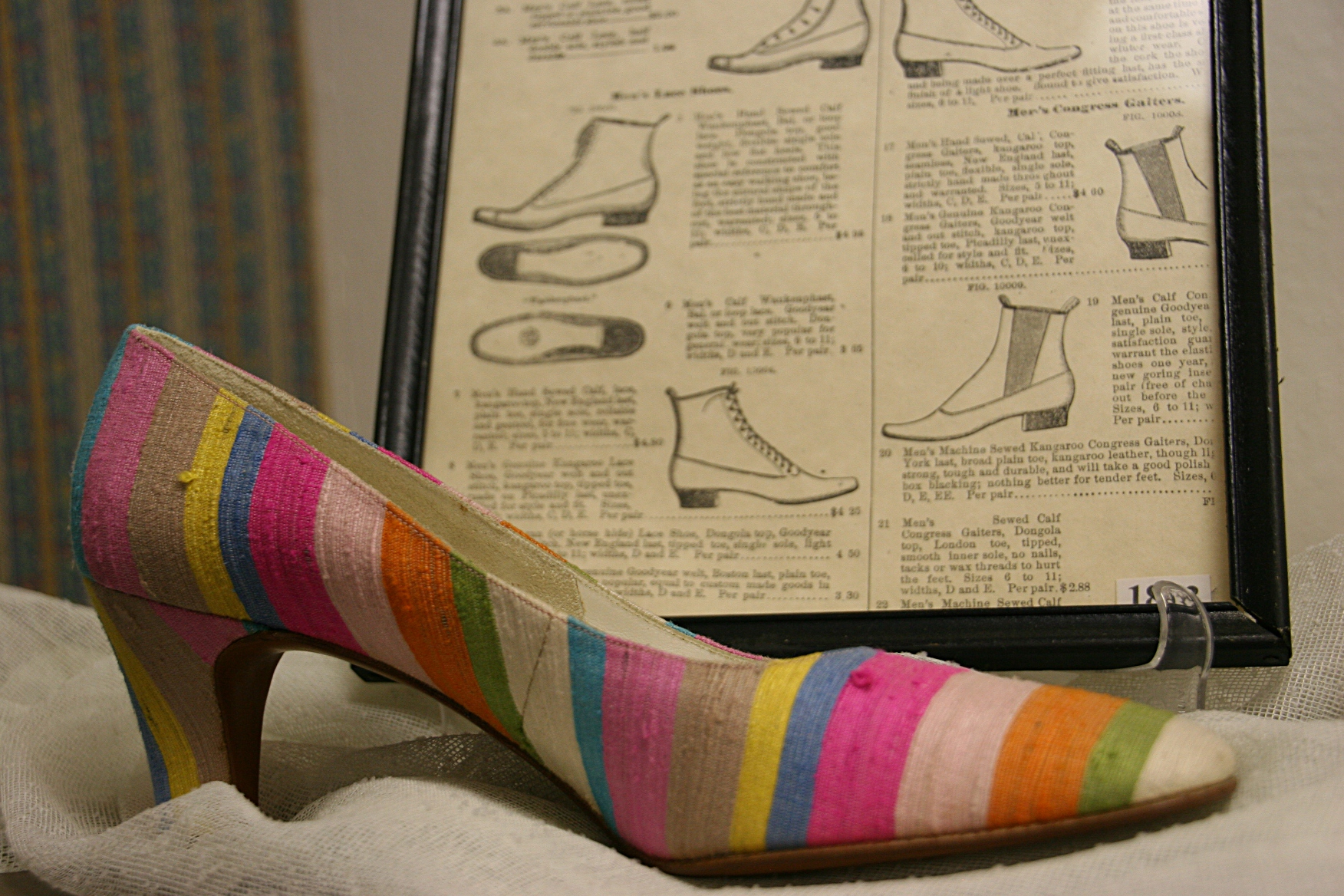
This shoe is the most colorful and memorable one I've ever seen. It's like a work of art, showcased in The Fashion Room.

This shoe is the most colorful and memorable footwear I’ve ever seen. It’s like a work of art, showcased in The Fashion Room.

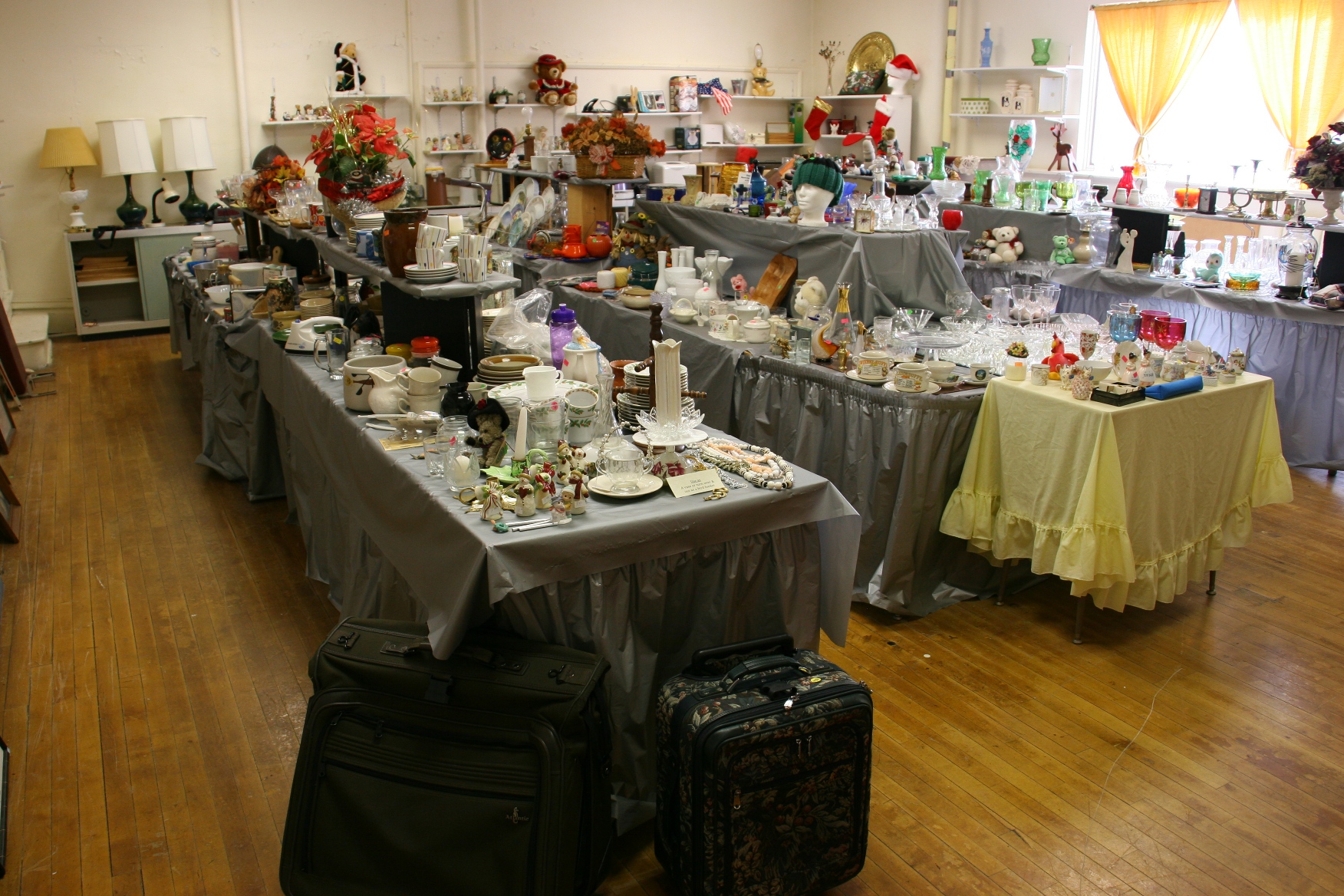
One classroom is devoted to a garage sale type space called Grandma's Attic. Here you can purchase secondhand merchandise

One classroom is devoted to a garage sale type space called Grandma’s Attic. Here you can purchase secondhand merchandise with proceeds going to the museum. I purchased a Fire King bowl for $1.

FYI: Click here to read my initial post and my second post on this small town museum. Thank you for following this three-part series on this incredible collection of West Concord area history.

Here’s an upcoming event at the West Concord Historical Society, 600 West First Street, that may interest you: The Czech Area Concertina Band will perform from 2 p.m. – 5 p.m. on Sunday, April 19. Admission is a free will donation.

© Copyright 2015 Audrey Kletscher Helbling


Part II: Preserving memories in West Concord April 1, 2015

WHAT DEFINES A MUSEUM?

Collections? History? Preserving the past?

All three fit the definition. Yet, it is memories which make a museum personal.

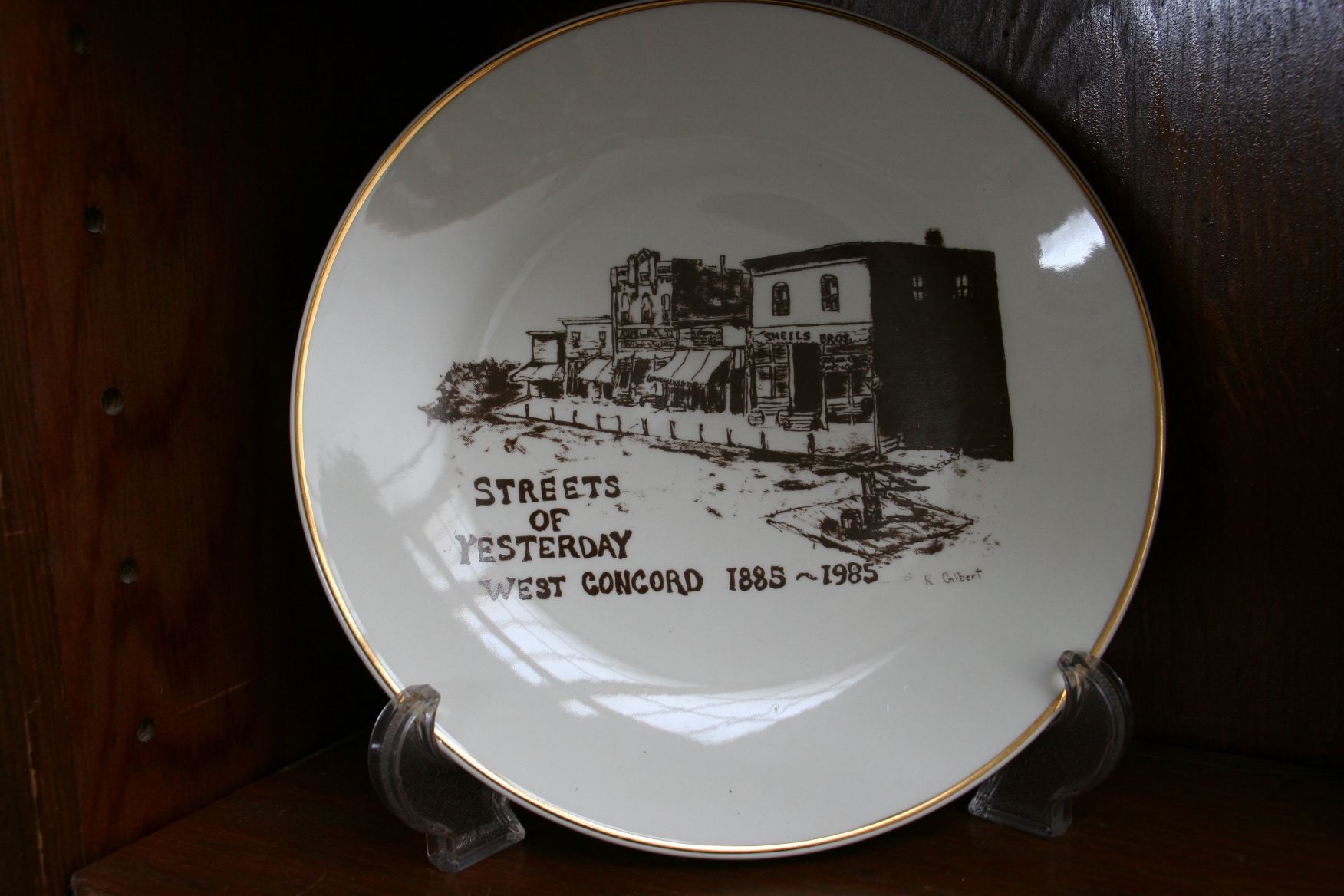
A commemorative plate from West Concord.

A commemorative plate from the small southeastern Minnesota farming community of West Concord.

The West Concord Historical Society, housed in a former school, boasts an incredible museum that showcases West Concord area history. I didn’t grow up here. I don’t live here. Yet, I connected.

Join me on a photo tour showing snippets of what this museum holds.

IN THE HERITAGE ROOM:

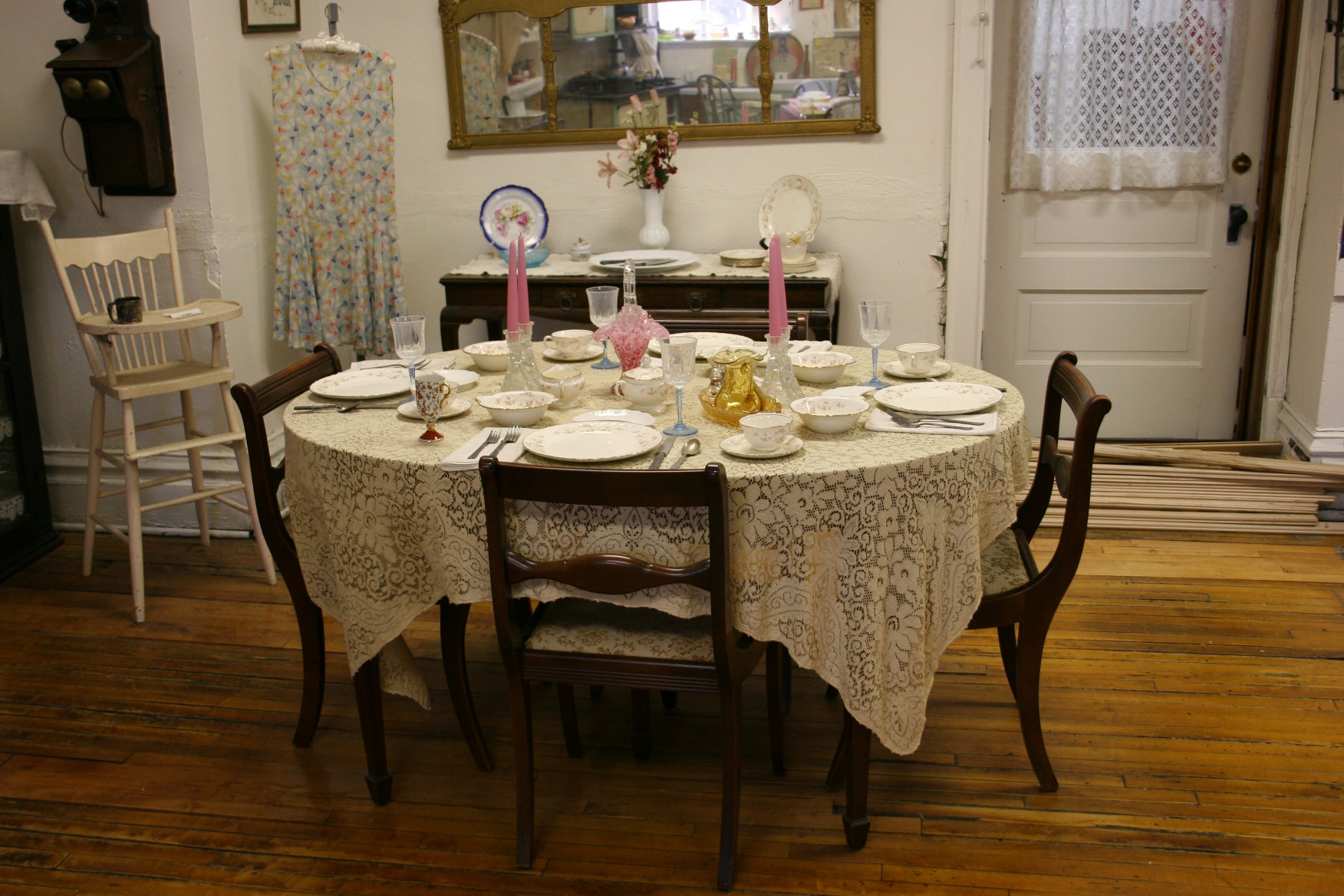
I expect many visitors would image Sunday dinner at Grandma's house when viewing this scene.

I expect many visitors will remember Sunday chicken dinners or holidays at Grandma’s house when viewing this scene.

IN THE CARDINAL ROOM:

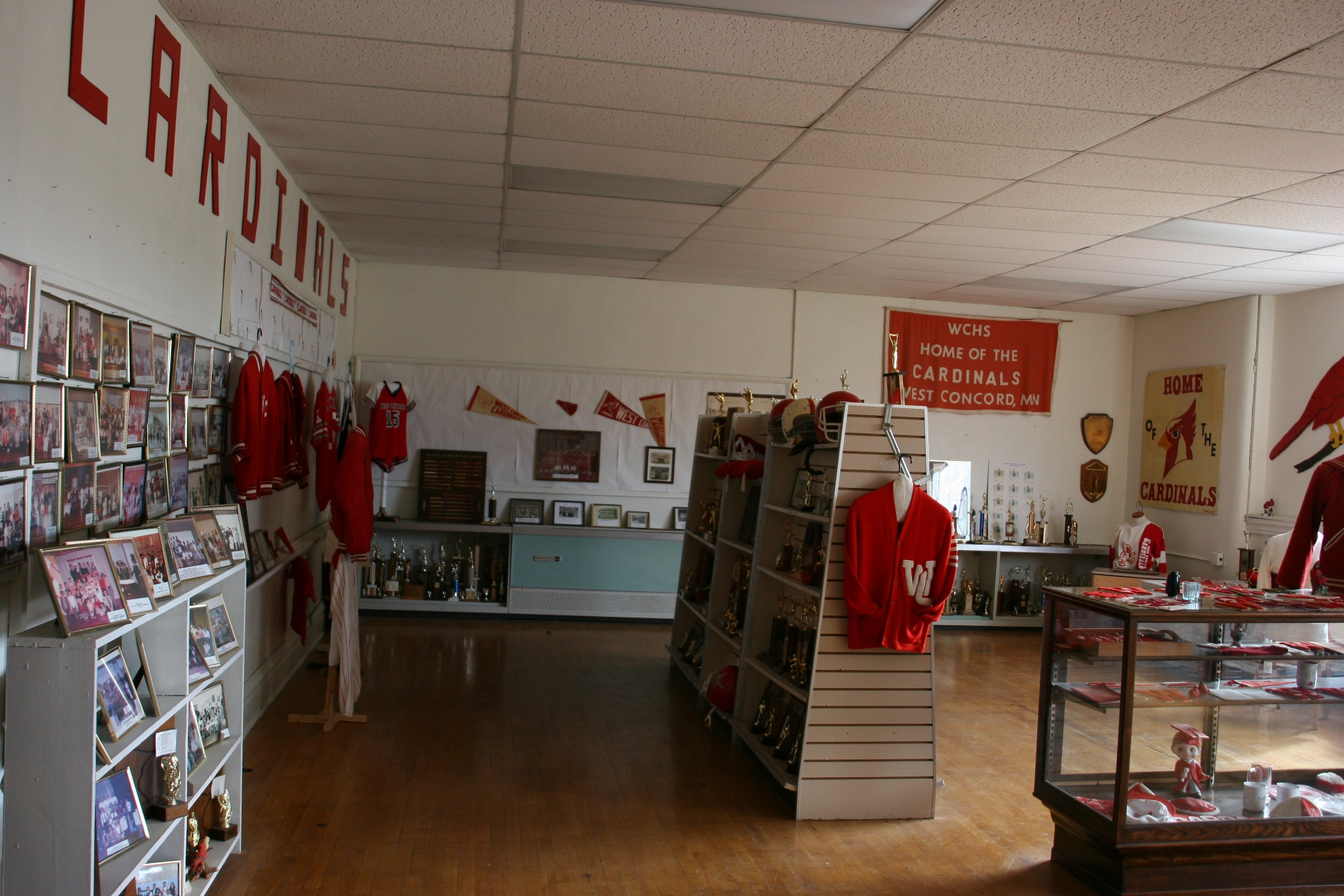
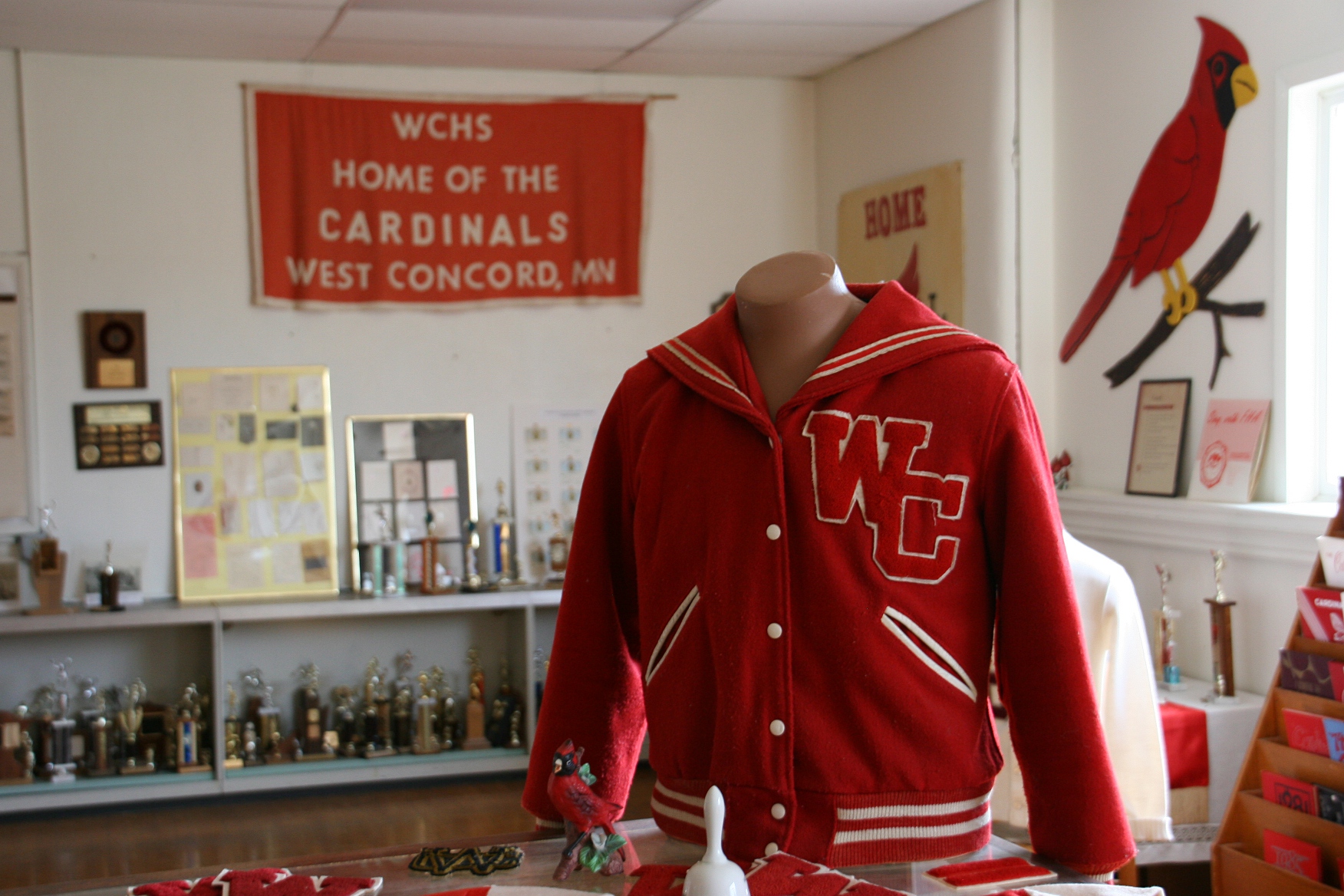
The school was once home to the West Concord school Cardinals. An entire classroom is devoted to all things Cardinal. this proves a popular place during class reunions.

The school was once home to the West Concord Cardinals. An entire classroom is devoted to Cardinals memorabilia. This exhibit proves a popular place to tour during West Concord High School class reunions. The school closed in 1991. West Concord is now part of Triton Public Schools where the mascot is a cobra.

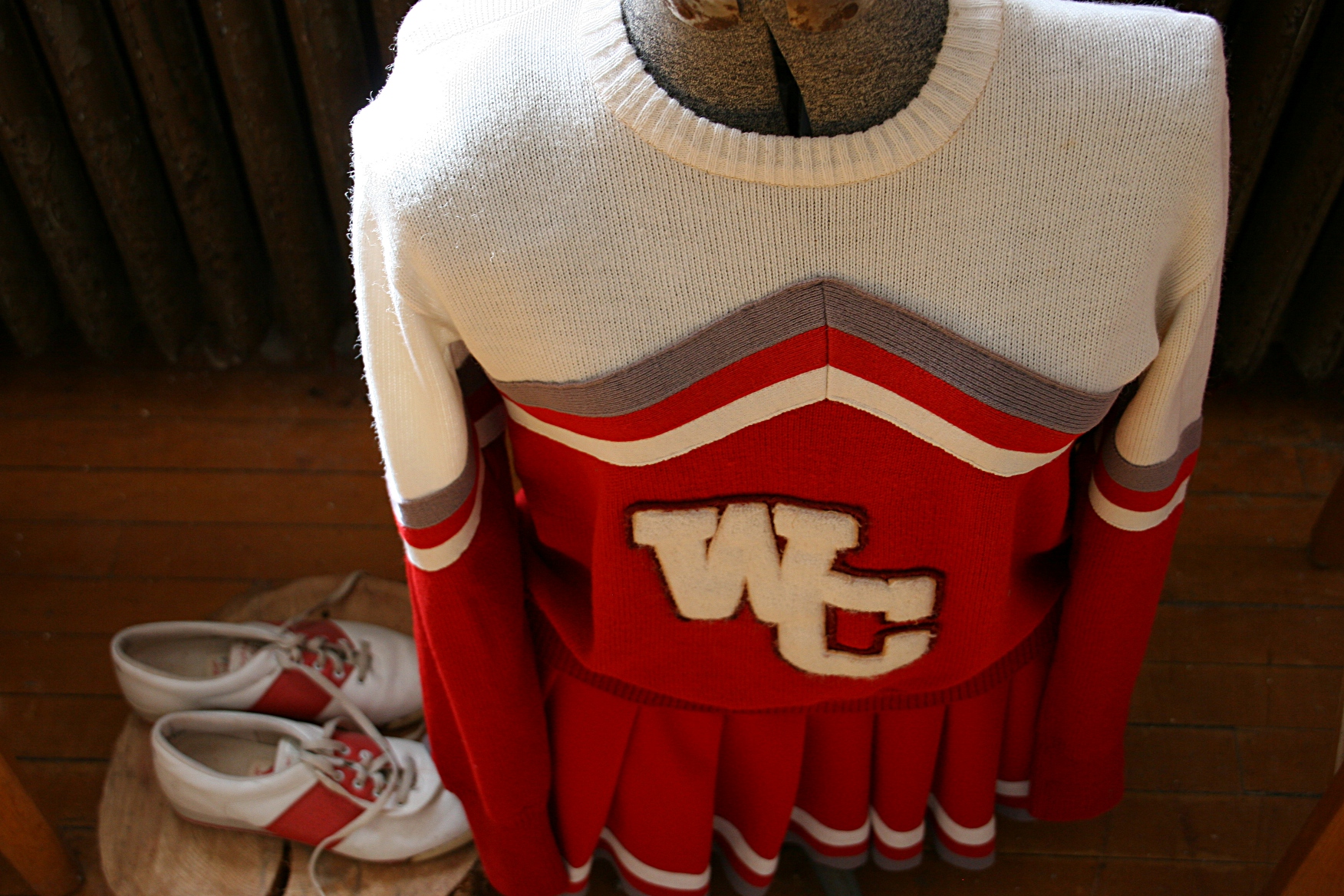
A cheerleading uniform.

A cheerleading uniform.

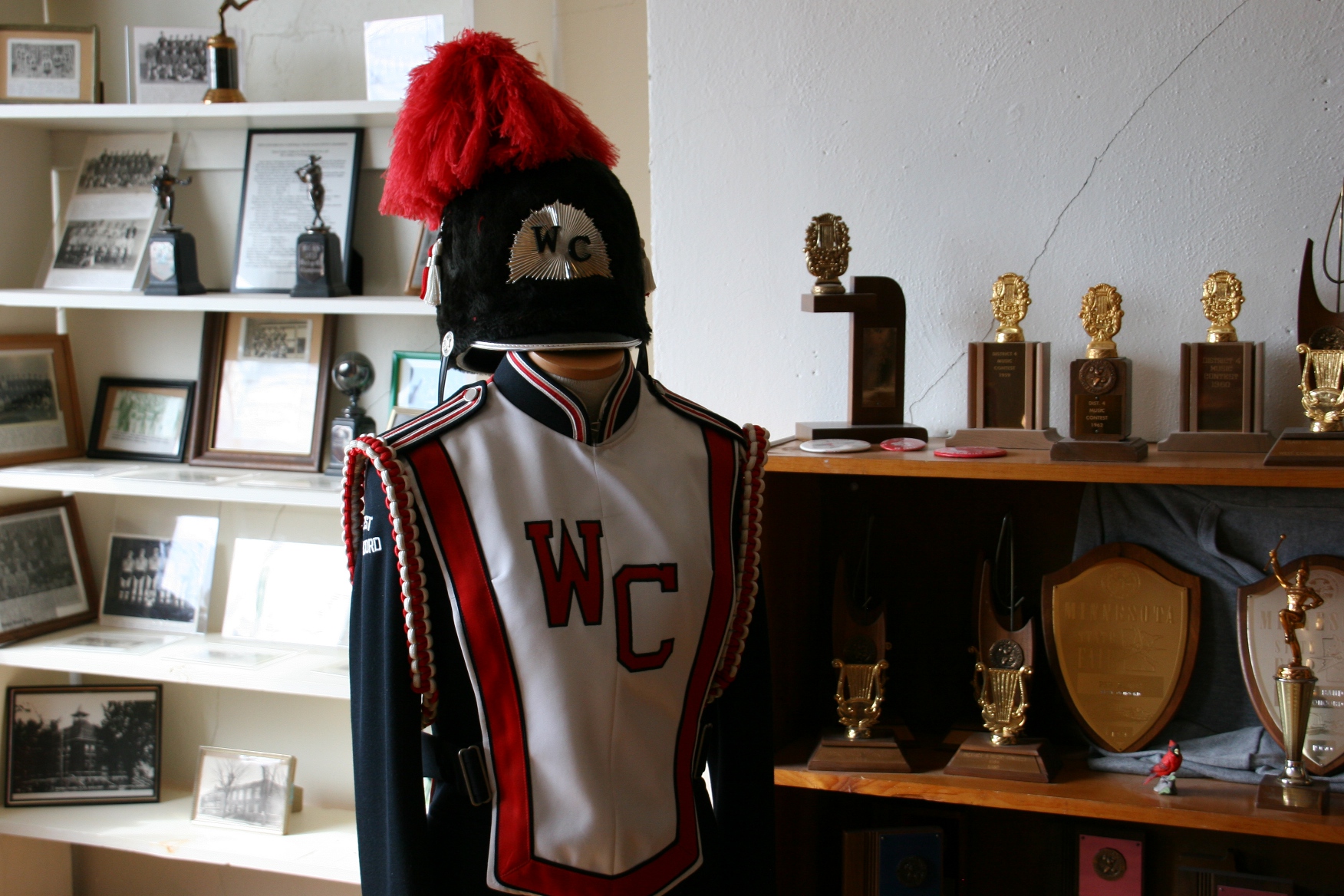
A majestic band uniform preserved.

A majestic band uniform displayed along with school trophies.

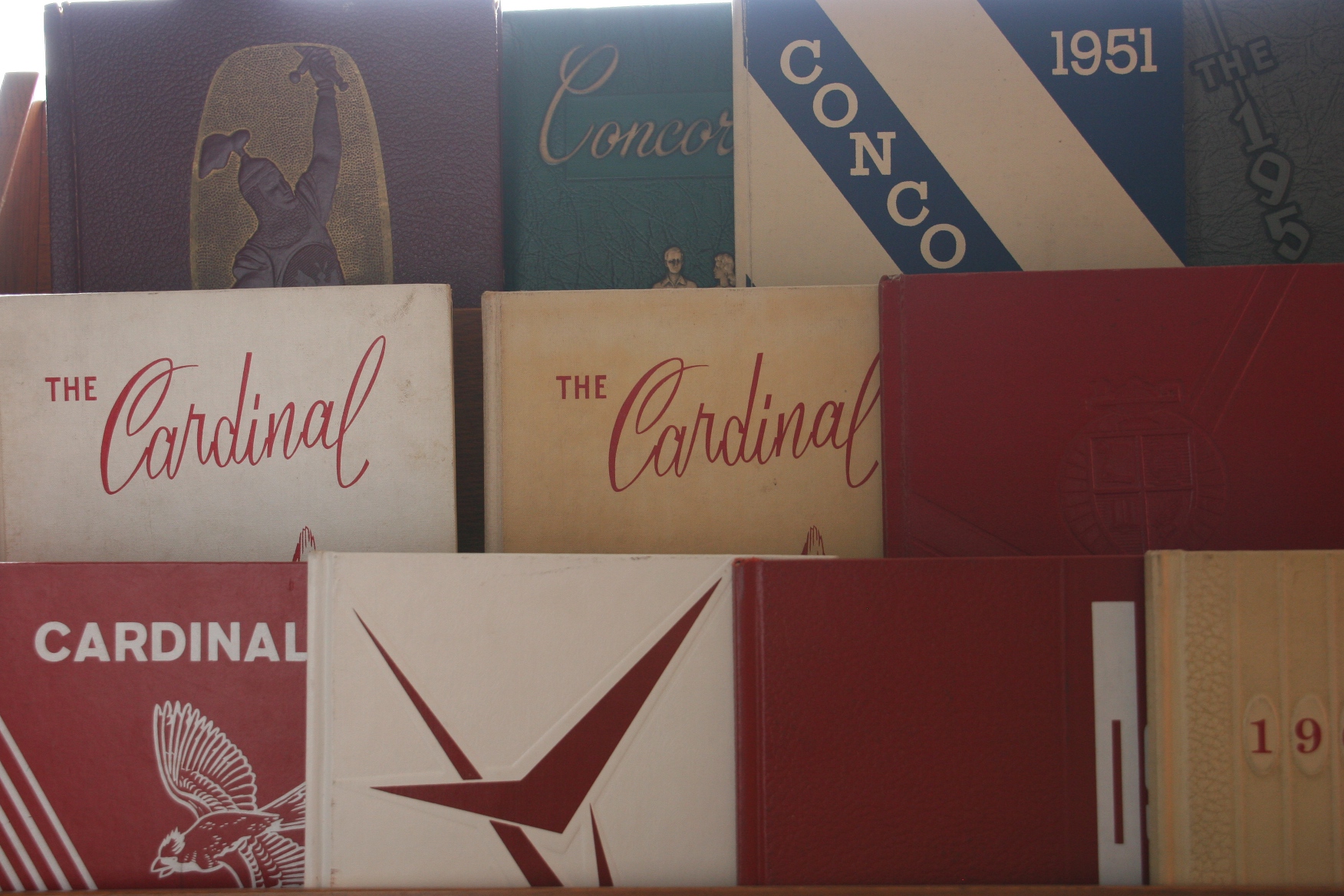
I was thrilled to find a collection of school yearbooks.

I was thrilled to find a collection of school yearbooks.

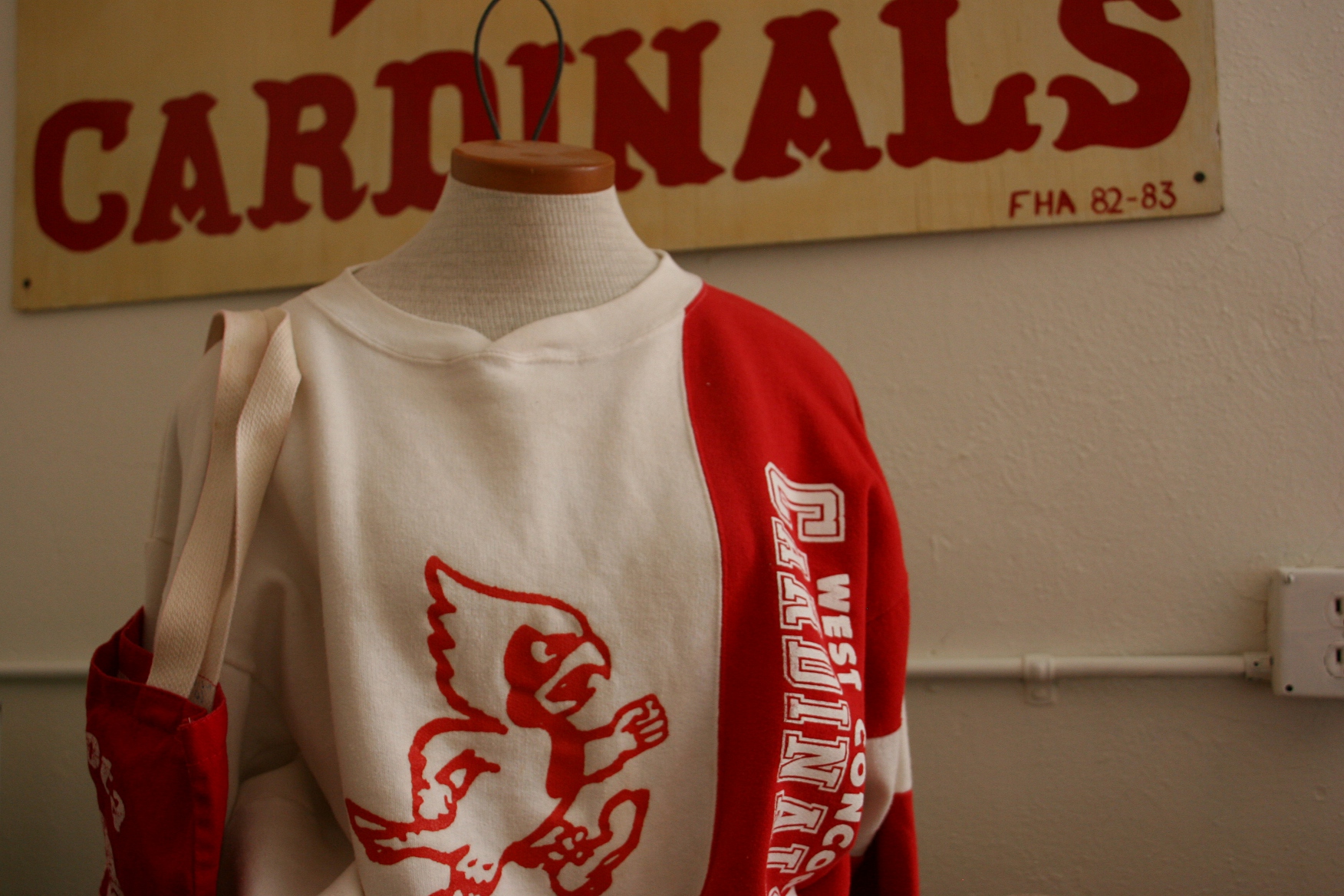
Wearing Cardinal pride.

Wearing Cardinal pride.

IN THE FARMERS & MERCHANTS ROOM:

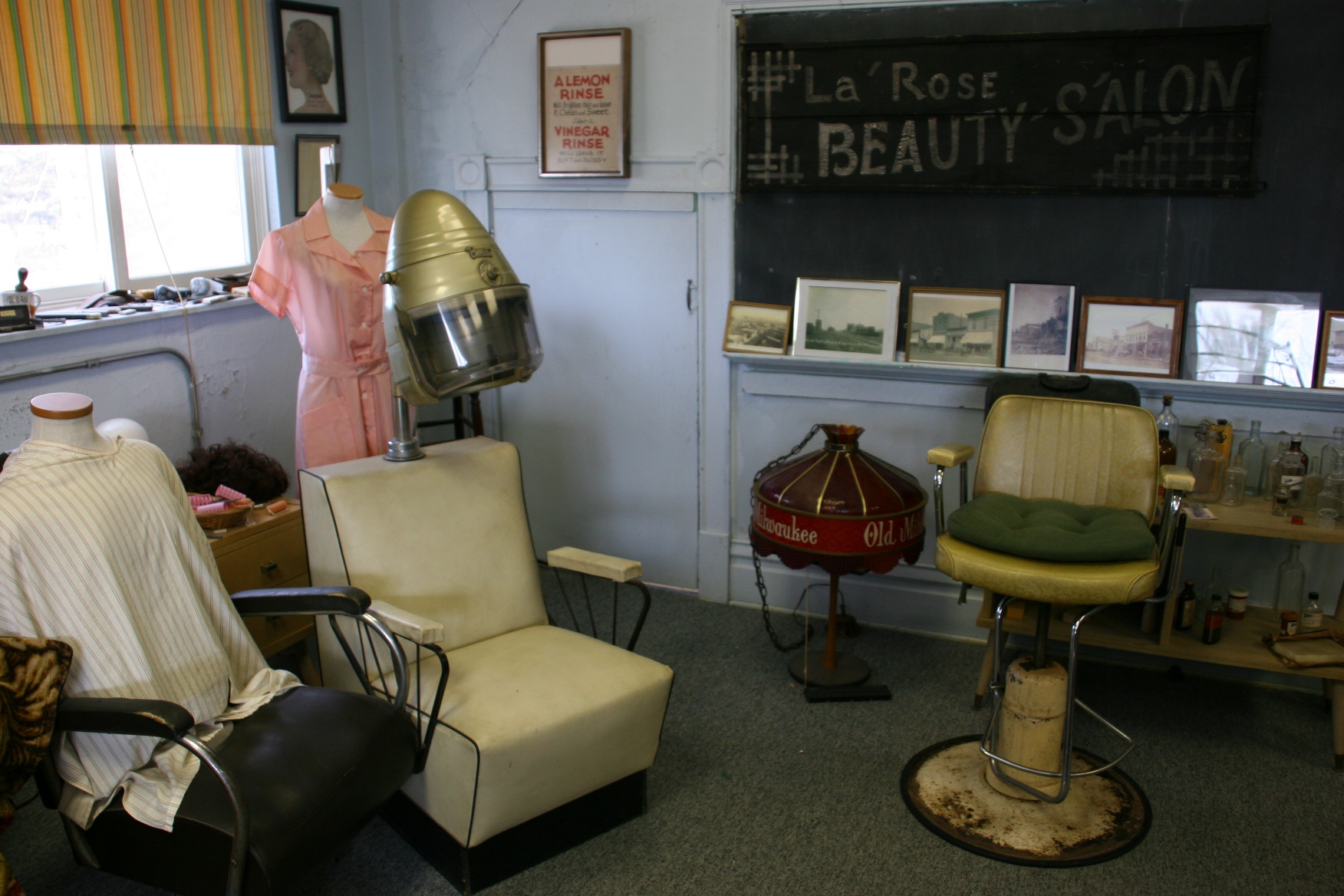
From a local beauty shop.

From a local beauty shop.

IN THE VETERANS ROOM:

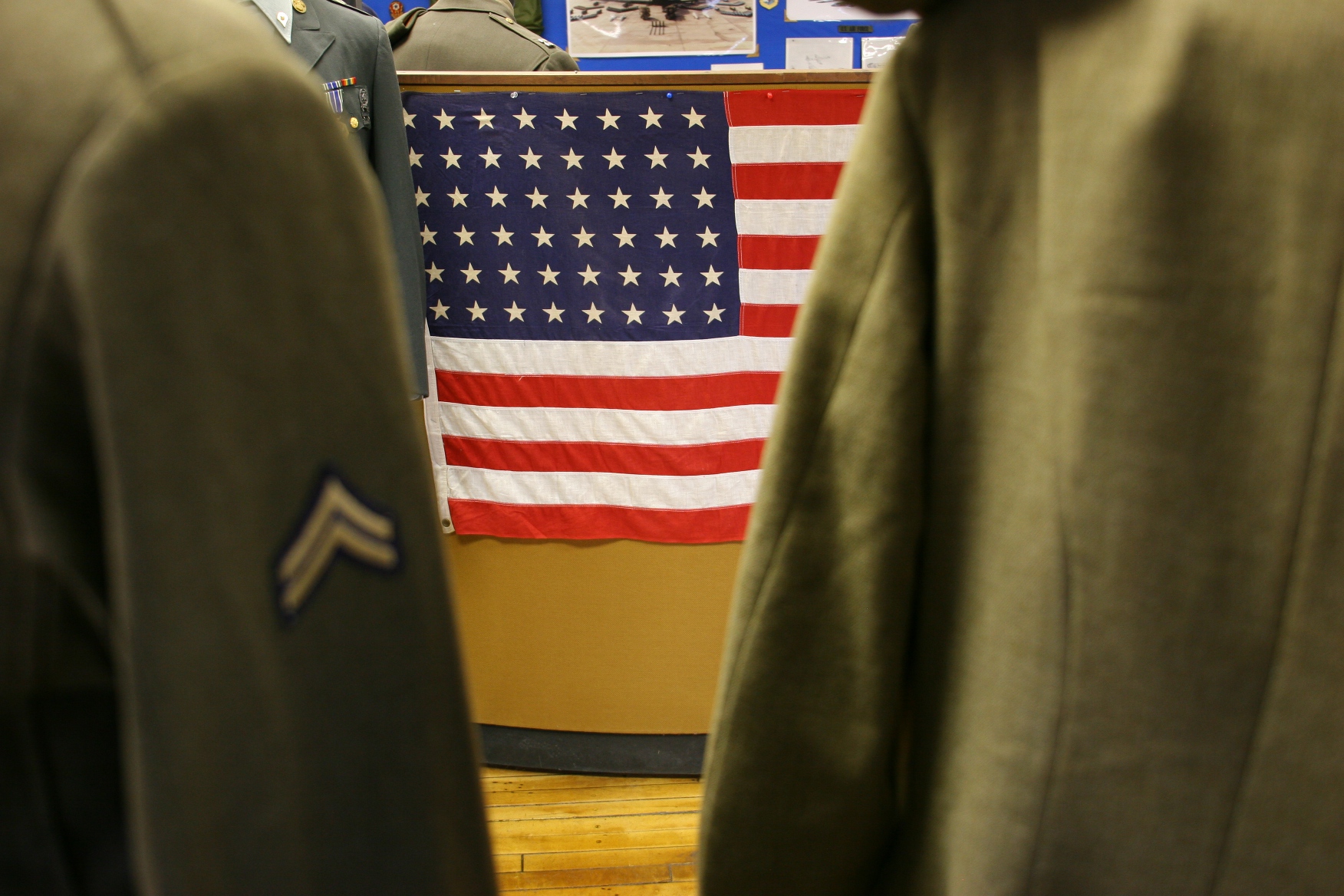
Between two military uniforms, I shot this view of a 48-star American flag.

Between military uniforms, I shot this view of a 48-star American flag.

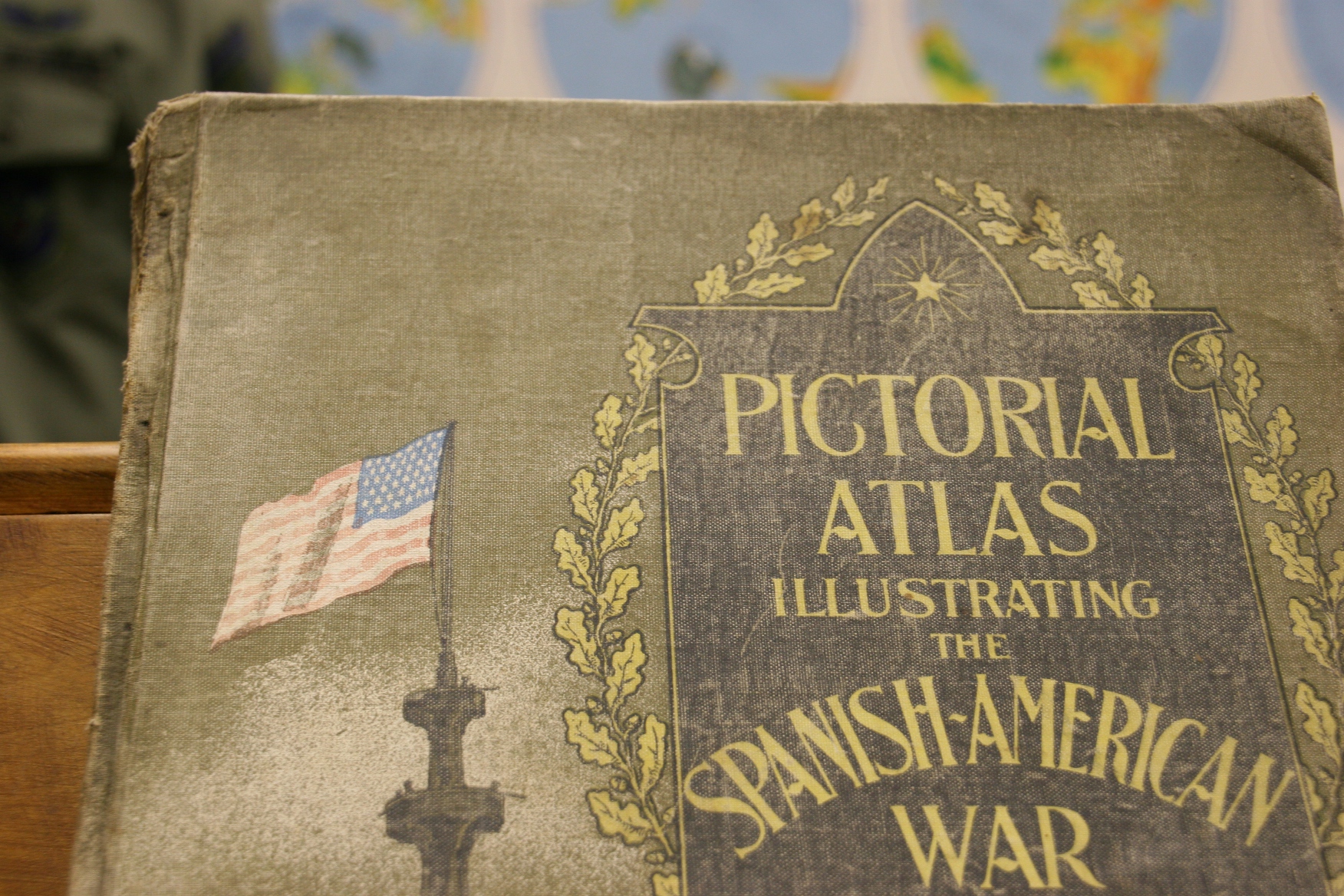
Books and documents are also displayed in The Veterans Room.

Books and documents are also displayed in The Veterans Room.

IN THE SHELL ROOM:

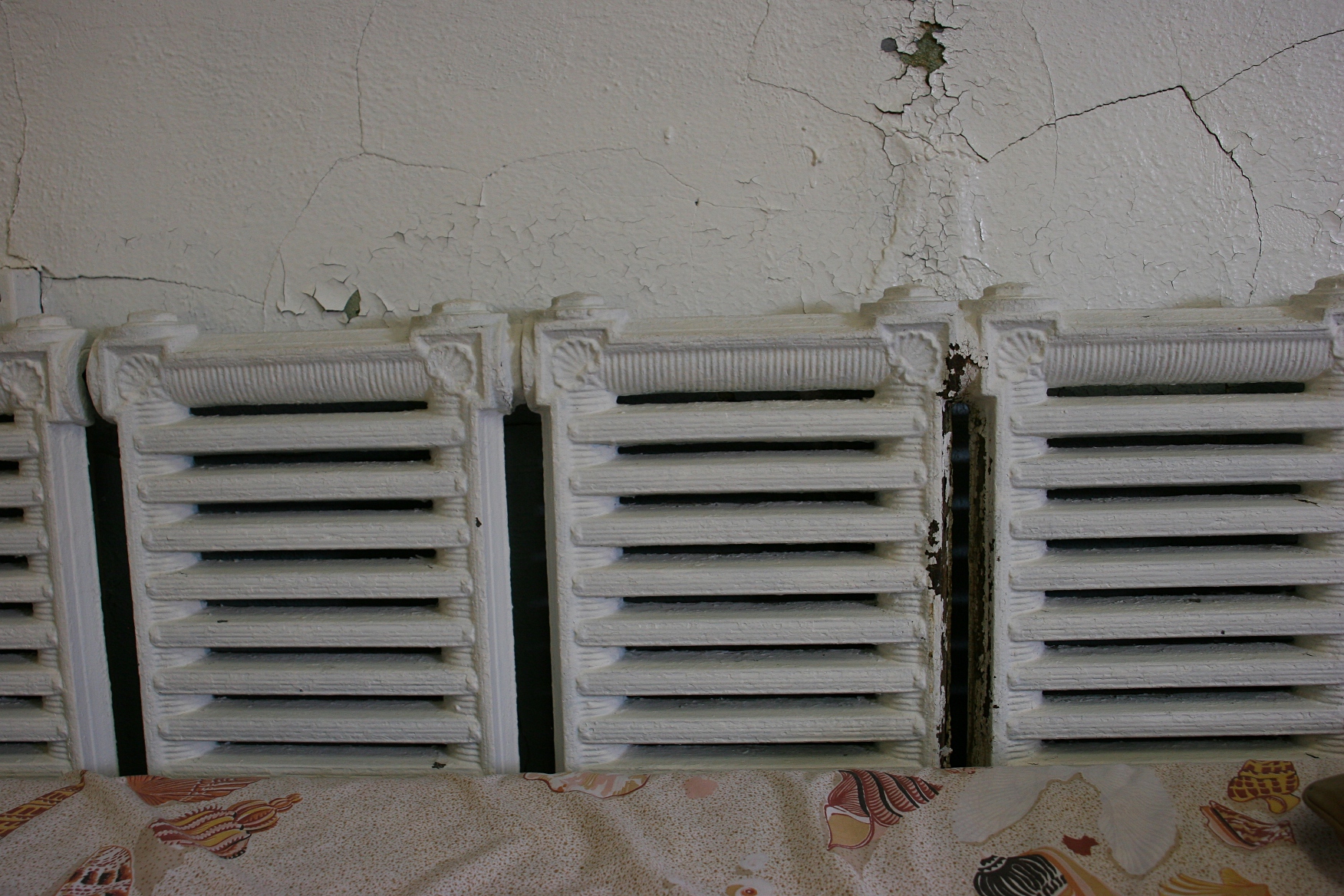
Old radiators in The Shell Room, which features a collection of shells donated by Burton Goddard and Miriam Goddard.

Old radiators in The Shell Room, which features a collection of shells donated by West Concord alumni Burton Goddard and Miriam Goddard.

IN THE 50’s & 60’s ROOM:

Feelin' groovy...a snippet of 1960s art.

Feelin’ groovy…a snippet of 1960s art.

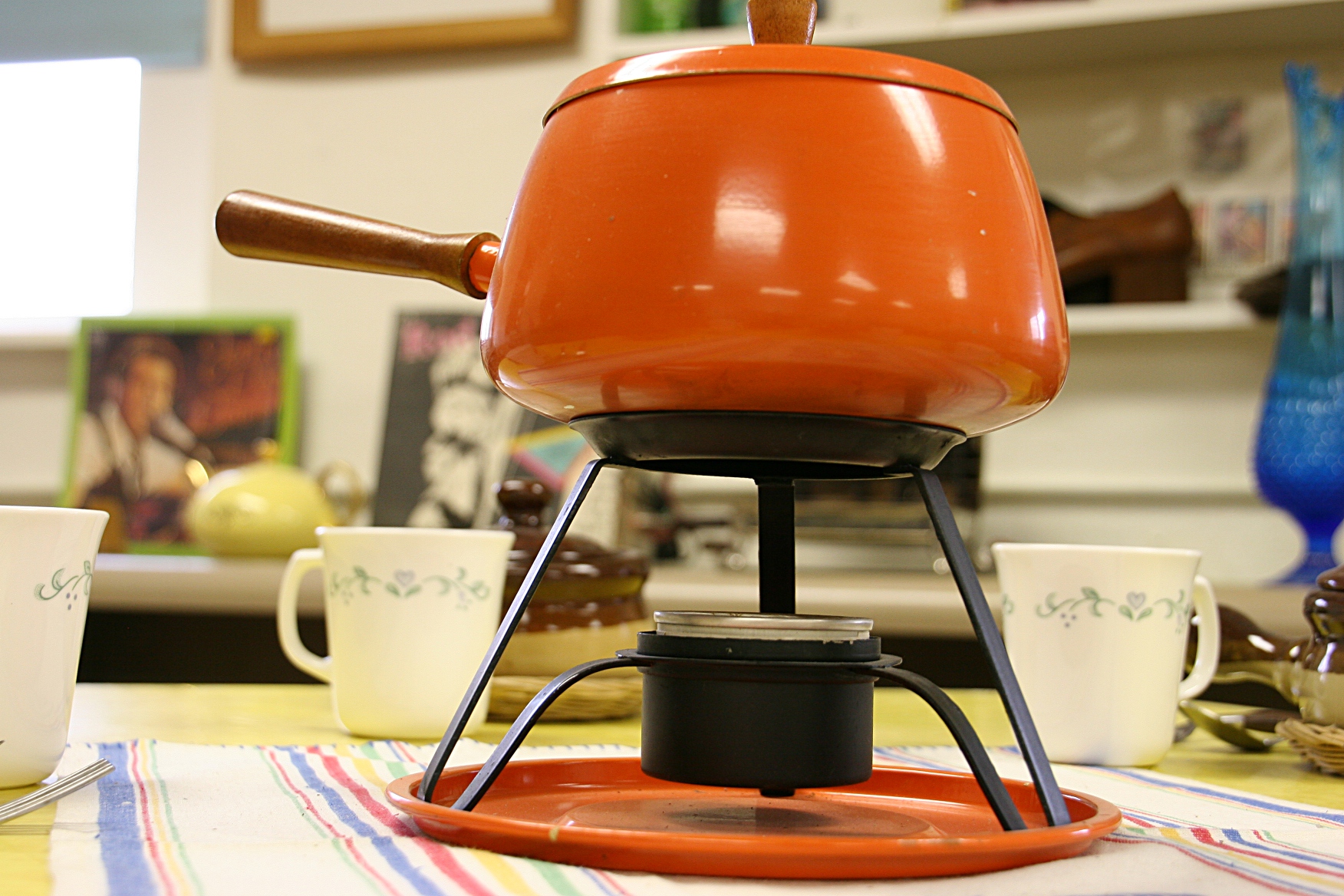
A fondue pot. I remember using a fondue pot in my high school home economics class.

I remember using a fondue pot in my high school home economics class in the 1970s.

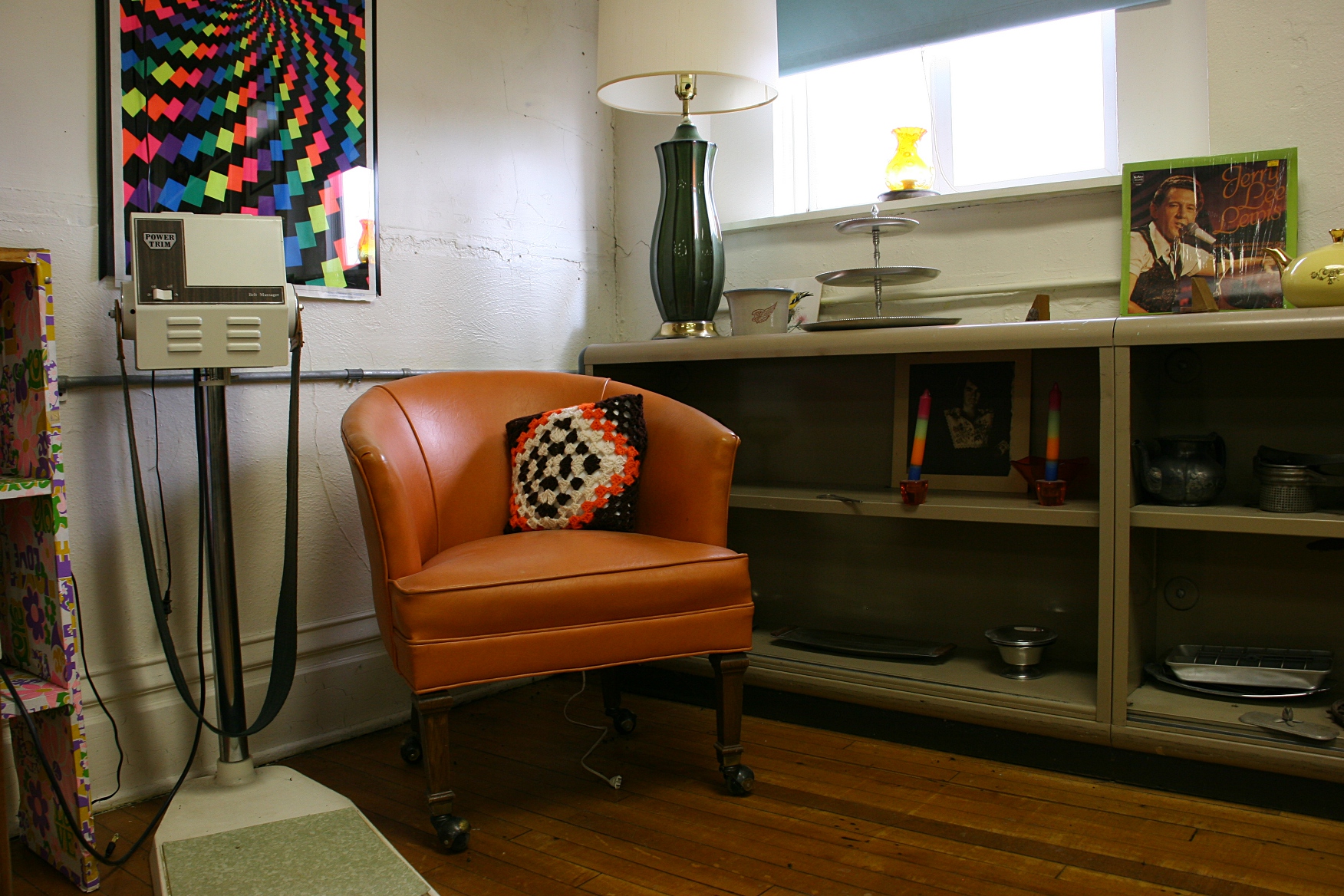
Sit a spell in this 60s corner or lose some inches on that exercise equipment, left.

Sit a spell in this 60s corner or lose some inches on that exercise equipment, left. Well, consider it, but don’t actually do it.

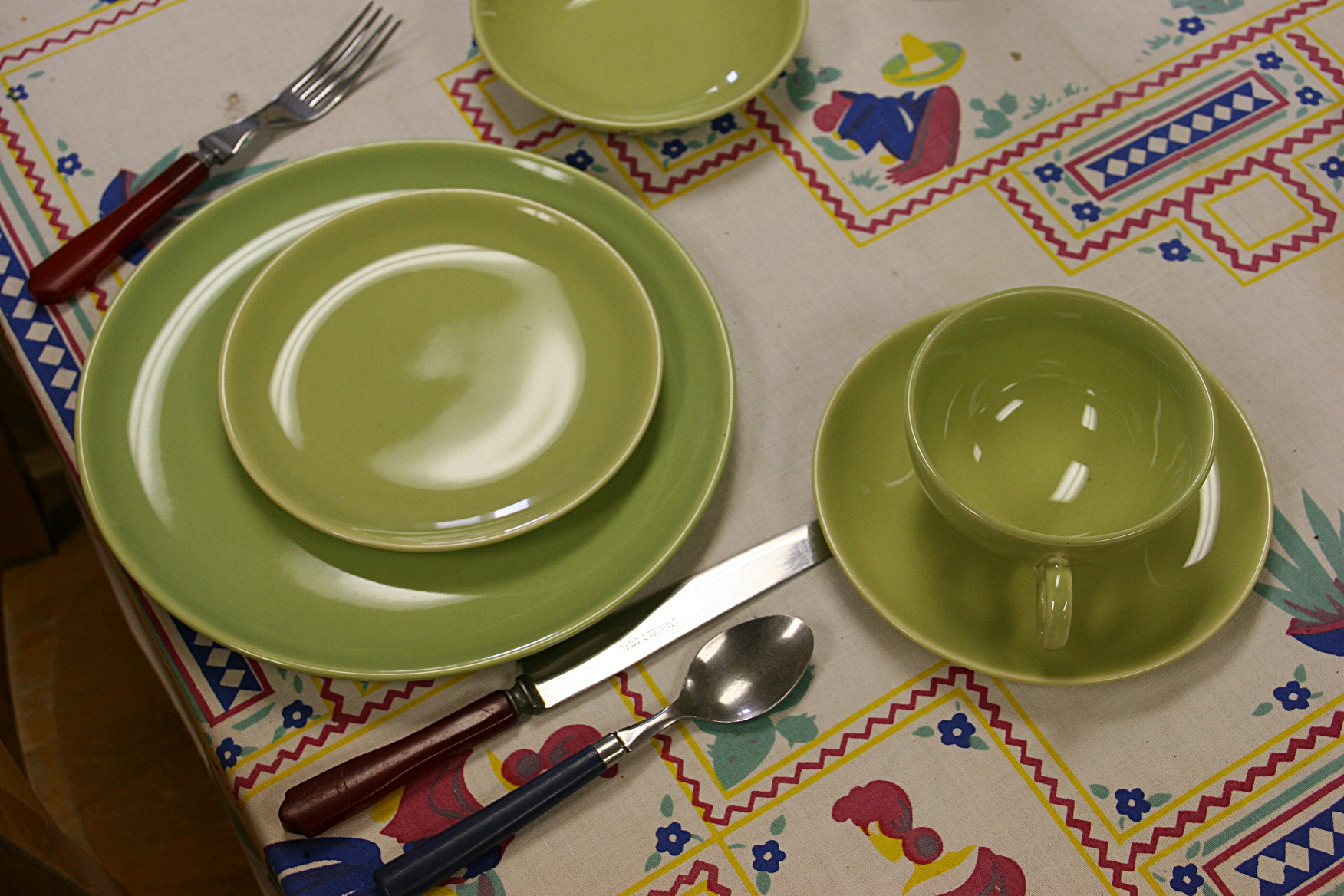
A 1950s place setting. I collection vintage tablecloths.

A 1950s place setting. I collect vintage tablecloths.

IN THE FASHION ROOM:

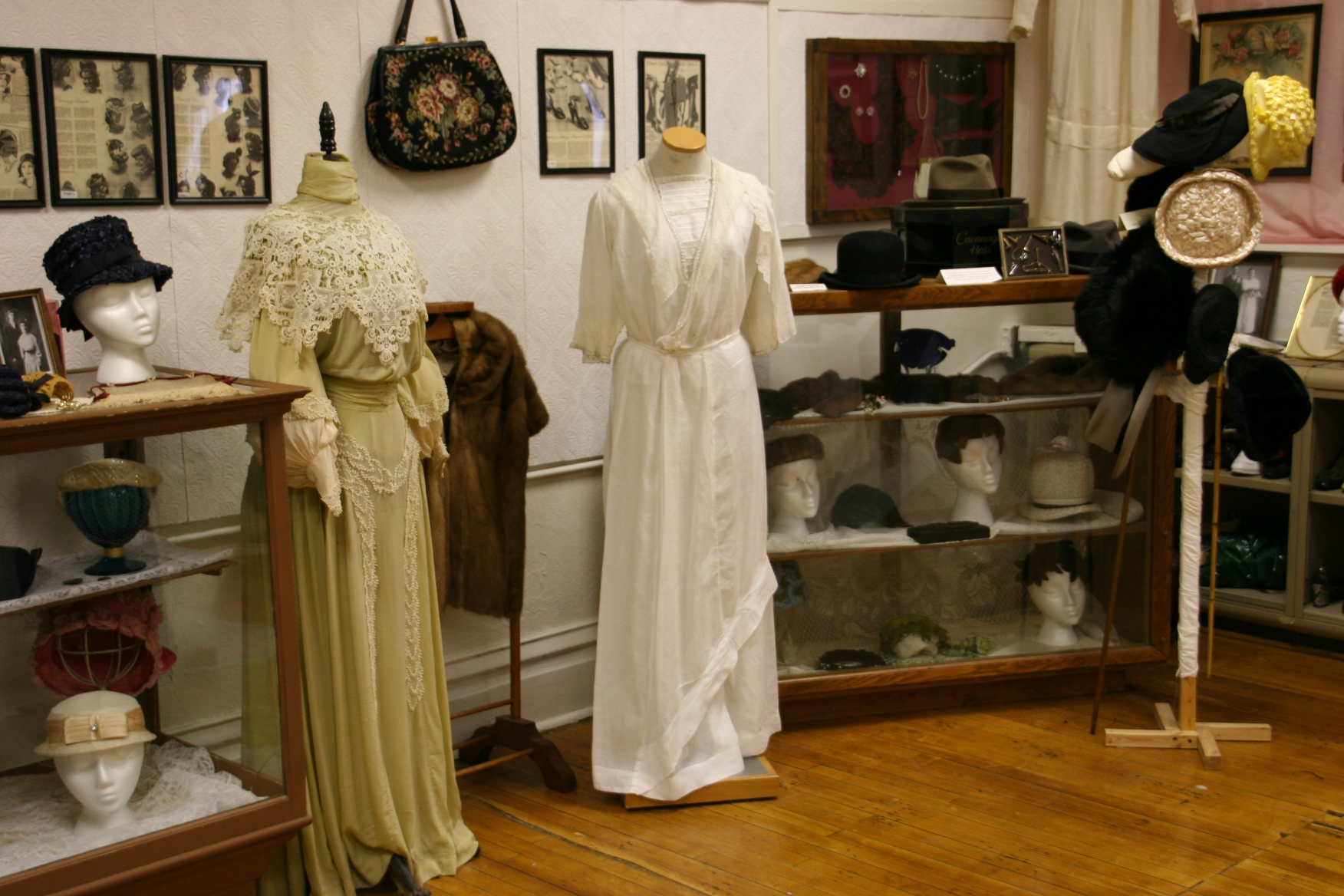
Clothing and sewing equipment from times past suggests how far a generation or two have come.

Clothing and sewing equipment span generations in The Fashion Room.

IN THE HALLWAY:

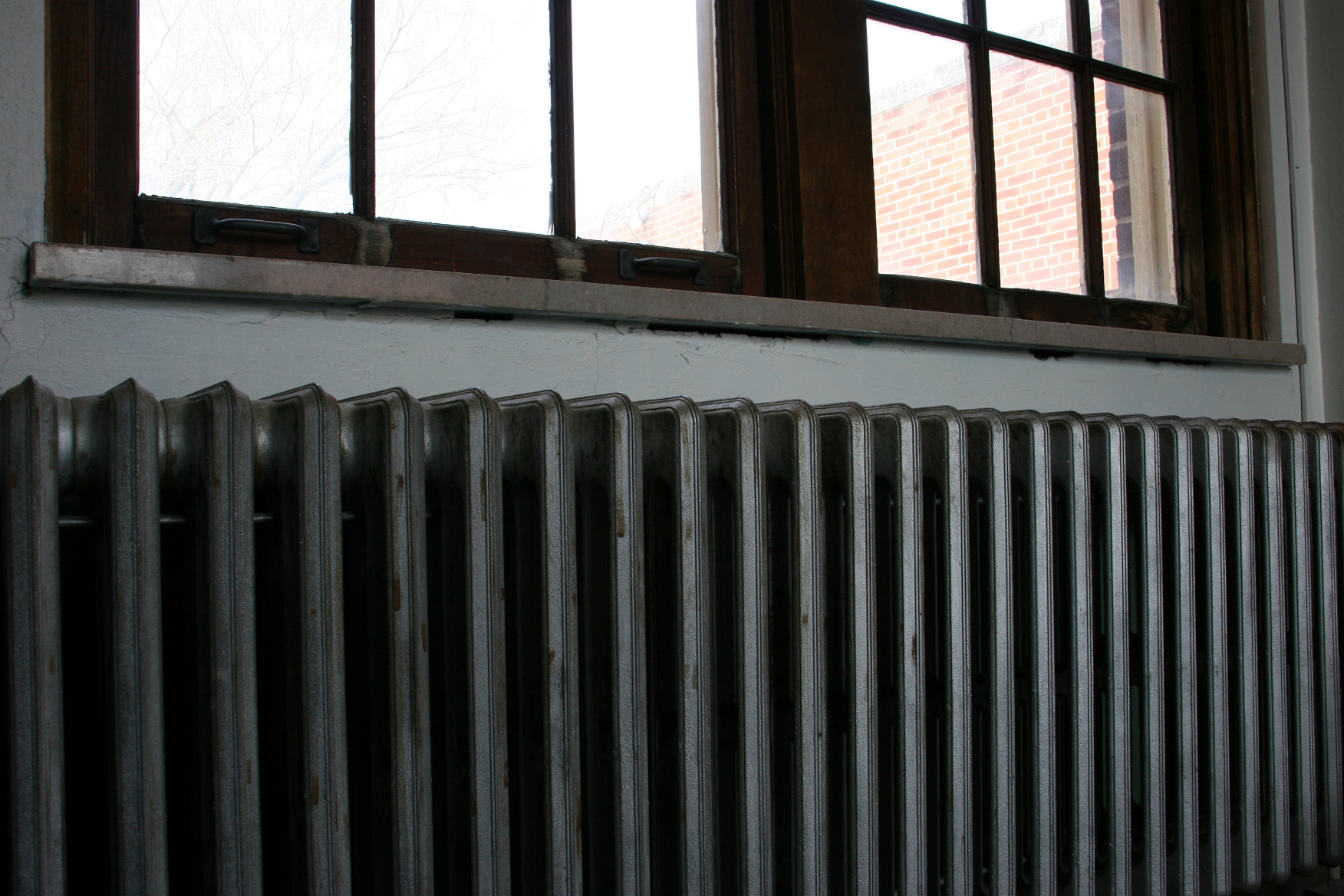
An old radiator and old windows.

An old radiator and old windows show the character of this aged former school.

IN THE MARY DELZER ROOM:

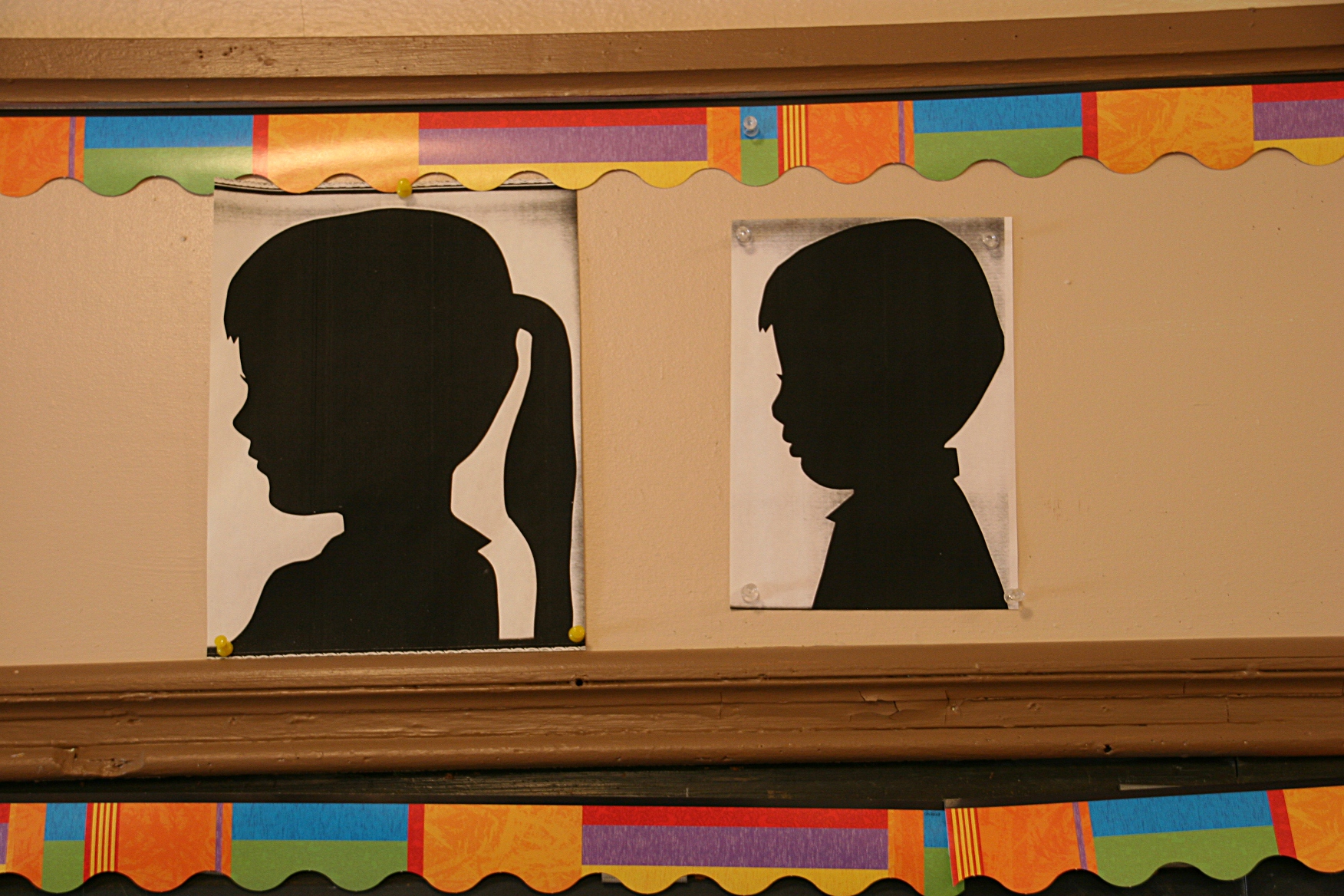
Remember making these silhouettes from black construction paper? I hadn't thought about these in decades. Janis Ray had her students create these profiles each year as a gift to their parents.

Remember making these silhouettes from black construction paper? I hadn’t thought about these in decades. Former educator and WCHS director Janis Ray had her elementary aged students create these profiles each year as a gift to their parents. These are displayed in a room dedicated to education and in which Janis taught.

IN GRANDMA’S ATTIC:

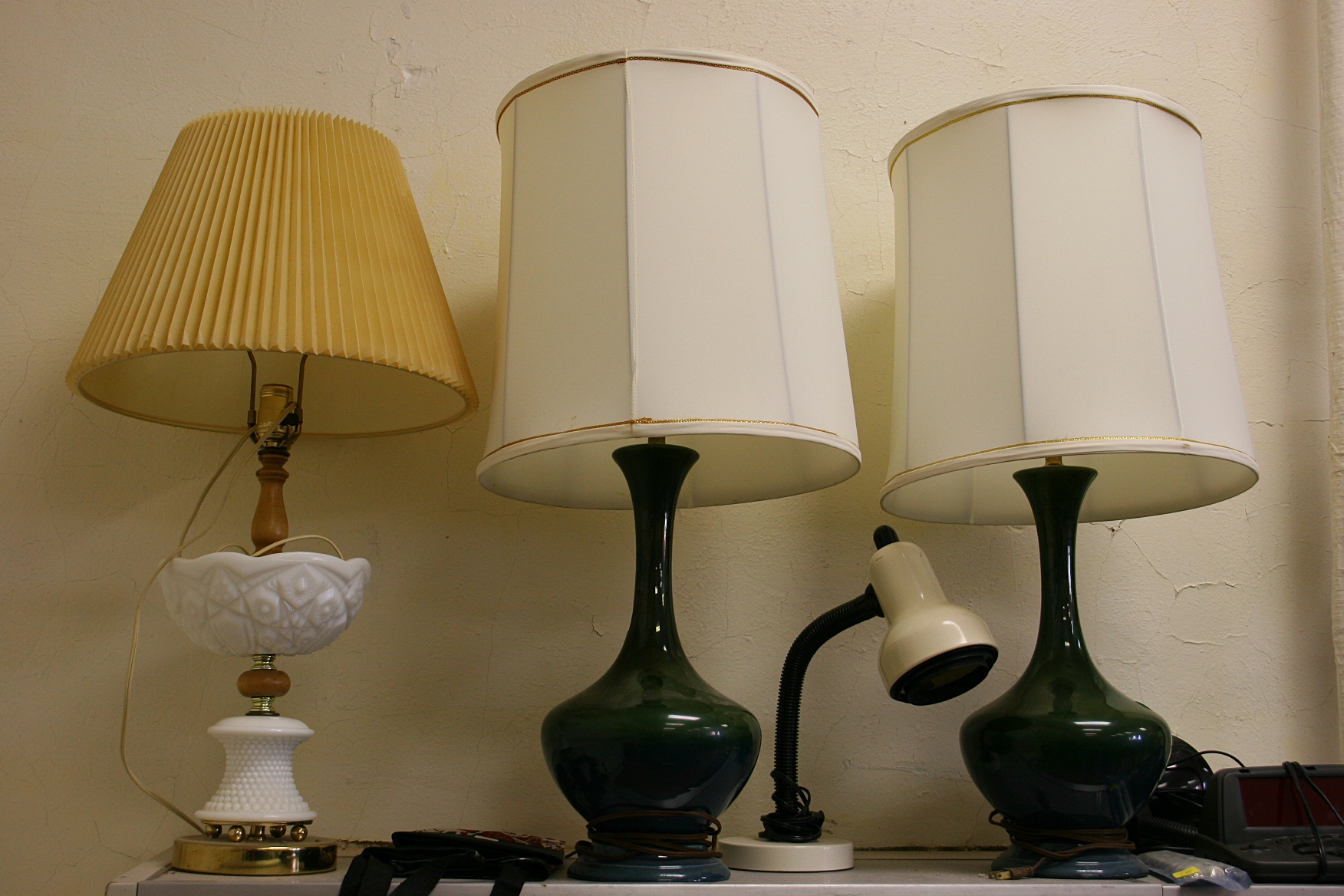
In Grandma's Attic you can buy garage sale type items, like these lamps, with proceeds benefiting the WCHS.

In Grandma’s Attic you can buy garage sale type items, like these lamps, with proceeds benefiting the WCHS. I really should have purchased the two matching lamps. Aren’t they fabulous?

IN THE OFFICE:

A recent donation awaits research and placement.

A recent donation awaits research and placement.

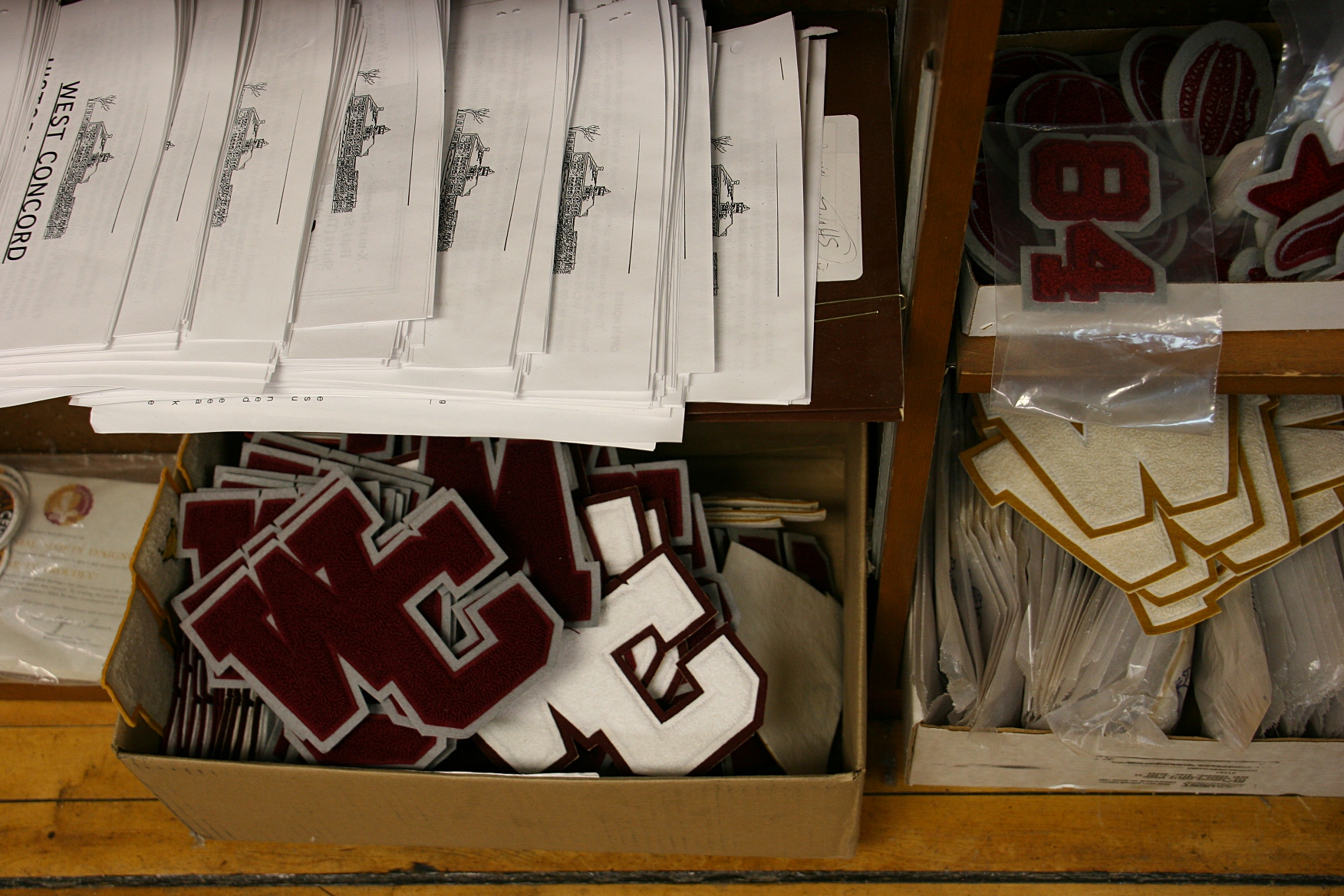
School letters left-over from West Concord High School are available for purchase.

School letters and numbers left over from West Concord High School are available for purchase. West Concord is now part of Triton Public Schools (West Concord, Dodge Center and Claremont). West Concord Public Charter School, however, is open in the community.

FYI: If you missed my first post on the West Concord Historical Society museum, click here. Today’s post is the second in a three-part series.

© Copyright 2015 Audrey Kletscher Helbling


Part I: Keeping the history in West Concord March 31, 2015

EVERY COMMUNITY NEEDS a Janis Ray and a team of equally enthusiastic volunteers.
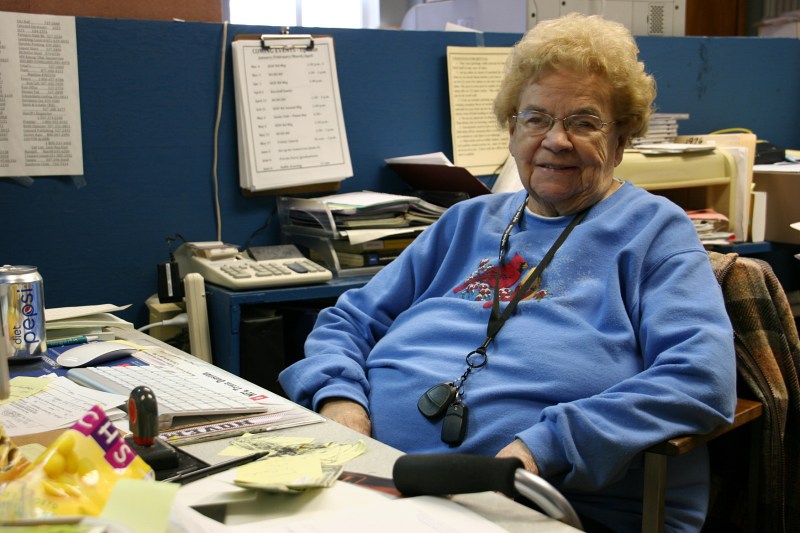
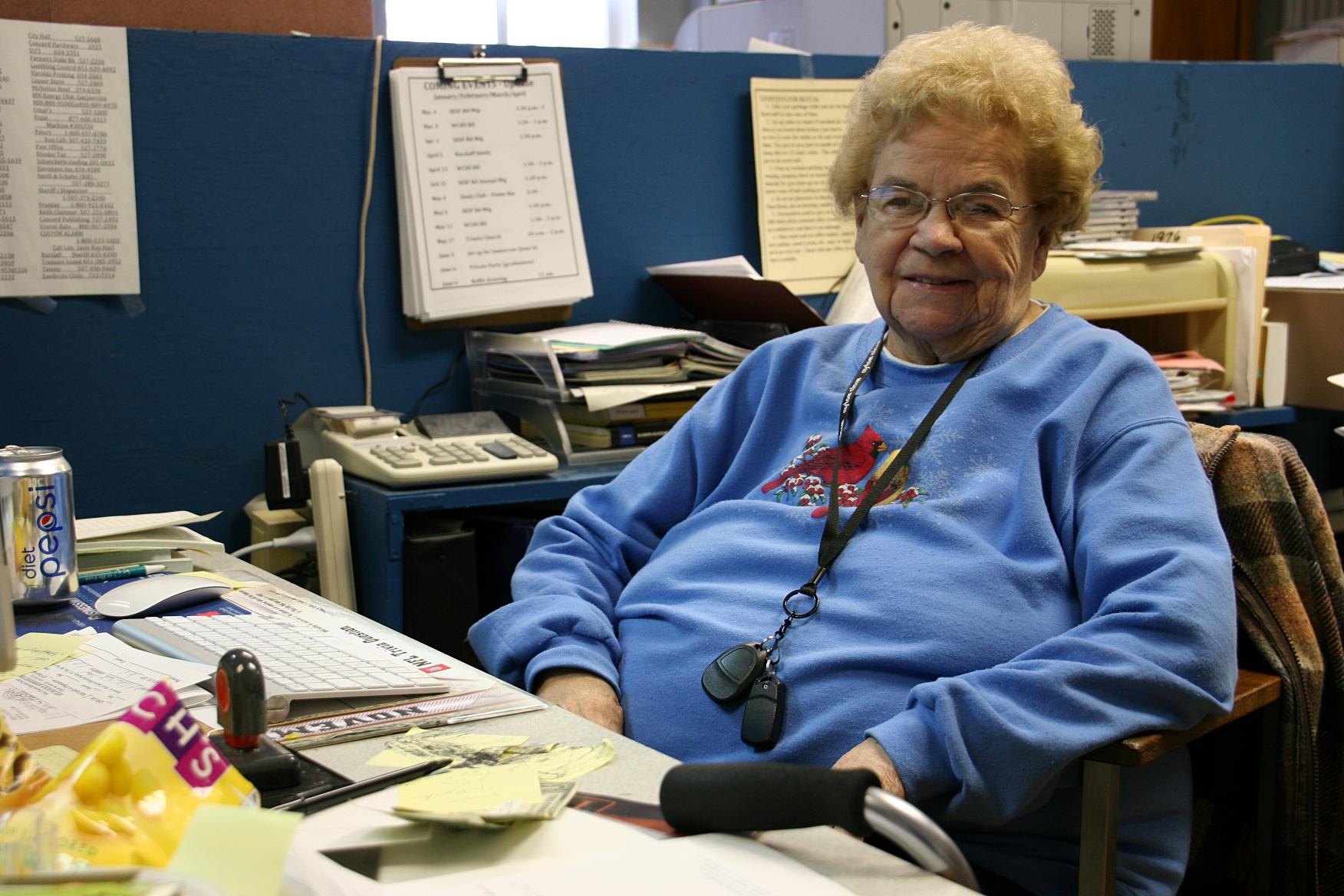
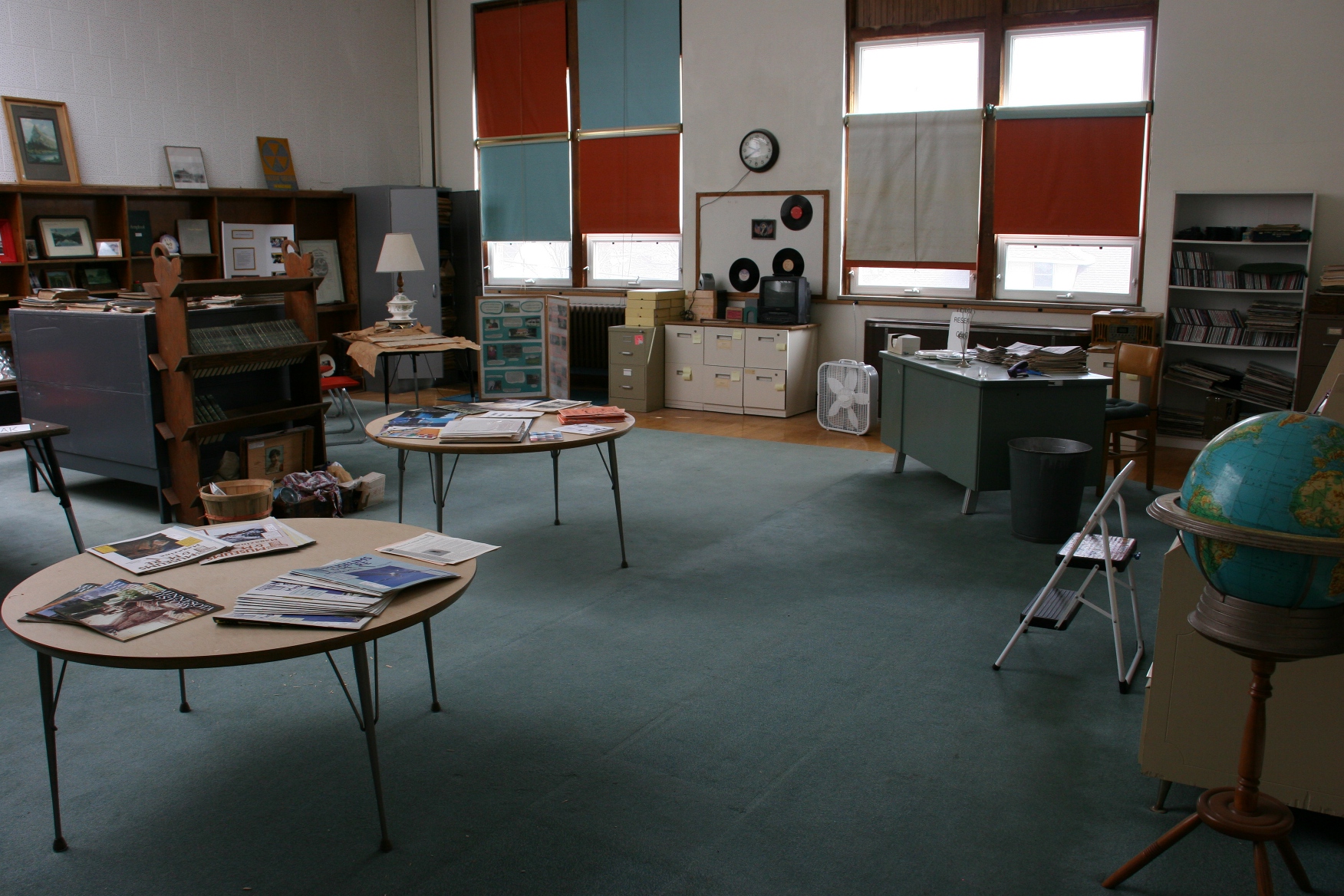
Janis Ray sits at the desk in a former classroom turned office space.

Janis Ray at her desk in a former classroom turned office space.

“We’re the keeper of the history,” says 86-year-old Janis, former educator and a current director/gambling manager of the West Concord Historical Society.
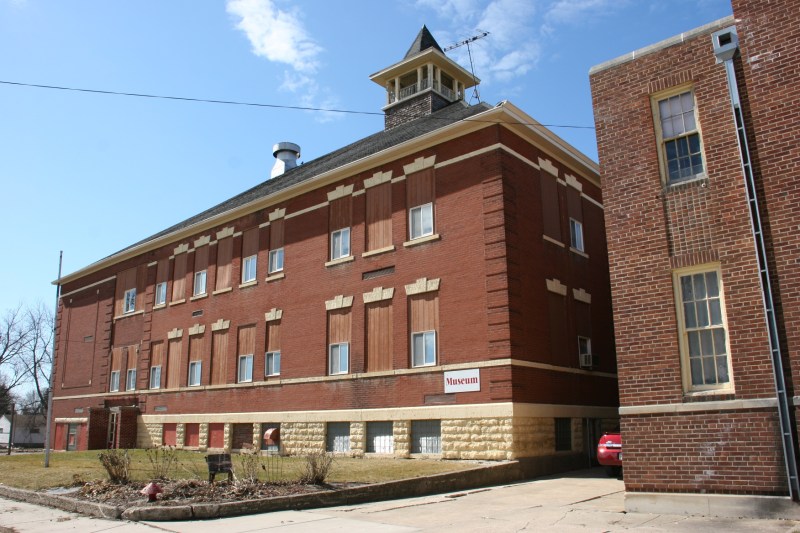
The 1902/1914 school is on the left, the 1936 gym on the right. Museum left, community center right. To enter, use the door between the buildings, in the area where the red car is parked in this photo.

The 1902/1914 school is on the left, the 1936 gym on the right. Museum left, community center right. To enter, use the door between the buildings, in the area where the red car is parked in this photo. The school closed in 1991.

My husband and I met Janis recently while on a meandering day trip to several small towns in southeastern Minnesota. In West Concord, population hovering near 800, we happened upon the historical society and community center housed in an old school. After the school closed in 1991, the WCHS purchased the 1902/1914 building and the attached 1936 gym for $1, saving the complex from planned demolition. Several years later, the museum opened in this hulk of a multi-story brick building, the kind that can never be replaced in character and visual strength by a new facility.
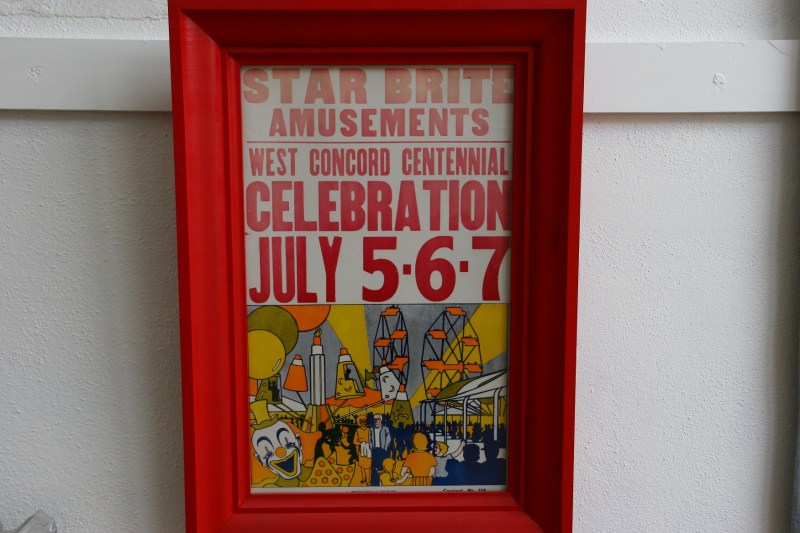
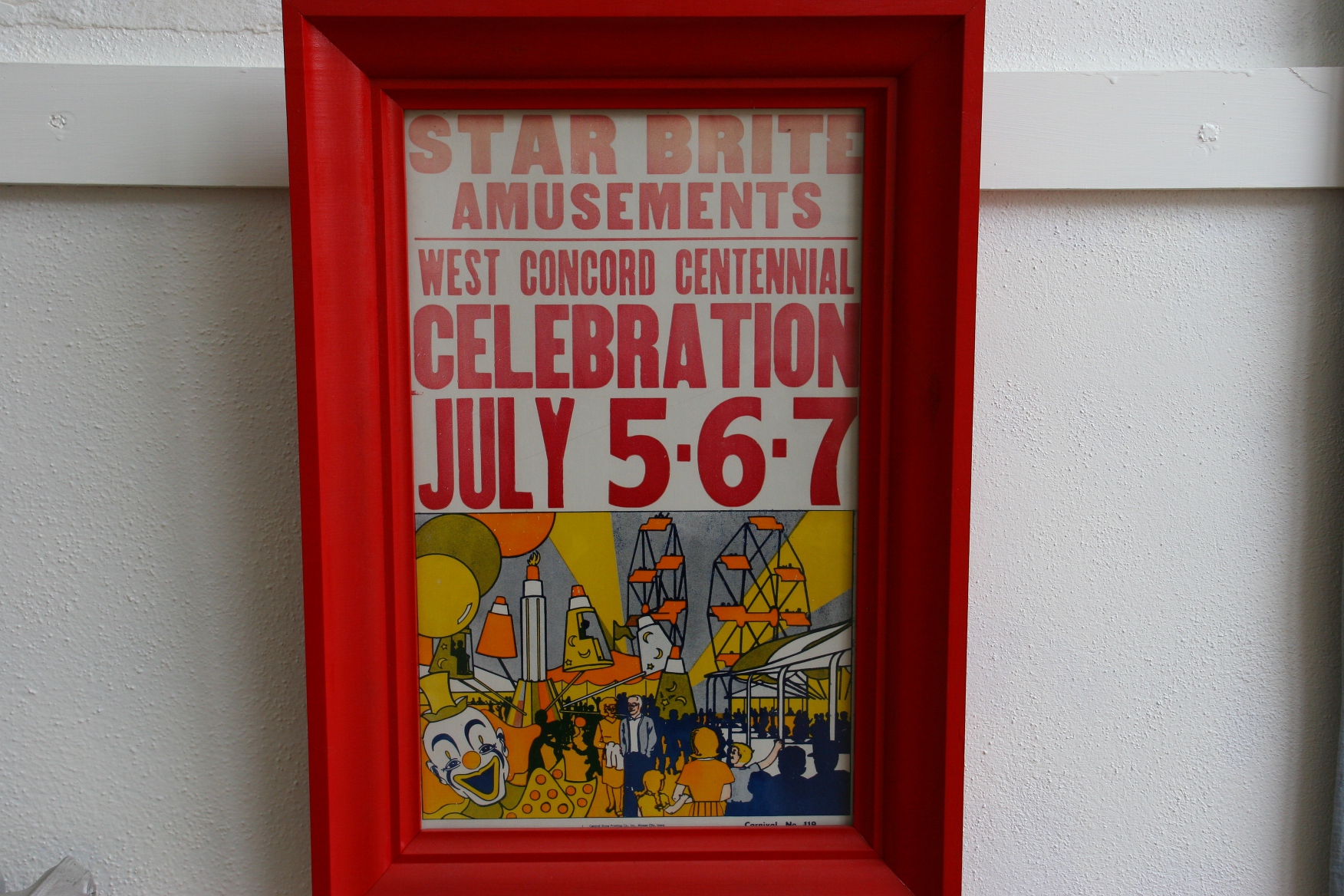
A West Concord Centennial poster hangs in a hallway outside the research room.

A West Concord Centennial poster hangs in a hallway outside the research room.

I appreciate this museum, this building, even though I have no personal connection to the West Concord area.
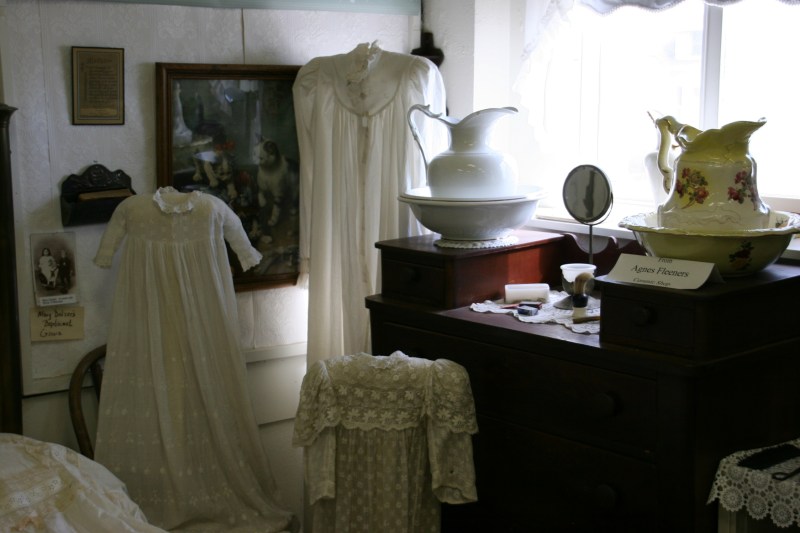
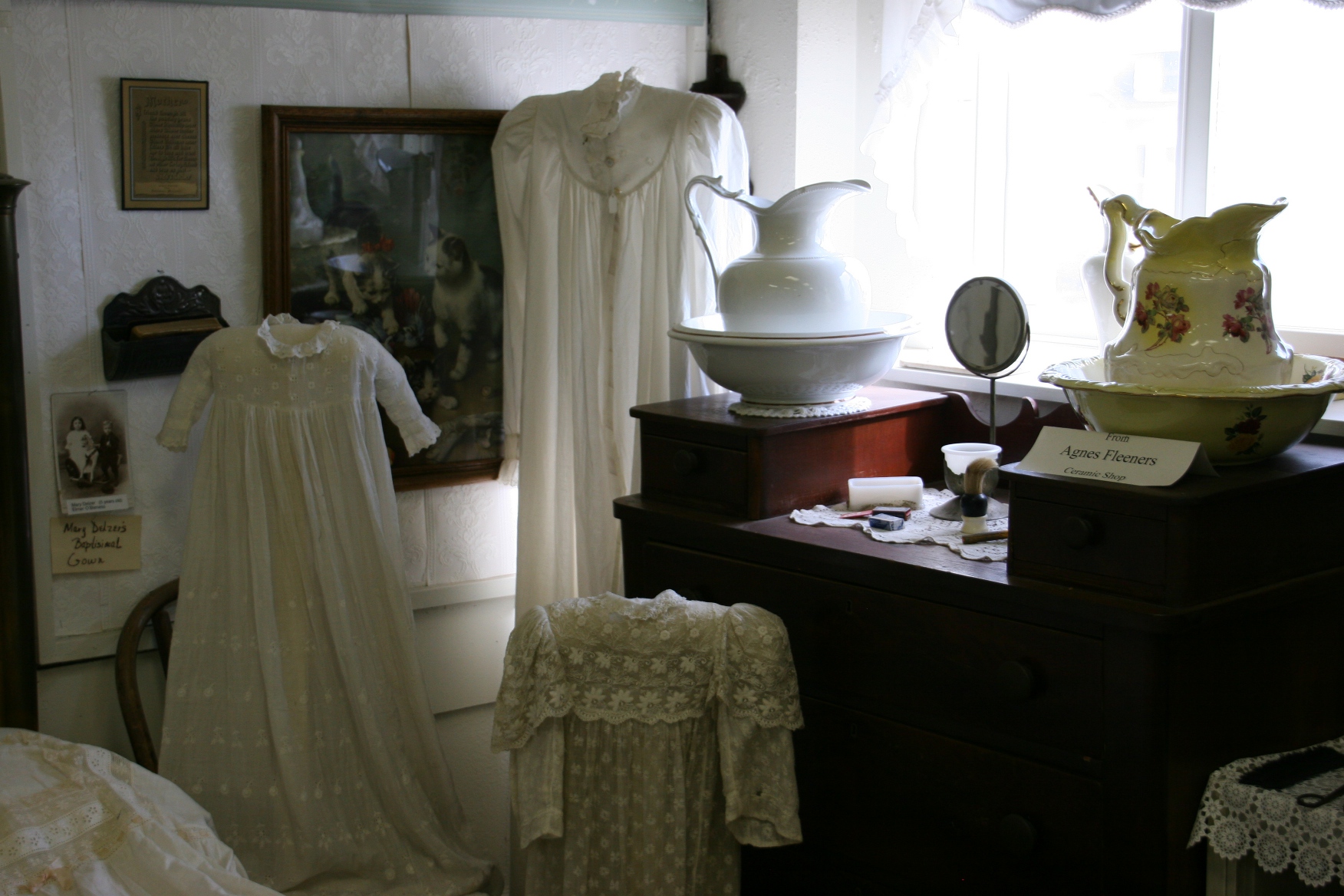
Clothing and more of yesteryear grace The Heritage Room.
Clothing and more of yesteryear grace The Heritage Room.

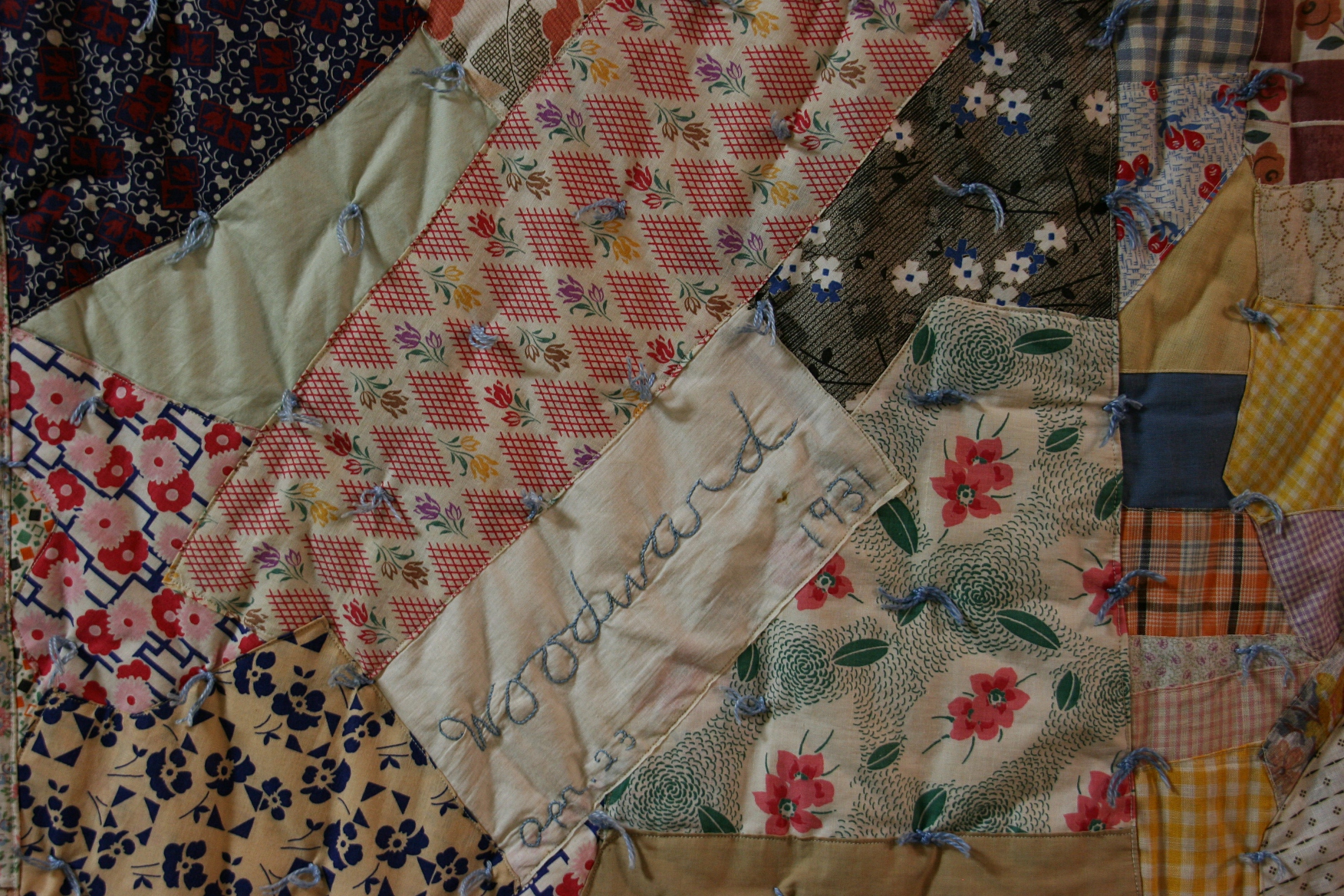
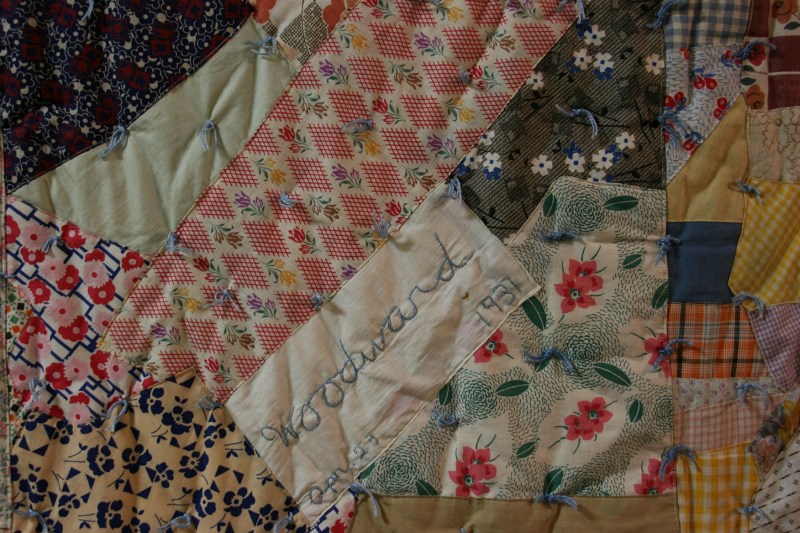
Beautiful handmade quilts are displayed.
Beautiful handmade quilts are displayed.

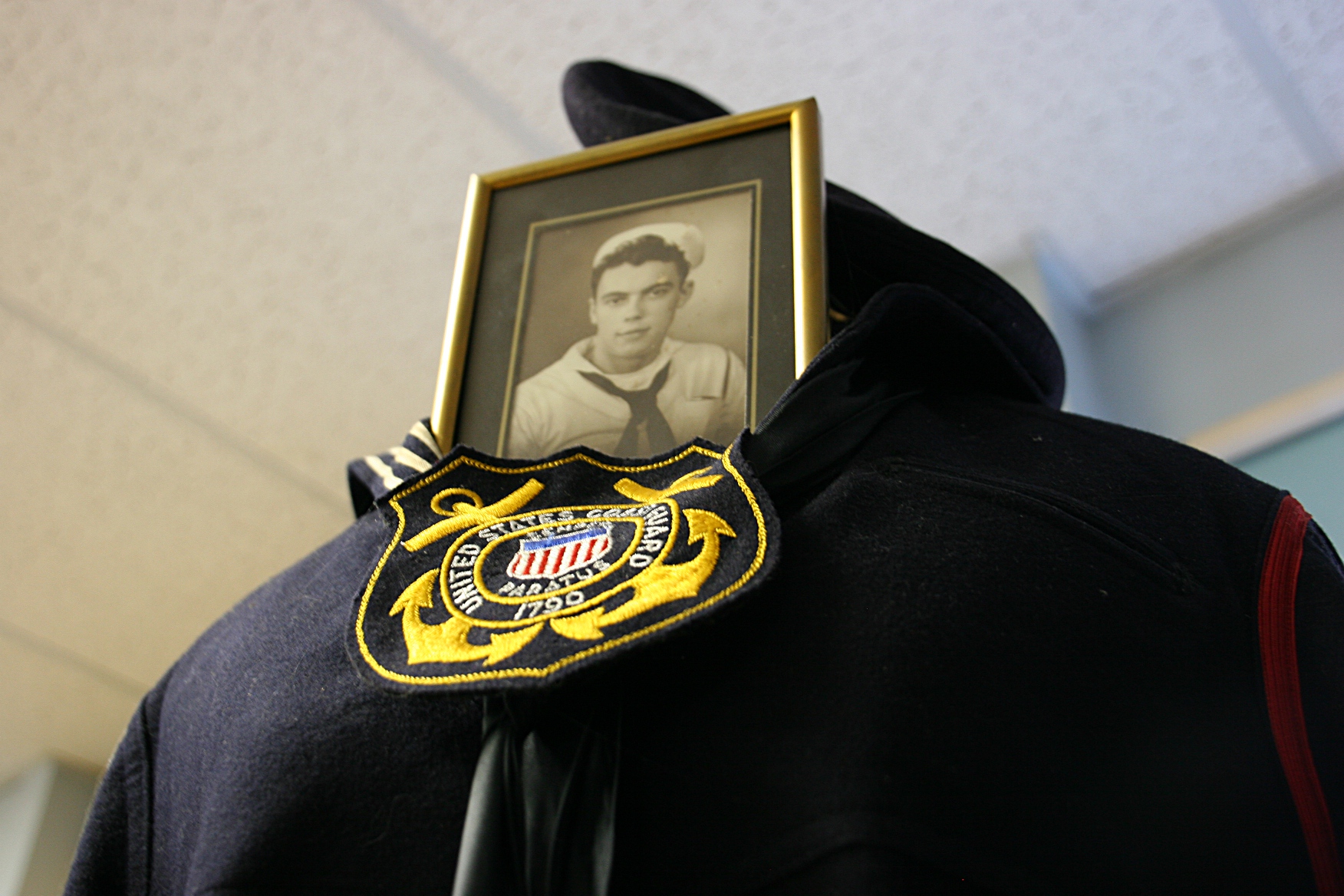
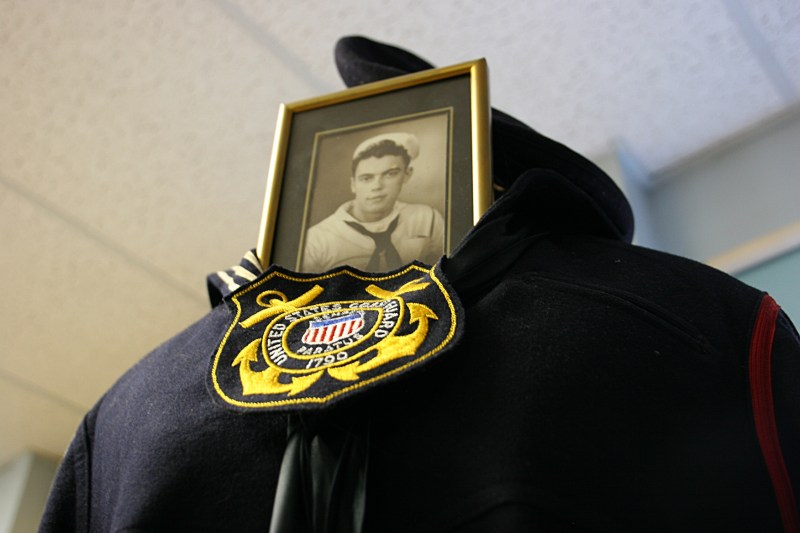
The Veterans Room honors local men and women who served their country.

The Veterans Room honors local men and women who served their country.

This structure houses not only local history, but everyone’s history. Or at least everyone who grew up in rural Minnesota. I delighted in room after former classroom themed to topics like veterans, fashion, farmers and merchants, education, the 1950s and 60s, heritage and more. Even hallways hold small town rural treasures.
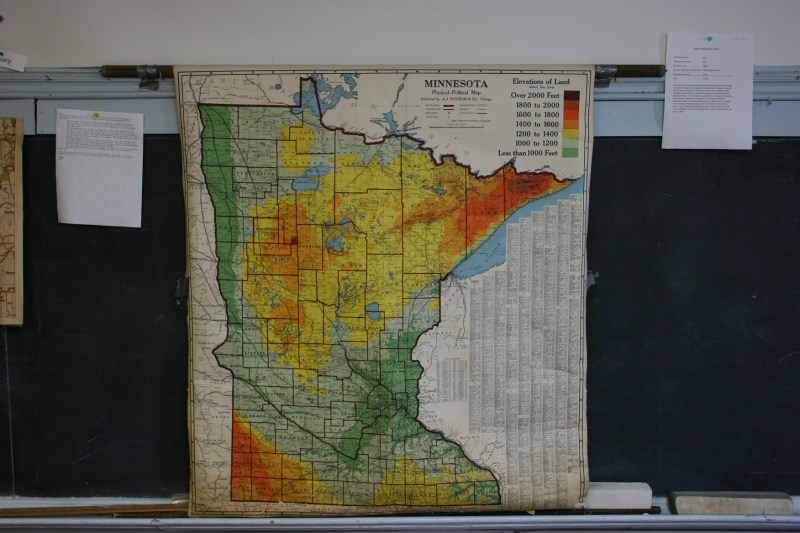
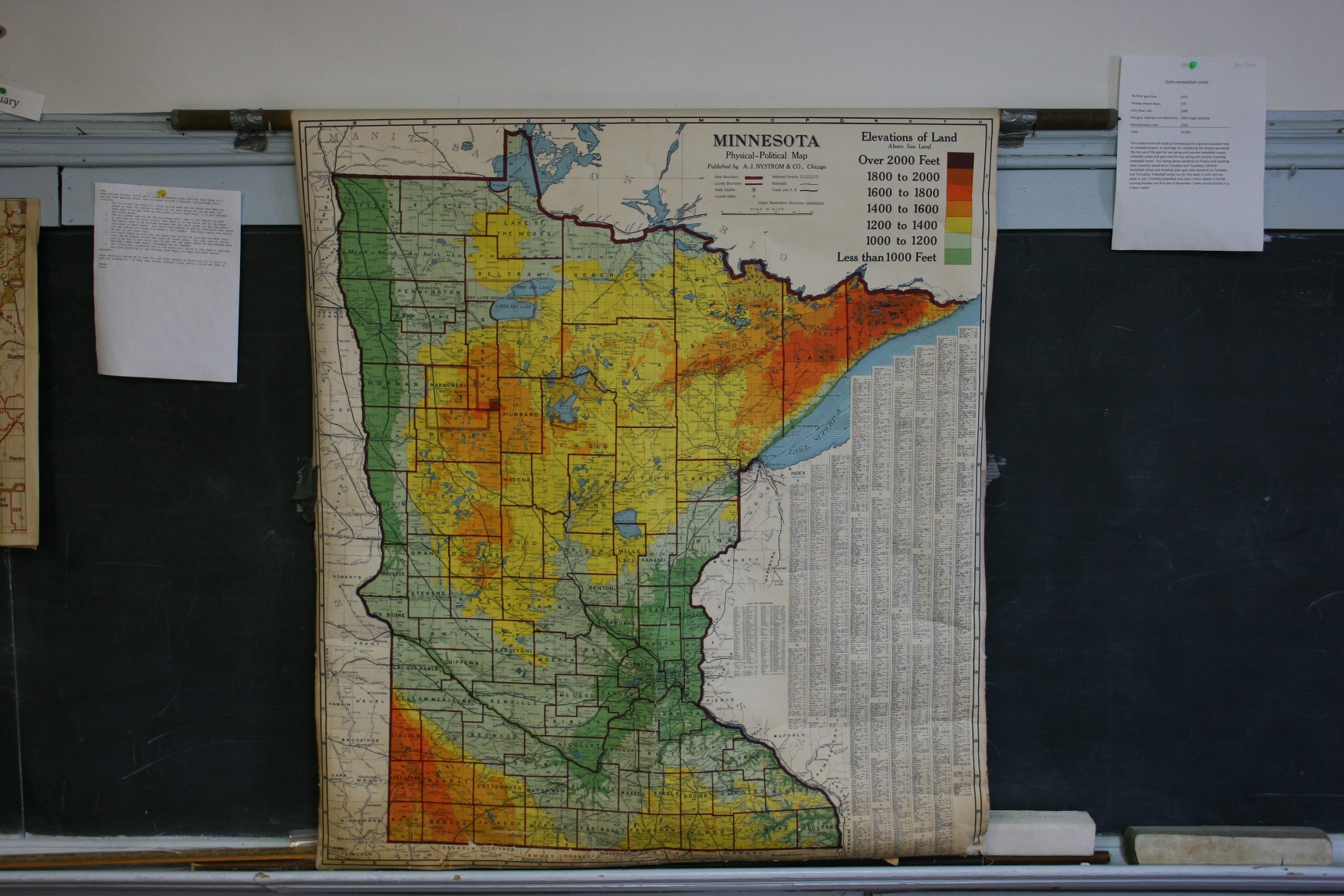
Pull-down maps like this one of Minnesota remain in some classrooms.

Pull-down maps like this one of Minnesota remain in some classrooms.

Reminders of the building’s former use linger in blackboards, globes, pull-down maps and the “Principal’s Office” sign above The Farmers & Merchant Room doorway. You can almost hear students slamming locker doors and shuffling across worn wood floors.
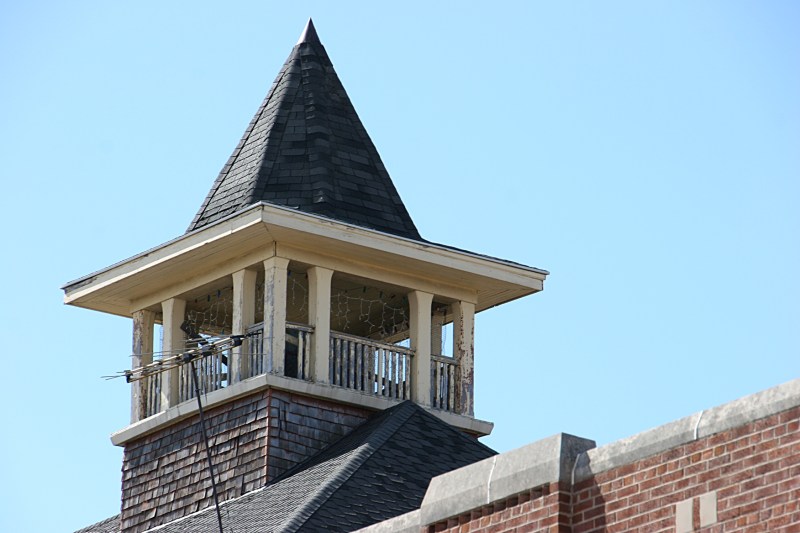
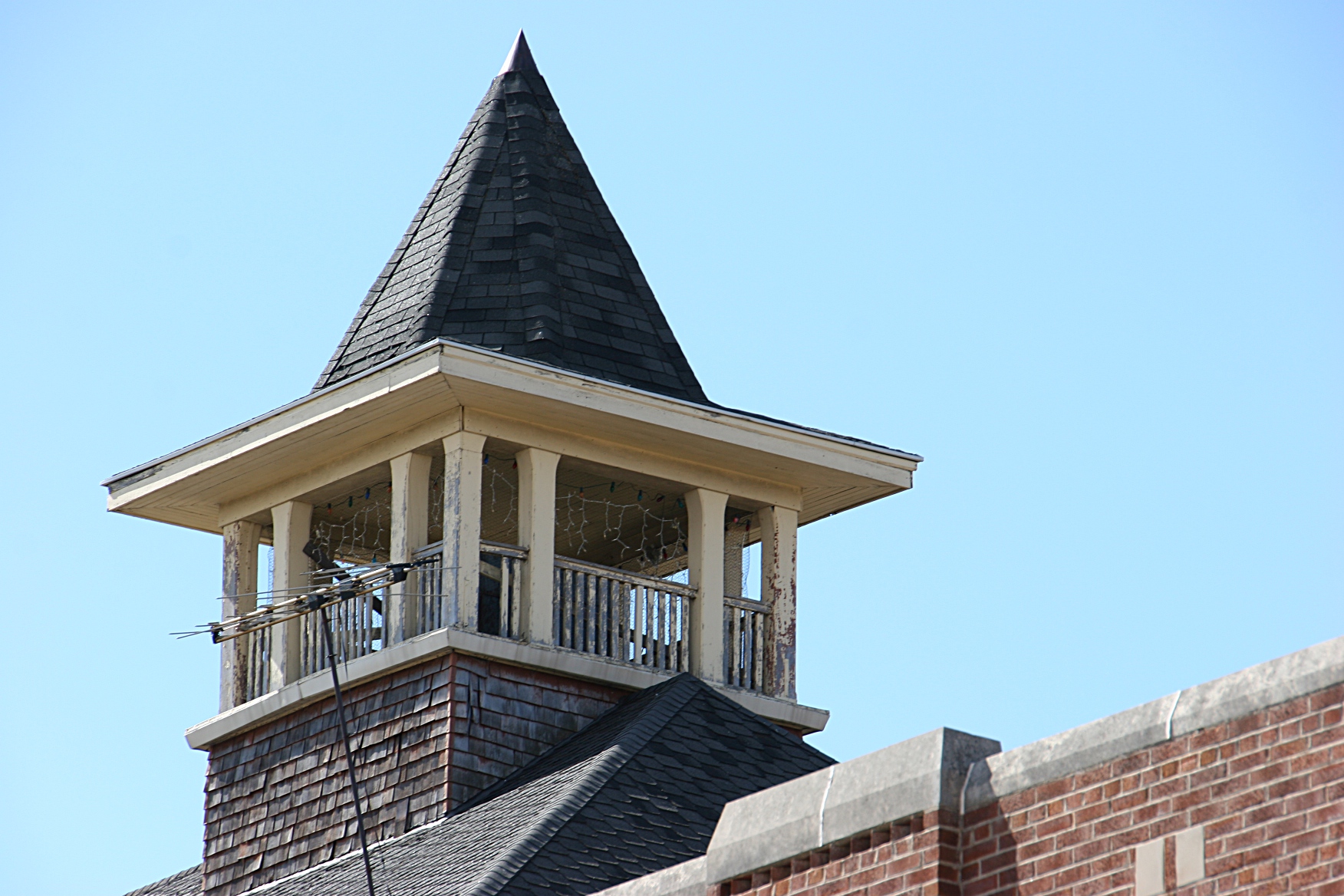
The roof of the aged school is topped with this unique architectural structure.

The roof of the aged school is topped with this unique architectural structure.

I know I missed a lot simply because we arrived too late to study the three stories of collections in detail. The place closes at noon Saturdays and Janis was gracious enough to let us stay a bit past closing. Yet I left impressed. This is one of the finest small town museums I’ve ever toured.
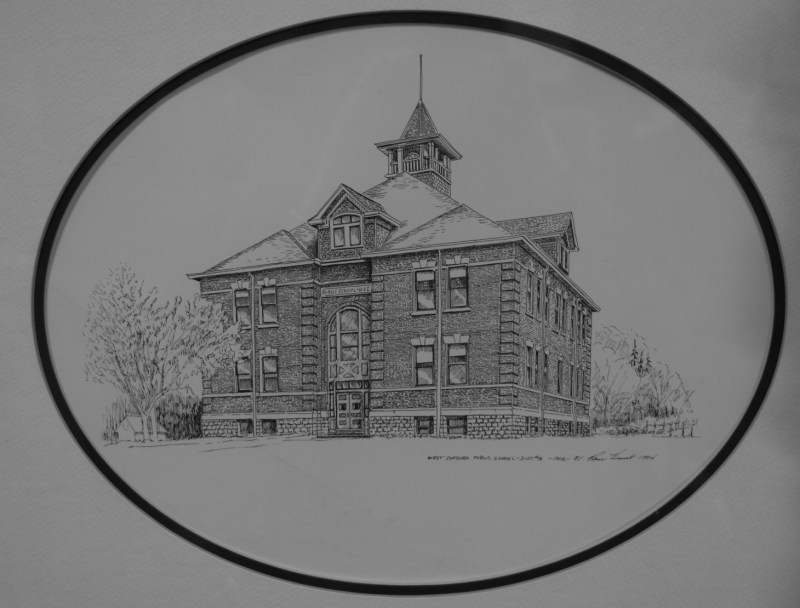
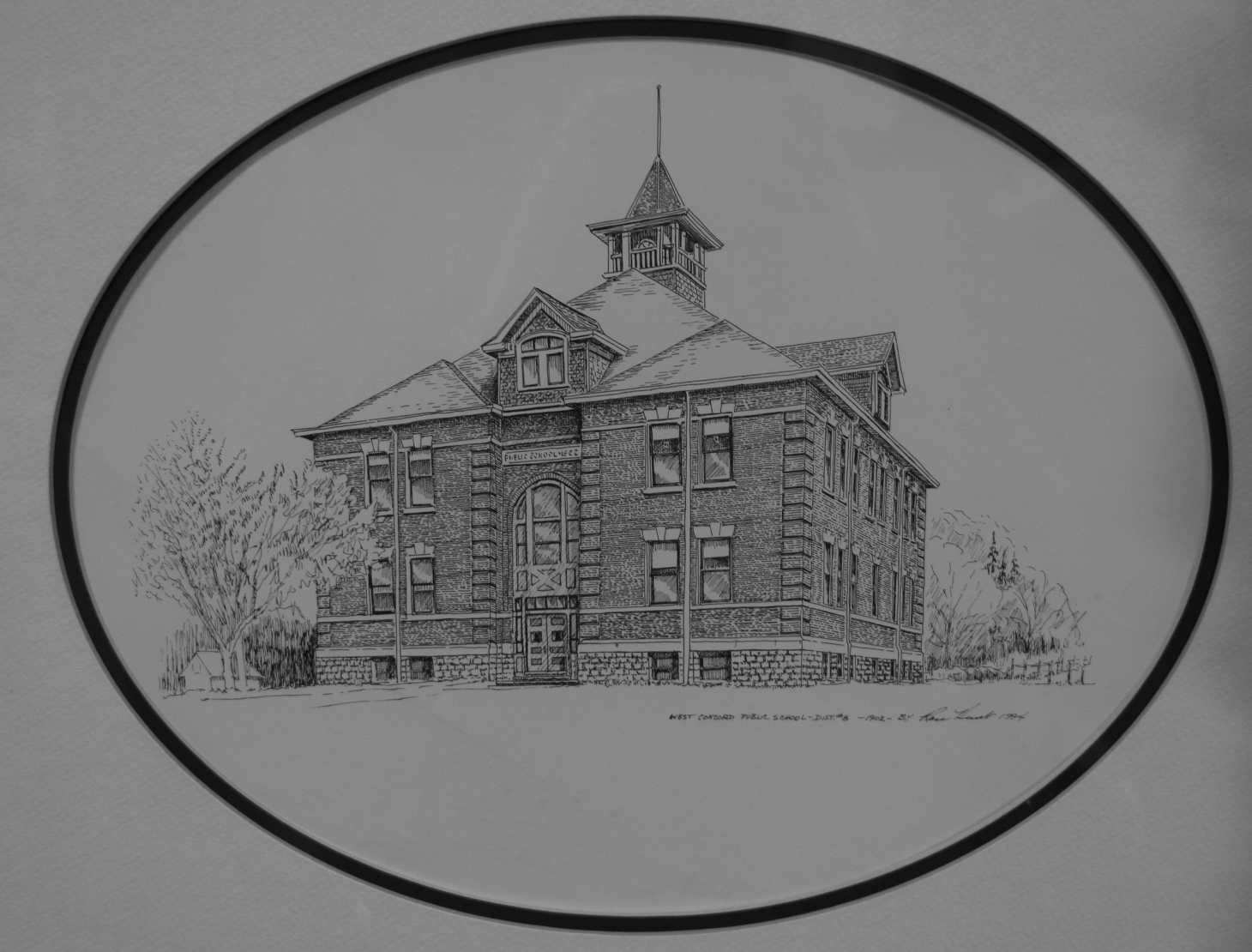
A drawing of the 1902 school hangs in a hallway.

A drawing of the 1902 school hangs in a hallway.

And, Janis will tell you, the largest in the area. She is proud of what this community has created. She graduated from this school and taught elementary school students here for 36 years. Her roots run deep.
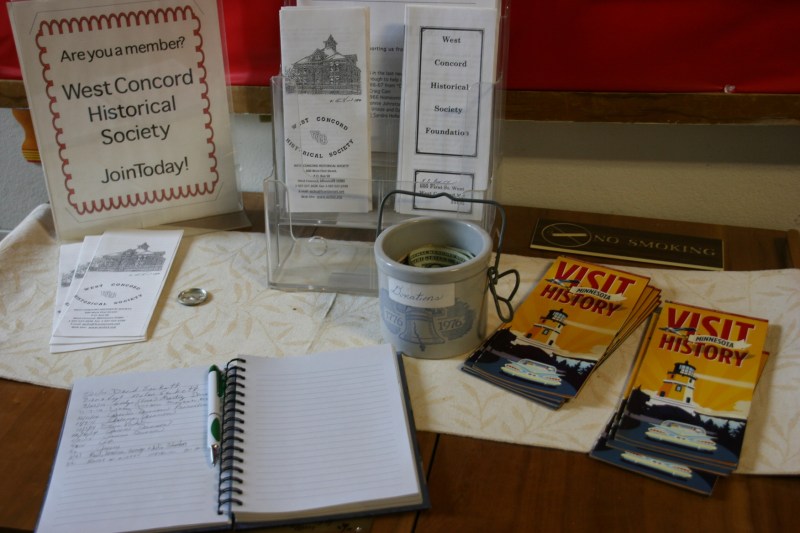
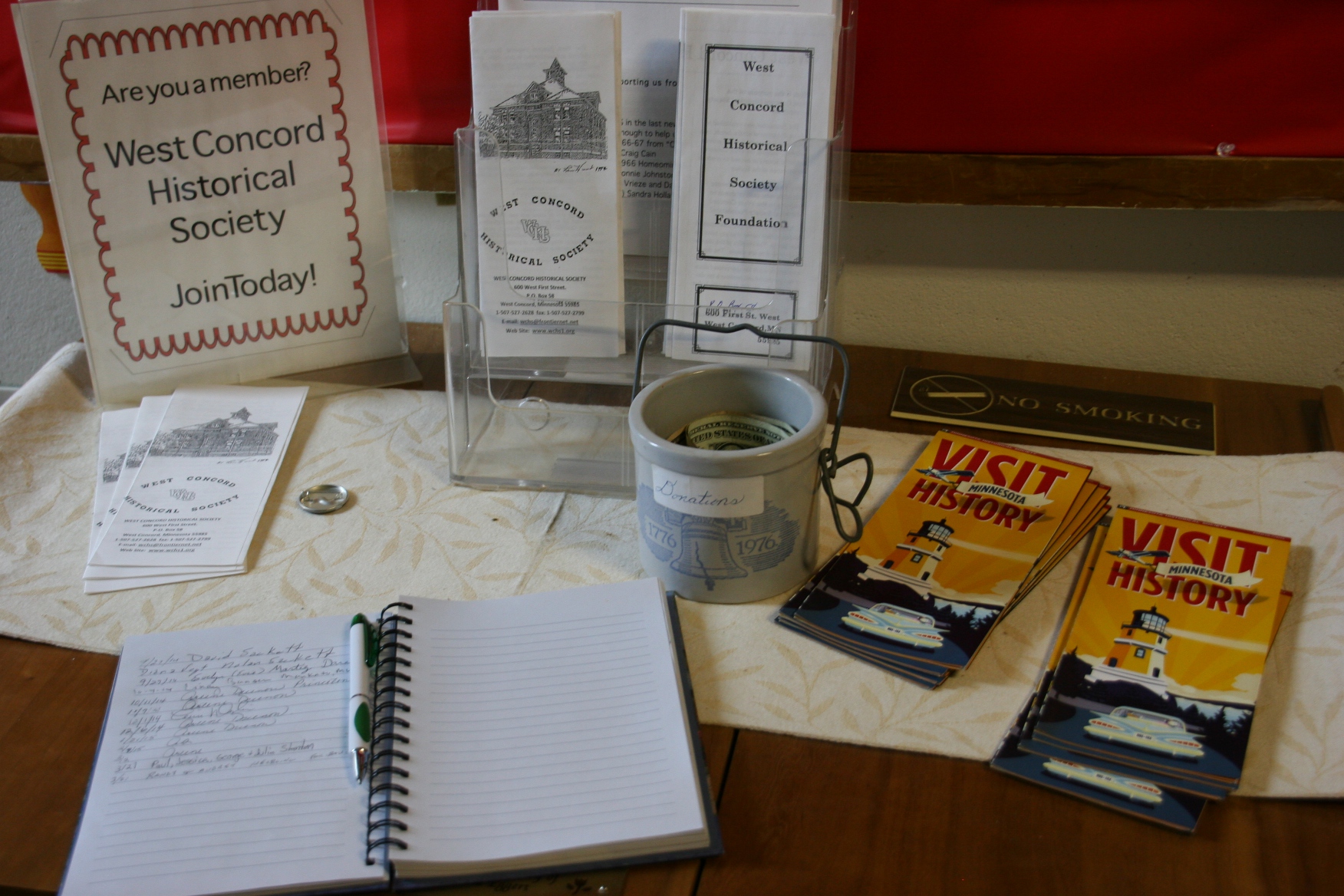
Admission cost is a donation.

Admission cost is a suggested $4 or a donation.

Perhaps that is what appeals to me—that personal connectedness spawning passion unquelled. You can’t match small town enthusiasm that brings locals like Janis here to volunteer 25 hours a week. She manages the liquor store pulltab fundraising which brings in $10K-$12K yearly to help meet annual historical society expenses of around $70K. Membership (there are 260 members from 24 states) and donations provide the remaining bulk of financial support. There’s no paid staff.
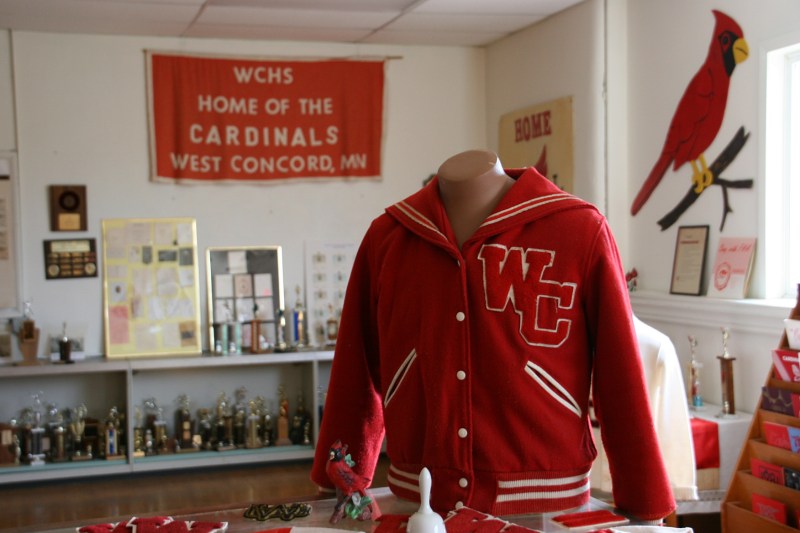
The museum includes The Cardinal Room filled with West Concord High School activity memorabilia.

The museum includes The Cardinal Room filled with West Concord High School activity memorabilia.

Janis is serious about this business of keeping the history. She delights in young people coming here with their parents or grandparents, generations passing along the histories of this community and building to another generation.
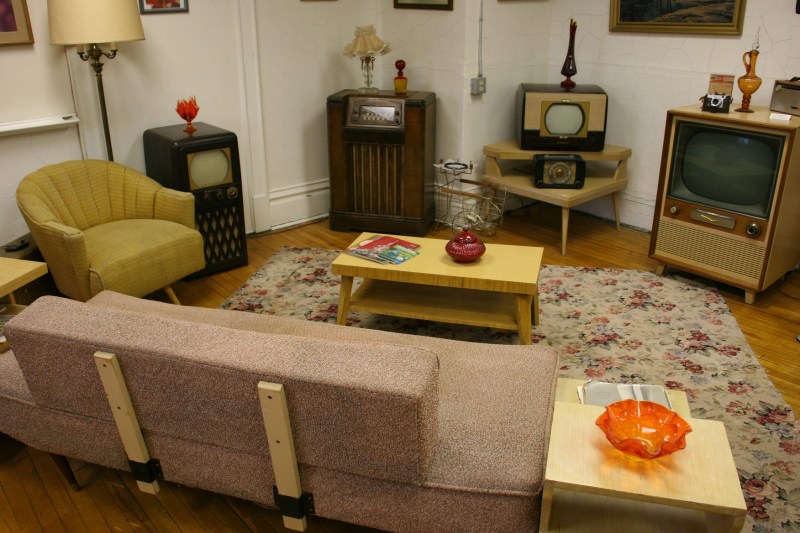
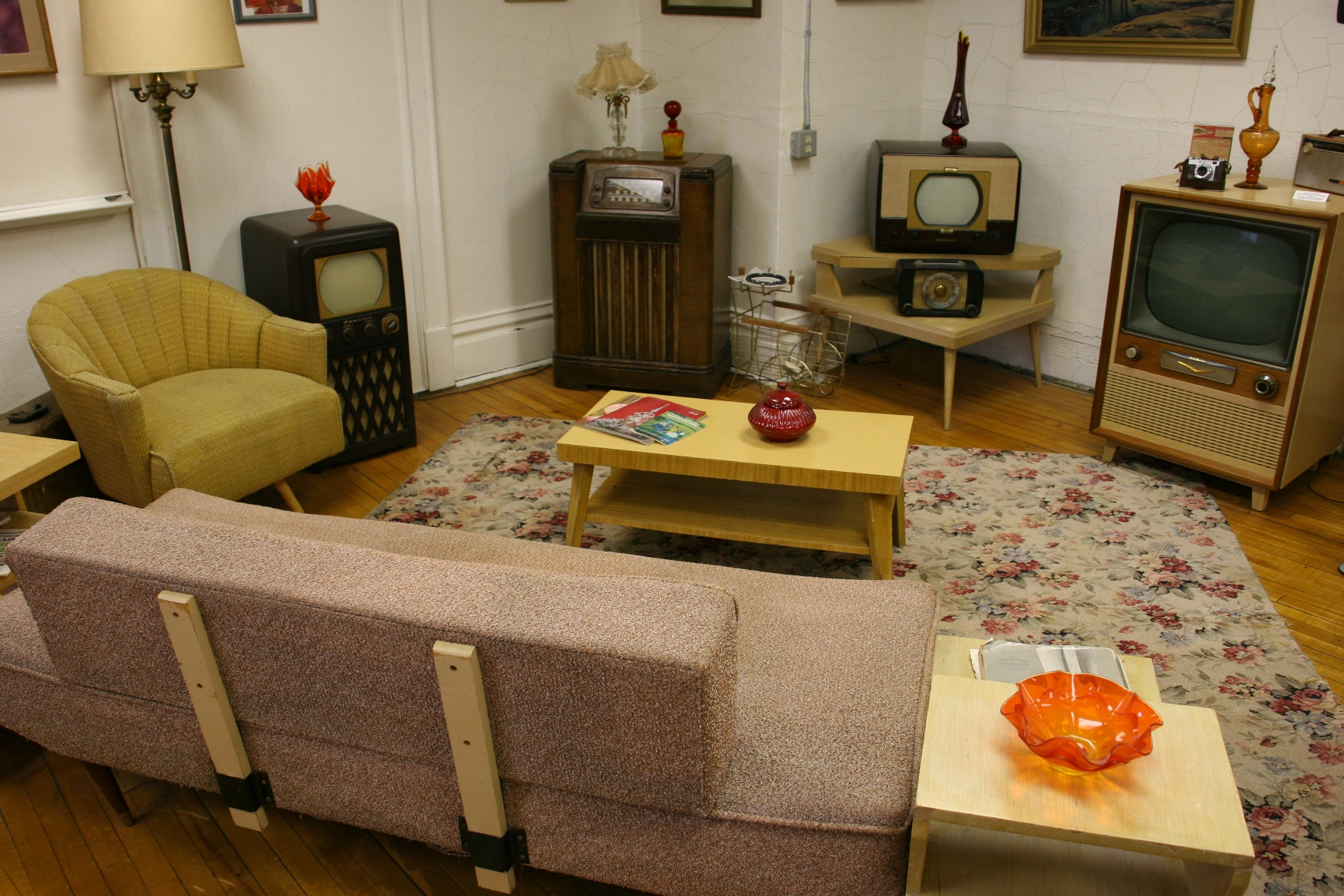
The museum feels living room comfortable, like this 1950s living room set up in The 50's and 60's Room.

The museum feels living room comfortable. This 1950s living room staged in The 50’s and 60’s Room includes the first TV (a 1950 model on the left in this photo) sold in West Concord.

I felt at ease here, unencumbered by rules. Photography is allowed. You can meander among the exhibits; no ropes or half-walls fence you out. There’s a certain comfortableness that prevails, as if everything here belongs to you, even when it doesn’t. But perhaps it does.
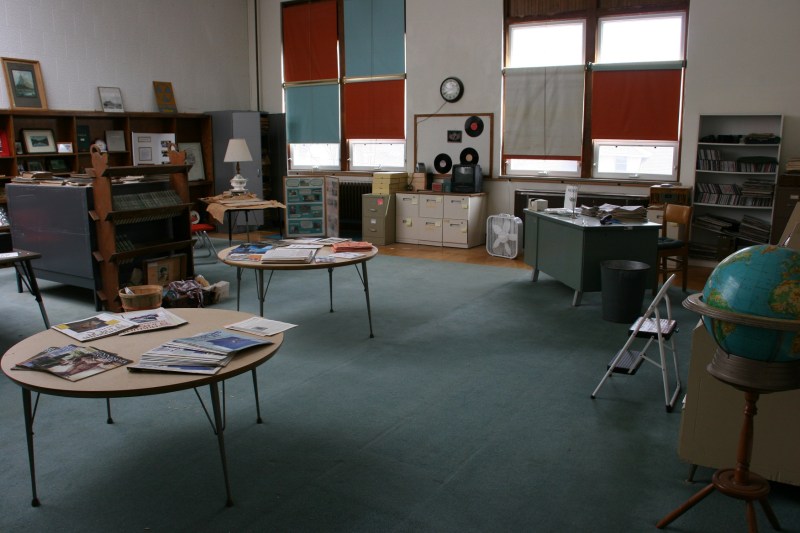
There's even a room to do research.

There’s even a room to do research.

FYI: The museum is open from 9 a.m. – 2 p.m. weekdays and from 10 a.m. – noon Saturdays. Or call 507-527-2628 for an appointment. The museum is located at 600 West First Street, a block west of Highway 56 at the intersection with Olive Street. Click here to reach the WCHS website.

I will showcase the museum in two more posts because I have way too many images for a single story. And then I’ll take you into the West Concord High School gym built as a WPA project in 1936. It’s a treasure, too.

© Copyright 2015 Audrey Kletscher Helbling


I was “this close” to Prince Farming’s hometown & more March 17, 2015

MAPPING OUT A ROUTE from Mason City to Dubuque, Iowa, last summer, I routed our drive through Strawberry Point, which is 10 miles from Arlington. Remember that.

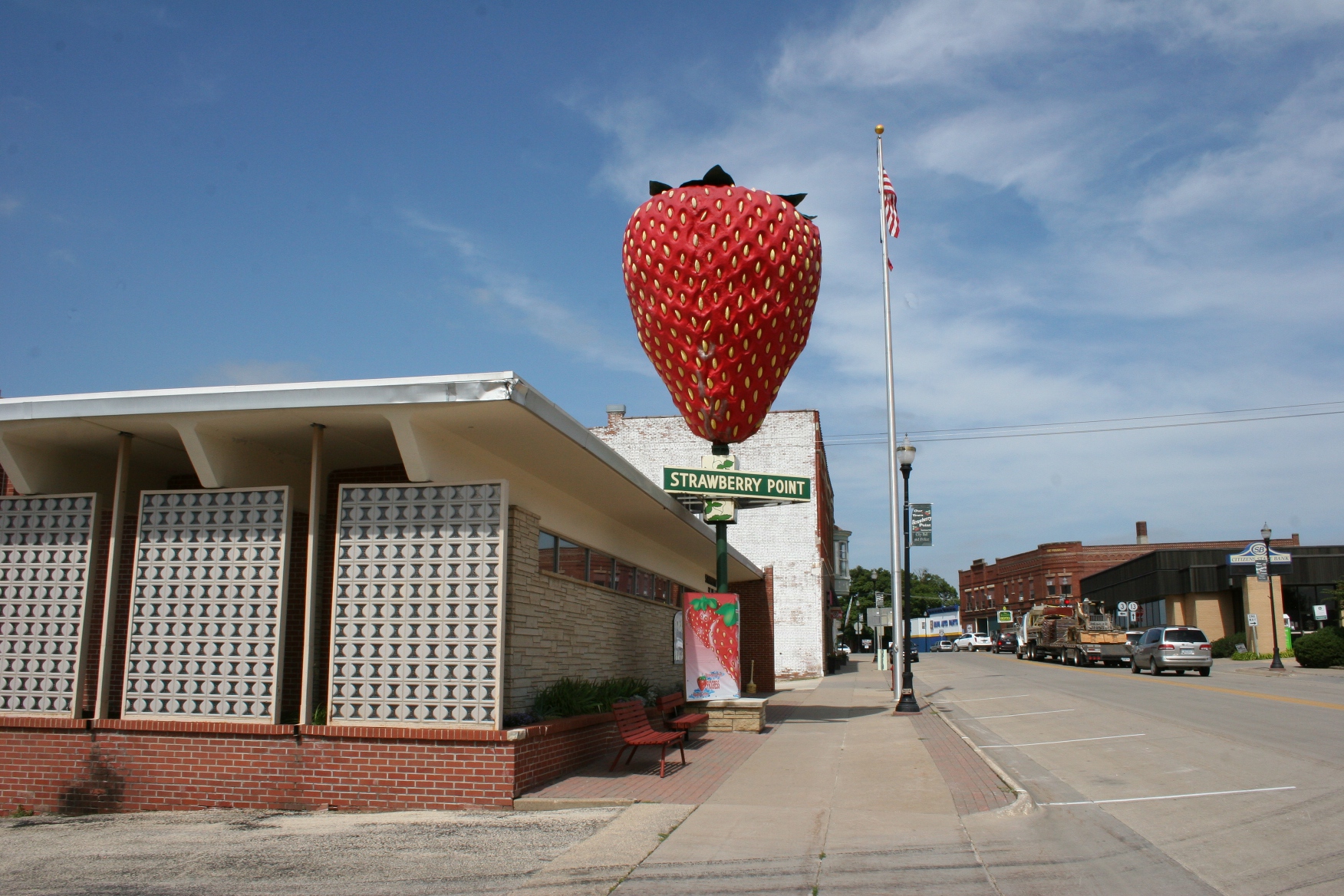
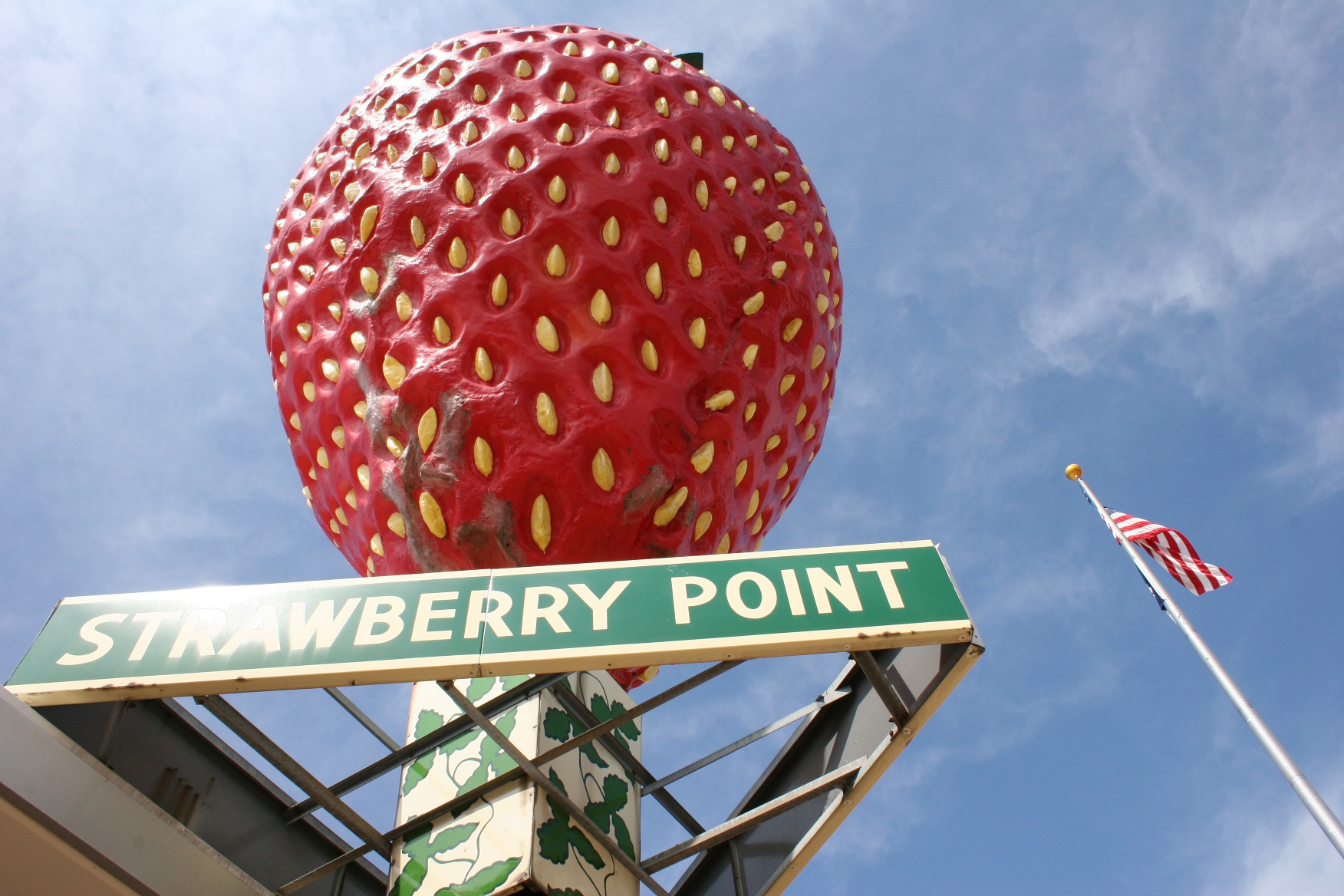
The world's largest strawberry sculpture is made of fiberglass, weighs 1,430 pounds, is 15 feet high, 12 feet wide and was constructed in 1967.

The world’s largest strawberry sculpture is made of fiberglass, weighs 1,430 pounds, is 15 feet high, 12 feet wide and was constructed in 1967.

Strawberry Point is home to the world’s largest strawberry. I delight in kitschy roadside art, thus the stop in this town of nearly 1,300.

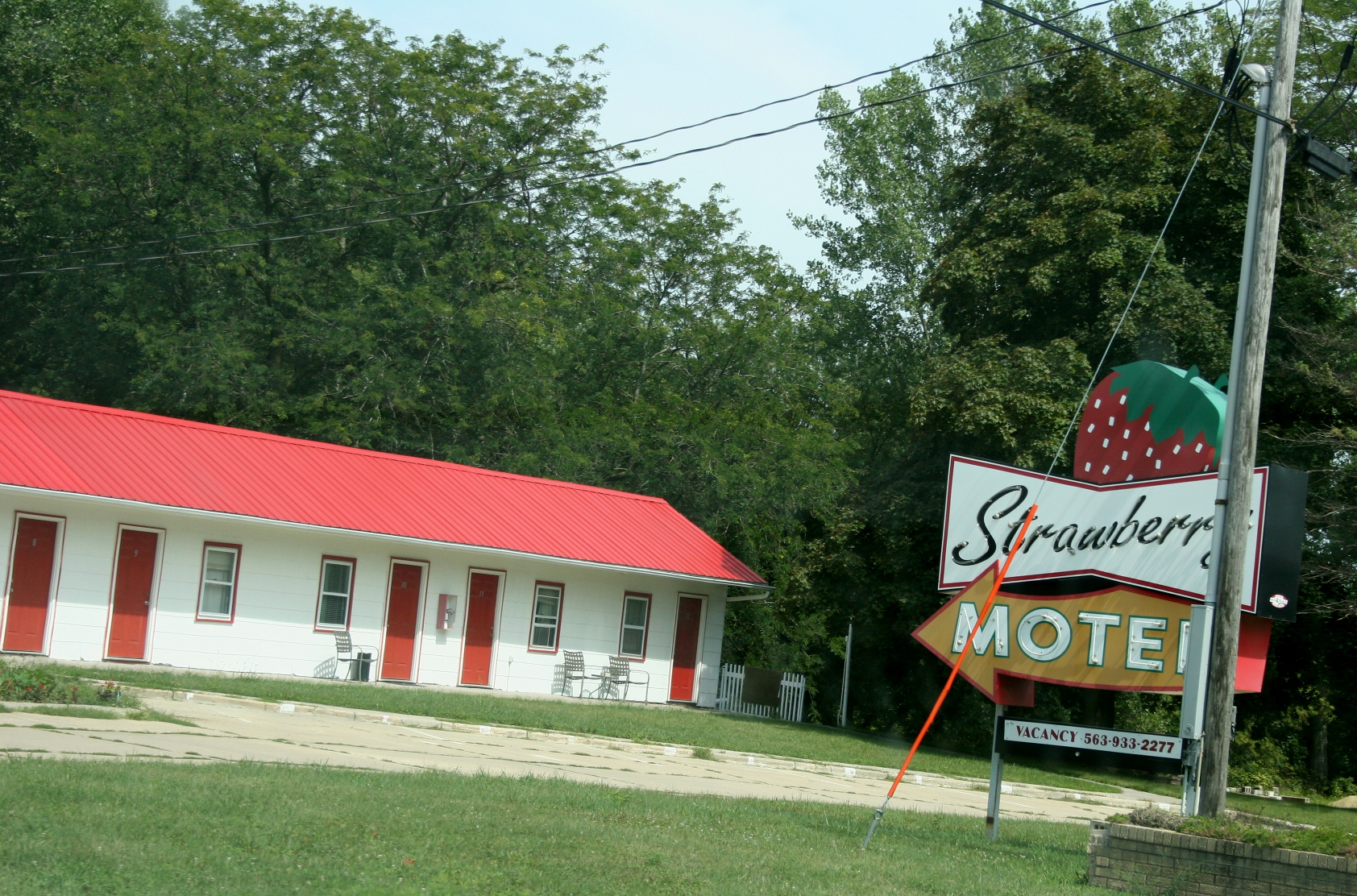
I'm not sure this motel is open anymore.

There’s even a Strawberry Motel.

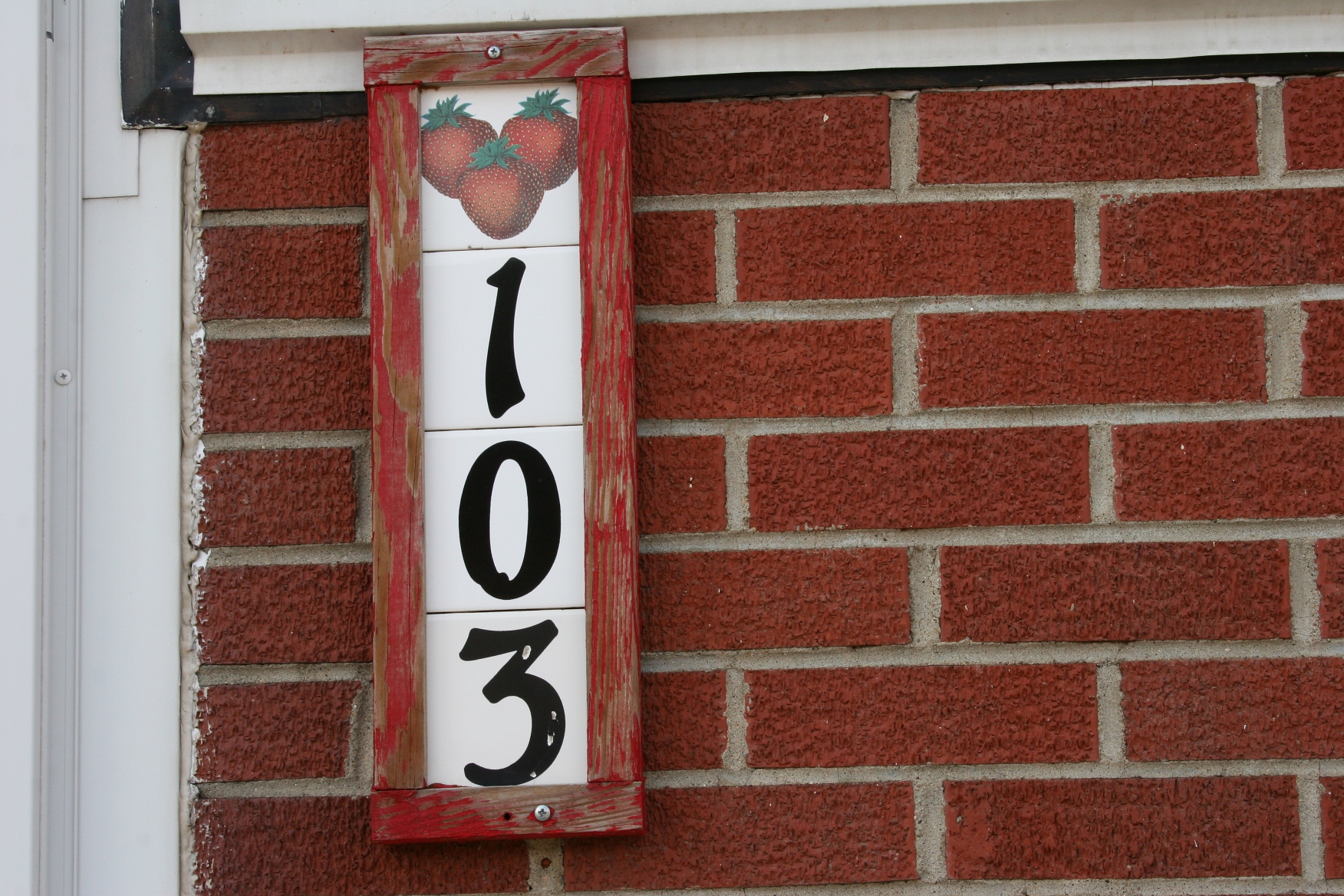
Homespun address signage in Strawberry Point.

Homespun address signage in Strawberry Point.

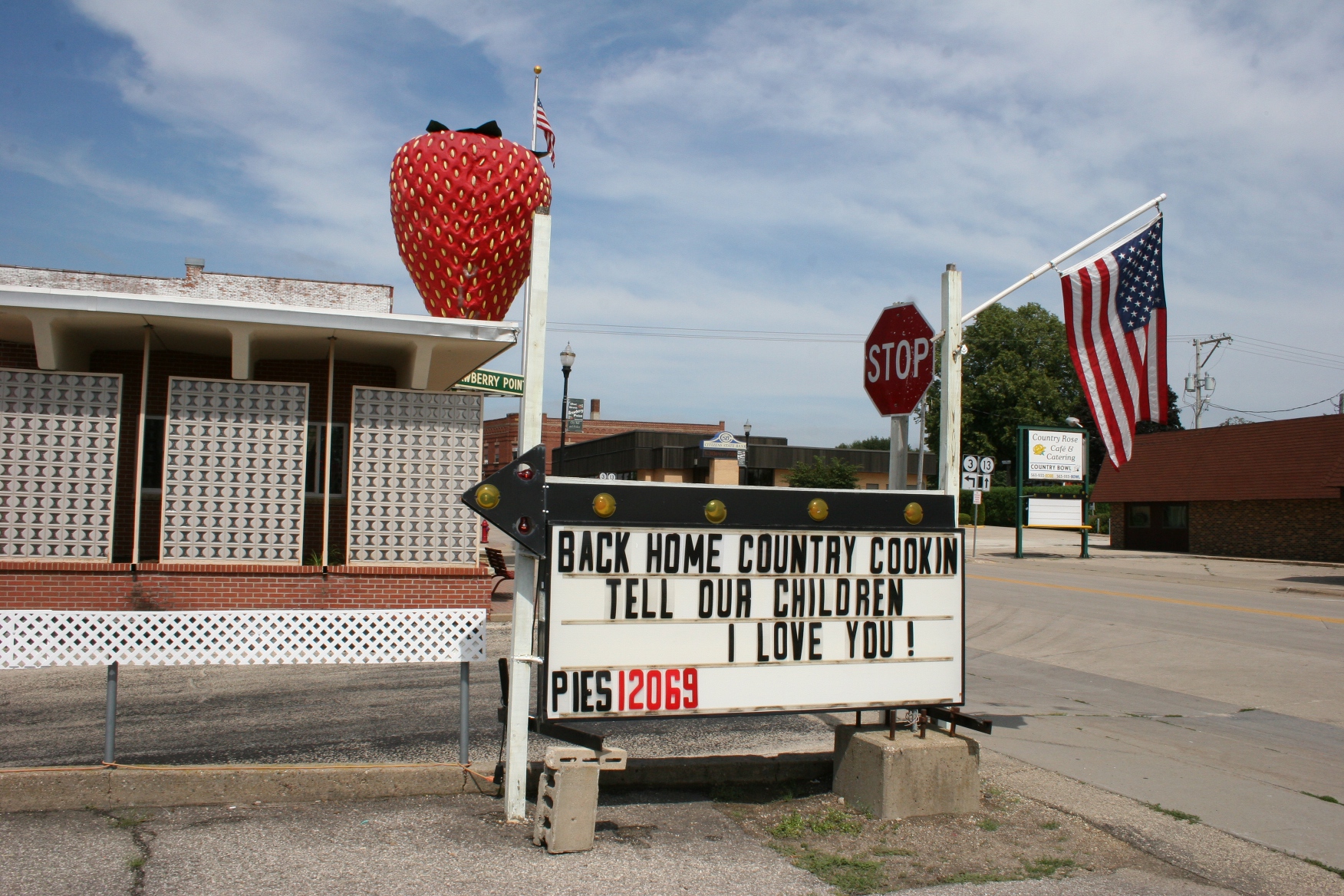
A sweet message.

A sweet message outside a cafe.

Additionally, I find the name, Strawberry Point, charming. Its name history traces to the soldiers, traders and railroad workers who savored the wild strawberries growing along the area’s trails and hillsides.

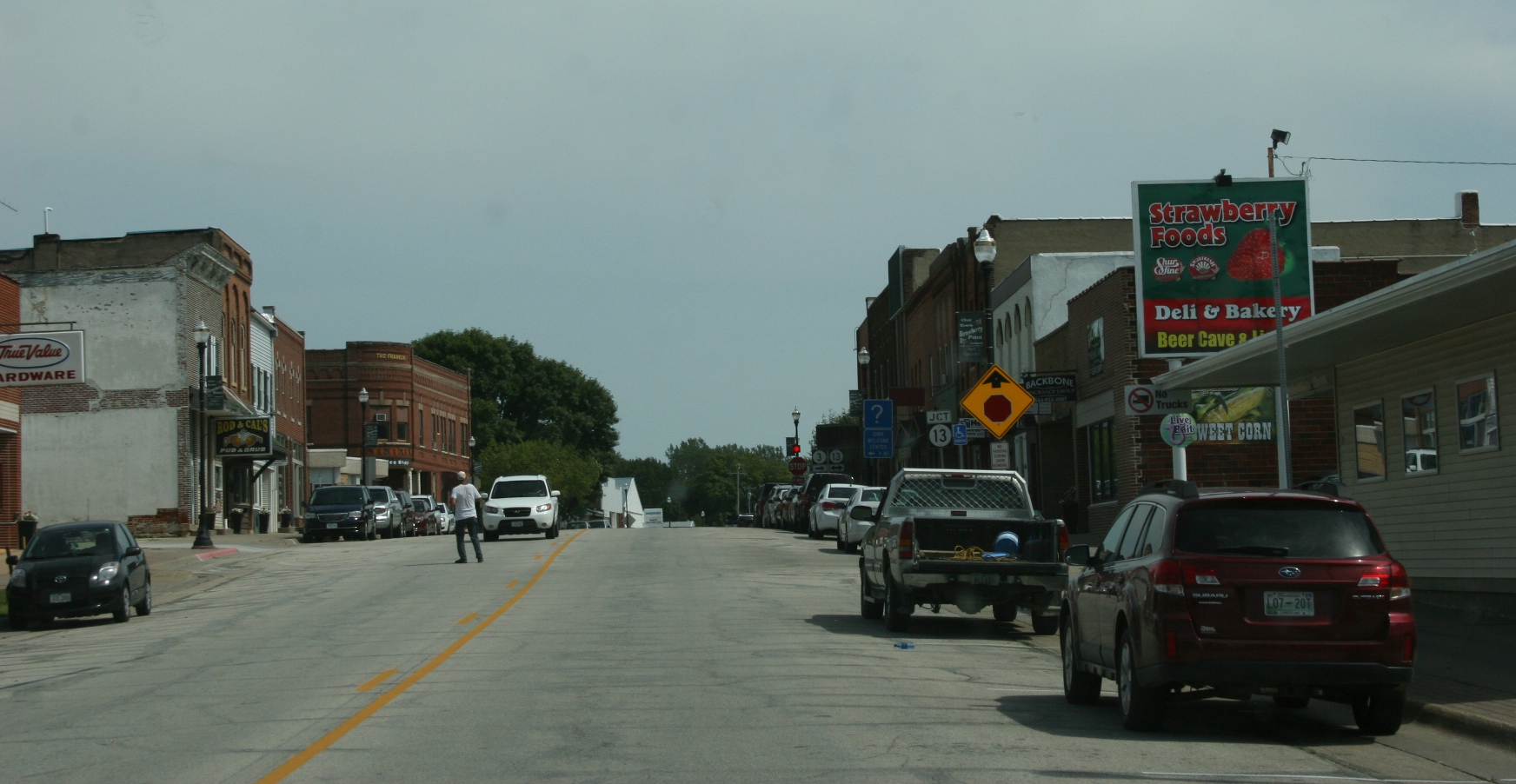
Driving into Strawberry Point.

Driving into Strawberry Point.

On the late August afternoon my husband and I drove into Strawberry Point, I was tired and crabby. Mostly due to the excessive heat and humidity. But also due to the endless travel through an Iowa countryside that seemed monotonous in fields and flatness. This is unusual for me to feel this way given my appreciation for rural prairie landscapes.

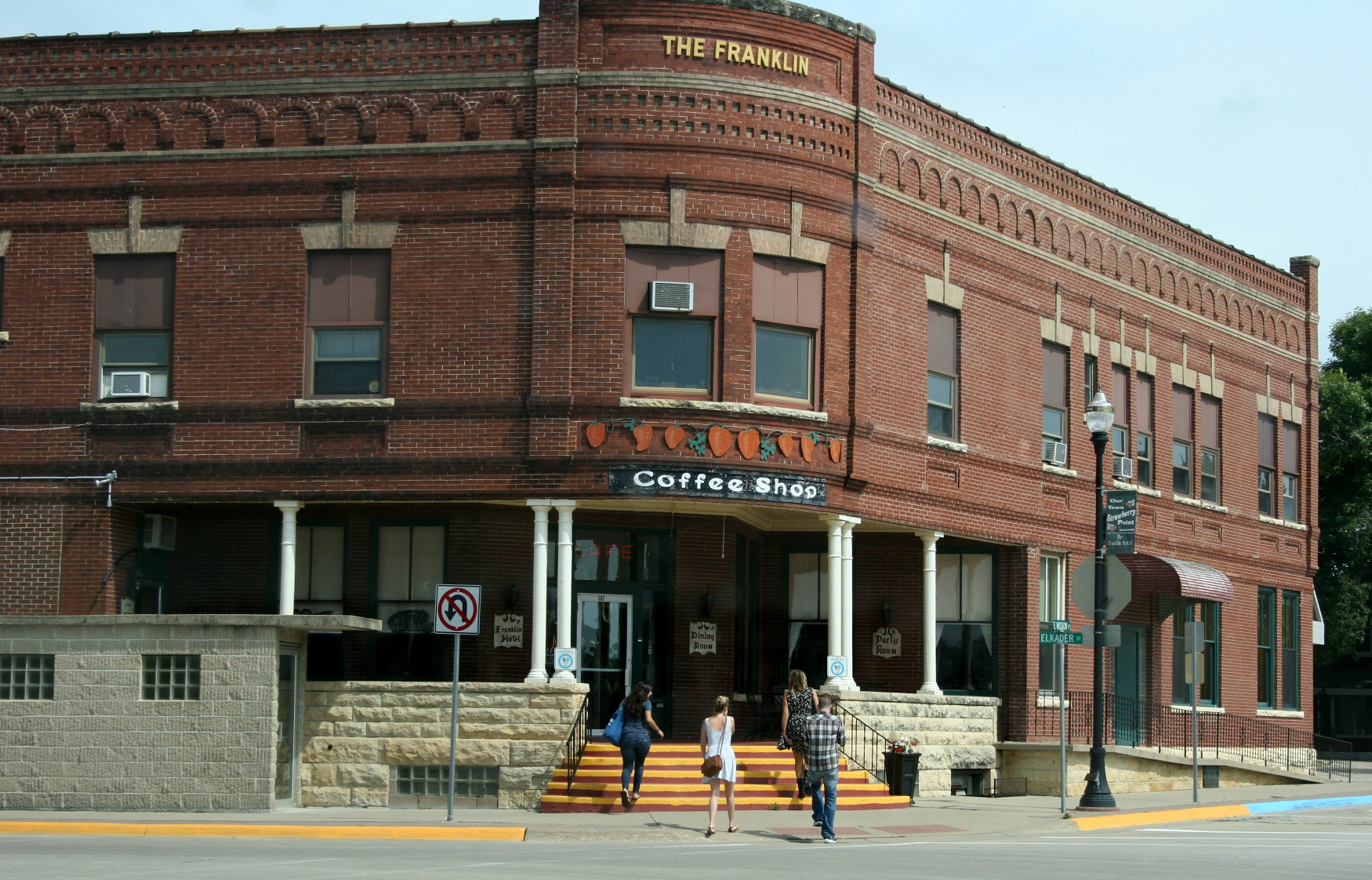
This impressive building anchors a corner in downtown Strawberry Point and houses a coffee shop/cafe and hotel.

This impressive building anchors a corner in downtown Strawberry Point and houses a coffee shop/cafe and hotel.

Had I not been in such a funky mood, I would have explored more. Looking now at my photos from downtown Strawberry Point, I see what I missed. That sprawling brick corner building labeled Coffee Shop/The Franklin Hotel calls for exploration. Just like other places in Iowa.

The strawberry sculpture sits in the heart of downtown Strawberry Point.

The strawberry sculpture sits in the heart of downtown Strawberry Point.

How many of you had heard of Arlington, Iowa, before this season’s reality TV show The Bachelor aired? The star, bachelor farmer Chris Soules, dubbed “Prince Farming”, is from Arlington.

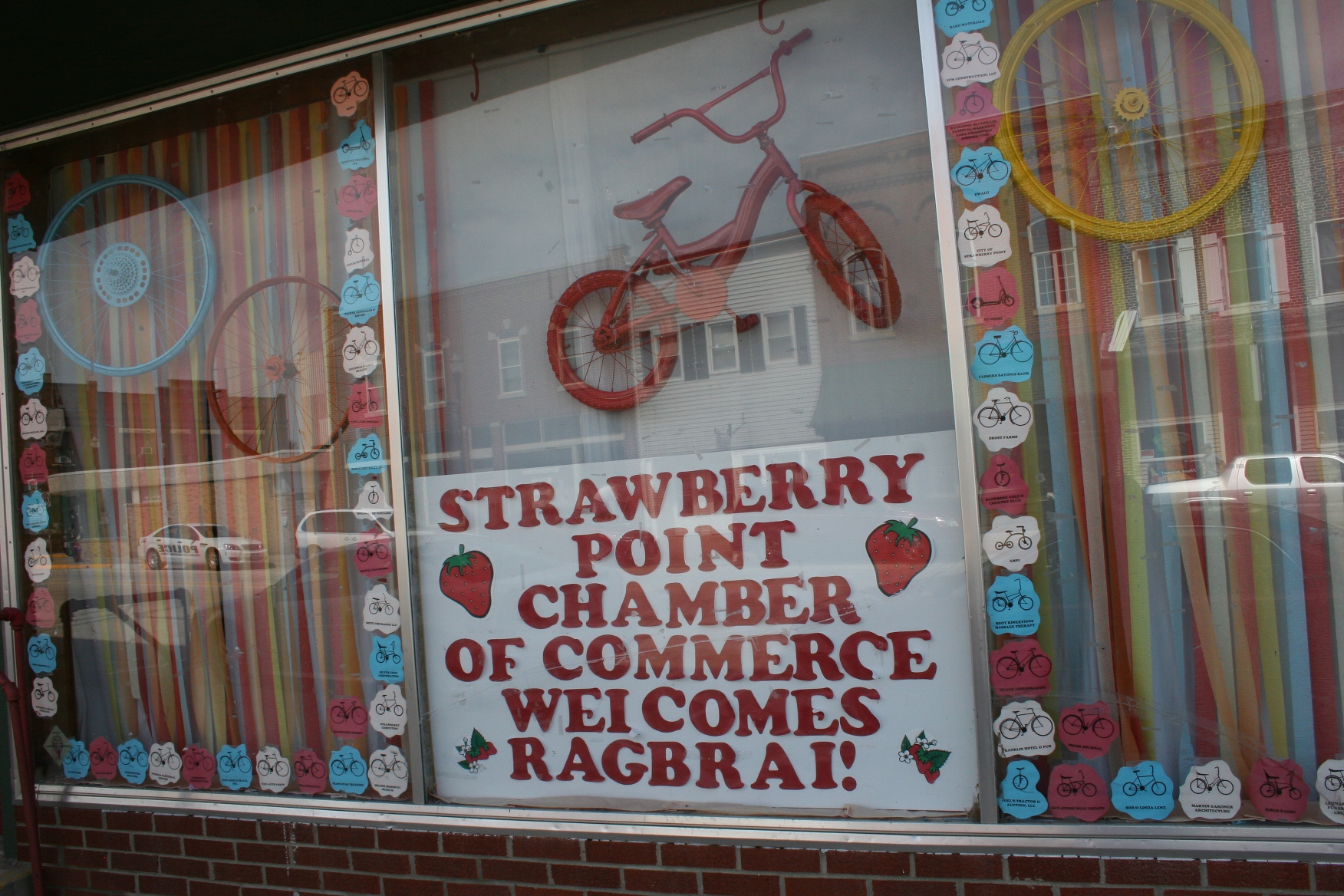
Signage remained from  RAGBRAI, the bike ride across Iowa.

Signage remained from RAGBRAI, the bike ride across Iowa.

Last July Soules met with RAGBRAI bikers in Strawberry Point, greeting folks in a fire department fundraiser. I missed him by a month. Not that I had even heard of him then.

While I don’t agree with the premise of The Bachelor, trying to find true love by dating multiple women simultaneously, I do see the show’s current value to Iowa, specifically, Arlington. That community of less than 500 is using its moment in the spotlight to raise funds for a new community center via sales of “The Other Bachelors of Arlington, Iowa” calendars. Local farmer and community volunteer John Fedeler came up with the calendar idea featuring 12 Arlington bachelors. Brilliant.

From what I’ve read on the campaign’s Facebook page, it’s a tastefully done calendar that can be yours for $14.99 plus $2 for shipping.

For example, here’s the bio on Mr. September, Jordan:

Mr. September was born in Arlington and helps out on his family’s farm. When he is not farming with his father, Mr. September works to grow his computer consulting business and practices his piloting skill. Mr. September is more reserved about details of his love life, but joked that he will be a “bachelor till the rapture”. Mr. September would give you the shirt off of his back if you needed it and is not afraid to reach out a helping hand.

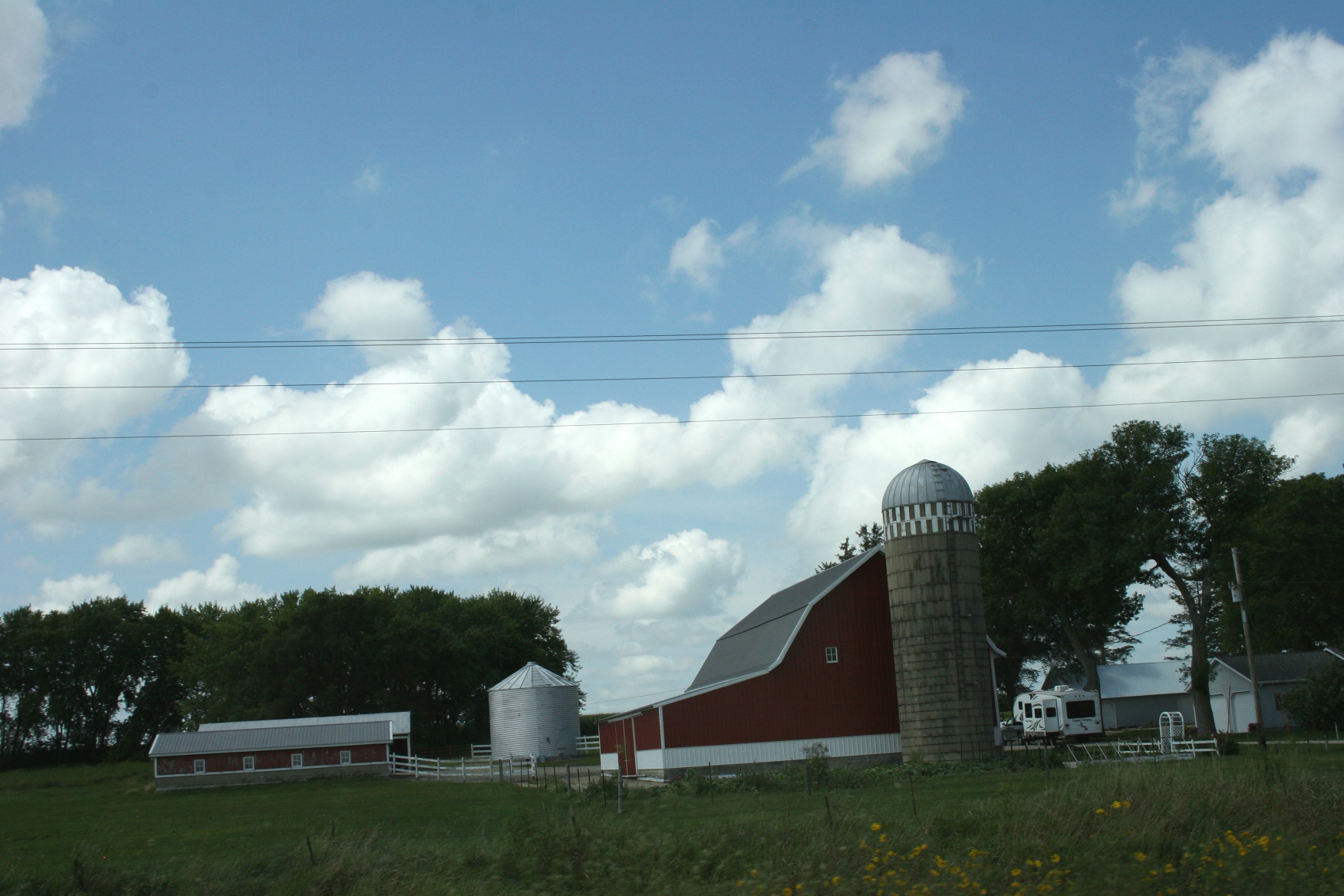
A farm site somewhere in notheast Iowa between Nashua and Strawberry Point.

A farm site somewhere in notheast Iowa between Nashua and Strawberry Point.

He sounds like one wholesome Iowa farm boy to me.

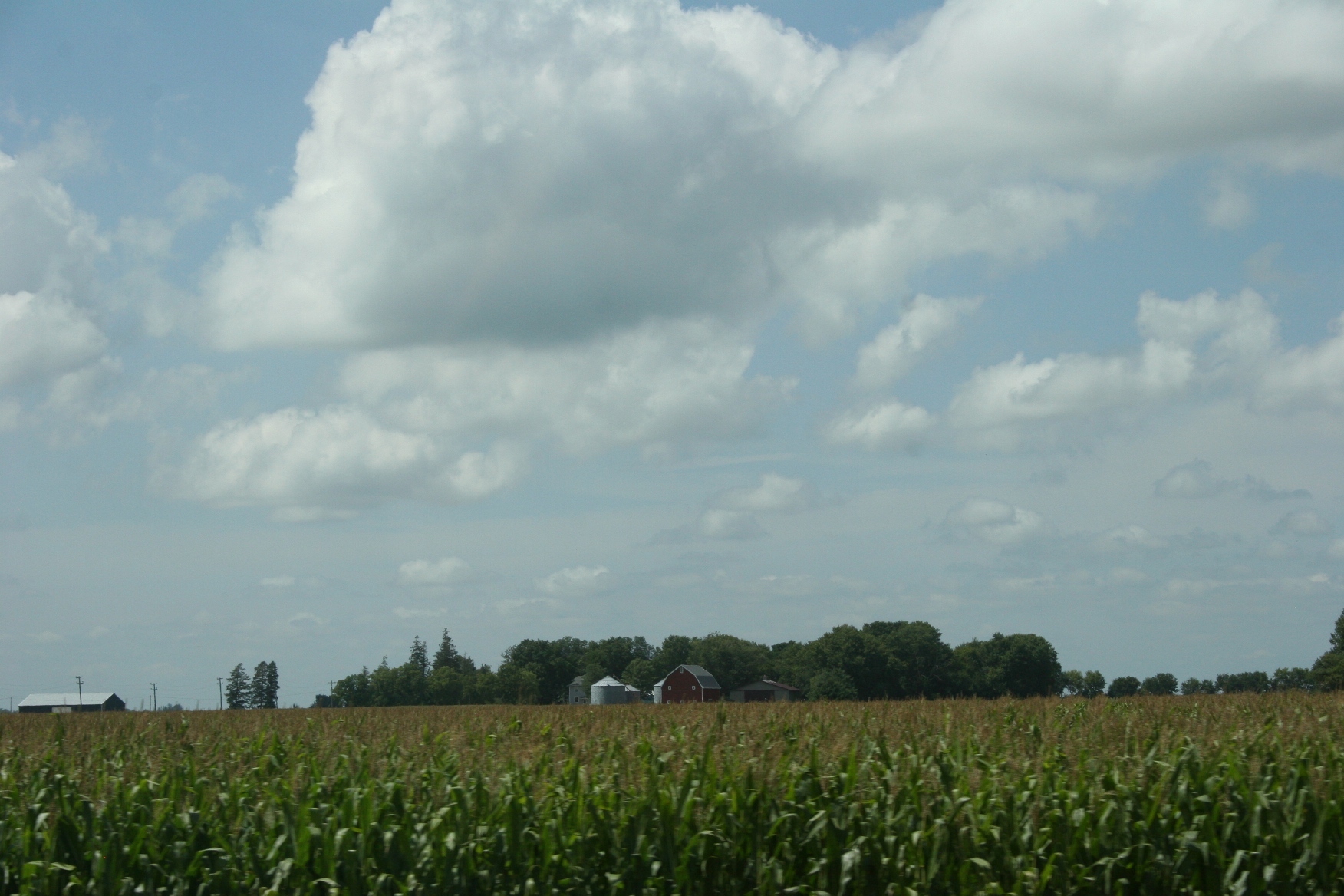
Somewhere in northeastern Iowa.

Somewhere in northeastern Iowa.

And isn’t that the image we have of Iowa—a good, wholesome place of mostly farm fields and small towns? Pigs and corn. Fields of opportunities?

© Copyright 2015 Audrey Kletscher Helbling
 

That Lavender Inn billboard needs to go March 9, 2015

AWHILE AGO, A READER tipped me off to an outdated billboard along Interstate 35 bypassing Faribault.
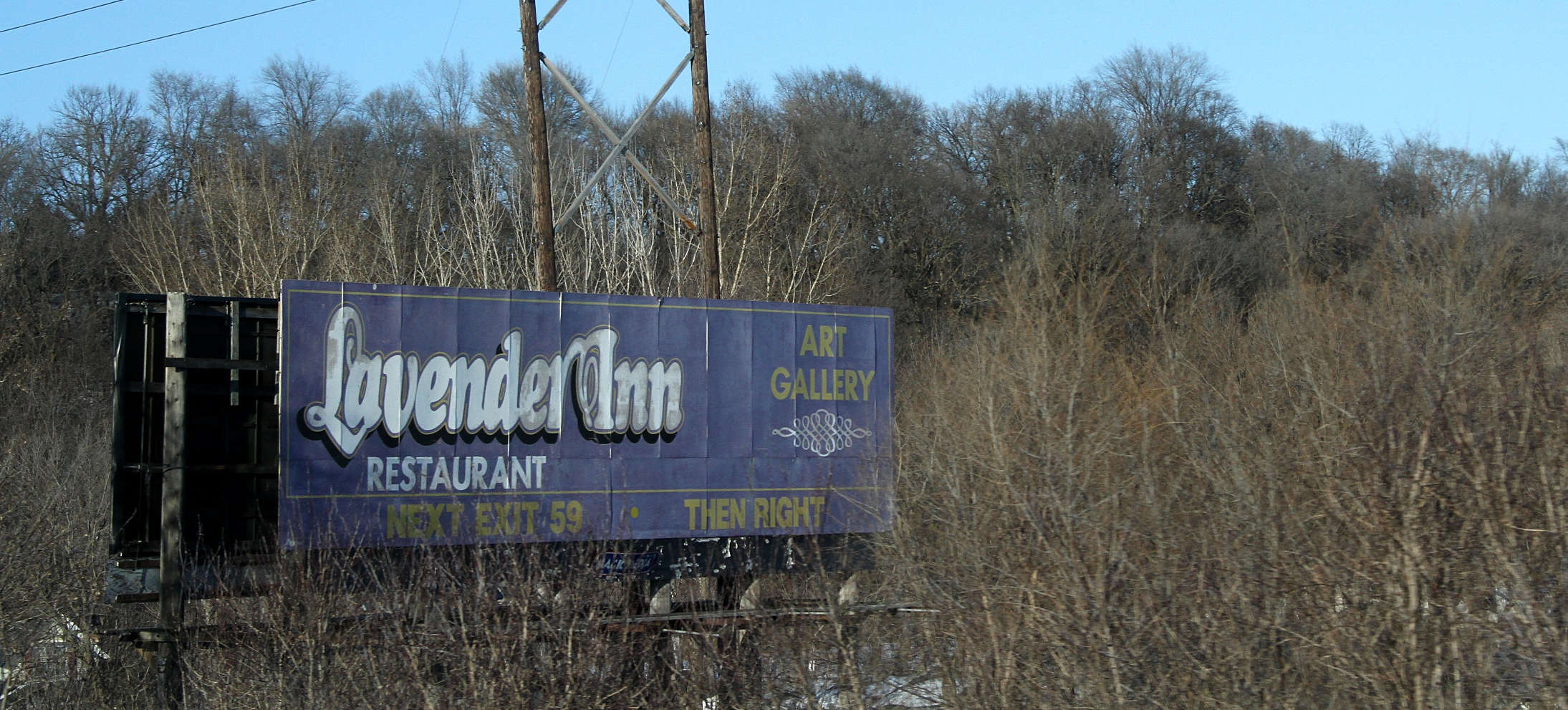
Finally, on purpose, I traveled that stretch of interstate specifically to see this billboard off the northbound lanes:

Not the best photo, but snapped at interstate speed passing by.
Not the best photo, but snapped at interstate speed passing by.
Now imagine you’re a traveler. You’re hungry. You see the sign for the Lavender Inn Restaurant. And bonus, there’s an art gallery. So you take Exit 59.

But then you can’t find the darned place. You see a bank and a liquor store, restaurants, hotels and other businesses in the area, even a housing development. But the Lavender Inn? Nope. Not even along Lavender Drive.
By this time you are frustrated, not to mention hungry and disappointed. You had your heart set on dining at the Lavender and perusing art.
I wonder how many times this scenario has happened. The Lavender Inn has been closed for a long time, although I can’t find the precise date of closure.

But in January 2003, long-time sole owners Gaylen and Bebe Jensen, who opened the eatery first as a drive-in in June 1960, sold the property to investors. Eventually, the restaurant, which was, indeed, painted a distinct lavender hue, was torn down, replaced by business and housing developments.

Why, then, does the billboard remain posted along Interstate 35? Its presence misleads travelers.

For those of us who remember the Lavender, though, the sign jars memories of Faribault’s finest dining establishment. I ate here perhaps less than a dozen times in a restaurant that evolved into a supper club. Remember supper clubs? Folks drove from all over to dine here on Saturday evenings and on Sundays after church.

The Lavender had its regulars, including Rotarians who met here monthly. For My husband and me, this marked a place to celebrate on the rarest of special occasions given the cost of a meal in this fancy setting.

I remember the gallery rich in gilded frames and fine art and big game trophy animals from Gaylen Jensen’s African safari hunts. It all seemed rather foreign to me. And perhaps therein was part of the appeal, along with cloth napkins.

In the digital archives of Northfield’s Carleton College I found a KYMN radio jingle for the Lavender Inn, advertised as “a portrait in fine dining…an original in dining.” It’s worth a listen (click here).

Perhaps the Lavender Inn roadside ad ought to be archived somewhere as an important part of Faribault’s restaurant history. And then replace the sign with an attention-grabbing billboard welcoming visitors to Faribault’s historic downtown.

© Copyright 2015 Audrey Kletscher Helbling