Minnesota Prairie Roots

Writing and photography by Audrey Kletscher Helbling

Montgomery revisited, Part I February 26, 2020

Filed under: Uncategorized — Audrey Kletscher Helbling @ 11:15 AM
Tags: , , , , , , ,

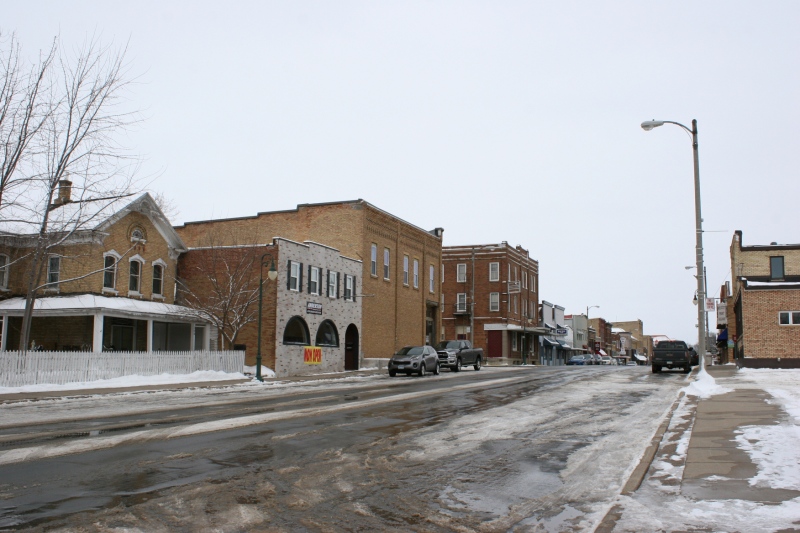
A section of downtown Montgomery, Minnesota, with its many historic buildings.


I DOUBT I’VE WRITTEN about any small Minnesota community more than I’ve written about Montgomery. Located within a half hour of my Faribault home, it’s a quick drive away. And Montgomery offers just enough to keep me returning.
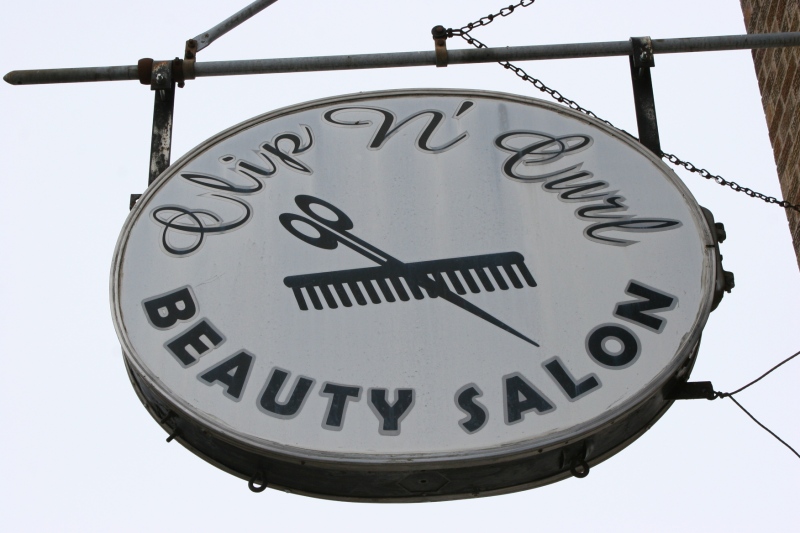
 

Signs always draw my eye, including this one. It’s simple, nostalgic…


Especially interesting is the downtown with eye-catching signage, aged buildings and home-grown shops.
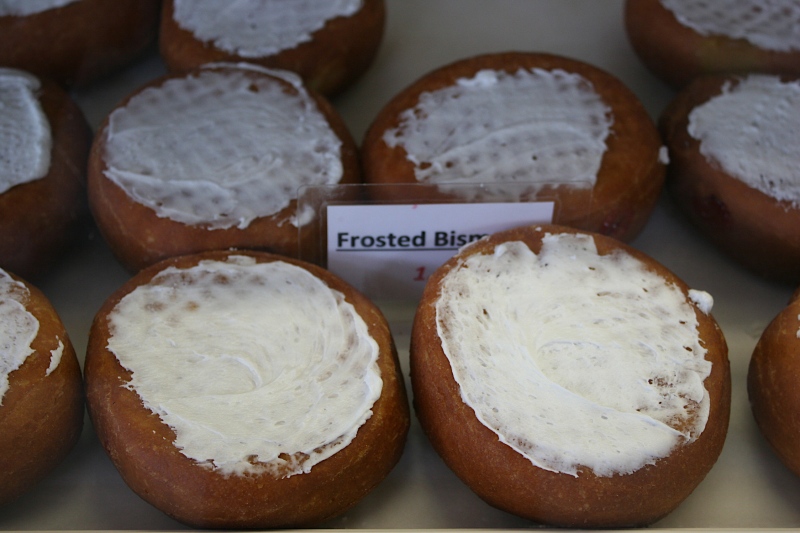
 

Among the sweet offerings at the long-time, popular Franke’s Bakery.
 

An old-fashioned bakery.


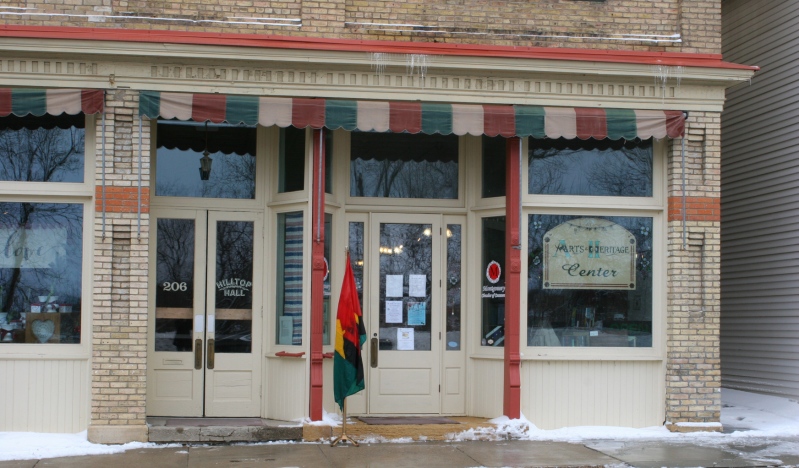
Outside the entry to the Montgomery Arts & Heritage Center located in Hilltop Hall.


A thriving Arts & Heritage Center.
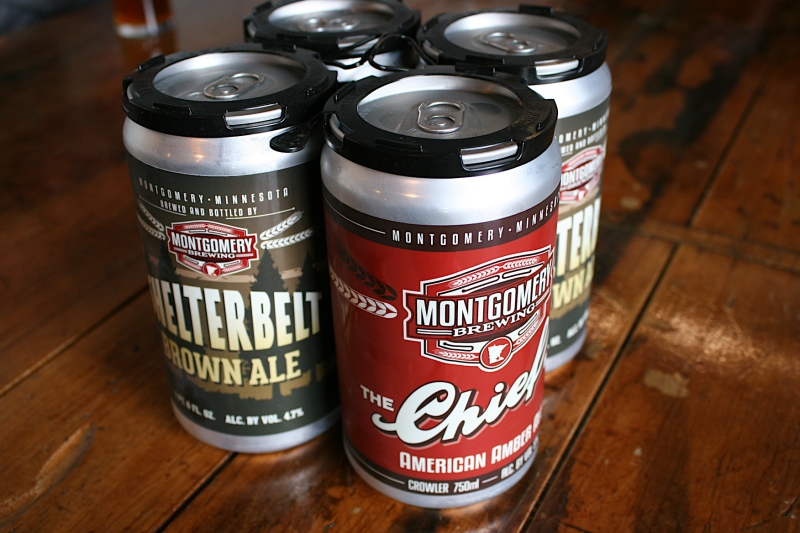
 

Beer to go at Montgomery Brewing.


A brewery with outstanding craft beers.
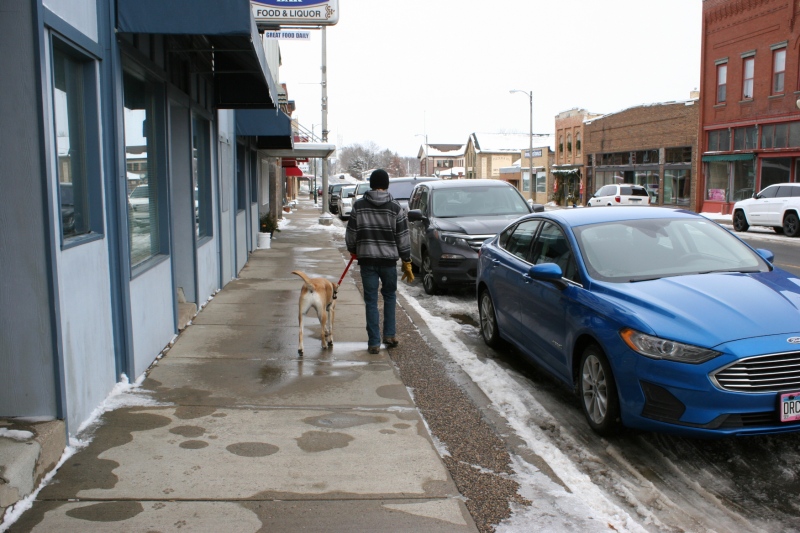
 

The friendly young man I met while photographing downtown. He paused to let me pet Buddy.


Friendly people.
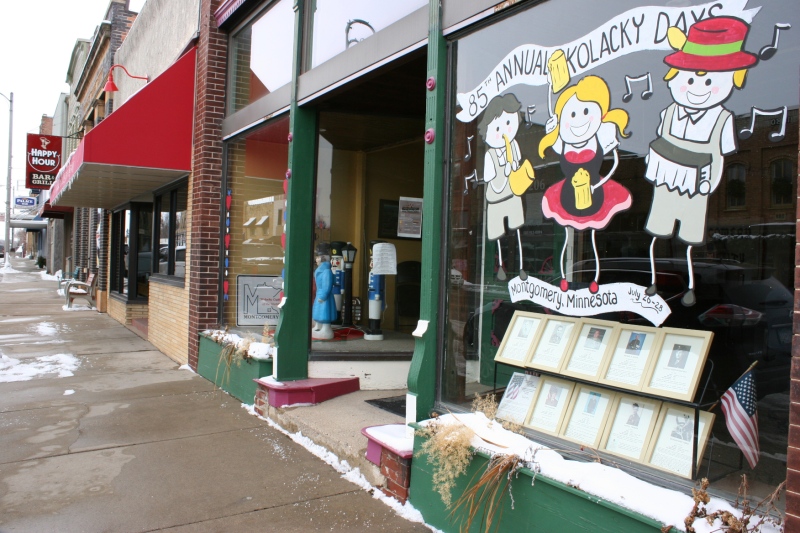
 

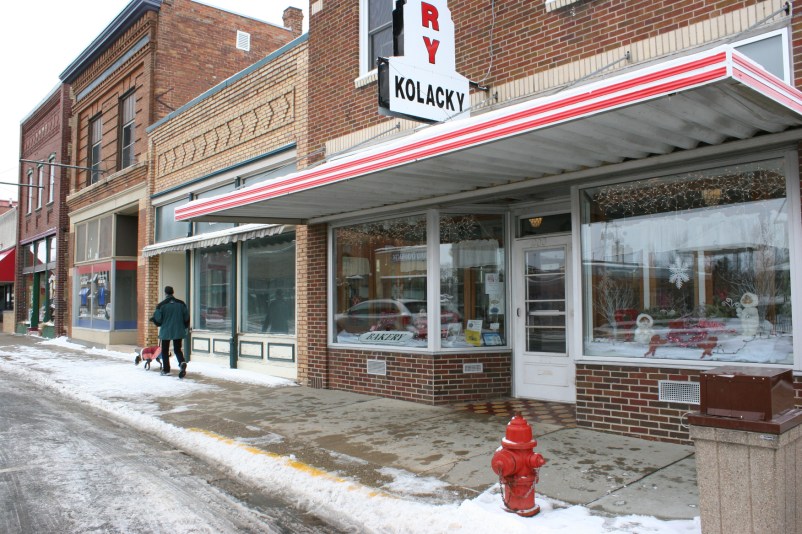
Everywhere downtown you’ll find signs promoting kolacky.


A deep appreciation for the area’s Czech heritage. Combine those and you have a small town that appeals to me.
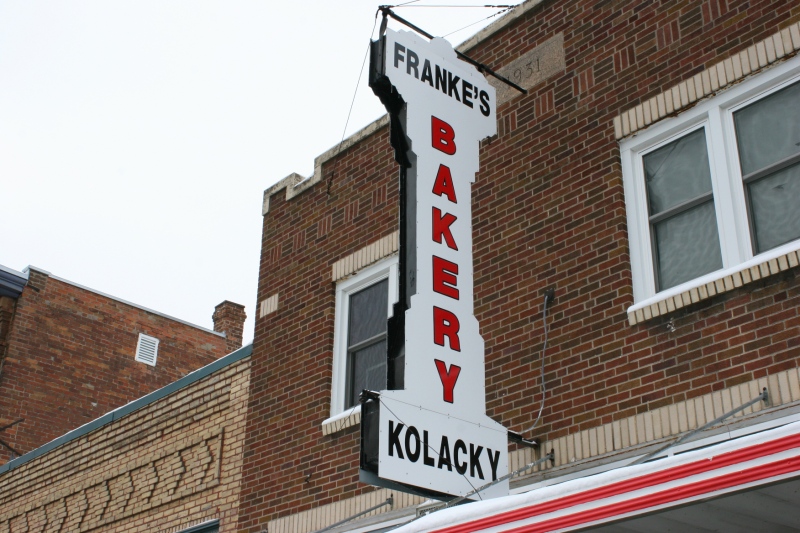
 

Third-generation Franke’s Bakery is known for its kolacky.


I recognize that what interests me may not interest you. But there’s something to be said for small towns with a strong sense of identity and pride in that identity. For Montgomery, it’s the tag, “Kolacky Capital of the World.” The kolacky is a bun-like Czech pastry filled with a fruit or poppyseed filling. Risking the wrath of the Czech, I will tell you that it’s not a favorite of mine. I’d choose a doughnut before a kolacky. But then I am of German descent and was not raised in this area of Minnesota.
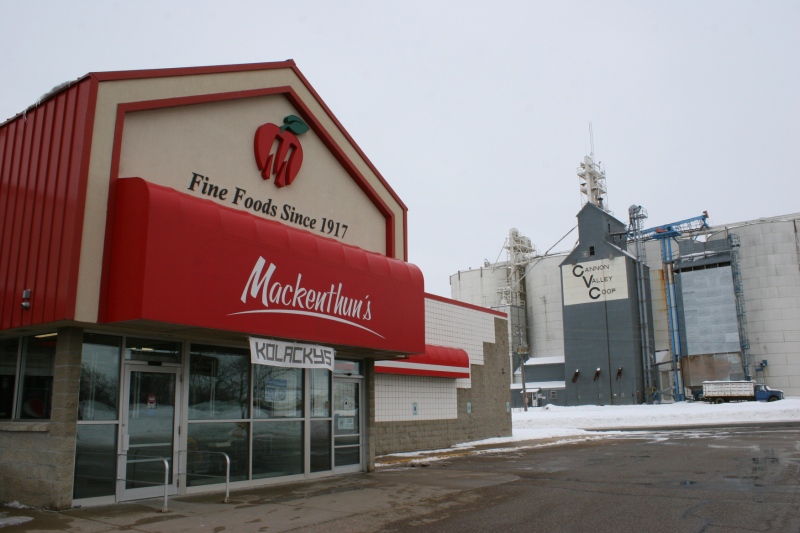
 

Stand in the grocery store parking lot and you can see the grain elevator in one direction, the brewery in another and the main street through downtown, too.


None of that matters really. What matters is that I like Montgomery. Unleash me with a camera in this town and I get excited about the photo ops, all the ways I can capture the essence of this place. If my creative work is anything, it has always been about defining place.
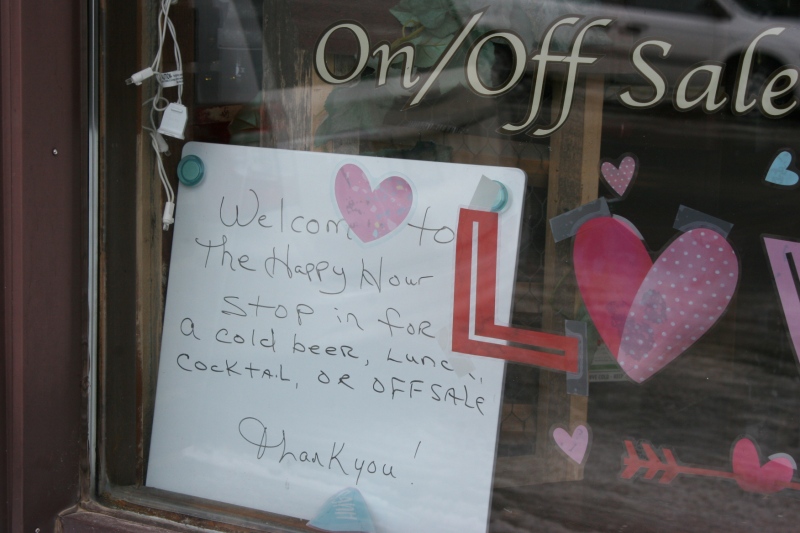
 

Spotted in the window of a downtown business. These handwritten signs give a place character.


I will always feel most comfortable in a rural town like Montgomery. I appreciate a place where I can view a grain elevator, spot handwritten signs on business doors and windows, chat it up with the locals, stop to pet a passerby’s dog and stand in the middle of Main Street to take a photo without worry of traffic.

Now that my photo essay about Montgomery has published in the March issue of Southern Minn Scene magazine, I am free to share more photos from my January day trip to this Le Sueur County community. Enjoy and watch for additional posts highlighting Montgomery as I, once again, define this place in images and words.

© Copyright 2020 Audrey Kletscher Helbling


Montgomery, Through a SoMinn Lens February 24, 2020

A scene outside Franke’s Bakery in downtown Montgomery, Minnesota, on a recent Saturday morning. Minnesota Prairie Roots file photo January 2020.


SEVERAL WEEKS HAVE PASSED since my last day trip to Montgomery, a small Minnesota town of some 3,000 about a 30-minute drive from my Faribault home.

Randy and I went to Montgomery specifically to view an exhibit of 1900s era photos of Native Americans by noted photographer Edward S. Curtis. The exhibit at the Montgomery Arts & Heritage Center closes this Saturday, February 29. You can learn more about that show by clicking here and reading a previous post.

My reason for writing about Montgomery today is to share my latest Through a SoMinn Lens photo essay column, “Day trip to Montgomery, Kolacky Capital of the World,” which just published in the March issue of Southern Minn Scene. To see the current issue of this free lifestyle, arts and entertainment magazine, click here.

As always, I am delighted to showcase a small Minnesota community well worth your visit. As time allows this week (I’m trying to complete other writing projects with deadlines), I will share more Montgomery photos with you. Enjoy!

And if you have any suggestions of small towns (or attractions) in southern Minnesota that I should visit, please pass along your ideas.

© Copyright 2020 Audrey Kletscher Helbling
 

Pass the salt, please, or not February 20, 2020

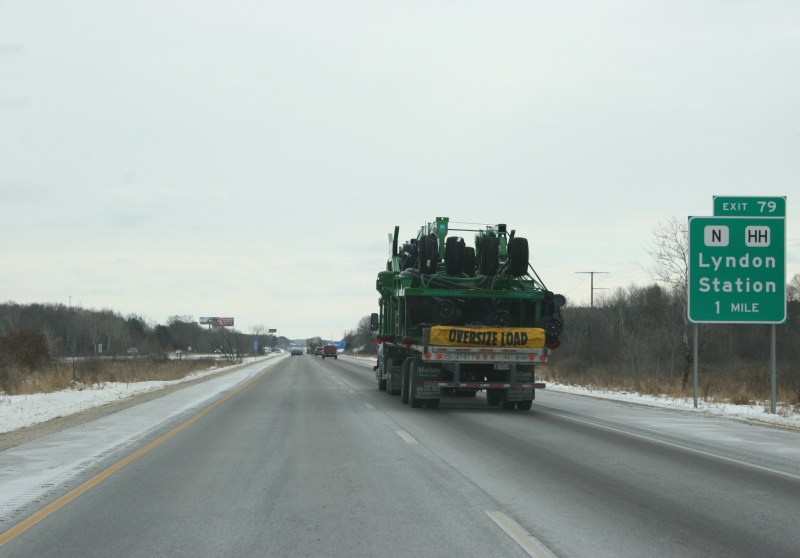
Interstate 90 in Wisconsin is noticeably white from road salt. It was like this all the way from La Crosse to Madison last weekend.


WHEN YOU’RE ON THE INTERSTATE for nearly four hours, you start to notice things. Like the semi drivers seemingly nodding behind the wheel as their rigs hit the rumble strip or drift toward your lane. Or the guy driving with his window open on a cold February afternoon because maybe, just maybe, he’s trying to stay awake. Or the driver who can’t wait even a second as he tailgates, then swoops around on the right before cutting in front of you.

All of this happened on a recent trip to and from Madison, Wisconsin, along Interstate 90. In addition to the questionable, and often frightening behavior (especially by four professional truck drivers), I noticed something else—a heavily-salted interstate. I-90 in Wisconsin stretched before Randy and me like ribbons of white.


There was much less salt, if any, on I-90 in southeastern Minnesota.


By contrast, I-90 in Minnesota appeared mostly clear of road salt. Why the difference in bordering states? I don’t know the stance Wisconsin takes on salting to cut snow and ice. But I do know that the Minnesota Department of Transportation is shifting toward a more conservative use of salt due to concerns about salt entering our waterways. We are, after all, The Land of 10,000 Lakes.


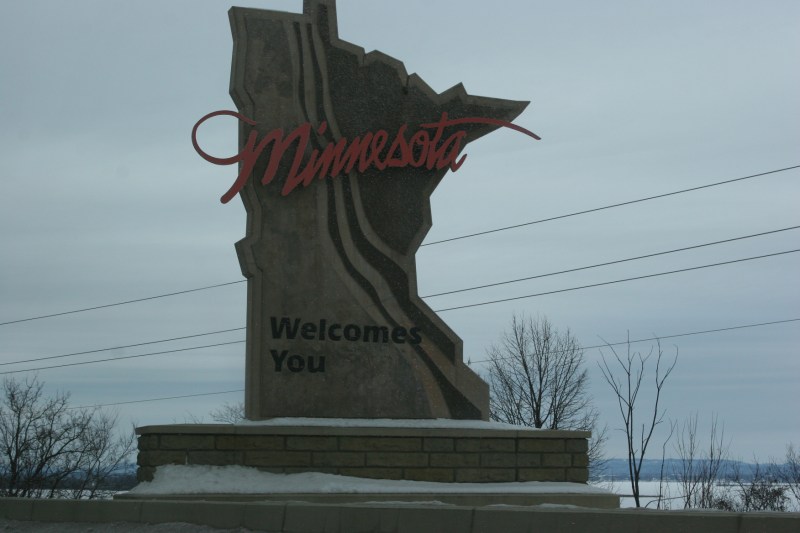
This sign along I-90 welcomes travelers to Minnesota along the Mississippi River by La Crosse, Wisconsin.


In media reports I’ve heard and read, MnDOT is taking a technological and scientific approach to treating roads in an effort to reduce salt usage. That includes pre-treating roads before storms (which uses less salt), relying on calibrations, factoring in temperature and other data to determine how roadways should be treated. It’s no longer simply a load up the trucks with salt and sand and chemicals and get out there mindset.

I appreciate this respect for our natural resources, this shift in thinking. Just remind me of that the next time I complain of icy roads or sidewalks. Or the next time Randy and I throw salt down on our icy driveway or sidewalk.

© Copyright 2020 Audrey Kletscher Helbling
 

Sample billboards along Interstate 90 in Wisconsin February 19, 2020

Filed under: Uncategorized — Audrey Kletscher Helbling @ 5:00 AM
Tags: , , , , , , , ,

Drive Interstate 90 between La Crosse and Madison, Wisconsin, and you’ll see lots of billboards around the larger cities and in the area by the Dells. Edited Minnesota Prairie Roots photo.


BILLBOARDS CAN CLUTTER the landscape. Too many words. Too many materialistic messages. Too much visual imprint when I’d rather see the natural surroundings.


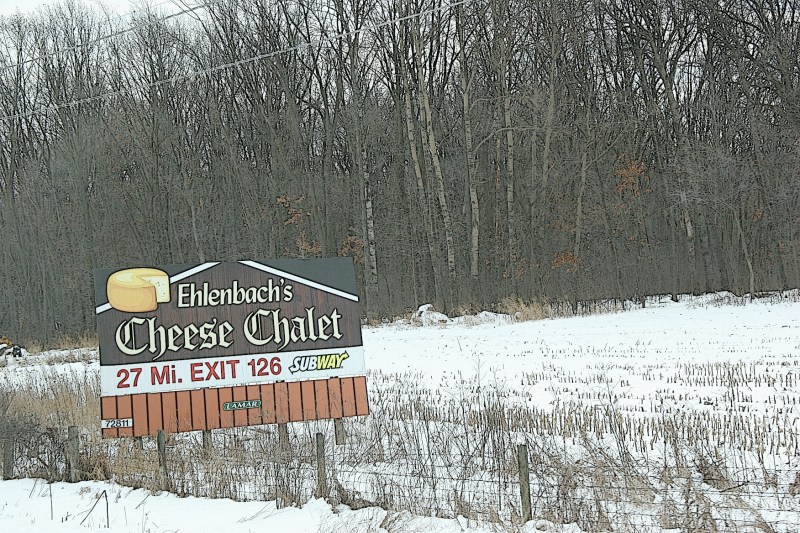
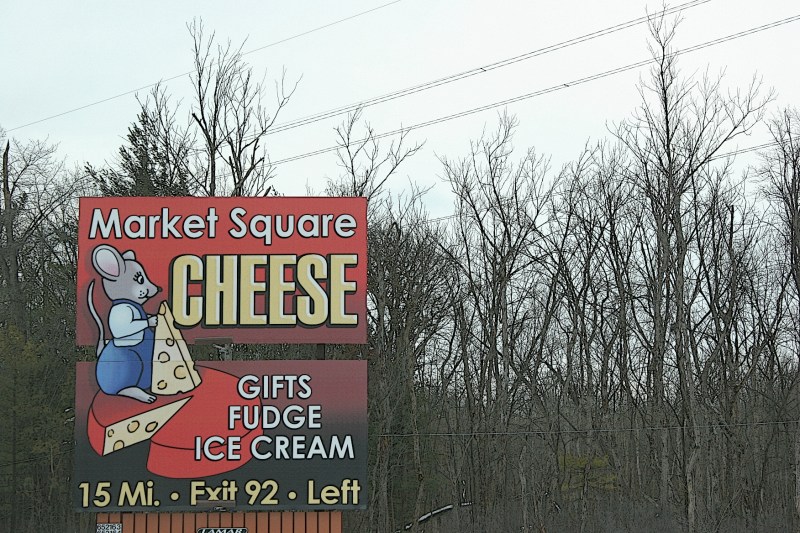
As you would expect in Wisconsin, there are lots of signs for cheese places along I-90. Edited photo by Minnesota Prairie Roots.


But I understand the value of signs, large or small, in drawing people into businesses, to destinations, to detour off the interstate. That said, I noticed a lot of vacant billboard real estate while traveling Interstate 90 from La Crosse to Madison, Wisconsin, this past weekend. I can only speculate that in a tech driven world, this form of marketing to the masses is declining.


Edited photo by Minnesota Prairie Roots. Anyone know the story behind this billboard?


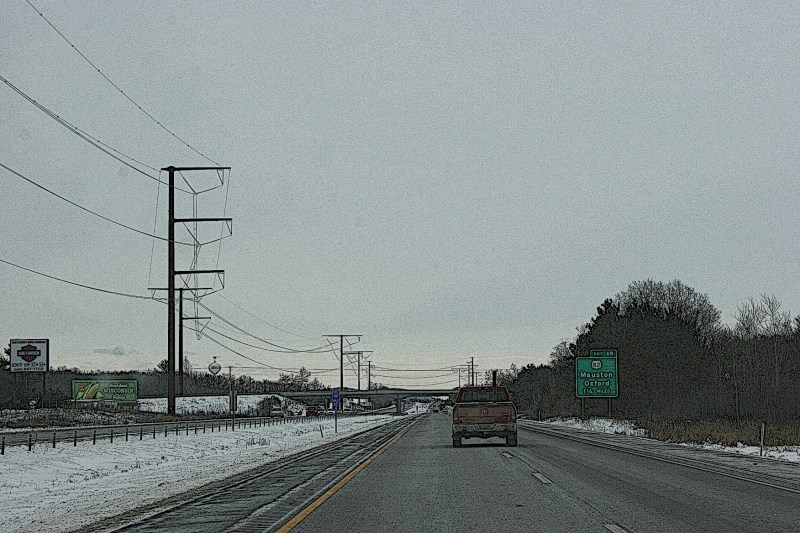
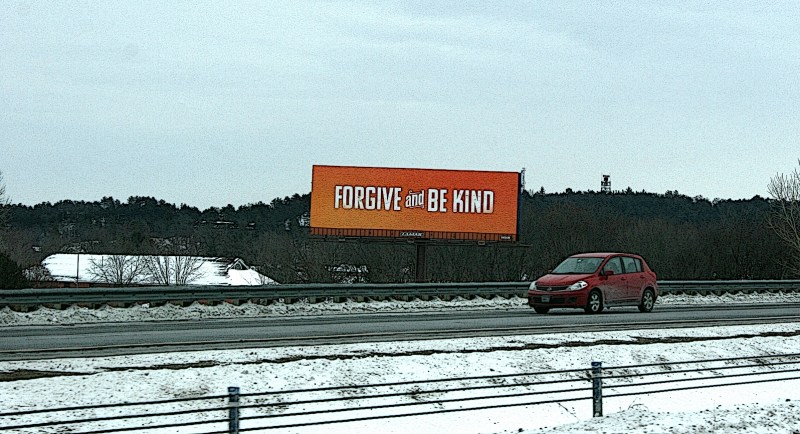
Still, I pay attention to roadside signage and noticed a billboard with a simple and profound message: FORGIVE and BE KIND. I photographed the sign within 10 minutes of Exit 69, the road to Mauston and Oxford. A LAMAR Advertising credit runs along the bottom.

FORGIVE and BE KIND. The words are simple enough. But forgiveness and the added directive to “be kind” can prove a struggle when the pain and hurt run deep. Yet, both can be achieved. It takes work. Time. Healing.


Another cheese sign along I-90 in south central Wisconsin. Edited photo by Minnesota Prairie Roots.


I’d like to hear your thoughts on the FORGIVE and BE KIND billboard and/or on billboards in general.

© Copyright 2020 Audrey Kletscher Helbling
 

Welcome to Wisconsin February 18, 2020

Filed under: Uncategorized — Audrey Kletscher Helbling @ 5:00 AM
Tags: , , , , , , , , , ,

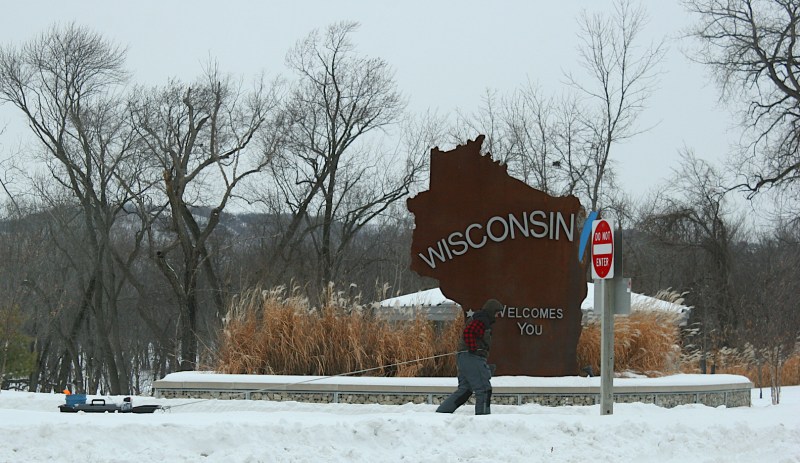
An ice fisherman photographed at the La Crosse, Wisconsin, rest stop.


I OFTEN WONDER, what do outsiders think? And, by outsiders, I mean those of you unfamiliar with a Midwest winter, specifically with the sport of ice fishing.

I mean, let’s say you’re from Miami or LA or Dallas and you’ve never seen a village of fish houses atop a frozen lake let alone vehicles driving onto and across the ice. For Minnesotans and Wisconsinites, scenes like this are simply part of our winters.

Or let’s say you pull off the interstate, like we did on Saturday along I-90 in La Crosse, Wisconsin, and you spot two guys loading fishing equipment onto a sled in a rest area parking lot. Randy and I saw exactly that.

The scene seemed so Midwest Norman Rockwell-like. Bucket and fishing gear atop a simple pull-behind sled. Fisherman layered in warm outdoor outerwear topping a red-and-black buffalo plaid flannel shirt. Paul Bunyan fashion at its finest.

As we exited the parking lot, I managed a photo. Iconic. A guy on his way to ice fish in the backwaters of the Mississippi River on a Saturday morning in mid-February. Love it.

TELL ME: Have you ever been ice fishing, or even observed an angler ice fishing? And, yes, I’ve fished through a hole in the ice on a frozen lake. Just not in recent years.

© Copyright 2020 Audrey Kletscher Helbling
 

Not your typical Valentine’s Day story February 14, 2020

Filed under: Uncategorized — Audrey Kletscher Helbling @ 5:00 AM
Tags: , , , , , , , , ,

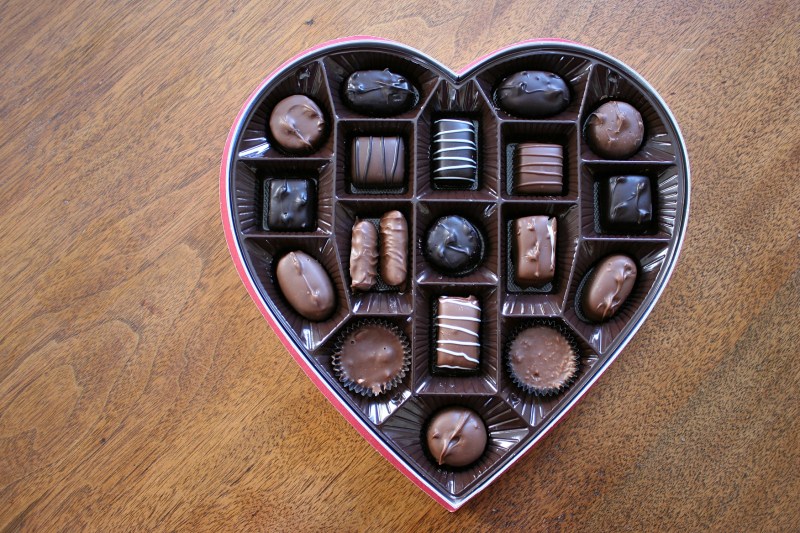
Minnesota Prairie Roots file photo.


Life is like a box of chocolates. You never know what you’re gonna get.

That memorable quote from the movie Forrest Gump rings so true in life. To a point. With a box of chocolates, you can choose. You can use the cheat sheet to find your preferred flavor. Let’s call that planning. Or you can take a risk and just grab a chocolate, any chocolate.

And then you bite into the sweet morsel and it’s either exactly what you expected, a disappointment or a sweet surprise.


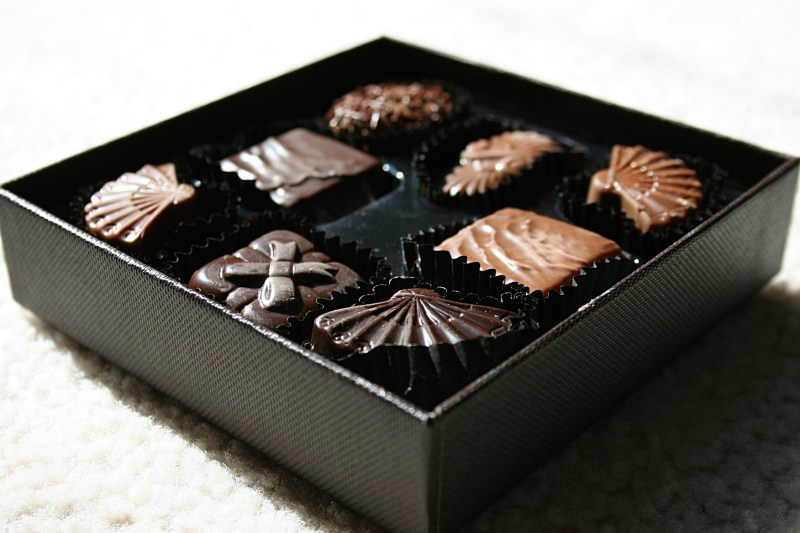
Minnesota Prairie Roots file photo.


Life is like that. Some days all goes exactly as we plan. Other days not so much. And then there are those days when you simply want to take the entire box of chocolates and toss them out because the “you never know what you’re gonna get” part is just too much to handle.

Yeah, this seems rather heavy to write about on Valentine’s Day. But there’s a reason. The other evening, while donating blood, I struck up a conversation with the young woman drawing my blood. I noticed a tattoo on her arm and inquired about the poetic sentence inked thereon. I can’t recall the exact wording, but it was beautiful and honored the loved one who penned it. Her brother. Today marks exactly six months since his unexpected death.

I told her how sorry I was for her loss. And then she asked if I wanted to hear the story behind her tattoo and that’s when the phlebotomist told me about her brother and how they’d always wanted to get the same tattoo and now it was too late. And then, while paging through her brother’s journals, she found the quote that now graces her arm.

He was a writer. And a veteran. I looked up his obit online. He struggled, after two deployments, to readjust to life.

As I sat on the table, blood flowing from my vein into a bag that would bring life-saving blood to someone, I considered this young woman, her brother and the loss of his life. She wasn’t bitter. She wasn’t angry. Sad, yes. Yet, she had no choice but to go on with life, she said. I admired her positive attitude in the newness of her grief.

She talked, too, about how writing helps her deal with her loss. Like me, she holds a degree in communications, is a published writer and loves writing. It was reaffirming, even in the darkness of the topic which prompted our conversation, to talk shop with someone who loves the craft as much as I do. I encouraged her to keep writing. She smiled. And I felt that in some way perhaps I’d helped her. And myself. We agreed that writing is therapeutic and that we can’t allow life to get in the way of our writing. No more excuses.

And then, four minutes and 17 seconds after blood began flowing, the collection bag was full and we wrapped up our conversation while she filled tubes and wrapped my arm in tape. I thanked her. And it wasn’t just for her work with the Red Cross.

There’s more.

As I sat at the snack and recovery table, I commented on a patriotic tattoo covering nearly the entire right arm of a blood donor. It honors those who serve, he said. And then the young man directly across the table—the father of three young children who came with his wife to donate—shared that he’s a veteran. His wife, too. She was by this time already giving blood. We thanked him for his service, which includes several deployments. I couldn’t help but think of the other vet, the brother gone.

This felt like one of those moments meant to be. Here a small group of people came together on a bitterly cold Minnesota winter evening to donate blood at the local Eagles Club. And by the time we all left, we felt a connection, bonding over tattoos and stories and a genuine care and appreciation for one another.


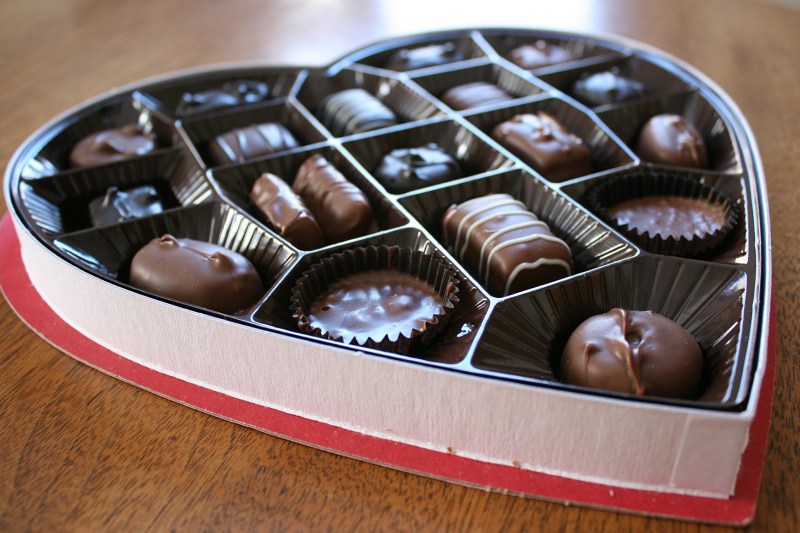
Minnesota Prairie Roots file photo.


Life is like a box of chocolates. You never know what you’re gonna get. But on this evening we got the choicest of chocolates. Without a cheat sheet. Without any planning or effort on our parts. Because sometimes life brings sweet surprises when we most need them.

#

FYI: I welcome any chocolate, especially dark chocolate. Happy Valentine’s Day, dear readers! Make today the day you will reach out to someone, ask a question, listen to a story, offer support, show compassion and love.

© Copyright 2020 Audrey Kletscher Helbling
 

How a drive along a back road prompts thoughts about farming today February 12, 2020


I CALL IT THE BACK ROAD to Morristown, Rice County Road 15 south of Faribault and running west to Morristown. The more-traveled main route follows Minnesota State Highway 60.


But, I prefer the back way, which takes me past farm sites hugging the county road.


Looking across a snowy field along Rice County Road 15 near CR 45.


Here I feel immersed in the rural setting with less traffic, open land spreading wide under an equally wide sky.


I know some of the people who live along this road. They are salt-of-the-earth folks, hardworking, caring… Dairy farmers. Retired pig and crop farmer. A farmer who balances crop farming with a full-time job in town. Families raised on the land, with only one son among those I know along CR 15 continuing in farming. One son’s moved to Nashville, where he’s finding success as a professional oboist. I’m working on a story about him for a regional arts and entertainment magazine.

The times they are a changin’.


But then agriculture has always been evolving. I think back to my great grandparents and my grandparents who broke the land and farmed with horses in an especially labor-intensive way of life. And then machinery replaced horse power for my dad and his farmer brothers. And my middle brother, who no longer farms, saw even more advances in mechanization and technology. I barely recognize the farms of today.


I’d like to think, though, that those who still work the land do so because they love and value the land. In recent years I’ve observed a shift in attitudes toward a deepening respect of the soil, of using less chemicals (or even none), of adapting innovative erosion control practices, of protecting waterways…


I recognize the challenges of balancing the need to earn a living from the land, getting the highest yields possible, with decisions about farming practices. It’s not easy. Public perception and government regulations and weather and fluctuating markets add to the stress. It’s not easy being a farmer today. This is not our grandparents’ farm. Nor even our parents.


To those who choose to live on and work the land, I admire your stamina and determination. While I miss the peace and solitude of living in the country on land where the nearest neighbor lives more than a driveway width away, I realize I never would have made it as a farmer. I don’t have the guts or the fortitude or adaptability necessary to farm.

THOUGHTS?

© Copyright 2020 Audrey Kletscher Helbling
 

A look back at high collars in light of 2020 Oscars fashion February 11, 2020

Note the high stand-up collars in fashion in the 1930s (top row) in this photo taken of Kolacky Days queen portraits. Minnesota Prairie Roots file photo January 2020.


LEATTA. EMMA. GLADYS. Leone. Josephine.

Cynthia Erivo.

If you watched the Oscars or have seen the movie “Harriet,” you recognize Erivo’s name. She was nominated for best actress. And she performed “Stand Up,” in the running for best original song, during Sunday evening’s star-studded awards night. She won neither.

Typically I don’t watch the Oscars. My knowledge of celebrities is minimal. I last saw a movie in the theater about 2 ½ years ago. One I walked out on last May and demanded a refund for doesn’t count. That said, I really want to see “Harriet,” a movie based on former slave and abolitionist Harriet Tubman.

Erivo and background gospel singers presented a moving and powerful performance of “Stand Up” during the Oscars. The singer/actress wore a shimmering gold gown with a high stand-up collar. And, as we all know, those glamorous gowns garner lots of attention. Even from me, someone who doesn’t much bother with fashion. Peek into my closet and you’ll find primarily jeans, tees and flannel shirts.

But the Oscars fashion interested me. And apparently my husband. “Remember those pictures of the Kolacky queens?” Randy asked Sunday evening as I commented on Erivo’s high collar dress.

“Huh?” I responded.

Randy suggested I review my photos of 1930s Kolacky Days queen portraits taken during a recent visit to the Montgomery Arts & Heritage Center. That would be in Minnesota. Not Alabama. So I did. And sure enough, there were Leatta, Emma, Gladys, Leone and Josephine wearing gowns, or maybe it’s capes, with high stand-up collars. Just like Cynthia Erivo some 90 years later.

TELL ME: Did you watch the Oscars? Any observations you would like to share on gowns past or present?

© Copyright 2020 Audrey Kletscher Helbling
 

No day of rest on a snowy Sunday in Minnesota February 9, 2020

Filed under: Uncategorized — Audrey Kletscher Helbling @ 4:58 PM
Tags: , , , , , ,


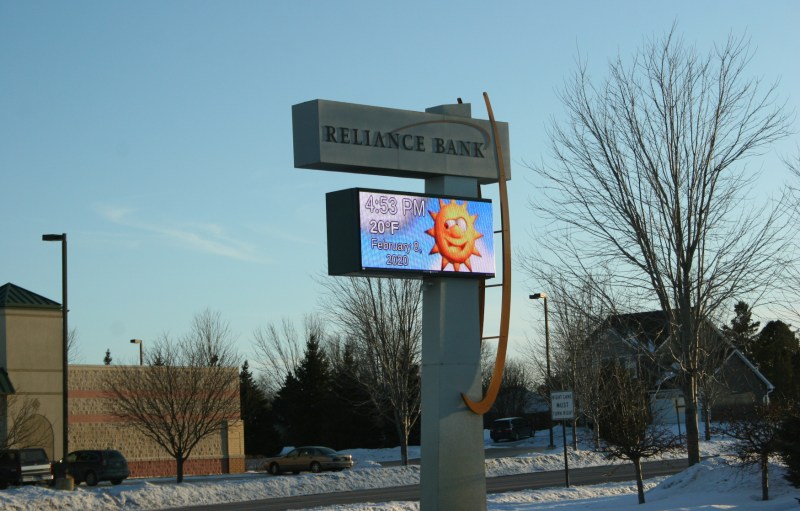
A bank sign in Faribault flashes the weather late Saturday afternoon.


SATURDAY BROUGHT SUNSHINE and cold temps to Minnesota. Below zero in the morning, up to 20 in the afternoon. But that is manageable when the sun shines. Everything’s better under sunny skies in the depth of winter.


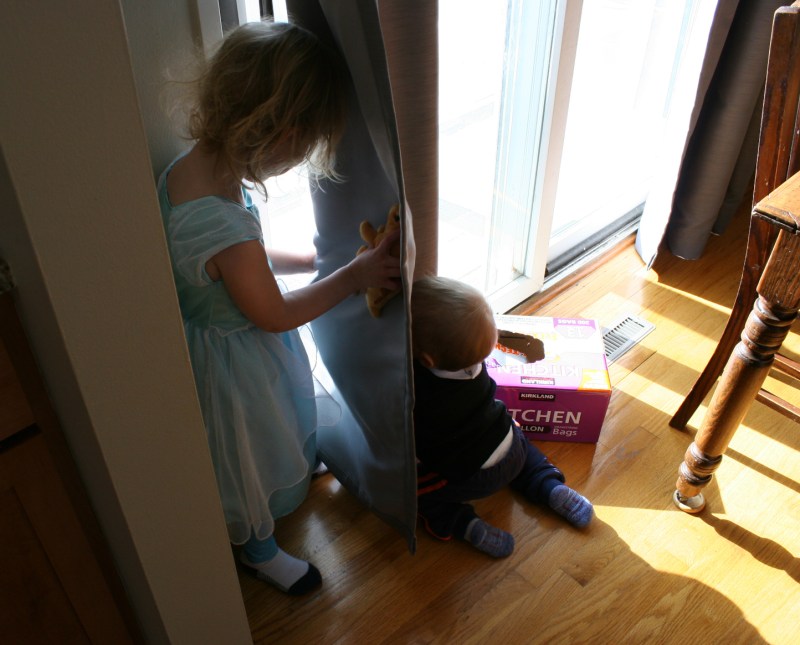
The grandkids, ages one and three, play hide-and-seek behind curtains for a short while until Grandma decided that probably wasn’t the best idea. (The parents were gone.)


We headed to the north metro to spend time with our eldest and her family, which includes our two darling grandchildren. I think everyone had the same idea to be out and about before the winter storm hit Saturday night. Roads were congested in areas and too many drivers wove in and out of traffic, not bothering to use their signals and cutting in too close. I always wonder, what’s the hurry that you must drive like this?


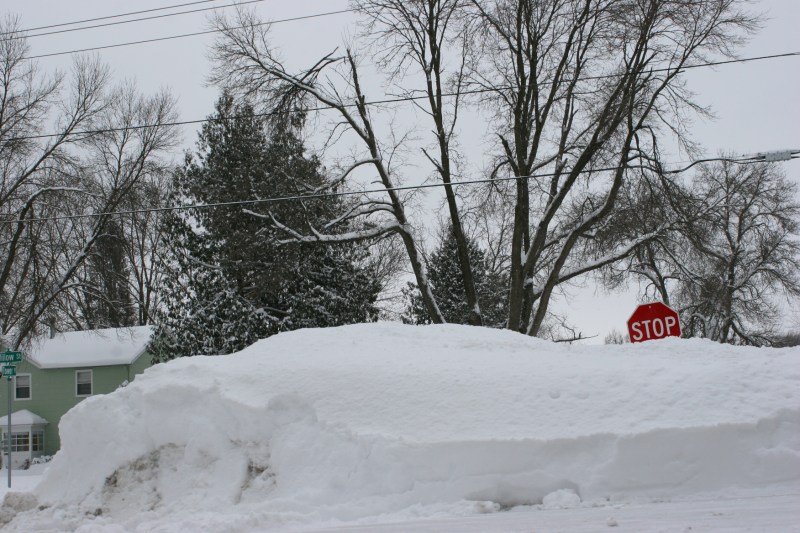
More snow to add to the piles. I took this shot from our driveway.


All of that aside, the promised snow arrived and we awoke to about eight inches on the ground Sunday morning. I was tempted to roll over, pull the covers tighter and snuggle in for more sleep when the alarm sounded at 6:45 a.m. But I didn’t.


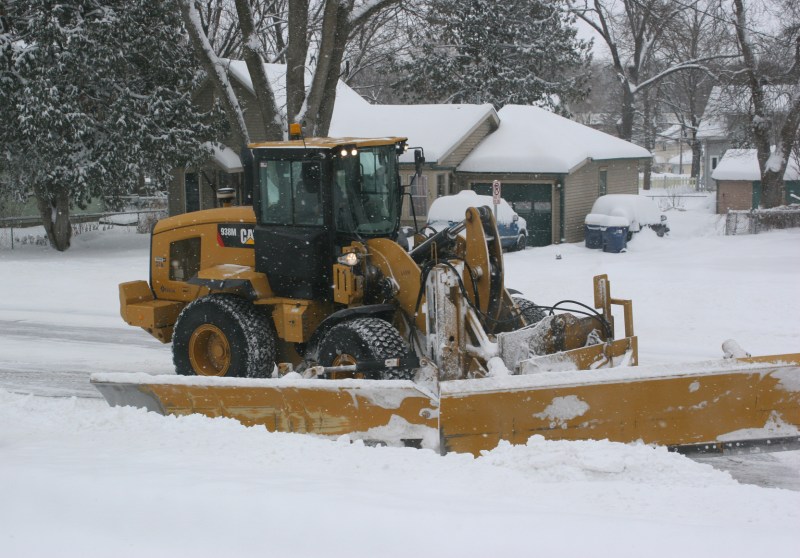
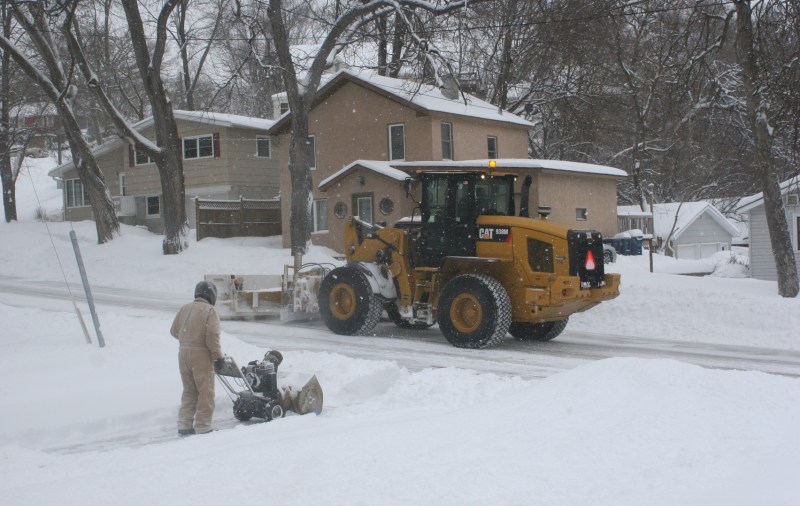
A city of Faribault snowplow clears the street in front of my home.


I wondered if we would get out the driveway to make it to the 8 a.m. church service. But the arterial street past our house was already plowed so Randy needed only to gun it out our drive and then plow through the unplowed side street a short distance and we were on our way.


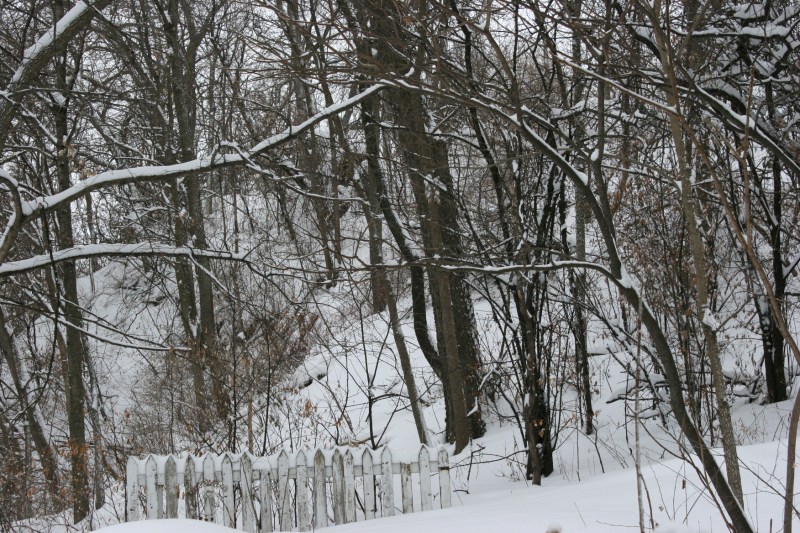
The beautiful snowy wooded hillside in our backyard.


Church was so empty that we all clumped together in front pews rather than sit in our regular spots. That is so un-Lutheran.


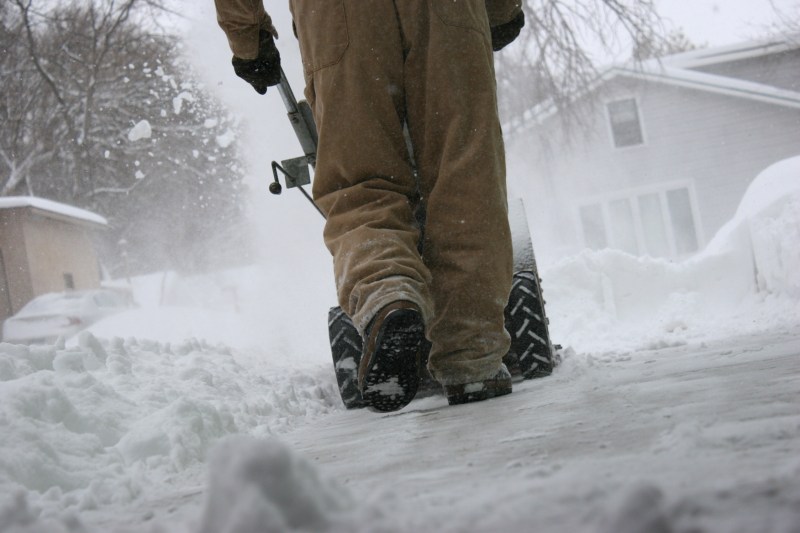
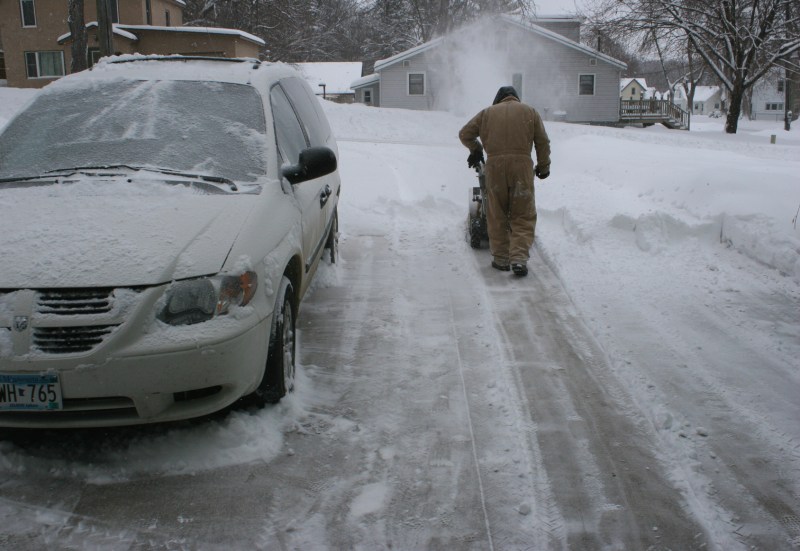
Randy starts down the driveway with the snowblower.


As any Minnesotan knows, the worst thing is to have the driveway all cleared and then the snowplow plows the end shut with a ridge of snow.


Making progress on clearing the driveway of snow.


Post worship service found Randy and me back home tackling snow removal—ours and that of a neighbor in her eighties. Randy maneuvers our Noah’s ark vintage snowblower while I shovel.


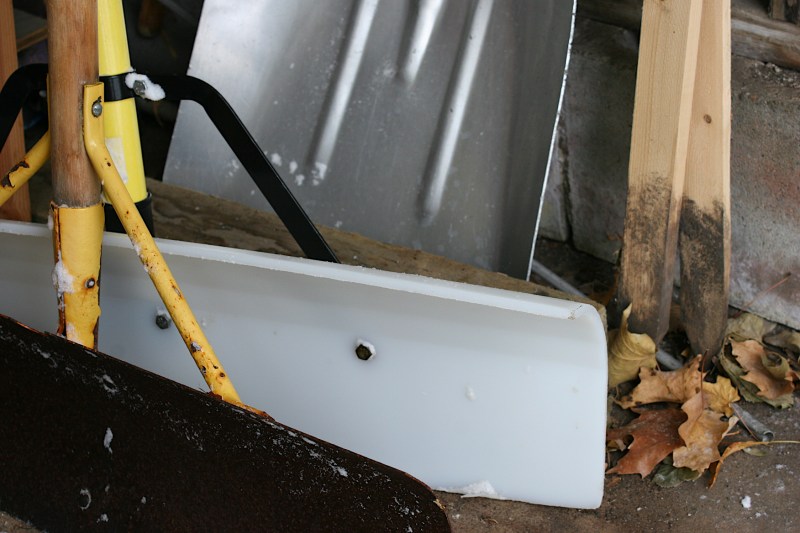
Our assorted shovels stacked in the garage.


Today I used all three shovels—the scoop shovel, plastic shovel and metal shovel. All serve a different purpose. Best for throwing. Best for pushing. Best for scraping. I’ve shoveled snow for enough decades to understand the importance of assorted tools.


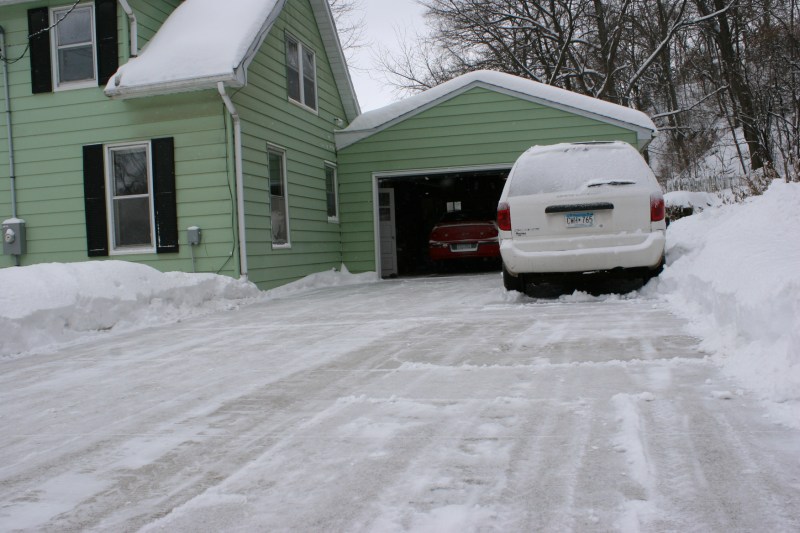
Our driveway, clear of snow. Yeah!


Now I’m inside, feeling the ache of shoveling in my back, even if the snow was feather-light. But, hey, the sun is shining again and the snow has moved east into Wisconsin.

© Copyright 2020 Audrey Kletscher Helbling
 

Documenting rural Minnesota February 6, 2020
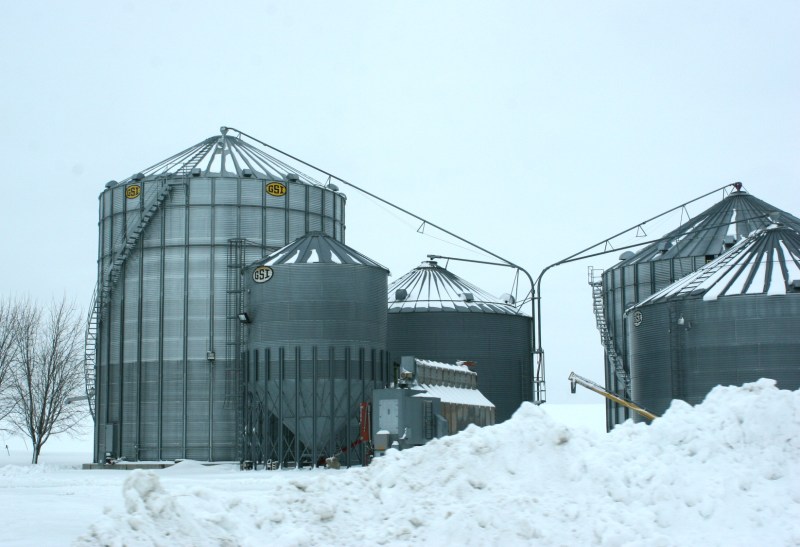
 

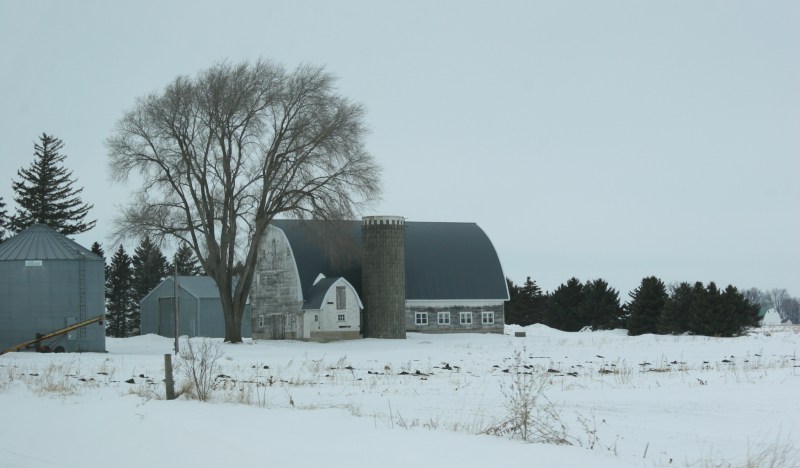
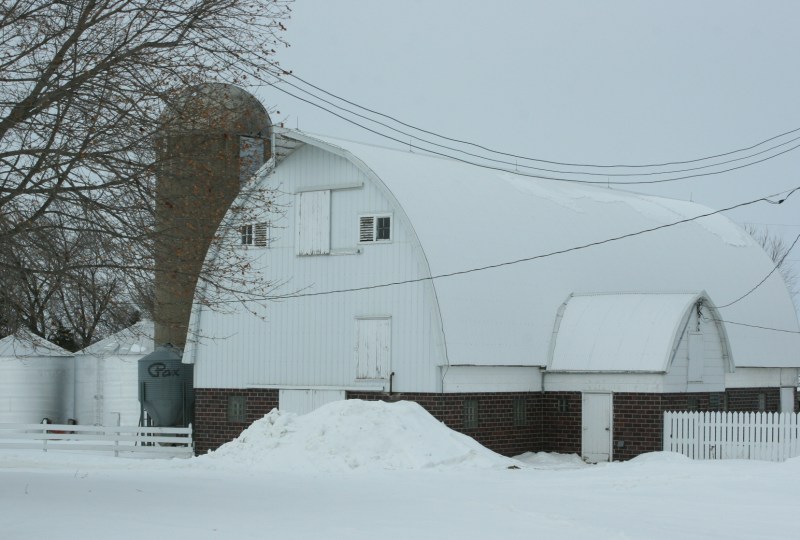
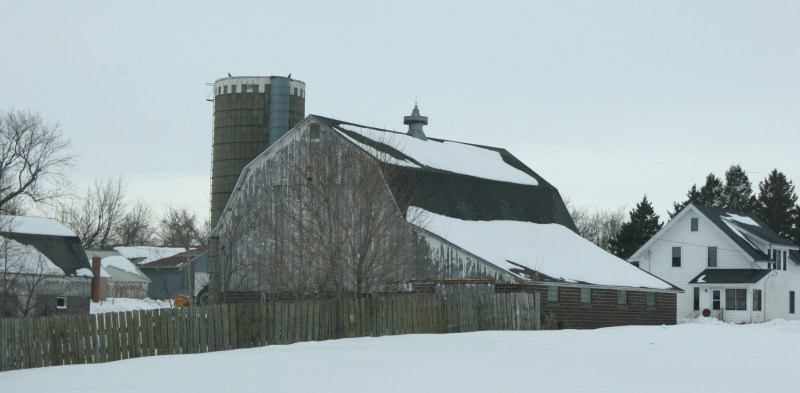
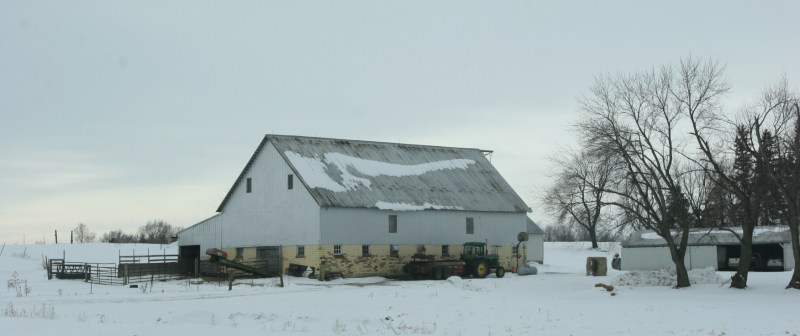
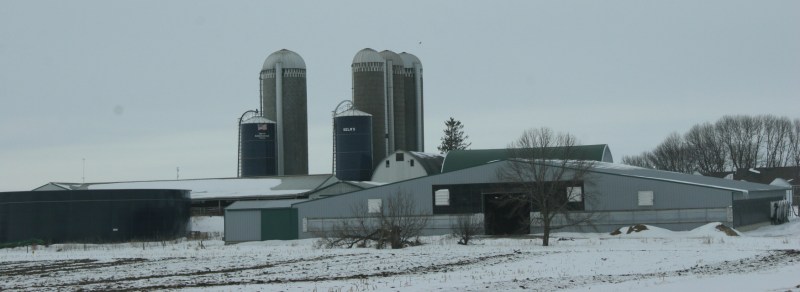
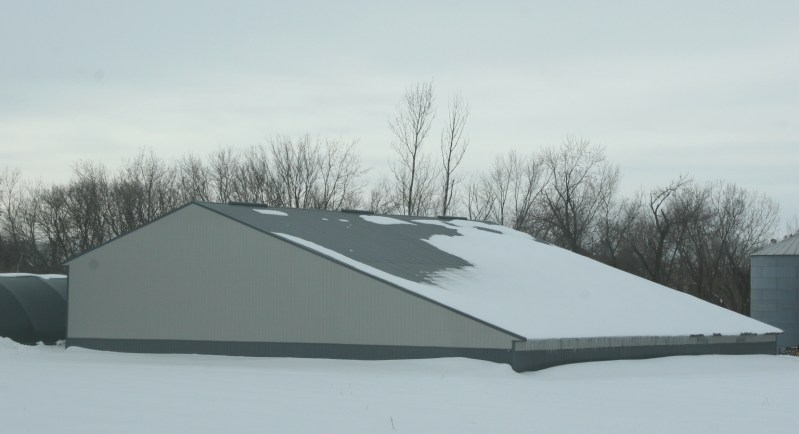
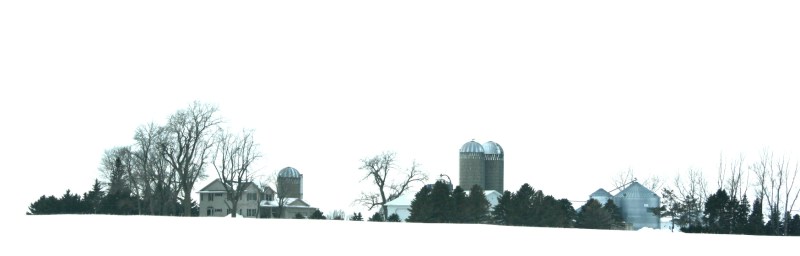
I OFTEN WONDER, as I travel past farm sites in southern Minnesota, how these places will look in 50, even 20, years.


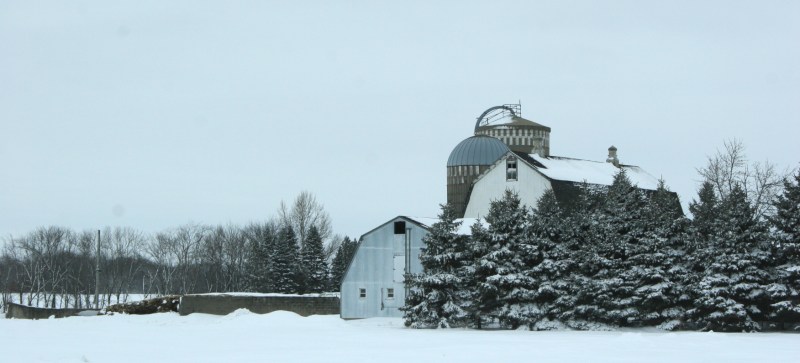
Will once grand barns still stand? Will farmhouses be abandoned? Will corporate ag operations completely replace family farms?


Already the evolution is well underway. Many barns no longer hold livestock, serving instead as storage sheds. Rural houses are not so much farmhouses as dwellings for those working off the farm to supplement their farm income.
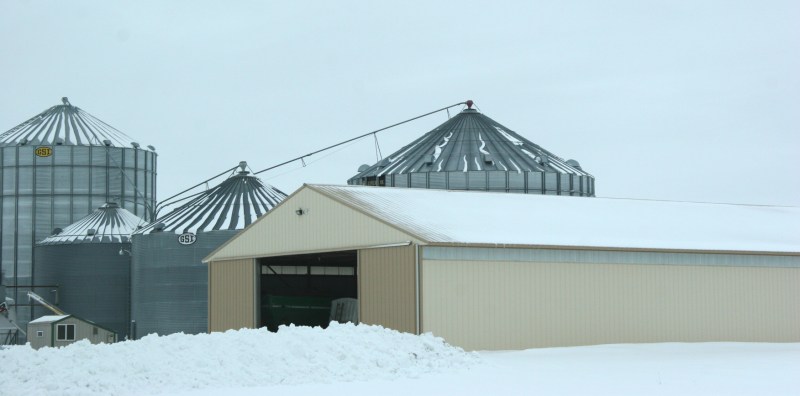


Independent farmers either quit, expand or try to hang on for one more year. Some have become innovative—diversifying, organizing, working together to grow and sell local.


The rural landscape is changing, shaped by markets and weather and operating costs and government regulations, issues that have always affected farming. Technology, too, now factors into agriculture.


Some 40-plus years removed from the farm, I’ve witnessed the changes from afar. None of my five siblings stayed on the farm, although two work in ag fields. I no longer have a direct link to the land. And because of that, my children and grandchildren are losing that generational connection to farming, to a way of life. This saddens me. They prefer city over country.


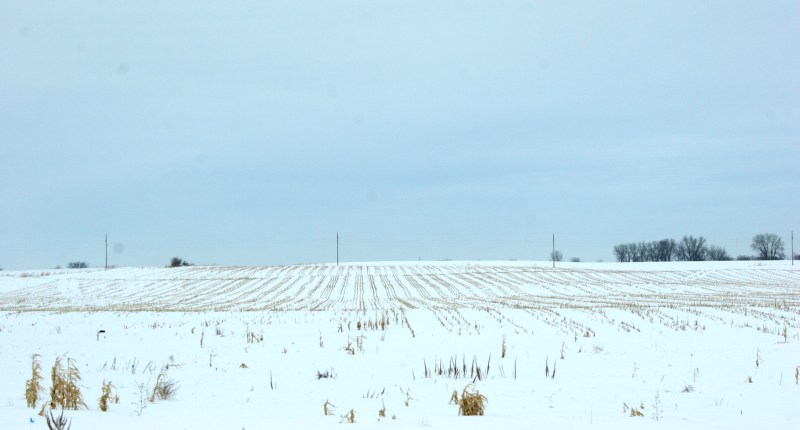
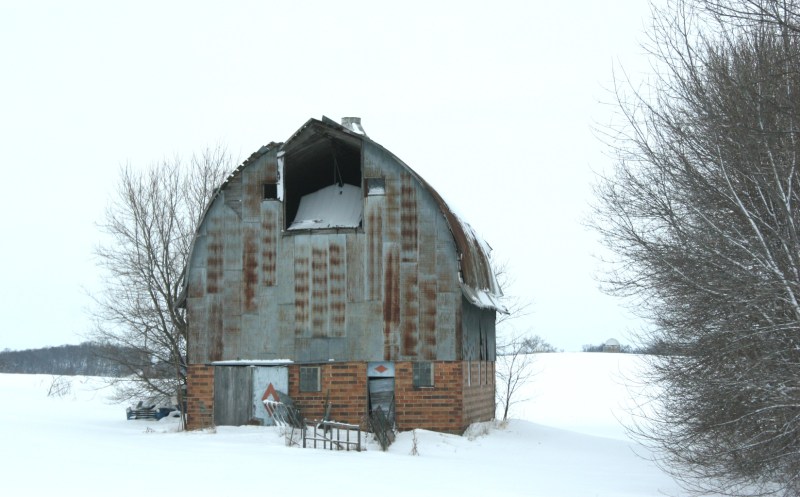
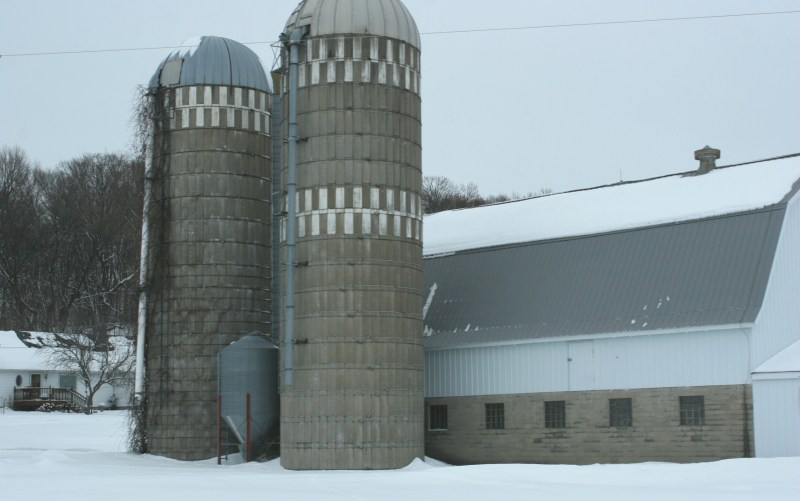
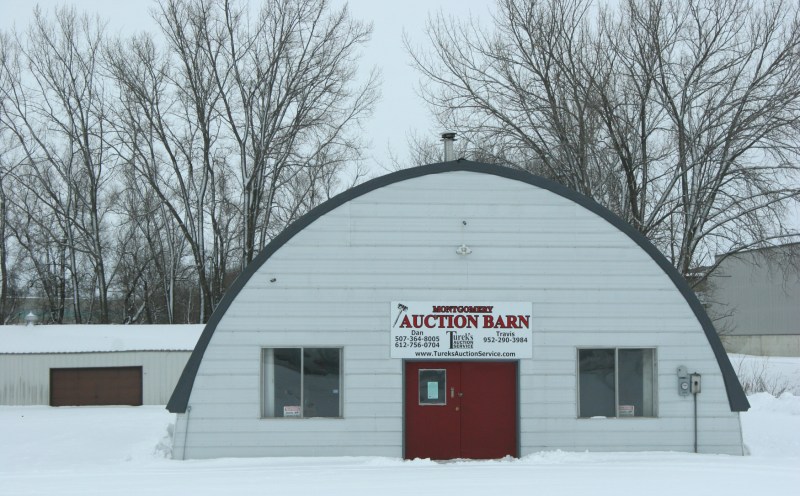
And so I continue to photograph, documenting with my camera lens the places of rural Minnesota. Therein I present a visual history, a memory prompt and an expression of appreciation for the land which shaped me.


FYI: This Saturday, February 8, from 1 – 4 p.m., embrace and celebrate locally-grown and crafted during Family Day at the Faribault Winter Farmers’ Market. In addition to vendors, you’ll find hands-on art activities for kids, games, healthy recipes and more. The market is located inside the Paradise Center for the Arts along Central Avenue in the heart of historic downtown Faribault.

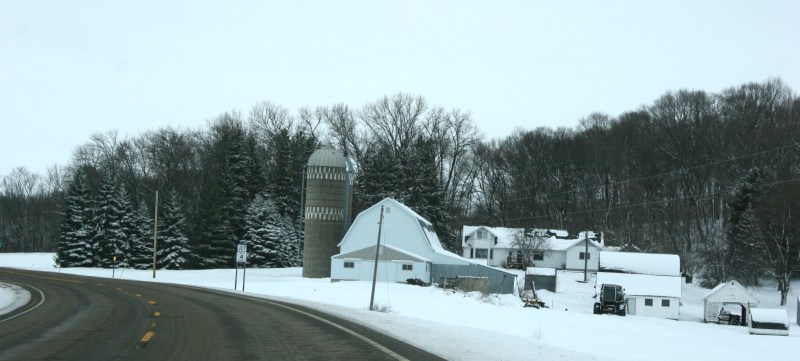
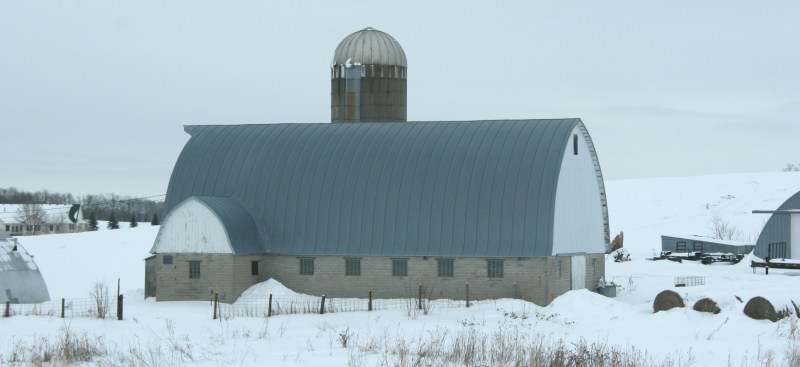
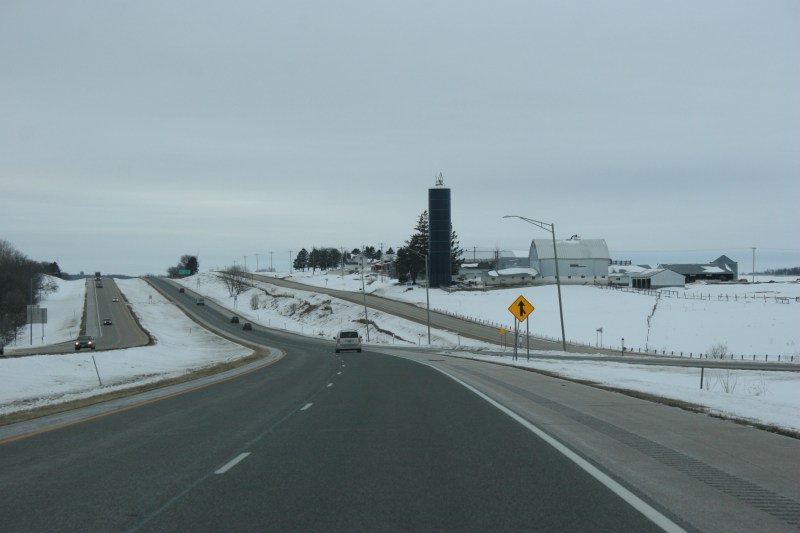
These photos were taken last Saturday along Minnesota State Highway 21 on my way to Montgomery.

© Copyright 2020 Audrey Kletscher Helbling