Minnesota Prairie Roots

Writing and photography by Audrey Kletscher Helbling

A look back at high collars in light of 2020 Oscars fashion February 11, 2020

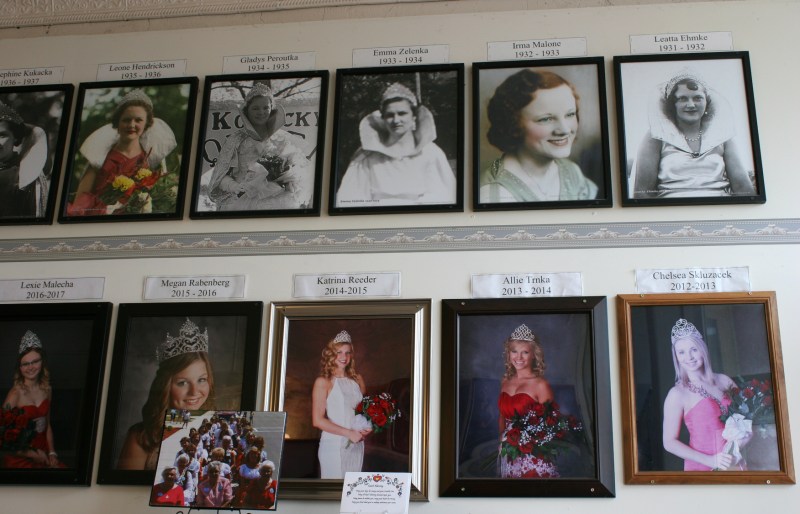
Note the high stand-up collars in fashion in the 1930s (top row) in this photo taken of Kolacky Days queen portraits. Minnesota Prairie Roots file photo January 2020.


LEATTA. EMMA. GLADYS. Leone. Josephine.

Cynthia Erivo.

If you watched the Oscars or have seen the movie “Harriet,” you recognize Erivo’s name. She was nominated for best actress. And she performed “Stand Up,” in the running for best original song, during Sunday evening’s star-studded awards night. She won neither.

Typically I don’t watch the Oscars. My knowledge of celebrities is minimal. I last saw a movie in the theater about 2 ½ years ago. One I walked out on last May and demanded a refund for doesn’t count. That said, I really want to see “Harriet,” a movie based on former slave and abolitionist Harriet Tubman.

Erivo and background gospel singers presented a moving and powerful performance of “Stand Up” during the Oscars. The singer/actress wore a shimmering gold gown with a high stand-up collar. And, as we all know, those glamorous gowns garner lots of attention. Even from me, someone who doesn’t much bother with fashion. Peek into my closet and you’ll find primarily jeans, tees and flannel shirts.

But the Oscars fashion interested me. And apparently my husband. “Remember those pictures of the Kolacky queens?” Randy asked Sunday evening as I commented on Erivo’s high collar dress.

“Huh?” I responded.

Randy suggested I review my photos of 1930s Kolacky Days queen portraits taken during a recent visit to the Montgomery Arts & Heritage Center. That would be in Minnesota. Not Alabama. So I did. And sure enough, there were Leatta, Emma, Gladys, Leone and Josephine wearing gowns, or maybe it’s capes, with high stand-up collars. Just like Cynthia Erivo some 90 years later.

TELL ME: Did you watch the Oscars? Any observations you would like to share on gowns past or present?

© Copyright 2020 Audrey Kletscher Helbling


No day of rest on a snowy Sunday in Minnesota February 9, 2020

Filed under: Uncategorized — Audrey Kletscher Helbling @ 4:58 PM
Tags: , , , , , ,


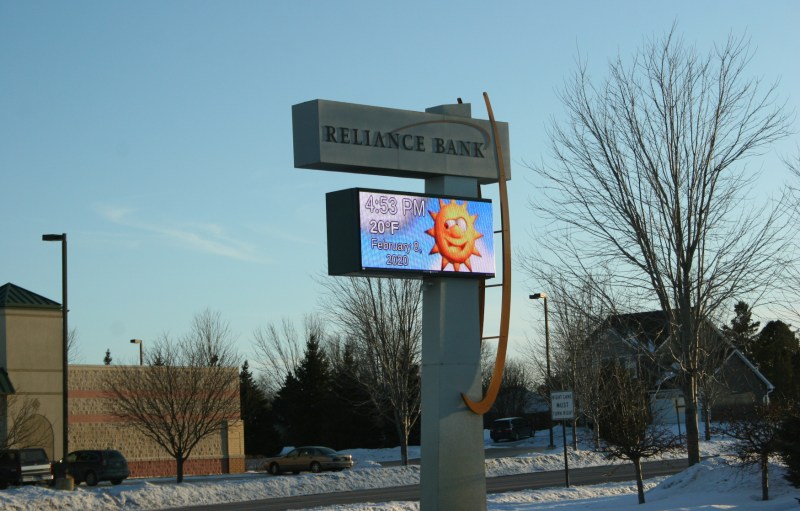
A bank sign in Faribault flashes the weather late Saturday afternoon.


SATURDAY BROUGHT SUNSHINE and cold temps to Minnesota. Below zero in the morning, up to 20 in the afternoon. But that is manageable when the sun shines. Everything’s better under sunny skies in the depth of winter.


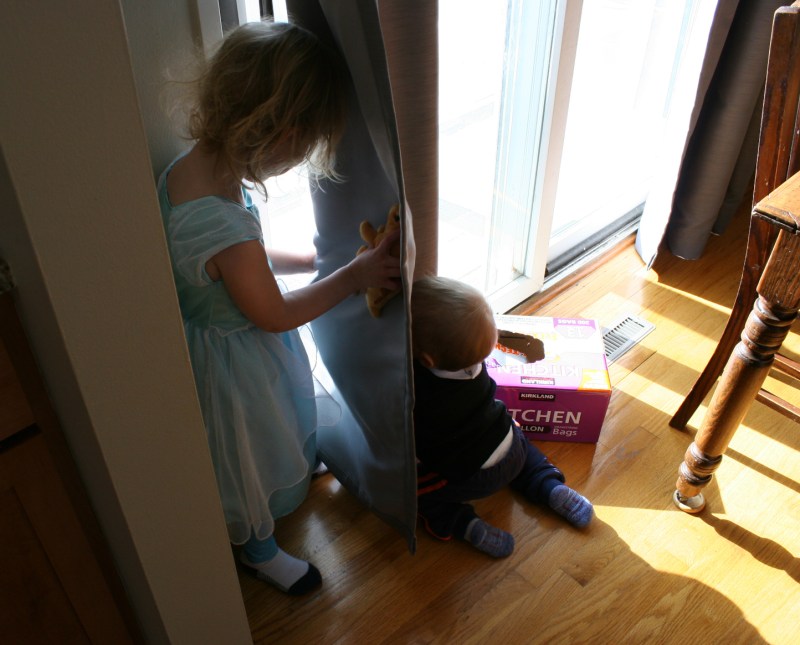
The grandkids, ages one and three, play hide-and-seek behind curtains for a short while until Grandma decided that probably wasn’t the best idea. (The parents were gone.)


We headed to the north metro to spend time with our eldest and her family, which includes our two darling grandchildren. I think everyone had the same idea to be out and about before the winter storm hit Saturday night. Roads were congested in areas and too many drivers wove in and out of traffic, not bothering to use their signals and cutting in too close. I always wonder, what’s the hurry that you must drive like this?


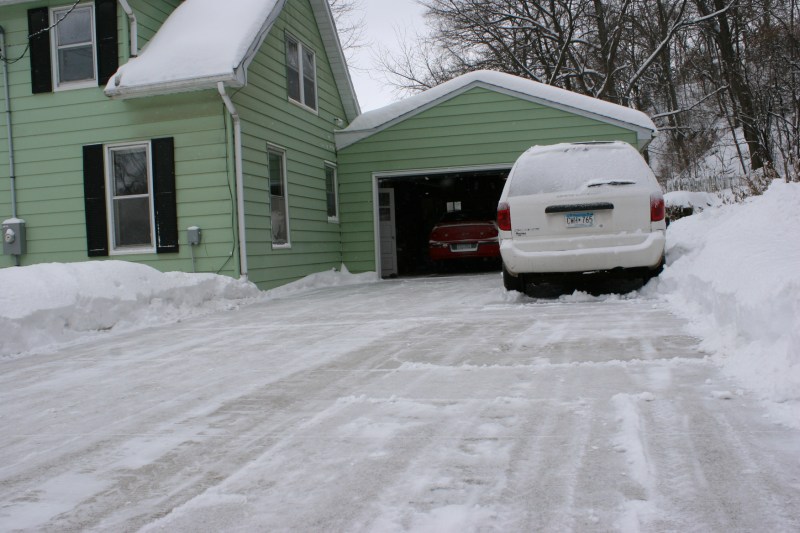
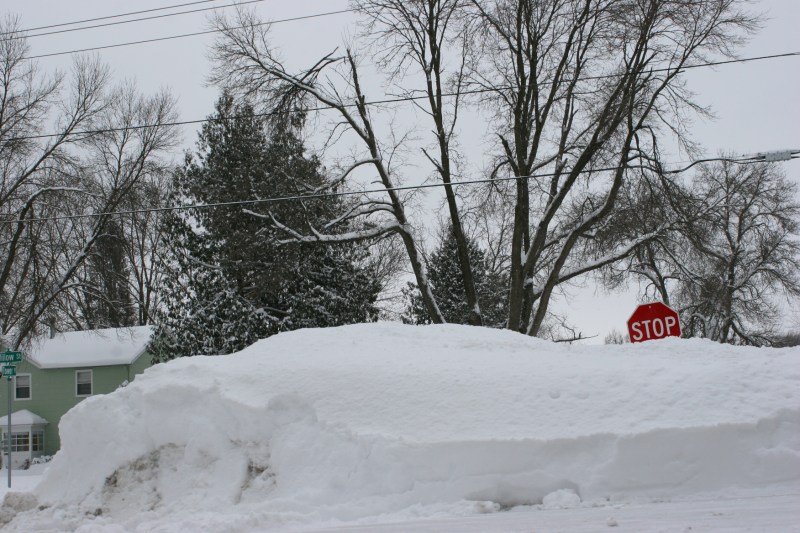
More snow to add to the piles. I took this shot from our driveway.


All of that aside, the promised snow arrived and we awoke to about eight inches on the ground Sunday morning. I was tempted to roll over, pull the covers tighter and snuggle in for more sleep when the alarm sounded at 6:45 a.m. But I didn’t.


A city of Faribault snowplow clears the street in front of my home.


I wondered if we would get out the driveway to make it to the 8 a.m. church service. But the arterial street past our house was already plowed so Randy needed only to gun it out our drive and then plow through the unplowed side street a short distance and we were on our way.


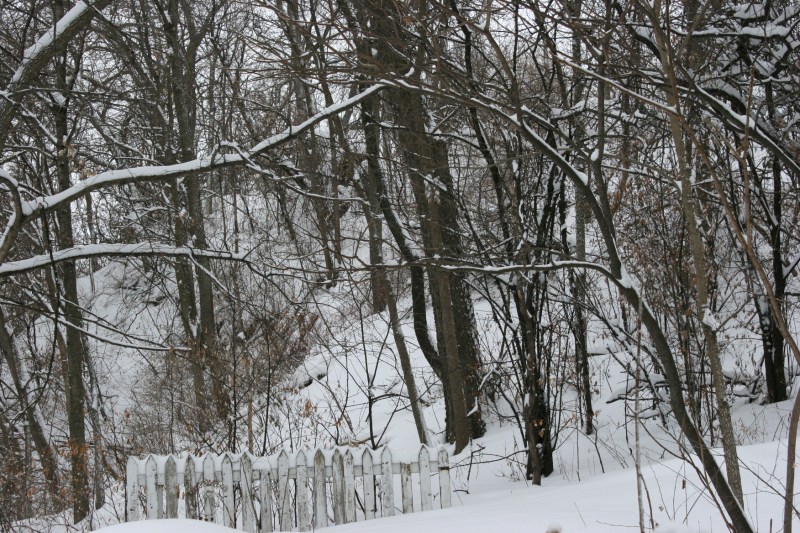
The beautiful snowy wooded hillside in our backyard.


Church was so empty that we all clumped together in front pews rather than sit in our regular spots. That is so un-Lutheran.


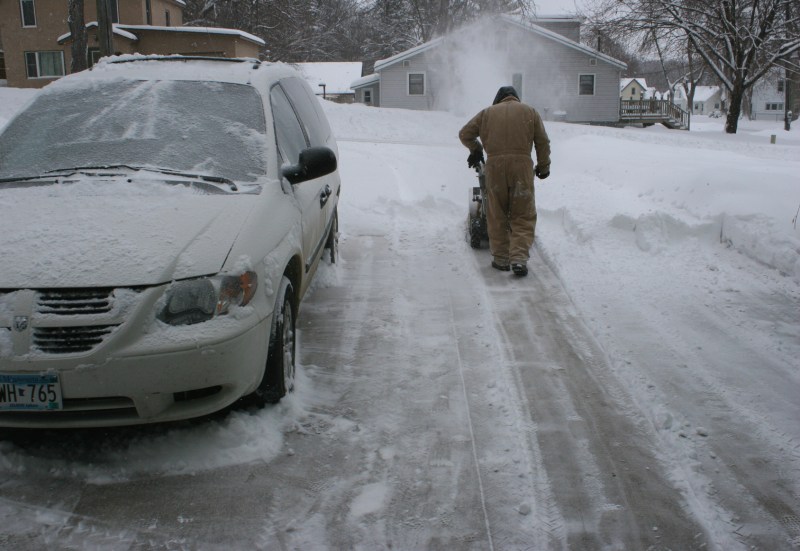
Randy starts down the driveway with the snowblower.


As any Minnesotan knows, the worst thing is to have the driveway all cleared and then the snowplow plows the end shut with a ridge of snow.


Making progress on clearing the driveway of snow.


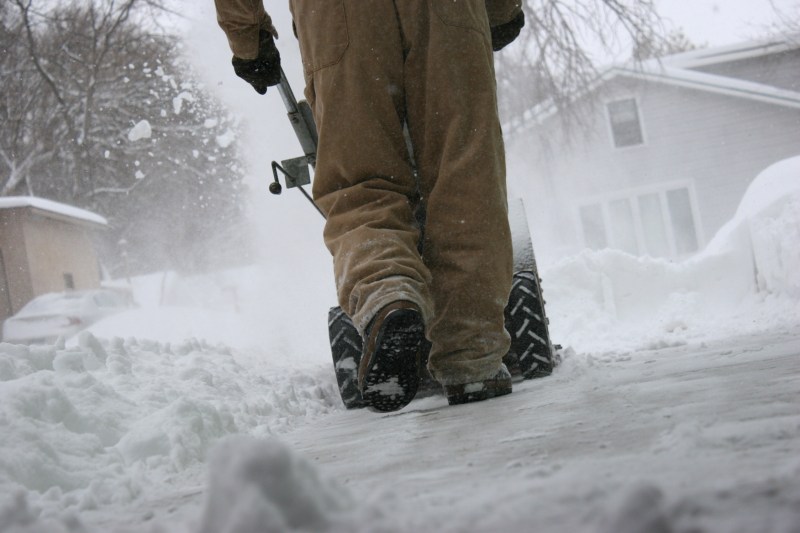
Post worship service found Randy and me back home tackling snow removal—ours and that of a neighbor in her eighties. Randy maneuvers our Noah’s ark vintage snowblower while I shovel.


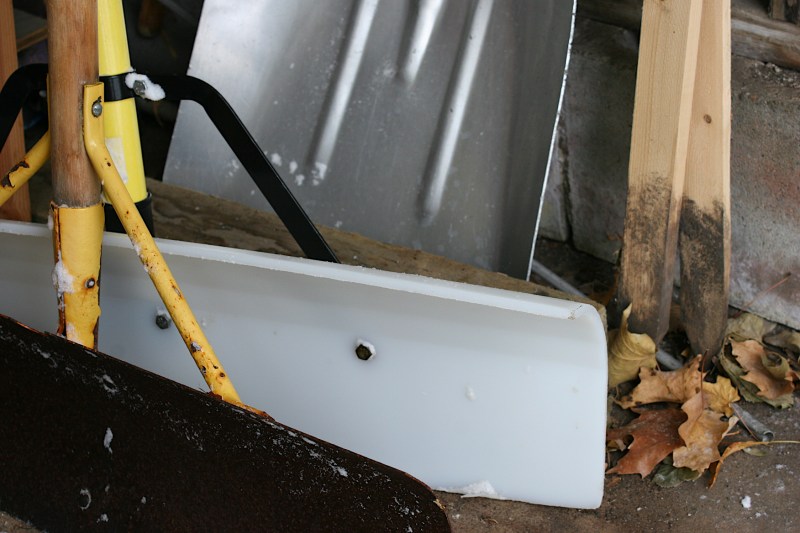
Our assorted shovels stacked in the garage.


Today I used all three shovels—the scoop shovel, plastic shovel and metal shovel. All serve a different purpose. Best for throwing. Best for pushing. Best for scraping. I’ve shoveled snow for enough decades to understand the importance of assorted tools.


Our driveway, clear of snow. Yeah!


Now I’m inside, feeling the ache of shoveling in my back, even if the snow was feather-light. But, hey, the sun is shining again and the snow has moved east into Wisconsin.

© Copyright 2020 Audrey Kletscher Helbling
 

Documenting rural Minnesota February 6, 2020


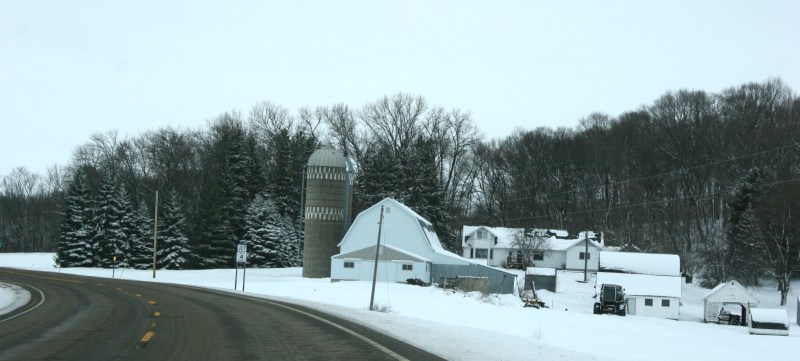
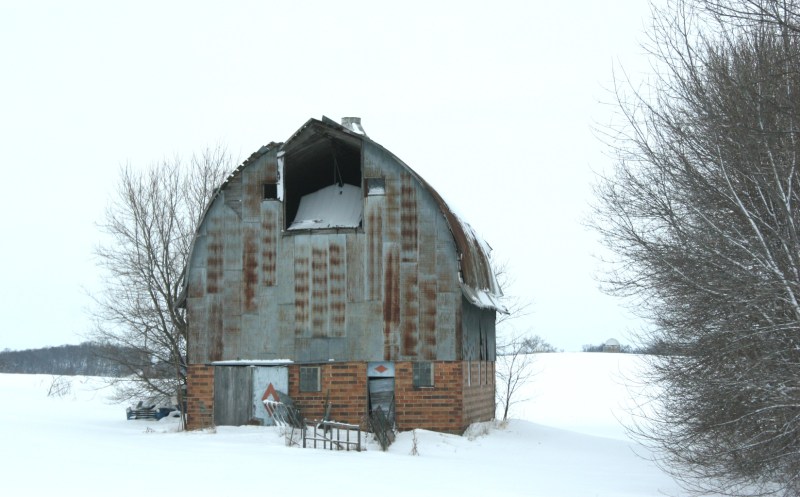
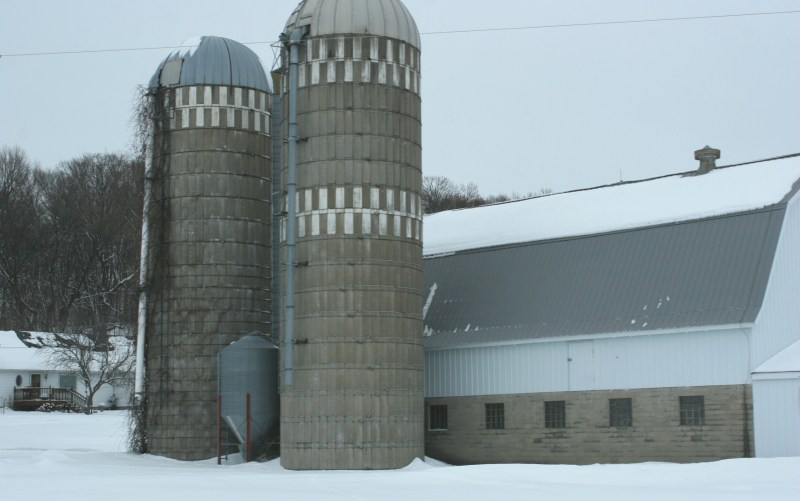
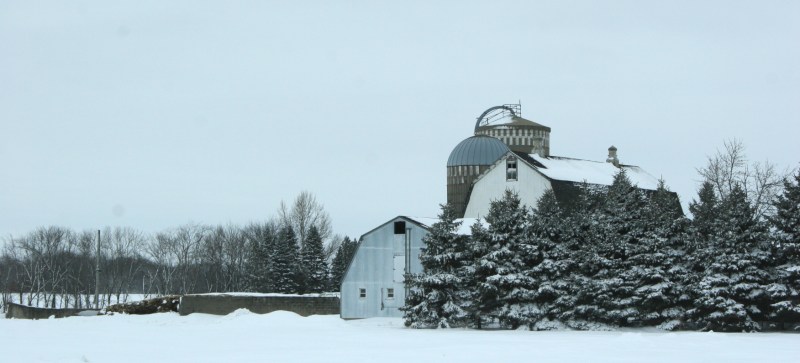
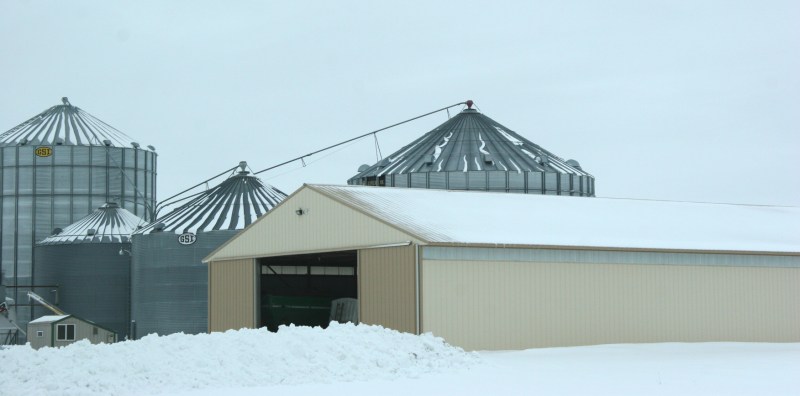
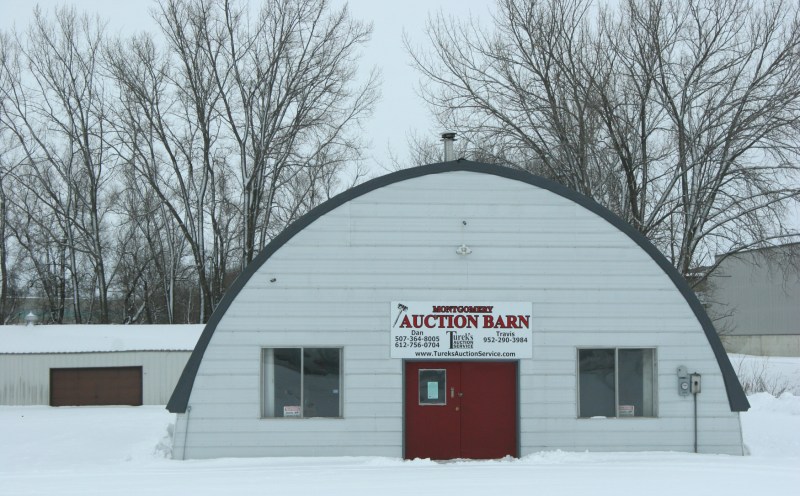
I OFTEN WONDER, as I travel past farm sites in southern Minnesota, how these places will look in 50, even 20, years.


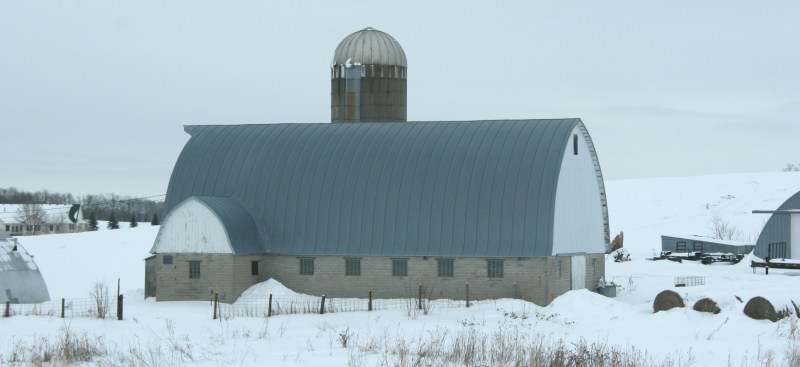
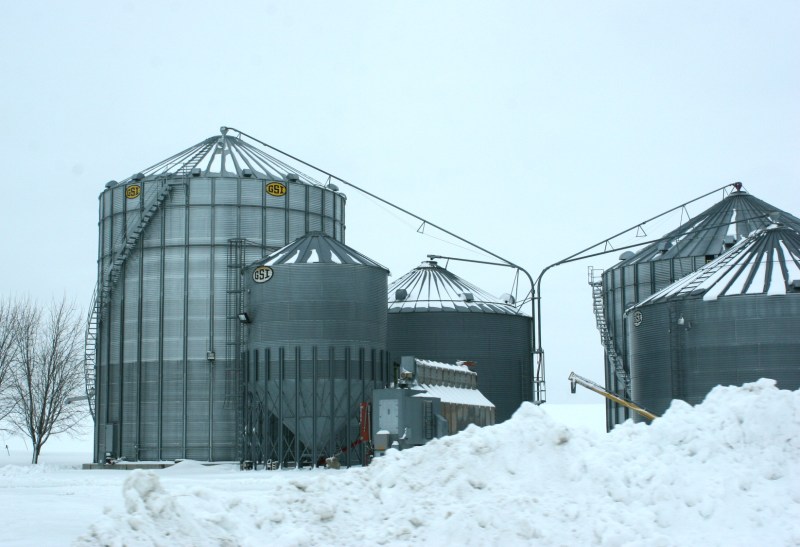
Will once grand barns still stand? Will farmhouses be abandoned? Will corporate ag operations completely replace family farms?


Already the evolution is well underway. Many barns no longer hold livestock, serving instead as storage sheds. Rural houses are not so much farmhouses as dwellings for those working off the farm to supplement their farm income.


Independent farmers either quit, expand or try to hang on for one more year. Some have become innovative—diversifying, organizing, working together to grow and sell local.


The rural landscape is changing, shaped by markets and weather and operating costs and government regulations, issues that have always affected farming. Technology, too, now factors into agriculture.


Some 40-plus years removed from the farm, I’ve witnessed the changes from afar. None of my five siblings stayed on the farm, although two work in ag fields. I no longer have a direct link to the land. And because of that, my children and grandchildren are losing that generational connection to farming, to a way of life. This saddens me. They prefer city over country.


And so I continue to photograph, documenting with my camera lens the places of rural Minnesota. Therein I present a visual history, a memory prompt and an expression of appreciation for the land which shaped me.


FYI: This Saturday, February 8, from 1 – 4 p.m., embrace and celebrate locally-grown and crafted during Family Day at the Faribault Winter Farmers’ Market. In addition to vendors, you’ll find hands-on art activities for kids, games, healthy recipes and more. The market is located inside the Paradise Center for the Arts along Central Avenue in the heart of historic downtown Faribault.

These photos were taken last Saturday along Minnesota State Highway 21 on my way to Montgomery.

© Copyright 2020 Audrey Kletscher Helbling
 

How a small Minnesota town celebrates the arts & its Czech heritage February 4, 2020

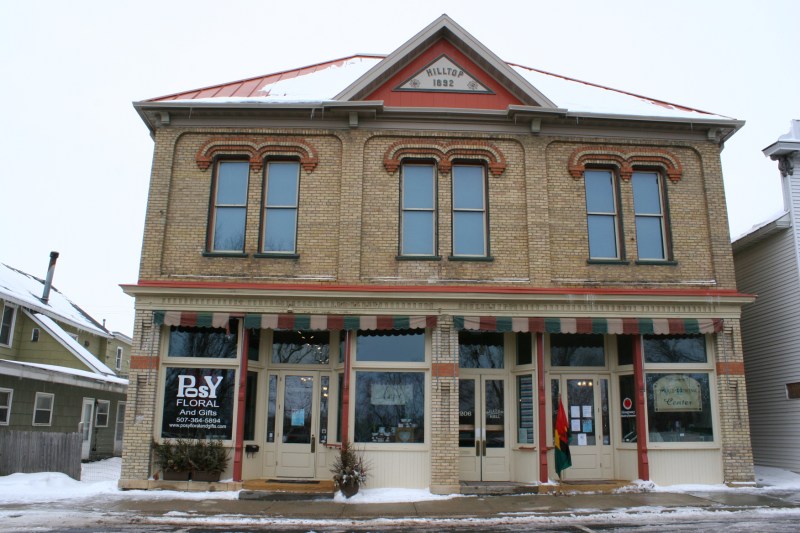
The Montgomery Arts & Heritage Center in small town Minnesota.


IN THE HEART OF CZECH COUNTRY, in the small southern Minnesota community of Montgomery, population 3,000, the arts thrive.


Photographed in the arts center gift shop.


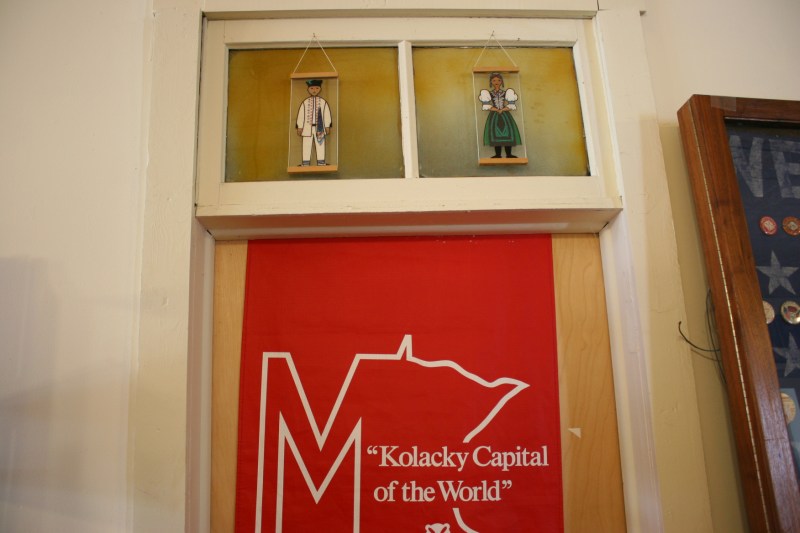
That’s a testament to the devotion of those who care about the arts and about preserving Czech culture and heritage in this self-proclaimed Kolacky Capital of the World. (Kolacky are a Czech pastry.)


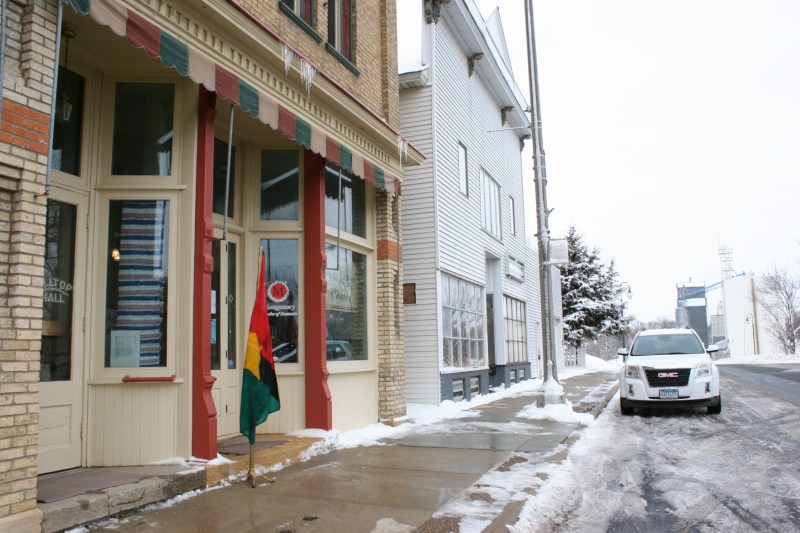
Beautiful Hilltop Hall with the arts center on the right and a floral and gift shop on the left. A performing arts space is located on the second floor.


In a section of historic Hilltop Hall—yes, appropriately named for its hilltop location in the heart of downtown—the Montgomery Arts & Heritage Center centers the arts. I love this place, where I’ve attended theatrical performances and viewed exhibits, most recently vintage photos of western U.S. Native Americans photographed by Edward S. Curtis.


The Edward Curtis exhibit in the foreground and the gift shop in the back.


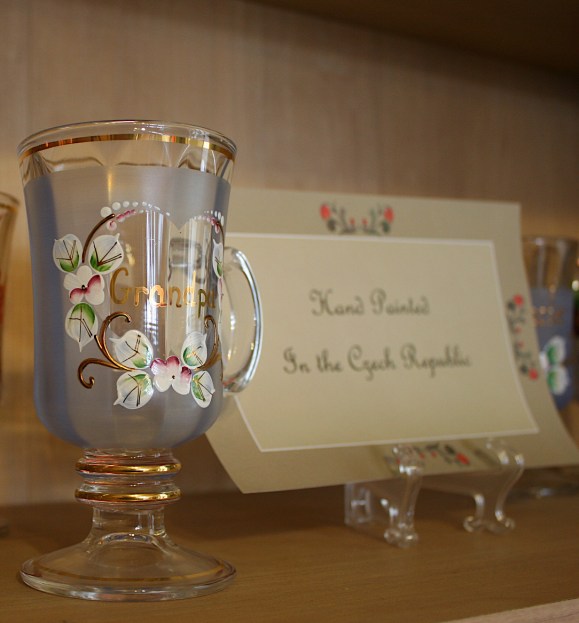
Czech glassware in the gift shop.


After touring that exhibit, I walked toward the back of the narrow room to the gift shop which features Czech, handcrafted and other goods.


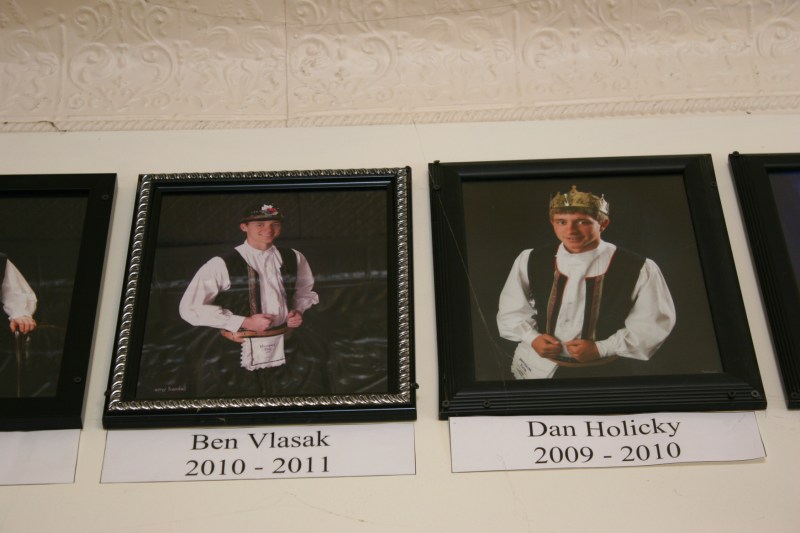
Portraits of past Masopust kings in Montgomery.


There I also spotted portraits of Masopust kings, young men crowned at the community’s annual Czech Mardi Gras. That celebration is set for noon – 5 p.m. Sunday, February 23, at American Legion Post 79 and includes a costume ball, polka music, silent auction and Czech food.

In April, the Legion hosts an Escape Room Experience fundraiser for the Arts & Heritage Center through Tri-City United Community Ed.

I love how people in small towns work together and support one another. At different times from March into May, the arts center will exhibit the artwork of local elementary, middle and high school students.

The arts center is also honoring Montgomery’s rural-ness with a “Celebration of Farmers and Agriculture” exhibit of art at local businesses from mid-May to the end of October. Work from artists, in any 2D or 3D medium, is being sought with a March 1 registration deadline. To entice entrants, there’s a top prize of $1,000. That’s substantial. Prizes will be awarded during Kolacky Days weekend July 24-26.


A sampling of Kolacky Days queen portraits.


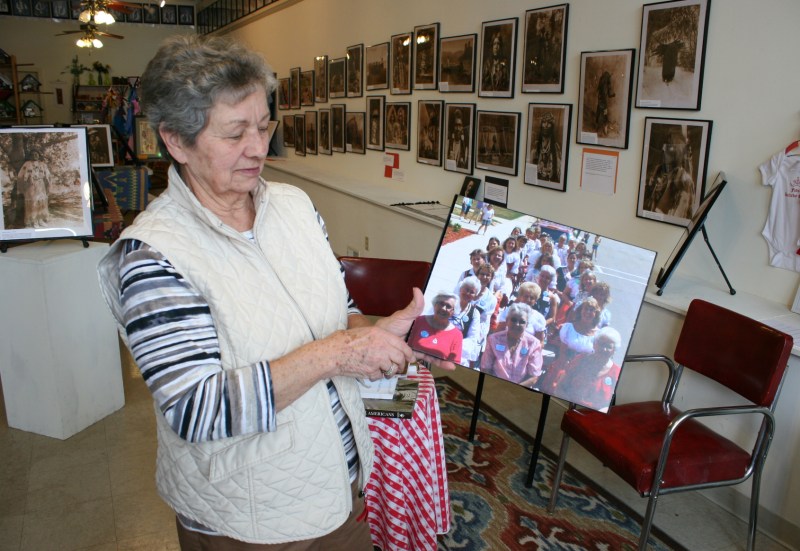
Jane shows me a group photo of Kolacky Days queens.


Czech words I inquired about.


As I meandered through the Arts & Heritage Center, I noticed portraits of Kolacky Days queens rimming the room near the ceiling. Jane, volunteering her time to staff the center on the day of my visit, pulled down a group photo of past queens riding together on a Kolacky Days float. She’s of Czech heritage. But she couldn’t translate a posting of Czech words I spotted. Not that I, of German heritage, could translate German words, even if I studied German for six years. I understand.


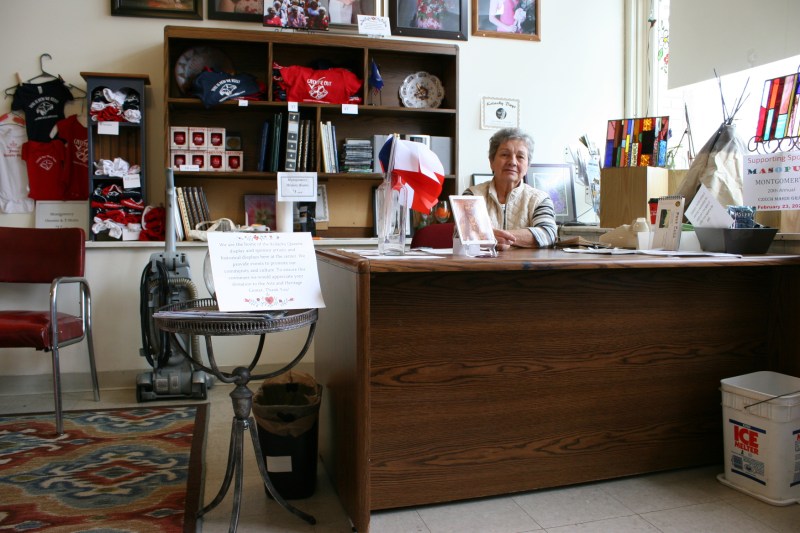
Volunteer Jane stationed near the front door.


Jane presented a warm welcome to this exceptional small town Minnesota center for the arts and preservation of the community’s Czech heritage. I encourage you to visit Montgomery. Stop at the Arts & Heritage Center, walk through the main business district, shop the small shops, grab a bite to eat, maybe even a beer at the local brewery. There’s so much to appreciate about Montgomery. (Keep in mind that this is a small town and places are open limited hours.)


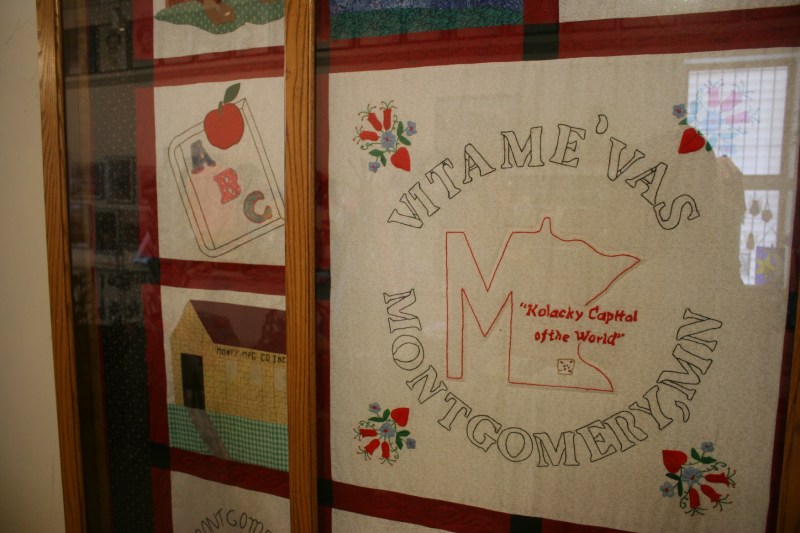
Quilt art honoring Montgomery’s Czech heritage hangs in the gift shop.


This community is the focus of my monthly Through a SoMinn Lens photo essay, publishing soon in Southern Minn Scene magazine.


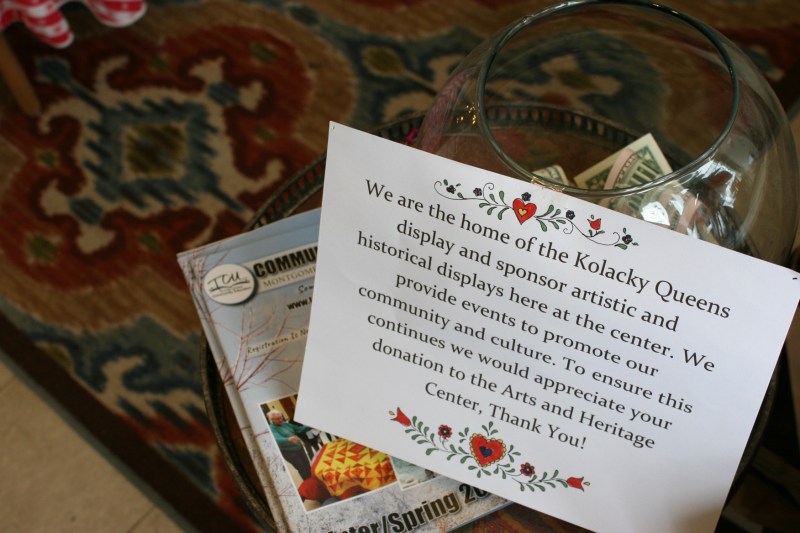
FYI: The Montgomery Arts & Heritage Center is open from 2-5 p.m. Thursdays and Fridays and from 9 a.m. – noon on Saturdays. It is supported primarily by memberships, fundraisers and donations. Visit the center’s Facebook page for more info on events mentioned in this post.

© Copyright 2020 Audrey Kletscher Helbling
 

Oh, glorious Sunday sunshine in southern Minnesota February 3, 2020

Filed under: Uncategorized — Audrey Kletscher Helbling @ 9:59 AM
Tags: , , , , , , , ,

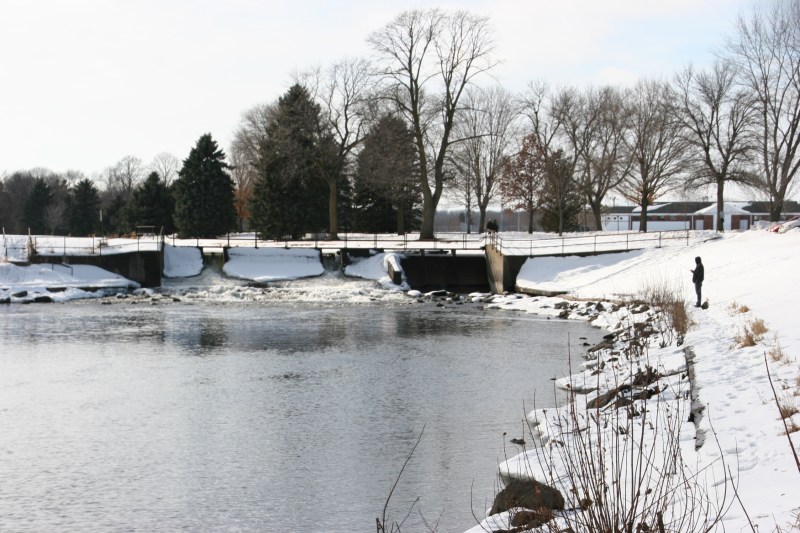
A view of the Cannon River dam, river and surrounding area around Father Slevin and North Alexander Parks in Faribault, on Sunday afternoon. Portions of the river are open and sections iced-over.


BLUE STRETCHED WIDE AND FILTERED across the sky accompanied by bright sunshine melting snow and ice, warming backs, dancing across open water.


Looking the other direction down the Cannon River from the dam walkway toward the Second Avenue bridge.


This weekend brought a welcome end to a nearly 10-day streak of grey skies here in southern Minnesota. And it was glorious.


Trees reflect in an open section of the Cannon River next to a frozen section.


In multiple conversations, I listened to Minnesotans praise the change in weather, thankful for a respite from winter. I added my own words of gratitude. And, like most everyone, I felt the urgent need to get outdoors, to take in the sunshine we’ve craved. Missed.


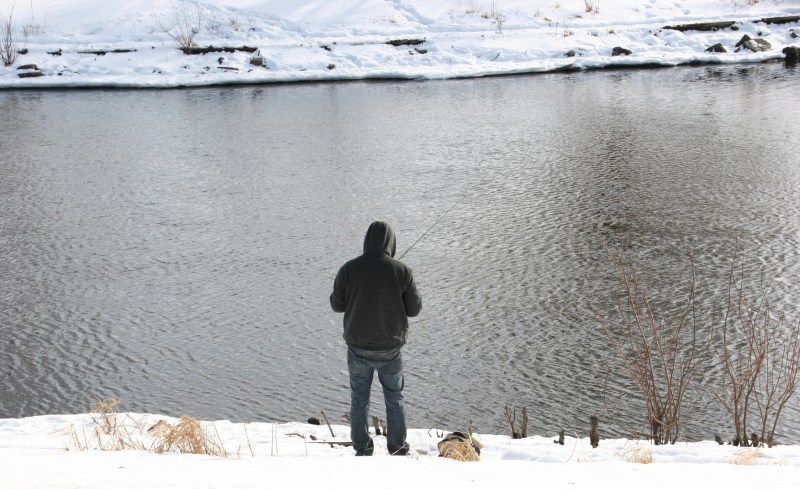
A lone fisherman angles along the banks of the Cannon River Sunday afternoon.


Sunday afternoon, with the temp at 40 degrees, Randy and I followed the recreational trail along the banks of the Cannon River in North Alexander Park. It’s a favorite scenic walking spot in Faribault with no worry of packed ice or snow.


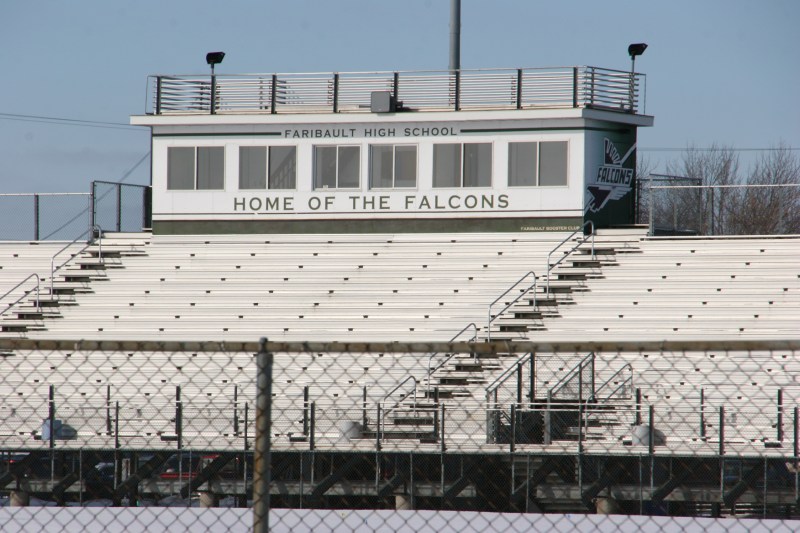
Just across the street, the Faribault Public Schools’ football stadium.


Occasionally I paused to take photos, my fingers quickly chilling in temps that felt more like 30 degrees given the 15 mph wind. Only when we curved into the shelter of evergreen trees did the cutting wind cease.


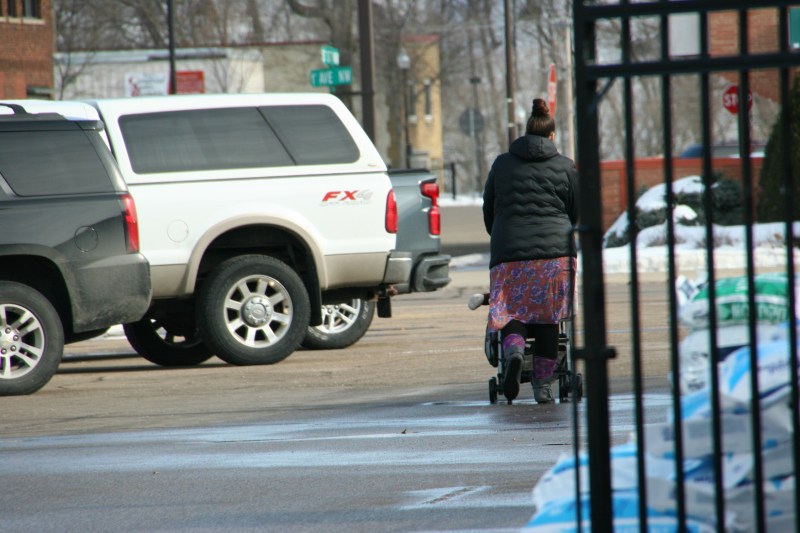
Photographed in the Ace Hardware parking lot, on our way to North Alexander Park, a woman pushing a stroller.


Fishing in the Cannon River on February 2, 2020.


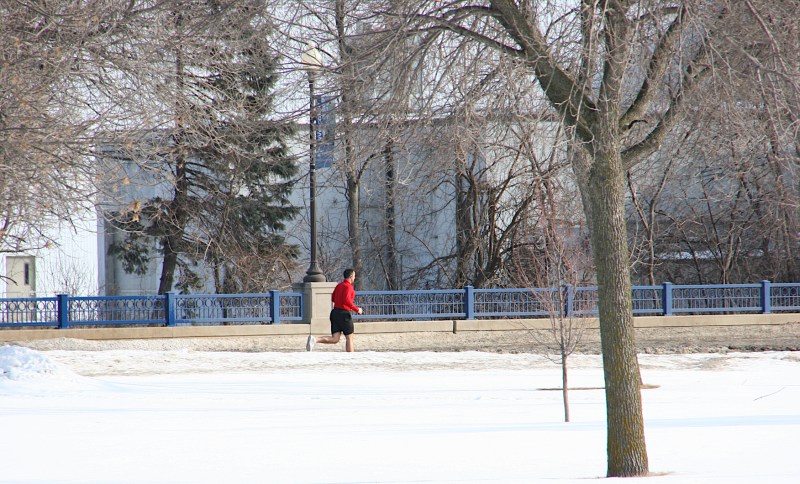
From a distance, I observed this jogger attired in shorts as he ran along Second Avenue.


Everywhere, people were out and about—fishing from the shore of the Cannon, walking the trail, pushing babies in strollers, jogging (in shorts), pedaling on a fat tire bike, chipping ice from driveways, walking dogs…


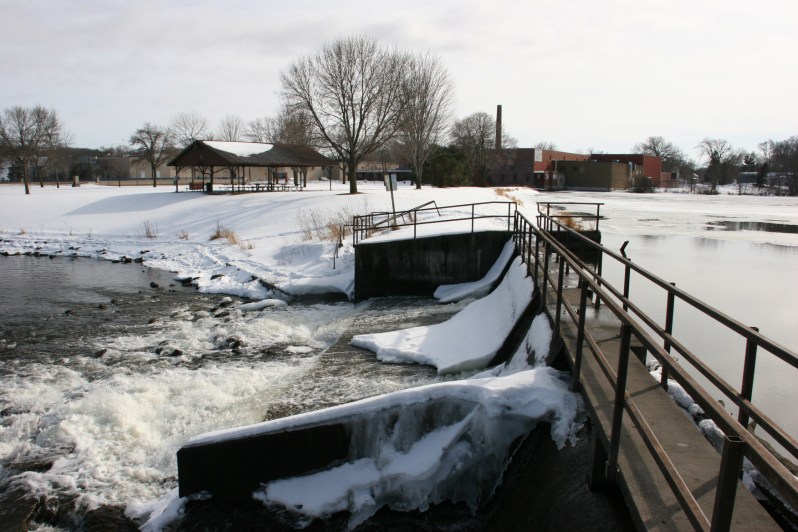
Looking toward the dam, the shelter in Father Slevin Park and the Faribault Woolen Mill in the distance.


Water rushes over the dam.


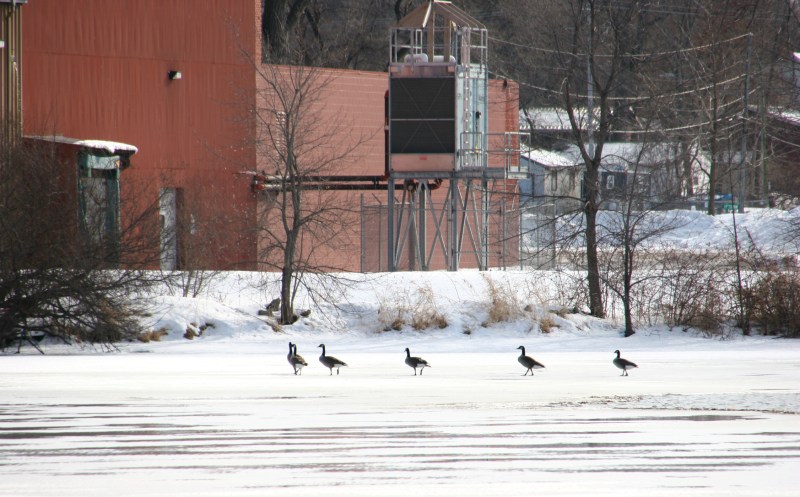
Geese walk across the ice near the Woolen Mill dam.


And on the river, water churned over the dam, geese walked on ice and ducks swam in open water.


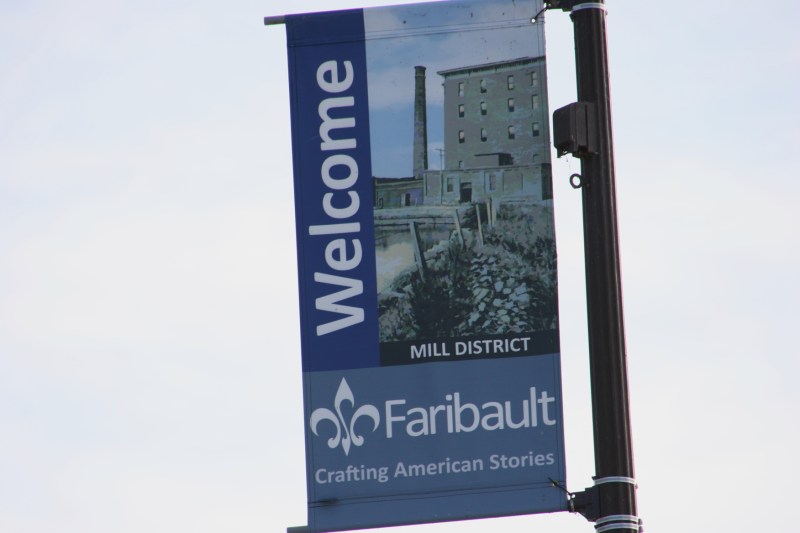
Suspended from a light post along Second Avenue, a relatively new banner defines this as Faribault’s Mill District as part of a branding campaign by the Faribault Area Chamber of Commerce & Tourism.


Photographed from the riverside trail, the Second Avenue bridge and Mill District banner.


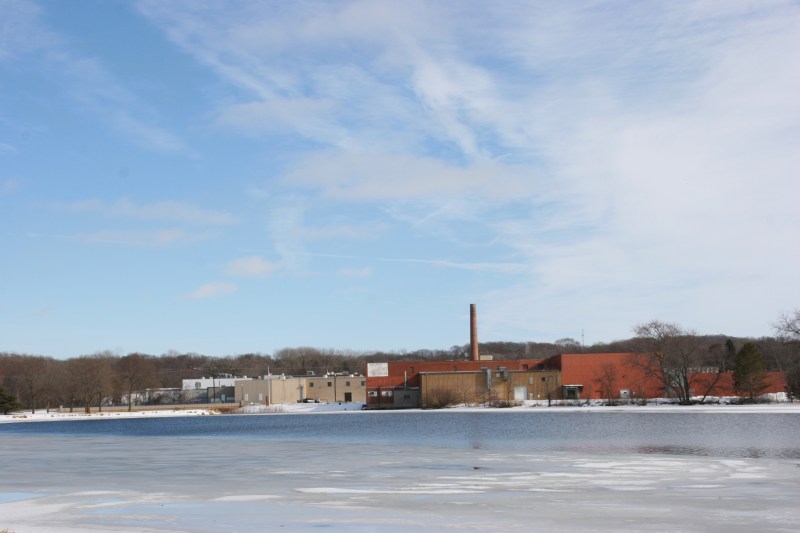
The historic Faribault Woolen Mill (right), with its signature smokestack, located along the banks of the Cannon River.


Nearby, vehicles dodged ponding water on busy Second Avenue in this area now bannered as the Mill District. The historic Faribault Woolen Mill sits here along the Cannon.

I love this spot, especially on a lovely sunshine-filled Sunday afternoon in February.

© Copyright 2020 Audrey Kletscher Helbling

 

Prayer request for Waseca Police Officer Arik Matson February 2, 2020

Filed under: Uncategorized — Audrey Kletscher Helbling @ 5:00 AM
Tags: , , , , , ,

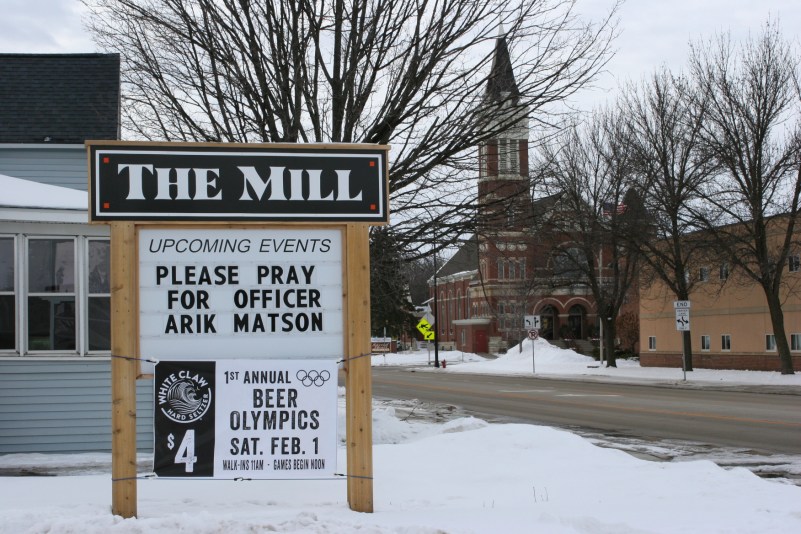
I photographed this sign in downtown Waseca, Minnesota, late Saturday afternoon, February 1.


A BLOCK AWAY STANDS Church of the Sacred Heart, backdrop for the words, PLEASE PRAY FOR OFFICER ARIK MATSON.

From my vantage point, the towering church in the heart of downtown Waseca proved a powerful reinforcing visual to the message.

People throughout Minnesota and elsewhere continue to pray for the 32-year-old Waseca police officer shot in the head on January 6 while responding to a call about a suspicious person in a backyard. A suspect was arrested and now sits in prison on an unrelated charge. Matson remains in a metro hospital ICU. His condition, according to a January 21 entry on his Go Fund Me page, is “steadily improving.”

As of February 1, donors had contributed $194,314 toward a $250,00 goal to help the Matson family cover medical, grocery, gas, hotel stay and other expenses. The police officer is the father of two daughters.

After I read the PLEASE PRAY message, I noticed the BEER OLYMPICS banner below and the mismatched non-beer graphic…

© Copyright 2020 Audrey Kletscher Helbling
 

In Montgomery: Historic photos of Native Americans by Edward Curtis January 31, 2020

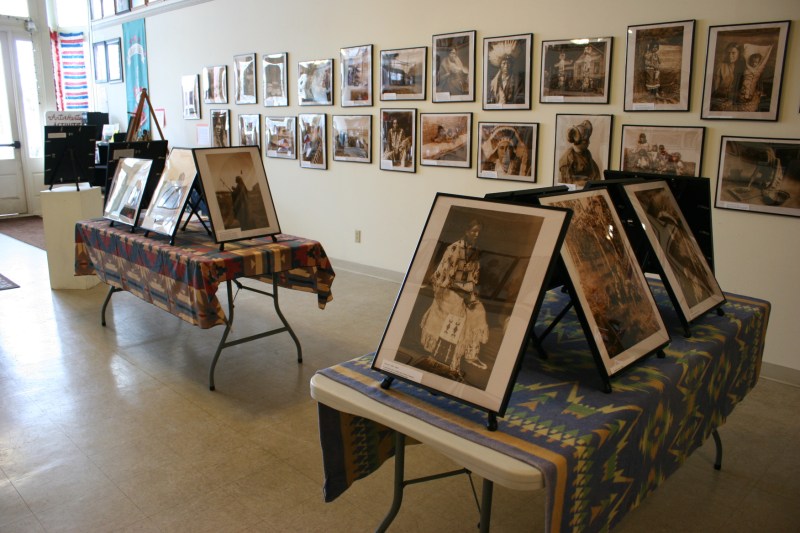
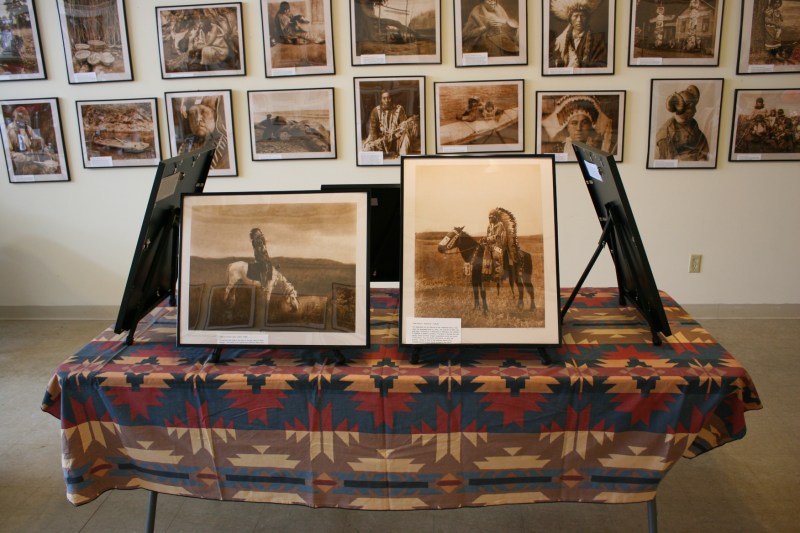
Prints of Edward Curtis photos now exhibited at the Montgomery Arts and Heritage Center.


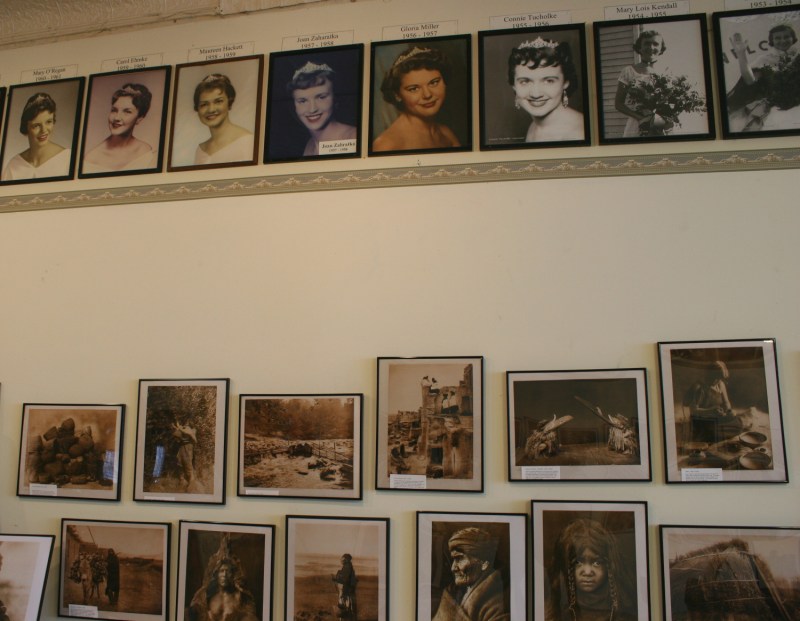
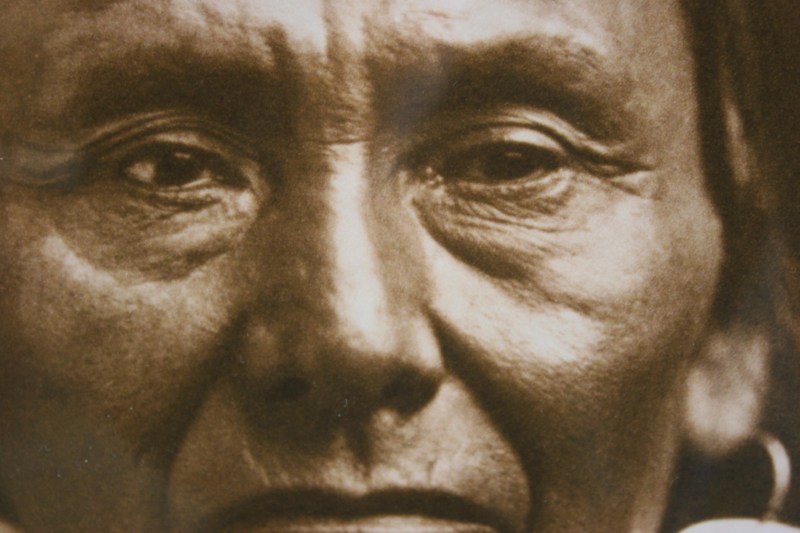
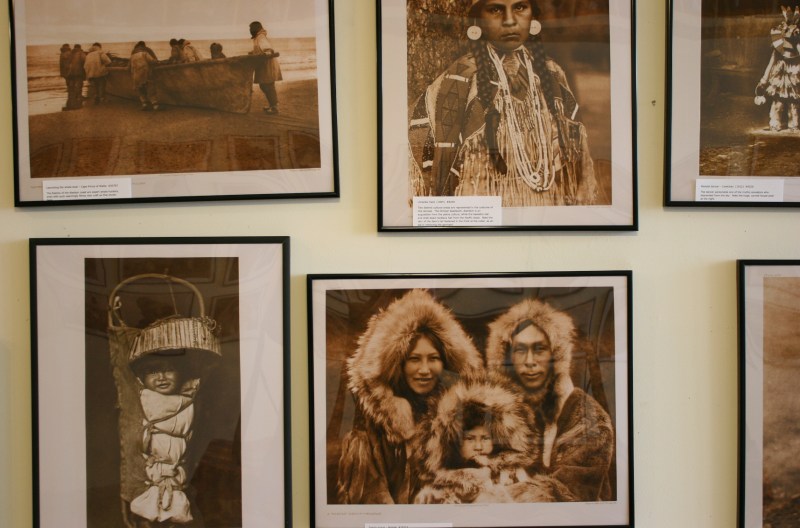
BENEATH PORTRAITS OF KOLACKY DAYS queens, early 1900s era sepia-tone photos stretch along walls and grace tables in the narrow room. Prints of images taken by a man considered one of America’s greatest photographers. Edward S. Curtis.


A permanent exhibit of Kolacky Days queen portraits hangs above the temporary exhibit of Edward Curtis photos of Native Americans.


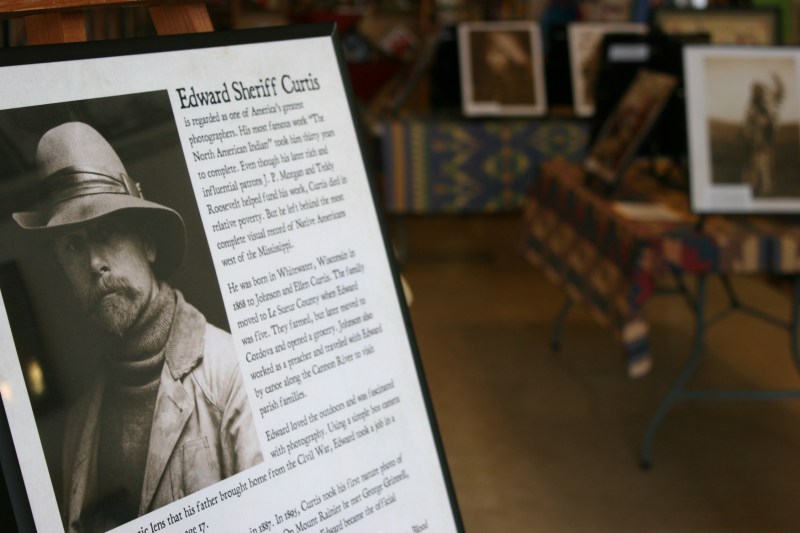
A photo of Edward Curtis with info about this noted American photographer.


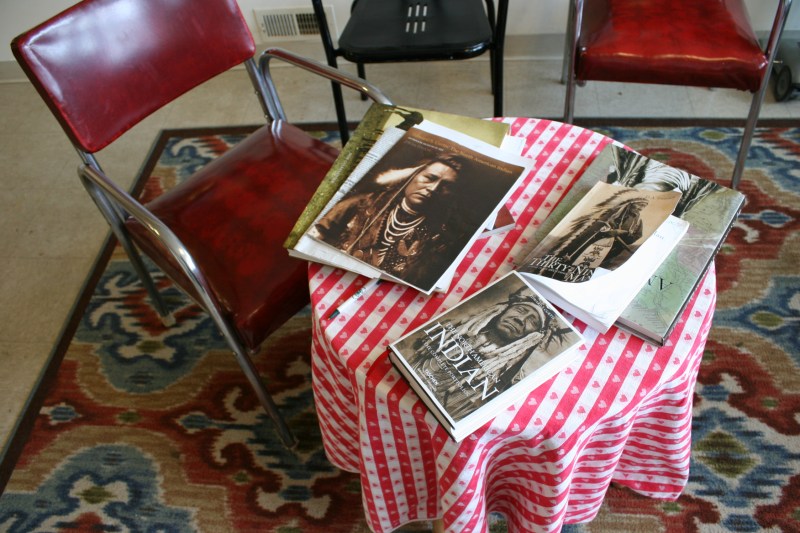
Visitors are welcome to sit and page through Edward Curtis books.


Despite his outstanding photographic reputation, Curtis was previously unknown to me. But no more. Recently I visited an exhibit of around 60 selected photos from his “The North American Indian” collection at the Arts and Heritage Center in Montgomery. His entire body of work encompasses 40,000 photos, many published in 20 volumes.


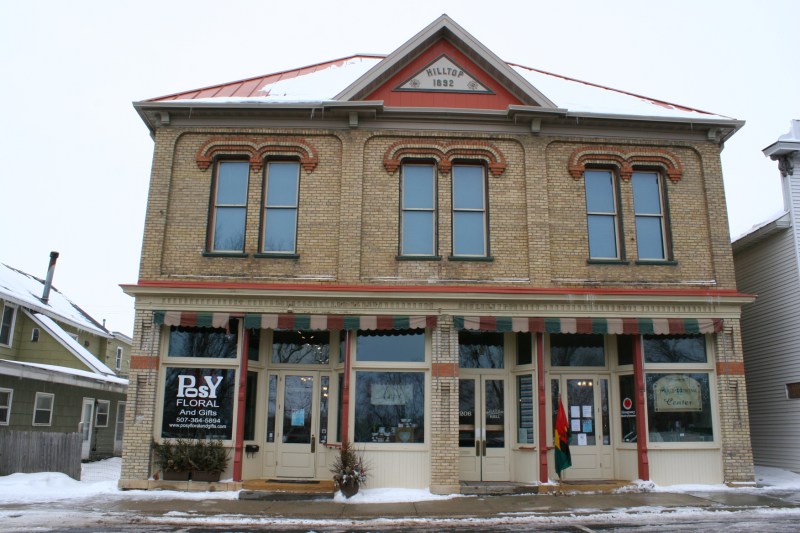
Historic Hilltop Hall houses the Montgomery Arts and Heritage Center on the right and a floral and gift shop on the left.


To see these photos, termed part of the “most complete visual record of Native Americans west of the Mississippi,” right here in rural Minnesota is such a gift. A $4,000 grant from the Carl and Verna Schmidt Foundation funded the exhibit in Montgomery, a community of some 3,000 just 20 miles northwest of Faribault.


Edward Curtis photographed Native Americans of the west over a 30-year period.


Displaying Curtis’ photos here brings the photographer full circle back to Le Sueur County. At the age of five, he moved here with his parents from his native Wisconsin, eventually settling in Cordova. Here he grew up to appreciate the outdoors as he canoed with his preacher father along the Cannon River. By age 17, Curtis was working at a photography studio in St. Paul. In 1887, he moved to Seattle.


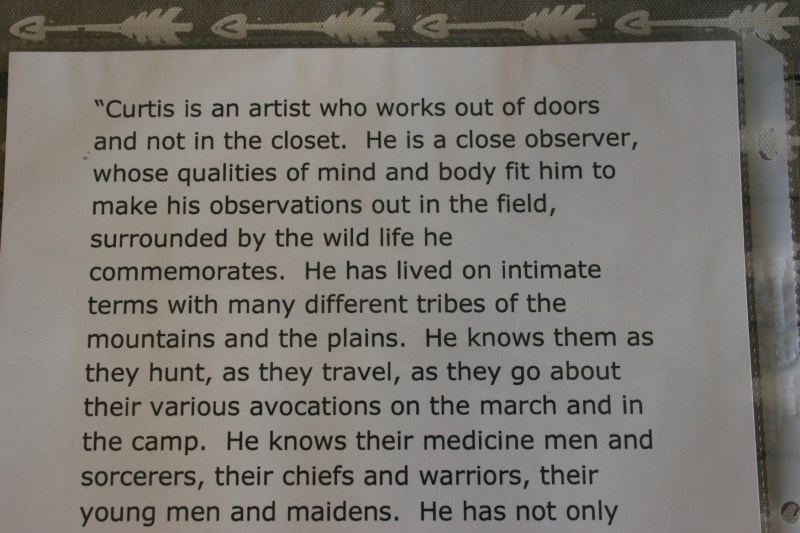
A snippet of a 1906 comment about Edward Curtis by President Theodore Roosevelt.


That’s the backstory of a photographer who earned the praise and financial support of President Theodore Roosevelt, who called Curtis a “close observer.” That is evident in the documentary photos of the Native Americans Curtis came to know well and to, clearly, value and love.


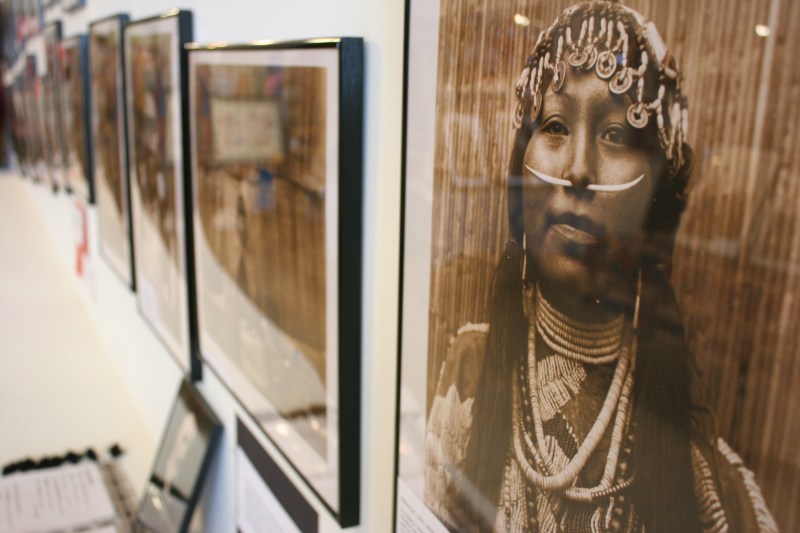
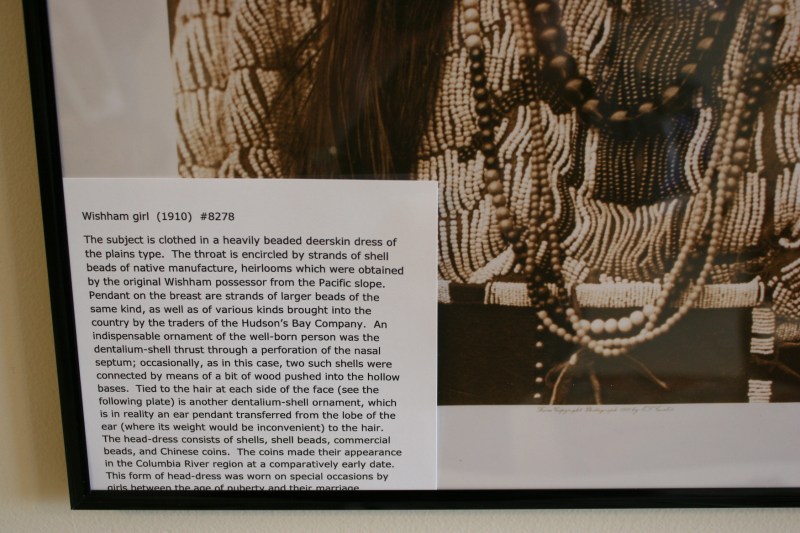
“Wishham girl,” 1910


Text accompanies the “Wishham girl” photo.


A portion of the portrait of “Chief Joseph– Nez Perce”, 1903


His portraits of western Native Americans document not only a culture, but also history and personalities. As I studied the photos, I admired faces weathered by wind and sun, steady strength in profiles, joy and sadness in eyes. I admired, too, the artistry of woven baskets, handcrafted pottery, curved canoes, feathered headdresses and detailed beadwork.


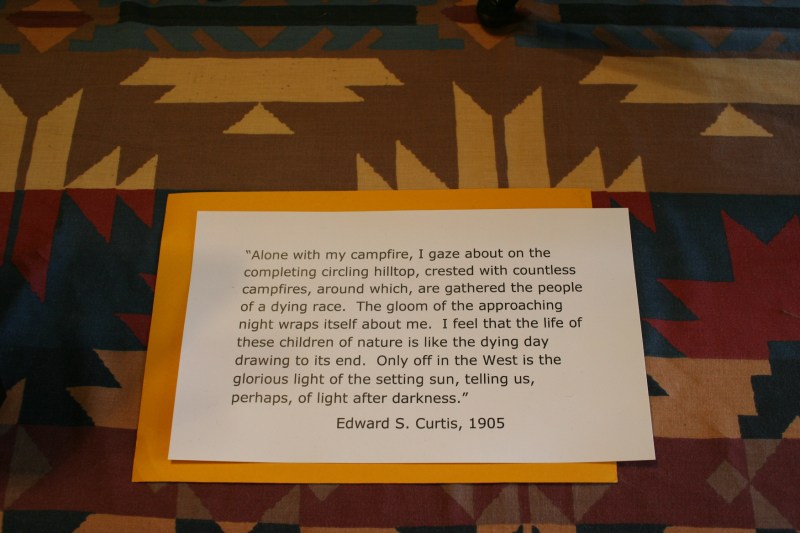
An insightful and beautiful quote by Edward Curtis.


I expect if I was to revisit this exhibit, I’d notice details I missed. There’s just so much to see, to take in, to appreciate, to contemplate. A culture. A people. A way of life. A history. A connection to nature.


More photos from the exhibit.


I am grateful to long-ago photographers like Edward Sheriff Curtis for his efforts in connecting personally with his subjects, for caring and for documenting with his camera. His work is truly remarkable.


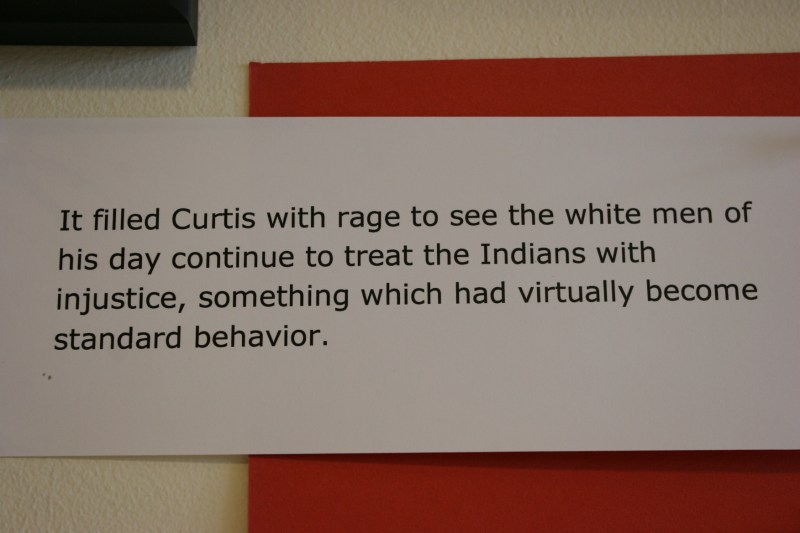
Info about Edward Curtis included in the show.


FYI: “The North American Indian” exhibit at the Montgomery Arts and Heritage Center continues until Saturday, February 29. The arts center is open from 2 – 5 pm Thursdays and Fridays and from 9 am – noon Saturdays and is located at 206 First Street North in downtown Montgomery, Minnesota.

© Copyright 2020 Audrey Kletscher Helbling
 

Warming heads, hands & hearts in Faribault January 29, 2020

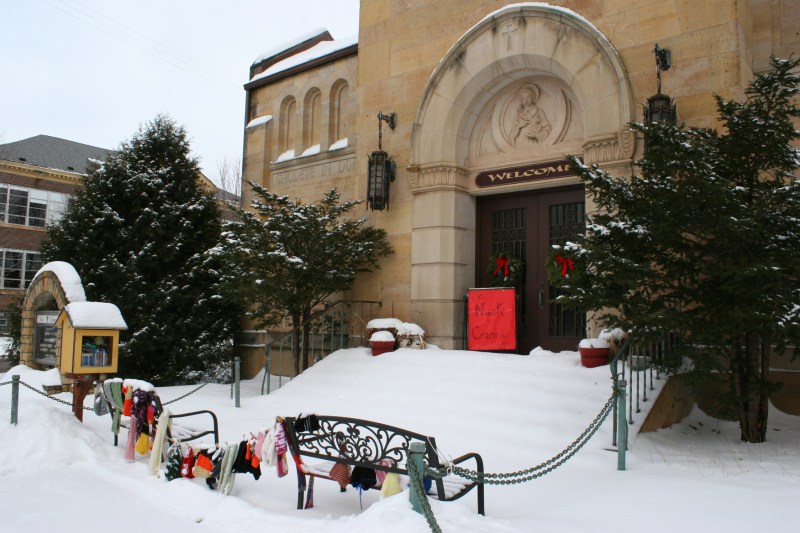
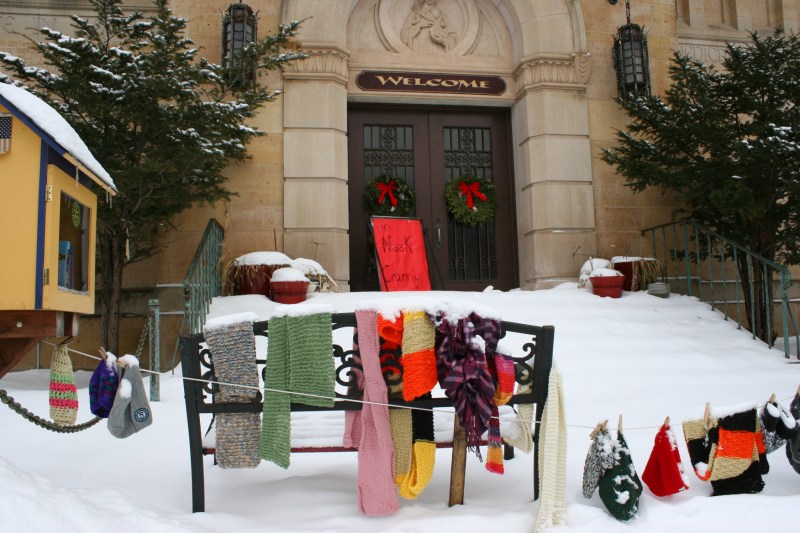
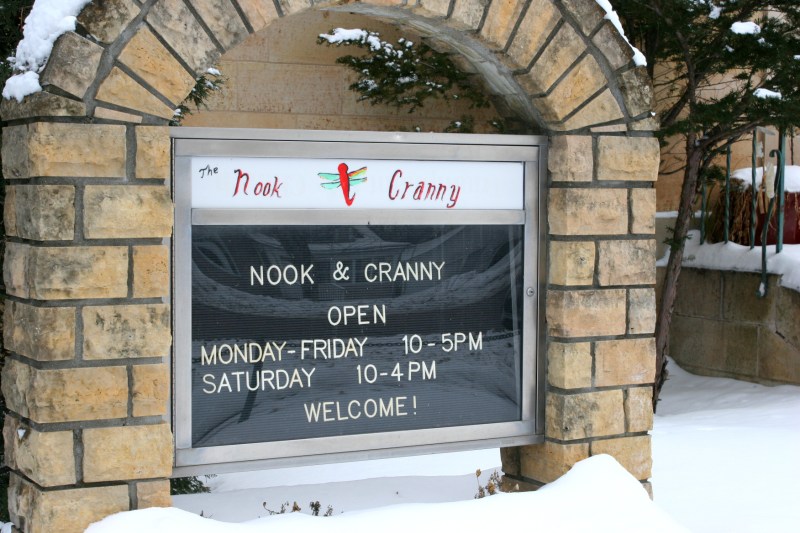
Photographed just days ago outside The Nook and Cranny, Faribault.


OUTSIDE THE FORMER St. Lawrence Church, where parishioners once ascended steps to front doors opening under a banner WELCOME sign, those in need find a warm welcome.


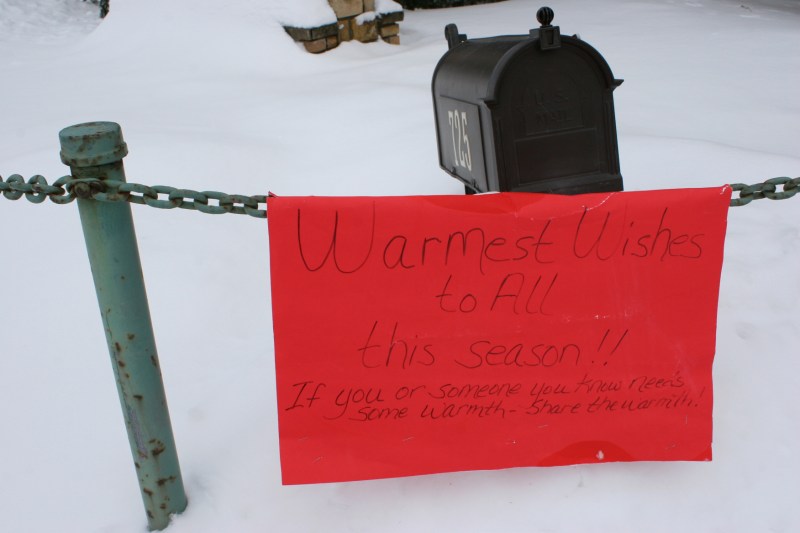
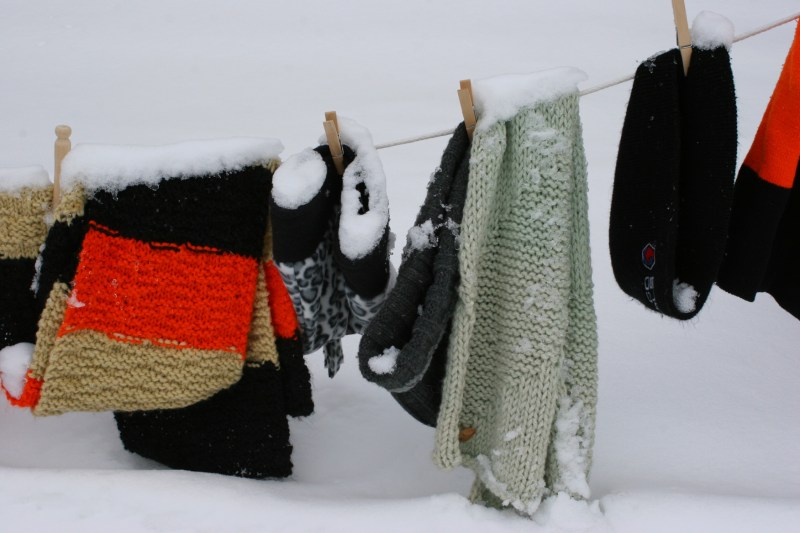
A handwritten sign invites them to take whatever they wish to stay warm. A hat. A scarf. Mittens. The winter neck, head and hand wear drapes benches and hangs clipped to clothesline rope.


A Little Free Library, left, also sits outside The Nook and Granny gift shop.


But this is much more than a give-away by The Nook and Cranny, the boutique/gift shop/craft center housed inside the former church. I view this as an act of kindness, care and compassion extended to my community.

Faribault is not a city of wealth. Rather, we are a primarily blue collar community, home to many immigrants, a place where people work hard and often struggle to make ends meet. But we are also a generous community—supportive of fundraisers, volunteering, giving to charities, helping our neighbors…


And here, in the deep of winter, one business located along one of Faribault’s busiest streets at 725 Second Avenue Northwest, reaches out, warming heads, hands and hearts. I can’t help but think that St. Lawrence, the patron saint of the poor, would be pleased.

© Copyright 2020 Audrey Kletscher Helbling

 

Repeat: Be still January 28, 2020

Filed under: Uncategorized — Audrey Kletscher Helbling @ 5:00 AM
Tags: , , , , ,


I ARRIVED A LITTLE EARLY at church Sunday for the 8 a.m. worship service, giving me extra time to view art, writing and more created by students at Faribault Lutheran School and displayed in celebration of National Lutheran Schools Week.

Once upon a time I was actively involved in that event, in planning an annual Book Fest. But that was decades ago when my kids attended FLS.

So this display offered an opportunity to reconnect, to learn more about students, classes and FLS community service projects.

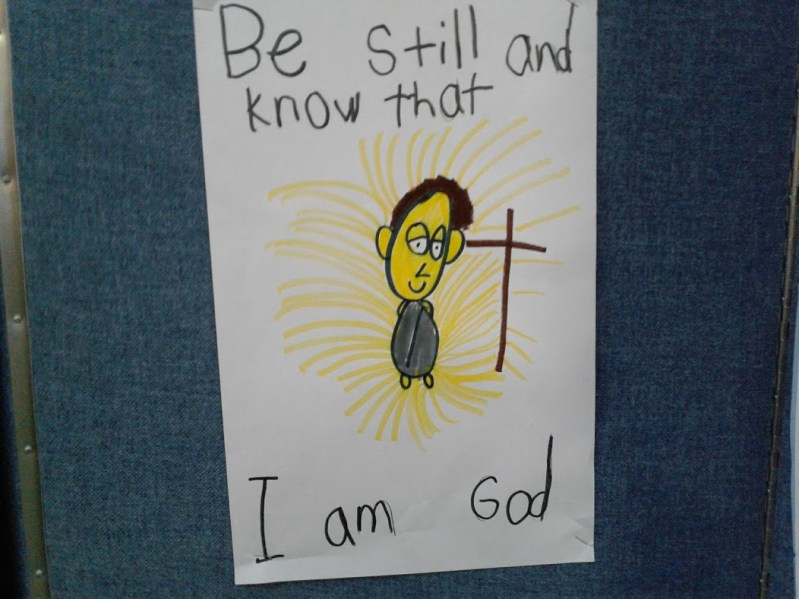
As I browsed the display, my eyes landed on the art of a first grader. My mouth actually dropped. The young student drew a simple picture illustrating Psalm 46:10. That scripture emerged as “my verse” in recent months, popping up in hymns, on a handcrafted paper angel, on a print in my mom’s care center, in devotions… And now here.

As a woman of faith, I see this not as coincidence, but as God desiring to put those words before me. Words I need to see or hear or speak, to comfort me, to bring me peace, to remind me that God is always with me. In deeply challenging days—of which I’ve experienced many in the past year—I feel uplifted yet again.

TELL ME: Have you experienced a similar repetition of scripture, meaningful quotes or such in a time when you most needed them?

© Copyright 2020 Audrey Kletscher Helbling
 

A snapshot of Madison, Wisconsin’s capital city January 27, 2020

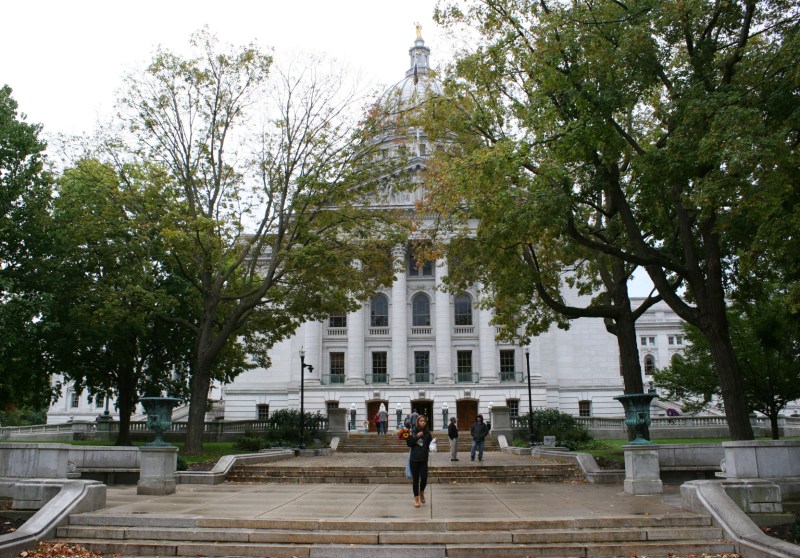
Wisconsin’s capitol sits atop a hill in the heart of downtown Madison. Minnesota Prairie Roots file photo October 2019.


MADISON, WISCONSIN, is, if anything, a capital city of vast green spaces. At least that’s my observation after visiting several times. Two of my three adult children now live there. So I’m exploring, getting to know this place that doesn’t feel all that much like a large metro area.
 

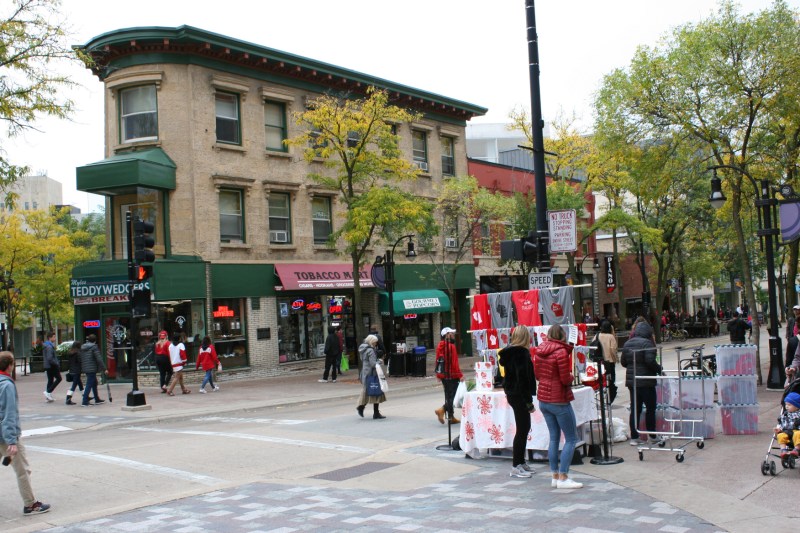
Downtown Madison, around the capitol, is one busy place on a Saturday morning during the Farmers’ Market. The way some of the streets come together reminds me of the squares in greater Boston. Minnesota Prairie Roots file photo October 2019.
 

I’m comfortable here without skyscrapers defining the cityscape. The lovely domed capitol, set atop a hill, centers the walkable downtown. I’ve been to the Dane County Farmers’ Market there, albeit on a rainy Saturday that didn’t lend itself to lingering. We ducked inside the capitol to avoid the rain.


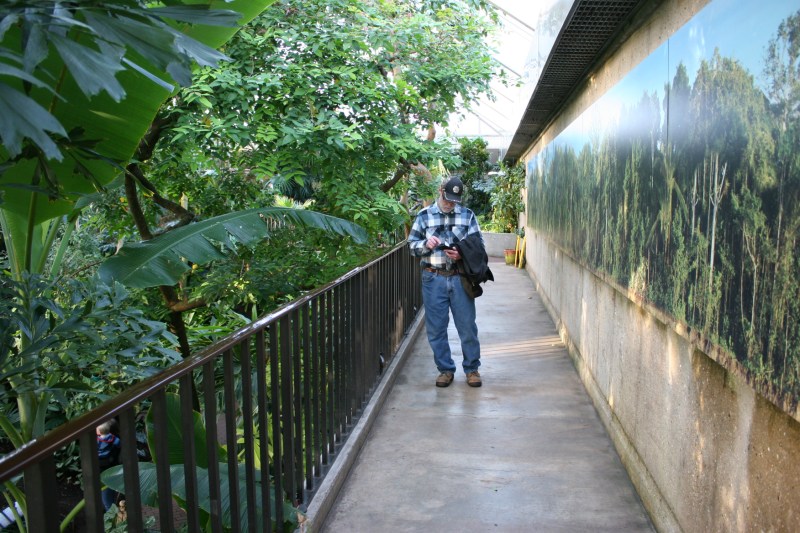
Randy stops to check a photo he took inside the Olbrich Botanical Gardens conservatory. Minnesota Prairie Roots file photo December 2019.


Madison edges two lakes. Parks along the lakes and elsewhere make this city feel welcoming to someone like me who prefers open spaces. I’ve already visited Olbrich Botanical Gardens three times.


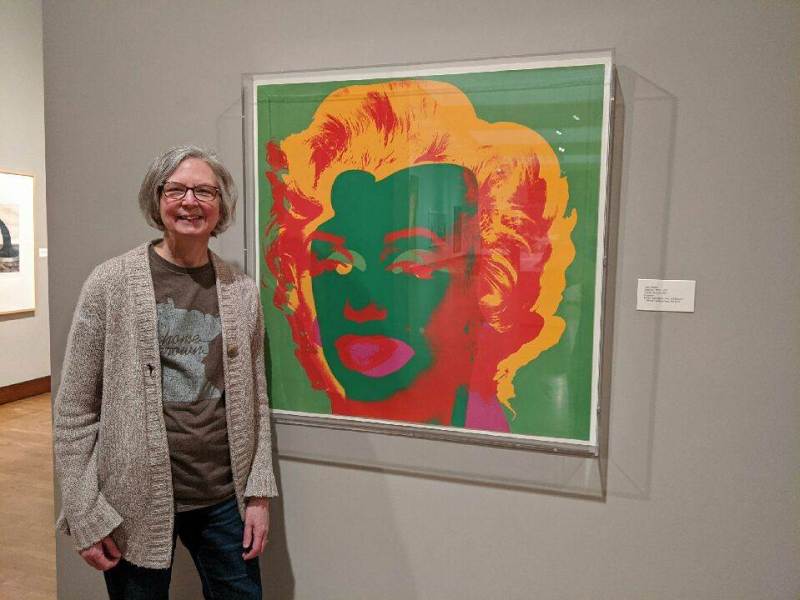
Me, thrilled to see my first Andy Warhol original. Minnesota Prairie Roots file photo by Miranda, December 2019.


And last trip here, I toured the massive Chazen Museum of Art where I delighted in Andy Warhol’s depiction of Marilyn Monroe. The museum, on the University of Wisconsin-Madison campus, has no admission fee but a donation box.


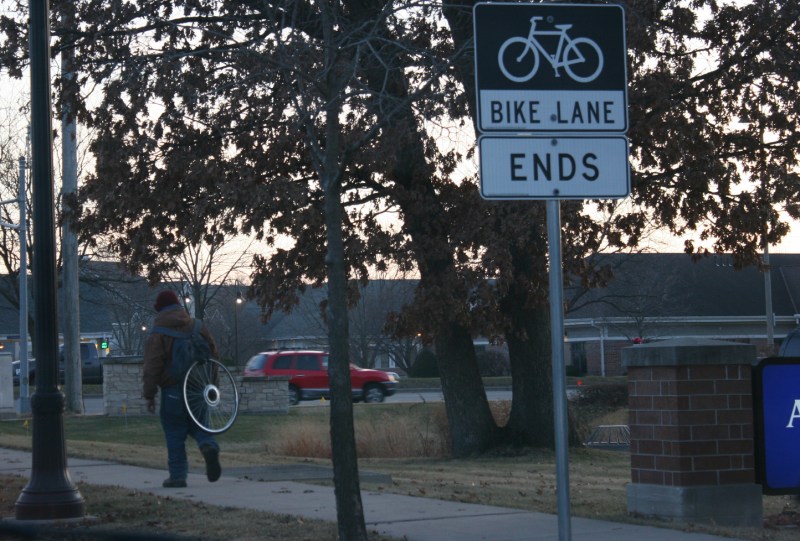
Minnesota Prairie Roots file photo December 2019.


But something else grabbed my eye while out and about—a pedestrian with a bicycle wheel strapped to his back. Madison is a bike-friendly place with trails throughout the city. So seeing this should not have surprised me. But, still, it did and caused me to laugh. As a back seat passenger in my daughter’s car, I didn’t have the best spot to get a good photo. But you get the idea.


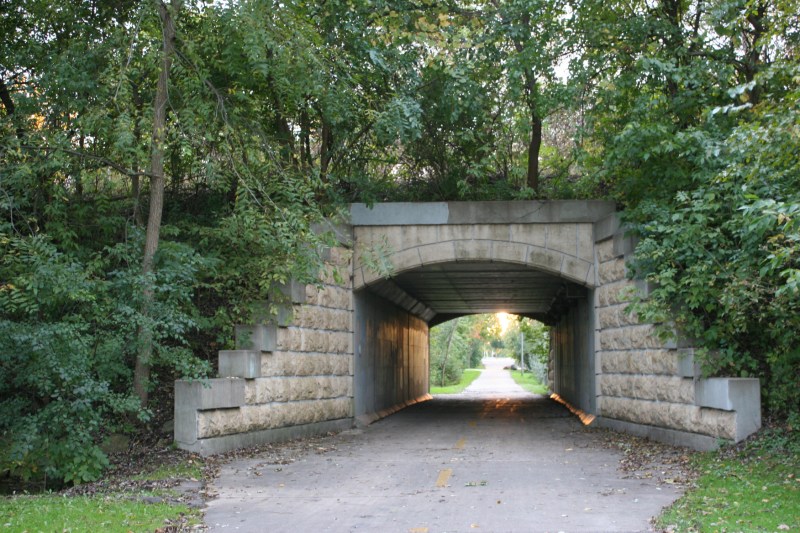
During an October visit, I walked along this recreational/bike trail near my daughter’s home. Minnesota Prairie Roots file photo October 2019.


I love this aspect of Madison, this embracing of bicyclists on a great trail system.

TELL ME: Have you been to Madison? What would you recommend I see next visit? I’ve been to the capitol, dined at several restaurants, patronized a cheese shop, but have yet to visit a brewery.

© Copyright 2020 Audrey Kletscher Helbling