Minnesota Prairie Roots

Writing and photography by Audrey Kletscher Helbling

Near Menahga: “The perfect recipe for a fire” May 16, 2013

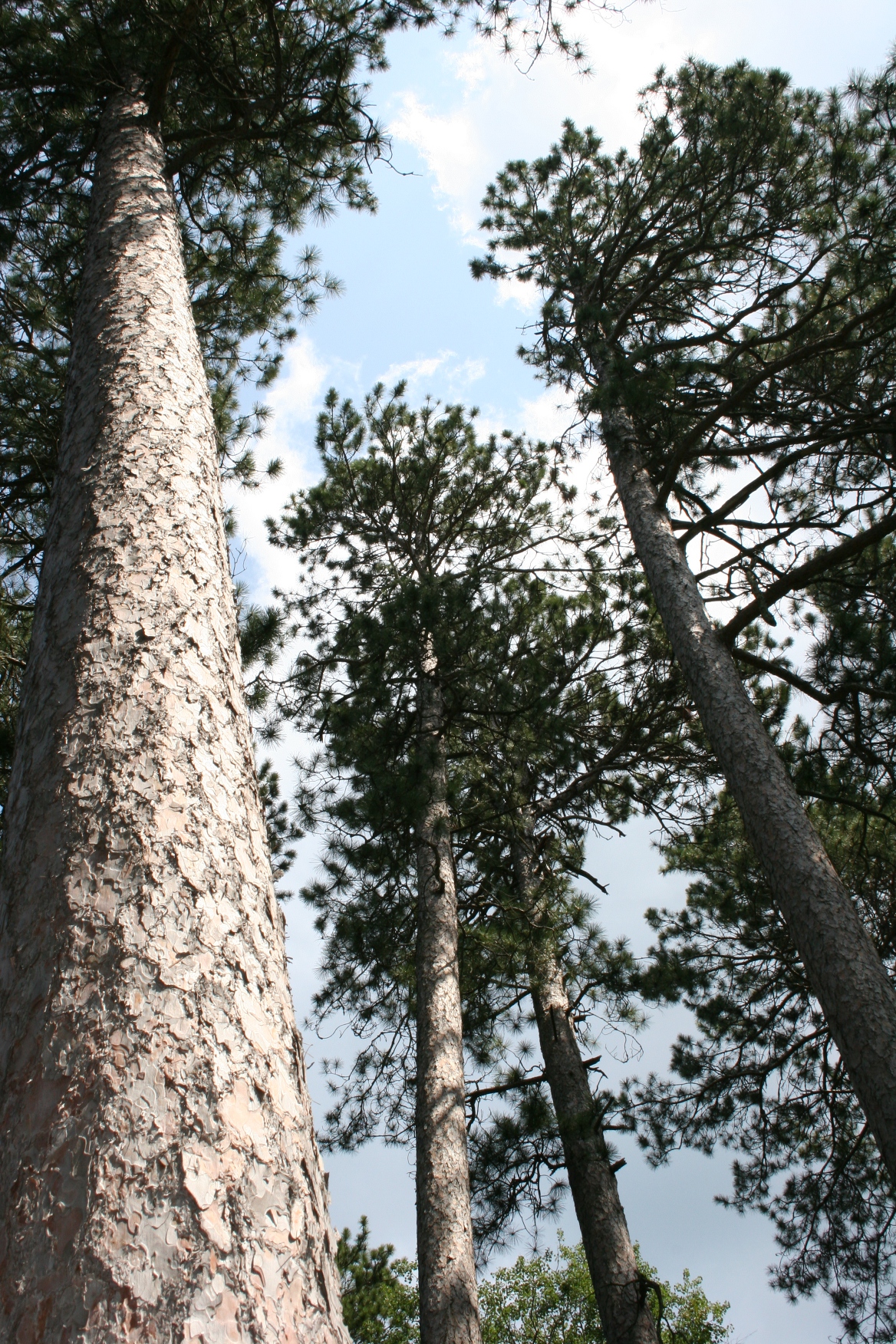
It's easy to understand how fire could race through acres of pines under hot, dry and windy conditions. Minnesota Prairie Roots file photo from Itasca State Park.

It’s easy to understand how fire could race through acres of pines under hot, dry and windy conditions. Minnesota Prairie Roots file photo from Itasca State Park, used for illustration purposes only and not within the Green Valley Fire area.

HUNDREDS OF MILES removed from the Green Valley Fire raging in the Park Rapids/Menahga area of northwestern Minnesota, I cannot even fathom the challenges faced by firefighters, the fears experienced by residents.

My connection to the region comes via the co-editor of a literary journal, The Talking Stick, in which I’ve been published several times. Late Wednesday afternoon I emailed Sharon Harris of rural Menahga, concerned about her and extended family who live nearer Park Rapids than Menahga.

The fire came within two miles of Harris’ home and that of her mother, sister and niece. They had to evacuate their pets—cats and dogs—to a local animal clinic. Without a trailer, though, Harris’ niece had to leave her horses behind.

“We were lucky,” says Harris, who was able to return to her home and sleep overnight after evacuating her pets.

Not so fortunate were those who lost their homes—at last count 12 homes, two commercial properties and 43 outbuildings in Hubbard and Wadena counties, according to information posted at 7:30 p.m. Wednesday on the Minnesota Incident Command System website.

Harris, who works in Menahga at the First National Bank of Menahga and Sebeka, says many bank customers lost their homes.

The fire, which has reportedly burned through a pine stand of 7,100 acres, is 25 percent contained, according to the most recent information posted by the MNICS Wednesday evening. Click here to read details.

Harris, off work due to a family medical situation, drove to Menahga late Wednesday evening to catch up on work. She writes:

So much smoke still in the air in the area where the wildfire jumped Highway 71. It is right around Blueberry Golf Course and the Hubbard County/Wadena County line where it crossed. I guess the golf course is okay, amazingly. So it will be Friday before I drive to Menahga in the daytime and will be able to see any damages.

She remembers well the weather conditions on Tuesday, the day the fire began around 3 p.m. and then quickly spread to the area north of Menahga. Harris says:

I have never felt such a wind that day (Tuesday). When I drove from Menahga to Park Rapids around 4 p.m. that day, the wind just buffeted my car all over the road. Crazy. The perfect recipe for a fire: so hot, so dry, and wild wind.

And, as often happens in the early, uncertain stages of a major wildfire, locals are speculating about its cause. “I heard that lightning started it. Before that, I heard that someone was doing a controlled burn and it got away from them…”

No matter the cause, the facts stand: Twelve homes destroyed. Two commercial properties gone. Forty-three outbuildings burned. Already.

© Copyright 2013 Audrey Kletscher Helbling


Law & order in Rothsay

SMALL TOWNS, TIME AND AGAIN, draw me in to explore.

It is the unpretentious genuineness, the make-do, no-frills approach to life that appeals to me. Folks in small towns typically are not trying to impress. Rather, they are simply living their lives—being good neighbors, working hard, getting by on what they have.

I’m not saying big city residents don’t do likewise. I just think the evidence of simpler living is more visible in our rural communities.

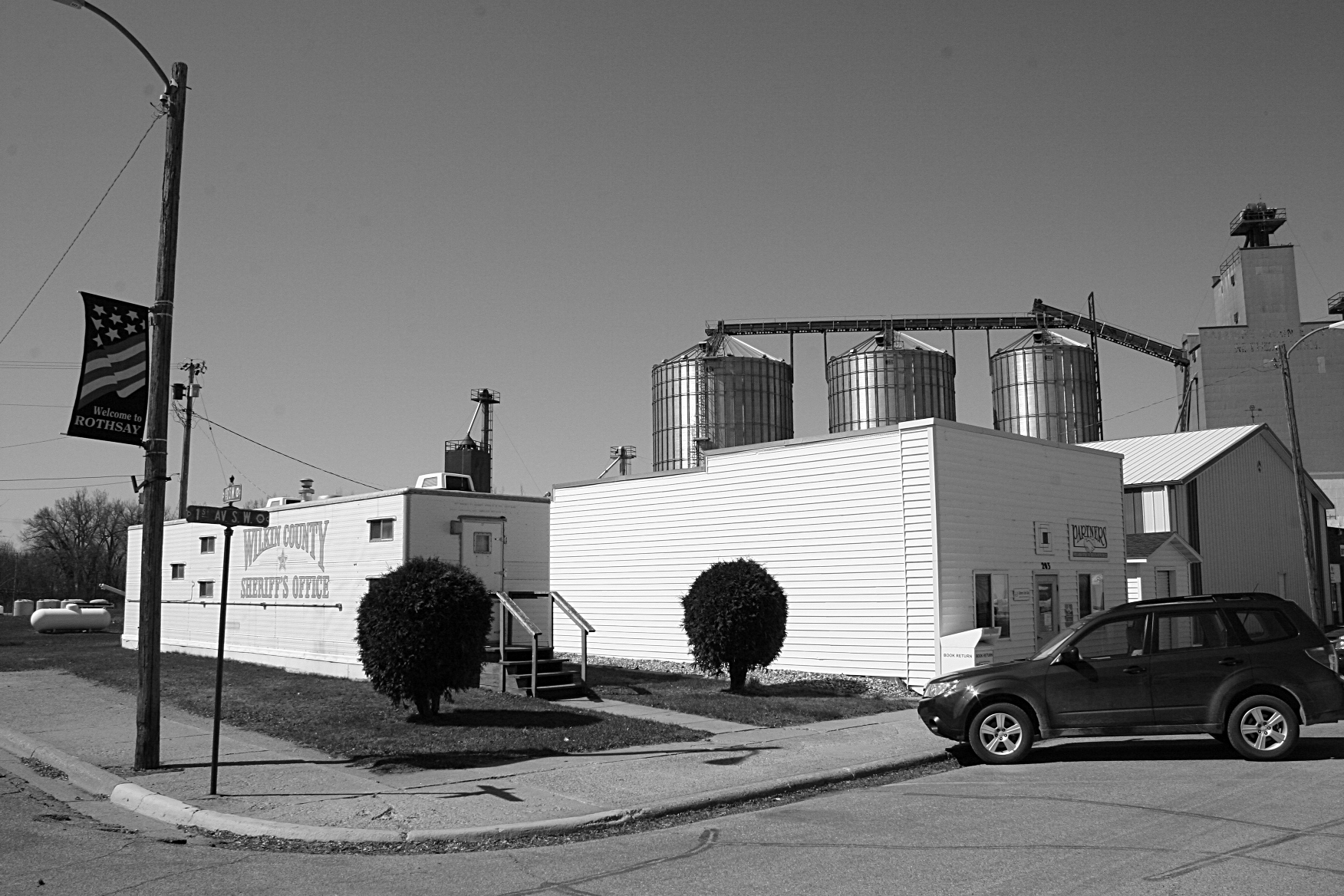
Wilkin County Sheriff's Dept. 1

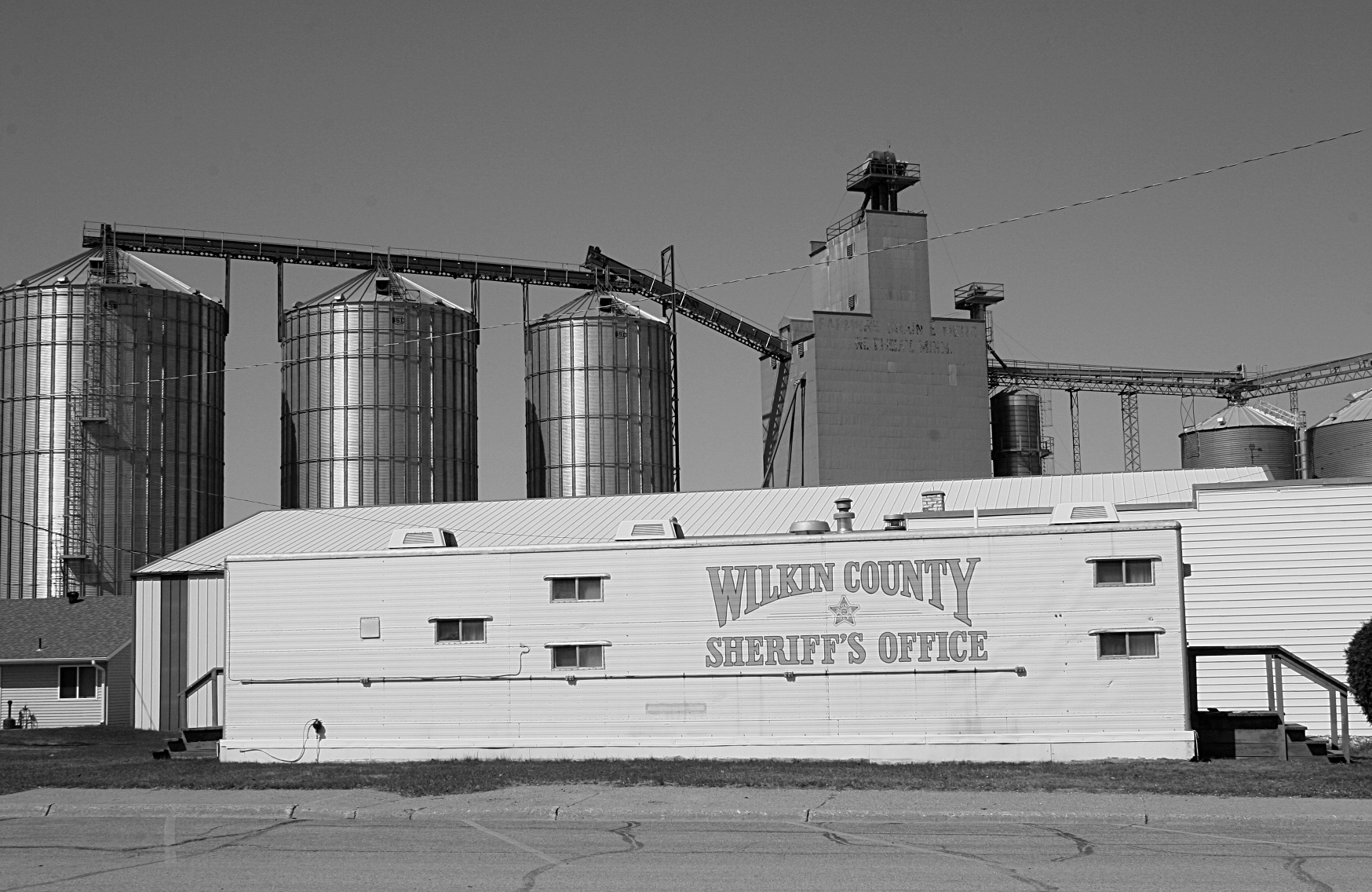
Take Rothsay, population around 500. Just look at the building which houses the Wilkin County Sheriff’s Department in Rothsay, which lies along Interstate 94 some 35 minutes southeast of Fargo.

Wilkin County Sheriff's Dept. 2

Nothing fancy about this vintage trailerhouse, apparently a satellite office for the sheriff’s department based in the county seat of Breckenridge 30 miles distant.

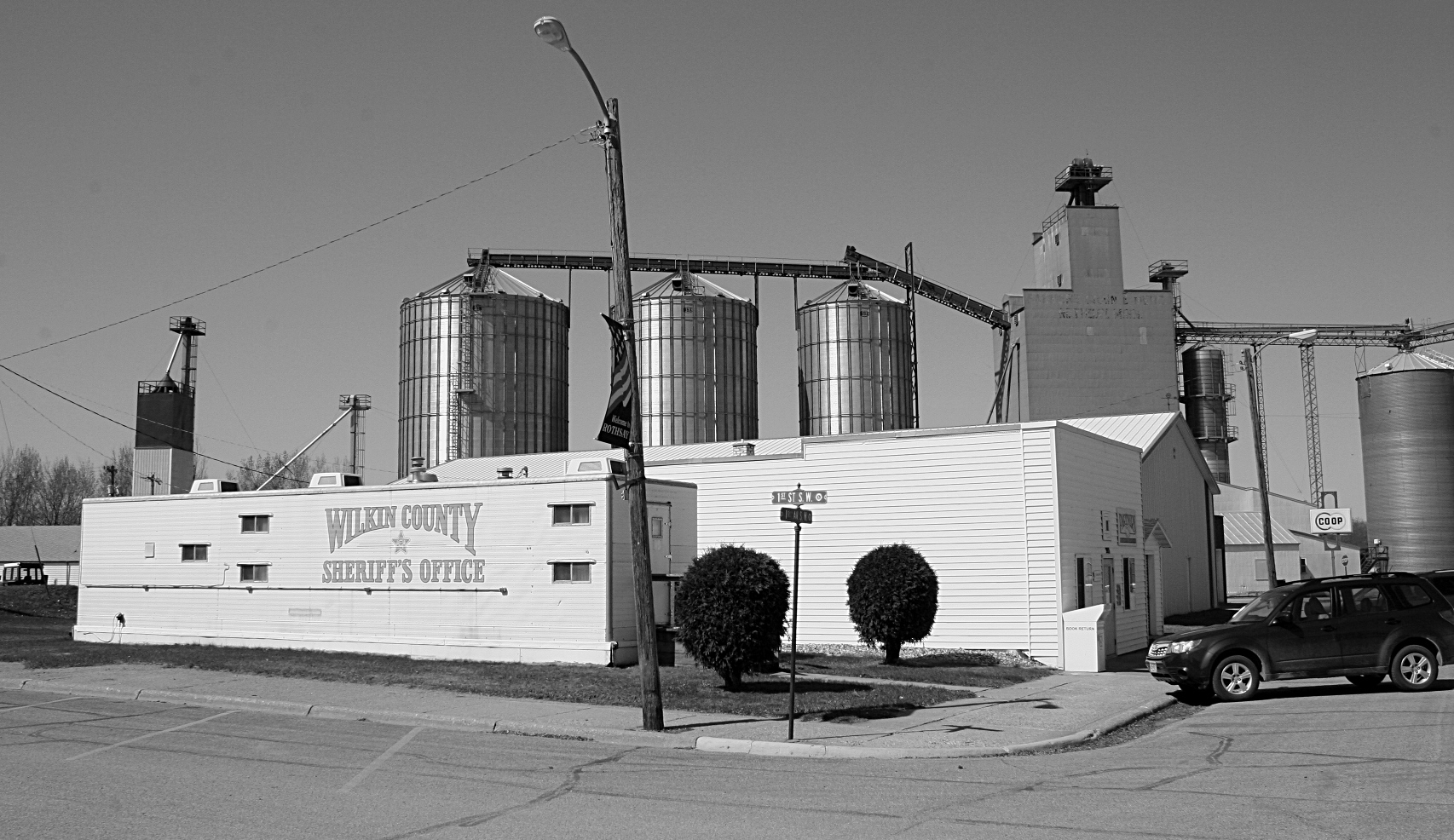
Wilkin County Sheriff's Dept. 3

My husband and I were, should I say, awestruck when we pulled into the downtown business district and spotted this law enforcement headquarters. We’d never seen a sheriff’s office quite like this one.

I knew I’d found a gem, another slice of small-town Minnesota worthy of preserving via a photo shoot.

FYI: Check back tomorrow for more photos from Rothsay.

© Copyright 2013 Audrey Kletscher Helbling
 

Anniversary love May 15, 2013

Filed under: Uncategorized — Audrey Kletscher Helbling @ 7:24 AM
Tags: , , , ,
My husband, Randy, and I exit St. John's Lutheran Church in Vesta following our May 15, 1982, wedding.

My husband, Randy, and I, pelted by rice, exit St. John’s Lutheran Church in Vesta following our May 15, 1982, wedding.

THIRTY-ONE. The number flits through my sleepy brain at 6:01 a.m. as my eyelids flicker and I begin to awaken on this May morning.

A cool breeze wafts through the open south window. Birds trill—the piercing voice of a cardinal, the methodical caw of a crow.

Traffic wheels by and a train rumbles blocks away.

I lie still, on my back, needing to get up and pee, but not wanting to disturb him. My husband. The man I married thirty-one years ago today.

I turn my head toward him, watch the gentle rise of his shoulders snugged beneath the polyester block quilt my Grandma Ida stitched for our wedding.

There is something comforting in lying here, watching him, knowing how much I love him. Still. After thirty-one years.

© Copyright 2013 Audrey Kletscher Helbling
 

How a prairie chicken saves the day May 14, 2013

NUMEROUS TIMES ON TRIPS to and from Fargo, I’ve wanted to stop and photograph a kitschy roadside attraction along Interstate 94 on the edge of Rothsay. But time never allowed, until Friday morning.

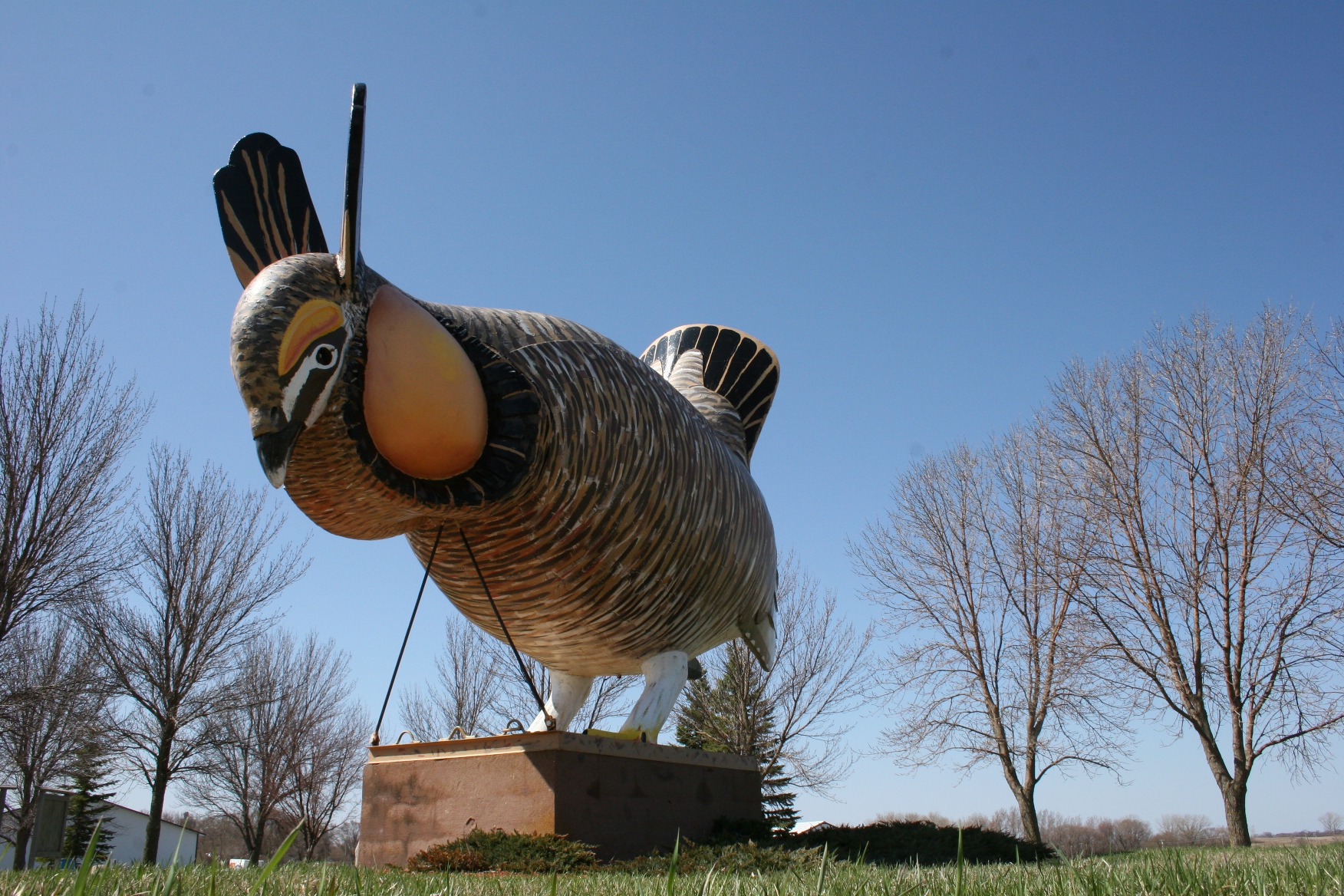
This prairie chicken statue celebrates the real prairie chickens which reside in the Rothsay area.

This prairie chicken statue celebrates the real prairie chickens which reside in the Rothsay area.

I convinced my husband, who didn’t seem as excited as me, that we had time for a photo op with an 18-foot tall, 8,000-pound prairie chicken. He sat in the van while I did a quick photo shoot in the whipping wind.

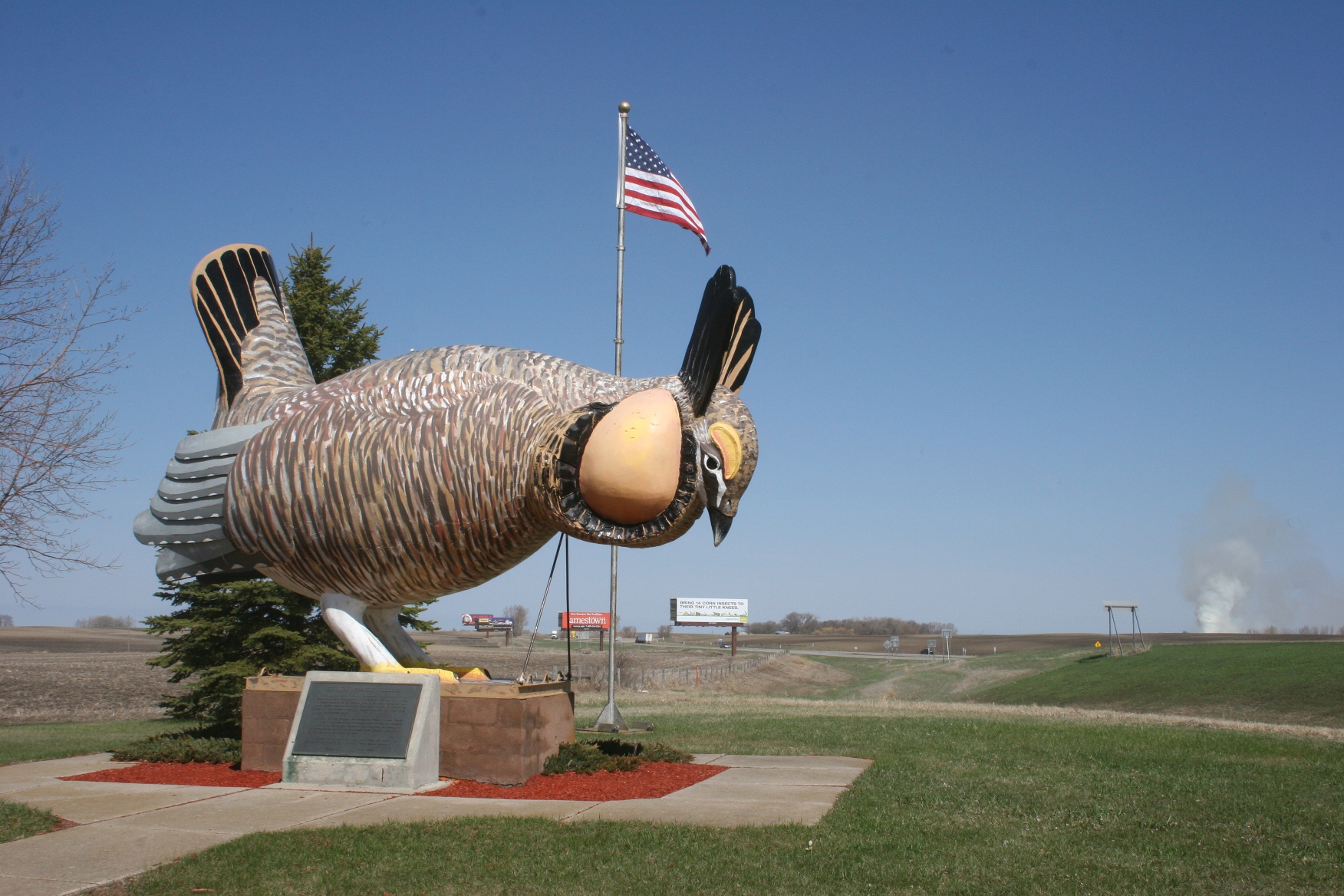
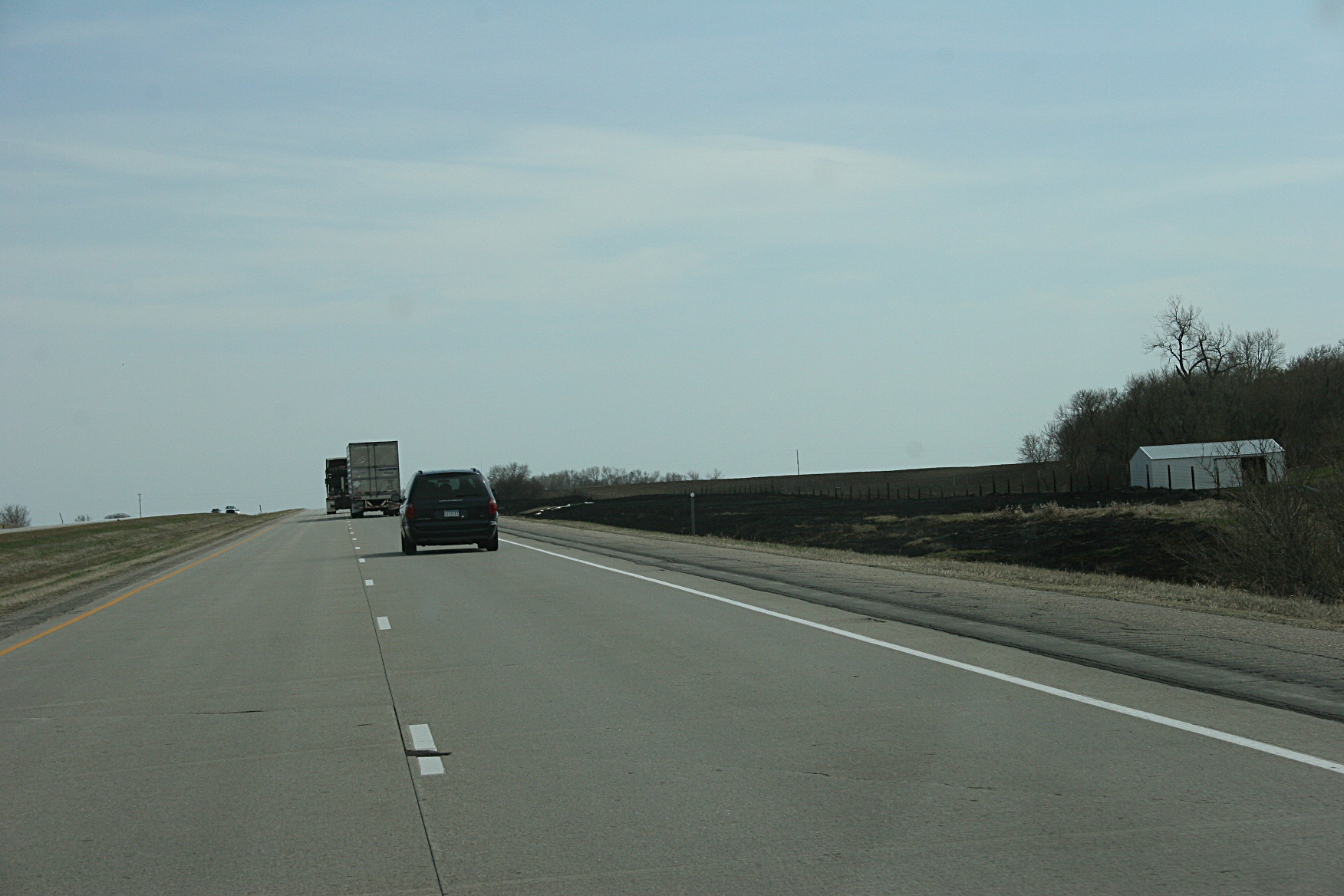
In the right background of this photo, you can see the smoke rising from a grass fire along Interstate 94 near Rothsay late Friday morning.

In the right background of this photo, you can see smoke.

From our hilltop position next to the interstate, we noticed a towering plume of white smoke in the distance. Randy speculated a controlled burn at a nearby wildlife refuge. I wasn’t so sure. Who would be crazy enough to light the land afire on a windy day like Friday? But what do I know?

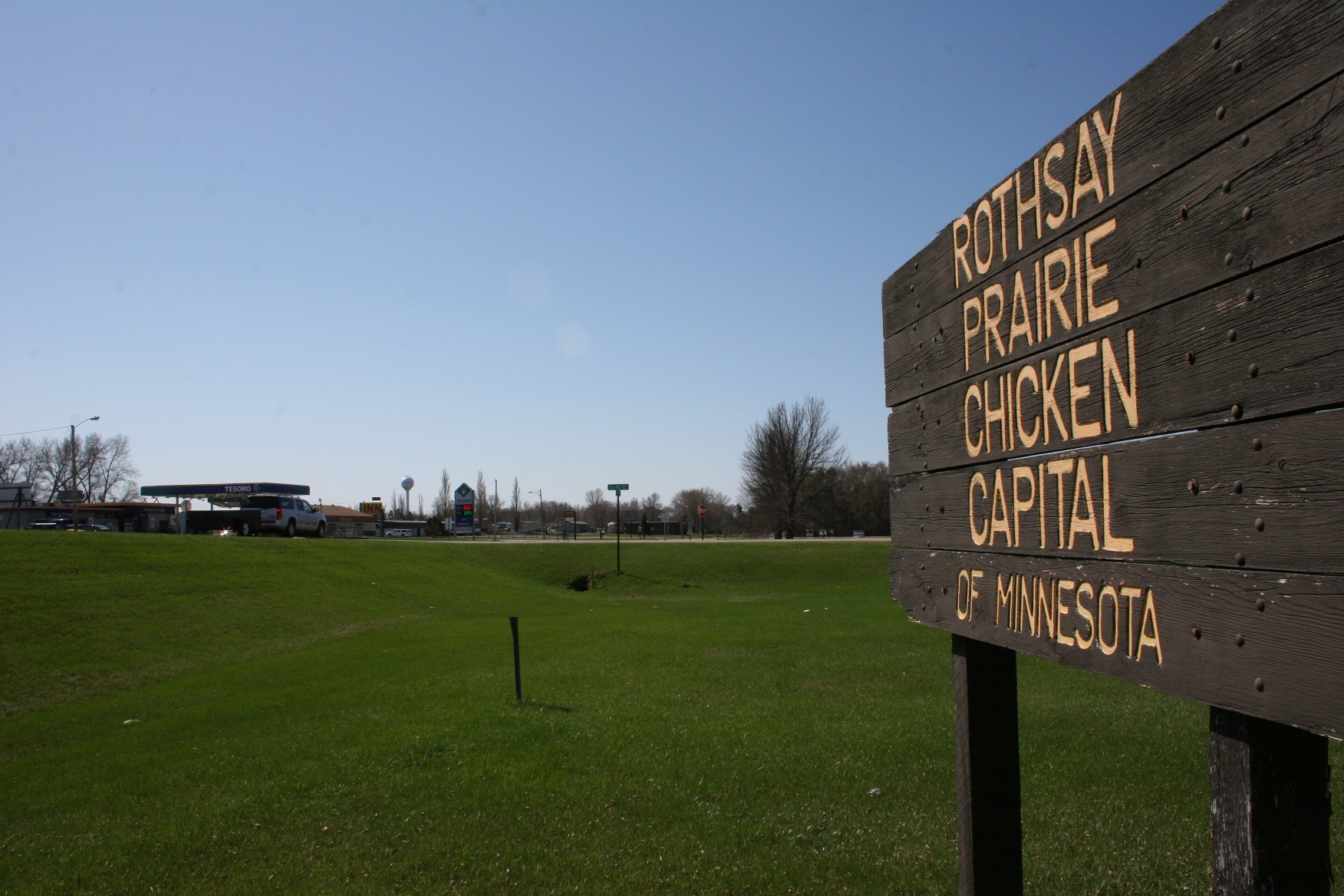
The road to the left leads into Rothsay, "The Prairie Chicken Capital of Minnesota."

The road to the left leads into Rothsay, “Prairie Chicken Capital of Minnesota.”

So…given my curiosity about this self-proclaimed “Prairie Chicken Capital of Minnesota,” we drove into Rothsay and meandered through residential areas before parking across from the Wilkin County Sheriff’s Department office (that’s another story) to scout out the town.

Soon, the wail of sirens pierced the quiet of an unexciting Friday morning in Rothsay as a rescue squad vehicle and fire truck roared out of town. To that fire, I presumed.

I shot a few more photos and then, just as we were about to leave the downtown, spotted a thrift store in an old church. We stopped.

This photo shows a section of the road ditch burned Friday morning along I-94 near Rothsay and photographed several hours later.

This photo shows a section of the road ditch burned Friday morning along I-94 near Rothsay and photographed several hours later.

When I met a local exiting the thrift shop, I asked if he knew anything about the fire. As I expected, he did. Word travels fast in a small town like Rothsay, population around 500. The fire, he said, was burning in the road ditch along the west side of the interstate about a mile north of town.

“Could have started with a bearing going out on a truck,” he speculated.

Or a cigarette butt tossed out a vehicle window, I thought.

Then he advised us not to take the interstate. “Go past the truck stop on the edge of town and keep going straight north til you get to County Road 108. Turn onto that and it will take you back onto the interstate,” he repeated. Thrice.

He reckoned that drivers, blinded by the smoke, might be piling into one another on the roadway. “They don’t slow down like they should.”

More of the charred road ditch from the Friday morning grass fire which halted traffic and caused accidents.

More of the charred road ditch from the Friday morning grass fire which halted traffic and caused accidents.

Randy wasn’t so sure the elderly man was right. I was. He seemed quite sure of his information.

As we aimed toward the edge of Rothsay, my indecisive husband suggested that we watch for southbound traffic on I-94. There was none. So north we traveled on a county road, soon catching glimpses of long lines of stopped traffic on both sides of the interstate.

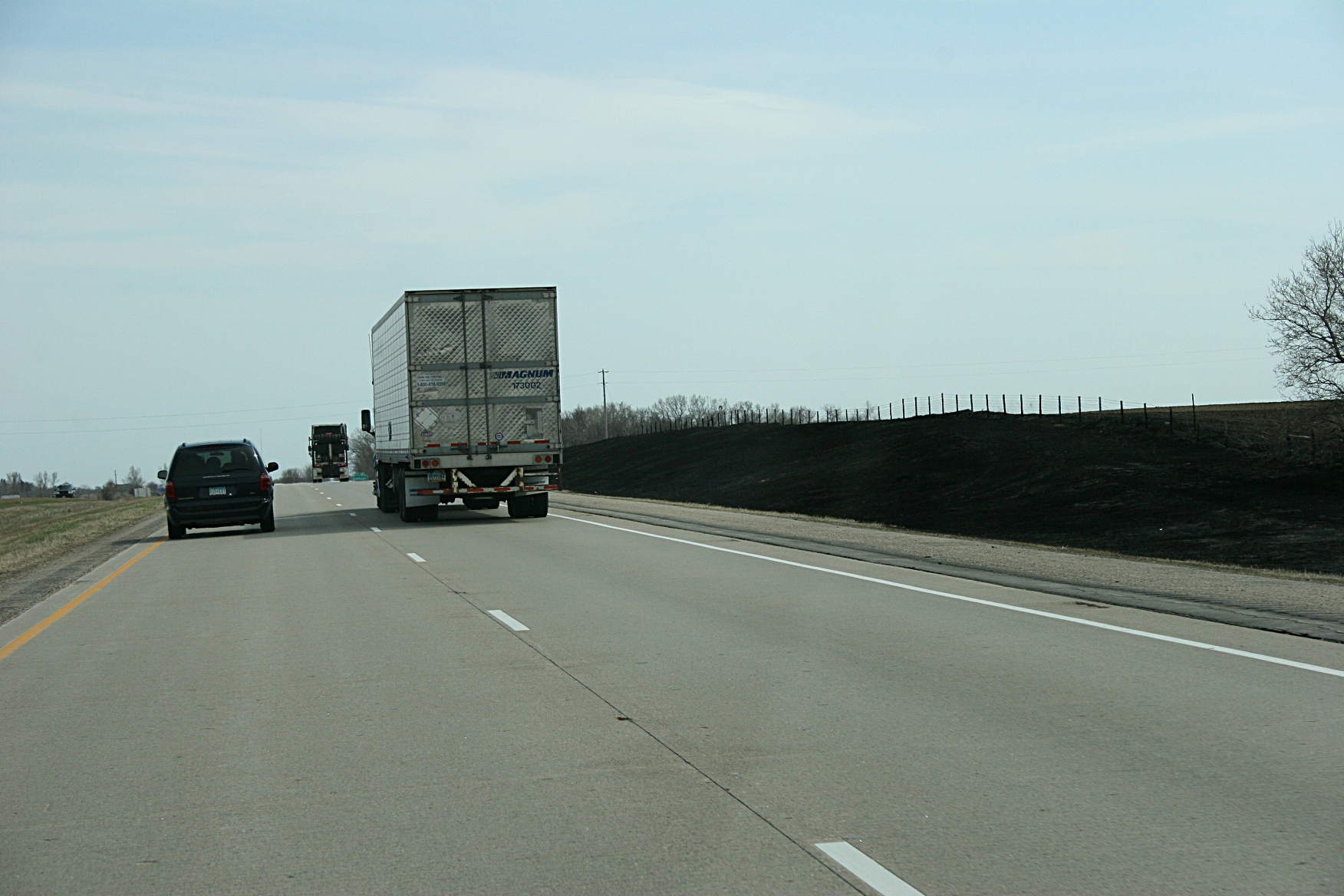
From the County Road 108 entrance ramp nearly all the way to Moorhead, a distance of about 40 miles, we had the entire interstate mostly to ourselves. Talk about an eerie feeling. But better to freewheel along the interstate than to be stuck in traffic at the dual emergency site of a grass fire and multiple crashes.

So that is my story of how a prairie chicken, and a kindly man from Rothsay, saved the day for us.

And, I suppose, I can take some credit, too, as I suggested we stop in Rothsay. If not for my desire to photograph kitschy art, we would have driven right into that smoke and…perhaps another vehicle.

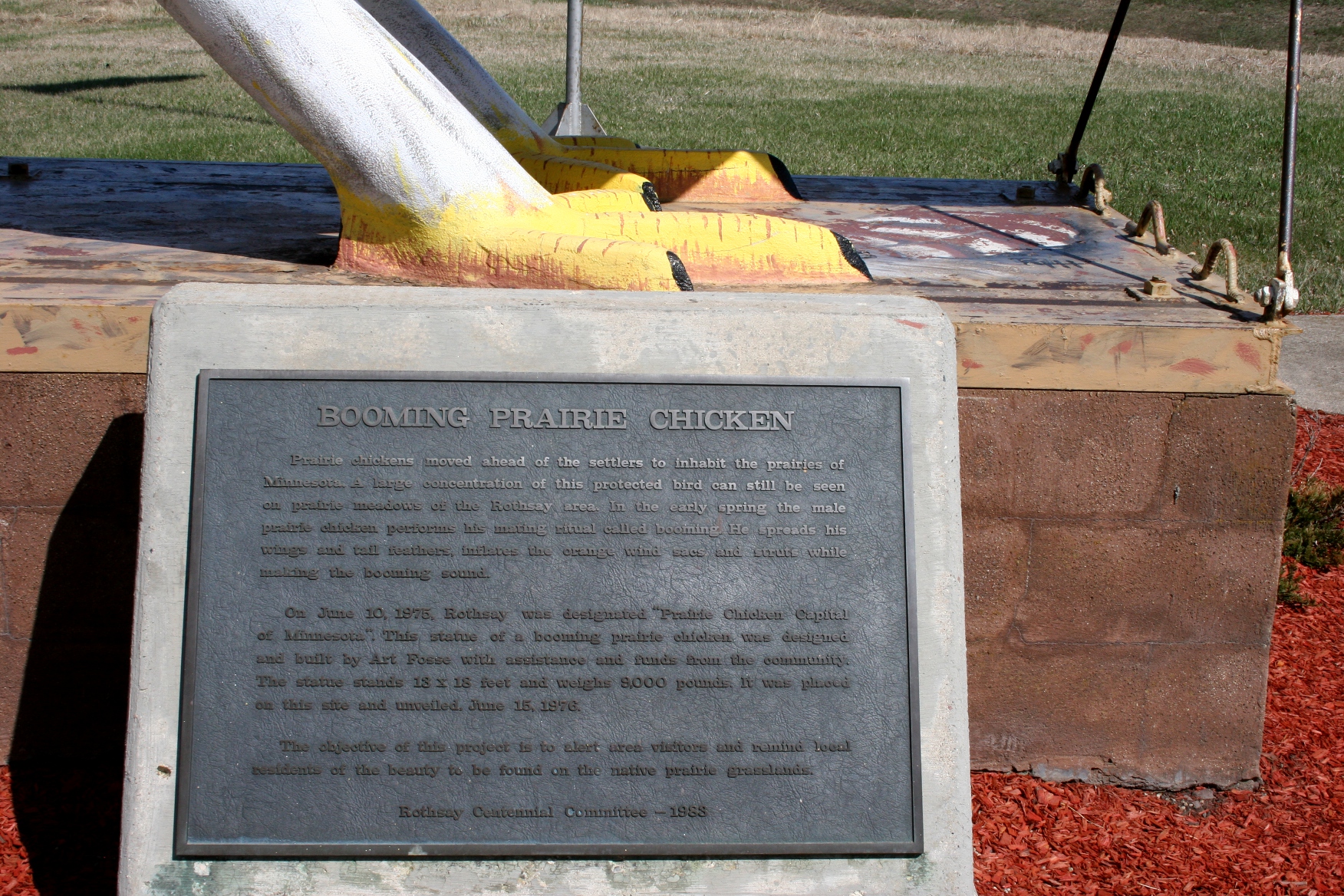
The feet of the giant prairie chicken along with info about the statue built in 1976 by artist

The feet of the giant “booming” prairie chicken along with info about the statue erected in 1976.

FYI: According to minimal information I found online, several crashes resulted from the large grass fire burning along I-94 near mile marker 36 north of Rothsay. I couldn’t find any details.

Also, according to info I read online, the 23-mile section of roadway from the Downer exit to Rothsay is known as “the Bermuda Triangle of I-94” because of the high volume of crashes during the winter months. The article doesn’t cite grass fires. Click here to read that story.

This past weekend, numerous grass fires were reported in this region of Minnesota. Click here to read about the fires.

Also, due to the high fire danger in many areas of Minnesota, the Department of Natural Resources has issued burning restrictions in specific counties. Click here to learn more about those restrictions.

© Copyright 2013 Audrey Kletscher Helbling
 

An on-the-road field report May 13, 2013

Filed under: Uncategorized — Audrey Kletscher Helbling @ 6:24 AM
Tags: , , , , , , ,
Near St. Cloud Thursday afternoon.

Near St. Cloud Thursday afternoon on a day that seemed more November-like than May.

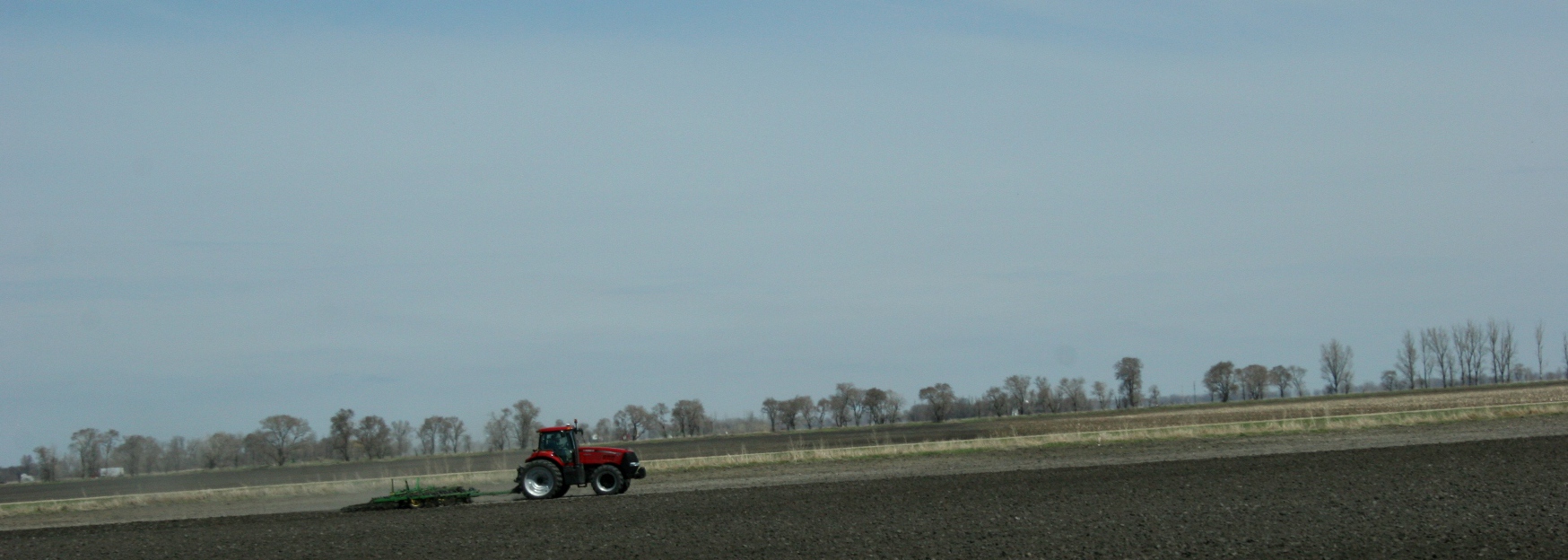
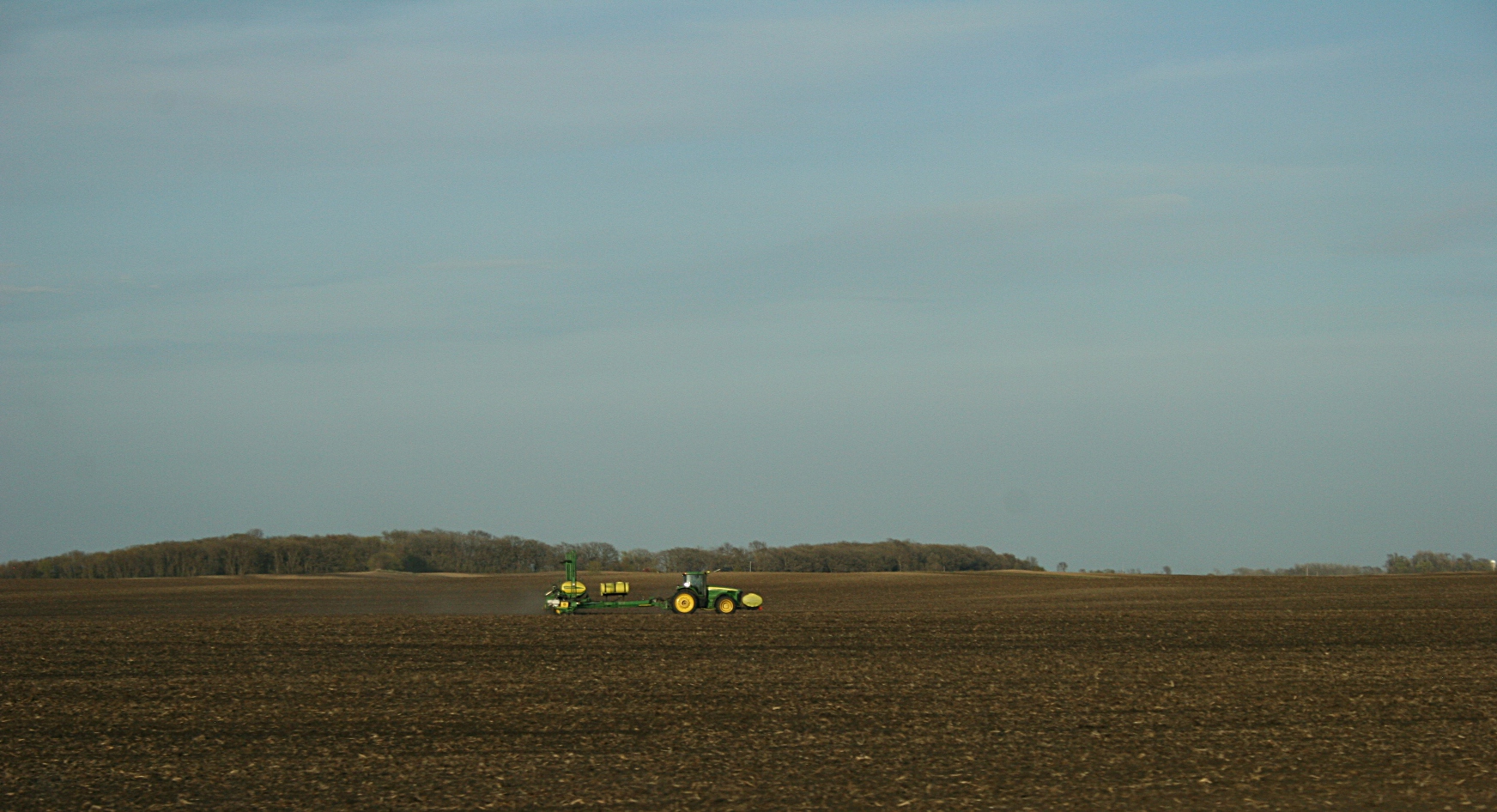
IN TYPICAL FORMER farm girl and farm boy fashion, my husband and I watched for farmers in the fields during our 600-mile round trip between Faribault and Fargo on Thursday and Friday to retrieve our youngest from North Dakota State University.

We traveled the interstate to Fargo, but took the back roads south and east (mostly Minnesota Highways 15 and 19) on the way home to avoid the road construction and traffic snarls near Clearwater and in the metro Friday evening.

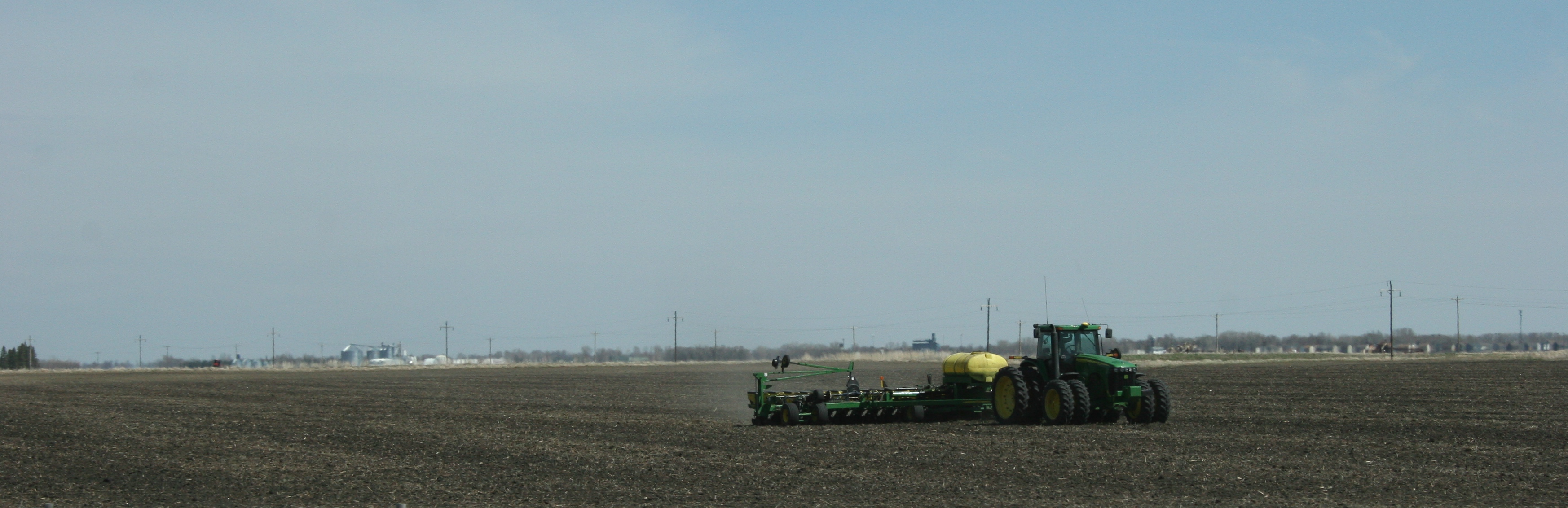
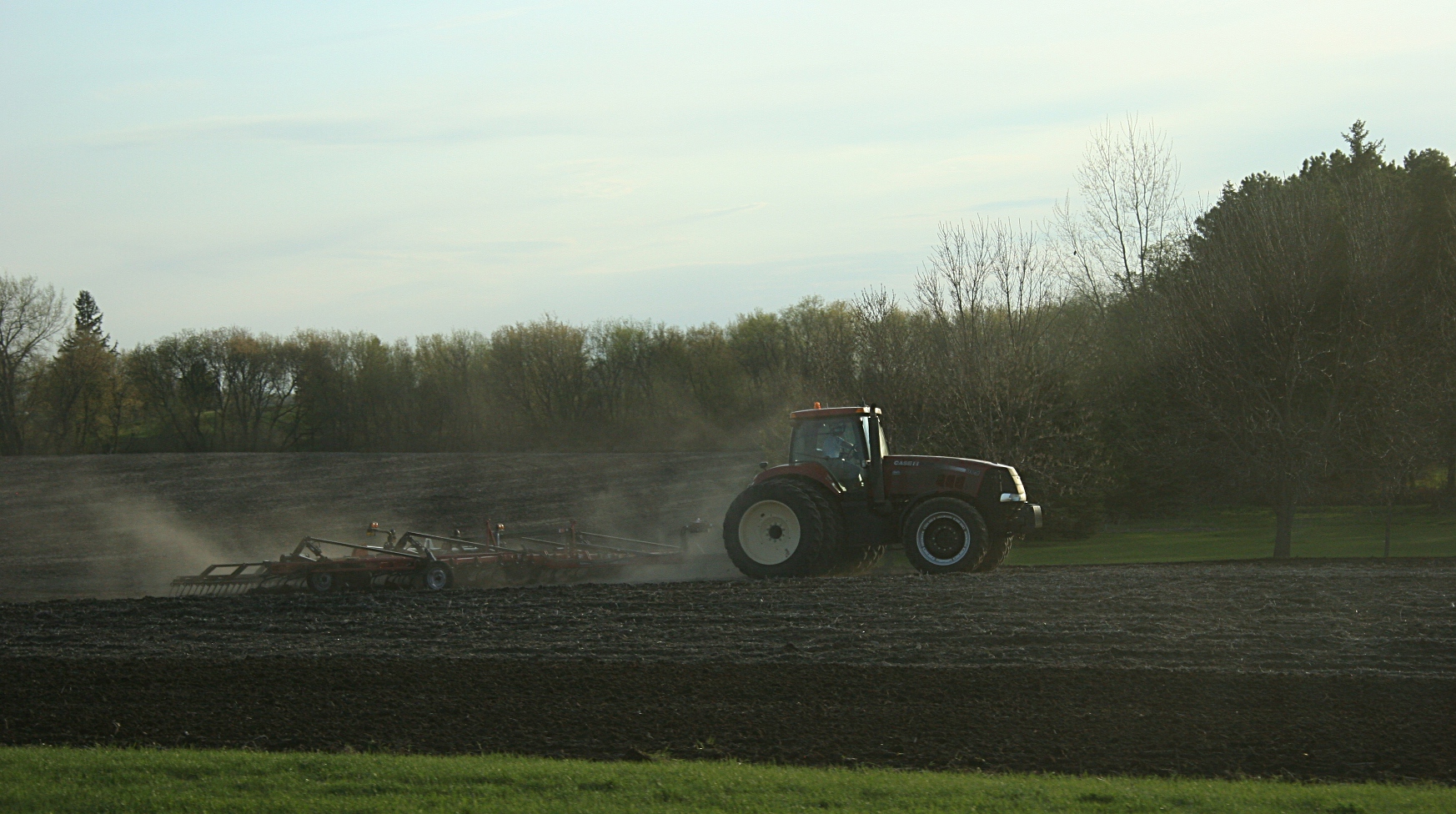
Working the field near the Sabin exit.

Working the field near the Sabin exit Friday.

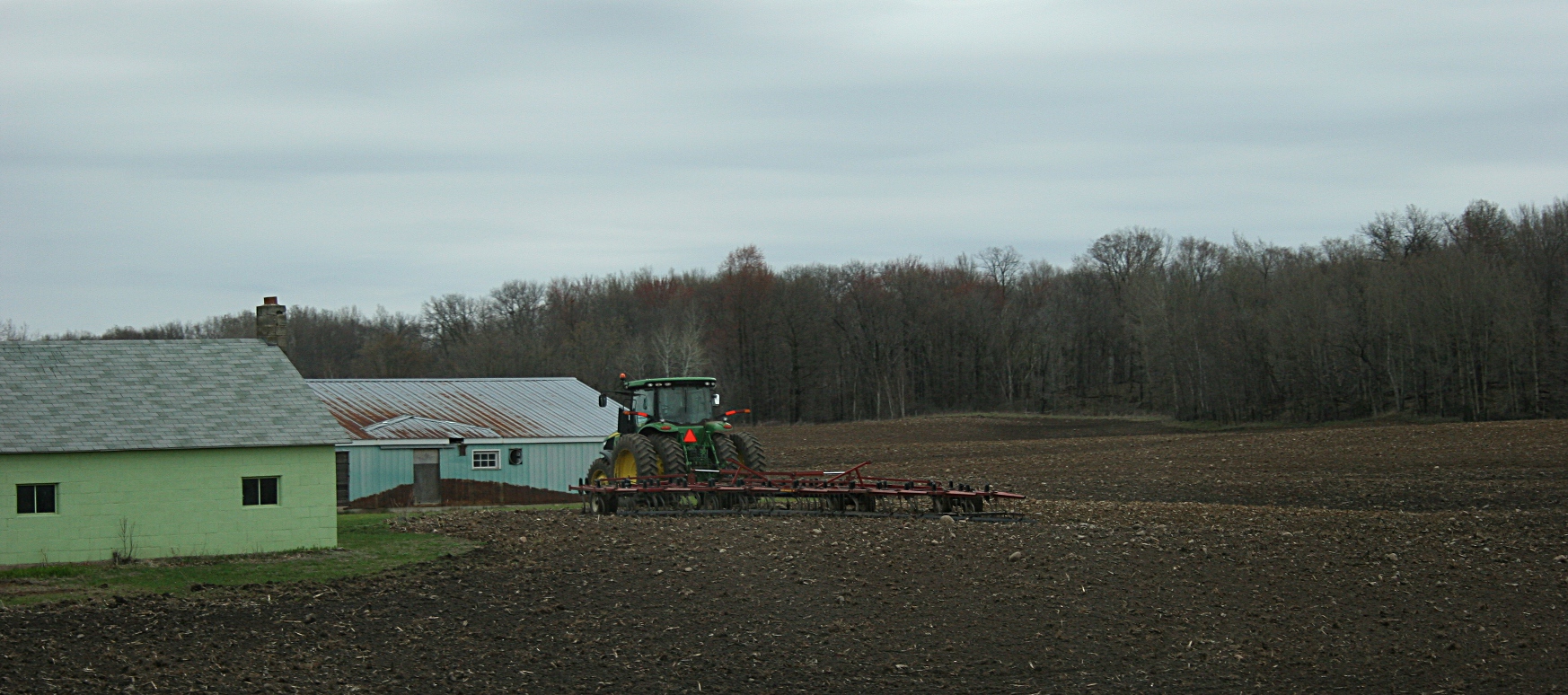
Digging, also near Exit 15 to Sabin.

Digging, also near Exit 15 to Sabin.

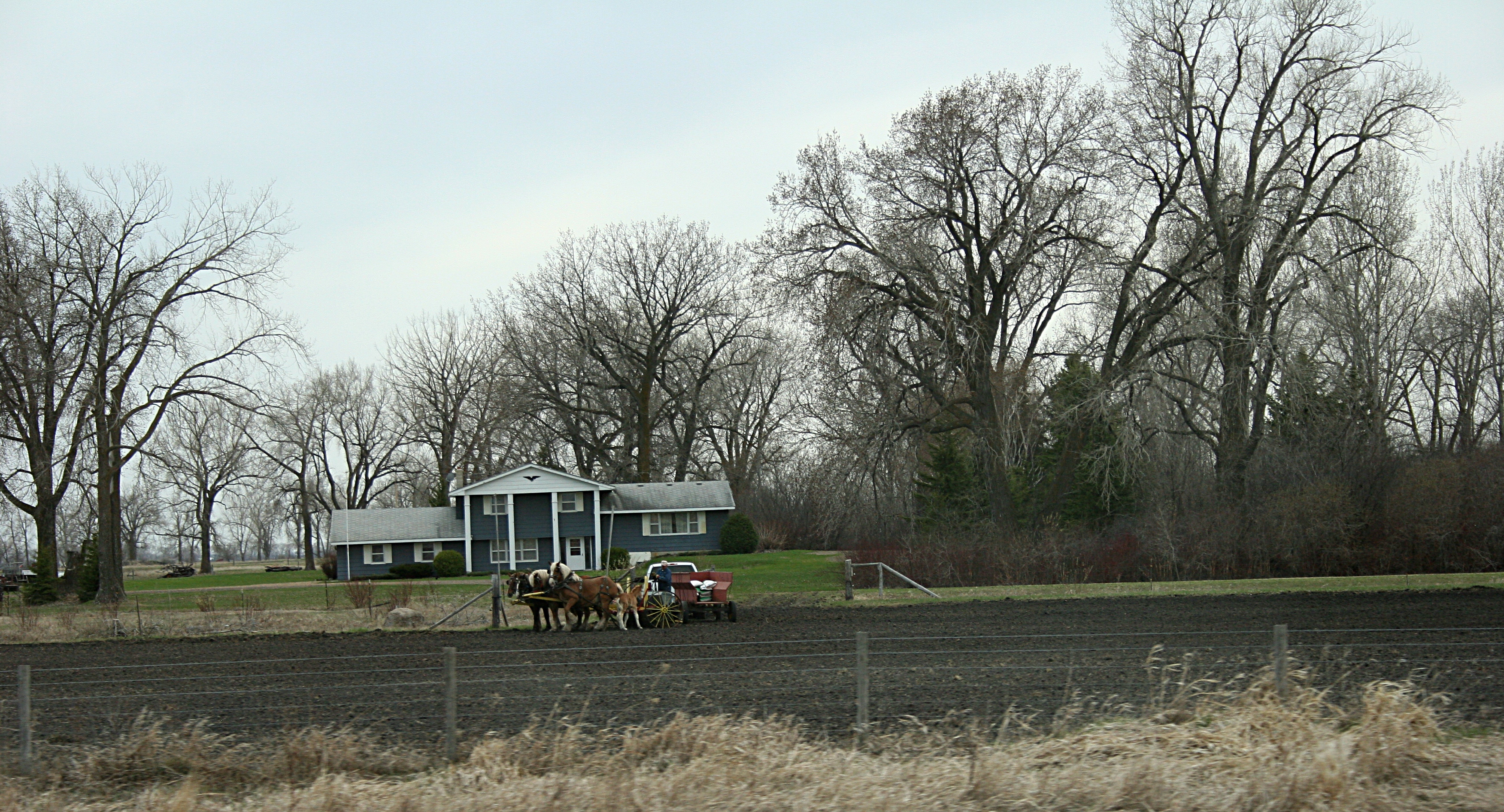
East of Moorhead, draft horses seed small grain.

East of Moorhead, draft horses seed small grain.

Based on our observations from Interstate 94, farmers between Fergus Falls and Moorhead, a distance of about 50 miles, are the most advanced in spring field work within the region we traveled.

Photographed near Collegeville.

Photographed near Collegeville on Thursday afternoon.

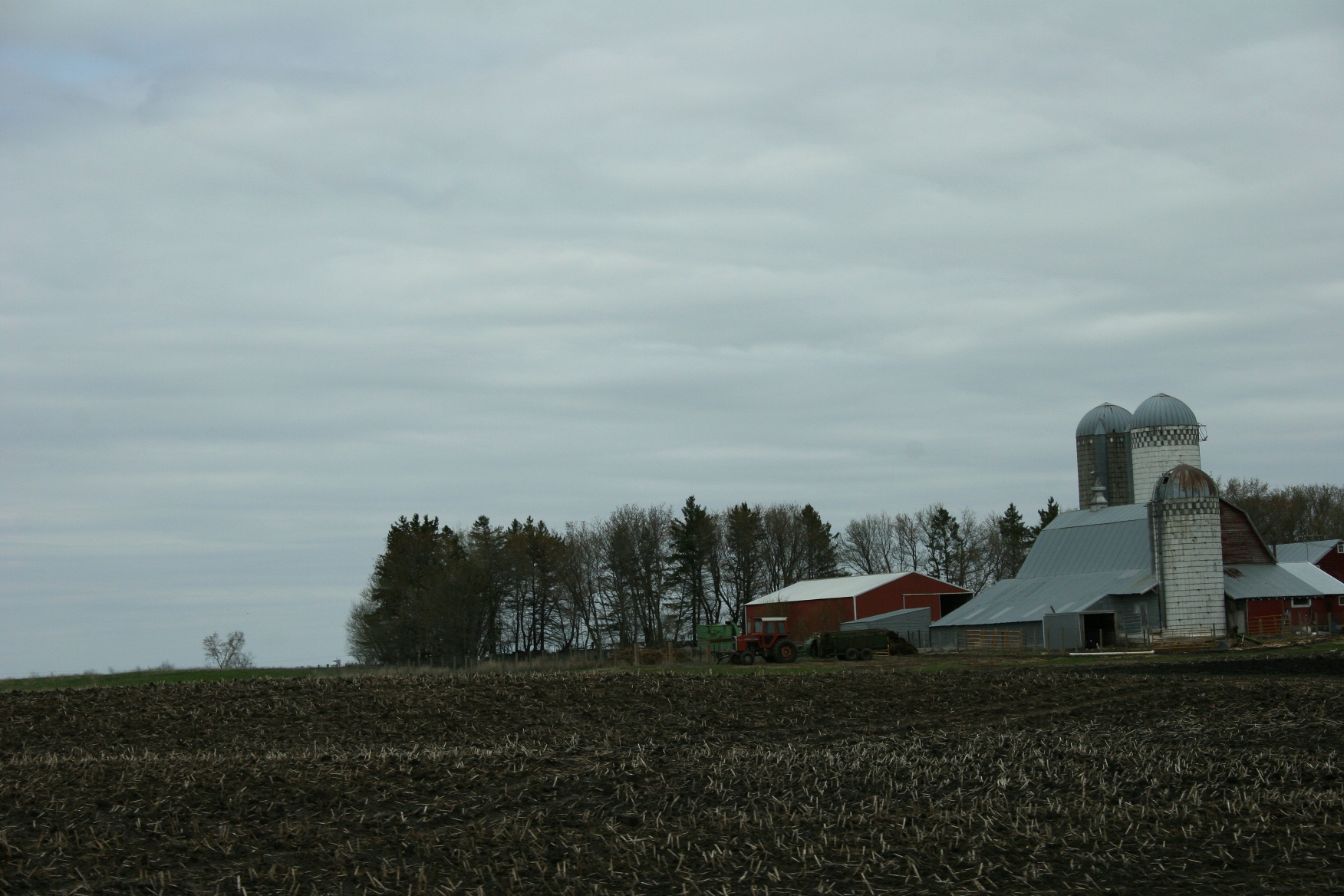
A Freeport area farm.

A Freeport area farm with an, as of Thursday afternoon, unworked field.

Field work before then rates as spotty and really only begins in the St. Cloud area.

As the sun begins to set along Minnesota Highway 15, a John Deere works the land.

As the sun begins to set along Minnesota Highway 15, a John Deere works the land.

North of Winthrop Friday evening.

North of Winthrop Friday evening, dust flies in the field.

Driving south on Minnesota 15 between I-94 and Winthrop Friday evening, we noticed lots of farmers out and about.

But then, heading east on State Highway 19, we saw fields basically untouched since last fall.

I expect, at least in southern Minnesota where we had those monumental late spring snowfalls, farmers are getting a wee worried about getting corn in the ground.

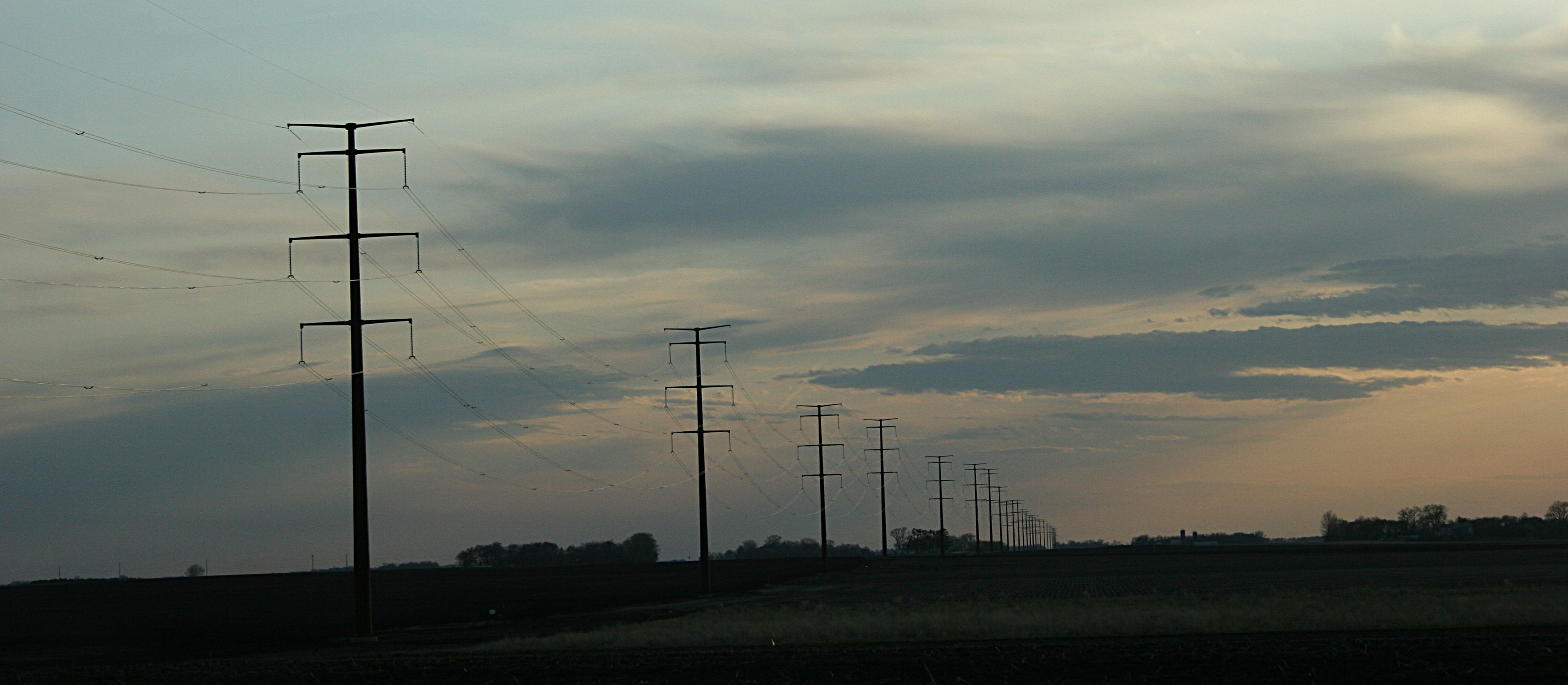
The sun sets across the prairie north of Winthrop on Friday.

The sun sets across the prairie north of Winthrop on Friday.

© Copyright 2013 Audrey Kletscher Helbling

 

For my mother May 12, 2013

Filed under: Uncategorized — Audrey Kletscher Helbling @ 10:35 AM
Tags: , , , , ,
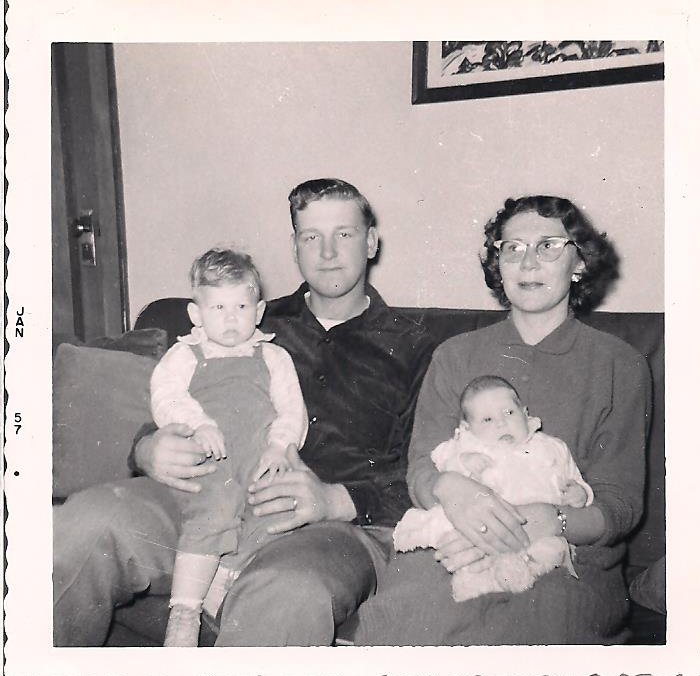
My parents with my brother and me in a photo dated January 1957, but likely taken a few months earlier.

My parents with my brother and me in a photo dated January 1957, but likely taken a few months earlier at my maternal grandpa’s house.

I WONDER SOMETIMES what my mother’s life would have been like had she not chosen motherhood over career.

Not that long-term employment was truly an option for a young woman of the 1950s, unless you chose teaching or nursing, neither of which fit my mother’s professional talents or interests.

After graduating from Wabasso High School in 1951, as valedictorian no less, she attended Mankato Business College then landed a job with the state employment office in Marshall.

By September of 1954, she had quit her job and married. In July 1955 she gave birth to her first son. Within a dozen years, my mother and father would have six children.

Raising a family in rural southwestern Minnesota, in a cramped and drafty three bedroom house with no bathroom, could not have been easy.

I retain memories of my mother striking farmer matches to light the oil burning stove centered in the living room, heating a house wrapped in brown paper, straw bales snugged to the foundation.

I see her dumping buckets of hot water into the galvanized bathtub positioned before the kitchen stove on Saturday nights.

I feel her hands lacing through my stick-straight hair as I lie face-up on the kitchen counter, head draped over the sink, as she works shampoo onto my scalp.

I watch her dump cups of flour and sugar into the white bowl of her Hamilton Beach mixer, stirring up batches of bars too quickly consumed by six hungry kids. I remember, too, the treat of a few chocolate chips dropped into hands.

I smell the yeasty scent of her homemade bread pulled from the oven, remember the snippets of dough she parceled out for me and my sisters to shape miniature buns.

I hear the hiss of hot iron against cotton cloth she’s sprinkled with water.

I watch her grasp the iron ring on the kitchen floor trap door as she sends me down the creaky stairs to the dirt-floored cellar for a jar of golden peaches. Memories of summer days, of wooden crates lugged home from the local grocer, of peaches wrapped in pink tissue, of fruit slipped into boiling water, linger.

I can feel her strength as she stirs the clothes in her Maytag wringer washer with a grey stick propped always against a wall in the porch where smelly chore clothes hung.

She traded a career for all of this.

Was she happy? Did she regret giving up a well-paying and stable job for six kids and poverty?

I’ve never asked.

But I’d like to think she was happy raising a family, instilling in each of her children a strong faith in God and an appreciation and love of family, and of life.

The old farmhouse to the left, where I grew up with the "new house," built in the late 1960s.

The old farmhouse to the left, where I lived until about age 12, with the “new house” in the background. That’s my sister, Lanae, standing on the front steps leading into the porch. Was the house really that small? Apparently so.

© Copyright 2013 Audrey Kletscher Helbling
 

Just like the Clampetts May 11, 2013

Filed under: Uncategorized — Audrey Kletscher Helbling @ 8:12 AM
Tags: , , , , ,
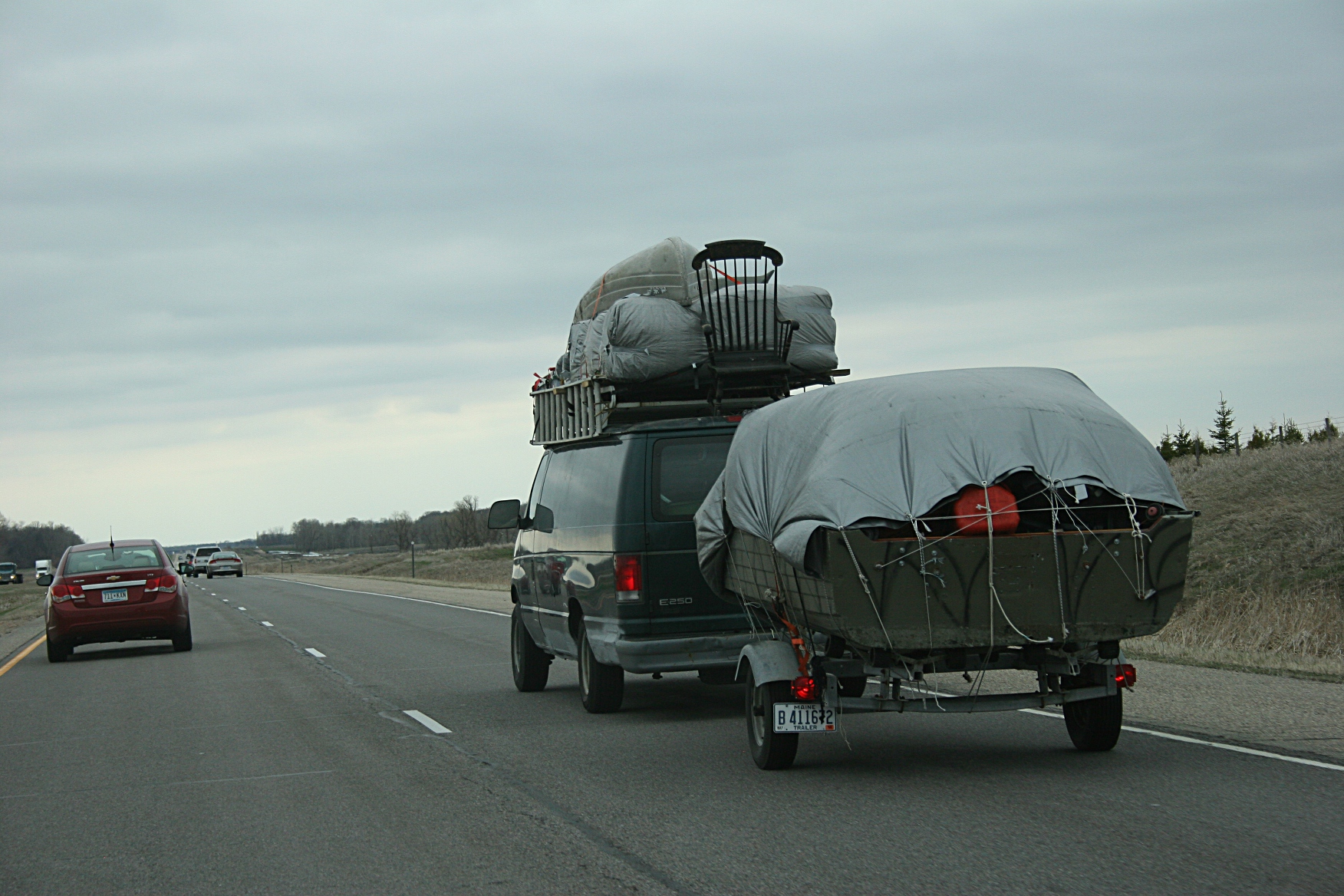
Just like The Beverly Hillbillies, a rocking chair is secured atop this van.

Just like The Beverly Hillbillies, a rocking chair is secured atop this van.

MOVING WEST or heading west and north up to the lake cabin? I’m not sure given the cargo and the Maine license plate on the boat trailer.

But the fictional Clampett family of the 1962-1971 comedic television series, The Beverly Hillbillies, has nothing on these travelers spotted along Interstate 94 about five miles east of Alexandria Thursday afternoon.

What do you think? Lake cabin or permanent move?

Copyright 2013 Audrey Kletscher Helbling
 

Connecting to Rachael Hanel’s “Memoir of a Gravedigger’s Daughter” May 9, 2013

gravedigger coverPICKING UP MINNESOTA WRITER Rachael Hanel’s We’ll Be the Last Ones to Let You Down—Memoir of a Gravedigger’s Daughter, I wonder how I can possibly relate to a book focused on death.

But I can, in many ways. I am, like Hanel, a native southern Minnesotan. That is telling. We are a people who tend to keep our emotions in check, even in grief.

Hanel’s association with death begins before age three, when her father, Paul Hager, becomes a gravedigger. Hanel grew up frequenting 20 Waseca area cemeteries under her family’s care. Their business motto, “We’ll be the last ones to let you down,” seems the perfect title for a memoir that is at times light-hearted, but mostly serious.

Imagine summers in a cemetery, flitting among gravestones or reading books while your father digs holes to receive the dead and your mom mows lawn. And imagine the day you understand that names, dates and words on tombstones reveal stories. I expect we all experience that epiphany at some point during our childhoods, realizing the numbers and letters on cold stone represent lives lived. But the daughter of the gravedigger wants more, asking her storytelling mother to share the stories of the deceased.

Hanel cites numerous examples of tragedies in the Waseca area—the September 11, 1959, deaths of seven members of the Zimmerman family whose car was struck by a train and the deaths of Busy Bee Cafe waitress Cheryl Tutttle and her young daughter—in sharing the graveyard stories which existed as a natural part of her childhood.

About two-thirds of the way into her 192-page memoir, Hanel writes:

My family went to wakes like some families went to movies.

Despite that familiarity with death, Hanel and her family find themselves reeling at the unexpected loss of her father to cancer when she is only 15. They know death, but not grief. Therein lies a major component of Hanel’s memoir in her personal struggles with grief and the fracturing of her family upon her father’s death.

This then-teen, who always leaned to the artistic—appreciating art in her childhood home, art in cemeteries, art in the rural Minnesota landscape—turns to words for solace. She seeks books that will tell her how to connect to her dead father. She tames her grief, she says, “by writing words on the page.”

Hanel also relies on her strong Catholic faith. Praying the rosary is her constancy.

Ironically, several years later, after she has married at the young age of 19, Hanel starts a job writing obituaries at the Mankato Free Press. It is the same newspaper where I worked as a news reporter, but never as an obit writer (although I did report on tragic deaths), for nearly two years, long before Hanel’s arrival. Eventually she, too, becomes a reporter there.

It is not that professional commonality, though, or Hanel’s general love of writing or her faith that cause me to feel most connected to this reporter turned author. Rather it is her understanding of small-town Minnesota. And her appreciation for the land. Hanel writes of biking near Elysian as farmers work the fields, upturning the earth for planting.

This gravedigger’s daughter writes:

I breathe in the freshly turned soil and that is all I want to breathe, night and day.

That I understand, from the perspective of a farmer’s, not a gravedigger’s, daughter.

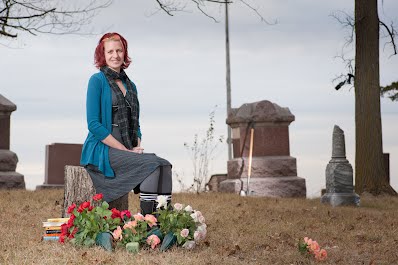
Minnesota author Rachael Hanel. Photo by Steve Pottenger.

Minnesota author Rachael Hanel. Photo by Steve Pottenger.

© Copyright 2013 Audrey Kletscher Helbling
 

Stepping off a fictional cliff & landing on my feet May 8, 2013

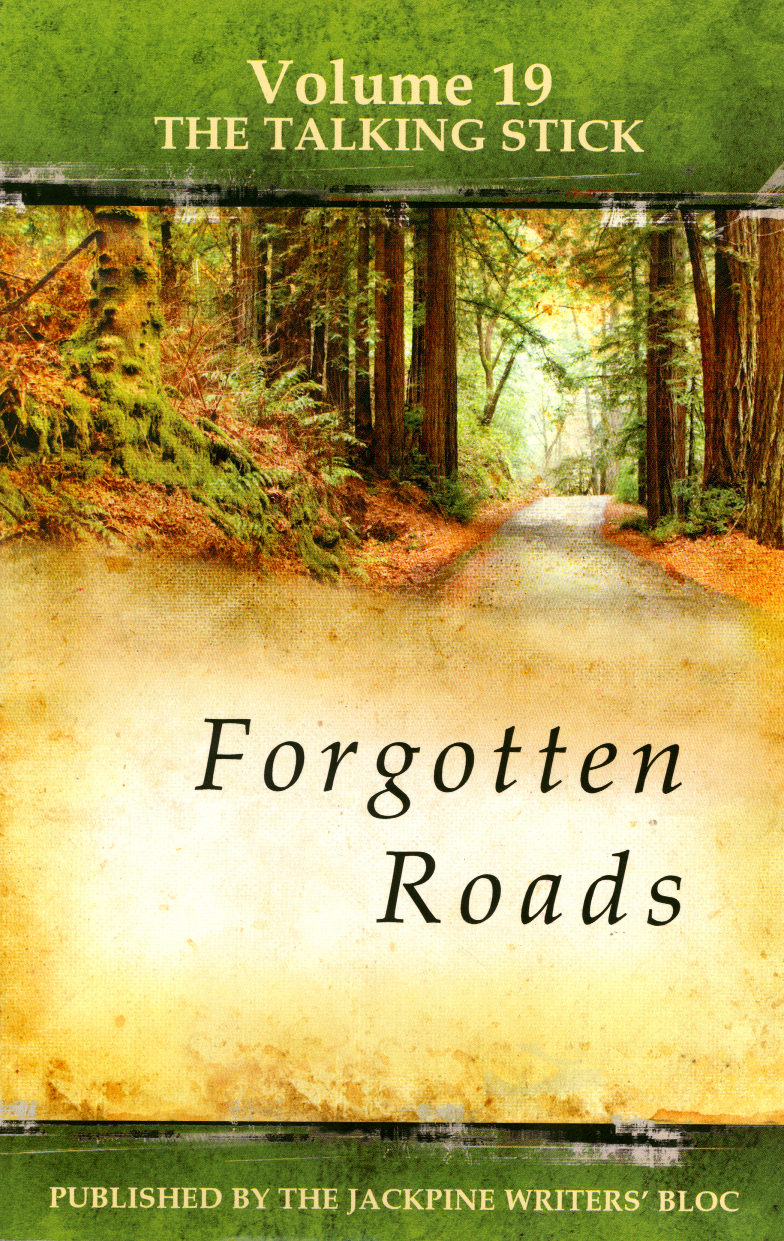
TS 19 in which my poem, "Hit-and-Run," received honorable mention.

TS 19 in which my poem, “Hit-and-Run,” received honorable mention.

IMAGINE THE SWEET SURPRISE of learning you earned honorable mention in a writing competition.

That would be reality for me, dear readers.

I received a thick envelope from Sharon Harris of the Menahga-based Jackpine Writers’ Bloc recently announcing that two of my entries, a poem titled “The Farmer’s Song” and a short story, “The Final Chapter,” were accepted for publication in The Talking Stick 22.

Getting my work accepted into this Minnesota anthology of fiction, creative nonfiction and poetry is nothing new; this marks my fourth time in the annual book. I’ve previously had poetry and creative nonfiction published here.

Neither is the award of an honorable mention novel. In 2010 I received honorable mention for my “Hit-and-Run” poem based on the real-life experience of my son being struck by a hit-and-run driver at age 12.

But this year marks my first time submitting a short story. Decades have passed since I penned fiction. I can’t recall ever entering fiction in a contest. So when I submitted “The Final Chapter,” I did so with minimal, if any, confidence.

I labored over every word, every paragraph, of my short story before finally deciding if I didn’t submit, I would never know whether I’d written a piece worthy of publication. Sometimes you just have to step off the cliff.

I would have been content simply getting my story about an 80-year-old woman losing her grip on reality accepted. (Twenty-five pieces of fiction were selected for publication.) But then, to experience that additional affirmation of honorable mention…, well, my confidence level soared.

It gets even better, dear readers. After members of the Jackpine Writers’ Bloc read all of the submissions, they forwarded their top picks to published writers in each category. St. Paul author John Reimringer, who won the 2011 Minnesota Book Award in novel and short story for his book, Vestments, chose and critiqued the top three short stories, including mine.

Rare is the opportunity to receive such personal, professional feedback. Until you read “The Final Chapter,” you will not fully understand Reimringer’s comment. But, here’s what he wrote:

I like the economical, unsentimental sketch of Clara’s life, and the way she chose third person narrative in the last few paragraphs keeps us in Clara’s pov (point of view) even as it’s clear she’s losing her grasp on reality.

OK, then, basically Reimringer likes my story, just as I enjoyed Vestments when I read, and then reviewed, his award-winning book several years ago for Minnesota Moments magazine. Little did I know then that I would connect with him several years later.

I was hopeful I could meet Reimringer at The Talking Stick book release party in late September. But that won’t happen. My eldest daughter is getting married the same weekend. And that wedding, dear readers, easily trumps honorable mention.

FYI: To learn more about The Talking Stick, which publishes for the 22nd time late this summer, click here. And click here to learn more about The Jackpine Writers’ Bloc.

© Copyright 2013 Audrey Kletscher Helbling
 

The power of light in photography May 7, 2013

“WAIT. DON’T GO,” I requested as he was about to pull away from a stop sign in Owatonna.

Through the drizzled windshield, my eye caught a flash of red letters against the backdrop of a moody blue grey sky.

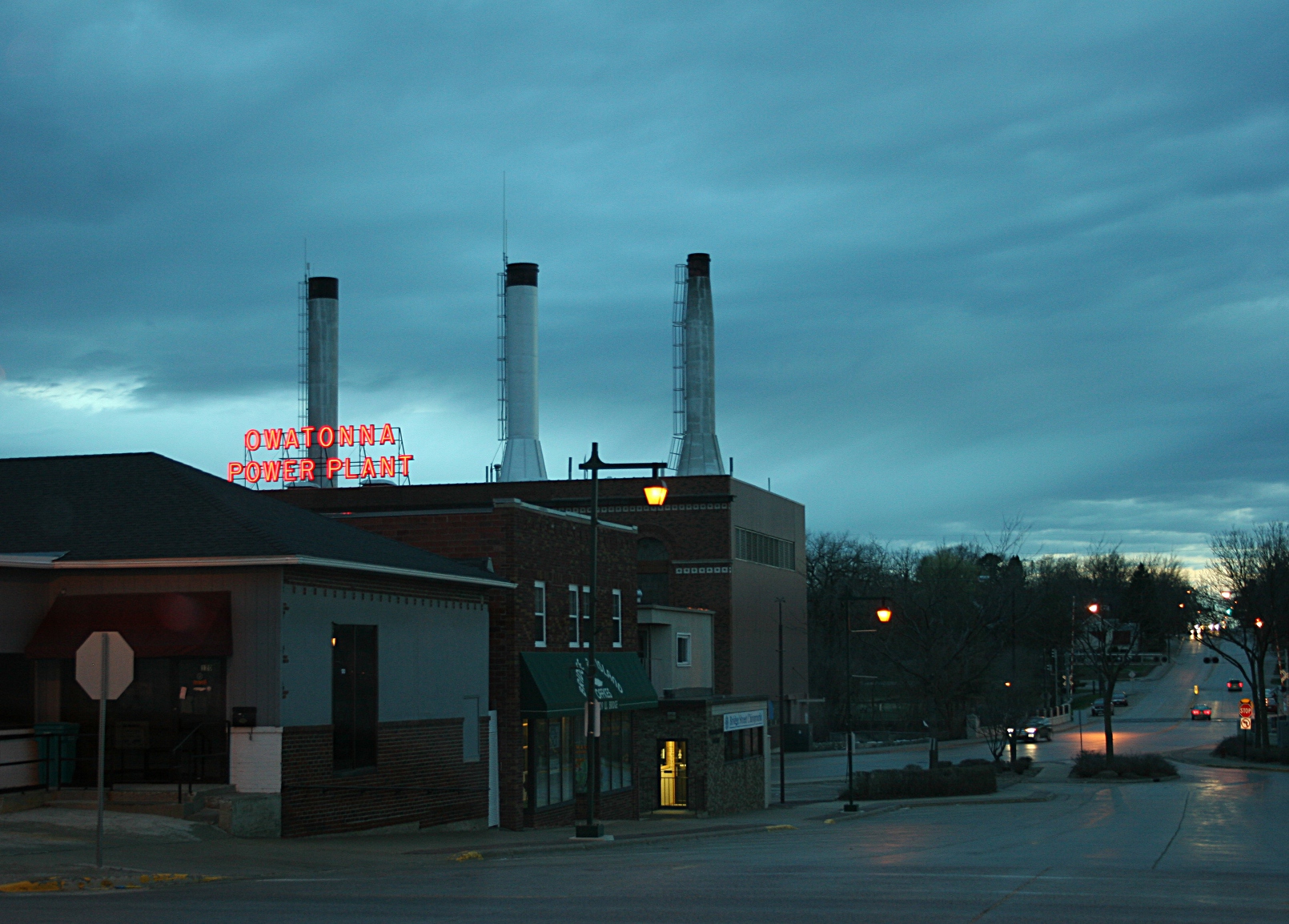
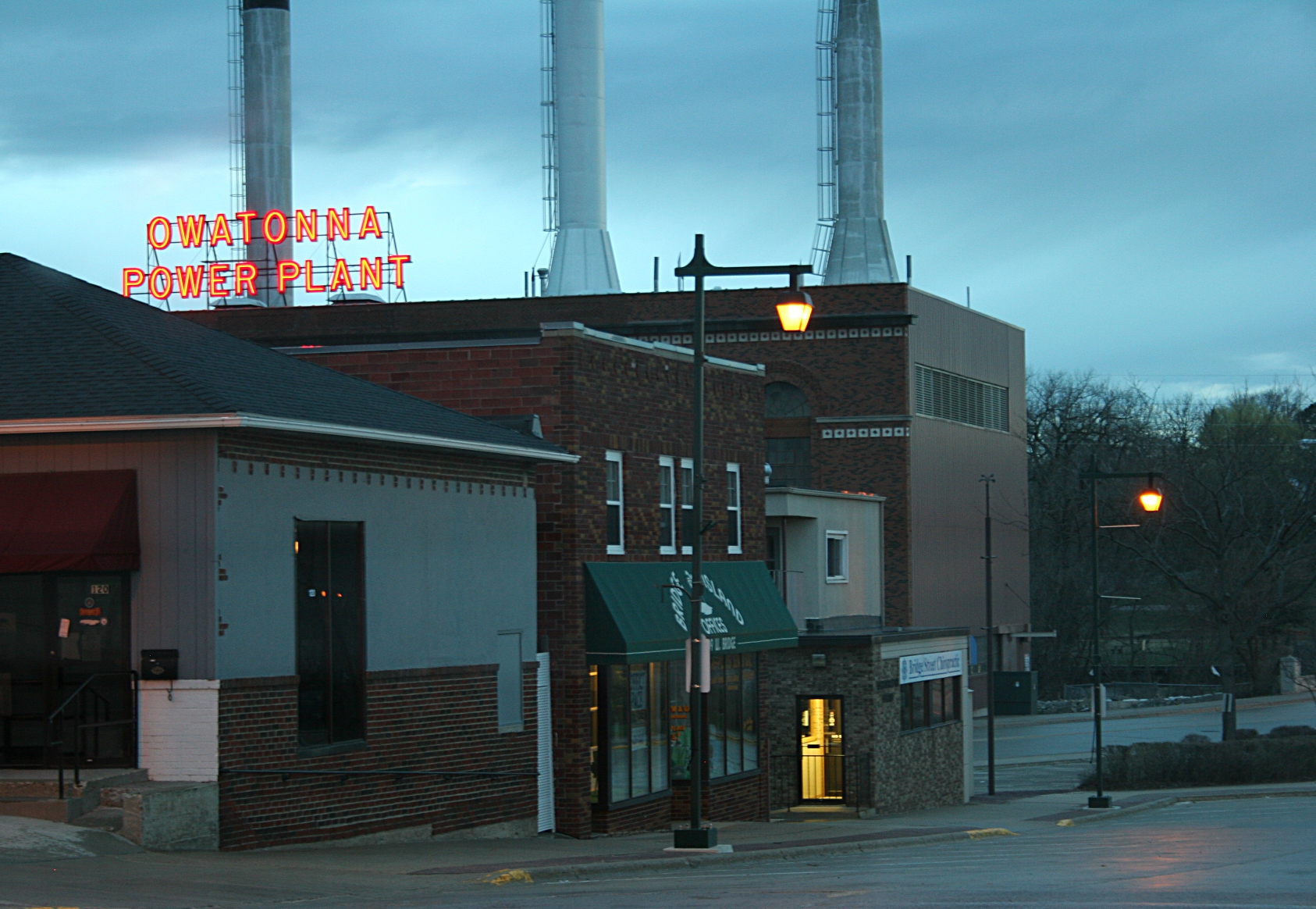
Shot Tuesday evening, April 30, in downtown Owatonna, Minnesota.

Shot Tuesday evening, April 30, in downtown Owatonna, Minnesota.

I wanted a photo of the dreamy scene—the bright signage atop the Owatonna Power Plant building, the warm glow of lantern street lights, flashes of taillights and headlights, the patch of light through a glass door, the reflection of light upon wet pavement.

In that precise moment, the frame unfolding before me was all about light, a gift to any photographer. There was no hesitating. Hesitation, for a photographer, equals regrets.

A closer shot of the 75-year-old signage.

A closer shot of the 75-year-old signage.

And so my husband, who understands, or at least pretends to understand, held foot to brake, flipped on the windshield wipers and allowed me to fire off several shots before continuing through the intersection.

Unexpected opportunities like this, to photograph an iconic landmark in remarkable light, are to be embraced.

FYI: The sign atop the Owatonna Power Plant recently underwent a transformation as the neon letters were replaced with LED technology. Also, as a result of damage caused by a September 2010 flood, the building has been repurposed into office space. The power plant has not been used as an energy source for years with Owatonna Public Utilities purchasing its electricity instead from Southern Minnesota Municipal Power Agency.

© Copyright 2013 Audrey Kletscher Helbling