Minnesota Prairie Roots

Writing and photography by Audrey Kletscher Helbling

“The Seed Keeper,” an award-winning book every Minnesotan should read June 21, 2022

Cover design by Mary Austin Speaker. Cover beadwork art by Holly Young. (Credit: Publisher, Milkweed Editions)

VISUALIZE A PACKET OF SEEDS. Then open the envelope and spill a handful of seeds onto your open palm. What do you see? You likely envision seeds planted in rich black soil, covered, watered, sprouting, growing, yielding and, then, harvested. And while that visual is accurate, seeds hold more. Much more.
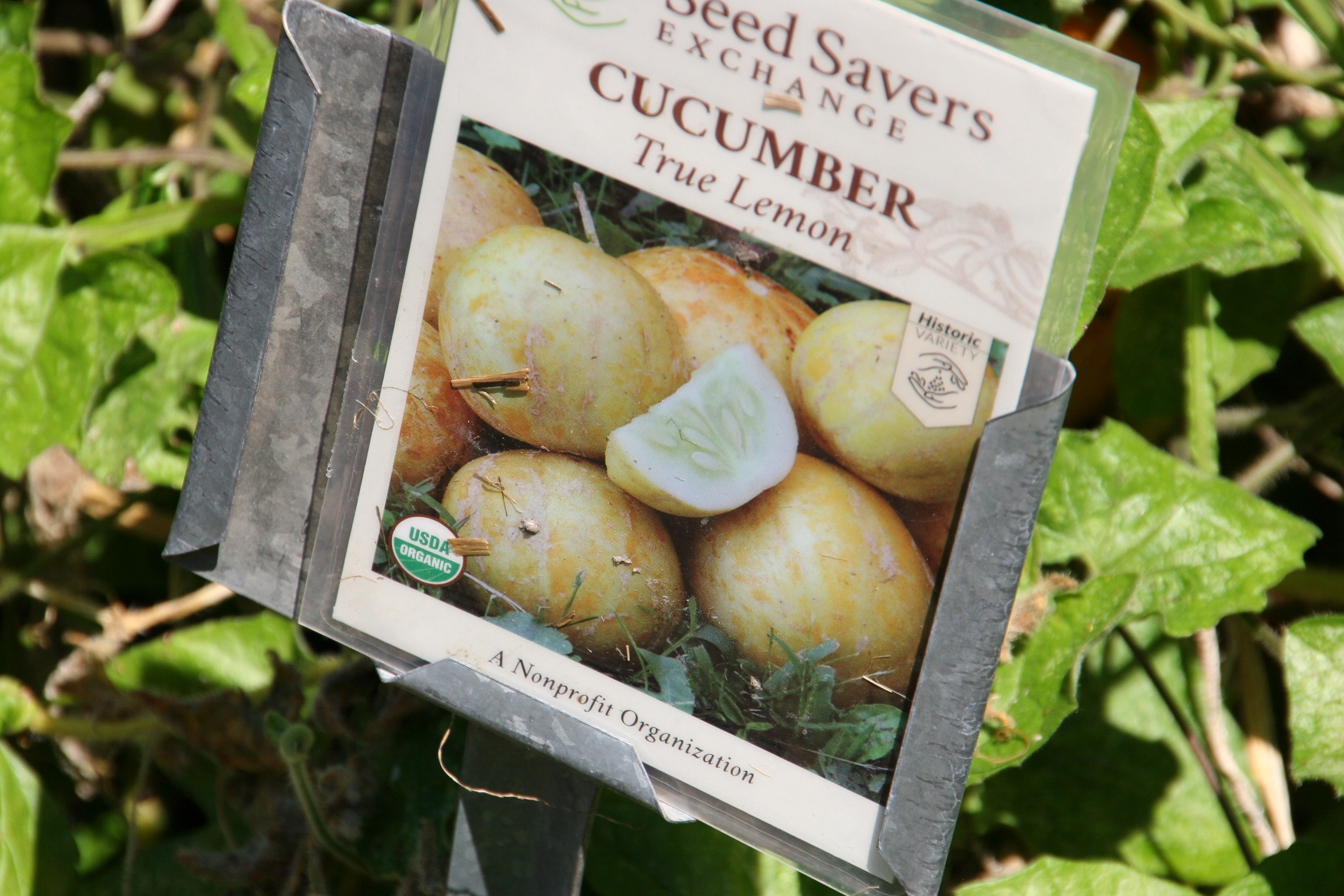
Photographed at Seed Savers Exchange near Decorah, Iowa. The farm specializes in saving heirloom/heritage seeds. (Minnesota Prairie Roots copyrighted file photo October 2018, used here for illustration only)

I just finished reading The Seed Keeper, Diane Wilson’s debut novel and winner of the 2022 Minnesota Book Award in the Novel & Short Story category. I’ve never felt so profoundly and deeply moved by a book rooted in history. Wilson’s writing is like a seed planted, nurtured, then yielding a harvest of insight and understanding.

Part of a public art installation at the Northfield Earth Day Celebration in April. (Minnesota Prairie Roots copyrighted file photo April 2022)

Hers is the story of the Dakota people, specifically of several generations of women, The Seed Keepers. Hers is the story of a connection to the land, sky, water, seeds and of reclaiming that relationship. Hers is a story of wrongs done to indigenous people in Minnesota, of atrocities and challenges and struggles. Past and present. Hers is a story of wrongful family separation and of reuniting with family and community.
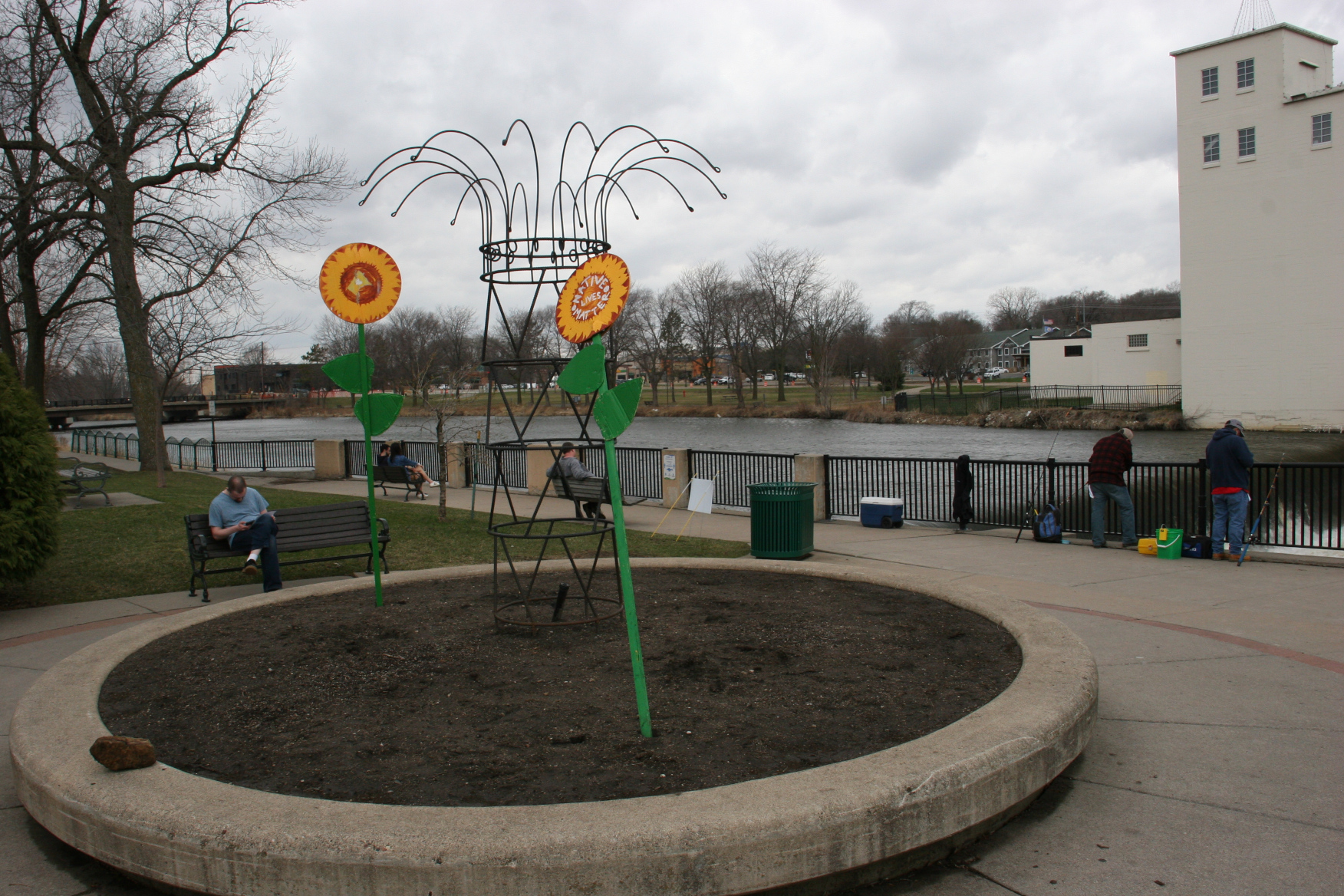
A full view of the art planted in Northfield for Earth Day. (Minnesota Prairie Roots copyrighted file photo April 2022)

At the core of Wilson’s novel are the seeds. The seeds, stored in a willow basket, and eventually passed through the generations. The seeds that not only provided food for their families’ survival, but held the stories of Dakota ancestors and a way of life.
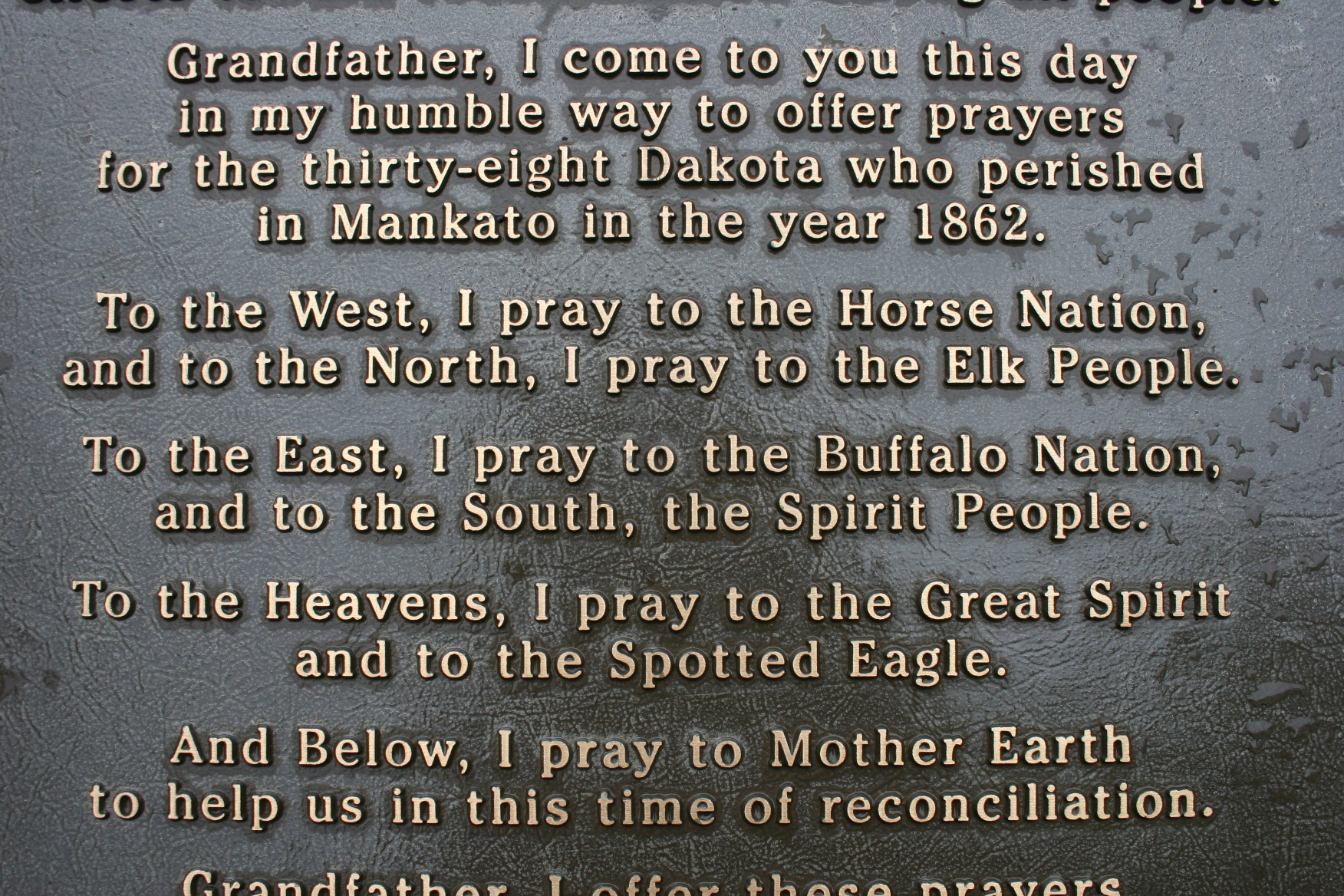
Words on a marker in Reconciliation Park in Mankato where 38 Dakota were hung on December 26, 1862. Wilson references the park, and the theme of forgiveness, in her novel. (Minnesota Prairie Roots copyrighted file photo May 2012)

The subject of this book holds personal interest to me because of its setting in southwestern Minnesota, site of The US-Dakota War of 1862. Wilson covers that war, including the hanging of 38 Dakota warriors in Mankato. As a native of Redwood County, I studied that war, even researched and wrote a term paper on the topic some 50 years ago. But I expect if I read that paper now, I would find many inaccuracies. My writing was shaped by the White (settlers’) narrative without consideration of the Dakota. I long ago realized the failings of that narrow-minded, biased perspective.

Even though I wasn’t taught the whole story, at least I was aware of The U.S.-Dakota War of 1862. It was centered in my home region and in neighboring Brown County, where my maternal ancestors fled their rural New Ulm farm for safety in St. Peter. Many Minnesotans, I’ve discovered, are unaware of this important part of our state’s history.

The Seed Keeper, though fictional, reveals just how devastating this war was to the Dakota people in removal from their native land, in their imprisonment and in efforts by Whites to control and shape them. I found this sentence penned by the author to be particularly powerful: What the white settlers called progress was a storm of fury thundering its way across the land, and none of us were strong enough to withstand it.
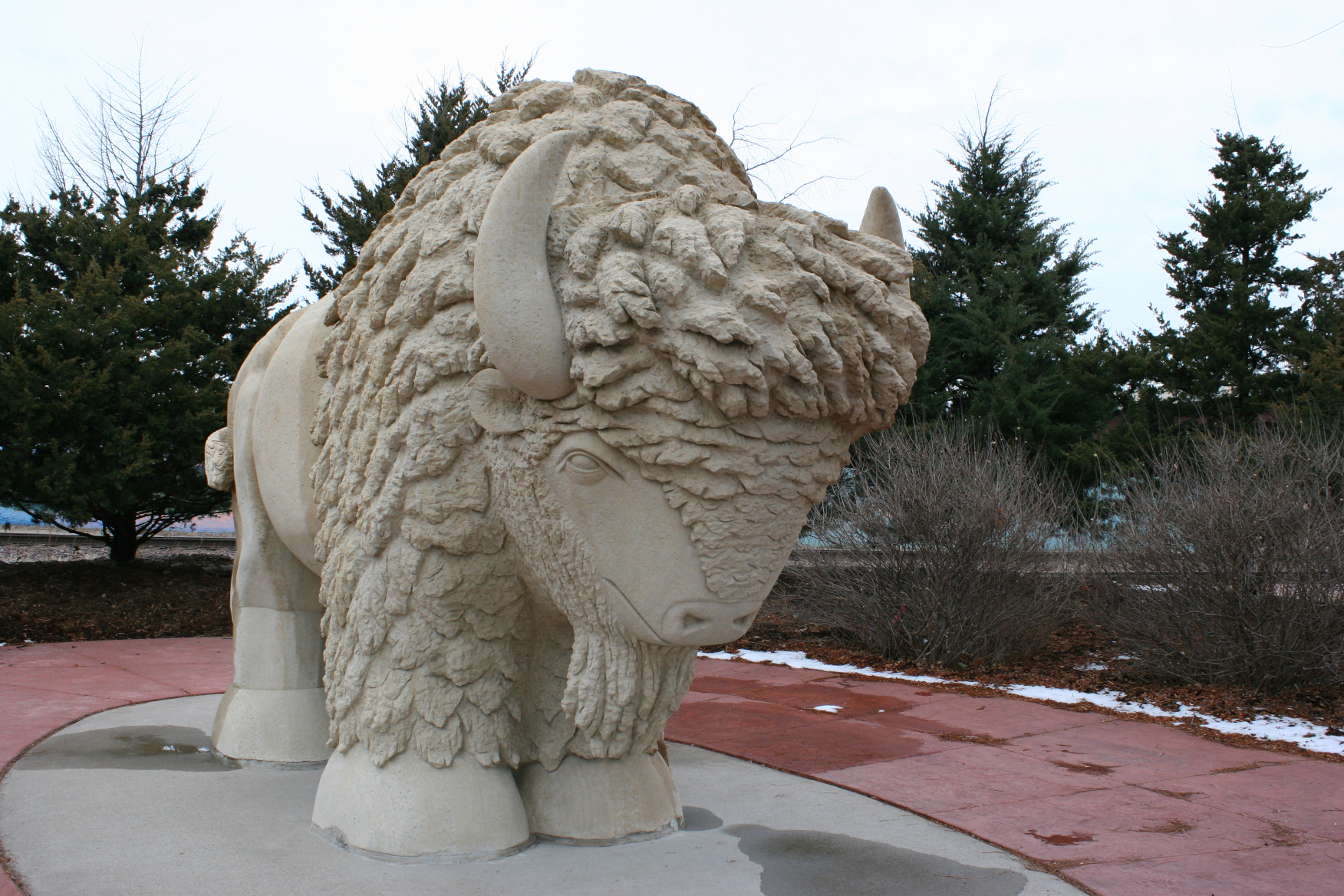
This 67-ton Kasota stone sculpture stands in Reconciliation Park in Mankato. It symbolizes the spiritual survival of the Dakota People and honors the area’s Dakota heritage. The park is the site of the largest mass execution in U.S. history. (Minnesota Prairie Roots copyrighted file photo November 2019)

Still, strength sprouts and grows in The Seed Keeper through a riveting storyline that stretches back to Marie Blackbird in 1862 and then follows main character Rosalie Iron Wing through the decades to 2002. Even her name, Iron Wing, evokes strength and freedom. Rosalie marries a White farmer, births a son and her two worlds collide.
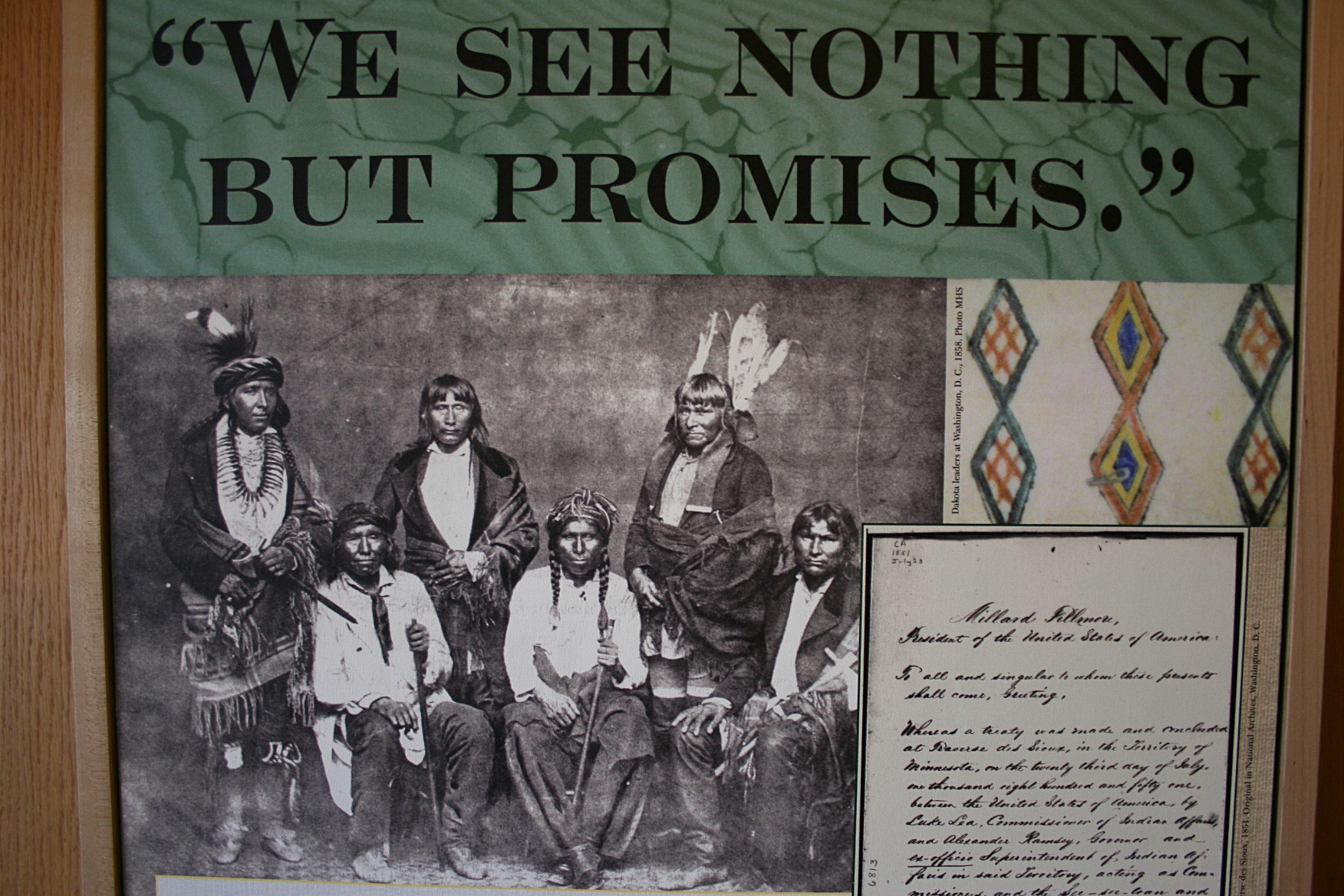
A photo panel at the Traverse des Sioux Treaty Center in St. Peter shows Dakota leaders photographed in Washington D.C. in 1858. The photo is from the Minnesota Historical Society. The quote represents the many broken treaties between the Dakota and the U.S. government. (Minnesota Prairie Roots file photo 2013)

I was especially drawn to this statement by a Dakota elder in Wilson’s book: People don’t understand how hard it is to be Indian. I’m not talking about all the sad history. I’m talking about a way of life that demands your best every single day. Being Dakhóta means every step you take is a prayer.

Wilson writes with authenticity as a Mdewakanton descendant, enrolled on the Rosebud Reservation. She’s walked the steps of the Dakhóta.

#

TELL ME: Have you read The Seed Keeper and, if so, what are your thoughts? I’d encourage everyone, Minnesotan or not, to read this award-winning novel.

© Copyright 2022 Audrey Kletscher Helbling


Thoughts on slavery & race on Juneteenth June 19, 2022

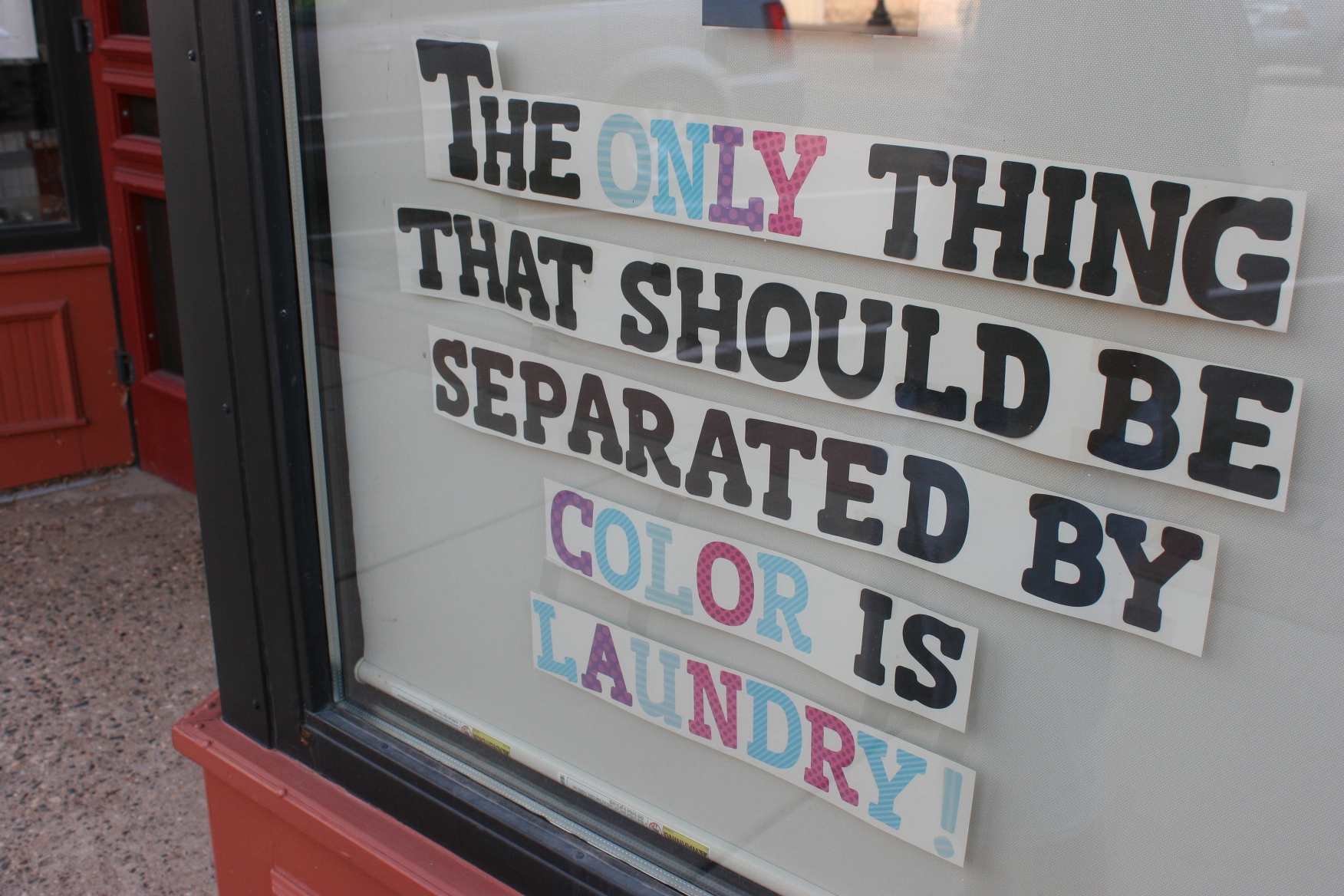
Photographed in August 2018 in a storefront window of a business in downtown Faribault, Minnesota. (Minnesota Prairie Roots file photo 2018)

AS A WHITE WOMAN and writer living in rural Minnesota, writing on the topic of Juneteenth isn’t easy or comfortable. Yet, it’s important for me to do so, to publicly recognize the federal holiday commemorating the emancipation of enslaved African Americans.

Why? Simply put, I care. I care that African Americans were treated with such disrespect, that they were “owned,” for no one should “own” anyone. Yet, these men, women and children were owned, used and abused by White slave owners who worked them, controlled them, imprisoned them, built our country’s early economy on their hardworking backs.

Artist Susan Griebel crafted this quilted art from fabric her mother-in-law, Margaret Griebel, acquired in Africa. Margaret’s husband served as a missionary in Nigeria. (Minnesota Prairie Roots copyrighted file photo)

I don’t pretend to be any sort of expert on slavery. But the very thought of it shakes me to the core. I can only imagine the emotions felt by those whose ancestors worked in servitude—in cotton and tobacco fields, in homes, in barns, on vast plantations…

Taking time on one June day to reflect on the freeing of slaves seems the least I can do. June 19th marks the date in 1865 when federal troops arrived in Galveston, Texas, to ensure the freedom of all enslaved people.

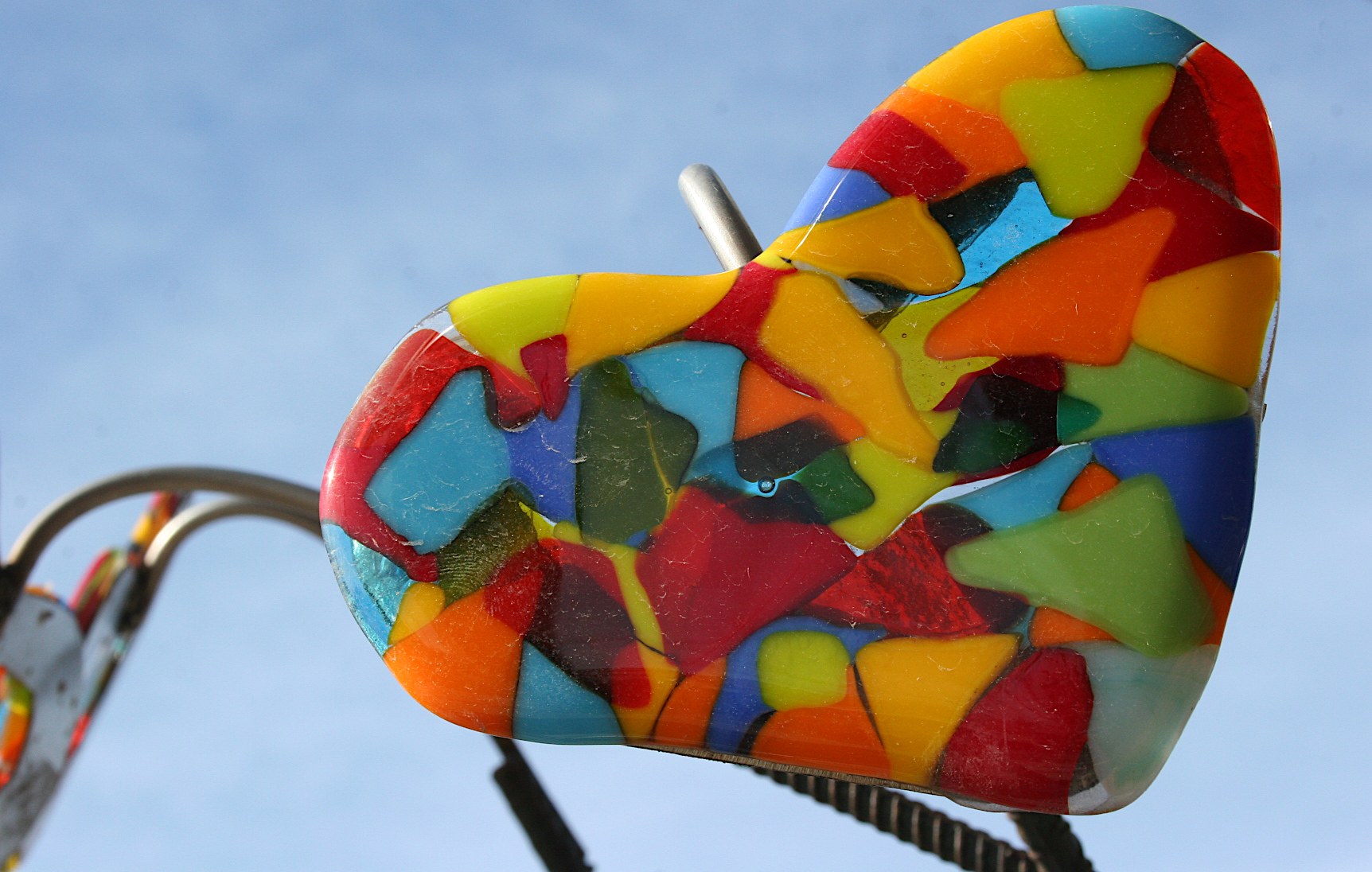
One of many hearts incorporated into a sculpture, “Spreading the Love” by Geralyn Thelen and Dale Lewis, located in downtown Northfield, Minnesota. (Minnesota Prairie Roots copyrighted file photo 2022)

Beyond reflecting on this date in history, I’ve tried to educate myself by reading, a skill most slaves were denied. Reading, whether stories written by reliable media, nonfiction or even fiction rooted in history, opens my mind to understanding. And with understanding comes compassion and an unwillingness to remain silent.

Too many times during my 60-plus years of life I’ve seen (think Confederate flags) and heard the animosities expressed toward people of color. And while this doesn’t apply specifically to Black people and slavery, I will speak up if someone starts bashing our local immigrant population with false claims and other unkind words. I fully recognize that, because my skin is colorless, my life is likely easier without preconceived ideas/prejudices/denied opportunities.

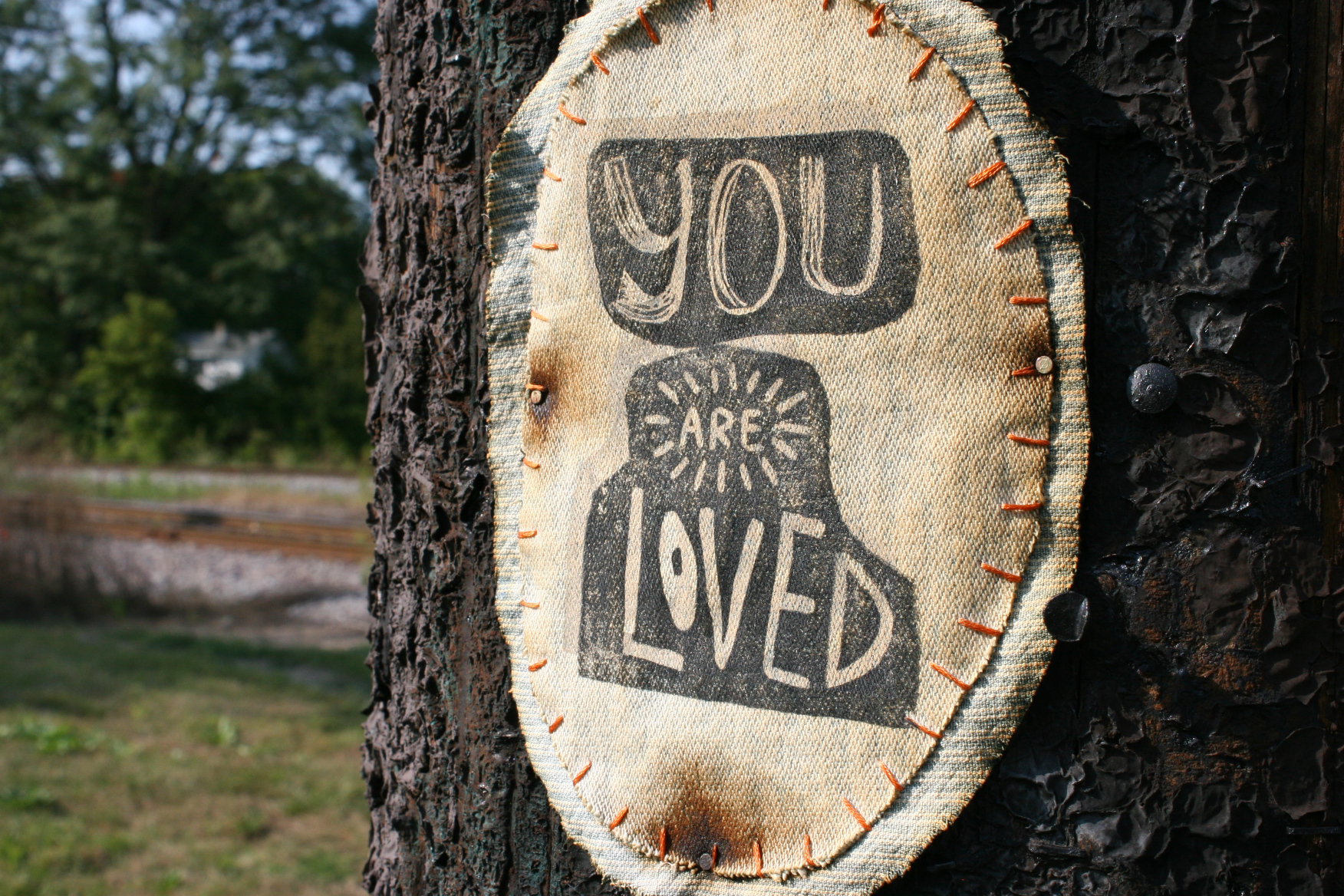
Love this uplifting message posted along a recreational trail in the Atwood Neighborhood of Madison, Wisconsin. (Minnesota Prairie Roots copyrighted file photo)

I appreciate that thoughts in this country are shifting, that we as a people are acknowledging past wrongs, that we’re trying. On the flip side, I see, too, hatred rising in ways I would never have imagined possible.

I admit that I grew up in a household where my father occasionally used the “n” word. It hurts to write that. The “n” word was part of his rural vocabulary, of the time, of growing up among others just like him. White. I grew up similarly, totally surrounded by those of Scandinavian, German, Polish, Irish and other descent, none with roots in Africa.

But I moved away, grew my knowledge and experiences, grew my exposure to new ideas and people and places. I’ve also gained insights into the challenges Blacks face from a biracial son-in-law. Today I live in a diverse neighborhood of Americans who are White, Latino, African…and I’m thankful for that. They carry, in their family histories, struggles and joys, the imprints of those who came before them. Today I honor those African Americans in Texas who 156 years ago first celebrated their freedom from slavery with “Jubilee Day” on June 19, 1866. And I honor all those slaves forced into lives not of their choosing, without freedom, but determined to be free.

© Copyright 2022 Audrey Kletscher Helbling
 

Father’s Day reflections on, for, Randy June 18, 2022

Filed under: Uncategorized — Audrey Kletscher Helbling @ 5:00 AM
Tags: , , , , , , ,
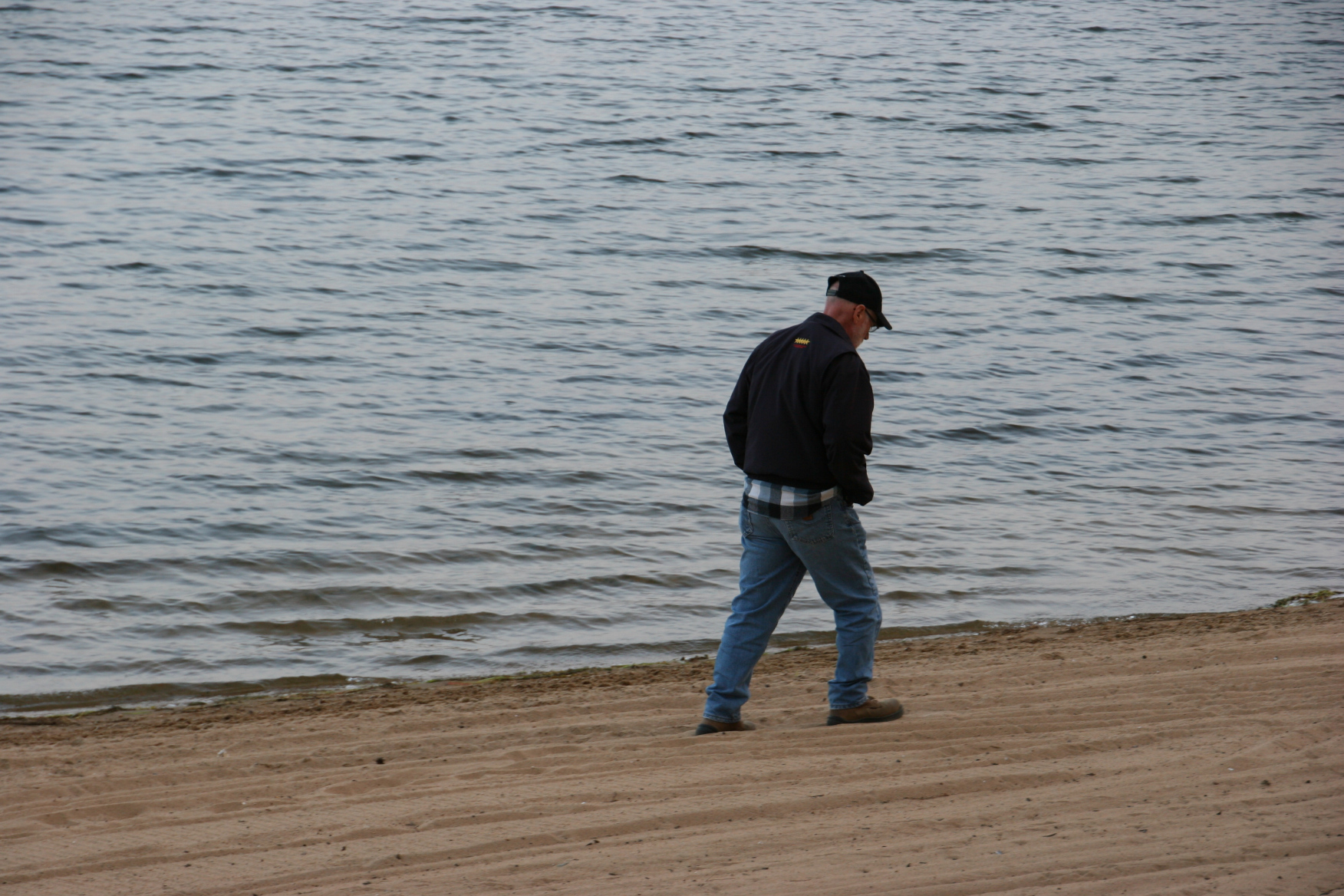
Randy takes a quiet walk along the beach of Horseshoe Lake south of Crosslake. (Minnnesota Prairie Roots copyrighted file photo September 2020)

ON THIS DAY BEFORE FATHER’S DAY, I want to pause and reflect, not on my dad, but on my husband as a father. And a son.

He’s been a dad now for 36 years with an age span of eight years between our eldest daughter and our son in a family of three children. Coming from a large farm family—as the oldest boy of nine siblings—Randy understands the joys, the inner workings, the challenges within families, within life. And while he certainly parents differently than his father, basic core values are generational.

An Allis Chalmers corn chopper like this one exhibited at the 2010 Rice County Steam & Gas Engines Show, claimed my father-in-law’s left hand and much of his arm in a 1967 accident. That’s my husband, Randy, who saved his dad’s life by running for help. (Minnesota Prairie Roots copyrighted file photo 2010)

I want to start by reflecting on an incident in Randy’s childhood in which he, undoubtedly, saved his father’s life. On that October day in 1967, Randy rode along with his dad as he chopped corn on the family farm in rural Buckman, Minnesota. Near the far end of the field, the chopper plugged and Tom hopped off the tractor to hand-feed corn into the machine. Along with the corn, his hand was pulled into the spring-loaded rollers. The blades sliced off Tom’s fingers and the rollers trapped his arm.

In that moment, when Randy’s dad screamed in excruciating pain, his 11-year-old son disengaged the power take-off, stopping the machine from causing additional injury and death. Randy then raced along a cow pasture and across swampland to a neighbor’s farm for help. That farm accident ended with the amputation of Tom’s left hand and most of his arm. But his life was spared because of his son’s quick action.

I asked Randy if his dad ever thanked him for saving his life. He never did, he acknowledged. That saddens me and now it’s too late. Tom died in 2021. Had this happened in today’s world, I expect Randy would receive public recognition for his actions. But this story has slipped, unnoticed and unrecognized, into family history.

I’m not surprised that my father-in-law never thanked his son. He was of the generation where displays of affection, of emotions, of gratitude mostly did not happen. That was my experience growing up also. Sure we knew our parents loved us. But they didn’t necessarily express that, although their actions did in their hard work of providing for us.

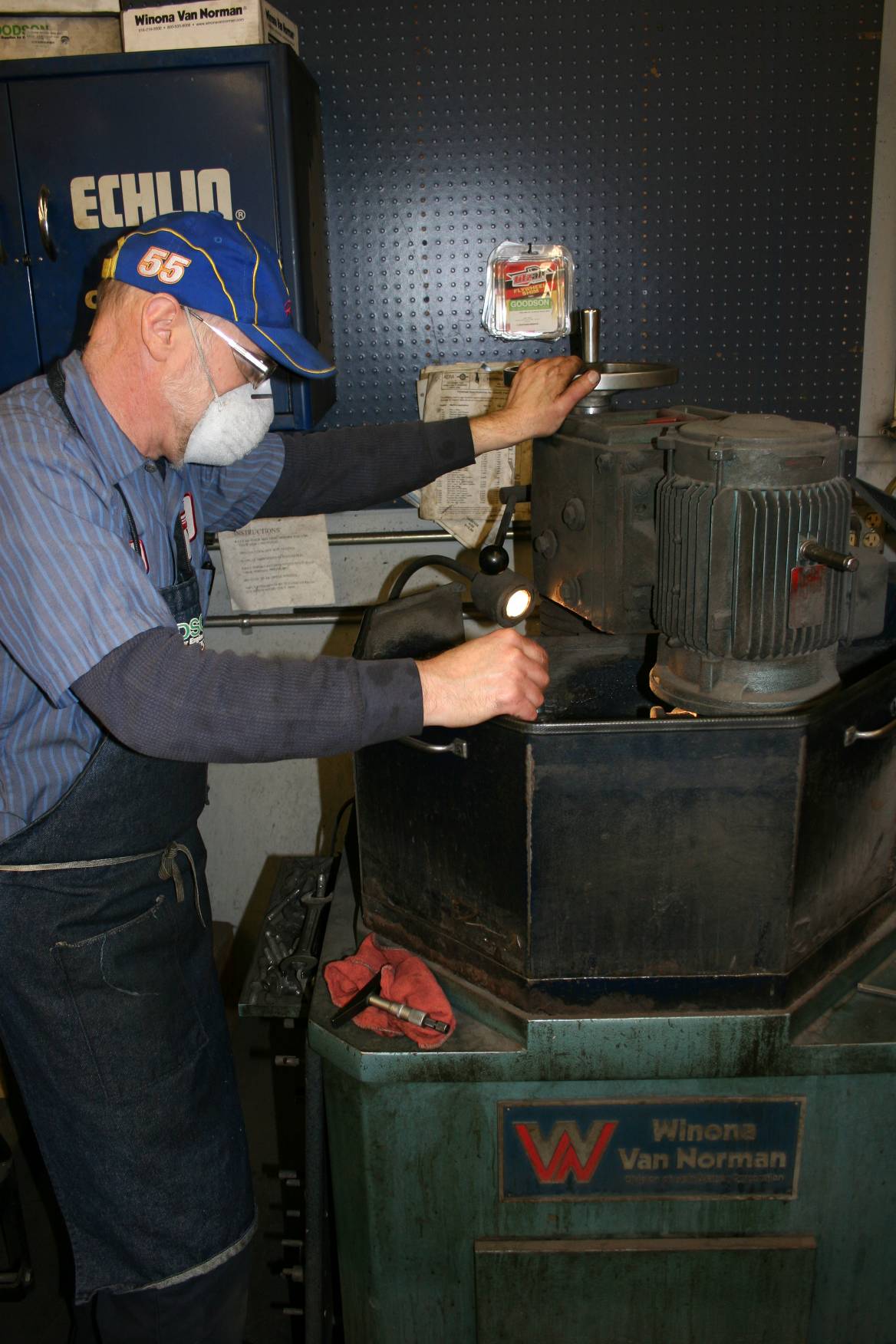
Randy grinds a flywheel in his job as an automotive machinist. He’s worked in this profession for more than 40 years. (Minnesota Prairie Roots copyrighted file photo 2010)

Randy models hard work, too. But his parenting differs from the prior generation in that his kids, our kids, hear their dad’s words of love and feel it in his hugs and more.

I carry visuals of him sprawled across the living room floor on a Sunday afternoon reading the comics to our girls. I see him, too, playing endless games of Monopoly with the kids or walking up the hill to the park with them. Swinging in the summer, sliding in the winter.

Grandpa and grandchildren follow the pine-edged driveway at the extended family lake cabin. (Minnesota Prairie Roots copyrighted file photo July 2020)

In my memory, I see him tailing kids trying to balance on a bicycle without training wheels. I see him hunched over with our eldest daughter, helping her construct an igloo from water softener salt pellets for a first grade assignment. I see him aside our son gazing at the stars. None of these interactions are particularly profound. But they are the moments which comprise life and fatherhood.

My favorite photo of Randy holding our then 10-day-old granddaughter, Isabelle. (Minnesota Prairie Roots file photo April 2016)

There have certainly been hard moments too—watching our 4-year-old daughter clutch her Big Bird as she walked into a hospital operating room. Or racing down the street where our 12-year-old son was being loaded into an ambulance after he was struck by a car. Randy handled both with inherent calm.

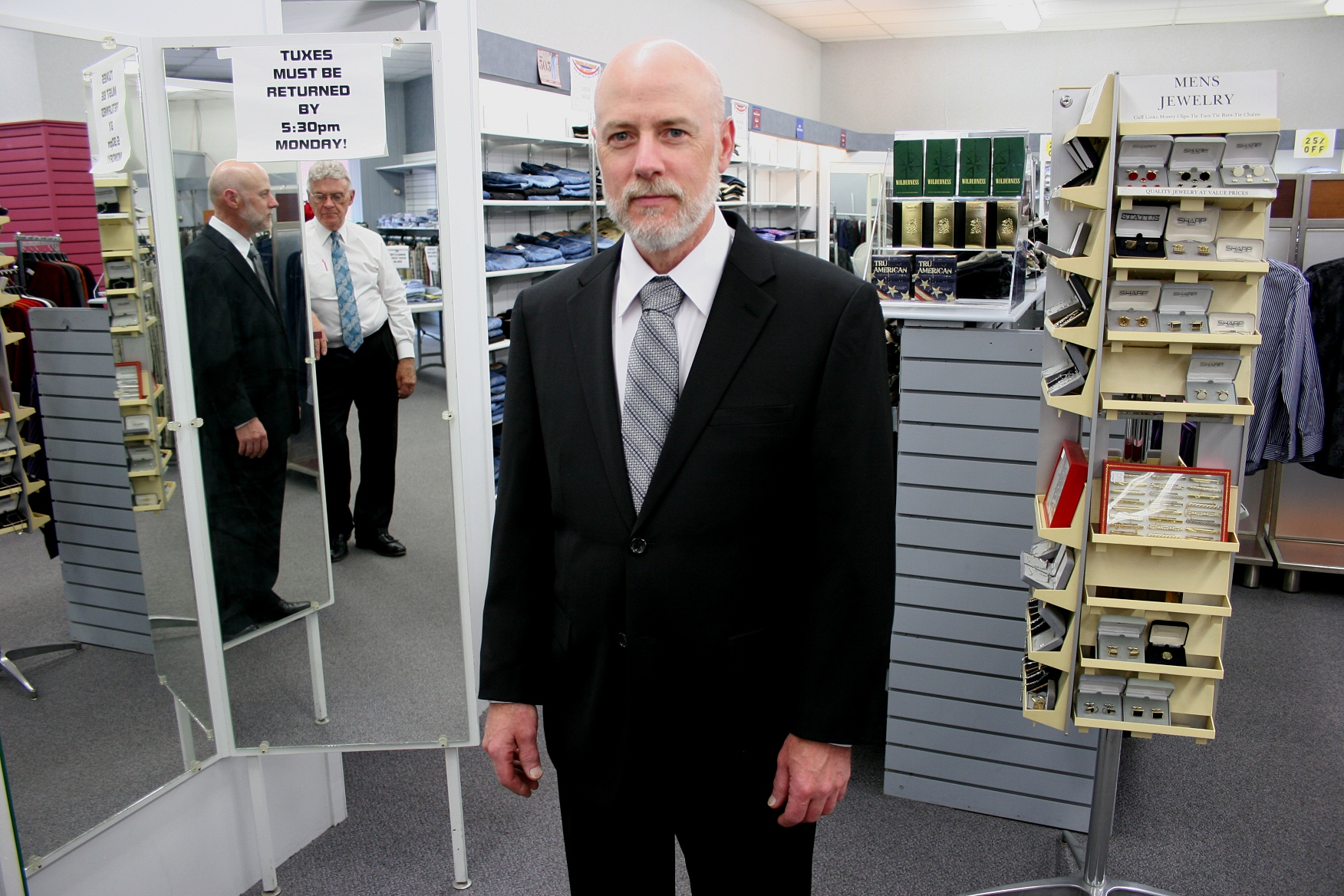
Randy in the suit he selected at St. Clair’s for Men in Owatonna for our eldest daughter’s wedding. (Minnesota Prairie Roots copyrighted photo 2013)

In their adulthood, Randy has continued to be there for our three grown children. We’ve moved them many times from places in Minnesota to North Dakota to Wisconsin to Indiana. (The son had to do his Boston move on his own.) Randy’s repaired cars, offered advice, always been there. He walked our daughters down the aisle. And now he’s loving on our two grandchildren, extending his fathering skills to the next generation. I love watching him in that role, rooted in his experiences as a father and, before that, as a loving son who 55 years ago saved his father’s life in a central Minnesota cornfield.

© Copyright 2022 Audrey Kletscher Helbling


This Was 2020, more indie book success June 17, 2022

Award-winning This Was 2020. (Minnesota Prairie Roots copyrighted file photo)

AS A LONG-TIME WRITER, I’ve accumulated a lengthy list of publication credits. That’s rewarding. Publication validates me as a writer. But it is knowing people are reading my work which proves especially rewarding.

The beginning of my poem. (Minnesota Prairie Roots copyrighted file photo)

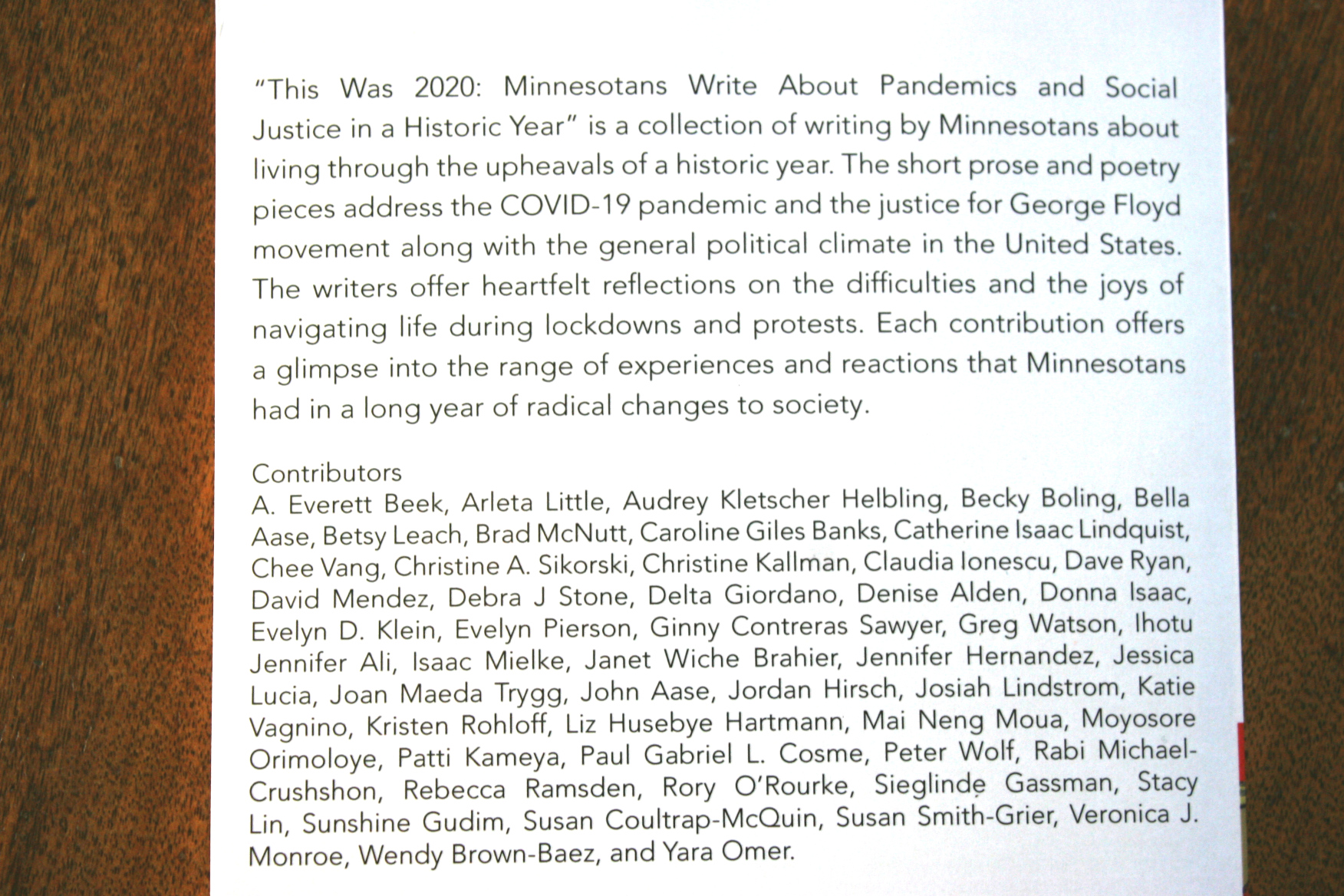
I am thrilled to share that This Was 2020—Minnesotans Write About Pandemics and Social Justice in a Historic Year is the top circulating book across all Indie Author Project library collections in the U.S. and Canada thus far in 2022. My poem, “Funeral During a Pandemic,” is included in This Was 2020, an anthology of 54 poems and essays by 51 Minnesota writers. To earn the number one circulation spot is an achievement worth noting and celebrating.

This is exciting news added to the initial success of the book as the 2021 Minnesota Author Project award winner in the Communities Create category.

A summary and author list from the back cover. (Minnesota Prairie Roots copyrighted file photo)

I’m not surprised by the book’s success. The collection of stories and poems selected via a competitive process is remarkable—packed with experiences, insights, emotions and more. I feel humbled and honored to be a part of this awarding-winning book featuring the work of talented Minnesota writers.

Paul Lai, formerly with Ramsey County Library, deserves much credit for his hard work on this MN Writes MN Reads project. It’s a mega undertaking to organize a contest open to writers throughout the state and then work through the process to publication. But it doesn’t end there. Lai also organized book readings and kept writers like me informed. I am grateful for his talent, enthusiasm and dedication.

My bio printed in This Was 2020. (Minnesota Prairie Roots copyrighted file photo)

If you haven’t read This Was 2020, I encourage you to do so. The book, Lai says, is available at all 14 library systems in Minnesota. Locally, Buckham Memorial Library in Faribault carries two copies. Writers need readers. And readers need writers. Thank you for reading.

#

NOTE: This marks the second time my poetry has been included in a book vying for the Minnesota Author Project, Communities Create Award. In 2020, Legacies: Poetic Living Wills was a finalist for the honor. The book featured my poem, “Life at Forty Degrees,” and the poems of 15 other area poets.

© Copyright 2022 Audrey Kletscher Helbling
 

Peonies, wine & more at Aspelund June 16, 2022

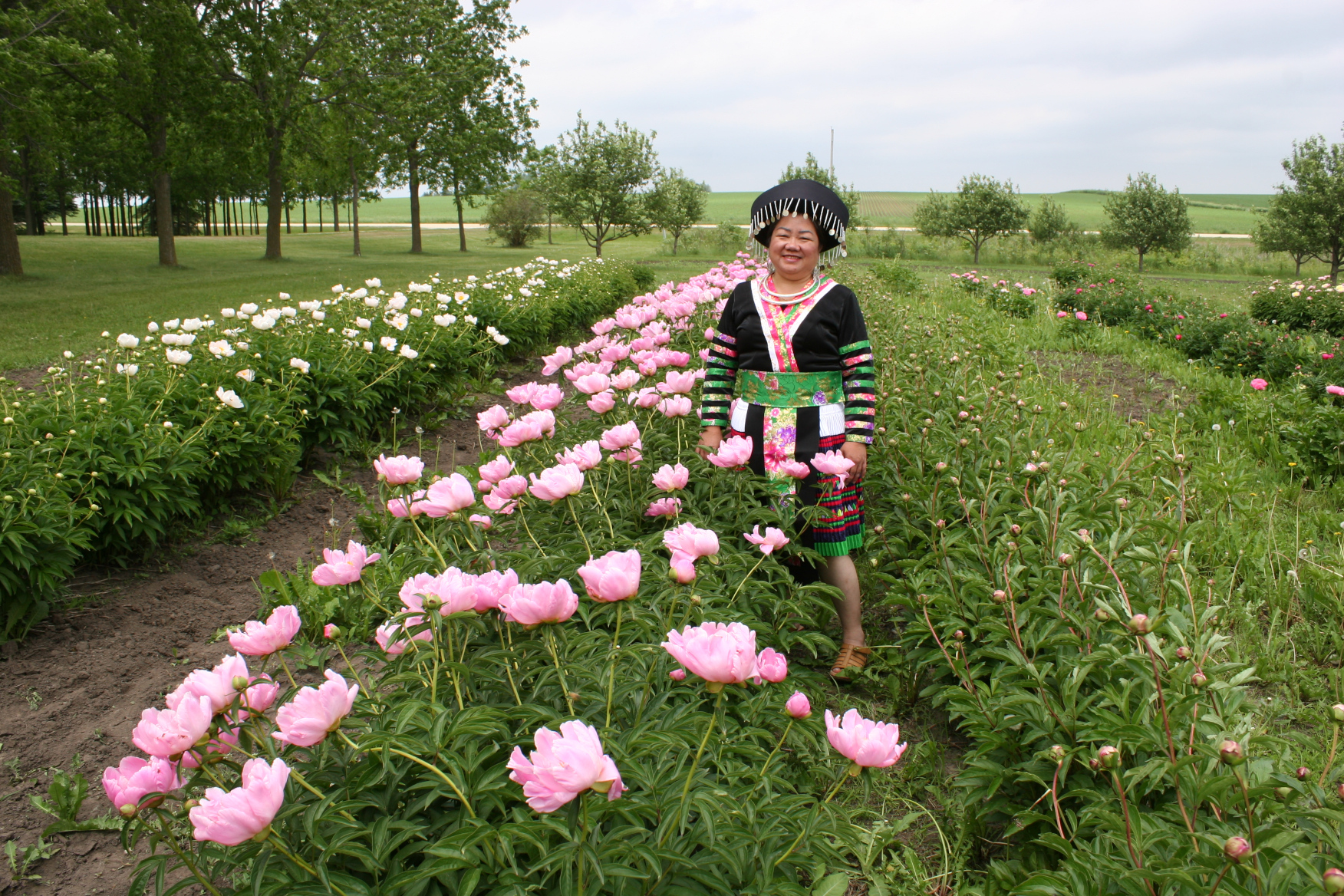
Posing among the peonies in traditional Hmong attire. (Minnesota Prairie Roots copyrighted photo June 2022)

OH, HOW STUNNING the traditional Hmong dresses worn by two sisters posing among the peonies in a rural southeastern Minnesota garden.

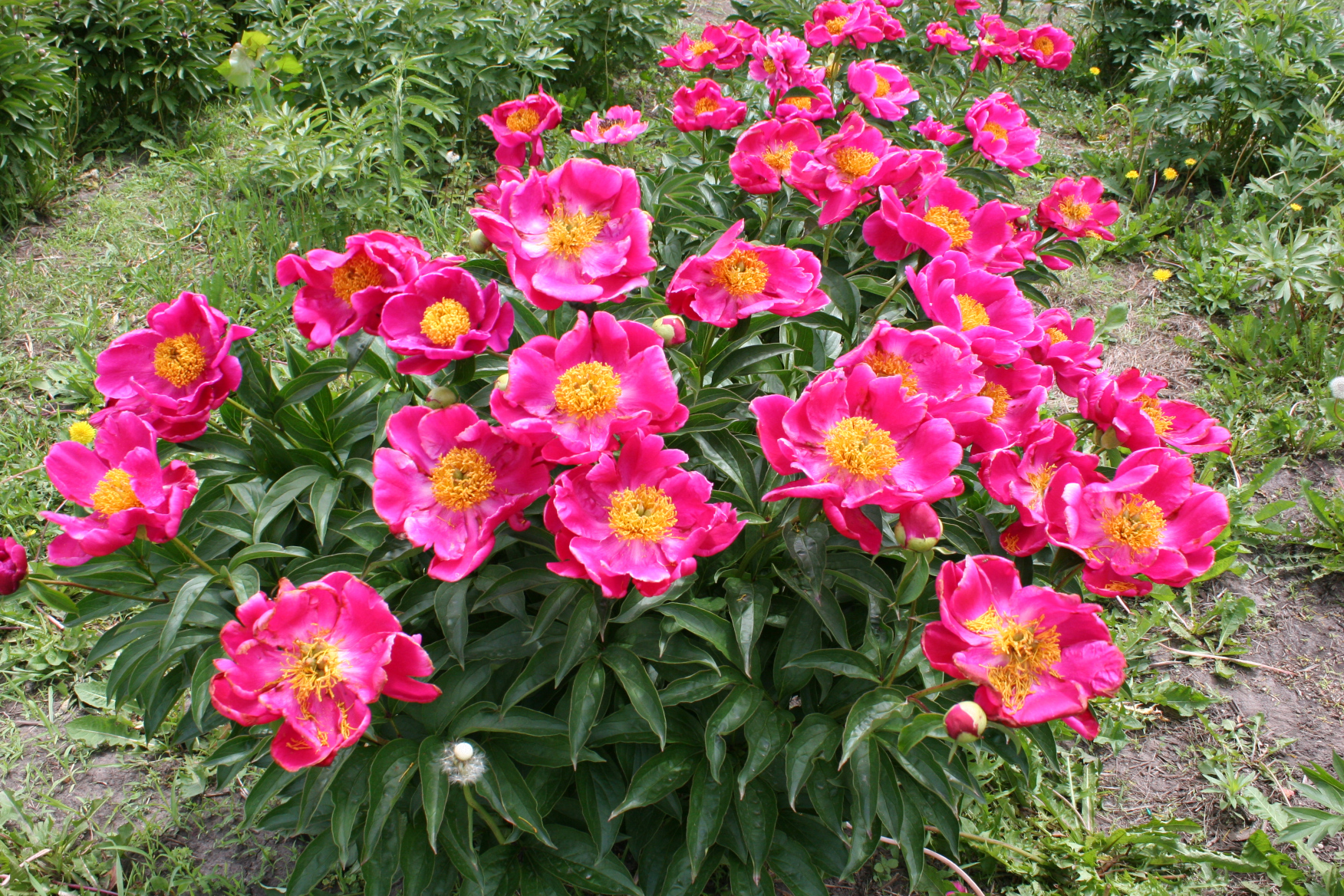
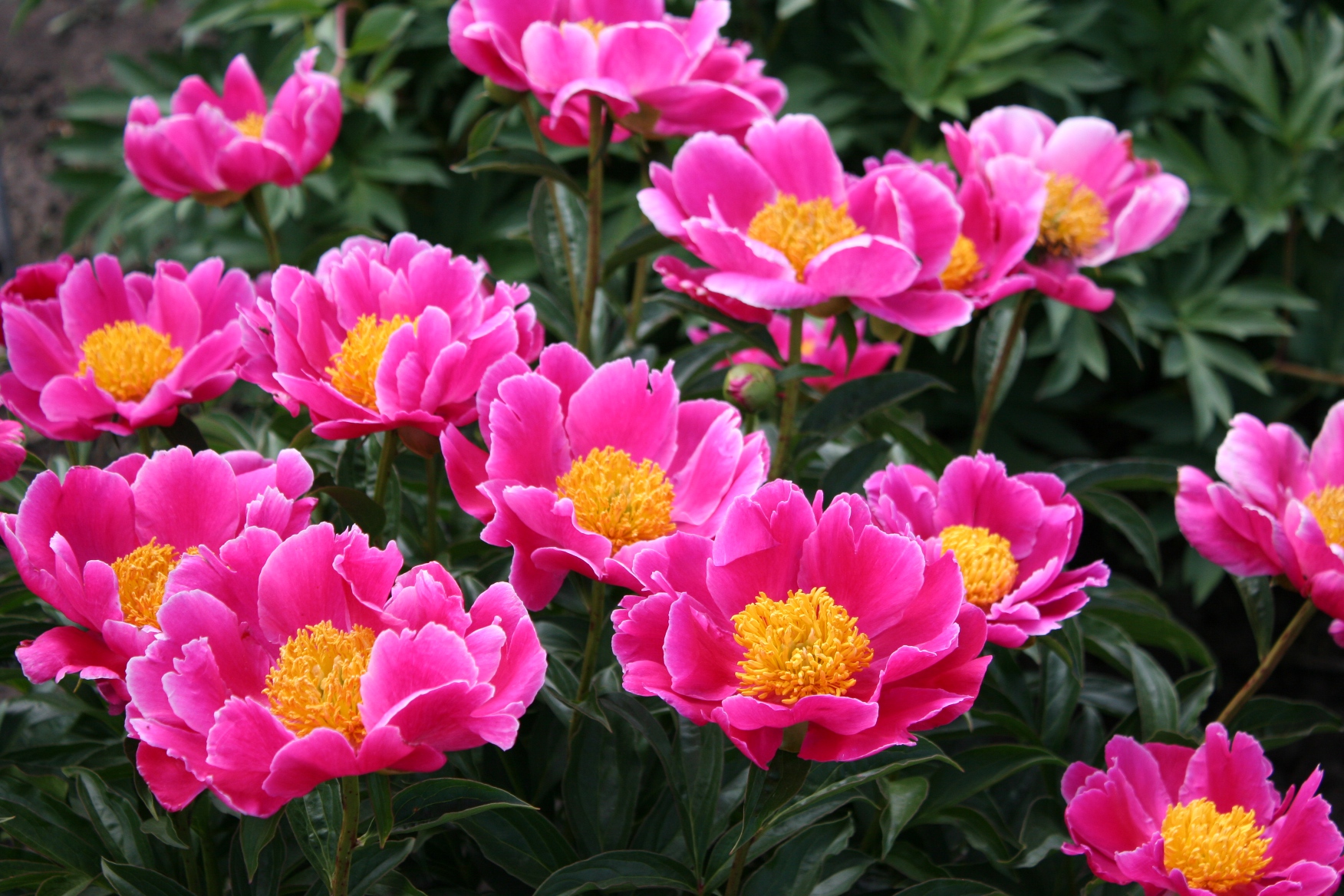
Among the most vibrant peonies… (Minnesota Prairie Roots copyrighted photo June 2022)

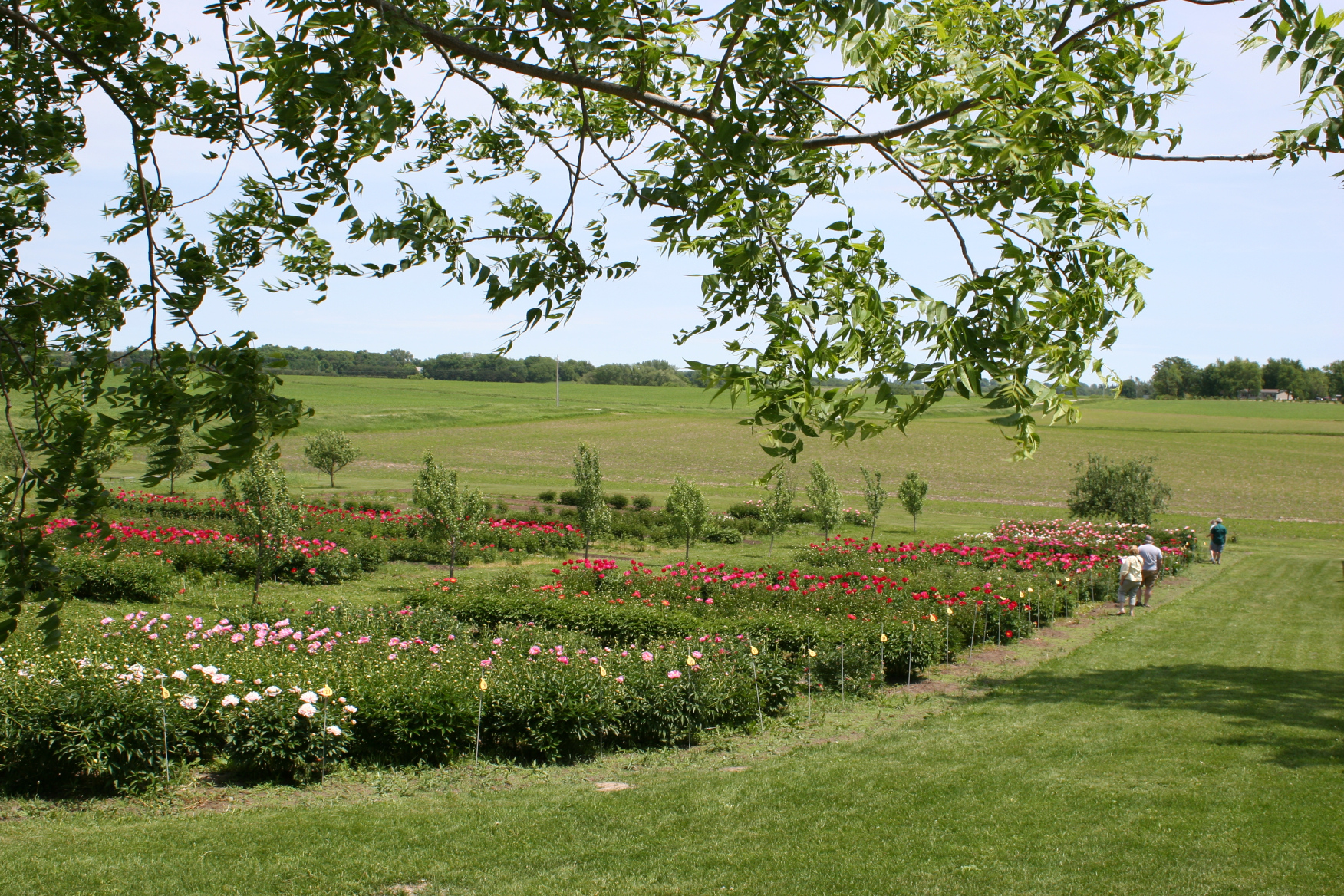
Their unexpected presence graced my annual tour of Aspelund Peony Gardens with culture and color on a recent Sunday afternoon. What a delight to encounter these friendly women who say they simply love peonies. Their attire included floral print fabric. They traveled from the Twin Cities metro to this country location northwest of Wanamingo/northeast of Kenyon, site of Aspelund Winery and Peony Gardens. After they photographed each other, one sister asked me to photograph them with her camera. I obliged.

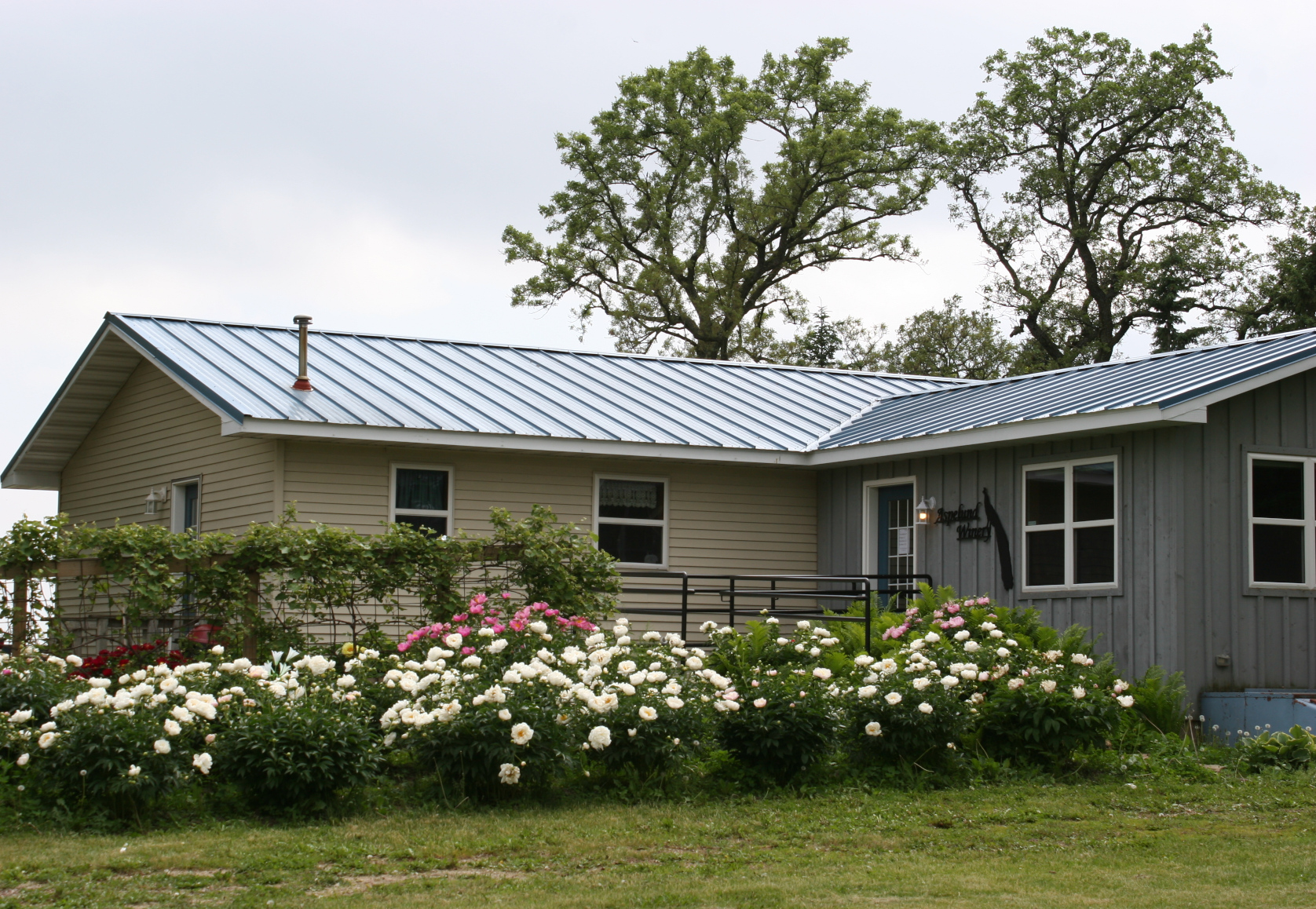
The tasting room is to the right, an addition to the Rohls’ home. (Minnesota Prairie Roots copyrighted photo June 2022)
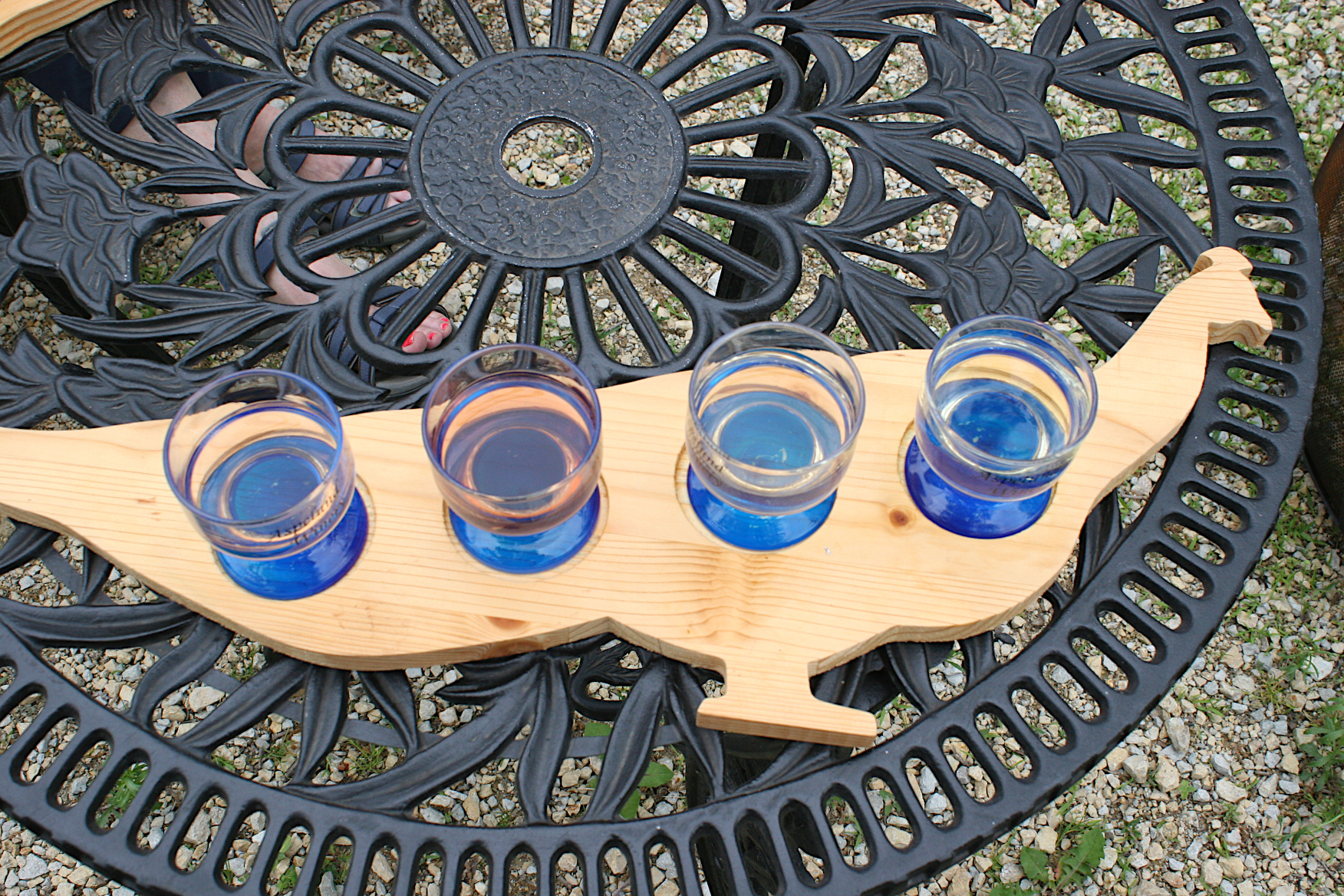
A wine flight, on a peacock-shaped wood cut-out. (Minnesota Prairie Roots copyrighted photo June 2022)
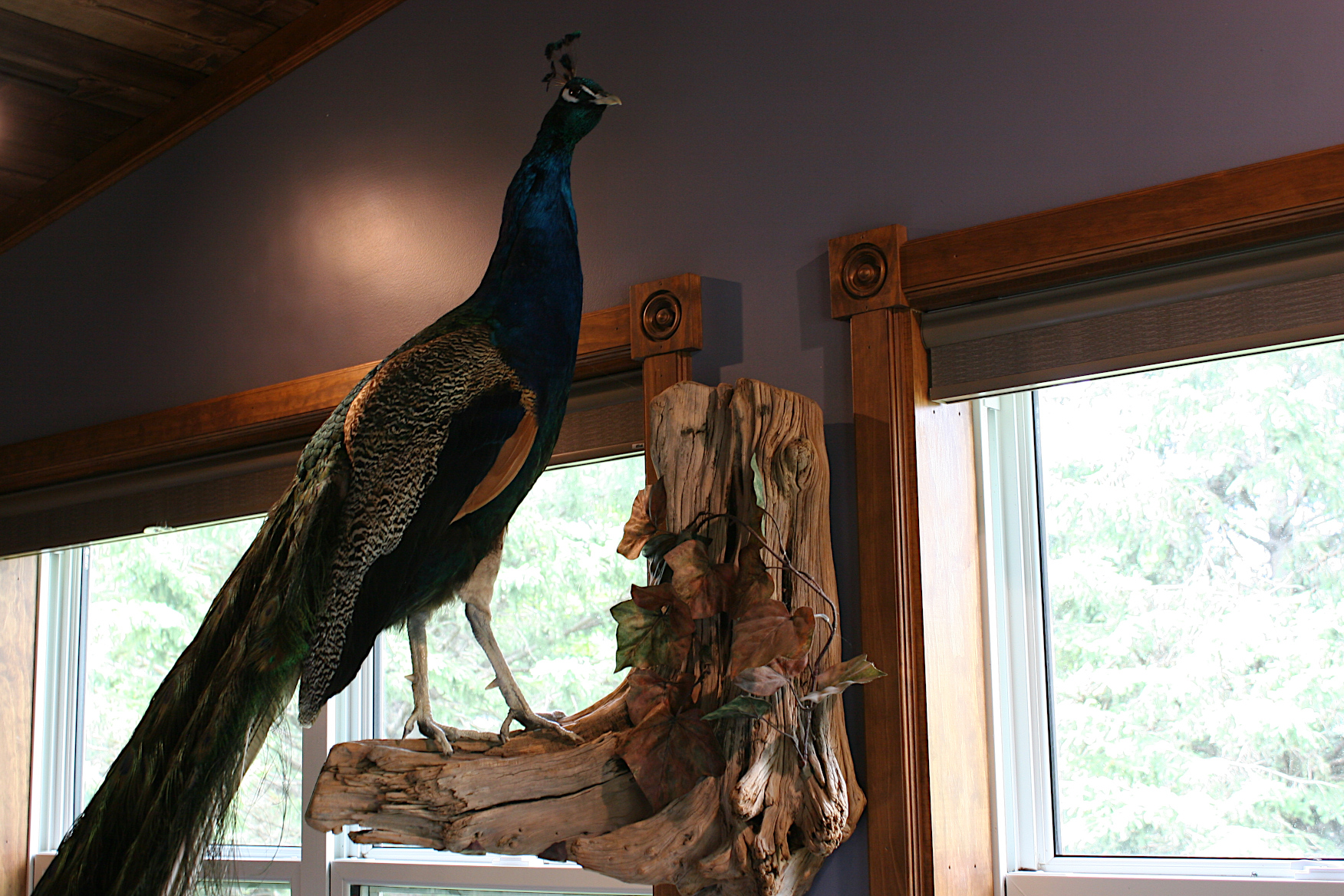
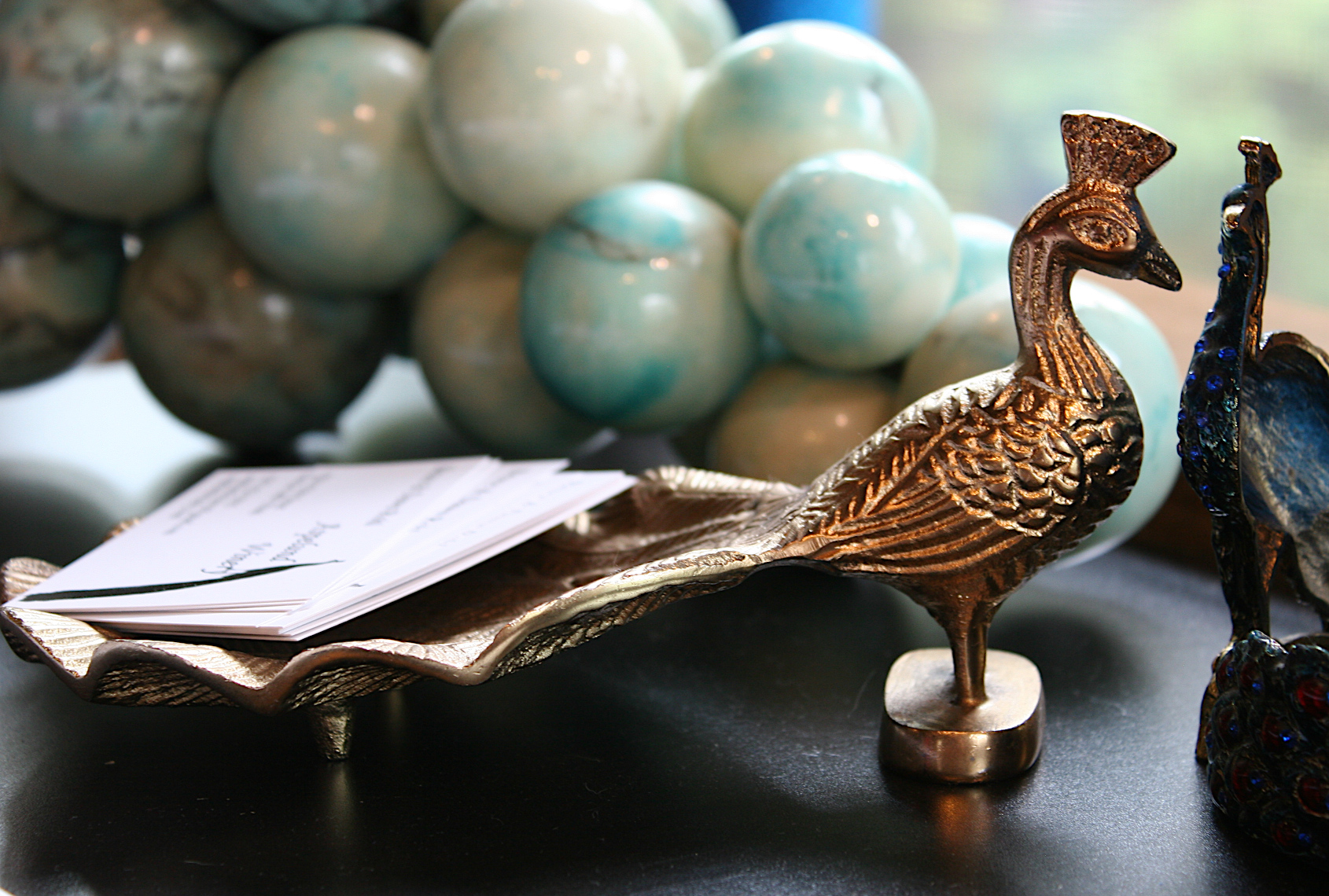
Assorted peacocks, the winery “mascot,” can be found in the tasting room. The story behind the birds: Bruce attempted to relocate living peacocks from his father’s farm two miles away, only to have the birds return to their original home. He learned later that peacocks eat flower blossoms. (Minnesota Prairie Roots copyrighted photo June 2022)

I try to come here every year in early June to see the rows and rows of peonies in bloom. And to sip wine. This visit, Randy and I met our friend Valerie and her friend Jean. The place was busy. Owners Dawn and Bruce Rohl sell wine and take orders for root peony tubers, available in the fall.

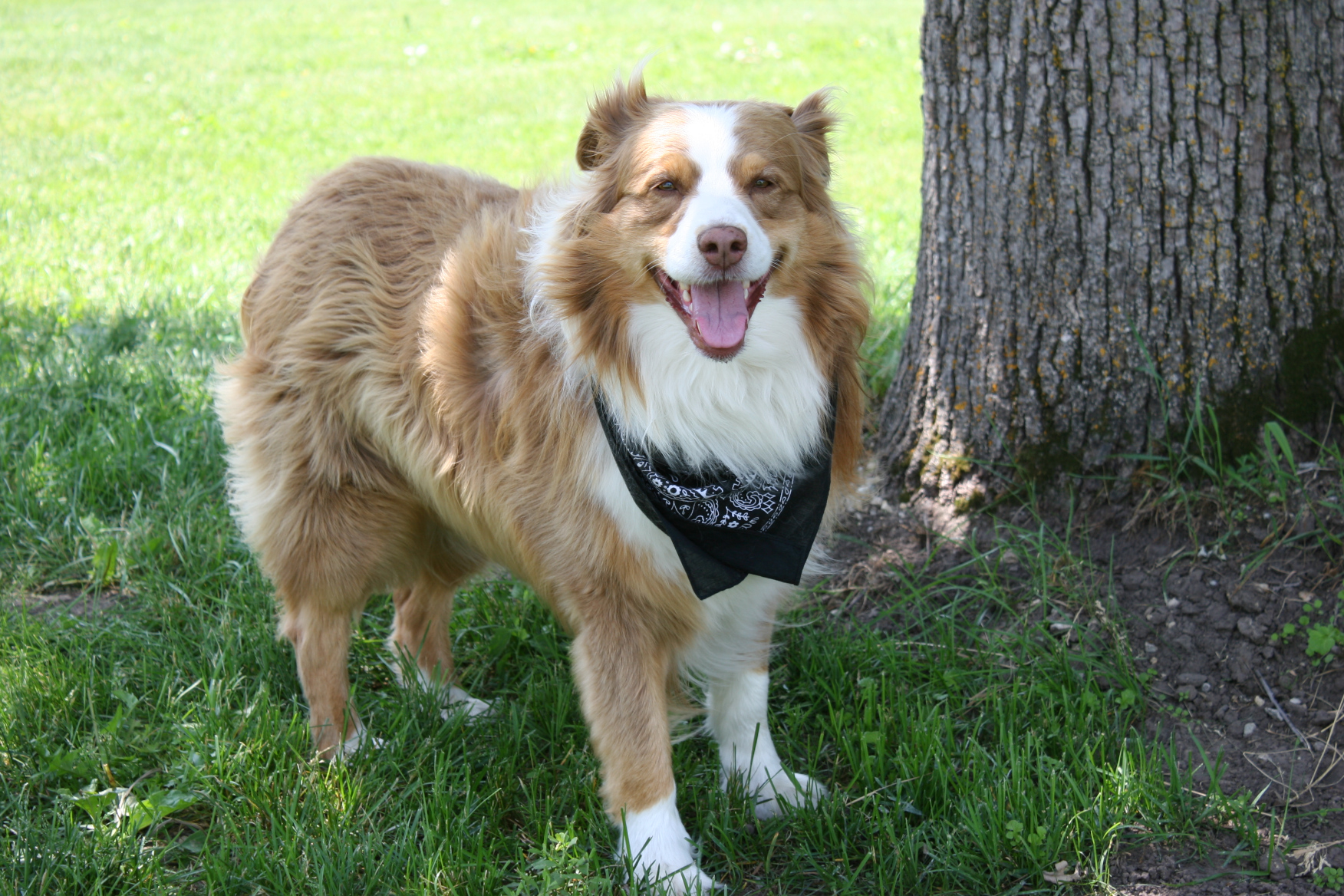
Rascal makes me smile. (Minnesota Prairie Roots copyrighted file photo June 2020)

Here Rascal the dog welcomes guests up the gravel driveway with raucous barking. I’d barely opened the van door when Rascal ran up and I reached down to pet him. Later I saw Princess the cat weaving through the peonies.

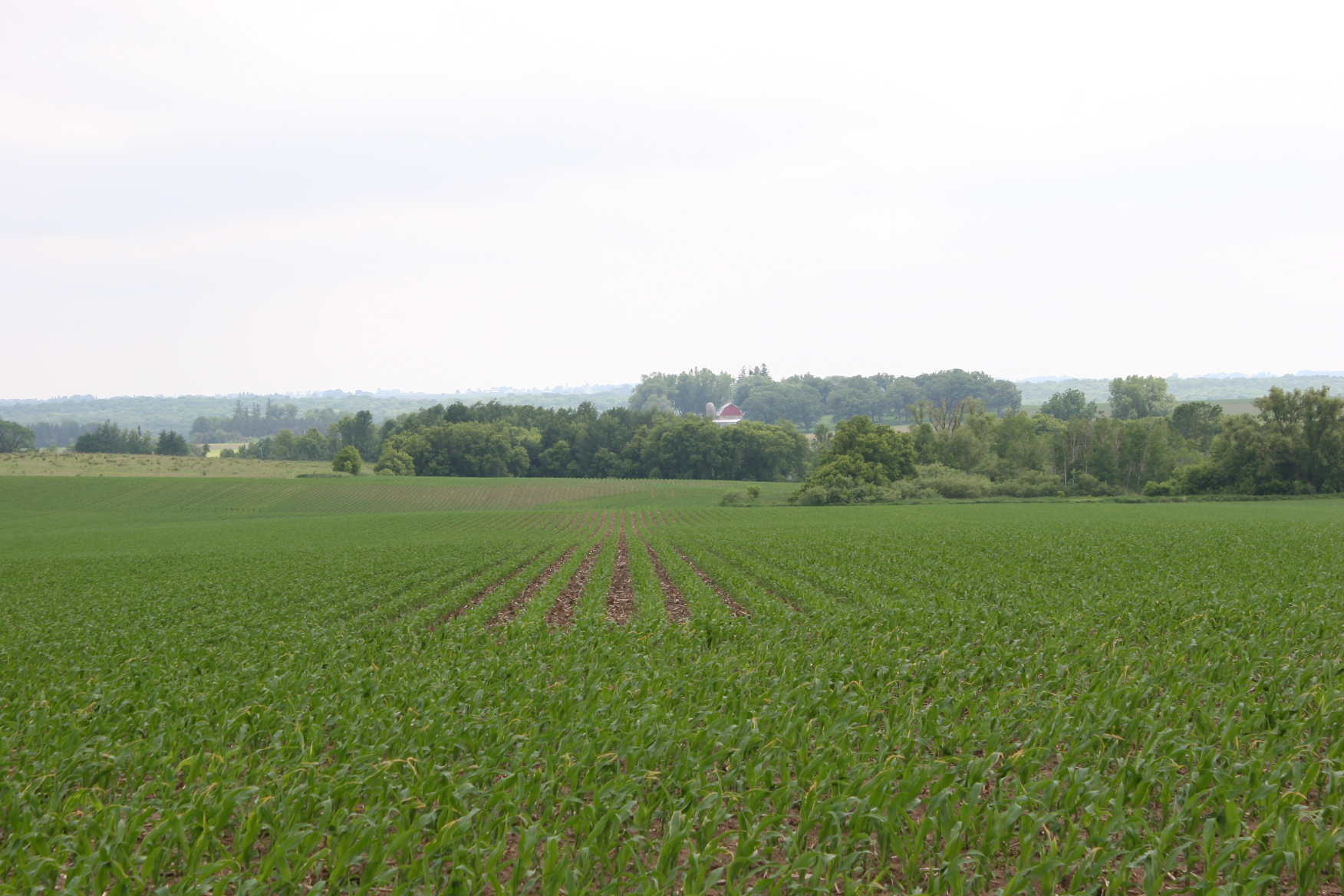
A view of the rural landscape from the vineyard. (Minnesota Prairie Roots copyrighted photo June 2022)
A tin-sided outbuilding, likely a granary at one time. (Minnesota Prairie Roots copyrighted photo June 2022)

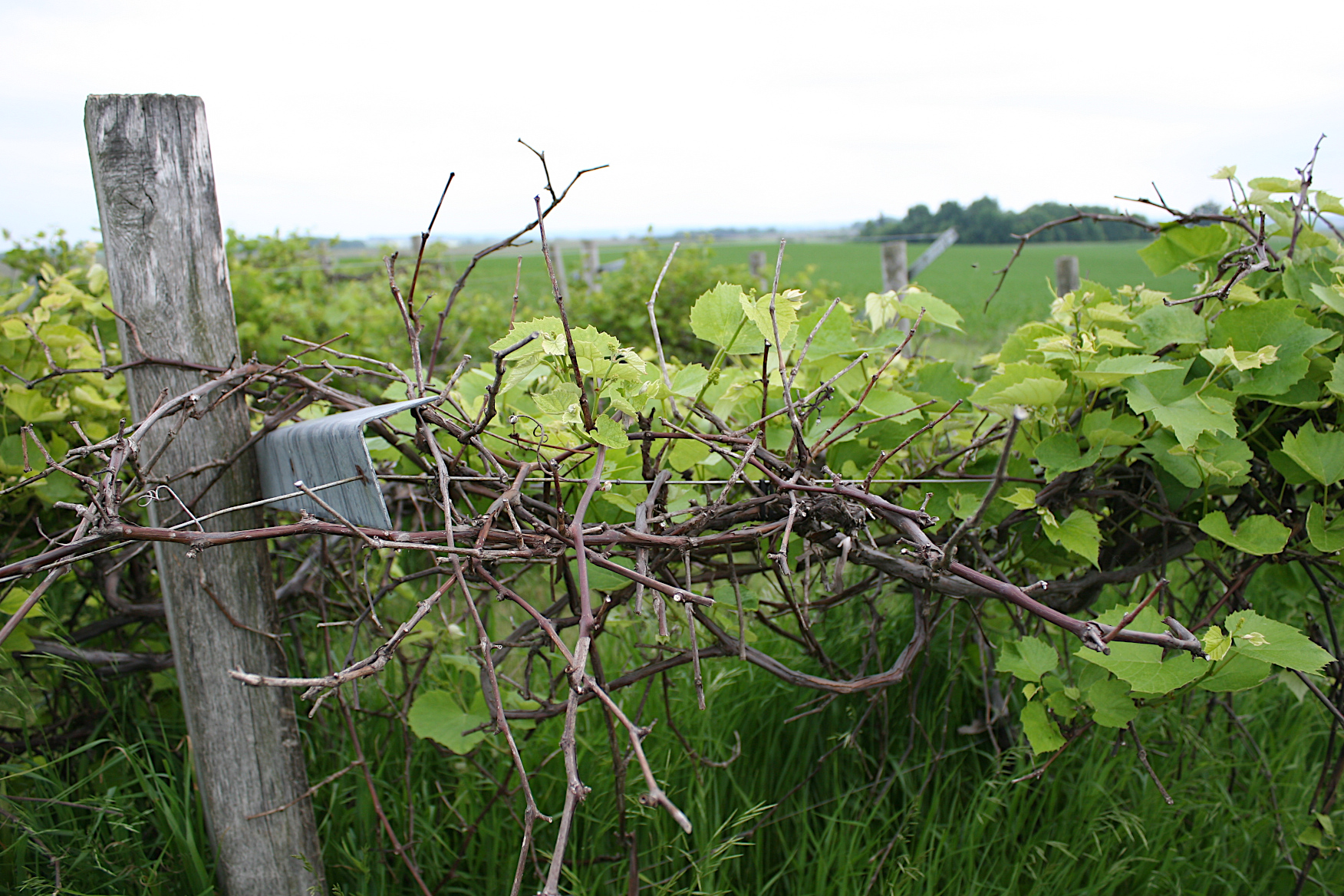
Grapevines. (Minnesota Prairie Roots copyrighted photo June 2022)

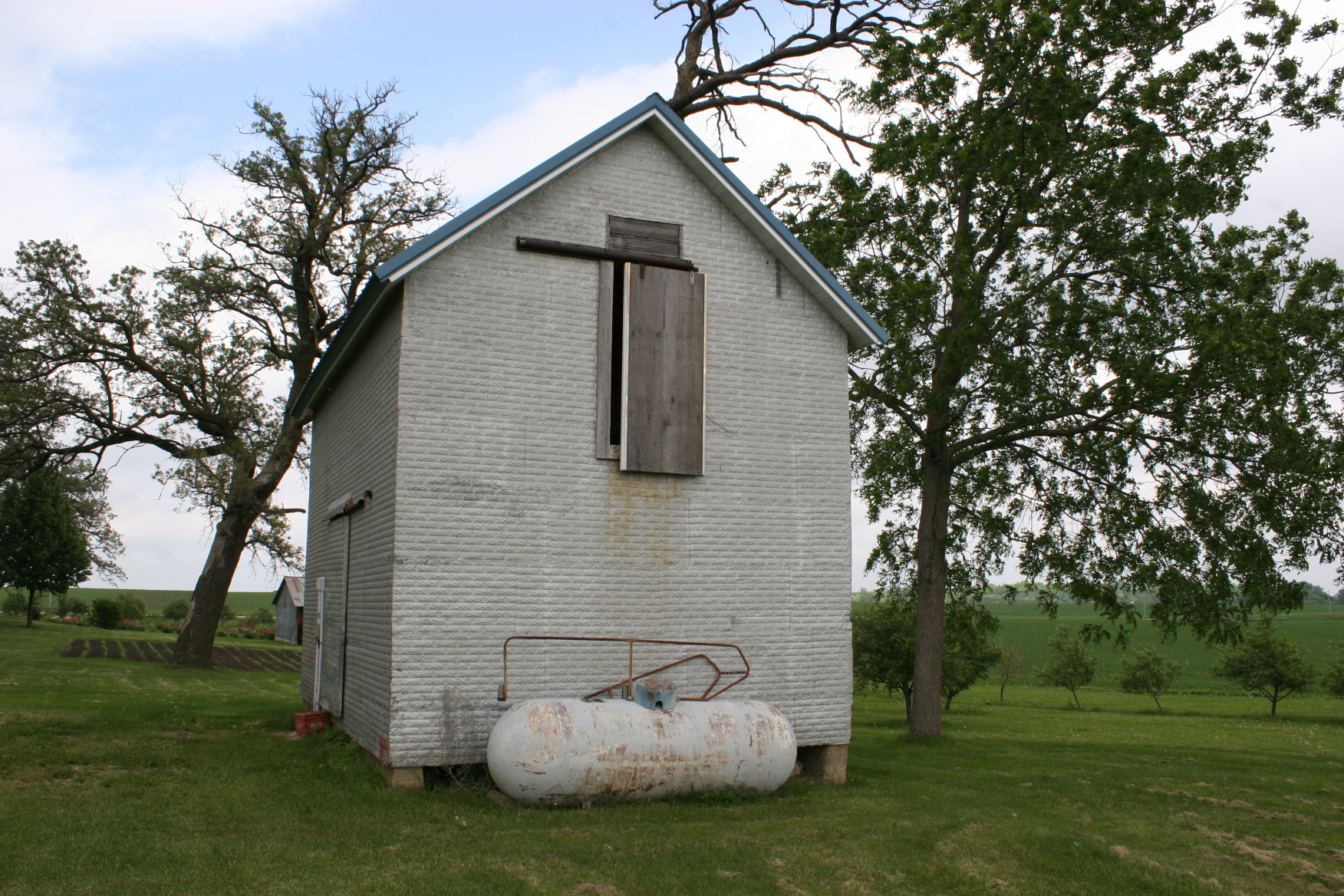
Those are the nuances which endear Aspelund Winery and Peony Gardens to me. The simplicity of this place atop a hill overlooking the Zumbro River Valley, red barn and silo in the distance. This place of towering oaks and tire swing, of old tin-sided shed, apple trees, massive rhubarb plants, twisted grapevines…

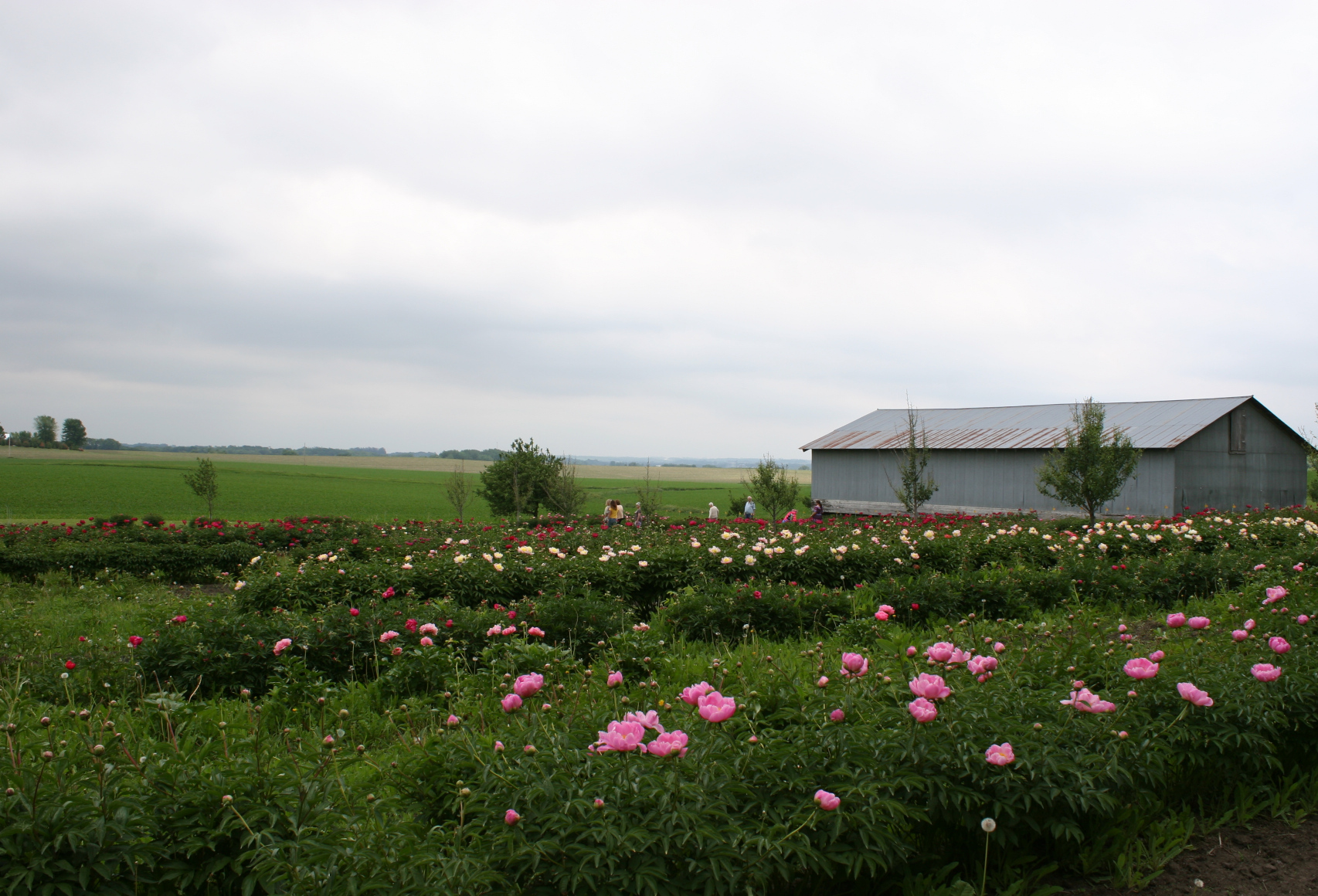
A glimpse of the peony rows, all numbered for ordering tubers. (Minnesota Prairie Roots copyrighted photo June 2022)

So many fragrant and beautiful peonies… (Minnesota Prairie Roots copyrighted photo June 2022)

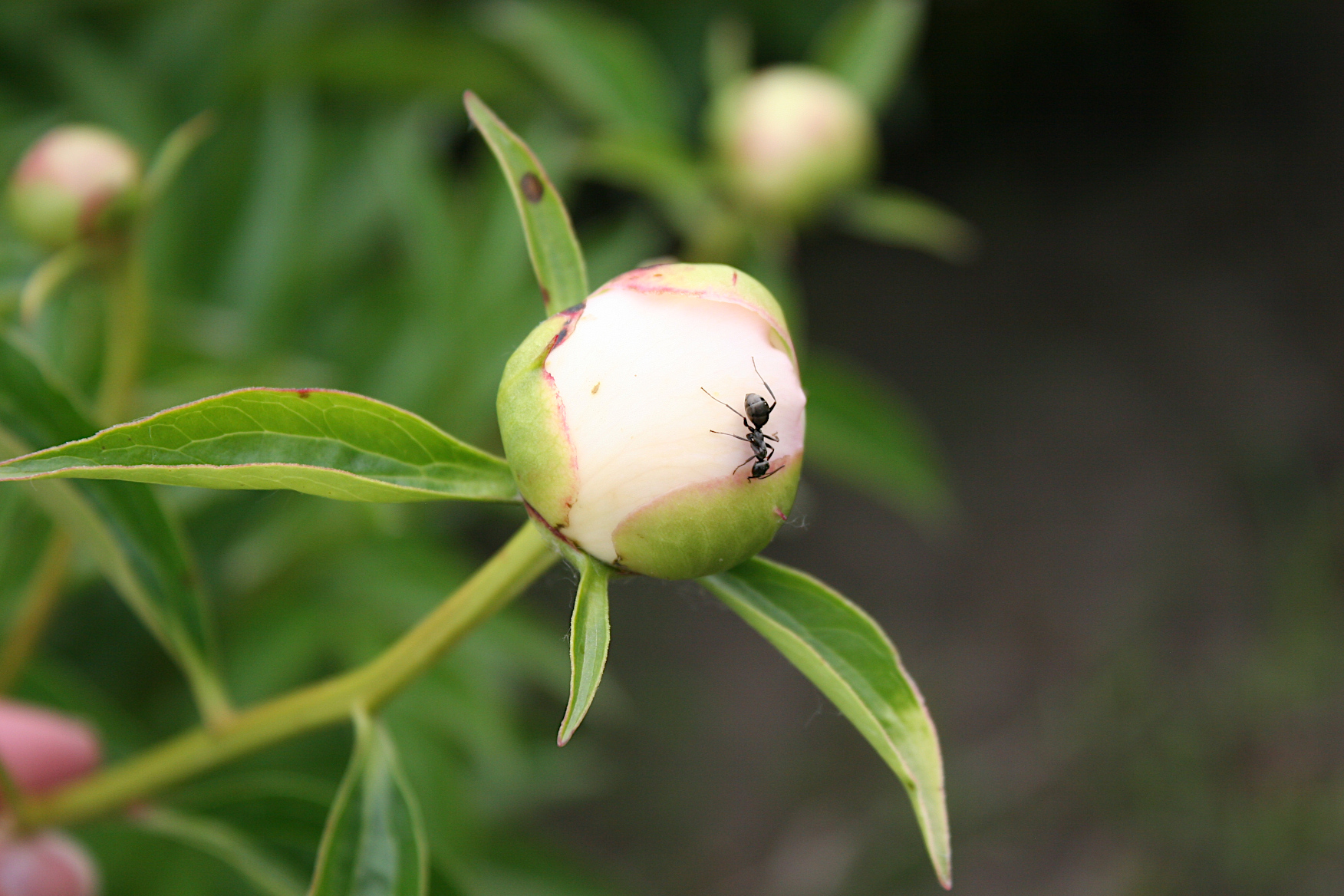
Ants are drawn to peonies, including to this bud. (Minnesota Prairie Roots copyrighted photo June 2022)

On this June afternoon, the wind blew fierce, whipping lose ends of my hair, dipping peony stems, playing a refrain inside my head of “summer breeze makes me feel fine” (Seals & Croft 1972). I felt mighty fine in this peaceful place among blooming peonies. Some buds remained clamped tight, but likely have opened in the days since my visit.

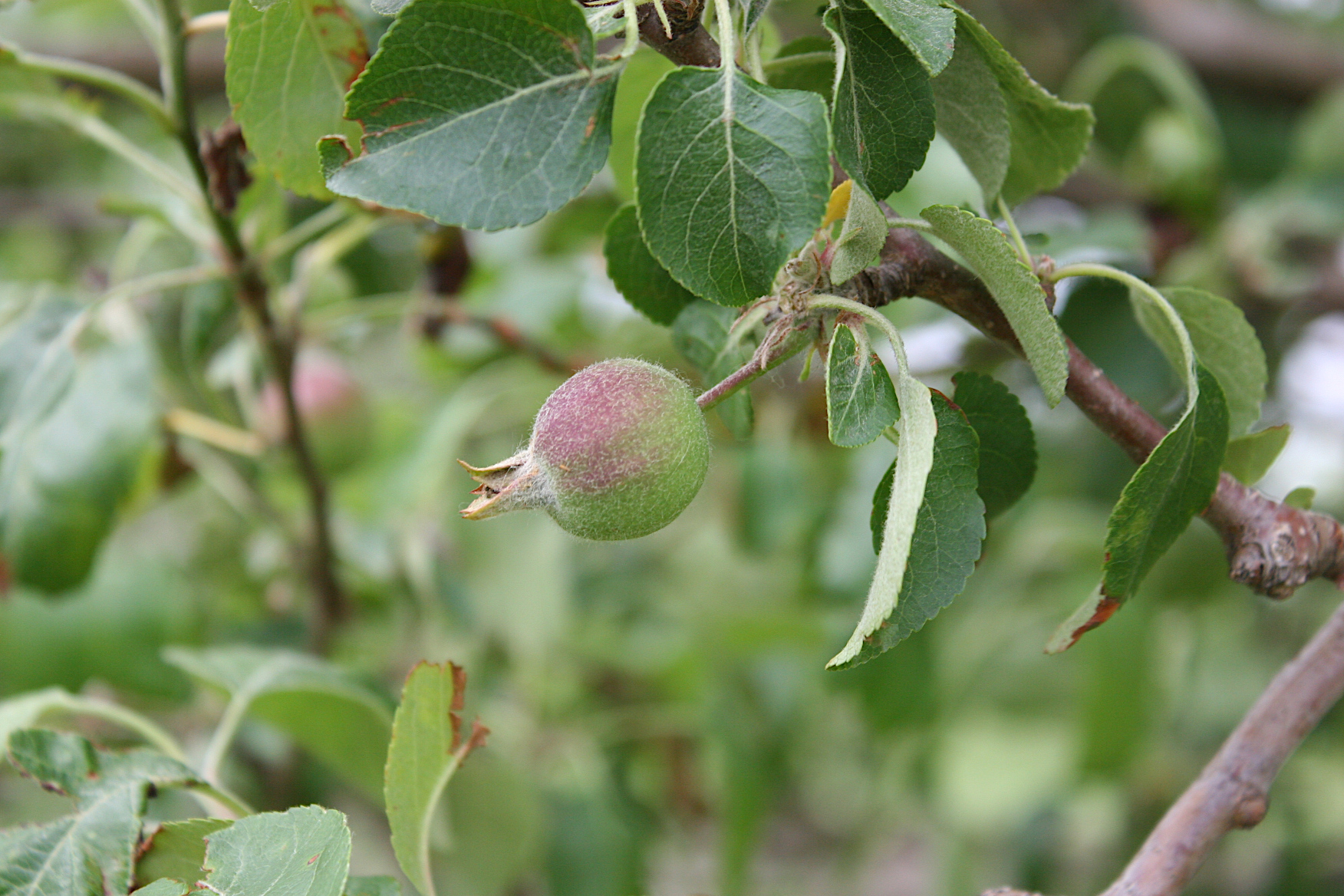
A developing apple. (Minnesota Prairie Roots copyrighted photo June 2022)

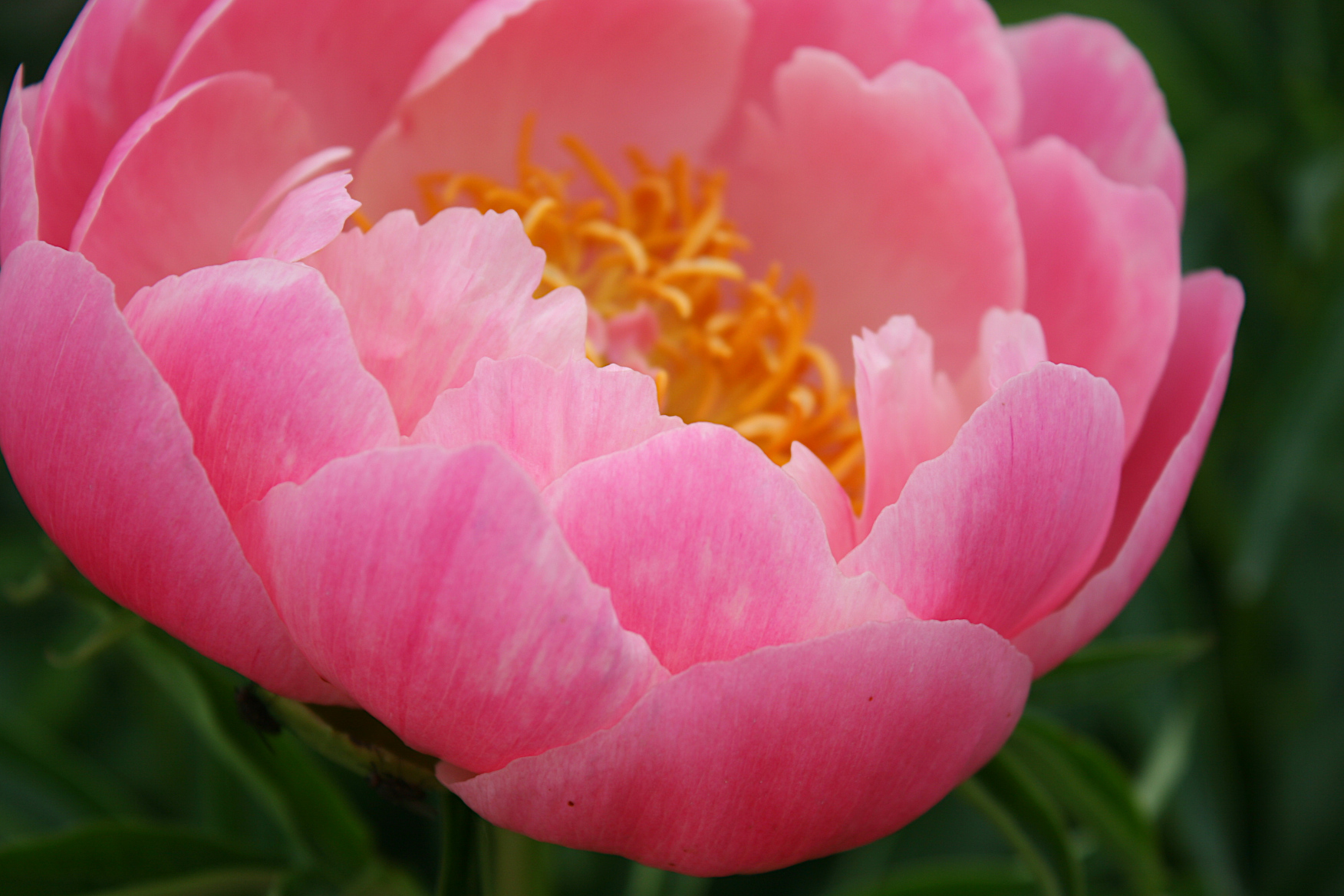
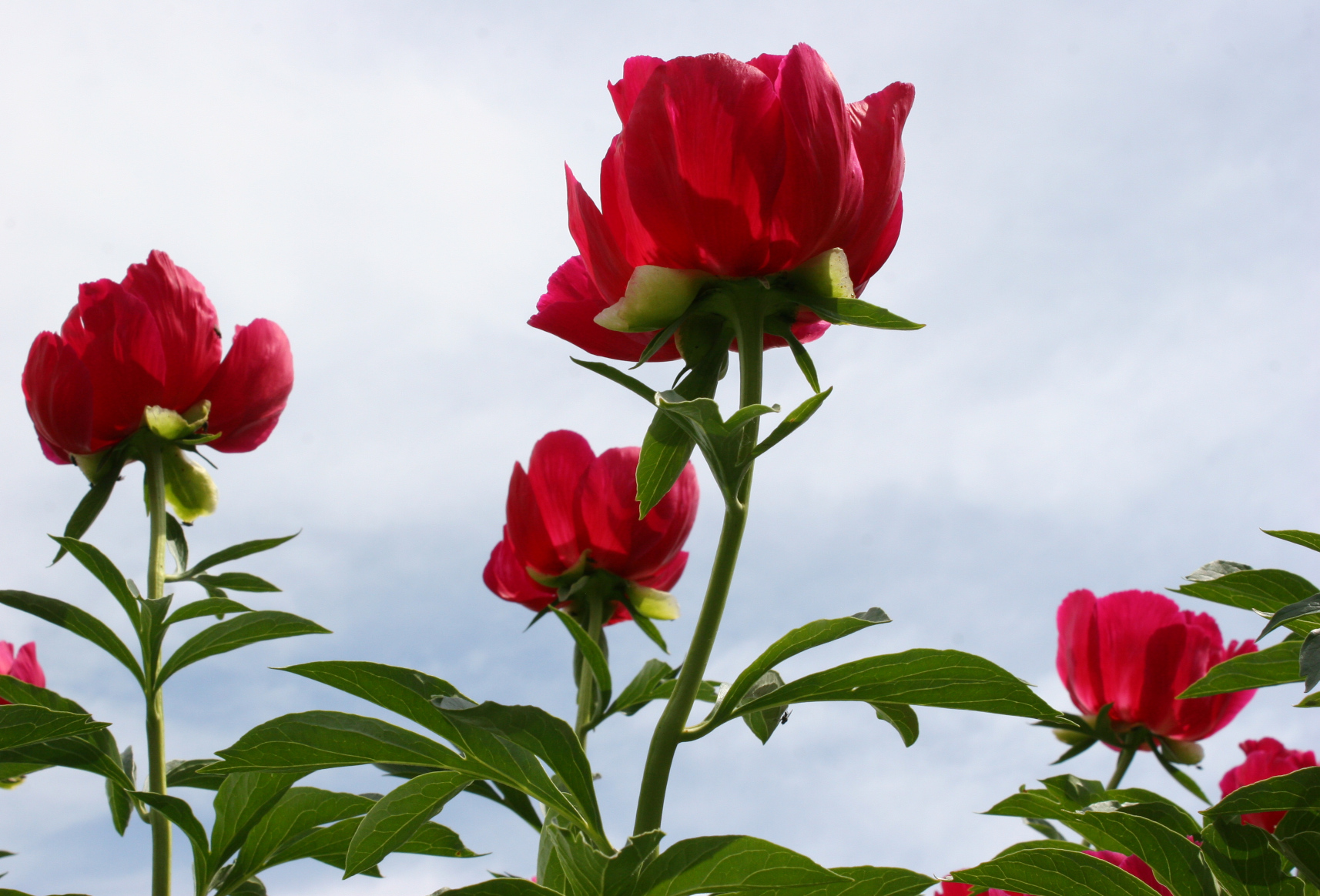
I prefer meandering on this plot of land among the apple trees and grapevines and, especially, in the peony gardens. Here assorted shades of mostly pink and crimson flowers bloom. Colors vary from subdued to vibrant. Shapes, vary, too.

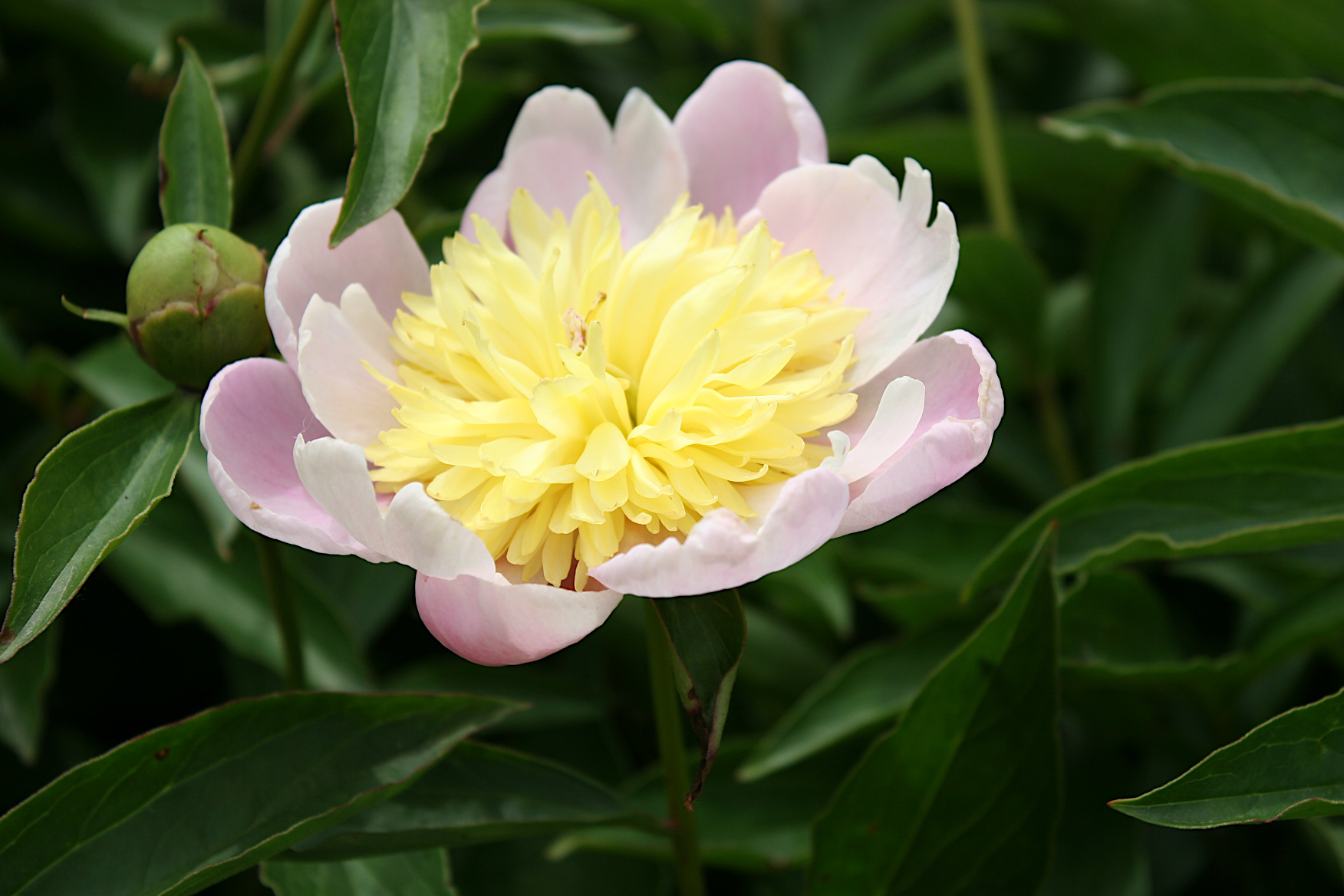
One of the more unusual peonies, layered in pink and yellow. (Minnesota Prairie Roots copyrighted photo June 2022)

But it’s not all visual for me. I take time to bend close to the blossoms (check for bees), smelling their fragrant perfume which, if you’re a romanticist, may prompt you to reflect on long ago brides gathering peonies from their mothers’ or grandmothers’ gardens for bridal bouquets. They did so in my community of Faribault, storing peonies in the cool sandstone caves along the Straight River to preserve until their wedding days. Faribault was once The Peony Capital of the World. Some of the Aspelund peonies were sourced from those once grown in Faribault.

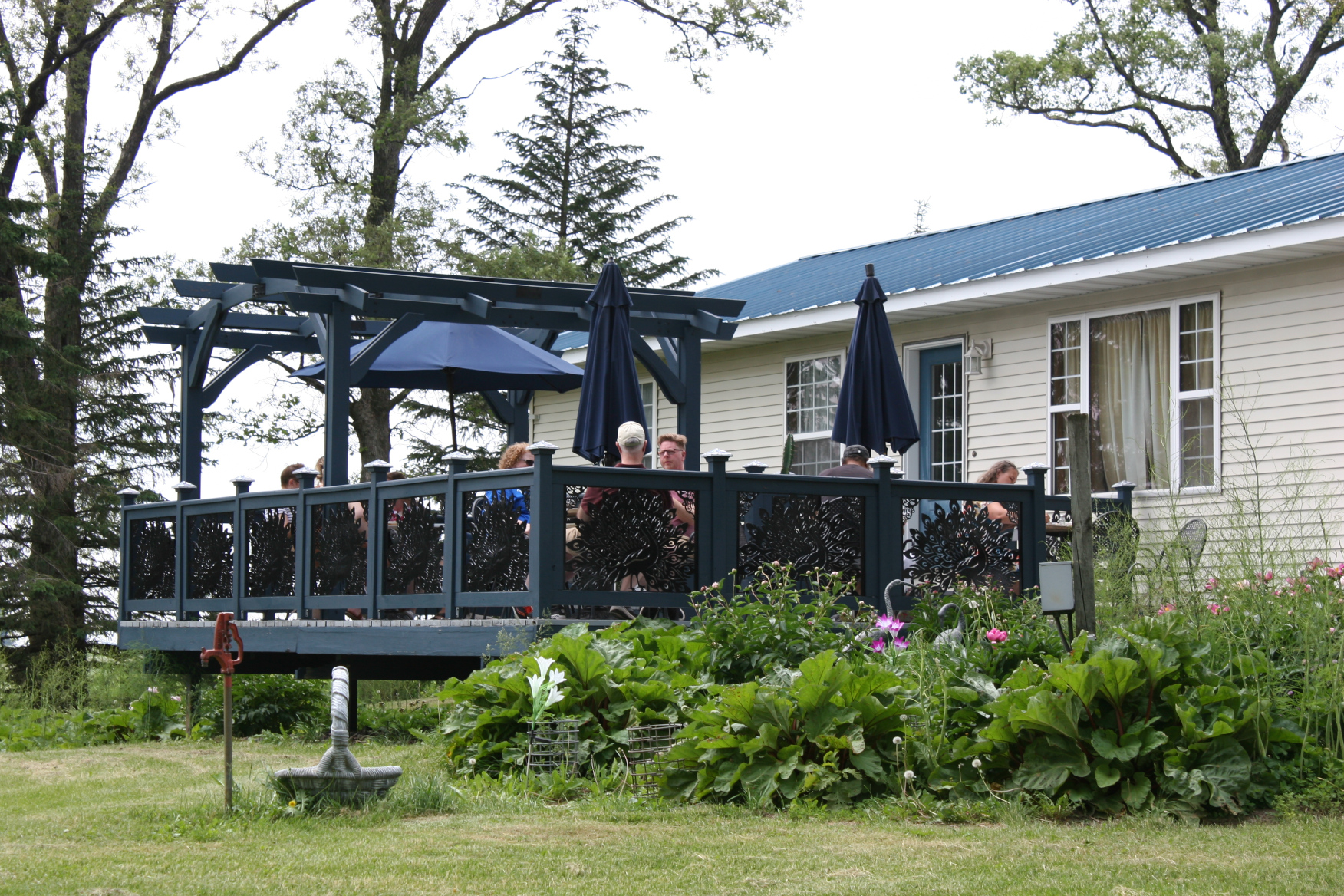
Guests enjoy wine on the back deck. (Minnesota Prairie Roots copyrighted photo June 2022)

Touring Aspelund Winery and Peony Gardens has become an early summer tradition for me. I feel comfortable here, at peace, soothed by the wind and the wine and the welcoming conversations. The small scale of the business suits me as do the unpretentious owners and the rural setting. As I watched two young girls sway on the tire swing, pushed by their dad, their happy voices rising, I felt such joy in witnessing this scene.

Sisters in traditional Hmong attire, one taking photos of the other. (Minnesota Prairie Roots copyrighted photo June 2022)

And I felt happiness, too, in that chance encounter with the two sisters from the Cities, celebrating their Hmong heritage in a field of peonies.

Peacock art inside the tasting room. (Minnesota Prairie Roots copyrighted photo June 2022)

FYI: Aspelund Winery and Peony Gardens is open from 4 – 7 pm Thursday and Friday, noon – 7 pm Saturday and noon – 5 pm Sunday. Note that the tasting room is small, basically a walk-up and order space. Outdoor seating on the deck and other areas can be difficult to secure during busy times. However, you can order a glass of wine and walk around the gardens. If you want to see the peonies, go now; their bloom period is nearly done.

Click here to read previous posts from Aspelund Winery & Peony Gardens.

© Copyright 2022 Audrey Kletscher Helbling
 

From Plainview: Jon Hassler’s “the village in the corn” June 15, 2022

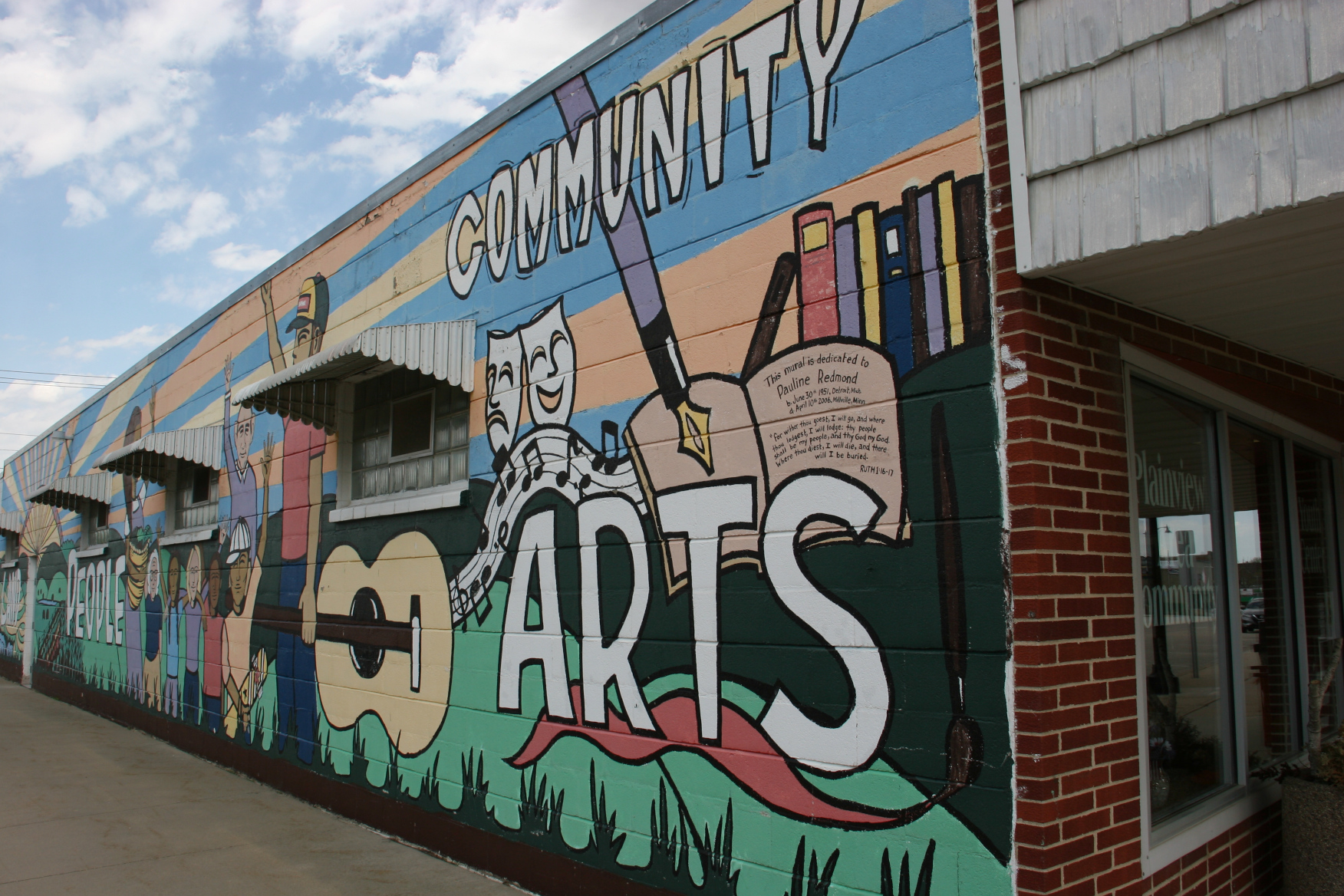
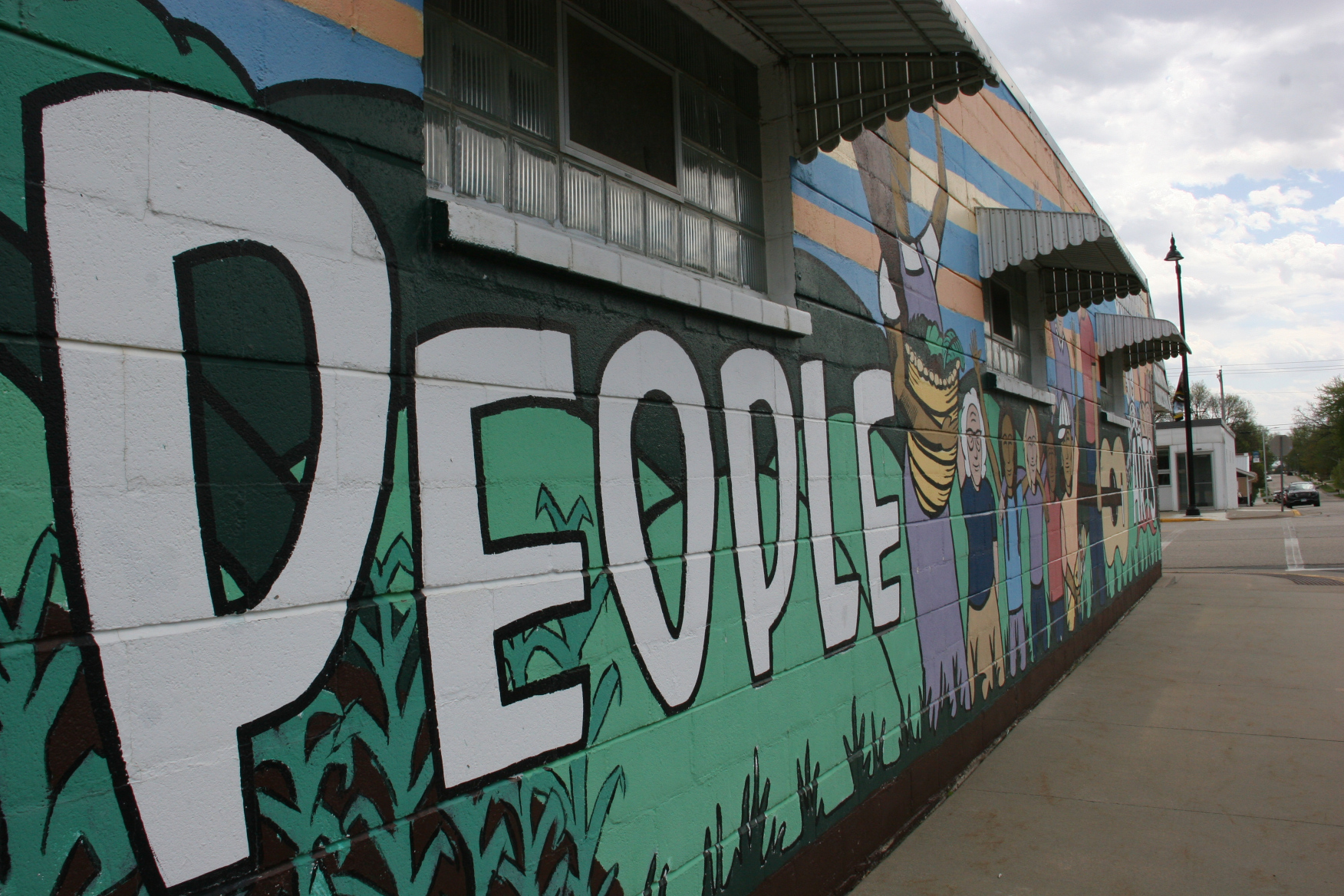
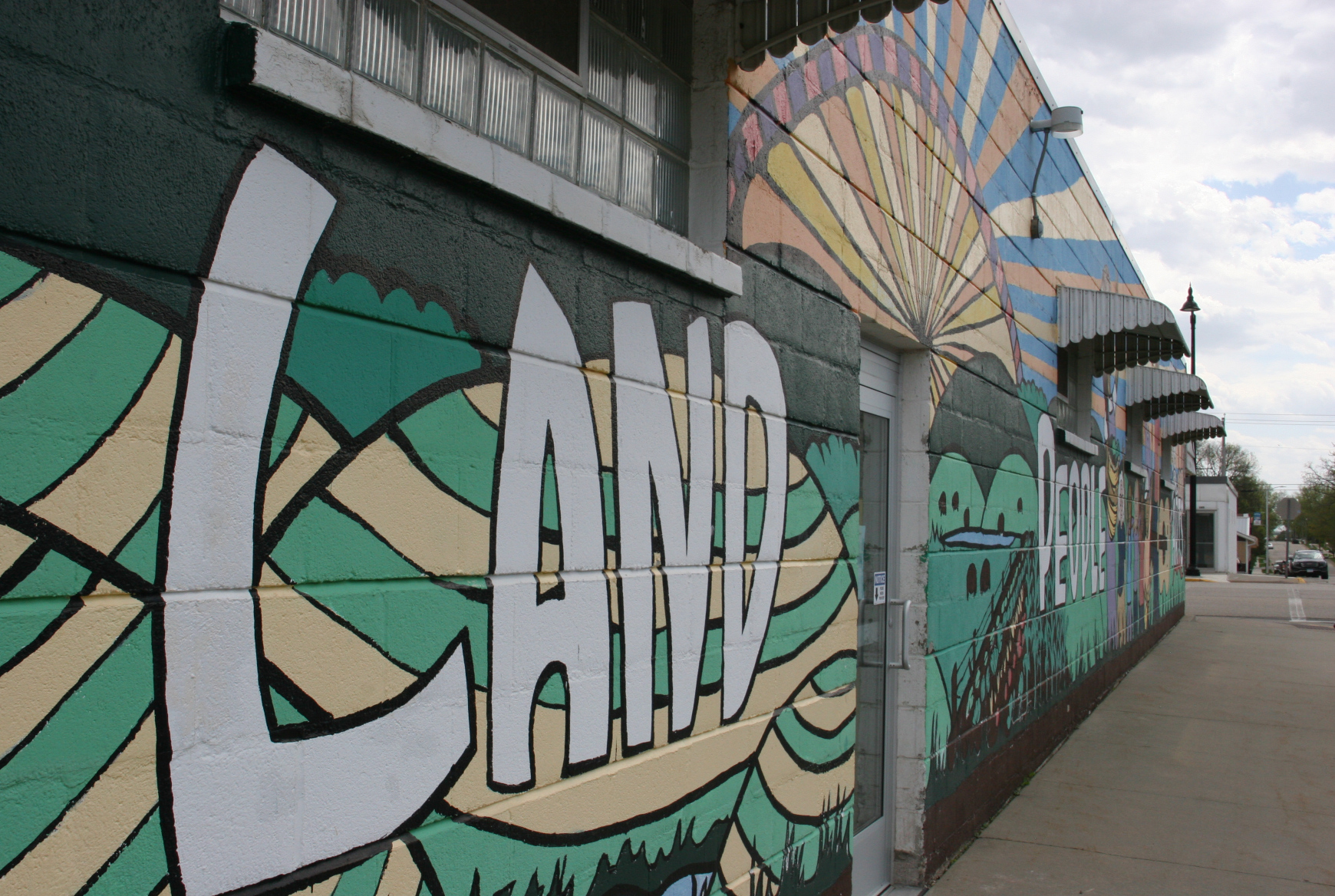
A portion of the Plainview mural. (Minnesota Prairie Roots copyrighted photo May 2022)

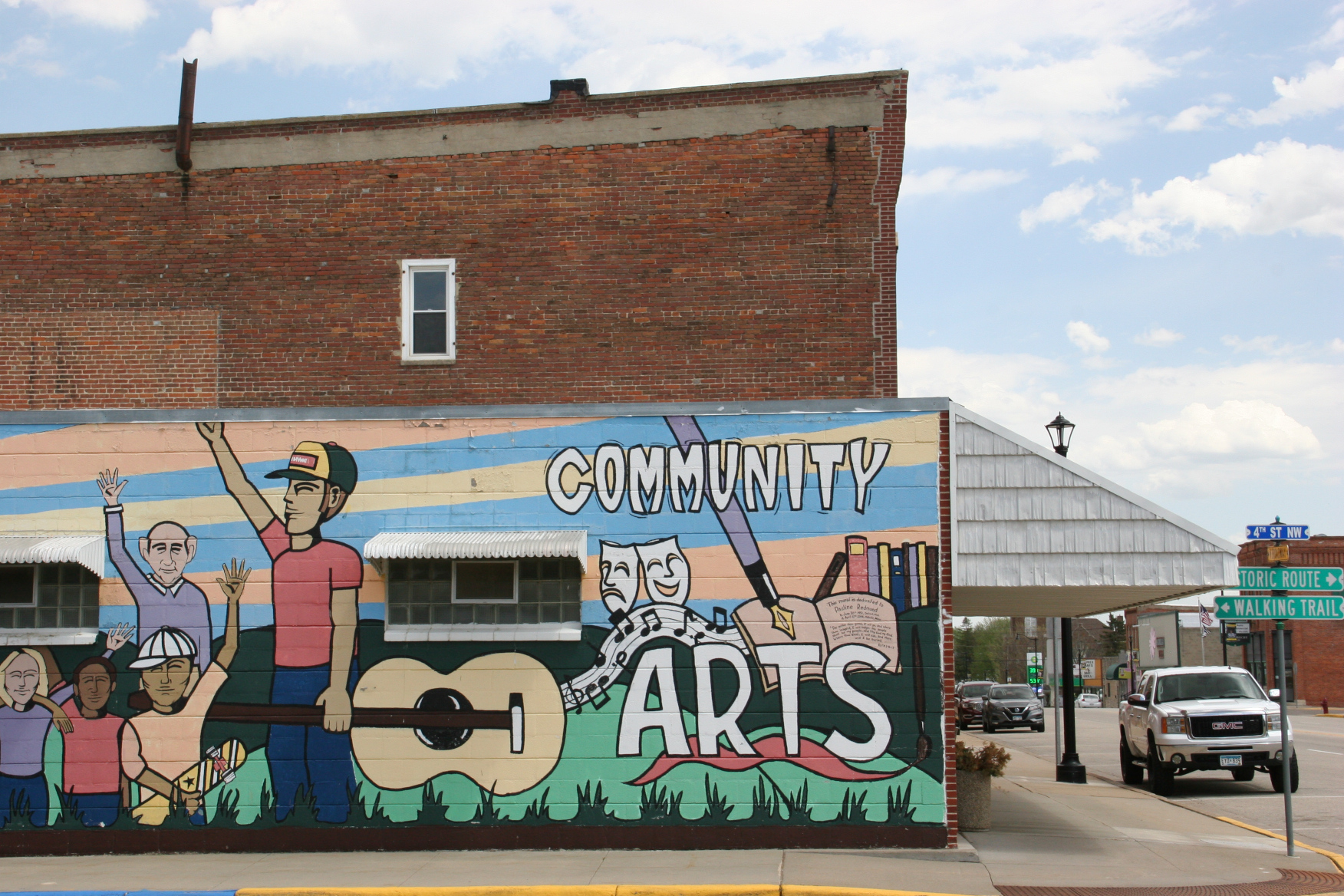
LAND. PEOPLE. ARTS. COMMUNITY. Those words theme a public mural stretching across the Plainview Area Community and Youth Center in the heart of this southeastern Minnesota small town.

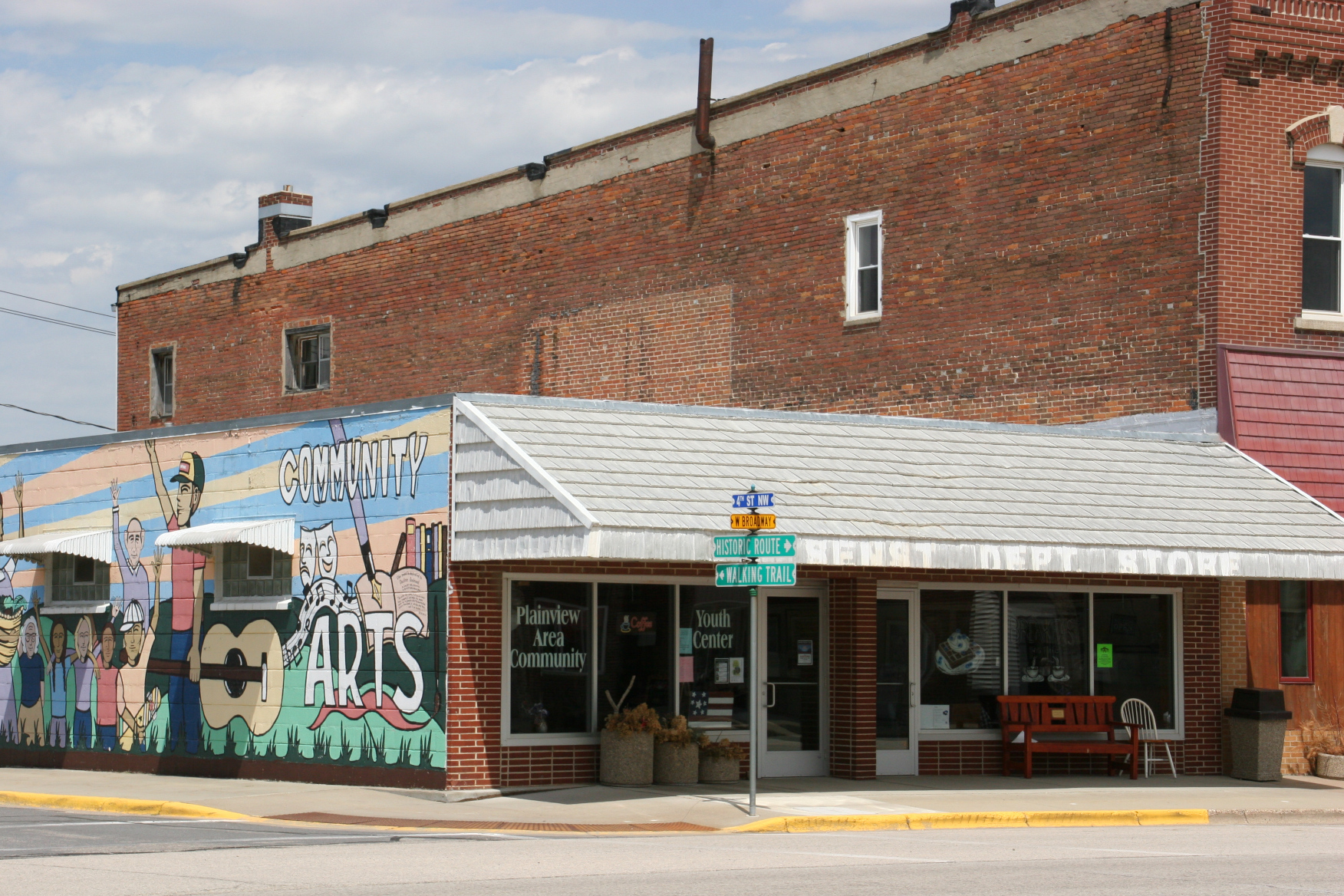
The mural graces a wall of the community center, across the street from the former Jon Hassler Theater. (Minnesota Prairie Roots copyrighted photo May 2022)

I remember the mural from my last visit here in 2013. I appreciate this public art now as much as I did then, for art can reveal much about a place.

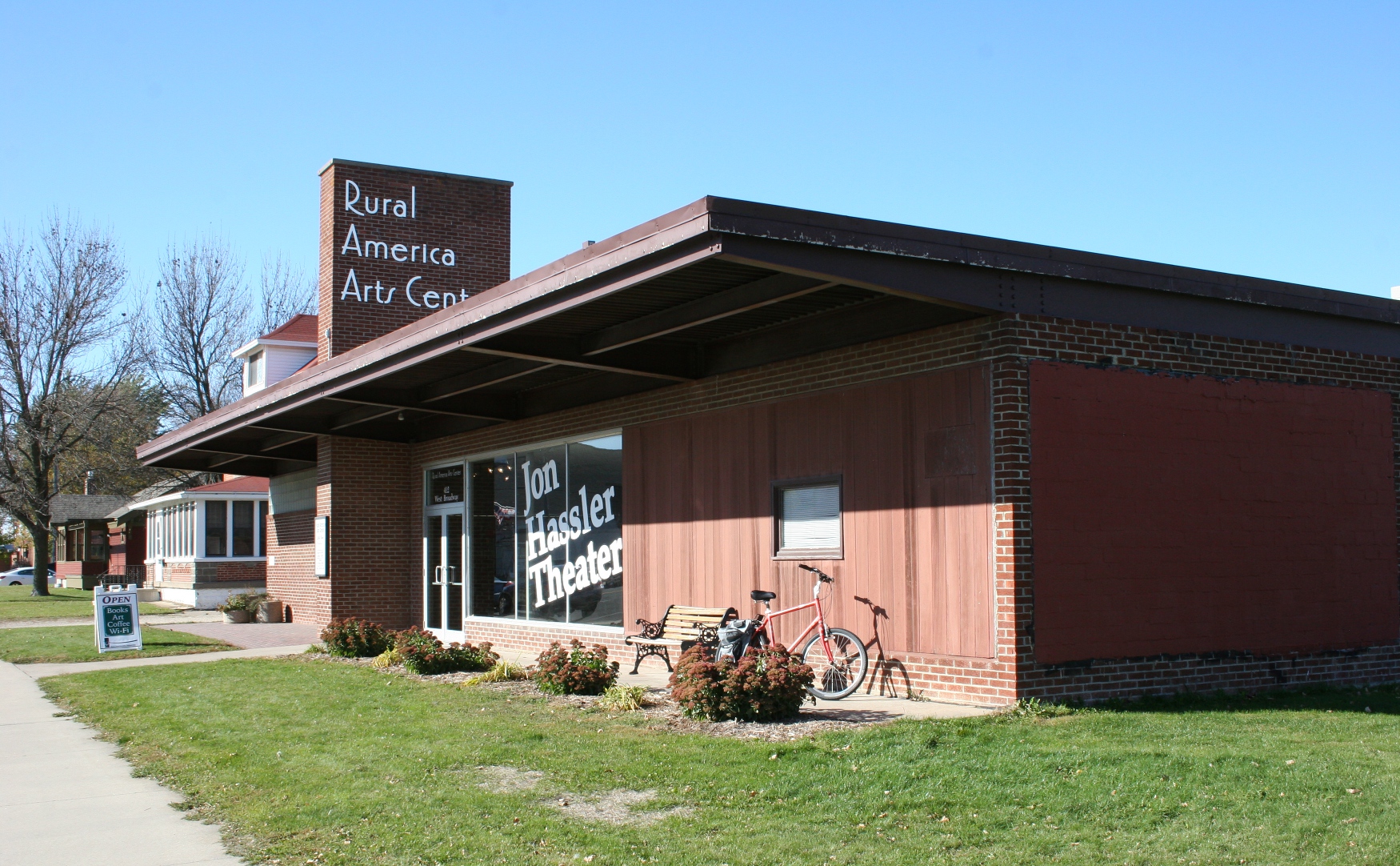
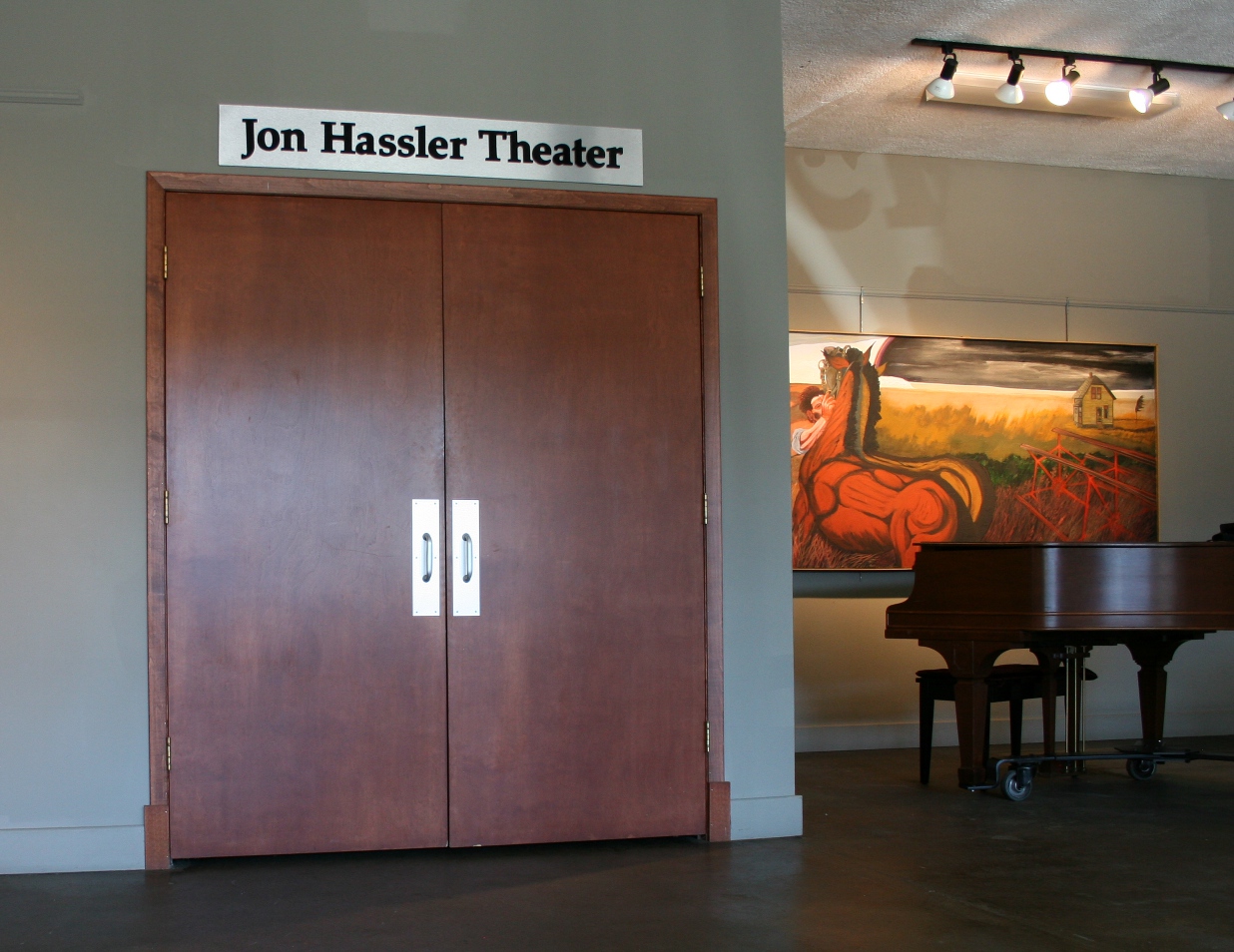
In the heart of the community, the Jon Hassler Theater and Rural America Arts Center, now closed. (Minnesota Prairie Roots copyrighted file photo November 2013)

While Plainview has lost some of its “arts” character with closure of the Jon Hassler Theater and Rural America Arts Center, it will always claim title (along with Staples) as the boyhood home (s) of noted Minnesota writer Jon Hassler. He moved to Plainview with his parents at the age of 10, remaining there until shortly after his 1951 high school graduation.

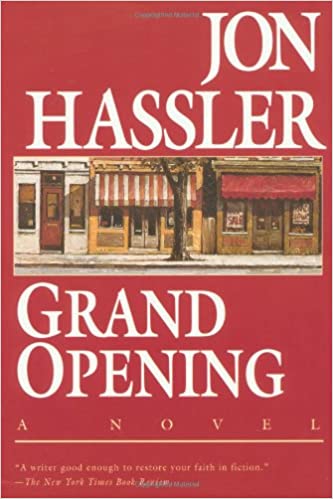
Hassler’s Grand Opening is based on Plainview.

Hassler, one of Minnesota’s most-beloved authors, focused his fiction on small town life. That includes Grand Opening, a novel based on Plainview. As in real life, the main character’s parents buy a run-down grocery store in rural Minnesota.

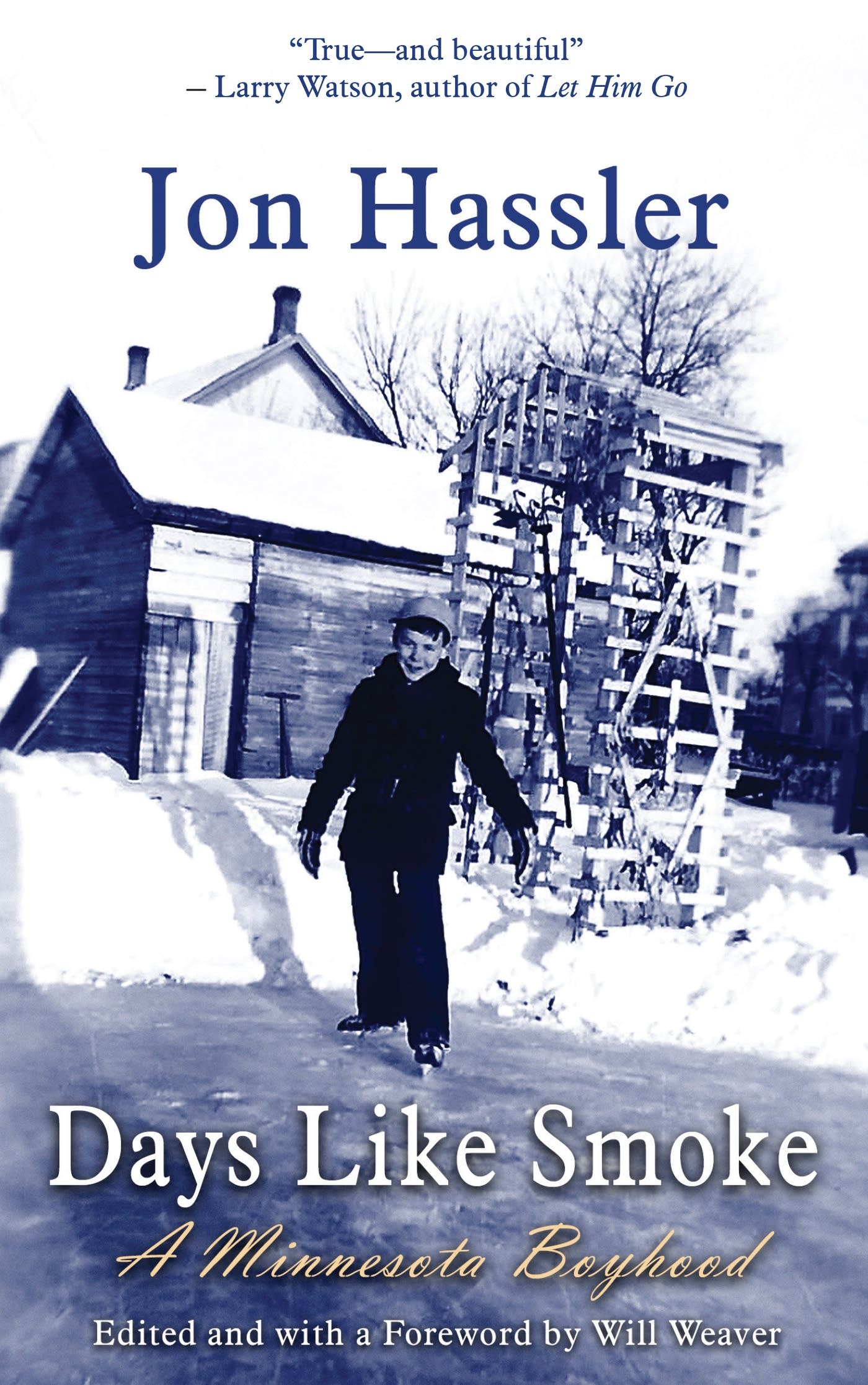
Source: Afton Press

While I have not yet read Grand Opening, I just finished Days Like Smoke, A Minnesota Boyhood. This is Hassler’s memoir, a manuscript published by Afton Press in 2021, many years after the author’s 2008 death. Edited by friend Will Weaver, another well-known Minnesota writer, this slim volume offers insights into Plainview, into Hassler’s experiences there and how that shaped his writing. He credits his parents’ Red Owl Grocery Store as the training grounds for his writing, the place where he acquired the latent qualities necessary to the novelist. In that grocery store, Hassler stocked shelves, ground coffee, interacted with and observed customers, and more.

The land (farming) is integral to the economy of Plainview, which is surrounded by corn and soybean fields. (Minnesota Prairie Roots copyrighted photo May 2022)

This sentence in Hassler’s memoir is so telling of the influence Plainview had on his writing: I see the villagers passing along the checkout counter like the cast of characters they eventually turned out to be in my novel about this village in the corn. I love that phrase, “village in the corn,” for it fits agriculturally-based Plainview. The community is home to food processors, Plainview Milk Products Cooperative and Lakeside Foods, and celebrates Corn on the Cob Days each summer. Farming centers the local economy.

Two of the people featured on the mural. (Minnesota Prairie Roots copyrighted photo May 2022)

It’s the people, though, including the characters, who truly define community. And Hassler shares plenty from Plainview, where he lived across from the stockyards for awhile, tried to derail a train, played high school football for the Gophers, watched endless movies at the Gem Theater, bloodied the nose of a third grader, sat at the bedside of his dying 11-year-old friend, biked to the bluffs along the Whitewater River to camp and fish, served as an altar boy…

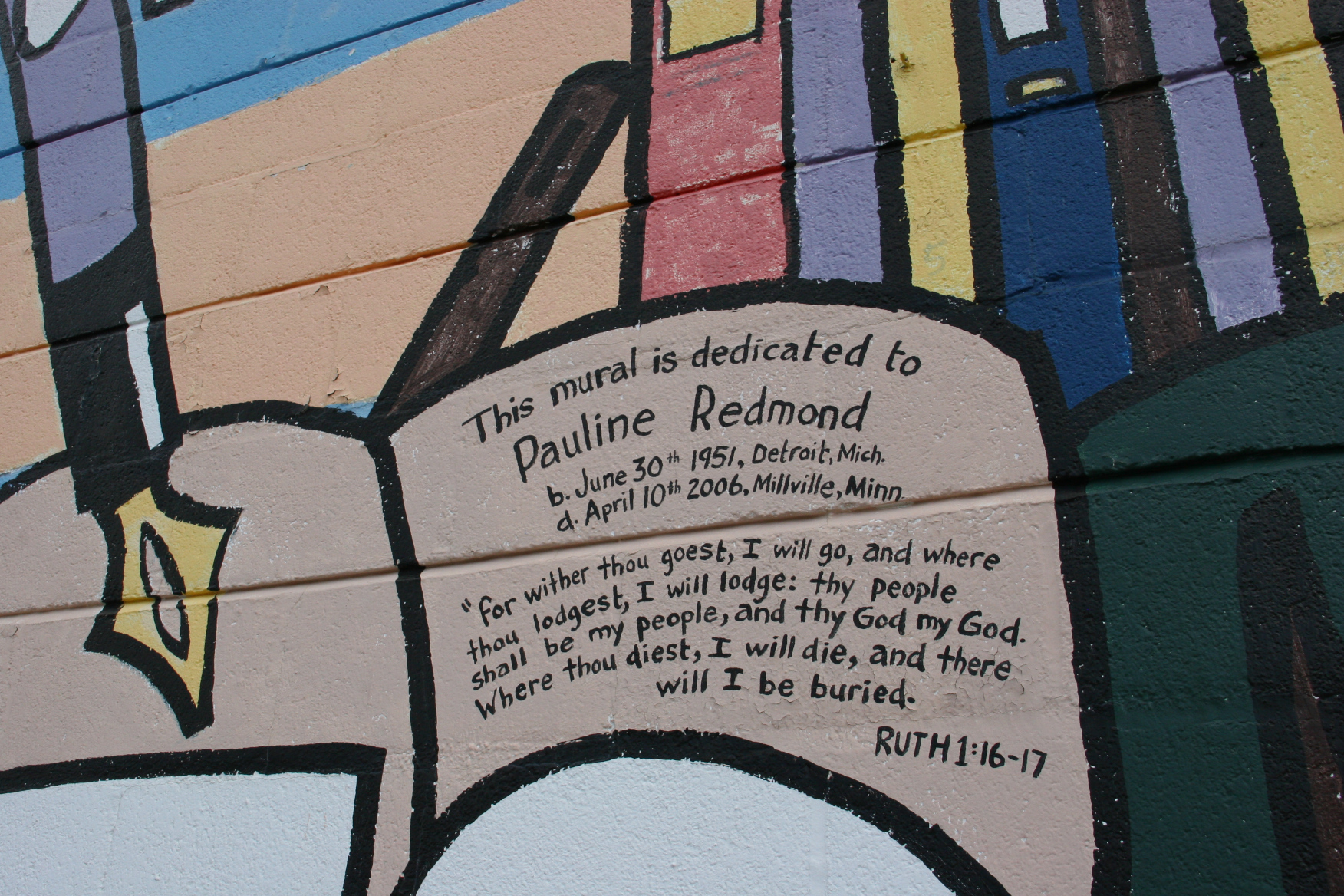
The mural includes a faith-based dedication to Pauline Redmond. She co-owned the North Country Anvil Magazine/Anvil Press with her husband, Jack Miller. (Minnesota Prairie Roots copyrighted photo May 2022)

In his memoir, Hassler remembers St. Joachim’s Catholic Church and Immanuel Lutheran Church standing as sentinels of the soul at opposite ends of Main Street. That’s such an insightful visual. Hassler valued his Catholic upbringing and faith throughout his life. But he also admits in his memoir to the strong current of religious animosity running under the surface of daily life in the village of my youth between Catholics and Lutherans. This comes as no surprise to me, growing up in rural Minnesota with the same denominational tension.

People also define place as noted on the mural. (Minnesota Prairie Roots copyrighted photo May 2022)

It was that undercurrent—specifically the defeat of Hassler’s father in a school board election—which ultimately caused Hassler’s parents to leave Plainview and return to Staples. He writes: I, newly graduated from high school, loved Plainview too dearly to follow them.

The interior entrance to the Jon Hassler Theater, photographed during a 2013 visit to Plainview. (Minnesota Prairie Roots copyrighted file photo November 2013)

Hassler’s love for Plainview endured, long after he left to attend college, then to teach, then to write and then to retire in 1997 after 17 years as writer-in-residence at Saint John’s University. Visit Plainview today and you get a strong sense of the place that shaped this writer. While businesses and people have come and gone, at its core, this remains “the village in the corn.”

TELL ME: Have you read any of Jon Hassler’s 12 novels or his nonfiction? I’d love to hear your take on his writing and what books you recommend.

Please check back for more posts from Plainview next week. Be sure to read my previous posts on Plainview published this week.

© Copyright 2022 Audrey Kletscher Helbling
 

Inside The Shop on Broadway, on West Broadway in Plainview June 14, 2022

Filed under: Uncategorized — Audrey Kletscher Helbling @ 5:00 AM
Tags: , , , , , , , , ,
Photographed in the heart of downtown Plainview. (Minnesota Prairie Roots copyrighted photo May 2022)

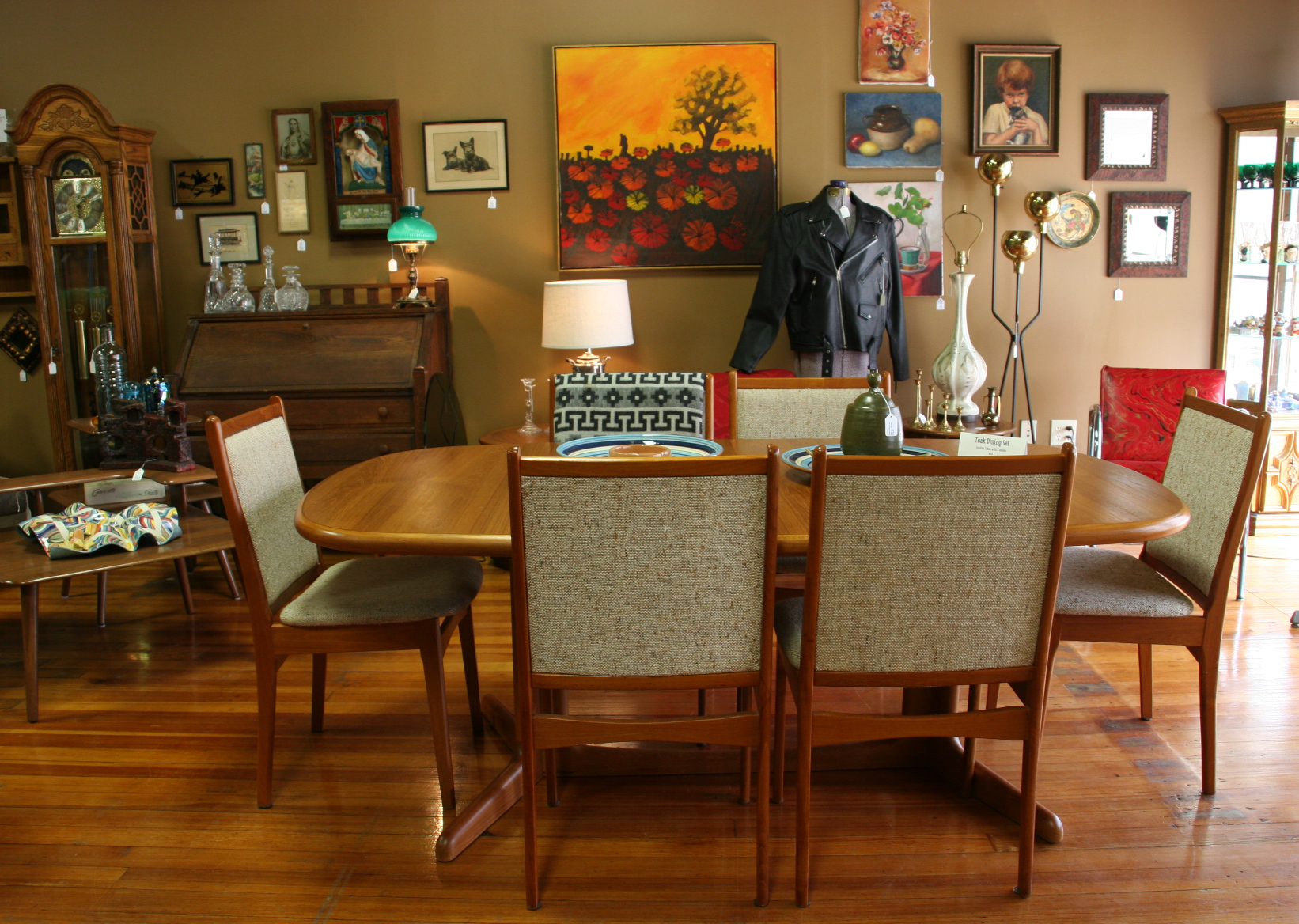
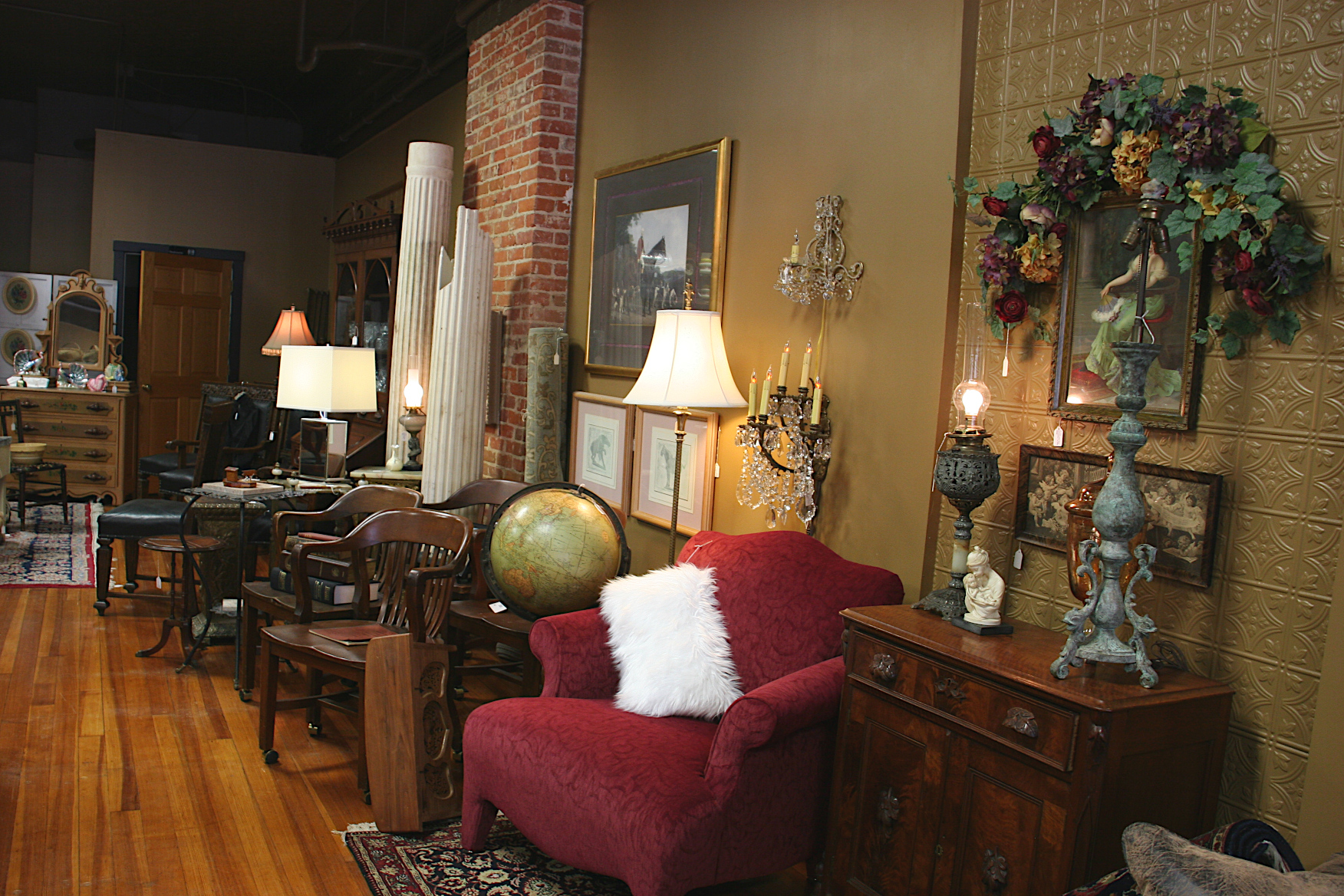
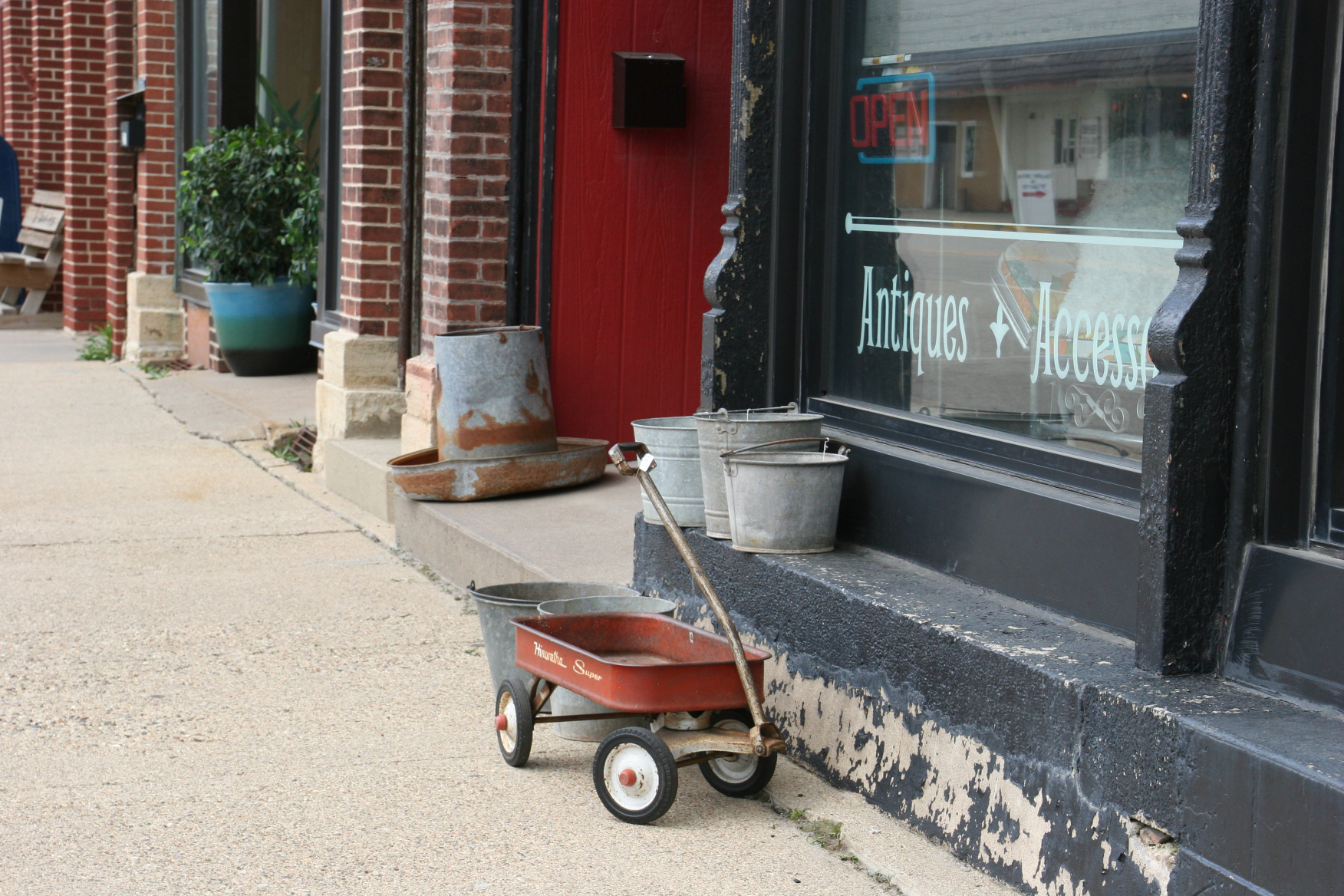
THE SHOP ON BROADWAY in the small southeastern Minnesota community of Plainview checks all the boxes for me in a business that vends antiques, collectibles and assorted treasures. It’s clean, organized and filled with an abundance of natural light from large storefront windows in an historic space. Plus, the merchandise is artfully-displayed rather than crammed onto shelves and elsewhere.

An artsy piece of glassware caught my eye. (Minnesota Prairie Roots copyrighted photo May 2022)

I appreciate when proprietors like Sonia Furini and Lisa Petersson take care to present an inviting, uncluttered shopping environment. I could see the thought they put into art grouped on walls, glassware set atop furniture, buttons arranged in a collage…

Love this button collection at The Shop on Broadway. (Minnesota Prairie Roots copyrighted photo May 2022)

That button collection caused me to pause, read and laugh. My favorite among the many carries a decidedly Minnesota message: Minnesota—Land of blonde hair and blue ears. That certainly seems accurate given the many residents of Scandinavian heritage living in a state known for its cold winters.

My attention instantly focused on the art on the wall. (Minnesota Prairie Roots copyrighted photo May 2022)

As I wandered through the shop, I eyed a floral painting and silently talked myself out of buying another piece of art. I own a sizable collection because, well, I like original art. A lot.

When I saw the crocheted hearts, I thought instantly of my paternal grandmother. (Minnesota Prairie Roots copyrighted photo May 2022)

In many ways, antique shops sell memories. And The Shop on Broadway is no exception. I spotted ribbon bedecked crocheted hearts positioned on a vintage mirrored chest of drawers. Somewhere in a closet, I have a gold heart crocheted by my Grandma Ida. And in my home I also have three vintage chests of drawers, one from my husband’s family, the other two from mine. Yes, I like aged furniture, too, especially the beautiful antique wooden table Randy and I purchased at a neighbor’s farm auction (back in my hometown of Vesta) 40 years ago.

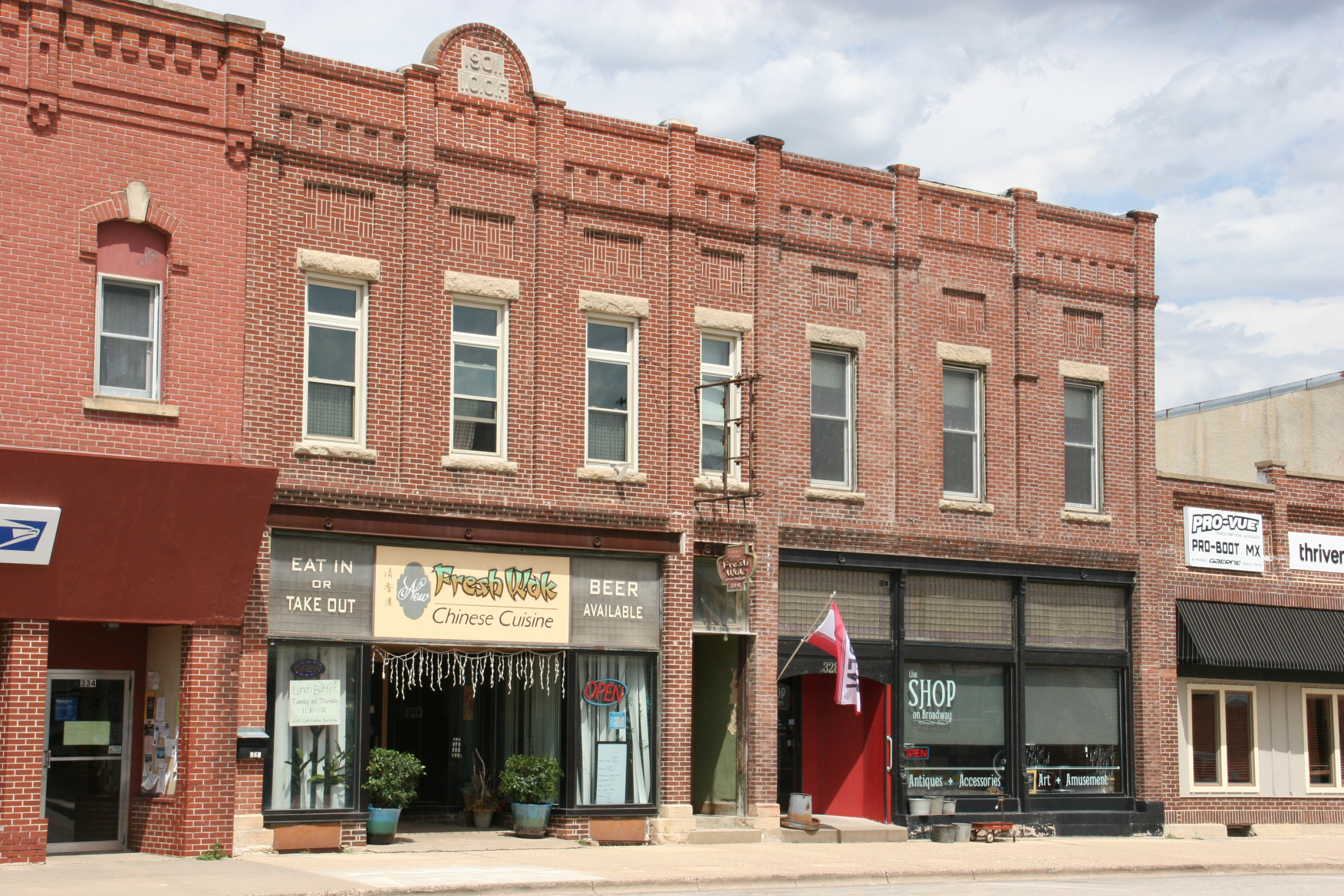
Historic buildings house these businesses along West Broadway in downtown Plainview. The Shop on Broadway makes a bold statement with a red entry. (Minnesota Prairie Roots copyrighted photo May 2022)

There are stories, always stories, attached to these things of old or not quite so old.

Light drenches these stools displayed by the front window. (Minnesota Prairie Roots copyrighted photo May 2022)

Suspended unicycles at The Shop on Broadway led to sharing that my son rides a unicycle. Or did, when he was younger. He still has one at his current residence in Indiana, but uses his electric bike now to get around and pedal to the Purdue University campus.

A snapshot of merchandise for sale at The Shop on Broadway. (Minnesota Prairie Roots copyrighted photo May 2022)

That’s the other thing about The Shop on Broadway. This is the sort of place where you feel instantly welcomed, where stories and information are exchanged. A customer, a Plainview native back in town, popped in to express his gratitude to co-proprietor Sonia for opening this relatively new shop. And while he didn’t buy anything, he filled her in on some glassware and promised to spread the word about the business.

Collectibles, antiques, vintage…The Shop on Broadway offers an assortment of interesting merchandise. (Minnesota Prairie Roots copyrighted photo May 2022)

I left, too, without any purchases. Not because I didn’t see items I like, but rather because I am avoiding acquiring more stuff. And like the guy who exited The Shop on Broadway shortly before me, I promise to spread the word about this wonderful little shop in Plainview which I tag as friendly. And charming.

Right outside The Shop on Broadway. (Minnesota Prairie Roots copyrighted photo May 2022)

PLEASE CLICK HERE to read my introductory post on Plainview. And please watch for more stories from this southeastern Minnesota small town of 3,340 northeast of Rochester. Note that The Shop is open, Thursday, Friday and Saturday. As in any small town, it’s best to check store hours in advance of a visit because “open” hours are often limited.

© Copyright 2022 Audrey Kletscher Helbling


Revisiting Plainview, a must-visit community in southeastern Minnesota June 13, 2022

A mural themed to people, land, community and the arts graces a corner building in downtown Plainview. (Minnesota Prairie Roots copyrighted file photo May 2022)

I FELT COMFORTABLY, nostalgically, at home in Plainview, a farming community of some 3,340 in southeastern Minnesota’s Wabasha County.

This Norman Rockwell type scene depicts small town Minnesota, here on a Saturday afternoon in Plainview. (Minnesota Prairie Roots copyrighted photo May 2022)

Here kids bike along the main drag through town, passing by homegrown shops and other businesses. Here friendly shopkeepers engage in easy conversation that made me feel incredibly welcomed. And connected.

Just a block off Broadway, the local co-op. (Minnesota Prairie Roots copyrighted file photo May 2022)

This is a rural community through and through. Home to the Plainview Milk Products Cooperative. Surrounded by farm fields. And, at its essence, home to residents rooted in rural life. Noted Minnesota author Jon Hassler, who penned novels about small town life, grew up here (and in Staples). His parents owned the local Red Owl grocery store.

Right forefront, The Shop on Broadway vends antiques and collectibles. It’s an uncluttered shop with artfully displayed one-of-a-kind merchandise. (Minnesota Prairie Roots copyrighted photo May 2022)

At The Shop on Broadway, relative newcomer to the area and co-proprietor Sonia spoke about a recently-purchased rural property.

Like a step back in time…J.T. Varieties & Toys. (Minnesota Prairie Roots copyrighted photo May 2022)

At the variety store, the clerk and I exchanged histories of growing up on dairy farms.

Young Love is a combo floral and gift shop, plus small event center. (Minnesota Prairie Roots copyrighted photo May 2022)

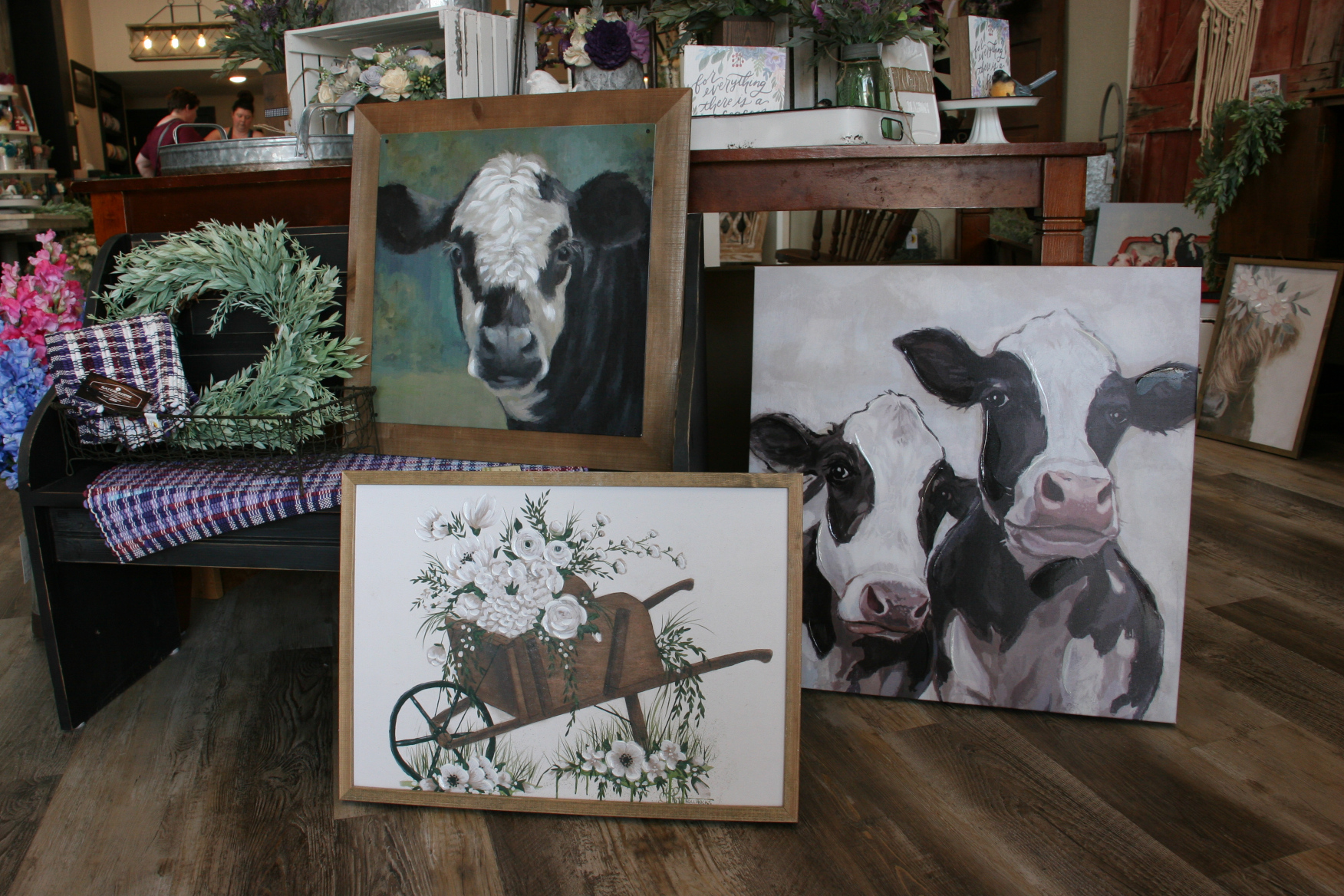
Inside Young Love Floral & Finds, I found plenty of cow art to love.

A close-up of the lengthy mural on a building across the street from the former theater/arts center. (Minnesota Prairie Roots copyrighted photo May 2022)

Plainview, in many ways, surprised me. I’d been here previously, nearly 10 years ago when a wrong turn led Randy and me to this small town some 20 miles northeast of Rochester. During that brief stop, we popped into the Jon Hassler Theater/Rural America Arts Center. The theater closed soon after and the arts center followed. But both impressed me. This return trip to Plainview revealed a new side, a thriving business district of welcoming, one-of-a-kind shops.

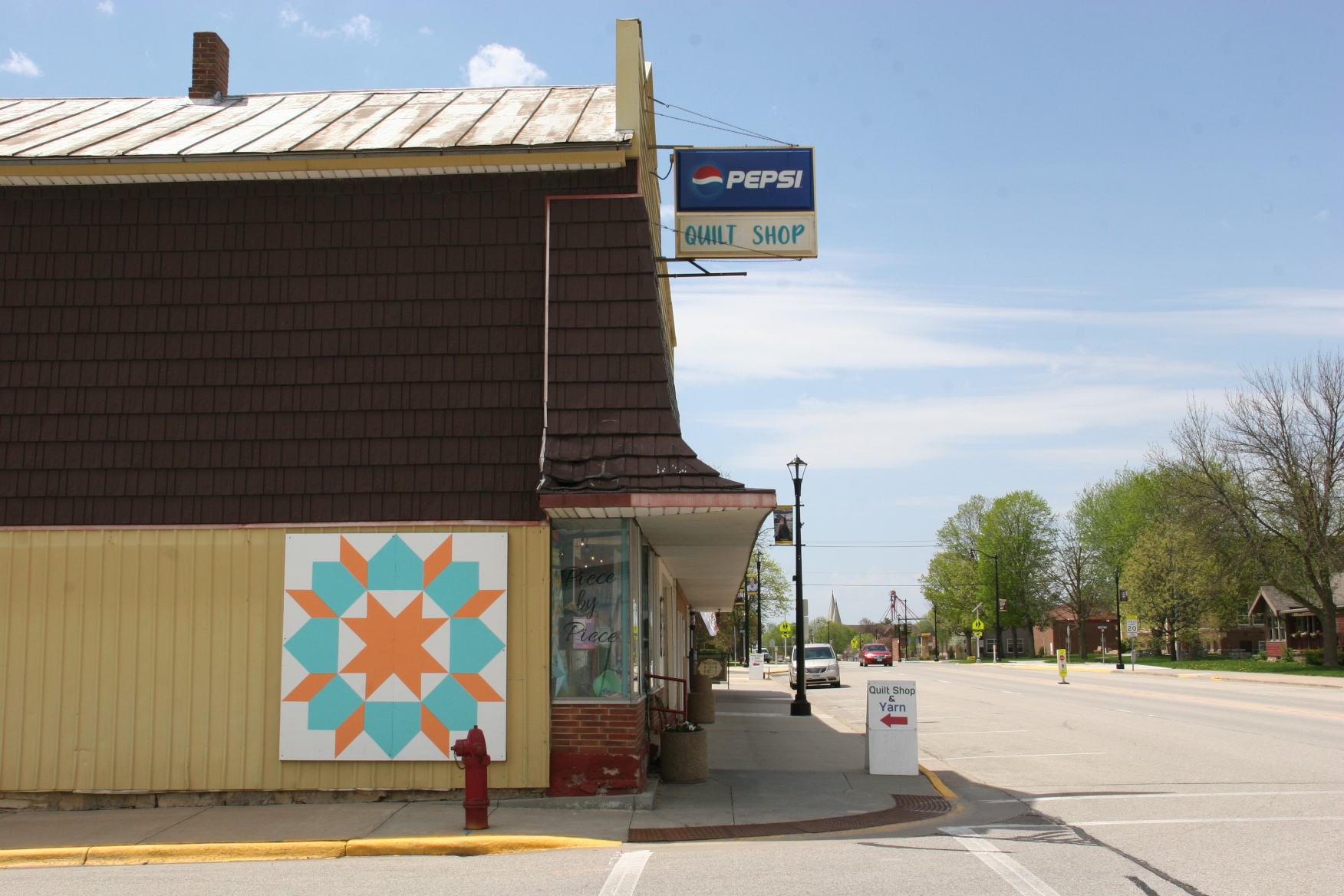
Although I didn’t pop into the quilt shop, Piece by Piece Creative Collaboration, I should have. Next time. (Minnesota Prairie Roots copyrighted photo May 2022)

Not all were open on the Saturday of my mid-May visit. But I perused enough to get a feel for what this community offers. As cliché as it sounds, Plainview seems an undiscovered gem with its independently-owned shops staffed by friendly folks with time to chat. I felt unrushed in uncrowded stores. Browse at my own pace. Take in the setting and merchandise and down-home feel of being in the moment in rural Minnesota.

J.T. Variety & Toys sells fabric and so much more. (Minnesota Prairie Roots copyrighted photo May 2022)

That comes from someone who is not a shopper, who easily tires of mass-produced whatever in Big Box stores. But I didn’t feel that here in Plainview. Inside The Shop on Broadway and J.T. Varieties & Toys, I found nostalgia. Antiques and collectibles in The Shop. And at the Variety store, I stepped back in time, into a mercantile akin to the Ben Franklin or Woolworth’s of my youth. I eased down narrow aisles jammed with merchandise—ran my hand across beautiful cotton fabric layered on shelves, eyed endless knick knacks, appreciated the Little Golden Book storybooks for sale.

Created by Shantelle Speedling at Young Love Floral & Finds. (Minnesota Prairie Roots copyrighted photo May 2022)

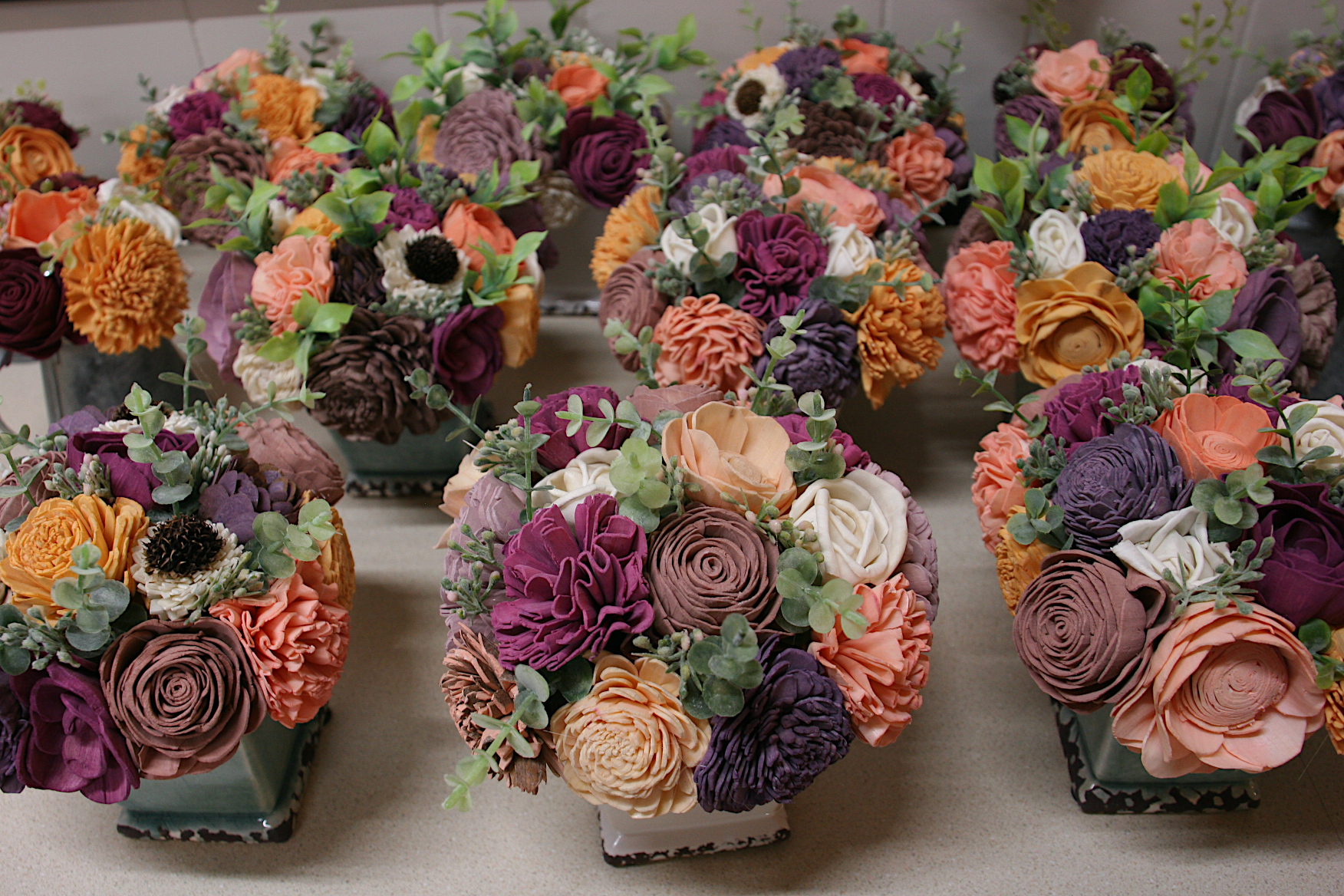
At Young Love Floral & Finds, historic photos, a vintage Mallard Seeds sign (the seed company was once housed here as was a bank) and the First National Bank vault (now a storage space) revealed more about this community. I love this little shop owned by floral designer/creative Shantelle Speedling. The biggest surprise here: wood flowers. Speedling uses them in her floral designs and they are unbelievably beautiful.

The display window at Magnolia Cottage showcases women’s clothing. (Minnesota Prairie Roots copyrighted photo May 2022)

Another surprise came in finding The Magnolia Cottage Boutique. If this had not been my last shop stop, I may have tried on some of the clothing therein because I loved the styles. But I was tired and it takes a lot for me to try on clothes. The shop also sells home décor, gifts, flowers and more.

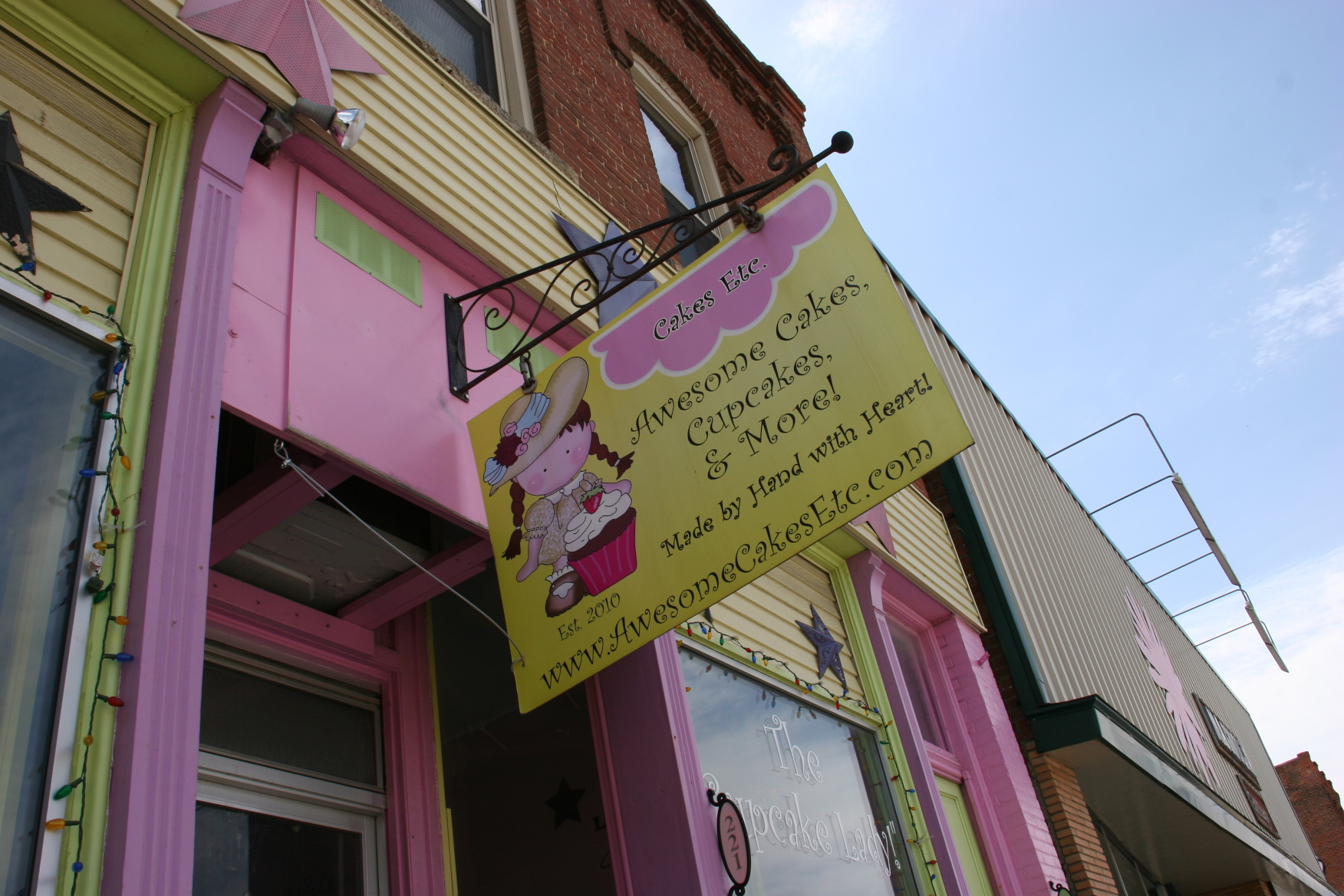
From what I read online, this cupcake shop is open only occasionally, It gets rave reviews for its artsy and delicious cupcakes. (Minnesota Prairie Roots copyrighted photo May 2022)

Next door, Cakes Etcetera was closed, so no cupcakes for me on this Saturday afternoon.

Love this vintage sign marking the bowling alley. (Minnesota Prairie Roots copyrighted photo May 2022)

A few doors down, I spotted a vintage sign for Gopher Lanes Bar & Grill. The bowling alley is closed—for the summer. But that didn’t keep me from admiring the sign which is, oh, so Minnesotan. Before Plainview schools merged with Elgin and Millville, their mascot was the Gophers. And just some 10 miles to the southwest of Plainview, the town of Viola celebrates the lowly pocket gopher with an annual community celebration, the Viola Gopher Count. The 148th annual festival is scheduled this week on June 15 and 16. That’s another story and Viola, another place to visit. Just like Plainview.

PLEASE CHECK BACK for more posts from Plainview. I’ll take you inside shops, show you signs, art and more discovered on a Saturday afternoon along Broadway. I’m sure I missed a lot of what Plainview offers. So if you are from this town, or have visited, I welcome your insights on places to check out.

© Copyright 2022 Audrey Kletscher Helbling
 

Peonies, mysteries & pay June 10, 2022

Peonies bloom at Aspelund Peony Gardens. (Minnesota Prairie Roots copyrighted file photo June 2018)

I HAVE SEVERAL TOPICS on my mind today, all unrelated, but a trio of information I want to share.

First up, Aspelund Winery and Peony Gardens. This is one of my favorite rural Minnesota places to visit each June. On this 10-acre parcel of land just outside Aspelund (northeast of Kenyon or northwest of Wanamingo), Dawn and Bruce Rohl have created a little bit of heaven. Here they cultivate 50-plus varieties of peonies and also make wine. The couple are the most down-to-earth friendly folks. I always feel welcomed by them and their roaming dog, Rascal.

Peonies will bloom for several more weeks. (Minnesota Prairie Roots copyrighted file photo June 2020)

Now, with fragrant peony buds opening, is the absolute ideal time to visit Aspelund Peony Gardens and walk among the rows of flowers. I do so at a leisurely pace—dipping my nose into the perfumed petals, stopping to photograph these old-fashioned flowers that once graced many a bridal bouquet, noting the lovely shades of pink and crimson.

At the bottom of the hill, rows and rows of peonies grow against a country backdrop. (Minnesota Prairie Roots copyrighted file photo June 2020)

The gardens are also a business. The Rohls invite guests to stroll the gardens, then order peonies. In the fall, root peony tubers are available for customer pick-up or shipping. Gardens are open from 4-7 pm Thursday and Friday, from 10 am-7 pm Saturday and from 10 am-5 pm Sunday.

On the deck at Aspelund Winery. (Minnesota Prairie Roots copyrighted file photo June 2018)

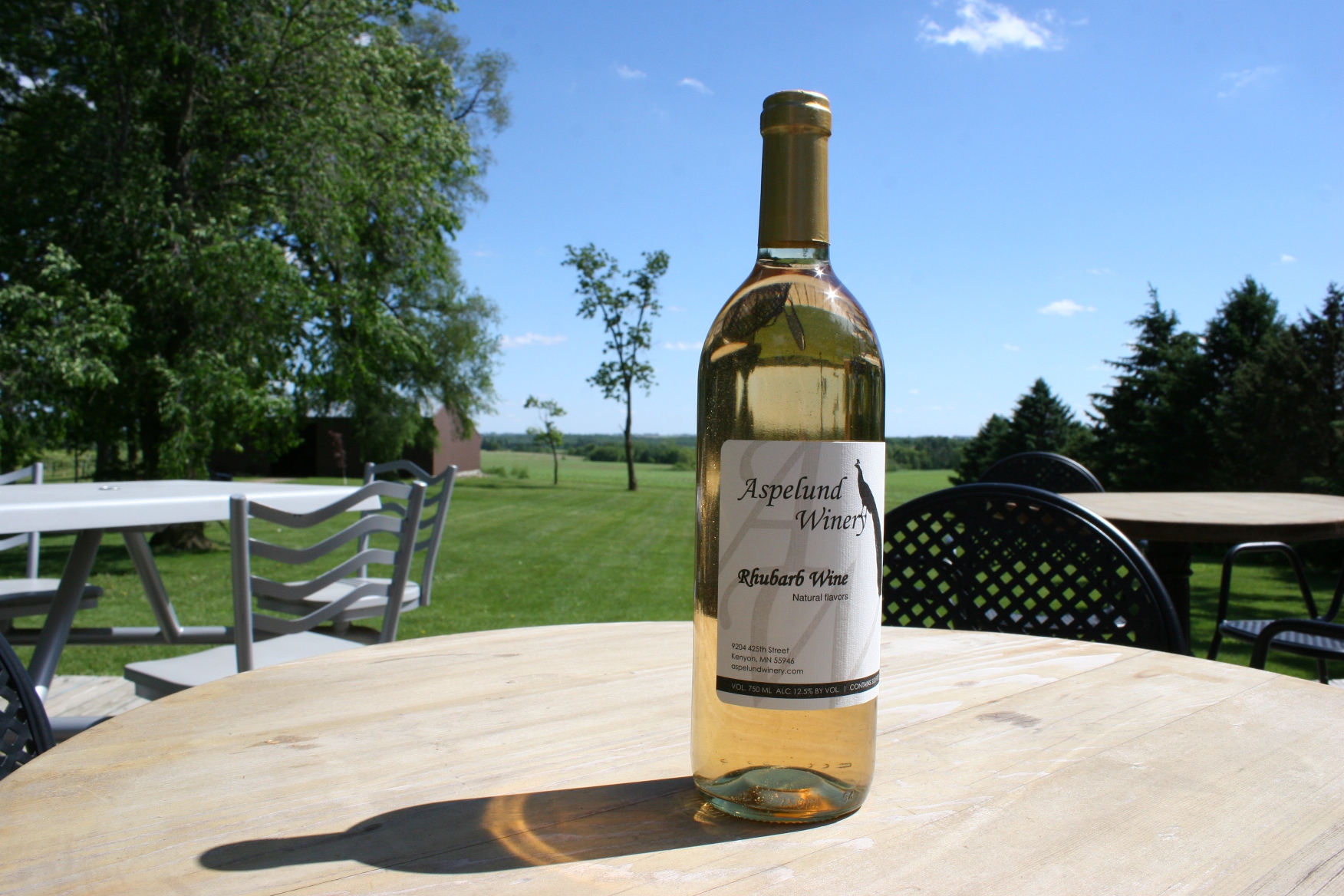
Be sure to order a glass of wine to enjoy on-site outdoors overlooking the scenic Zumbro River Valley. And then buy a bottle to take home.

A map included in a Mailbox Mystery created by Matt Stelter. (Minnesota Prairie Roots copyrighted file photo November 2021)

Next up, Mailbox Mysteries created by OrangeGuy Games, aka Matt Stelter. During the pandemic, this Cannon Falls librarian crafted mysteries to mail to patrons stuck at home while the library was closed. It was a creative outreach program that I learned about while visiting Cannon Falls. I got on the mailing list for those mysteries and found them challenging, informative and a welcome escape from reality.

Now, with the library reopened, Stelter is no longer creating Mailbox Mysteries for the library. But he is selling his mysteries via Etsy through his private business, OrangeGuy Games. Given all the hard work, time and effort he invested in the games, simply letting them languish seems unwise. Thus the Etsy offering. His three mysteries—Spy School, Gangster’s Gold and Cypher Cabin—have been tweaked, updated, fine-tuned and improved. And they are half-price from now until the end of June.

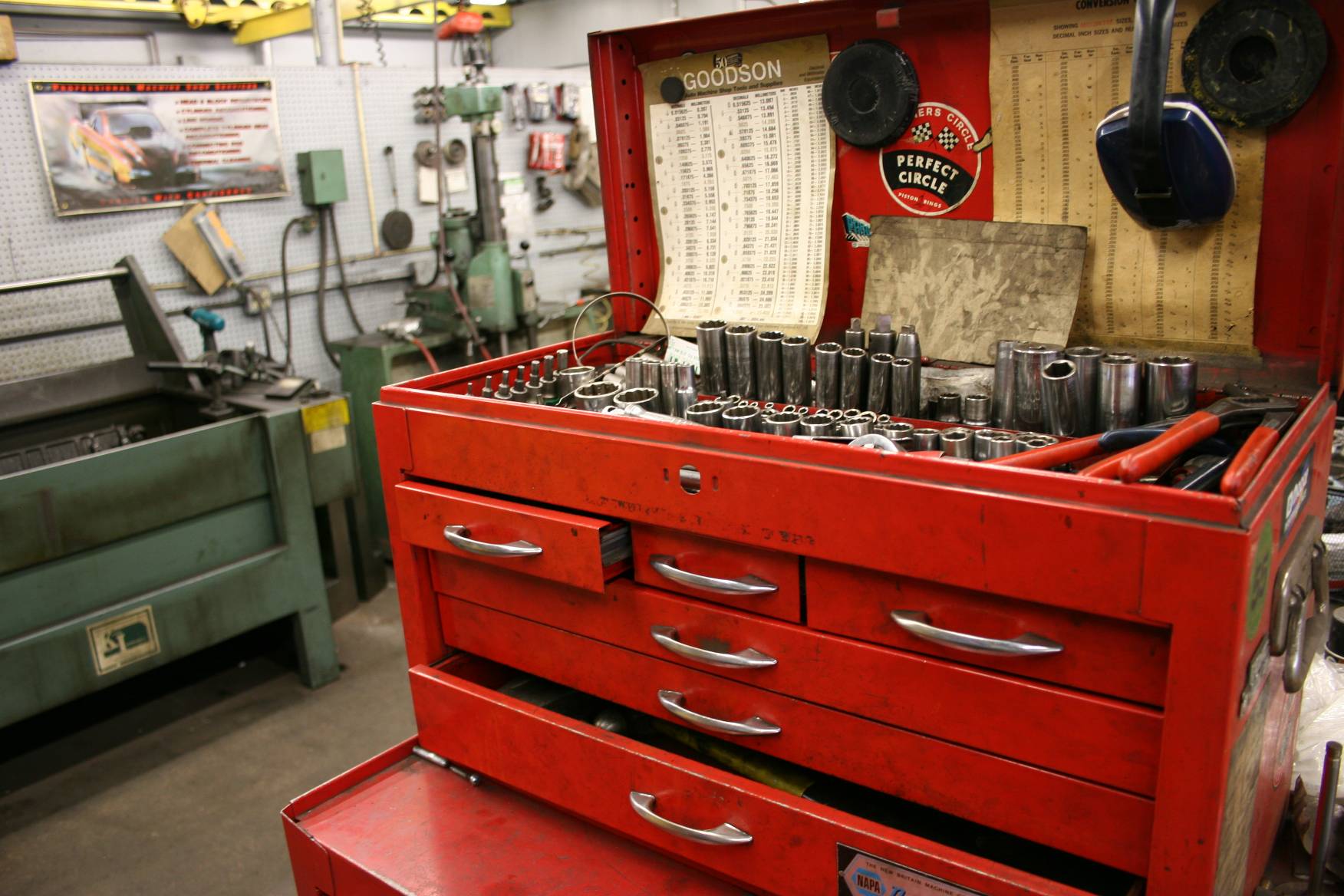
My husband, Randy, at work in the automotive machine shop at NAPA Auto Parts Store, Northfield, in a job he’s held for 39 years. (Minnesota Prairie Roots copyrighted file photo 2010)

Lastly, applications opened Wednesday for the Minnesota Frontline Worker Pay program for those who continued to go to their respective workplaces during the pandemic without the option of working from home. There are income and other guidelines.

At his job as an automotive machinist, Randy resurfaces heads, grinds valves, turns brake rotors, does complete engine overhauls and much more. His work is highly-specialized and in high demand. Few people do the type of work Randy does. (Minnesota Prairie Roots copyrighted file photo 2010)

I’m thankful this legislation finally got passed because, as the spouse of an employee whose job requires him to be present (in the automotive machine shop) and in close contact with co-workers and customers, the risk of getting COVID was (still is) real and concerning.

State officials expect approved applicants to get about $750/each in frontline worker pay, depending on number of qualified recipients. That’s not a lot considering the risk. But it’s something and will help us as Randy is now paying more to commute 30 miles to and from work daily. In less than three months, he won’t have that gas expense as he’s losing his job of 39 years under new company ownership.

Aspelund Winery offers a variety of tasty wines. (Minnesota Prairie Roots copyrighted file photo June 2016)

And so that’s what’s on my mind today. Peonies. Mysteries. Pay. And a glass of wine.

© Copyright 2022 Audrey Kletscher Helbling


Quirky finds in Elgin June 9, 2022

Filed under: Uncategorized — Audrey Kletscher Helbling @ 5:00 AM
Tags: , , , , , , , ,
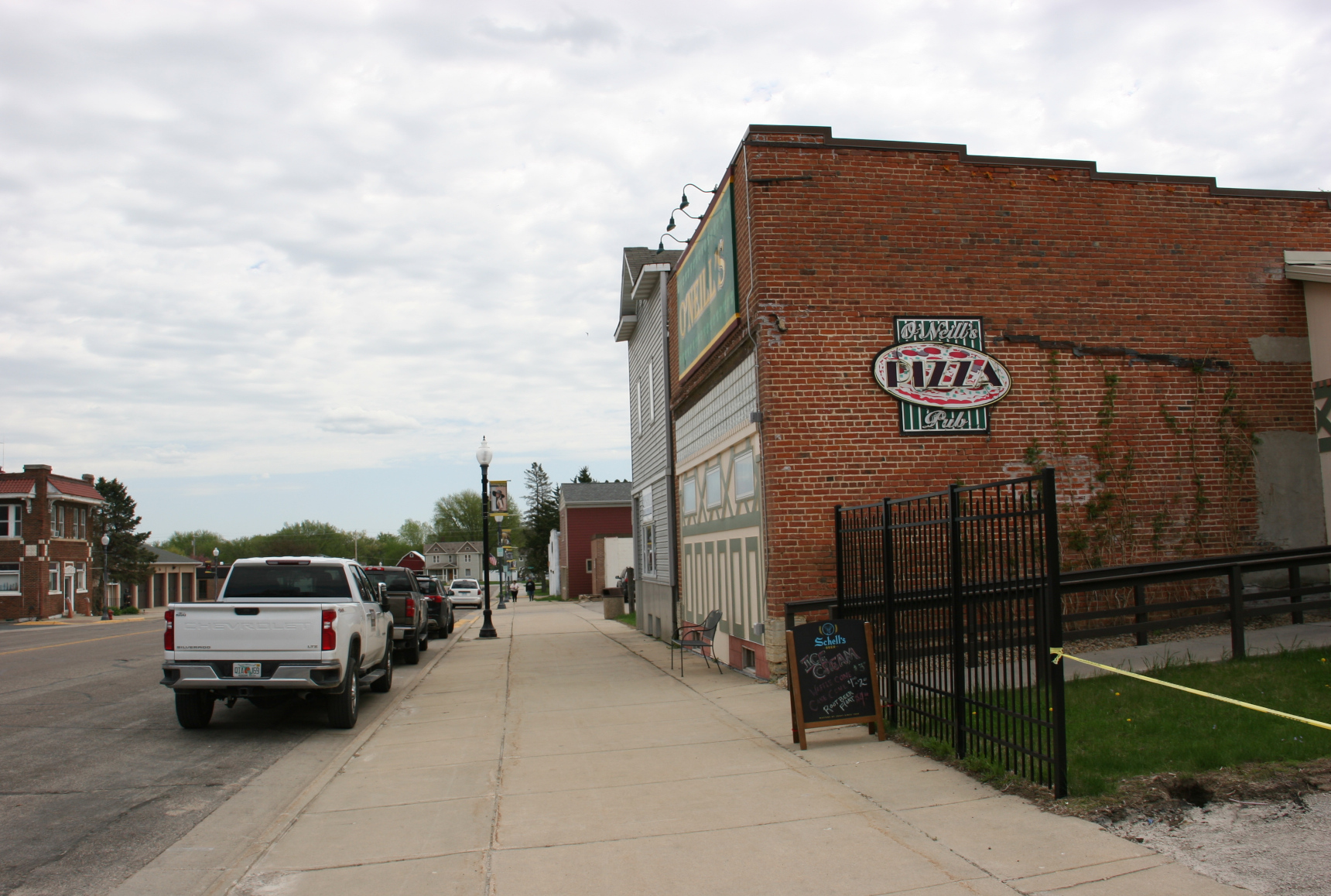
Downtown Elgin, Minnesota. (Minnesota Prairie Roots copyrighted photo May 2022)

AS A WRITER AND PHOTOGRAPHER, details matter to me. I notice the unusual, the quirky, the odd in places. That includes in Elgin, a small farming town northeast of Rochester.
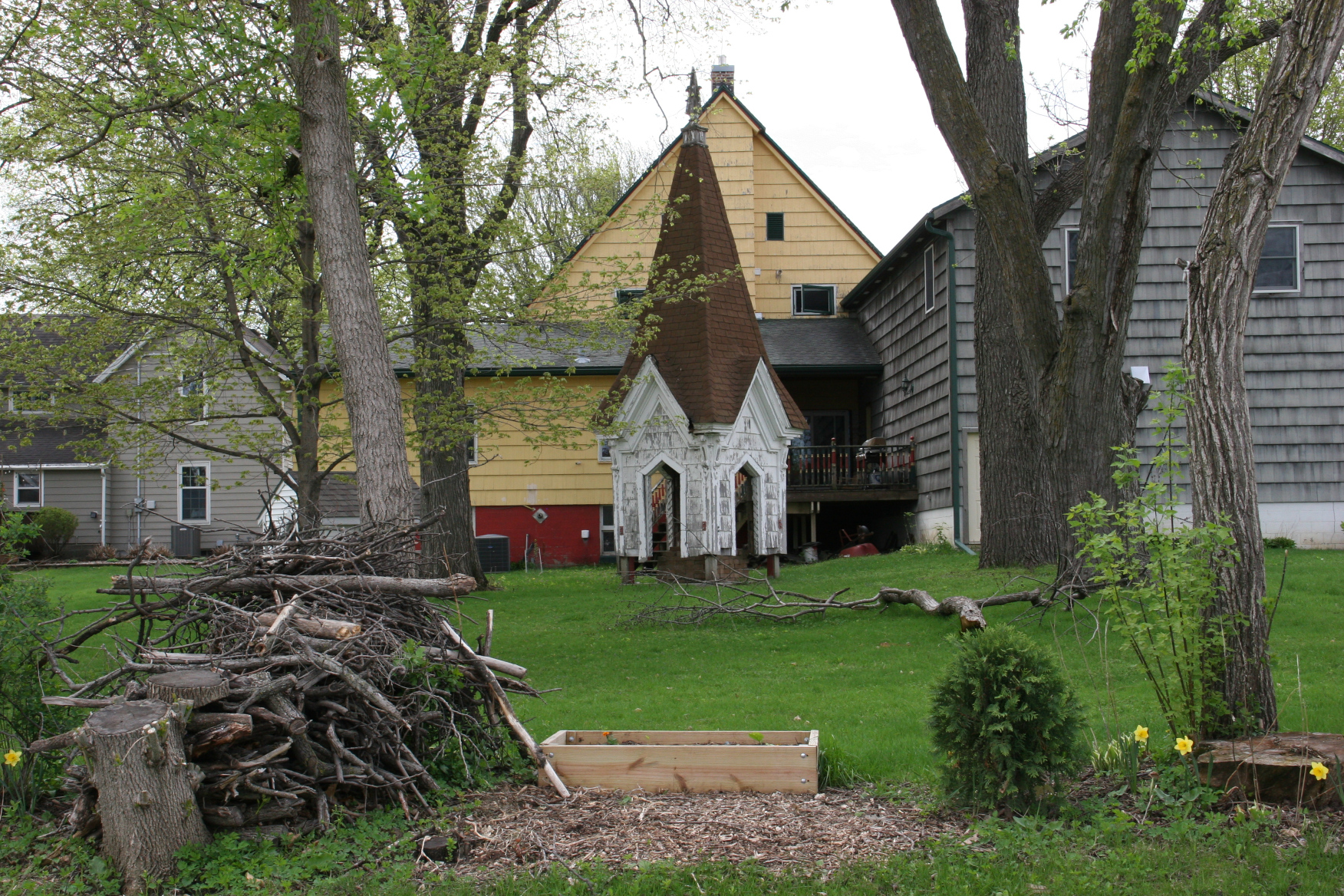
A block off the main street, I saw this steeple in a backyard. (Minnesota Prairie Roots copyrighted photo May 2022)

On a recent walk-about through the downtown area, I came upon a church steeple. Not atop a church, but rather in a residential backyard. I have no idea what the story may be behind its placement there or what the homeowners have planned for the structure. But I found the entire scene interesting.

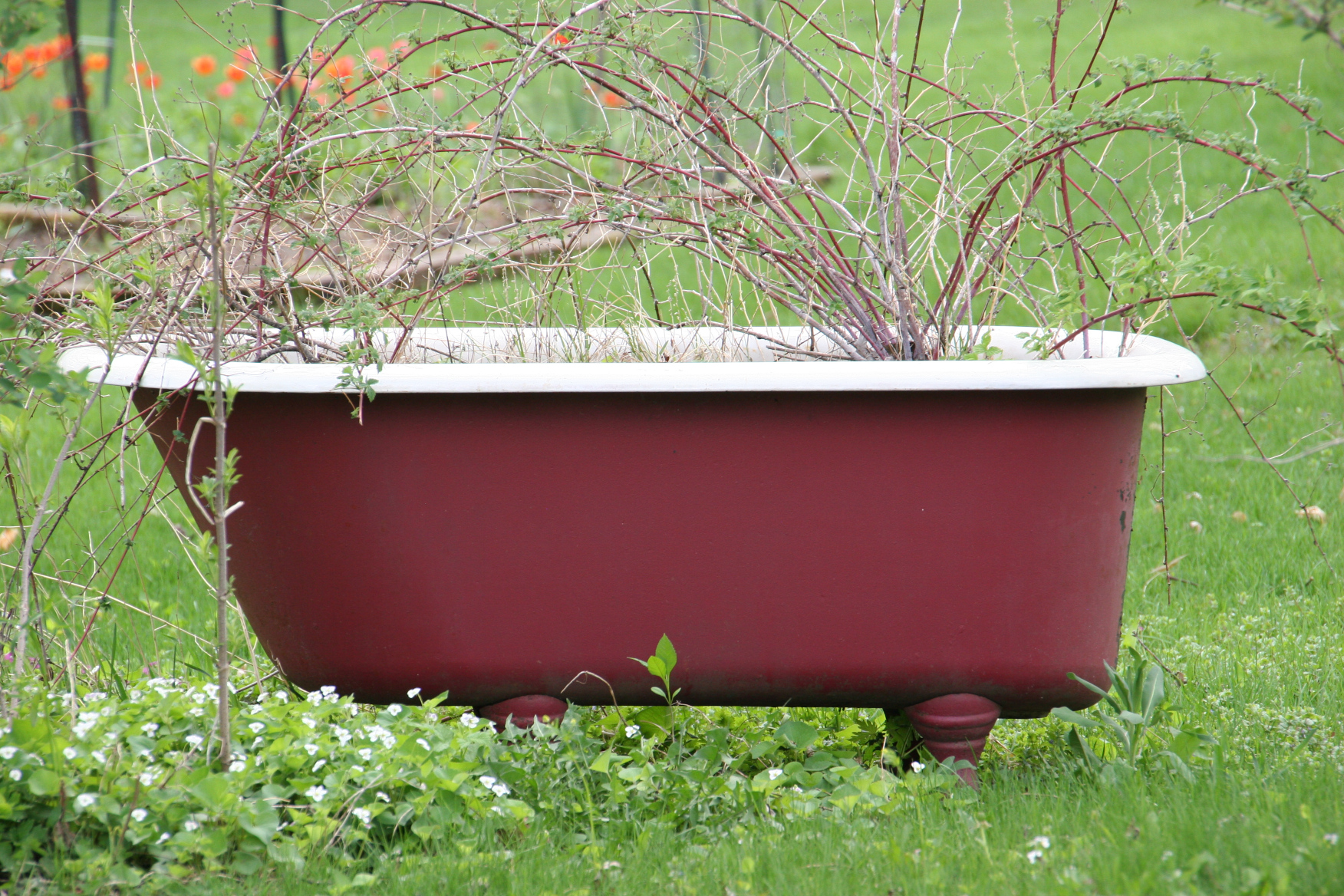
Bathtub turned planter. (Minnesota Prairie Roots copyrighted photo May 2022)

In that same backyard sits a vintage bathtub repurposed into a planter. The growth springing from the tub suggests these are raspberries. I didn’t feel comfortable moving in closer to confirm my guess.

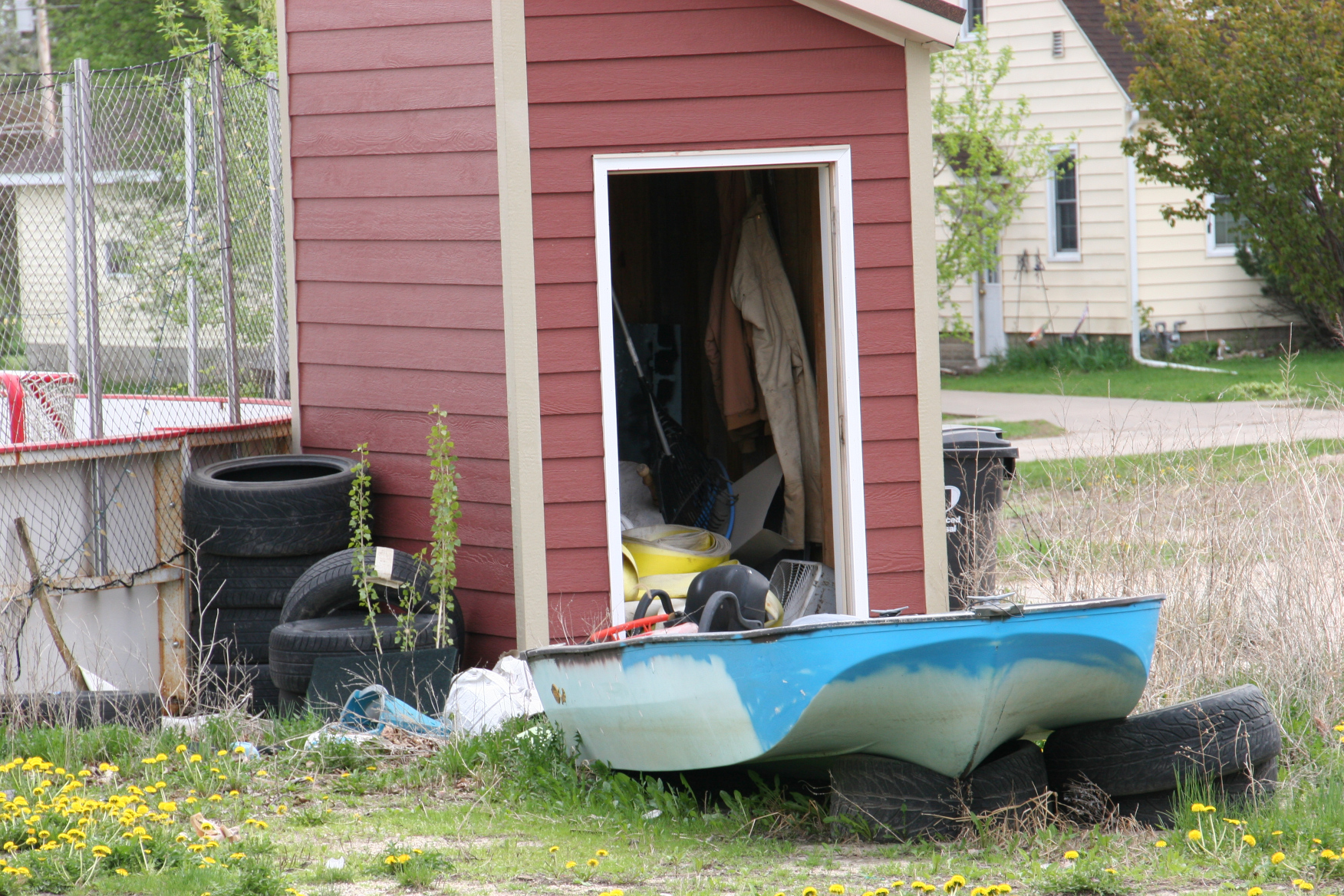
An angler’s shed. (Minnesota Prairie Roots copyrighted photo May 2022)

Just across the way, a boat rests on tires outside a shed. More tires sidle the small building. Again, I didn’t move in to snoop. But I speculated that the owner is an avid angler and could spin a story or ten about the big one that got away.

Doors repurposed into a fence in downtown Elgin. (Minnesota Prairie Roots copyrighted file photo May 2022)

A row of vintage doors, repurposed as a fence next to an architecturally interesting brick corner building, also grabbed my attention. I love when people get creative. There’s a story here in this functional public art and in that historic building.

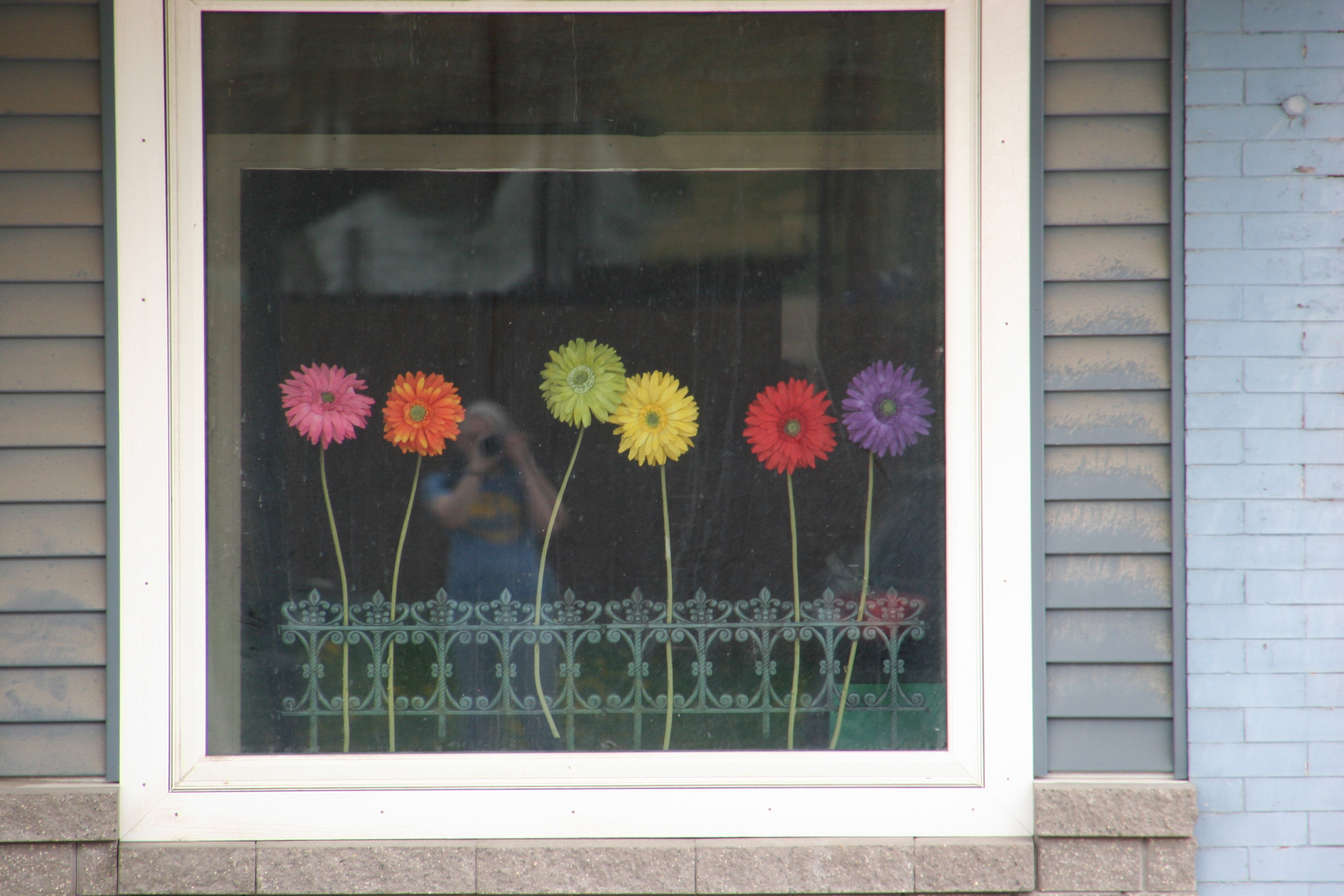
I’m reflected in the window of this downtown “flower garden.” (Minnesota Prairie Roots copyrighted photo May 2022)

As I meandered, I noticed a few other details. Like the colorful fake flowers blooming in a window. That scene simply made me smile.

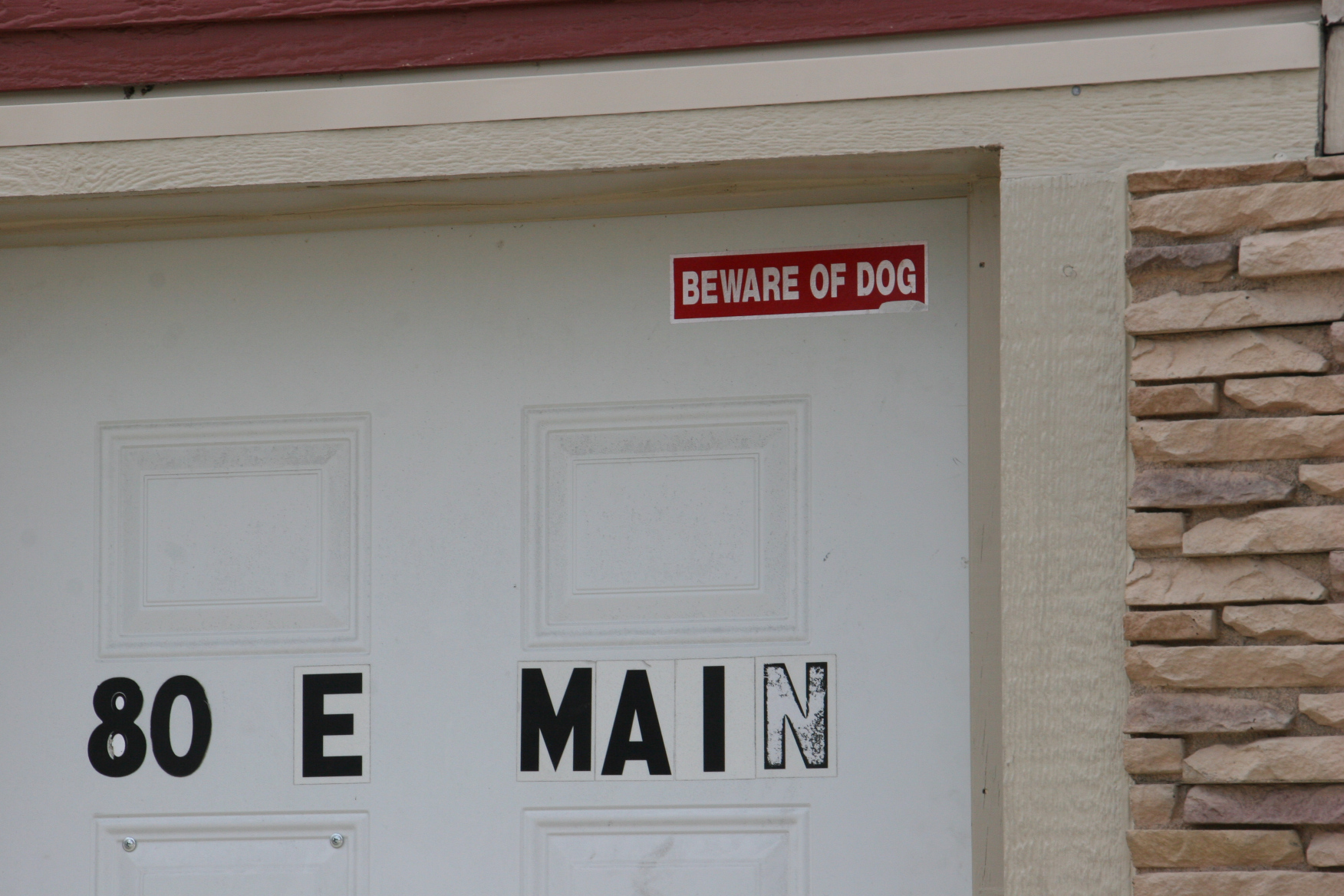
Be on notice… (Minnesota Prairie Roots copyrighted photo May 2022)

But when I spotted a BEWARE OF DOG sign on a garage door, I felt quite the opposite. At least no barking ensued, warning me to keep my distance.

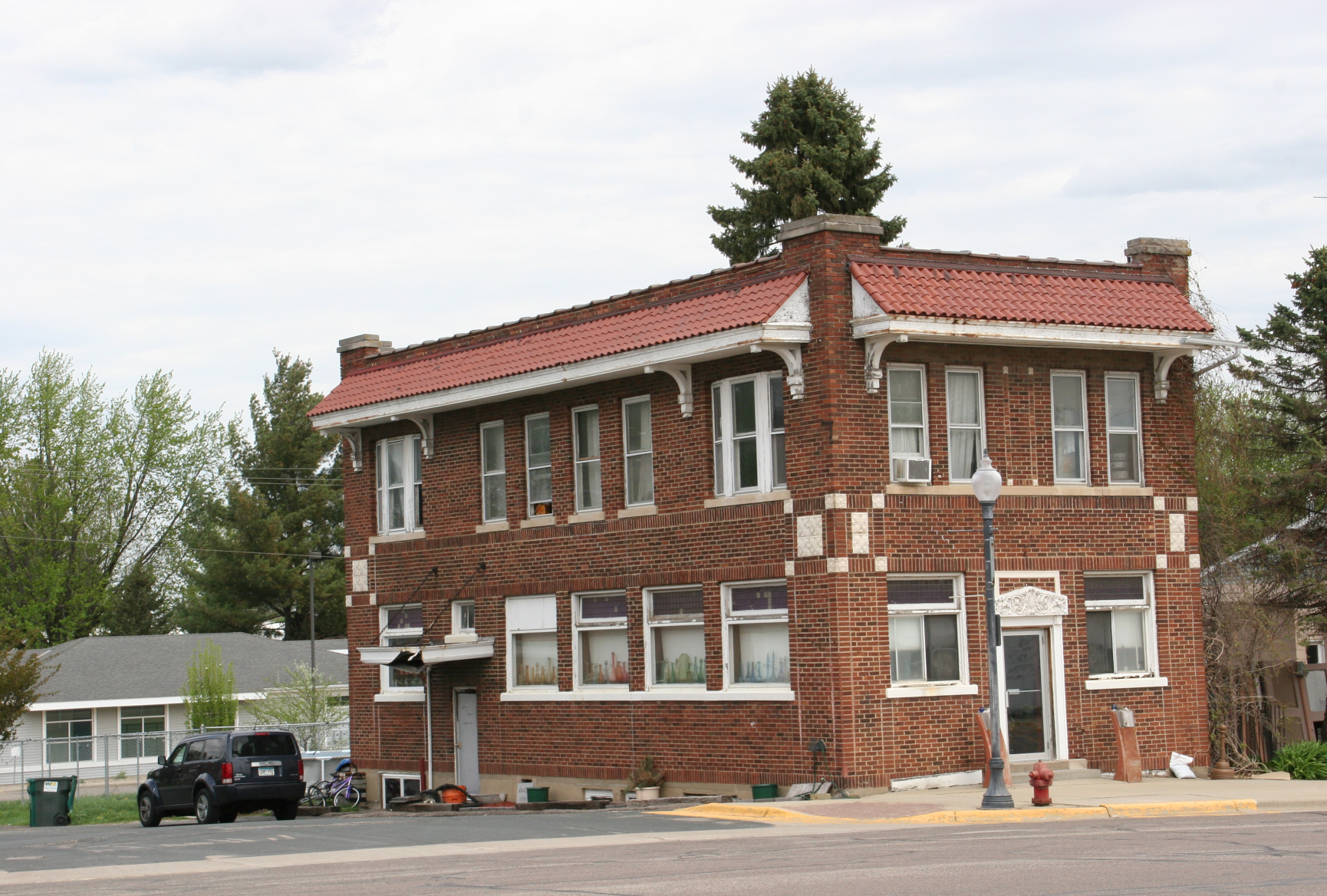
This is the lovely corner building where I spotted the door fence to the far right. (Minnesota Prairie Roots copyrighted photo May 2022)

I wasn’t in Elgin all that long. Yet, I discovered details that imprint upon my memory. I’ll remember the church steeple in the backyard, the doors repurposed into a fence, the nuances that caught my eye. I take joy in finding these small town quirks/oddities/characteristics and I encourage you to look for the same when you’re out and about.

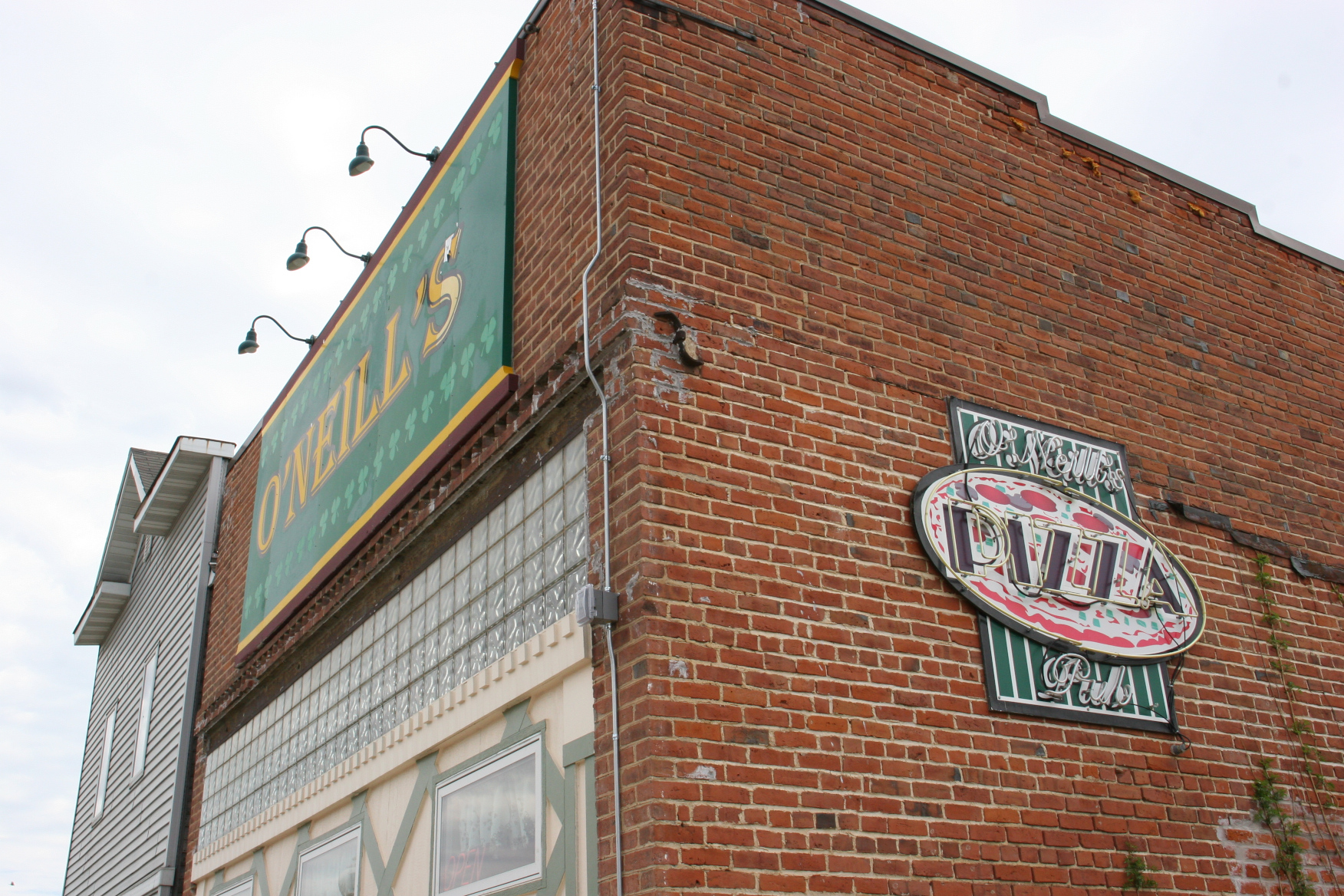
O’Neill’s Pizza Pub, which serves more than pizza. (Minnesota Prairie Roots copyrighted photo May 2022)

FYI: Click here to read my previous post focusing on Elgin’s downtown business district. If you have information on any of the discoveries mentioned in this post, please share that with me in a comment.

© Copyright 2022 Audrey Kletscher Helbling