Minnesota Prairie Roots

Writing and photography by Audrey Kletscher Helbling

I’ve been Freshly Pressed again November 30, 2013

“I HOPE YOUR BLOG is ready to welcome some new readers…”
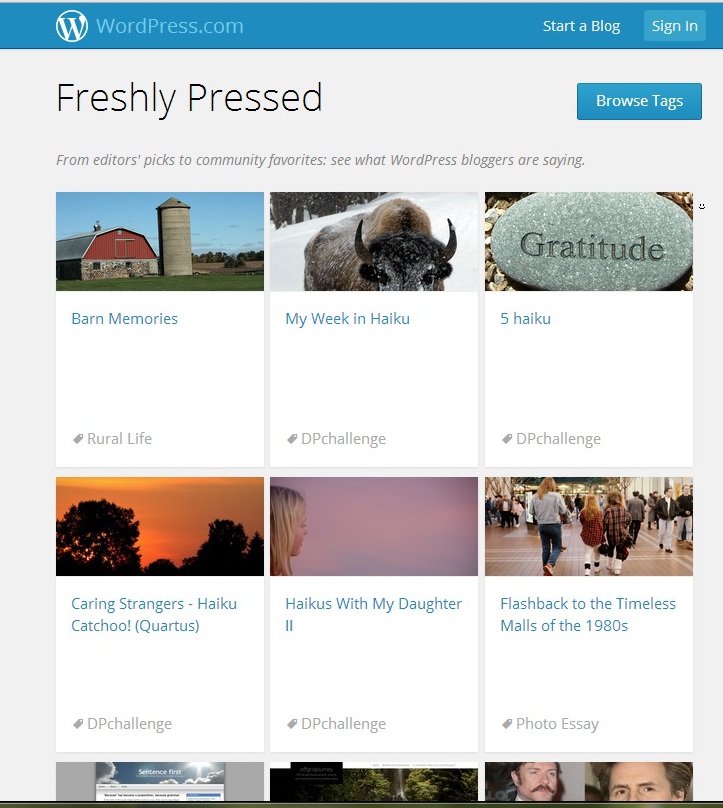
That's my post, labeled "Barn Memories," featured today on Freshly Pressed.

That’s my post, labeled “Barn Memories,” featured today on Freshly Pressed.

With those words, I recently learned that my November 25 blog post, “An essay of barn photos & memories,” earned Freshly Pressed status on WordPress.com. (Click here to read that post.)

In the WordPress blogging world, that’s akin to winning an Emmy or an Oscar or something similar, although you could perhaps argue that I am exaggerating. I think not, though, given the half a million plus WordPress bloggers world-wide. (Click here to reach the Freshly Pressed page on WordPress.)

That said, I’d like to thank you, my readers, for your faithful following of Minnesota Prairie Roots. Just over 600 of you now follow my blog via subscription and I am grateful for each of you.

I’d also like to thank my husband, who is very much a part of this blogging journey via his support and company.

The Freshly Pressed tweet about my barn post.

The Freshly Pressed tweet about my barn post.

And, finally, I’d like to thank the editors at WordPress who daily hand-pick eight posts to feature on Freshly Pressed. My barn post is featured today on Freshly Pressed.

Here’s what WordPress editor Ben Huberman wrote in an email:

You struck such a delicate and moving balance in this piece between letting the photos you took speak for themselves, and sharing with your readers the memories and emotions they invoke in you. It’s a lovely, well-executed post that deserves a wider audience.

How sweet is that to get an editor’s comment on your work? It’s invaluable and uplifting and reaffirming.
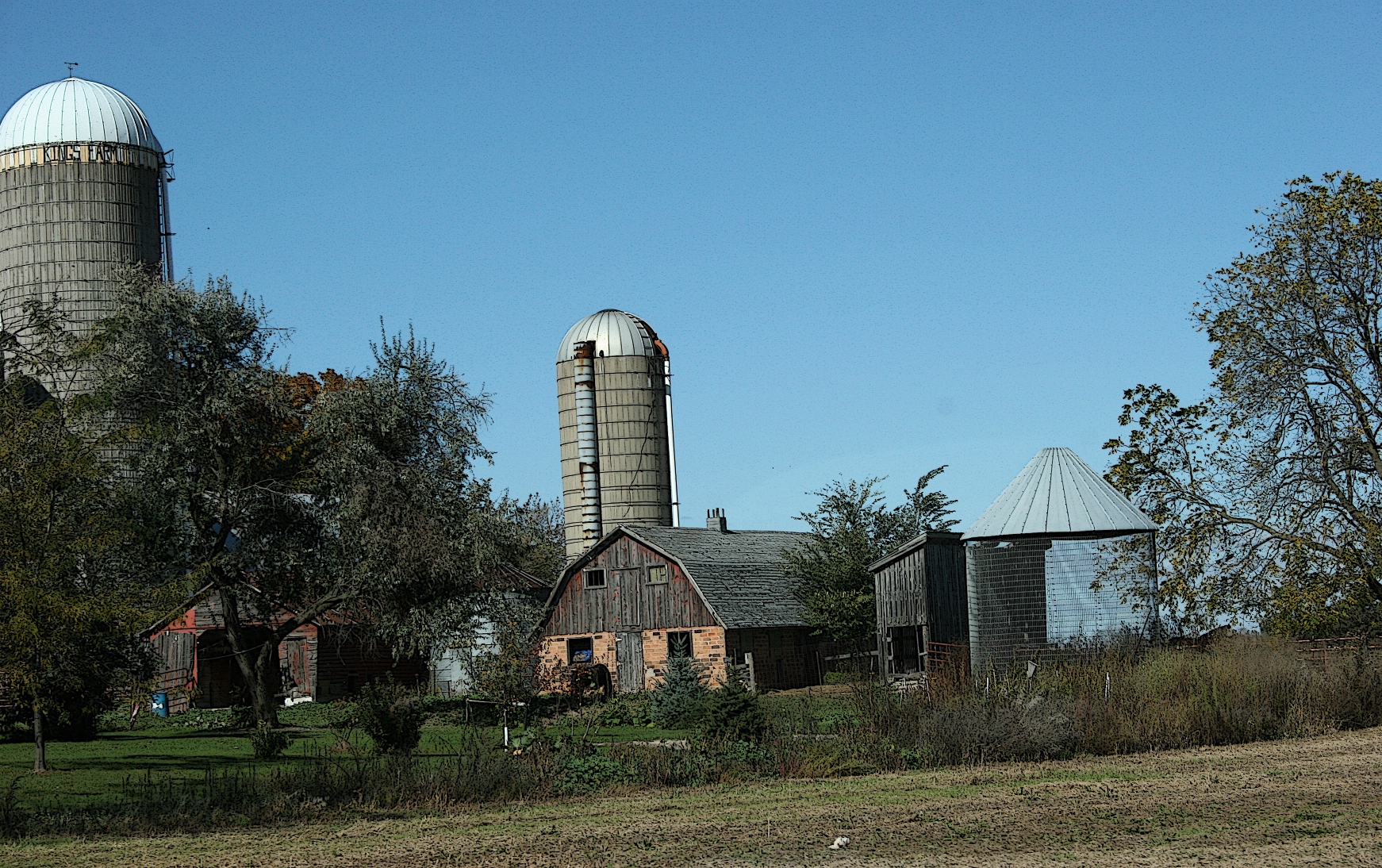
An old-fashioned farm along Wisconsin Highway 21.

An old-fashioned farm along Wisconsin Highway 21. This is one of the photos published in my winning post.

About the barn photos featured in my winning post… I shot all of them in mid-October while traveling through northeastern Wisconsin. And by traveling, I mean traveling. All six images were photographed from the passenger side of our family van while traveling down the highway at 55 mph. I had one, maybe two, opportunities to capture each photo I showcased. There was no stopping to compose a frame. Rather, I set my camera at a fast shutter speed, anticipated and clicked. That’s it. Either I got the photo or I didn’t. Clean windows help, too. Ask my husband about bottles of window cleaner and paper towels.

The words I paired with the six barn photos came from my heart, from my memories of laboring in my childhood dairy barn on the southwestern Minnesota prairie. Images and smells and textures and sound flowed from my memory onto the keyboard in a piece rich in imagery, heartfelt in emotions.

That combination of from-the-heart writing paired with just the right photos made this post stand out among the hundreds of thousands of others published on WordPress, apparently. For more information on how Freshly Pressed posts are selected, click here.

The homepage of WordPress.com, as photographed Thursday morning. My "In praise of preserving country churches" blog post is on the lower right.

The homepage of WordPress.com, as photographed in July 2010. My “In praise of preserving country churches” blog post is on the lower right. The story focuses on Moland Lutheran Church, rural Kenyon, Minnesota.

This isn’t the first time I’ve been featured on Freshly Pressed. My July 7, 2010, post, “In praise of preserving country churches,” (click here to read) was Freshly Pressed as was my June 11, 2012, post, “Testing the track during a Soap Box Derby trial run in Faribault” (click here to read).

A screen shot of the Tuesday, June 12, 2012, Freshly Pressed on the WordPress homepage. My post is featured in the bottom center. I've been Freshly Pressed twice since I began blogging, meaning my posts were chosen, for a single day, as among the top 10 WordPress posts in the world.

A screen shot of the Tuesday, June 12, 2012, Freshly Pressed on the WordPress homepage. My post is featured in the bottom center.

To earn Freshly Pressed status three times rates as rewarding for a blogger like me, who is undeniably passionate about writing and photography. Thank you for joining me on this blogging journey.

© Copyright 2013 Audrey Kletscher Helbling


Thoughts on writing a winning poem August 19, 2013

EVERY TIME I PEN a poem, I wonder, will it inspire, touch, resonate with the reader? Is my poem worthy to be seen by others? Is the poem truly finished, ready to reveal? Or should I hold on to it longer, refine it, anguish over whether I’ve chosen the right word, the right phrase?

At some point I must tell myself, “You’re done.” I must make that leap of faith, overcome those self doubts and share what I’ve written.

For me that usually comes in entering a poetry competition. Even if I’m confident I’ve written a decent poem, it’s still scary to put yourself out there. But I have and I’ve discovered, in the process, that I can write poetry.

My award.

My most recent award. You can click on the “About” section of my blog to see the other honors I’ve garnered for my poetry. Photo courtesy of Sue Ready.

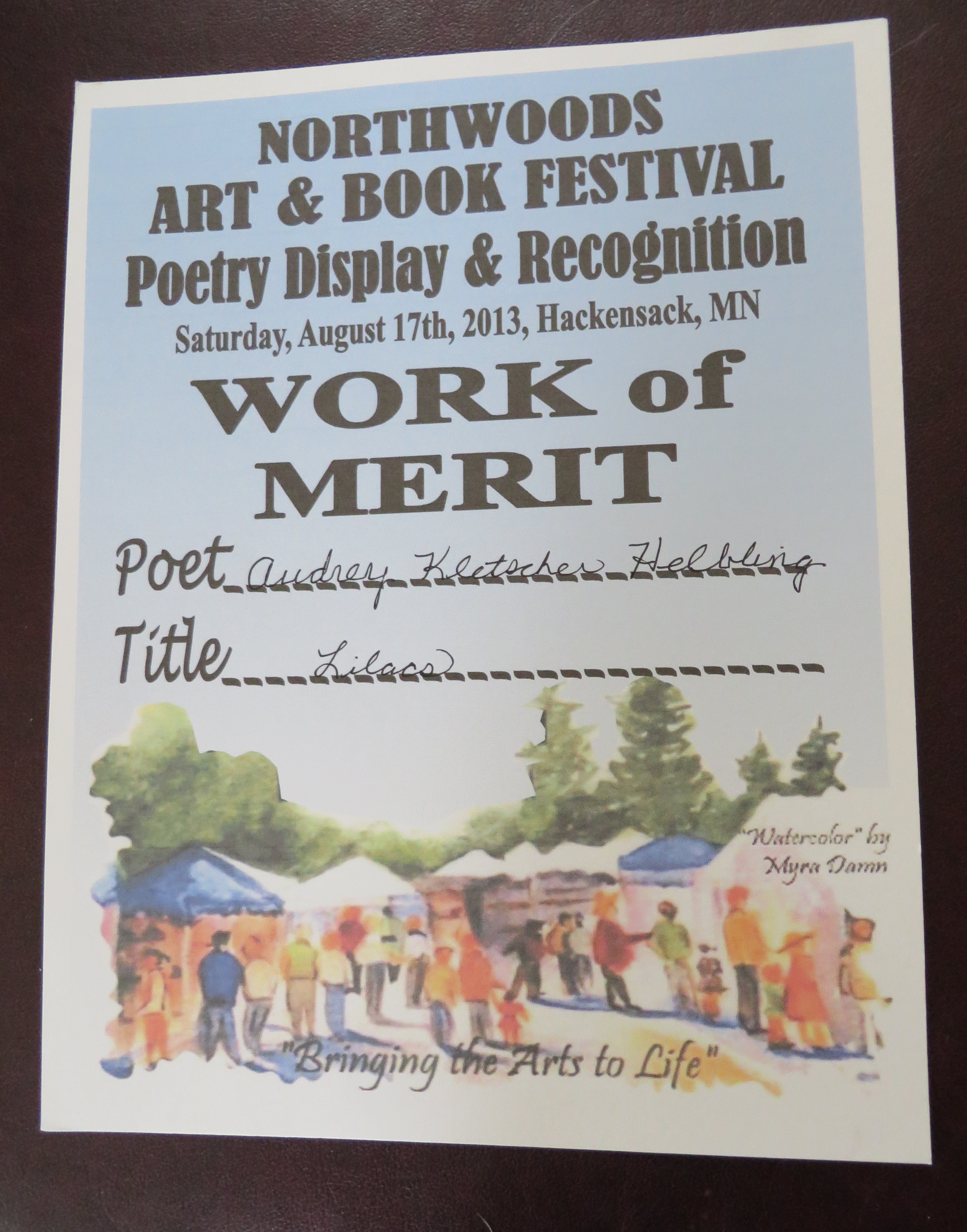
That was reaffirmed for me again this past Saturday when my poem, “Lilacs,” was selected as one of six Works of Merit in the sixth annual Poetry Recognition Event during the Northwoods Art and Book Festival in Hackensack.

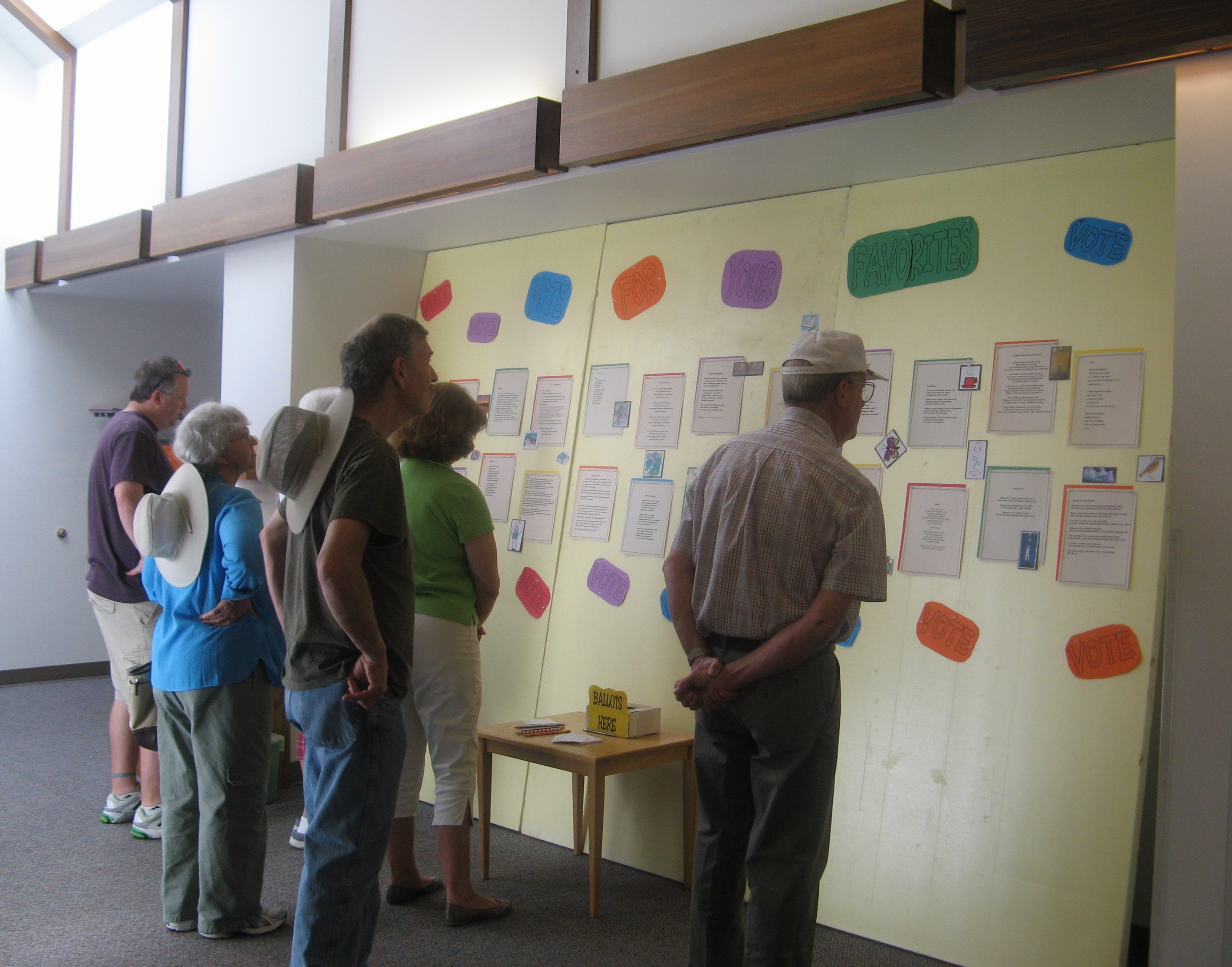
Attendees at the Northwoods Art & Book Festival view showcased poems and then vote for their favorite in the Popular Choice awards.

Attendees at the Northwoods Art & Book Festival view showcased poems and then vote for their favorite in the Popular Choice awards. Photo courtesy of Sue Ready.

I’m in the company of other Minnesota poets, Louise Bottrell, Marlys Guimaraes, Miriam Kagol, Joanne Moren and Candace Simar, chosen by a poetry committee for the merit honor.

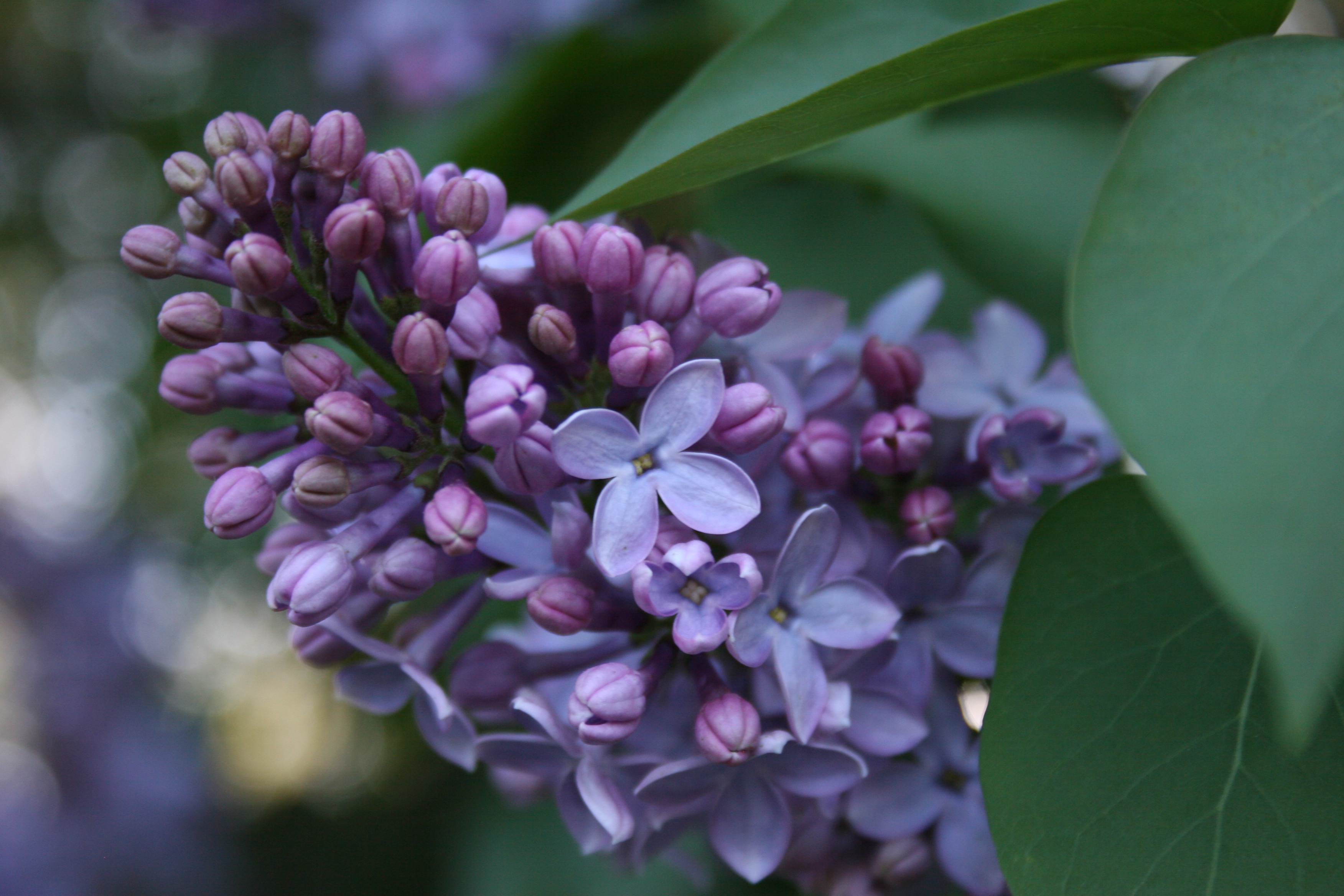
Lilac, close-up

Sweet lilacs.

As I often do, I turned to my past, to my memories of growing up on a southwestern Minnesota farm, to write “Lilacs.” I remembered the annual gathering of lilacs from the bush on my Uncle Mike’s farm, the next field over. And I connected that memory to today:

Lilacs

Breathing in the heady scent of lilacs each May,
I remember my bachelor uncle and the gnarled bushes,
heavy with purple blooms, that embraced his front porch
and held the promises of sweet love never experienced.

He invited his sister-in-law, my mother, to clip lilacs,
to enfold great sweeps of flowers into her arms,
to set a still life painting upon the Formica kitchen table,
romance perfuming our cow-scented farmhouse.

Such memories linger as my own love, decades later,
pulls a jackknife from the pocket of his stained jeans,
balances on the tips of his soiled Red Wing work shoes,
clips and gathers great sweeps of lilacs into his arms.

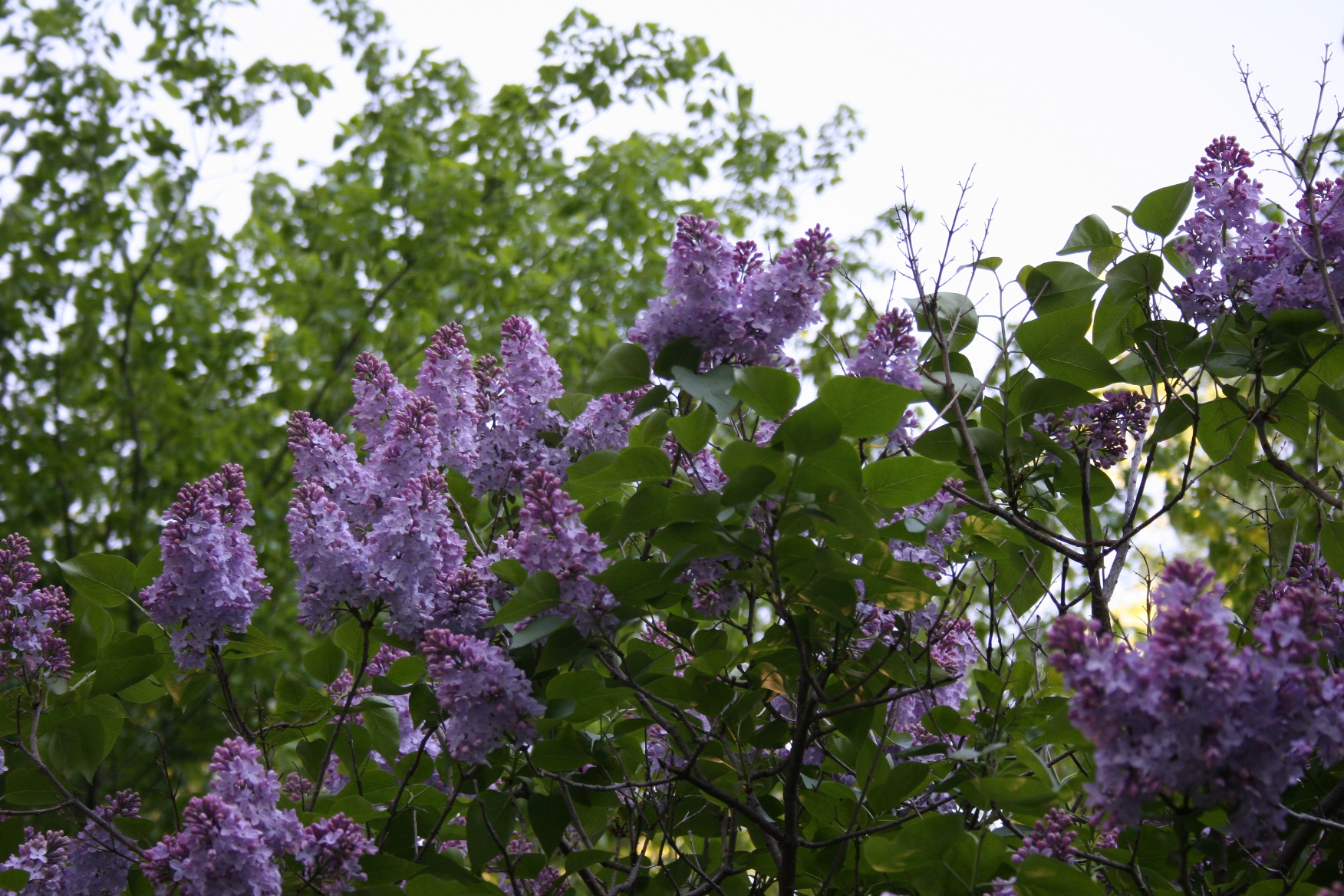
Plenty of lilacs to gather in the spring.

Plenty of lilacs to gather in the spring.

To read poems by two of the other merit winners, click here to reach the website of Poetry Committee Chair Sue Ready, herself a poet. The winning poems will also be published in Hackensack area newspapers.

I am grateful to those like Sue and others and to the Northwoods Arts Council, which sponsors events like that in Hackensack. Without these opportunities, I might still be that poet wondering if my poetry rates as good enough for anyone to read other than me.

Copyright 2013 Audrey Kletscher Helbling
 

Mankato’s newest public art project: “Poetry Walk and Ride” August 5, 2013

MANKATO HAS LAUNCHED its newest form of public art—poetry posted on signs in parks and along recreational trails.

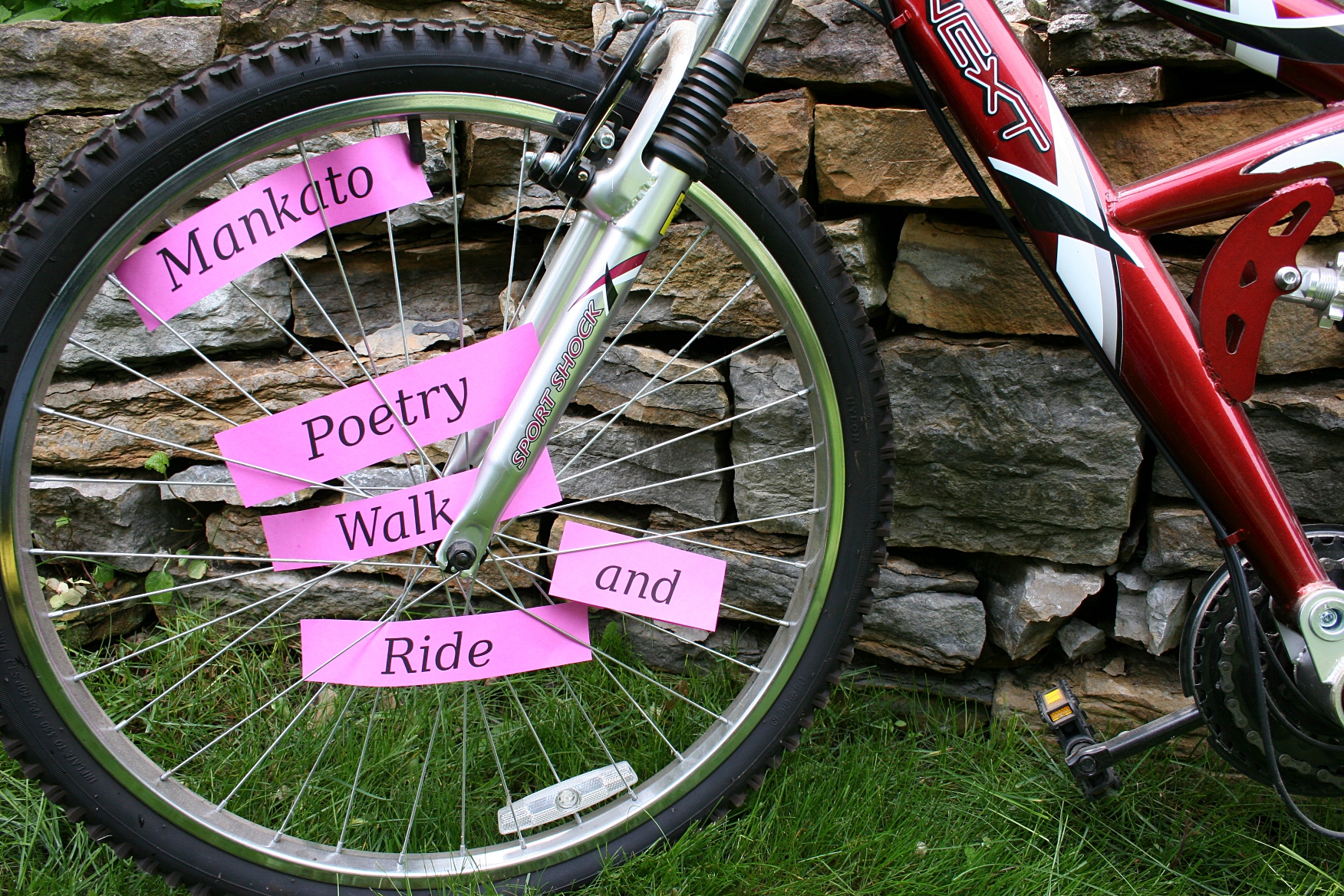
My artsy effort to illustrate this post.

A scene I created to illustrate the poetry project.

The Mankato Poetry Walk and Ride is designed “to inspire and encourage poets of all ages, to provide public art in our communities and to encourage exercise,” says Yvonne Cariveau who suggested the project to the Southern Minnesota Poets Society of which she is a member.

Serving on the committee for the Mankato and North Mankato CityArt Walking Sculpture Tour, an exhibit of annual rotating outdoor sculptures, Cariveau envisioned a similar concept for poetry.

The Poets Society embraced the idea (member Susan Stevens Chambers organized a contest) and, with support from the cities of Mankato and North Mankato and numerous businesses, the project took off.

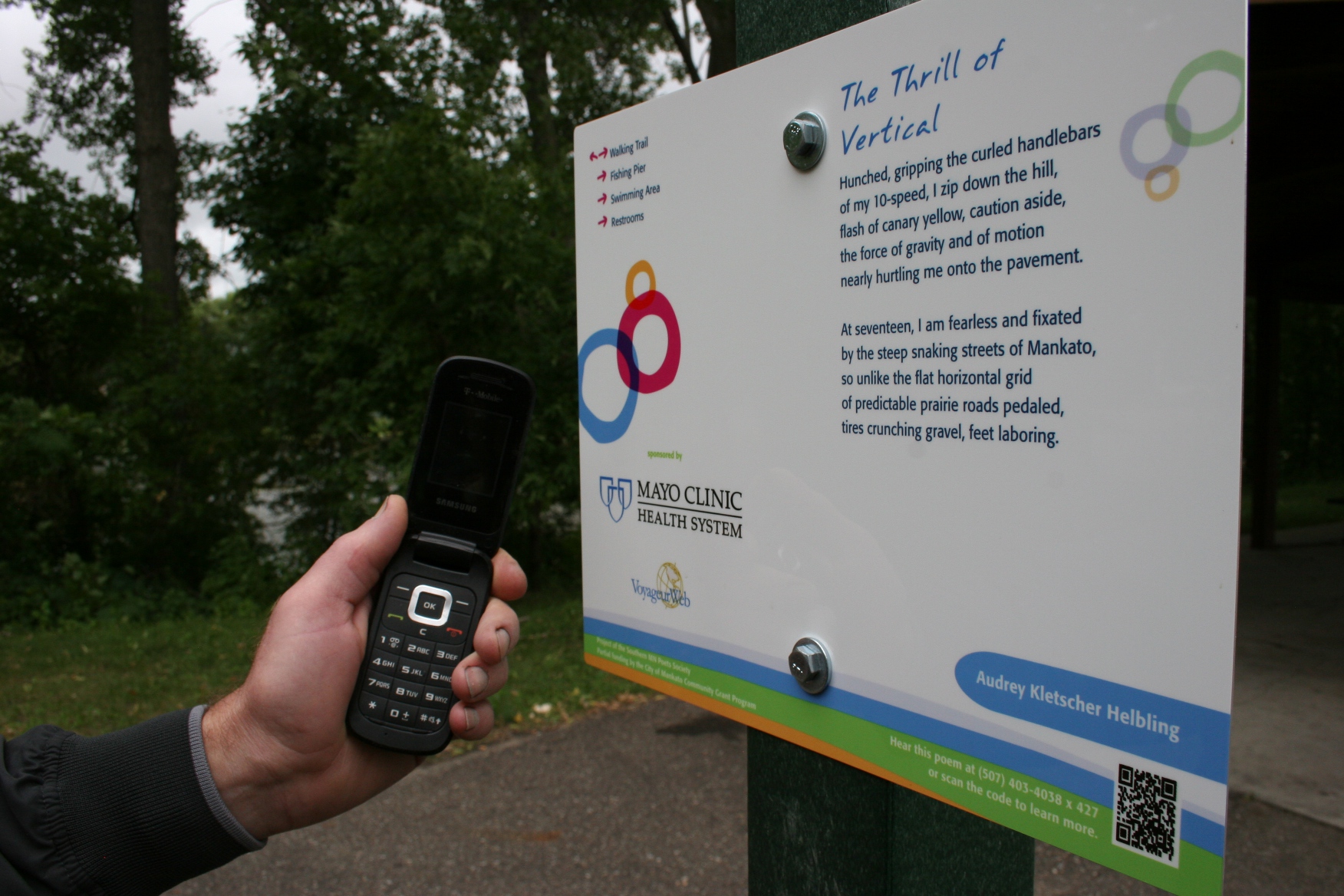
My husband and I listen to one of my selected poems.

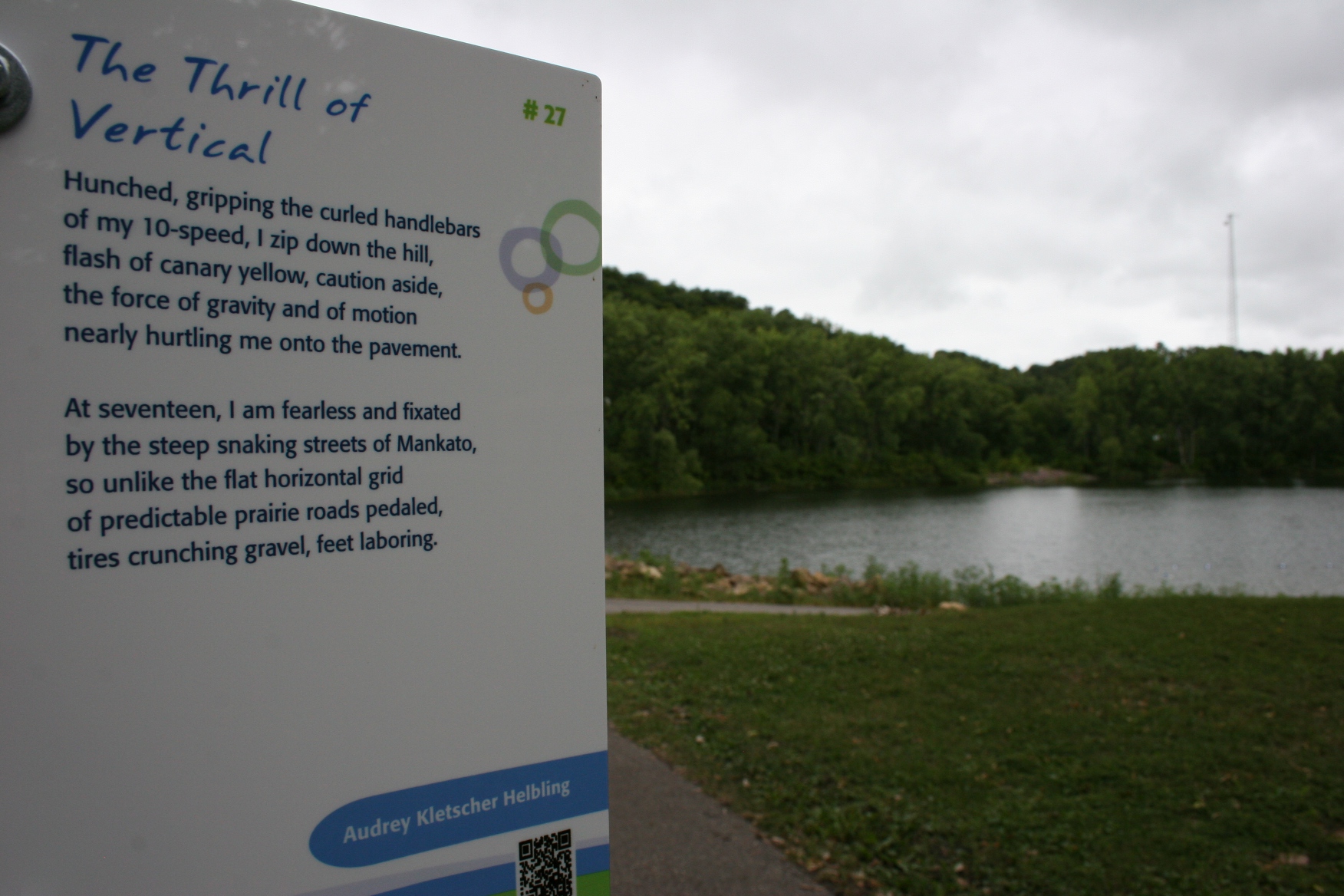
My husband and I listen to one of my selected poems, “The Thrill of Vertical.”

Today 34 poetry signs are up, mostly in Mankato, with a few in North Mankato, for reading and listening. Yes, listening. Poets recorded their poems, which can be accessed via phone, dialing (507) 403-4038 or scanning a QR code.

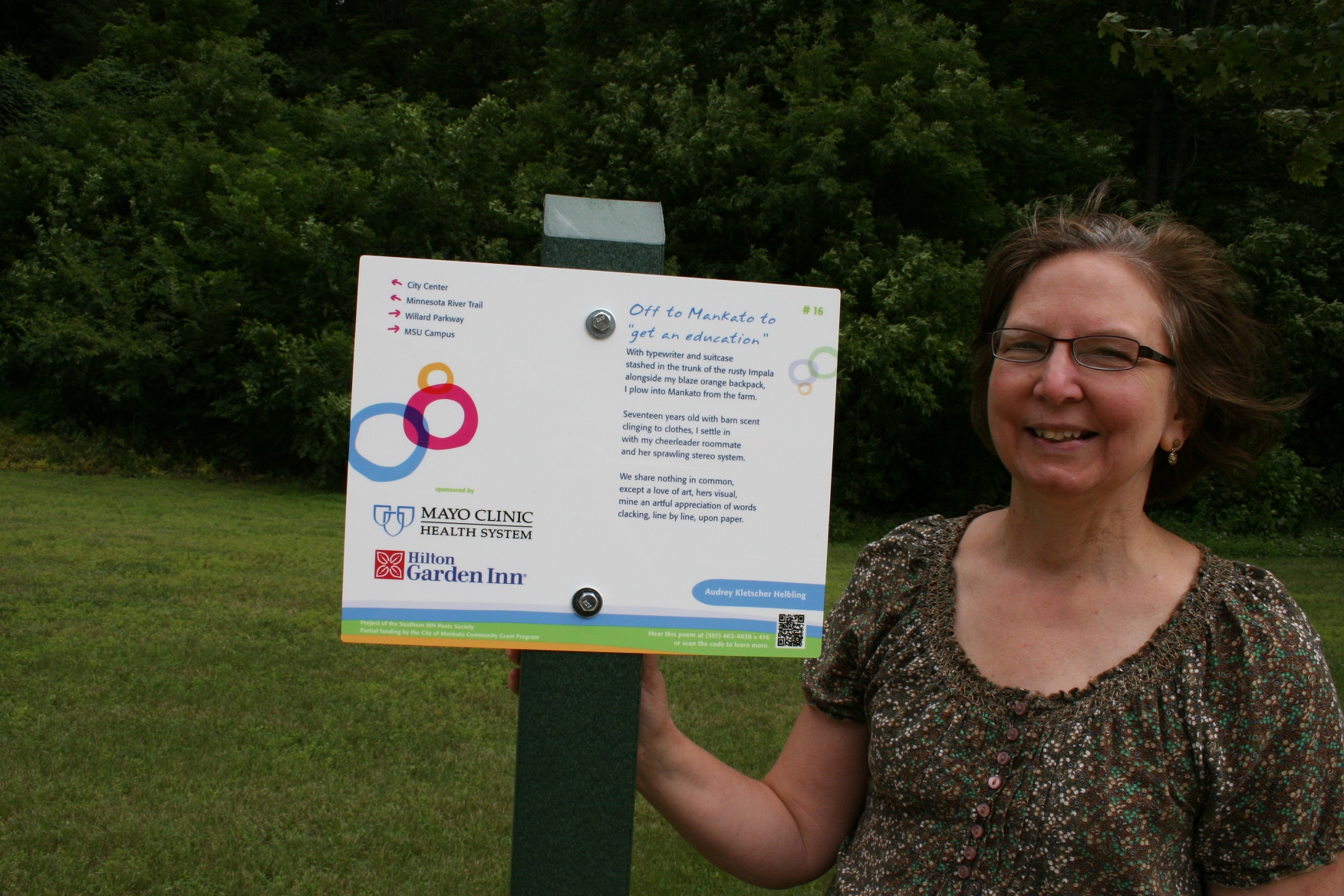
Me, next to my "Off to Mankato to 'get and education'" poem posted near Glenwood Gardens.

Me, next to my “Off to Mankato to ‘get an education'” poem posted near Glenwood Gardens.

Two of the 34 poems, 27 selected in a competitive process, are mine.

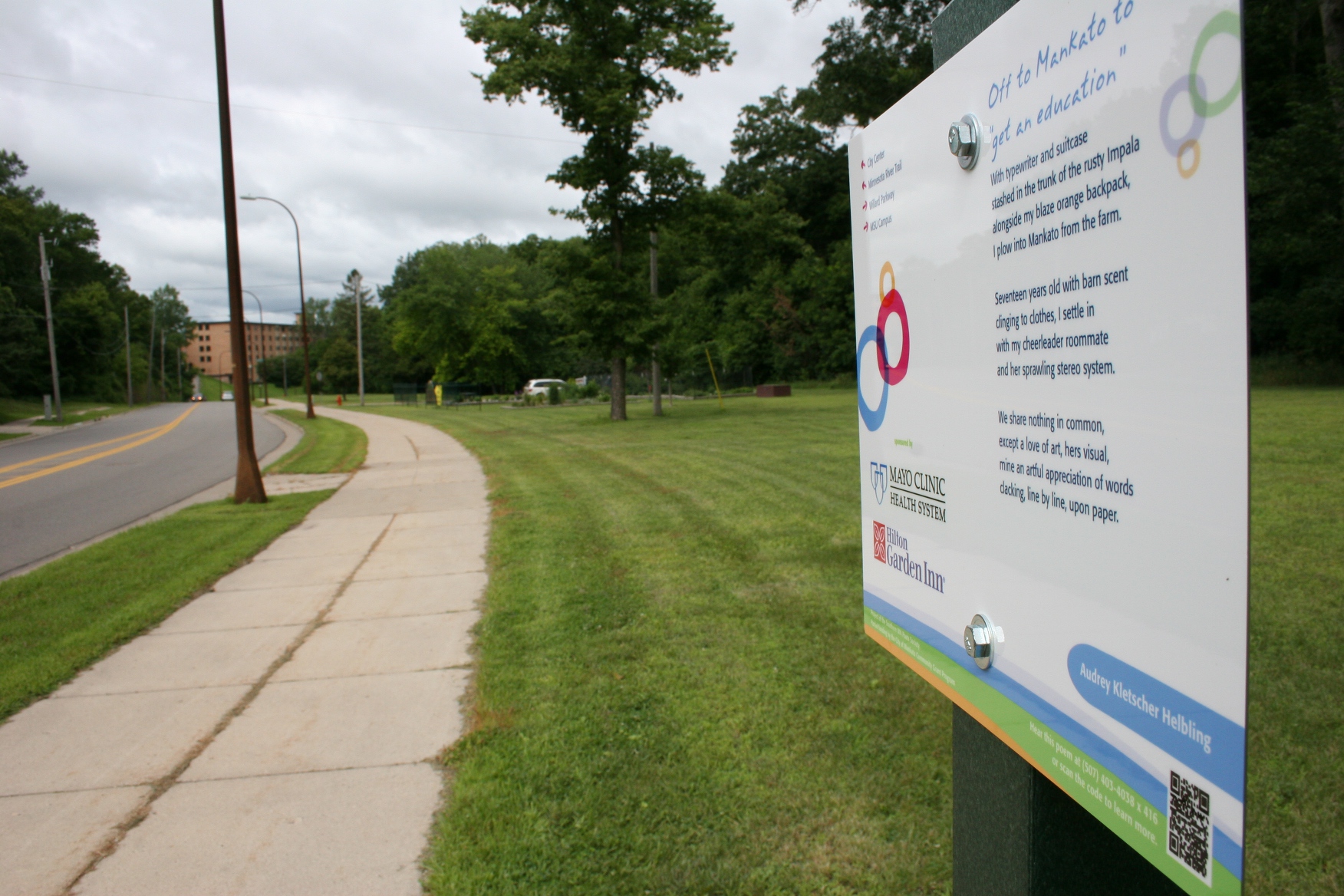
"Off to Mankato to 'get and education'", posted near Glenwood Gardens, in the background in this photo.

The setting in which one of my poems is posted near Glenwood Gardens.

You’ll find “Off to Mankato to ‘get an education’” near Glenwood Gardens close to the intersection of Glenwood Avenue and Division Street. The poem was inspired by my arrival in the autumn of 1974 as a freshman at Bethany Lutheran College, located not all that far from the posted poem.

"The Thrill of Vertical," located next to Hiniker Pond.

“The Thrill of Vertical,” next to Hiniker Pond.

My second poem, placed at Hiniker Pond Park in what seems like North Mankato but is really Mankato, also was prompted by my college year experiences. In “The Thrill of Vertical,” I write about zipping down the curving and hilly streets of Mankato on my 10-speed bike. Interestingly, the street I remembered in writing this poem is where “Off to Mankato to ‘get an education’” is posted along a recreational trail. Back in the 70s, there was no such trail.

Reflecting on that hurtling ride, I can’t help but think how stupid I was to fly at such speeds, back hunched, hands gripping racing handlebars, no helmet and two narrow bicycle wheels separating me from unforgiving pavement.

Today that crazy college kid abandon is forever captured in words, now published for all to see and recorded for all to hear. Until next June, when the 2013 poetry signs will come down and new ones will be erected.

Likewise, the other published writers—all of whom had to live within a 50-mile radius of Mankato, who range in age from seven to over 70 and are anywhere from new poets to recognized published poets—wrote about topics such as Mankato history, the river, Fudgsicles, family, mentors and more.

The challenge in writing the poems, for me anyway, came in the restrictions of 40 characters or less per line in a poem limited to 18 lines. It is a good exercise for any poet, to write within such confines, to value every letter, every space, every word.

One hundred twenty poems, submitted in specified age categories for those in third to 12th grades and then in adult divisions of humorous and serious, were anonymously judged. Doris Stengel, past president of the National Federation of State Poetry Societies, considered the adult entries while Peter Stein, League of Minnesota Poets youth chairperson, judged the youth poems. It is always rewarding as a poet to know that your work was selected on the basis of merit and quality rather than by name recognition.

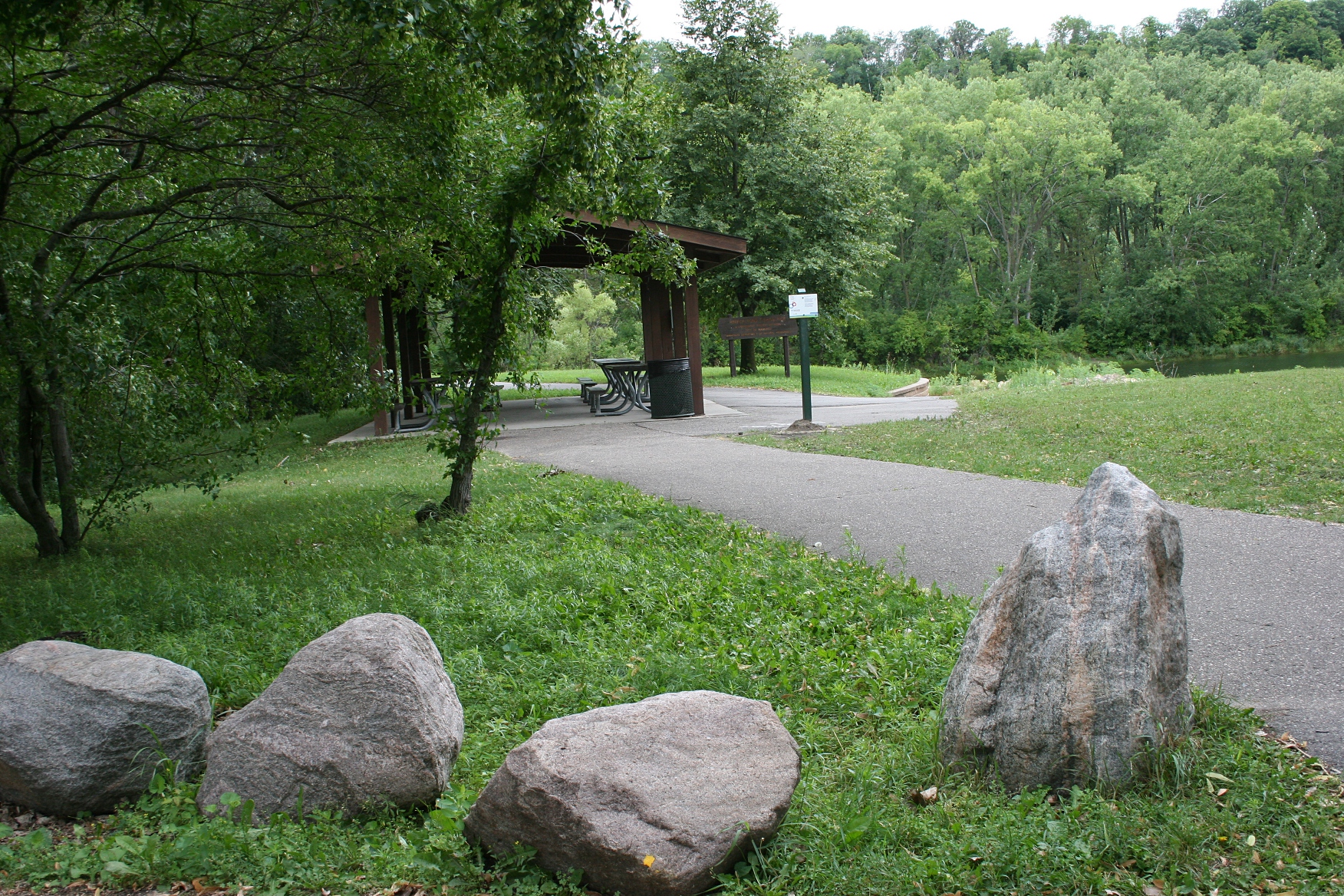
The poems are posted in locations like this, near the shelter house in Hiniker Pond Park. the unobtrusive signs are about the size of a standard sheet of paper.

The poems are posted in locations like this, along a trail near the shelter house in Hiniker Pond Park. The unobtrusive signs are about the size of a standard sheet of paper.

In addition to the 27 winning poems, seven poems from notable Mankato area poets are among those posted.

Reaction to the poems thus far has been enthusiastic, says project initiator Cariveau, herself a poet. Her humorous poem, “Dreams of Coldstone,” was among those selected.

“People,” says Cariveau, “love the poems and are surprised by them.”

As for my reaction, I appreciate a project that makes poetry accessible. Those who may not otherwise read poetry likely will in an outdoor setting. Short poems. Easily read or heard. Non-intimidating. This is public word art at its best.

FYI: To read a list of the winning poets and the titles of their poems, click here.

For a map showing the locations of the posted poems, click here.

To learn about the Southern Minnesota Poets Society, click here.

You can hear me read my poems by calling (507) 403-4038 and then punching in 427 for “The Thrill of Vertical” and 416 for “Off to Mankato to ‘get an education’”.

Information on the 2014 Mankato Poetry Walk and Ride contest will be posted early next year on the SMPS website.

A chapbook of this year’s poems will also be published and will be available for purchase via the SMPS website and perhaps at other locations in Mankato.

P.S. I did not showcase other poems here in photos because I was unaware of their locations when I was in Mankato to photograph mine.

© Copyright 2013 Audrey Kletscher Helbling
 

Celebrating four years of blogging at Minnesota Prairie Roots July 15, 2013

Me and my camera, a tool in the writing profession I love.

Me and my camera, a tool in the writing profession I love.

FOUR YEARS AGO TODAY, I launched Minnesota Prairie Roots.

As the adage goes, “time flies when you’re having fun.” After writing more than 1,400 posts, I’m still passionate about blogging.

My approach to blogging hasn’t changed since publishing that initial post on July 15, 2009. I pledged then to write from the heart—about everyday life, about places I visit, things I do, observations I make about the world around me.

I told you then, and I’ll repeat now, that my writing reflects my down-to-earth personality and my appreciation for the simple things in life. I am the real deal. I really do like small towns and gravel roads, the prairie and sunsets and endless skies.

I’m the woman who hangs clothes on the line, relishes a good book, shops garage sales, savors the tang of rhubarb crisp, breathes in the intoxicating scent of freshly-cut alfalfa and appreciates Minnesota, the place I’ve called home for nearly 57 years.

Via my posts, I strive to show you those ordinary, yet extraordinary, people and places often overlooked.

To you, my readers, thank you for supporting Minnesota Prairie Roots via your readership and your comments. Some of you have become my real life friends, an unexpected blessing along this blogging journey.

I am also grateful to individuals like Bob Collins at Minnesota Public Radio for featuring my work in his online NewsCut column and to the folks at MinnPost for often choosing my posts for Minnesota Blog Cabin. Both have introduced my work to wider audiences.

Twice my work has been Freshly Pressed, meaning my posts have been selected as among the best in the world for a single day on WordPress.com.

Four years ago I was averaging about 50 daily views. Today that number is close to 700.

I also owe deep thanks to my dear husband, Randy, without whom I could not continue to pursue my passions of writing and photography. He has always been my strongest supporter and I am grateful for his encouragement.

My goal remains to someday earn money from blogging. Unrealistic? Perhaps. But a writer and photographer can dream. I’ve already sold quite a number of photos through my blog. So if you need/want a photo for professional or personal use or need a proofreader, editor or writer, contact me. You’ll find my email on my “About” page.

In all I write, photograph and do, and how I live my life,  I remain true to my values and upbringing rooted deep in my native Minnesota prairie.

© Copyright 2013 Audrey Kletscher Helbling
 

Bringing poetry to recreational trail users in Mankato & I’m in June 9, 2013

NOT EVERYONE EMBRACES POETRY. I get that.

But I appreciate how, in recent years, poetry has become more accessible to Minnesotans. Perhaps, in the process, a few non-poetry lovers have learned to like poetry, to appreciate its value as a form of expression, as an art, as a link to the past, and as a connection to each other and the land and emotions.

These new public poetry forms have surfaced on sidewalks, billboards, and in motionpoems, for example.

My artsy effort to illustrate this post.

My artsy effort to illustrate this post.

And now, in Mankato and North Mankato, poetry will be posted on signs along biking and walking trails as part of the newly-launched Mankato Poetry Walk and Ride.

I am delighted to have two of my poems—“Off to Mankato to ‘get an education’” and “The Thrill of Vertical” selected from among more than 120 submissions for this project supported by business and corporate sponsors and the cities of Mankato and North Mankato.

The contest was open to anyone living within a 45-mile radius of Mankato with suggested themes of CityArt sculptures, Mankato history or culture, nature and/or family and relationships. Lines were limited to sixteen with a maximum of forty characters per line. There were serious and humorous divisions for adults and general poems for several youth brackets.

I tapped into my past, my four years attending college in Mankato—Bethany Lutheran and Minnesota State University, Mankato—to write my winning poems:

Off to Mankato to “get an education”

With typewriter and suitcase
stashed in the trunk of the rusty Impala
alongside my blaze orange backpack,
I plow into Mankato from the farm.

Seventeen years old with barn scent
clinging to clothes, I settle in
with my cheerleader roommate
and her sprawling stereo system.

We share nothing in common,
except a love of art, hers visual,
mine an artful appreciation of words
clacking, line by line, upon paper.

Remember, this was the late 70s, dear readers.

You’ll need to visit Mankato to read my second poem, among the 27 selected during anonymous judging by Doris Stengel, past president of the National Federation of State Poetry Societies, and by Peter Stein, League of Minnesota Poets youth chairperson. The poems are expected to be in place by the end of June.

As a bonus, poets are recording their poems so bikers, walkers and others can pause along the trails and hear the poems read via their phones.

Bonus two, the Southern Minnesota Poets Society, which coordinated the contest, is publishing a chapbook of the winning poems.

I don’t have details yet on where my poetry will be located. But, be assured that when the poems are posted, I’ll head to Mankato to check mine out and some of the twenty-five others like “Everything is Sky Tonight,” “The Sounds of the Red Jacket Trail” and “Night Fishing.”

JUNE 11 UPDATE: My poems will be posted at the intersection of Glenwood Avenue and Division Street and at Hiniker Pond Park in Mankato.

© Copyright 2013 Audrey Kletscher Helbling
 

You’re invited to hear two Faribault poets read & talk about poetry November 29, 2012

WITH ONLY A WEEK until the presentation, I figured I better buckle down and finish my prep work. After all, wasn’t I the annoying mom sometimes harping on my once high school-aged kids to finish their homework?

“Don’t leave it until the last minute,” I would urge, not that they heeded my advice.

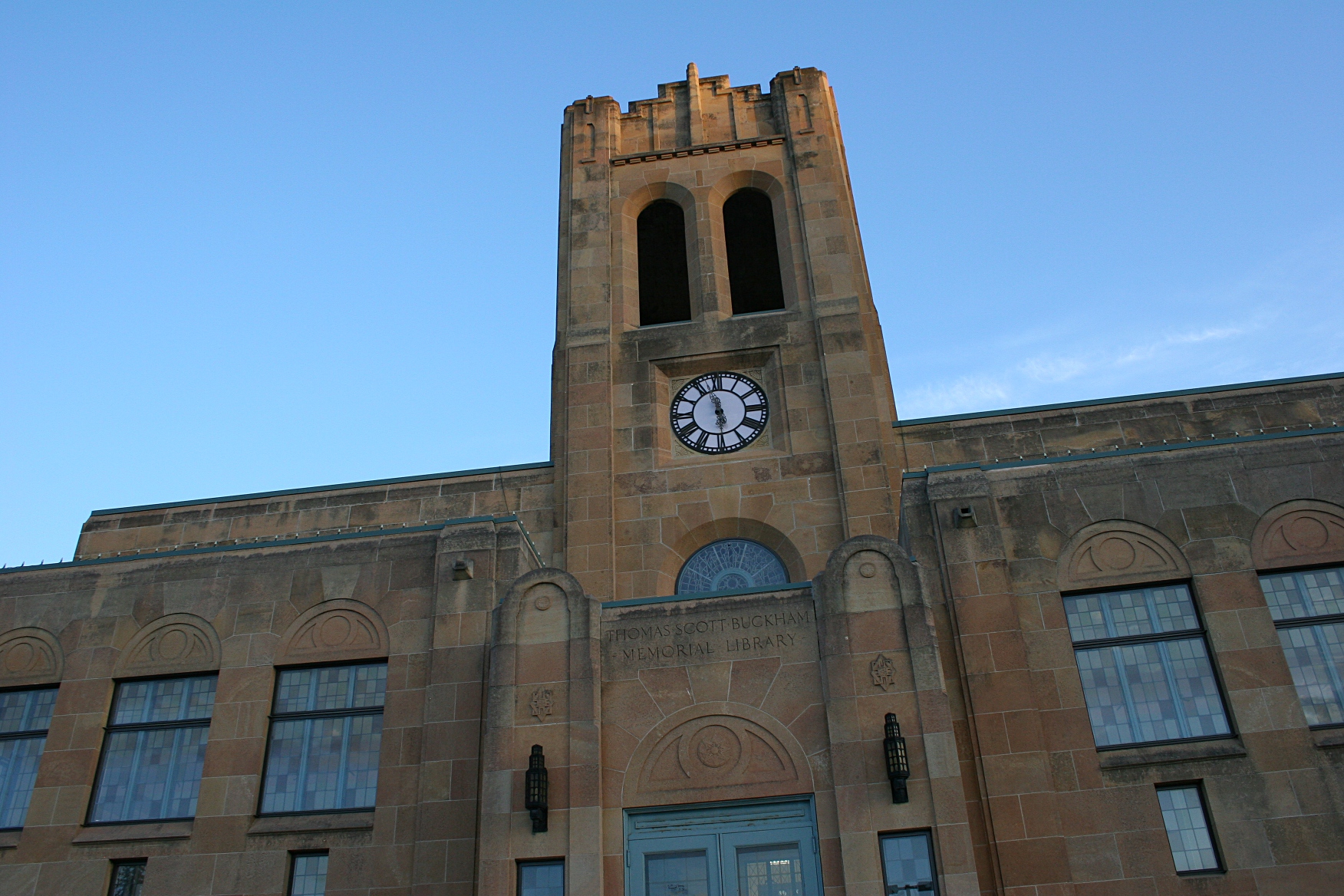
Peter C. Allen and I will present in the Great Hall, a lovely room with Greek murals on the second floor of the library.

I decided to listen to myself and have been preparing for a poetry presentation Faribault poet Peter C. Allen and I will give at 6 p.m. next Thursday, December 6, in the second floor Great Hall of Buckham Memorial Library, 11 East Division Street, Faribault.

I expect Peter is not really stressing at all about this event as he enjoys reading his poetry to an audience.

Me? Not so much.

Connie Ludwig, right, and I pose with her watercolor, “Pantry Jewels” (above my head), inspired by my poem, “Her Treasure.” We were participants in Poet-Artist Collaboration XI at Crossings at Carnegie in Zumbrota in April.

I’m counting on Peter, whom I first met last spring at a poet-artist collaboration in Zumbrota, to help me ease into our joint poetry reading and poetry educating. He’s the kind of guy who makes you feel comfortable and who reads with the confidence of a seasoned poet.

And that he is. Several weeks ago Peter invited my husband and me to dinner in his home with wife, Maria, and their adult son, Peter Allen (the sixth). After our savory meal, I asked the elder Peter to read some of his poetry. When my friend pulled out a thick binder of his poetry, I spouted, “You’ve written way more poetry than me.”

That matters not to Peter. Nor, I suppose, should it matter to me. After all, we each write poetry when the muse calls—or in my case when a contest deadline approaches.

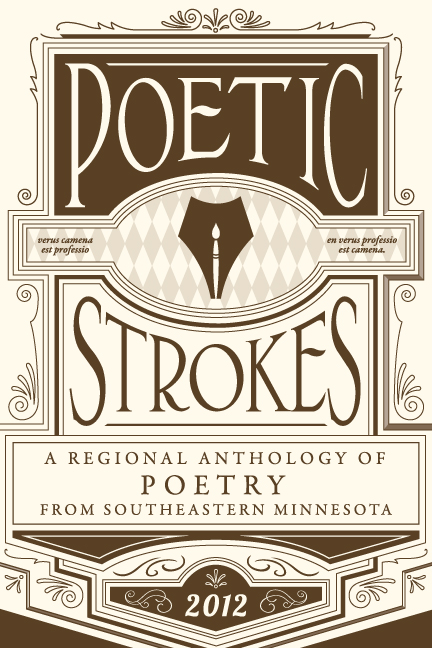
The 2012 volume of Poetic Strokes in which Peter Allen and I are both published.

Peter and I were both winners in the Southeastern Libraries Cooperating 2012 Poetic Strokes competition, which is why we were invited to speak at the library next week. Of the 202 submissions from regional poets, only 30 poems were selected for publication in Poetic Strokes: A Regional Anthology of Poetry from Southeastern Minnesota, Volume 6.

I’ve also been published in volumes 2, 3 and 4 of Poetic Strokes.

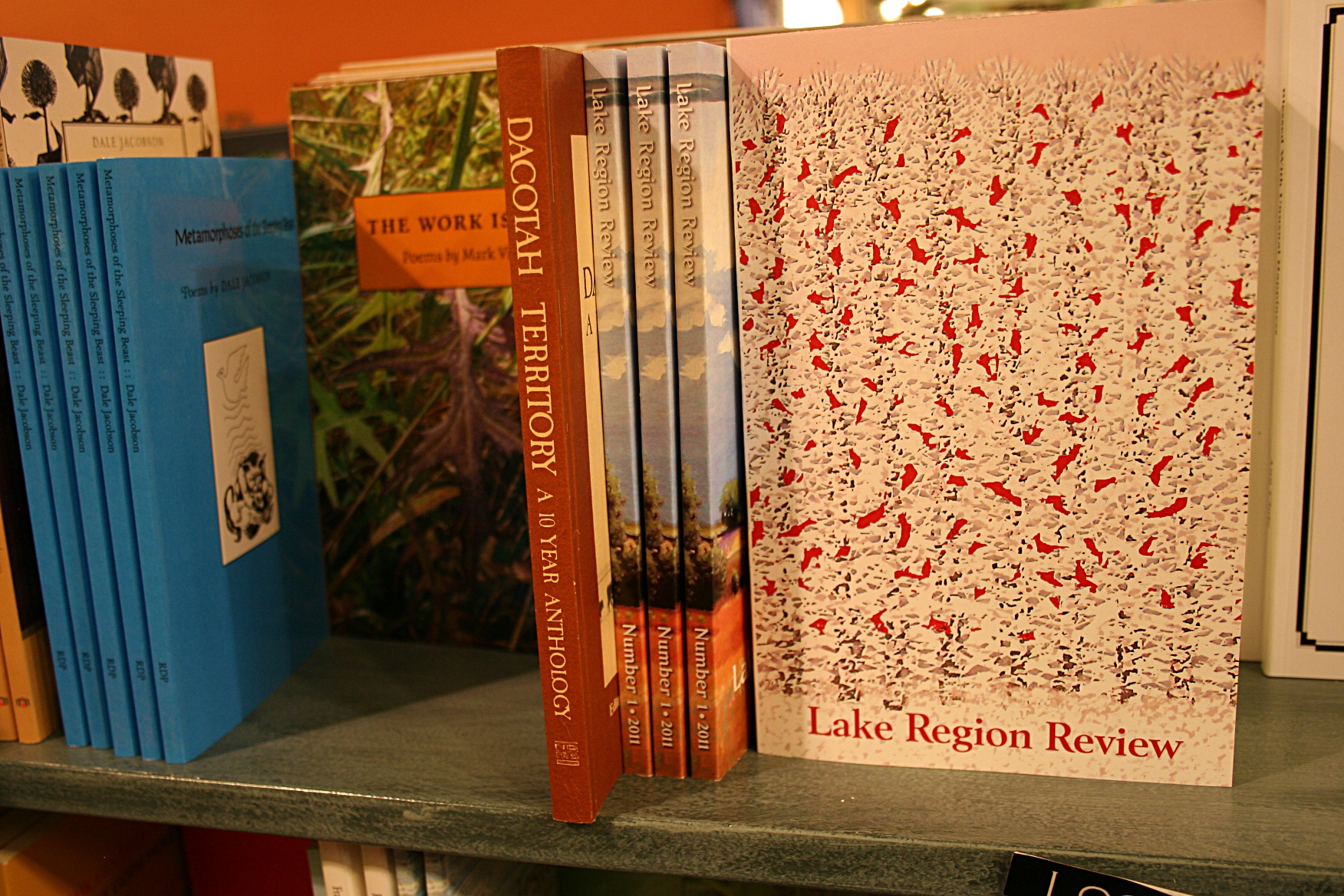
Lake Region Review 2, right, in which I was recently published, and LRR 1, to the left, in which I was published in 2011. I will read from both volumes during the poetry presentation next Thursday evening. This weekend you can listen to writers read their works from LRR 2 on selected western Minnesota radio stations. Go to lakeregionwriters.net and click on “Upcoming Events” for details. LRR 2 writers will also read and discuss the craft of writing at  Zandbroz Vareity, 420 Broadway Ave., Fargo, North Dakota, at 2 p.m. on Sunday, December 9, where I shot this photo.

I’ll read six of my poems from those four volumes plus an additional 11 published elsewhere. Even I did not realize, until I began gathering my work, that I’d been published this often. Do I have enough published work to possibly think about compiling a book of my poems?

Additionally, I’ll share tips on poetry writing and a sampling of places Minnesota poets can submit their poetry right here in Minnesota.

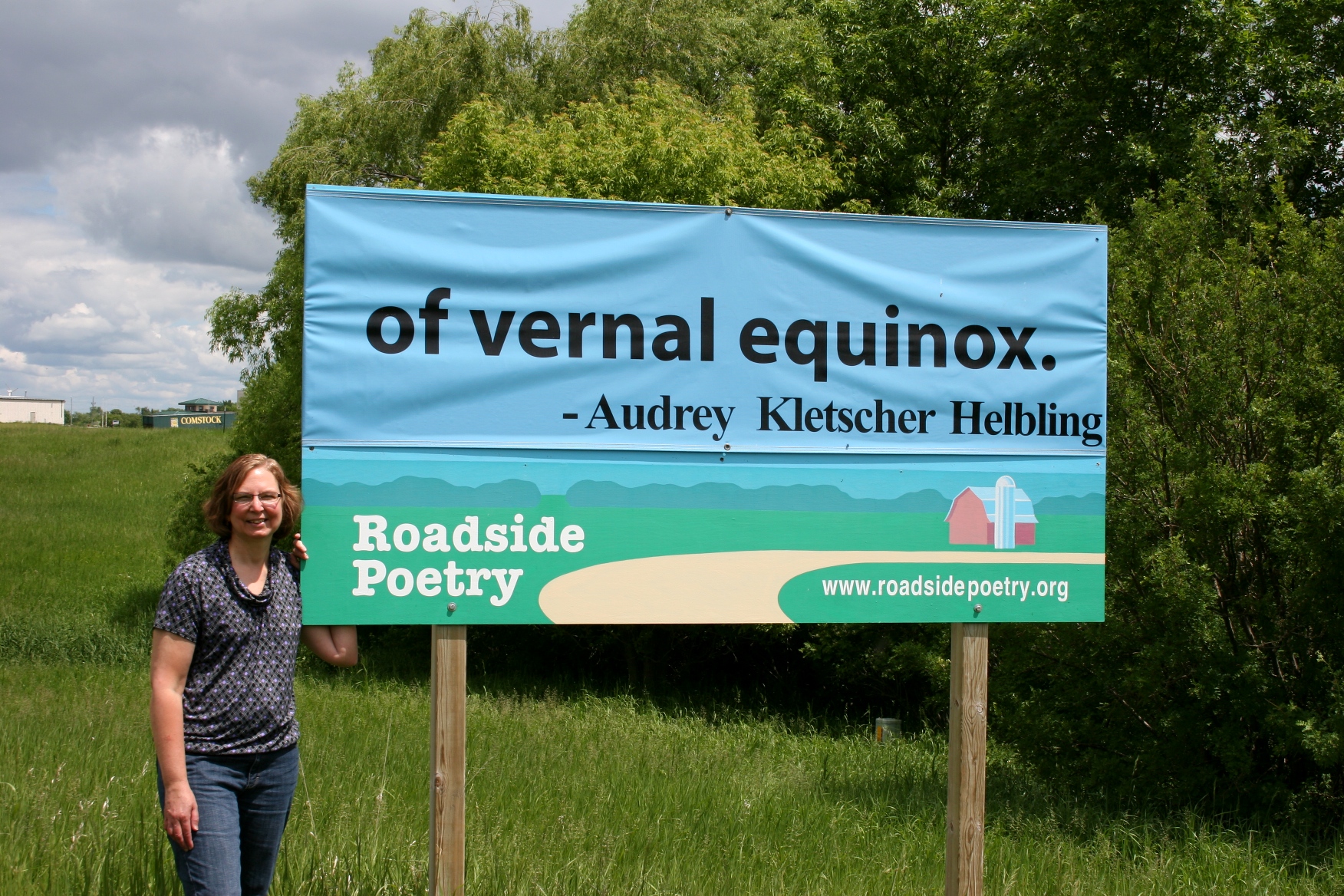
The most unusual place my poetry has been published, on billboards as part of the Roadside Poetry Project in Fergus Falls.

You can also expect me to use visuals in presenting several of my poems. Initially I’d considered using PowerPoint, but worried that I couldn’t pull that off given I have no idea how to prepare or technically present a PowerPoint. Lack of equipment at the library for that type of presentation caused me to drop that thought and rely instead on my ingenuity. (No, I’m not even going to hint at what I have planned.)

Besides listening to Peter and me read our poetry and talk about poetry and our other writing experiences (including blogging), you will leave with a gift—a free copy of the 2012 Poetic Strokes, compliments of SELCO.

Peter and I will also treat you to snacks and beverages.

So…if you’re up for an hour of poetry followed by a question-and-answer period, or simply want to meet me, the real person behind this blog, join Peter and me at 6 p.m. next Thursday, December 6, at the Faribault library. Peter and I promise a casual and relaxed (hopefully for me) atmosphere with down-to-earth poetry you will (hopefully) understand and enjoy.

Full disclosure: I am being paid a small stipend to present on poetry at the library. However, I was not asked to write this post and did so because I often promote such cultural events in my community and elsewhere.

The Poetic Strokes project is funded in part or whole by Minnesota’s Arts and Cultural Heritage Fund.

© Copyright 2012 Audrey Kletscher Helbling


Unlocking the poetry within an abandoned farmhouse April 30, 2012

An abandoned farmhouse along Minnesota State Highway 19 east of Vesta on the southwestern Minnesota prairie.

Abandoned Farmhouse

My old bones rattle in the winter wind,
grown weary from years of standing,
bitter cold encompassing my body.

Despair surrounds me
like rot in the weathered heap of the barn,
like rust consuming the junk pile.

Alone, all alone now, abandoned
except for the dying circle of trees
that embrace me, holding me close.

The years have broken my spirit—
too much silence within my walls,
too many tears shed upon my floors.

Left here, without laughter, without hope.
Dreams shattered in my broken windows.
My door closed, locked with a skeleton key.

Abandoned. Desolate. Alone.
Leaning only on the prairie sky,
in a circle of dying trees.

#

IN 2001, THIS POEM published in Poetic Strokes, A Regional Anthology of Poetry from Southeastern Minnesota, Volume 3. To this day, it remains one of my favorite poems among all those I’ve penned.

“Abandoned Farmhouse” retains that status because the poem connects to my past, to rural southwestern Minnesota where I grew up in a cramped 1 1/2-story wood-frame farmhouse. When I was 11 years old, my parents built a rambler with a walk-in basement a stone’s throw across the circular gravel driveway from the old house. They needed the space for their growing family as the sixth, and final, child arrived in August of 1967.

The summer after we moved into the new house, we tore down the old house, board by board. Memories of dismembering that house lath by lath, nail by nail, imprinted upon my memory. Decades later I would recall the bones of the old house, the skeleton key that unlocked the porch door, the grove of trees that sheltered it from the strong winds that swept across the prairie.

I would write this poem, personifying an abandoned farmhouse.

My poetic words reach beyond my childhood home, though, to embrace the many abandoned farmhouses that dot the prairie landscape. I often wonder about the families that lived in these houses and about the stories they would tell.

Returning to an even earlier time period, my poem also reflects a pervasive loneliness that often troubled early pioneer women in a land that could feel desolate, harsh and inhospitable.

This past March, I captured that desolation in an abandoned farmhouse photo (above) taken within five miles of my childhood home. It aptly illustrates my poem.

To this day, I see both beauty, and despair, in abandoned farmhouses.

©  Copyright 2012 Audrey Kletscher Helbling
Shared with you in celebration of National Poetry Month, which ends today, April 30.


Celebrating poetry and art in Zumbrota on a Saturday evening April 22, 2012

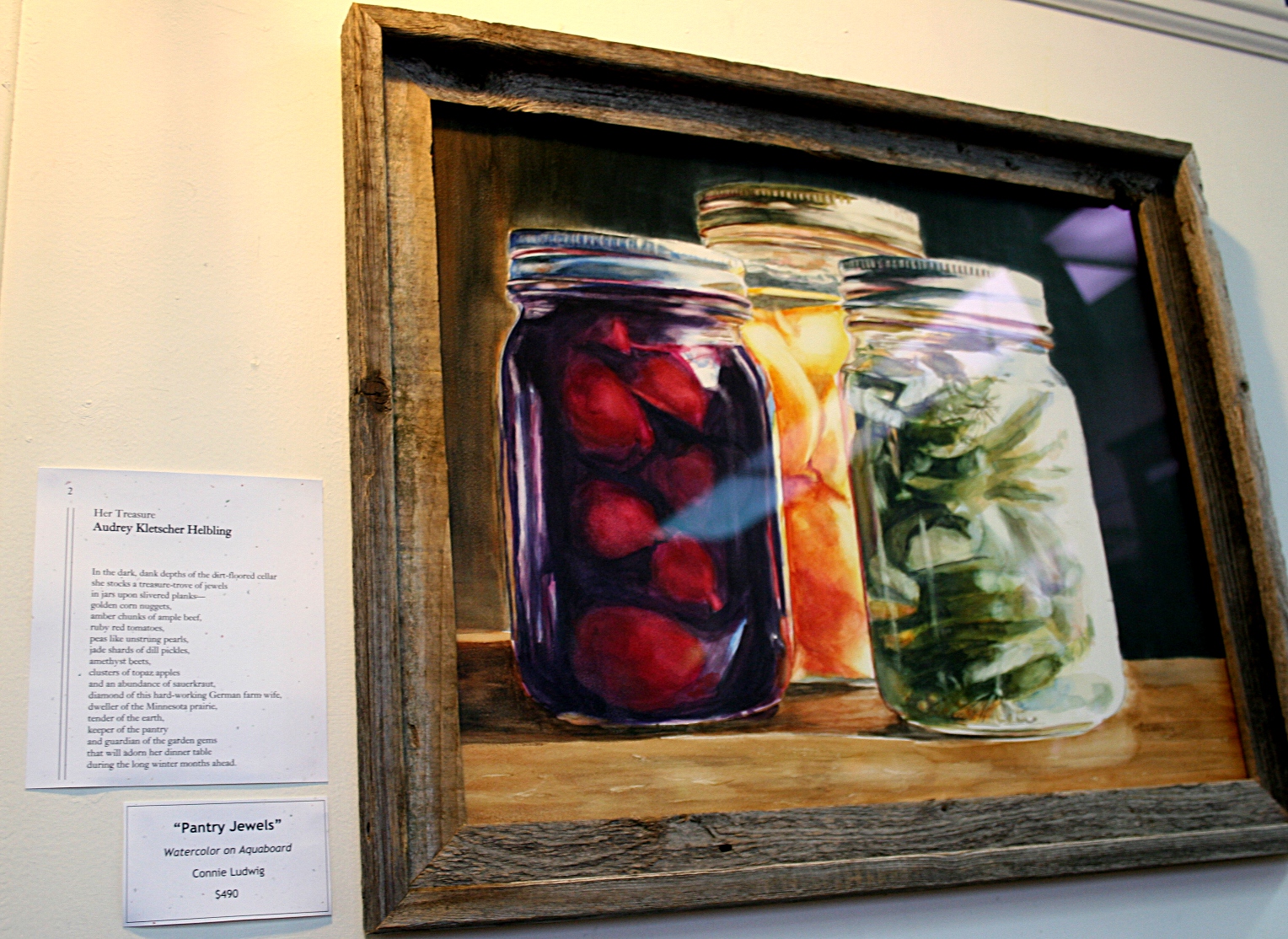
Artist Connie Ludwig's "Pantry Jewels," inspired by my poem, "Her Treasure." (Please excuse the glare on the glass; there was no way to avoid it while photographing the painting.)

Her Treasure

In the dark, dank depths of the dirt-floored cellar
she stocks a treasure-trove of jewels
in jars upon slivered planks—
golden corn nuggets,
amber chunks of ample beef,
ruby red tomatoes,
peas like unstrung pearls,
jade shards of dill pickles,
amethyst beets,
clusters of topaz apples
and an abundance of sauerkraut,
diamond of this hard-working German farm wife,
dweller of the Minnesota prairie,
tender of the earth,
keeper of the pantry
and guardian of the garden gems
that will adorn her dinner table
during the long winter months ahead.

#

I MET “MY ARTIST” Saturday evening and saw the art she created, inspired by my poem (above).

And I use those words, “my artist,” because I feel connected to Connie Ludwig of Goodhue. She, like 25 other artists participating in Poet Artist Collaboration XI at Crossings at Carnegie in Zumbrota, took words of poetry and shaped them into art.

“Her Treasure,” under Connie’s paintbrush, became “Pantry Jewels.” The earthy watercolor painting of canned beets, pickles and peaches glows with the perfect balance of light and darkness, with sunlight filtering through glass and glinting off the golden rings that lock in garden goodness.

Connie understands my poem—the memories of my mother canning fruits and vegetables in her southwestern Minnesota farmhouse kitchen. She understands the dark dirt-floored cellar in which these preserves were stored upon rough boards. She understands the importance of honoring the women who honored the land by feeding their families with the fruits of their labors.

In the chapbook published for Crossings’ Poet Artist Collaboration XI, Connie writes:

My mother and aunts loved gardening and canning. They considered those “squirreling skills an essential part of themselves. I have wonderful memories of the ladies showing off, trading and sharing their canned jewels. And, of course, feeding them to us. The models for this painting came from the pantry of my husband’s cousin.

Connie, right, and I pose for a photo after a 90-minute presentation in which 26 poets read their poems and 26 artists talked about how the poems inspired their art. Note Connie's "Pantry Jewels" painting just above my head to the left. If I could buy this $490 watercolor on aqua board, I would in a snap. I love it that much and how it honors my rural roots. But I can't... If you're interested, contact Crossings.

Connie, thank you for transforming my poem into such down-to-earth, beautiful art that touches my soul. Your painting was all I hoped for in this process of poetry inspiring art.

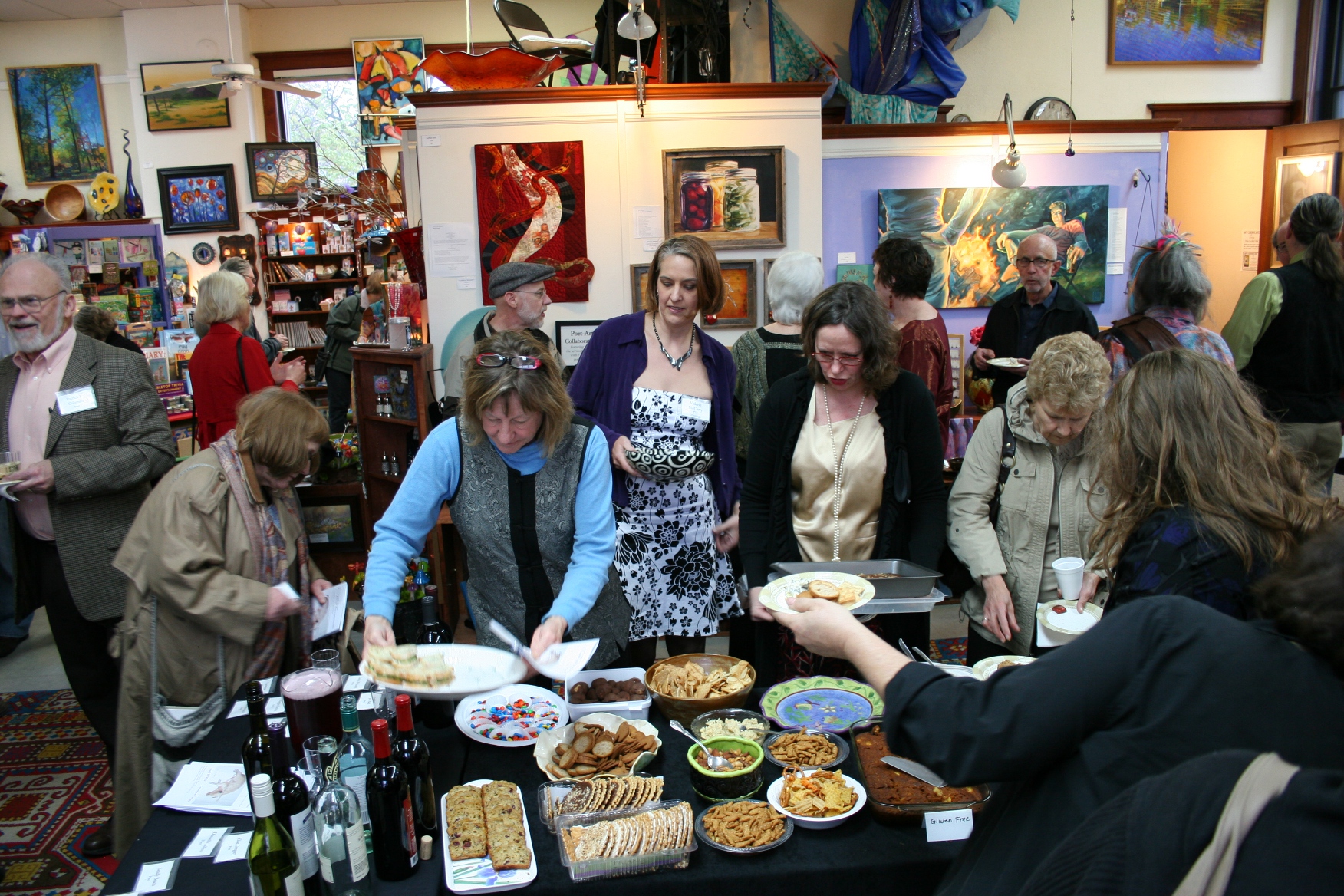
A snippet shot of the crowd at Crossings at Carnegie, including Marie Marvin, center in blue. This place was elbow-to-elbow people during the hour-long gala reception before and after the poetry readings and artist talks held at the next door historic State Theatre. There were 26 poems selected from around 180 submissions for this juried Poet Artist Collaboration, now in its 11th year.

Thank you also to the artists and poets and guests who took the time to thank me for writing “Her Treasure.”

Thank you to my husband, Randy, for always supporting me in my writing.

To Crossings at Carnegie, and specifically Marie Marvin who opened the art center in 2001, thank you for acting as the driving force behind this collaboration. The phenomenal (or as I would say, overwhelming) turn-out is a tribute to the hard work of your team. I’d like to see more events like this through-out Minnesota that pair words and art.

To be one of the 26 poets selected for inclusion truly brought me joy. To mingle with so many poets and artists for an evening inspired and validated for me the importance of the arts in our lives.

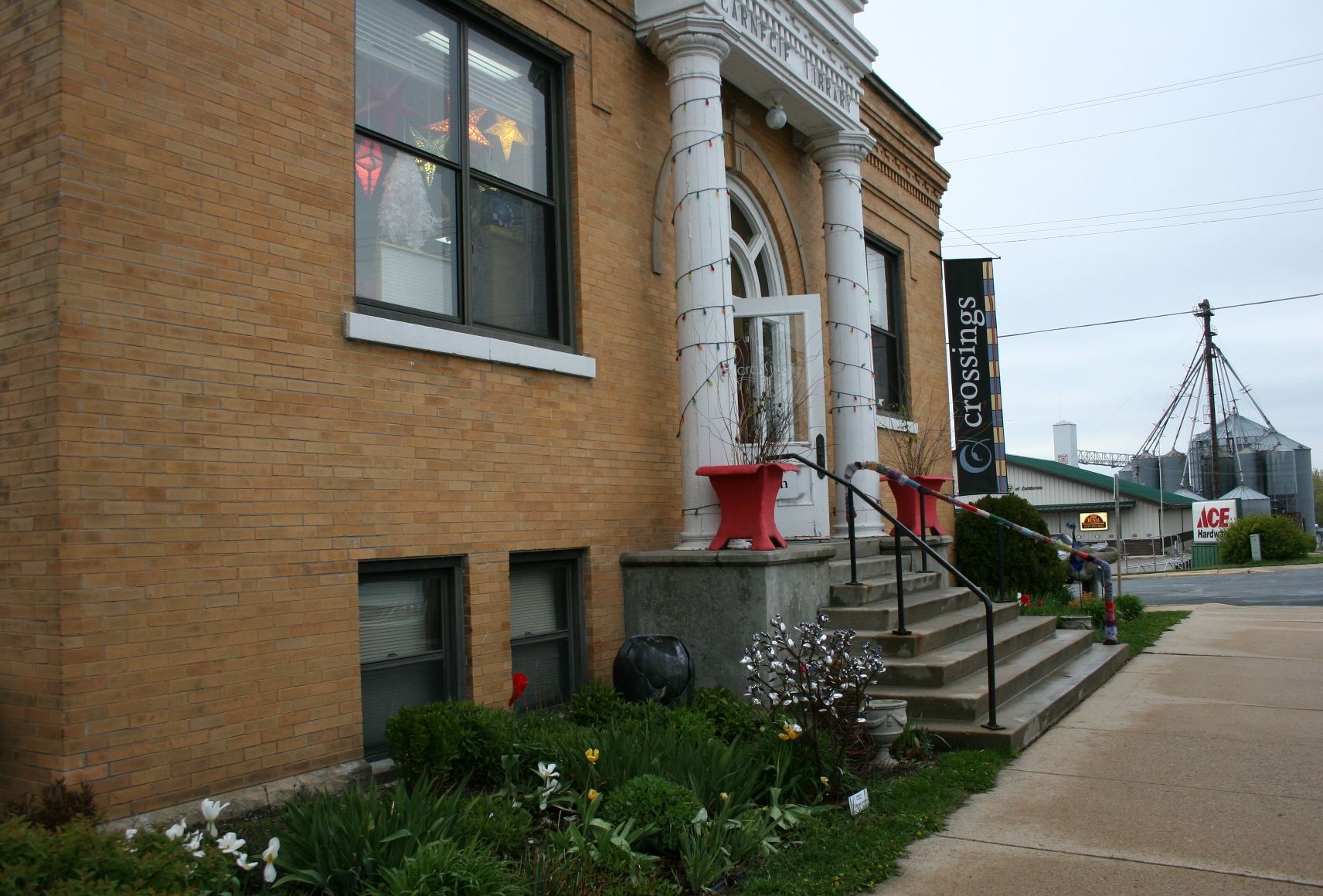
Crossings at Carnegie, housed in a former Carnegie library, is a privately-owned cultural, visual and performing arts center in Zumbrota. I love the rural atmosphere with the hardware store and grain elevator just down the street. I need to return to Crossings as I was overwhelmed (crowd-wise and visually) on this busy evening.

I’d encourage you, if you have not seen this exhibit at Crossings, 320 East Avenue, to take it in before the April 26 closing date. Click here for more information.

Also check back here for an additional post from Poet Artist Collaboration XI.

© Copyright 2012 Audrey Kletscher Helbling
 

Prairie poetry in Fergus Falls June 12, 2011

SATURDAY MORNING MY HUSBAND and I hit the road, heading north on Interstate 35 and then west on Interstate 94 to the west central part of Minnesota.

This was our destination:

It's approaching noon on Saturday, and we've nearly reached our destination, Fergus Falls.

Because of this:

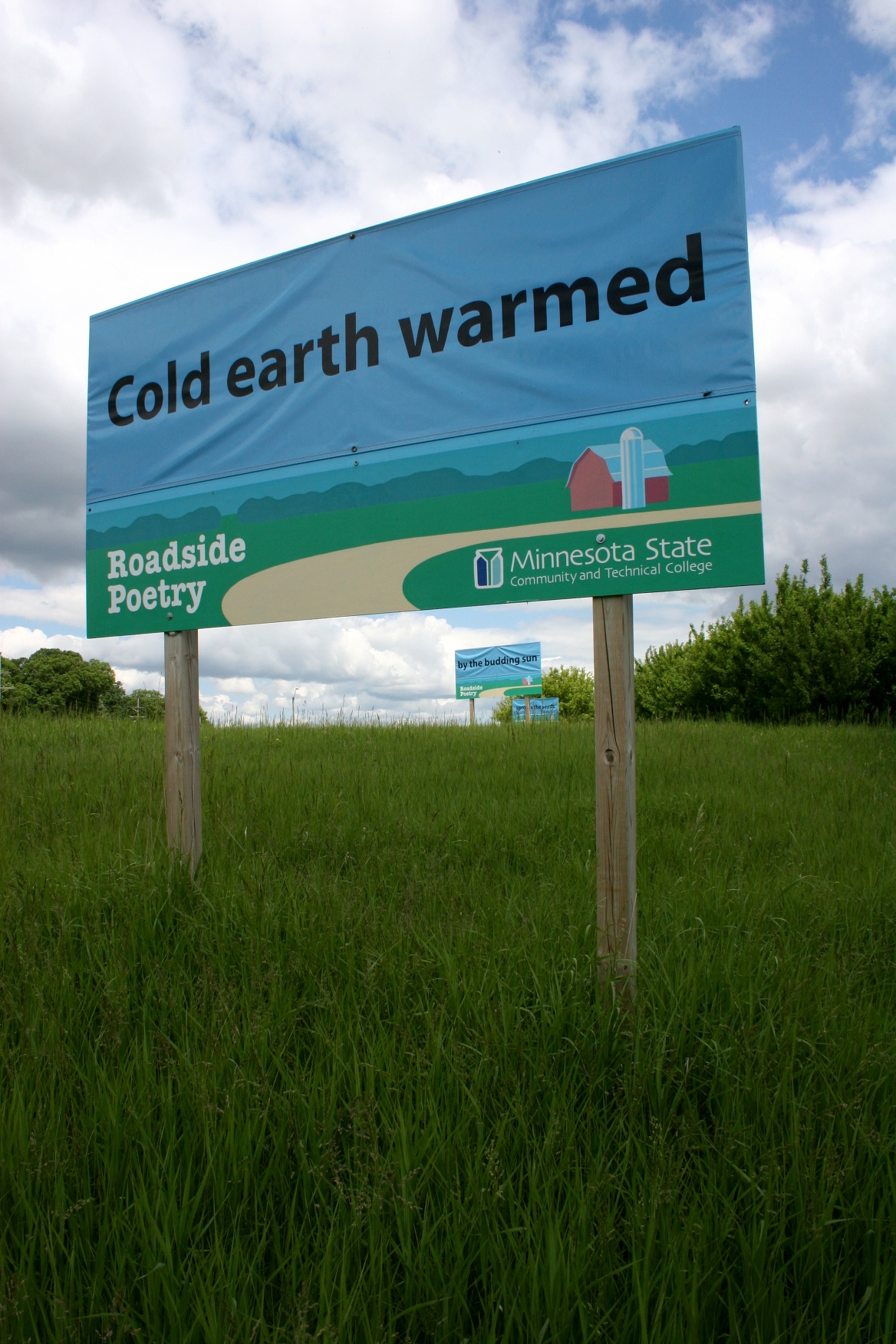
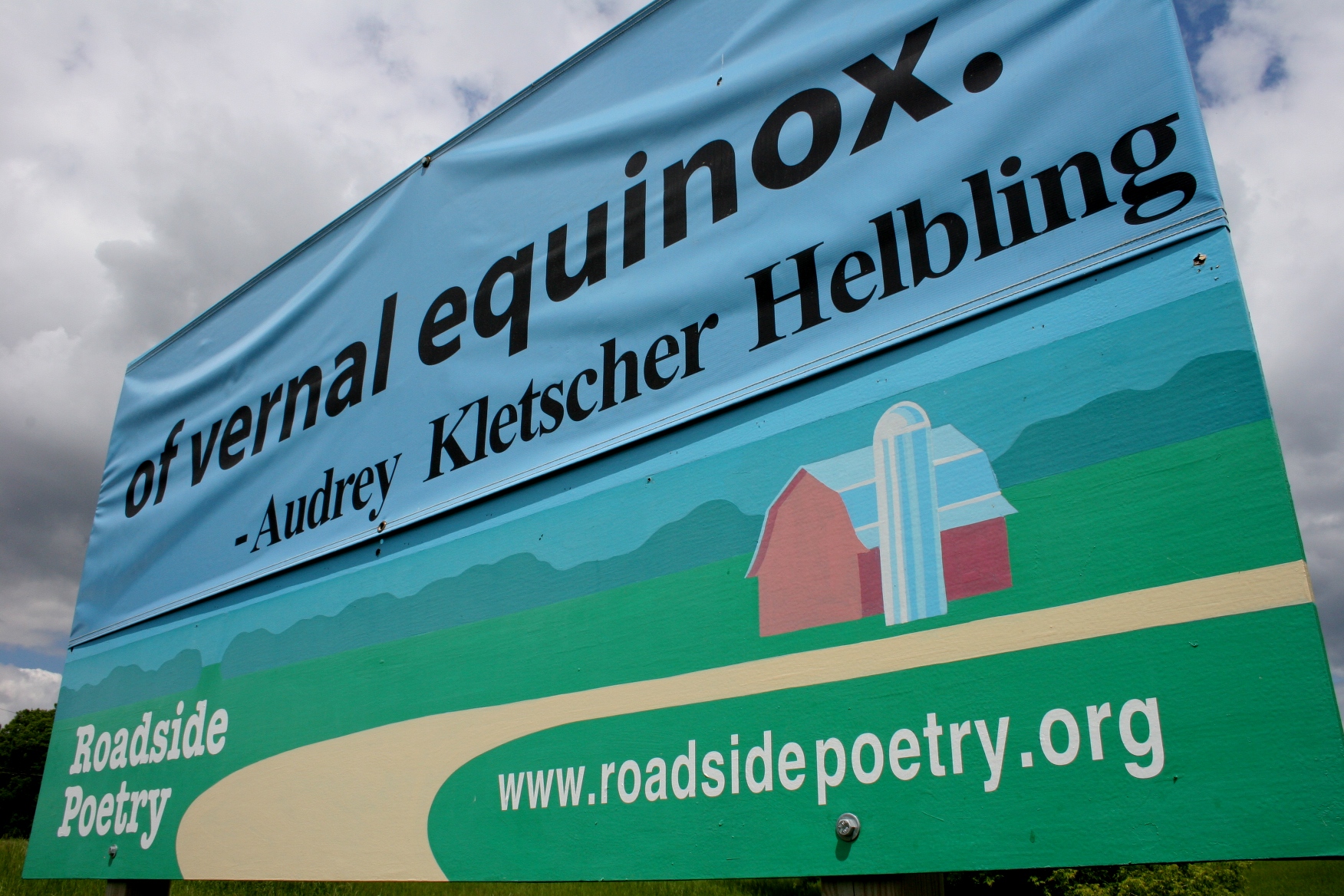
The first of my four Roadside Poetry billboards in a stretch of ditch along North Tower Road in Fergus Falls.

I got word last Monday that my winning Roadside Poetry Project spring poem will come down on June 17, to be replaced with a summer poem. (Click here to read a previous post about my poem.) So if I wanted to see “Cold earth warmed by budding sun sprouts the seeds of vernal equinox” and my name—all sprawled across four Burma Shave style billboards—we had to get our butts up to Fergus Falls.

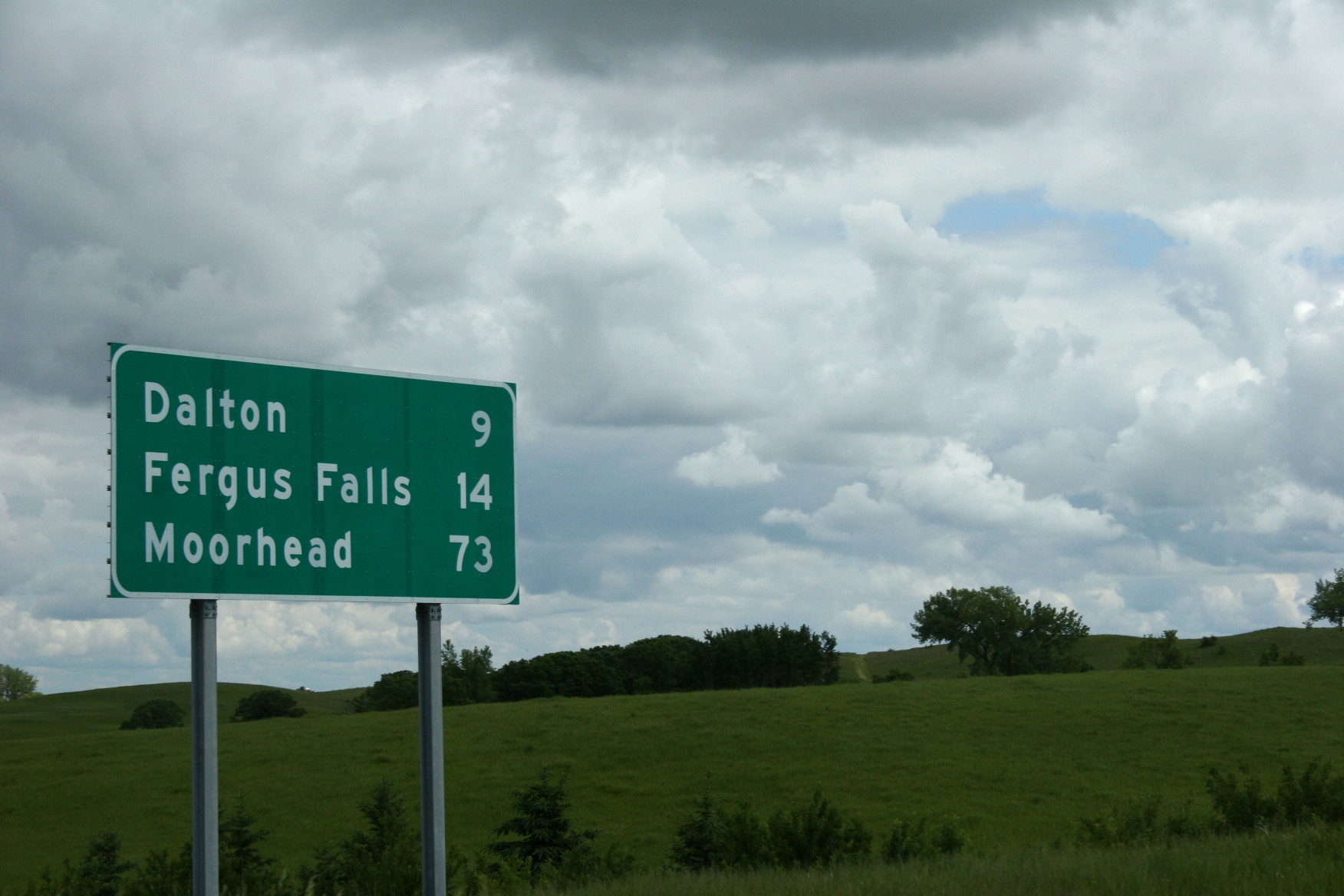
So we did, making the 200-mile trip this weekend under big skies that stretched all the way to the Dakotas.

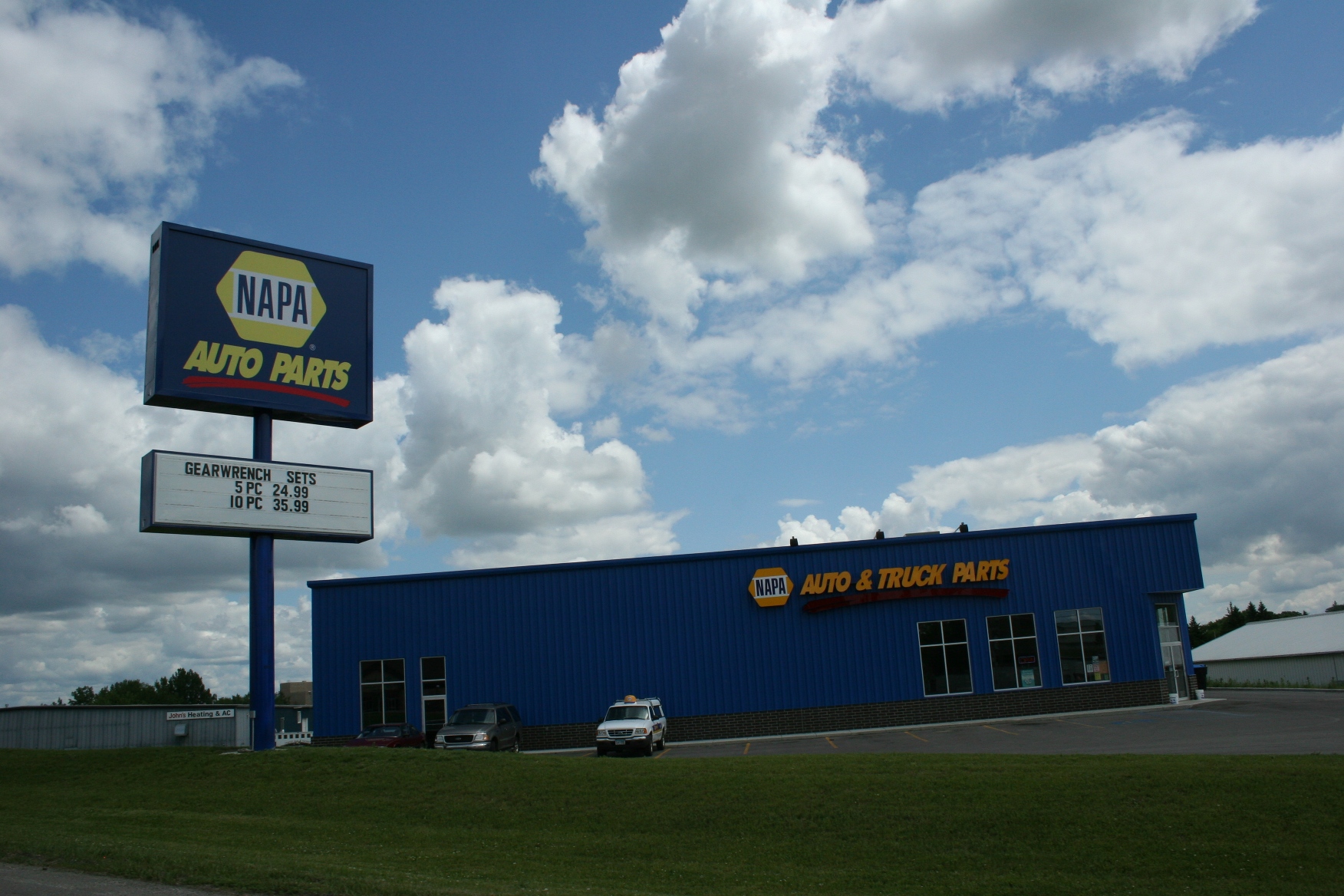
After a few stops, including a swing into Melrose to view an historic Catholic church (more on that in another post), we eventually reached Exit 54 into Fergus some 3 1/2 hours later. We followed Highway 210/West Lincoln Avenue, turned onto North Tower Road and drove past the NAPA Auto Parts store before reaching those poetry billboards. I mention NAPA because Randy works at the NAPA store in Northfield as an automotive machinist and we found it interesting that my poems just happened to be right down the road from the Fergus NAPA store.

We passed right by the NAPA store to reach my billboards just down the road.

When Randy pulled to the side of North Tower Road by my billboards, I determined this was not the safest place to park. So we pulled into the Fastenal parking lot and then descended the steep ditch, wading through tall, and wet, prairie grasses—sweet clover, June grass, alfalfa—and more than a few thistles.

Our shoes and jean legs were soon soaked with moisture. But, you know, that really didn’t matter. I was so focused on viewing my four-line, spring-themed poem and on taking photos that the wet feet and denim seemed more a nuisance than anything worth fretting over on a glorious early Saturday afternoon.

And so, billboard by billboard, we worked our way down the road ditch, stopping by each sign for photos. Eventually I handed the camera over to Randy, who managed to figure out how to turn on the camera, focus it, compose and snap some pictures.

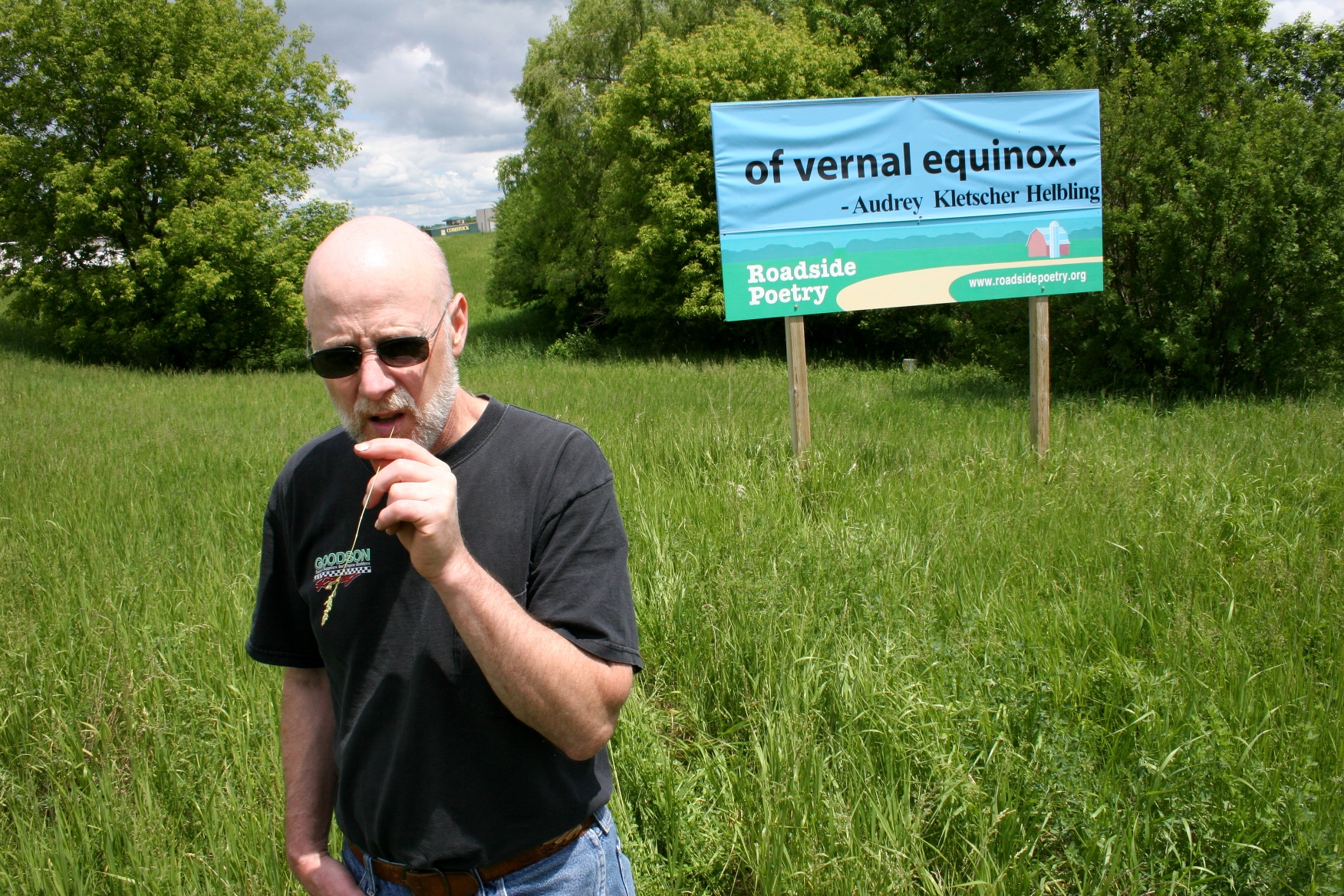
Me posing by the last of the four billboards with my spring poem.

This may be the first and last time my poetry, and my name, will be on billboards, so I savored every letter, every word, every line, every billboard...

Then I snapped this image of my husband, who had plucked a spear of prairie grass and slipped it into his mouth. The frame marked one of those quick clicks of the camera that resulted in a photo that you could never recapture given its spontaneity.

A sweet shot of my husband as he walked away from the final billboard.

I’m uncertain how long we worked the road ditch along North Tower. But long enough to appreciate that this spot on the edge of town, under a sky that always feels bigger, wider, on the open prairie, perfectly fit a poem written by me, a southwestern Minnesota prairie native.

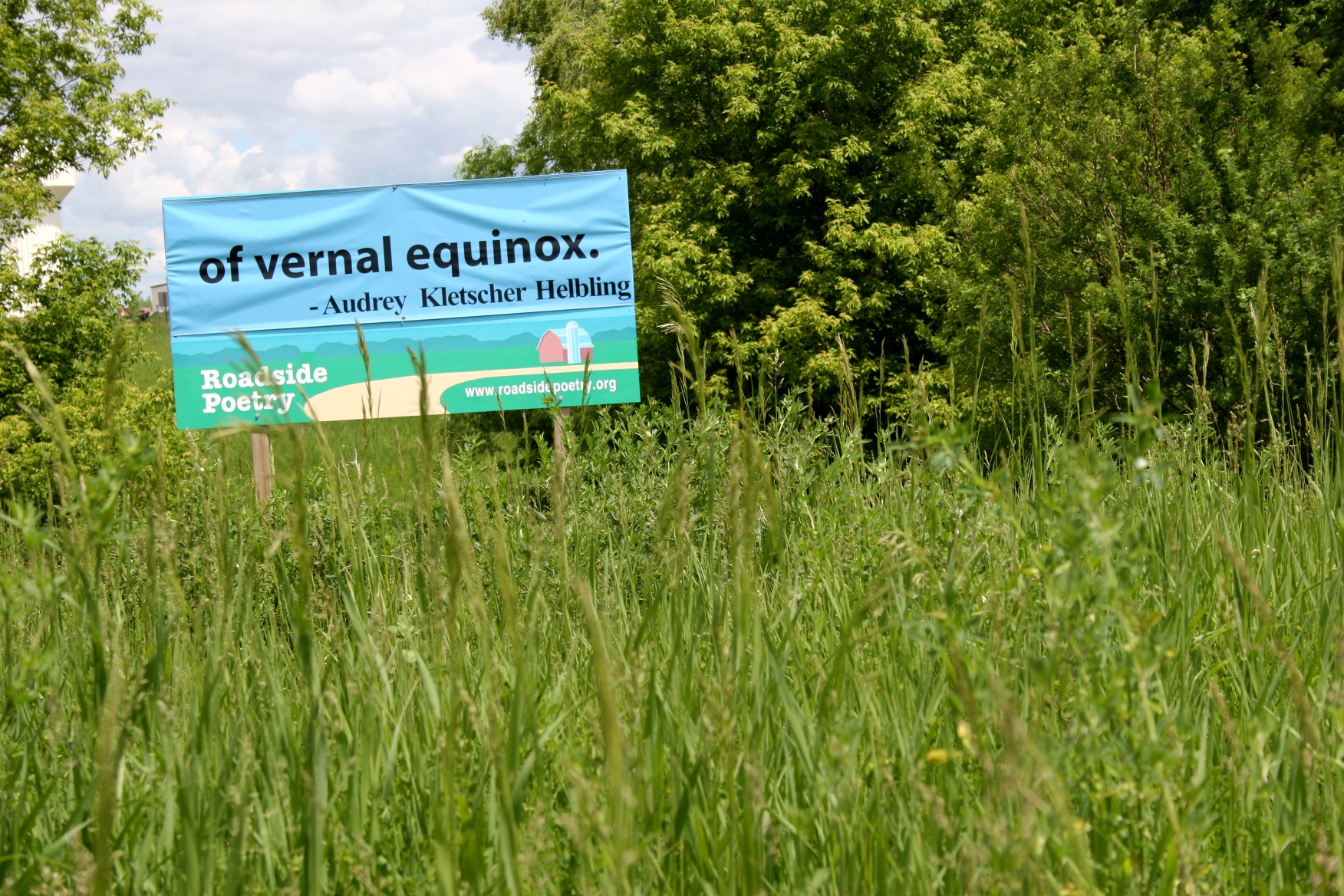
I crouched to capture this image which focuses on the road ditch prairie grasses.

© Copyright 2011 Audrey Kletscher Helbling
 

Reflecting on graduation speeches by three generations of Minnesota women May 27, 2011

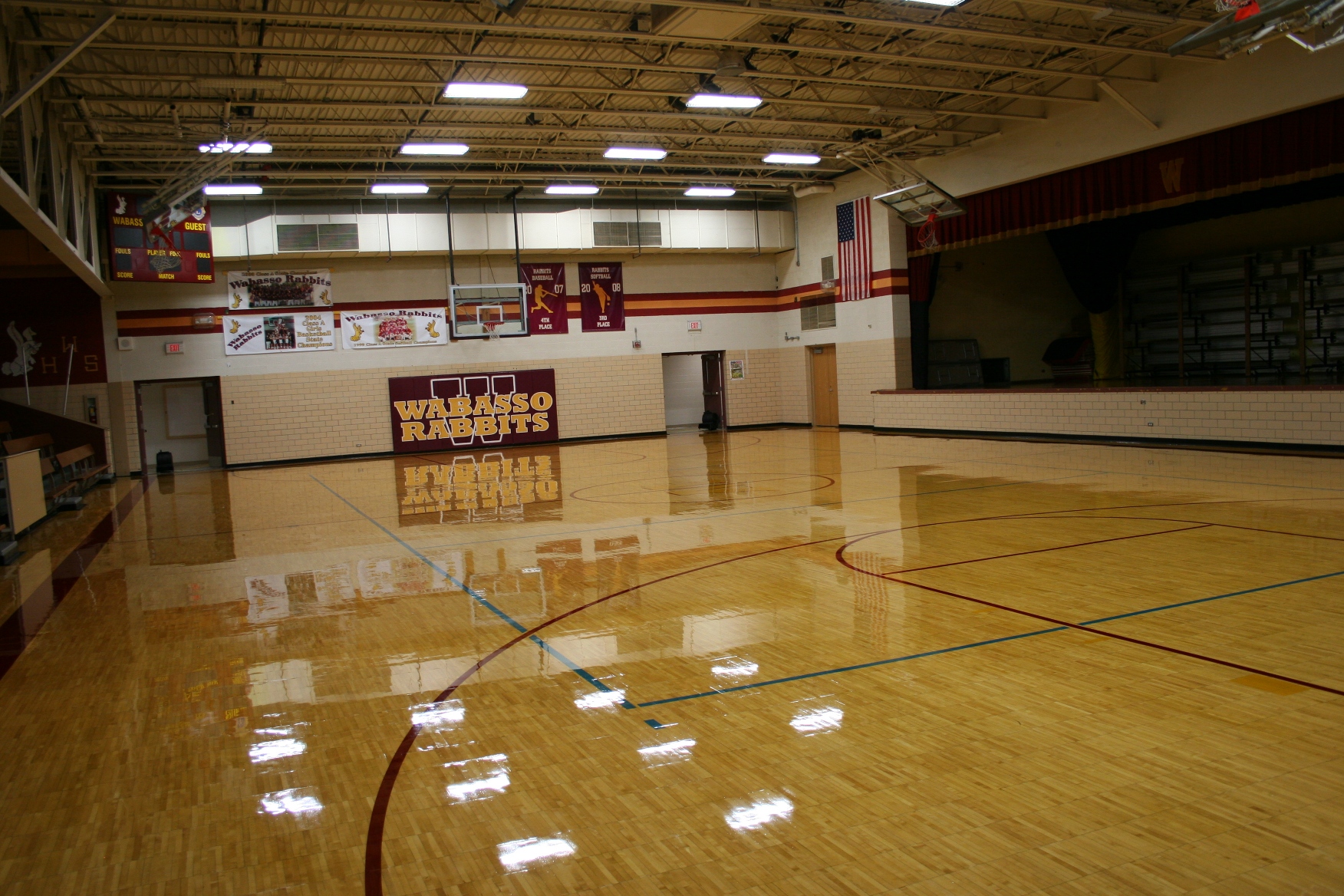
Wabasso High School, where my niece will give a speech tonight as class valedictorian. My mom and I also graduated from WHS, although the building looks much different than when we graduated in 1951 and 1974.

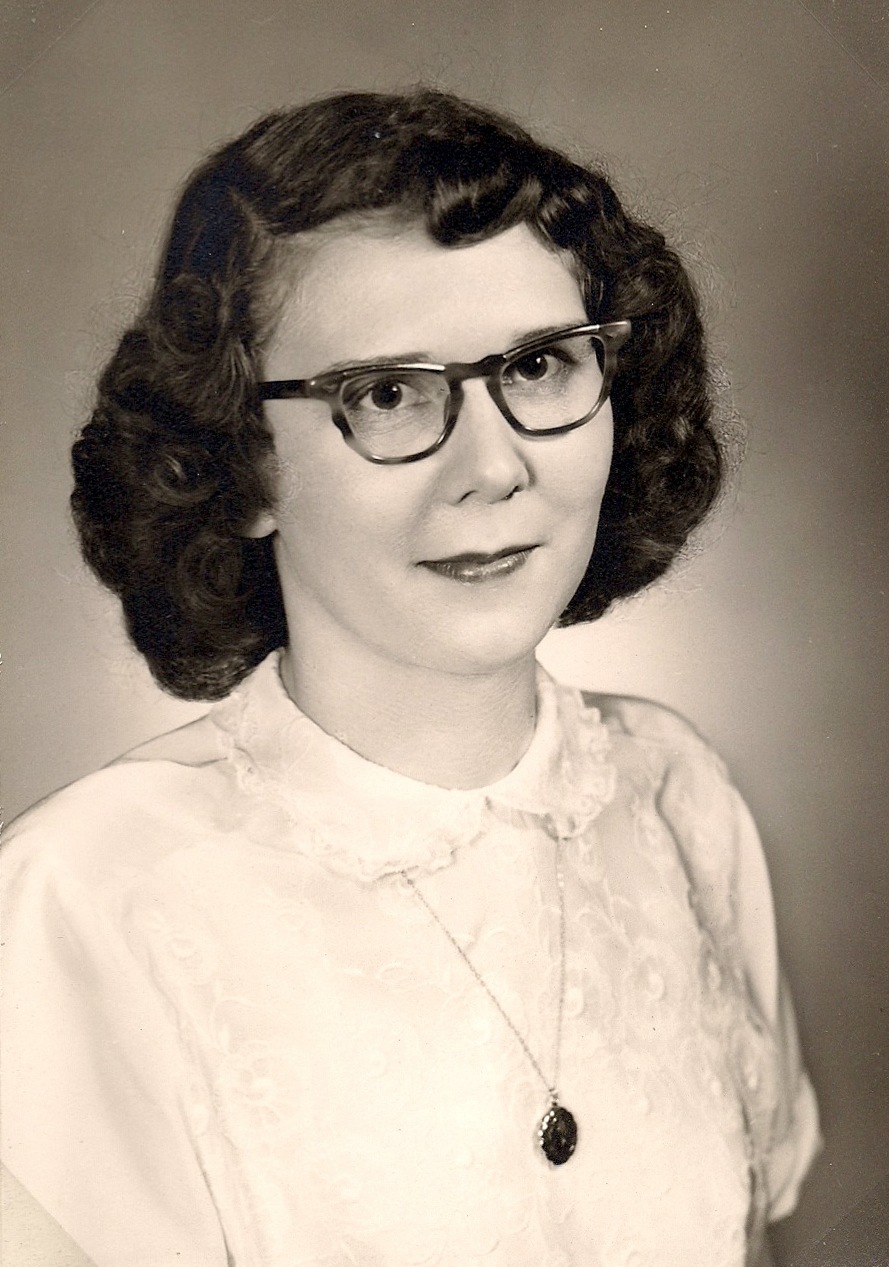
Arlene Bode Kletscher's 1951 graduation portrait.

SIXTY YEARS AGO 18-year-old Arlene Bode stepped onto the stage at Wabasso High School and gave a commencement speech, “Our Part in the Fight Against Communism.”

While that seems an unlikely, unsuitable, topic for an address by the class valedictorian, my mom says you need to remember the time period in which she wrote and gave that speech.

This was 1951, at the height of the Cold War, the era of bomb shelters and fear of the Soviet Union.

My mom espoused patriotism, encouraging her southwestern Minnesota classmates “to be patriotic and vote…so we can keep our freedom,” she recalls. She has a copy of that speech tucked inside her WHS diploma.

She found the speech recently when pulling out her diploma to show her granddaughter, Hillary Kletscher, who graduates tonight, also from Wabasso High.

Hillary, like her 79-year-old grandmother, is the class valedictorian and will speak at commencement. When I texted Hillary early Thursday afternoon, she hadn’t yet titled her speech. But, she said, the “main subject is change and how it’s good but we have to hold onto what we learn from the past.”

I won’t be there to hear my niece’s address. But I intend to ask her for a copy, just like I plan to get a copy of my mom’s speech, which I’ve never seen. These are parts of our family history, words reflecting the time periods in which they were written, words of hope and wisdom and patriotism (at least in my mom’s case).

Hillary will step onto the WHS stage tonight and speak on change, yet remembering the past.

Audrey Kletscher Helbling, 1974 WHS graduate.

That my mom kept her speech through six decades impresses me. I say that specifically because I have no idea where to find the speech I gave at my graduation from Wabasso High School in 1974. It’s packed in a box somewhere in a closet in my home, but I possess neither the time nor energy to dig it out.

I remember only that, as class salutatorian, my farewell address included a poem. What poem and by whom, I do not recall.

In 2006, my daughter Miranda graduated as valedictorian of Faribault High School and gave a commencement speech. Given that occurred only five years ago, I should remember the content. I don’t. I recall only that she held up a test tube to make a point.

I am also making a point here. Thankfully much has changed in the 60 years since my mom spoke on “Our Part in the Fight Against Communism.” While the world today remains in turmoil, at least the intense fear, felt by the Class of 1951 during the Cold War, no longer exists.

We have also moved beyond the turbulent 60s and 70s, a time of rebellion, anti-establishment, and anti-war sentiments and discontent over the Vietnam War experienced by my class, the Class of 1974.

By 2006, when my second daughter graduated, we as a nation were beginning to recover from 9/11, yet we lived in an increasingly security-focused society.

Today my niece graduates in a day of continuing economic uncertainty, when young people are struggling to find jobs and when Baby Boomers like myself worry about our jobs and retirement.

Yet, through it all—the Cold War, Vietnam, September 11 and a challenging economy—we remain four strong women living in a free country where we, individually, spoke freely, representing the classes of 1951, 1974, 2006 and 2011.

© Copyright 2011 Audrey Kletscher Helbling