Minnesota Prairie Roots

Writing and photography by Audrey Kletscher Helbling

I may not read music, but… January 29, 2012

GROWING UP, I ALWAYS wanted to play the piano. But I never had the opportunity, although one Christmas I received a toy accordion that temporarily satisfied my yearning to create music.

There was neither money nor space for a piano within the budget constraints of a poor farm family or within the walls of a cramped southwestern Minnesota farmhouse.

And so the years passed without music.

During junior high school I struggled through required music classes, once fake-playing the ukulele at a Christmas concert because the music teacher failed to recognize that I could not read musical notes.

In high school when so many classmates were joining band, I was not among them. Remember that money issue? Still there.

A few years later my younger siblings were allowed to join band—one sister choosing the flute, the other the clarinet. The brothers focused on sports. For awhile I tried to play my sister’s flute, without much success.

During college, a friend allowed me to strum her guitar. The strings bit into my fingertips so I quickly lost interest.

Years later when I had children, I was determined they would have the musical opportunities I never had. I started them on a mini toy organ. Later, the eldest tried playing my sister’s flute for awhile, then quit. The second daughter borrowed my youngest sister’s clarinet, sticking with band lessons for several years. My son had no interest in an instrument until recently, when he inquired about playing the guitar. He’s meeting with a family member soon to try out guitar-playing.

I tell you all of this because of a recent musical opportunity that came my way. It’s ironic really, given my inability to play any type of instrument or, in fact, read a single musical note. If you put a song sheet in front of me right now, I’d stare at it like I was reading Greek.
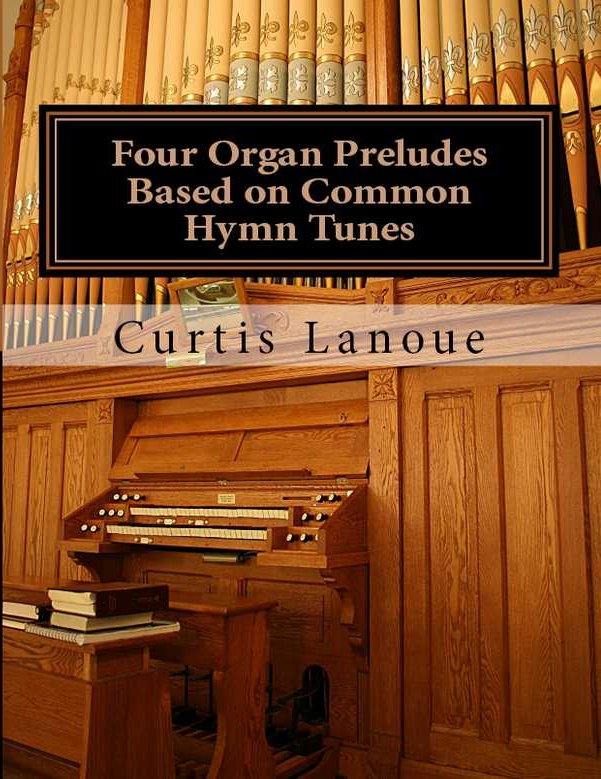
But composer Curtis Lanoue, also an elementary music teacher and the director of music at Lord of Life Lutheran Church in Miami, found the music in my soul. Seeking a cover photo for his 29-page Four Organ Preludes Based on Common Hymn Tunes book, Lanoue did an online image search and discovered my photo of the old pipe organ at Immanuel Lutheran Church, rural Courtland, Minnesota, the congregational home of my maternal forefathers.

“As you can imagine, there were a ton of (image) results,” Lanoue says. “Most of them were those flowery European organs in the cathedrals. That didn’t go too well with the style of the music. Somehow through the eye strain of looking through hundreds of photos, I found yours. It’s not surprising my eye was drawn to it as I was raised in a Midwest Lutheran church.”

Once I received a copy of this musician’s recently self-published book, I understood why he selected my photo of Immanuel’s organ that was built in 1895 by Vogelpohl and Spaeth Organ Company of New Ulm at a cost of $1,500.

It’s the perfect fit for Lanoue’s preludes based on the definitively Lutheran hymn, “A Mighty Fortress,” and on “Amazing Grace,” “Out of the Depths I Cry to Thee,” and “From Heaven Above to Earth I Come.”

As I flip through these compositions written by a musician with degrees in jazz performance and studio jazz writing and experience as a working organist since age 16, I can only smile at the contrast between his vast musical knowledge and talent and my musical illiteracy.

FYI: You can purchase Four Organ Preludes Based on Common Hymn Tunes for $9.99 by clicking on this link: https://www.createspace.com/3734555

Disclaimer: I am expecting payment for use of my cover image and have received a free copy of Lanoue’s book. This post, however, has been written solely at my discretion.

A rear photo shot of Immanuel Lutheran Church, Courtland, looking up to the balcony (where the 1895 pipe organ is located) and toward the spacious fellowship hall.
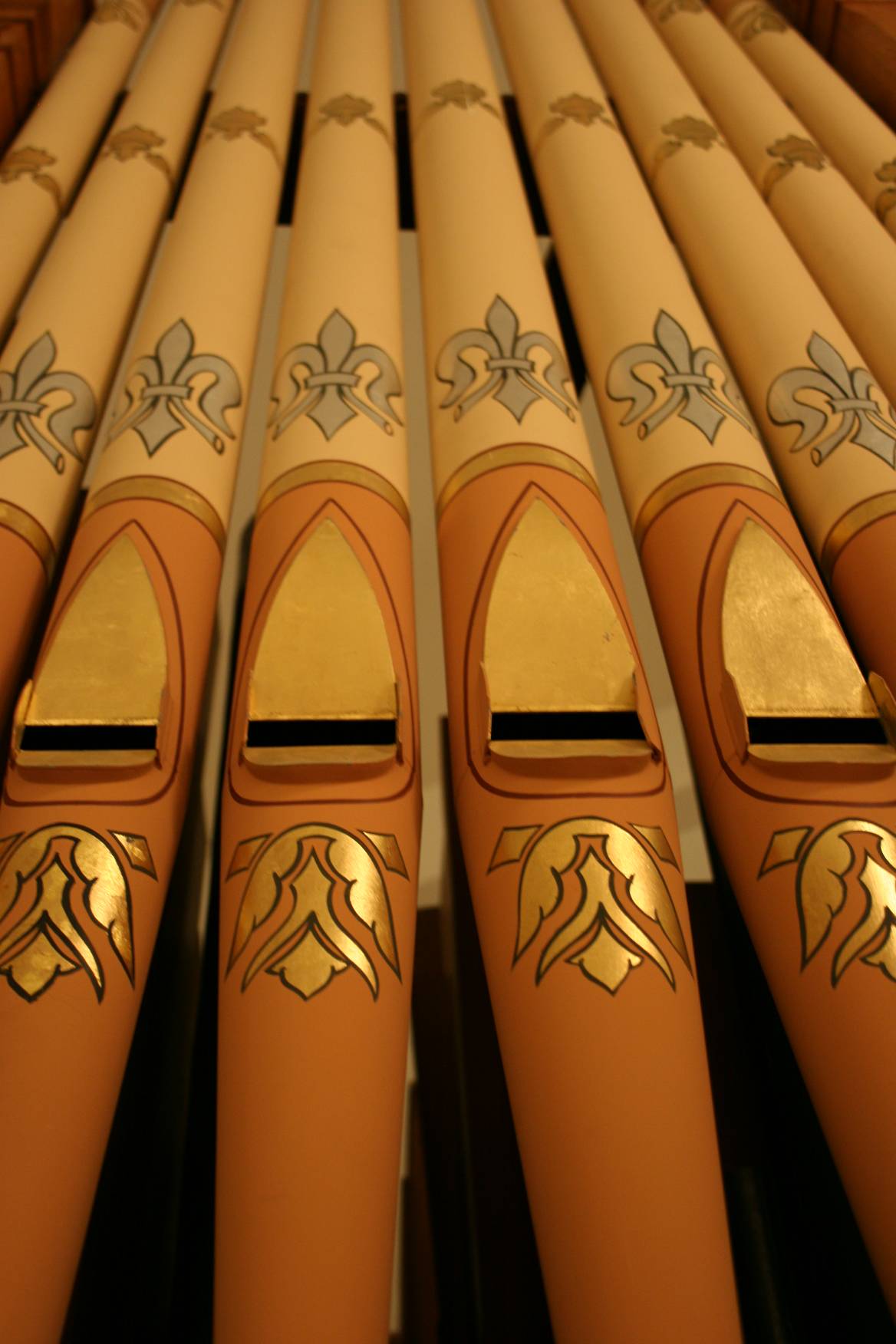
The beautiful pipes on Immanuel's organ.

JUST BECAUSE I THOUGHT it important to include, here’s some additional information about Immanuel’s organ, as shared by Immanuel’s pastor, Wayne Bernau:

The 1895 organ was renovated in 1988 at a cost of $25,000.

When Immanuel built a new church in 2007, Rollie Rutz and crew from Rutz Organ Company in Morristown (about 10 miles from my Faribault home), helped move the organ from the old church into the balcony of the new sanctuary.

A set of chimes was added to the organ in 2007.

Immanuel’s organ is today valued at around $200,000.

Says Pastor Bernau: “With the balcony constructed the way it is and the excellent acoustics for music in our new church, I believe the organ sounds better now, maybe twice as good, as it ever did in our 1881 building.”

I’ve heard the organ played in Immanuel and I agree. The acoustics in the new house of worship truly showcase the sounds of this 117-year-old organ played each Sunday by Lisa (Bode) Fischer, the daughter of my mom’s first cousin and a descendant of the Bode family members who helped found this rural congregation in the Minnesota River Valley more than a century ago.
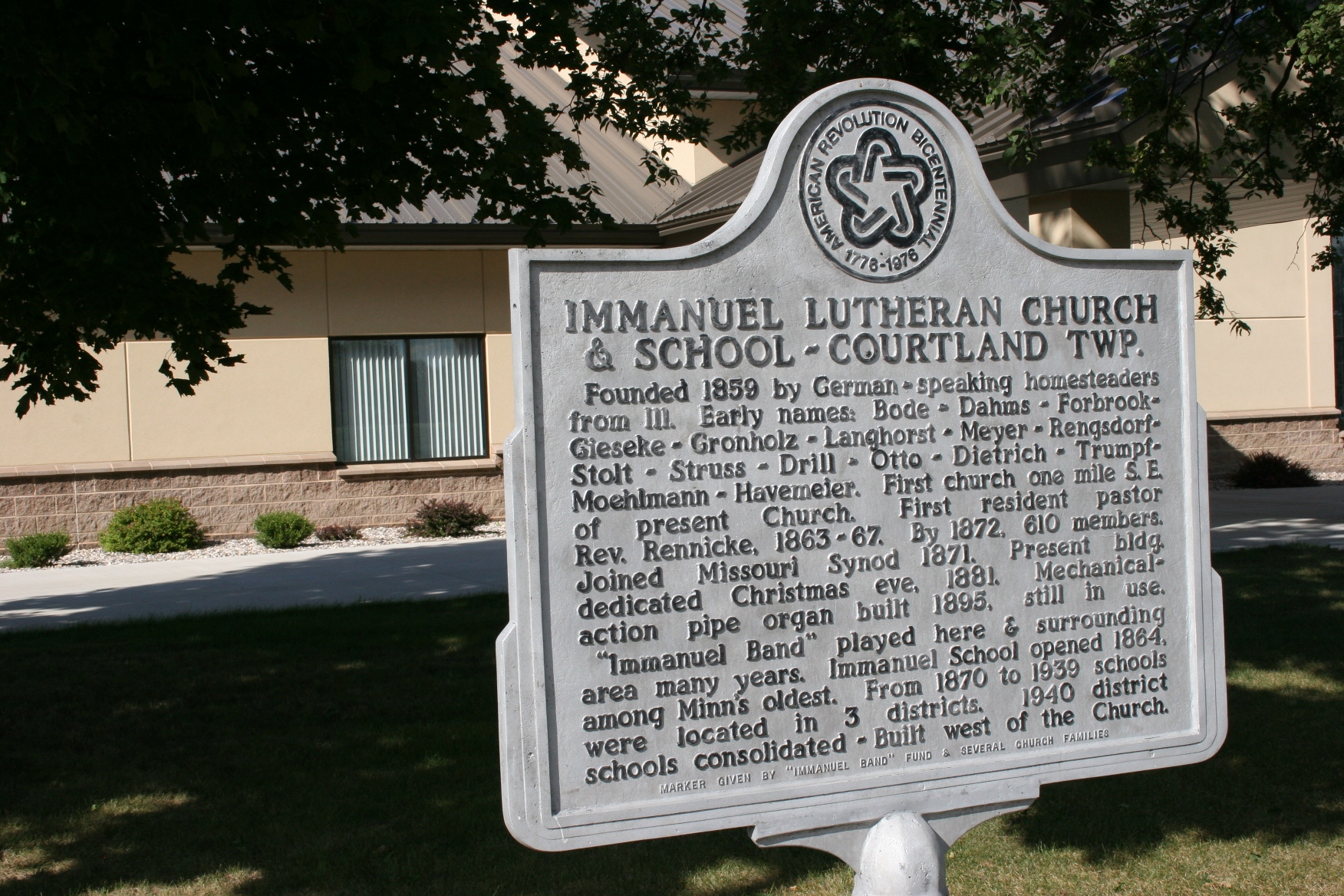
A historical sign outside of Immanuel Lutheran Church, east of Courtland, Minnesota.
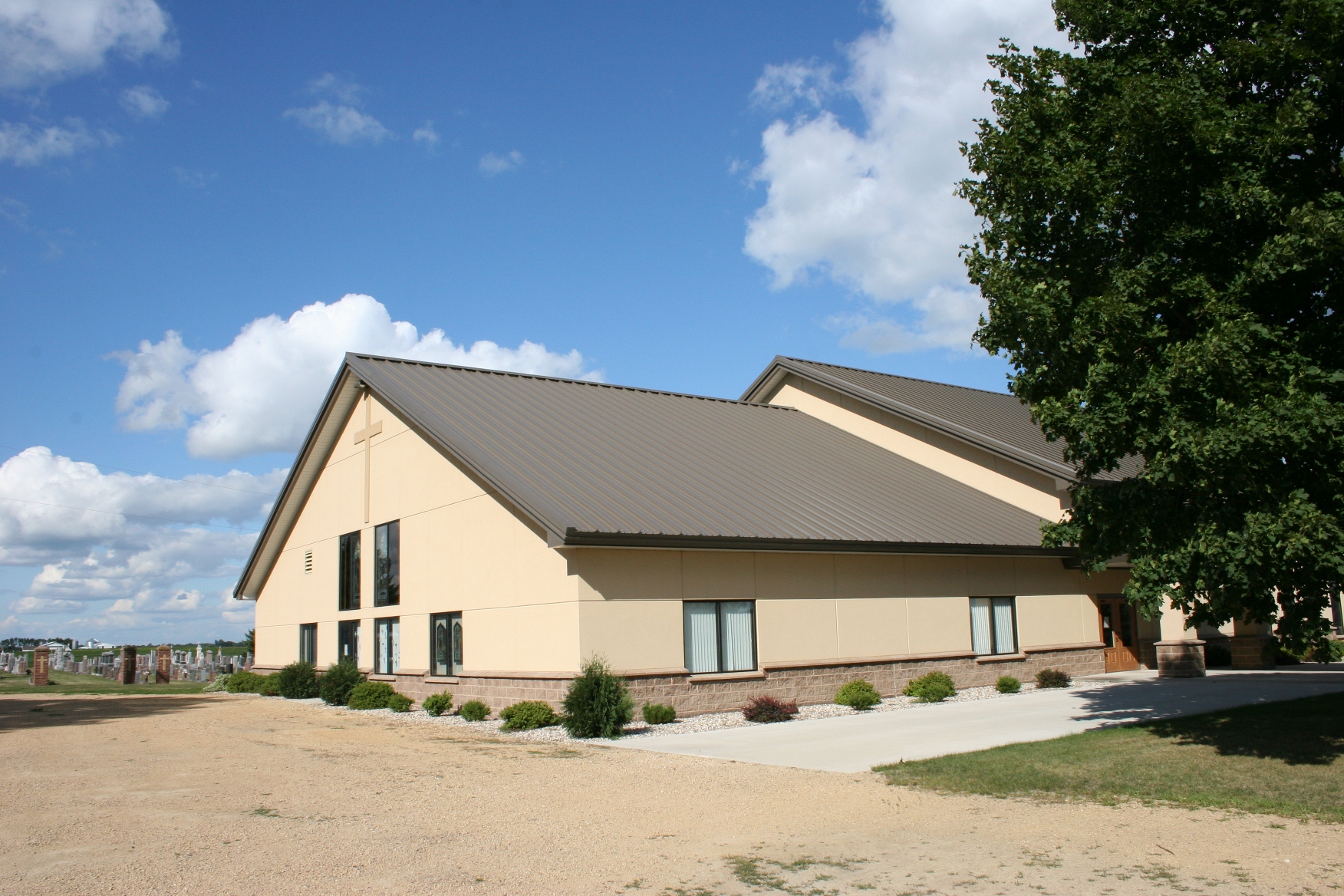
This photo, taken in September, shows primarily Immanuel's social hall and the adjacent cemetery where many of my Bode forefathers are buried.

A view of Immanuel's sanctuary from the balcony. The pews, the chancel furnishings and the stained glass windows from the old church were incorporated into the new church.

© Copyright 2012 Audrey Kletscher Helbling


Celebrating summer in small-town southwestern Minnesota August 1, 2011

Filed under: Uncategorized — Audrey Kletscher Helbling @ 11:26 AM
Tags: , , , , , , , ,

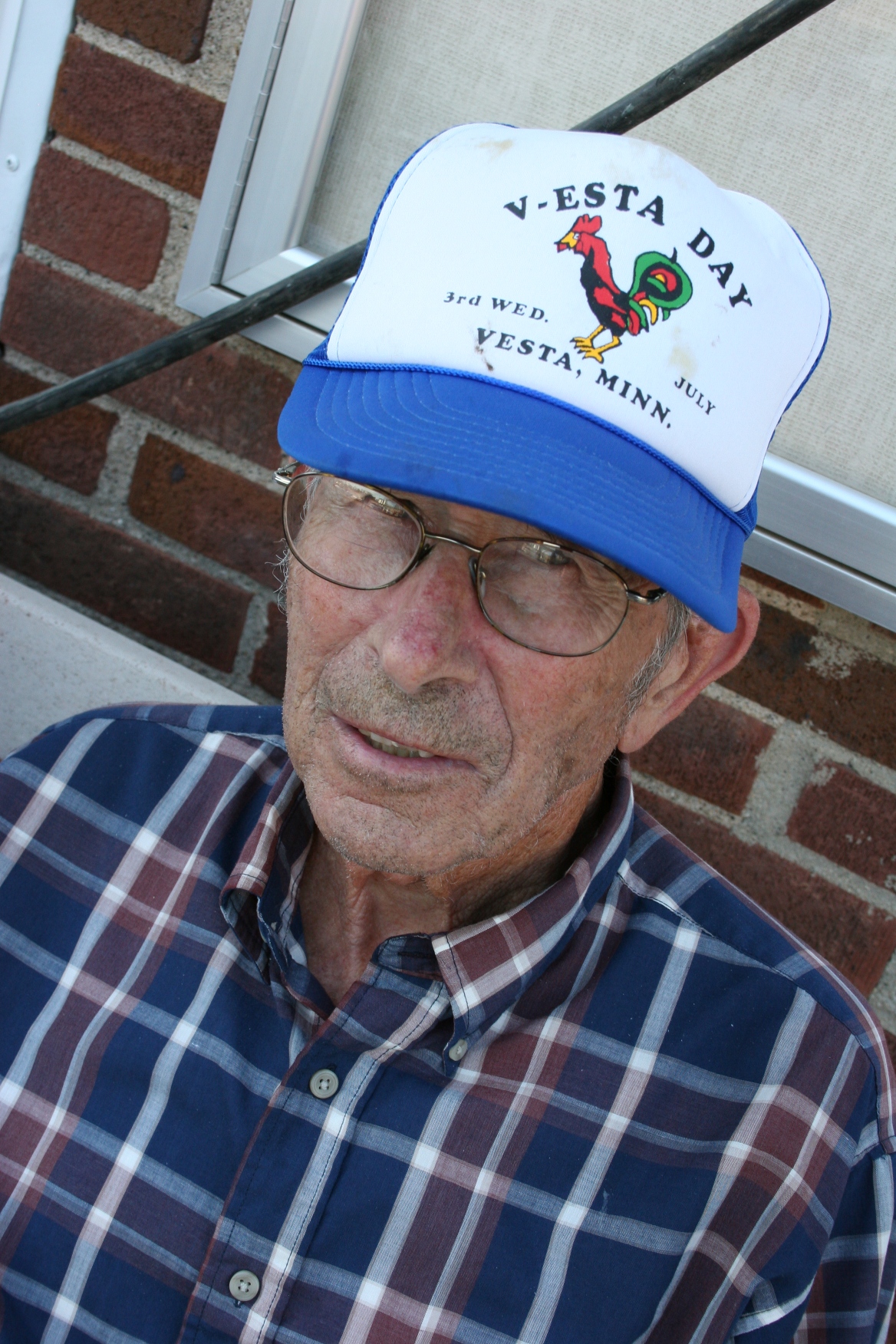
A chicken meal has been served for decades at V-Esta Daze.

Milt Marquardt

IF YOU GREW UP in a rural area, you likely also grew up with an annual small-town summer celebration.

A chicken/pork/burger/corn (whatever) feed, carnival, kids’ games, car show, crowning of Miss Small-Town, water fights between neighboring fire departments, softball tournaments, a parade…

My hometown of Vesta in southwestern Minnesota has, for decades, celebrated V-Esta Daze. The town name is pronounced “Vest-a,” but for the celebration, the pronunciation rhymes with “fiesta.” Don’t ask me why. We’re mostly a bunch of Germans.

Anyway, heritage and linguistics don’t matter so much as the decades-long tradition of serving Vesta’s famous chicken. Guys like Milt Marquardt, my neighbor back when I was growing up on a dairy and crop farm, have been grilling chicken so long they can’t remember. Suffice to say that’s been more than four decades.

Milt and the crew grilled 280 pieces of chicken for the crowd that lined up in the Vesta Community Hall Friday evening for quarter or chicken halves, potato salad, beans, rolls, pickles and beverages. A few things have changed about the meal—the potato salad is no longer prepared by local women and the plastic-ware isn’t wrapped in a napkin (you grab your own). But you’ll still find my Aunt Marilyn monitoring the beverage station, the same job she’s held for some 40 years.

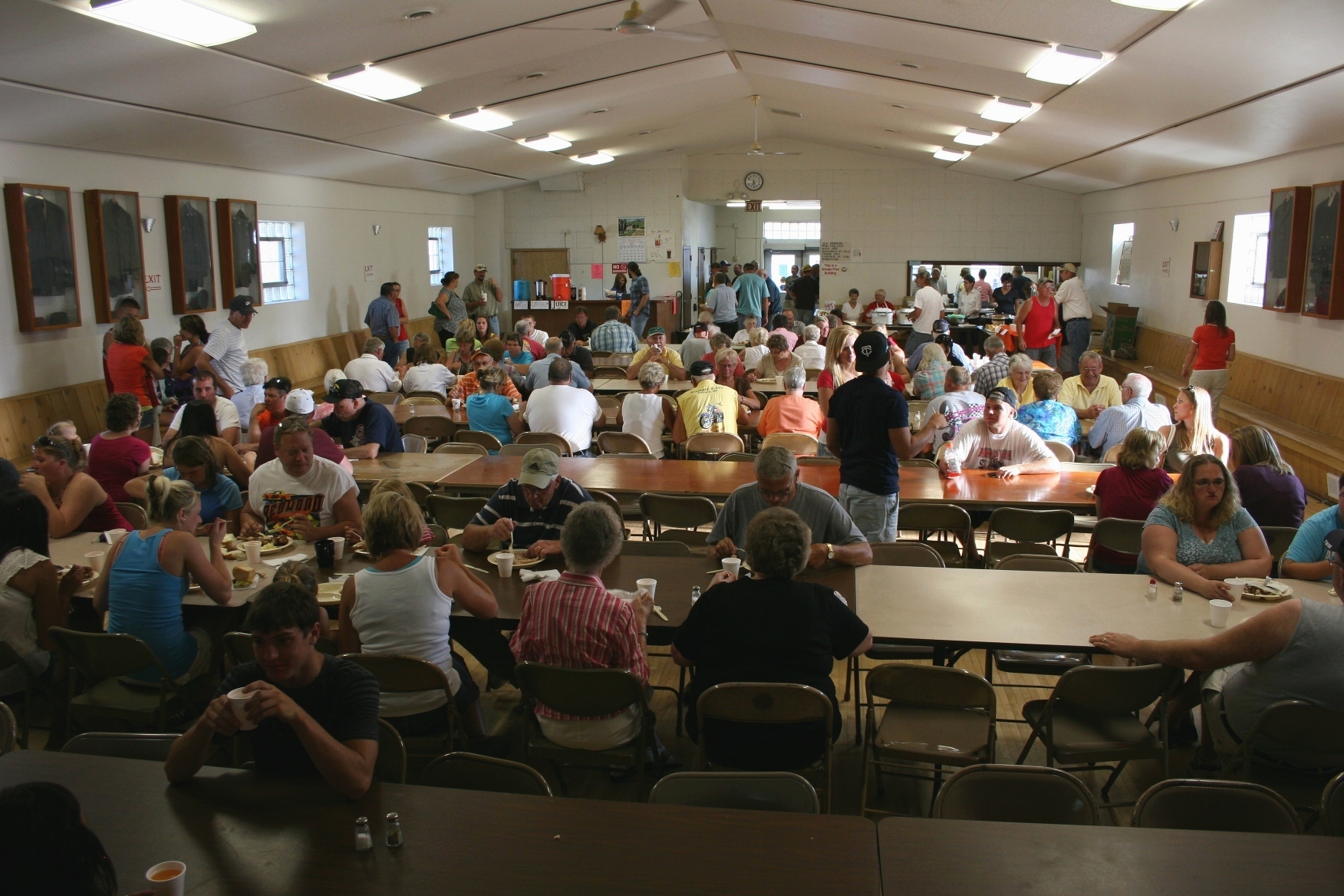
Diners still settle onto folding chairs pulled up to long tables in the old hall. Glass encased military uniforms and built-in wooden benches flank the sides of the hall anchored by a stage on one end. Little has changed in this building (except the addition of a kitchen), which has long been Vesta’s celebration-central—the place to celebrate weddings and anniversaries and the coming together of community.

The same sign goes up every year inside the Vesta Hall. The price is updated when necessary.

Diners eat in the Vesta Community Hall, where military uniforms hang on the walls.

This year the V-Esta Daze celebration was moved from a week night to a Friday night. Thank you, organizers. That happened to coincide with the annual Kletscher family reunion weekend. So I was there, lining up for that famous chicken and reconnecting with people I haven’t seen in years (and trying to remember their names).

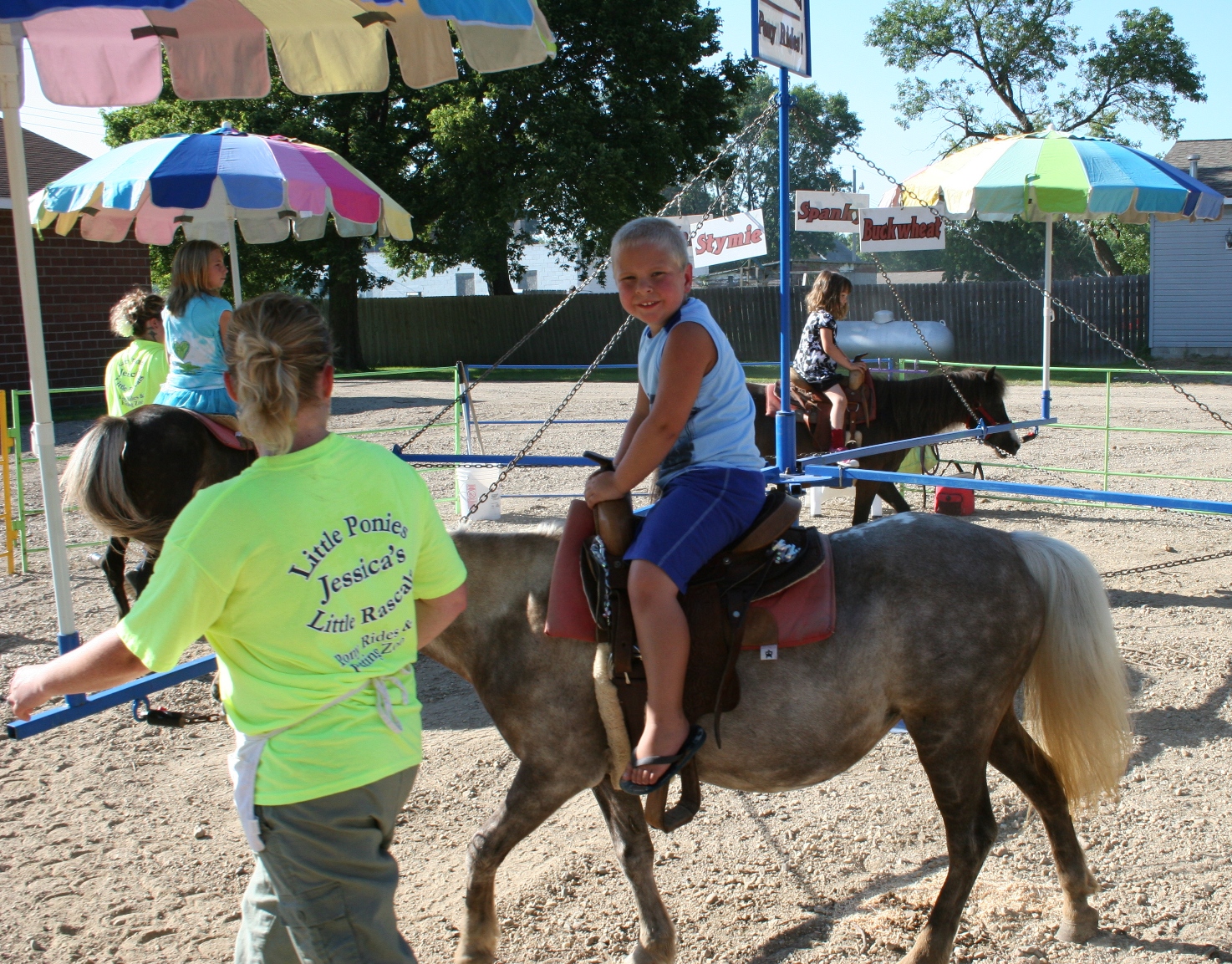
Gone are the carnival, softball games and water fights between neighboring fire departments that were part of the event when I was growing up. Instead, there were pony rides and bean bag tourneys, an antique tractor and car show, a putting green, pie eating contest, water fight for kids, street dance and entertainment by the Lucan Community Band and the required beer served from the beer truck.

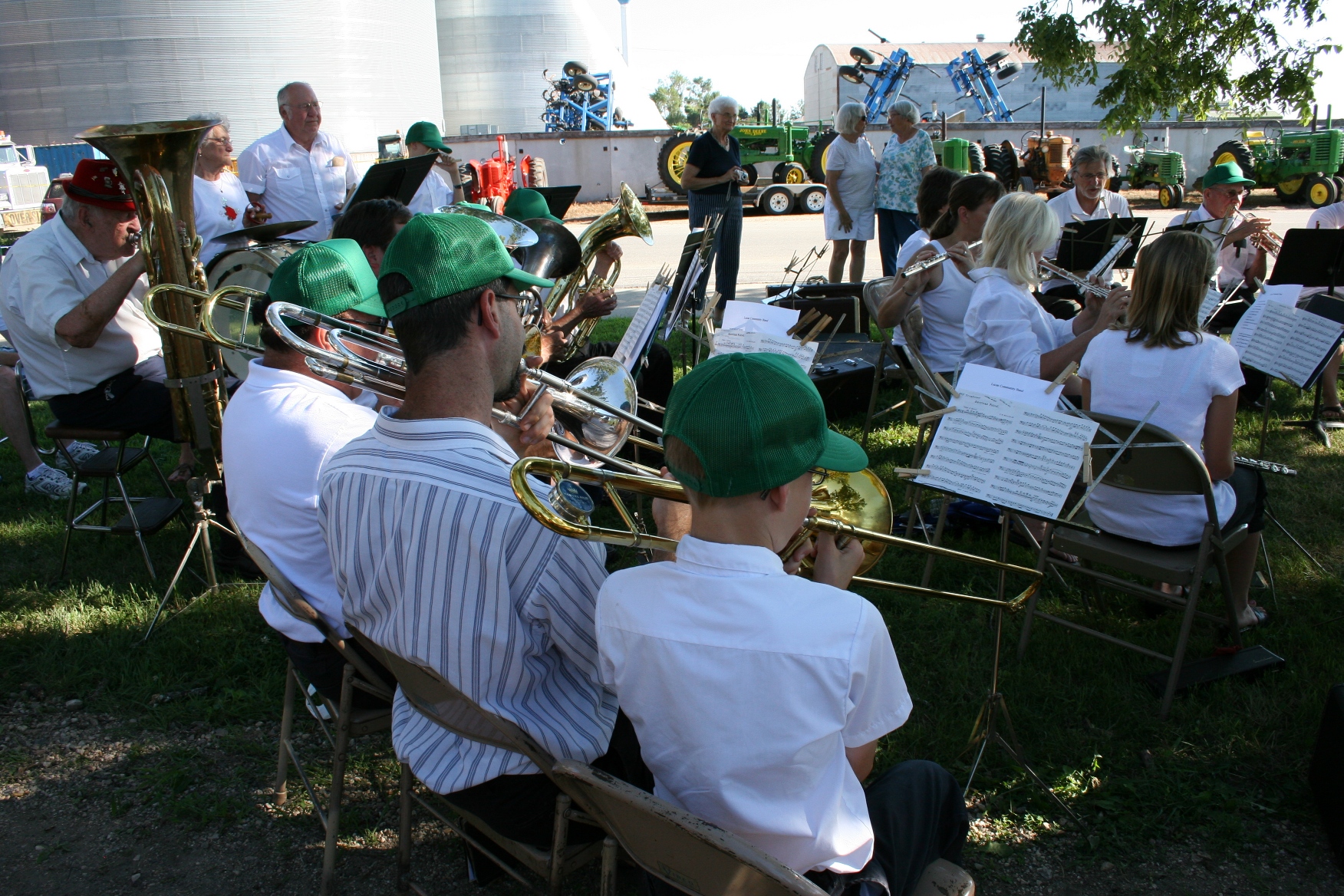
The Lucan Community Band played under the shade trees outside the community hall and across the street from the elevator around meal-time. Lucan is a town of about 200 seven miles south of Vesta.

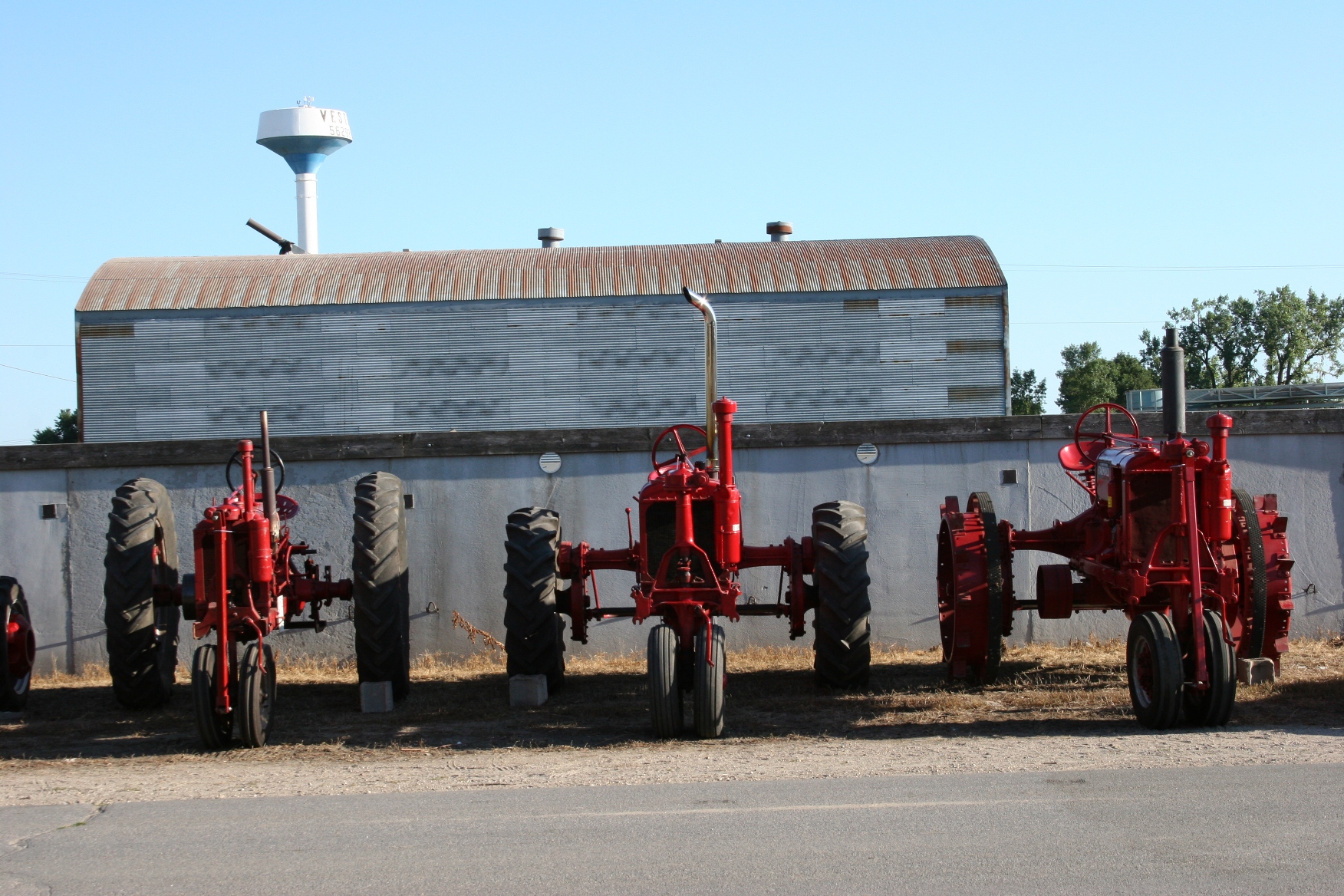
Area residents brought their old tractors to town for a tractor and car show.

My cousin Dawn's son, Kegan, enjoyed a pony ride.

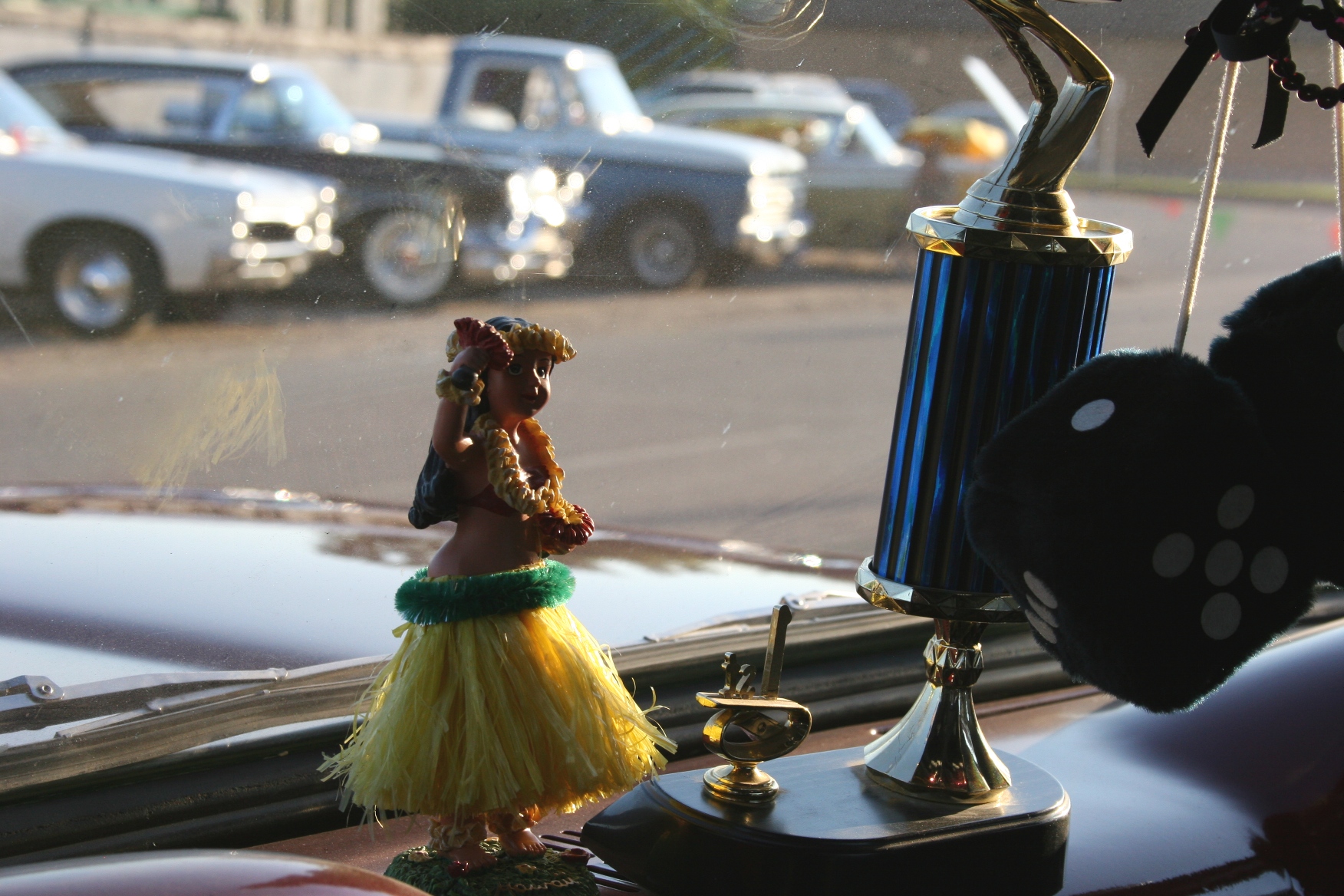
A view of the dashboard in a 1960 pick-up truck, looking toward some of the entries in the antique car show.

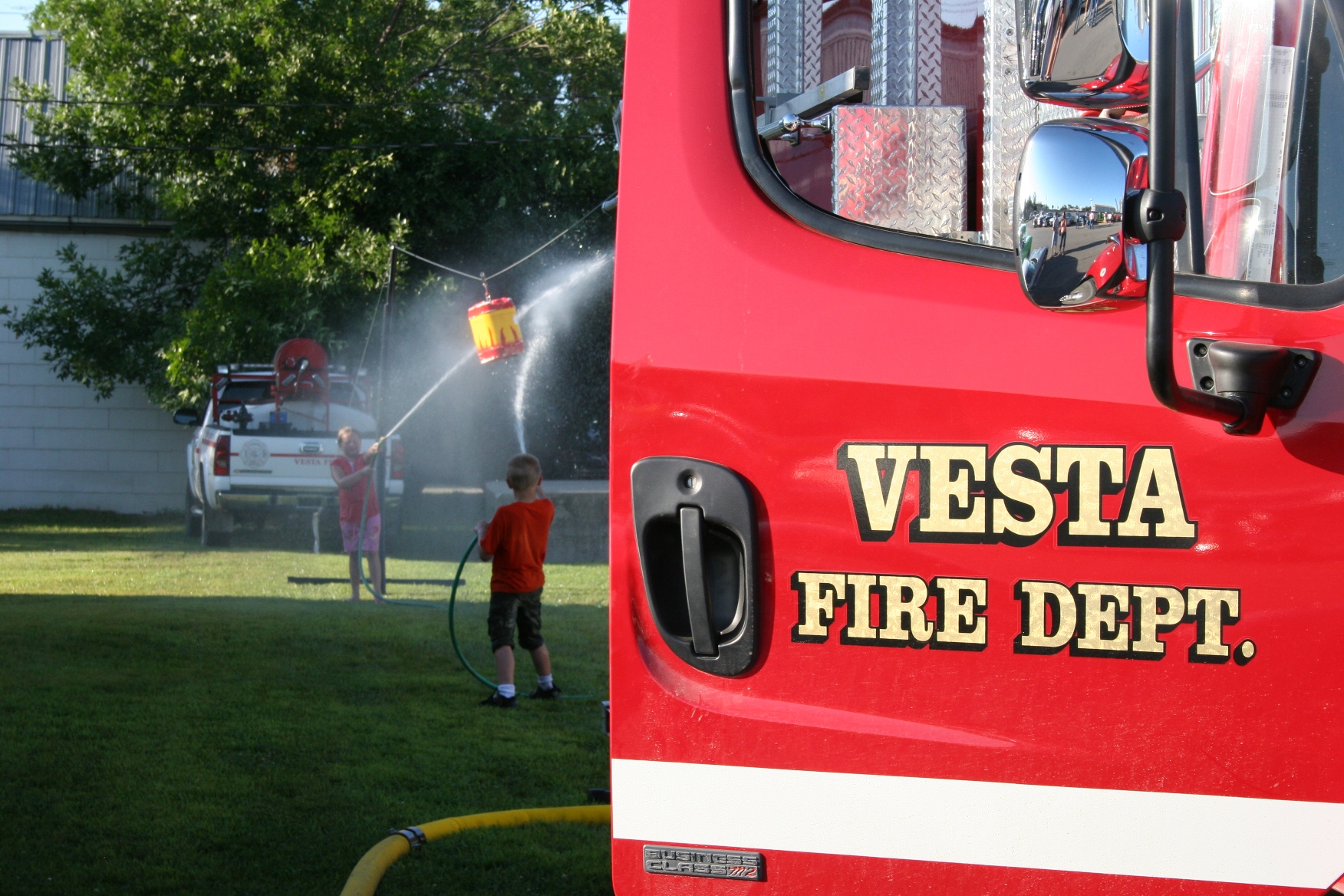
When I was growing up, members of Vesta's volunteer fire department engaged in water fights with departments from neighboring communities. Now the kids, not adults, participate in water fights.

I didn’t take in all of the events. I skipped the pie eating, bean bag toss and street dance. But I heard the band playing loud and clear a few blocks away when I left my Aunt Jeanette and Uncle Milan’s house around midnight Friday for my mom’s house a block away. Yeah, everything in Vesta, population around 300, is just a few blocks away.

HOW ABOUT YOU AND YOUR COMMUNITY? Do you have an annual summer celebration or return to your hometown for one? Submit a comment. I’d like to hear about these small-town gatherings.

© Copyright 2011 Audrey Kletscher Helbling


Summer showers in the sweltering heat July 19, 2011

A hose was for more than watering the garden or cattle when I was growing up on the farm. Read on.

WITH THE CURRENT HEAT WAVE we’re experiencing in Minnesota, I’ve been thinking a lot about the weather of yesteryear. And here’s what I’ve concluded. Unless the weather impacted some major event in my life or ranked as exceptional, I really can’t specifically remember one summer to the next or one winter to the next. Fall and spring sort of get lost in the mix of seasons.

That is the reality of my long-term memory.

For me, the summers of my youth on a southwestern Minnesota crop and dairy farm were defined, not by the weather, but by playing “cowboys and Indians” (yes, I realize that is not politically correct today, but it was the reality of the 1960s), by after-chores softball games on the gravel farmyard and by evening showers with a garden hose.

Let me explain that last one. I lived for the first dozen years of my life in a cramped 1 ½-story wood-frame farmhouse with my farmer-father, my housewife-mother and four siblings. The third brother was born later, after we moved into the new house.

The old house didn’t have a bathroom. That meant we took a bath once a week, on Saturday night, in an oblong tin bath tub that my dad lugged into the kitchen. Yes, we shared bath water. And now that I consider it, given we labored in the barn daily, we must have really stunk by Saturday night.

Sometimes in the summer, when the weather was especially hot and humid, we showered. After my dad finished milking cows, he would thread the green garden hose through an open porch window outside to the east side of the house. Then, with one of us “standing guard” where the driveway forked, within a stone’s throw of the tar road, we began the process of showering.

One-by-one we took our turn standing naked on the grass, soap bar in one hand, garden hose in the other, scrubbing away the sweat and animal stench, the bits of ground feed and hay and silage, the dirt that clung between our toes.

And all the while we showered, we worried that a relative or a neighbor might turn into the farmyard or an airplane might fly overhead, as if a pilot could see us from high in the prairie sky.

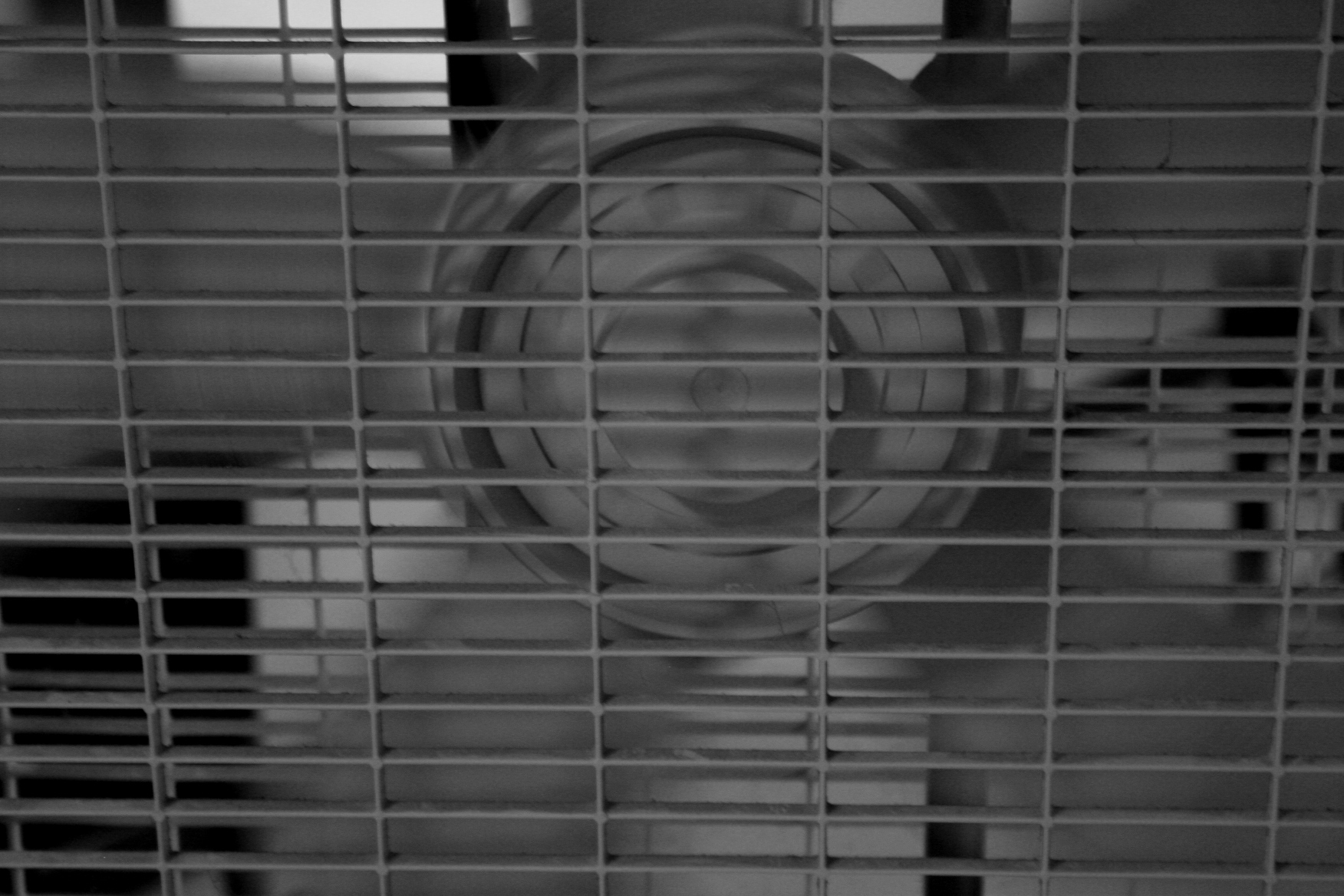
So during a hot stretch like we’re experiencing right now in Minnesota, I remember those primitive summer showers on the farm. I recall, too, the single turquoise box fan we owned—the one reserved for my hardworking farmer-father who endured heat and flies as he bent to wash another udder, to attach another milking machine, all to earn money to feed his growing family.

And I think, as I sit here at my computer in my air-conditioned office just around the corner from the bathroom with the combination bathtub and shower that I have it good, darned good.

Growing up on the farm, we had one box fan similar to this one.

DO YOU HAVE summer memories like mine, or another weather-related story? Submit a comment and share.

Copyright 2011 Audrey Kletscher Helbling
 

Reflections on Independence Day July 4, 2011

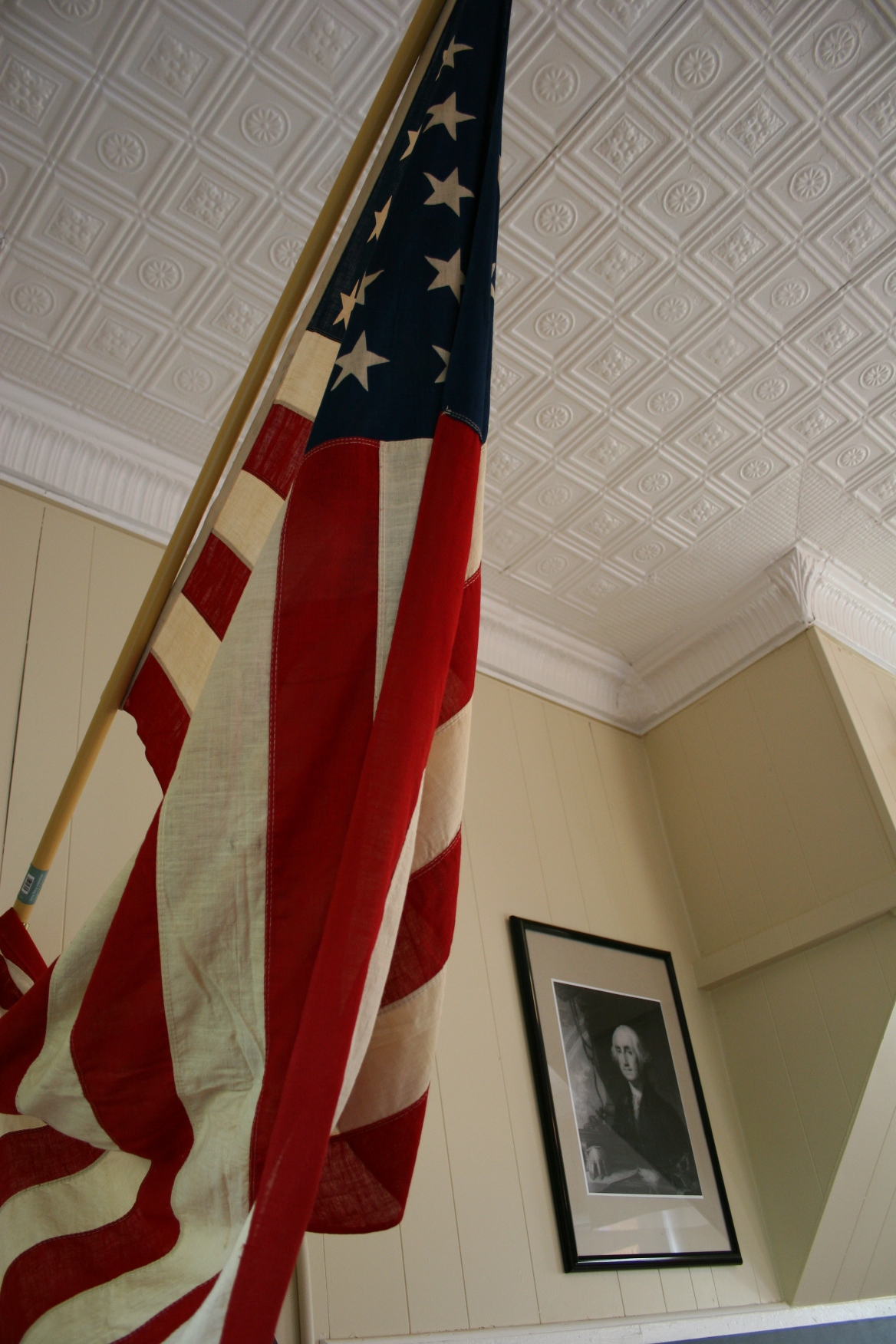
A flag and portrait of George Washington at the former District 20 Millersburg School, now a museum.

“I PLEDGE ALLEGIANCE to the flag of the United States of America and to the Republic, for which it stands, one nation under God, indivisible, with liberty and justice for all.”

As a child, my school days began with that pledge. My classmates and I arose from our desks at Vesta Elementary School, turned toward the American flag in the corner, placed our hands across our hearts, fixed our eyes upon the stars and stripes, and recited the pledge in unison.

I doubt we ever thought too much about the rote words we spoke. They were simply part of our routine, something we did, although I do recall feeling a sense of pride in speaking those words daily.

So much has changed in the decades since then. The Pledge of Allegiance, in most cases, has been banned from public schools in the name of political correctness. We are no longer one nation under God. While the U.S. remains one country, we as individuals are certainly divided in our views of anything and everything. That’s as it should be in a democracy. Liberty and justice have managed to prevail.

As we celebrate our nation’s Independence Day, it would be wise for all Americans to reflect on the Pledge and the words of other documents and songs that focus on the flag and freedom.

We hold these truths to be self-evident, that all men are created equal, that they are endowed by their Creator with certain unalienable Rights, that among these are Life, Liberty and the pursuit of Happiness.—The Declaration of Independence, signed on July 4, 1776

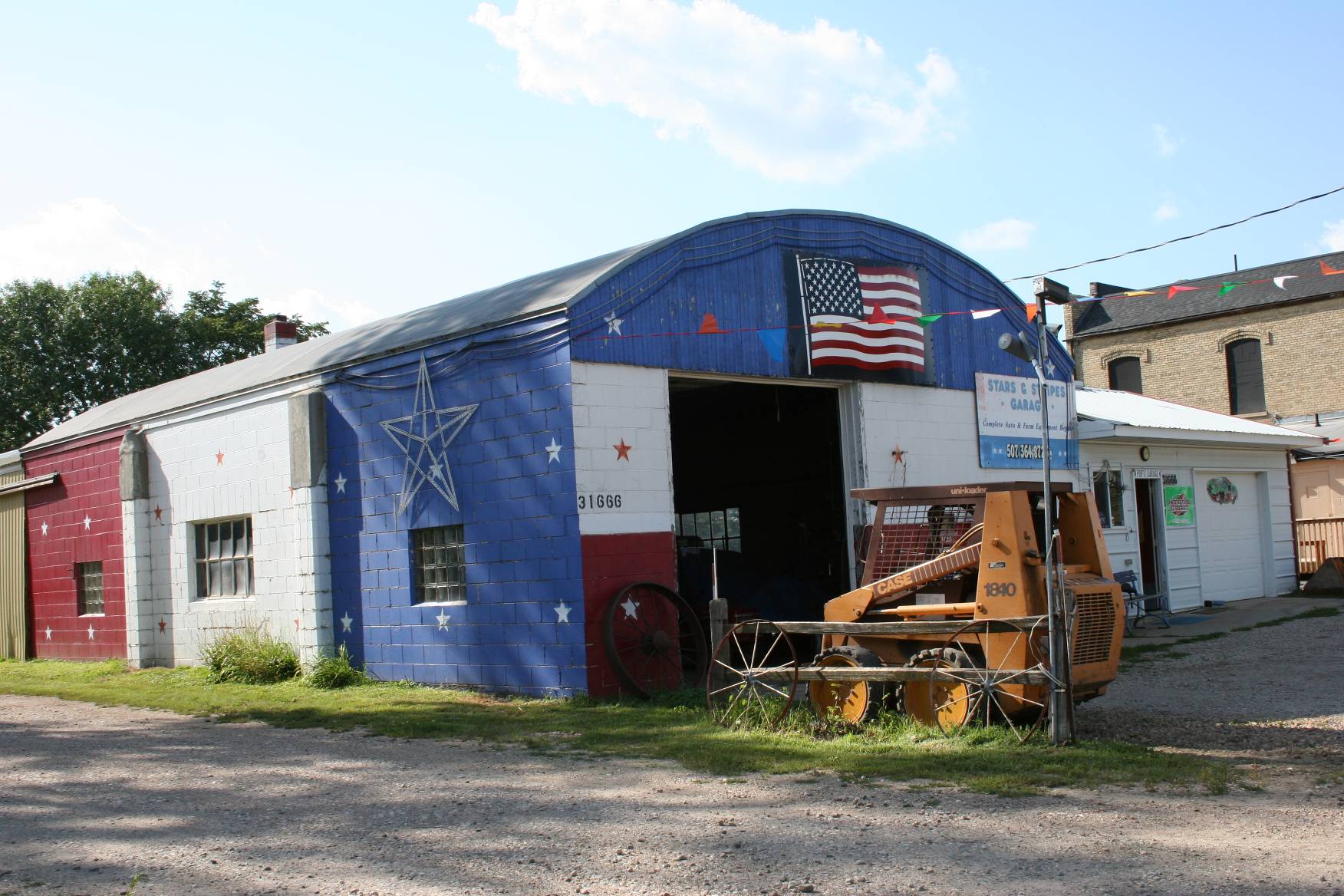
Vietnam veteran Joel Kukacka's patriotic garage in the hamlet of Heidelberg, Minnesota.

Oh, say does that star-spangled banner yet wave
O’er the land of the free and the home of the brave?
—The Star Spangled Banner

An American flag painted on a shed in Dundas in southeastern Minnesota.

Congress shall make no law respecting an establishment of religion, or prohibiting the free exercise thereof; or abridging the freedom of speech, or of the press; or the right of the people peaceably to assemble, and to petition the Government for a redress of grievances.—The Bill of Rights, Amendment I

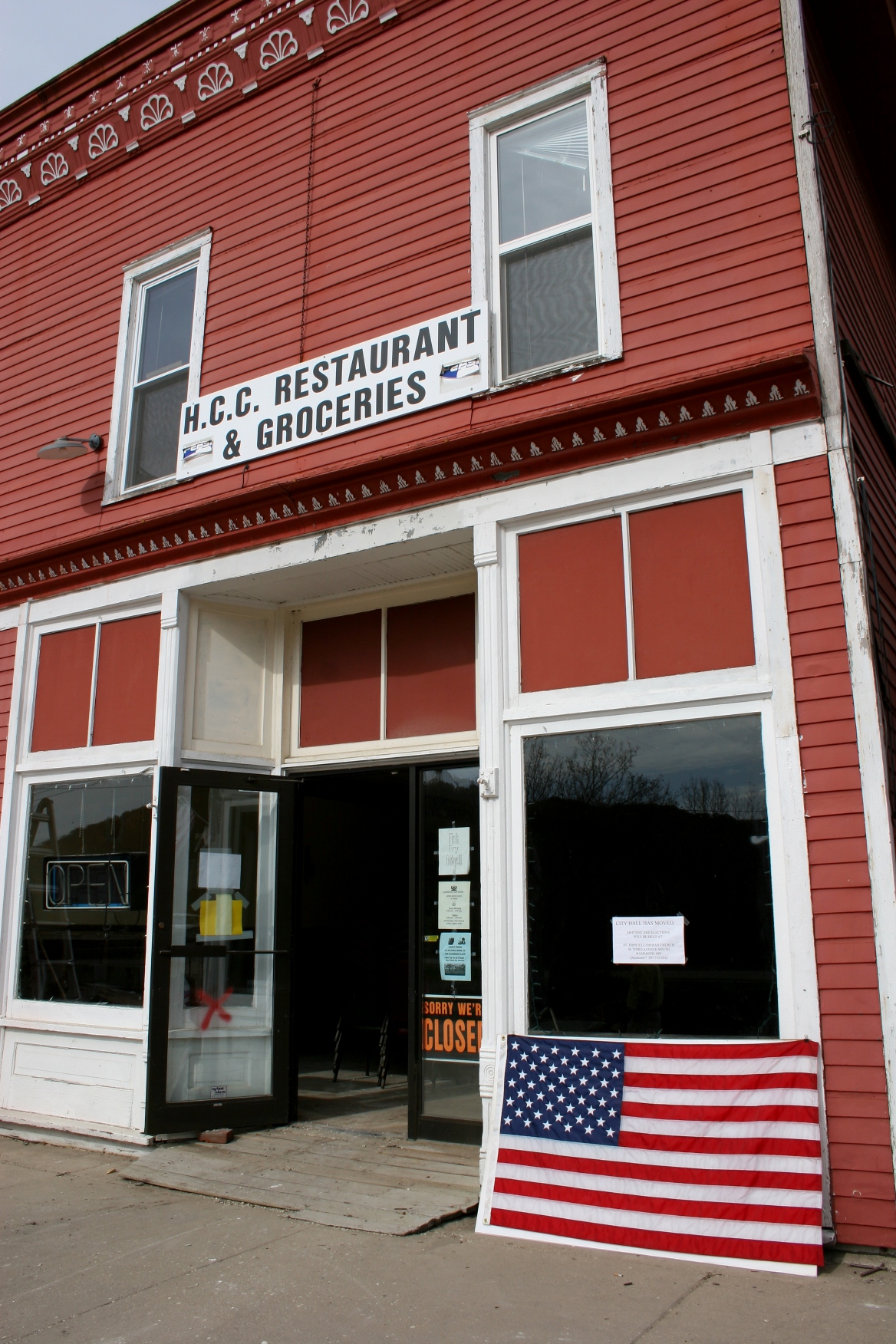
Weeks after a devastating Sept. 2010 flash flood in Hammond, in southeastern Minnesota, an American flag marked a ravaged business.

God bless America,
Land that I love,
Stand beside her and guide her
Thru the night with a light from above;

From the mountains, to the prairies,
To the oceans white with foam,
God bless America,
My home, sweet home.
God bless America,
My home, sweet home.

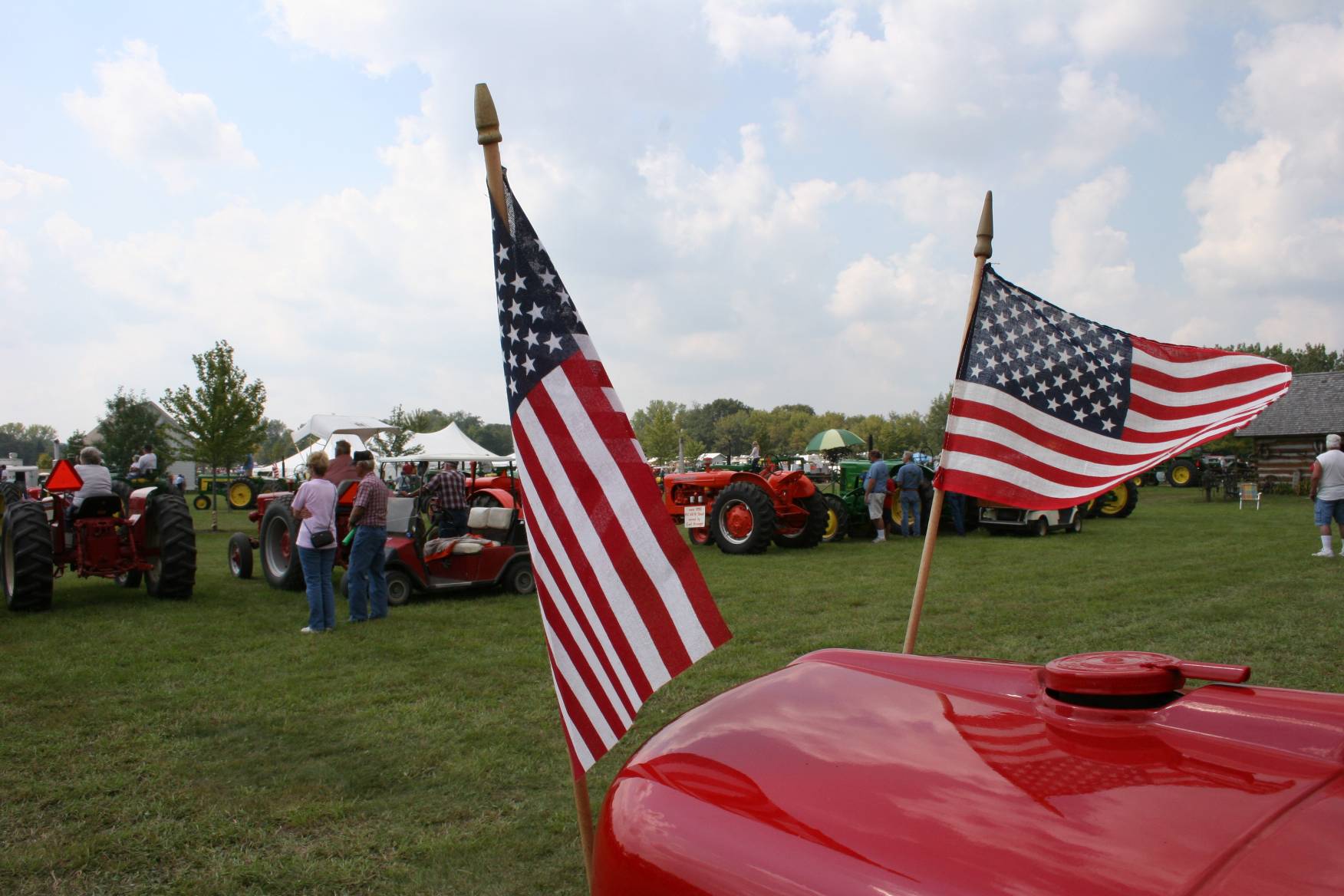
Flags decorate a vintage tractor at the Rice County Steam & Gas Engines Show near Dundas.

© Copyright 2011 Audrey Kletscher Helbling
 

Appreciating mom-and-pop businesses like Mutch Hardware June 27, 2011

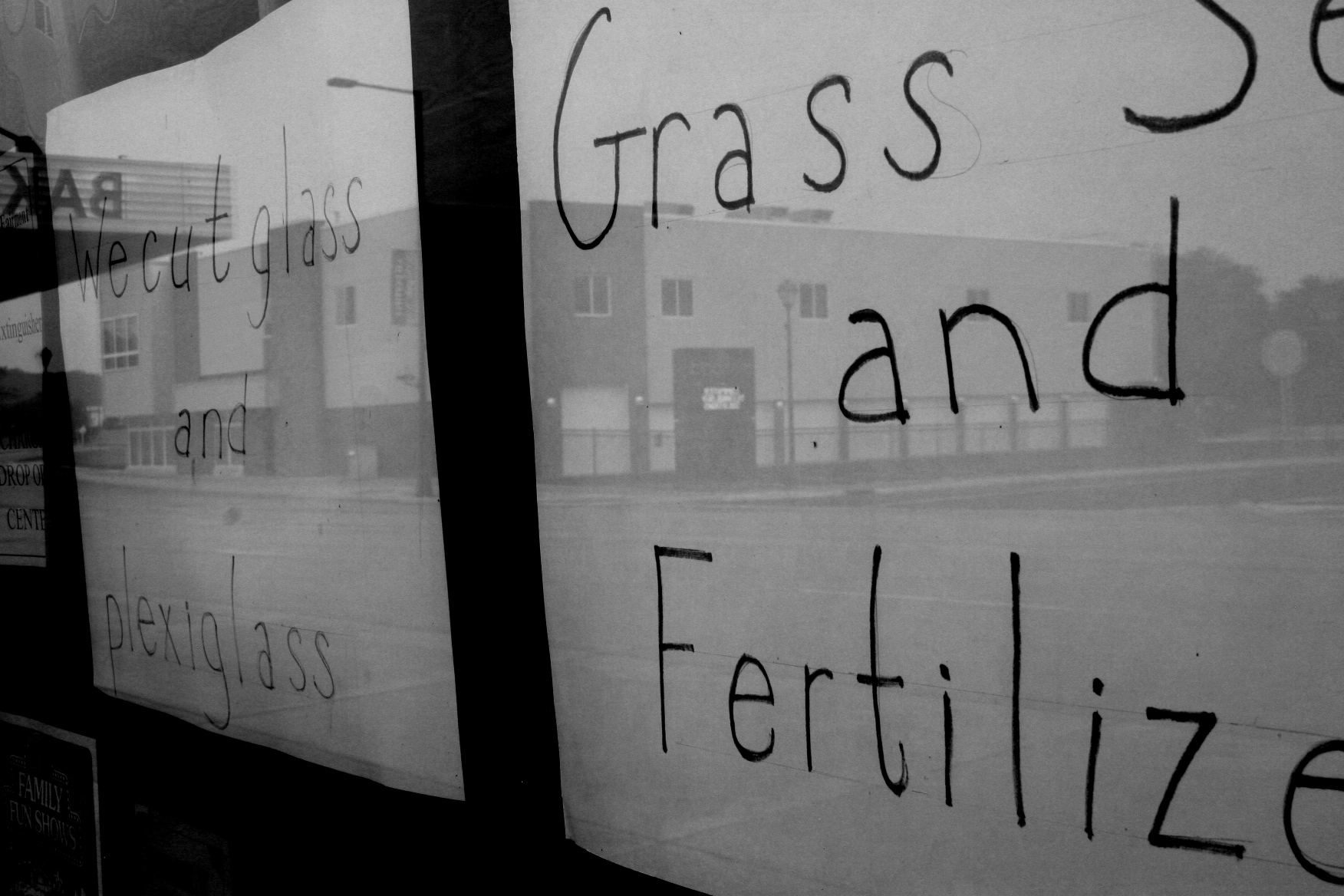
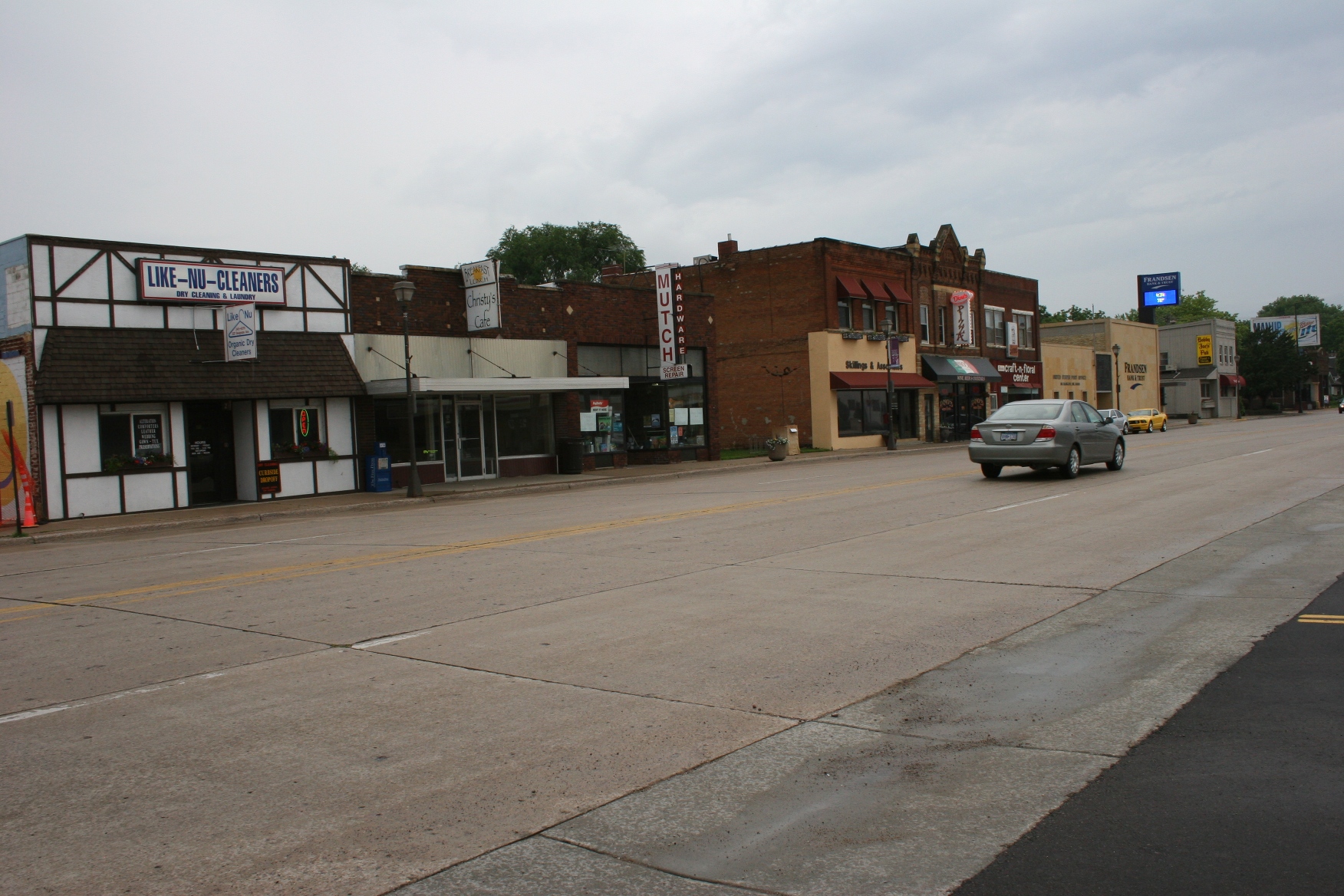
Buildings across the street reflect in the windows of Mutch Northside Hardware in North Mankato where these signs hang on a front plate-glass window.

“Grass Seed and Fertilizer.”

“We cut glass and plexiglass.”

I didn’t need grass seed or fertilizer or any glass cut. Yet, the signage drew me to the storefront plate-glass window of the hardware store along Belgrade Avenue in North Mankato. How often do you see business signs like this with letters printed in near-perfect penmanship between two penciled ruler lines on white tagboard?

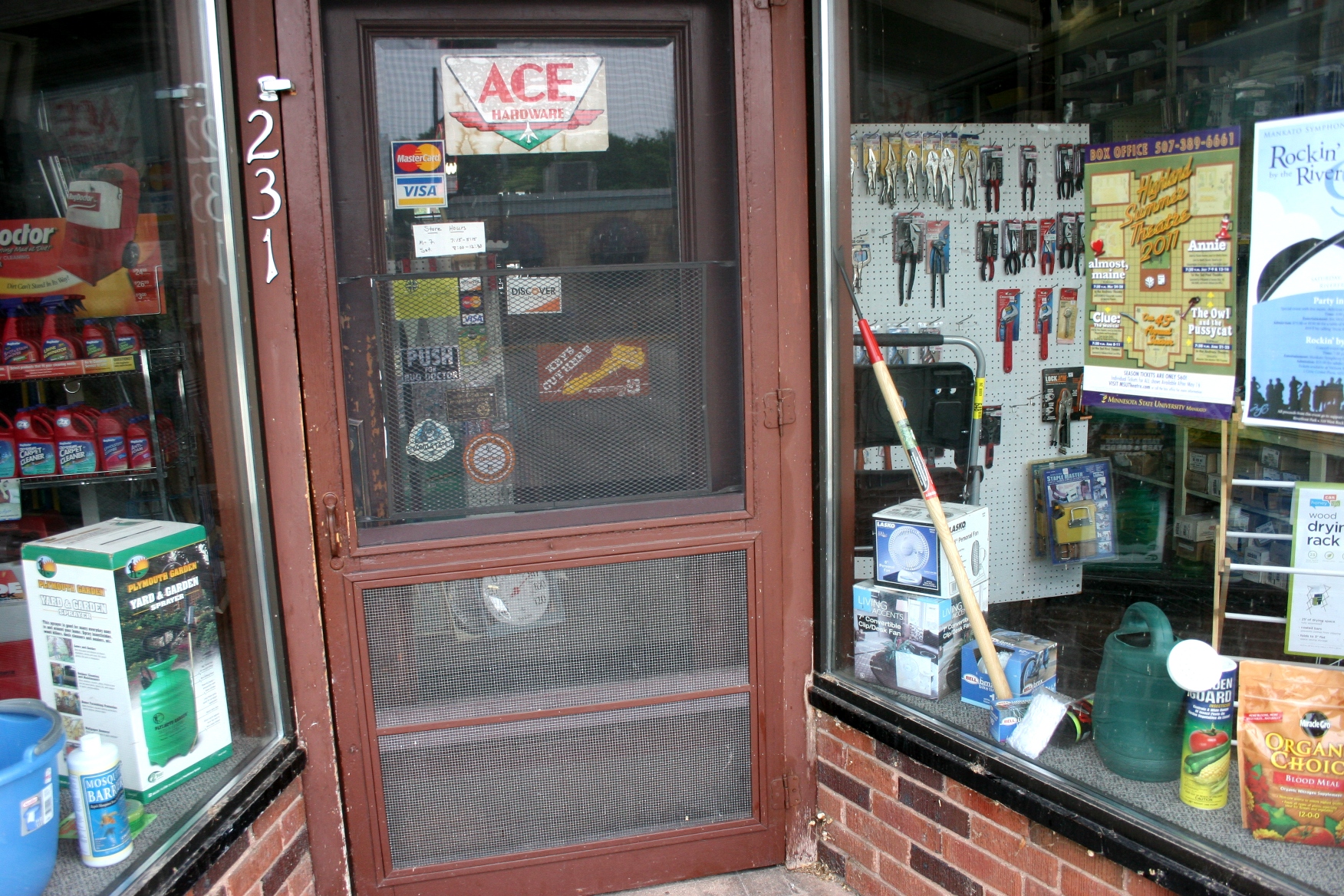
After I admired the simplicity of this advertising in a world of mass-produced, flashy, signage, I noticed the old screen door. That did it. I was smitten with this place, this Mutch Northside Hardware that, from the exterior, reminded me of the small town hardware stores of my youth.

You know, the kind of store where you can buy everything and anything. The place packed with merchandise from floor to ceiling, aisles narrow as a sidewalk crack. Nails and bolts jumbled in scarred cubbies. Belts dangling from hooks on pegboard. Wooden floors that creak.

Mutch Hardware is crammed with merchandise, some of it displayed in the window fronts.

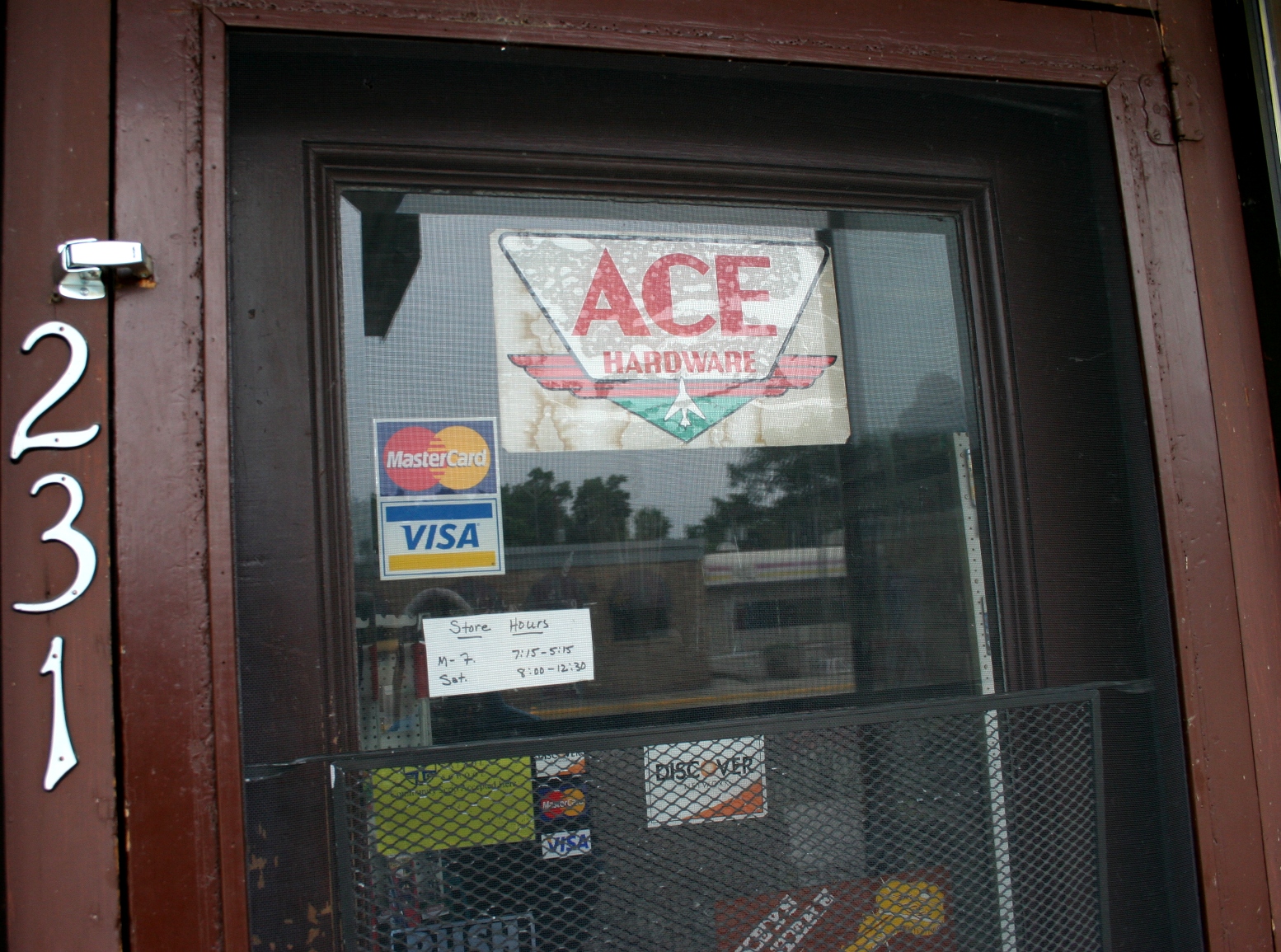
An old ACE Hardware sign decorates the front door where a handwritten sign is posted listing store hours.

I could almost hear the vintage screen door slam shut behind me as I stood outside the closed hardware store, hands cupped around my eyes, peering inside. It was late Saturday afternoon and I was hours too late to step inside Mutch Hardware, much to my disappointment.

But that didn’t stop a flood of memories from washing over me. Memories of going to town with my dad, stopping at Joe Engel’s Hardware store on Vesta’s main street to pick up a few bolts or maybe a belt or something else for the farm.

My siblings and I had another reason for hitching a ride to the southwestern Minnesota hardware store with our dad. Joe Engel’s supplied our ammo—coiled rolls of red-perforated paper pocked with gun powder for our toy cap guns. This was the 1960s, and even though not politically-correct today, an era of playing “Cowboys and Indians.” I remember those days with a depth of fondness that I doubt today’s tech-oriented kids will ever experience.

I would like to take each of them inside a business like Mutch Hardware, where I expect helpful, personal service, care and friendliness accompany each purchase. Places like this seem rare in our fast-paced world of big box stores run by corporations in far away cities. Few mom-and-pop stores can survive in today’s economy. That is reality.

I’m not a prima donna; I shop chain stores as much as anyone. Yet when I see a business such as Mutch Northside Hardware in North Mankato, I take notice. I appreciate the hardworking men and women who, as independent business owners, still offer us a shopping option.

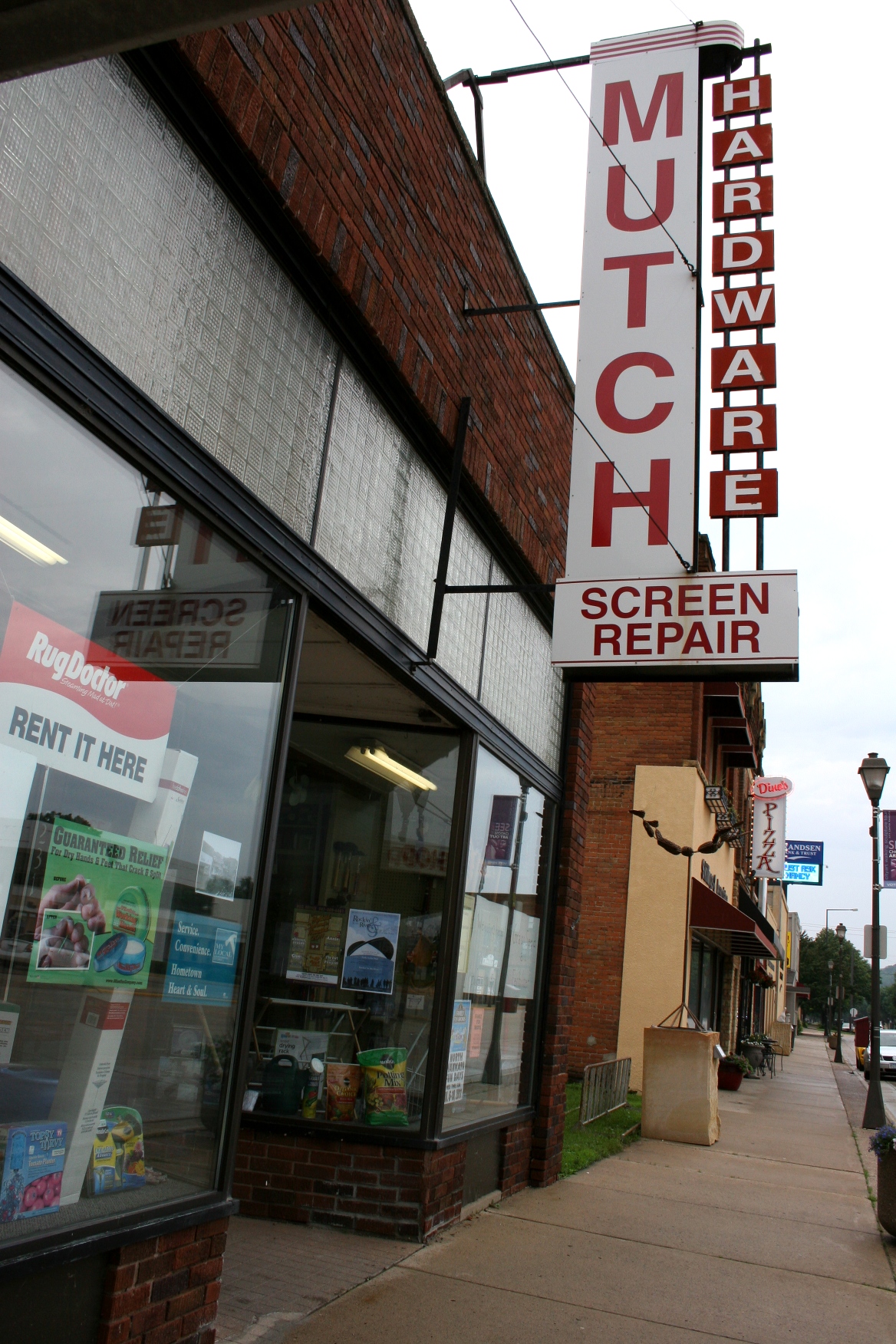
Outside Mutch Northside Hardware, a place reminiscent of bygone days.

DOES AN OLD-FASHIONED mom-and-pop type business like Mutch Northside Hardware exist in your community, or do you know of one somewhere? I’d like to hear. Tell me about it by submitting a comment.

This image of a section of Belgrade Avenue in North Mankato shows the following businesses, from left: Like-Nu-Cleaners, Christy's Cafe, Mutch Northside Hardware, Skillings & Associates, Dino's Gourmet Pizzeria, Craft-n-Floral Center, the U.S. Post Office, Frandsen Bank & Trust and Bobby Joe's Pub.

© Copyright 2011 Audrey Kletscher Helbling
 

A chocolate cake tradition of love June 22, 2011

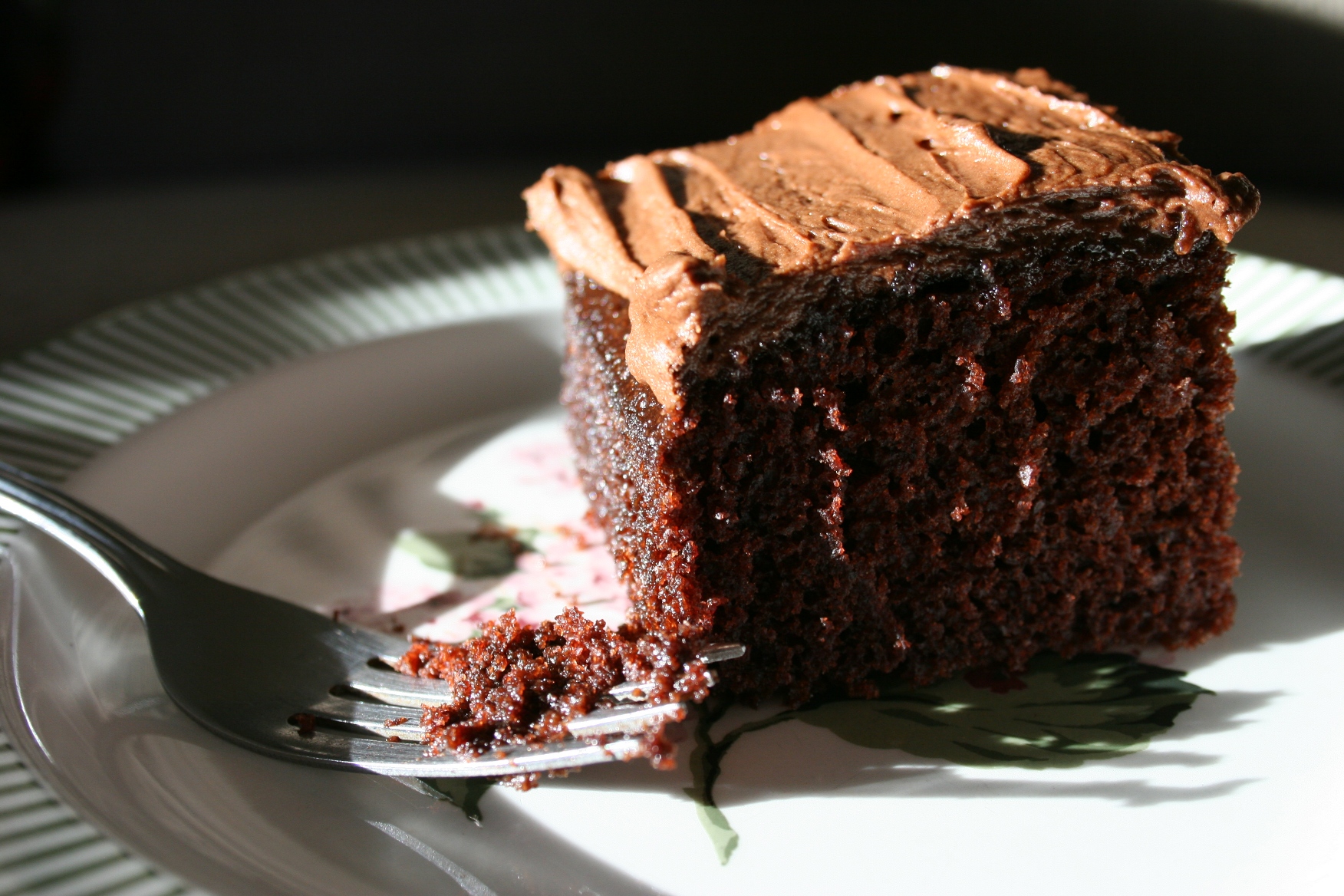
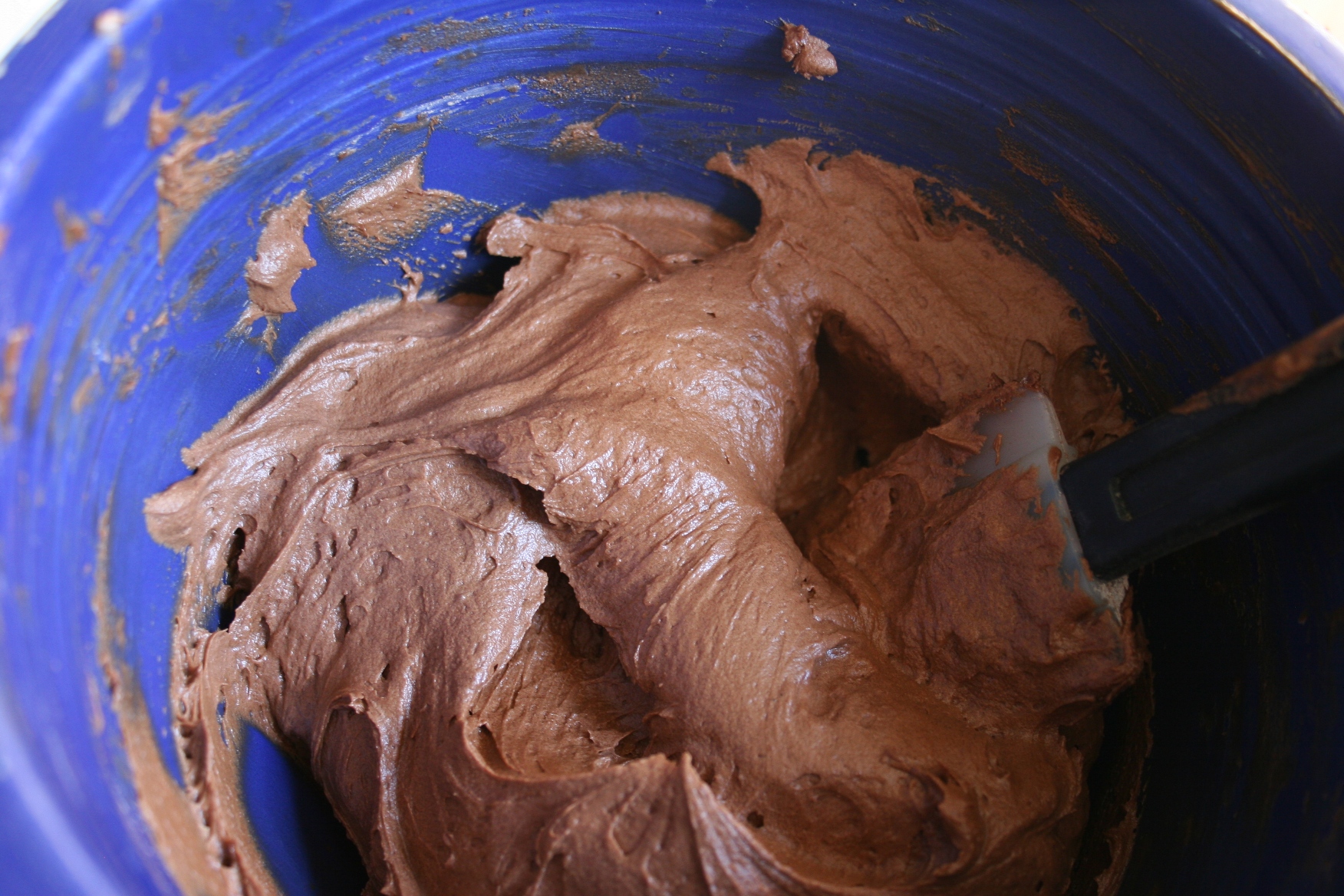
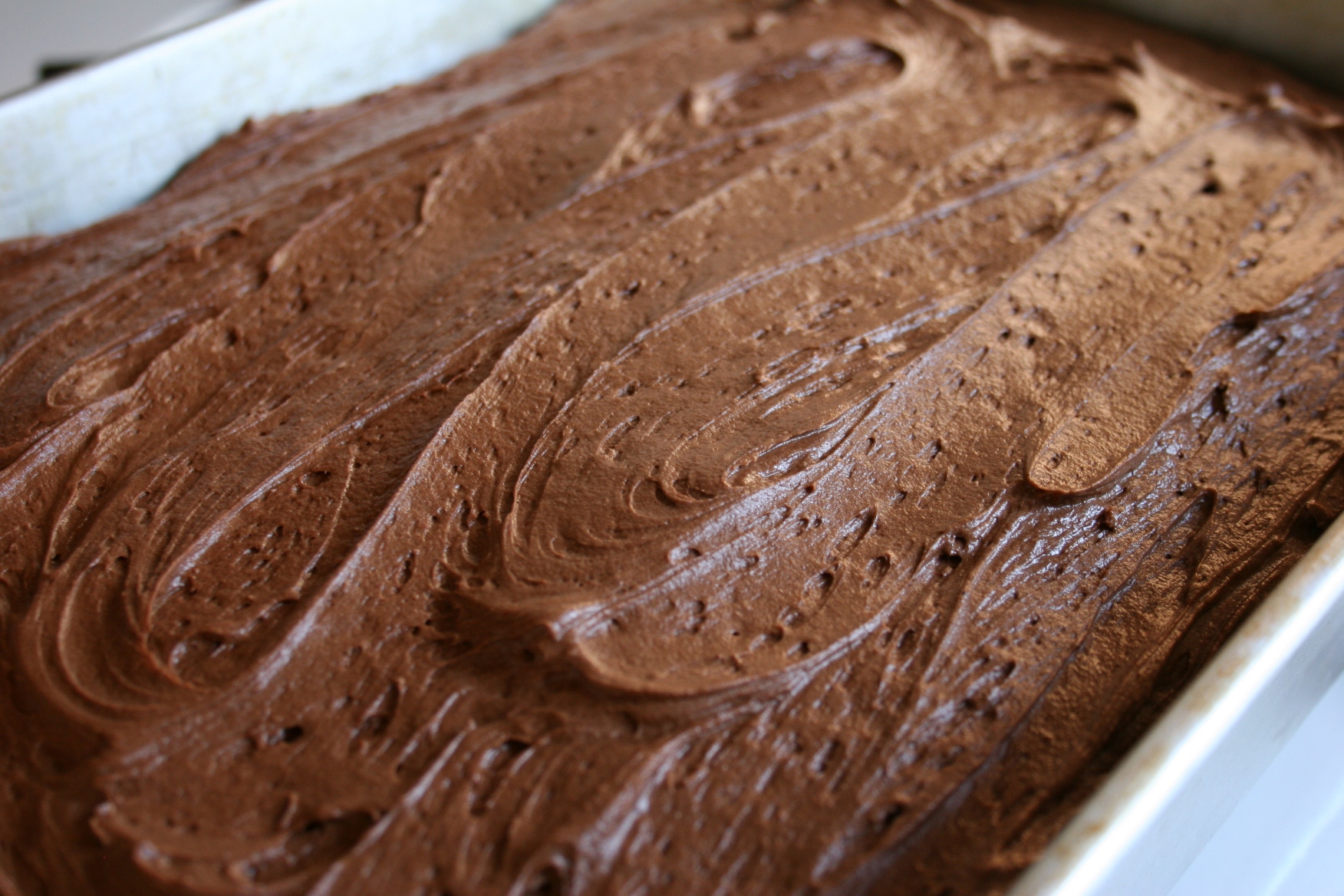
Homemade chocolate Crazy Cake frosted with Chocolate Buttercream Frosting.

THEY RAVED ABOUT the moistness of the cake. And three of them—all guys—forked up a second slice of the chocolate cake I’d made from scratch.

I almost said, “Ummm, guys, it’s the women who should have a second piece.” But I let them be, passing the cake pan around the table, plating more cake.

This is one moist, delicious chocolate cake.

Then, because I couldn’t help myself, I shared the story about this cake. They needed to hear it, to understand that they weren’t eating just any old cake but cake made from a special recipe.

This Crazy Cake, aka Wacky Cake, is the chocolate cake of my youth, the one my mom made every time she baked a birthday cake, I told my friends.

“We didn’t have much money, didn’t get birthday presents,” I explained as my friends savored each bite of chocolate cake. “So our birthday present was the cake, an animal cake my mom made.

She would pull out her cake book and let us pick the animal shape we wanted for our birthday cake—a lion, a horse, a duck, an elephant…”

“My mom had a book like that too,” my friend Jackie chimed in.

Mari, on the other end of the table, nodded her head. Likewise, her mother had a booklet that provided instructions for transforming round cakes and square cakes and oblong cakes into animal shapes.

By cutting the cake and decorating it with various candies and frosting, my mom transformed a plain chocolate cake in to a special animal-shaped birthday cake.

Those birthday cakes were magical. I never missed the birthday presents, never even knew I should receive gifts, because I had that cake, that special, special chocolate animal-shaped cake.

When I became a mother, I continued the tradition with my children. While I didn’t have an animal cake book, I had my imagination. I made a snowman, Garfield, Piglet, a Teenage Mutant Ninja Turtle, a horse (that looked more like a cow than an equine)…

Unlike me, my children got birthday presents, plenty of them. But I would like to think that the one they will remember is the annual gift of an animal-shaped birthday cake, a gift, really, passed down from their grandmother.

For in the passing down of that tradition, I’m honoring their grandma, my mom, who taught me that birthdays are not about prettily wrapped presents, but about love. And that love, for me, will always be symbolized by homemade chocolate Crazy Cake.

Chocolate Crazy Cake

3 cups flour

2 cups white sugar

½ cup cocoa

1 teaspoon salt

2 teaspoons baking soda

Mix the dry ingredients together and then stir in:

¾ cup salad (vegetable) oil

2 cups cold water

2 Tablespoons vinegar

1 teaspoon vanilla

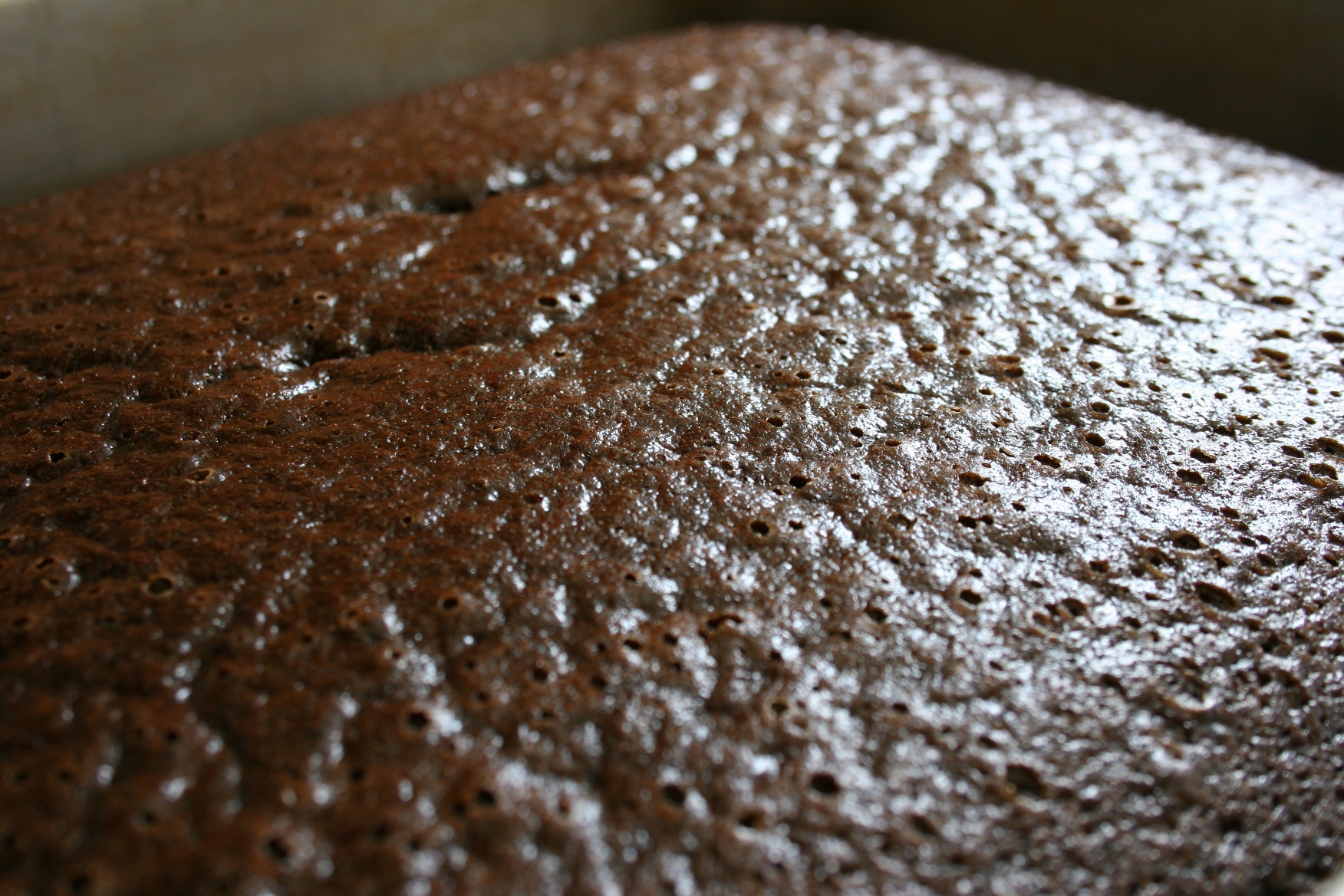
Pour into a 9 x 13-inch cake pan and bake at 350 degrees for 35 – 40 minutes.

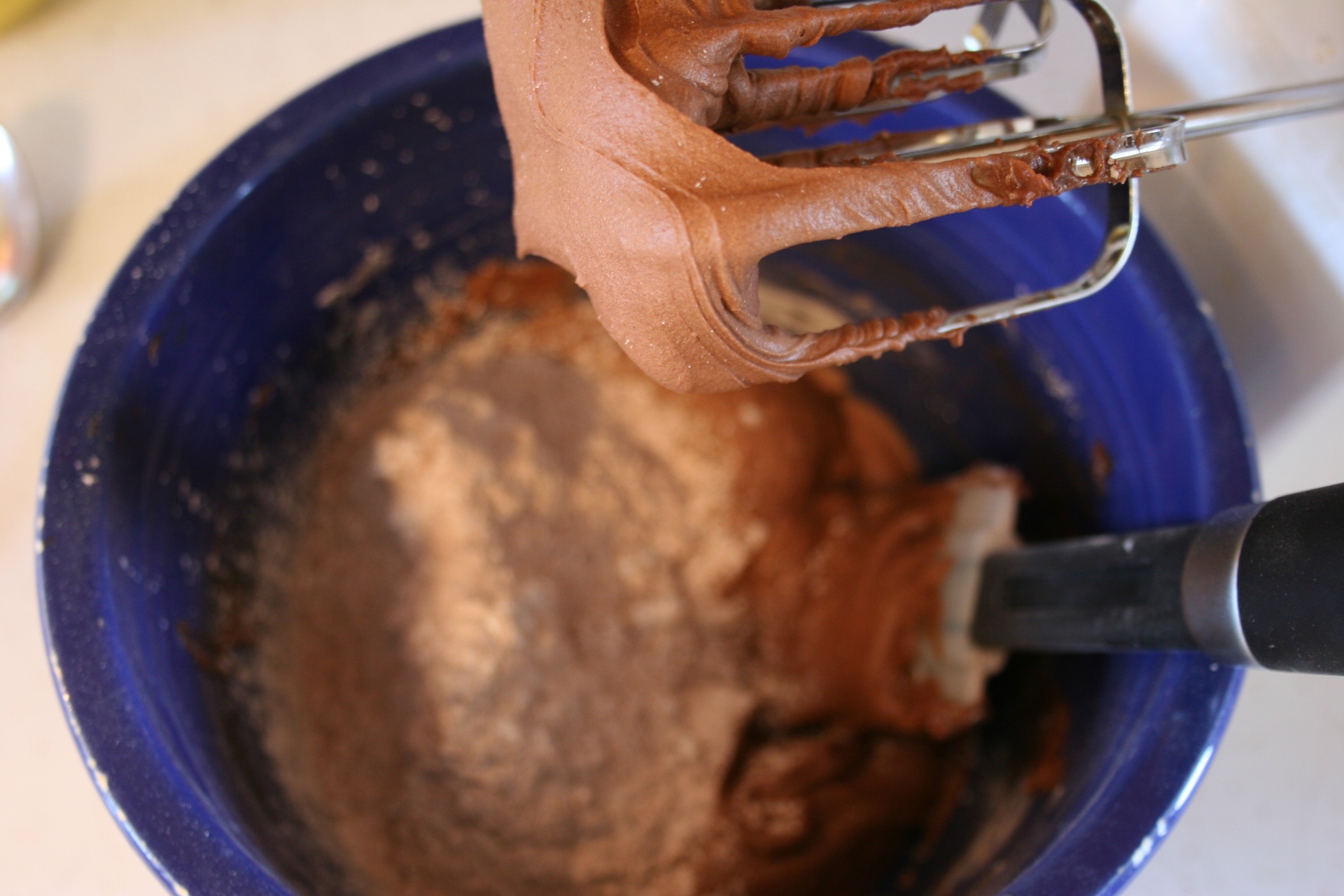
When the cake is cool, whip up a bowl of this creamy Chocolate Buttercream Frosting.

When cool, frost with:

Chocolate Buttercream Frosting

6 Tablespoons butter, softened

½ cup cocoa

2 2/3 cups powdered sugar

1/3 cup milk

1 teaspoon vanilla

Cream butter in a small mixing bowl. Then add the cocoa and powdered sugar alternately with the milk, beating to a spreading consistency. You may need to add an additional tablespoon of milk. Blend in vanilla. Spread on cake. Makes about two cups of frosting.

The recipe yields two cups of heavenly, finger-licking-good frosting.

© Copyright 2011 Audrey Kletscher Helbling
Recipes from The Cook’s Special, 1973, St. John’s Evangelical Lutheran Church, Vesta, Minnesota, and Hershey’s Easy-Does-It Recipe #10


An almost-summer evening on the farm June 1, 2011

Filed under: Uncategorized — Audrey Kletscher Helbling @ 6:47 AM
Tags: , , , , , , , , , , ,

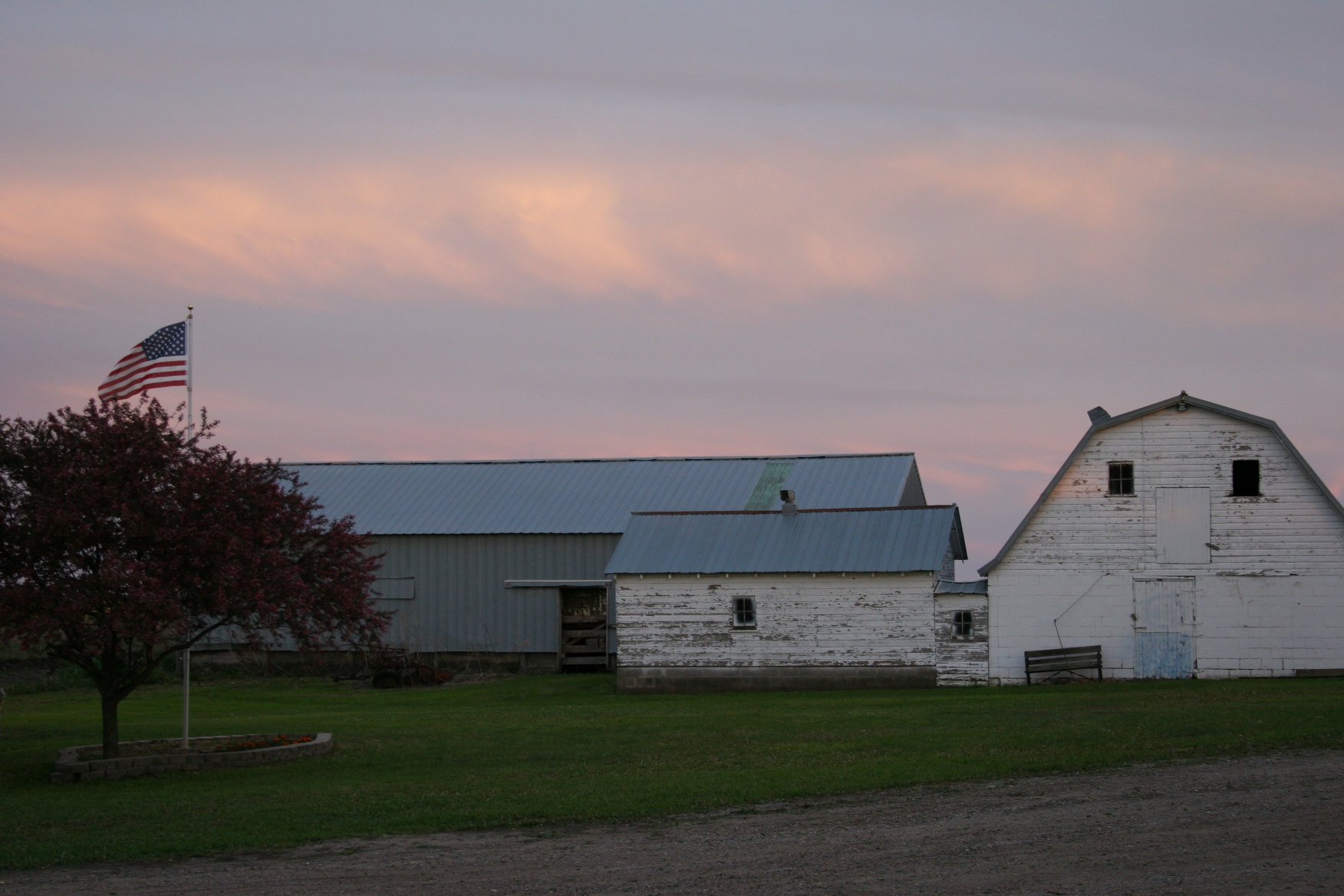
The sun sets on the farm site where I grew up in southwestern Minnesota.

OH, SWEET EVENING of almost-summer on my childhood farm. Daylight fades, washing the sky in the palest of prairie rose pink. Shadows sharpen before the last lingering rays of sunlight retire for the night.

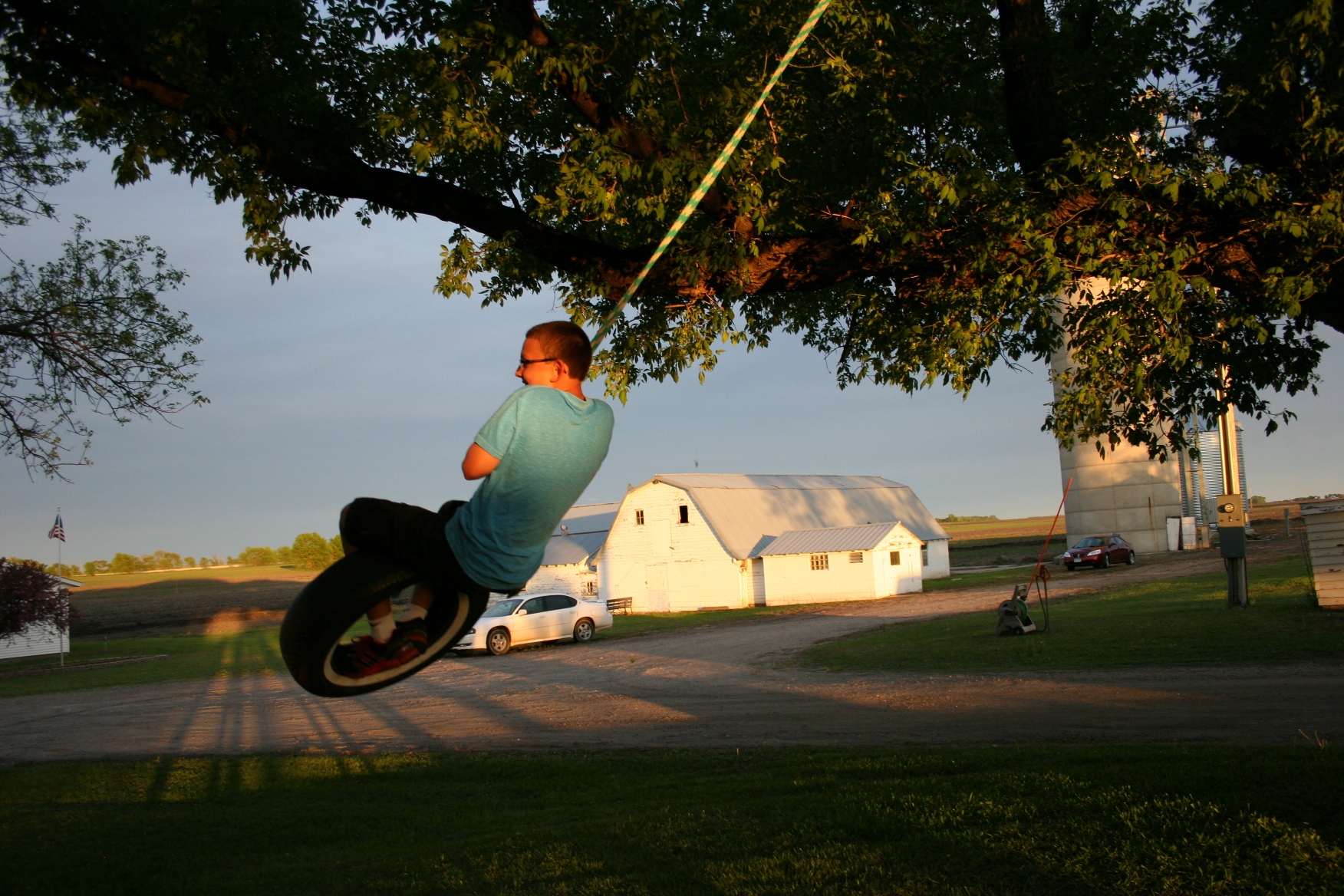
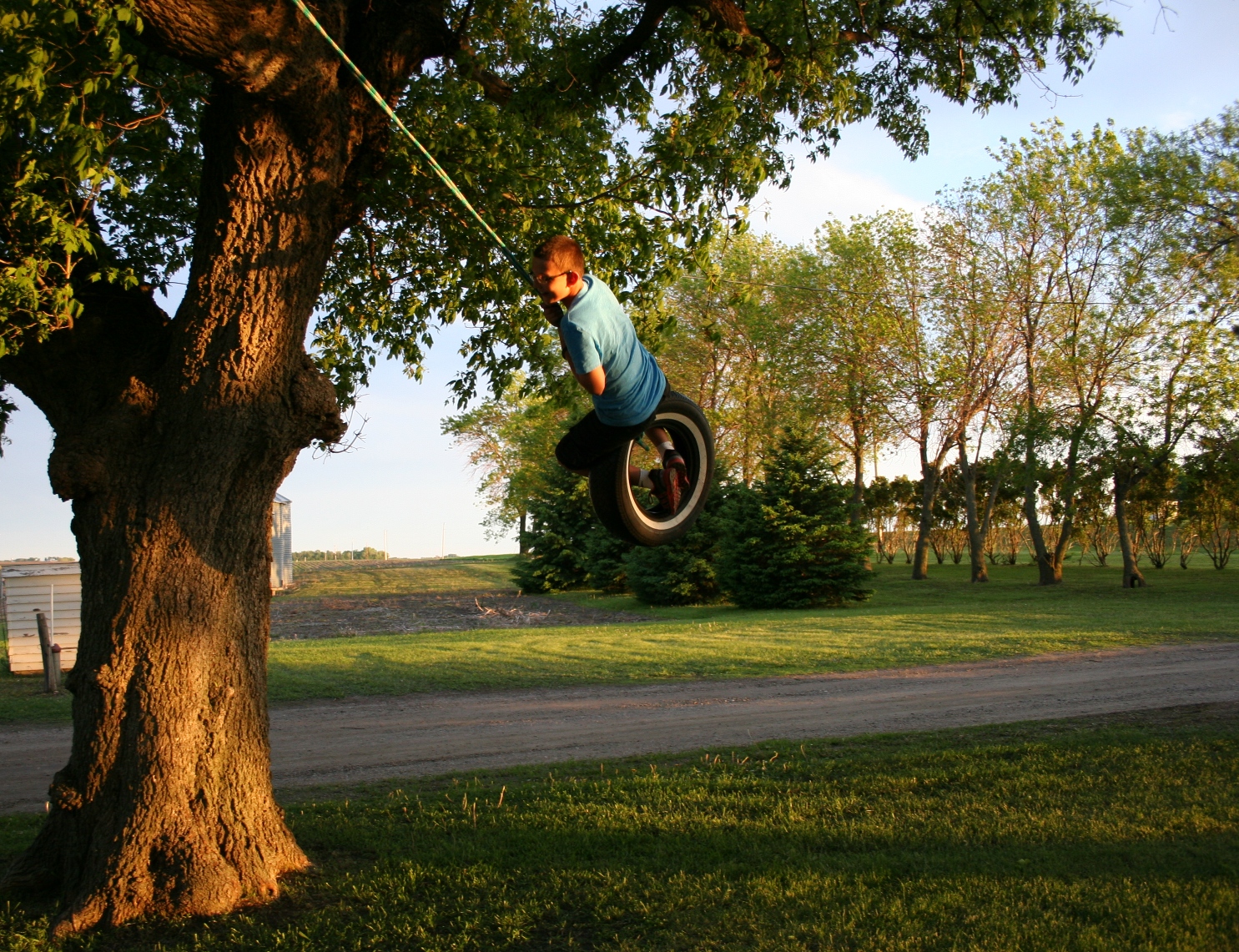
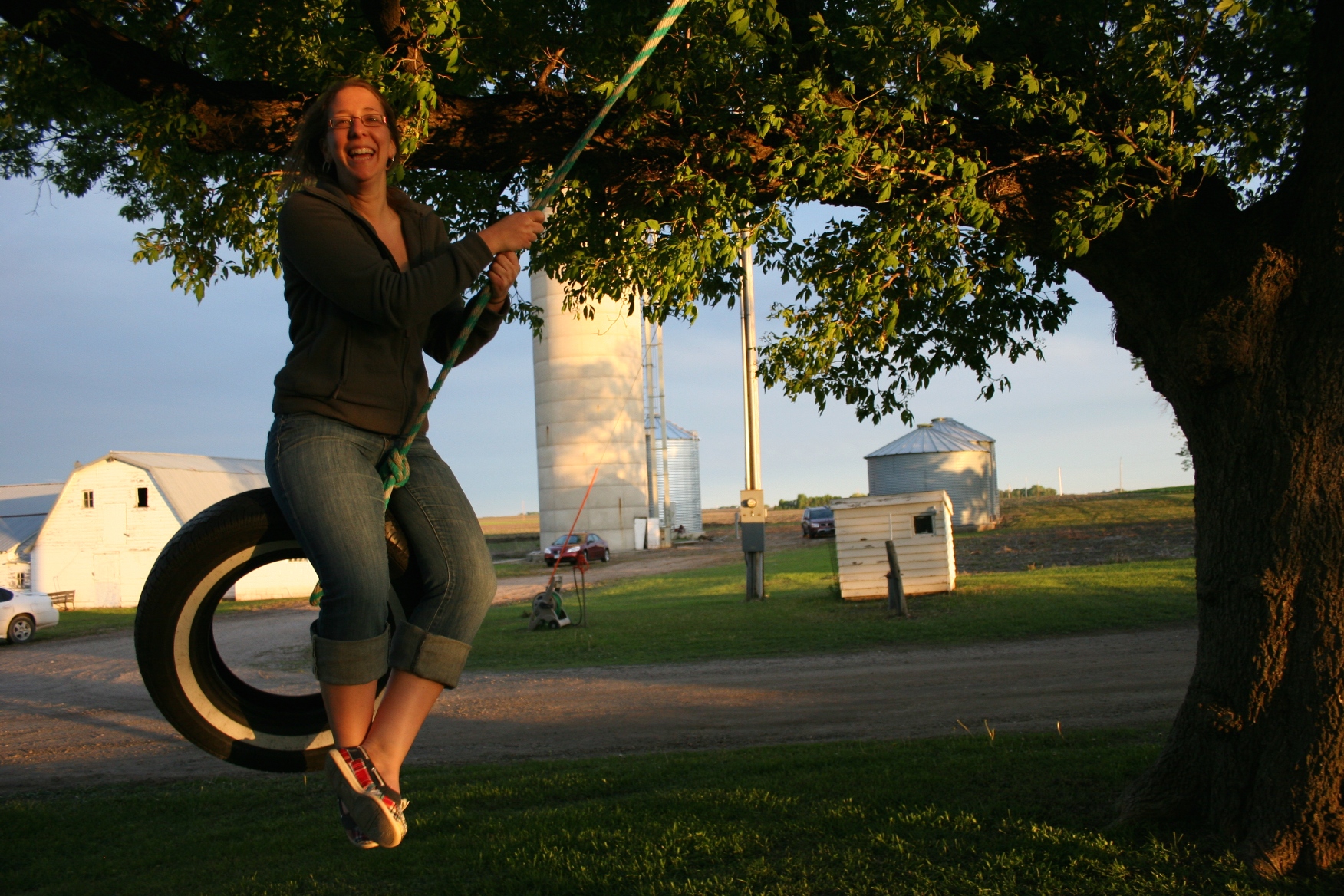
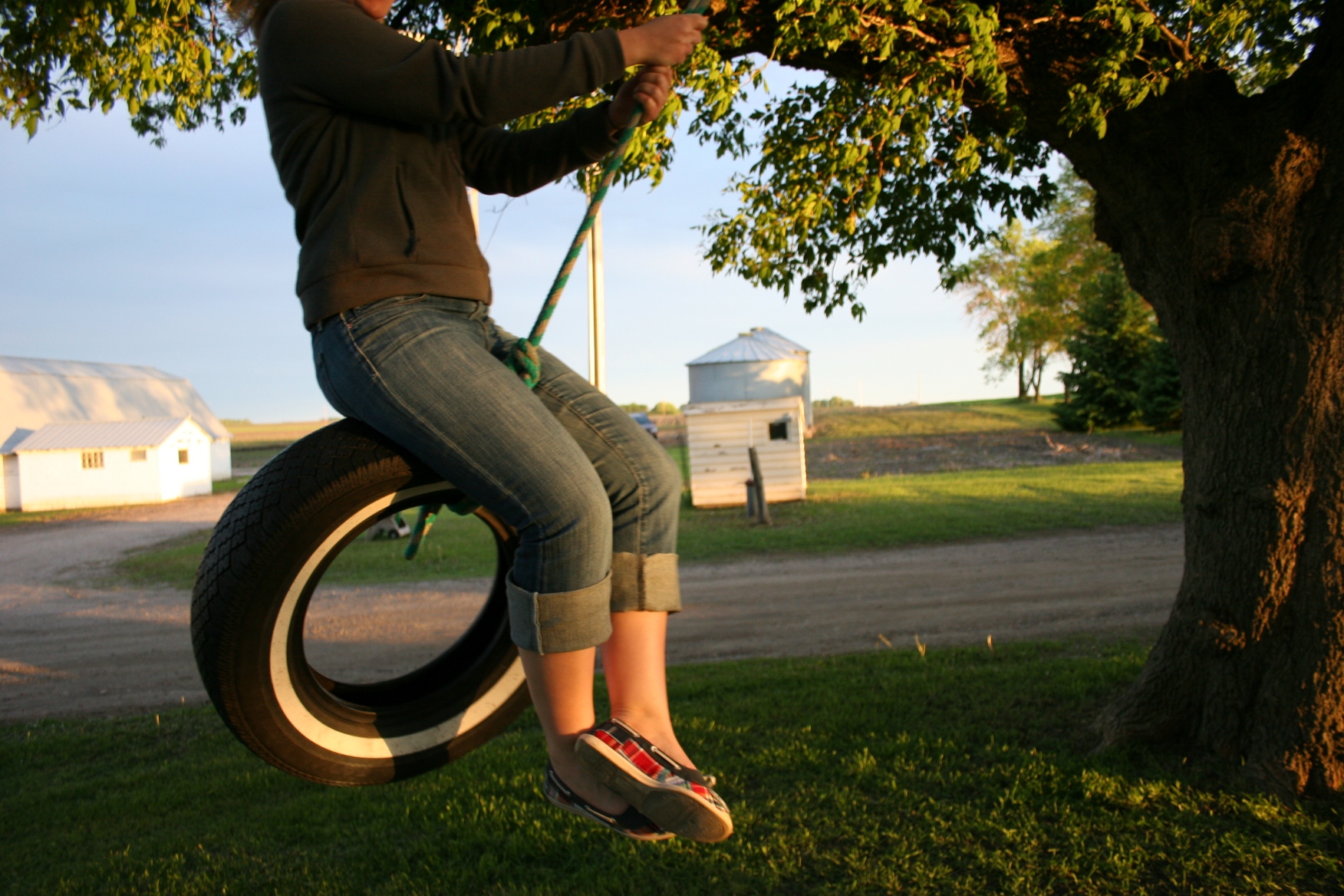
Underneath the branches of the sturdy old tree, which once sheltered a long-gone farmhouse and a tractor-tire sandbox, the cousins and siblings, ranging in age from 11 to 25, one-by-one grab double ropes, straddle a car tire and ask for a push.

My 11-year-old nephew and a tire swing...

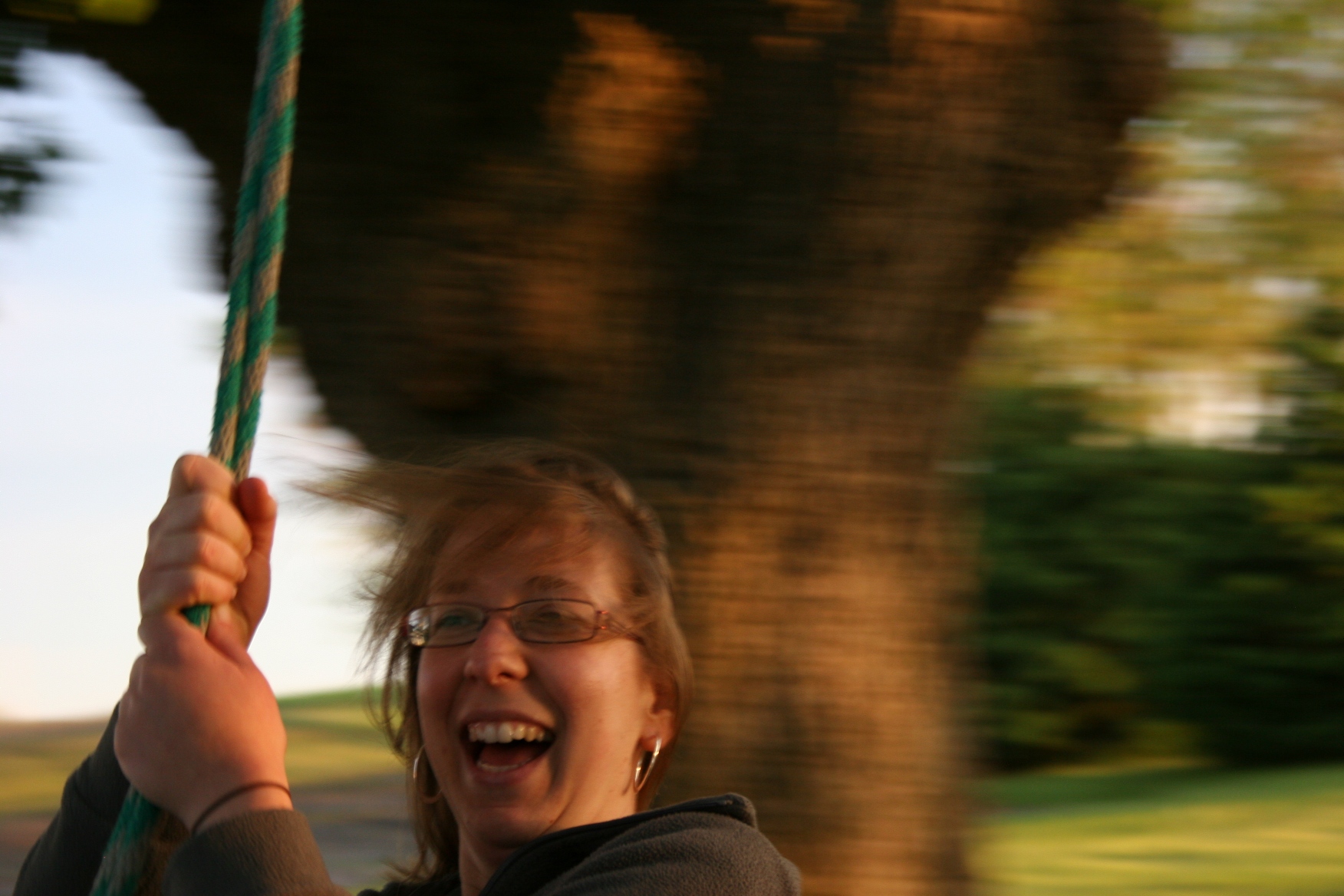
And then they are swinging through the air, spinning nearly out of control, dodging danger in a tree trunk, wisps of hair flying, smiles as wide as the prairie sky, until, finally, they plead for someone, anyone, to stop the dizzy-inducing carnival ride.

My oldest daughter...

...discovers joy on a tire swing...

...far from her big city home, in the place she calls "the middle of nowhere..."

...and sometimes "nowhere" can be as much fun as Minneapolis on an almost-summer evening.

Oh, sweet evening of almost-summer on the farm, when I grip my camera, dodge the swaying tire to capture the moments, to vicariously relive the exuberance of tipping my head back, catching the wind as I ride the tire swing. I feel the twirling, dizzy oblivion through the lens of my camera, wishing I could grasp the ropes, straddle the tire, stretch my toes heavenward and tickle the belly of the sky.

© Copyright 2011 Audrey Kletscher Helbling
 

The patriotic traditions of Memorial Day in Minnesota May 31, 2011

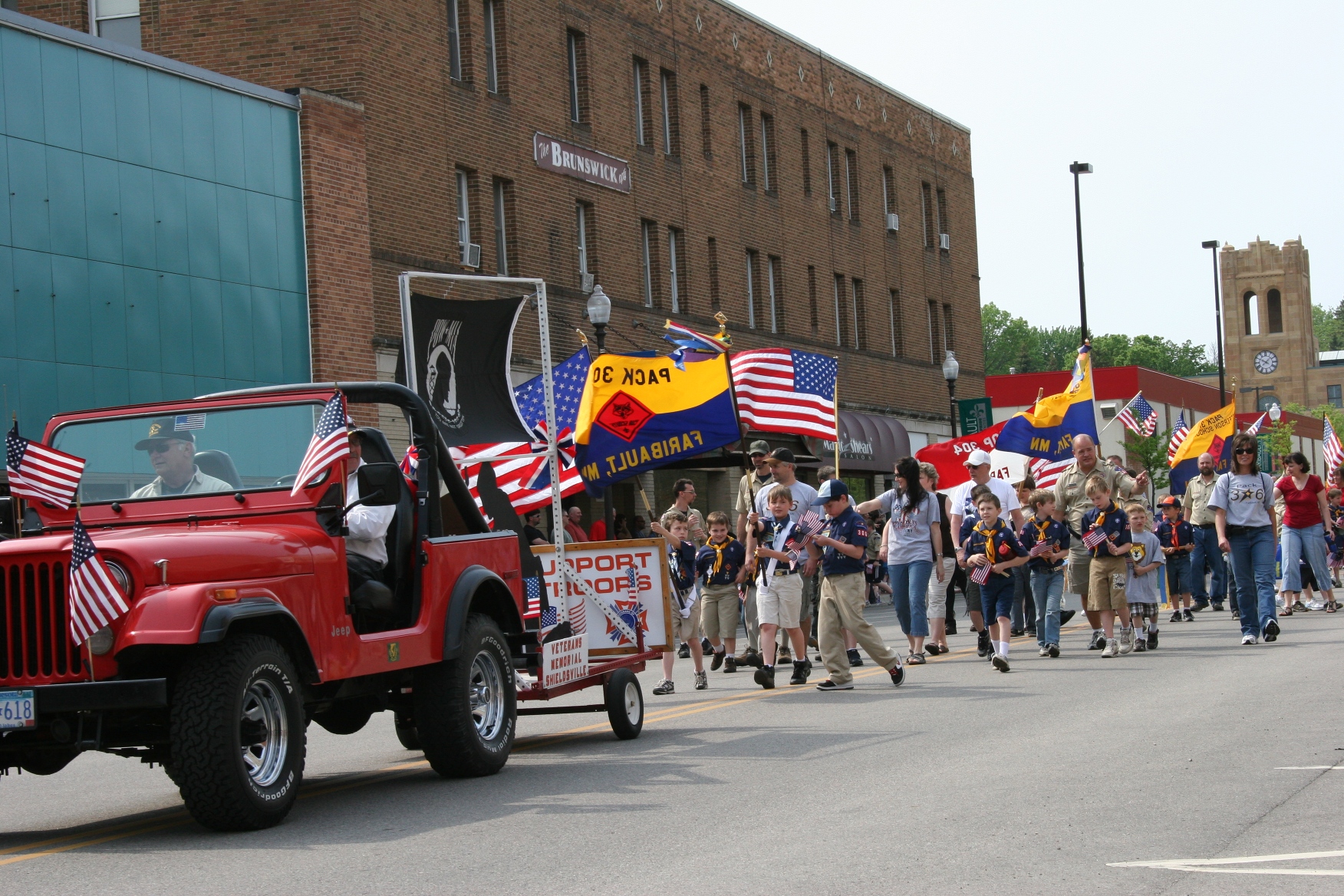
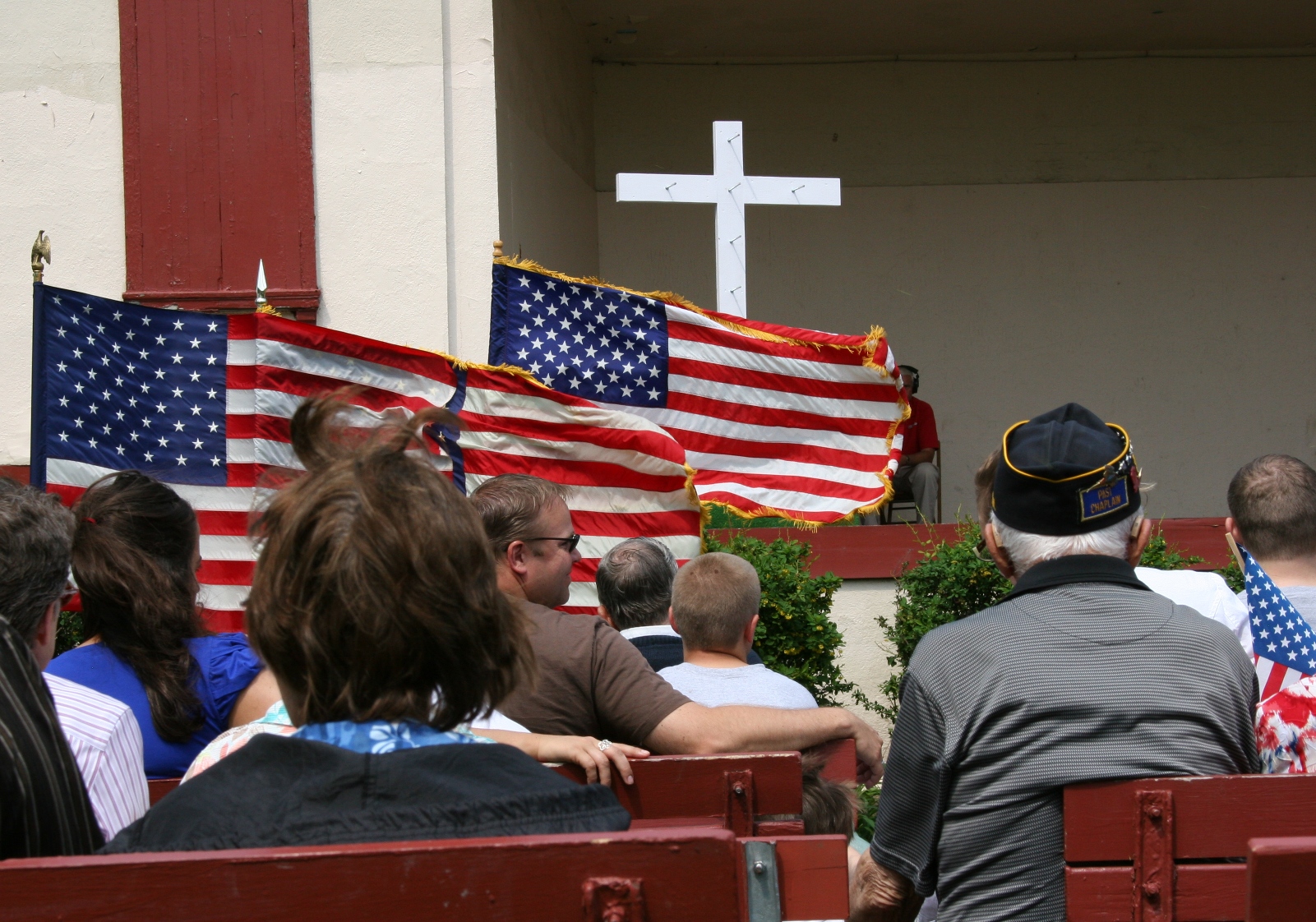
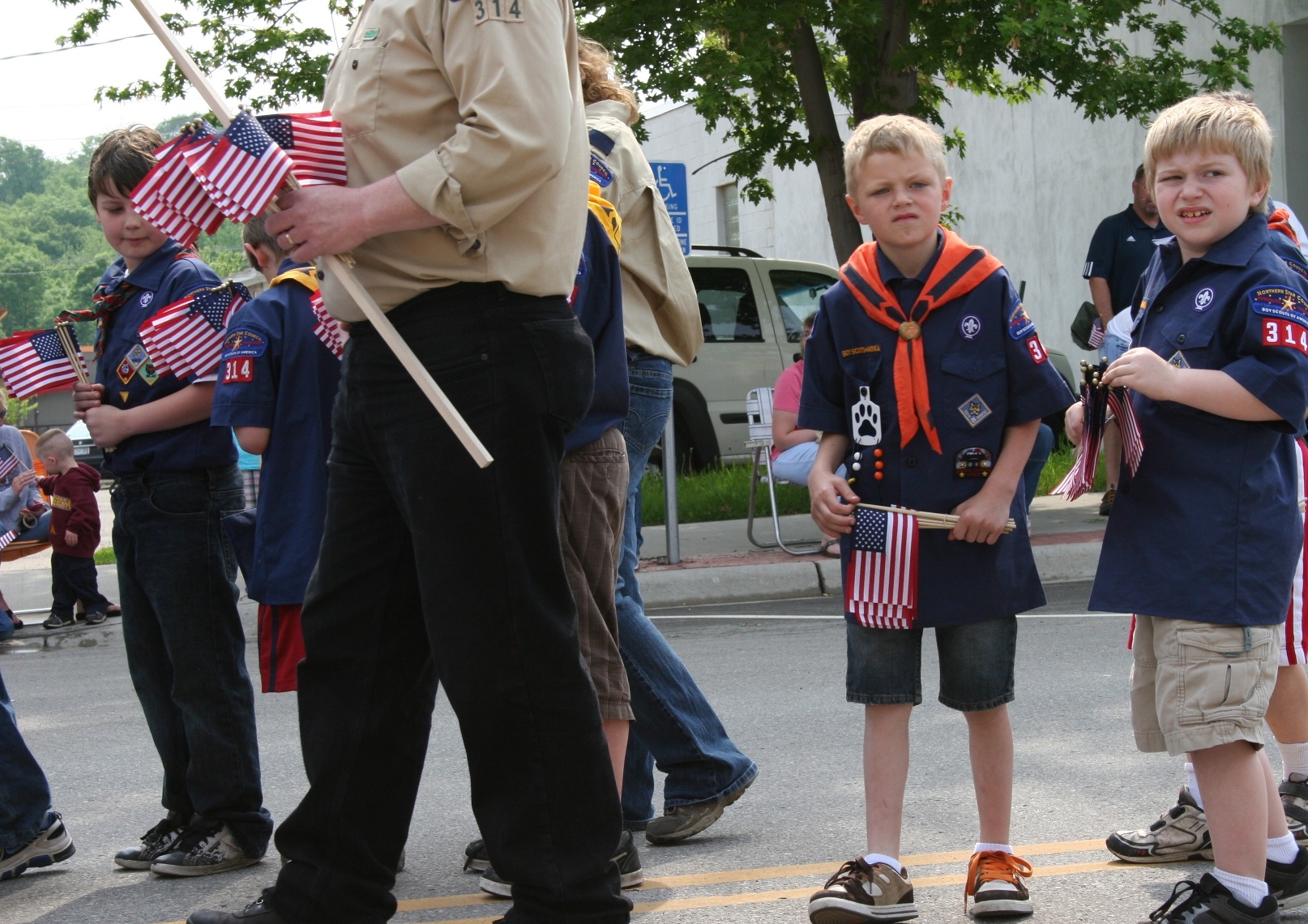
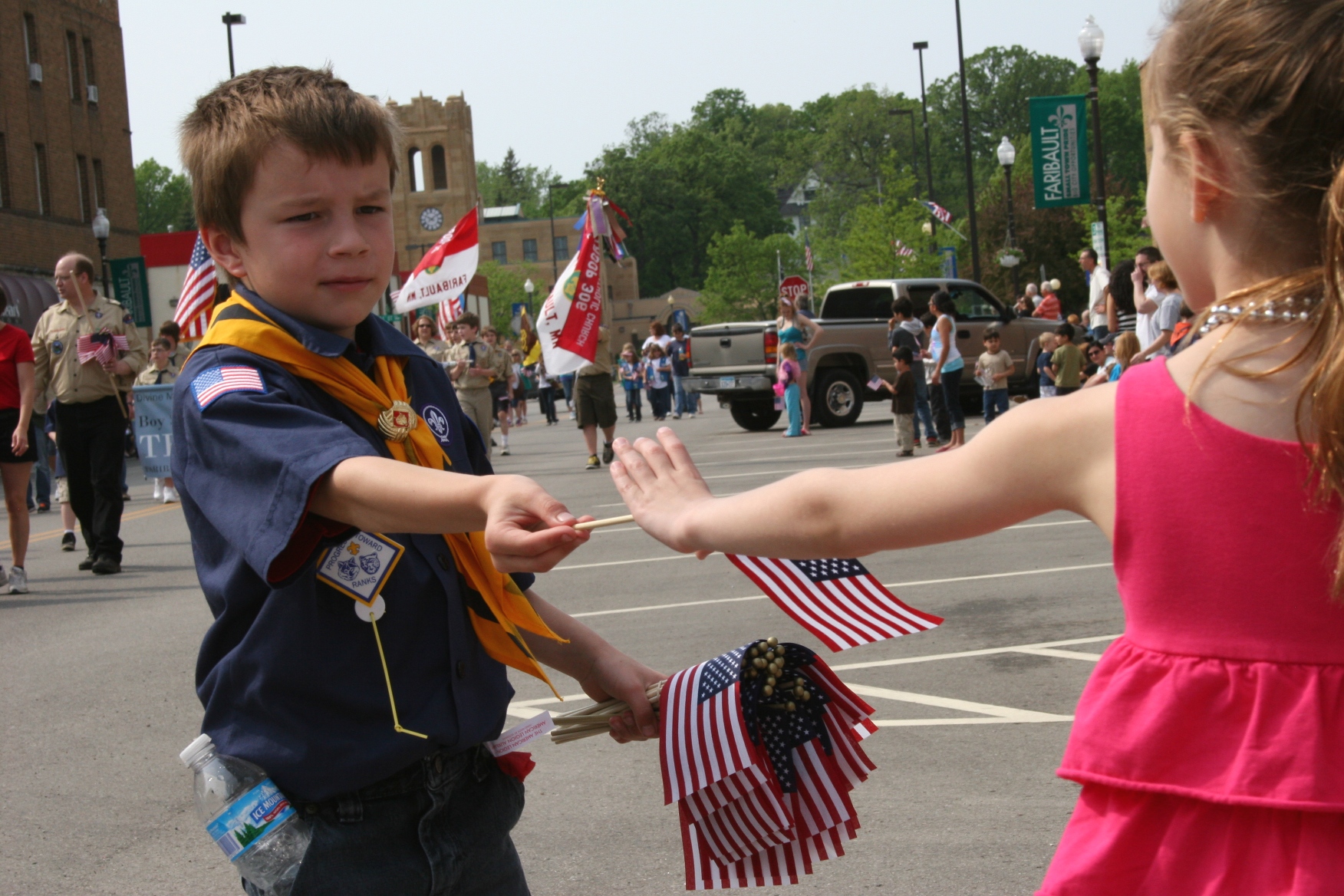
Boy Scouts march down Faribault's Central Avenue, giving away small American flags, on Memorial Day.

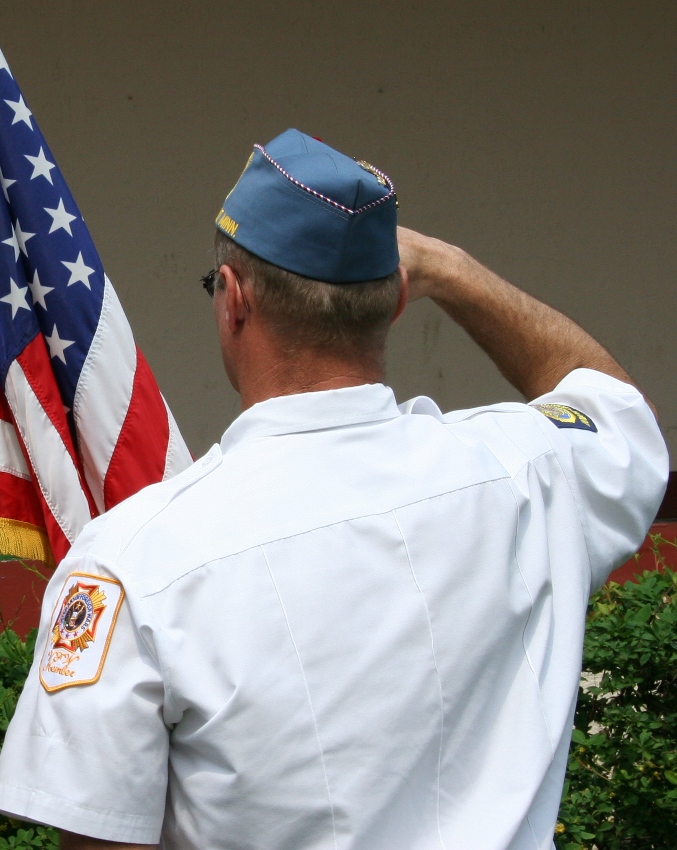
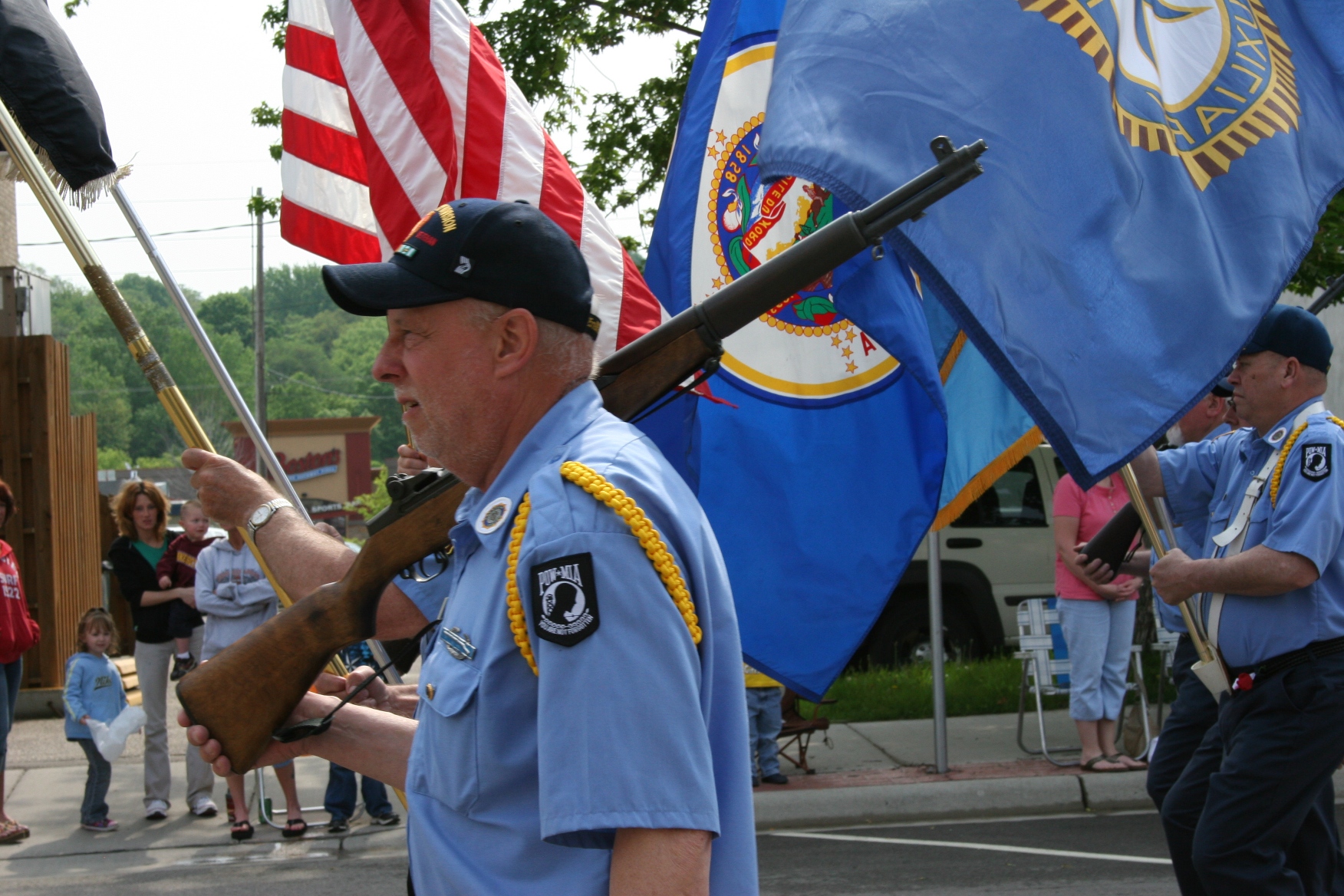
A member of the Color Guard salutes at the Memorial Day program in Central Park.

YES, DEAR READERS, I have yet another Memorial Day post to share with you. But I cannot help myself. My parents reared me to respect this day as a time to honor our war dead.

Every year of my childhood, we attended the Memorial Day program in my hometown of Vesta on the southwestern Minnesota prairie. I continued that tradition with my children by taking them each year to the Memorial Day parade in Faribault.

It is a tradition my husband and I continue, minus the kids—two of whom are grown and gone and the third a teen that cannot be roused from bed for the 10 a.m. parade.

Now I smile at the young families who gather along the curb in downtown Faribault to watch the veterans and Boy Scouts, the old cars and horses, the Girl Scouts and the Shattuck-St. Mary’s crack squad, the police cars and fire truck and marching bands.

Little hands reach for American flags distributed by the walking, sometimes running, Boy Scouts.

Clutched fists wave American flags.

It’s all so patriotic.

After the parade, the crowd gathers at nearby Central Park for more patriotism and I am reminded of my dad, a Korean War vet, who marched so many times with his Color Guard in parades and programs.

In the park bandshell, the guests of honor sit, rise and tell us they have little to say before offering these words:

“Your wars aren’t all won on the battlefield. They’re also won at home.”

“If you know a veteran, just say, ‘thank you.’ It means so much to them—something Vietnam vets were short of.”

“I salute all veterans here.”

“God bless everybody.”

“God bless America.”

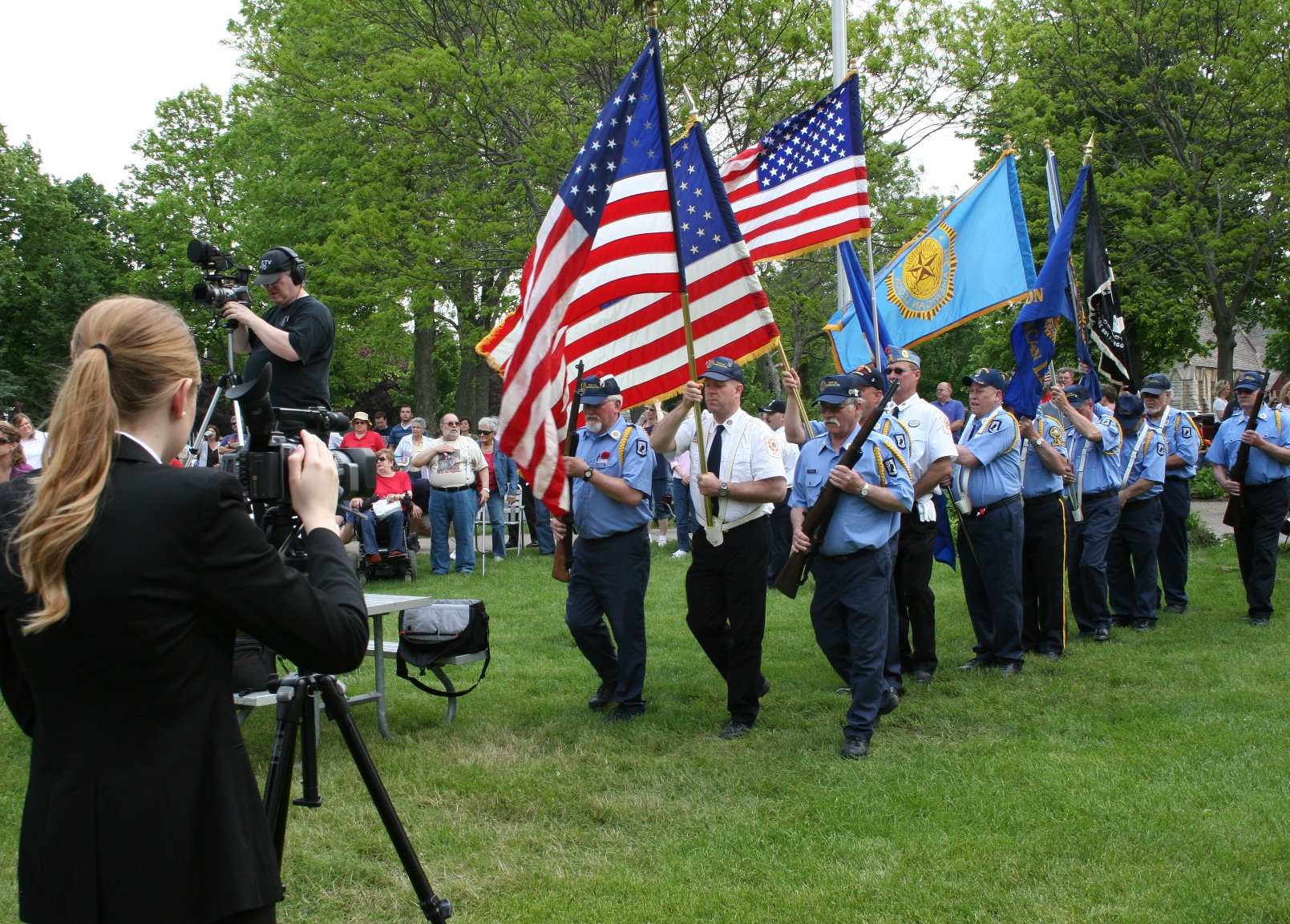
The Color Guard leads the way in the Faribault Memorial Day parade.

These Boy Scouts seem a bit indecisive, while other Boy Scouts race toward the crowd to hand out American flags.

Every year the Boy Scouts give away flags during the parade.

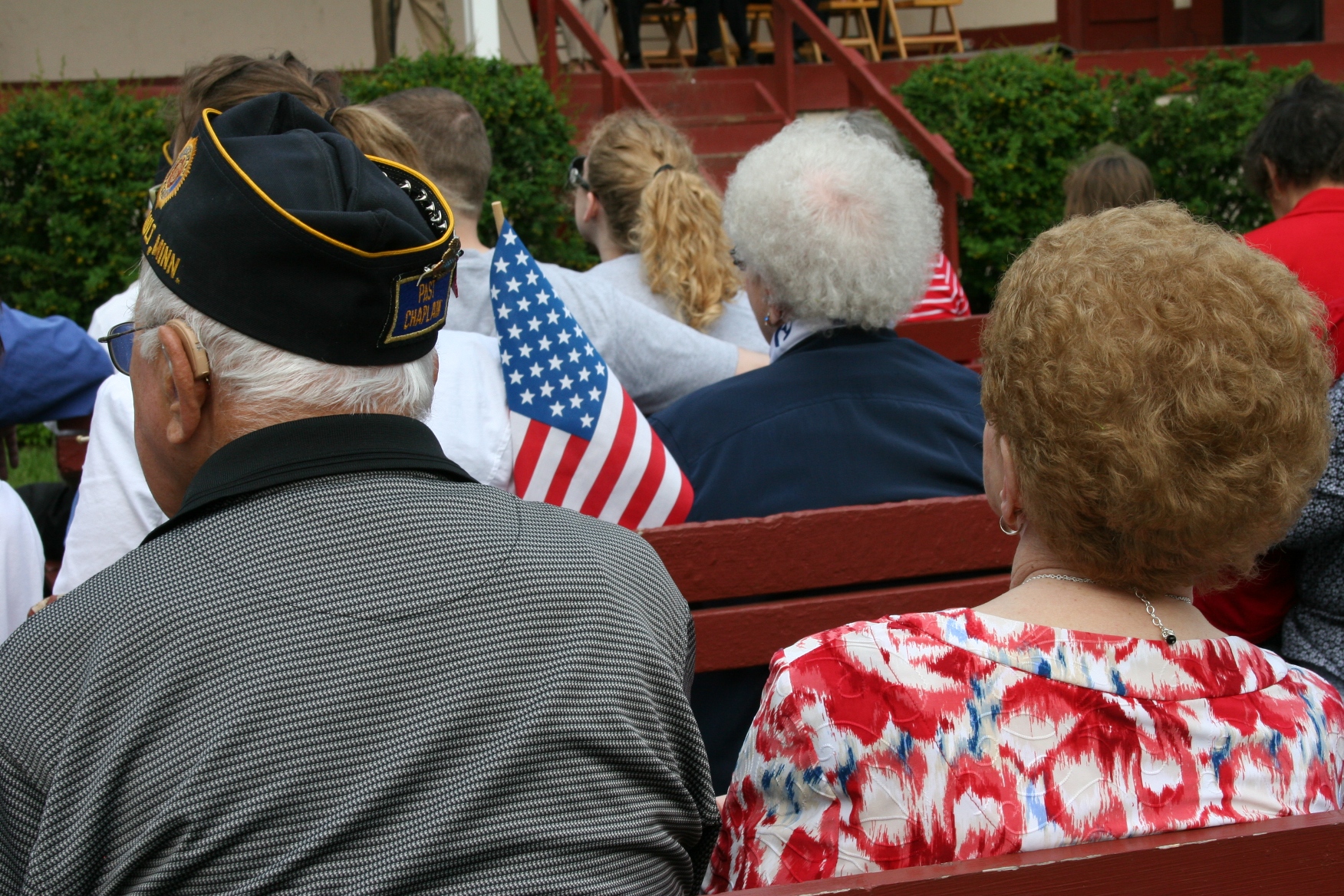
A veteran and others wait for the Memorial Day program to start at Central Park.

The Color Guard advances and the Memorial Day observance begins in Central Park.

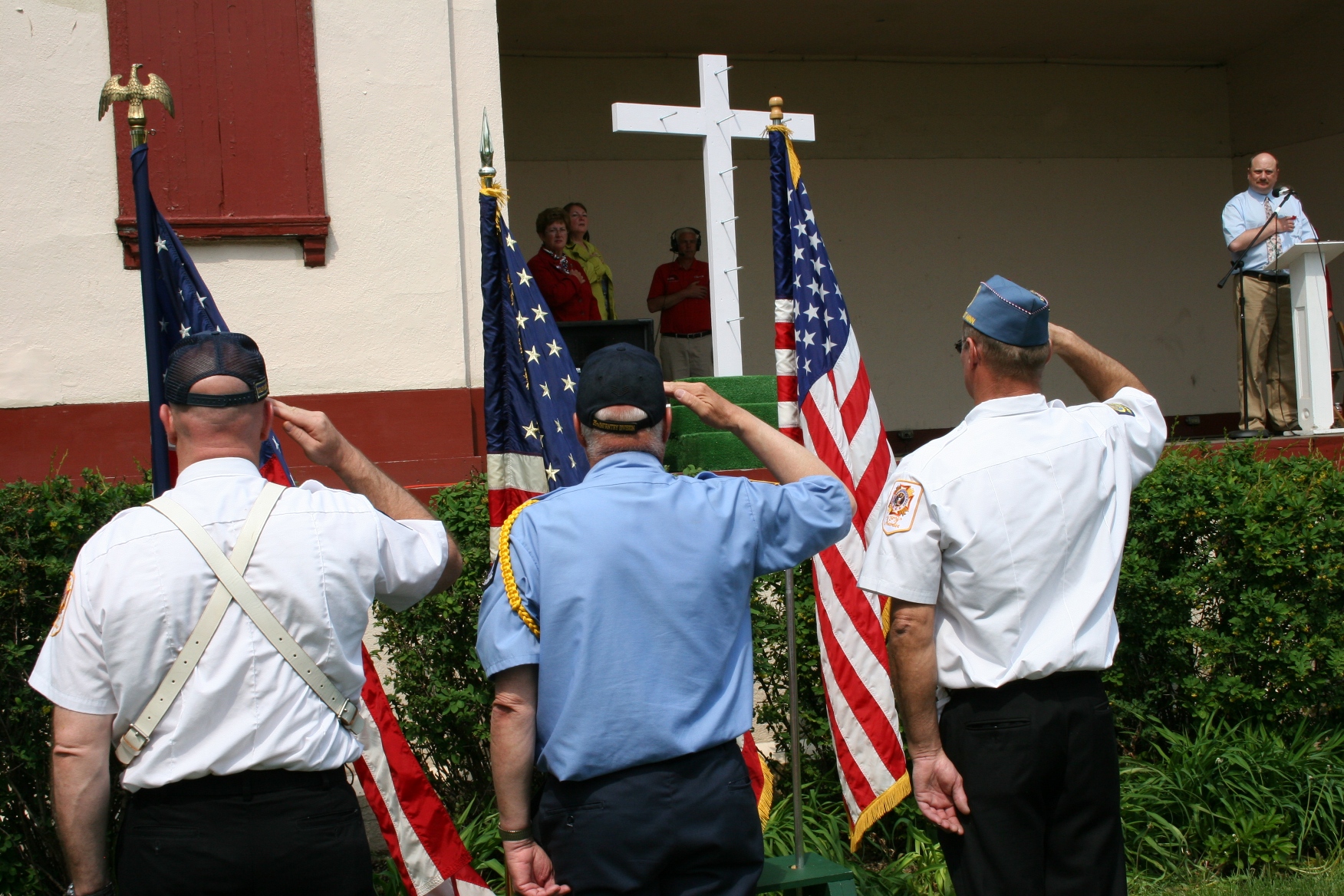
The Color Guard soldiers salute. Emcee and radio announcer Gordy Kosfeld, on stage at the podium, will later tell us: "Memorial Day should be a time of reflection, not a holiday."

A strong wind blew the Color Guard flags set next to the bandshell stage at Central Park.

© Copyright 2011 Audrey Kletscher Helbling
 

My Minnesota childhood memories of Harmon Killebrew May 18, 2011

“BATTER UP!”

His voice cracked like the whack of wood against leather as I stepped up to the plate, bat handle vise-gripped in my hands, feet planted in packed gravel next to the rusted, cast-off disk from the disk harrow.

As my oldest brother lobbed the ball toward me, I swung, and as was typical of me, missed. I was aiming to hit the ball toward the barn and milkhouse at the edge of the farm yard, our ball field.

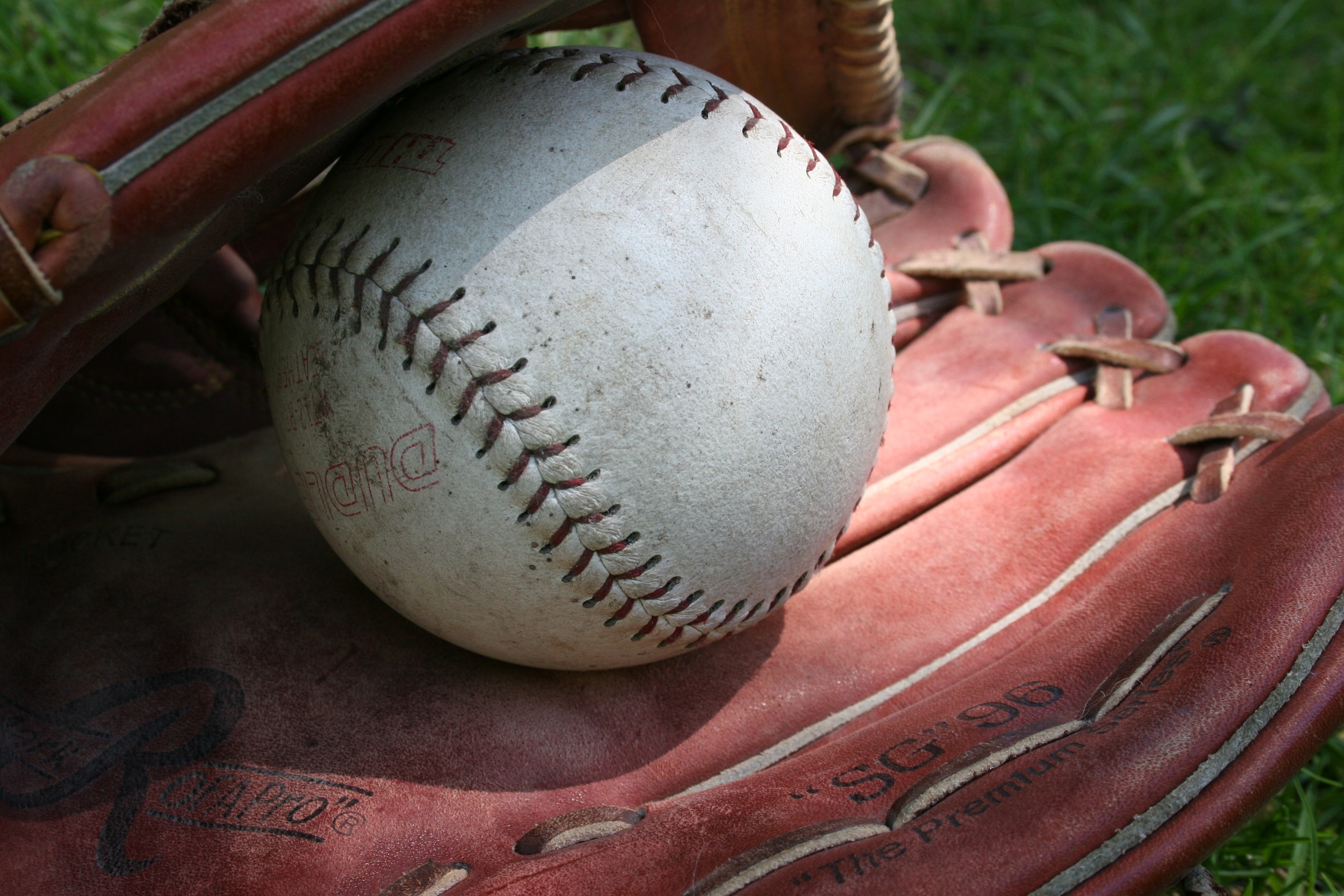
Almost every evening, as the sun inched lower in the prairie sky toward the greening fields of early spring and then into the hot, humid days of tasseling corn, my siblings and I traded chore gloves for softball gloves. “Let’s play ball,” we’d yell in unison.

And then the arguing would begin. “I’m Harmon Killebrew,” my oldest brother hollered, the name flying off his tongue with the speed of a fast pitch.

No matter how loudly the rest of us protested his call, we struck out. He was the eldest. If he wanted to be Killebrew, then he would be Killebrew.

We assumed the roles of other 1960s Twins greats like Tony Oliva and Rod Carew.

But we all wanted to emulate Killebrew, to swing the bat, to watch the ball powerhouse toward the barn roof, maybe even sail as far as the silo room or the cow yard beyond, well out of reach of our siblings’ outstretched hands.

Such are my memories of the Twins’ home run slugger.

I’ve never been to a Twins game, never met Killebrew, don’t watch or listen to baseball.

Yet, upon learning of Killebrew’s death, a twinge of melancholy swept across me as I thought of those pick-up farm yard softball games, the baseball cards my brothers collected and the static of my eldest brother’s transistor radio broadcasting a Twins game in the 1960s.

For all the sibling bickering over who would pretend to be Killebrew or Carew or Oliva, those post chores games score among the home runs of my rural Minnesota childhood.

Copyright 2011 Audrey Kletscher Helbling
 

Horse/Pferd crazy in Minnesota und Deutschland April 7, 2011

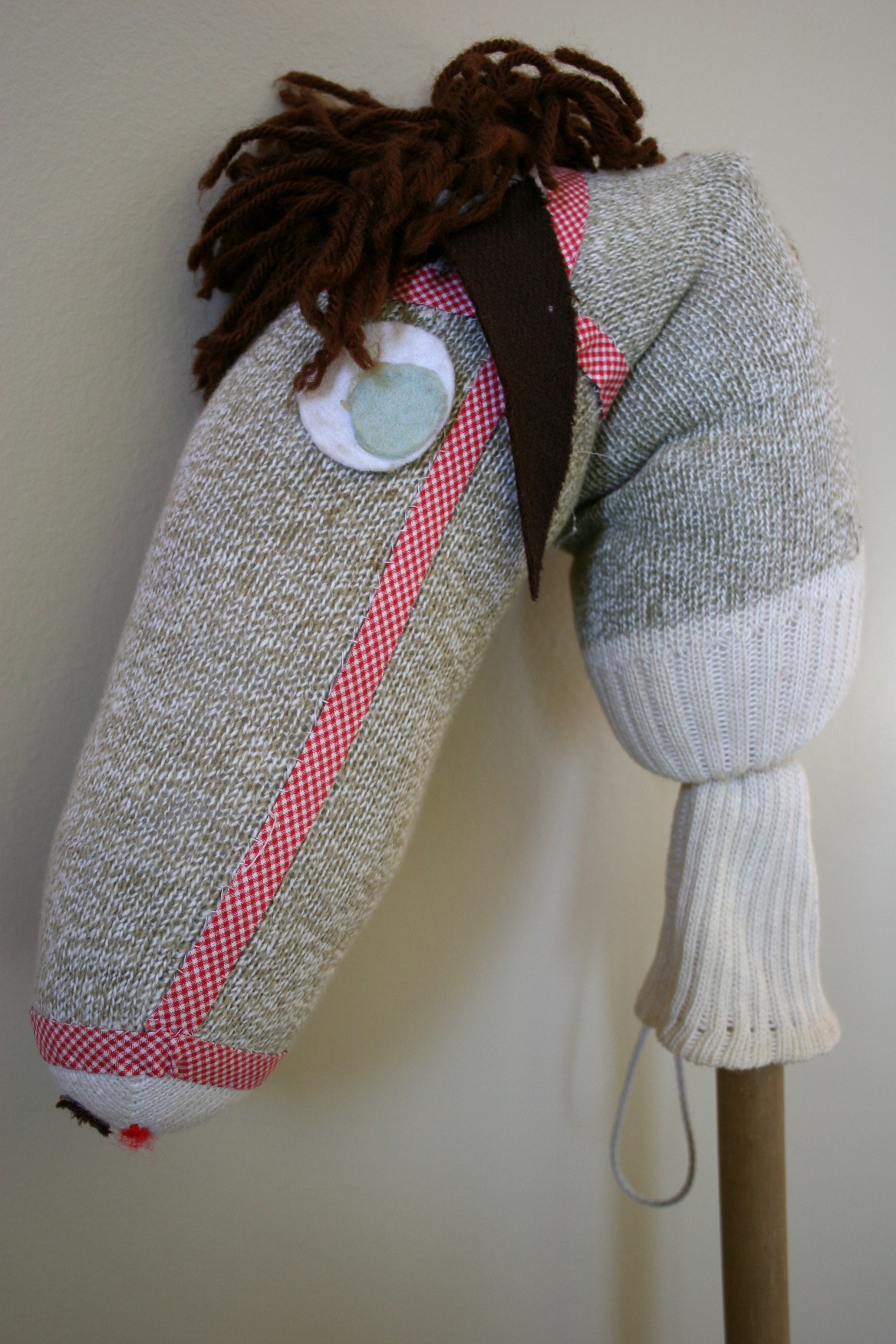
This isn't my stick horse; mine is long gone. But my parents made stick horses for my two daughters 20-plus years ago. This horse belongs to one of them.

GROWING UP ON A SOUTHWESTERN Minnesota farm, I wanted a horse. Bad. Really, really bad.

But Dad wasn’t buying my and my siblings’ pleas to “Please, please, pretty please, Dad, can we get a horse?”
He stood firm in his belief that horses were dangerous. And then he would give us the facts to back up his fear. Dad would regale us over and over again with the tale of the boy he’d seen lying in the Redwood Falls Hospital with a hoof print embedded in his forehead. Whether that story was entirely true or a bit of exaggeration, I’ll never know. I only knew, unequivocally, that Dad didn’t want any of his six kids kicked in the head by a horse.
I think he also had concerns about keeping an animal that wasn’t earning its keep on our dairy and crop farm. With tractors, he didn’t need horses that, in his opinion, would do nothing except consume corn and hay that he needed for the cattle.
And so my siblings and I improvised. Socks with eyes, mouths and ears and with yarn manes sewn on and then jammed onto sticks became our horses. Stick horses. I rode mine around the farmyard so much that I easily could have ridden to Montana and back.

These were the days, too, of television westerns like Gunsmoke, Bonanza, Rawhide. These were the days of shooting cap guns and, even though this is certainly not politically-correct today, of playing “cowboys and Indians.”

When my siblings and I weren’t riding our stick horses with guns blazing, we were riding our bicycles. Up and down the driveway. On the rock-hard dirt paths we’d carved through the grove. We pedaled furiously, escaping robbers and savages on our bikes turned horses.

On occasion, we also straddled empty barrels, slipping our feet into stirrups we’d fashioned from baler twine. We were, if anything, innovative, resourceful and imaginative.

Dad wasn’t giving us our horse, so we made do.

For my oldest brother, making do also meant attempting to ride a steer. I don’t recall that he was ever bucked off. But I also don’t remember that he succeeded in his mission.


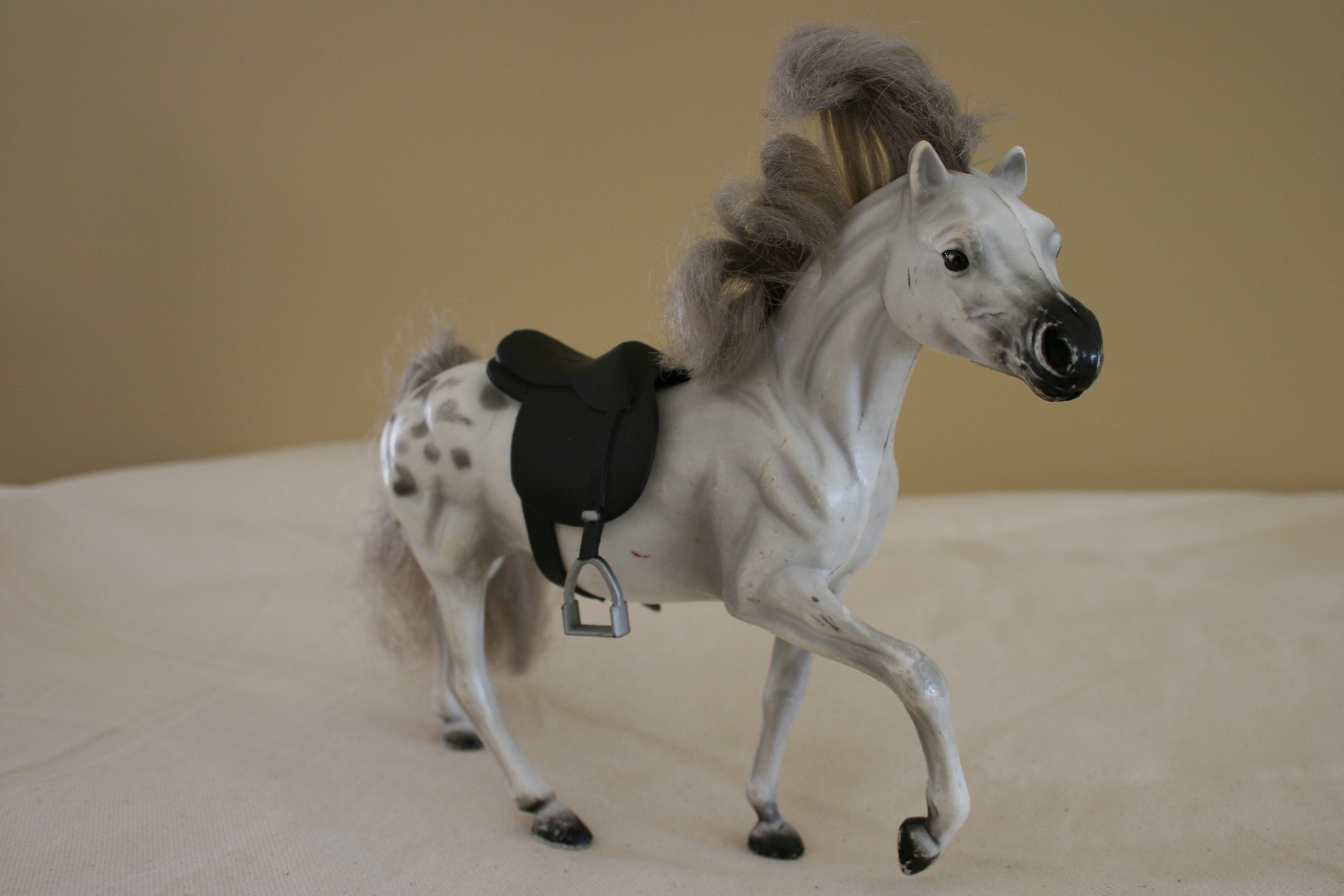
My second daughter went through a phase, when she was about four years old, of being obsessed with horses. She drew horse pictures non-stop. I read every horse book to her available through the southeastern Minnesota library system. And I bought her toy horses, all of which are still in a plastic tote for her to someday claim.

All of which brings me to this story. Have you heard about the 15-year-old German girl who trained a cow that she can ride like a horse? Her parents, like my dad, told her she couldn’t have a horse. So she improvised.

Shortly after Luna was born on the family’s farm two years ago, Regina Mayer started working with the animal. Her persistence paid off as she can now saddle up and ride the cow like a horse. Luna even is trained to jump over hurdles.

I like the spunk of this teen. Knowing what I know about cattle, I realize just how determined Regina had to be to get her “horse.”

Apparently my brothers, sisters and I weren’t determined enough. So, instead, we settled for sticks, bikes and barrels. And, on occasion, we cajoled a relative into riding her horse from several miles away to our farm. She would allow us to climb into the saddle for a walk around the farmyard. It was then that I discovered I really didn’t feel all that comfortable riding a horse. But I never told my dad. Not once.


One of the many horses in my second daughter's collection.

© Copyright 2011 Audrey Kletscher Helbling