Minnesota Prairie Roots

Writing and photography by Audrey Kletscher Helbling

Oh, the places my photos go, including into a vets home in Bemidji August 19, 2024

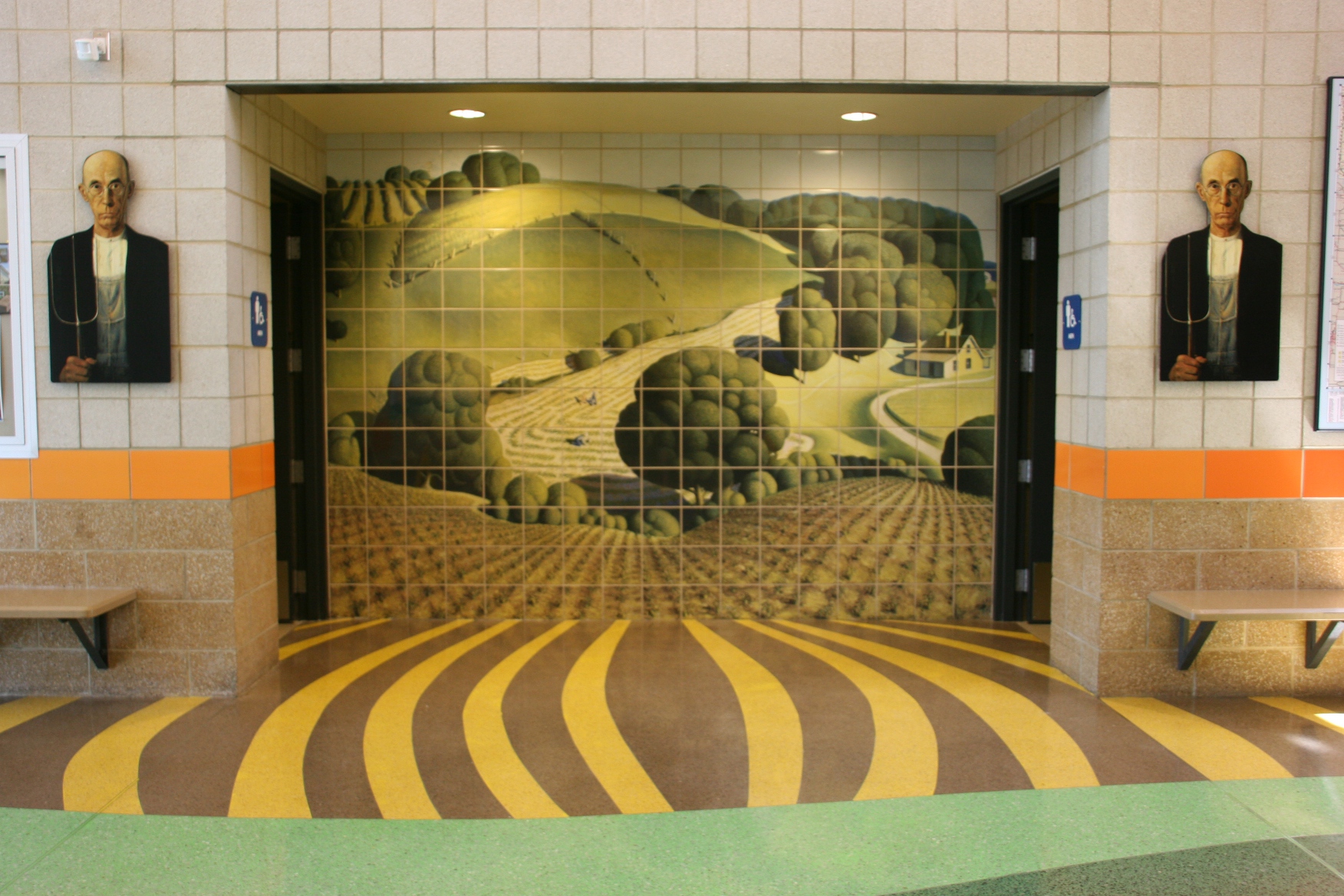
This photo, taken at the Grant Wood Rest Area along I-380 south of Cedar Rapids, Iowa, was published in a book about architecture. It was converted to black-and-white in the book. (Minnesota Prairie Roots copyrighted file photo)

THROUGHOUT MY 15 YEARS of blogging, I’ve sold rights to dozens of images sourced from Minnesota Prairie Roots. My photos have published on websites, in tourism guides, on album covers, on packaging for a toy company, in magazines and newspapers, on business promotional materials, on signs and banners, on the cover of a nonprofit’s annual report, in books…

Three of my photos published in this book. (Book cover sourced online)

I’m especially proud of the three photos published in The World of Laura Ingalls Wilder—The Frontier Landscapes that Inspired the Little House Books by New York Times bestselling author Marta McDowell. I grew up only 25 miles from Walnut Grove, Wilder’s childhood home. Wilder inspired me as a writer and photographer with her detail-rich creative style. I’m also proud of my two Grant Wood-themed Iowa rest stop photos printed in the book Midwest Architecture Journeys. I have copies of both books.
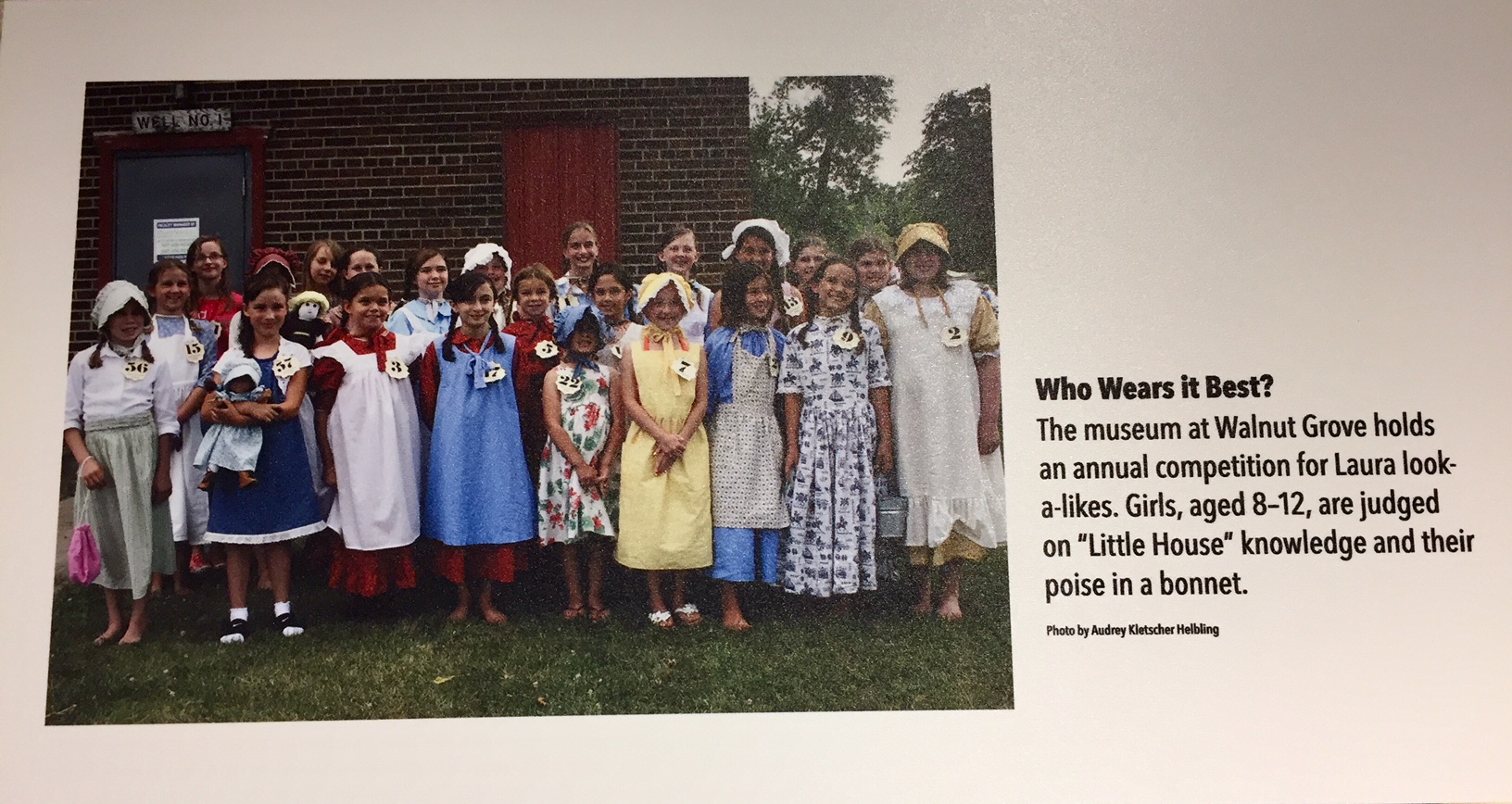
My Laura Look-Alike Contest photo displayed in a Chicago museum. My friend Laurel happened upon the photo while touring the museum and snapped this image for me. (Minnesota Prairie Roots copyrighted photo by Laurel Engquist)

Likewise, I had the honor of selling rights to photos displayed in a temporary Laura Ingalls Wilder exhibit at the American Writer’s Museum in Chicago, at the Minnesota Children’s Museum in St. Paul and at the National WWII Museum in New Orleans. Atherton Pictures purchased rights to a southwestern Minnesota farm site photo for a WWII video created for the museum. I’ve never visited any of the three museums.

The Minnesota Veterans Home, Bemidji, which can house 72 veterans, recently opened. (Photo courtesy of Minnesota Veterans Home, Bemidji)

Seldom do I see how my photos are used once I email the original high resolution digital images to the buyer. But this summer I had the joy of seeing my framed photos displayed in hallways of the new Minnesota Veterans Home in Bemidji. I was in town to bring my son, who lives in Boston and was in Bemidji for the international unicycling convention, home to Faribault. I knew I had to make time for a stop at the veterans home.
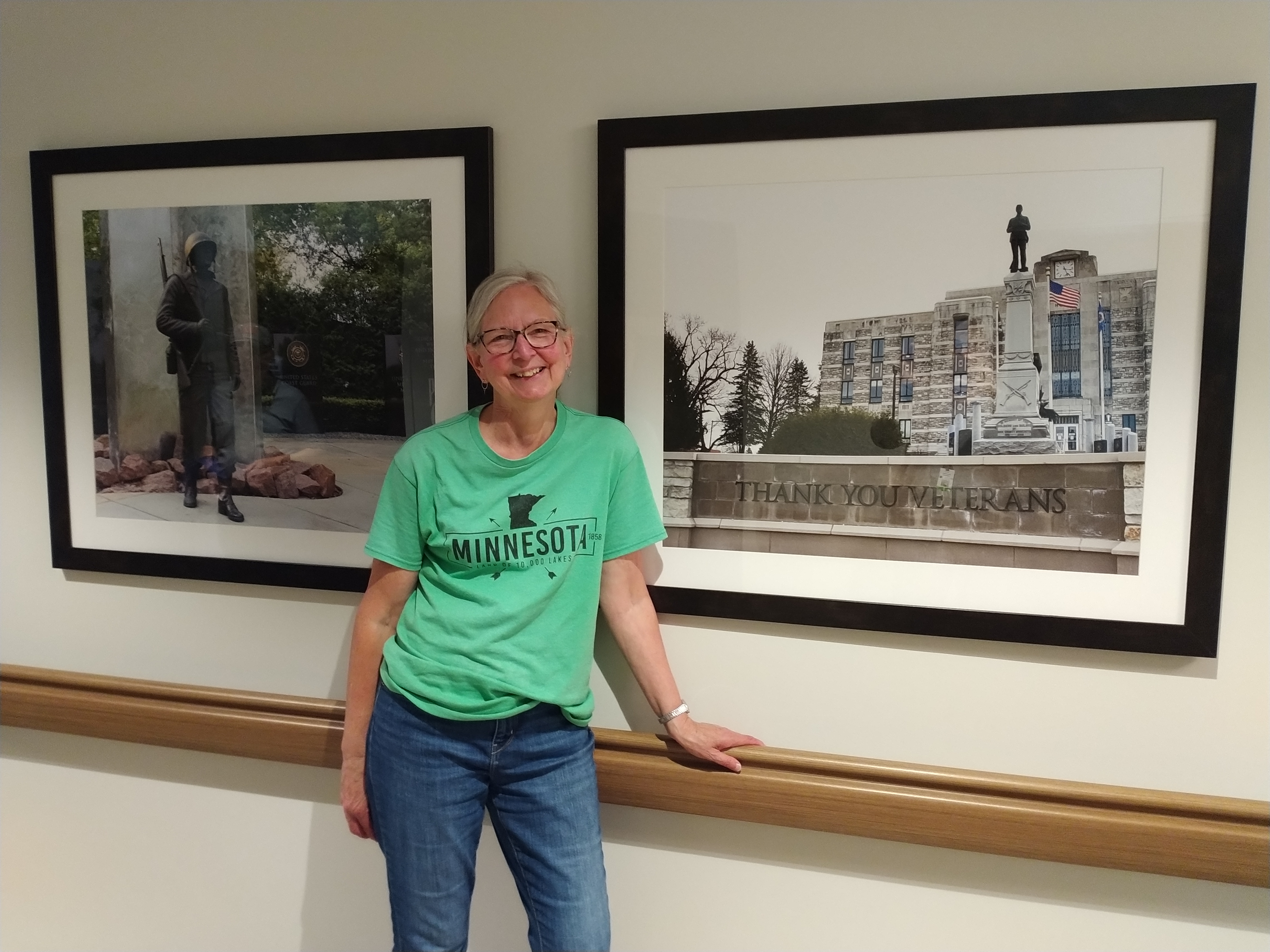
Me with two of my photos, a scene from the Northfield Area Veterans Memorial on the left and the other at the Rice County Veterans Memorial. (Photo courtesy of Minnesota Veterans Home, Bemidji)

So in between Unicon 21 events, Randy and I headed to the vets home in hopes of seeing my six framed art prints. We found four, thanks to Maryhelen Chadwick, public affairs/volunteer coordinator at the Veterans Home. When we showed up unexpectedly, Chadwick graciously led us through the sprawling Town Center in search of my photos. There, in the hallways of this public space, which includes a multipurpose room, theater, club room, learning studio, family dining room, therapy gym and meditation room, we located four of my photos.

This photo, converted to black-and-white, hangs in the Bemidji veterans home. (Minnesota Prairie Roots copyrighted file photo)
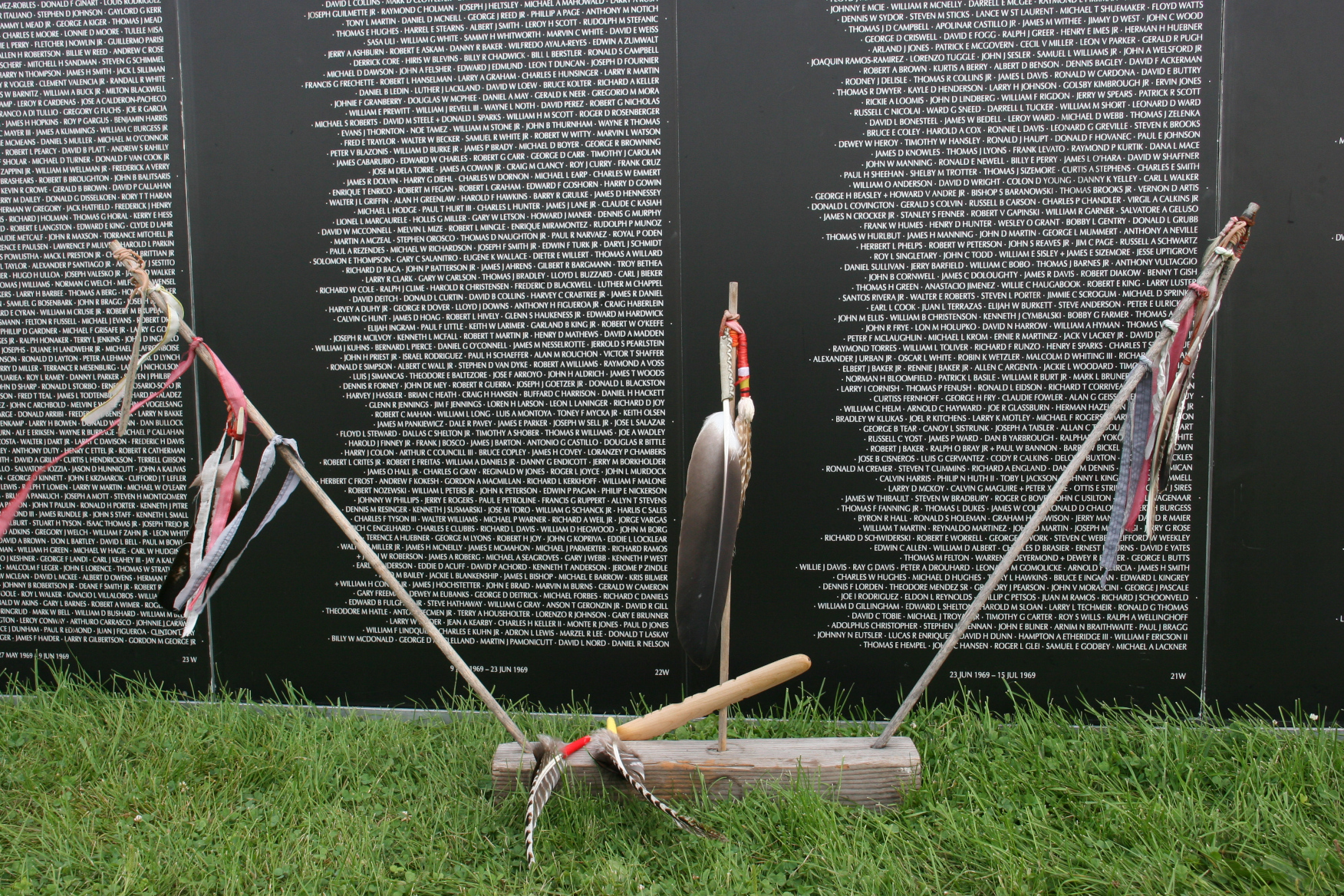
My photo of the Traveling Vietnam Memorial Wall also hangs in the vets home. (Minnesota Prairie Roots copyrighted file photo)

Curated by a St. Paul art company, the selected images are all veteran-themed. Oversized photos of veterans’ memorials in Faribault and Northfield anchor a hallway wall. Elsewhere in the public space are two more images shot in Faribault—a veteran playing taps at a Memorial Day program and a photo of items placed at the Traveling Vietnam Memorial Wall. Chadwick later found my photos of sculptures at the county memorial in Faribault and the Rock County Veterans Memorial, Luverne, in the residential wing of the veterans home.
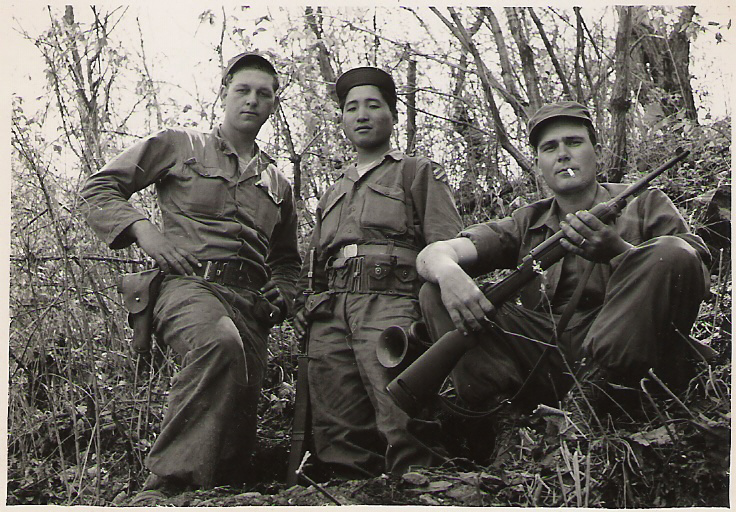
My father, Elvern Kletscher, on the left with two of his soldier buddies in Korea. (Minnesota Prairie Roots copyrighted photo)

To see four of my six photos showcased in a public space where veterans, their families and friends, staff, and others can view my work is humbling. I am the daughter of a Korean War veteran. My dad, Elvern Kletscher, fought on the front lines in Korea as a foot soldier. He experienced the worst of war. The injuries. The killing. Atrocities so awful, so horrific that he was forever changed by his time in combat. He suffered from Post Traumatic Stress Disorder (unrecognized at the time of his discharge). He endured much pain, heartache, trauma. Nightmares. Flashbacks.
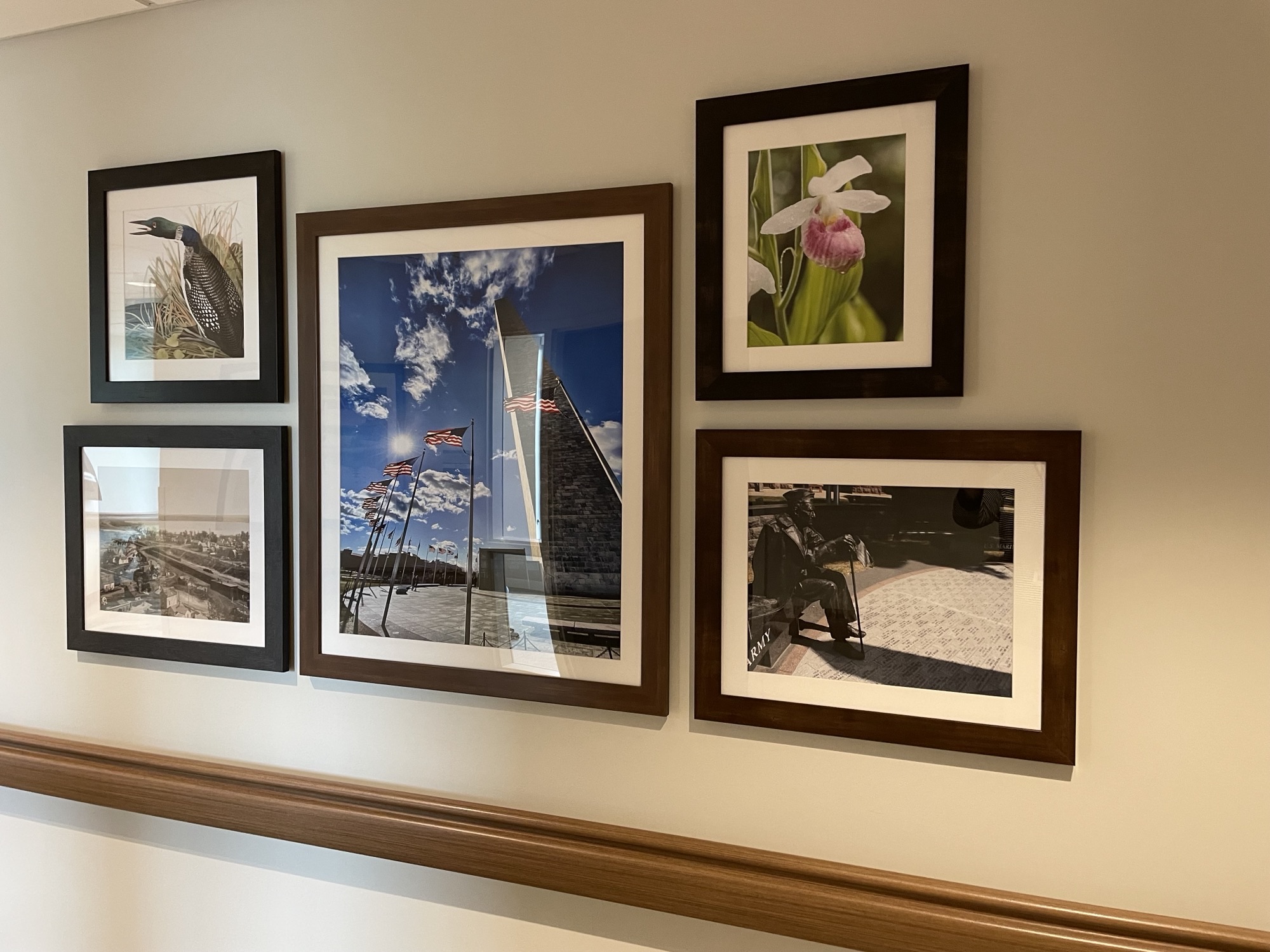
My photo of a sculpture at the Rock County Veterans Memorial, lower right, is showcased in a group of images in the Beltrami Household. (Photo courtesy of Minnesota Veterans Home, Bemidji)

But, in his later years of life, Dad found solace among other veterans in a support group through the Redwood County Veterans Service office. I remember how hard officials worked to secure the Purple Heart that Dad finally got 47 years after he was wounded on Heartbreak Ridge. I was there for that emotional public ceremony.
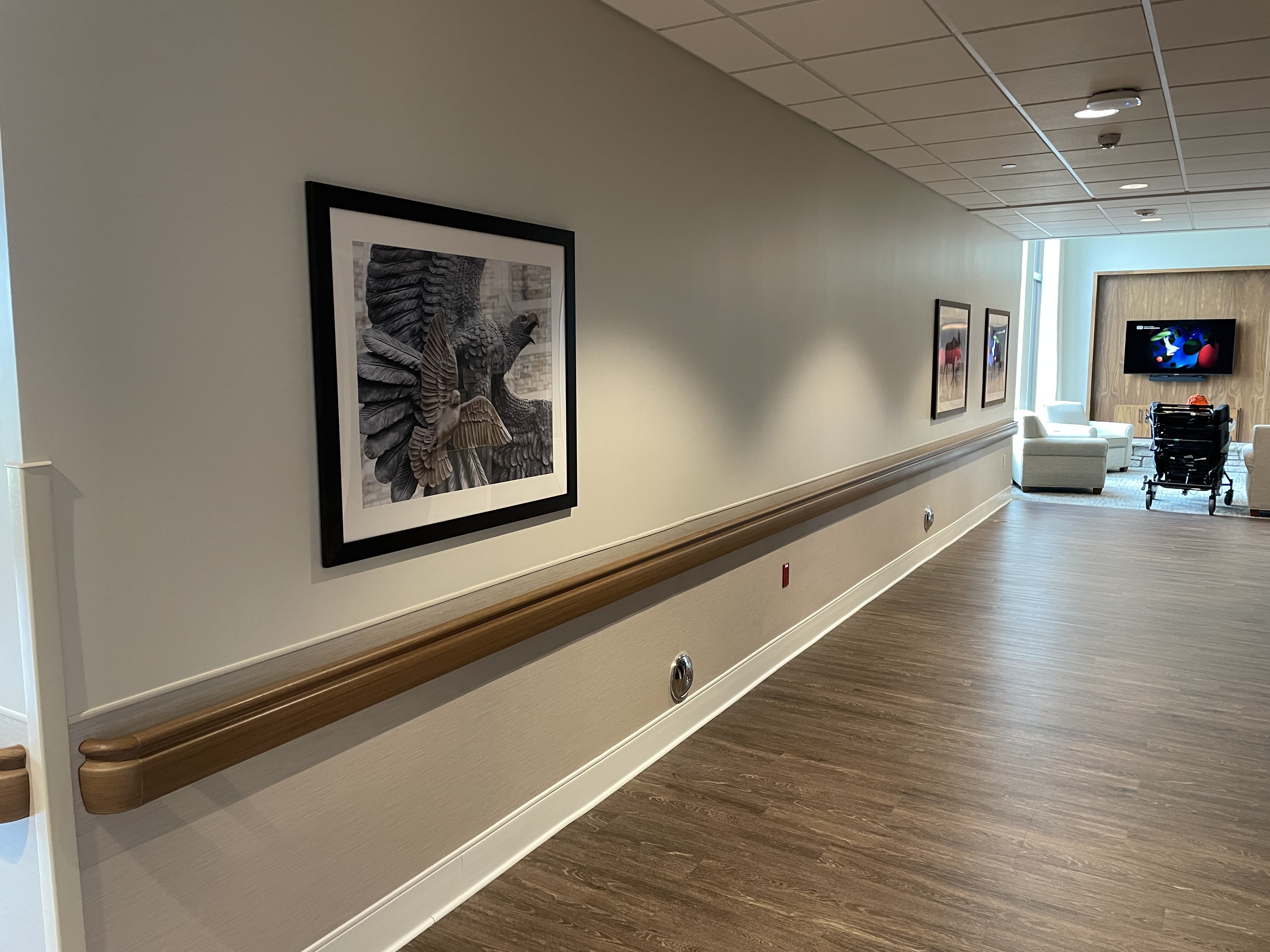
My photo of a dove and eagle at the Rice County Veterans Memorial in Faribault graces a hallway of the Beltrami Household. (Photo courtesy of Minnesota Veterans Home, Bemidji)

Today emotions swell again as I think of my framed photos hanging in the Minnesota Veterans Home—Bemidji. To me these are not just veterans-related images procured as art. They are a photographic “thank you” to every person who has served our country. Because of individuals like my dad, I live in a free country, in a democracy. I never take that for granted. To be able to express my gratitude via my photos is truly an honor, a joy and deeply meaningful.
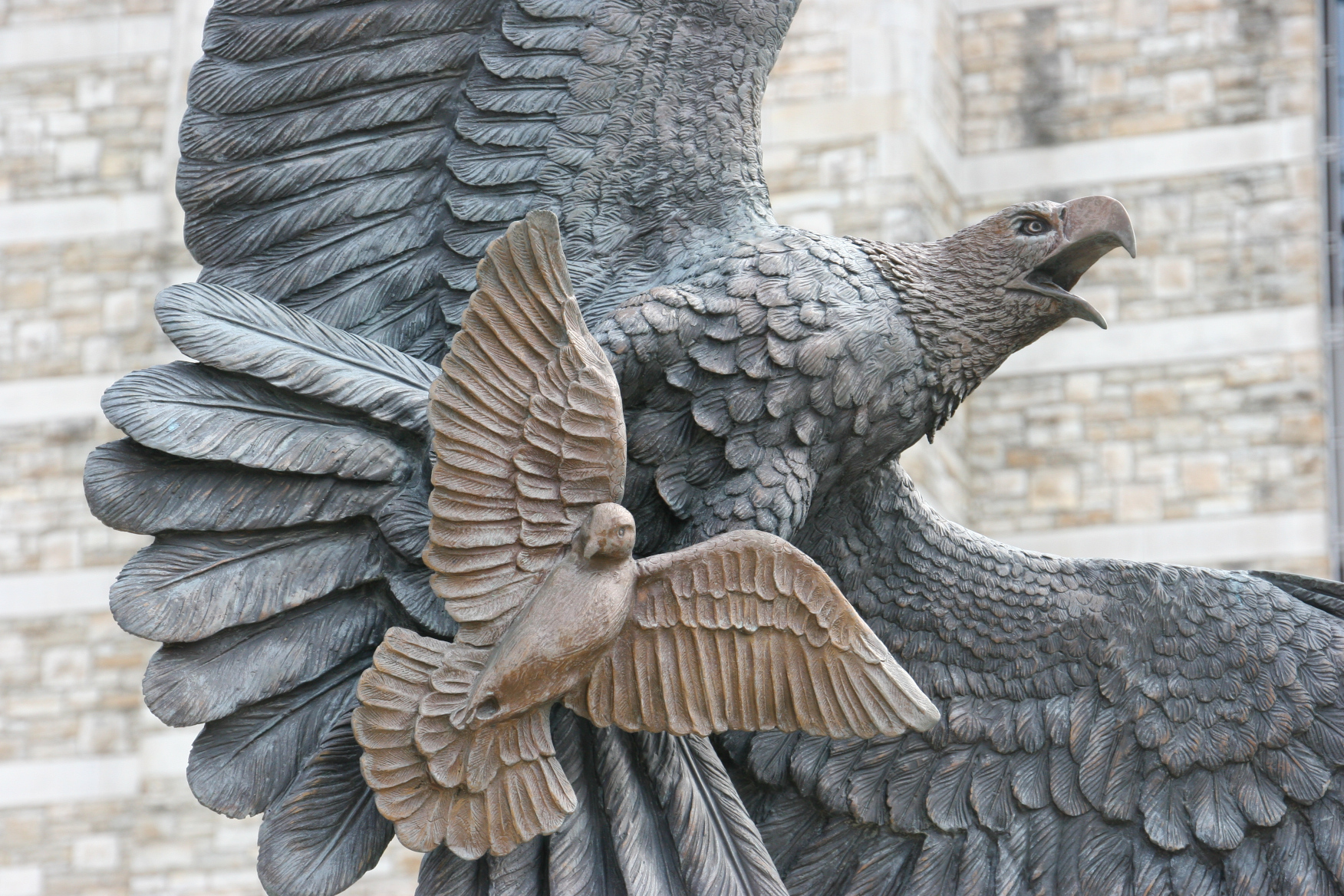
I hope my photo of a dove sculpture, symbolizing peace, and an eagle, symbolizing freedom, conveys my gratitude to the veterans living in the Minnesota Veterans Home, Bemidji. (Minnesota Prairie Roots copyrighted file photo)

NOTE: Maryhelen Chadwick kindly found and photographed my eagle/dove and soldier sculpture photos per my request after I visited the home. They hang in the Beltrami Household, one of four 18-room residential areas, a space I could not tour due to privacy.

© Copyright 2024 Audrey Kletscher Helbling


Peaches, beyond simply a fruit to eat August 15, 2024

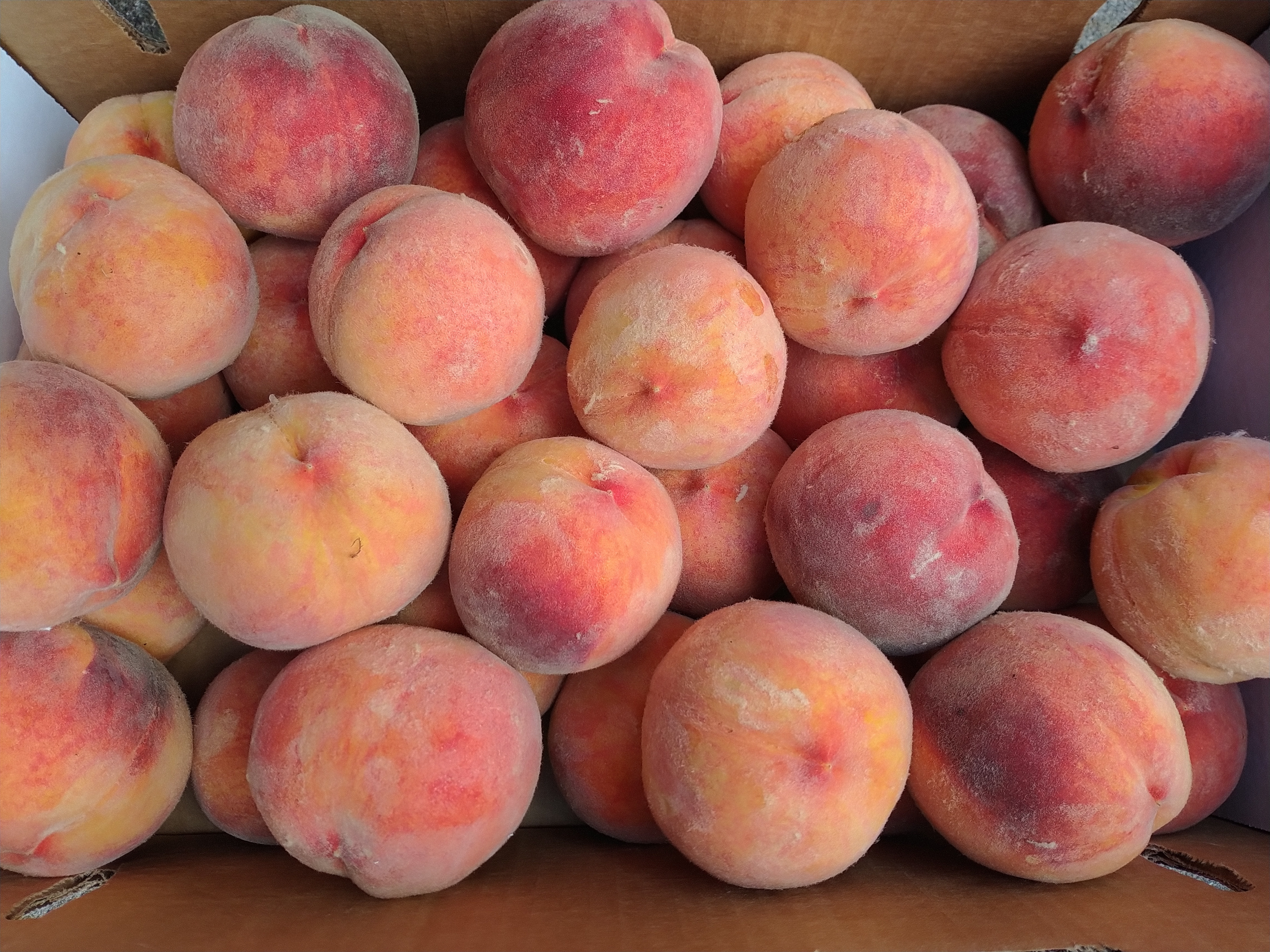
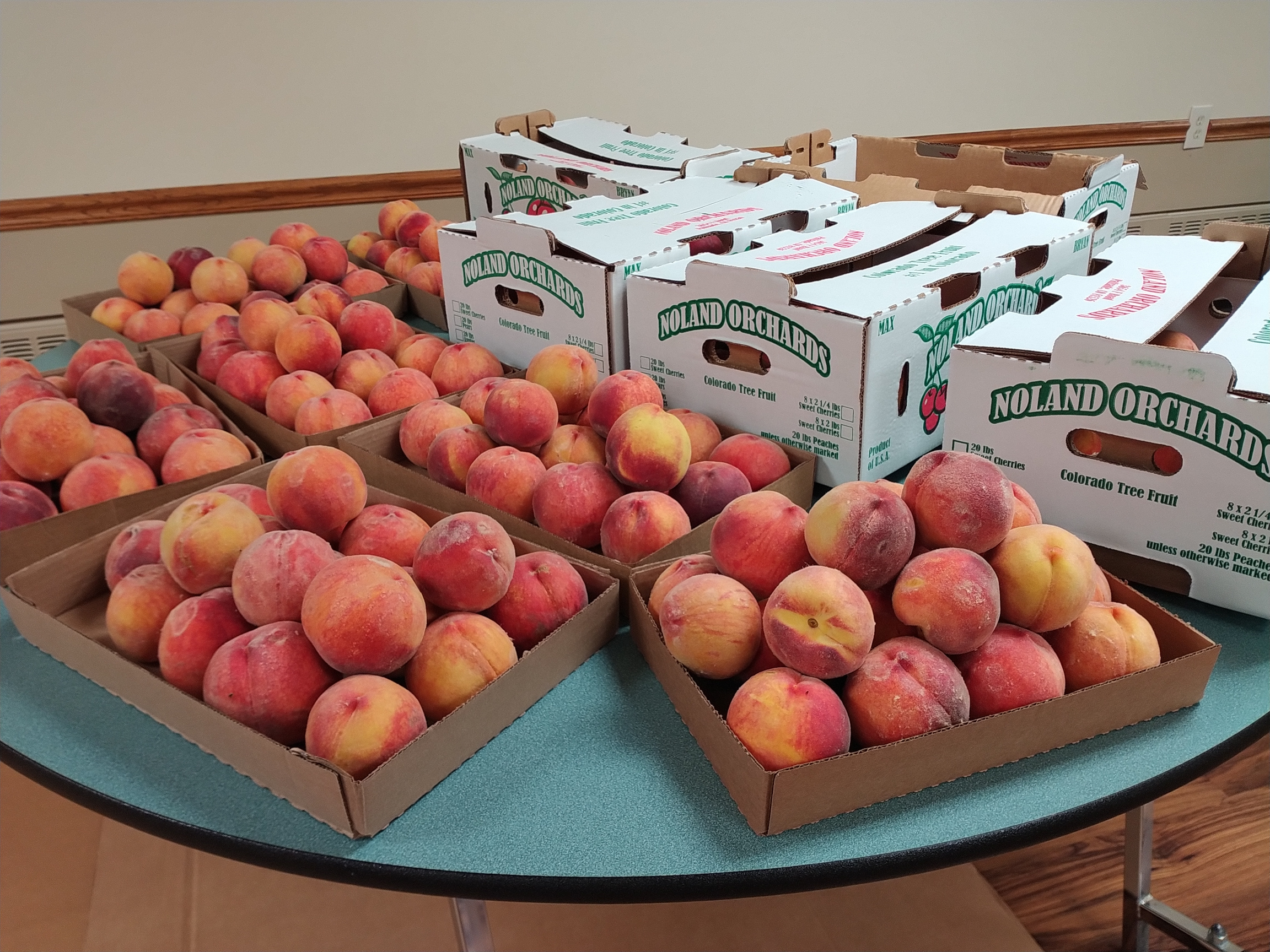
Peaches fill a box and now my fridge. (Minnesota Prairie Roots copyrighted photo August 2024)

PEACHES PACK my refrigerator. Several ripen in a brown paper bag on the kitchen counter. Big, beautiful Colorado peaches.

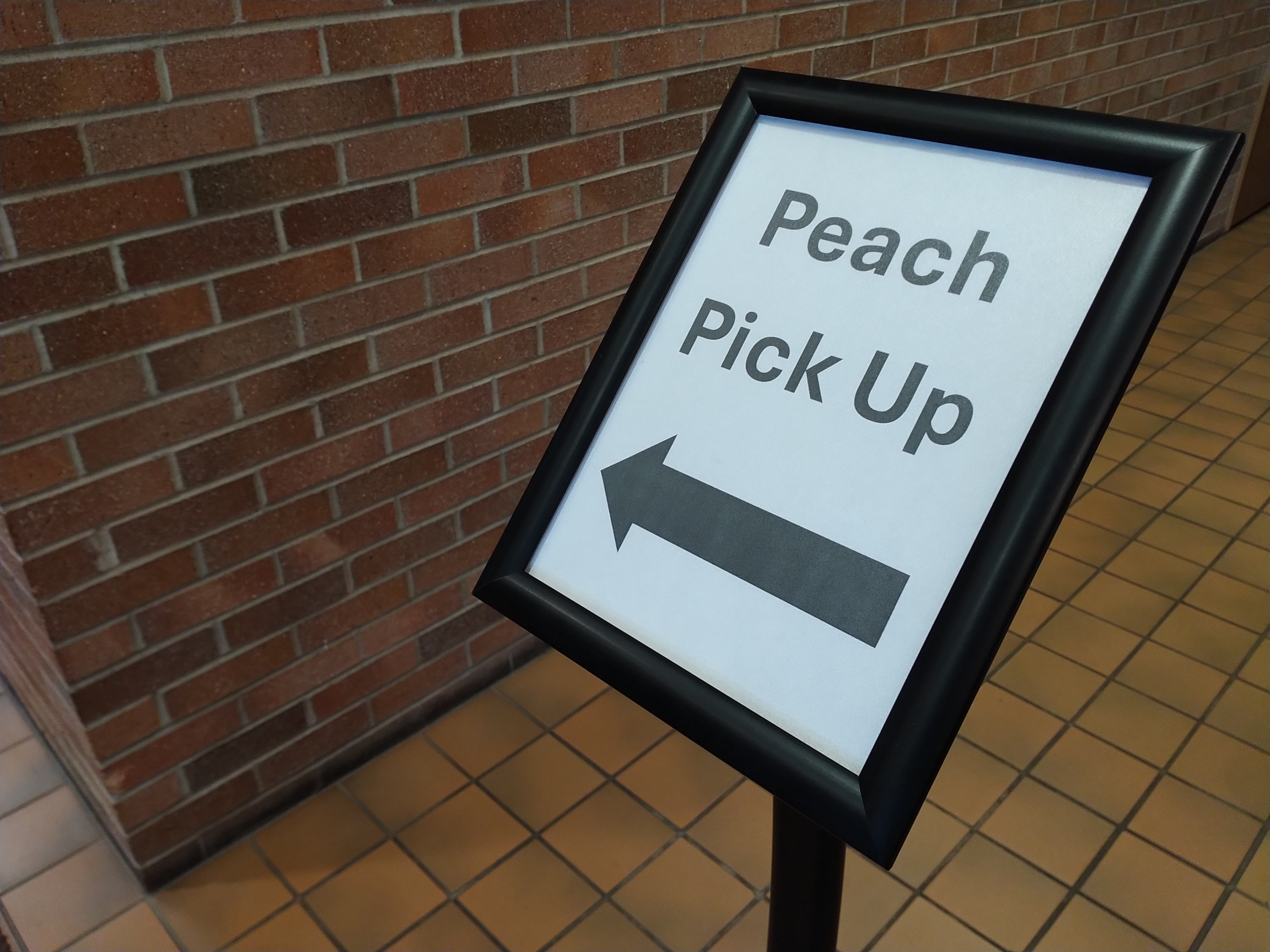
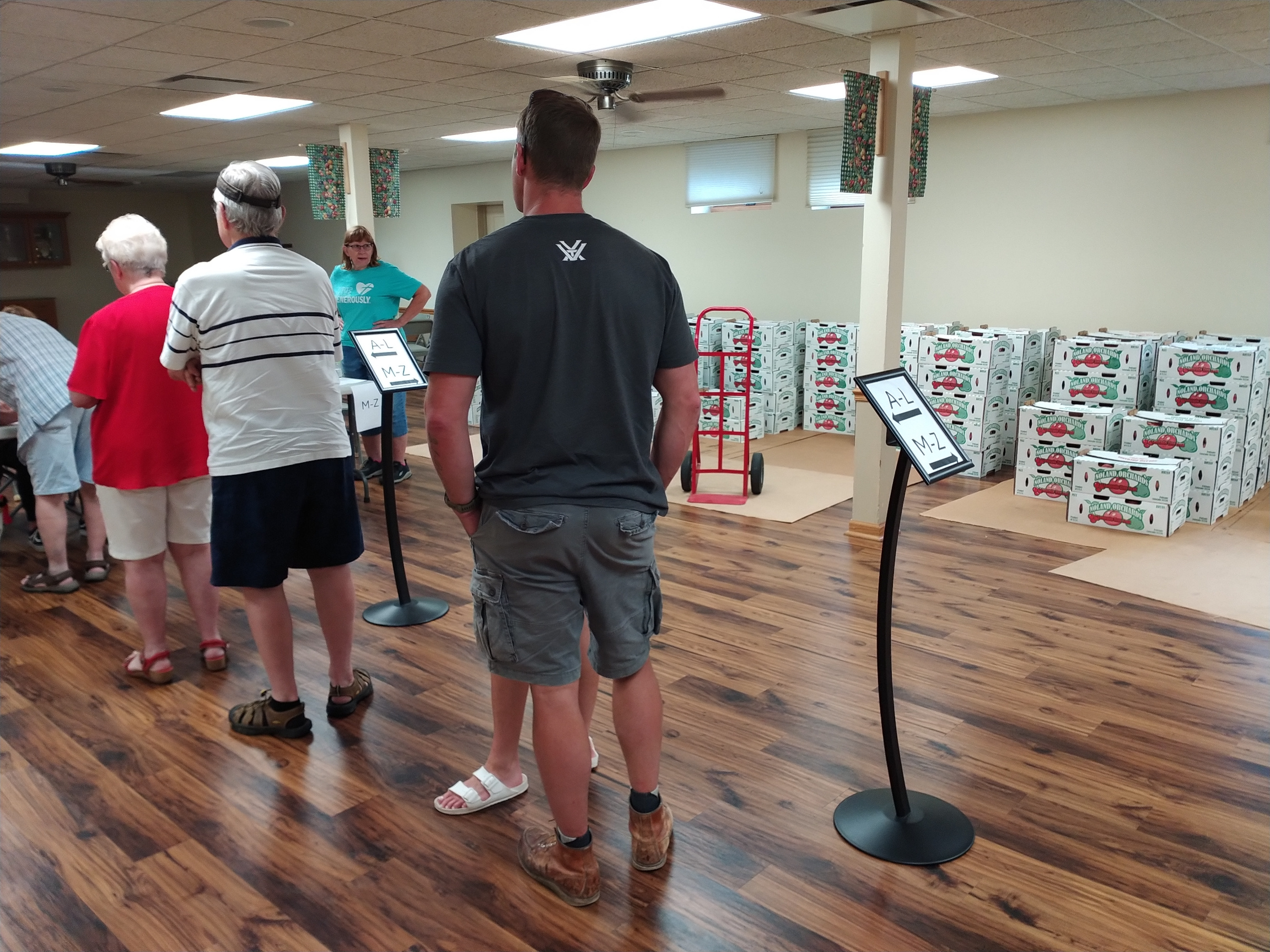
Signs directed people into the peach pick up spot in the basement. (Minnesota Prairie Roots copyrighted photo August 2024)

Earlier this week, Randy and I picked up a 20-pound case of peaches in the basement of First English Lutheran Church. That’s a lot of peaches—around 40—for two people to eat. But I love peaches. And we’ll share some with our eldest daughter and her family.

People wait in line for their peaches at First English Lutheran Church. (Minnesota Prairie Roots copyrighted photo August 2024)

A steady stream of people flowed into the cold church basement late Tuesday afternoon for their pre-ordered peaches, sold as a fundraiser by the youth group. We paid $37 for our full box. That’s $1.85/pound. I have no idea if that’s a “good” price. It doesn’t matter. I prefer peaches shipped directly from the grower. I also like supporting local church youth, because I was once that mom of kids raising monies for mission trips and youth gatherings.

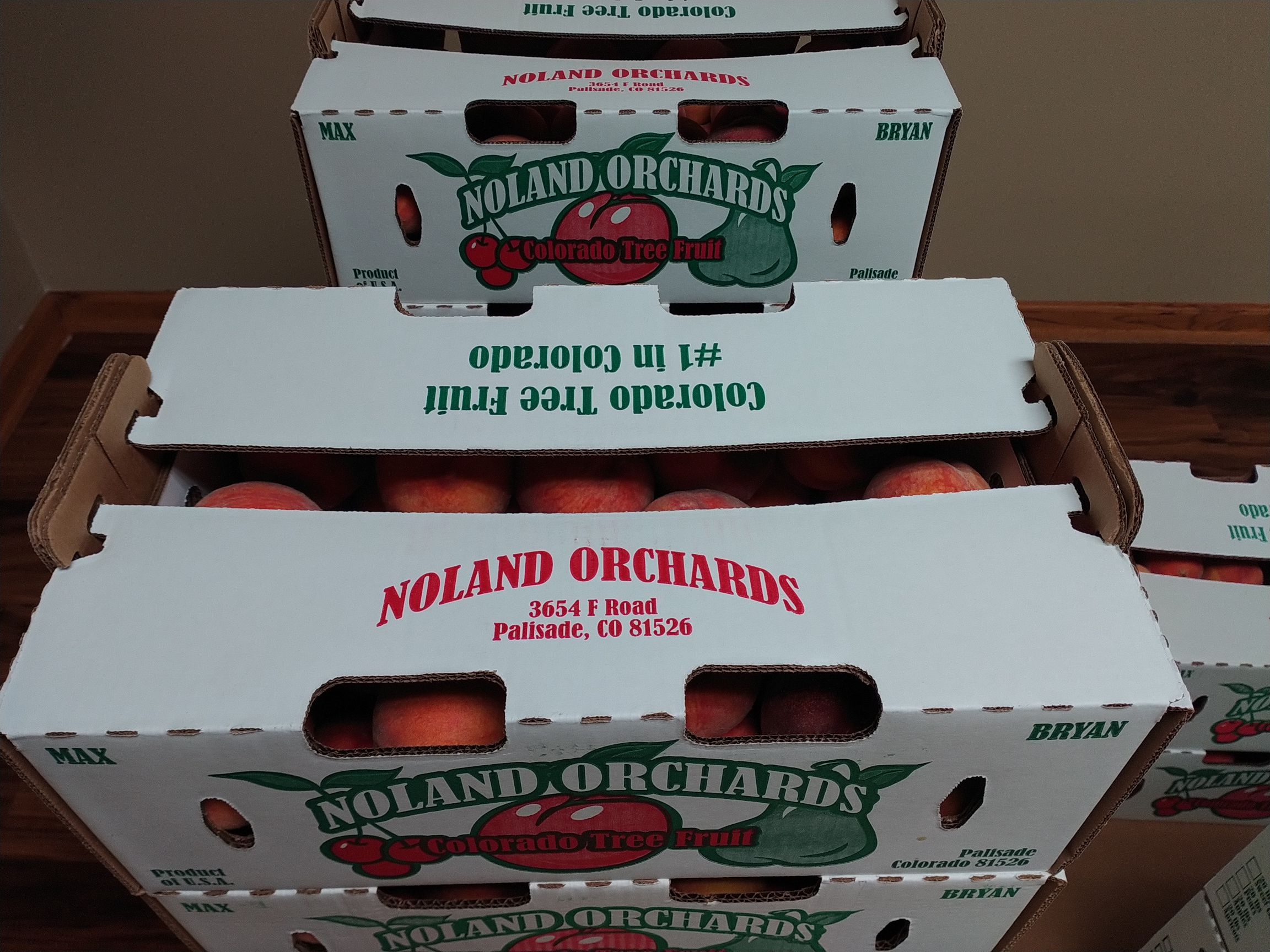
Peaches no longer come in wooden crates, but in cardboard boxes. (Minnesota Prairie Roots copyrighted photo August 2024)

Peaches, though, mean more to me than simply supporting a good cause and eating one of my favorite fruits. Peaches take me back to summer on the farm, into the kitchen. There my mom pried open a wooden crate of peaches wrapped in pinkish tissue paper (saved for later use in the outhouse). Then she dropped the peaches into a large kettle of boiling water to remove the skins. Next, she halved or sliced the peaches into Mason and Ball quart jars. Topped with lids and ringed, the jars went into the pressure cooker. Once removed, the jars cooled and sealed. Then we carried the jars to the cellar.

Beautiful (and delicious) Colorado peaches sold at First English. (Minnesota Prairie Roots copyrighted photo August 2024)

I admire farm women like my mom who labored to preserve fruits and vegetables to feed their families during the winter months ahead. And winters on the prairie were long and harsh. Many a cold, snowy evening, Mom would pull open the kitchen floor trap door and send me down the open wooden steps into the depths of the dank, dark, dirt-floored cellar lit by a single light bulb. There I selected a quart jar from the wooden shelves. Whatever fruit Mom wanted. Pears, cherries, plums, apples, peaches. The preserved fruit would complete our meal of meat, boiled potatoes with gravy, a side vegetable (pulled from the freezer) and homemade bread.

We ate well. Good food without preservatives. Beef from our cattle. Vegetables from our garden. Apples from local trees. And then all those fruits, purchased in crates and preserved. No additives. Just simple, good food.

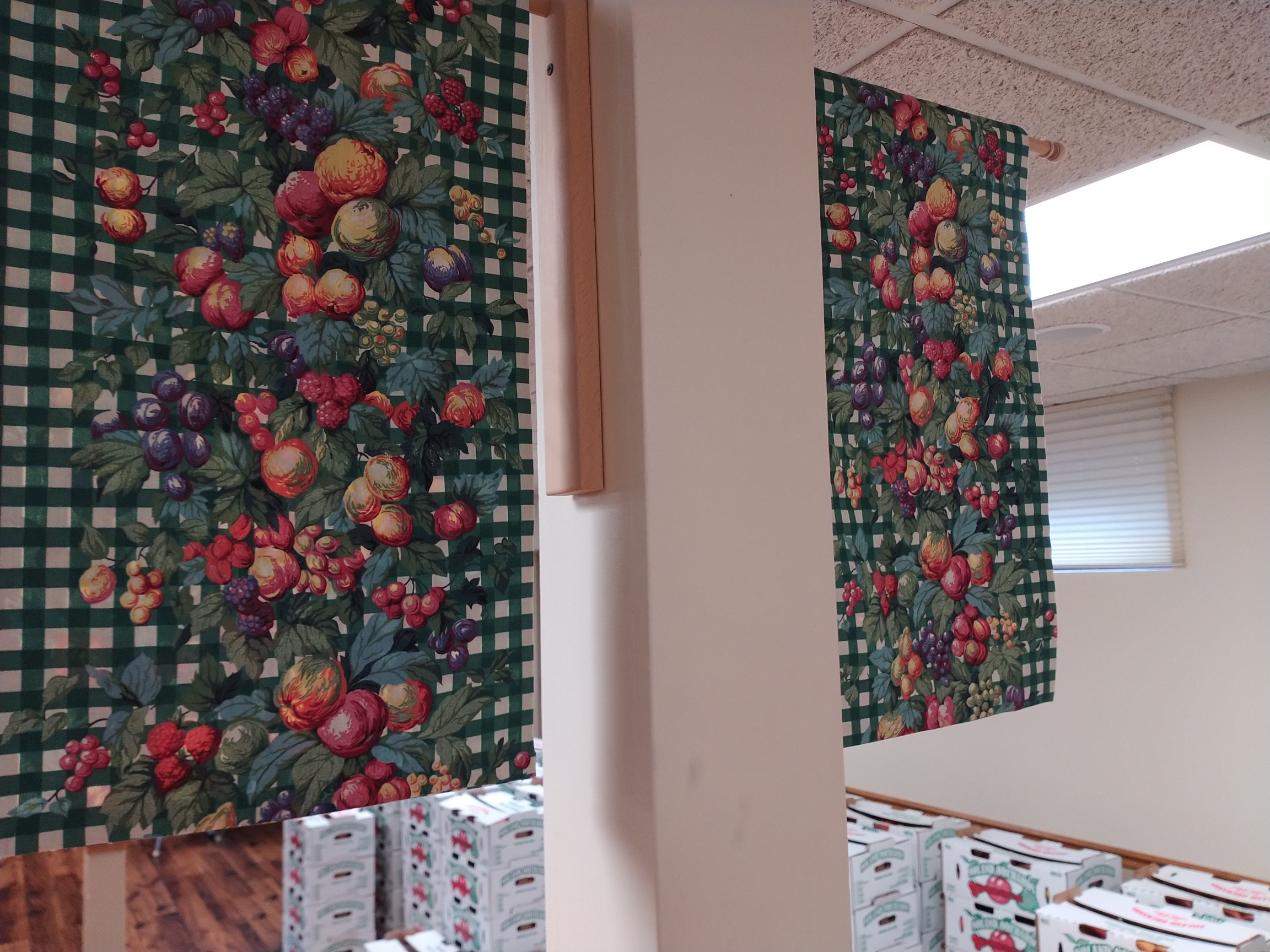
Fruit-themed banners add a festive flair to peach pick up. (Minnesota Prairie Roots copyrighted photo August 2024)

I always thought I would follow my mom’s example of planting a big garden and preserving food. But I never did. I live on a mostly shady lot in town. I raised only three children, not six like her. I have easy access to multiple grocery stores, unlike her. Fresh fruit is readily available. I prefer fresh. And, if I’m really honest with myself, I never wanted to labor in the kitchen for hours during the hot summer putting up fruits and vegetables.

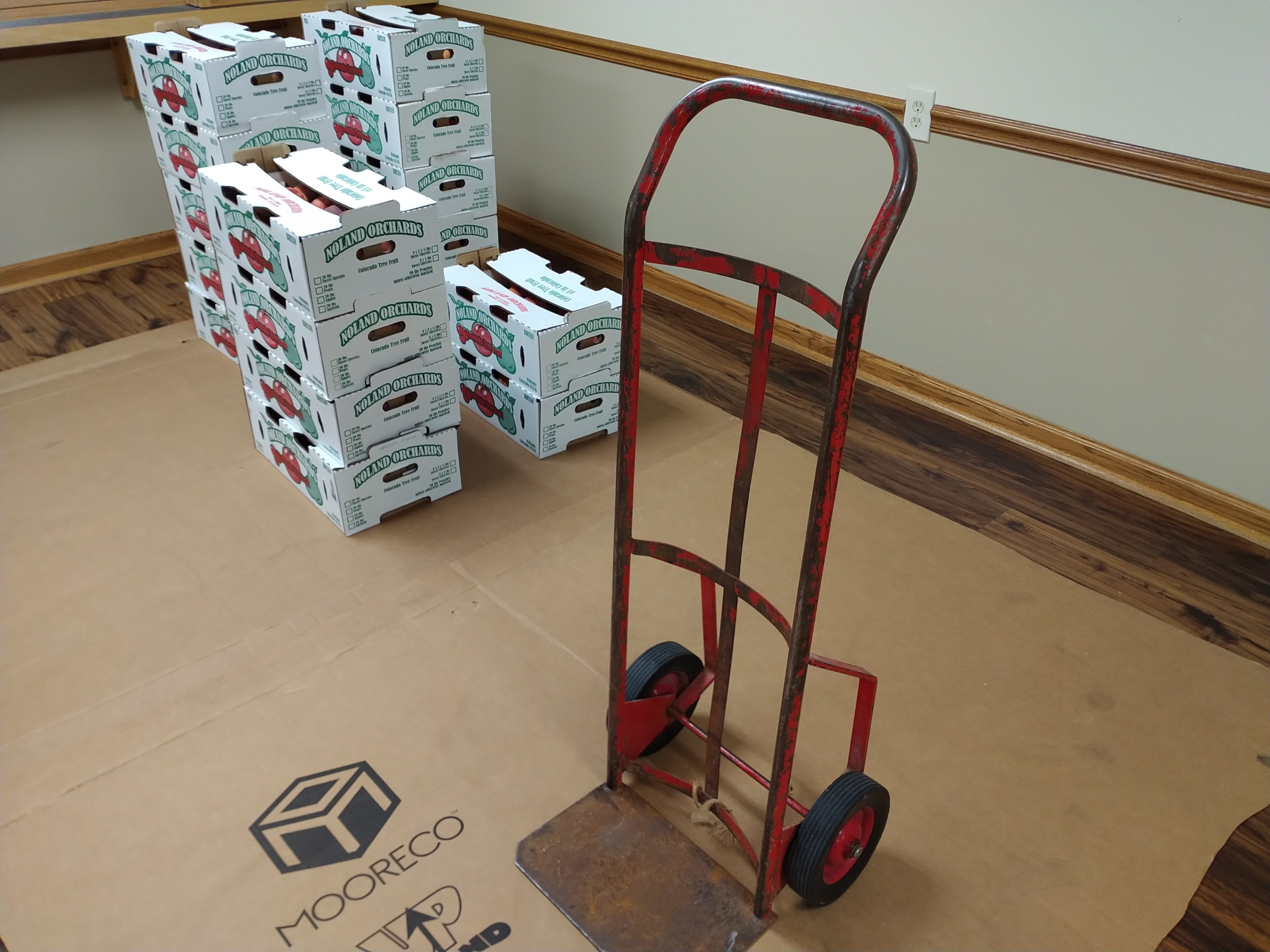
Carts were ready for volunteers to wheel peach cases to vehicles. (Minnesota Prairie Roots copyrighted photo August 2024)

Still, I buy that case of peaches from First English. All those peaches, minus the tissue paper wrappings reused in the outhouse. In many ways, I am honoring my mom, hardworking farm woman of the Minnesota prairie. As I pull ripened peaches from a brown paper bag to slice into my morning oatmeal, to eat with a meal or to incorporate into a crisp, pie or galette, I think of Mom. She, who showed her love for family not in words or hugs, but rather in rows and rows of quart jars filled with fruit. Jars shelved on planks in the dank, dark depths of the dirt-floored cellar.

© Copyright 2024 Audrey Kletscher Helbling
 

Prayer ribbons at the Cathedral July 16, 2024

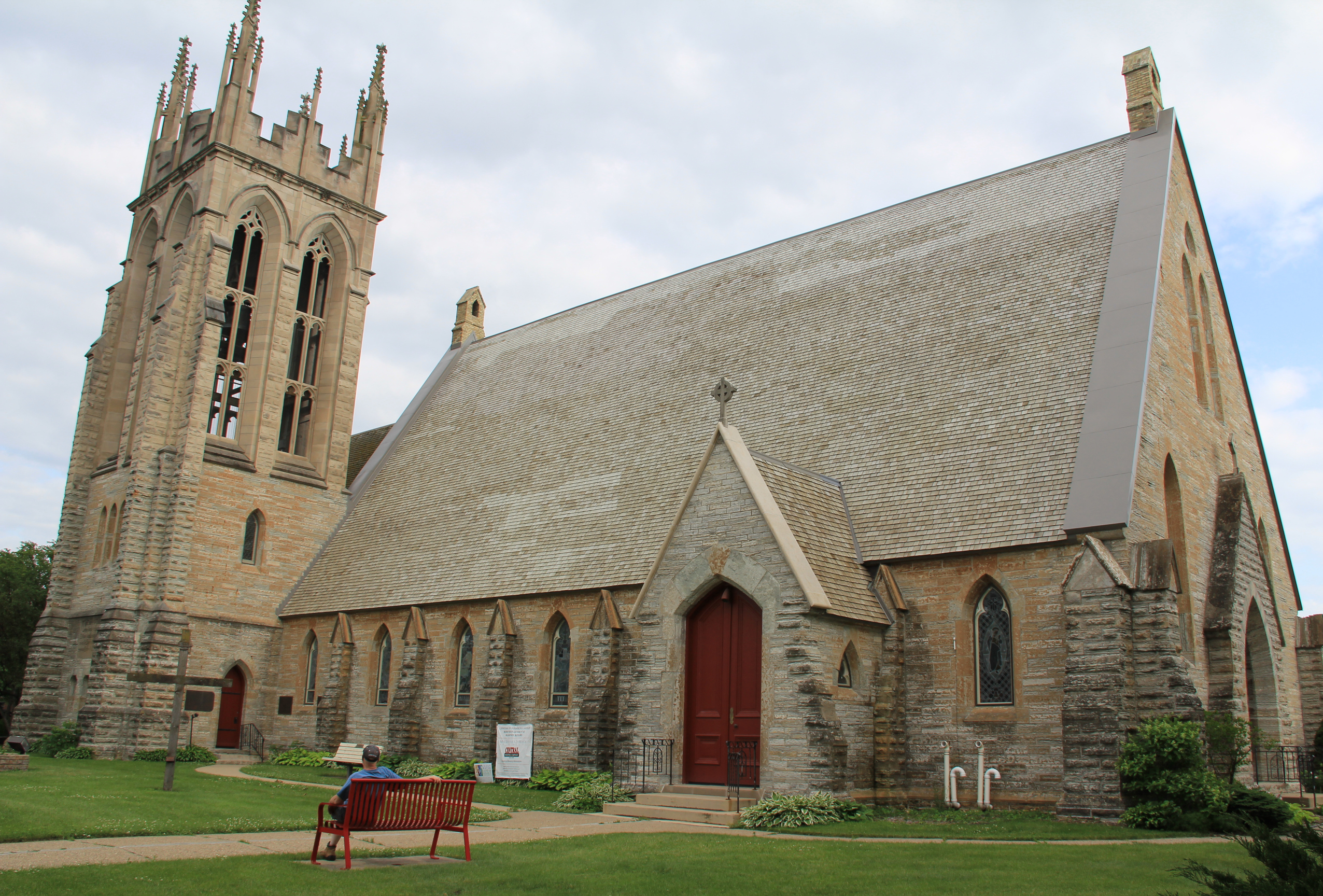
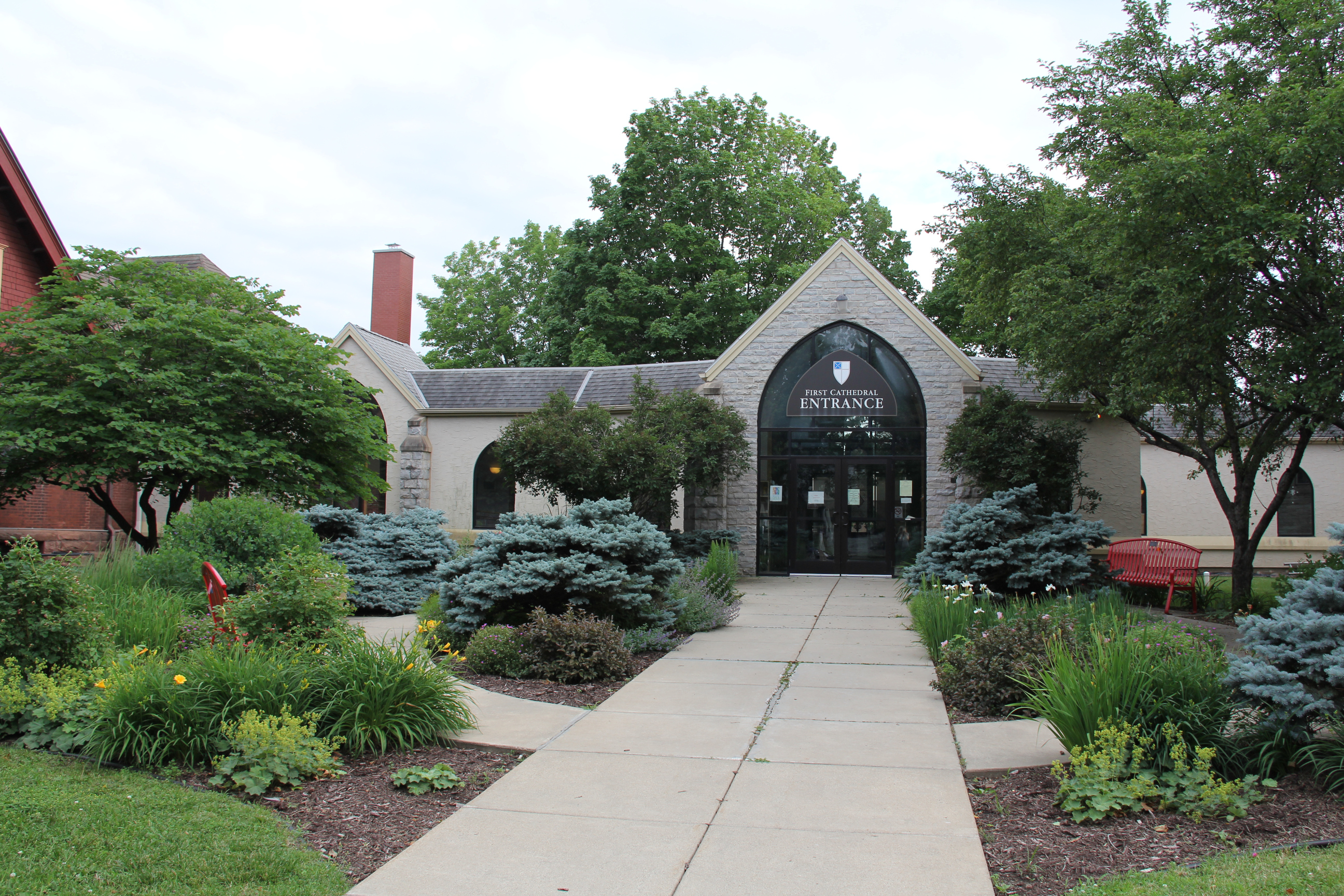
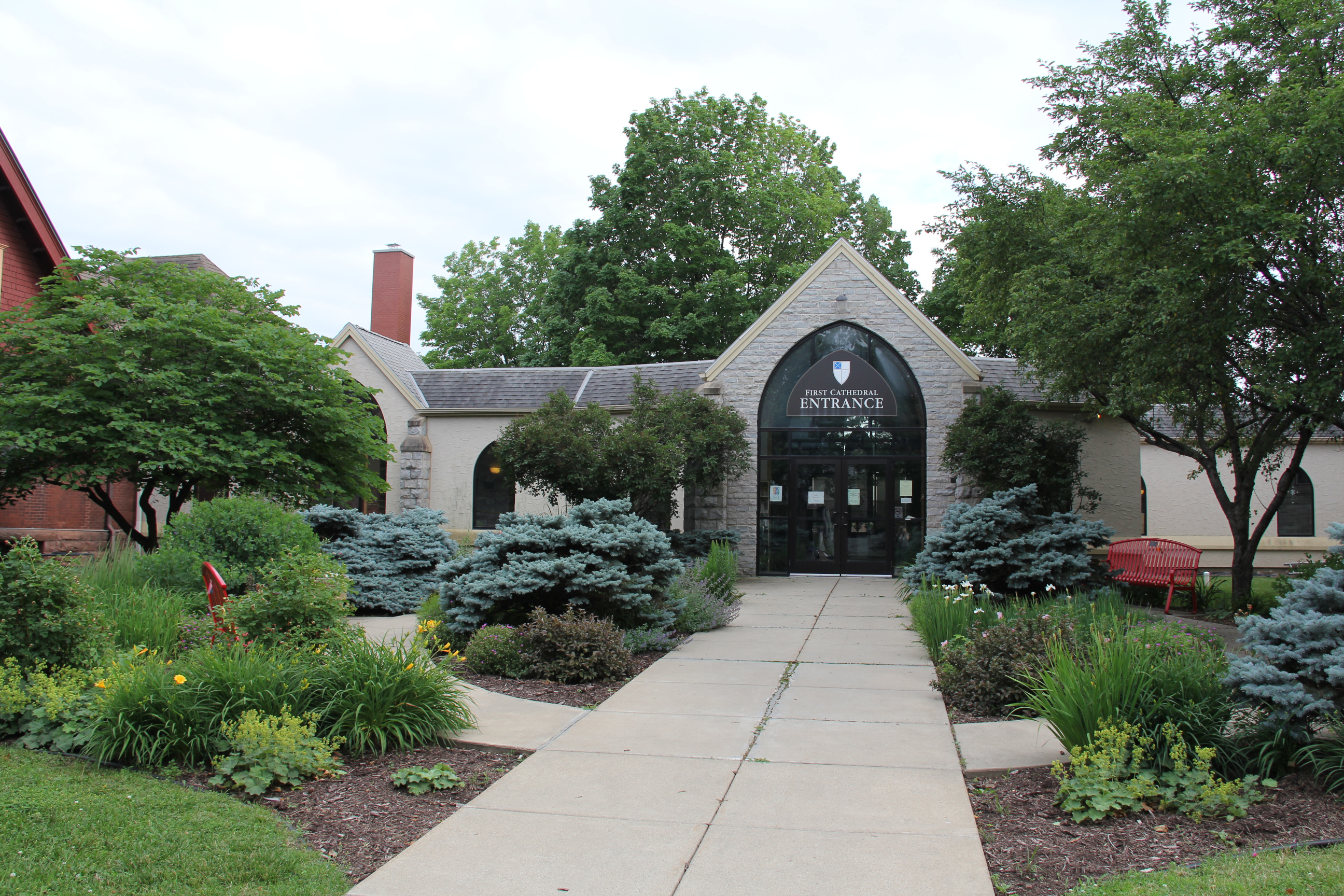
A garden graces a side entry to The Cathedral of Our Merciful Saviour in Faribault. (Minnesota Prairie Roots copyrighted photo June 2024)

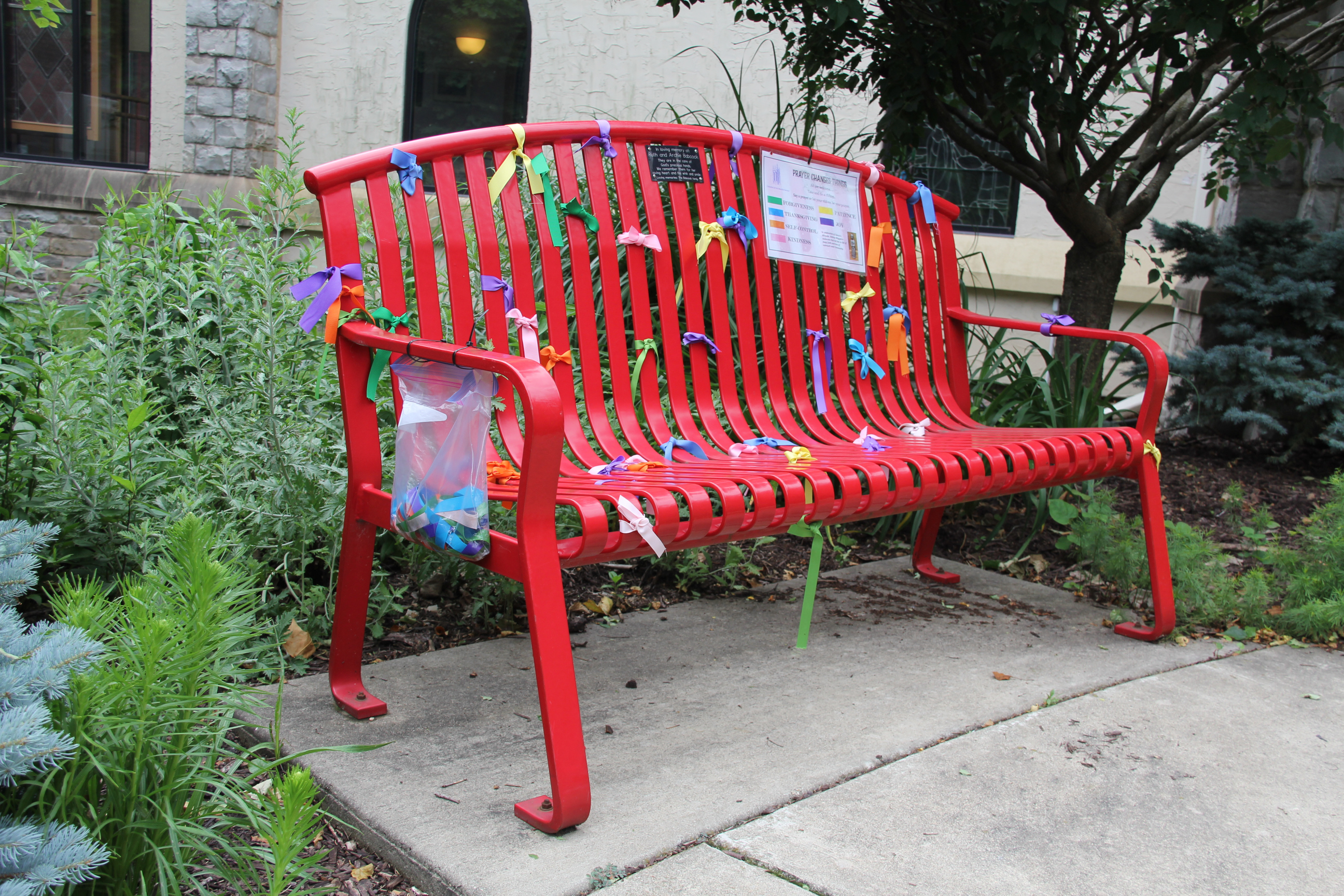
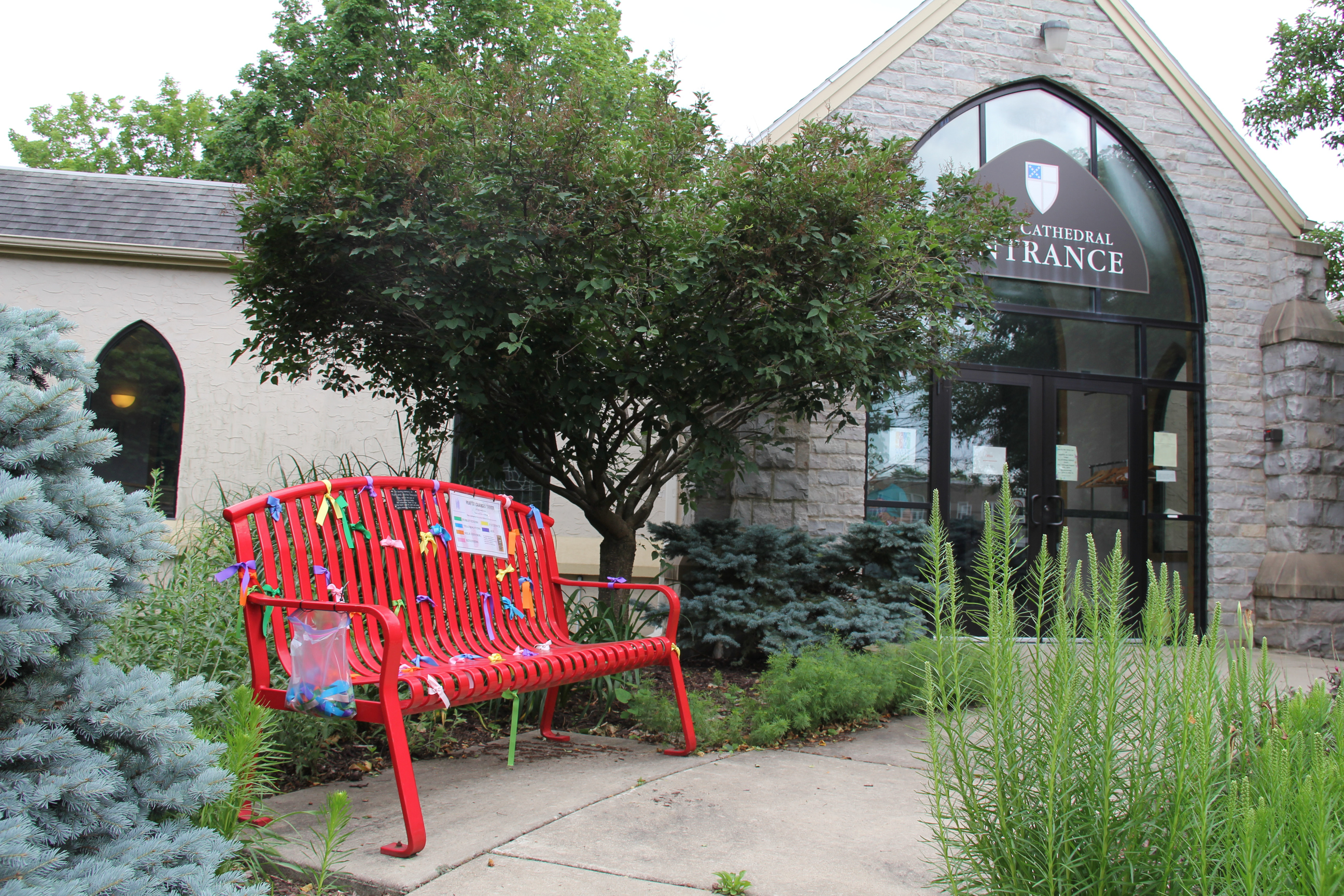
AMONG THE FLOWERS, trees and shrubbery fronting a side entry to the space that connects church to guild house, three red benches nestle. Bold. Vibrant. Statement pieces in a garden at The Cathedral of Our Merciful Saviour.

Construction on the original part of the Cathedral began in 1862 and was completed in 1869. It is listed on the National Register of Historic Places. (Minnesota Prairie Roots copyrighted photo June 2024)

But those benches outside the massive limestone church towering above the landscape along Second Avenue across from Central Park in Faribault serve as more than a place to rest. They are a place for prayers.

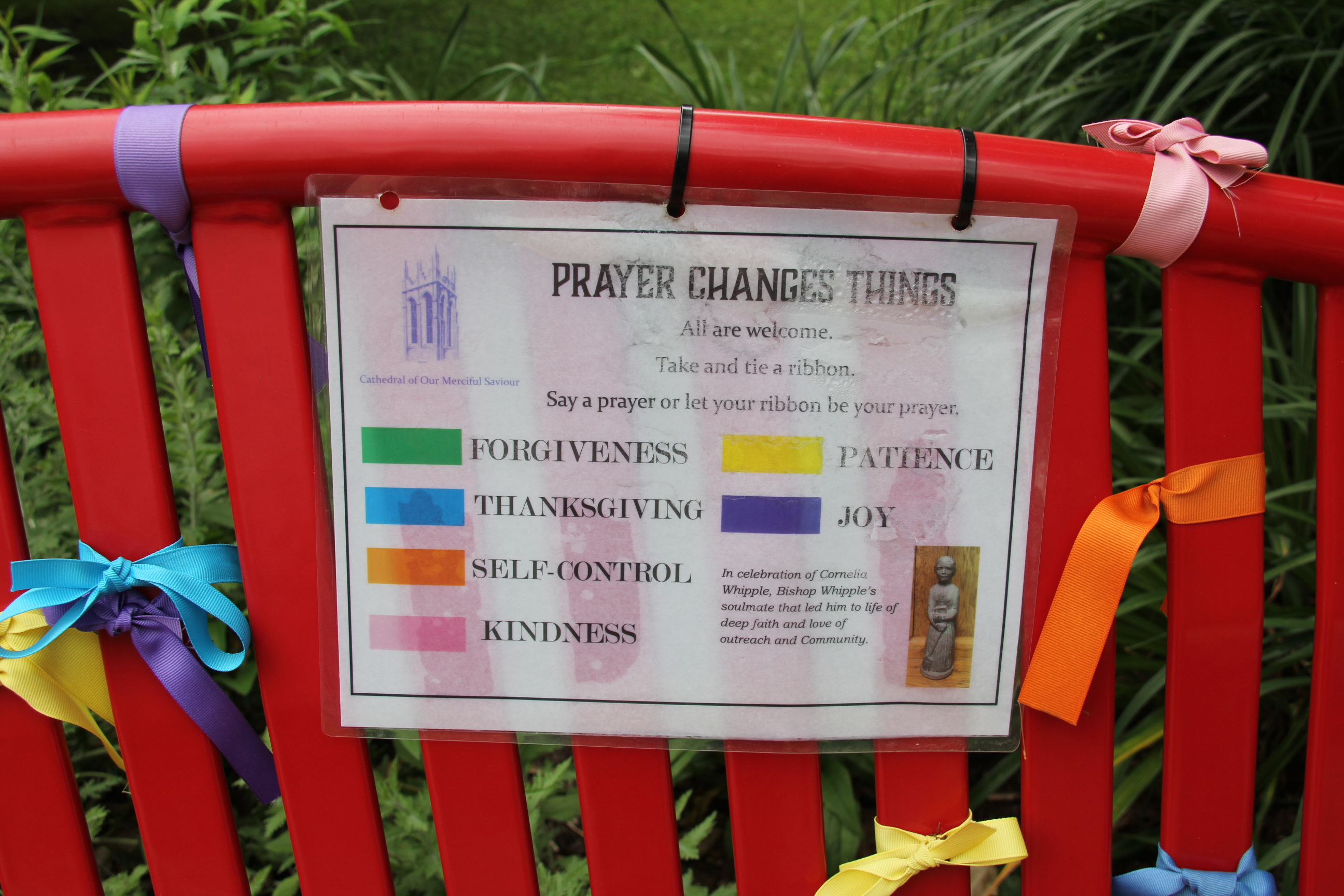
Prayer ribbon instructions posted on a bench. (Minnesota Prairie Roots copyrighted photo June 2024)

Ribbons, representing prayers, are tied to the slatted benches. A sign explains: PRAYER CHANGES THINGS. All are welcome. Take and tie a ribbon. Say a prayer or let your ribbon be your prayer.

Choose a ribbon from the bag. (Minnesota Prairie Roots copyrighted photo June 2024)

What a creative idea. A Ziploc bag of multi-colored ribbons hangs on one of the benches. Each hue represents a different prayer. Green for forgiveness. Blue for thanksgiving. Orange for self-control. Pink for kindness. Yellow for patience. Purple for joy.

One of the three garden benches is covered with prayer ribbons. (Minnesota Prairie Roots copyrighted photo June 2024)

These prompts prove soul-searching. Too often prayers focus on needs/wants/desires, not tough topics like forgiveness and self-control. And how often we forget to express gratitude and joy in prayer.

Ribbons representing prayers of joy, kindness and self-control. (Minnesota Prairie Roots copyrighted photo June 2024)

To be reminded of these traits, these feelings, these thoughts can only make us kinder, gentler, better people.

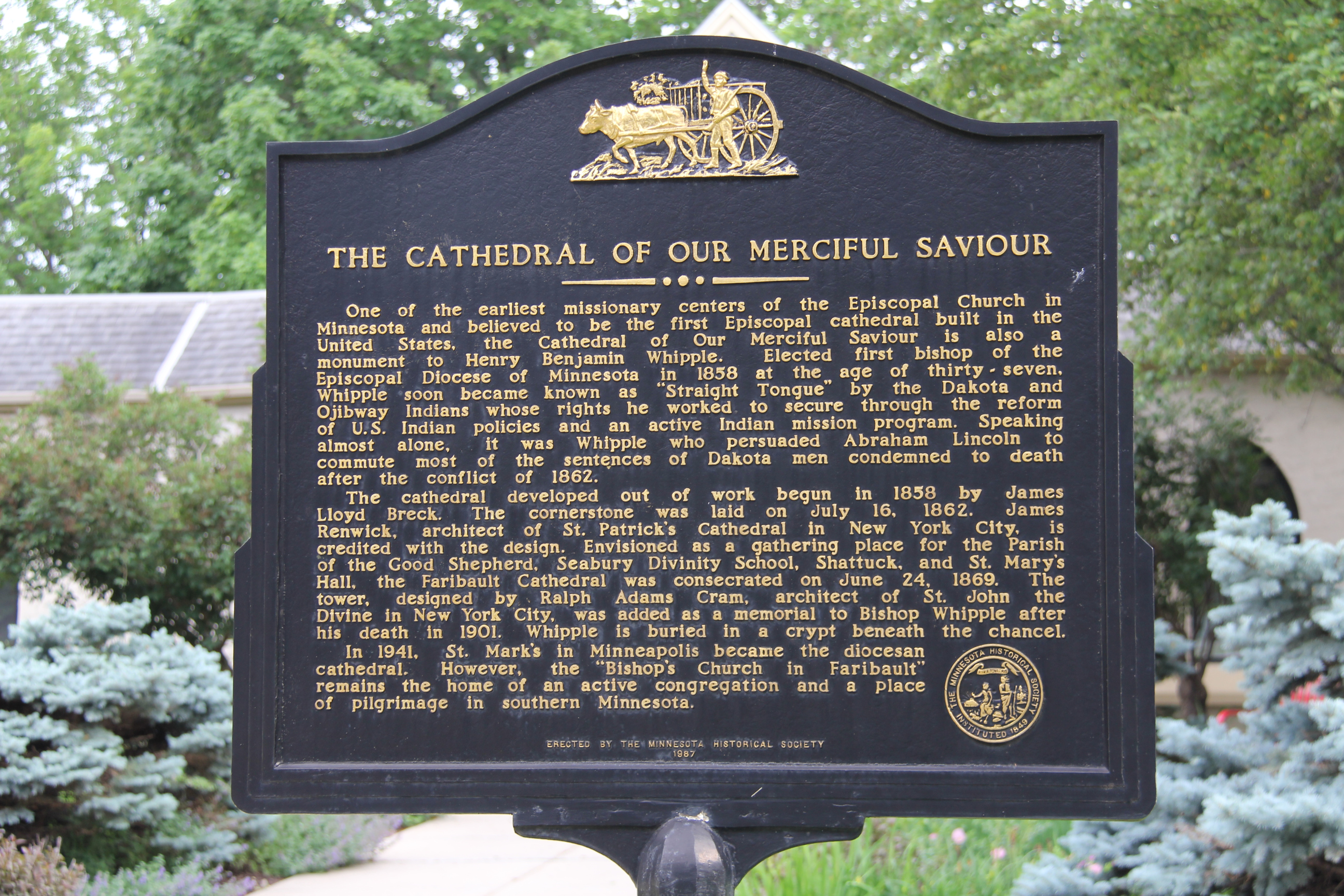
A historical marker at the Cathedral summarizes its history. (Minnesota Prairie Roots copyrighted photo June 2024)
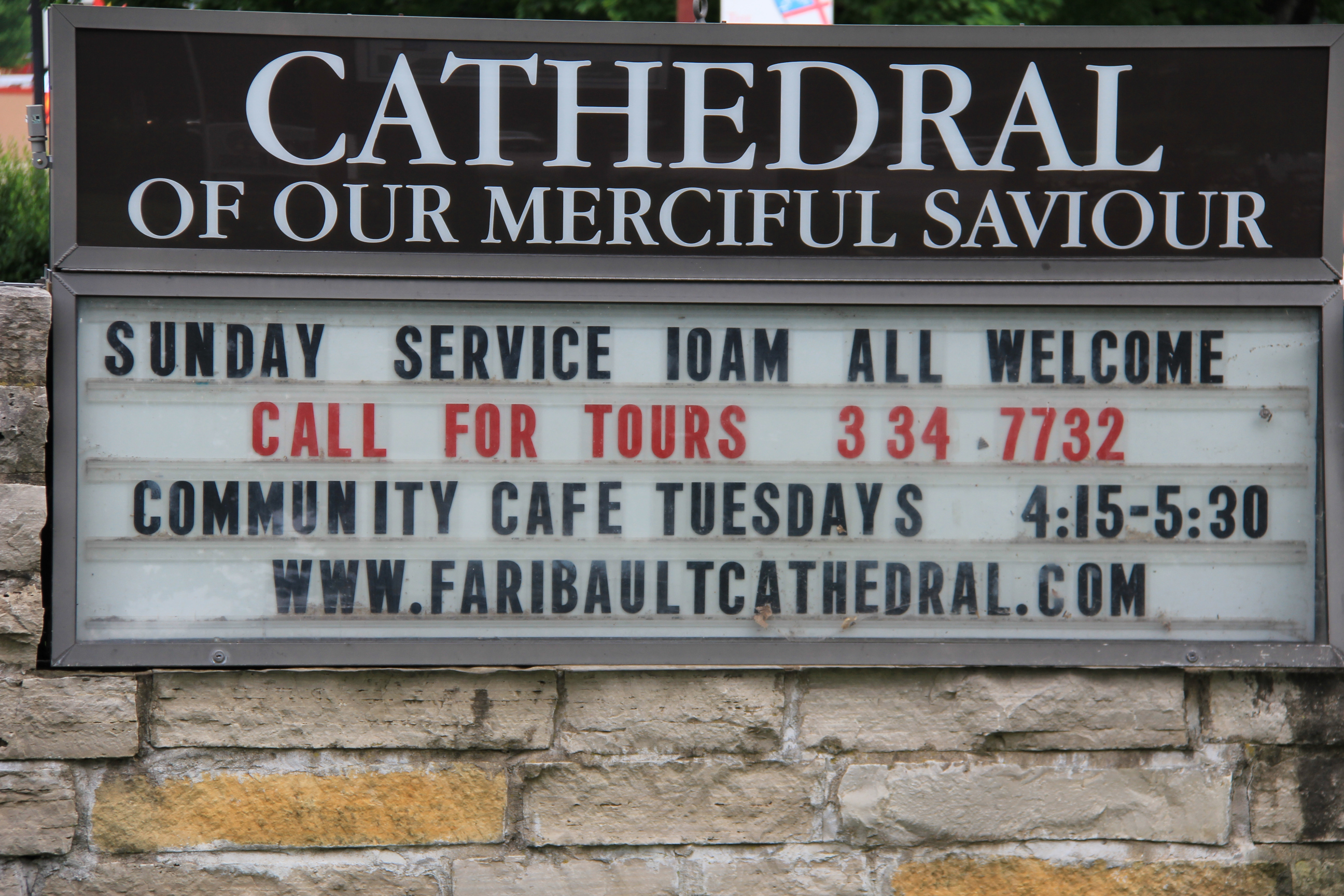
The Cathedral sign lists community connections. (Minnesota Prairie Roots copyrighted photo June 2024)

That follows a guiding principle of the Cathedral as a place “where history meets heart.” The Cathedral, since it’s founding in the mid-1800s, has long centered on community. Bishop Henry Whipple befriended the Dakota people and many more. Today the church still opens its doors—as the site of the Community Cafe (serving free meals weekly to the community), as a venue for free concerts, as a historic site to tour, as an active participant in Faribault’s annual Heritage Days celebration, as a location for Red Cross blood drives…

Ribbons representing patience, thanksgiving and joy. (Minnesota Prairie Roots copyrighted photo June 2024)

And now this seemingly small, yet powerful thing, this beckoning to ponder and place prayers upon public benches. Prayer changes things. Just as a faith family can, when thoughts and ideas expand into actions. Actions that embrace community, providing a welcoming place to gather, to celebrate, to contemplate life.

An inviting entry garden…with prayer beribboned benches. (Minnesota Prairie Roots copyrighted photo June 2024)

We all hold the capacity to forgive, to thank, to control our thoughts, words and behavior, to practice kindness, to exercise patience, to express joy. If tying a ribbon to a red bench encourages self-reflection and positive change, then that is a good thing. We can always be better, do better, live better, in ways that improve our lives and the lives of those around us.

© Copyright 2024 Audrey Kletscher Helbling
 

Songs of Hope bringing the world, & hope, to Faribault July 10, 2024

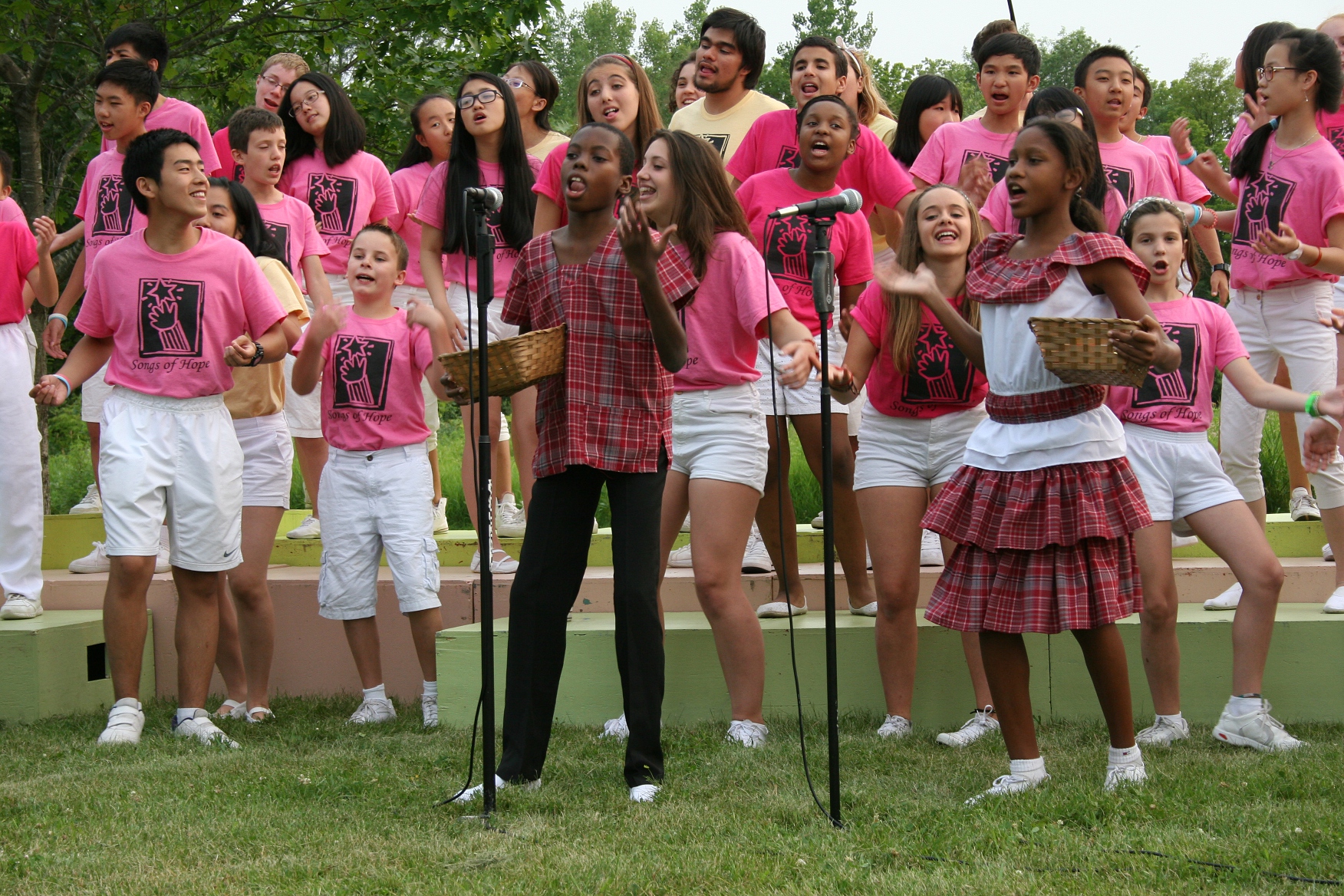
In July 2014, Songs of Hope performers presented selections from Jamaica, including “Linstead Market” and “Stand Up For Your Rights.” (Minnesota Prairie Roots copyrighted file photo July 2014)

TEN YEARS AGO, Songs of Hope danced and sang their way into my heart at River Bend Nature Center in Faribault. Now this group of young musicians and performers from around the world will be back in town, this time at 7 p.m. Tuesday, July 16, at the historic Cathedral of Our Merciful Saviour.

Song and dance from Vietnam. (Minnesota Prairie Roots copyrighted file photo July 2014)

I encourage you, if you live in the area, to attend this free 90-minute concert in the Cathedral, which boasts incredible acoustics in a remarkable setting. The concert is part of the Cathedral’s Merner Concert series offering free music to the community.

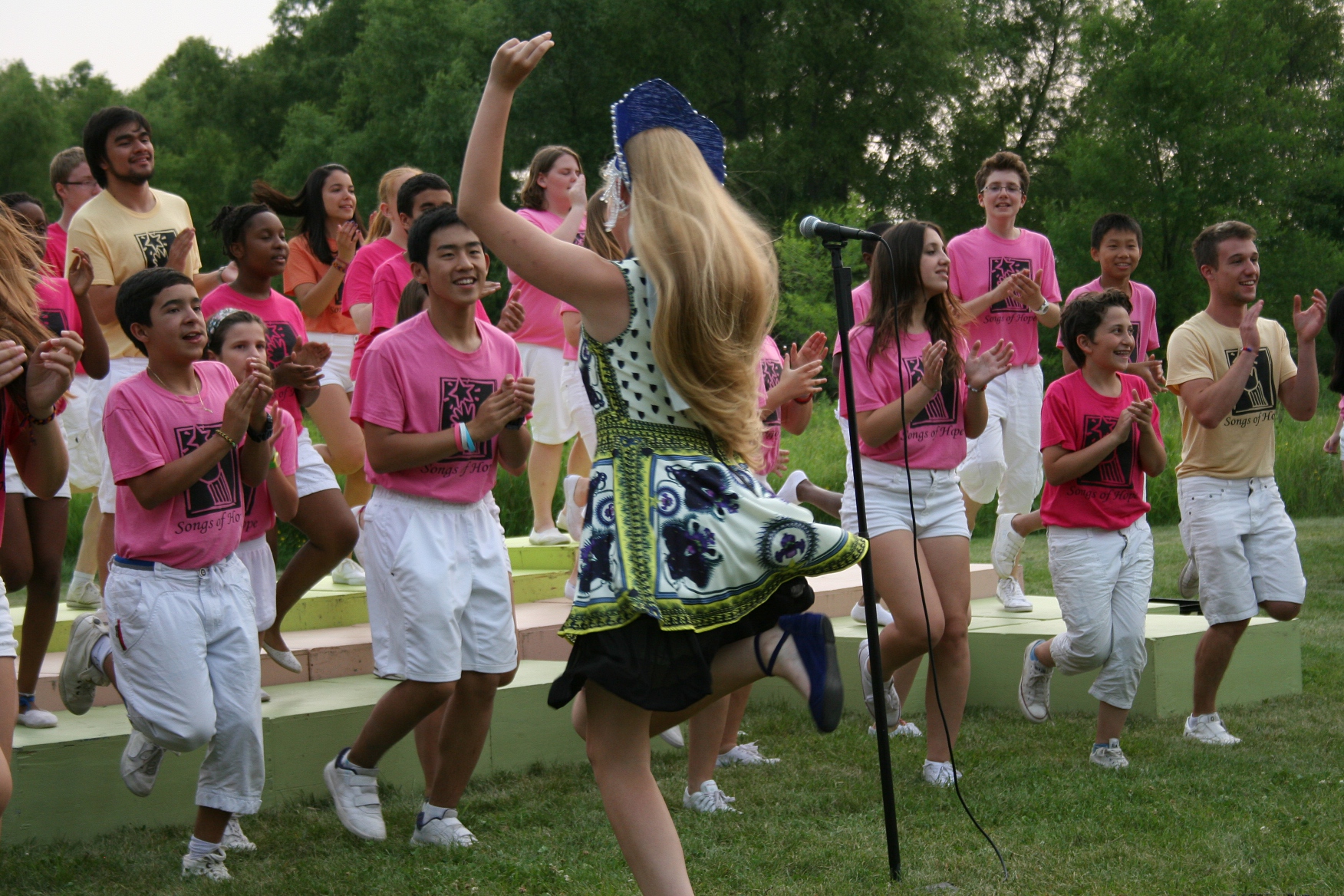
In nearly constant motion during this 2014 performance in Faribault. (Minnesota Prairie Roots copyrighted file photo July 2014)

Young people from Finland, Italy, Germany, Vietnam, Costa Rica, Mexico, Jamaica, Turkey, Madagascar and the USA will present a program that features singing, dancing and cultural dress in a high energy show. I can vouch for that. When I attended the Songs of Hope performance at River Bend in 2014, I felt, heard and saw their energy. I left feeling uplifted and incredibly hopeful about the future of this world.

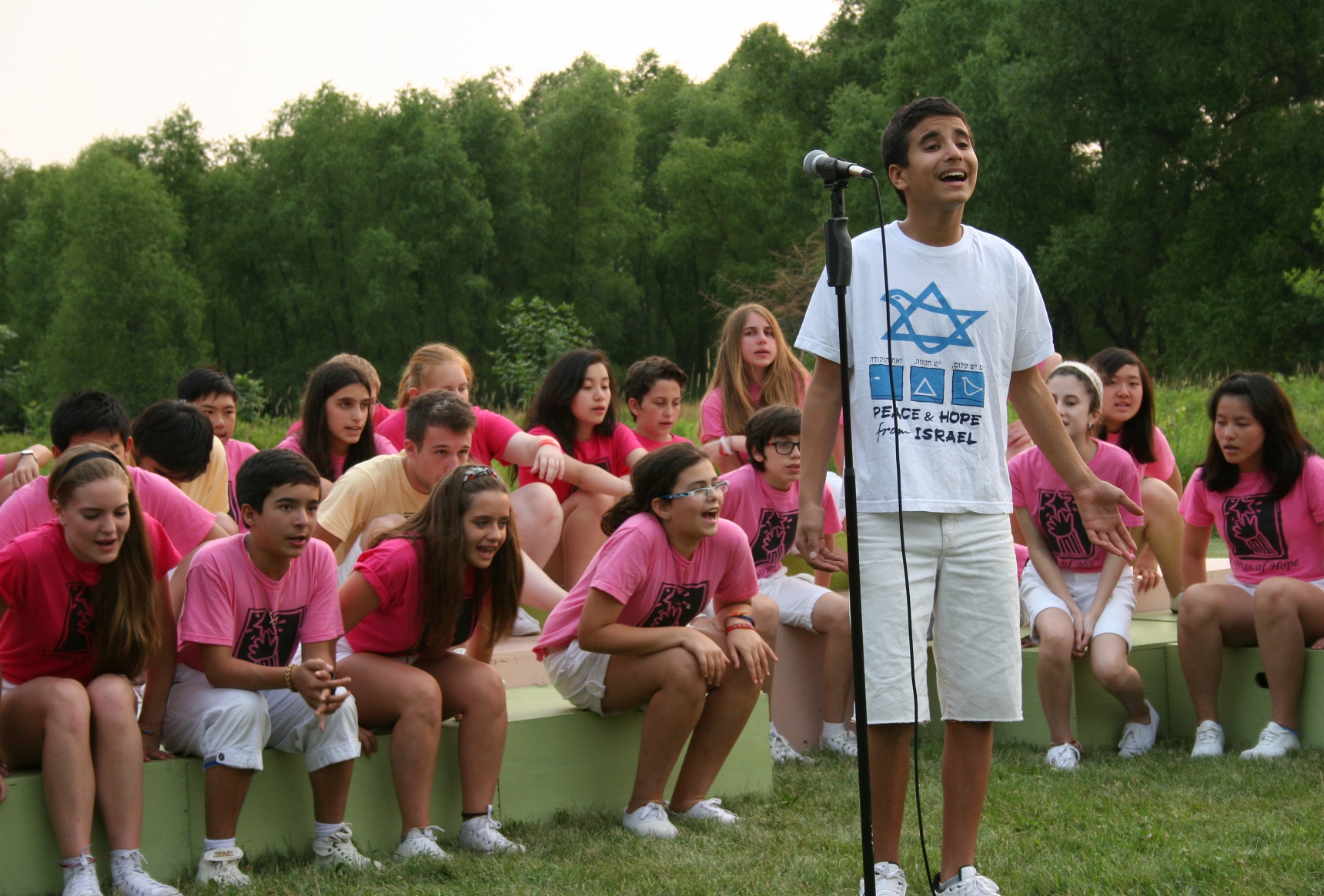
The message on this singer’s t-shirt is as relevant today as it was during this performance 10 years ago. (Minnesota Prairie Roots copyrighted file photo July 2014)

In a time when there’s so much conflict, so much discontent, so much unease, this coming together of international youth infuses hope into communities. And who doesn’t want to feel hope?

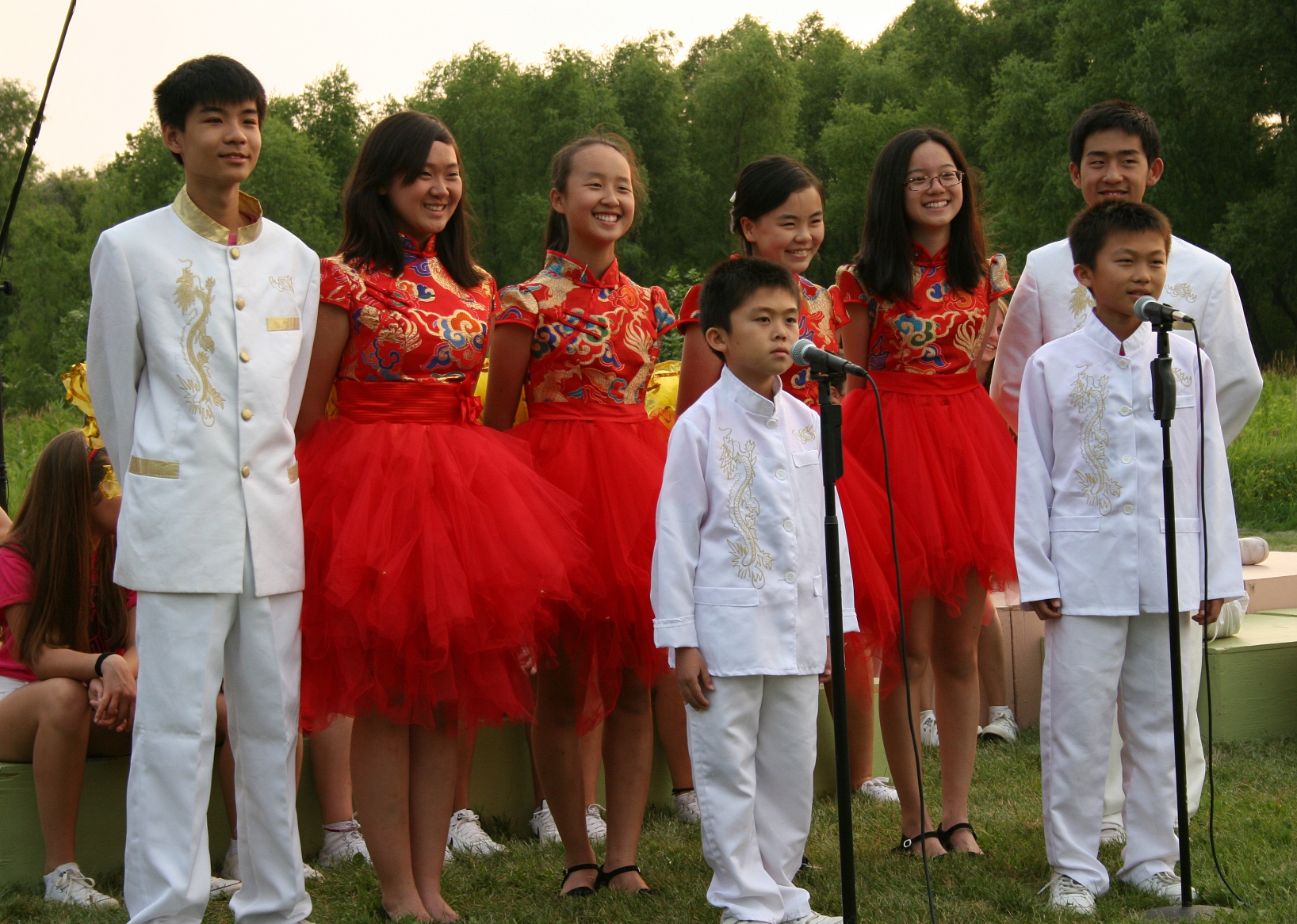
Ready to perform in traditional Chinese attire in 2014. (Minnesota Prairie Roots copyrighted file photo July 2014)

These youth are sharing their cultures via their performance art and dress. When we begin to learn about other cultures, we begin to recognize the commonalities among us, rather than that which we think divides us. We all share basic human needs of food, shelter and love.

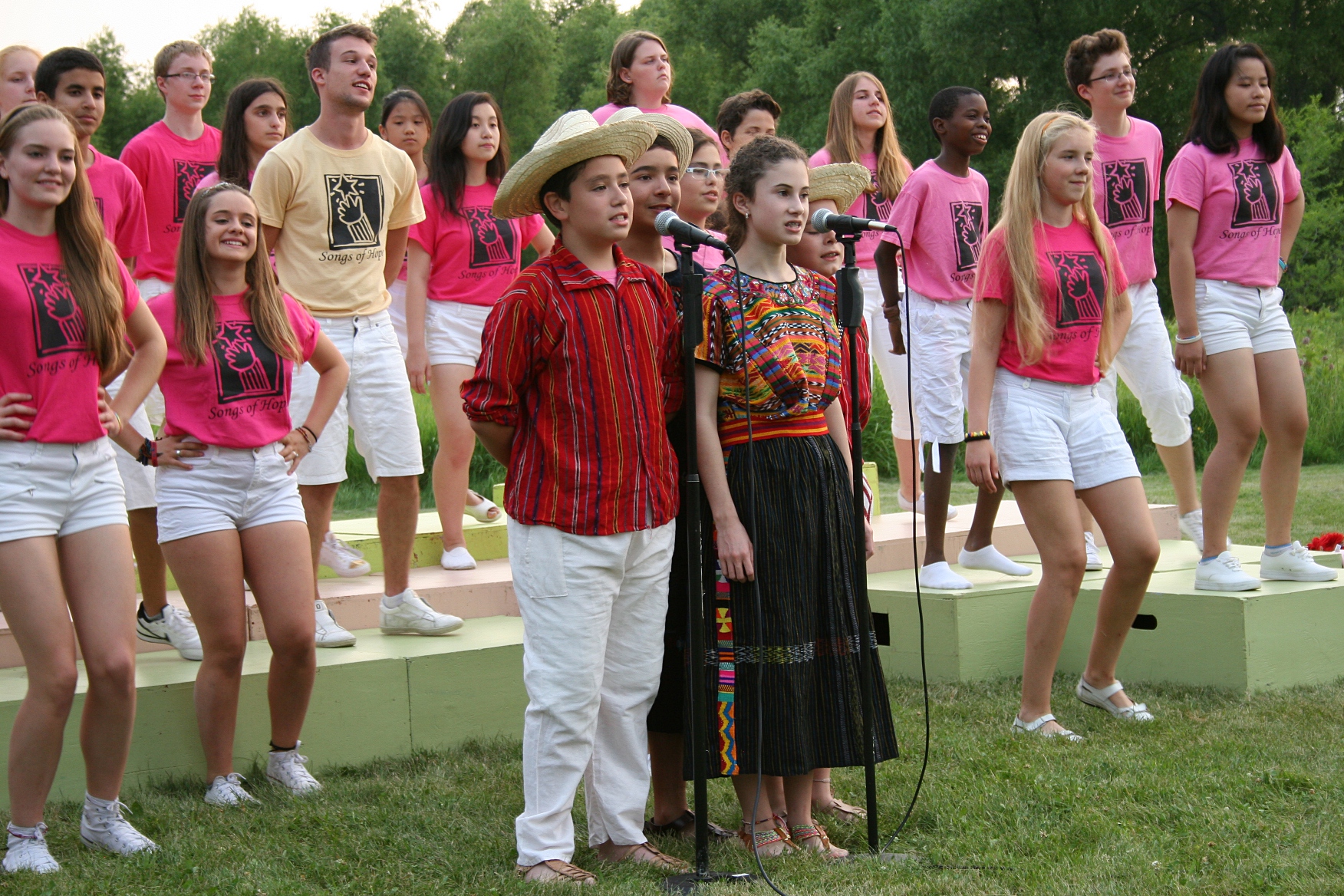
Songs from Guatemala. (Minnesota Prairie Roots copyrighted file photo July 2014)

The name, Songs of Hope, fits this group, which is part of St. Paul-based Sounds of Hope. Youth ages ten and older from around the world attend a six-week overnight performing arts summer camp before heading out on a three-week concert tour. Those concerts are performed in the Twin Cities metro and in communities outside the Cities, primarily in southeastern Minnesota.

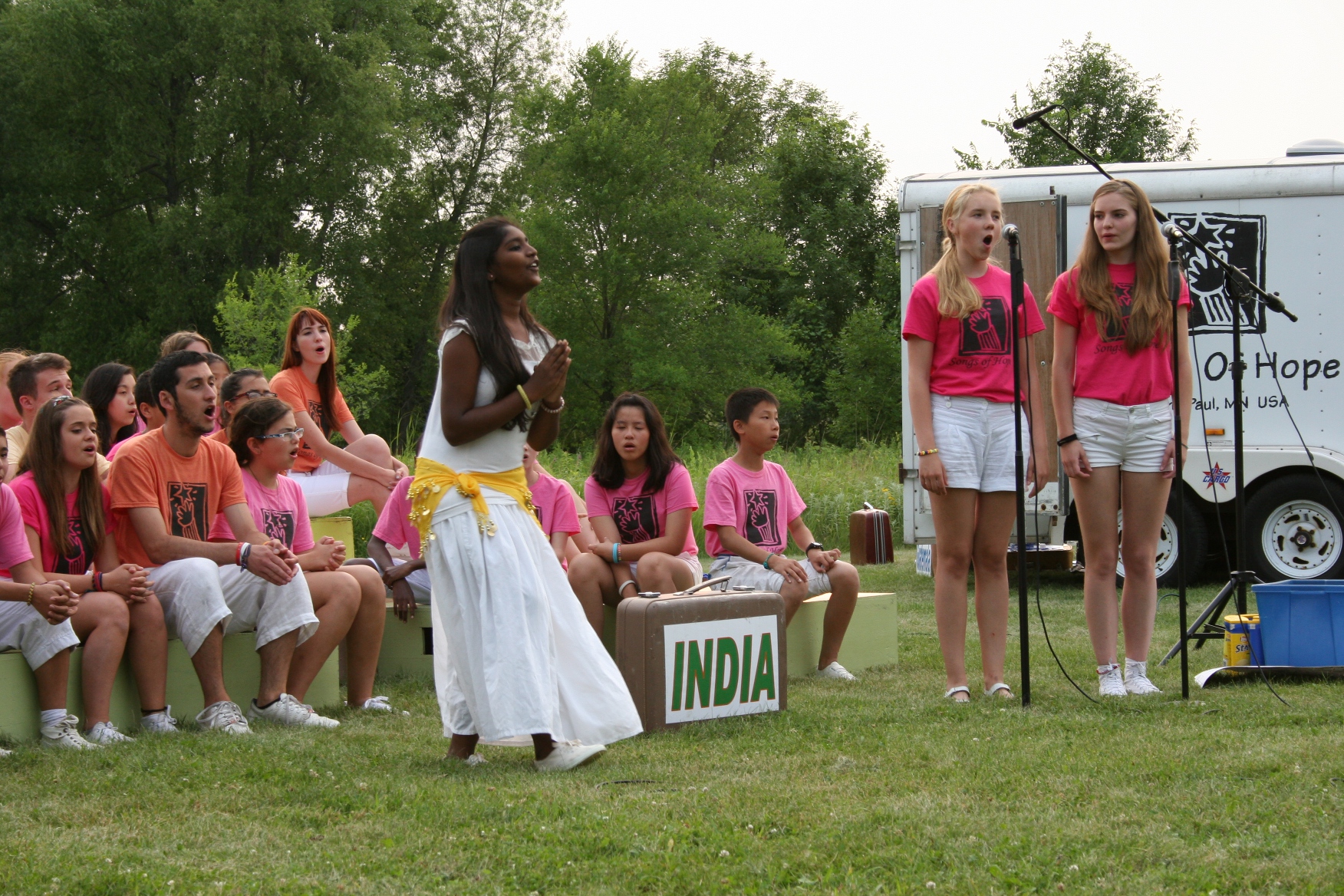
Songs of Hope performers present a selection from India. (Minnesota Prairie Roots copyrighted file photo July 2014)

To have Songs of Hope back in Faribault, a decidedly diverse, but not always united, community, is a gift to all of us.

© Copyright 2024 Audrey Kletscher Helbling
 

Land eroding around Faribault Woolen Mill Dam July 3, 2024

Filed under: Uncategorized — Audrey Kletscher Helbling @ 10:21 PM
Tags: , , , , , , , ,
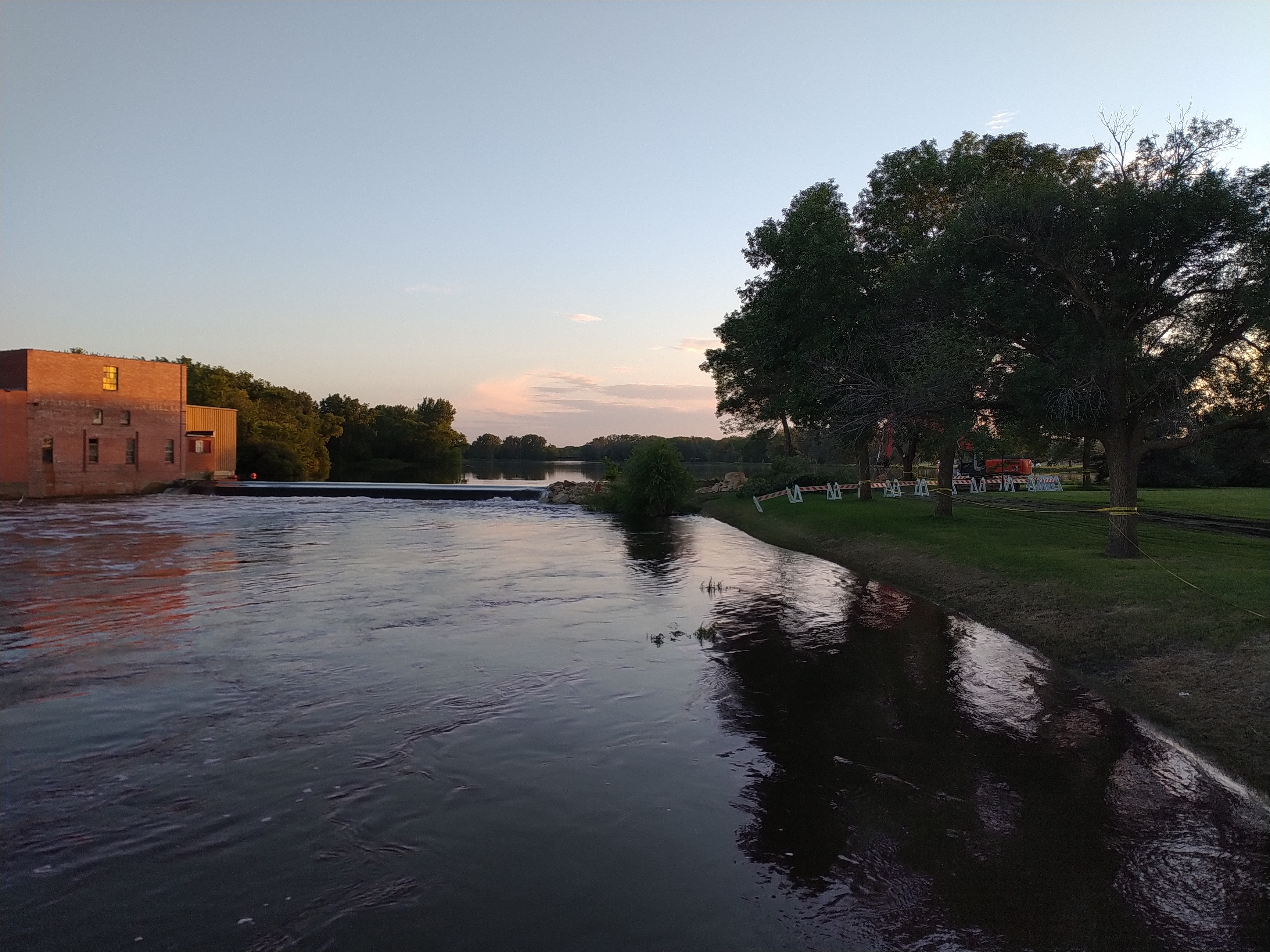
In this cellphone photo from the Second Avenue bridge, you can see the boulders piled across the north edge of the dam, excavator to the right. That’s the Faribault Mill to the left on the Cannon River. (Minnesota Prairie Roots copyrighted photo July 3, 2024)

WHEN I LEARNED late Wednesday afternoon of serious river bank erosion by the Faribault Woolen Mill Dam following recent flooding, one word crossed my mind—Rapidan. Last week the Blue Earth River skirted the Rapidan Dam, eroding the earth and creating a new river channel that eventually claimed buildings, trees and more.

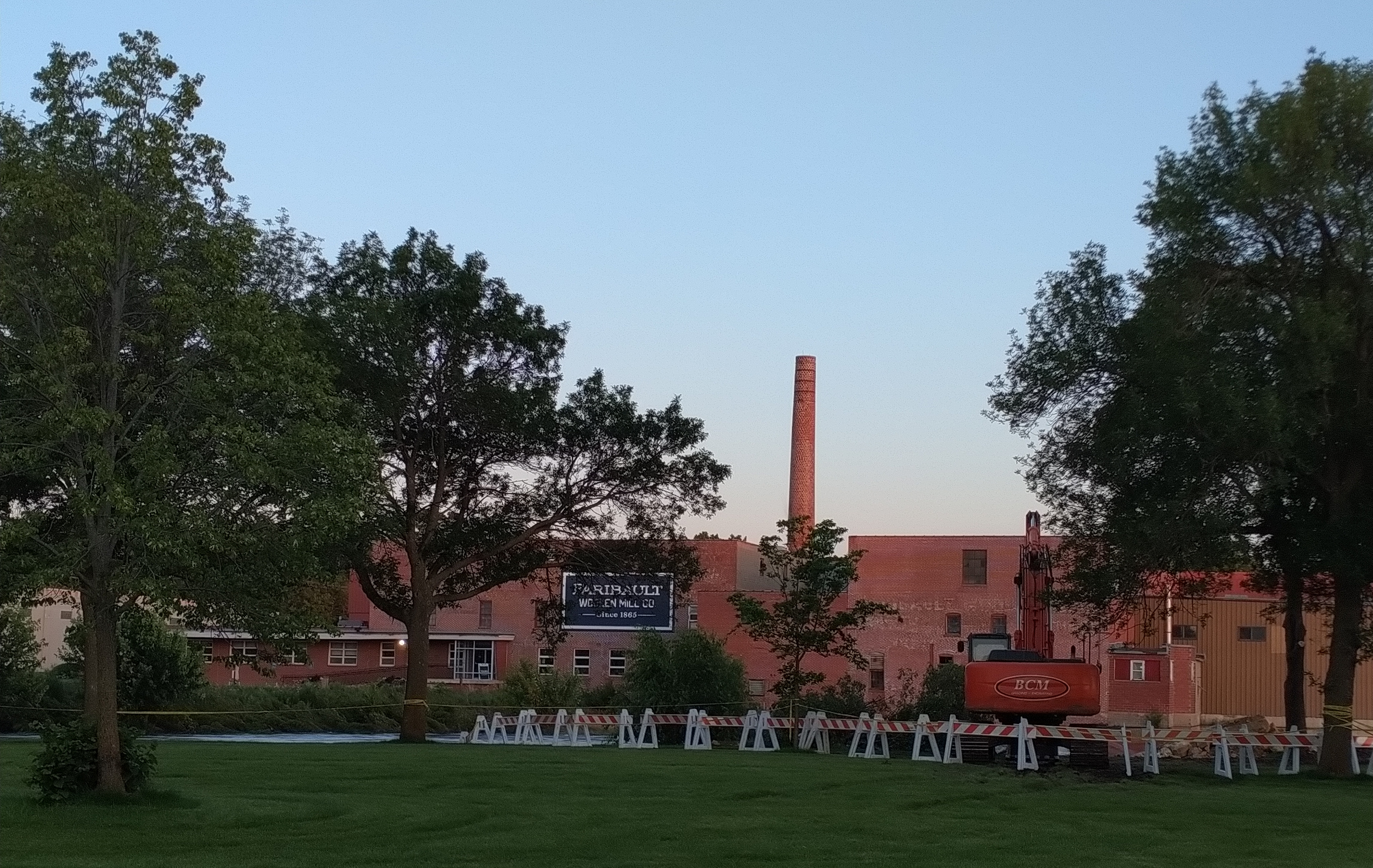
Barricades block access to the area along the river where crews worked to stabilize the bank on Wednesday. The Faribault Mill is across the river. (Minnesota Prairie Roots copyrighted photo July 3, 2024)

Right now I don’t see that happening in my community. The dam, the river, the landscape differ. In Faribault, crews worked to mitigate further erosion by piling boulders on the north side of the mill dam. That’s a temporary fix until water levels drop and officials can check for damage to the dam.

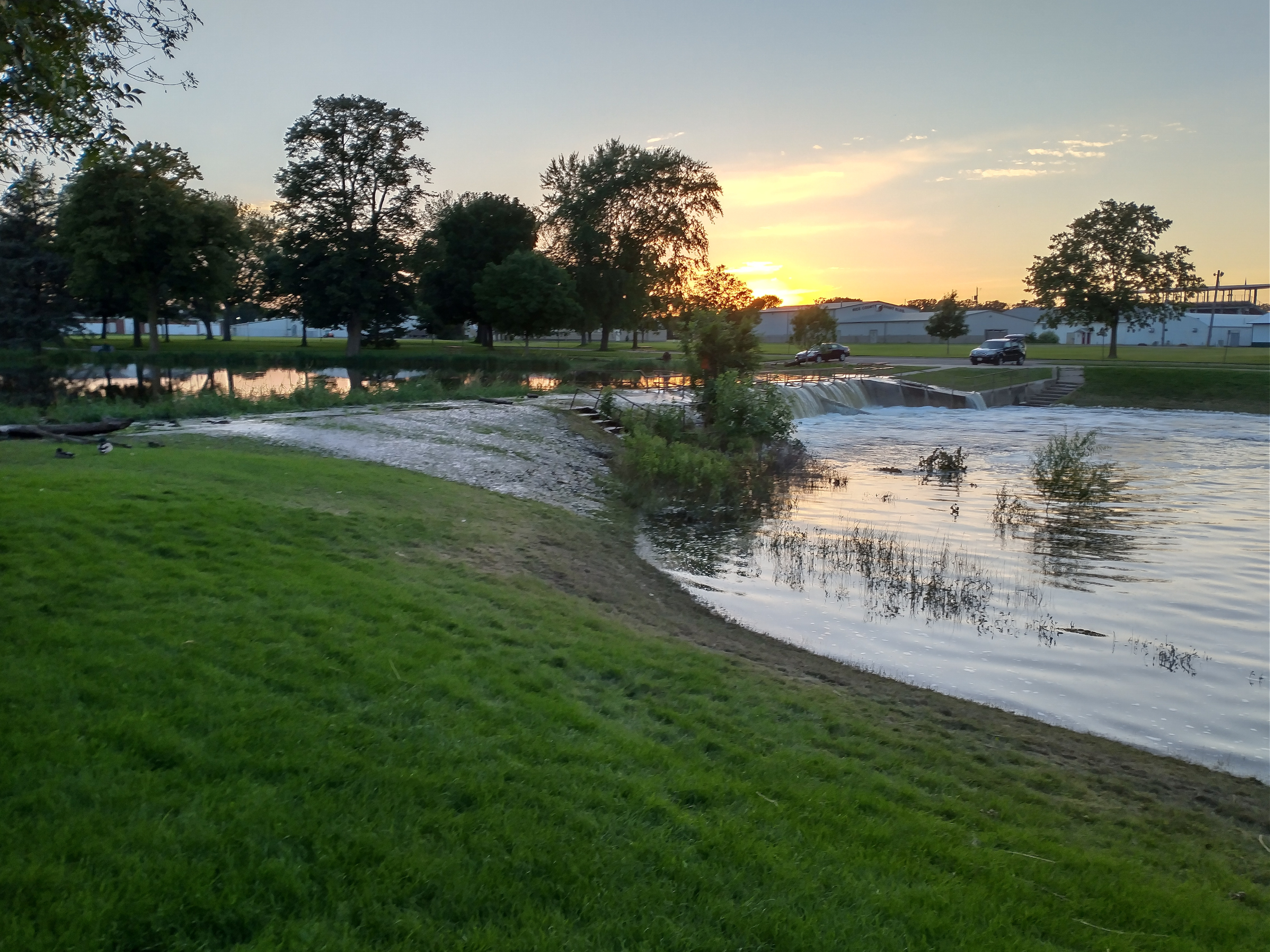
The second dam next to Father Slevin Park is not showing serious erosion, although water is flowing over the bank on the south side. (Minnesota Prairie Roots copyrighted photo July 3, 2024)

I stopped briefly Wednesday evening to see firsthand what is happening at the two dams on the Cannon River. Water levels remain high, although lower than they have been. But more rain is predicted in the next several days. Exactly what we don’t need.

#

NOTE: I did not have my 35 mm Canon camera with me so I had to use my cellphone to shoot these photos, thus I could not zoom in to take better, clearer images.

© Copyright 2024 Audrey Kletscher Helbling
 

The beauty of flowers in a community June 26, 2024

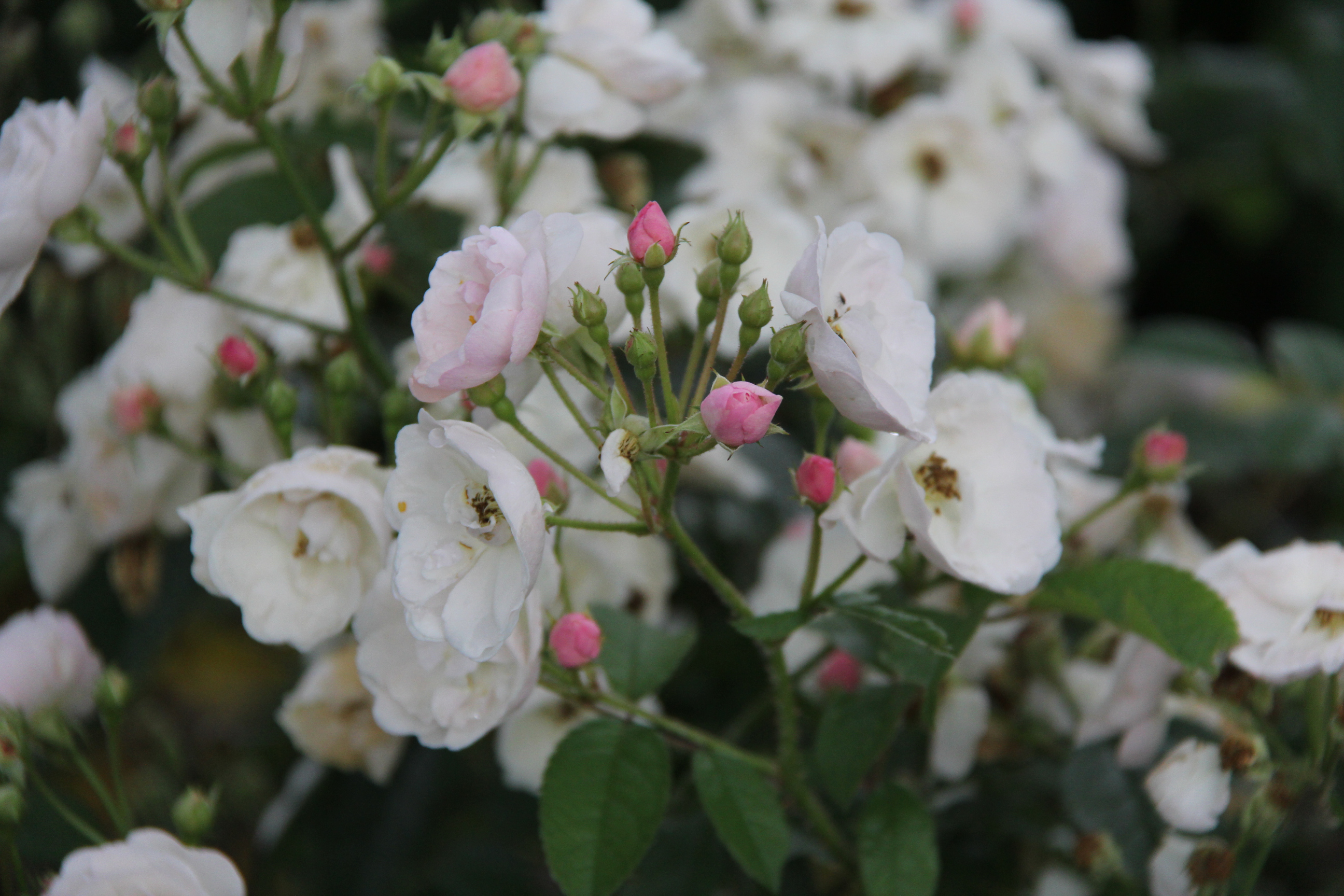
Roses bloom in the Rice County Master Gardeners Teaching Gardens at the Rice County Fairgrounds in Faribault. (Minnesota Prairie Roots copyrighted photo June 2024)

OH, HOW BEAUTIFUL the flowers that gardeners tend. Petals flash color, painting the landscape in bold and delicate hues. Flowers dip and bend in the wind like silent writers penning poetry. Flowers inspire, bring joy, carry love stories and memories.

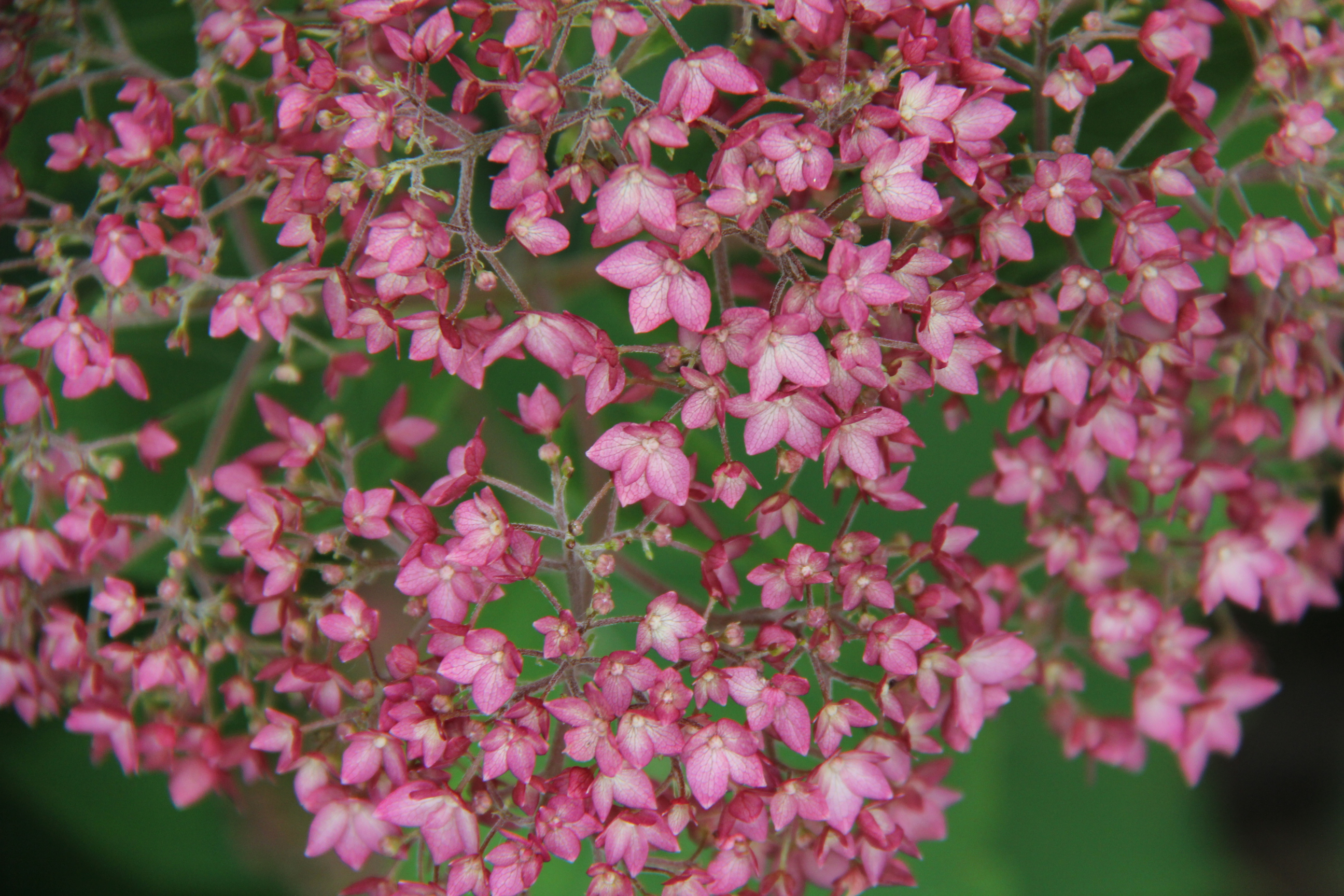
Delicate pink flowers in a garden at the Cathedral of Our Merciful Saviour. (Minnesota Prairie Roots copyrighted photo June 2024)

Flowers have always been a part of my life. From my paternal grandma’s unruly flowerbeds to my mom’s rows of colorful zinnias in the vegetable garden to my own flowers growing in a chaotic mess, I’ve delighted in blooms.

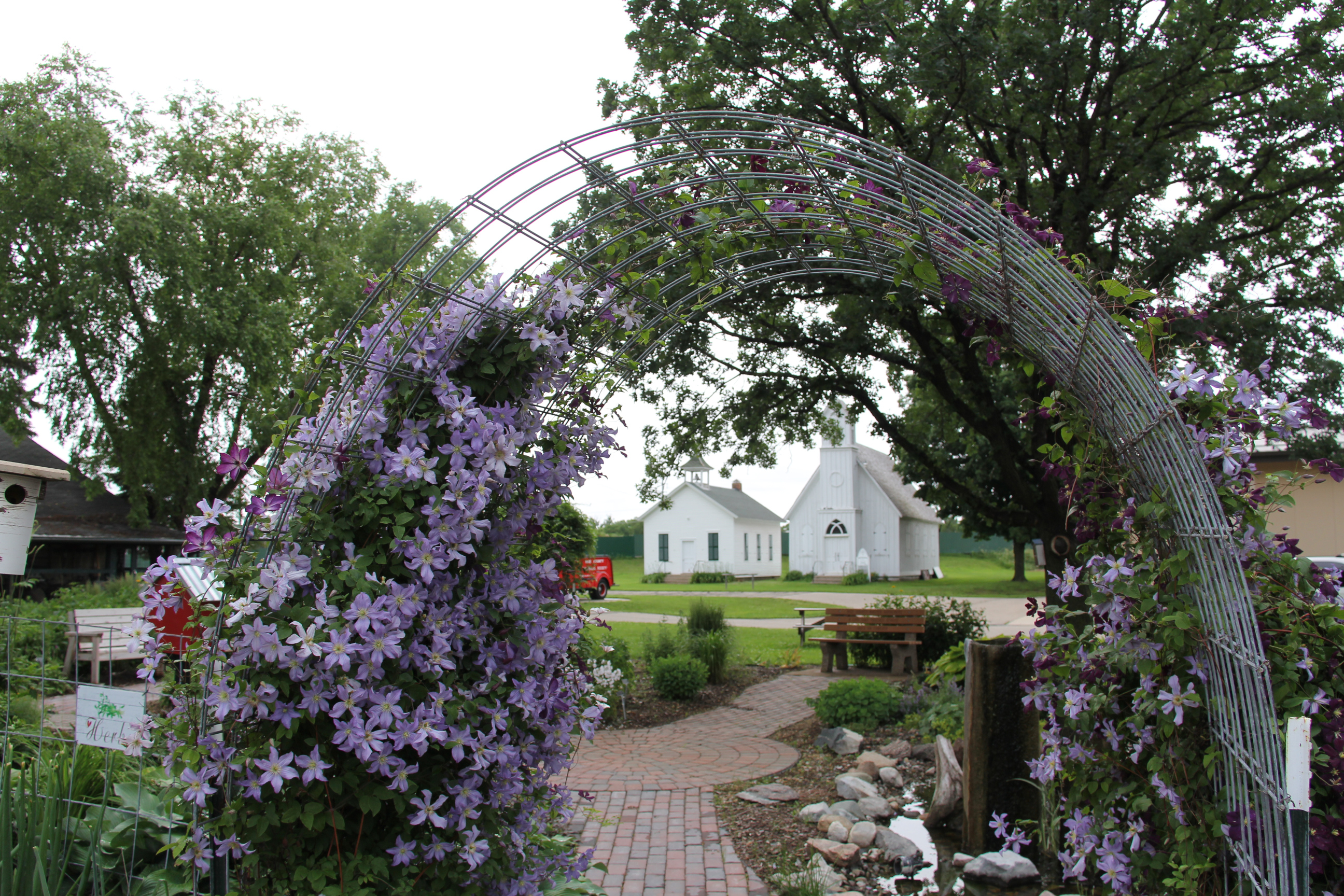
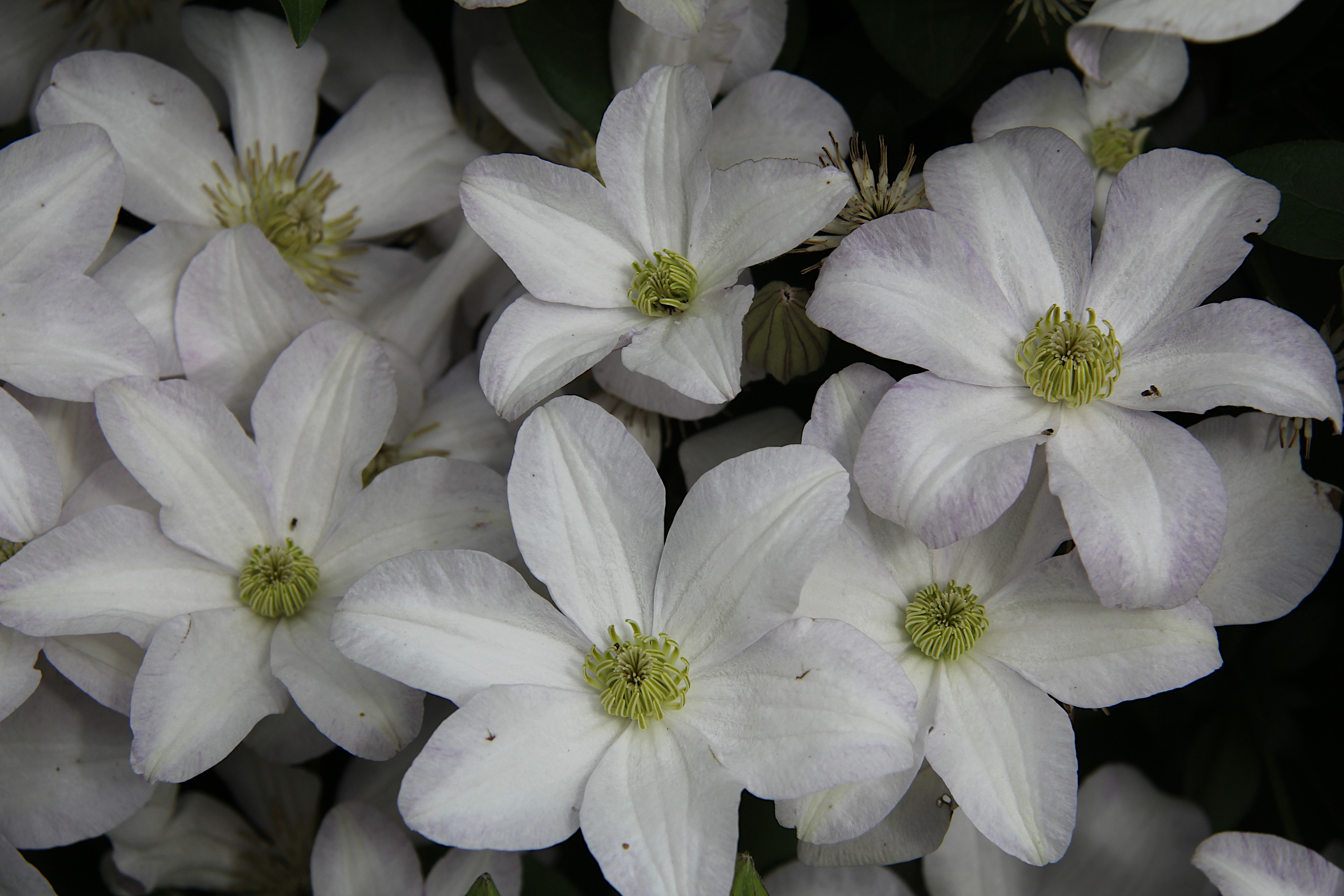
Clematis climb an arched trellis at the teaching gardens. An historic church and school, part of the Rice County Historical Society, are a lovely backdrop. (Minnesota Prairie Roots copyrighted photo June 2024)

I especially appreciate the local public flower gardens that grace my community. From Central Park to the Cathedral of Our Merciful Saviour to the Rice County Master Gardeners Teaching Gardens and beyond, there are plenty of flowers and plants in Faribault to fill my spirit with summer joy.

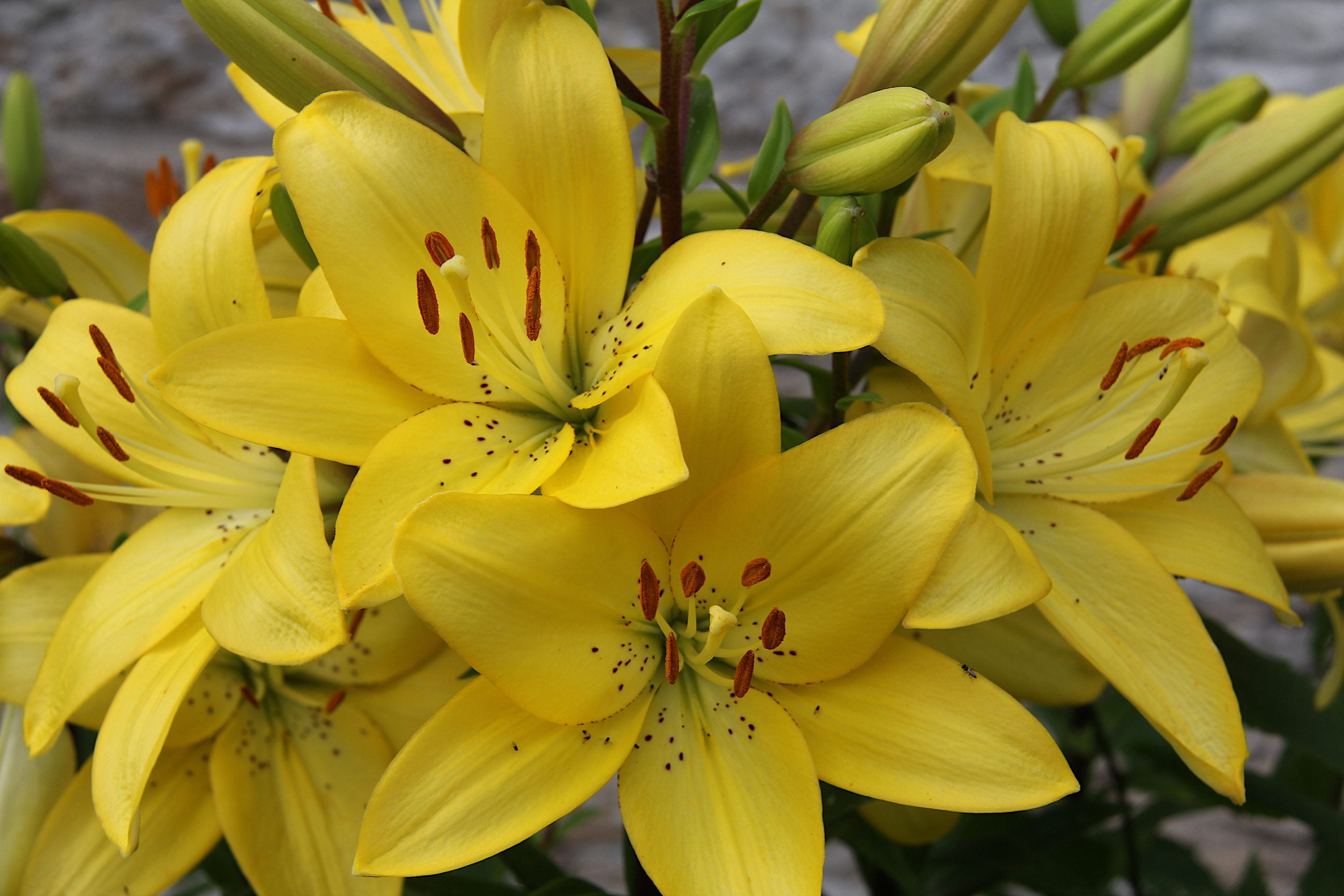
Vivid yellow lilies jolt color into Cathedral gardens. (Minnesota Prairie Roots copyrighted photo June 2024)
Another Cathedral lily. (Minnesota Prairie Roots copyrighted photo June 2024)
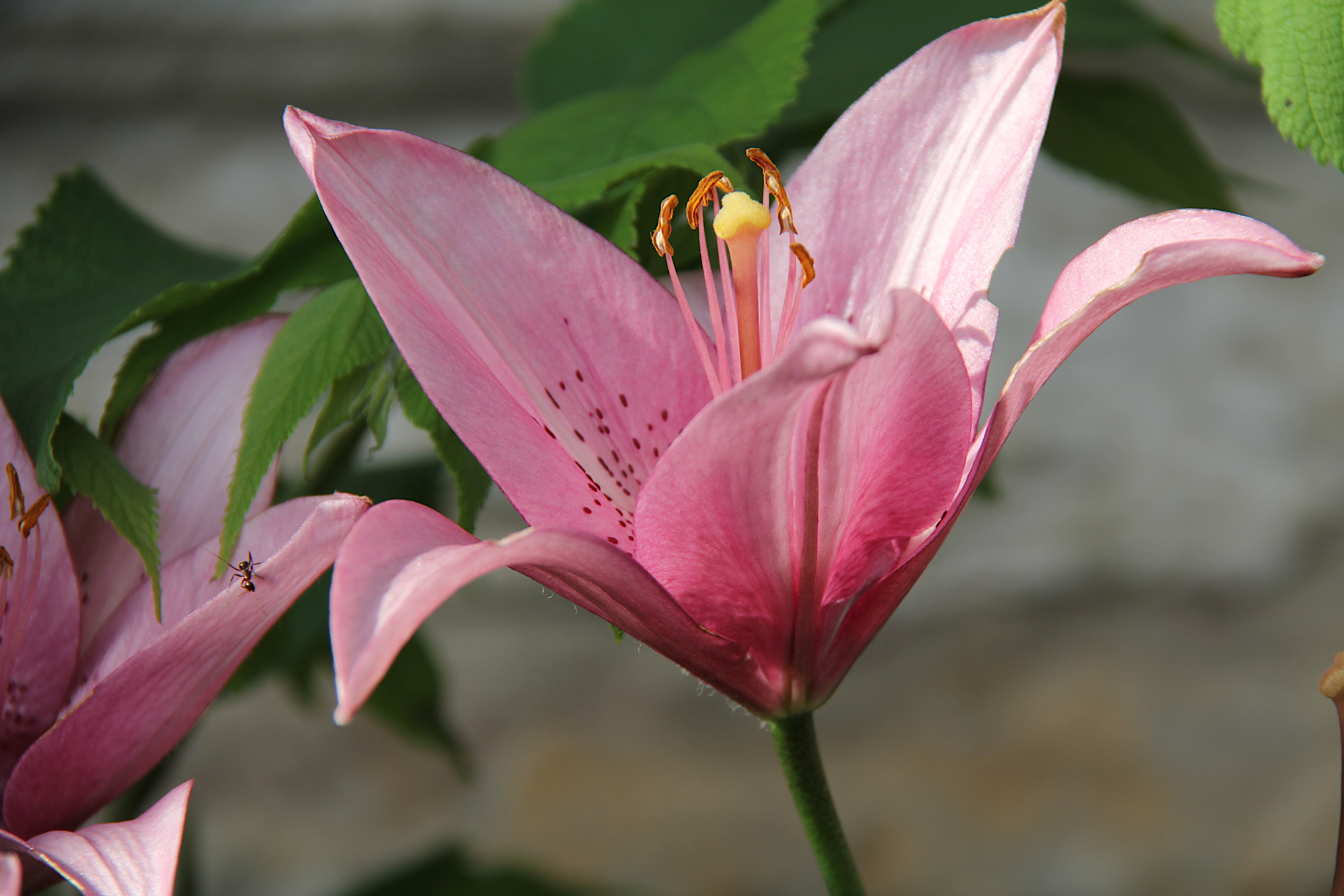
At one time I could identify flower parts, like those shown in this lily close-up blooming at the Cathedral. (Minnesota Prairie Roots copyrighted photo June 2024)

Right now, the lilies are in full bloom. They appear a sturdy lot to me, a lesson in botany with stamens and pistils and all those parts I once learned in a long ago science class. Now I don’t care much about that, just the beauty my eyes take in as I wander among the flowers.

An inviting garden, complete with benches, graces the northside entry to the Cathedral. (Minnesota Prairie Roots copyrighted photo June 2024)
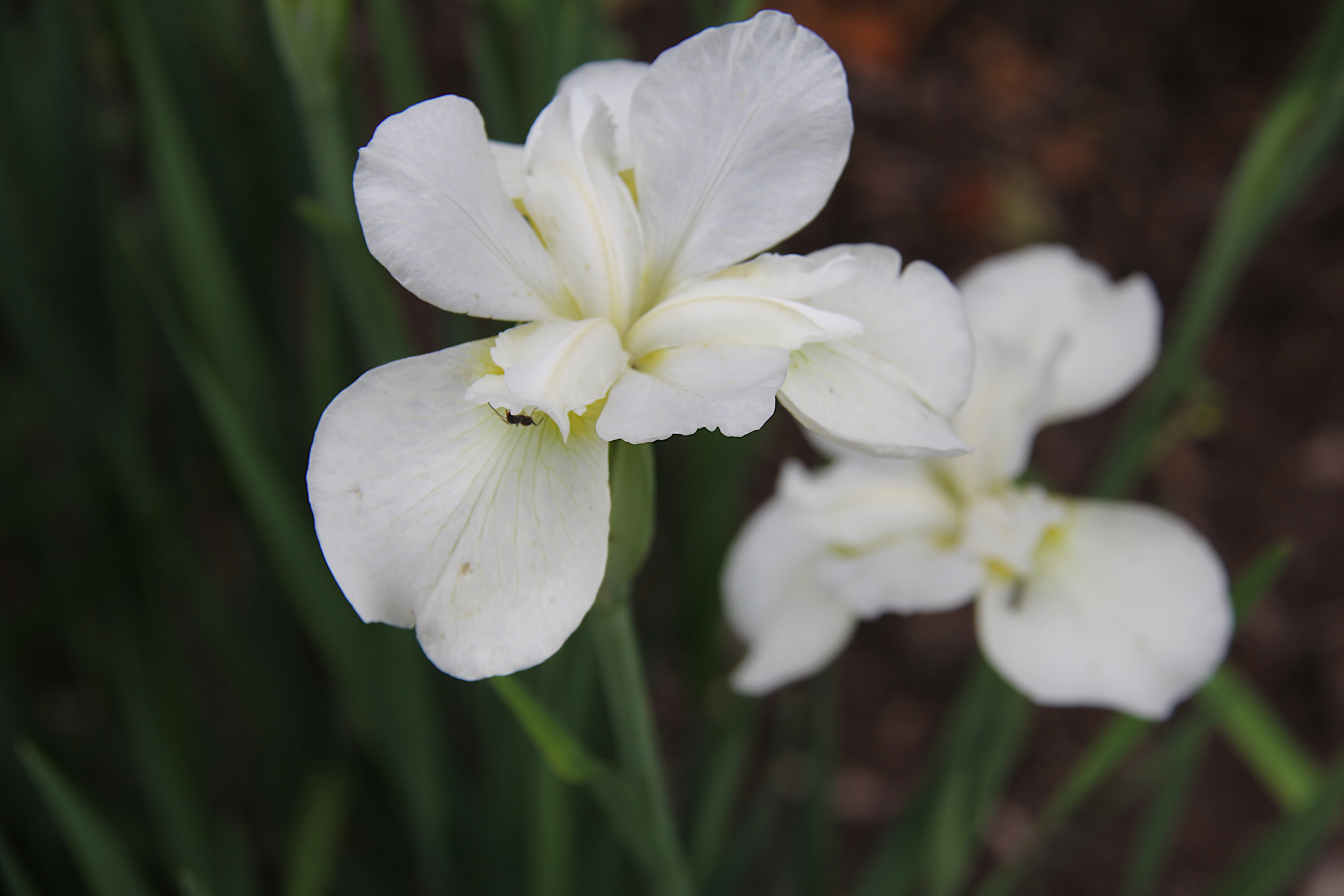
Iris bloom at the Cathedral. (Minnesota Prairie Roots copyrighted photo June 2024)
For use at the teaching gardens when needed. (Minnesota Prairie Roots copyrighted photo June 2024)

I’m thankful for the volunteers who plant, weed and care for flower gardens created out of a love of gardening and out of a desire to beautify a community. It takes time, effort, commitment, and that does not go unnoticed by me.

A clump of daisies, similar to these photographed at Faribault Energy Park, grow on my boulevard. (Minnesota Prairie Roots copyrighted file photo July 20219)

Life is full of opportunities to brighten this world. Flowers are one way. I watched the other day from my living room window as a young boy picked a daisy from an errant patch growing in the boulevard by my house. Then his mom plucked one, too, tucking a single stem into the front of her tank top. I didn’t care that they picked the daisies. I could see how happy it made them.

At the teaching gardens, flowers ladder a stem. (Minnesota Prairie Roots copyrighted photo June 2024)

The daisy, such a simple flower, blooming profusely in the grass next to a busy street. Bent by the wind and rain, as if bowing to the earth. The daisy has always been a sunny favorite of mine. Daisies were woven into my bridal bouquet, my bridesmaids’ baskets of flowers and corsages on my wedding day 42 years ago. Flowers hold love stories, memories.

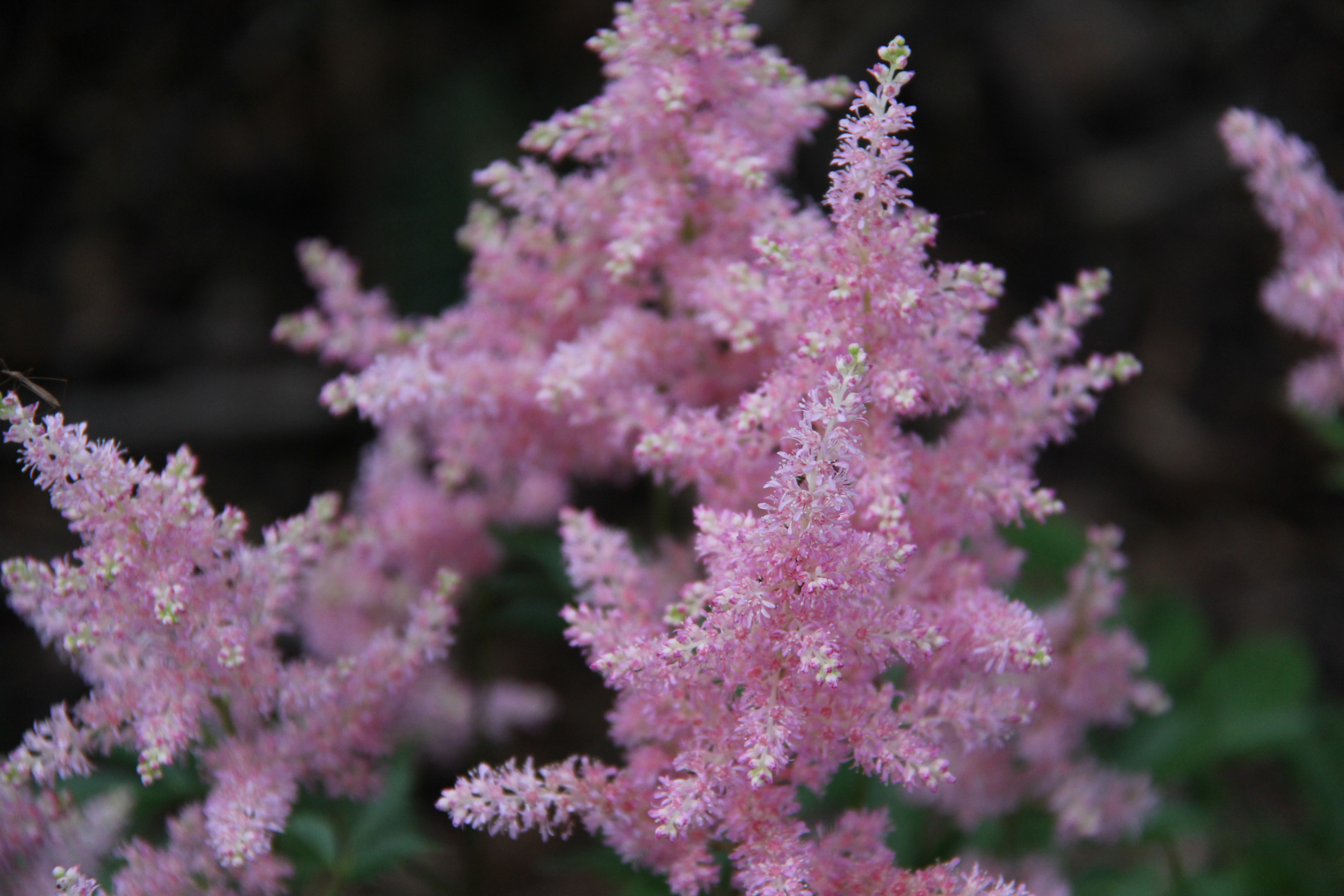
Fanciful astilbe grow in the teaching gardens. (Minnesota Prairie Roots copyrighted photo June 2024)
In bloom at the Cathedral. (Minnesota Prairie Roots copyrighted photo June 2024)
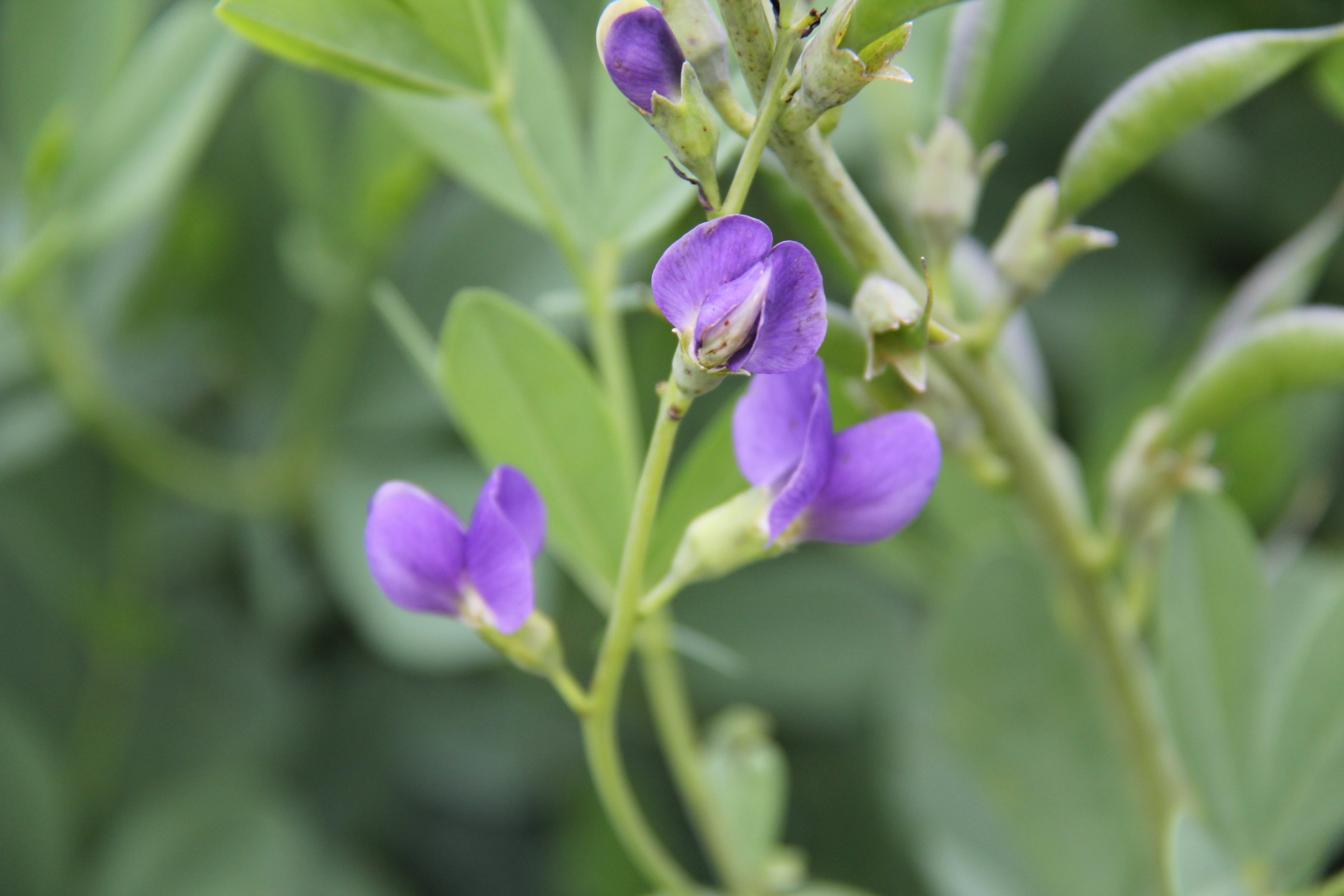
Spots of purple in a Cathedral garden like a single line of poetry. (Minnesota Prairie Roots copyrighted photo June 2024)

I expect, if pressed, anyone could share a flower story. Stories of love and loss, celebration and sorrow, gratitude and healing. Flowers hold stories as much as they write them. Creativity thrives in their bold and delicate hues, in the way they grow and flourish and fade. In the way they stand or bend in the wind, like silent writers penning poetry.

© Copyright 2024 Audrey Kletscher Helbling
 

Wildlife observations from along the flooded Cannon River in Faribault June 25, 2024

An egret flies over the Cannon River by the barely visible dam at North Alexander Park on Friday evening. (Minnesota Prairie Roots copyrighted photo June 21, 2024)

WILDLIFE SENSES, understands, picks up on nuances that we as humans often fail to notice in our heads-bent-to-our-smartphones, busy scheduled lives.

A blue heron perches on the edge of a tree along the Cannon River by the park-side dam. (Minnesota Prairie Roots copyrighted photo June 21, 2024)

The recent flooding is a prime example. I saw countless cellphones raised to record floodwaters and rising rivers. I carried my 35 mm Canon camera, drawn just like everyone else to document the historic natural event unfolding before me along the Cannon River in Faribault.

An egret and blue heron seem to be checking out the river as a red-winged blackbird sits among the grasses to the right. That’s the Faribault Mill in the background, railings for the park-side dam in the foreground. (Minnesota Prairie Roots copyrighted photo June 21, 2024)

But I also noticed the wildlife. They, too, were observing. Watching the water. And watching people invade their river habitat by the hundreds. I sensed how uncomfortable the egret, blue heron, ducks and red-winged blackbirds were amid all the human chaos. So many people and so much traffic.

Flying high above the flooded river. (Minnesota Prairie Roots copyrighted photo June 21, 2024)

I expect they longed for quiet. Peace. A respite from the attention. A return to normalcy. No more peering eyes. No more crowds gathering.

A bullhead partially emerges from shallow water on dam’s edge as it tries to swim up the floodwaters. (Minnesota Prairie Roots copyrighted photo June 21, 2024)
Another bullhead attempts to swim up river. (Minnesota Prairie Roots copyrighted photo June 2021)

And then there were the fish, primarily bullheads, but a few bass, attempting to swim up through water that was rushing down, spilling over the edges of the dam by North Alexander Park. The fish appeared determined to make it to the other side, to the quieter waters of the widened river. It seemed a losing cause to me. But who am I to discourage a stubborn bullhead? If anything, it was fascinating to watch.

A duck family swims in the shallow floodwaters next to the top of the dam. (Minnesota Prairie Roots copyrighted photo June 21, 2024)

Finally, I observed a mama duck and her brood aside the top of the dam. They began edging, descending toward the river. Foolish ducks, I thought, judging the mother mallard. And then I voiced my concern out loud, “Stop, you’ll drown!”

The ducks move toward the deep river. (Minnesota Prairie Roots copyrighted photo June 21, 2024)

I can only imagine the thoughts of that mother and her six ducklings. “Did that woman really say that, warn us to stay out of the water lest we drown?” If ducks could laugh, the seven of them would have chortled, chuckled, carried on and then shared what they’d heard me say. Quack. Quack. Quackity. Quack.

A mallard drake swims in the Cannon River, nowhere near the female duck and ducklings. (Minnesota Prairie Roots copyrighted photo June 21, 2024)

But it was my husband who spoke for them. “They’re ducks, Audrey,” Randy said. “They can swim.”

An egret stands watchful and tall, next to the water rushing, roiling over the dam. (Minnesota Prairie Roots copyrighted photo June 21, 2024)

Uh, yeah. He was right. But it was the mom in me emerging, the protective spirit that, in that moment, did not separate wildlife from human so focused was I on the dangers of the swollen, swift-moving river.

© Copyright 2024 Audrey Kletscher Helbling
 

From city to countryside, flooding continues to affect Faribault area & beyond June 24, 2024

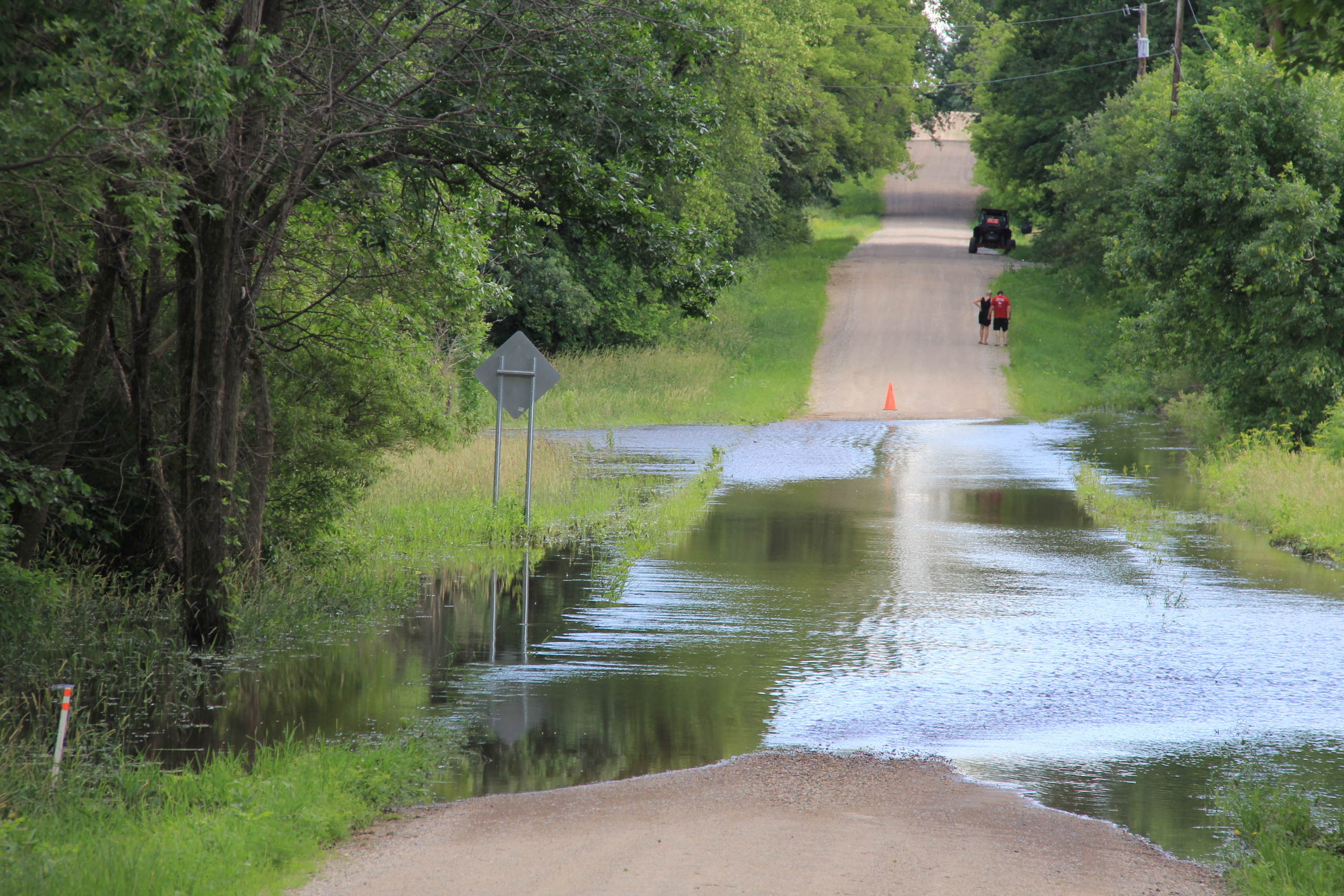
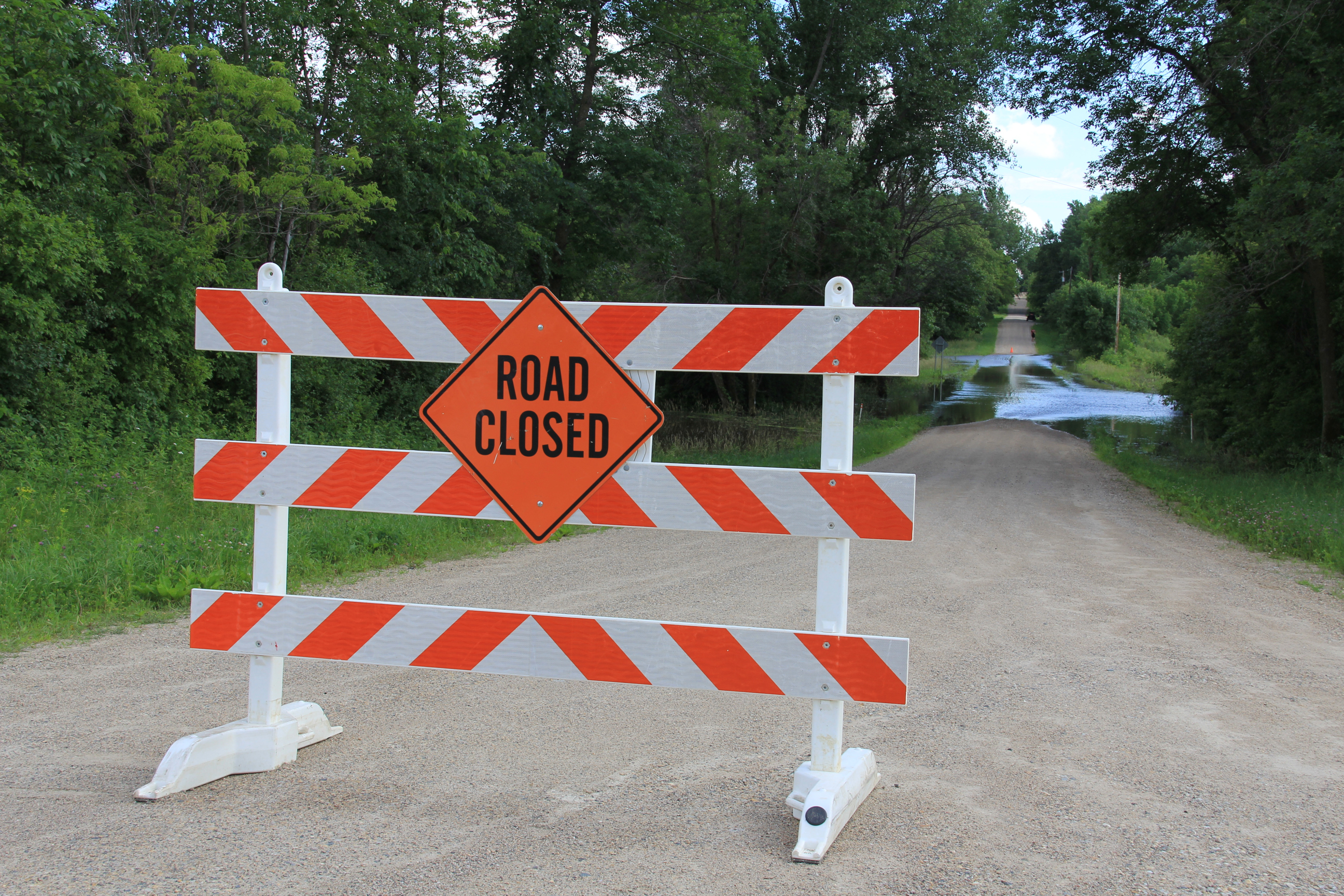
Roads are closed throughout the area due to flooding. Here a barricade blocks Dahle Avenue at its intersection with 220th Street East along the Straight River east of Faribault late Sunday afternoon. (Minnesota Prairie Roots copyrighted photo June 23, 2024)

NEARLY TWO DOZEN city streets, county highways and township roads remain closed throughout Rice County due to floodwaters. The number seems unprecedented. Closures include several streets in Faribault along the Cannon and Straight Rivers. More rain is possible later today. Exactly what we don’t need. However, Faribault city officials noted both rivers began to drop Monday morning.

A couple checks out flooded Dahle Avenue. (Minnesota Prairie Roots copyrighted photo June 23, 2024)

As inconvenient as these road closures may be, especially to locals, it’s nothing compared to the flooding of businesses, homes, campgrounds and more, especially in neighboring Waterville. The small town draws lake-lovers to summer cabins and campgrounds with tourism an important part of the local economy.

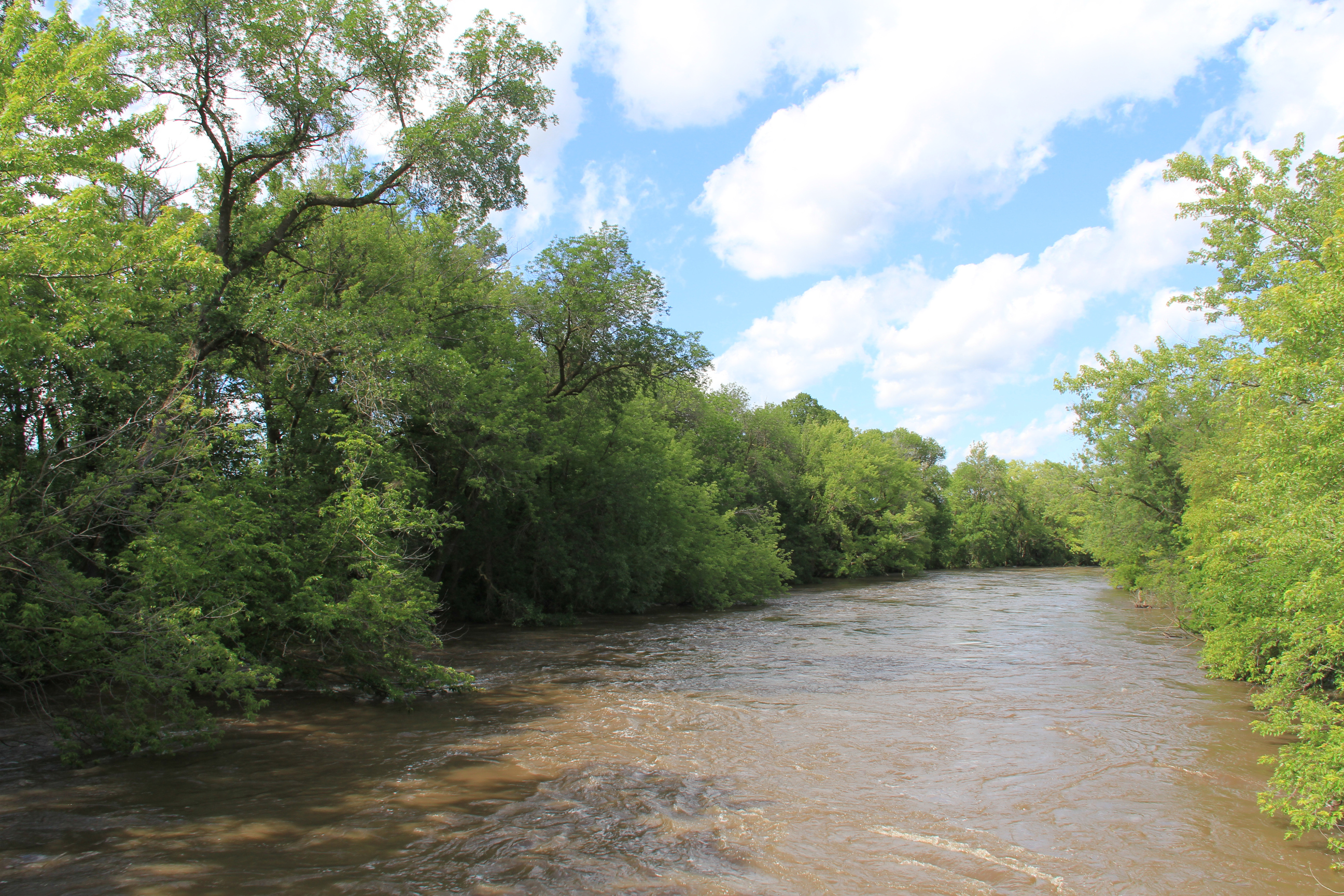
The muddy, fast-moving Straight River, photographed late Sunday afternoon from a bridge on 220th Street East, east of Faribault. (Minnesota Prairie Roots copyrighted photo June 23, 2024)

Other small towns, like Morristown and Warsaw, have also been impacted by the rising Cannon River. That water (and water from the Straight River) eventually ends up in Faribault and then Northfield and other places along the river and its watershed. In Faribault, public safety officials are keeping a close eye on the King Mill Dam, over which the Cannon flows. I’ve not seen that area, which is now barricaded to motor vehicle and foot traffic, and wisely so. The dam is a popular fishing spot. The road past the dam is also a busy traffic route, a connection to Minnesota State Highway 60.

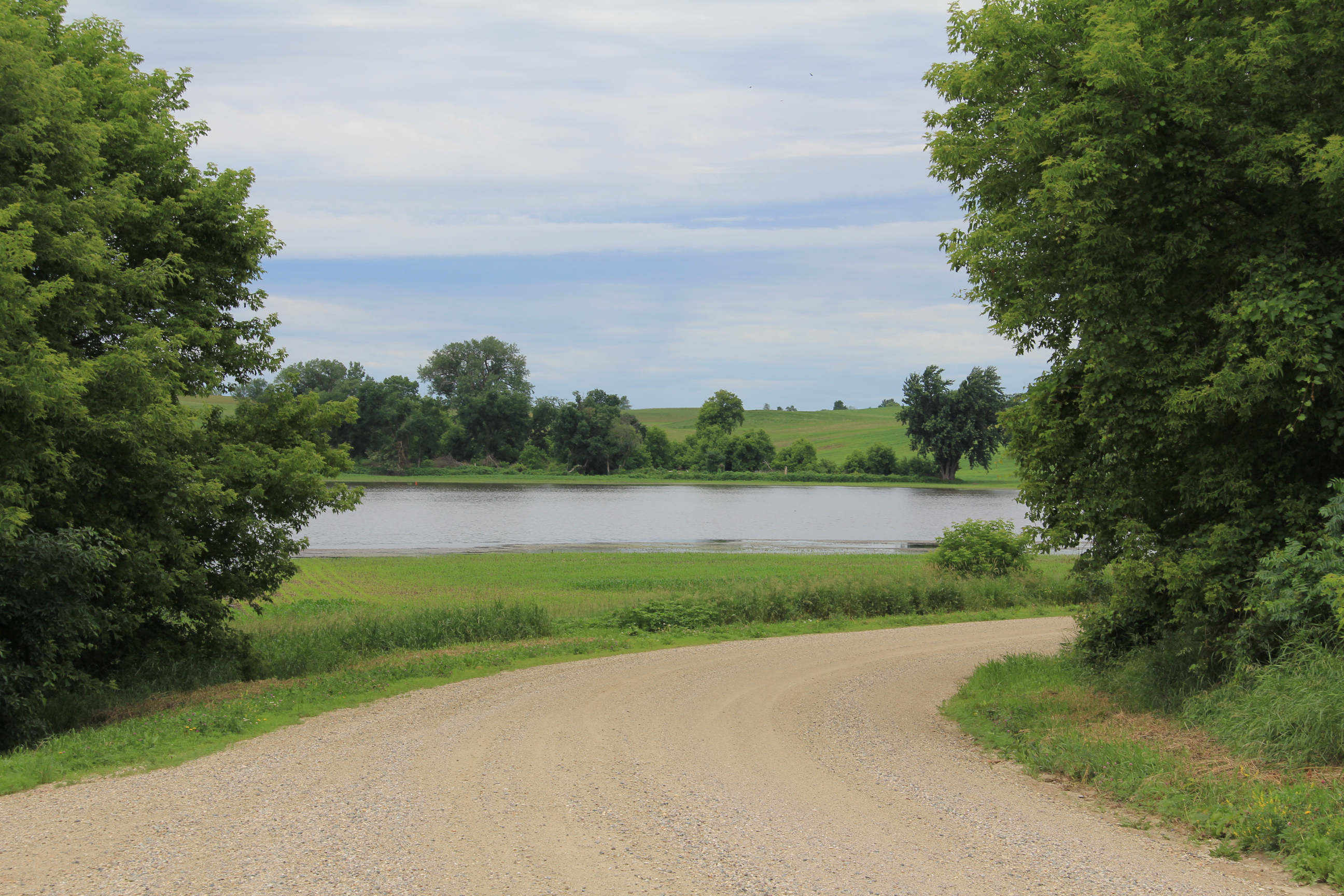
Rounding 195th Street West, a flooded cornfield, photographed northwest of Faribault late Friday morning. (Minnesota Prairie Roots copyrighted photo June 21, 2024)

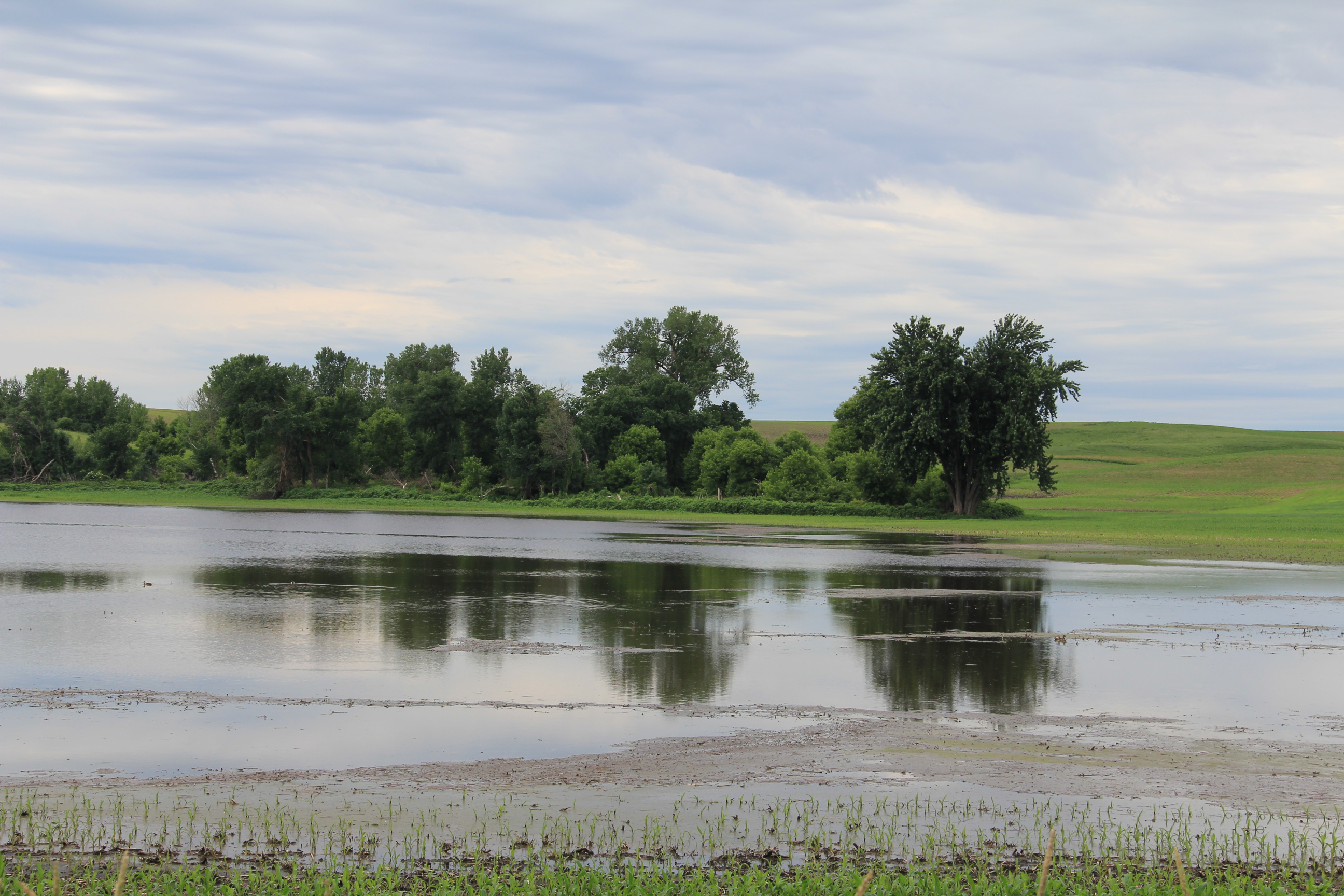
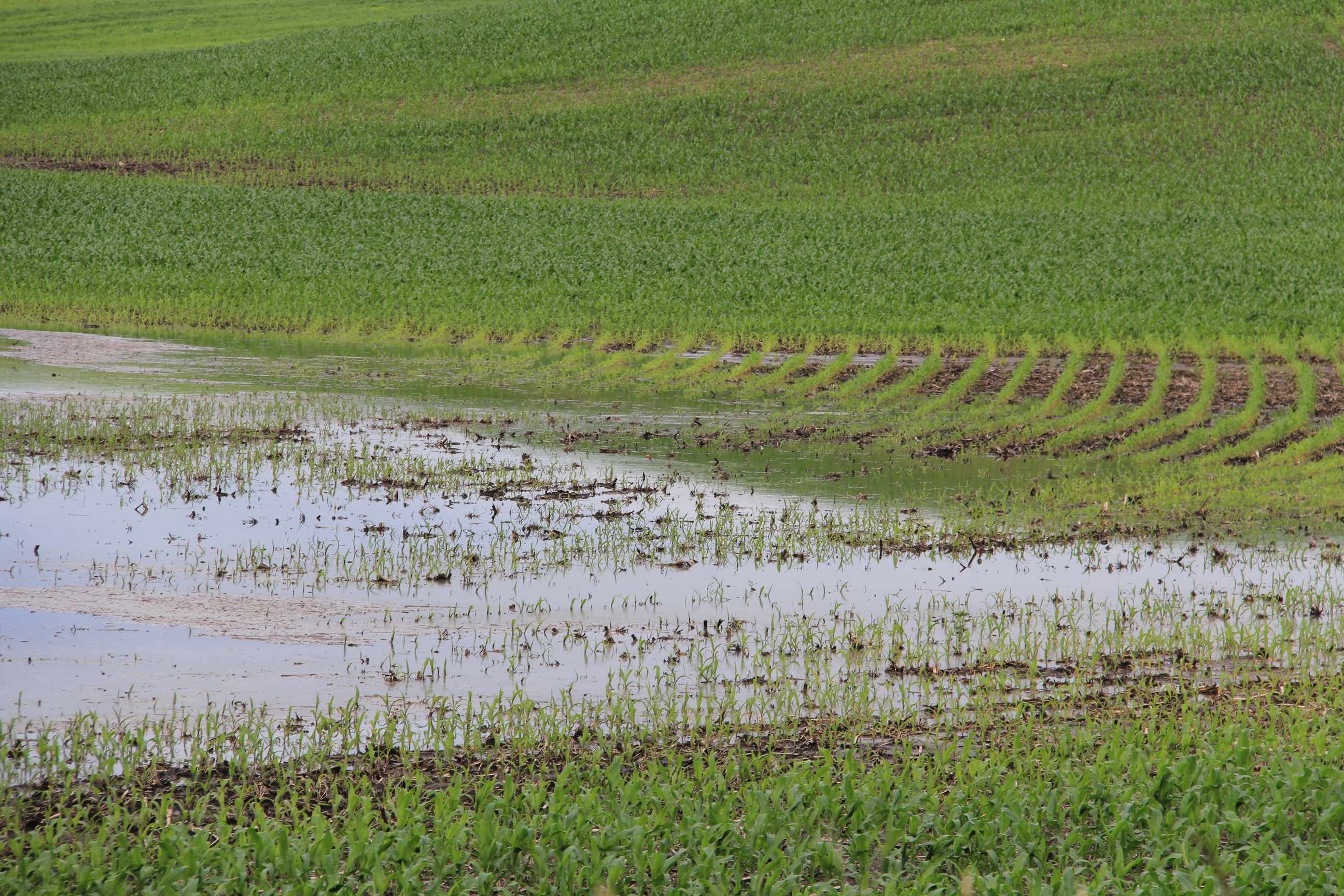
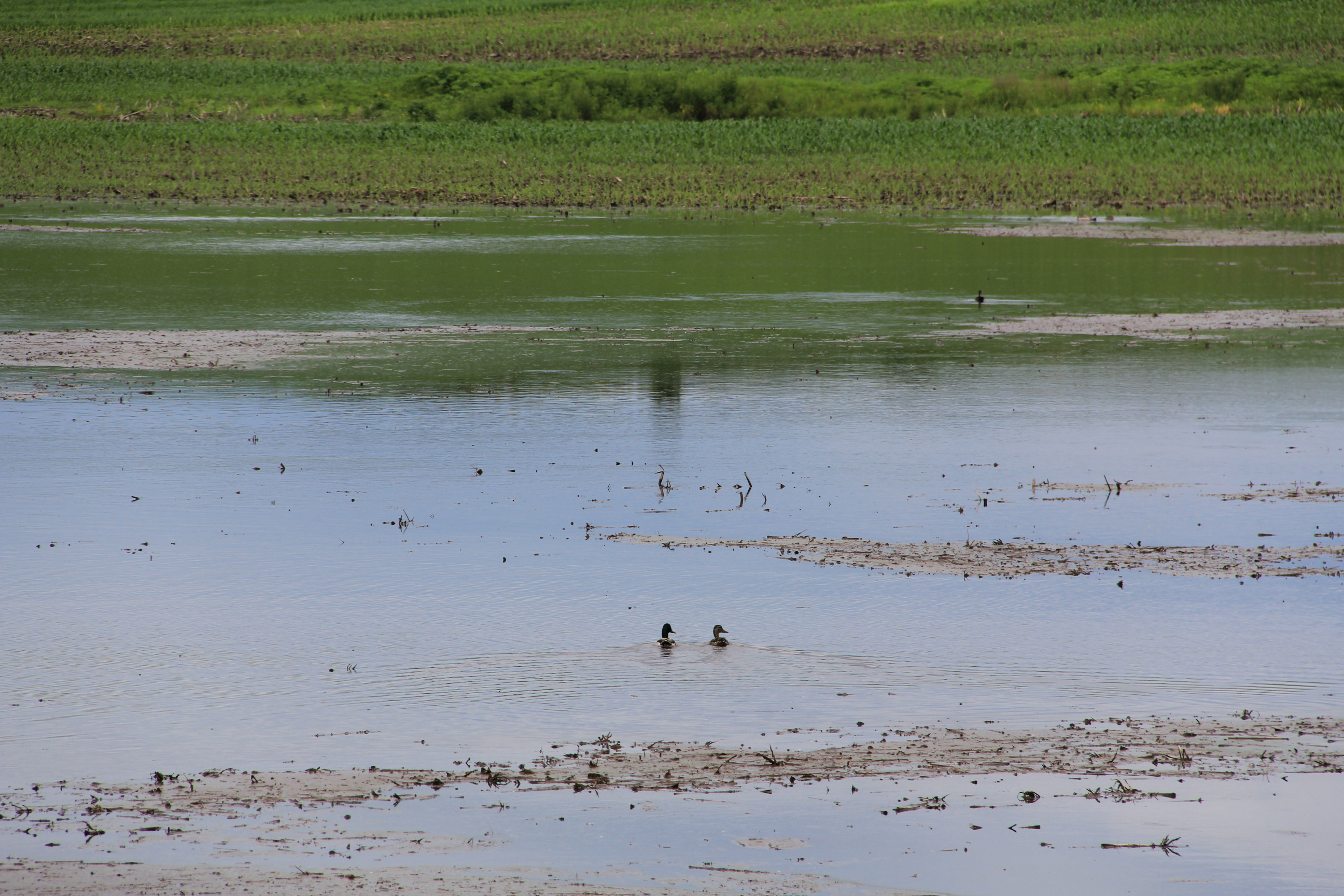
Out in the countryside, too much rain has drowned corn and soybean crops, turning fields into lakes. I feel for the farmers, who depend on a good crop for their livelihood. It’s too late in Minnesota’s short growing season to replant. Crop insurance will cover some of their losses.

Excessive rain flooded this cornfield, transforming it from farmland to lake. Photographed late Friday morning along 195th Street West. (Minnesota Prairie Roots copyrighted photo June 21, 2024)

Rice County has a diverse topography of flat lands and rolling hills, plus differing soil types and drainage systems. Those, and rainfall amounts, affect whether a farm field floods. The entire county has experienced substantial rains. Just last Friday afternoon and into Saturday morning, we measured 3.1 inches of rain in our gauge. The day prior, 1.75 inches. Ten inches of rain fell here in eight days. Too much.

A flooded cornfield along 195th Street West, photographed Friday morning. (Minnesota Prairie Roots copyrighted photo June 21, 2024)
Ducks swim in the cornfield turned lake late Friday morning along 195th Street West. (Minnesota Prairie Roots copyrighted photo June 21, 2024)

Ask any farmer, and he/she can likely give you rainfall totals. I saw some of that rainwater on Friday morning while on a short drive along backroads northwest of Faribault. And that was before Friday’s three-inch rainfall.

A bit down the road, more flooding in the rolling terrain along Fairbanks Avenue northwest of Faribault, photographed late Friday morning. (Minnesota Prairie Roots copyrighted photo June 21, 2024)

On Sunday afternoon, most fields in the area I traveled were not flooded, but at least one township gravel road along the Straight River was flooded and barricaded. I expect if I expanded my tour, I’d see a whole lot more road closures and flooded fields. (Click here for a list of roadways that are closed in Rice County.)

Public officials are warning people to heed warning signs (like this one on Dahle Avenue) and stay out of flooded areas due to the dangers of swift-moving, high water. (Minnesota Prairie Roots copyrighted photo June 23, 2024)

In the all of this, there’s nothing we can do to control the weather. We can only prepare and then deal with whatever comes. Those, of course, are just words, not really helpful to anyone dealing with flooded fields, flooded roads, flooded homes, flooded businesses, flooded campers, flooded parks, flooded…

© Copyright 2024 Audrey Kletscher Helbling
 

Flooding in Faribault: A photo essay June 23, 2024

Friday evening the Cannon River was well above flood stage at the dam by the entrance to North Alexander Park. More rain overnight into Saturday raised the river level even higher. (Minnesota Prairie Roots copyrighted photo June 21, 2024)

NEARLY 10 INCHES OF RAIN fell in the past eight days at my Faribault home, half of that in the last three days. The significant rainfall not only in my community, but throughout southern Minnesota, has resulted in flooding as rivers swell and overflow their banks.

The same dam scene Saturday morning. (Minnesota Prairie Roots copyrighted photo June 22, 2024)
By Saturday morning, the Cannon encroached on even more land and the river rose higher under the Second Avenue bridge by the entrance to North Alexander Park. (Minnesota Prairie Roots copyrighted photo June 22, 2024)
This churning water at the dam shows the power of the river. (Minnesota Prairie Roots copyrighted photo June 21, 2024)

Minnesota Governor Tim Walz declared a peacetime emergency authorizing the National Guard to assist and support with emergency flood operations as needed. Faribault Mayor Kevin Voracek has declared a local emergency as my city deals with flooding. In nearby hard-hit Waterville, some residents have been evacuated. Mankato has also experienced significant flooding.

A police cruiser is parked Saturday morning under the historic viaduct near Teepee Tonka Park, an area prone to flooding. By Saturday evening, the Straight River had flooded even more of the park and surrounding land. (Minnesota Prairie Roots copyrighted photo June 22, 2024)

A chunk of south central Minnesota, including Faribault and other areas of Rice County, plus portions of Le Sueur, Steele and Waseca counties, remain in a flood warning until 10 a.m. Monday.

Teepee Tonka Park in Faribault, along the Straight River, was completely flooded Saturday morning. By evening, floodwaters crept onto the bridge. (Minnesota Prairie Roots copyrighted photo June 22, 2024)
Saturday morning the bridge at Teepee Tonka Park was open to pedestrians with a police officer stationed there. By evening, the bridge was cordoned off. (Minnesota Prairie Roots copyrighted photo June 22, 2024)
A Faribault police officer chats with the public and monitors the Straight River on the bridge into Teepee Tonka Park Saturday morning. (Minnesota Prairie Roots copyrighted photo June 22, 2024)

It’s a lot—this flooding of homes and businesses, city parks and railroad tracks, parking lots and roadways, cropland… A few blocks from my home, Xcel Energy crews are monitoring an electrical substation surrounded by water from the overflowing Straight River.

Floodwaters surround this warning sign by the Woolen Mill Dam. (Minnesota Prairie Roots copyrighted photo June 21, 2024)
A fire department truck stops on the Second Avenue bridge over the Cannon River on Friday evening as emergency personnel keep an eye on the rising river. (Minnesota Prairie Roots copyrighted photo June 21, 2024)
Police tape along the Cannon River by North Alexander Park is in place to keep people away from the roiling river. Friday evening the river nearly touched the bottom of the bridge. (Minnesota Prairie Roots copyrighted photo June 21, 2024)

I arrived home from church late this morning to automated messages from the 911 emergency system. One issued a cautionary warning from public safety officials to honor barricades by not walking or driving around them. Ignoring such signage in flooded areas will result in a citation from law enforcement.

Watching the swift-moving Cannon River from behind police tape Friday evening near the historic Faribault Mill. (Minnesota Prairie Roots copyrighted photo June 21, 2024)
Tree debris floats down the Cannon on Friday evening. (Minnesota Prairie Roots copyrighted photo June 21, 2024)
There’s a dam here, unseen as the Cannon River floods. (Minnesota Prairie Roots copyrighted photo June 21, 2024)

For the most part, I observed people being careful around floodwaters in Faribault while I was out on Friday evening and then again Saturday morning. The areas I accessed and photographed in that time frame have since been closed to the public, a smart move given the power of the river and the sheer volume of people checking things out. We are all naturally drawn to see for ourselves that which is unfolding in our backyard.

A car sits submerged in the parking lot of Two Rivers Health Center by Two Rivers Park on Saturday morning. (Minnesota Prairie Roots copyrighted file photo June 22, 2024)

Two rivers—the Cannon and the Straight—run through Faribault, converging at Two Rivers Park. Near that park, a car sat submerged Saturday morning in a parking lot. I’ve seen other vehicles sitting in floodwaters at the new riverside Straight River Apartments.

Along the Straight River on Third Avenue Northeast, floodwaters fill a backyard which, ironically, includes a boat. (Minnesota Prairie Roots copyrighted photo June 22, 2024)

Yet, as difficult as this flood event has been, it does not match the Faribault floods of 2010, 2014 and 2016, at least not from my recollection. Still, any flood is challenging.

Along the Straight River, a section of railroad tracks flooded. The Depot Bar & Grill patio is on the left. (Minnesota Prairie Roots copyrighted photo June 22, 2024)

For those affected, there’s clean-up and paperwork and unexpected expenses. Emergencies like this often bring out the best in people, as a community comes together. At the local government level, I expect emergency personnel have been working overtime. The Rice County Landfill, rural Dundas, opens at 7:30 a.m. Monday to begin accepting flood-contaminated materials.

Below the historic viaduct, the Straight River overflows its banks Saturday morning. By evening, it had risen even more. (Minnesota Prairie Roots copyrighted photo June 22, 2024)

I am fortunate. There’s no flooding in my home or yard. But I know others are struggling. I hope that in Sunday’s sunshine—finally, a day without rain—they feel a sense of hope. Floodwaters will recede. And life will, eventually, return to normal.

Walking along the Cannon River by the dam Friday evening, before the river flooded even more. (Minnesota Prairie Roots copyrighted photo June 21, 2024)

FYI: Click here to view my photo essay about flooding in neighboring Northfield. And watch for another post from Faribault about my riverside wildlife observations.

All photos in this post were taken Friday evening, June 21, and Saturday morning, June 22.

© Copyright 2024 Audrey Kletscher Helbling
 

Two of us, outside our comfort zones June 21, 2024

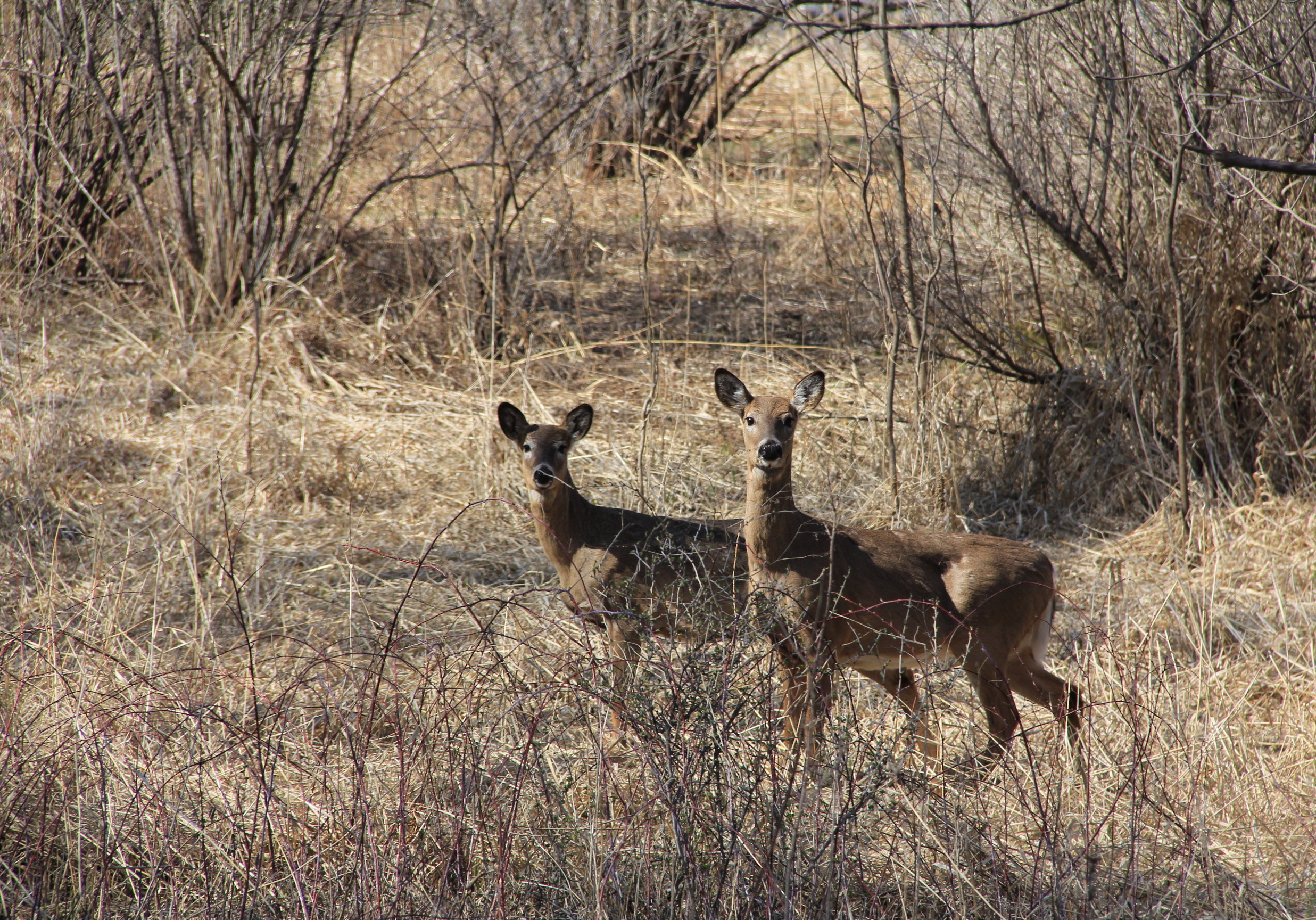
Deer at River Bend Nature Center, Faribault. Photo used for illustration only. (Minnesota Prairie Roots copyrighted photo April 2024)

OH, DEER, I thought to myself Thursday evening. And then about an hour later, I thought, oh, dear.

What prompted this deer/dear thinking? First, an actual deer running through my neighborhood. And then an attempt to try a new art form at a community event.

First the deer. Shortly after 5 p.m., I noticed a rather long-legged dog running down the middle of the side street alongside my house. I live on a corner lot. I quickly realized this was not a canine, but rather a deer. This neighborhood deer spotting was a first in 40 years of living at this location.

The large deer cut across the corner of my neighbor’s yard before dashing into busy Willow Street during rush hour. And, yes, there is rush hour traffic in the early morning and then when folks are on their way home from work. Go ahead and laugh if you live in a metro area.

Thankfully, drivers were alert enough to slow down and give the deer some space. It continued northbound, right along the center line, until I lost sight of the animal. It apparently escaped unscathed (perhaps to the nearby woods along the river) as I did not see roadkill while en route to my “oh, dear” moment. I can only imagine how thankful that deer was to return to his natural habitat.

Grand Rapids-based Adessa & The Beat performs Thursday evening in the Cathedral of Our Merciful Saviour. (Minnesota Prairie Roots copyrighted photo June 2024)

An hour later I arrived at the Cathedral of Our Merciful Saviour for free hands-on art activities offered by the Paradise Center for the Arts as part of the weekly summertime Concerts in the Park series. Due to endless rain, the arts event and concert were moved from the park across the street to the Cathedral.

Rhonda Norgaard’s book art previously displayed at the Paradise Center for the Arts, Faribault. (Minnesota Prairie Roots copyrighted photo April 2024)

Once there, I had art choices: drawing, felting, working on a collaborative project or “making a book.” I heard the word “book” and I was in. Except it wasn’t creating a book, but rather learning basics of design for a mini-book. After watching for a moment, I grabbed a red folding chair and settled onto a corner of the crowded table. Teaching artist Rhonda Norgaard handed me a thick black Sharpie and scraps of colorful paper. At that moment, I didn’t quite grasp the concept of what I should be doing.

I should pause here to admit that my confidence level was about zero. My friend Paula drew a lovely free-hand bird and tree on a colorful bookmark-size paper scrap. Kids were bent over their papers, too, happily creating. Me? This was not my wheelhouse. I create art with words and my camera, not with scraps from expired calendars, Sharpies and gel pens.

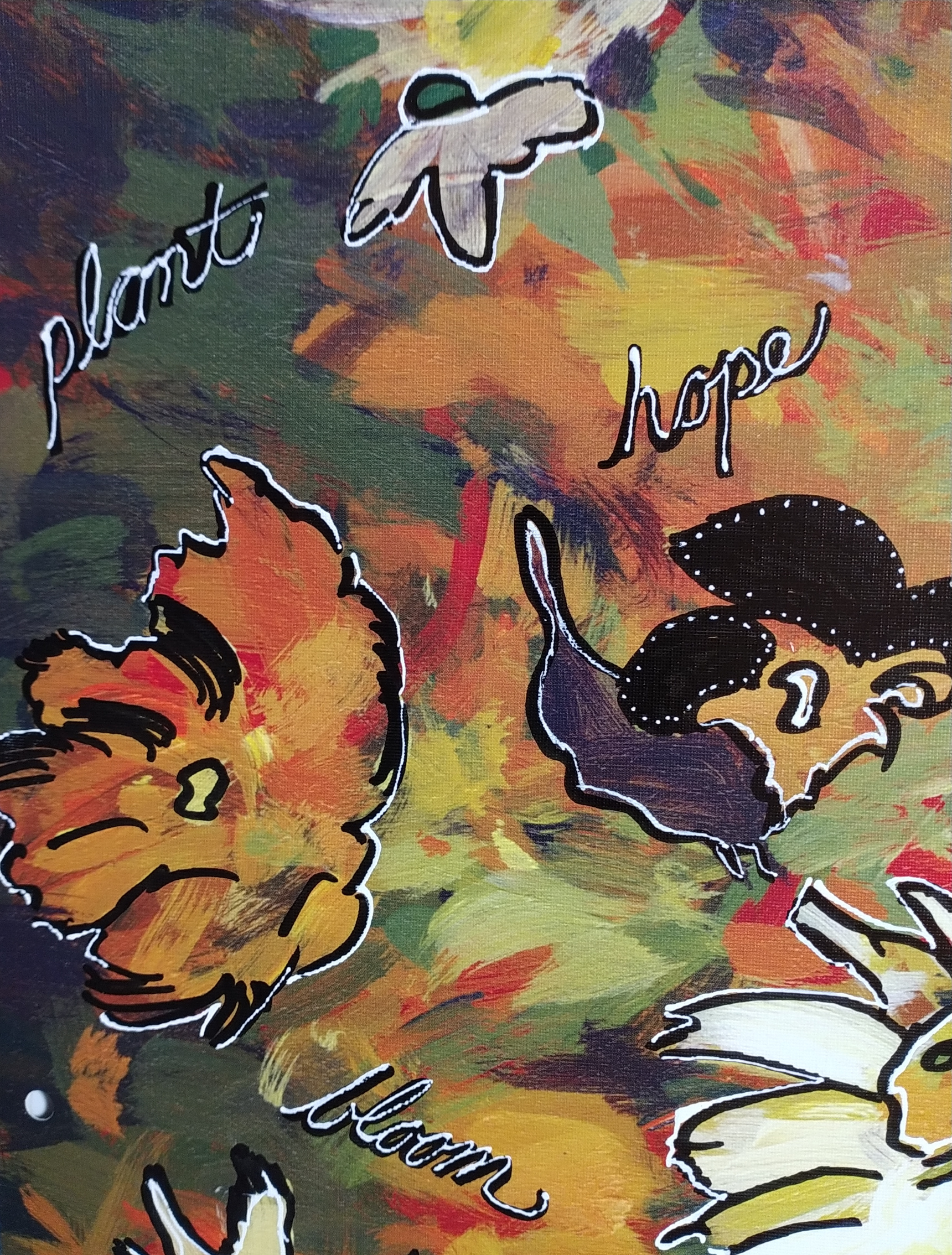
But, by then I was semi-committed to giving this unfamiliar art form a try. I began outlining flowers in black, attempting to make this my own. It looked OK. Then I added words, because, well, it needed words and I am a writer. I added plant, hope, bloom. I would later learn that, like me, hope is Rhonda’s favorite word.

I was hearing encouraging words from Rhonda and from others. When I had done all I could with the black Sharpie, I stepped away to check on my husband’s progress. He was drawing with charcoal pencils. Definitely not my wheelhouse.

The art I created from a scrap calendar page, a black Sharpie and a white gel pen. (Minnesota Prairie Roots copyrighted photo June 2024)

Back at Rhonda’s station, a white gel pen was finally available for my use. As white flowed from the fine tip of the pen, I began feeling more confident. I liked what I saw, how the white added to the design. Rhonda admitted that she wanted to suggest I outline in white, but thought I might be offended. Nope, not offended. I was here to learn.
As I worked, I commented how soothing this was. Relaxing, added Rhonda. I’d done it—stepped outside of my creative comfort zone. Already, I’m imagining picking up gel pens and Sharpies and creating greeting cards using recycled paper. Now I just need some expired paper calendars…


© Copyright 2024 Audrey Kletscher Helbling