Minnesota Prairie Roots

Writing and photography by Audrey Kletscher Helbling

Another option for shopping local: the Faribault Winter Farmer’s Market December 15, 2016

Bluebird Cakery in historic downtown Faribault is decorated for the holidays.

Bluebird Cakery in historic downtown Faribault is decorated for the holidays.

UPDATE, 1:50 PM Friday: Because of the winter storm, the Faribault Winter Farmers’ Market will be closed on Saturday. Instead, the market will be open from noon to 4 p.m. on Wednesday, December 21.

LOCALLY-GROWN/MADE has been trending for awhile. Know what you’re buying. Know the source. Know the farmer, the craftsman, the artisan.
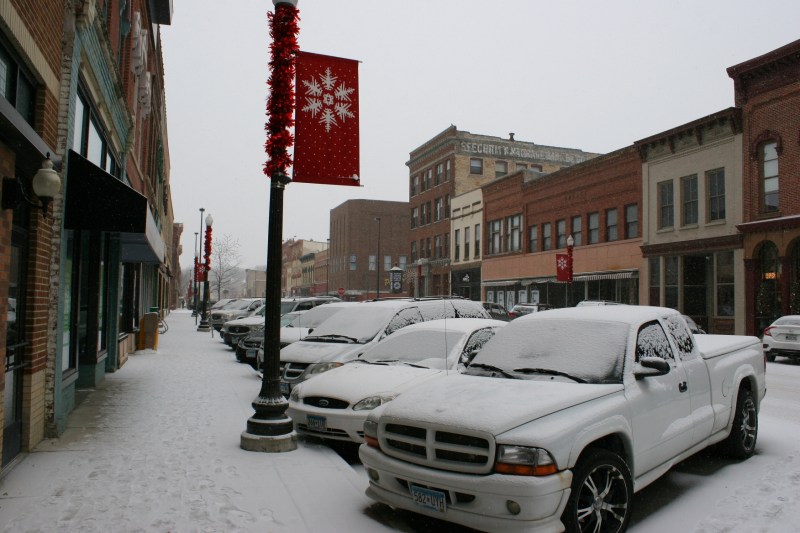
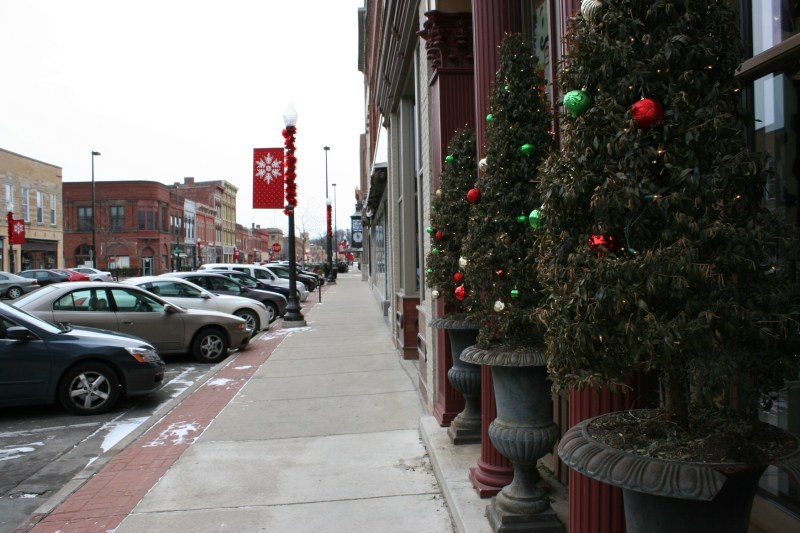
Downtown Faribault last Saturday afternoon, here looking south on Central Avenue.

Downtown Faribault last Saturday afternoon, here looking south on Central Avenue.

This time of year, especially, we’re encouraged to shop local.
downtown-faribault-171-farmers-market

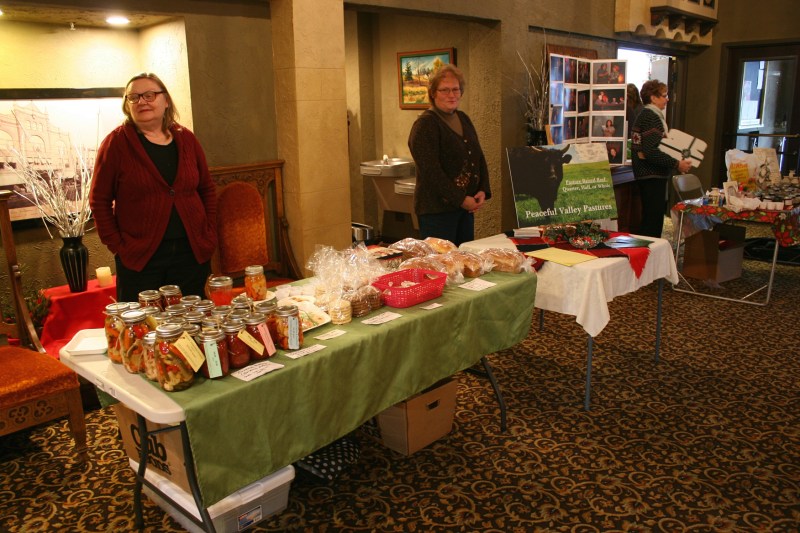
In my community of Faribault, it’s easy to buy local, direct from the hands of those who raised or grew or crafted. And nowhere is that more grassroots possible than at the Faribault Winter Farmers’ Market.
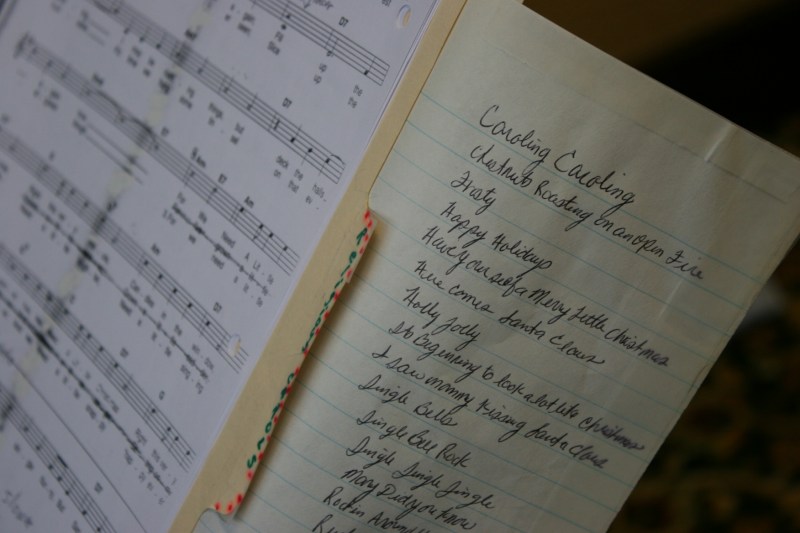
The musicians' list of holiday songs and music.

The musicians’ list of holiday songs and music.

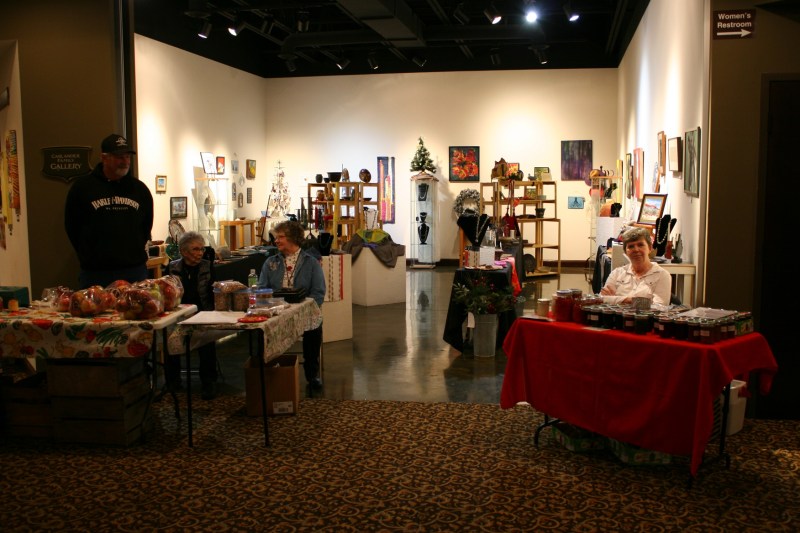
New to Faribault’s holiday shopping scene, the market fills the cozy lobby of the Paradise Center for the Arts, 321 Central Avenue, in our historic downtown. Vendors offer jams, breads, cupcakes, horseradish, apples, maple syrup, beef, soap and more. I dropped by last Saturday afternoon to check out the winter market, recognizing sellers from the summer market in Central Park.


downtown-faribault-165-musicians-at-farmers-market


The mood was festive with a duo performing holiday tunes in a side meeting room/mini gallery. In the main gallery and in the gift shop, local art was available for purchase as part of the arts center’s Holly Days.
 

downtown-faribault-170-farmers-market


With the market winding down for the day, vendors had time to visit and personally promote their offerings. I sampled mango jelly on a saltine cracker. Randy sampled apples and bought a bulging bag of juicy Pzazz, an open-pollinated Honeycrisp cross. We love this apple, unheard of by us until the purchase from Apple Creek Orchard. We talked horseradish making with another vendor.
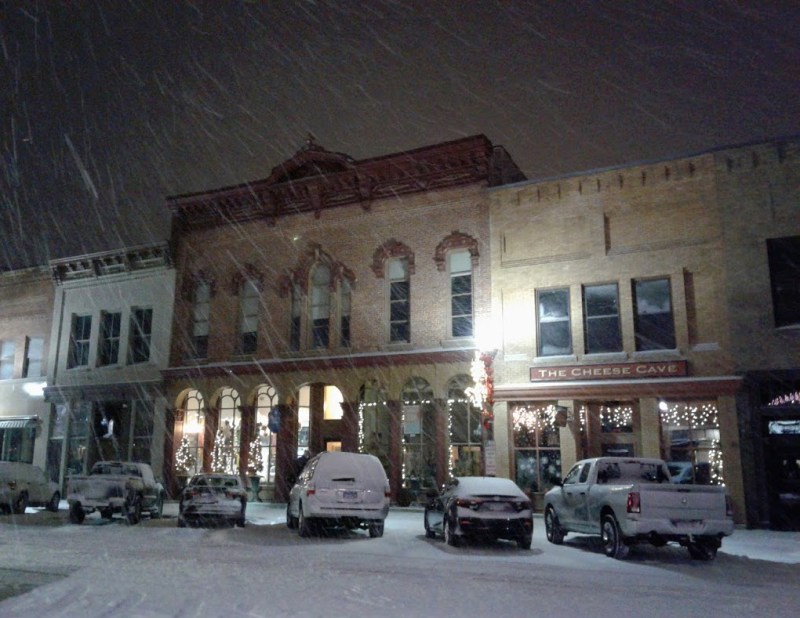
 

snowing-in-faribault-the-cheese-cave-at-night-copy


Earlier that day we shopped local across the street at our favorite cheese shop, The Cheese Cave. There Randy bought a wheel of St. Pete’s Select blue cheese and a chunk of a special edition Smoked St. Mary’s Grass-Fed Gouda, both made and aged in Faribault caves.
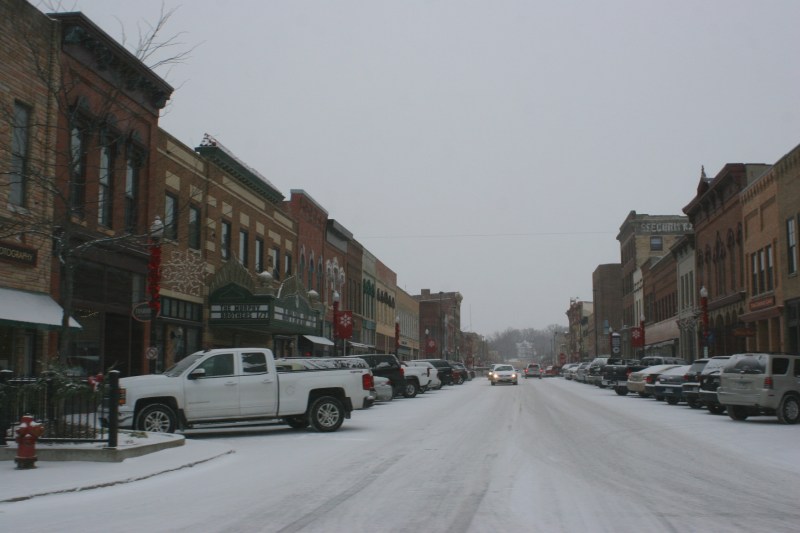
 

Faribault's Central Avenue from Fourth Street south.

Faribault’s Central Avenue from Fourth Street south.


I am fortunate to live in a community where local is valued, where good folks tend and harvest crops, where the bounty of the earth and of hands is shared at the farmers’ market and beyond.

TELL ME: What can you find that is locally-grown/made in your community?

FYI: The Faribault Winter Farmers’ Market is open this Saturday, December 17, from 1 – 4 p.m.

© Copyright 2016 Audrey Kletscher Helbing


Recommended Minnesota reads December 5, 2016

THIS TIME OF YEAR, when daylight fades too early into evening darkness, when I want nothing more than to stay indoors cozied against the Minnesota cold, I find myself gathering books. Stashing, stacking, sequestering them in my home.

And then I read, snugged into a corner of the reclining sofa that no longer reclines (unless the husband yanks on the redneck handle he’s improvised to replace the broken pull). I tuck into a fleece throw in hues that linger autumn.

Then I read. Of mystery in prose and poetry. Of fictional places. Of memories. Words wrapping stories around me. Writers writing so I can read. Of their experiences. Of their imaginations. Of their struggles and joys and moments.

Often I choose to read local, a subconscious decision tracing to my years writing book reviews for a now-defunct Minnesota magazine. But I am also drawn to Minnesota writers because of the connection I have to them. We are, or were, of this place, of these people.

In honor of Minnesota reads, I direct you to these books:


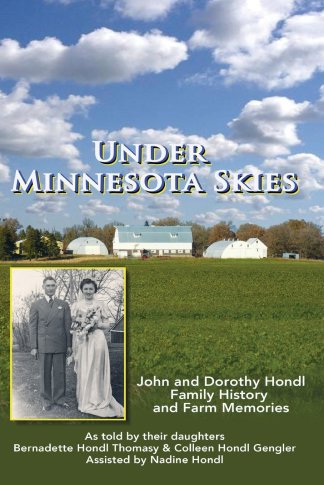
under-minnesota-skies


Under Minnesota Skies: John and Dorothy Hondl Family History and Farm Memories, penned by sisters Bernadette Hondl Thomasy and Colleen Hondl Gengler, is promoted as a family memoir of farm life in the 1940s-1960s that reflects on Czech and German heritage. The farm referenced in the book sits near Owatonna and has been in the Hondl family since 1881.

I can relate to much of the book’s content. The hard work and joys of farm life. Making hay. Filling silo. Tending livestock. This memoir, too, prompts long-forgotten memories of licking Gold Bond Stamps, of the South St. Paul Stockyard, of listening to WCCO 8-3-0, of driving tractor, of yearning for books.

Turning the pages of Under Minnesota Skies is like flipping the pages of a photo album detailing rural life. Except in words. Email the authors at kbthomasy at aol.com or dcgeng at frontiernet.net to purchase an autographed copy. Or buy the book at Little Professor Book Center in Owatonna or online at amazon.


ts-book-cover-2016


Voices: Past & Present, The Talking Stick Volume 25, is an eclectic collection of writing by Minnesota authors, or those with a strong Minnesota tie. Published by the northern Minnesota Jackpine Writers’ Bloc, this anthology includes 139 poems, 26 pieces of creative nonfiction and 20 works of fiction from 118 writers. So a good sampling of Minnesota talent.

Getting published in this book is a competitive process. Two of my poems, “Confessions in a Grocery Store Parking Lot” and “Prairie Garden Memories” are among the works printed in this 25th anniversary edition. Order on amazon.


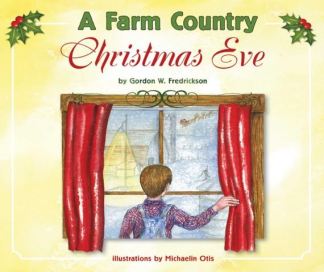
farm-country-christmas


Finally, anyone interested in rural life, should read the books penned by prolific husband and wife team Gordon and Nancy Fredrickson of Lakeville. The pair offer children’s picture books in their “A Farm Country” and “If I Were a Farmer” series. They have also written American Farm Heritage and poetry volumes for adults.

The Fredricksons’ books truly are a tribute to the rural way of life. These books can be purchased on the authors’ website, via amazon or at these Minnesota locations: Secret Attic in Northfield; The Old Hotel, New Market; and Bongards Cheese Shop, Bongards.

TELL ME: What local books have you read? What local books are you purchasing as Christmas gifts?

© Copyright 2016 Audrey Kletscher Helbling


Observing the Minnesota harvest October 25, 2016

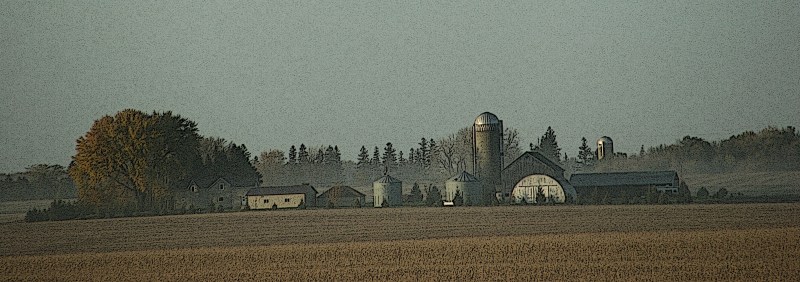
A farm site between Kenyon and Faribault.

A farm site between Kenyon and Faribault.

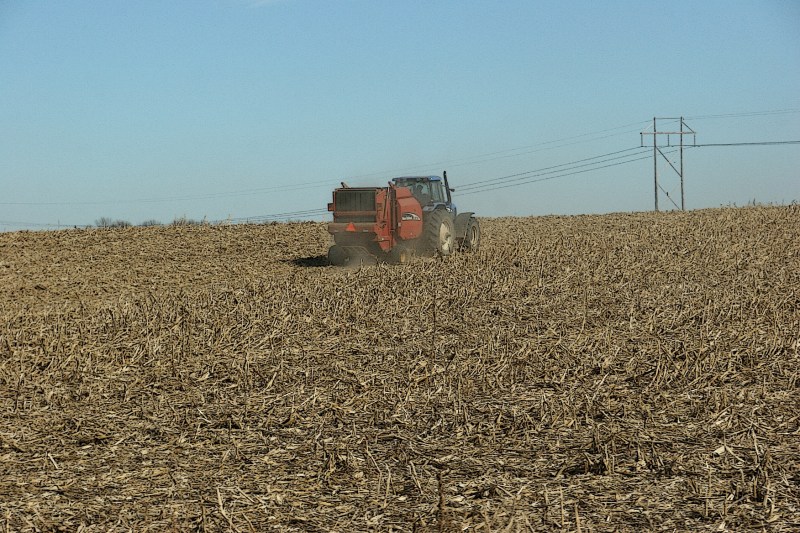
ALONG GRAVEL ROADS and across fields, farm machinery kicked up dust, shrouding rural southeastern Minnesota in pockets of hazy grey.

Somewhere southeast of rochester.

Somewhere southeast of Rochester.

Dust sometimes trailed plumes behind tractors.

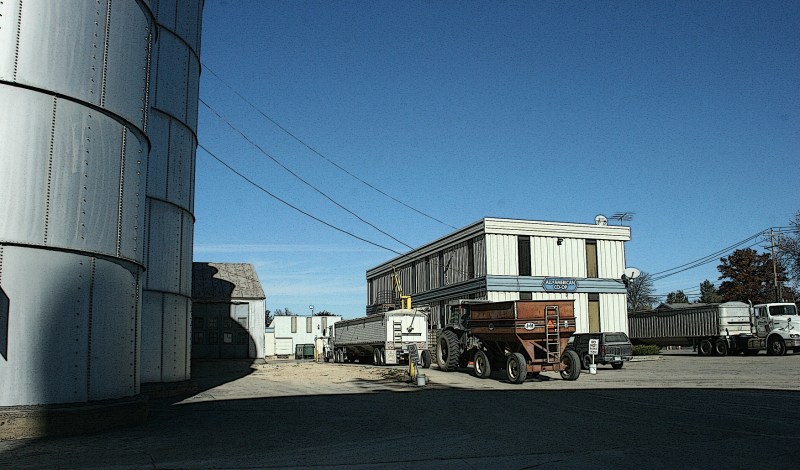
All American Co-op in Stewartville Saturday afternoon.

All American Co-op in Stewartville Saturday afternoon.

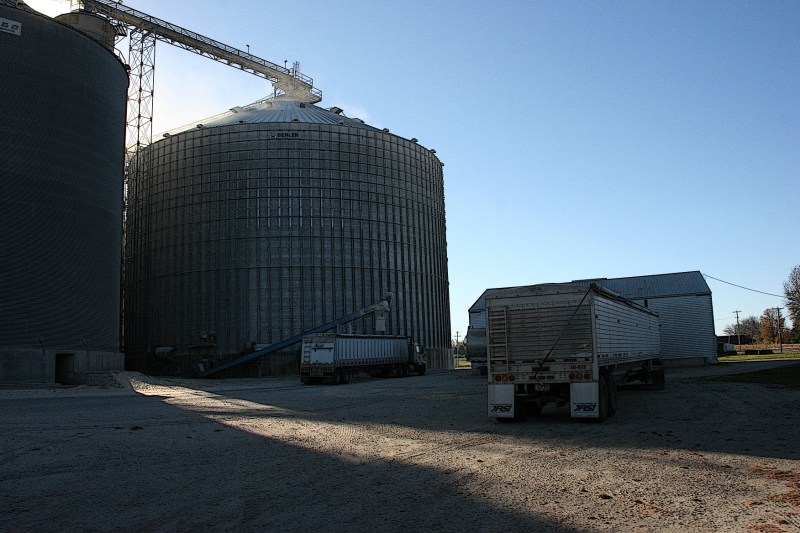
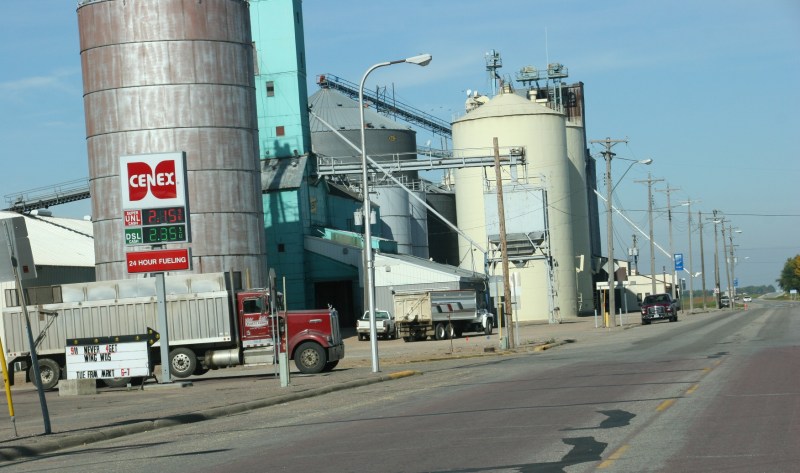
The elevator in Hayfield.

Grain bins in Hayfield.

In small towns, tractors pulling grain wagons and trucks loaded with corn or soybeans waited at local elevators.

Bees wings accumulating along Main Street in Hayfield.

Bees wings (chaff from corn cobs) accumulate along Main Street in Hayfield.

And bees wings drifted, tinting Main Street and sidewalks red.

Near Root River County Park in Olmsted County.

Near Root River County Park in Olmsted County.

Near Wanamingo...

Near Wanamingo…

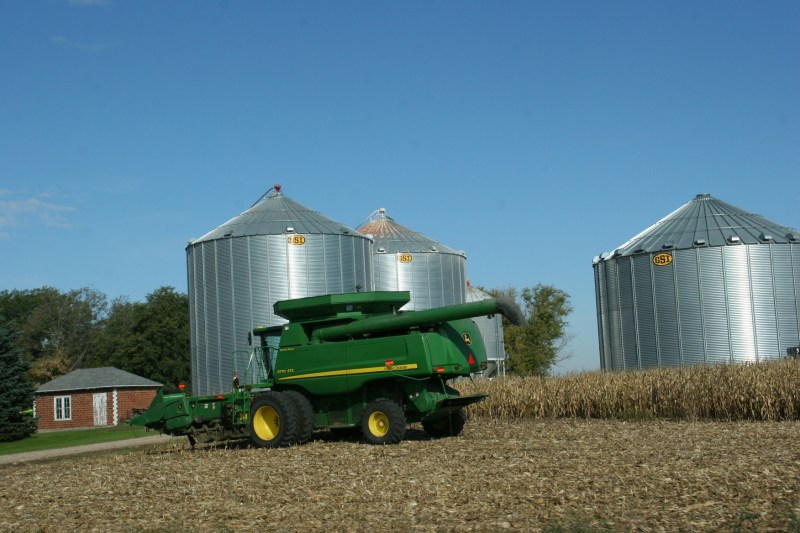
In township after township after township, I observed farmers gathering in the crops and working the land on Saturday. A good drying day. Sunshine and crisp temps. Perfect to finish the harvest.

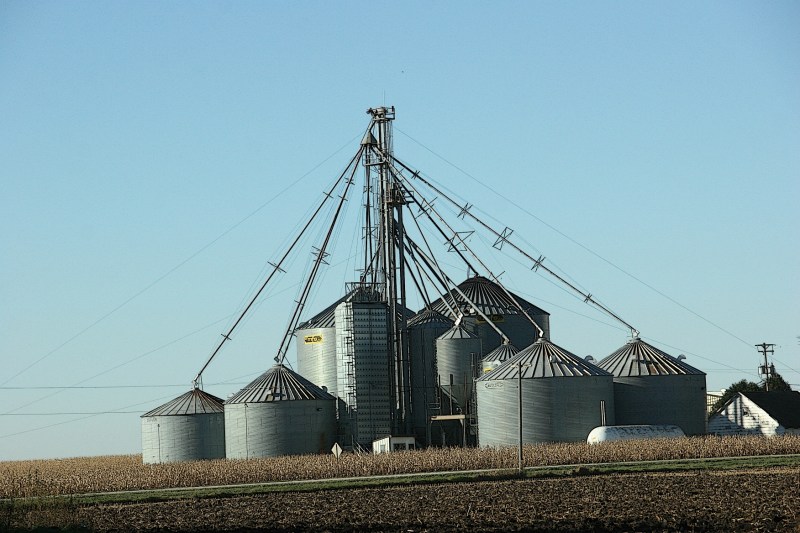
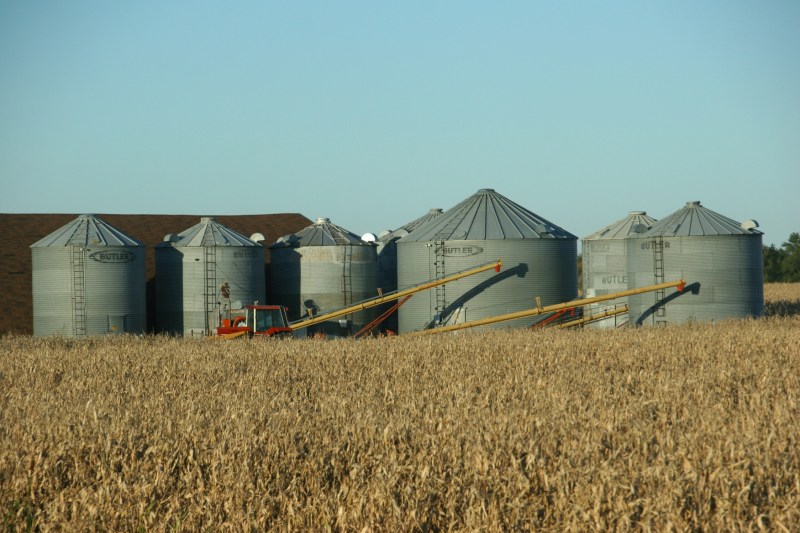
A cluster of bins near Hayfield.

A cluster of bins by Hayfield.

A day trip drive this time of year requires patience as combines, trucks and tractors clog roadways, slowing traffic. But that’s OK. Sometimes we need to creep along, to simply appreciate this land and the farmers who plant, tend and gather in the crops.

© Copyright 2016 Audrey Kletscher Helbling


Autumn, Southern Minnesota’s season of harvest & hope October 4, 2016

Filed under: Uncategorized — Audrey Kletscher Helbling @ 5:00 AM
Tags: , , , , , , , , , ,
Somewhere between Morgan and New Ulm, in the middle of prime Minnesota farm land.

Somewhere between Morgan and New Ulm, in the middle of prime Minnesota farm land early Saturday evening.

HARVEST. That word holds the seasons of a farmer’s hope.

A partially-harvest cornfield between New Ulm and Morgan.

A partially-harvest cornfield between New Ulm and Morgan.

From spring planting to summer growth to autumn ripening, a farmer focuses on the outcome—a yield that brims with golden corn and soybeans.

Harvesting between St. Peter and Nicollet.

Harvest equipment sits in a cornfield west of St. Peter.

Through months of looking toward the skies, of weathering too much or too little rainfall, of watching heat shimmer waves across fields, of tending and waiting, a farmer anticipates this season of harvest.

Driving west on Minnesota State Highway 99 toward Le Center.

Driving west on Minnesota State Highway 99 toward Le Center.

On a day trip Saturday from the southeastern to the southwestern side of Minnesota—through Rice, Le Sueur, Blue Earth, Nicollet, Brown and Redwood counties and back—I observed the harvest. Minimal on the eastern side, which has been flooded with too much recent rainfall, but in full swing in the counties of Brown and Redwood.

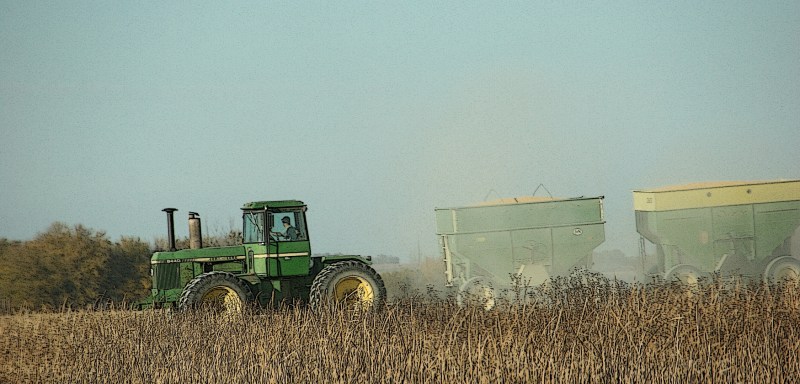
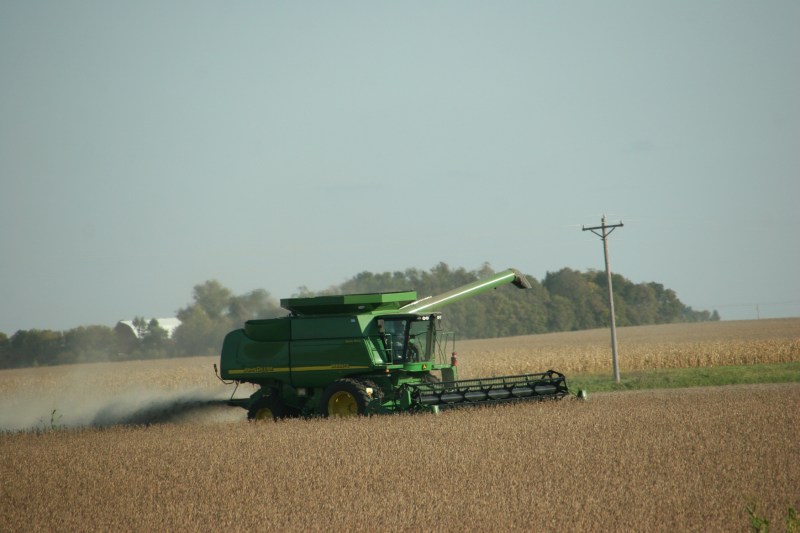
Combing beans near New Ulm.
Combining beans near New Ulm.
Farmers worked the land, dust enveloping combines.

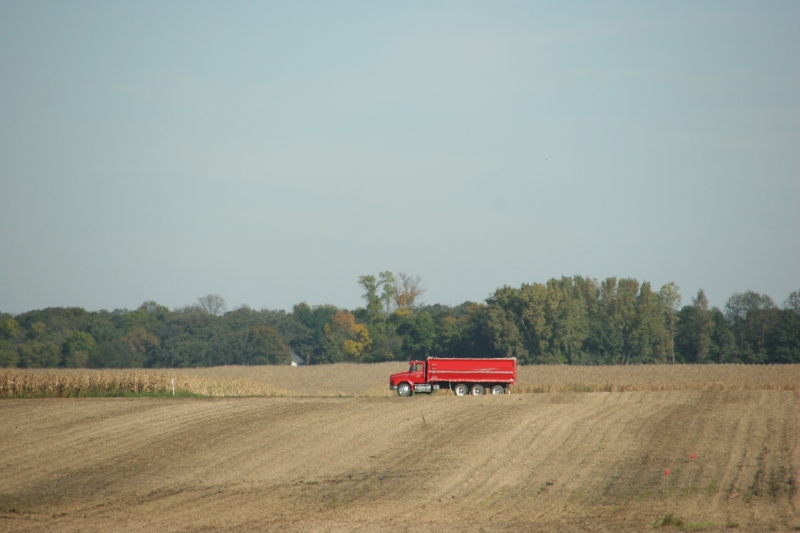
A red grain truck jolts color into a field near New Ulm.

A red grain truck jolts color into a field near New Ulm.

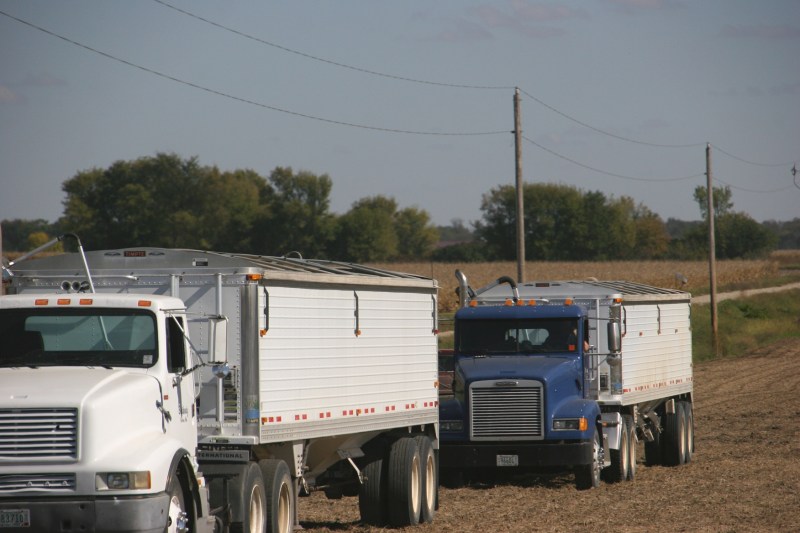
North of Belview, trucks await the harvest.

North of Belview, trucks await the harvest.

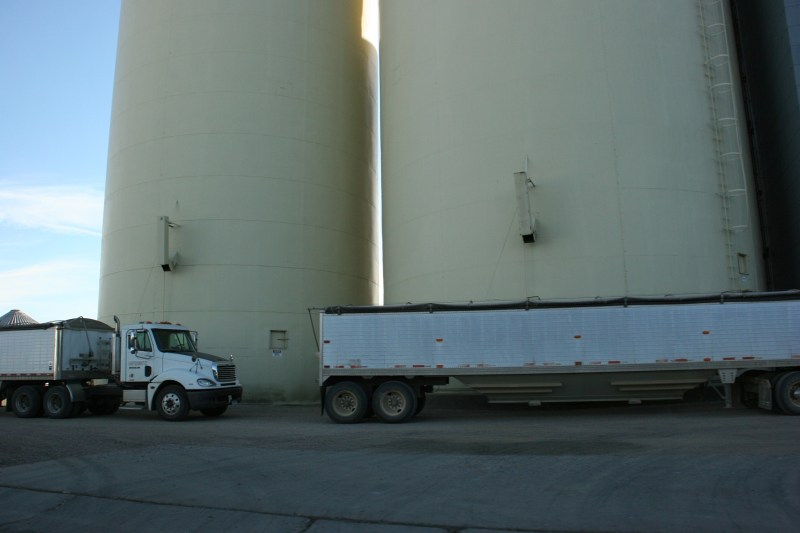
Parked outside the elevator in Morgan.

Parked outside the elevator in Morgan.

Farming communities like Morgan are busy with harvest.
Farming communities like Morgan are busy with harvest.

Grain trucks idled in fields and barreled down county roads toward local elevators

Near Courtland.

Near Courtland.

Grain bins near Waterville.

Grain bins near Waterville.

or homestead grain bins.

Driving into Courtland.

Driving into Courtland.

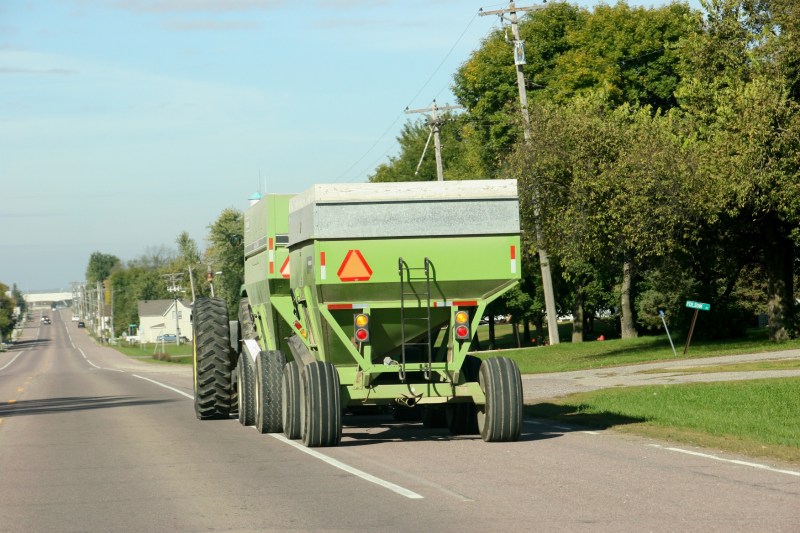
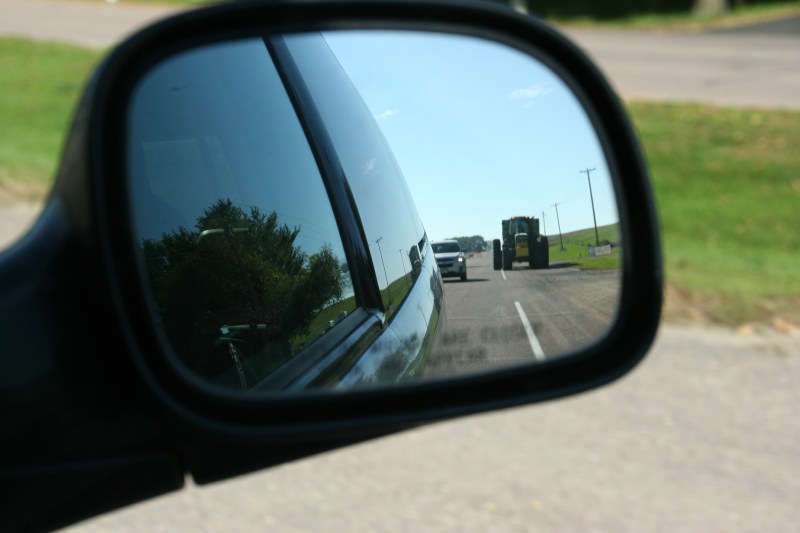
This time of year, motorists need to be watchful of slow-moving farm equipment.

This time of year, motorists need to be watchful of slow-moving farm equipment.

Harvest started west of St. Peter.

Harvest started west of St. Peter.

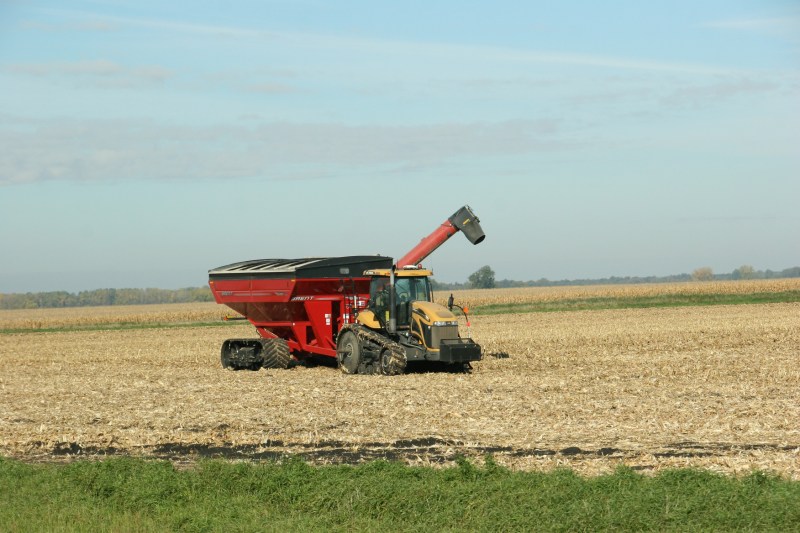
The landscape crawled with tractors and combines and trucks, farmers at the wheels, guiding the crops toward harvest.

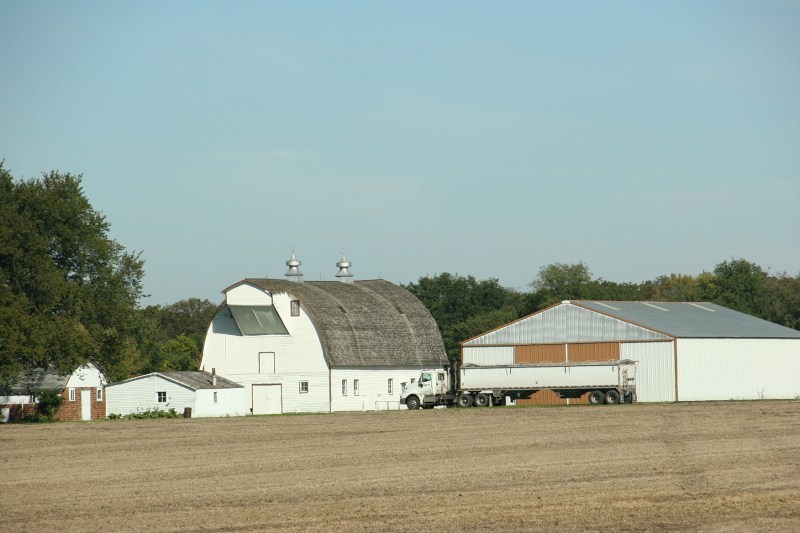
White among fields of golden crops.

A harvested field against a farm site backdrop of white.

And I observed it all. No longer an intimate part of this process as I once was so many decades ago on my Redwood County childhood farm, I am still connected to this season by the memories that trace deep within me.

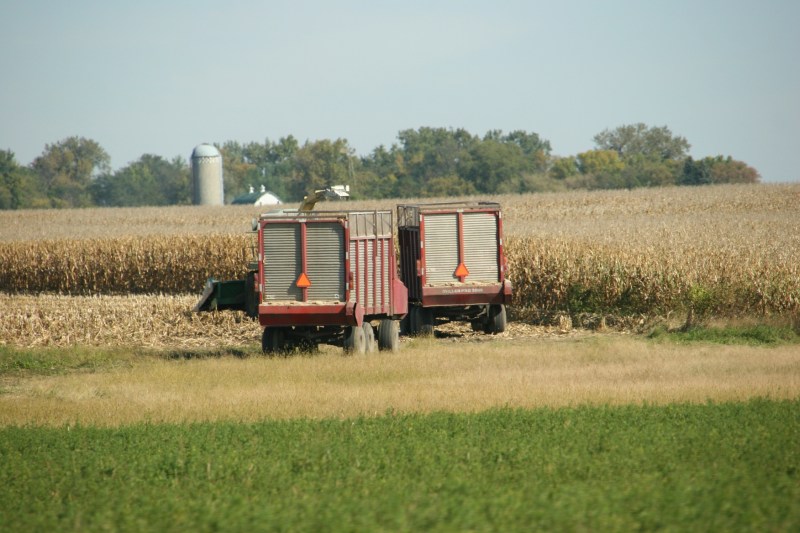
West of New Ulm, grain wagons sit in a field.

West of New Ulm.

Harvest still holds me in hope.

© Copyright 2016 Audrey Kletscher Helbling


A photo essay: Aerial agricultural spraying up close August 9, 2016

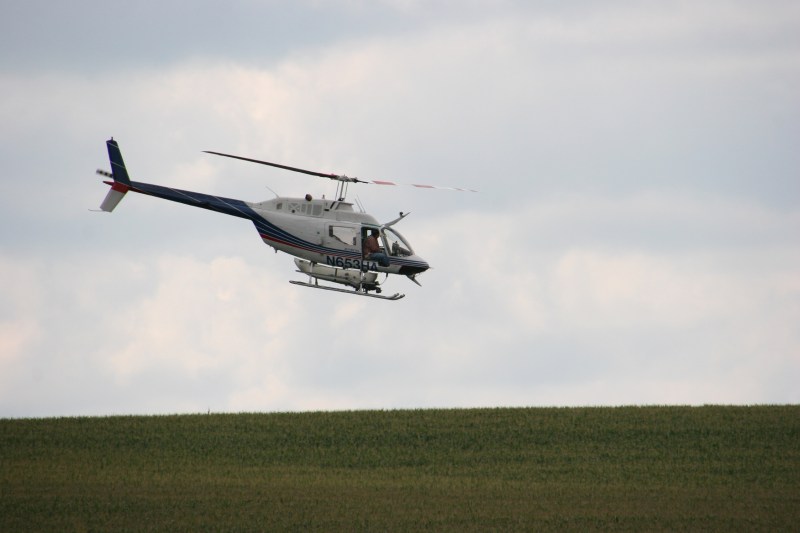
IN THE DISTANCE, down the gravel road, a helicopter swept across the fields and then disappeared.

“Did it crash?” I asked my husband, worry lacing my words.

“Do you see a fireball?” he responded, answering my question.

I didn’t. And it was obvious to me then that the rise of the land was blocking my view of the helicopter.


Helicopter spraying, 105 dairy farm


But I needed to visually confirm, to see this flying machine up close. So Randy turned off the asphalt county road onto 230th Street East, aiming toward a hilltop dairy farm marked by five looming silos.


Helicopter spraying, 109 over corn field


Helicopter spraying, 112


Helicopter spraying, 113


Helicopter spraying, 115


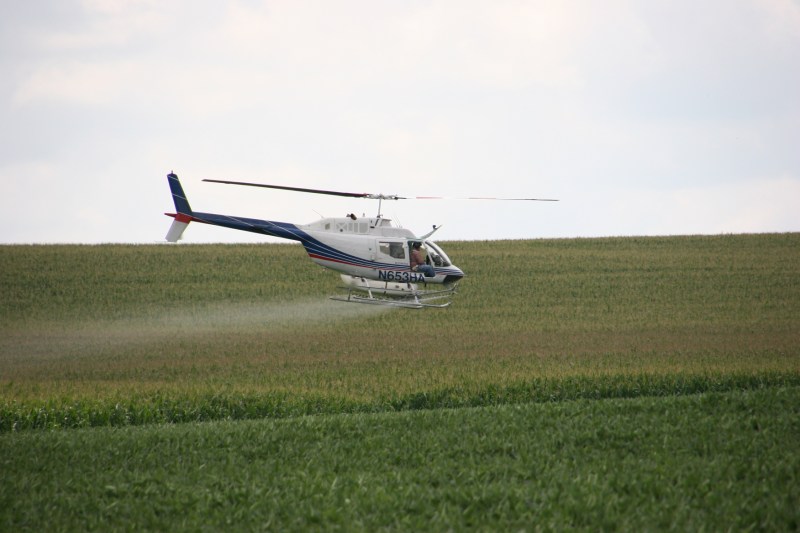
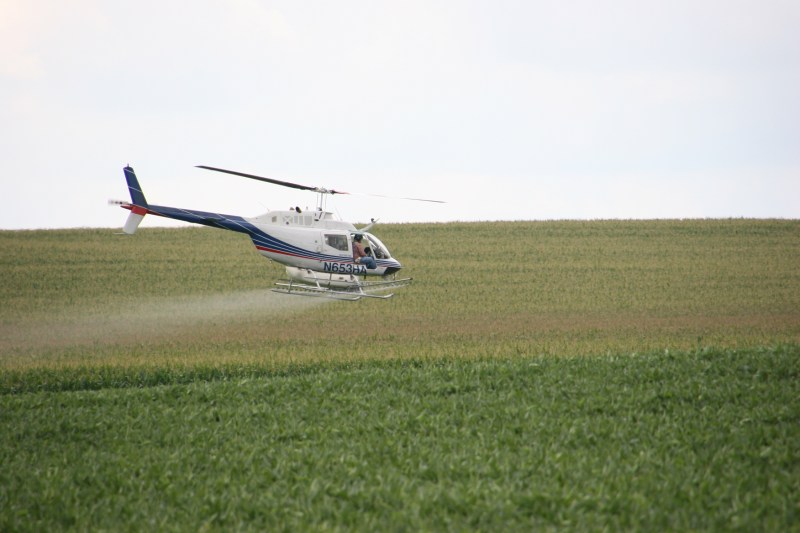
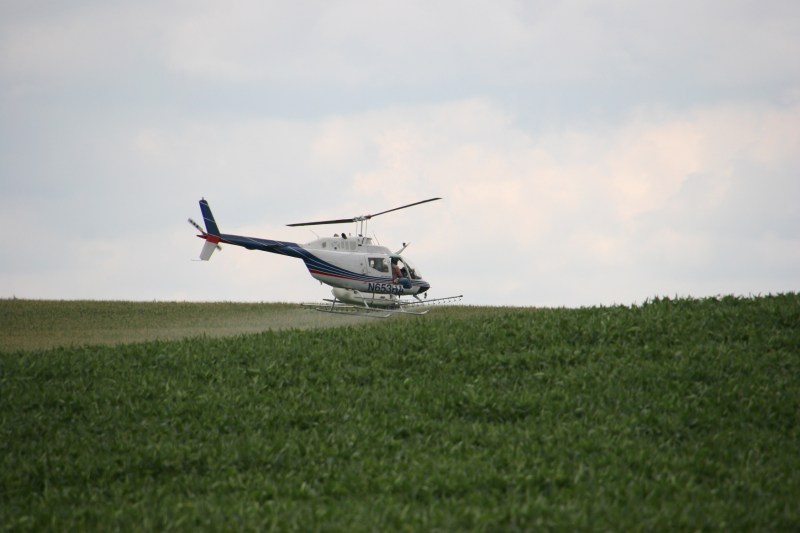
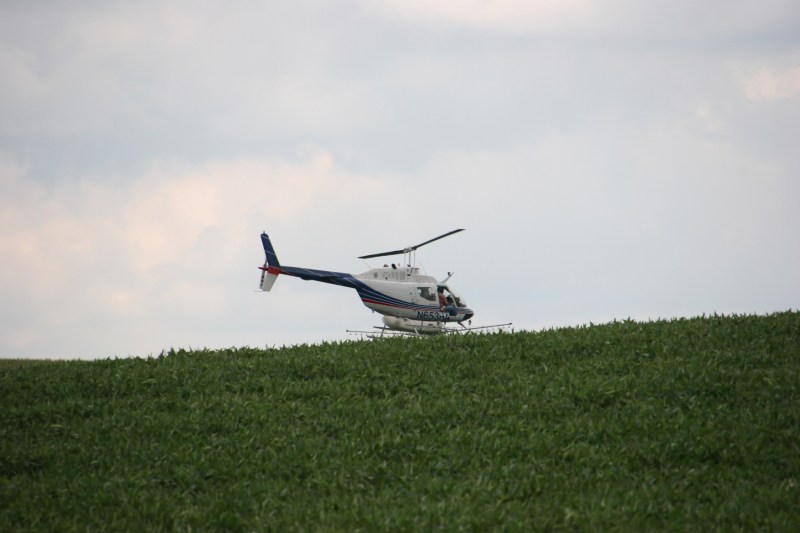
Before we made it to the farm, though, the chopper was back, skimming and spraying chemicals upon acres of corn at this location southeast of Faribault. Randy braked our van to a stop and I was out the passenger side door before the wheels stopped turning, eager to photograph an aerial application up close.

The helicopter files over a hill in the corn field.

The helicopter files over a hill in the corn field.

Whether you agree or not with the spraying of chemicals upon the land to control weeds, fungus and insects or to fertilize crops, you have to admire the skills of these pilots. This appears a dangerous undertaking as the copter zooms above the fields, the pilot simultaneously spraying, guiding his aircraft and watching the ground for obstacles—like silos, power lines and hills.

Helicopter spraying, 121 atop truck


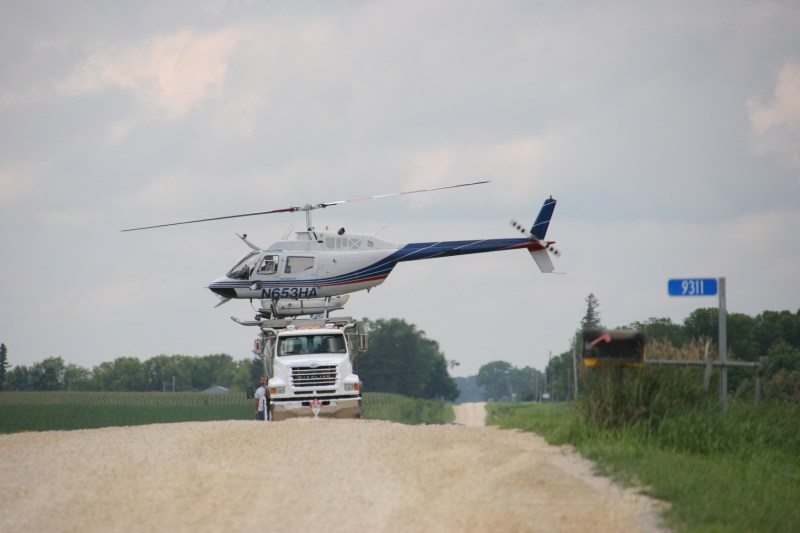
While the pilot’s skills impressed me, I was especially fascinated by what I saw as we crested the hill next to the Tatge dairy farm.


Helicopter spraying, 124 atop mixing truck


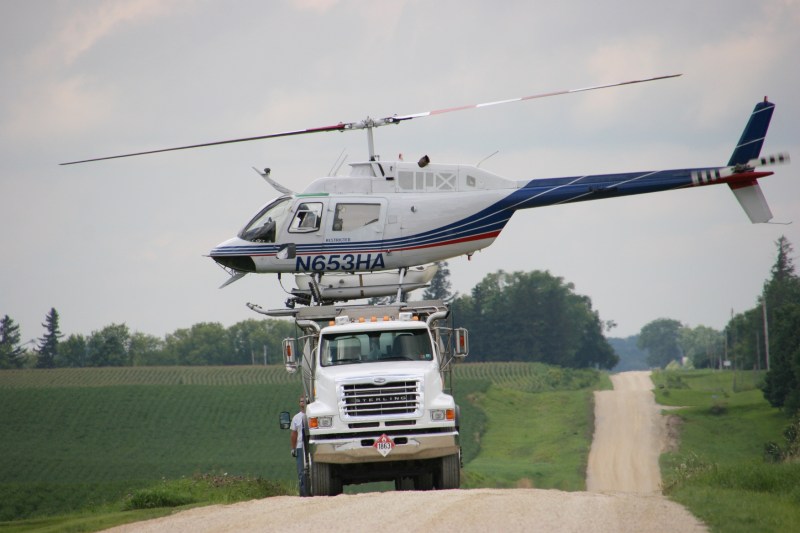
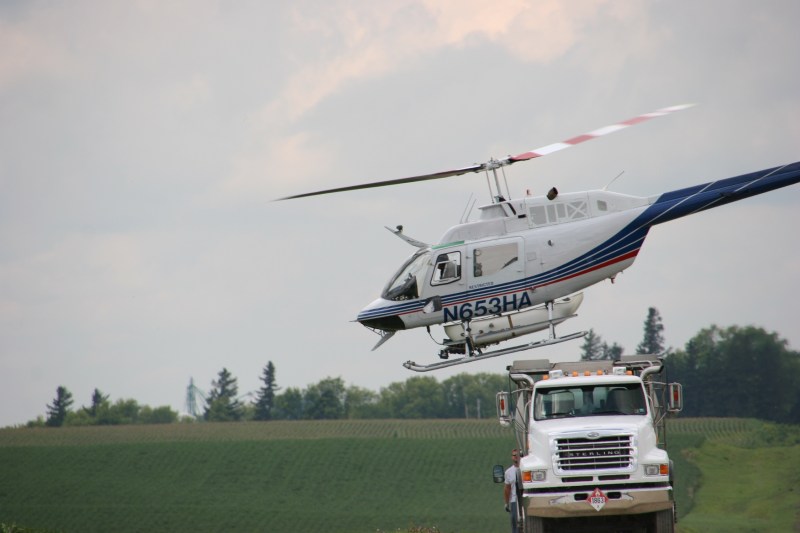
The helicopter had landed atop a truck in the middle of the country gravel road.


The helicopter lifts off from the mixing truck, ready for another round of spraying.

The helicopter lifts off from the mixing truck, ready for another round of spraying.

I’d never thought about this—how an aerial spraying helicopter refills with both chemicals and fuel. We didn’t stop to ask questions. I wasn’t about to distract the team of men focused on their work.

© Copyright 2016 Audrey Kletscher Helbling


In rural Nerstrand: Of sheep & cheesemaking July 26, 2016


Approaching Shepherd's Way Farms, rural Nerstrand.

Approaching Shepherd’s Way Farms, rural Nerstrand.

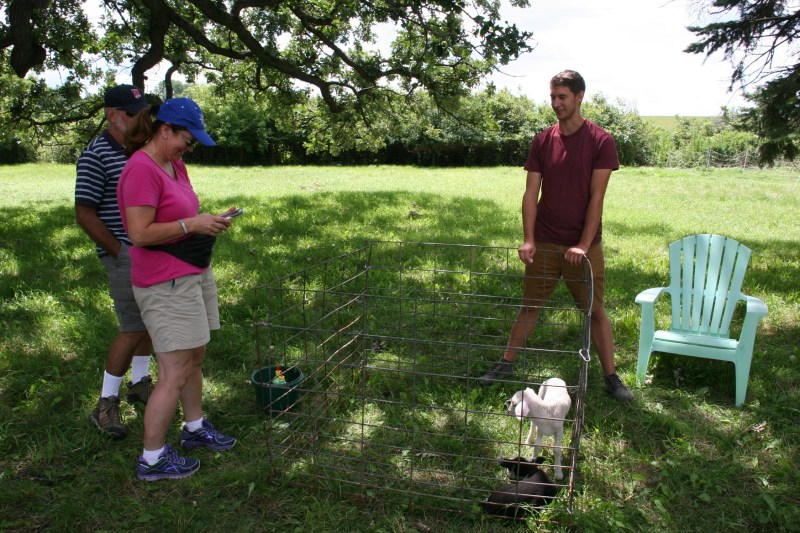
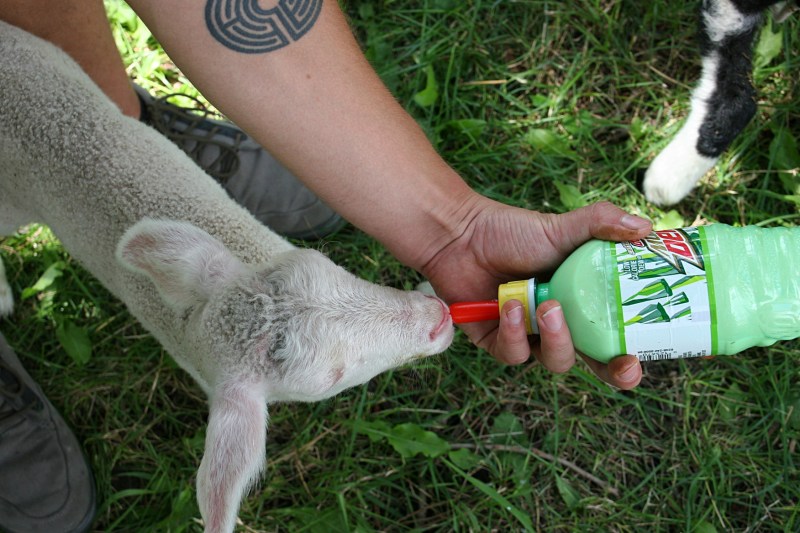
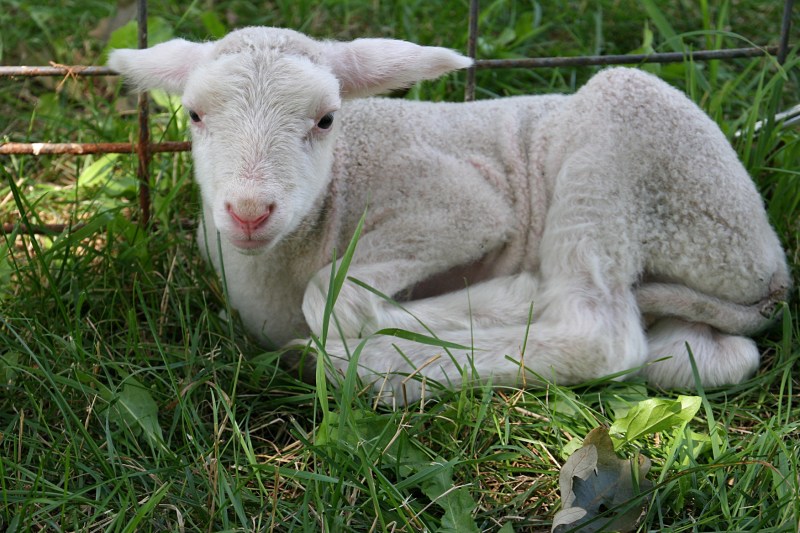
I WAS SMITTEN, simply smitten by the two-day-old lambs at Shepherd’s Way Farms. I wanted to snatch one of the babies from an outdoor pen, tuck it under my arm and scamper to the van.


Shepherd's Way Farms, 111 white lamb


Lucky for the owners of Shepherd’s Way, I am not the rustling type. And lucky for Shepherd’s Way that a hawk, eagle or other predator did not discover these unexpected pasture-born lambs—born out of the regular lambing season.


Shepherd's Way Farms, 151 penned lambs


The lambs, penned under the shade of sprawling oaks, proved a popular attraction during a recent 2106 Eat Local Farm Tour at Steven Read and Jodi Ohlsen Read’s dairy sheep farm near Nerstrand Big Woods State Park.


Shepherd's Way Farms, 143 Burr Oak cheese


Shepherd's Way Farms, 173 sheep in pasture


Shepherd's Way Farms, 145 Big Woods Blue Cheese


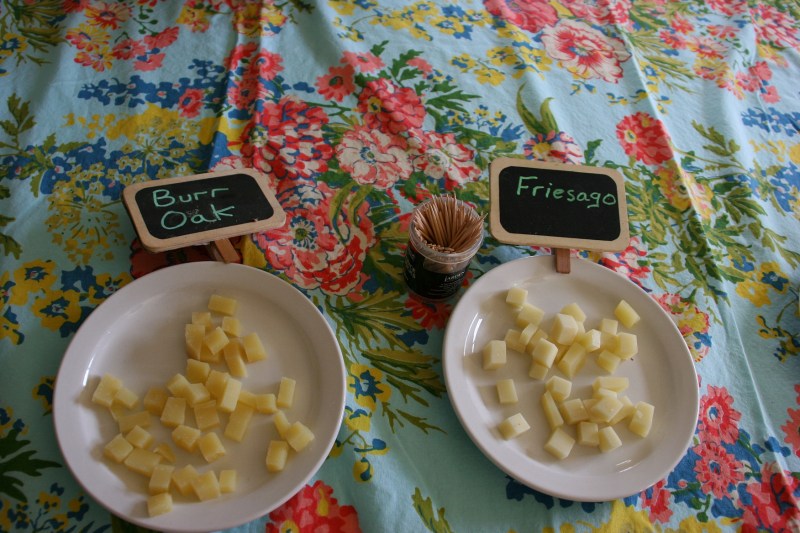
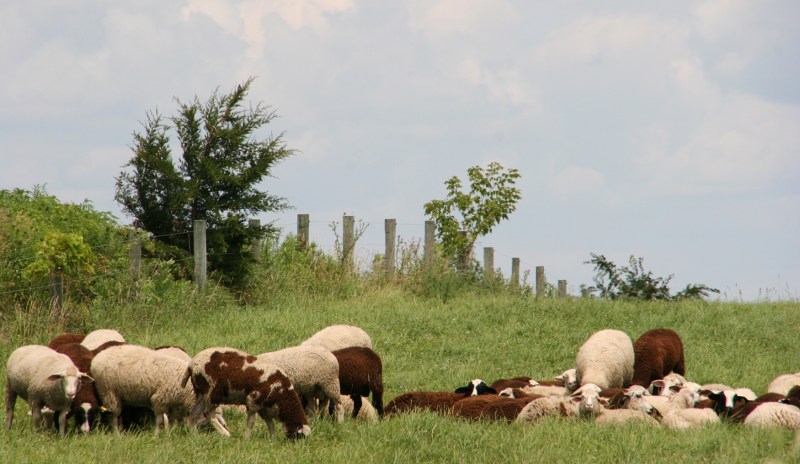
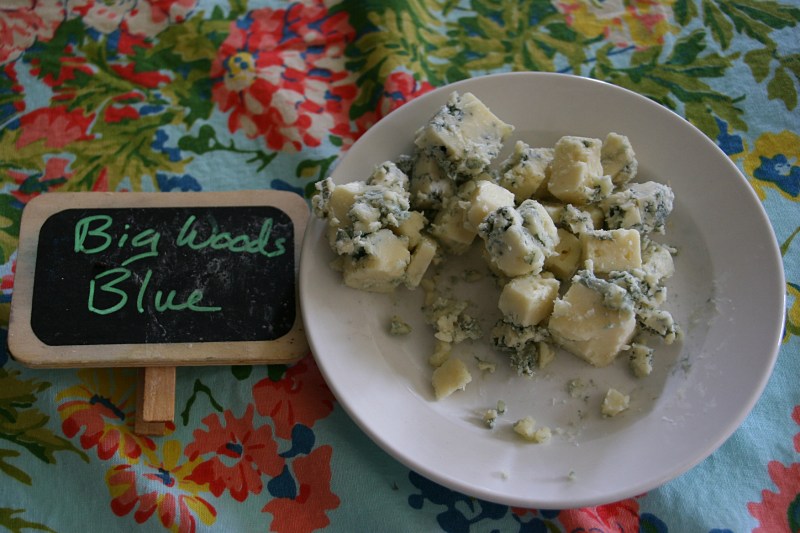
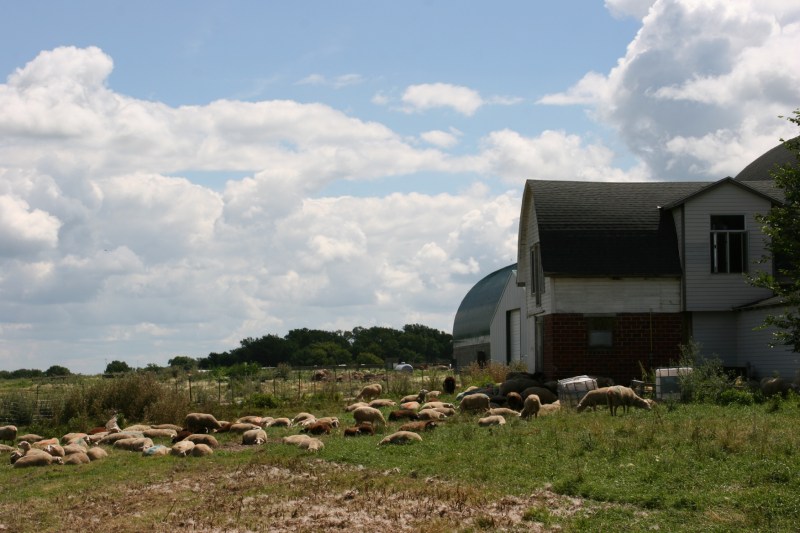
Here sheep graze pastureland, fueling up to produce milk for award-winning handcrafted artisan cheeses. Farm tour visitors sampled those cheeses which range from creamy Shepherd’s Hope to the denser, firmer Burr Oak to a blue cheese appropriately named Big Woods Blue. I found the cheeses especially flavorful and the softer cheeses exquisitely creamy, traits attributed to the higher fat content of sheep’s milk.

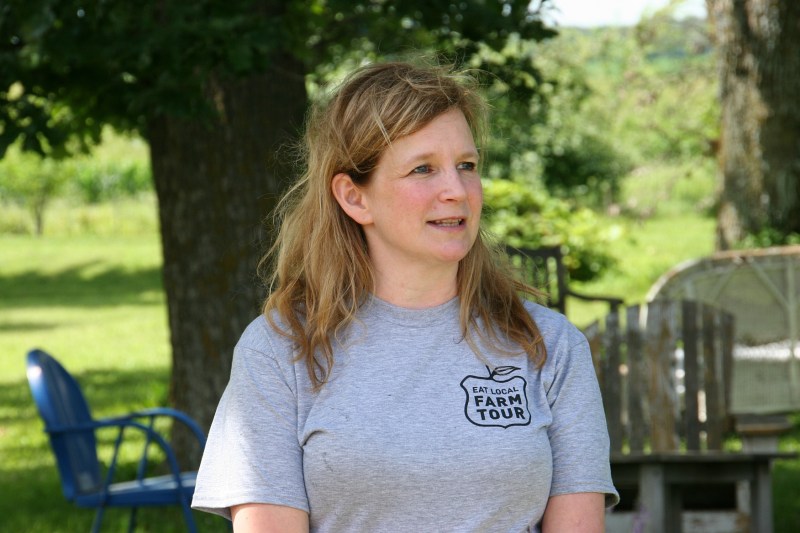
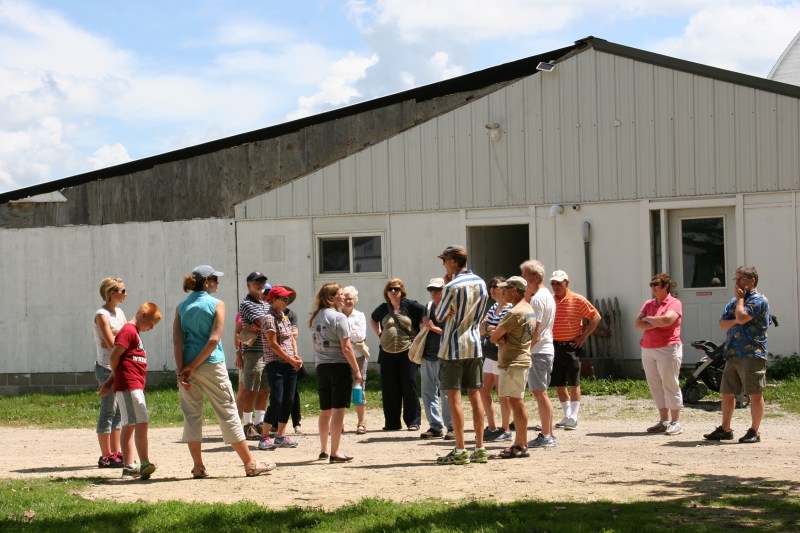
Farm co-owner and cheesemaker Jodi Ohlsen Read talks about Shepherd's Way Farms.

Farm co-owner and cheesemaker Jodi Ohlsen Read talks about Shepherd’s Way Farms.

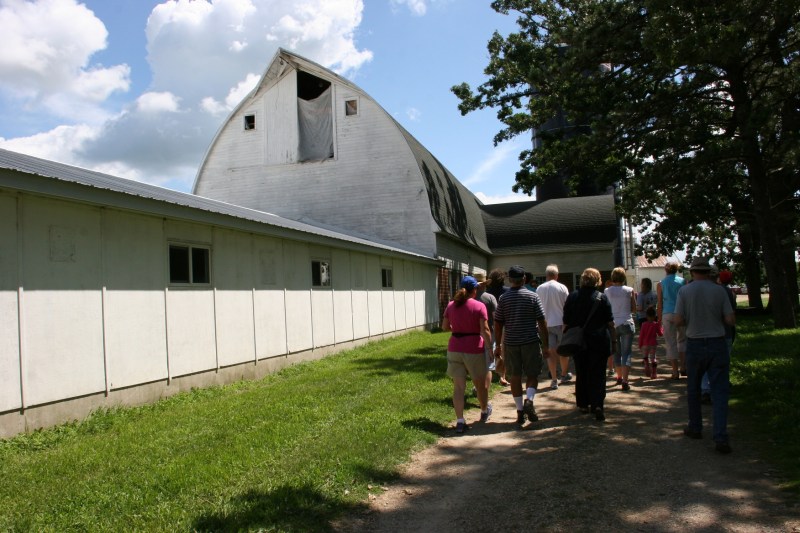
The tour group heads toward the barn.

The tour group heads toward the barn.

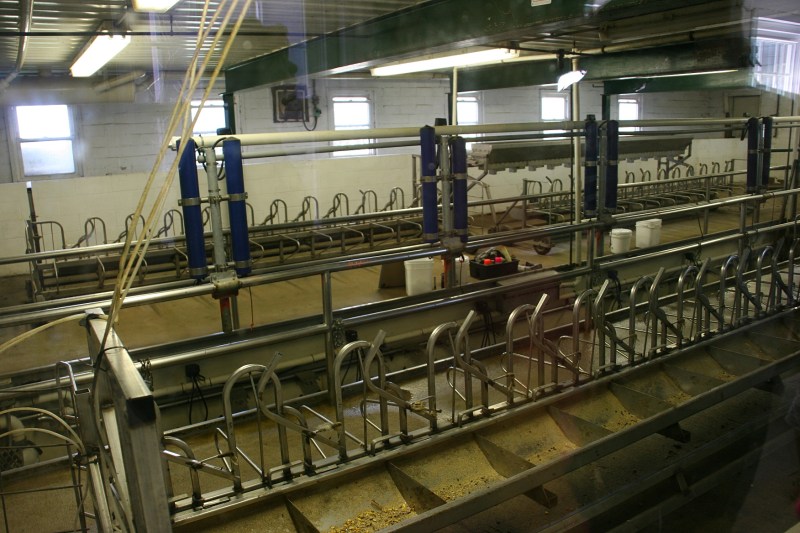
Looking through a window, visitors get a look at the area where the sheep are secured and fed during milking.

Looking through a window, visitors see the area where the sheep are secured and fed during milking.

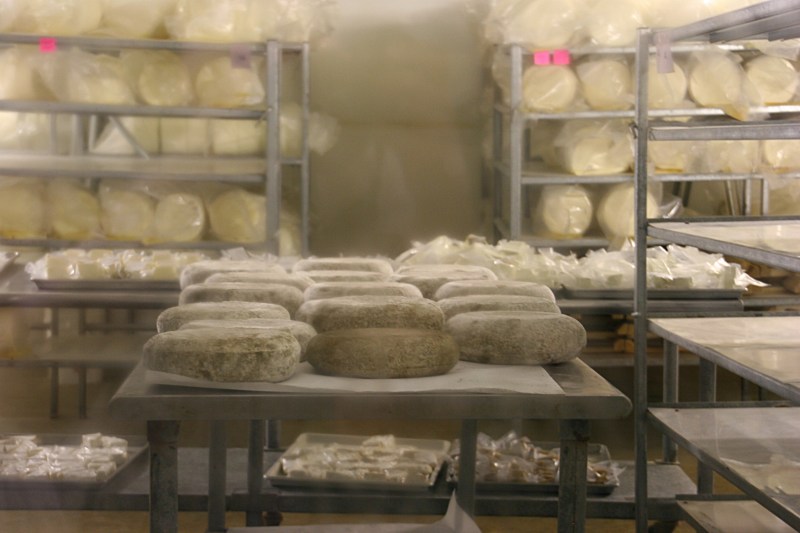
Again, through a window, visitors view aging cheese wheels.

Through an interior window, visitors can view the cheese.

Jodi led visitors on a tour past the milking barn and cheesemaking and aging rooms. As we followed her along a hallway separating us from the operational area, we learned about cheesemaking from start to finish. She’s the cheesemaker. Oversized windows allowed for viewing. Here, some 240 sheep are milked in a process that takes about four hours from set-up to milking to clean-up. Jodi noted that if you don’t like to clean, then sheep dairy farming/cheesemaking is not for you.

Jodi answers questions once the barn tour is finished.

Jodi answers questions following the barn tour.

It is clear from Jodi’s tour that she loves this rural way of life, this place where she’s raised four sons. Although grown, those young men still occasionally help, this day at the tour and also with marketing the family’s cheeses. Shepherd’s Way cheese sells primarily in the Twin Cities—at farmers’ markets and select grocery stores—but also as distant as Chicago and the East Coast. The farm also has a Community Supported Agriculture program.

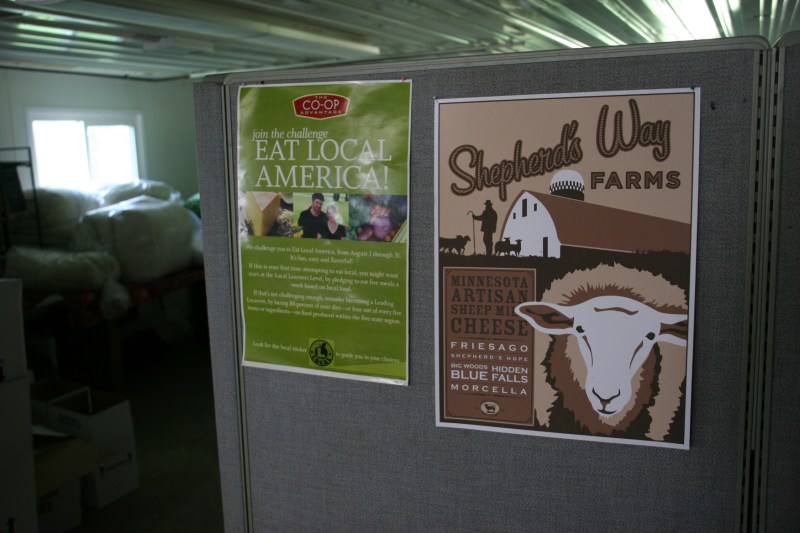
Promotional art showcased inside the on-site store.

Promotional art showcased inside the on-site store.

Classes, tastings and tours are also offered at the farm by the well-spoken and knowledgeable cheesemaker who comes from a pre-dairy professional background in writing and editing.


Shepherd's Way Farms, 127 sheep by barn


Listening to Jodi affirms the farm’s mission statement published on its website:

At Shepherd’s Way Farms, we believe there is a way to live that combines hard work, creativity, respect for the land and animals, and a focus on family and friends. We believe the small family-based farm still has a place in our society. Everything we do, everything we make, is in pursuit of this goal.

Shepherd's Way Farms, 150 bottle feeding lamb


I left Shepherd’s Way understanding this family’s passion, appreciative of their hard work and savory cheeses, and still wishing I could snatch a lamb.

BONUS PHOTOS:


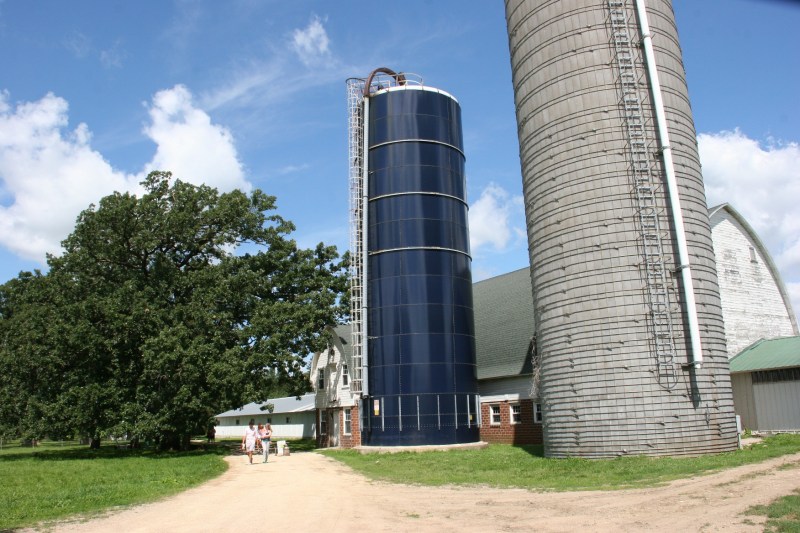
Shepherd's Way Farms, 106 silos & barn

This 1940s former dairy barn and the attached lower building have been converted in to a milking parlor, a cheese production room and a cheese aging room.

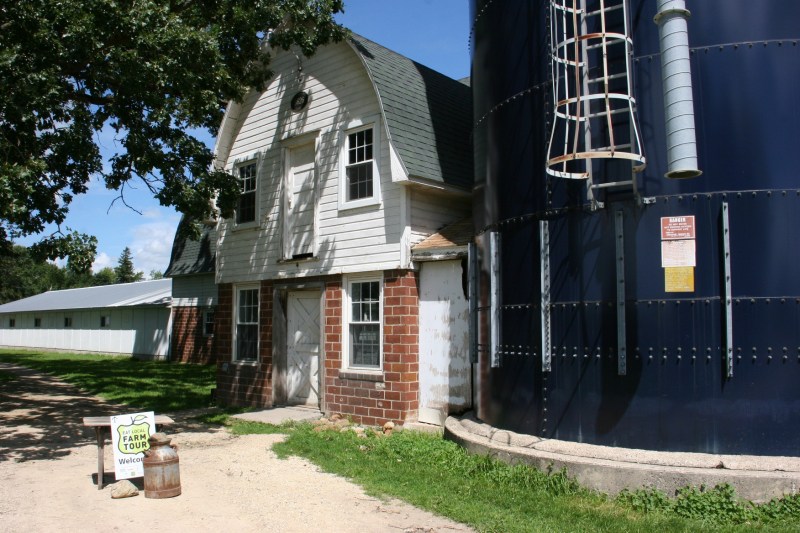
This is a beautiful old barn. I especially like the character of the entry.

This is a beautiful old barn. I especially like the character of the entry.

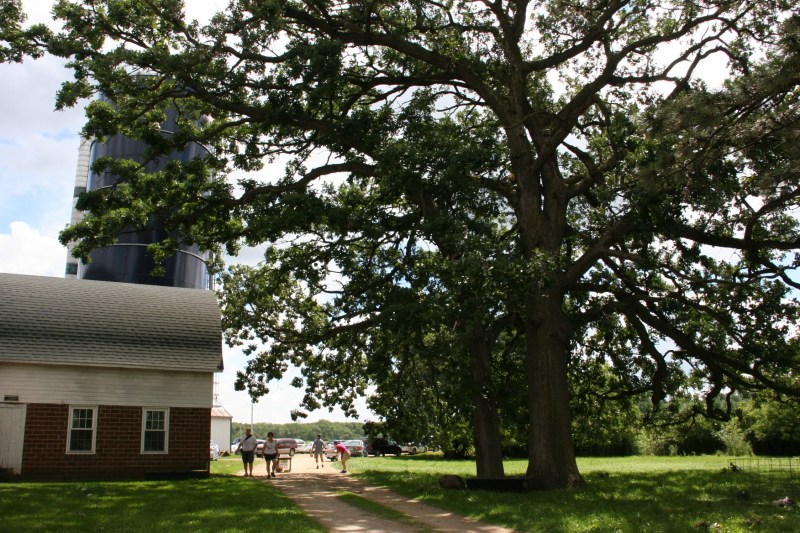
Incredible aged oaks tower near the old barn.

Incredible aged oaks tower near the old barn.

There's a second barn on the property, this one moved several miles from Nerstrand Big Woods State Park.

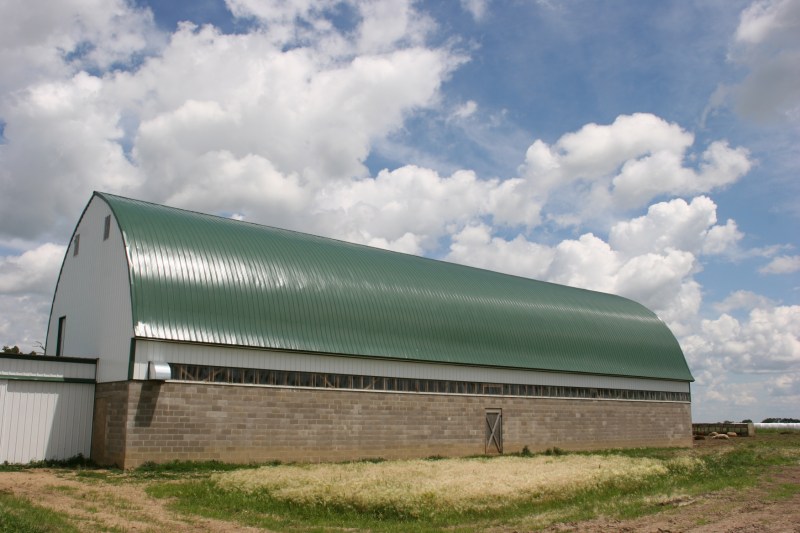
There’s a second barn on the property, this one moved several miles from Nerstrand Big Woods State Park. The 120-foot long barn replaces the lamb nursery destroyed in a 2005 arson fire.

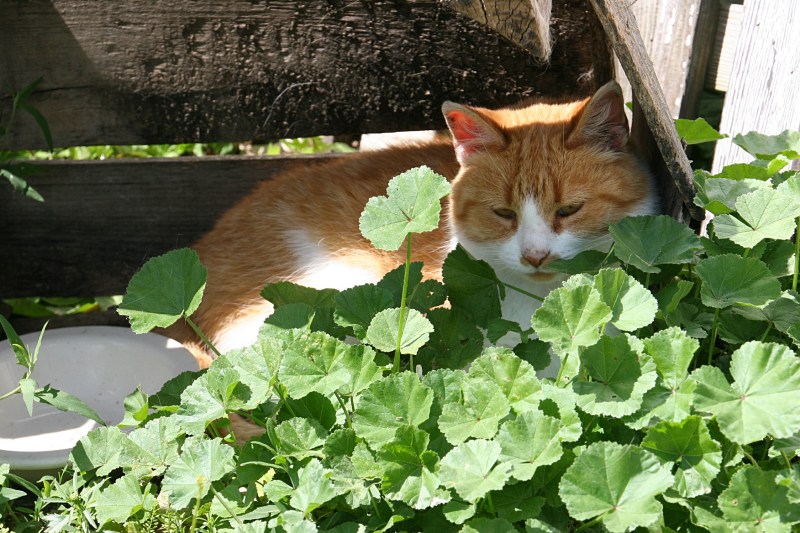
This farm cat hides in a wooden box outside the farm shop/tasting room.

This farm cat hides in a wooden box outside the farm shop/tasting room.

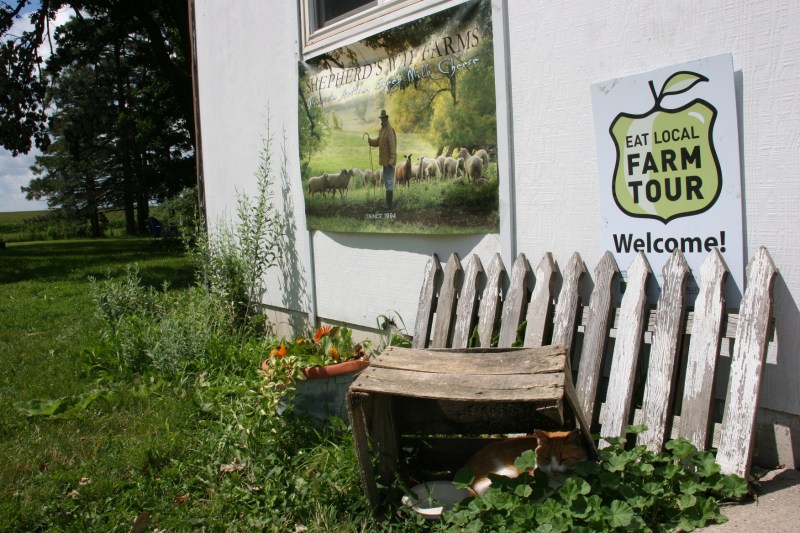
Outside the tasting room/store.

Outside the tasting room/store.

FYI: Click here to read my previous post about Simple Harvest Organic Farm, another Nerstrand area farm I visited during the 2016 Eat Local Farm Tour.

© Copyright 2016 Audrey Kletscher Helbling


Touring Simple Harvest Organic Farm, rural Nerstrand July 25, 2016

The Zemans' farmhouse and yard.

The Zemans’ farmhouse and yard, this view looking toward the driveway.

SIBLINGS KATHY AND NICK ZEMAN farm the old-fashioned way.

Visitors park along the county road by Simple Harvest Organic Farm for the Eat Local Tour.

Visitors park along the county road by Simple Harvest Organic Farm on 155th Street East, rural Nerstand, for the recent Eat Local Farm Tour.

Simple Harvest Organic Farm, 17 geese close-up


Simple Harvest Organic Farm, 79 beehives


Simple Harvest Organic Farm, 69 pigs


Their 20-acre rural Nerstrand acreage is home to an assortment of animals typical of farms of yesteryear. Chickens, ducks, geese, turkeys, pigs, goats, cows and rabbits along with two dogs and bees comprise the collection of critters I spotted on a recent visit.


Simple Harvest Organic Farm, 15 back ends of goats


Livestock graze in pastures and are fed a vegetarian diet. These animals see sunlight and sky on this organic farm.


Simple Harvest Organic Farm, 8 Simple H sign


Simple Harvest Organic Farm was among sites featured on the recent 2016 Eat Local Farm Tour. As I hiked up the driveway toward the farm yard, I noticed the absence of a barn. I didn’t ask Kathy about that. I was distracted by the goats and then the chickens peering from behind chicken wire in the weathered chicken house.


Simple Harvest Organic Farm, 43 bunnies


Simple Harvest Organic Farm, 39 goat close-up


Then it was on to the rabbits and the sweet bunnies and a single milk goat that preferred chomping on dry leaves over fresh leaves.


Simple Harvest Organic Farm, 18 geese walking


As I circled the property, I noticed plenty of weeds and droppings from wandering geese. This isn’t a pristine picture perfect farm. But it’s lovely in the sort of way that this is a way of life for Kathy and her brother. Not only do they raise food for themselves, but also for others through their Community Supported Agriculture business.


This weathered building houses the chickens, who roam inside and out.

This weathered building houses the chickens, who roam inside and out.

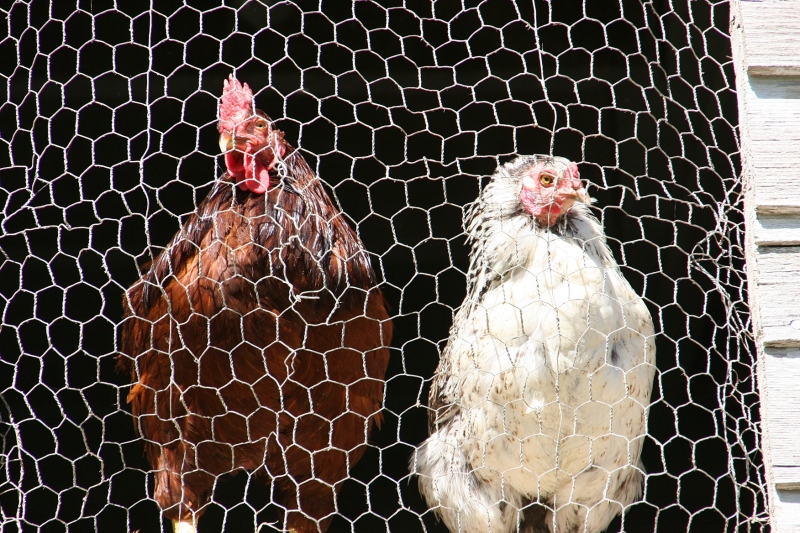
This pair peered through chicken wire in a chicken coop window.

This pair peered through chicken wire in a chicken coop window opening.

The farm store is located in a closed corner of the pole shed which also houses pigs and fowl.

The farm store is located in a an enclosed corner room of the pole shed which also houses pigs and fowl.

On the second Saturday of every month, from 10 a.m. – 4 p.m., the Zemans open their farm store—housed in a room in a pole shed—to CSA and other customers who stop by to pick up frozen whole chickens, eggs and more. The farm is also open by appointment.


Simple Harvest Organic Farm, 81 bikes


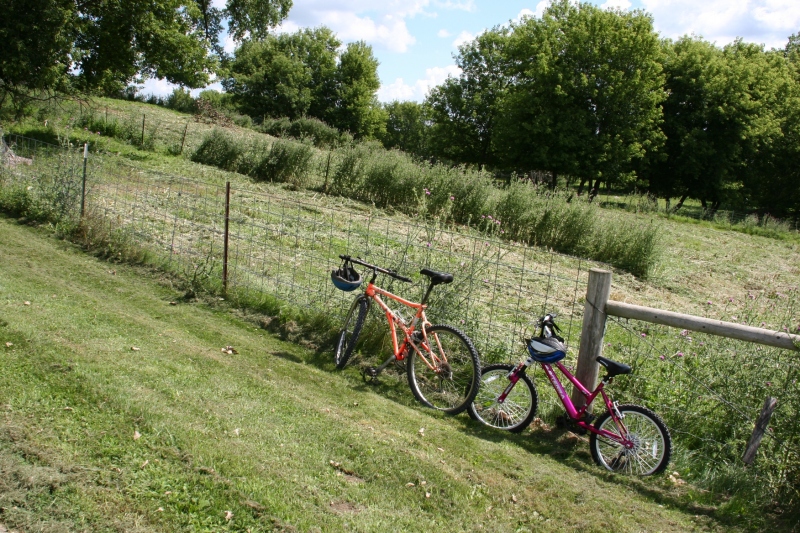
As I chatted with Kathy, whom I met 30-plus years ago when I was a newspaper reporter and she the Steele County dairy princess, she paused to greet new arrivals. “The neighbors are here,” she enthused. And they really were her neighbors, their bikes leaning against a fence near the end of the farm driveway.


Simple Harvest raw honey available for purchase at the farm.

Simple Harvest raw honey available for purchase at the farm.

Friendliness and old-fashioned neighborliness prevail here on Simple Harvest Organic Farm.

BONUS PHOTOS:

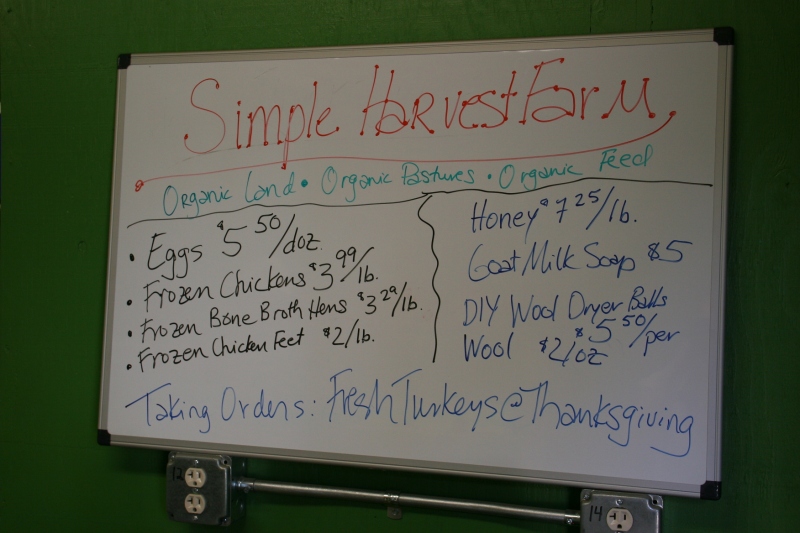
On the day I visited, these items were available for purchase from Simple Harvest.

On the day I visited, these items were available for purchase from Simple Harvest.

I photographed this sunflower by the chicken coop.

I photographed this sunflower by the chicken coop.

Customers could also purchase Wildflower Honey from Schoolhouse Apiary during the farm tour.

Customers could also purchase Wildflower Honey from Schoolhouse Apiary, Northfield, during the farm tour.


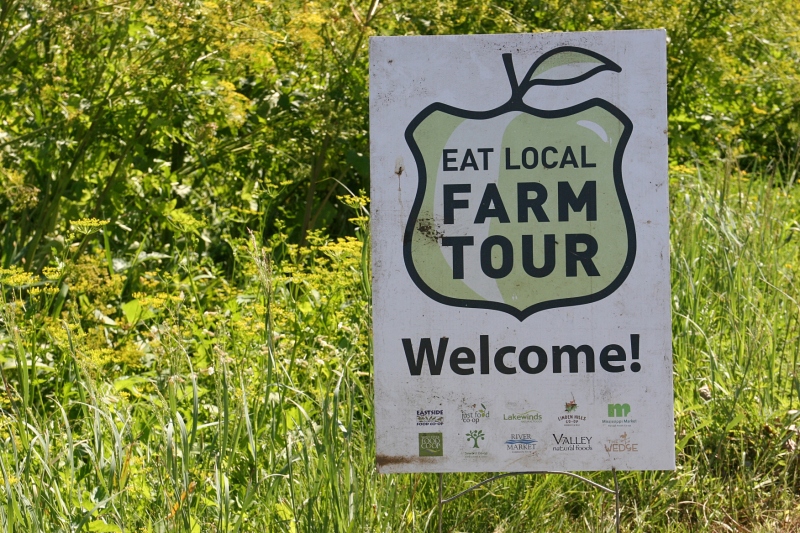
Simple Harvest Organic Farm, 7 Eat Local sign


FYI: Check back as I take you several miles away to Shepherd’s Way Farms, also on the 2016 Eat Local Farm Tour.

© Copyright 2016 Audrey Kletscher Helbling


The rural influence in my writing & photography, plus a farm tour July 12, 2016

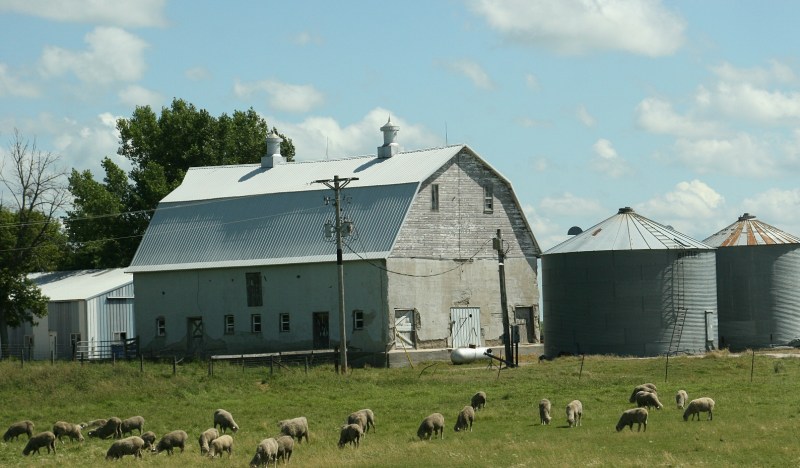
Barn, 117 red barn along US Hwy 71 south of Redwood Falls


BARNS DRAW MY CAMERA lens like moths to a porch light.


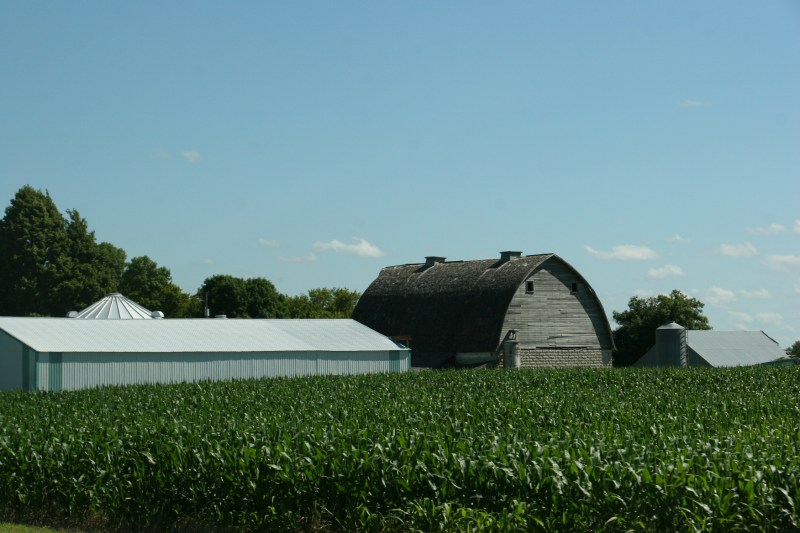
Barn, 144 farm site between Olivia and Wilmar


My response is reflexive, this focal allure of barns while traveling through rural Minnesota.


Barn, 112 bluegreen barn along US Hwy 71 south of Redwood Falls


Barns, to me, symbolize rural life. Growing up on a southwestern Minnesota dairy and crop farm, I labored in the barn—scooping silage and ground feed, scraping manure into gutters, carrying milk pails from barn to milkhouse, tossing hay and straw bales from the hayloft, bedding straw…

My hair, my skin, my clothing smelled always of cows and manure. I bathed but once a week. That seems unfathomable now. But it was the reality of then.


Barn, 145 white barn & cow


The barn on our family farm provided more than shelter for the cows. It provided an income, a way of life, a training ground for hard work. No matter what, the cows needed to be tended, fed and milked. Vacations were rare—only two my entire childhood, one to the Black Hills of South Dakota and the other to Duluth. On the occasion when my parents traveled farther, they left my older brother and me home to take care of the farm under our bachelor uncle Mike’s watchful eye.


Barn, 142 farm site between Olivia and Wilmar


I often told my dad I wanted to be a farmer. He discouraged me. He likely knew what I didn’t, that I wasn’t cut out to be a farmer. I am not a risk taker. And to be a farmer, you need to be a bit of a gambler. You gamble on the unpredictability of weather and of prices. Granted, technology has curbed some of the risk. But still, it’s there.


Barn, 132 sheep and barn between Morton & Olivia


Instead, I pursued a degree and career in journalism. And then, eventually, I became a full-time stay-at-home mom, setting aside my writing to raise my three kids. Until I found time again to write.


Barn, 109 east of Wabasso along US 71


In my writing today, unlike my past deliver-the-facts newspaper reporting, I have created a unique voice rooted in rural Minnesota. I may not smell of cow or manure, but those scents linger in my memory, infusing into my writing and photography. I bring a small town rural perspective to my work. I find my joy in writing about and photographing everyday life, everyday places, everyday people, mostly in Greater Minnesota.

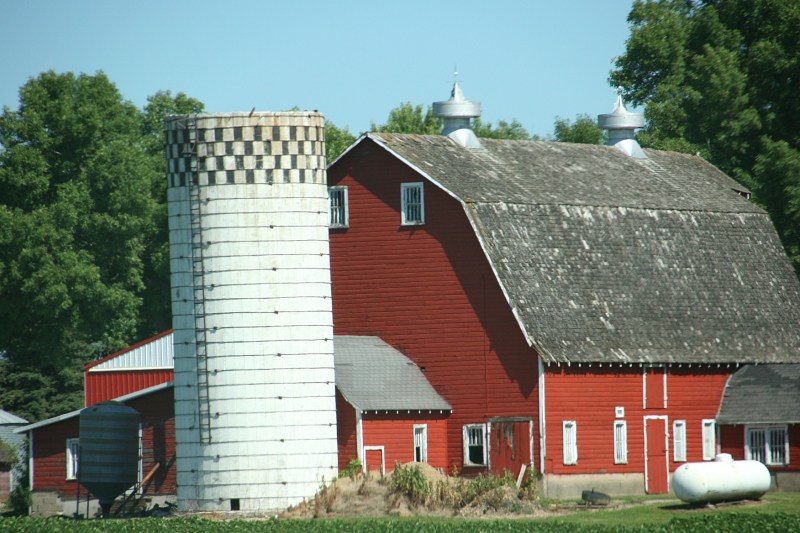
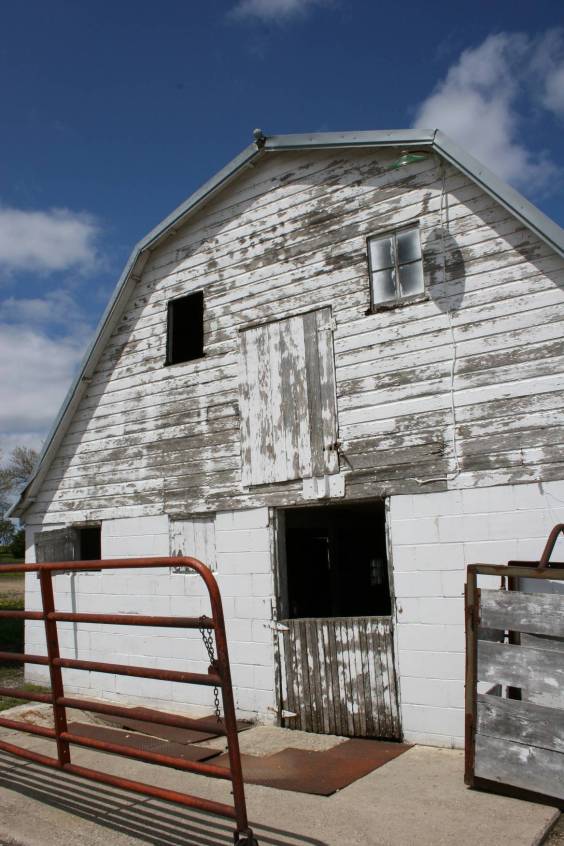
The early 1950s barn on the Redwood County dairy farm where I grew up today stands empty of animals.

The early 1950s barn on the Redwood County dairy farm where I grew up today stands empty of animals. Minnesota Prairie Roots file photo.

And it all started in a Redwood County barn.

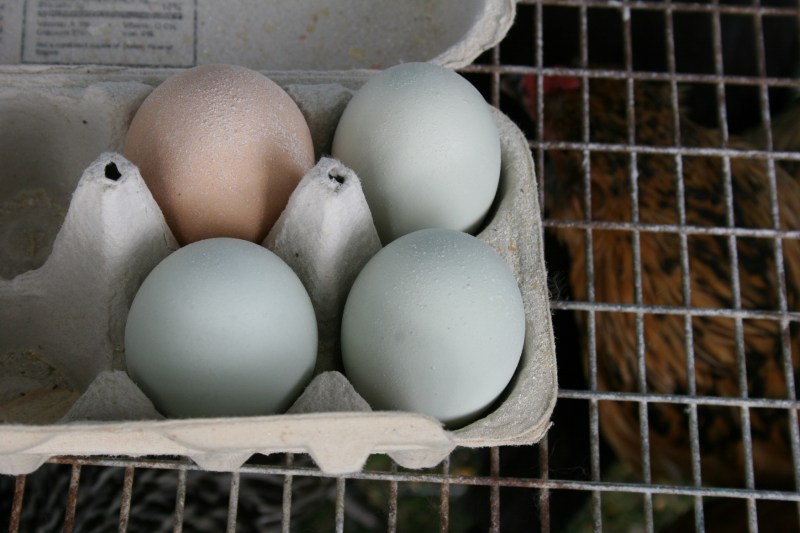
Fresh eggs and caged chickens attracted lots of interest.

Fresh eggs and caged chickens photographed at an event several years ago at Valley Grove Church, rural Nerstrand. Minnesota Prairie Roots file photo.

YOU, TOO, CAN EXPERIENCE farming this Saturday, July 16, by touring agricultural businesses throughout the region during the annual Eat Local Farm Tour. From Simple Harvest Farm Organics in rural Nerstrand to Mississippi Mushrooms in Minneapolis to Hope Creamery in Hope and 26 other sites, you’ll discover Minnesotans and Wisconsinites passionate about local foods. You’ll meet beekeepers, cheesemakers, berry growers, cattlemen/women, trout farmers and more.

Click here for a listing of sites on the Eat Local Farm Tour, which runs from 10 a.m. – 4 p.m.

© Copyright 2016 Audrey Kletscher Helbling

Note: With the exception of my home barn, all barns and farm sites featured in this post are located along U.S. Highway 71 in rural Minnesota, from south of Redwood Falls to south of Willmar.


My favorite small scale Minnesota zoo June 23, 2016

Filed under: Uncategorized — Audrey Kletscher Helbling @ 5:00 AM
Tags: , , , , , , , , , ,
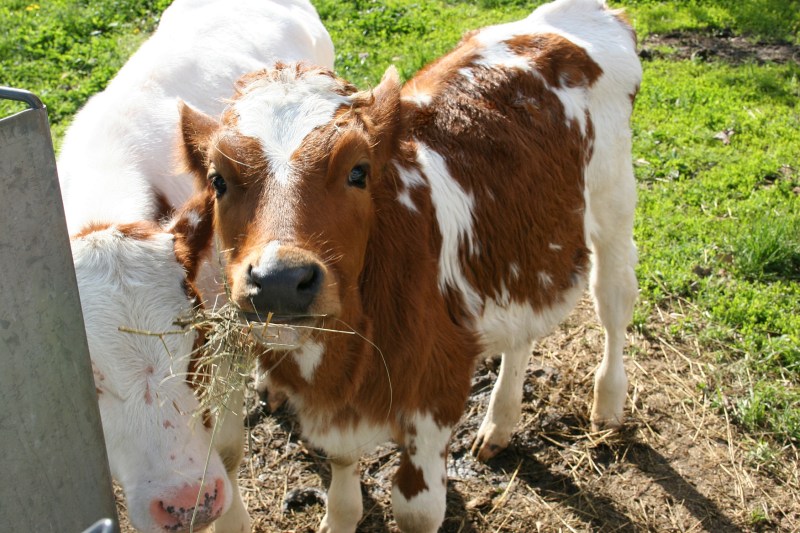
I grew up on a dairy farmer, thus was excited to see these calves.

I grew up on a dairy farm and am always excited to see calves.

WITH SUMMER OFFICIALLY on the calendar, it’s the perfect time to take the kids or grandkids to the zoo. For many Minnesotans, that most likely would be the Minnesota Zoo or Como Park Zoo.

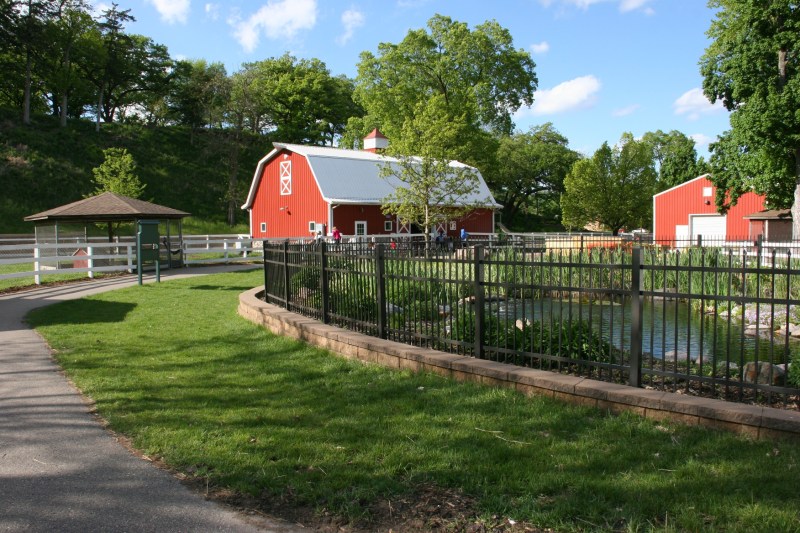
Just a small section of the Farm, which includes two barns.

Just a small section of the Farm, which includes two barns and a shelter available for rent, right.

But I’ve discovered a much smaller rural-themed zoo in Greater Minnesota that impresses me. And, bonus, no metro traffic or pressing crowds. Welcome to Sibley Farm at Sibley Park in Mankato. I’ve posted previously about this southern Minnesota zoo. But now seems a good time to showcase it again during peak season.

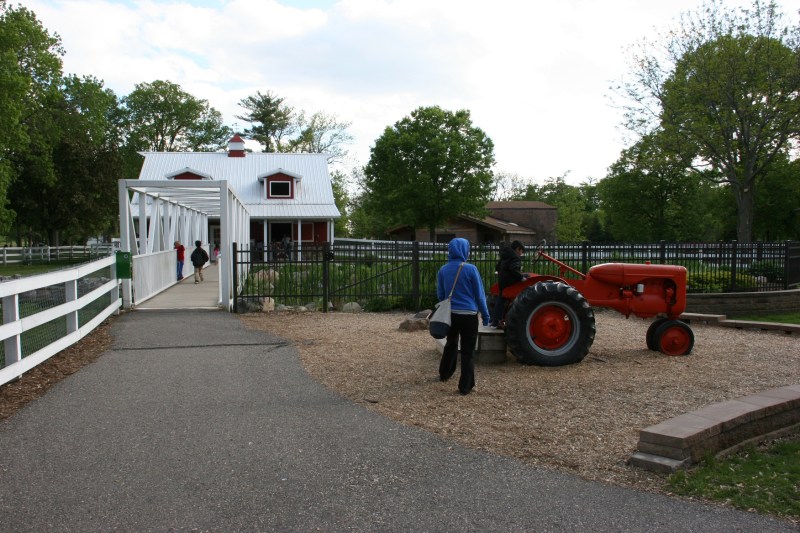
Kids can climb aboard this tractor and another on the adjoining playground.

Kids can climb aboard this tractor and another on the adjoining agriculturally-themed playground.

I last visited Sibley Farm on a cold and windy day in mid-May with minimal time to explore. Even with less than ideal weather, families were there enjoying the baby and other farm animals and the farm-themed playground.

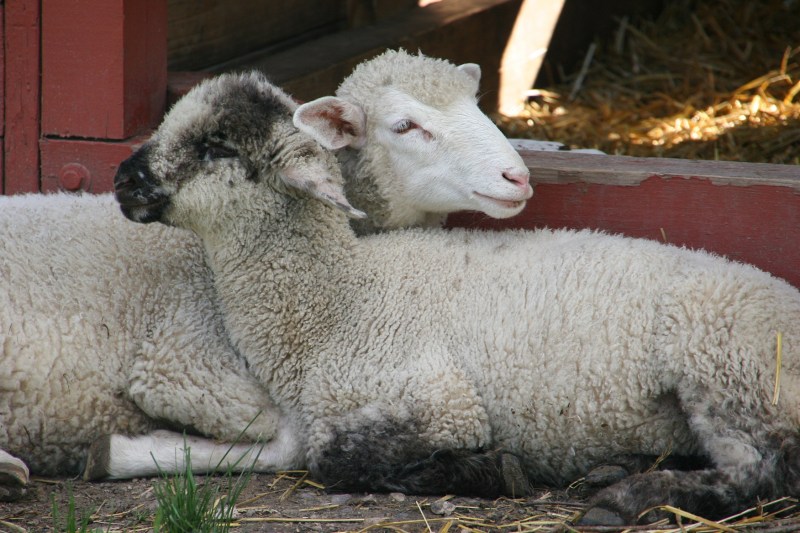
The sheep were snuggling on the spring day I visited Sibley Farm.

The sheep were snuggling on the spring day I visited Sibley Farm.

It is the full-on rural aspect of this zoo which most appeals to me. Most families are so far removed from farm life today that they need this indirect exposure. Even kids who live in the country. Even those who live in Mankato, right in the heart of Minnesota farm land.

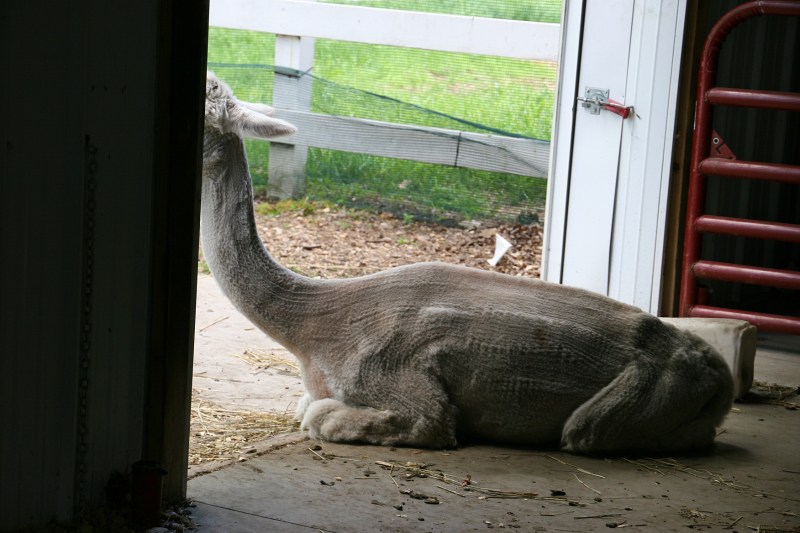
A shorn alpaca.

A shorn alpaca.

Sibley Farm provides a place to connect with and learn about farm life. It also preserves Minnesota’s rural heritage. That’s important. My own three grown kids are only a generation removed from the farm. Yet, their knowledge of farming is limited. It’s important to me that they recognize and value the rural heritage that shaped the Kletscher and Helbling families. I expect many farm-raised parents and grandparents feel the same. Sibley Farm is a great place to learn about farming in a fun and interactive way.

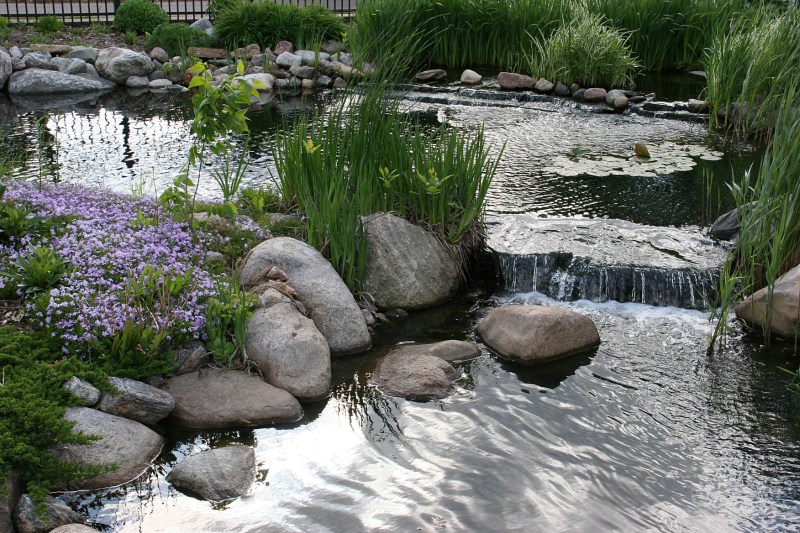
Sibley Farm includes a water feature complete with goldfish.

Sibley Farm includes a water feature complete with goldfish.

Tell me, what’s your favorite zoo and why?

FYI: Sibley Farm is located at 900 Mound Avenue, Mankato, within Sibley Park and is open from 6:30 a.m. – 10:30 p.m. daily mid-spring through early fall. Admission is free.

Besides the farm, Sibley Park offers softball fields, tennis courts, walking trails, lovely gardens, fishing, a winter sliding hill, poetry and more.

Click here to read my previous post about Sibley Farm. And click here to read a story about Sibley Park.

© Copyright 2016 Audrey Kletscher Helbling


Make hay while the sun shines & the poem it inspired June 20, 2016

Filed under: Uncategorized — Audrey Kletscher Helbling @ 10:50 AM
Tags: , , , , , , , ,

Baling hay, 17 southern Minnesota


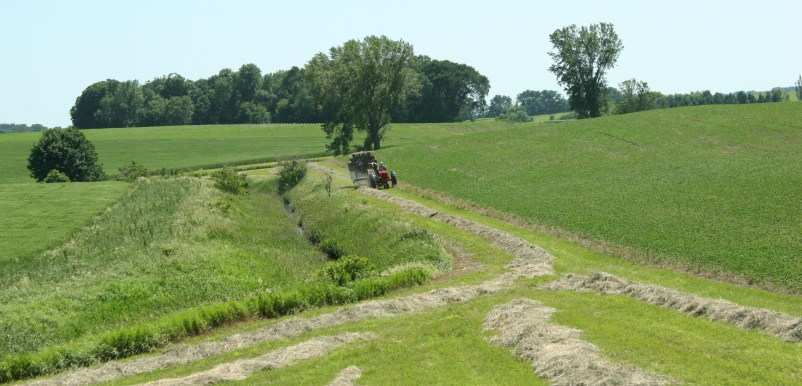
OF ALL THE TIMES not to have my telephoto lens attached to my Canon EOS 20D. But I didn’t, so I missed a close-up shot of three guys baling hay the old-fashioned way on Sunday afternoon in rural Rice County. No over-sized tractor, no round hay baler. Just a basic tractor, hay baler and hay rack.

As the farmer guided machines along a windrow, the baler compacted alfalfa into twine-wrapped packages. A team of two grabbed the rectangles, stacking them in a practiced rhythm of precise placement.

It’s a scene imprinted deep upon my memory. As I briefly watched the trio working the field, I remembered my father and Uncle Mike doing the same so many years ago some 120 miles to the west. I remembered taking lunch to them, sitting in the shade of the hay wagon, eating summer sausage sandwiches, breathing in the intoxicating scent of hay.

Make hay while the sun shines. It’s as true today as it’s always been. The trio laboring in the heat and humidity of Sunday afternoon understood they were racing against time, against the predicted rain that would come that evening.

#

The scene I photographed reminds me of a poem I wrote several years ago. It was published in the 2012 edition of Lake Region Review. Enjoy this poem, based on my childhood memories from rural Redwood County, Minnesota:


Taking Lunch to the Men in the Field

Three o’clock. Lunch time.
My brother grips the tarnished handle
of the rusty red Radio Flyer as the wagon bumps
along the dusty dirt drive, dipping and curving
past the cow yard mucked with mounds of manure,
toward the stubbled alfalfa where the men are making hay.

Out mother has stowed sandwiches—
slices of coarse, yeasty homemade bread slathered in butter
with rounds of spicy summer sausage slid in between—
inside the tin tub next to chewy oatmeal peanut butter bars
wrapped in waxed paper, nudging brown beer bottles
that jostle and clank as the wagon rolls.

She’s packaged the lunch in a crisp white cotton dish cloth
embroidered with Wednesday Wash Day
and stitches of clothes clipped to a clothesline,
mimicking the laundry she’s hung out earlier,
now stirring in the wisp of a July prairie breeze.

My brother and I lag under the heavy heat of the afternoon,
straining toward the men working the field.
Dad, shaded by an umbrella, guides the International along the windrows
while our bachelor uncle heaves hay bales onto the flat-bed trailer,
his chambray work shirt plastered against his back,
his grimy DEKALB cap ringed in sweat
as he toils in an unbroken rhythm of labor.

We reach the edge of the field as the men finish their round
and the racket of tractor and baler ceases
giving way to our small voices which break the sudden silence:
“Lunch time. We are here with the beer.”

© Copyright 2016 Audrey Kletscher Helbling

Poem copyright 2012 Audrey Kletscher Helbling