Minnesota Prairie Roots

Writing and photography by Audrey Kletscher Helbling

At the Faribault library: When a knock-knock joke is more than just a knock-knock joke February 7, 2017

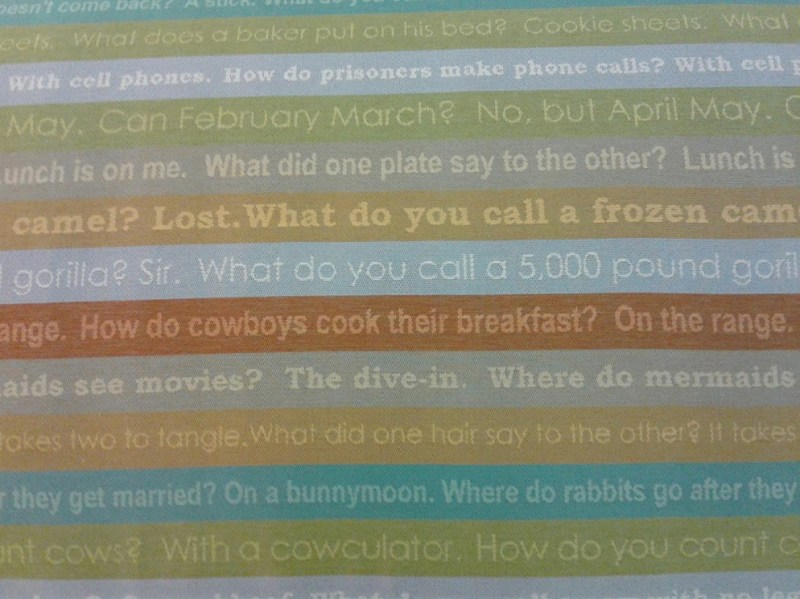
What did one plate say to the other?
Lunch is on me.

What do you give a sick pig?
Oinkment.

How do you count cows?
With a cowculator.

NOW YOU MIGHT EXPECT a third grader shared those knock-knock jokes with me or perhaps I read them in a joke book?


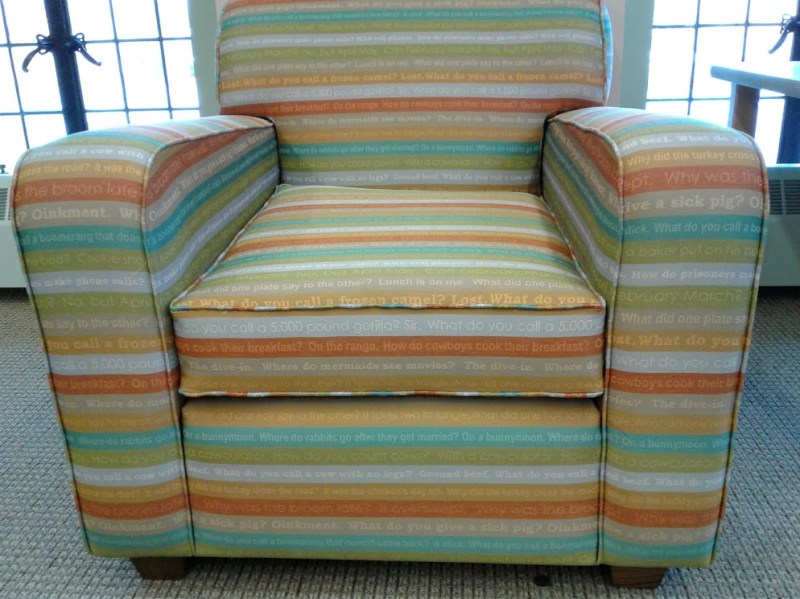
library-easy-chair-close-up-2


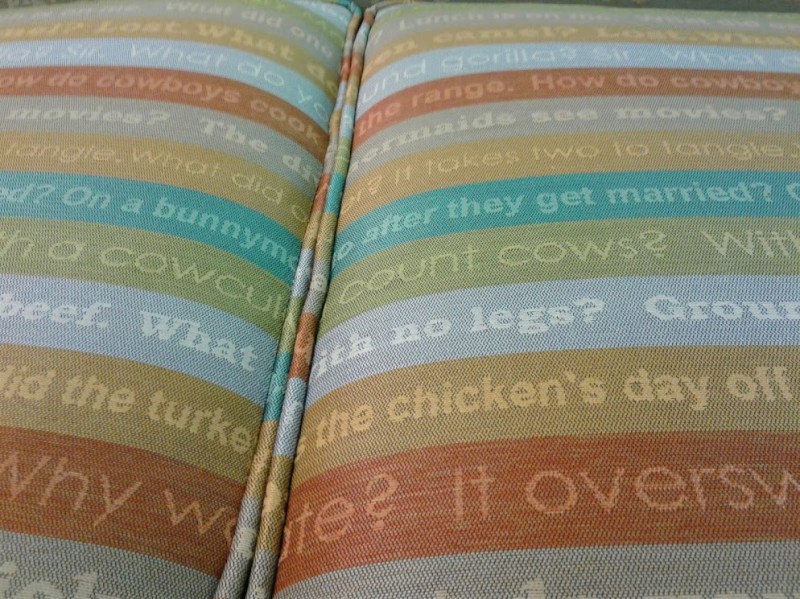
But you would be wrong. I read them on new furniture placed several days ago in Buckham Memorial Library in Faribault. You read that right. The jokes are printed on easy chairs and loveseats. But this isn’t just any furniture. Minnesota prisoners crafted this furniture.

So what’s the story with the construction and the upholstery design? For the answers, I turned to Library Director Delane James.


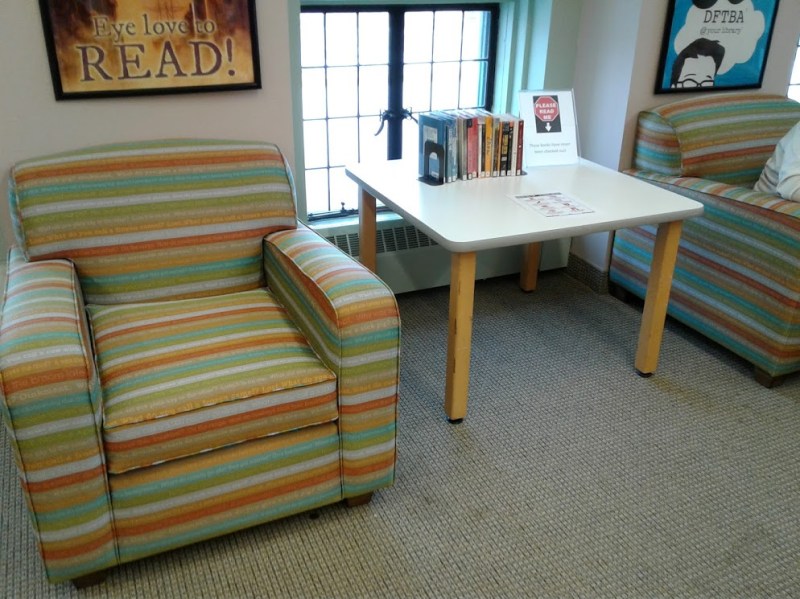
library-2-easy-chairs


In the market for the first new furniture since a library remodeling project in 1996, James looked to the state vendor approved MINNCOR Industries, a Minnesota Department of Corrections prison industry. Inmate labor is utilized for manufacturing products and for services. She likes the idea, James says, of prisoners learning marketable skills that may prevent recidivism.


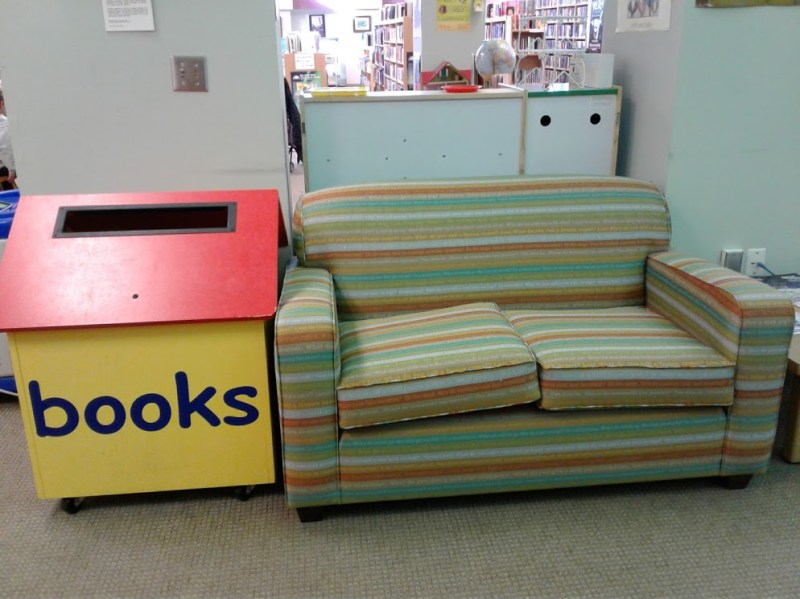
library-loveseat


James also knew that the quality, durable furniture will last. For the past 21 years, MINNCOR furniture endured in her library that today sees 500-700 daily users.

With specific goals, the library director started poking around on the MINNCOR website for fabric options. “I wanted something that was attention-getting and to promote literacy,” she says. “I wanted the unexpected, to get them (library users) to read.”


library-loveseat-super-close-up-words


She found that in the Funnybone Collection, in a print labeled KNOCK KNOCK in a color tagged Class Clown.

Already, James has seen the positive results of her fabric choice. She observed two high school students reading knock-knock jokes to one another during a library Homework Help session.


library-loveseat-straight-line-of-words


Among jokes printed on the fabric is this one:

How do prisoners make phone calls?
With cell phones.

That joke is the favorite of prisoners and is the talk of the prison, James learned when $40,000 in lounge chairs, loveseats, computer chairs and 90 stackable chairs were delivered to the library late last week. Only the loveseats and three of the easy chairs are imprinted with jokes.


library-exterior-copy


The KNOCK KNOCK design chosen by James is also putting Buckham Library in the spotlight. A MINNCOR marketing staffer photographed the furniture in the Faribault library on Friday to promote usage in other libraries. Perhaps more Minnesota library directors will take a cue from James and select prison-built Funnybone furniture that grabs attentions, promotes literacy and prompts conversation.

TELL ME: Have you seen this or similar inspiring furniture in a public place? I’d like to hear.

© Copyright 2017 Audrey Kletscher Helbling


A rural Minnesota teacher takes action when her students need books May 12, 2016

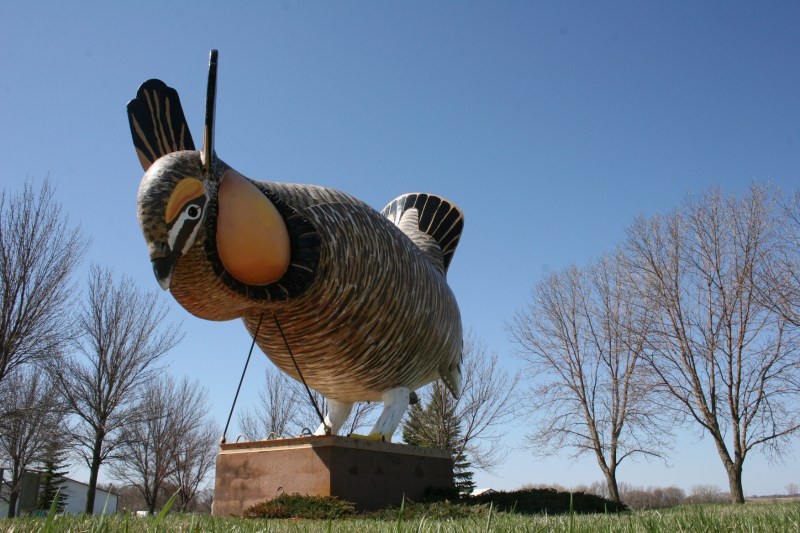
This prairie chicken statue celebrates the real prairie chickens which reside in the Rothsay area.

This prairie chicken statue celebrates the real prairie chickens which reside in the Rothsay area. Minnesota Prairie Roots file photo, May 2013.

FORTY MILES EAST of Fargo, an 18-foot tall, 9,000-pound statue marks Rothsay as The Prairie Chicken Capital of Minnesota. Without the kitschy roadside attraction, travelers likely would consider this just another small town along Interstate 94.

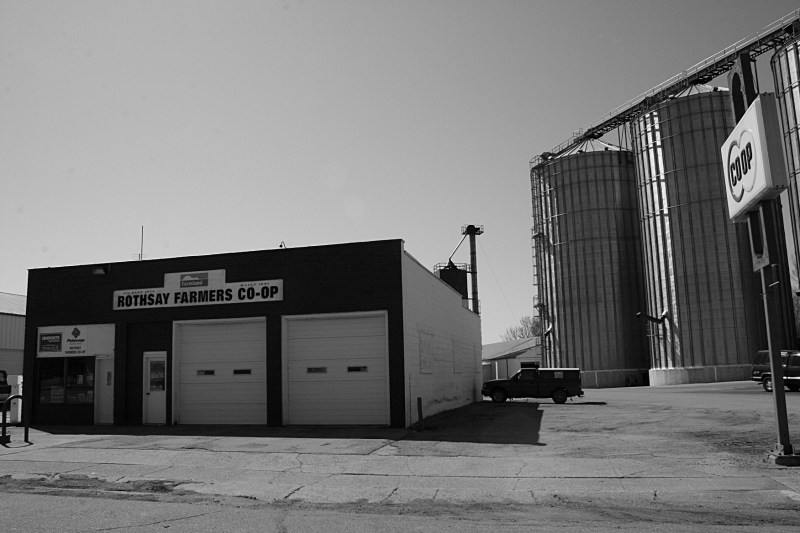
Downtown Rothsay is ag-oriented. Minnesota Prairie Roots file photo 2013.

Downtown Rothsay is ag-oriented. Minnesota Prairie Roots file photo, May 2013.

A few years ago, I popped into Rothsay. It’s your typical Minnesota farming community with a farmers co-op, hardware store, a bank, automotive body and repair shop, and such. And, if it’s lucky, as Rothsay is, a still surviving public school.

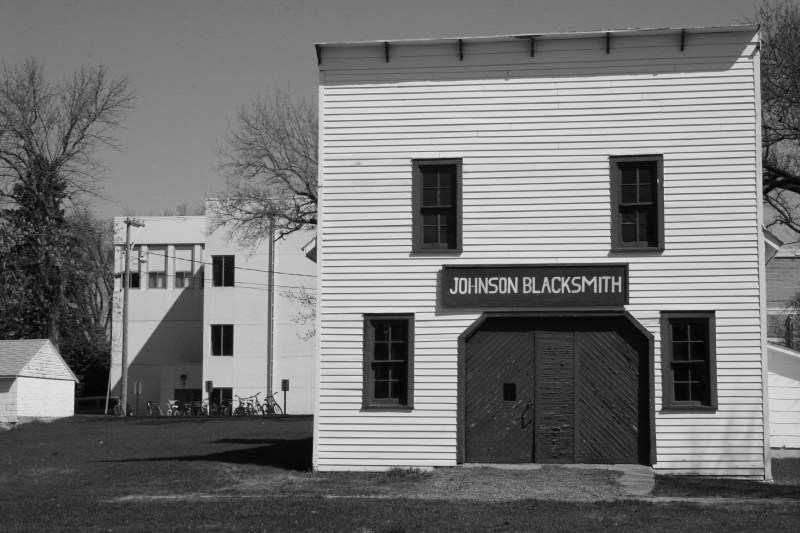
From what I observed, this is an historic blacksmith shop, not a working one. Note the bikes in the background parked outside the public school.

When I visited Rothsay three years ago, the school sat behind this historic blacksmith shop. Minnesota Prairie Roots file photo, May 2013.

In the three years since I visited this Wilkin County community, a new school has been built. But there’s a problem, specifically in the Media Center. A shortage of books exists for high school students.

This graphic comes from the gofundme page.

This graphic of book covers comes from the gofundme page.

Now Kristie Sullivan, an English Language Arts teacher who returned to her hometown to teach, has established a gofundme page to fund the purchase of books for high schoolers. She’s seeking $5,000 for titles ranging from classics like The Catcher in the Rye to the current-day popular The Hunger Games.

I can’t think of anything in education more important than books. They are the foundation tool of learning. If you can read, you can learn.

I understand the situation Ms. Sullivan faces. Years ago, when my children were attending a Christian day school in Faribault, I volunteered in the library. There was no funding for library books. So I had to get creative. New books came through cash gifts, a birthday book program, rewards from an annual book sale and from a used book drive. I also purchased many books at garage sales. I’d like to think I made a difference in getting books to students.

Kudos to this young teacher for caring so much about her students that she set up this gofundme page. Such action shows me she is passionate about teaching. And when a teacher is passionate, kids learn. Really learn.

FYI: If you are interested in supporting this gofundme project to buy books for Rothsay High School students, click here.

(h/t Fargo Forum)

© Copyright 2016 Audrey Kletscher Helbling


An innovative plan to promote literacy at a rural Minnesota library August 19, 2015

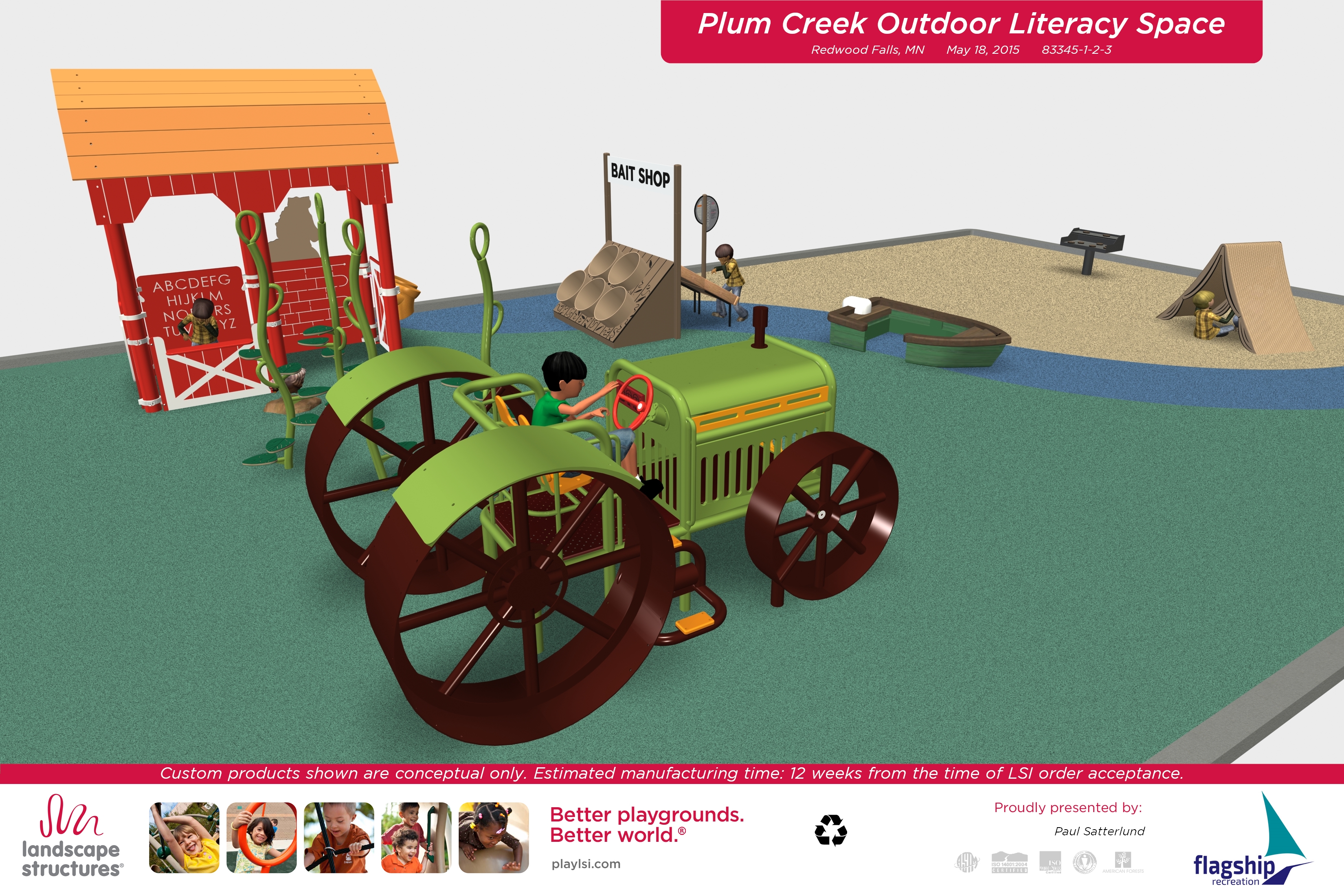
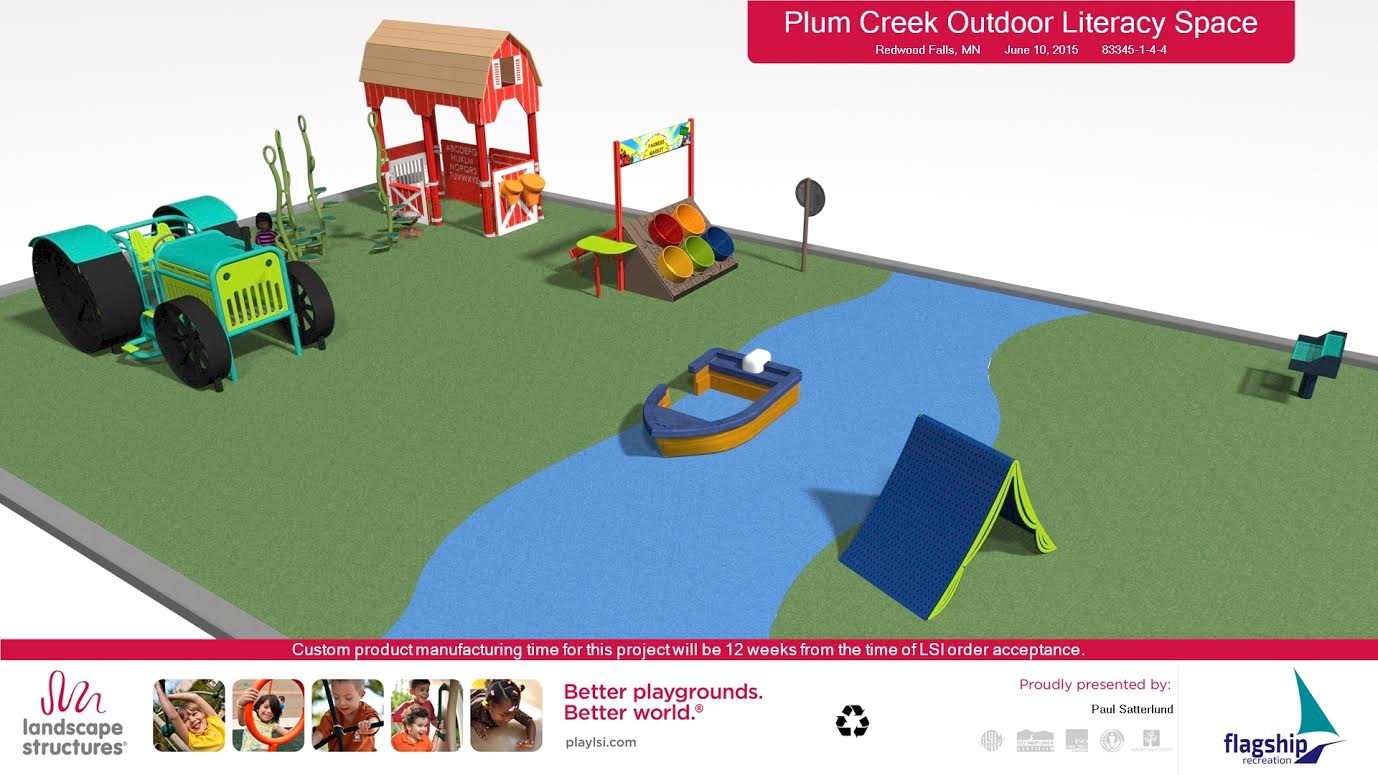
This shows plans for the custom-designed Outdoor Early Literacy Area planned for the Redwood Falls Public Library. The playground equipment will be custom made and themed to agriculture and camping. Image courtesy of the Redwood Falls Public Library.

This shows plans for the Outdoor Early Literacy Area planned for the Redwood Falls Public Library. The playground equipment will be custom made and themed to agriculture and camping. Image courtesy of the Redwood Falls Public Library.

IN MY HOME COUNTY OF REDWOOD on the southwestern Minnesota prairie, the Redwood Falls Public Library is planning to construct an Outdoor Early Literacy Area themed to agriculture and camping.

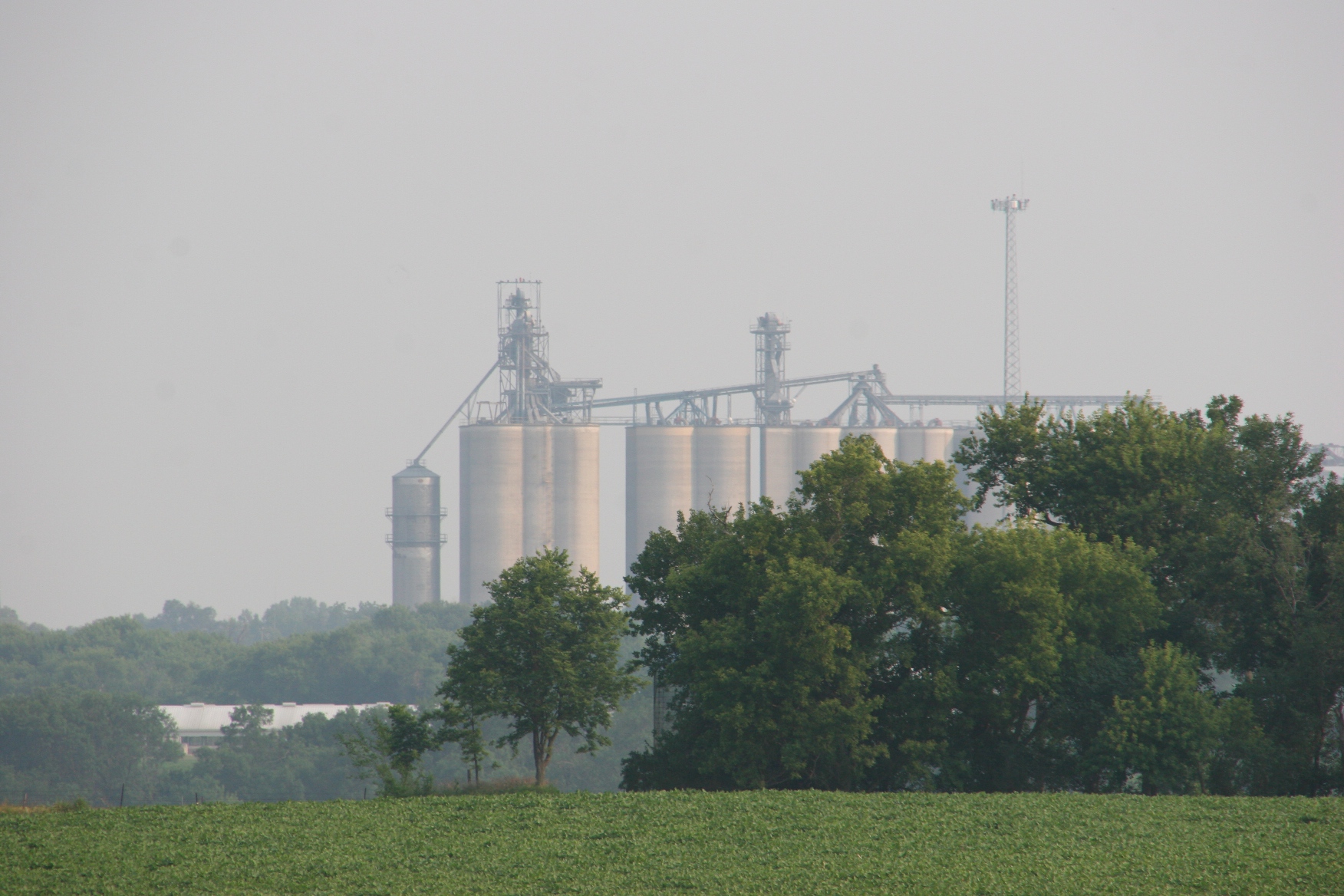
The elevator in Lamberton, Minnesota, just to the south of my brother's place.

A soybean field and the grain elevator in Lamberton, Minnesota, in southern Redwood County. Minnesota Prairie Roots file photo July 2015.

I love this idea of combining literacy and outdoor play. And the themes are perfect for this community. Even though kids in Redwood County live in the heart of Minnesota farm country, that doesn’t mean they are familiar with farming. This is just one more way to keep Minnesota’s farm heritage strong, by teaching youngsters the importance of agriculture in a way that’s hands-on creative.

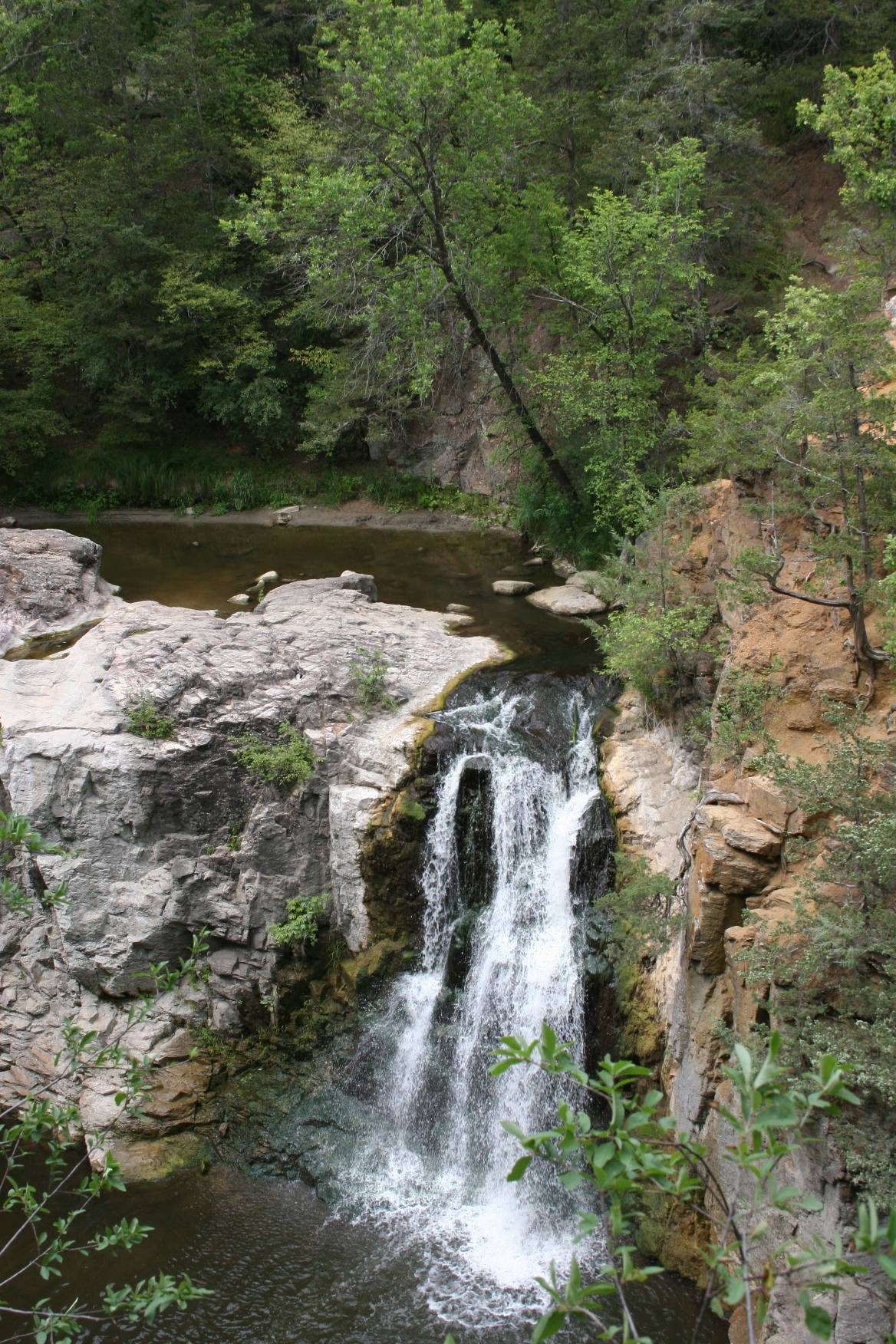
Ramsey Falls in Alexander Ramsey Park. Minnesota Prairie Roots file photo.

Ramsey Falls in Alexander Ramsey Park. Minnesota Prairie Roots file photo.

Redwood Falls is also a camping oasis of sorts with Alexander Ramsey Park, known as the “Little Yellowstone of Minnesota.” The park is a surprise of woods, hills, river valley and waterfalls in this county of small towns and cropland. The camping aspect will instill an appreciation of the outdoors and recreation in this place of prairie and sky.

Geared for children up to age seven, the outdoor literary area aims to achieve seven goals, Library Director Teri Smith shares in an email:

  • Encourage a love of literacy in a developmentally appropriate environment.
  • Incorporate a love of reading, print awareness, letter knowledge, sound awareness, vocabulary, and narrative skills and comprehension in joyful play.
  • Cultivate literacy in a relevant way (using known objects and activities relevant to southwestern Minnesota).
  • Encourage families and young children to spend more time at the library.
  • Encourage play in learning.
  • Encourage play in nature.
  • Encourage a love of learning at an early age and throughout a lifetime.
Just another view of the planned literacy area. Image courtesy of the Redwood Falls Public Library.

Just another view of the planned literacy area. Image courtesy of the Redwood Falls Public Library.

So how, exactly, will that happen? Young families can check out pretend produce, eggs, fishing equipment and even numbered and lettered fish from the library to use outdoors. And, as they play, the kids will learn about healthy living and agriculture and acquire literacy skills. The children’s librarian will model play and interactions in the outdoor space, Smith says. The library also hopes to tap into Reading Corps volunteers.

A place like this is needed, says Smith, because few areas exist in this rural community for young families to gather and enjoy one another’s company while learning valuable literacy and social skills.

Already, the library has raised some two-thirds of the $100,000 needed for the outdoor literacy area. An astounding nearly $51,000 has come in the form of 12 grants (one is a materials donation of fencing) ranging from $250 – $20,000, all sought by Smith. The largest of the grants came from the Otto Bremer Foundation. Two $10,000 grants also were awarded by the Schmidt Foundation and the Minnesota Legacy fund. Smith is awaiting word on several other grants and donations.

A serene country scene just north of Lamberton in southern Redwood County.

A serene country scene just north of Lamberton in southern Redwood County. Minnesota Prairie Roots file photo October 2013.

And, as I would expect in a rural area, local individuals, organizations and businesses have also given their generous financial support to the project.

Smith has also established an online fundraising site at YouCaring. About a month remains to meet that $10,000 fundraising goal.

The popularity of a Minnesota Children’s Museum traveling Storyland exhibit which came to Redwood Falls inspired library staff to consider a permanent outdoor literacy-based play space. If all goes as planned, the custom-designed farming and camping themed play area should be under construction in the spring of 2016.

FYI: If you missed my post yesterday on Sibley Farm inside Mankato’s Sibley Park, click here. It’s another great example of how southern Minnesota is connecting kids to the region’s strong agricultural heritage and base.

© Copyright 2015 Audrey Kletscher Helbling


A watercolor photo of an historic Minnesota library August 12, 2013

HE’S PULLED INTO the 15-minute parking spot in front of the library on a rainy Saturday afternoon. I wait in the front passenger seat as my husband dashes inside to return a DVD and pick up a book for me.

I am grateful for his consideration, that I am not the one racing up the sidewalk in the rain.

As I watch the rain glide in sheets across the windshield, I notice how the old stone library, with its signature stained glass windows, appears distorted. The colored windows, in soft shades of rose and wheat, seem undefined, as if brushed in watercolor.

In that moment I stretch downward, reaching for the camera bag at my feet, considering that the dreamy scene unfolding before me might just make for an interesting image. Leaning slightly back, I aim my camera lens upward and snap several photos.

I don’t know what to expect. But later, when I upload the images into my computer, I am pleased to see the surreal first frame exactly as I had hoped. Dreamy. Like a painting.

This marks an epiphany for me as a photographer. When I am willing to think beyond the confines of a neat, orderly, precise photo, the unexpected happens. And it’s  magic.

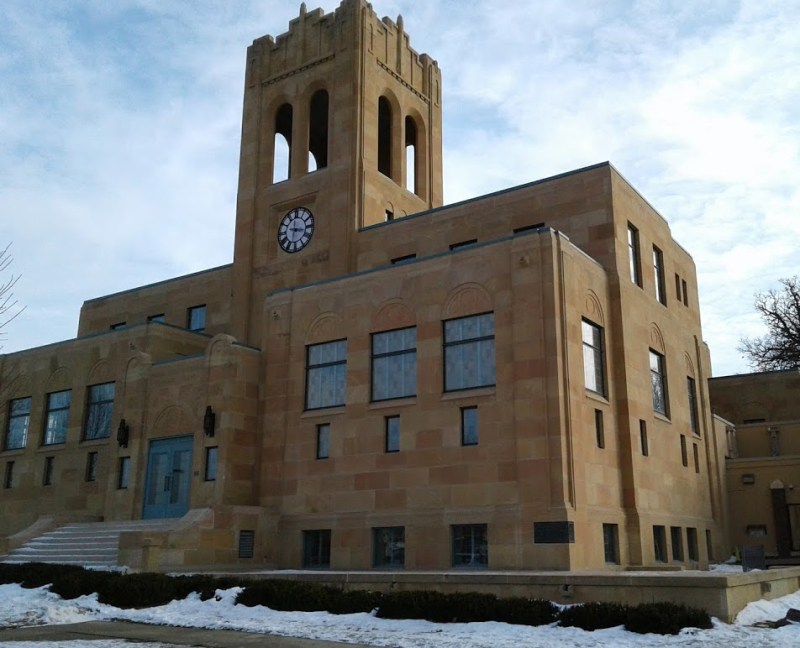
An unedited image of Buckham Memorial Library in Faribault as taken through the front windshield of our family car while rain was falling. The unusual hue of the sky is from the tint in the windshield.

FYI: The 1929 Thomas Scott Buckham Memorial Library, built of Kasota stone, was designed in the Art Deco style by Charles Buckham of Vermont and is on the National Register of Historic Places. Anna Buckham gifted the library to the city of Faribault in memory of her husband, Thomas Buckham, a prominent local judge and avid Greek scholar with a special interest in the arts.

Anna Buckham chose a Greek theme for the library which includes a Greek window designed by world-renowned stained glass artist Charles Connick of Boston.

In the library’s Great Room, Alfred J. Hyslop, a former art professor at Carleton College in Northfield, painted four Greek murals depicting scenes from Olympia, Athens, Sparta and Delphi.

And, yes, I really should photograph the Connick window and murals to show you. I see this library, use this library, all the time. I’ve simply grown complacent to its artful beauty.

© Copyright 2013 Audrey Kletscher Helbling


An evening with Minnesota poet Todd Boss in Owatonna May 1, 2013

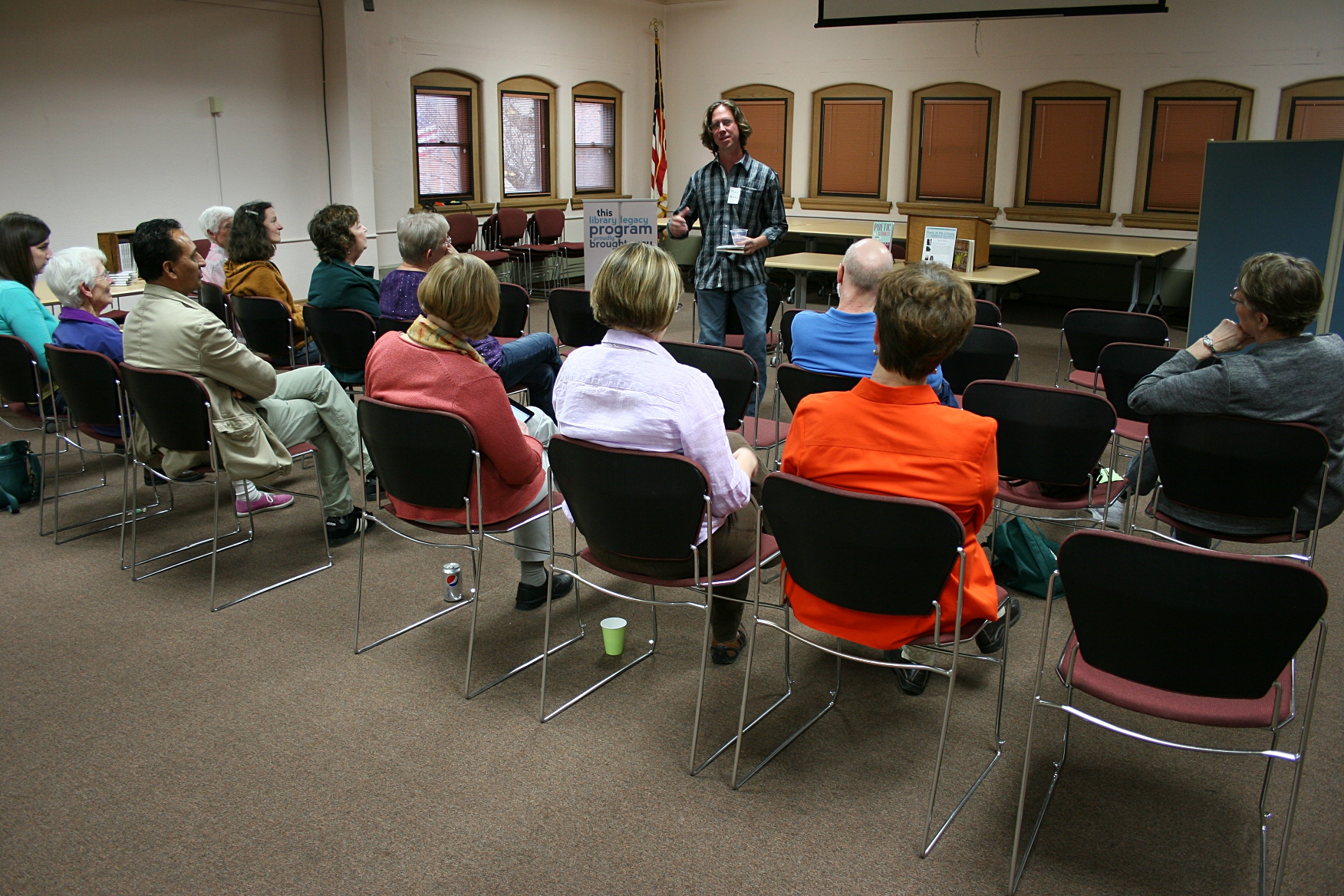
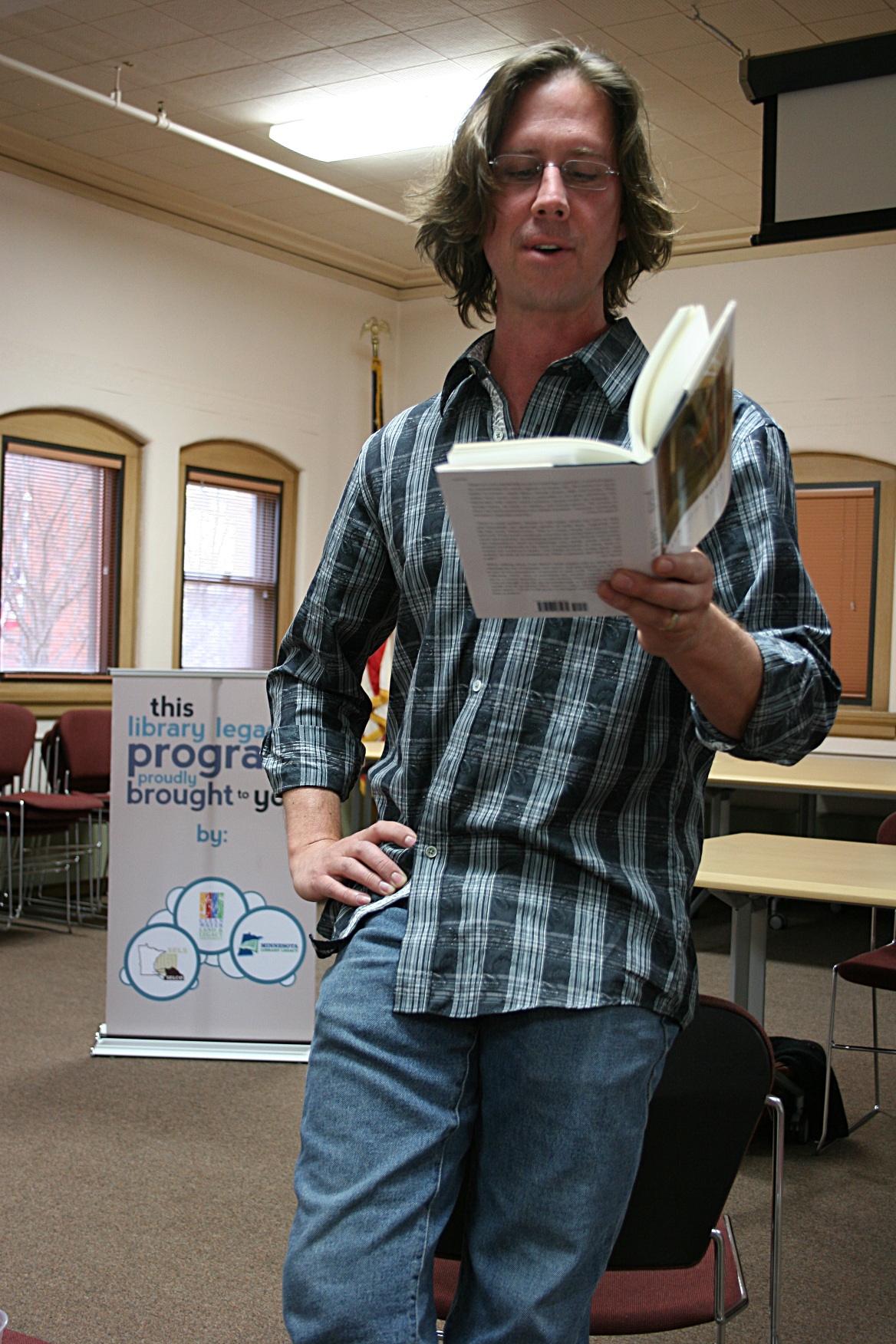
Todd Boss reads his poetry Tuesday evening at the Owatonna Public Library.

Todd Boss talks about poetry Tuesday evening at the Owatonna Public Library.

HE READS WITH THE CADENCE of a seasoned poet, with the ease of familiarity, written words fitting his voice like a comfortable pair of boots.

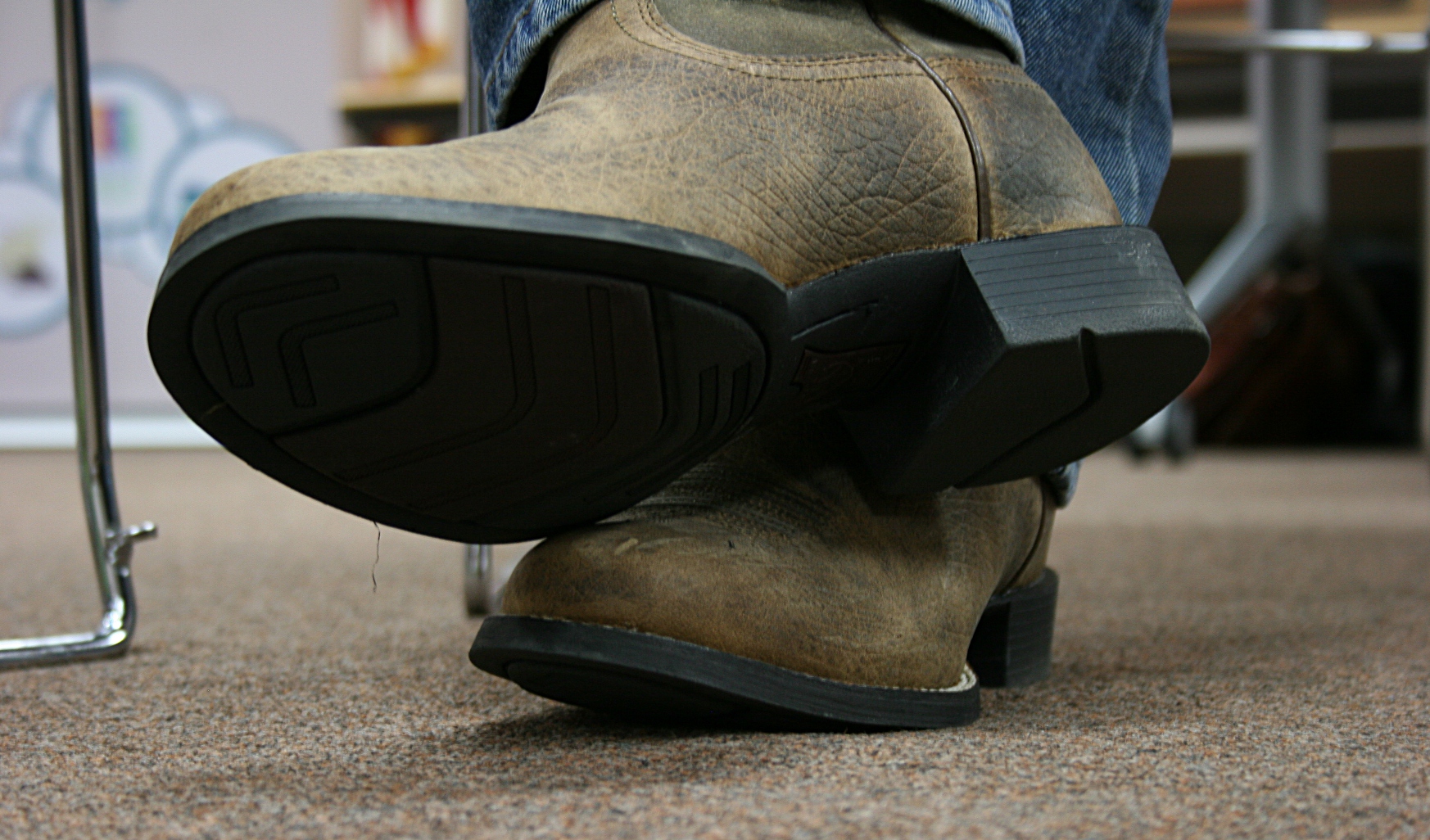
Which is exactly what award-winning St. Paul poet Todd Boss sported, along with faded jeans and a long-sleeved plaid shirt, to a “Poets at the Library Tour” event Tuesday evening at the Owatonna Public Library.

Todd Boss' boots.

Todd Boss’ boots.

Casual, laid back and unpretentious, Boss settled in to read from his poetry books, Yellowrocket and Pitch, Minnesota Book Award finalists in 2009 and 2013 respectively.

Before reading a poem set in Luckenbach, Texas, Boss shared that a woman from New York wants to include him in a dissertation she’s writing on cowboy poetry. He showed off his cowboy boots, then laughed. The audience laughed, too. While Boss often writes about his rural Wisconsin upbringing, he isn’t exactly a cowboy poet. Audience members agreed with Boss that Wisconsinites and Minnesotans live on farms, not ranches, defined by this poet as big open landscapes of earthy hues.

Later he referenced the New York perspective again: “My mother used to read a lot of poetry on the ranch.” Ranch. A carefully chosen word. Just like the words in his detailed and rhythm rich poems.

Reading from Pitch.

Reading from Pitch.

Boss read poetry about card playing, wood piles, his mother, an exchange with a check-out clerk at a Minneapolis food co-op, the 35W bridge collapse…

He revealed, too, that when he writes about his parents, he gives them the option of nixing those personal poems. They never have, a point audience members noted as respectful—of Boss in asking and of his parents in respecting his work.

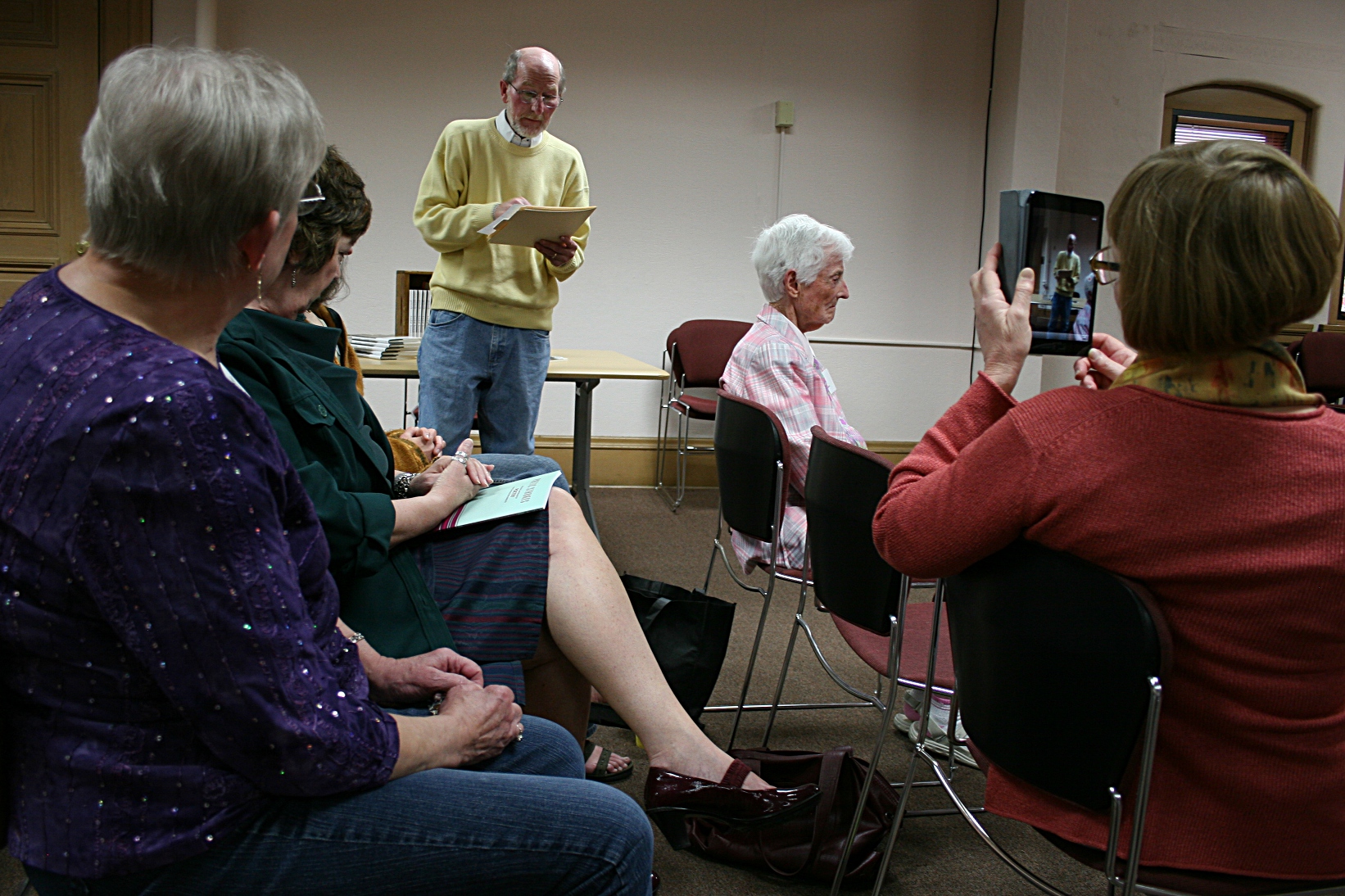
Audience members read their poetry prior to Boss' reading. Some audience members, like me, were honored at a "Meet and Greet the Poets" reception earlier for those published in Poetic Strokes 2013, a regional anthology of poetry published by Southeastern Libraries Cooperating.

Numerous audience members read their poetry prior to Boss’ reading. Some, like me, were honored at a “Meet and Greet the Poets” reception earlier for those published in Poetic Strokes 2013, A Regional Anthology of Poetry From Southeastern Minnesota. Southeastern Libraries Cooperating publishes the annual collection.

Boss is that kind of caring guy. After listening to audience members read poetry before his presentation, he thanked them, defining their readings as “a little bit like overhearing people’s prayers…things they’re worried about.”

He’s genuine and honest enough to admit that he doesn’t write every day, but that he should and that he’s sometimes lazy about writing.

And, yes, he actually earns a living writing poetry; touring the state and country reading poetry; collaborating on his grant-funded motionpoems; and, most recently, undertaking a public art project, an art/poetry installation on the five-year anniversary of the 35W bridge collapse.

He’s a farm boy from Wisconsin now living in the big city, but still strongly connected to his rural roots via his poetry.

If Tuesday’s event had been held at a ranch, instead of the third floor of a public library, audience members would have gathered around the campfire to hear Boss, cowboy boots resting on a chunk of wood, strumming his not-exactly-cowboy-poetry rhythmic poetry.

FYI: In addition to publishing two books of poetry, Boss works with animator/producer Angella Kassube on producing motionpoems, which “turn contemporary American poems into short films. To learn more about this grant-supported non-profit project, click here.

And click here to link to Todd Boss’ website.

© Copyright 2013 Audrey Kletscher Helbling


Embracing the arts at a former Carnegie library April 27, 2012

Filed under: Uncategorized — Audrey Kletscher Helbling @ 7:37 AM
Tags: , , , , , ,

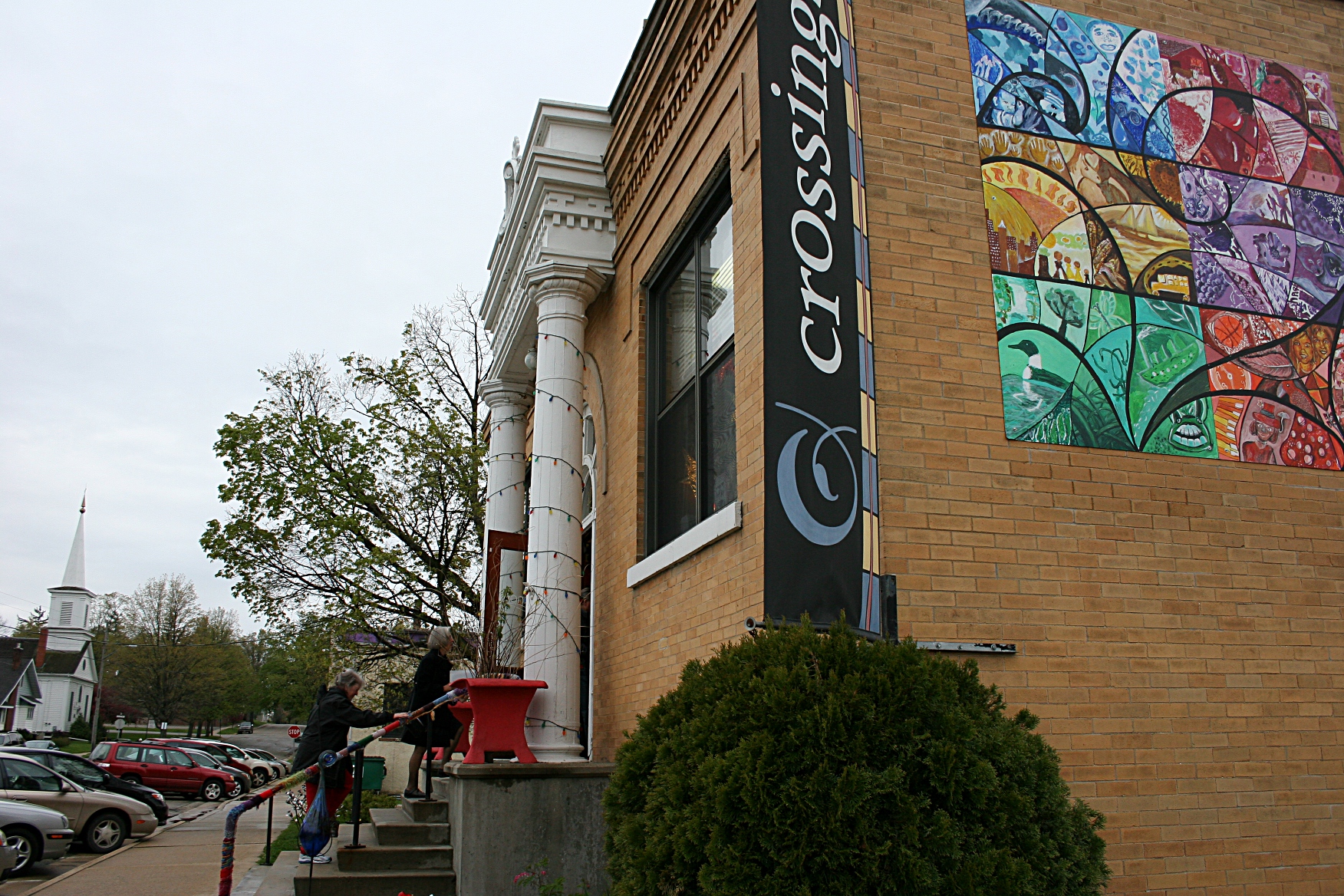
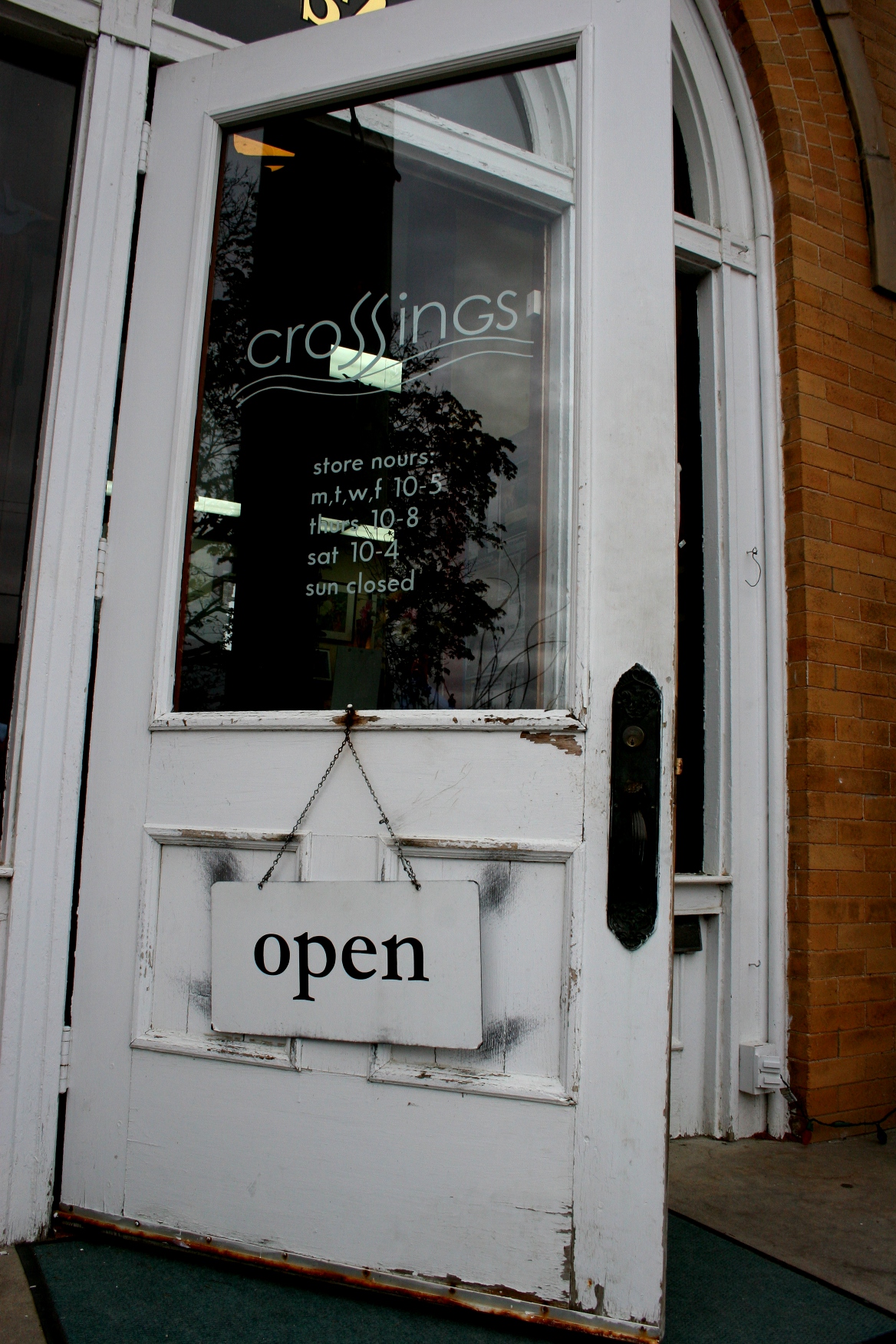
Crossings at Carnegie, an art center located in Zumbrota sits across the street from Quality Siding and Window Inc. and ACE Hardware and just down the block from the State Theatre and a picturesque white-steepled church.

IT’S TYPICAL Carnegie library with steep front steps and double columns and a gracious, arched doorway fronting a brick building.

But today in Zumbrota (and since 2001), the 1908 Classical Revival style building houses an art center. Crossings at Carnegie, with a gallery and gift shop, with a clay studio and with classes in theater, writing, art and more, and with an array of concerts, centers culture in this southeastern Minnesota community of 3,200.

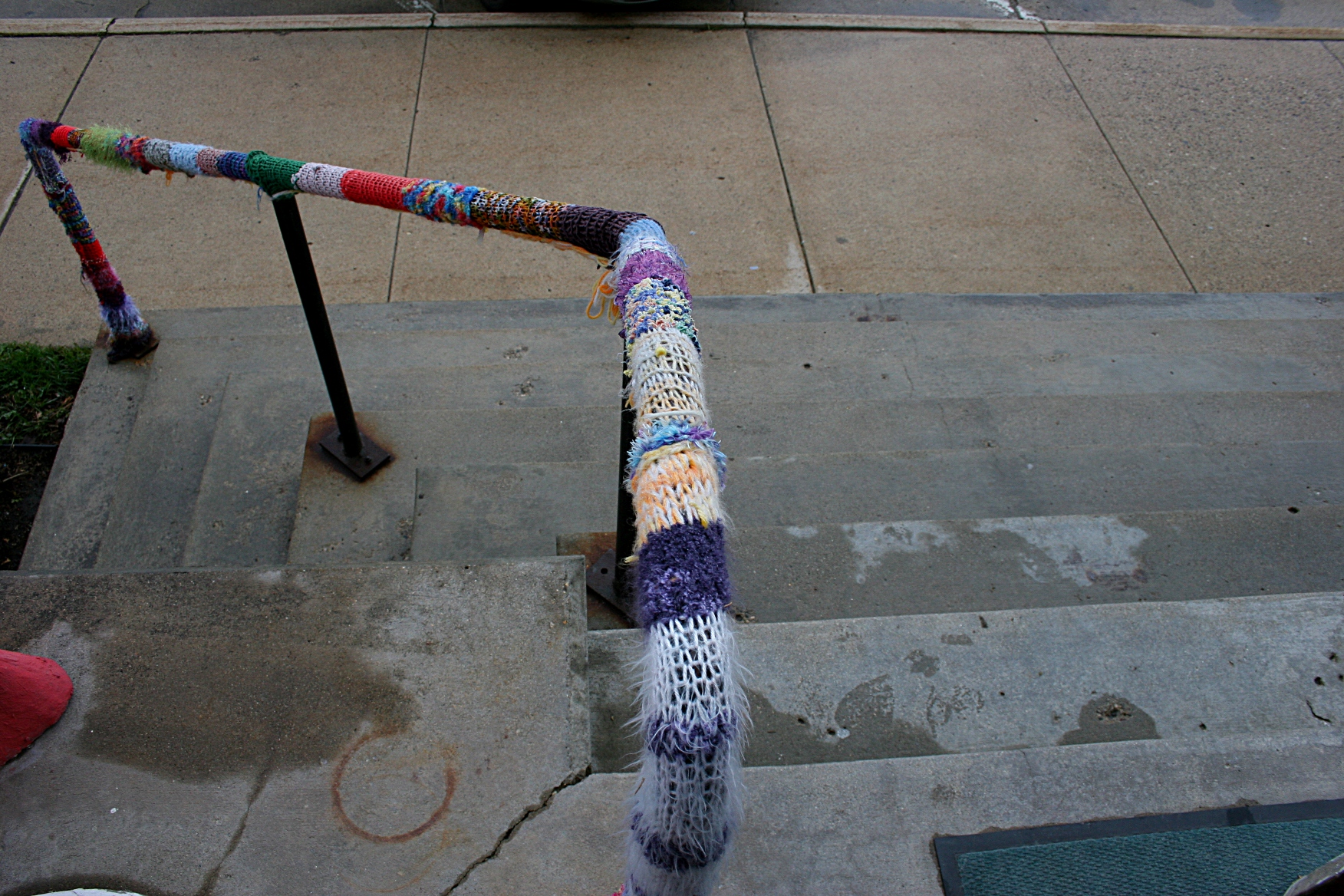
Colorful yarn wraps a front exterior stairway railing.

Saturday evening I climbed the steps into this privately-owned art center for the first time, into a space that visually overwhelmed me. With elbow-to-elbow people squeezed into the former library and with art crammed everywhere, I admittedly escaped twice—down stairs to the basement and down stairs to the outdoors.

The charming exterior front door leading into Crossings.

An estimated 1,500 visitors walk through the art center doors each month, according to the Crossings website, rating this as one popular spot for shoppers, art lovers, students of the arts and more. Saturday night drew a crowd as Crossings celebrated its 11th annual Poet Artist Collaboration. I was among the 26 participating poets. Click here and here to read two previous blog posts about this event.

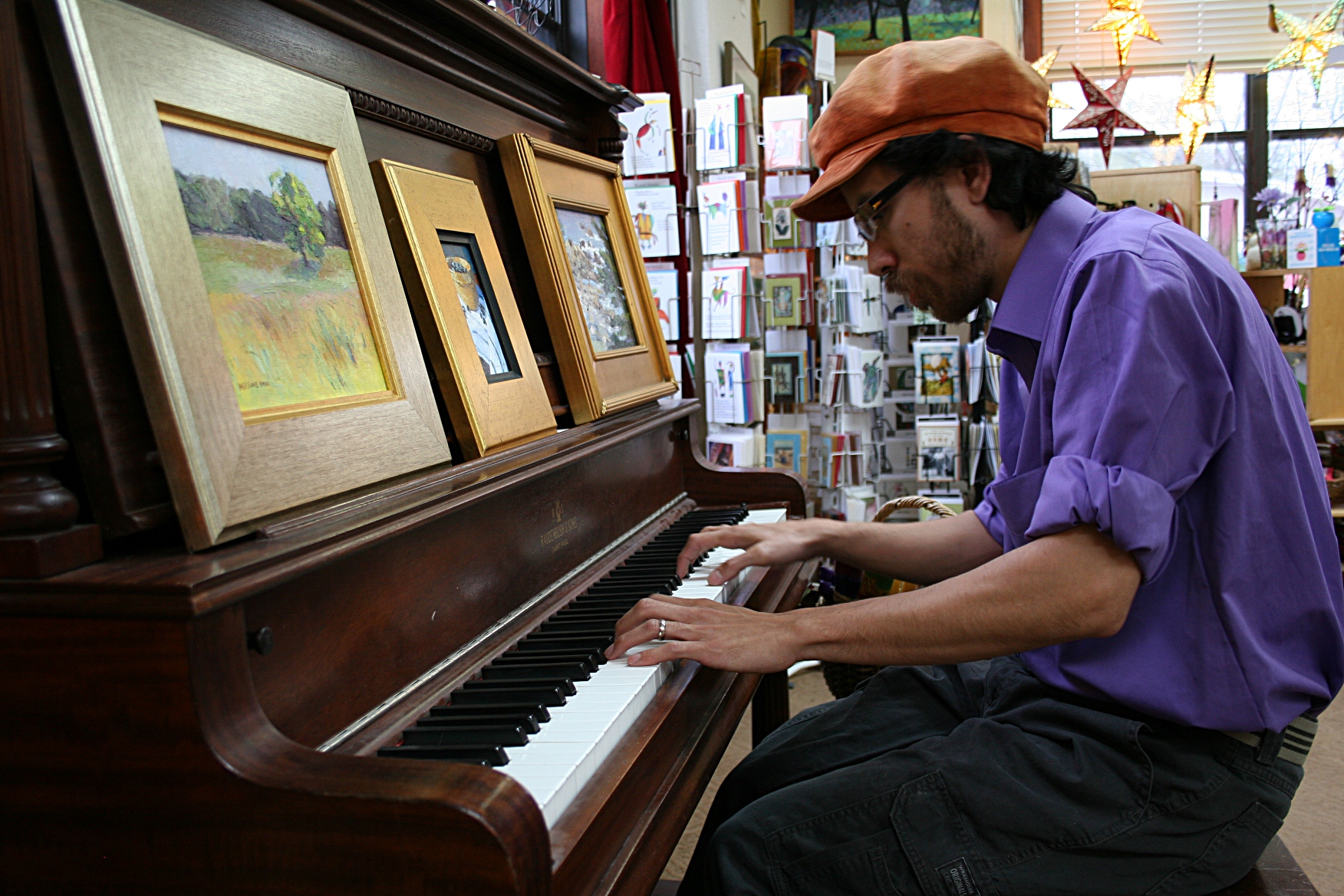
I noticed art leaning on the piano as musician Matthew Rivera played the piano at Saturday evening's Poet Artist Collaboration XI gala reception. He also strummed the ukulele later.

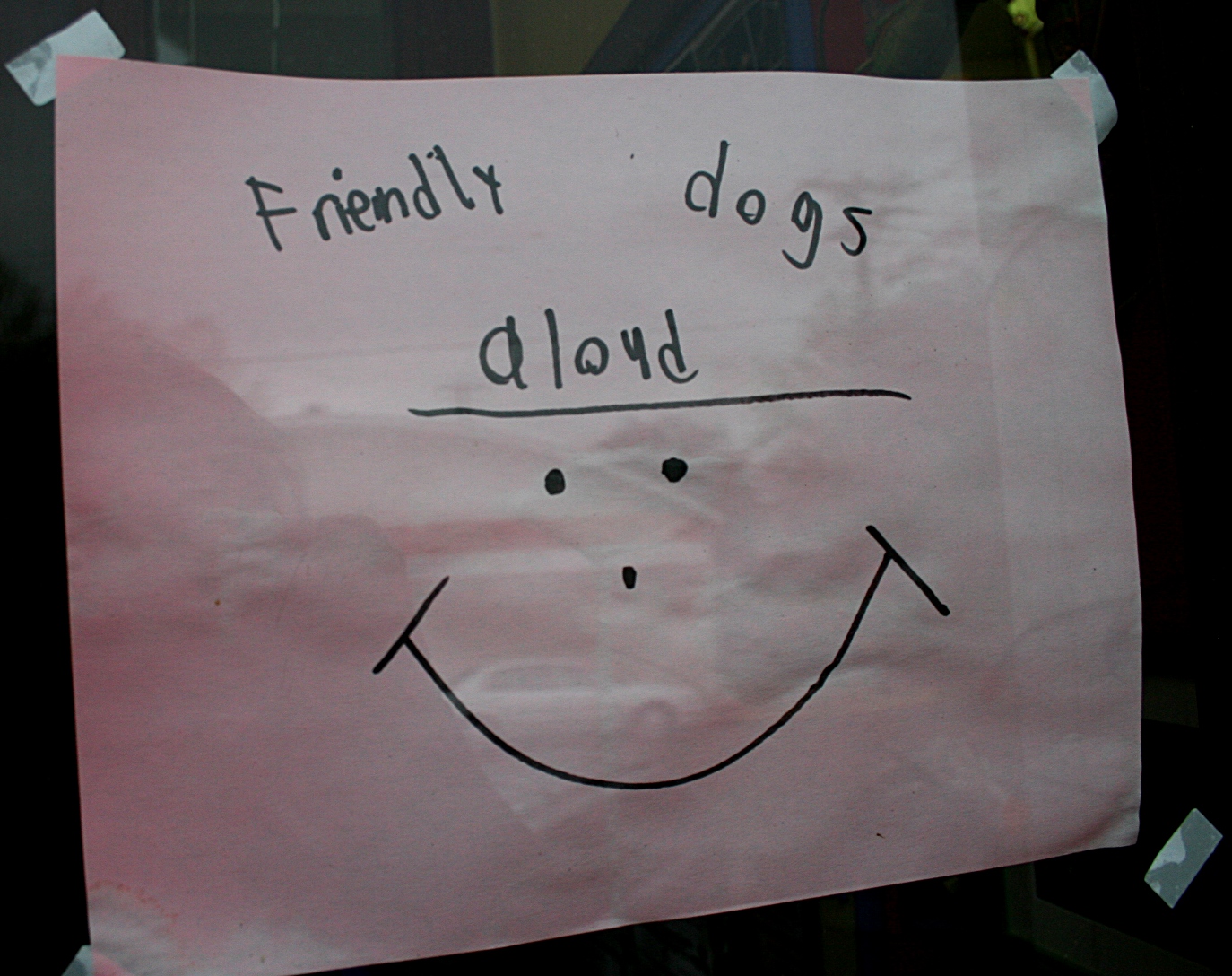
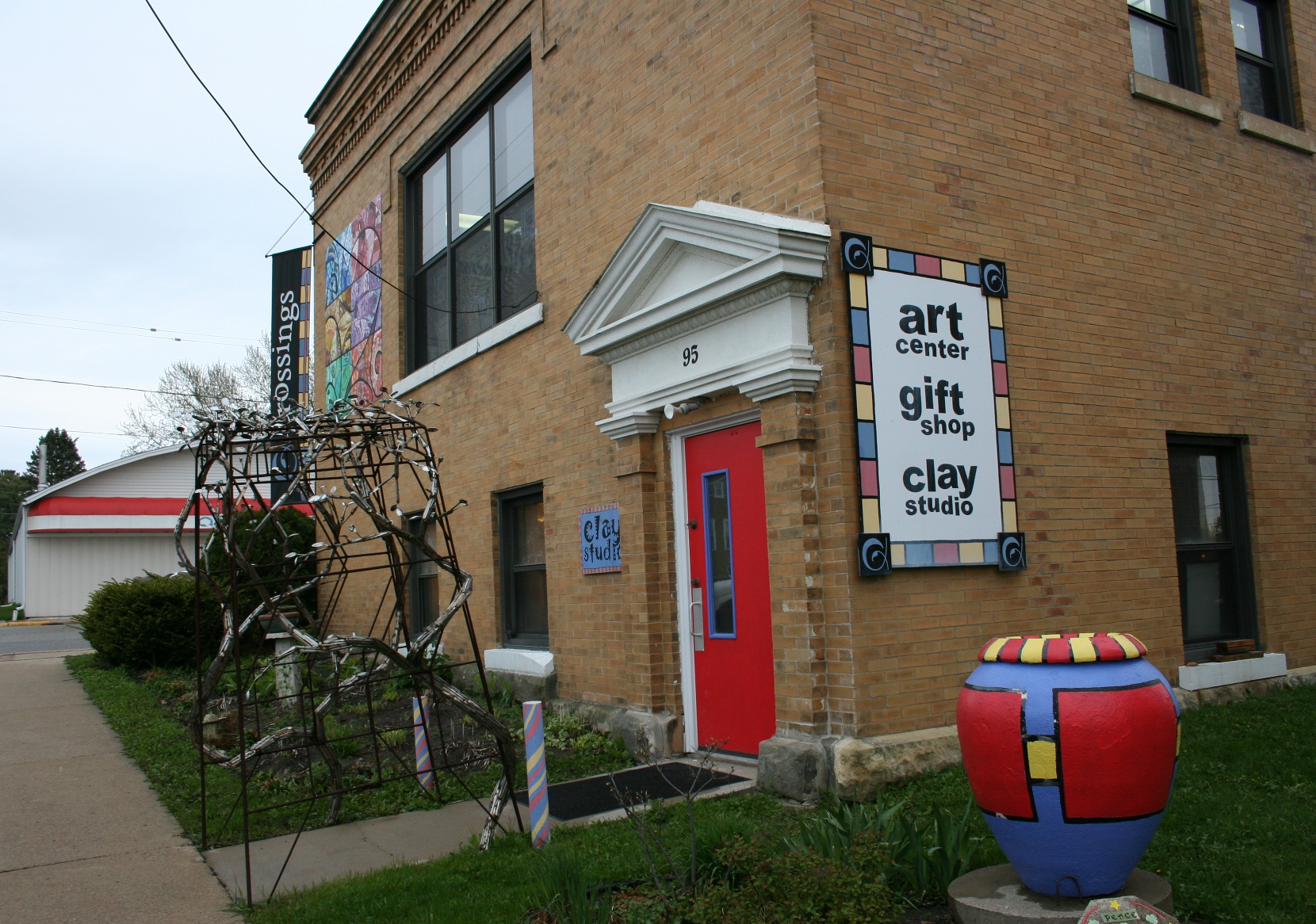
In the midst of mingling and weaving and escaping, I tried to notice details like the yarn wrapped around a railing post, the colorful exterior signage, art propped upon the piano, the misspelled sign welcoming dogs…

In the end, I decided to return in the solace of a non-event day to this place which celebrates the arts with such exuberance.

A welcoming misspelled sign on a front window at Crossings.

Vivid colors and outdoor art define Crossings as an art center.

FYI: Click here to learn more about Crossings at Carnegie, 320 East Avenue, Zumbrota.

© Copyright 2012 Audrey Kletscher Helbling


Poetry & more in Paul Bunyan land August 18, 2011

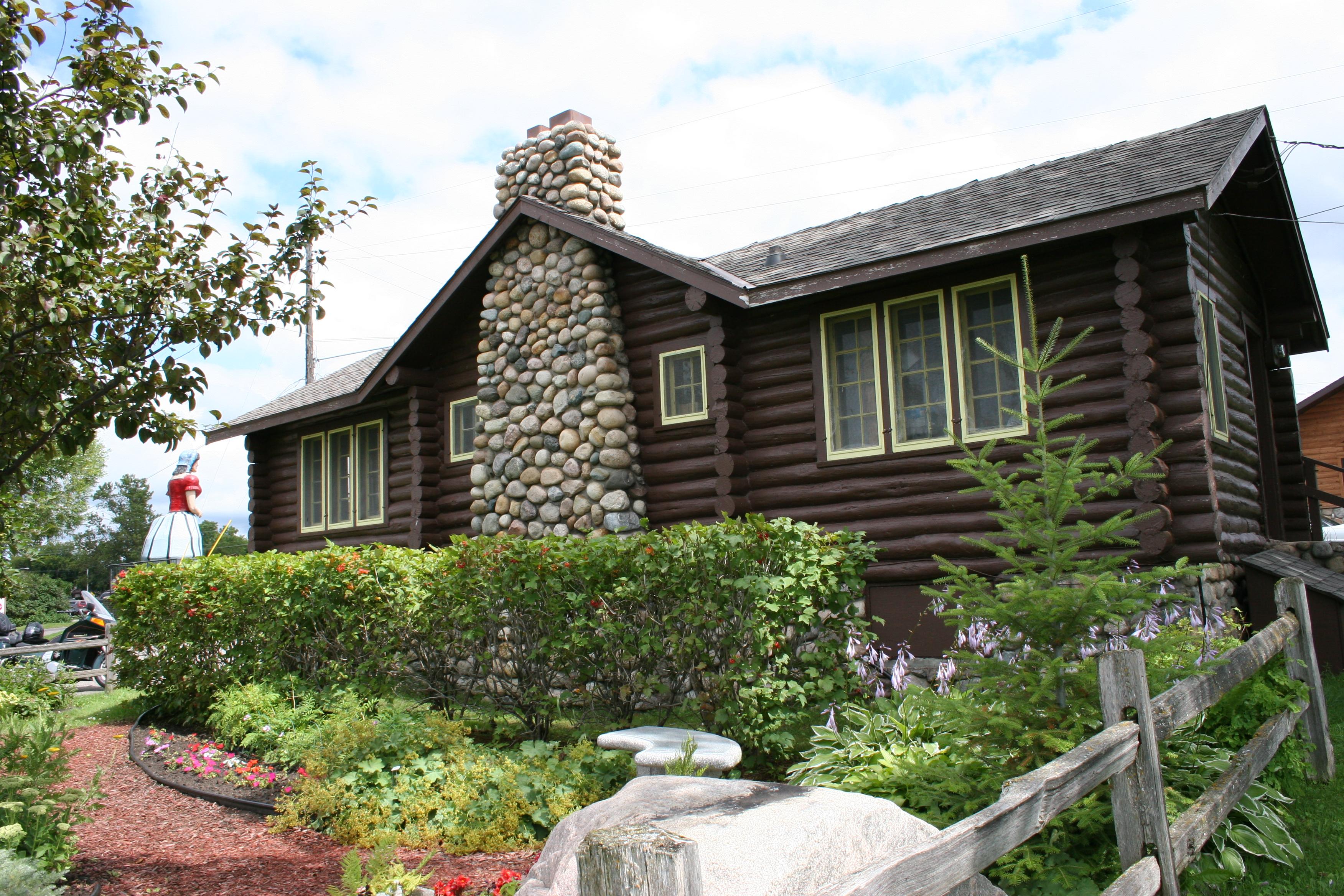
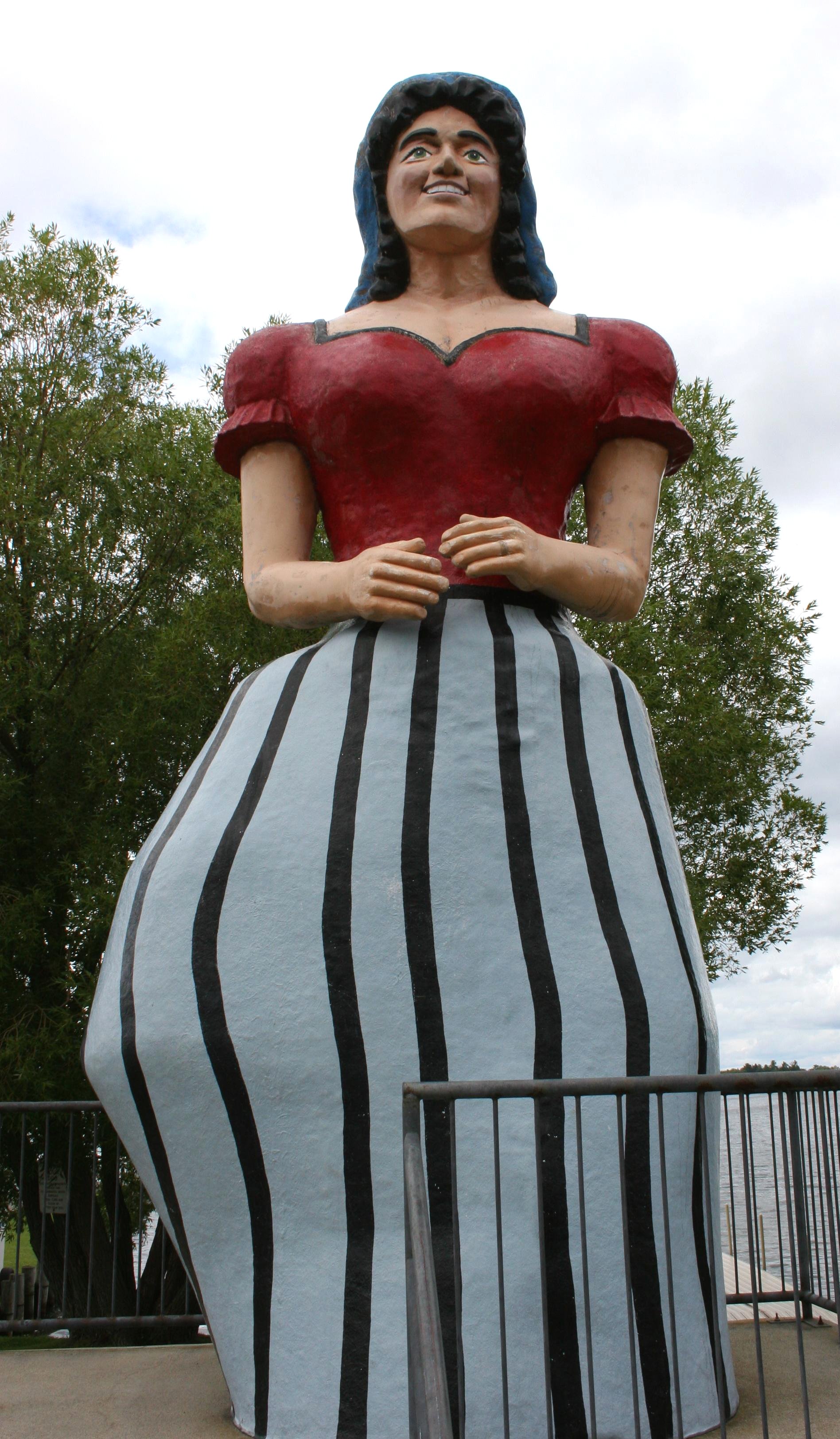
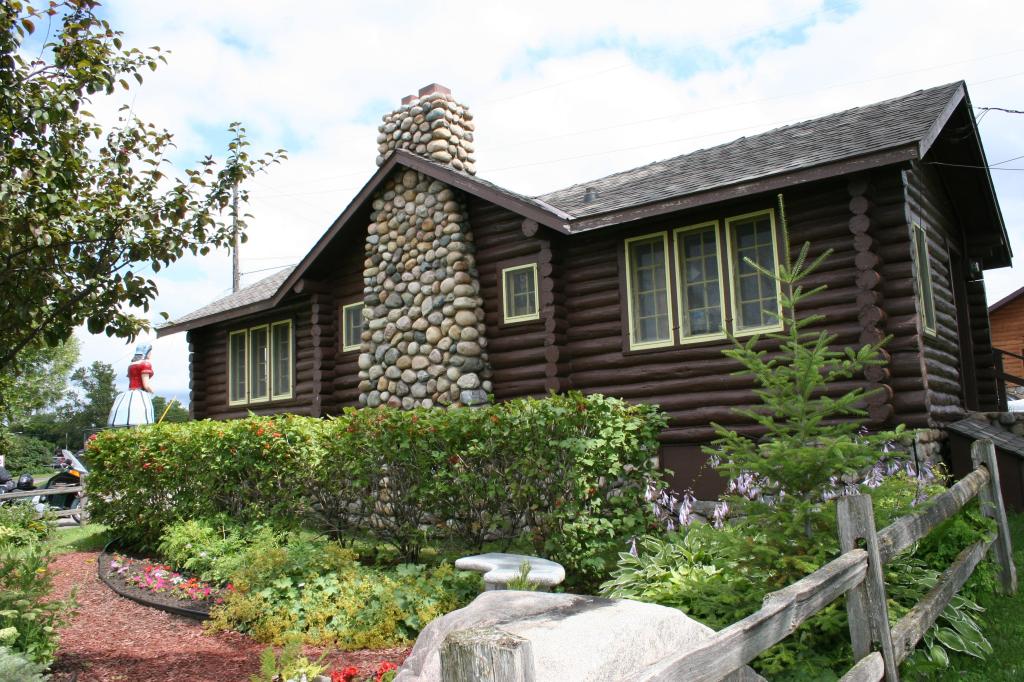
The lake side of the Hackensack Lending Library. To the left stands Lucette Diana Kensack..
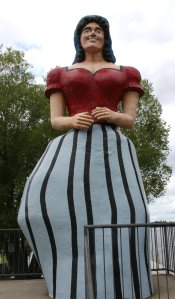
Lucette Diana Kensack

SEVERAL SUMMERS AGO while vacationing in northern Minnesota, my family stopped in Hackensack, 50 miles north of Brainerd. The initial draw to this town of 285 was the 17-foot tall statue of Paul Bunyan’s sweetheart, Lucette Diana Kensack. I appreciate kitschy roadside art. What can I say?

Two other discoveries, however, trumped seeing Lucette. A stone’s throw from Lucette, along the shores of Birch Lake, sits the cutest log cabin—a Works Progress Administration project and today home of the Hackensack Lending Library.

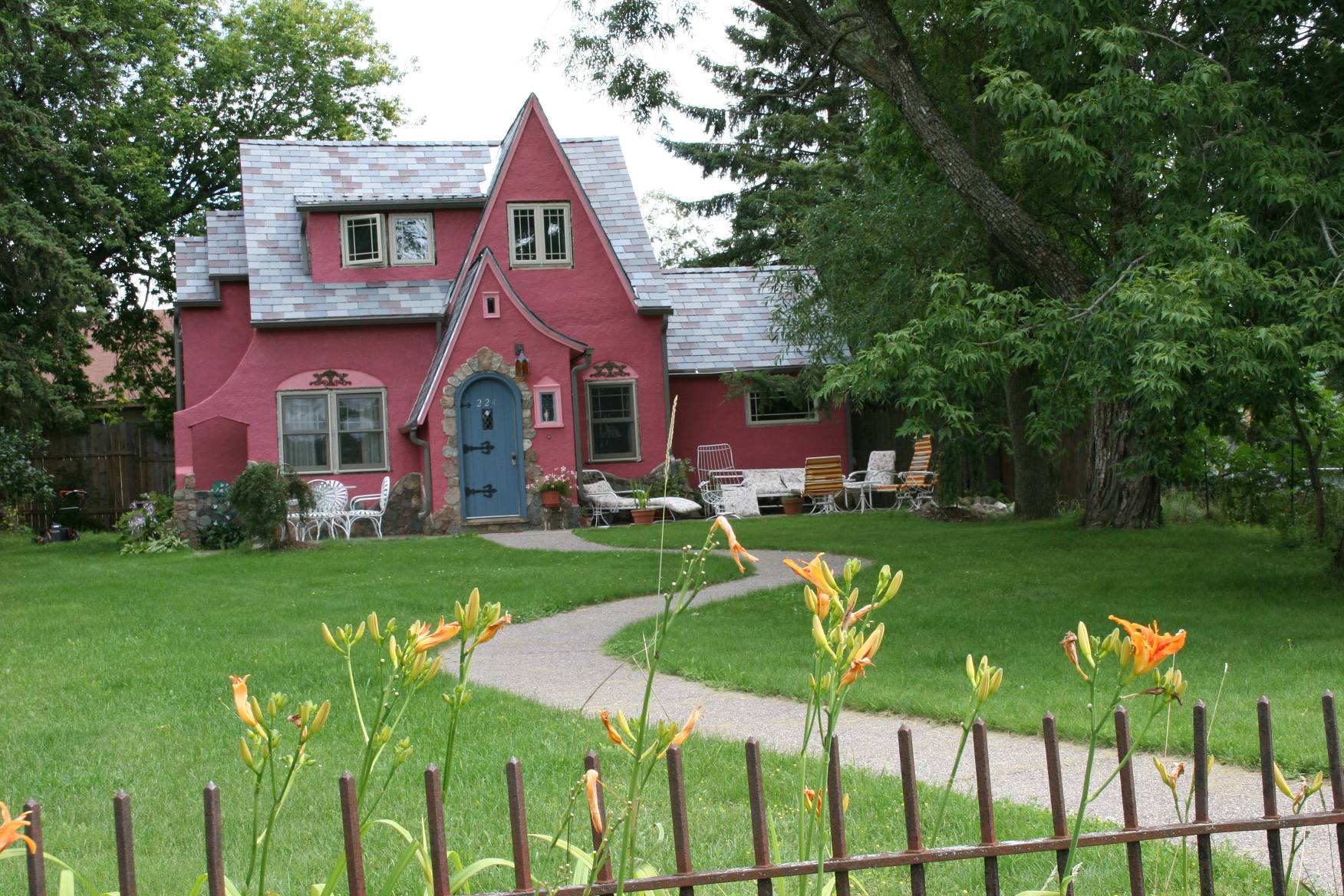
And just down the street from Lucette and the library, I found the sweetest pink fairy tale cottage.

Those small-town treasures marked my introduction to Hackensack.

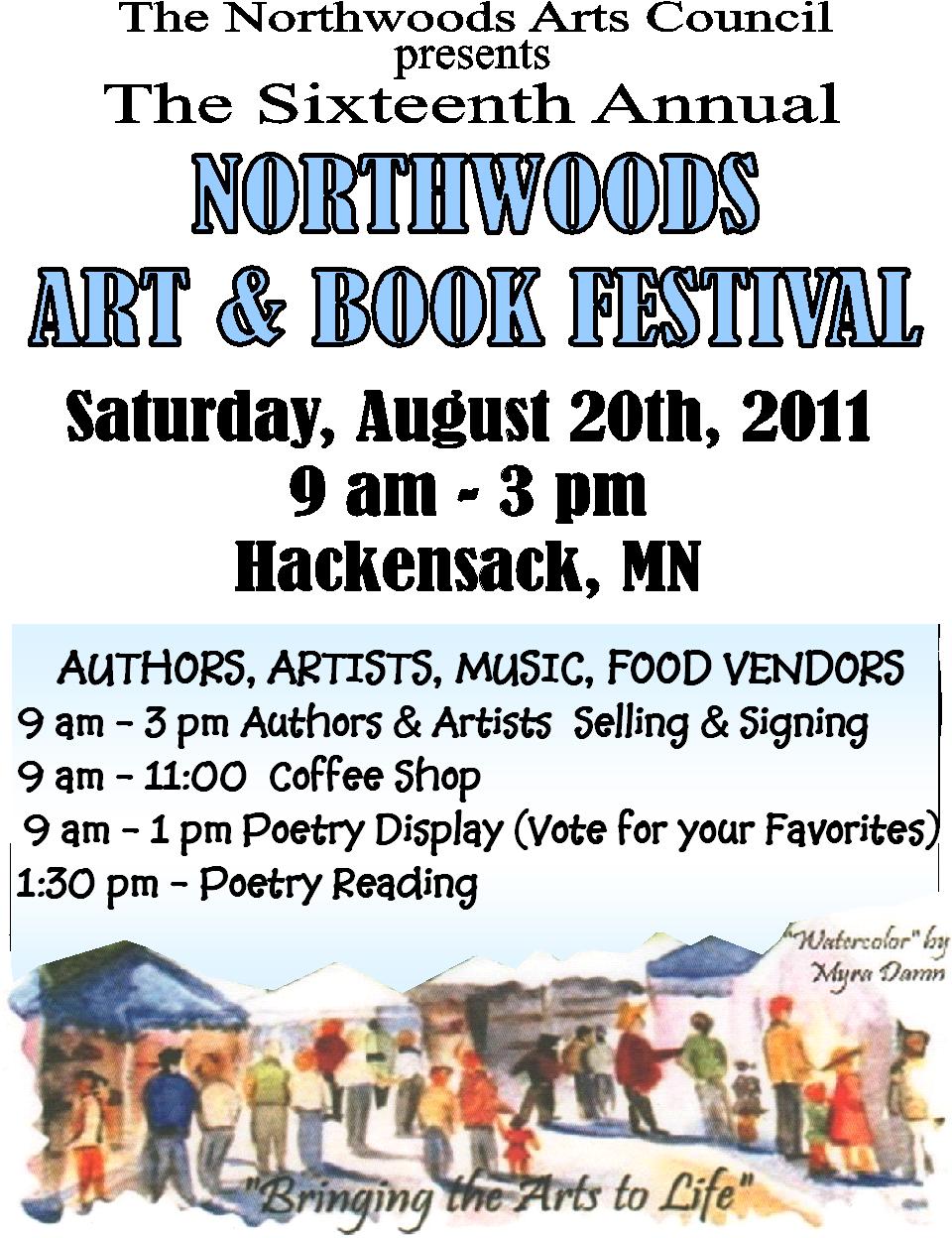
Now, fast forward to last summer. I wasn’t back in Hack, not physically anyway. Rather my poetry was among poems displayed at the town’s annual Northwoods Art and Book Festival. During that event, the featured poets are invited to read their poetry. Fest-goers can also vote for their favorites with six poems selected for “Popular Choice” awards. Six poems are also recognized as “Poems of Merit.” All of the original and unpublished poems are posted without author names attached.

I didn’t attend last year, didn’t win and didn’t deserve to win. My poetry wasn’t worthy of an award.

This year my poetry is back at the Northwoods Festival set for this Saturday, August 20, and I’m more confident that I’ve actually written poems that could win an award. Oh, I’d love to tell you which poem is mine (or it could be both poems that I submitted; I haven’t been told). But I won’t unfairly sway the voting. Suffice to say my rural background shines in my writing.

If Hackensack wasn’t such a long drive from Faribault, I’d be there taking in the poetry, the art, the music, the book-signings, the food. However, if you’re in the Brainerd lakes area or parts north on Saturday, check out the Northwoods Art and Book Festival from 9 a.m. – 3 p.m. and then tell me all about it by submitting a comment.
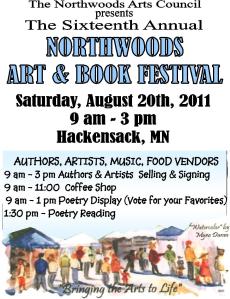
Voting for the “Popular Choice” awards begins at 9 a.m. and closes at 1 p.m.

If you’re already thinking, “Audrey, I don’t like poetry,” rethink your thinking. I promise you that my poetry rates as down-to-earth, understandable and not at all stuffy.

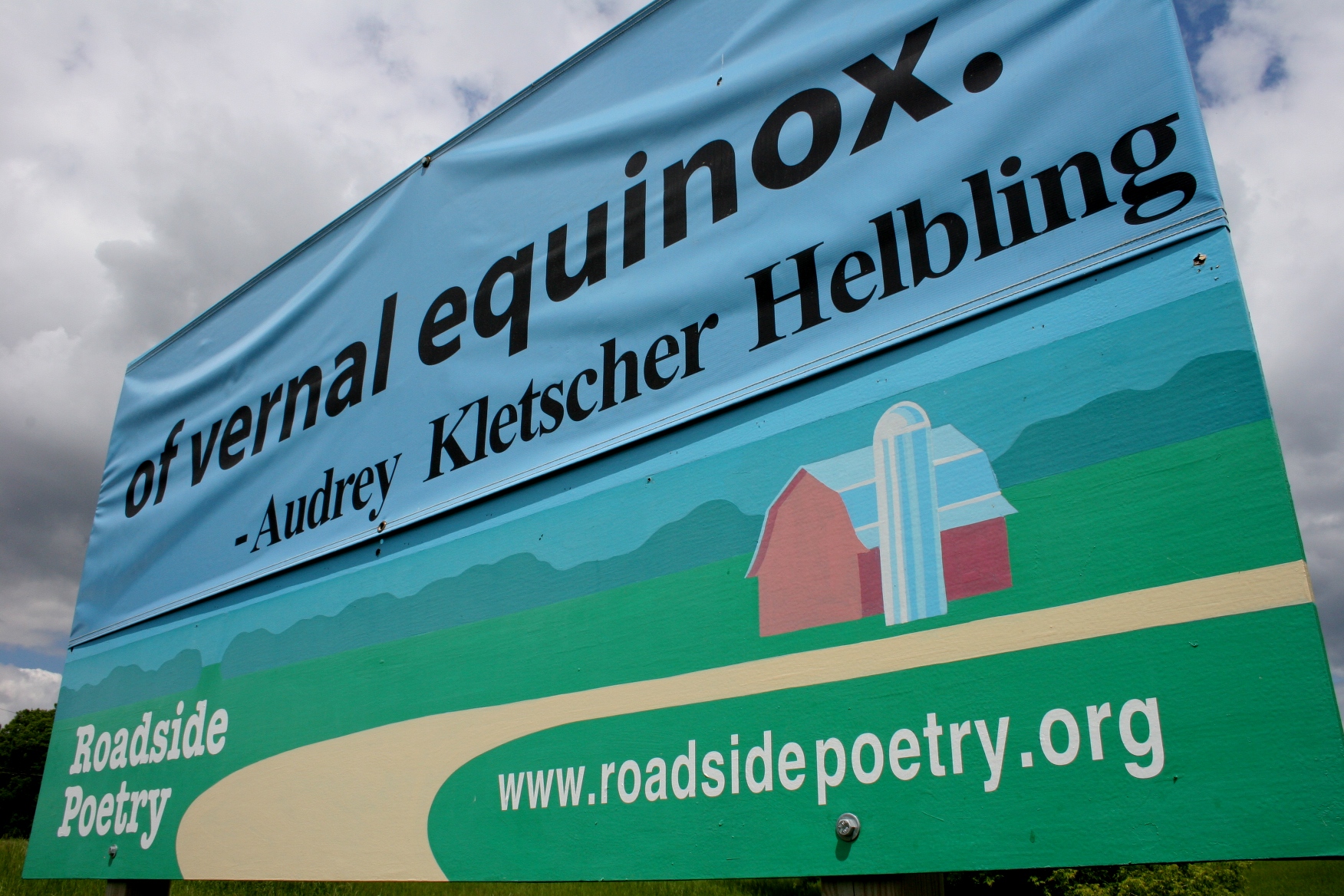
This whole concept of getting poetry out to the public via a display like the one in Hackensack pleases me. Just like the Roadside Poetry billboards in Fergus Falls. I was fortunate enough to win the spring competition and have my four-line poem plastered across four billboards there.

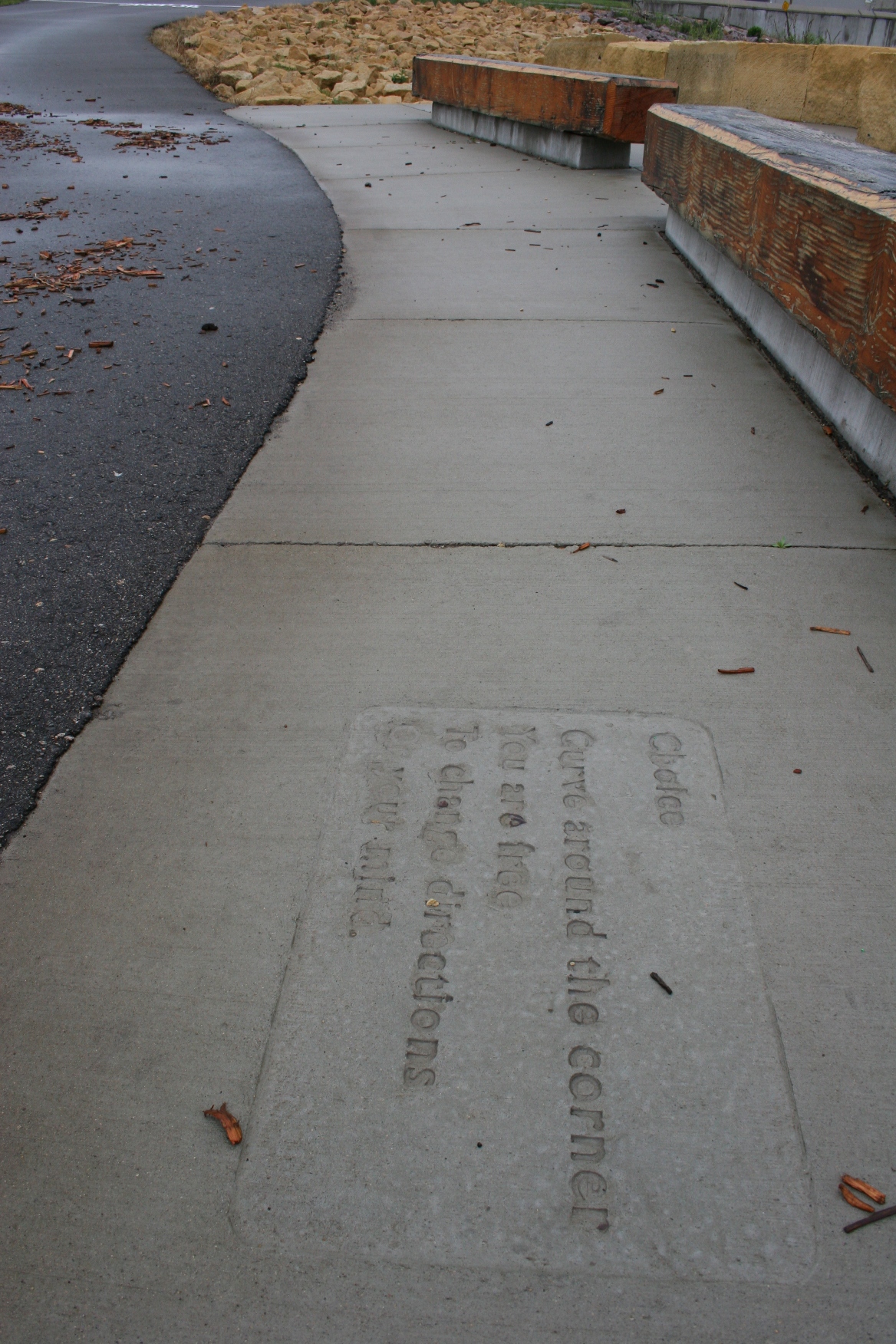
These new poetry venues, and the increasingly popular sidewalk poetry in cities like St. Paul, Mankato and now Northfield, are bringing poetry to the people. That’s a good thing because, in reality, how many of us actually pick up a book of poetry for leisure reading?

Minnesota poet Todd Boss and designer/animator Angella Kassube are also making poetry even more appealing by utilizing visuals in their acclaimed motion poems. Click here to read some of those.

Poetry has certainly evolved through the years, a necessity to keep writers interested in writing it and readers interested in reading it.

Professionally, I’ve only begun to unfold my wings as a poet. Even publicly calling myself a “poet” still sounds foreign to my ears. But with publication in two magazines and four anthologies, soon to be five (The Talking Stick, Volume 20, published by Park Rapids-based Jackpine Writers’ Bloc); winning the spring 2011 Roadside Poetry competition; inclusion at the Hackensack festival; and recent notification that one of my poems will publish in the Lake Region Writers Network’s first literary magazine, I finally feel worthy of the title “poet.”
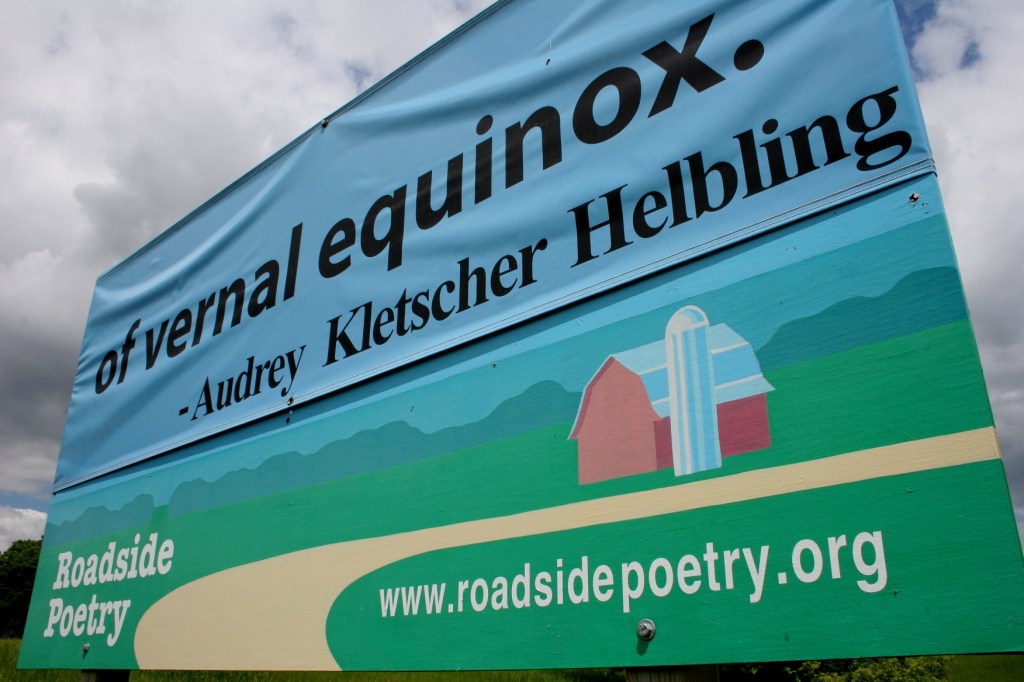
The last of four billboards featuring my Roadside Poetry spring poem.
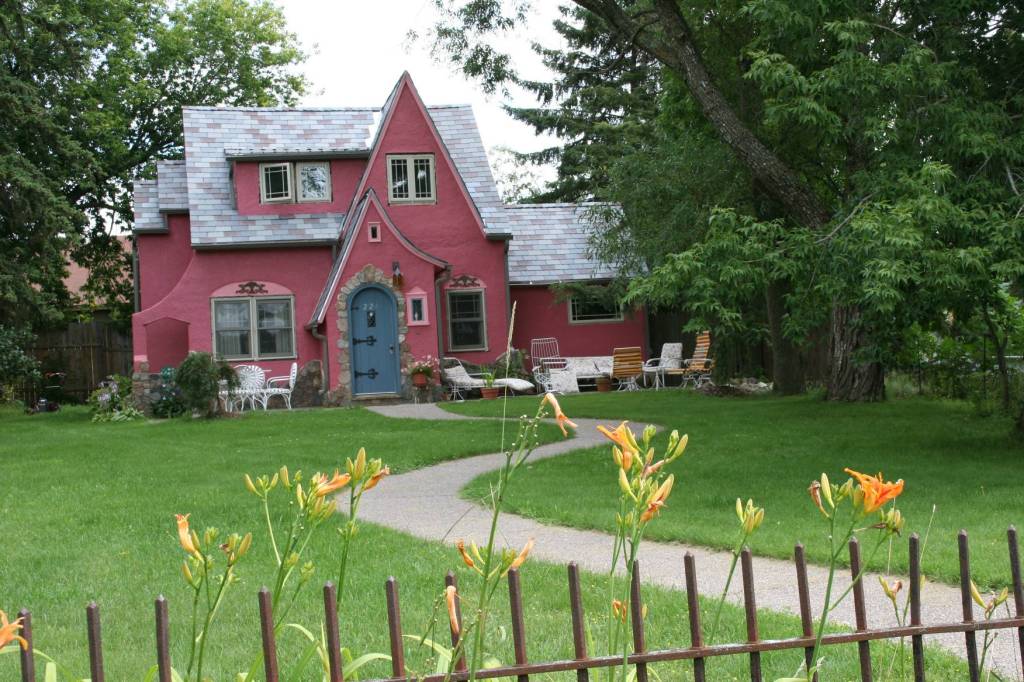
The sweet fairy tale house in Hackensack, located near Lucette and the park and photographed in 2009.
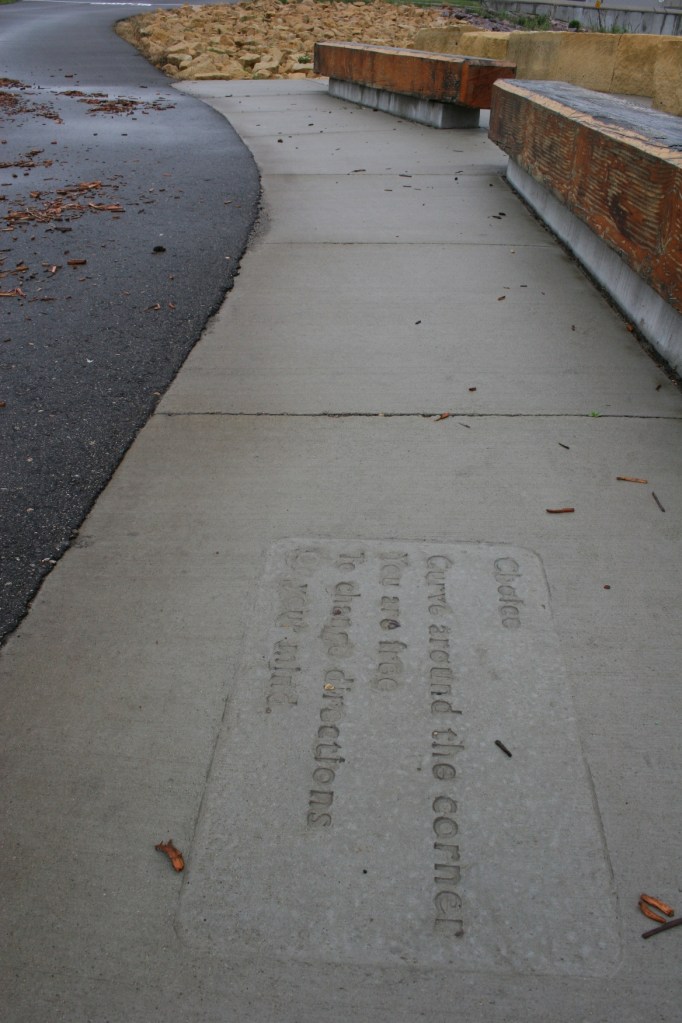
"Curve around the corner/You are free/To change directions/Or your mind," reads this poem by Marlys Neufeld of Hanska and imprinted in a Mankato sidewalk.

HOW DO YOU FEEL about poetry? Do you read it? Why or why not?

© Copyright 2011 Audrey Kletscher Helbling