Minnesota Prairie Roots

Writing and photography by Audrey Kletscher Helbling

The golden hour at the King Mill Dam, Faribault, Minnesota September 10, 2018

Filed under: Uncategorized — Audrey Kletscher Helbling @ 5:00 AM
Tags: , , , , , , , , , ,

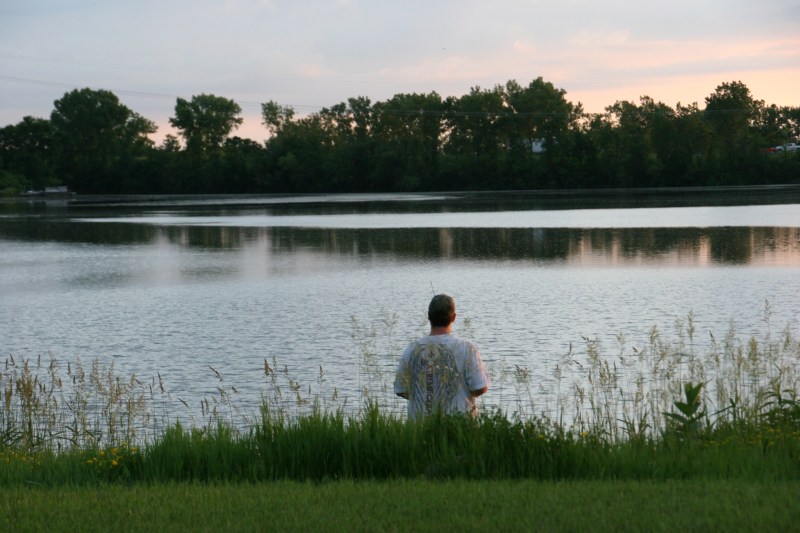
Fishing in the gloaming of the day, June 12, Cannon River at King Mill Park, Faribault, Minnesota.


IN PHOTOGRAPHY, LIGHT isn’t everything. But it ranks among the top factors in creating a good photo as do framing, perspective, practice and creativity. A good camera is nice, too. Not essential. My Canon DSLR 20-D, for example, would be considered aged by most. Yet, I manage to produce marketable and memorable images.


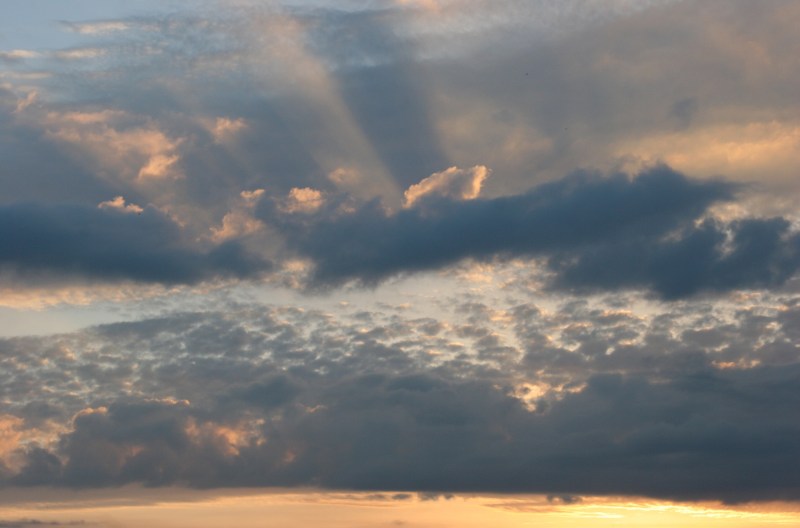
Golden light slices across the sky.


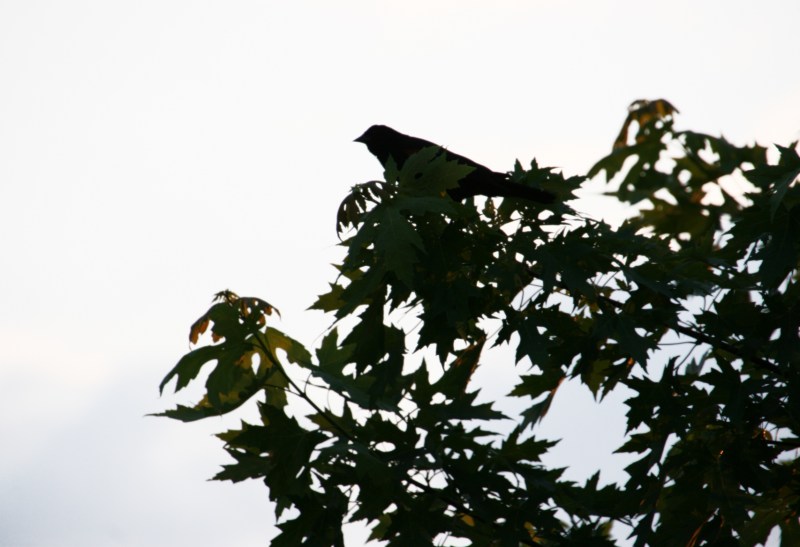
A bird in a bush presents a striking silhouette in this edited image.


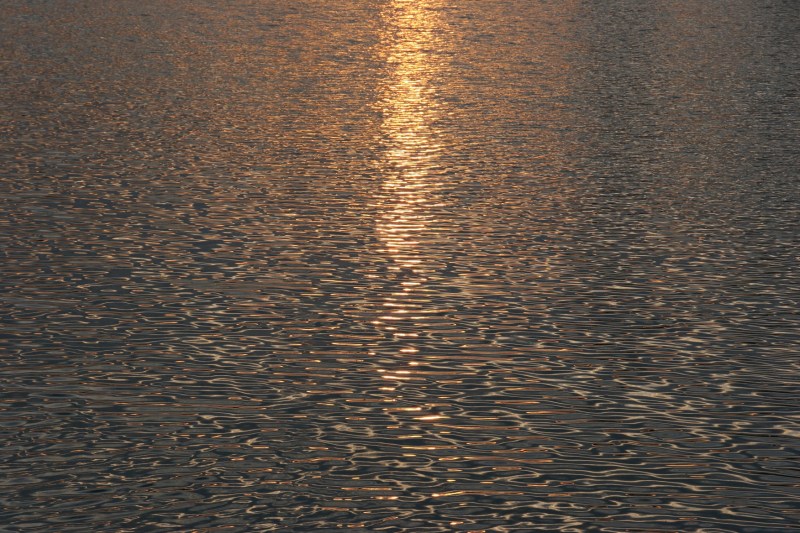
Glint of sunlight on water. Beautiful simplicity.


If you’re serious about photography, you’re aware of the golden hour—the hour right after sunrise and right before sunset. The light is softer, warmer then, lending itself to photography.


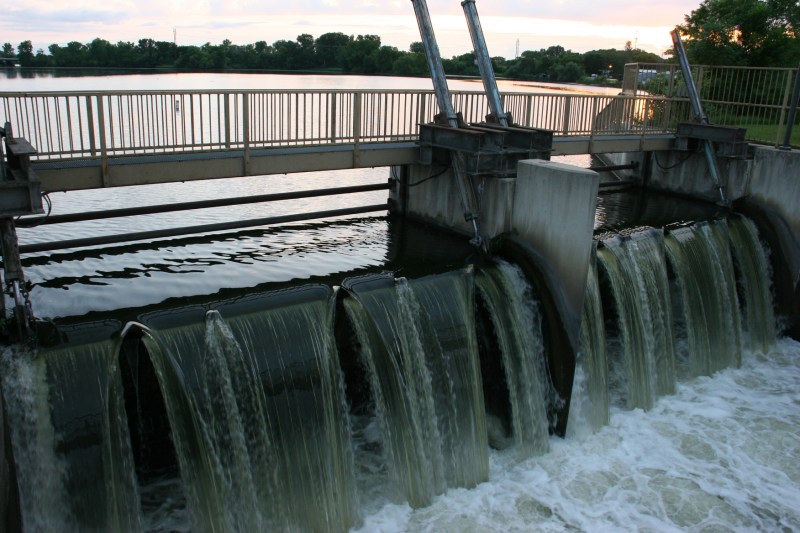
The King Mill Dam, Faribault, Minnesota.


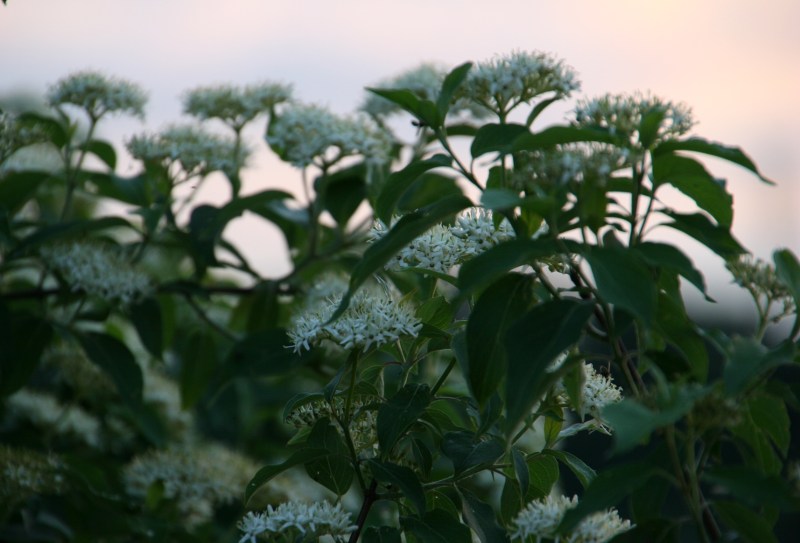
Soft colors tinge the sky as the sun sets with this bush in the foreground.


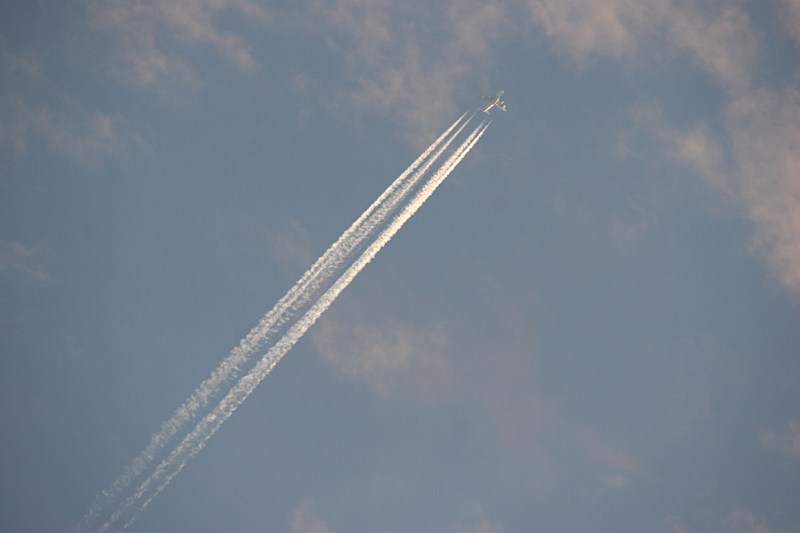
High above, sunshine glints on the trails of a jetliner.


Several months ago, just days before I fractured my left wrist thus halting all photography for the summer, I shot some evening golden hour scenes at King Mill Park along the Cannon River in Faribault. I love this time of day in southeastern Minnesota. There’s a certain peacefulness as day closes and the door opens to evening, then night.


Milkweed and other flowers rim the shoreline.


Rather than expound in words, I’m showing you, because, oftentimes, a picture really is worth 1,000 words.


FYI: Tomorrow I’ll show you the first images I shot after my orthopedic doctor cleared me to use my camera some 10 weeks after my bone break and subsequent surgery to implant a plate.

© Copyright 2018 Audrey Kletscher Helbling


The value of no child left inside August 21, 2018

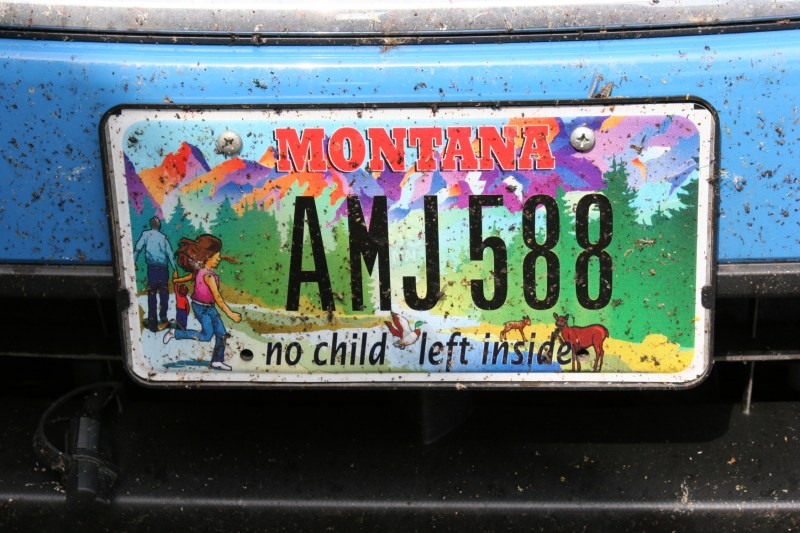
I appreciate the message on this license plate, photographed last fall in Nisswa, Minnesota. For every National Wildlife Federation license plate purchased in Montana, $20 goes toward programming that encourages kids in that state to get outside and play.


GROWING UP IN RURAL SOUTHWESTERN MINNESOTA in the 1960s and 1970s, I spent most of my time outdoors. There was nothing to keep me inside. No TV for a long time. No electronic games. No anything. Except books. And the few toys we had.


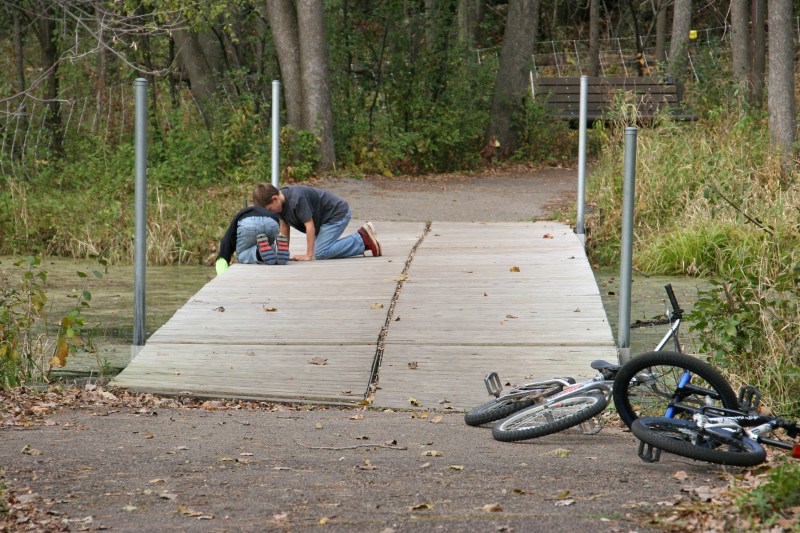
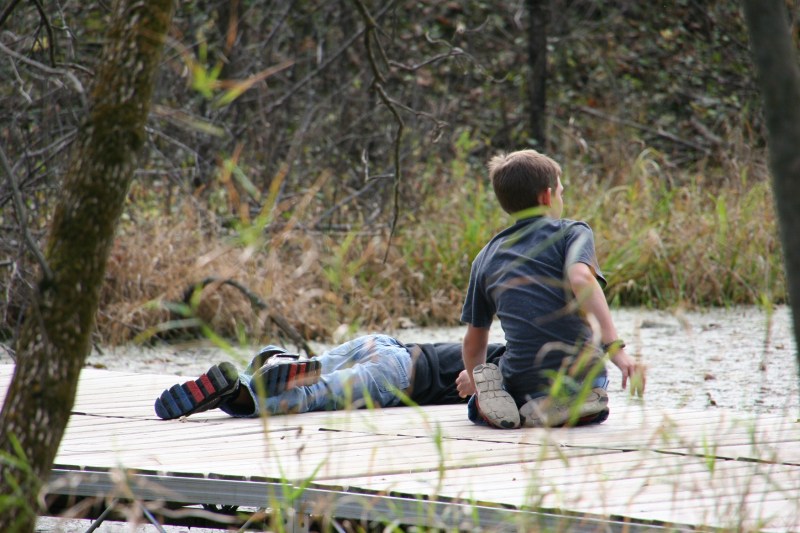
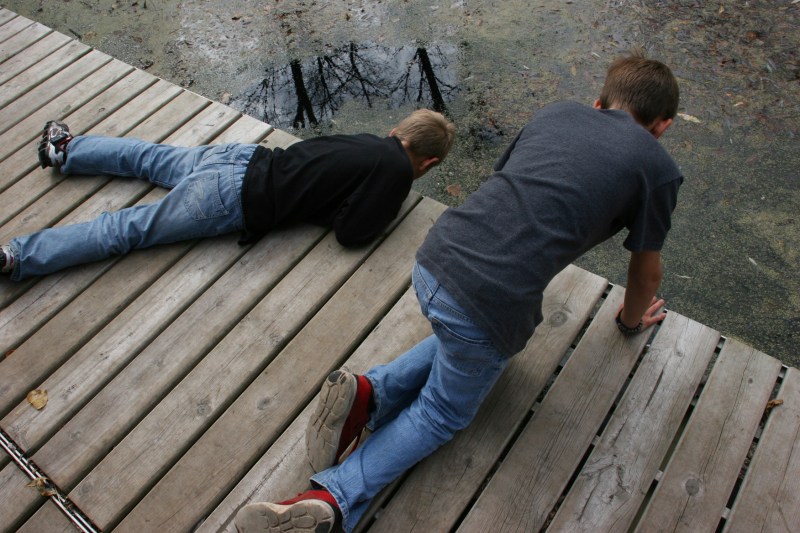
I love this scene of two boys who dumped their bikes at the edge of a pond to look for life in the water. I photographed this scene in October 2016 at River Bend Nature Center in Faribault.


The outdoors offered so much more. A grove in which to carve paths. Trees for a treehouse. A spacious farmyard for a game of softball. Tall grass for a journey West via imaginary covered wagons. Gravel drive and gravel roads for biking. Snow mountains and drifts to sled and slide and travel across. Vast expanses of grass upon which to lie and gaze at animal-shaped clouds.

Outside of play, the outdoors presented a place to work—to pull weeds from soybean rows and tassels from seed corn, to pick rocks from fields, to haul hay and buckets of milk replacer, to wheel grain and do all those chores necessary on a farm.

The house was mostly a place to sleep and eat and, on Saturday evenings, wash away the grime in the galvanized bath tub hauled from porch to kitchen.

It all sounds so nostalgic. So wonderful. And it was in many ways. But life was also admittedly hard in the kind of way that day-in-day-out, the physical labor circled in a never-ending cycle. We had little in material possessions. I suppose you could say our family lived in poverty, although I had no recognition of that at the time.


Boys at the turtle pond, River Bend Nature Center in Faribault. Minnesota Prairie Roots file photo October 2016.


We were rich, though, in our love of the outdoors, of the land. I wanted to be outside. I am thankful for having grown up in a place and time when I could roam outdoors without fear and in free play.


It’s important to take time and notice nature. Minnesota Prairie Roots file photo October 2016.


Most kids today are missing that unstructured free time outdoors to just be kids, to stretch their imaginations. Sometimes I wonder if kids are even capable any more of playing on their own, without adults planning an activity, a game, a sport, for them. It’s a different world. If I was a kid today and lived as I did then, I would be considered free-range and my parents probably would be the object of concern and likely under fierce attack on social media.


Minnesota Praiire Roots file photo, October 2016.


Despite the changes in society, it’s still important for kids to get outdoors–away from electronics and scheduled activities–to simply play. To use their imaginations. To be in nature. To appreciate the warmth of the sun, the waft of the wind, the scent of flowers, the smell of earth, the feel of dirt between their fingers, the taste of a sun-ripened tomato, the birdsong of morning…

THOUGHTS?

Copyright 2018 Audrey Kletscher Helbling


https://www.nwf.org/Northern-Rockies-and-Pacific-Region/Northern-Rockies


Exploring Madison: First stop, Olbrich Botanical Gardens June 6, 2018

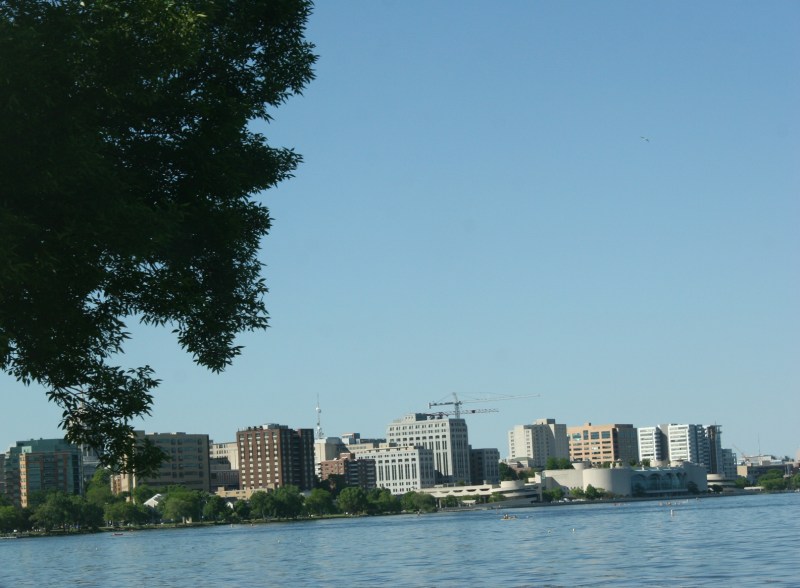
My first view of the downtown Madison skyline with Lake Monona in the foreground.


GREEN SPACE. Those words define my first impression of Madison, Wisconsin. This is an outdoor-friendly city with prolific public pathways, with an obvious bend for recreational activities that take folks outside.


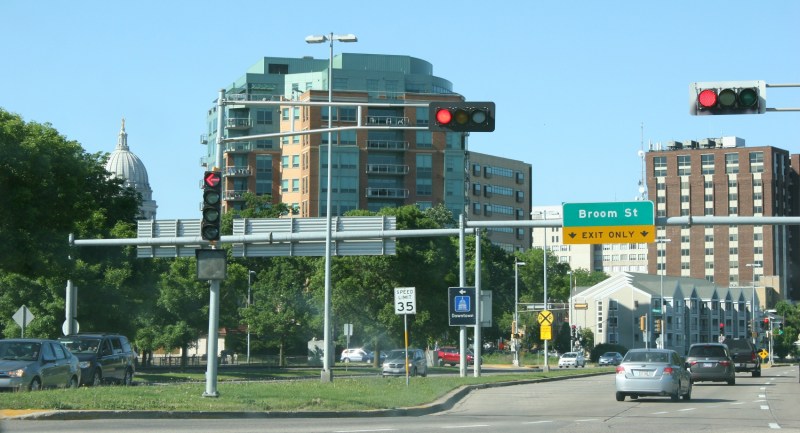
Closing in on downtown Madison with the state capitol on the left.


In woods, parks, gardens, open spaces and tree-lined streets, green colors the lush landscape. Lakes and waterways add to the city’s natural beauty. This capital city of 252,000-plus pulses with bikers, boaters, joggers, walkers and others simply enjoying the outdoors. There’s a certain undeniable vibe in Madison, as if those who live and visit here need to spend every minute outside before winter sweeps cold and snow into the land in a matter of months. But I expect even then plenty of outdoor activity happens.


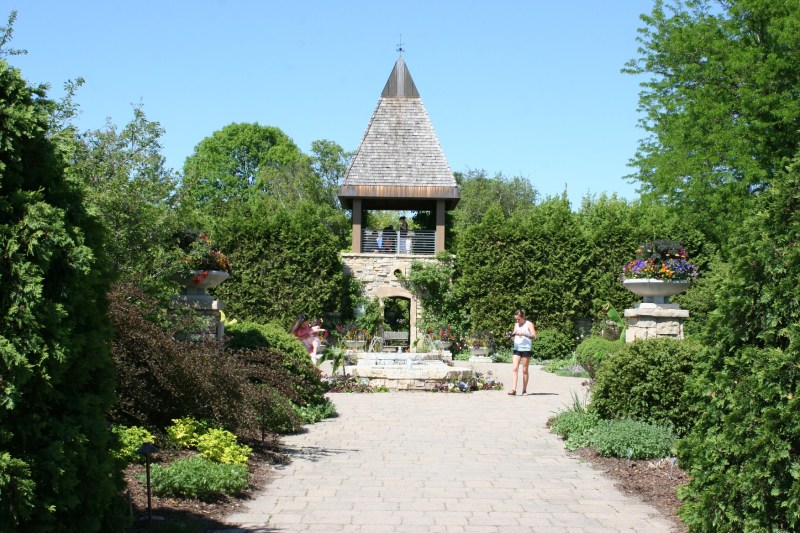
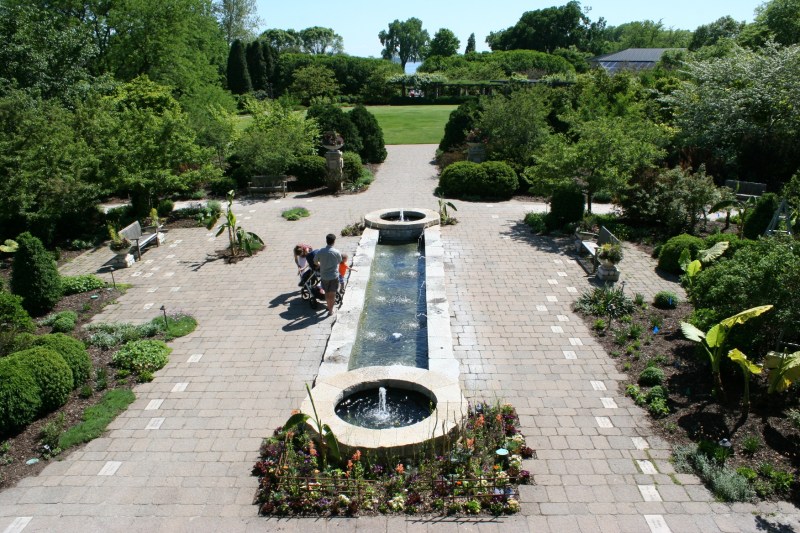
On my first visit to Madison, where my second daughter and her husband recently relocated, I walked through the Olbrich Botanical Gardens, a 16-acre space of outdoor gardens and a tropical conservatory. On the afternoon of our visit, exceptionally high heat and humidity left me drained and occasionally seeking a shaded bench. Time and temps kept us from the Bolz Conservatory, a spot I’ll check out during a cooler season.


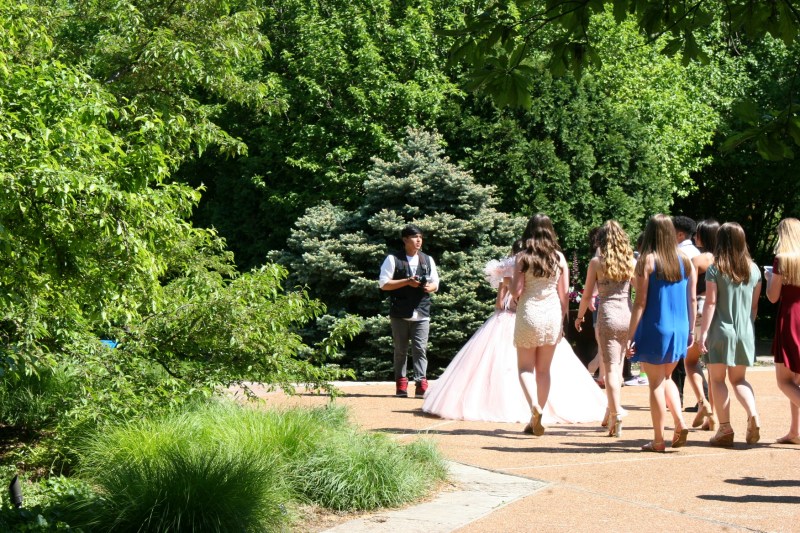
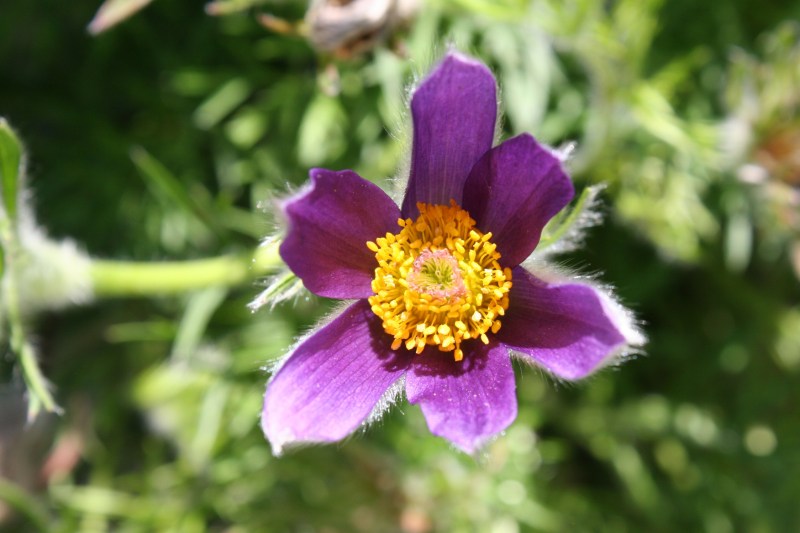
While the gardens are beautiful, they were not at their peak during our transitioning from spring into summer tour. Yet, it was a delight just to be there with my daughter and husband, walking the pathways, smelling fragrant flowers, enjoying the art and water features, observing young people celebrating quinceanera


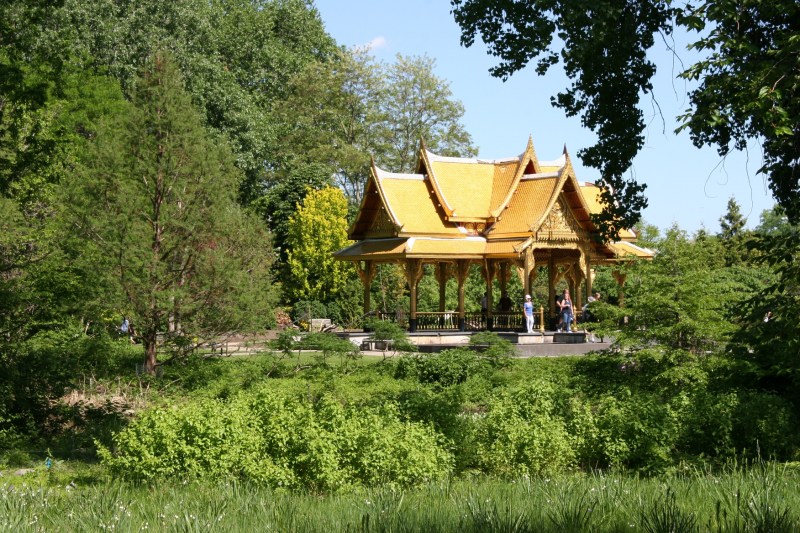
The Thai Pavillion from across a creek.


Of special visual interest is the Thai Pavilion and Garden, the only one in the continental U.S. It was a gift from the Thai government and the Thai Chapter of the Wisconsin Alumni Association. UW-Madison, located in the heart of the downtown, has one of the largest Thai student populations of any U.S. post-secondary institution.


Some 1,000 volunteers work these gardens, greet visitors and more. What a labor of love in a place that seems so suited for Madison, a metro area with a small town feel and lots of green space.


FYI: Check back for a second post from the Olbrich Botanical Gardens as I take you up close into the Thai Pavilion and garden.

© Copyright 2018 Audrey Kletscher Helbling
 

The greening of Minnesota May 23, 2018

Filed under: Uncategorized — Audrey Kletscher Helbling @ 5:00 AM
Tags: , , , , , , , ,


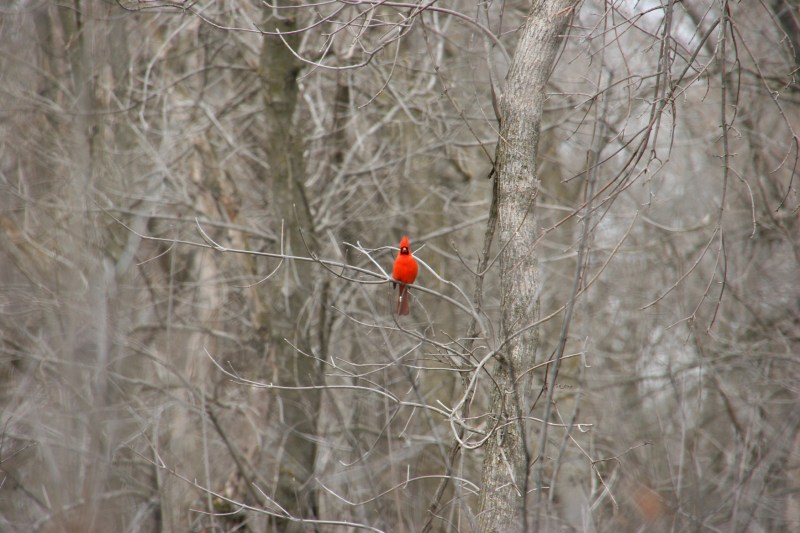
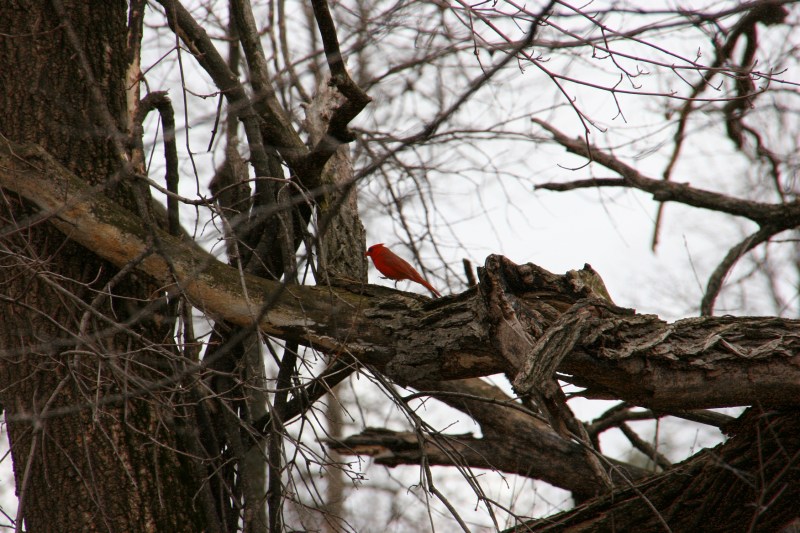
ON A RECENT MAY MORNING, I stepped outside with my aged camera, a Canon EOS 20D DSLR. I hoped to photograph the cardinal I’d heard shrilling within hearing distance. But when I scanned the woods behind my house and the adjoining properties, no flash of red appeared. The sharp song, too, had ceased.


Instead, I spied a gold finch hidden among the branches of the backyard maple.


I noticed, too, the green of leaves, how the morning sun danced a rhythm of light.


No green seems greener than the green of Minnesota in spring. After months of enduring a monotone world of greys, black, browns and white, I need color. Spring gives me that.


The sky, too, seems bluer, asserting itself with a profound boldness.


Yet, a softness remains in the landscape, in the unfurling of blossoms dancing in the wind in the light of spring.

© Copyright 2018 Audrey Kletscher Helbling
 

Road trip stories: You can’t beat the pre-season price & peacefulness at this lakeside Indiana inn May 4, 2018

A sunset view of Lake James in Pokagon State Park, Angola, Indiana.

A sunset view of Lake James in Pokagon State Park, Angola, Indiana.


I’VE ALWAYS WANTED TO STAY in a lakeside resort or cabin. And you’d think, as a life-long Minnesotan, that would be part of my vacation history. Yet, the opportunity to stay lakeside never presented itself. Until May 2016.


Docked at Lake James in Pokagon State Park.

Docked at Lake James in Pokagon State Park.


And it happened not in the Land of 10,000 Lakes, but rather in the extreme northeastern corner of Indiana. Because my husband made a wrong turn, we ended up at the Potawatomi Inn Resort & Conference Center while en route from Minnesota to Massachusetts for our son’s college graduation.


The newer section of the Potawatomi Inn, opened in 1995.

The newer section of the Potawatomi Inn, opened in 1995.


Prior to departure, we’d plotted the location of our first day stopping point—some 600 miles away in Angola, Indiana. I’d researched lodging options, including a weekday pre-season special of $59 a night at the Potawatomi Inn. I mentioned the deal to Randy, who muttered something like “What are you going to get for $60?” So I scrapped the idea and resigned myself to staying at a non-descript chain hotel along Interstate 80/90.


Lovely framed signage inside the entry to the historic section of the inn complex

Lovely framed signage inside the entry to the historic section of the inn complex promotes Indiana state parks as “memories made naturally.”


Then came that wrong turn and we ended up directly in front of the entrance to Pokagon State Park, wherein the Inn is located. “It won’t hurt to look since we’re right here,” I suggested. “We can always leave if we don’t like it.” Randy agreed and steered the van along the tree-lined road into the park. After explaining our mission to the park ranger, we continued toward the Inn, our expectations low.


This is the original 1920s section of the historic inn with a dining room and lounge on the first floor and hotel rooms on the second level.

This is the original 1920s section of the historic inn with a dining room and lounge on the first floor and guest rooms on the second level.


We couldn’t have been more surprised. Rounding a turn, before us sprawled a complex of buildings perched atop a hill and edged by manicured plantings of trees, flowers and shrubs. It was beautiful to behold.


This massive sun deck overlooks Lake James.

This massive sun deck overlooks Lake James, the boat rental house and the public campfire pit.


The Lake James dock at sunset.

The Lake James dock at sunset.


The lovely sun deck up close as daylight fades.

The lovely sun deck up close as daylight fades.


And below, across a wide expanse of lawn, lay Lake James. The setting appeared like paradise to two weary travelers.


The decor is a bit dated and the bedspread showing wear. But the room was clean, the bed comfortable, the setting beautiful and the

The decor is a bit dated and the bedspread showing wear. But the room was clean, the bed comfortable, the wooded setting beautiful and the location quiet. Our room was located in the new part of the inn, opened in 1995.


Still, I wasn’t convinced. How could a place this lovely, at least from the exterior, cost only $59/night? Time to check out the interior. The front desk clerk, whose name eludes me, but whose husband is a native of Delano, Minnesota, greeted us with Hoosier hospitality and suggested that, since we were from Minnesota, we should have a lake view room. Perfect. It was a nice gesture. But the room was much too cramped, the promised lake view from a small, high window. We returned to the front desk, landing in a much more spacious room with windows overlooking woods. Perfect.


Cabins in the woods are also available for rent.

Cabins in the woods are also available for rent.


After being on the road for 10 hours, the Potawatomi Inn was precisely where we needed to stay. Away from the Interstate in a peaceful natural setting.


The Civilian Conservation Corps built the original wooden toboggan run in 1935. It was updated through the years to a refrigerated slide.

The Civilian Conservation Corps built the original wooden toboggan run in 1935. It was updated through the years to a refrigerated slide.


We walked to the lake and then followed a trail to the park’s historic toboggan run.


The historic dining room, nearing closing time, was a quiet place to dine on a weekday evening in late May.

The historic dining room, nearing closing time, was a quiet place to dine on a weekday evening in late May.


We shared a dinner of barbecued ribs with enough for both of us plus left-overs. I love the pine cone design on the over-sized plates.

We shared a dinner of barbecued ribs with enough for both of us plus left-overs. I love the pine cone design on the over-sized plates.


Suspended from the dining room ceiling.

Suspended from the dining room ceiling.


We explored the buildings, dined in an historic dining hall. And then, when evening faded to dark, we joined a young couple around a campfire. From Elkhart, an hour to the west, they, too, were Hoosier friendly. As we talked, we learned what brought them to the Potawatomi Inn. Cancer. Tyler was taking a break from chemotherapy, his treatment set to resume four days later. He and Kelsey—ironically once an oncology nurse now working in labor and delivery—inspired us with their upbeat attitudes, their thankfulness for the good prognosis, a 95 percent cure rate for Tyler’s cancer.


A lovely courtyard filled with plants and with a water feature offers a lovely place to dine outside the Courtyard Cafe.

A courtyard filled with greenery and with a water feature offers a lovely place to dine outside the Courtyard Cafe.


Now, as I reflect on the wrong turn that led us to the Potawatomi Inn, I am especially grateful. We spent our first night on the road in a tranquil setting. We met some truly wonderful Hoosiers. And I fulfilled my wish to stay at a lakeside resort.


The Lonidaw Lounge just outside the historic dining room.

The Lonidaw Lounge just outside the historic dining room.


But what really clinched my appreciation for this resort was my husband’s response to a question asked by a friend about a favorite part of our Minnesota to Massachusetts trip. “The Potawatomi Inn,” Randy answered. I agree.


The library is well-stocked with books, board games and puzzles. You'll also find a pool, spa and sauna; activity, exercise, video and game rooms; and a gift shop on-site.

The library is well-stocked with books, board games and puzzles. You’ll also find a pool, spa and sauna; activity, exercise, video and game rooms; a conference room; and a gift shop on-site.


FYI: The low rate we got in May 2016 was a pre-season weekday special. Don’t expect a deal this good during the busy summer months. And since this rate is from two years ago, expect that rates have likely increased. I’d highly recommend staying here. It was a great option to a chain hotel and in the most peaceful of settings.

© Copyright 2016 Audrey Kletscher Helbling


Spring flooding in my home county of Redwood April 30, 2018

Filed under: Uncategorized — Audrey Kletscher Helbling @ 9:57 AM
Tags: , , , , , , , , , , ,

Entering my home county of Redwood along Minnesota State Highway 68 southeast of Morgan.


SEVERAL DAYS AGO, traveling back to my hometown of Vesta, I noted snow sculpted in some road ditches. This late in April, the scene was unexpected. But then a blizzard raged across southern Minnesota only weeks earlier. And that road ditch snow, hard-packed by prairie winds, had yet to melt in the then 60-degree temps.


Nearing Vesta (left in photo) along Minnesota State Highway 19, I saw more and more flooding of farm fields.


A view of the flooding from Highway 19 just northwest of Vesta.


And just across the highway, more flooding.


Beyond the snow, though, I noticed water setting in farm fields. The late significant snowfalls and plugged culverts and tiles likely contributed to the collection of snow melt water in many low-lying areas. It would be awhile, I surmised, before farmers would be working this land.


The deep blue of those temporary ponds appeals to the poet in me. I see lines of poetry in splashes of blue across an otherwise drab landscape stubbled by remnants of last year’s harvest.


The Redwood River, flooded over its banks, along Redwood County Road 10 heading south out of Vesta. That’s my home farm in the distance. There have been times when the river flooded across the roadway.


A temporary lake of floodwaters borders my hometown of Vesta.


Flooded farmland along the Redwood River on the edge of Vesta.


On the south edge of Vesta, within view of the Redwood River, a lake formed as the river overflowed its banks and flooded surrounding farm land. The town itself was in no danger with a hill—rare as they are on the prairie—bordering that end of town.


Water spreads easily across the almost tabletop flat landscape, here just north of Vesta.


There’s something about floodwaters that draws my appreciation, causes me to stand and just look at the river and recognize its power.


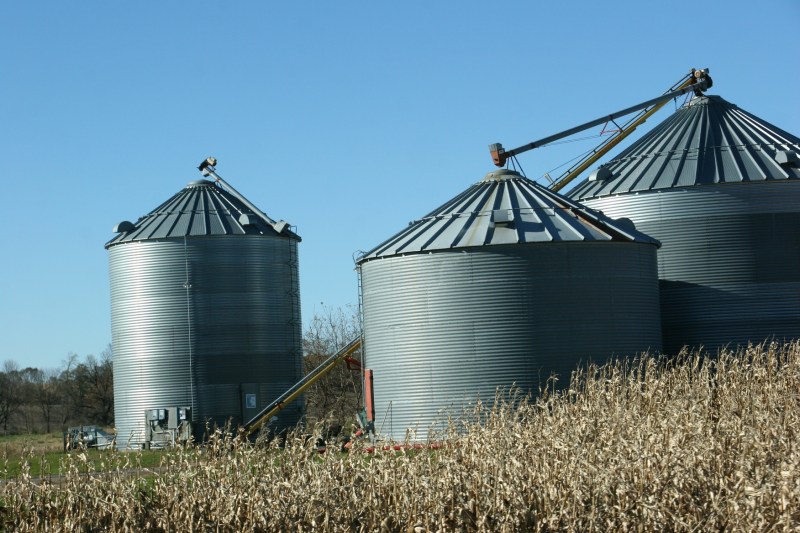
These grain bins sit a gravel road and short stretch of land away from the floodwaters of the Redwood River in Vesta.


I realize that soon (maybe even as I write) this flooding will be another memory as farmers ready for planting and, in several months, the harvest.


© Copyright 2018 Audrey Kletscher Helbling
 

This is April in southern Minnesota April 3, 2018

Filed under: Uncategorized — Audrey Kletscher Helbling @ 4:16 PM
Tags: , , , , , ,

The snowy scene in my southeastern Minnesota neighborhood Tuesday afternoon.


LIVING IN MINNESOTA, I find that winters sometimes get long. Too long. This has been one of them with unseasonably cold temps—try 15 degrees in my part of the state on Easter morning—and now more snow.


Snow falls thick and heavy in my Faribault backyard.


Heavy, wet snow. Snow globe snow. Beautiful, yet the kind of snow that can slick roadways if it sticks to the surface.


Aiming my camera lens upward, I see snow flying against a grey sky bordered by bare branches. Note: I edited this image to make it more visually appealing.


The kind of snow, too, that is termed heart attack snow. No explanation needed on that one.

I am wishing for spring. For no more snow. For 50 degrees. Heck, I’ll even take forty.


© Copyright 2018 Audrey Kletscher Helbling
 

Eagle watching in the Faribault area March 17, 2018

Filed under: Uncategorized — Audrey Kletscher Helbling @ 5:00 AM
Tags: , , , , ,


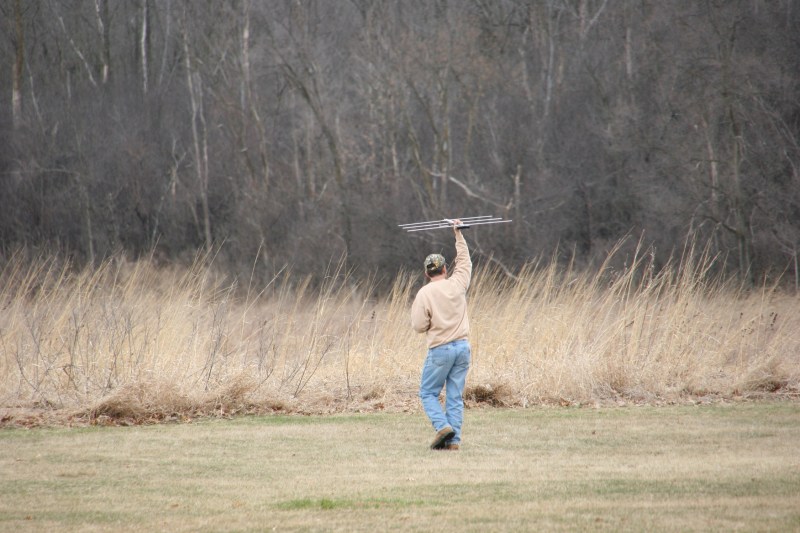
MARCH MARKS PRIME EAGLE viewing season in Minnesota. Read about my experiences spotting this majestic bird in a blog post published on the Visit Faribault tourism website.

And while you’re on the website, poke around and learn more about this place I call home in southeastern Minnesota.

Copyright 2018 Audrey Kletscher Helbling


The poetry of winter in the woods February 27, 2018

Filed under: Uncategorized — Audrey Kletscher Helbling @ 5:00 AM
Tags: , , , , , , , , , , ,


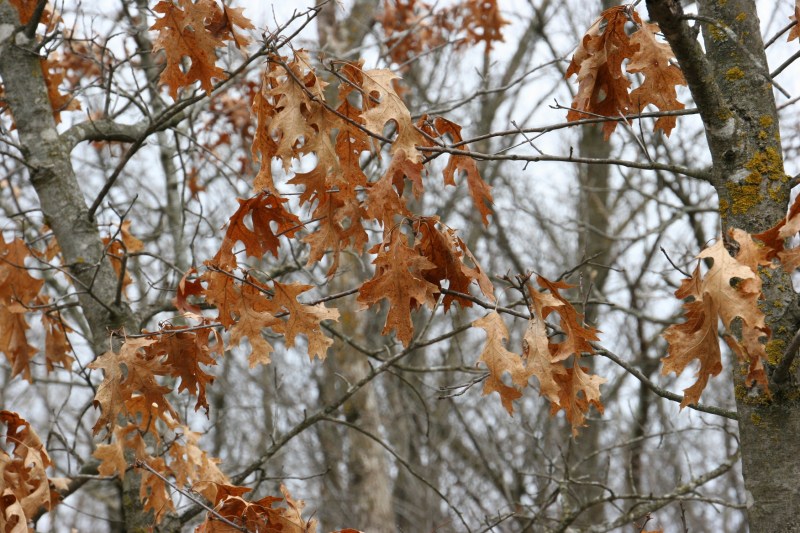
HERE IN THE NORTHLAND, Winter pens poetry upon trees. If only we pause to notice.


I noticed last week as I photographed the visual poetry that glimmered, layered, clung to tree branches within view of my backyard.


Freezing rain sluiced ice along branches like strings of diamonds draped upon the woods.


Then snow fell, icing the same branches in white.


Darkness emerged later with moody Winter unleashing roiling emotions.


Tangled. Twisted. Tumultuous.


But hope shone in the shelter of snowy evergreens, lovely in the gloaming of the day. I observed therein the loveliness a poet sees when words flow from the brain into layers of verses. There’s a feeling of satisfaction, of comfort, of accomplishment. And the light, oh, the light.


The sky, too, the setting for these poems of February, delights. Not when grey. But when blue, oh, so blue.


This is Winter’s poetry, written here upon the Minnesota landscape, if we but choose to see and read it.

© Copyright 2018 Audrey Kletscher Helbling
Check back tomorrow for a post that contrasts this one with a wish for Winter to exit.


February at the ballpark & I’m not talking spring training in Florida February 23, 2018

Filed under: Uncategorized — Audrey Kletscher Helbling @ 5:00 AM
Tags: , , , , , , , , , , , ,


ON A FEBRUARY AFTERNOON, sunshine heats the earth, slants shadows upon snow fallen fresh that morning. It is a rare day of respite from a too-cold winter in Minnesota and I am anxious to get outside.


So Randy and I hop in the Chevy and head toward Dundas, just south of Northfield. I want to walk in Memorial Park, home of the Dundas Dukes. Randy pulls the car into the riverside park, loops and stops on a snowy road next to a trail. We exit, tread with caution along a path, diverting off the icy route as needed to avoid slipping.


Passing the abandoned playground, I observe swings hung statue-still.


I note footprints through the snow leading to a Little Free Library. Used even in winter.


A short hike away, I step onto the foot bridge spanning the Cannon River.


I pause midway, focus on ruins of the Archibald Mill,


bridge shadows,


an open spot of water,


the river ribboning white between shoreline trees.


In the simplicity of this place, these scenes, I feel content. I am here with Randy, who appreciates the natural silence as much as me.


Overhead I watch a Delta airliner angling down toward the Minneapolis-St. Paul International Airport. I wonder about those aboard. Would they rather be leaving than arriving?


Some 1,700 miles away in the warmth of Ft. Myers, the Minnesota Twins toss and catch balls, swing bats and practice in the sunshine of opening week of spring training. Here in Dundas, opening day is still months away. I imagine the bold orange seats and grandstands filled with spectators, the cracks of bats, the swish of baseballs when the Dukes meet the Hampton Cardinals here on April 29. I can almost hear the conversations and laughter that will soon fill this place.


I head back toward the car, tracking in the footsteps of those who, like me, dream. Of sunny summer days. Of baseball. Of walks in the park. And of rivers that run free of ice, free of snow, free of winter under a Minnesota sky.

© Copyright 2018 Audrey Kletscher Helbling