Minnesota Prairie Roots

Writing and photography by Audrey Kletscher Helbling

A vacuum cleaner or roses? February 12, 2012

Filed under: Uncategorized — Audrey Kletscher Helbling @ 5:30 PM
Tags: , , , , , , , , ,

AS RICK MORRIS TELLS the story, he and his friend Charlie Mathern were having breakfast together some 20 years ago shortly before Valentine’s Day when they got the idea.

The two discussed partnering in print advertising. It seemed an unlikely match—Rick being in the floral business and Charlie in the hardware store business, both in Waseca.

But they hatched a plan to pit vacuum cleaners against flowers in a Valentine’s Day promotion. Charlie said he’d put his Hoovers on sale. Rick would advertise his flowers.

Twenty years later, they’re still at it, publishing a joint half-page ad in a recent issue of the Waseca Area Shopper that promises the perfect Valentine’s Day gift:

On Valentine’s Day, Charlie & Rick say—Sweep her off her feet! Vacuum Cleaner?…or Roses?

And then, in heart-shaped speech bubbles of poetic rhyme, Rick of Waseca Floral and Charlie of Charlie’s Hardware, push their product.

Charlie:

As you well know

violets are purple

and roses have thorns.

If she doesn’t get a Hoover

she’ll be truly forlorn!

Rick:

The Valentine gift of a vacuum is awful.

A beautiful bouquet of flowers is thoughtful!

Charlie:

Flowers demand your time and care.

So give her a Hoover to see love in the air!

Rick:

Giving a vacuum is utterly stupid.

Your sweetheart should get flowers from Cupid.

The back-and-forth bantering continues amid photos of vacuums intermixed with red hearts on the left side of the ad and images of floral arrangements interspersed with hearts on the right.

Says poet/businessman Rick of his and Charlie’s Valentine’s Day ad partnership: “It’s always been about vacuum cleaners and flowers.”

Nearly the entire half-page Valentine's Day print ad Rick and Charlie ran this year.

DISCLOSURE: My sister, Lanae, is employed by Waseca Floral. But that in no way influenced my decision to write this post. I learned about this 20-year ad partnership while photographing Valentine’s Day preparations at Waseca Floral. I know a great story when I hear one.  And, in my opinion, this rates as one of those interesting and humorous small-town stories that needs to be shared.

© Copyright 2012 Audrey Kletscher Helbling


When your day fails to go as planned January 27, 2012

Filed under: Uncategorized — Audrey Kletscher Helbling @ 10:30 AM
Tags: , , , , , , , , , , ,

I RECENTLY READ somewhere—and I read a lot—if you want to make God laugh, plan your day.

Well, God must have been rolling on the floor, laughing until he cried and his belly hurt on Thursday because I had one of those days. You know, the kind that veers completely from your intended course of action.

My main goal for the day was to finish pulling together financial information for the professional who completes our taxes. Now those of you who know me, either personally or via this blog, realize how much I detest numbers. Math whiz I am not. And to add to the stress this year, I once again need to file a Free Application for Federal Student Aid after a two-year respite. I despise forms, especially when numbers comprise the bulk of the required information.

I never got to the numbers on Thursday.

Rather, I spent most of my morning researching information for a document my husband needs for a church meeting on Sunday. I’m happy to help him, but I never thought the project would consume hours of my time.

I expect God was getting a chuckle out of that, his subtle reminder that perhaps I should give just a little more of my time to him.

The rest of the day slipped away in work-related issues with precious little time for writing.

Have you noticed the repeat of the word “time” in all three of the above paragraphs? Why am I so obsessed with time?

Despite my day failing to go as planned, I knew I had a delightful evening ahead. My husband and I had been planning for weeks to attend a presentation by Minnesota photographer Doug Ohman who has published a series of “Minnesota Byways” books.

But then, 50 minutes before Ohman’s talk, my husband called. The car had broken down on his way home from work and he needed a ride and a tow.

Long story short, we missed Ohman’s 6 p.m.presentation. (Who chooses these times anyway?)

After a late supper, kitchen clean-up and e-mail catch-up, I finally kicked back in the recliner to finish the final chapters in Still Standing: The Story of SSG John Kriesel by John Kriesel as told to Jim Kosmo.

About then, God must have been muttering to himself, “Well, she thinks she’s had a bad day…”

He was right, of course. Put in the perspective of all the problems and tragedies a day can bring, my Thursday rated as just fine, thank you. My legs weren’t blown off in a roadside blast. I wasn’t fighting to live. None of my friends had been killed in Iraq.

Minnesota National Guardsman Kriesel had dealt with all of that and managed to overcome, to be positive, to move forward with his life. His story is about as inspiring as any you’ll ever read.

And then, when I finished that book Thursday evening, I picked up Conversations with the Land by Jim VanDerPol, a Chippewa County farmer and writer. I’m only a few essays into his book, but already I appreciate the approach he takes to the land and to life in general. He pauses to notice, to savor, to value his land and his role as tender of the earth. His writing resonates with me, reconnects me to the prairie of my youth, the land that still influences my writing.

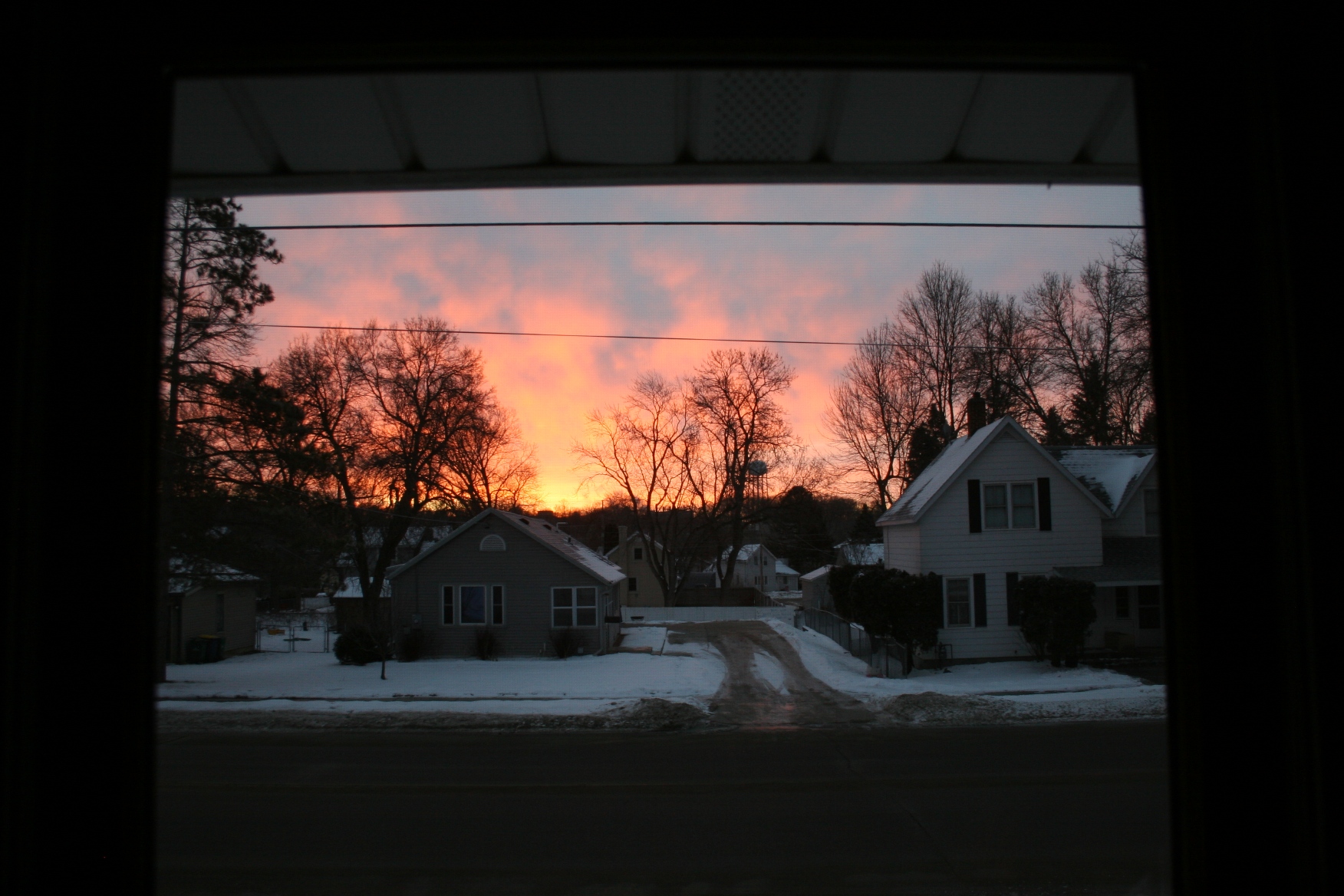
And so my Thursday ended and a new day has begun with a sunrise so splendid that my husband called to tell me about it, as he often does when the morning sky is especially beautiful.

The remnants of today's sunrise as viewed from my office window.

Several weeks ago, I started penning this poem after pausing to watch the sunrise:

Jam on toast

My fingertips lift within a mere whisper of the keyboard

as I halt, half-thought, words interrupted mid-sentence,

to tilt my head toward the window and the sunrise

spreading gold and pink across the sky like jam on toast.

#

In that morning moment, I want nothing more

than to dip my fingers into the jar of dawn,

to sample her sweetness, to taste of her earthy goodness,

to delight in sunshine and rain and succulent fruit plucked from vines.

#

PERHAPS TODAY should be the day I finish this poem.

Copyright 2012 Audrey Kletscher Helbling


An enlightening, poetic moment and more January 21, 2012

SOMETIMES I’M A SLOW LEARNER, mostly in math and science. But this time my delayed learning applies to words, specifically poetry.

Dear readers, don’t stop reading now simply because I mentioned the word “poetry.”

I prefer to read and write poetry that is down-to-earth and not so open to interpretation or overloaded with big words that I cannot possibly comprehend the content.

With that perspective, consider this: Poetry is meant to be read aloud.

“Duh,” you say. “She just figured that out.”

Yes, I did.

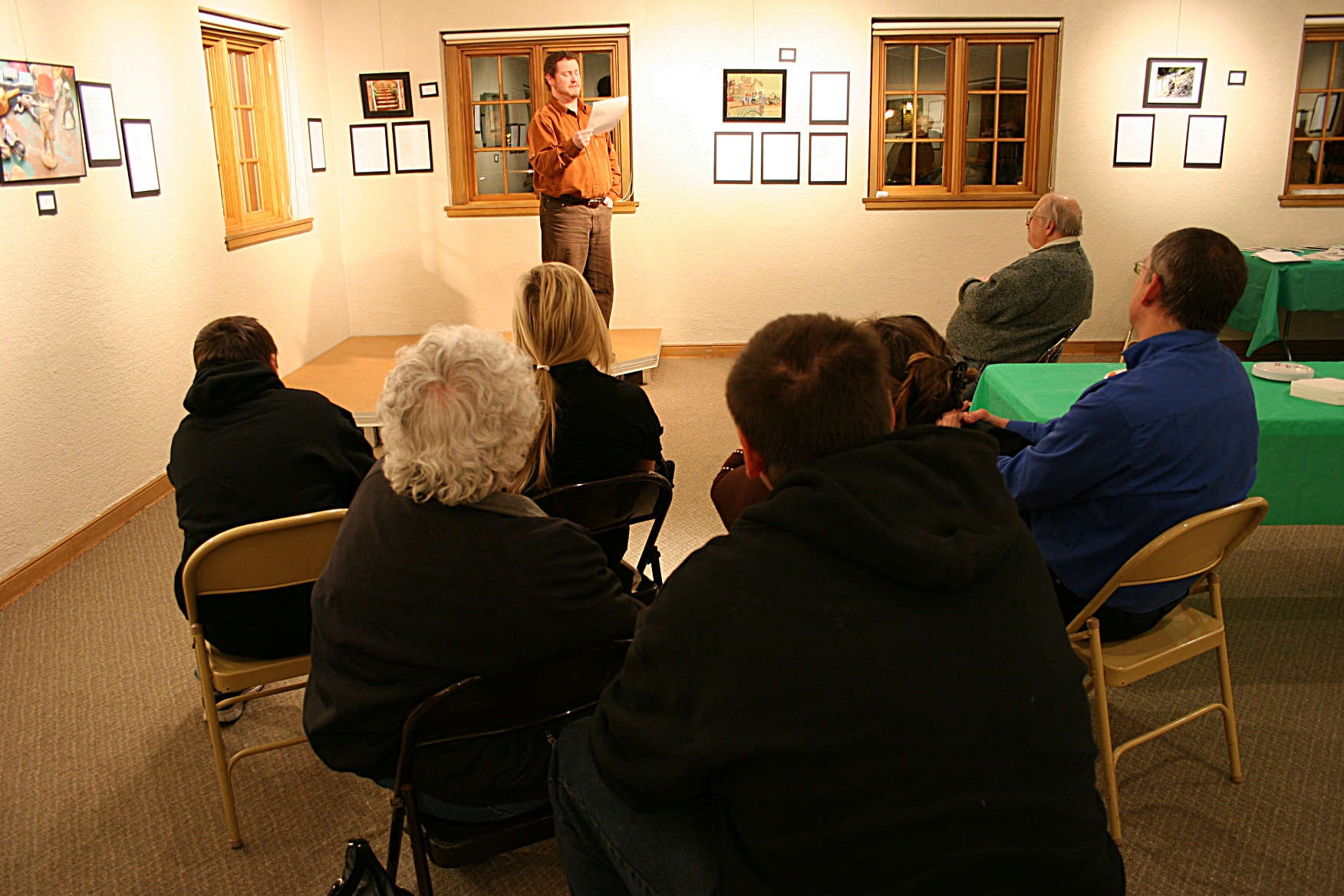
Poet Derek Liebertz reads a poem during "The Image and the Word 2012" reception. The poems are displayed next to the photos that inspired them.

Thanks to Derek Liebertz and Yvonne Cariveau, organizers of “The Image and the Word 2012” exhibit at the Emy Frentz Arts Guild in downtown Mankato, I now fully grasp the importance of reading poetry. Out loud. To an audience.

You see, I attended a reception Thursday evening for the poets and photographers whose work is featured in an exhibit that pairs photos and poems. During that event, Derek and Yvonne read poems inspired by those photos and also invited other participating poets, me among them, to read their works.

Only once, many, many years ago, have I read my poetry in public, unless, of course, you count all those times I read silly “married life” poems at cousins’ bridal showers decades ago. Public reading was not the easiest thing for me to do, but I managed.

The atmosphere on Thursday evening was so relaxed and casual, however, that I nearly breezed through reading two of the three poems I’d written. In hindsight, my readings could have been much better had I practiced at home. But I didn’t, and what’s done is done.

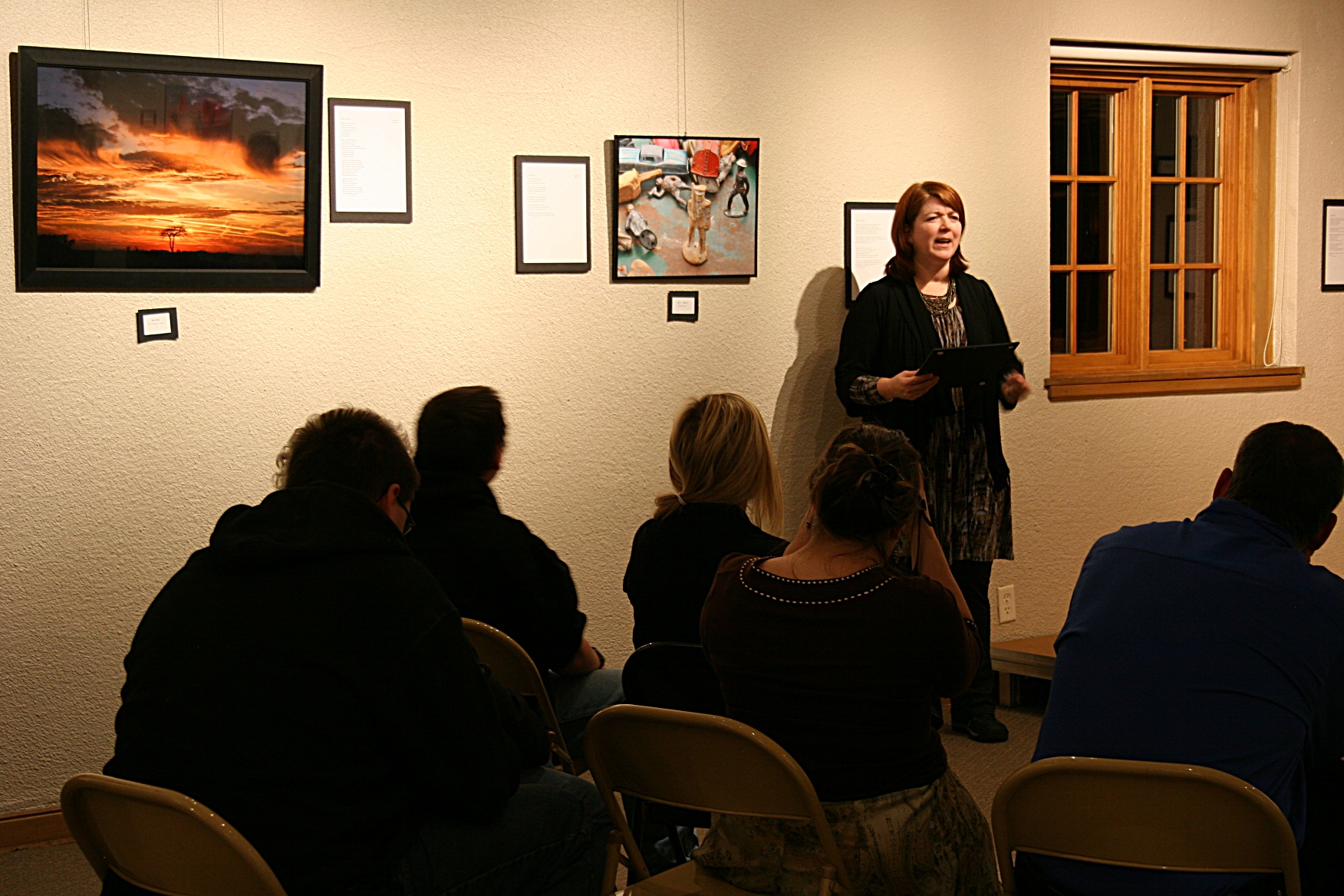
Yvonne Cariveau reads a poem. To the left is a photo taken by Kay Helms and voted as the "favorite photo" during the Thursday evening reception. The landscape image was taken along Highway 14 between Waseca and Owatonna.

The other poets, though, clearly were accustomed to and comfortable sharing their poetry with a listening audience. I listened with a learning ear, picking up on the drama, the cadence, the tone, the volume, the movement of the hands, the facial expressions and every nuance that conveyed the meaning and depth of a poem.

I got it. Finally.

That does not mean I’m eager to read poetry in public again. But I understand how a poem can be more fully appreciated when read aloud by its author.

Why did it take me so long to figure this out?

BESIDES THE POETRY lesson I learned Thursday evening, I also met and learned a bit about several other “The Image and the Word 2012” participants. Derek, for example, works as a programmer at his wife Yvonne’s company, Voyageur Web. Who would expect techies to write poetry? Not me. Derek, the most dramatic of the readers, tagged his day job as his “Clark Kent” persona. You have to appreciate a guy with that type of humor, which weaves into his writing.

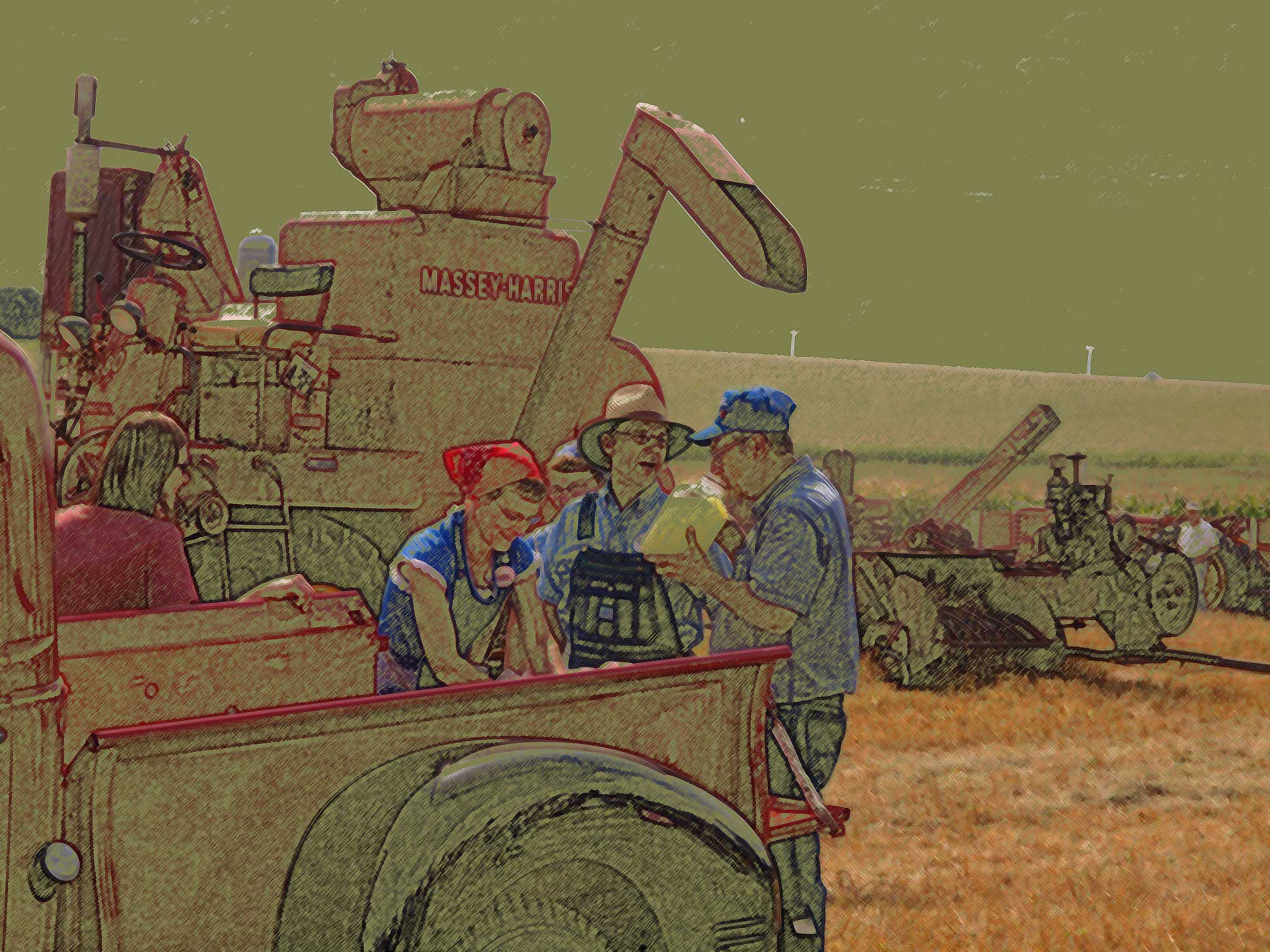
Then I met John Othoudt, a retired highway department employee turned photographer. His exhibit photo of farmers gathered at the tailgate of a vintage pick-up truck was taken at the Le Sueur County Pioneer Power Show. With a single click of his mouse, John edited the image into a pencil drawing style that makes the photo appear vintage 1950s. It inspired me to write “Taking lunch to the men in the field,” recalling the afternoons my older brother and I did exactly that on the Redwood County crop and dairy farm where we grew up.

"Lunch Time" by John Othoudt of Lake Crystal

I’d encourage you to click here and check out John’s photography. This man has talent. I share his passion for noticing details and photographing the often overlooked everyday and ordinary things in life. He shoots in the moment, he says. His “Lunch Time” photo, for example, happened as he was planning another shot. I understand. Some of my best photos have simply happened, unexpectedly.

Then I met Terri DeGezelle, whose credentials are even more impressive than those she shared with me Thursday. Click here to learn more about this woman who has written 64 nonfiction children’s books and is also an avid nature photographer. Her “Artist’s Colors,” a photo of colorful chalk, won the best paired photo-to-poem honor at the reception. Susan Stevens Chambers wrote the accompanying poem. I loved Terry’s enthusiasm and warm personality and the pure passion she exudes for the crafts of writing and photography.

As I was preparing to leave and thanking Yvonne for organizing the exhibit, I talked briefly with John Calvin Rezmerski, who encouraged me in my writing. His “Window” poem was voted as the favorite poem. Only until later, back home, did I learn that he is the League of Minnesota Poets current Poet Laureate and a well-known, established poet with 20 books, chapbooks and anthologies to his credit. He’s retired from teaching creative writing, journalism, literature, storytelling and more at Gustavus Adolphus College in St. Peter. Unlike me, he’s quite experienced at reading his work in public.

I met other delightful individuals, too, including Kay Helms, whose “The Witness Tree” was selected as the favorite photo at Thursday’s reception. The stunning sunset image was taken along U.S. Highway 14 between Waseca and Owatonna.

Helms’ photography will be displayed February 17 – March 18 at the Arts Center of Saint Peter in a collection of words and photos highlighting individuals who worked the land in south central Minnesota. Click here for details.

IN SUMMARY, Thursday’s reception proved invaluable for me. I learned that I could stand (or sit) before an audience and read my poetry without too much trepidation. I learned that poetry shines when read. And, finally, even though I was likely the most novice of the participating poets, I felt comfortable among all that talent. They are a fine bunch of poets, but more important, they are warm, kind and welcoming individuals with whom I enjoyed networking.

CLICK HERE TO READ a previous post I wrote about “The Image and the Word 2012.”

Click here to learn more about me, my writing and photography, including my published poetry credits.

© Copyright 2012 Audrey Kletscher Helbling

“Lunch Time” photo courtesy of and copyrighted by John Othoudt


Photos plus poetry equals what? January 17, 2012

OK, READERS, LISTEN UP. Time for a brief math lesson. Yes, math. Didn’t expect that from me, did you? But today I want you to solve a word problem. Remember those? Oh, how, as a child, I hated word problems like this:

If  Susie goes to the grocery store and buys 3 apples for 25 cents each, an orange for 33 cents and a candy bar for $1, how much change will she get if she gives the clerk $5?

Questions like that taxed my pathetic little math brain back in grade school. This equation requires multiplication, addition and subtraction skills, all of which challenged me considerably and still do.

But present a word problem (perhaps more of a riddle) like this and I will solve it in a snap:

If you add poetry to a gallery full of photos, what do you get?

Ah, so have I stumped you on this one?

The answer: “The Image and the Word 2012”

Of course, you might stop right now and say I tricked you into believing we really were doing math. And you would be mostly correct. But since I prefer words to numbers, what would you expect?

You can expect to see three of my poems exhibited at “The Image and the Word 2012,” a show that pairs poems with photos. The exhibit opened January 11 at the Emy Frentz Arts Guild, 523 South Second Street, in downtown Mankato.

The brainchild of poets Derek Liebertz and Yvonne Cariveau, “The Image and the Word” features photograph-inspired poetry from southern Minnesota poets. This photo by Antje Meisner, for example, prompted me to write “I am not Martha.”

"Cartwheel" by Antje Meisner and the inspiration for one of my poems.

You might expect that this playful image inspired an equally carefree poem. It did not. Rather, I penned a poem about my not-so-fond memories of a junior high gymnastics class. Any of you who could not, like me, execute a perfect cartwheel, somersault or tumble will surely relate to “I am not Martha.”

A second poem recalls memories of my brother and me taking lunch to our dad and Uncle Mike working in the fields. The third poem I will not discuss here, in print.

All of the poems in the exhibit were inspired by photos from Mankato area photographers, including members of the Bend of the River Photography Club. This fifth annual “The Image and the Word” exhibit is presented in cooperation with the Southern MN Poetry Society.

I’d encourage you to attend an opening reception for this exhibit from 5 p.m. – 7 p.m.  on Thursday, January 19.  This free-form event, where visitors can wander in and out of the gallery, will feature poetry readings. (I’m not so sure about that “reading” part; I prefer solitary writing to public speaking.) The photographers will also talk about their photos.

Just to entice you, wine and snacks will be available and all who attend this free event will receive a free poetry book. Yes. Free and free.

And while you’re there, vote for your three favorite poems, three favorite photos and the best pairing of photo to poem. Three, three and three.

Plan also to stop at numerous artistic locales during the Third Thursday Gallery Walk from 5 p.m. – 7 p.m. You can view new art and visit with area artists. Click here to see a complete listing of sites on this monthly gallery walk.

REGULAR GALLERY HOURS  for this exhibit are from noon – 4 p.m. Monday, Tuesday, Wednesday and Friday and from 4 p.m. – 8 p.m. Thursdays.

The show continues through February 15.

Mankato offers many other cultural opportunities, including WordWalk at Riverfront Park and a CityArt Walking Sculpture Tour. Check my June and July 2011 blog archives to read posts on those attractions.

I’m sorry if you don’t live in or near Mankato. I will try to take photos of the exhibit.

OH, AND THE ANSWER to that first word problem, well, it’s $2.92.

© Copyright 2012 Audrey Kletscher Helbling

Photo courtesy of Antje Meisner


Poetry in wine tasting November 14, 2011

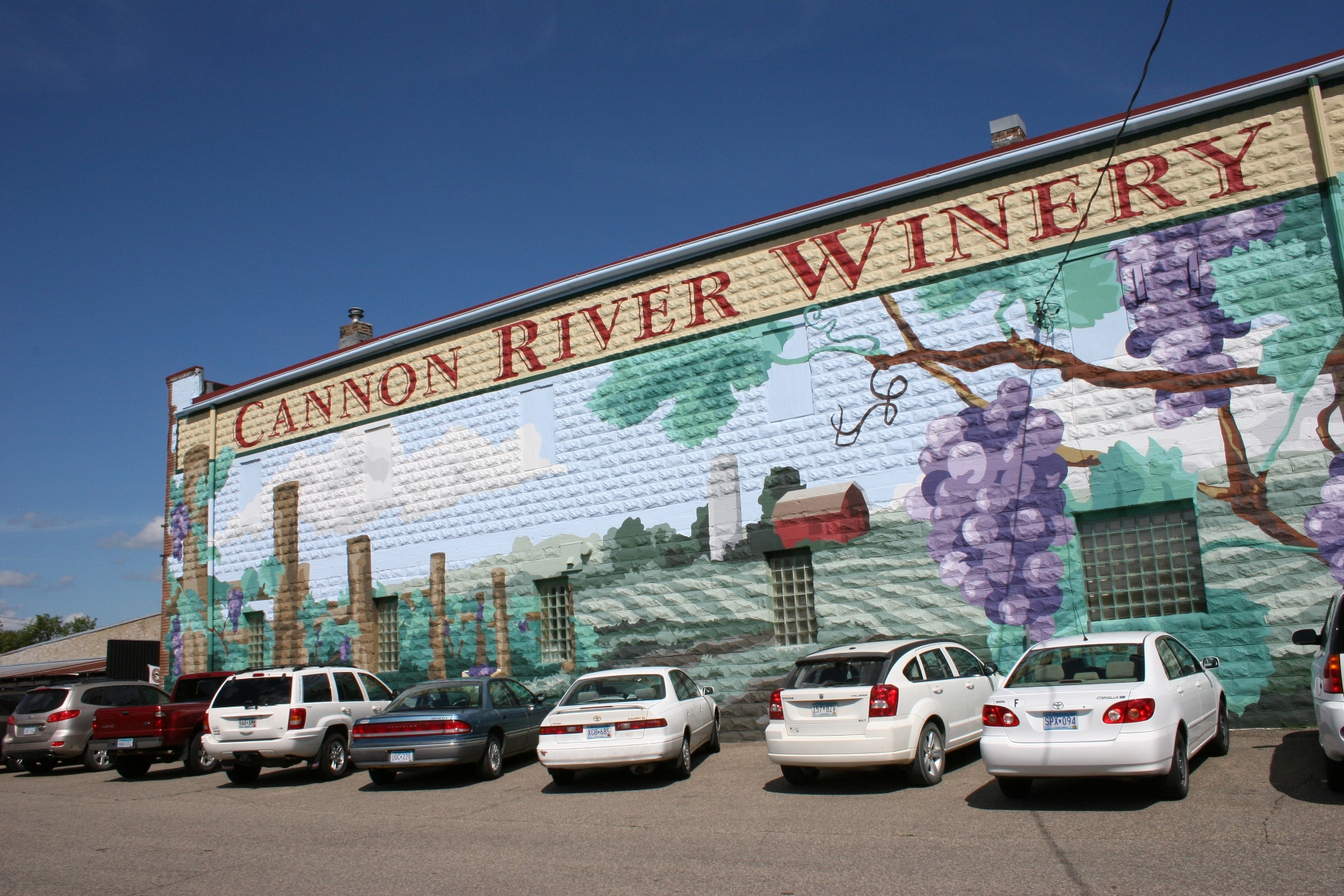
I photographed this gorgeous mural at Cannon River Winery in downtown Cannon Falls in mid-August. This was the only Minnesota winery represented at a wine tasting event in Faribault Friday evening.

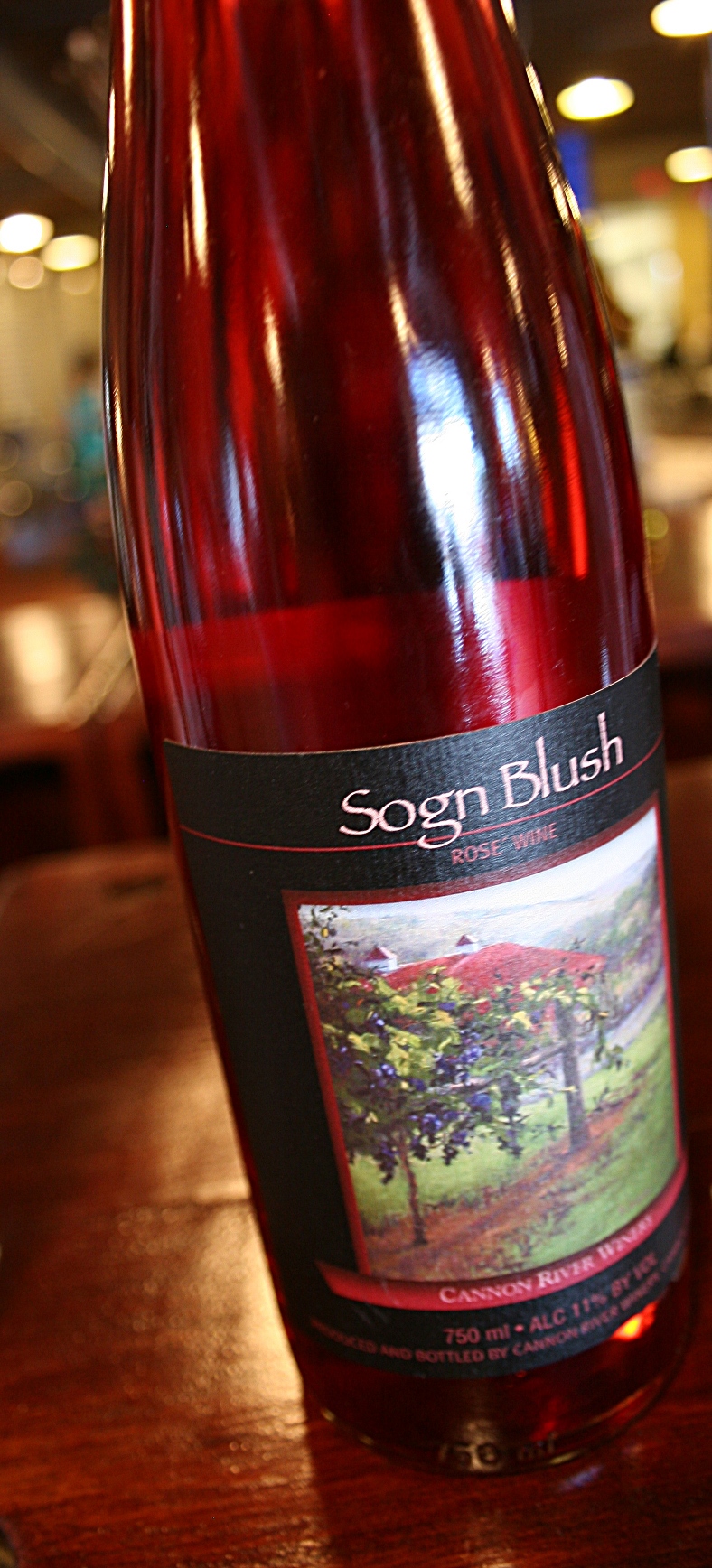
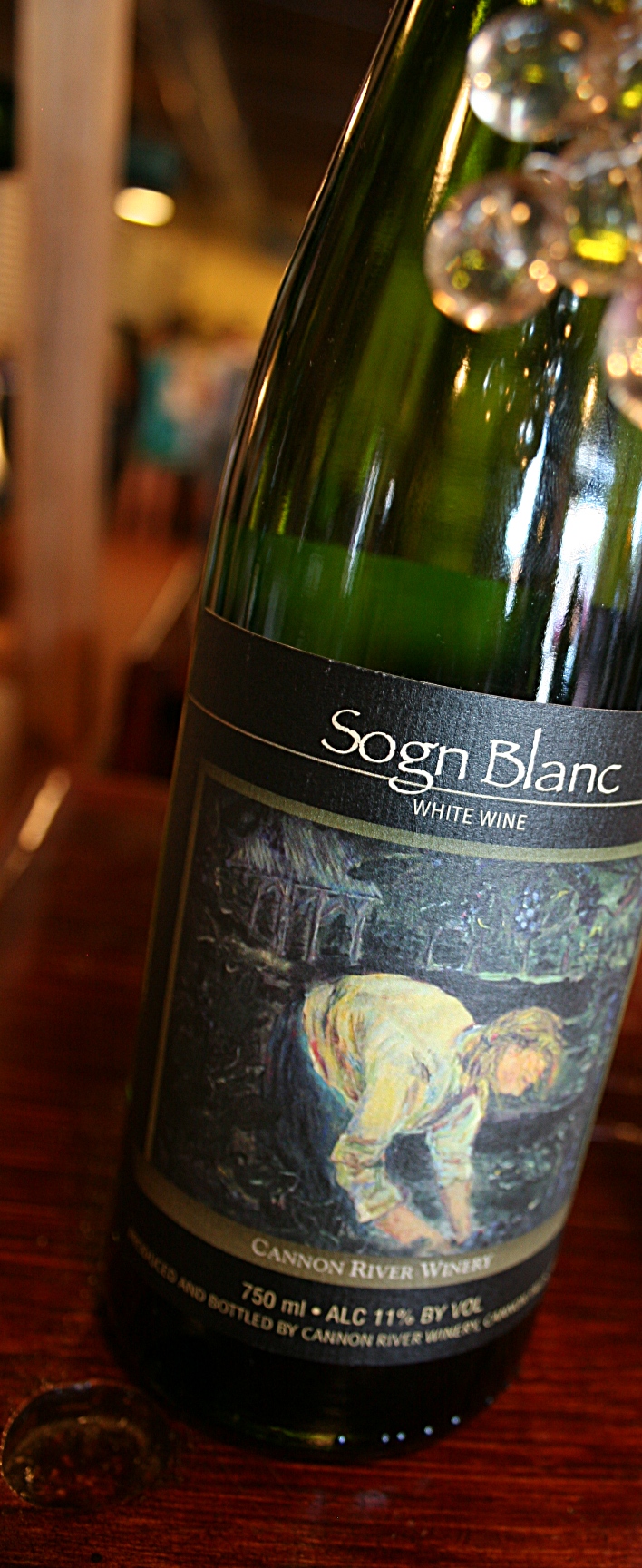
Cannon River Winery Sogn Blush with the label created by an artist from the region.

Crisp nuances of pink grapefruit, mango and sweet melon interwoven with hints of soft white tea and honeysuckle.

Flavors of rhubarb and black cherry complemented by hints of mocha, chocolate, spice and vanilla.

…slightly sweet with aromas of wild berries and just a hint of American Oak.

Welcome to wine tasting.

My husband and I embarked on our first-ever wine tasting experience Friday at the Paradise Center for the Arts Members Appreciation Night in historic downtown Faribault. I know. You’re thinking: “She’s never been to a wine tasting party…”

Well, well, isn’t life all about new experiences no matter your age?

Once Randy and I got our instructions, wine glasses and guidebook, from whence the above lovely and poetic phrases have been lifted, we headed into the Paradise theatre to sample wines.

We quickly discovered that, with 45 wines available, we would need to be selective in our sampling.

We also surmised that we needn’t be “Minnesota Nice” and finish off any wine samples we disliked. “Just pour it in here,” we were instructed. And so we did, whenever we found a wine too bitter or not quite delivering as described.

And so the evening proceeded—meandering and sipping and repeating “I don’t like dry wine,” and chatting with friends and acquaintances. We discussed the wines, traded glasses and sipped and sampled and asked each other, “Do you like this one?”

It was fun.

We’re never going to become wine connoisseurs. But if Randy and I pick up tidbits here and there, we learn a thing or ten that might assist us with selecting wines. I mean, I’ve bought wine in the past because I liked the label design or name or bottle, silly as that may sound. So, yes, graphic designers, artists and marketers, you can influence my wine choices with creative and visually appealing packaging.

Friday night, words also impacted my wine tasting decisions. Imagine that—words influencing me.

I mean, could you resist …zesty aromas of orange, lemon-lime and peach…silky, black-cherry elegance…memorably lush…exquisitely sweet…decadent character…intriguing layers of fresh pineapple, green apple, crisp lemon, juicy pear and wildflowers…?

(How do you get a job describing wines? That’s a writing assignment I could savor given I enjoy turning a poetic phrase now and then.)

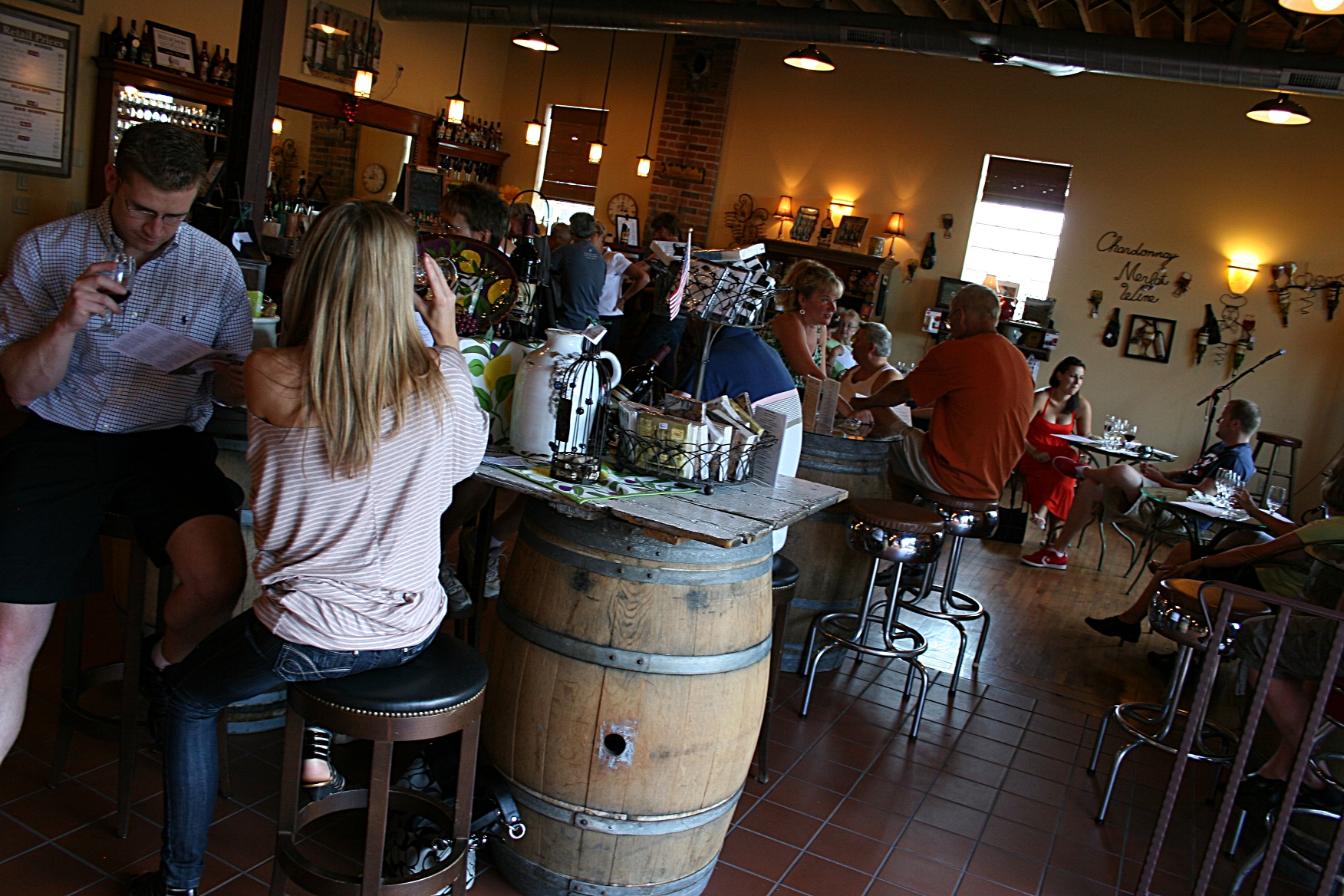
Visitors to the Cannon River Winery enjoyed Minnesota wines on an August afternoon.

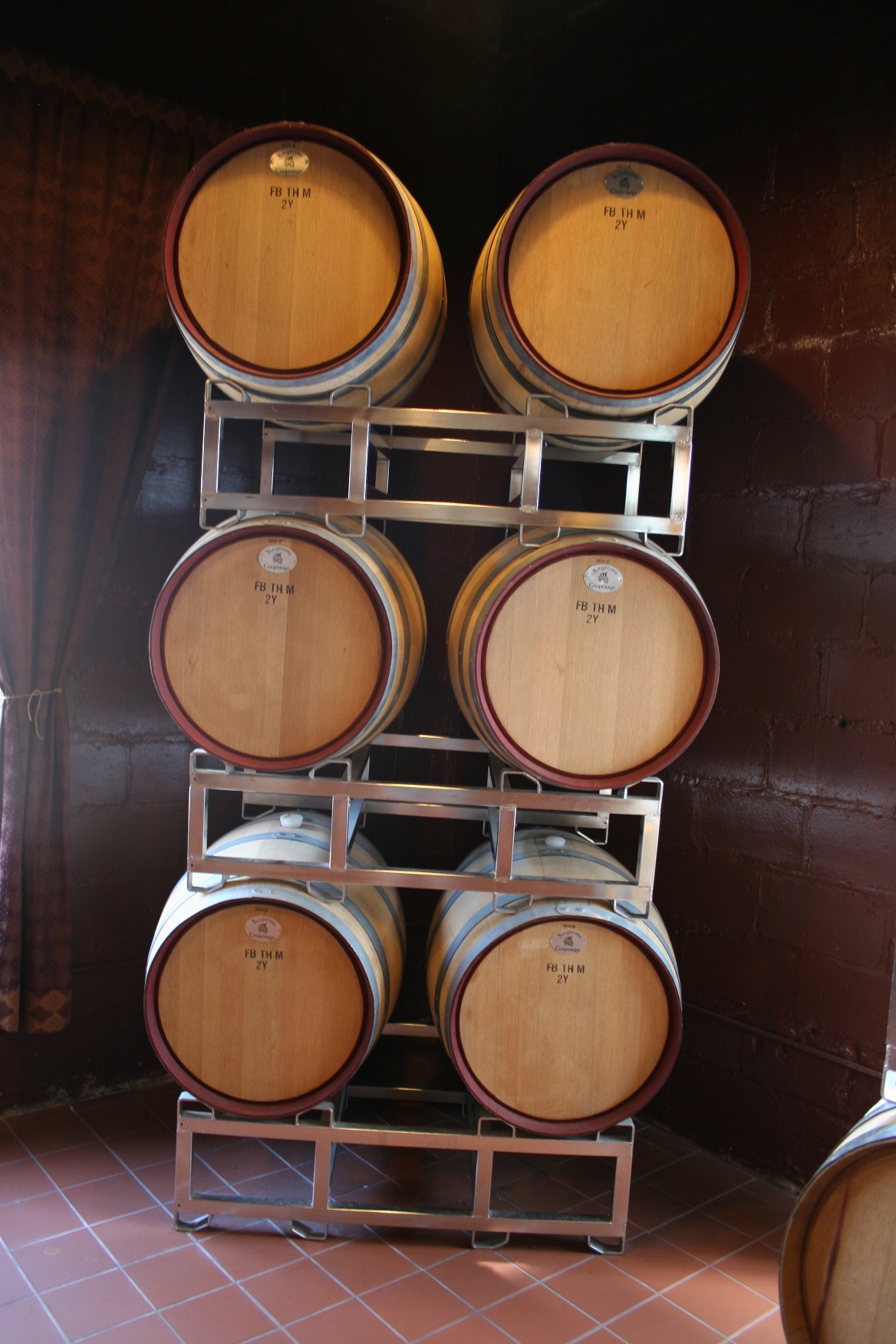
Wine barrels inside Cannon River Winery.

The labels for Cannon River's "Sogn" series are designed by regional artists who compete for the honor. Currently, you can vote for your favorite Sogn art at the winery.

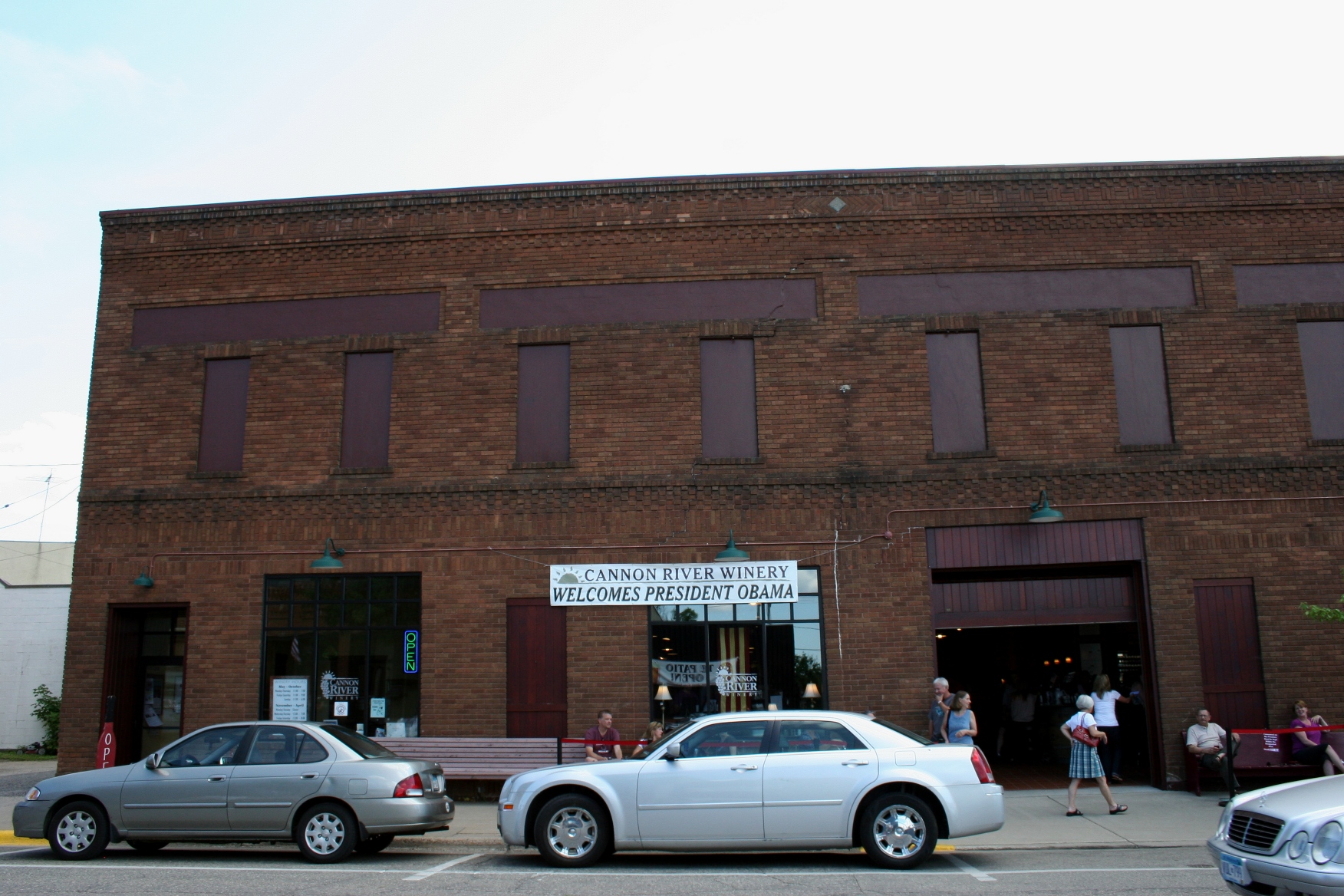
A former garage houses the Cannon River Winery. President Obama visited Cannon Falls, thus the welcome sign on the winery during my mid-August visit..

Click here for more information about Cannon River Winery.

© Copyright 2011 Audrey Kletscher Helbling

Wine description source: Paradise Center for the Arts Holiday Wine Tasting booklet; wine selections sponsored by Haskell’s.


Stone & Sky October 27, 2011

LARRY GAVIN once lived in Belview.

So, you’re likely thinking, “What does that matter and who is Larry Gavin and where the heck is Belview?”

Well, dear readers, especially readers of poetry, Larry Gavin is a poet. He moved to Belview, a southwestern Minnesota prairie town of 375, to study writing with great writers like Howard Mohr, Leo Dangel, Fred Manfred, Joe and Nancy Paddock, Phil Dacey, Robert Bly, Bill Holm, Don Olsen and many others. Do you recognize some of those names? You should.

I’m not trying to be uppity here. But Bly, who was born in Madison (Minnesota, not Wisconsin) and still lives in the western part of our state, is one of Minnesota’s most distinguished poets. Holm, a well-known essayist, author and poet, wrote numerous books, including Boxelder Bug Variations. Up until his death, he lived in his prairie hometown of Minneota (Minnesota without the “s”), where residents celebrate Boxelder Bug Days. Howard Mohr penned How to Talk Minnesotan, a must-read for every transplant to our state.
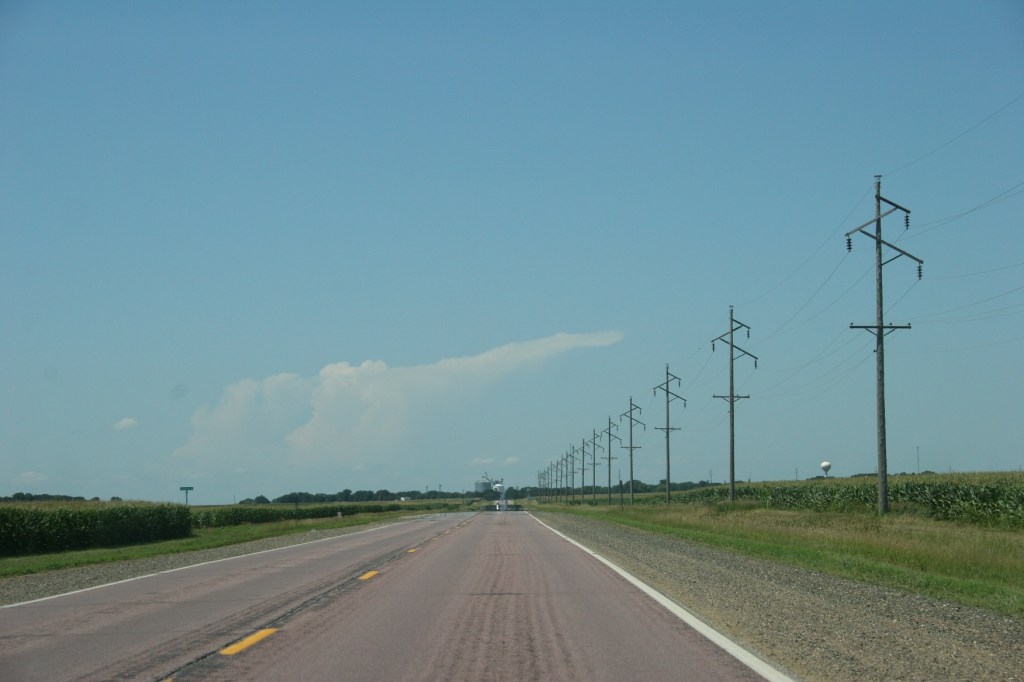
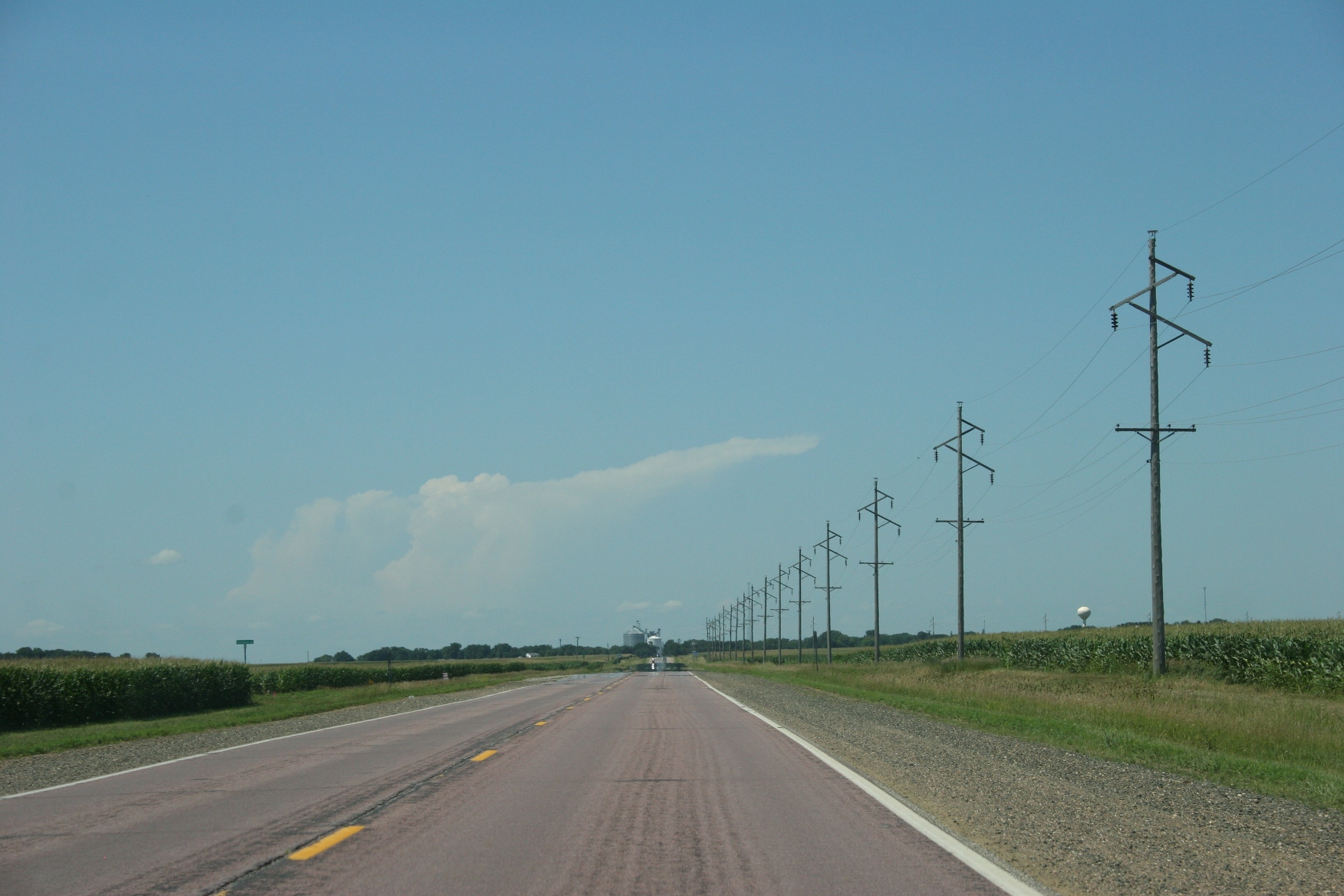
Driving through the southwestern Minnesota prairie near Morgan, about 25 miles from Belview.

Larry Gavin learned from these great writers of the prairie, where he lived for 15 years many years ago. Gavin made his home in Belview, just off State Highway 19 and some 10 miles or so from my hometown of Vesta. He served as the town’s mayor for two terms and taught English at Redwood Valley High School, back then Redwood Falls High School.

It is that connection to my home area and our shared love of language and writing and of the prairie that has connected me to Gavin, who today lives in Faribault and teaches English at Faribault High School. At least one of my daughters, if not both, has been taught by him.

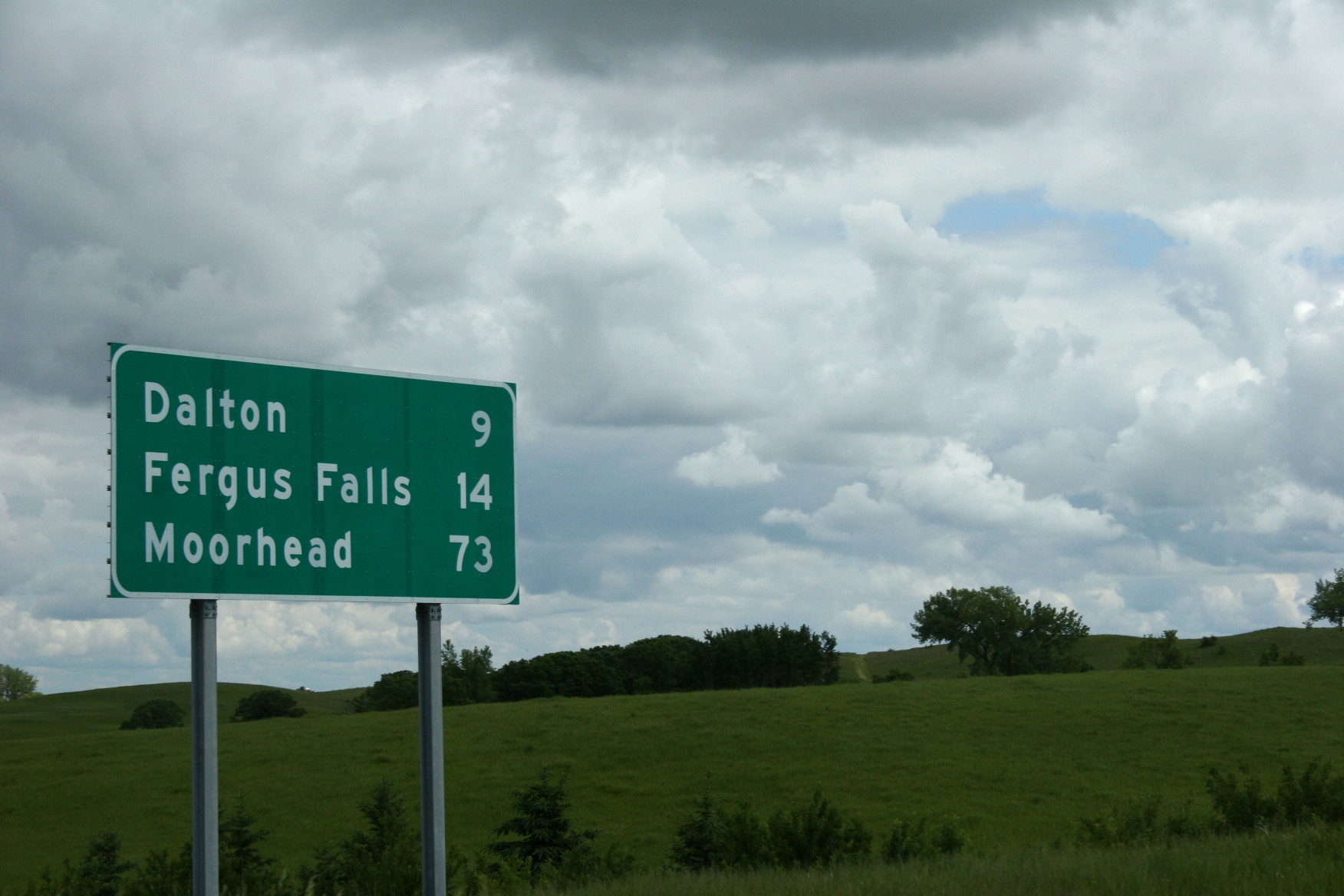
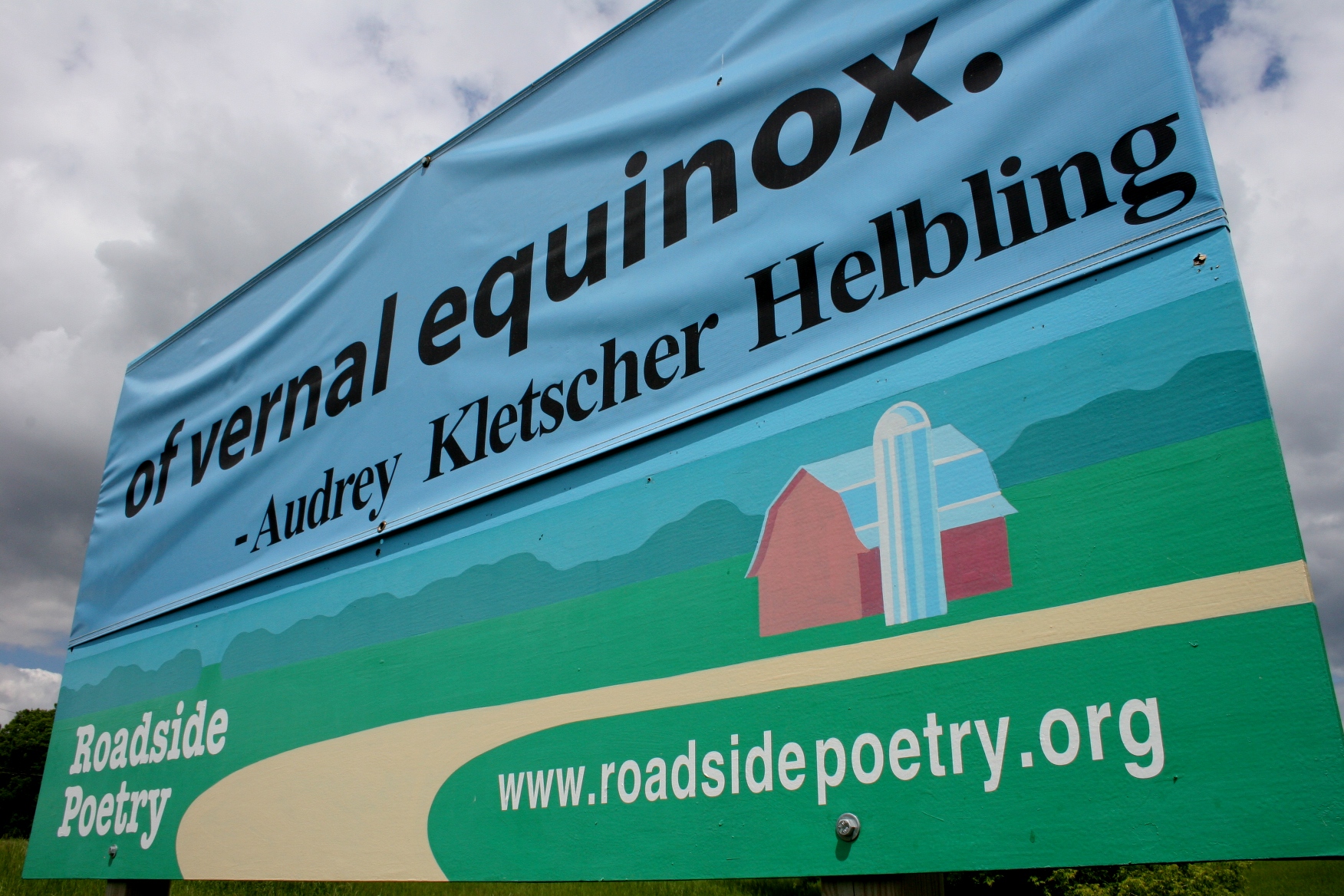
We both won Roadside Poetry competitions–Gavin the first in 2008 and me, this past spring–and had our four-line poems showcased on billboards in Fergus Falls.

I once asked Gavin to read one of my poems at a local author event. Gavin is meant to read poetry. He has the kind of rich, deep voice from which words flow with the rhythm and inflection of someone who clearly loves language.
Larry Gavin during an author event at Buckham Memorial Library in Faribault.

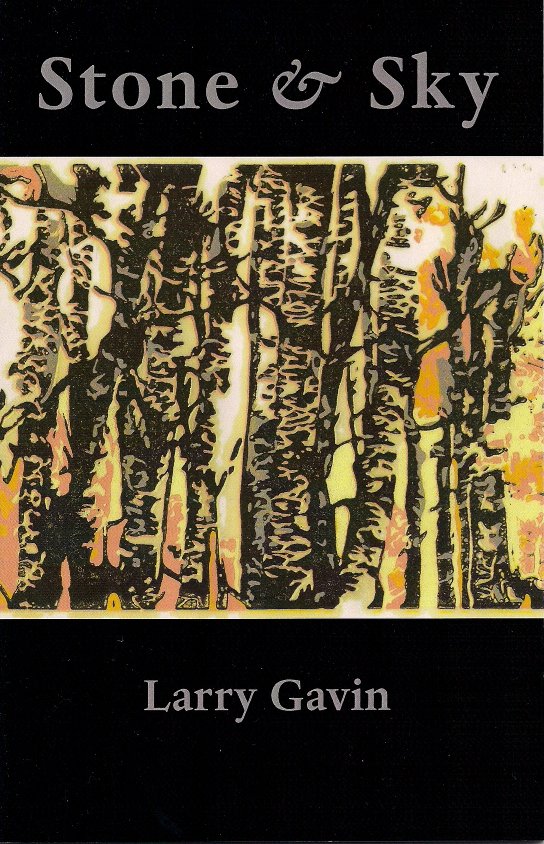
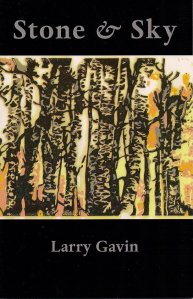
Gavin is also meant to write poetry. And he’s written enough to fill three slim books—Necessities, Least Resistance and his just-released Stone & Sky. All have been published by Red Dragonfly Press, a noted not-for-profit literary press based in Red Wing.

When I read Gavin’s poetry, I can sense his deep connection to the land and to nature, shaped, I would like to think, partially by his years on the prairie. When you live on the stark prairie, where the land stretches flat and far and where the sky dwarfs all else and where the wind blows nearly unceasing, you can’t help but write with a strong sense of place and with detail. I see that in Gavin’s poetry.

In his newest book, Stone & Sky, I read of woods and firewood, of raccoon tracks and a walk along a deserted street. Of stone and sky and snakes. I recognize places from here, in Faribault. I recognize, too, prairie-influenced writing.

I don’t pretend to understand every poem in Gavin’s latest collection. But poetry is always open to interpretation and that which I may not find meaningful today I may come to understand at a later time.

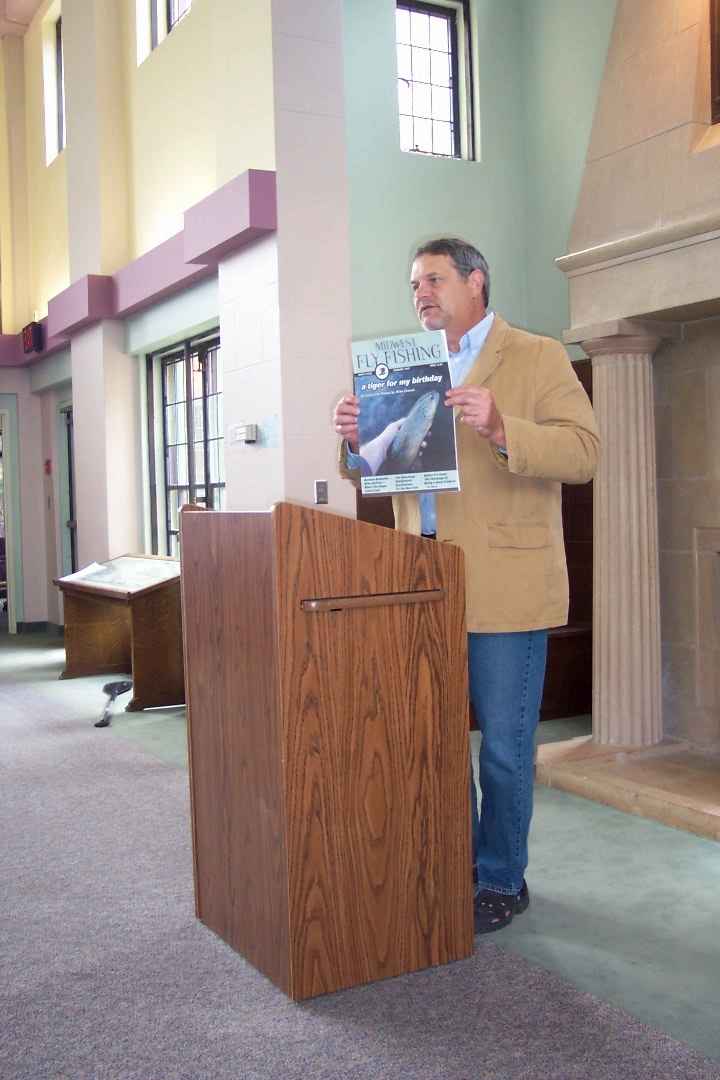
All that said, I posed a series of questions to Gavin, who has written more than poetry. For fifteen years he worked as a field editor for Midwest Fly Fishing magazine, taught at the magazine’s school in Montana in the summer and helped with the Chicago and Minneapolis fly fishing expos each spring. He currently writes for Outdoor News.
My questions to him, however, specifically address his poetry writing. I found his answers insightful and, at times, surprising.

Q:  How long have you been writing poetry, why, and when did you consider yourself a poet?

A:  I started writing poetry in sixth grade and that’s when I started considering myself a poet. I’ve written ever since.

Q: What inspires you and/or influences your poetry?

A:  Work inspires me. Everyday I get up and write something. I don’t miss a day. Inspiration has very little to do with it for me. I like working out ideas and problems in writing each day.

Q:  How would you define your poetry style and content?

A:  I consider myself an inheritor of the great romantic tradition of poetry. That, in my mind, goes from Wordsworth to Yeats and Hopkins to Robert Frost and Wallace Stevens, to Gary Snyder and others. The natural world as reflected and defined by human thought and feelings. The great gift we give to the world is our thoughts and feelings about big issues: transcendence, hope, justice, peace, and love.

Q:  This is your third collection of poetry issued by Red Dragonfly Press. What was the process to getting published by this well-respected Minnesota press?

A:  Scott King is the publisher and I submit a manuscript to him. He responds either yes or no and if he accepts it the manuscript gets in line to be published. The most recent book took about four years to appear. Publication is based on press funding and a variety of other factors. I’m patient and not particularly ambitious.

Q:  Tell me about the content and theme in your first two collections, Necessities and Least Resistance.

A:  They are very different from one another. The poems deal with the natural world as seen through simple objects and ideas. They attempt to make sense of complex subjects like love and our interaction with nature in a pure form of language, and the tools poetry gives us like meter and rhyme. The poems are an explication of the world in the context of the universal individual.

Q:  Stone & Sky just released. It’s an interesting title. How does the title tie in with the content? What is the common thread running through the poems in this collection?

A:  Stone & Sky stretches the boundaries of what is real. It looks at the world in a more magical way. Not magical as fabricated but more magical as mystical – as another way of being real. The language, the images, and the poems stretch the boundaries of what is real and hopefully get at reality in a new way. They are still anchored in the natural world, still anchored in the local, but the themes, like the title, are basic, elemental.

Q:  If you were to select your favorite poem in Stone & Sky, which would it be and why? How about a favorite line?

A:  Actually they are all favorites right now. And you have to remember, I’m on to new things after four years.

Q:  Your love of nature shines in your writing. So does your love of language. How do you combine the two into poetry that sings with descriptive lines? How do you know when you’ve “nailed it,” when you have a poem exactly where you want it?

A:  The old elements of poetry combined in new ways. Rhyme, meter, repetition – give poems life. Everything is a work in progress; they’re never really finished.

Q:  Are you working on another collection? Or are you simply just always writing poetry?

A:  My next collection is called The Initiation of Praise and I’ll start sending it out soon. I also have a selected works which focuses just on outdoor poems. I’m also working on some short stories, and I write an article each week as well.

READERS, Stone & Sky is available from Red Dragonfly Press at  www.reddragonflypress.org and also at Monkey See Monkey Read (in person or through internet sales), an independent bookstore at 425 Division Street, Northfield. Eventually, Stone & Sky will also be available through Amazon. Cover cost is $10.

© Copyright 2011 Audrey Kletscher Helbling

Photo and book cover courtesy of Larry Gavin


Differences & bridges October 24, 2011

I WANT TO SHARE two items with you today. Both are different, yet alike, because they’re about differences. Differences between cultures and differences between states.

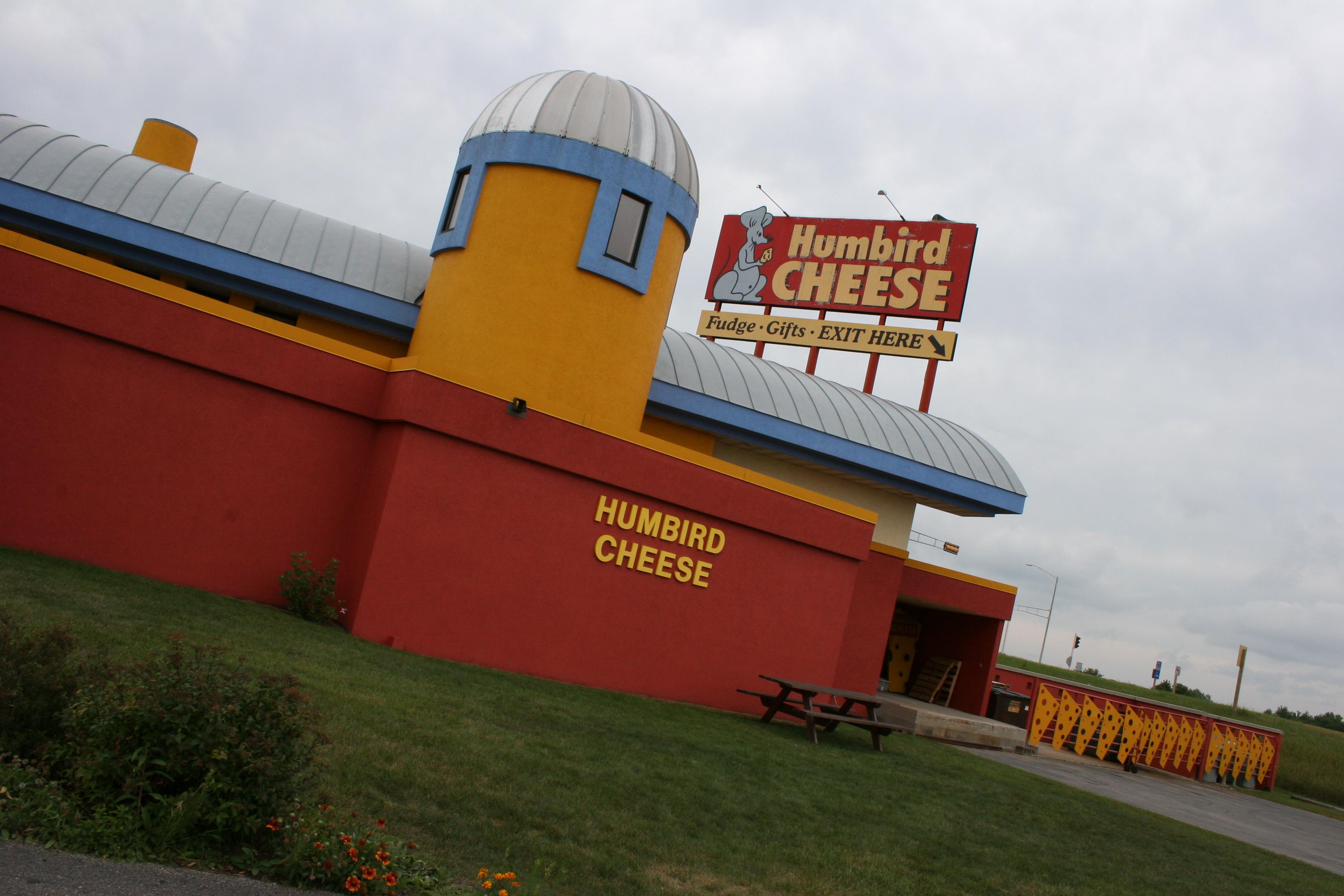
Humbird Cheese, a popular tourist stop at Tomah, Wisconsin.

Let’s start with the humorous of the two, a little story from my second daughter, who lives in eastern Wisconsin.

Along with a photo, she sent this text message: “They teach them early in wi.”

I studied what appeared to be a child’s drawing of a hefty hunk of cheese and a mouse, along with words too miniscule to decipher on my cell phone screen.

M: “It was a drawing with a haiku in a surgery dept waiting rm. Can u read the haiku or is it too small?”

Me: “I can’t read it.”

M: “It says ‘I love to eat cheese. Swiss Colby pepperjack too. I’m almost a mouse.’ By devon age 9.”

Honestly, don’t you just have to laugh at the subject of this haiku. Of all “the things I love,” this 9-year-old Wisconsinite wrote about cheese?

Would a Minnesota child ever choose to write a cheese haiku?

Wisconsin, I love your cheese, really I do. And I love how your kids love your cheese.

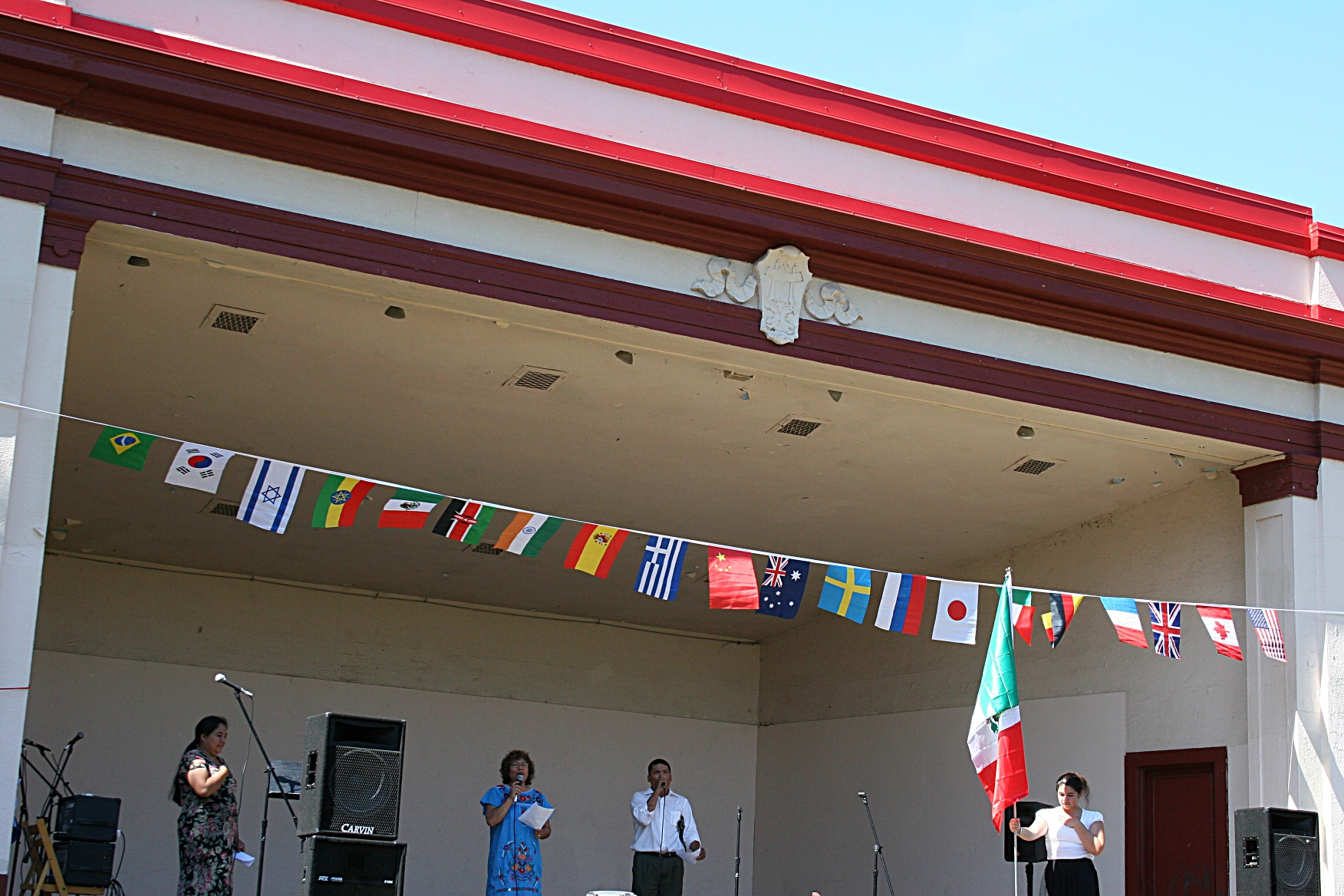
Numerous cultures were represented during the International Festival held in September at Central Park in Faribault. Here singers perform the Mexican national anthem in the band shell.

NOW TO THE OTHER  STORY about differences, written by sports reporter Brendan Burnett-Kurie and published Sunday on the front page of The Faribault Daily News. Here’s the headline for that top-notch feature, which should be required reading in every Faribault (maybe even Minnesota) classroom and home:

“The beautiful team…How the Cannon Valley soccer team bridged cultural gaps and came together around the game they love.”

I tipped Brendan off to this story after my good friend Mike Young told me about the soccer team at Cannon Valley Lutheran High School in Morristown. Mike serves as the school’s volunteer development director. Yes, you read that correctly. Volunteer.

But back to Brendan’s story. He wrote about the school’s recently-rejuvenated soccer team which includes a melting pot of students—of different ethnic backgrounds, different sizes, different ages and from different schools. (CVLHS, with less than 20 students, couldn’t field a team solely from within.)

It’s one of those feel-good stories that make you smile. These boys became a team and became friends. Differences didn’t matter to them. Not differences in their skin colors, their heights, their ages, their shoe sizes, their anything.

Brendan writes: “One day during practice they all took off their shoes and flipped over the tongues, comparing the sizes. Little fourth-grader Yianko Borrego had size 4 feet. The largest were size 13.”

These boys can all teach us a thing or a hundred about acceptance.

FYI: To read Brendan’s outstanding feature, click here.

© Copyright 2011 Audrey Kletscher Helbling


Gaining confidence as a poet October 19, 2011

I THINK ALL WRITERS, if we’re honest with ourselves, face insecurities about writing.

Can we write? Is our writing “good enough” to publish? Will anyone read, or even care about, what we write?

I’ve long overcome any issues I faced about journalism style writing. I’m confident in my abilities to pull together a good feature story or another journalistic piece given my educational background in mass communications and my years of experience in journalism. And with several years of blogging to my credit, I’m also confident in that writing style.

It’s poetry which has challenged my confidence. Although I’ve written poetry off and on since high school—which stretches back nearly four decades—I’ve never written much poetry, at least not enough to consider myself a true poet. Until now.

Finally, this year, with the publication of two poems in two Minnesota literary journals and winning the spring Roadside Poetry contest, I’m comfortable adding “poet” to my writing credentials.

Getting to the point of feeling comfortable with the term “poet” really began 11 years ago with publication of a poem in Poetic Strokes, A Regional Anthology of Poetry from Southeastern Minnesota, Volume 2. I considered that a stroke of good fortune. But when four more poems published in the next two volumes, I began to think that maybe, just maybe, I could write poetry. After all, I had competed against other writers to get into the Poetic Strokes anthologies.

Then I had a poem accepted for publication in The Lutheran Digest.

Next, I earned an honorable mention for my poem, “Hit-and-Run,” published last year in The Talking Stick, Forgotten Roads, Volume 19.

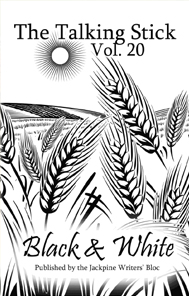
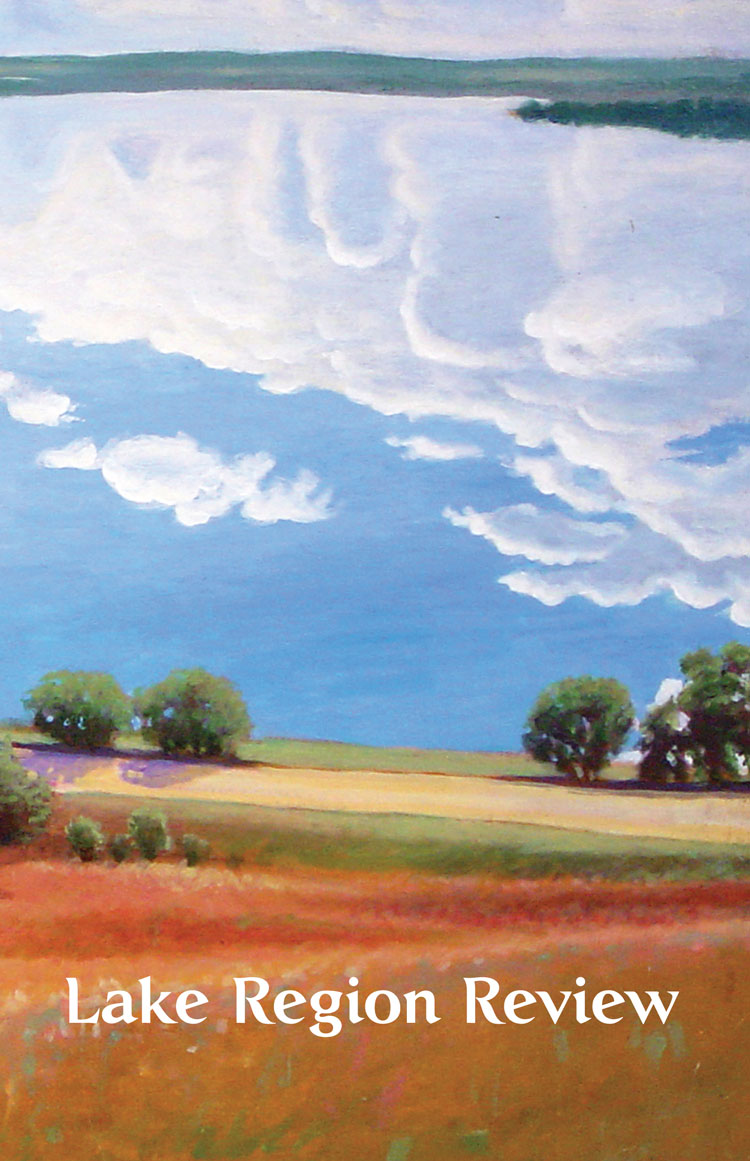
Finally, this year, I had an official poet epiphany when I entered three poetry competitions and was subsequently published on Roadside Poetry billboards, in The Talking Stick, Black & White, Volume 20 and Lake Region Review.

Although I don’t know how many poets I competed against in Roadside Poetry, I do have the numbers for the two literary journals. The Talking Stick this year published 140 pieces of poetry, creative nonfiction and fiction from 99 writers, me being one of them with my poem, “Abandoned Barn,” and my creative nonfiction, “Welcome Home.” That’s out of 326 submissions from 171 writers.

Look at the list of writers, and you may recognize a few names like Marge Barrett, Tim J. Brennan, Charmaine Pappas Donovan, Jerry Mevissen, Candace Simar…

It’s quite a process to get into The Talking Stick with five members of The Jackpine Writers’ Bloc reading all of the entries and then an editorial board meeting to vote and discuss. The top four to seven favorites in each category are then forwarded to celebrity judges—this year Kris Bigalk, Kevin Kling and Alison McGhee—to choose first and second place winners in each division.

As for Lake Region Review, the process of selecting the works for publication is equally as rigorous. Co-editors Mark Vinz—author, professor emeritus of English at Minnesota State University Moorhead and first coordinator of MSUM’s Master of Fine Arts in Creative Writing—and Athena Kildegaard—author and lecturer at the University of Minnesota Morris—worked with a staff of 10. They read more than 200 submissions before narrowing the field to 27 established and emerging writers.

I’m one of those 27.

And so is Leif Enger, author of the 2001 New York Times best-seller Peace Like a River, which happens to be a favorite book of mine. It’s nice to be in the company of someone who, like me, writes with a strong sense of place.

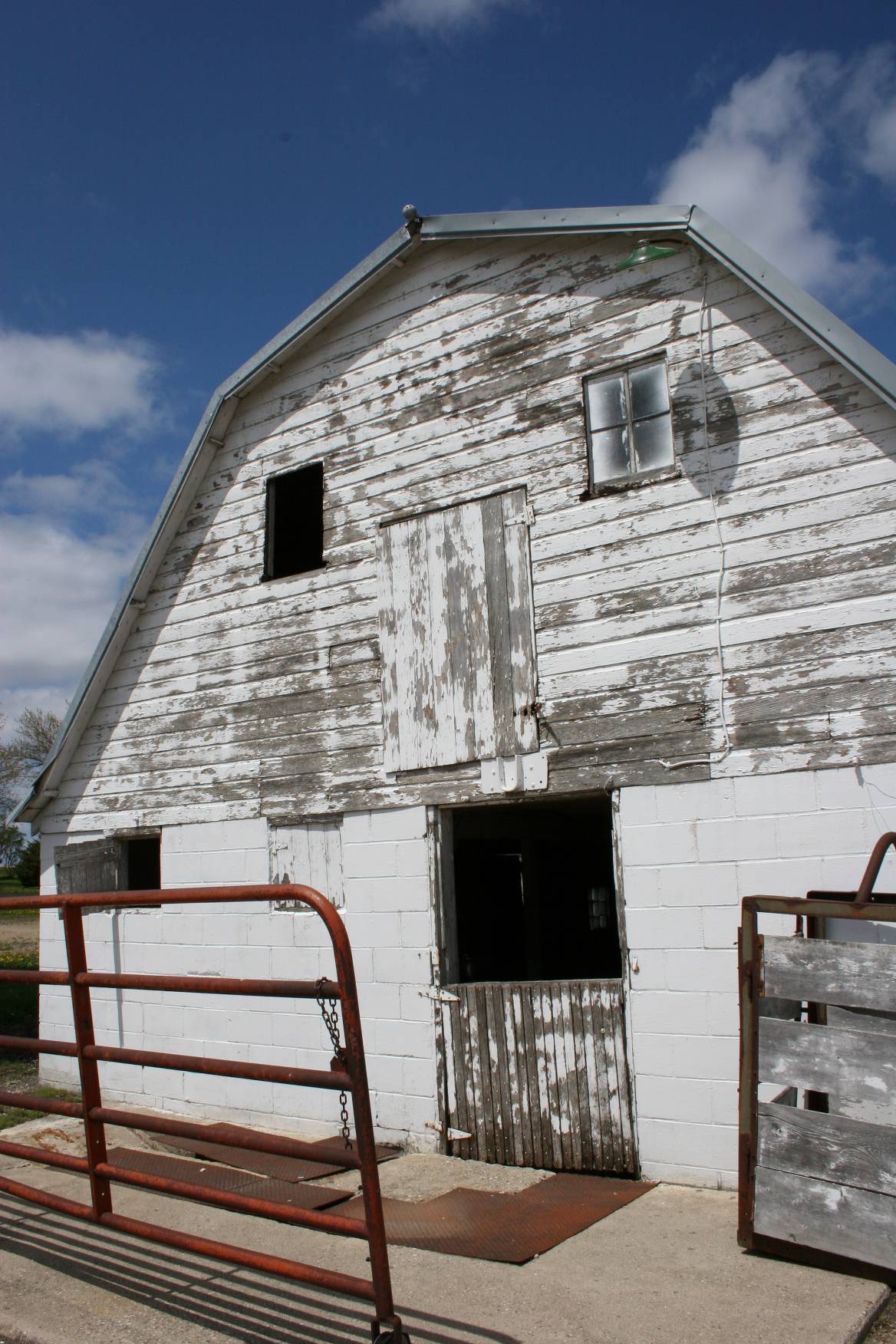
Most of my poetry connects to the southwestern Minnesota prairie, where I grew up on a dairy and crop farm. Specifically, the barn on the home place inspired my two distinct barn poems which published in The Talking Stick and Lake Region Review.

I don’t know what moved the editors of either publication to select my poems for inclusion in their literary journals. But I did incorporate lines such as “hot cow pee splattering into her gutters” and “rusty hinges creaking like aged bones.”

According to Co-editor Kildegaard at Lake Region Review, editors chose pieces that were “fresh, creative, lively, interesting. We were looking for writing that has something new to say.”

Apparently I had something new to say about the old barn.

The early 1950s barn on the Redwood County dairy farm where I grew up today stands empty of animals.

WRITERS FEATURED in the recently-published 212-page The Talking Stick, Black & White, Volume 20, are from, or have a strong connection to, Minnesota. Those published in the 138-page debut of Lake Region Review live primarily in west central Minnesota. Eight writers have been published in both collections.

The cover of Lake Region Review is a detail of an original landscape painting, “Christina Lake: View from Seven Sisters,” by American impressionist painter Stephen Henning of Otter Tail County.

IF YOU’RE A WRITER, specifically of poetry, did you/do you struggle with confidence issues? At what point did you/will you call yourself a poet?

FYI: For more information or to purchase copies of either literary journal featured here, click on the appropriate link below:

www.lakeregionreview.net

www.thetalkingstick.com

And click here for more information about Roadside Poetry.

© Copyright 2011 Audrey Kletscher Helbling


Autumn in words and photos, plus a contest October 8, 2011

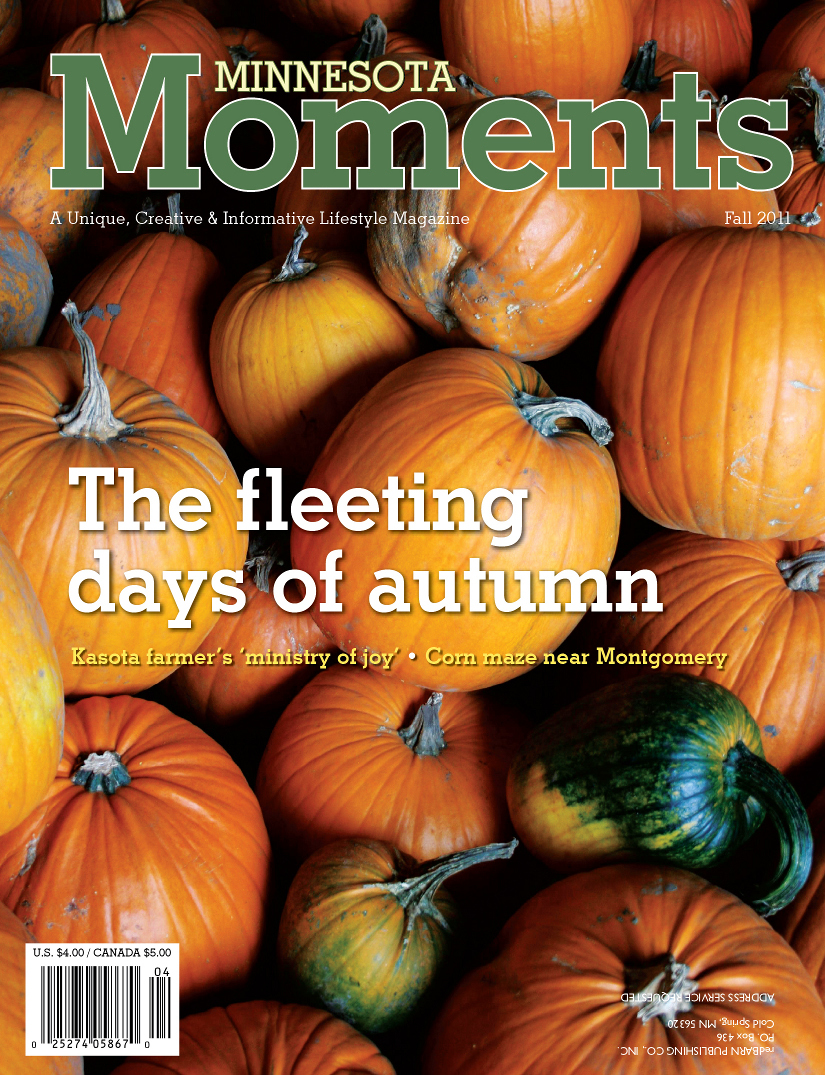
I shot this cover image of pumpkins at Twiehoff Gardens & Nursery in Faribault.

WHEN YOU CONSIDER autumn, what comes to mind?

Pumpkins. Colorful leaves. Crisp nights. Harvest. Those top my list.

Because I’m a magazine writer, I pay attention to seasonal details probably more than your average person. If I want to submit a seasonal story and/or photos, I need to plan a year in advance of publication.

And so I did with the current issue of Minnesota Moments magazine. Inside the just-published fall issue, you’ll find 20 of my photos, all taken last fall.

I’m particularly proud of my 11-image, 5-page photo essay titled “Oh, fleeting days of autumn in Minnesota.” Not only will you find fall scenes from rural Minnesota, but you’ll read copy that is more poetic than straight-forward writing. For example, in the opening paragraph of that photo essay piece, I write:

Autumn slips into Minnesota on wisps of wind whirling wayward leaves onto sun-washed grass. And so summer fades and a new season begins.

You’ll also read my poem, “Preparing for winter, circa 1960,” based on embellished memories of my mother canning and freezing garden produce for the winter ahead.

I enjoy writing poetry that connects to my rural roots. And I’ve been fairly successful in getting published with seven poems printed in five anthologies, one on Roadside Poetry billboards and another recently published in a debut literary magazine. I really ought to write more poetry.

But, I have those magazine articles to work on and blogging and… I’m already pursuing stories for the winter issue of Minnesota Moments.

This contest promo image of Mary Nachicas and Don Anderson comes from Nina Hedin of Glencoe, who blogs at ArtsyNina. We are seeking these types of vintage black-and-white candid photos.

THEN I HAD THIS FABULOUS contest idea, “Snapshots of Love,” for our winter edition. And you know how that goes, when you have the idea you follow through and make it happen.

To summarize, we are seeking vintage black-and-white candid photos on the theme of love. Contest submission also requires a bit of writing—a maximum 75-word paragraph answering this question: “What story does this photo tell me about the theme of love?”

The winner, selected by me and other magazine staffers, wins a $150 prize package comprised of handcrafted greeting cards from Bernie (a former Duluth resident) at Budugalee, a $25 gift certificate from Camp Honeybelle (an etsy shop operated by Nina Hedin of Glencoe), a letter press, vintage graphics fine art print from Bruno Press and a one-year subscription to the magazine.

For “Snapshots of Love” contest details, click here.

For info about Minnesota Moments, with the current cover photo, 23 inside photos, and four stories and book reviews by me, click here.

To check out the ArtsyNina blog, click here. And to shop at Camp Honeybelle, click here.

To read Bernie’s One Mixed Bag blog, click here. To view her card collection at Budugalee, click here.

For more information about Bruno Press, click here. You’ll find a feature story about owner Mary Bruno in the fall issue of Minnesota Moments.

Enjoy! And get your contest entries in to “Snapshots of Love.” Entry deadline is November 15, 2011.

© Copyright 2011 Audrey Kletscher Helbling


Meander west this weekend September 29, 2011

WEST WOULD BE my destination of choice this weekend.

Not west as in West. But west as in Fergus Falls or the Upper Minnesota River Valley.

Two arts events in western Minnesota this weekend will take you nearly into the Dakotas.

I’d like to be at the Lake Region Writers Network Conference at Minnesota State Community and Technical College in Fergus listening to author Leif Enger (of Peace Like a River and So Brave, Young and Handsome) talk about “place” in writing.

I’d like to be there picking up my copy of Lake Region Review, a literary magazine of regional writing. You see, two months ago I received this e-mail:

Dear Ms. Helbling,

The Editorial Board of Lake Region Review 2011, after careful consideration, has finalized selections for Lake Region Writers Network’s first literary magazine. While editors and readers were pleased with the number of submissions, the sheer volume of entries also made their choices much more difficult.

Regardless, the board is pleased to inform you that the work indicated below HAS BEEN ACCEPTED WITH REVISION for publication in Lake Region Review 2011, which will be released at the LRWN Oct. 1 writing conference at M-State in Fergus Falls:…

But I won’t be in Fergus on Saturday at the conference. It’s a long drive there from Faribault and I have this room to paint and…

…not only that, but back in June my husband and I traveled the 200 miles to Fergus Falls to see my winning entry in the spring Roadside Poetry competition splashed across four billboards near the college.

The last of four billboards featuring my Roadside Poetry spring poem.

So I’ll wait for the LRWN folks to send me a copy of their literary magazine, which I’m mighty pleased to be a part of because, well, any time you win a highly-competitive contest judged by others of literary talent, it’s an honor.

I’LL HAVE TO WAIT until another year also to attend an arts event that’s long been on my list of “things I want to do.” That’s Meander—Upper Minnesota River Art Crawl. Thirty-three art studios featuring the work of 45 artists will be open during a free self-guided tour that begins Friday (2 p.m. – 6 p.m.), continues into Saturday (9 a.m. – 6 p.m.) and ends Sunday (9 a.m.– 4 p.m.).

This event is happening in the Minnesota River Valley region of western Minnesota near the towns of Ortonville, Appleton, Madison, Milan, Dawson, Montevideo and Granite Falls. It’s beautiful land—prairie and fields, rock and woods, rivers, small towns, farms…

The region seems a mecca for artists, which doesn’t at all surprise me given I’m a southwestern Minnesota native. Something about this land fosters creativity. Remember my earlier mention of Leif Enger and his focus on place? At the writers’ conference in Fergus Falls, he’ll “look at how geography of a tale infuses it with gravity, wit and credibility.”

I suspect place, as much as anything, influences the photography, paintings, pottery, fiber art, woodworking and other art created by those artists featured in the Meander.

Meander featured artist Kerry Kolke-Bonk of Appleton created the painting, "What goes around comes around," to promote this year's art tour.

According to economic impact information I received from Kristi Fernholz, Community Development Planner for the Upper Minnesota Valley Regional Development Commission, the Meander brings in an average of $1,652 in art sales per artist (2010 and 2009 statistics).

Last year, art sales during Meander weekend totaled $69,395. In addition, attendees infuse the area with more money spent on food, lodging and other shopping.

I won’t be one of those shoppers this year. But you could be. If you have an open schedule this weekend, consider a trip west, as in western Minnesota.

#

FYI: Click here for more information about Meander—Upper Minnesota River Art Crawl.

#

Click here for more information about the Lake Region Writers Network. If you would like to purchase a copy of the first-ever Lake Region Review with my poem (sorry, not going to yet divulge its title), send $10 plus $3 for shipping and handling to:

Lake Region Writers Network, P.O. Box 356, Battle Lake, MN. 56515

#

Click here for more information about Roadside Poetry.

© Text and photos copyright 2011 Audrey Kletscher Helbling