Minnesota Prairie Roots

Writing and photography by Audrey Kletscher Helbling

Transforming an historic building into Seven Sisters Coffee, a community gathering spot & more in rural Minnesota October 23, 2012

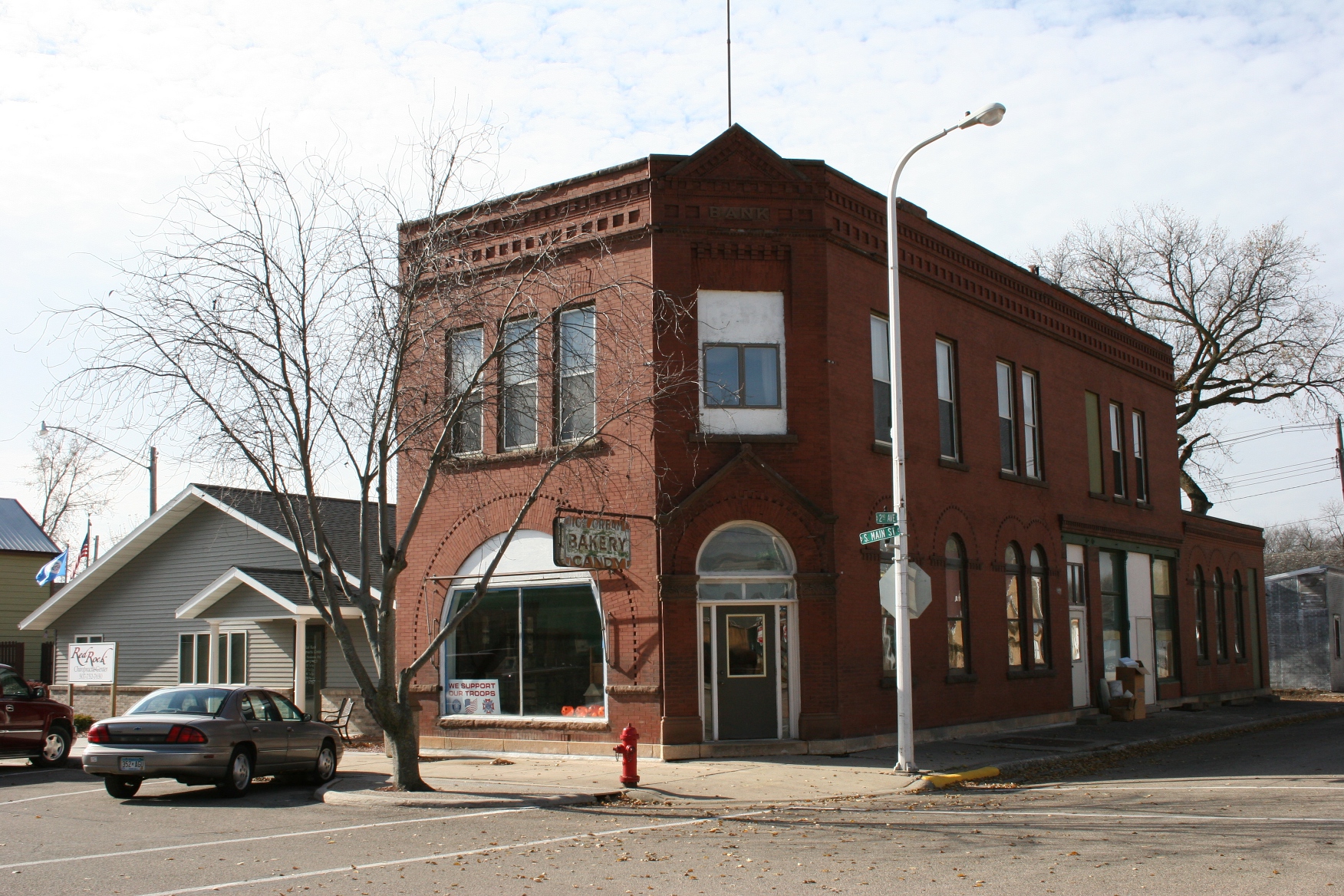
This 1892 former bank building and 95-year bakery anchoring a corner of Lamberton’s Main Street is being renovated into Seven Sisters Coffee by a young couple with connections to this area of southwestern Minnesota. After the business opens, the upstairs will be renovated into loft style apartments.

DAVID AND MICHELLE can see beyond the crumbling mortar, the moisture damage, the buckling floor boards, the teal paint.

Just barely into major renovation of an historic 1892 bank building and former long-time bakery in downtown Lamberton, this couple is thoughtfully and methodically working toward their summer 2013 goal of opening Seven Sisters Coffee.
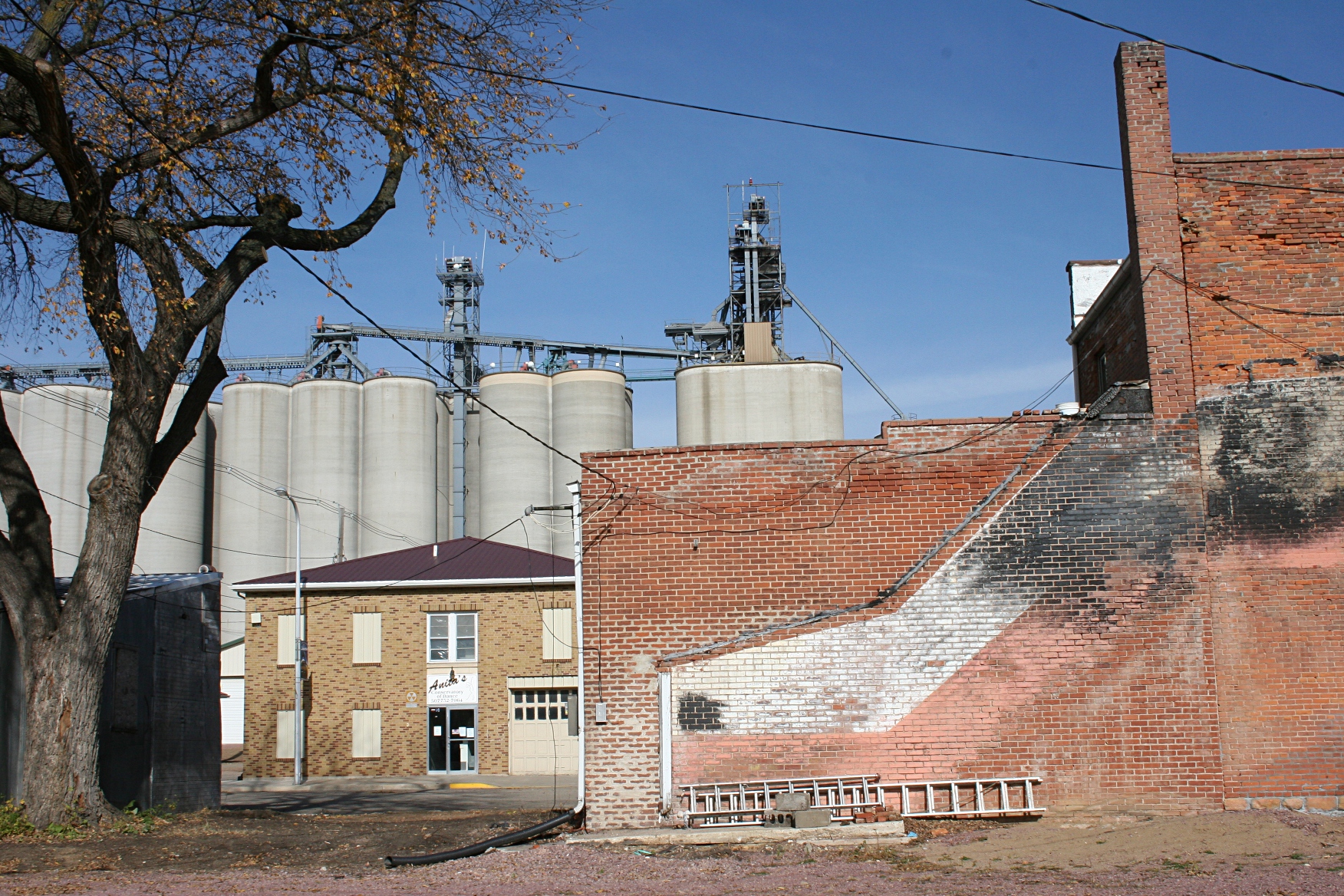
This shows the side and back view of the building, with the rear part added on to the original. Soot from a 2005 fire, which destroyed Plum Creek Crafts next door, mars the brick. Behind the building, a tree was removed and plans are to install a patio area for outdoor dining. They saved a slice of the tree to build a table.

Even the name, Seven Sisters, holds special significance for the pair as Michelle is one of seven sisters and three brothers who grew up in Lamberton, a strong agricultural community of 822 in Redwood County on the southwestern Minnesota prairie. Additionally, Michelle notes that Seven Sisters possesses multiple meanings—in Greek mythology, astronomy and even as a mountain range.
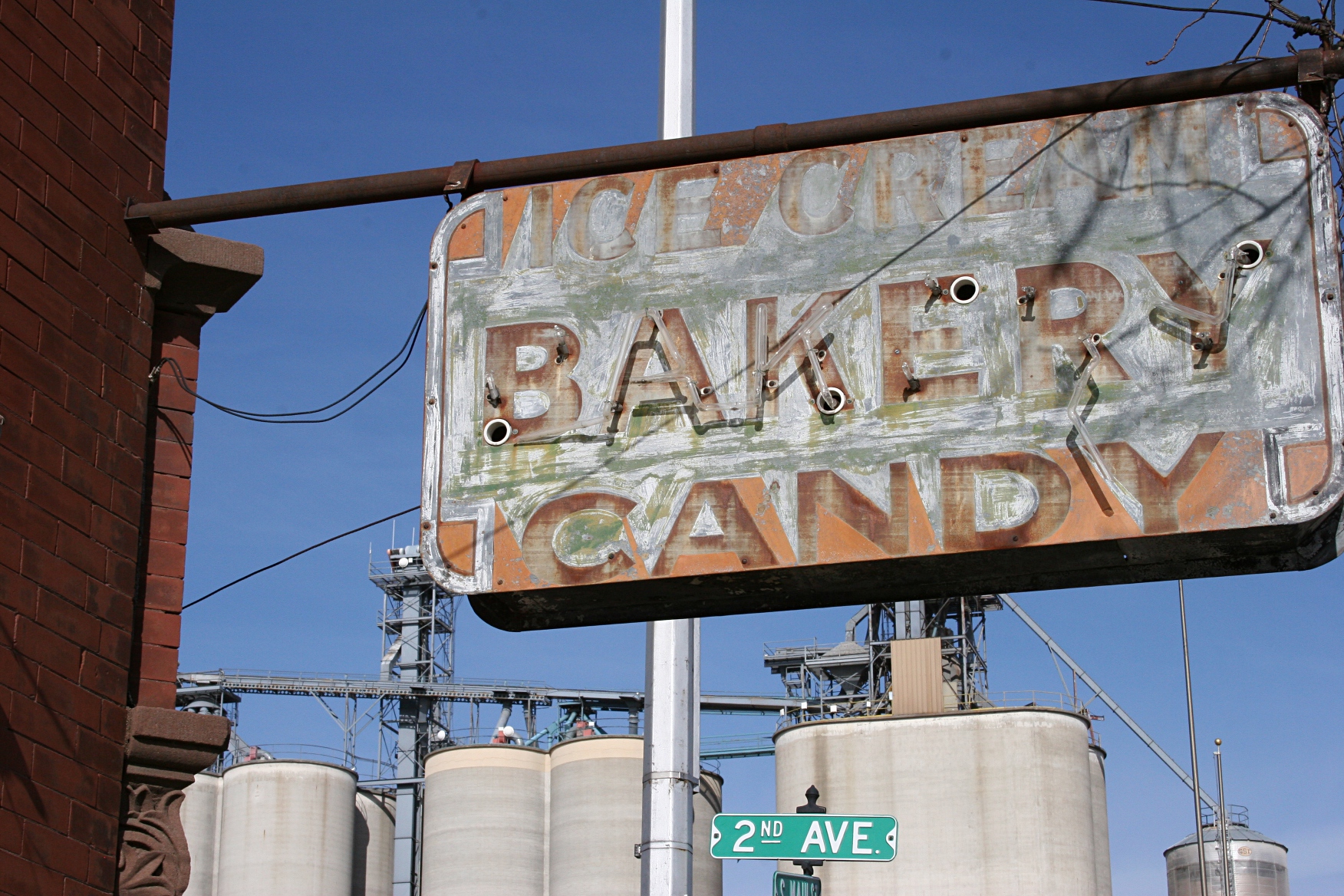
The old sign for the former Sanger’s Bakery still graces the building.

The couple may, perhaps, feel at times as if they are scaling a mountain to reach their goal of establishing a combination cafe, coffee shop and entertainment venue in the 1,900 square foot first floor of the 8,000 square foot brick building. But they are purposeful and focused and driven every week to travel 2 ½ hours from their home to proceed with their project on the prairie.

Michelle and David  are keeping the original candy and bakery goods counters and the vintage cabinet, photographed here in the front part of the building. This area of the former bank and bakery will house the cafe and soda fountain. The couple discovered a dumb waiter hidden in the area behind them in the corner.

David envisions Seven Sisters as “an artistic haven as well as a community space.” He expects “townies,” he says, to frequent the front Main Street side of the building, the bright and cheery cafe section offering a full breakfast and lunch menu and ice cream treats from a soda fountain.
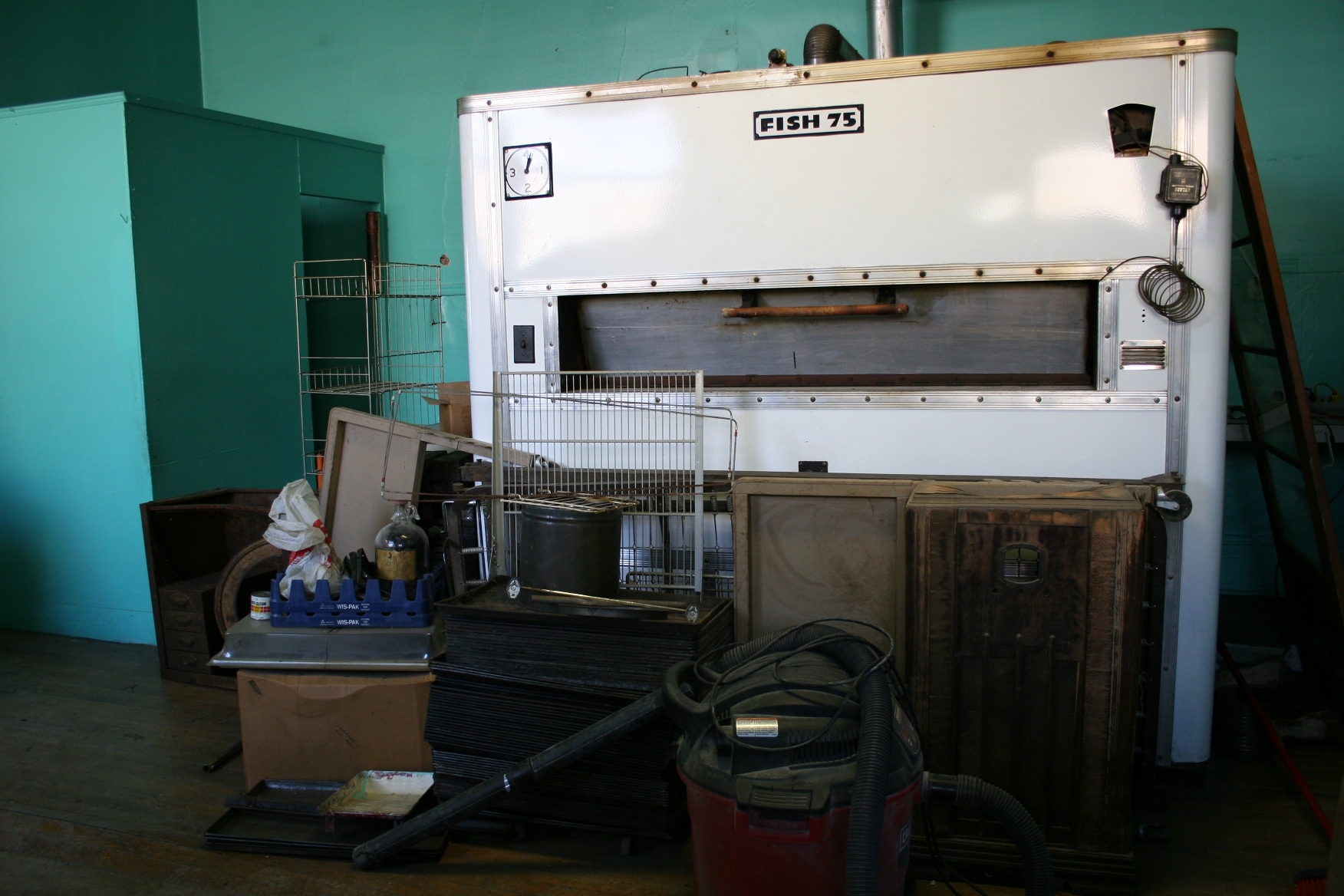
Fifty loaves of bread could be baked in this 1960s vintage two-ton rotary oven. It occupies much of the space in the middle room which will become a cozy coffee shop. This room and the front former bakery/soda fountain area were painted teal after Bob’s niece first chose that hue for the bathroom. Bob loved the color so much that he painted the rest of the place teal. The color has been on the walls for 50 years. No, they are not keeping the teal color.
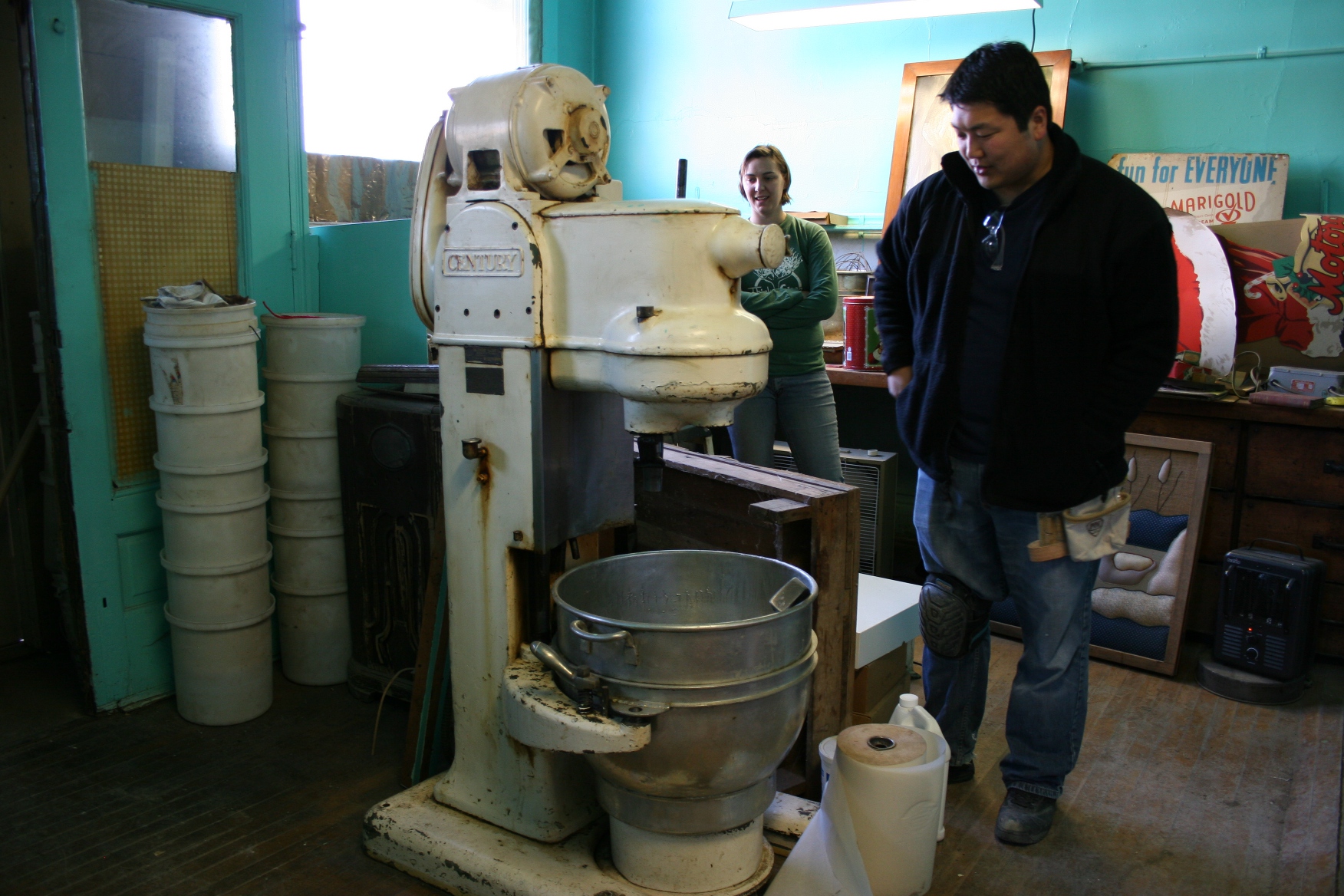
An oversized mixer also occupies space in the middle room.

The smaller middle section, once a post office entry, baking area and even home to the Sanger family, will be transformed into a warm and intimate coffee shop.

The back room, with focal point brick walls, will become an entertainment venue and artists’ haven.

And in the rear area of exposed brick walls, David expects artists and others to hang out in a more energetic and modern New York loft style space devoted to music and art and private event rental.

Tour this building, inside and out, with David and Michelle and you can see the overwhelming amount of work, inside and out, that needs to be done before Seven Sisters becomes a reality in a community already embracing the business venture.

Locals as well as those living in neighboring towns such as Revere, Jeffers and Tracy and even farther away in the regional hub city of Marshall are ecstatic about Seven Sisters, David says.

Original coffee cups and Bob Sanger’s special cup are stacked under the lunch counter.

The older gas burners Bob Sanger apparently used to make coffee, etc.

When locals George and Vern, for example, stop by to check on the renovation, David invites them inside for coffee. The two were coffee klatsch buddies of Bob Sanger, long-time bakery owner who died in March. Sanger purchased the bakery from his father, Nick, in 1961. Between Bob, Nick and previous owner, Martin Kuhar, the building has housed a bakery in the First National Bank building for 95 years.
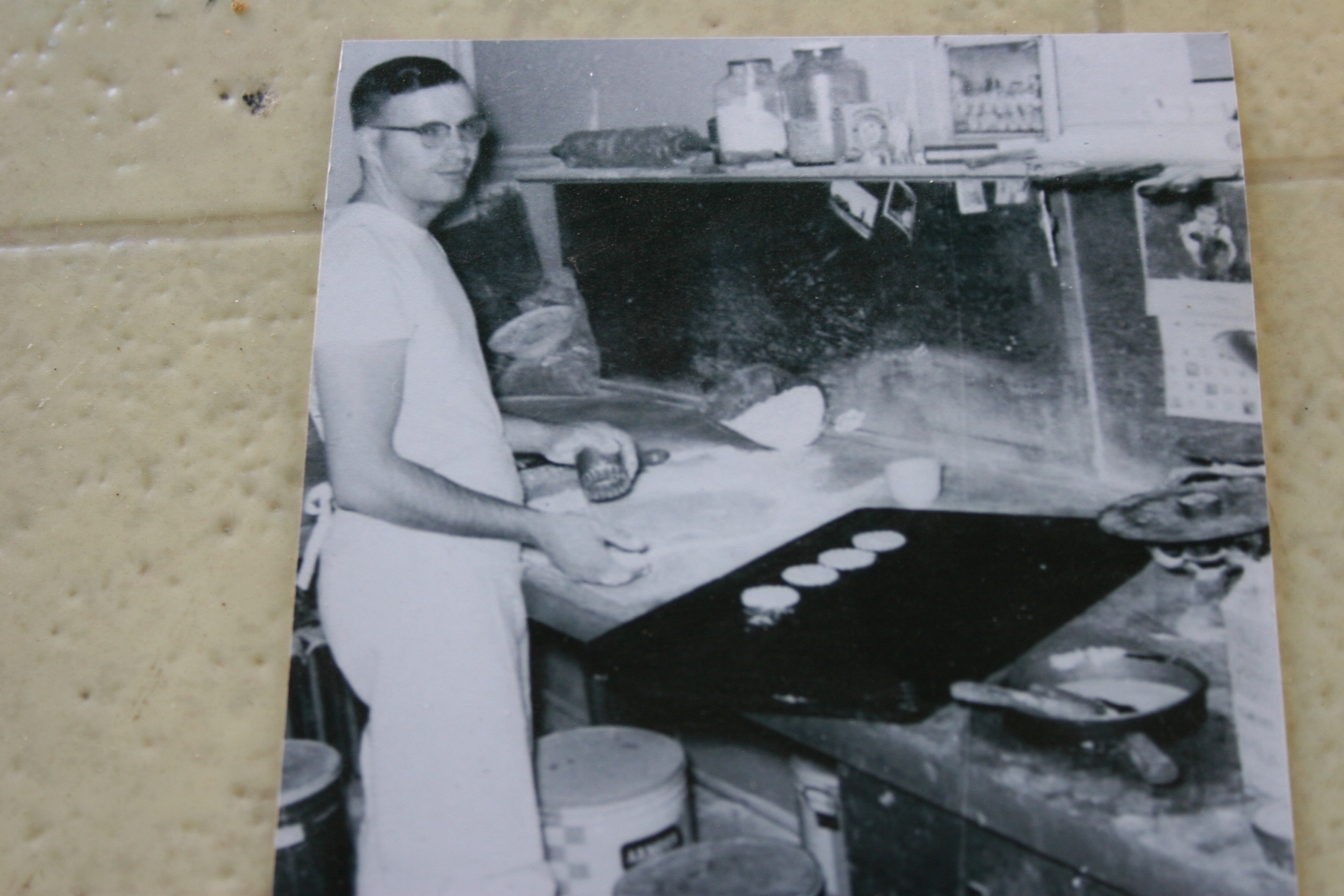
A vintage photo of bakery owner Bob Sanger who died in March at the age of 80.
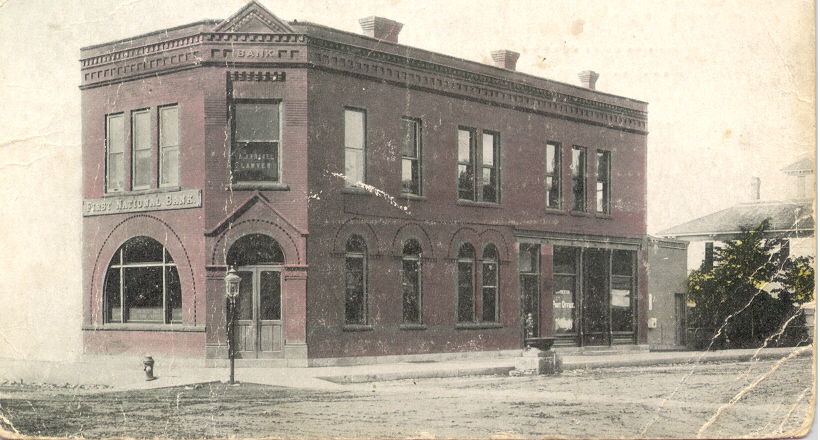
A vintage photo of the First National Bank.

Says David of his and Michelle’s decision to purchase the former bakery after Bob Sanger’s death:

The building is positively gorgeous and has a fascinating history. We had admired it for some time. The quality of the construction is superior to similar buildings of that era. We’ve always talked about opening our own business and the location and timing were right.

Our review of the local economy and the needs of the surrounding area indicates a very strong potential for growth and a serious need for a business of this kind. By offering excellence in service in three different approaches (cafe, coffee shop, event space) we will offset some of the inherent risk of this type of business. In short, it was a perfect confluence of events. We got lucky.

The pair is determined also to buy local as much as possible. Dry goods will come from Griffith’s Grocery across the street. They plan to work with Brau Brothers Brewing and Fieldstone Vineyards, located in the region. They’ll grow their own herbs.

It is clear in talking to David and Michelle that they appreciate the historic gem they’ve purchased.
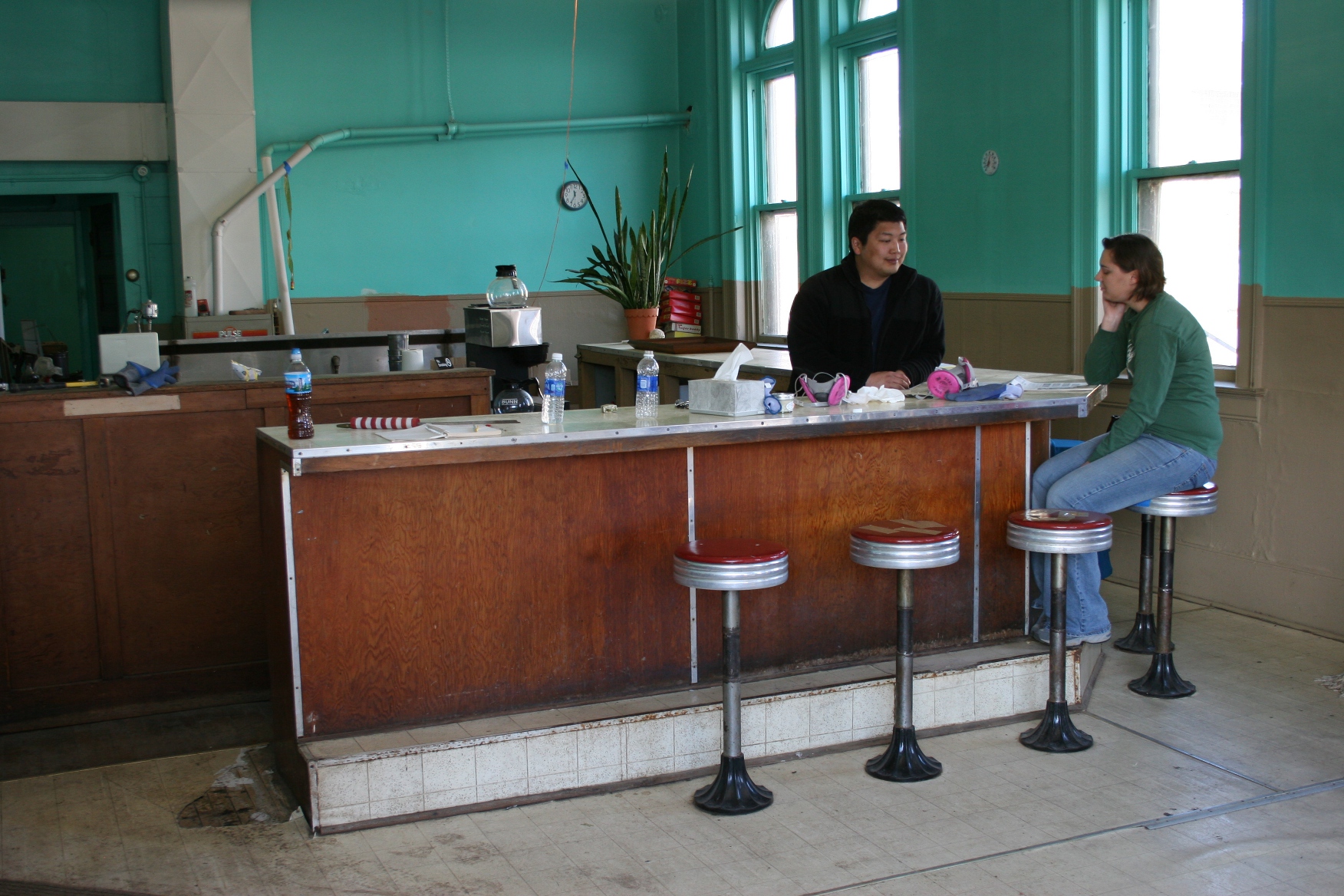
A section of this original lunch counter built by Bob Sanger will be refurbished and topped with granite.

They’re attempting, they say, to retain as much of the natural charm as possible. For example, they plan to refurbish the soda fountain built by Bob; relocate an original bank fireplace facade and tile into the coffee shop and install an electric fireplace; refinish the wood floors; keep the tin ceiling; reuse the candy and bakery counters; restore an old player piano; and more.

Wooden floors, like this behind the lunch counter, run throughout the building. In one section, however, where the bank vault once stood, the floor is made of pipestone granite.

This shows a section of the original tin ceiling in the front part of the building. Ceilings are a lofty 12 and one-half feet high.
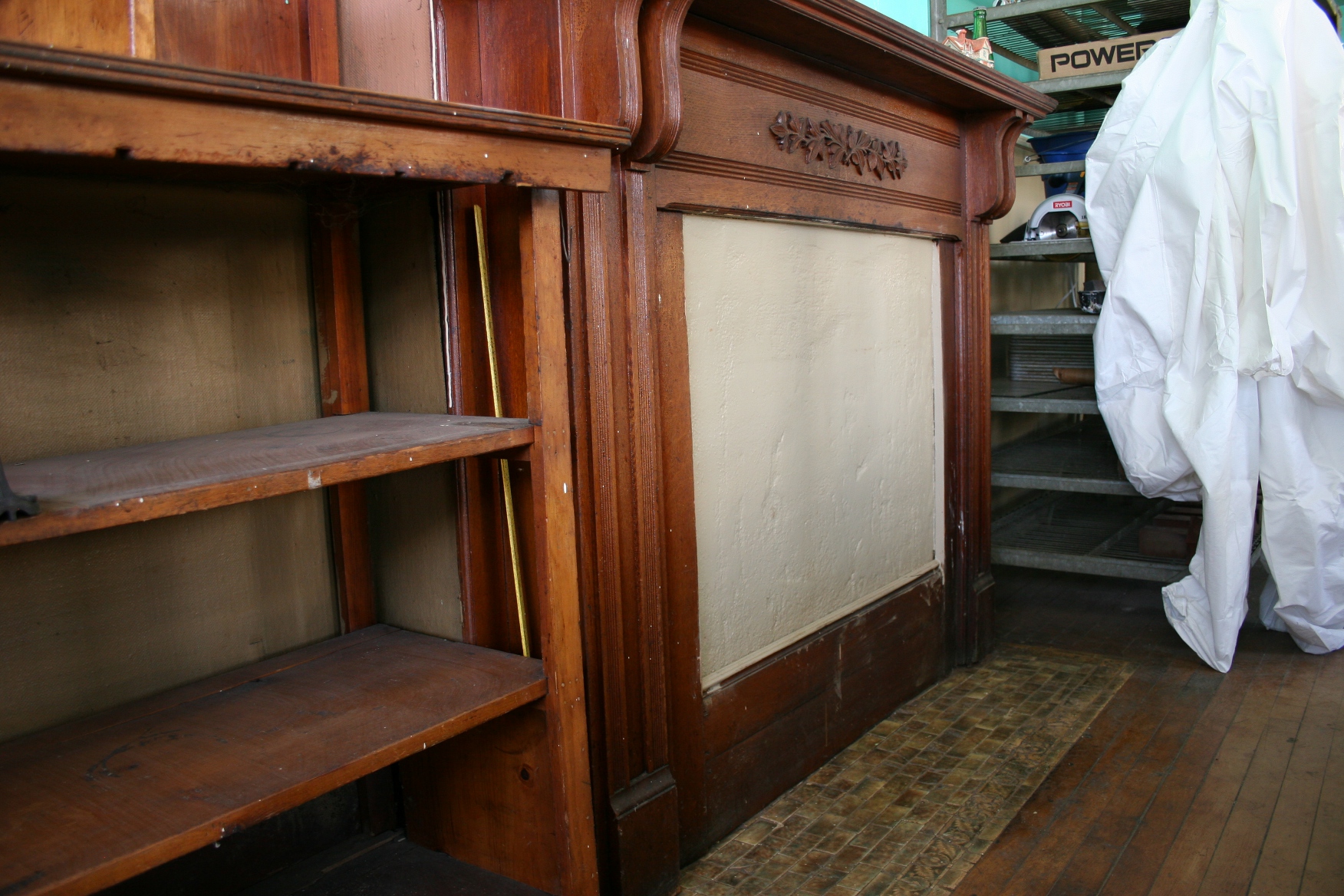
Plans are to move the facade and tile from the this original First National Bank fireplace into the coffee shop, which David will manage. 

The couple is also uncovering and sifting through collectible treasures like WW I and WW II artifacts, signage, rocks, and more accumulated by Bob. So much was damaged though, beyond saving, by moisture problems in the building, David says. But they are saving what they can, possibly incorporating some of their treasures into Seven Sisters.

A pile of recently found treasures.
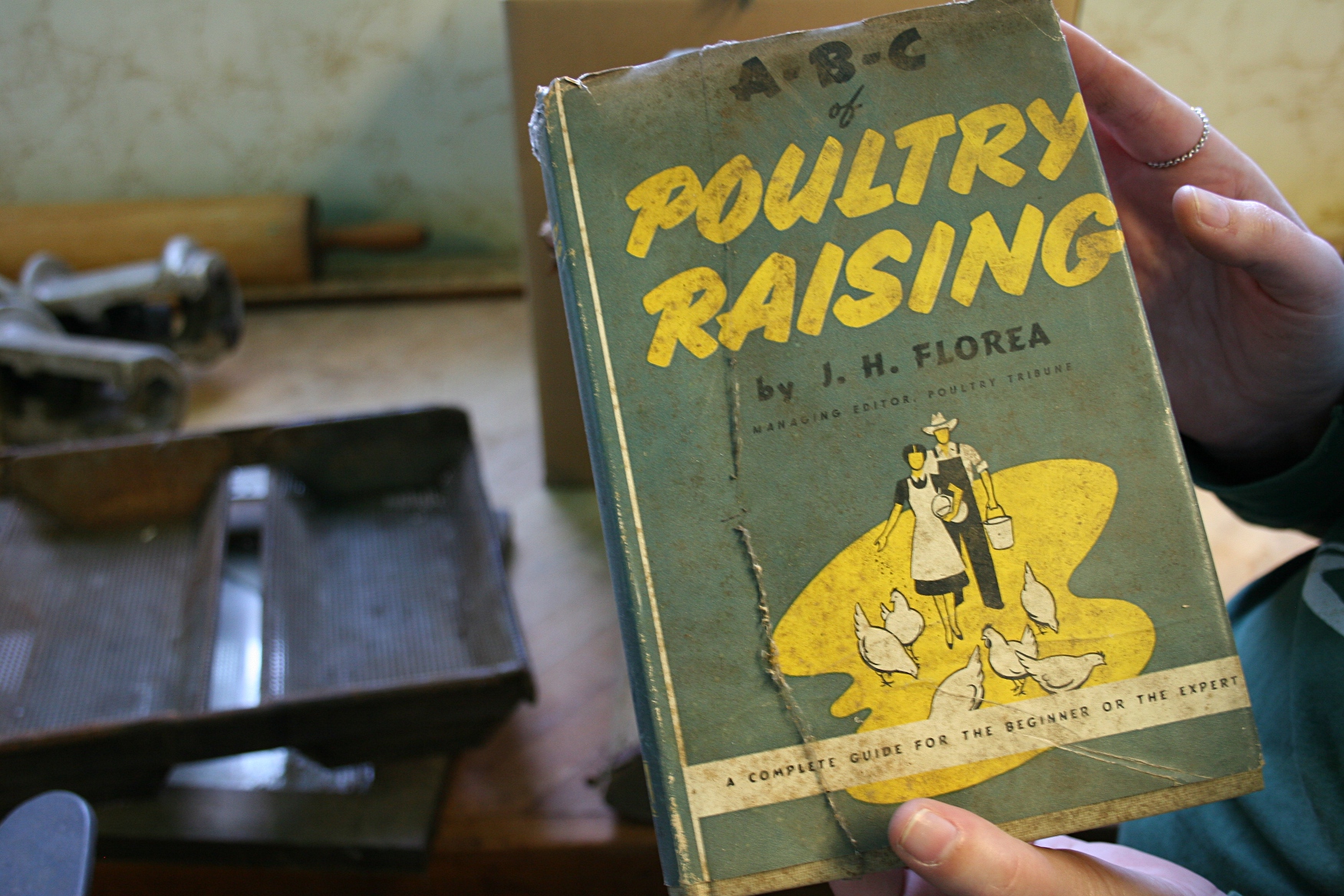
Among the old books uncovered was this one on poultry. Bob Sanger kept a flock of 100 chickens at his house, Michelle says. He used the eggs at his bakery and also sold eggs.
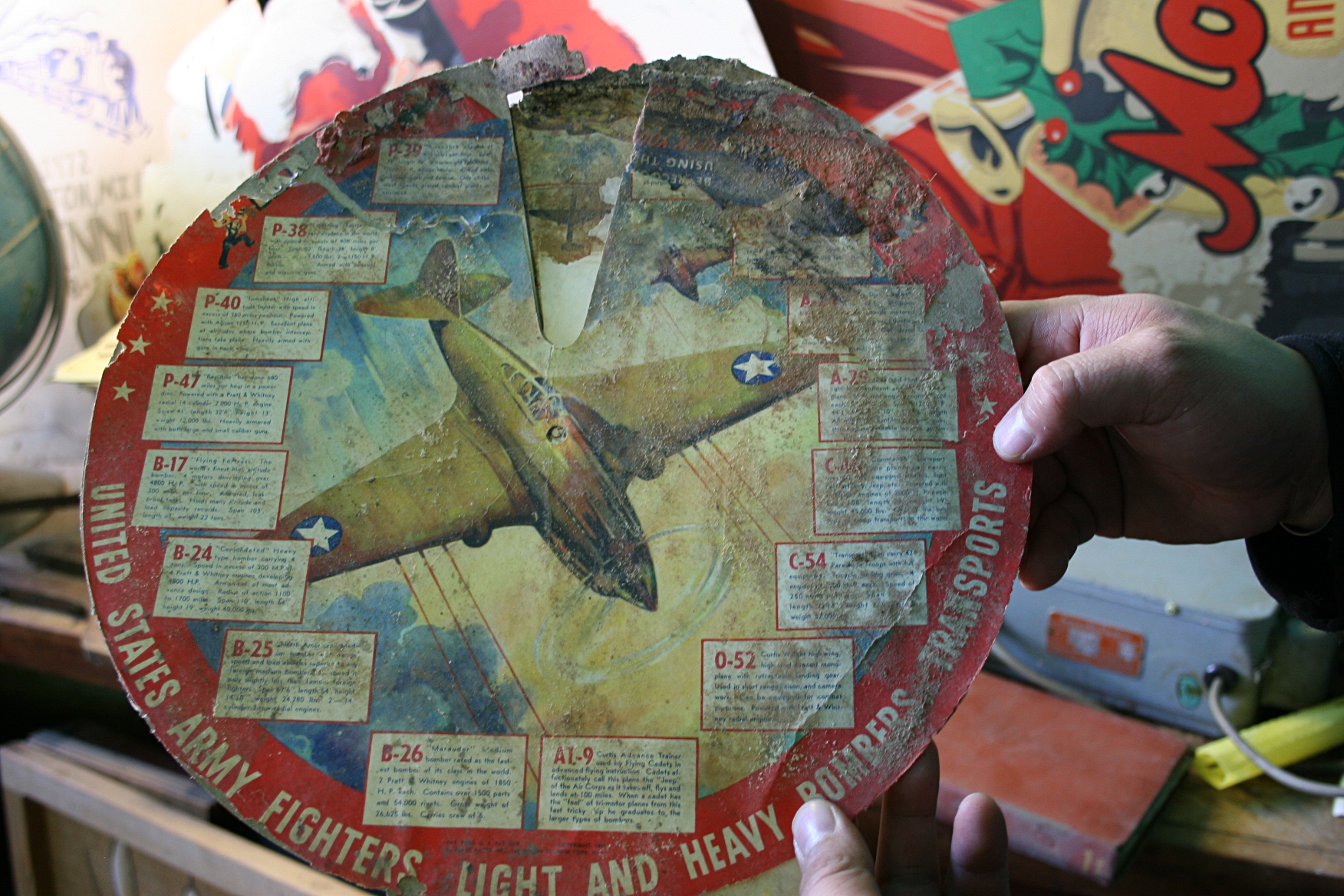
Another find, a vintage bomber transport chart damaged by water, like many of the old items found in the building.

Inedible silver cake decorating balls remain from Bob’s days of baking wedding cakes.
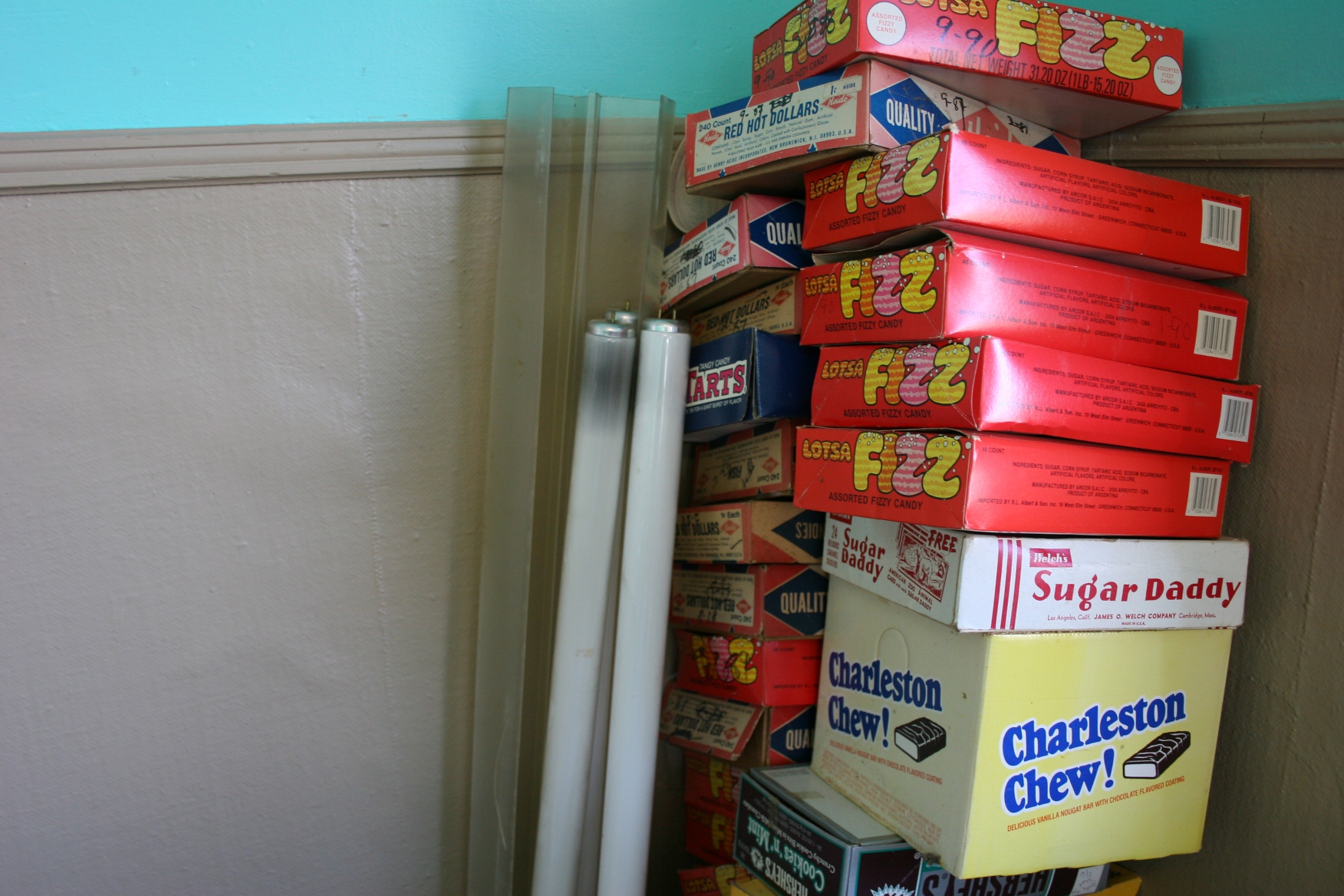
The couple found empty candy boxes (pictured here) and candy still in boxes inside the former bakery.

Michelle has fond memories of coming to Sanger’s for sweet treats. She remembers penny Tootsie Rolls and gumballs and candy cigarettes sold at the candy counter:

Thinking about the hundreds of people who have memories of this building, I really hope we can fill that same role for the next generations.

FYI: Lamberton is located along U.S. Highway 14 about 10 miles east of Walnut Grove, childhood home of Laura Ingalls Wilder, author of the Little House children’s book series. The area is a strong draw for summer tourists interested in Wilder’s books and the Little House on the Prairie television series set in Walnut Grove.

© Copyright 2012 Audrey Kletscher Helbling


Belview residents celebrate tornado recovery & the story of a little sequoia tree July 2, 2012

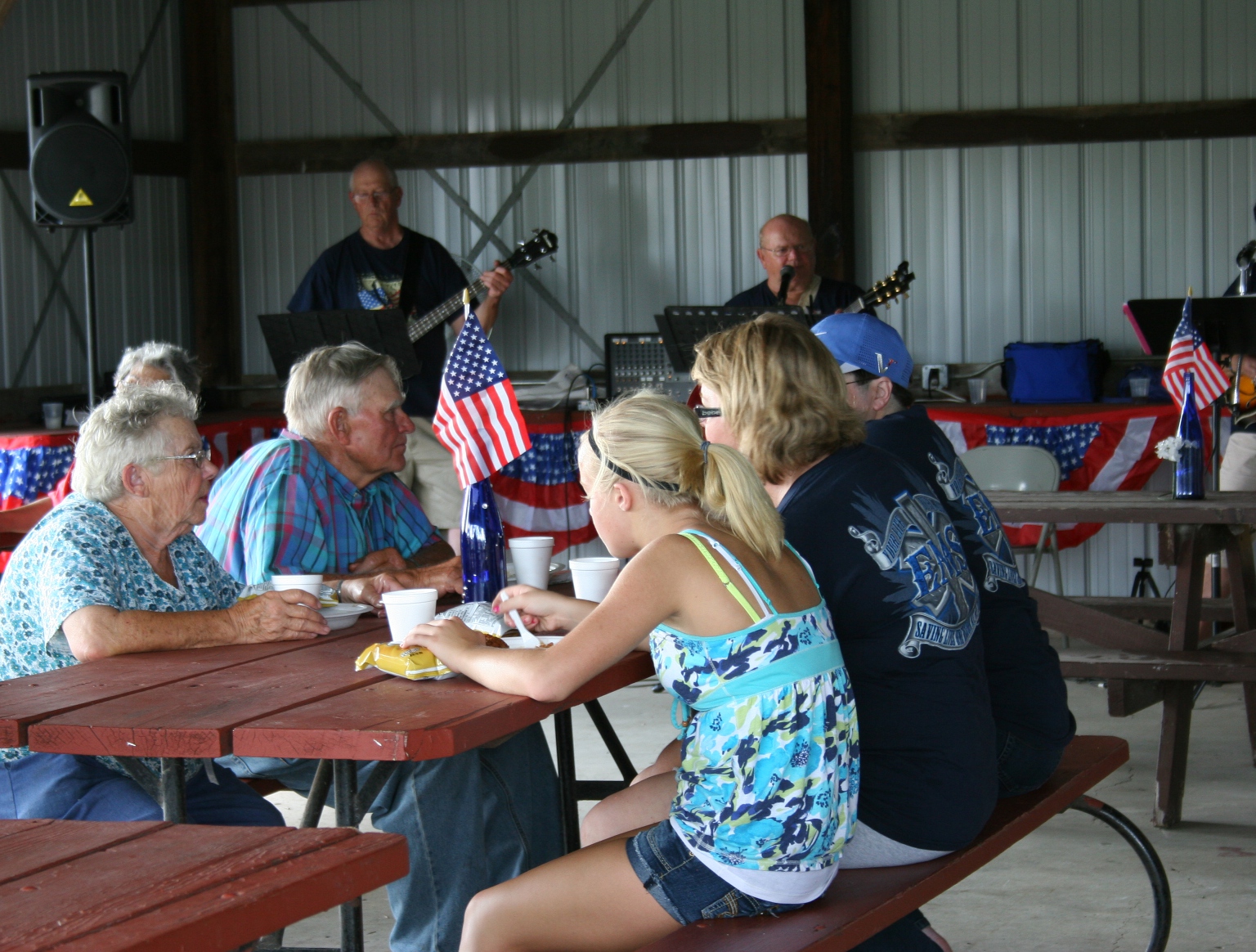
Belview area residents and others gathered at a city park on Sunday to mark the one-year anniversary of an EF-1 tornado.

A YEAR TO THE DATE after an EF-1 tornado swept into the southwestern Minnesota prairie town of Belview, population 375, folks gathered in the late afternoon and early evening hours of an oppressively hot and humid Sunday to remember and to celebrate.

Food and music were part of the celebration.

They celebrated with a catered picnic meal and music right after a brief rain shower passed through town.

They remembered with photos and stories shared.

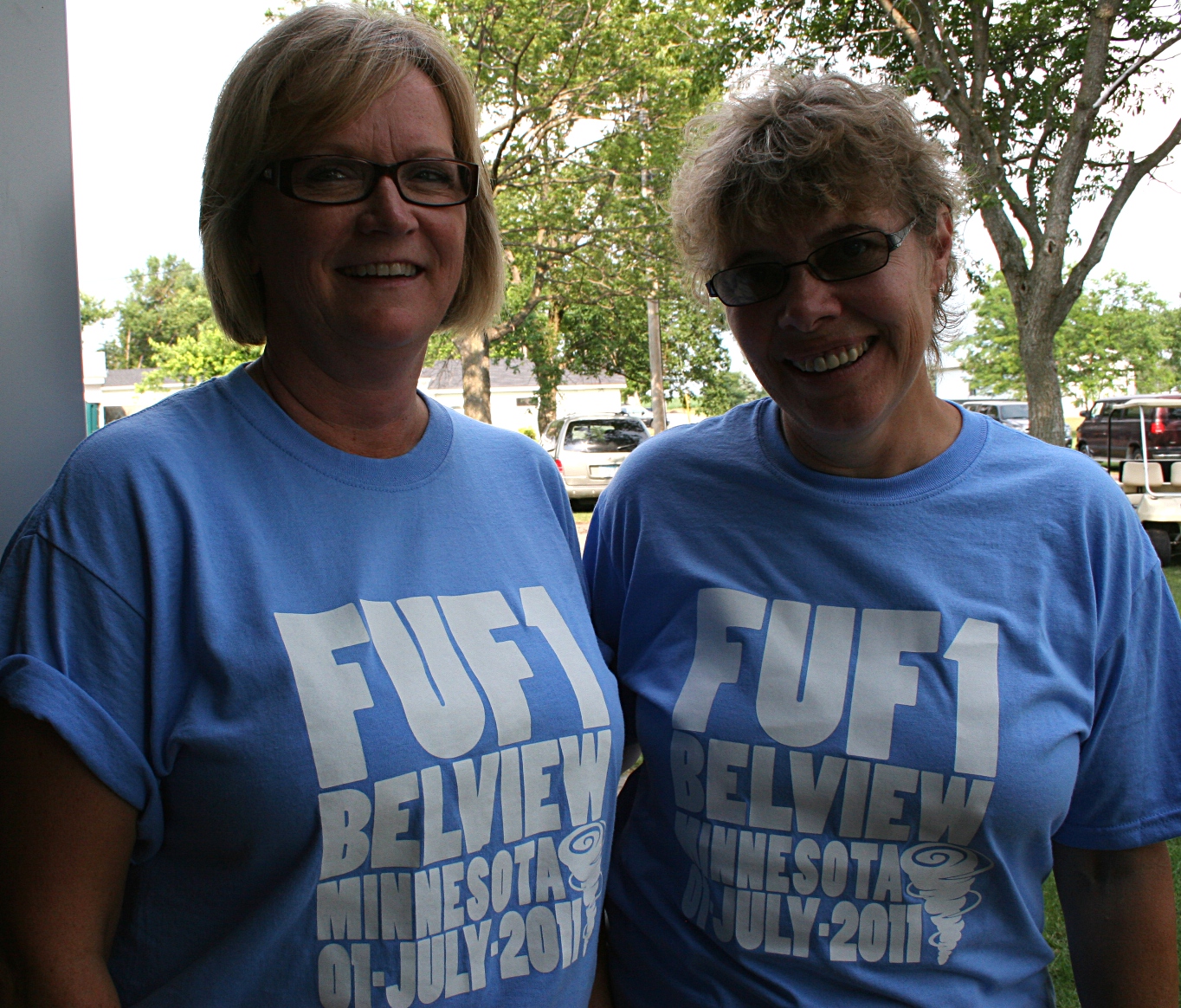
Ingrid Huseby, left, and Linda Sullivan. Yes, the t-shirts mean exactly what you think they mean.

“We were lucky. It could have been so much worse,” Belview resident Linda Sullivan said as we stood in the shade of the Belview City Park shelterhouse after I’d snapped a photo of her and Ingrid Huseby in commemorative, make-a-statement Belview tornado t-shirts printed shortly after the July 1, 2011 storm. “I can’t believe that nobody was hurt; that was the miracle.”

Linda’s right. It is a miracle. And you believe it when you hear stories like that of two women who rode out the 95-115 mph tornadic winds in a car just outside of town; of the couple who did not make it to their storm shelter, upon which a tree then fell; of the Iowa man and his son who sought shelter at the bank when they drove into town in the middle of the tornado; of the natural gas leak at a home…

“Like I said, it could have been so much worse,” Linda repeated several times as we moved into the shelterhouse to view an album of photos showing the damage at her home. She lost 11 trees.

It is Belview’s trees which are undeniably this prairie town’s most devastating loss.

Says City Clerk Lori Ryer. “We lost 70 percent or more of our trees.” In the park alone, where residents were celebrating on Sunday, 70 trees were lost.

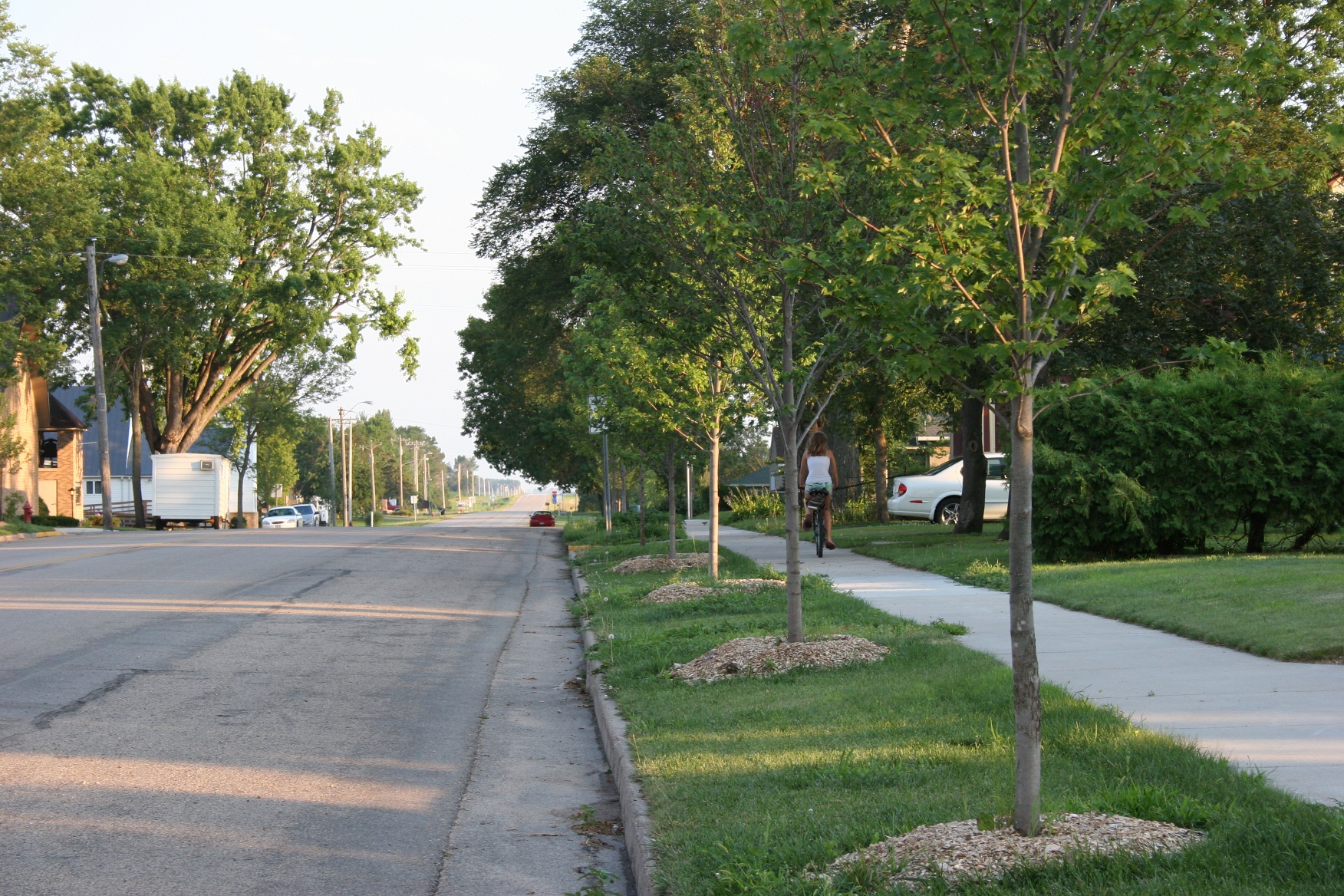
New trees line the boulevard along Belview’s Main Street. A Belview native who owns a tree business offered the city a discounted price on trees. Tree replacement is not covered by FEMA or city insurance.

But already, this community is replacing its trees—57 in the Belview City Cemetery on the edge of town; many along the Main Street boulevard; and others planted at private residences throughout Belview, including peach, pear, apricot and apple trees in Linda Sullivan’s yard.

Linda, who was out of town when the storm rolled in, remembers the phone call from her brother, “You can’t find the house for the trees.”

And it was like that all over town with trees or tree branches lying atop houses, garages and vehicles and blocking streets.

In that environment, Belview’s volunteer fire department and emergency personnel responded as they drove a fire rig around town checking on the safety of their friends, neighbors and families.

Lori, the city clerk, praises those volunteers and the many others who came into town to help with recovery. Within two days of the tornado, Linda Sullivan’s property was cleaned up. It was like that all over town as a continual procession of vehicles hauled away downed limbs and trees.

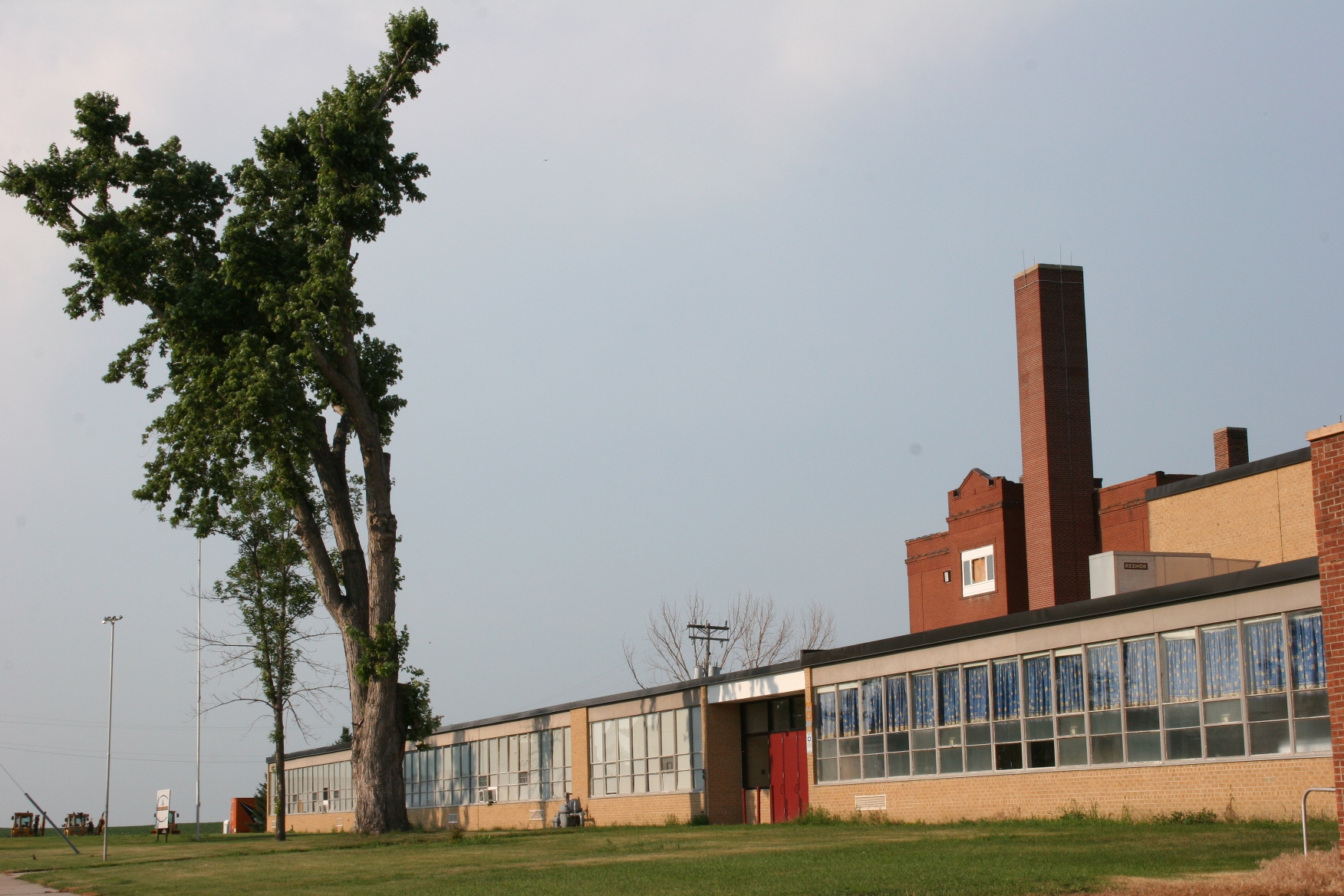
A tornado-ravaged tree stands at the Belview Area Learning Center one year after the tornado.

Today visual reminders of the tornado remain in ravaged trees, in houses still under repair, in the rows of new trees spaded in and now growing along the Main Street boulevard.

But it is a community which has weathered the storm and which seems even stronger today for having experienced an EF-1 tornado.

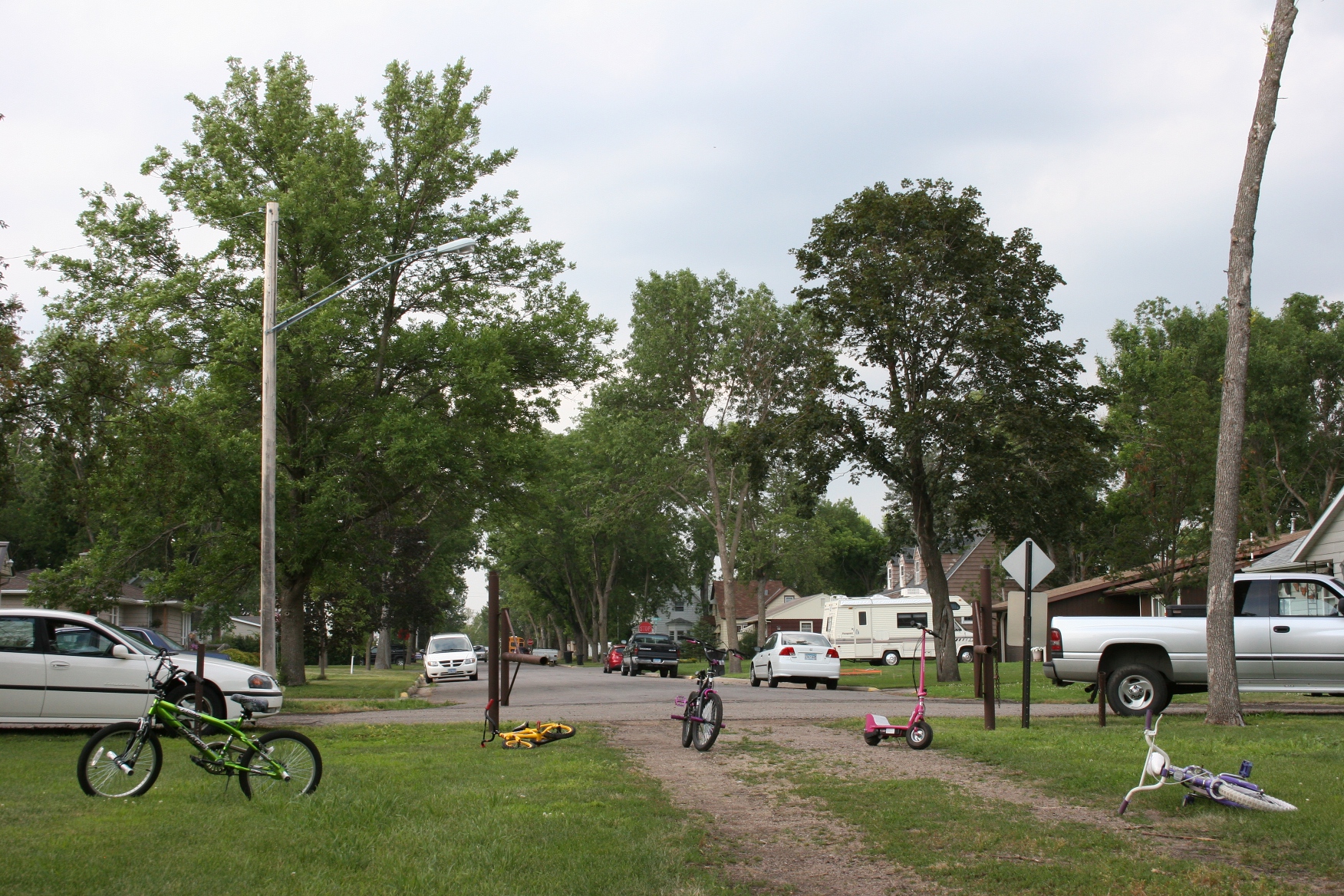
Belview is the type of small Minnesota town where kids can just drop their bikes and scooters, unlocked, in the park.

The Belview Fire Department filled a temporary water reservoir for the kids to splash in during the tornado recovery celebration on a sultry July 1.

#

A SPECIAL FED-EX SHIPMENT arrived from California on Friday for the residents of Belview. It came from Steve, the Federal Emergency Management Agency representative assigned to Redwood County. “He loved Belview,” City Clerk Lori Ryer said. “He’d never been to an area with such a hometown feel like here.” Steve was even invited to Thanksgiving dinner at the home of Delhi Township Board member Tom Werner.

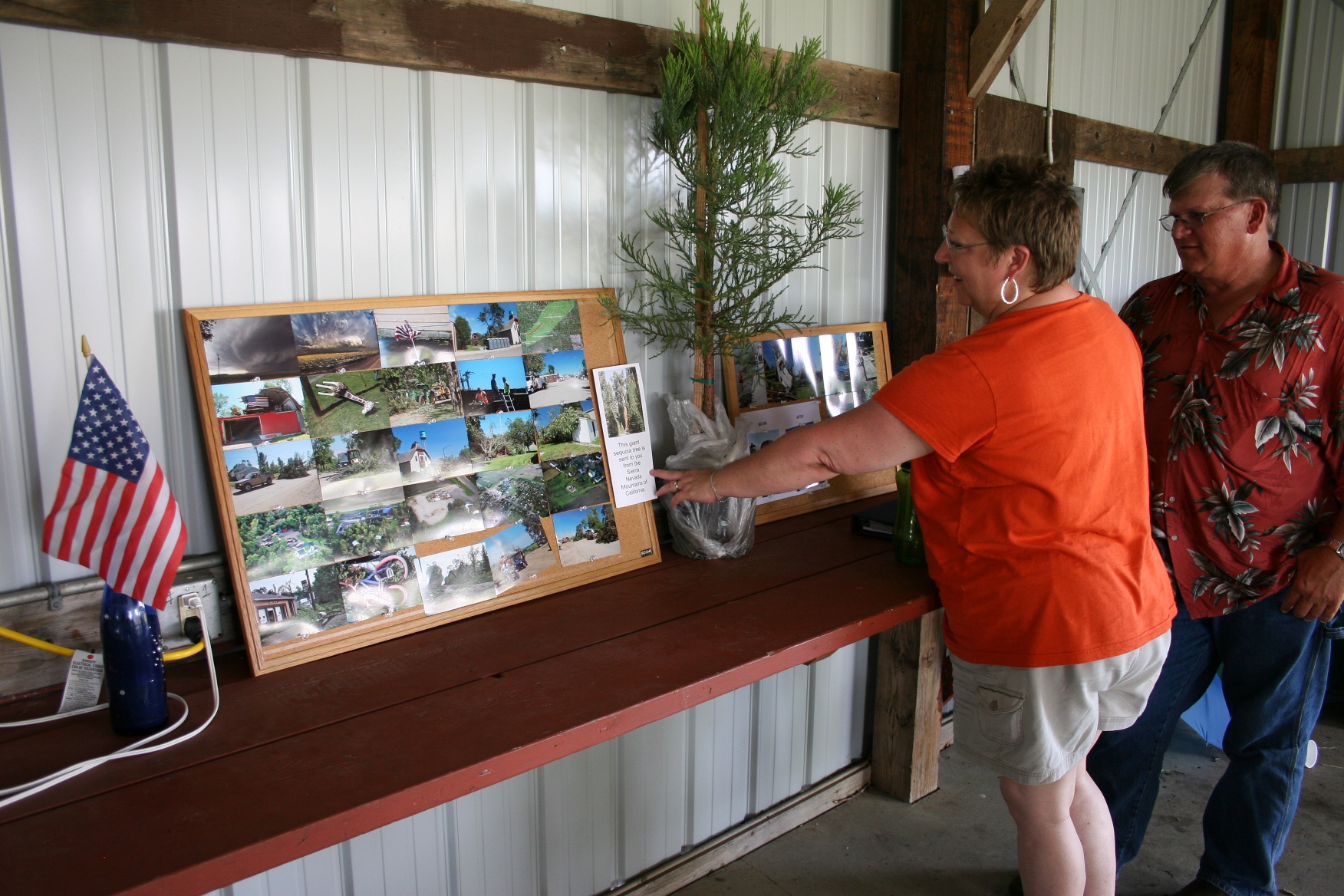
The tiny sequoia photographed here was given to the residents of Belview by their FEMA rep, Steve. Photos of tornado damage and recovery were posted on bulletin boards during the celebration. The image in the upper left corner shows the tornado, as it approached Belview.

The FEMA’s rep’s fondness for Belview showed in the sequoia he sent with the following note:

Some of you I was able to meet personally, with others it was a smile or head nod. In either respect, the experience of working with you during the tornado recovery effort has been engraved in my memory banks. What a fantastic town and great people.

Thank You for the invitation to the one year recovery celebration and tree planting. Believe me I’d very much like to be there, however FEMA wants me here, in New York City, until our mission is completed. Yeah, I know what you’re thinking. New York City??????

I hope you can find a nice place to plant this “little guy”–you might consider giving him a little room to grow. They live in the mountains near my home in California and I can tell you that every time you see one it will certainly take your breath away, they are truly magnificent trees and very hard to forget. Somewhat like the Harvest and Thanksgiving Time in Minnesota.

Wishing you all continued success in the recovery process.

Decades from now, when travelers spy a giant redwood in the Redwood County community of Belview, they will likely ask about the tree. And they will hear the story of the tornado which touched down in this little prairie town on July 1, 2011, and how, one year later, Steve the FEMA rep gifted a sequoia to the city. Surely, the stuff of legends…

© Copyright 2012 Audrey Kletscher Helbling
 

Dispelling a Mayberry myth in rural Minnesota December 16, 2011

Man in custody after shooting in Gaylord

Two men arrested after incident with police officers in Winthrop

Three years since rural Green Isle homicide

These disturbing headlines all published recently in a single issue of a 10-page small-town Minnesota weekly newspaper.

How life has changed in the 31 years since I pounded out news articles there, for The Gaylord Hub, on a vintage manual typewriter. The biggest news stories during my 1978 – 1980 tenure as a reporter were fires and motor vehicle crashes and the controversy over the expansion of local chicken barns.

I didn’t write about eight bullets fired into a Gaylord home in an alleged gang-related shooting or a scuffle between police and a suspect or a three-year unsolved homicide.

And I didn’t have to report on a courthouse shootings like the one which occurred Thursday in quiet Grand Marais, an artsy get-away destination along the shores of Lake Superior.

Thirty years ago, small towns were still relatively untouched by violent, drug-related or other crime. Not so anymore. One need only pick up any weekly newspaper to read about major crimes that rock even the most rural regions.

Just this week in Redwood County in rural southwestern Minnesota, warrants were issued for 31 individuals on felony drug charges following a year-long, five-county investigation, according to information published in The Redwood Falls Gazette. Most suspects have been arrested and charged.

That’s my home county you’re talking about here, a place of small towns, grain elevators, farm sites, and corn and soybean fields—about as rural as you can get.

This isn’t Mayberry anymore.

While I can wax nostalgic about how things “used to be,” the reality of life is this: Times have changed. People have changed. Respect for parents and authority and laws have eroded.

Crime, once considered a big-city problem, reaches deep into the most rural of locations.

It is sad.

But it is the truth.

IF YOU LIVE in a rural area, have you see increases in crime? Explain. How have you, personally, or your community been impacted? How is your community dealing with crime? Please submit a comment and share.

© Copyright 2011 Audrey Kletscher Helbling
 

The lists you don’t want to be on in Minnesota November 22, 2011

DO YOU KNOW someone critically-injured or killed in a motor vehicle accident who was not wearing a seat belt?

I do.

So when I picked up The Faribault Daily News and read this front page headline, “County on new motorist deaths list,” I was not pleased, not at all.

My county of Rice is already on the list of Minnesota’s 13 deadliest counties for impaired driving. (Click here to see that list.) Now we’re on that latest “State’s 20 counties with highest percentage of unbelted deaths” list, according to a recent study released by the Minnesota Department of Public Safety Office of Traffic Safety. (Click here to read that report.)

From 2008 – 2010, Rice County had 14 motor vehicle fatalities. Nine of those individuals, or 64 percent, were not wearing seat belts.

Ranking at the top of this list you don’t want to be on are rural Kanabec and Wadena counties, each with three fatalities, all three unbelted. Nearly every county on the list of 20 lies in a rural area.

A rural southwestern Minnesota highway.

Certainly, statistics do not tell the full story of these deaths. Many factors can contribute to losing your life in a motor vehicle accident. Yet, buckling up is the one simple action you can take to increase your chances of escaping death or severe injury in a crash. Common sense tells you if you’re not strapped in place, you’re most likely going to be ejected or partially-ejected from your vehicle during a serious accident.

Why would you risk traveling without buckling up?

I’d like to pose that question not only to my fellow residents in Rice County, but also to those living in Redwood County in rural southwestern Minnesota where I grew up.

Redwood County, with a population of only 16,059, ranked third on the unbelted fatalities list with five of the six individuals killed from 2008 – 2010 not buckled in.

Perhaps Minnesotans living in less-populated areas like Redwood County possess a false sense of security regarding travel on rural roads. I know that region of Minnesota well. You can sometimes drive forever without seeing another motorist. And seldom do I see a law enforcement vehicle. But that should not stop drivers and passengers from wearing seat belts.

As much as I detest the traffic congestion and often times crazy driving in the metro area, I know that I am statistically safer on Twin Cities highways than I am on rural roadways.

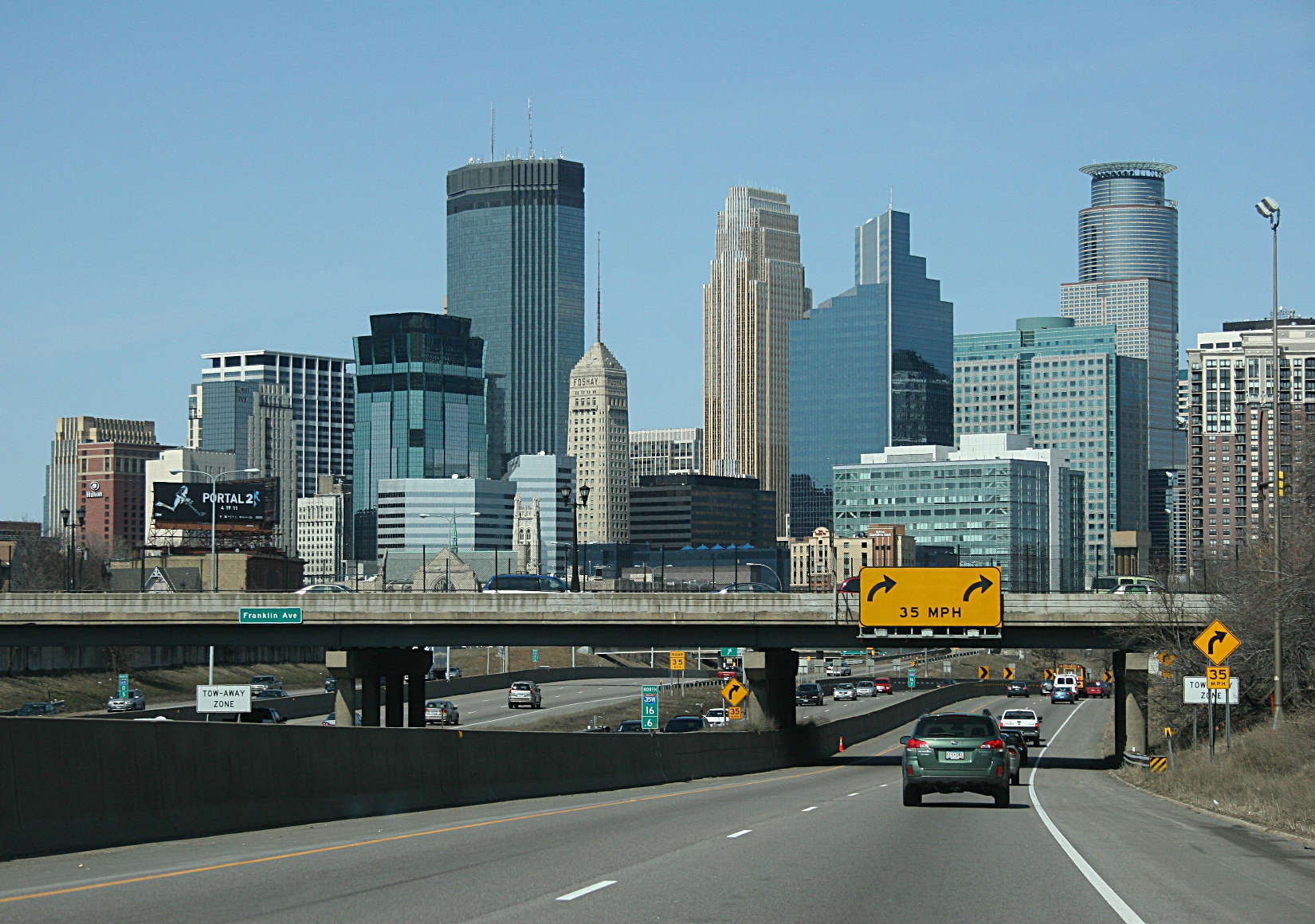
A rare, uncongested drive through Minneapolis.

That brings us back to Rice County in southeastern Minnesota along Interstate 35. I don’t consider my county—with a population of 63,034, the state’s 13th most populous county and an hour from downtown Minneapolis—to be rural although we certainly have plenty of farms and back roads.

Why are people failing to buckle up here? How does that relate to driving while impaired?

When a law enforcement officer stops a driver in Rice County for failure to wear a seat belt, does the officer ask why the motorist is not buckled in? Can that question legally be asked?

Recently, two Faribault High School students were ejected from a vehicle during a crash. The unbelted driver, a 17-year-old member of the FHS football team, suffered a neck injury and was released shortly after the accident, according to an article in The Faribault Daily News. His unbelted 16-year-old passenger was critically-injured.

I hope the two teens involved, and their families, will approach local school officials to use this as a teachable moment to promote seat belt usage. As parents of most teens will tell you, an experience shared by a peer can accomplish what all the lecturing in the world by a parent cannot.

Minnesota high schoolers interested in promoting seat belt usage can compete for a $1,000 prize in the “Buckle Up Teens! TV Commercial Challenge” contest sponsored by the state’s Office of Traffic Safety. Entry deadline for the 30-second TV public service announcement is April 16, 2012. (Click here for information about this competition.)

Realistically, I realize that no matter how hard we try collectively to increase seat belt usage in Minnesota to 100 percent via contests, education, laws, enforcement of laws and more, we’ll never reach perfection. But we’re getting close at 92 percent of Minnesotans now buckling up, according to the state Traffic Safety office.

Residents of Rice and Redwood counties, and all those other 18 counties on the state’s “unbelted fatalities list,” please buckle up. Honestly, I don’t like reading stories about traffic deaths that could have been prevented.

DO YOU BUCKLE UP every time you get into a motor vehicle? Why or why not? Share your personal reasons, your story.

© Copyright 2011 Audrey Kletscher Helbling
 

Traveling back home to the southwestern Minnesota prairie September 5, 2011

Filed under: Uncategorized — Audrey Kletscher Helbling @ 9:07 PM
Tags: , , , , , , , , , ,

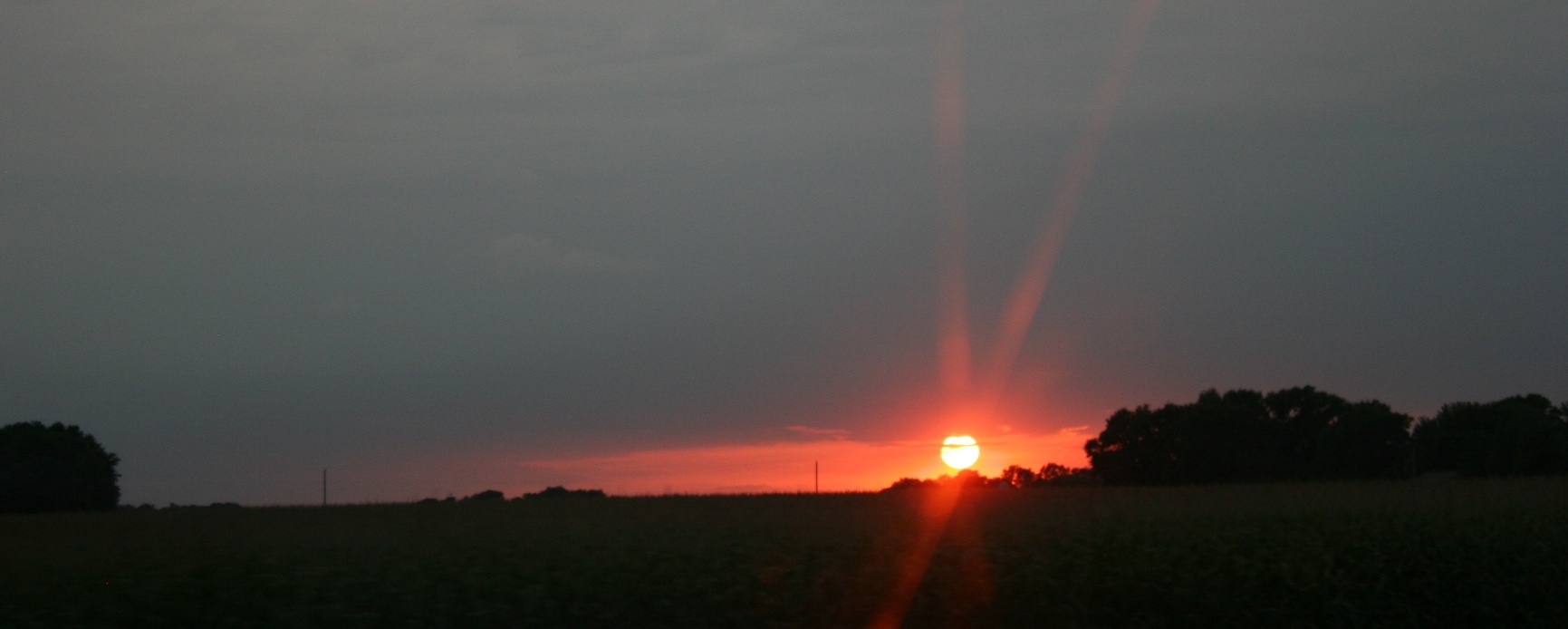
The land and sky stretch out before us as we drive along Minnesota Highway 67 between Morgan and Redwood Falls in southwestern Minnesota at sunset Friday.

MY HUSBAND, SON and I traveled this weekend to my hometown of Vesta in southwestern Minnesota, the place that inspired the name for this blog, Minnesota Prairie Roots.

My roots run deep into this land, into the soil of Redwood County where I grew up on a dairy and crop farm. Although I left the farm 38 years ago at age 17, the fall after graduating from Wabasso High School, I still consider this home. It is the place that shaped who I became as a person and a writer.

It is the land that still inspires me in my writing and my photography.

Most Minnesotans don’t give this area of the state a second thought. In fact, I have discovered in my nearly 30 years of residing in Faribault, in southeastern Minnesota, that many residents of my community don’t know what lies west of Mankato. They think the state ends there.

That frustrates me to no end. In trying to explain the location of  Vesta, I typically say “half way between Redwood Falls and Marshall on Highway 19.” Usually I get a blank stare. What more can I say?

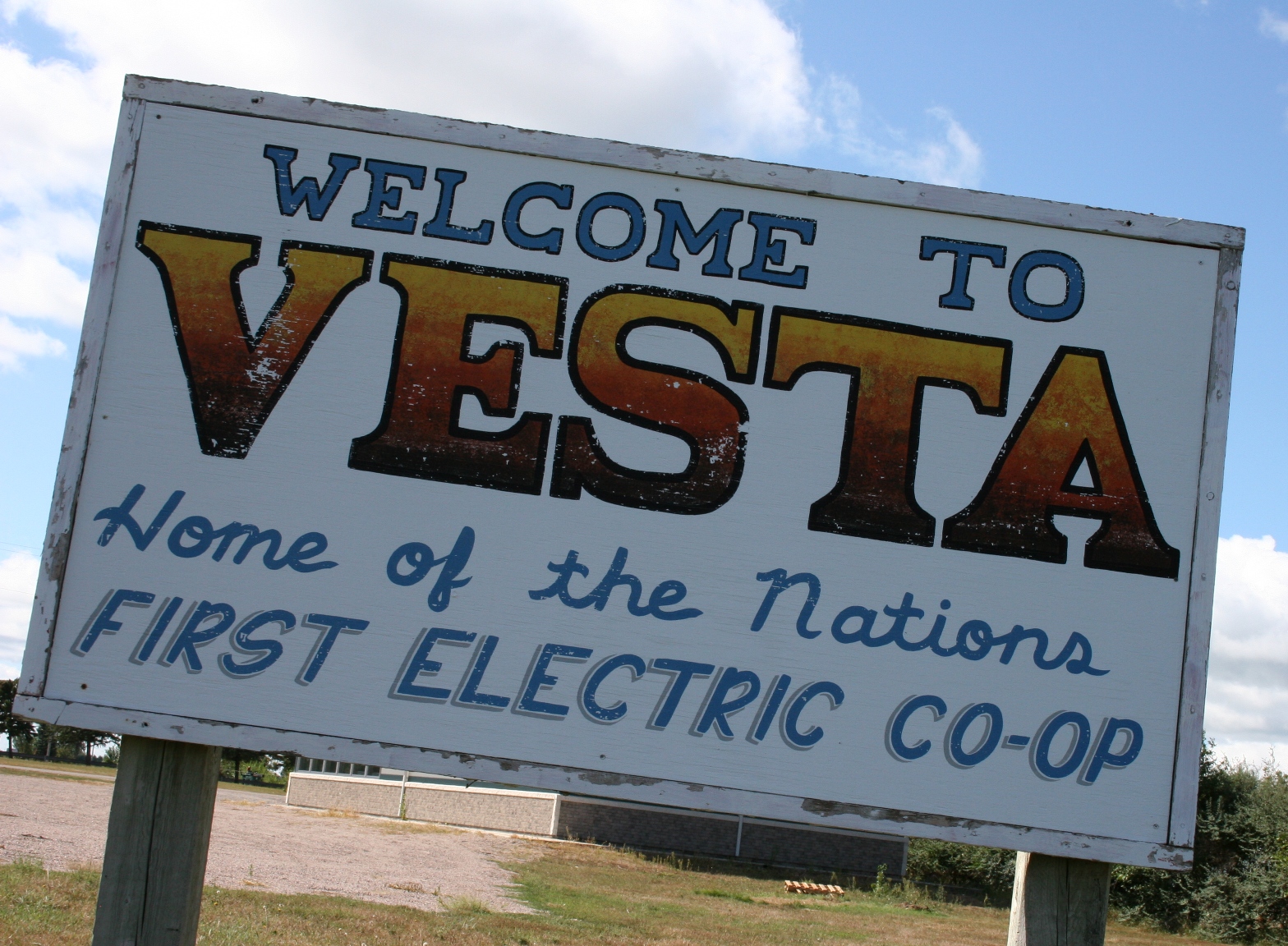
The sign that marks my hometown, population around 350 and home of the nation's first electric co-op.

They consider my hometown in the middle of nowhere. I don’t disagree with that. But I like the middle of nowhere. The prairie possesses a beauty unlike any other. The wind. The sky. The acres and acres of cropland punctuated by farm places and small towns appeal to me. They quiet my soul, uplift my spirit, connect to me in a way that I can’t explain.

This trip we were driving west in the evening, into the sunset. The ribbon of roadway between Morgan and Redwood Falls stretched into seeming infinity under a sky banded by clouds.

The sun sets as we travel along Minnesota Highway 67 northwest of Morgan toward Redwood Falls.

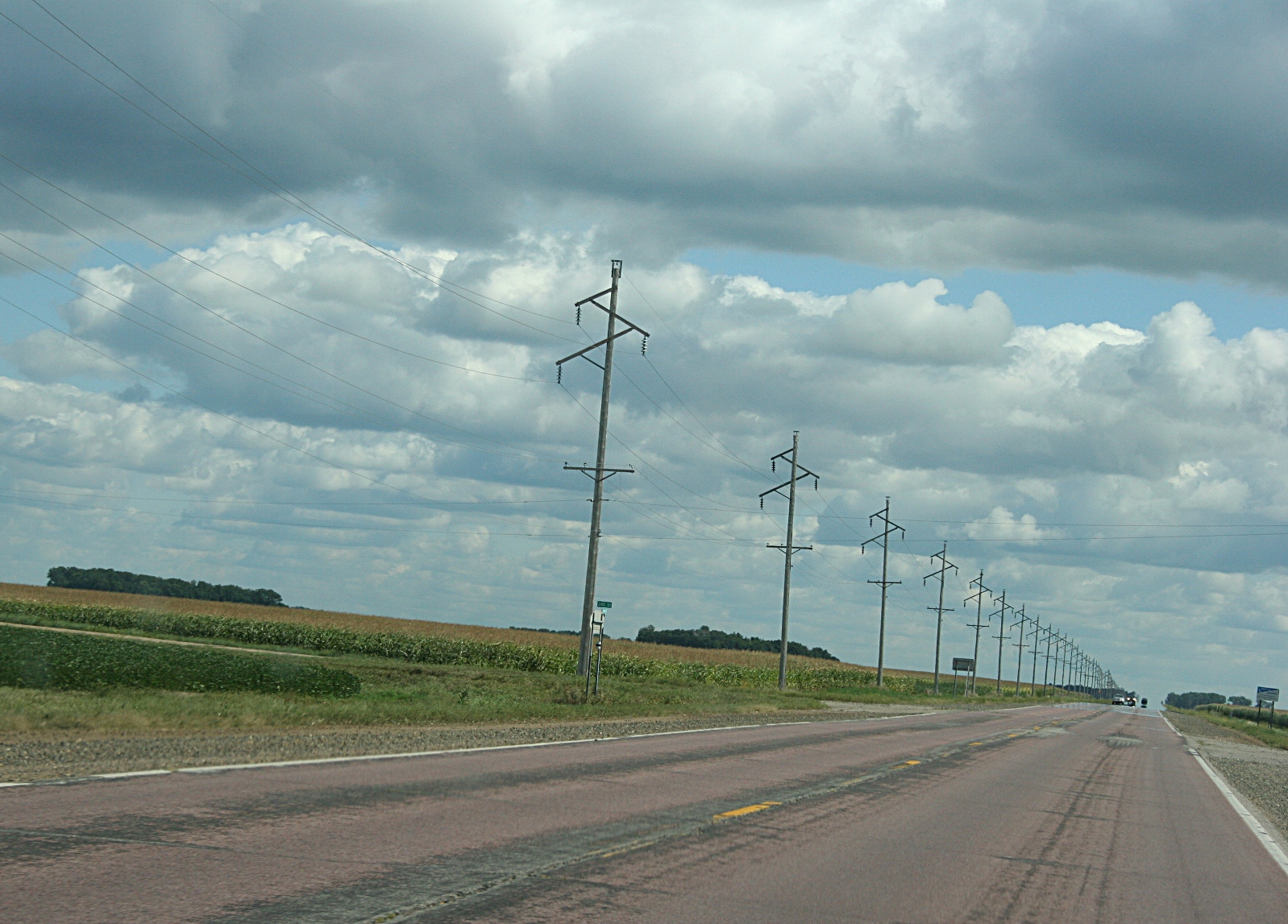
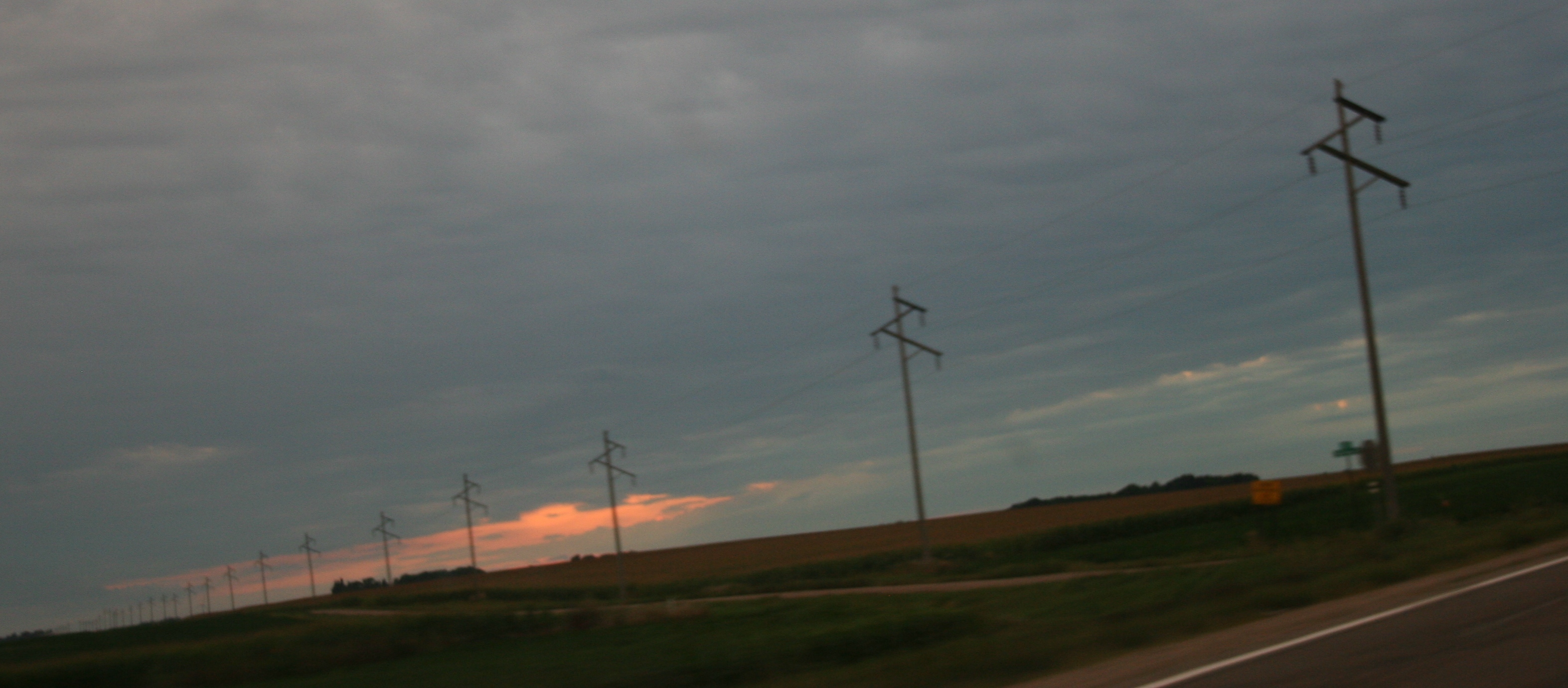
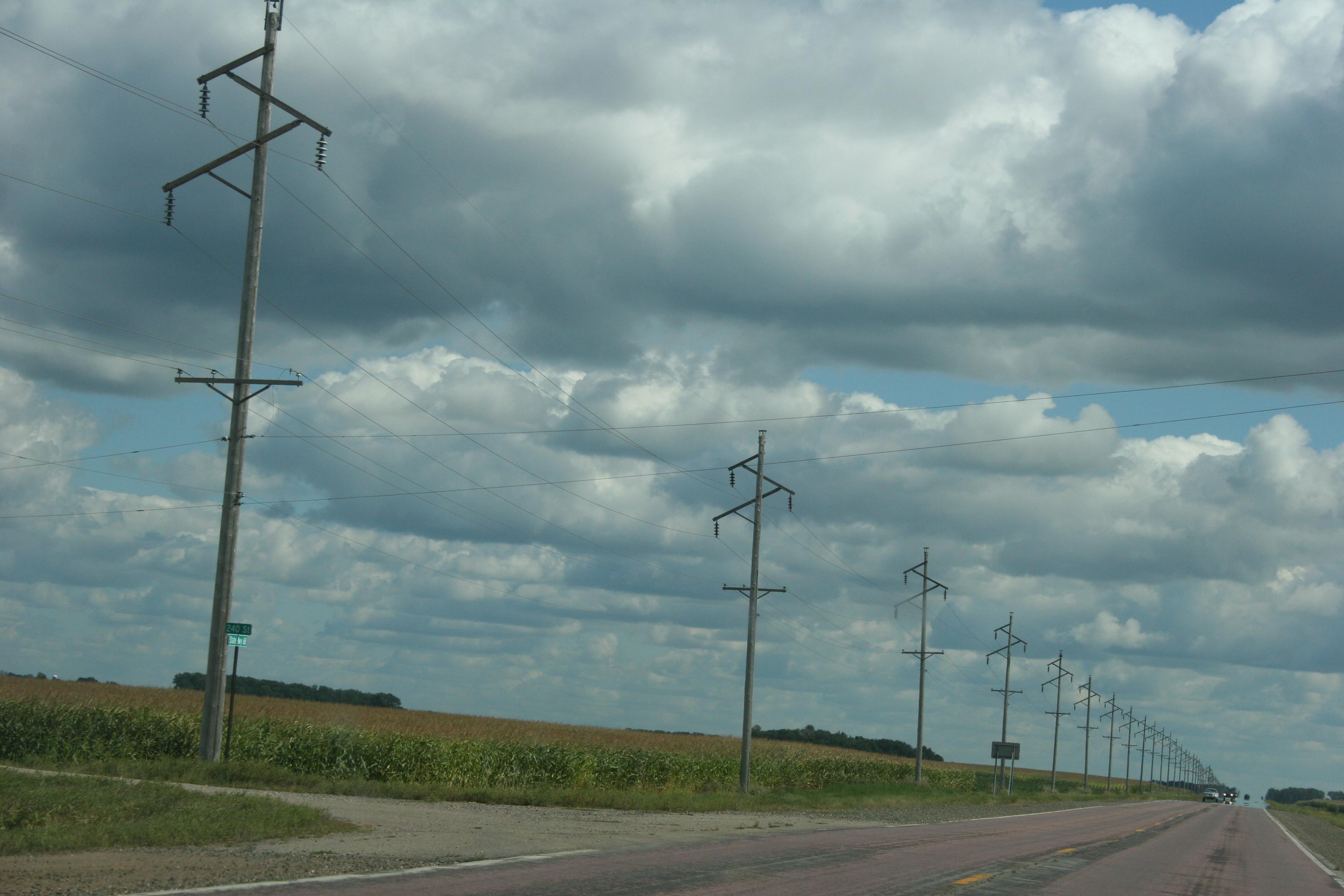
This stretch of highway between Morgan and Redwood Falls seems to go on forever, as do the utility poles.

It was beautiful. Absolutely beautiful.

What more can I say? I love my southwestern Minnesota prairie, the place that will always be my home, no matter where I live.

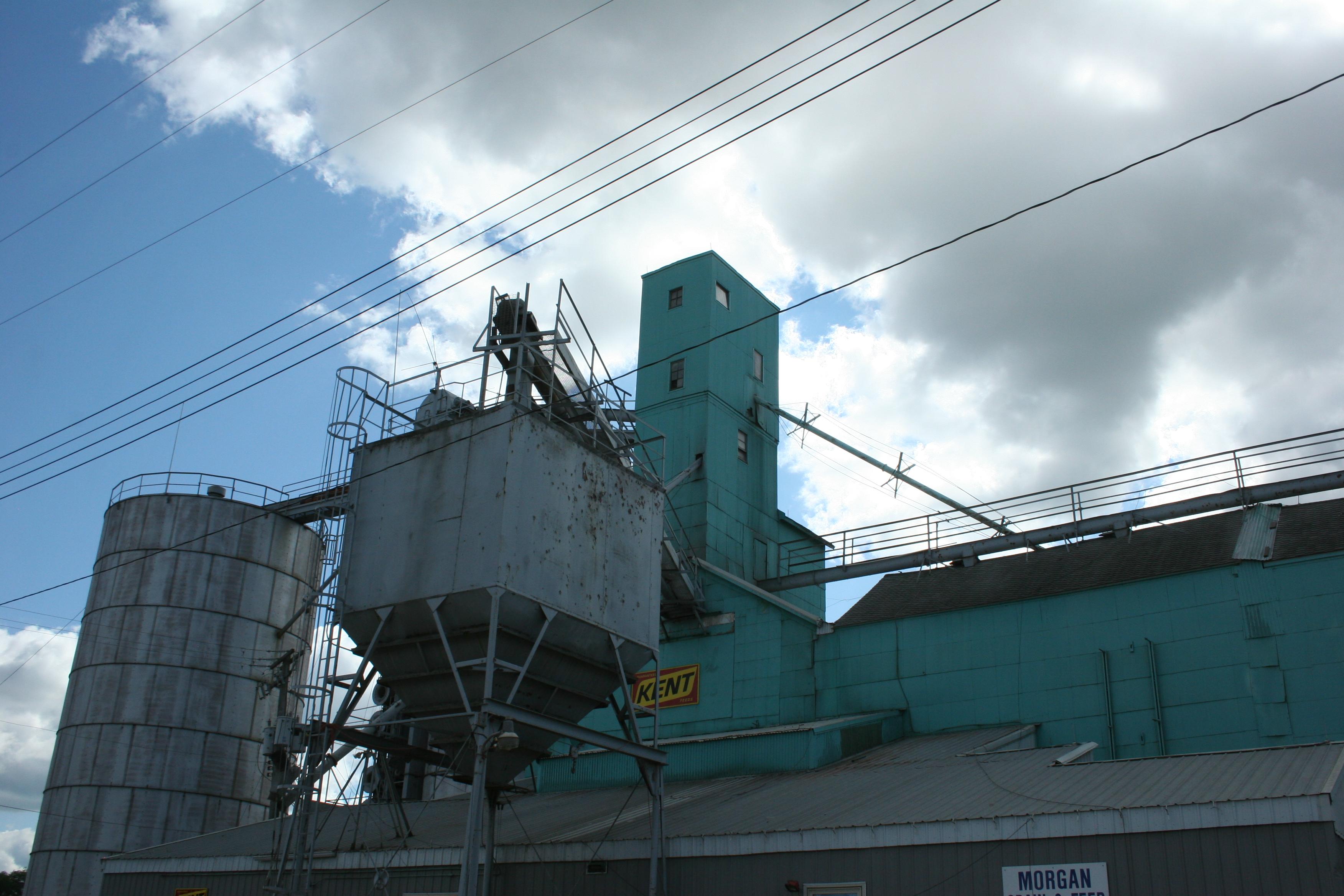
I prefer grain bins to skyscrapers. I shot this image as we traveled northwest of Morgan at sunset Friday.

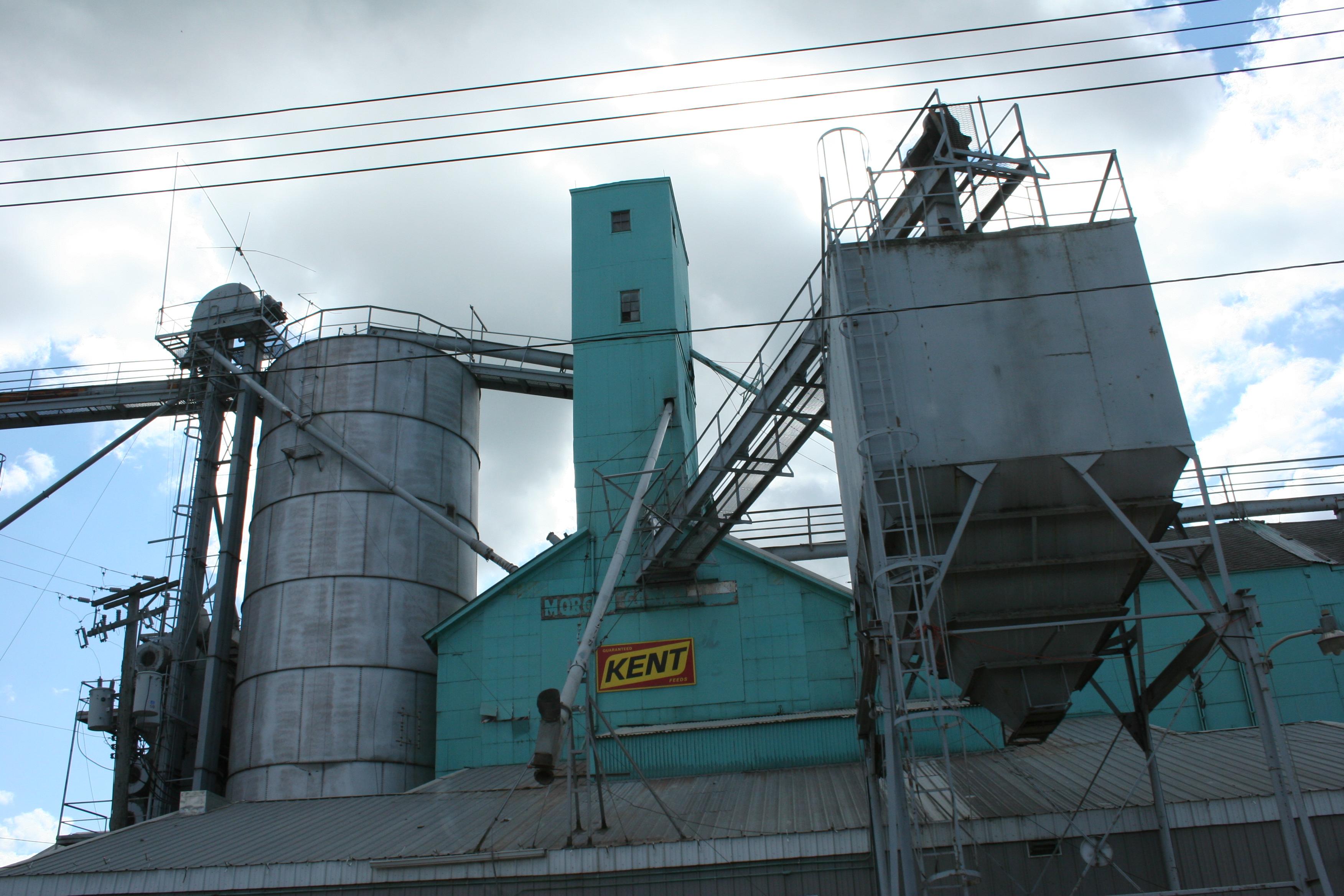
My son told me I take a picture of this grain elevator complex every time we drive through Morgan. He is probably right. But I don't care. I see something different each time, each season, in which I photograph it.

My second shot of the elevator in Morgan, taken from the car while driving back to Faribault Sunday afternoon.

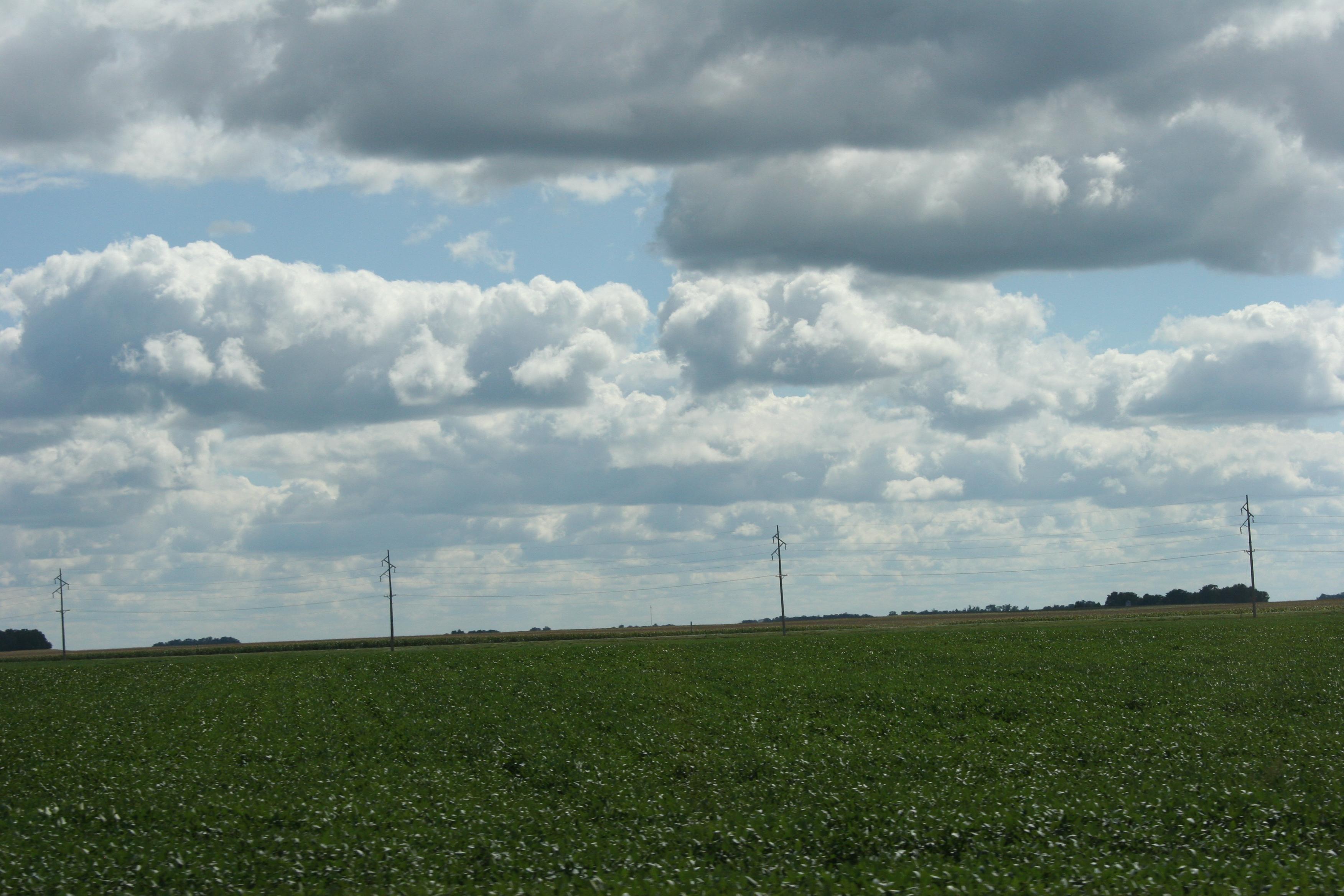
This trip I seemed to focus my camera on utility poles, which go on and on across the flat expanse of the prairie. I find a certain artistic appeal in this scene southeast of Morgan.

Soybean fields, pictured here, and corn fields define this rich farm land.

© Copyright 2011 Audrey Kletscher Helbling

 

Take time to stop and appreciate small towns August 11, 2011

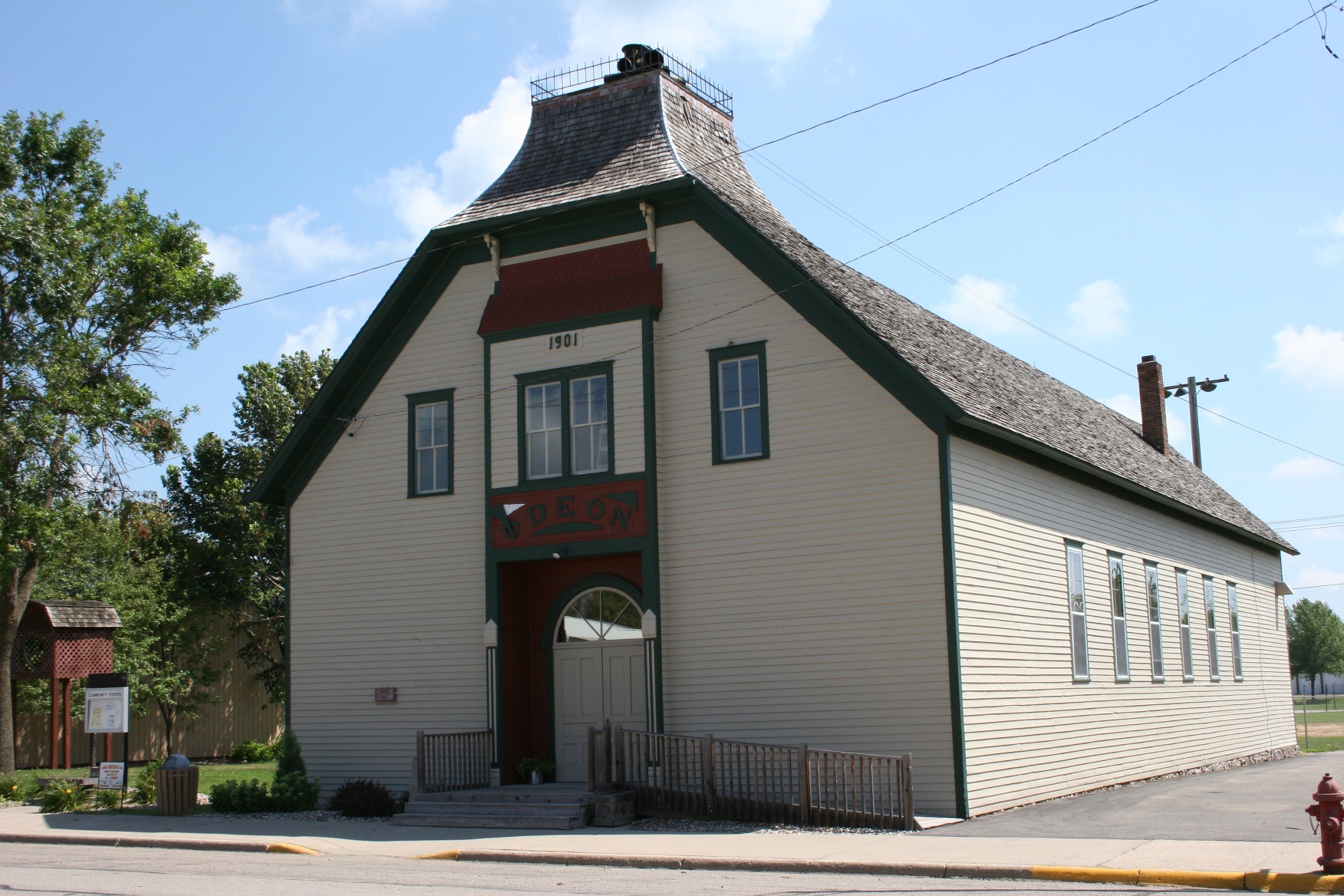
In tiny Belview, you'll find the 1901 Odeon Hall. Listed on the National Register of Historic Places, this Queen Anne style building features a barrel-vault ceiling. Still in use today for wedding receptions and community events, etc., Odeon Hall once also featured vaudeville shows, motion pictures, concerts and more.

I WANT TO THROW a challenge out there. The next time you’re driving through/near small-town Minnesota, or small-town wherever, stop. Pull off the highway and drive along Main Street. Park your vehicle. Get out. Walk. Look. See.

Notice the buildings, the architecture, the signage, the history. Consider what centers the town: the café, the post office, the grain elevator, the churches, the school—if there is a school.

Families, retirees and even single people choose to live, to work, to worship together, to celebrate, to mourn, to live their lives here. This is their home, not just some town in the middle of nowhere that you must pass through to get from destination A to destination B.

I have, in recent years, begun to appreciate the small towns and rural areas of Minnesota more than ever. I grew up on a dairy and crop farm in southwestern Minnesota, which is about as rural as you can get. But I haven’t always valued that upbringing like I should.

As I’ve gotten into the art of photography, I’ve begun to view these towns with a fresh perspective. I notice what, in the past, I’ve overlooked or taken for granted because of my rural roots.

Let me show you some photos I took recently in and near Belview, a community of 375 located four miles north of State Highway 19 in northwestern Redwood County. Belview lies about 10 miles from my hometown of Vesta, another one of those small towns that motorists zip by without a second thought. I bet you didn’t know that Vesta is the home of the nation’s first electric cooperative. I thought so.

That’s the thing about small towns. If you stop and walk and look and see, and I emphasize the word, see, you will discover more than just a place to drive through when getting from point A to point B. You will discover the heart and soul of community.

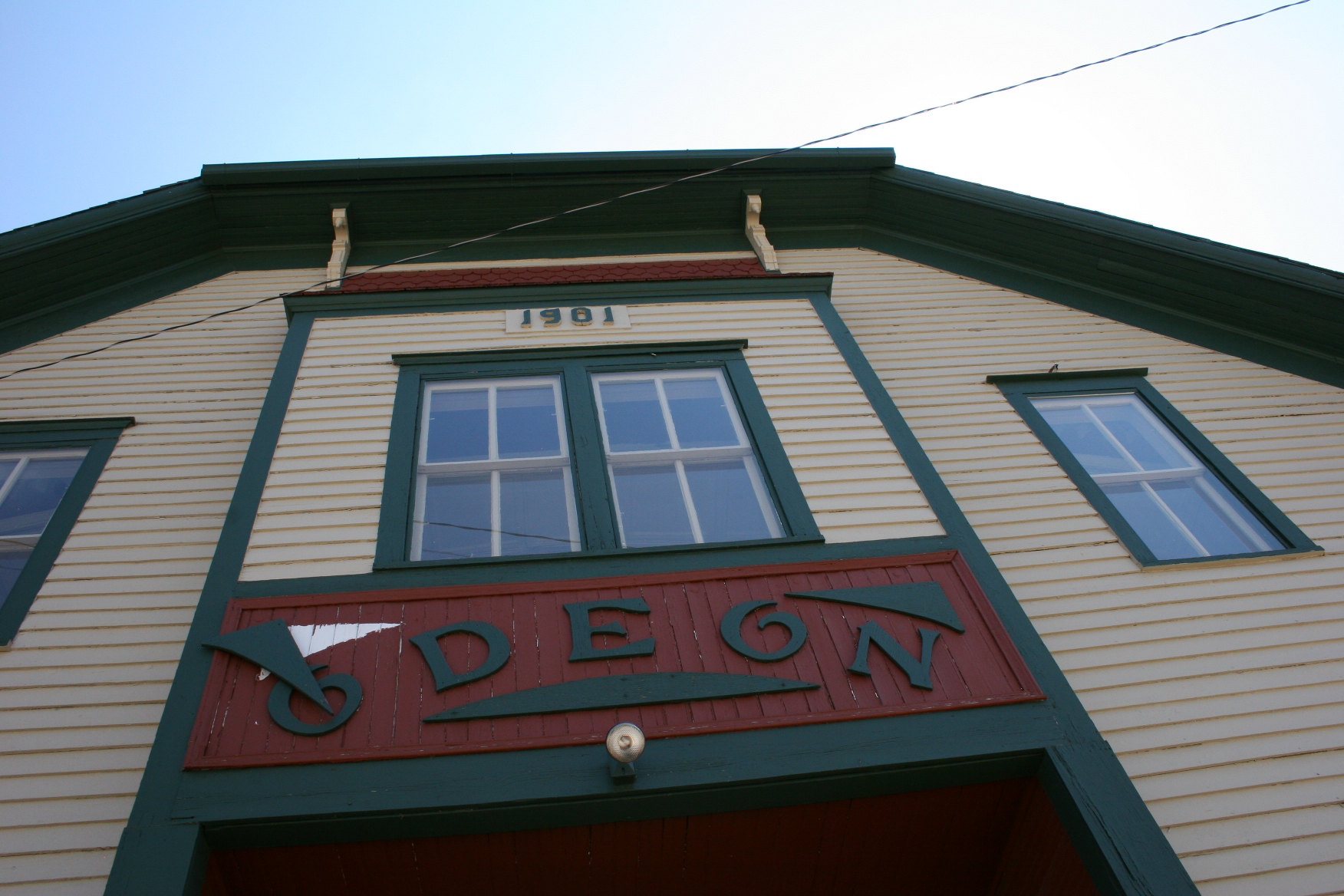
Move in close to view the details, like the front of Odeon Hall. I attended a cousin's wedding dance here decades ago. Imagine the celebrations inside this historic building.

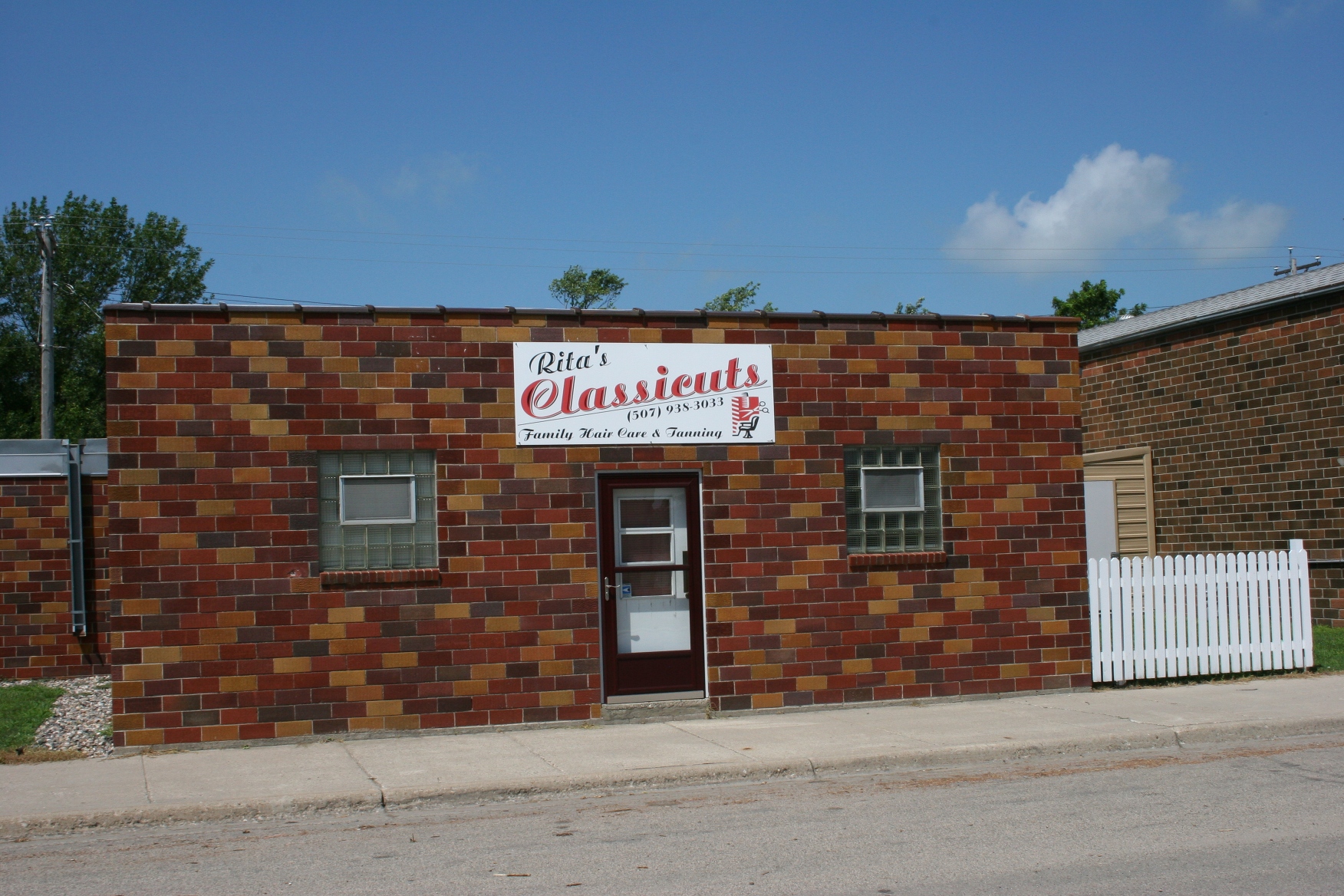
Most small towns, like Belview, are fortunate to still have a place where you can get your hair cut and styled. I appreciate the simple lines of this brick building located along Main Street.

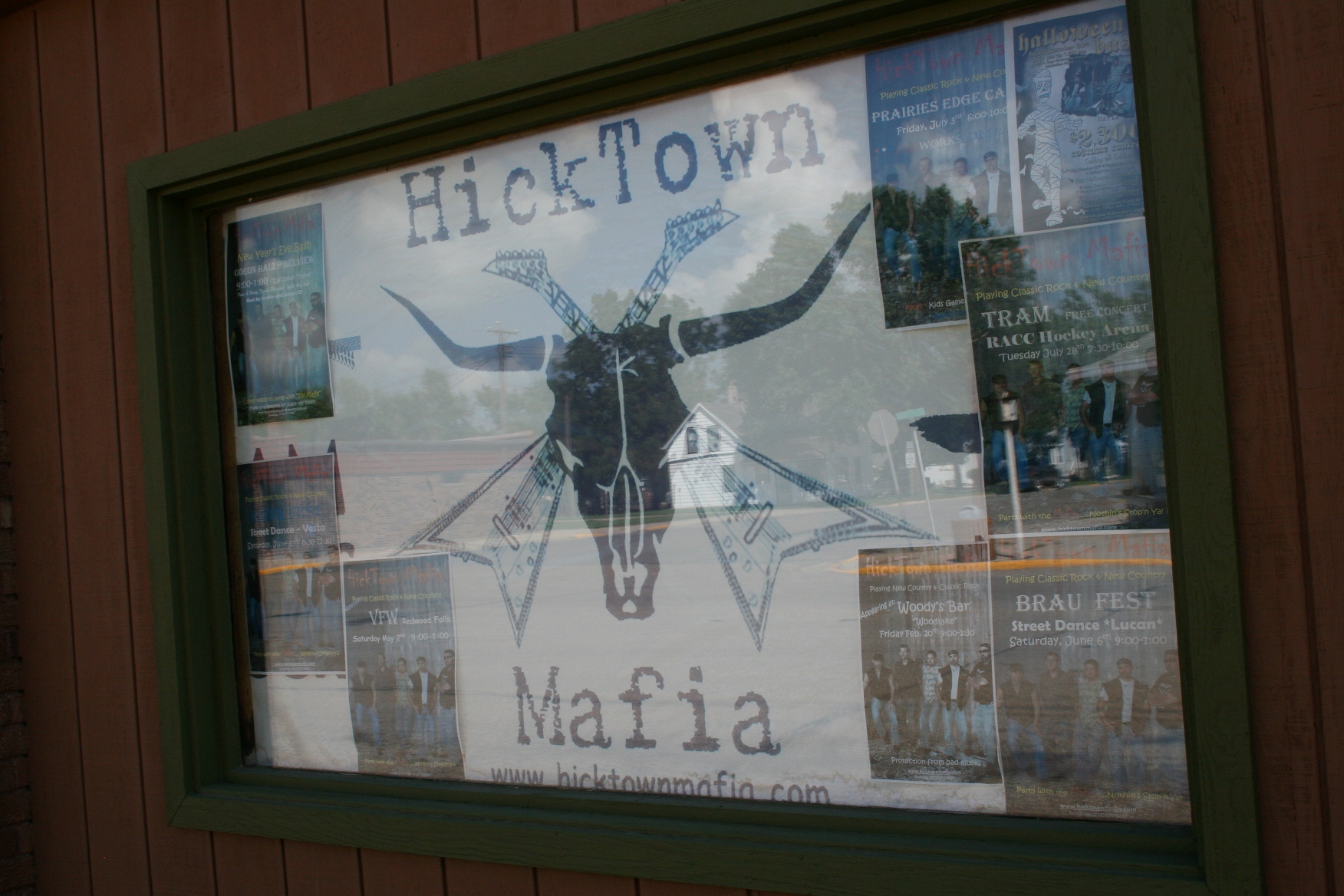
I discovered this poster in the window of a Main Street building advertising a local band, HickTown Mafia. The band plays "country with a kick, rock with an attitude," according to the group's website.

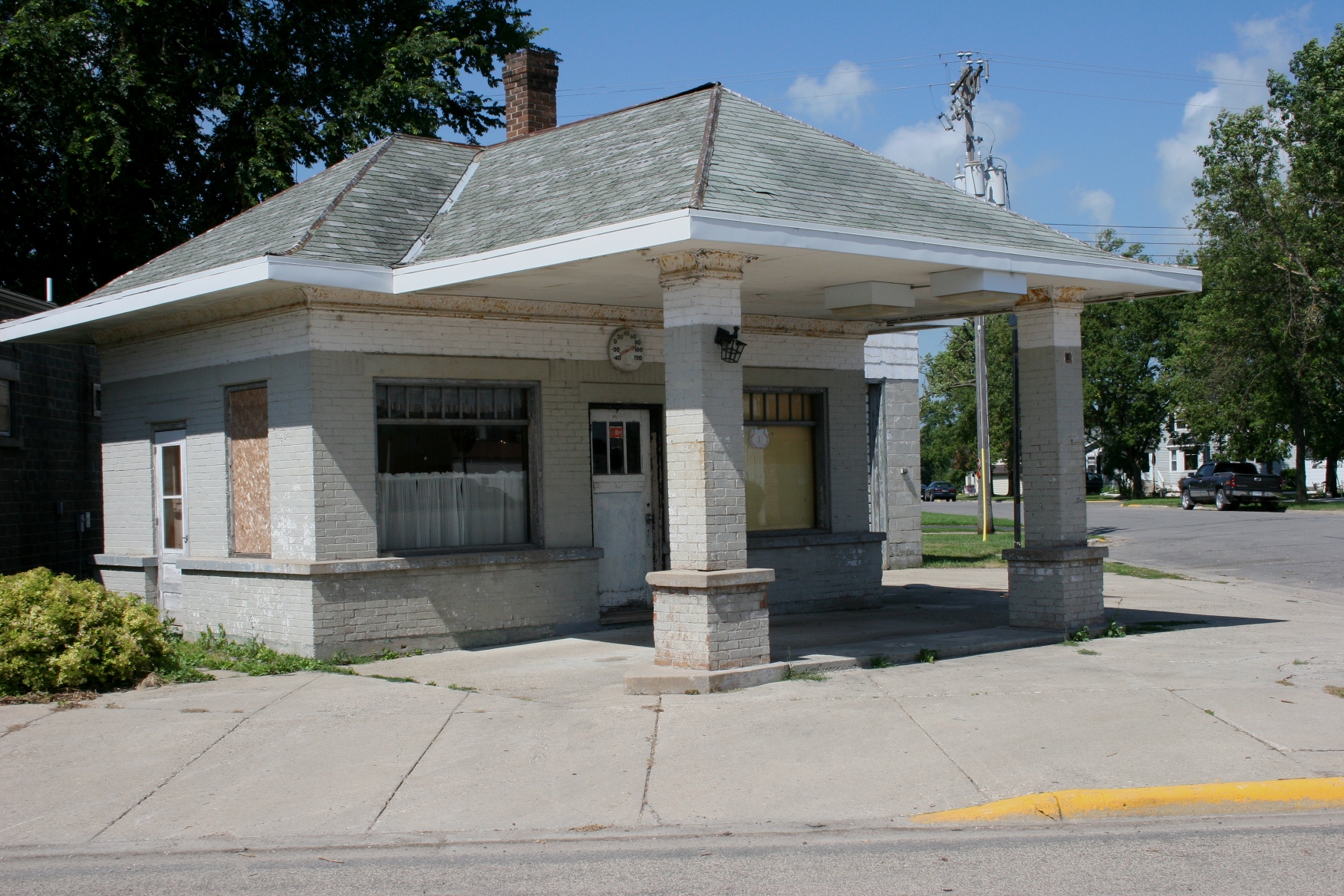
I found this abandoned former gas station (I think) on a downtown corner. This charming building practically shouts for someone to reopen it as a bakery, coffee shop, antique store or some other such venue. Perhaps the two local wineries/vineyards and other area vendors could market their products here.

The Parkview Home, a Belview nursing home, was once home to my maternal grandfather and to other extended aging family members. I've been here often to visit relatives and, during high school, to sing Christmas carols with the Luther League. The building was damaged in a July 1 tornado (note the blue tarp on the roof) and residents have been temporarily displaced.

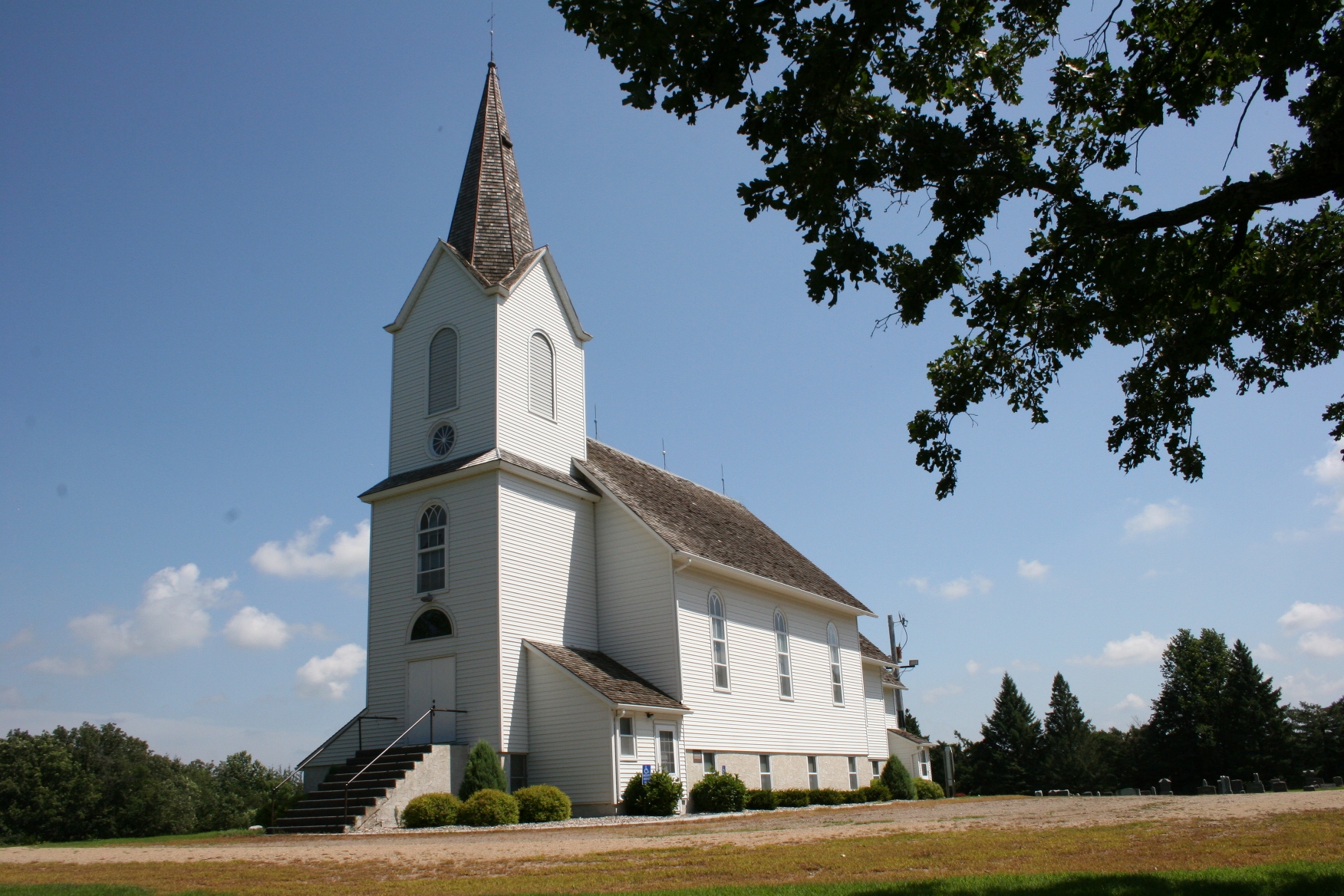
Northwest of Belview, you'll find picturesque Rock Dell Lutheran Church. My Uncle Merlin and Aunt Iylene Kletscher were married here in November 1964, the last time I was inside the church.

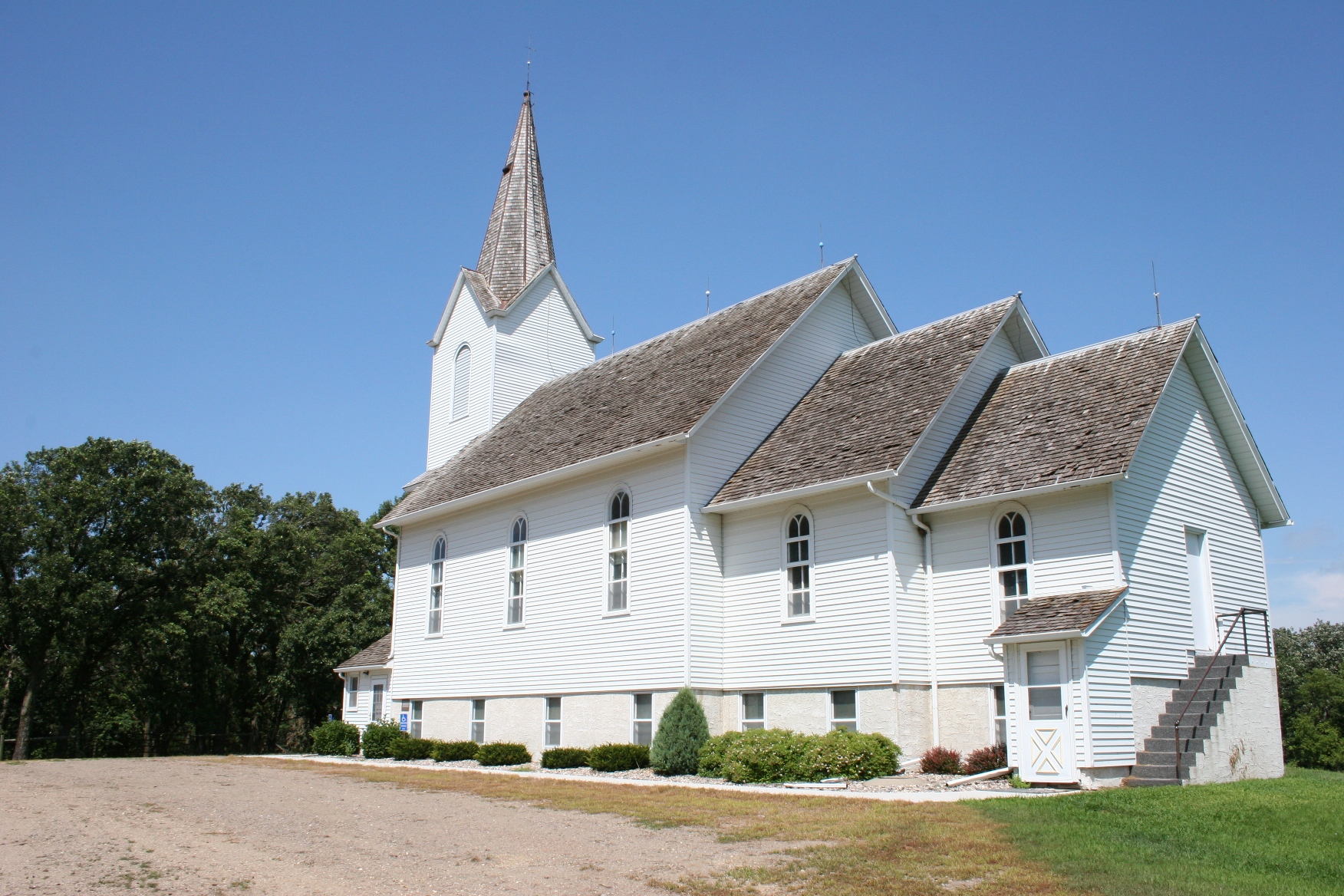
A side view of Rock Dell.

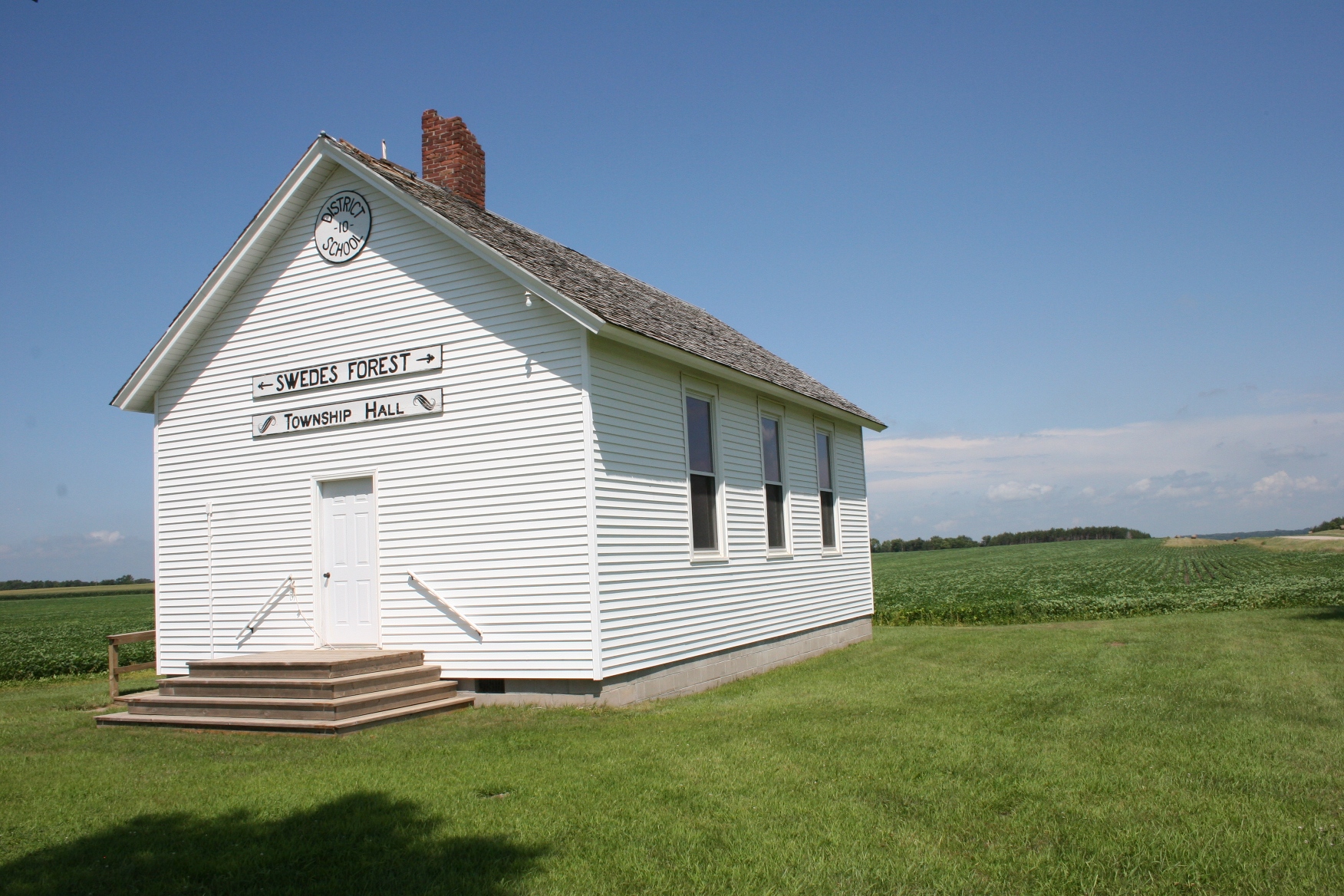
Near Rock Dell you'll find Swedes Forest Township Hall in the middle of corn and soybean fields.

FOR MORE INFORMATION about Belview, click here and here. Also read my previous post about Rainbow Antiques, Crafts and Junque in Belview by clicking here.

TAKE MY CHALLENGE and report back to me on the treasures you discover in a small town or rural area.

© Copyright 2011 Audrey Kletscher Helbling
 

Follow the rainbow to a charming antique store in Belview August 9, 2011

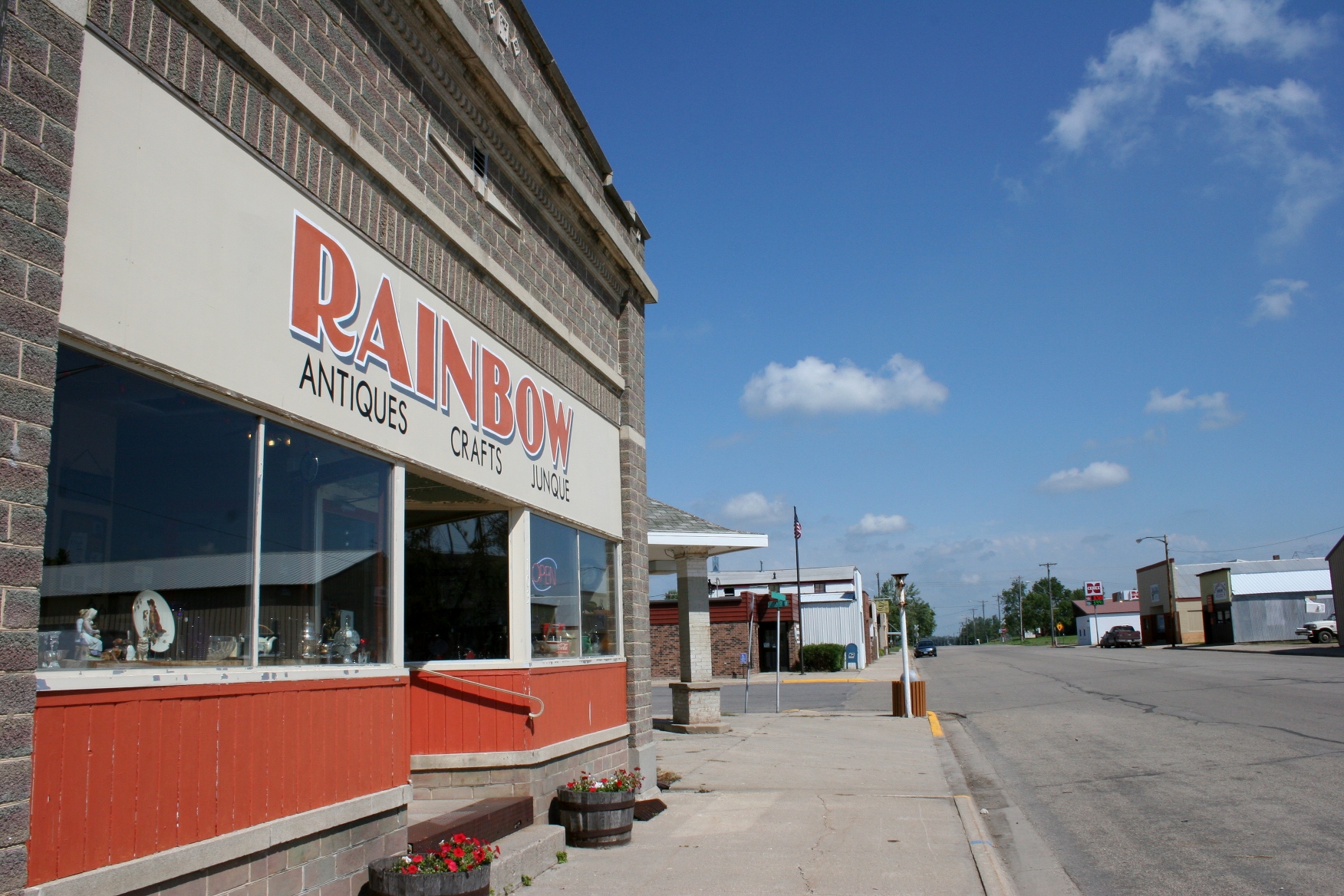
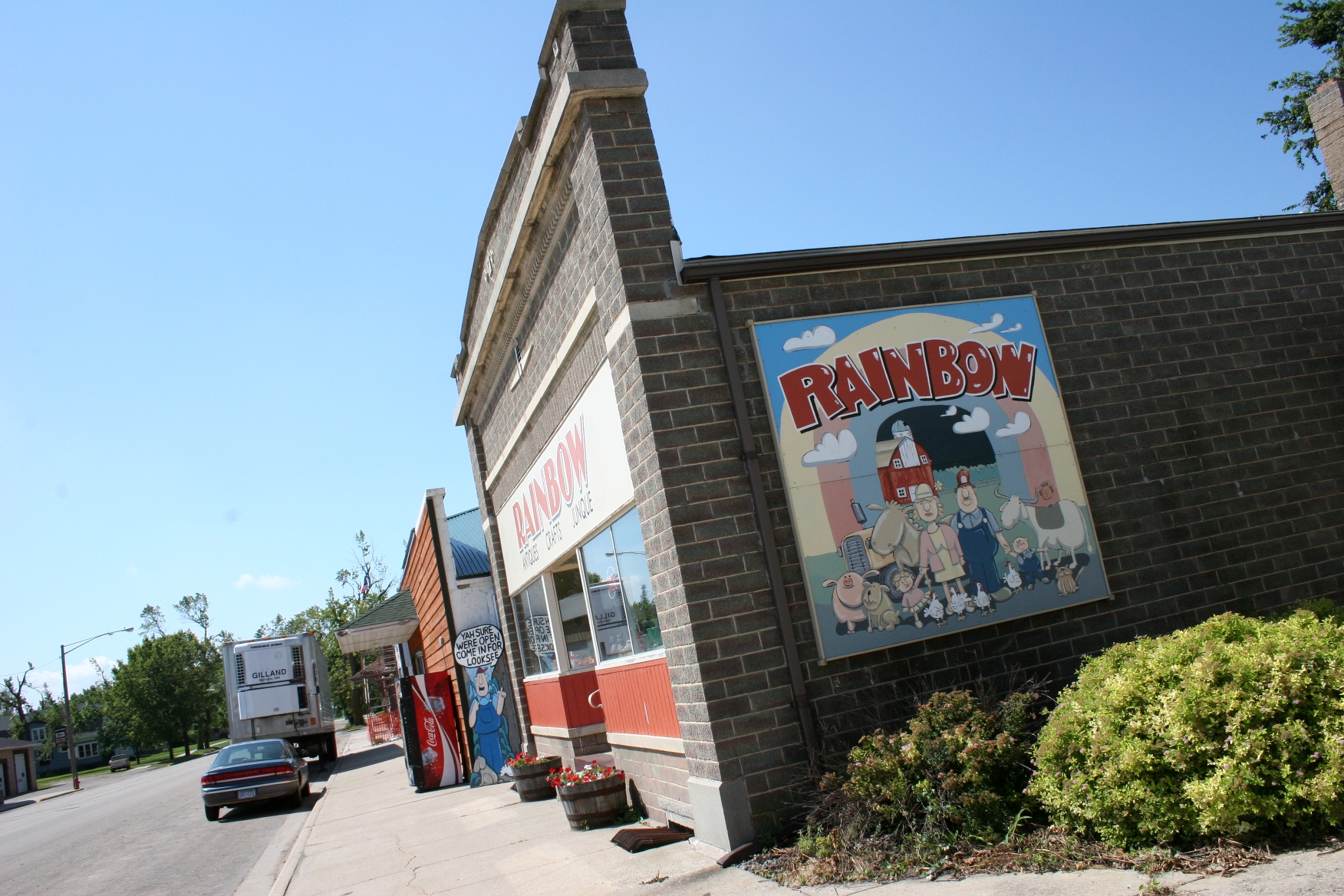
Driving north into Belview, you can't miss Rainbow Antiques, Crafts & Junque.

IF YOU’RE INTO ANTIQUING or architecture or small towns, you’ll want to visit Belview, population 375, four miles off State Highway 19 in southwestern Minnesota.

My husband, Mom and I drove to Belview on a recent Saturday morning to see my Uncle Merlin and Aunt Iylene’s “new” old home along the main drag. We also toured the town, checking out the damage from a July 1 EF-1 tornado. And, lucky us, we happened to be in this Redwood County community on the one day a week that Rainbow Antiques, Crafts & Junque is open.

And let me tell you, Don Gunelson runs one heckuva an antique store with the flair of an artist.

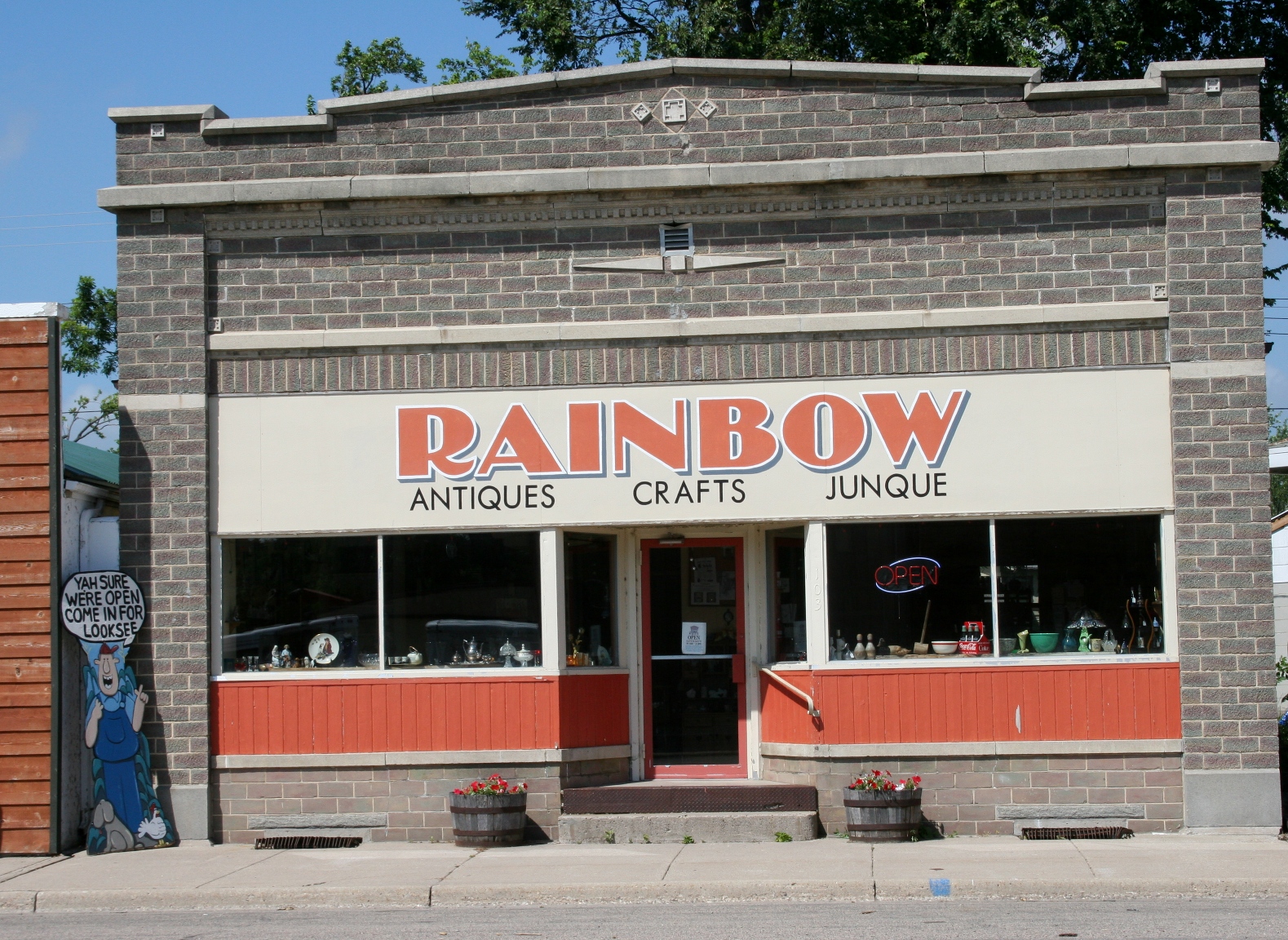
You’ll notice the building right away when you drive or walk Main Street. It’s built of beautiful rainbow brick which, in itself, is worth a stop. I know of at least two other rainbow brick buildings in Redwood County—one in Walnut Grove and the other on a corner in nearby downtown Redwood Falls.

Colorful rainbow bricks comprise the antique shop.

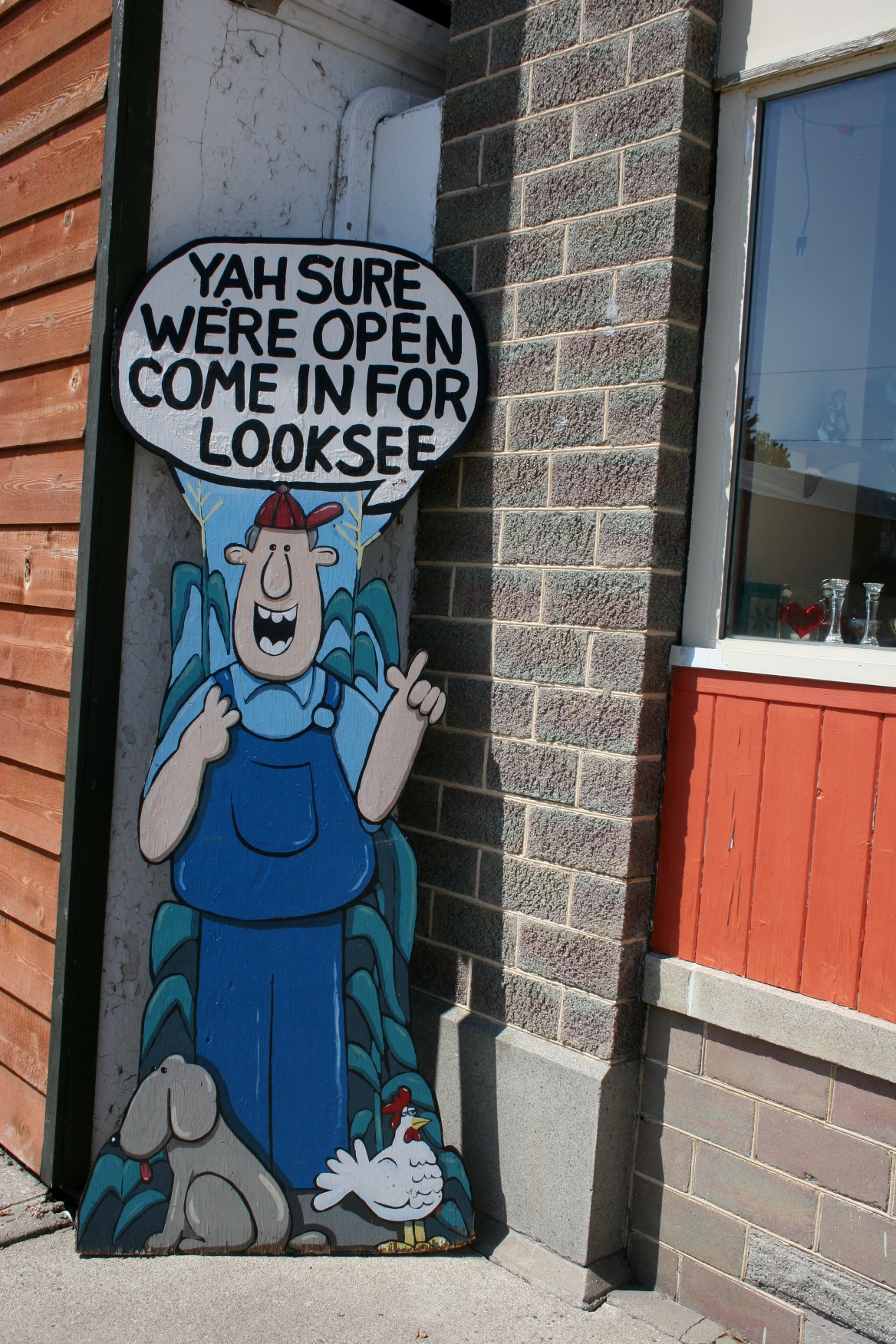
Don directs customers to his store with nicely-done folksy signage. I didn’t ask Don if he created the artwork, but he worked as a graphic designer for a construction magazine before returning to his native Belview from the metro some 10 years ago. He also works part-time at the Belview Post Office.

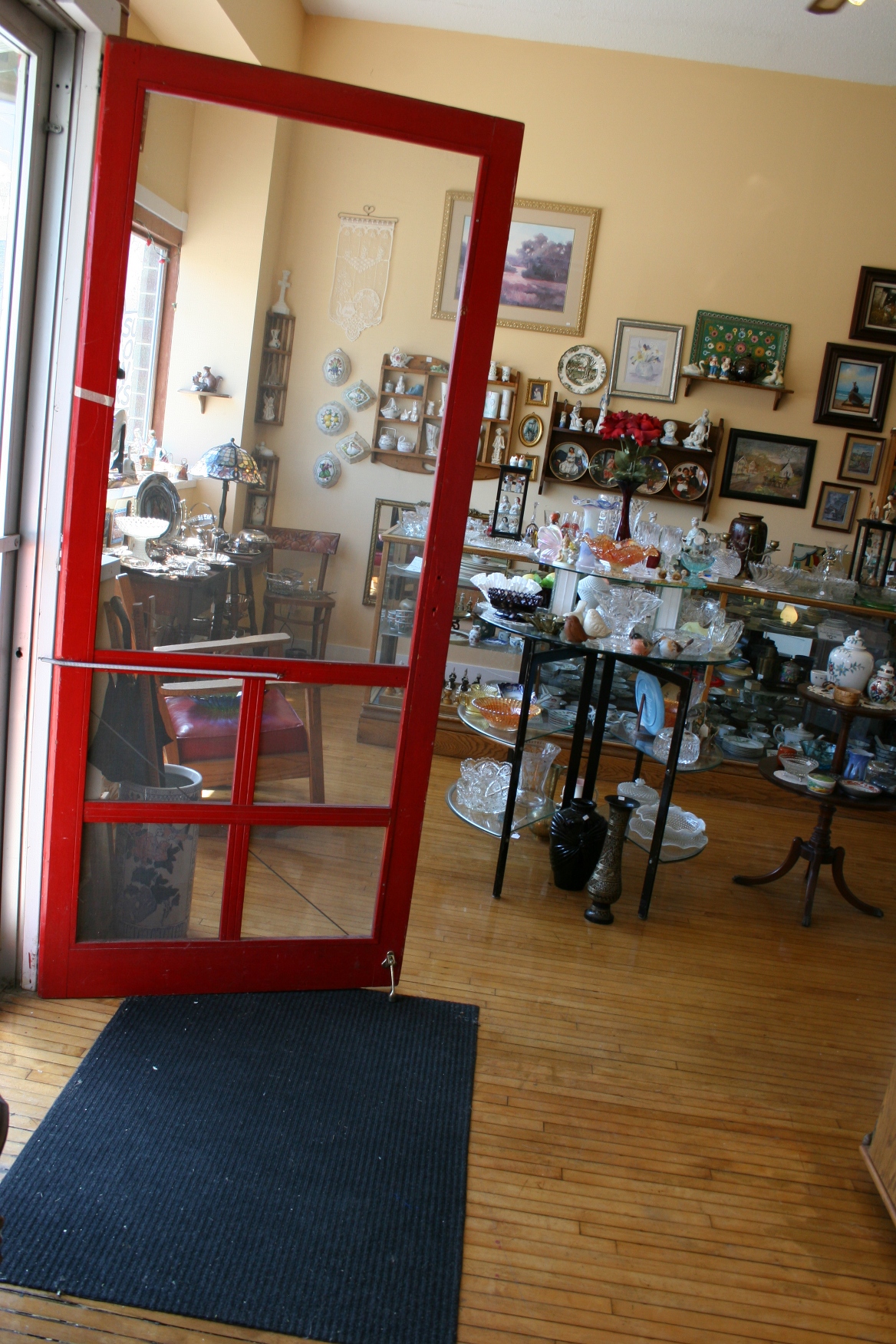
No matter, the friendly painted farmer in the bib overalls who beckons you inside for a “looksee” will already have you smiling before you stroll through the red doors and plant your feet upon the vintage tongue-and-groove floors in a room the color of butter.

Immediately I noticed the old-style screen door painted a vivid red. It’s a perfect fit for setting the mood of this place. I’ve been in a lot of antique shops in my day, and this one, by far, rates as one of the most inviting with plenty of light streaming in the east-facing windows, merchandise displayed in a way that isn’t cluttered and a down-home atmosphere that makes you feel comfortably at ease.

I poked around for awhile, not as long as I would have liked, though, since my mom was waiting for me back at the aunt and uncle’s house. My husband explored, too, and determined the prices to be reasonable—not too high and not too low.

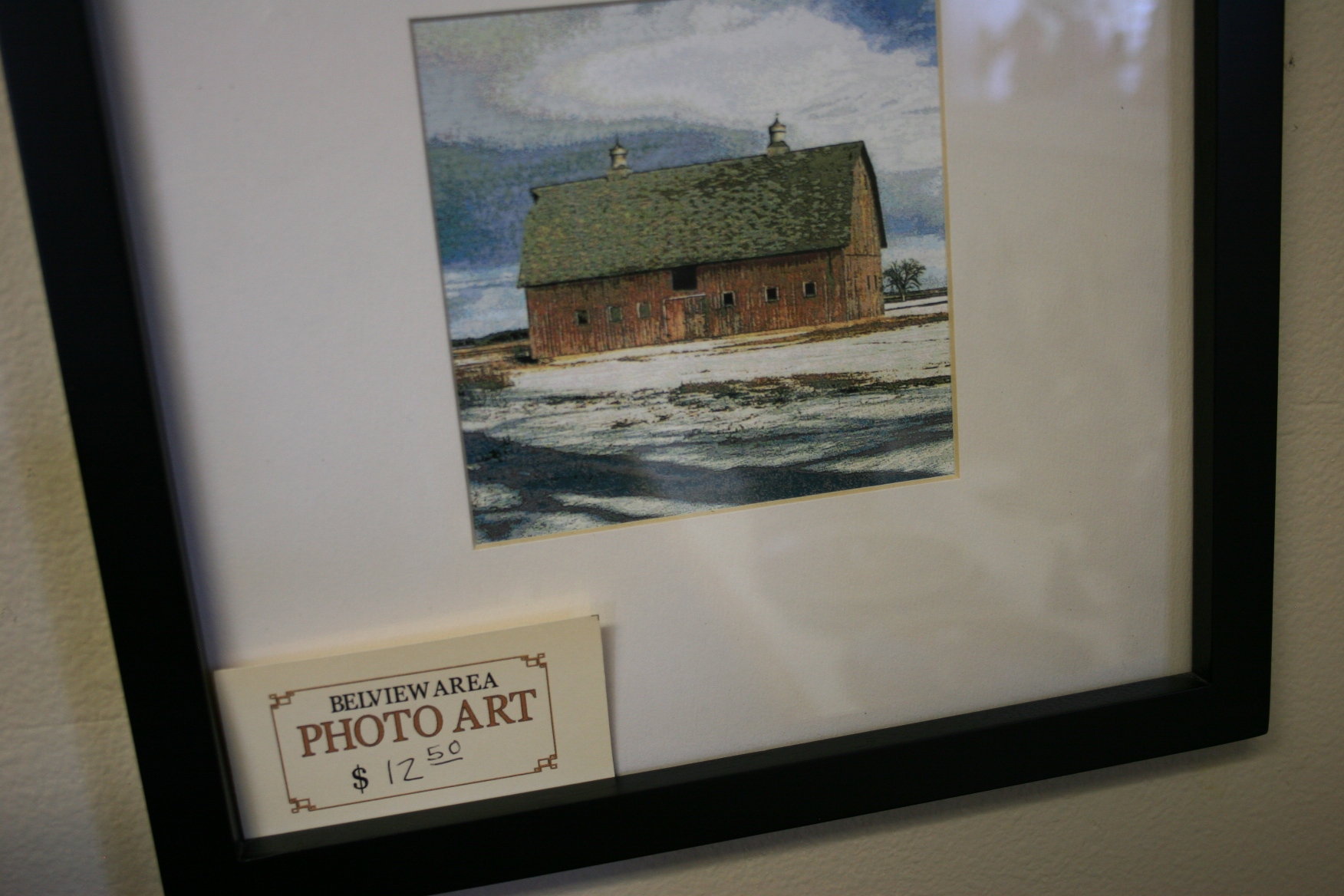
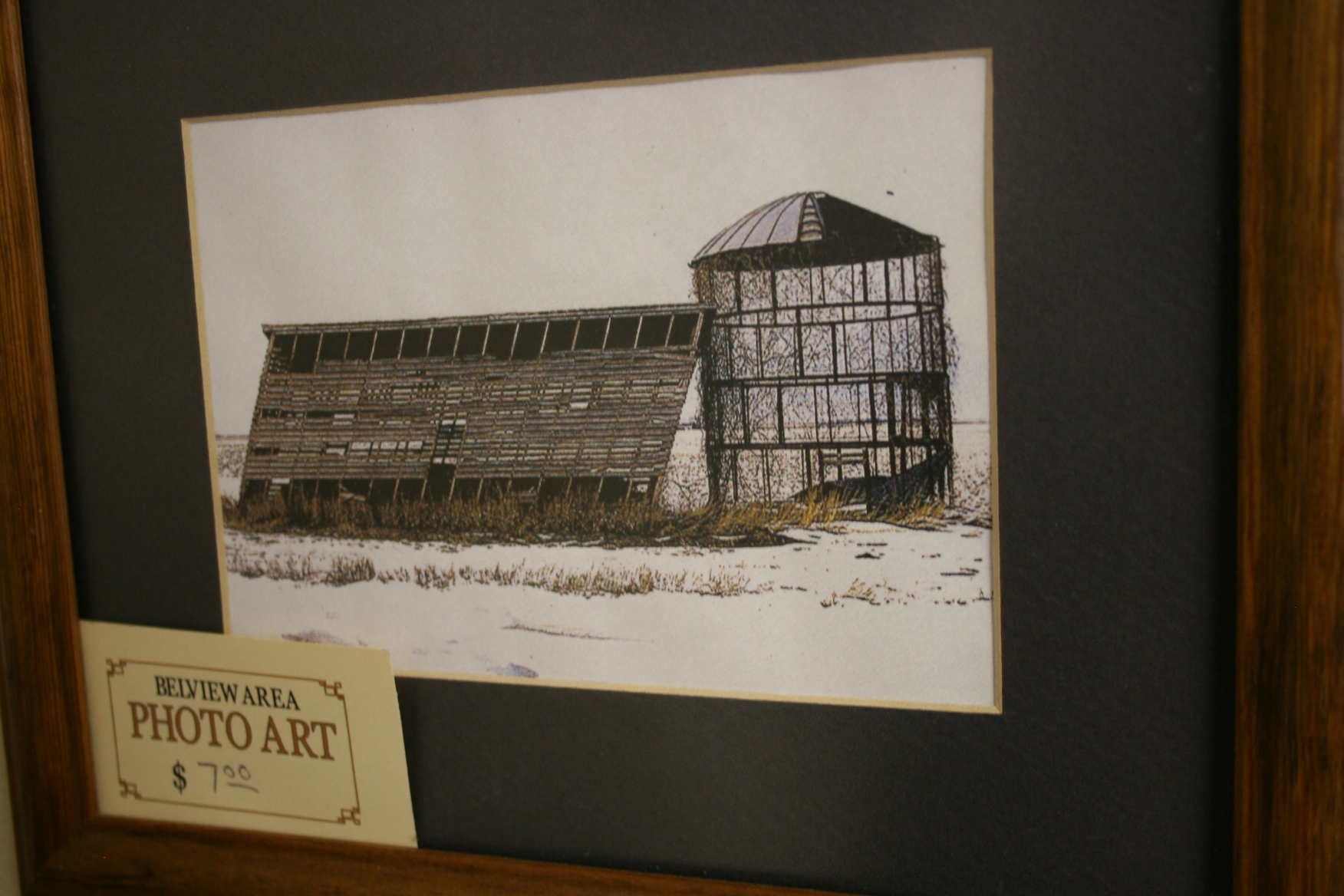
When I got to the back room, I made the discovery of the day, at least in my opinion. And it wasn’t an antique, collectible or junque. I found Don Gunelson’s “Belview Area Photo Art” displayed on the rear wall. I knew from the signage that I was viewing photos, but they sure didn’t look like photos. So I asked Don to explain.

He takes images of area subjects with an inexpensive camera—the fewer pixels the better—edits the photos on his computer and then prints them on watercolor paper with an ink that is more dye than ink. The result is photo art that resembles watercolor paintings.

I gushed over his creations and told him he needs to get these into a gallery—do an exhibit of his “Belview Area Photo Art.”

Now I’m kicking myself for not buying one of Don’s matted and framed creations because, with prices ranging from $7 to $12.50, they’re a steal.

So there you have it, a charming antique store in downtown Belview with an artist running the place.

FYI: Rainbow Antiques, Crafts & Junque, 103 S. Main, is open from 10 a.m. – 3 p.m. Saturdays. Call (507) 938-4476. Maybe Don will open up the shop if you’re in town on a day other than Saturday.

Ruby red glassware is displayed in a front window. To the right in this photo is the blue Belview water tower.

An example of Don Gunelson's Belview Area Photo Art, an area barn.

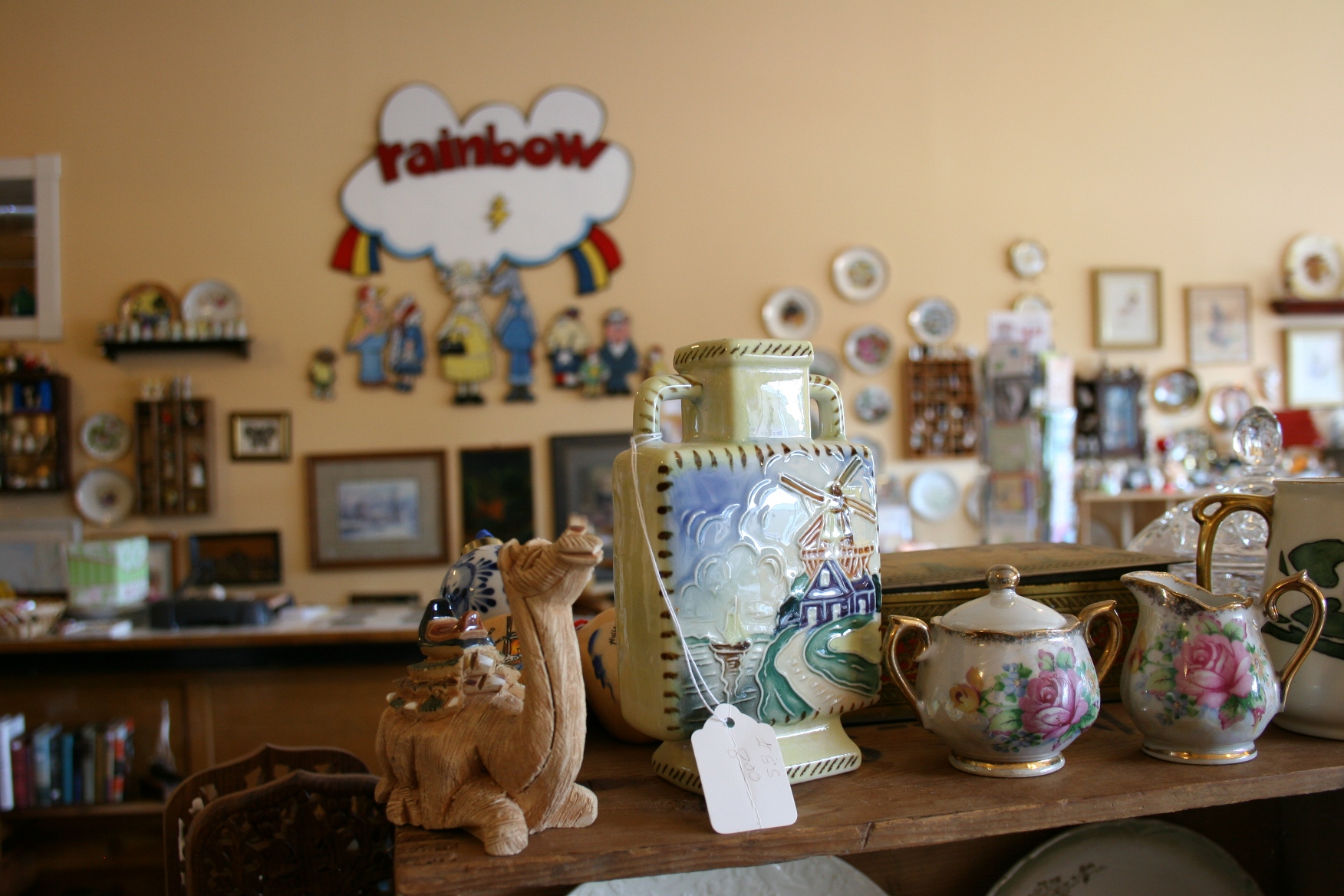
Some of the merchandise displayed in the main part of the antique store.

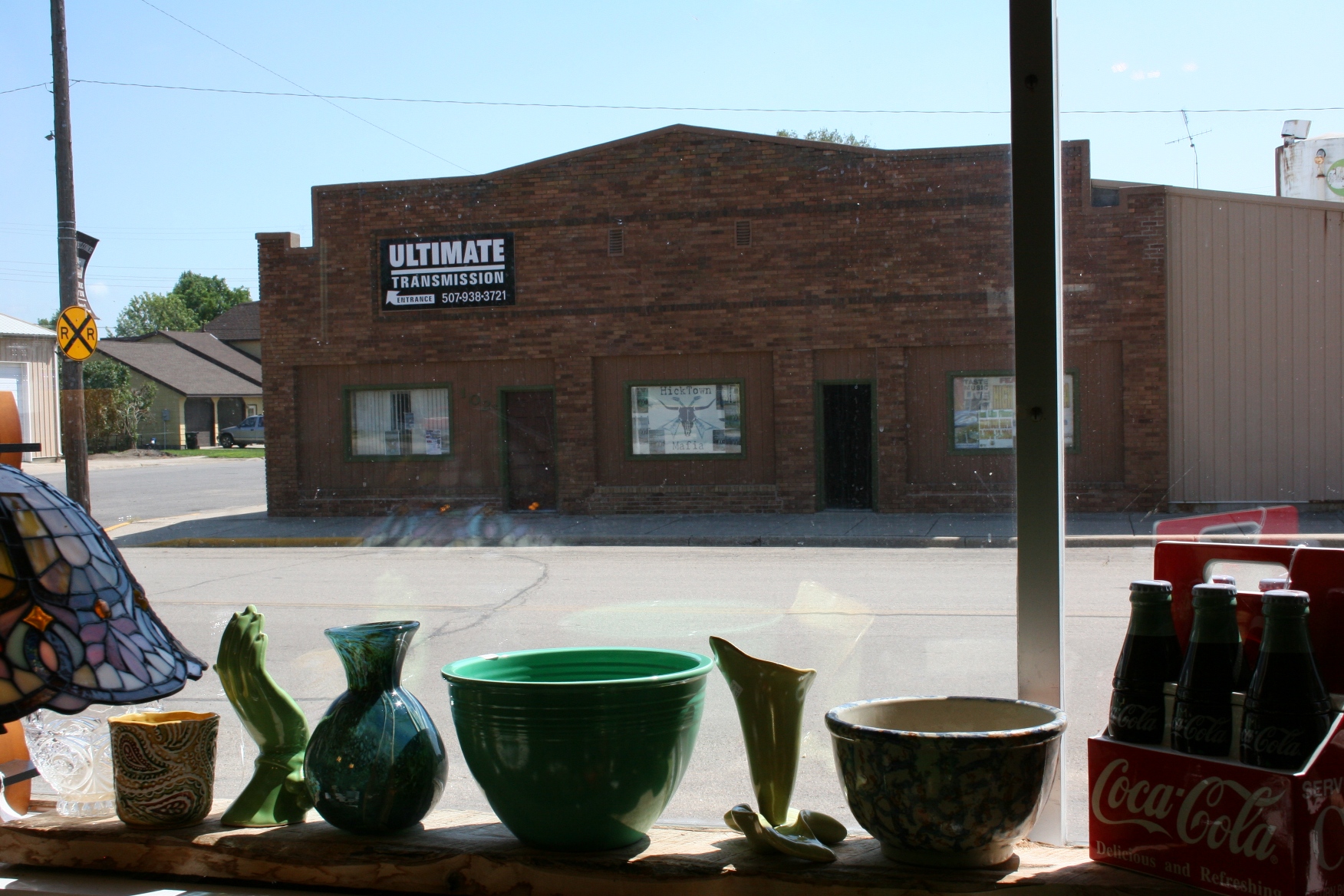
A view across the street through one of the large front windows at Rainbow Antiques.

More Belview Area Photo Art by Don Gunelson.

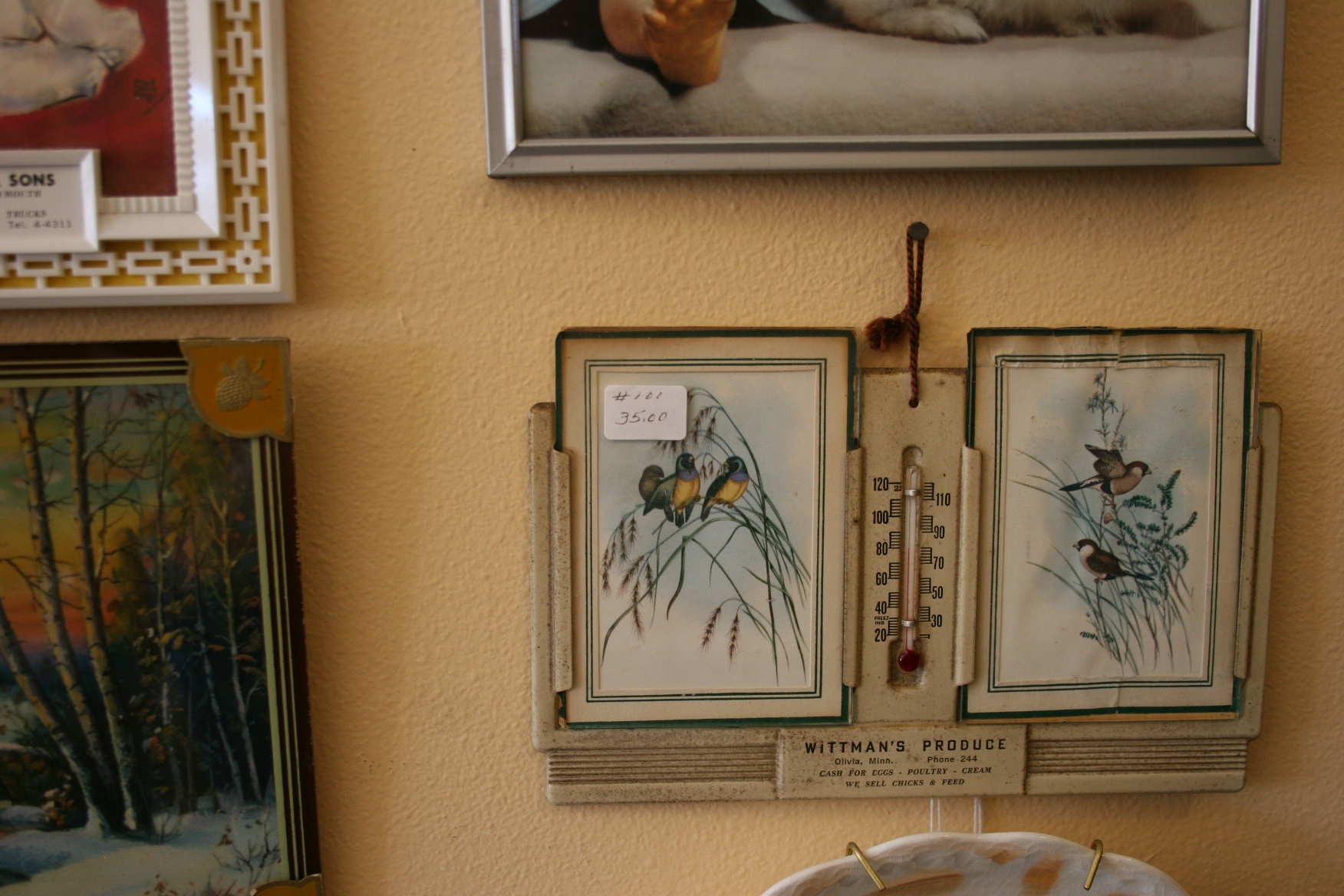
You'll find plenty of collectibles from the area, including this bird thermometer from Olivia.

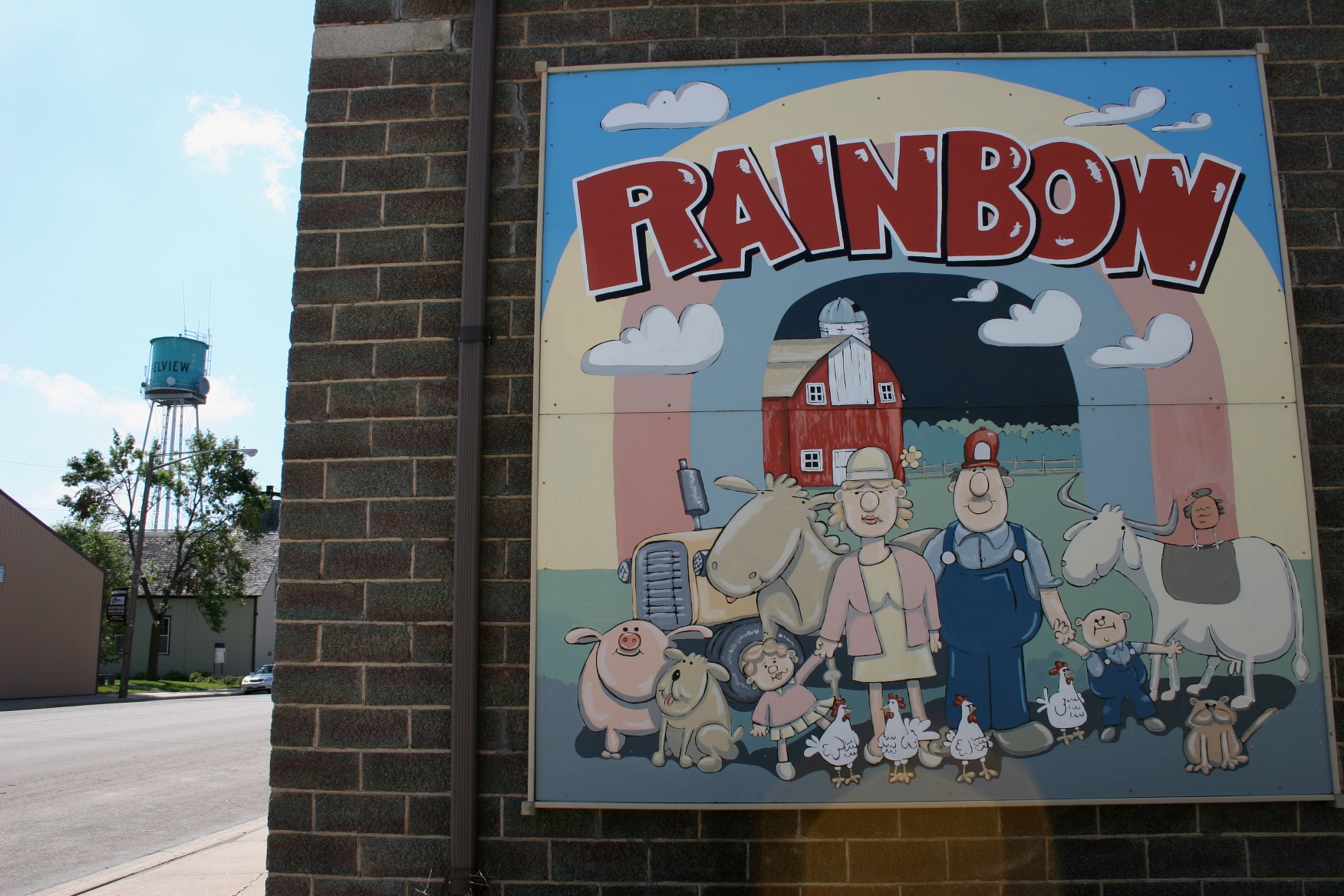
This colorful folksy farm family graces the north wall of Rainbow Antiques. This photo was shot looking south on Main Street toward Belview's water tower.

Another view of Rainbow Antiques and Main Street Belview looking south.

Check back for more reasons to visit Belview in a future post.

© Copyright 2011 Audrey Kletscher Helbling
 

The Lucan Community Band: A photo essay August 6, 2011

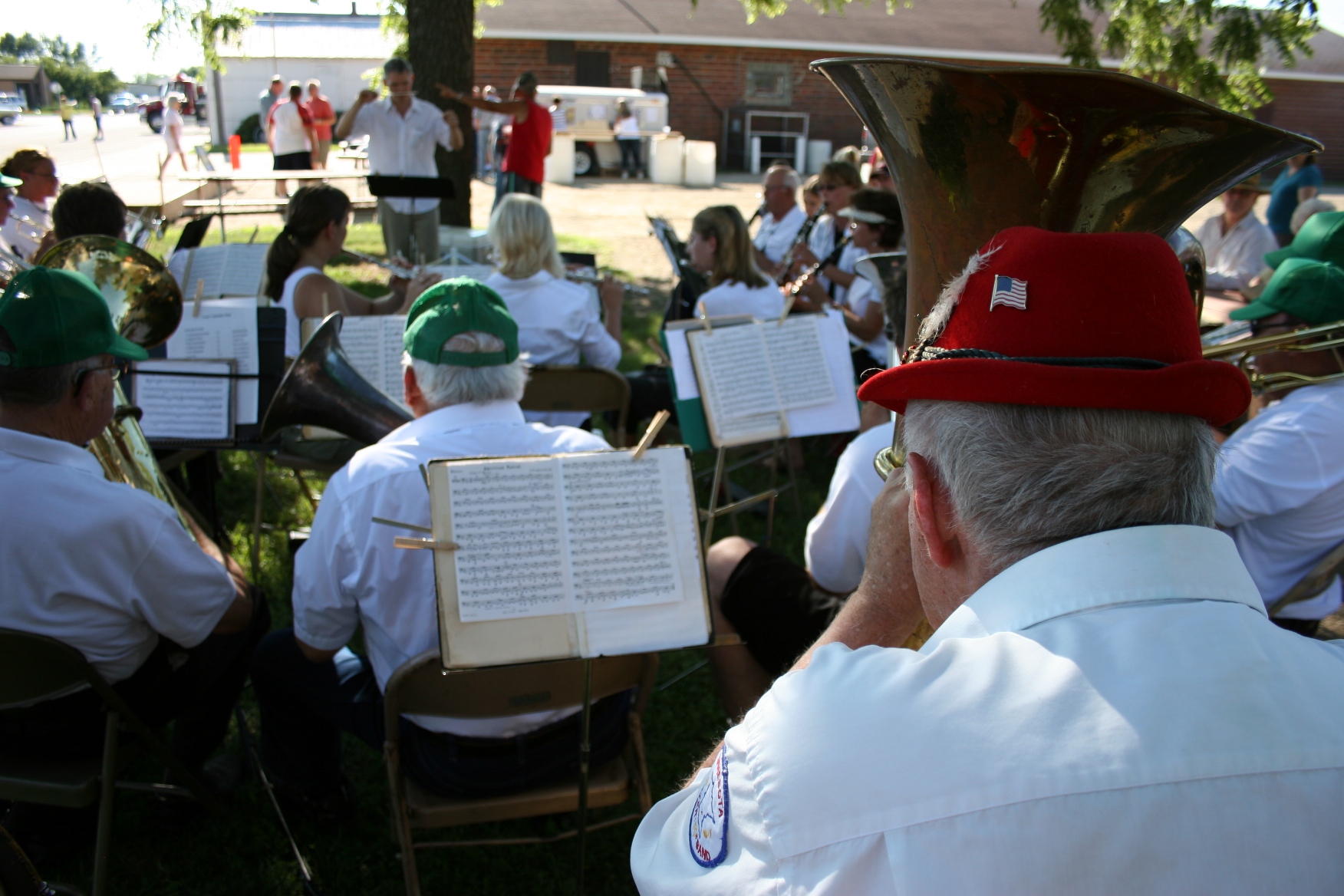
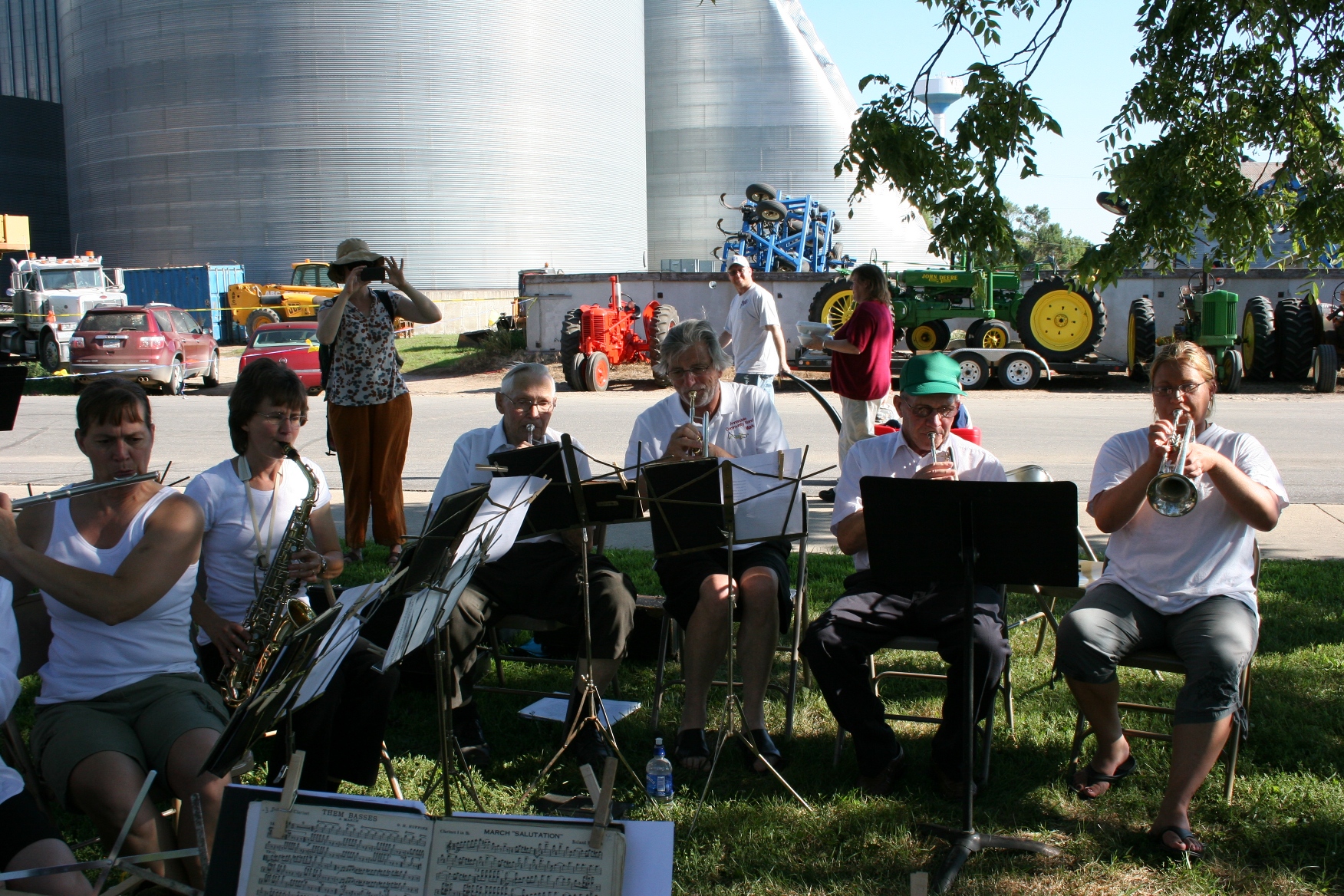
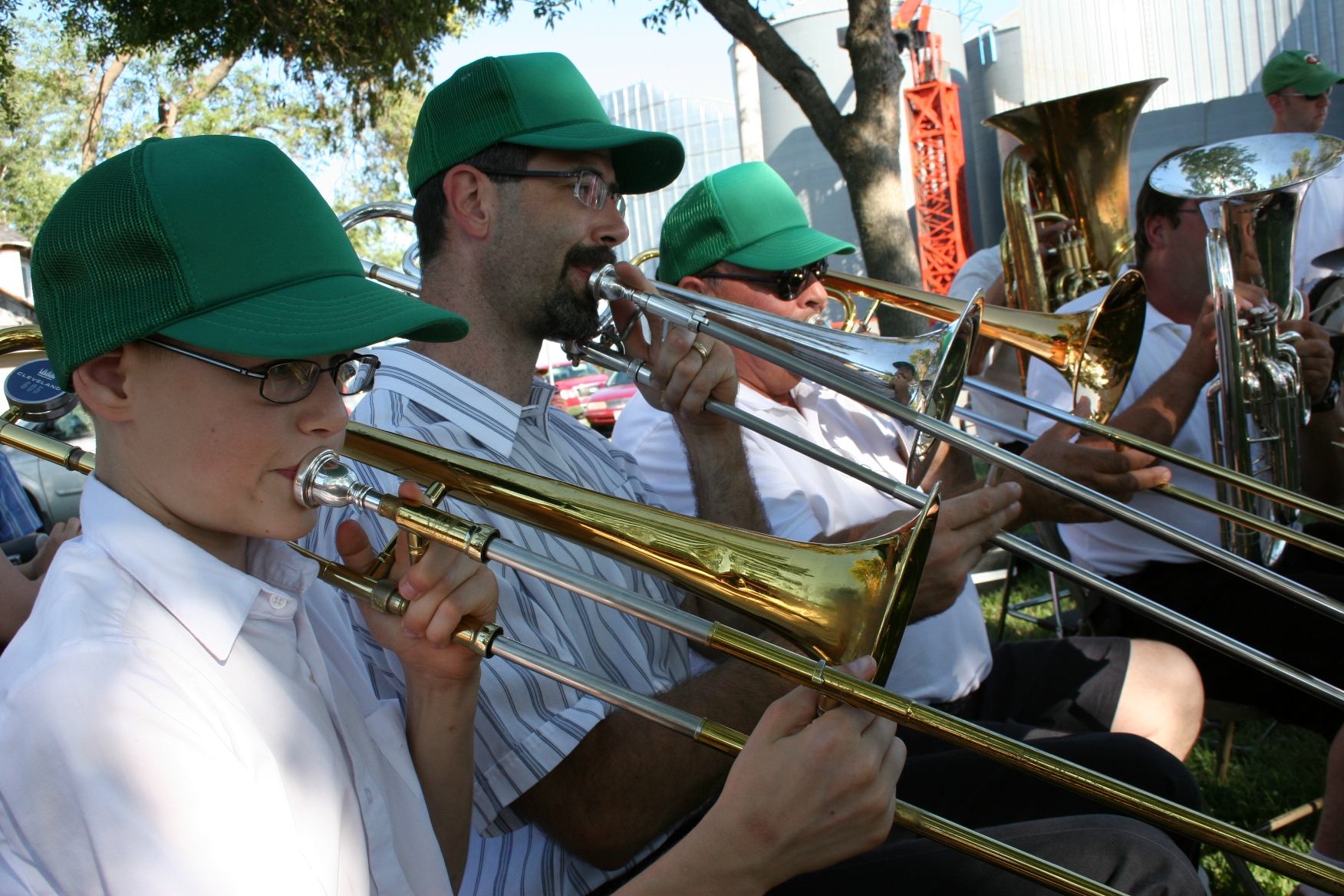
The Lucan Community Band performs outside the Vesta Community Hall during V-Esta Daze.

IF I WOULD HAVE BEEN less concerned about sinking my teeth into grilled chicken at my hometown’s community celebration on a recent Friday evening, I’d know more about the Lucan Community Band.

The band performed from 5:30 p.m. – 6:30 p.m. under the shade trees outside the Vesta Community Hall, where diners lined up inside for a sumptuous meal of chicken, potato salad, beans and a dinner roll.

I wiggled my way right into the band section for some close-up photos and even inquired, between selections, about the vintage band music, before going indoors for that chicken dinner.

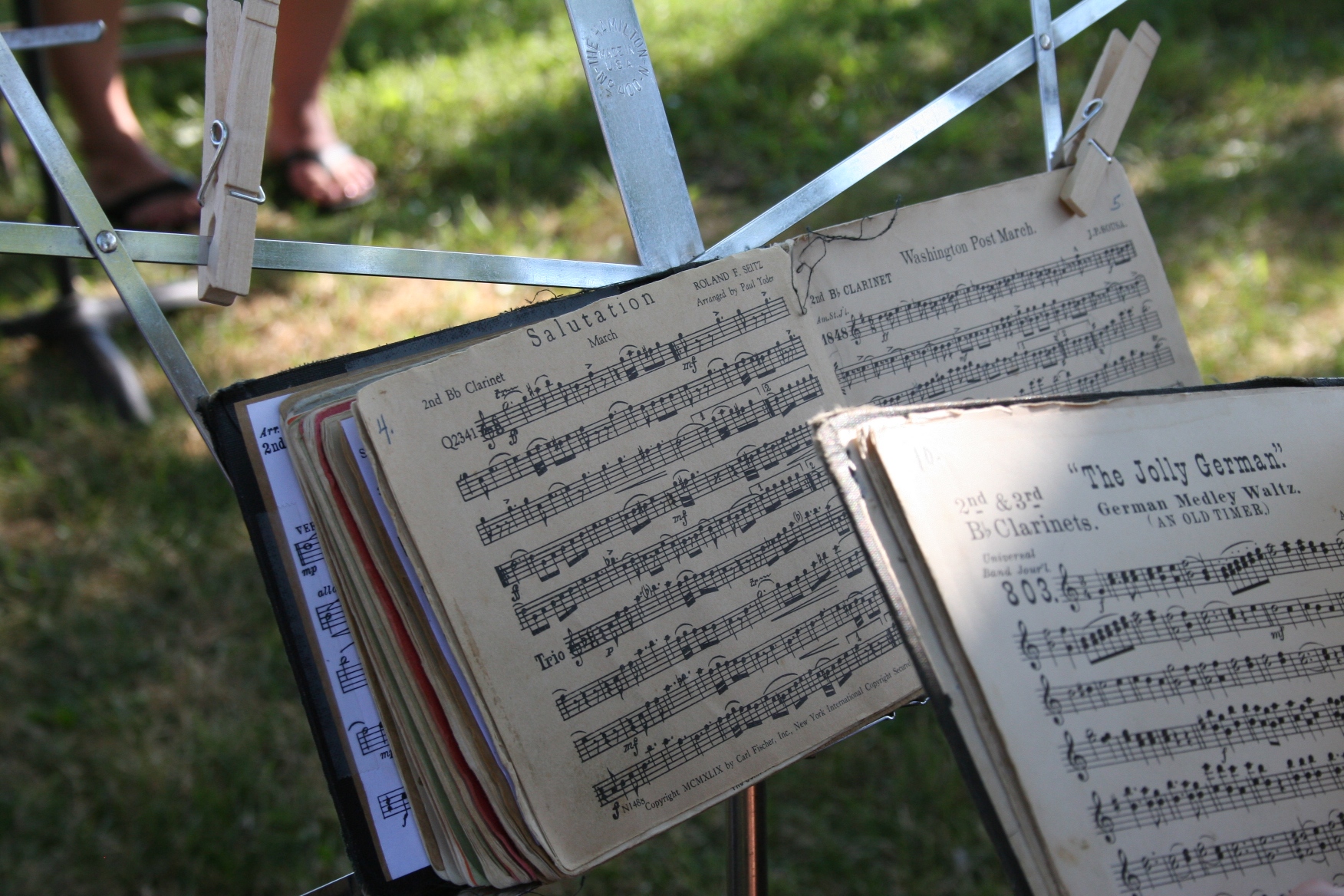
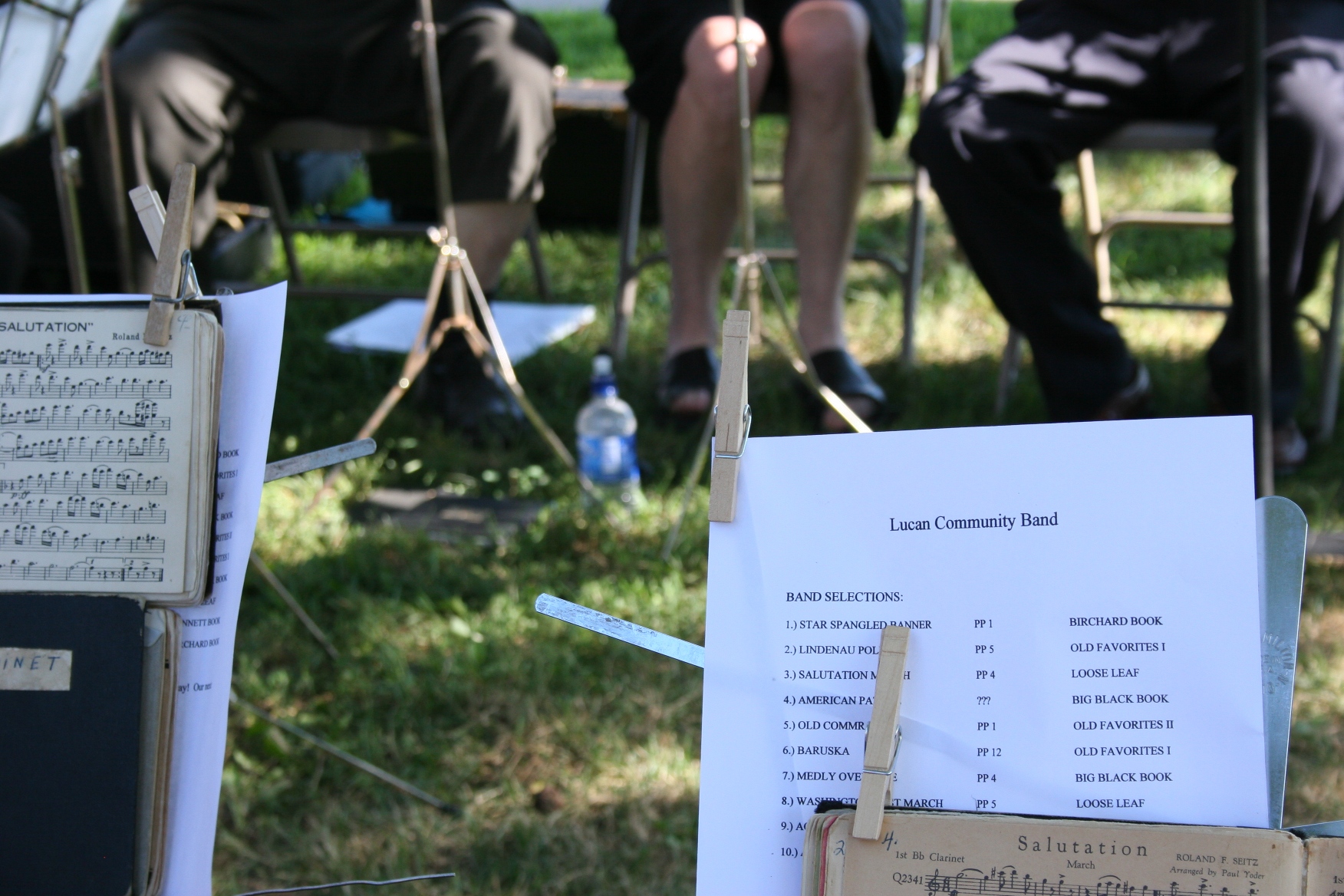
The music book on the left had a 1939 copyright.

Some of the music comes from the Chatfield Brass Band and Music Lending Library in Chatfield, a band member informed me.

The Lucan Community Band is based in Lucan, seven miles south of Vesta along Redwood County Highway 10. Not all of the band members hail from this town of 220, which is also home to Brau Brothers Brewing. (Check out their beer; Strawberry Wheat is my favorite.)

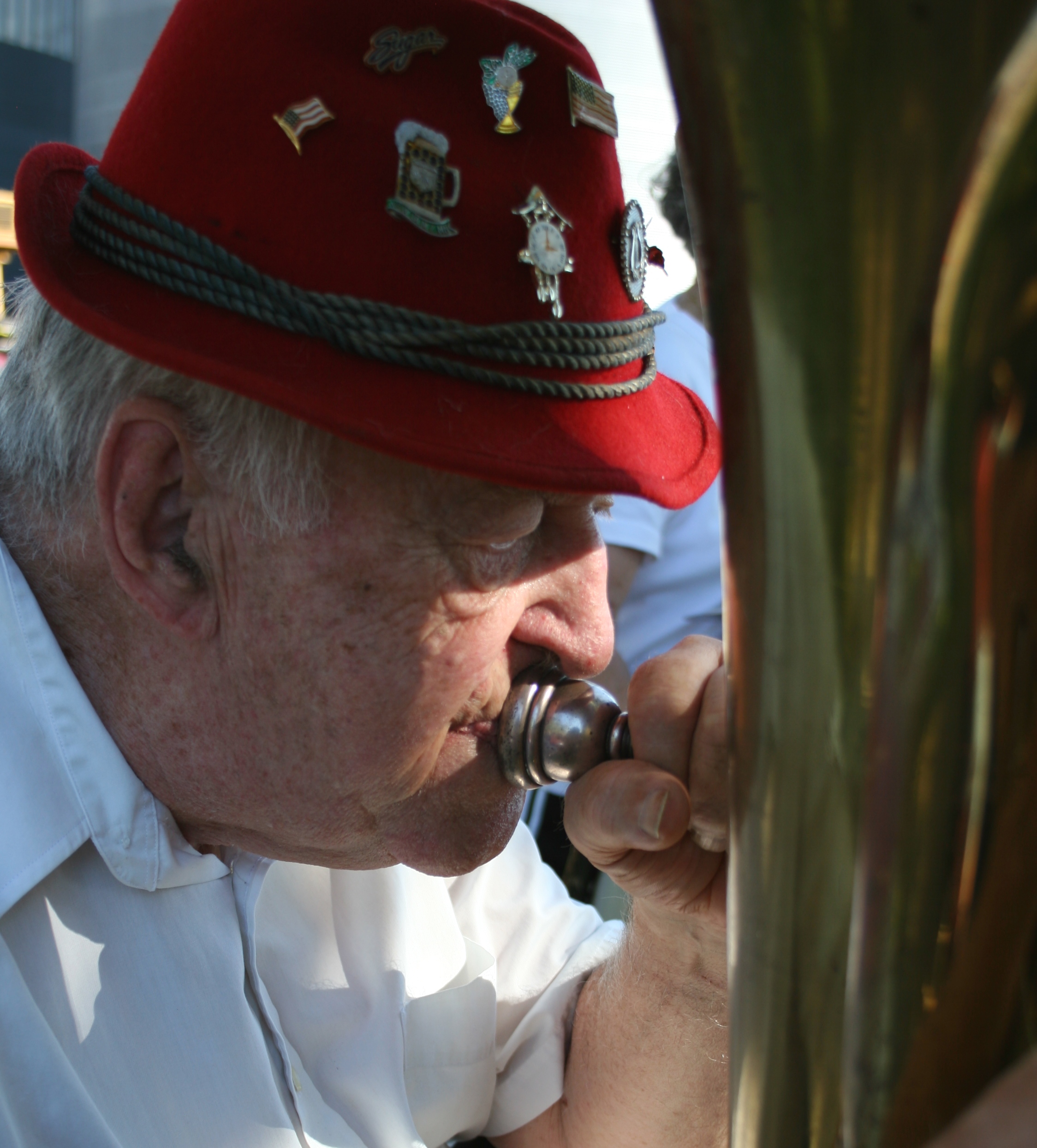
At least one, Tom Schmid, the tuba player who drew my attention with his German style red hat that differed from all the green caps, hails from Springfield. I snuck in a quick question to Tom. He’s been playing the tuba for only about 10 years, but has been playing an instrument since he was in high school in the 1940s. That’s all the information I got before he planted his lips back on that tuba mouthpiece and I headed into the hall to eat.

Tuba player Tom Schmid, also a member of the Minnesota Over 60 Band.

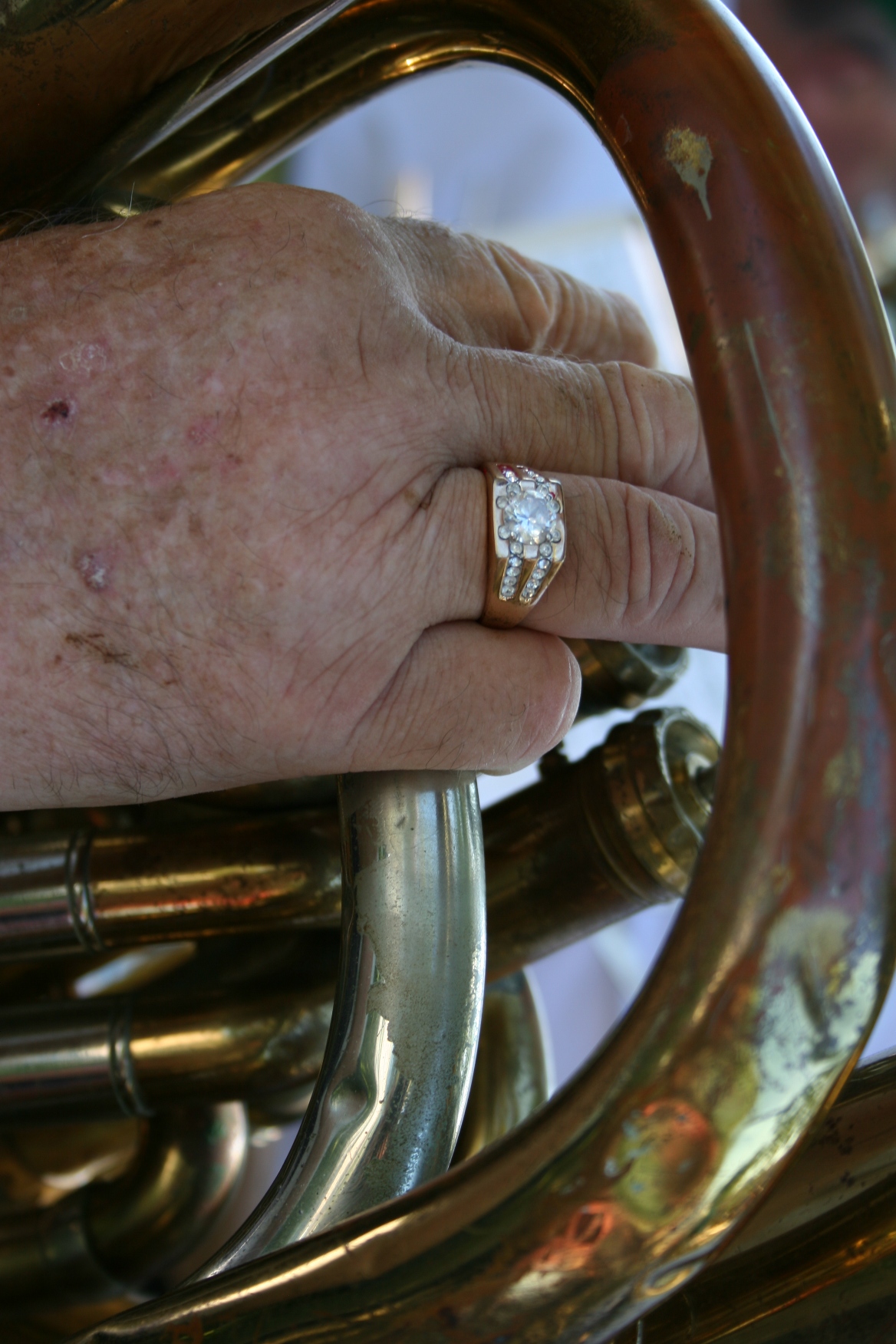
Schmid's hand on the tuba.

Lucan Community Band members play against a back drop of grain bins damaged in a July 1 windstorm in Vesta. Tractors line the street for the antique tractor show.

The band's play list for their one-hour concert at V-Esta Daze.

Green caps are part of the male band members' attire. Musicians' ages range from the young to senior citizens.

IF YOU KNOW ANYTHING about the history of the Lucan Community Band, its members, how often and where the group performs, submit a comment. I’d like to learn more about the band.

© Copyright 2011 Audrey Kletscher Helbling
 

Couple grateful to survive Belview tornado July 8, 2011

TOM AND DeLORES JOHNSON never reached their storm shelter late Friday afternoon, July 1, when an EF-1 tornado blew into Belview. They didn’t have time.

But for the Johnsons, that turned out to be a good thing.

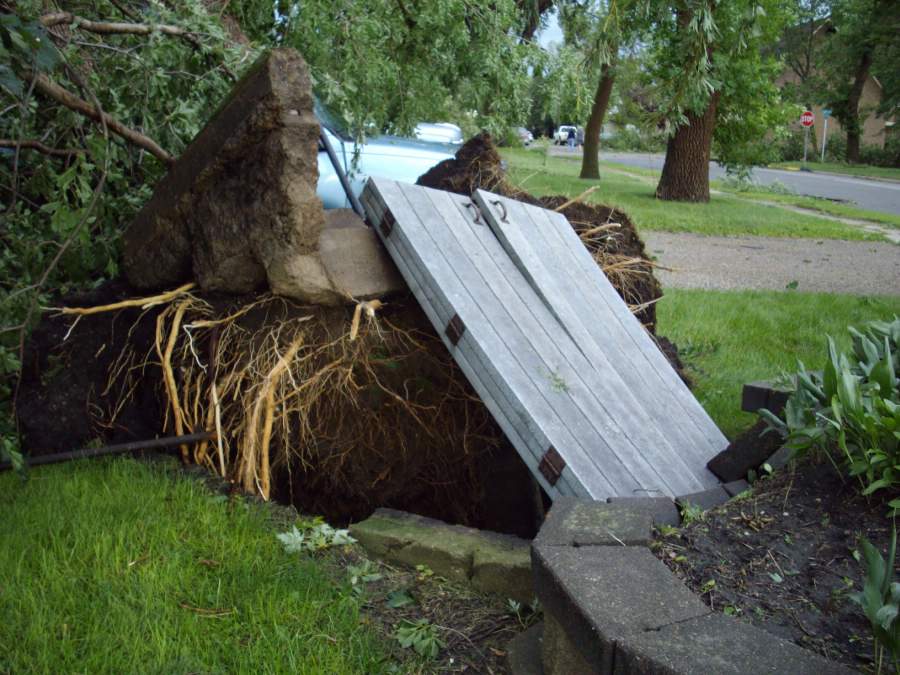
“The storm shelter was ripped up by the big tree that stood next to it…we would have been injured or possibly killed if we would have been in it,” DeLores surmises. Instead, they managed to seek protection in the basement of their 1898 home.

The storm cellar where the Johnsons would have sought protection had they had time to reach it.

“We are grateful to be alive,” DeLores says, a statement likely echoed by other rural and small-town residents in southwestern Minnesota where a wide-spread July 1 storm spawned four EF-1 tornadoes and a more powerful EF-2 twister. Belview was among the communities hardest hit when the tornado, with winds of 95 – 105 mph, ravaged this town of 375.

The Johnsons are in the process of cleaning up, dealing with insurance adjusters and gathering estimates so they can begin repairs on the 113-year-old house they’ve lived in since 1988. The list of damages to their home is extensive:

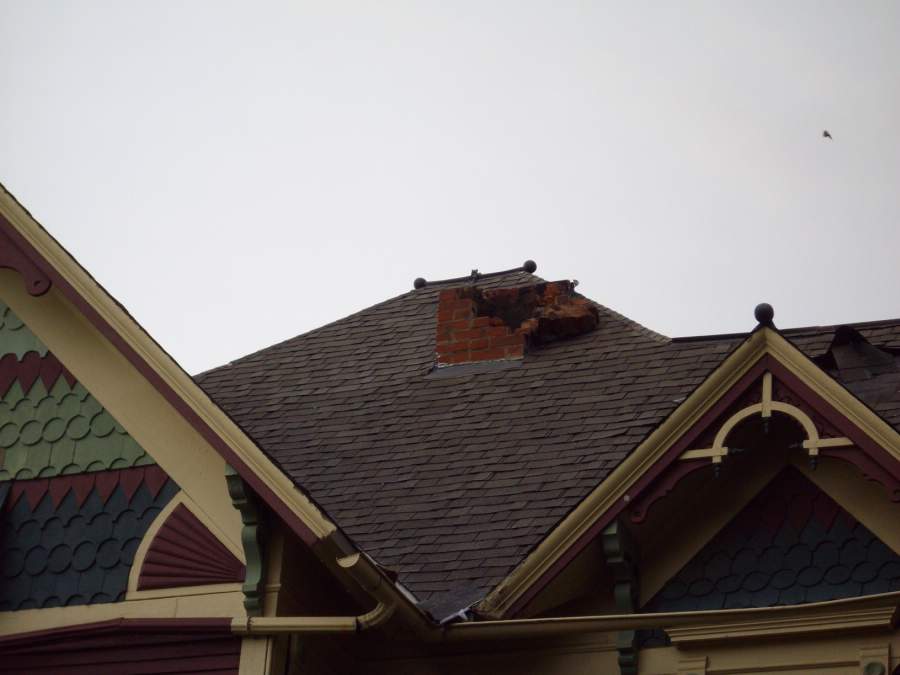
  • chimney blown down
  • rafters broken in the attic
  • shingles missing
  • paint blown off house
  • broken window
  • water damage to walls, ceilings, maple floors and carpet
  • roofs on two porches damaged and in need of replacement

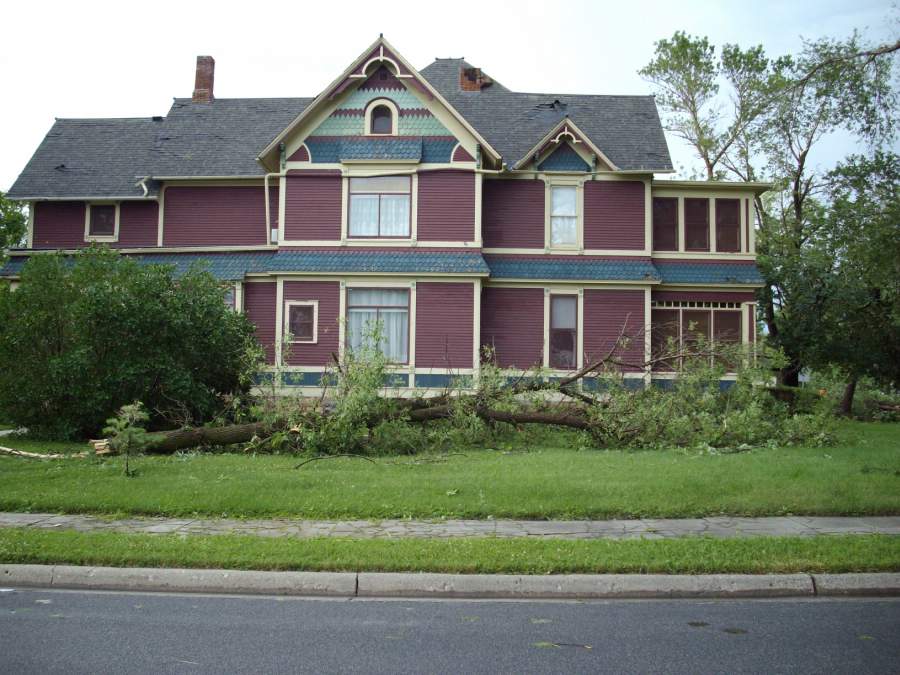
The Johnsons' 1898 house was damaged inside and out by last Friday's tornado. DeLores offered to take photos of the interior for me, but I figured she had enough to do without adding this to her list.

A view of the house roof where the chimney was ripped off by the tornado.

DeLores shares some interesting details about the storm. “The wind blew water through the air conditioner in the bedroom upstairs and blew the water so it ran across the hall into another bedroom. It soaked up the carpet in the hallway and that in turn ran down into our living room.

“Upstairs in my office, water also blew through the air conditioner there. The shade has ground-up leaves stuck into it as does the shade in the bedroom.”

And that’s just the house.

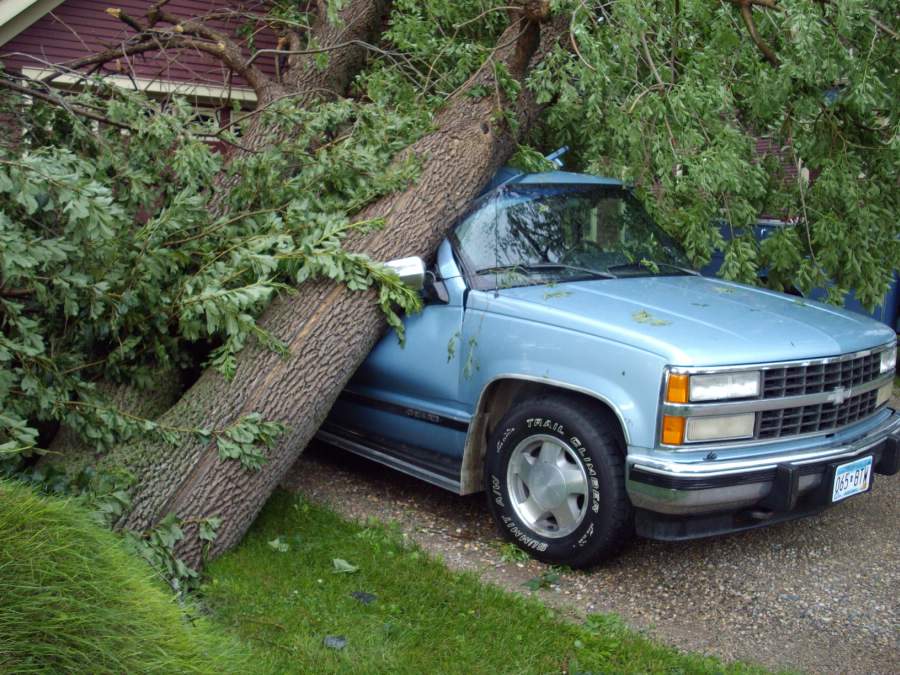
The garage received structural damage when a tree toppled onto it and onto Tom’s  SUV. His vehicle was totaled.

A tree fell onto the garage and Tom's SUV, which was totaled.

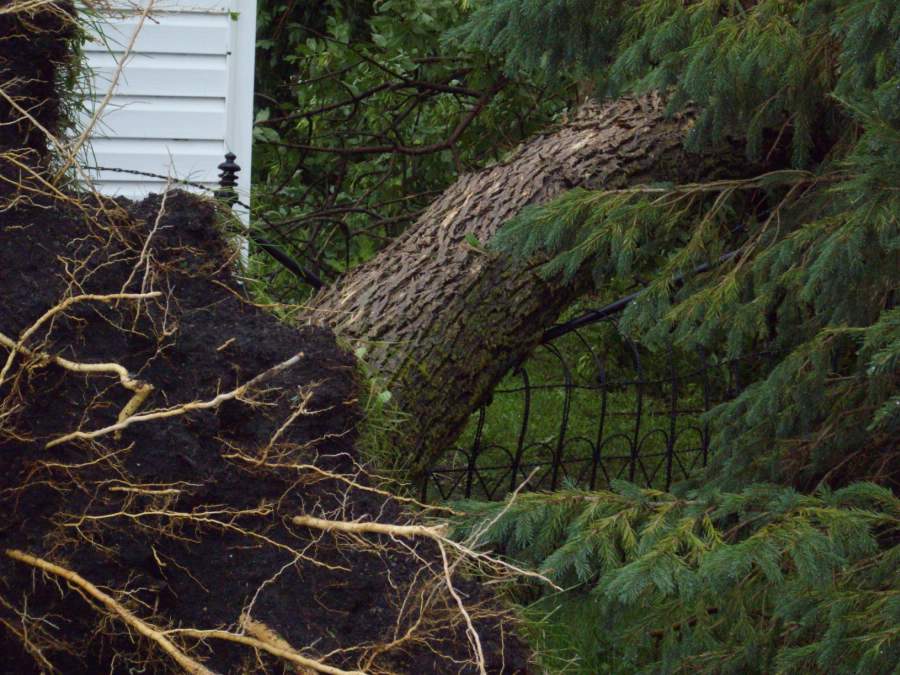
The Johnsons lost nine trees, some of which fell onto a 100-year-old fence that DeLores says they’ve lovingly protected for years.

One of several trees that landed on the 100-year-old fence.

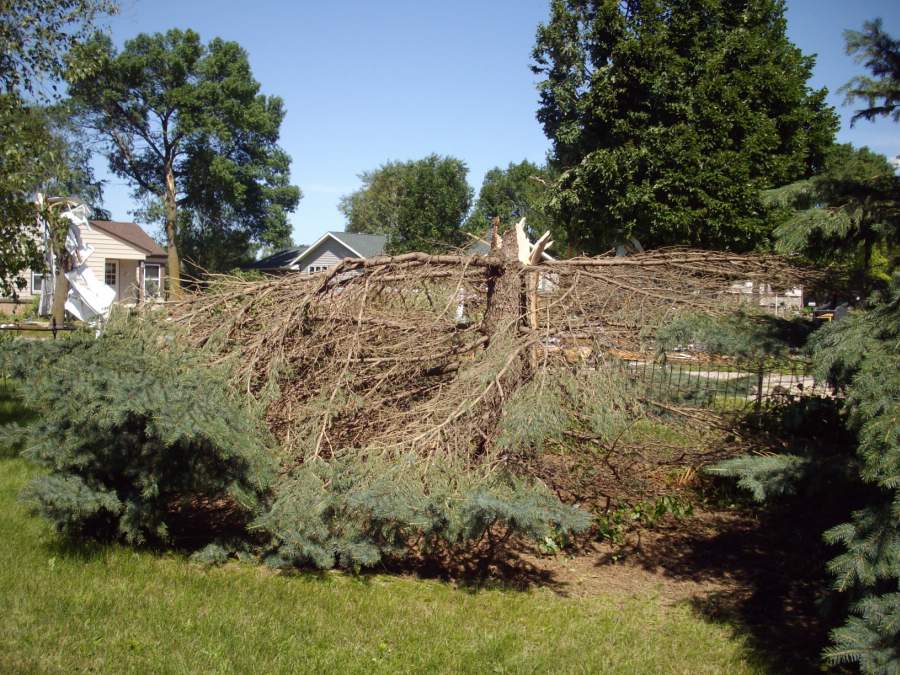
One of numerous downed trees.

Despite the severe damage to home and property, DeLores is grateful that they survived the storm.

She is also appreciative of all the help from family members and others. “Men from Belgrade, Long Prairie and Sauk Centre came and sawed up trees for us and helped to clean up. They were volunteers who we had never seen.”

NEARBY ON A WOOD LAKE area farm, my cousin, Marilyn Schmidt, expressed similar sentiments in an email I received at noon Thursday. “Lucky no loss of life. Fortunately, we were not home.”

Marilyn and her husband, Dan, had just arrived at a west-central Minnesota lake for the July Fourth weekend when an EF-1 tornado hit their Redwood County farm one week ago today.

Since then, with the help of family and residents from Cottonwood, the Schmidts are cleaning up. Click here to read a previous post about the storm damage at their place.

Their son, Matt, was at the farm with a crew on Thursday when Marilyn emailed.

She tells me that all of their neighbors to the south and east and some north and some west had major damage to their properties. The Schmidts’ insurance adjuster already had gotten 1,500 claims by Tuesday night.

Marilyn closed her brief email with this sentence: “Gotta go—men to feed!!!”

IN VESTA, WHERE A SERIES OF DOWNBURSTS with wind speeds of 90 – 100 mph caused significant damage and downed trees, members of St. John’s Lutheran Church are planning to repair their church. The south half of the church roof was lifted off and slammed against the bell tower, according to my uncle, Milan Stage, a church member. The tower was cracked at the base and will need to be taken down, he says.

St. John's Evangelical Lutheran Church in Vesta with the roof half ripped off by strong winds during the Friday afternoon storm. Photo courtesy of Brian Kletscher.

Everything has been removed from the sanctuary into the attached social hall. The congregation is awaiting reports from an insurance adjuster and two contractors who have been on-site.

Milan says the west end and sides of St. John’s appear to be alright, but that “It will be a slow process getting the church back in use.” The church council met Wednesday evening and decided, if funds are available, to remodel the church along with repairing it. In the meantime, congregational members will worship at their sister church, Peace, in nearby Echo.

Across town at Uncle Milan and Aunt Jeanette’s home, the high winds wrecked eave troughs and a deck railing. A branch went through the railing, taking half of the railing and the grill with it, Milan says. Tops were snapped from some ash trees in the Stages’ back yard. Branches from their big cottonwood tree were strewn across the lawn.

JUST A BLOCK TO THE SOUTH my 79-year-old mom, Arlene Kletscher, never made it to the basement during the storm. She was sitting in her living room sorting through papers and wanted to complete the task. In her closed-up, air conditioned house, she never heard the warning sirens. By the time she realized the severity of the situation, it was already too late to seek safety.

This marks the second time my mom has not gotten to safety during a severe storm. Thirty some years ago a tornado hit our home farm, where she was living at the time. Then a silo was downed, wagons strewn across the field, among other destruction.

I am thankful, again, that she is OK.

My mom’s Vesta home was apparently unscathed. However, she lost one tree and her yard was littered with branches and other debris.

READERS, THANK YOU for following my series of storm stories which began last Saturday. Yesterday Minnesota Prairie Roots’ views reached an all-time daily high of 1,443. That indicates to me a continued strong interest in the storms of southwestern Minnesota.

I know several of you have posted links to my blogs on Facebook. Thank you for doing that and also thanks to those who have shared their stories and photos. If you’re reading this and have a storm-related story to share, please submit a comment.

If you missed my earlier storm posts, check my archives. Many of those stories include links to more storm information and images.

PHOTOS COURTESY of DeLores and Tom Johnson

© Copyright 2011 Audrey Kletscher Helbling
 

National Weather Service confirms July 1 tornadoes in southwestern Minnesota July 7, 2011

THE NATIONAL WEATHER SERVICE confirms what many Minnesotans had already figured out. Several tornadoes touched down during a massive storm system that began near the South Dakota/Minnesota border late Friday afternoon, July 1, and swept as far east as northwestern Wisconsin.

In my home area of Redwood County, two tornadoes were confirmed—both in the northwestern section of the county.

According to the NWS Chanhassen office, an EF-1 tornado with maximum winds of 95 – 105 mph began approximately six miles west of Vesta and continued for some 21 miles to the northeast. The maximum half-mile wide twister moved across Belview, which saw the most widespread tree damage in the surveyed area. The tornado then crossed the Minnesota River and ended two miles into eastern Renville County. Click here to read my previous post on the storm damage in Belview.


Trees blocked the street north of the Belview City Park following the tornado that passed through this Redwood County community of 375. Photo courtesy of Merlin and Iylene Kletscher.

The second EF-1 Redwood County tornado just nipped the northwestern corner of the county traveling a 2 ½-mile path. The tornado hit the farm of my cousin, Marilyn Schmidt, and her husband, Dan. To see the damage there, click on this post published yesterday on Minnesota Prairie Roots.
 

This tractor rigged with chains holds up a wall of a shop on Dan and Marilyn Schmidt's Wood Lake area farm. The building was severely damaged by Friday's twister. I'm showing this photo specifically for the reader who yesterday questioned how a tractor could hold up a wall. Photo courtesy of Heather Rokeh.
Three other tornadoes were confirmed in southwestern Minnesota—the most-damaging an EF-2 in Tyler with winds estimated at 115 mph. Check out the storm assessment of this 3-mile long tornado in Lincoln County near the South Dakota border by clicking here onto the NWS Sioux Falls website.
You’ll also find information there on an EF-1 twister that struck the Ruthton area in Pipestone County with wind speeds of 100 – 110 mph.

Strong winds, not a tornado, apparently caused the damage in my hometown of Vesta. The Chanhassen office of the NWS lists the storm there as “a series of downbursts” with wind speeds of 90 – 100 mph. Destruction in Vesta included dozens of downed trees, a roof partially-lifted from St. John’s Lutheran Church (my home church), smashed grain bins, damage to the elevator and more. To learn more about the damage in Vesta, read my previous blog post by clicking here or click here to read a story published in The Redwood Gazette.

St. John's Evangelical Lutheran Church in Vesta with the roof half ripped off by strong winds during the Friday afternoon storm. Photo courtesy of Brian Kletscher.

The NWS also determined that an EF-1 tornado with wind speeds of 100 – 110 mph cut a 300-yard-wide, 2 1/2 –mile swath northeast of Danube, lifting much of the roof from at least one home.

Check out the two NWS websites for maps, photos and more detailed information on the storms and the resulting damage.

Also visit the Belview Blue Jays Facebook page, where you’ll find photos of storm damage and other information from Belview.

IF YOU HAVE INFORMATION and photos you would like to share of storm damage, please submit a comment and I will follow-up with an email to you.

Based on my blog readership yesterday and Tuesday, interest in the southwestern Minnesota storms remains high. Yesterday Minnesota Prairie Roots blog views totaled 1,129, my highest daily total since launching this blog. On an average day, I get around 400 views.