Minnesota Prairie Roots

Writing and photography by Audrey Kletscher Helbling

The rural influence in my writing & photography, plus a farm tour July 12, 2016

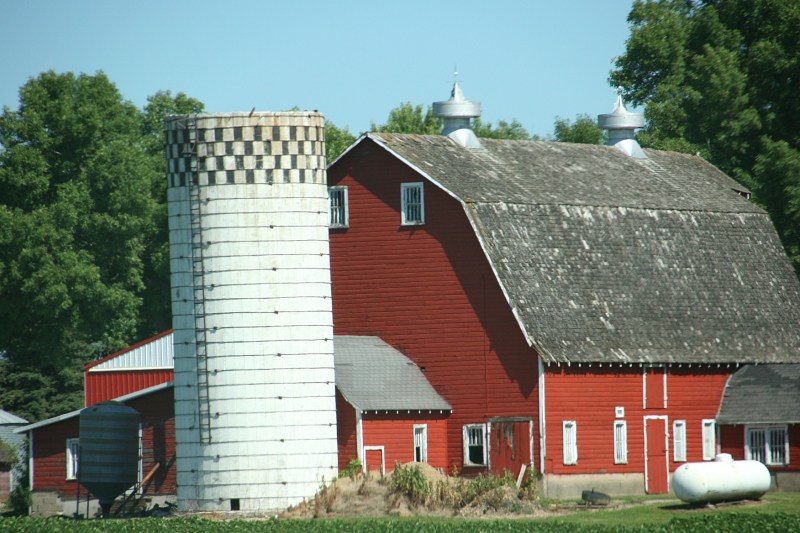
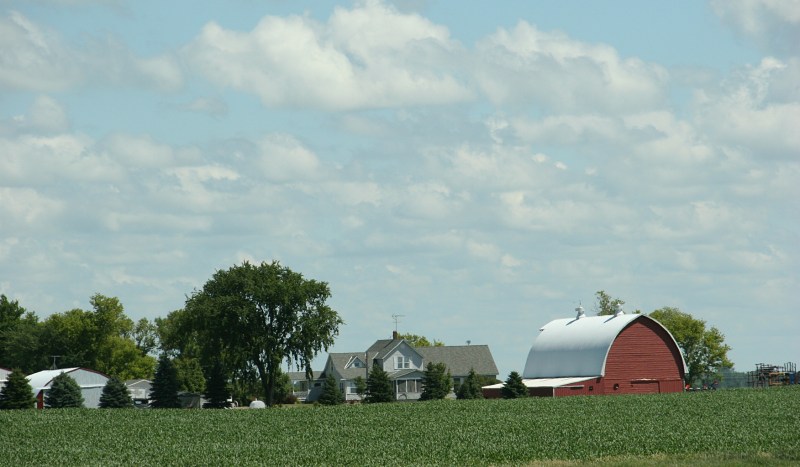
Barn, 117 red barn along US Hwy 71 south of Redwood Falls


BARNS DRAW MY CAMERA lens like moths to a porch light.


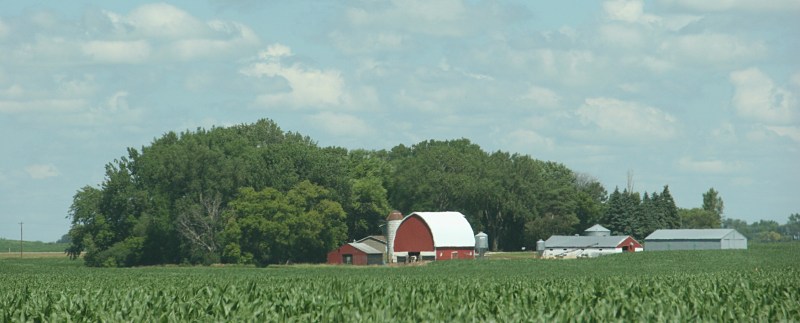
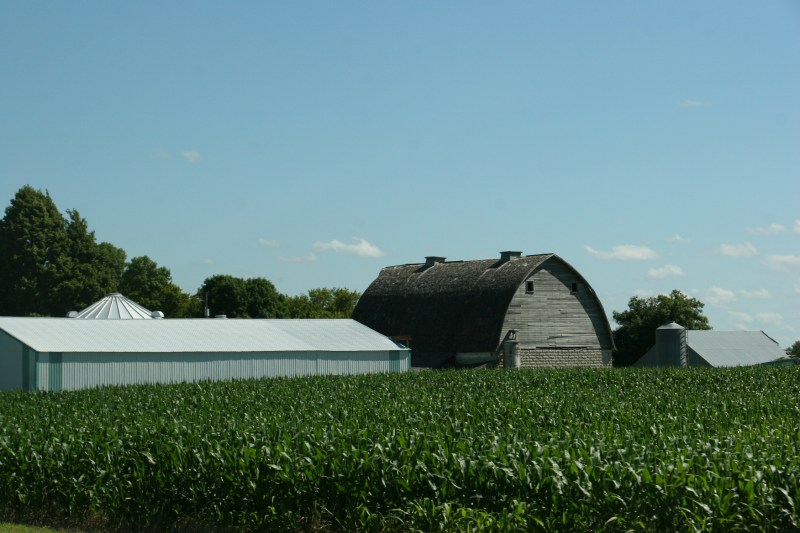
Barn, 144 farm site between Olivia and Wilmar


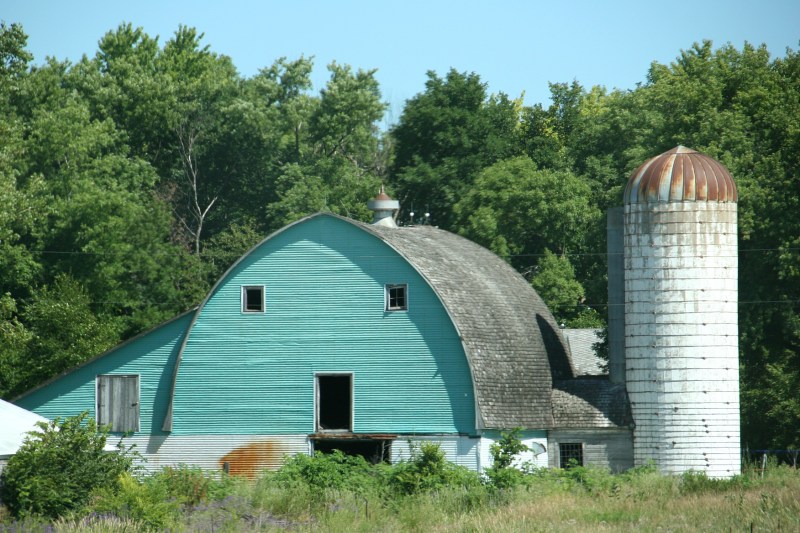
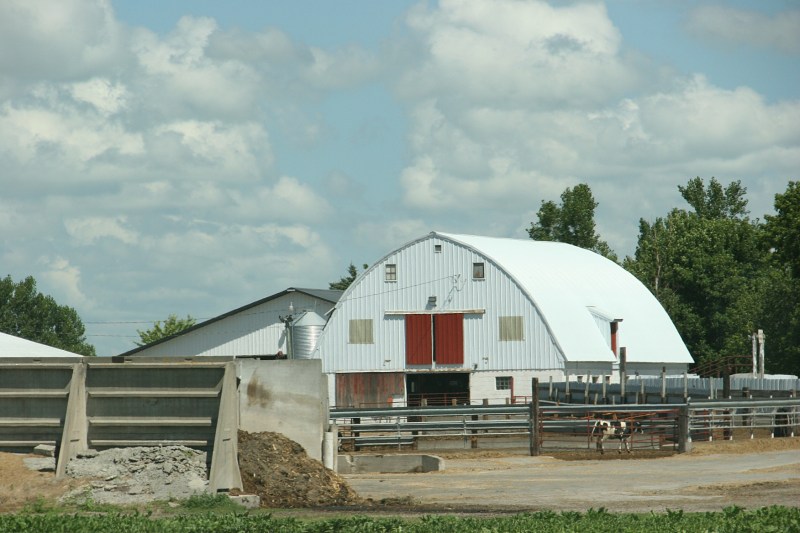
My response is reflexive, this focal allure of barns while traveling through rural Minnesota.


Barn, 112 bluegreen barn along US Hwy 71 south of Redwood Falls


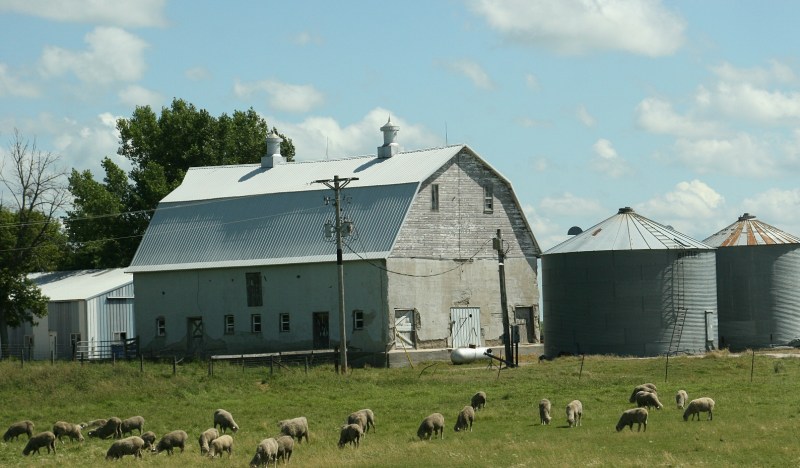
Barns, to me, symbolize rural life. Growing up on a southwestern Minnesota dairy and crop farm, I labored in the barn—scooping silage and ground feed, scraping manure into gutters, carrying milk pails from barn to milkhouse, tossing hay and straw bales from the hayloft, bedding straw…

My hair, my skin, my clothing smelled always of cows and manure. I bathed but once a week. That seems unfathomable now. But it was the reality of then.


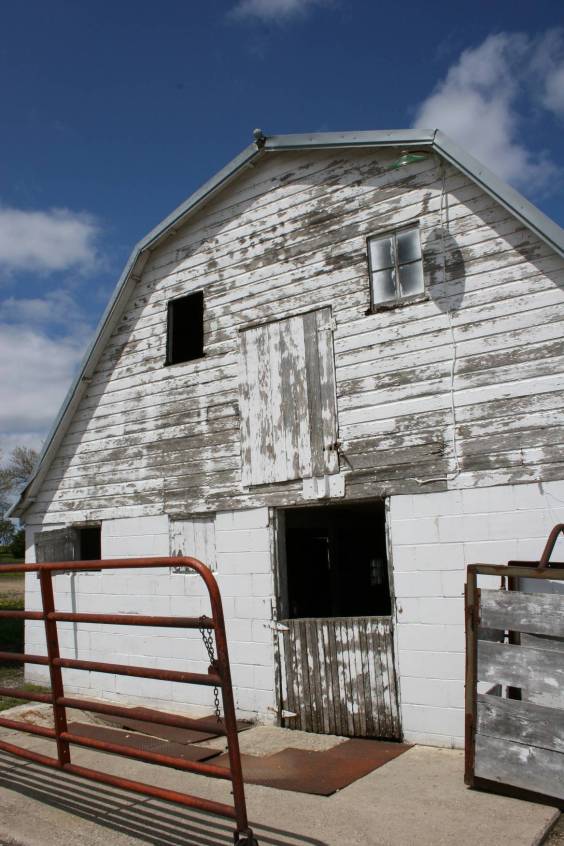
Barn, 145 white barn & cow


The barn on our family farm provided more than shelter for the cows. It provided an income, a way of life, a training ground for hard work. No matter what, the cows needed to be tended, fed and milked. Vacations were rare—only two my entire childhood, one to the Black Hills of South Dakota and the other to Duluth. On the occasion when my parents traveled farther, they left my older brother and me home to take care of the farm under our bachelor uncle Mike’s watchful eye.


Barn, 142 farm site between Olivia and Wilmar


I often told my dad I wanted to be a farmer. He discouraged me. He likely knew what I didn’t, that I wasn’t cut out to be a farmer. I am not a risk taker. And to be a farmer, you need to be a bit of a gambler. You gamble on the unpredictability of weather and of prices. Granted, technology has curbed some of the risk. But still, it’s there.


Barn, 132 sheep and barn between Morton & Olivia


Instead, I pursued a degree and career in journalism. And then, eventually, I became a full-time stay-at-home mom, setting aside my writing to raise my three kids. Until I found time again to write.


Barn, 109 east of Wabasso along US 71


In my writing today, unlike my past deliver-the-facts newspaper reporting, I have created a unique voice rooted in rural Minnesota. I may not smell of cow or manure, but those scents linger in my memory, infusing into my writing and photography. I bring a small town rural perspective to my work. I find my joy in writing about and photographing everyday life, everyday places, everyday people, mostly in Greater Minnesota.

The early 1950s barn on the Redwood County dairy farm where I grew up today stands empty of animals.

The early 1950s barn on the Redwood County dairy farm where I grew up today stands empty of animals. Minnesota Prairie Roots file photo.

And it all started in a Redwood County barn.

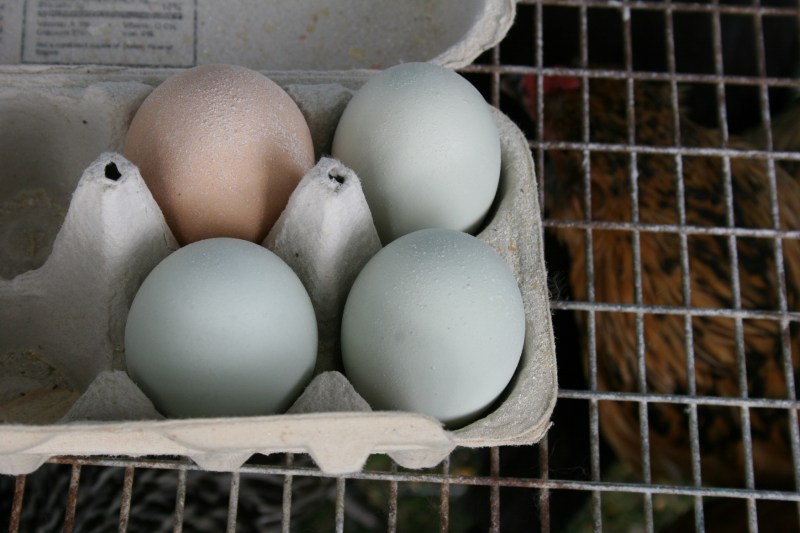
Fresh eggs and caged chickens attracted lots of interest.

Fresh eggs and caged chickens photographed at an event several years ago at Valley Grove Church, rural Nerstrand. Minnesota Prairie Roots file photo.

YOU, TOO, CAN EXPERIENCE farming this Saturday, July 16, by touring agricultural businesses throughout the region during the annual Eat Local Farm Tour. From Simple Harvest Farm Organics in rural Nerstrand to Mississippi Mushrooms in Minneapolis to Hope Creamery in Hope and 26 other sites, you’ll discover Minnesotans and Wisconsinites passionate about local foods. You’ll meet beekeepers, cheesemakers, berry growers, cattlemen/women, trout farmers and more.

Click here for a listing of sites on the Eat Local Farm Tour, which runs from 10 a.m. – 4 p.m.

© Copyright 2016 Audrey Kletscher Helbling

Note: With the exception of my home barn, all barns and farm sites featured in this post are located along U.S. Highway 71 in rural Minnesota, from south of Redwood Falls to south of Willmar.


Make hay while the sun shines & the poem it inspired June 20, 2016

Filed under: Uncategorized — Audrey Kletscher Helbling @ 10:50 AM
Tags: , , , , , , , ,

Baling hay, 17 southern Minnesota


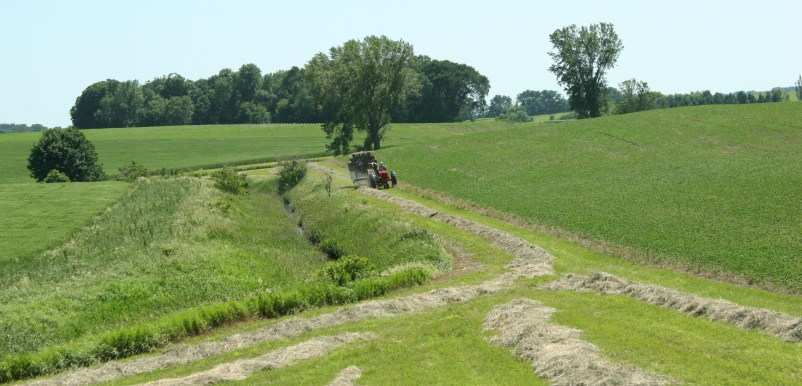
OF ALL THE TIMES not to have my telephoto lens attached to my Canon EOS 20D. But I didn’t, so I missed a close-up shot of three guys baling hay the old-fashioned way on Sunday afternoon in rural Rice County. No over-sized tractor, no round hay baler. Just a basic tractor, hay baler and hay rack.

As the farmer guided machines along a windrow, the baler compacted alfalfa into twine-wrapped packages. A team of two grabbed the rectangles, stacking them in a practiced rhythm of precise placement.

It’s a scene imprinted deep upon my memory. As I briefly watched the trio working the field, I remembered my father and Uncle Mike doing the same so many years ago some 120 miles to the west. I remembered taking lunch to them, sitting in the shade of the hay wagon, eating summer sausage sandwiches, breathing in the intoxicating scent of hay.

Make hay while the sun shines. It’s as true today as it’s always been. The trio laboring in the heat and humidity of Sunday afternoon understood they were racing against time, against the predicted rain that would come that evening.

#

The scene I photographed reminds me of a poem I wrote several years ago. It was published in the 2012 edition of Lake Region Review. Enjoy this poem, based on my childhood memories from rural Redwood County, Minnesota:


Taking Lunch to the Men in the Field

Three o’clock. Lunch time.
My brother grips the tarnished handle
of the rusty red Radio Flyer as the wagon bumps
along the dusty dirt drive, dipping and curving
past the cow yard mucked with mounds of manure,
toward the stubbled alfalfa where the men are making hay.

Out mother has stowed sandwiches—
slices of coarse, yeasty homemade bread slathered in butter
with rounds of spicy summer sausage slid in between—
inside the tin tub next to chewy oatmeal peanut butter bars
wrapped in waxed paper, nudging brown beer bottles
that jostle and clank as the wagon rolls.

She’s packaged the lunch in a crisp white cotton dish cloth
embroidered with Wednesday Wash Day
and stitches of clothes clipped to a clothesline,
mimicking the laundry she’s hung out earlier,
now stirring in the wisp of a July prairie breeze.

My brother and I lag under the heavy heat of the afternoon,
straining toward the men working the field.
Dad, shaded by an umbrella, guides the International along the windrows
while our bachelor uncle heaves hay bales onto the flat-bed trailer,
his chambray work shirt plastered against his back,
his grimy DEKALB cap ringed in sweat
as he toils in an unbroken rhythm of labor.

We reach the edge of the field as the men finish their round
and the racket of tractor and baler ceases
giving way to our small voices which break the sudden silence:
“Lunch time. We are here with the beer.”

© Copyright 2016 Audrey Kletscher Helbling

Poem copyright 2012 Audrey Kletscher Helbling


When the polka music fades in Seaforth December 10, 2015

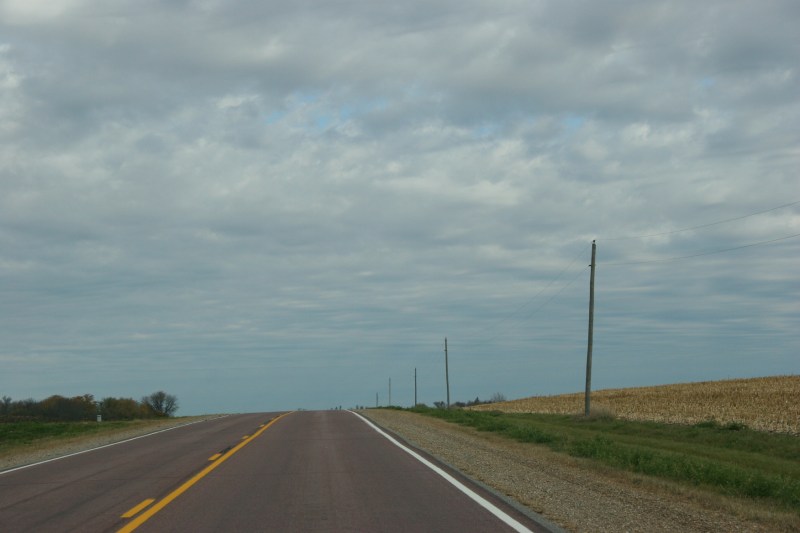
Northbound on Redwood County Road 7 just minutes from Seaforth.

Northbound on Redwood County Road 7 just minutes from Seaforth.

ON MY LAST VISIT back to my native southwestern Minnesota in late October, my husband and I drove through Seaforth. This community of 86 residents lies seven miles to the east of my hometown of Vesta in Redwood County.

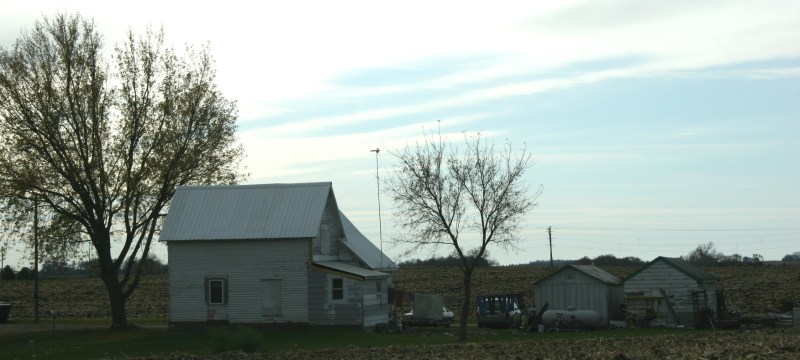
A farm site along CR 7 near Seaforth.

A farm site along CR 7 near Seaforth.

When I was growing up, my school bus passed Seaforth en route to Wabasso, stopping along the way to pick up farm kids.

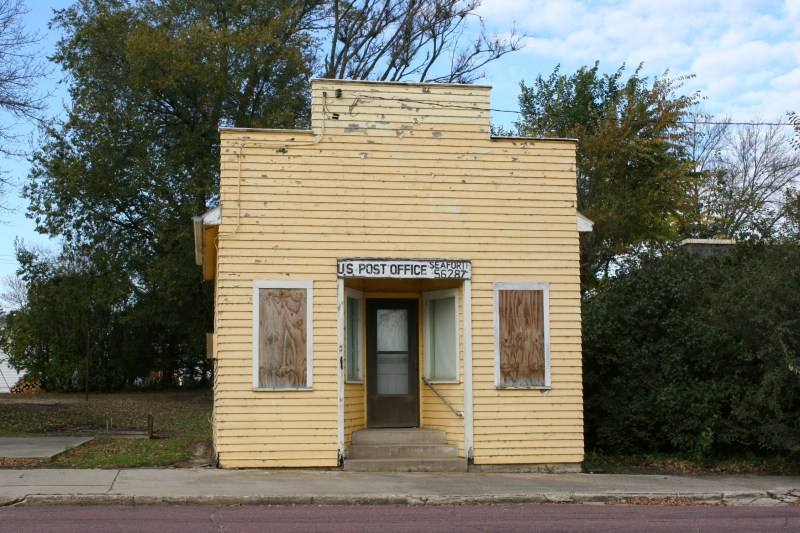
The former post office in Seaforth. Like so many small town post offices, the one in Seaforth was closed.

Like so many small town post offices, the one in Seaforth was closed by the U.S. Postal Service.

On occasion I attended a funeral, bridal shower or wedding at the Lutheran church in Seaforth at a parish that, because of diminishing congregational size, closed years ago. The church is now a house.

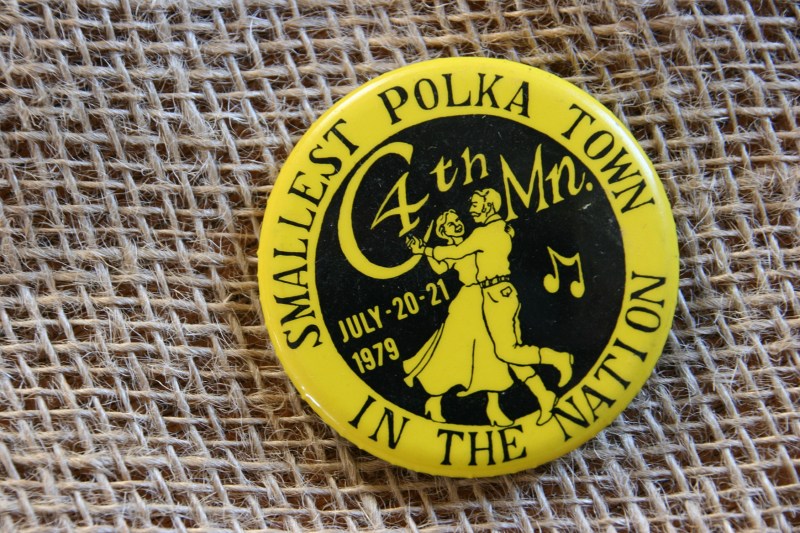
One of the many buttons my mom saved from Seaforth Polka Days.

One of the many buttons my mom saved from Seaforth Polka Days.

As a teen and young adult, I sometimes attended Seaforth Polka Days, an annual July event featuring, as you would expect, polka bands. For 42 years, Seaforth has hosted this celebration and billed itself as “The Smallest Polka Town in the Nation.” That will be no more, I learned from my mom, who today resides in an assisted living apartment in Belview the next town north of Seaforth. Mom didn’t know details. So I turned to the internet and found this July 14 entry on the Seaforth Polka Days Facebook page:

It is the end of an era, the booster club has decided that this will be the last year for polka days. Every year becomes harder to find enough volunteers to work and crowds have been smaller as well. Let’s make this year one to remember. Spread the word that it will be the last, for those who always planned to come one of these years or for those who have fond memories from years past this weekend will be your last chance to celebrate polka days in Seaforth!

Still open or shuttered, I don't know.

Still open or shuttered, I don’t know.

Such decisions to end large-scale small town celebrations are not uncommon. Year after year, the same locals often find themselves planning and working these events.

A scene in the heart of Seaforth.

A scene in the heart of Seaforth.

Yet, Seaforth isn’t totally giving up. Area residents are still planning a 2016 community celebration during the last full weekend in July: softball games, bean bag toss competition, the fire department fundraising supper, tractor pulls, a DJ and one polka band (instead of many) and “buckets of beer.”

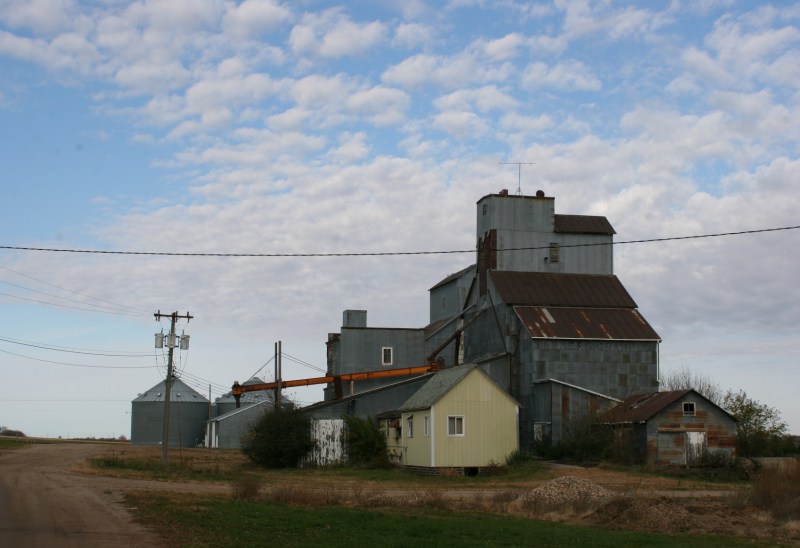
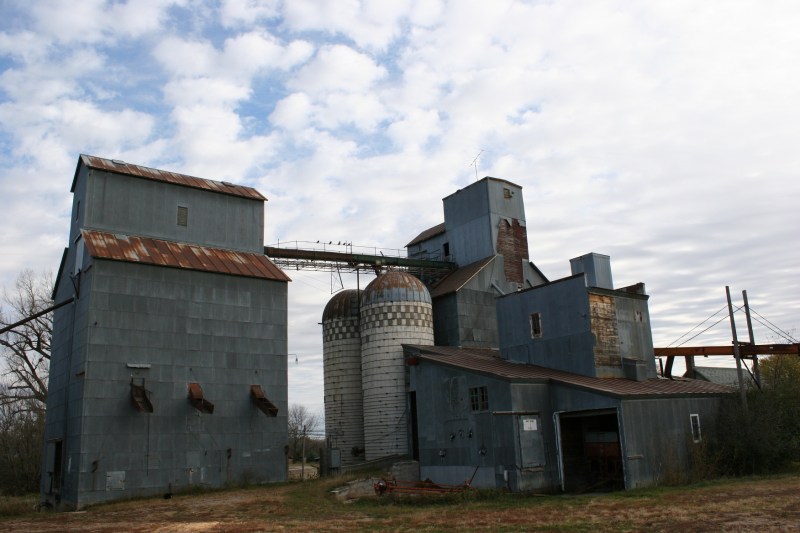
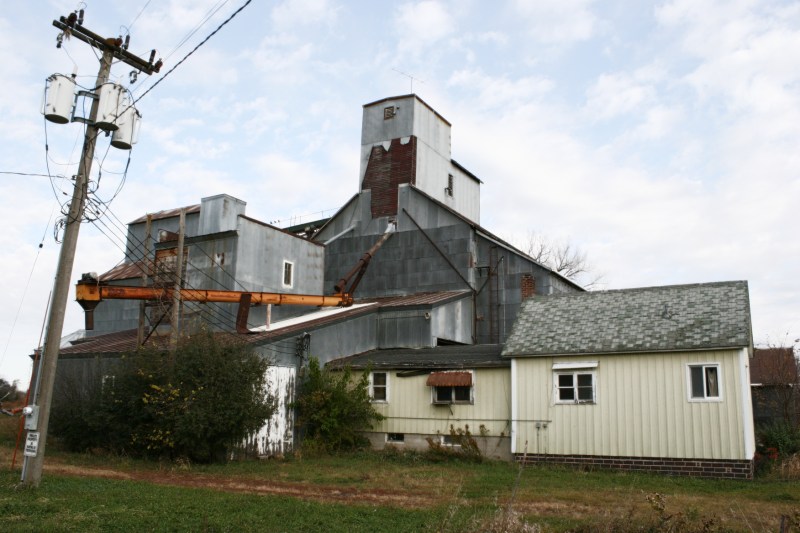
On the north edge of Seaforth, even the grain elevator is closed.

On the north edge of Seaforth, even the grain elevator is closed.

Now they’re soliciting names. Online Facebook suggestions thus far include C4th Small Town Days, C4th Clear Creak (sic) Days, C4th Clear Creak (sic) Fest, C4th Hometown Days, C4th Summer Days, Polka Days Part 2 and, finally, Redneck Fest.

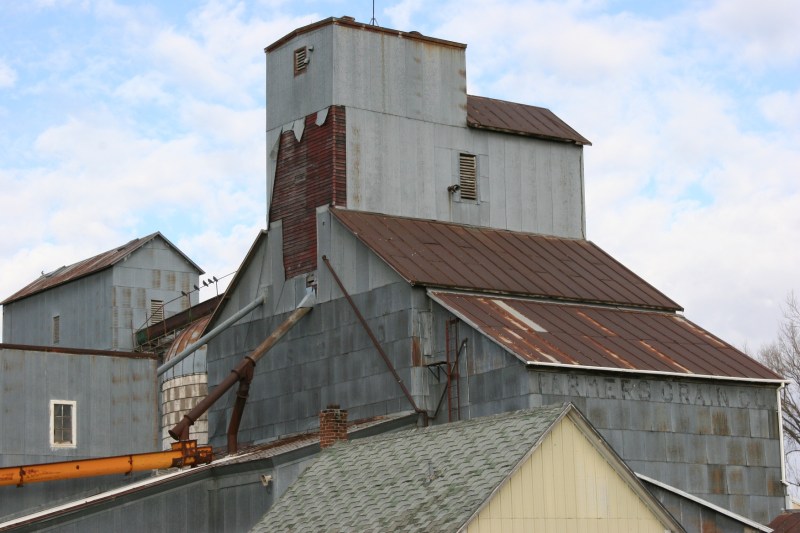
Look closely, and you can see the faded words "Farmers

Look closely, and you can see the faded words “Farmers Grain Co.”

Thoughts, on any of this?

Last I knew, my Uncle Milan owned this grain elevator complex. I don't know whether he still does.

Last I knew, my Uncle Milan owned this grain elevator complex. I don’t know whether he still does.

Do you help plan and work at a small town celebration? Do you attend small town celebrations? Let’s hear. Why are such events important to rural communities like Seaforth?

© Copyright 2015 Audrey Kletscher Helbling


The prairie part of Minnesota December 9, 2015

Filed under: Uncategorized — Audrey Kletscher Helbling @ 5:00 AM
Tags: , , , , , , ,
The grain elevator in Seaforth, in Redwood County, Minnesota, closed long ago.

The grain elevator in Seaforth, in Redwood County, Minnesota, closed long ago.

MINNESOTA IS MORE than the Twin Cities, St. Cloud, Rochester and Duluth. It’s also farms and small towns like Vesta, Sleepy Eye, Gaylord and St. James. I’ve lived in all of those rural areas and, for the past 33 years, in Faribault.

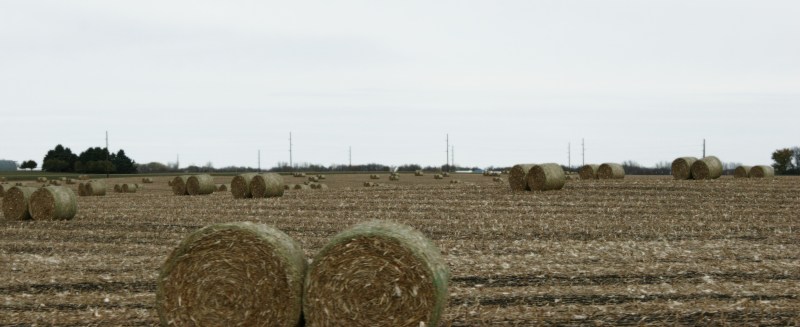
Cornstalk bales litter fields between Redwood Falls and Morgan.

Cornstalk bales litter fields between Redwood Falls and Morgan.

My husband was raised on a farm near Buckman in central Minnesota. Heard of it? Few people have. Likewise, not all that many Minnesotans know of Vesta, my hometown. Both communities are small—several hundred residents.

A vintage car travels eastbound along U.S. Highway 14 toward Nicollet.

A vintage car travels eastbound along U.S. Highway 14 toward Nicollet.

When folks ask where I grew up, I typically respond Vesta, bookmarked by “between Redwood Falls and Marshall.” If I get a blank look, I add “west of New Ulm.” If the geographic location still remains a mystery, I continue with “west of Mankato.” Then I usually see a flicker of recognition.

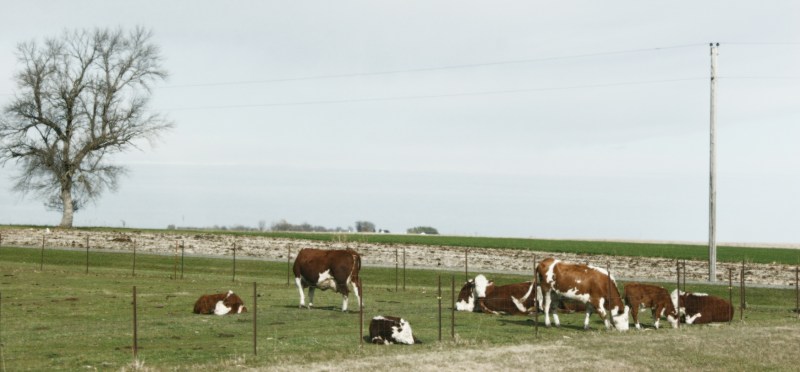
Occasionally you'll see cattle in a pasture. But mostly, farm land in southwestern Minnesota is used for crops like corn and soybeans.

Occasionally you’ll see cattle in a pasture. But mostly, farm land in southwestern Minnesota is used for crops like corn and soybeans.

My native southwestern Minnesota seems unappreciated by many who dismiss it as that boring prairie landscape en route to some place like Sioux Falls or the more distant destination of the Black Hills.

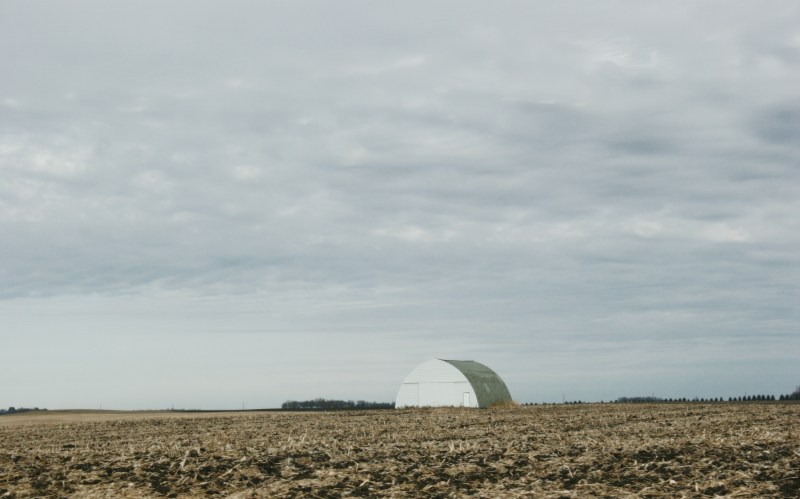
Fields and sky envelope a farm building just west of Wabasso.

Fields and sky envelope a farm building just west of Wabasso.

Appreciating the prairie, if you aren’t a native, takes a bit of effort. Wide skies and unhindered vistas can, I suppose, leave a landlocked city or hemmed-in by trees dweller feeling unsettled, untethered. There’s a sense of vulnerability and isolation on the prairie.

This farm site sits north of Lamberton in Redwood County.

This farm site sits north of Lamberton in Redwood County.

Land and sky overwhelm. Wind dominates. And for non-natives, that feeling of powerlessness within a landscape pushes away any thought of liking the prairie. Hurry. Power through the place. It’s just a bunch of farms and small towns and endless fields. But it isn’t. It is farm homes and red barns, grain elevators and water towers, corn and soybeans. Someone’s home. Someone’s land. Someone’s life. Someone’s livelihood. The prairie part of Minnesota. The place that shaped me as a person, a poet, a writer, a photographer. For that, I am grateful.

#

Note: All images were taken during my last visit “back home” in October and were edited to add a soft quality to the scenes.

© Copyright 2015 Audrey Kletscher Helbling


Offering my two cents, as a Redwood County native, on the Great Grape Salad Controversy November 20, 2014

NOW THAT THE LUTHERANS and my native Redwood County, MN., have been drawn into the New York Times Great Grape Salad Controversy, I feel obliged to also join the discussion.

Thanksgiving Day dinner at my house with family.

Thanksgiving Day dinner at my house with family several years ago included these foods. To the left you’ll see a nearly empty bowl of a lettuce salad. Minnesota Prairie Roots file photo.

Here’s the background, just in case you’ve had your head stuck in a snowbank the past several days and are unaware of the Times article. Writer David Tanis chose a food to represent each of the 50 states (plus Washington, DC and Puerto Rico) on the Thanksgiving dinner table. For Minnesota, he selected Grape Salad. That choice has resulted in a backlash from Minnesotans unhappy, and that’s putting it mildly, with the selection.

The only grapes you will find sitting out at my house for Thanksgiving are these grapes in a bowl of vintage fake fruit I got from my mom in September. I'd guess they are vintage 1950s or 1960s.

The only grapes you will find sitting out at my house for Thanksgiving are these grapes in a bowl of vintage fake fruit I got from my mom in September. I’d guess they are vintage 1950s or 1960s.

If you have lived in Minnesota your entire life, like me, your immediate reaction probably mimicked mine: “What is Grape Salad?”

It is, according to the Times published recipe, a combination of grapes, sour cream and brown sugar.

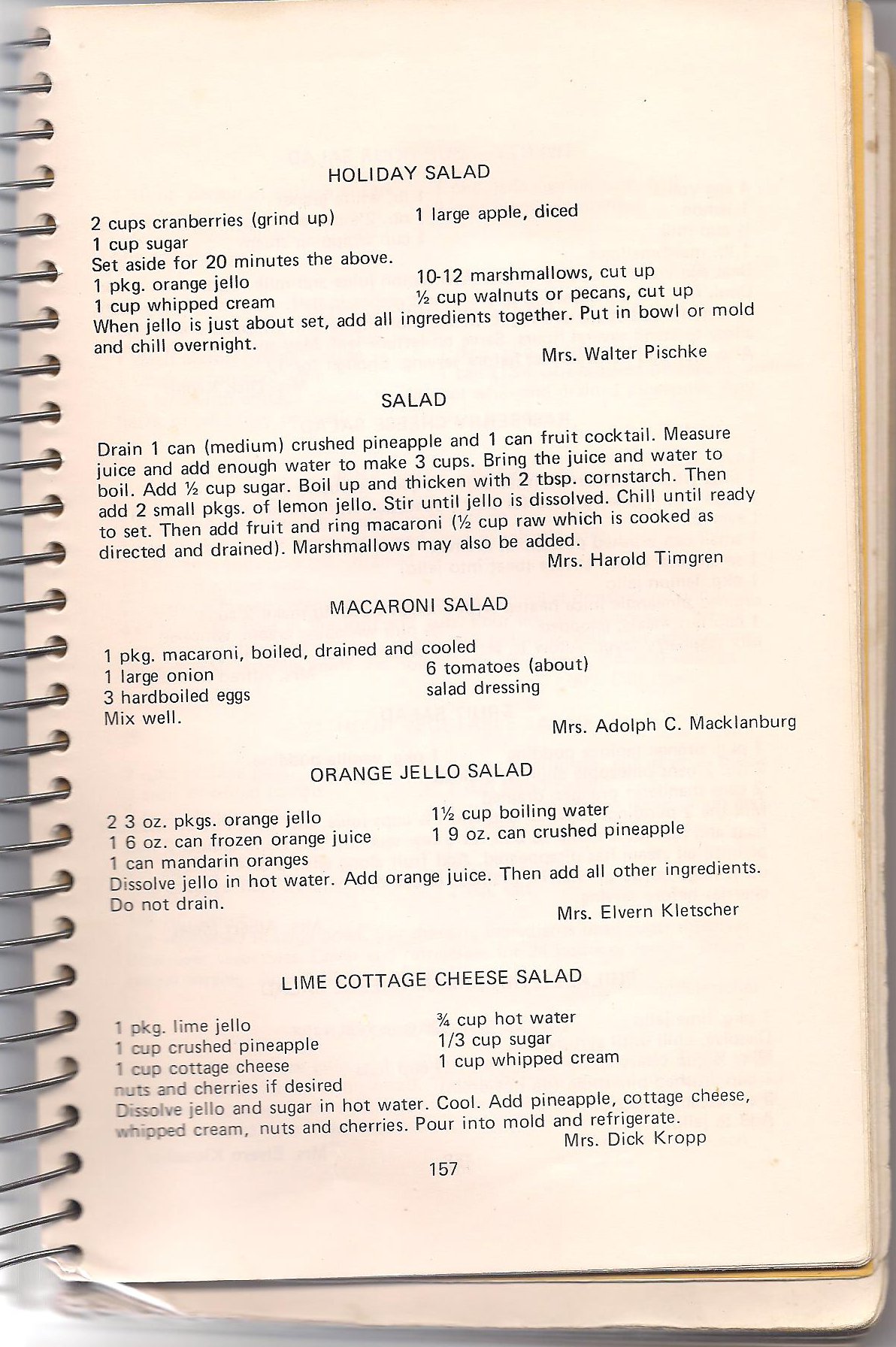
A selected page of salad recipes published in The Cook's Special, published in 1973 by St. John's Lutheran Church, Vesta, MN. That's my mom's

A selected page of salad recipes in The Cook’s Special, published in 1973 by St. John’s Lutheran Church, Vesta, MN. That’s my mom’s Orange JELLO Salad

Tanis shares on his Facebook page that the recipe was a staple in 1950s and 1960s Minnesota Lutheran cookbooks and was even published in the Redwood Falls Gazette. Hmmm. But I’ve never heard of Grape Salad, let alone tasted it and I grew up in the 50s and 60s on a crop and dairy farm 20 miles west of Redwood Falls near Vesta, where I attended St. John’s Lutheran Church. The Gazette arrived in our rural mailbox each week.

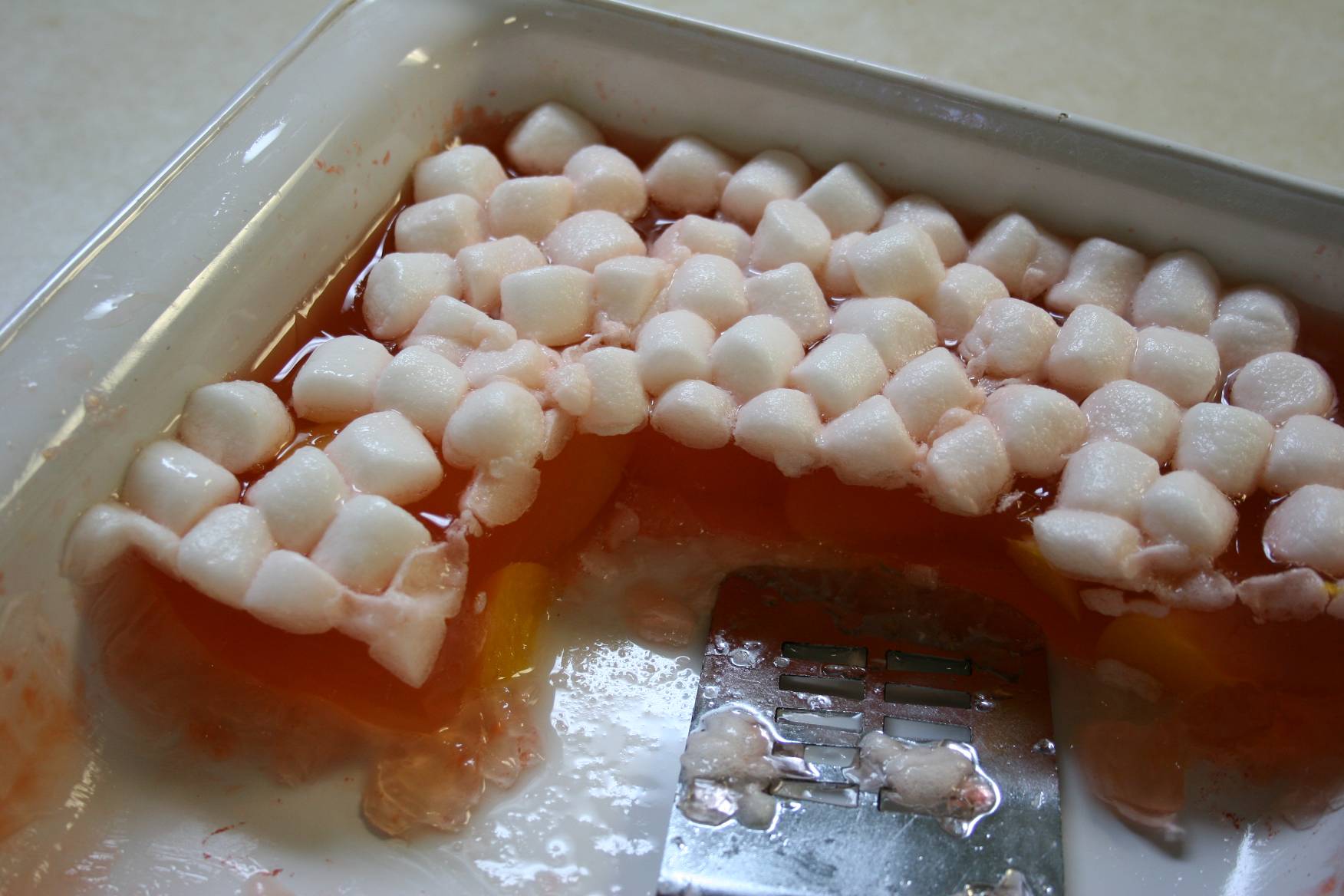
My friend Kristin made peach Jell-O in a pan.

Several years ago my friend Kristin prepared peach-filled Jell-O for Family Game Night at the Lutheran church I attend in Faribault. Minnesota Prairie Roots file photo.

The go-to salad during my youth was Jell-O, specifically red strawberry Jell-O laced with bananas and maybe topped with whipped topping, but not usually. Jell-O was served only on special occasions, like a holiday or on the midnight lunch table at extended family birthday and anniversary celebrations. The last time I ate Jell-O was a few weeks ago while on a pre-colonoscopy diet. Otherwise it’s been years since gelatin touched my lips.

As for grapes, they were a rare treat in my childhood home due to lack of availability and cost. And when Mom did buy grapes for her six children and farmer husband, the fruit was devoured in an instant. I remember stuffing grapes into my mouth so fast that I would nearly choke. But if I didn’t, I wouldn’t get many and I loved grapes. Still do.

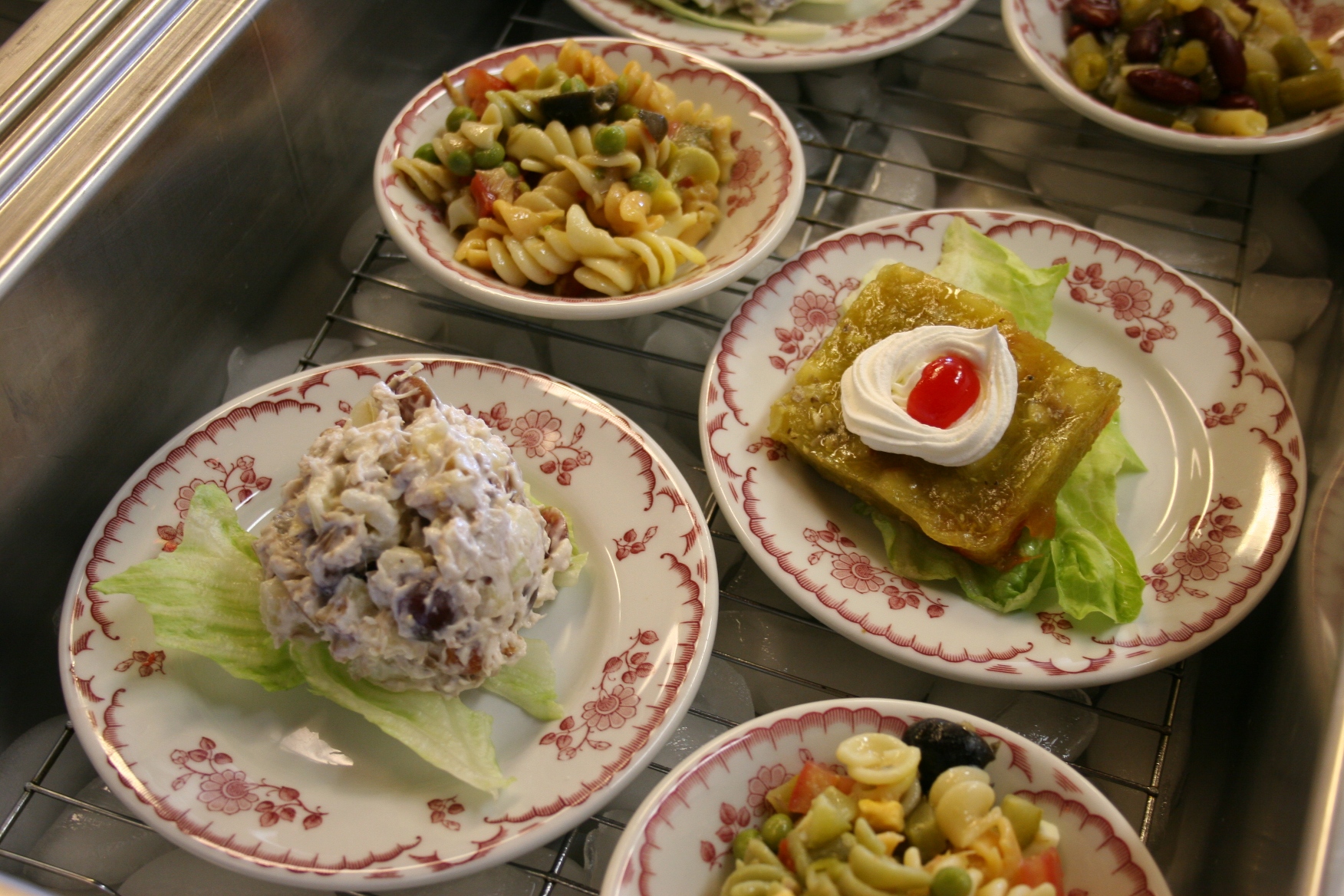
A few of the salad bar choices, including a tangy rhubarb square in the upper right of this photo.

A few of the salad bar options at a 2011 soup and salad luncheon at St. John’s United Church of Christ, Wheeling Township, rural Faribault, MN. Minnesota Prairie Roots file photo.

So for Tanis to choose Grape Salad as representative of Minnesota for Thanksgiving dinner 2014, or even Thanksgiving dinner 1960, seems, well, not at all Minnesotan.

What food would you select to represent Minnesota?

Even though (most) Minnesotans believe the Times writer got it totally wrong with his Grape Salad choice, this whole controversy serves some good, too. The spotlight is shining on our state. What a great time to showcase Minnesota foods and our uniqueness. Specifically, I hope tourism folks in my native Redwood County realize this opportunity and run with it in a creative and humorous way.

© Copyright 2014 Audrey Kletscher Helbling


Delhi: Little town on the Minnesota prairie June 4, 2014

UNLESS YOU’RE A LOCAL or a native, you likely bypass the small towns which sit off county roads, tucked away from trafficked highways that take time-pressed travelers from destination to destination.

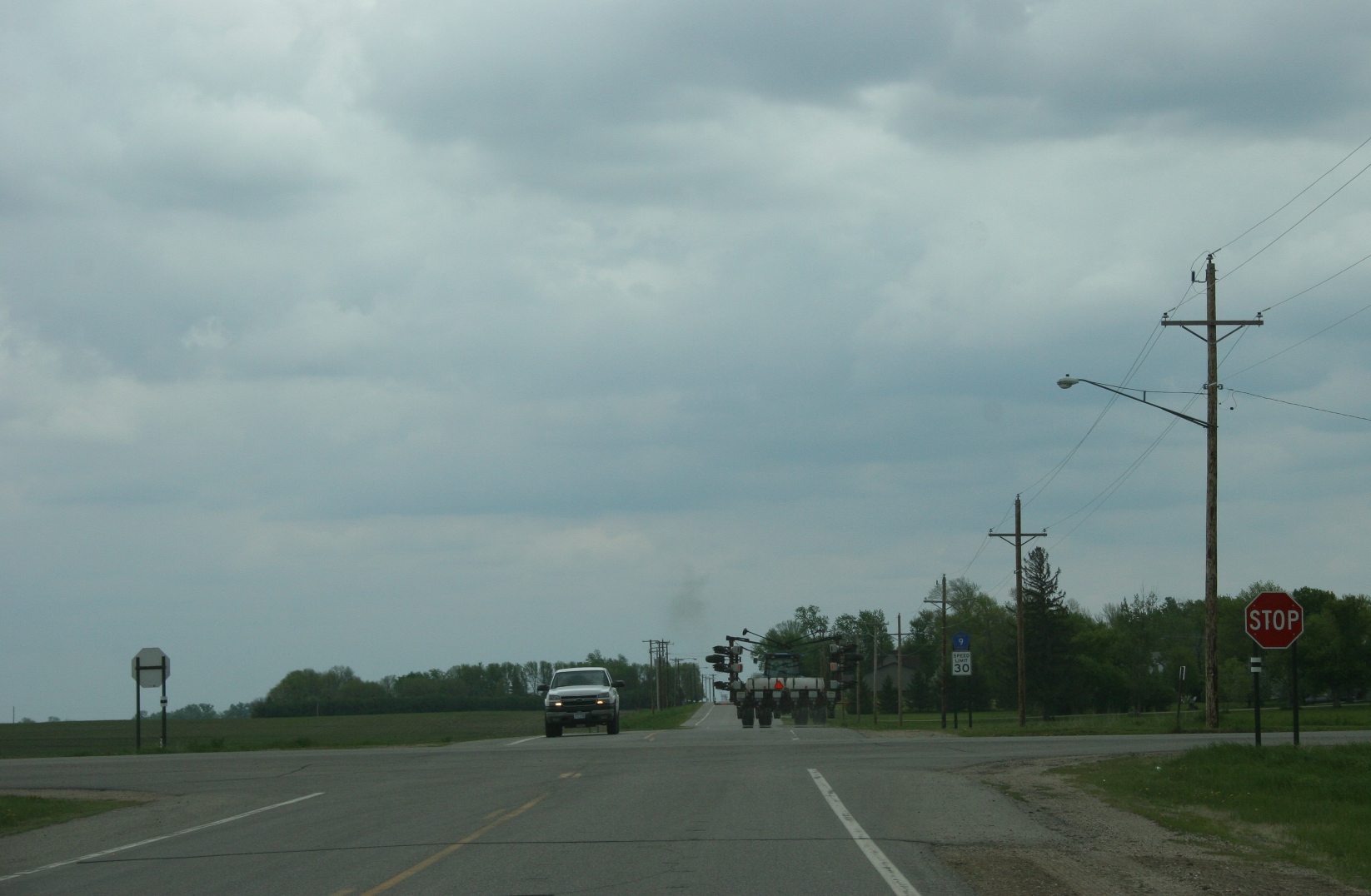
Nearing Delhi at the intersections of Redwood County Road 9 and 6.

Nearing Delhi at the intersections of Redwood County Road 9 and 6.

On a recent trip back to my native southwestern Minnesota prairie, my husband and I sidetracked off our usual route along State Highway 19 between Belview and Redwood Falls to follow Redwood County Road 9 to Delhi.

Decades have passed since I visited Delhi, at the intersection of county roads 9 and 6.

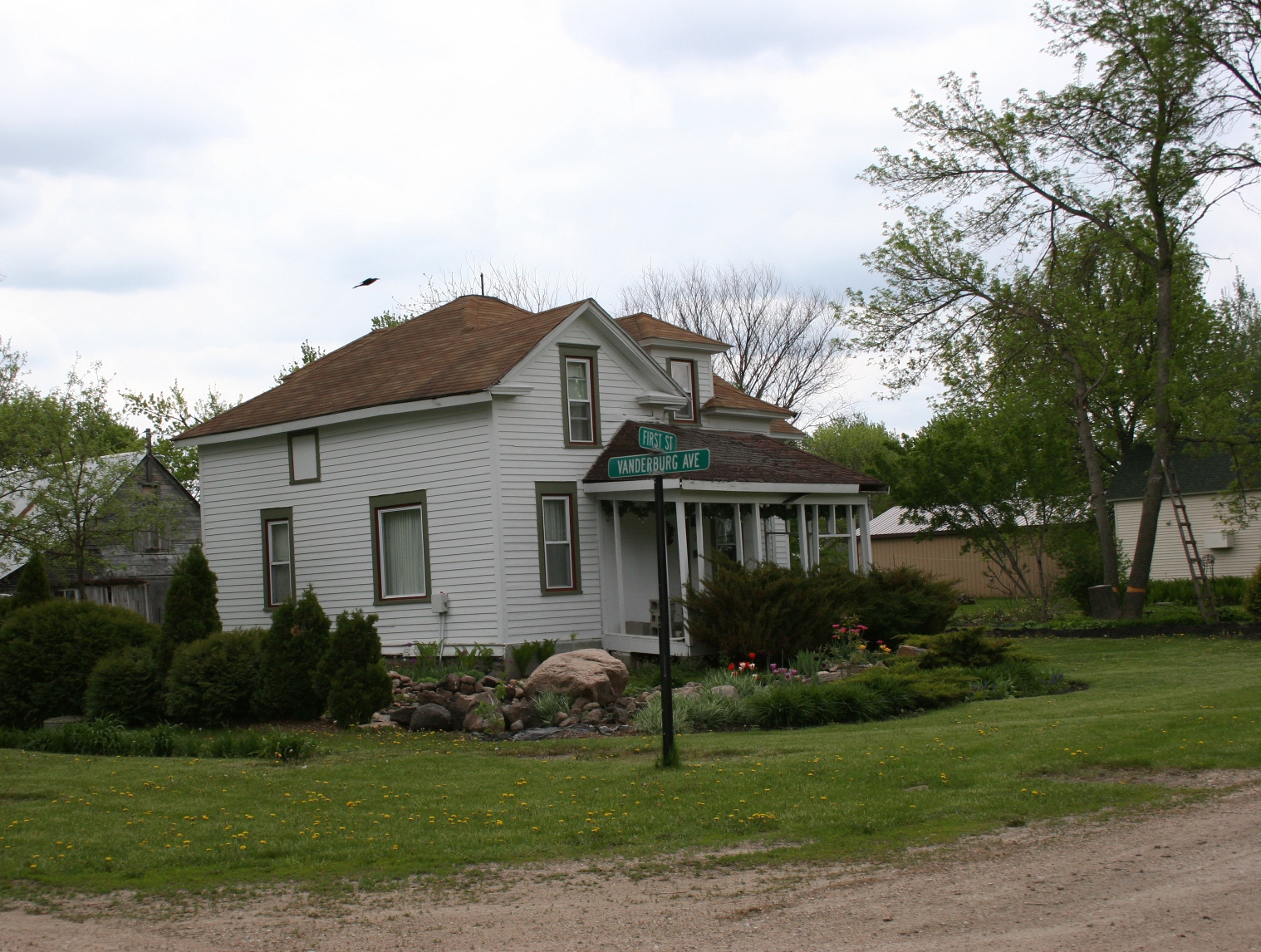
A sweet, well-cared for home in Delhi.

A sweet, well-cared for home in Delhi.

Most would surmise there’s not much in Delhi. That is until you look and consider that some 70 folks call this rural farming community home.

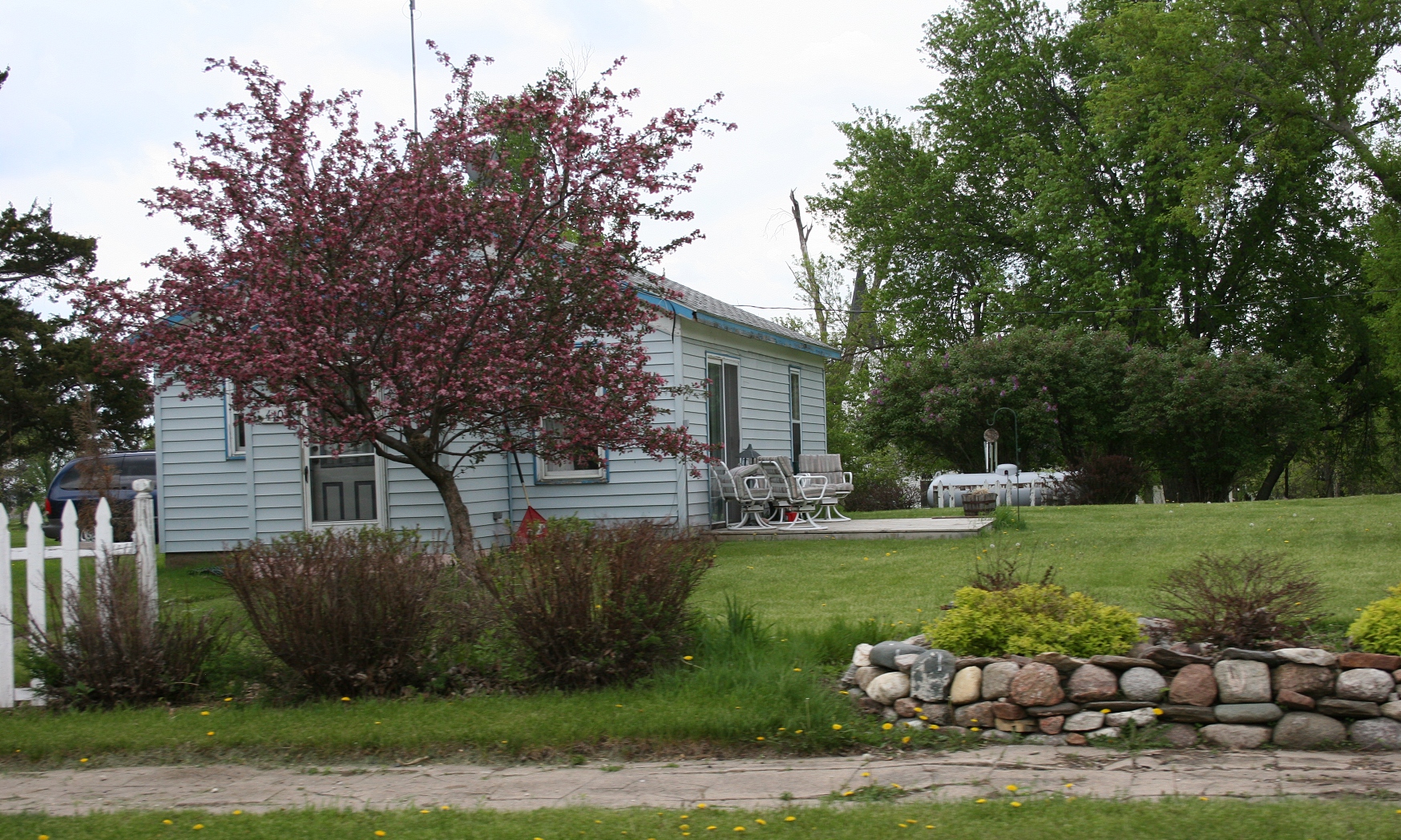
Another beautiful home with a lovely landscaping that includes field rocks.

Another cute home with lovely landscaping that includes field rocks.

Home.

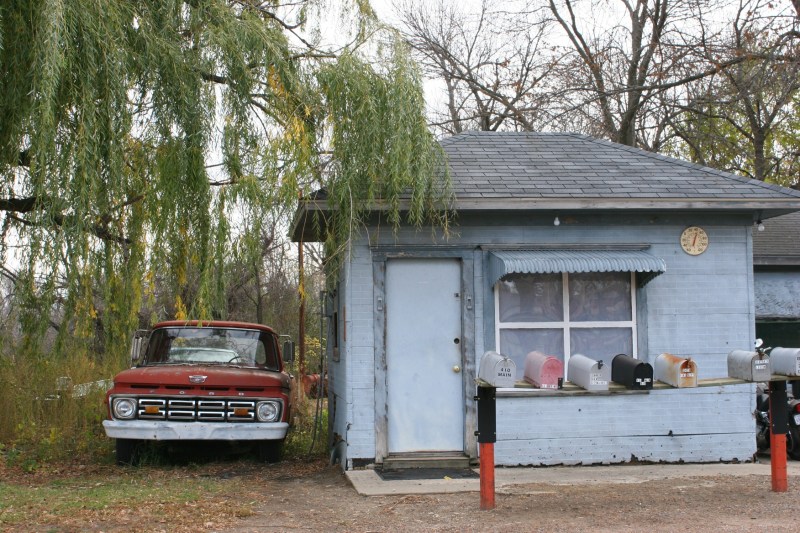
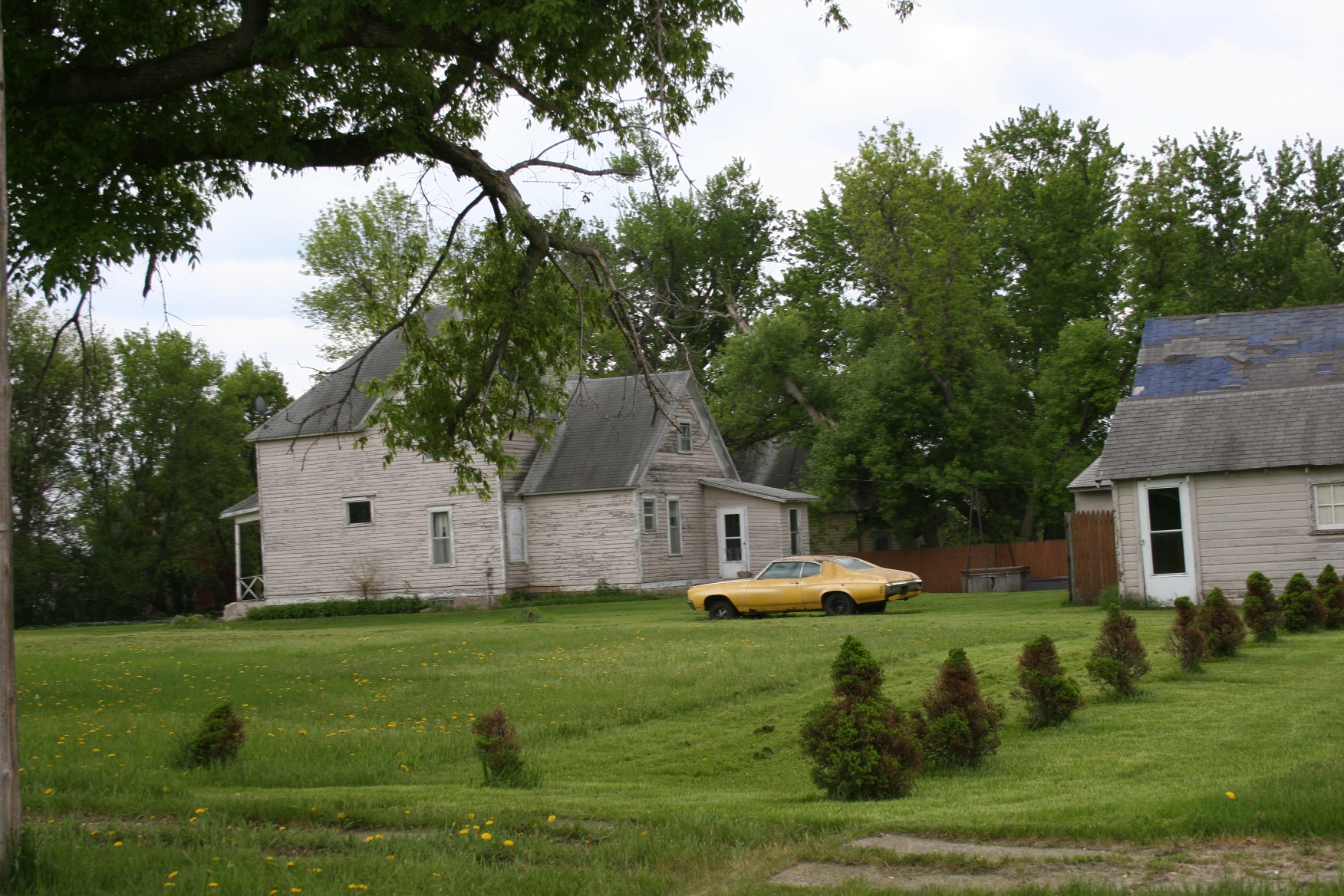
In need of a little TLC, both home and car.

In need of a little TLC, both home and car.

While some residents care about their properties with well-tended houses, others show less interest in maintenance. That is not uncommon in small towns. Or perhaps such neglect is more noticeable with fewer houses.

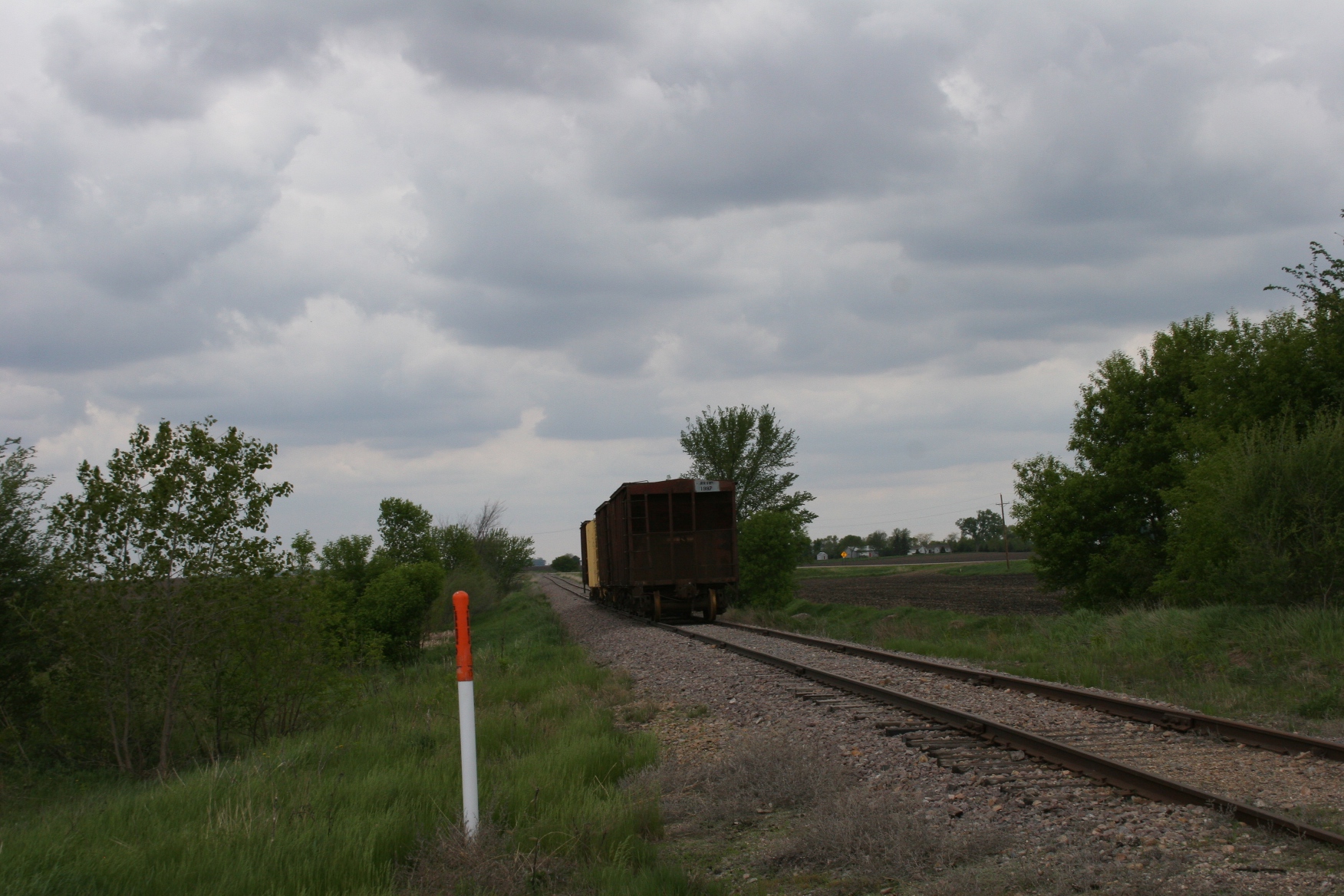
Parked along the tracks just off Redwood County Road 6 west of Delhi.

Parked along the tracks just off Redwood County Road 6 west of Delhi.

Like so many small towns along the railroad line, this settlement once boomed. Information published in The History of Redwood County, Volume 1, states that Delhi was platted in 1884, shortly after the railroad came through the area. Alfred M. Cook, a builder and owner of a flour mill in neighboring Redwood Falls, named Delhi, according to Minnesota place name info on the Minnesota Historical Society website.  He came to the area from Delhi, Ohio.

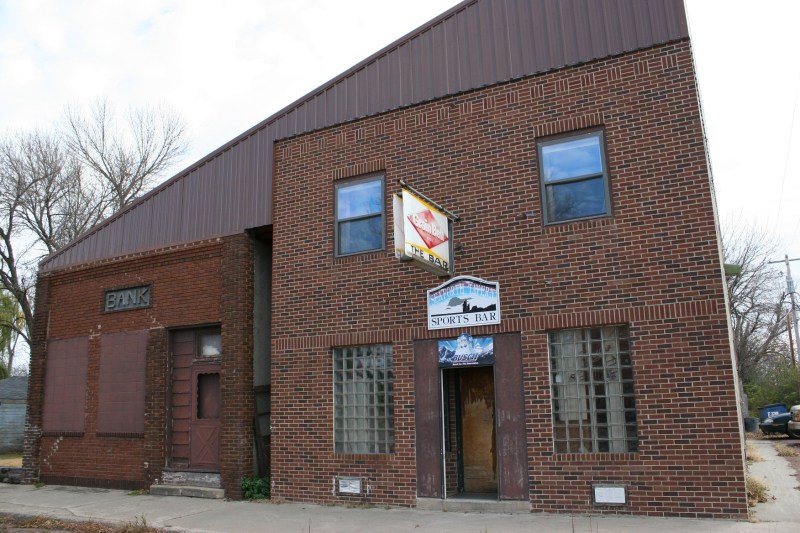
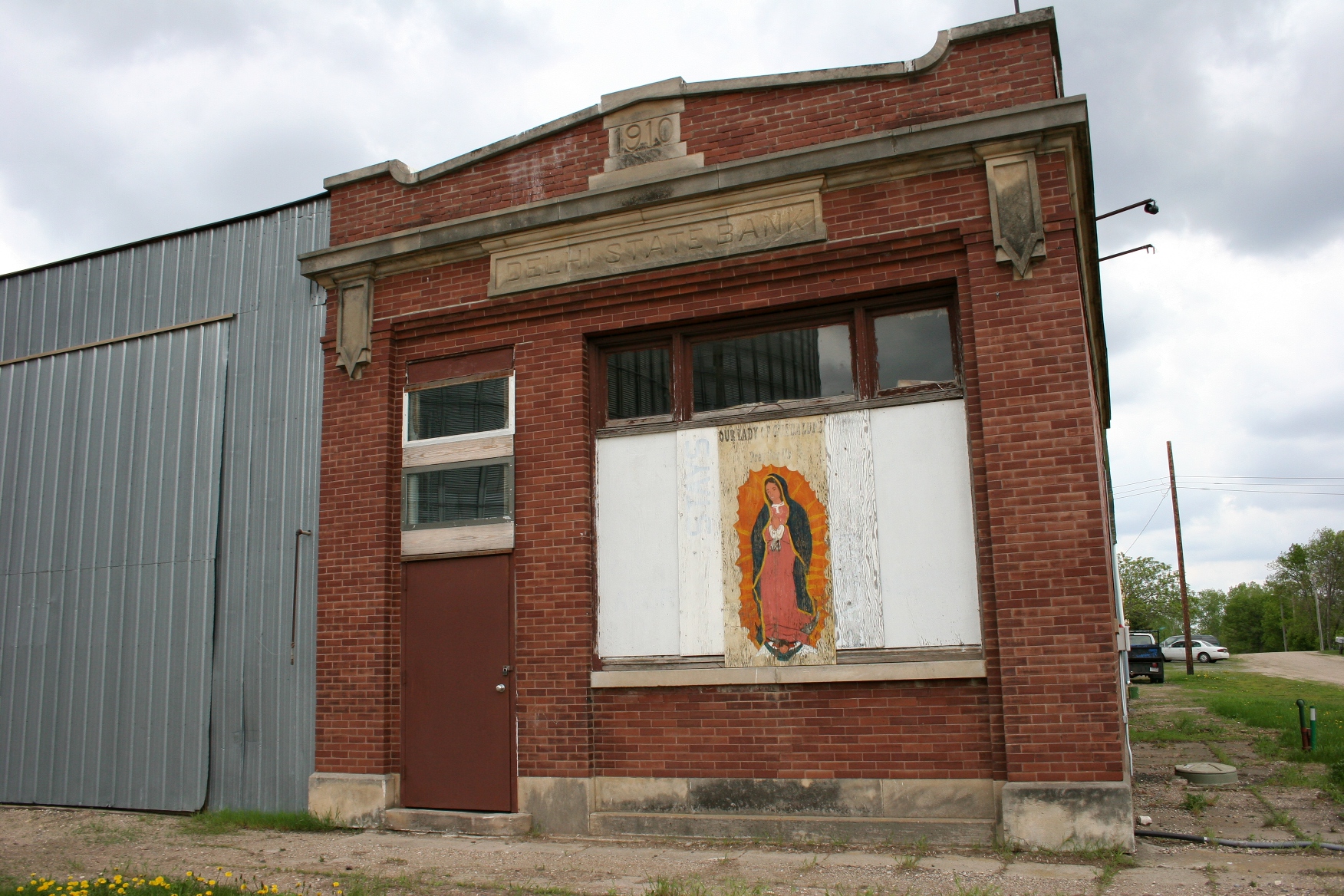
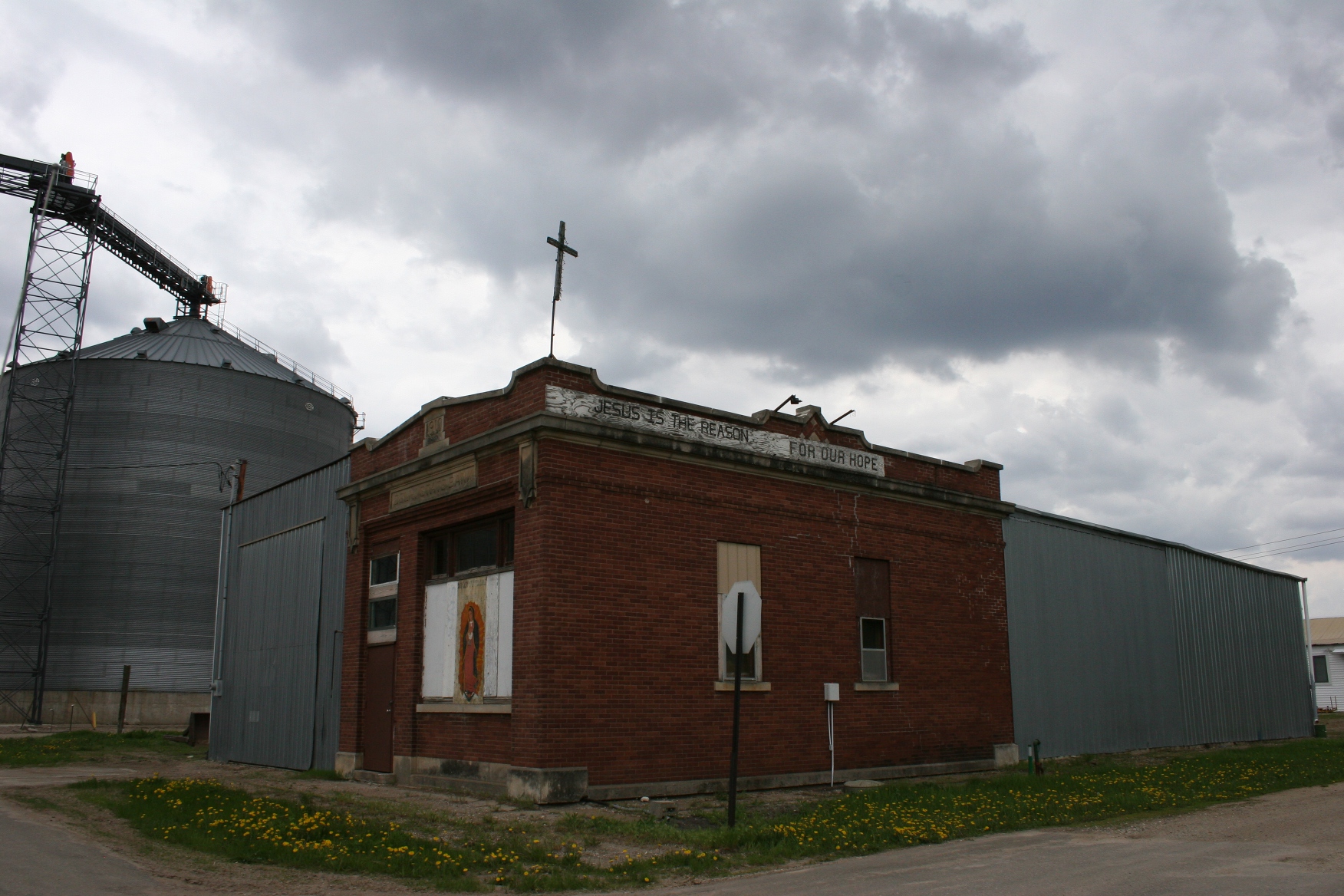
The front window of the 1910 Delhi State Bank is now mostly boarded with a painting of Our Lady of Guadalupe.

The front window of the 1910 Delhi State Bank is now mostly boarded with a painting of Our Lady of Guadalupe.

The Delhi State Bank, built of brick in 1910, and now abandoned and apparently last used as a church, shows me that folks once believed in this place.

Driving toward downtown.

Driving toward downtown.

Not that they don’t anymore. But like all too many prairie communities, Delhi has mostly withered away.

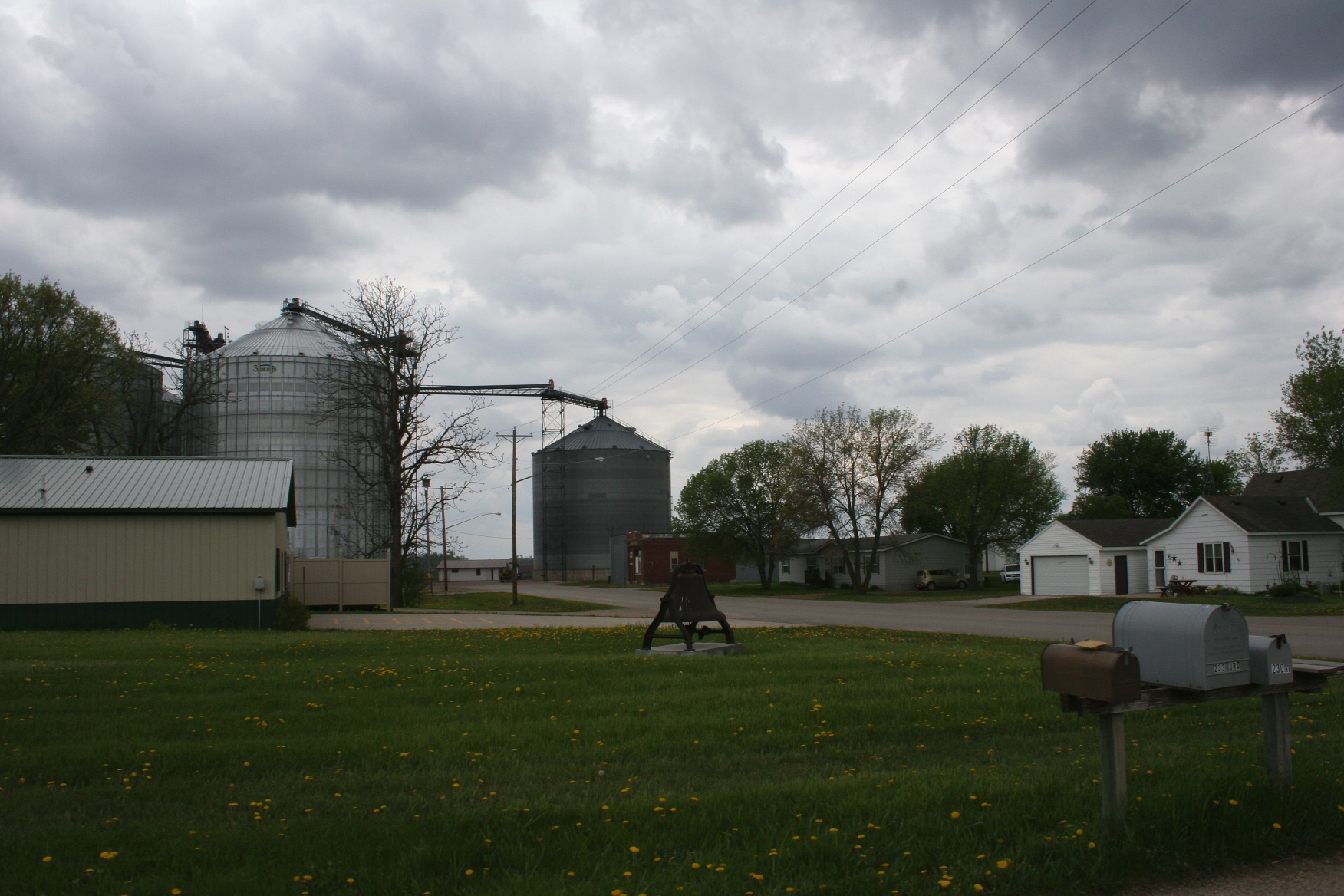
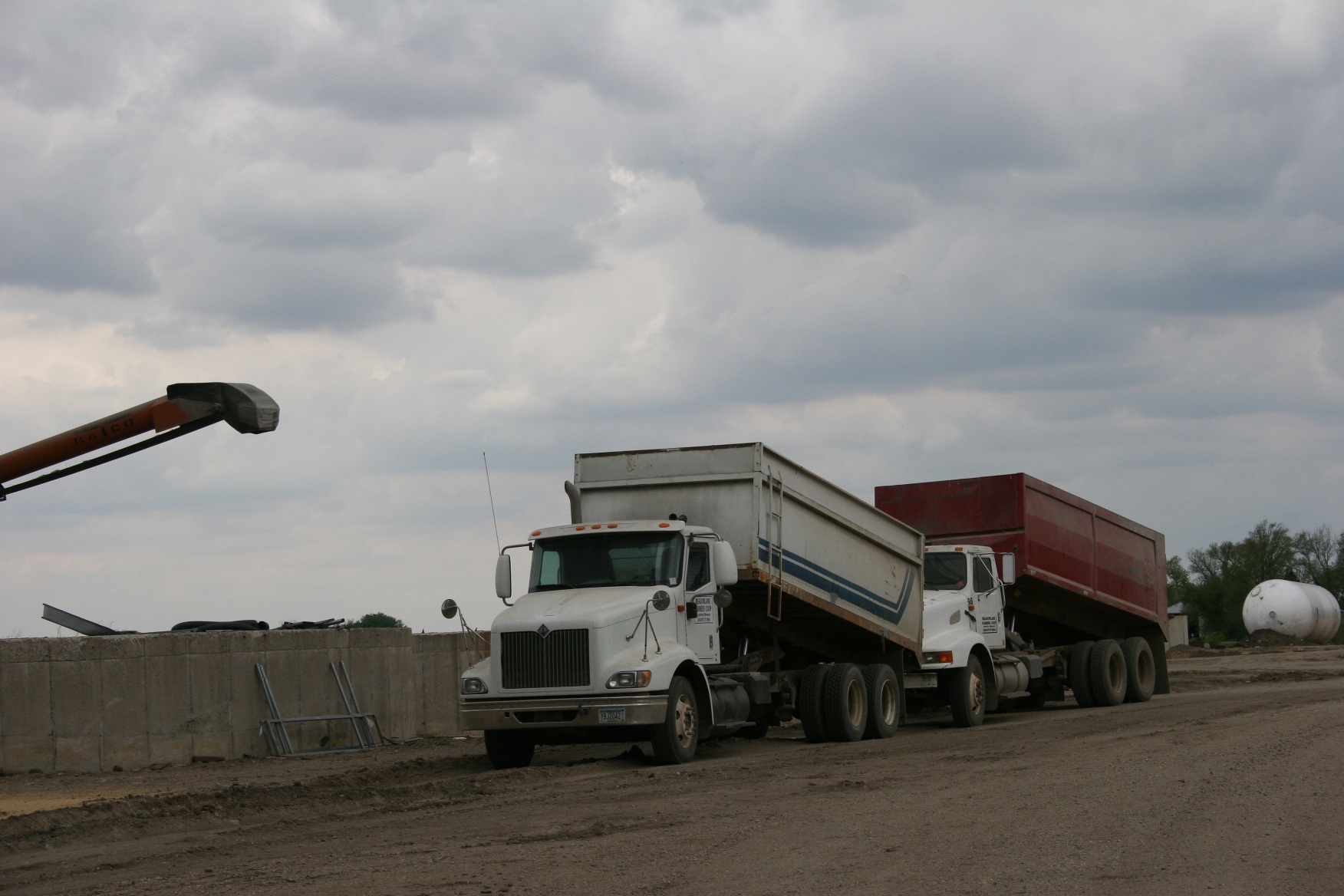
Grain trucks parked near the grain bins.

Grain trucks parked near the grain bins.

Many other businesses once operated here, but they are no more, with the noticeable exception of a grain business. Delhi, in the late 1800s, housed general, drug, hardware and lumber stores, a hotel, a railroad and telegraph agent, a feed mill, a blacksmith shop, a farm implement business and more.

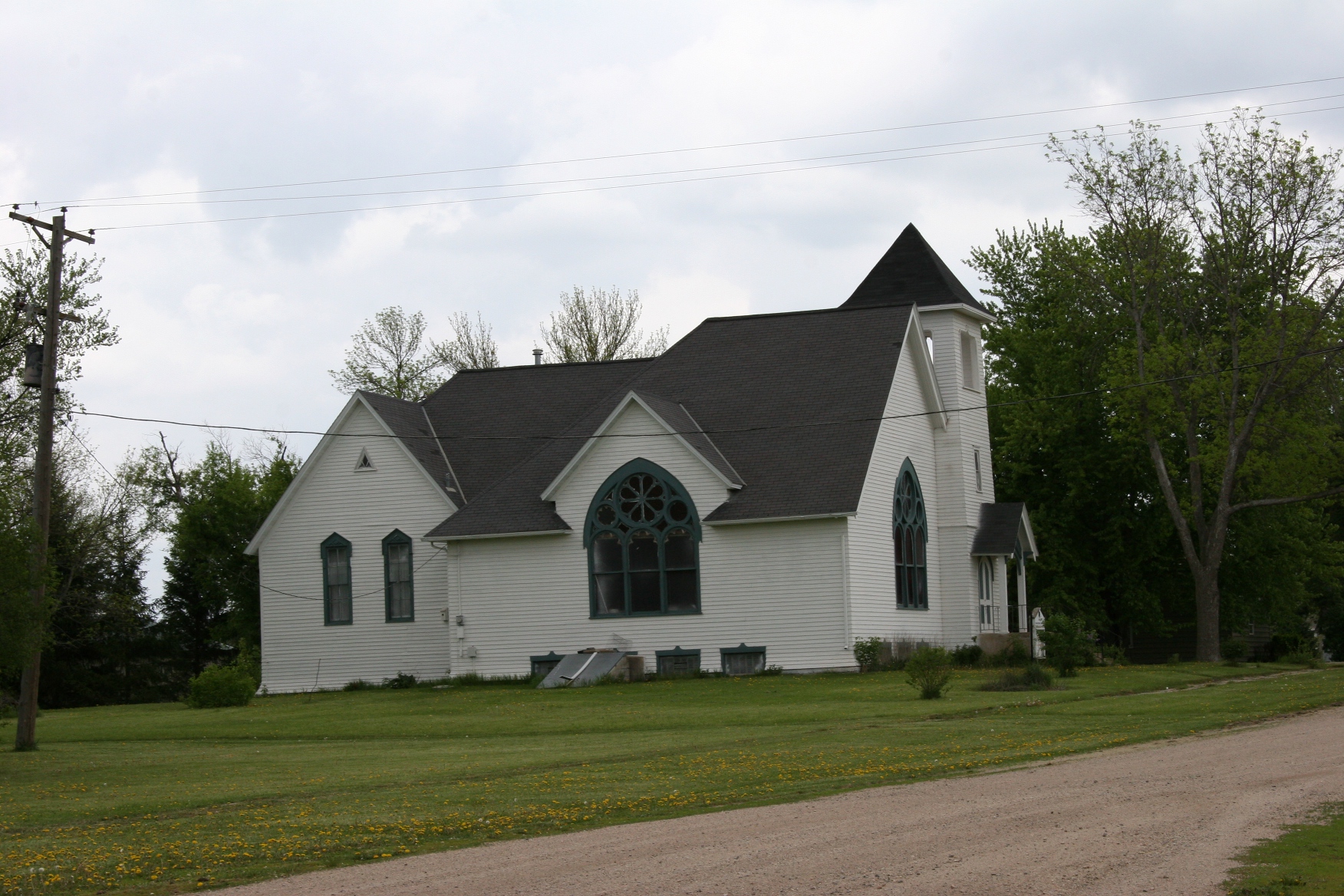
What a lovely church this must be inside as evidenced from the exterior.

What a lovely church this must be (or once was) inside as evidenced from the exterior.

The Presbyterian church today appears shuttered.

Evidence of faith in bank and bin.

Evidence of faith in former bank and bin.

Despite all of this and the inclination to despair, I cannot help but admire the determination of Delhi to cling to the land. Prairie roots run deep.

© Copyright 2014 Audrey Kletscher Helbling


Awaiting planting in southwestern Minnesota April 23, 2014

YOU CAN SEE IT, sense it, almost smell and hear it—the anticipation of spring planting.

Along Minnesota State Highway 19 between Redwood Falls and Vesta.

Along Minnesota State Highway 19 between Redwood Falls and Vesta.

Bare and stubbled fields stretch for miles and miles across southwestern Minnesota, earth turned to the warming sun, awaiting the seeds of spring.

Only remnants of winter remain in scattered patches of road ditch snow.

Along Brown County 29 southeast of Morgan.

Along Brown County Road 29 southeast of Morgan.

On the edges of farm yards, tractors and planters and other implements sit, pulled from machine sheds. Greased. Oiled. Ready.

Farmers wait. Thawing spring rains fall. Frost rises from the ground. Drying winds whip across the land.

A child-size John Deere tractor photographed in my hometown of Vesta.

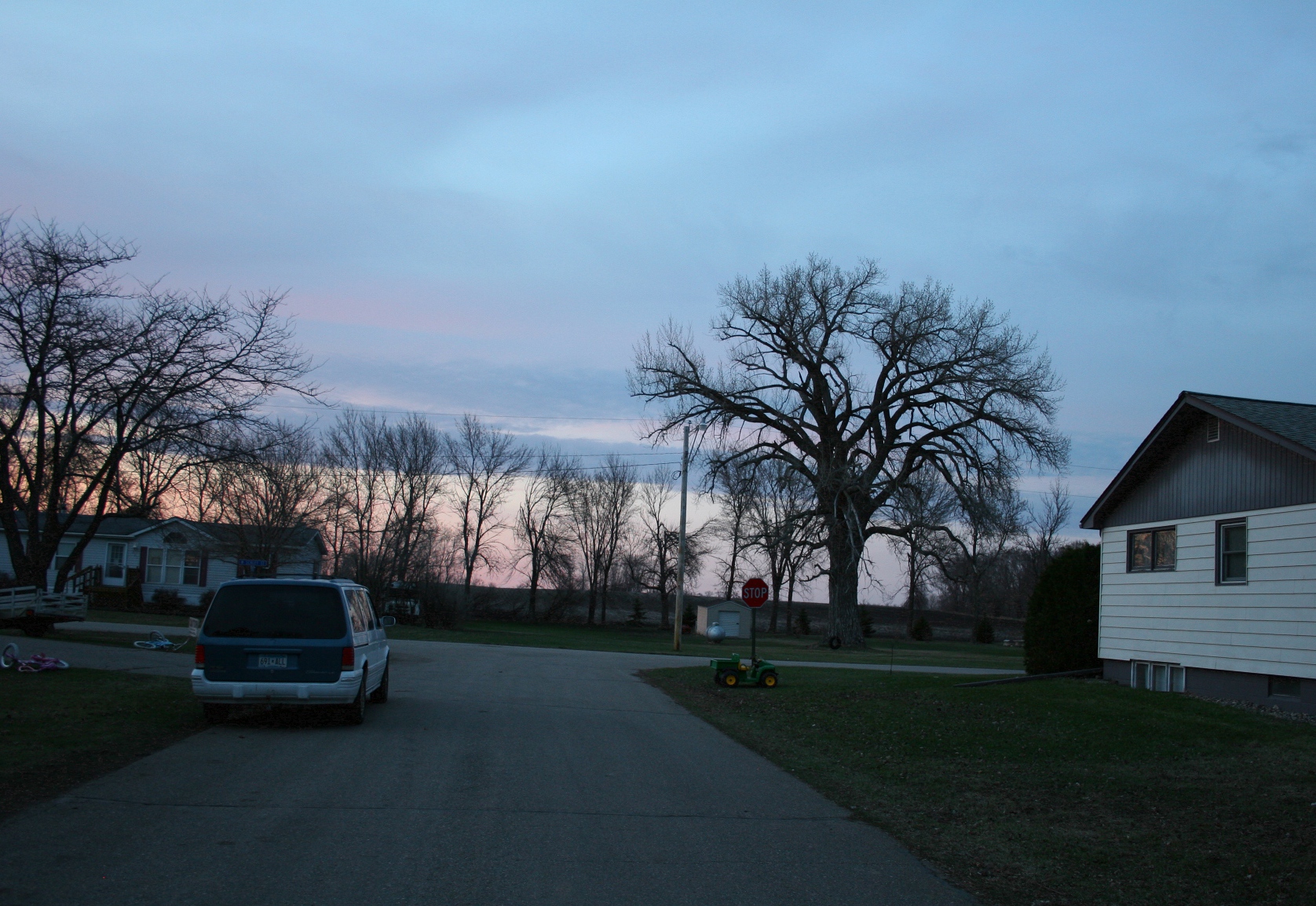
A child-size John Deere tractor photographed at dusk a yard away from a field in my hometown of Vesta.

And the days unfold into the season of renewal and hope and sowing of seeds.

© Copyright 2014 Audrey Kletscher Helbling


On the cusp of harvest in southwestern Minnesota October 4, 2013

Grey skies and rain create a moody scene along U.S. Highway 14 between Sleepy Eye and Lamberton.

Grey skies and rain create a moody scene along U.S. Highway 14 between Sleepy Eye and Lamberton.

RAIN DRIZZLES, SOMETIMES SPLATTERS, across the windshield of our van as my husband and I aim toward the southwestern Minnesota prairie, driving toward Lamberton for a day of making horseradish with my extended family. It is a time-honored tradition, started by my father, dead 10 years now.

For me, this 120-mile trip from our Faribault home is not as much about the horseradish as it is about family and memories and spending a weekend in my beloved native prairie, the place that shaped me in to the person/writer/photographer I’ve become.

This section of U.S. Highway 14 between Sleepy Eye and Lamberton features many stately and well-kept barns like this brick one.

This section of U.S. Highway 14 between Sleepy Eye and Lamberton features many stately and well-kept barns like this brick one.

Even after 40 years away from this place of big skies and flat open spaces, of small towns and family farms, of corn and soybean fields stretching into forever, I still miss this land.

Especially at harvest time.

A cheery smile on a barn off U.S. Highway 14 serves as a backdrop to a ripened soybean field on a grey Saturday morning.

A cheery smile on a barn off U.S. Highway 14 serves as a backdrop to a ripened soybean field on a grey Saturday morning.

As we journey, my head pivots toward the corn and the beans, ripened mostly to muted gold.

I can almost hear the corn leaves rustling in the bendy wind under moody grey skies.

I can almost smell the intoxicating scent of earth that prevails only at harvest time.

I can almost hear the chomping combines and rumbling grain trucks, the roaring tractors and the lumbering grain wagons, parked and silent now as rain sweeps across the acres.

A serene country scene just north of Lamberton in southern Redwood County.

A serene country scene just north of Lamberton in southern Redwood County.

Later that day, after we’ve reached our rural destination and dug, washed, peeled, chopped, blended and bottled the horseradish, the heaviest of the clouds lift and shift east.

The skies have cleared along Redwood County Road 6 north of Lamberton where corn fields await harvest.

The skies have cleared along Redwood County Road 6 north of Lamberton where corn fields await harvest.

By Sunday morning we awaken to the clear and crisp skies of autumn in rural Minnesota.

Driving U.S. Highway 14 back to Faribault Sunday morning.

Driving U.S. Highway 14 back to Faribault Sunday morning.

It’s a perfect morning.

Barns and ripening crops define the landscape of southwestern Minnesota this time of year.

Barns and ripening crops define the landscape of southwestern Minnesota this time of year.

Sunshine upon fields.

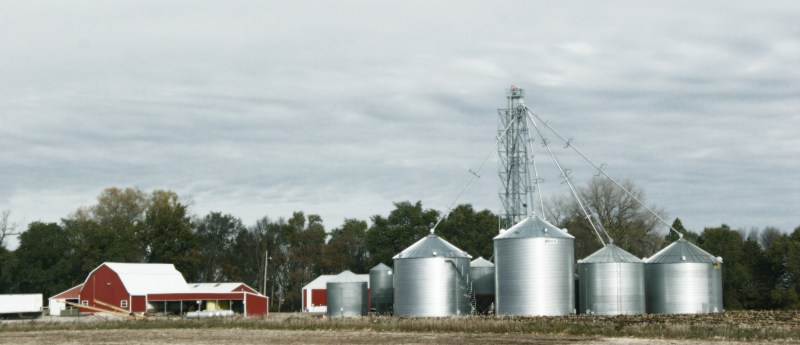
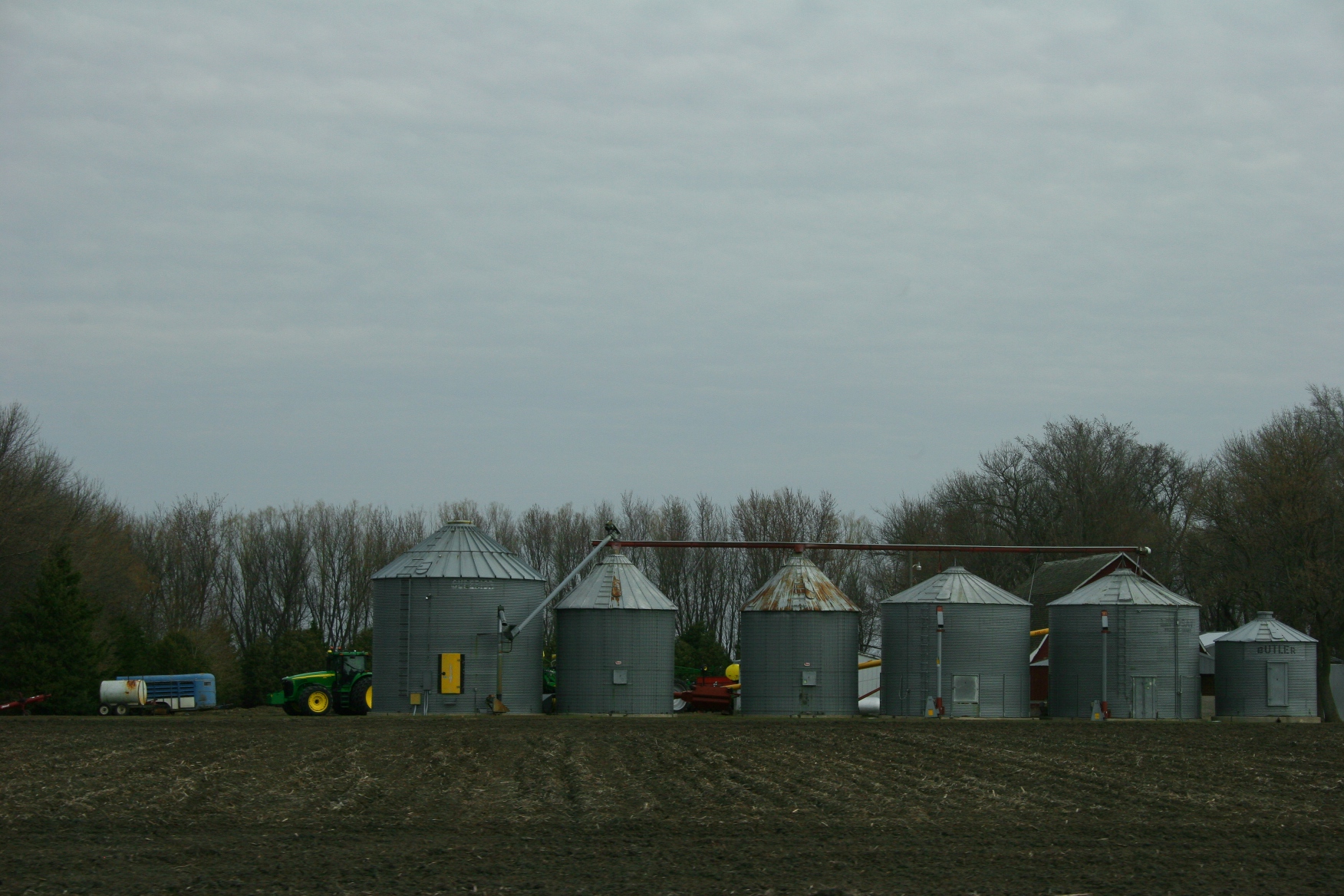
Grain bins await the harvest on a southwestern Minnesota farm.

Grain bins await the harvest on a southwestern Minnesota farm.

Sunshine pooling upon my lap as we aim east, past bins and barns and bountiful fields, back home.

Rounding the curve eastbound into Sleepy Eye.

Rounding the curve eastbound into Sleepy Eye.

Past the ripening crops. Through the small towns, like Lamberton and Springfield and Sleepy Eye.

And when we reach the western outskirts of New Ulm, I feel as if we’ve crossed a line. Menards and Walmart loom to the left. U.S. Highway 14, the Laura Ingalls Wilder Historic Highway, is now a four-lane through this German community, busy with traffic and drivers racing to get ahead before the roadway once again narrows to two lanes en route to Mankato.

Barns, like this one, rise above the soon-to-be-harvested corn fields.

Barns, like this one, rise above the soon-to-be-harvested corn fields.

My mood shifts. I’ve left the peace of the prairie, the one place on this earth that holds my soul in solace.

FYI: This post was previously published on streets.mn. The above photos were taken on Saturday, September 28, and Sunday, September 29. Conditions change rapidly during harvest time, so I expect harvest is well underway, although delayed now due to the rain.

A post will be forthcoming on making horseradish.

Copyright 2013 Audrey Kletscher Helbling


“Mending generations of bad feelings” in Redwood County during “The Year of the Dakota” February 28, 2013

WILL THE DIVIDING LINES ever connect into a complete circle of healing?

A century and a half after the U.S.-Dakota War of 1862 ended, can the Dakota and descendants of white settlers, and others, ever fully reconcile and forgive?
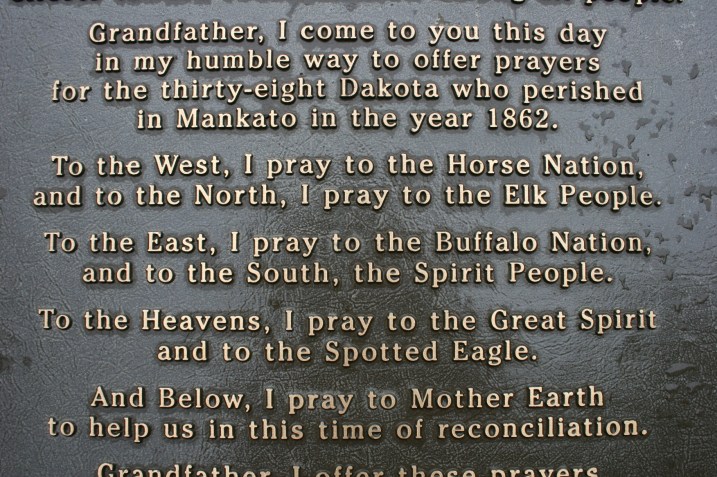
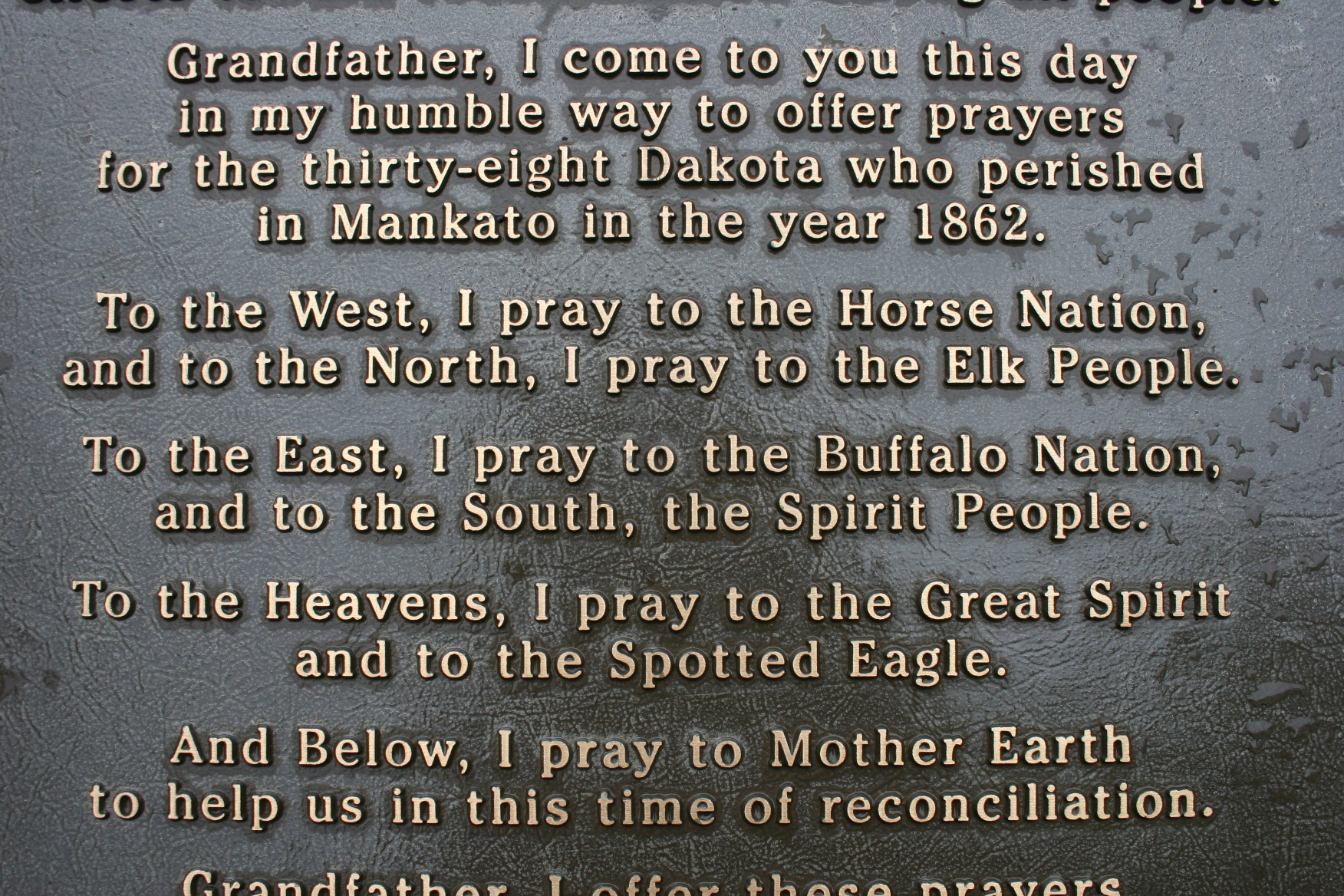
Words on a marker in Reconciliation Park in Mankato where 38 Dakota were hung on Dec. 26, 1862.

Words on a marker in Reconciliation Park in Mankato where 38 Dakota were hung on Dec. 26, 1862.

The issues that divide—of blame and of animosity, of death and of punishment, of land and of banishment, and more—remain, sometimes subtle and below the surface, sometimes exposed.

As a native of Redwood County in southwestern Minnesota and as a descendant of settlers who fled their New Ulm area homestead during the U.S.-Dakota War, I have always been especially interested in this conflict.

So when I learned that the City of Redwood Falls on January 15 joined the cities of Minneapolis and St. Paul in adopting resolutions “recognizing the 150th anniversary of the Dakota-U.S. War of 1862 and declaring 2012-2013 the Year of the Dakota,” I took note.

The resolution states, in part in paragraph two:

WHEREAS, much has yet to be learned about issues revolving around land, reparations and restitution, treaties, genocide, suppression of American Indian Spirituality and Ceremonies, suppression on Indigenous languages, bounties, concentration camps, force marches, mass executions and forcible removals; and…

For my home county, at the geographical center of the war and home to the Dakota, then and now, passage of this resolution reflects a desire to understand, to educate, to heal.

Now you wouldn’t think, after 150 years, that such a resolution would even be needed. Trust me. Hard feelings still exist. But because I have not lived in Redwood County for decades and am therefore only an outside observer, I contacted Redwood Falls Mayor and avid local historian Gary Revier with a few questions.

I posed this question, among others, to Revier: All these years after the Dakota War ended, what, if any, tensions still exist between the Dakota and Whites in Redwood County?

As I expected, the mayor, who could have danced around my question with political rhetoric, told it like he sees it:

To answer your question about tensions between the Dakota and White communities, I would have to say emphatically “yes.” I believe it is more of a trust issue for the Dakota. On the White side, I would have to say there is a lot of envy because of the success of the gaming industry among the various Indian communities.

When I hear from my fellow members of the White community, they almost always begin by saying, “I am not prejudiced, but…” They then go on to explain some good deed they did for a Native American or some distant cousin three times removed who they are related to.
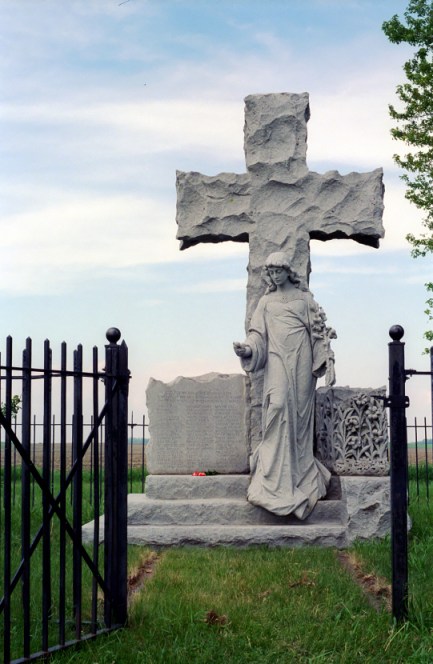
The Milford State Monument along Brown County Road 29 west of New Ulm commemorates the deaths of 52 settlers who were killed in the area. Located along the eastern edge of the Lower Sioux Reservation, Milford had the highest war death rate of any single township.

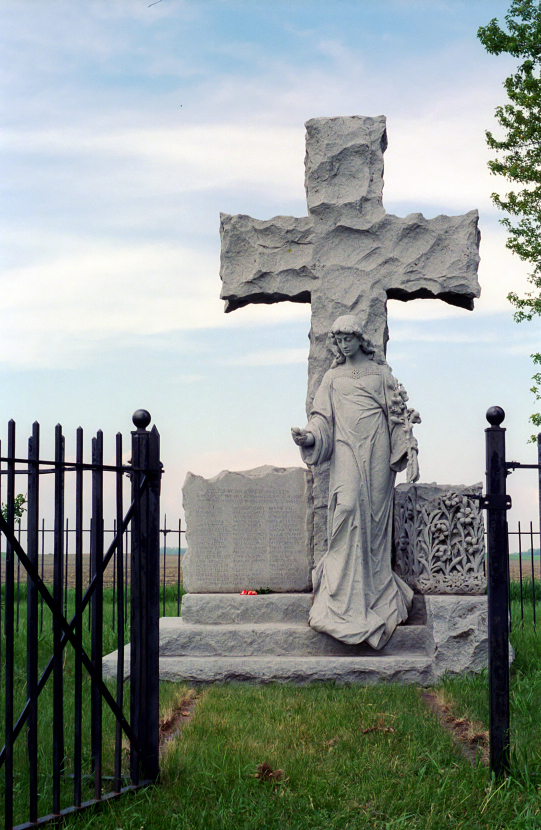
The Milford State Monument along Brown County Road 29 west of New Ulm commemorates the deaths of 52 settlers in Milford Township during the U.S.-Dakota War.

Revier, who also happens to be a descendant of white settlers impacted by the U.S.-Dakota War, endorses the resolution which calls for presenting the Dakota perspective through discussion; efforts by the City of Redwood Falls to promote the well-being and growth of the American Indian Community; and that such efforts “will mark the beginning of future dialogues and efforts to rectify the wrongs that were perpetrated during, and since, the year 1862, a tragic and traumatic event for the Dakota People of Minnesota.”

Says Revier:

I do support the resolution for many reasons, but the one that provides me with the most satisfaction really starts mending generations of bad feelings between the two nations. The first step towards reconciliation is admitting to the aggrieved party that there were atrocities committed. Once again this is more complex than can be explained in one or two sentences.

The mayor is right. Summarizing and defining issues spanning 150 years would be a difficult undertaking, especially in the context of a blog post.

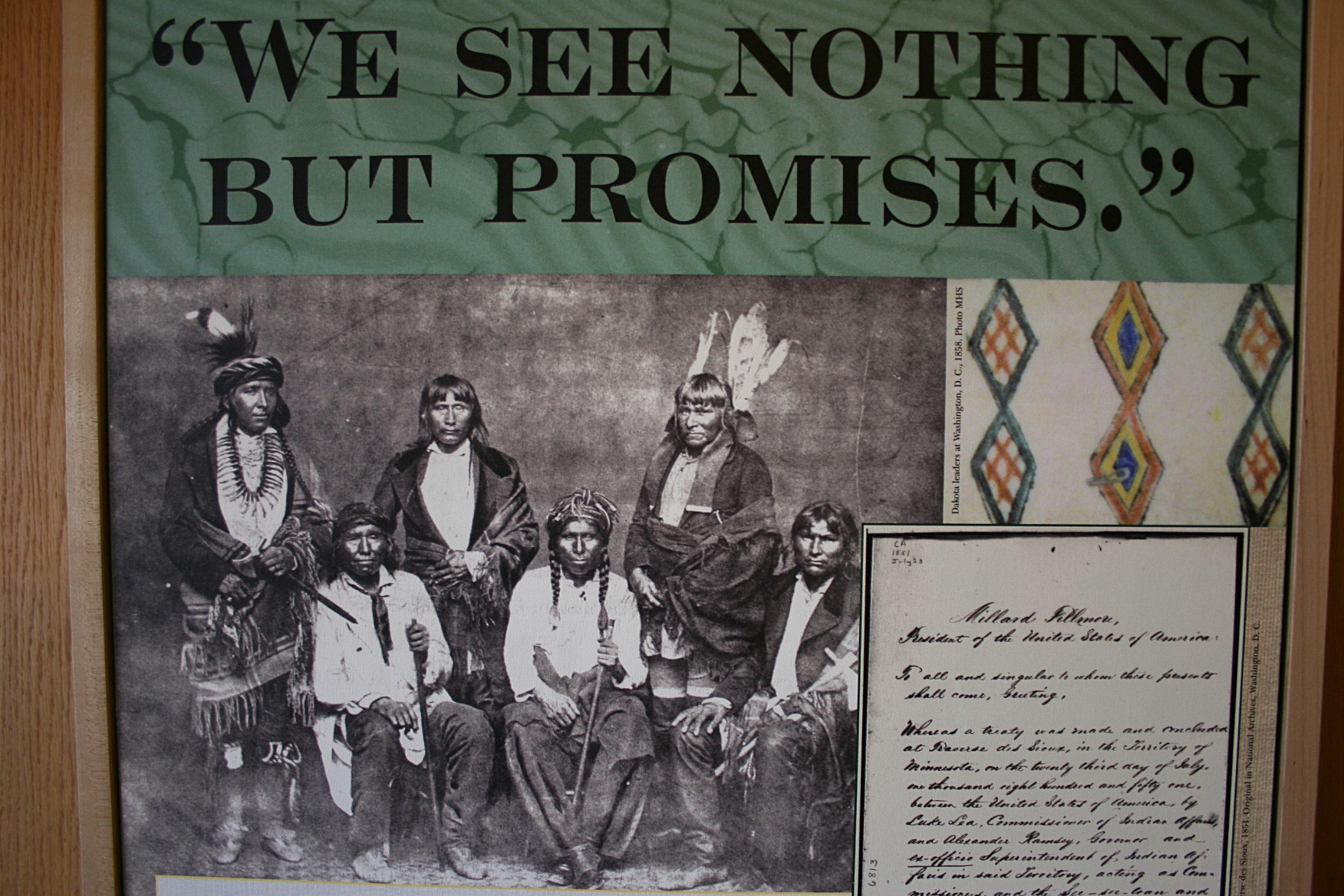
A photo panel at the Traverse des Sioux Treaty Center in St. Peter shows Dakota leaders photographed in Washington D.C. in 1858. The photo is from the Minnesota Historical Society.

A photo panel at the Traverse des Sioux Treaty Center in St. Peter shows Dakota leaders photographed in Washington D.C. in 1858. The photo is from the Minnesota Historical Society.

Now, though, through adoption of the “Year of the Dakota” resolution, the City of Redwood Falls, in discussion with the Dakota community and others, is aiming to “open additional dialogue and create better communication and feelings among the citizens of both communities,” Revier says.

While methods of accomplishing this have not yet been fully defined, the Redwood Falls community has already hosted roundtable discussions, author visits, video showings, presentations and historic site tours related to the U.S.-Dakota War during the war’s sesquicentennial in 2012.
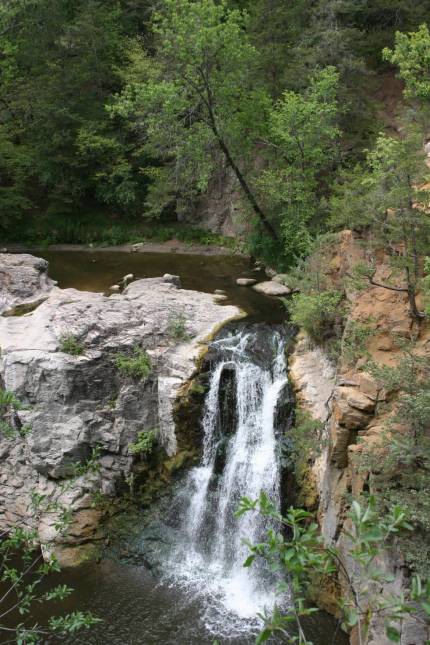
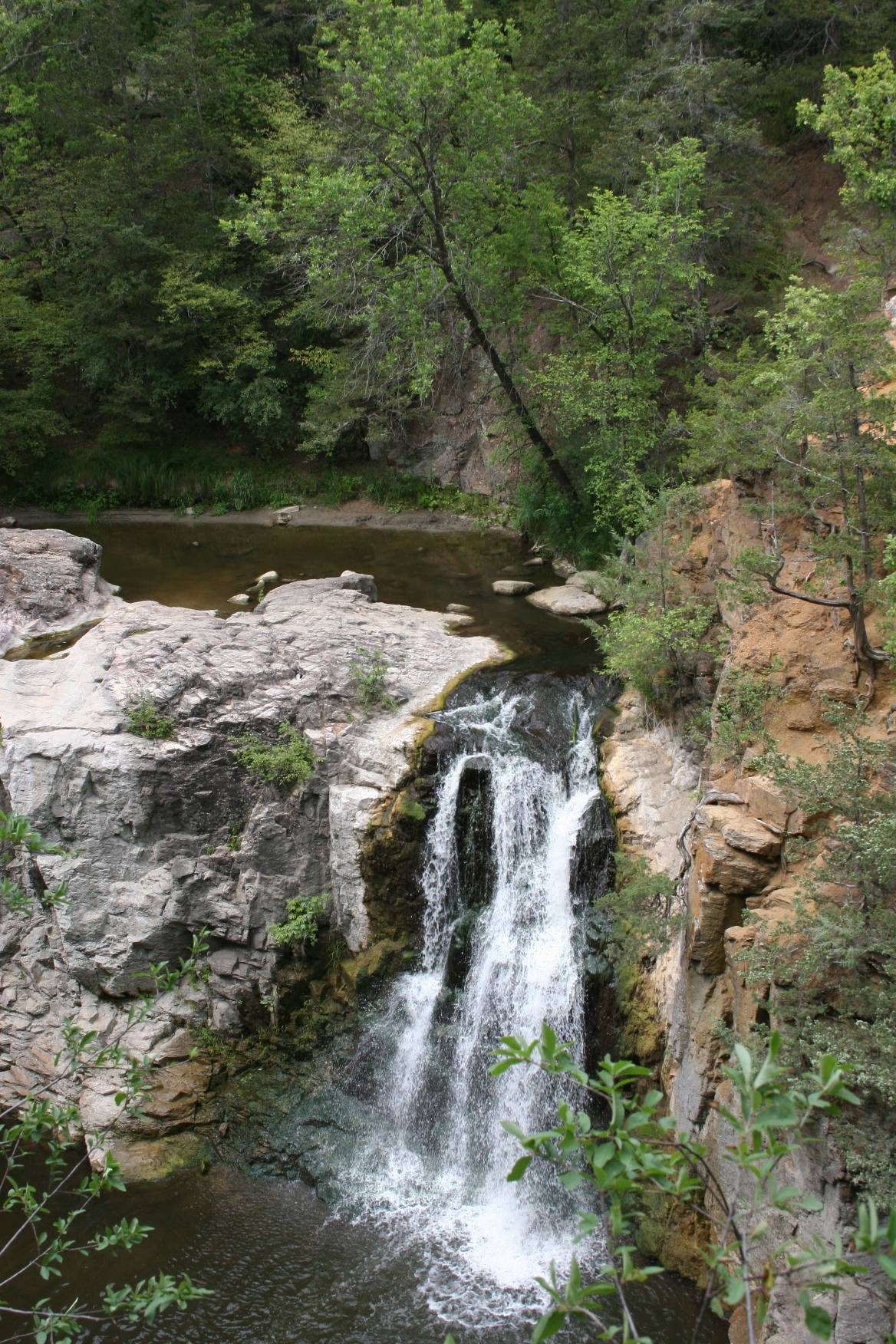
Ramsey Falls in Alexander Ramsey Park. Minnesota Prairie Roots file photo.

Ramsey Falls in Alexander Ramsey Park. Minnesota Prairie Roots file photo.

Additionally, Revier notes that when the city celebrates the dedication anniversary of its 219-acre Alexander Ramsey Park this year, the event will also be “a celebration of the Dakota who consider it a very special place.”  The Dakota once lived on the land (which eventually became the park) and the name Redwood comes from the Dakota word Can-say-api, meaning “where they paint the tree red,” the mayor says. A “101st Celebration and Ramsey Park Jamboree” is set for June 5 at the Redwood Area Community Center, according to the Alexander Ramsey Park Facebook page.

The park is named after first Minnesota Territorial and (second) Minnesota Governor Alexander Ramsey who negotiated treaties with the Dakota and was accused, but later cleared, of fraud in those negotiations. Revier is interested in possibly renaming the park, he says, “to something that would be more descriptive of the area which is home to so many indigenous people.”
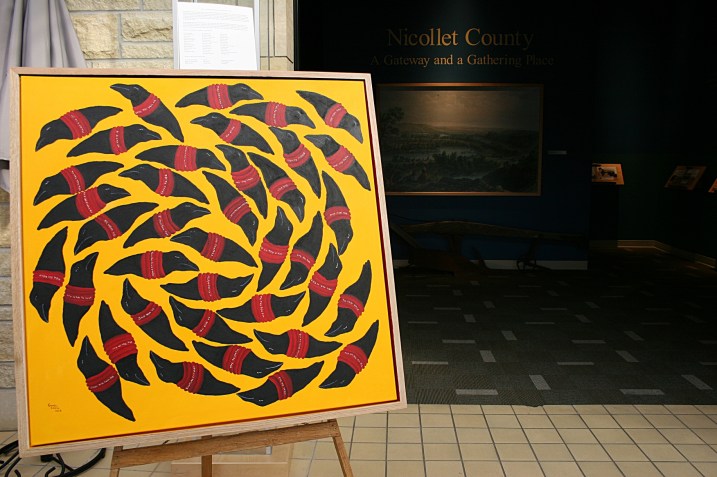
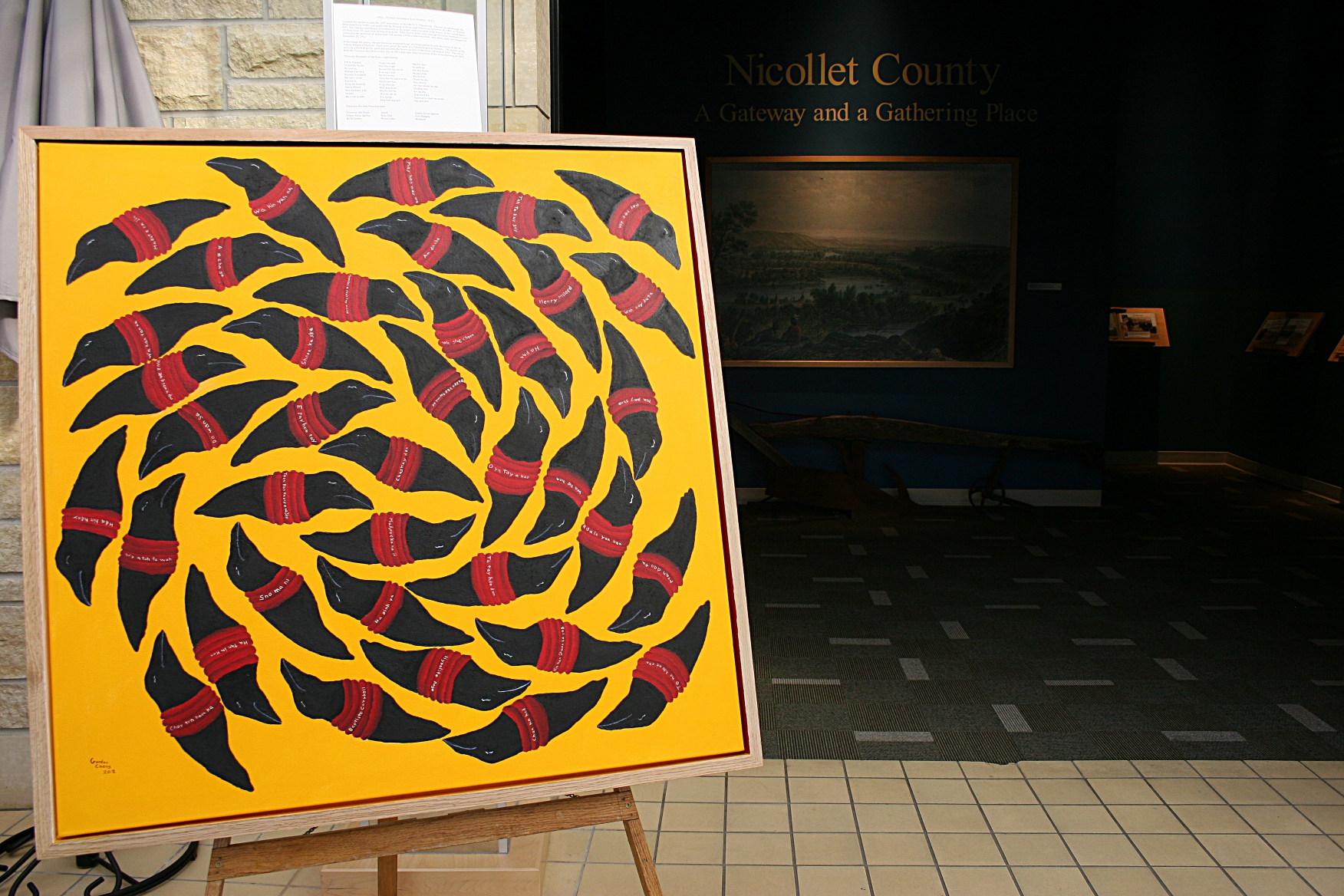
This artwork by Gordon M. Coons, which was on recent temporary display at the Traverse des Sioux Treaty Center, marks the 150th anniversary of the U.S.-Dakota War of 1862. According to information posted with the piece, "...the crows, known as messengers, are silent and unable to carry the stories of the 38 Dakota hanged in Mankato. Each crow carries the name of a Dakota hanged in Mankato. The texture on the crows is a blend of acrylic paint and soil from the historical sites of the Sioux Uprising of 1862. The soil is from the Traverse des Sioux treaty site of 1851 and eight other locations of the Sioux Uprising of 1862."

This artwork by Gordon M. Coons, which was on recent temporary display at the Treaty Site History Center in St. Peter, marks the 150th anniversary of the U.S.-Dakota War of 1862. According to information posted with the piece, “…the crows, known as messengers, are silent and unable to carry the stories of the 38 Dakota hanged in Mankato. Each crow carries the name of a Dakota hanged in Mankato. The texture on the crows is a blend of acrylic paint and soil from the …Traverse des Sioux treaty site of 1851 and eight other locations of the Sioux Uprising of 1862.” Coons is an enrolled member of the Lac Courte Oreilles Tribe of northern Wisconsin and now lives in Minneapolis.

WHILE COMMUNICATING with Revier and researching for this post, I noticed that the “Year of the Dakota” resolution passed by the city of Redwood Falls varies from those approved in Minneapolis and St. Paul. One difference comes in the number of Dakota who were executed, a figure referenced in the first paragraph of the resolution. The Twin Cities resolutions note the number of executed Dakota—those hung in a mass hanging in Mankato—at 38. The resolution from Redwood Falls defines the number as 38+2 Dakota.

I asked the mayor to clarify. Revier added the “2” to represent Medicine Bottle and Little Six (Shakopee), Dakota leaders who were hung at Fort Snelling for their roles in the U.S.-Dakota War.

When I consider all the mayor has shared with me and my own knowledge of the tensions that have existed in Redwood County for 150 years, I wonder how reconciliation will ever be achieved. But I have to hold onto hope—hope that this newly-adopted resolution will foster discussion and understanding, hope that each side can stop blaming the other, hope that forgiveness will come…
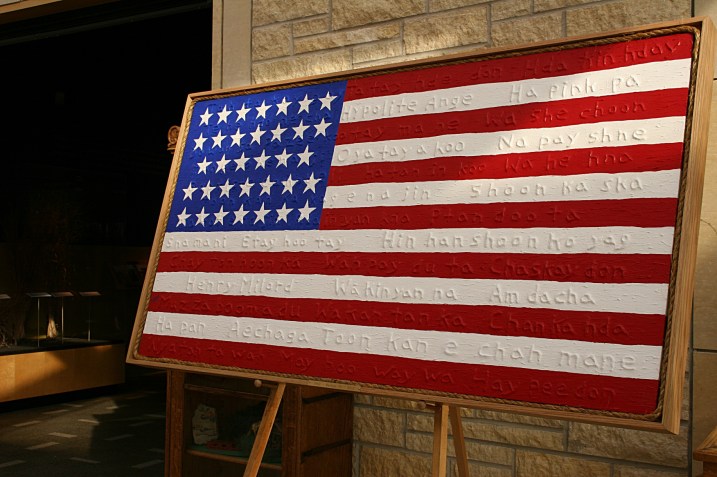
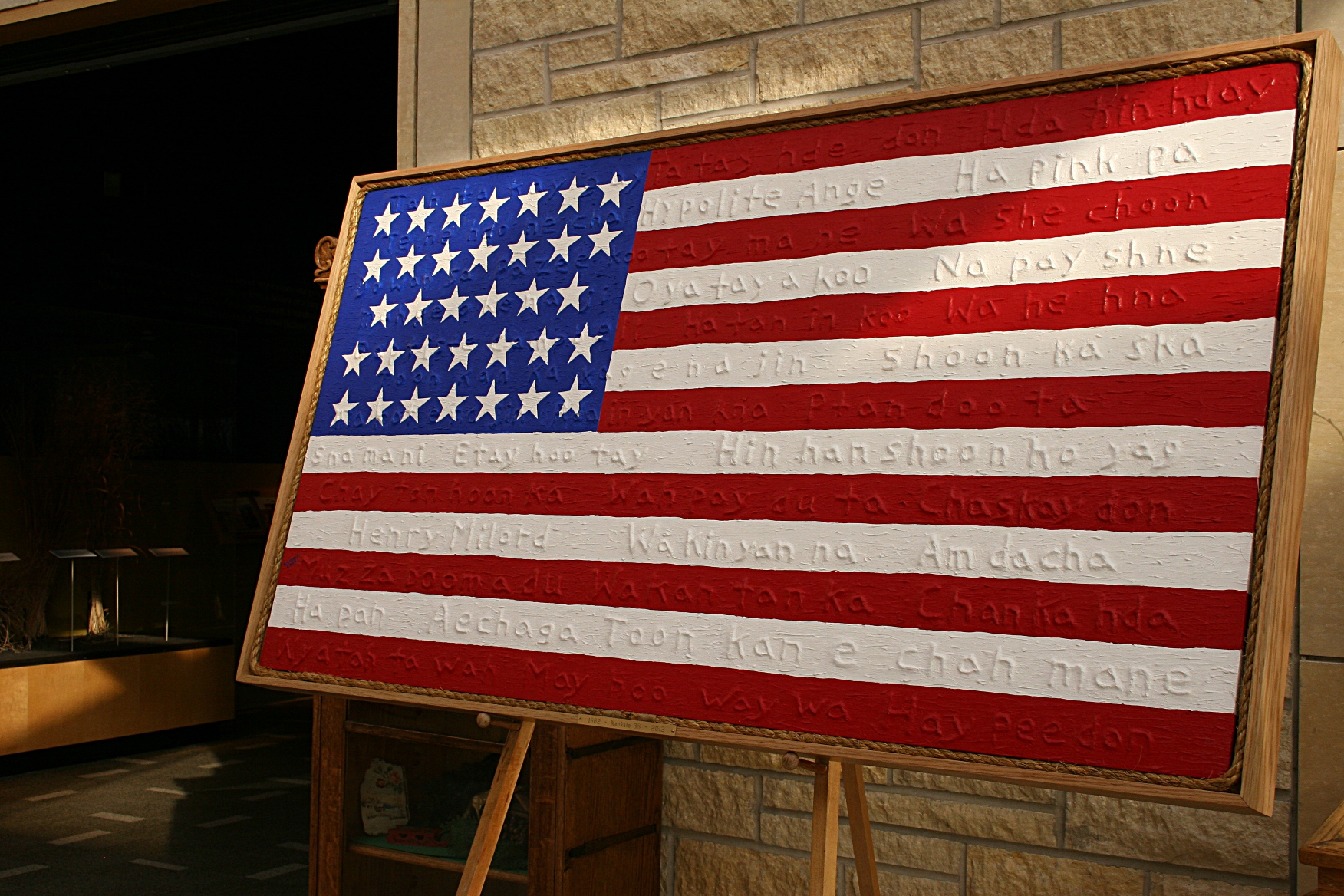
Gordon M. Coons also created this 1862 U.S. flag which features the names of the 38 Dakota who were executed during a mass hanging in Mankato. "...the 38 Dakota are woven into the history of the U.S. and appear to be woven into the flag," information posted with the display at the Traverse des Sioux Treaty Center states.

Gordon M. Coons also created this 1862 U.S. flag which features the names of the 38 Dakota who were executed during a mass hanging in Mankato. “…the 38 Dakota are woven into the history of the U.S. and appear to be woven into the flag,” information posted with the display at the Treaty Site History Center in St. Peter states.

NOTE: I contacted Dr. Chris Mato Nunpa,  retired former associate professor of Indigenous Nations and Dakota Studies who authored the resolution along with other Dakota people and supporters. He declined to comment.

To read the entire resolution adopted by the Minneapolis City Council, click here. The Redwood Falls version varies only in the number of Dakota specified (38+2) and, of course, in the council name stated in the resolution.

The Saint Paul City Council resolution differs from that of the other two cities as the city’s parks and recreation department  is directed to “work with the Dakota Bdote Restoration Consortium to identify, name and interpret sacred Native American sites at and nearby the sacred Bdote…” You can read the entire resolution by clicking here.

© Copyright 2013 Audrey Kletscher Helbling


In Minnesota: City snow, country snow December 9, 2012

Filed under: Uncategorized — Audrey Kletscher Helbling @ 7:18 PM
Tags: , , , , , , , , , , ,
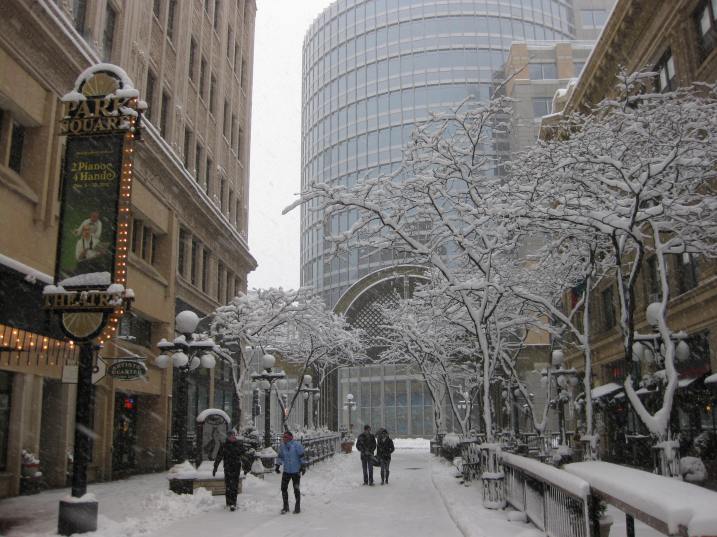
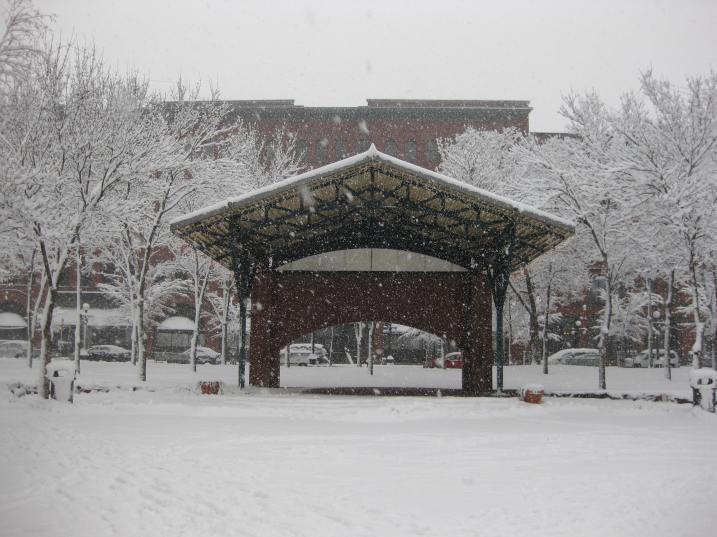
Marc Schmidt shot this stunning photo of 7th St. Marketplace in downtown St. Paul early this afternoon.

Marc Schmidt shot this picturesque scene of 7th St. Marketplace in downtown St. Paul early this afternoon.

Ah, winter in Minnesota.

I issued a call earlier today via email for snow reports and I got two, one from the city, one from the country. One came from a life-long dweller of the southwestern Minnesota prairie, the other from a native southern Californian who relocated to St. Paul in October.

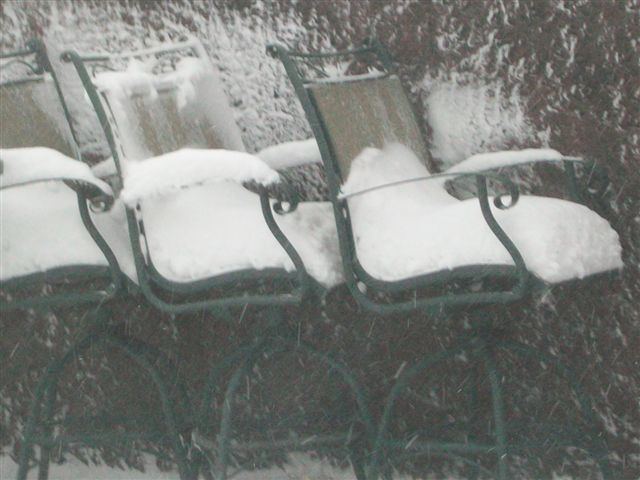
Snow layers on patio chairs, rural Lamberton. Photo by Brian Kletscher.

Snow layers on patio chairs, rural Lamberton. Photo by Brian Kletscher.

About mid-afternoon today, my middle brother, Brian Kletscher, reported 8 – 10 inches of snow (since Friday evening) at his home just north of Lamberton in Redwood County.

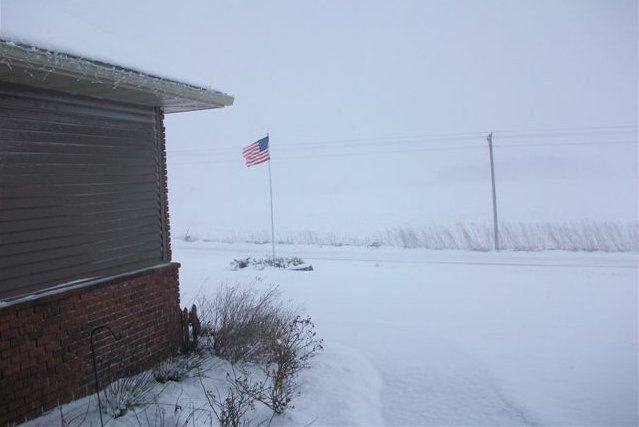
Low visibility due to falling and blowing snow defined the prairie in this photo taken north of Lamberton around 3:30 this afternoon. Photo by Brian Kletscher.

Low visibility due to falling and blowing snow define the prairie in this photo taken north of Lamberton around 3:30 this afternoon. Photo by Brian Kletscher.

But it isn’t the snow total as much as the wind that’s now causing problems in southwestern Minnesota, where a blizzard warning is in effect.

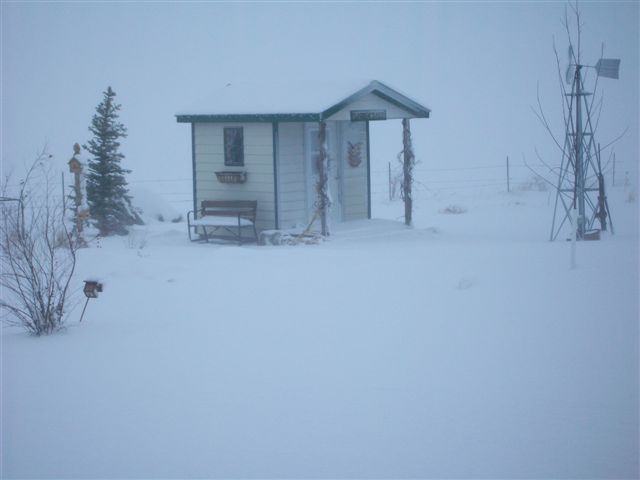
In the blowing snow, the fenceline is barely visible beyond the garden shed in my brother's yard.

In the blowing snow, the fenceline is barely visible beyond the garden shed in my brother’s yard.

Reports Brian:

It was nice temperature as it was 34 degrees at 1:30 this afternoon. I was moving snow at 1:30 and the wind switched to the northwest at 2:15 bringing more snow and blowing snow into the area. Low visibility at this time.

The Mears Park Stage in downtown St. Paul early this afternoon. Photo by Marc Schmidt.

A snow globe view of Mears Park Stage in downtown St. Paul early this afternoon. Photo by Marc Schmidt.

Several hours to the northeast in downtown St. Paul, my oldest daughter’s boyfriend, Marc Schmidt, is enjoying his first ever Minnesota snowstorm. An apartment dweller with a 12-minute commute to work via the skyway system, he can concentrate on the beauty of the snow rather than dealing with clean-up and travel issues.

Says Marc in a 2:15 p.m. snow report:

I slapped on my Sorels and slushed my way through St. Paul. (To let you know what conditions are like, I got this email the same minute I got an automated email from the city of St. Paul letting me know there is a snow emergency tonight, and it hasn’t stopped snowing since . . .)

Welcome to winter in Minnesota, Marc. Forecasters are predicting several more hours of light to moderate snow for the metro area with snowfall totals of 10 – 15 inches. A winter storm warning continues for the metro and surrounding area.

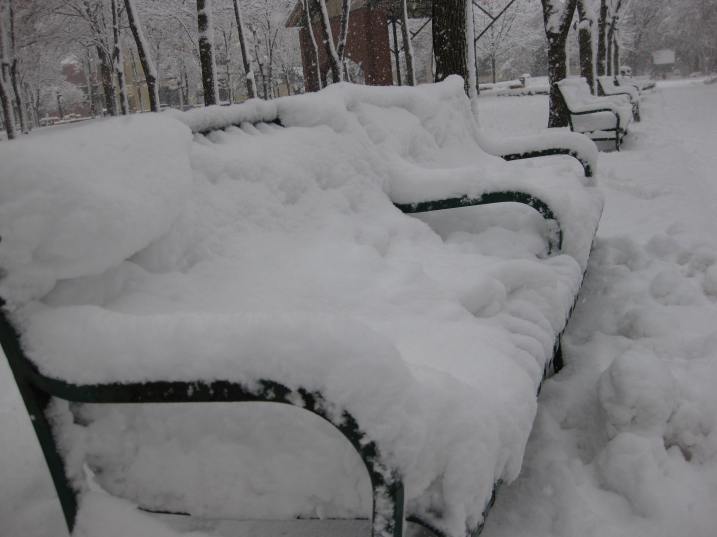
Snow layers benches in Mears Park early this afternoon. Photo by Marc Schmidt.

Snow layers benches in Mears Park early this afternoon. Photo by Marc Schmidt.

Now, let’s hear your snow stories.

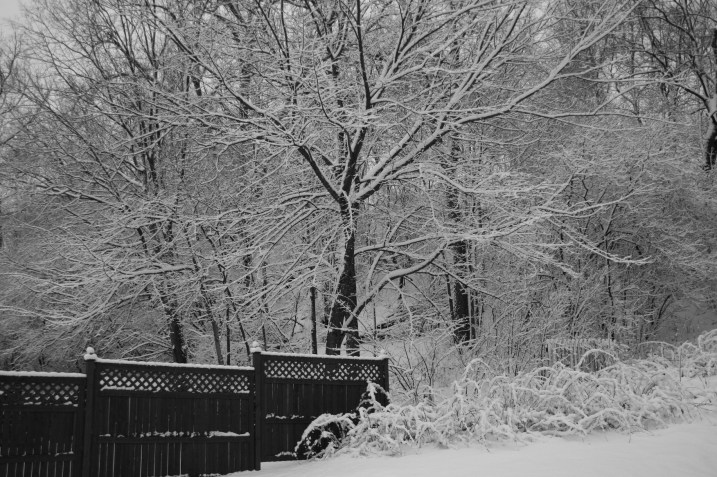
The winter wonderland view in my Faribault backyard around 4:30 p.m. today.

The winter wonderland view in my Faribault backyard around 4:30 p.m. today.

We have only about four inches of snow on the ground here in Faribault.

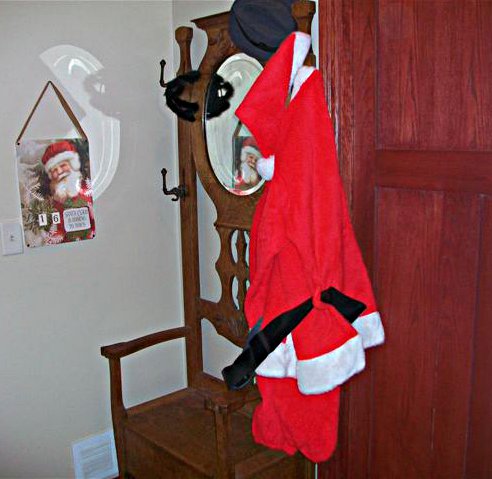
BONUS: My brother sent this photo, proof that Santa is officially preparing for Christmas:

My brother apparently has VIP access to Santa's wardrobe. Photo by Brian Kletscher.

My brother apparently has VIP access to Santa’s wardrobe.

© Copyright 2012 Audrey Kletscher Helbling
Photos courtesy of Brian Kletscher and Marc Schmidt