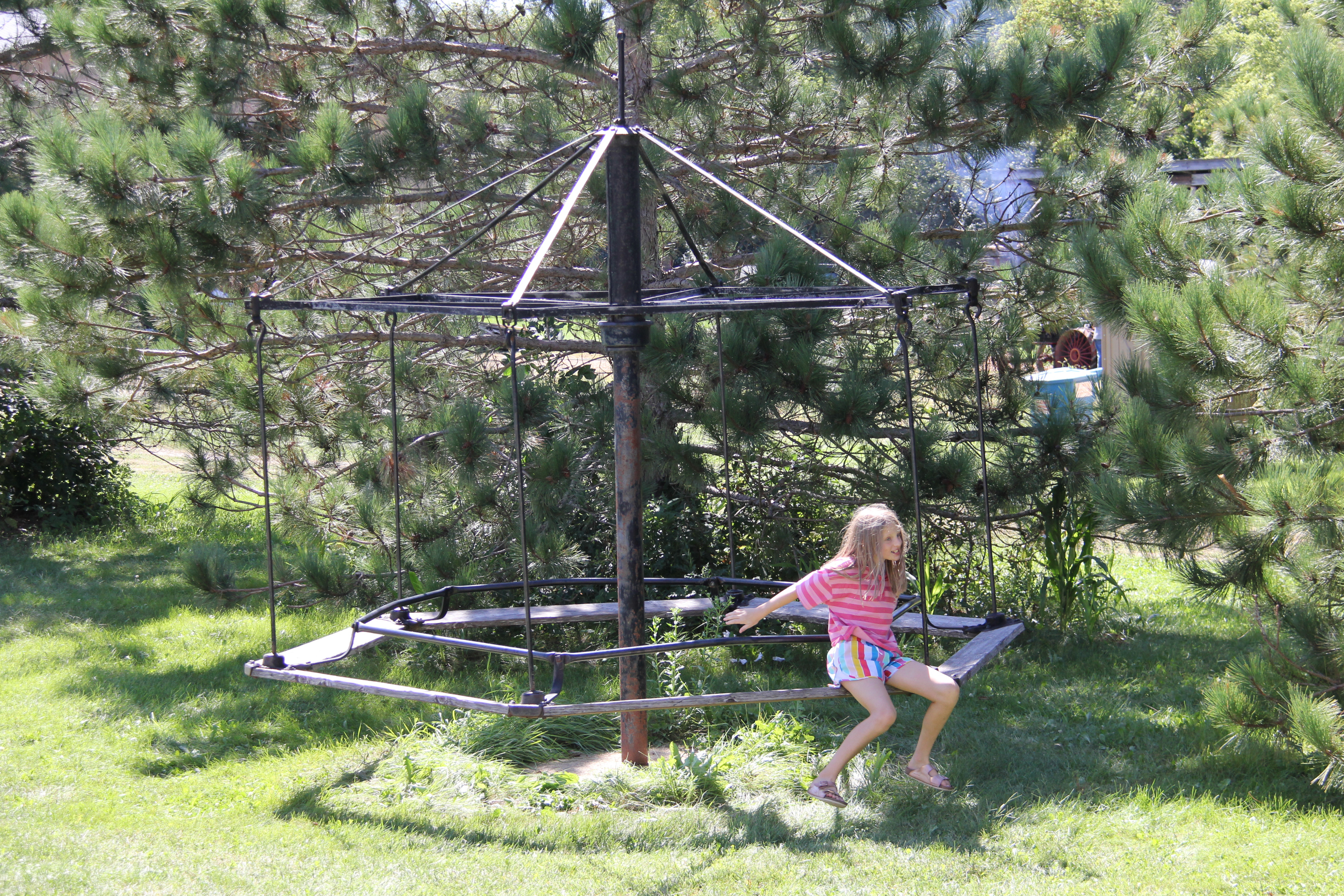
Taking a spin on the merry-go-round at the Rice County Steam & Gas Engines Fall Show. (Minnesota Prairie Roots copyrighted photo September 2024)
I LOVE WATCHING KIDS engage in activities from “the olden days.” Like circling on a vintage merry-go-round which, in today’s world, would fail all safety standards. But at the Rice County Steam & Gas Engines showgrounds in rural Dundas, playground and farm equipment of yesteryear, with all its inherently “dangerous” aspects, takes center stage. Common sense and caution are required at the bi-annual event which draws people of all ages. I observed a lot of young families at the recent Labor Day weekend farm show.
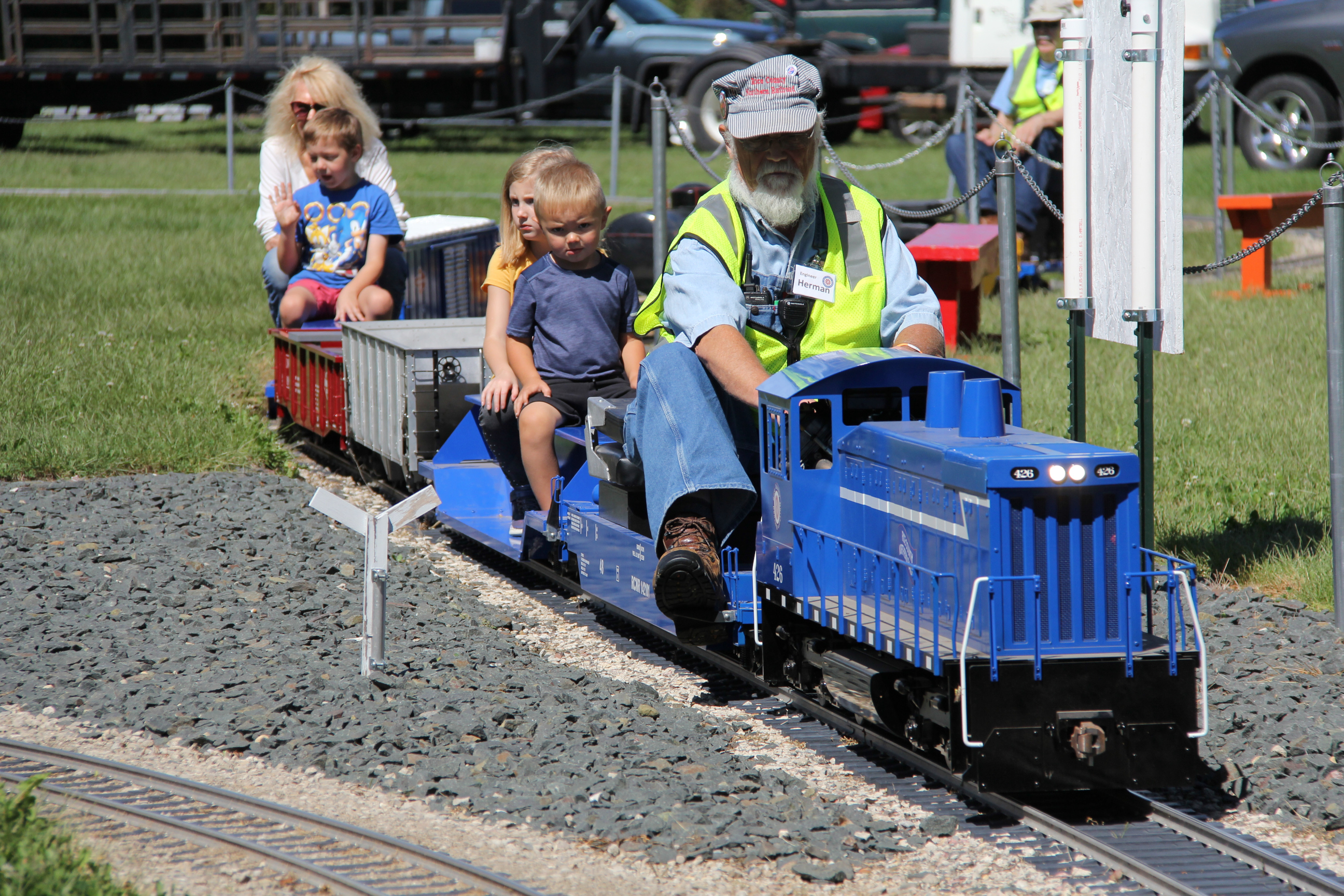
Train rides were a popular attraction with kids waiting in line to climb aboard. (Minnesota Prairie Roots copyrighted photo September 2024)
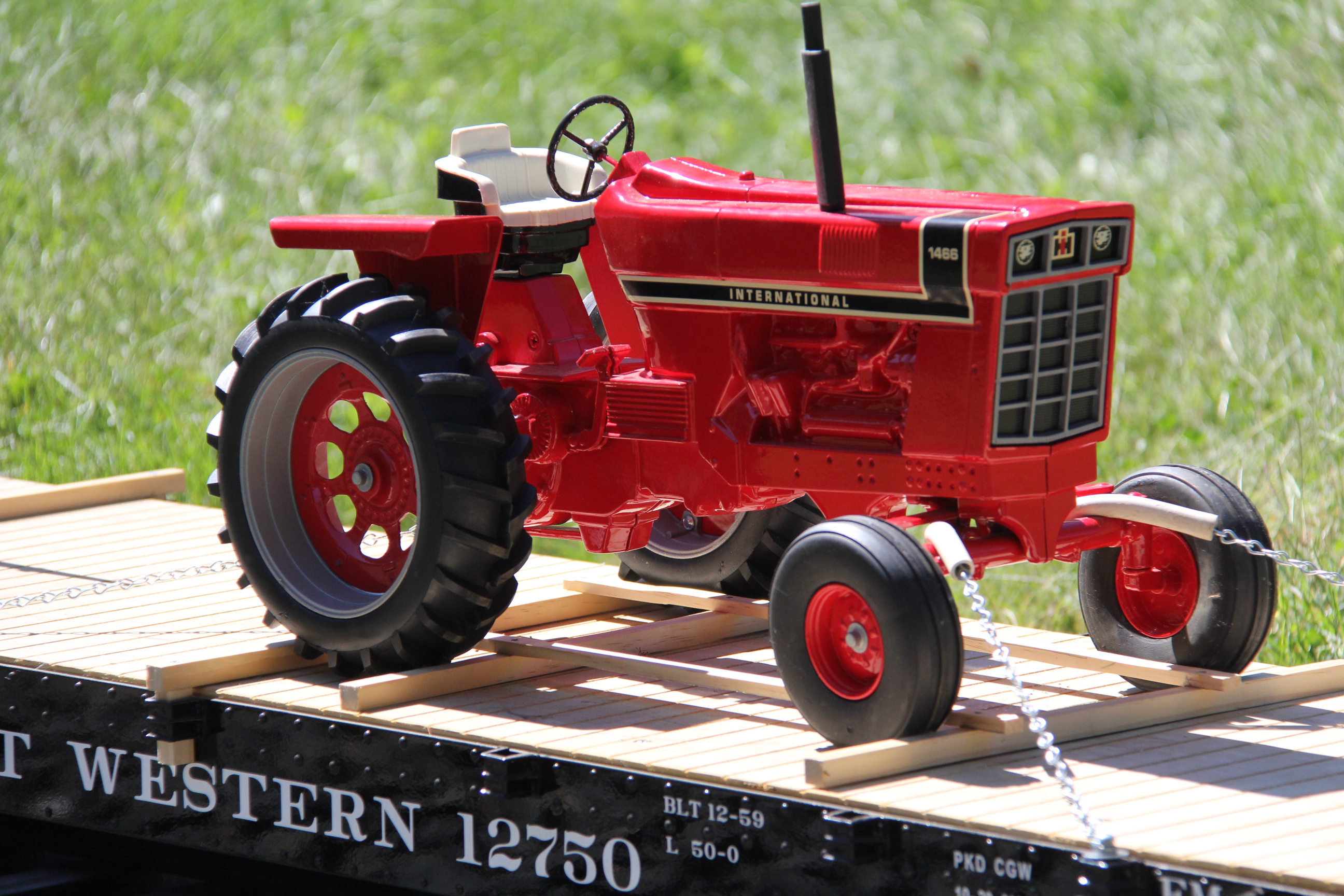
Tractors truly are a focal point of the farm show. This mini International sits on a train car. (Minnesota Prairie Roots copyrighted photo September 2024)
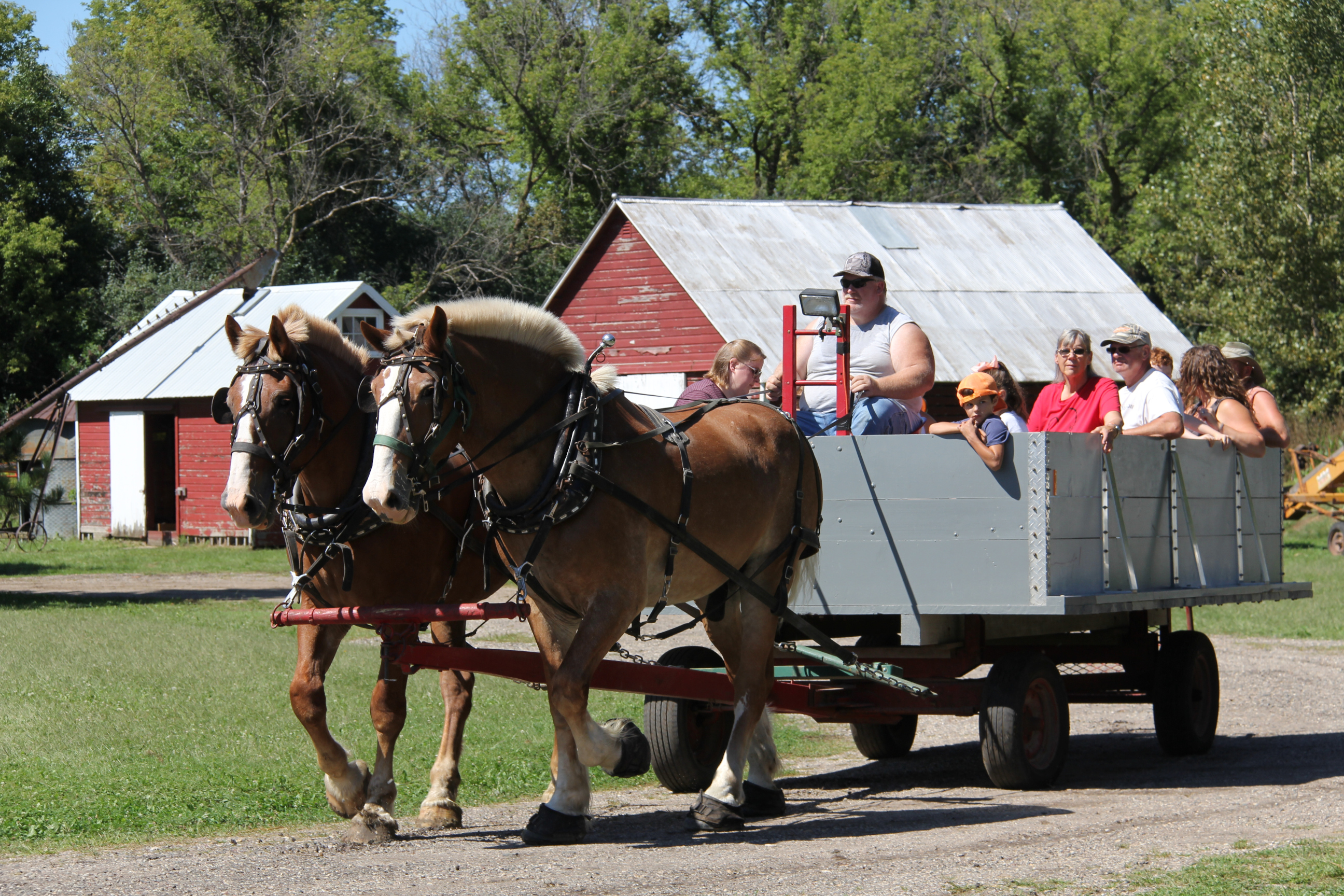
Horse-drawn wagon rides, too, drew lots of riders of all ages. (Minnesota Prairie Roots copyrighted photo September 2024)
From a ride on a mini replica train, to rides on tractors, in horse-drawn wagons, and in a barrel train, kids have plenty to do here.
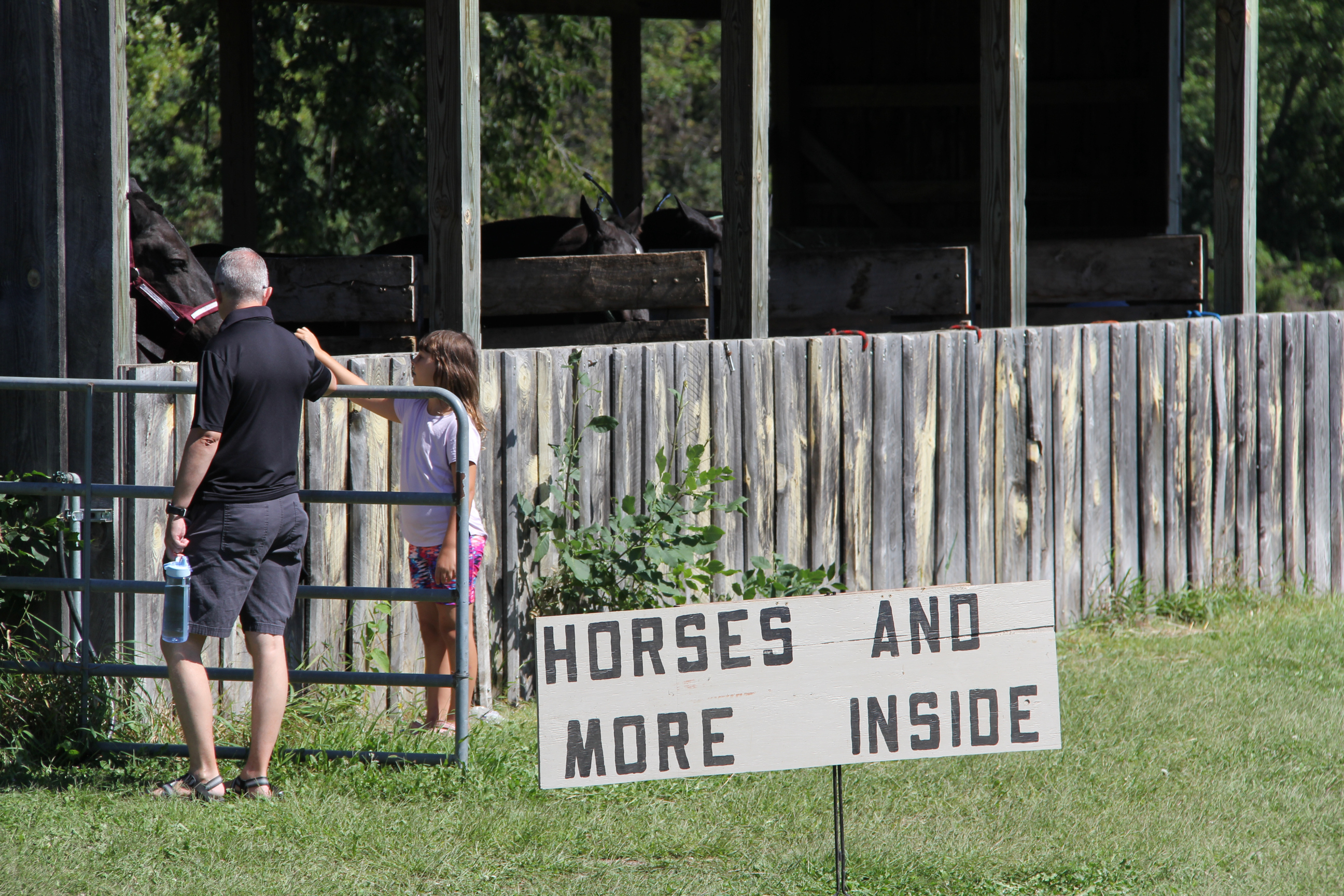
Windy Willow Farm Adventure, rural Northfield, provided animals housed in this shed. There were sheep, goats, rabbits, geese and chickens from the farm, plus horses. (Minnesota Prairie Roots copyrighted photo September 2024)
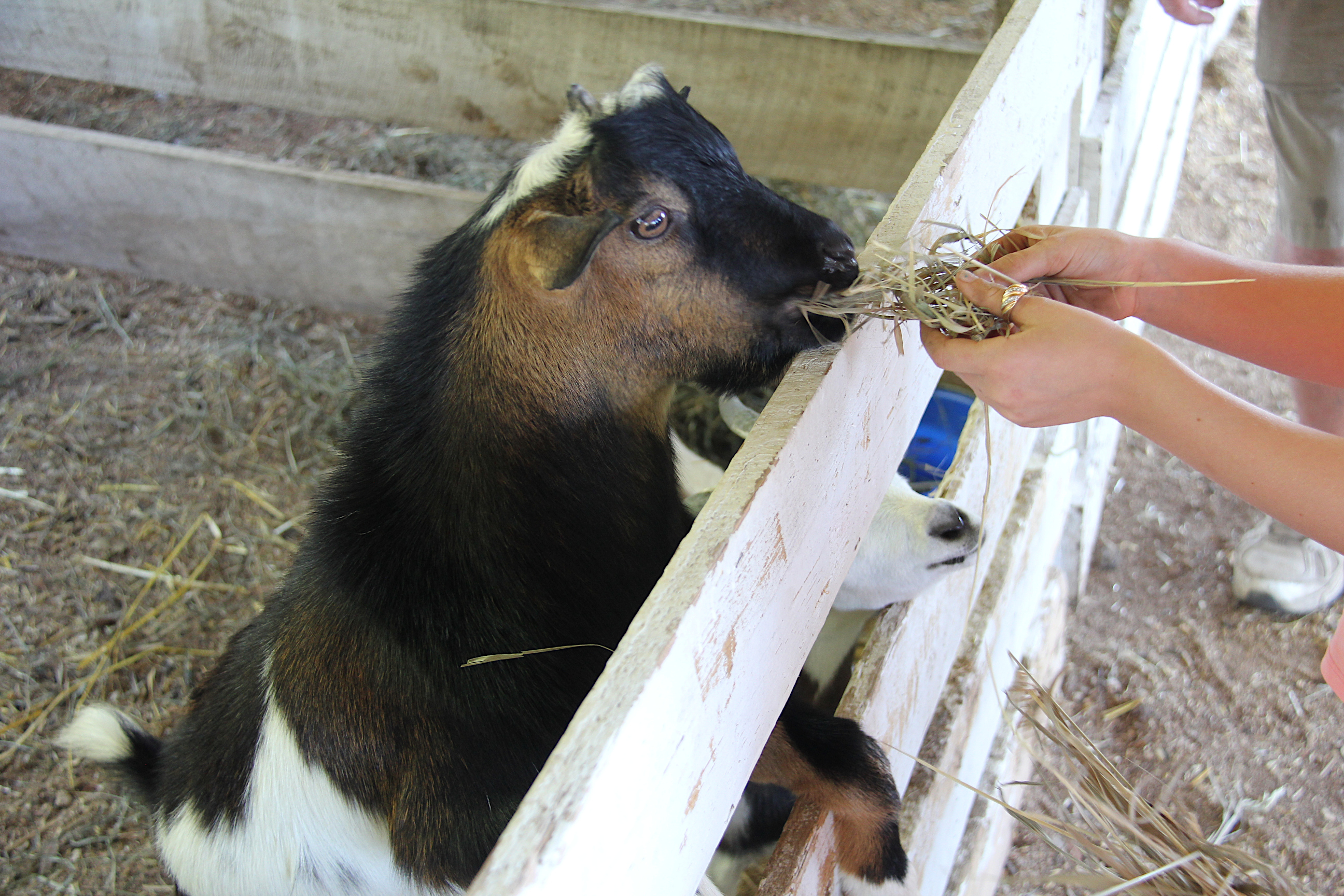
Two friendly goats vie for attention. (Minnesota Prairie Roots copyrighted photo September 2024)
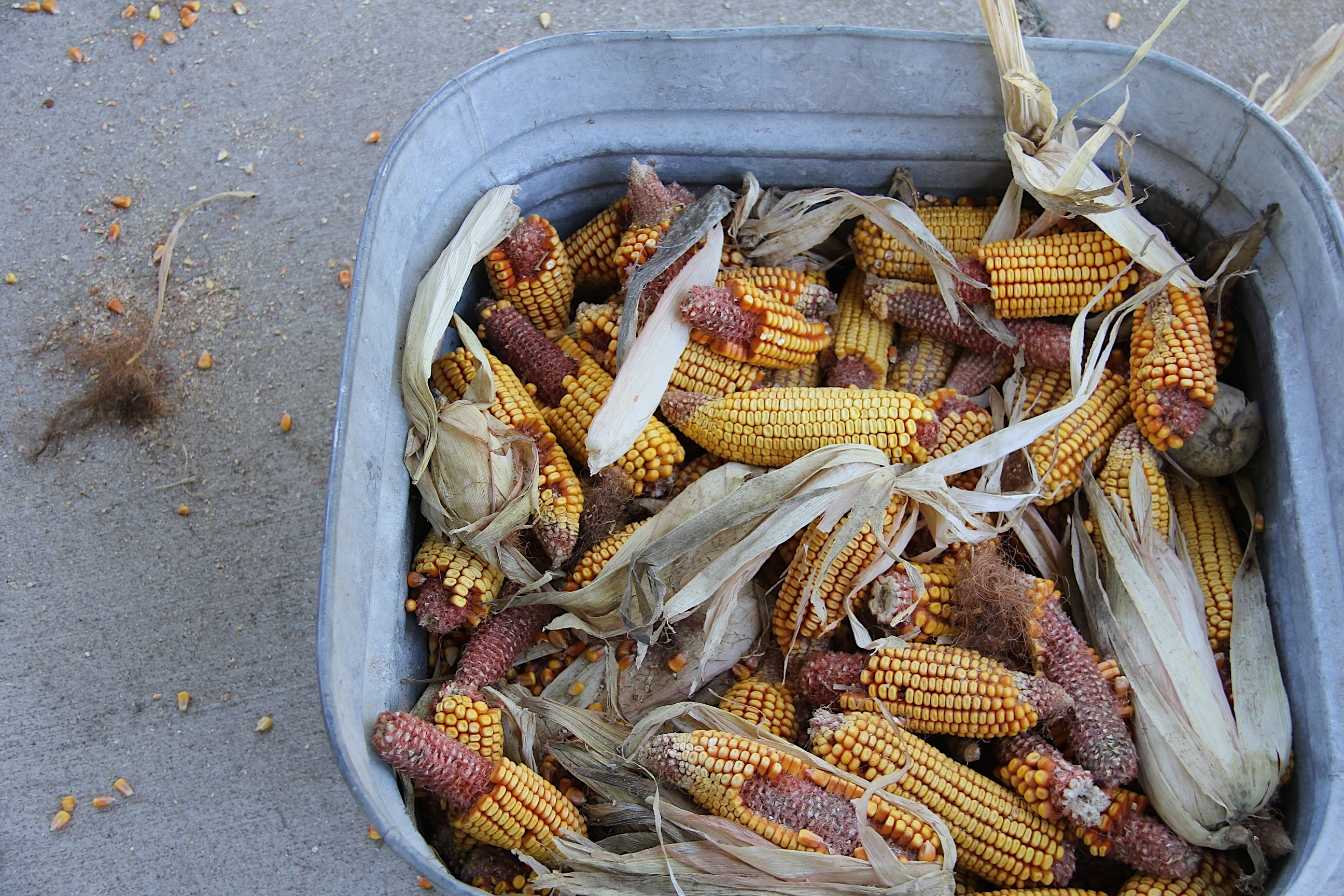
Tubs and buckets of corn await shelling. (Minnesota Prairie Roots copyrighted photo September 2024)
There are also clothes to feed through a ringer washer, corn to shell, animals to pet, a reel lawnmower to push and more.
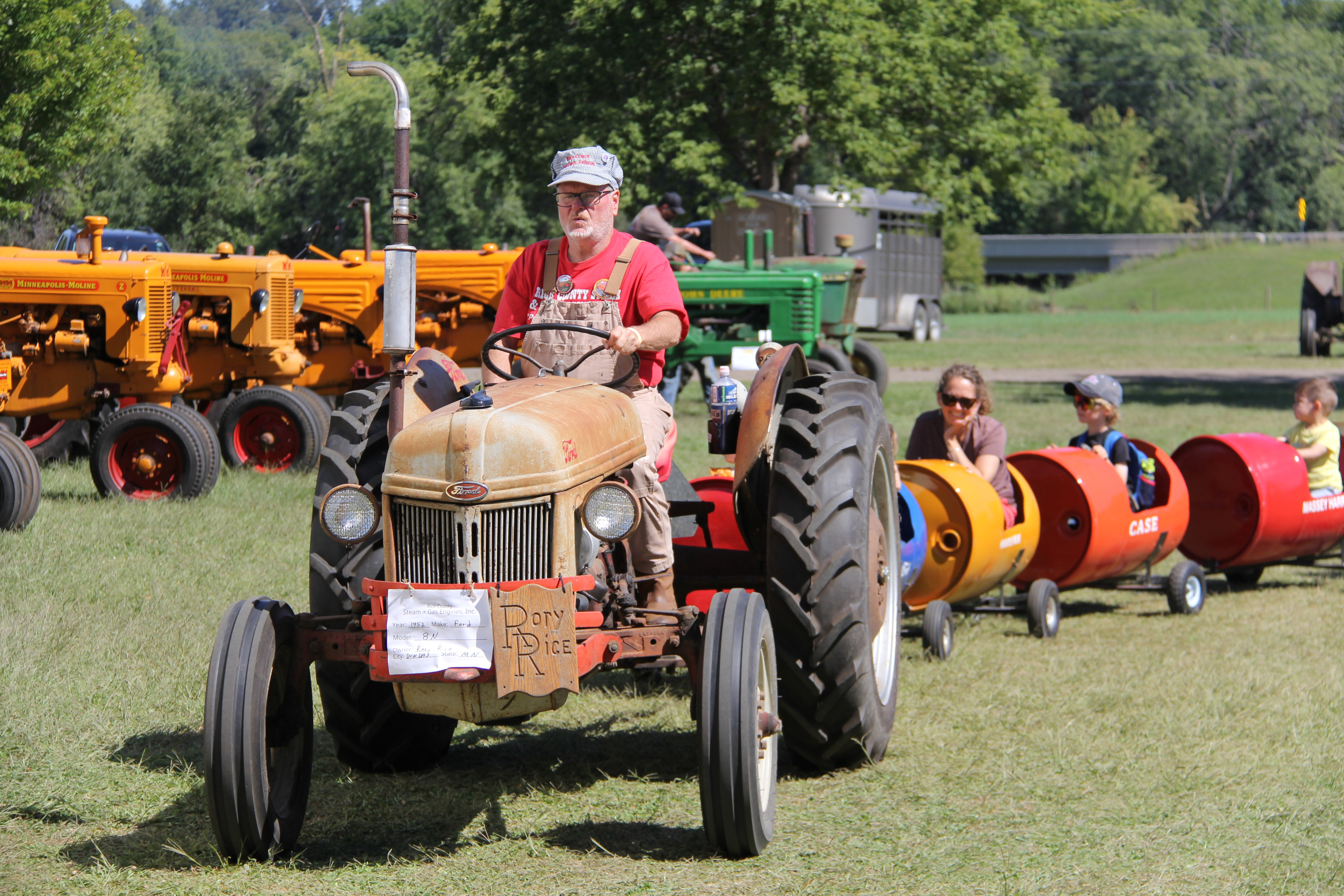
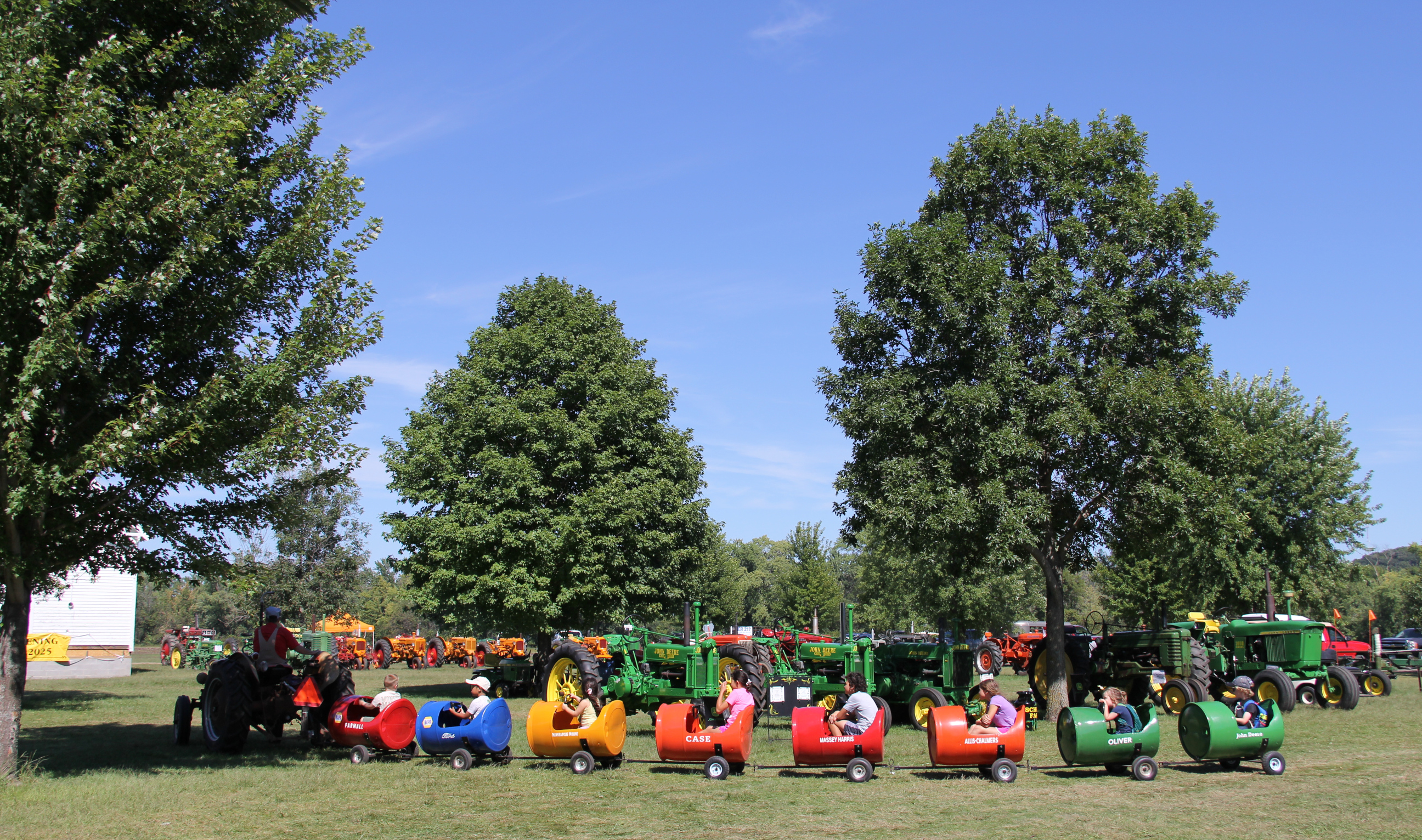
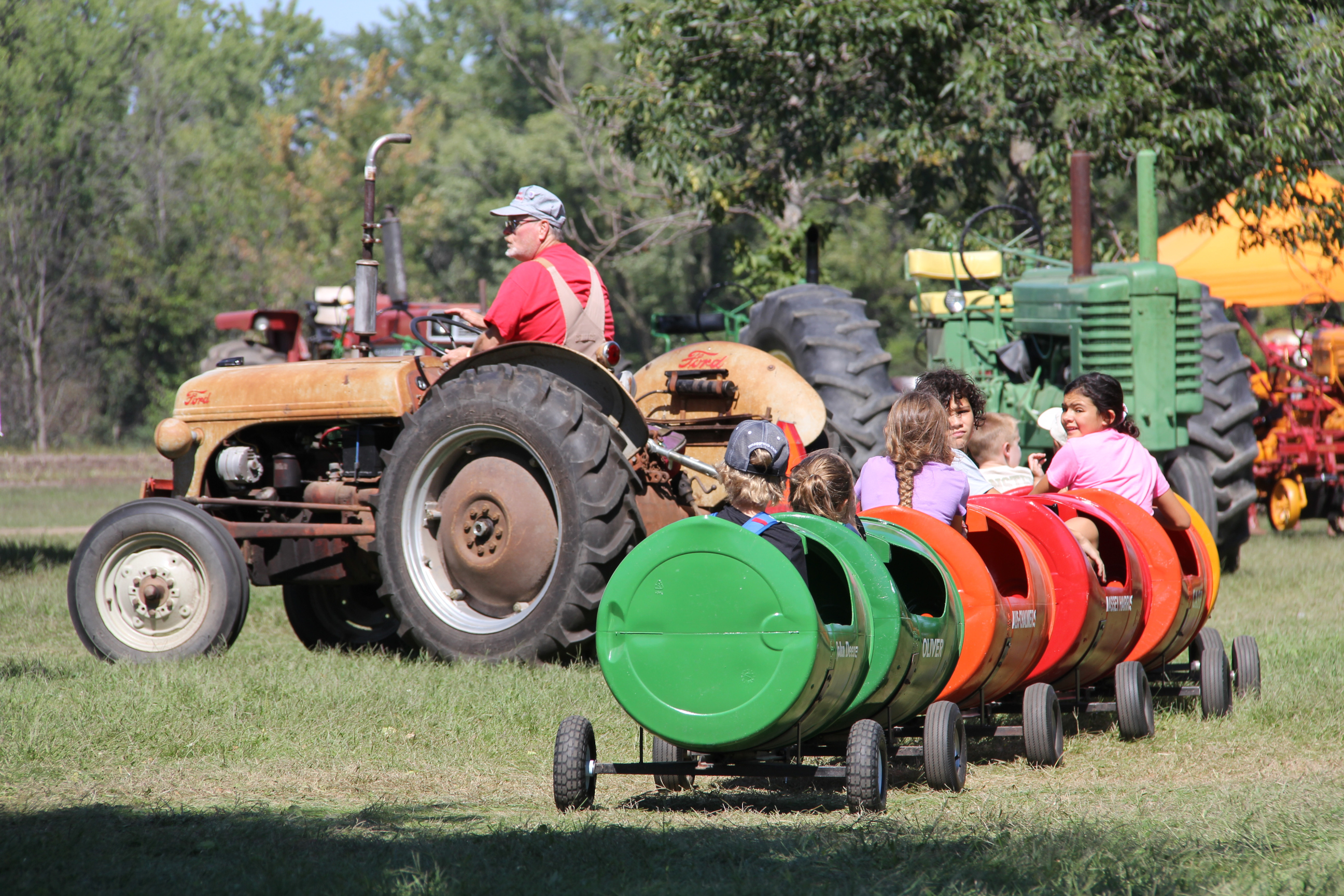
The “engineer” of the barrel train steers a 1950s era Ford tractor around the showgrounds. (Minnesota Prairie Roots copyrighted photo September 2024)
Without rails, the barrel train weaves among the vintage tractors at the farm show. (Minnesota Prairie Roots copyrighted photo September 2024)
Anytime anyone can get kids outdoors, off their electronic devices and learning rural history, it’s a good thing. Organizers of the steam & gas engines show clearly understand the importance of activities that keep kids busy and happy while adults watch the tractor pull, listen to music, mill around the vintage tractors and more as they connect in this rural community gathering.
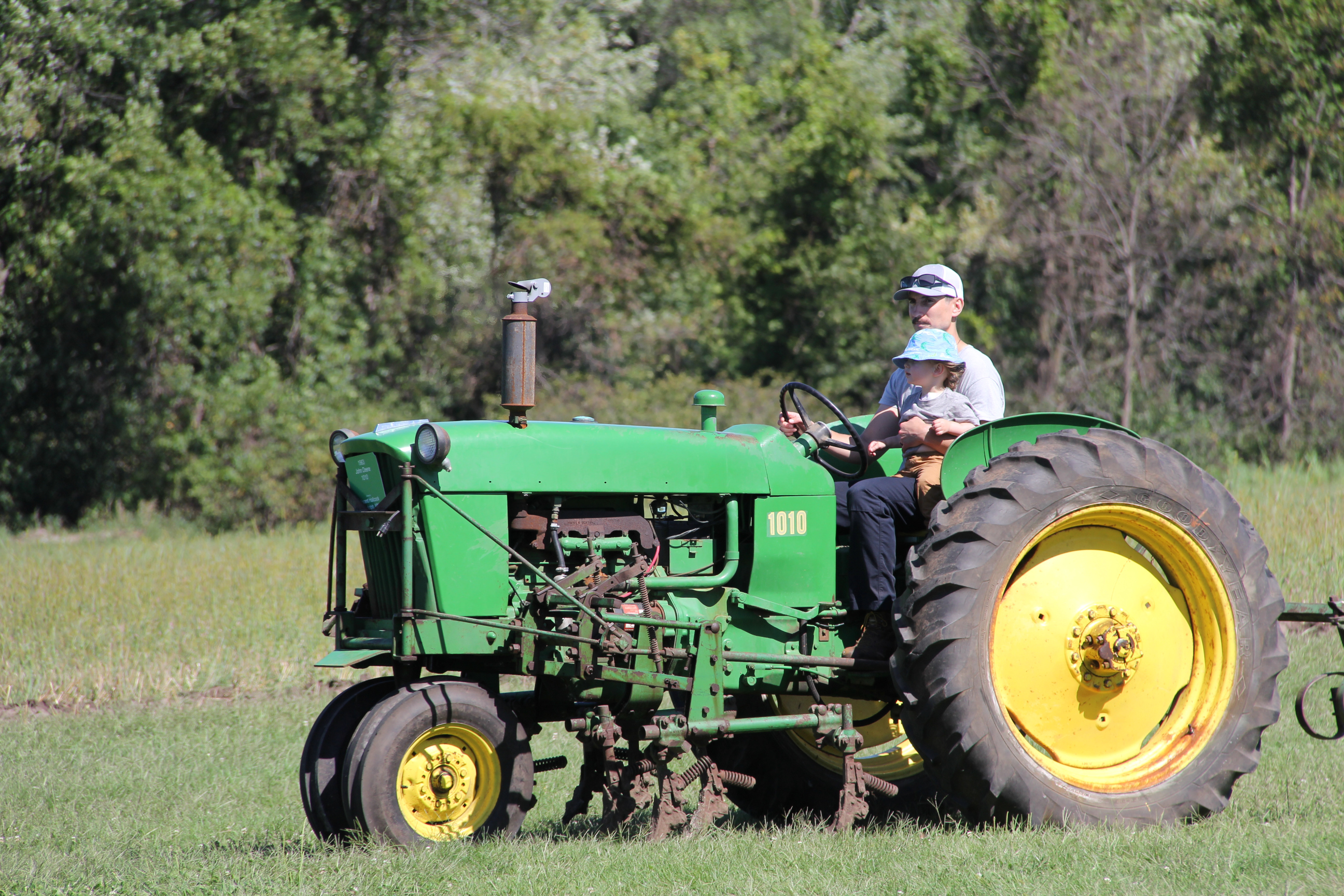
Father and son circle on a 1010 Model early 1960s John Deere pulling a cultivator. (Minnesota Prairie Roots copyrighted photo September 2024)
Most kids, even those from greater Minnesota, aren’t growing up “rural” anymore. Even if they live in the country, they’re not necessarily farm kids. So it’s important to expose them to the area’s agricultural heritage. The old tractors. The old farm machinery. The way clothes were washed and lawns were cut and how kids played back in the day.
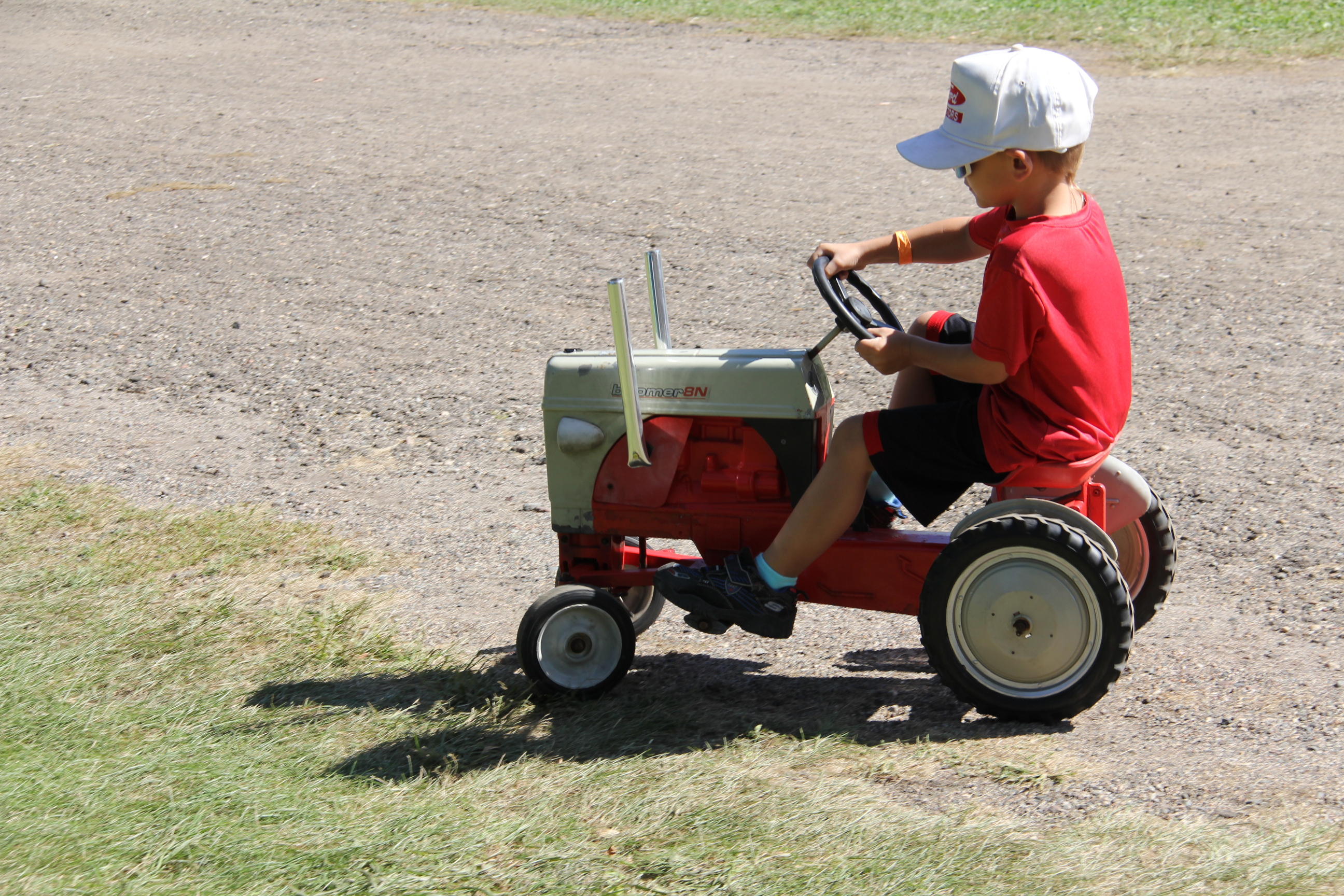
The day after he competed in the pedal tractor pull and earned second place, this little guy was back pedaling. (Minnesota Prairie Roots copyrighted photo September 2024)
A kids’ pedal tractor pull contest engages youth, allows them to compete, show off their strength. It’s also a way to build memories so that years from now perhaps they will bring their own kids to the Rice County Steam & Gas Engines Show. They’ll remember those merry-go-round rides and how they climbed into a horse-drawn wagon and how they pedaled with all their leg power to get a mini tractor across a finish line. In the end, we all cross the finish line. And sometimes getting there requires experiencing a little danger mixed with a whole lot of fun.
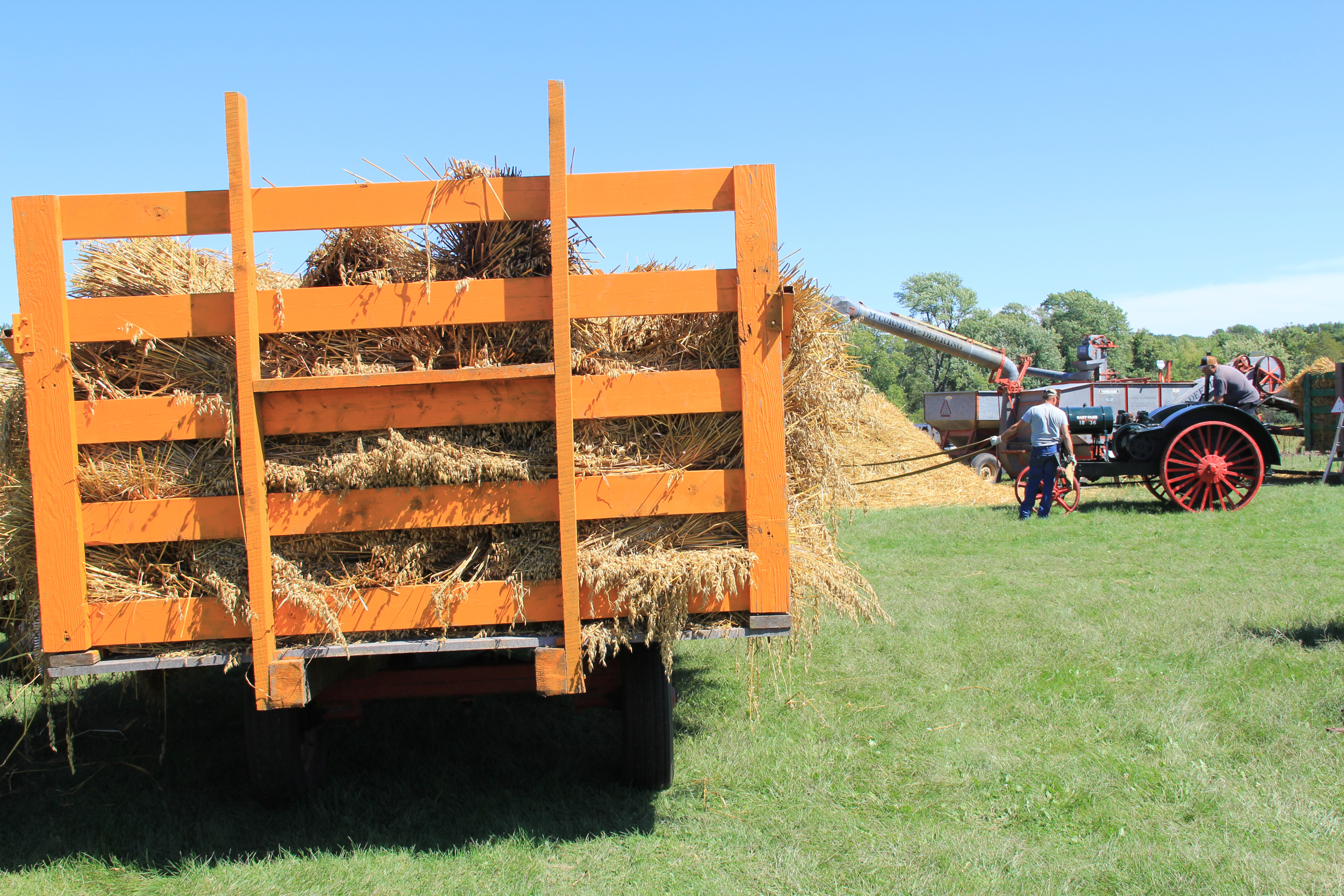
A wagonload of oats awaits threshing at the Rice County Steam & Gas Engines Fall Show. (Minnesota Prairie Roots copyrighted photo August 2024)
MEMORIES. A HISTORY LESSON. A step back in time. The Rice County Steam & Gas Engines Fall Show is that and more. It’s also entertainment, a coming together of friends and families and neighbors. A reason to focus on farming of yesteryear.
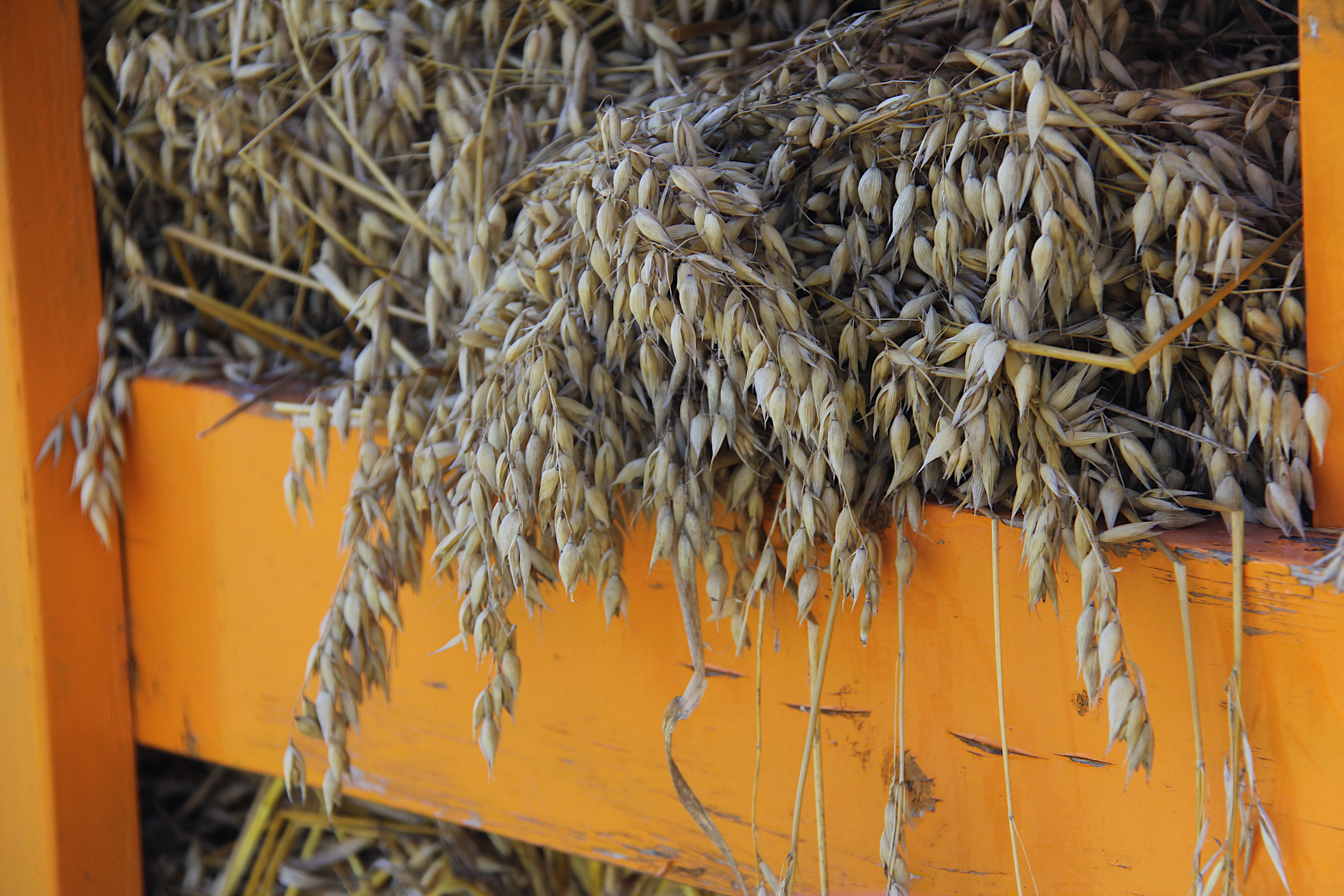
Oats drape over the edge of the wagon. (Minnesota Prairie Roots copyrighted photo August 2024)
I was among the crowds gathered over the Labor Day weekend at the showgrounds south of Dundas. This show features demos, rows and rows and rows of vintage tractors and aged farm machinery, a tractor pull, flea market, music, petting zoo, mini train rides and a whole lot more.
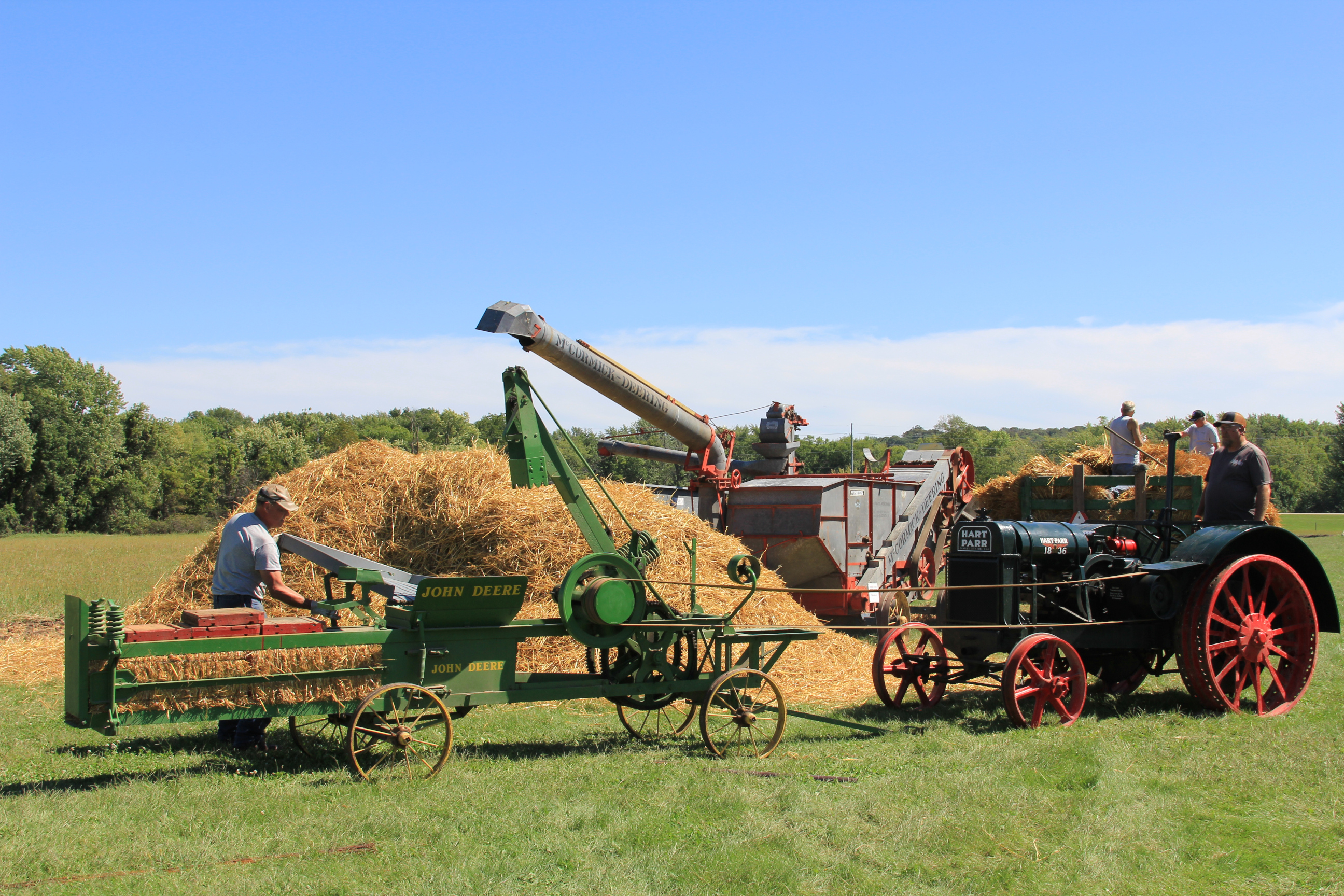
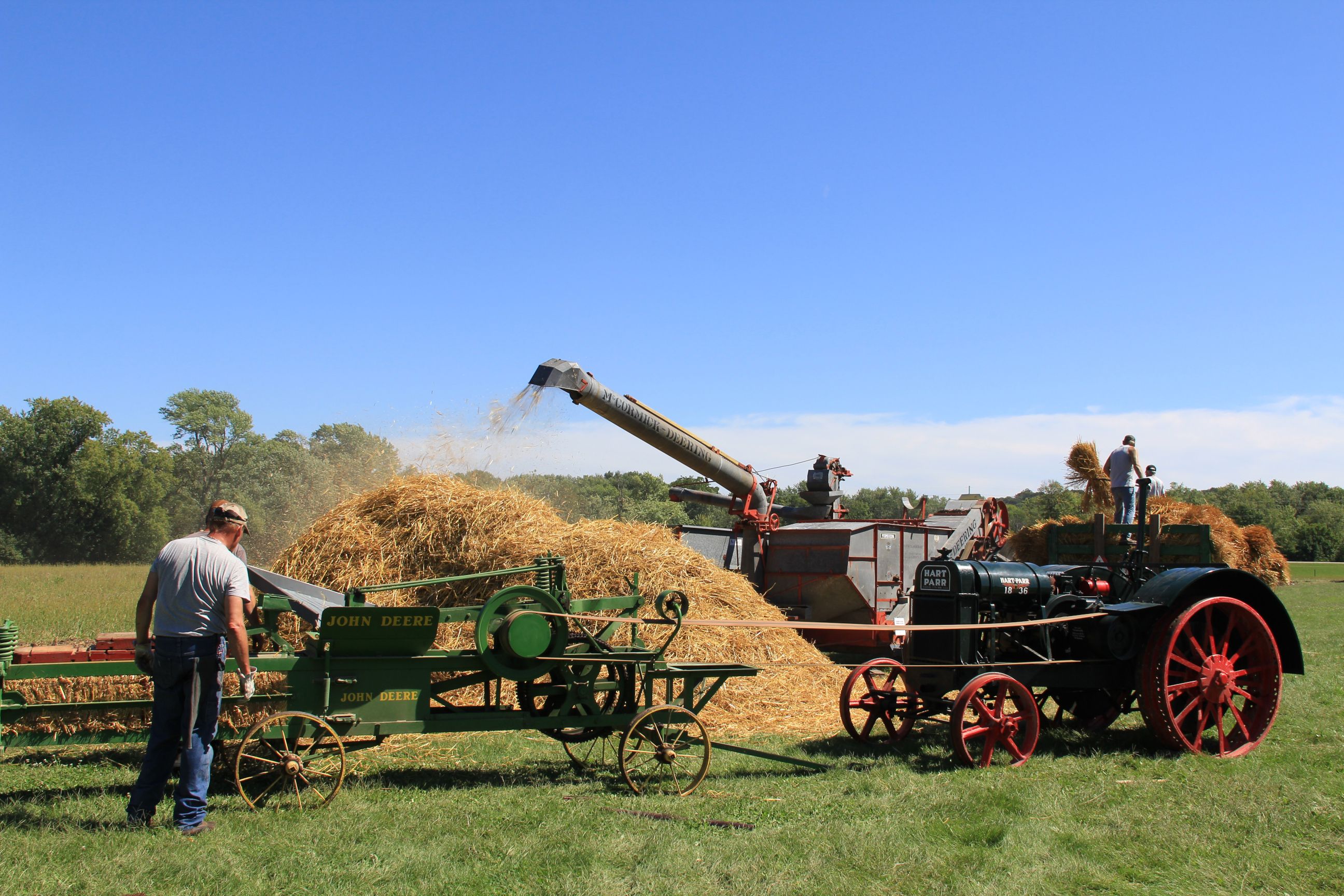
The scene is set to resume threshing with thresher, tractor, baler and manpower. (Minnesota Prairie Roots copyrighted photo August 2024)
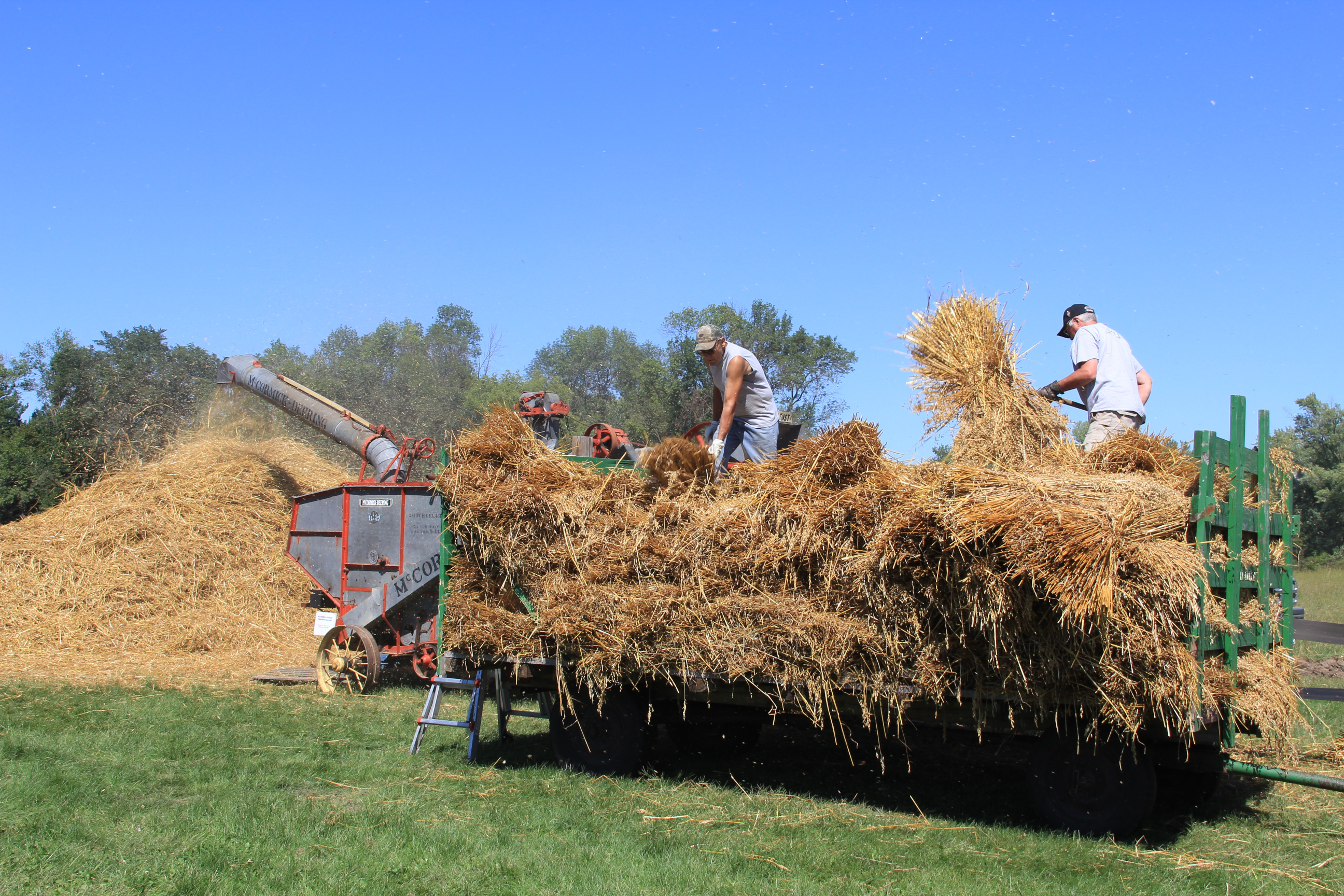
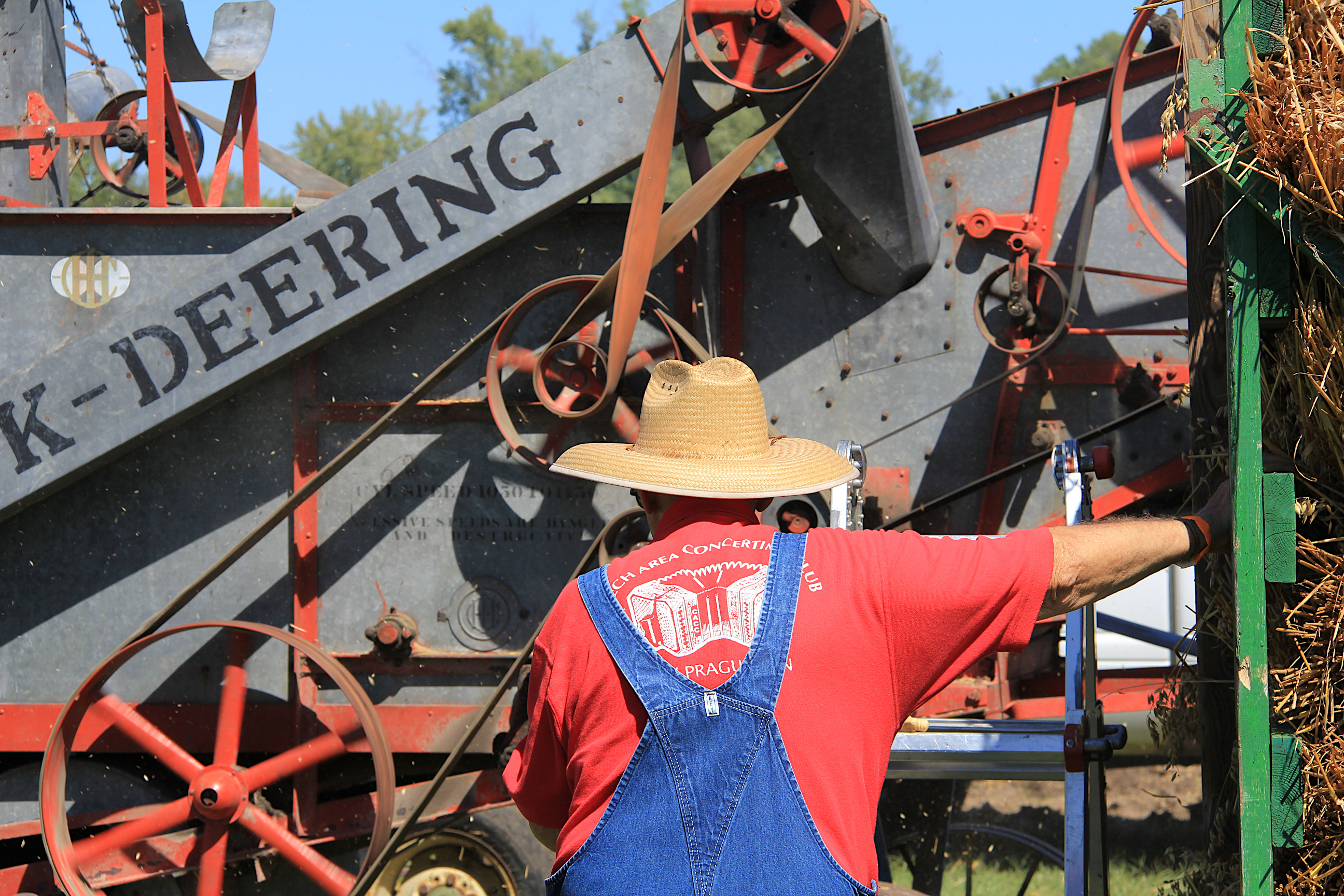
For me, a highlight was watching a crew of men threshing oats. The work is hard, labor intensive, even dangerous with exposed belts and pullies. It’s no wonder farmers lost digits and limbs back in the day.
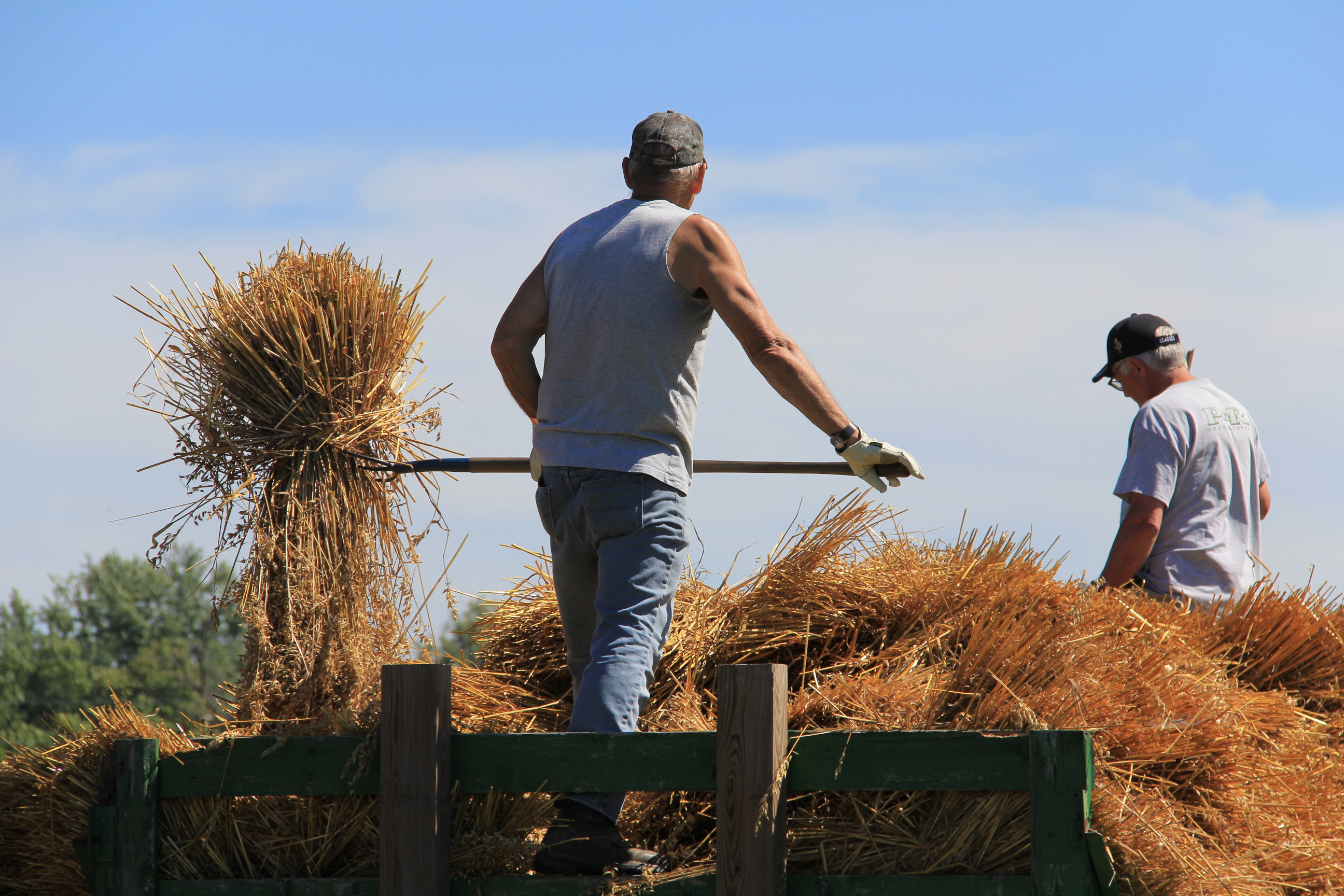
This part of the threshing crew pitches oats bundles into the threshing machine. (Minnesota Prairie Roots copyrighted photo August 2024)
While my observations are not connected to memories, my husband’s are as he recalls threshing on his childhood farm in rural Buckman, Morrison County, Minnesota. After Randy moved with his family from rural St. Anthony, North Dakota (southwest of Mandan), his dad returned to threshing oats. In North Dakota, he used a combine. But his father before him, Randy’s grandfather Alfred, threshed small grains.
Hard at work forking bundles into the thresher. (Minnesota Prairie Roots copyrighted photo August 2024)
Lots of exposed pullies and belts line the threshing machine. (Minnesota Prairie Roots copyrighted photo August 2024)
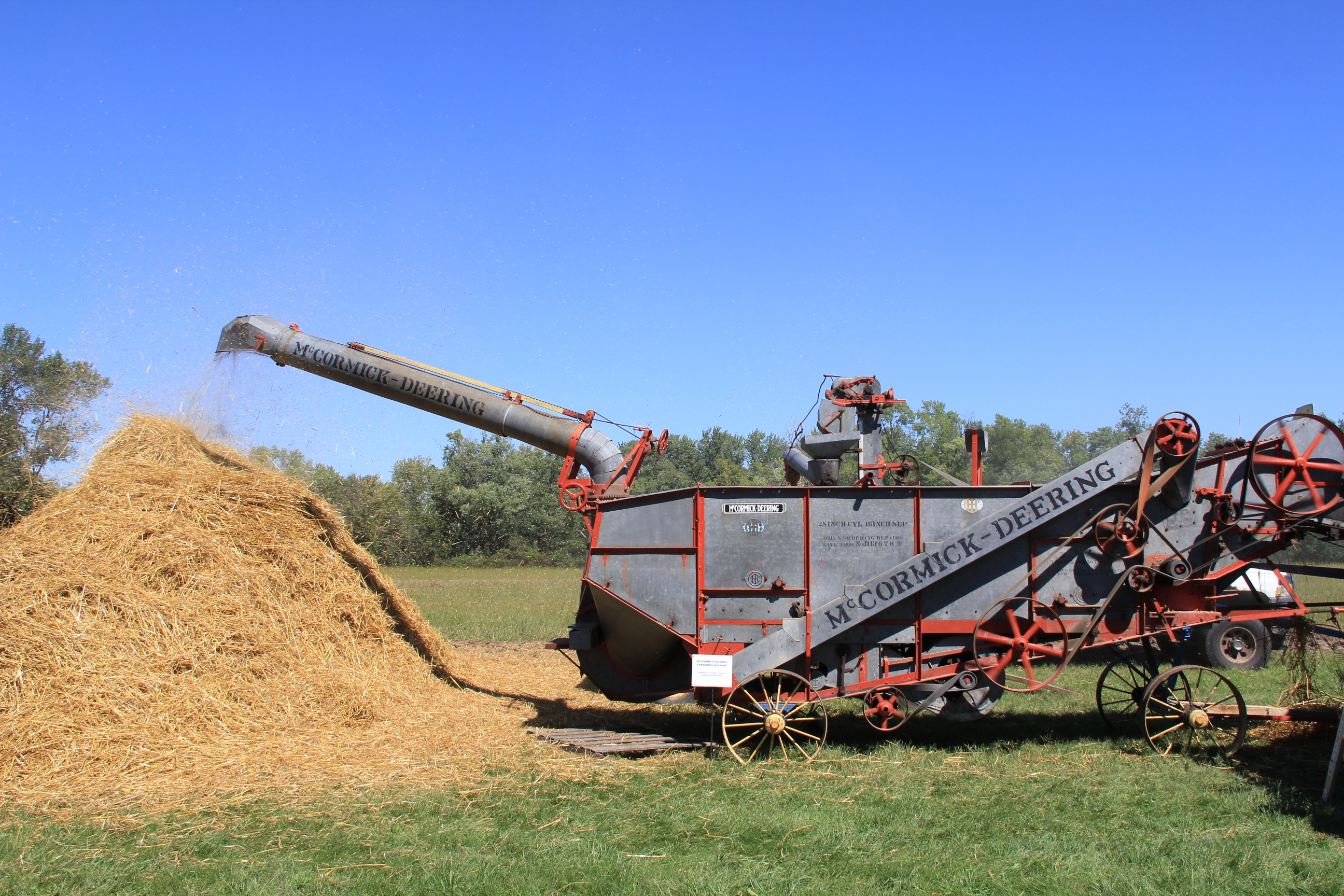
The workhorse of the operation, the threshing machine. (Minnesota Prairie Roots copyrighted photo August 2024)
As I watched in Dundas, men forked bundles of oats into a McCormick-Deering thresher. The threshing machine separated the grain from the stalk, the oats shooting one direction into a wagon, the straw the other way into a growing pile. I stood mostly clear of the threshing operation with dust and chafe thick in the air.
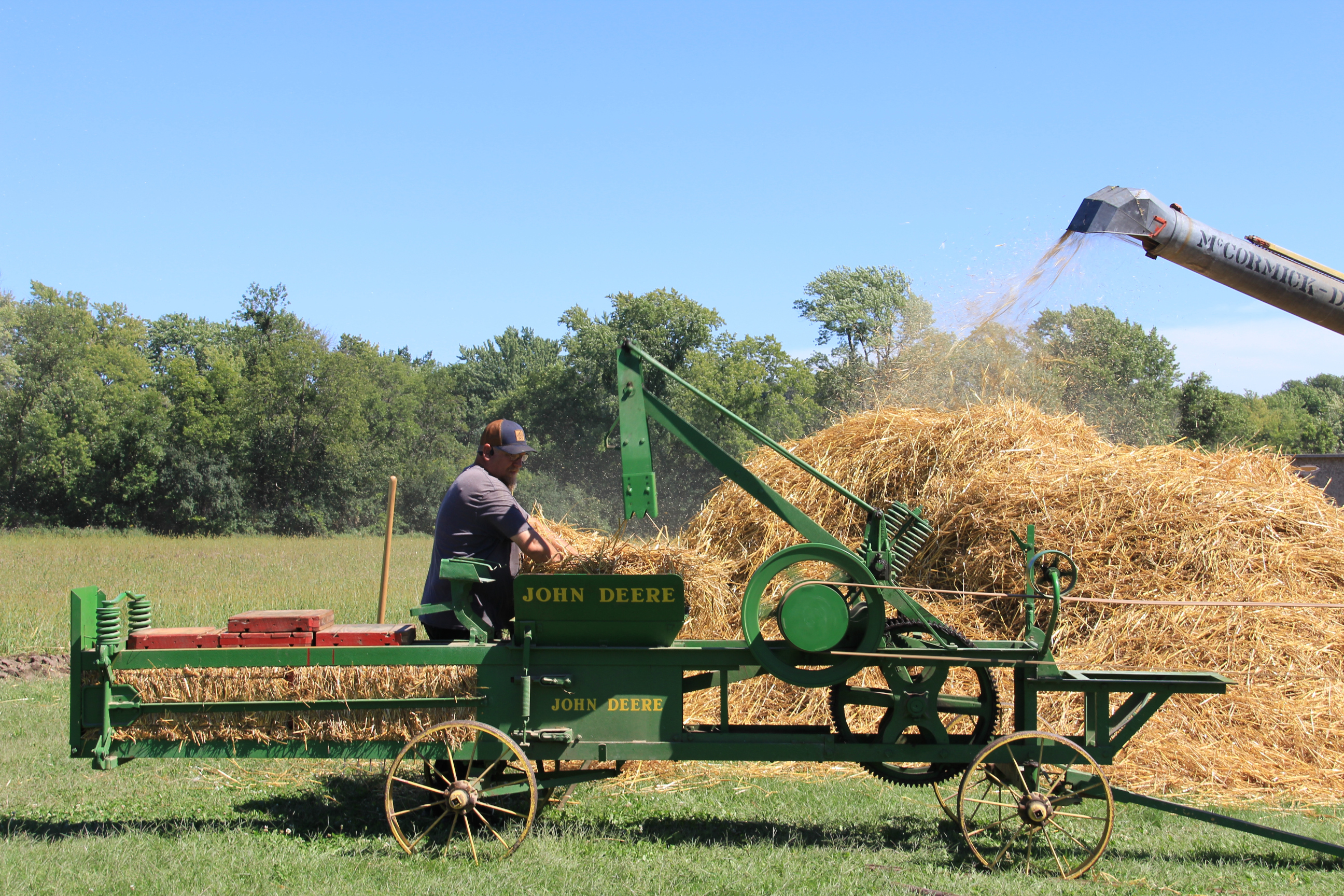
Feeding the loose straw into the baler. (Minnesota Prairie Roots copyrighted photo August 2024)
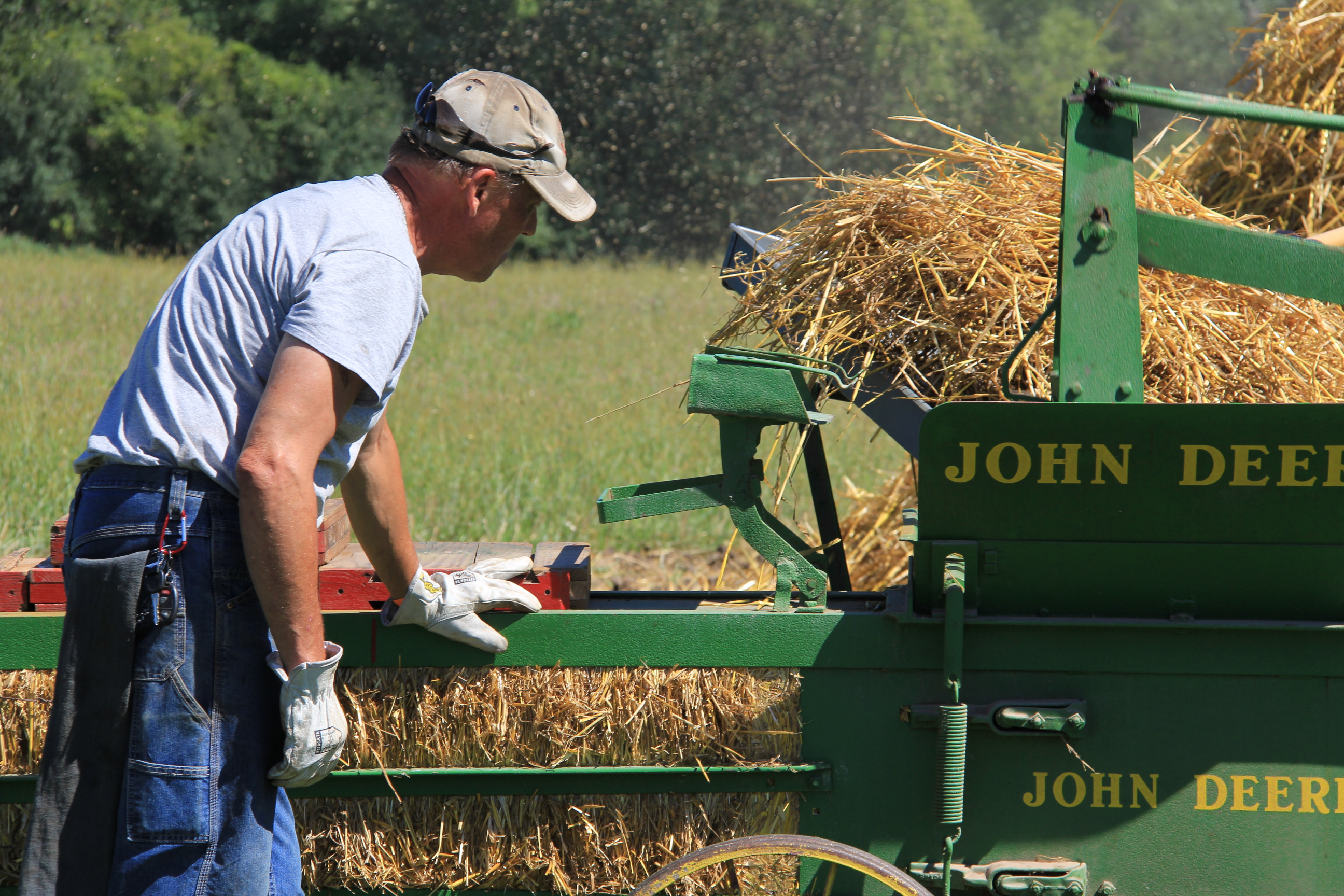
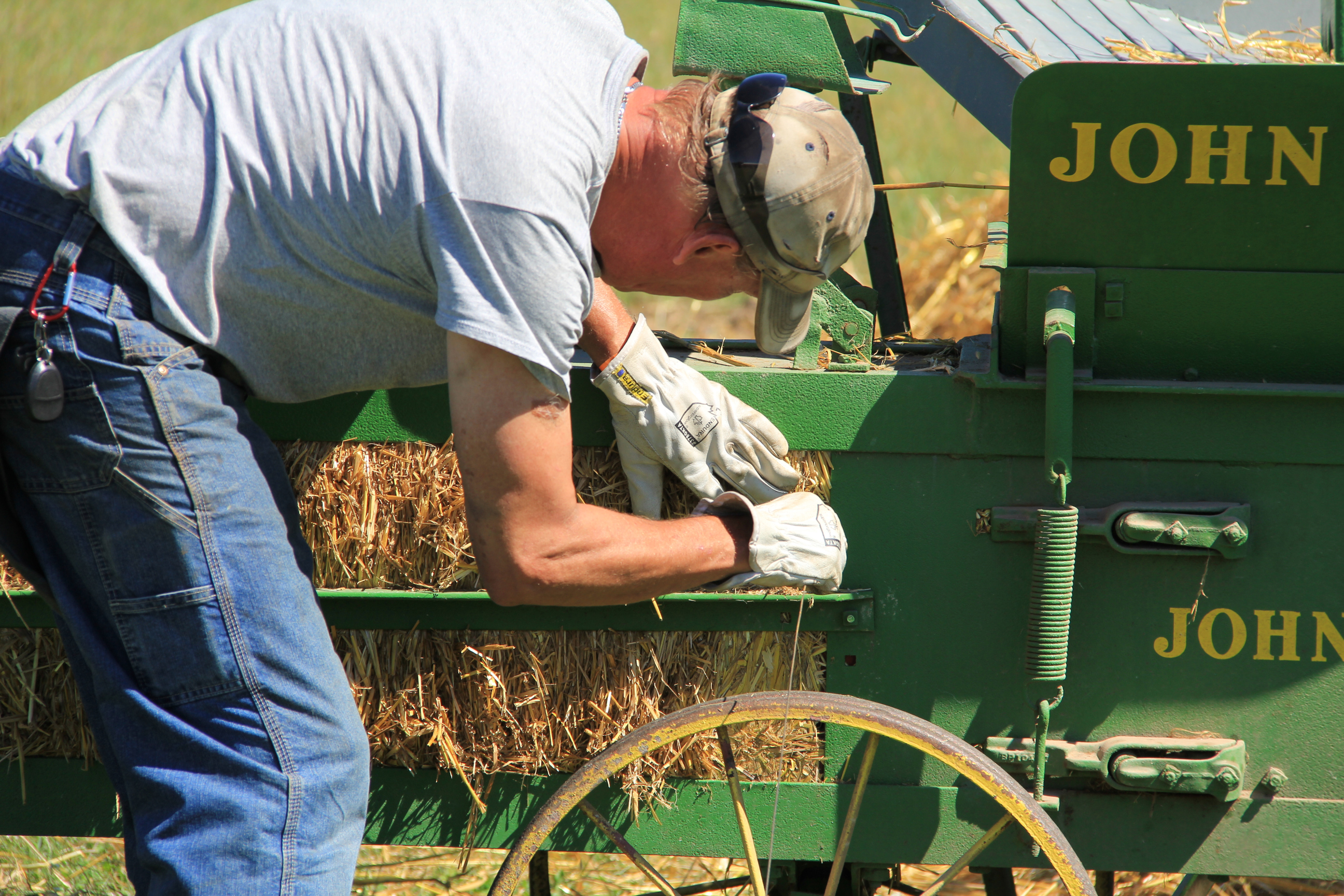
From the straw pile, a volunteer stuffed the stalks into the shoot of an aged baler. An arm tamped the straw, feeding it into the baler. Another guy stood nearby, feeding wire into the baler to wrap the rectangular bales. A slow, tedious process that requires attentiveness and caution.
Watching and waiting for the straw to compact in the baler. (Minnesota Prairie Roots copyrighted photo August 2024)
The entire time I watched, I thought how easy it would be to lose focus, to look away for a moment, to get distracted and then, in an instant, to experience the unthinkable. Farming is, and always has been, a dangerous occupation.
Carefully guiding wire into the baler to wrap each bale. (Minnesota Prairie Roots copyrighted photo August 2024)
Randy understands that firsthand as he witnessed his father get his hand caught in a corn chopper. Tom lost his left hand and part of his forearm. But Randy saved his life, running across fields and pasture to summon help. It is a traumatic memory he still carries with him 57 years later.
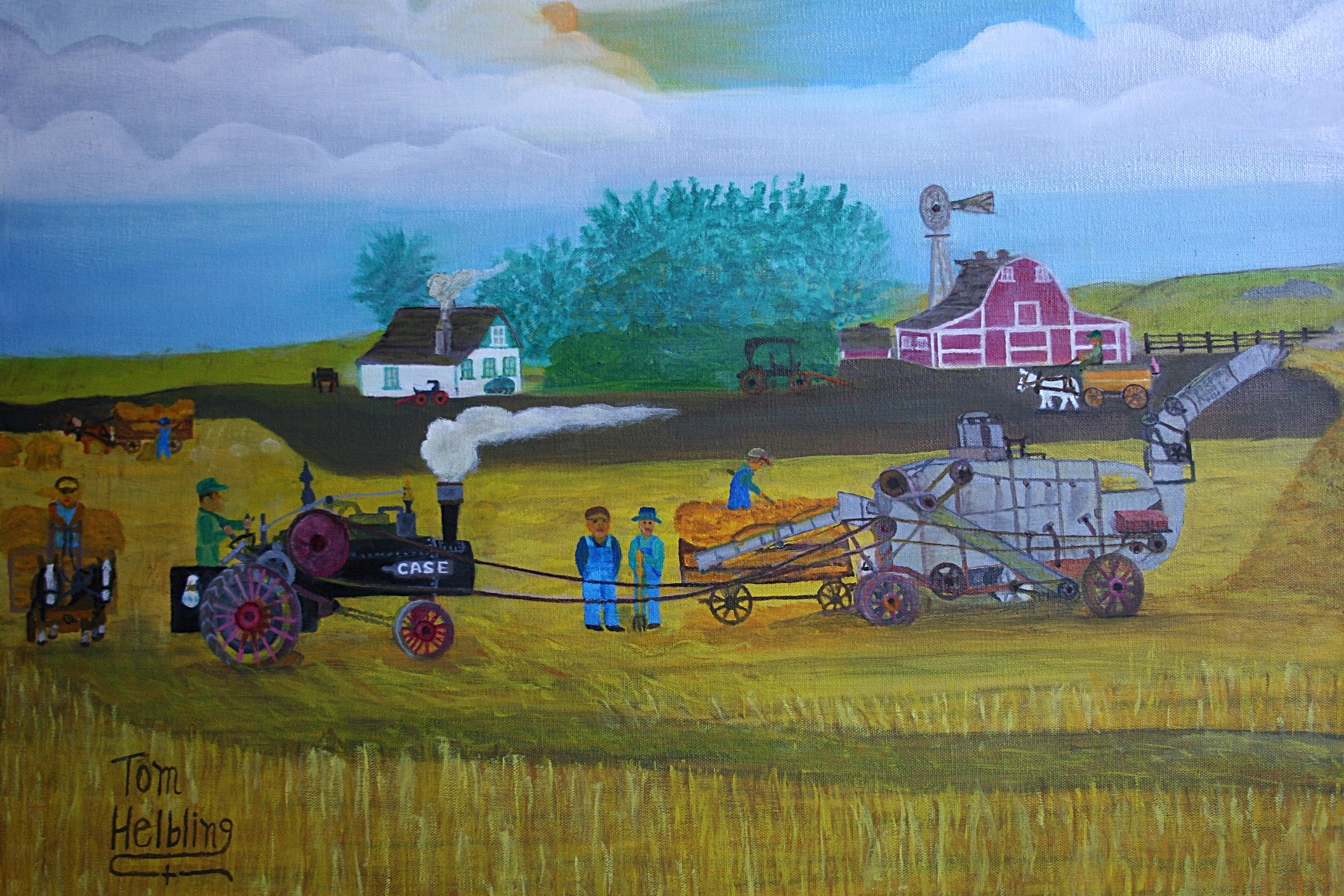
Threshing at Sunnybrook Farm, St. Anthony, North Dakota, as painted by Tom Helbling. (Minnesota Prairie Roots copyrighted file photo)
But memories of threshing are good memories, preserved today in an oil painting from the farm in North Dakota, Sunnybrook Farm. My father-in-law took up painting later in life. Among the art he created was a circa 1920s threshing scene. We have that painting, currently displayed in our living room. I treasure it not only for the hands that painted it, but also for the history held in each brush stroke.
Threshing grain, living history in 2024. (Minnesota Prairie Roots copyrighted photo August 2024)
The painted scene differs some from the threshing scene I saw in Dundas. In North Dakota, horses were part of the work team, the tractor steam powered. In Dundas, there were no horses, no steam engine at the threshing site. Still, the threshing machine is the star, performing the same work. And men are still there, laboring under the sun on a late summer afternoon.
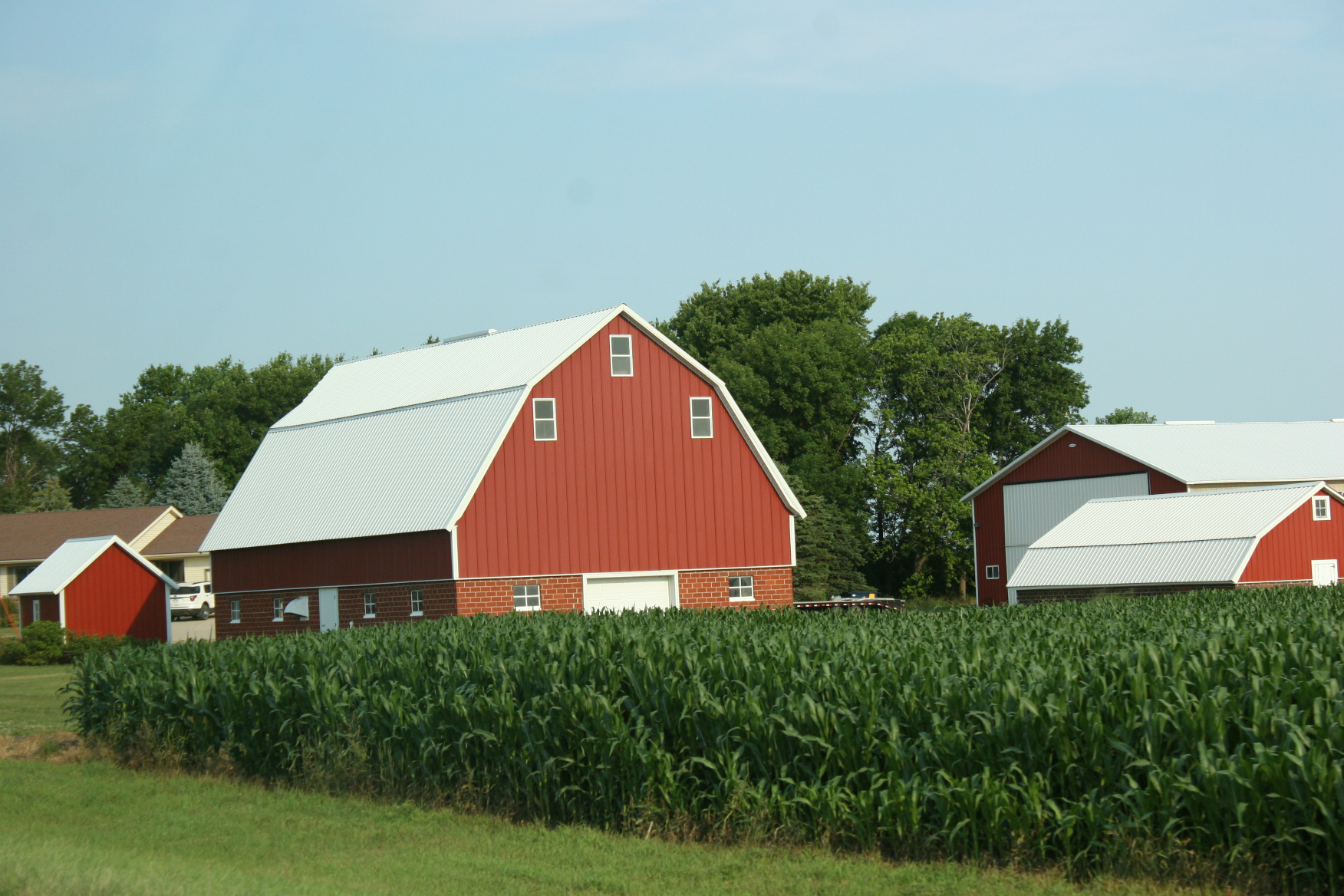
A farm site west of New Ulm. (Minnesota Prairie Roots copyrighted file photo)
WOULD YOU PICK rock, walk beans, clean up pig or cow muck? Joe and his crew will.
I can, too, as I’m experienced. But I have no desire to return to those farm tasks that are now only long ago youthful memories.
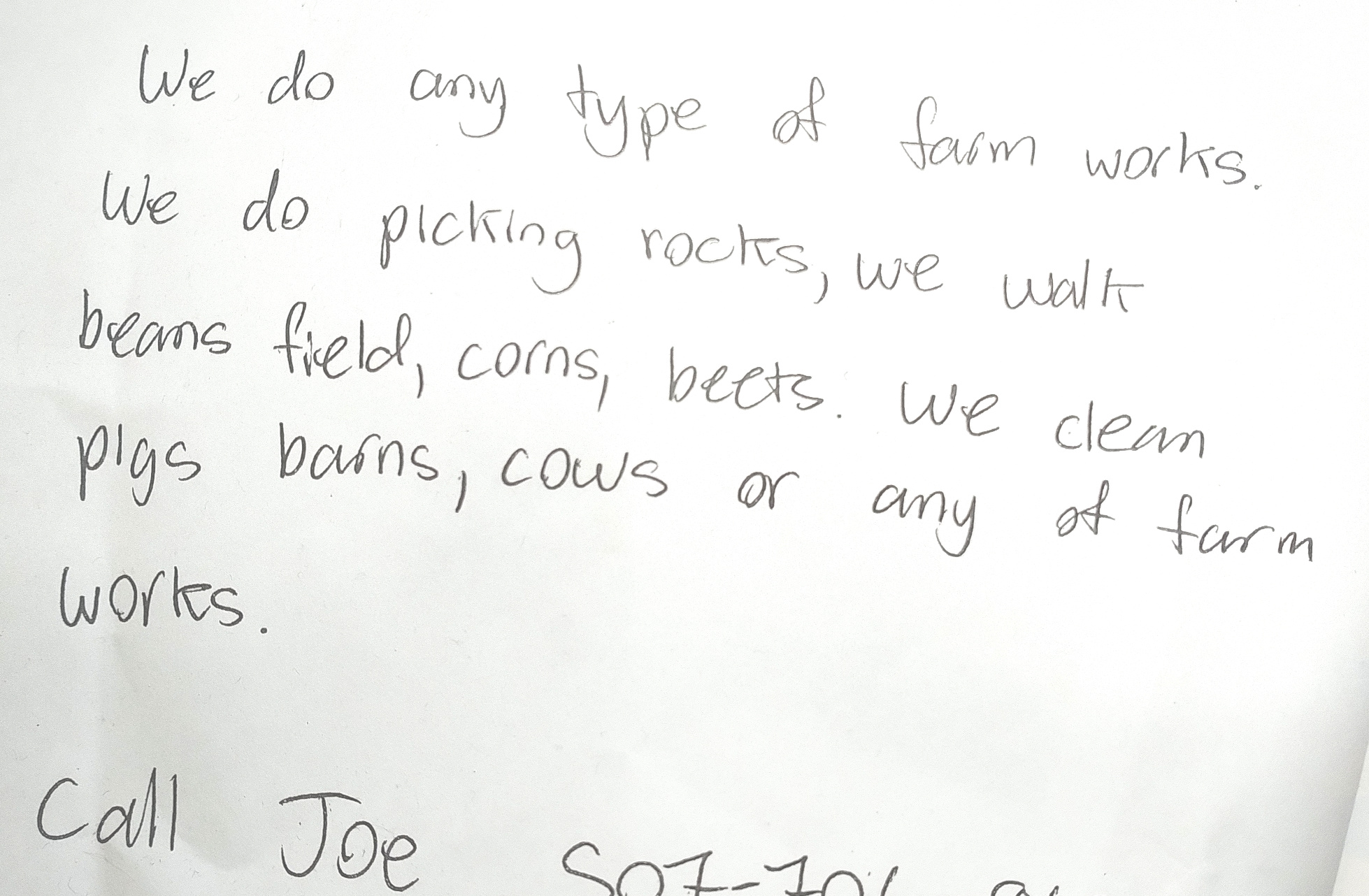
The sign I spotted in a Redwood Falls convenience store. (Minnesota Prairie Roots copyrighted photo July 2024)
Recently, I saw a sign, more like a note, posted by Joe on a convenience store bulletin board in Redwood Falls, deep in the heart of southwestern Minnesota farm country. I grew up in that area, on a crop and dairy farm.
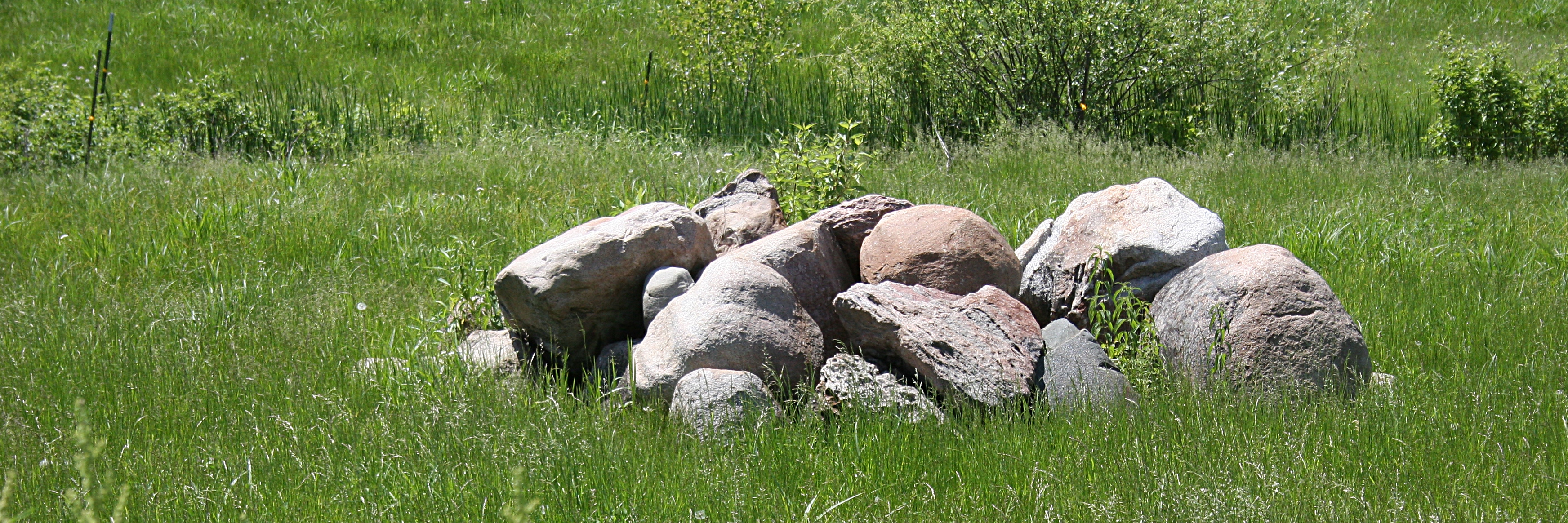
Rocks picked and piled at field’s edge. (Minnesota Prairie Roots copyrighted file photo June 2014)
Like Joe, I worked the land and labored in the barn. I picked rock, which is exactly as it sounds—walking fields to pick rocks from the soil and toss them onto a wagon or loader. Rock removal is necessary so farm equipment isn’t damaged during crop prep, planting and harvesting. It’s hard, dirty work when done by hand.
Likewise, walking beans is hard, dirty, hot work. That job involves walking down rows of soybeans to remove weeds and stray corn plants, either by hand or by hoe. At least that’s how I walked beans back in the day. Today that may involve spot spraying herbicides.
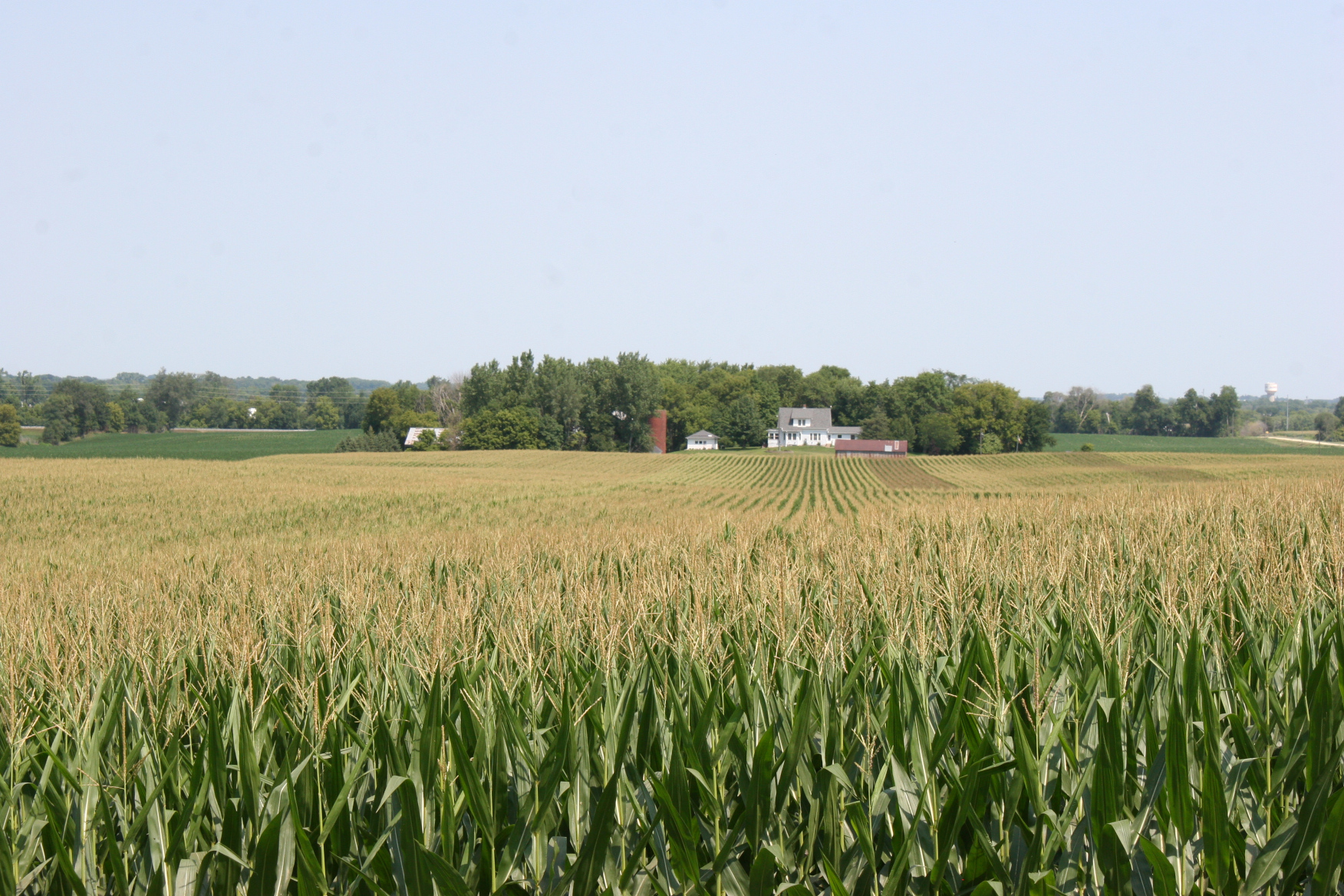
A tasseling Rice County corn field. (Minnesota Prairie Roots copyrighted file photo)
And when I worked corn fields, it was to detassel corn for the Dekalb seed company. I arose early, boarded a school bus with a bunch of other teens, arrived at a corn field and proceeded to walk the corn rows pulling tassels from corn plants. Dew ran down my arms, corn leaves sliced my skin, sweat poured off my body as the day progressed under a hot July sun. Of all the jobs I’ve had, detasseling corn rates as the most miserable, awful, horrible, labor intense work I’ve ever done.
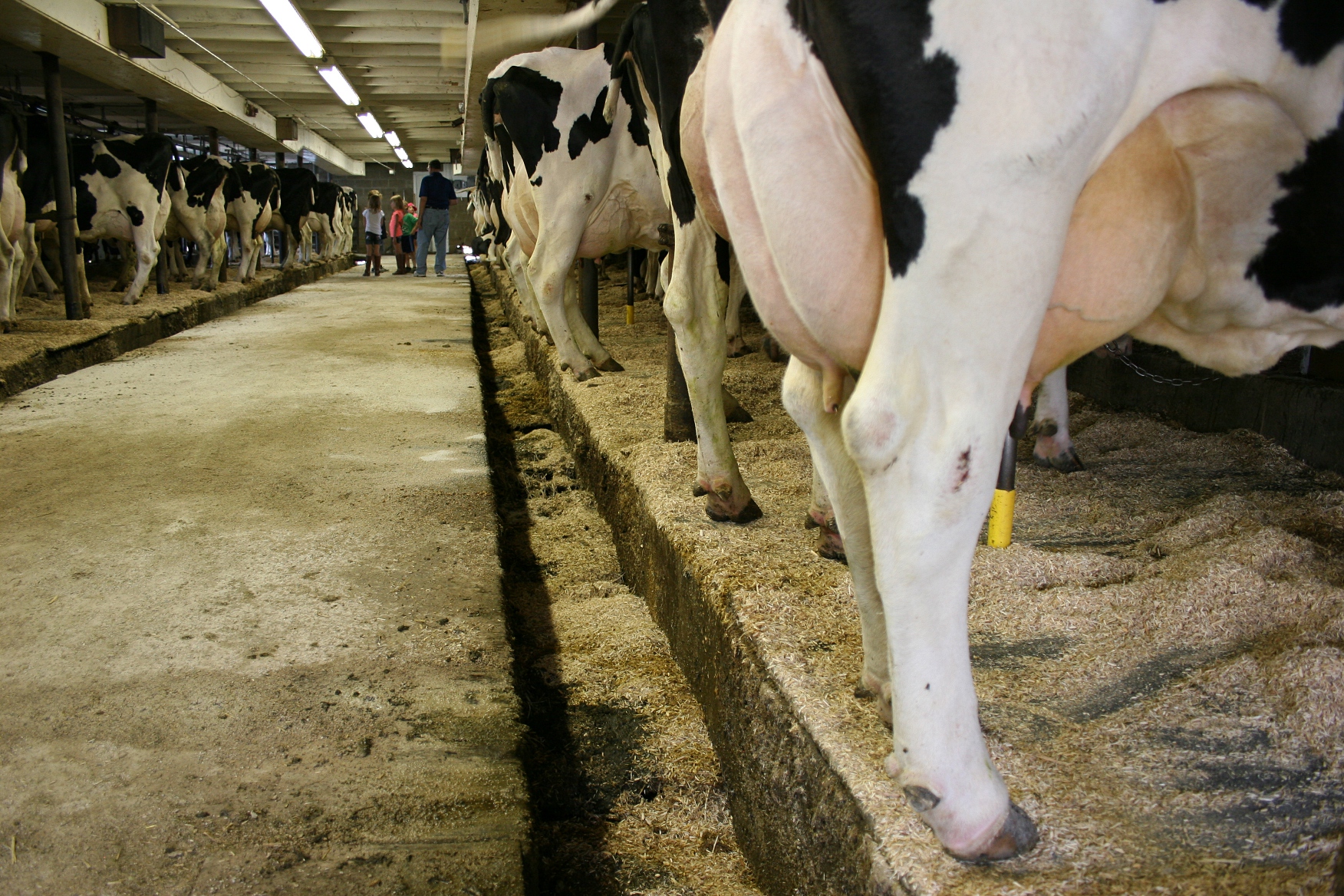
Inside a Rice County dairy barn. (Minnesota Prairie Roots copyrighted file photo)
I’d rather shovel cow manure. And I did plenty of that along with other animal-related farm chores.
If Joe and his team are willing to take on tasks that are labor intensive, hot and smelly, then I applaud them. We need hands-on folks who are not afraid to get their hands dirty, to break a sweat, to do those jobs that place them close to the land. Jobs many other people would not do.
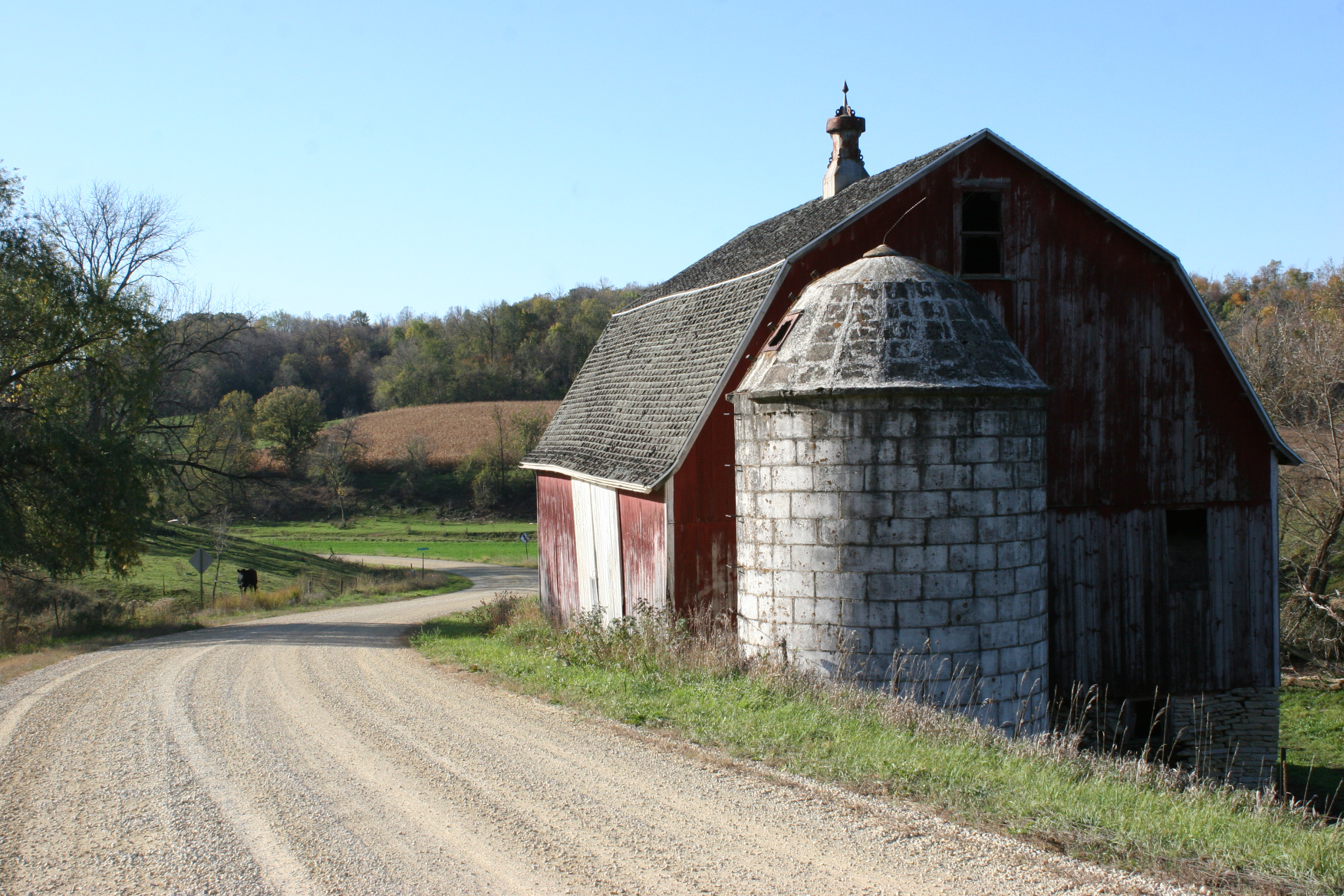
An abandoned barn and silo along a backroad in the Sogn Valley of southeastern Minnesota. (Minnesota Prairie Roots copyrighted file photo 2021)
I don’t regret my farm work experiences. I learned the value of hard physical labor, of working together, of understanding that what I did was necessary. Certainly farming has changed, modernized in the 50 years since I left the land. Machines and computers make life easier.
But sometimes it still takes people like Joe and his crew to plant their soles on the earth, their feet in the barn, to make a farming operation work, even in 2024.
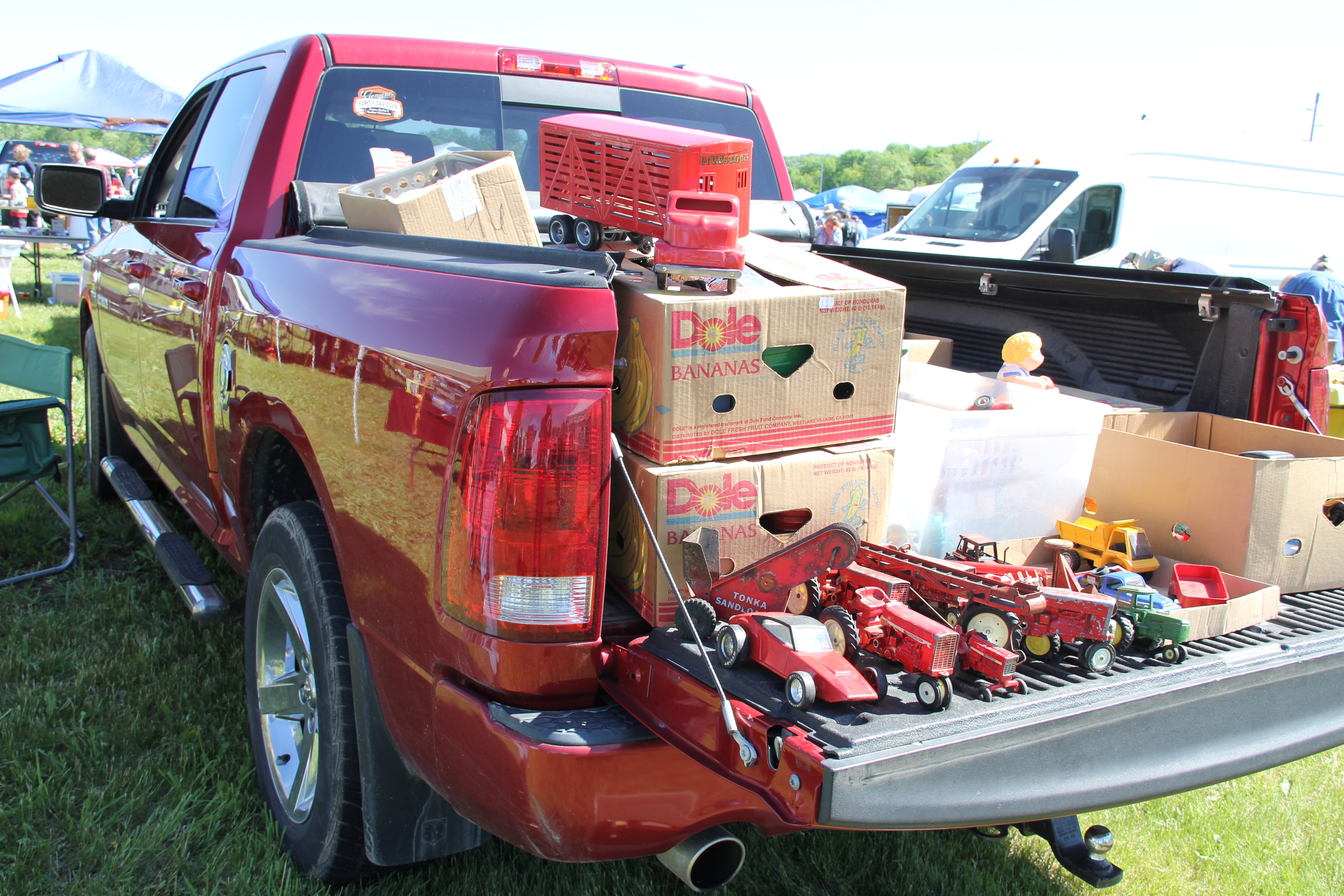
This particular vendor sold farm-themed toys. (Minnesota Prairie Roots copyrighted photo May 2024)
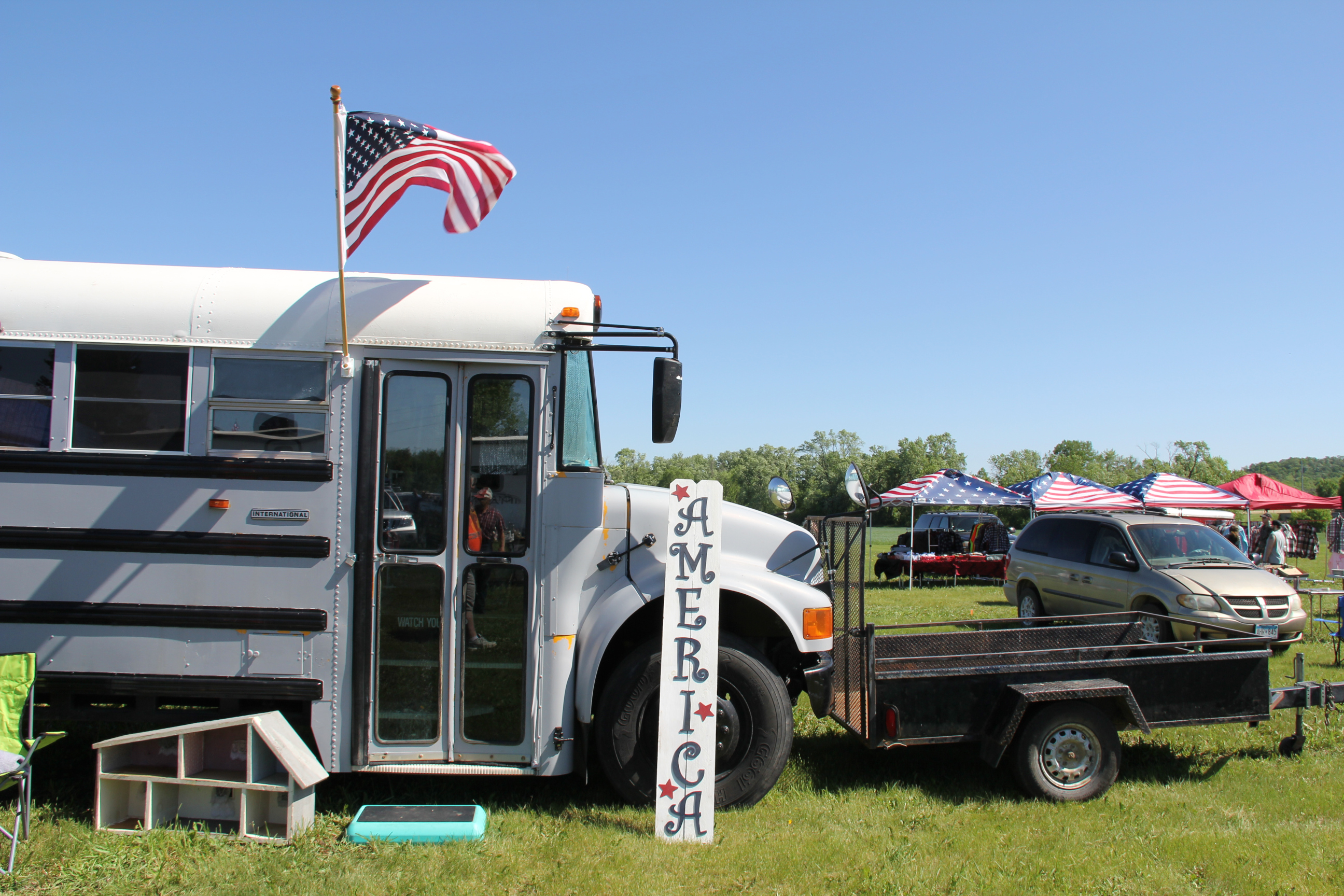
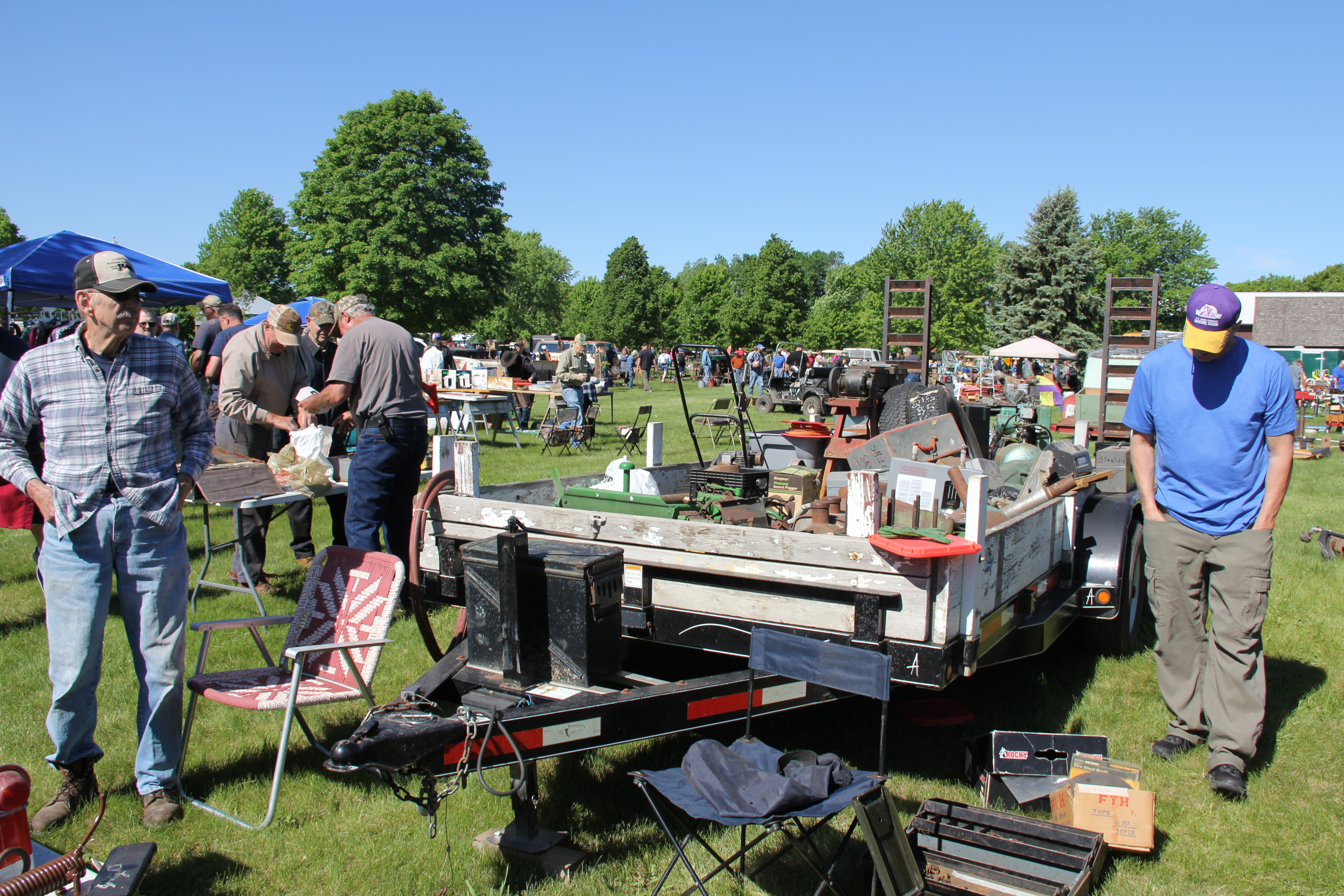
THEY PULL UP in their campers, pick-up trucks, converted buses and vans, often hauling trailers crammed with merchandise. They are traveling merchants, making the flea market circuit to pedal their goods.
A vendor with a patriotic flare. (Minnesota Prairie Roots copyrighted photo May 2024)
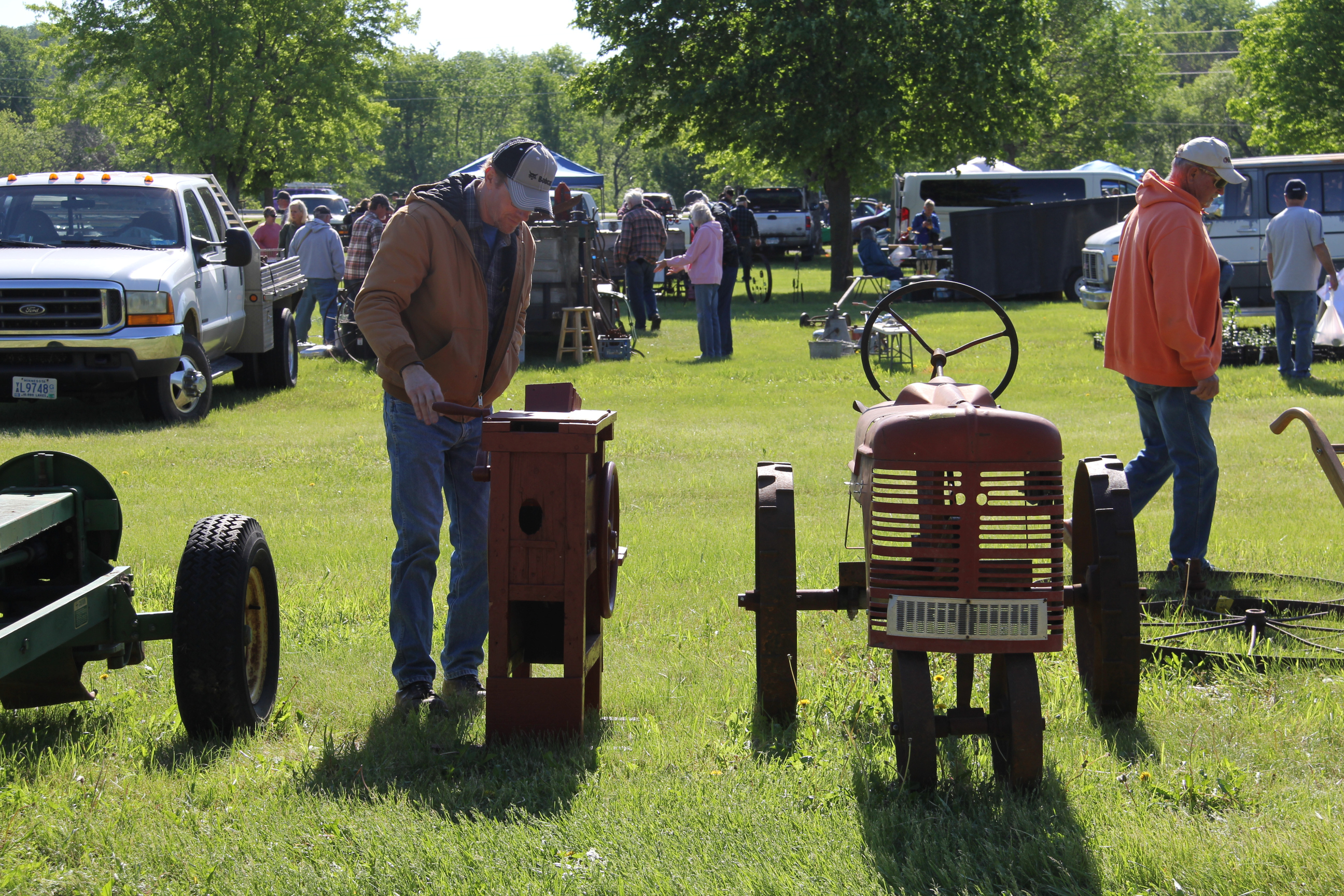
Recently I attended the Rice County Steam & Gas Engines Spring Flea Market at the club showgrounds south of Dundas. A second market, along with a tractor show, threshing demo and more, is held Labor Day weekend. Occasionally, I purchase something. But mostly, I look and photograph. There’s a lot to see.
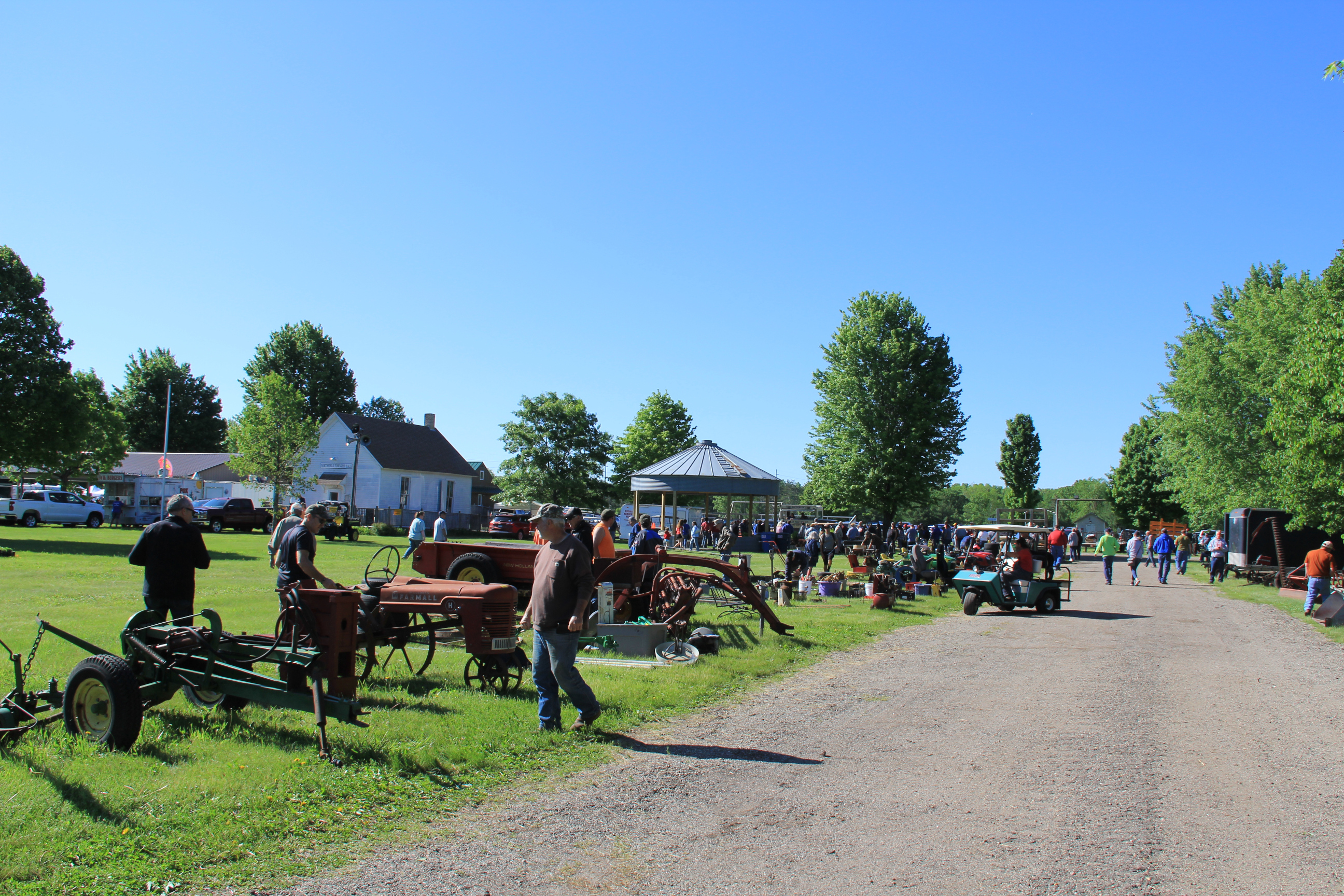
Between the flea market and a consignment auction, there was lots to see and buy at the Rice County Steam & Gas Engines showgrounds. (Minnesota Prairie Roots copyrighted photo May 2024)
From people-watching to shopping to searching for unusual finds to photograph, I find myself drawn to this open air market of second-hand, handcrafted and new merchandise. There are characters and stuff you’ve never seen before and may or may not need, and a vibe that feels of yesteryear.
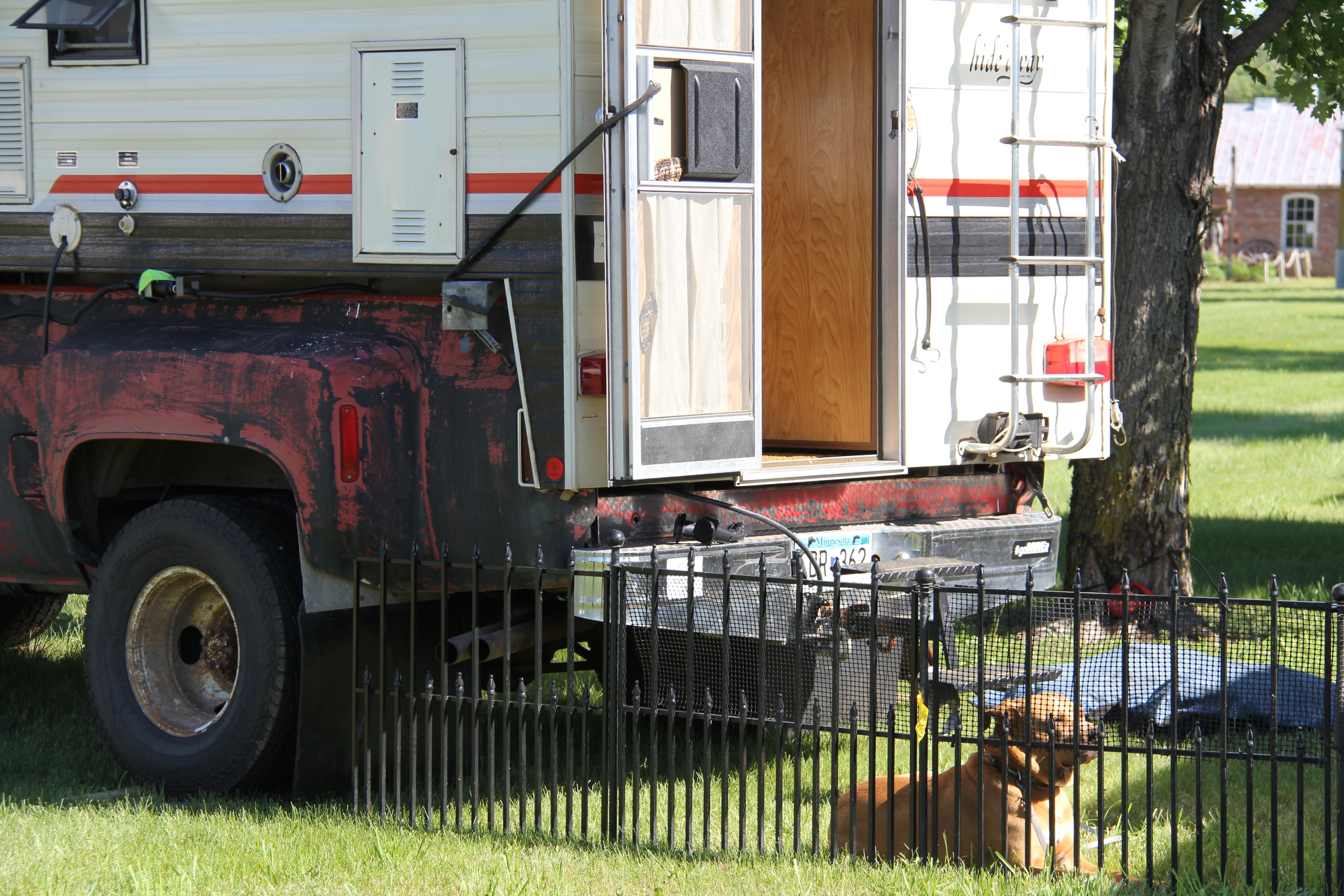
A vendor’s penned dog. (Minnesota Prairie Roots copyrighted photo May 2024)
Vendors bring their dogs, their finds and even bacon. As I wound among the booths, I smelled the scent of meat. A merchant stood next to his vintage camper frying bacon on a tabletop propane camper stove. I wanted to settle into his fold-up lawn chair and help myself to a slice or three, plus a cup of coffee and perhaps scrambled eggs. I settled instead for a bag of mini-donuts purchased from a food stand.
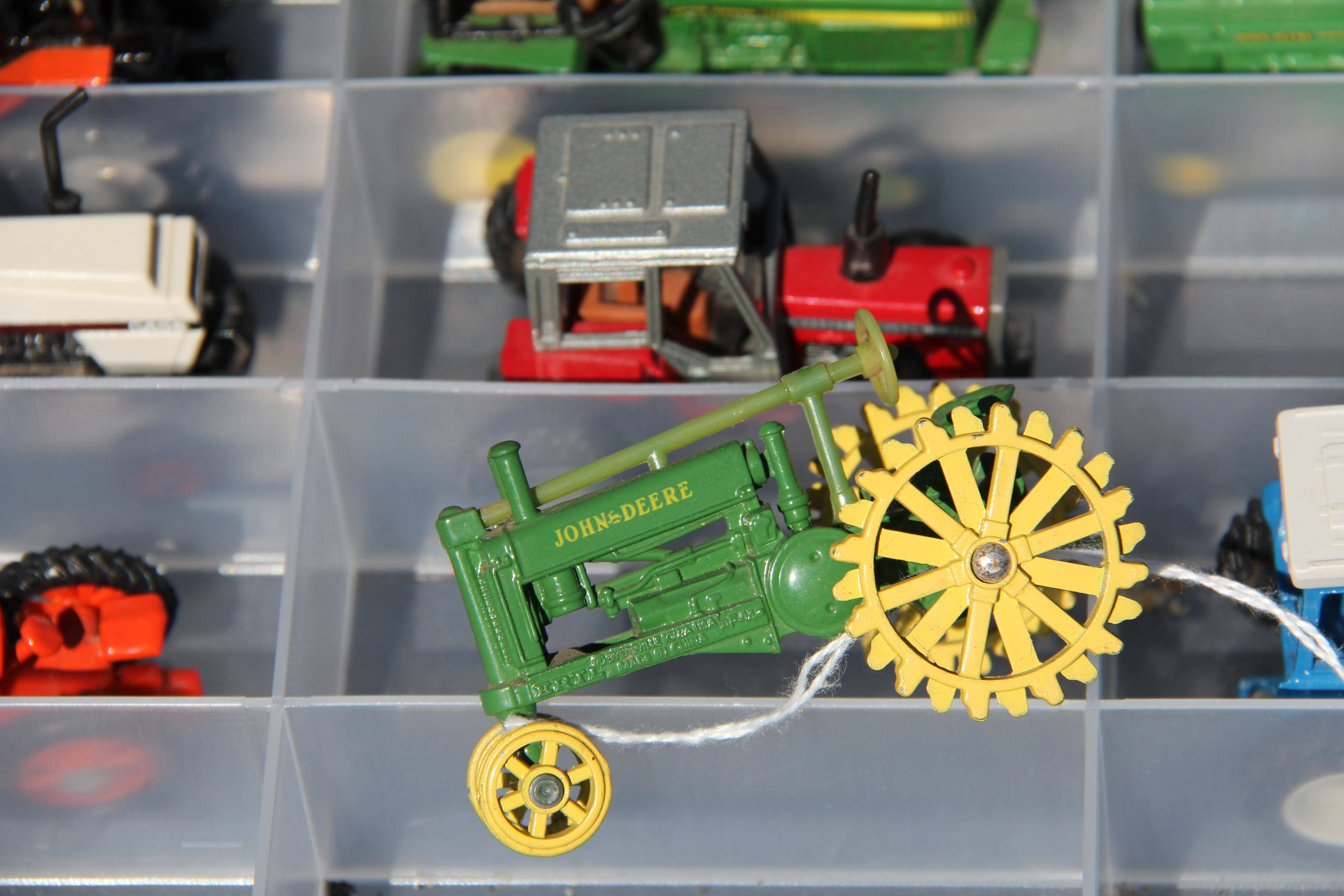
Mini tractors drew kids and collectors. (Minnesota Prairie Roots copyrighted photo May 2024)
I mostly meander. And watch. I saw a preschool boy beeline straight for a table of toy tractors. Grandma followed. Plenty of farm toys are available in sizes from matchbox to larger. A farm kid’s dream store, for sure.
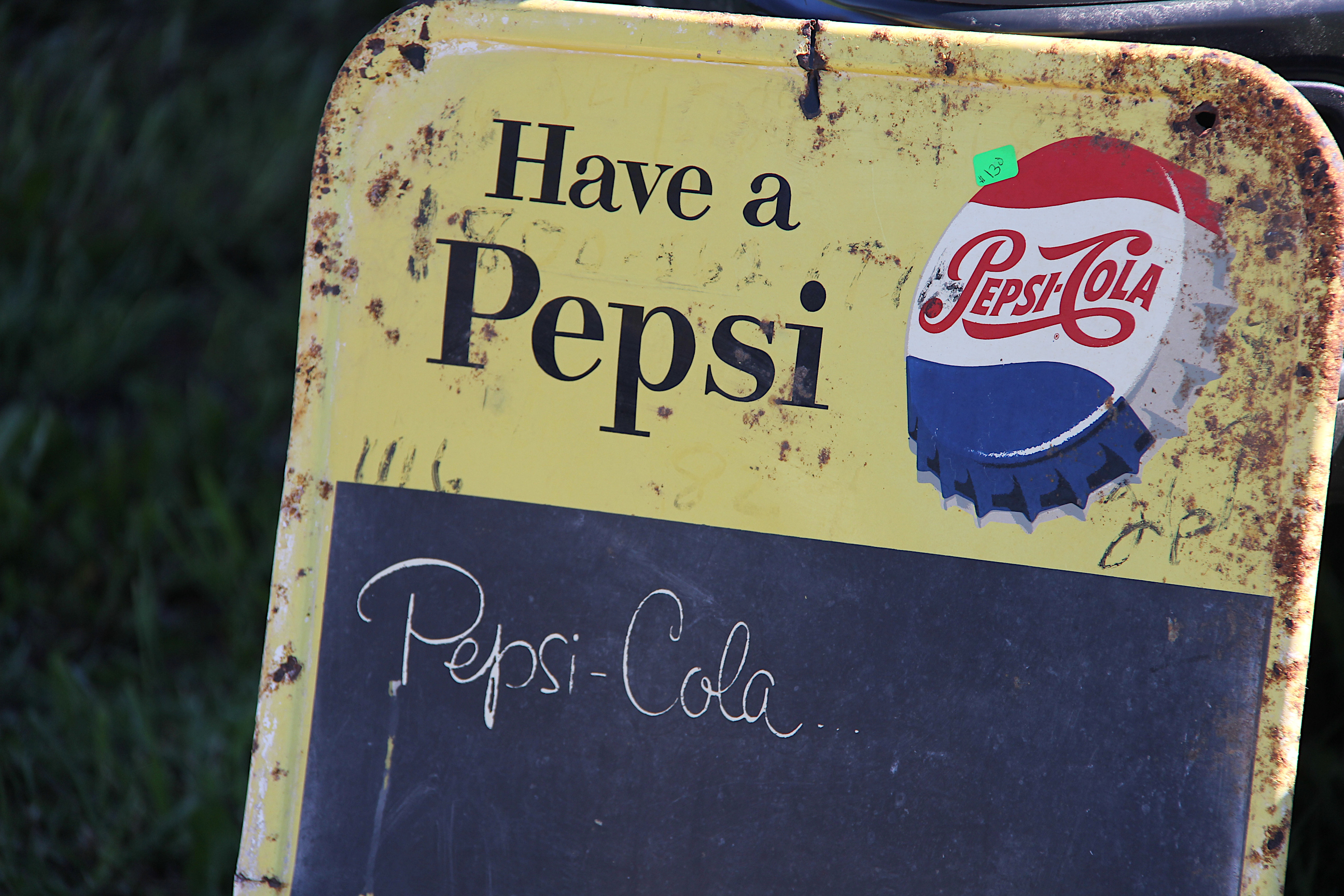
I seldom drink pop, but I do like this Pepsi sign. (Minnesota Prairie Roots copyrighted photo May 2024)
Me? I don’t shop for anything specific. But I’m drawn to old, not replica (of which there are plenty) signs. This time a vintage Pepsi sign caught my eye. For $130, and perhaps it’s worth that much, it wouldn’t be mine.
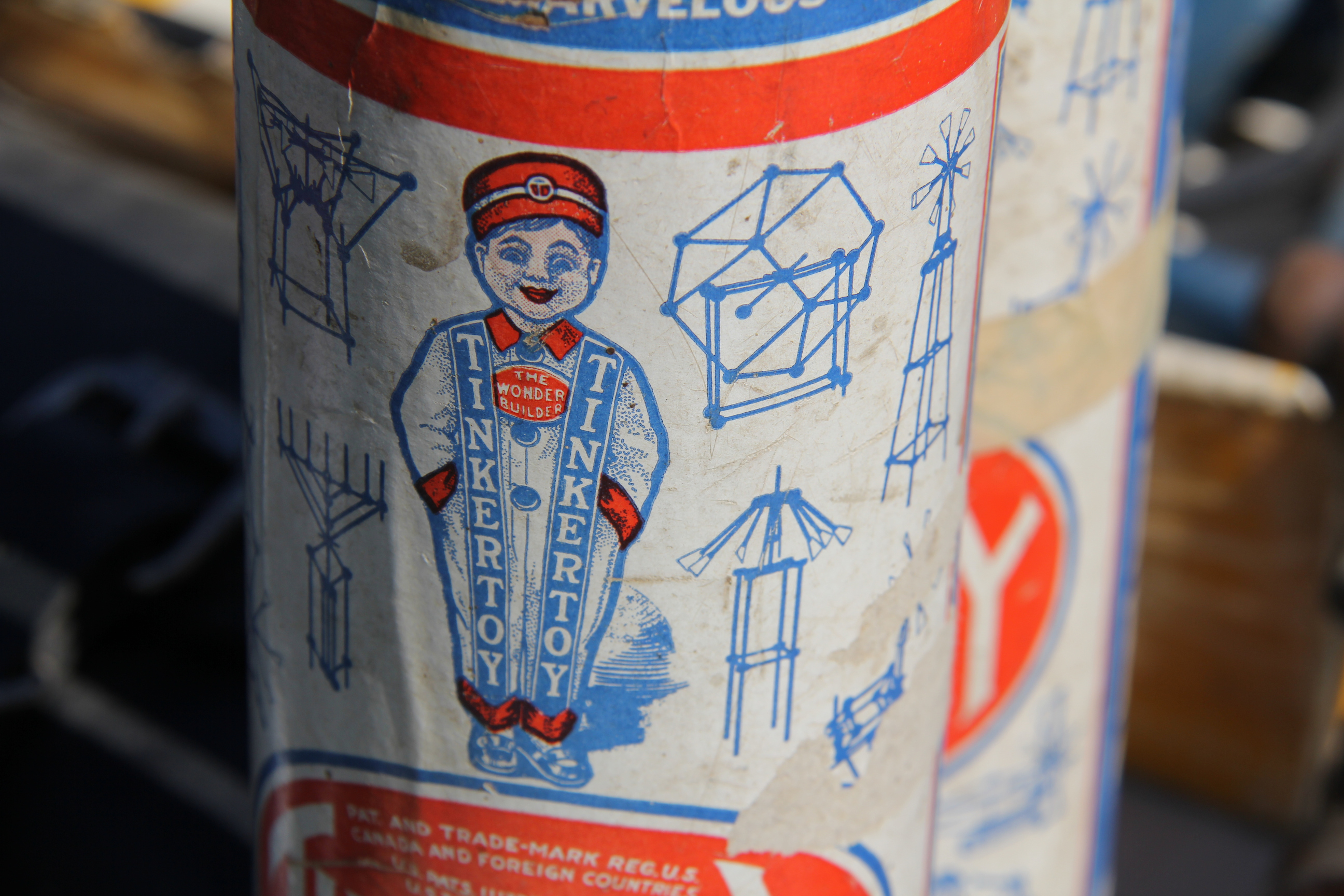
Not the safest toy, but one I loved as a child of the 1960s. (Minnesota Prairie Roots copyrighted photo May 2024)
Nor would the Tinkertoys…because I probably have a cylinder of those stashed under the attic eaves. I loved those “let’s see if you can poke your siblings’ eyes out” with the wooden sticks toy.
I appreciated the box cover art more than the ice skates. (Minnesota Prairie Roots copyrighted photo May 2024)
If I still skated, I could have purchased matching skates for myself and Randy. But, nope, not gonna risk falling at my age. I’ve already broken two bones while wearing flip flops and shoes.
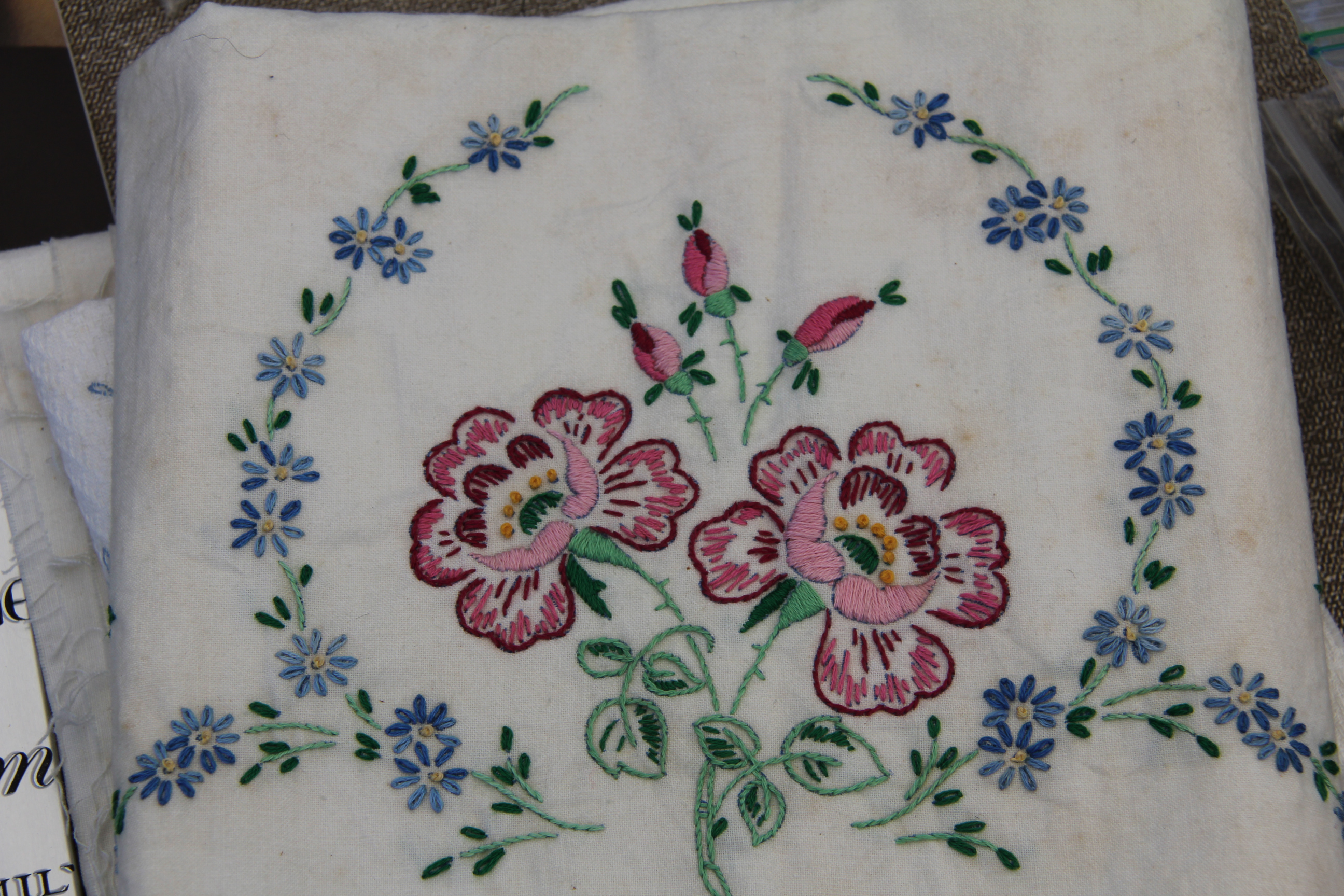
Beautiful hand embroidery. (Minnesota Prairie Roots copyrighted photo May 2024)
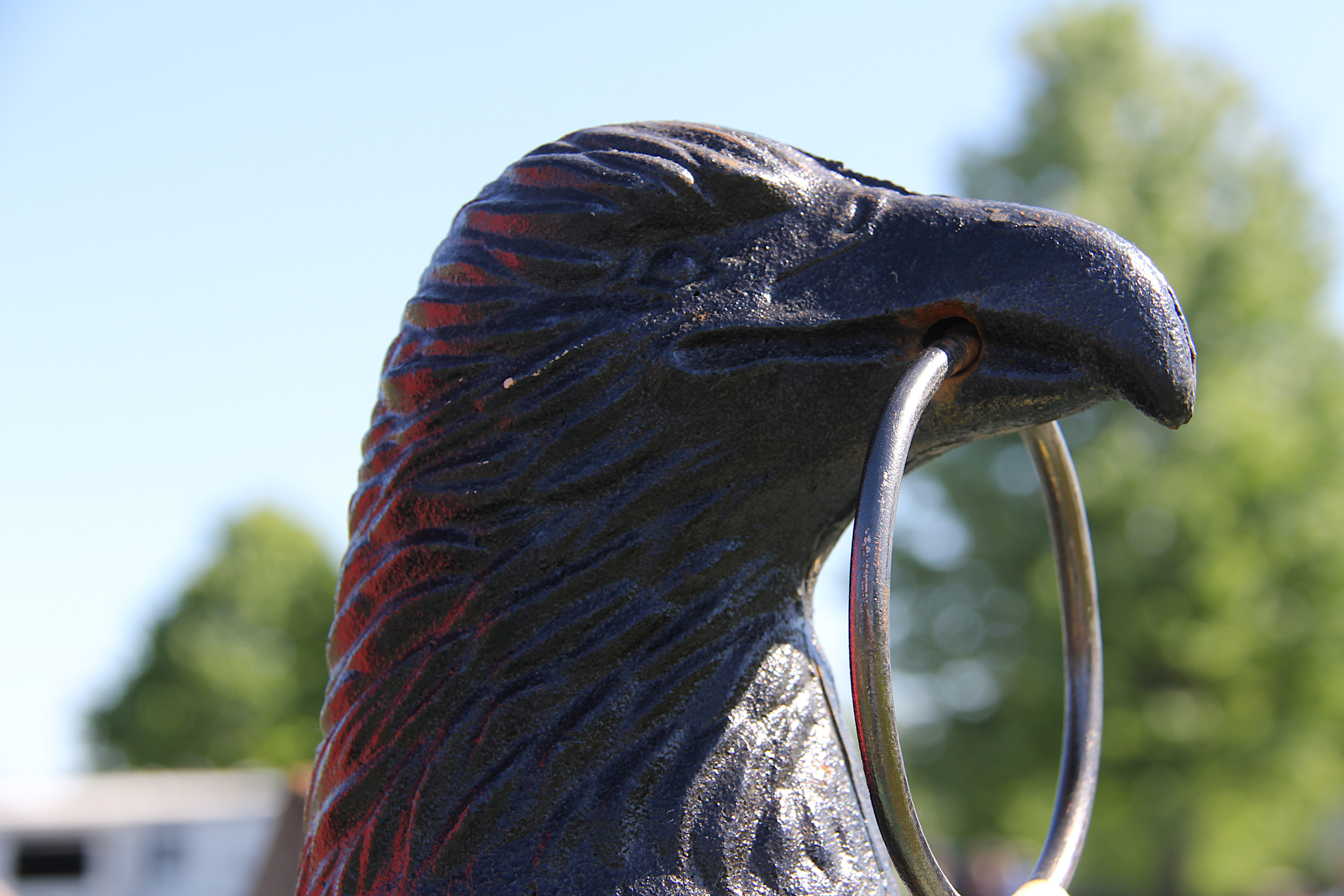
Eagle sculpture. (Minnesota Prairie Roots copyrighted photo May 2024)
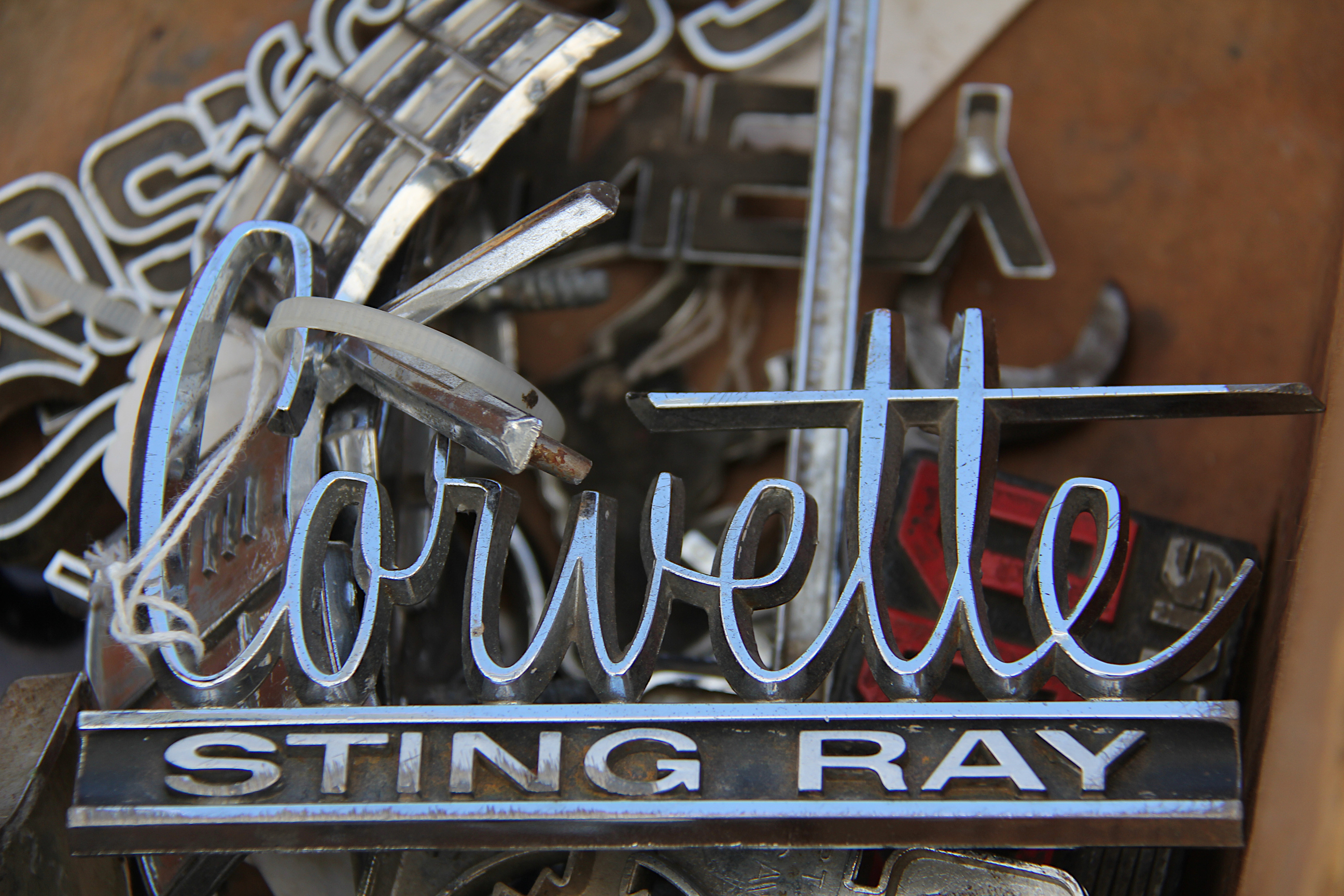
I see car emblems as art. (Minnesota Prairie Roots copyrighted photo May 2024)
I really liked the eagle sculpture and the car emblems and the embroidered dish towel. They’re art to me and I do love art.
Head inside the town hall for more treasures. (Minnesota Prairie Roots copyrighted photo May 2024)
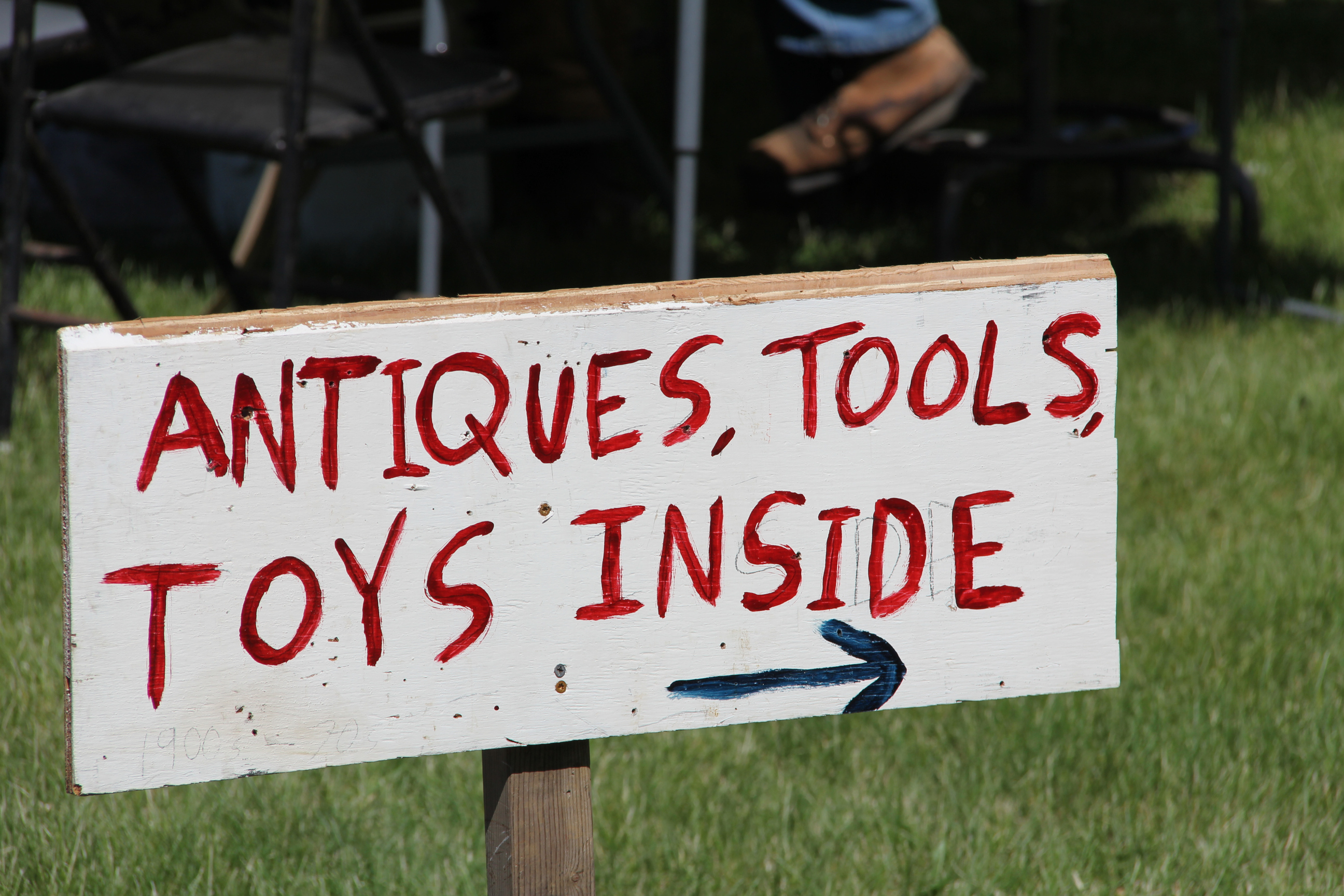
The most interesting finds of the morning came at my last stop, where a handmade painted sign posted outside the old Northfield Township Hall promised ANTIQUES, TOOLS, TOYS INSIDE. There I met Gary Kowalski, labeled “PICKER” on his business card. He’s from Montgomery, lives in a former funeral home and picks for goods from Minnesota to Michigan to Texas and in between.
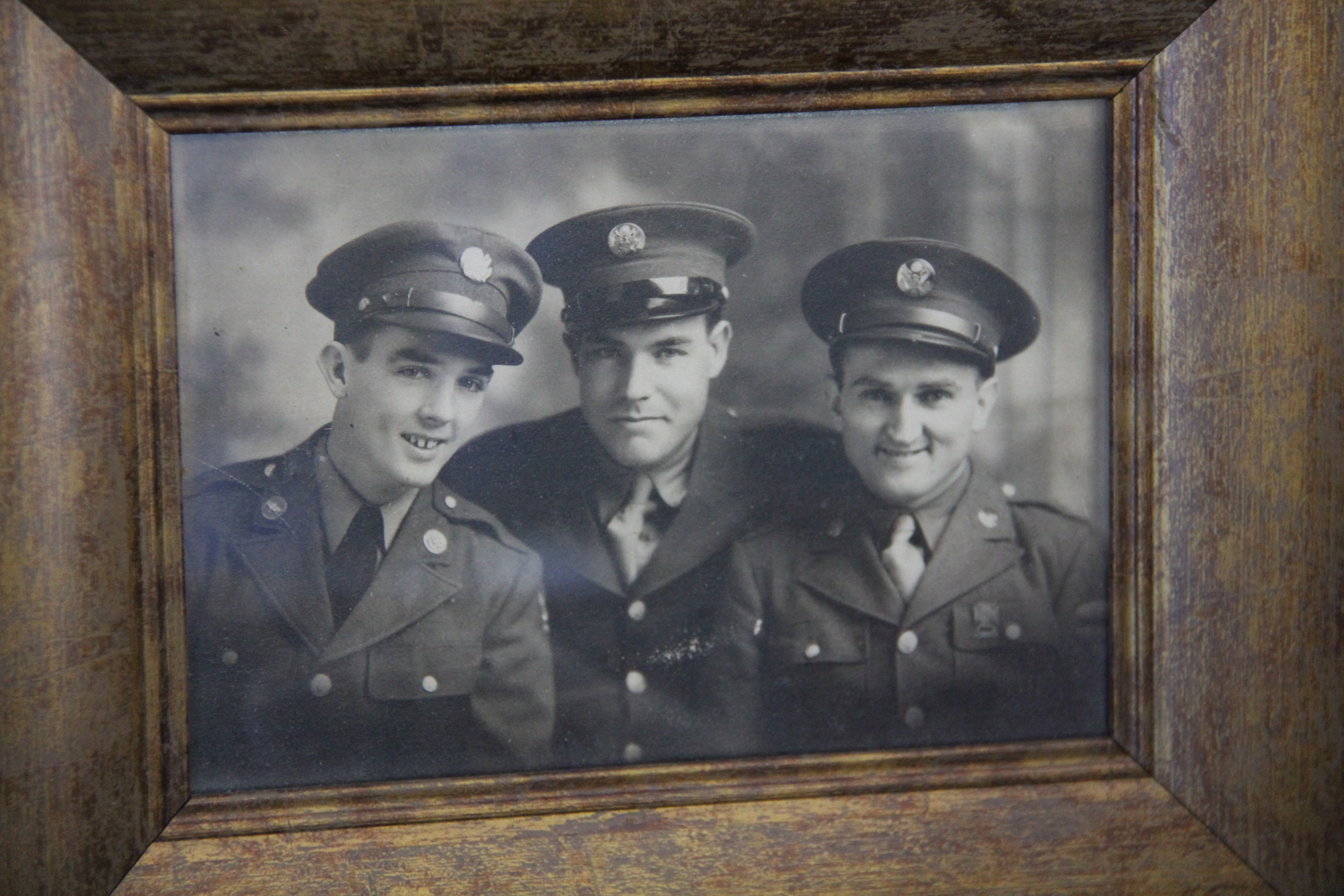
This photo of soldiers sparked a conversation between me and picker Gary Kowalski. (Minnesota Prairie Roots copyrighted photo May 2024)
A singular framed black-and-white photo of three soldiers in full formal military uniform grabbed my attention. Their smiles, the way they leaned into each other, told me they were not only in service together, but also friends. That’s when Gary stepped in to say he found the photo, along with other WW II items, in Texas. He’s a veteran himself and guesses the three were on leave for some rest and relaxation, thus the happy pose.
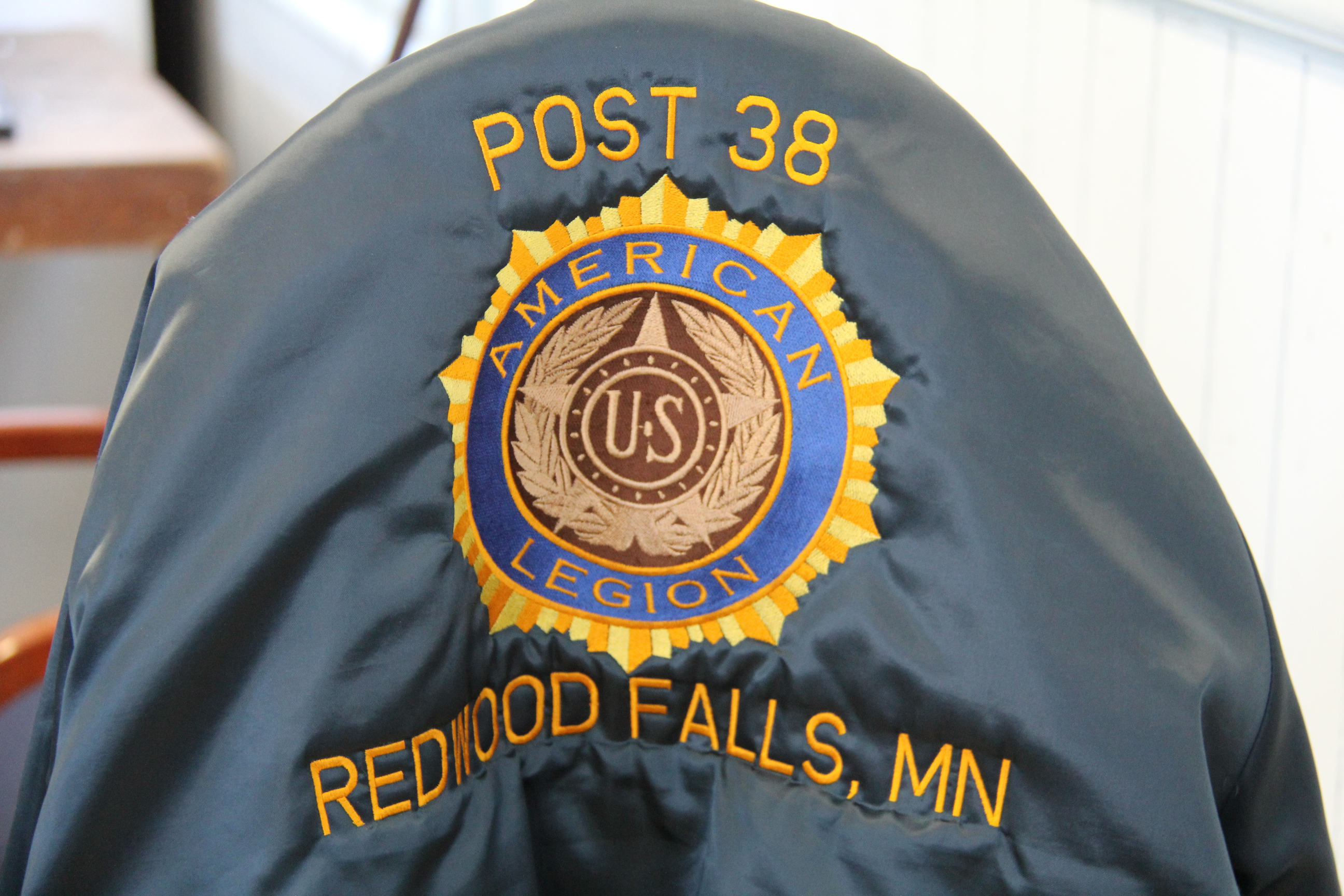
The Legion jacket that prompted a conversation about my home area. (Minnesota Prairie Roots copyrighted photo May 2024)
Gary had one more item that really made my day. An American Legion Post 38 jacket from Redwood Falls. It came from my home county. Yes, he’s been picking 20 miles to the east of my hometown. I’m always thrilled when someone, anyone, is familiar with a prairie place. Few people around this area hold any knowledge of communities in the southwestern corner of Minnesota. It’s a good place to pick, but others are better price-wise, Gary shared. He wasn’t sharing, though, specific picking sites. He doesn’t need the likes of me, who thinks picking would be a fun gig, competing for finds.
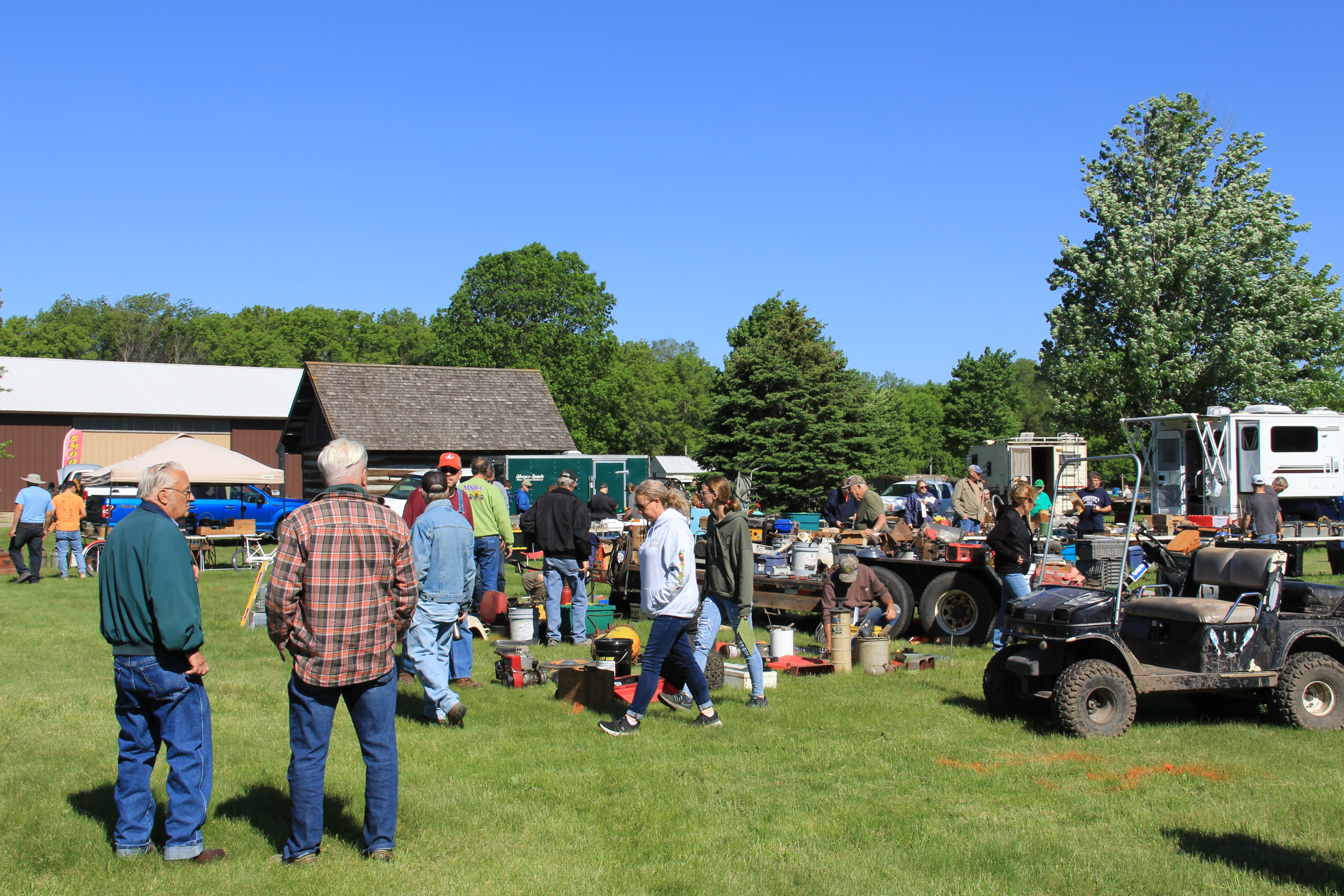
On a perfect spring morning, folks visit and shop at the flea market. (Minnesota Prairie Roots copyrighted photo May 2024)
He needn’t worry. I’ll stick to attending flea markets, where I’ll watch for characters, shop, and scout for oddities among all that merchandise pulled from campers, pick-up trucks, converted buses, vans and trailers.
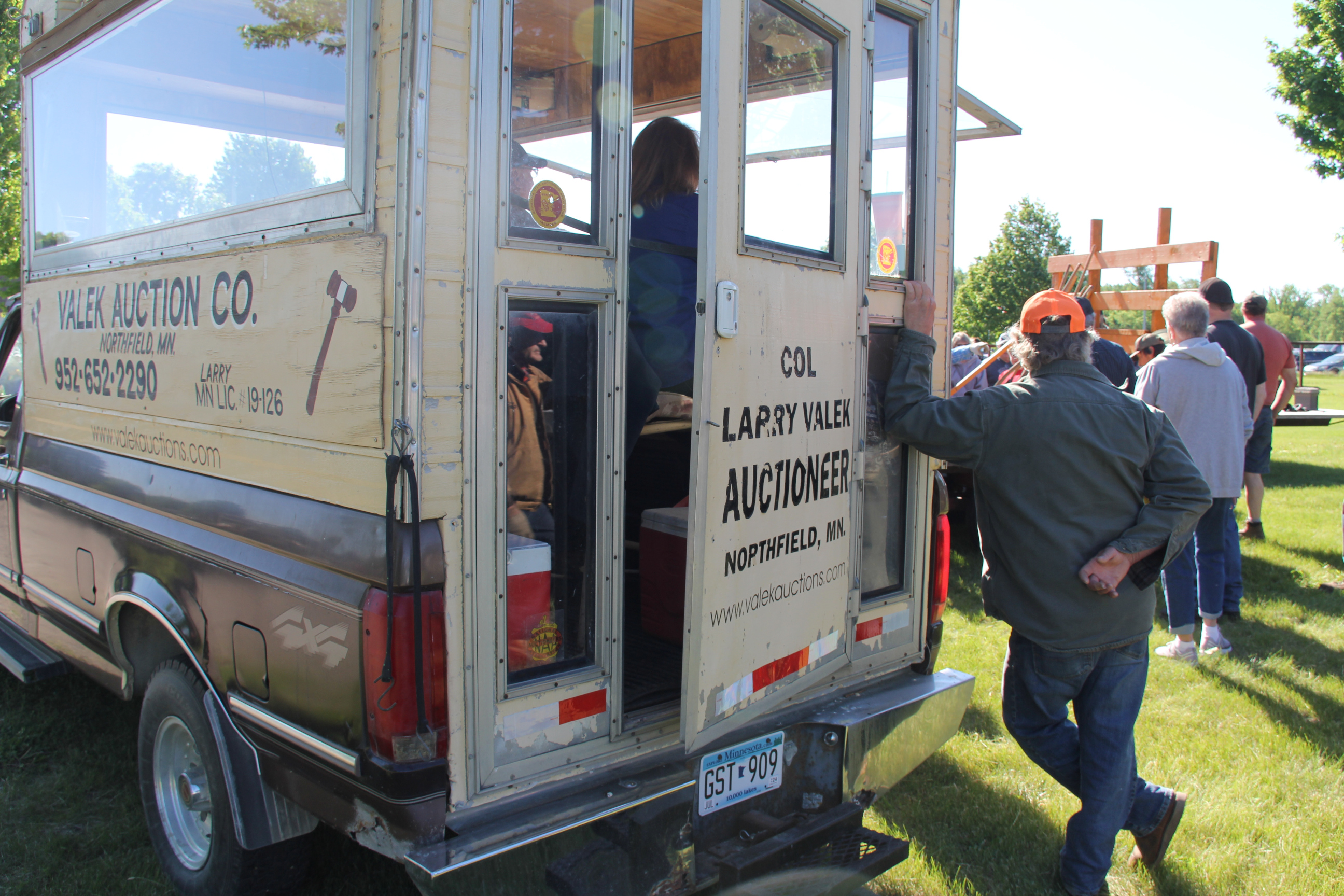
Watching the auction from behind the auctioneer’s truck at the Rice County Steam & Gas Engines Consignment Auction on May 25 south of Dundas. (Minnesota Prairie Roots copyrighted photo May 2024)
THERE’S SOMETHING ABOUT AN AUCTION that evokes nostalgic curiosity, drawing people together to peruse second-hand merchandise, perhaps to bid, perhaps only to watch silently from the side. Even to mourn.
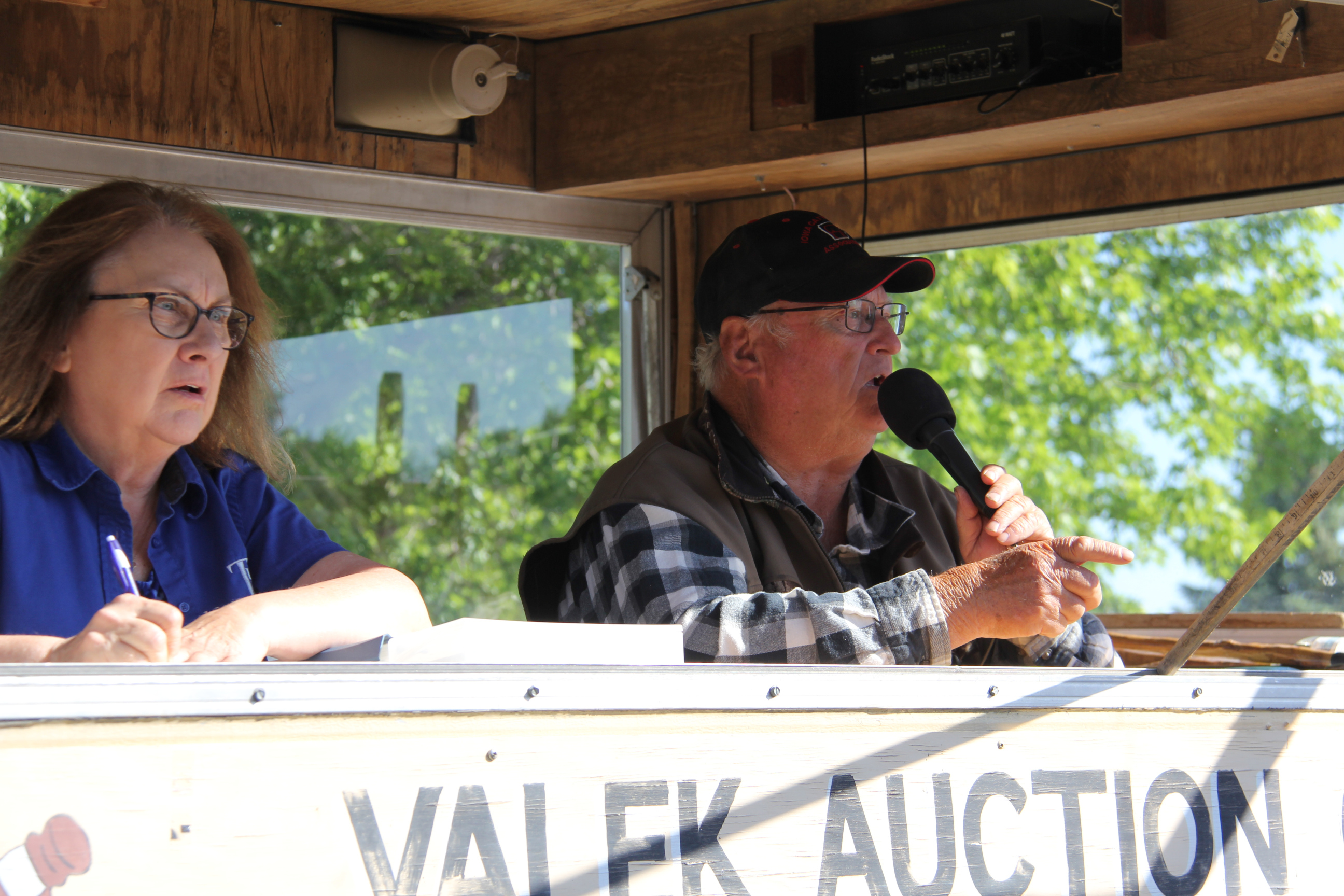
The auctioneer and clerk sell and record items sold. (Minnesota Prairie Roots copyrighted photo May 2024)
Recently, I attended the spring auction at the Rice County Steam & Gas Engines showgrounds south of Dundas as an observer. I didn’t need any of the goods sold on consignment with all commissions donated to the nonprofit. But, still, I watched and wove among the items auctioned by Valek Auction Co. of Northfield.
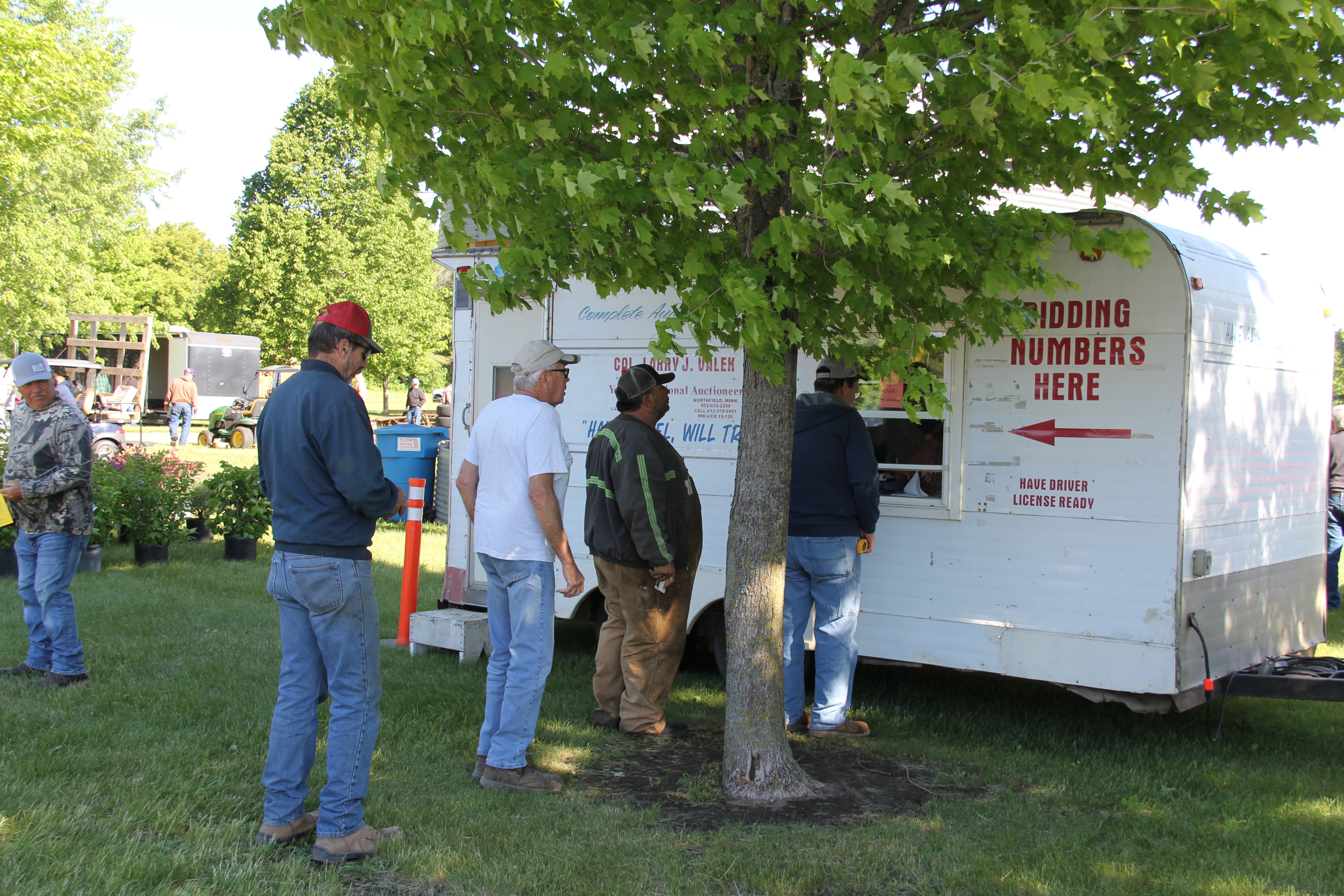
Lining up for bidding numbers. (Minnesota Prairie Roots copyrighted photo May 2024)
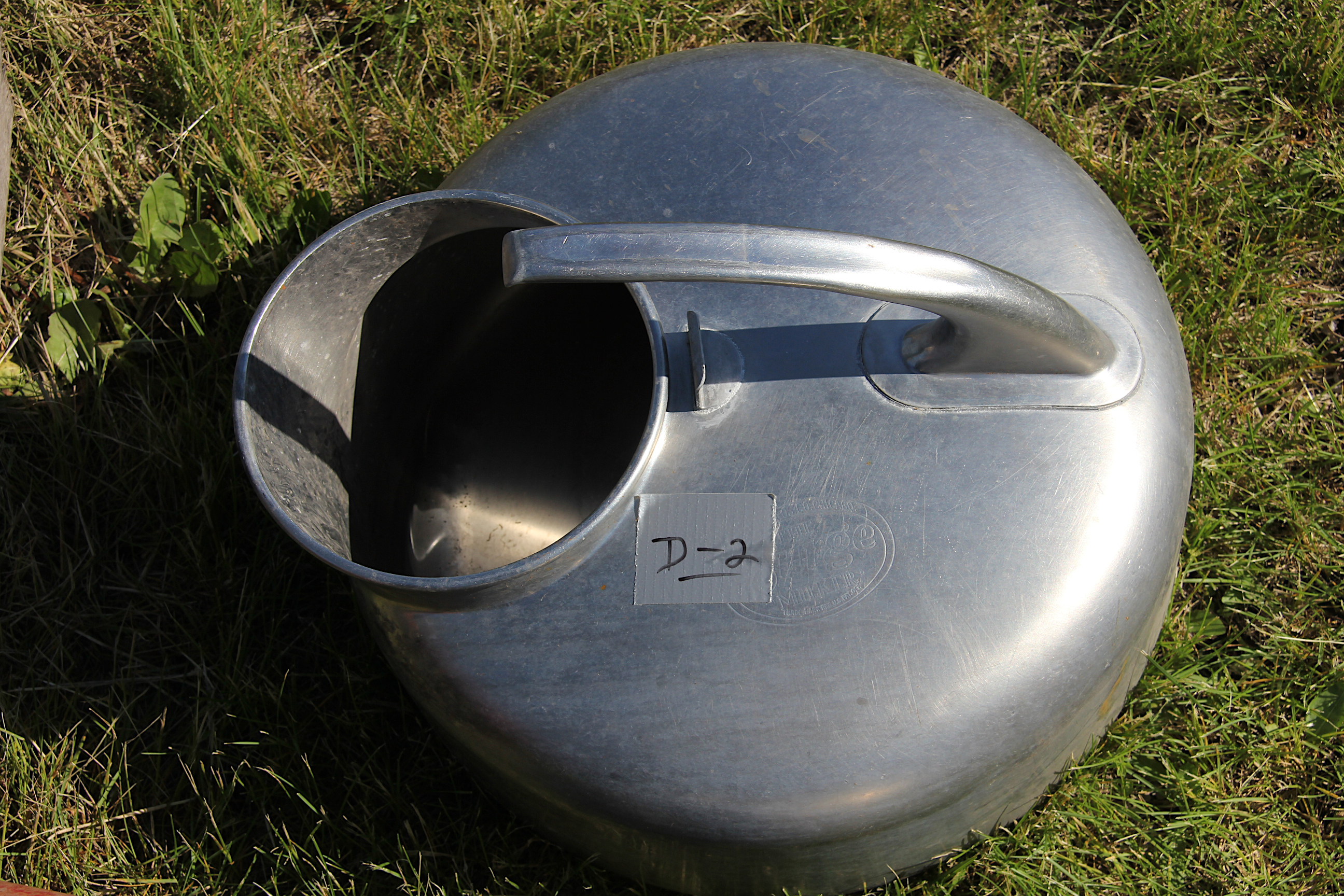
A familiar milk bucket, just like the one my dad used when milking his Holsteins. (Minnesota Prairie Roots copyrighted photo May 2024)
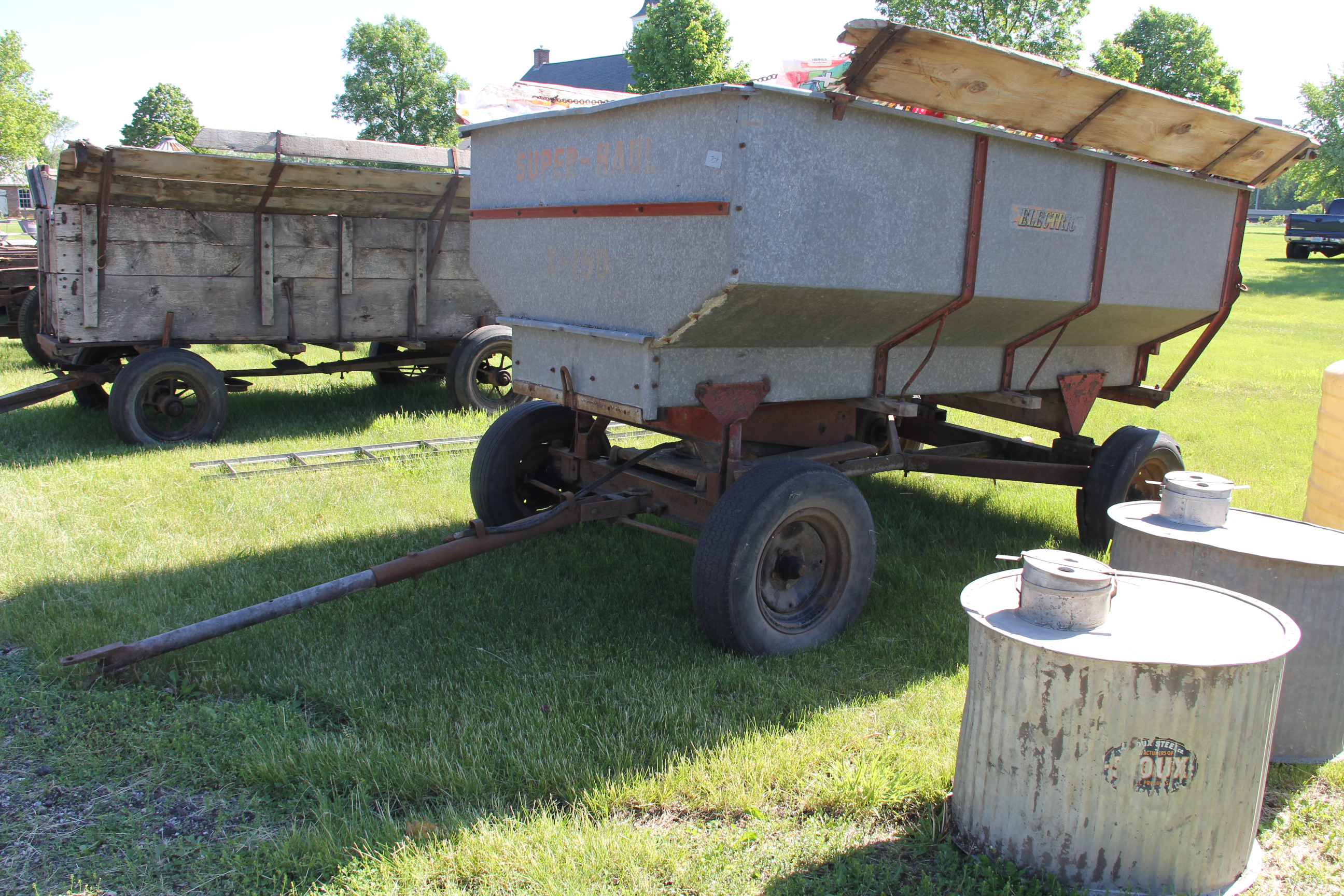
I felt like I was back on the farm, filling a bushel basket with silage for the cows, scrubbing the milk bucket with a brush, mixing milk replacer in a galvanized pail, watching corn flow into an aged grain wagon…
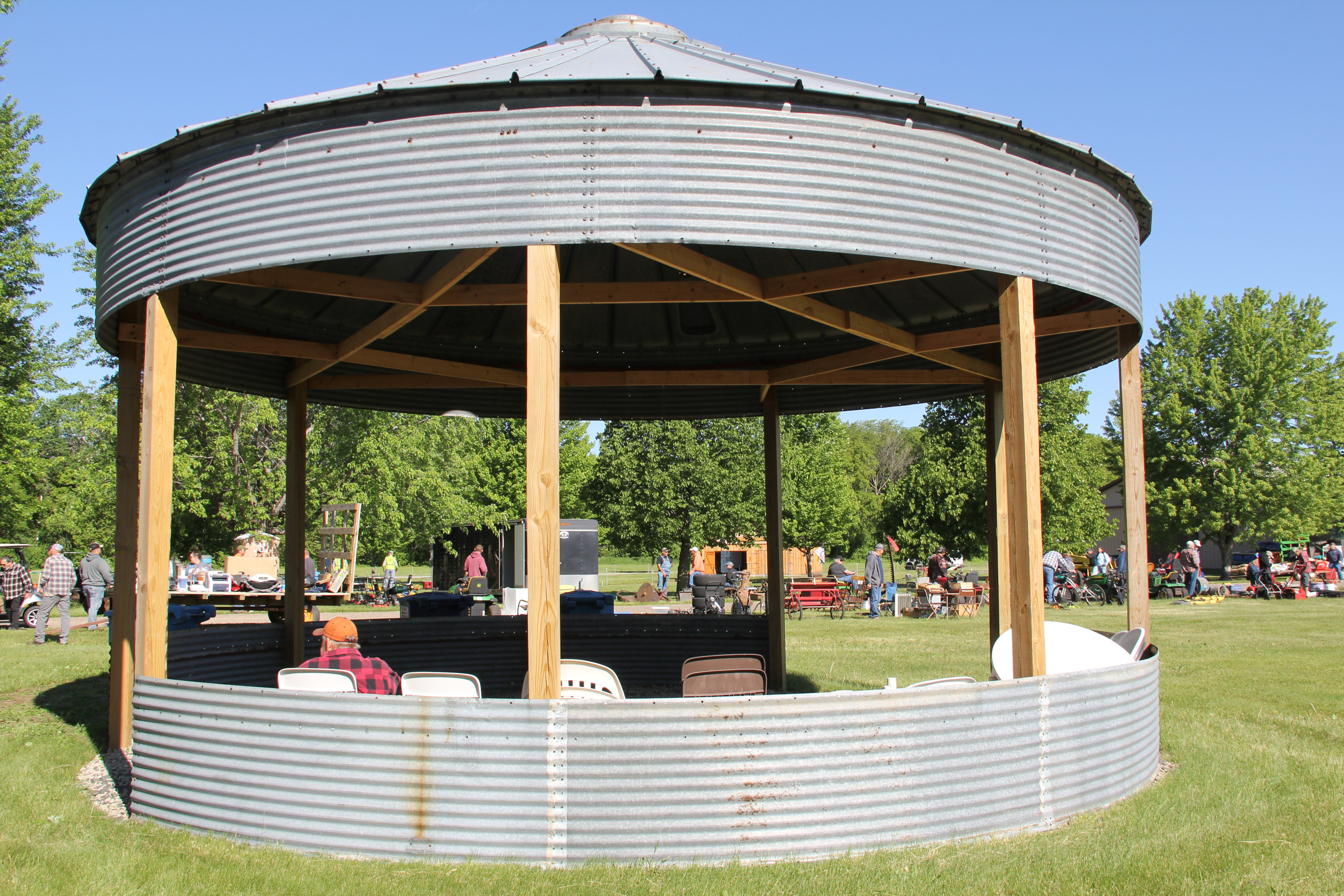
A grain bin repurposed as a shelter/resting area at the Rice County Steam & Gas Engines showgrounds. (Minnesota Prairie Roots copyrighted photo May 2024)
Rural auctions like this, for those of us who grew up on working farms or still live on them, are like steps back in time. Decades removed from farm life, I would feel out of place on a modern-day farm with all the technological advancements, the oversized equipment. That bushel basket, that milk bucket, that pail, that grain wagon…all are the stuff of yesteryear. Farming today is much less labor intensive, more efficient.
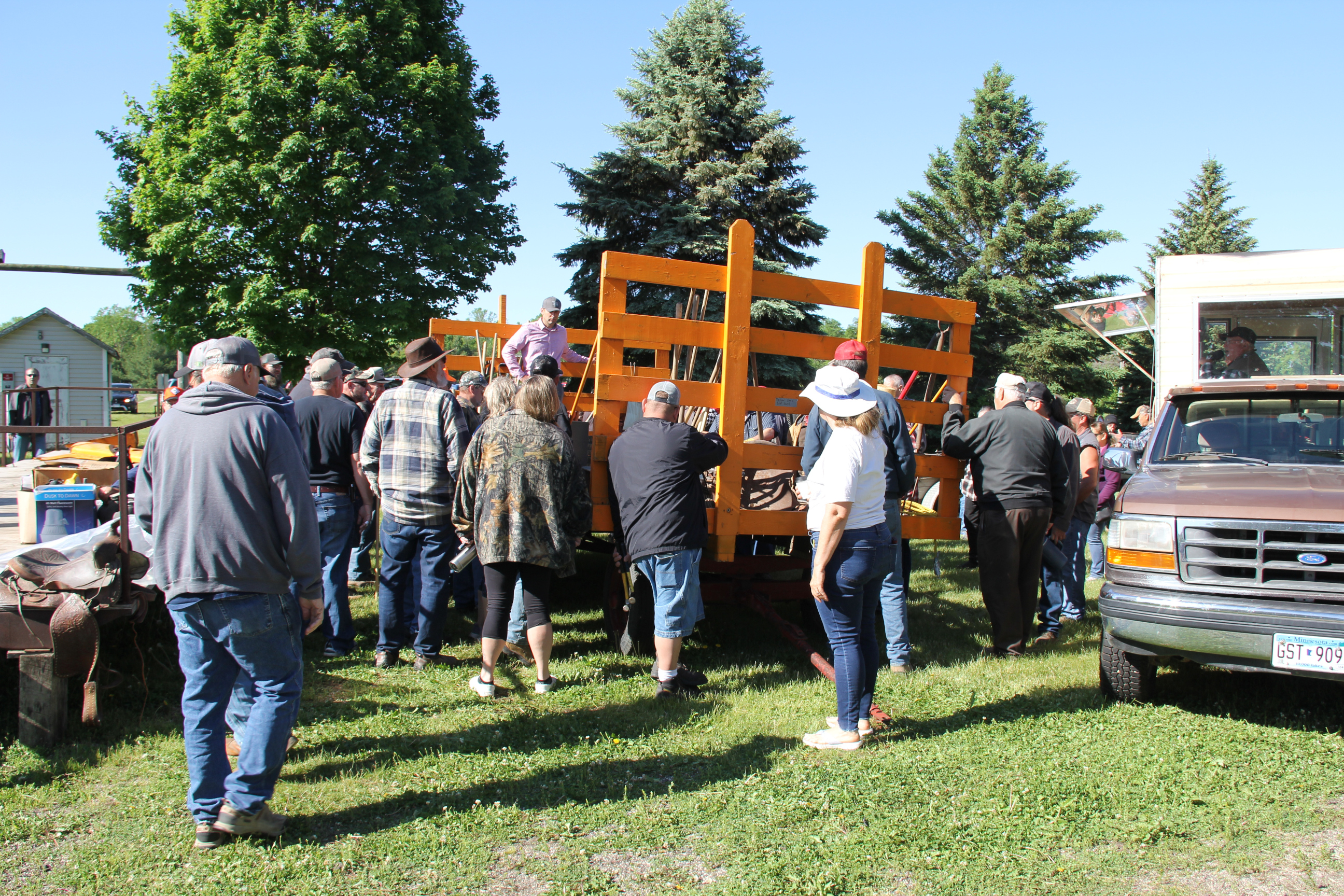
Items are auctioned off a hay rack. (Minnesota Prairie Roots copyrighted photo May 2024)
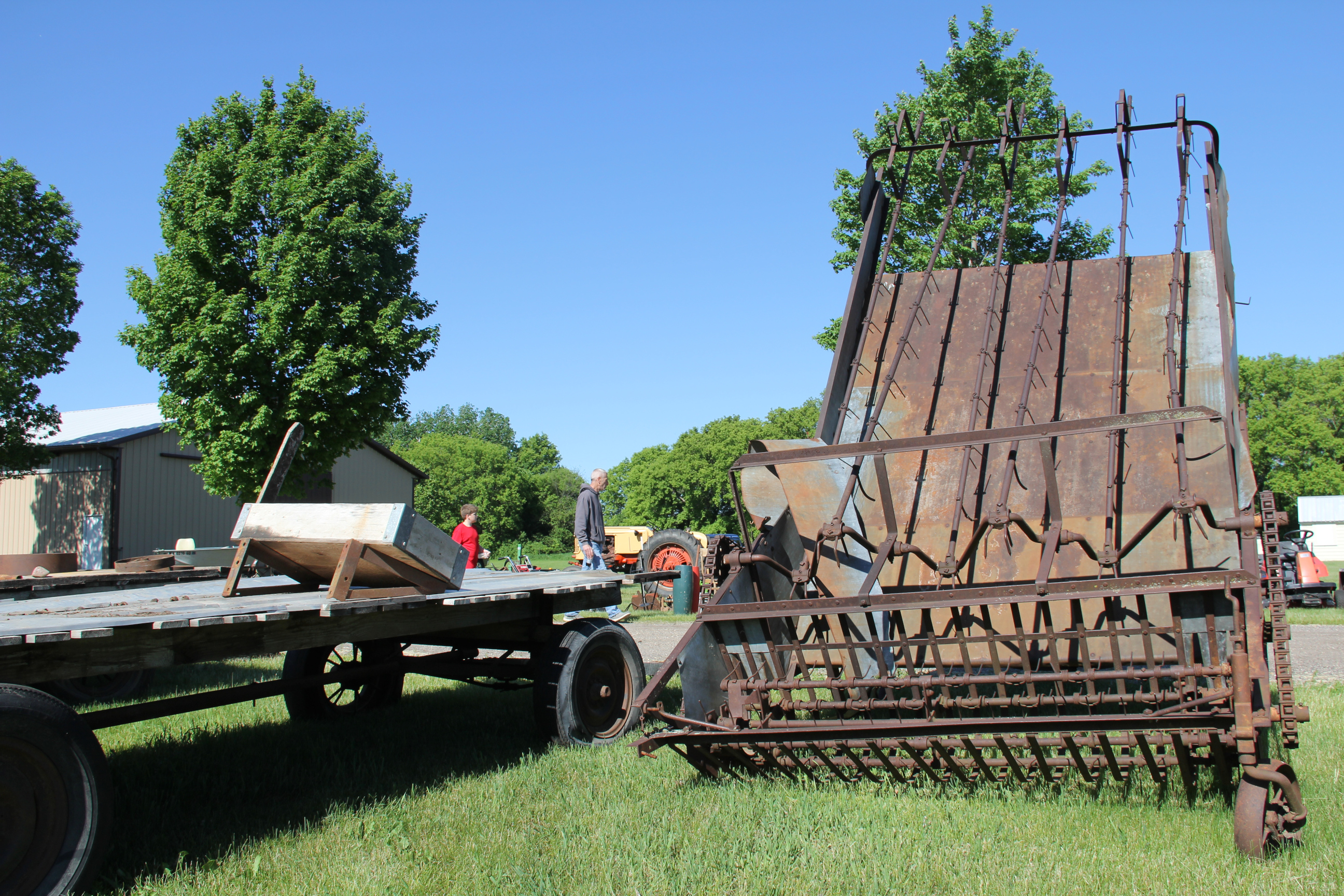
A vintage hay loader. (Minnesota Prairie Roots copyrighted photo May 2024)
Merchandise lines the gravel road. (Minnesota Prairie Roots copyrighted photo May 2024)
Still, we often hold onto the past, the memories of back-in-the-day, the “way it used to be.” Nostalgia runs strong at auctions. I saw that, felt it, overheard it as folks gathered around the auctioneer’s pick-up truck, leaned on the hay rack piled with auction goods, meandered among the merchandise lining both sides of a gravel road.
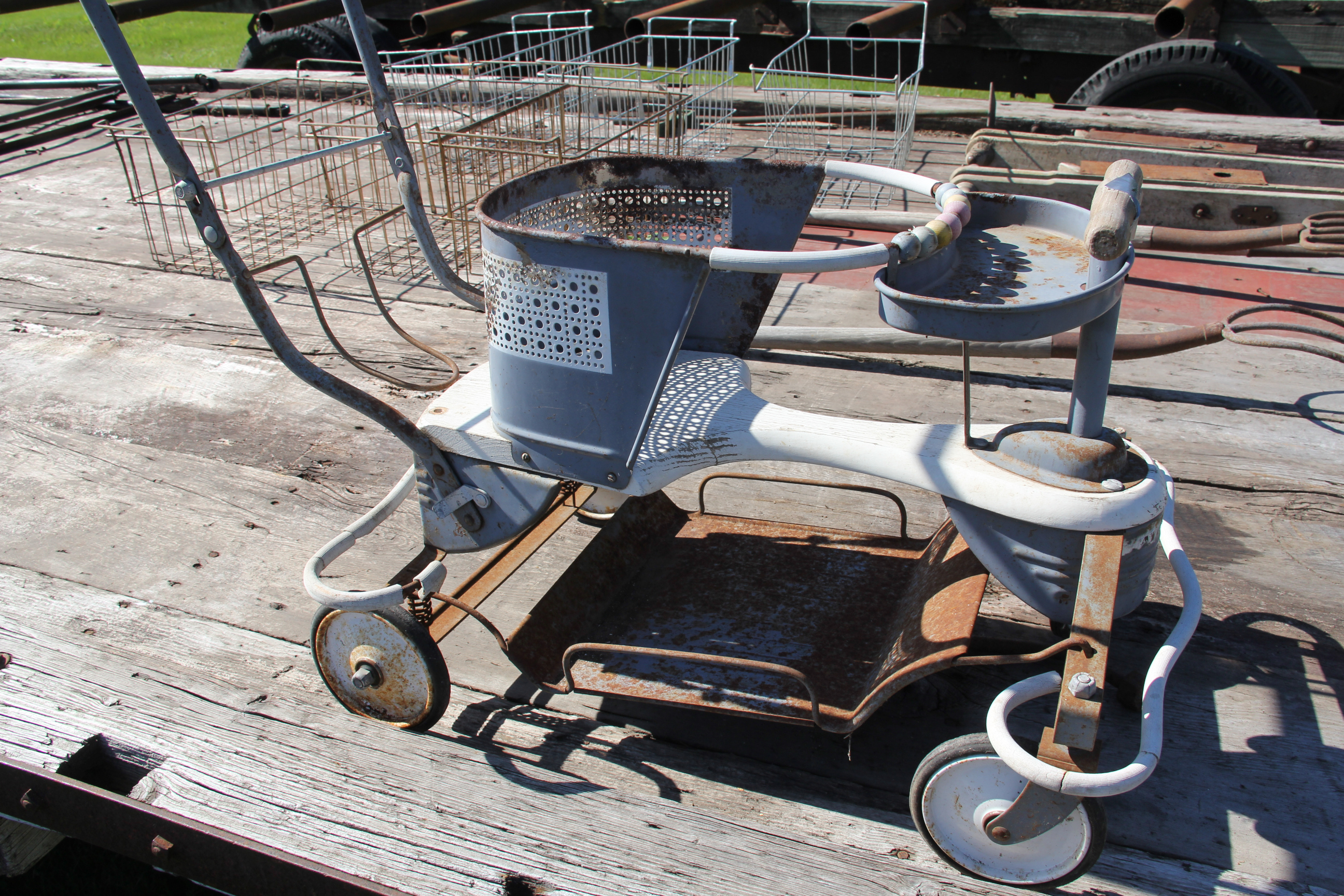
A 1950s vintage stroller, exactly like the one used for me and my five siblings. (Minnesota Prairie Roots copyrighted photo May 2024)
Many of the auction items were vintage, likely pulled from the back corners of a dark machine shed or abandoned barn or from weeds along the edge of a grove. The rusted metal baby stroller could have been the one I rode in, the pitchfork the one I used to bed straw, the hand-reel lawnmower my grandma’s.
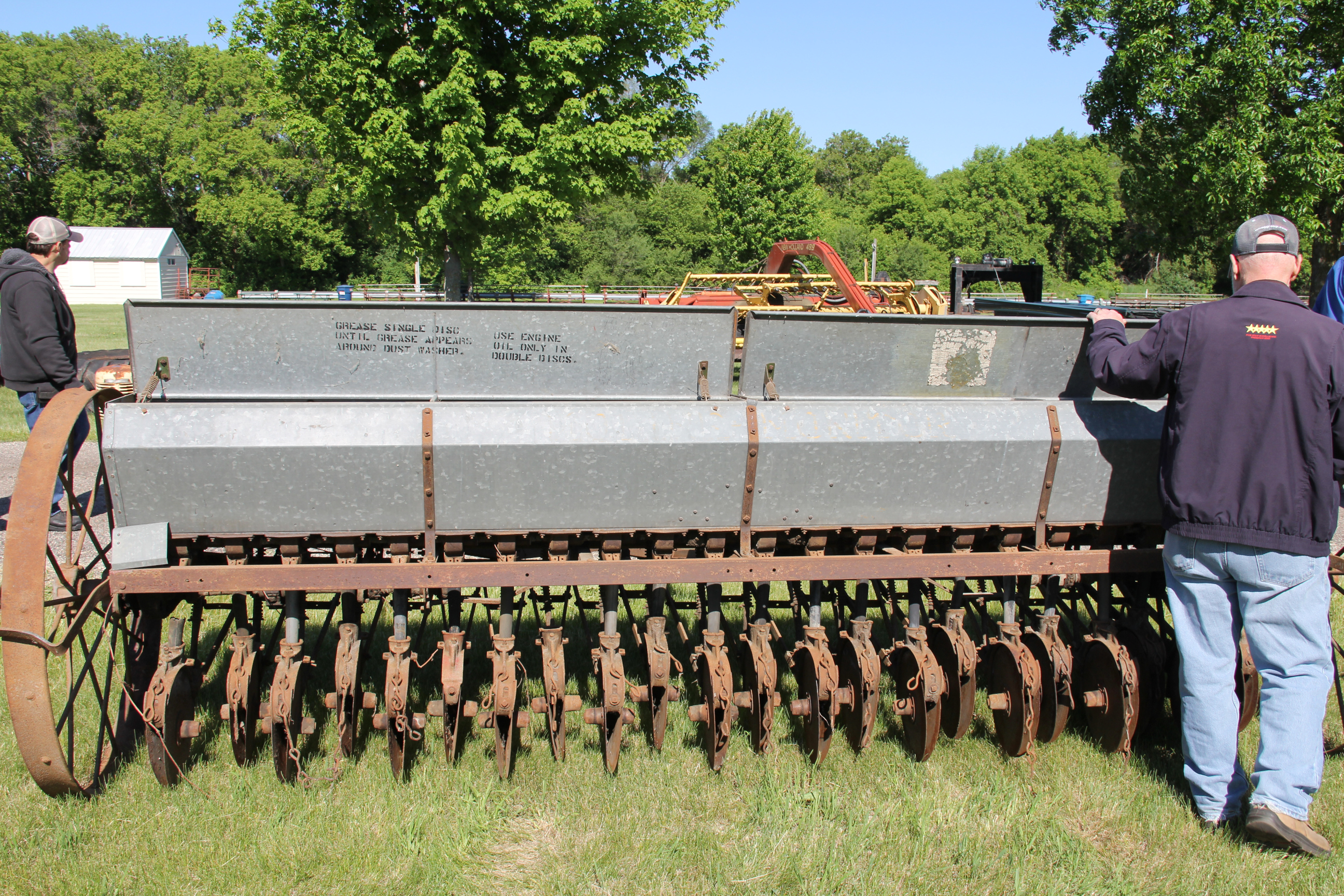
A vintage grain drill. (Minnesota Prairie Roots copyrighted photo May 2024)
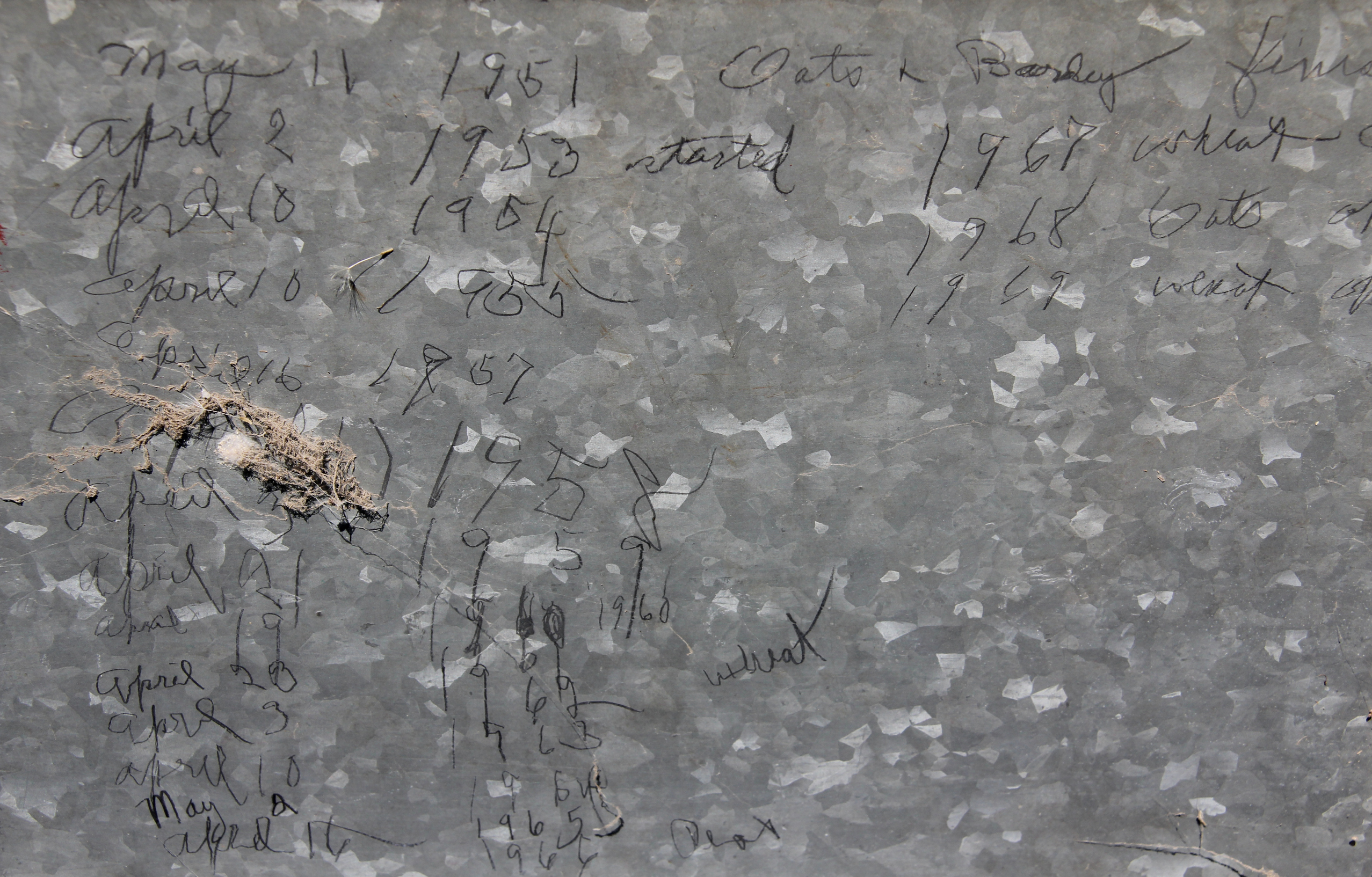
Planting dates written inside the lid of the grain drill. (Minnesota Prairie Roots copyrighted photo May 2024)
This particular auction held so much relatable history. I doubt I was alone in feeling that way. While looking at a vintage grain drill, an implement used to plant small grains, I discovered historic documentation. There, on the underside of a metal lid, a farmer recorded the dates he planted oats, barley and wheat, beginning in 1951 until 1969 with a few years missing. Planting and finishing dates are important to farmers as they put seed in the ground, anticipate harvest. I thought of this farmer who 73 years ago wrote that first entry on his grain drill, holding the hope of harvest within him.
Inspecting before bidding starts. (Minnesota Prairie Roots copyrighted photo May 2024)
There’s a certain reverence and respect in rural auctions. An honoring of farmers and farm life and the responsibilities that come with tending the land. This isn’t just stuff being sold to the highest bidder, but rather something of value, of importance, that once belonged to another. I remember standing at my father-in-law’s farm auction decades ago and feeling a certain sadness in the sale of items gathered from shed, house, barn and elsewhere.
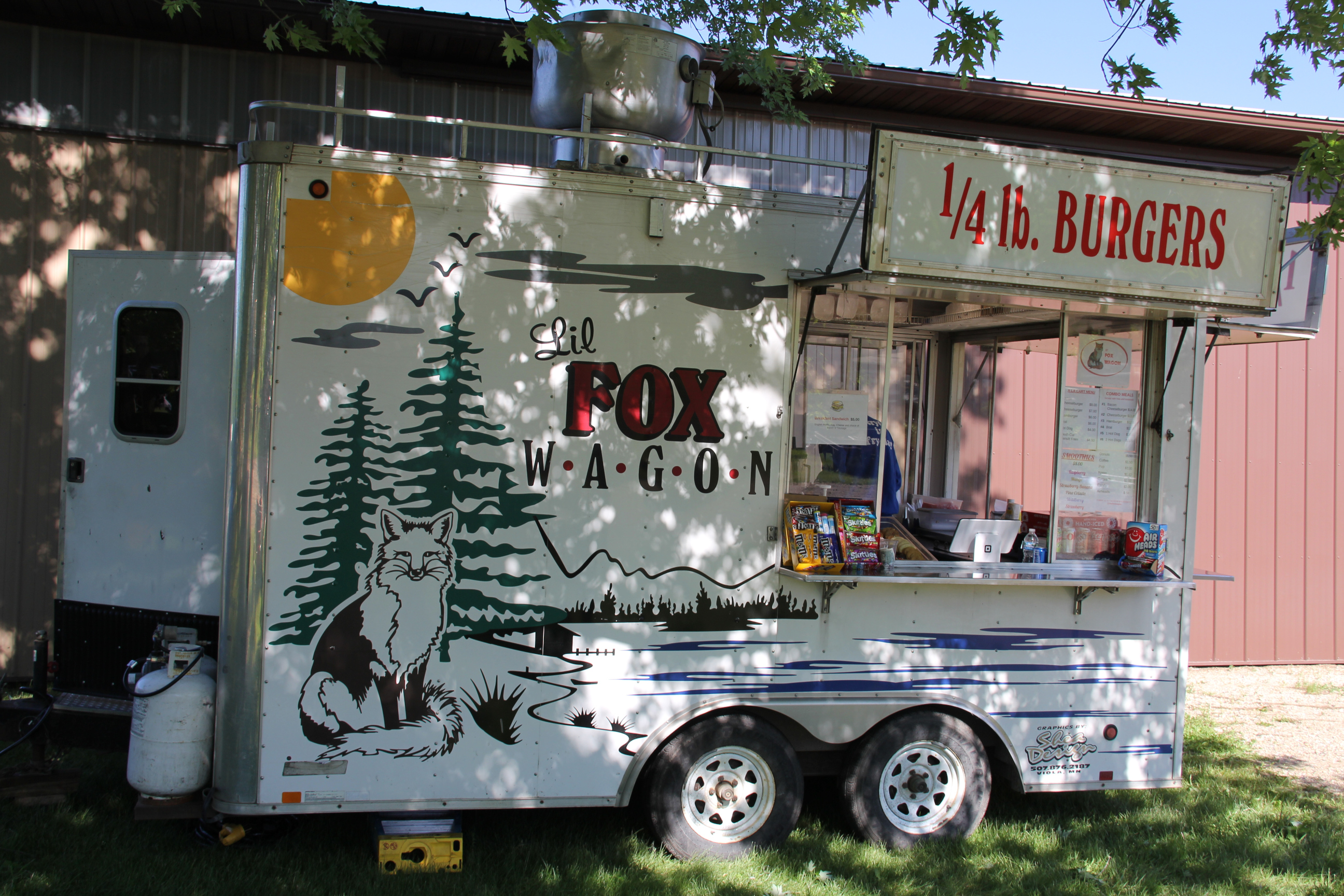
Lil Fox Wagon, one of several on-site food and beverage vendors. (Minnesota Prairie Roots copyrighted photo May 2024)
Farm auctions represent the final verse in a hymn, the congregation gathered, the auctioneer chanting the liturgy. Comfort and community and closure come. At the hay rack. Among the rows of numbered auction items. At the lunch wagon. All until the last item is sold.
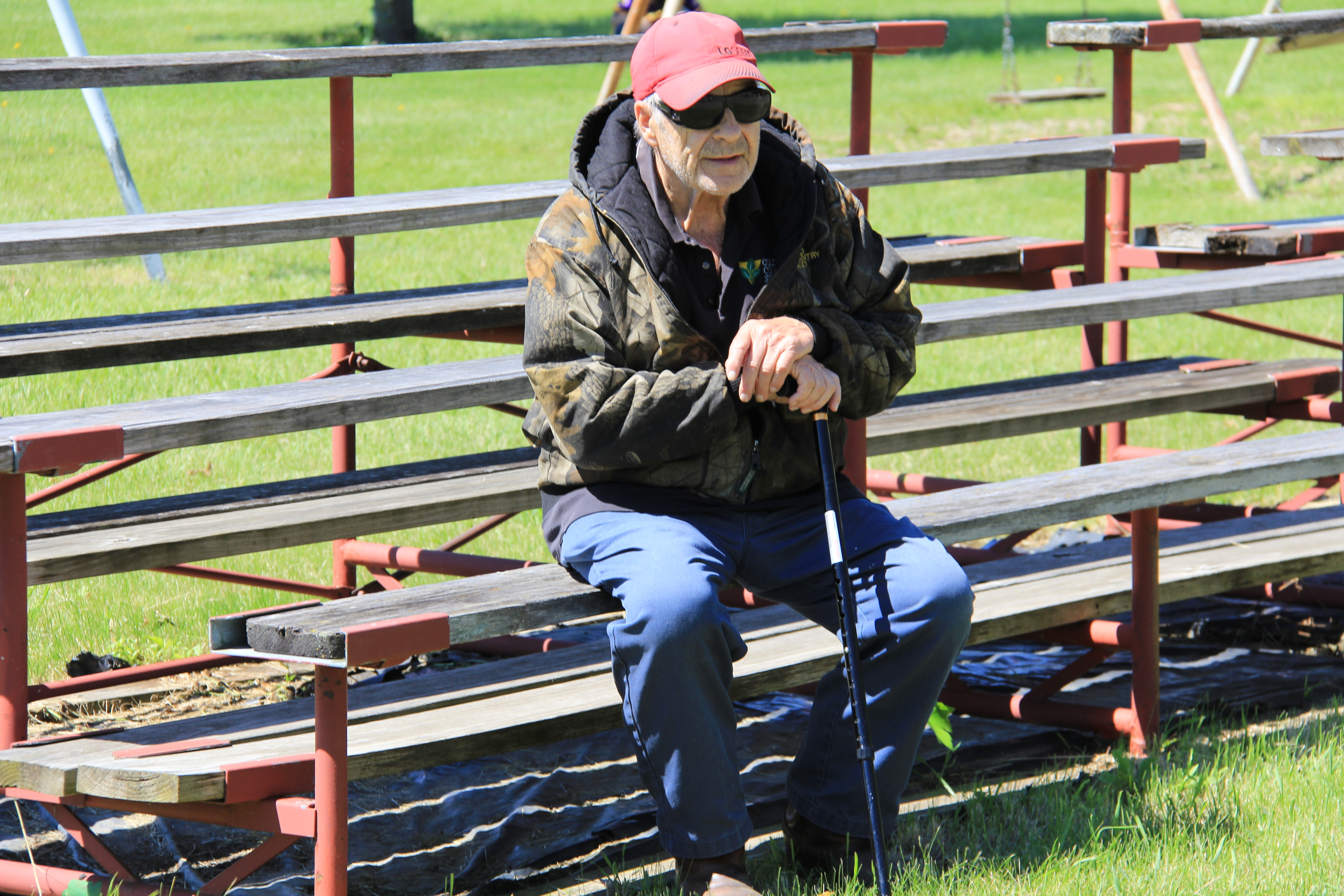
Resting during the morning auction. (Minnesota Prairie Roots copyrighted photo May 2024)
Hallelujah. And amen.
#
NOTE: Check back tomorrow to read my prize-winning poem, “Sunday Afternoon at the Auction Barn,” published in 2014 in a Minnesota literary anthology.
A row of John Deere tractors at the 2022 Rice County Steam & Gas Engines Show, rural Dundas. (Minnesota Prairie Roots copyrighted file photo September 2022)
AS A WRITER, a storyteller, I read obituaries. Doesn’t matter if the deceased is known to me or not. I find obits interesting for the stories therein.
Stories weren’t always part of obituary writing. Obit style has evolved since I graduated in 1978 with a journalism degree from Minnesota State University, Mankato. And that is a good thing. Today’s death notices are not just summaries of facts, but rather personalized in a way that helps the reader understand the person as a person. That holds value to those who are grieving and to those of us who hold no connection to the individual.
I need to backtrack for a moment and share that writing an obituary was my first writing assignment in Reporting 101. Although I’ve forgotten details about that long ago college course, I remember the professor stressing the importance of spelling names correctly. That carried through to all types of newspaper reporting. First reporting job out of college, I learned a source was Dayle, not Dale.
Emmett Haala (Photo source: Sturm Funeral Home)
That MSU instructor also imprinted upon me the importance of obituaries. As I age, I find myself drawn more and more to reading obits. Too often now, I know the deceased. Recently, I found a gem in the obituary of Emmett Haala, 87, of Springfield (that would be Springfield, Minnesota), who died on February 28. His funeral is today.
Hanging out by a John Deere tractor at the Rice County Steam & Gas Engines Show. (Minnesota Prairie Roots copyrighted file photo September 2022)
It wasn’t the basic facts about Emmett that captivated me, but rather his interest in John Deere tractors. He, according to his obit, “lived and breathed John Deere.” Now to anyone with a rural connection, the idea of fierce tractor brand loyalty is familiar. This retired mechanic began his career at age 14 at Runck Hardware and Implement in Springfield, eventually opening Emmett’s Shop in 1970. He was a trusted mechanic who serviced all machinery brands, but favored John Deere.
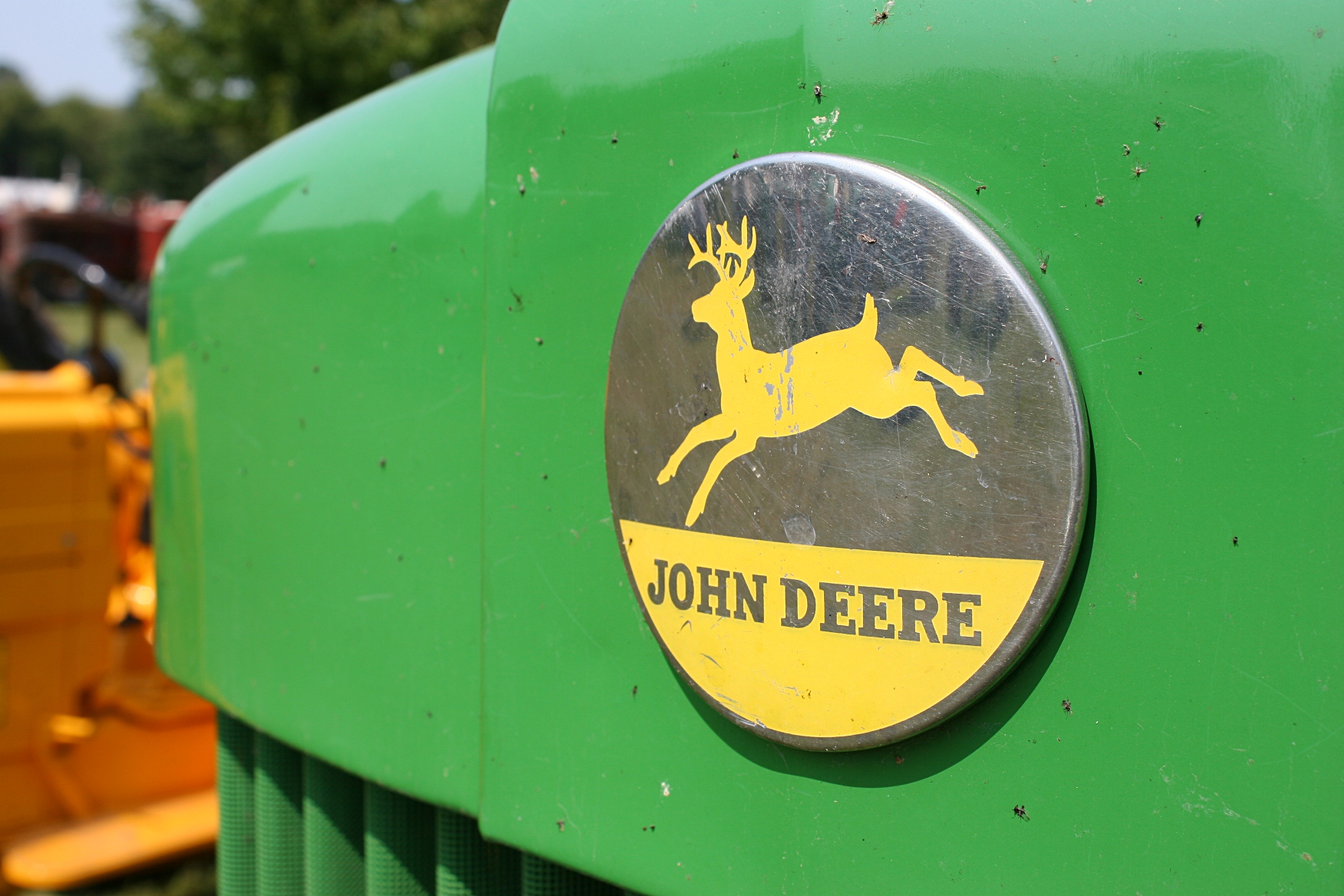
“Nothing runs like a Deere” is the John Deere slogan. (Minnesota Prairie Roots copyrighted file photo September 2017)
That tidbit got me reminiscing and also contemplating the importance of open houses in rural Minnesota. Events that continue today. Emmett, his death notice read, shared many memories of John Deere Days at Runck Hardware and Implement. He “…enjoyed making hot dogs and coffee for the throngs of people attending and showing the newest John Deere movie.”
To this day, I remain a fan of John Deere. Here Randy and I pose aside a vintage John Deere at Bridgewater Farm, rural Northfield in October 2023. (Photo credit: Amber Schmidt)
That was it. I was hooked. I attended John Deere Day at a farm implement dealership while growing up in southwestern Minnesota. While the event was a way for machinery dealers to get farmers inside their shops, the open houses were also a social gathering for rural folks. My siblings and I piled into the Chevy aside Dad and Mom for the 20-mile drive to Redwood Falls and John Deere Day.
Free food—usually BBQs, baked beans, chips and vanilla ice cream packaged in little plastic cups and eaten with a wooden spoon—comprised dinner (not lunch to us farm types). Maybe there were hot dogs, too, like at Emmett’s place of employment. Memories fade over the decades.
A worn vintage John Deere emblem. (Minnesota Prairie Roots copyrighted file photo September 2017)
But I do recall the John Deere movies shown post meal at the theater in Redwood Falls. Sure, they were nothing but advertisements for “the long green line” of farm machinery. But to a kid who seldom set foot in a theater, the promotional films held all the appeal of a box office hit. Plus, there were door prizes like bags of seed corn and silver dollars. I never won anything. A cousin did.
At the Rice County Steam & Gas Engines Show. (Minnesota Prairie Roots copyrighted file photo September 2017)
And so all those John Deere memories and more—including the distinct pop of my dad’s 1950s John Deere tractor—rushed back. Putt, putt, putt. Emmett belonged to the Prairieland Two Cylinder Club. Nostalgia is powerful. So is the art of crafting an obituary. Many of today’s obituaries feature detailed personal stories, not simply superlatives. Stories that reveal something about the individual who lived and breathed and loved. Stories well beyond life-line basics. Stories of life. Stories that resonate, that connect us to each other. Stories like those of Emmett, who “lived and breathed John Deere.”
(Book cover image sourced online)
FYI: I recommend reading this guidebook to obituary writing by retired The Wall Street Journal obit writer James R. Hagerty: Yours Truly: An Obituary Writer’s Guide to Telling Your Story. Hagerty is the son of Marilyn Hagerty, columnist for The Grand Forks Herald. In a March 2012 “Eatbeat” column, Marilyn reviewed her local Olive Garden and gained instant internet fame.
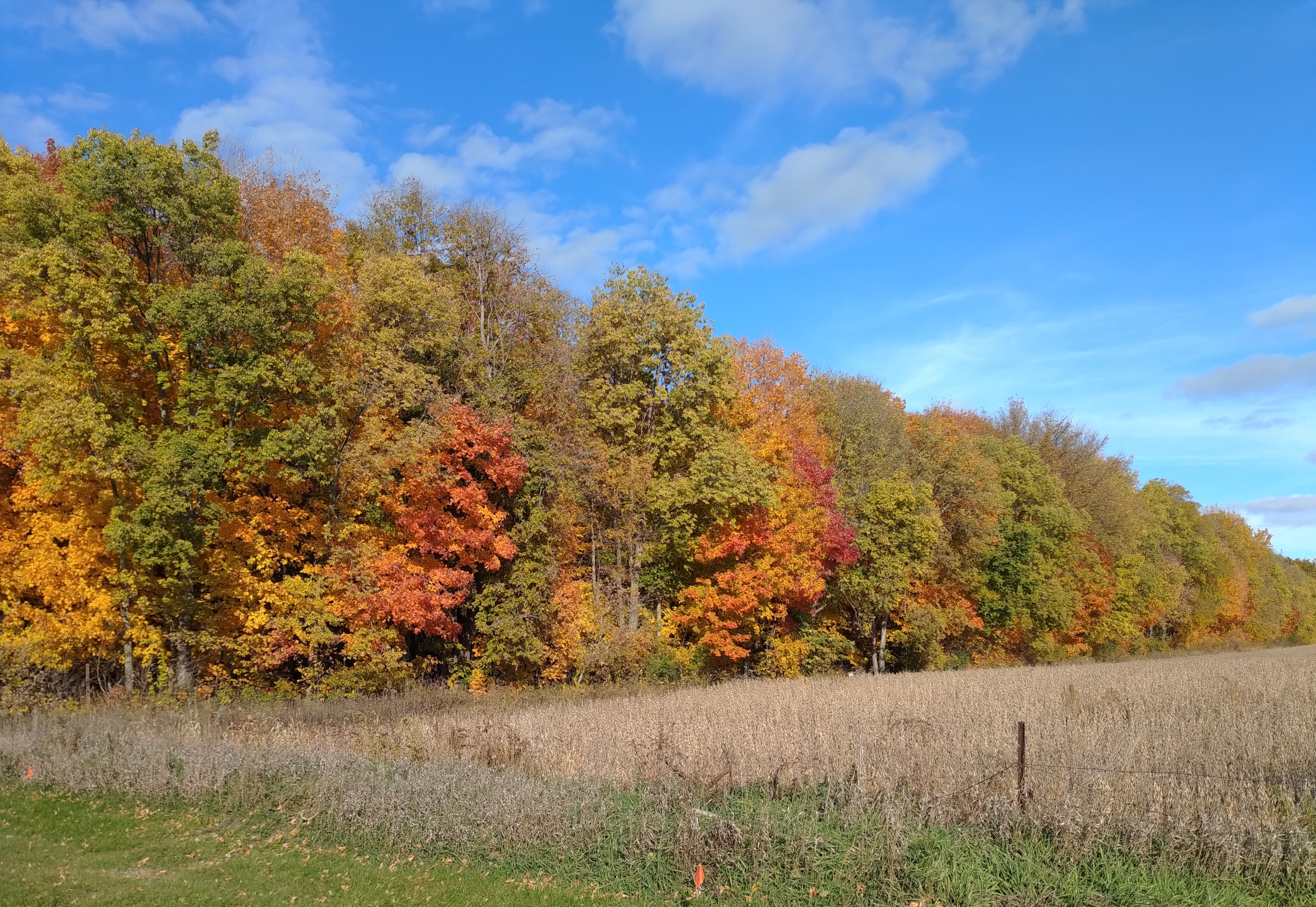
Stunning fall colors along Farwell Avenue north of Warsaw. (Minnesota Prairie Roots copyrighted photo October 2023)
AUTUMN BECKONED US RECENTLY to forgo the yard work, the half-finished interior paint job, the anything that would keep us at home. Rather, we hit the backroads, taking in the glorious fall colors which finally exploded. I can’t recall leaves ever turning this late in the season here.
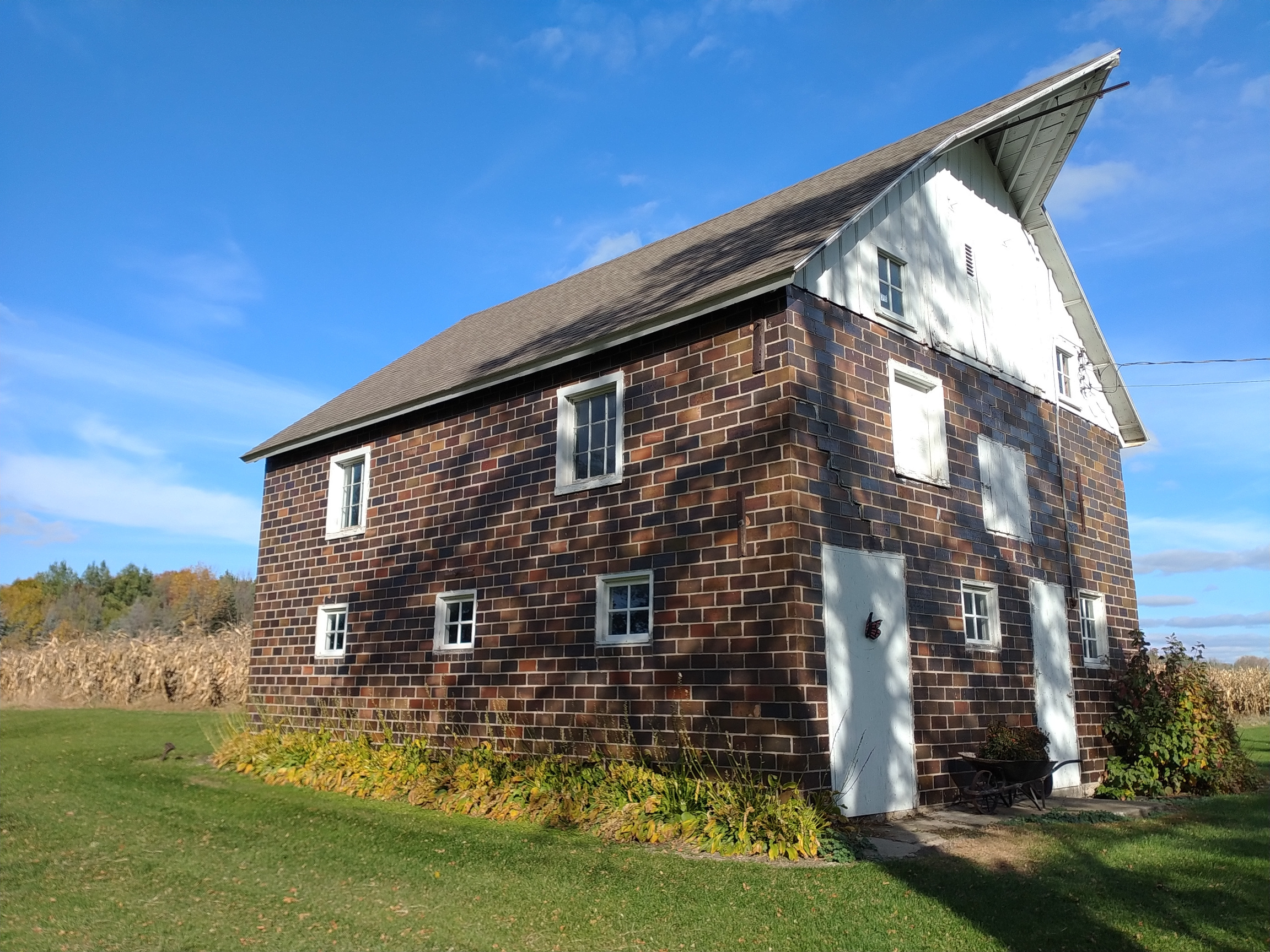
One of my favorite old barns in Rice County, located along Farwell Avenue north of Warsaw. (Minnesota Prairie Roots copyrighted photo October 2023)
This region of Minnesota seems vastly undiscovered as an autumn leaf-peeping destination. But I learned years ago that the Faribault area offers stunning fall foliage, especially along our many area lakes and in stands of trees among rural rolling hills.
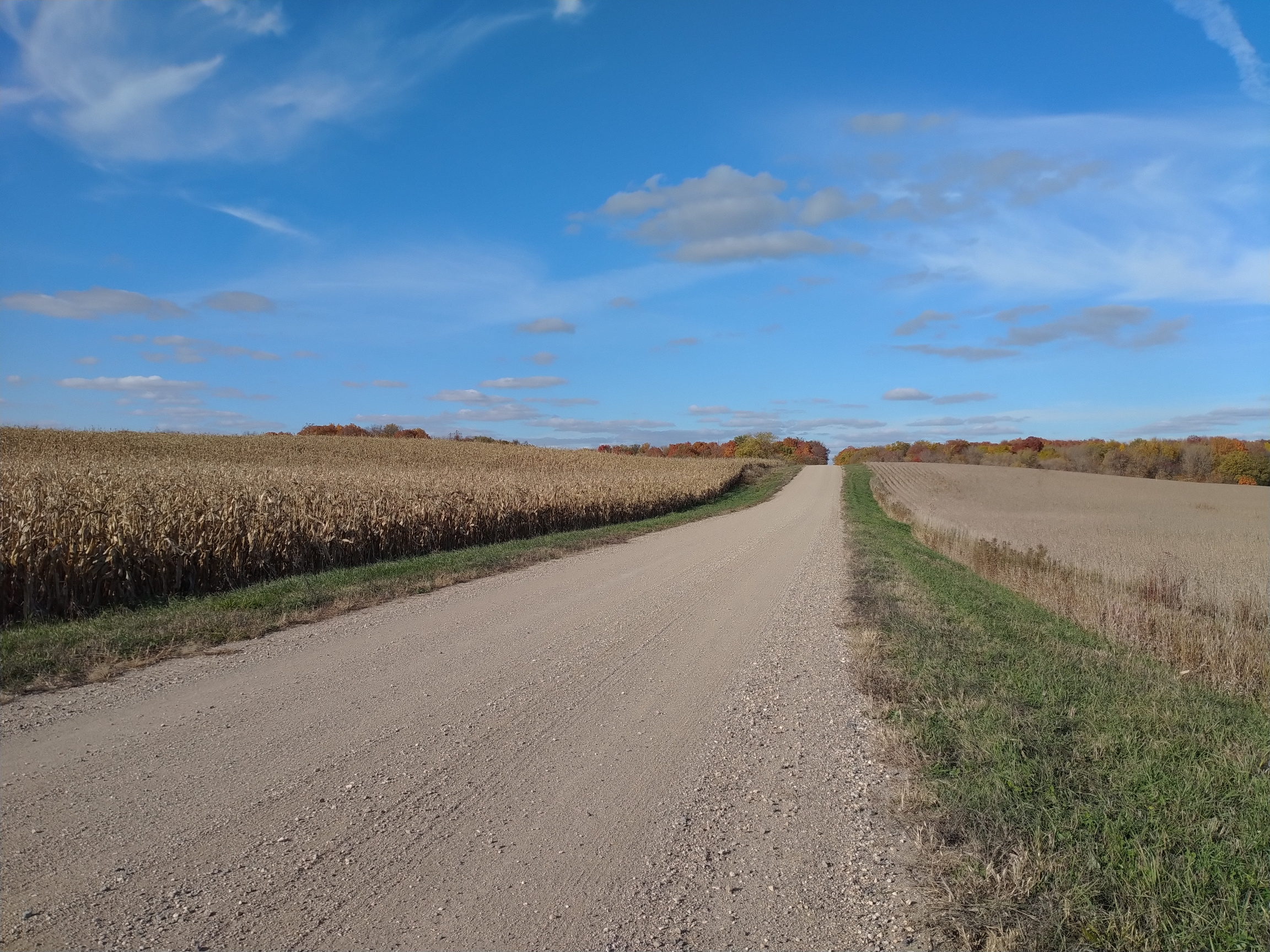
This gravel road, Farwell Avenue, took us past beautiful fall foliage. (Minnesota Prairie Roots copyrighted photo October 2023)
I like nothing better than to follow gravel roads that twist through the countryside. The slower pace connects me to the land, to the lovely scenes unfolding before me. Dust clouds trail vehicles rumbling along sometimes washboard surfaces. Combines kick up dust, too, as farmers harvest corn and soybeans, grain trucks parked nearby to hold the bounty.
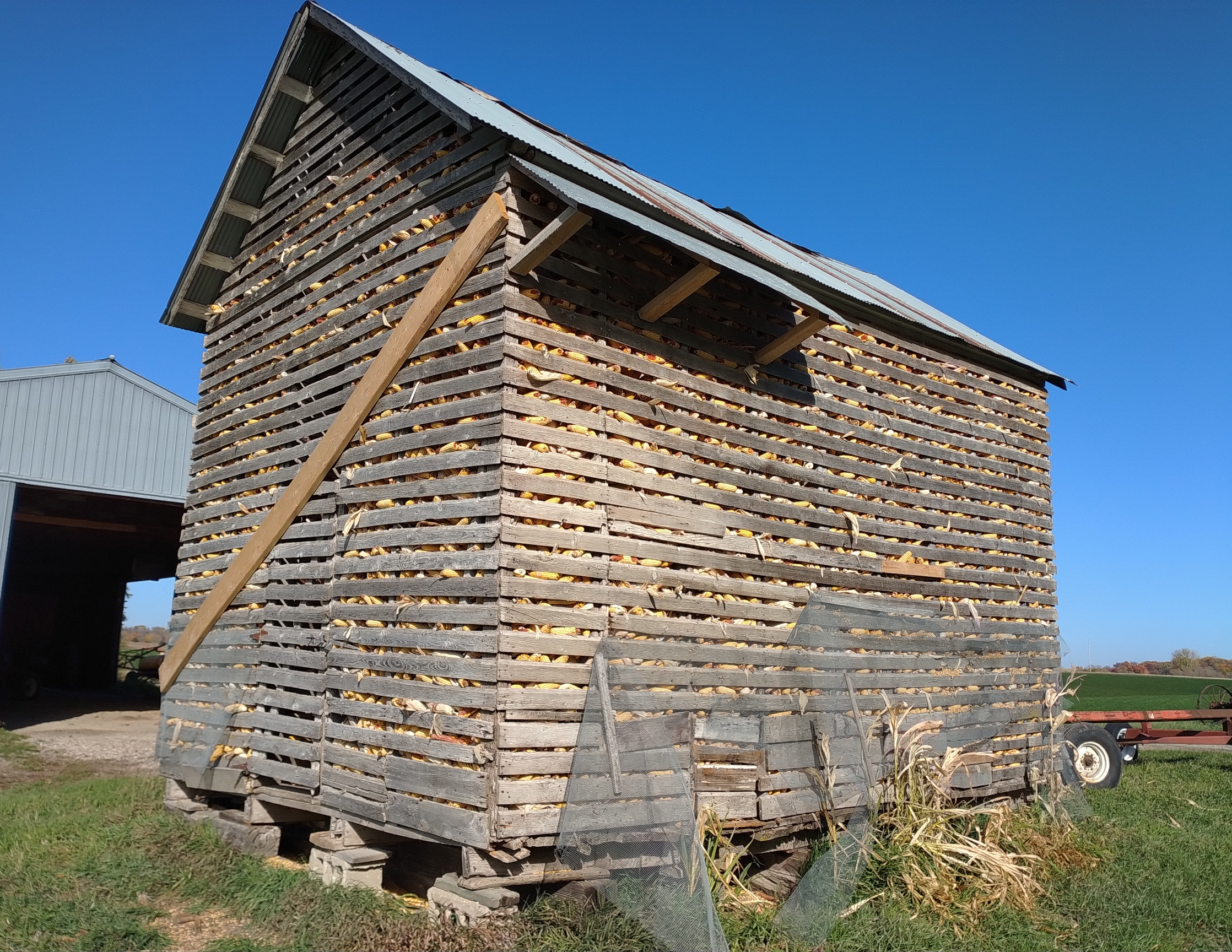
A rare find, a vintage corn crib packed with field corn in northwestern Rice County, in the Lonsdale area. (Minnesota Prairie Roots copyrighted photo October 2023)
Even inside our van, I can smell the scent of earth rising from freshly-tilled fields. Some acreage lies bare while others still hold endless rows of ripened crops awaiting harvest.
The Theis family has created a welcoming outdoor space for Apple Creek Orchard visitors to gather beside a fireplace against a wooded backdrop. (Minnesota Prairie Roots copyrighted photo October 2023)
At Apple Creek Orchard west of Faribault, families gathered on a sunny weekend afternoon to enjoy fun on-site activities like apple picking, bean bag toss, apple slinging, wagon rides, jump pad, corn maze and more. We wandered the grounds, admiring the improvements and expansions made by the Theis family to grow their orchard in to an agri-entertainment destination. They’ve also added an event center to host weddings and other gatherings.
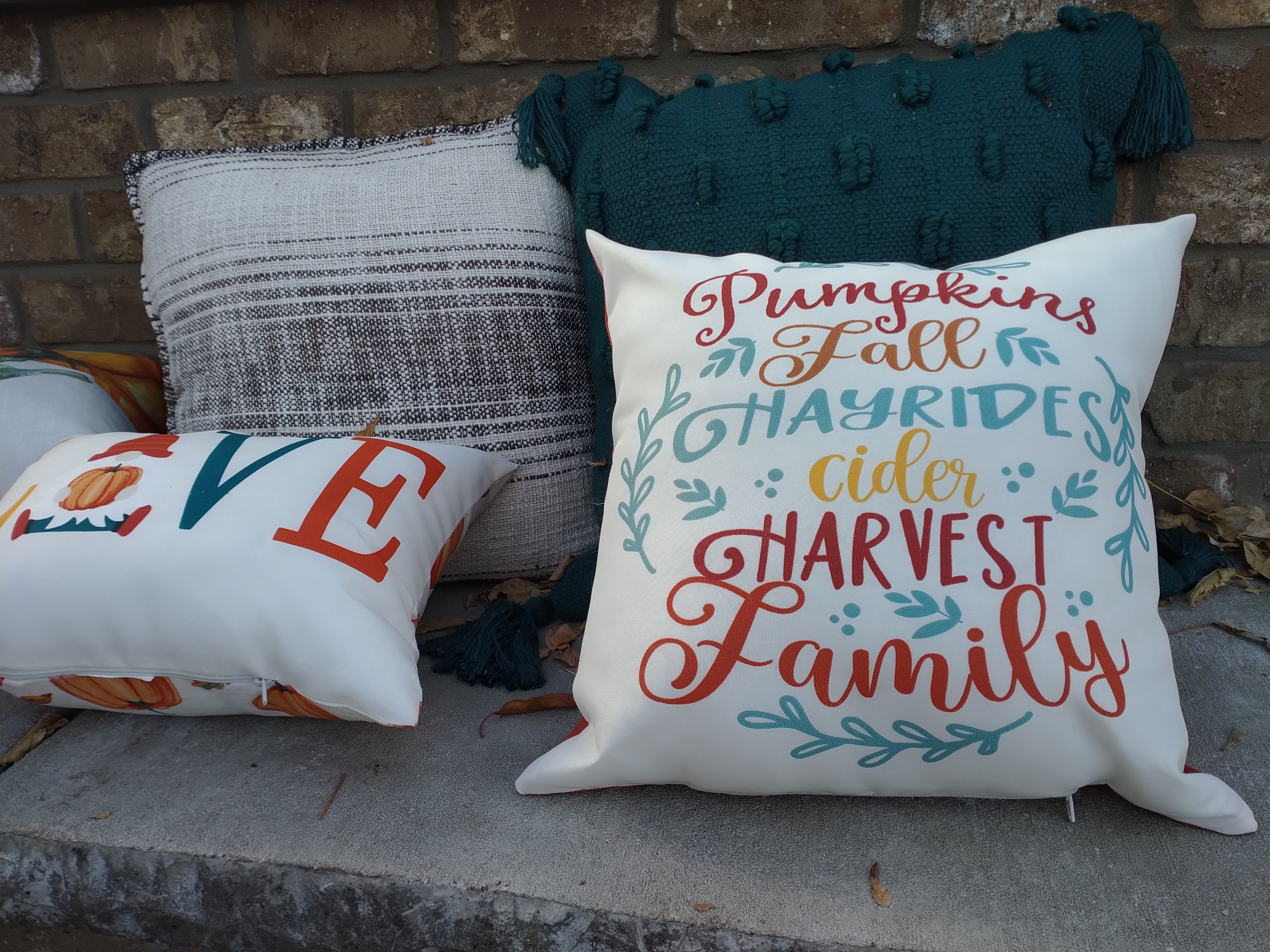
Autumn-themed pillows are propped on the sitting area next to the outdoor fireplace at Apple Creek Orchard. (Minnesota Prairie Roots copyrighted photo October 2023)
As Randy paid for a half-peck of my favorite Minnesota-developed SweeTango pulled from a store cooler, I greeted Tami Theis, congratulated her on their upgrades. She inquired about my family. I got to know Tami and her daughter Amber sometime back while at the orchard. They are a delight— friendly, caring and, oh, so welcoming to everyone. Amber was running the concession stand on this busy afternoon and I gave her a hard time after learning the donut machine wasn’t working and I would get none of the mini donuts I craved.
Dudley Lake, one of my favorite places to see colorful lakeside treesin Rice County.(Minnesota Prairie Roots copyrighted photo October 2023)
No matter my disappointment in the lack of a sweet treat, nothing else about our afternoon outing disappointed. Onward Randy and I went. He turned the van left out of Apple Creek Orchard onto the paved roadway. Eventually we took gravel roads again, meandering past lakes and fields and farm sites, stopping occasionally so I could snap photos.
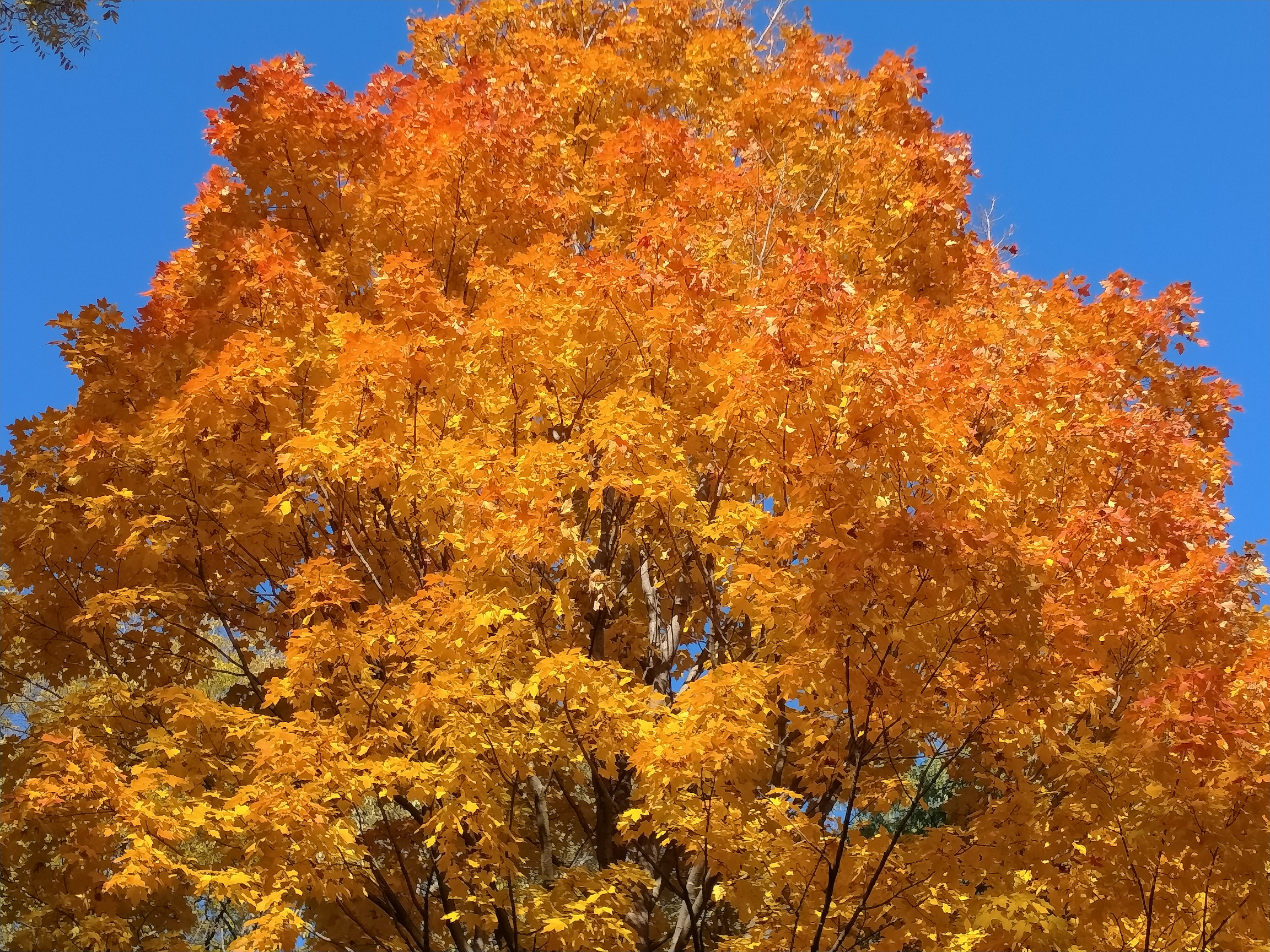
My next-door neighbor’s flaming maple. (Minnesota Prairie Roots copyrighted photo October 2023)
I love this time of year. The scent of decaying leaves. The sight of trees flaming red, yellow, orange. The muted fields that define the landscape. The apples and pumpkins and gourds. The bold blue sky. The bringing in of the harvest.
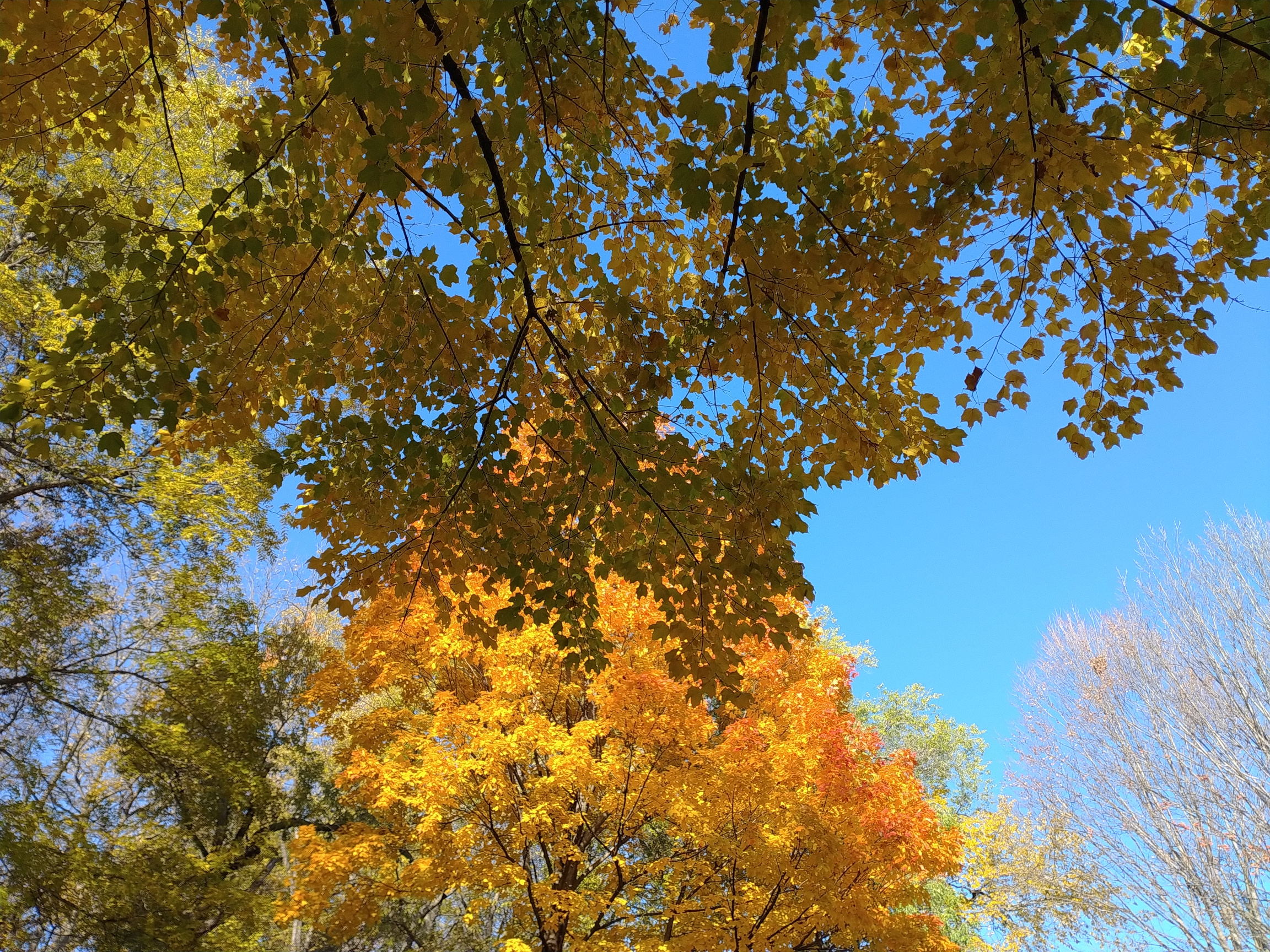
Looking up at our backyard maple, the wooded hillside and at our neighbor’s trees on a recent afternoon. (Minnesota Prairie Roots copyrighted photo October 2023)
Back home, the down side of autumn awaited us in outdoor chores—removing leaves from rain gutters, raking/mulching layers of maple leaves in the backyard, washing windows… To everything there is a season. And the season of autumn means taking time to view the colorful fall foliage when the trees are turning. The work can wait.
Monarch on milkweed flower at the Rice County Master Gardeners Teaching Gardens, Faribault. (Minnesota Prairie Roots copyrighted photo June 2023)
ADMITTEDLY, A TIME EXISTED when I considered milkweeds to be, well, weeds. A weed, by definition, is an unwanted plant. And my farmer dad didn’t want milkweeds growing in his Redwood County soybean fields. So we—meaning me and my siblings—were instructed to eradicate milkweeds, cockle burrs and thistles while walking beans.
If the term “walking beans” is unfamiliar, it simply means walking between soybean rows to remove weeds either via pulling or hoeing, preferably yanking so as to assure root removal. This was a necessary, albeit unpleasant, task assigned to farm kids who labored and sweated under a hot summer sun. The reward was a clean field. And a grateful farmer father.
Occasionally, this job paid…if done for anyone other than Dad. One summer my cousin John hired my sister Lanae and I and two of our cousins to walk his beans. As the oldest among the four, I was the designated crew leader, quickly thrust into settling arguments between my two cousins. I decided then and there that I wasn’t management material.
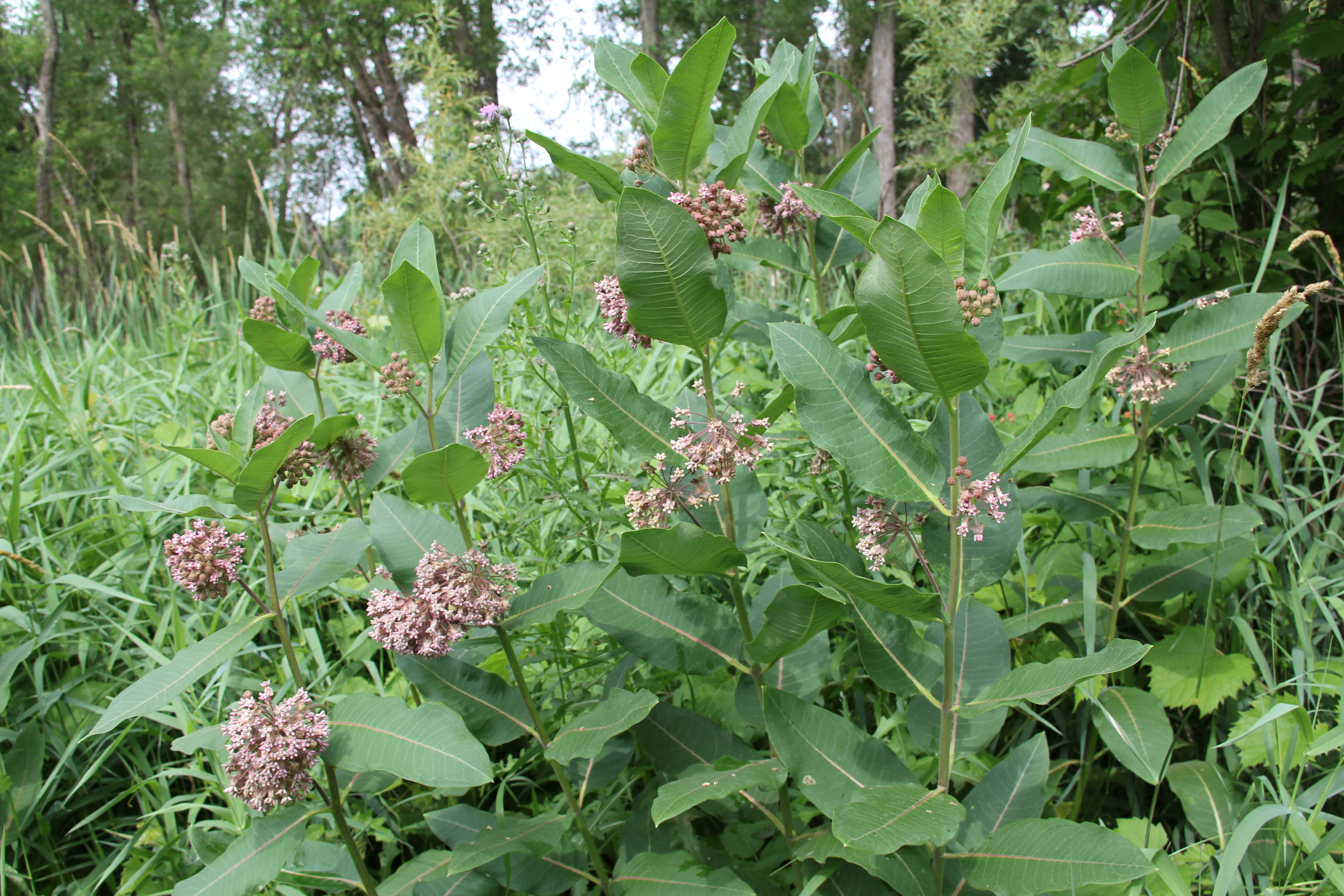
Milkweeds flourish at River Bend Nature Center, Faribault. (Minnesota Prairie Roots copyrighted photo July 2023)
But back to those milkweeds. Now, some 50+ years later, my opinion about milkweeds has changed. I no longer pull them. I plant them and then allow them to go to seed. And this year I have a bumper crop growing in my flowerbeds, much to my delight.
Milkweed flowers are not only beautiful, but also smell lovely. (Minnesota Prairie Roots copyrighted photo July 2023)
Milkweeds are the host plant for monarch butterfly larvae, the reason I grow this food source. I want to do my part to protect the monarch, today considered to be endangered. I’ve been rewarded with monarchs flitting among my phlox and other plants in my tangled mess of flower gardens.
The other evening, while walking in a local park, I watched two monarchs swooping and dancing in a pre-mating ritual. Their aerial acrobatics impressed me like a line of well-written poetry. In many ways, their performance was poetry. Beautiful. Creative. Mesmerizing. Connective in a way that touched my spirit.
If my farmer dad (gone 20 years) heard me describe monarchs in this context, he may just shake his head and wonder about that poet daughter of his. And he would wonder even more whether I learned anything from pulling milkweeds all those summers ago in his southwestern Minnesota soybean fields.
#
FYI: You can learn about monarch butterflies and how you can help them, see caterpillars, then hike to look for monarchs during a 10-11:30 a.m. Saturday, August 19, program at the Nerstrand Big Woods State Park amphitheater. Minnesota Master Naturalist Katy Gillispie is leading the Friends of Nerstrand Big Woods State Park free “Monarchs and Milkweeds” event. A state park parking pass is required for entry to the park near Nerstrand.
The cover of Elizabeth Johanneck’s new book features the art of her grandfather, Arnold Kramer. (Minnesota Prairie Roots photo July 2023)
DECADES REMOVED from southwestern Minnesota, Twin Cities writer Elizabeth Johanneck and I remain rooted to the prairie—the land and people and smalls towns which shaped us. We both grew up on Redwood County farms, were Wabasso High School classmates and today hold a deep respect and fondness for the place we once called home.
Beth, as she’s known to me, recently published a book,If You Can’t Make it to Heaven, at Least Get to Seaforth—The Monica Stories and Then Some. This book features short stories and snippet observations in Beth’s humorous storytelling style, plus paintings and photos. These could be my stories, my memories, just with different characters and settings. Any prairie farm kid likely will feel the same.
ABOUT SEAFORTH & MONICA
But where is Seaforth? And who is Monica? Seaforth, population 77, is a farming community located along County Road 7, south of Minnesota State Highway 19 in central Redwood County. It’s near my hometown of Vesta, seven miles to the northwest. Monica Fischer is Beth’s friend, former co-worker and a character. A baby shoe in a pot of egg coffee and pantyhose found clinging inside a pant leg during Catholic Mass are among the many entertaining Monica stories that left me laughing aloud. By the time I’d finished reading this section of the book, I felt like I knew Monica well. Everyone should have a friend like her.
GROWING UP ON THE MINNESOTA PRAIRIE IN THE 1960s
And everyone should be so fortunate to have experienced rural Minnesota life in the 1960s, as Beth and I did. It is Part 2, “Random Nonsense of a MN Country Mouse,” that I find most similar to my childhood. Both farmers’ daughters with many siblings, Beth and I share the commonalities of being raised on the land among aunts and uncles and cousins and grandparents and immediate family who loved us deeply.
As in “The Monica Stories,” Beth writes about her personal experiences in a casual conversational style. It’s as if she and I are chatting over cups of coffee, and Beth does like her coffee. I connect with her stories about “the grove,” jars of pocket gopher feet in the freezer, grab bags, bloodsuckers, The Weekly Reader, hearing corn grow and more.
Her humor-infused short stories stretch into adulthood, into becoming a parent and grandparent. These are not earth-shattering remembrances, but rather observations about everyday life and events that could be mine, could be yours, but are definitively Beth’s.
NIBBLES OF COUNTRY INSIGHTS
In a section titled “Country Mouse Nibbles,” Beth shares her thoughts on topics in a sentence or two, the first being “When You Are Raised Close to the Land.” I fully understand—the smell after autumn harvest, looking to the west for approaching storms, filled fruit jars crowding root cellar shelves… And “Holding onto Memories”—Distant cheers from a local ball game are souvenirs worth saving for winter. Truly poetic words.
FEATURING THE ART OF “MINNESOTA’S GRANDPA MOSES”
There is much to be cherished in this book beyond pages and pages of rural memories and insights. Beth also intersperses photos, most from Seaforth. But it is Part 3, “Paintings by Arnold Kramer, Minnesota’s ‘Grandpa Moses,’” which is an historic agrarian art treasure. Following his retirement, Seaforth farmer Arnold Kramer took up painting, visually documenting early to mid-1900s rural life and scenes. He became well-known for his folk art style paintings done in primary colors. Beth’s book holds the only printed collection of paintings by her grandfather. The self-taught artist created more than 400 works of art and was dubbed “Minnesota’s Grandpa Moses” by the University of Minnesota at the peak of his creativity in the 1960s.
Book signing promo courtesy of Elizabeth Johanneck.
Beth’s book is also available for purchase at Chapter Two Bookstore in Redwood Falls and online at Amazon and Barnes & Noble. Both her book and Cindy’s achieved bestseller status on Amazon following their release.
Julie Kramer, author of bestseller Stalking Susan, praises Beth’s book in her back cover endorsement, calling it “a delightful collection from a farm girl who grew up near the Minnesota home of Laura Ingalls Wilder.” I agree. Fully.
(Minnesota Prairie Roots copyrighted photo July 2023)
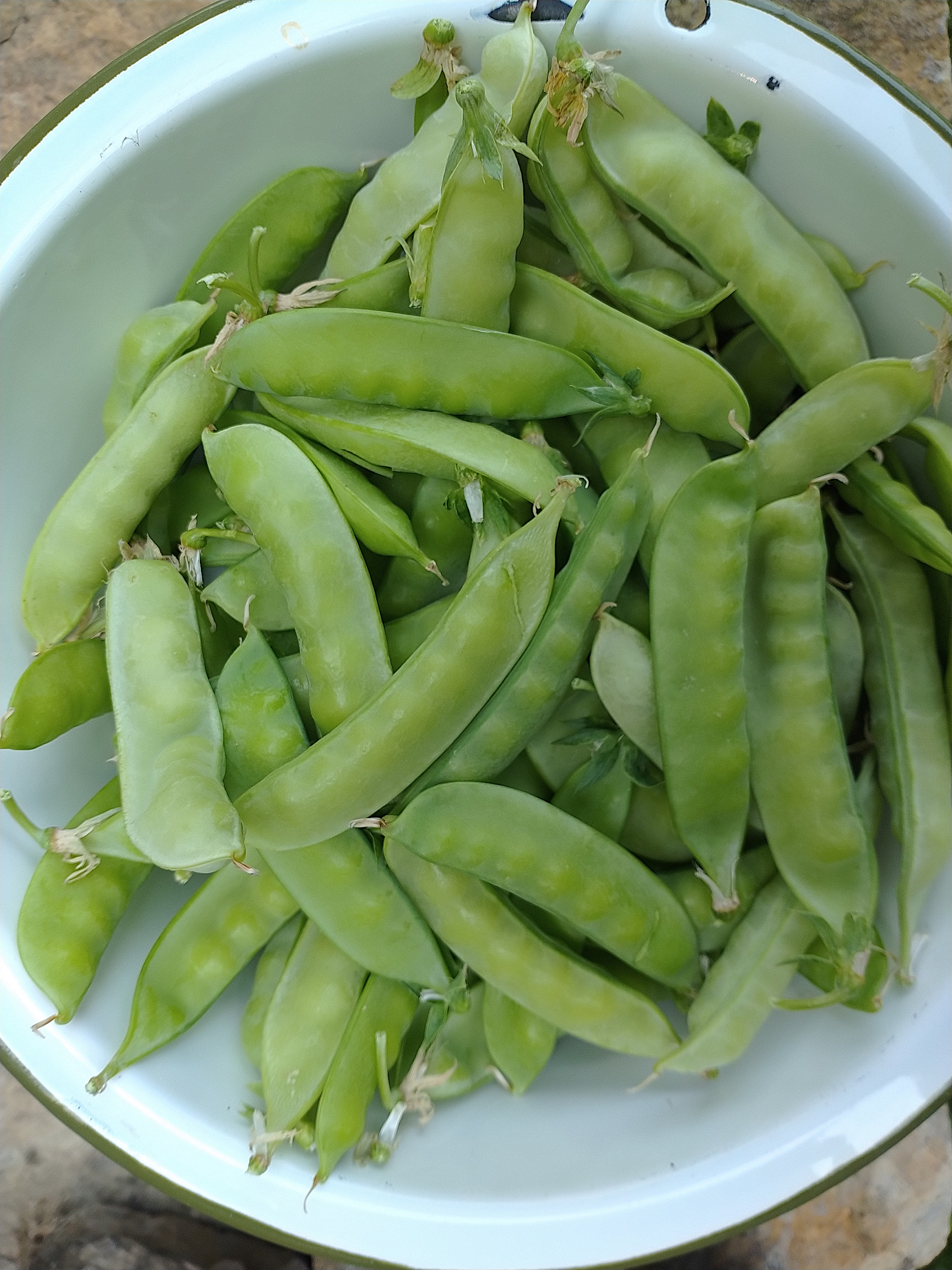
I FOLDED THE PILE of pea pods into the front of my Minnesota-themed tee, the one with two grain bin graphics. It seemed appropriate for the vegetable gathered from the Friends of Buckham Memorial Library Organic Learning Garden. Harvest of grain. Harvest of vegetables.
In the library window by the garden. (Minnesota Prairie Roots copyrighted photo 2020)
I hadn’t expected to pick peas when Randy and I stopped at our local library Saturday afternoon en route to the grocery store for meat to grill. But when we pulled into the parking lot, I decided to check out the garden while Randy looked for videos.
To my surprise, I found pea plants heavy with plump pea pods. I felt giddy. Garden fresh peas have always been a favorite. But it’s been a long time since I’ve had them.
(Minnesota Prairie Roots copyrighted photo July 2023)
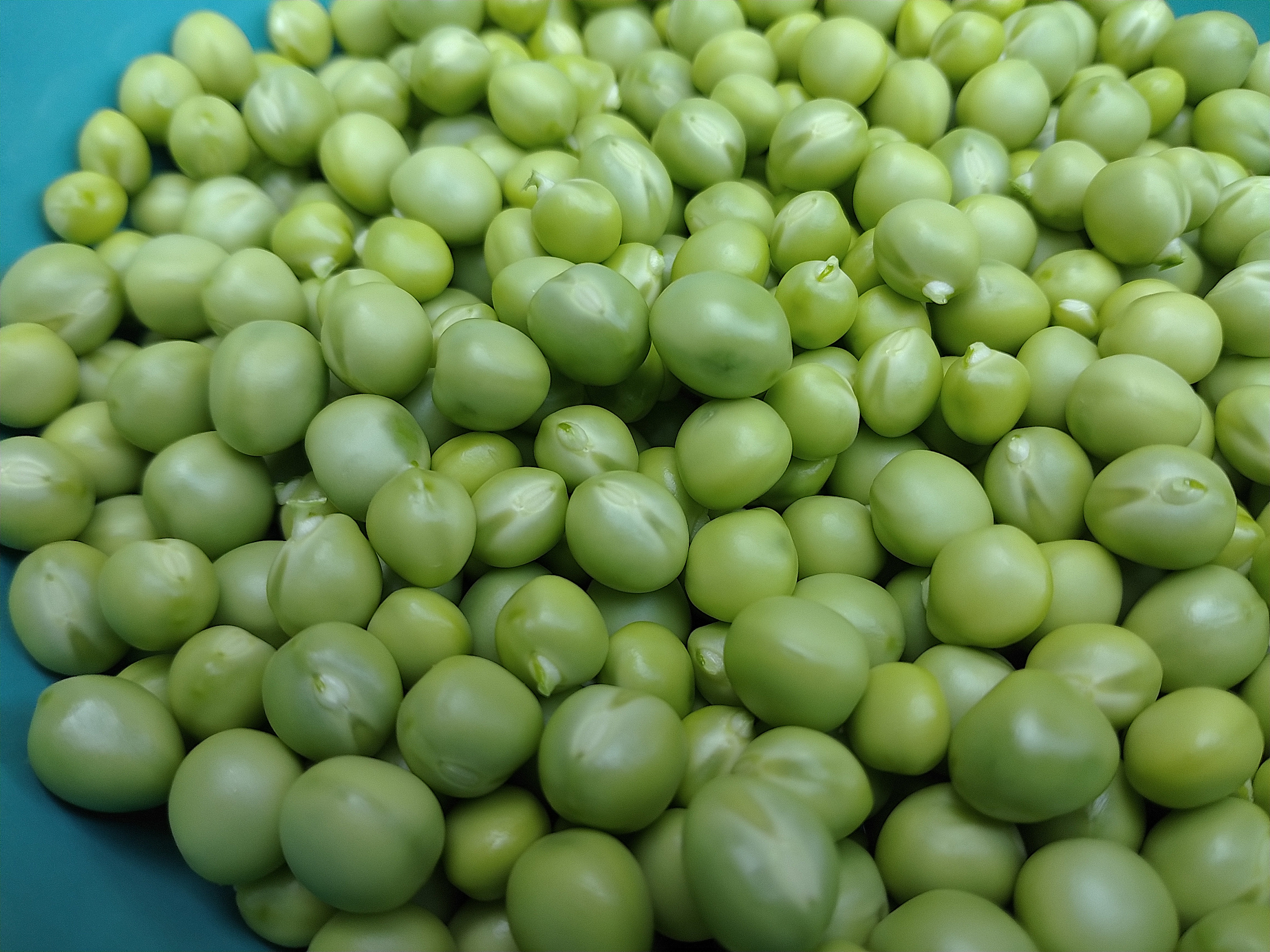
I hold fond memories of picking and shelling peas from my childhood garden. I loved running my thumb down the seam of the pod, opening the shell to reveal a row of tiny green orbs. So perfect. And then I slid my thumb down that tidy row, peas dropping one by one into a metal pan. Plunk, plunk, plunk, plunk, plunk. There’s a certain satisfaction in the rhythmic process of shelling peas.
Once home, as I shelled those peas carried in my t-shirt to the van, I thought of all those summers back on the farm. I never realized then how lucky I was to eat mostly food grown or raised on our acreage. It was simply what everyone did in rural Minnesota. Planted a garden. Raised beef cattle, pigs and/or chickens.
That evening as we sat down to a grilled pork chop supper (not dinner) with sides of potatoes and peas, I dipped my spoon into those fresh peas covered with butter. I tasted the sun and sky and earth. But mostly, I tasted memories. Garden memories.















 Minnesota Prairie Roots
Recent Comments