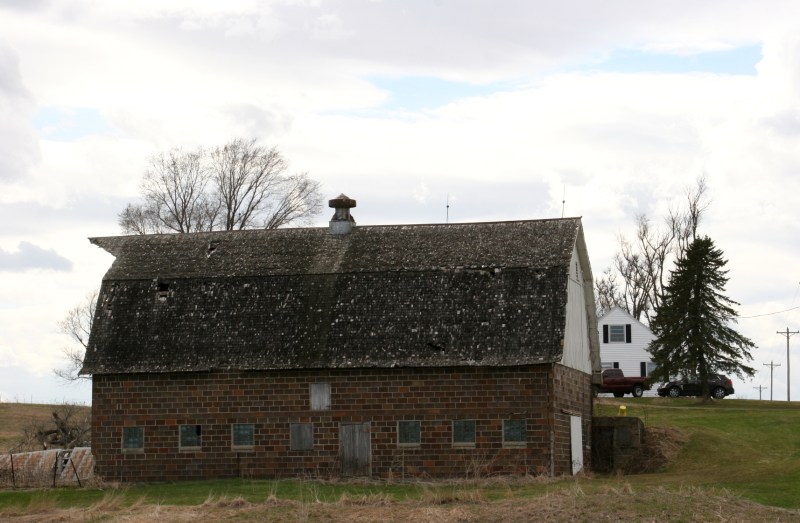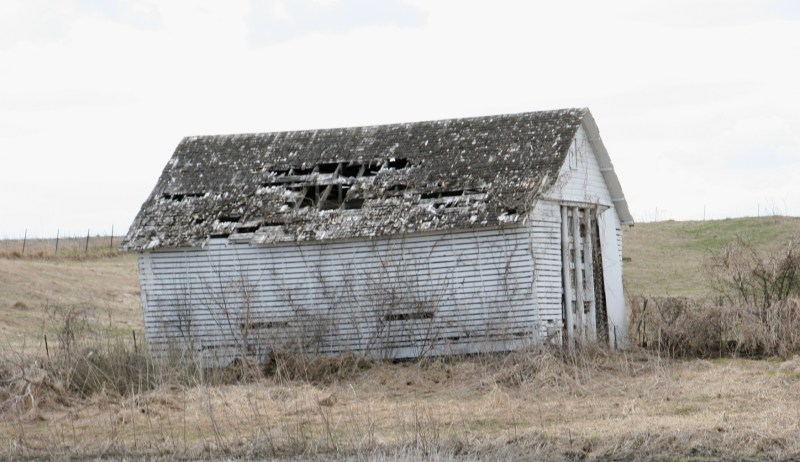
Minnesota Prairie Roots

Writing and photography by Audrey Kletscher Helbling

Montgomery celebrates agriculture with art August 13, 2020

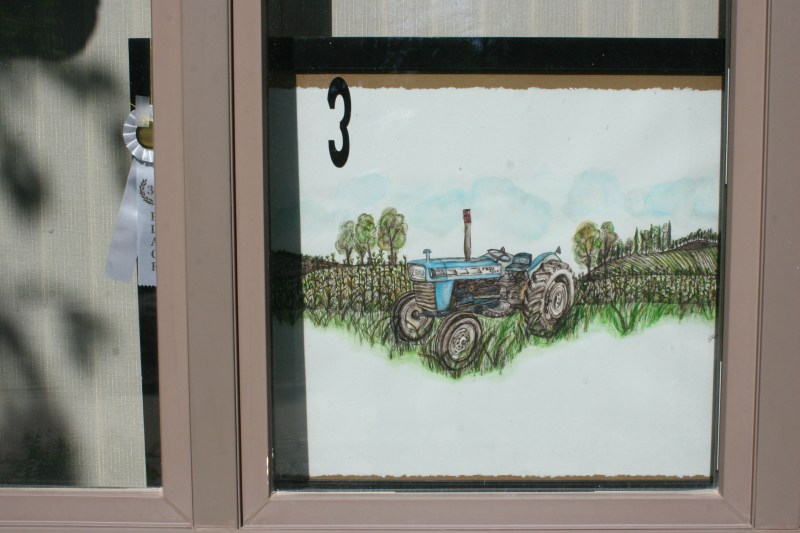
“Stop to Remember,” a pen and watercolor by Cami Vargo, was awarded third place in the show by judges Dale and Gale Looft. The art depicts her Great Grandpa Orville Richter’s 1965 Ford tractor.


THEIR ARTIST STATEMENTS are as compelling as their art.
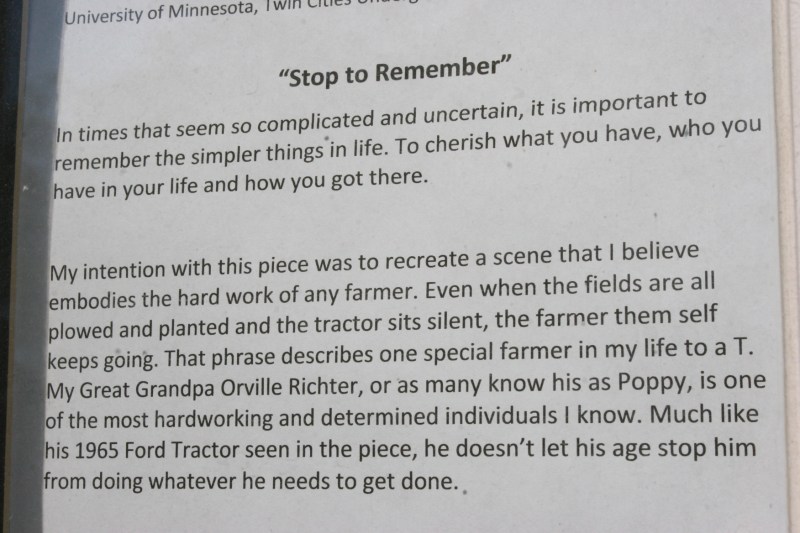
 

Cami Vargo’s artist statement about her tractor art.


In a new exhibit, “Celebrating Farmers and Agriculture,” coordinated by the Montgomery Arts & Heritage Center, 15 artists share their deep love and appreciation for all things rural. Recently I viewed the 22 pieces of art displayed in the front windows of the arts center and businesses in the heart of this small Minnesota town.
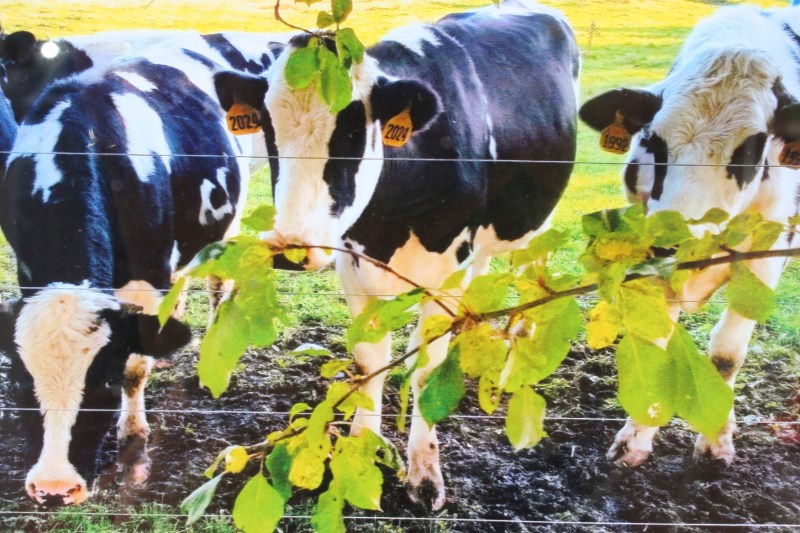
 

One of two photos by Liz Krocak, this one titled “Apple Harvest Visitors.”
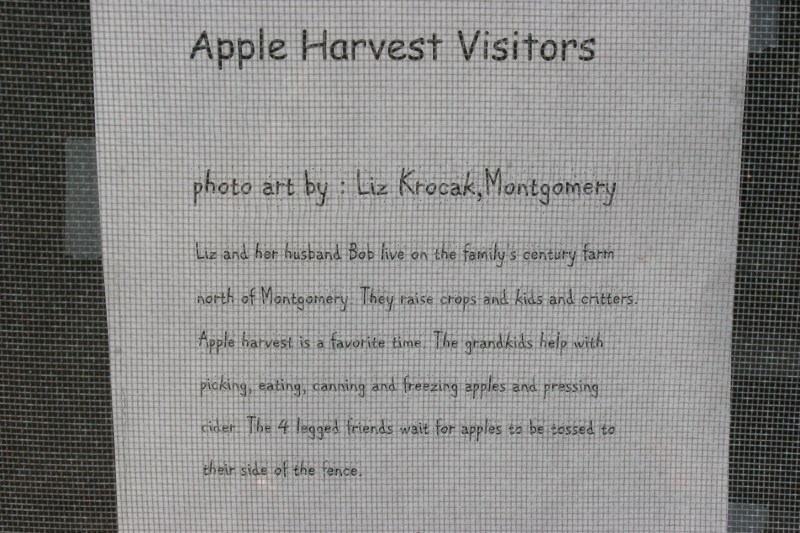
 

Through the screen window, you can read this artist statement by Liz Krocak.
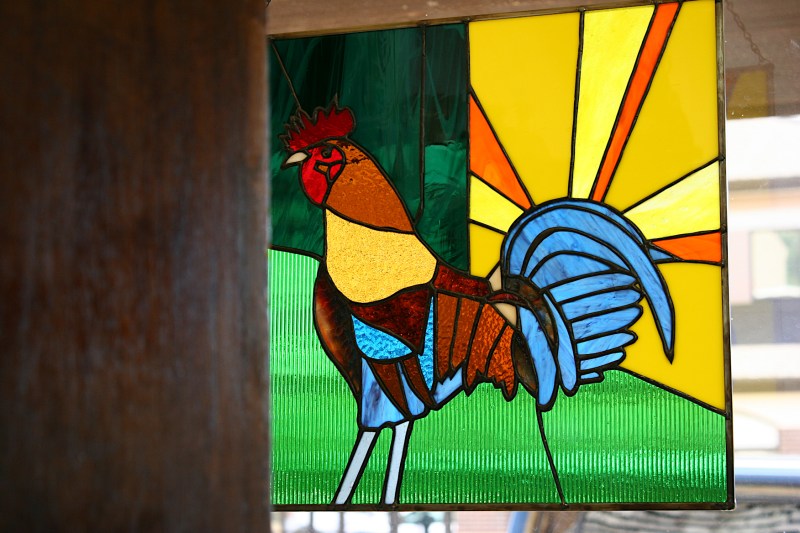
 

Bold and beautiful stained glass art by Annette Stavos hangs in a window of Hermann Thrifty White Pharmacy. If the drugstore is open, go inside and view the art to see the sun shining through it. Another stained glass creation by Mona Grimm hangs in a window of Montgomery Chiropractic and was awarded second place in the show.


From cows to a rooster to a farm dog, from tractors to windmills, from barns to country scenes, the art showcases important aspects of rural life.

 

Constructed from cardboard by Brian Prchal, this is a replica of a modified 4020 John Deere.
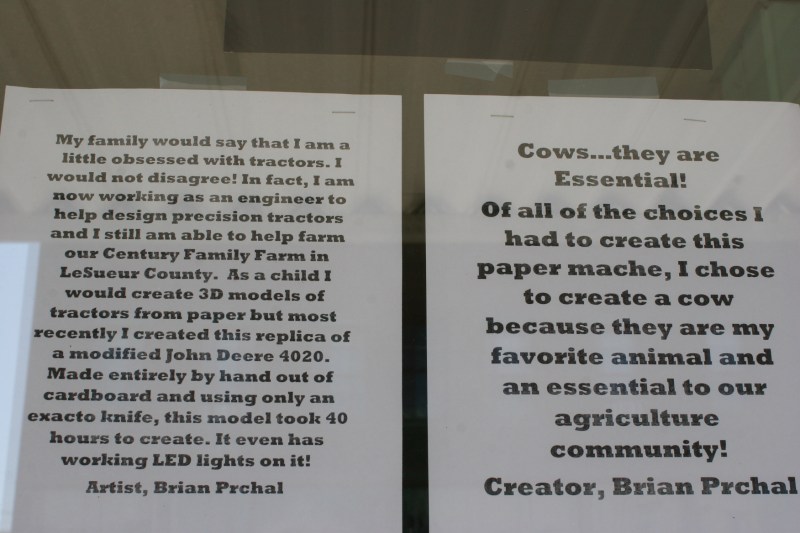
 

Brian Prchal shares the stories behind his two art pieces.


And the stories that accompany that art are often deeply personal. Rooted in the land.


The Montgomery Arts & Heritage Center (right side of building), 206 First Street North on the north end of downtown.
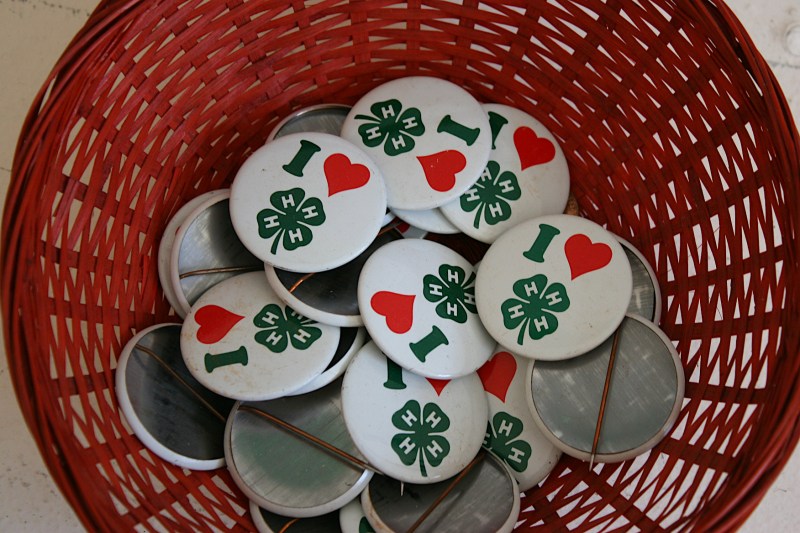
 

In the ag display, 4-H buttons.
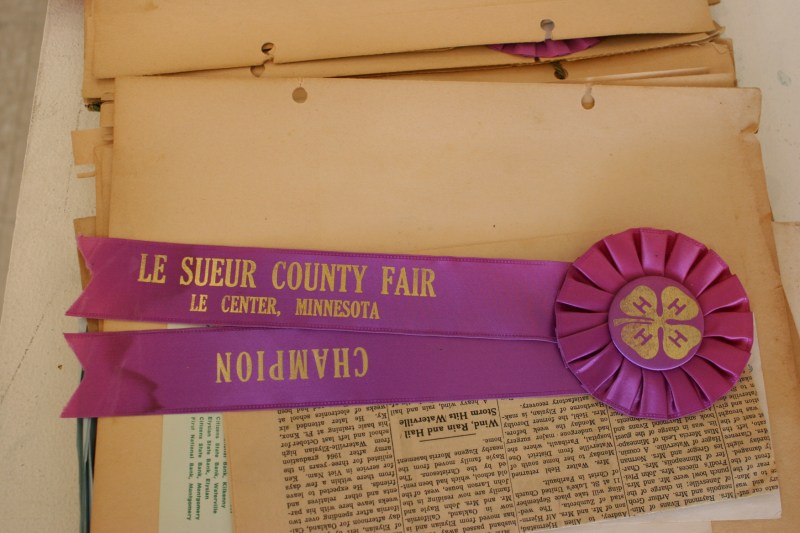
 

County fairs are an important part of rural life.


Before beginning my tour, I stopped first at the arts and heritage center to pick up a map and to view an exhibit of local ag-related memorabilia showing the importance of agriculture in this community.
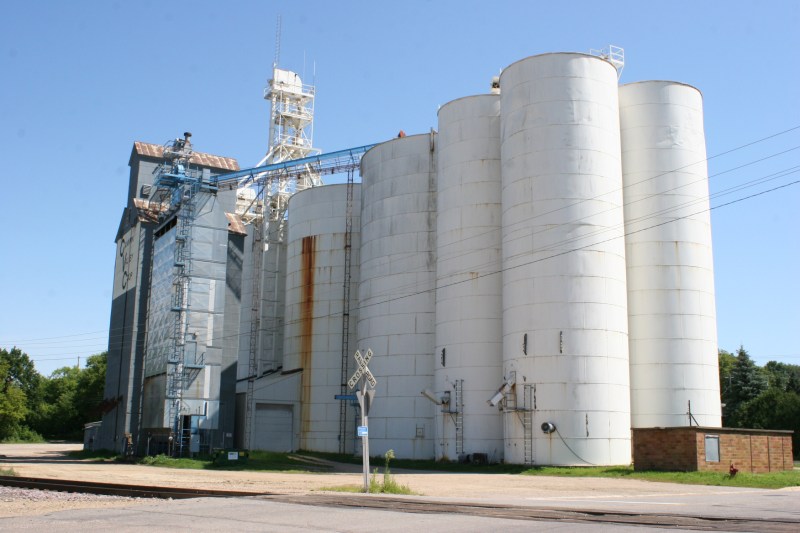
 

The grain elevator complex in Montgomery.


Just down the hill from the arts center, grain elevators loom, a strong visual of ag’s local economic value. On the opposite end of town, the canning company processes sweetcorn. And on every border of town, homes or businesses adjoin farm fields.
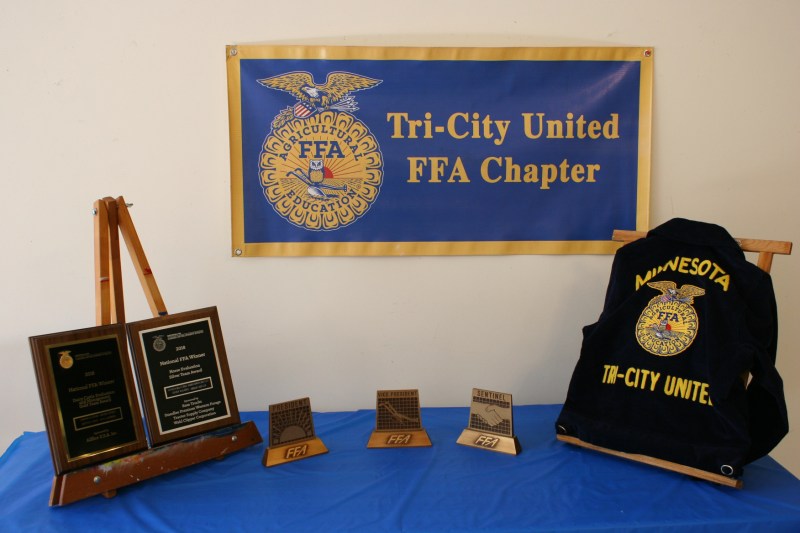
 

Future Farmers of America, based at the local high school.
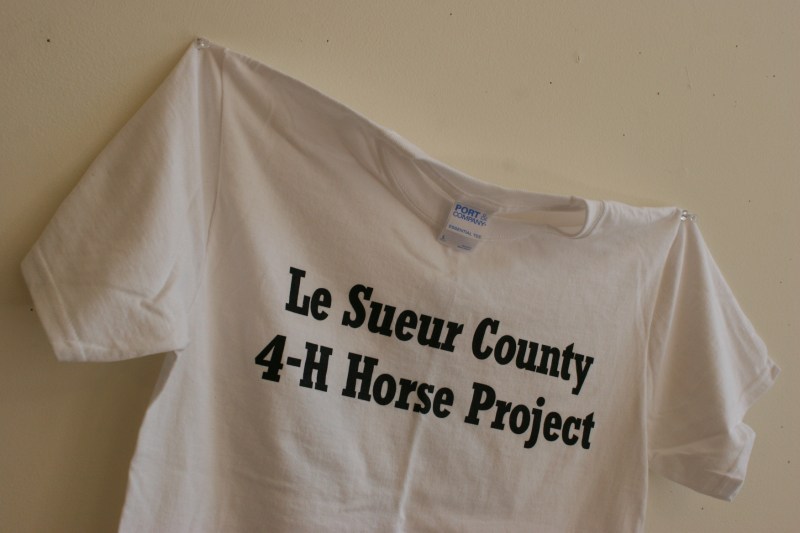
 

Recognizing 4-H in Le Sueur County.
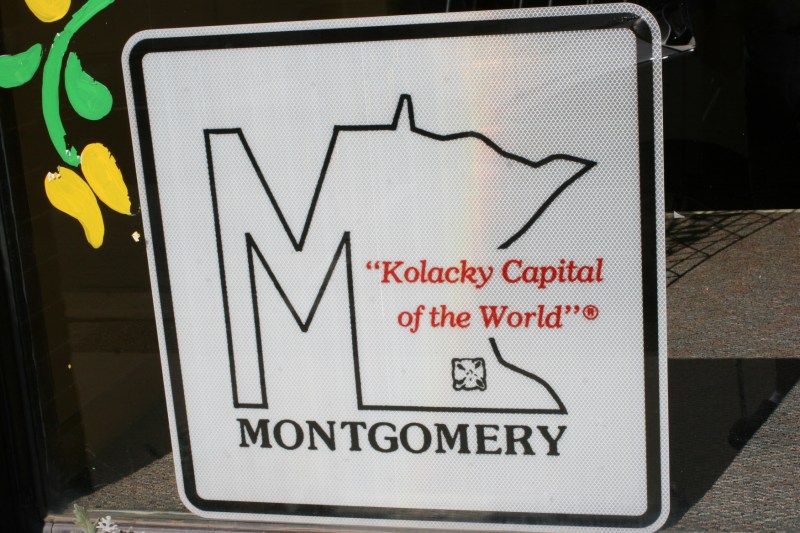
 

Lots of signs downtown celebrate kolacky, a Czech pastry sold at Franke’s Bakery and Mackenthune’s Fine Foods.


Montgomery centers on agriculture and its Czech heritage as the self-proclaimed Kolacky Capital of the World. So it seems particularly fitting that the arts center would focus its new exhibit on farmers and agriculture. The project was funded with a Prairie Lakes Regional Arts Council grant and donations from the Bob and Mary Jo Loftus Foundation and Compeer Financial.
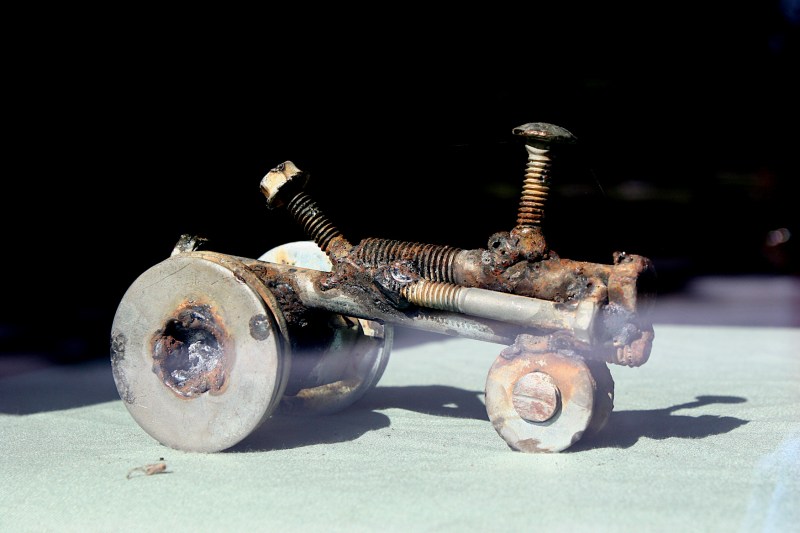
 

“The Nuts & Bolts of Farming” fits this tractor art crafted by Tyler Fromm.


Area artists clearly enjoyed the challenge of creating ag-themed art. I saw that in tractor art drawn, formed from string and nails, cut and crafted from cardboard, welded from nuts and bolts.
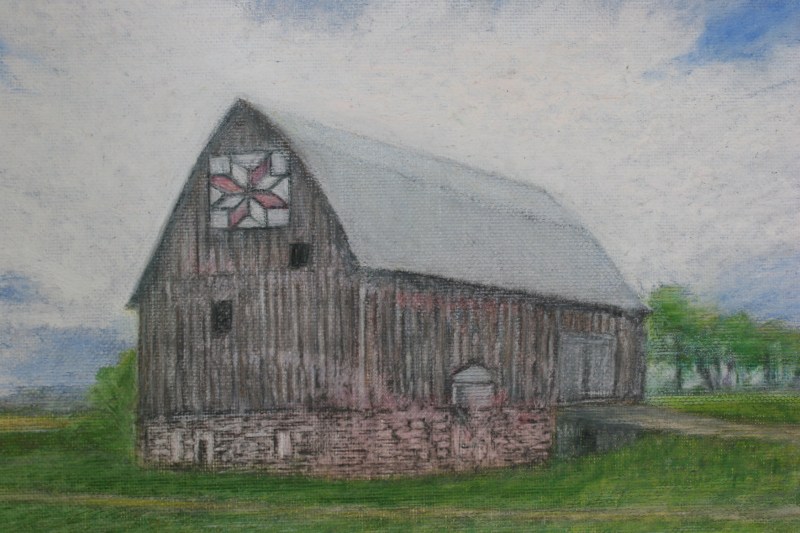
 

Pat Preble won first place for “Old Barn” and “Cows in the Field.” She incorporated a “Star of Heaven” quilt block into her barn art in honor of her mom, a quilter.


Stained glass. Batik. Wood. Photos. Quilts. So many different tools and styles and ways of creating art add to the interest.
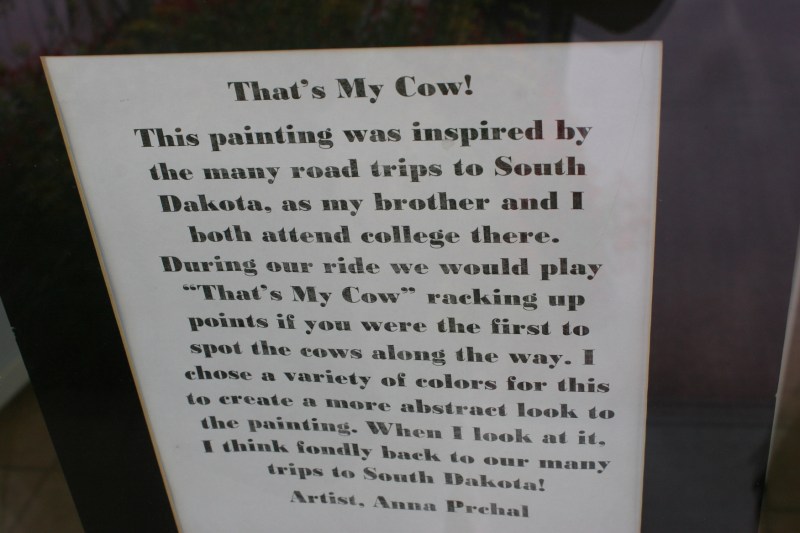
 

This artist statement made me laugh out loud. Because of glare, I was unable to photograph Anna’s cow art.


The art honors pioneer women who pieced quilts, an uncle, farm wives… Liz Krocak writes in her artist’s statement, “Behind every good farmer is his wife, rolling her eyes.” Yes, humor even infuses some of the artist statements.
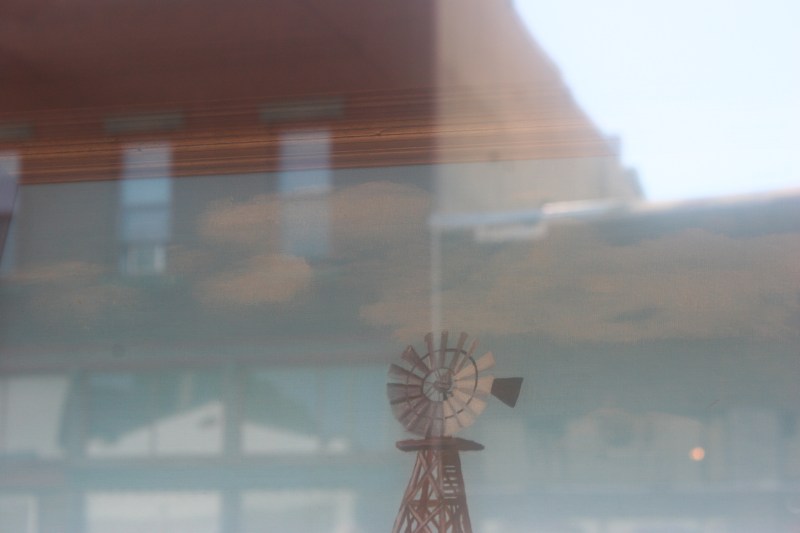
 

Glare made it really challenging to photograph Carol Ehrhardt’s entire cattle and windmill art. But I decided I like this image showing only the top of the windmill and the reflection of an aged building. Ehrhardt was awarded third place in the show.


Annette Stavos, who grew up on a hobby farm, honors her uncle. “My uncle was the real farmer and we helped him pick rocks and bale hay.”
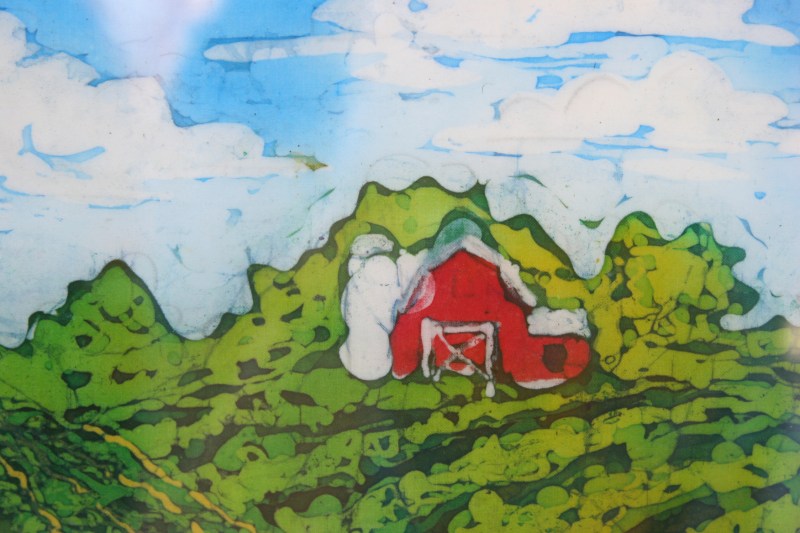
 

A close-up of Susan Hayes batik art titled “Summer Fields.”


Susan Hayes, a city girl who married a farmer, writes. “…I’ve had first hand experience with agriculture and life on a small farm. It’s not easy getting up before 5 am to milk the cows or baling hay in 100 degree weather. She created a beautiful batik piece, “Summer Fields.”
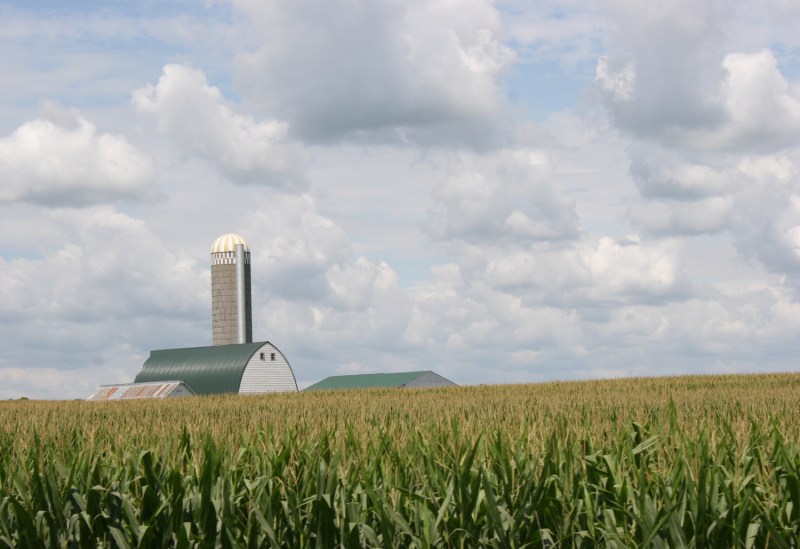
 

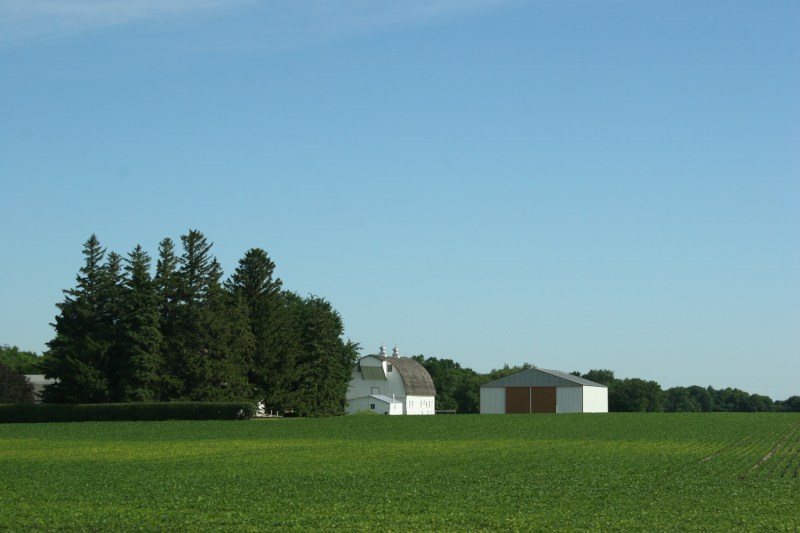
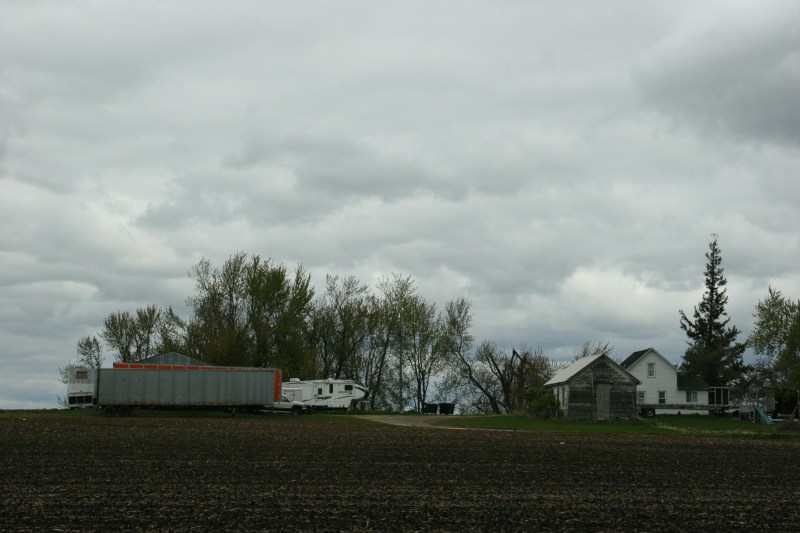
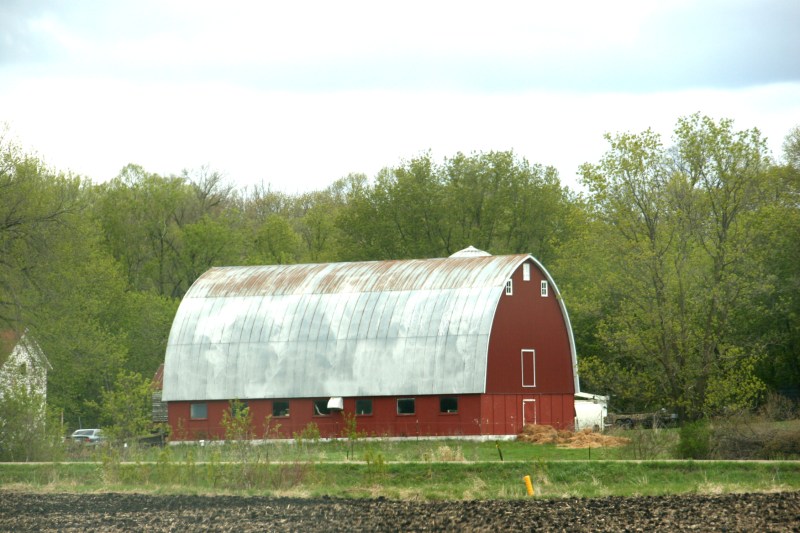
A farm in the Montgomery area.


Anna Prchal expresses her love of rural life in these words: “The fresh air, hard work ethic and never having a dull moment there are the things I love most about the farm.”
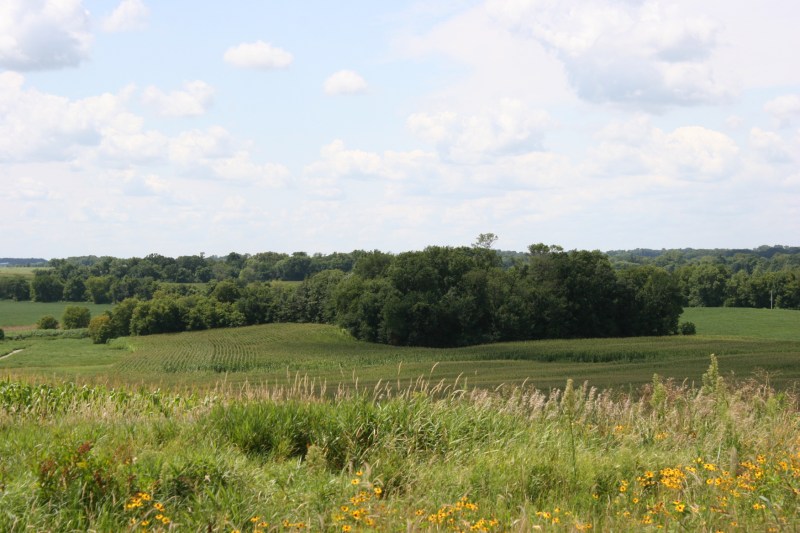
 

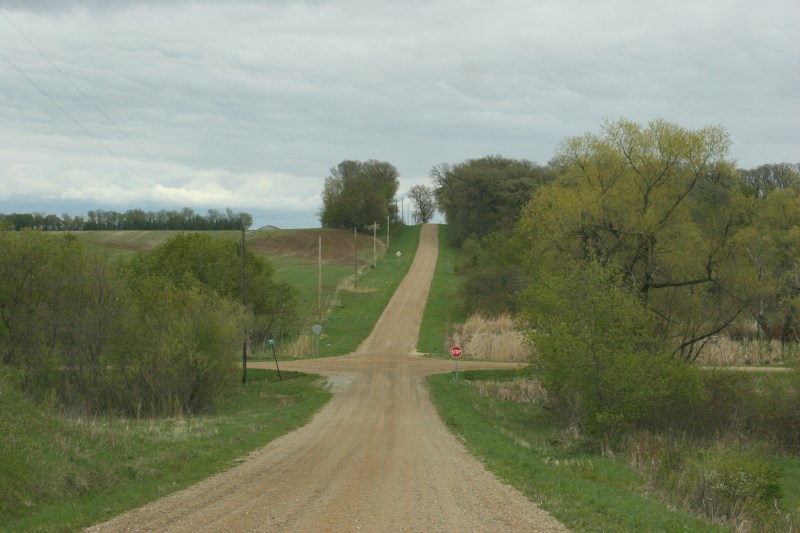
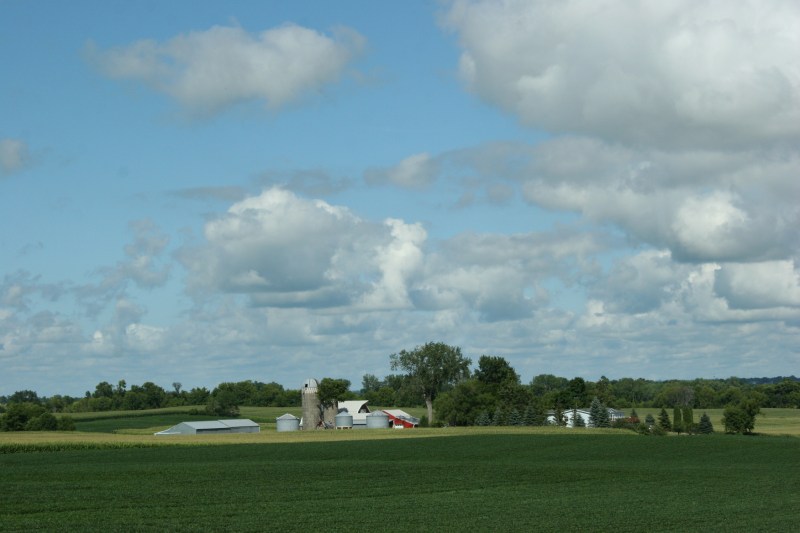
The countryside near Montgomery.


For Kimmie Loranger, who once traveled with the carnival, worked as a nanny and waitress, and who was at one time homeless, living in rural Montgomery and now creating art “is the happiest I’ve ever been in my whole life.”
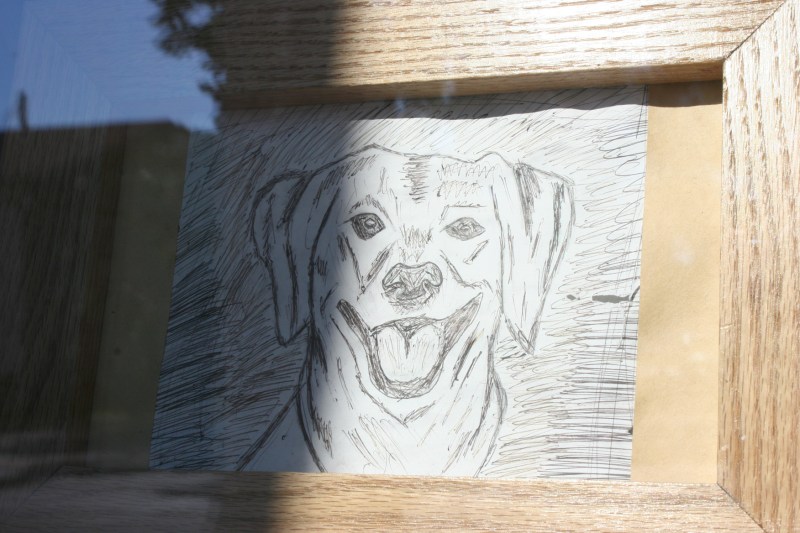
 

Tyler Fromm drew this picture of his “beloved farm dog, Buddy.” Oak siding from the corn crib on his family’s century old farm frames the art.


These are the stories that make this exhibit especially meaningful, especially touching, especially impressionable. This isn’t just another art show, but rather an expression of emotions with a rural perspective. Written. And showcased in art.


FYI: You can view this exhibit any time during the day as the art is visible from outdoors in front windows. Note that glare and reflections sometimes make seeing the art a challenge. The Arts & Heritage Center, however, is open limited hours from 2-5 pm Thursday and Friday and from 9 am to noon Saturdays. The exhibit runs until the end of November. Maps to the art locations are available from several downtown Montgomery businesses in addition to the arts center. Be sure to vote for your favorite for the People’s Choice Award. This blog post represents only a sampling of art in the exhibit.

Please check back next week for additional posts from my visit to Montgomery.

© Copyright 2020 Audrey Kletscher Helbling


Building on history in Montgomery August 12, 2020

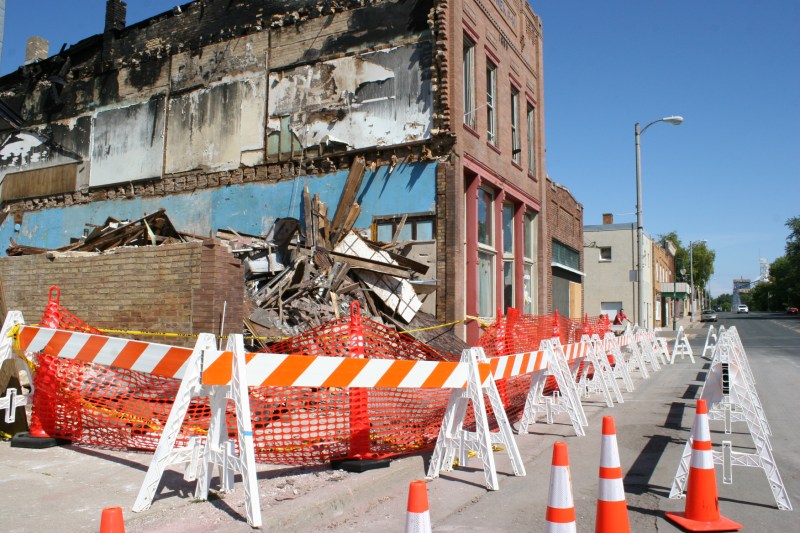
Fire destroyed an historic building at 104 South First Street in downtown Montgomery during the early morning hours of July 29.


ANY TIME AN HISTORIC BUILDING falls, I feel a certain sadness. You can’t replace a structure built half a century, maybe even 100 years, ago. Stories and memories remain. But there’s something lost when a building crumbles, collapses, comes down, for whatever reason.


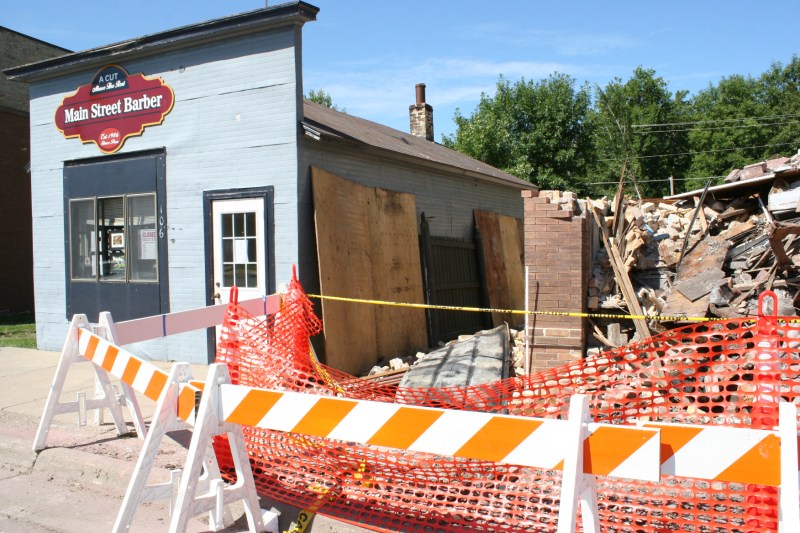
The long-time barbershop, a local gem, did not catch fire.


Recently, the small town of Montgomery—self-proclaimed Kolacky Capital of the World—lost one (possibly two) historic buildings in an early morning July 29 fire. The fire started on the second floor of a vacant building previously declared hazardous and slated for demolition in mid-August. The blaze then spread to an adjoining building which houses a plumbing and air conditioning business and an apartment. Main Street Barber, located in a diminutive building next door, was spared.


The fire site.


Just days after the fire, the smell of smoke still lingered. Barricades and a fence blocked access to the pile of rubble. As I photographed the scene, I considered the depth of loss to this Le Sueur County community. Locals with the Montgomery Historical Society have been inventorying and documenting the downtown in an effort to get historic district designation, helpful in attracting visitors. This was a snag in that process.


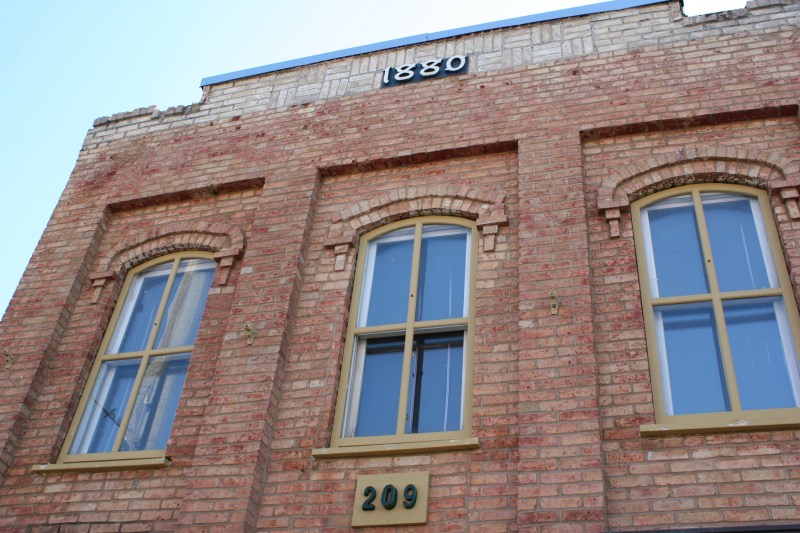
One of many historic buildings in Montgomery. Several are already on the National Register of Historic Places.


I recognize the importance of that historic district designation. According to the Minnesota State Historic Preservation Office, a historic district is “a geographically defined area with a concentration of historic buildings, structures, site, spaces and objects unified by past events, physical development or design.”


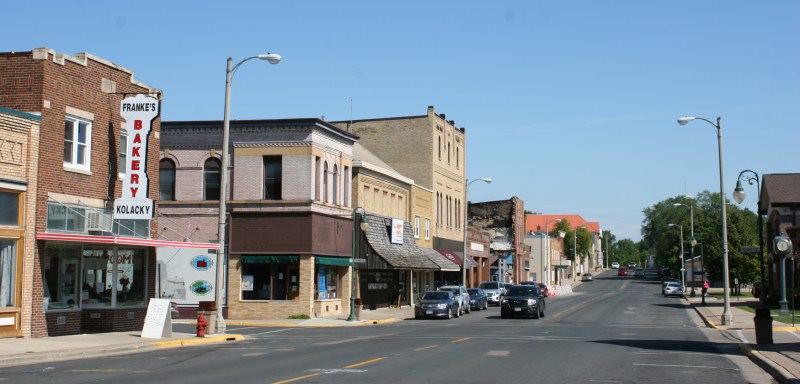
A snapshot section of Montgomery’s downtown.


No one needs to sell me on the historic beauty and connections in downtown Montgomery. The aged buildings are one of the reasons I love this small town. Every time I visit, I walk through the main business area downtown, photographing buildings and signs and whatever else draws my eye.


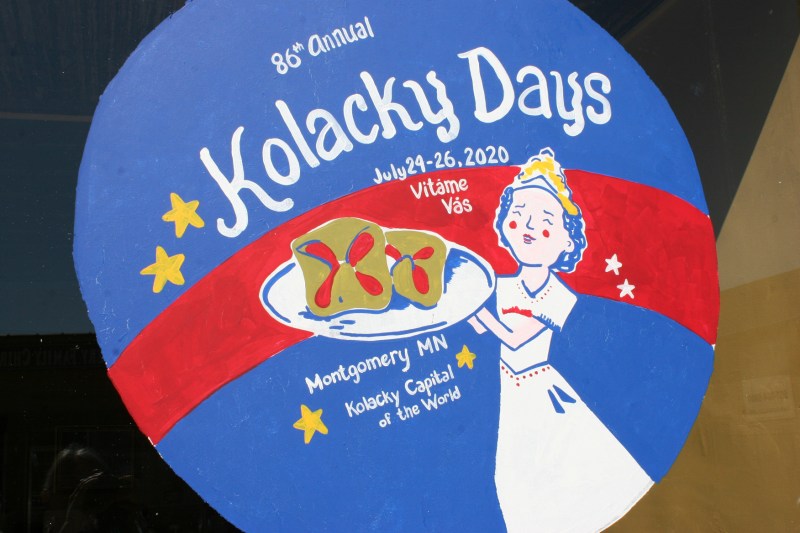
In the window of a downtown business, art promoting Montgomery’s Kolacky Days, held virtually this year. Kolacky is a Czech pastry.


But buildings do not define a place. People do. And I have always found the people of Montgomery to be incredibly welcoming. I appreciate their friendliness, their community spirit, their cohesive respect for their Czech heritage, their efforts to build Montgomery, even when buildings fall.

Please check back for more posts from Montgomery.
© Copyright 2020 Audrey Kletscher Helbling
 

Of gravel roads, barns & cornfields August 3, 2020

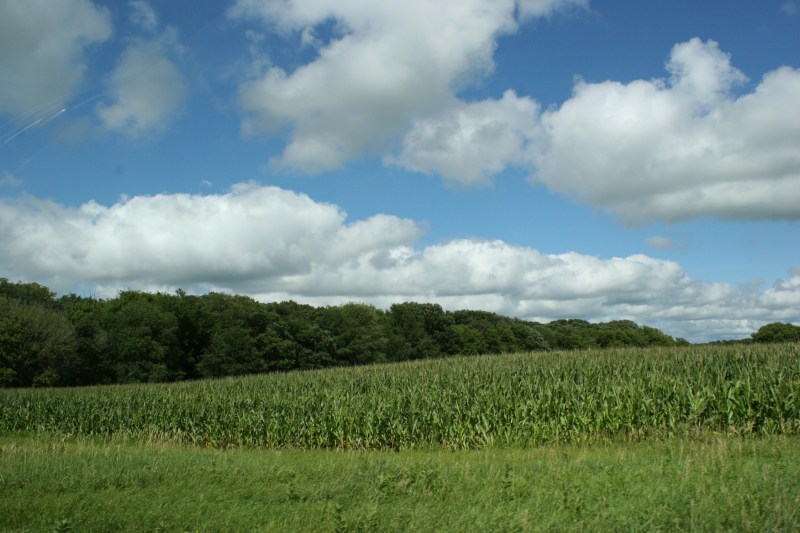
Rural Rice County, west of Faribault, Minnesota.


ON A SULTRY SUNDAY SUMMER AFTERNOON of oppressive heat and humidity, I needed to get out of the house. Away. Into the country. On a drive. It was too hot to walk, to do anything outside of air conditioning.


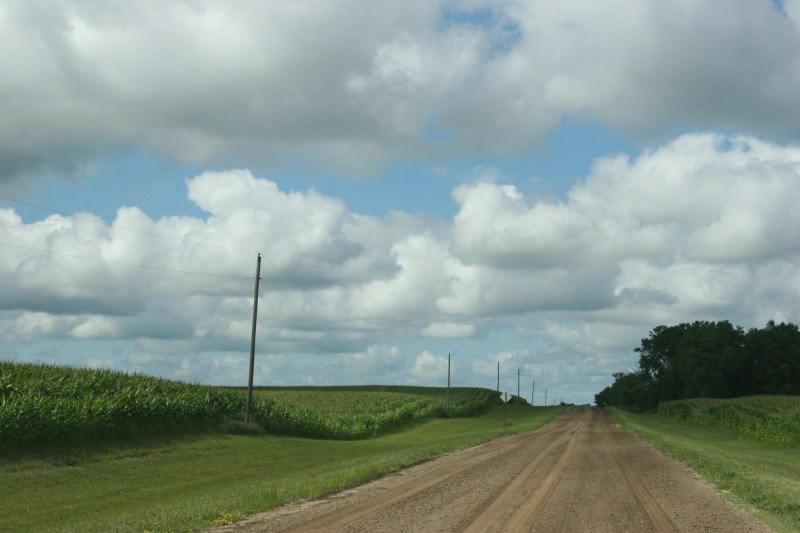
Steady rain the night before kept the dust down on gravel roads we drove.


Following back county and township roads in and around Faribault, Randy and I got the rural fix we needed. For me, the crunch of gravel upon tires and the washboard vibration of a road in need of grading.


The corn crop around here looks good.


I needed, too, to see cornfields stretching across the land, tassels flagging fields. My heart aches at the sight, for the missing of living in the country. Memories still root me there.


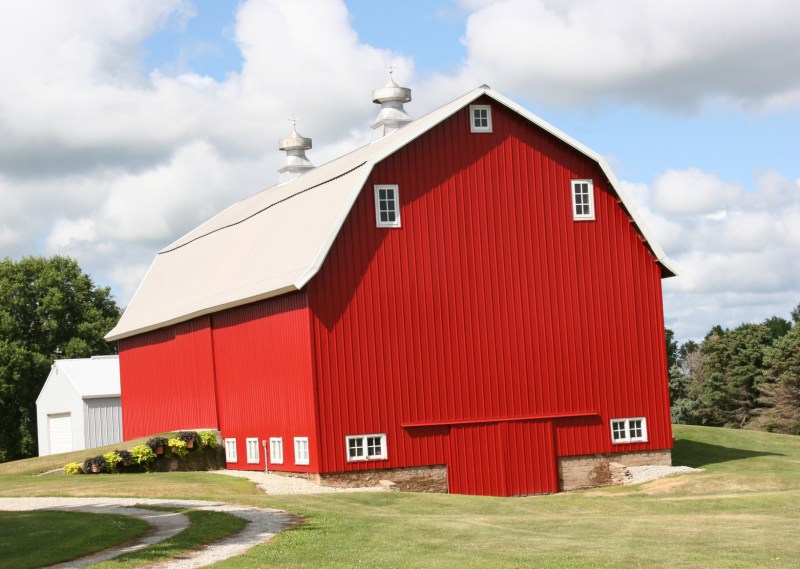
And then I spotted a barn flashing bold red into the landscape on the edge of Warsaw. I’ve long admired that well-kept barn.


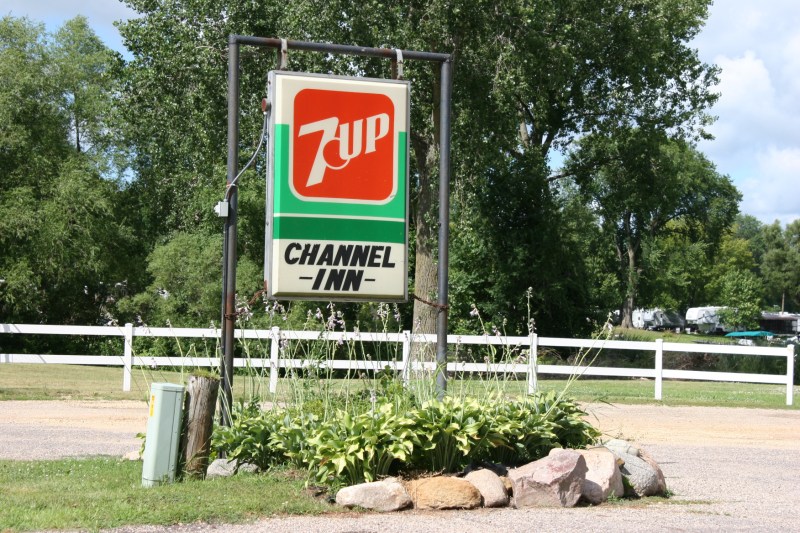
Weaving through Warsaw, Randy reminisced about living there decades ago as we passed his former rental place. At the Channel Inn in Warsaw, we paused only long enough for a photo of the vintage signage.


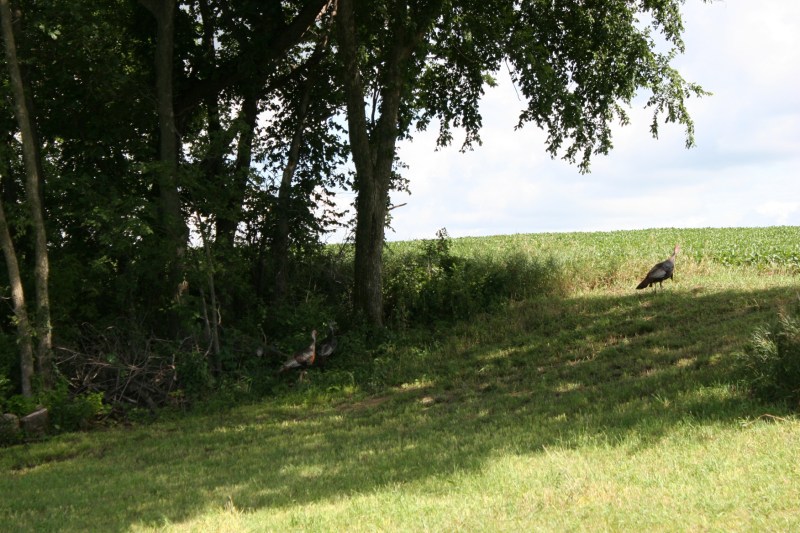
Without my telephoto lens on my camera, I couldn’t get a good shot of these turkeys. But you can make out two along the treeline and one by the field. The rest went the other direction.


And then we followed more gravel roads, routes not previously taken, but which revealed a PIG HOTEL sign on a house. I missed that photo op, but I promise to return. I almost missed the wild turkeys edging the woods.


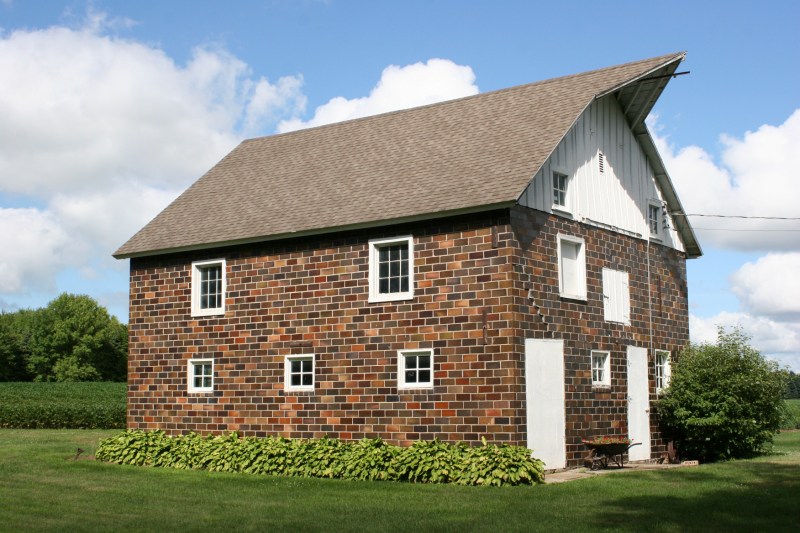
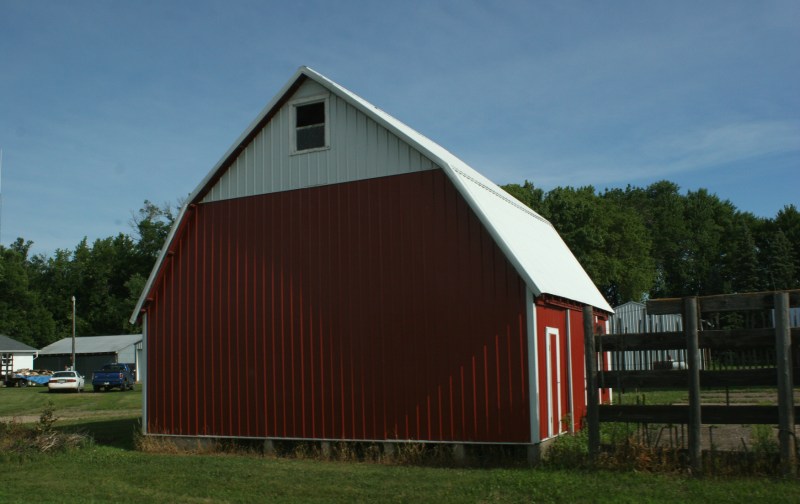
A bit further, I saw the cutest little brick barn. Solid. As good as new. Beautifully poetic in its construction.


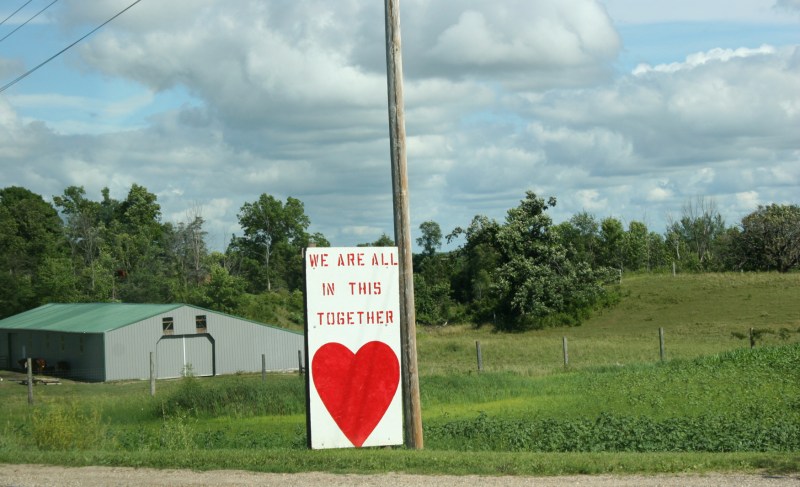
Past a gravel pit and an unknown lake and farm sites set among fields on rolling land, we aimed back toward town. Past Ableman’s Apple Creek Orchard, a favorite, and a roadside sign reminding us that we are not alone. Ever.


© Copyright 2020 Audrey Kletscher Helbling
 

En route to visit Mom in a Minnesota care center July 6, 2020

Filed under: Uncategorized — Audrey Kletscher Helbling @ 5:00 AM
Tags: , , , , , , ,

A rural scene between New Ulm and Morgan.


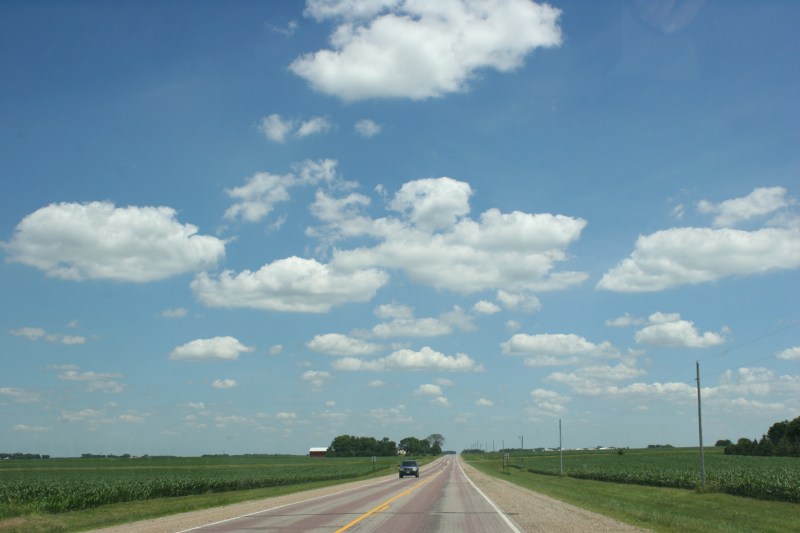
THE HIGHWAY STRETCHED before us, long, like a line drawn through the landscape. Separating fields and farm sites under clouds suspended in an infinite blue sky. The type of clouds that identify a summer day in Minnesota. Southwestern Minnesota. It is my favorite of skies.


Agriculture defines this region of Minnesota.


Our destination, a care center, lay 120 miles to the west. As Randy and I traveled, I tried not to think about what may await us. Would the visit go well? I’d arranged earlier in the week for an outdoors visit with my mom as allowed now by the Minnesota Department of Health. It’d been nearly four months since I’d seen her, on the weekend before care centers closed to visitors due to COVID-19. My mom is on hospice, has been for a year. I recognize that in itself is remarkable. I needed to see her. Phone calls and/or video chats have not been an option due to her health.


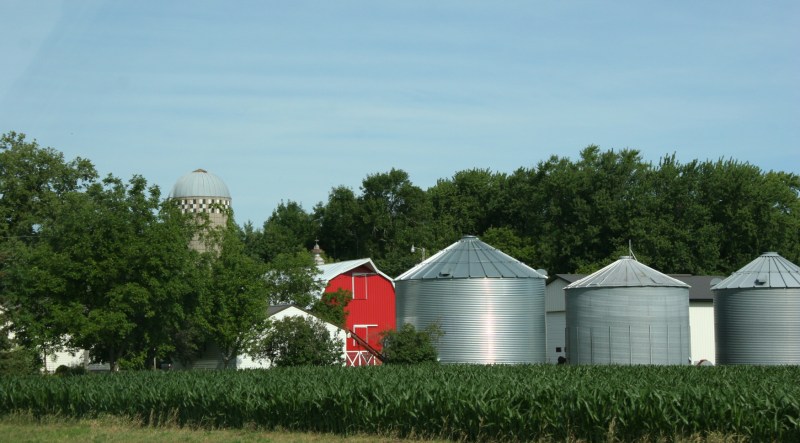
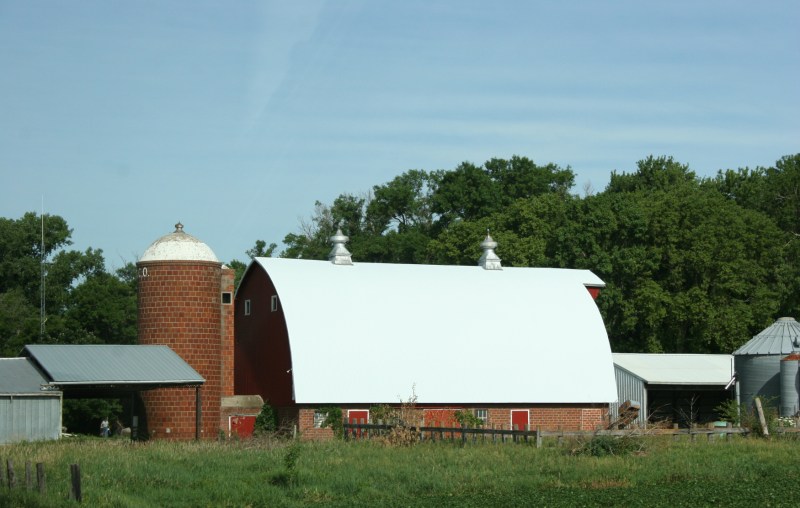
A red barn pops among grain bins on this farm site along Brown County Road 29 near New Ulm.


Along the route, I like to photograph scenes. I set my camera on a fast shutter speed, try to frame as best I can and shoot through windows that are all too often splattered with bugs or reflecting sunlight. But I still photograph. It passes the time and allows me to share my world and perspectives in a way that words don’t always fully cover.


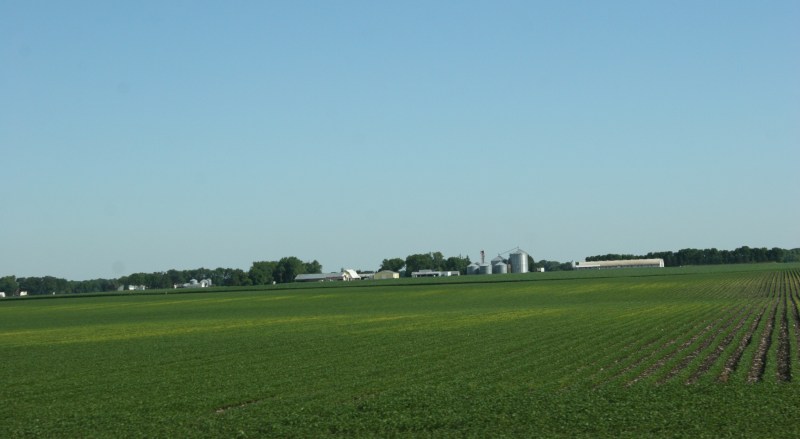
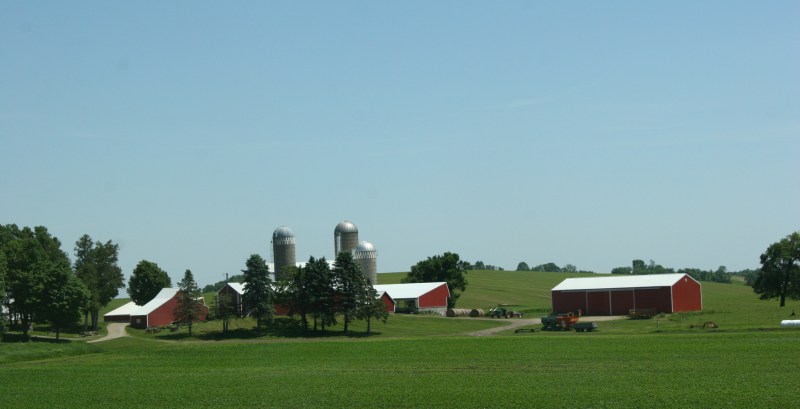
Acres and acres of corn and soybeans (with some oats and peas mixed in) spread across the southwestern Minnesota landscape, broken only by farm sites and small towns.


Once on the west side of Mankato, I feel like I’m entering my home territory, the place of expansive farm fields and wide skies. The place where I feel small compared to both. It is a familiar and comforting world. The place that shaped me and which I still hold dear.


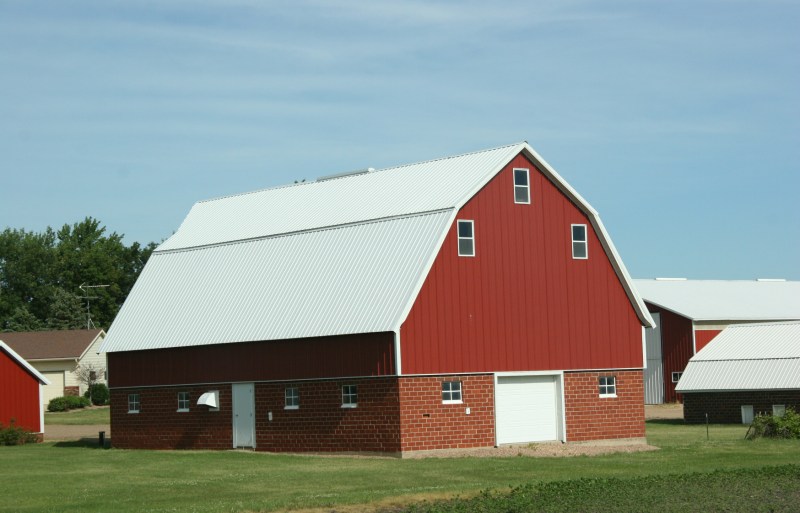
My favorite beauty of a barn along Brown County Road 29.


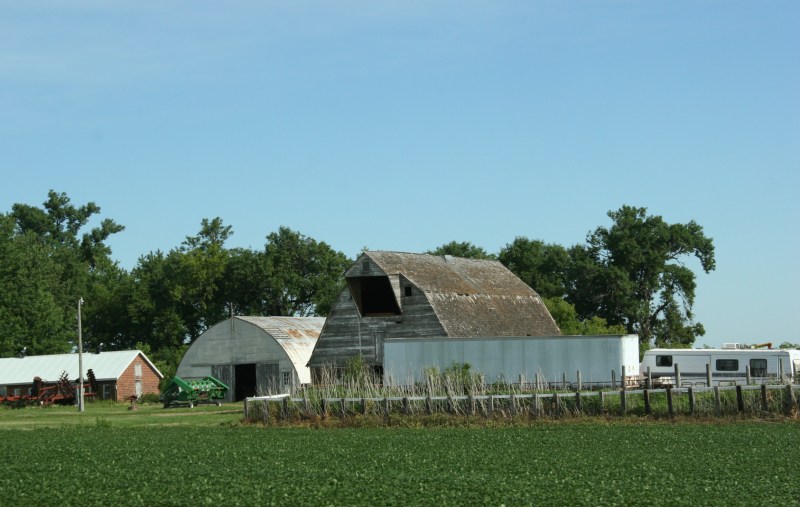
Some barns are weathered by time and the elements and often fall into piles of rotting wood.


I’m wondering whether this barn/shed is old or new. No matter, it’s lovely.


I appreciate well-kept farm sites where owners show care in upkeep of buildings. Along Brown County Road 29, what I call the back road between New Ulm and Morgan, sit some particularly lovely old barns, a vanishing landmark. Few of these hold animals anymore, which leads to the demise of these once hardworking agrarian buildings.


I also am drawn to vintage silos, now abandoned. Farming has changed so much, making the buildings of our ancestors outdated and mostly now storage spaces or simply visual reminders of the past.


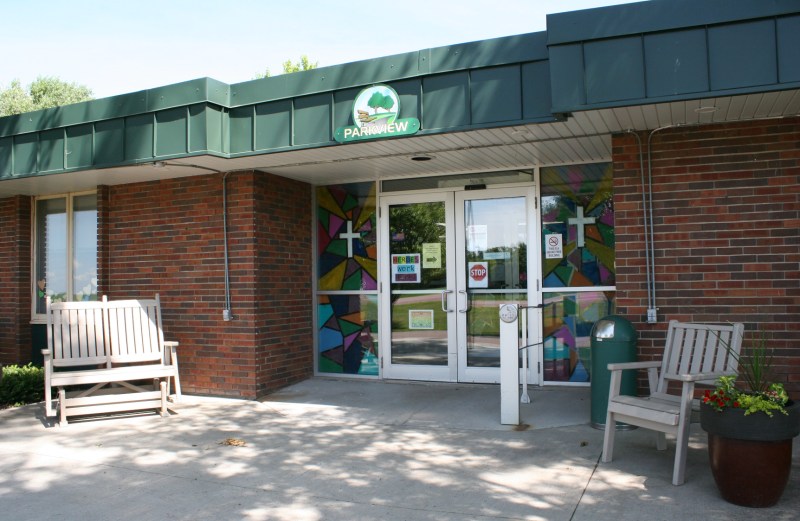
The front entry of Parkview Senior Living in Belview, our destination.


All of that I considered as the miles rolled before us. After a pit stop at a park restroom in Redwood Falls, we covered the last 15 miles, arriving at our destination 10 minutes late. Had I not stopped first at the Faribault Farmers’ Market for a garden flower bouquet, we would have arrived on schedule. But I wanted to bring Mom a gift. And flowers are universal in their ability to bring joy.

Following a temp check, health screening, providing contact info and signing necessary forms, we were ready for the supervised one-hour allotted outdoor social-distancing visit. I already expected the designated visit site, a patio in full morning sun and next to three noisy air conditioners, would not work. It didn’t. No one could hear and the heat was too much. We shifted to Plan B, which was to talk via phone with Mom on one side of glass doors/windows, us on the other. That also proved challenging as Mom didn’t understand anything Randy or I said. But the staffer, bless her, repeated whatever we said and thus we managed.

I found myself trying to talk on topics that would spark a connection with Mom. A mention of Curious George, which she’s developed a fondness for, brought a smile. The Parkview staff has ordered dvds for Mom (so caring) after discovering the naughty monkey of children’s book fame makes her happy and holds her interest. I brought two Curious George books and she smiled at the gift.

Mom also reacted when I talked about her childhood pet lamb, Duke. I recognize that memories of yesteryear are much stronger than the memories of 20 minutes ago for the elderly. The aide mentioned that Mom’s one-room country school teacher lives at Parkview, too. I knew this as Mom told me years earlier. Hazel is 104, Mom 88.

We held our cell phones up to the glass, showing Mom photos of her great grandchildren/our grandchildren, four and 18 months. She’s never met Isaac. But images of the pair and photos of her own grandchildren brought smiles.

When I observed Mom drifting, her eyes shifting away from us, I would wave my hands and say, “Mom,” and then she would come back, into the moment. That happened often. I could tell she was tiring and it was time to leave. As much as I wanted to rush through the glass barriers and hug her, I couldn’t. So I told her repeatedly that I loved her. And I fake-blew a kiss. And in that moment, as the aide swung Mom’s chair to wheel her back to her room, I felt a strong connection of love. A bittersweet moment. I just stood there and watched. My heart breaking, yet filled with gratitude for one more visit.

© Copyright 2020 Audrey Kletscher Helbling

 

A snapshot of downtown Elysian, Minnesota July 1, 2020

Filed under: Uncategorized — Audrey Kletscher Helbling @ 5:00 AM
Tags: , , , , , , ,

Rural Minnesota, somewhere between Elysian and Faribault.


IF YOU GAVE ME THE CHOICE of visiting a big city or a small town, I would always choose rural over urban. In small towns, I feel the most comfortable, the most rooted. I grew up in rural southwestern Minnesota, on a farm a mile south of Vesta, current population around 300.


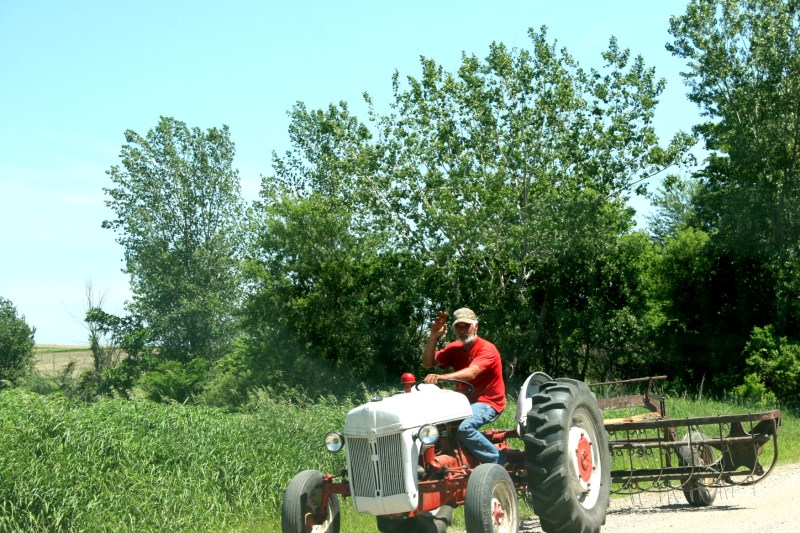
On a back country gravel road, we met this farmer who had been raking hay.


Because of that upbringing, I find myself drawn to the countryside and to small towns. To explore. To photograph. To see for myself what defines these rural places.


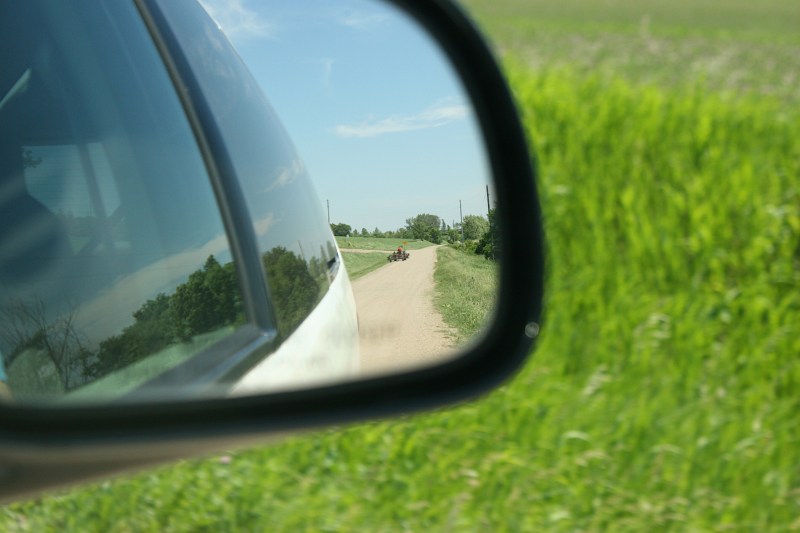
That same tractor in the side passenger mirror. I love following gravel roads.


On a recent Sunday, Randy and I did a day trip along back country roads, eventually landing in nearby Elysian, population around 600. We picnicked in a lakeside park shelter before driving downtown. There we walked on a beautiful June afternoon, taking in the aged buildings and sharing our thoughts about them.


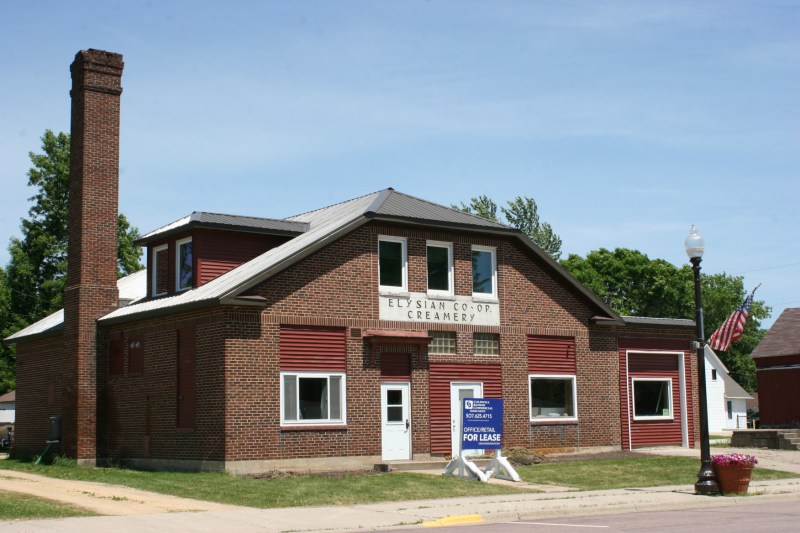
Once the home of the Elysian Co-op Creamery.


Sometimes we have grand ideas. Like turning the “for lease” former creamery into a brewery. Because, well, we like craft beer and the building looks like an ideal fit for a brewery in this community that draws summer visitors to area lakes.


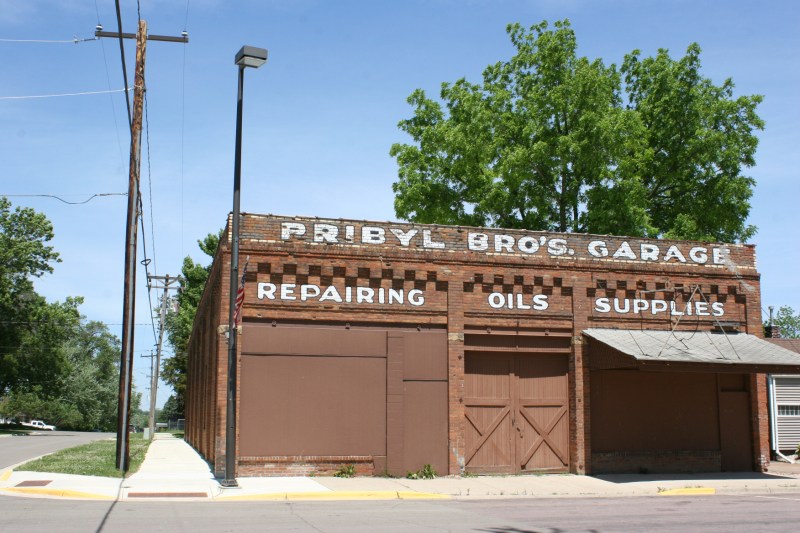
This old garage still stands strong.


One of my favorite buildings in Elysian is Pribyl Bro’s Garage, its current use unknown to me. But I love the look of this place, which reminds me of a winery in Cannon Falls. There’s another idea.


If you’re interested in joining the local volunteer fire department…


Further down the street, we paused to read signage posted on the windows of City Hall. I’m always drawn to these local postings, which reveal a lot about a town. I focused on the notice seeking firefighters. Minutes earlier we’d watched the fire department use a tanker truck to fill a residential above-ground swimming pool.


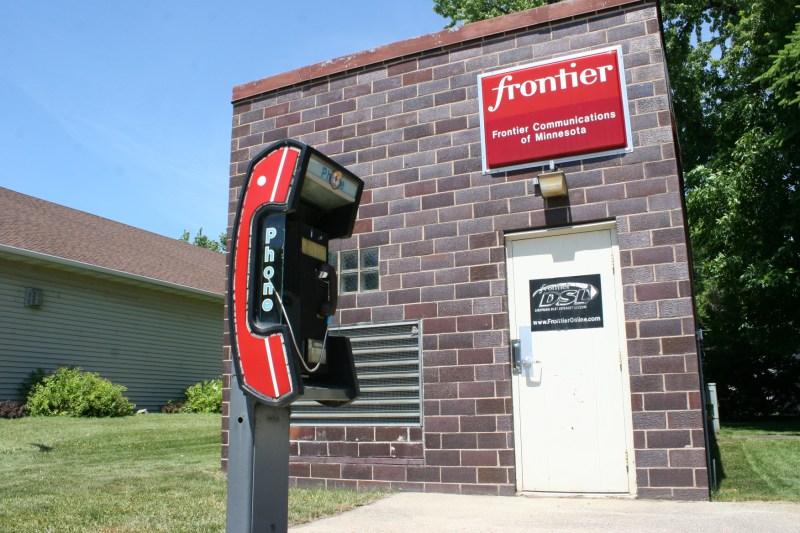
A rare outdoor public pay phone.


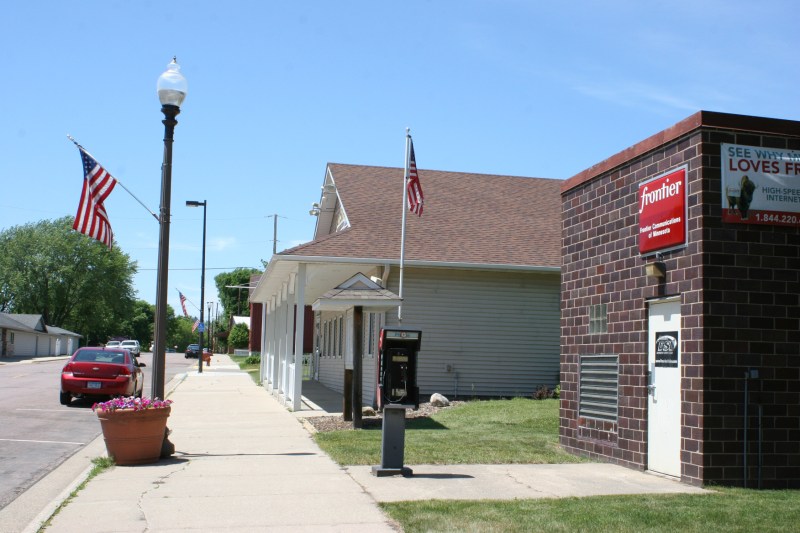
Next, we spotted an outdoor public pay phone, seldom seen in this day of cellphones. It stands outside a stunning mini brick building. (I noticed a lot of brick buildings in Elysian.) Randy pulled out his cell and dialed the number listed on the pay phone, thinking it would ring. It didn’t.


Just one more shot to show the small town setting.


Then he grew weary of waiting for me. “How many pictures do you have to take of a phone?” he asked. Clearly he doesn’t think like a photographer excited about discovering something not often seen. But, he had a point. I framed a few more images and moved on.


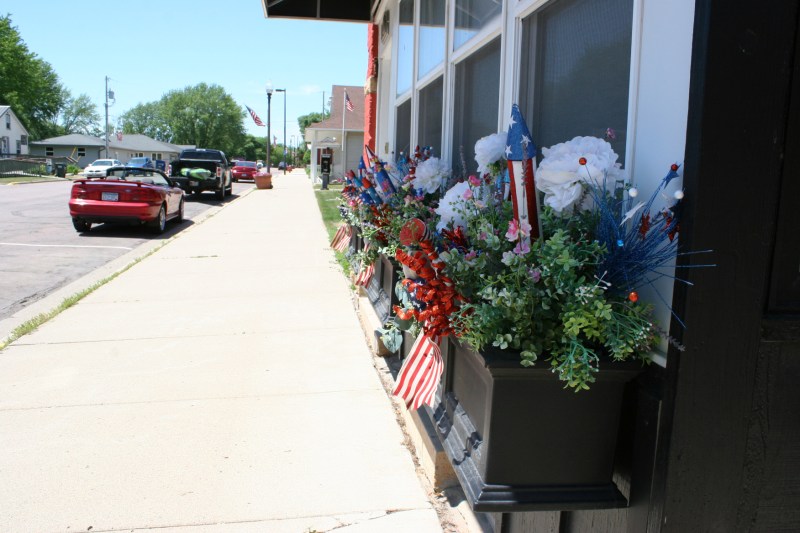
Gracing the window boxes at a realty office, if I remember correctly.


We paused on a street corner, me to photograph window boxes crammed with Fourth of July themed décor and flowers. Elysian typically hosts a big holiday celebration. But this year’s events are scaled down to fireworks at 10 pm on Friday, July 3, and the Fourth of July Boat & Pontoon Parade around Lake Francis from noon until 1 pm on July 4. The town sits along Lake Francis. City of Elysian and Lake Francis residents can join the parade, which offers generous cash prizes for creative decorating and enthusiasm by boaters. Plus, the Elysian Area Chamber of Commerce has sponsored a Light-Up July Fourth event encouraging residents and businesses to decorate their homes, businesses, trees, shrubs and more with red, white and blue lights. Judging is Friday with cash prizes awarded.


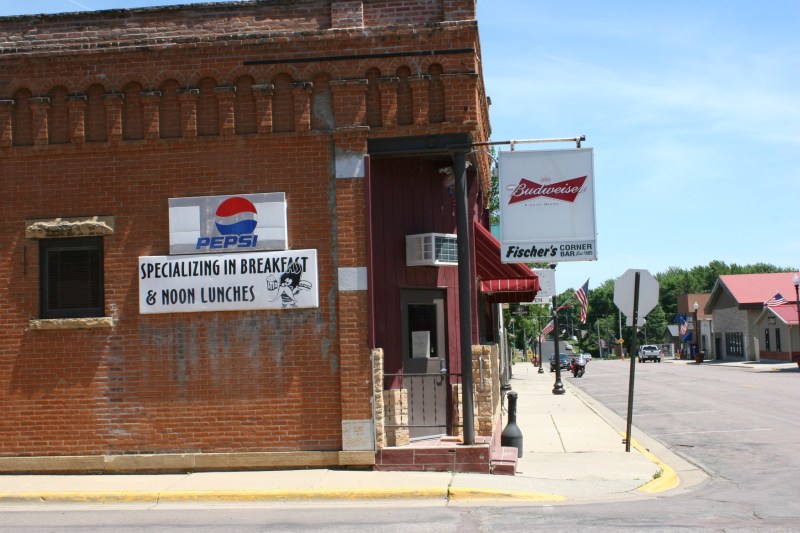
Many small towns have corner bars, so it seems.


From those window boxes, I shifted my camera lens to Fischer’s Corner Bar.


There are a lot of old brick buildings in downtown Elysian.


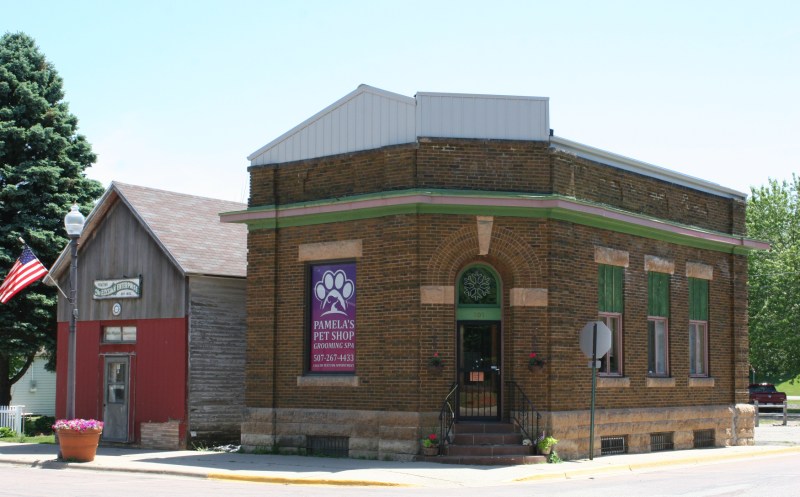
And then I swung my Canon to the right and Pamela’s Pet Shop. Probably a bank at one time, we decided, before turning to retrace our route back to the van.


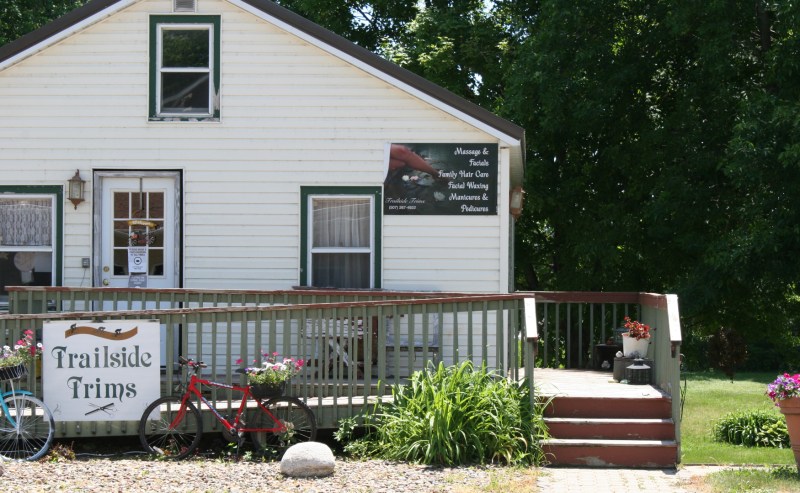
Now that hair salons have reopened in Minnesota, I expect this place is busy.


From across the street, I stopped to photograph Trailside Trims, appreciating the bicycles propped out front with flower baskets, a nod to the many bikers who pass through and stop in Elysian while using the Sakatah Singing Hills State Trail. Elysian is the midpoint for this 39-mile paved recreational trail running between Faribault and Mankato.


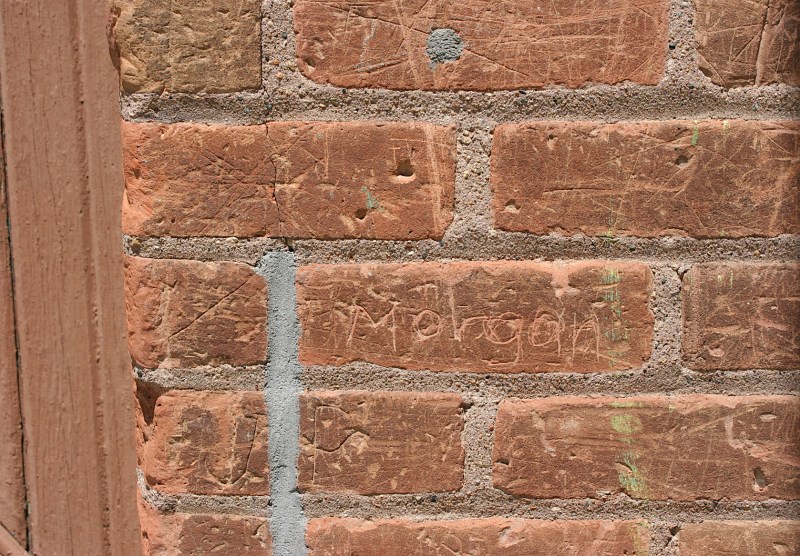
I don’t advocate defacing public or private property. But I do find graffiti interesting.


And, finally, I paused one final time. To study the many names etched into the brick of Pribyl Bro’s Garage. Morgan, whoever she is, wins with her name appearing most often. By writing her name here, Morgan is now part of the history of this place, this small town.

© Copyright 2020 Audrey Kletscher Helbling
 

At Aspelund: Peonies & wine June 9, 2020

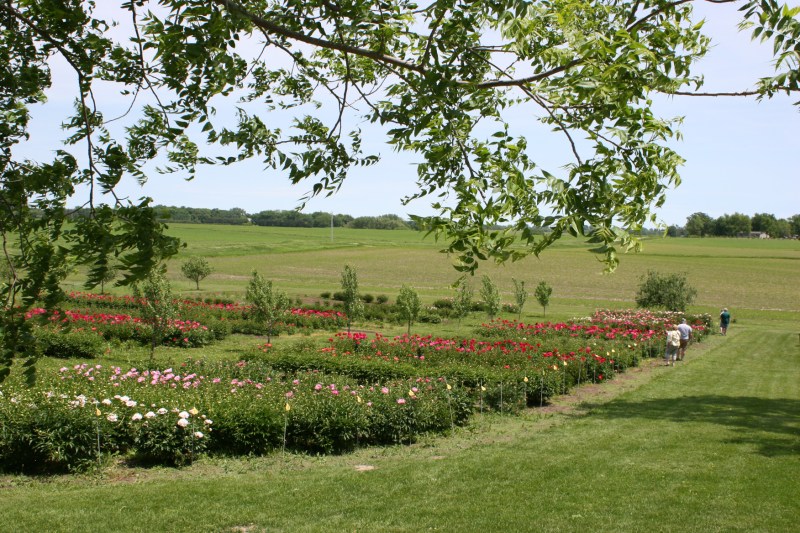
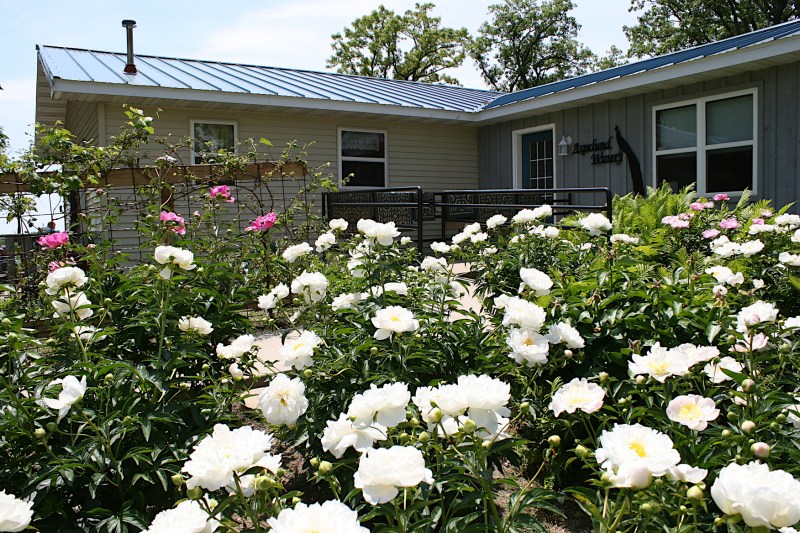
Fields of peonies are currently in bloom at Aspelund Peony Gardens, rural Wanamingo.


JUNE IN MINNESOTA BLOOMS peonies in shades of pink, burgundy and crimson, others white, bending, swaying in the wind, perfuming the air.


Such beauty in the many hues and fragrances.


Layered blossoms open to the warm sun, their beauty unsurpassed in the book of old-fashioned flowers, the bouquets of long ago brides—our grandmothers, our great grandmothers.


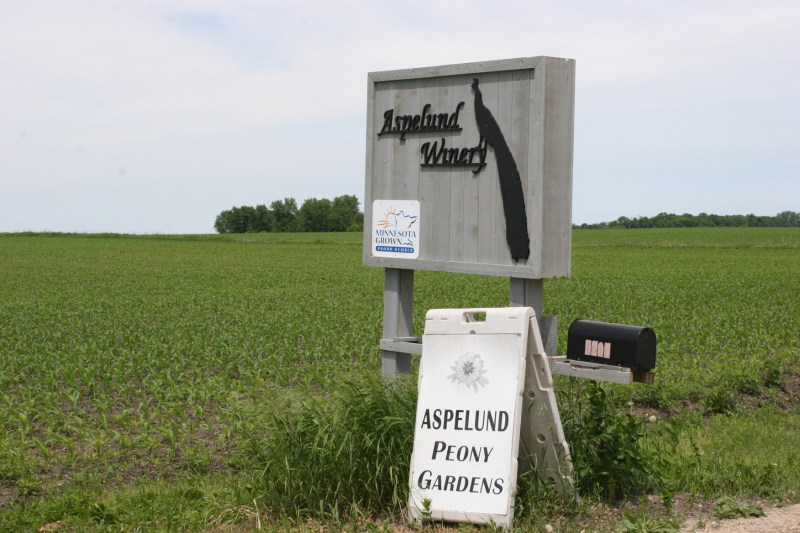
This sign along the gravel road marks Aspelund Peony Gardens & Winery.


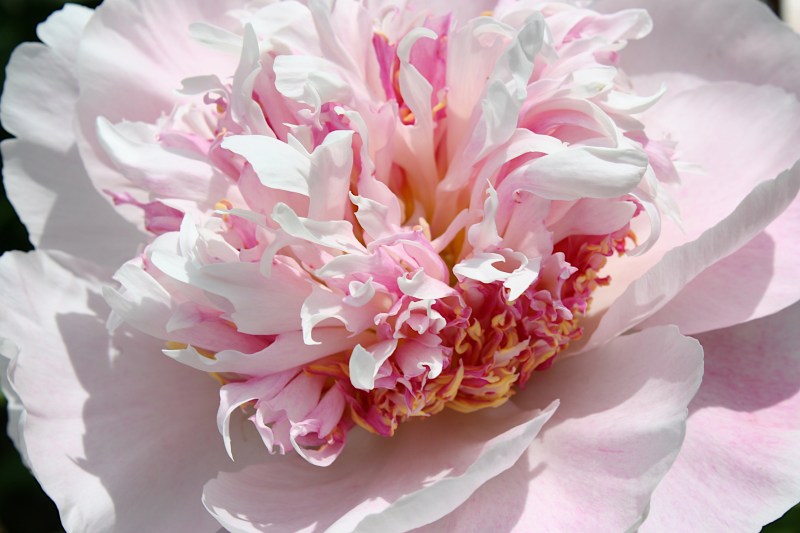
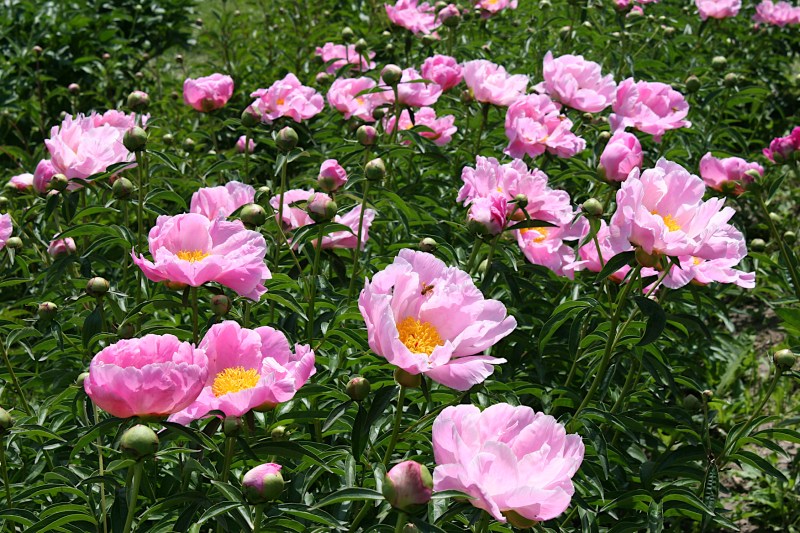
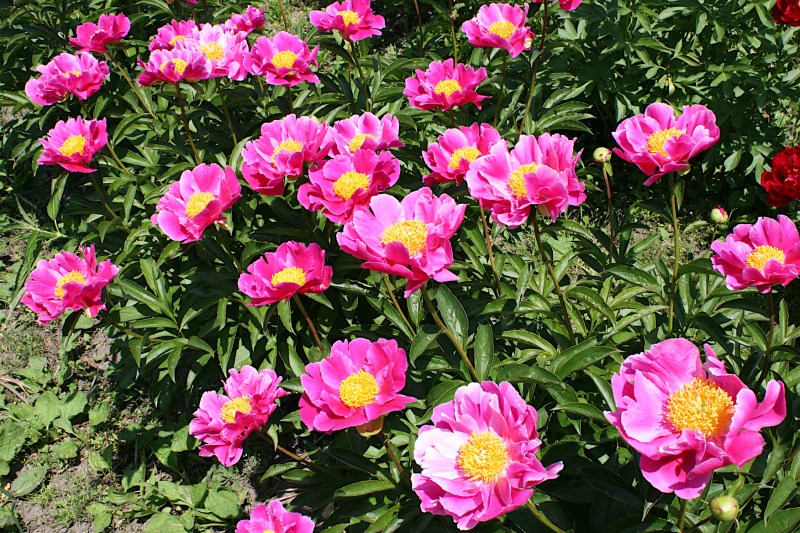
A lovely pink peony up close.


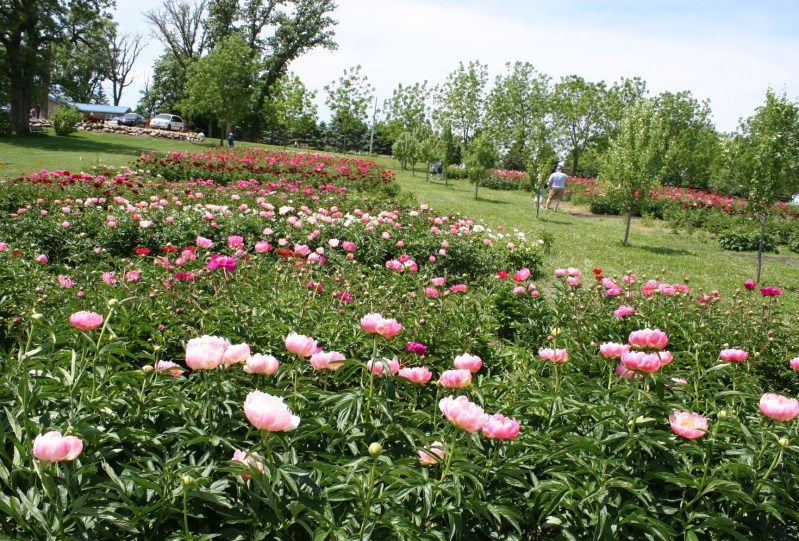
At the bottom of the hill, rows and rows of peonies grow against a country backdrop.


In southeastern Minnesota, I’ve found a place where fields of peonies grow. Lovely in their beauty against a rural landscape. Aspelund Peony Gardens and Winery northwest of Wanamingo.


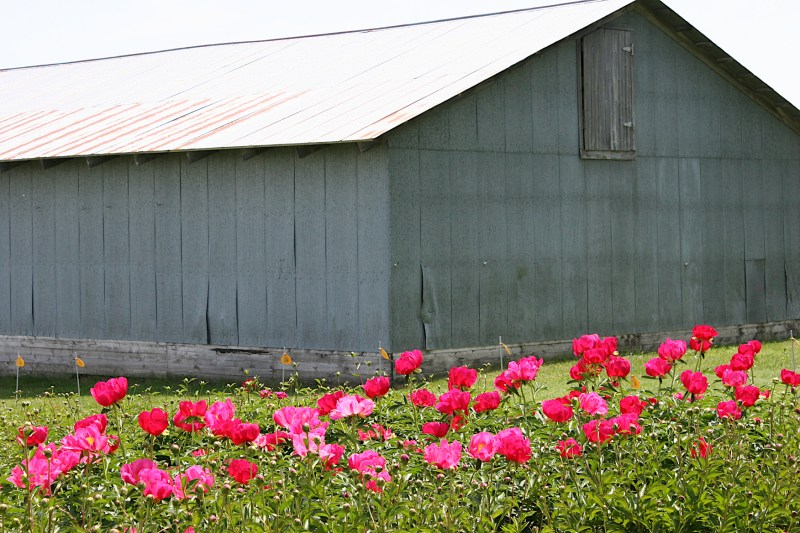
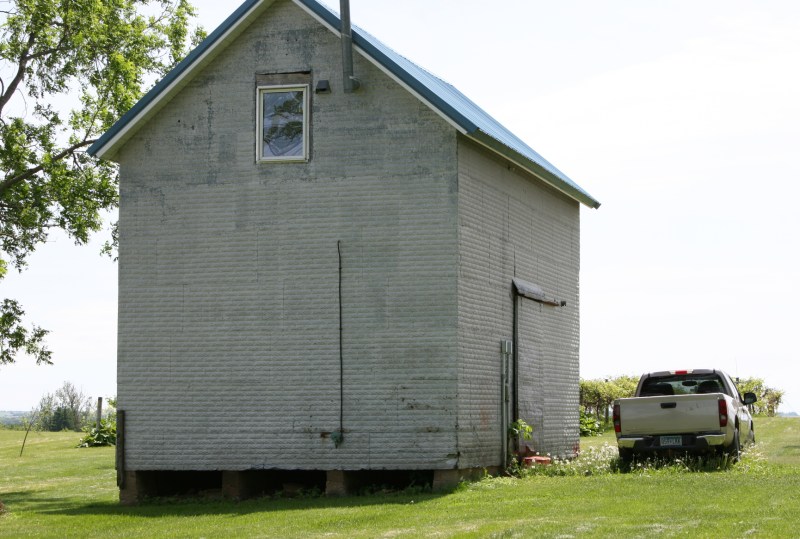
I love how this grey shed provides a blank canvas for the vivid peonies to pop.


Each June, Randy and I drive there to take in the loveliness. To enjoy and smell these flowers that once defined our community of Faribault as The Peony Capital of the World. No more. That title long ago gone, we now find fields of peonies a half hour away.


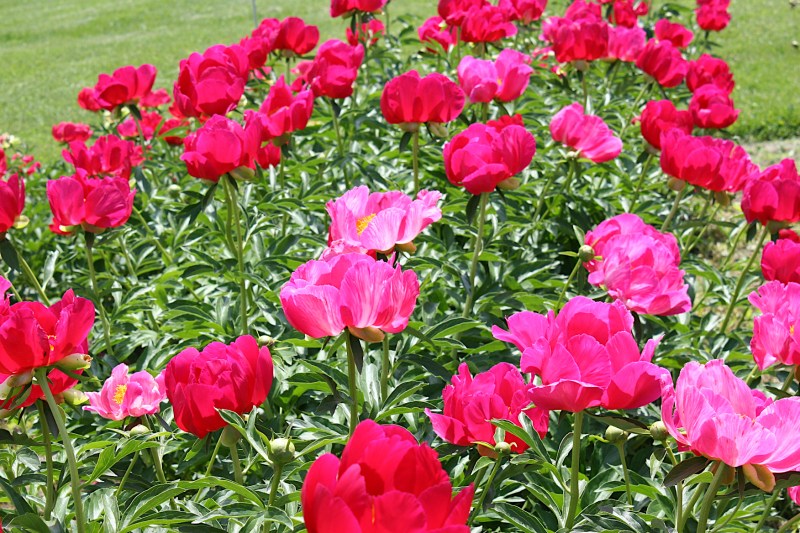
So many peonies…


I like to study the peonies from sweeps of flowers to single blooms.


Love these vivid shades…


Aspelund Peony Gardens sells peonies to the public, in the form of peony plants ordered now and tubers picked up in the fall for planting then. While meandering between the peony rows, I overheard many serious conversations about peonies. I come for the beauty and tranquility found in these acres of flowers.


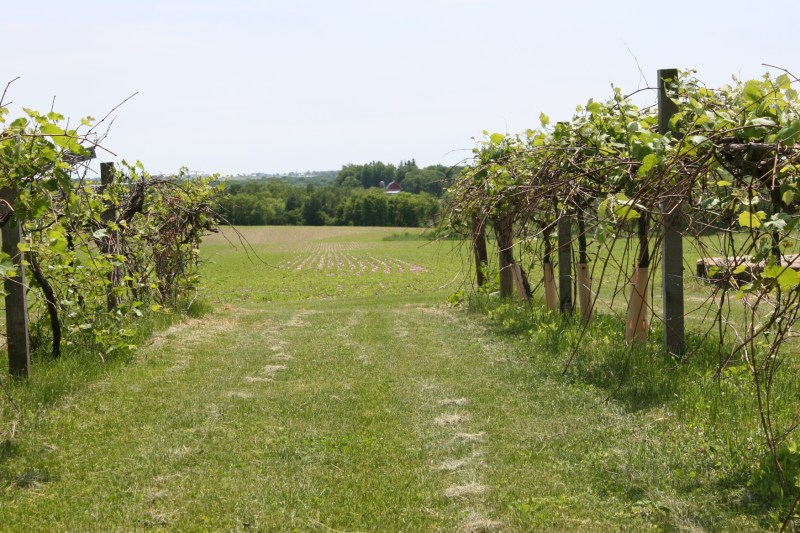
The hilltop vineyard offers a grand view of the surrounding countryside.


In this rural setting I find a certain peacefulness in sweeping vistas of the countryside, especially from the hilltop vineyard.


Rascal, left, roams among those visiting the gardens and winery.


Look at that face. Rascal just makes me smile.


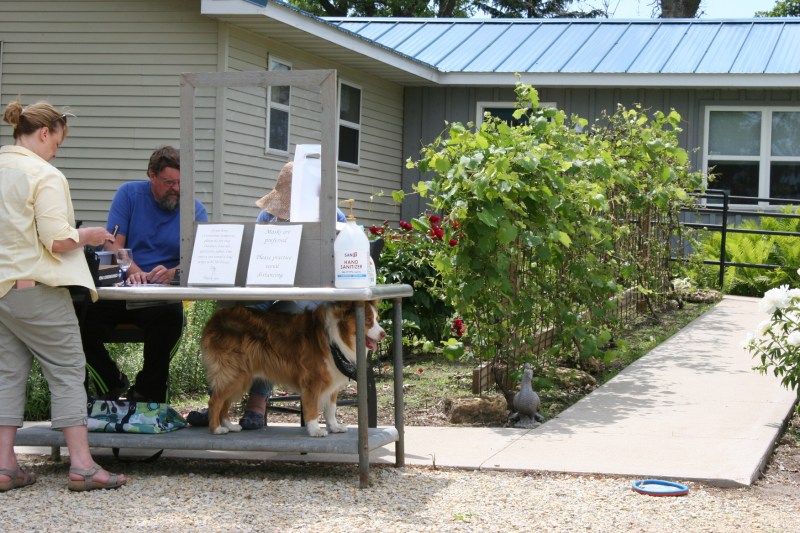
Rascal helps Bruce and Dawn Rohl at the check-out/peony ordering station.


Rascal the dog greets visitors by barking upon their arrival and then wandering among guests. He adds another layer of back-on-the-farm friendliness.


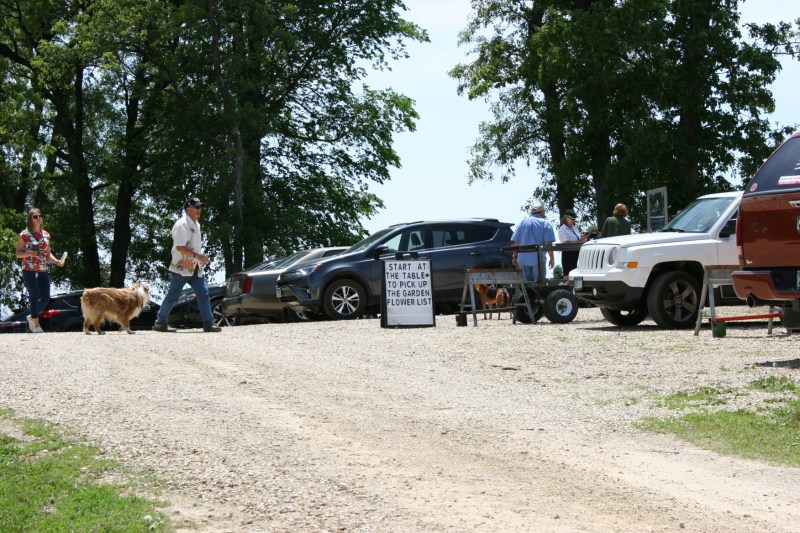
From the bottom of the hill, looking across the peony gardens toward the parking area and winery.


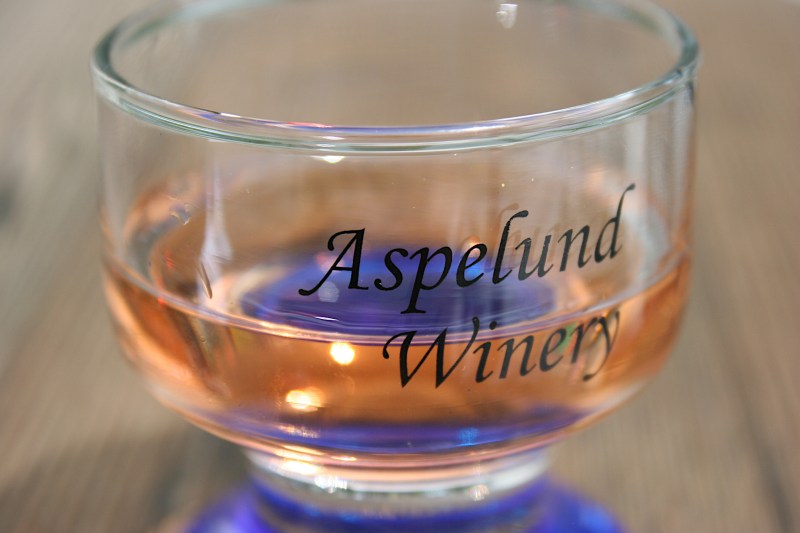
On this acreage, at this business, gardeners Bruce and Dawn Rohl—a couple as friendly and welcoming as you’ll ever meet—also craft wine. Randy and I wove our way from the peony gardens onto the tiered deck to order flights of wine, mine tasting of elderberries, raspberries, caramel, apples and cinnamon.


The tasting room, far right, opens soon, per allowances under COVID-19 rules.


One of my wine samples in a flight of four.


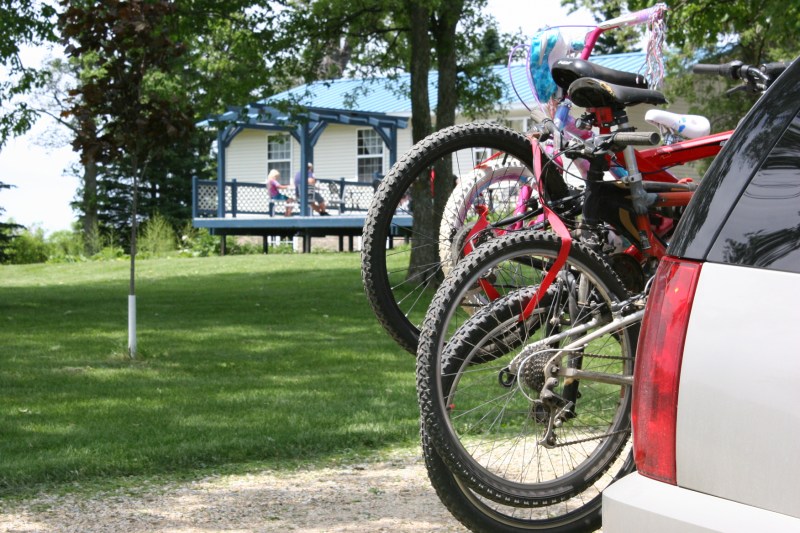
In the background you can see part of the tiered deck where guests can enjoy Aspelund wine at tables allowing for social distancing.


During our June 6 visit, only outdoor service was available due to COVID-19 restrictions. The small indoor tasting room reopens soon. I’d still recommend sitting outside to experience the rural beauty of this place. I’d also recommend wearing masks when passing near others and when ordering and getting your wine. The Rohls encourage masks. It’s the right thing to do for a couple who so graciously open their rural acreage (yes, they live here, too, in the attached house) and business to others.


An aged shed near the vineyard.


The next week, probably two, depending on weather, promises to offer excellent viewing of peonies in bloom. The garden is open from 4-7 pm weekdays and from 10 am – 4 pm weekends. The winery is open from noon to 5 pm weekends only. Check the Facebook page for any changes to those times. Above, all, delight in the flowers and savor the wine at Aspelund Peony Gardens and Winery, one of my favorite spots to visit each June in southeastern Minnesota.

© Copyright 2020 Audrey Kletscher Helbling
 

TV memories prompted by a vintage sign in Faribault May 13, 2020

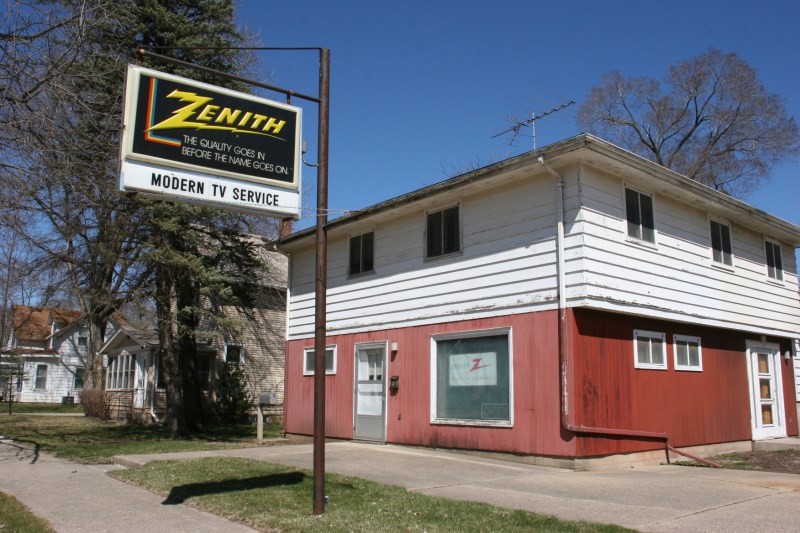
A vintage sign at a former TV shop in Faribault. Minnesota Prairie Roots photo.


TELEVISION. I remember my life without a TV. I am that old and of a poor rural upbringing which made a TV unaffordable for many years.

At some point in my youth, maybe when I was around nine-ish, my parents purchased a small black-and-white TV that rested on a wheeled metal cart. Set along a living room wall, the rack could be pushed and turned for TV viewing from the kitchen.

How exciting to get a TV and watch Lassie, Lost in Space, The Beverly Hillbillies, Petticoat Junction, Sky King and popular westerns like Gunsmoke. Our show choices were limited to CBS, the only network reception we got on our southwestern Minnesota farm. The CBS Evening News with Walter Cronkite became a favorite as my interest in national and world events and journalism grew.


Randy remembers buying a TV here decades ago. Minnesota Prairie Roots photo.


I’m getting sidetracked here. But all of this traces to recent photos I took of a former TV service shop along Central Avenue in Faribault. I’ve passed by the place many times with the thought of stopping to photograph the vintage signage. Finally, I did, because I’ve learned the hard way that, if you wait too long, the opportunity will be lost. And I do appreciate the art and history of old signs.


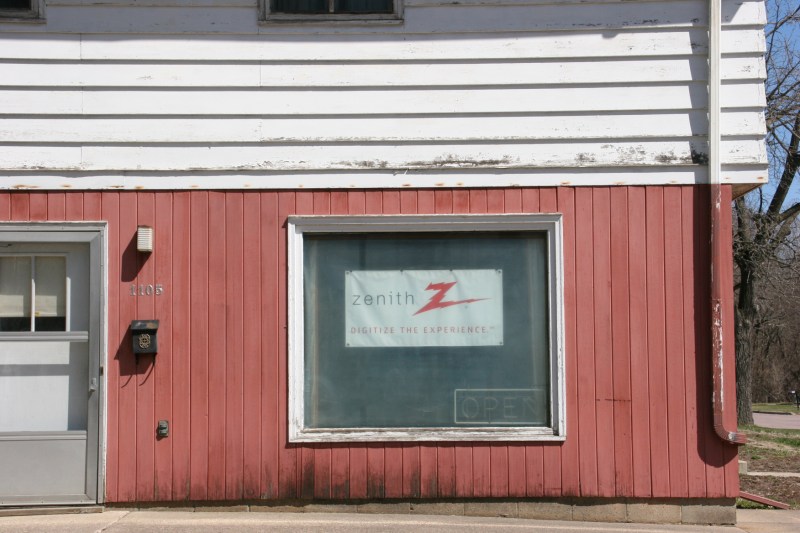
The front window of the closed TV shop. Minnesota Prairie Roots photo.


Who remembers Zenith TVs, like those sold at Modern TV Service? Or Sylvania, RCA, Maganox? Companies that once dominated the U.S. television market. I can’t tell you the brand of my childhood TV. But I recall the excitement of getting a television and later watching a color console TV at my dad’s cousin Ruby’s house when we visited the Meier family. What a treat.


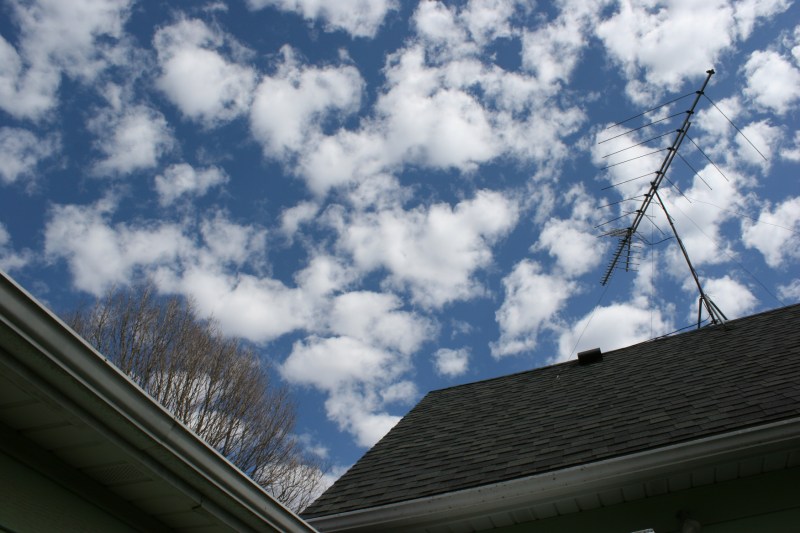
A few weeks ago I photographed the cloud-studded sky, I also photographed the TV antenna atop our house. Minnesota Prairie Roots file photo.


Unlike most people today, Randy and I don’t have cable TV or subscribe to any streaming services. Instead, we still rely on a rooftop antenna for reception on the single television in our house. And, living in a valley, that reception often proves unreliable. Spotty. Affected by weather (especially the wind), by a medical helicopter flying over or nearby, even a vehicle passing on the busy street. I am most frustrated that the public television station typically does not come in on our TV. Oh, well, at least we have a TV and it’s color, right? And let’s not forget the remote control, although I wish every set came with two…

TELL ME: Do you remember a time when you didn’t have a television? Anyone out there old-school like us with reception coming only from a roof-top antenna?

© Copyright 2020 Audrey Kletscher Helbling
 

Delighting in a Sunday afternoon drive in rural Minnesota May 12, 2020

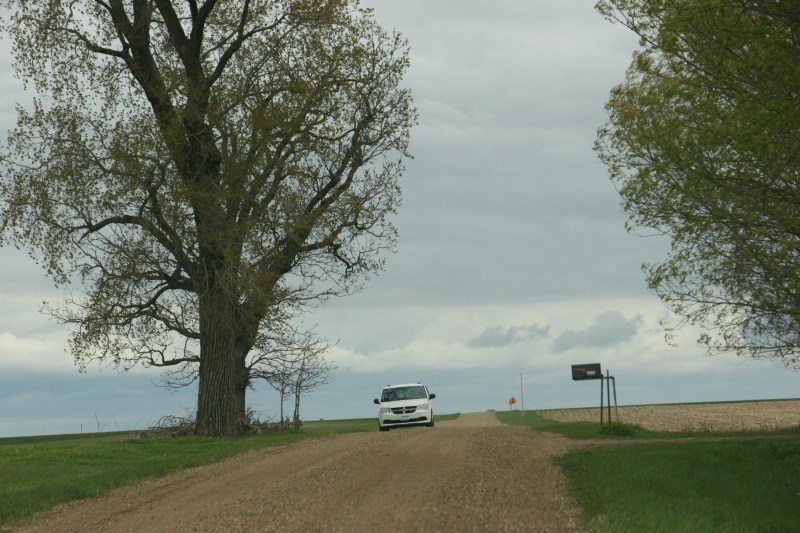
We met an occasional vehicle on our country drive southeast of Faribault, Minnesota.


I ABSOLUTELY, UNDENIABLY needed this. To drive into the countryside on a Sunday afternoon. To get away. To view the greening of the land. To forget for a half hour about the realities of life. To focus on nature. To photograph rural Minnesota.


We drove past farm sites.


Past lovely barns…


Clouds and cold weather defined Mother’s Day in southern Minnesota.


And that’s exactly what Randy and I did mid Mother’s Day afternoon, aiming southeast of Faribault to follow back country gravel roads. My sense of direction doesn’t exist. I trust Randy to steer us onto roadways that fulfill my need to go at a leisurely pace, to stop when I see something I must photograph, to appreciate the details of place.


Following gravel roads. Up and down.


Occasionally the cloud-heavy sky spit rain onto the windshield as we dipped up and down, hilltops offering sweeping vistas of a lush landscape.


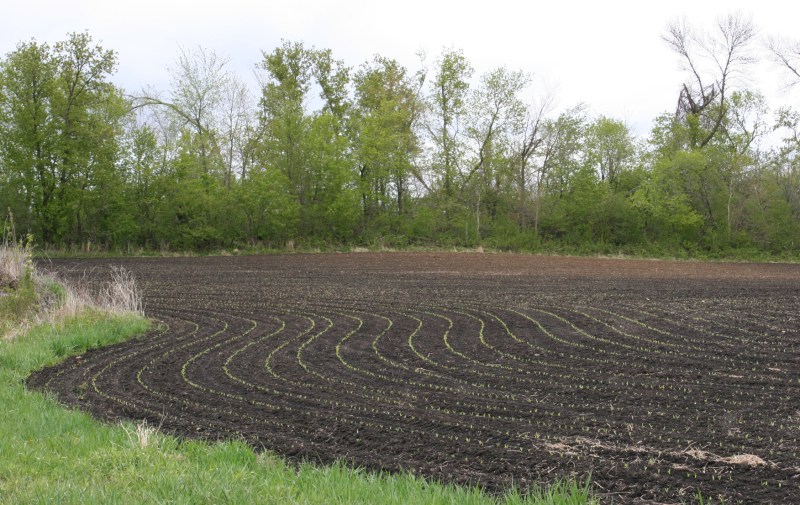
We spotted corn coming up in this field along 250th Street East southeast of Faribault.


Corn popped green, curving rows into one field.


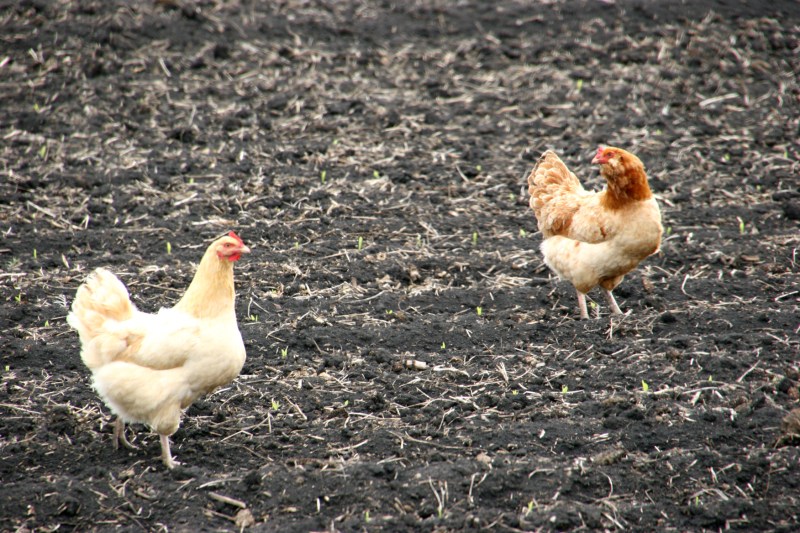
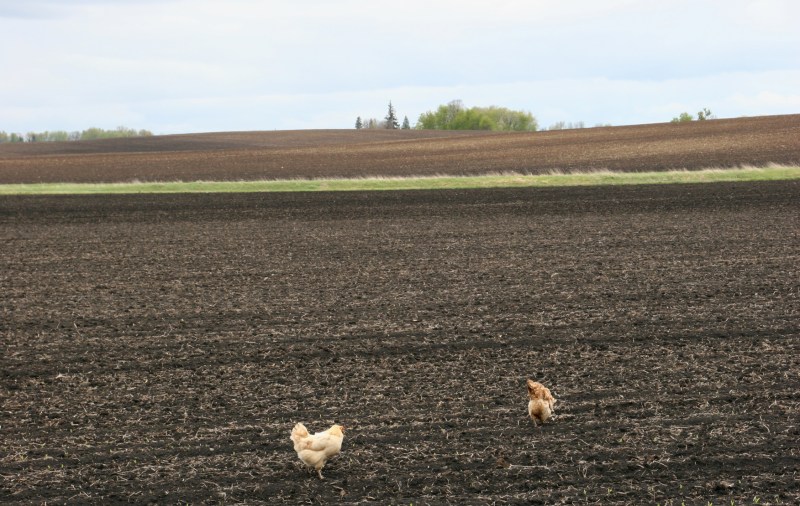
Chickens strayed from a farm site across the road to a field.


Those chickens seem so small in the vastness of farm fields.


Rogue chickens paused in another field to observe us while I swung my lens to photograph them.


An old farm site along 233rd Street East.


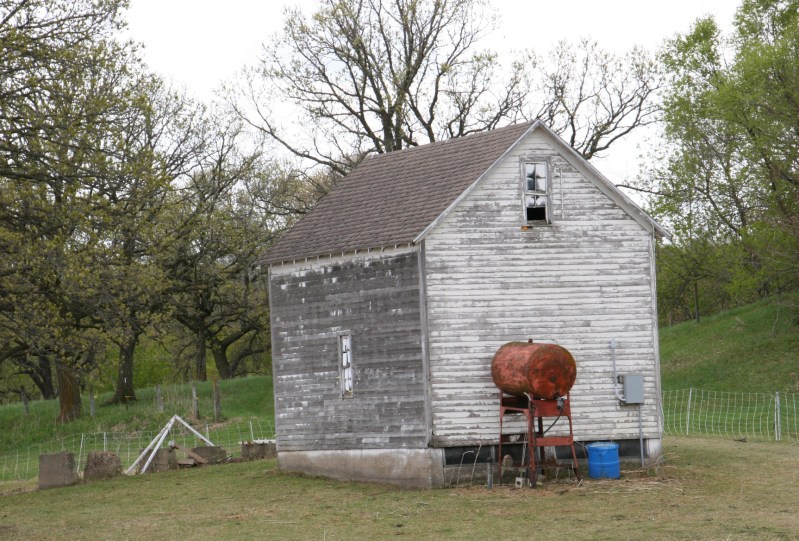
It’s been awhile since I’ve seen a gas barrel like this.


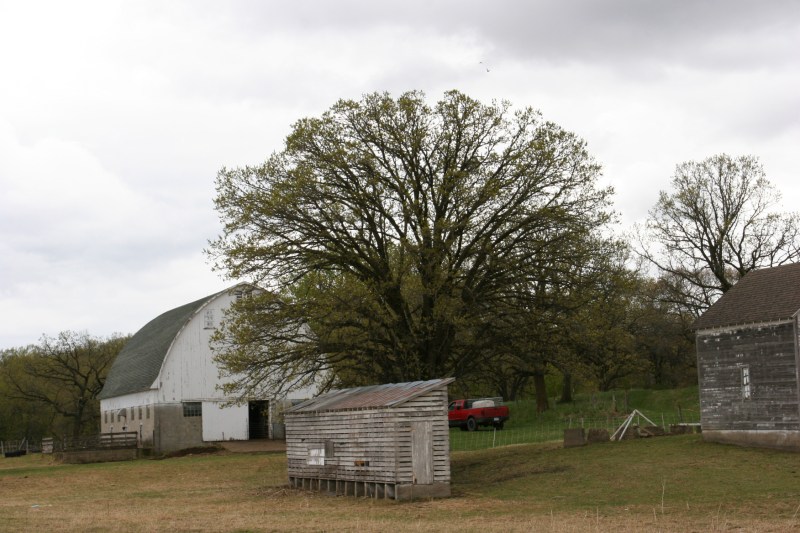
At one point, atop a hill, we studied a farm site below with broad barn, weathered corn crib and a red gas barrel next to an aged shed. Such building sites remind me of yesteryear, when an assortment of small structures defined a farm place.


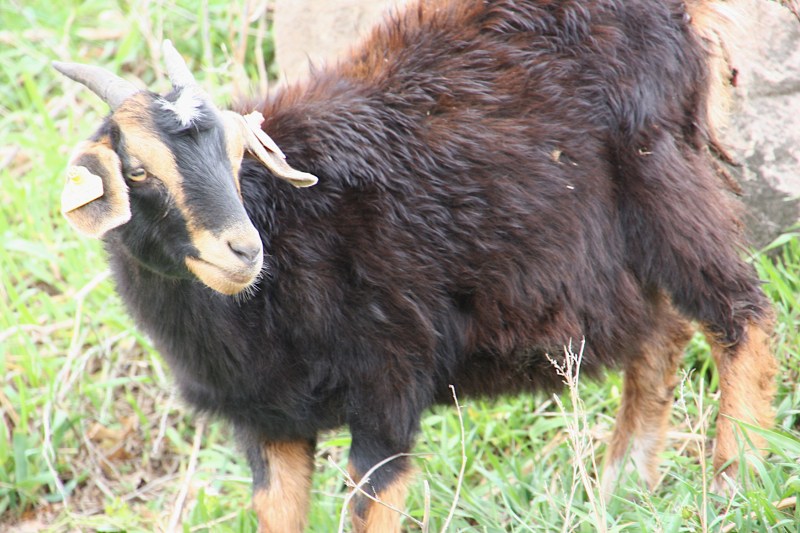
That baby goat wanted so badly to scale that rock, without success.


Even the adult goats are cute.


And then, the road curved, leading us to the sweetest surprise of the drive—goats, fenced on both sides of the roadway. Windows rolled down, we heard their plaintive baa and watched as a baby goat struggled to climb a rock. I ooohed and aaahed over the cuteness of these goats.


Spring blooms, finally, in southeastern Minnesota.


Too soon we headed back to town. Randy needed to light the charcoal grill to smoke and cook a pork roast for supper. A Zoom call with family awaited us, too. But, in that short time, I found exactly what I needed—a joyful, therapeutic and sweet escape into the southeastern Minnesota countryside.


© Copyright 2020 Audrey Kletscher Helbling
 

Adapting worship in rural southwestern Minnesota during a global pandemic May 4, 2020

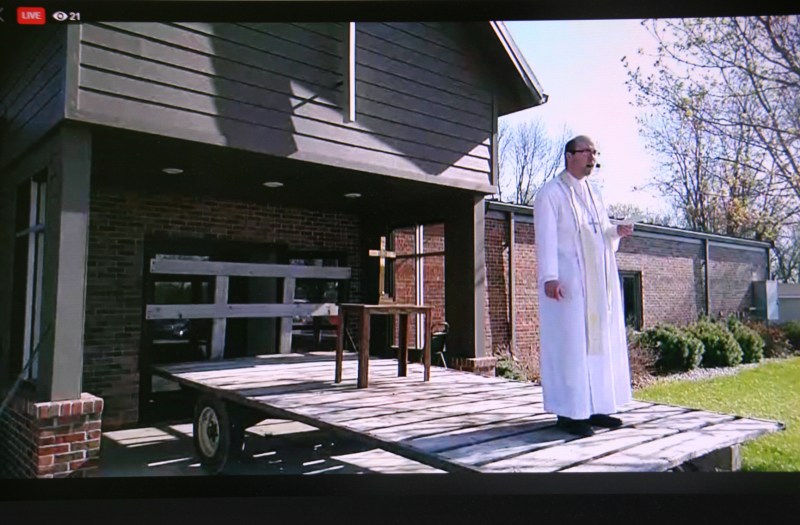
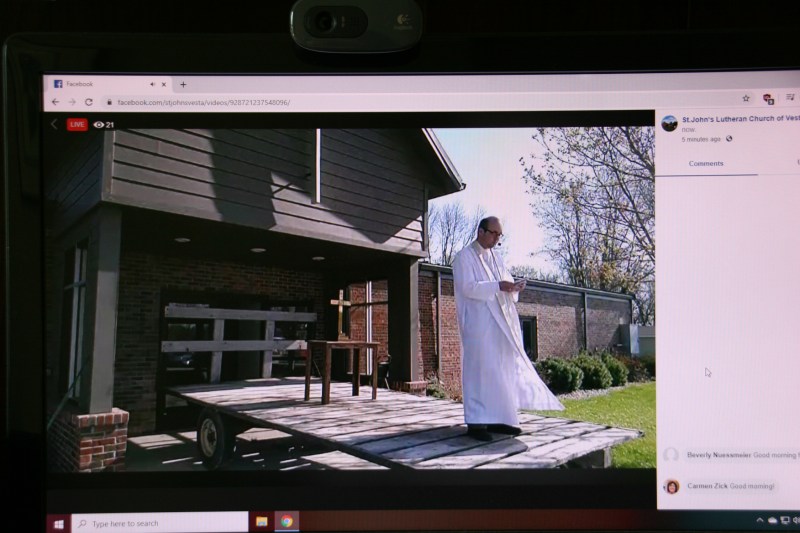
The Rev. Adam Manian leads worship services at St. John’s Lutheran Church, Vesta, Minnesota, on Sunday, May 3, 2020.


HIS ROBE BILLOWED in the wind as he stood atop the hay rack on a stunningly beautiful spring Sunday morning in southwestern Minnesota. A simple wooden table adorned with a gold cross formed a makeshift altar behind him.

To the south, vehicles filled the parking lot next to a farm field bordering the Redwood River. Across the river bridge, more fields and farm sites define the landscape, including my childhood farm a half-mile distant.

I visualized this rural scene as I focused on my computer screen. I watched the Rev. Adam Manian prepare to lead Sunday morning worship services outside St. John’s Lutheran Church, the church where I was baptized, confirmed, married, and have attended weddings and funerals of many loved ones.


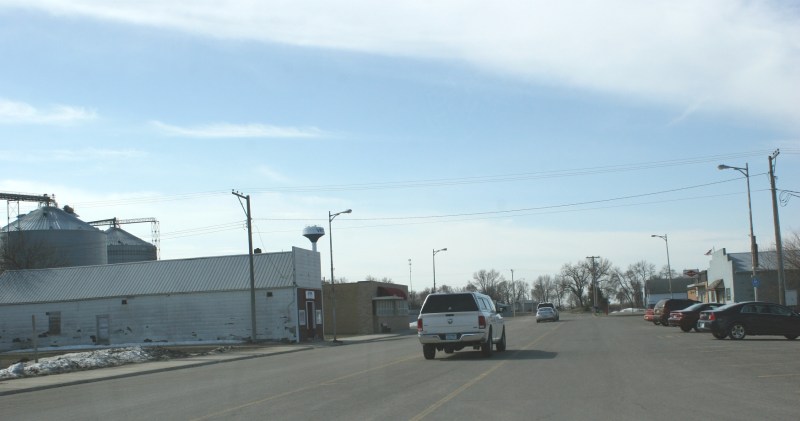
The one-block Main Street of downtown Vesta. Minnesota Prairie Roots file photo April 2018.


It seemed fitting that the pastor would preach from atop a hay rack backed up to the church entry. This place in Minnesota is through and through rural, centered on agriculture. It is also a place centered by church and its importance in the faith lives of most and in the social fabric of the Vesta community. I can only imagine how much locals—including aunts, uncles and cousins—miss gathering at St. John’s. I miss seeing my faith family, too, at Trinity Lutheran in Faribault.


I watched the St. John’s service live-streaming Sunday morning. Drive-in worship will continue next Sunday at 9 a.m.


During these weeks of social-distancing, stay-at-home orders and the need to protect our most vulnerable and each other, churches have gotten creative in continuing with worship. On this first Sunday in May, the pastor of this very rural congregation in a community of some 300 launched drive-in worship. Worshipers sat in their vehicles and tuned in to 102.1 FM on their radios while he led the service. And 120 miles away to the east, I booted up my computer and watched live-streaming of St. John’s service.

It did my heart and soul good to see that on this Sunday, “Good Shepherd Sunday,” the pastor at my hometown church was tending his flock—providing for their spiritual needs through the familiarity of liturgy, beloved hymns, preaching and prayers. What a blessing, especially to the many seniors in the congregation who now find themselves isolated, alone, separated from loved ones. An aunt even washed her car in preparation for Sunday’s service.

I thought back to decades earlier when my paternal great grandparents, Rudolph and Matilda Kletscher, arrived here and St. John’s grew from a mission church that met in their farm home. My faith is rooted here, in this church, in this place, among these prairie people.


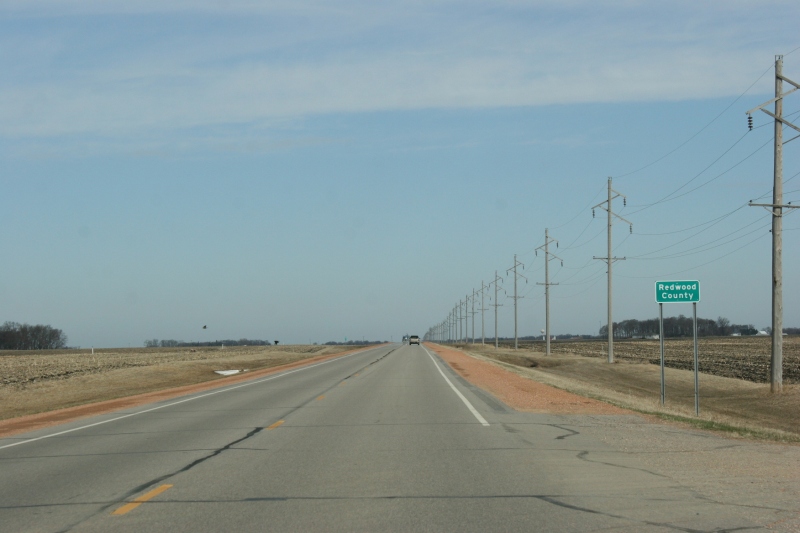
Entering my home county of Redwood along Minnesota State Highway 68 southeast of Morgan. Minnesota Prairie Roots file photo.


As Rev. Manian preached, I noticed the wind, ever-present in this landscape of wide open space. His robes billowed. His audio caught the wind. The camera shook on occasion. Tree branches swayed. Birds flew and some chirped in morning birdsong. It was as if creation joined in worship.

Occasionally I heard the start of a motor, presumably to run the air conditioning.

And when the pastor’s family, inside the sanctuary, sang “Have No Fear, Little Flock,” I experienced such a connection to St. John’s, such a renewed sense of confidence that we will get through this COVID-19 crisis, that God stays close beside us, that we are all in this together.


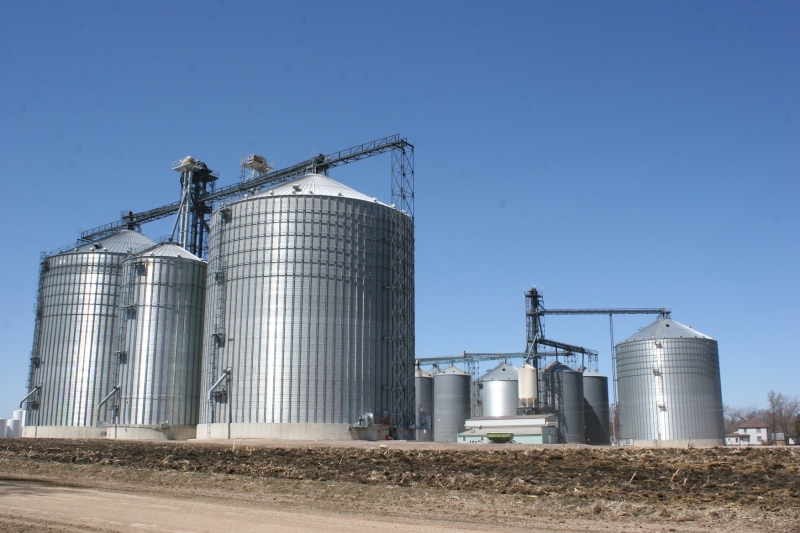
These grain bins sit just down a gravel road from St. John’s church in Vesta. Minnesota Prairie Roots file photo.


I realized, too, that we are writing stories every day of overcoming, of adapting, of being here for one another, of resilience. We are writing stories of hope and of community. These are our stories. Faith stories. Community stories. Personal stories. Stories connected by the commonality of living during a global pandemic.

#

Thank you to my cousin Lori for tipping me off to St. John’s drive-in worship service.

© Copyright 2020 Audrey Kletscher Helbling
 

Oh, glorious April afternoon in southern Minnesota April 21, 2020

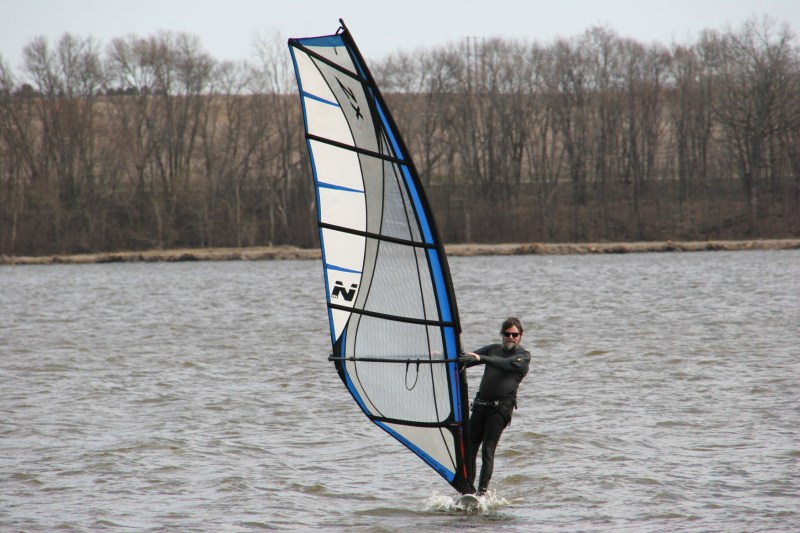
Windsurfing on Cannon Lake, rural Faribault, Minnesota, on Saturday afternoon, April 18. Minnesota Prairie Roots photo.
 

APRIL IS A FICKLE month in Minnesota. Sunshine and warmth one day and clouds and brisk temps the next.


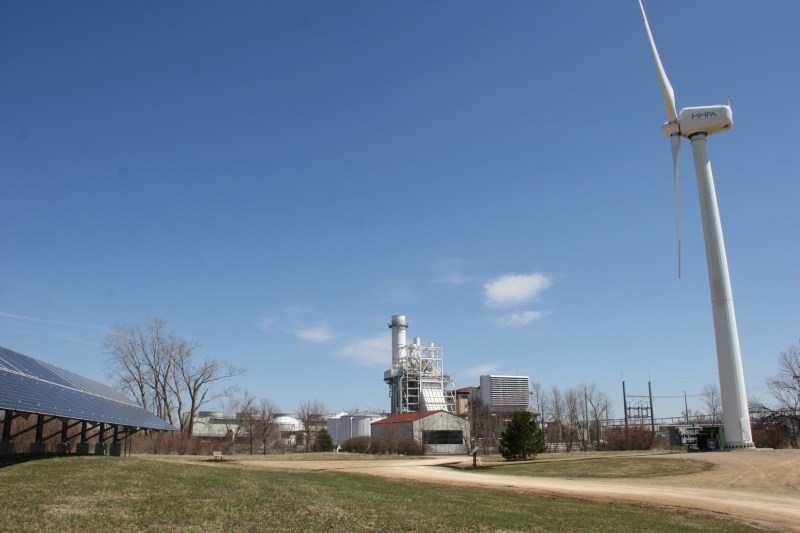
A wind turbine and solar panels are part of the Faribault Energy Park with the power plant in the distance. Minnesota Prairie Roots photo.


This past Saturday marked a glorious day here with the temp near 60 under sunny skies. I needed to get out of town, yet honor and respect the Governor’s Stay at Home order. So Randy and I set off, first, for the Faribault Energy Park, where we had the entire place to ourselves. I love that about this mostly undiscovered park. No need to concern ourselves about social distancing or, on this day, loose dogs.

 

Oh, the vibrant hues of red and blue on a sunny April afternoon in the Faribault Energy Park. Minnesota Prairie Roots photo.


While walking the dirt paths that wind around wetland ponds, we heard birds above the steady drone of traffic from adjacent Interstate 35. It looked to be a typical busy weekend of travel for folks on the interstate.
 

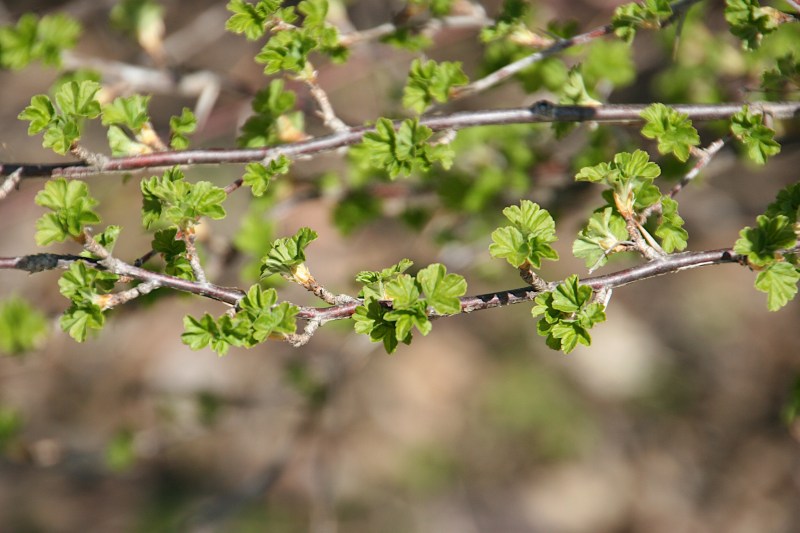
Greenery is beginning to erupt in the landscape. Minnesota Prairie Roots photo.


Everywhere, people were out and about. When you’ve been cooped up inside during the winter and under the Stay at Home order, which I fully support, there’s a real psychological need to get outdoors on a day as beautiful as Saturday.


I couldn’t get enough of the trees set against that amazing blue sky. Minnesota Prairie Roots photo.


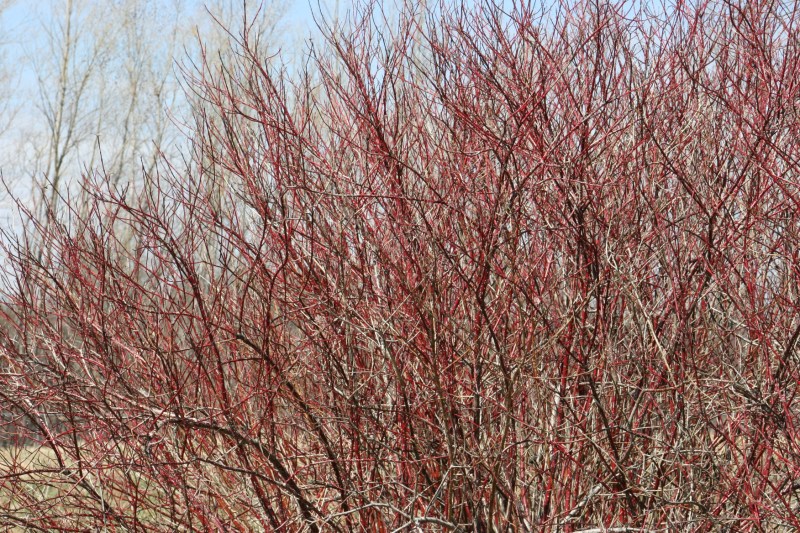
Love the hue and texture of dogwood. Minnesota Prairie Roots photo.


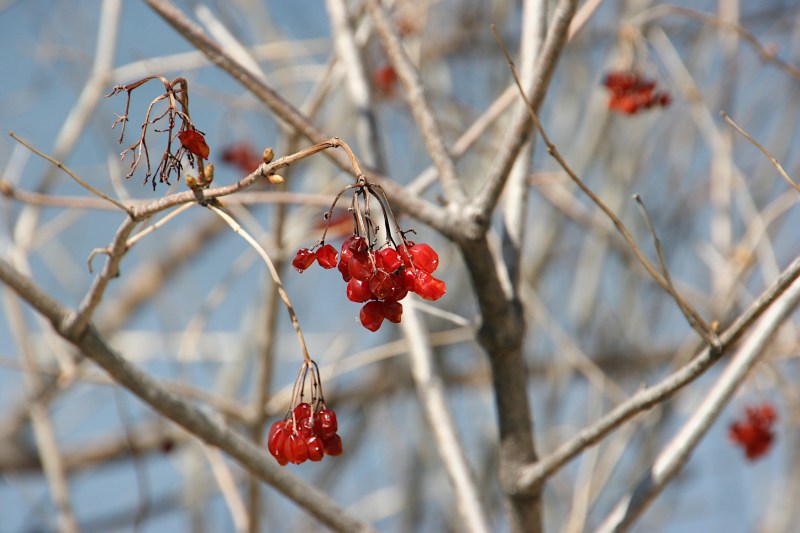
I took my time, noticing and appreciating the signs of spring in the landscape. Brilliant red berries against blue, not grey, skies. Green burst of buds. Twigs of mahogany dogwood flagging paths. Creek running. Path muddied by puddles floating oak leaves of autumn. The reflection of the sky in ponds of blue. It was lovely. All of it.


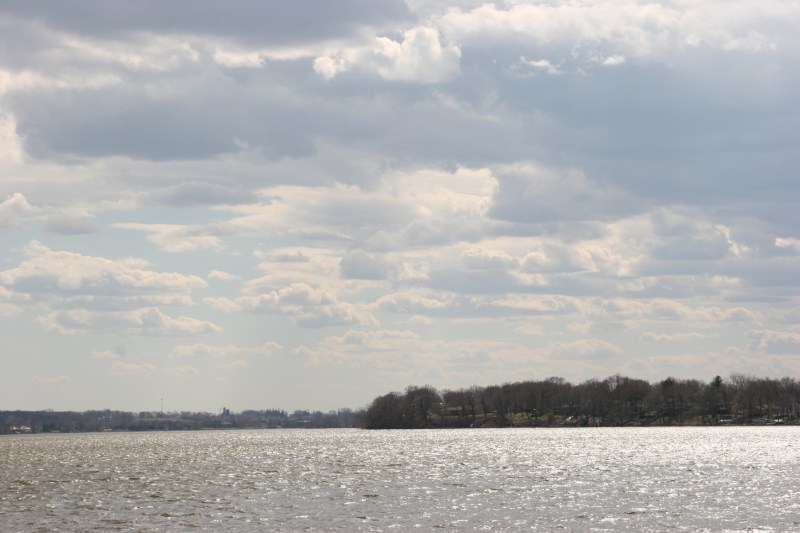
Cannon Lake west of Faribault. Minnesota Prairie Roots photo.


After walking in the park, we headed out to the Faribault lakes area west of town for a drive in the country. Pleasure driving, near home, is allowed under the state executive order.


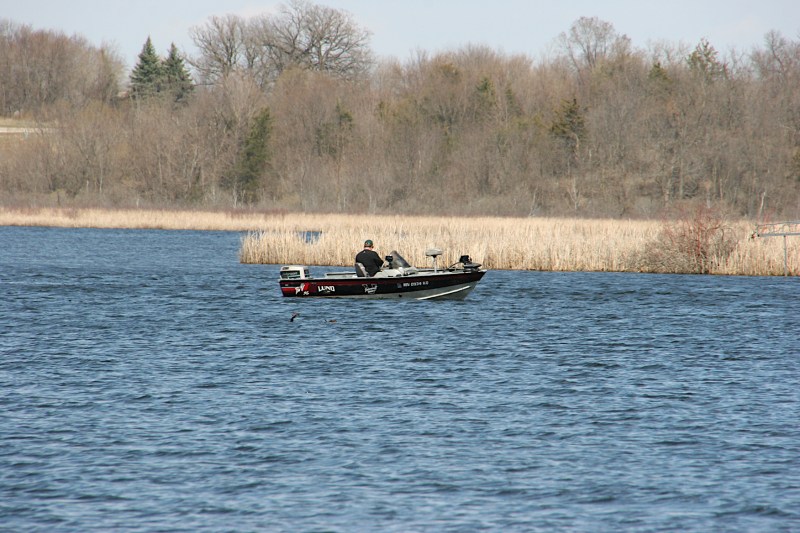
Fishing in one of the many area lakes. Minnesota Prairie Roots photo.


An American flag flies from a dock. Minnesota Prairie Roots photo.


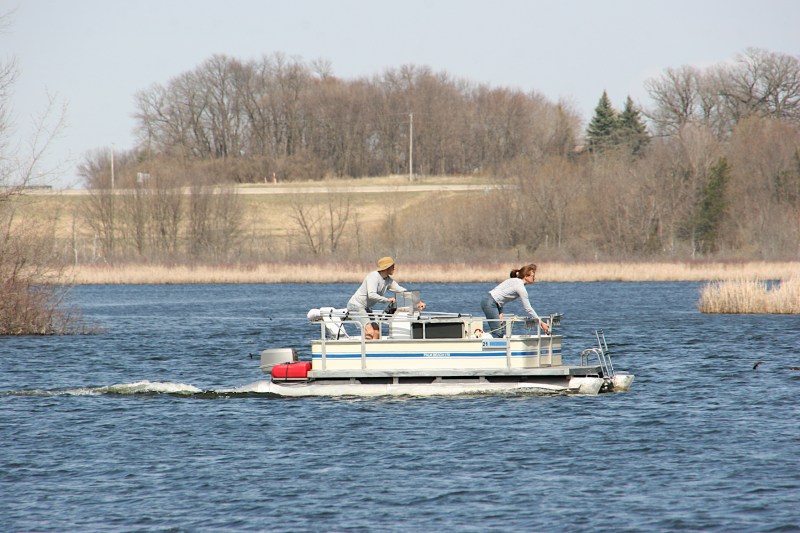
A beautiful afternoon to be out on the pontoon. Minnesota Prairie Roots photo.


During our lakes tour, we observed people fishing, pleasure boating, wind surfing and riding motorcycles. At a public boat landing, we met a grandpa out for a motorcycle ride with his granddaughter. Their “wind therapy,” he called it. He sees his granddaughter daily so there was no need to social distance from her.


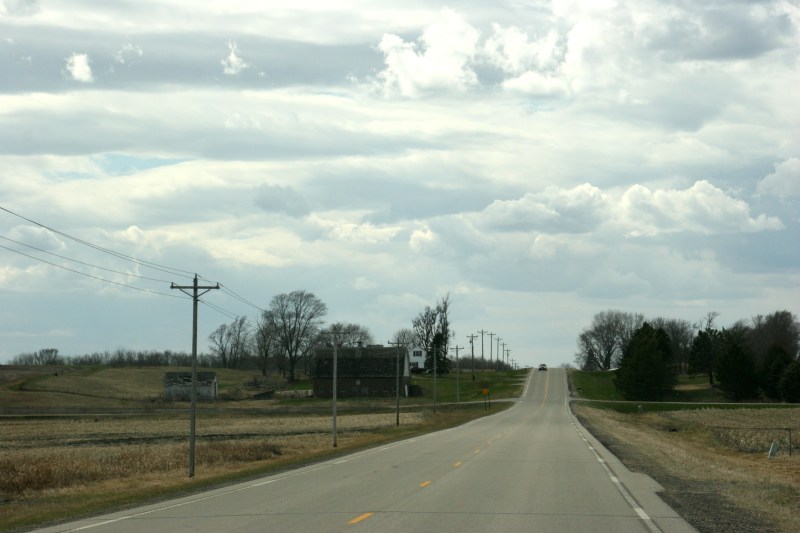
The cloud deck was building as we drove into the countryside late Saturday afternoon. Minnesota Prairie Roots photo.


I even got my barn fix as we turned onto a gravel road. Minnesota Prairie Roots photo.


A decaying corn crib. Minnesota Prairie Roots photo.


I felt a sense of peace as we drove along back county and gravel roads in the countryside. Past barns and past fields awaiting planting. Through rural land that, for a brief moment of time on a lovely April afternoon, provided a respite from reality.

TELL ME: How are you getting away without really getting away?

© Copyright 2020 Audrey Kletscher Helbling