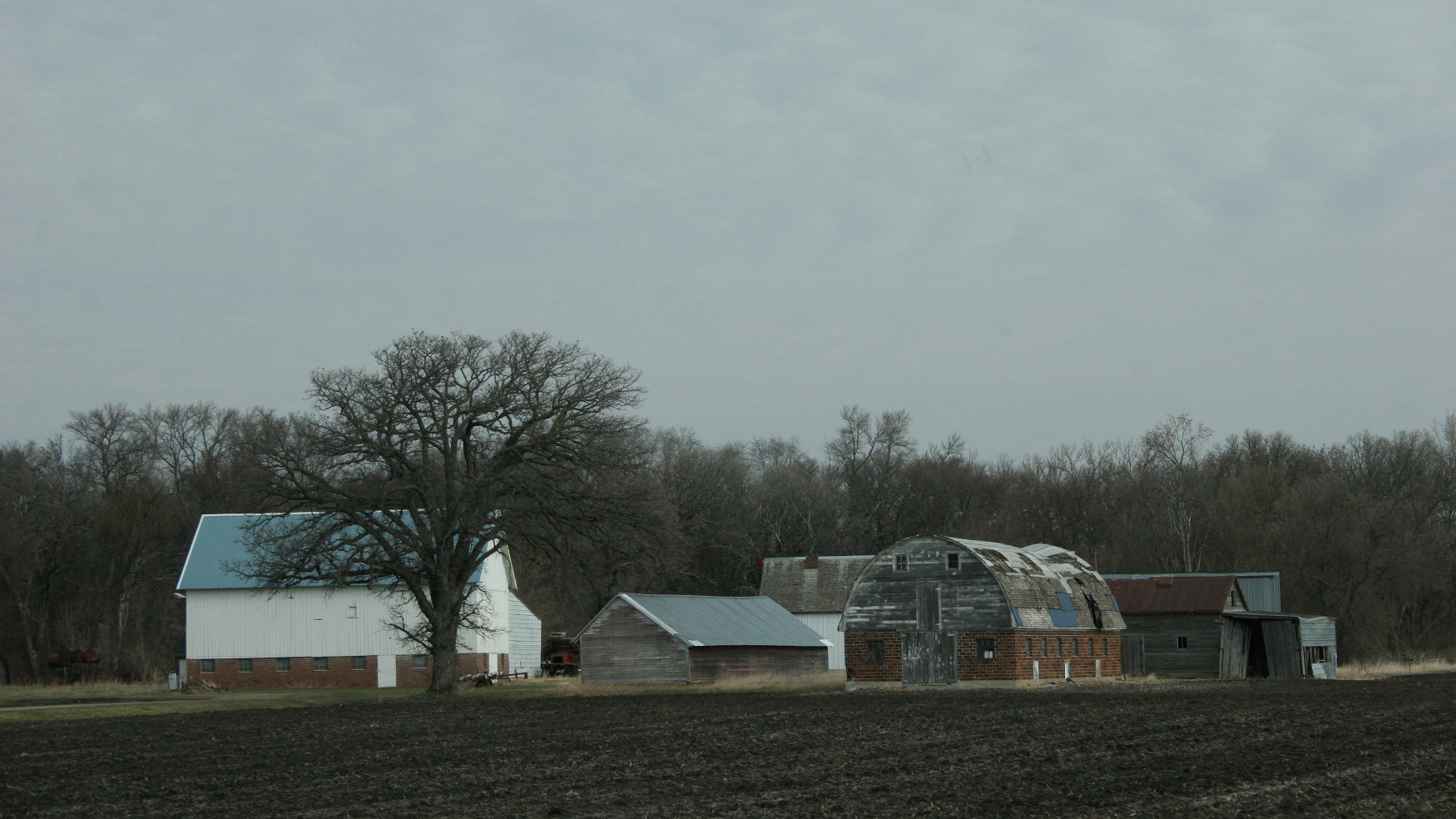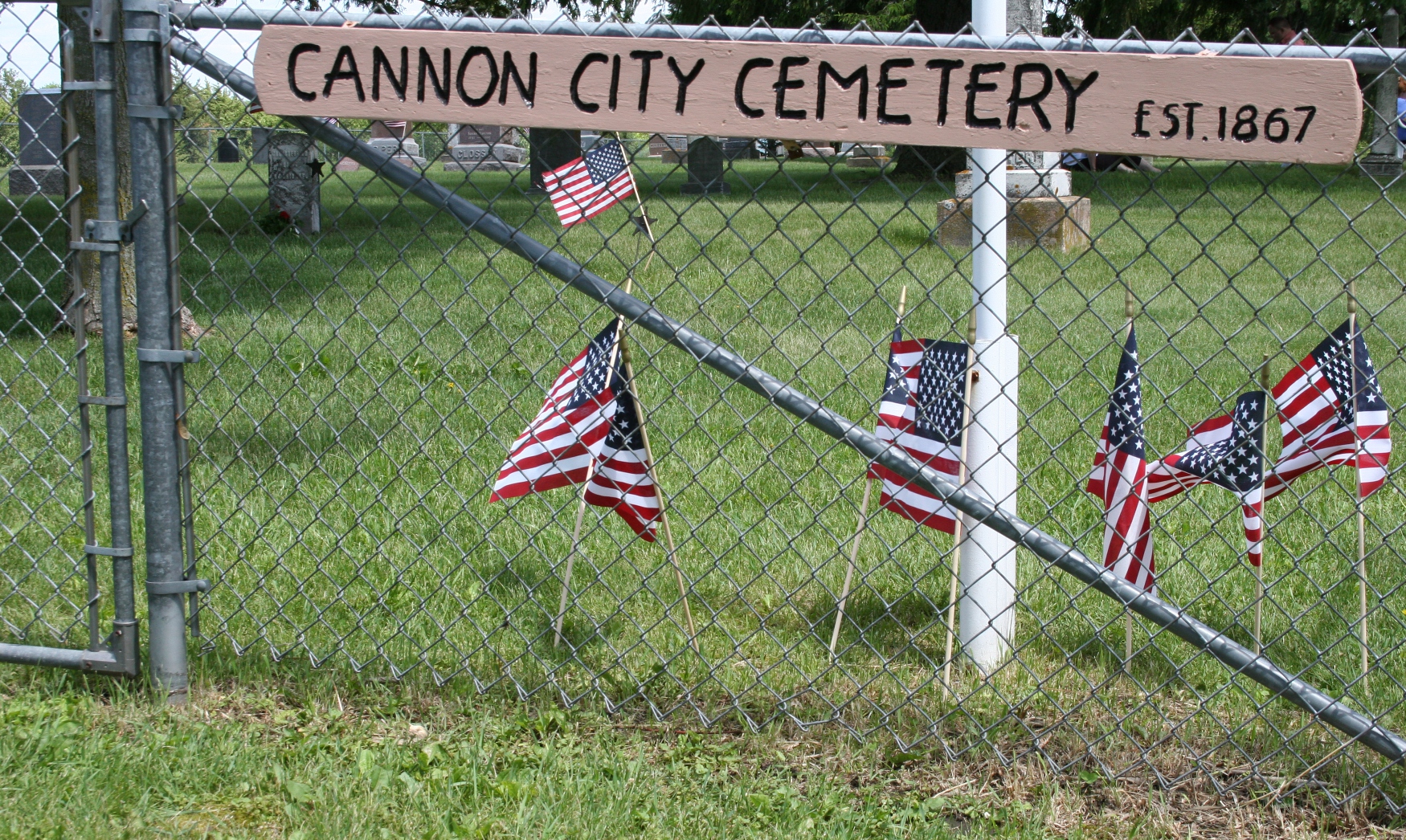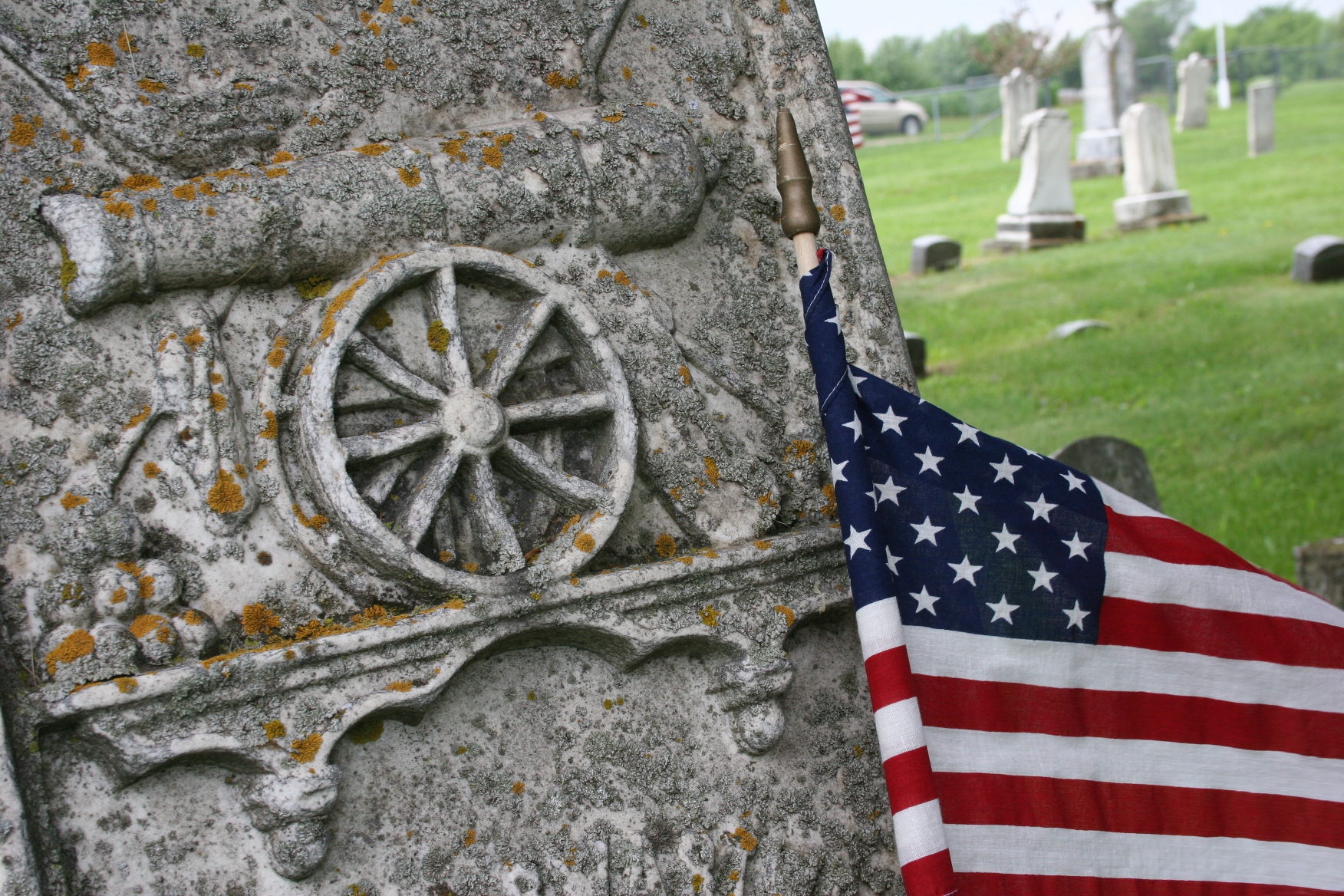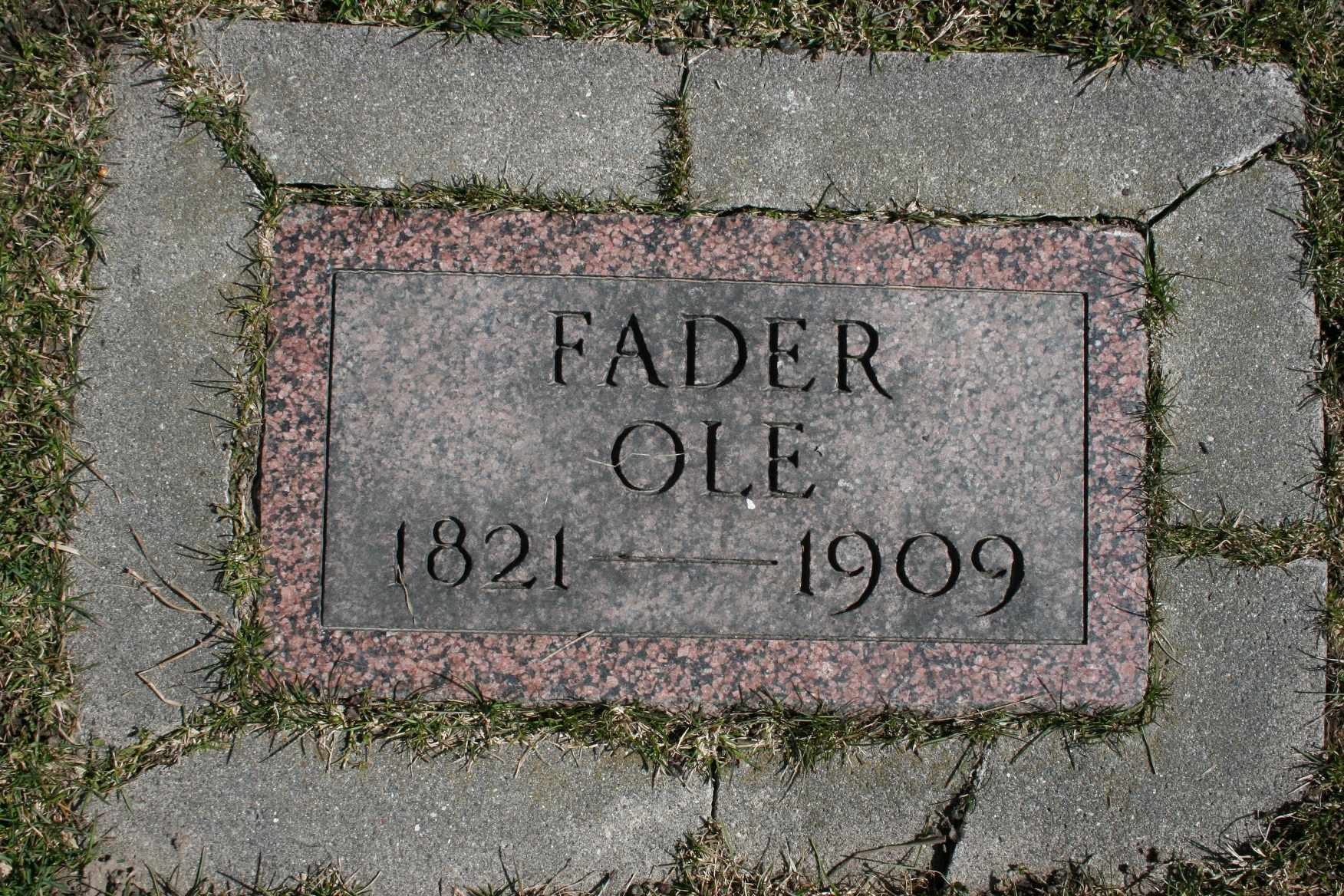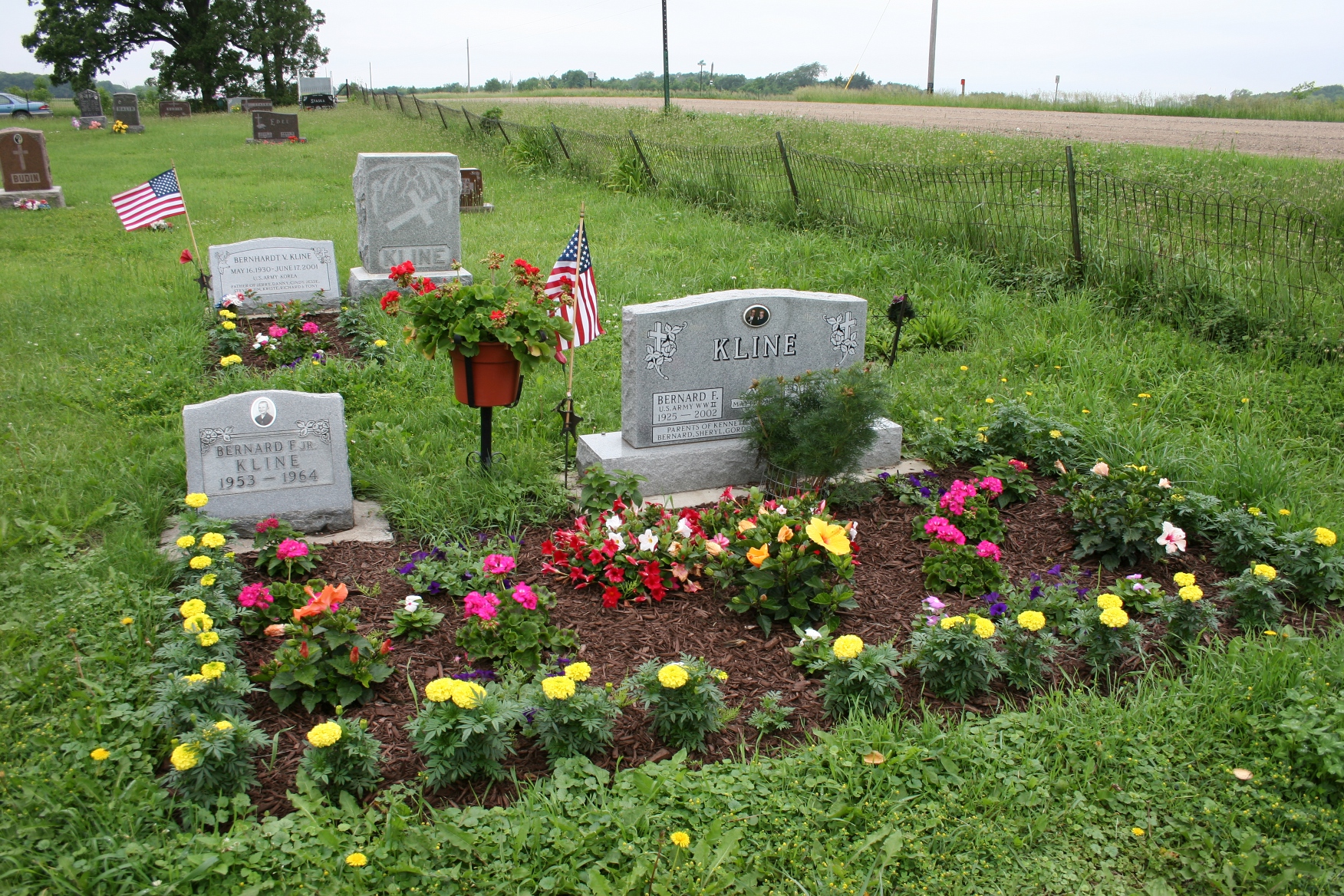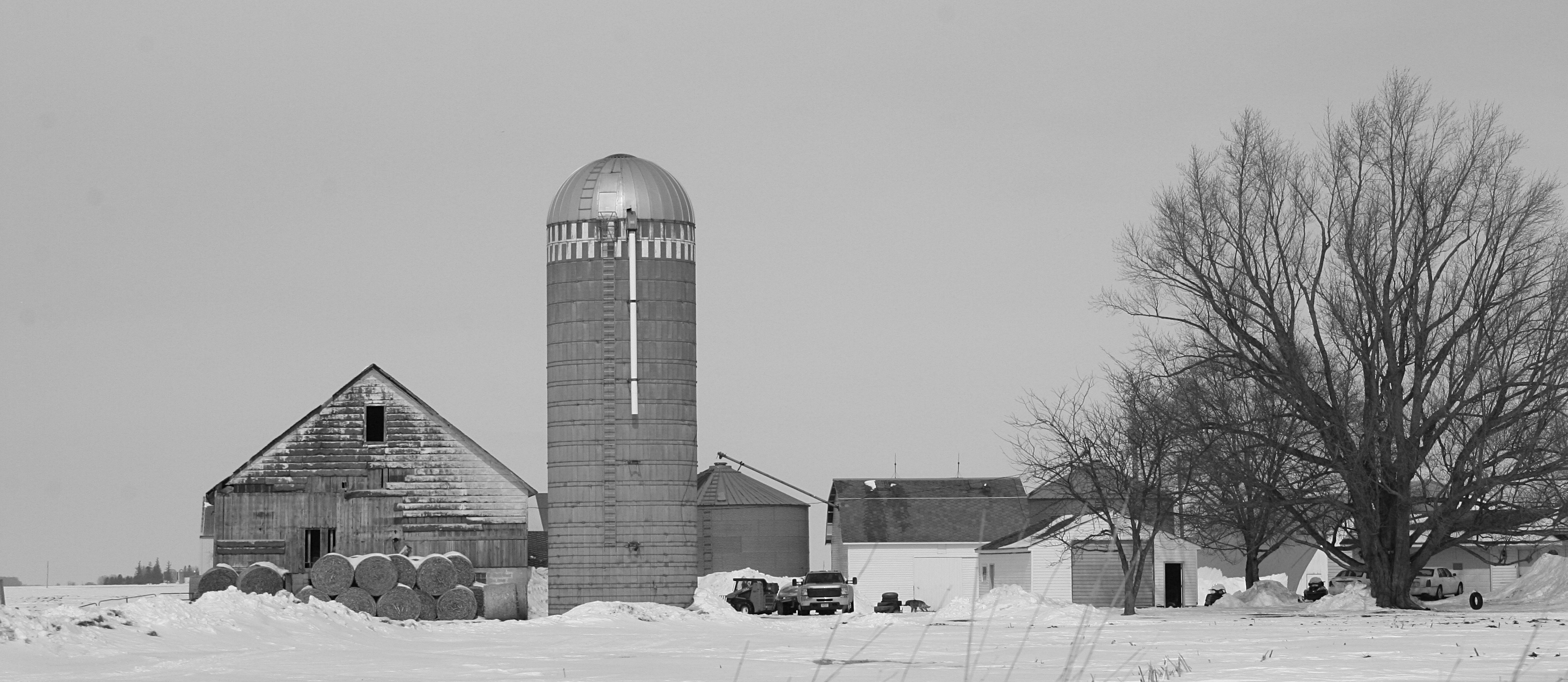
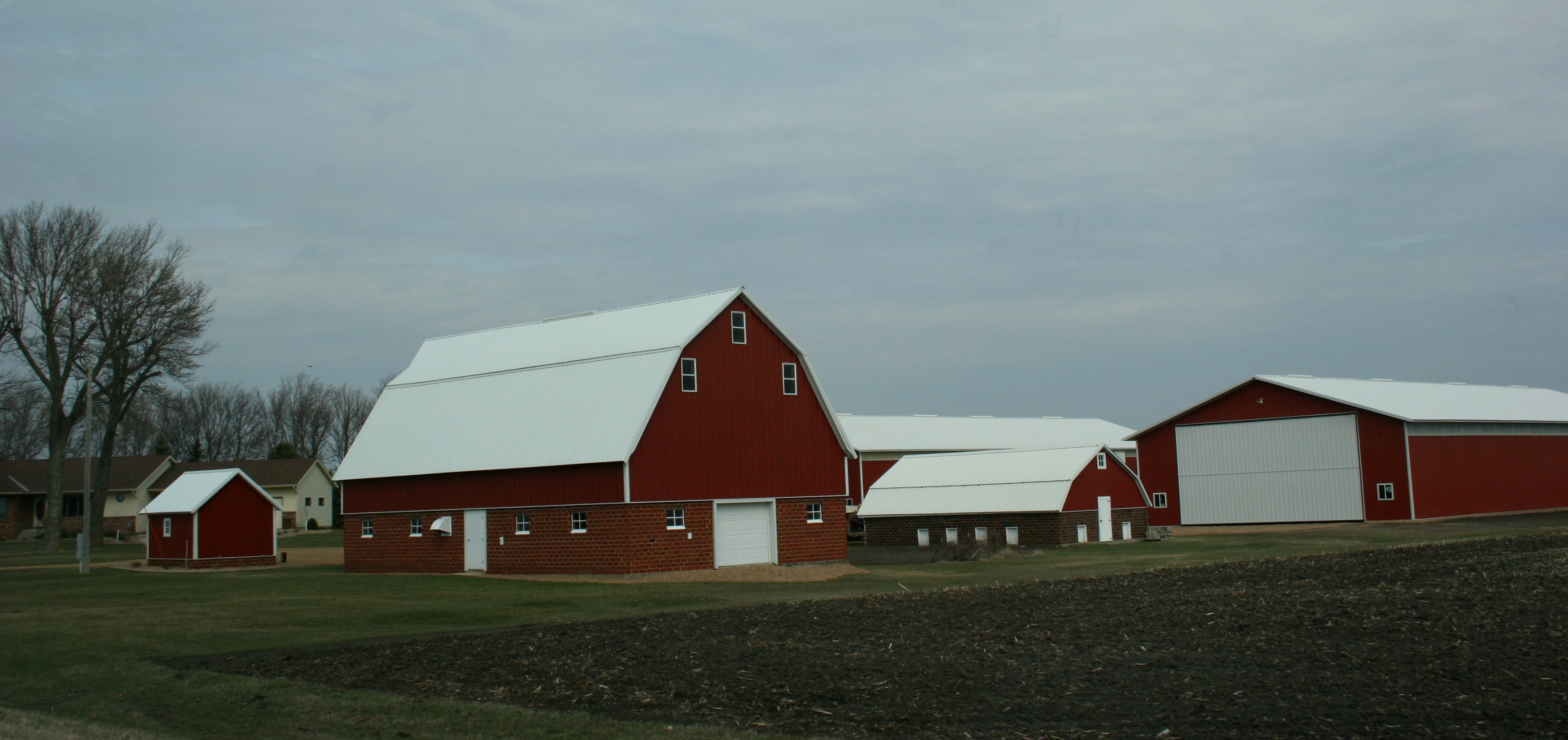
RED
WHITE
AND (touches of) BLUE.
Copyright 2014 Audrey Kletscher Helbling
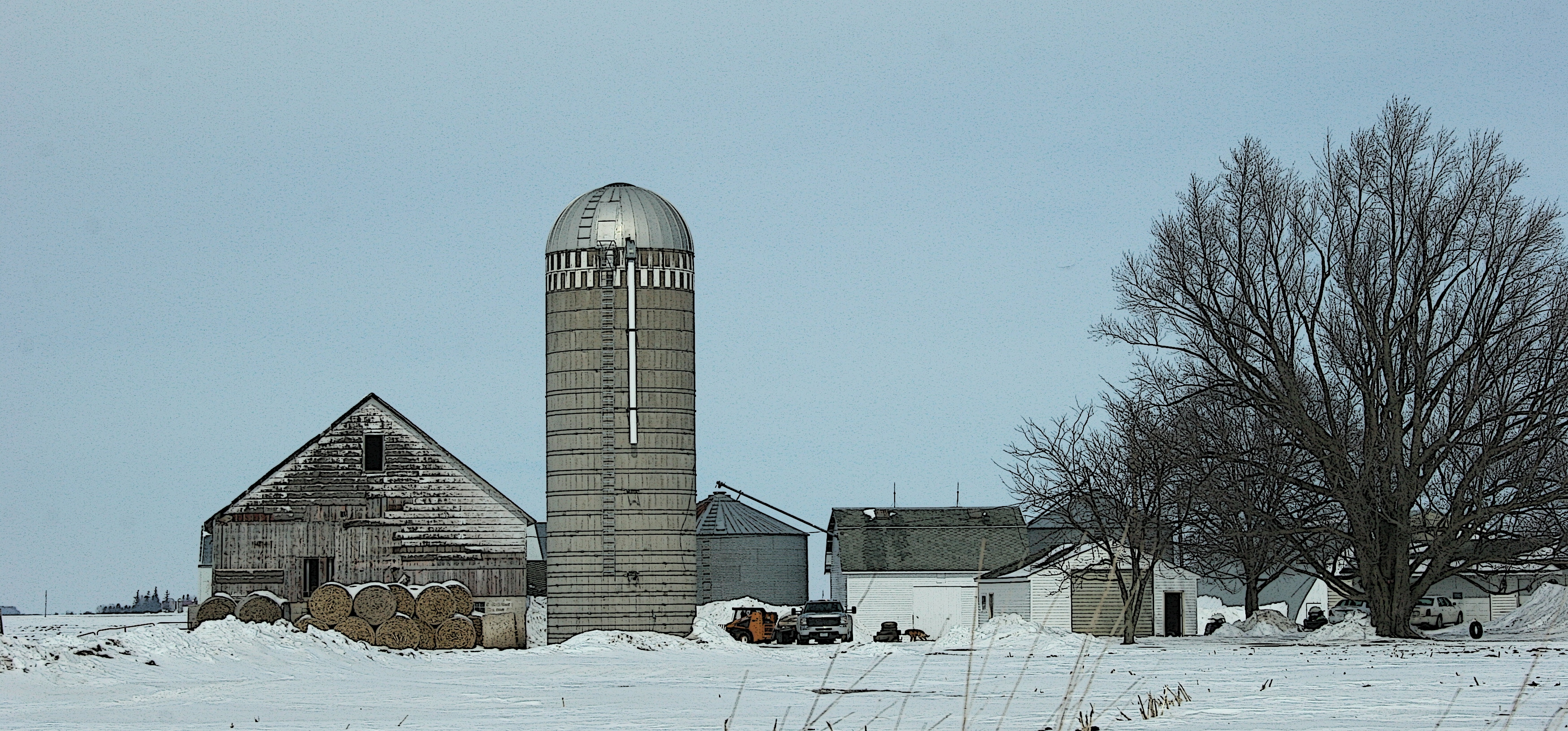
RED
WHITE
AND (touches of) BLUE.
Copyright 2014 Audrey Kletscher Helbling
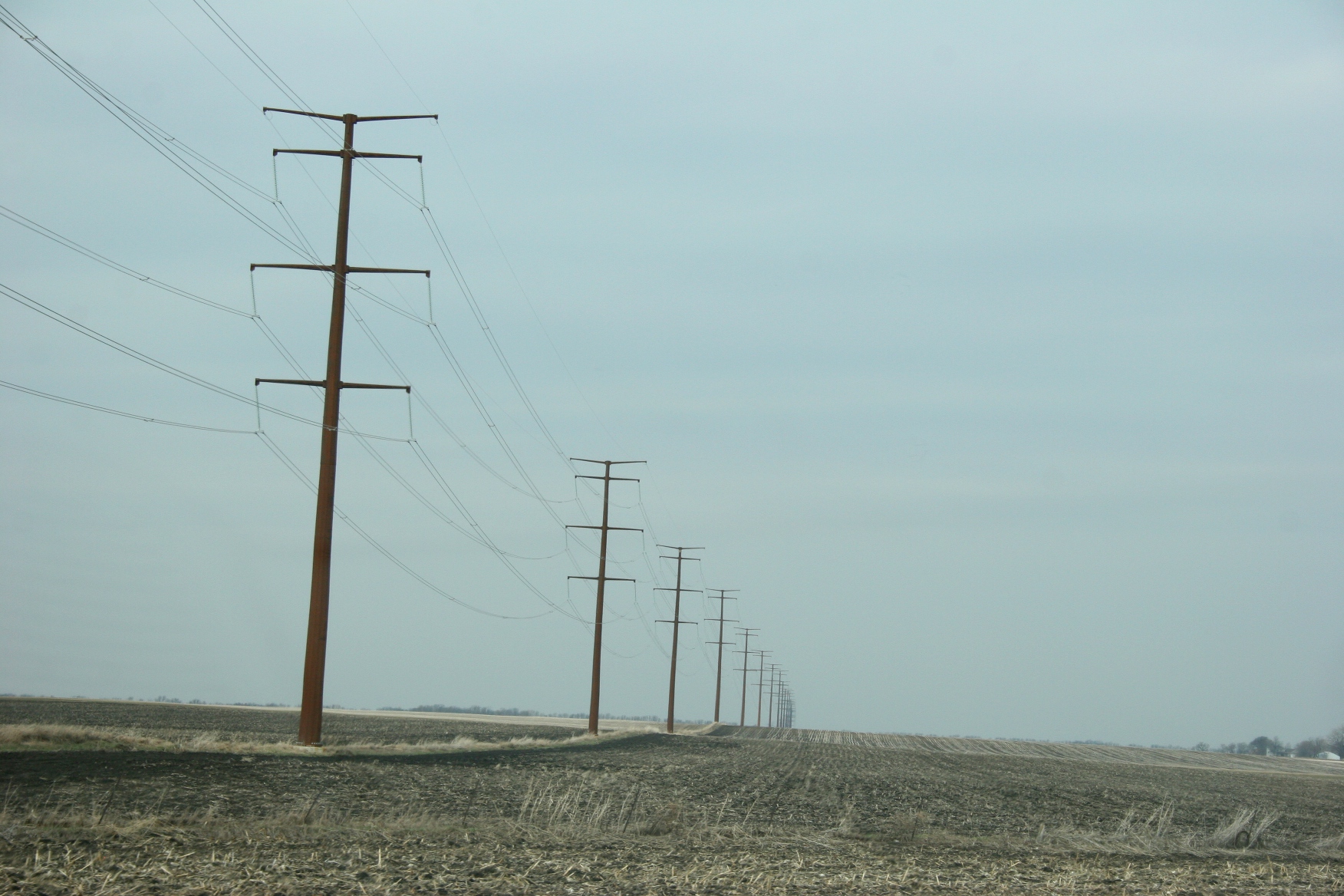
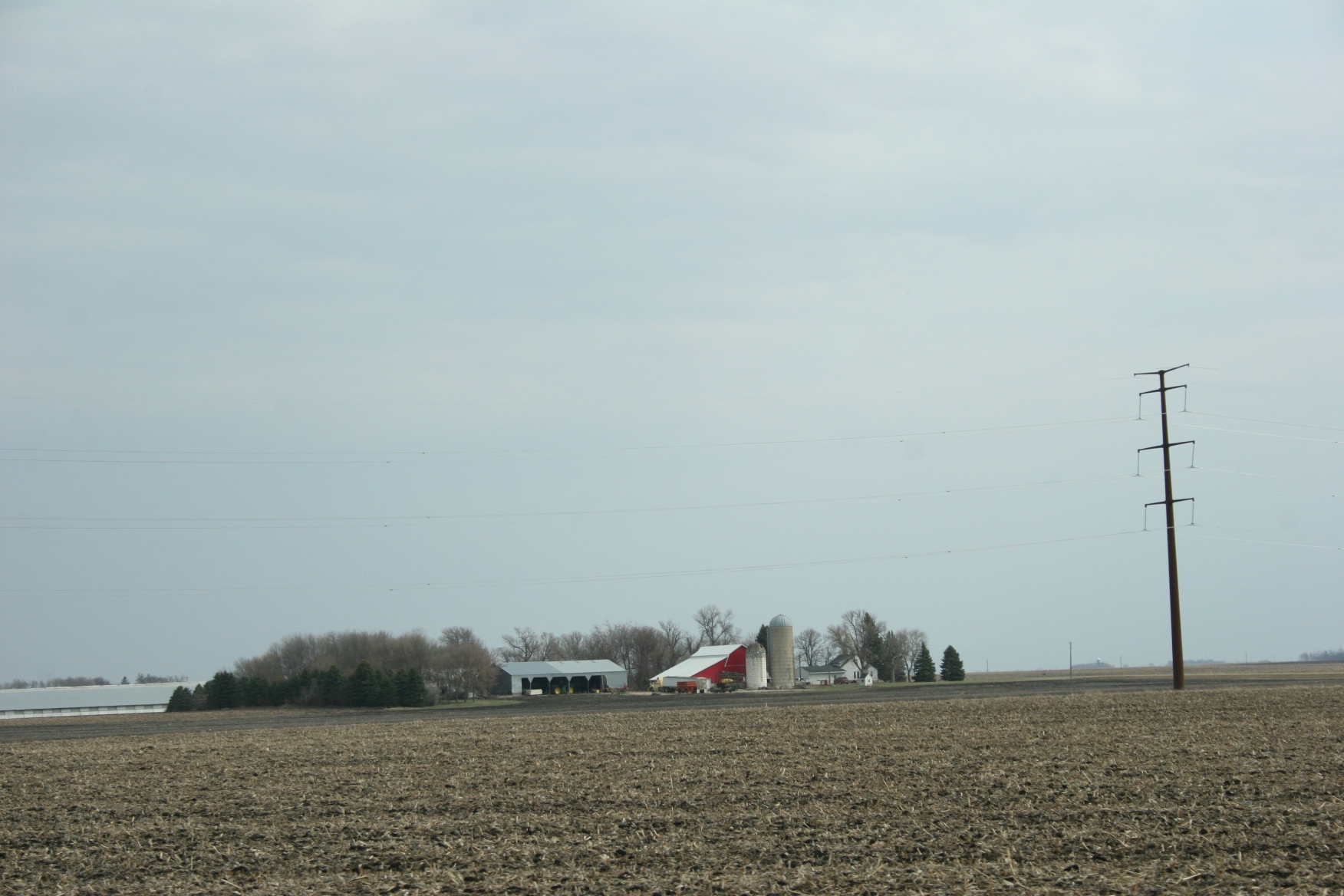
Newly-erected power lines, part of the Cap X2020 transmission line project northwest of Morgan along Minnesota State Highway 67, run seemingly into forever.
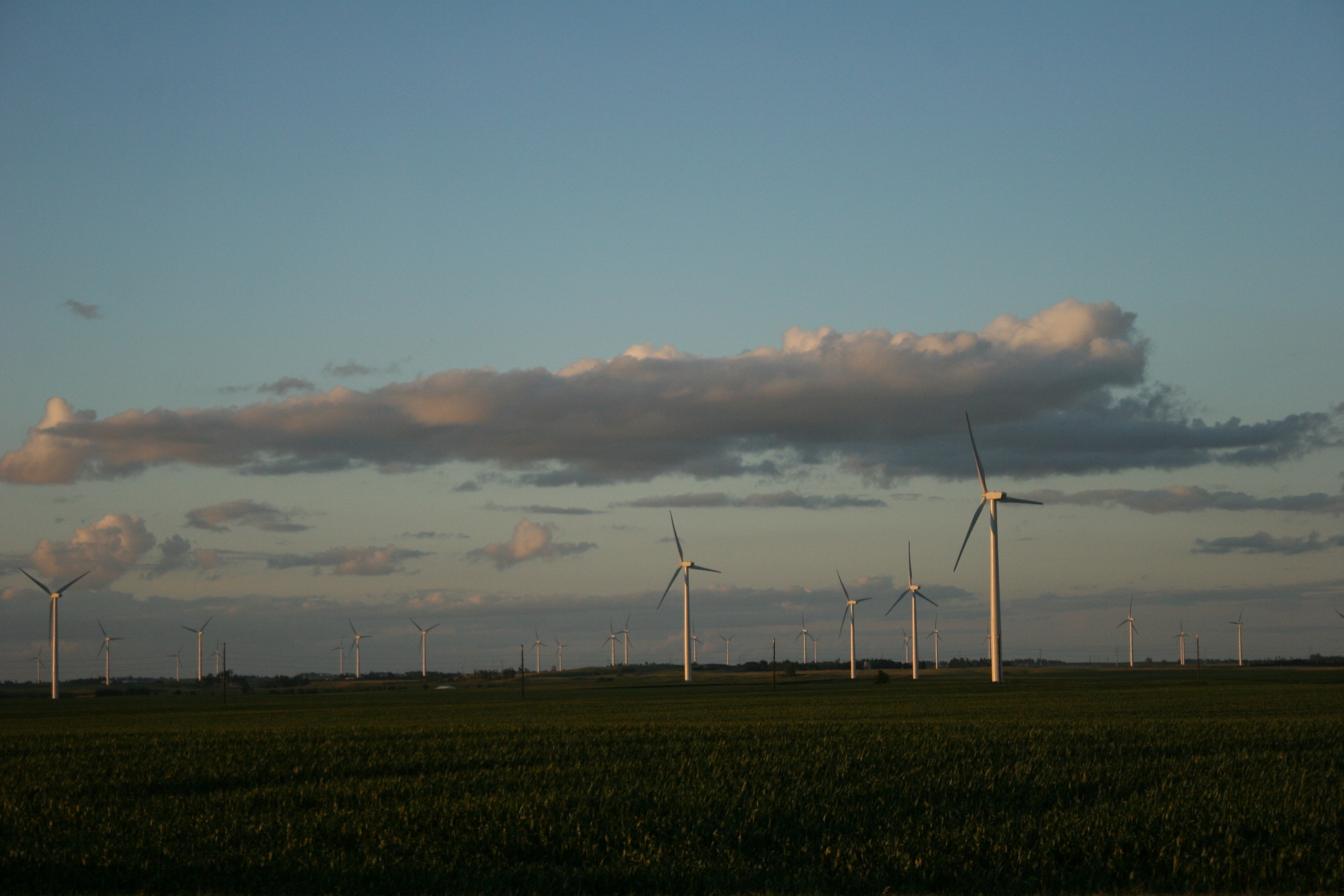
I FEEL ABOUT MONSTROSITY power lines as I do about wind turbines. I don’t appreciate their visual impact upon the land.
These towering giants, in my opinion, mar the landscape, distract and detract, cause me to feel small, unsettled and insignificant in their presence.
Perhaps it’s just the southwestern Minnesota prairie rooted girl in me who values her horizon wide and broad and vertically interrupted only by grain elevators, water towers, silos and groves of trees.
I wonder if my grandparents felt the same about the early rural electric co-op posts and lines strung along gravel township roads, the cement stave silos popping up on farms…old water-pumping windmills abandoned.
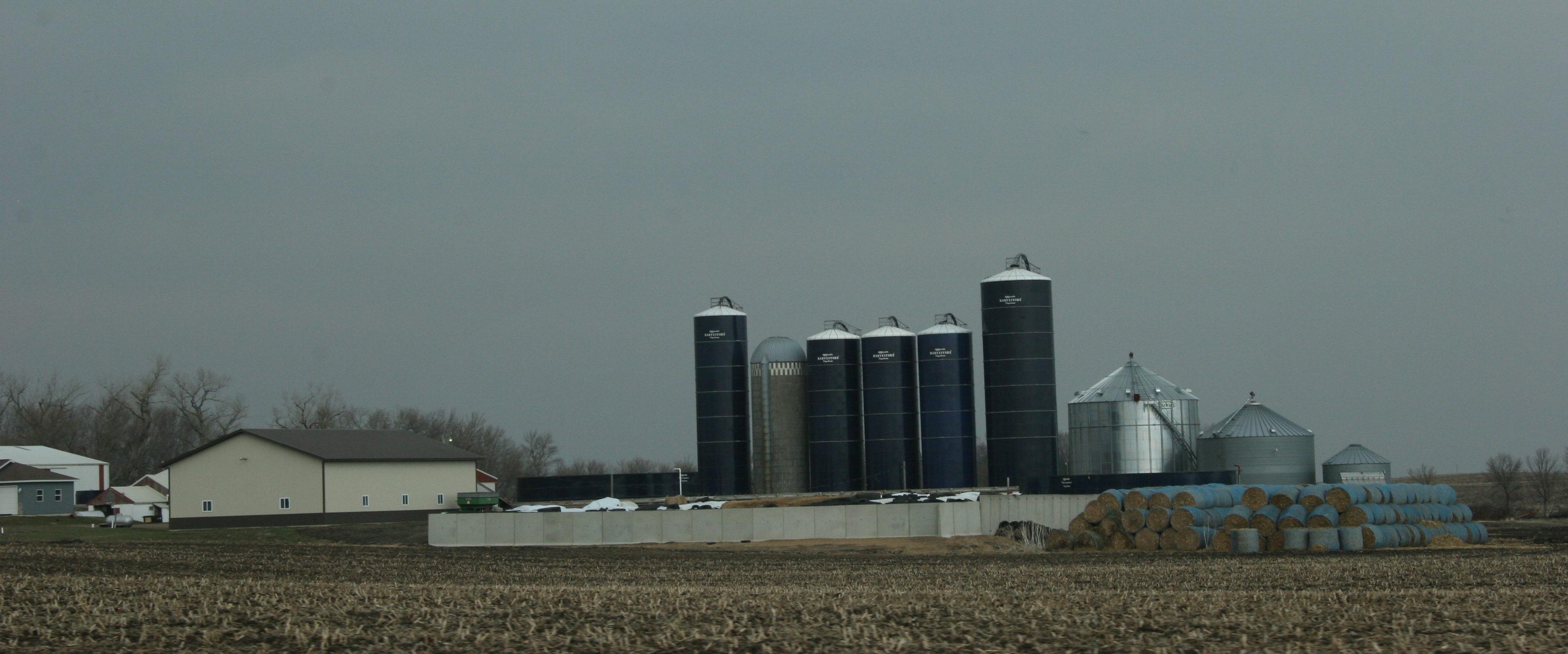
I felt a certain discontent when blue Harvestore silos began soldiering into southwestern Minnesota decades ago. They lacked personality and represented, to me, the demise of the small family farm.
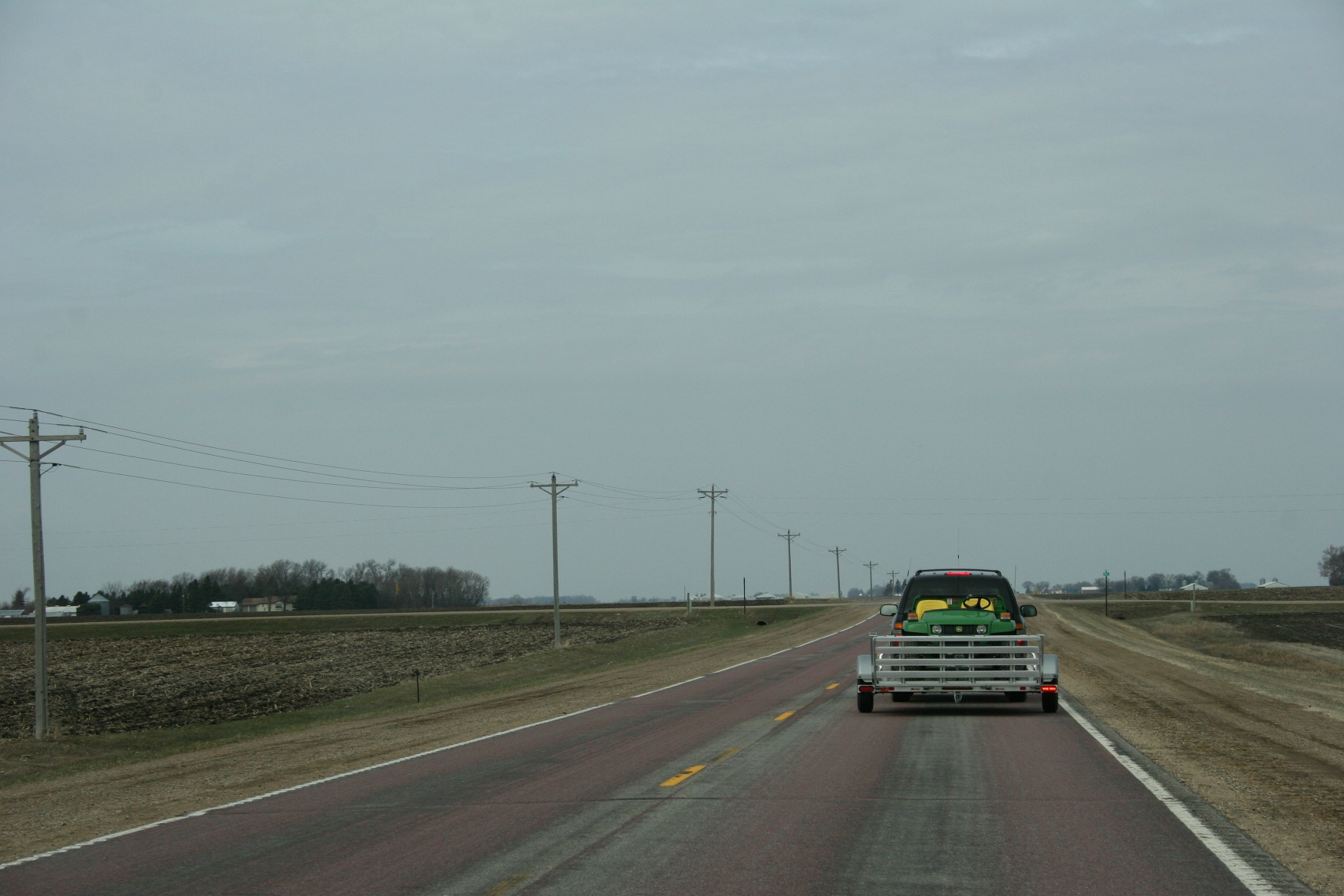
These are my thoughts as I travel through my native prairie today. Progress does not always please me. Visually or otherwise.
(This post is cross posted at streets.mn.)
© Copyright 2014 Audrey Kletscher Helbling
YOU CAN SEE IT, sense it, almost smell and hear it—the anticipation of spring planting.
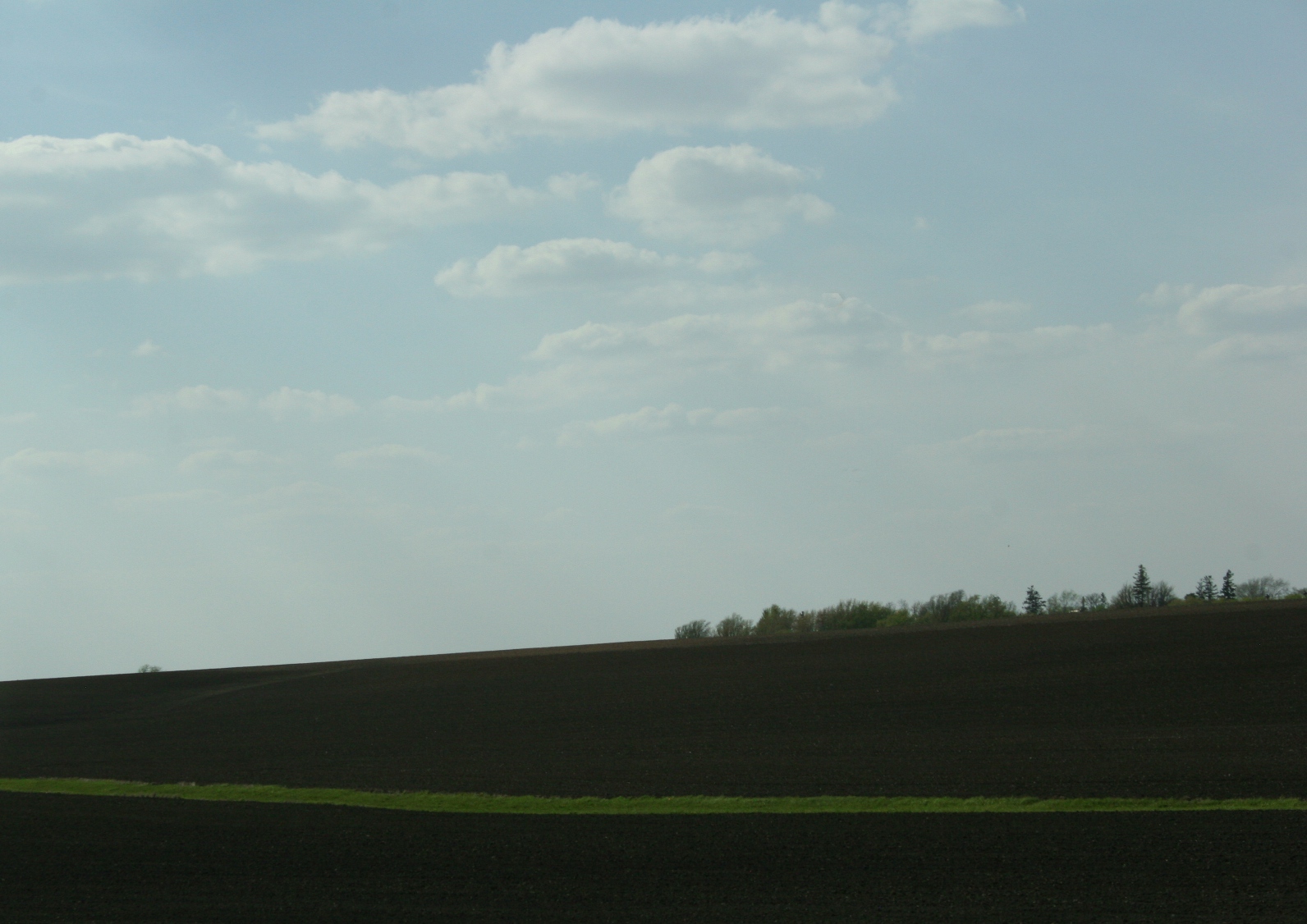
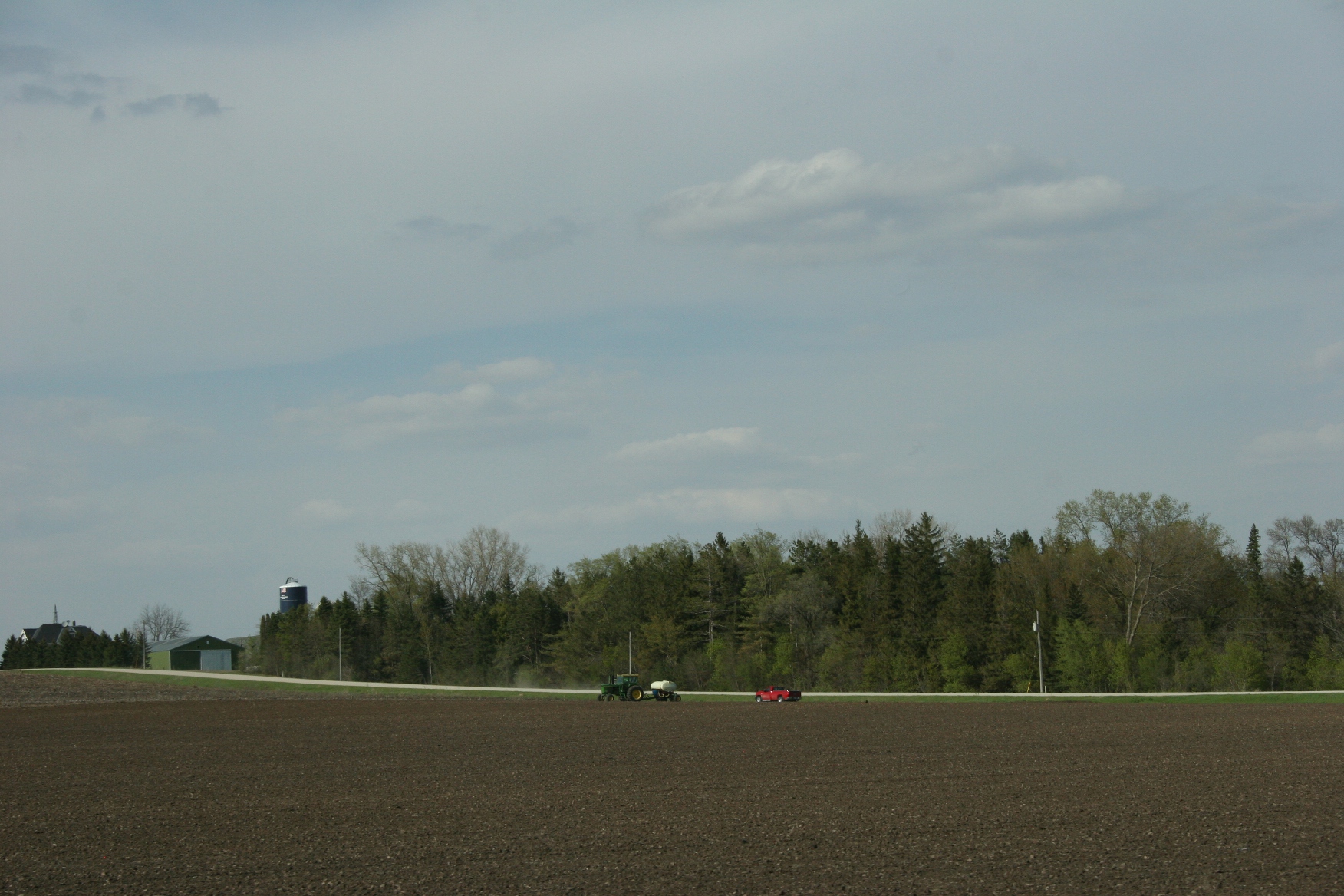
Bare and stubbled fields stretch for miles and miles across southwestern Minnesota, earth turned to the warming sun, awaiting the seeds of spring.
Only remnants of winter remain in scattered patches of road ditch snow.
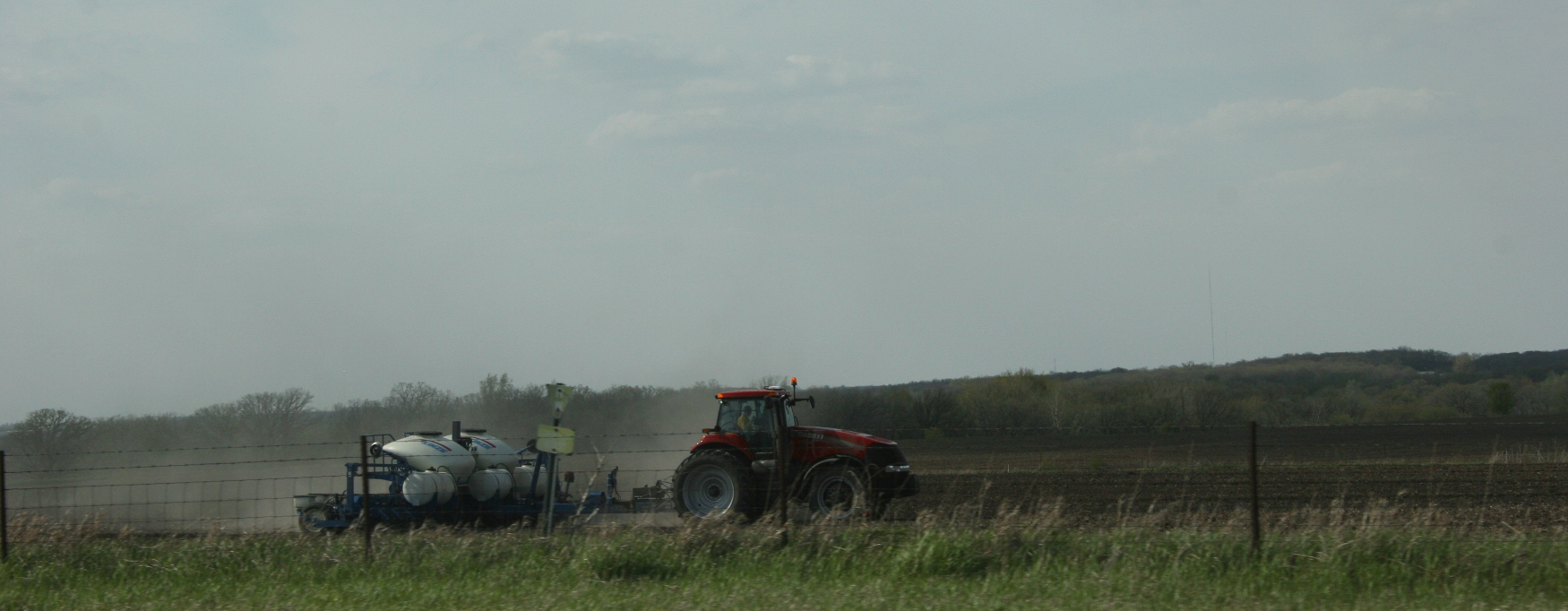
On the edges of farm yards, tractors and planters and other implements sit, pulled from machine sheds. Greased. Oiled. Ready.
Farmers wait. Thawing spring rains fall. Frost rises from the ground. Drying winds whip across the land.

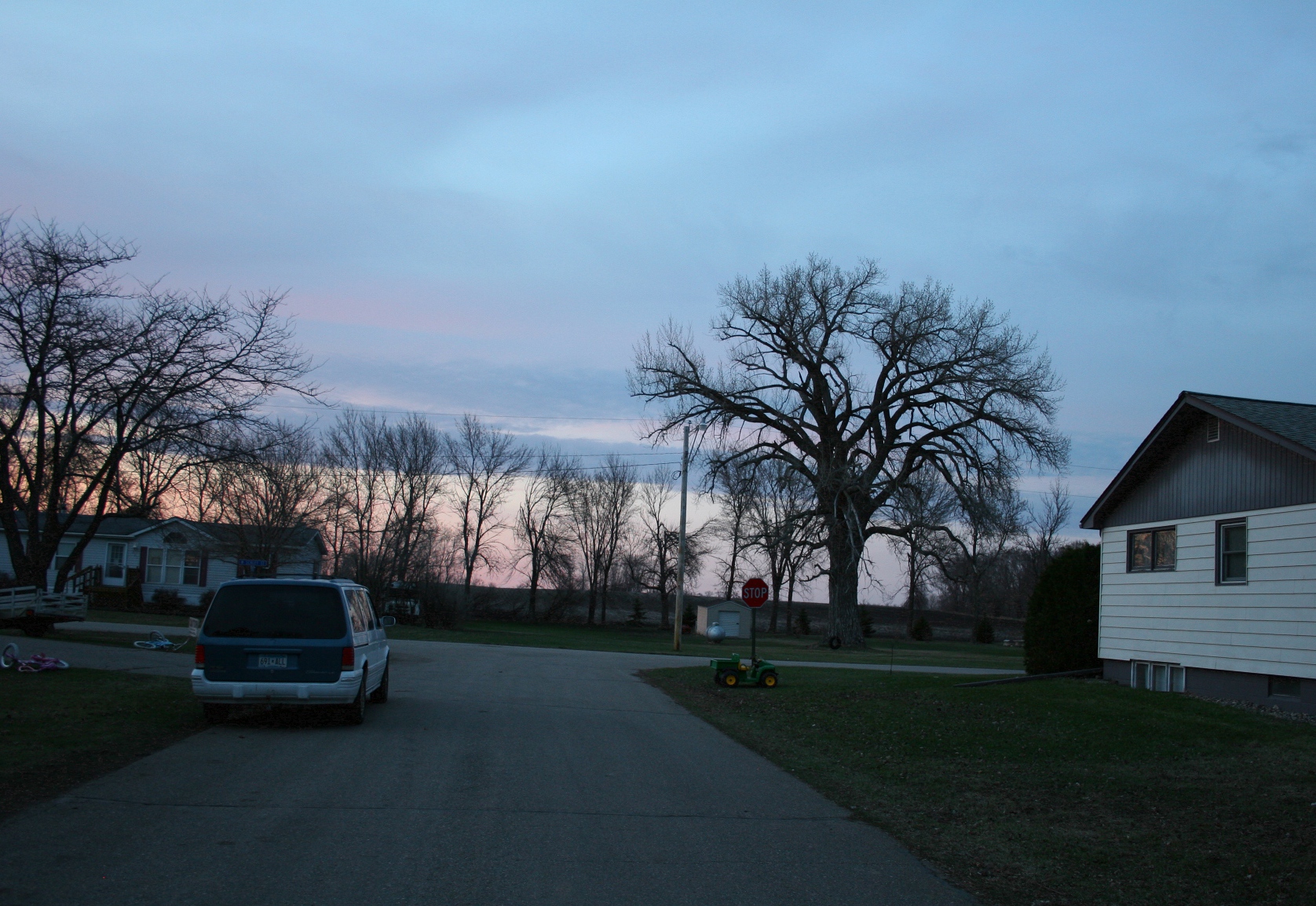
A child-size John Deere tractor photographed at dusk a yard away from a field in my hometown of Vesta.
And the days unfold into the season of renewal and hope and sowing of seeds.
© Copyright 2014 Audrey Kletscher Helbling
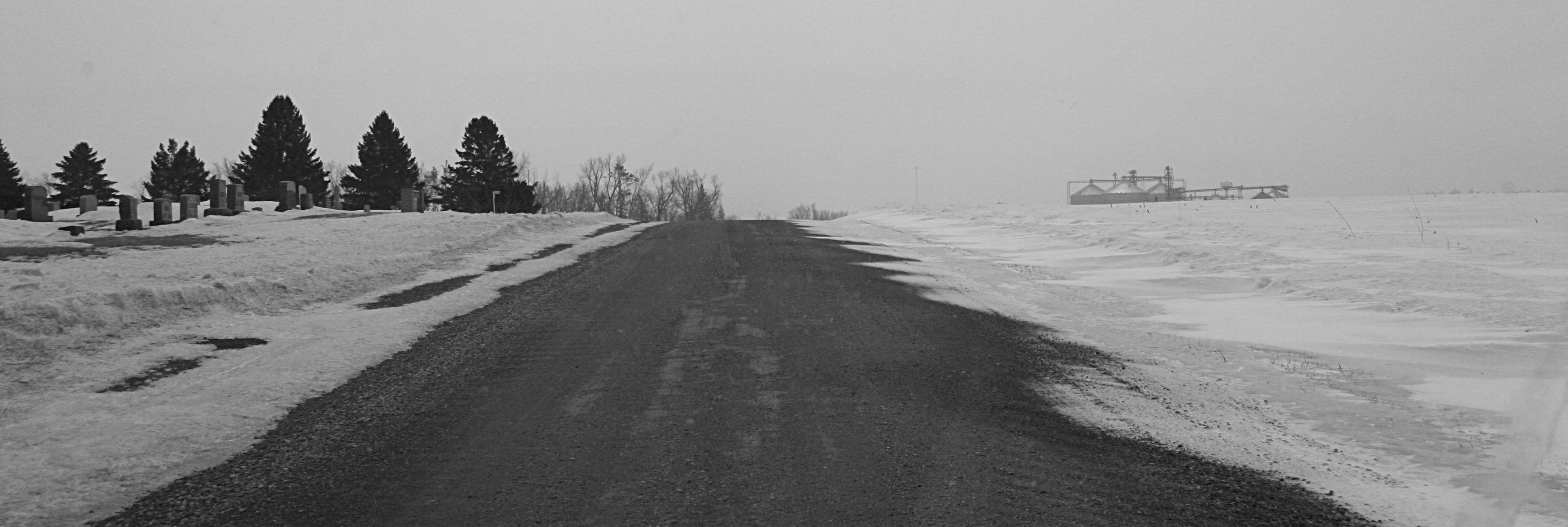
To the left lies the Vesta City Cemetery, where my father, grandparents and other family members are buried. In the distance you can see the grain elevator complex in my hometown.
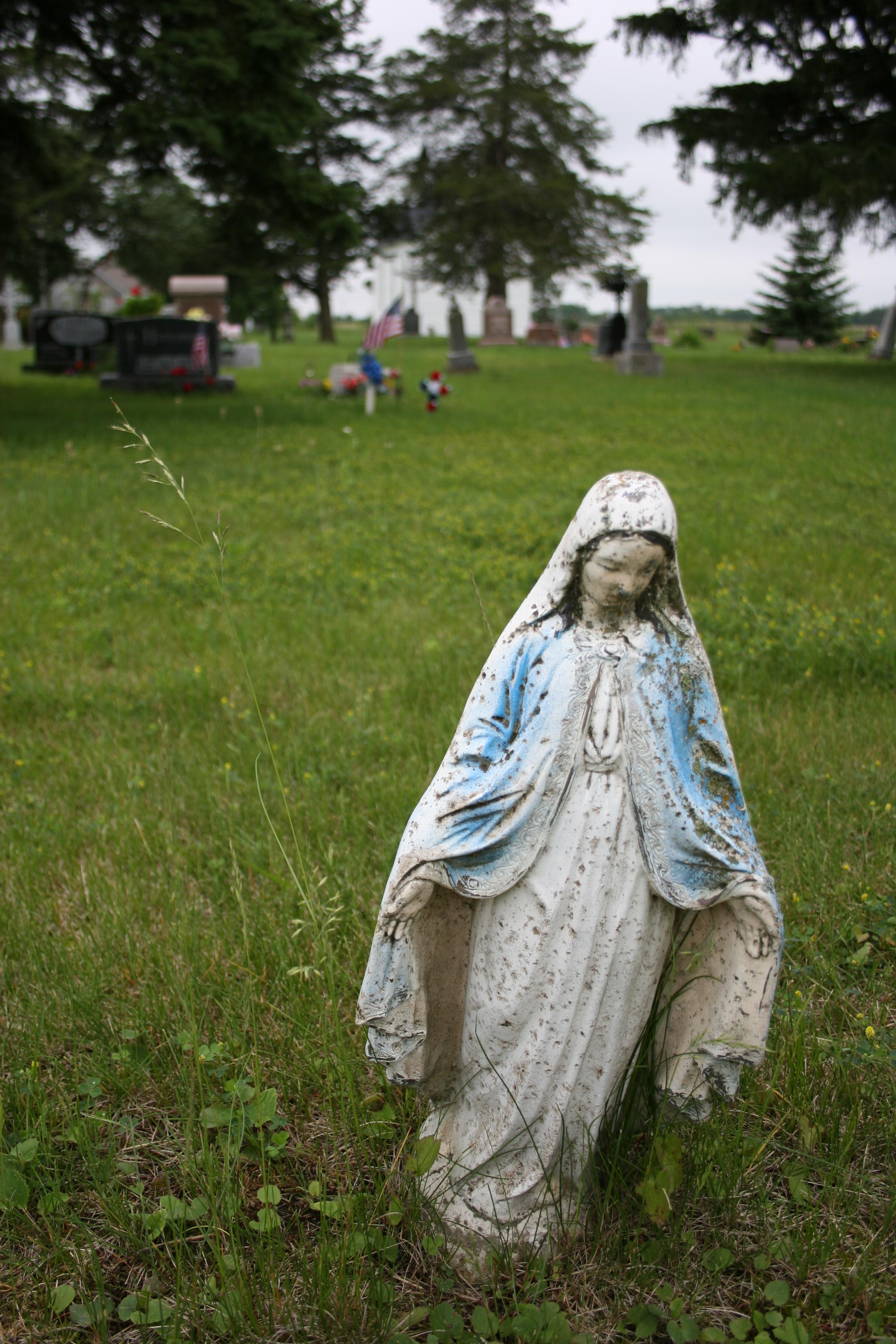
AS A YOUNG GIRL, I remember fearing cemeteries, that place where my paternal grandpa was laid to rest atop a rare prairie hill when I was just nine.
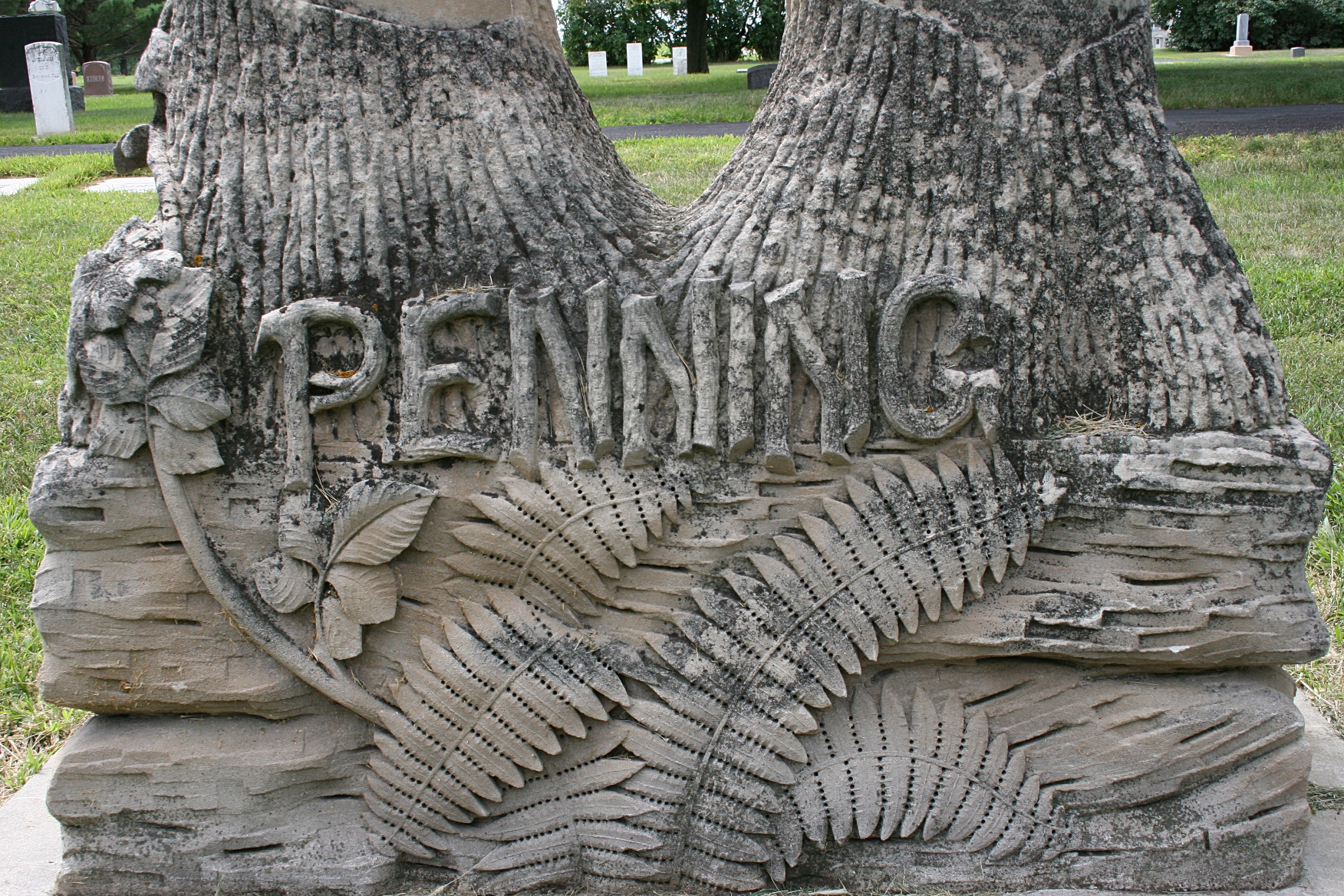
But my view of cemeteries has evolved over the years so that today I see these earthly resting spots as places of faith, art, history and personal stories.
I no longer focus on the bones buried beneath my feet or the newly-departed lying under a heaped mound of dirt. Rather, I find myself reading tombstones, marveling at carved stone, wondering about the lives of those who lie within the often fenced boundaries of graveyards.
In particular, I am drawn to country cemeteries that my husband and I happen upon during leisurely Sunday afternoon drives in rural Minnesota.

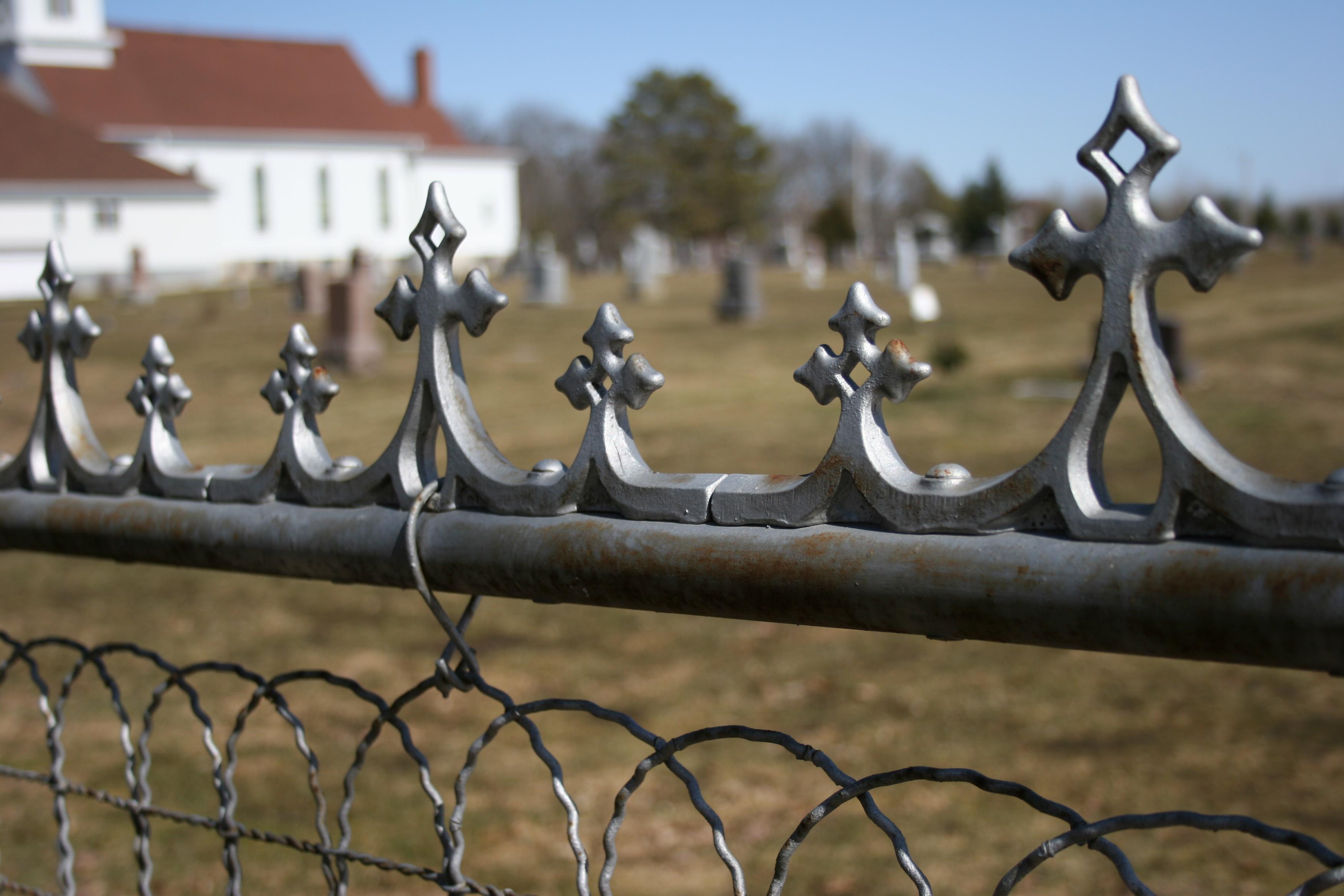
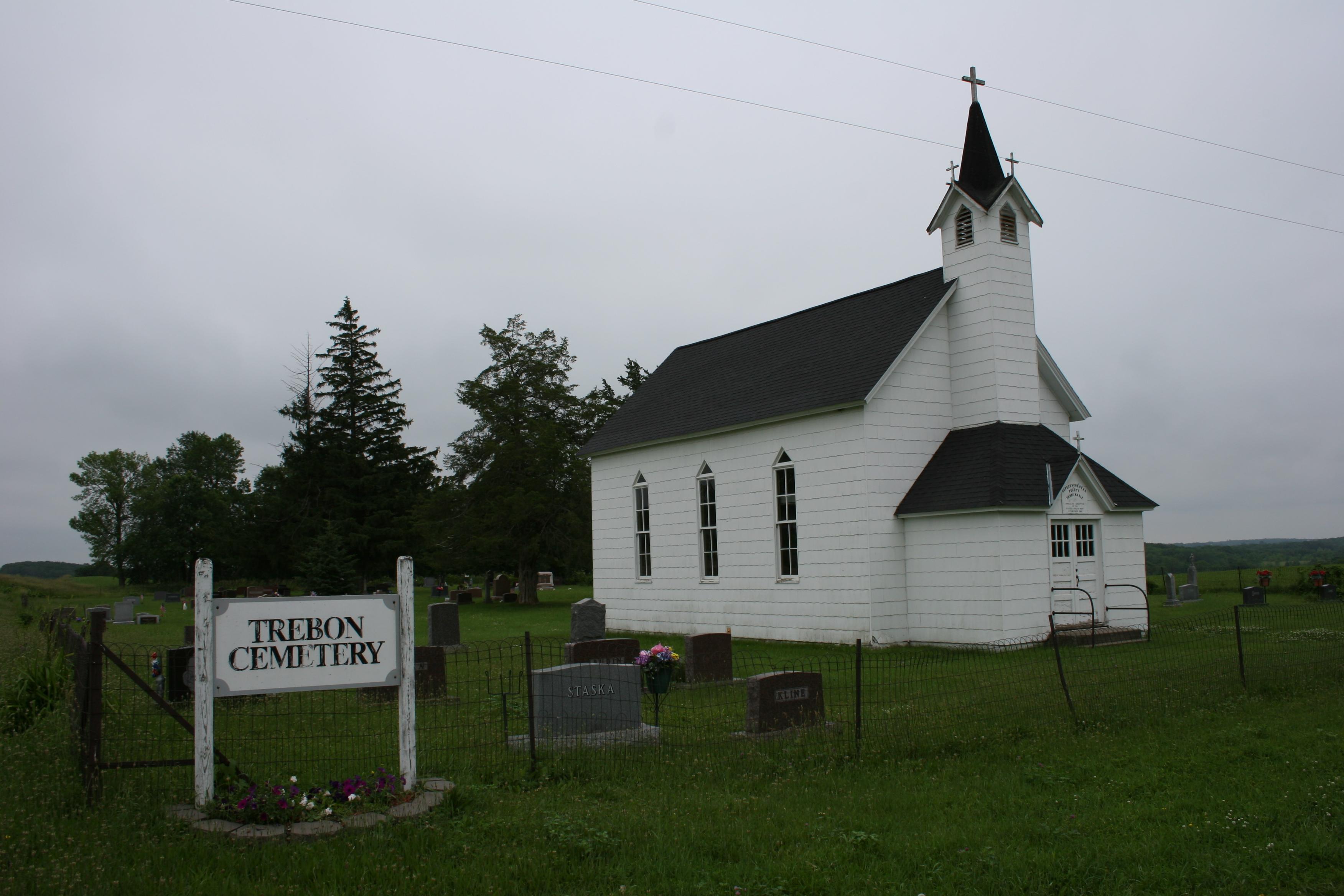
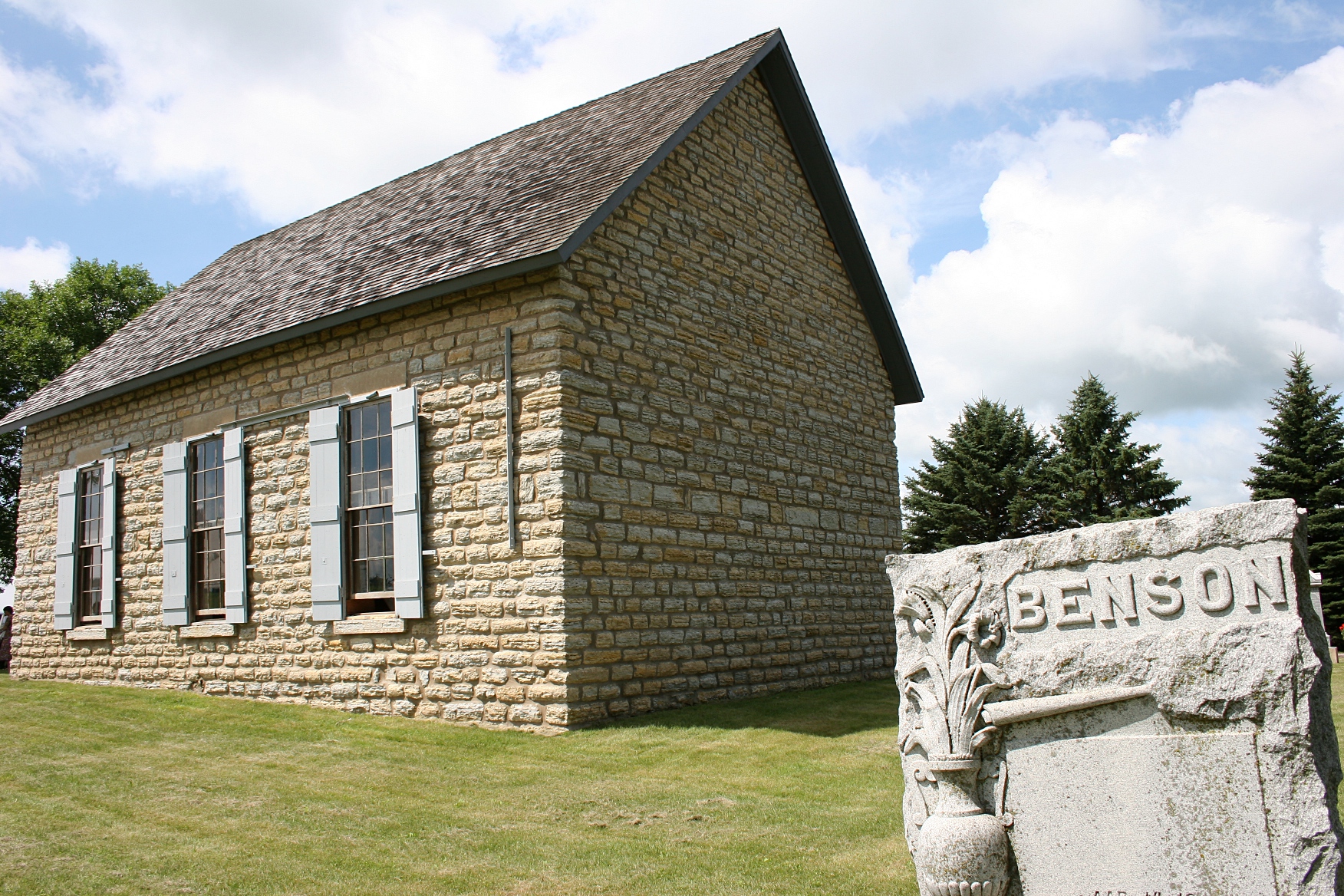
Northwest of Faribault in Shieldsville Township sits the historic Immaculate Conception of the Blessed Virgin Mary Church and the adjoining Trebon Cemetery.
Spot a spire spearing the sky and we typically find a cemetery tucked behind or aside the church. Convenient and comforting.
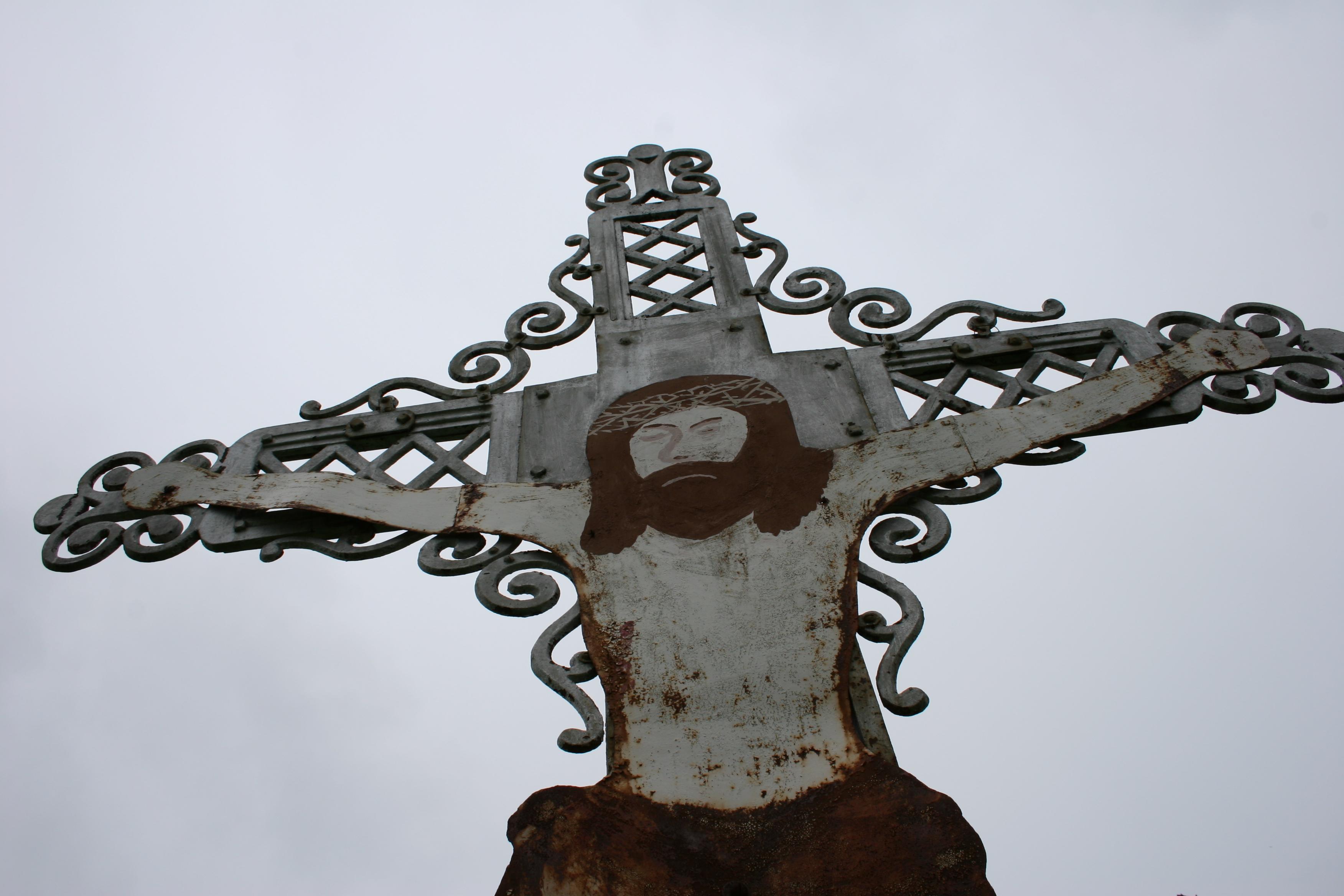
During this Holy Week, when Christians worldwide focus on reflection and repentance and the suffering and crucifixion of Christ, it seems fitting to revisit some of the Minnesota cemeteries I’ve explored.

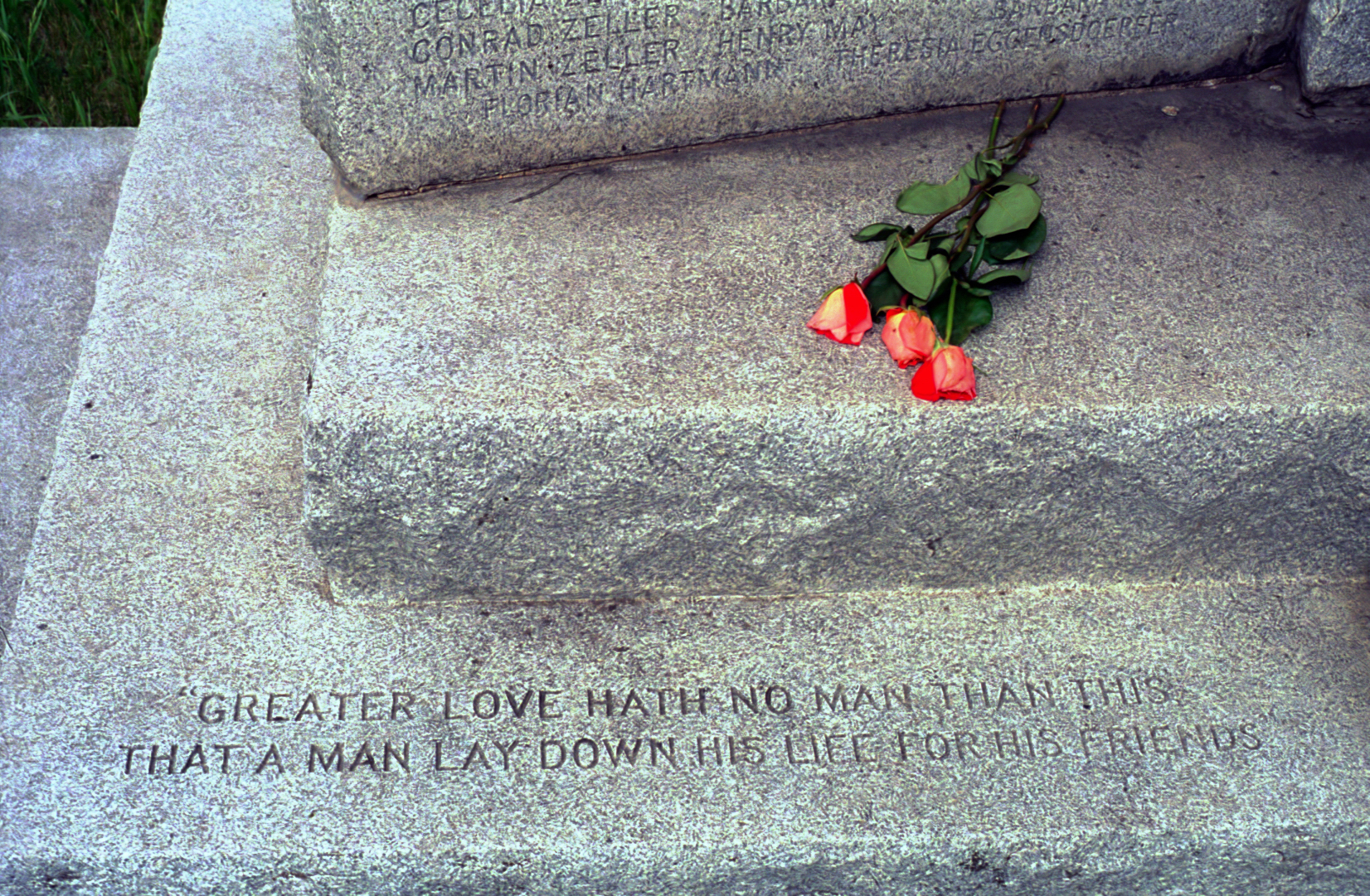
Just west of New Ulm, at a memorial honoring Milford settlers who died in the U.S.-Dakota War of 1862, roses were placed on the marker on Memorial Day weekend 2006.
There is much to learn here about those who went before us—those we loved and those we never knew.

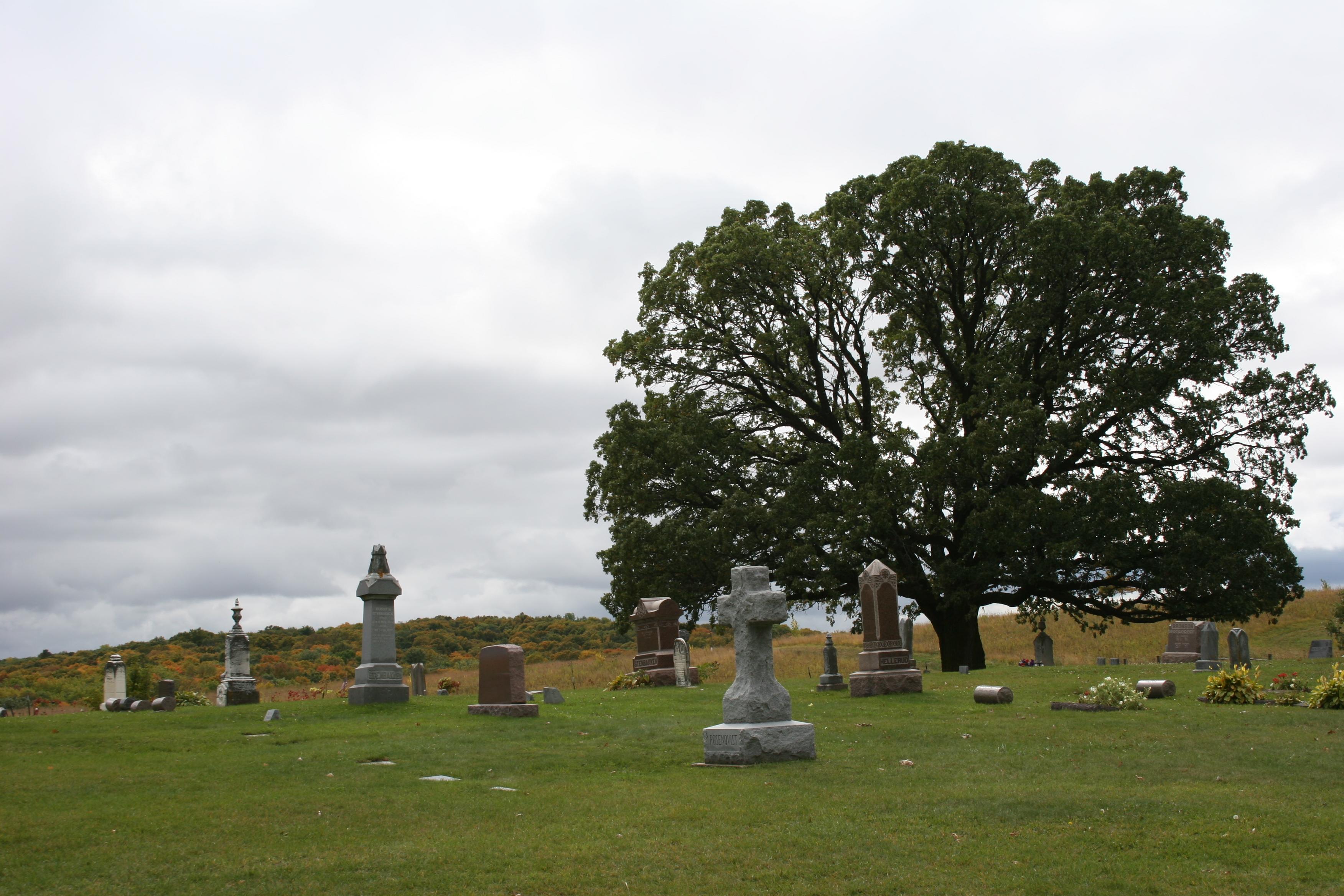
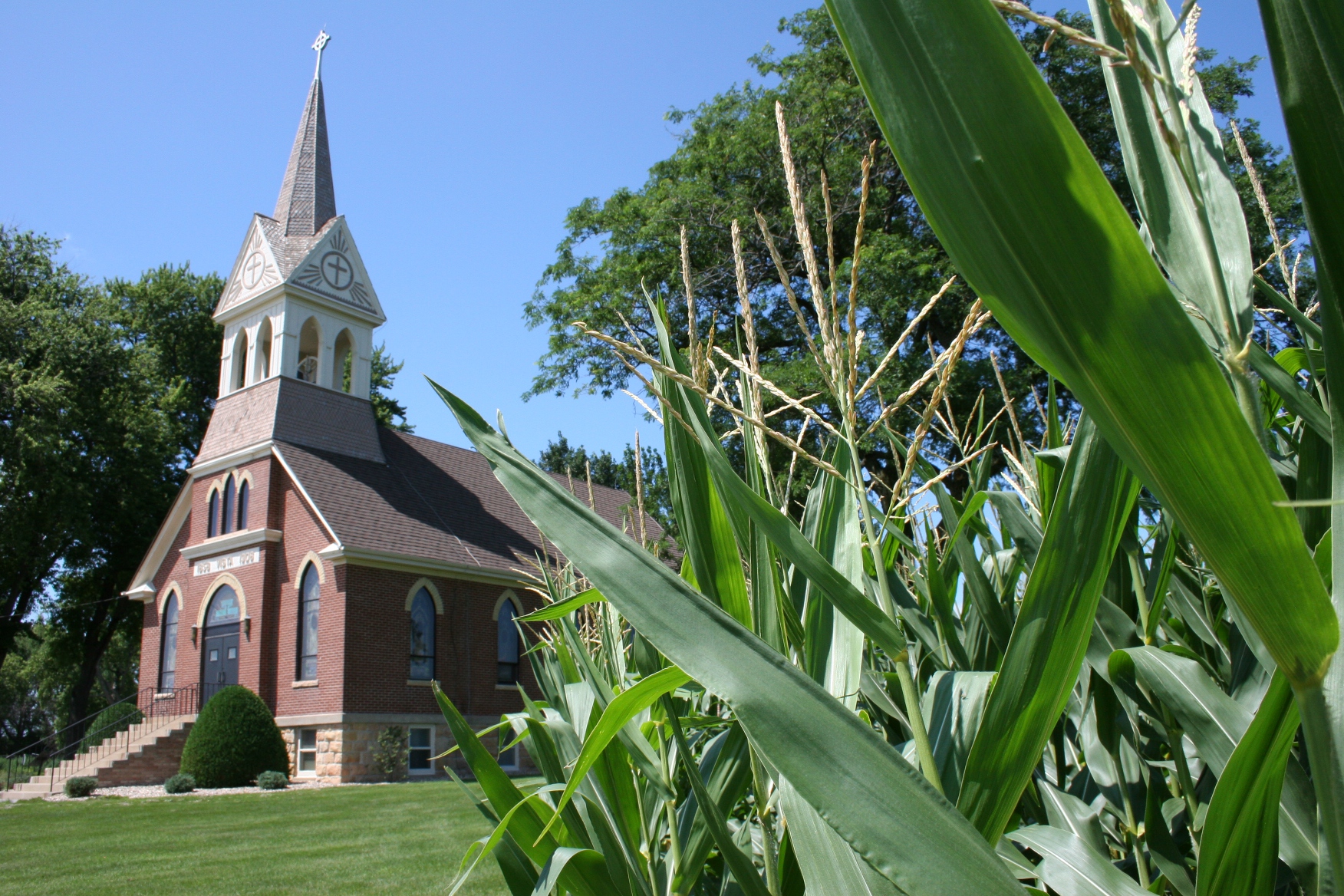
Fields and a cemetery embrace many country churches like Vista Evangelical Lutheran Church in southern Minnesota.
This post was previously published at streets.mn.
© Copyright 2014 Audrey Kletscher Helbling
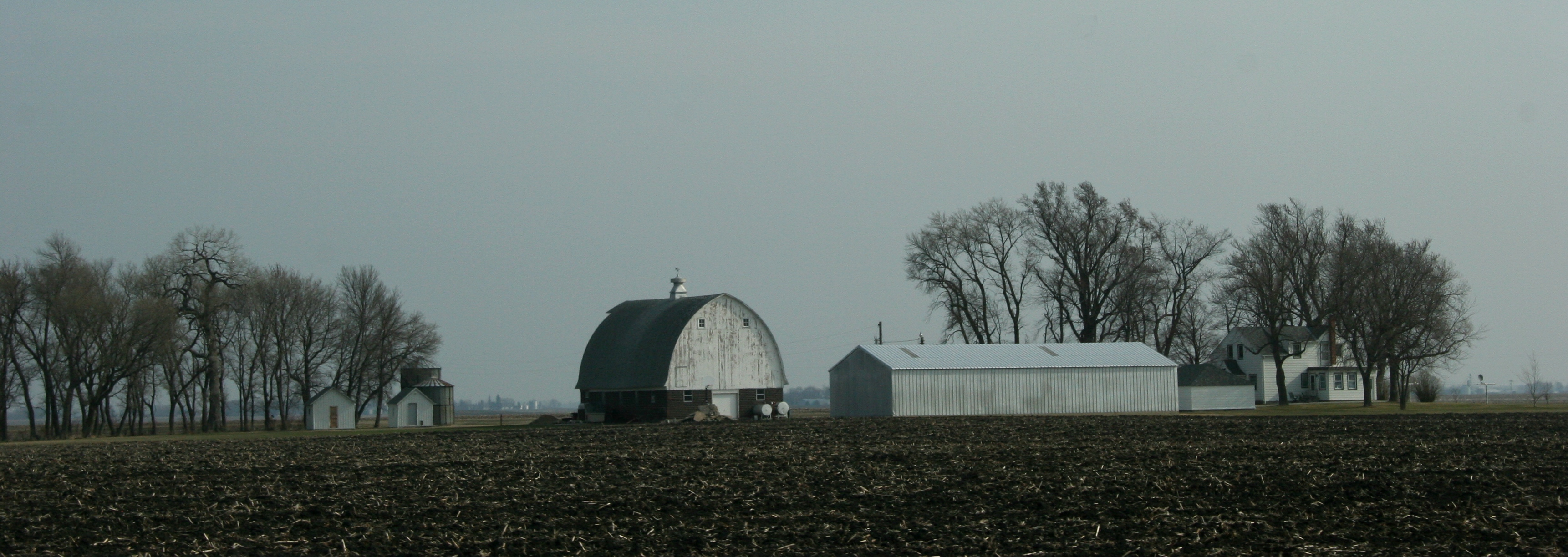
IN A FLASH, I’ve passed the farm site along Minnesota State Highway 60 between Faribault and Kenyon.
But I’ve clicked the shutter button, preserving this rural scene, a moment frozen in time. Many times, for whatever reason, I have photographed this place.
Later, viewing this most recent image on a computer screen, I notice the details that escaped my eyes during that drive-by. And I wonder how, all too often, we miss the details.
Details comprise the whole, define our lives in ways we never realize. A look. An intonation. A reflex. Puzzle them together and you have life.
A snapshot. An album. A collection of minutes, hours and days that collectively become weeks and months and years. And suddenly you are, like me, past middle age, a generation away from death.
You wonder about the details, whether you’ve noticed and embraced and lived them.
Have you swung in a tire swing?
Or have you simply viewed tires as a necessity to carry you along the highway of life? Too busy to notice details.
© Copyright 2014 Audrey Kletscher Helbling
Along a gravel road somewhere between Nerstrand and Kenyon, Minnesota. That’s the driveway, not the road.
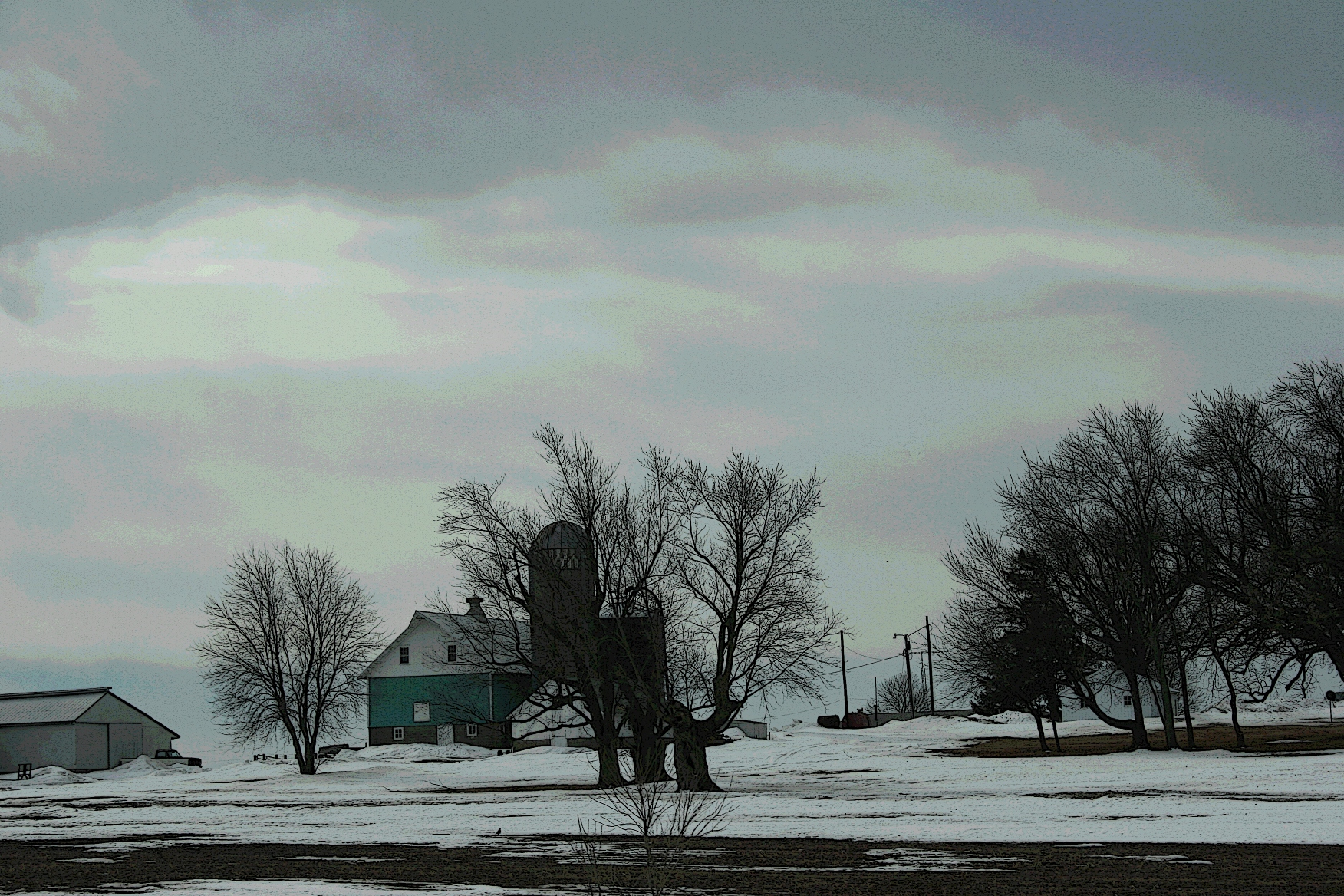
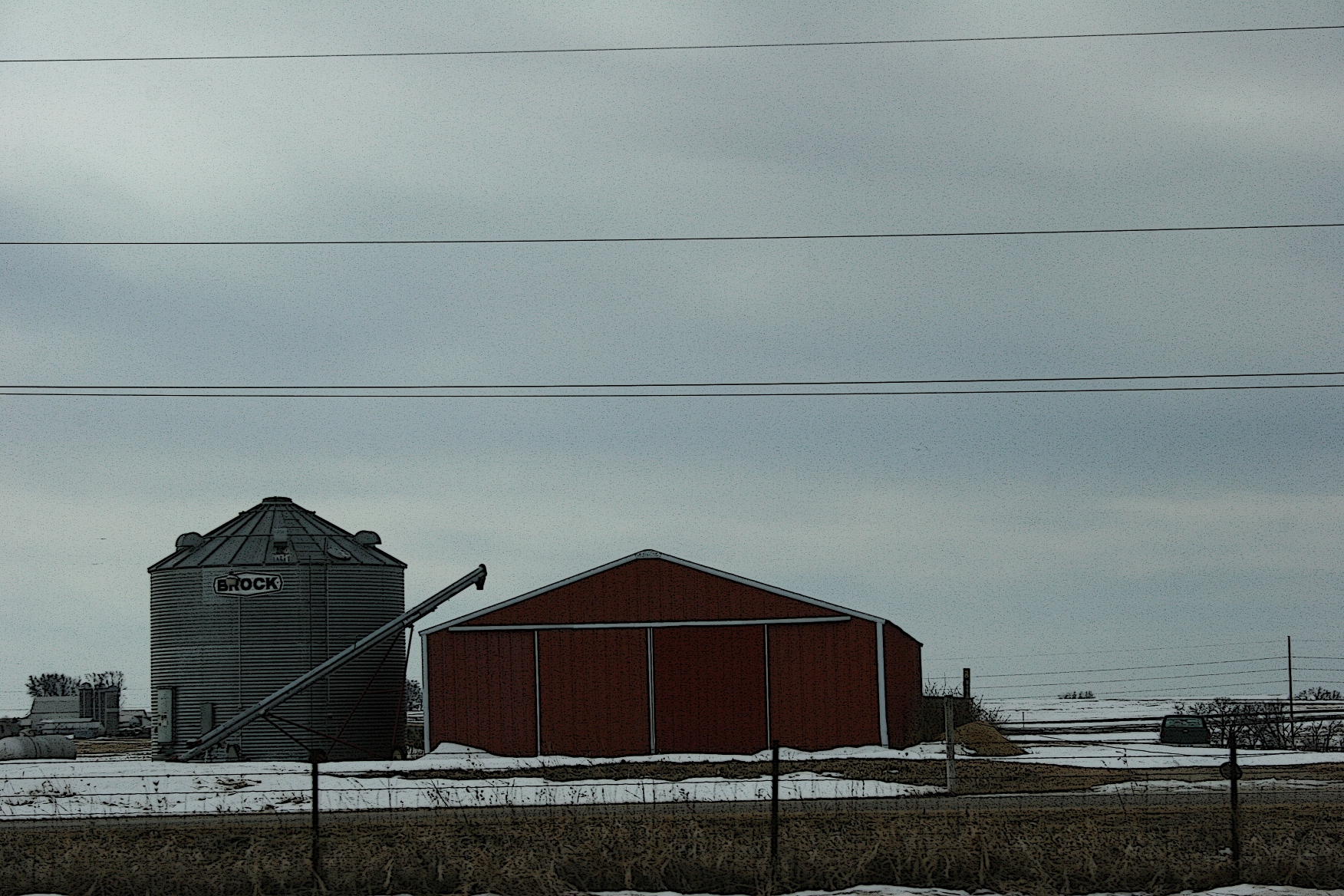
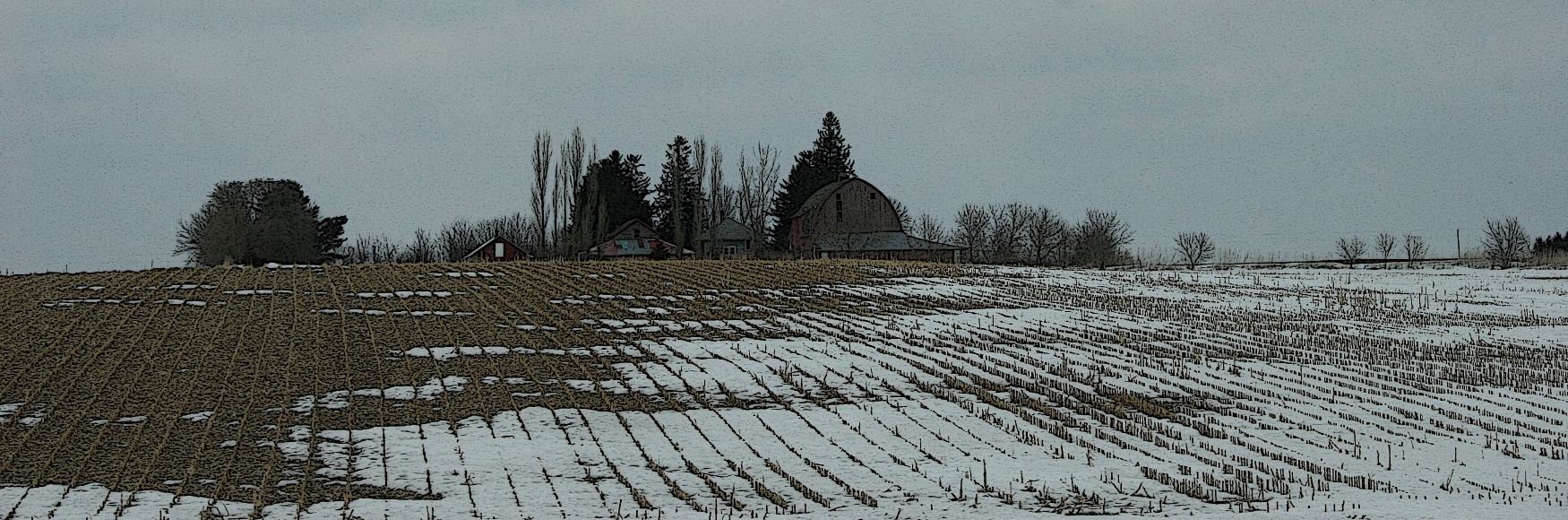
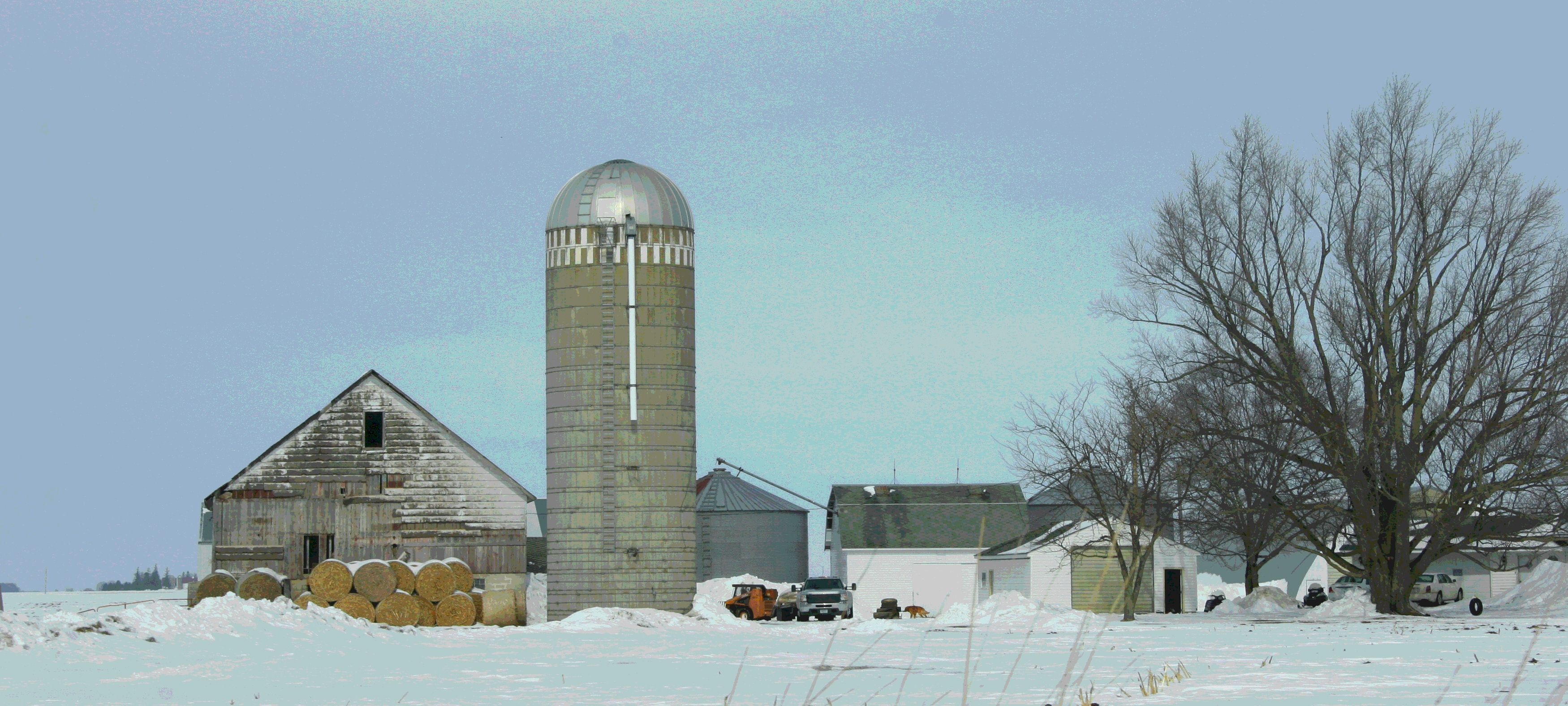
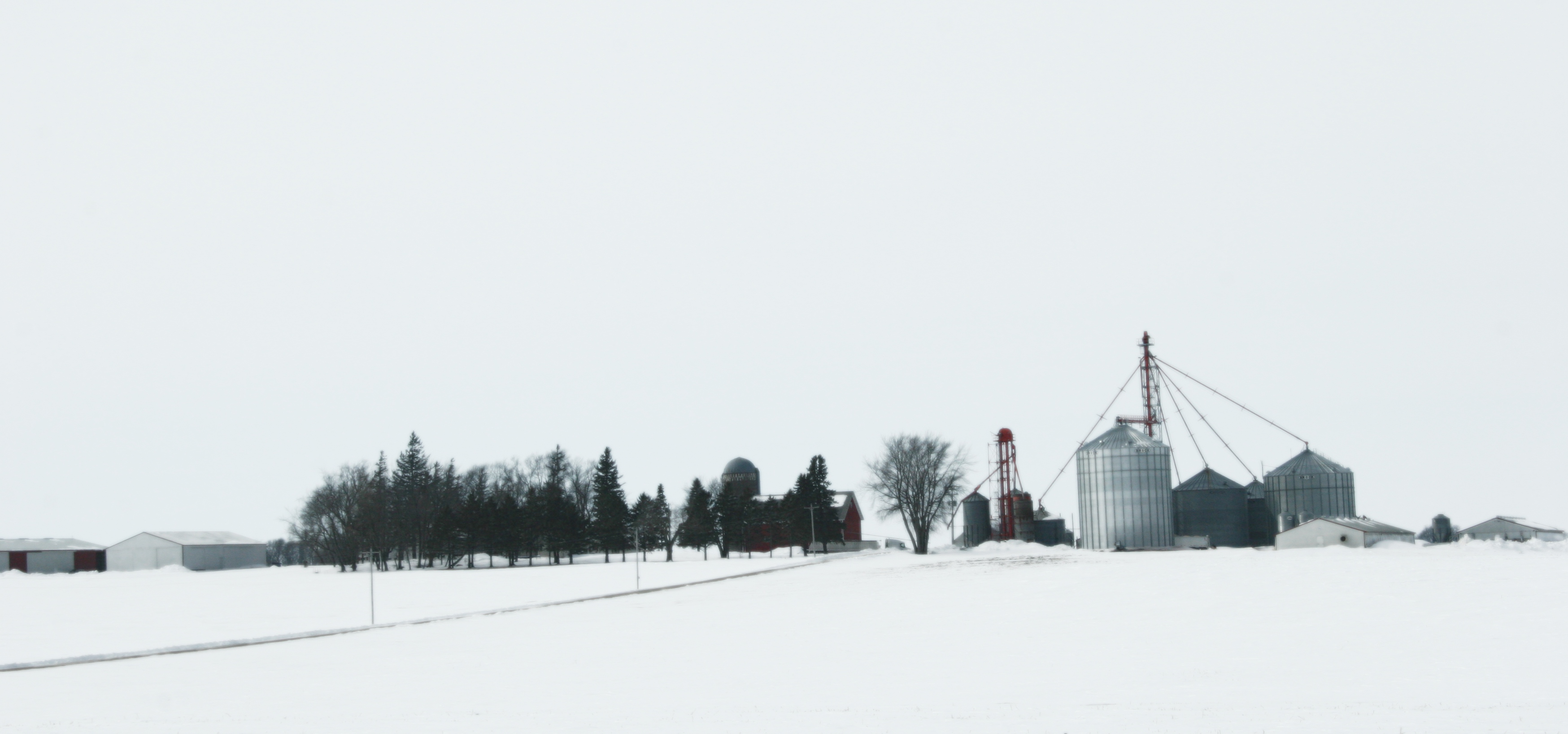
FOR ALL OF THE TIMES I’ve spurned this winter of brutal cold and deep snow, I must confess to a certain appreciation for the poetic dreaminess of a snowy rural landscape.
Winter exposes, uncovers, bares the basics to the eyes in a way that the fullness of summer cannot.
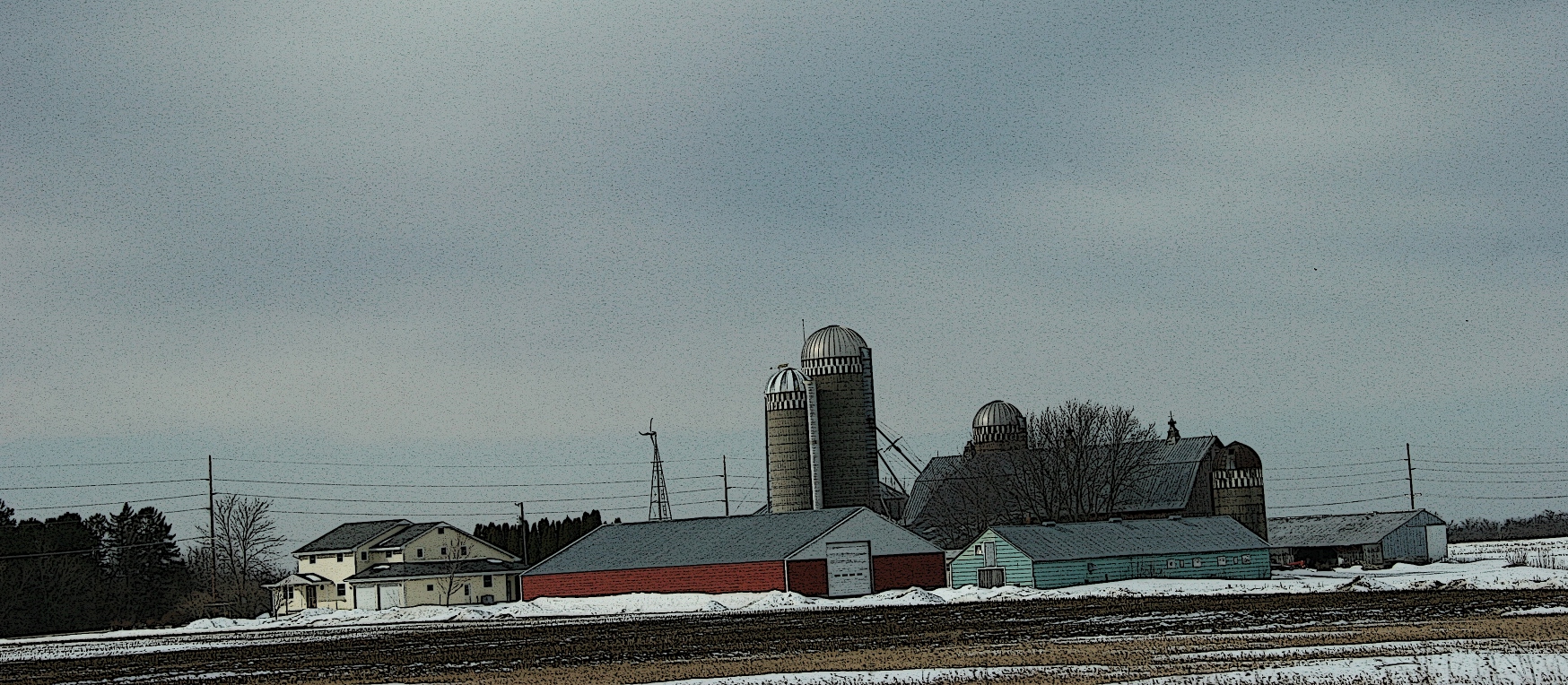
Power lines and roads cut horizontal swaths. Farm sites beckon like a welcome oasis in a sea of white. Bare-branched trees flag the sky.
A red barn seems redder, a steely grey bin greyer. And a white farmhouse simply vanishes.
This is winter. Spurned. And, sometimes, loved.
© Copyright 2014 Audrey Kletscher Helbling
EXCEPT IN MY NATIVE southwestern Minnesota prairie, where roads run mostly straight and the land lies divided into field grids, I possess no sense of direction.
That navigational deficiency evokes occasional tense moments when my husband and I journey into unfamiliar territory. We have neither smart phones nor a GPS, only a road map, an atlas and Randy’s sense of direction to guide us.
I always want to know exactly where we are and where we are headed. He, on the other hand, is an adventurer attempting to calm my unease. The road “will lead somewhere,” he reassures, which isn’t at all reassuring.
On a recent Sunday afternoon, as we drove “somewhere” east of Nerstrand, aiming toward Kenyon, we came upon an intersection of gravel and tar roads. “Which way do you want to go?” Randy inquired.
I peered down the icy gravel road ahead and thought to myself, “not there.”
Too late. “There” proved to be precisely my spouse’s preferred route.
As the van slogged along the gravel road, marred by mud and ice, I muttered something about “not going in the ditch.”
Eventually we came to a T in the road. “Which way do you want to go?” my husband asked again.
Then he turned left.
#
NOTE: All images have been edited because, well, I can do that to make this story more visually dramatic.
© Copyright 2014 Audrey Kletscher Helbling
SUNLIGHT FILTERS through the fellowship hall windows on an early Sunday afternoon in March. Outside the 40-degree temps feel balmy after a brutally cold and snowy Minnesota winter.
I’ve left my coat in the van, drawing my sweater tight around me as I pause to photograph St. John’s United Church of Christ, Wheeling Township, before hurrying inside. The strong wind has a bite to it.
Inside, I grab a shiny silver tray, select a salad from choices on ice, pinch lettuce into a bowl and add toppings before placing the tray on a table to photograph the salad selections. While I do so, a teen ladles a generous scoop of Ranch dressing atop my lettuce salad.

Lynn, right, tends the potato soup in this duo scene, divided by a wall, of kitchen and fellowship hall.
Next, I move toward the kitchen serving window to consider the soup offerings—chicken noodle, potato bacon and bean. All homemade. I start with potato. Lynn fills my bowl.
Juggling camera and tray, I move down the line to the sandwiches. Kim and Keith are ladling soup, too, and refilling the sandwich tray.
I choose an open face sandwich topped with a mix of meat and chopped pickles.
My husband and I settle onto folding chairs at a table nearest the kitchen. I want easy access to photograph the scene, the moments that define this first of three Sunday Lenten soup luncheons at St. John’s.
I’ve been here before, often enough that parishioners welcome me into this country church east of Faribault just off Minnesota State Highway 60 along Jacobs Avenue.
I know the routine, too. Gather my food and then transfer bowls and sandwich onto a paper placemat so the trays are ready for the next diners.

Key food preparer, organizer, church organist and co-youth leader, Craig, carrying a coffee pot, right, says 60 -70 diners were served at Sunday’s luncheon.
There’s something about familiarity and dining in the company of the faithful, the din of conversation and the clack of kitchen noises, that comforts as much as a hearty homemade soup.
For two evenings and a day prior, Craig and his mother, 88-year-old Elsie, and their neighbor, Lynn, have labored, preparing the three soups, the nine salads and the mandarin orange dessert. Parents of Youth Fellowship members brought the sandwiches.
This is a labor of love and of service—the chopping of onions, the soaking of beans, the dicing of ham, the mixing of homemade dumplings (by the octogenarian)…
In the kitchen, 13-year-old Brandon dries dishes beside his mother and Elsie. Others tend the soup, sandwiches, salad and dessert. Youth hustle to bring and refill beverages, to clear tables, to deliver dessert. Craig rushes to refill coffee pots and cups.
I observe it all, from tabletop bible centerpieces opened to Psalms to the dainty floral pattern on church china to the stool I’ve seen Elsie use in the kitchen every time I’ve been here. She’s always in the kitchen.
This congregation works together, feeding diners like me who appreciate their efforts and the taste of great homemade food as much as this rural setting and fellowship.
Once I’ve finished my first bowl of potato soup, I get a new bowl and a scoop of bean soup, followed by a second helping of potato. I pass on the third soup; I’m not a fan of either chicken soup or of dumplings.
As I finish my dessert, Kim and Keith join my husband and me to rest for a bit and eat lunch. We talk about kids and the horrible long winter and vehicles in ditches and the couple’s continually snow blown driveway and such. It’s a comfortable conversation.
Before we leave, I pop into the kitchen again and catch Elsie finally sitting down with a bowl of bean soup.
#
FYI: If you’re interested in attending St. John’s next two soup luncheons, here are details:
On the way out the door, study the Germanfest photos on the bulletin board:

St. John’s UCC Germanfest is another must-attend annual event in September. Great food, entertainment, bingo, quilt show and more define this ethnic gathering.
And then purchase a jar of St. John’s famous homemade apple jelly or butter:
© Copyright 2014 Audrey Kletscher Helbling
Recent Comments