Minnesota Prairie Roots

Writing and photography by Audrey Kletscher Helbling

A must-see: The beauty of autumn in rural Rice County October 7, 2021

Just days ago color tinted trees edging a cornfield in rural Rice County. Minnesota Prairie Roots copyrighted photo October 2021.

THE MUTED AND VIBRANT HUES of autumn mix in the rural Rice County landscape, creating stunning seasonal scenes. If you crave color and harvest, this is your moment to get out for an afternoon country drive.
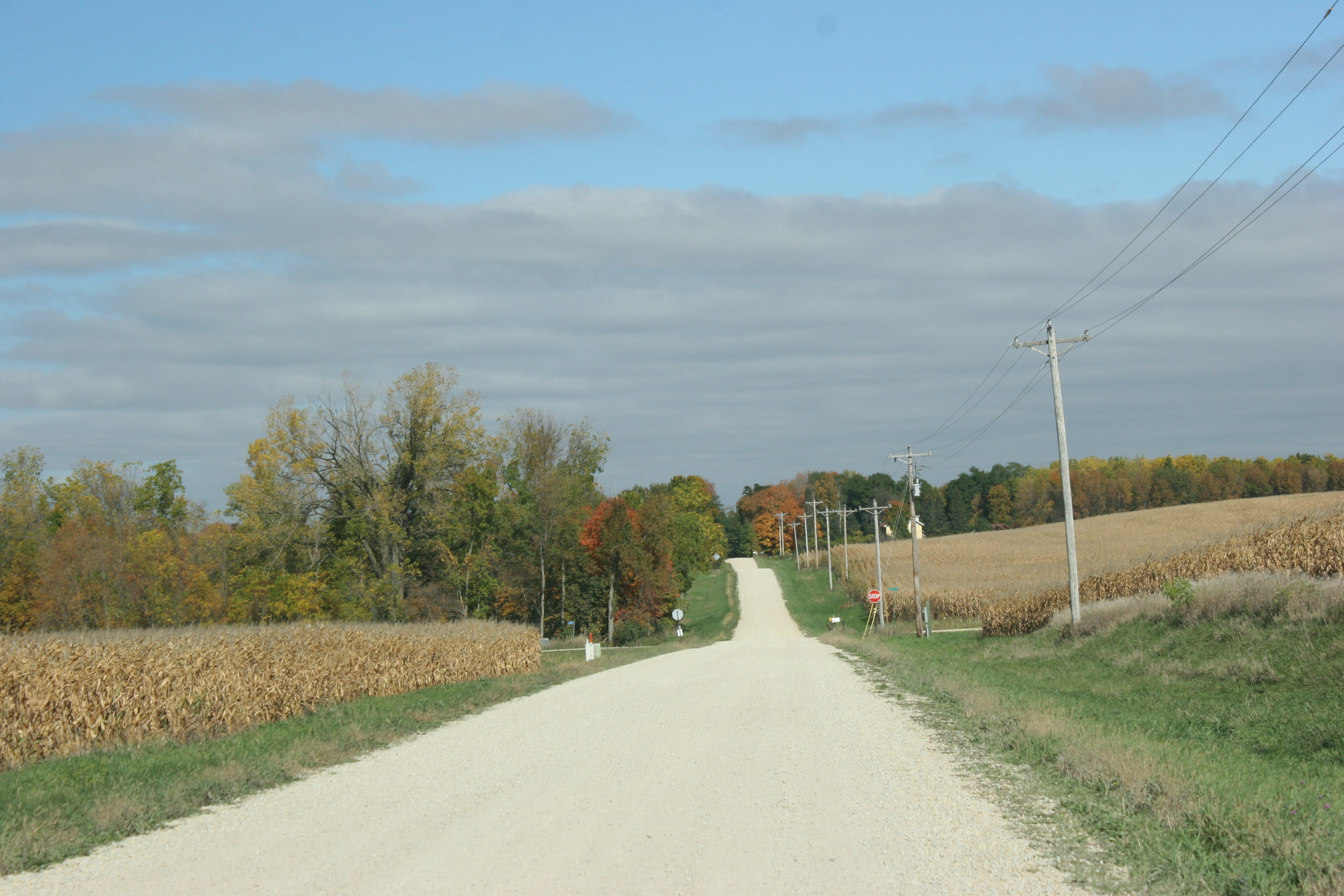
Choose a gravel road, any gravel road, and see where it leads you, here past fields and trees turning color. Minnesota Prairie Roots copyrighted photo October 2021.

Randy and I consider our county a best-kept-secret-place to view fall colors. Last weekend we traveled mostly gravel and county roads from Faribault to the Nerstrand area and back and then west to Kelly Lake. In between, we stopped for a hike at Caron Park, a picnic lunch at the hilltop Valley Grove churches and then for apples at Apple Creek Orchard.
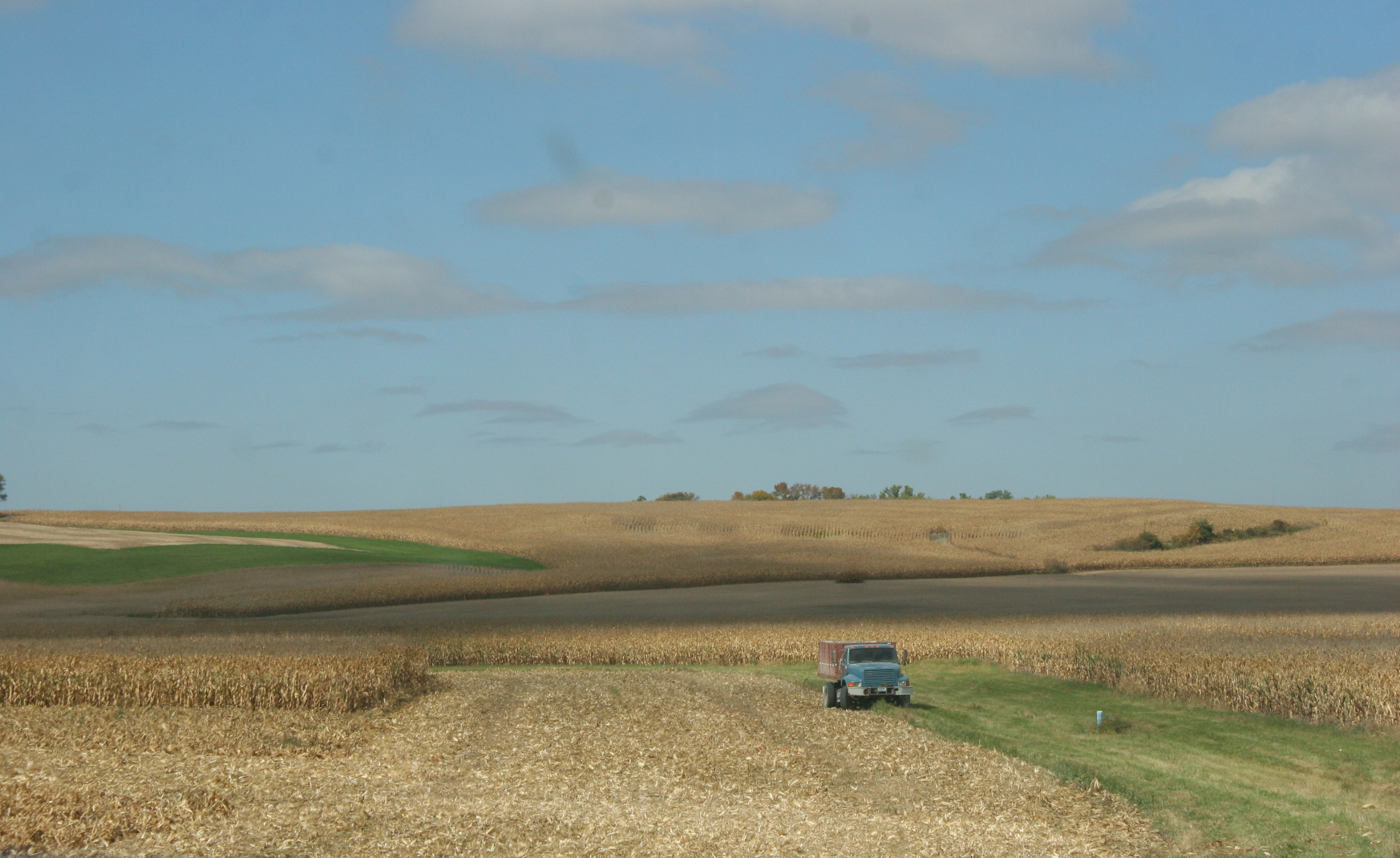
Harvest is well underway in Rice County. Minnesota Prairie Roots copyrighted photo October 2021.

As farm-raised kids—me in southwestern Minnesota and Randy in central Minnesota—we find ourselves drawn to the countryside, especially during spring planting and then again during fall harvest. Our weekend drives updated us on harvest progress as we passed fields of corn and soybeans. Some picked. Some still drying under the intermittent autumn sun.
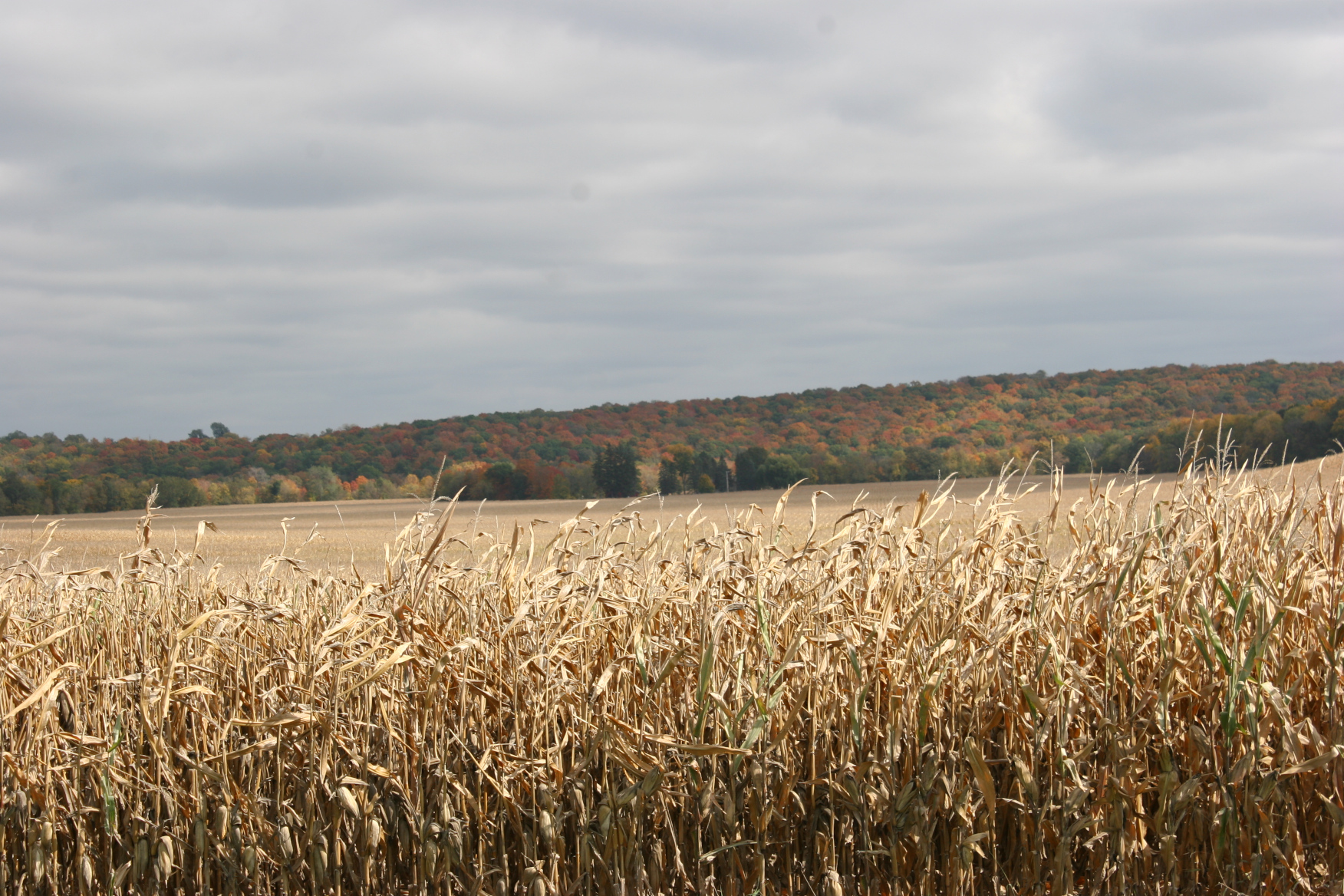
Even under partly sunny skies, the colored hillside of trees were beautiful. This is on a gravel road (Falk Avenue) off Rice County Road 20 northeast of Cannon City. Minnesota Prairie Roots copyrighted photo October 2021.

Across an expanse of cornfield on County Road 84/Falk Avenue (just off County Road 20 between Cannon City and Northfield), we paused to admire a treeline in the distance. We return here each year to simply stop and appreciate the hillside aflame with the hues of autumn.
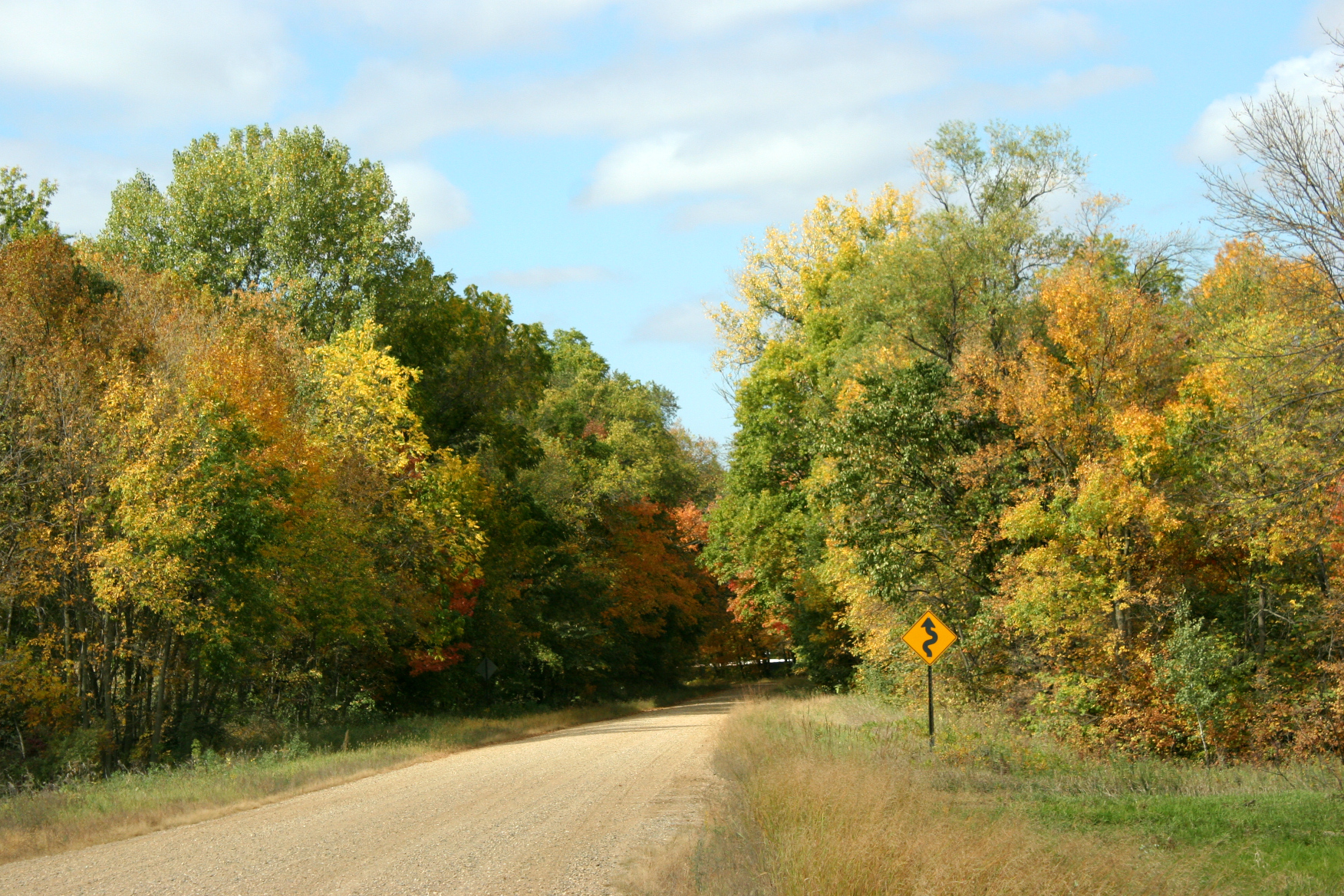
Entering the woods on Farmers Trail. Minnesota Prairie Roots copyrighted photo October 2021.

Likewise, we also follow nearby Farmers Trail, a remote gravel road (off Falk Avenue) which winds through woods. Primarily maples as evidenced by the colors and by the blue maple syrup tube collection system that weaves through the trees.
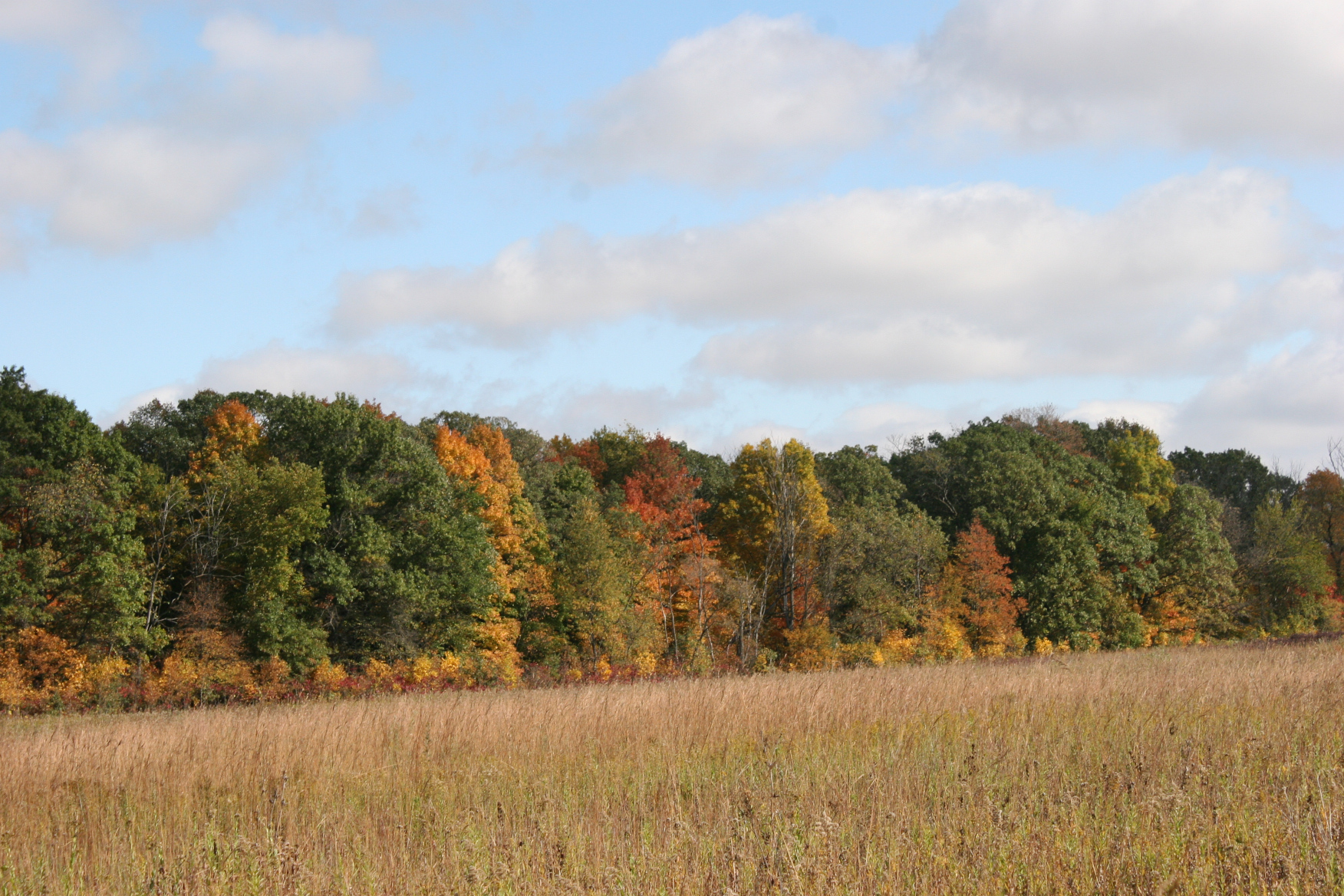
The beautiful treeline at Caron Park. Minnesota Prairie Roots copyrighted photo October 2021.

Caron Park, too, draws us to stop and hike into the woods. It’s a less-crowded option than the nearby popular Nerstrand Big Woods State Park. The treeline at Caron Park, behind an open field of muted, dried grasses, is particularly stunning.
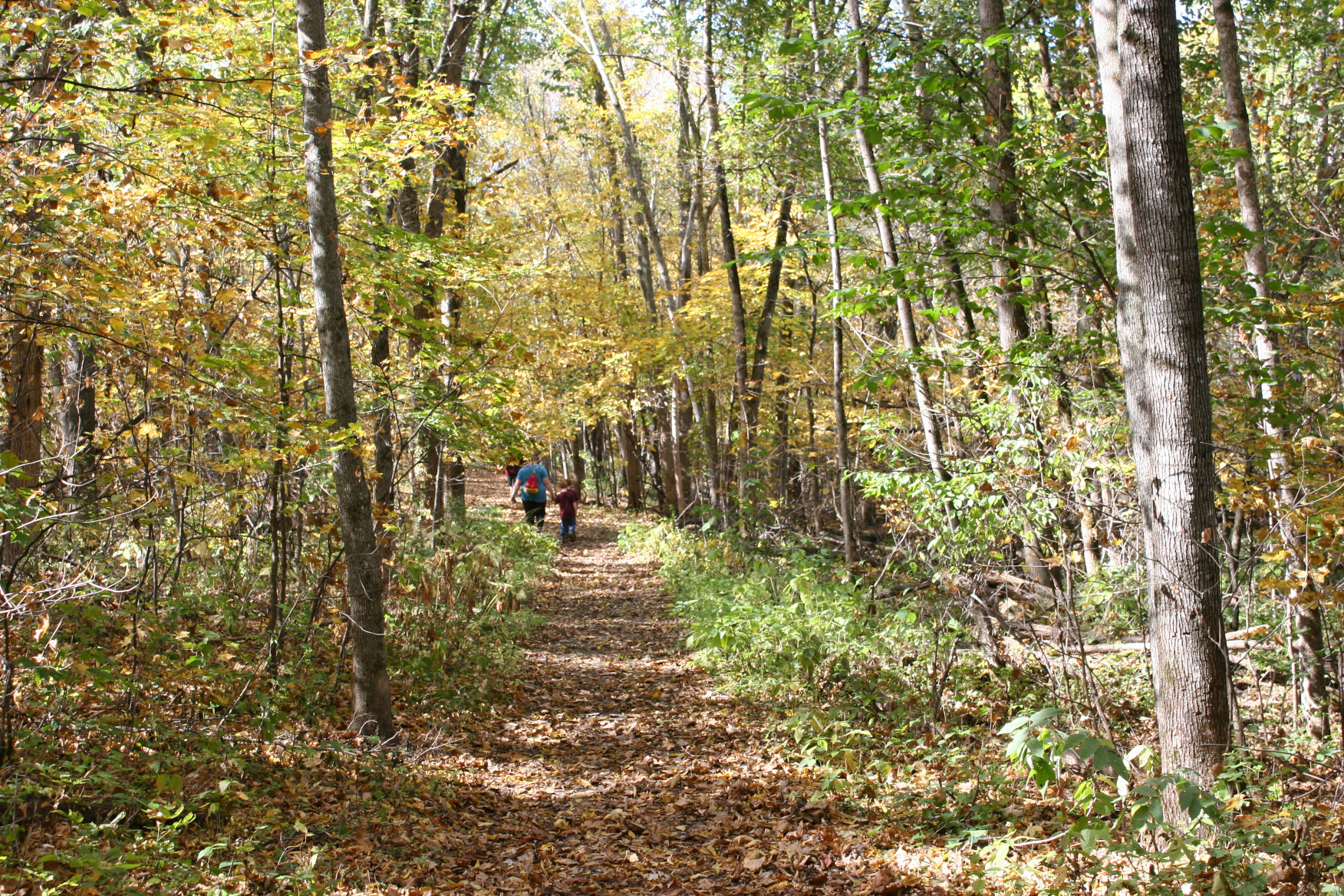
A family walks through the woods at Caron Park. Minnesota Prairie Roots copyrighted photo October 2021.

We walked into the woods, following a leaf-covered, eroded dirt trail that made me uncomfortable and unsure of my footing. Tree roots presented potential tripping obstacles. I focused more on staying upright than anything. Yet, despite that, I enjoyed the quiet and beauty of the woods. As did others, mostly young families.
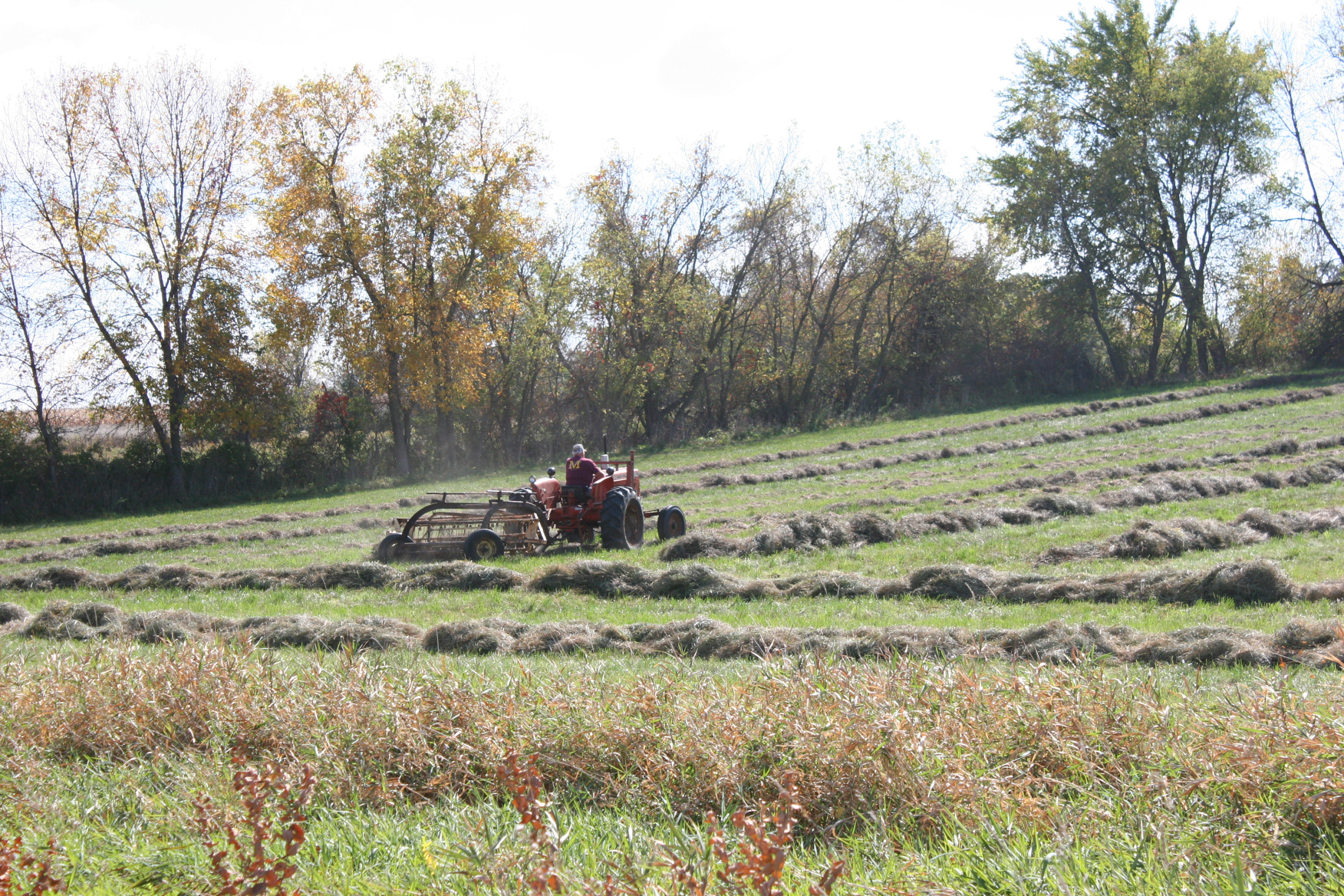
We came across this farmer raking hay, like a scene from the past. Minnesota Prairie Roots copyrighted photo October 2021.

As we continued to follow country gravel roads, we sometimes drove in clouds of dust trailing pick-up trucks. That, too, reminds me of my agrarian upbringing. Yes, nostalgia often seeps into our view and our conversations. Once a farm girl/boy, always a farm girl/boy. Even if we’re decades removed from the farm.
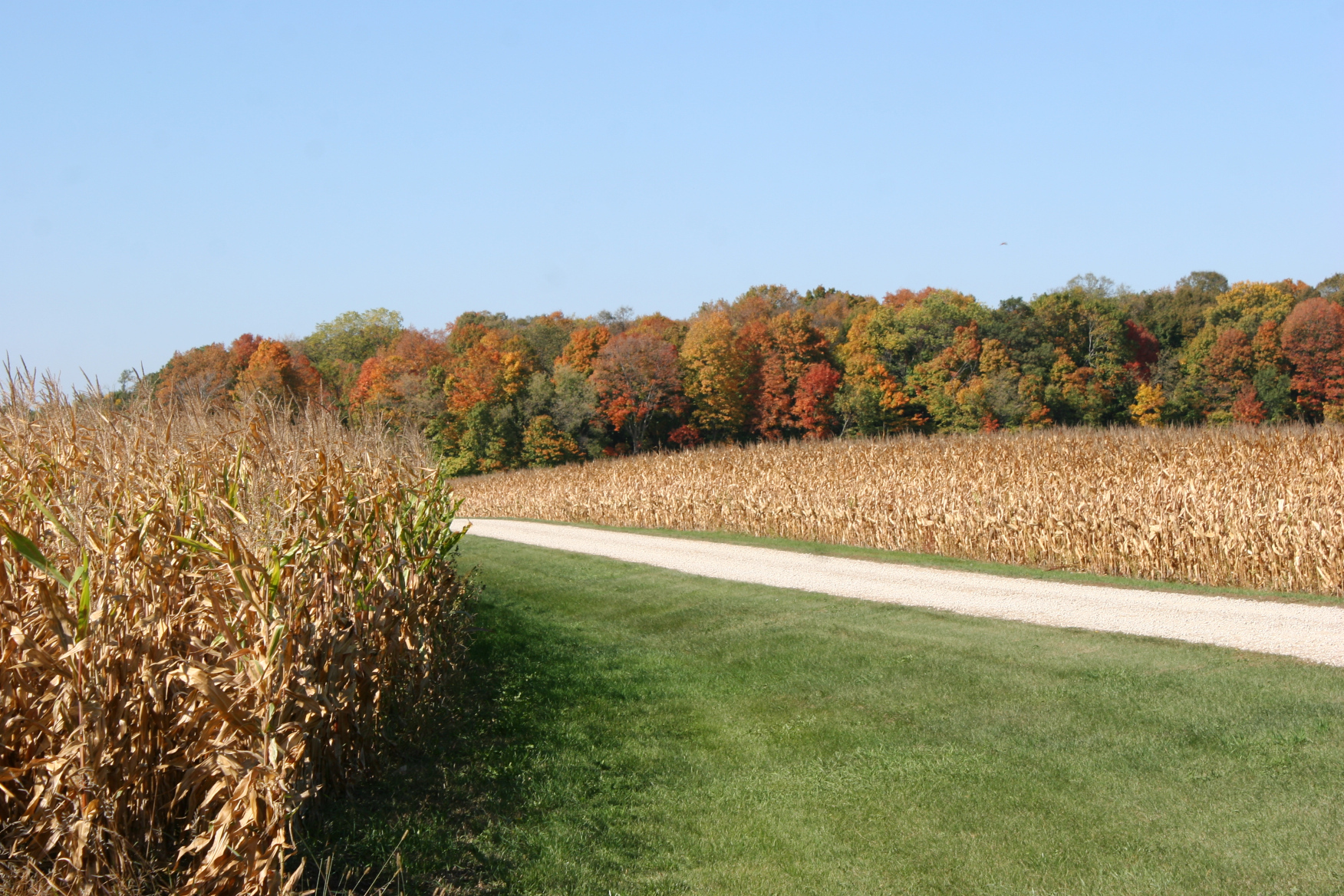
Beauty in autumn ruralness. Minnesota Prairie Roots copyrighted photo October 2021.

I love how the rural countryside of Rice County often sweeps in valleys and hills, providing incredible vistas. Of farmland. Of wooded and open hillsides. Of land and sky connecting. All connected by gravel roads. This rural setting rates as particularly stunning in autumn.
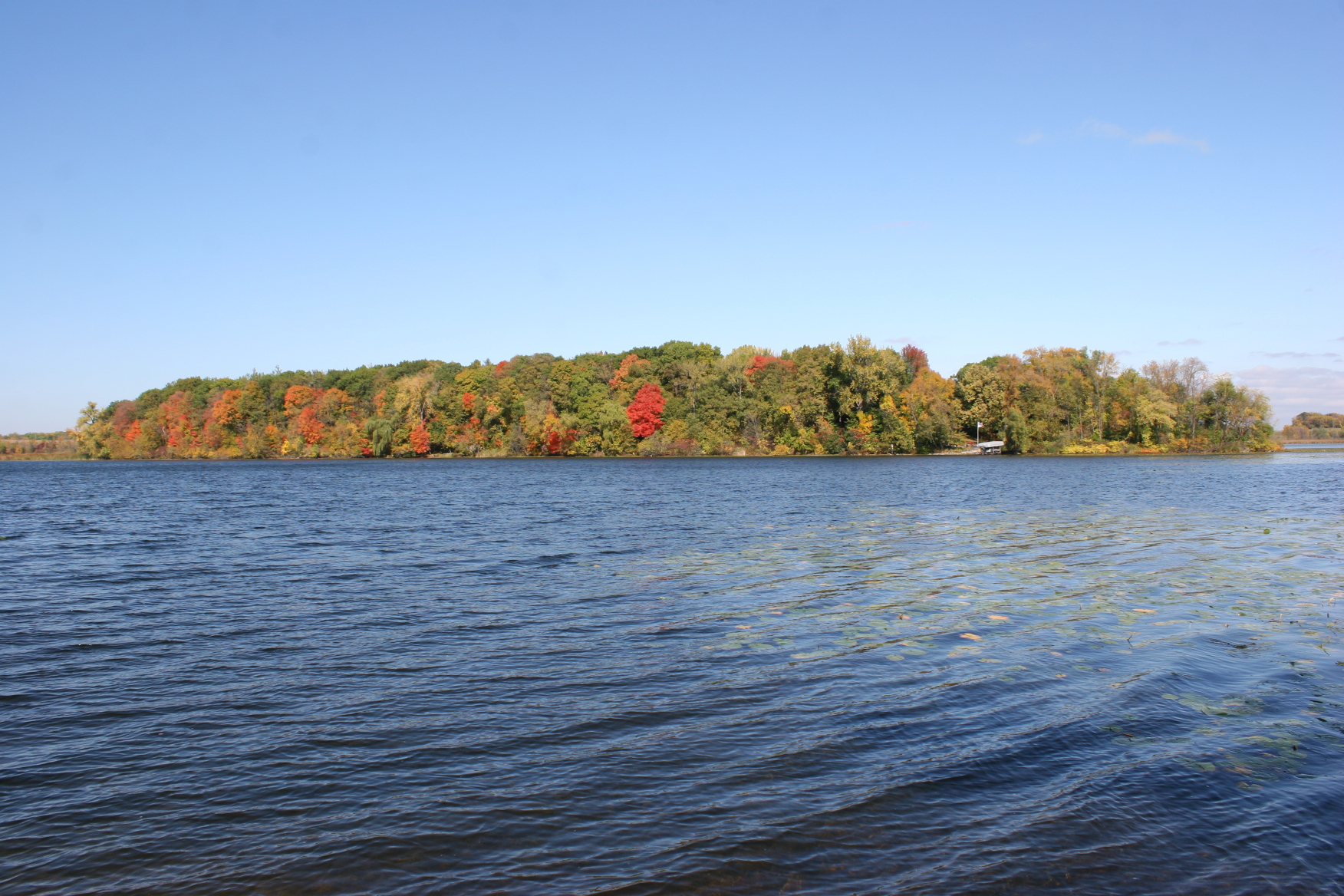
The treeline across Kelly Lake is particularly beautiful in autumn. It should be even prettier than this soon. Minnesota Prairie Roots copyrighted photo October 2021.

We ended our drive at another favorite fall destination, the public boat landing at Kelly Lake northwest of Faribault. The view of the treeline across the water—which was unusually clear—always looks particularly lovely, although the colors were not at their peak yet during out stop. Soon.
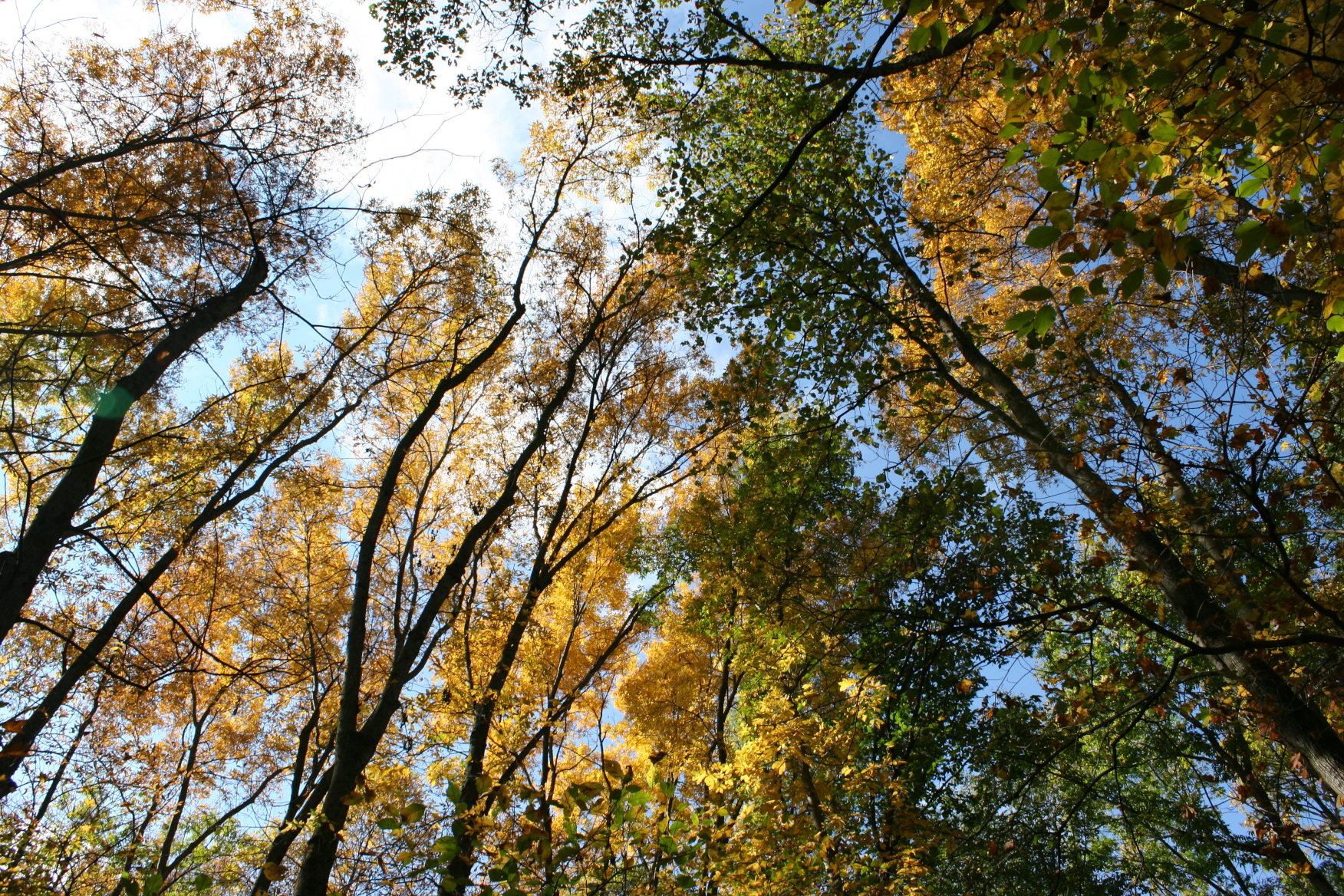
Appreciating the trees overhead while hiking in Caron Park. Minnesota Prairie Roots copyrighted photo October 2021.

Heading back into Faribault toward home, I admired, too, how beautiful the trees in my community. Seventh Street. Second Avenue. There’s much to be said for looking in your own backyard for autumn’s glory. And I’ve found it. Right here, in Rice County.

FYI: Please check back for more photos from our country drive and for separate posts on Valley Grove churches and Apple Creek Orchard.

© Copyright 2021 Audrey Kletscher Helbling


On the backroads of Rice County with Mr. Bluebird August 17, 2021

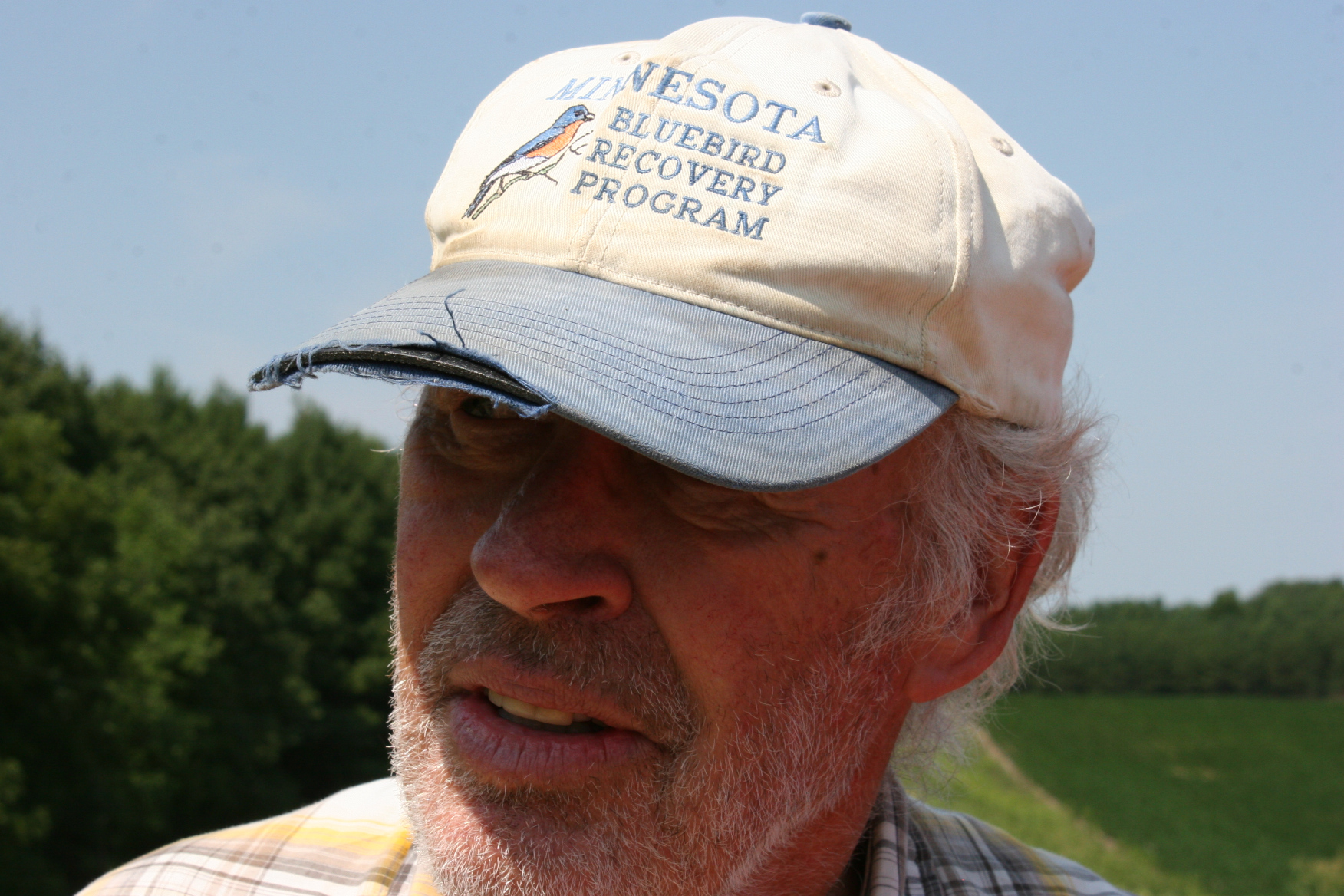
Mr. Bluebird, Keith Radel. Minnesota Prairie Roots copyrighted photo July 2021.

DOWN THE GRAVEL ROAD, I saw him exit the ditch, cross the roadway and then climb into his red pick-up truck.

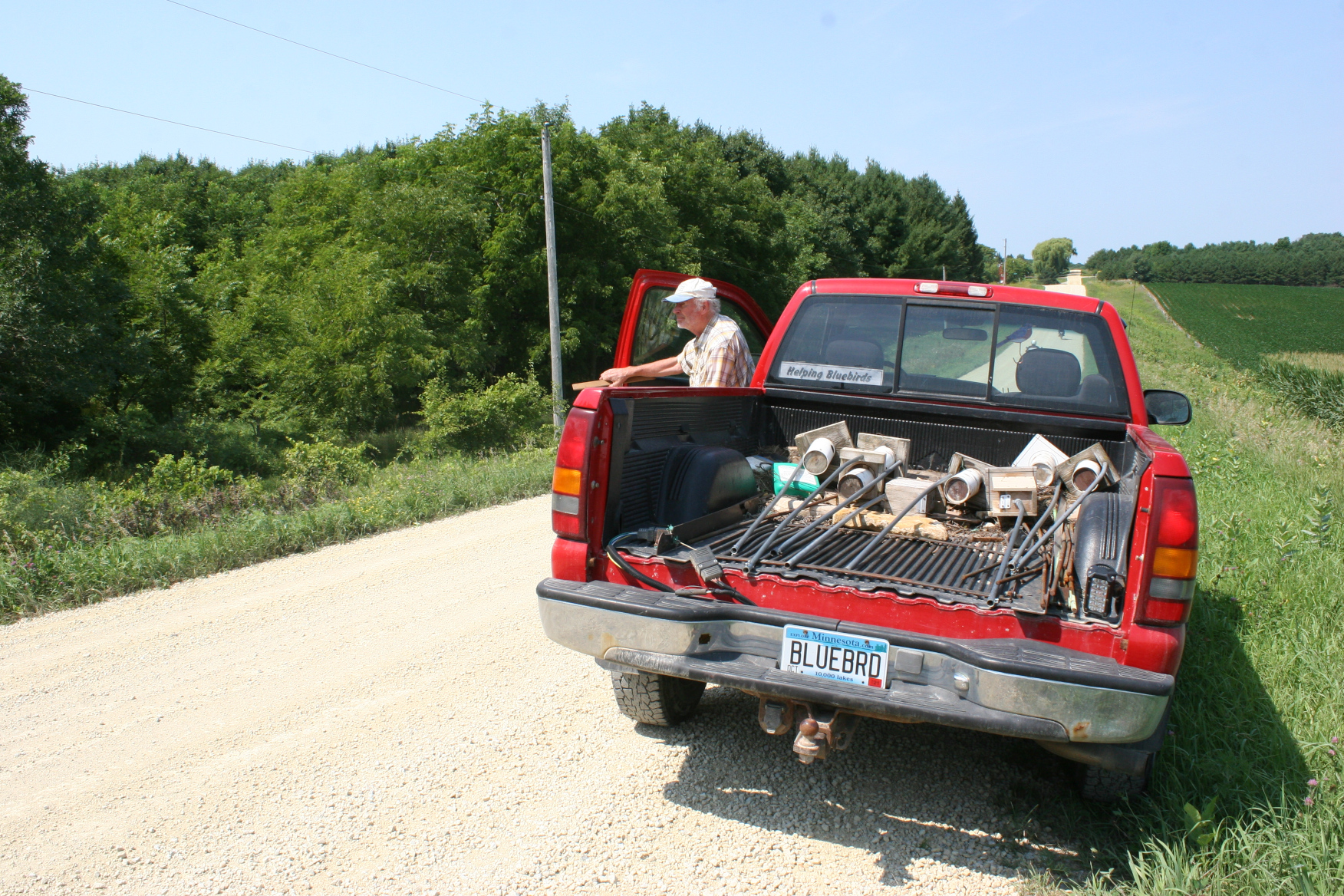
A man on a mission, to save bluebirds. Those are nesting boxes in the truck bed. Minnesota Prairie Roots copyrighted photo July 2021.

“That’s Keith,” I told Randy. Even from a distance I recognized the tall, lean profile of Keith Radel. Known as Mr. Bluebird, he travels the backroads of Rice County checking bluebird nests.

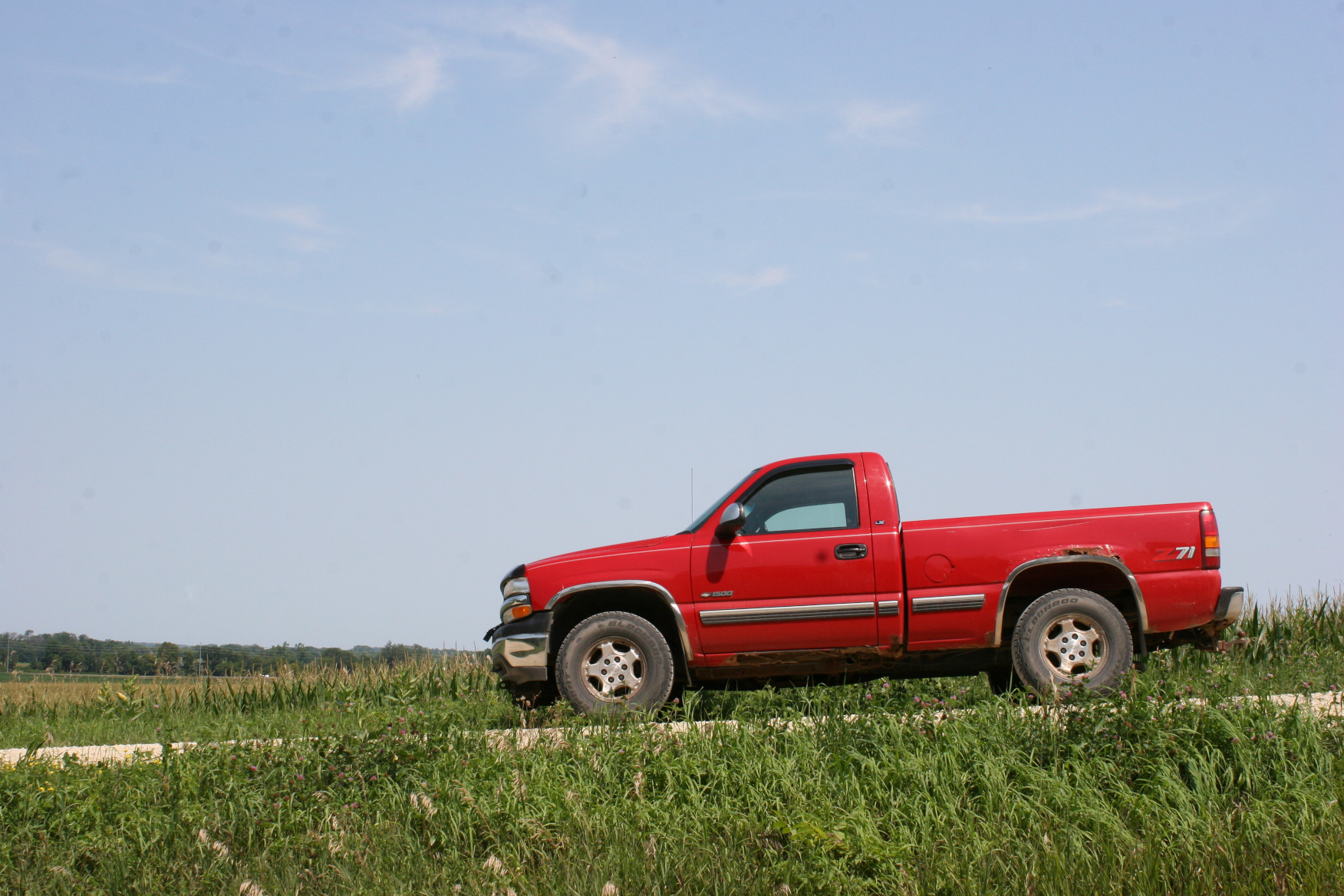
Keith puts on countless miles in his red pick-up truck. Minnesota Prairie Roots copyrighted photo July 2021.

Randy and I had just finished a short hike at the nearby Cannon River Wilderness Park when I spotted Keith on a gravel road in rural Dundas. We paused, his pick-up and our van pulled side-by-side, windows rolled down, the three of us conversing like farmers meeting on a rural road to talk crops.

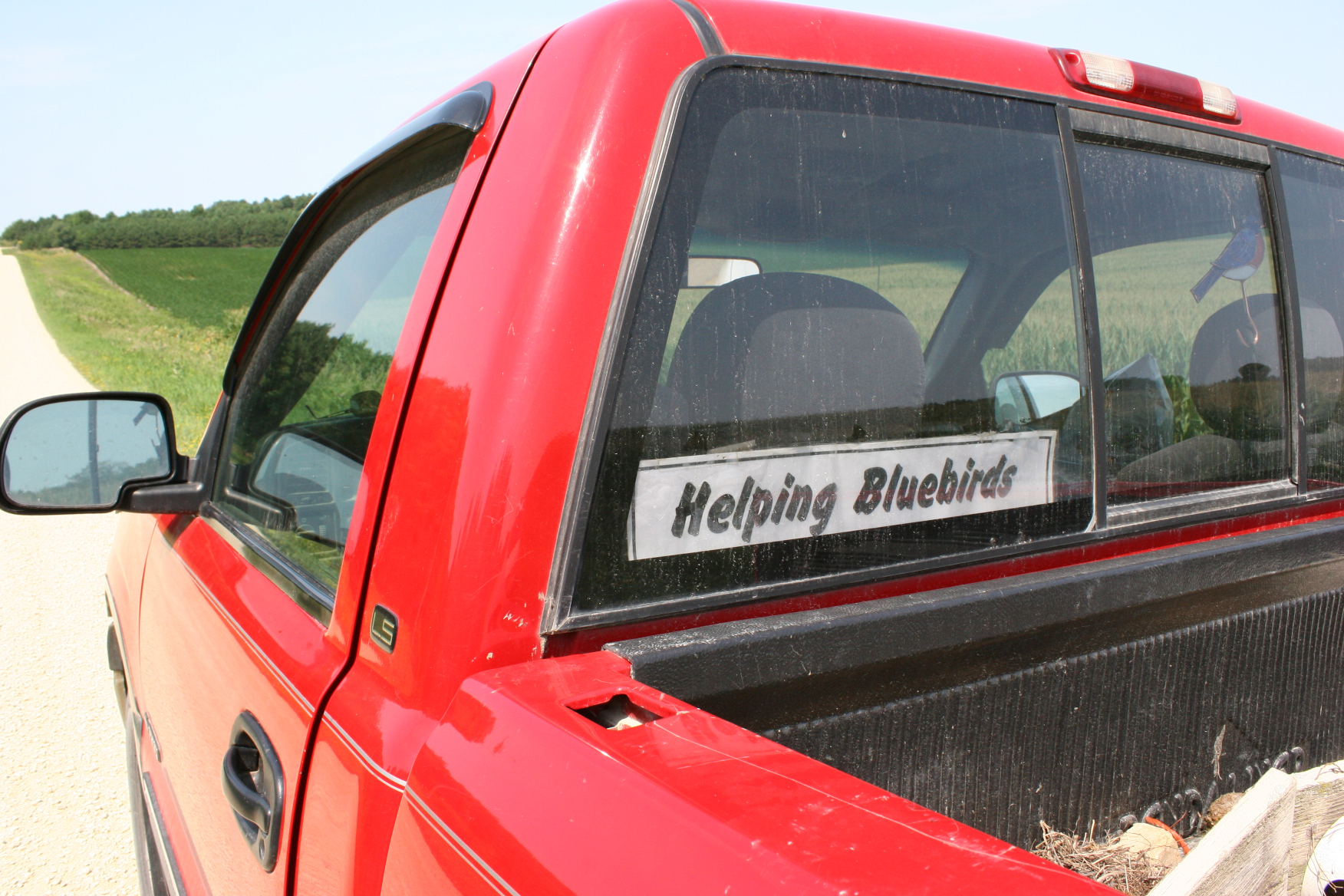
Keith’s simple mission statement. Minnesota Prairie Roots copyrighted photo July 2021.

Except we were talking bluebirds. Not that I know much about these songbirds. But Keith, who’s been tracking, counting and caring for bluebirds for nearly 40 years, does. He’s relentless in his passion to assure this bird thrives. And that devotion drives him to drive miles upon endless miles to check nest boxes and count eggs and do whatever it takes to assure bluebird survival. Rice County has the most successful bluebird recovery program in Minnesota.

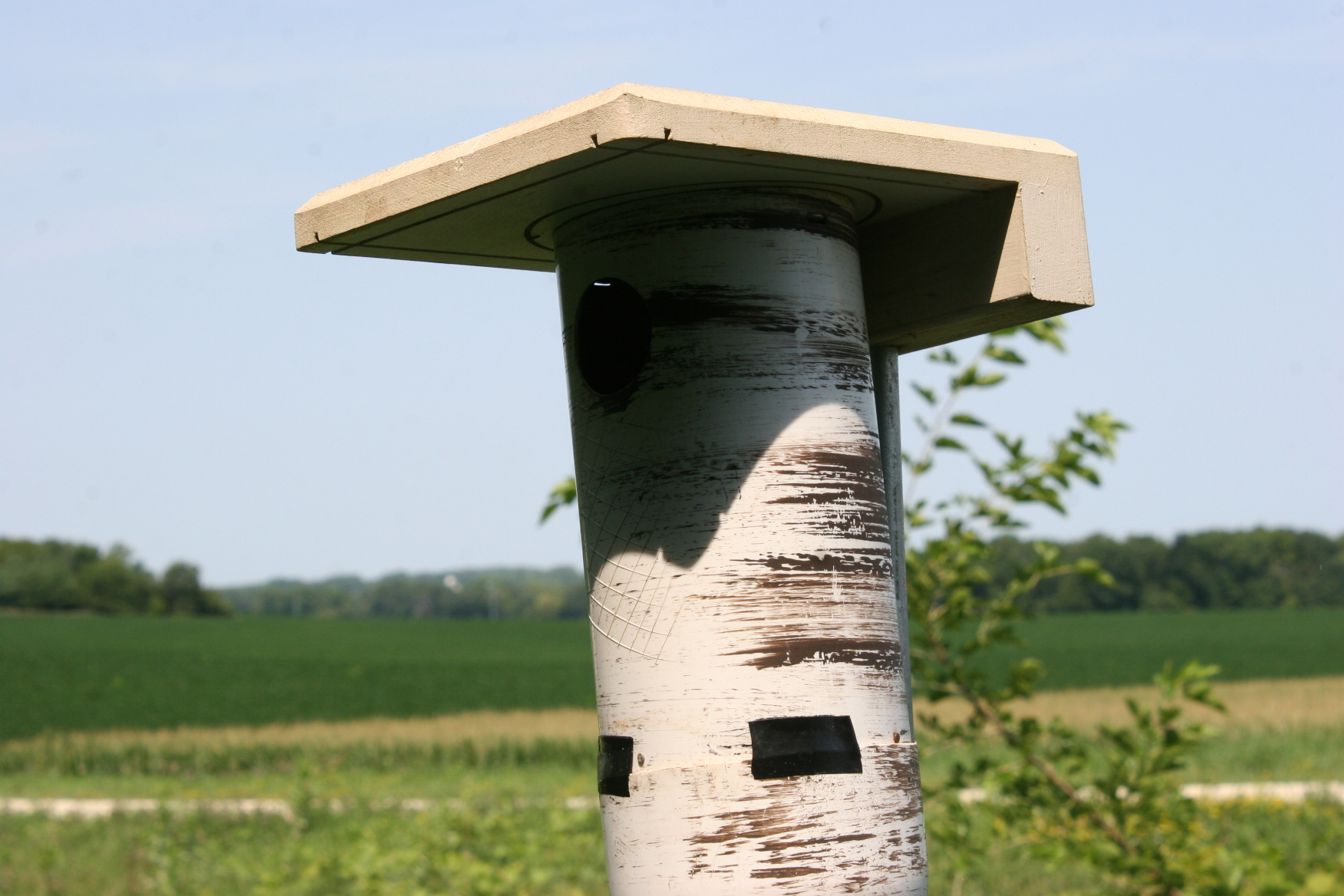
A nesting box for bluebirds. Minnesota Prairie Roots copyrighted photo July 2021.

I didn’t take notes when we were talking, although I recall Keith saying major ice storms in Texas this year had a devastating effect on the current bluebird population. He keeps meticulous notes on each nesting box.

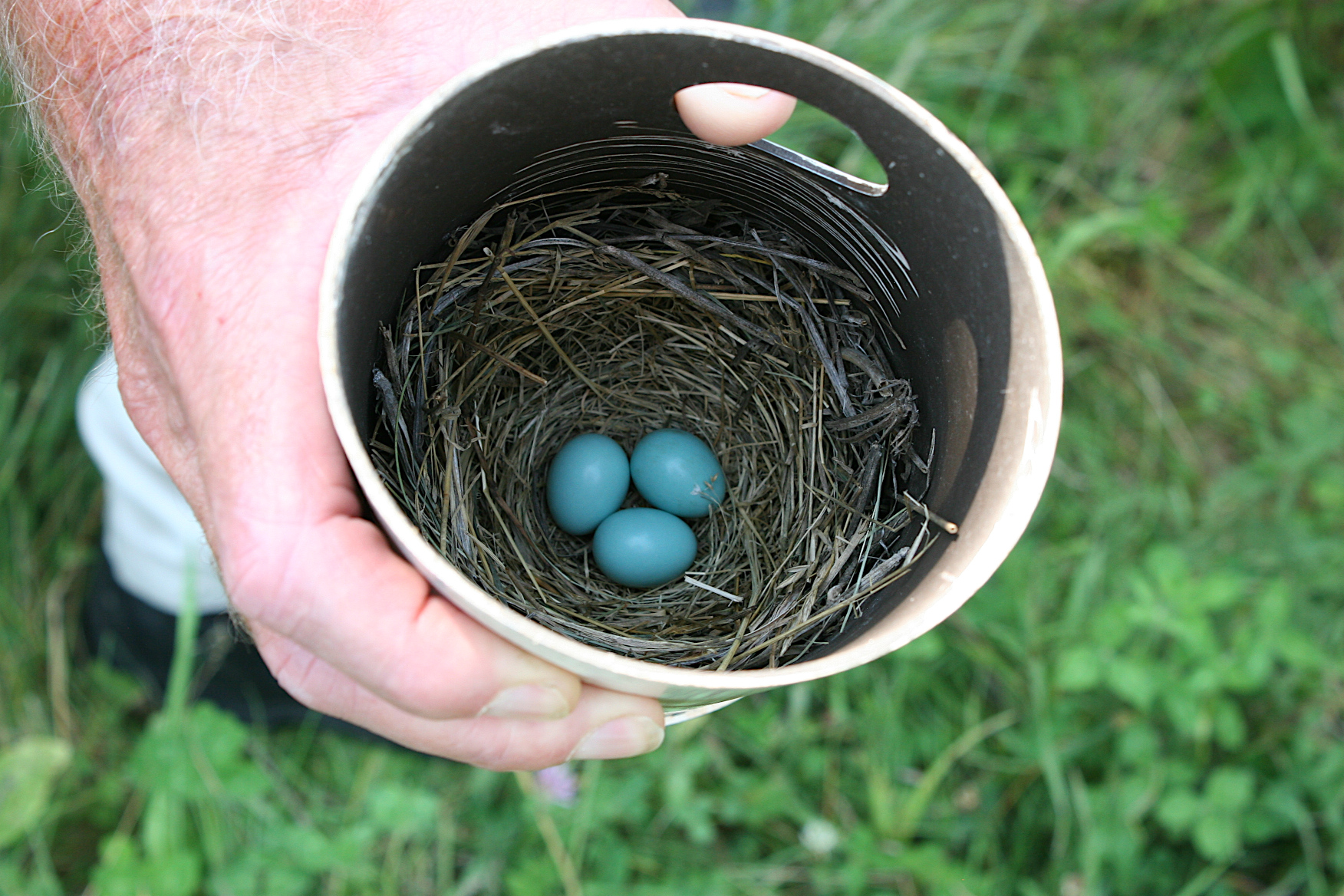
Bluebird eggs. We didn’t see any bluebirds. Minnesota Prairie Roots copyrighted photo July 2021.

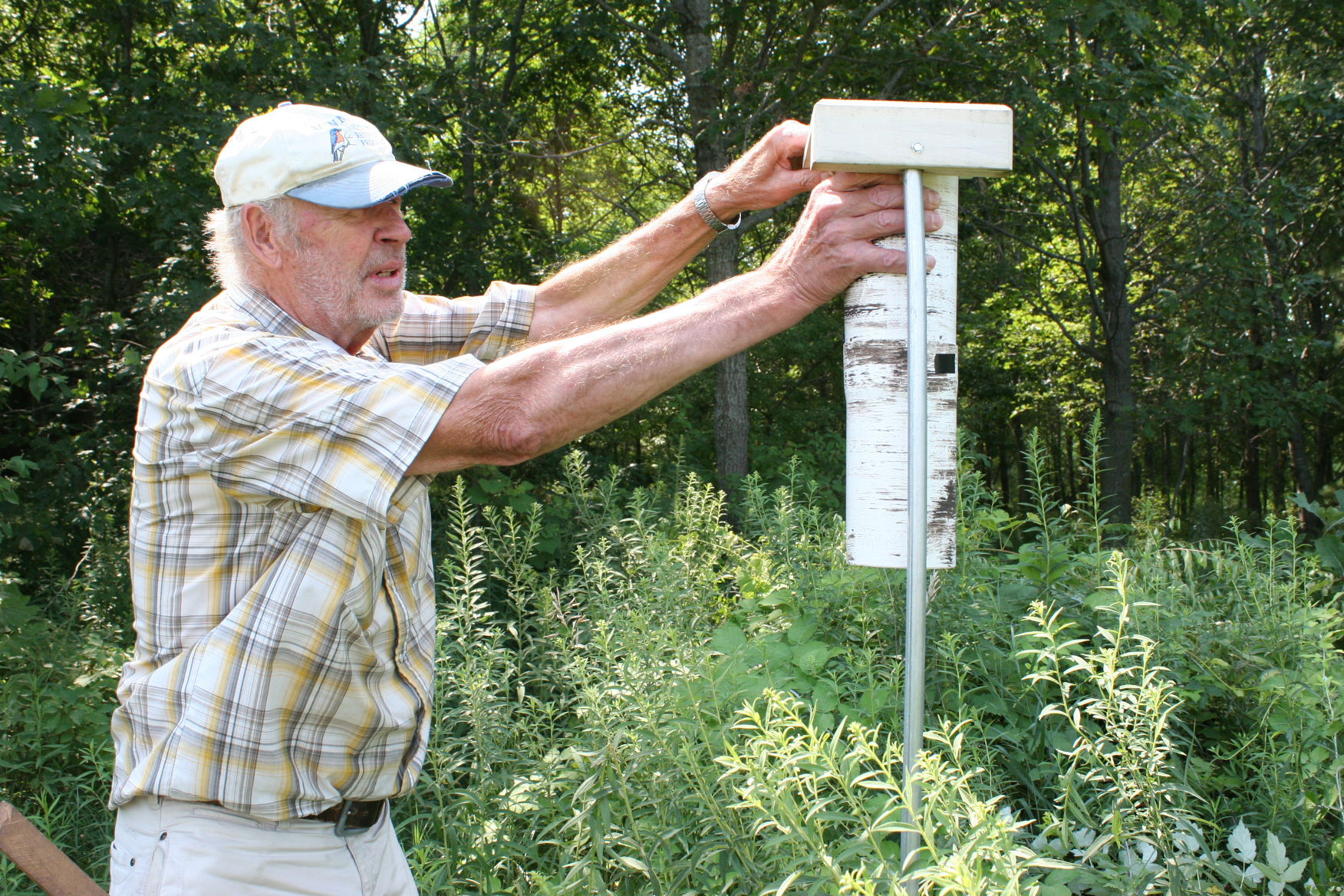
Mostly, I focused on being in the moment. When Keith offered to show us two bluebird nesting boxes just down the road, we didn’t hesitate, reversed course, our van following his truck in a trail of dust. Once parked, Keith led us down the side of a ditch, lifting the nest cylinder from its post to reveal three beautiful blue eggs inside. The next nest held only a single egg.

Keith checks a bluebird nest. Minnesota Prairie Roots copyrighted photo July 2021.

Soon we were on our way, Randy and I looking for a place to eat a picnic lunch and Keith continuing with his bluebird checks.

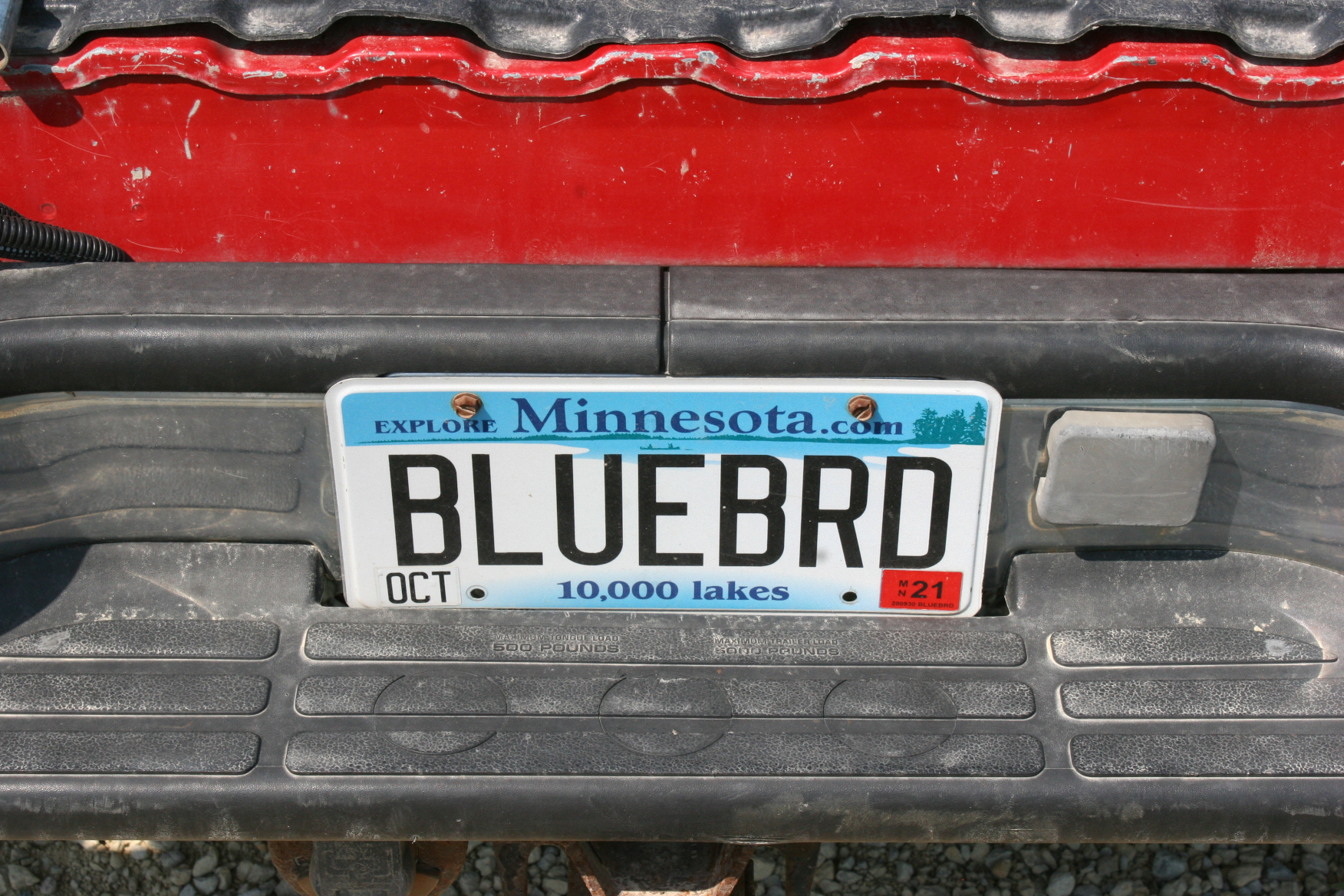
The personalized license plate on Keith’s pick-up truck. Minnesota Prairie Roots copyrighted photo July 2021.

But there’s more to this story than that of a man sporting a MINNESOTA BLUEBIRD RECOVERY PROGRAM cap with a specialty BLUEBRD license plate and a window sticker on his pick-up that proclaims his mission, Helping Bluebirds. There’s a personal connection. Keith is from my hometown of Vesta on the southwestern Minnesota prairie. He grew up north of town. I grew up south of town. Both of us on family farms.

I photographed this cornfield and farm site from the gravel road where we stopped with Keith to check a bluebird nesting box. Minnesota Prairie Roots copyrighted photo July 2021.

Place connects us. Most people in Rice County are clueless as to the location of Vesta, or even our home county of Redwood some 120 miles to the west. So whenever I see Keith, I feel this sense of connection to my home area, to the land. When we met on that gravel road on a July afternoon, Keith understood my need to exit Faribault, to follow gravel roads, to reconnect with the land. And, yes, even to look at the crops.

© Copyright 2021 Audrey Kletscher Helbling
 

Back to southwestern Minnesota, the place of my roots July 13, 2021

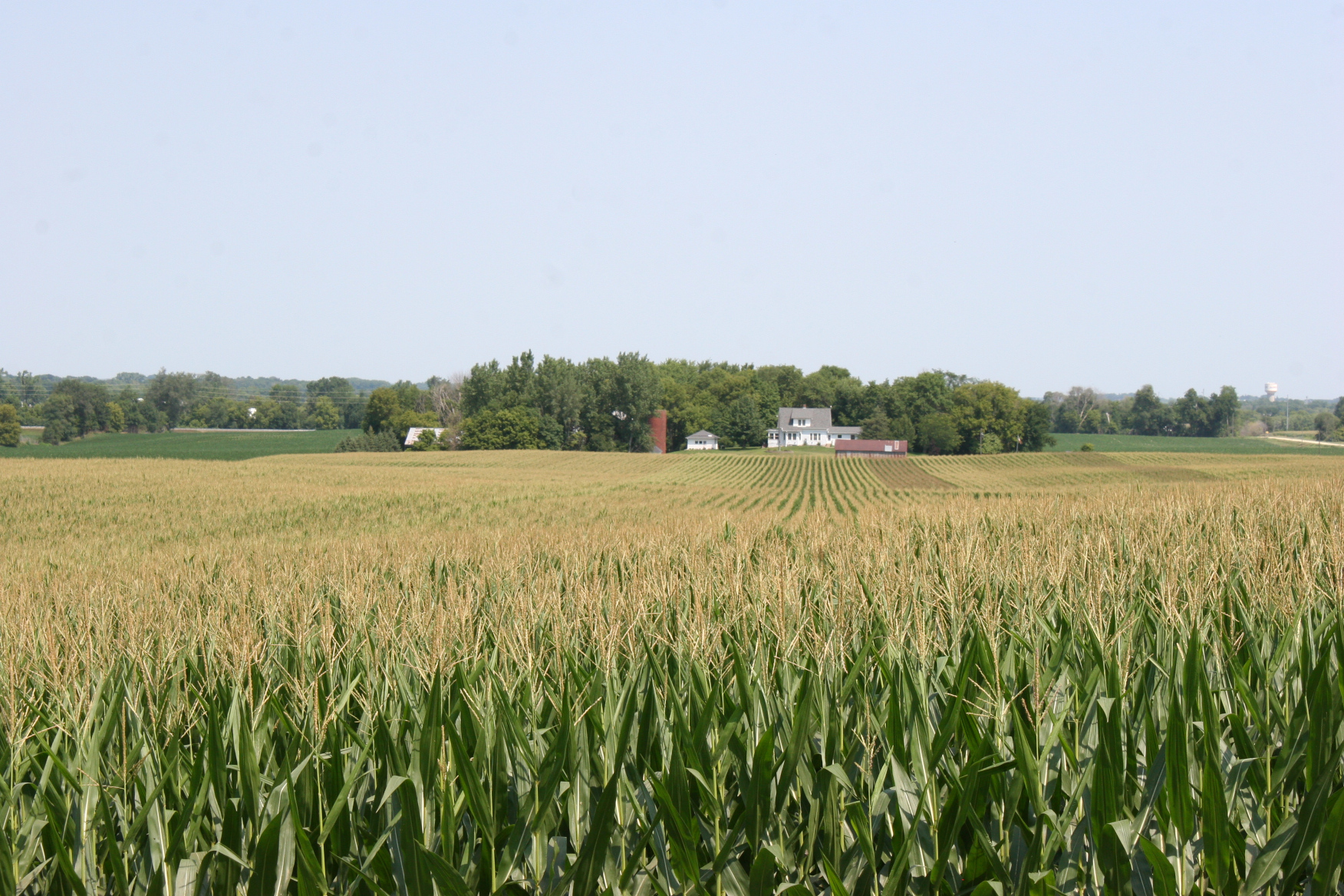
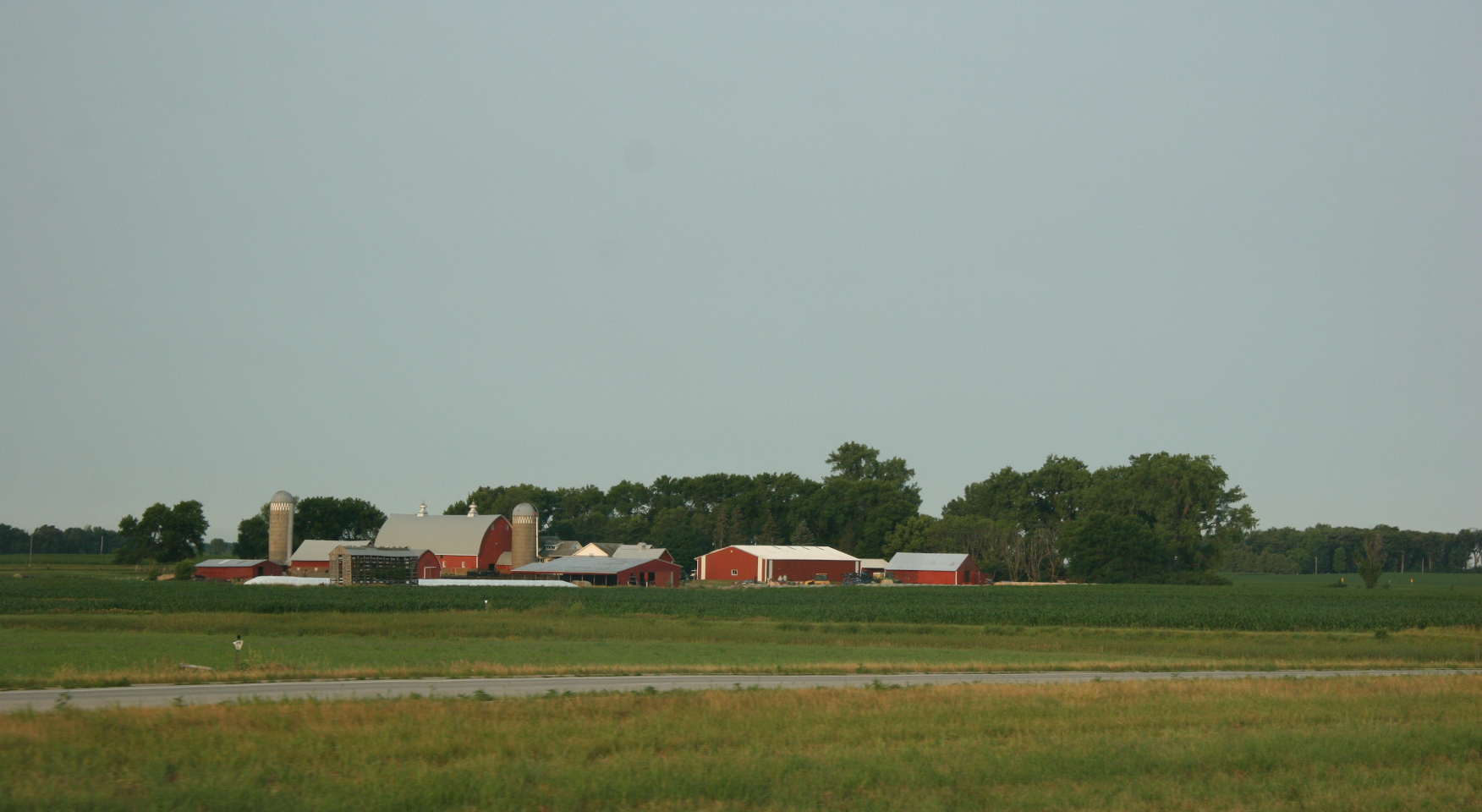
A well-kept farm site west of New Ulm. Minnesota Prairie Roots photo.

THE JULY FOURTH WEEKEND took me back home, home being my native southwestern Minnesota. There my extended family gathered at my middle brother’s rural acreage near Lamberton for the first time since December 2019. To see so many family members—not all attended—felt wonderful.

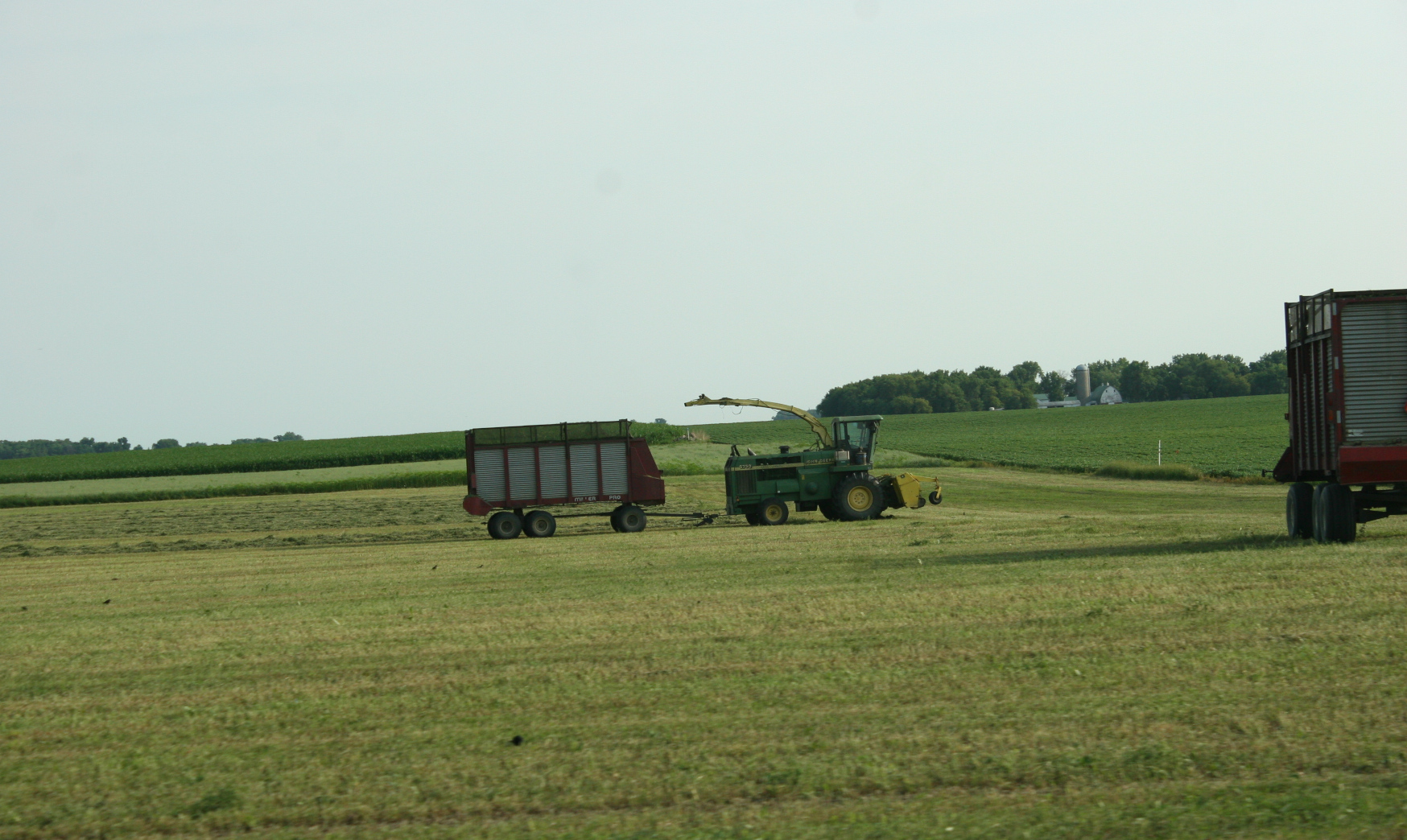
Heading west toward Redwood County, we passed this chopper and wagons in Brown County. Minnesota Prairie Root photo.

Being back in that rural area of our state, in a familiar landscape, felt comforting. No matter where I’ve lived as an adult, Redwood County remains home. The place of my roots. The land and sky and wind imprinted upon me like ink on the pages of a book. Words that thread through my writing even today.

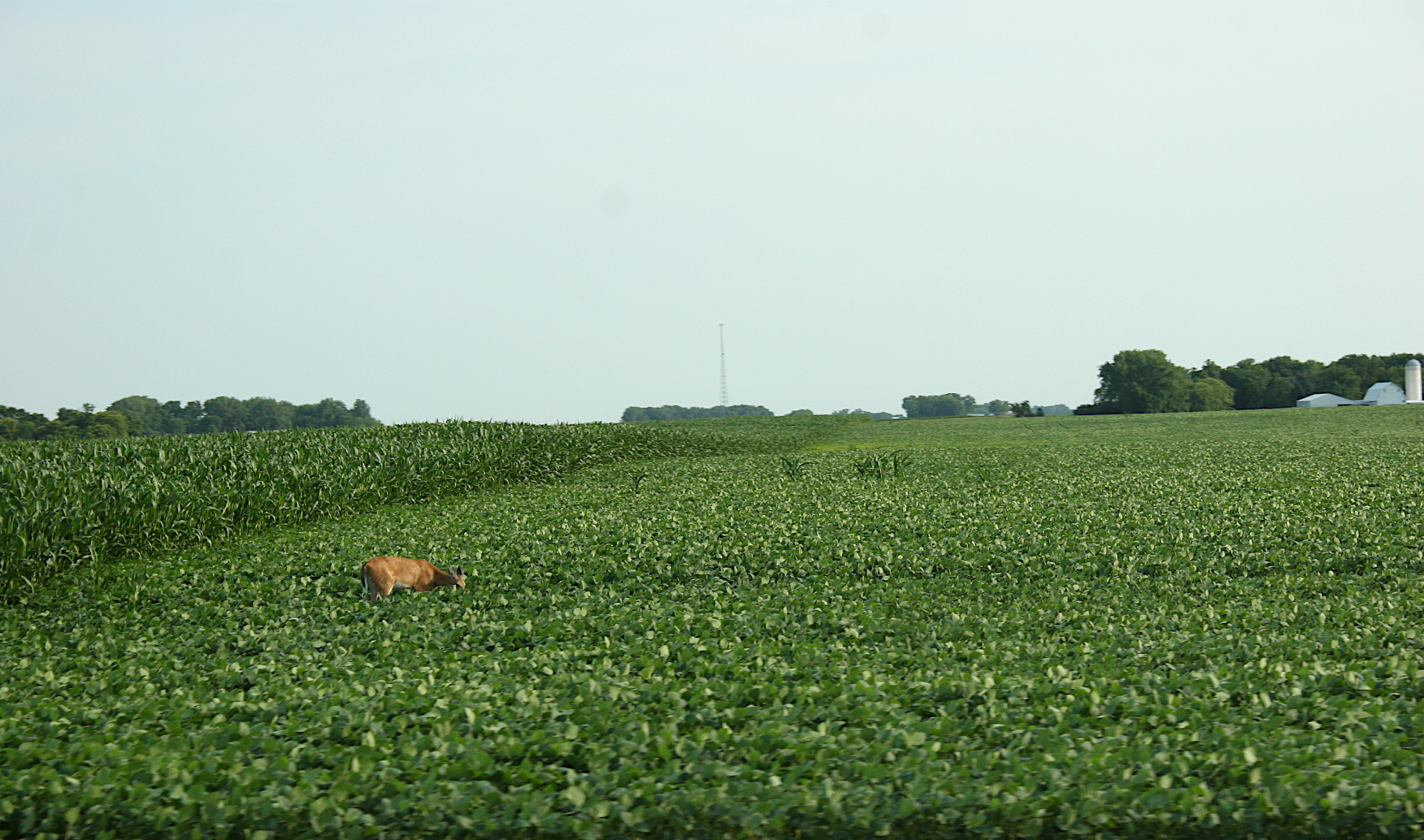
One of several deer spotted as we drove west. Minnesota Prairie Roots photo.

Perhaps my perspective seems too nostalgic. And if it does, I offer no apologies. I value the place which shaped me as a person and as a writer and photographer.

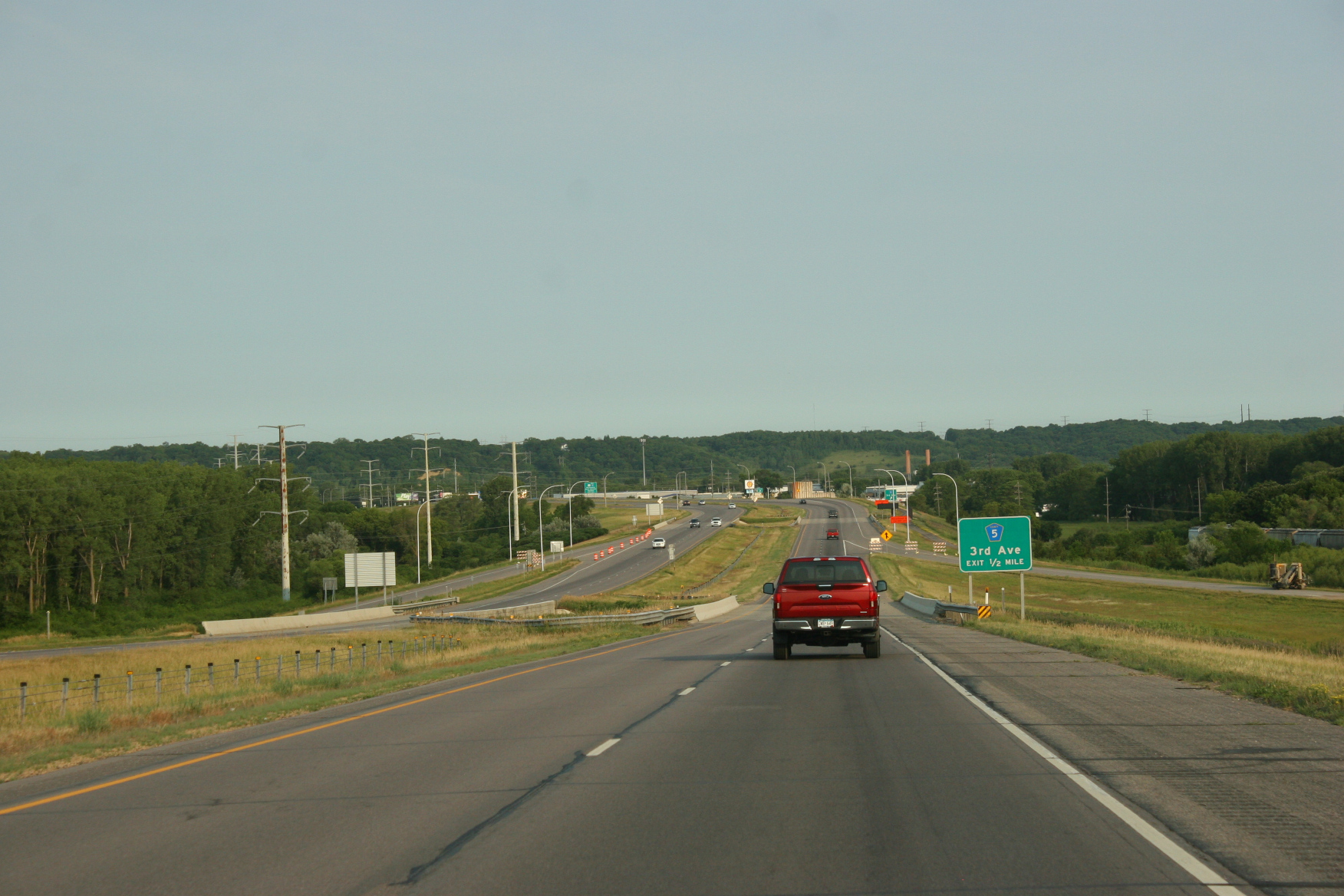
A farm site along US Highway 14 west of Owatonna as we begin our 2.5-hour drive west. Minnesota Prairie Roots photo.
Near Mankato, a truck pulls a farm wagon. Minnesota Prairie Roots photo.
Skirting Mankato on US Highway 14, the land dips into the Minnesota River Valley, then rises, opening to flat farm land. Minnesota Prairie Roots photo.

The familiar scenes which appear before me en route from Faribault to southwestern Minnesota welcome me back. The red barns. The vast fields of corn and soybeans. The expansive sky. Even the tractors and farm wagons and pick-up trucks.

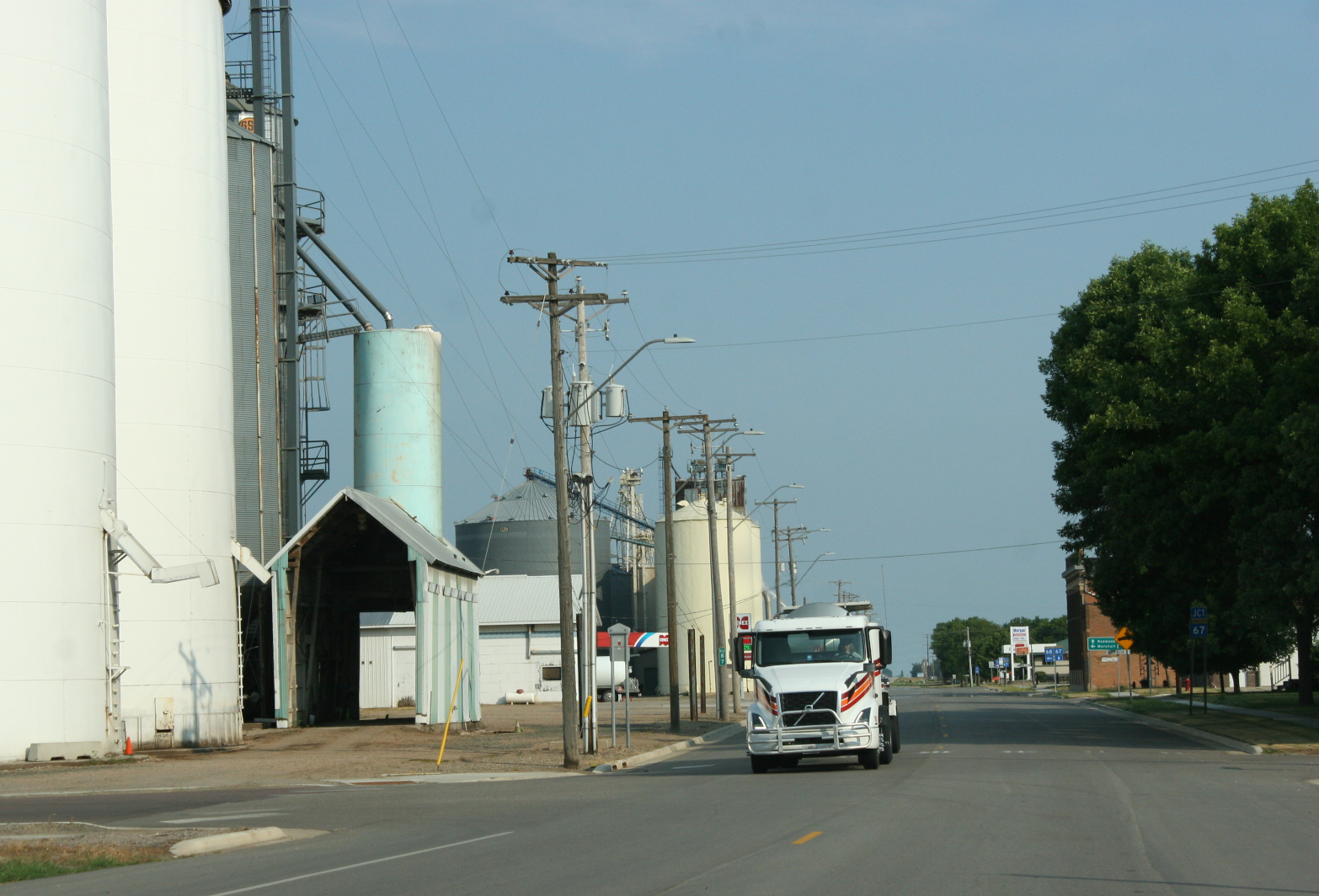
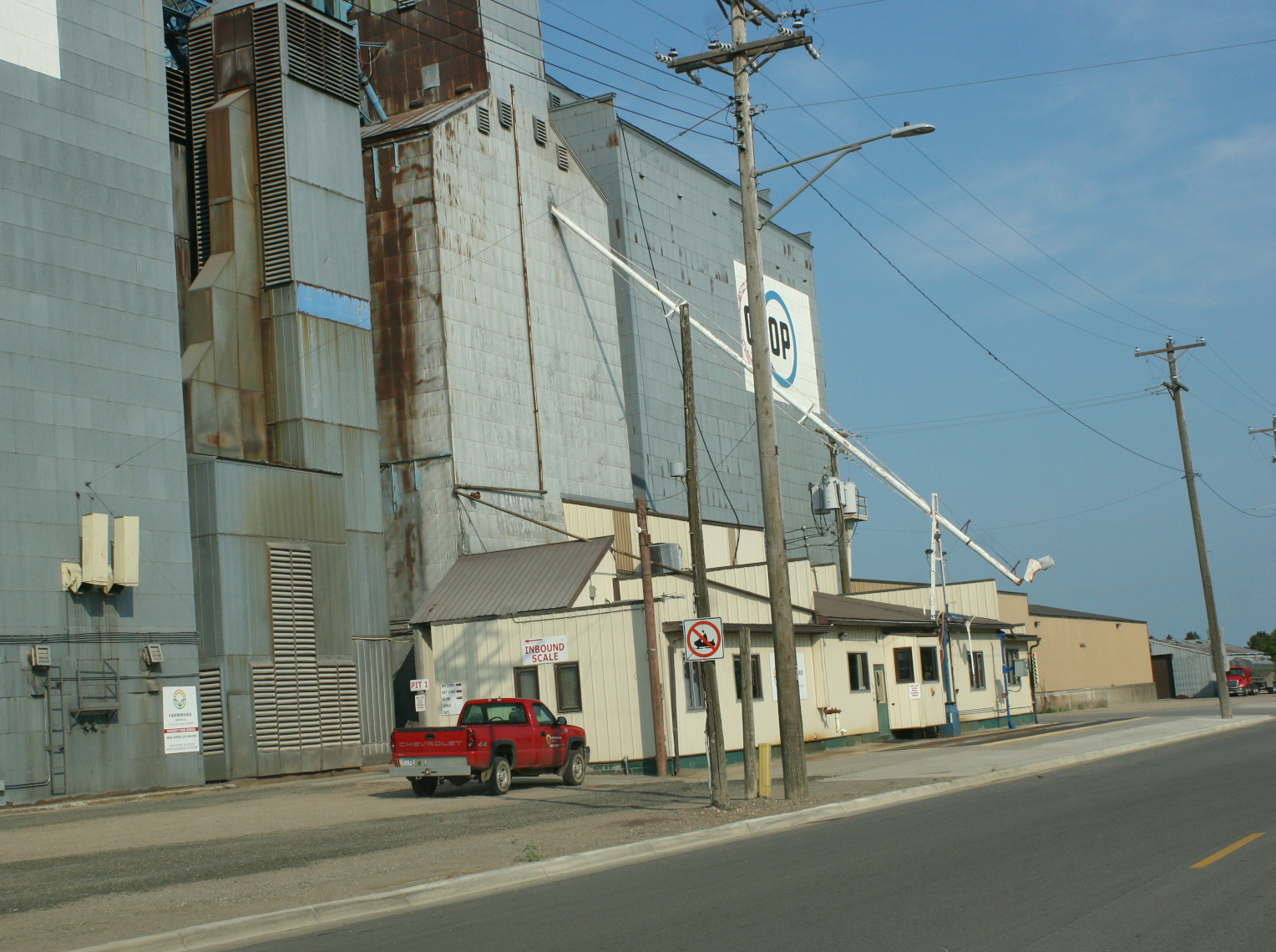
Entering Morgan, where grain elevators edge the main route through town. This is in eastern Redwood County. Minnesota Prairie Roots photo.

All are part of the rural-ness. My rural-ness. The grain elevators and gravel roads and power lines stretching seemingly to infinity.

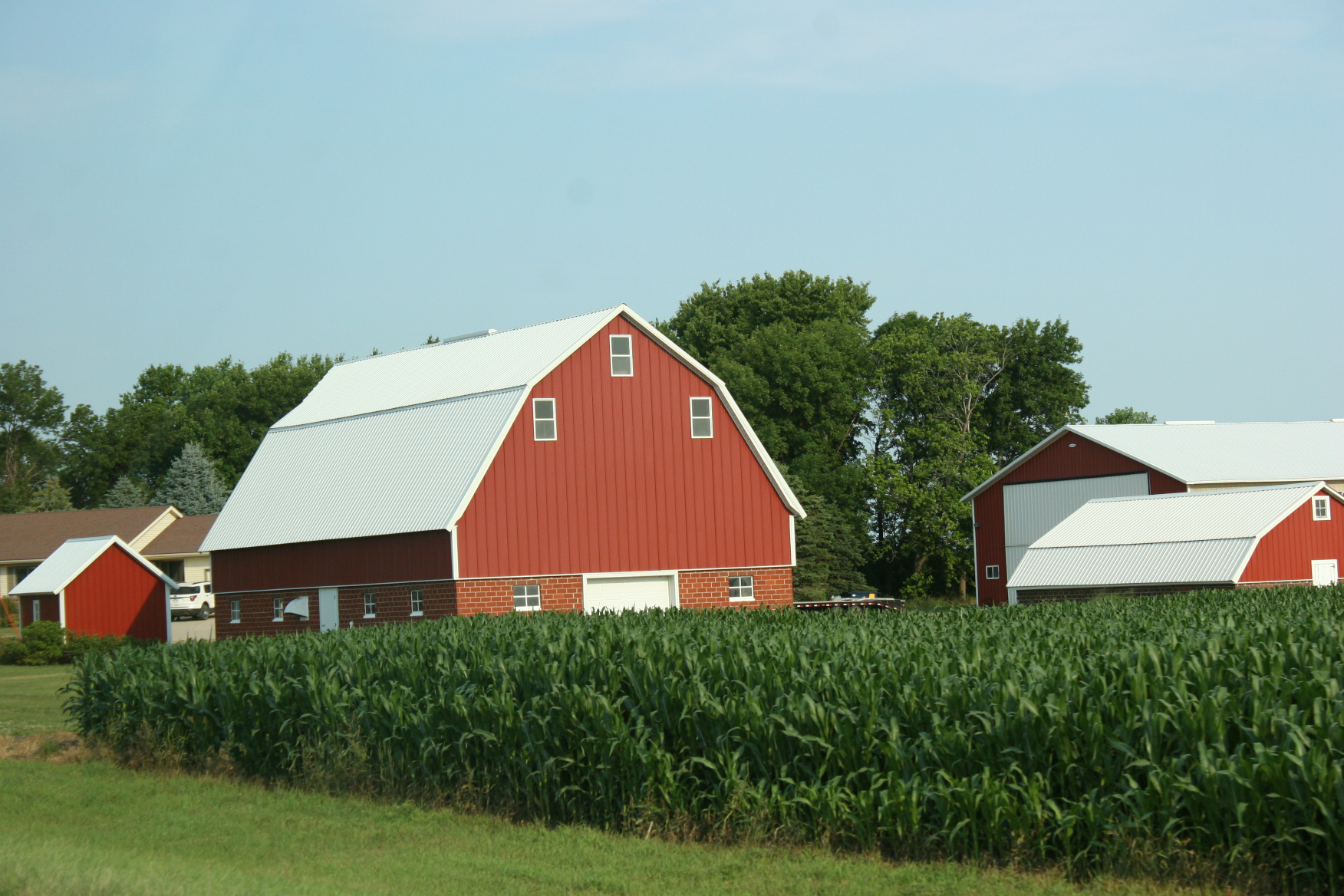
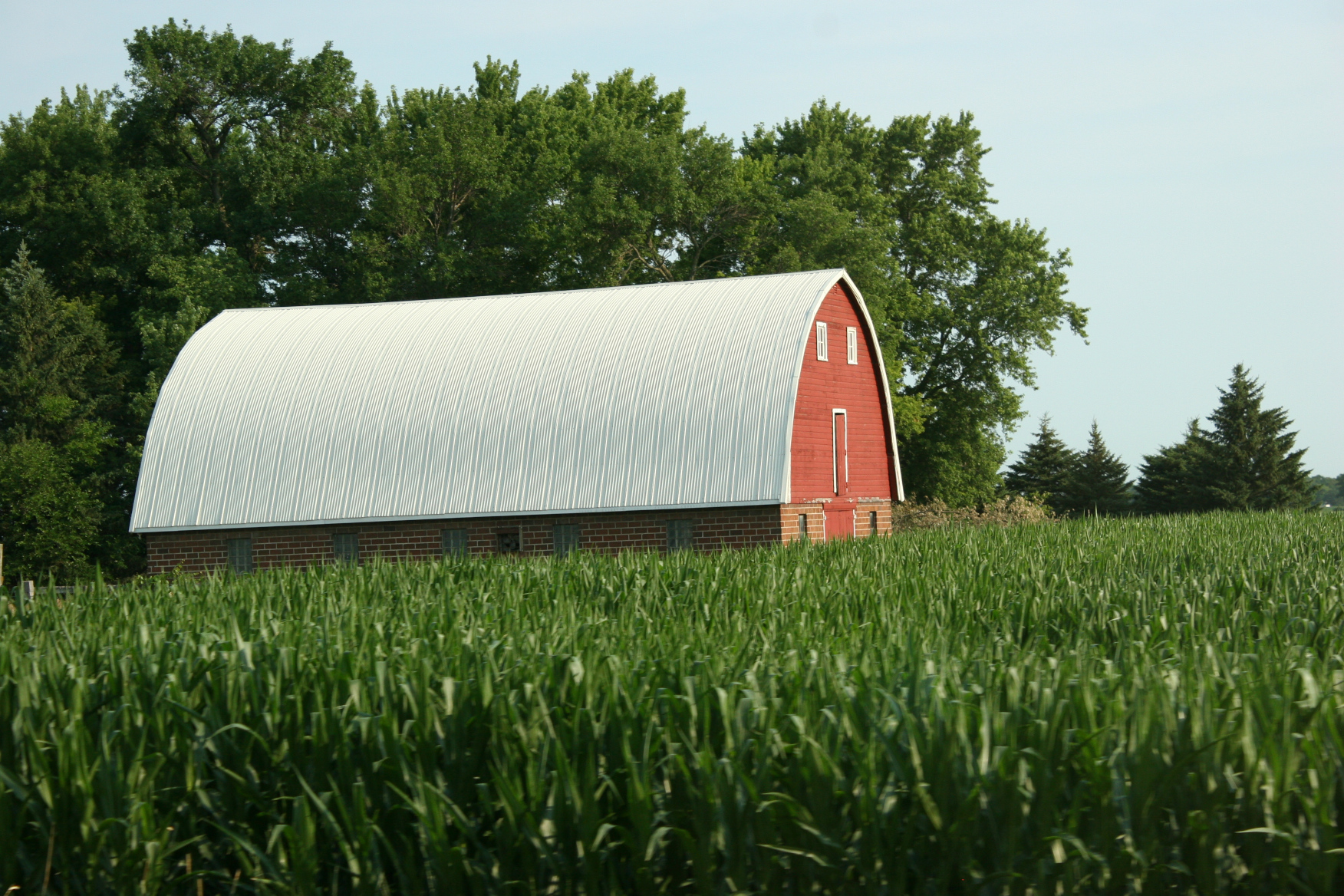
So many beautiful red barns along the route west. Minnesota Prairie Roots photo.

I could write chapters about the gravel roads I biked as a teen—how the gravel crunched beneath tires, how wild roses flourished in ditches, how vehicles kicked up dust. I could write chapters about barns—how I labored inside ours, feeding cows and calves, and pitching manure. I could write chapters about the ice and snow storms that left our farm without electricity, once for an entire week in the depth of winter.

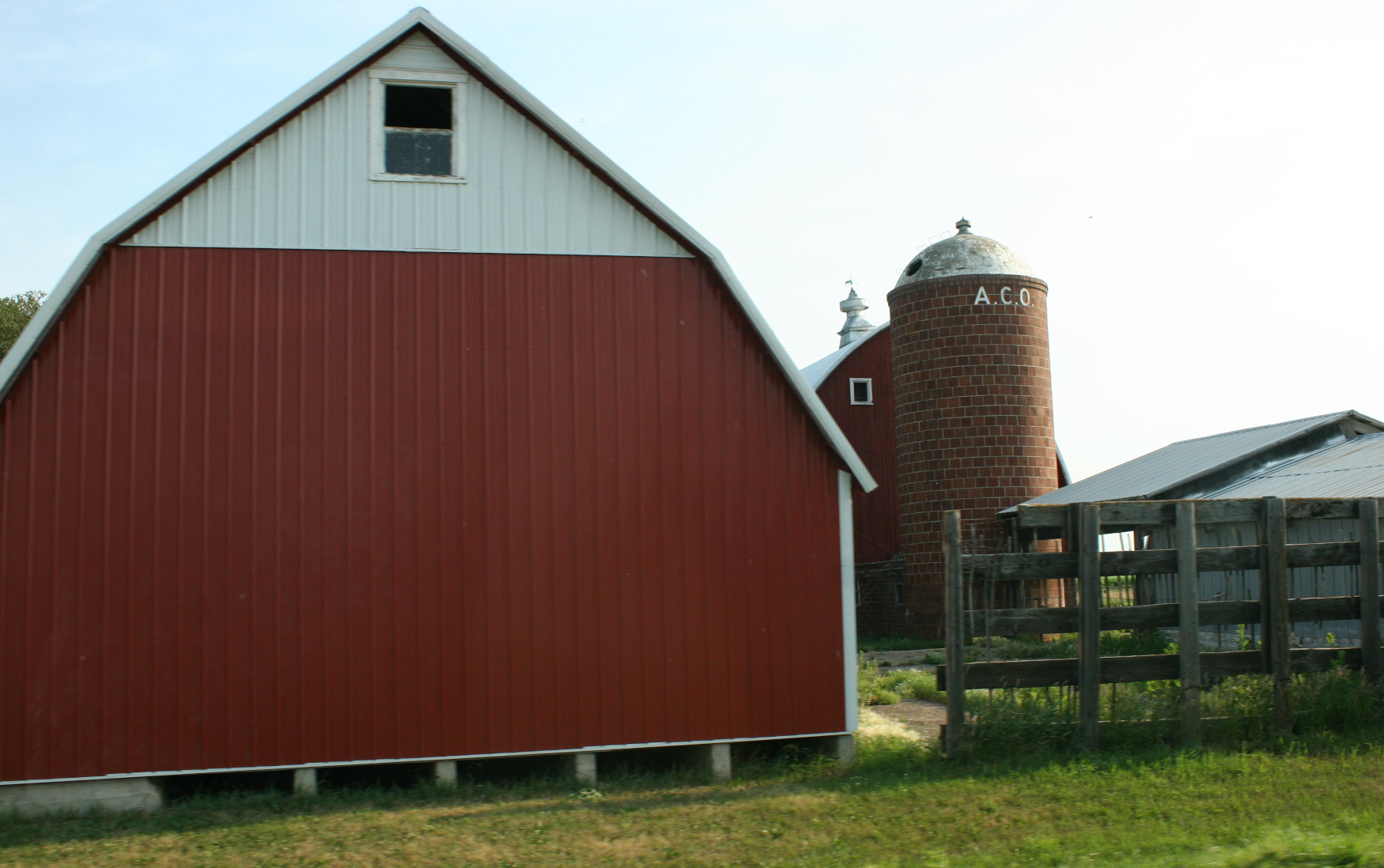
Love the old ACO silo on this farm site west of New Ulm. Minnesota Prairie Roots photo.

A trip back to southwestern Minnesota prompts such memories. I remember. I relive. But, most of all, I recognize just how thankful I am to have been raised in this rural region. On the land. In the shadows of silos and grain elevators. Just a softball pitch away from the barn. Within scent of cows, steers and calves. As close to the earth as bare feet or the end of a hoe hacking cockle burrs in a soybean field.

Co-ops like this one in Morgan are part of my rural history. Minnesota Prairie Roots photo.

As rural scenes unfold, my memories, too, unfurl. Memories of hard work and challenges balanced by carefree afternoons and prairie sunsets and all the beauty this place holds for me. Still today, some 40-plus decades after I left this land.

© Copyright 2021 Audrey Kletscher Helbling
 

Reflecting on North Morristown’s July 4 celebration July 7, 2021

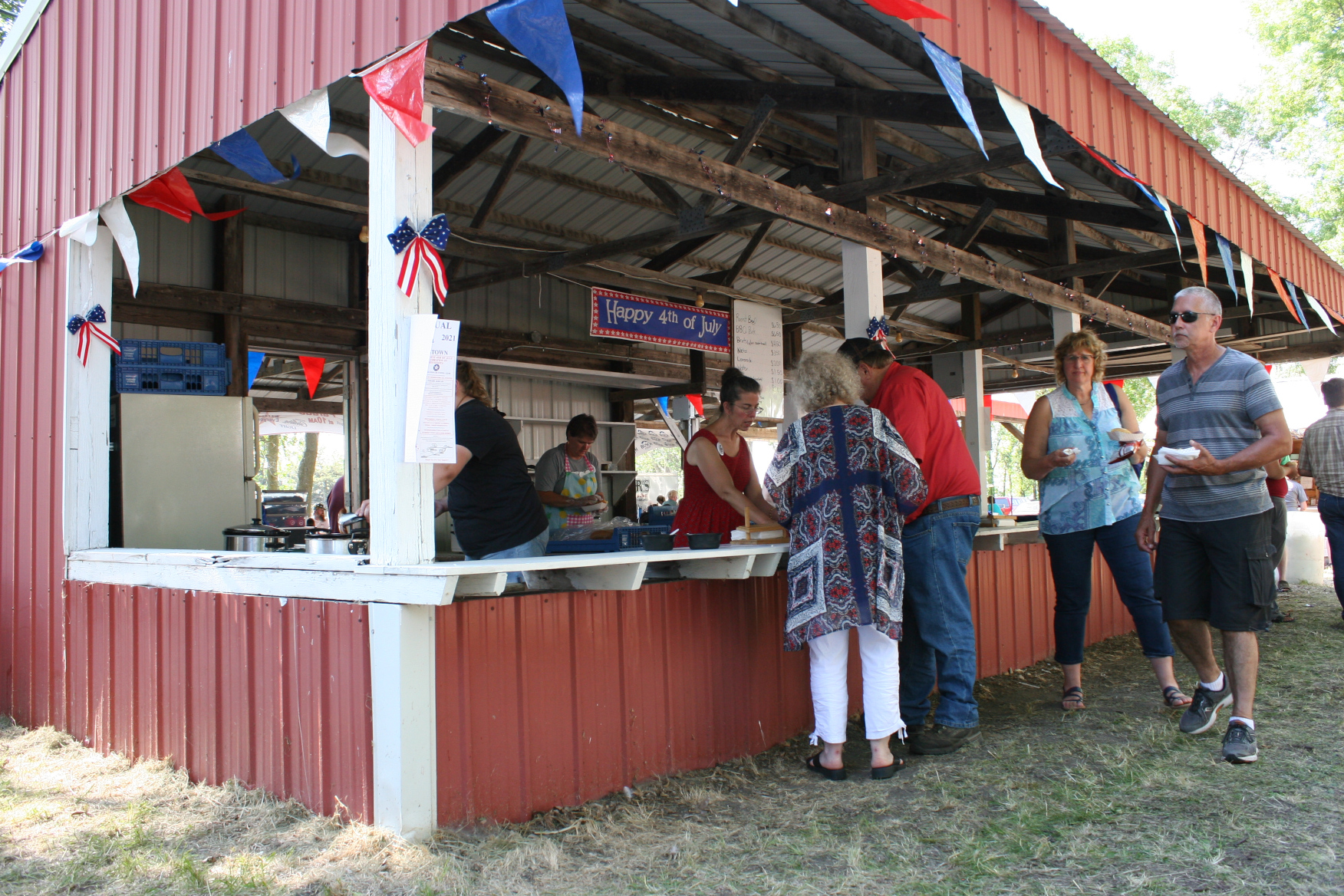
Pork and roast beef sandwiches were sold at this stand along with beverages. Minnesota Prairie Roots photo.

NORTH MORRISTOWN on the Fourth of July suits me and my rural roots. Not that I’m rooted to this place in the middle of farm country in southwestern Rice County. But the down-to-earth basics of this nearly 130-year-old Independence Day celebration appeal to the raised-on-a-Redwood-County-farm girl in me.

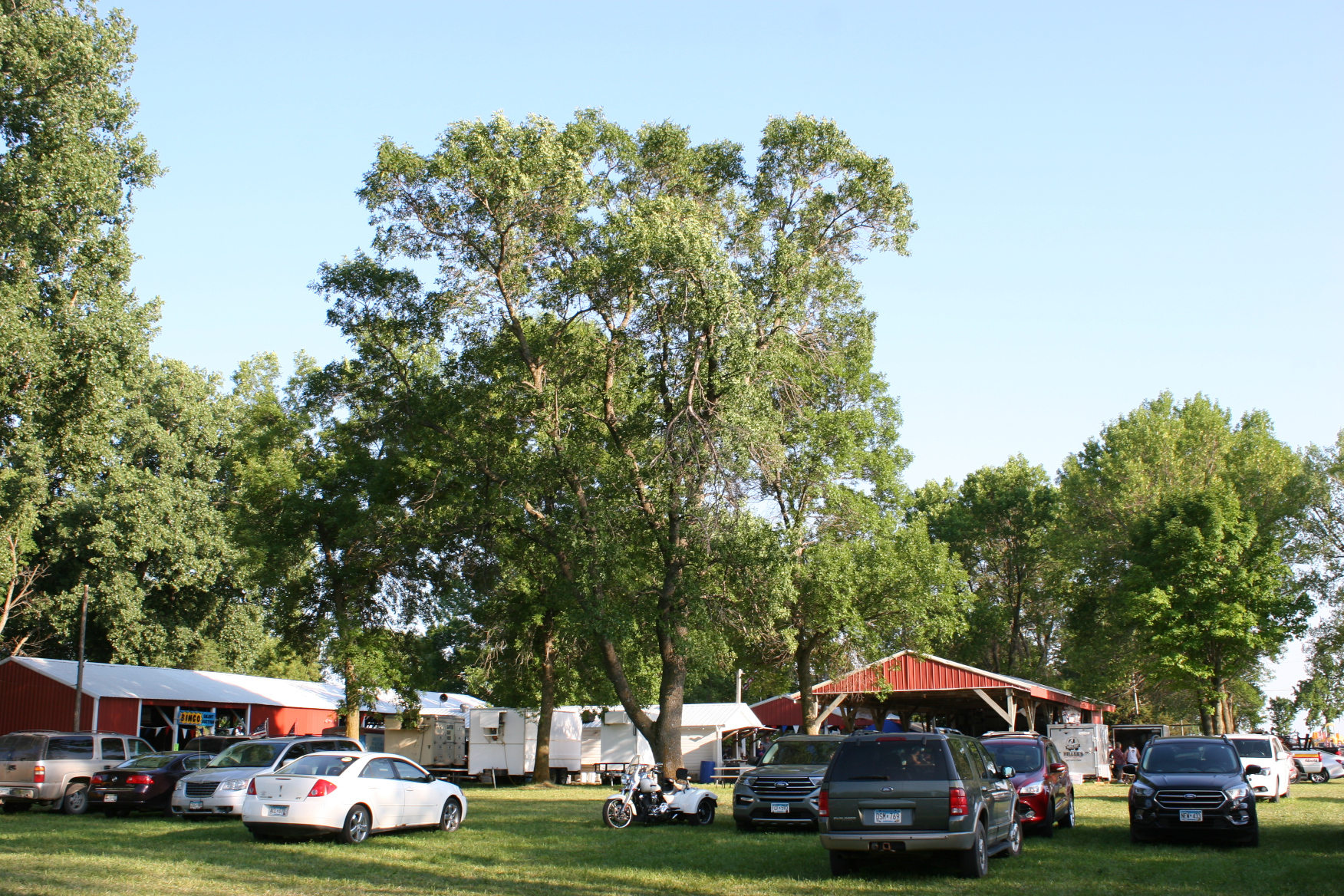
A look toward the fest grounds from the parking area early Sunday evening. Minnesota Prairie Roots photo.

I appreciate how this event, held annually on festival grounds in a rural Minnesota landscape, remains basically unchanged. Just like North Morristown, which is not a town, but rather farm sites, fields, a Lutheran church and school, and the grassy, shaded celebration site.

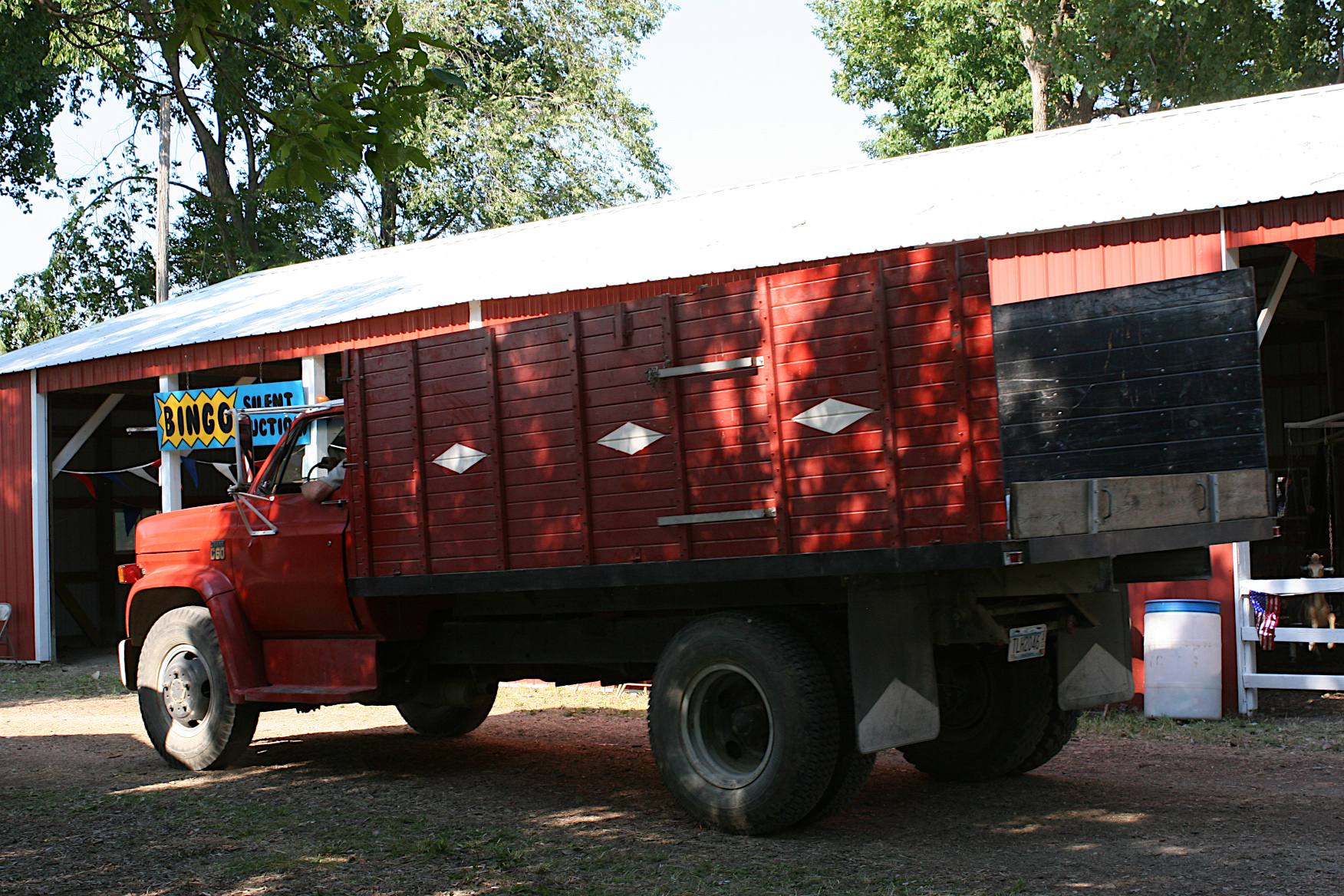
A grain truck drives through the festival grounds, I believe to pick up garbage. Minnesota Prairie Roots photo.

The rural character of July Fourth here prevails. In tractors and grain trucks. In barns, machine sheds and farmhouses. But it stretches beyond that to the people, to families rooted in North Morristown for generations. In many ways, Independence Day here is as much a celebration of our nation’s birthday as it is one big family reunion. With guests, like me, welcomed.

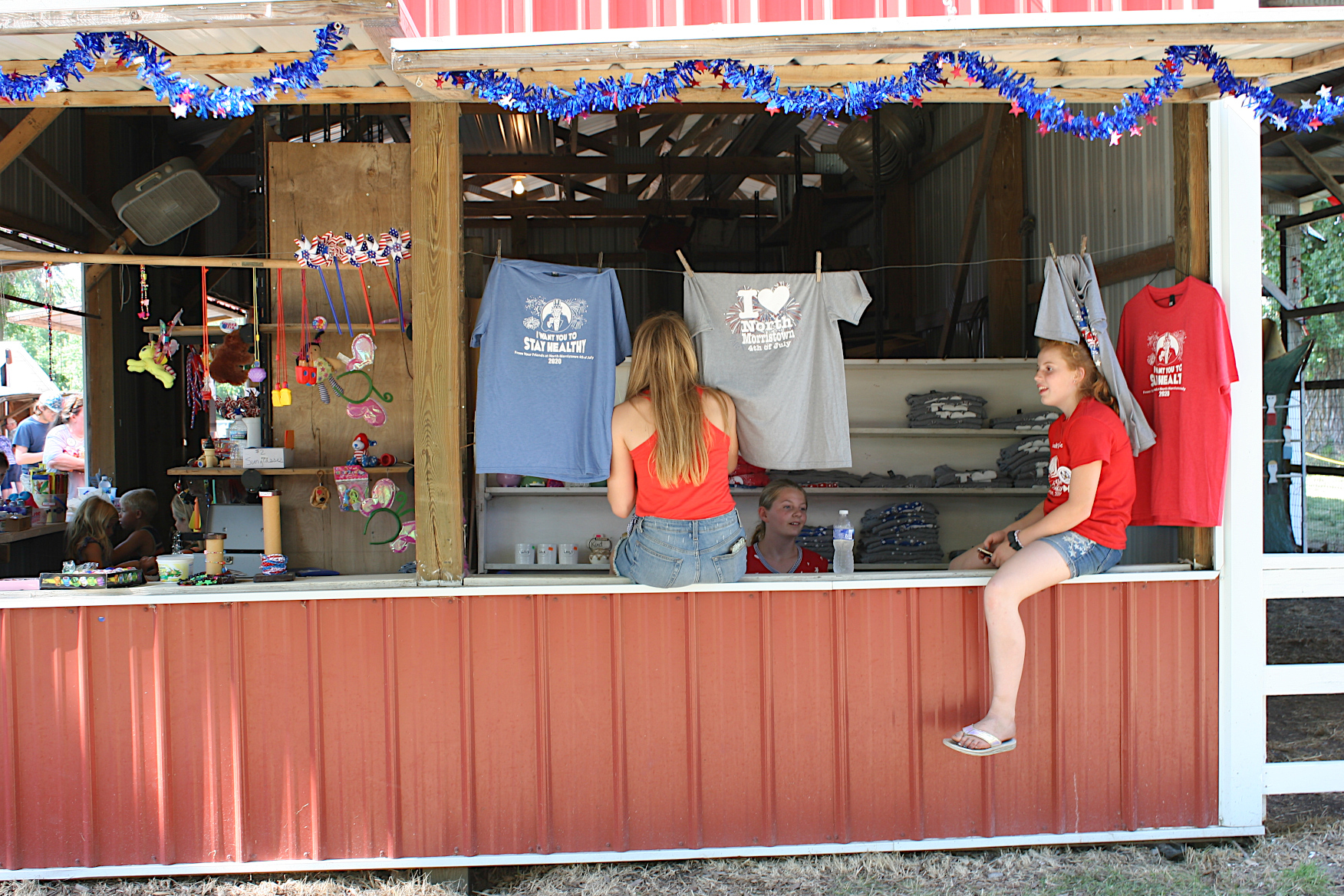
The next generation sells tees in the novelty shop. Minnesota Prairie Roots photo.

The event feels friendly and comfortably homey. I recognize that doesn’t come without a lot of planning, time, effort and hard work on the part of volunteers. I’ve coordinated and led events much smaller than this and fully realize the work and commitment.

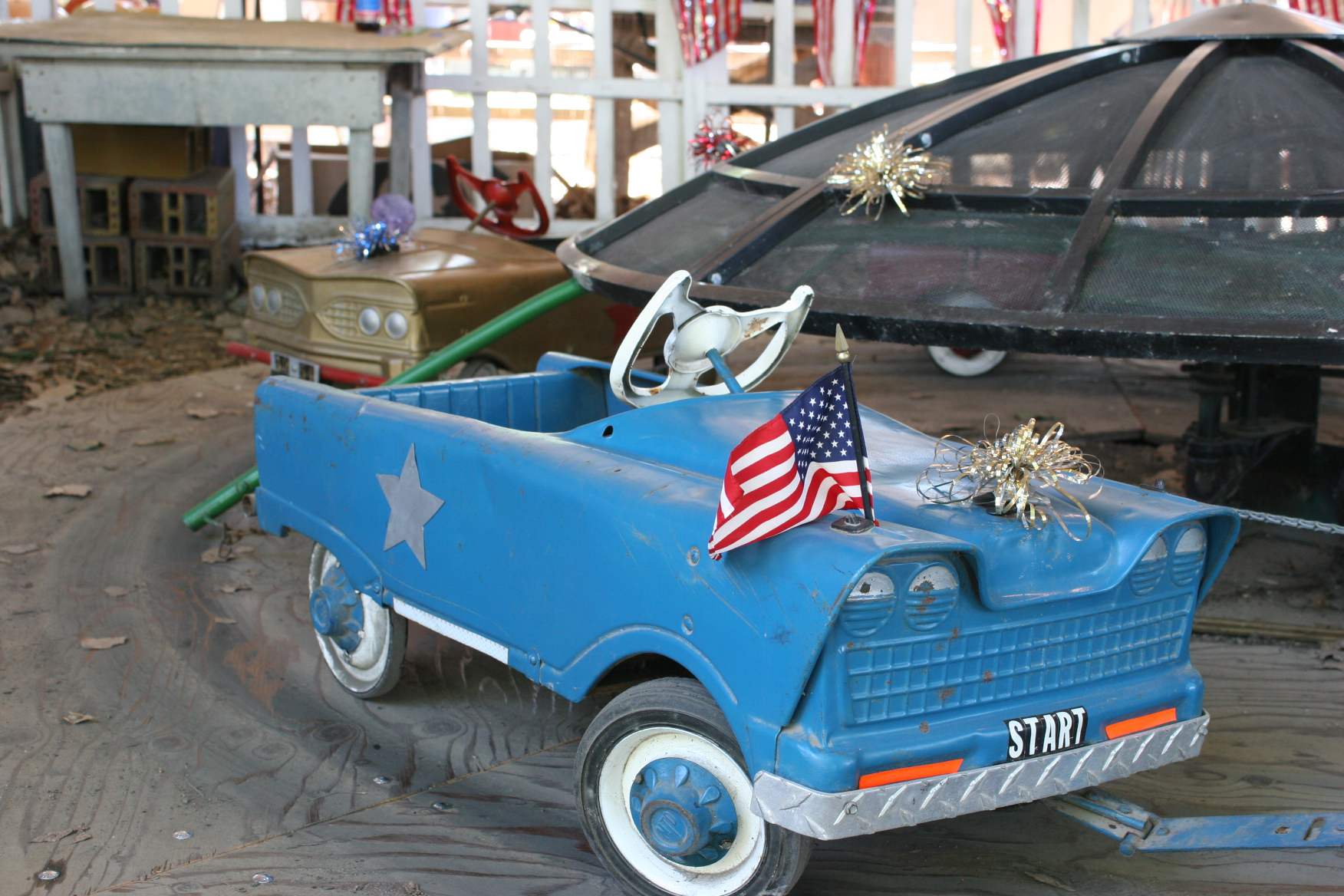
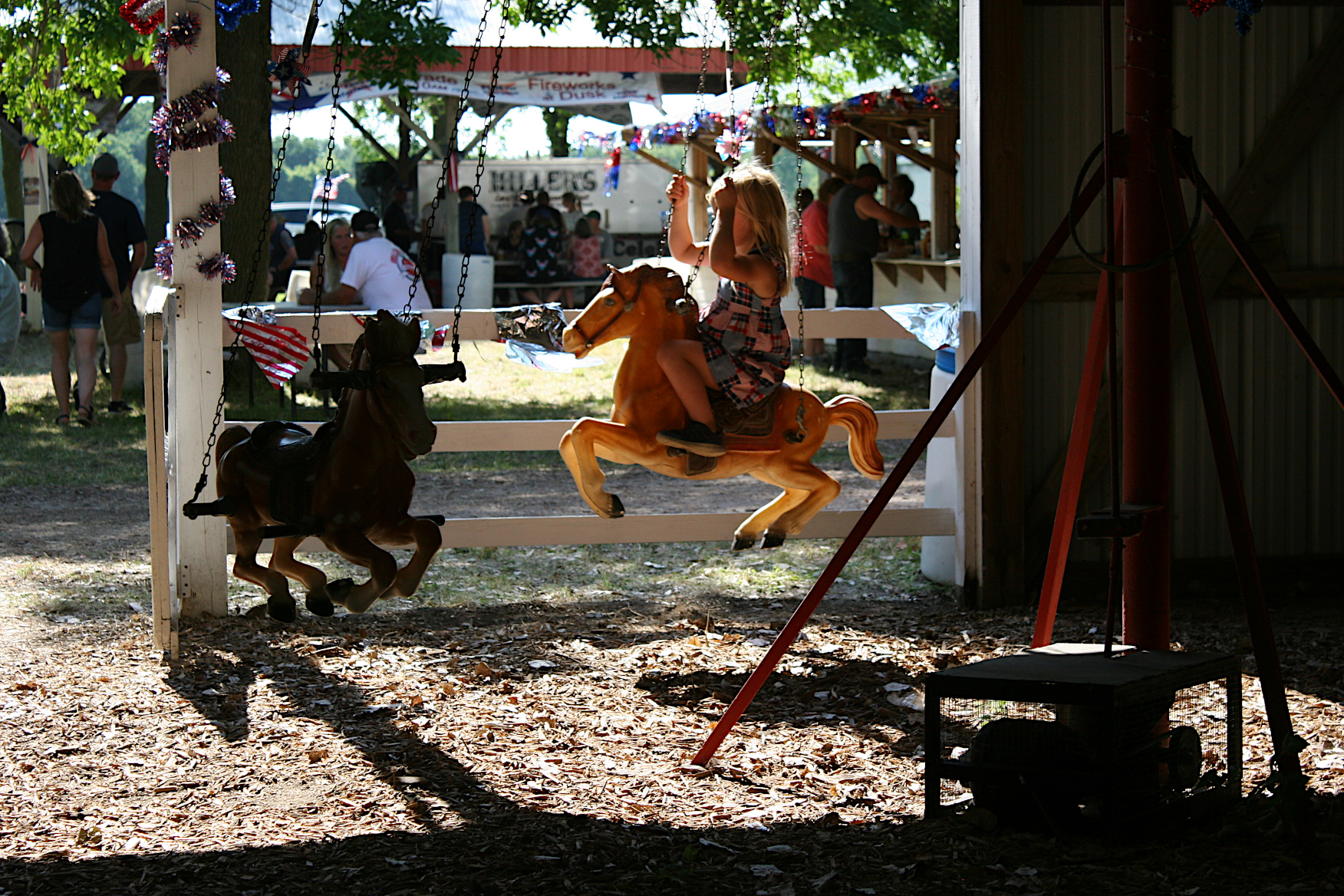
There’s nothing high tech about the vintage rides. Minnesota Prairie Roots photo.

So to those who spearheaded this year’s Fourth of July in North Morristown, thank you. And to those who have led in the past, thank you also. You are bringing joy to a lot of people. You are preserving the past. You are bringing people of all ages together from all over, this year from as far away as the Philippines. You are strengthening families and building memories. You are offering an alternative to high tech everything.

One of the many vintage kiddie rides. Minnesota Prairie Roots photo.

In a fast-paced world, we need a place and event like North Morristown on the Fourth to remind us to slow down, to sit for a spell. To listen to the music. To savor a slice of homemade pie or a pork sandwich. To visit with friends and family and strangers. To watch babies toddle in bare feet and kids climb onto vintage horses. To play BINGO or hunt for a hidden medallion. To feel grateful for faith and family and health and country.

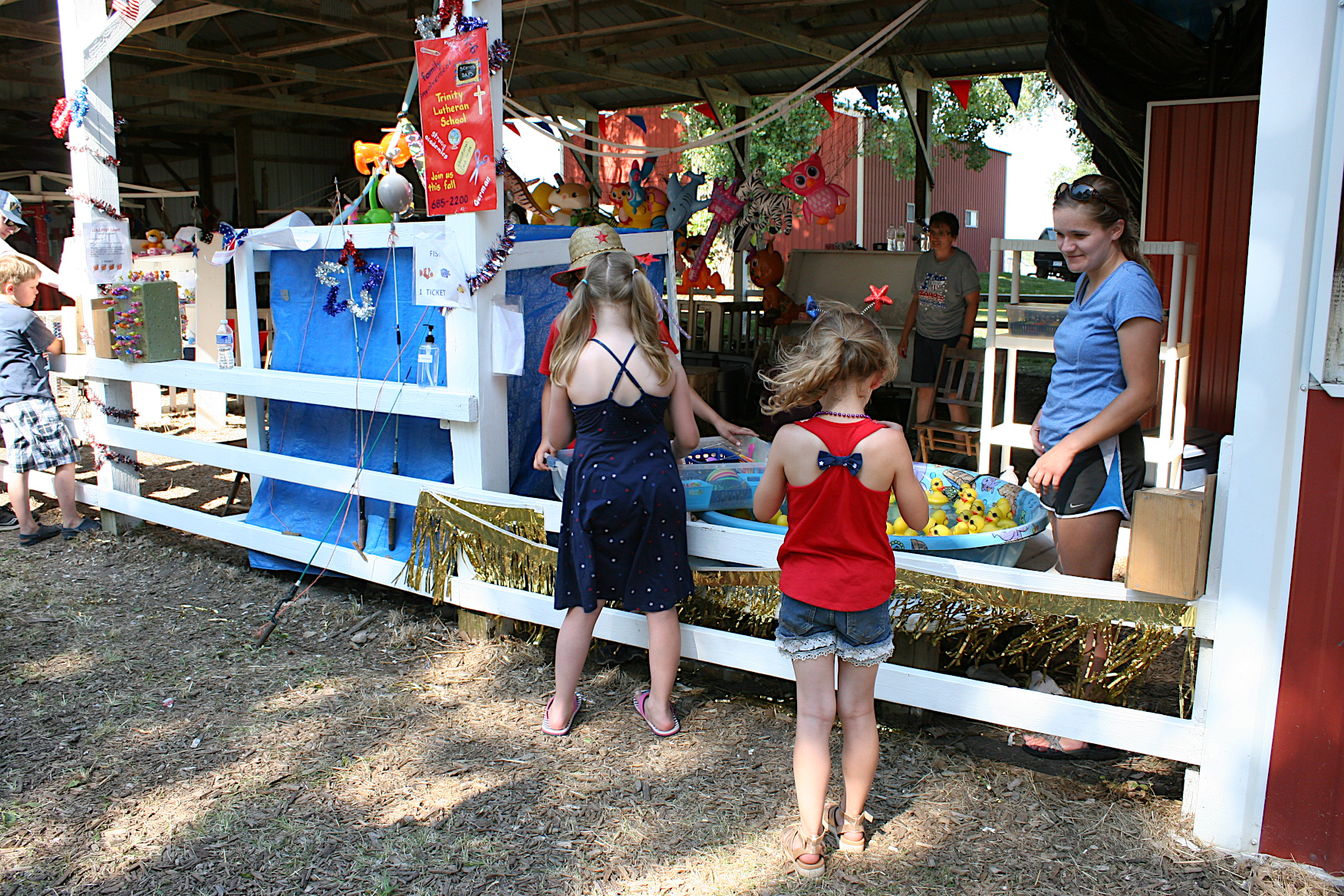
The kiddie games are simple, like the duck pond. Minnesota Prairie Roots photo.

At its core, North Morristown on the Fourth represents so many things I hold dear. I expect others feel the same.

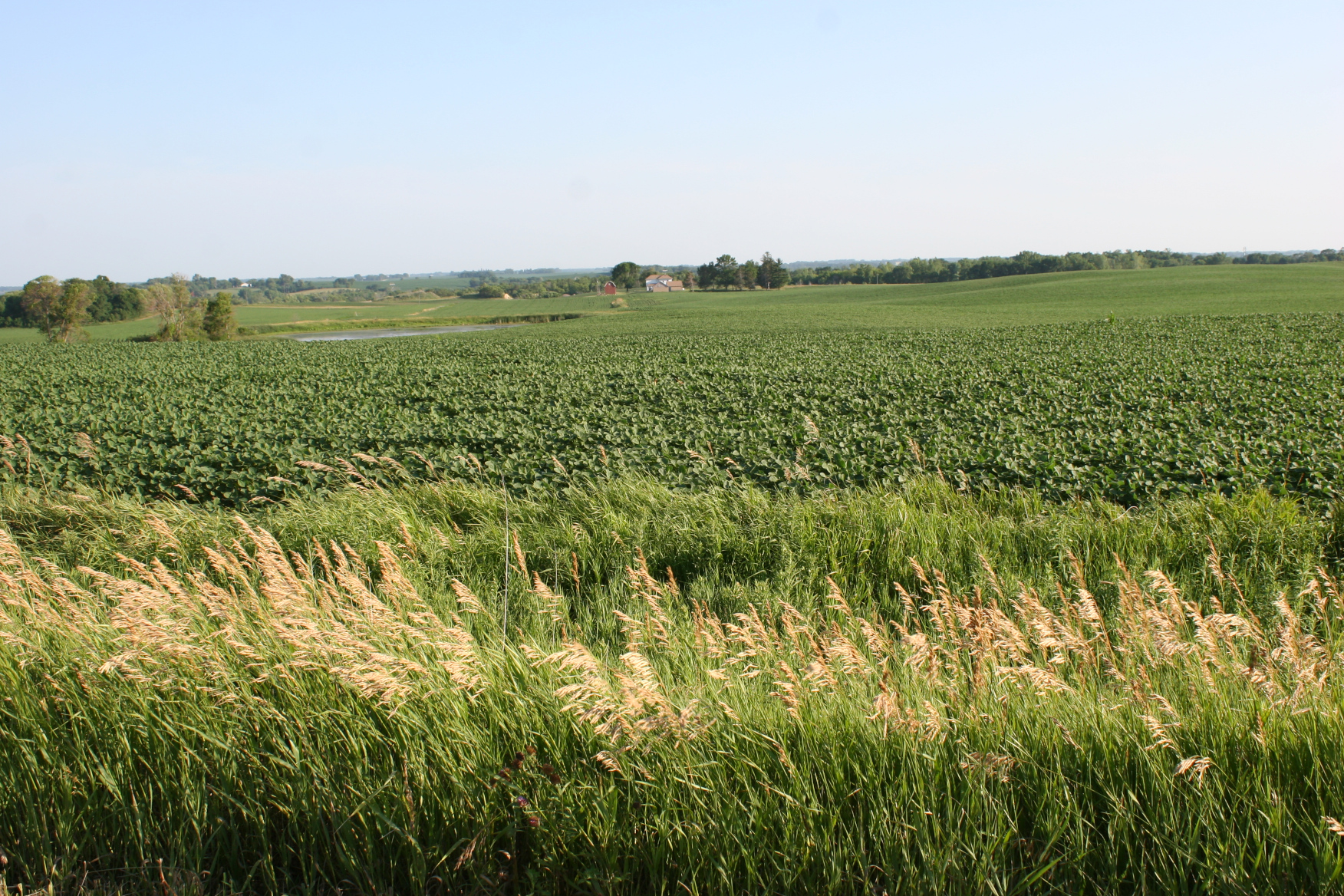
The countryside near North Morristown. Minnesota Prairie Roots photo.

TELL ME: Did you attend the North Morristown July 4 celebration or one similar? I’d like to hear.

© Copyright 2021 Audrey Kletscher Helbling
 

An American treasure: North Morristown on the Fourth of July July 5, 2021

The Pie Stand at North Morristown. Minnesota Prairie Roots photo.

WHEN RANDY AND I ARRIVED at the North Morristown Fourth of July celebration late Sunday afternoon, we headed directly to the Pie Stand. I hoped the homemade pies wouldn’t be sold out. They weren’t.

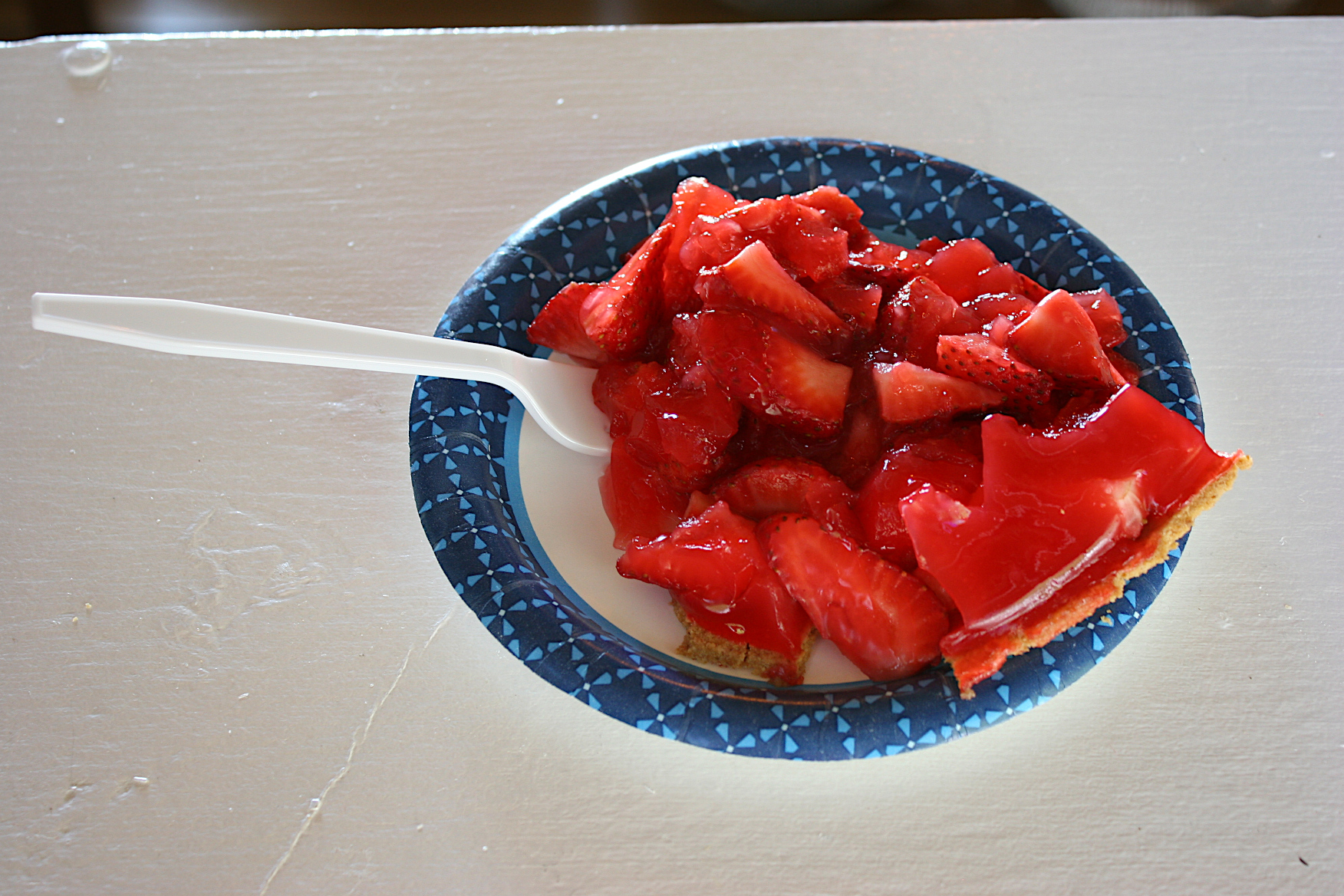
Tasty homemade strawberry pie. Minnesota Prairie Roots photo.

Although the selection was limited by this time in the day-long event, we still found tasty pies. I chose fresh strawberry while Randy opted for rhubarb, both parceled in generous portions.

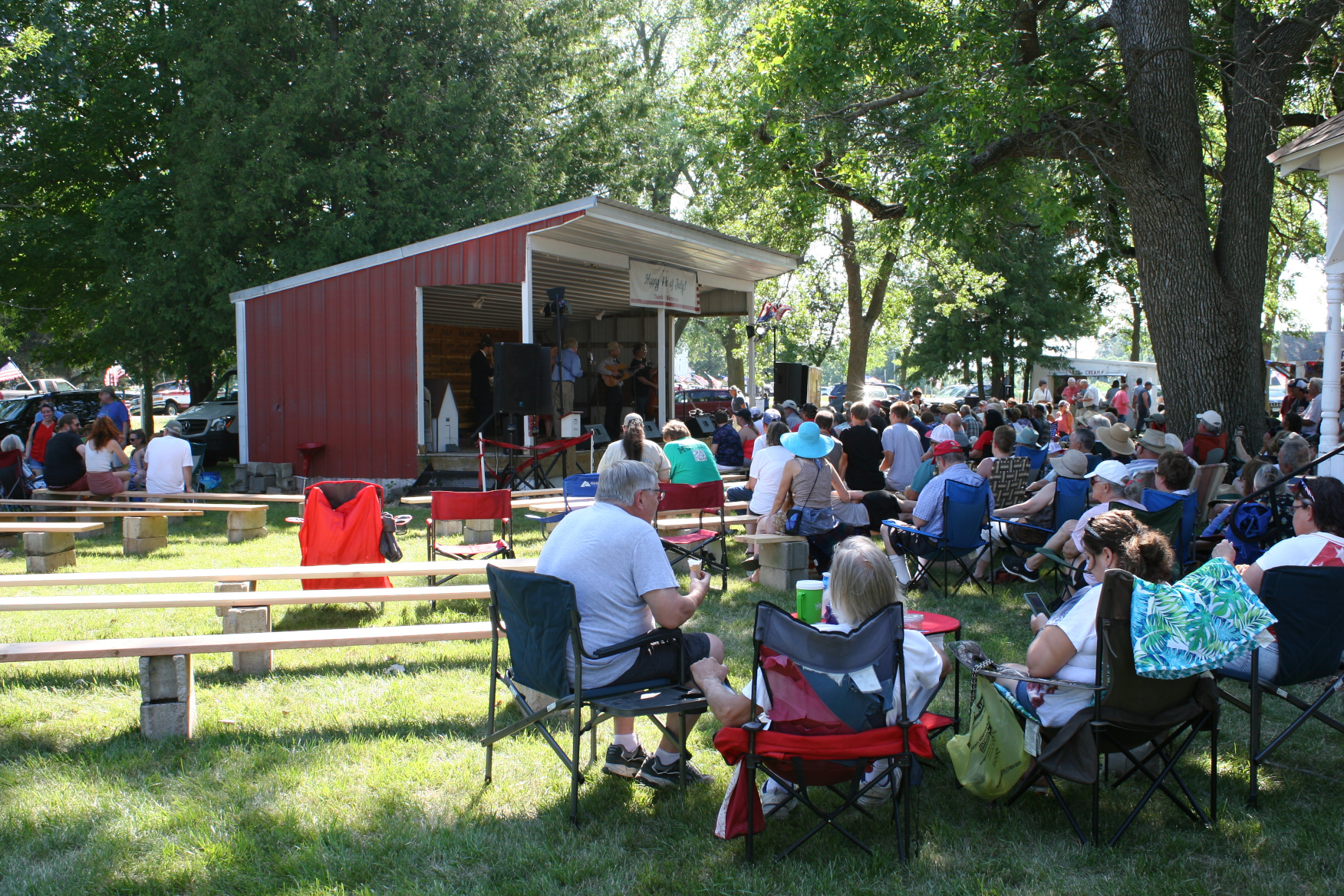
The crowd had thinned by Monroe Crossing’s 4 pm concert. Minnesota Prairie Roots photo.

While we forked our pies, the ever-popular bluegrass band, Monroe Crossing, performed to an appreciative audience on the nearby Main Stage. The crowd settled onto bleachers, folding chairs inside the gazebo and onto plank benches, and also spilled onto the grassy area in lawn chairs and on blankets.

Inside the shed housing games and vintage kiddie rides. Minnesota Prairie Roots photo.

Several musical groups performed throughout a day packed with family-friendly events: A parade, patriotic program, BINGO, kiddie rides and games, and so much more.

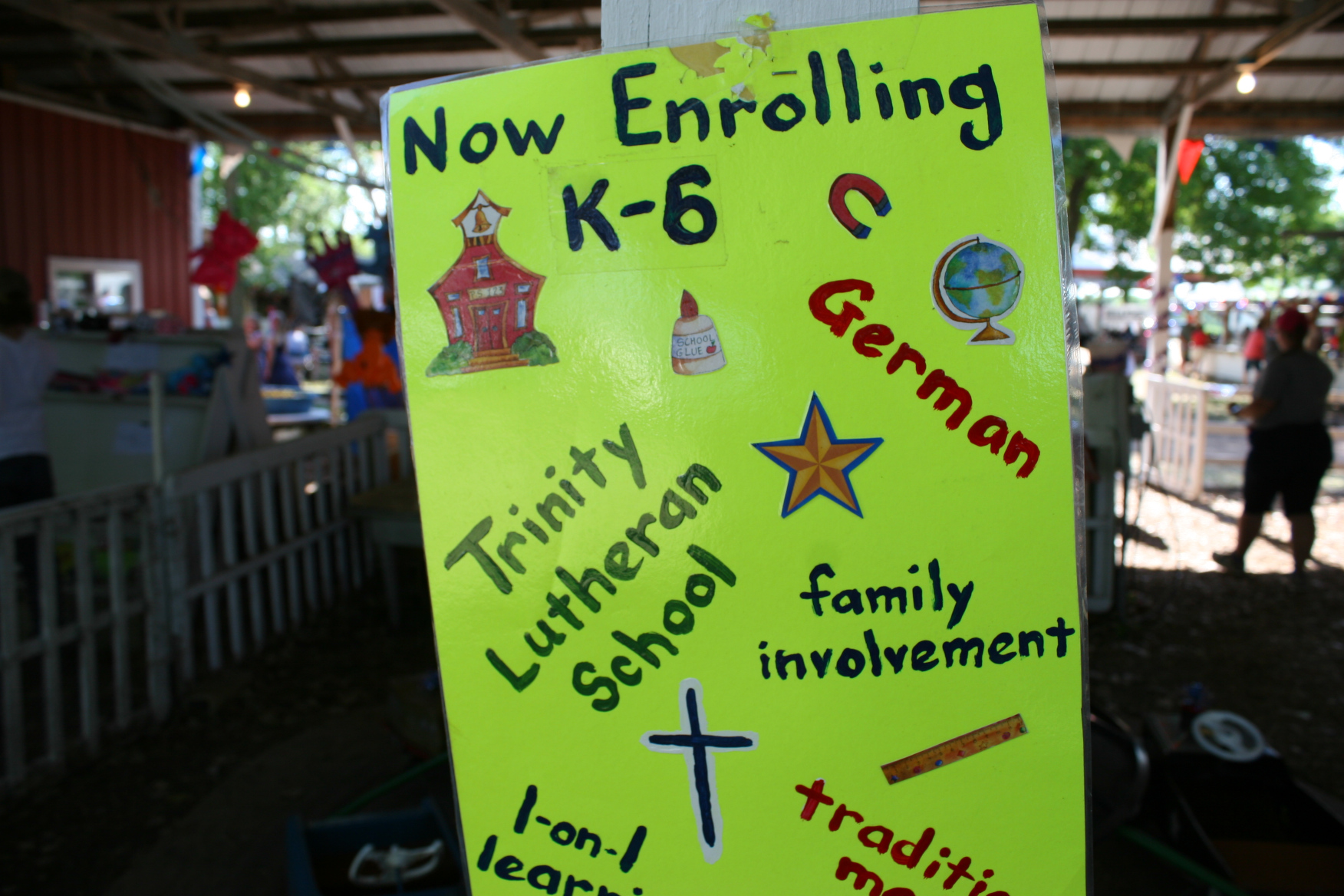
Proceeds go to this small Christian school in the country. Minnesota Prairie Roots photo.

Once we finished our pie, we roamed the festival grounds, a grassy space shaded by towering trees (including aged oaks) and next to farm sites and fields. Across the street sits Trinity Lutheran Church and School, the school benefiting from funds raised at this long-running July Fourth celebration.

This shed houses the games and rides, which are unchanged. Minnesota Prairie Roots photo.

I love everything about this event. The timeless quality. The step back in time. The connecting with friends (and for many, with family). The music. The food.

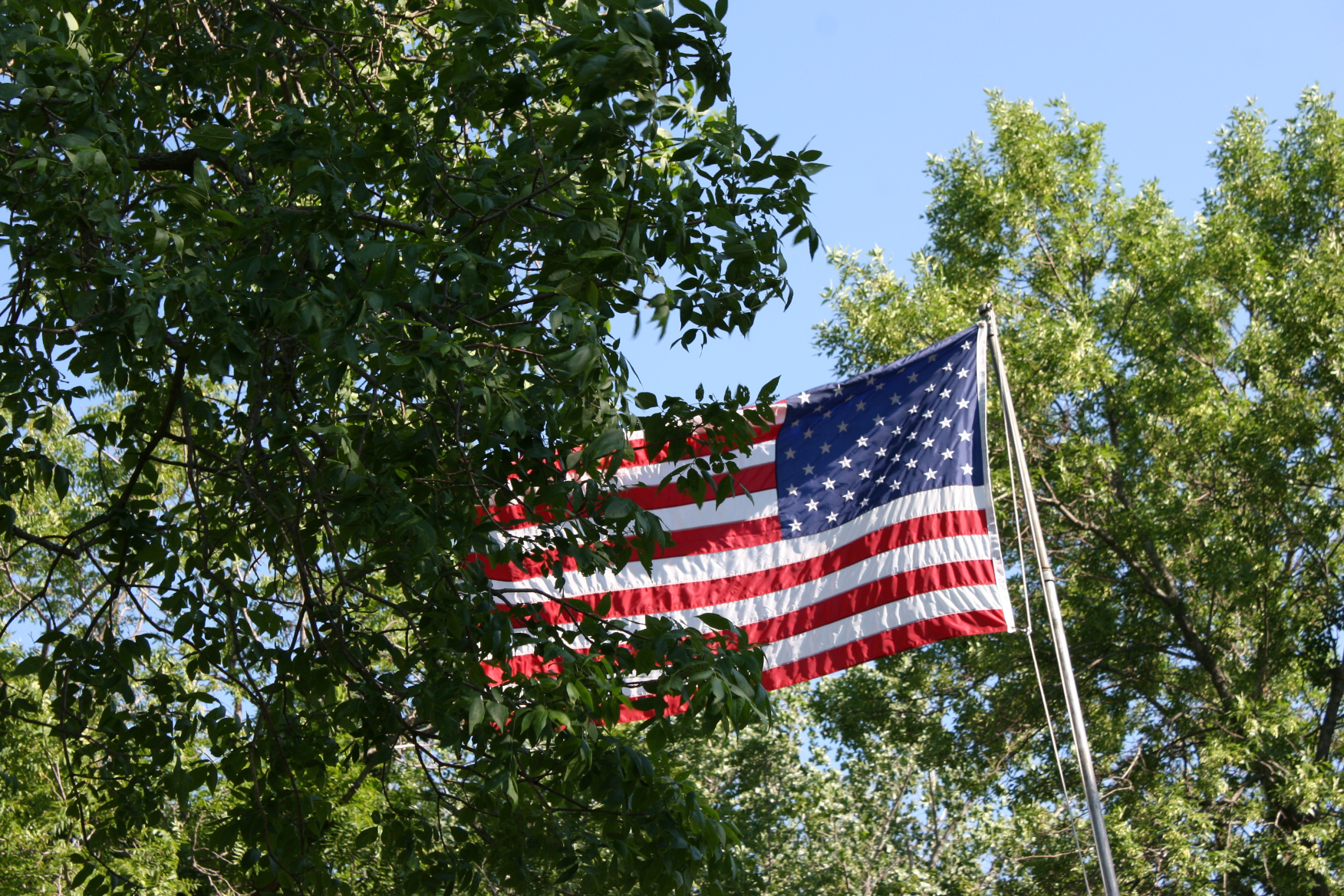
Old Glory flies in the middle of the festival grounds. Minnesota Prairie Roots photo.

To be in North Morristown on the Fourth of July is to experience a sense of community, to feel comforted by the sameness of this celebration, to understand that this is about more than Independence Day. This is about rural America and how family and community and tradition are valued and cherished here.

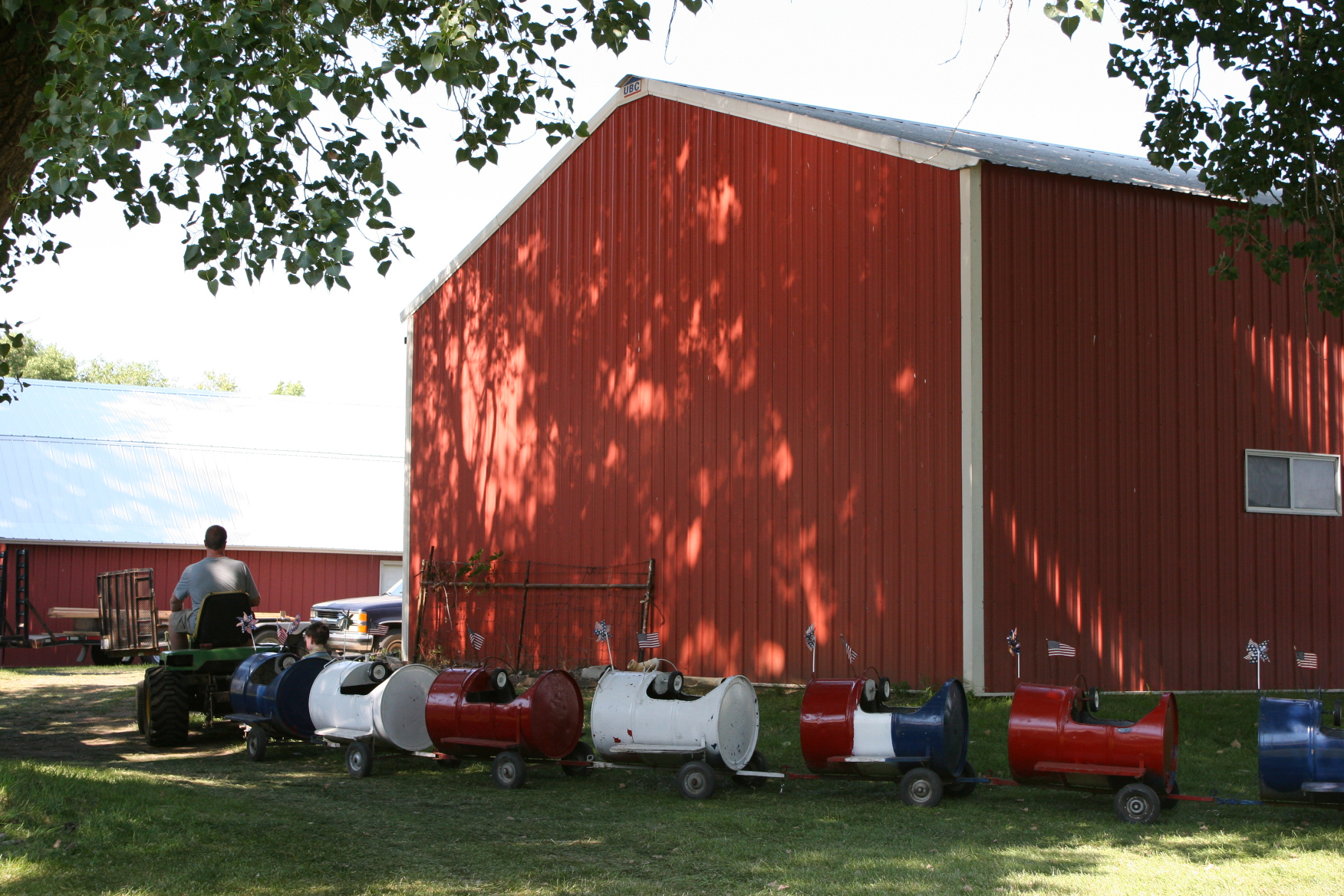
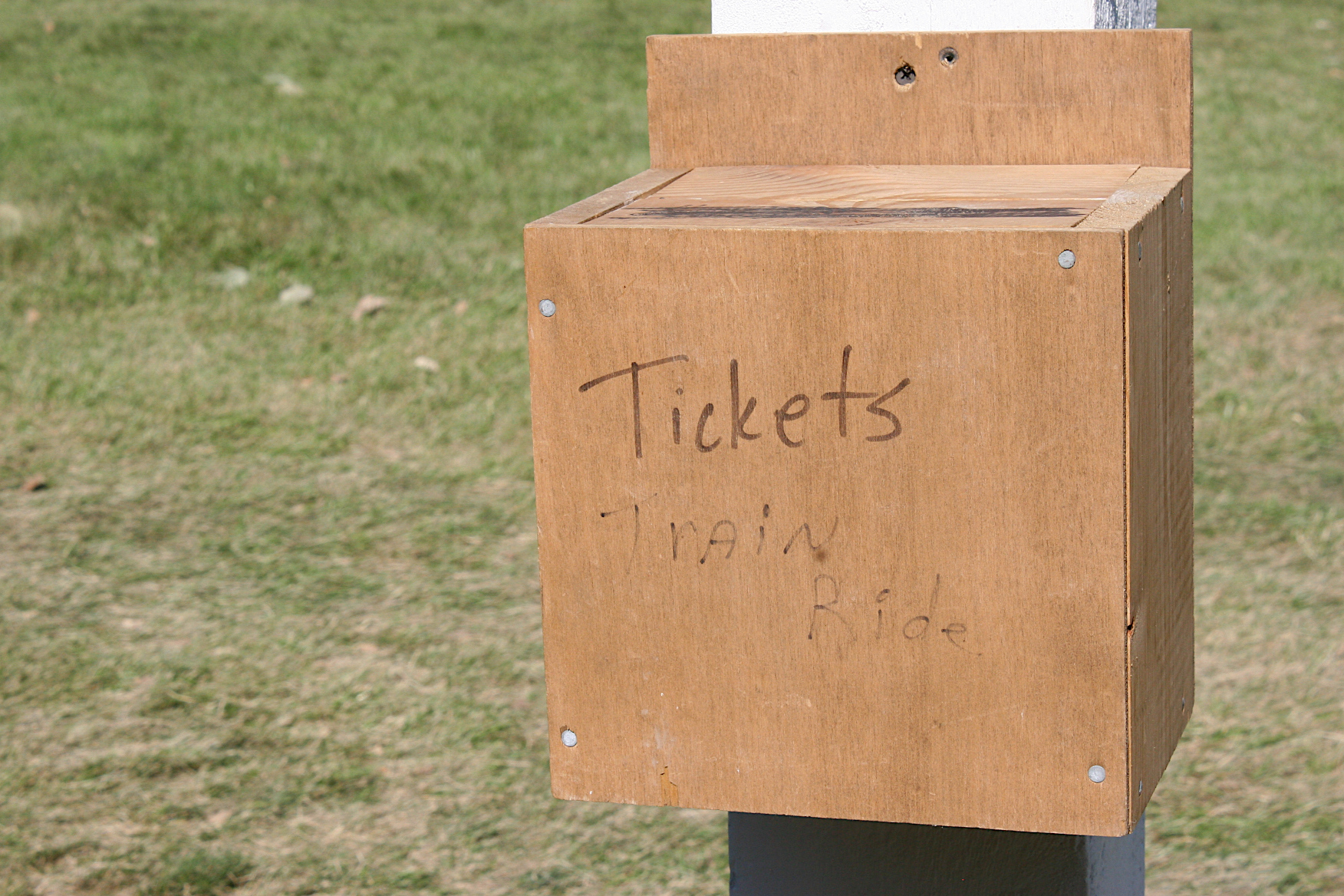
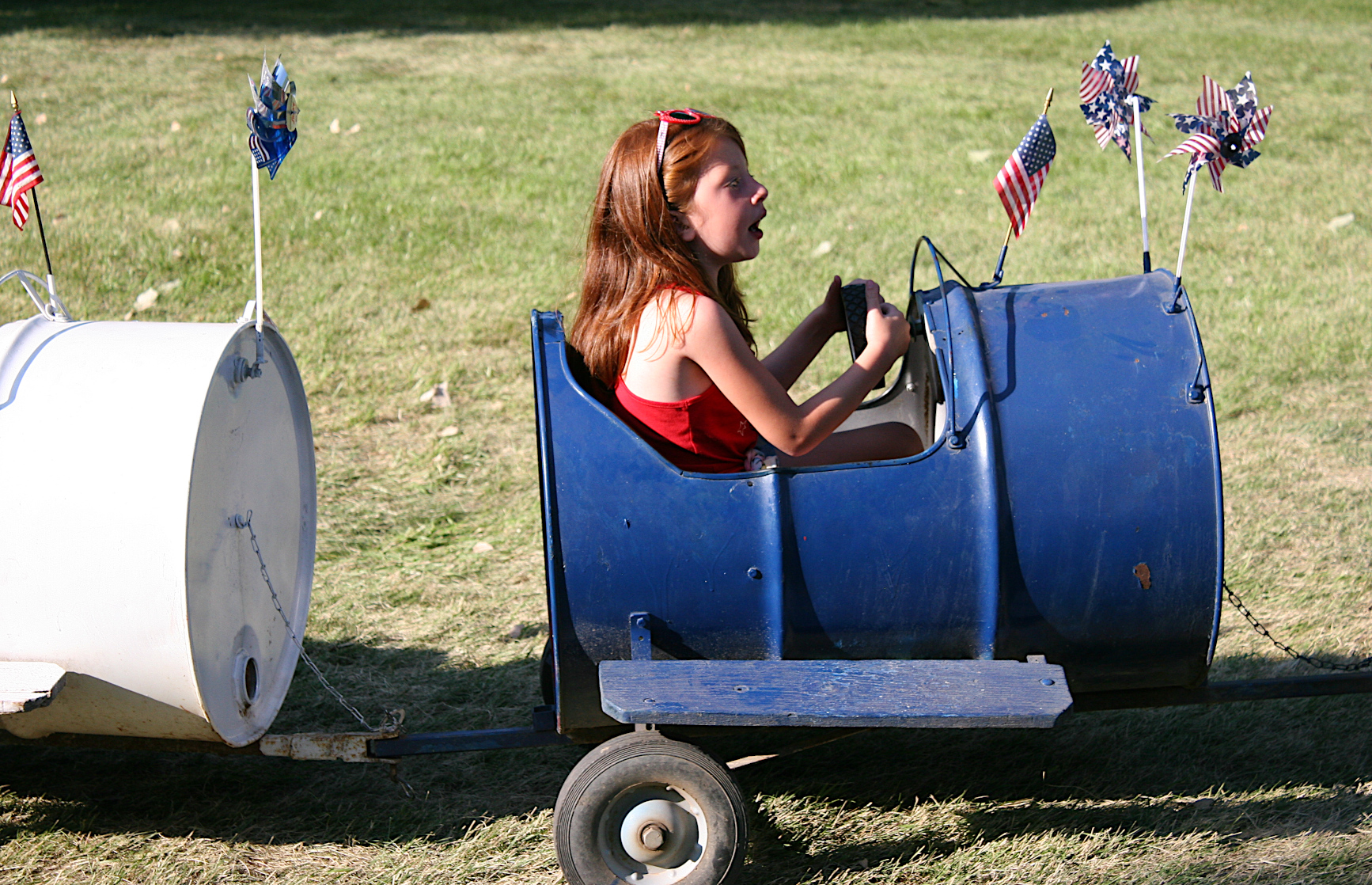
The homemade kiddie train crafted from barrels. Minnesota Prairie Roots photo.
Minnesota Prairie Roots photo.
I loved watching the kids ride the barrel train. Minnesota Prairie Roots photo.

As I watched the engineer of the barrel train steer his lawn tractor, I thought, what wonderful memories these kids will have of riding that homemade train. The same goes for the other kiddie rides and carnival games which remain unchanged. I need to bring my grandchildren here to experience this.

The next generation vends tees. Minnesota Prairie Roots photo.
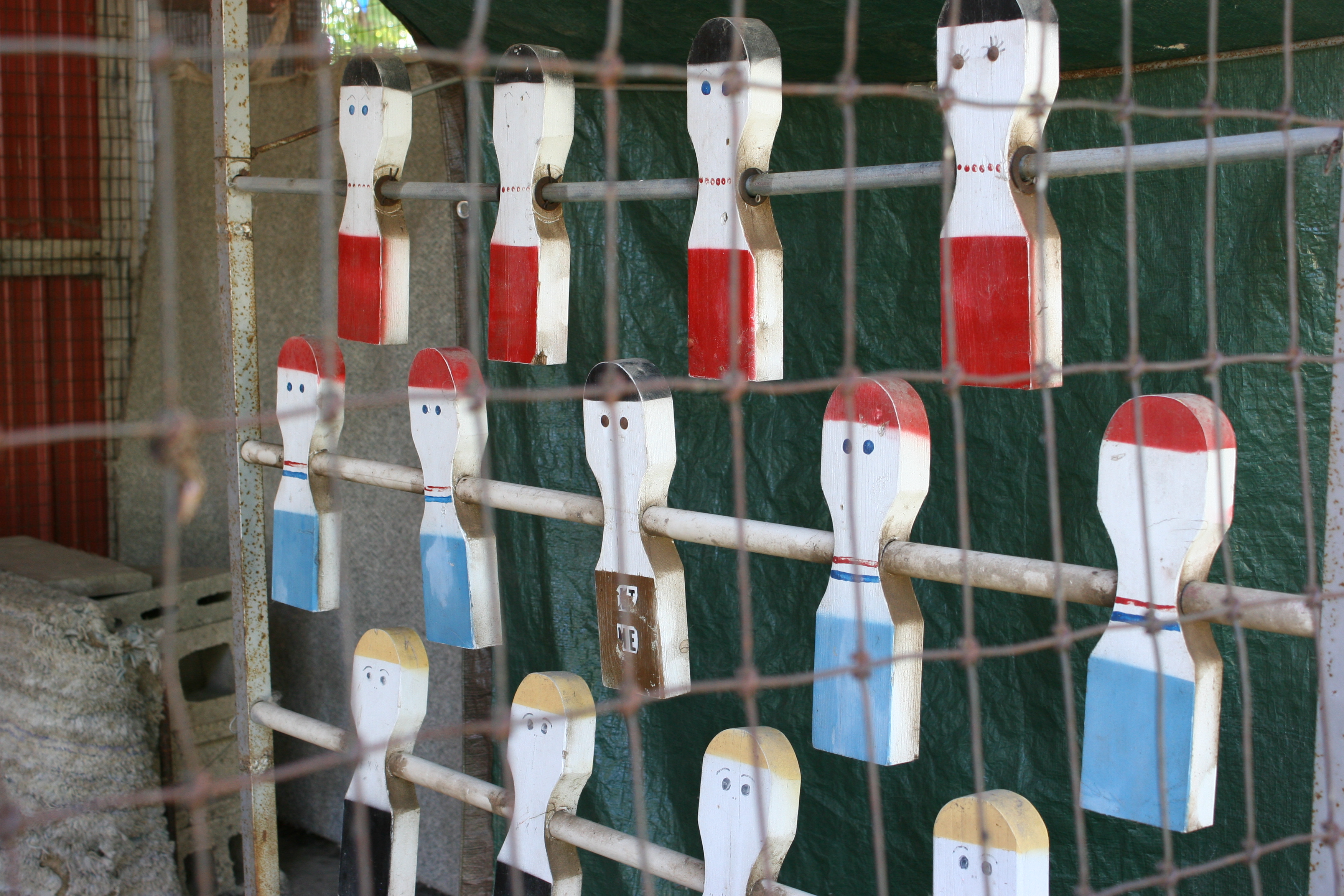
Try to hit a vintage “doll” in this game. Minnesota Prairie Roots photo.
The fish pond. Minnesota Prairie Roots photo.

Generations of families run the rides and booths, stitching stories into their family histories. The kids will always remember going to North Morristown on the Fourth—to pluck a yellow rubber duck from a pond, to throw a ball toward a hoop or toward spinning “dolls,” to drop a line into the fish pond…all for some prize that is more treasure than trinket on July 4.

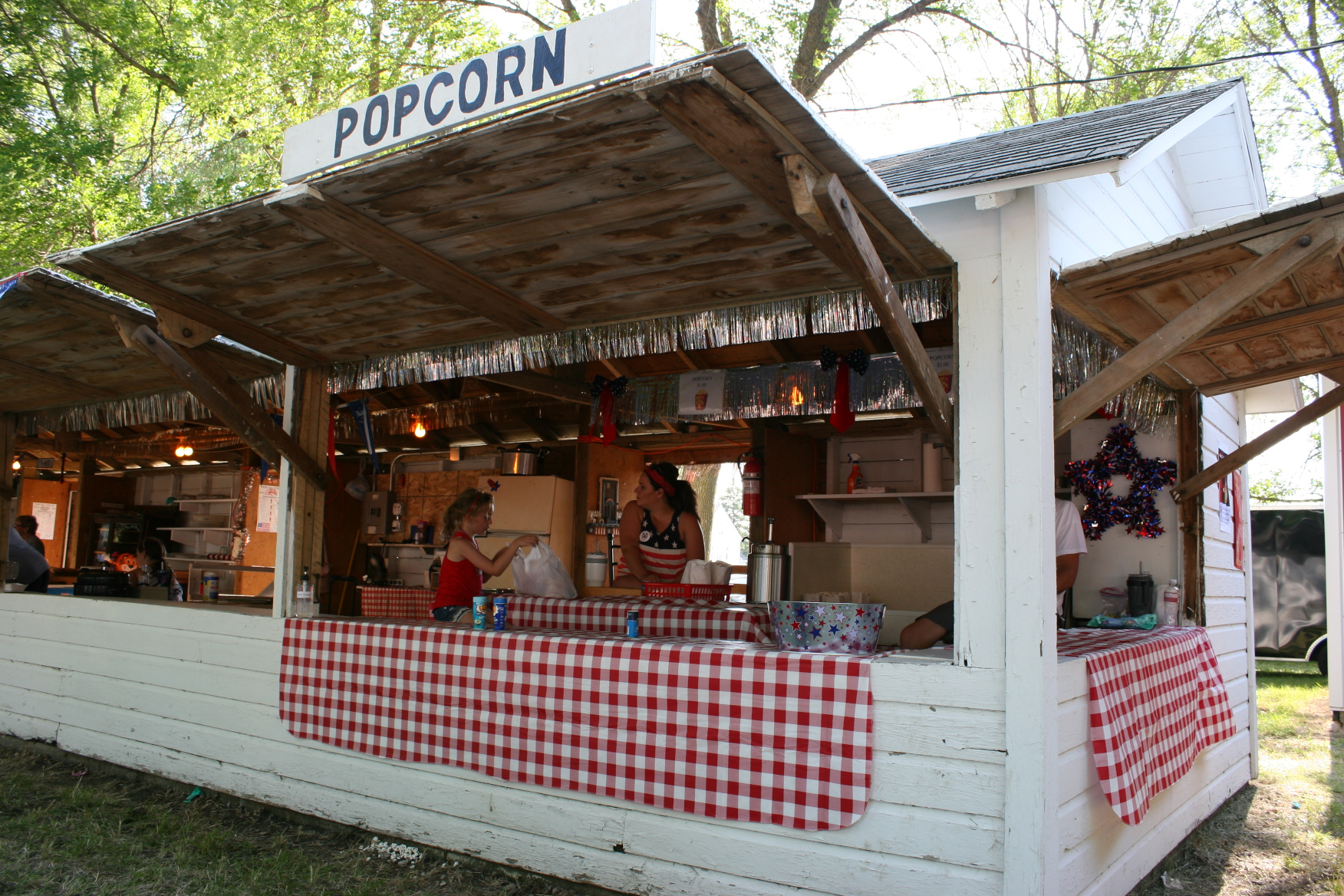
Food is served from vintage stands. Minnesota Prairie Roots photo.

North Morristown on the Fourth truly rates as an American treasure.

Will Bauermeister performs as a hot and humid day eases toward evening. Minnesota Prairie Roots photo.

Although Randy and I did not grow up here, we have lived in neighboring Faribault for 40 years and know a lot of people. So we saw many there—Mel, Carl, Leroy, Shirley, Virgil, Jane, Jen, Mike…and a college friend, Annette, whom I haven’t seen in decades. We made new friends, too, Kevin and Brenda from Elysian and another couple from Monticello. That’s the thing about this celebration. Sit at a picnic table and you’ll find yourself engaging in conversation with strangers.

The burger stand. Minnesota Prairie Roots photo.

After we completed our tour of the festival grounds and enjoyed the music by Monroe Crossing, Randy and I ordered sandwiches. I got barbecued pork. He chose a burger. The food, served from vintage stands, is always, always delicious. And, yes, we ate our dessert before our main meal because we weren’t willing to risk the pie running out.

We passed by this picturesque farm building on the drive home. Minnesota Prairie Roots photo.

Several hours after arriving in the less-busy, less-crowded late afternoon, we left, taking the scenic route home along gravel roads winding past farm sites. I felt so appreciative of this rural setting, of North Morristown on the Fourth of July and of the people who make this event happen. What an exceptional example of a holiday celebration which, at its core, remains unchanged and rooted in community and family.

FYI: Please check back for a second post with more photos from North Morristown on July Fourth.

© Copyright 2021 Audrey Kletscher Helbling
 

In Janesville: The death of Frankenstein June 18, 2021

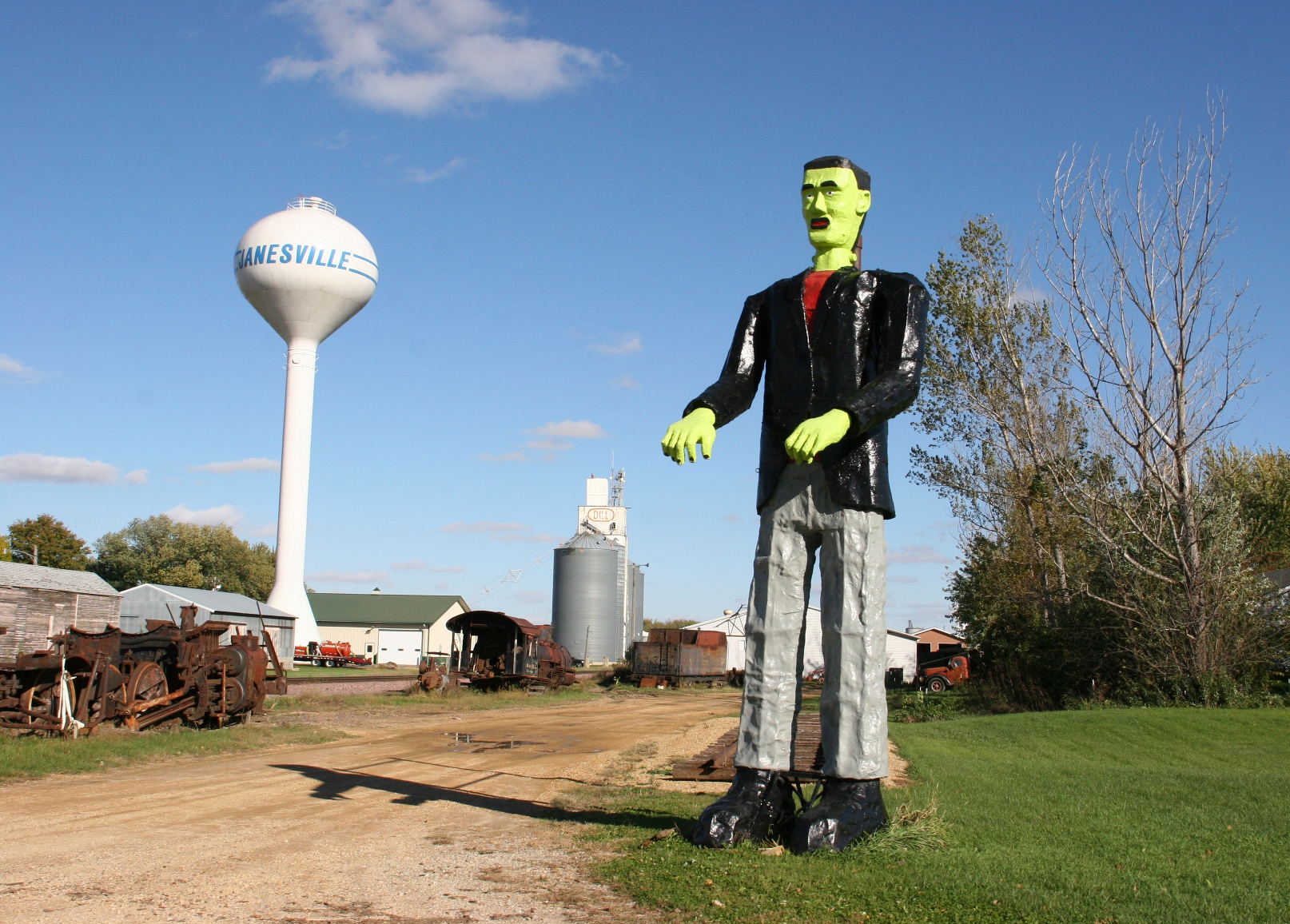
Frankenstein in Janesville, MN. Minnesota Prairie Roots file photo 2016.

FOR THE GOOD FOLKS of Janesville, the fiery “death” of Frankenstein last Saturday morning equates the loss of a community icon.

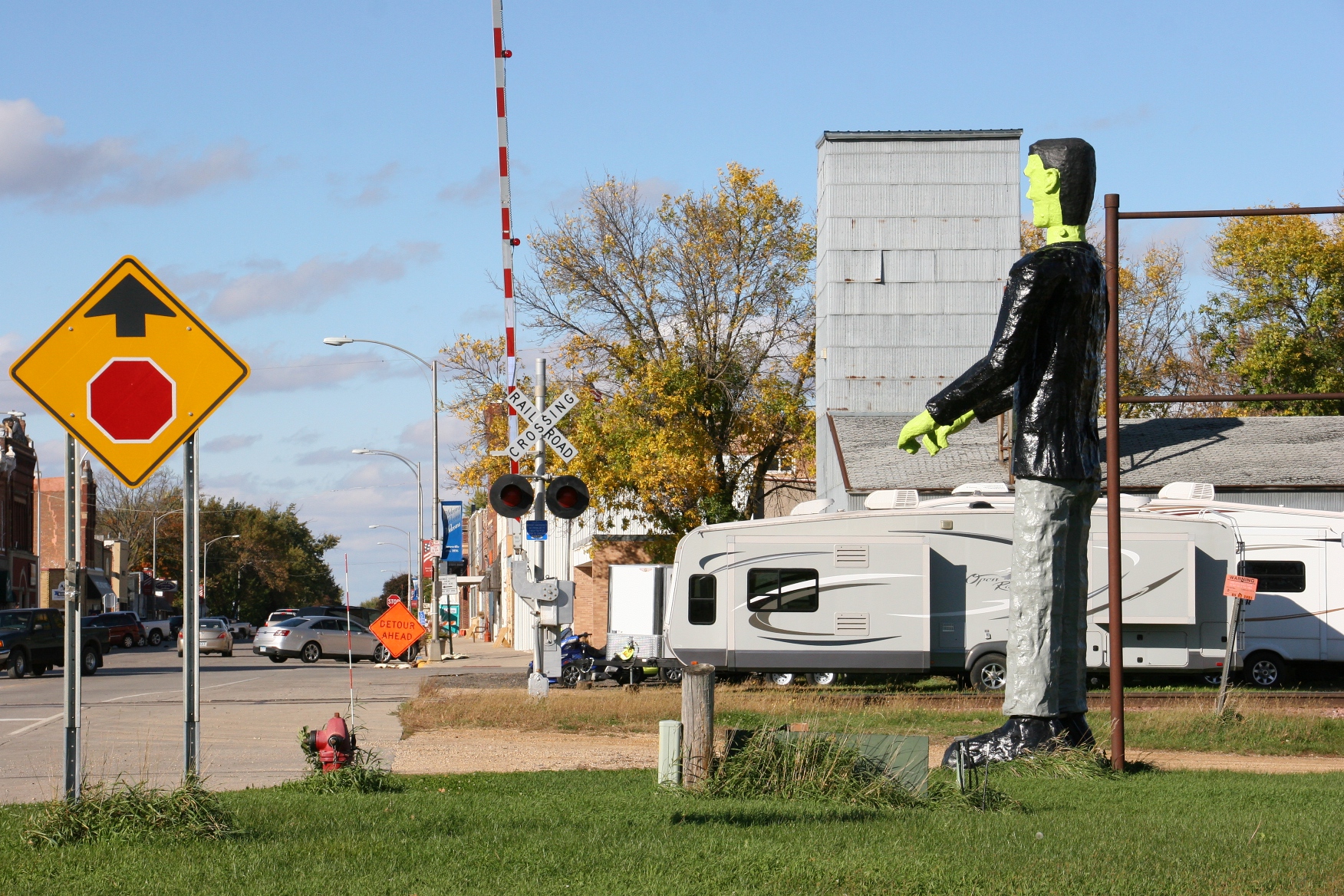
The 20-foot tall fiberglass and steel interpretation of Mary Shelley’s monster loomed on a downtown street corner in this southern Minnesota town of some 2,500. Until the early morning hours of June 12, when a 35-year-old man who lives nearby allegedly torched Frankenstein. He’s been charged with felony arson and damage to property. Only the skeleton remains of the sculpture valued at an estimated $14,000.

A side view of Frankenstein photographed in 2016. Minnesota Prairie Roots copyrighted file photo.

Janesville’s Frankenstein, originally a Vulcan displayed at the 1988 St. Paul Winter Carnival, was reinvented as a Halloween attraction in the metro before a local businessman purchased him from an auction in 2012. I photographed Frankenstein in 2016, finding him an oddity in this small Waseca County town.

But “odd” isn’t new to Janesville. For decades, “The Doll in the Window” was Janesville’s noted attraction. The mannequin, positioned inside an attic window and visible from well-traveled U.S. Highway 14 (which now bypasses the town), was the stuff of creepy legends. The man who displayed the doll died long ago and, from what I found online, a lot of unknowns remain.

Whether Frankenstein is resurrected remains to be seen. For now, folks are honoring him with flowers and other mementos placed at the base of his skeleton, drawing attention once again to this rural Minnesota community.

© Copyright 2021 Audrey Kletscher Helbling
 

Reflections after a country drive April 1, 2021

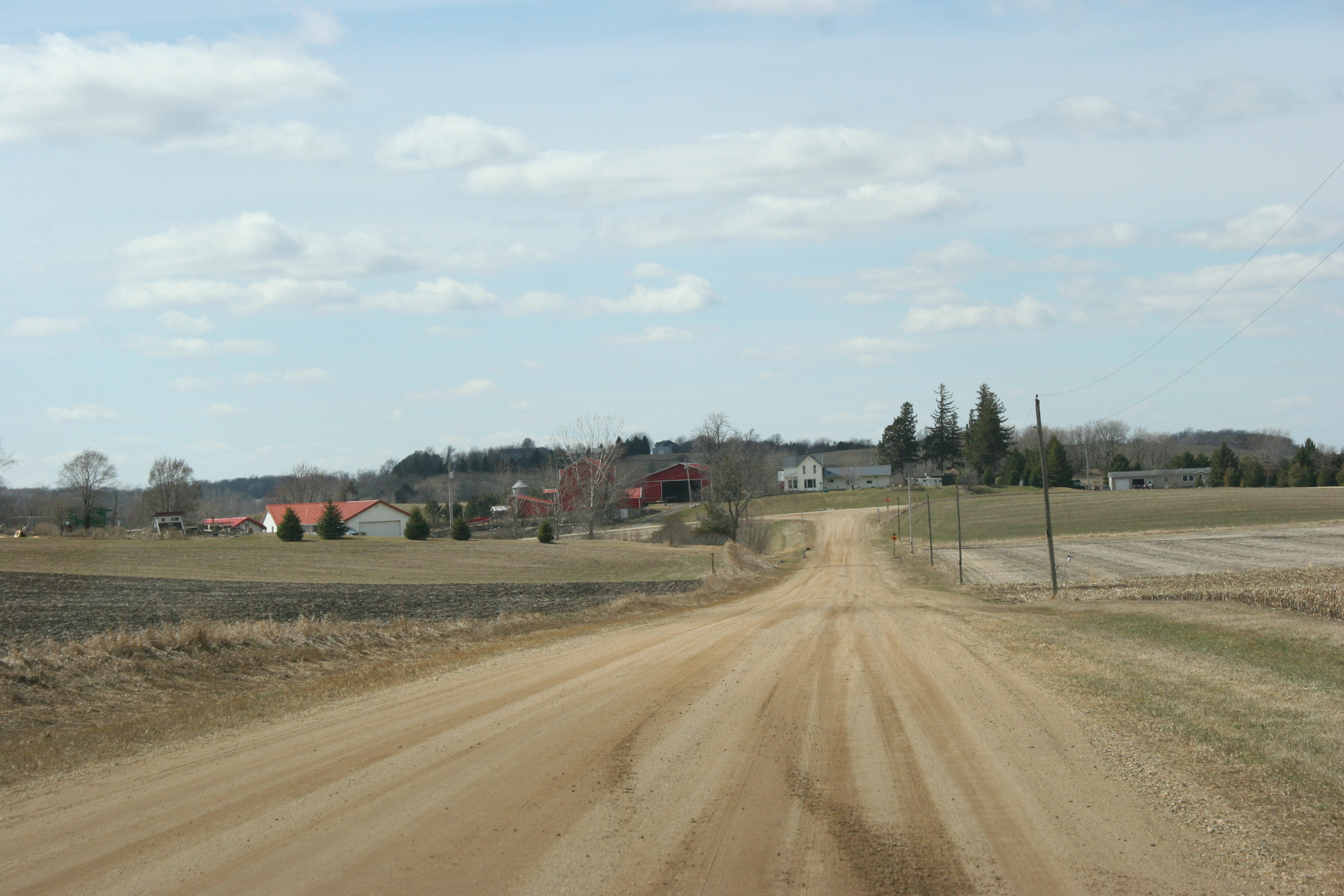
Farmland dominates the landscape east of Faribault near Minnesota State Highway 60.

EAST OF FARIBAULT, the land stretches long and flat. Wide open. Fields punctuated by farm sites.

We followed this narrow, and muddy, gravel road.

Gravel and asphalt roads divide farmland into grids. Orderly. As if a ruler was laid across the earth and straight lines inked thereon.

Building sites break the monotony of fields.

Sunday afternoon, after a hike at Falls Creek County Park, Randy and I took a country drive. We are farm-raised, decades removed from the farm, but with an enduring connection to the land.

An old hayrack, so familiar to me, parked in a field east of Faribault.

On the cusp of spring planting time in Minnesota, the draw back to the land, to the familiarity of fields, calls. For me, there’s this deep yearning, this need to lay my eyes on the bare earth or the residue of last year’s crops.

I feel connected to all of this via my rural upbringing in southwestern Minnesota.

At times my heart aches for missing the land. I want to smell the scent of soil, to touch the cold earth, to remember all those springs back on the farm. The steady rhythm of the tractor, the corn kernels pouring into the planter and then the faint hint of green lining the black fields.

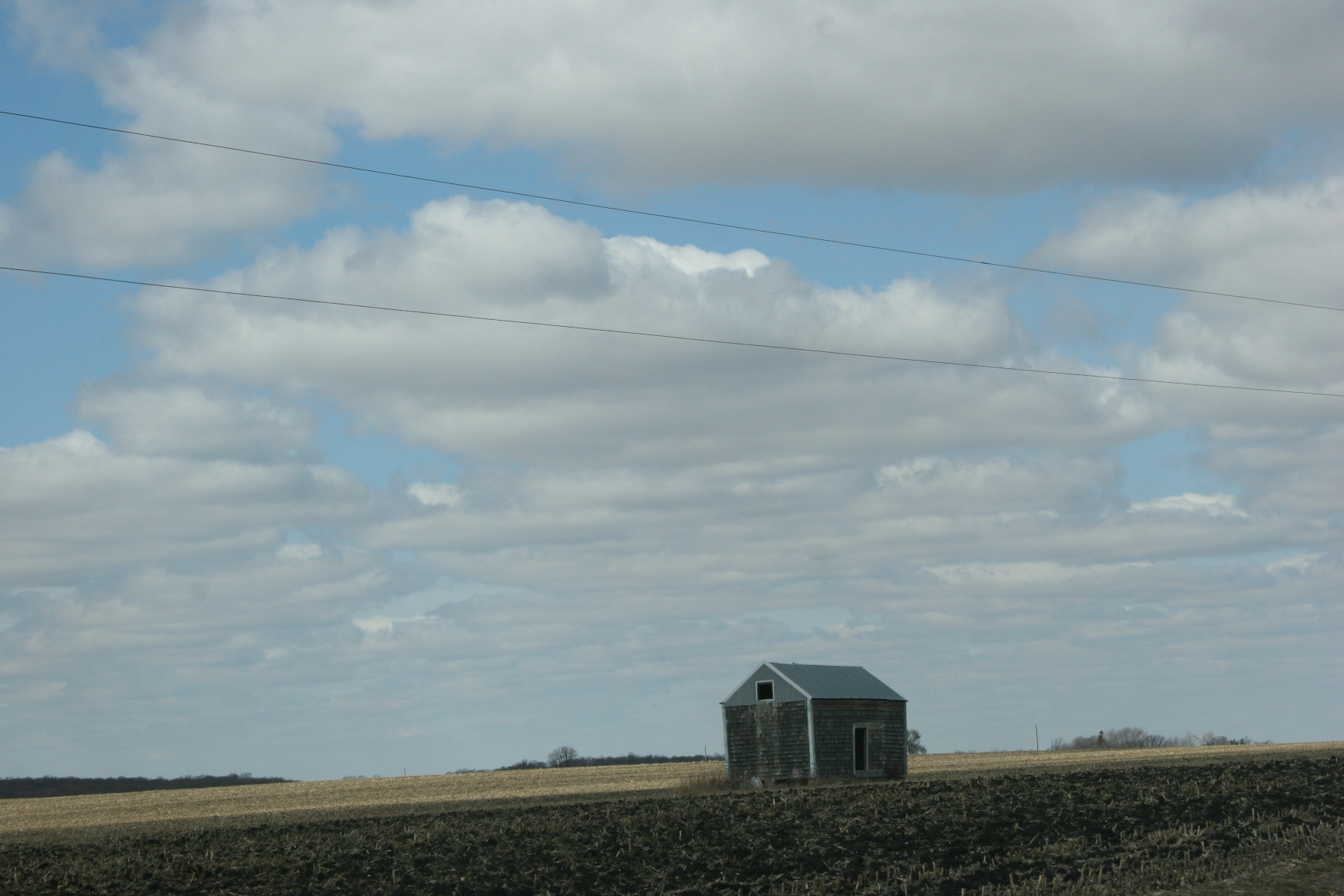
An aged abandoned outbuilding on a former farm site just outside Nerstrand.

Much about farming has changed since my leaving of the land in the early 1970s. But the basics remain. The planting, the growing and harvesting.

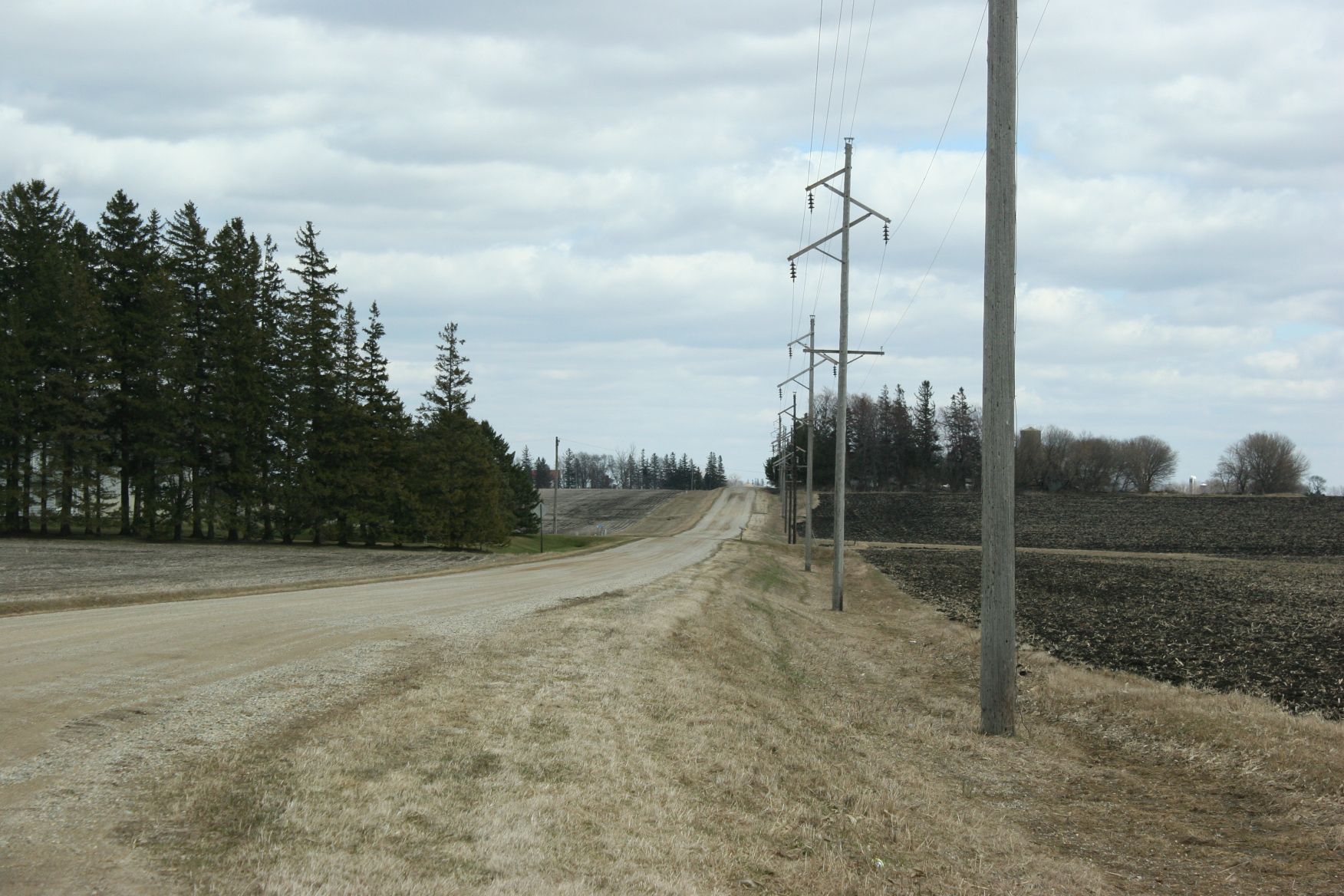
Power poles along a gravel road are such a strong rural visual.

And even though I’ve lived in town far more decades than on a farm, my rural upbringing roots me to the land and takes me back each season. To honor my hardworking farmer dad. To equally appreciate my mom who gardened and fed and raised six children on the land. My hardworking parents instilled in me a love of the land, a connection to place and the innate need to follow gravel roads into the countryside.

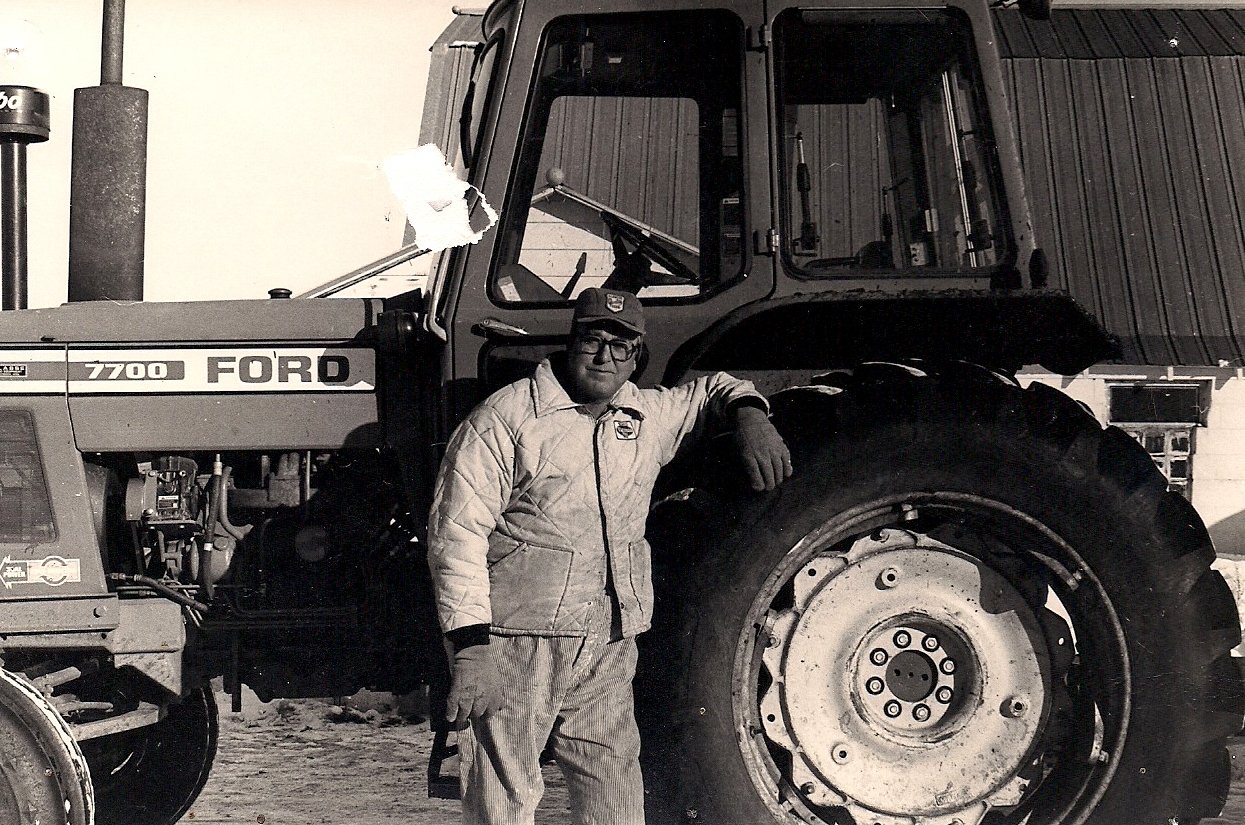
Dad farmed, in the early years with a John Deere and Farmall and IH tractors and later with a Ford. (Photo by Lanae Kletscher Feser)
A photo of my dad, Elvern Kletscher, taken in 1980.

This post is dedicated in loving memory of my farmer father, Elvern Kletscher, who died on April 7, 2003. Thank you, Dad, for raising me to appreciate the land, for teaching me the value of hard work. for instilling in me a love of God and of family. I am grateful. And I miss you.

© Copyright 2021 Audrey Kletscher Helbling
 

Poetry flashback as we welcome spring March 20, 2021

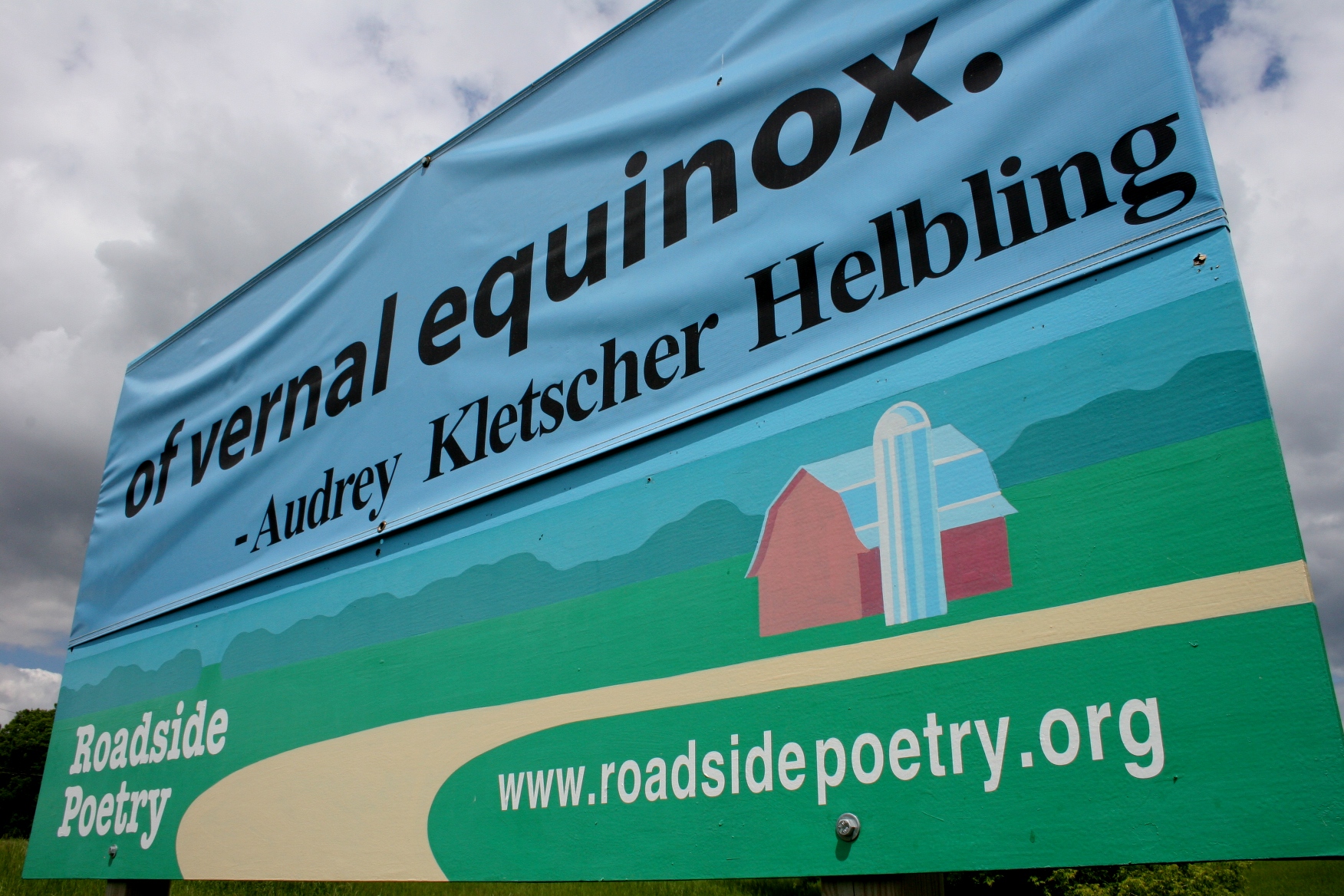
Billboards in my Roadside Poetry Project poem posted in Fergus Falls 10 years ago. Minnesota Prairie Roots file photo June 2011.

THE OFFICIAL ARRIVAL OF SPRING today seems reason to celebrate, especially here in Minnesota, the land of long winters. Or, as my California-raised son-in-law once thought, Almost Canada.

Billboard #2 in my poem. Minnesota Prairie Roots file photo June 2011.

From here on, daylight lengthens. And, after this past pandemic year, I’m thankful for the seasonal transition into more sunlight and resulting warmth and melting of snow. That said, this is still March and in Minnesota that likely means more cold and snowy days.

But, as we ease into spring, I feel a sense of renewal. Warm days with temps in the 50s and near 60, like those predicted for this weekend, are freeing, uplifting and promising.

Billboards #3 and 4. Minnesota Prairie Roots file photo June 2011.

Farmers, I expect, are itching to get into the fields, although it’s way too early for that. I still think like the farm-raised woman I am, connecting seasons to the cycle of planting, growing and harvesting. That will always remain an important part of my identity and continues to influence my writing and photography.

The last of four billboards featuring my Roadside Poetry spring poem. Minnesota Prairie Roots file photo June 2011.

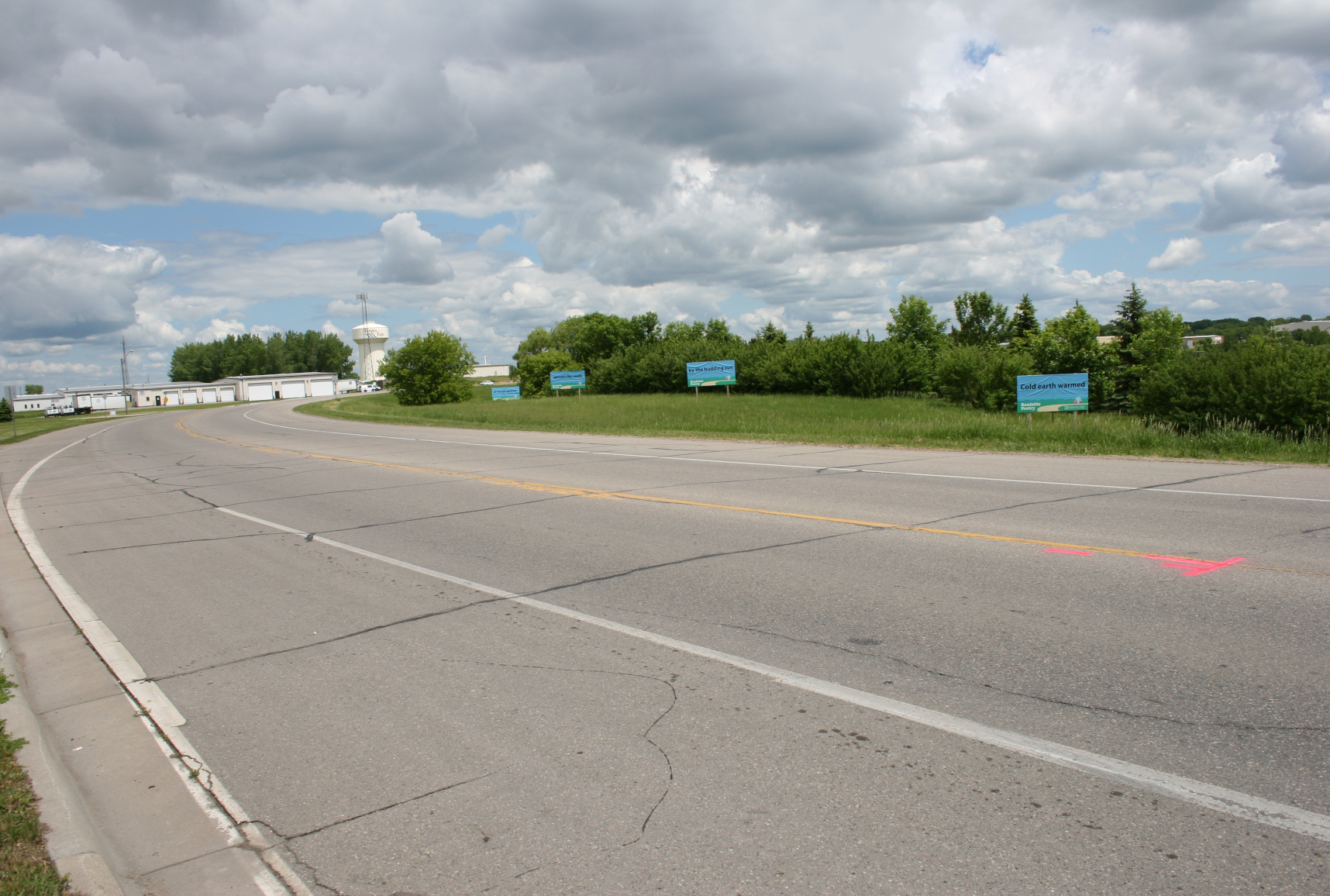
Flash back to 10 years ago and you can read that influence in a poem I penned and submitted to the Roadside Poetry Project. In four lines, each with a 20 character limit, I wrote a spring-themed poem that bannered on four billboards in Fergus Falls. It’s the most unusual spot my poetry has ever published.

The billboards posted along a road on the edge of Fergus Falls in 2011. Minnesota Prairie Roots file photo June 2011.

Designed “to celebrate the personal pulse of poetry in the landscape,” according to then Project Coordinator Paul Carney, my poem truly fit that mission. I wrote from experience, from a closeness to the land, from a landscape of understanding.

While the Roadside Poetry Project, funded by the Fergus Falls College Foundation, no longer exists, my poem endures in the legacy of my writing. To have written about spring from the perspective of a farmer’s daughter celebrates my rural Minnesota prairie roots. And spring.

© Copyright 2021 Audrey Kletscher Helbling
 

Appreciating, & branding of, small towns March 18, 2021

Belview, located in southwestern Minnesota, some seven miles from my hometown of Vesta.

FOR THOSE OF YOU who’ve followed my Minnesota Prairie Roots blog for awhile, you understand that I value small towns. They are a favorite destination, an escape of sorts back to my rural prairie roots. To a less-populated place, typically rooted in agriculture.

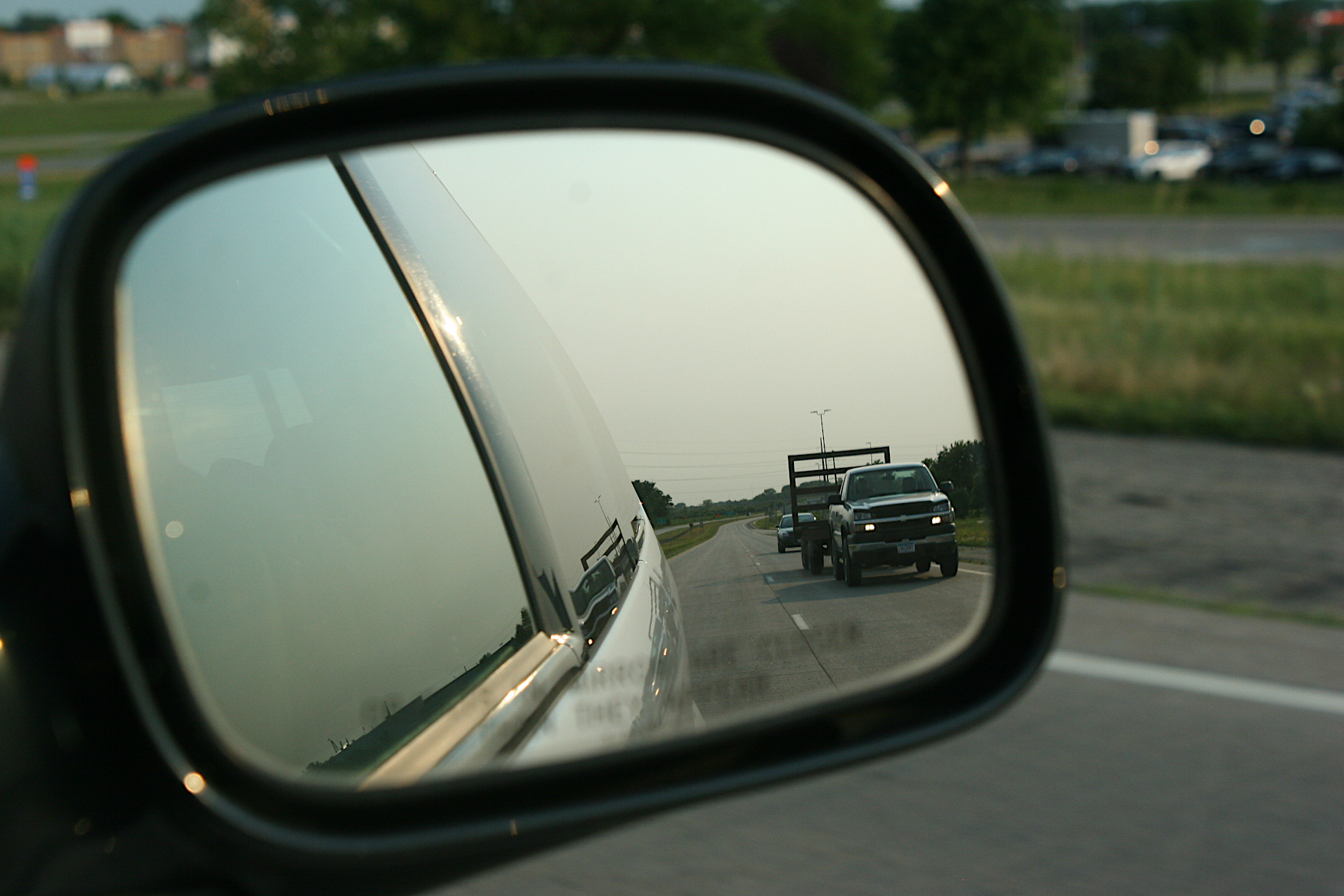
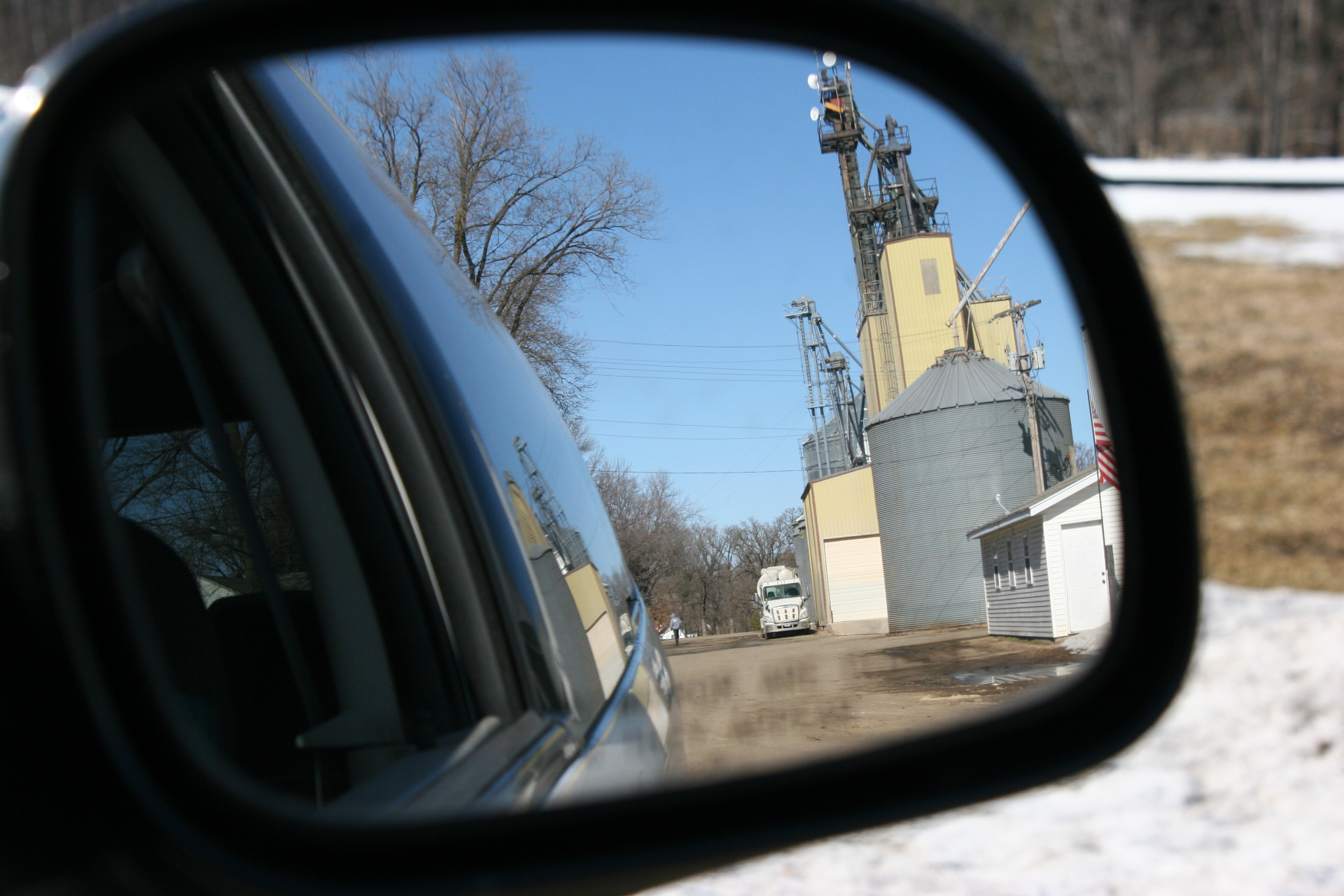
The grain complex in unincorporated Bixby in Aurora Township in Steele County, MN, reflects in the passenger side mirror.

That said, I recognize that my definition of a “small town” may differ from yours. I view small towns as communities with populations of several thousand or less. I would not, for example, consider my city of Faribault to be small. Others would given its population of around 24,000.

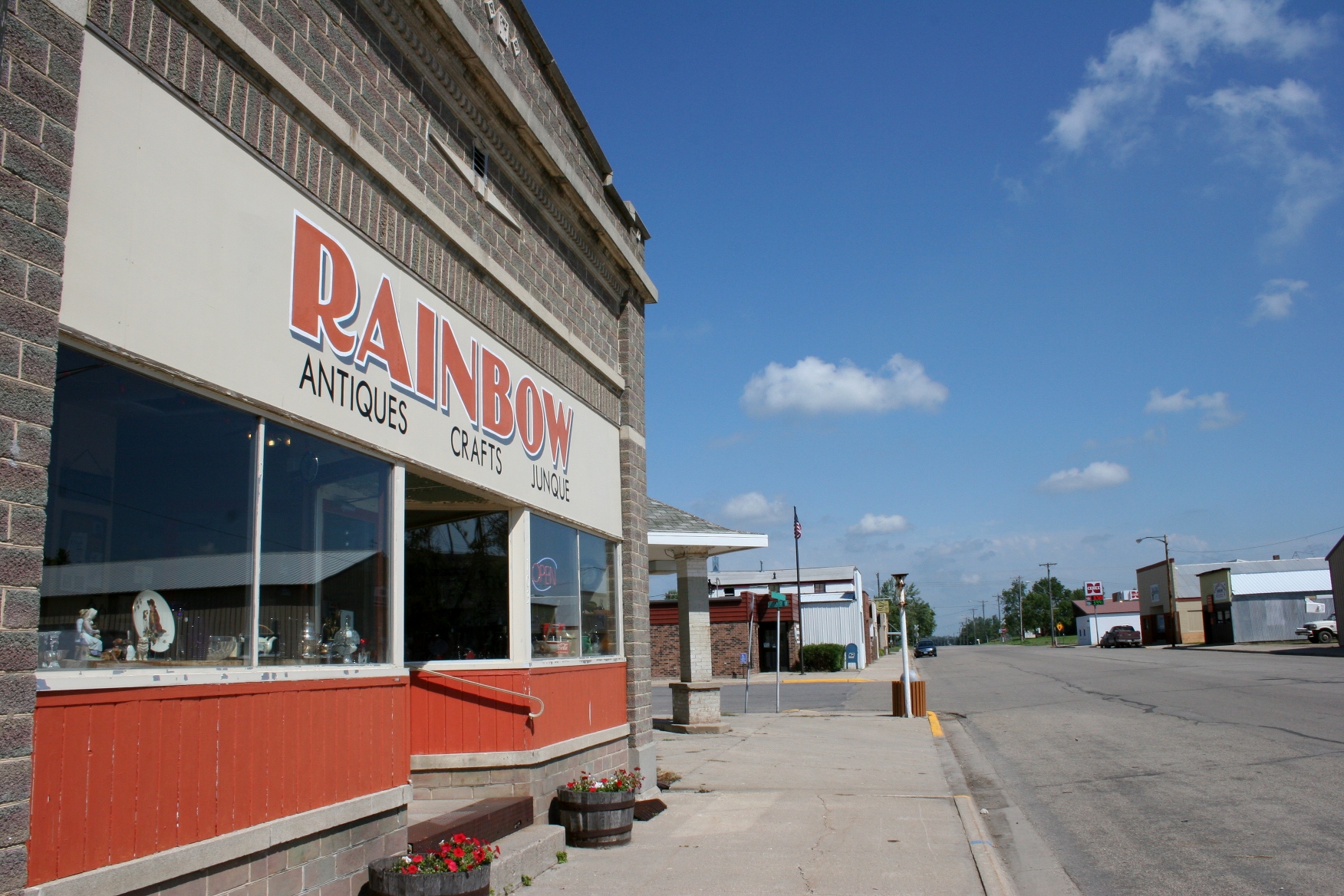
A favorite stop (when it’s open) is Rainbow Antiques, Crafts & Junque in Belview. Other attractions in Belview include the historic Odeon Hall, Rock Dell Lutheran Church, rural Belview, and Grandview Valley Winery, to the north of town. Minnesota Prairie Roots file photo August 2011.

What draws me to small towns, to photograph and write about them, beyond my desire to reconnect with rural places and share my finds?

I love this kitschy bar stool atop the City & Country Tavern roof overhang in Morgan in southwestern MN.

It’s discovering nuances of character. It’s connecting with people. It’s the architecture and oddities and so much more. Exploring small towns is like taking a basic sentence and enhancing the main subject with adjectives.

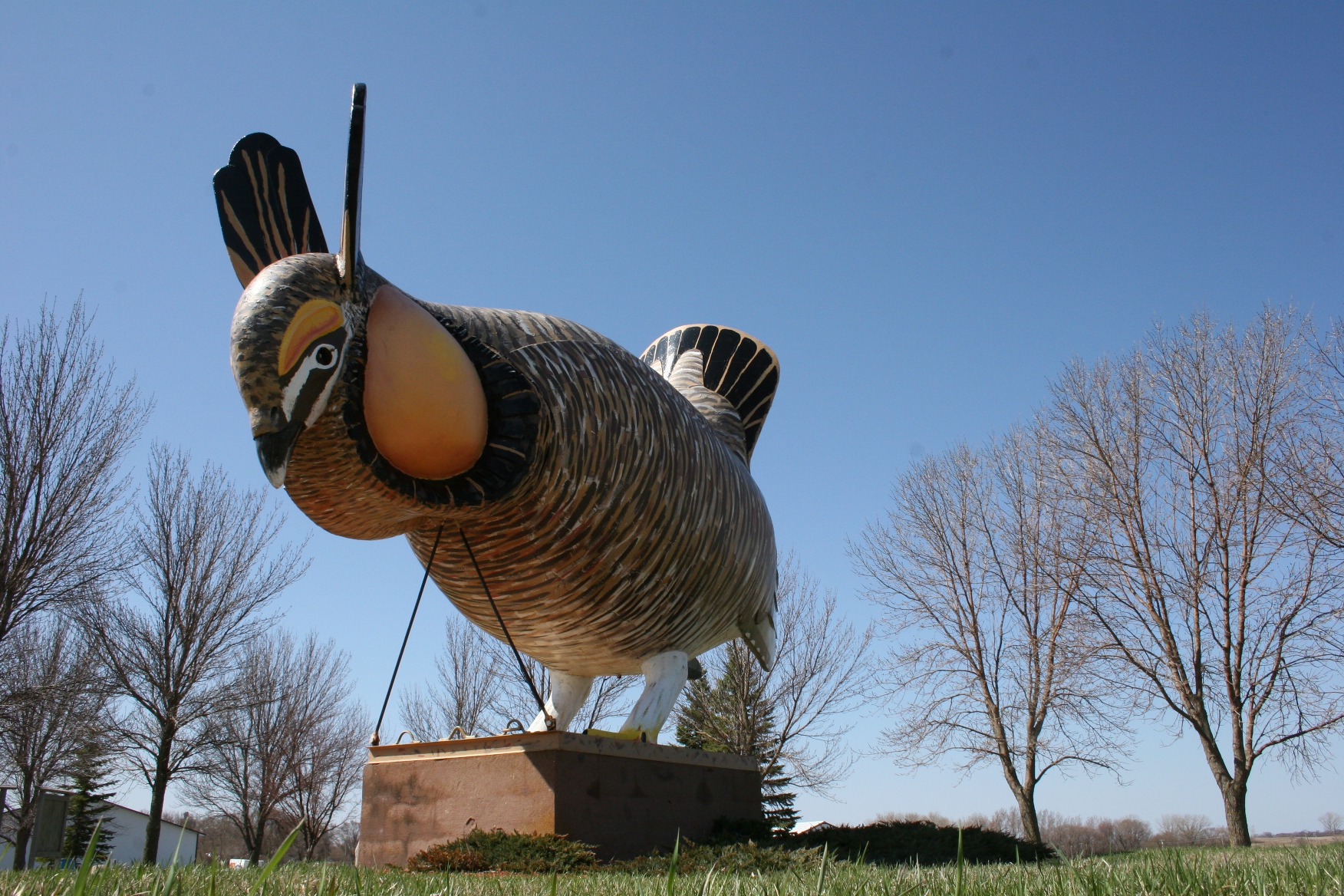
This prairie chicken statue along Interstate 94 in western Minnesota celebrates the real prairie chickens which reside in the Rothsay area. Minnesota Prairie Roots file photo May 2013.

Yet, I realize not everyone appreciates language like I do. All too often, small towns are bypassed or driven through—seemingly not a place that would attract visitors. But I am here to tell you they are worth the detour off the interstate, the destination for a day trip, the stopping on Main Street.

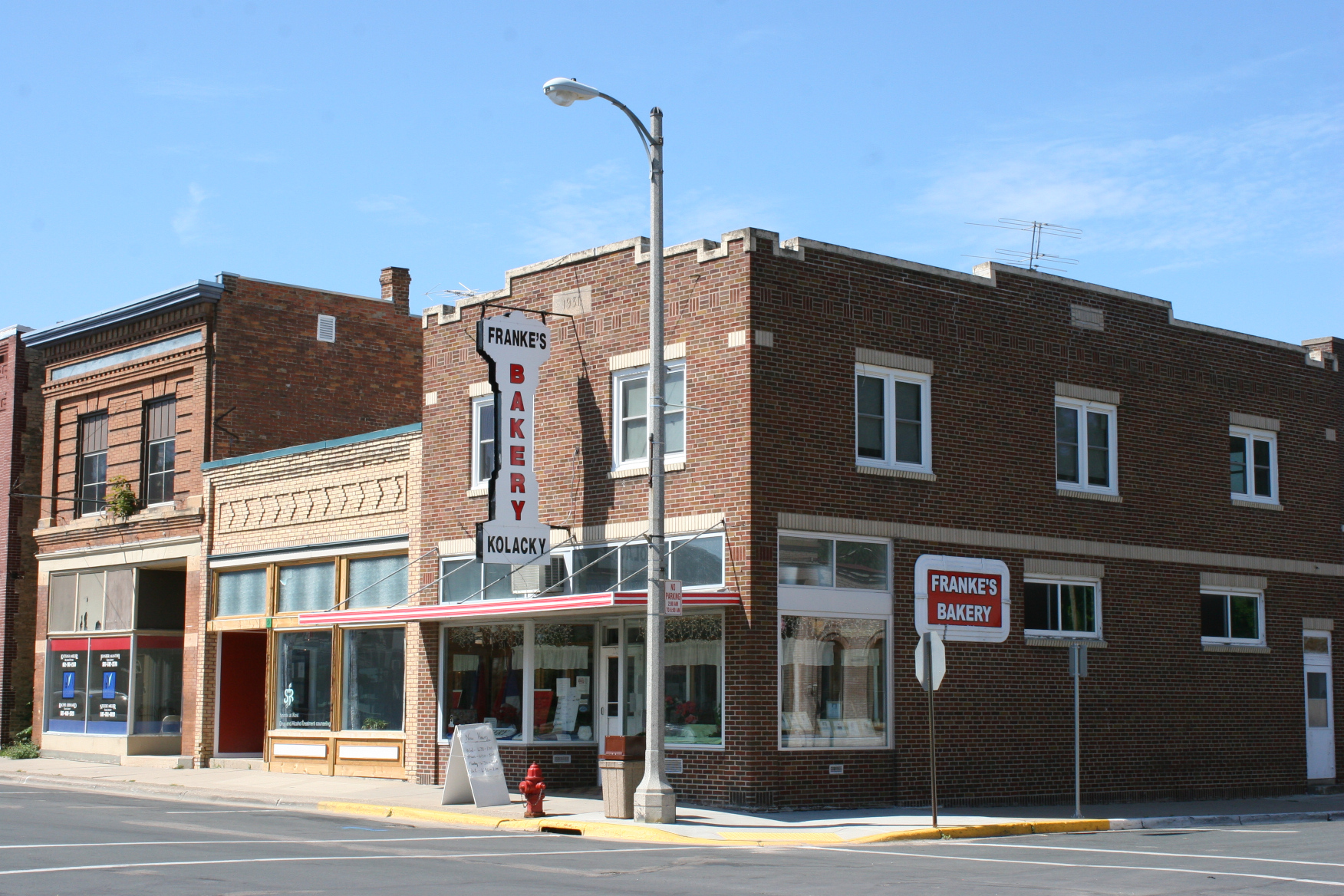
Popular Franke’s Bakery anchors a corner in downtown Montgomery, MN. Minnesota Prairie Roots file photo August 2020.

Montgomery, Minnesota, for example, is one of my favorite nearby small towns. Why? I love going to Franke’s Bakery, a staple in this community for 100-plus years. The bakery specializes in Czech treats, in this self-proclaimed Kolacky Capital of the World. Across the street from the bakery, a mural tells the history of this town. Aged buildings line the main business district, with home-grown shops and eateries and bars. The adjectives enhancing the main subject.

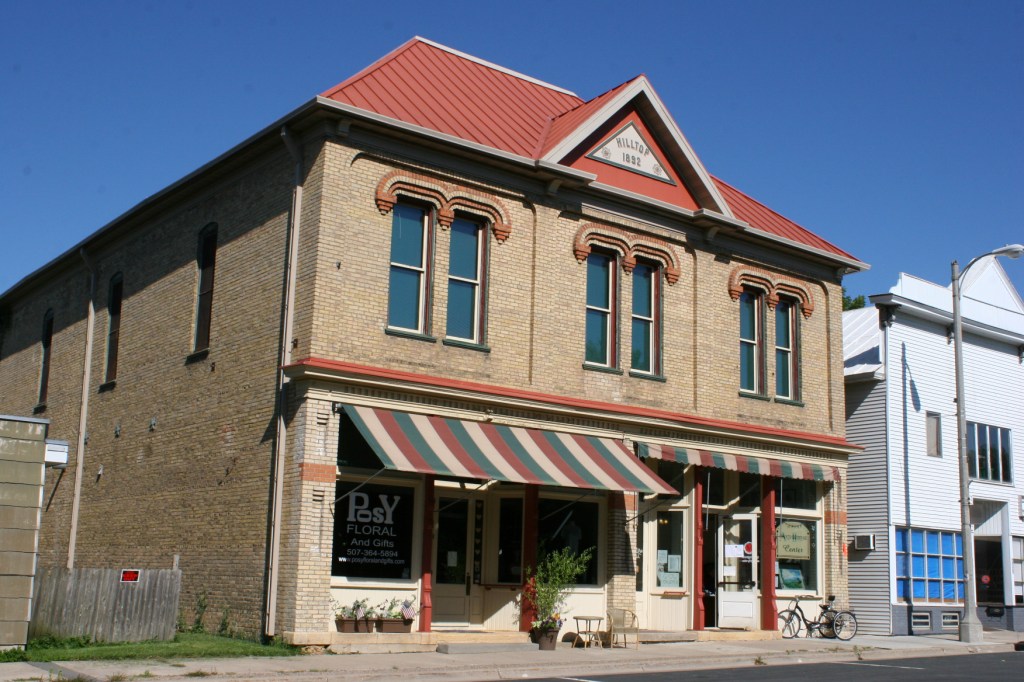
The Montgomery Arts & Heritage Center, right, and Posy Floral, left, along First Street North on the north end of downtown Montgomery, MN. Minnesota Prairie Roots file photo August 2020.

The Montgomery Arts and Cultural Heritage Center and Montgomery Brewing also draw me to this Le Sueur County community. And the signs and architecture.

The good folks of Montgomery have branded their community, tapping into their heritage and then building on that to create a place that attracts visitors. I think potential exists in every small town to do the same. And it starts with recognizing the strengths, the uniqueness, of a community. I know that requires time, money and effort. But, oh, the possibilities.

The community of New Ulm is home to many home-grown restaurants, like the Ulmer Cafe.

I, for one, love small town bakeries, antique shops, thrift stores, art centers and home-grown cafes with meal offerings that are crafted by hand, not pulled from a freezer and heated. I recently saw a sign for Beef Commercials in New Ulm. I haven’t eaten one—roast beef layered between slices of white bread, topped with a dollop of mashed potatoes and smothered in gravy—for years. Had it been meal time and not a pandemic, I may have stopped to indulge in nostalgia.

New Ulm, population 13,500, is not exactly small town by my definition, but it’s definitely a city that excels in attracting visitors via branding built on its German heritage.

A thriving grocery store in small town Ellendale, MN.

Now I know every community can’t tap into heritage like New Ulm and Montgomery. But, each place truly possesses potential to attract visitors. In Ellendale, for example, the award-winning Steve’s Meat Market draws meat lovers. I am partial to Lerberg’s Foods and its worn wooden floor, narrow aisles and aged moose head looming over cans of stacked corn.

Outside the local hardware store in the downtown main business district, this heart art shows pride, marketing savvy and identity in Blooming Prairie. This small town is located in southern Steele County, south of Owatonna.

I delight in such discoveries. Kitsch. Identity. A strong sense of place and pride. I hope that, by sharing my thoughts and photos, you, too, will view small towns through a lens of appreciation.

TELL ME: Have you discovered a small town that you just love. I’d like to hear.

PLEASE CHECK BACK as I expand on this post with more photos from some of the communities featured here.

© Copyright 2021 Audrey Kletscher Helbling
 

My observations about masking in rural Minnesota March 8, 2021
A sign posted at the Steele County History Center in Owatonna. Minnesota Prairie Roots file photo June 2020.

TODAY MY COUNTY OF RICE reported its 92nd COVID-related death. That saddens me. I don’t know the identity of this latest individual to die from the virus. But that matters not. What matters is that, to family and friends, this is the loss of a loved one.

That’s something we all need to remember. Ninety-two represents much more than a number added to the growing statistics. It represents a life.
With that said, I need to vent. And if you’re weary of reading about anything COVID-related, then stop reading right now. But I’m frustrated, beyond frustrated.

On Saturday, Randy and I headed to two small towns south of Owatonna. Just to get out of town for a bit. We’ve previously toured both, but several years ago. Driving into rural Minnesota, parking on Main Street and then walking to see what we can find is an adventure.

WHAT MASKS?

Our day trip into these two rural Steele County communities on Saturday proved to be an adventure alright. What we found was absolutely, totally, disheartening. Compliance to Minnesota’s state mask mandate is pretty much non-existent. That left me exiting several businesses—a hardware store and boutiques—before the doors had barely closed behind me. And we’re not talking just customers here without masks. We’re talking owners and employees.

Never mind the signs posted outside these businesses stating that “masks are required.” Why bother? Oh, because the state requires posting of these signs, apparently.

FEELING DISRESPECTED

Here’s how I felt when I saw those business owners and employees without masks. I felt disrespected. I felt unsafe. I felt unwelcome. I felt frustrated. I felt angry. I felt like they didn’t really want my business. And, as much as I wanted to say something to them about my feelings, I didn’t. You never know who’s carrying a gun these days and may harm you if you speak up. So I walked out.

And the thing is, several of those small town boutiques, especially, were inviting little shops filled with merchandise that may have interested me. But I felt uncomfortable from the moment the unmasked shopkeepers greeted me and I turned to make a hasty exit.

BUSINESSES LEAD BY EXAMPLE

Interestingly enough, while Randy was shopping at a popular family-owned meat market in the town a mile off the interstate, he found full mask mandate compliance and even a plexi-glass shield separating cashiers from customers. Plus hand sanitizer. So kudos to that meat market and the local grocery store owner, who was also masked. I observed a woman I’d previously seen, unmasked at the boutique, walk into the meat market wearing a mask. Interesting, huh? A business sets the tone for customer compliance.

This masking issue isn’t a problem unique to small towns. When we returned to Faribault and stopped to pick up a few groceries, I spotted mask-less customers. They are increasing in number. The non-maskers and half-maskers. But at least I don’t see business owners and employees without masks in my community (except at the farm implement dealer). That’s the difference. In the two small towns in Steele County, business owners and employees were without masks. I don’t get it. I just don’t get it. Masks are a scientifically-proven way to prevent spread of COVID-19. Why risk the health of customers? This, what I perceive as selfish and uncaring behavior, left me with a really negative perspective of these two towns. And that’s something no business, no community, needs, especially now.

© Copyright 2021 Audrey Kletscher Helbling