Minnesota Prairie Roots

Writing and photography by Audrey Kletscher Helbling

A bit of Sweden in Wisconsin October 26, 2011

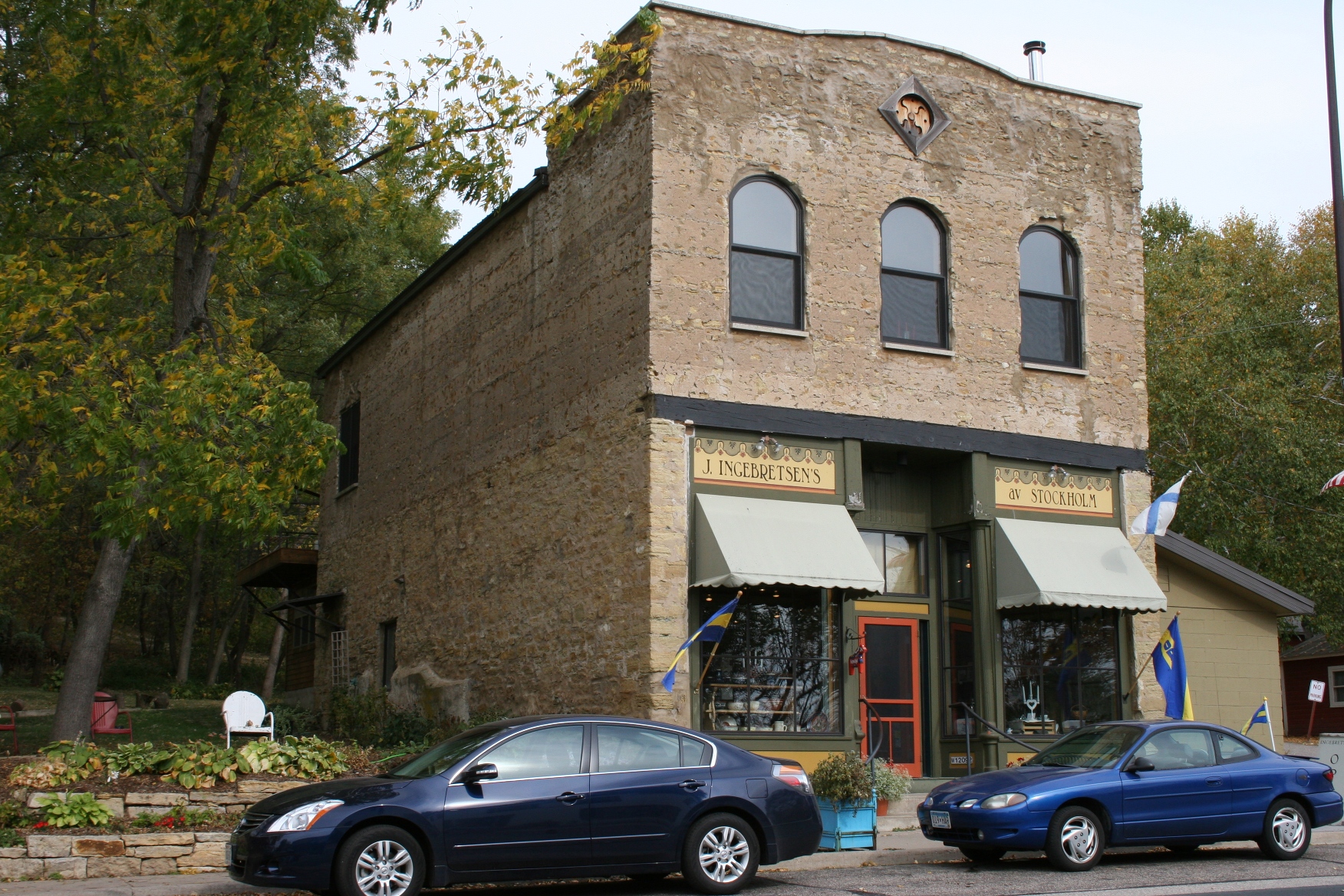
J. Ingebretsen's av Stockholm on a corner in Stockholm.

STEP INSIDE J. Ingebretsen’s av Stockholm along Wisconsin Highway 35 in Stockholm, Wisconsin, population 89, and a sense of serenity sweeps over you.

Perhaps it’s the Scandinavian influence. Or perhaps it’s the charm of this quaint Lake Pepin-side village casting a spell upon you that evokes a feeling of peace.
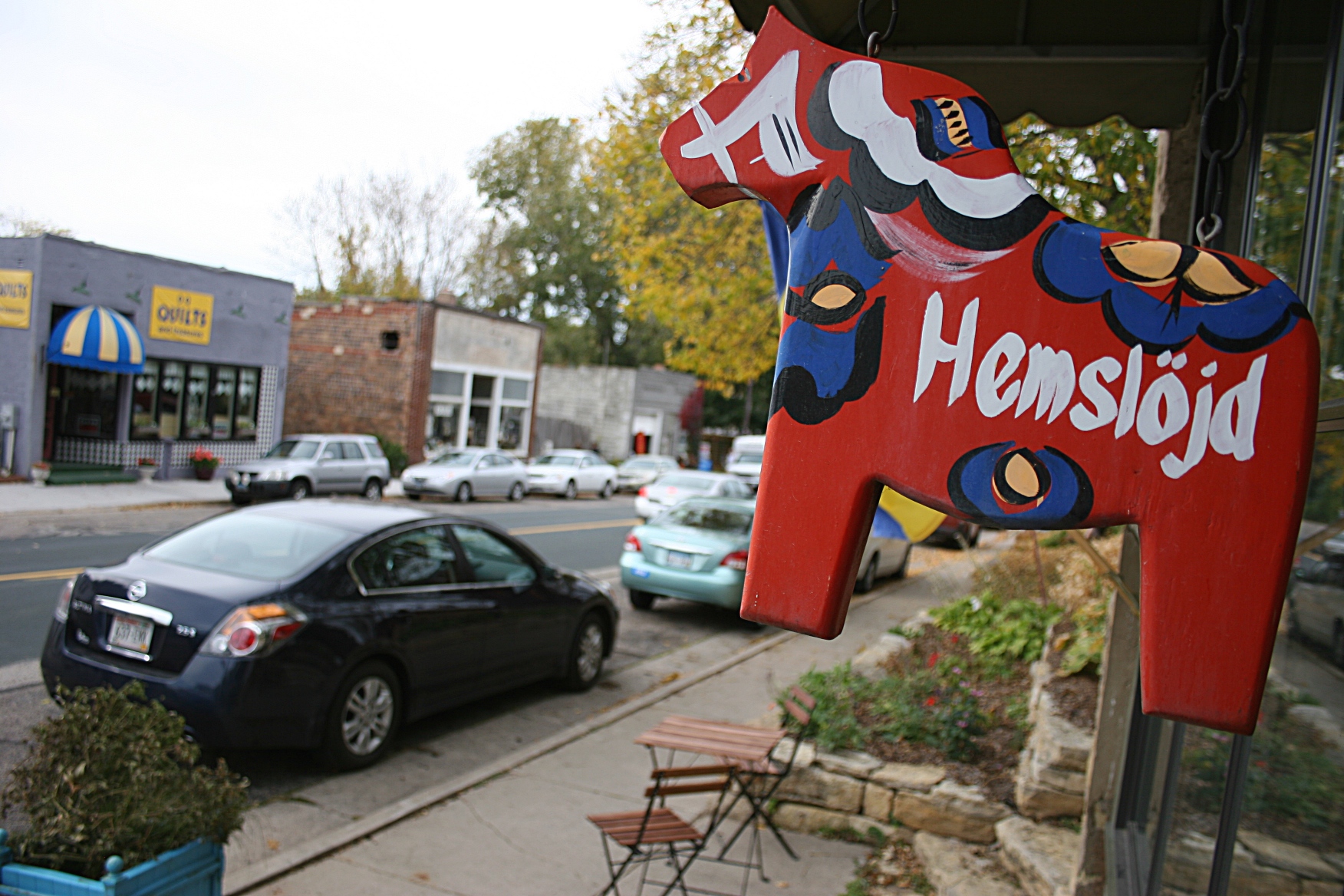
The sign suspended from the front of Ingebretsen's, if I got the translation correct, means "crafts." The dala horse is a popular Swedish symbol.

No matter the reason, the atmosphere inside Ingebretsen’s, a Scandinavian gift shop, conveys a sense of orderliness, simplicity and a feeling that all is right with the world, or at least in this part of western Wisconsin.

On a recent day trip from Minnesota across the Mississippi River, my husband and I discovered this wisp of a village, which, except for all those inviting shops lining the main drag and side streets, would likely stand as another shuttered small town.

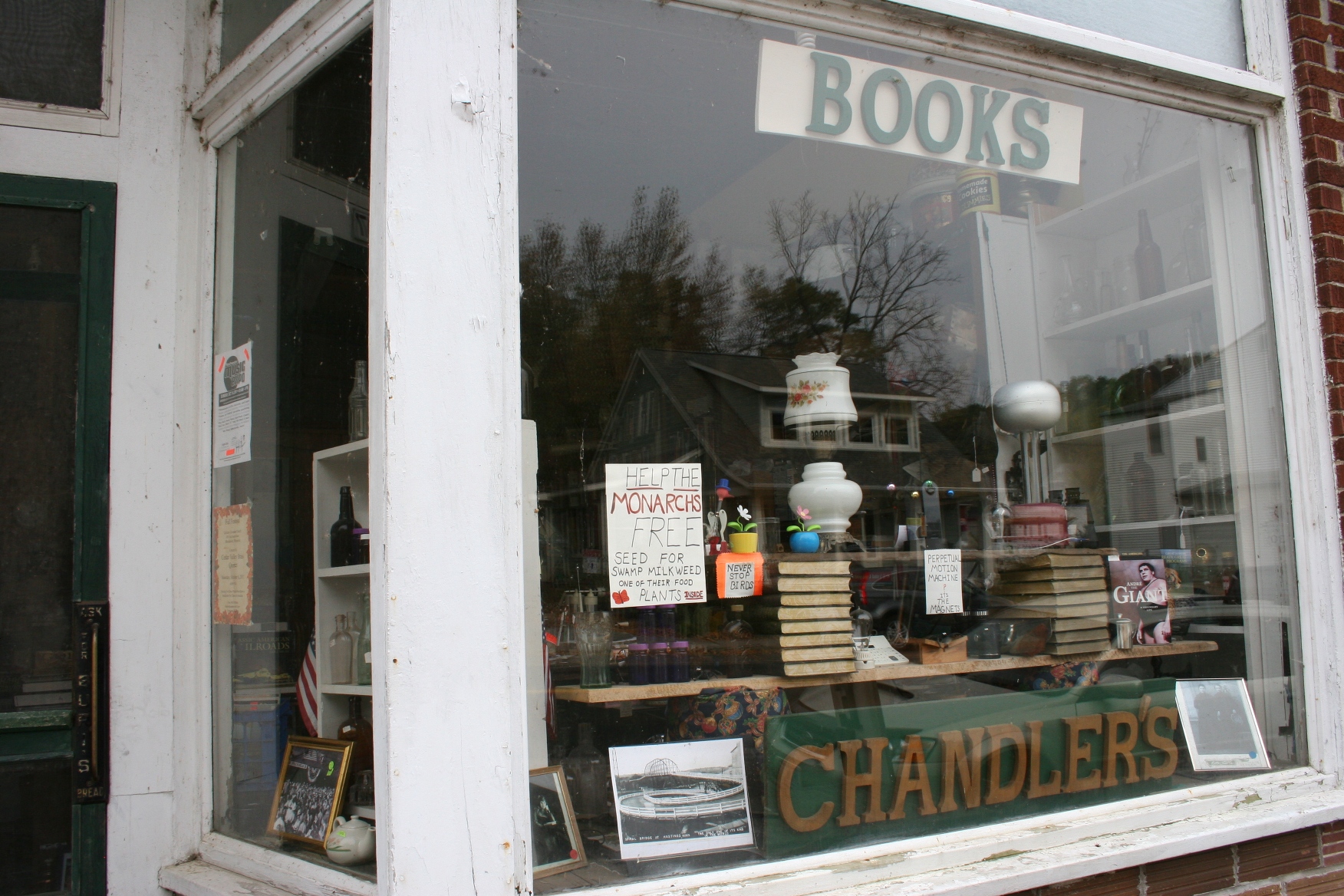
But Stockholm hums with activity, its streets packed with vehicles, its sidewalks teeming with folks drawn here by the quaintness, the laid-back feel of this historic place, the smorgasbord of shops that range from precisely orderly Ingebretsen’s to cluttered, books-tilting Chandler’s Books, Curios.

Step inside Ingebretsen’s, an offshoot of the main store in Minneapolis, and you’ll forget the traffic only steps away along Highway 35. You’ll focus instead on the display of dala horses. You’ll draw your hand across woolen blankets that ward off the chill of autumn, soon-to-be winter. Your eyes will turn toward the earthen-hued pottery lining shelves.
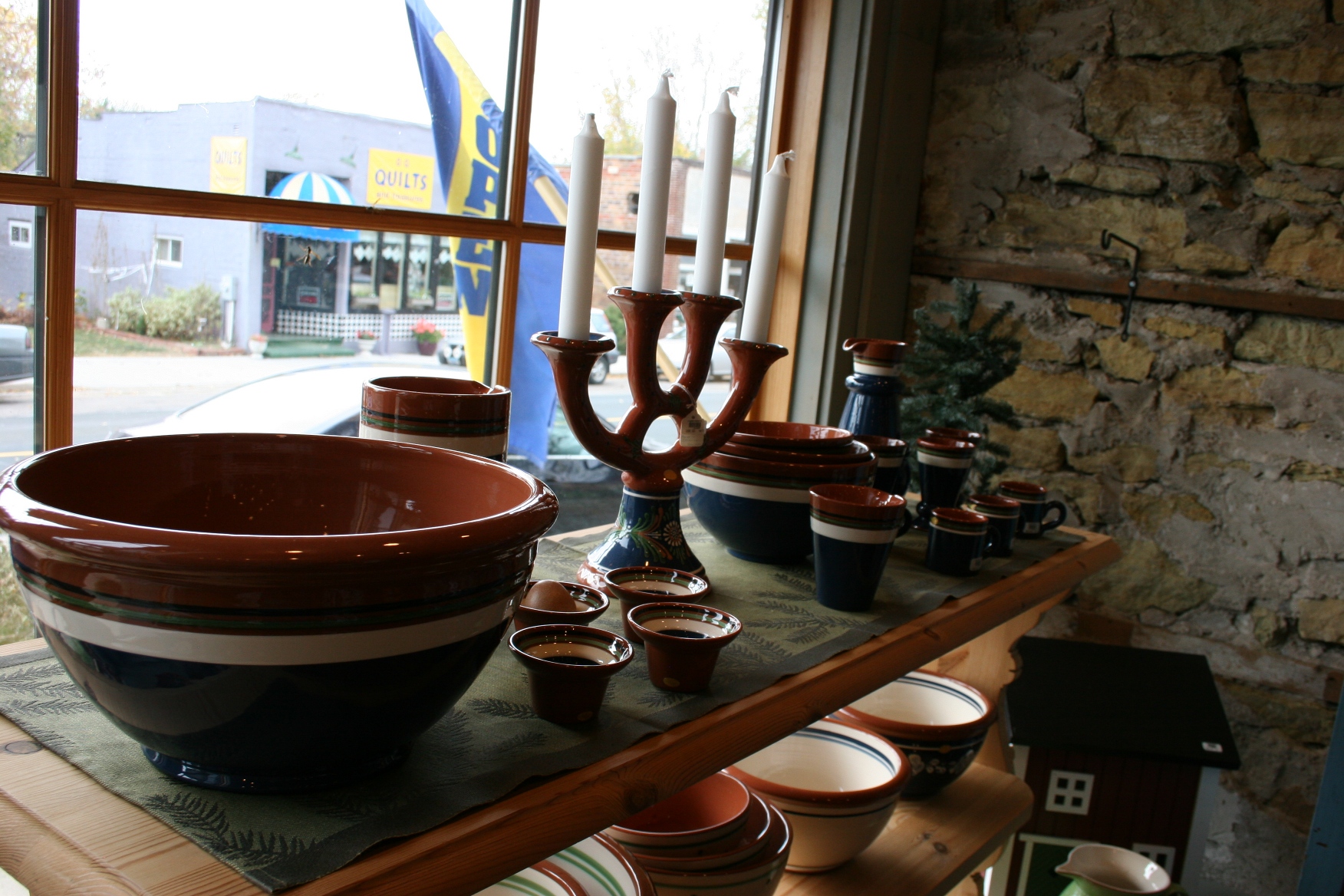
Inside the front window of Ingebretsen's, lovely pottery.
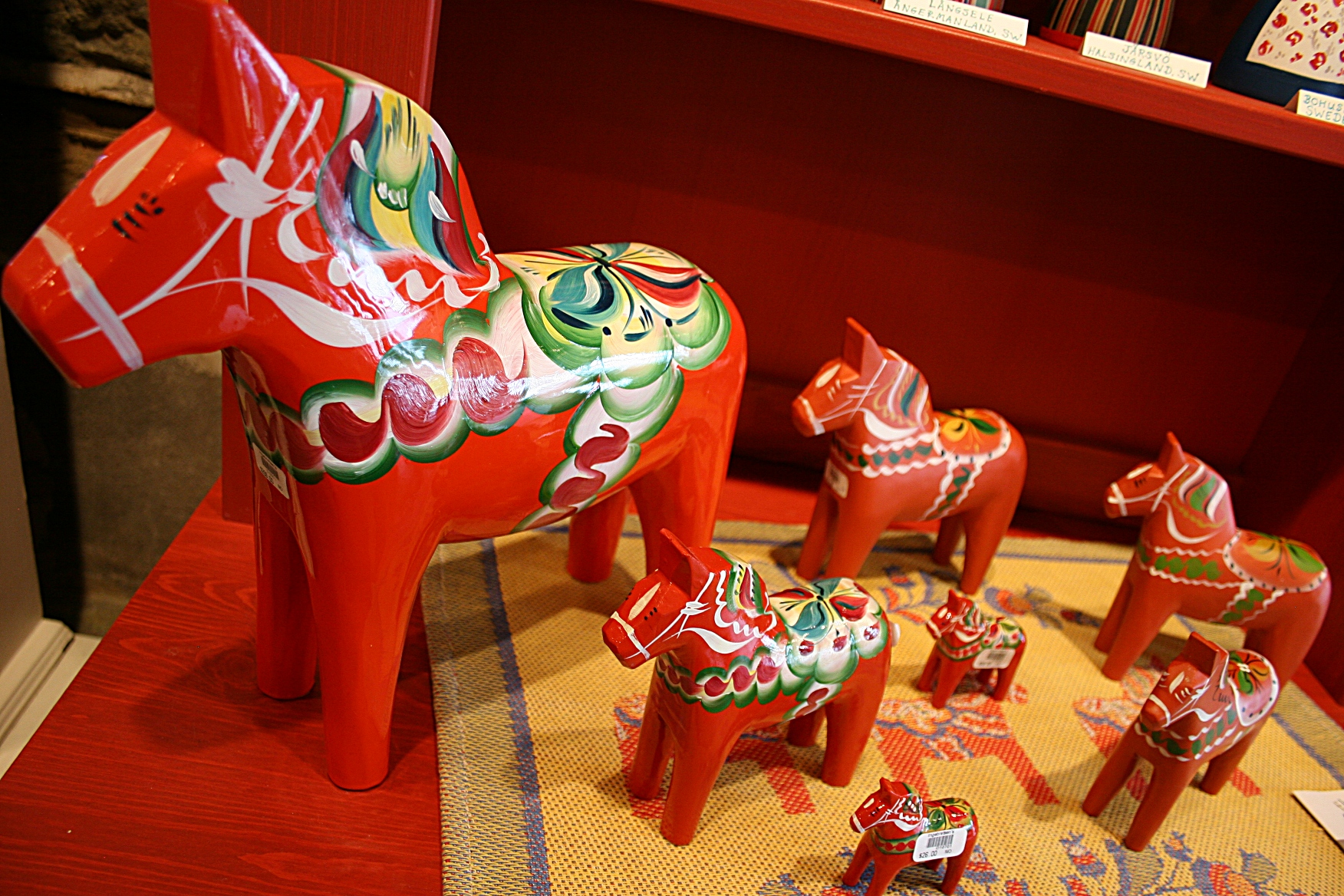
A collection of dala horses inside Ingebretsen's, a traditional symbol of Sweden. As the story goes, woodcutters from the province of Dalarna whittled away the long winter months carving these toy horses for children.
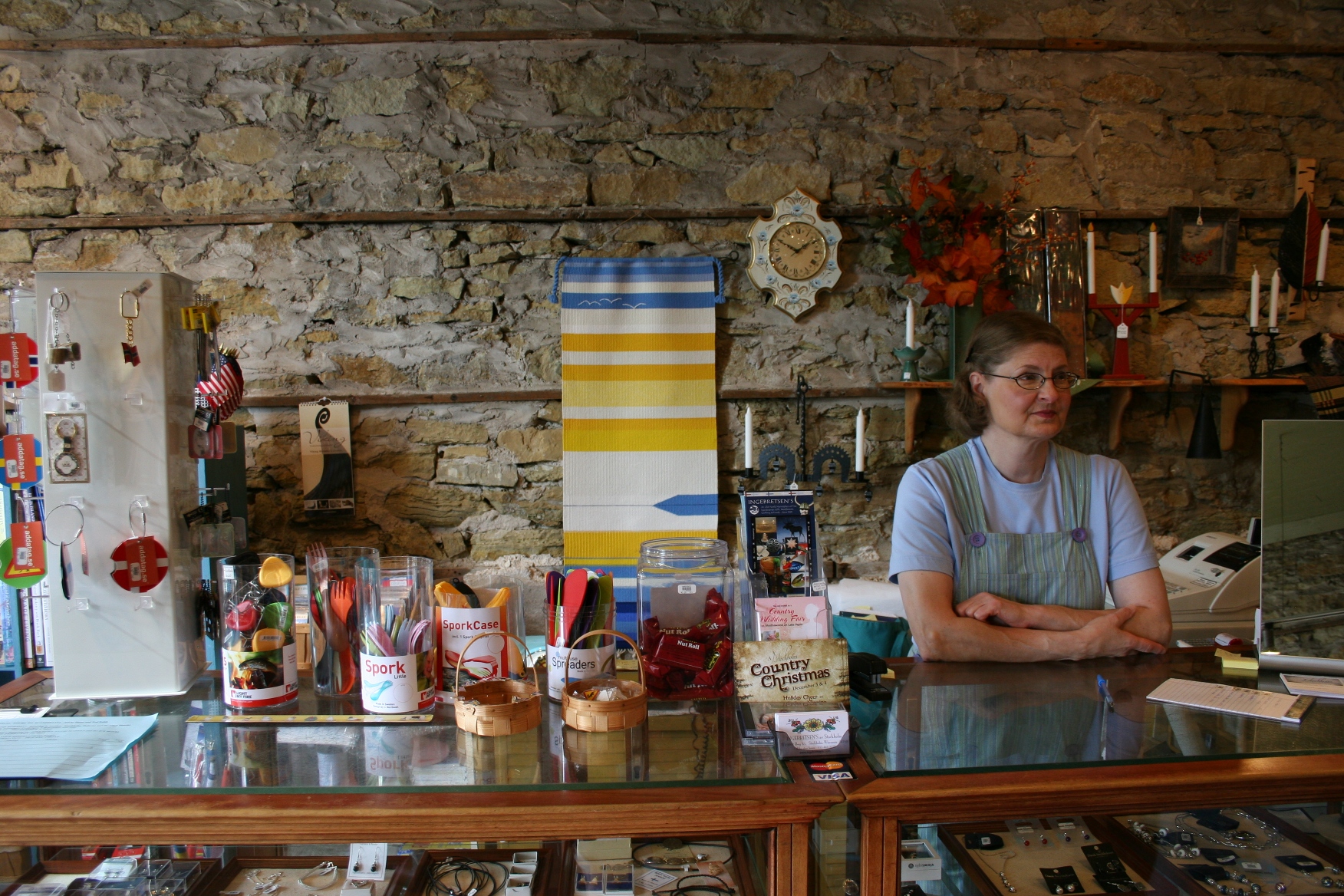
Even the pleasant shopkeeper with her crisp apron and refined demeanor fit my image of a Scandinavian. I immediately fell in love with the rough stone that defines this historic building.

You’ll admire the rough stone walls of this 1878 building, first used as a general store, then as a hotel, hardware store, confectionary, barbershop, speakeasy and café. Before it was abandoned and then reborn several years later, in 2003, as this Scandinavian import shop in Stockholm.

Wisconsin. Not Sweden.
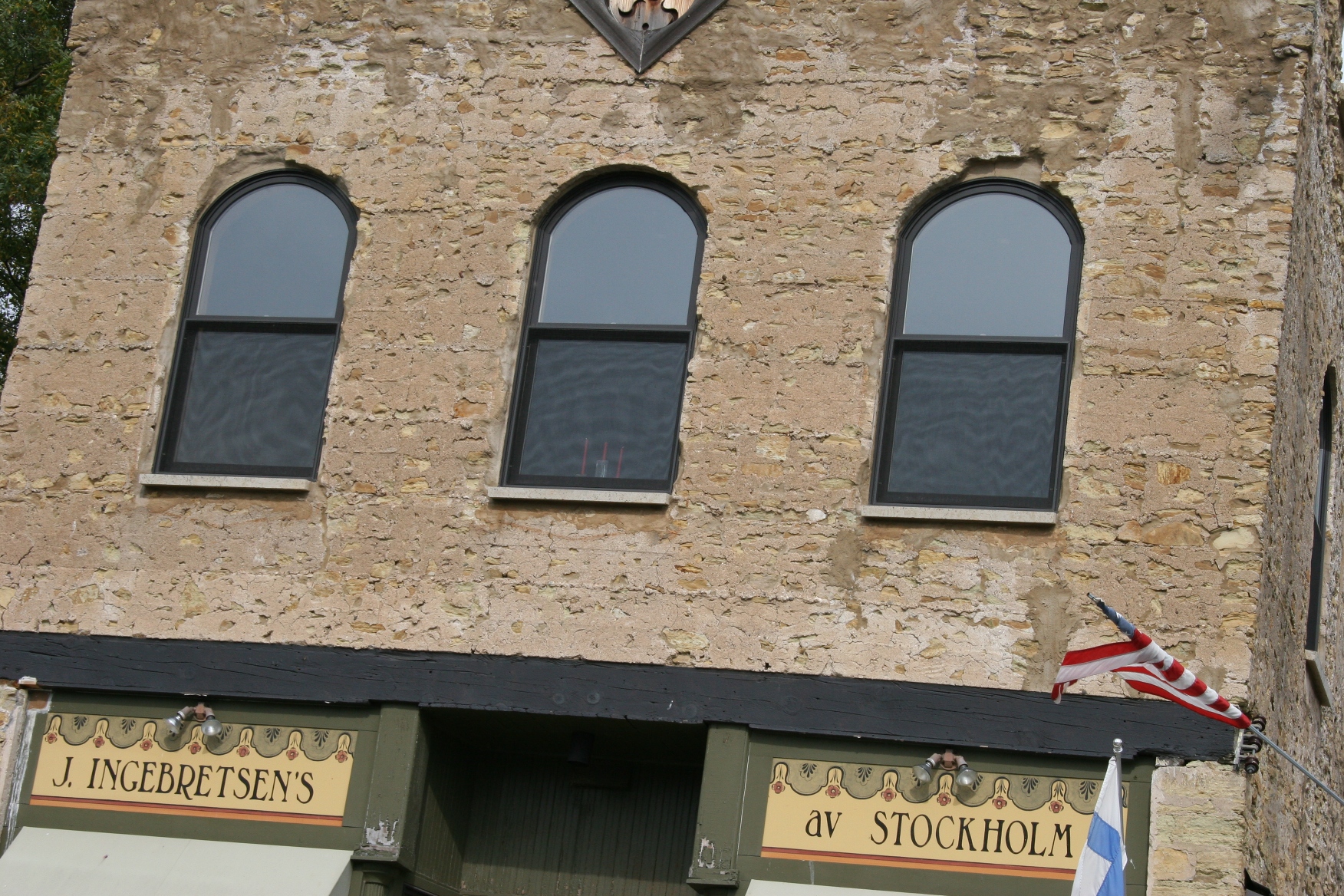
The upper level of the restored Ingebretsen's building.
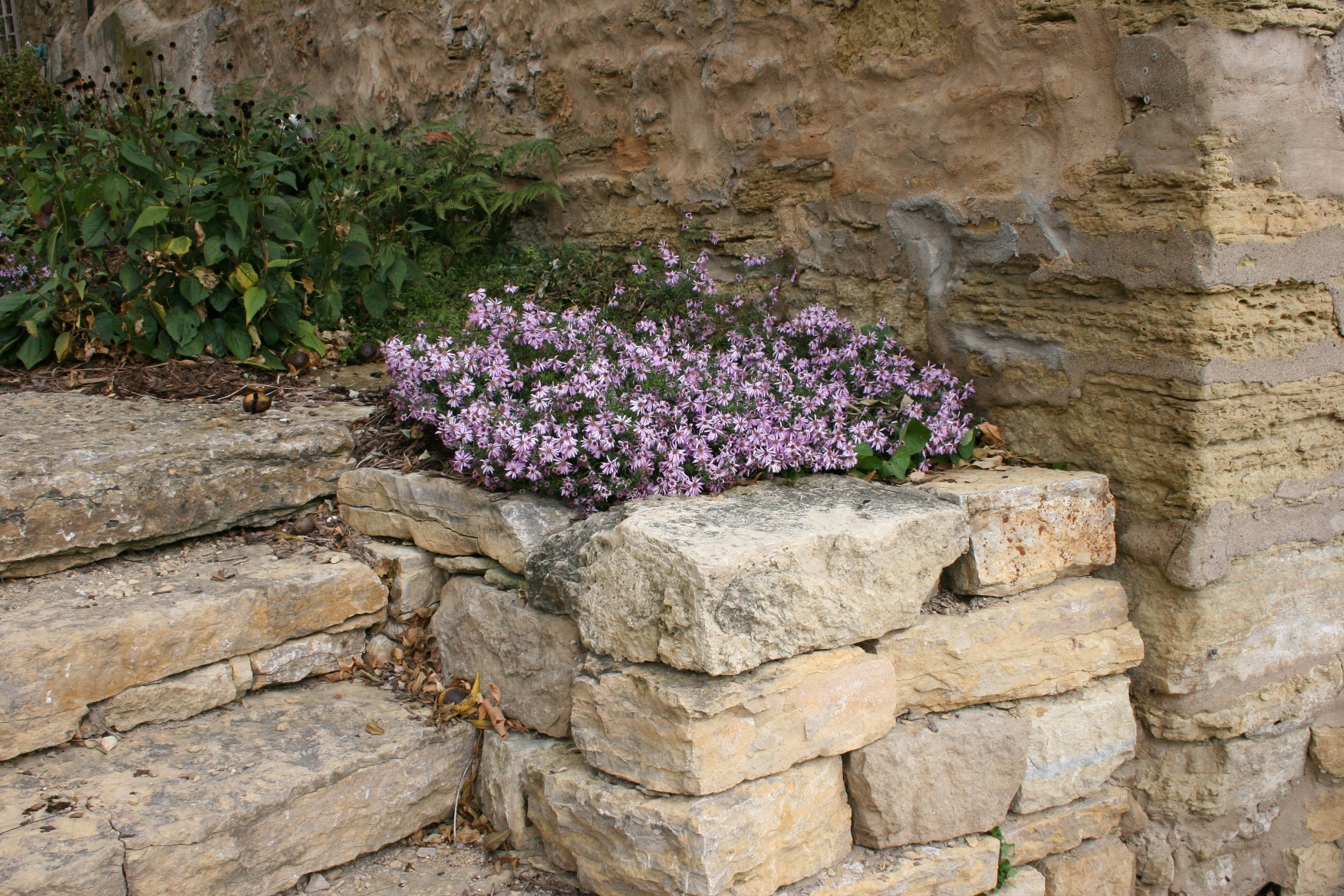
It's all about the details in Stockholm, like this clutch of flowers hugging stone at Ingebretsen's.

PLEASE READ my previous post published October 24 on Chandler’s Books and watch for more stories from Stockholm.

© Copyright 2011 Audrey Kletscher Helbling


Russell, the bookseller of Stockholm October 25, 2011

Filed under: Uncategorized — Audrey Kletscher Helbling @ 6:59 AM
Tags: , , , , , , , ,

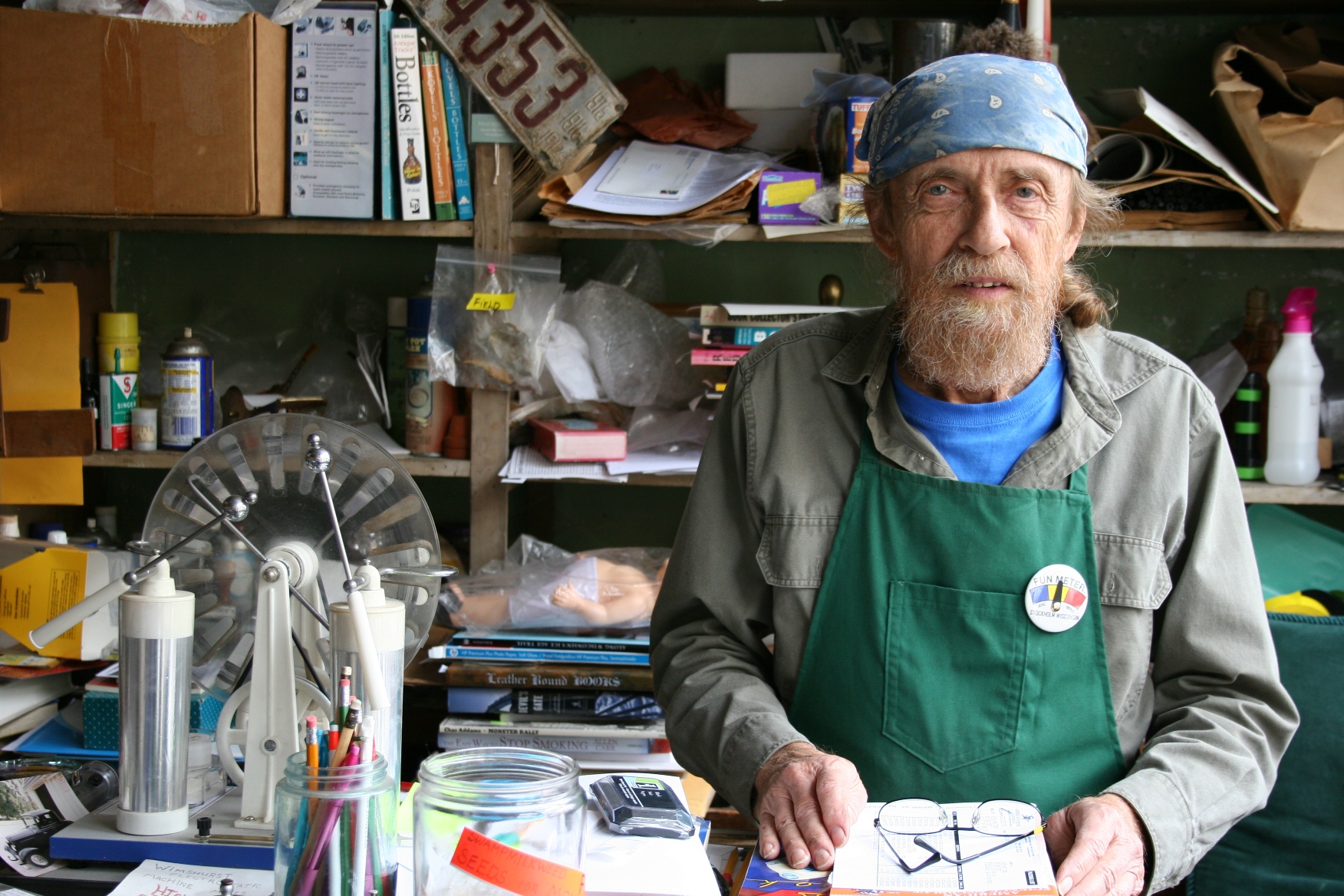
Bookseller Russell Mattson in his shop.

The old-fashioned screen door entry to Chandler's Books, Curios.

LET ME INTRODUCE YOU to Russell Mattson, purveyor of new and used books, amateur photographer, sometime candle maker, car nut and lover of Monarch butterflies.

I met him on a recent Monday afternoon in Stockholm. Wisconsin. Not Sweden.

We struck up a conversation in his Chandler’s Books, Curios, in this Mississippi River village of 89 founded in 1851 and dubbed the oldest Swedish settlement in western Wisconsin.

You’ll find a Swedish import shop here, run by the Norwegian Ingebretsens, and an array of other quaint shops and eateries and more in this charming small town along Wisconsin State Highway 35 south of Prescott, or southeast of Red Wing, if you’re from Minnesota, like me.

Russ originally hails from St. Paul; he’s lived in Stockholm for 38 years. For 31 years, he made candles at the Minnesota Renaissance Festival before retiring in 2003. His store, once called Candles and Lanterns, previously catered candles until that market deflated.

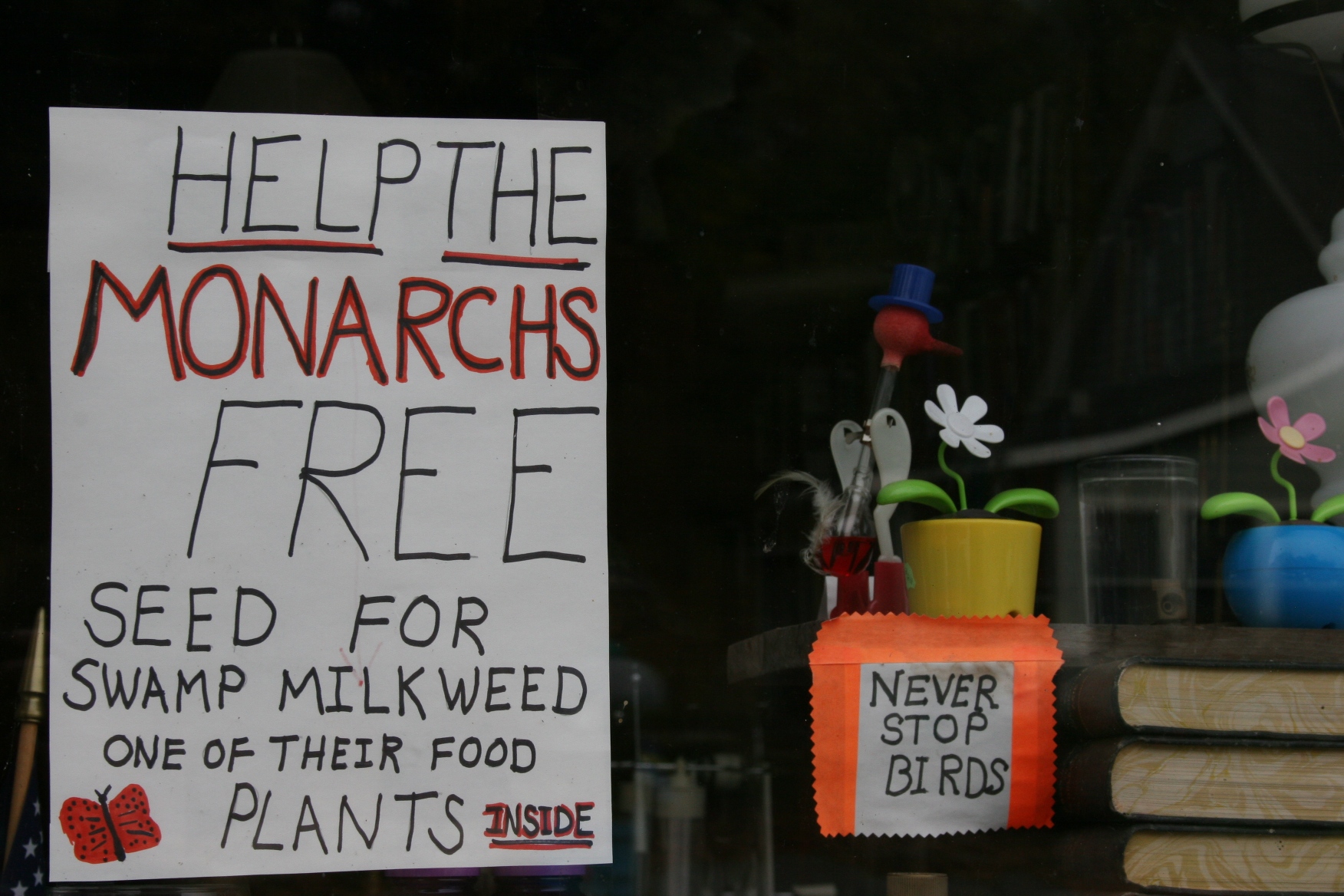
He still makes candles now and then. He also collects swamp milkweed seed to give away in his shop, encouraging others to grow milkweed as food for Monarch butterflies.

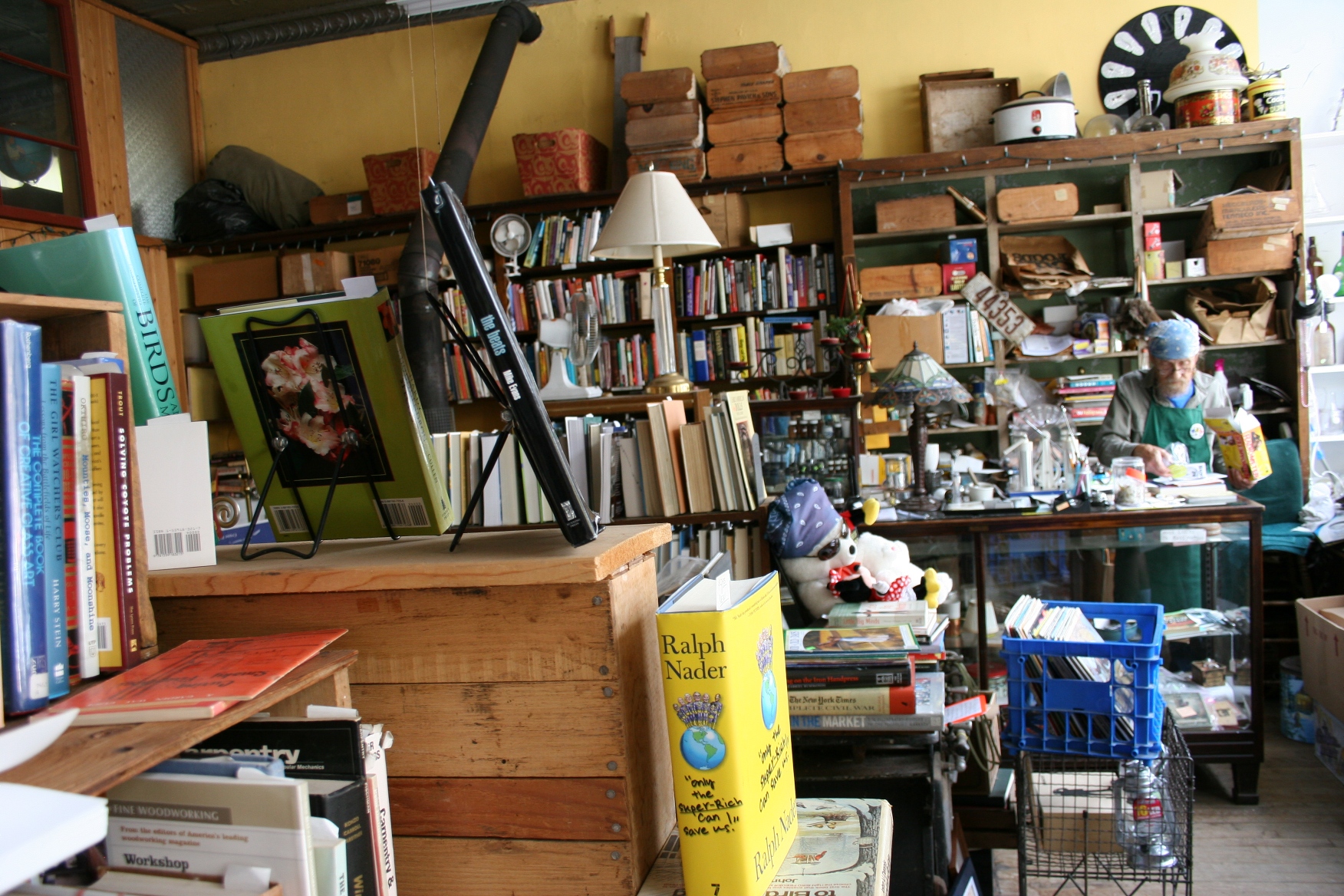
But mostly, Russ focuses on keeping the bookshelves stocked in this cramped, don’t-meet-another-customer-between-the-shelves bookstore.

You'll find lots of book, old vinyls and other curiosities, but not much wiggle room, in Russ' shop.

If you're seeking vintage used books, you'll find them here.

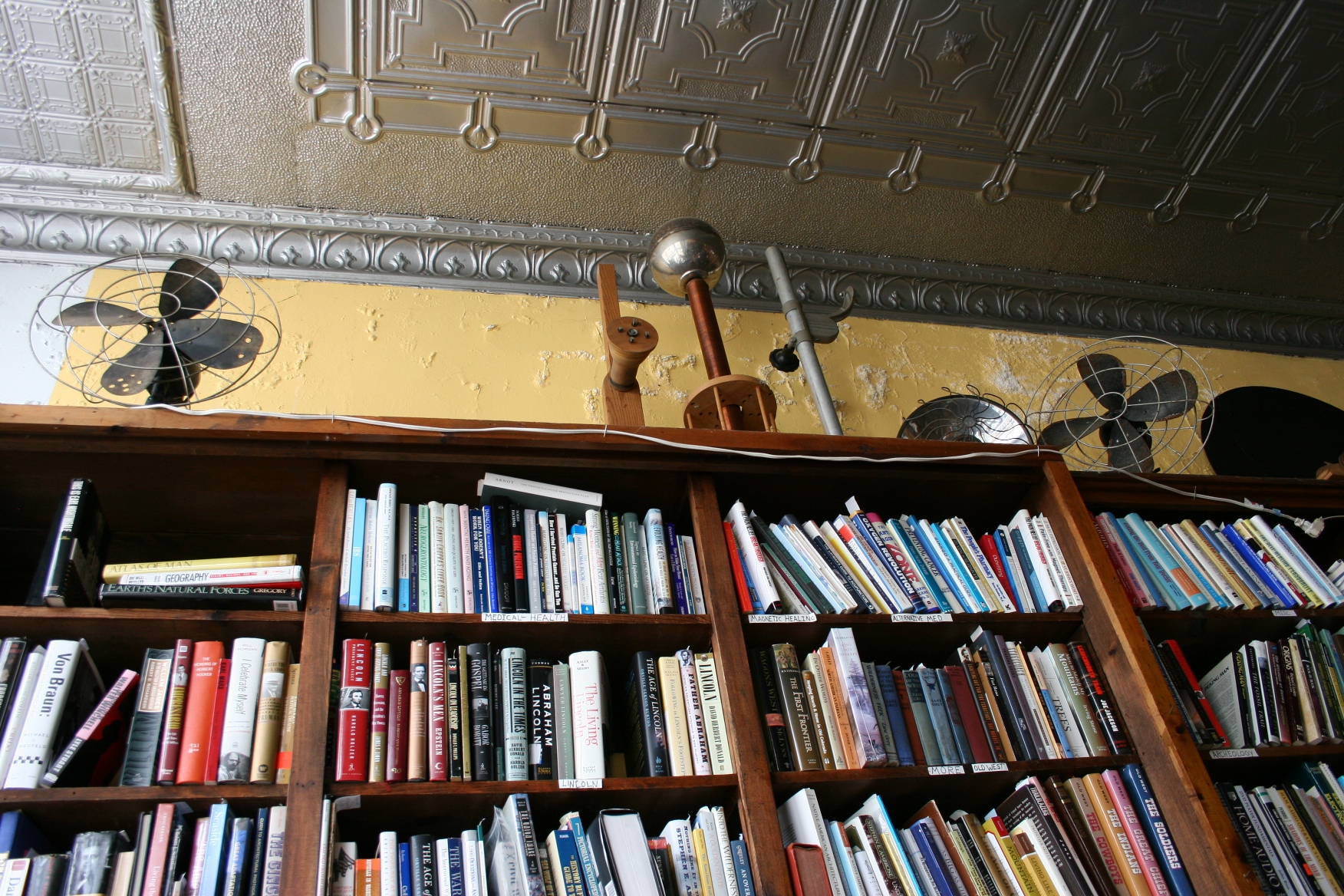
The bookshelves stretch nearly to the original tin ceiling in Russ' store.

Ask Russ what sells best and he’ll pause before pointing to the rack of car books and then pulling out photos of vintage cars he once drove, wishes he still owned.

That leads him to step outside to a display table and show off the photos he’s taken, some dating back decades. Of particular interest is a blurry black-and-white image of a locomotive that looks more painting than photo.

Russ took the picture of the Canadian National in northern Minnesota in 1955 when he was only 14. He’s pretty proud of the photo. Not because it’s the best image he’s ever taken. But because of how he took the shot. He snapped the photo with his Baby Brownie by placing binoculars in front of the camera lens.

All this I learned from Russell Mattson, purveyor of books, when I asked to take his photo on a Monday afternoon in October in Stockholm.

A front window of the bookstore features an eclectic mix of merchandise.

If you need swamp milkweed seed, you'll find it in a jar on the store counter. Help yourself. It's free.

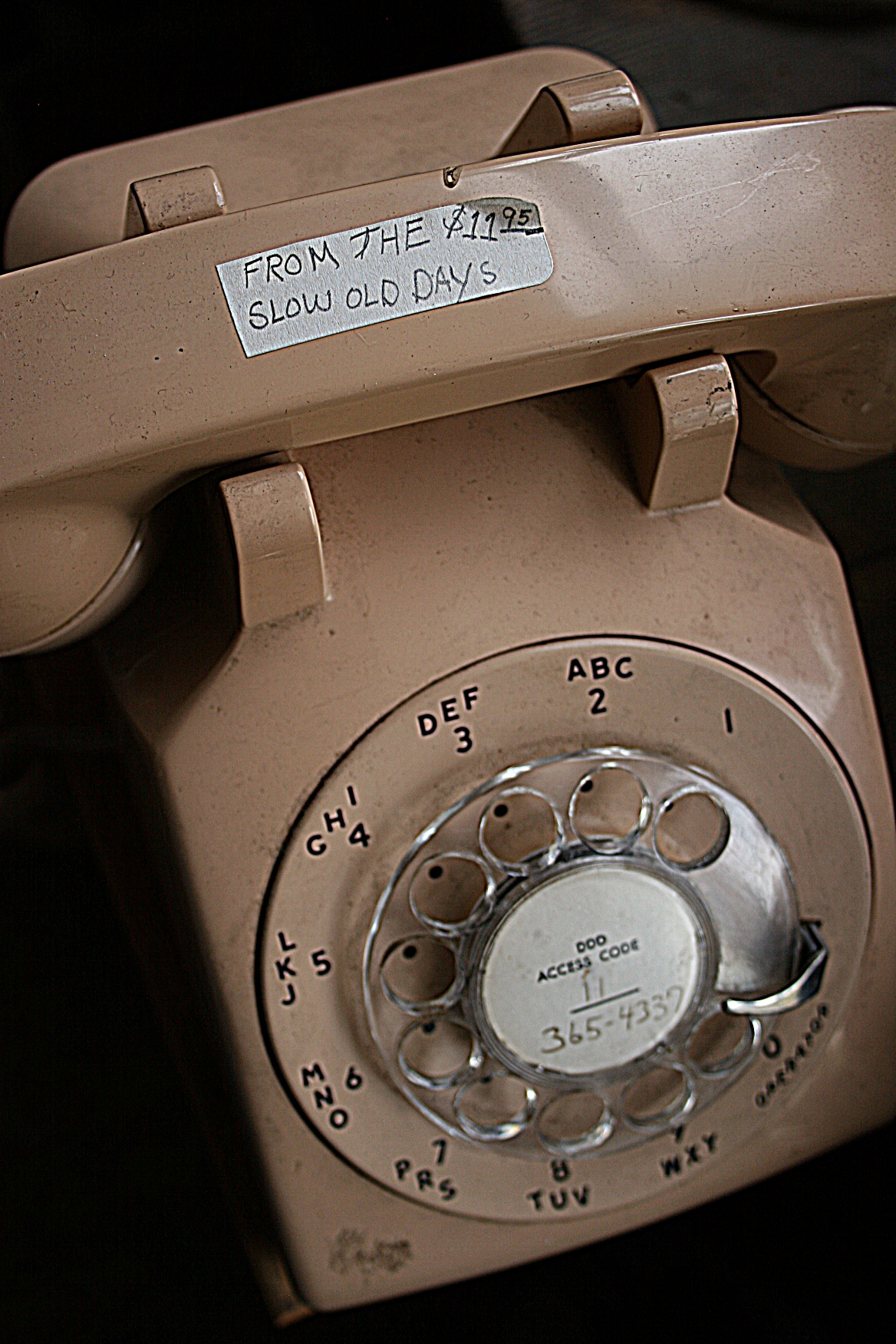
Or perhaps you need a "new" phone. Russ has one for sale "from the slow old days."

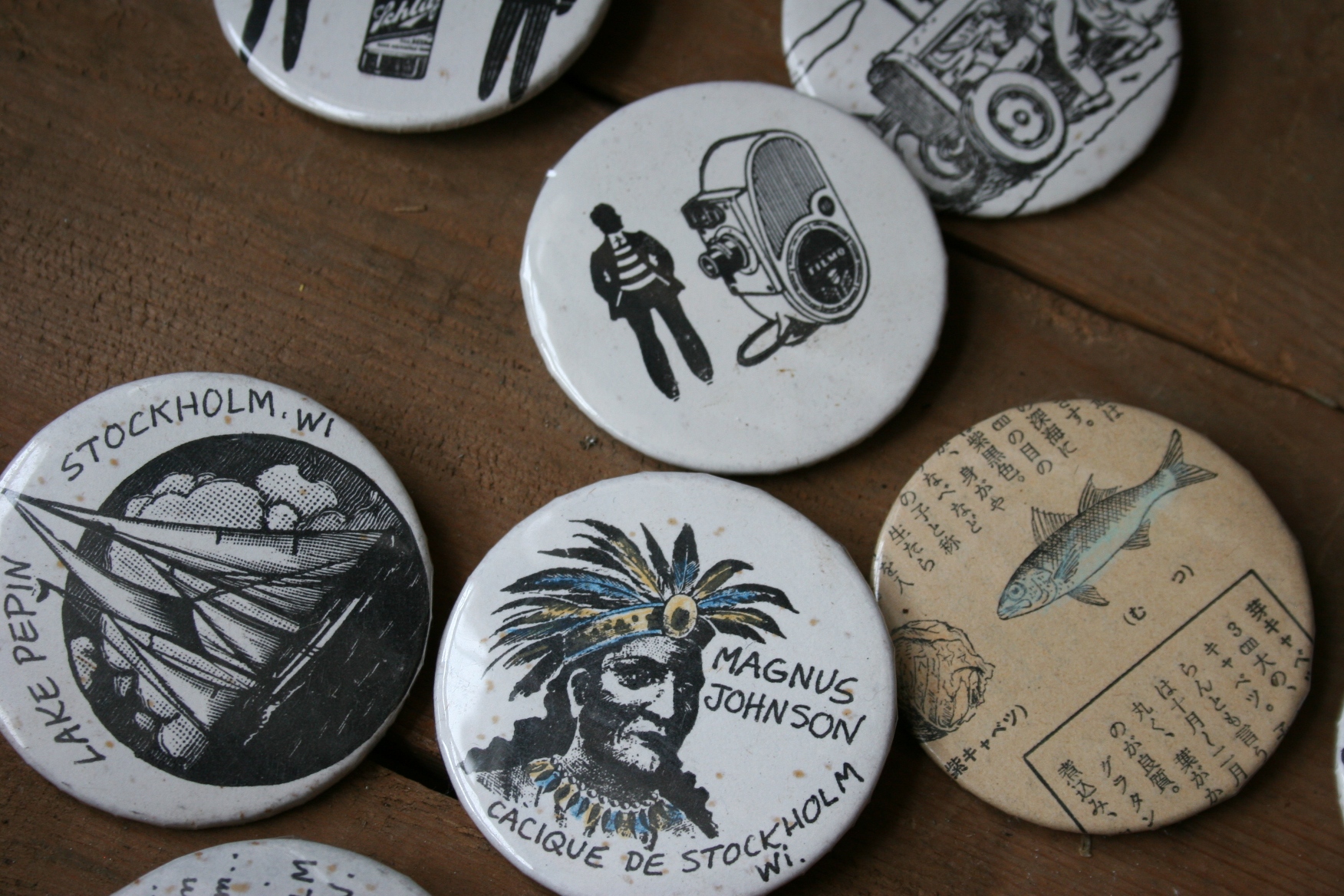
A collection of buttons inside an open drawer in the bookstore.

CHECK BACK for more photos from Stockholm, not Russ, and other Mississippi River towns in future posts.

© Copyright 2011 Audrey Kletscher Helbling
 

Charming Wabasha on a day in October October 13, 2011

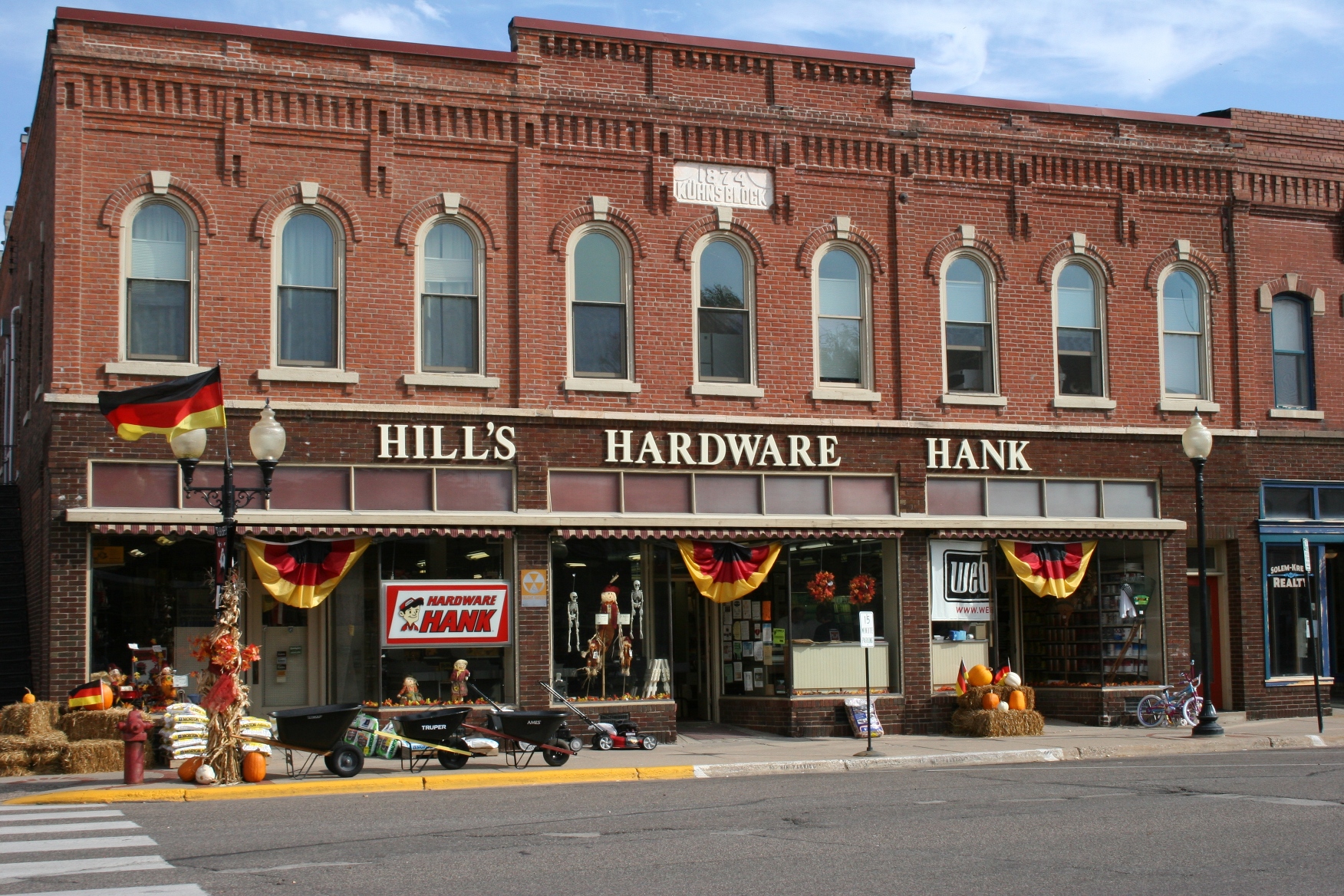
Nothing says "small town" like a hardware store, including Hill's Hardware Hank in downtown Wabasha.

WHAT IS IT ABOUT Wabasha that keeps drawing me back to this 1830 Mississippi River town?

Small town charm? Yes.

Historic buildings? Yes.

The river and the eagles? Yes.

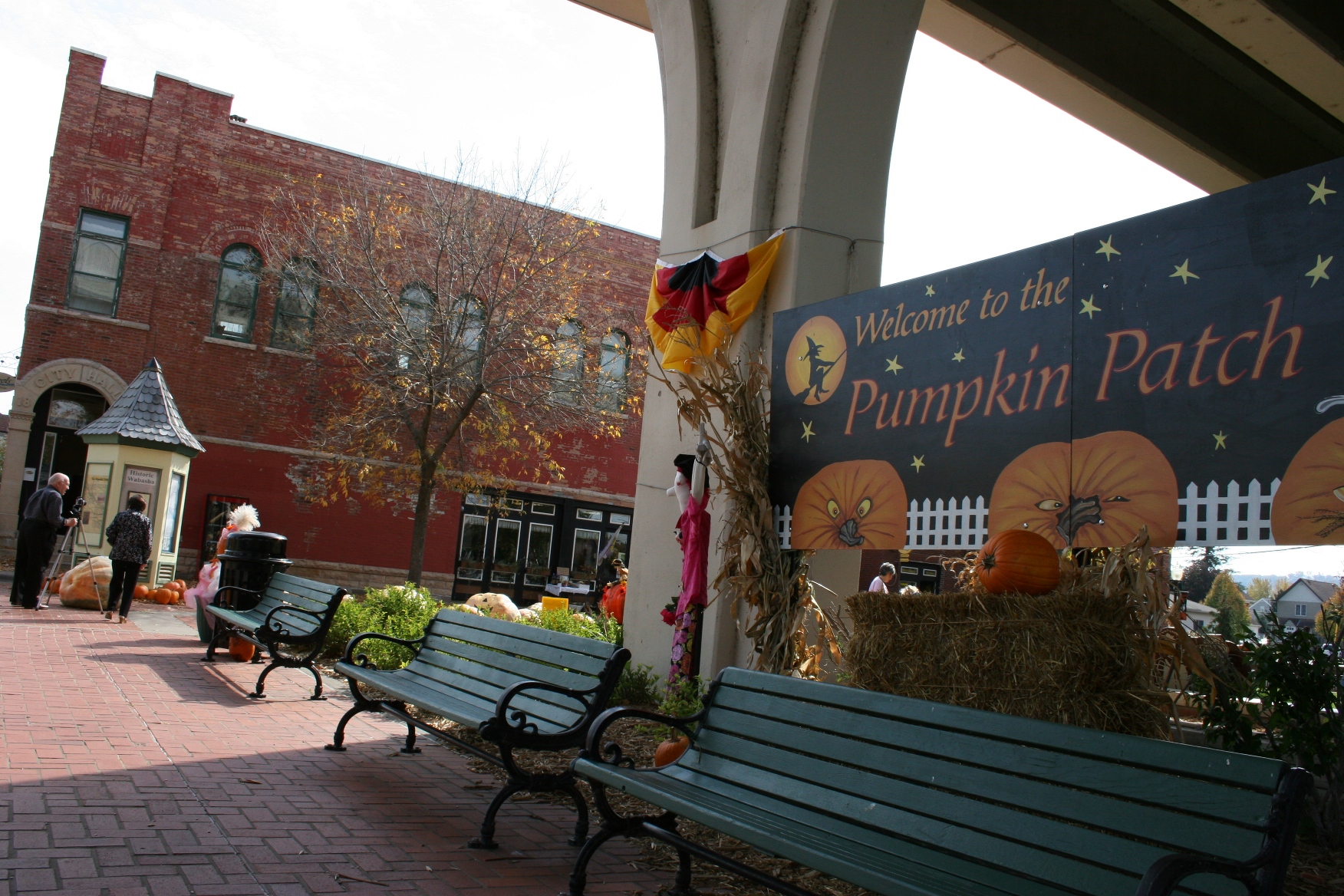
Now add to that the yummy, chewy, chocolate-covered caramel turtles from The Chocolate Escape, the homemade tomato basil soup at The Olde Triangle (Irish) Pub, the street side festive corn shocks/fall decorations, and the gigantic pumpkins at the Pumpkin Patch under the Minnesota Highway 60 Mississippi River bridge.

Wabasha knows how to woo visitors with its irresistibly charming personality. While I delight in that put-on-its-best-face appearance, I search for the nuances that define this town’s character.

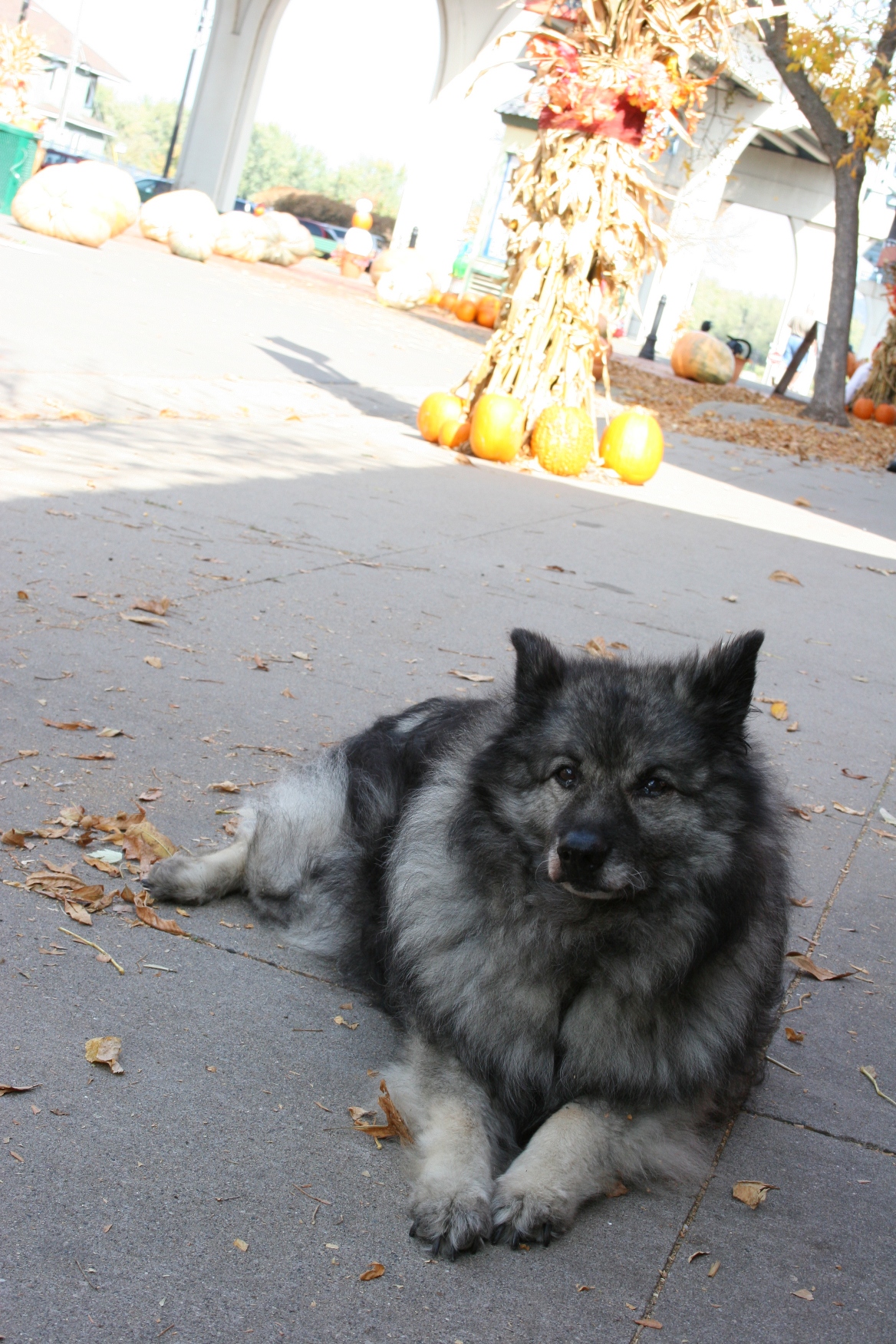
Dogs plopped on the sidewalk. A cat tucked under a stairway. Handwritten signs. Bricks, bikes and books. Tile floors. Friendly barbers. An old clock. Unattended stores. Polite motorists who stop for pedestrians. Benches that invite sitting a spell.

It’s there, all there, in Wabasha. Join me for a photographic stroll through this river town on an October afternoon.

Then, the next time you’re in Wabasha, or any town, take note of the store windows and walkways, the rooflines and the signage, the vibe of the place you are visiting. Seek out the details and enjoy.

Corn shocks, scarecrows and pumpkins add a festive flair to the downtown.

I saw two dogs and a cat hanging out, this one near Heritage Park by the bridge.

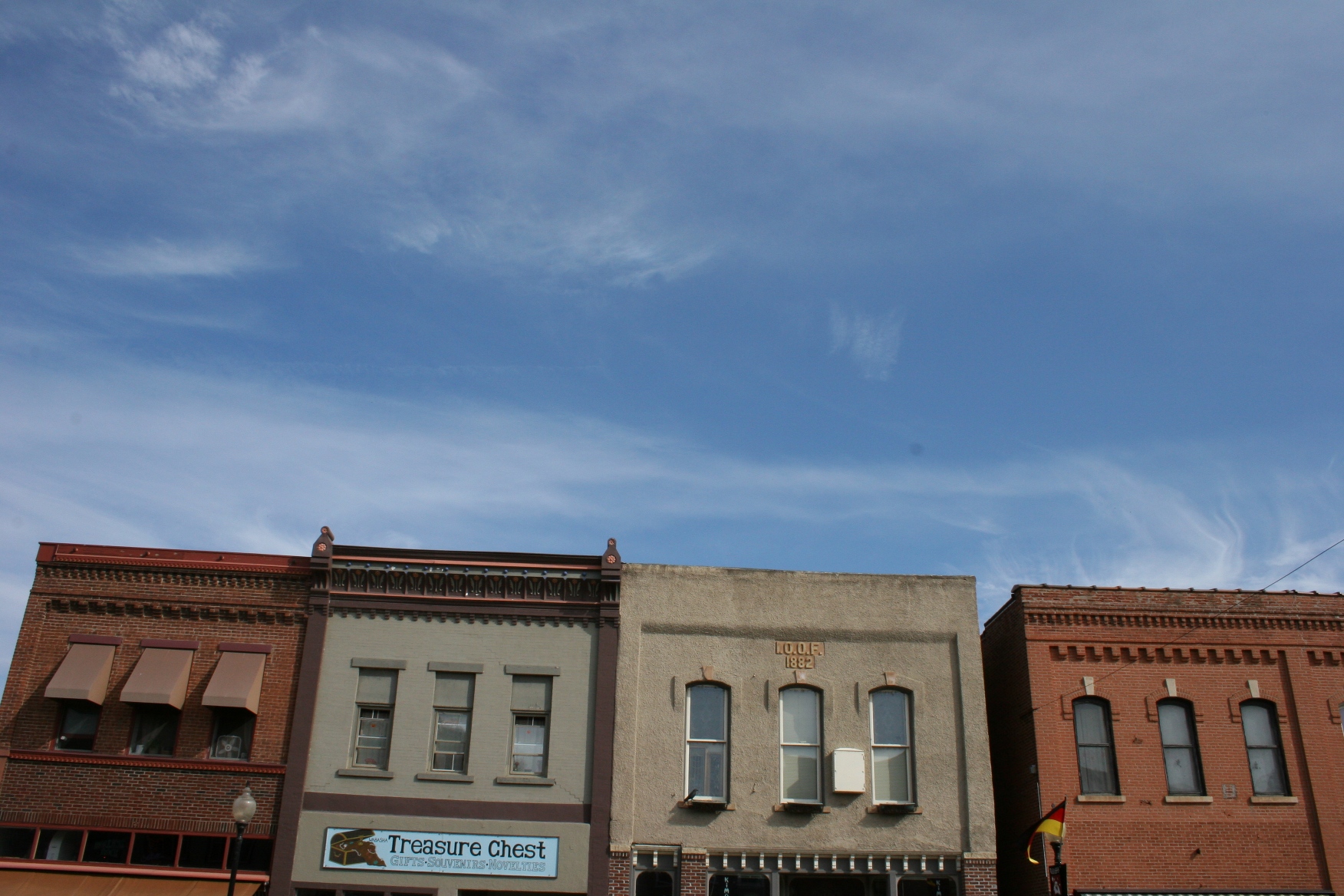
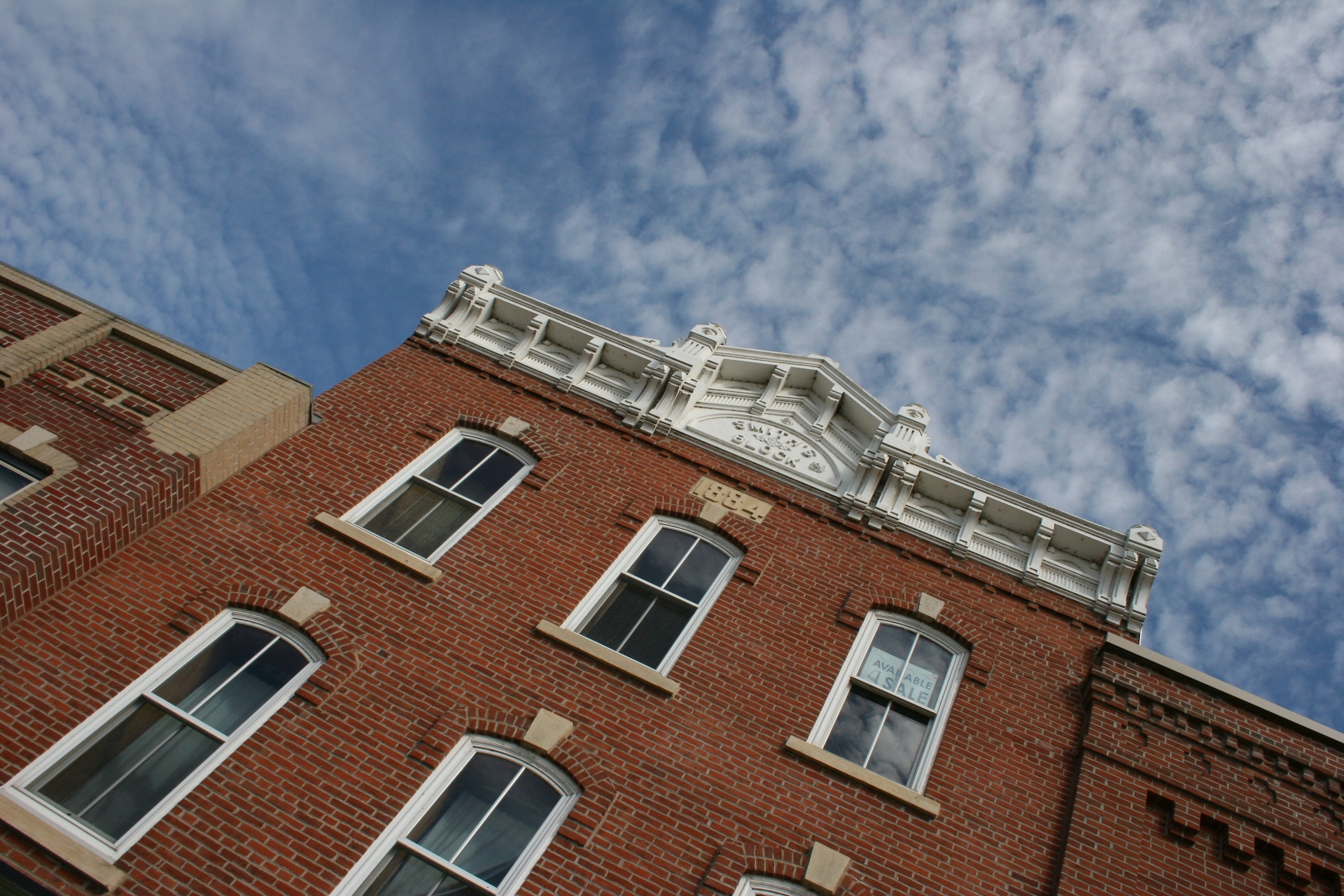
The historic skyline of Wabasha.

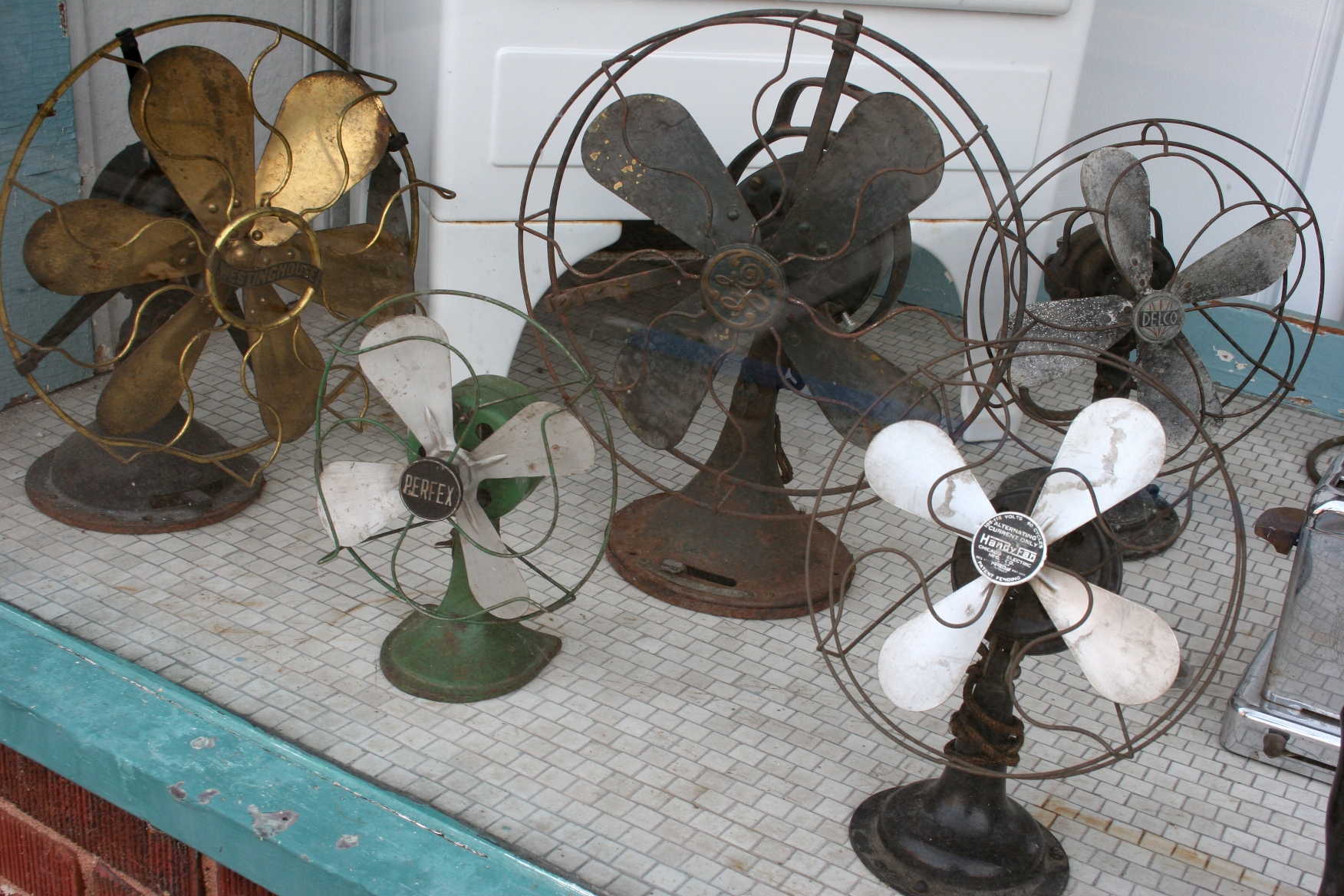
A storefront display of vintage fans in the window of Passe Electric.

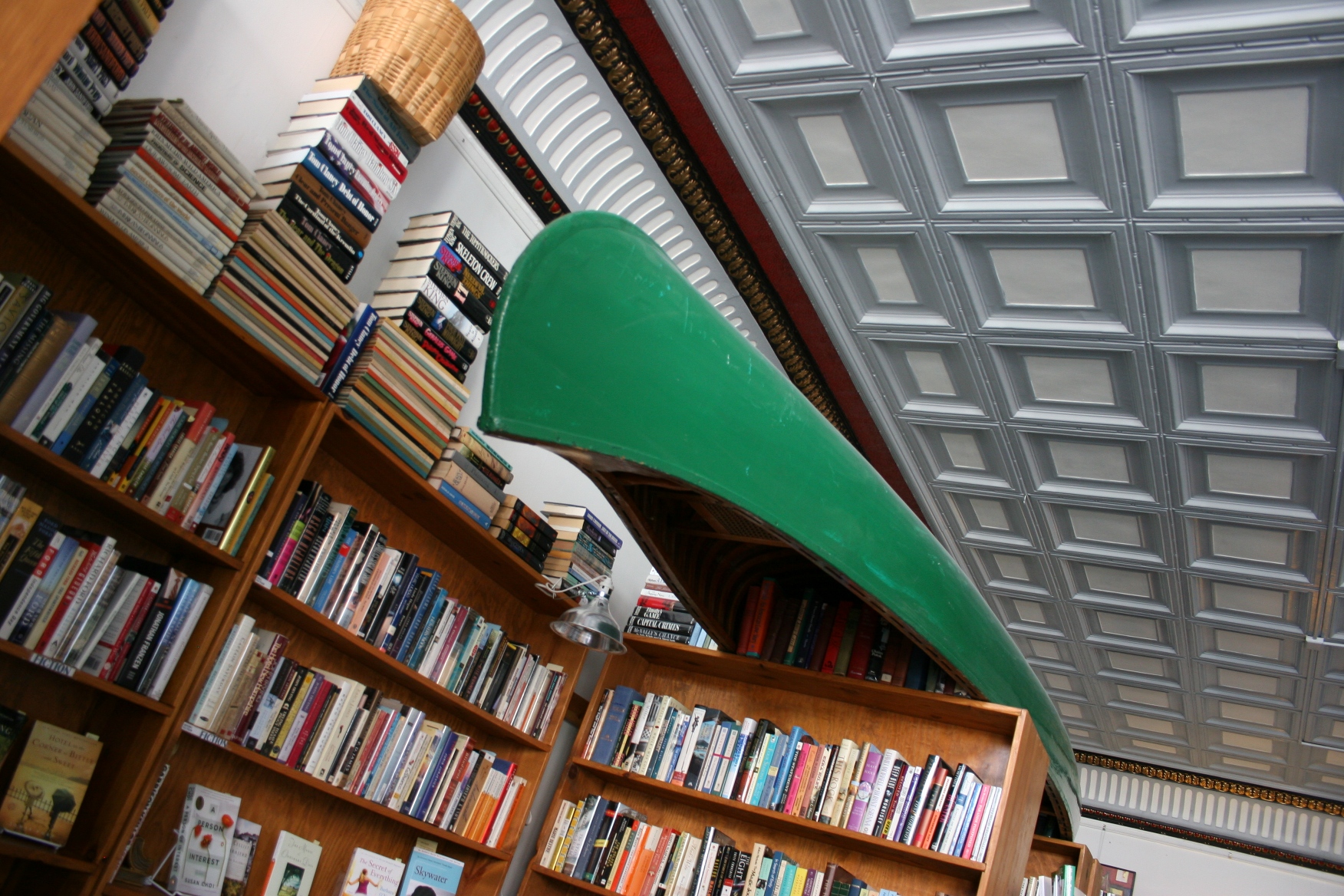
A snapshot aimed toward the upper wall and ceiling of The Bookcliffs at Pembroke Avenue, just off the main drag.

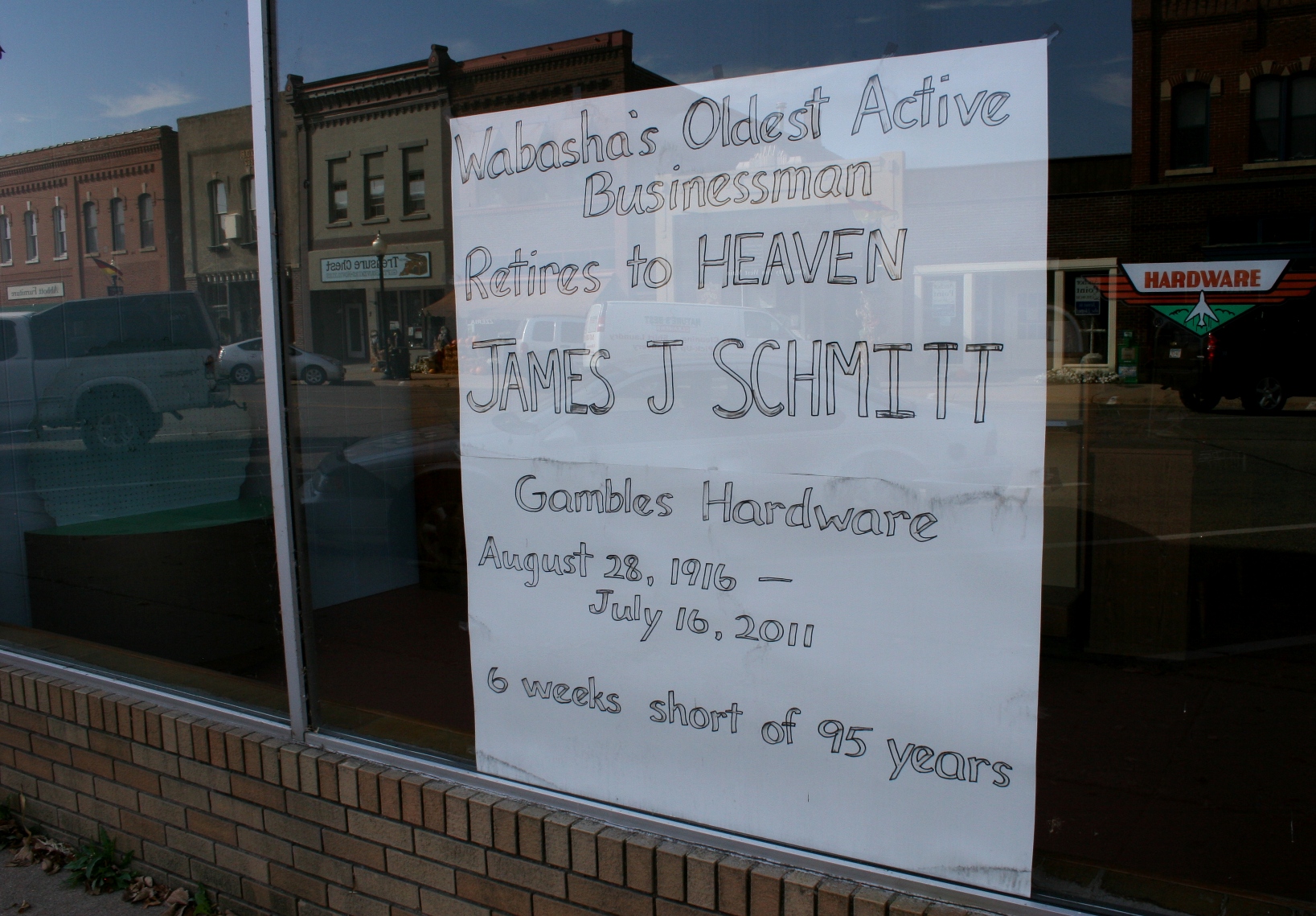
The death of a businessman, announced in the window of his business, Gambles Hardware.

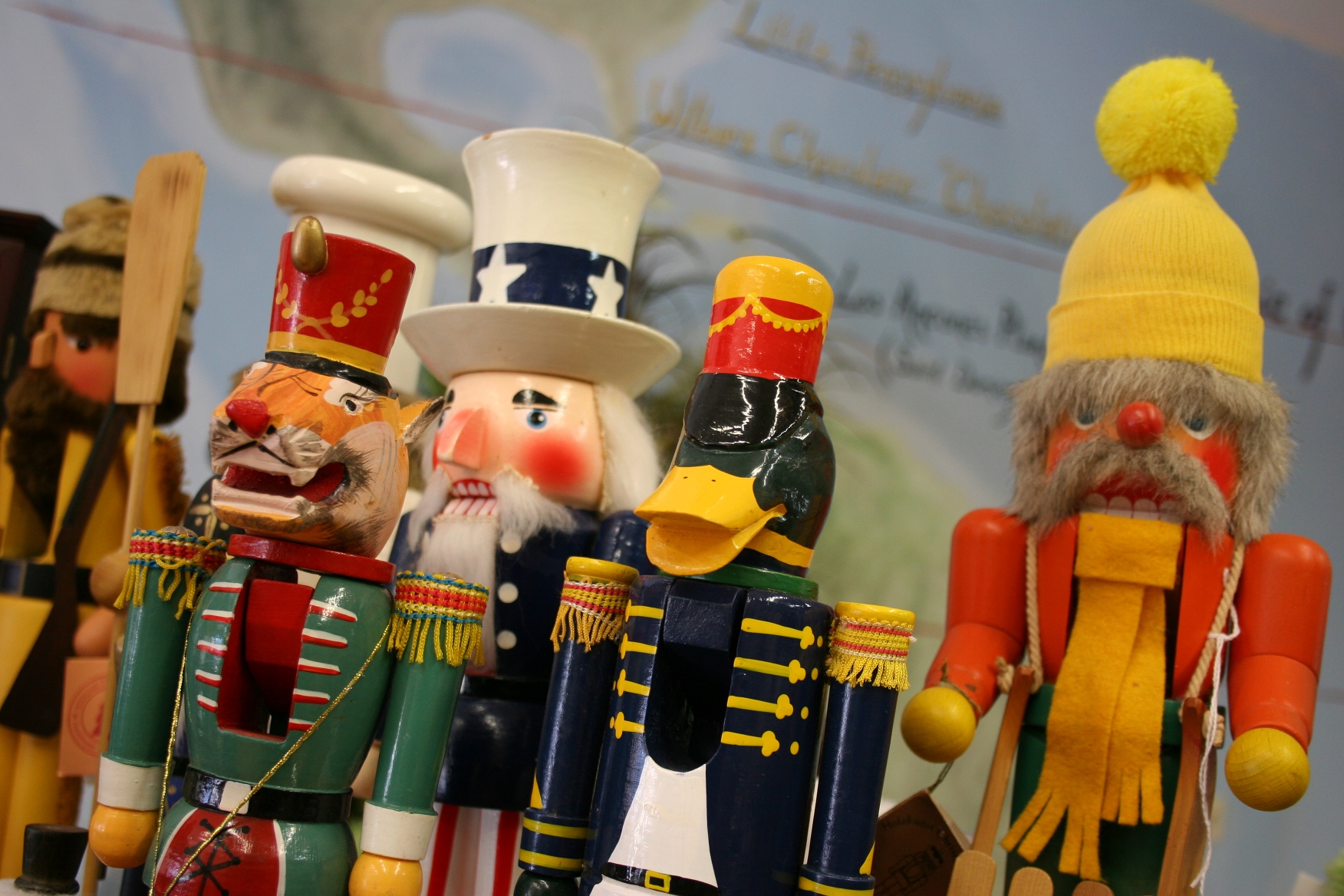
A nutcracker collection displayed in The Chocolate Escape.

More of those lovely old buildings.

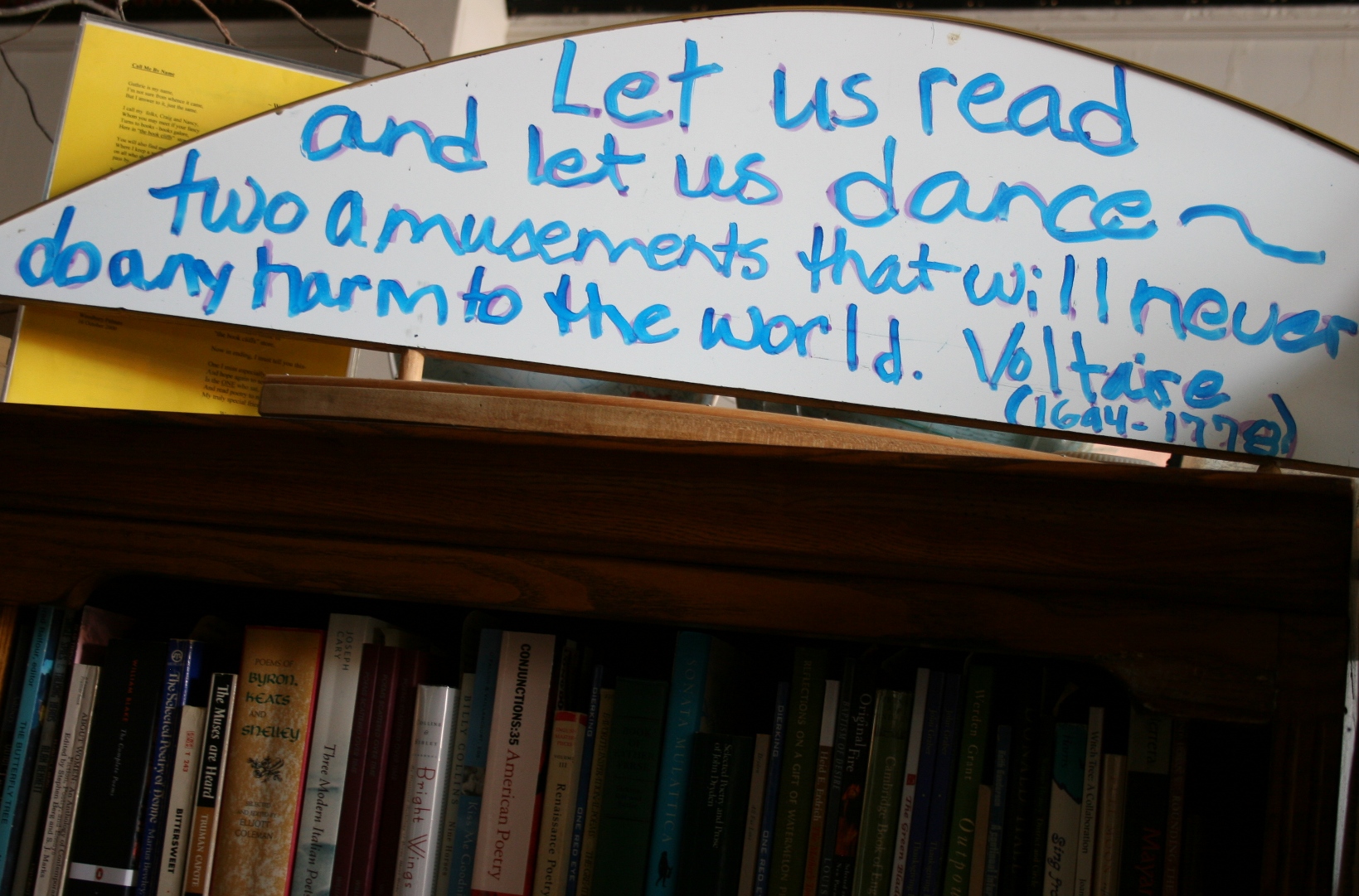
An inspiring message posted inside The Bookcliffs.

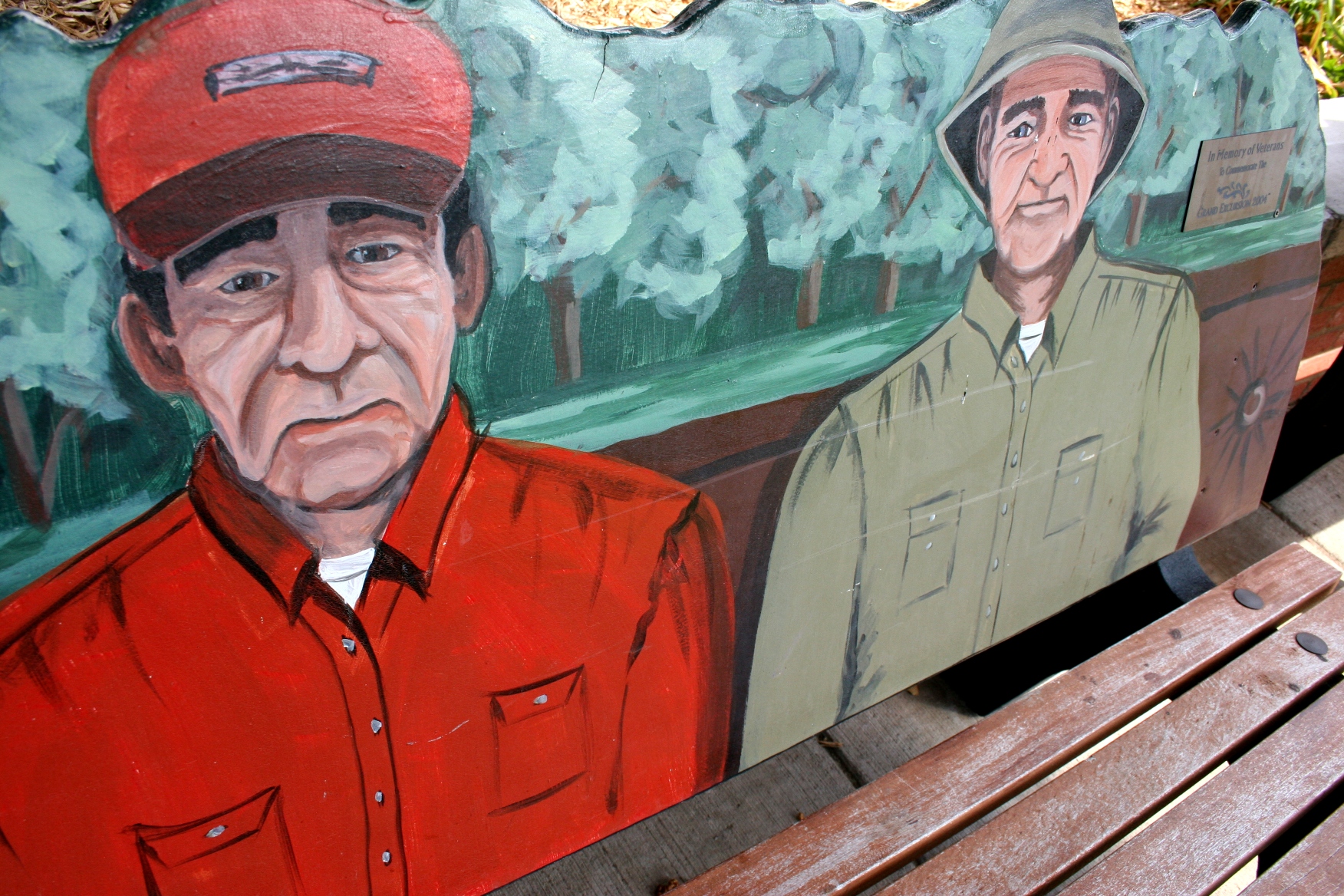
A bench featuring Walter Mathau and Jack Lemmon from the movie "Grumpy Old Men," which was based on the setting of Wabasha, rests under the bridge.

The Pumpkin Patch, an autumn attraction under the bridge in Heritage Park.

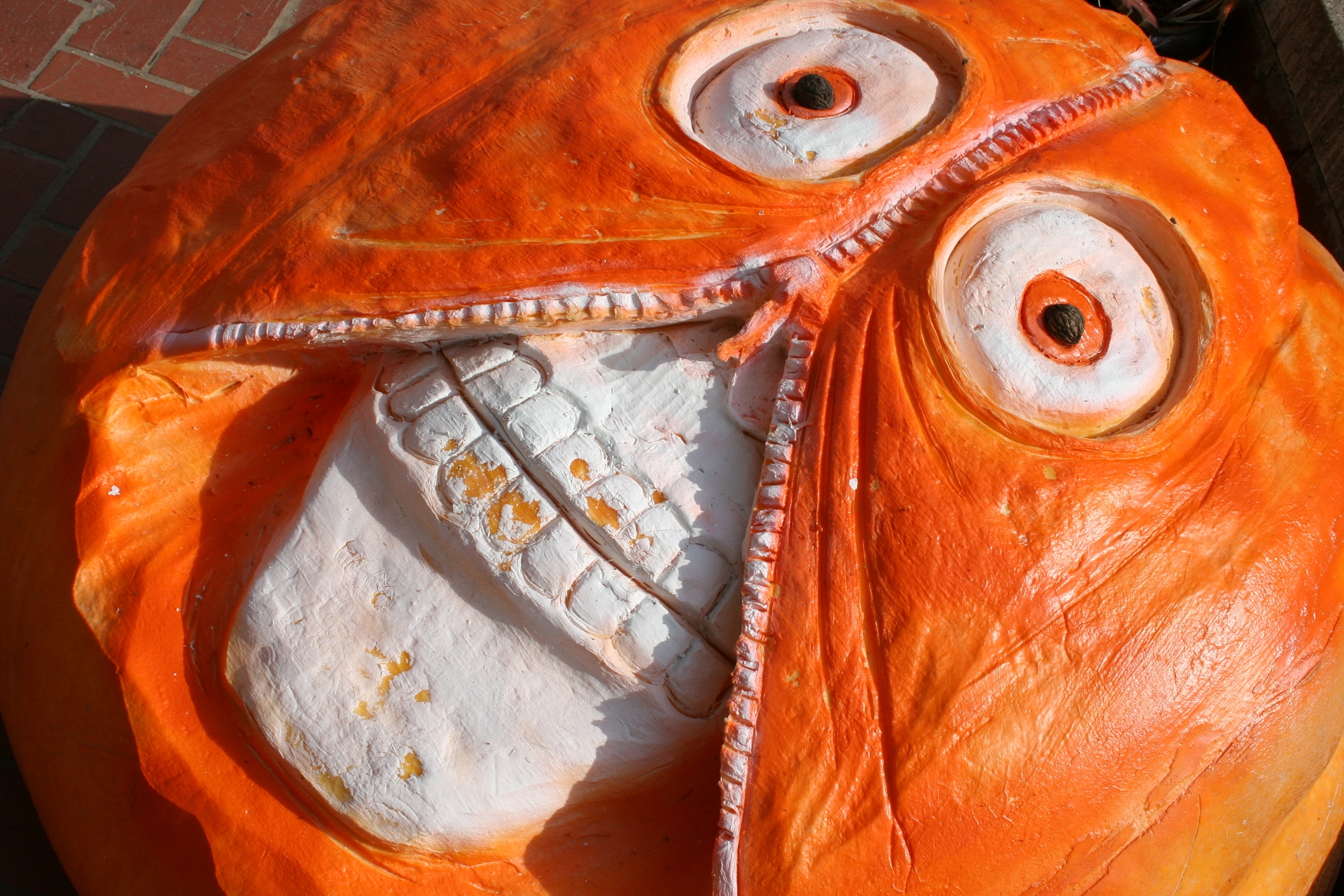
My favorite pumpkin carving in the Pumpkin Patch.

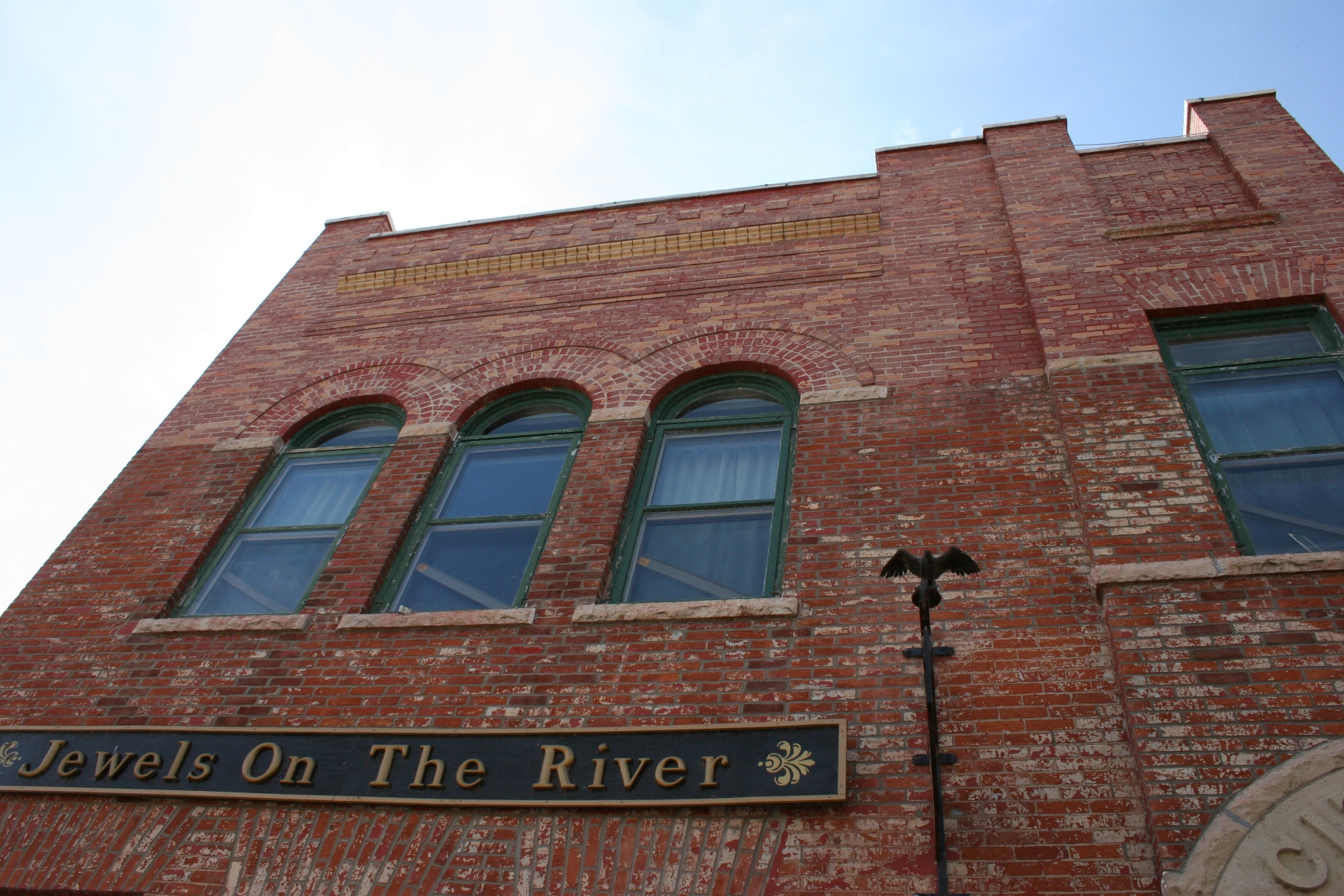
Jewels on the River, a jewelry shop in the old city hall next to the bridge.

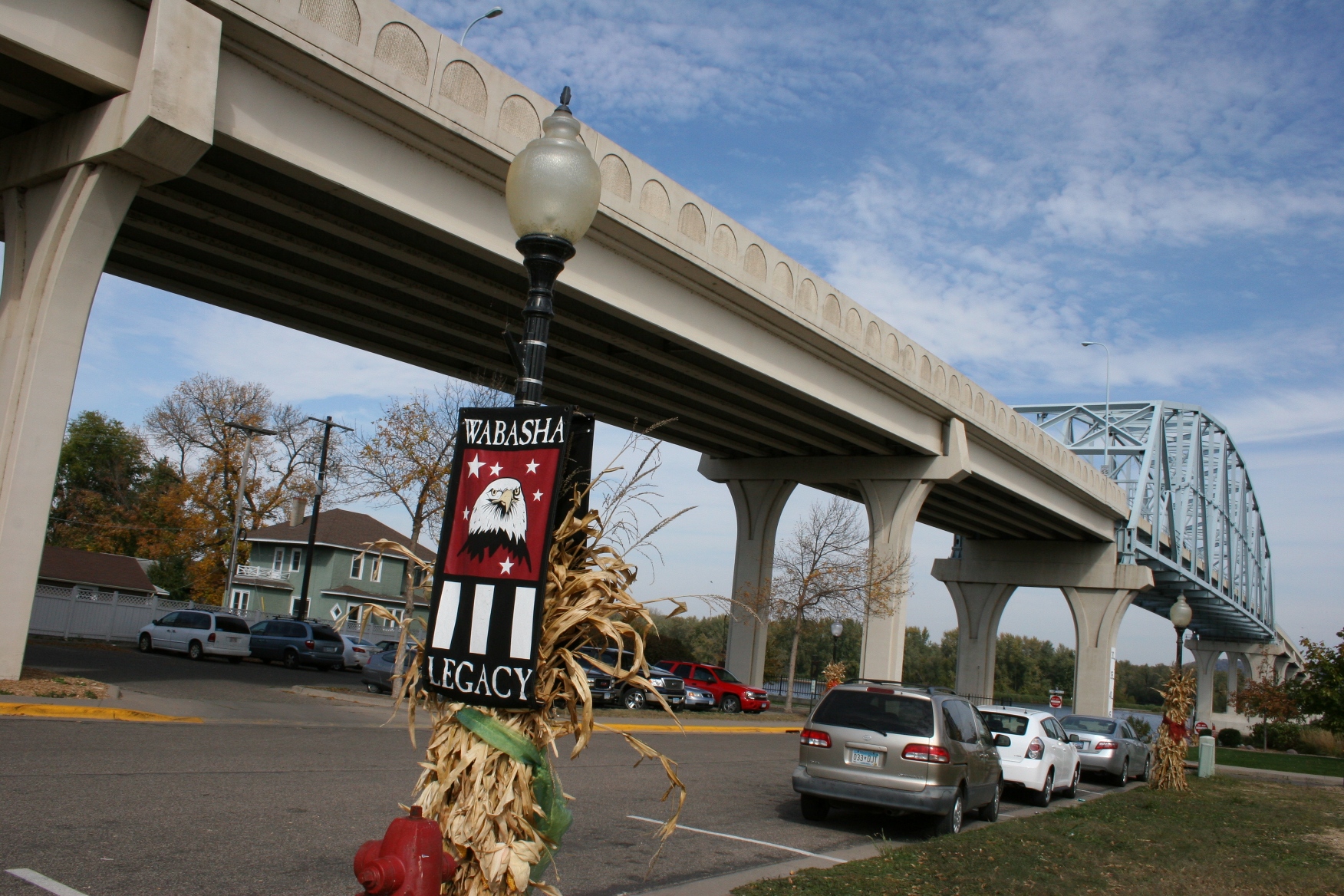
A scene under the Mississippi River bridge.

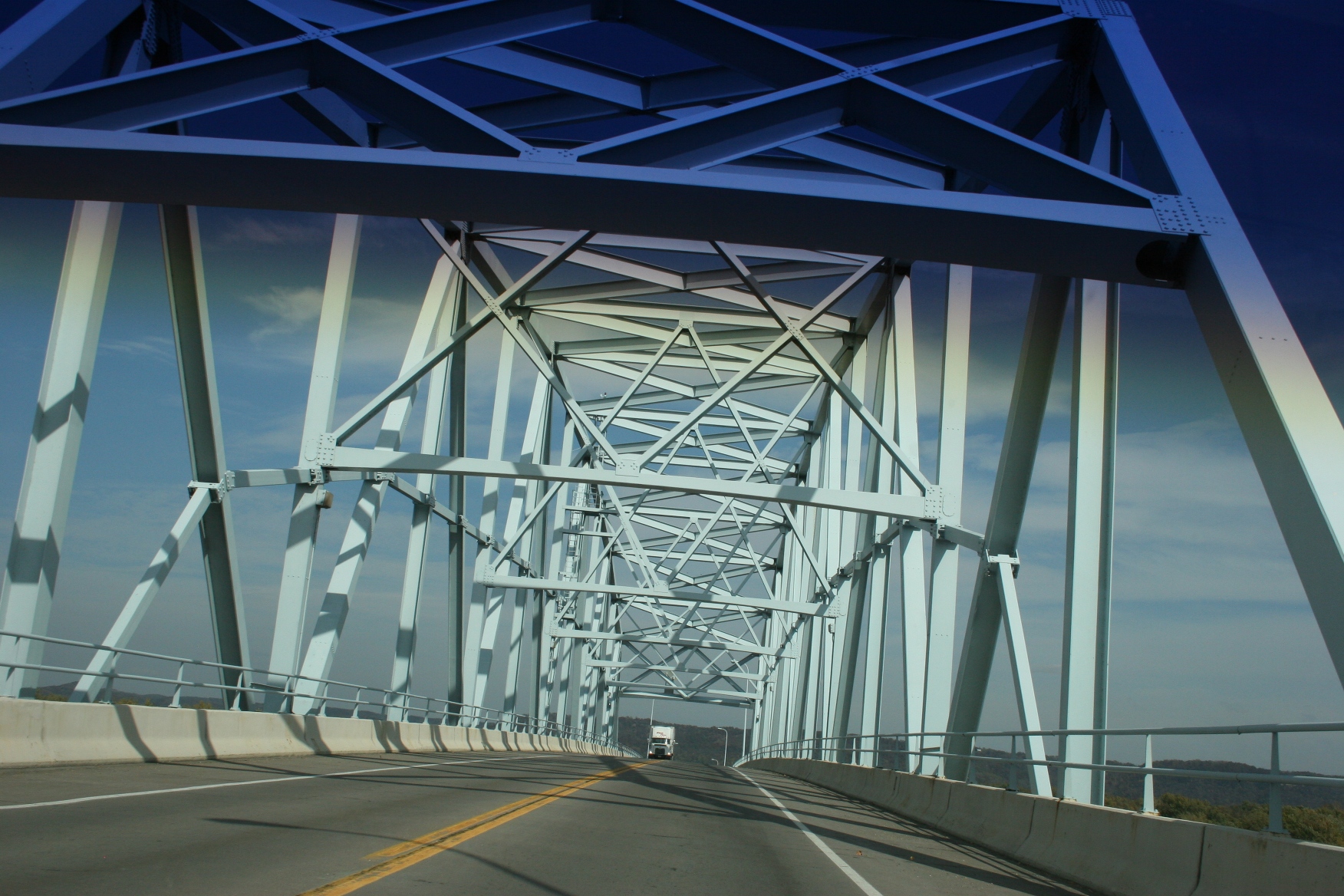
Crossing the Mississippi River bridge eastbound from Wabasha into Wisconsin.

IF YOU’RE LOOKING for something to do this weekend, consider coming to Faribault for the Fall Festival & Chili Cook-Off on Saturday, October 15, in our historic downtown. Sample and vote for chilis, served street side at businesses from11 a.m. – 1 p.m. A Kids’ Costume Parade along Central Avenue kicks off the event at 10:30 a.m. followed by pumpkin painting and treasures in the haystack for the kids. Adults will find plenty of shopping options in the downtown. Click here for more information.

You’ll also want to check out the South Central Minnesota Studio ArTour which begins Friday with previews in several studios from 4 p.m. – 8 p.m. The tour of 23 art studios in the Faribault, Northfield and Cannon Falls area, featuring 46 artists, officially begins Saturday and continues on Sunday. Hours are 10 a.m. – 6 p.m. Click here for more information.

© Audrey Kletscher Helbling


Fill the grain bin in Dennison October 6, 2011

Filed under: Uncategorized — Audrey Kletscher Helbling @ 7:05 AM
Tags: , , , , , , , , , , , ,

SO, TODAY WE’RE GOING to talk signs. Not just any signs, but those homemade signs you find in rural Minnesota.

Chances are, no matter where you live, you drive or walk by creative signage every day and don’t give it a second thought. The signs have simply become part of your landscape. You fail to notice either the messages or the art.

And, yes, signs fall into my definition of art.

But then one day an outsider like me comes to town. And I view your town with fresh eyes. I notice the details—the windows and doors, the wood and brick, and the signs that define your community.

Main Street in Dennison, from city hall north.

That is how I happened upon a unique fundraising sign in Dennison, a community of 168 which straddles the Rice/Goodhue county lines in southeastern Minnesota. My husband and I stopped in Dennison while on a Sunday afternoon drive to view the fall colors in the Sogn Valley area.

There, along Goodhue County Road 9, the main east-west road through town, I found this sign appropriately placed by the Farmers State Bank.

Fronting the road and the bank, this sign tracks contributions to the park fund.

Now, whoever dreamed up this sign deserves some type of recognition for effort and creativity.

Dennison is a farming community. The sign reflects that ag heritage with the half-full grain bin. You did notice the corn and the grain bin, right?

The goal is to fill this grain bin and build that park. Want to help? Contact the city or Farmers State Bank.

The promoters of this park project could have designed the typical graph or thermometer sign to track contributions. But, instead, the sign honors the rural heart of Dennison. You simply have to appreciate that type of creative thinking.

You also have to value the sense of community that defines towns like Dennison. Here folks work together to raise funds for a park and don’t/probably can’t rely on government.

Well done, Dennison, and may you get a good corn yield this fall. Enough to fill the bin.

CHECK BACK for another post featuring interesting signage I found in rural Minnesota.

CLICK HERE to see signs I photographed recently in downtown Janesville.

ALSO, CLICK HERE to see sign images taken a year ago in Pemberton.

© Copyright 2011 Audrey Kletscher Helbling


One year later: A thank you party in flood-damaged Hammond September 21, 2011

An aerial view of Hammond during the flash flood of September 2010. Photo courtesy of Micheal and Tina Mann.

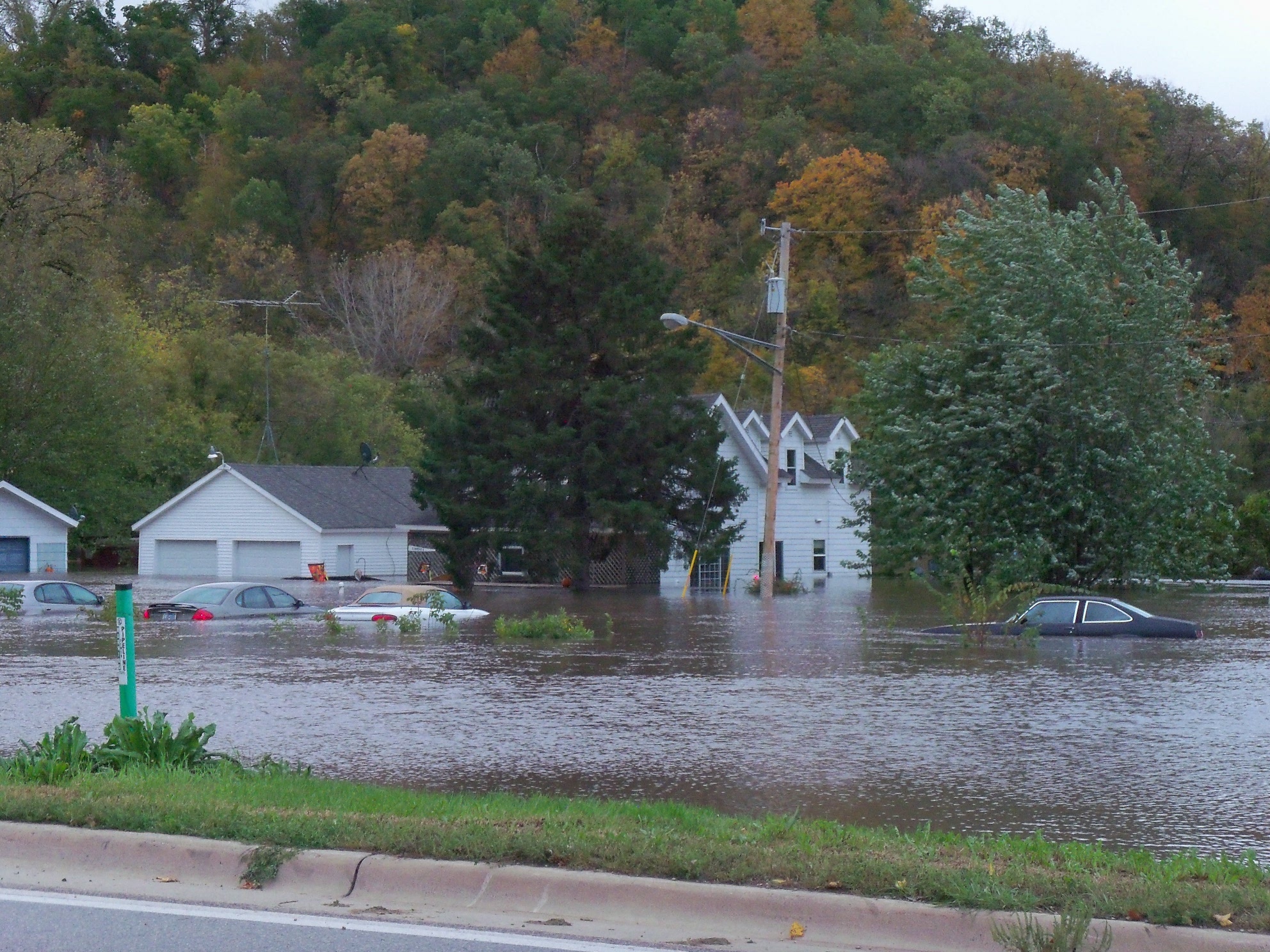
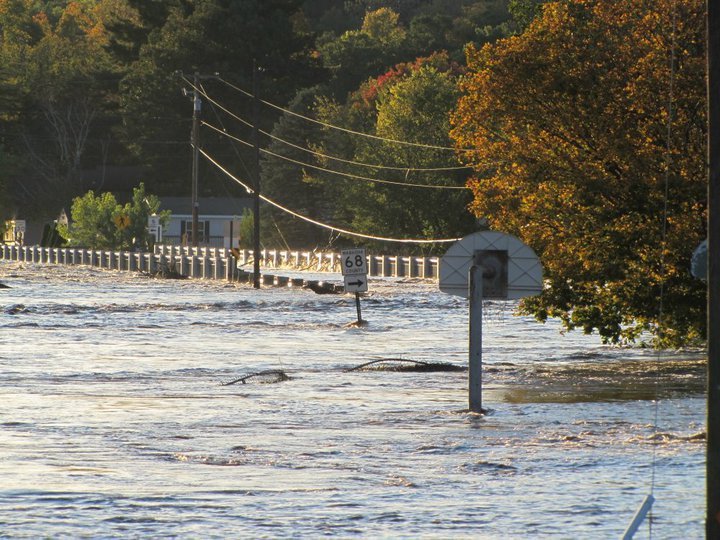
NEARLY A YEAR AGO, residents of  Zumbro Falls and nearby Hammond were evacuating their homes during a devastating flash flood.

They were not prepared—could not have been prepared—for the rapidly rising Zumbro River that would inundate their homes and businesses on September 23/24, displacing them for months and many of them permanently.

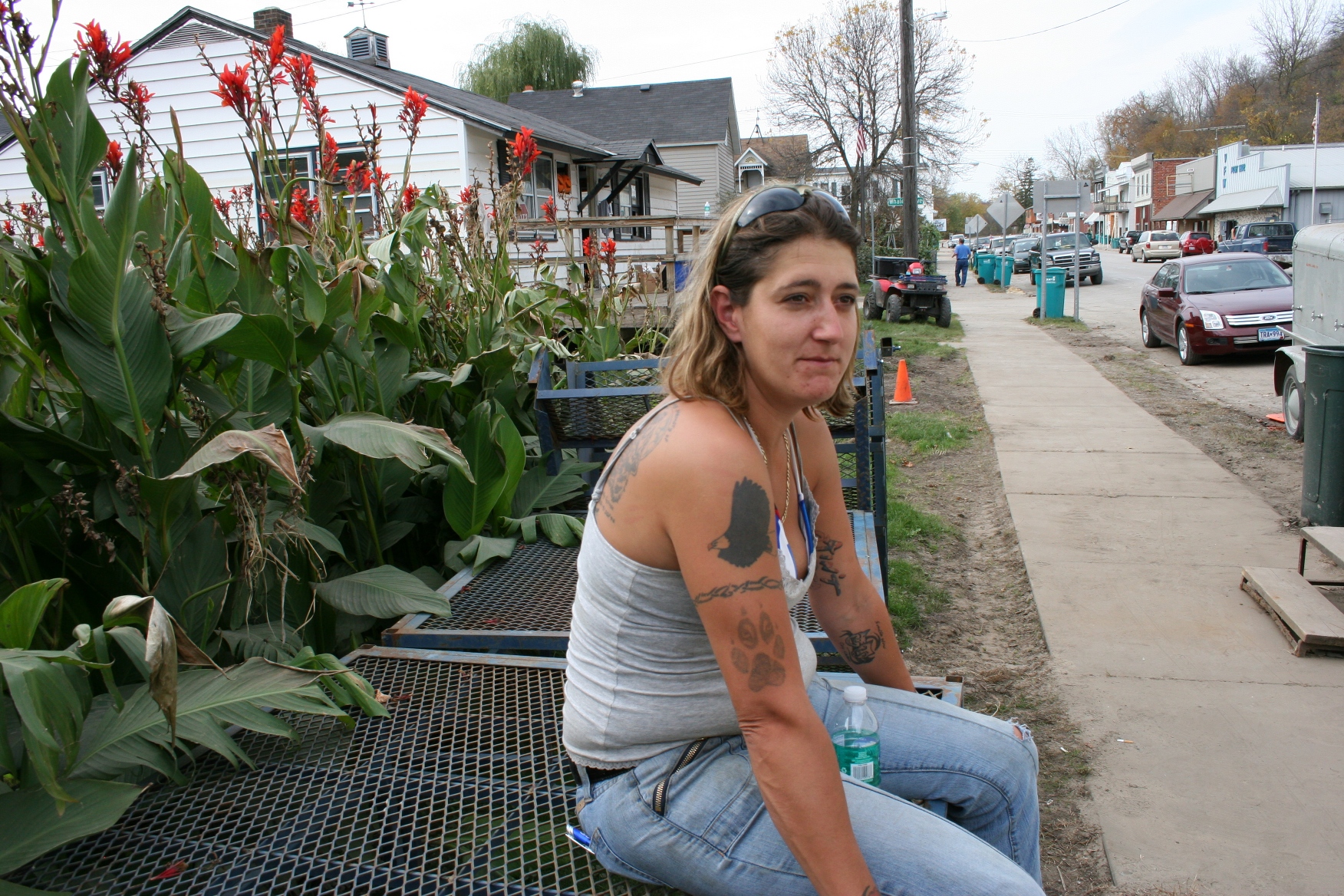
Within three weeks of the flooding, while on a Sunday afternoon drive to view the fall colors, my husband and I drove into Zumbro Falls. There I met Jackie, Tracy and Susie. Just down the road in Hammond, I met Katie.

Tracy Yennie of Zumbro Falls, whom I photographed shortly after the flood which left her without a home and living temporarily in a shed.

These four women shared their stories and frustrations and worries with me. In return, I published what I today consider some of the most powerful posts I have ever written. Click here to read this flood series published on October 11, 2010.

Flooding in Hammond, one year ago. Photo by Susie Buck.

My coverage of the flood did not end then. These women so impressed me with their fortitude, their strength and their outspokenness that I continued to follow one of them, Katie Shones of Hammond, throughout the year. Katie was my go-to person any time I wanted an update from her Wabasha County community of 230. Not once did she suggest that I was intruding into her life. In fact, she has gone above and beyond in answering my many questions. She also introduced me to her dear friend, Tina (Marlowe) Mann.

Tina and I have never met, but we’ve corresponded numerous times via e-mail. Like Katie, Tina has always, always, been forthright and open with me. She allowed me to share her story in a March 13-19 series. Click here to read the first of those six posts.

Via my connections with Katie and Tina, I was able to inform you of the need for volunteer help in Hammond. And at least two readers responded with crews to assist in Hammond. Others of you may have responded in ways that I’ll never know.

This weekend Hammond is celebrating its recovery with a “Thank You” party. “We would like anyone who was impacted, donated, volunteered, or showed compassion for Hammond to come back down and see how far we’ve come and allow us to show our appreciation – the Hammond way!!!” Tina wrote in a recent e-mail. She invited me to attend and said I could spread the word.

So, if you fall into that “impacted, donated, volunteered or showed compassion for Hammond” category, make your way to this picturesque riverside berg on Saturday, September 24, to celebrate with Tina and Katie and their families and the other residents, and former residents, of Hammond.

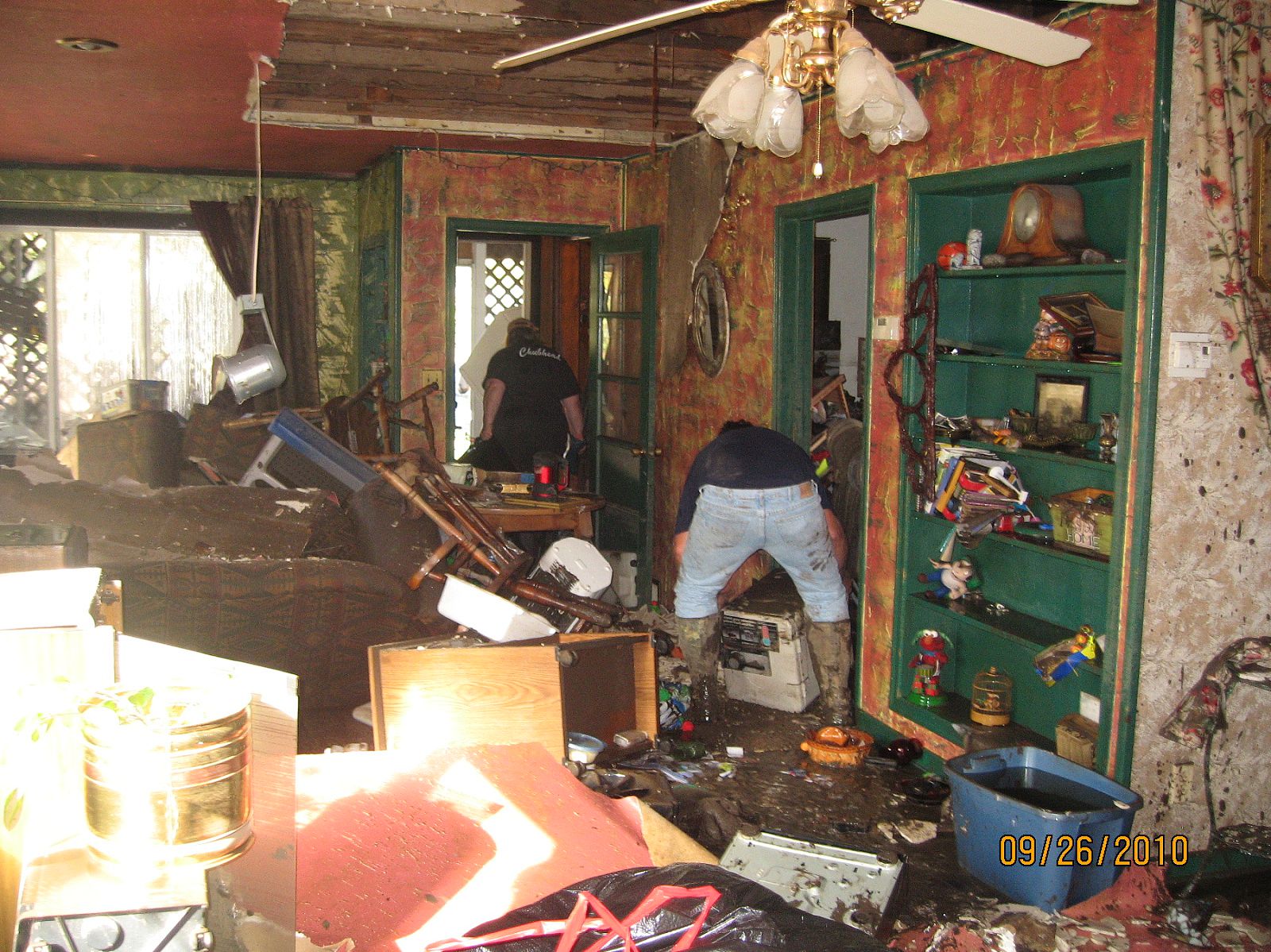
The first day back into their flooded Hammond home, Vicki and Dallas Williamson had 20 minutes to grab whatever they could carry on the back of a four-wheeler. The family did not move back. Photo by Sheri Ryan.

Tina, who now serves on the city council; Hammond Bar co-owner Janice Farris; Hammond Café co-owner Cindy Campbell; former Mayor Judy Radke; and flood-affected resident Beau Mischke did the initial planning for the party and pulled in many local residents to help with activities, according to Tina.

Here’s the schedule of events:

  • 2:30 p.m., park dedication
  • 2:45 p.m., Kiddy Carnival
  • following the carnival, horseshoes at the Hammond Bar & bean bags at the Hammond Cafe
  • 3 p.m., corn husking in the park
  • 5 p.m., free sweet corn and hot beef sandwiches
  • Also, live music by Led Penny and Bad Logic and fireworks at dusk.

As you might guess in a small town, the entire event and door prizes are being covered by donations from businesses, residents, friends of Hammond and clubs. I’m not going to list them for fear of omitting someone.

Suffice to say you would be impressed.

And just one more thing. Tina tells me that by the end of the month, 12 crab apple trees will be planted on Main Street and in the east end of the park in honor of the children of Hammond affected by the flood.  Those, too, have been donated, by a Rochester nursery and garden center. Click here to read an earlier post about the affect of the flooding on Katie Shones’ children.

I never doubted that the folks of southeastern Minnesota would rebound from the devastating flood of September 2010. I knew it when I met Jackie, Tracy, Susie and Katie. These are strong, determined women. Nothing would stop them from reclaiming their communities.

The bridge connecting east and west Hammond is barely visible during the flood, which also overtook the town's park. Photo courtesy of Micheal and Tina Mann.

CHECK BACK FOR A POST tomorrow in which Tina Mann shares her thoughts on the past year and how her community has worked toward recovery. As in the past, Tina speaks with an honest, open voice that will touch your heart.

© Copyright 2011 Audrey Kletscher Helbling
 

Window-shopping in Janesville, Minnesota September 14, 2011

Filed under: Uncategorized — Audrey Kletscher Helbling @ 7:06 AM
Tags: , , , , , , , , ,

I ENJOY WINDOW-SHOPPING. But when I window-shop, I’m not typically perusing merchandise to purchase. Rather, I’m shopping for signs to photograph. It’s cheaper that way; you don’t spend money except on your gas to reach whatever destination you choose.

For me, that is Main Street in Smalltown, Minnesota. Signage regulations are less strict in these rural communities, folks more trusting. I discover the most intriguing/interesting/unusual/creative signs here. Pick your adjective—all three would apply.

So let me take you today to Janesville, population 2,100, located along U.S. Highway 14 only 15 miles east of Mankato. I stopped there several weeks ago on my way to and from (yes, we stopped twice) Indian Island Winery with my husband.

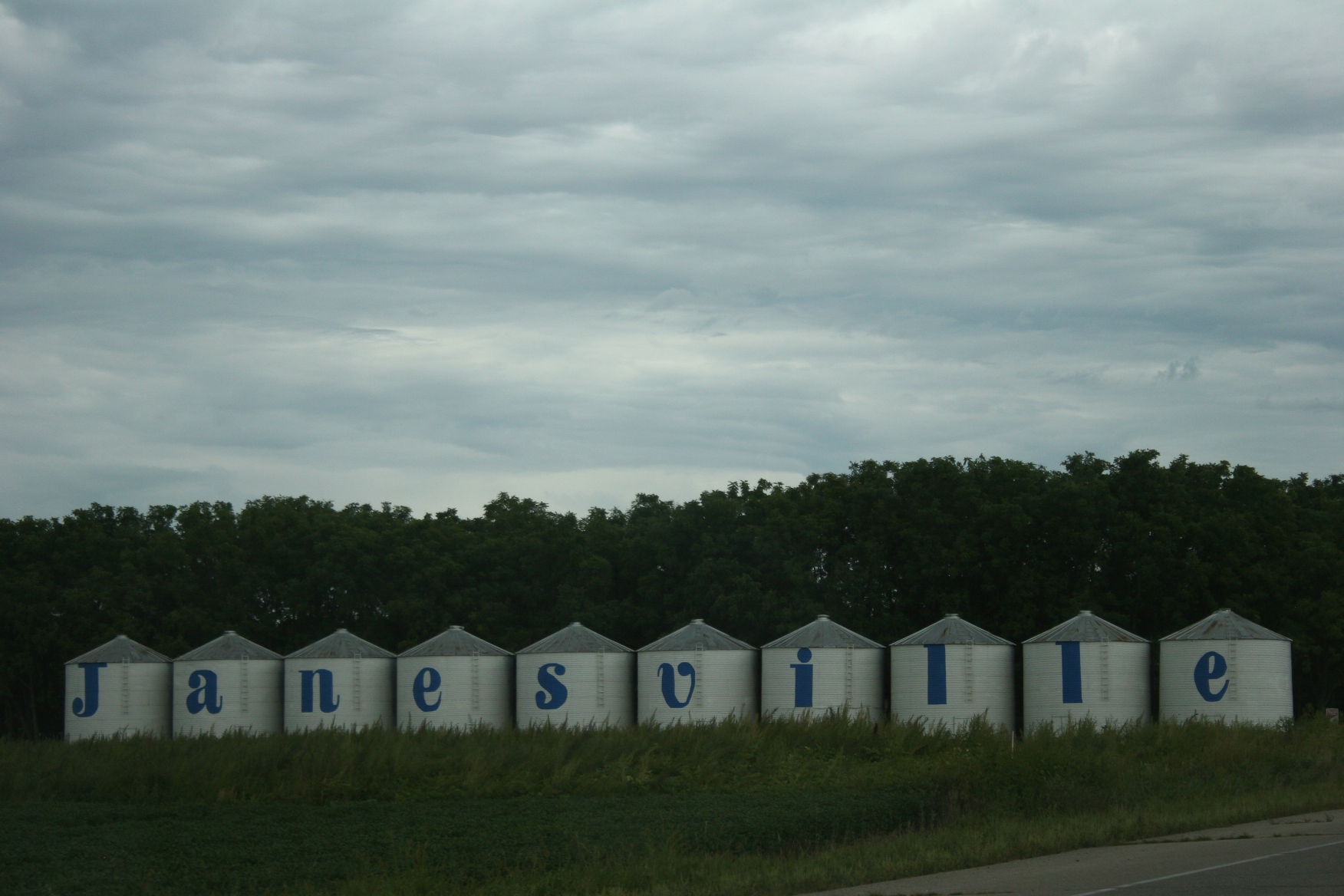
Entering Janesville from the west along old Highway 14, you'll see this grain bin signage welcoming you to town. I've always wondered: Did the farmer specifically build 10 bins to fit the town name? Or did someone come up to him after the fact and say, "You know, J-A-N-E-S-V-I-L-L-E would fit on your bins."

But before I show you my discoveries, here are two interesting tidbits about Janesville: The town has a nine-hole reversible golf course, one of among only a few in the U.S. If you know what that means, you know more than me. I am not a golfer.

Secondly, in a house near downtown Janesville, along old Highway 14, you’ll see a dummy peering through an upstairs attic window. It’s been there for years. Why? No one seems to know the truth. But its placement there has led to all sorts of speculation as imaginative as an imagination allows.

Now, moving along, I’m pleased to present photos of signage from Main Street, Janesville, Minnesota, for your entertainment. Enjoy.

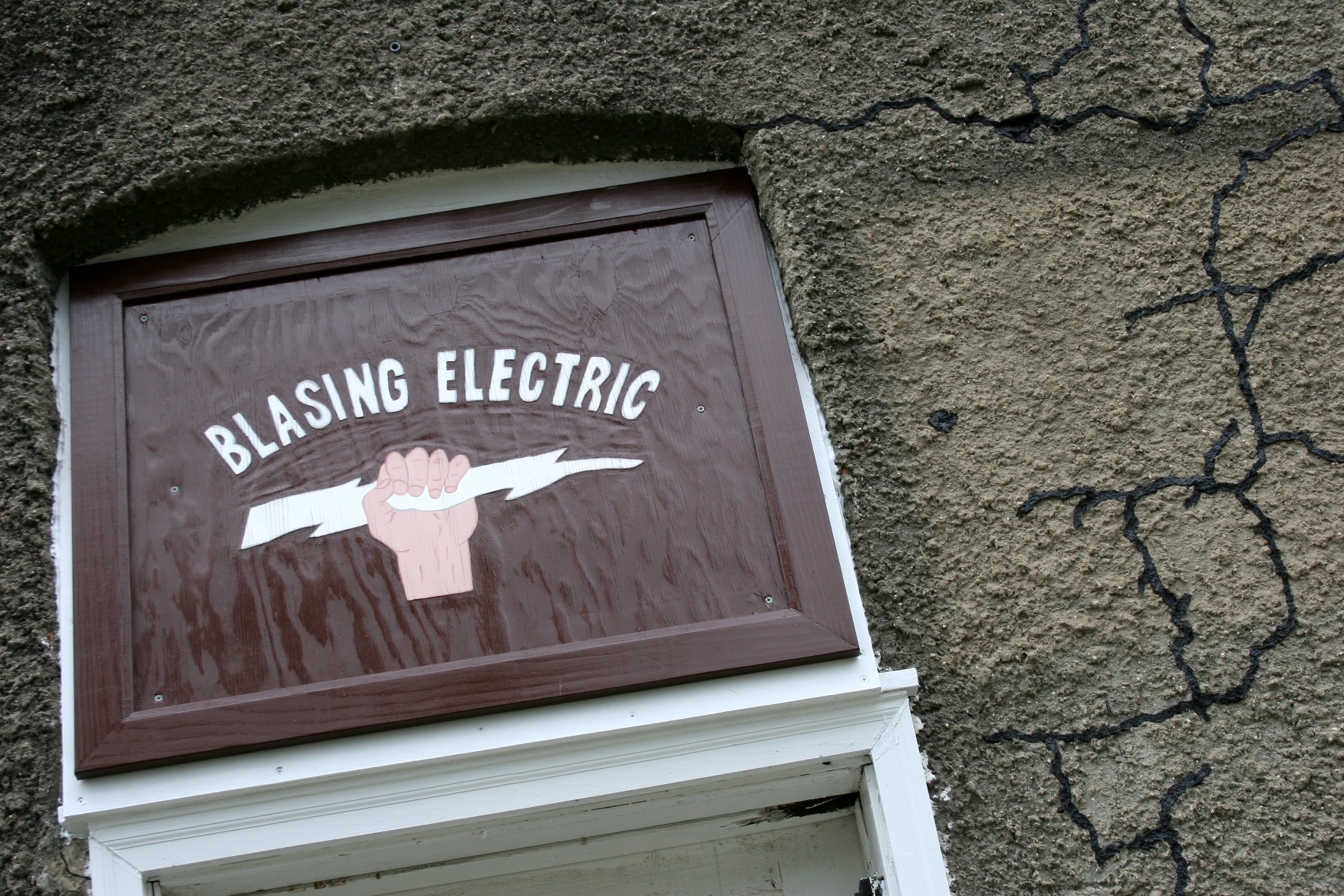
This handcrafted graphic sure makes for a memorable Blasing Electric sign hung on the side of a building across the street from the library.

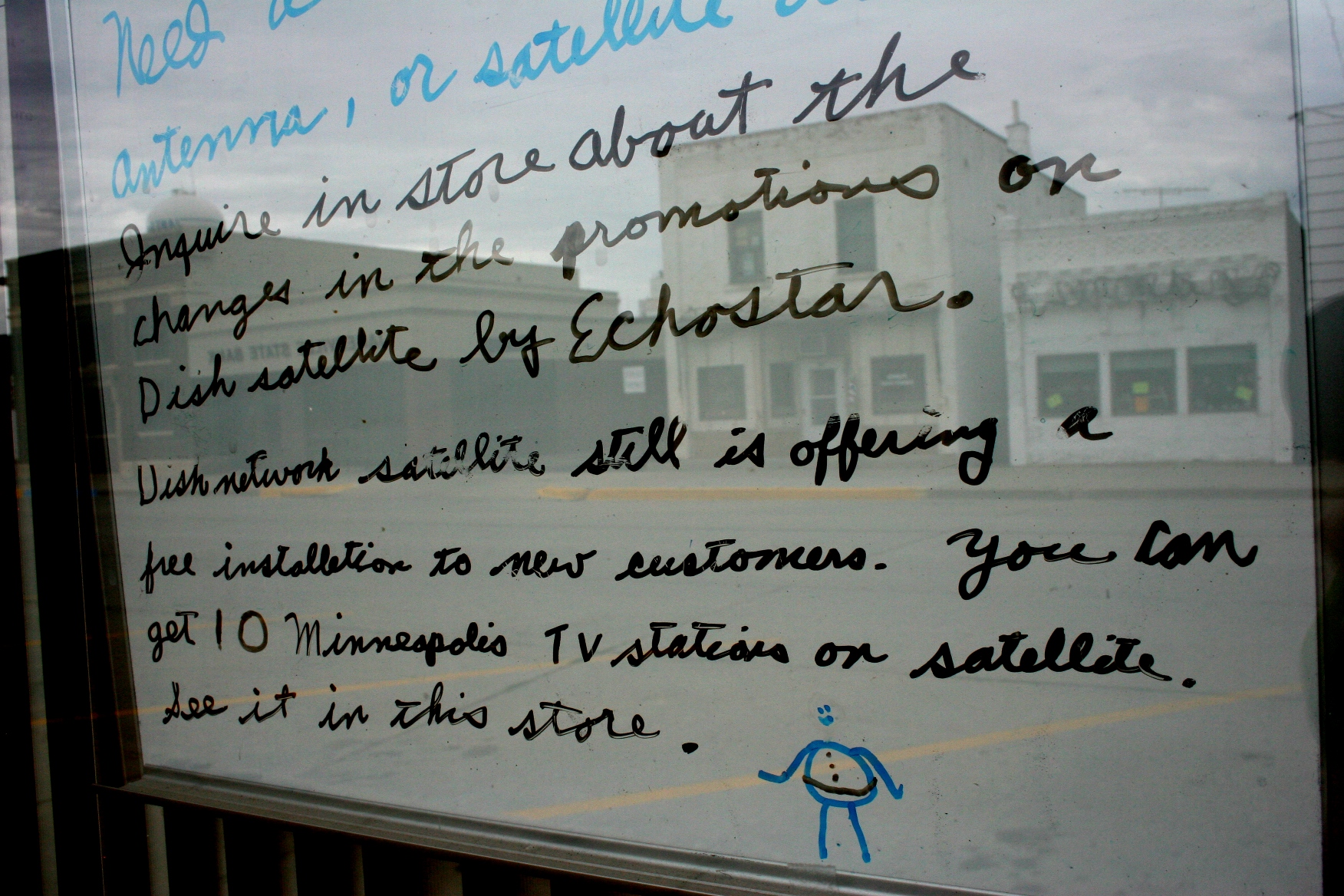
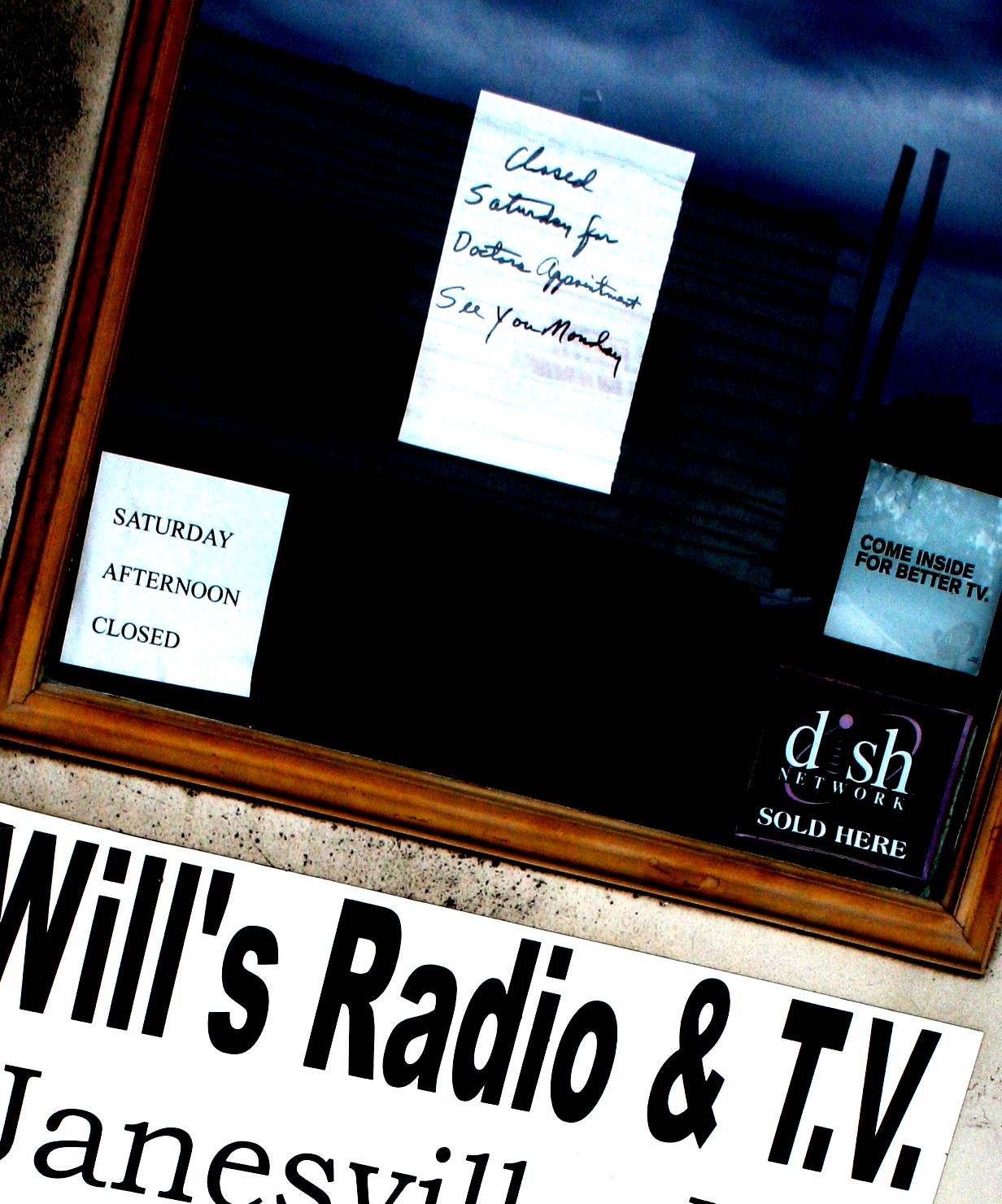
I know you folks in bigger towns, especially in the Twin Cities metro, take your television access for granted. But not so in rural Minnesota. Here's a pitch for better service posted on a window at Will's Radio & TV.

But you might not want to stop and check on that satellite service until Monday, according to this sign posted on Will's front door. Will is at a doctor's appointment.

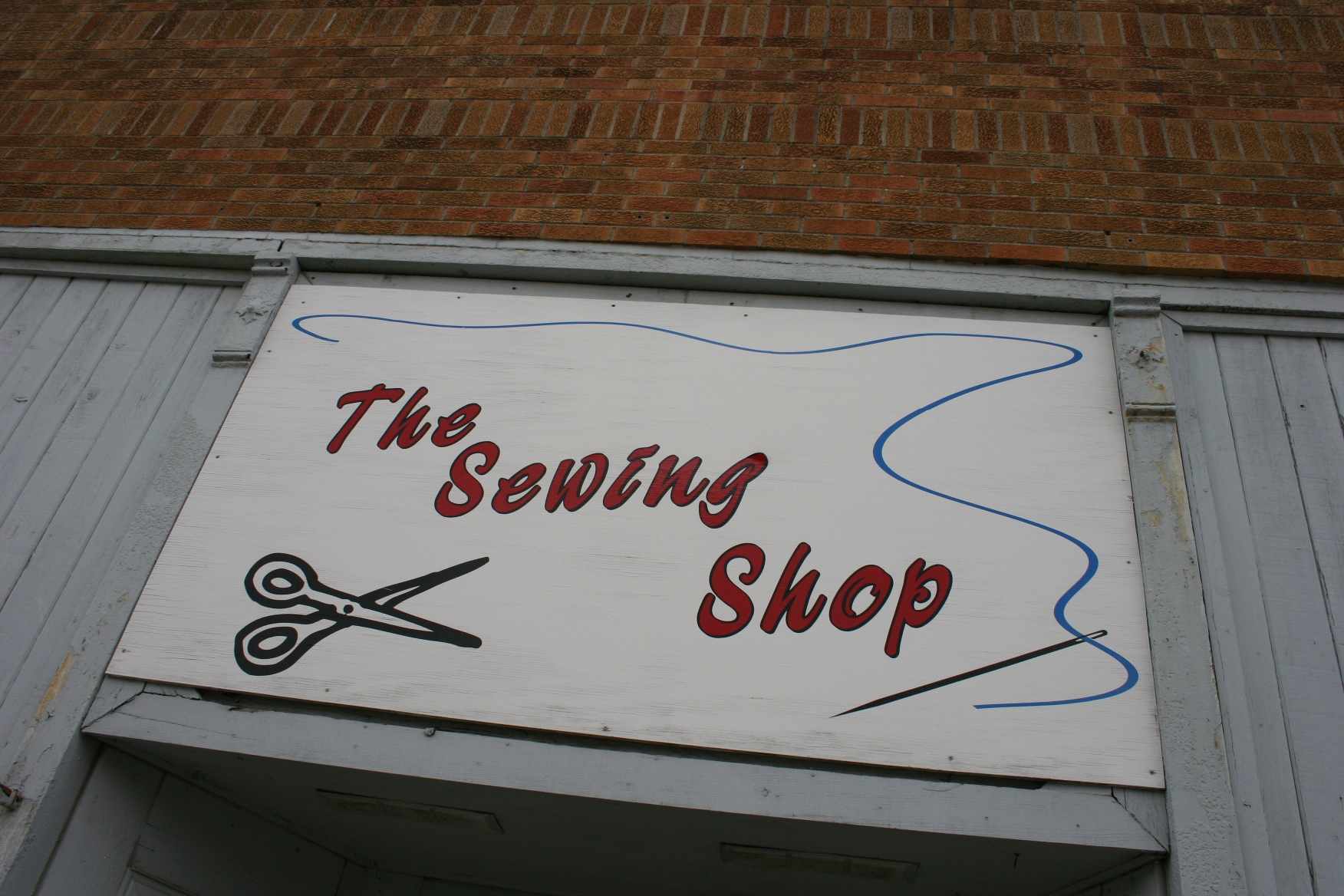
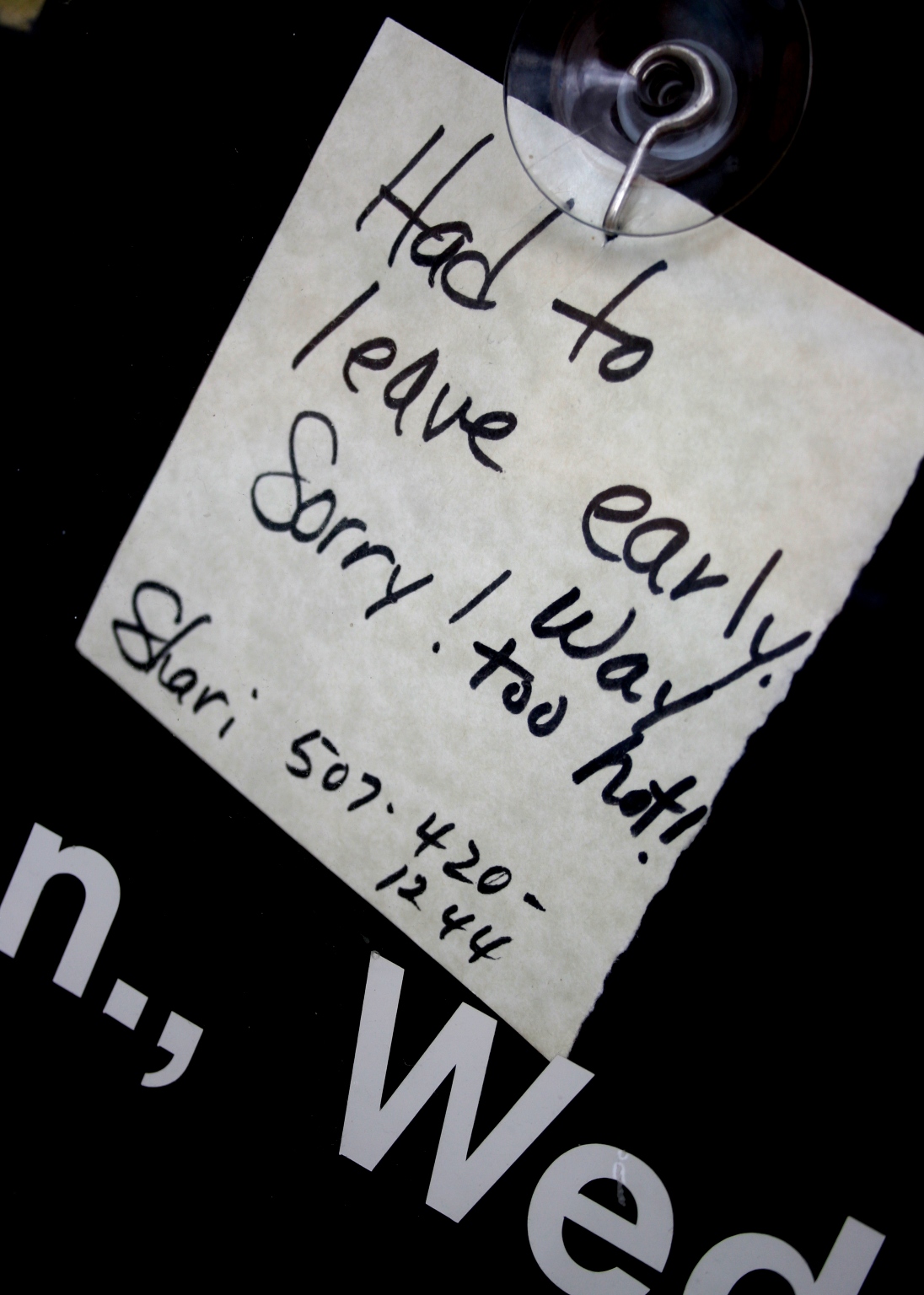
Hot weather also offers a good excuse to close up shop. I can't recall where this note was placed, but either on a beauty or sewing shop door.

Homemade signs like this one are always a bonus find on small-town Main Street.

Jethro's Soda Shop, which is no longer open, sports a misspelled word. Can you spot it?

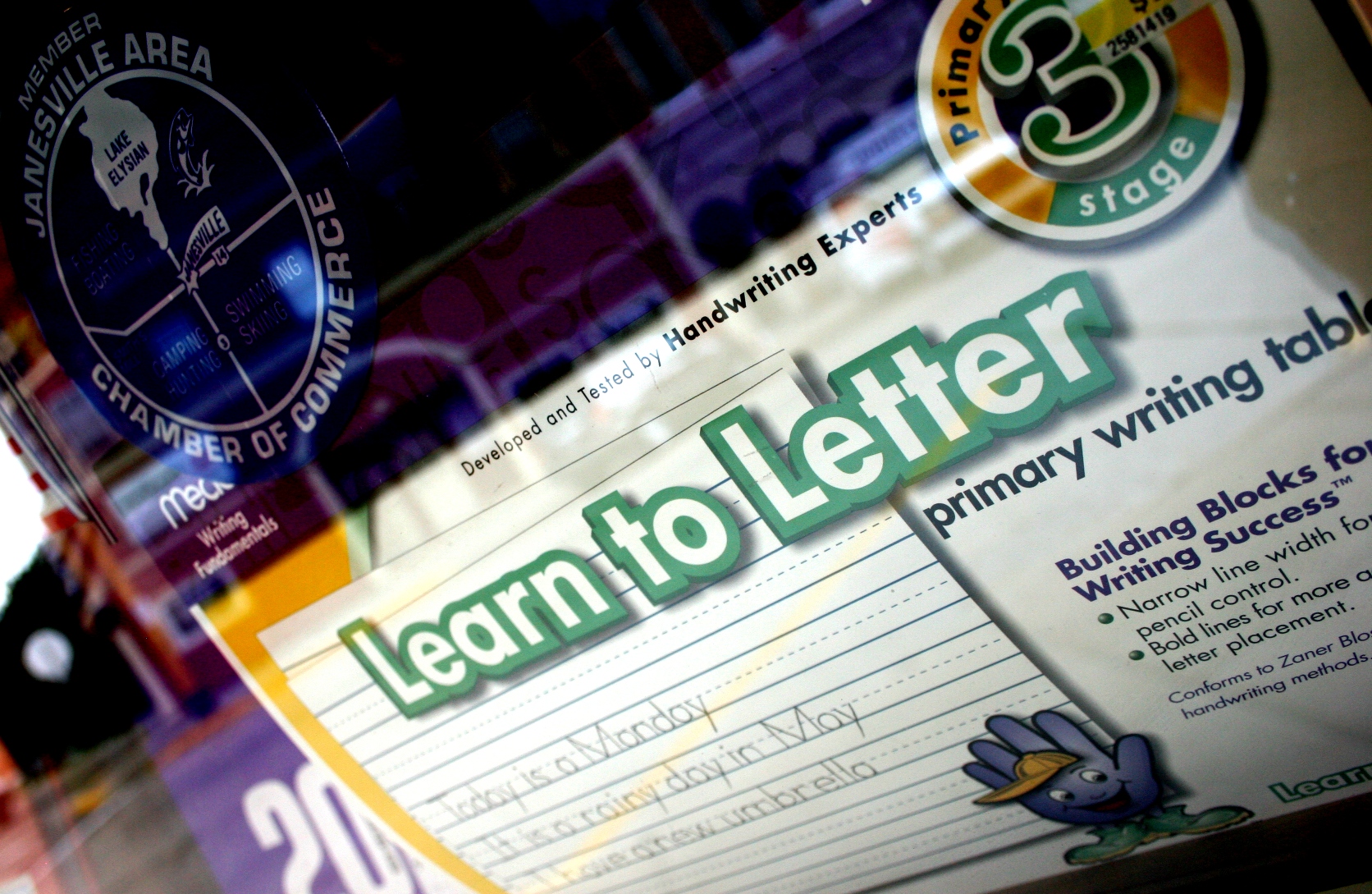
Finally, my last photo, which is not a sign, but merchandise in a window of the corner drugstore. The ruled tablet brought back grade school memories for me. Gotta love it. Main Street in Smalltown, Minnesota.

DID YOU FIND the incorrectly spelled word on the window of the former Jethro’s Malt Shop? That would be “BRAUT.” My husband contends that is the German spelling of “brat.” I contend he is wrong as my research shows that “die braut” in German translates to “bride” in English.

(NOTE: I edited most of the above images to better showcase the words.)

© Copyright 2011 Audrey Kletscher Helbling

 

A geography quiz & an award-winning tech program September 2, 2011

OK, readers, it’s time for a little geography quiz.

Where are these towns located?

  • Bellingham
  • Nassau
  • Madison
  • Marietta
  • Dawson
  • Boyd

If you know/guessed, or cheated and googled, you likely would have answered as follows:

  • Bellingham,Washington
  • Nassau in The Bahamas
  • Madison, Wisconsin
  • Marietta, Georgia or Marietta, Ohio
  • Dawson, Georgia
  • Boyd, Texas

However I would award you extra credit and move you to the head of the class if you gave these answers:

  • Bellingham, Minnesota
  • Nassau, Minnesota
  • Madison, Minnesota
  • Marietta, Minnesota
  • Dawson, Minnesota
  • Boyd, Minnesota

See, you can learn a lot by going online and reading information on sites like Minnesota Prairie Roots.

But not everyone has easy access to computers, or the technical skills to use one, especially in rural areas like those six small Minnesota towns in the list above.

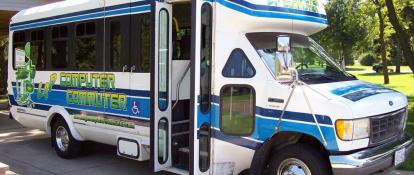
The folks in Lac qui Parle County understand that. And they’ve done something about the problem by bringing computers to the people via a mobile computer lab, LqP Computer Commuter.

The LqP Computer Commuter (Photo from online Minnesota Community Pride Showcase application)

How’s that for an innovative idea, selected as one of 30 Minnesota Community Pride Showcase winners that will be recognized on Saturday at the Minnesota State Fair?

Back in Lac qui Parle County, the computer commuter (a converted small handicapped accessible commuter bus) hit the road last summer and now travels three days a week, parking for four hours in each town—Bellingham on Monday morning, then to Nassau in the afternoon; to Madison and Marietta on Tuesday; and to Dawson and Boyd on Friday.

According to information submitted in the Minnesota Community Pride Showcase application, the mobile program has been well-received and continues to grow. You can read details about LqP Computer Commuter by clicking here.

The Lac qui Parle Economic Development Authority website, where you'll find basic info about the LqP Computer Commuter.

Aiming to increase digital literacy in a county with less than 8,000 residents, many of them over age 60, the mobile computer lab provides the public with free access to seven laptops and a lab coordinator and trainer.

Twelve local partners from the public and private sector support the project.

To the team who brainstormed and hatched this idea and to those who back the program, I applaud you. You are meeting a need in rural Minnesota.

I understand. I grew up in southwestern Minnesota and am aware how isolation, lack of funding, and more, often mean fewer opportunities.

When I was a child living on a farm outside of Vesta, I wanted nothing more than a library in town. Decades later my hometown of around 300 still doesn’t have a library, but at least the Plum Creek Bookmobile rolls onto Main Street once a month.

I expect residents and business people in Lac qui Parle County are thrilled to see the LqP Computer Commuter roll onto their Main Streets once a week.

I hope this idea catches on in other areas of rural Minnesota, and through-out the country. Rural residents should have as much access to technology, and the skills to use that technology, as those of us who live in more heavily-populated areas.

FYI: To read the list of winners in the Minnesota Community Pride Showcase, click here. The 30 winners will be recognized on Saturday at the Minnesota State Fair, where they also have an exhibit space. The fair has also awarded $500 to each winner.

Three programs in my county of residence, Rice County, are among those to be honored for their community efforts: Faribault Summer Youth Programs, Rice County Olympic Day and Northfield LINK Center.

© Copyright 2011 Audrey Kletscher Helbling
 

Discovering a Monet painting near St. Charles August 25, 2011

A section of downtown St. Charles, Minnesota, on a recent summer afternoon.

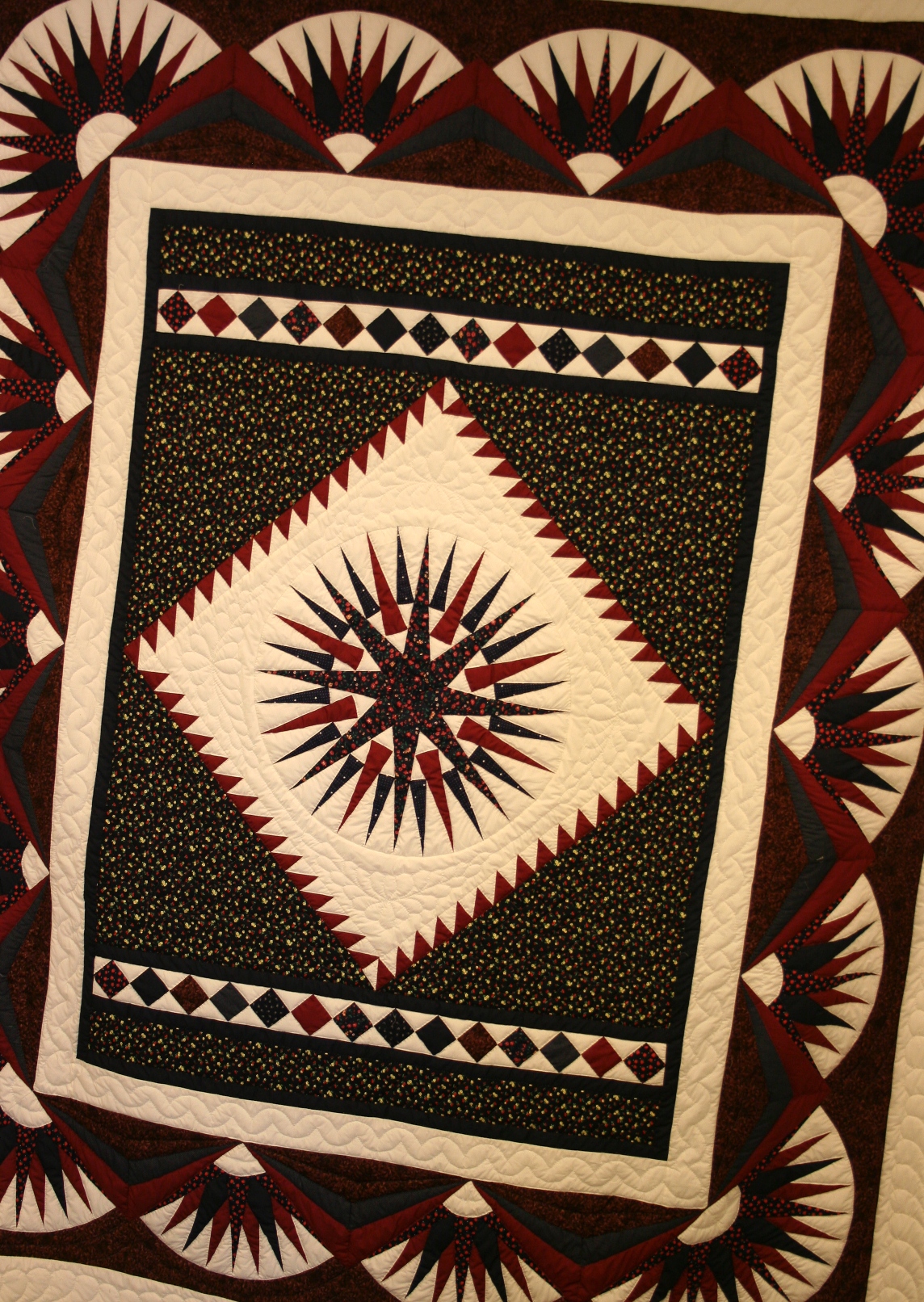
A quilt made by local southeastern Minnesota Amish and sold at the Amish Market Square.

MID-AFTERNOON ON A TUESDAY and we are dining at the Whitewater Café in downtown St. Charles.

We’ve driven to this southeastern Minnesota community of 3,300, sandwiched between Interstate 90 and U.S. Highway 14, because we’re meandering home from a family vacation to Wisconsin.

I’ve specifically placed St. Charles on our route back to Faribault for two reasons: the Amish and the gladiolus.

Before dining at the fishing-themed Whitewater Café in downtown, we stopped at Amish Market Square just off I-90 where you can gas up, eat, buy products handmade by the Amish and pose for a photo in an Amish buggy. While I admired the stunning hand-stitched quilts—priced around $1,500—and the wood cutting boards and more, I didn’t climb into that buggy for a photo. I wanted authentic Amish, not tourist Amish.

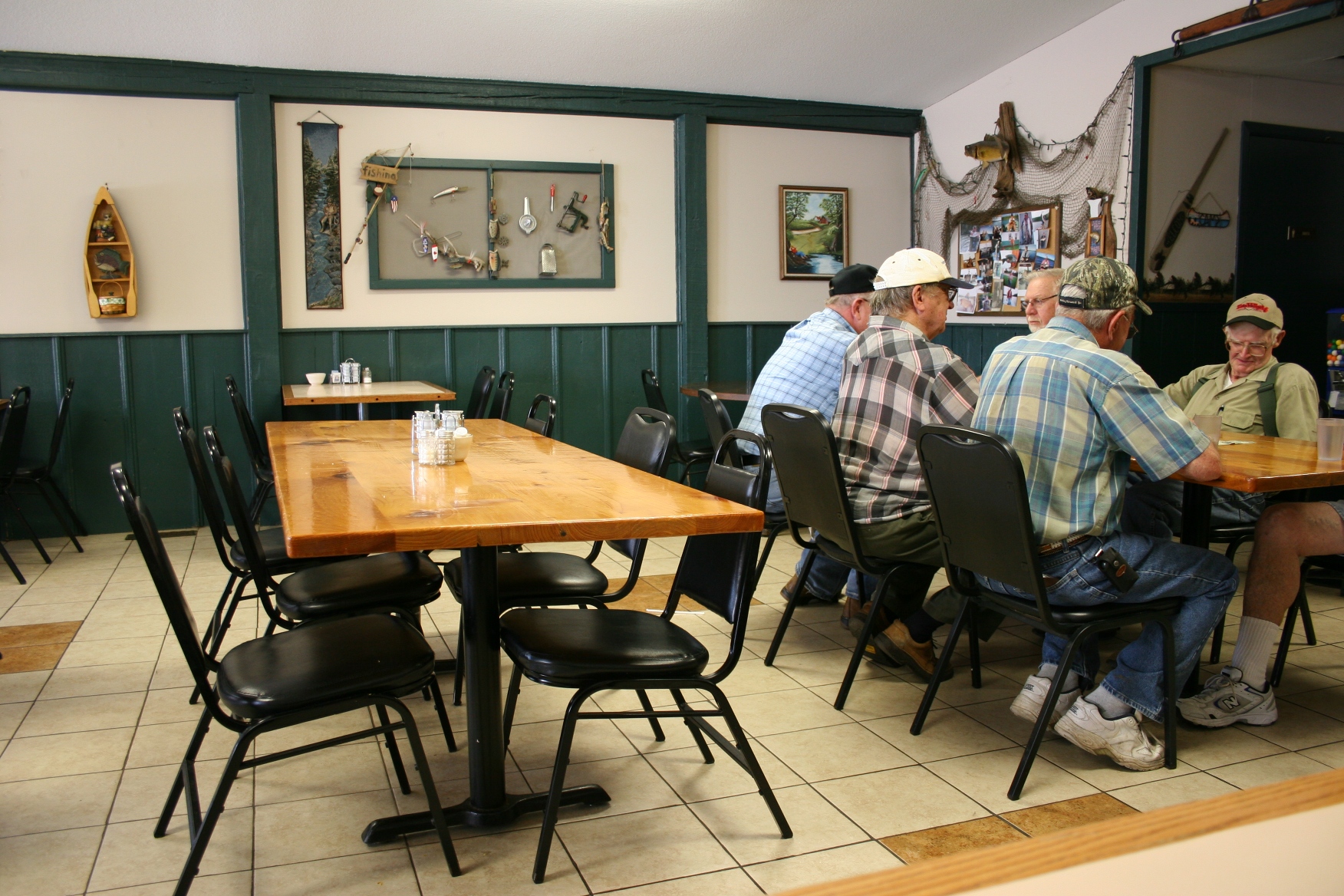
That would come later, after lunch downtown, next to “The Table of Knowledge,” aka a group of local guys who gather each morning and afternoon to shoot the breeze, drink coffee and, when asked, give directions to the gladiolus fields and Amish farms.

I didn’t get any of their names, but one of those friendly club members—and I use that term loosely here—found a Winona County map in the restaurant and highlighted a route that would take us southeast of St. Charles past Amish farms and then back north to the glad field just south of Utica. He praised the hardworking Amish, two of whom were working on a fence on his farm at that very moment. He picks them up in the morning, then drives them home at the end of the work day.

These friendly locals at the Whitewater Cafe gave us directions to the glad field and Amish farms.

We left the restaurant, opting to view the flower field first by following Highway 14 east of St. Charles, turning south onto Winona County Road 33 into Utica until we found the rows of gladiolus just outside of town. It should be noted that the flower-growing location changes annually to keep the plants disease-free. Last year the glads were grown next to St. Charles, so the knowledgeable locals told us.

Up until that moment, I’d thought mostly of gladiolus as “funeral flowers,” a moniker that has stuck for decades based on my memories of glads at every funeral I ever attended as a child. Interesting how you associate something with an impressionable event, isn’t it?

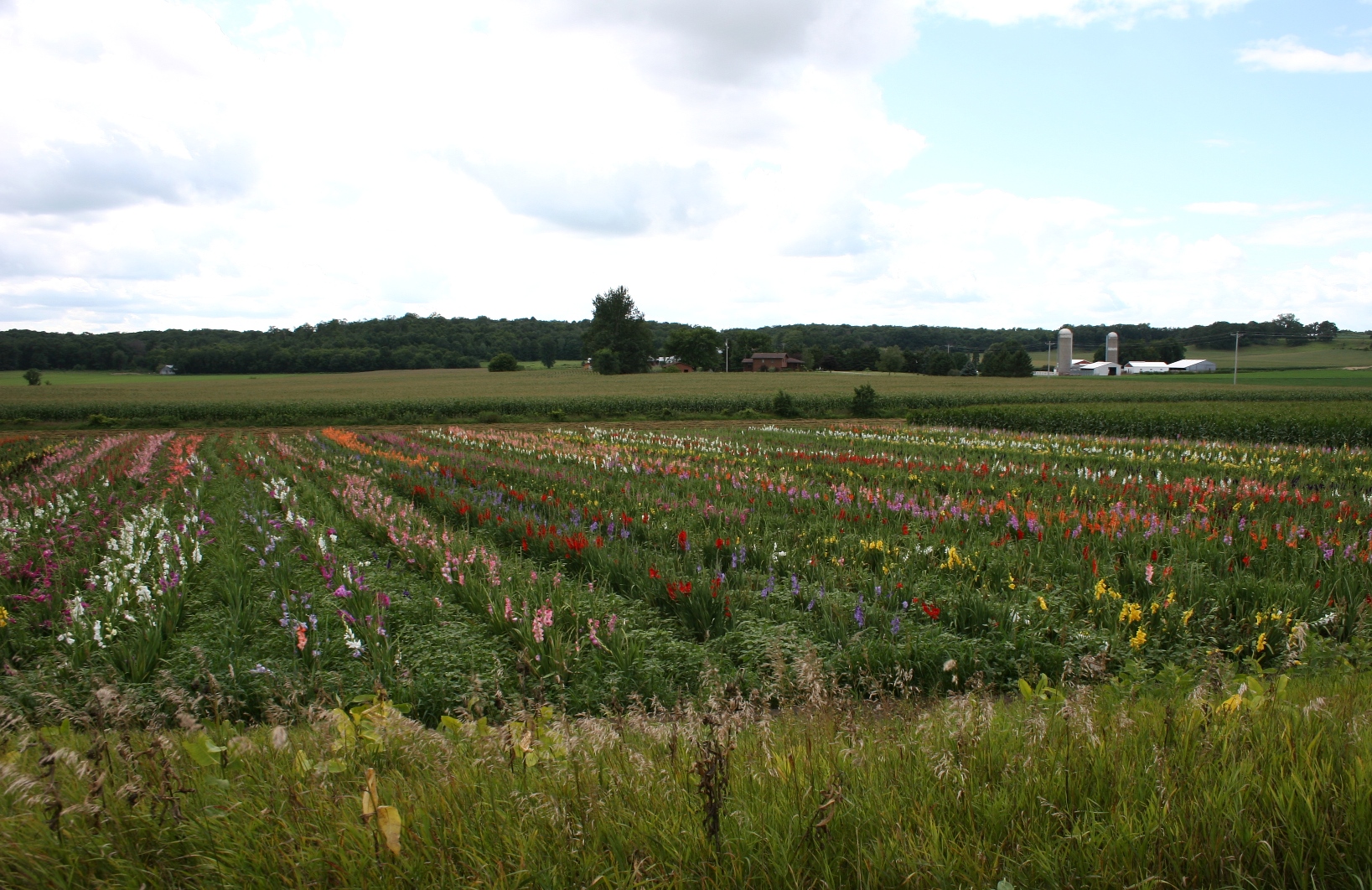
As we slowed the car to get an overview of the gladiolus in the field below, I felt as if I was viewing a painting by Claude Monet. Soft pinks and purples and blues—punctuated by splashes of brilliant red, and broken by lines of green, tight-clasped buds and foliage—created a surreal scene against the backdrop of corn, farm places, sky and a distant tree line.

A view of the gladiolus field just south of Utica along Winona County Road 33.

This is as close as I got to the glads, standing along the shoulder of the road photographing them.

I hoped for a close-up look, but found no signage indicating we could stop at a next-door building site to view or purchase flowers.

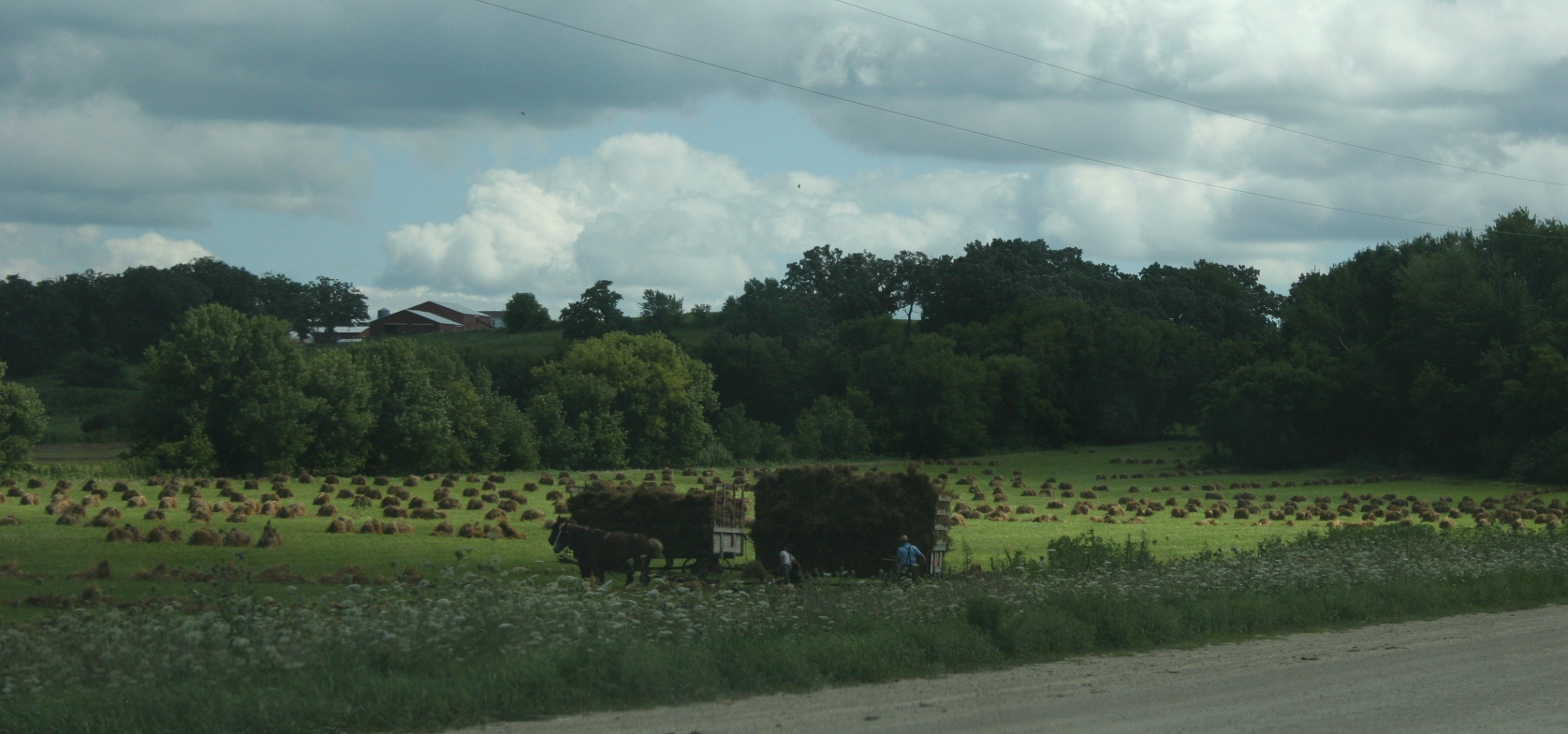
And so we drove on, further south and then west past several Amish farms—past the horses and wagons, the laundry on clotheslines, the shocks in fields and the Amish men throwing bundles high atop a wagon, their arm muscles bulging from seasons of labor.

An Amish farm site southeast of St. Charles.

We came upon this pastoral scene south of St. Charles, where the Amish were pitching bundles onto wagons.

Heading back into St. Charles, I wished I could spend more time here, in this town promoted on its website as “The Gateway to the Whitewater Valley,” and made world-famous by Carl Fischer, now deceased. He was the world’s leading hybridizer of new and distinctive gladiolus and established Noweta Gardens in 1945.

Each August this Minnesota town celebrates Gladiolus Days, which is happening right now and continues through Sunday, August 28. For a schedule of events, click here.

I fully intend to return some day to experience this festival, to this place where, if you look, you will see southeastern Minnesota’s version of a Monet painting.

The gladiolus field before me could have been a Claude Monet painting.

MORE PHOTOS OF ST. CHARLES:

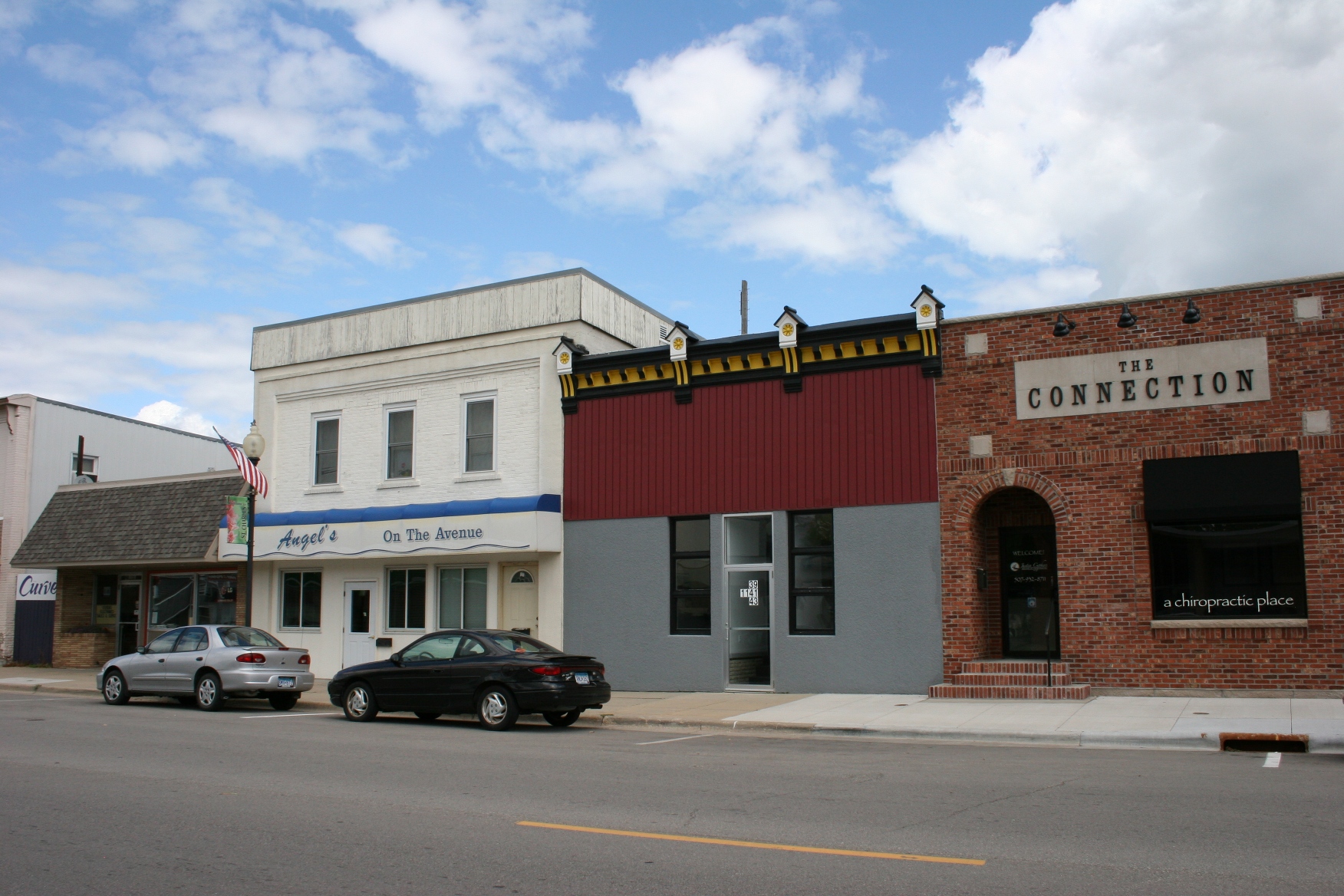
The main road through downtown St. Charles, the "Gateway to the Whitewater Valley."

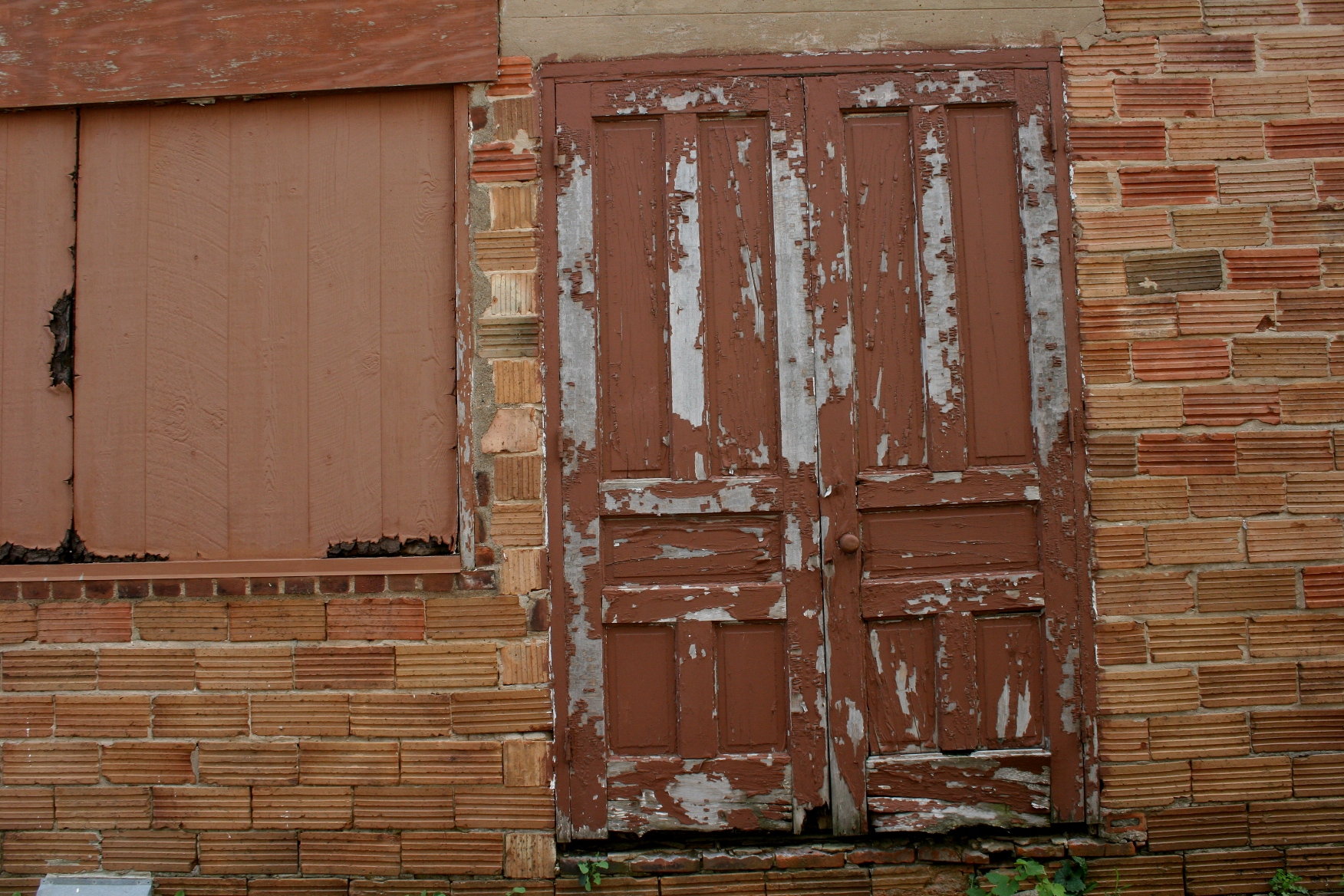
I discovered these weathered doors, found them charming, so photographed them in downtown St. Charles.

More downtown St. Charles businesses.

The post office and a pizza place along St. Charles' main drag.

I refused my husband's offer to photograph me in this Amish buggy at the Amish Market Square just off I-90.

© Copyright 2011 Audrey Kletscher Helbling
 

Take time to stop and appreciate small towns August 11, 2011

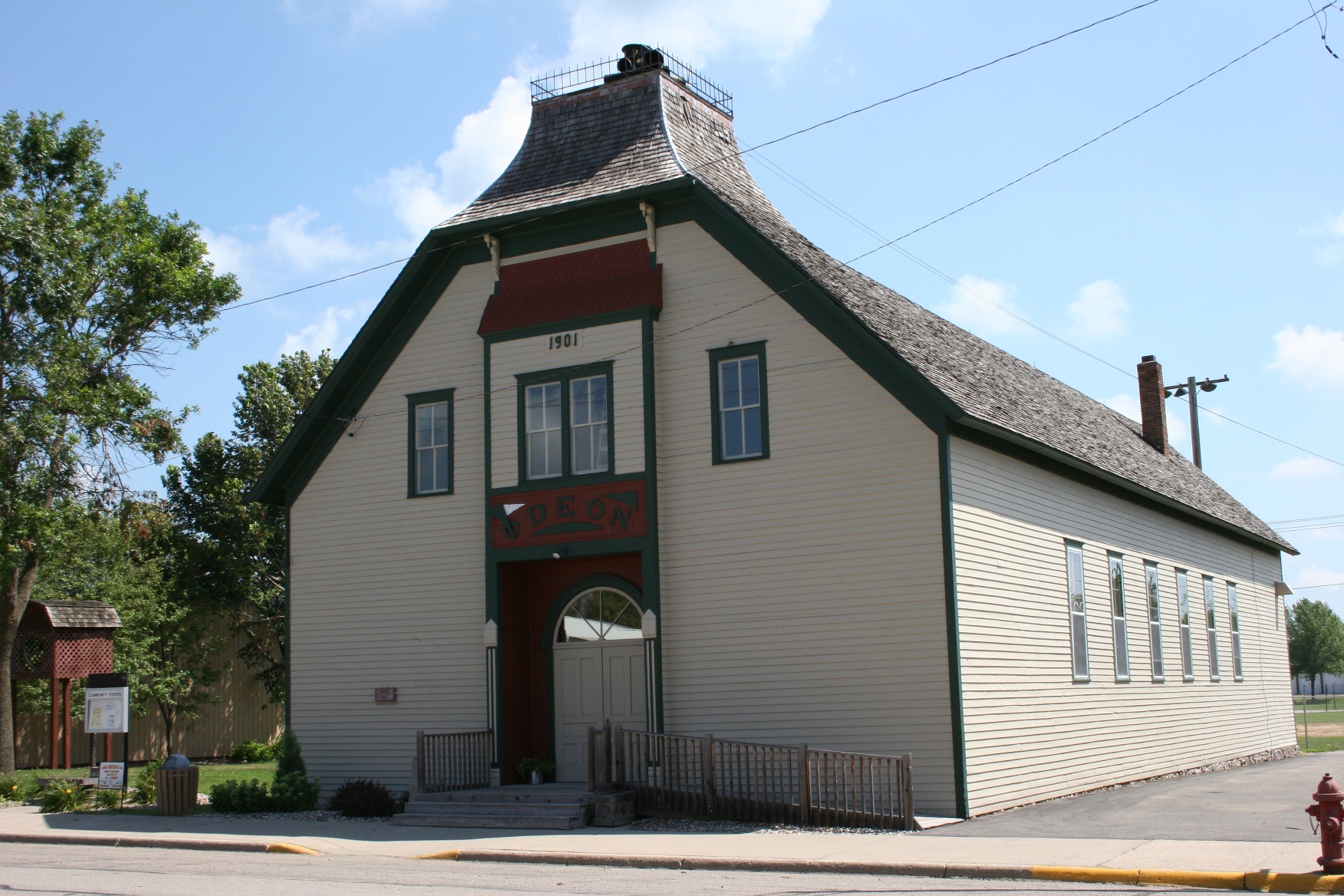
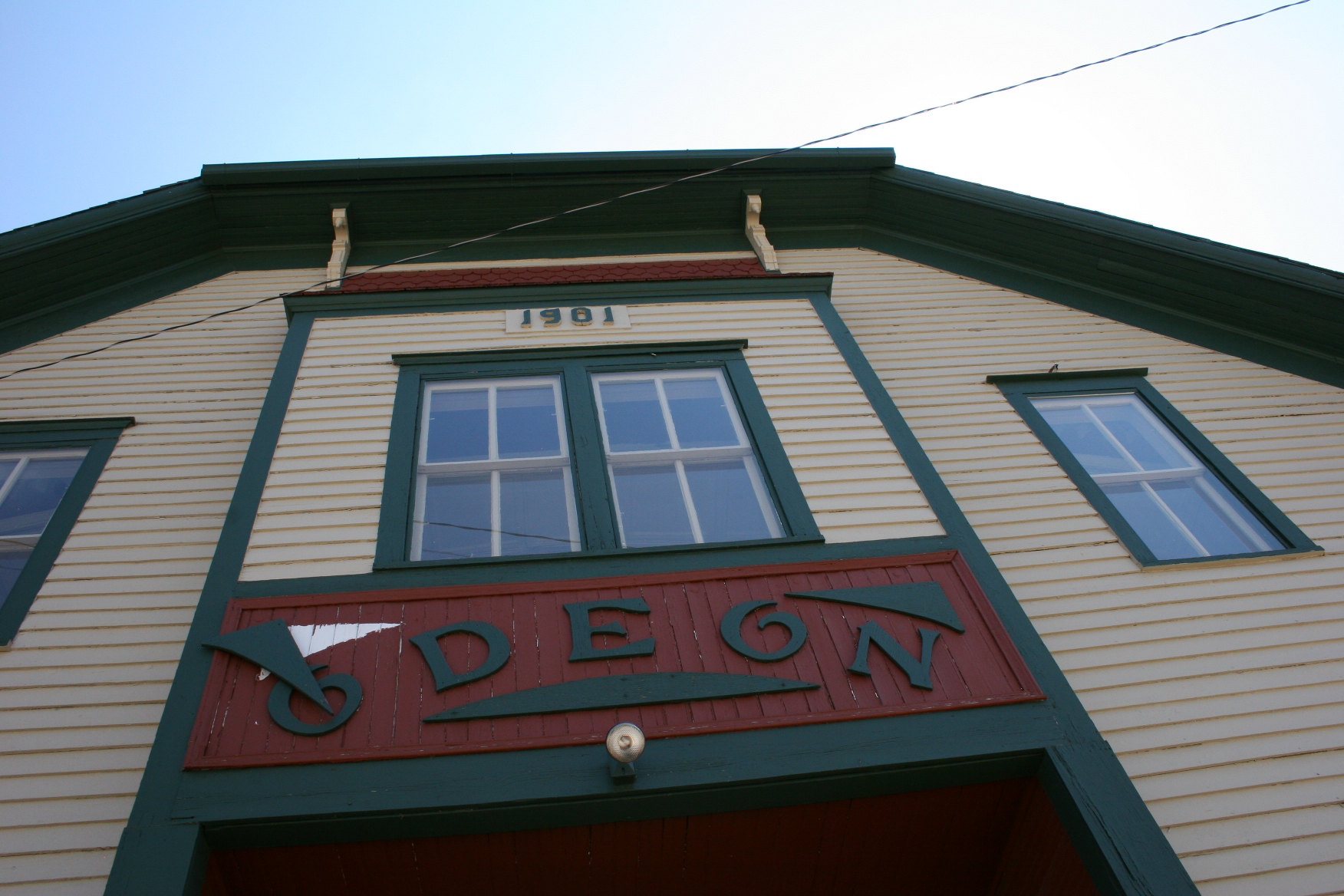
In tiny Belview, you'll find the 1901 Odeon Hall. Listed on the National Register of Historic Places, this Queen Anne style building features a barrel-vault ceiling. Still in use today for wedding receptions and community events, etc., Odeon Hall once also featured vaudeville shows, motion pictures, concerts and more.

I WANT TO THROW a challenge out there. The next time you’re driving through/near small-town Minnesota, or small-town wherever, stop. Pull off the highway and drive along Main Street. Park your vehicle. Get out. Walk. Look. See.

Notice the buildings, the architecture, the signage, the history. Consider what centers the town: the café, the post office, the grain elevator, the churches, the school—if there is a school.

Families, retirees and even single people choose to live, to work, to worship together, to celebrate, to mourn, to live their lives here. This is their home, not just some town in the middle of nowhere that you must pass through to get from destination A to destination B.

I have, in recent years, begun to appreciate the small towns and rural areas of Minnesota more than ever. I grew up on a dairy and crop farm in southwestern Minnesota, which is about as rural as you can get. But I haven’t always valued that upbringing like I should.

As I’ve gotten into the art of photography, I’ve begun to view these towns with a fresh perspective. I notice what, in the past, I’ve overlooked or taken for granted because of my rural roots.

Let me show you some photos I took recently in and near Belview, a community of 375 located four miles north of State Highway 19 in northwestern Redwood County. Belview lies about 10 miles from my hometown of Vesta, another one of those small towns that motorists zip by without a second thought. I bet you didn’t know that Vesta is the home of the nation’s first electric cooperative. I thought so.

That’s the thing about small towns. If you stop and walk and look and see, and I emphasize the word, see, you will discover more than just a place to drive through when getting from point A to point B. You will discover the heart and soul of community.

Move in close to view the details, like the front of Odeon Hall. I attended a cousin's wedding dance here decades ago. Imagine the celebrations inside this historic building.

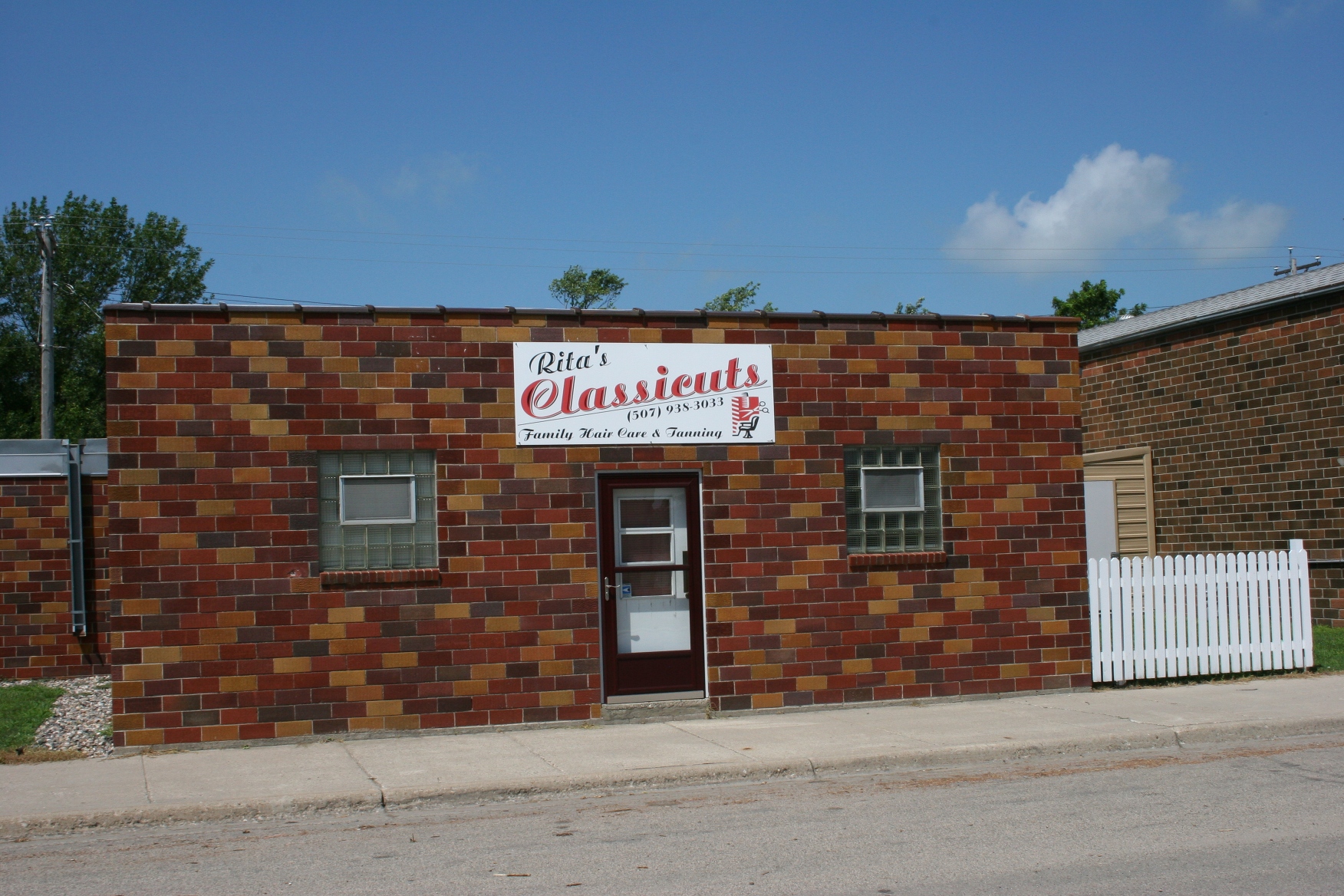
Most small towns, like Belview, are fortunate to still have a place where you can get your hair cut and styled. I appreciate the simple lines of this brick building located along Main Street.

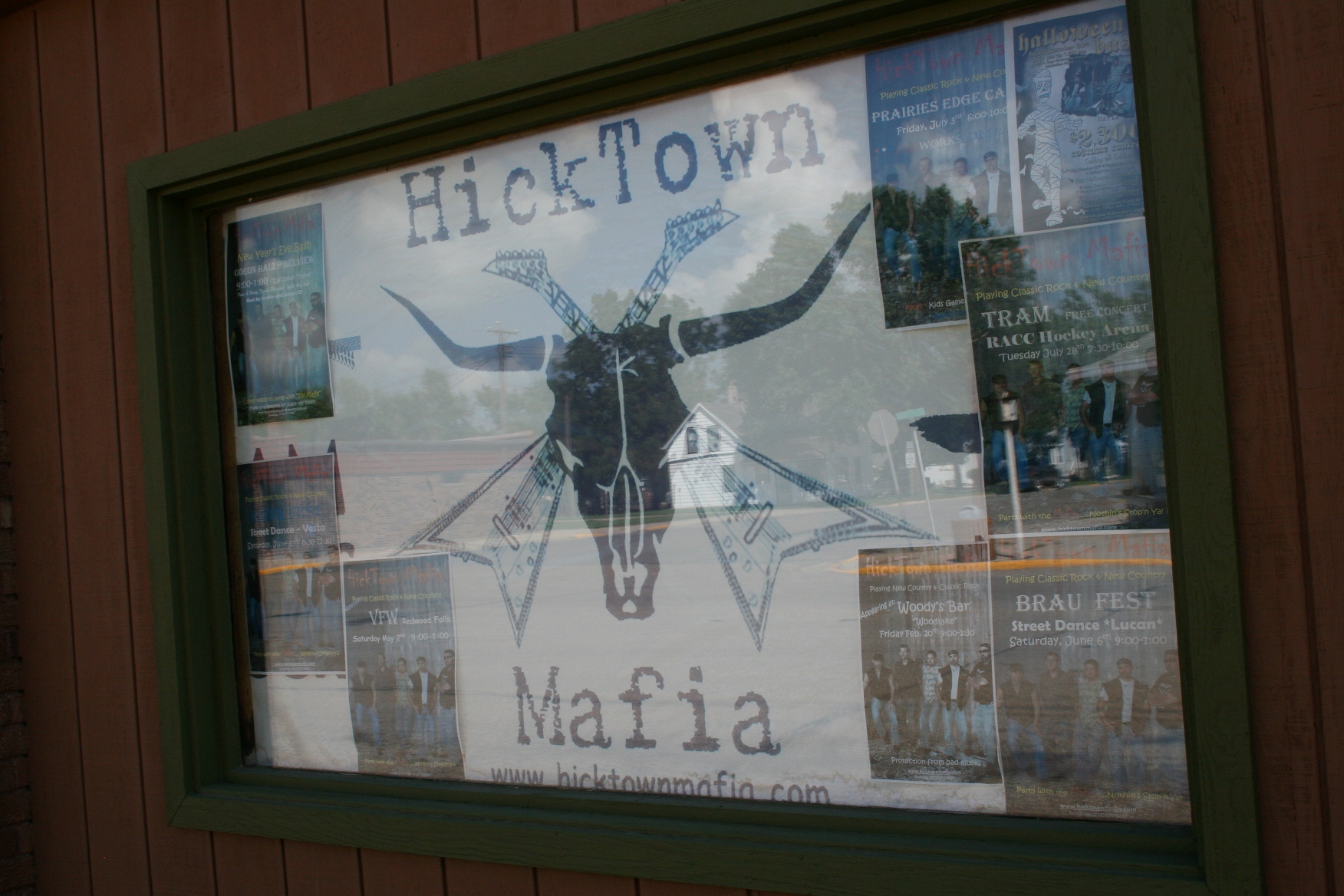
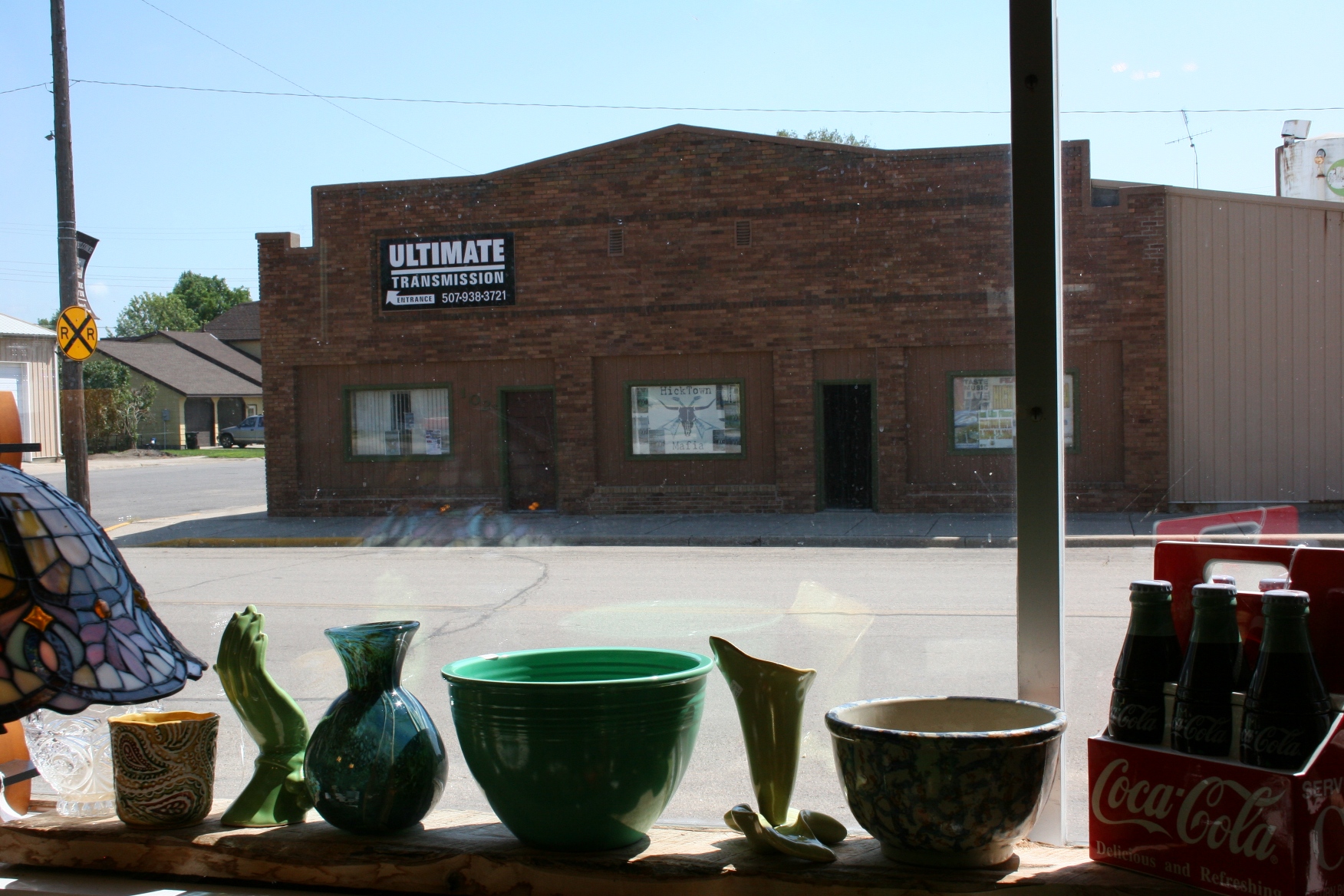
I discovered this poster in the window of a Main Street building advertising a local band, HickTown Mafia. The band plays "country with a kick, rock with an attitude," according to the group's website.

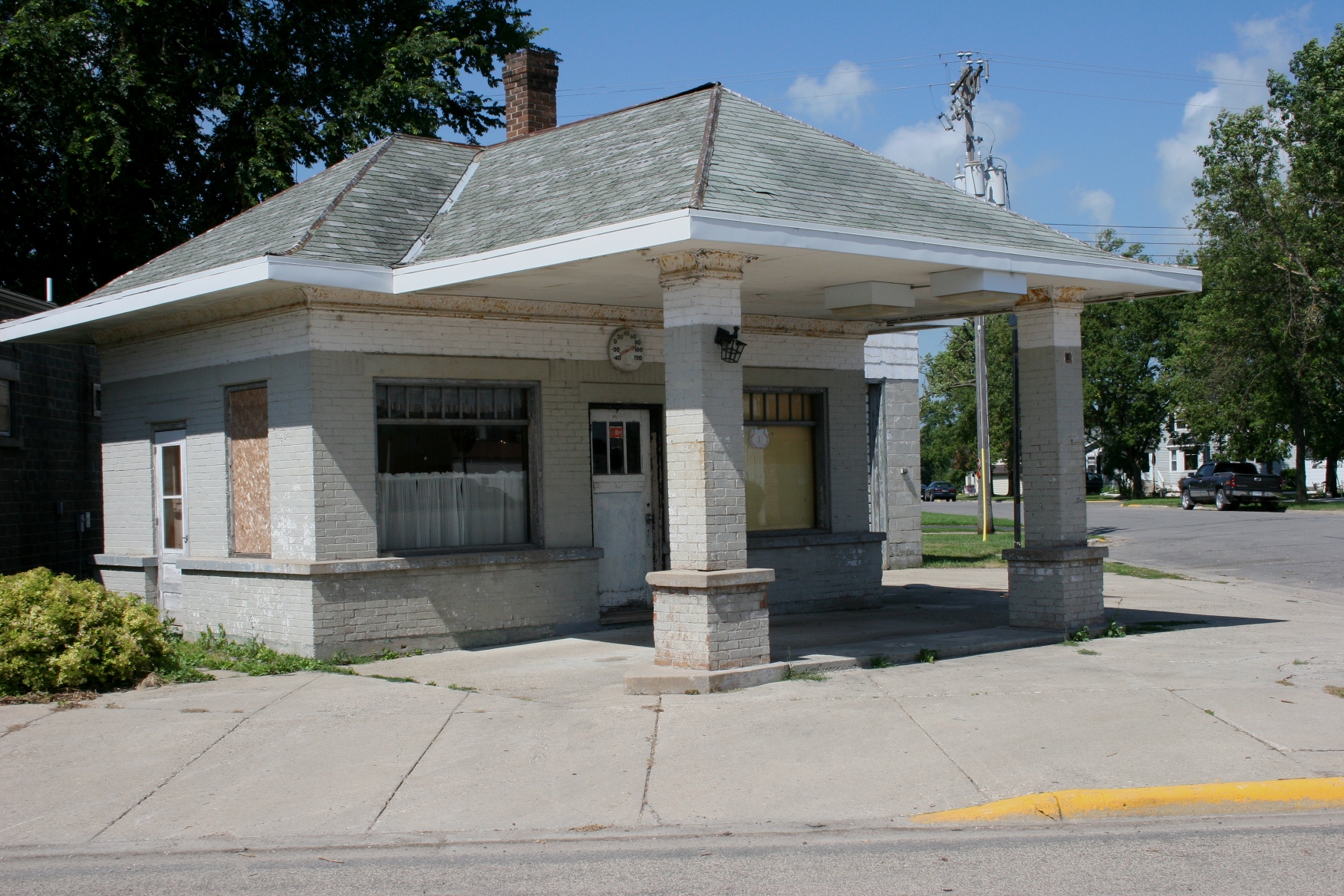
I found this abandoned former gas station (I think) on a downtown corner. This charming building practically shouts for someone to reopen it as a bakery, coffee shop, antique store or some other such venue. Perhaps the two local wineries/vineyards and other area vendors could market their products here.

The Parkview Home, a Belview nursing home, was once home to my maternal grandfather and to other extended aging family members. I've been here often to visit relatives and, during high school, to sing Christmas carols with the Luther League. The building was damaged in a July 1 tornado (note the blue tarp on the roof) and residents have been temporarily displaced.

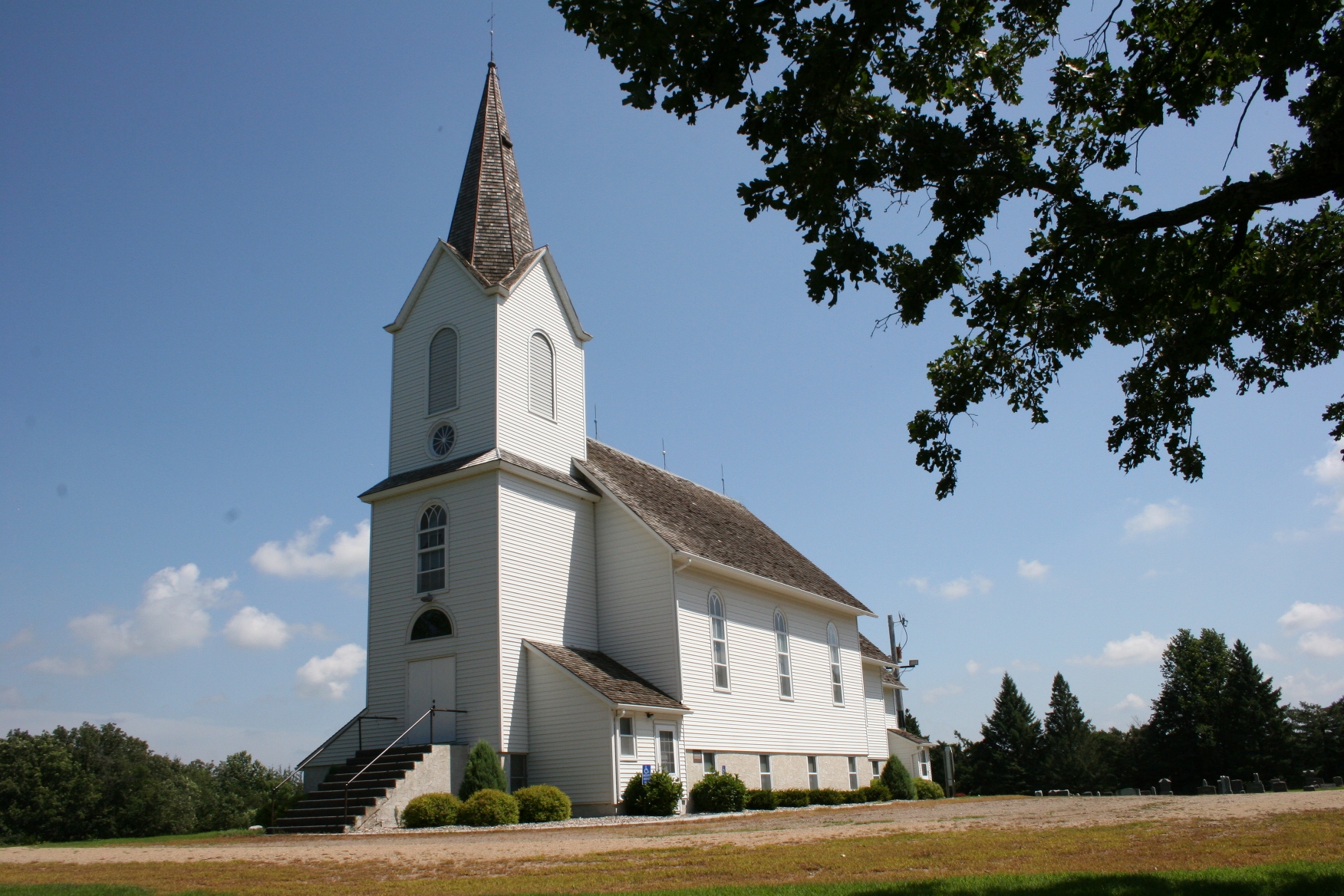
Northwest of Belview, you'll find picturesque Rock Dell Lutheran Church. My Uncle Merlin and Aunt Iylene Kletscher were married here in November 1964, the last time I was inside the church.

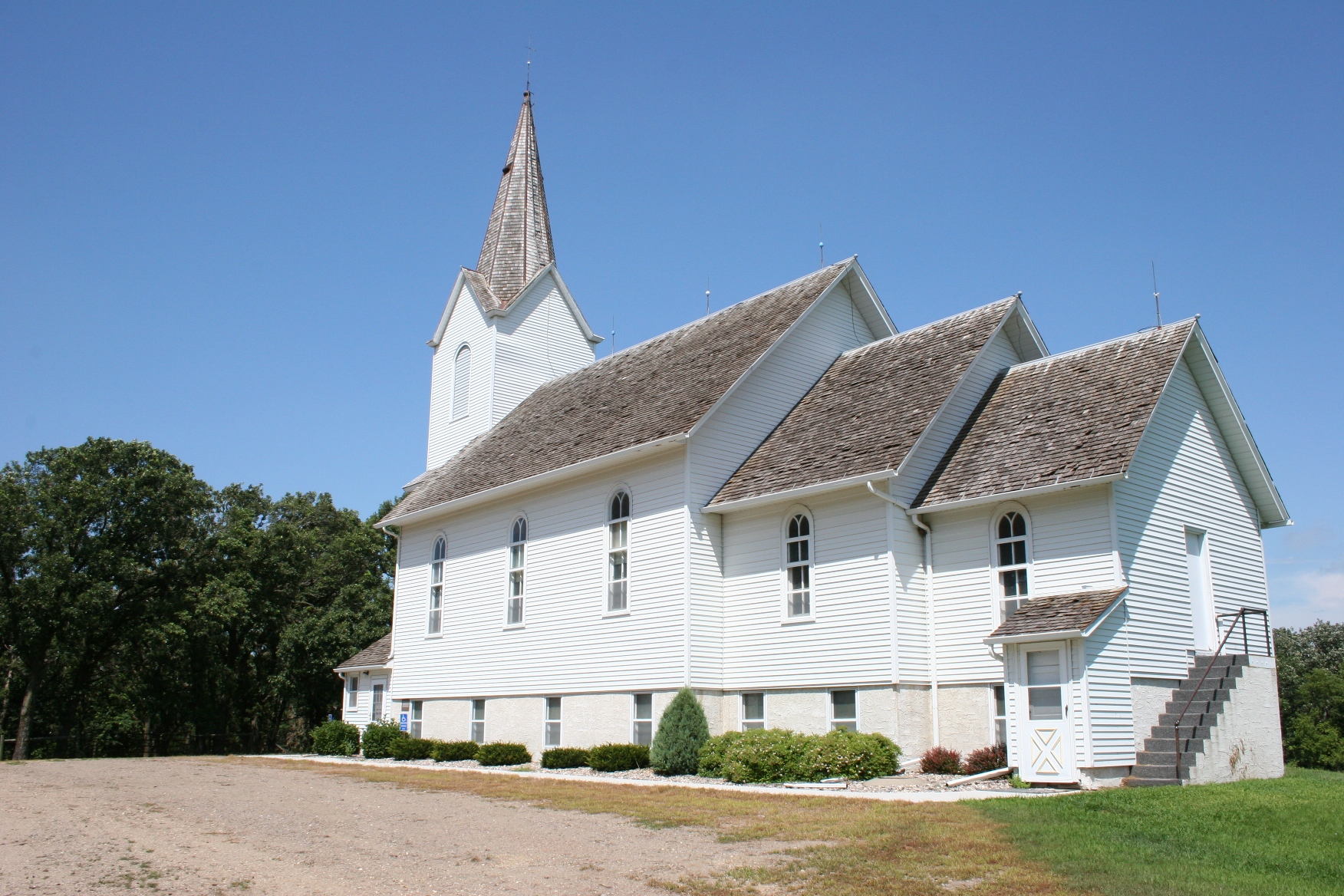
A side view of Rock Dell.

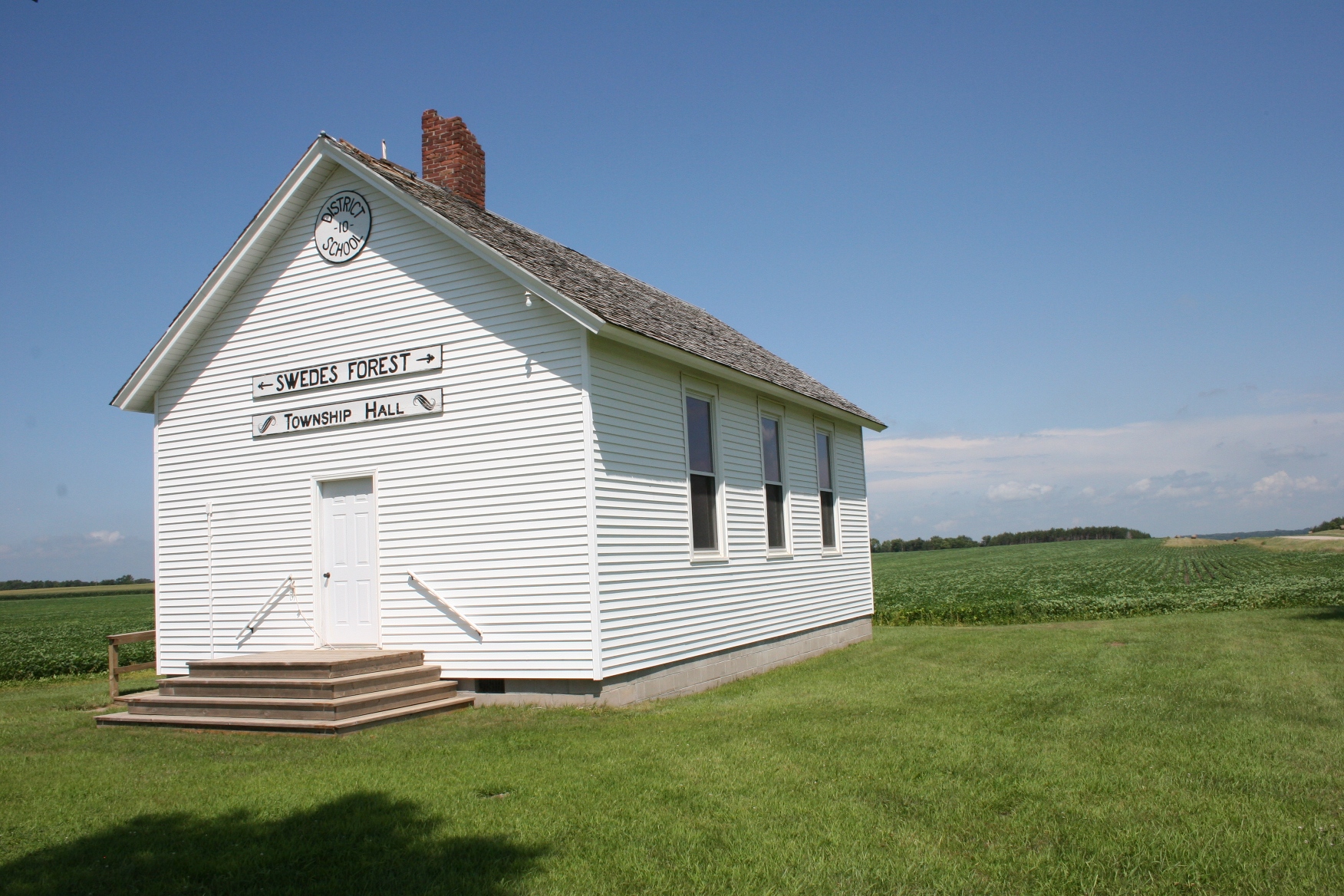
Near Rock Dell you'll find Swedes Forest Township Hall in the middle of corn and soybean fields.

FOR MORE INFORMATION about Belview, click here and here. Also read my previous post about Rainbow Antiques, Crafts and Junque in Belview by clicking here.

TAKE MY CHALLENGE and report back to me on the treasures you discover in a small town or rural area.

© Copyright 2011 Audrey Kletscher Helbling
 

Follow the rainbow to a charming antique store in Belview August 9, 2011

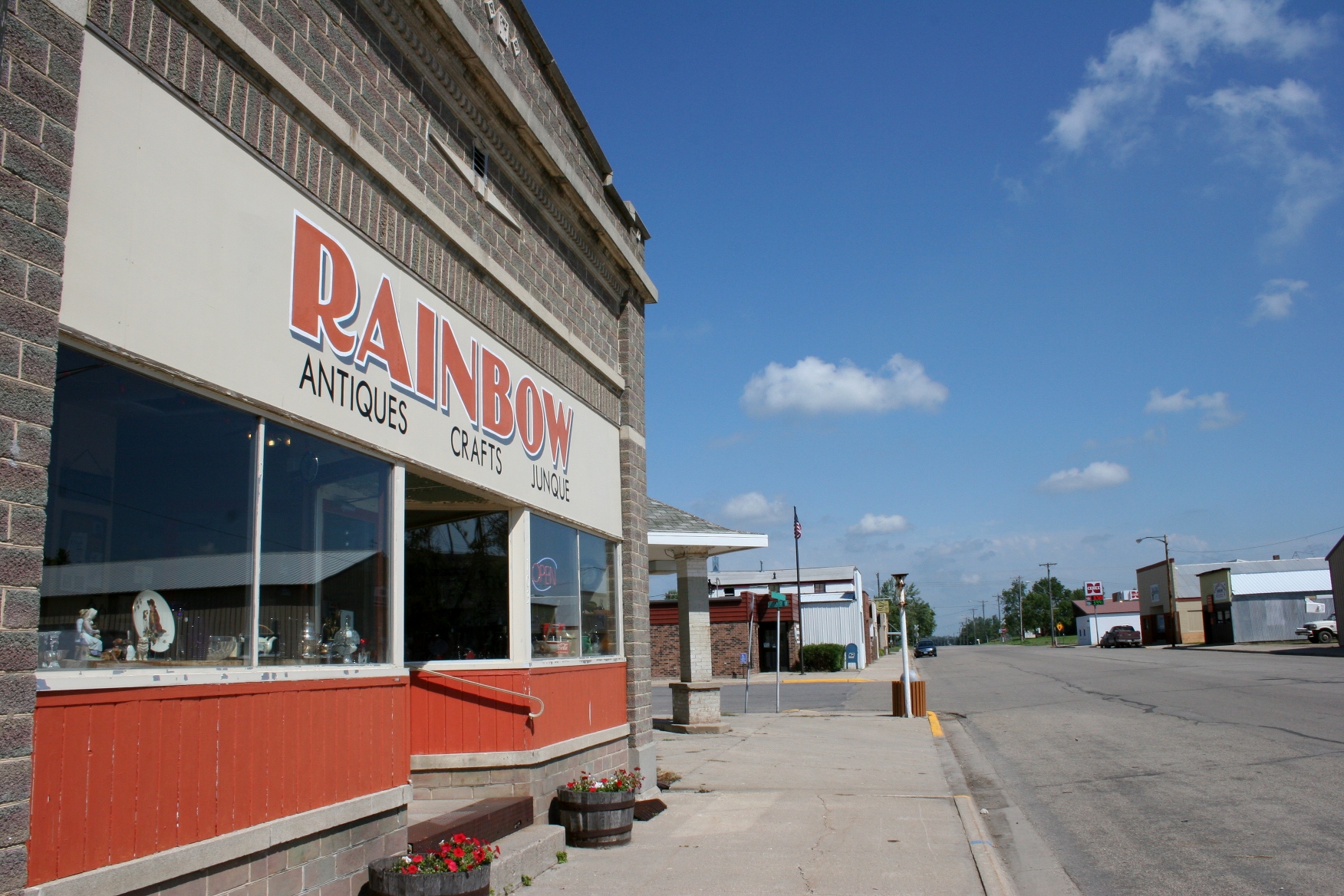
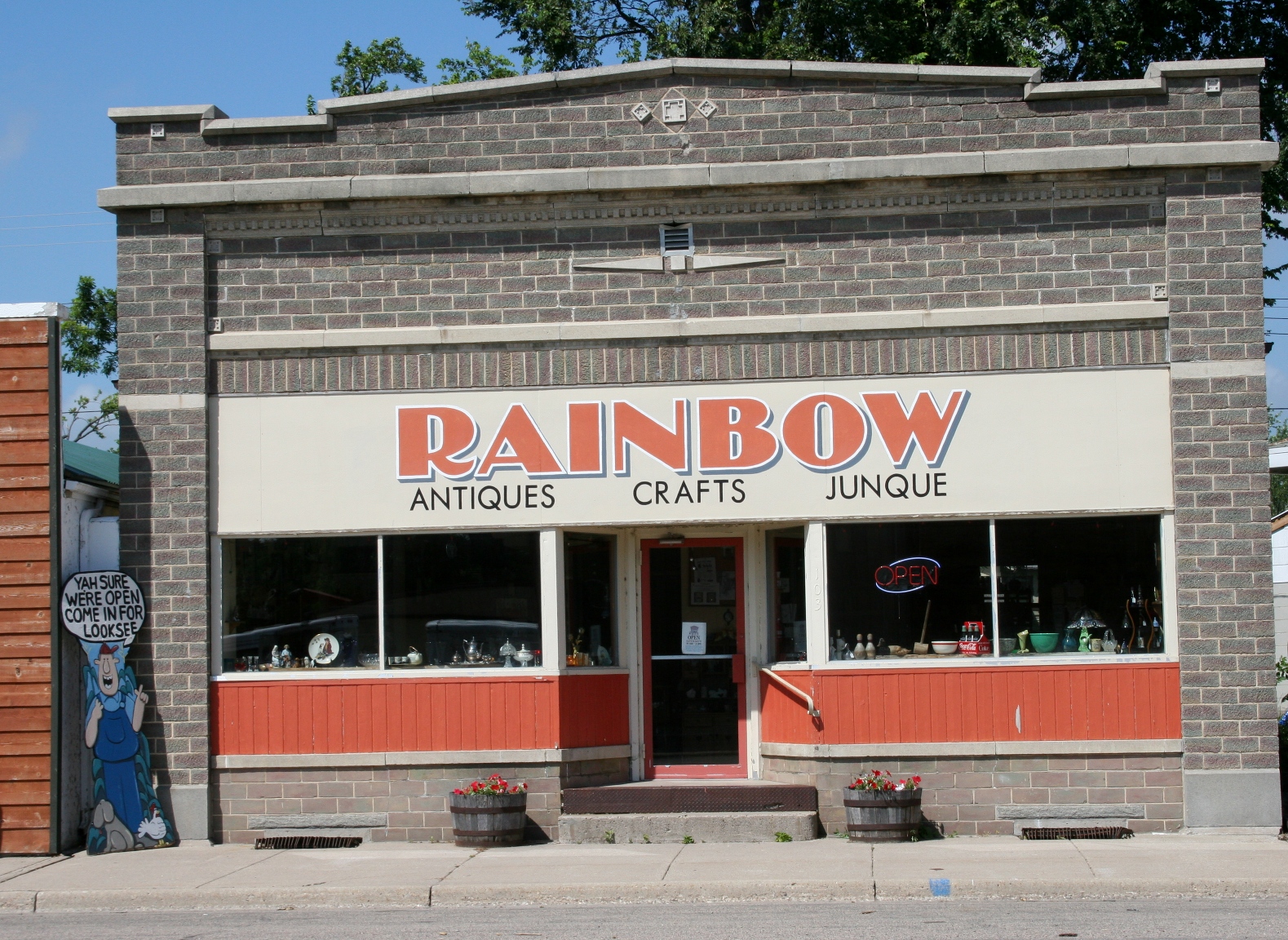
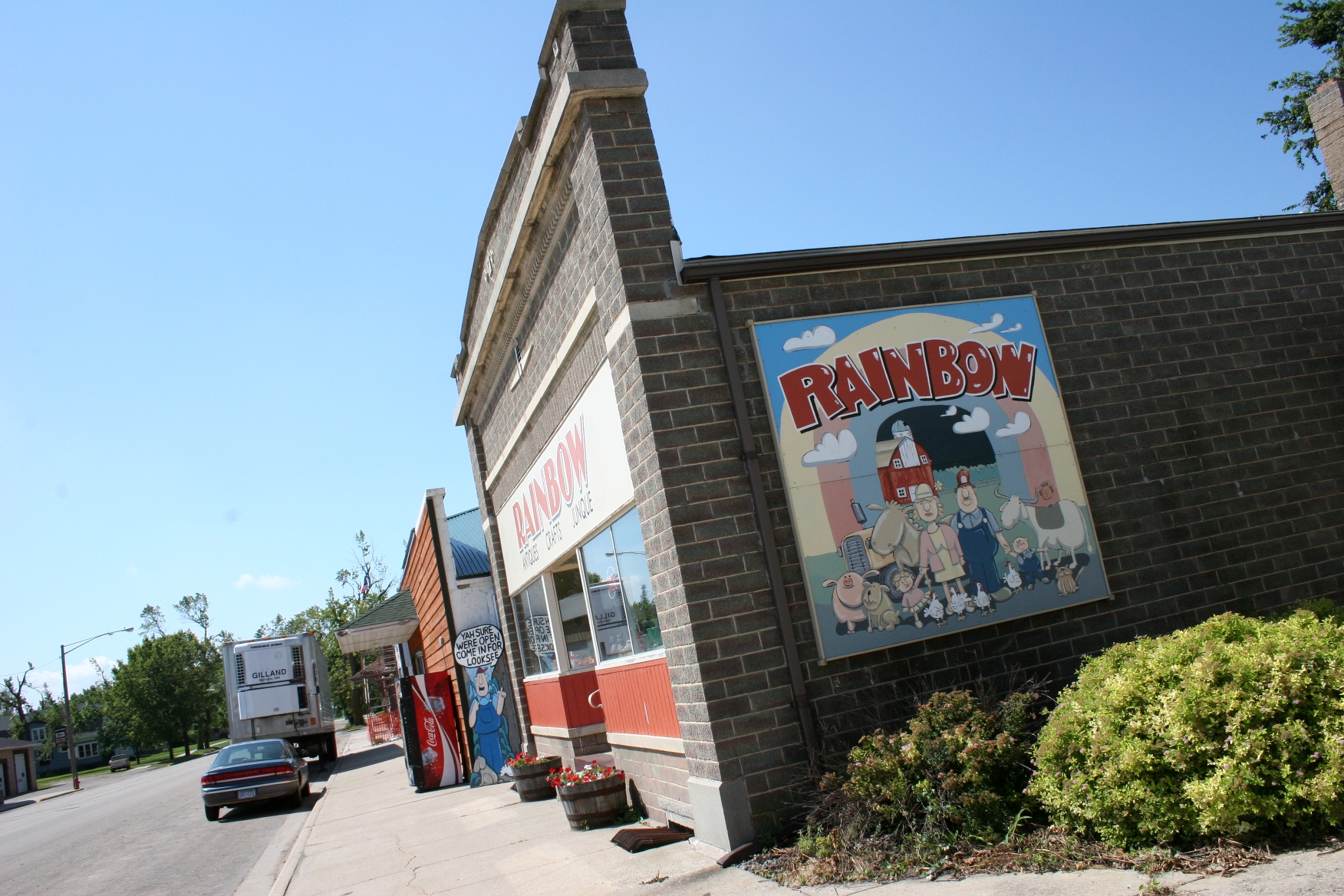
Driving north into Belview, you can't miss Rainbow Antiques, Crafts & Junque.

IF YOU’RE INTO ANTIQUING or architecture or small towns, you’ll want to visit Belview, population 375, four miles off State Highway 19 in southwestern Minnesota.

My husband, Mom and I drove to Belview on a recent Saturday morning to see my Uncle Merlin and Aunt Iylene’s “new” old home along the main drag. We also toured the town, checking out the damage from a July 1 EF-1 tornado. And, lucky us, we happened to be in this Redwood County community on the one day a week that Rainbow Antiques, Crafts & Junque is open.

And let me tell you, Don Gunelson runs one heckuva an antique store with the flair of an artist.

You’ll notice the building right away when you drive or walk Main Street. It’s built of beautiful rainbow brick which, in itself, is worth a stop. I know of at least two other rainbow brick buildings in Redwood County—one in Walnut Grove and the other on a corner in nearby downtown Redwood Falls.

Colorful rainbow bricks comprise the antique shop.

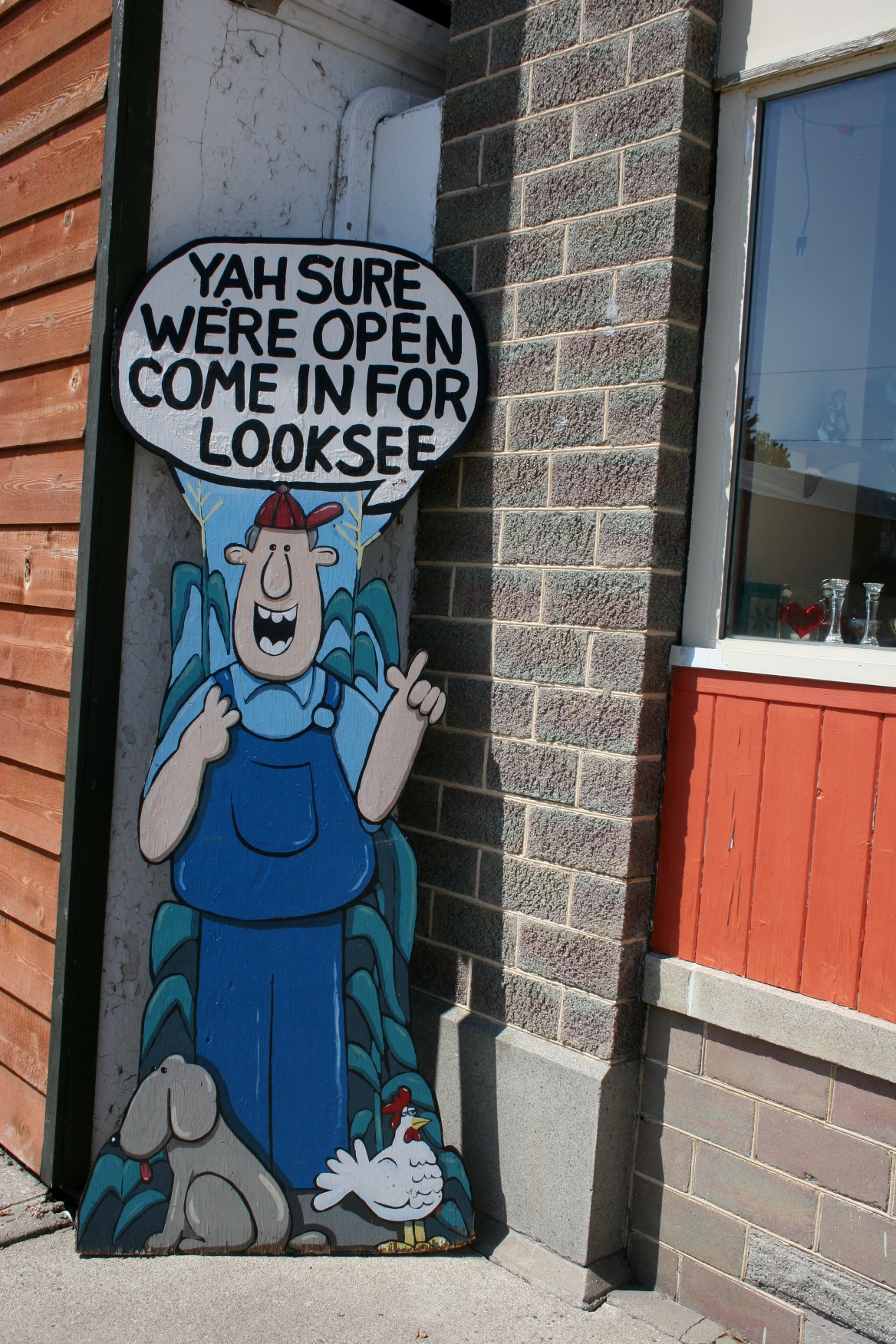
Don directs customers to his store with nicely-done folksy signage. I didn’t ask Don if he created the artwork, but he worked as a graphic designer for a construction magazine before returning to his native Belview from the metro some 10 years ago. He also works part-time at the Belview Post Office.

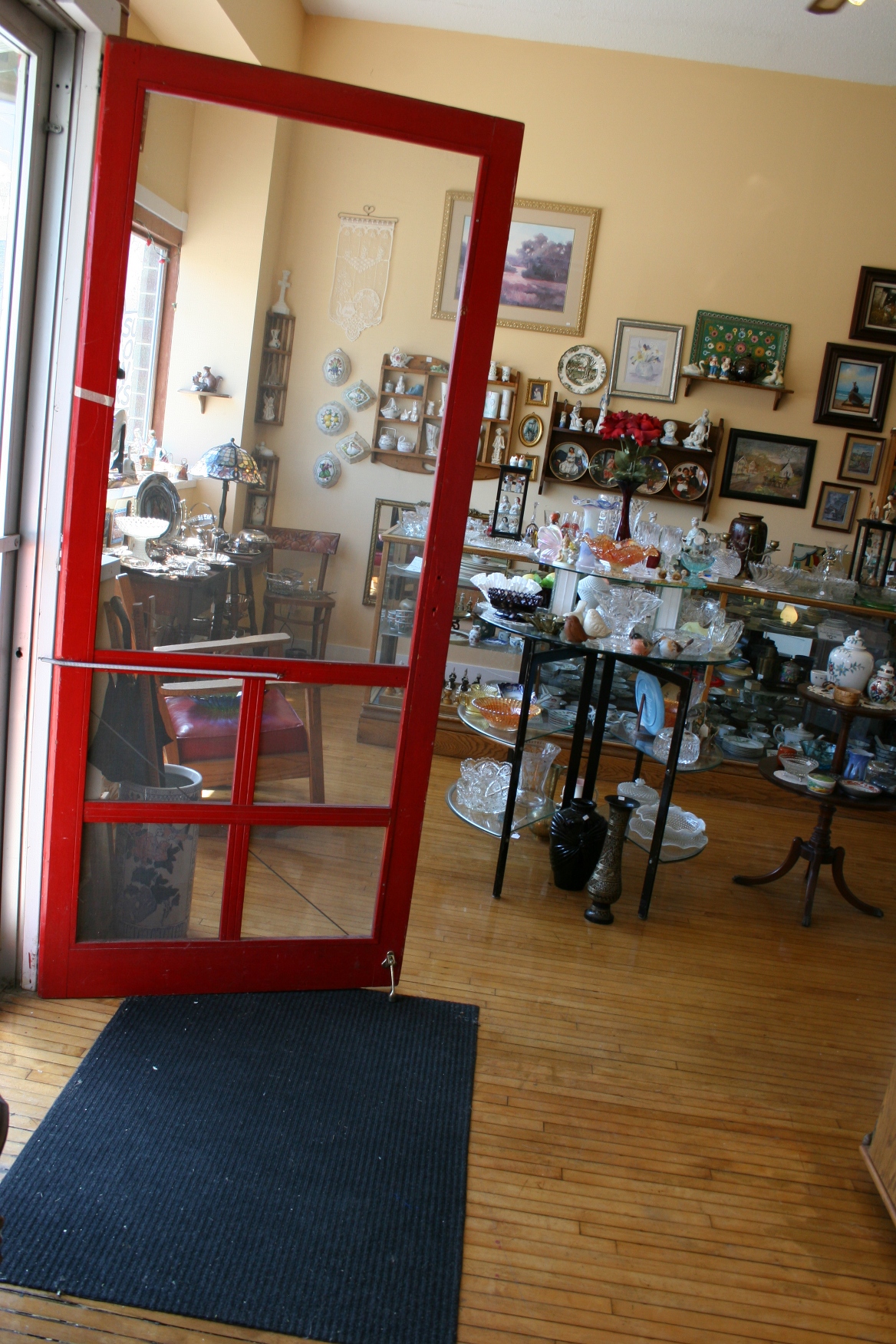
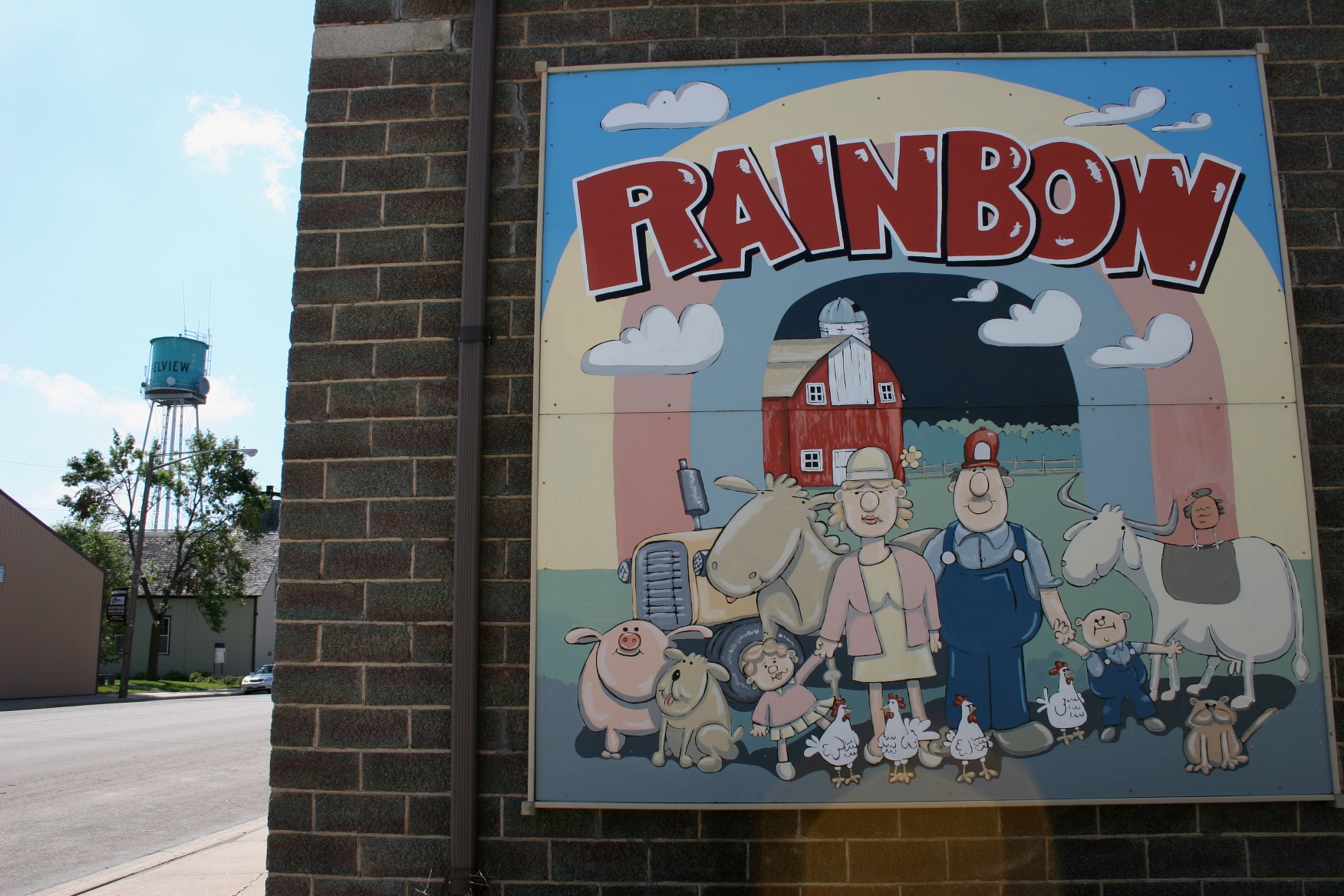
No matter, the friendly painted farmer in the bib overalls who beckons you inside for a “looksee” will already have you smiling before you stroll through the red doors and plant your feet upon the vintage tongue-and-groove floors in a room the color of butter.
Immediately I noticed the old-style screen door painted a vivid red. It’s a perfect fit for setting the mood of this place. I’ve been in a lot of antique shops in my day, and this one, by far, rates as one of the most inviting with plenty of light streaming in the east-facing windows, merchandise displayed in a way that isn’t cluttered and a down-home atmosphere that makes you feel comfortably at ease.
I poked around for awhile, not as long as I would have liked, though, since my mom was waiting for me back at the aunt and uncle’s house. My husband explored, too, and determined the prices to be reasonable—not too high and not too low.

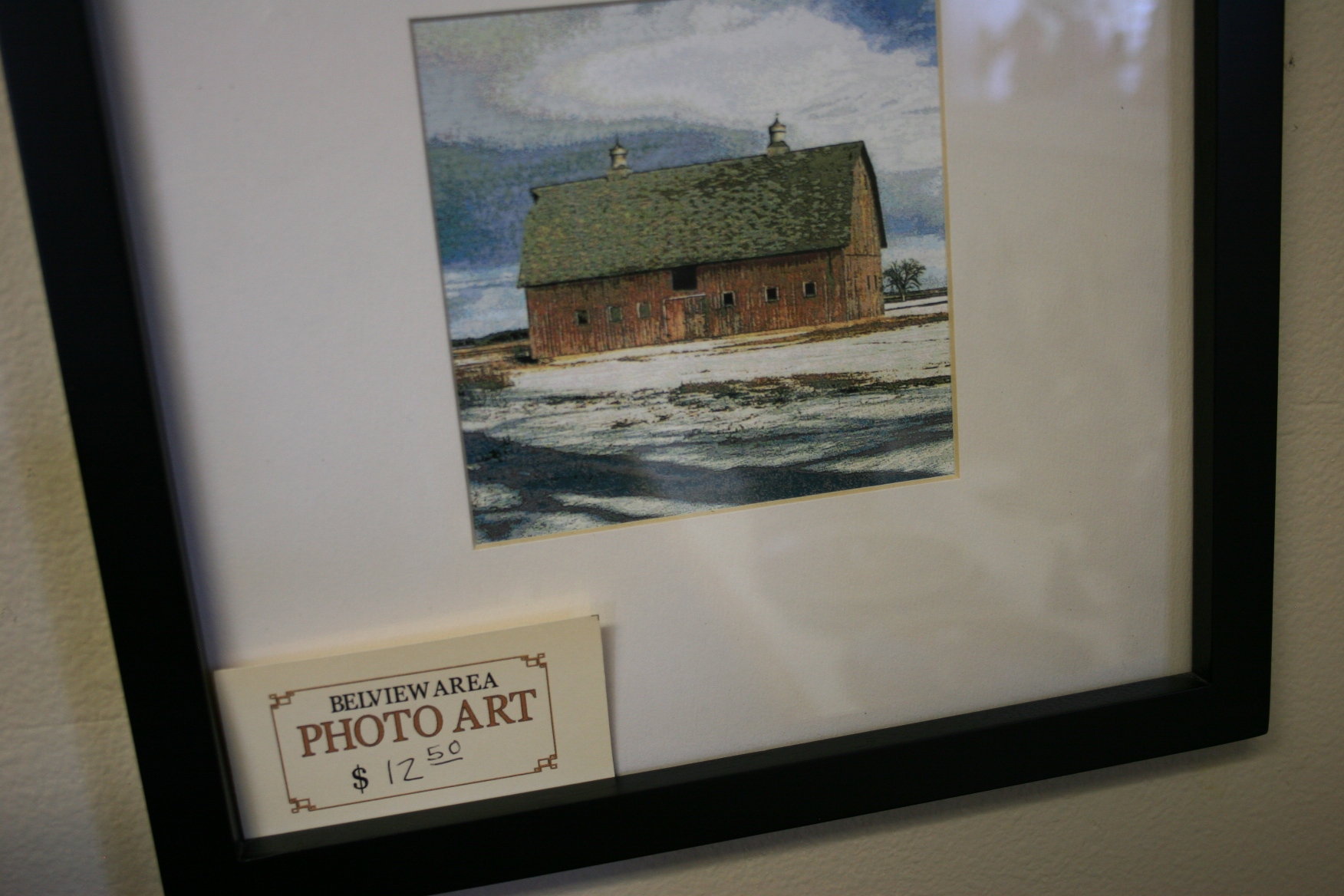
When I got to the back room, I made the discovery of the day, at least in my opinion. And it wasn’t an antique, collectible or junque. I found Don Gunelson’s “Belview Area Photo Art” displayed on the rear wall. I knew from the signage that I was viewing photos, but they sure didn’t look like photos. So I asked Don to explain.

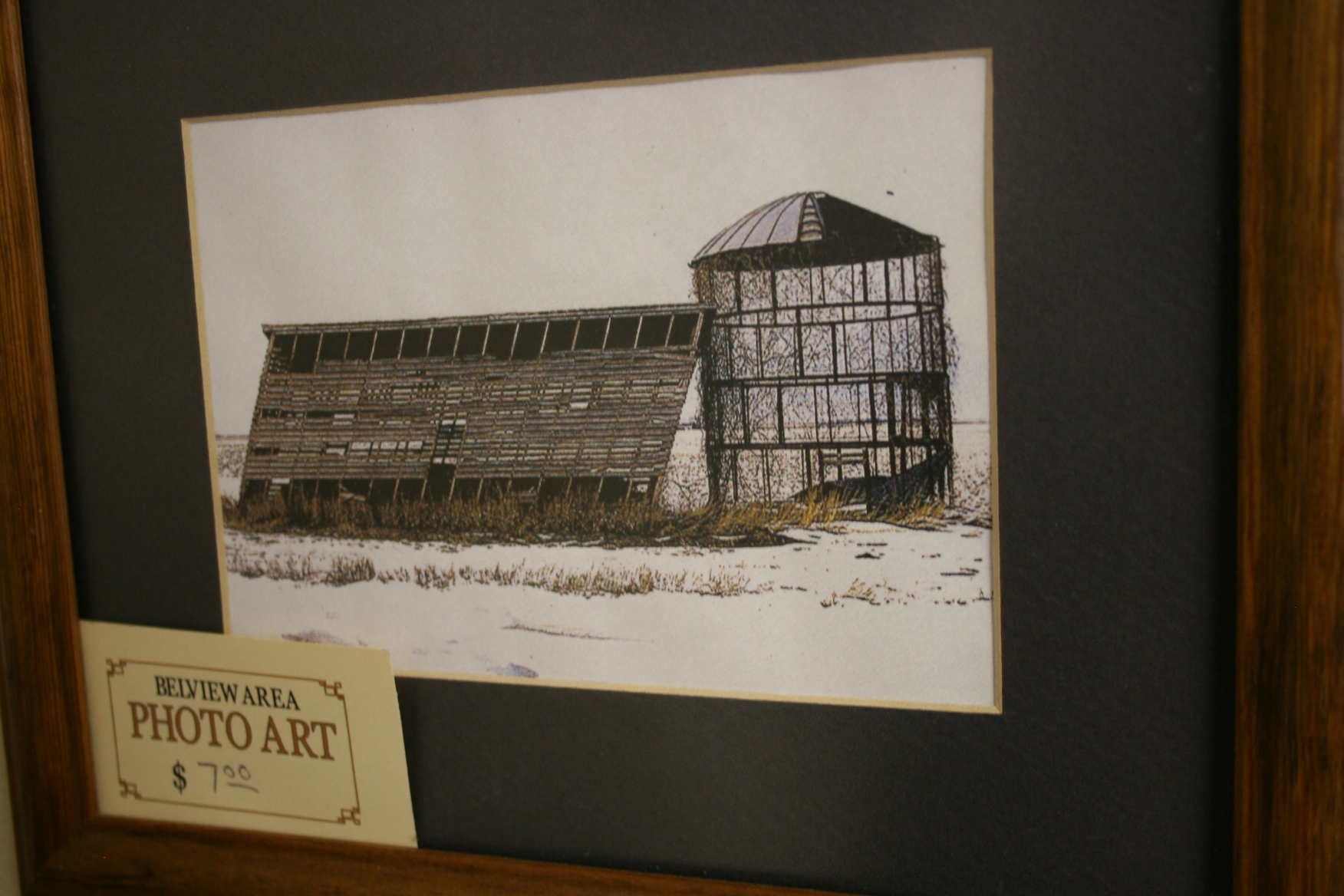
He takes images of area subjects with an inexpensive camera—the fewer pixels the better—edits the photos on his computer and then prints them on watercolor paper with an ink that is more dye than ink. The result is photo art that resembles watercolor paintings.

I gushed over his creations and told him he needs to get these into a gallery—do an exhibit of his “Belview Area Photo Art.”

Now I’m kicking myself for not buying one of Don’s matted and framed creations because, with prices ranging from $7 to $12.50, they’re a steal.

So there you have it, a charming antique store in downtown Belview with an artist running the place.

FYI: Rainbow Antiques, Crafts & Junque, 103 S. Main, is open from 10 a.m. – 3 p.m. Saturdays. Call (507) 938-4476. Maybe Don will open up the shop if you’re in town on a day other than Saturday.

Ruby red glassware is displayed in a front window. To the right in this photo is the blue Belview water tower.

An example of Don Gunelson's Belview Area Photo Art, an area barn.

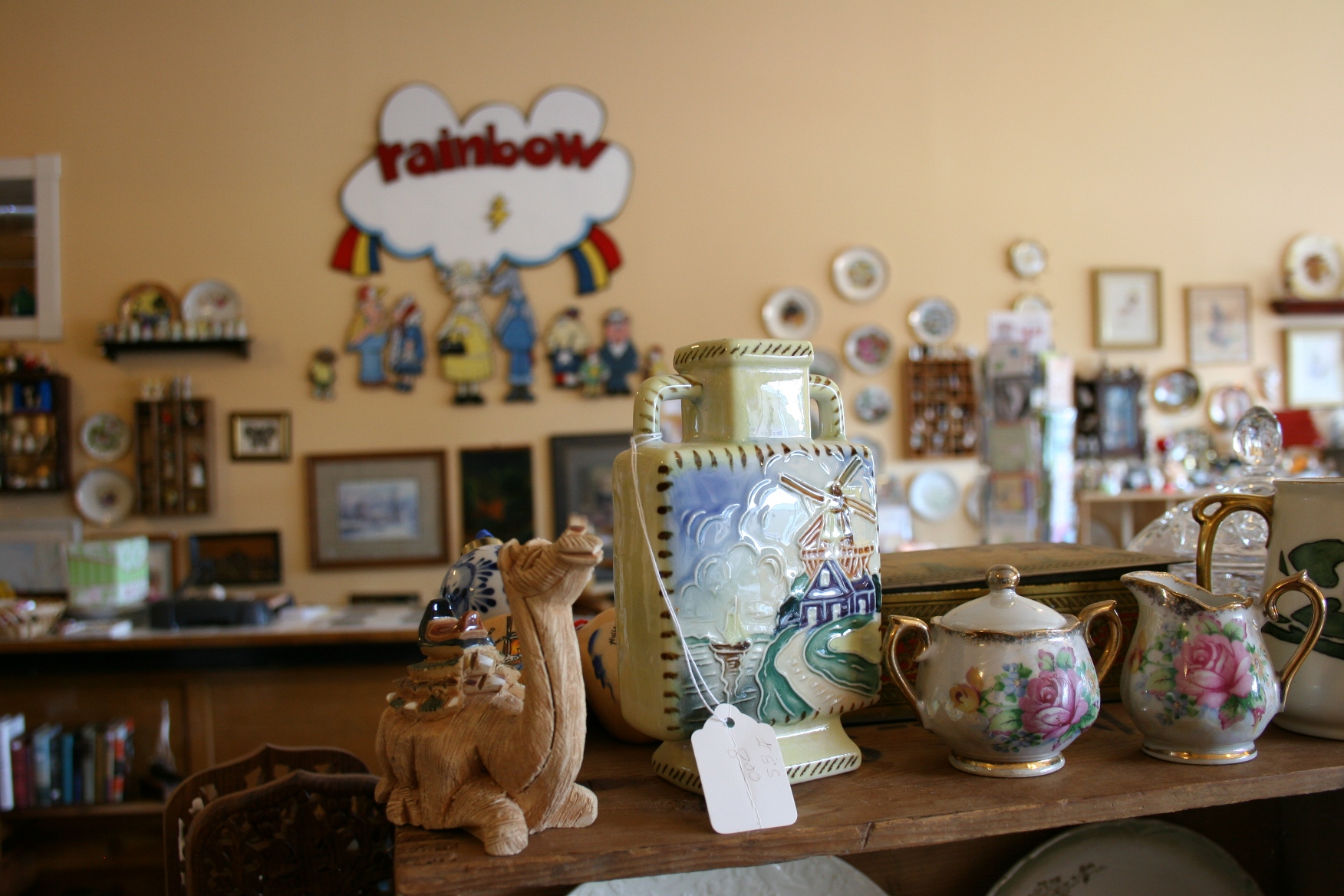
Some of the merchandise displayed in the main part of the antique store.

A view across the street through one of the large front windows at Rainbow Antiques.

More Belview Area Photo Art by Don Gunelson.

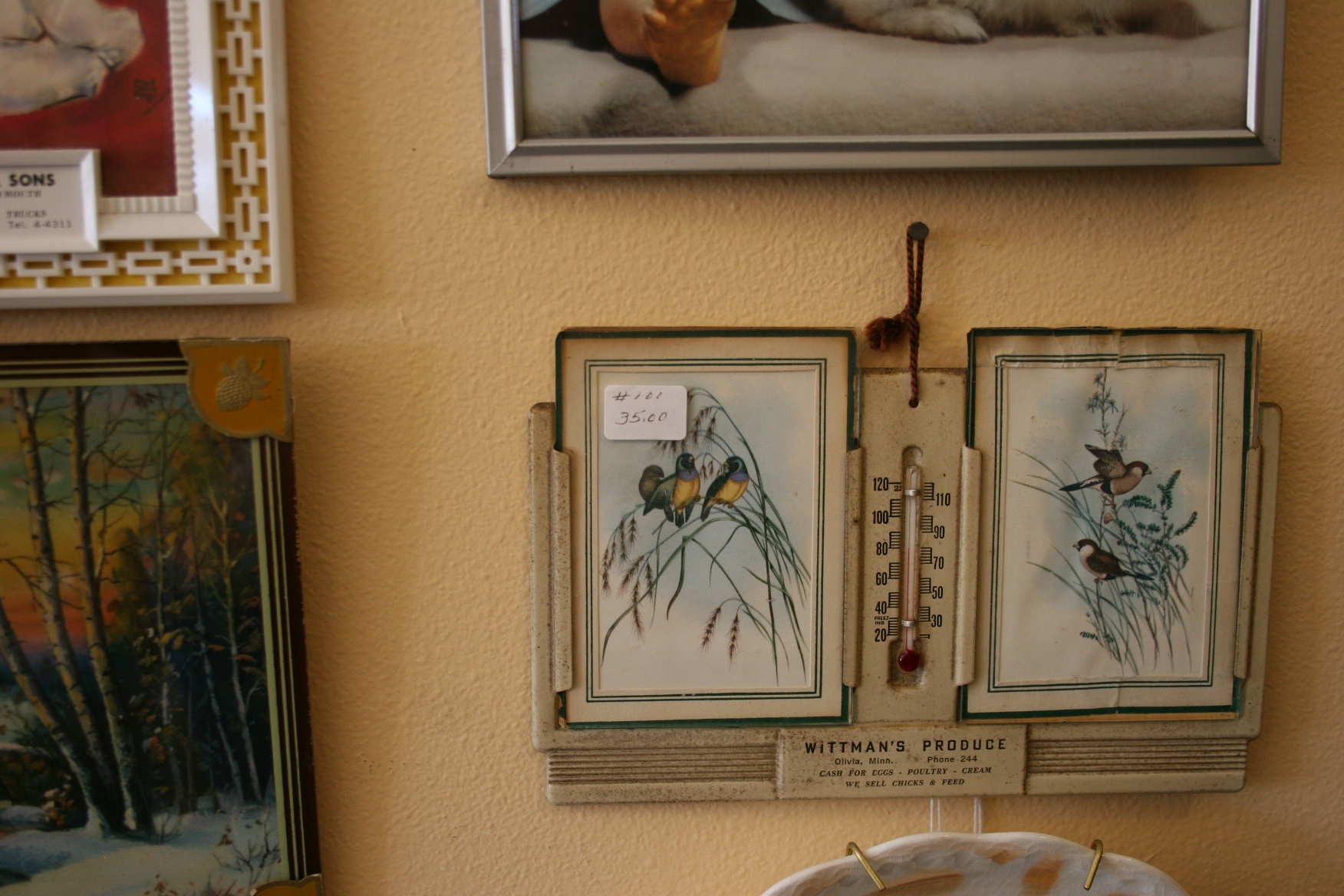
You'll find plenty of collectibles from the area, including this bird thermometer from Olivia.

This colorful folksy farm family graces the north wall of Rainbow Antiques. This photo was shot looking south on Main Street toward Belview's water tower.

Another view of Rainbow Antiques and Main Street Belview looking south.

Check back for more reasons to visit Belview in a future post.

© Copyright 2011 Audrey Kletscher Helbling