Minnesota Prairie Roots

Writing and photography by Audrey Kletscher Helbling

Into the fire September 20, 2021

Filed under: Uncategorized — Audrey Kletscher Helbling @ 5:00 AM
Tags: , , , , , , , ,
Minnesota Prairie Roots file photo July 2021, used for illustration only.

ONCE UPON A TIME in The Land of Plenty, the disbelieving villagers decided they’d had enough. They’d had enough of the Ministry of Health and its ongoing efforts to keep The Great Invader from continuing his march across the land. They were weary of being told what to do. They were weary of anything that limited their freedom. They were simply not going to listen. They would live their lives as they wished, unencumbered. And so they did.

Most, but not all, carried on as usual despite increasing reports of illnesses and deaths caused by The Great Invader. They didn’t fear him. After all, they’d gone this long without encountering him. Why worry now? They mocked those who expressed concern. They dismissed the daily lists of dead posted on multiple scrolls in the village square. They ignored, too, the stories of healers overwhelmed by the sick now lying on cots in the streets. They refused to listen to anyone who expressed even the slightest concern about the health of the kingdom.

INTO THE FIRE

Yet, despite their best efforts, they could not completely squelch the stories that circulated. It was rumored that The Great Invader had infected many in the region who refused a life-saving potion that would protect them. It was rumored, too, that many of the children in neighboring villages (and perhaps some of their own) had also fallen ill. And when a representative of the Ministry of Health tacked official documents from the Office of Truthfulness onto a post in the village square proving the stories were fact, not rumor, they ran him out of town. They built a roaring fire, ripped down the scrolls and burned the words of truth to ashes.

They would have none of this They danced in the square, hands joined in celebration. They sang, their boisterous voices rising. And when they grew weary from all the song and dance, they crammed onto long plank benches and drank their fill of ale. Their tongues loosened. Spittle flew. And they determined that no one, not even The Great Invader, held power over them or their village.

AND THEN…

Days later, The Village Know-It-All, who led the local anti-Ministry of Health campaign and subsequent celebrations, fell ill. The villagers heard him hacking, his voice raspy with phlegm. He looked unwell. Pale. Weak. Perhaps even running a fever. Snot dripped from his nose. Still, his adoring admirers circled close as he barked at them in a hoarse voice. He instilled fear in most. Few dared challenge him.

Yet some in the village, noticing his declining health, discreetly distanced themselves from a man they’d never liked, whom they secretly considered a bully of low intelligence. Doubt crept into their thoughts. And they began to wonder if perhaps the Ministry of Health officials had been right all along. Perhaps The Great Invader had infiltrated their village. If only they’d read fully the words of warning posted in the village square. If only they’d chosen truth over fire.

#

NOTE: In every story, truth exists, this one no exception. As The Great Invader (COVID-19/delta variant) continues to ravage The Land of Plenty and beyond, please choose truth. Take care. Be safe. Be well. Think before you dance or sing in the village square. And, above all, care for one another, especially our children, our seniors and those who are health-compromised.

This marks the fourth in my ongoing series about The Great Invader. Click here to read my previous three posts.

NOTE: I moderate all comments on this, my personal blog.

© Copyright 2021 Audrey Kletscher Helbling


A must-listen: “Tilly Remembers Her Grandfather” August 13, 2021

Minnesota Prairie Roots copyrighted file photo.

SHE DEFINES SADNESS in these words: an ocean filled with nothing.

That definition comes not from a poet or a songwriter, but rather from 12-year-old Matilda Breimhorst in a May 1, 2020, podcast interview with Michael Barbaro of The New York Times, The Daily.

I encourage every single one of you to listen to this 20-minute interview, “Tilly Remembers Her Grandfather.” It will leave you emotionally exhausted/drained/heartbroken as you hear Tilly speak about her beloved Papa.

The Rev. Craig Breimhorst died on April 16, 2020, due to complications of COVID-19. He was the first person in my county of Rice to die of the virus. That county death tally has since risen to 113. As shared in my post yesterday, Breimhorst’s life will be celebrated on Saturday during his funeral.

When I published that post, I was unaware of the podcast. But Minnesota Prairie Roots reader Sandy Varley directed me to the NY Times podcast and for that I feel grateful. Please, take 20 minutes of your time to listen to Tilly talk about her Papa.

About the grandfather who climbed with her onto their special spot on the roof of his house to talk and star gaze. About the grandfather who would show up unexpectedly at school to eat lunch with Tilly (even stealing her chips) and tell stories to her and her friends. About the grandfather whose t-shirt she slept in when he lay dying in the hospital.

I admire the strength of this 12-year-old in telling her story, sharing her grief. Her words are powerful, her insights remarkable for someone so young. Via this podcast, via the bravery and honesty of Tilly, Rice County’s first COVID-19 death transforms from a statistic to a granddaughter remembering and grieving her grandfather. Her beloved Papa.

© Copyright 2021 Audrey Kletscher Helbling


COVID-19 stories from Minnesota November 18, 2020

Filed under: Uncategorized — Audrey Kletscher Helbling @ 2:25 PM
Tags: , , , , , , , ,
Minnesota Prairie Roots photo taken in downtown Faribault, MN on May 15, 2020.

AT 6 PM TODAY, Minnesota Governor Tim Walz is expected to announce more restrictions related to COVID-19 during an address to our state. With cases, hospitalizations and deaths exploding, additional measures seem wise and necessary. Minnesota recorded 67 COVID deaths today, a new record.

On Tuesday afternoon, the governor led a press conference that focused on stories, what he termed “the basic human part of what COVID is.” If you read my MN Prairie Roots post yesterday, you understand the value I place on stories. Last Friday I emailed the governor’s office and suggested stories as a way to personalize COVID. Whether my email helped shape the approach taken at yesterday’s briefing, I don’t know. It doesn’t matter. What matters are the powerful stories shared. I feel it’s important to pass along these stories, using notes I took during Tuesday’s press conference.

“IF WE DON’T ACT NOW…”

Former State Representative Nick Zerwas from Elk River began the storytelling with his COVID experience, one which landed him in the hospital for five days. Only 39 years old but with an underlying heart defect, he required supplemental oxygen. “I was stunned that I was so overwhelmed and ill from this virus,” he said.

At times throughout the tele-conference, I heard Zerwas coughing and wondered if he would make it through the briefing.

Zerwas, a Republican, has done an about face on the virus, now advocating mask wearing and coming together to stop rampant community spread. He spoke candidly about his change in attitude, noting, though, that the virus situation (community spread) now is much different than this summer.

I’ve seen the same attitude changes recently in other Republican leaders who, just last week, became infected with COVID. It’s a welcome shift that I hope ripples to the public and ends the politics of COVID-19.

In his lengthy storytelling, followed by a media question, I found this statement by Zerwas to be particularly powerful: “The virus is here. If we don’t act now, God help us.”

IN THE ICU WITH HEART AND KIDNEY FAILURE

The second speaker, Sarah Winston, the mother of a 17-year-old daughter infected with COVID-19, spoke next. Hers is a story that needed to be told and to be heard by anyone who thinks they are “safe” from the ravages of the virus just because they are young and healthy.

Sarah described her daughter as a healthy student athlete who contracted COVID from an asymptomatic friend. Ella ended up in the hospital for 10 days with heart and kidney failure and more and deals now with inflammation of her heart.

This mother urged Minnesotans to stay home, to quarantine even if they test negative after exposure, to wear masks, to be safe, to be smart.

I was surprised to hear her say, though, that she wants sports to continue (for the mental health of young people).

“AN AWFUL EXPERIENCE”

Dr. Jon B. Cole, a doctor in Hennepin Healthcare emergency medicine, termed COVID-19 “an awful experience.” He spoke from both a personal and professional perspective. In March, when COVID was just breaking in this country, he canceled a trip to Florida with his wife and four children. Five days later, he developed the virus and was among the first in Minnesota to test positive for COVID. Cole emphasized how thankful he was for his decision to cancel the Florida trip.

On a professional level, he spoke of the “substantial number” of nurses and doctors now sick with the virus or in quarantine. He warned of a shortage in healthcare workers.

GRIEVING

“I don’t want anyone else to endure what my family has had to endure,” Lt. Gov. Peggy Flanagan said after sharing the story of losing her brother to COVID-19 in March. She described her brother as “a Marine, tough as nails.” He cared for their father, who died in January. Not long after, he was diagnosed with aggressive cancer and then COVID.

Flanagan noted that she never got to say goodbye to her brother, that she hadn’t processed her grief. It wasn’t until October that her family buried his ashes. Grief threaded through her narrative. As did strength and a determination that her experiences will make a difference.

She emphasized that every life has value, no matter an individual’s age in obvious reference to many elderly in care centers who have died as a result of COVID.

Flanagan said it’s “killing” her not to have Thanksgiving with her mom, asking Minnesota families to do the same so the chairs around their holiday tables are full next year. She encouraged people to drop the “magical thinking” that one Thanksgiving dinner won’t count in stopping the spread of COVID. Those were hard words to hear.

“COVID will continue to spread as long as we allow it to,” she concluded, urging everyone to take care of themselves and each other.

SOME WORDS FROM THE GOVERNOR

When the press conference ended, the media asked questions, mostly of the governor. He noted there will be a pause in sports and other restrictions announced today.

He also expressed gratitude to those who shared their stories Tuesday afternoon. I am grateful, too, for those stories which, as the governor stated in his opening remarks, add the human element to this virus.

Walz offered one final observation: “This is as bad as it was in New York in the spring.” If only he was wrong.

#

Take care, dear readers. Make good choices for yourself and others. Follow health and safety guidelines/mandates. Be safe. Be well.

NOTE: I welcome comments and sharing of stories. However, I moderate all comments and will not publish those which are inflammatory or which spread misinformation and/or false narratives.

© Copyright 2020 Audrey Kletscher Helbling
 

Take a (story) walk along Central in Faribault September 2, 2020


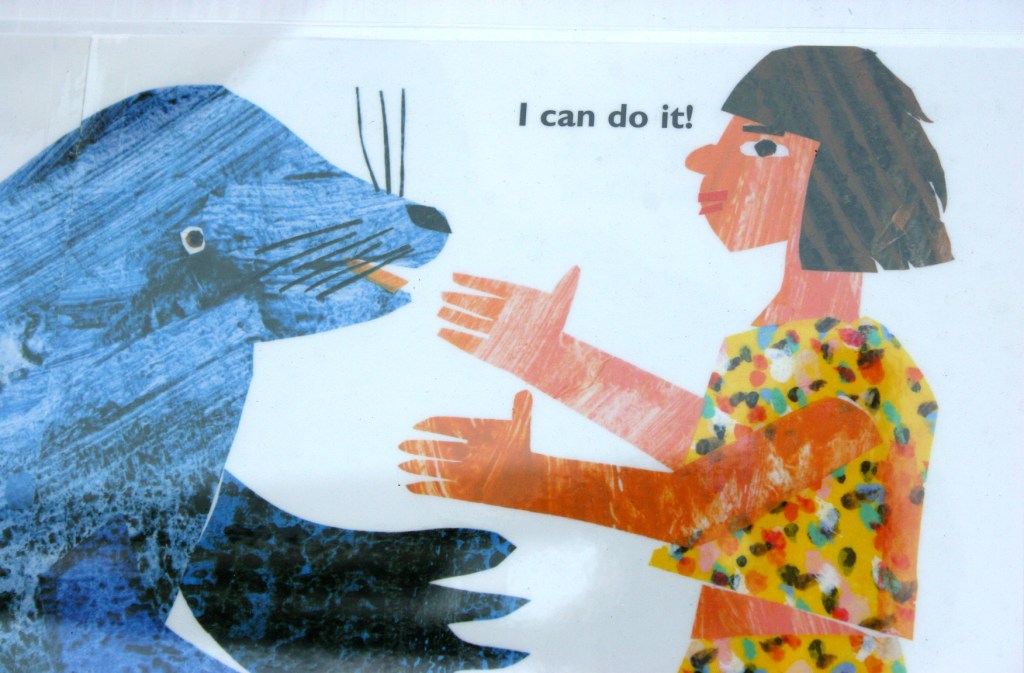
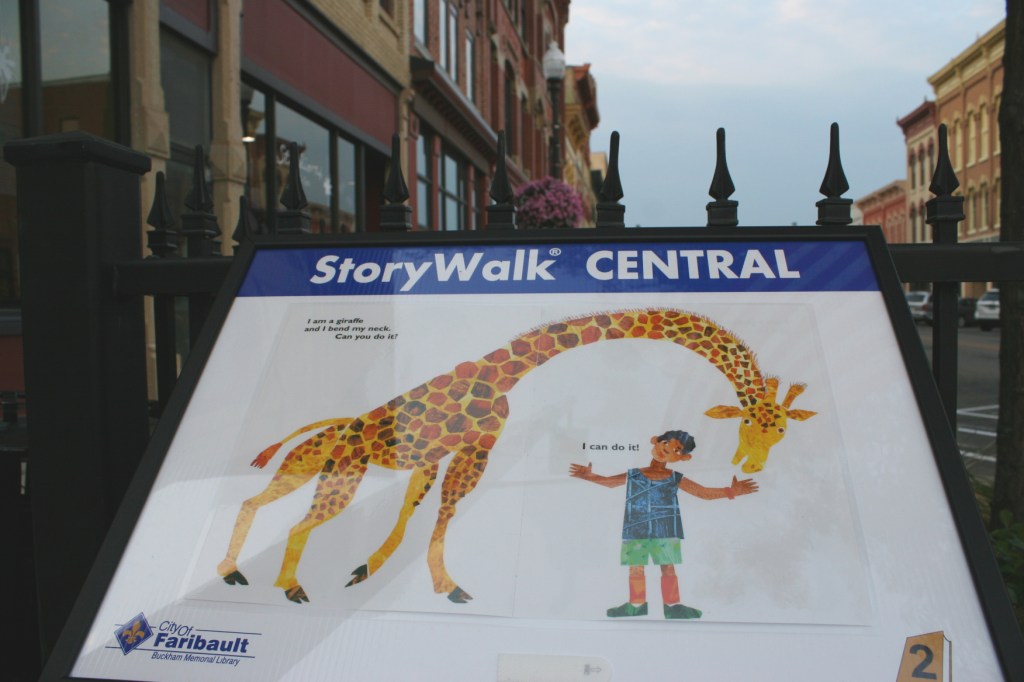
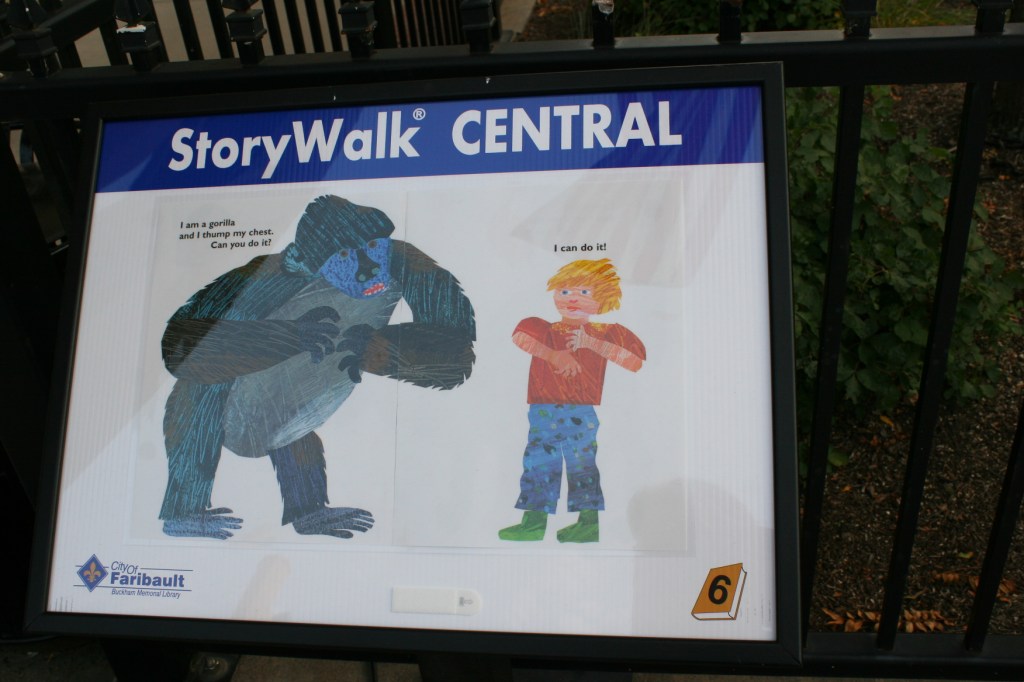
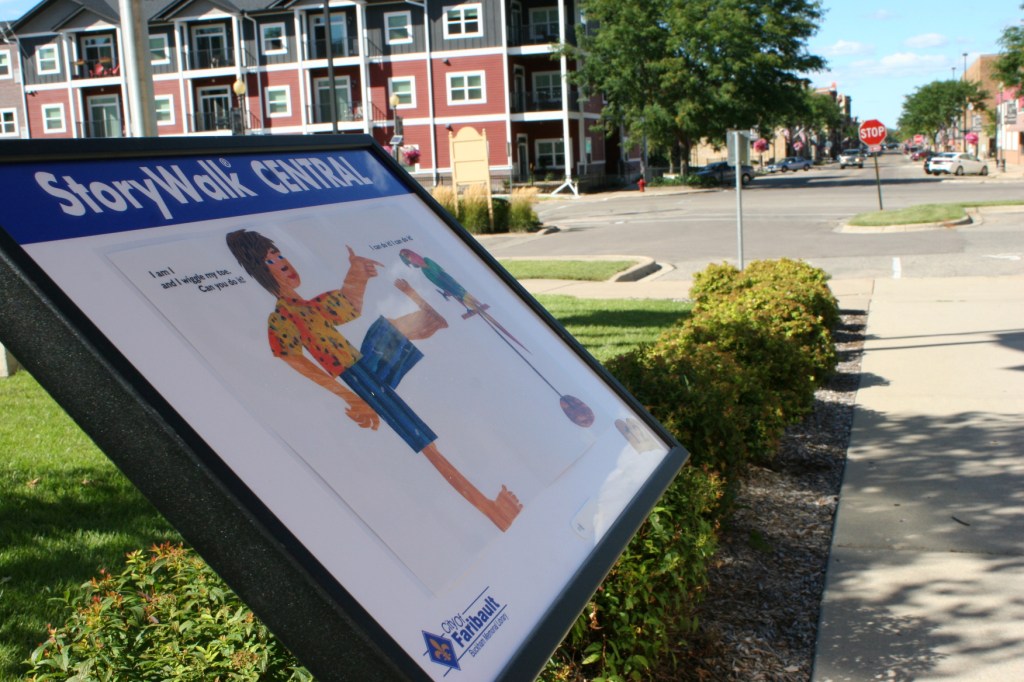
A page from Eric Carle’s book, From Head to Toe, photographed inside a StoryWalk display case.


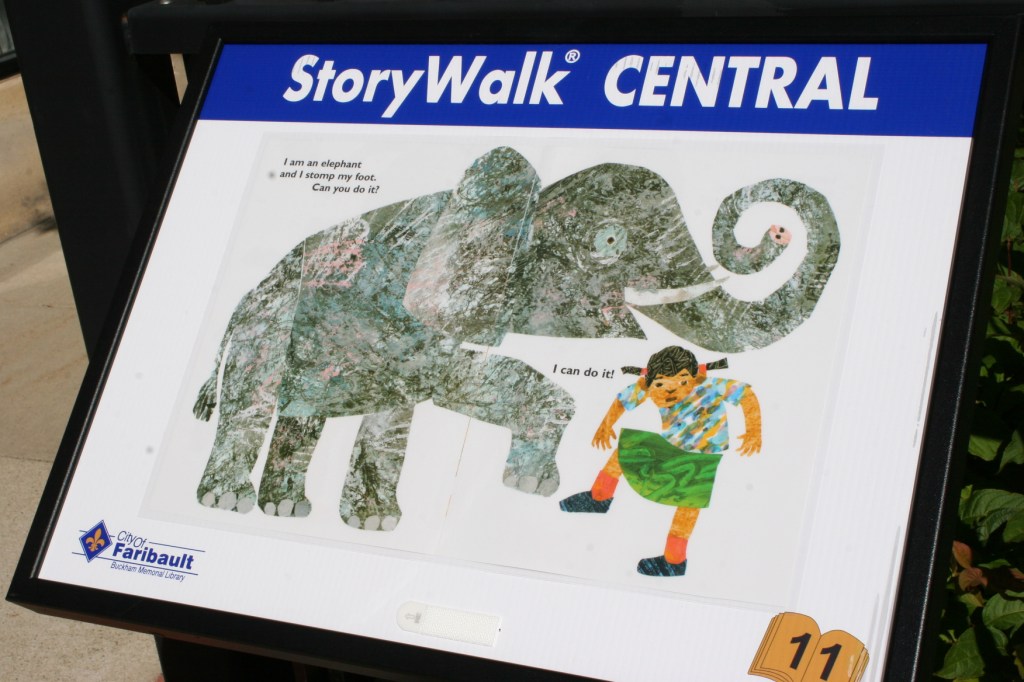
“I can do it!” What an empowering statement, especially for young children. Those four words refrain in an installment of pages from the children’s picture book, From Head to Toe, now posted on street corners in the heart of historic downtown Faribault.


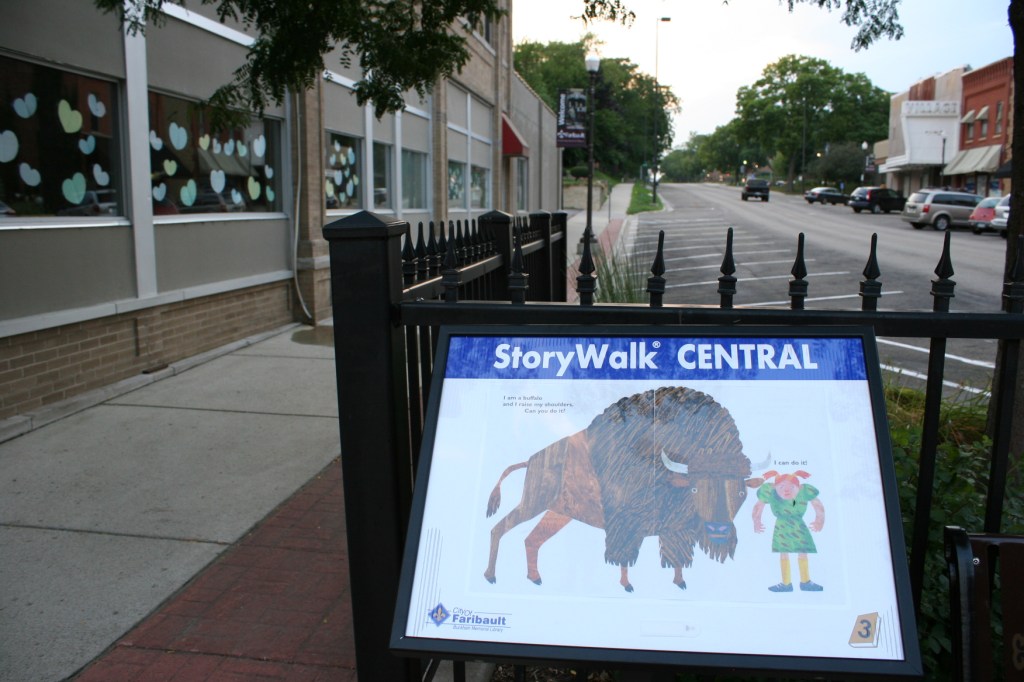
Posted next to Burkhartzmeyer Shoes and looking down a side street off Central.


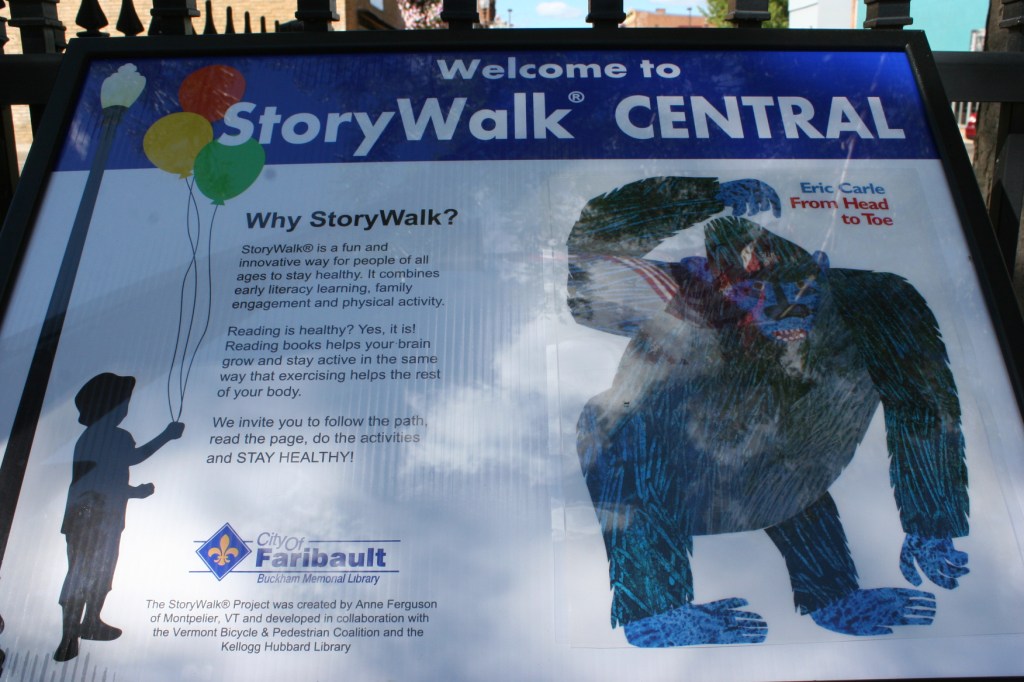
I love this latest addition to my community as part of a StoryWalk® CENTRAL project coordinated locally by Buckham Memorial Library. The idea is rooted in Vermont and seems to be a trend right now in the library world. River Bend Nature Center in Faribault and the public library in neighboring Northfield are hosting similar story walks.


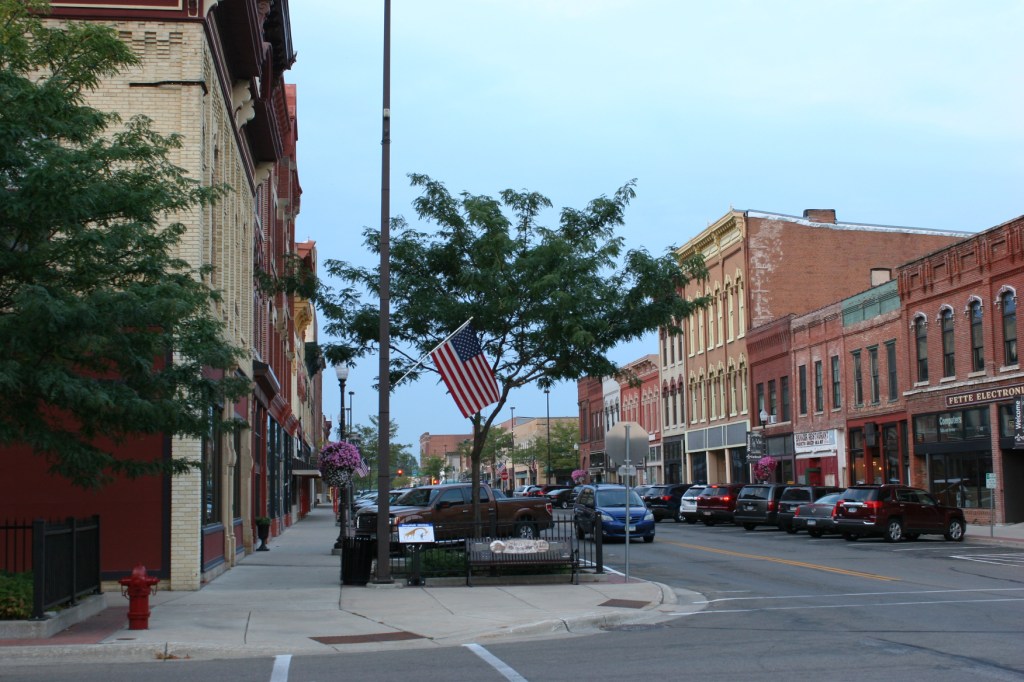
Looking north on Central Avenue, you can see one of the StoryWalk pages posted next to an historic-themed bench.


Last week one evening, Randy and I walked Central Avenue with our four-year-old granddaughter, viewing the colorful story crafted by noted author and illustrator Eric Carle. He is perhaps best-known for his children’s picture book, The Very Hungry Caterpillar. I’ve long been a fan of Carle’s creativity. He understands how to connect with the littlest of people through colorful illustrations and simple, repetitive and engaging language.


Historic Central Avenue provides the backdrop for StoryWalk CENTRAL.


Bold colors and strong shapes define Carle’s art.


The book engages.


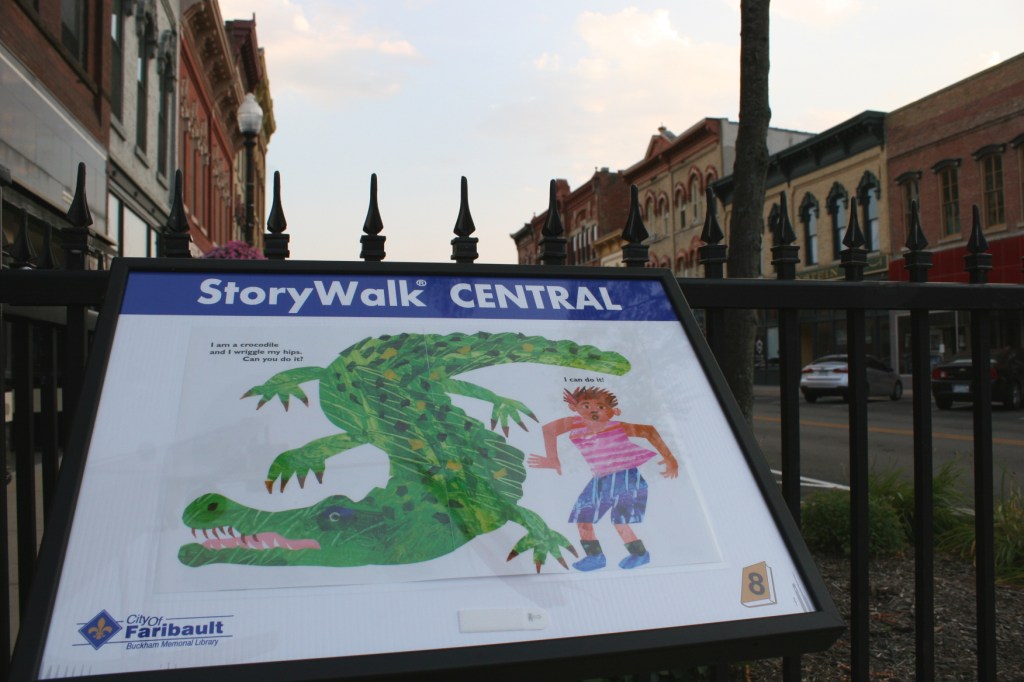
It took Isabelle a bit to get into From Head to Toe. But when she observed Grandma and Grandpa wriggling their hips like crocodiles, bending their necks like giraffes and stomping their feet like elephants, she joined in. Carle’s book calls for the reader and listener to actively participate in the book by doing the actions associated with each animal. It’s a great way to get kids up and moving. Adults, too.


The thoughts behind StoryWalk.


And that, according to information posted on one of the 12 signs, is part of the motivation behind the interactive StoryWalk® concept. The book “combines early literacy learning, family engagement and physical activity.” And promotes brain growth and physical health through exercise.


The animals lead the action.


The book also highlights diversity in the different ethnicities of the children and in the different animals Carle has created in his story. I especially appreciate that in our diverse community of Faribault. Buckham Memorial Library Director Delane James echoes my thoughts, praising From Head to Toe as a book that “resonates with everybody in the community…anyone can enjoy it no matter who they are.” And that means even those who can’t read or whose native language is one other than English. Like me, she calls Carle’s book “empowering.”

There are plans for more, and longer, book installations, all funded by a federal grant and coordinated with multiple city departments, James says. She noted the joint efforts of library, economic development, engineering and public works staff in getting the first StoryWalk® CENTRAL in place. From Head to Toe will remain posted for several months. This will be an ongoing and evolving public art and literacy project with five years worth of books included in the funding. The library buys multiple copies of the featured books, then removes and laminates the pages for posting in the weather-proof display cases.


The 12th, and final, story board is located outside the entry to Buckham Memorial Library. This is looking north toward Central Avenue. The final board is designed to get kids and others inside the library, although the library is currently open by appointment only.


I appreciate, in this time of a global pandemic, a safe activity I can do with my granddaughter when she’s visiting. Only after we arrived home did Izzy share, “That’s Isaac’s favorite book.” That means we’ll be back on Central with her 20-month-old brother, wriggling our hips, bending our necks, stomping our feet and repeating, “I can do it!”


© Copyright 2020 Audrey Kletscher Helbling
 

Immigrants, Escape Artists &, yes, Elvis in the house September 1, 2020

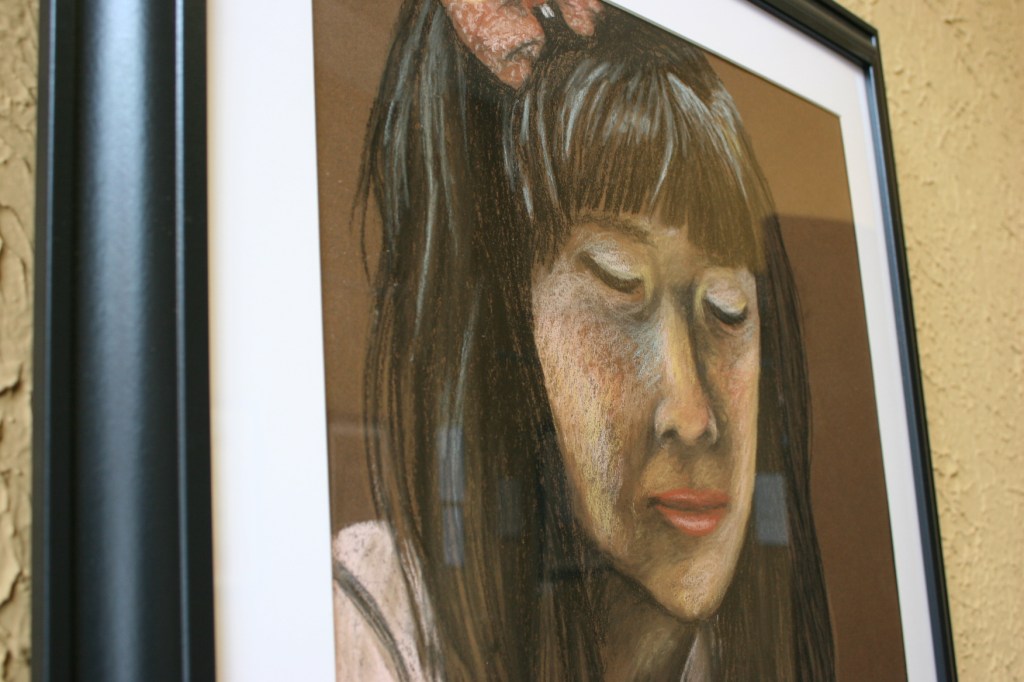
“Ashley,” portrait by Kate Langlais.


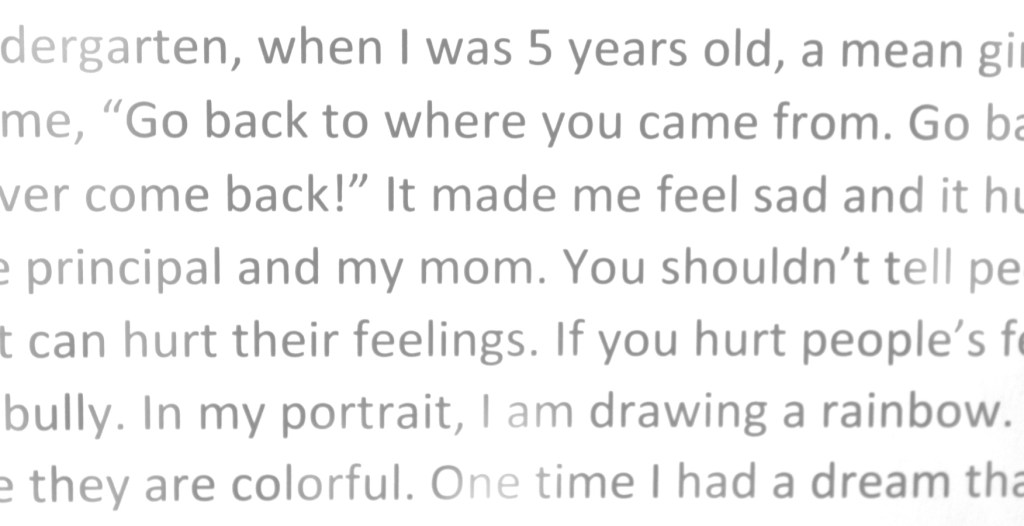
“GO BACK TO WHERE YOU CAME FROM. GO BACK TO MEXICO AND NEVER COME BACK!”


A snippet of Ashley’s story, as posted with her portrait.


I intentionally capitalized and boldfaced those angry words spoken to a 5-year-old by a “mean girl.” Can you imagine hearing such awful, horrible words directed at you? Yet, they are all too common. If not spoken, then thought.


Kate Langlais, painting at a recent concert in Faribault’s Central Park as part of “Art in the Park.” Minnesota Prairie Roots file photo August 2020.


Ashley, the subject in an art exhibit, “I Am Minnesota,” by Faribault portrait artist Kate Langlais, experienced that hatred. She reported the insult to her mom and her principal. I’m thankful she called out the bully, because no one should have to endure such disrespect, especially a kindergartner.


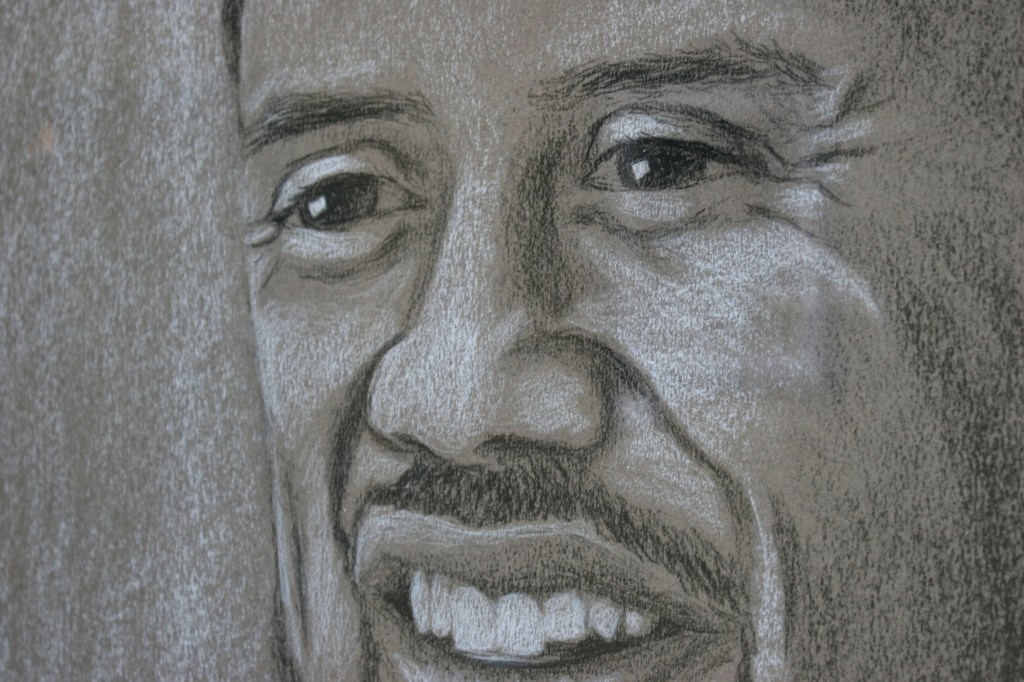
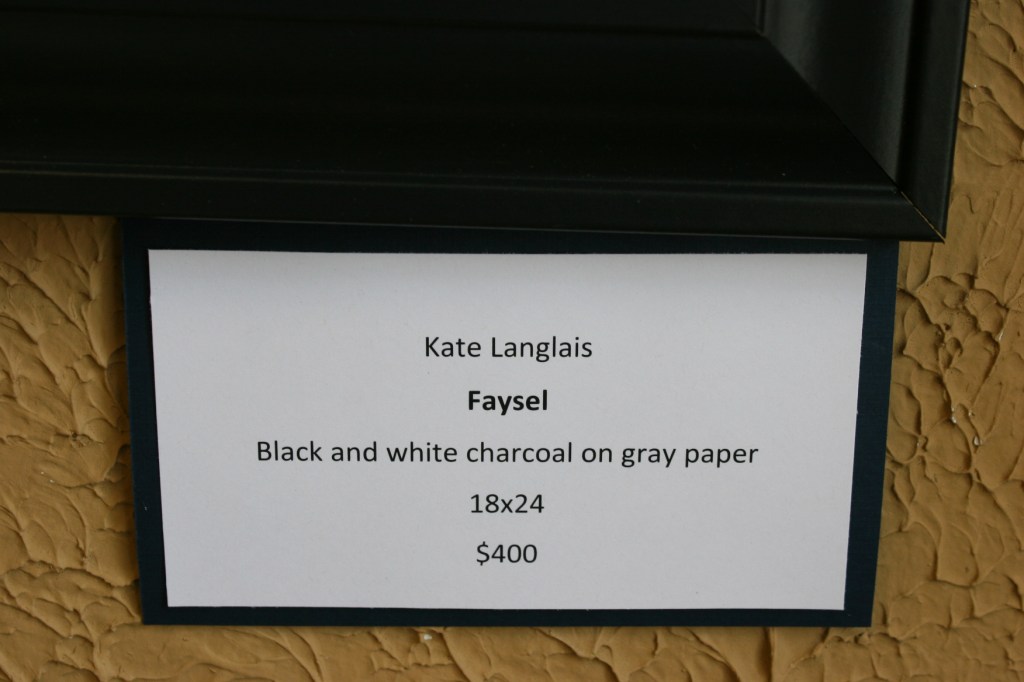
“Faysel” up close by Kate Langlais. He fled war in Somalia.


And I’m thankful to Kate, the artist, for taking on this project which features portraits of first and second-generation immigrants living in Faribault and their stories. Her portraits are currently exhibited at the Paradise Center for the Arts in historic downtown Faribault through September 12.


The title of each portrait is simple. The subject’s name.


Kate invites viewers to “recall what they know about their family’s immigration stories.”


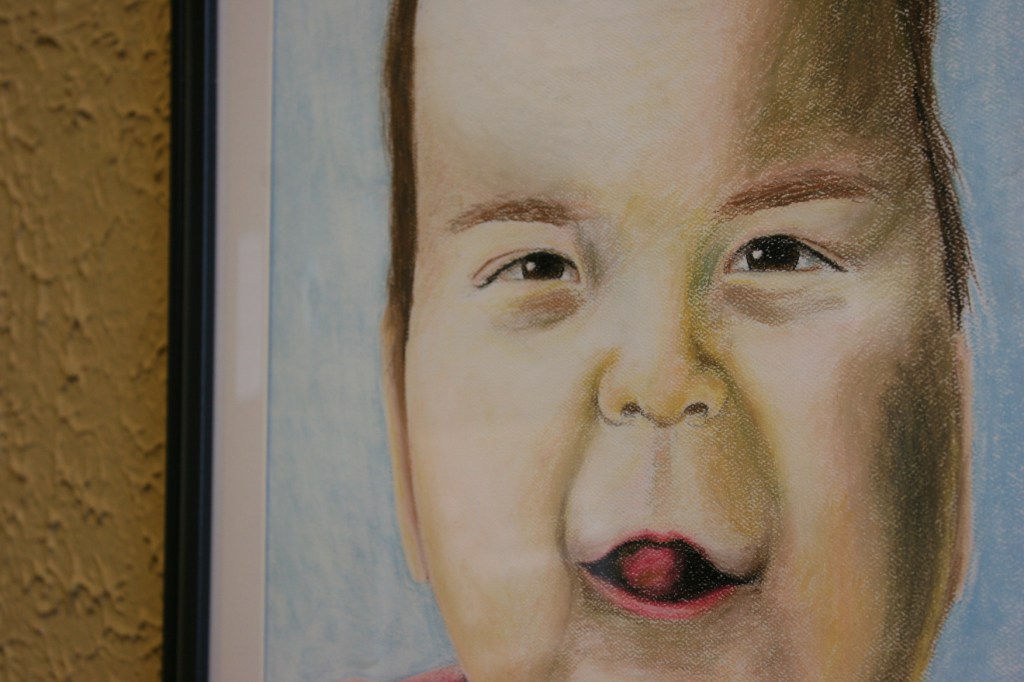
Parker, four months, the son of an immigrant who arrived here at about the same age. Portrait by Kate Langlais.


But she pushes beyond that to prompt thought about problems immigrants must overcome—language barriers, cultural differences, acceptance (or not) by neighbors.


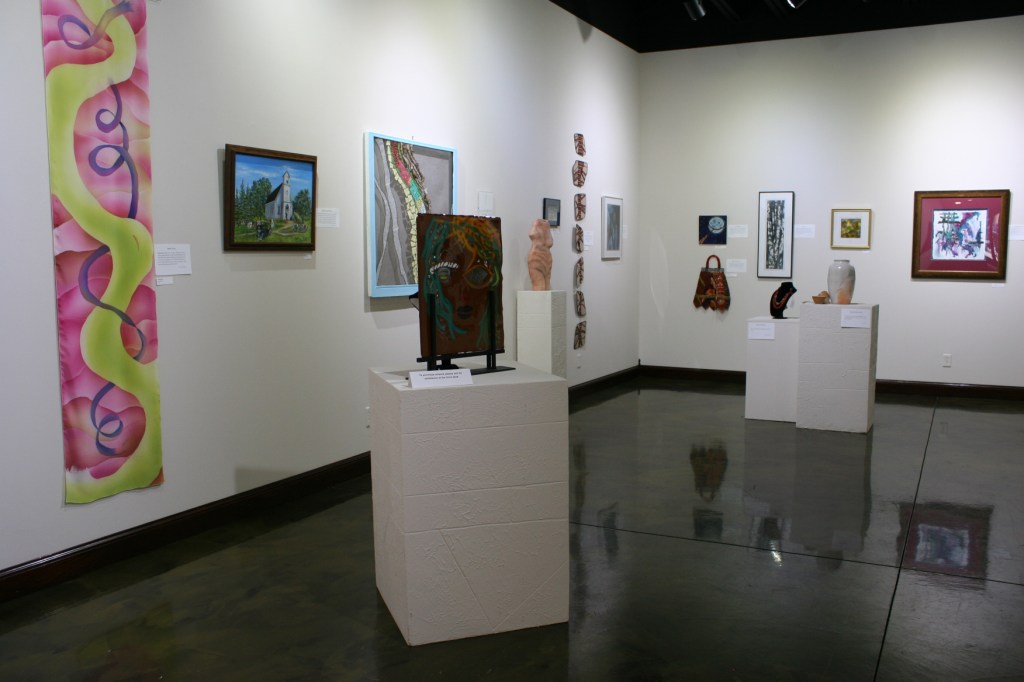
An overview of a portion of the Escape Artists exhibit.


After viewing Kate’s thought-provoking portraits and accompanying life summaries, I walked over to a larger gallery featuring art by the Escape Artists. Right away, I connected the two. Not because the art is at all alike. But because of the word “escape.” The subjects in Kate’s portraits escaped oppression, war, poverty and more for life in America. The Escape Artists are a group of artist friends who, 30-plus years ago, began escaping together to create art.


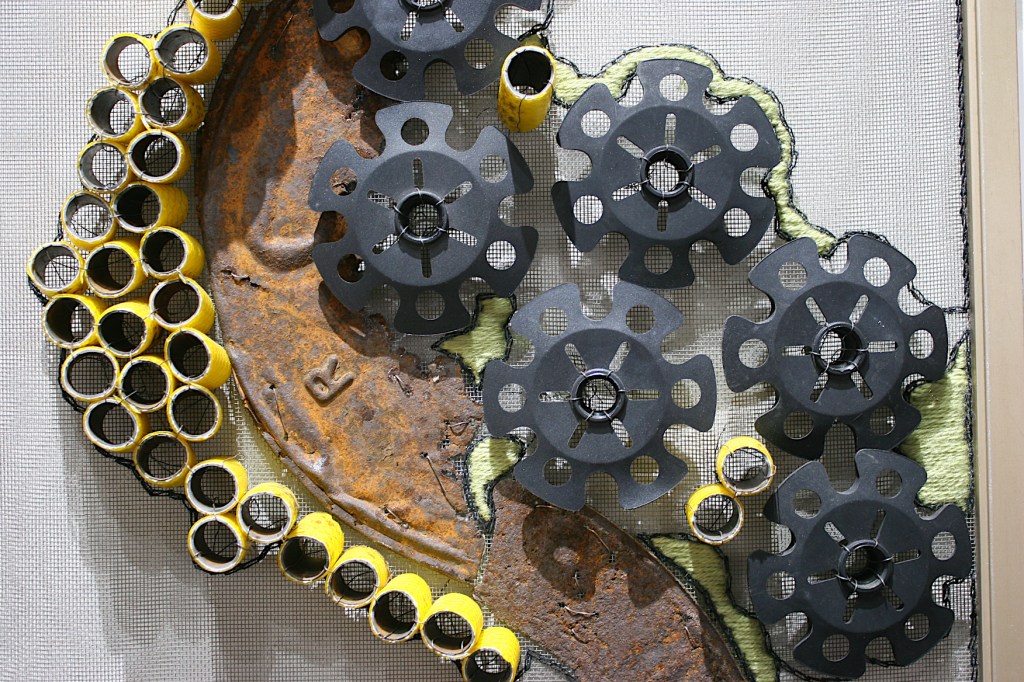
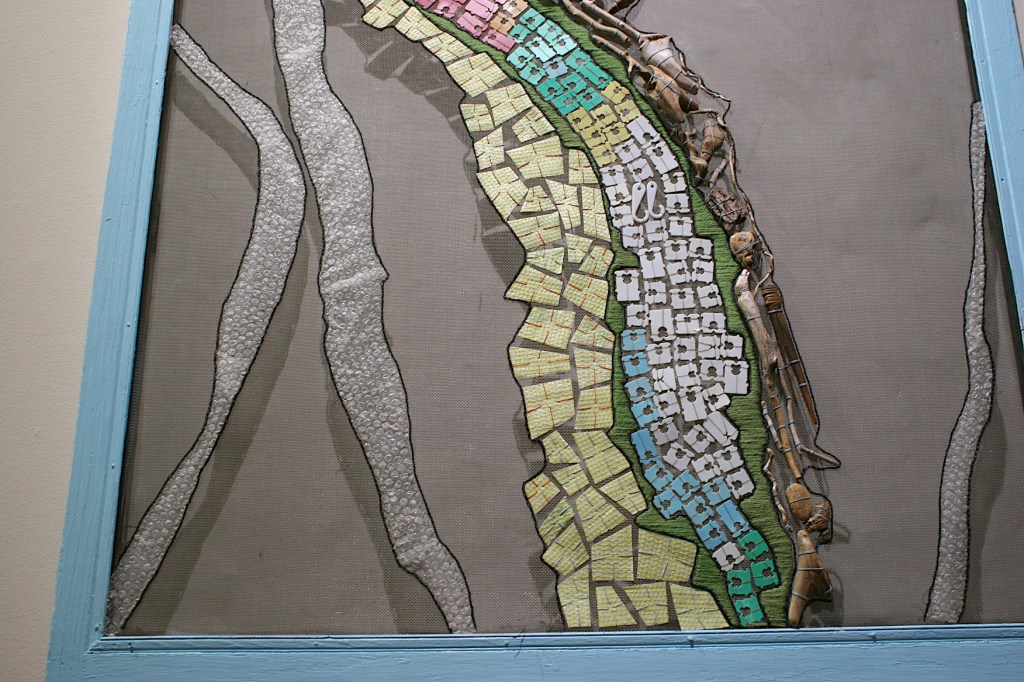
A section of “On the Ragged Edge” by Theresa Harsma.


As I meandered through the gallery, I considered the Escape Artists’ art with the imprint of Kate’s portraits on my mind. For example, Theresa Harsma writes in her artist’s statement for “On the Ragged Edge” of sorting through her collection of found objects and choosing those that seemed to want to be part of the piece. Just like immigrants want to be part of the piece that is America.


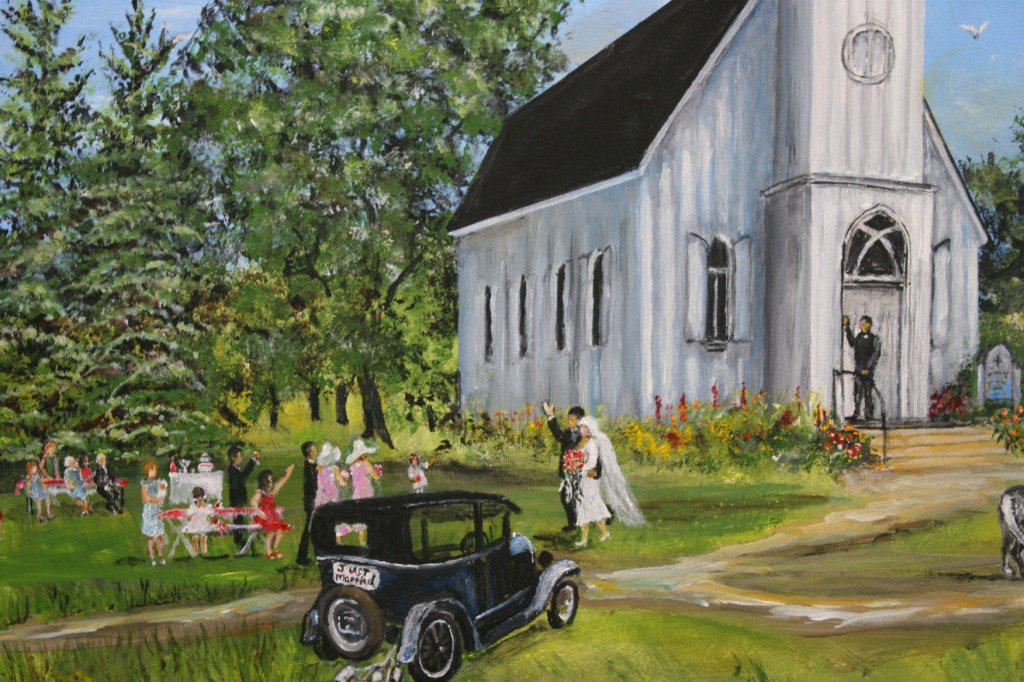
“1938 Church Wedding” by Linda Van Lear is based on The Holy Innocents Episcopal Church located at the Rice County Fairgrounds/Historical Society Museum Grounds.


I expect LInda Van Lear’s painting of “1938 Church Wedding” includes immigrants among wedding guests, probably even in the bridal party.


“Lasso the Moon” by Susanne Crane.


And I interpreted Susanne Crane’s “Lasso the Moon” as lassoing dreams. Dreams of a better life for those who came to America, including my forefathers, and probably yours.


This photo shows part of “Streams of Consciousness, Rivers of Green” by Theresa Harsma.


“Maria” by Kate Langlais.


Back to artist Theresa Harsma, another work, “Streams of Consciousness, Rivers of Green,” struck me in its connection to one story in “I Am Minnesota.” Three times Maria attempted to cross the river from Mexico into the U.S. The determination, the exhaustion, the despair—they’re all woven into her story. No matter how you feel about immigration issues, at the very core is a human being, now a Minnesotan, with struggles, hopes and dreams.


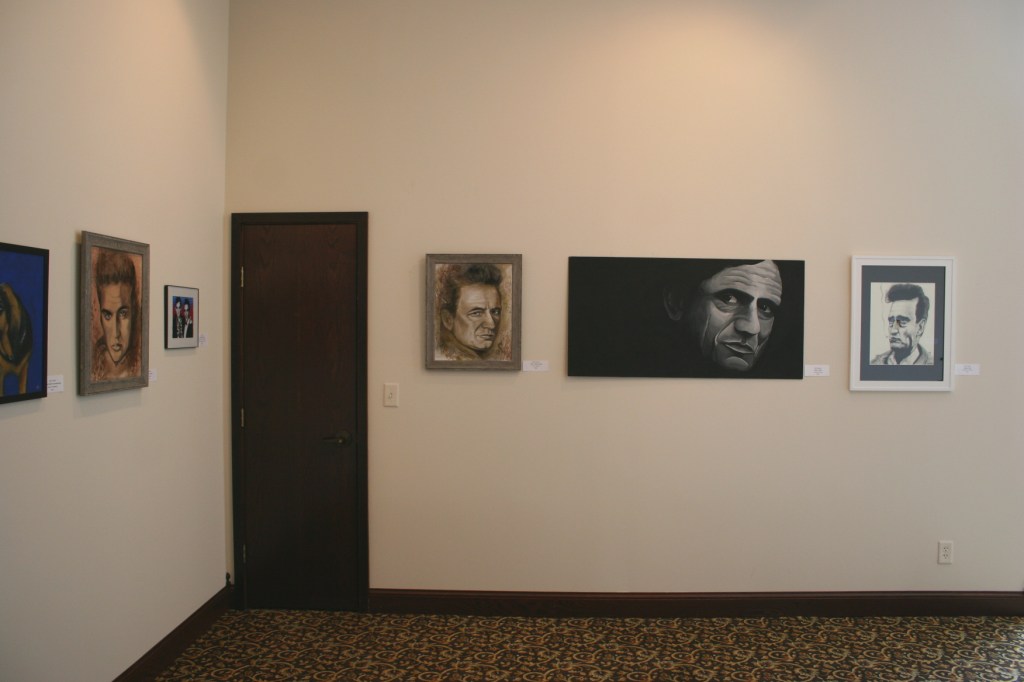
An overview of the Cash-Elvis exhibit.


Julie M Fakler created this piece, “You ain’t nothin’ but a hound dog,” inspired by Elvis’ song.


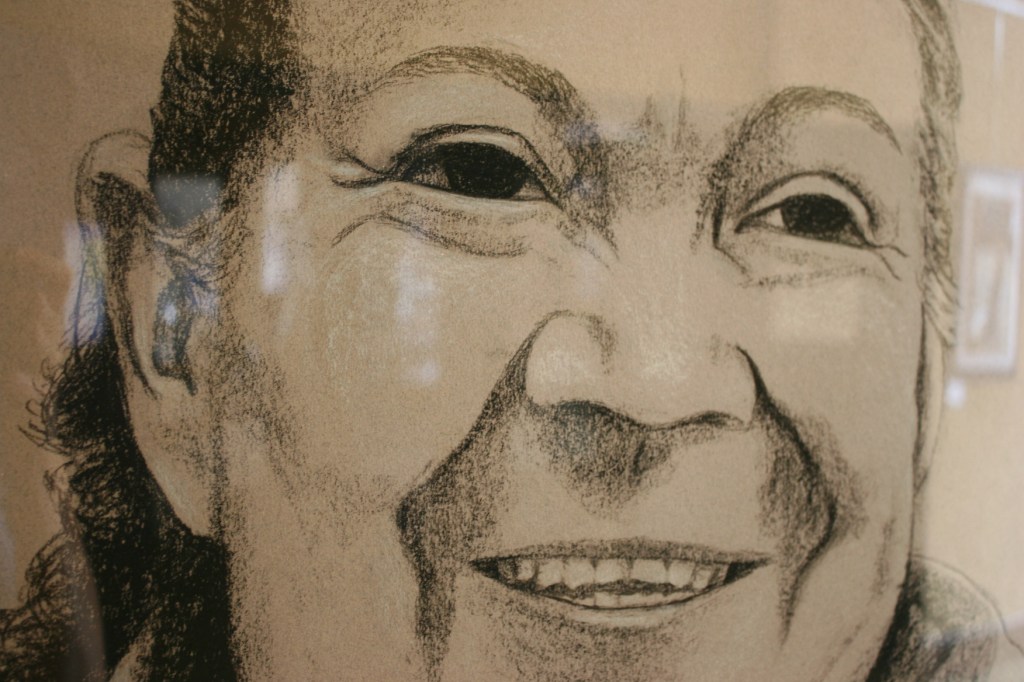
A close-up of Dan Rathburn’s “A Man in Black” (aka Johnny Cash).


Once I finished touring the Escape Artists’ exhibit, I shifted my focus to a Johnny Cash and Elvis pop-up show in a small corner gallery. In some ways, these two musicians were escape artists, too, escaping through their music.


“Tree of Life with Mother Nature’s Daughters” by Susanne Crane.


I love when art, from a divergence of artists, connects. We are all different. Yet alike in our humanity.


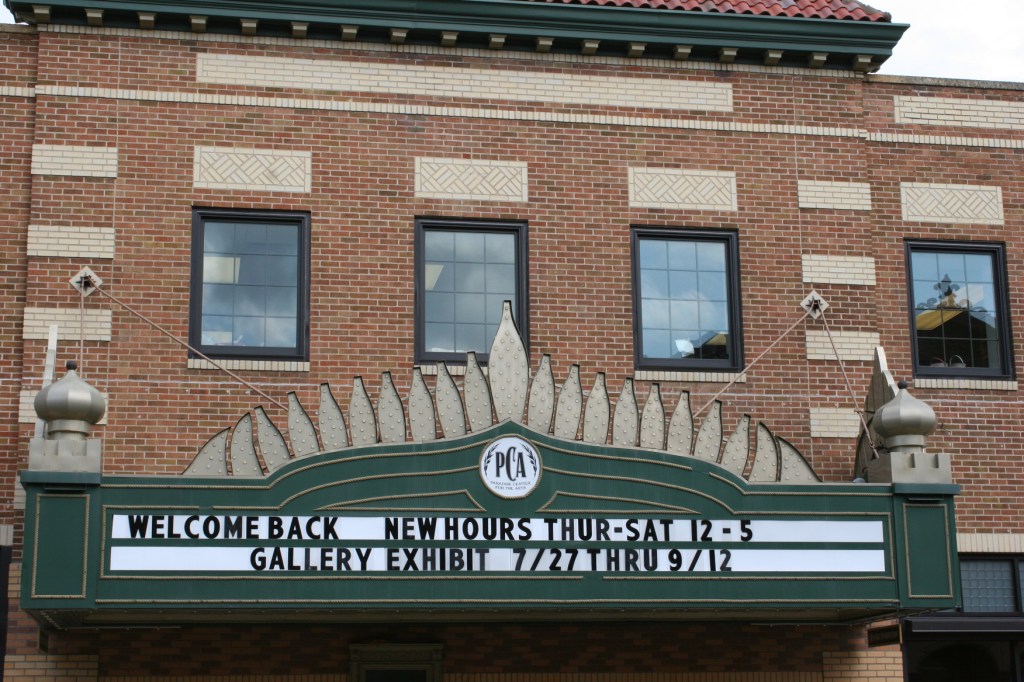
The Paradise Center for the Arts marquee.


FYI: The Paradise Center for the Arts, 321 Central Avenue North, Faribault, is open Thursday-Saturday from noon to 5 p.m. The above exhibits close on September 12.

© Copyright 2020 Audrey Kletscher Helbling
 

Beyond simply chalk art August 27, 2020

Filed under: Uncategorized — Audrey Kletscher Helbling @ 5:01 AM
Tags: , , , , , , , ,

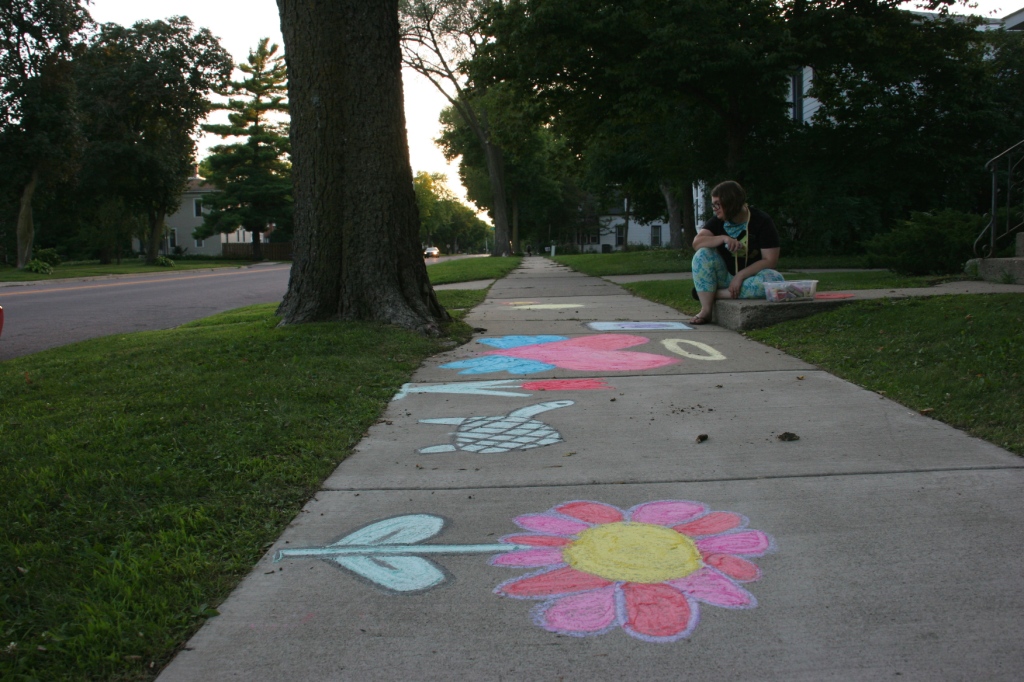
Chalk art by Jane.


SIMPLY PASSING BY without acknowledgment of something we appreciate is so easy. We all do it, right? Admire something from afar, and then continue on our way. And Randy and I did just that, even though he asked if we should stop. “Maybe on the way home,” I said.

“She’ll be gone by then,” Randy surmised.

At that point, I was more interested in getting to North Alexander Park for a short evening walk than in photographing a chalk art artist. I appreciated her efforts from the comfort of our passing van and figured if I remembered the art on our return trip, fine. If not, fine, too.

And so we enjoyed our evening trail walk, which included geese and squirrel watching, and a pass through the Rice County Fairgrounds as we headed back toward home along Second Avenue. Nearing the intersection with Seventh Street, Randy repeated his “Do you want to stop?” question.

This time I agreed.


Jane, at work, with her angel heart wings in the foreground.


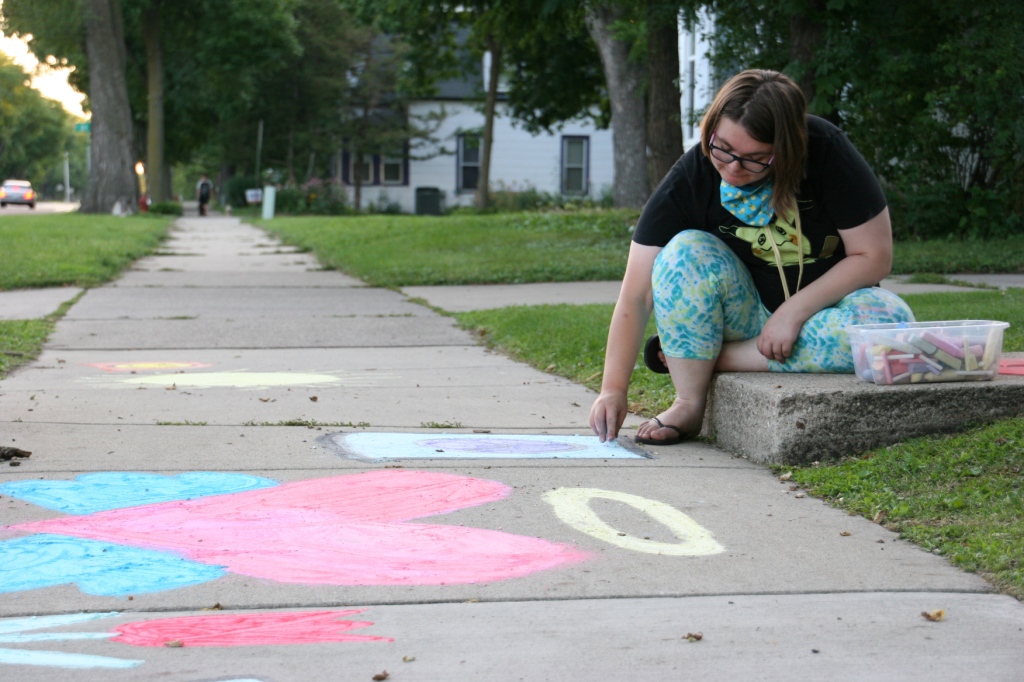
And I’m glad I did. Or I never would have met Jane, a lovely young woman who looks about 10 years younger than her mid-twenties age. She sat on a sidewalk step at a house along Seventh Street, chalk in hand, creating art.


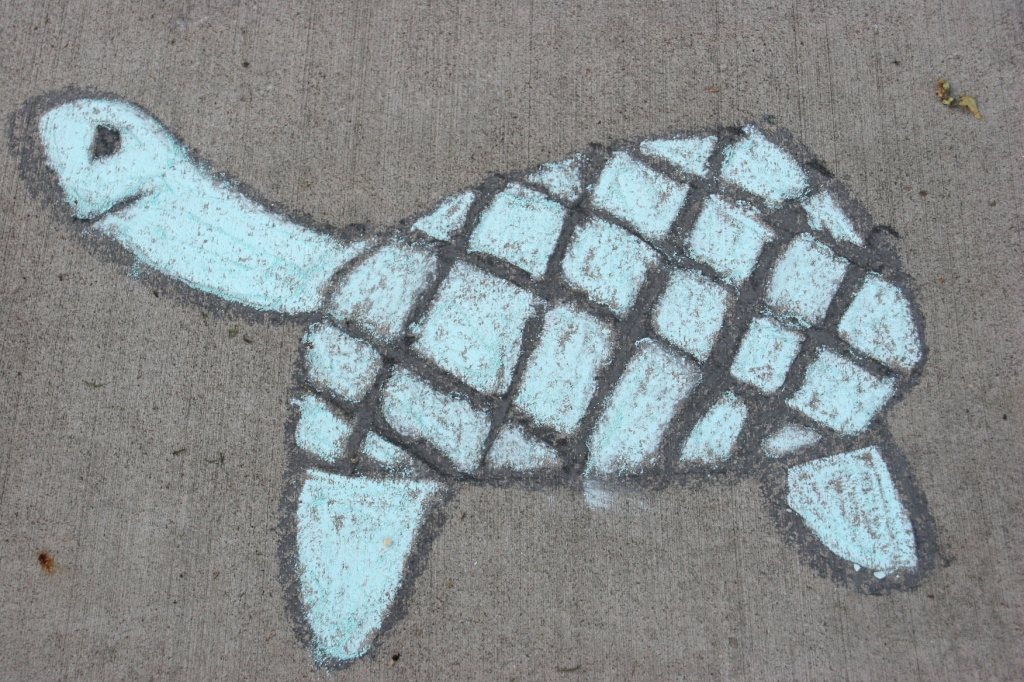
As I admired the flowers, turtle, angel heart wings, peace symbol and smiley face, and took photos, Jane and I chatted for a bit. She shared a glimpse into her life story. There have been struggles.


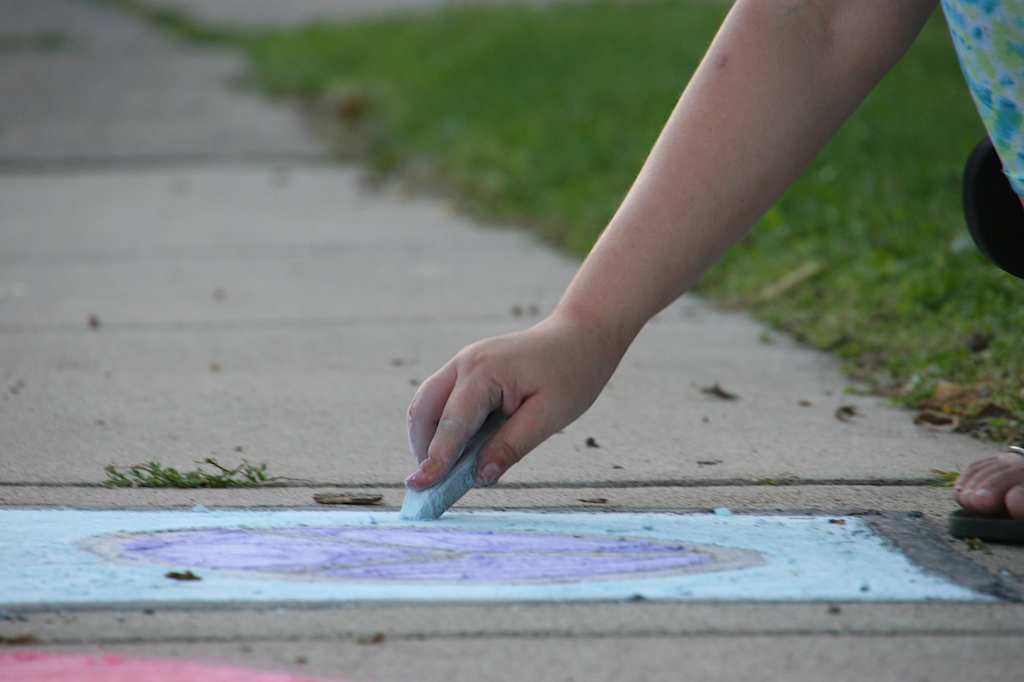
But here she was, exuding joy in our conversation, in the sweet smile gracing her face. I saw grit and determination there, too, as she focused on creating art. Her fingers, dusted with chalk, worked art onto the sidewalk. She was creating this public art to bring joy to others. I thanked her for that effort. That gift.


Chalk, Jane’s tool of choice on this summer evening.


Art, Jane says, is her passion. She’s also painted with acrylics, had some art training. Nothing formal.


Jane’s art stretches along the sidewalk in front of her Seventh Street residence.


I felt compelled to encourage this young woman as I asked about her plans. She’s uncertain about her future. I advised her to follow her passions in life, that life is too short to not do what you love. And that money isn’t everything. Things aren’t everything. But happiness is. I sensed she already knows this.


I complimented her, too, on her smile and Jane confirmed others have told her the same, how beautiful her smile. It was genuine, coming from deep within. From a place that has experienced challenges and overcome them. To create art. Bright and bold and beautiful.


© Copyright 2020 Audrey Kletscher Helbling
 

Montgomery celebrates agriculture with art August 13, 2020

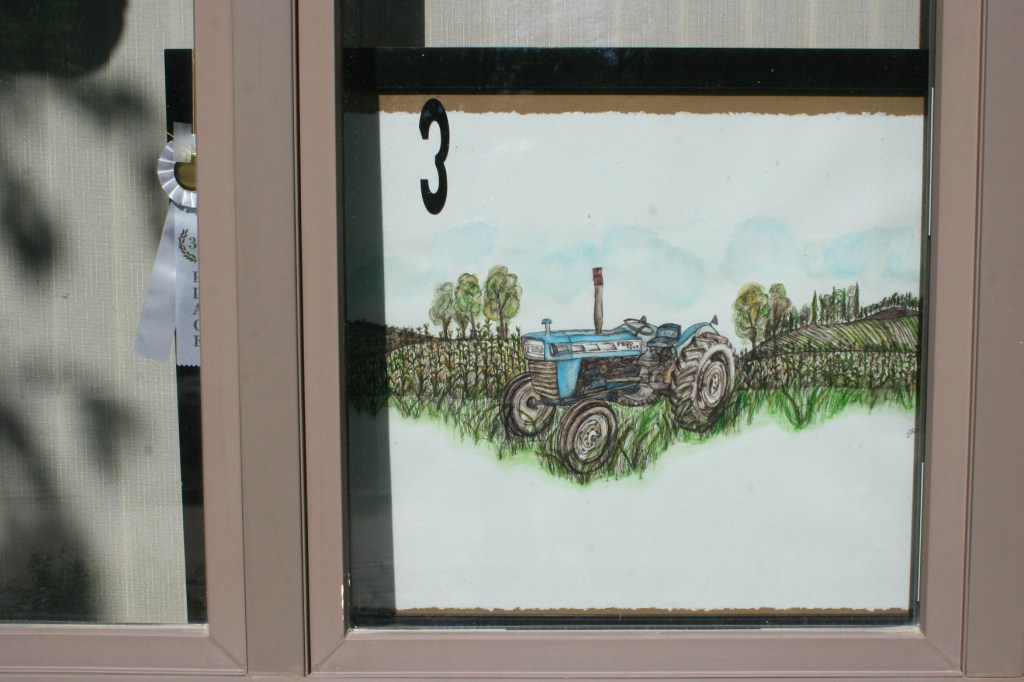
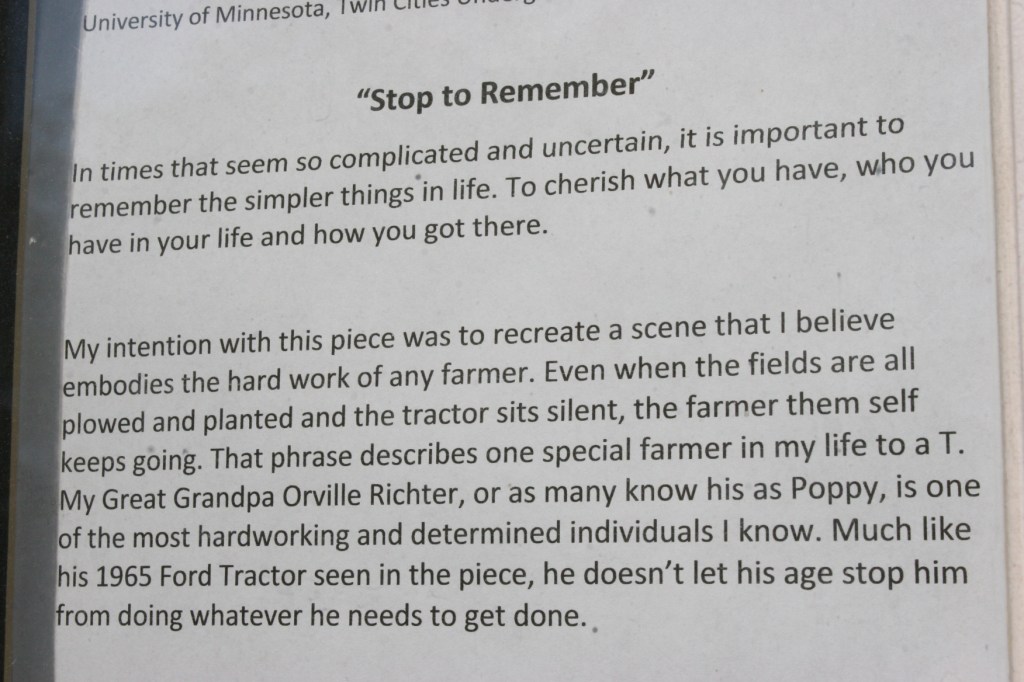
“Stop to Remember,” a pen and watercolor by Cami Vargo, was awarded third place in the show by judges Dale and Gale Looft. The art depicts her Great Grandpa Orville Richter’s 1965 Ford tractor.


THEIR ARTIST STATEMENTS are as compelling as their art.


Cami Vargo’s artist statement about her tractor art.


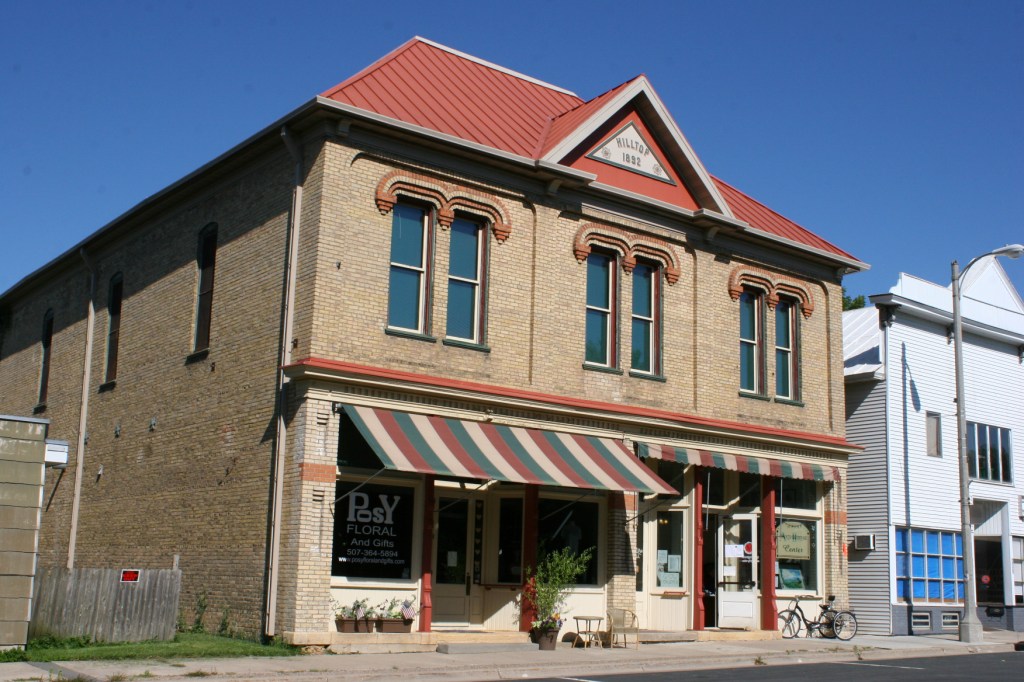
In a new exhibit, “Celebrating Farmers and Agriculture,” coordinated by the Montgomery Arts & Heritage Center, 15 artists share their deep love and appreciation for all things rural. Recently I viewed the 22 pieces of art displayed in the front windows of the arts center and businesses in the heart of this small Minnesota town.


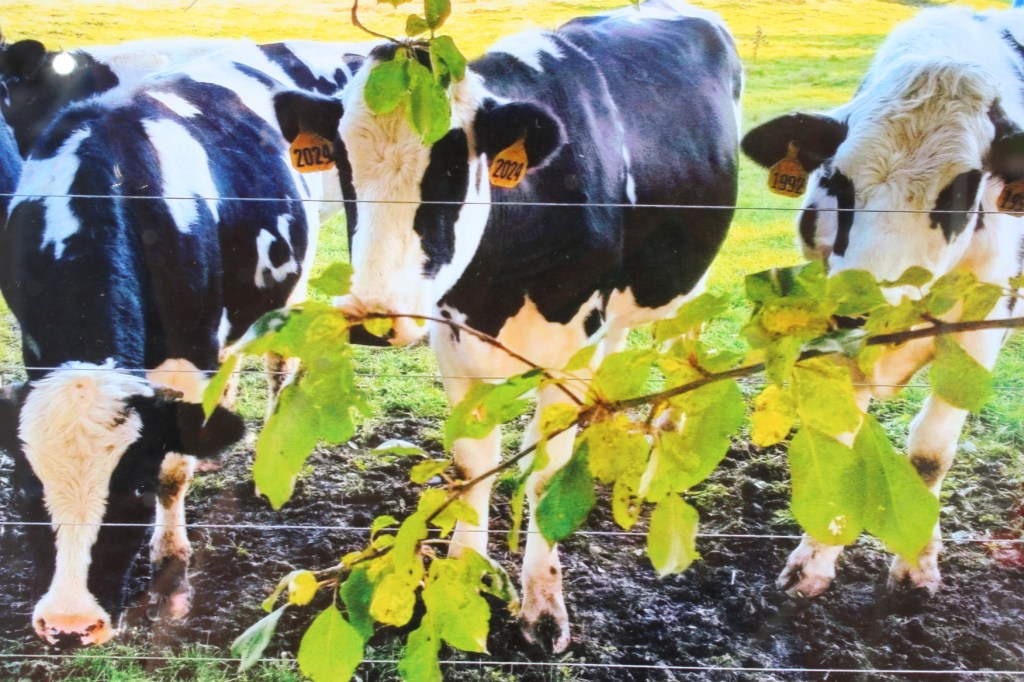
One of two photos by Liz Krocak, this one titled “Apple Harvest Visitors.”


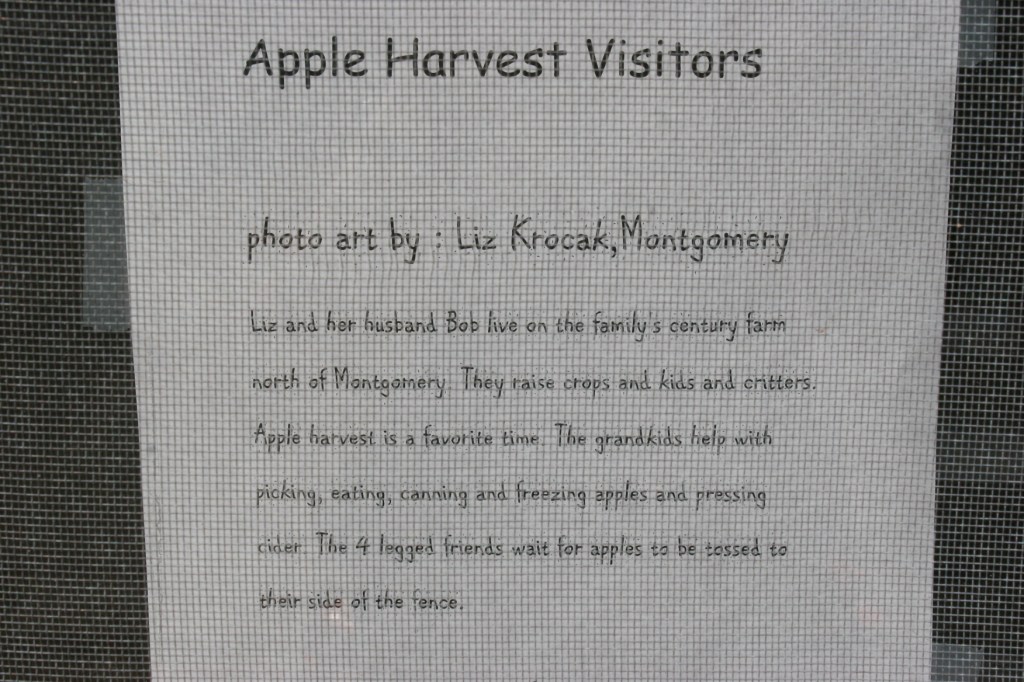
Through the screen window, you can read this artist statement by Liz Krocak.


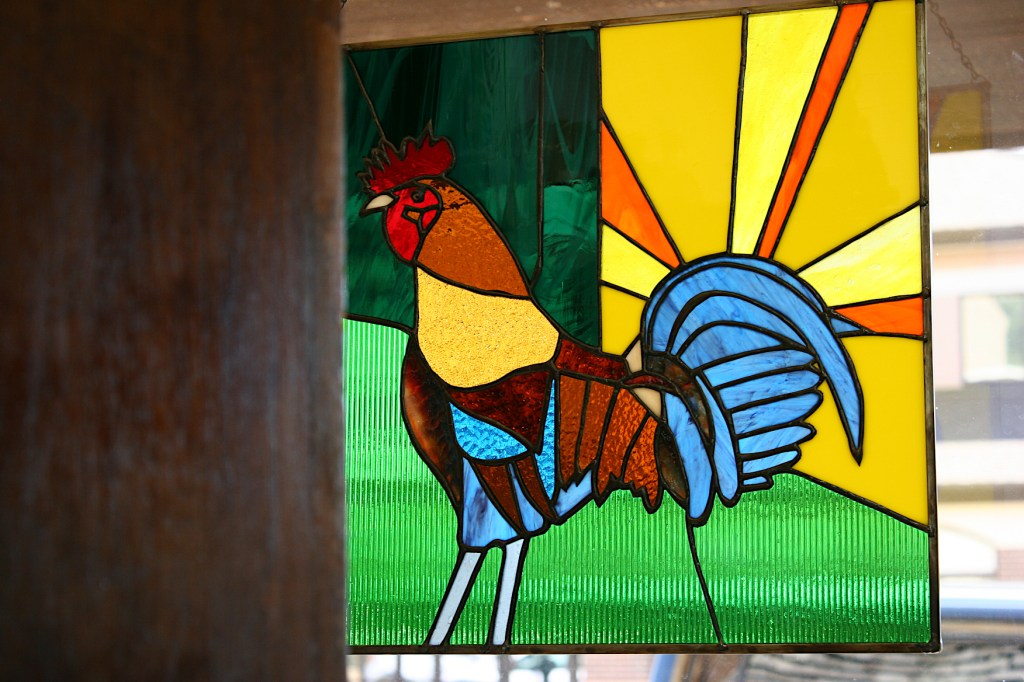
Bold and beautiful stained glass art by Annette Stavos hangs in a window of Hermann Thrifty White Pharmacy. If the drugstore is open, go inside and view the art to see the sun shining through it. Another stained glass creation by Mona Grimm hangs in a window of Montgomery Chiropractic and was awarded second place in the show.


From cows to a rooster to a farm dog, from tractors to windmills, from barns to country scenes, the art showcases important aspects of rural life.


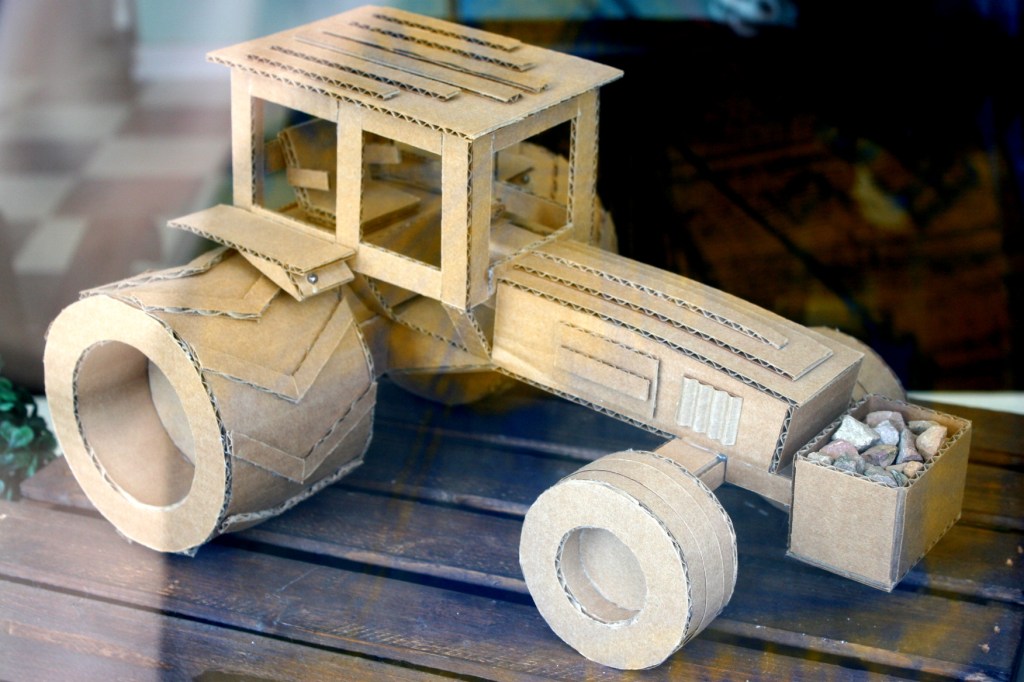
Constructed from cardboard by Brian Prchal, this is a replica of a modified 4020 John Deere.


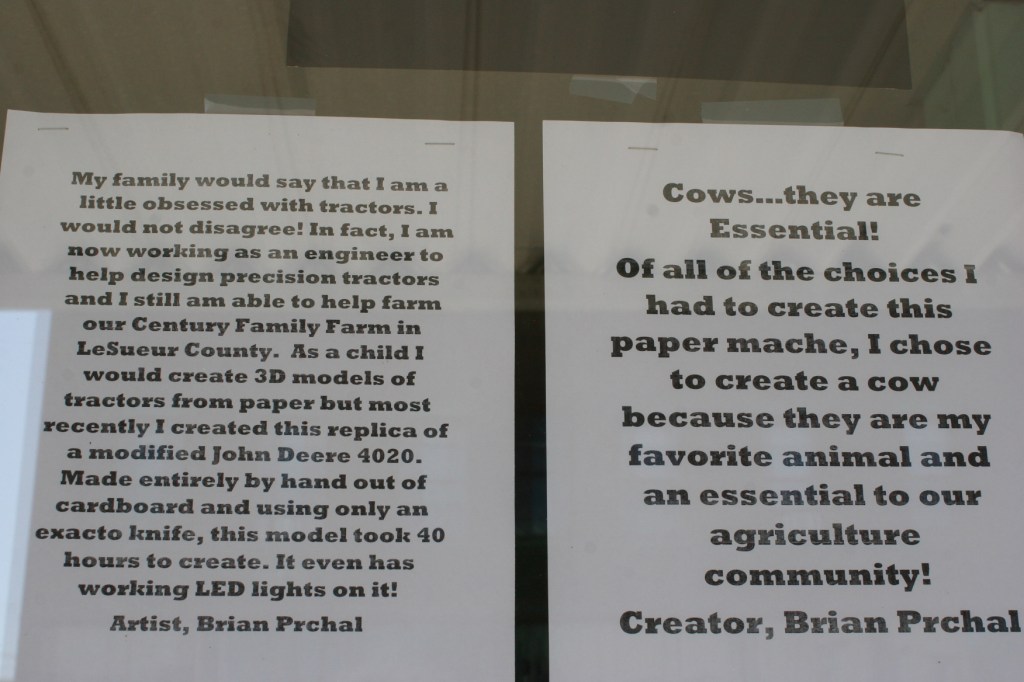
Brian Prchal shares the stories behind his two art pieces.


And the stories that accompany that art are often deeply personal. Rooted in the land.


The Montgomery Arts & Heritage Center (right side of building), 206 First Street North on the north end of downtown.


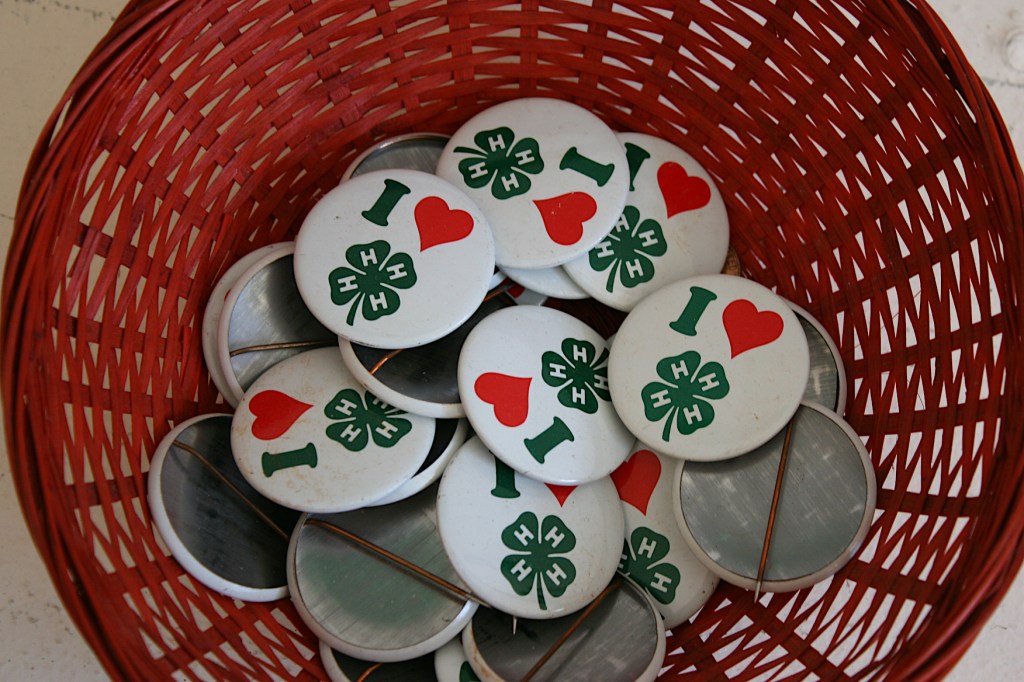
In the ag display, 4-H buttons.


County fairs are an important part of rural life.


Before beginning my tour, I stopped first at the arts and heritage center to pick up a map and to view an exhibit of local ag-related memorabilia showing the importance of agriculture in this community.


The grain elevator complex in Montgomery.


Just down the hill from the arts center, grain elevators loom, a strong visual of ag’s local economic value. On the opposite end of town, the canning company processes sweetcorn. And on every border of town, homes or businesses adjoin farm fields.


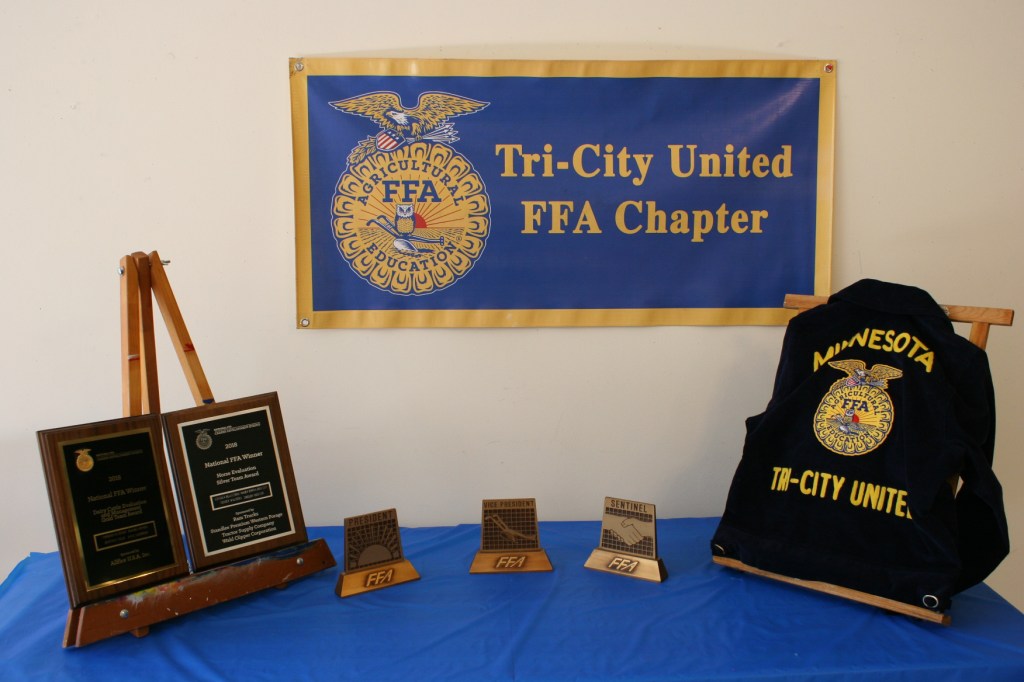
Future Farmers of America, based at the local high school.


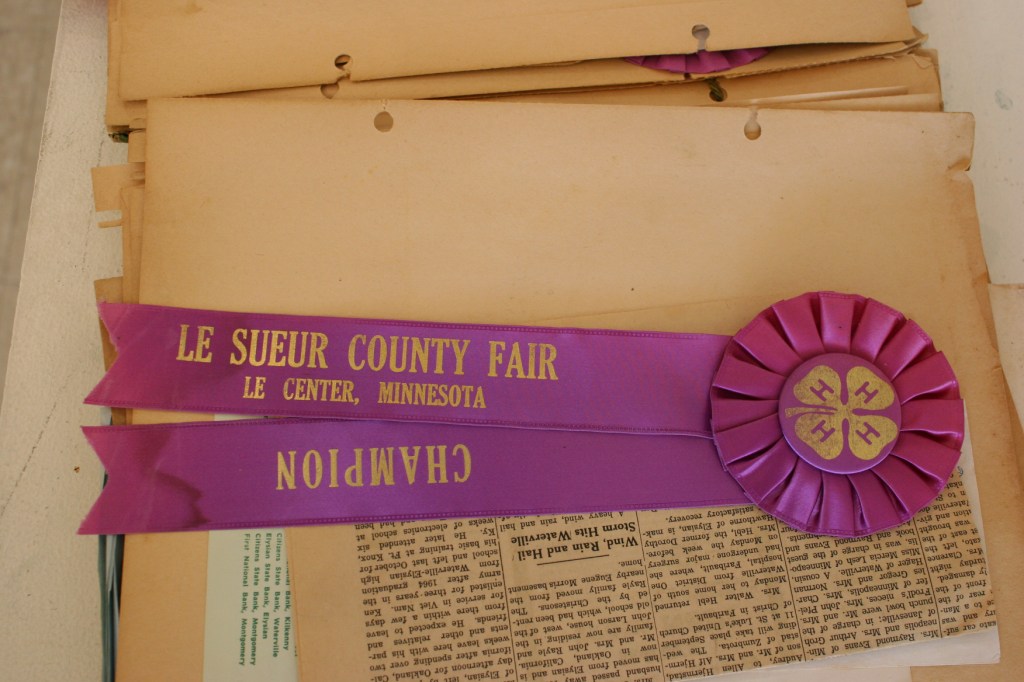
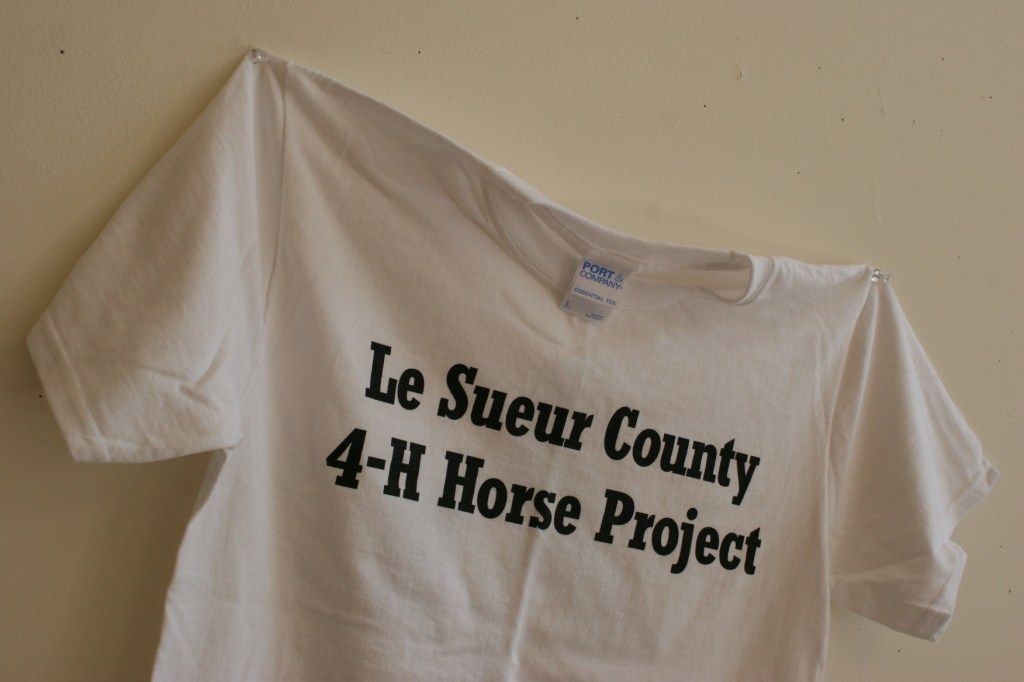
Recognizing 4-H in Le Sueur County.


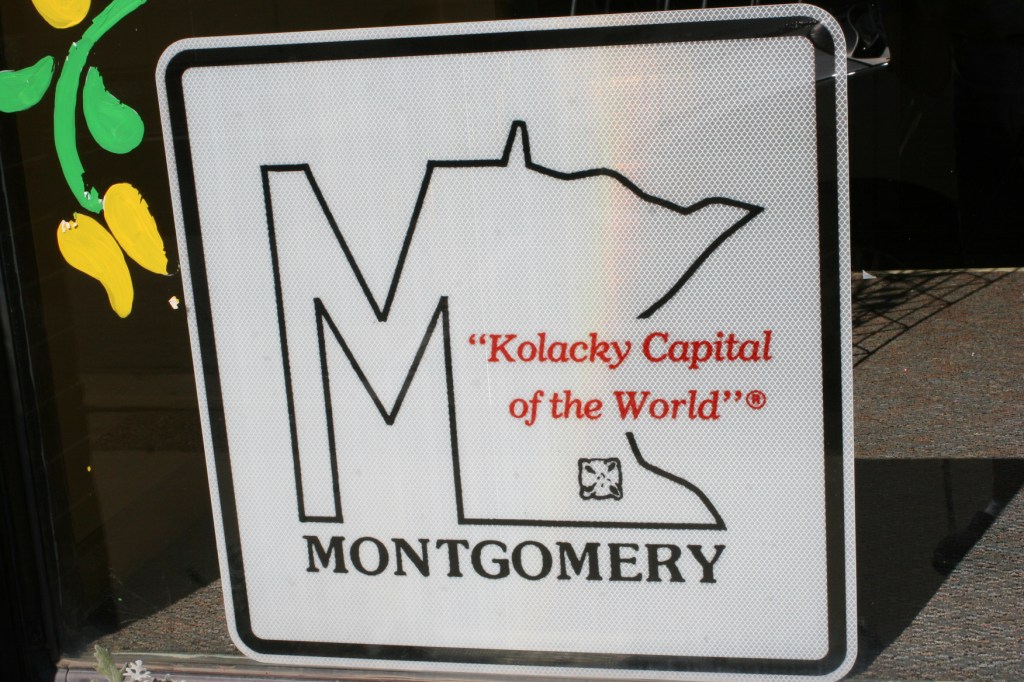
Lots of signs downtown celebrate kolacky, a Czech pastry sold at Franke’s Bakery and Mackenthune’s Fine Foods.


Montgomery centers on agriculture and its Czech heritage as the self-proclaimed Kolacky Capital of the World. So it seems particularly fitting that the arts center would focus its new exhibit on farmers and agriculture. The project was funded with a Prairie Lakes Regional Arts Council grant and donations from the Bob and Mary Jo Loftus Foundation and Compeer Financial.


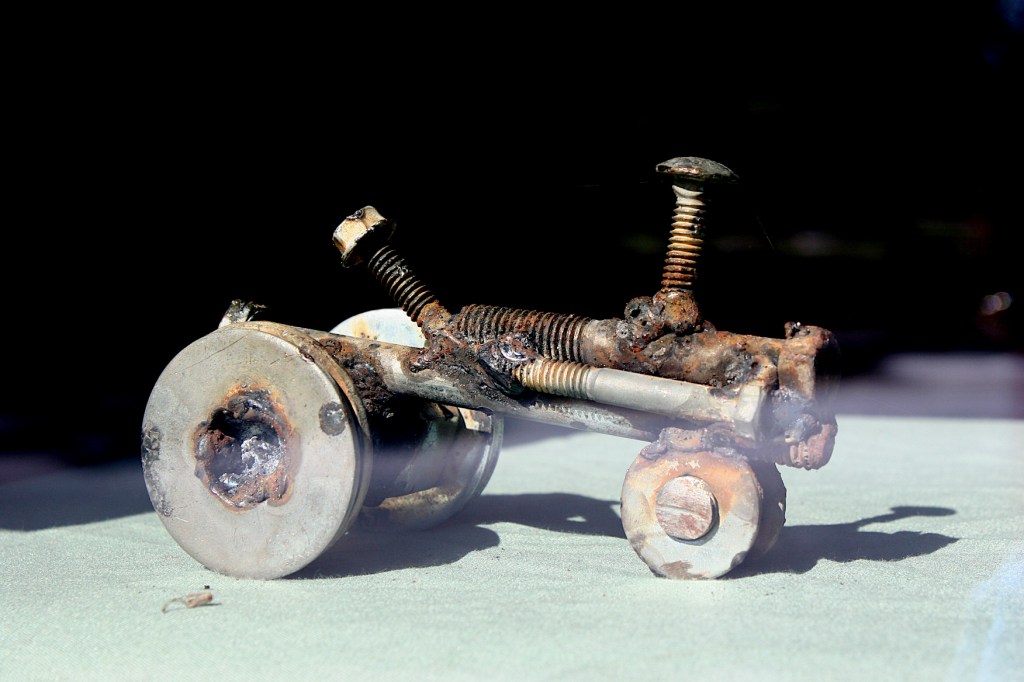
“The Nuts & Bolts of Farming” fits this tractor art crafted by Tyler Fromm.


Area artists clearly enjoyed the challenge of creating ag-themed art. I saw that in tractor art drawn, formed from string and nails, cut and crafted from cardboard, welded from nuts and bolts.


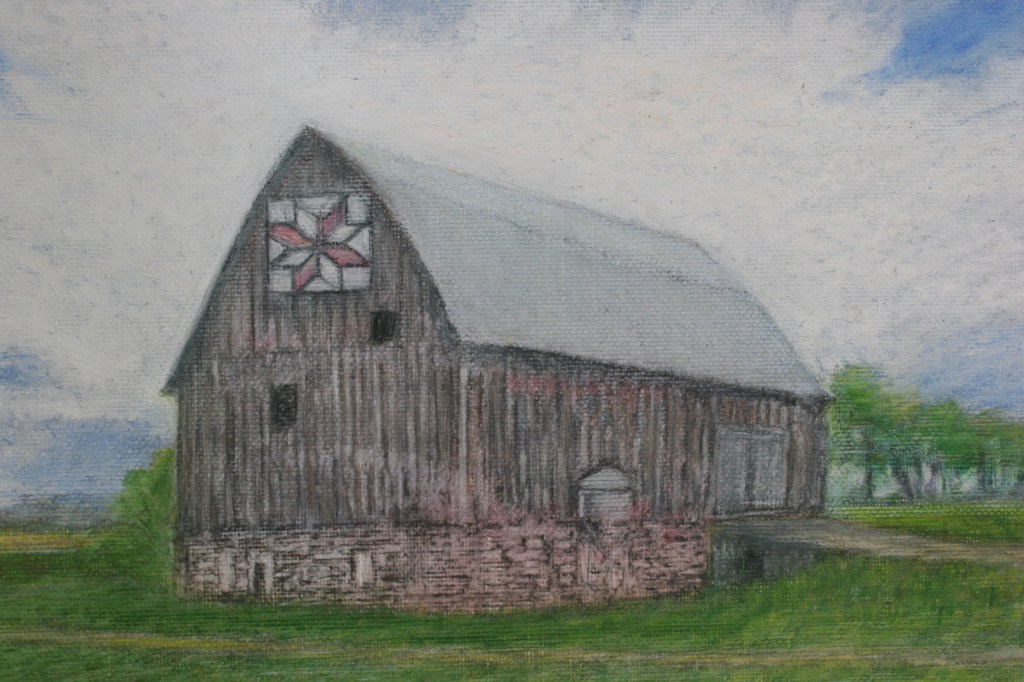
Pat Preble won first place for “Old Barn” and “Cows in the Field.” She incorporated a “Star of Heaven” quilt block into her barn art in honor of her mom, a quilter.


Stained glass. Batik. Wood. Photos. Quilts. So many different tools and styles and ways of creating art add to the interest.


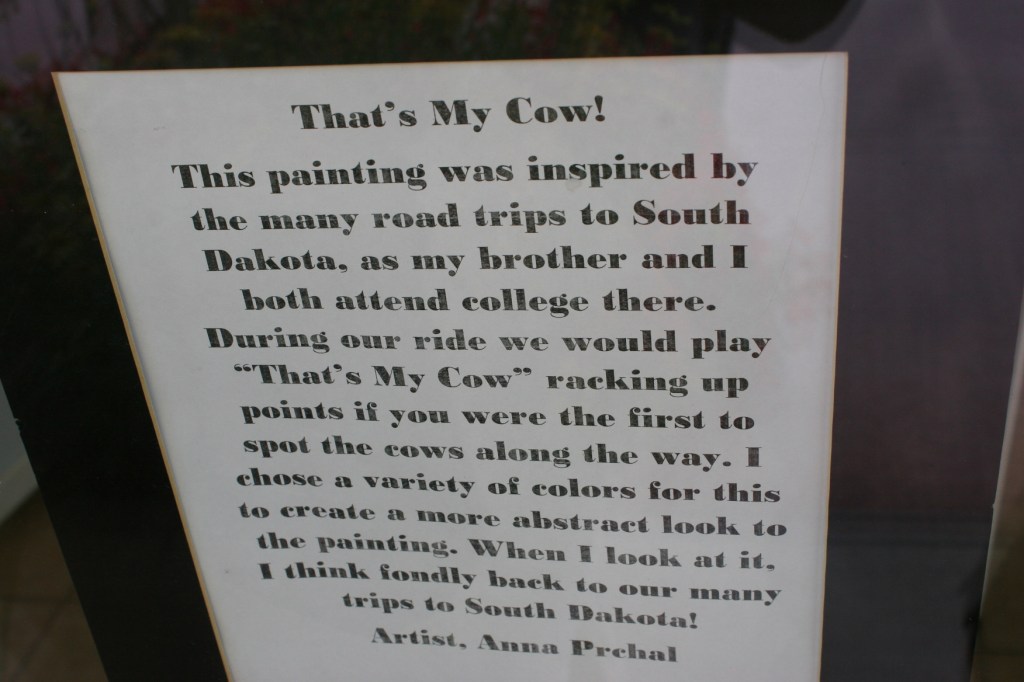
This artist statement made me laugh out loud. Because of glare, I was unable to photograph Anna’s cow art.


The art honors pioneer women who pieced quilts, an uncle, farm wives… Liz Krocak writes in her artist’s statement, “Behind every good farmer is his wife, rolling her eyes.” Yes, humor even infuses some of the artist statements.


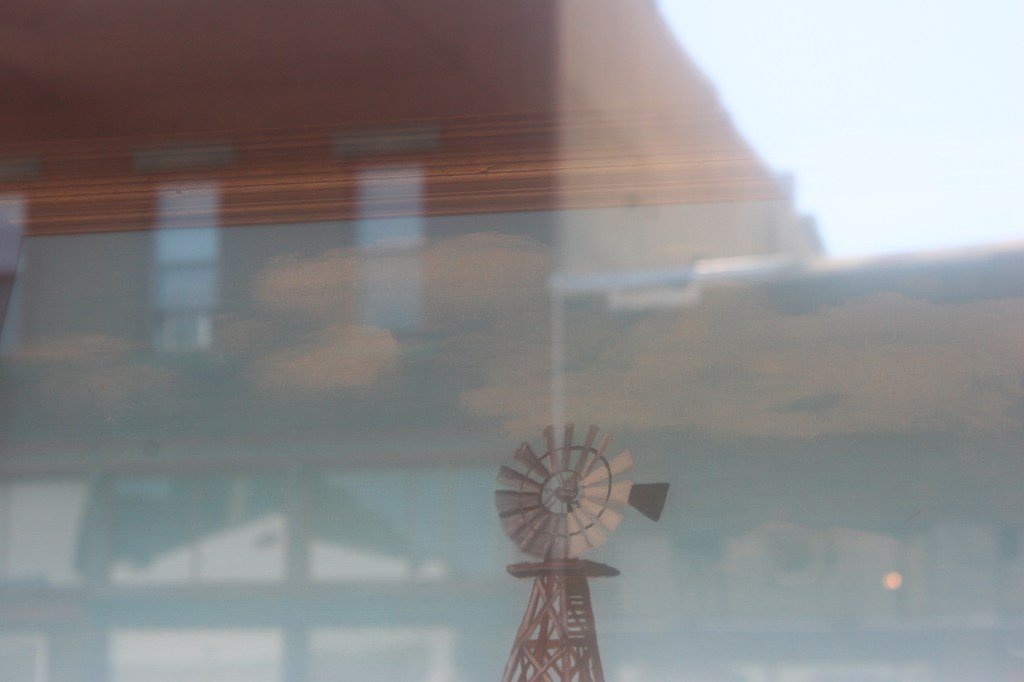
Glare made it really challenging to photograph Carol Ehrhardt’s entire cattle and windmill art. But I decided I like this image showing only the top of the windmill and the reflection of an aged building. Ehrhardt was awarded third place in the show.


Annette Stavos, who grew up on a hobby farm, honors her uncle. “My uncle was the real farmer and we helped him pick rocks and bale hay.”


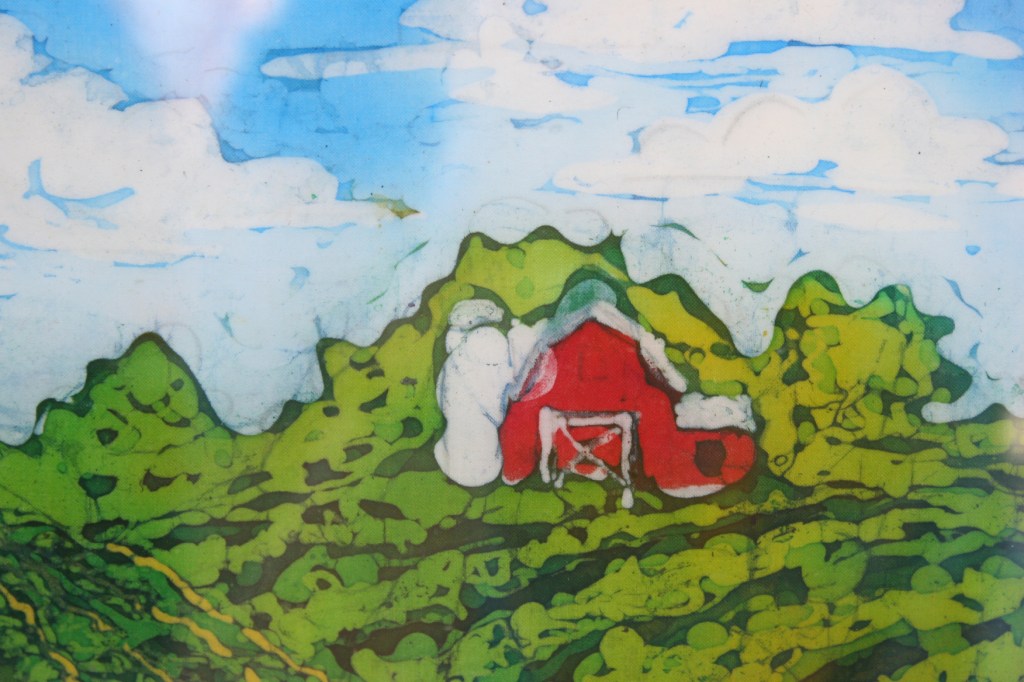
A close-up of Susan Hayes batik art titled “Summer Fields.”


Susan Hayes, a city girl who married a farmer, writes. “…I’ve had first hand experience with agriculture and life on a small farm. It’s not easy getting up before 5 am to milk the cows or baling hay in 100 degree weather. She created a beautiful batik piece, “Summer Fields.”


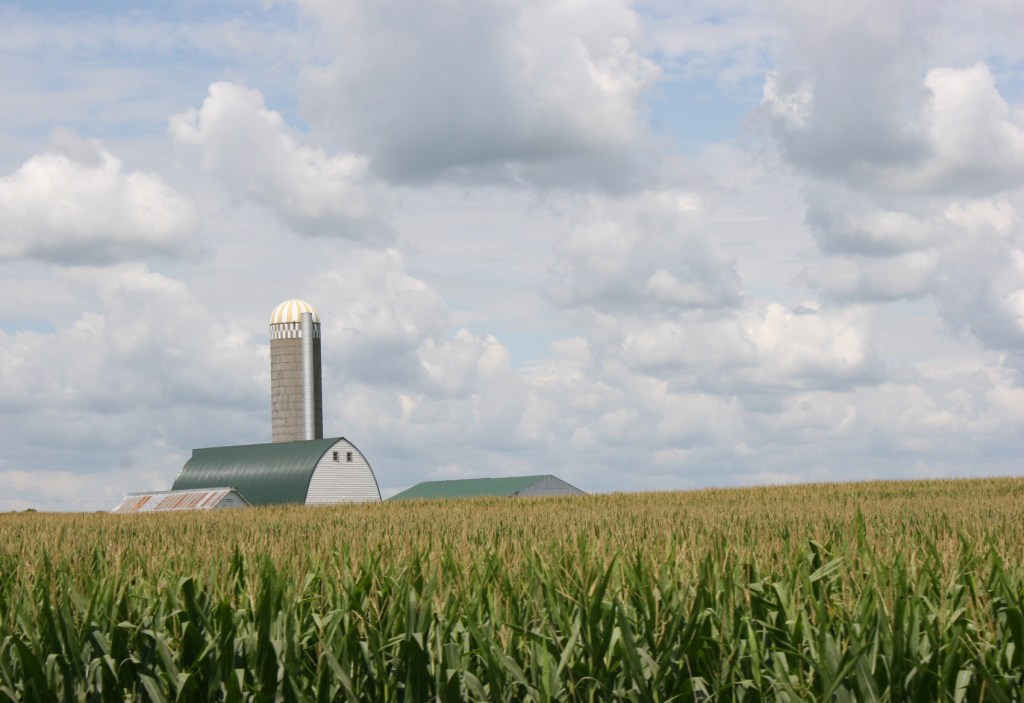
A farm in the Montgomery area.


Anna Prchal expresses her love of rural life in these words: “The fresh air, hard work ethic and never having a dull moment there are the things I love most about the farm.”


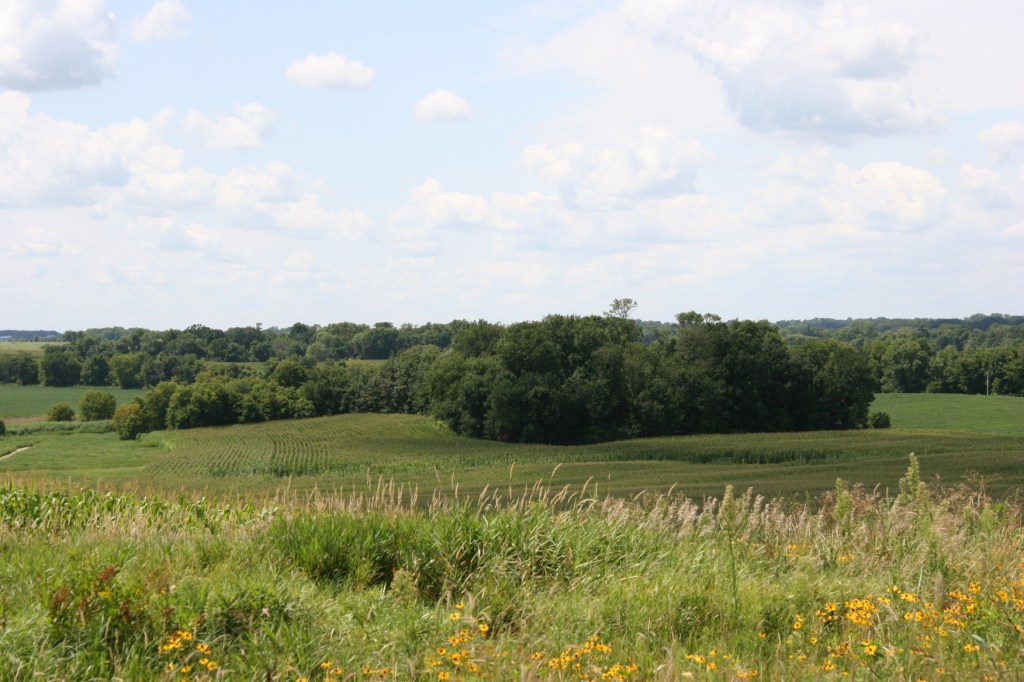
The countryside near Montgomery.


For Kimmie Loranger, who once traveled with the carnival, worked as a nanny and waitress, and who was at one time homeless, living in rural Montgomery and now creating art “is the happiest I’ve ever been in my whole life.”


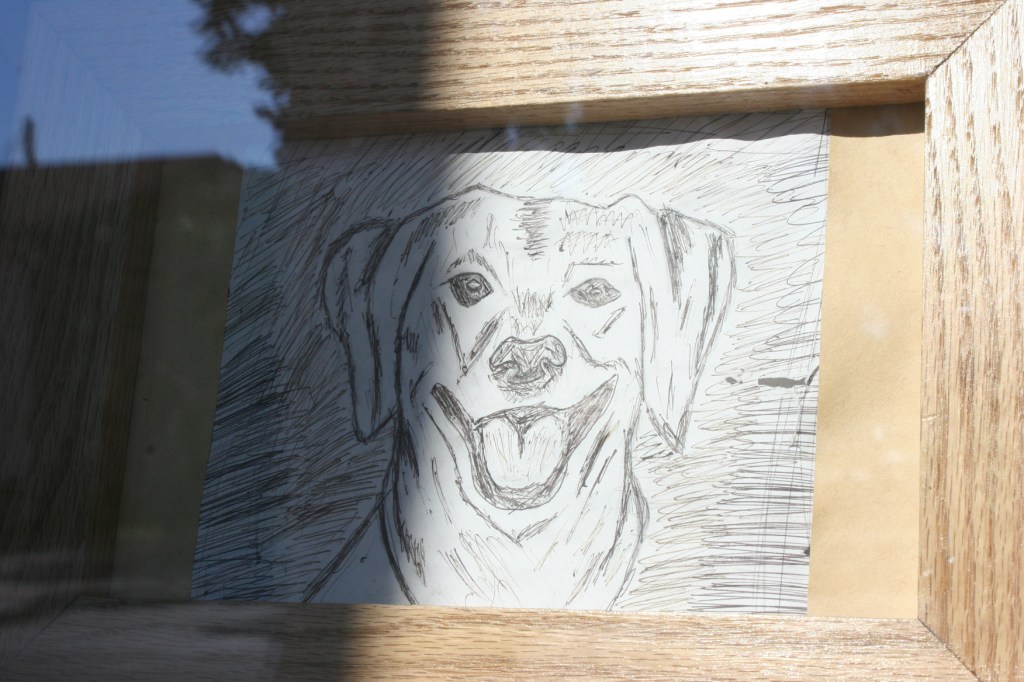
Tyler Fromm drew this picture of his “beloved farm dog, Buddy.” Oak siding from the corn crib on his family’s century old farm frames the art.


These are the stories that make this exhibit especially meaningful, especially touching, especially impressionable. This isn’t just another art show, but rather an expression of emotions with a rural perspective. Written. And showcased in art.


FYI: You can view this exhibit any time during the day as the art is visible from outdoors in front windows. Note that glare and reflections sometimes make seeing the art a challenge. The Arts & Heritage Center, however, is open limited hours from 2-5 pm Thursday and Friday and from 9 am to noon Saturdays. The exhibit runs until the end of November. Maps to the art locations are available from several downtown Montgomery businesses in addition to the arts center. Be sure to vote for your favorite for the People’s Choice Award. This blog post represents only a sampling of art in the exhibit.

Please check back next week for additional posts from my visit to Montgomery.

© Copyright 2020 Audrey Kletscher Helbling
 

Making American Stories during Faribault Car Cruise Night, Part III June 25, 2020

Closing in on downtown, only blocks from Central Avenue, at the end of the car cruise route.


AS I WATCHED AND PHOTOGRAPHED the June 19 Faribault Car Cruise Night, I considered not only the stories I would tell with my photos, but the stories of those participating in this monthly summer event.


What’s the story behind the TOOTIE license plate on this Ford Fairlane?


And where was this young boy riding prior to the cruise?


What stories have been written, and shared, in this 1956 Chevy station wagon?


What prompted them to join the cruise? What would they see? How would they feel? What memories would they take away from this leisurely Friday evening drive around Faribault area lakes and back into town? Will they, years from now, talk about the summer of 2020 and how, even in the midst of a global pandemic, they went on a car cruise?


What’s the story behind this vintage Pontiac owned by Sharon and Tom?


The back of that beautiful Pontiac.


Life is one long story. With many chapters. And editing along the way. Sometimes by us, sometimes by those who think they can edit our lives or rewrite our stories. They can’t. They are not us. Our stories are ours.


Part of Faribault’s “American Stories” campaign.


“Making American Stories” is among a handful of marketing slogans selected by local tourism folks to promote Faribault. That theme, along with crafting, experiencing, shaping and preserving American stories, is bannered on signs posted throughout my community. I like this campaign. It’s clear, meaningful, uncomplicated and fitting. It defines community strengths—from history to home-grown businesses to things to do.


What’s the story behind “The Rock” shirt?


What leads someone to own a vintage car like this Buick Electra?


What prompts someone to get all creative and build a rat rod?


What’s the full story behind this tattoo?


Where did the owners find this vintage Chrysler convertible and what’s its history?


And on summer evenings in to early autumn, one of those local once-a-month activities is Faribault Car Cruise Night. It brings together the past and the present. Links vintage vehicles and new. Seniors and kids. Car collectors and, new this year, Harley riders.


What’s the story behind the ATV?


Wonder what stories this Pontiac GTO convertible could tell?


So many American stories in the making during the June 19 Faribault Car Cruise Night.


Switched from a Central Avenue-based park-and-look event, this actual driving cruise has added a new dimension in the making of this American story. I wonder about the stories. Those already written. And those being written.

This concludes my three-part photo series on the June 19 Faribault Car Cruise Night.

© Copyright 2020 Audrey Kletscher Helbling
 

One Minnesota family’s emotional story: Graduating during COVID-19 May 20, 2020

Minnesota Prairie Roots file photo, May 2016.


FOR WEEKS, WE’VE HEARD and read news stories about the Class of 2020 and the disappointment students feel in missing out on so much of their senior year due to COVID-19. It is the tradition of the graduation ceremony, complete with caps, gowns, speeches and “Pomp and Circumstance,” that seems the greatest loss. And the gathering of family and friends afterward to celebrate.


Graduates toss their caps following a past graduation ceremony at Faribault High School. Minnesota Prairie Roots file photo.


All of that said, schools are getting creative with their celebrations. Faribault High School is planning a Graduation Drive Thru to award diplomas. That includes inviting students, over the next two weeks, to walk across an outdoor stage and pose for photos with cut-outs of the school superintendent, principal and others. This will be pulled together in a video for a virtual graduation ceremony.


Minnesota Prairie Roots file photo from Westbrook-Walnut Grove High School graduation in 2010.


Down in the extreme southwestern corner of Minnesota, Worthington High School is also planning a virtual graduation ceremony followed by a car parade. One vehicle per graduate and family. Rural Nobles County is among the hardest hit in our state by COVID-19 following a virus outbreak in a meat-packing plant. In a county of just under 22,000, there have been 1,394 confirmed cases of the virus (as of Tuesday).

But this isn’t just another list of statistics. My friend Gretchen and her family live in Worthington. And eldest daughter, Katie, graduates this month as valedictorian of the WHS Class of 2020. She is heartbroken. Her mom also feels the emotional let-down of this long-anticipated day.

Gretchen is also an exceptional writer. When I asked her to write about graduation for the blogging ministry I lead at Warner Press, she quickly agreed. The result is a powerful post that tells her family’s story with uncut, raw emotion. I invite you to click here and read through the pain, the disappointment and then, the words of a high school grad wise beyond her years. I promise, you will feel moved by this family’s story. A story that personalizes the challenges for the Class of 2020 in a way you will remember.


A Tufts University graduate decorated her graduation hat in 2016. Minnesota Prairie Roots file photo. There will be no high school or college graduation ceremonies like these this year.


I encourage you to leave a comment for Katie and Gretchen on the Warner Press blog post or on the Warner Press Facebook page in addition to here. I am grateful to my friend and her daughter for sharing their thoughts. It is stories like theirs that reveal how COVID-19 is affecting the Class of 2020 in a deeply heart-wrenching way.

© Copyright 2020 Audrey Kletscher Helbling
 

Adapting worship in rural southwestern Minnesota during a global pandemic May 4, 2020

The Rev. Adam Manian leads worship services at St. John’s Lutheran Church, Vesta, Minnesota, on Sunday, May 3, 2020.


HIS ROBE BILLOWED in the wind as he stood atop the hay rack on a stunningly beautiful spring Sunday morning in southwestern Minnesota. A simple wooden table adorned with a gold cross formed a makeshift altar behind him.

To the south, vehicles filled the parking lot next to a farm field bordering the Redwood River. Across the river bridge, more fields and farm sites define the landscape, including my childhood farm a half-mile distant.

I visualized this rural scene as I focused on my computer screen. I watched the Rev. Adam Manian prepare to lead Sunday morning worship services outside St. John’s Lutheran Church, the church where I was baptized, confirmed, married, and have attended weddings and funerals of many loved ones.


The one-block Main Street of downtown Vesta. Minnesota Prairie Roots file photo April 2018.


It seemed fitting that the pastor would preach from atop a hay rack backed up to the church entry. This place in Minnesota is through and through rural, centered on agriculture. It is also a place centered by church and its importance in the faith lives of most and in the social fabric of the Vesta community. I can only imagine how much locals—including aunts, uncles and cousins—miss gathering at St. John’s. I miss seeing my faith family, too, at Trinity Lutheran in Faribault.


I watched the St. John’s service live-streaming Sunday morning. Drive-in worship will continue next Sunday at 9 a.m.


During these weeks of social-distancing, stay-at-home orders and the need to protect our most vulnerable and each other, churches have gotten creative in continuing with worship. On this first Sunday in May, the pastor of this very rural congregation in a community of some 300 launched drive-in worship. Worshipers sat in their vehicles and tuned in to 102.1 FM on their radios while he led the service. And 120 miles away to the east, I booted up my computer and watched live-streaming of St. John’s service.

It did my heart and soul good to see that on this Sunday, “Good Shepherd Sunday,” the pastor at my hometown church was tending his flock—providing for their spiritual needs through the familiarity of liturgy, beloved hymns, preaching and prayers. What a blessing, especially to the many seniors in the congregation who now find themselves isolated, alone, separated from loved ones. An aunt even washed her car in preparation for Sunday’s service.

I thought back to decades earlier when my paternal great grandparents, Rudolph and Matilda Kletscher, arrived here and St. John’s grew from a mission church that met in their farm home. My faith is rooted here, in this church, in this place, among these prairie people.


Entering my home county of Redwood along Minnesota State Highway 68 southeast of Morgan. Minnesota Prairie Roots file photo.


As Rev. Manian preached, I noticed the wind, ever-present in this landscape of wide open space. His robes billowed. His audio caught the wind. The camera shook on occasion. Tree branches swayed. Birds flew and some chirped in morning birdsong. It was as if creation joined in worship.

Occasionally I heard the start of a motor, presumably to run the air conditioning.

And when the pastor’s family, inside the sanctuary, sang “Have No Fear, Little Flock,” I experienced such a connection to St. John’s, such a renewed sense of confidence that we will get through this COVID-19 crisis, that God stays close beside us, that we are all in this together.


These grain bins sit just down a gravel road from St. John’s church in Vesta. Minnesota Prairie Roots file photo.


I realized, too, that we are writing stories every day of overcoming, of adapting, of being here for one another, of resilience. We are writing stories of hope and of community. These are our stories. Faith stories. Community stories. Personal stories. Stories connected by the commonality of living during a global pandemic.

#

Thank you to my cousin Lori for tipping me off to St. John’s drive-in worship service.

© Copyright 2020 Audrey Kletscher Helbling