Minnesota Prairie Roots

Writing and photography by Audrey Kletscher Helbling
The art of Decorah, Part II November 27, 2018

Filed under: Uncategorized — Audrey Kletscher Helbling @ 5:00 AM
Tags: , , , , , , , , ,

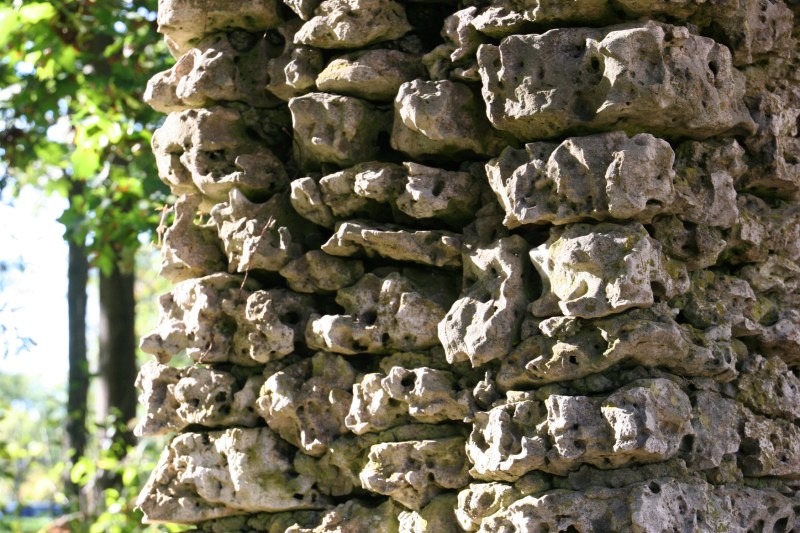
A close-up of stacked stones at Phelps Park in Decorah, Iowa, where the Civilian Conservation Corps crafted walls, a fountain and more.


WHEN YOU THINK public art, what pops into your mind? Sculptures? Murals? Sidewalk poetry? All fit the definition.


An example of the stone art at Phelps Park.


But public art stretches beyond the obvious. If you look for it, you will see art everywhere, as I did on a September visit to Decorah. This northeastern Iowa river town is rich in art, natural and otherwise.


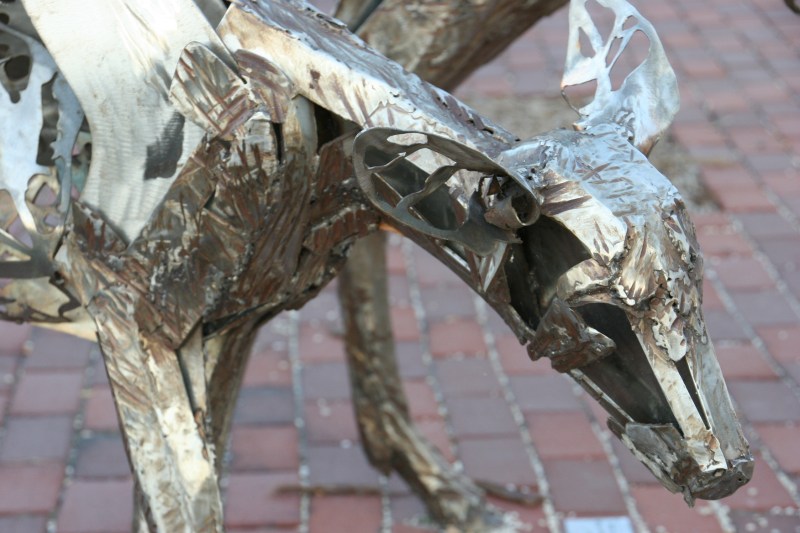
In a downtown Decorah plaza, “Doe and Fawn” by Victoria Reed.


Art enriches a place by adding texture, interest, depth.


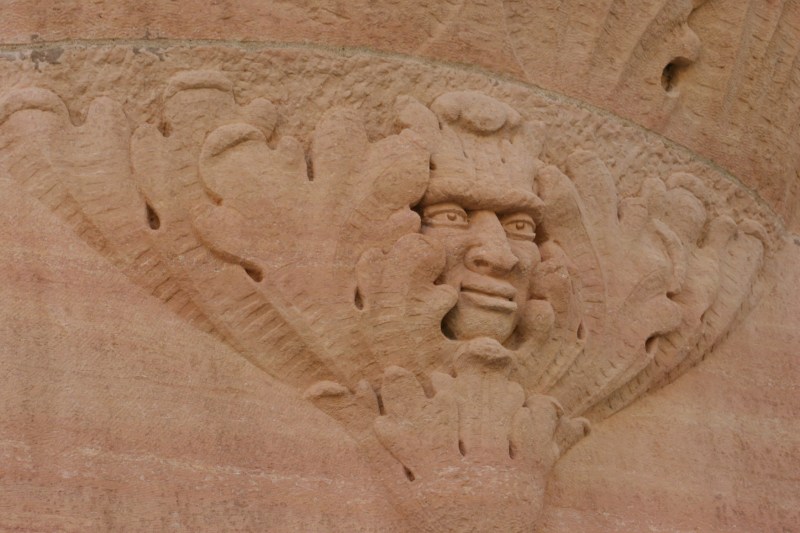
Look up to see this sculpture on the Nelson & Co building in downtown Decorah.


Art personalizes a place with character.


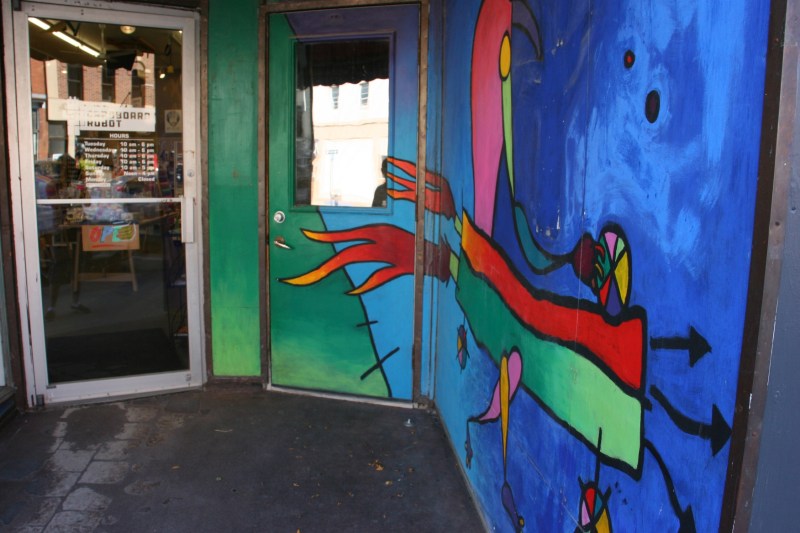
The colorful mural by The Cardboard Robot.


Art colors a town with vibrancy.


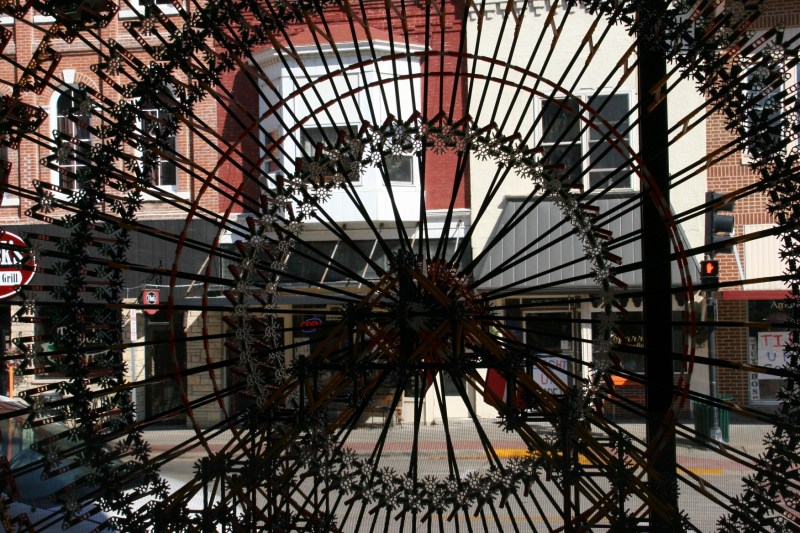
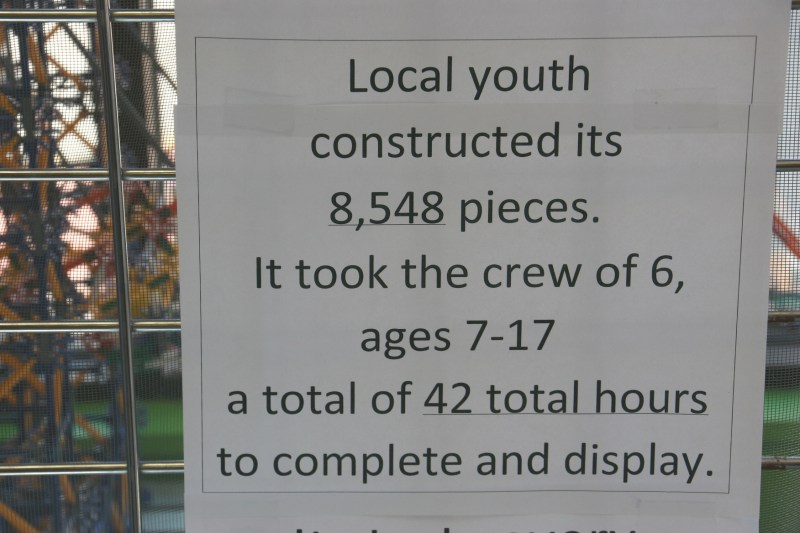
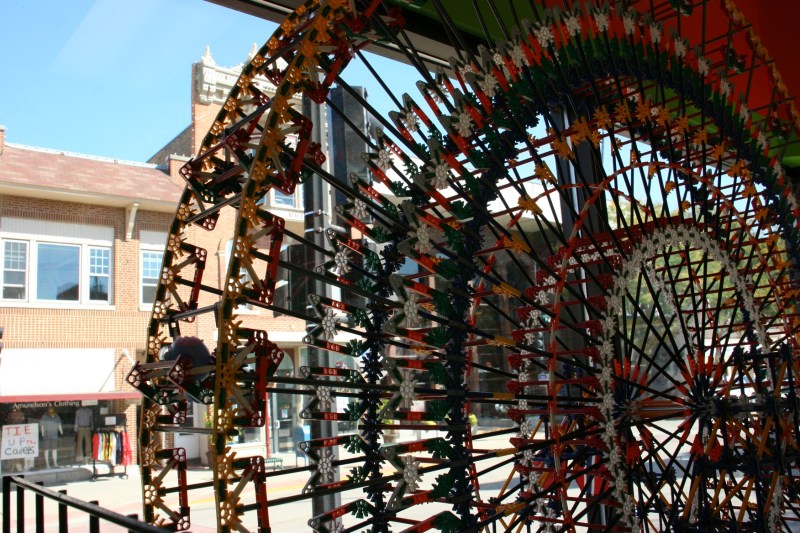
On display at Donlon Toy Jungle (inside Donlon Pharmacy), this 6-foot KNEX Ferris Wheel.


Details posted with that Ferris Wheel build.


Just another angle of the KNEX Ferris Wheel.


Art brings a community together, creating a cohesiveness that unites in working toward a common goal.


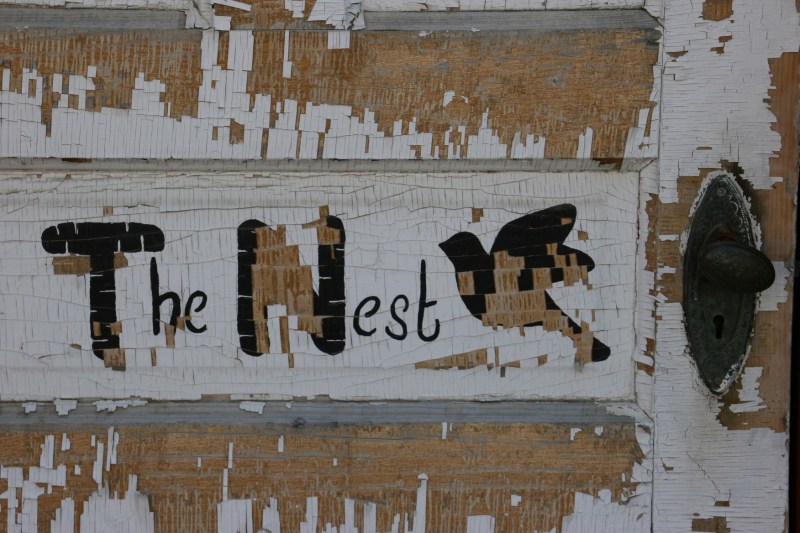
An artful door leading to apartments in downtown Decorah.


Art comforts.


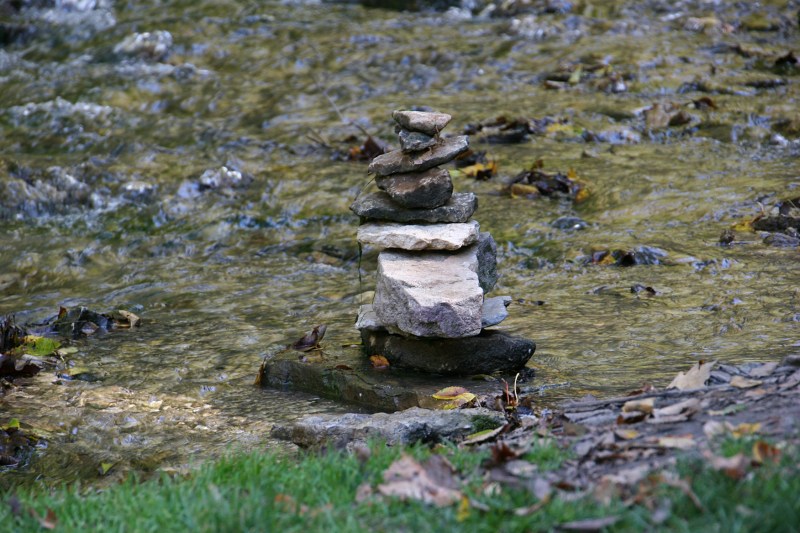
Stacked stone art in Dunning’s Spring.


Art empowers, strengthens.


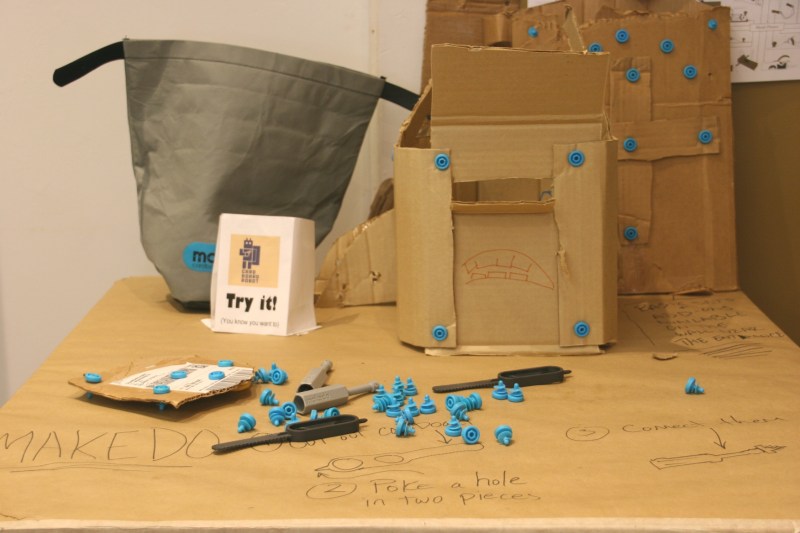
Inside The Cardboard Robot, shoppers are encouraged to be hands-on creative.


Art expands our imaginations to create.


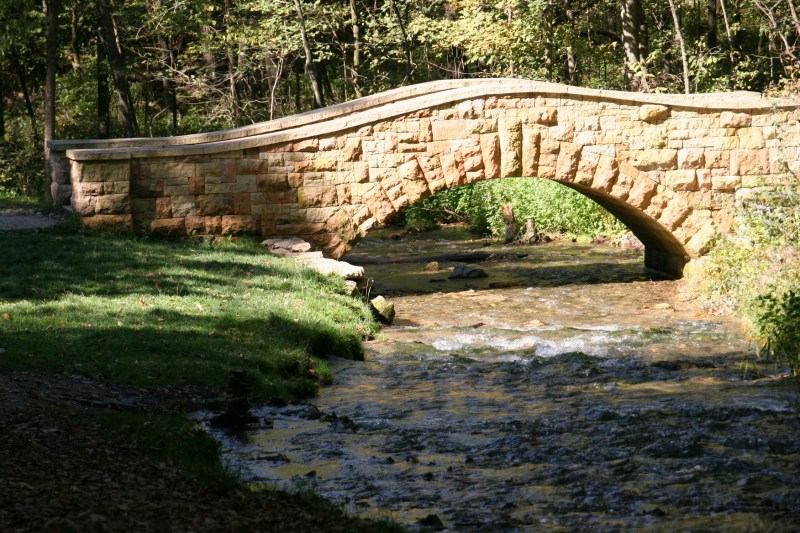
This new bridge at Dunning’s Spring Park replicates a stone bridge of 140 years ago. Master stone mason Ted Wilson crafted the bridge along with Sean Smyth. The bridge features dry stonewalling, meaning there’s no mortar between joints.


We need art. Today more than ever. To bridge our differences.

THOUGHTS?

© Copyright 2018 Audrey Kletscher Helbling
 

Why I love Decorah, Part I November 26, 2018

Vesterheim Norwegian American Museum in downtown Decorah draws many visitors interested in learning about their heritage.


TWICE I’VE VISITED DECORAH in northeastern Iowa. It’s one of those towns that feels comfortable, inviting, an ideal destination for someone who prefers rural to urban.


Decorah is named after Ho-Chunk Chief Waukon Decorah. I spotted this portrait by noted artist Charles Philip Hexom on a stairway wall at the public library.


What makes Decorah so appealing to me?


The architecture.


“Doe and Fawn” sculptures by Victoria Reed stand in a public plaza near a downtown co-op.


Love this mural of “Irene” painted by Valerie Miller of Steel Cow.


A stone sculpture on the Nelson & Co. building.


The art.

One of my favorite spots in Decorah, the waterfall at Dunning’s Spring Park, site of a former grist mill and gifted to the city in 1946.


The natural beauty.


Valdres House, one of many authentic Norwegian rooted buildings at Vesterheim. This is a typical Norwegian landowner’s house, dismantled and shipped from Norway to Decorad in the mid 1970s.


The downtown shops and eateries. The city’s appreciation of its strong Norwegian heritage, even if I’m of German heritage.

And the people. While at Pulpit Rock Brewing, Randy and I shared a picnic table with a young couple and their daughter (and her grandpa). They were quick to answer our questions about places to eat, sleep and explore.

Upon their recommendation, we stayed at a new hotel on the edge of town and met a trio of college friends together for their annual girlfriends’ reunion. They welcomed us into their circle at a gas-fired campfire on a perfect early autumn evening. When did hotels start adding this amenity? I loved it. There’s something about fire…


The Upper Iowa River runs through the 34-acre Decorah Community Prairie and Butterfly Garden. This view is from a scenic overlook in Phelps Park.


And water. Water is part of the draw for me to this river town.


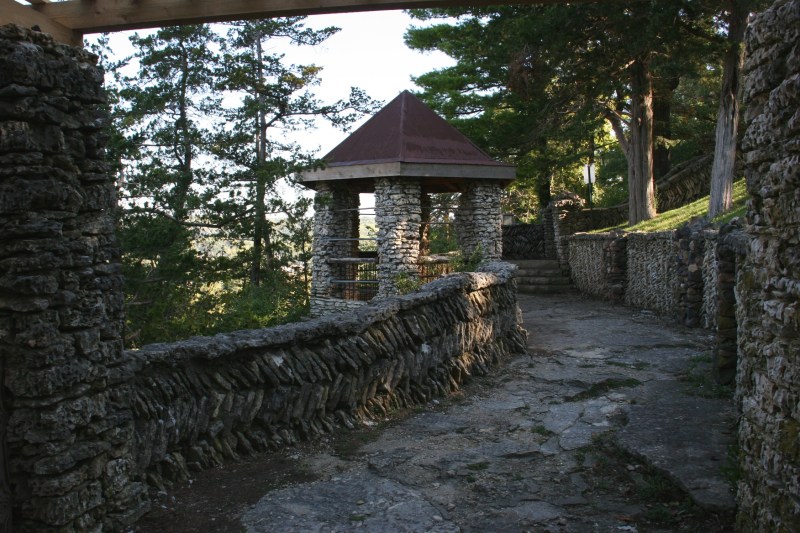
Magnificent stone work at Phelps Park, which also includes a fountain (not on at the time of my visit) crafted from stone.


Upon the recommendation of the family at the brewery, we sought out Phelps Park. There we found extensive stonework done by the Civilian Conservation Corps. I often wonder when I see such work, “How did they build this without modern equipment?”

Outside an historic downtown building with a corner tower, I chatted it up with an elderly man on a bench. He drives in from the farm every morning to meet friends for coffee and to sit and people-watch. He lives out by the supper club, he said, which meant nothing to me. But I pretended like it did. He’ll never see me again.

That’s the thing about travel. If you engage with the locals, you’ll learn a thing or ten about the place you’re visiting. Stuff you won’t find on a website, stuff best learned in conversation.

TELL ME: Do you chat it up with locals when you’re traveling? I’d like to hear your stories.

PLEASE CHECK BACK for more photos from Decorah. Have you ever visited Decorah and, if so, what appeals to you there?

NOTE: I took these photos during a mid-September visit to Decorah. The landscape obviously looks much different today. So if you’re not inclined to visit this Iowa city now, think ahead to next spring or summer.

© Copyright 2018 Audrey Kletscher Helbling
 

Escape to the tropics in Minnesota at Como November 15, 2018

Filed under: Uncategorized — Audrey Kletscher Helbling @ 5:00 AM
Tags: , , , , , , , , ,

The Sunken Garden at the Como Park Conservatory.


WHETHER HE SOUGHT A RESPITE from single digit temps or whether he wanted to see the bonsai trees, I’m not sure. But the son wanted to visit Como Park Conservatory before his return flight from Minnesota to Boston on Monday.


A section of the conservatory features bonsai trees.


So after an early lunch, we loaded his luggage and that of his girlfriend into our van and headed north an hour to the Twin Cities metro. Our oldest daughter and granddaughter joined us at this St. Paul site they frequent. Izzy’s comfortable familiarity showed as her two year old legs ran more than walked. On a slow day at Como, no danger existed of separation from the five adults.


I could take photos at my leisure without worry of stalling foot traffic winding through lush greenery inside the balmy conservatory. It was a luxury not to feel hurried or pressed by crowds at Como, which ranked as the third top tourist attraction in Minnesota in 2017 with 5.3 million visitors.


Heading to the animal exhibits.


And it was a luxury to escape temporarily from the cold and snow of Minnesota. With temps dipping to six degrees overnight, winter has arrived way too early. We have a brief respite this week with the temp pushing back up to 40 degrees during the day.


A close-up of a mum inside the Sunken Garden where flowers are changed out seasonally.


Yes, we dwell on the weather here in Minnesota. My son claims everywhere. He’s probably right. Conversations too often begin with weather. If they stick on that topic, then I’m concerned.


While inside the conservatory, I pulled off my winter garb and focused instead on the florals,


the greenery,


the art, the water.


Anything but the weather.


Lovely orchids.


These tropics offer an ideal escape if you can’t afford a real escape to warmth or the tropics.


As I photographed this bird, I was cognizant of the possibility of mice.


When the daughter warned me about mice inside one section of the conservatory, I hurried. I wish she hadn’t told me about the varmints I detest. “I didn’t want you to scream if you saw a mouse,” she explained. Alright then, that makes sense.


Art outside the primates building set against a backdrop of snow.


And later, when I commented on the stench of manure in the Como Zoo primate and giraffe buildings, she said, “You grew up on a farm.” Yes, I did. A dairy farm. But, in my memory, cows don’t stink.


Cold temps and construction shortened our time at the zoo. And that was OK by me. I could see the son wasn’t thrilled with viewing caged critters. I, too, felt a certain sadness for these animals. Izzy kept telling us she didn’t like the monkeys, then stood watching them. Next week she might love monkeys. I admired the mama gorilla who turned her back on me when I stepped up to the viewing window.


Soon enough, we exited the zoo and conservatory complex, bending into the frigid wind on our way to the parking lot. For a short time we’d escaped winter. And now, as warmer temps ease into Minnesota for several days, the cold air moves east, toward Boston.

© Copyright 2018 Audrey Kletscher Helbling
 

From Ulen: Ole & Lena would feel right at home in this Minnesota town November 8, 2018

The ethnicity of Ulen displayed on a business sign. I absolutely love the artistry of this signage.


I’D NEVER BEEN TO ULEN, a decidedly Norwegian-American community of some 600 in northwestern Minnesota. But it was on our route from Hendrum back to Detroit Lakes last week Thursday.


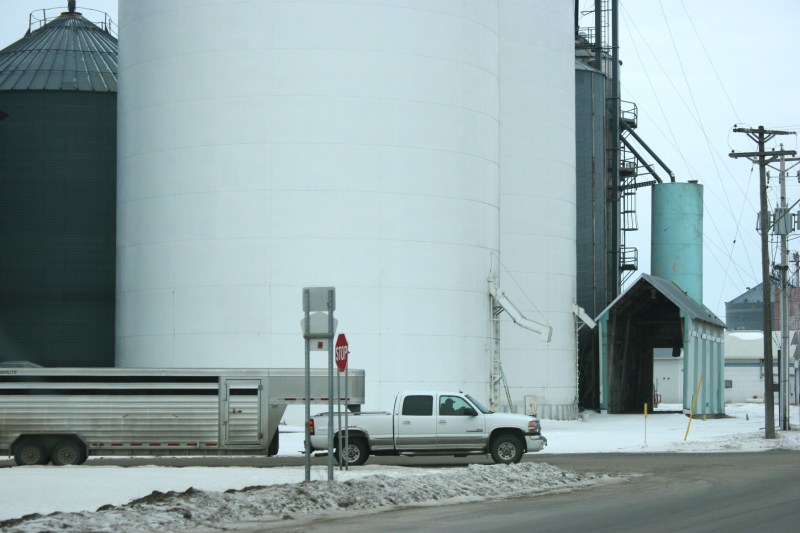
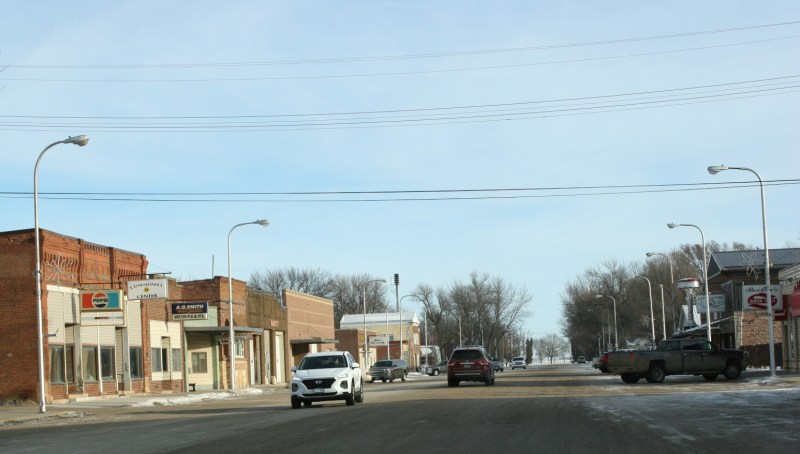
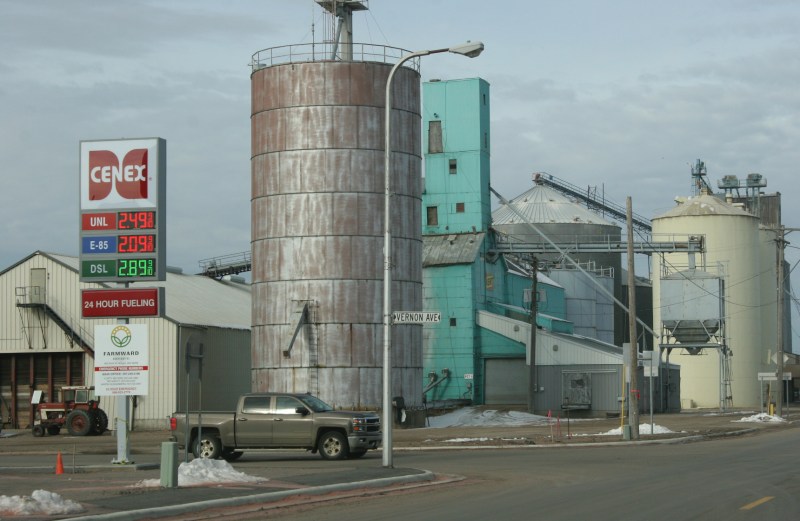
Ulen looks like many other small towns in this remote agricultural region. There’s a school, a grain elevator, a few businesses downtown. Typical.


Approaching the grain elevator complex, we notice the rising dust.


But then Randy and I observed something not so typical—the demolition of an aged grain elevator. Back in their heyday, these rectangular buildings rose like cathedrals on the prairie, visible for miles. They centered communities, held the harvest. Now many sit empty, replaced by massive grain bins and towering grain silos that hold no aesthetic appeal.

I don’t know the story behind the removal of the vintage elevator in Ulen. I can speculate. But speculation isn’t truth.


I know only that I felt a sense of sadness as Randy and I sat in our van watching the dust fly while demolition equipment chomped away chunks of this historic building. We missed seeing the elevator in-tact given our late arrival.


After a bit we drove back through town, past the Ulen Museum, formerly the Viking Sword Museum (the Viking sword found near Ulen has been proven a legend, not truth), then past the Top Hat Theatre.


When we spotted a vintage house for sale on a corner lot, Randy stopped to pick up a flier. He asked me to guess the price. “$47,000,” I said. Oh, how wrong that guess. The five-bedroom, two-bath house of 3,088 square feet and with four garage stalls is priced at $179,900. No, we’re not interested in living in Ulen, home to a Turkey BBQ going on its 58th year.


As we exited town, a plain green poleshed caught my eye. Lena’s Lefse, the sign thereon read. Now I know a lot of people who love lefse, who make lefse each holiday season. I’ll eat it just to be polite. I’m convinced the appeal of lefse is more about family tradition and heritage than taste. But then I’m not Norwegian. And I’m not from Ulen. Nor do I know a good Ole and Lena joke to share right now.

© Copyright 2018 Audrey Kletscher Helbling
 

En route to the Red River Valley of Minnesota November 6, 2018

Somewhere on a back road between Detroit Lakes and Hendrum.


TRAVELING NORTHWEST TOWARD the Red River Valley from Detroit Lakes last Thursday morning, I thought I was mentally prepared for the vastness, the flatness that define this area. I am, after all, a native of the southwestern Minnesota prairie. And I’ve been to Fargo-Moorhead, which is tabletop flat.


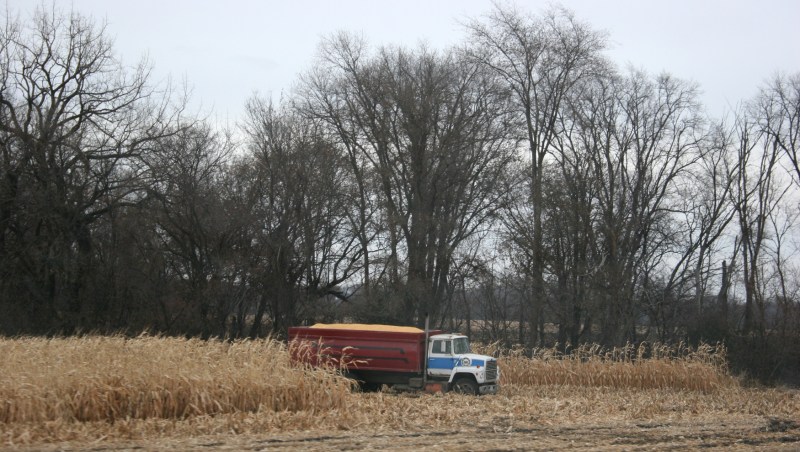
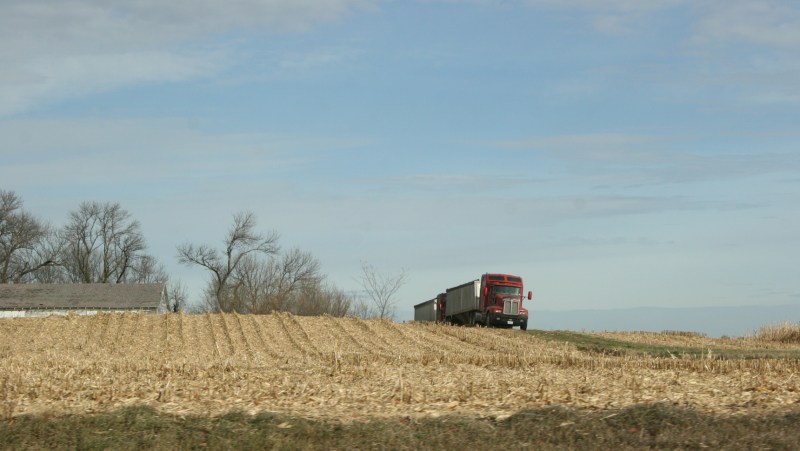
Trucks hauling crops are the most common vehicles on roads in these parts this time of year.


But this route was different. This nearly 1.5 hour drive took Randy and me off the interstate and onto back county roads and state highways as we aimed toward Hendrum in Norman County. At times we drove for endless miles without sighting another vehicle. It’s unsettling to feel such isolation, to know that you are miles between towns, that the distance between farm places stretches farther and farther.


Our route took us through several small towns, including Borup just 20 miles southeast of Hendrum.


Yet, I tried to make the best of this drive to visit friends who once lived in Faribault. A job relocated the family of seven to this town of 300 some 30 miles north of Fargo-Moorhead along U.S. Highway 75.


Mountains of sugar beets are prevalent in this region.


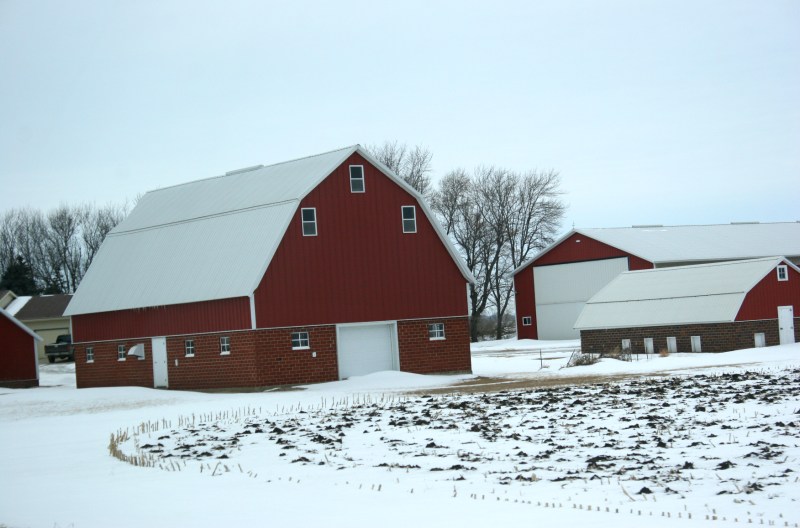
As we headed toward Hendrum, Randy and I, both Minnesota farm-raised, observed the progress of harvest—seemingly slowed by too much rain. In places, mud from farm equipment stamped the roadway and signs warned of slippery surfaces. Acres and acres of corn remain to be harvested. Muddy conditions, however, apparently don’t stop the picking of sugar beets, a major crop in this region. Our friends’ oldest son works at a sugar beet plant as he saves money to attend a college in Washington, D.C. I can only imagine the cultural shock of moving from remote northwestern Minnesota to our nation’s capital.


Clusters of grain bins are common in this agricultural area.


This is an area that truly is Red River Valley flat, that seems to an outsider rather desolate. But, framed in a positive way, it is a peaceful place. Wide. Spacious. Uncluttered by traffic and housing developments.


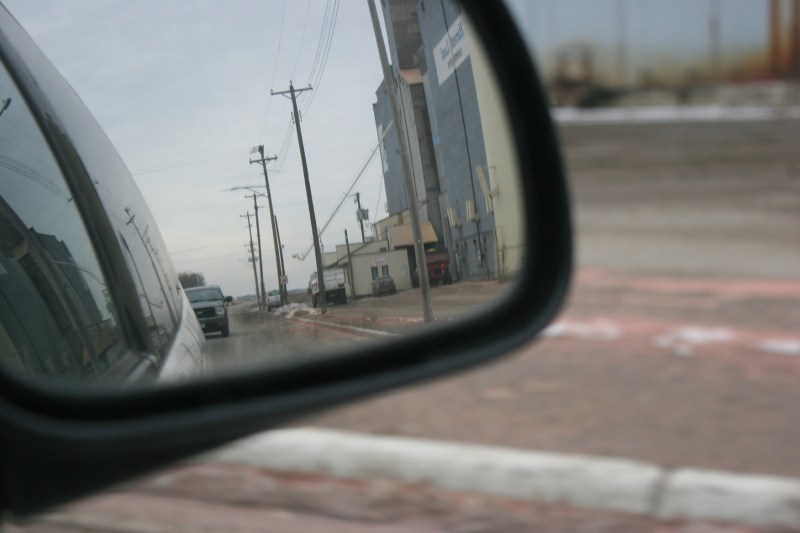
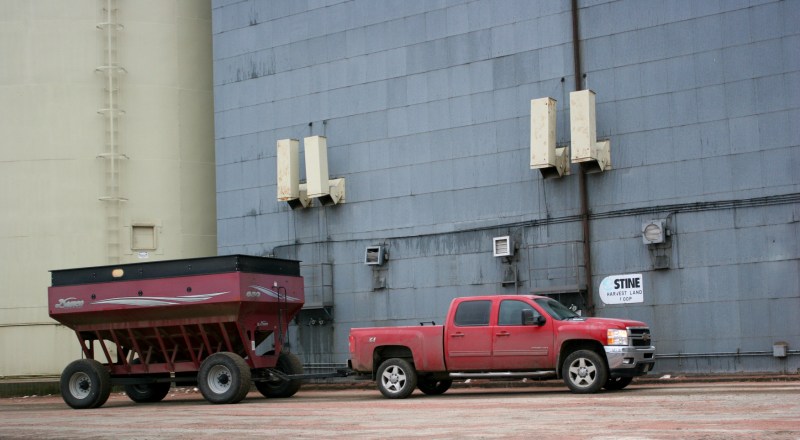
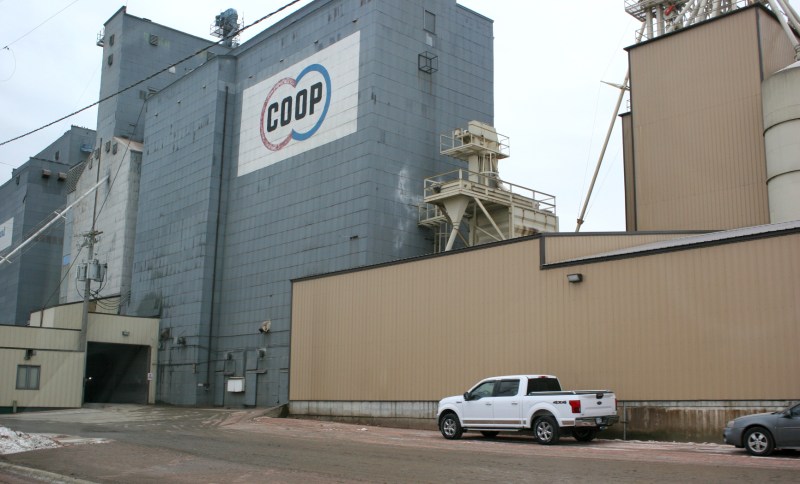
It is a land marked by grain bins and by small town elevators, which can be seen for miles—seven miles once, Randy noted.


It is a land marked, too, by rectangles of stacked bales rising like barges along our route toward the Red River.


Here the land and sky seem endless.


Here agriculture anchors the economy.


Although I couldn’t live here given the flatness, the remoteness, I can appreciate that others call this place home.

TELL ME: Have you been to the Red River Valley of Minnesota or neighboring North Dakota?

RELATED: Check out this story (click here) by Bob Collins of Minnesota Public Radio about a Sugar Beet Museum in Minnesota.

CHECK BACK as I take you into Hendrum. You won’t want to miss the humor of Hendrum.

© Copyright 2018 Audrey Kletscher Helbling
 

Feeling right at home at Seed Savers Exchange in rural Iowa, Part I October 18, 2018

Filed under: Uncategorized — Audrey Kletscher Helbling @ 5:00 AM
Tags: , , , , , , , , , ,


HAVE YOU EVER VISITED a place where you were so comfortably at home that you felt as if you’d been there before, but you hadn’t?


Seed Savers Exchange just north of Decorah, Iowa, feels that way to me. A nonprofit that preserves heirloom plants through planting and nurturing and seed saving, Seed Savers appeals to the farm girl in me. The peaceful setting. The red barn. The ruralness of it all. Iowa. So like my native southwestern Minnesota.


A tangle of plants, some towering, some not, drew me into a garden near the massive red barn where young women scooped seeds from ripe tomatoes during a mid-September visit. This is their work, this preservation of seeds. I thought of hippies and pioneers and how this tedious labor matters.

And I thought of biting into a sun-warm tomato plucked from the garden, juice trickling from the corners of my mouth. Memories from the farm.


I watch Monarchs and bees wend among towering stems of Kiss-Me-Over-the-Garden-Gate blossoms, their flight like words of poetry in Diane’s Garden.


There’s so much to love about this place. Berries in the back of a pick-up truck. Chicks clustered, safe behind chicken wire. A path that leads away from the farm site to narrow streams. Quiet as only quiet can be in the countryside.


And then a second garden on the other side of the Lillian Goldman Visitors Center. Here my favorite flower—the simple zinnia and corn drying to harvest and sunflowers heavy with seed. And more, oh, so much more.


Inside the visitors center, the results of it all—rows and rows and rows of stocked seed packets. Bull’s Blood Beet. Rat-Tailed Radish. Hungarian Heart Tomato. What to choose from among all the alliterations, all the words that write of bounty and beauty. I choose Sea Shells Cosmos Mix for myself, Gold Medal Tomato for a niece with a passion for gardening.


I wish I could stay here, far from the stresses of life. I feel a peace in being here, sequestered from reality, from noise, from the world. There’s something about Seed Savers Exchange that feels comfortably familiar to me. Like I lived on this land once, walked below this blue sky, wandered among the waving blossoms of Kiss-Me-Over-the-Garden-Gate. Yet I’d not been here prior to this visit. Except perhaps in the poetry of words and of memories.

PLEASE CHECK BACK for more photos from Seed Savers Exchange.

© Copyright 2018 Audrey Kletscher Helbling
 

Lots to do in the Faribault area this autumn weekend October 12, 2018

“Grandview Farm Cat” by Faribault animal portrait artist Julie M. Fakler. Julie is among artists participating in this weekend’s South Central Minnesota Studio ARTour. Minnesota Prairie Roots file photo.


ART. FOOD. FUN. Those and so much more are part of multiple events scheduled in and around Faribault during a jam-packed autumn weekend. Here’s a list of area happenings. For more information, click on the highlighted links within each event mini snapshot.


Kelly Lake, rural Faribault, photographed last October. Minnesota Prairie Roots file photo 2017.


We’re only an hour south of Minneapolis along Interstate 35, making this a perfect day trip destination. While you’re here, check out our historic downtown and even take a drive in the country to see the fall colors. The rural areas, especially around Rice County’s many lakes, present some of the best colors in this region of Minnesota, in my opinion. (Click here for a view of last year’s fall colors.)


Art supplies photographed during a previous Studio ARTour. Minnesota Prairie Roots file photo.


2018 Studio ARTour of South Central Minnesota

Meet 38 artists at 19 sites (many of them studios) during this weekend arts event that covers the Faribault, Northfield, Nerstrand and Farmington areas. This presents a great opportunity to talk to and view and buy art from artists who work with everything from wood to ceramics to paint and much more. Some studios open on Friday already with others open Saturday and Sunday. Click here for details.


Well-kept and well-traveled paths take hikers deep into Nerstrand Big Woods State Park. Minnesota Prairie Roots file photo.


Big Woods Run

Rise early Saturday to take in this annual marathon and more hosted by St. John’s United Church of Christ, Wheeling Township east of Faribault. Start time is 9 a.m. with later starts for the kids’ K. The route takes participants into Nerstrand Big Woods State Park, known for its remarkable autumn beauty. Click here and here for registration, schedule and more.


Buckham Memorial Library, Faribault, Minnesota. Minnesota Prairie Roots file photo.


Athens of the West Free Walking Tour

Local historian and artist Jeff Jarvis hosts two free walking tours through downtown Faribault, beginning at Buckham Memorial Library on Saturday, the first tour at 11:30 a.m., the second at 2 p.m. Jarvis will explain via this tour how Faribault became known as “The Athens of the West.” Tour groups are limited to 15. Click here for details.


Costumed kids parade through historic downtown Faribault during a previous fall fest. Minnesota Prairie Roots file photo.


Faribault Main Street Fall Festival

Historic downtown Faribault is the setting for this annual October celebration that features a costume parade for kids, a chili cook-off, Faribault Foods Fall Frolic 5K Walk/Run and lots more. Come hungry as you can sample the chilis for $5. Click here for everything you need to know about this event set for Saturday.


Perusing merchandise at the Faribault Woolen Mill retail store. Minnesota Prairie Roots file photo.


The Legendary Warehouse Sale, Faribault Woolen Mill

From 8 a.m. – 4 p.m. Saturday, the historic woolen mill offers selected products at sale prices. This event always draws a crowd to the mill store along the banks of the Cannon River on Faribault’s north side. Click here for additional info.


Attendees at a past A Night at the Museum fill the one-room school for classes. Minnesota Prairie Roots file photo.


Night at the Museum

The Rice County Historical Society hosts its annual Night at the Museum, a living history type event from 4 – 7 p.m. Saturday at the county museum followed by music and stories around the campfire from 7 – 8 p.m. Click here for details.


You’ll get this food and more at the Trinity North Morristown church dinner. Minnesota Prairie Roots file photo.


Harvest Dinner & Fall Festival, Trinity Lutheran Church, North Morristown

If you crave great homemade food prepared by church people, this dinner is for you. From 11 a.m. – 1 p.m. on Sunday, the good folks of this country church will serve a turkey and ham dinner with all the fixings. I’ve attended this dinner multiple times and it is, by far, my favorite church dinner. Also browse the crafts, canned goods and treats for sale. Find more info by clicking here.

© Copyright 2018 Audrey Kletscher Helbling
 

Downtown Wabasha up close during SeptOberfest September 27, 2018

Filed under: Uncategorized — Audrey Kletscher Helbling @ 5:00 AM
Tags: , , , , , , , , ,

Autumn decor (including German flags) adds an artistic seasonal welcome to a side street next to Heritage Park in downtown Wabasha.


GIVEN MY PHOTOGRAPHER’S EYE, I see beyond an overview. I notice details. And in the Mississippi River town of Wabasha, details abound, especially during SeptOberfest, the community’s annual two-month celebration of autumn.


Driving toward Wabasha and the bridge that connects Wisconsin and Minnesota.


Pumpkins line picnic tables in Heritage Park, site of many SeptOberfest events, including activities for children.


A view from the river bank of the Mississippi and the bridge between Wabasha, Minnesota, and Nelson, Wisconsin.


On a recent late week day afternoon, I walked about 1 ½ blocks from Heritage Park, a community gathering spot under the grassy area of the bridge connecting Wabasha to Nelson, Wisconsin, through the business district. I intentionally looked up, down and around to see the character of Wabasha. Details reveal much about a place and its people.


Signs above a business note the history of the building. Wabasha has some beautiful historic architecture as noted in the reflections in the window.


This street clock adds to the visual historic appeal of downtown Wabasha.


German or Irish, Wabasha has your food tastes covered during SeptOberfest.


I especially enjoyed the woodcarvings of George Schwalbe currently displayed in the front window of Jerry Arens Insurance.


Scroll through my photos and you will note an appreciation for history and heritage and a strong sense of community pride. Folks here care about how this town looks.


Outside Pure Identity Salon & Spa, the Tin Man, created from a pumpkin.


Pay attention to signs in windows. They tell you a lot about a town.


Festive scenes like this are staged throughout downtown Wabasha.


I appreciate the seasonal décor of scarecrows propped on straw bales, of festive banners, of carved pumpkins. I remember a town that goes the extra length to transform a downtown into a memorable visual. Wabasha impresses.


If you value small towns, you must visit Wabasha, also home to the National Eagle Center. Make this river town a day trip, an overnight destination. Now, as autumn blazes color into the landscape, as Wabasha celebrates the season during SeptOberfest.

© Copyright 2018 Audrey Kletscher Helbling


A favorite fall event in Minnesota: SeptOberfest in Wabasha September 26, 2018

I photograph festive Hill’s Hardware Hand nearly every time I’m in Wabasha. A photo I took of the hardware store several years ago hangs near the Our World hardware store exhibit (modeled after Hill’s) at the Minnesota Children’s Museum in St. Paul.


WABASHA IN SOUTHEASTERN MINNESOTA ranks as a favorite fall day trip for me. I love everything about this community from its historic architecture to the river to the National Eagle Center to its annual celebration of autumn and much more.


Banners throughout the downtown add to the charm.


A riverside play area awaits kids in Wabasha’s version of “Zootopia.”


A creative way of measuring height in Zootopia.


Another look at Zootopia, packed with activities for the kids.


An elephant slide zips kids down the hill into riverside Zootopia.


This Mississippi River town, population around 2,500, knows how to promote itself with fall-themed activities, events and attractions for all ages. From a pumpkin derby to a straw maze, petting zoo, kids’ themed play area, seasonal boutiques, a German parade and lots more, activities abound during SeptOberfest.


Outside a salon, a pumpkin transforms into the scarecrow from The Wizard of Oz.


Across from the Pumpkin Patch, an eye-catching street corner scene.


Pumpkins galore…these on a picnic table in the Pumpkin Patch.


Beyond that, I delight in the pumpkins, straw bales, scarecrows, shocks, German flags and other décor which add seasonal visual interest.


All over downtown are old buildings and harvest displays.


This all takes planning, hard work and time. I want the good folks of Wabasha to know I appreciate their efforts. They understand the value of bringing people into town, of growing as a fall destination, of promoting their community.


“Grumpy Old Men,” a film set in Wabasha in 1993, themes this year’s straw maze.


Gigantic sunflowers brighten the Pumpkin Patch.


Pumpkins transformed into characters from the movie “Trolls.”


Last year my eldest daughter, her husband and our then 1 1/2-year-old granddaughter joined us on a weekend afternoon to take in the kids’ activities. Izzy loved the riverside Zootopia play space, the straw maze and the Pumpkin Patch. This year Randy and I stopped in Wabasha on a late weekday afternoon. There were no crowds, only a few kids playing at Zootopia. The town was mostly shutting down for the day. But weekends you can expect crowds, though not overwhelming, with lots of families enjoying SeptOberfest.


There’s lots to do in the Pumpkin Patch, including playing tic-tac-toe.


If you’ve never been to Wabasha in the autumn, I’d encourage you to visit. There’s still lots happening in October. Click here to learn more. Also head down Minnesota State Highway 61 to LARK TOYS on the outskirts of nearby Kellogg for a spin on the handcarved carousel and a visit to the toy store and other attractions.


An overview of the Pumpkin Patch created under the bridge that connects Wabasha, Minnesota, to Nelson, Wisconsin.


For someone like me who appreciates small towns, especially river towns, and loves autumn, Wabasha offers an ideal one-day get-away.

TELL ME: Have you ever been to Wabasha’s SeptOberfest? Or tell me about another small town autumn celebration you’ve attended and enjoyed.

Check back for another post from Wabasha.

© Copyright 2018 Audrey Kletscher Helbling
 

Exploring Red Wing Part III: Down by the river August 28, 2018
RED WING IS ABOUT POTTERY and shoes and history. But it’s also about the river. The Mighty Mississippi.


A view of Red Wing from the Bay Point Park area shows Barn Bluff and the bridge connecting Minnesota and Wisconsin.
A view of Red Wing from the Bay Point Park area shows Barn Bluff and the bridge connecting Minnesota and Wisconsin.


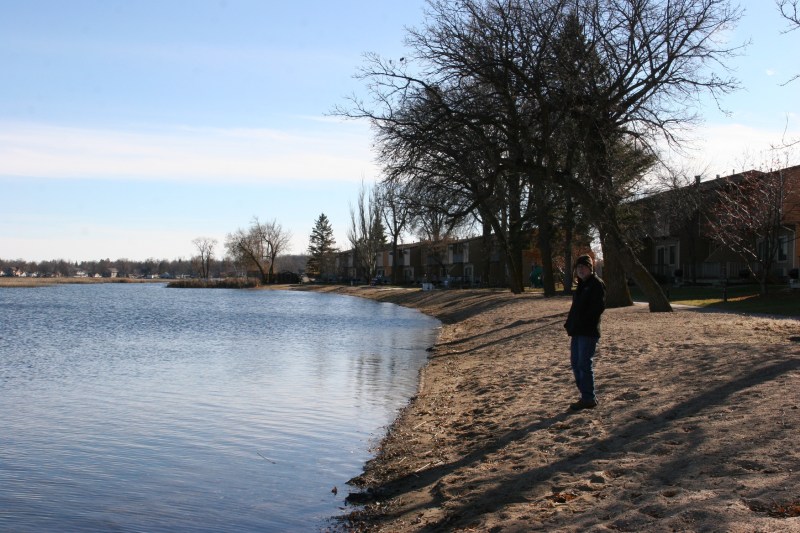
A brief visit to this southeastern Minnesota river town in the fall of 2014 led me to the water, to Bay Point Park, a lovely riverside respite. Here, on an afternoon when the autumn wind blew brisk with cold, I photographed boats, bluff, bridge, bins and boat houses.


Recreation (boats) and commerce (grain elevator and bins) mingle here.

Recreation (boats) and commerce (grain elevator and bins) mingle along the Mississippi.


Red Wing is one of those naturally beautiful communities where the muse of the river lures you in. Water does that. Here, standing in the park, I could see the commerce, the recreation, the history, the appeal and importance the Mississippi River holds in Red Wing.


Another view from the Bay Point Park area.

Another view from the Bay Point Park area.


And I considered then what power this waterway possesses, flowing 2,350 miles from Lake Itasca in northern Minnesota, through towns like Red Wing, all the way to the Gulf of Mexico.


BONUS PHOTOS:


The historic Boat House Village draws lots of interest.

The historic Boat House Village draws lots of interest.


sculpture

This sculpture of a young Charles Lindbergh, famous aviator born in Little Falls, MN., stands in Bay Point Park.


Lots and lots of boats.

Lots and lots of boats. The city of Red Wing operates the Ole Miss Marina, in two locations in the city.


Trains run along the river by the grain elevators.

Trains run along the river by the grain elevators.


The side tourists don't always see, or photograph.

The side tourists don’t always see, or photograph.


The iconic Red Wing logo graces a grain elevator.

The iconic Red Wing logo graces a grain elevator.


FYI: Click here and here to read my previous posts on Red Wing.

© Copyright 2015 Audrey Kletscher Helbling