Minnesota Prairie Roots

Writing and photography by Audrey Kletscher Helbling

Exploring Red Wing, Part II: Red Wing Shoes August 27, 2018

Filed under: Uncategorized — Audrey Kletscher Helbling @ 5:00 AM
Tags: , , , , , , ,

MY HUSBAND IS A HARDWORKING automotive machinist, on his feet all day resurfacing heads, turning brake rotors, rebuilding engines and more. His work is always in demand because so few do what he does and he’s good at what he does. Really good.


Step inside the Red Wing Shoe Store

Step inside the Red Wing Shoe Store in downtown Red Wing and this gigantic 20-foot long by 16-foot high, 2,300 pound replica Red Wing work boot grabs your attention. It’s in the 2005 Guinness Book of World Records.


He needs sturdy work boots that offer comfort and support and protection from grease, oil and dirt. Sometimes he’s worn Red Wing boots, sometimes boots from Mason Shoes across the border in Wisconsin.


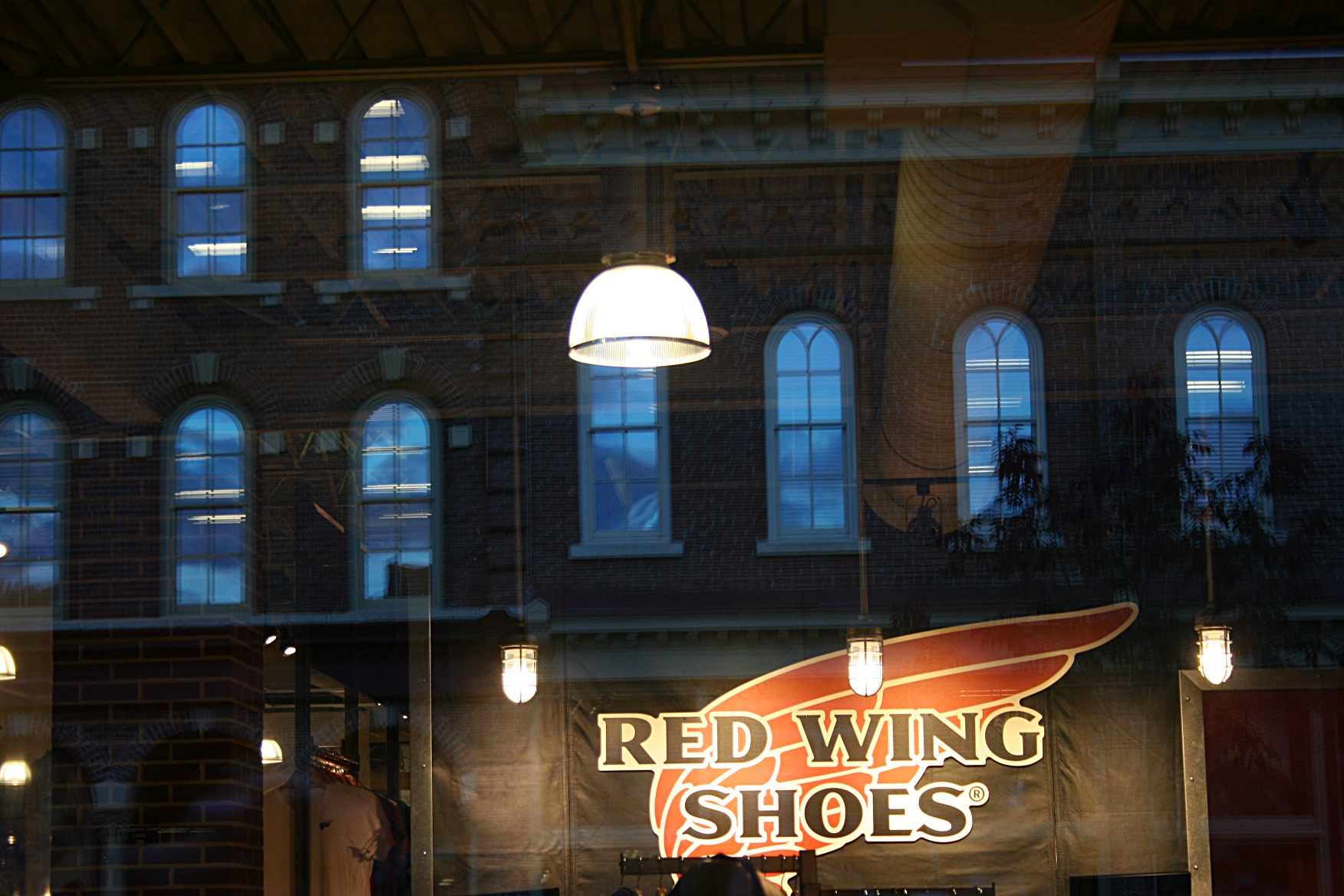
Night-time outside the Red Wing Shoe Store.

Darkness descends outside the Red Wing Shoe Store.


On a 2014 visit to Red Wing, the Red Wing Shoe Store and its on-site second floor museum were on our must-stop list. Randy was having problems with a pair of Red Wing boots not fitting properly. He’d tried to get the issue resolved at our local Red Wing shoe provider. But still, the problem persisted. Go straight to the source, he decided.


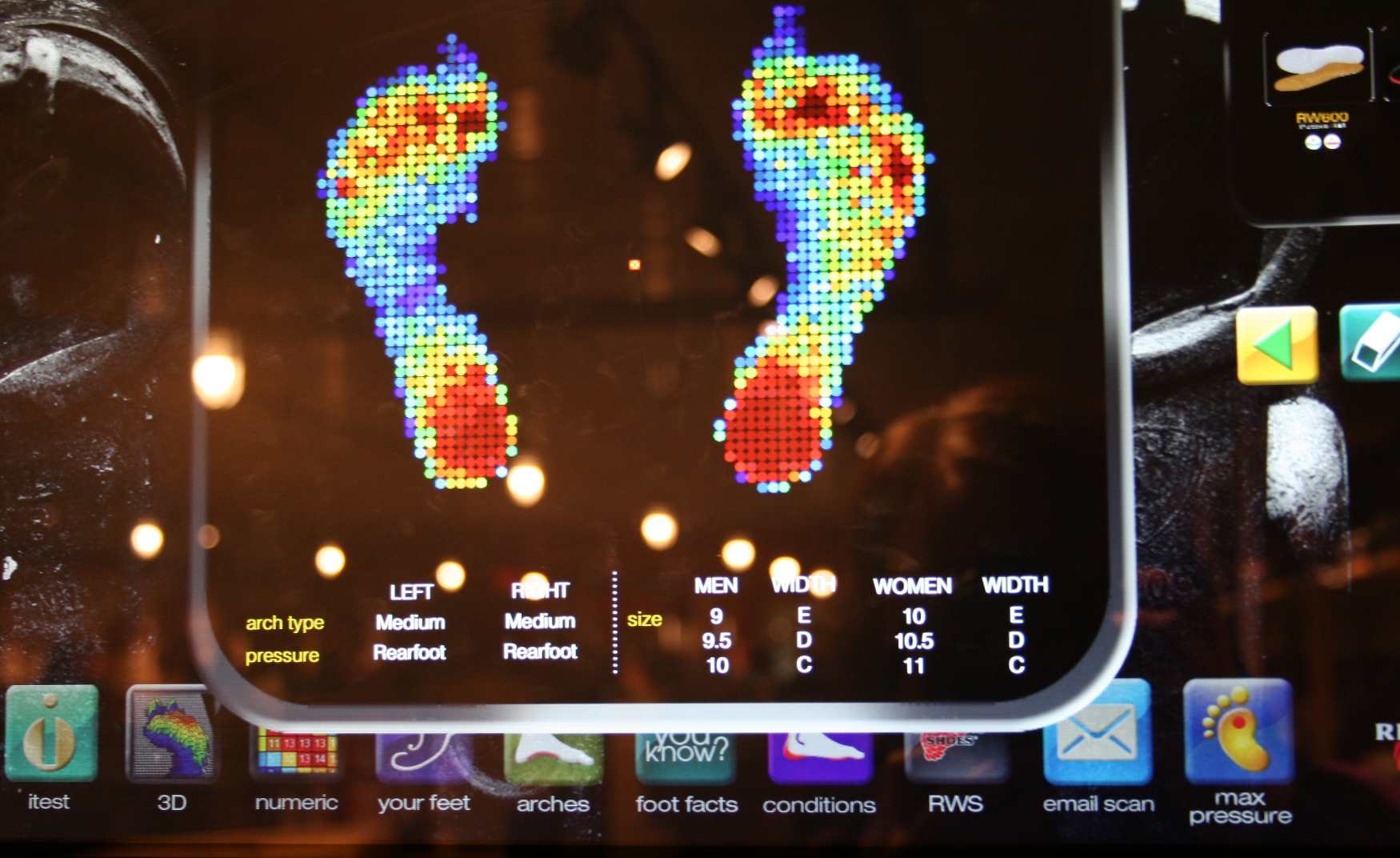
Randy stepped onto a machine which determined pressure points on this feet and projected the results onto a screen.

Randy stepped onto a machine which determined pressure points on his feet and projected the results onto a screen.


The search began for the right boots.

The search began for the right boots.


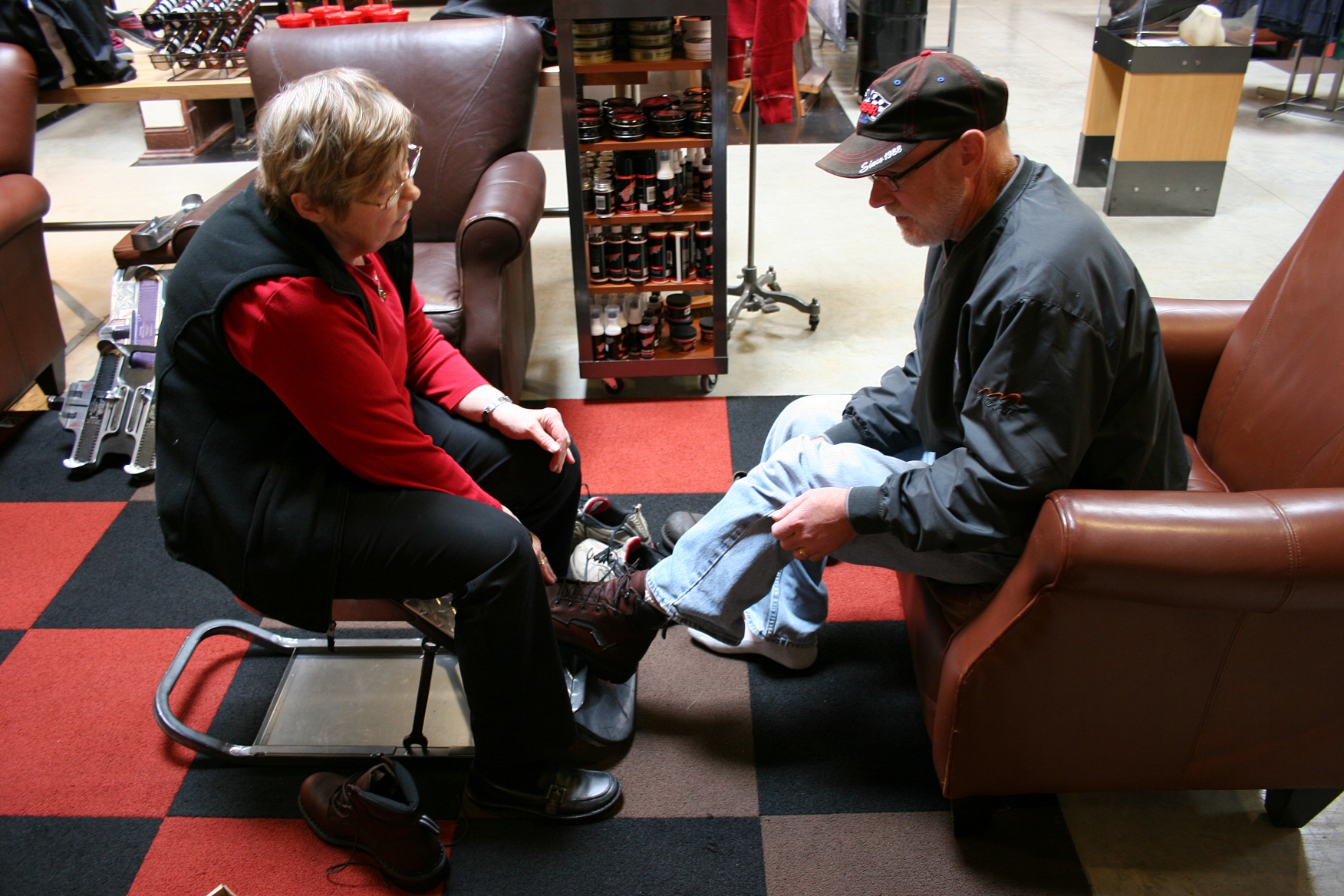
Randy received great one-on-one attentive customer service.

Randy received great one-on-one attentive customer service.


That was the right decision. While Randy’s feet were measured and checked for pressure points and he tried on numerous boots, I meandered. Through the outlet store, through the museum. Eventually Randy found boots and the old ones were determined defective, just as he thought all along. We spent a lot of time at the store, but left satisfied customers.


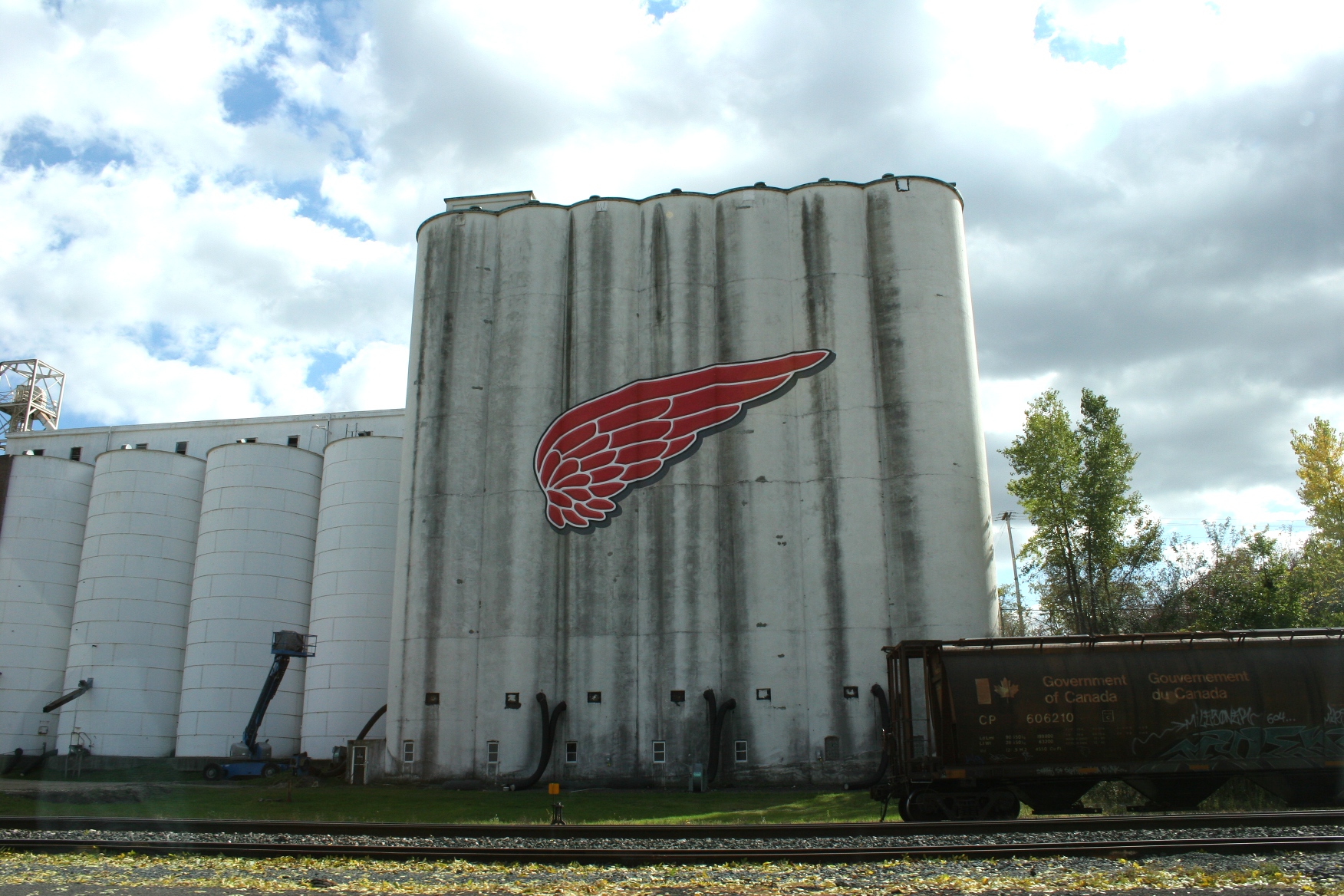
The iconic Red Wing shoe logo.

The iconic Red Wing Shoes logo.


Since 1905, when Red Wing Shoes was founded in this Mississippi River town in eastern Minnesota, this shoe company has been crafting shoes for hardworking people like my husband. Footwear in the company’s Heritage Collection is made just as it was originally, handcrafted from premium leather.


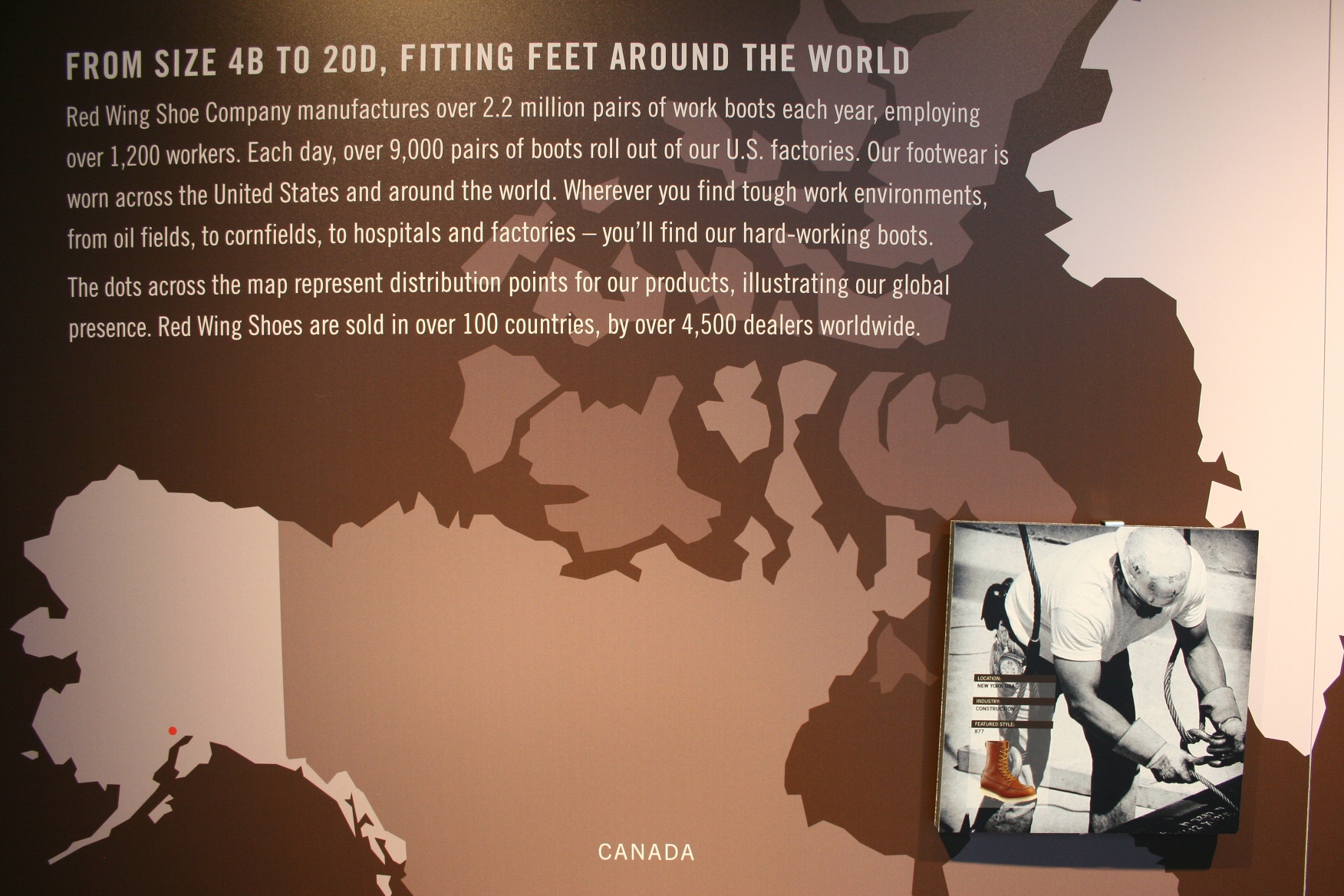
A museum map

A museum map shows Red Wing’s global market.


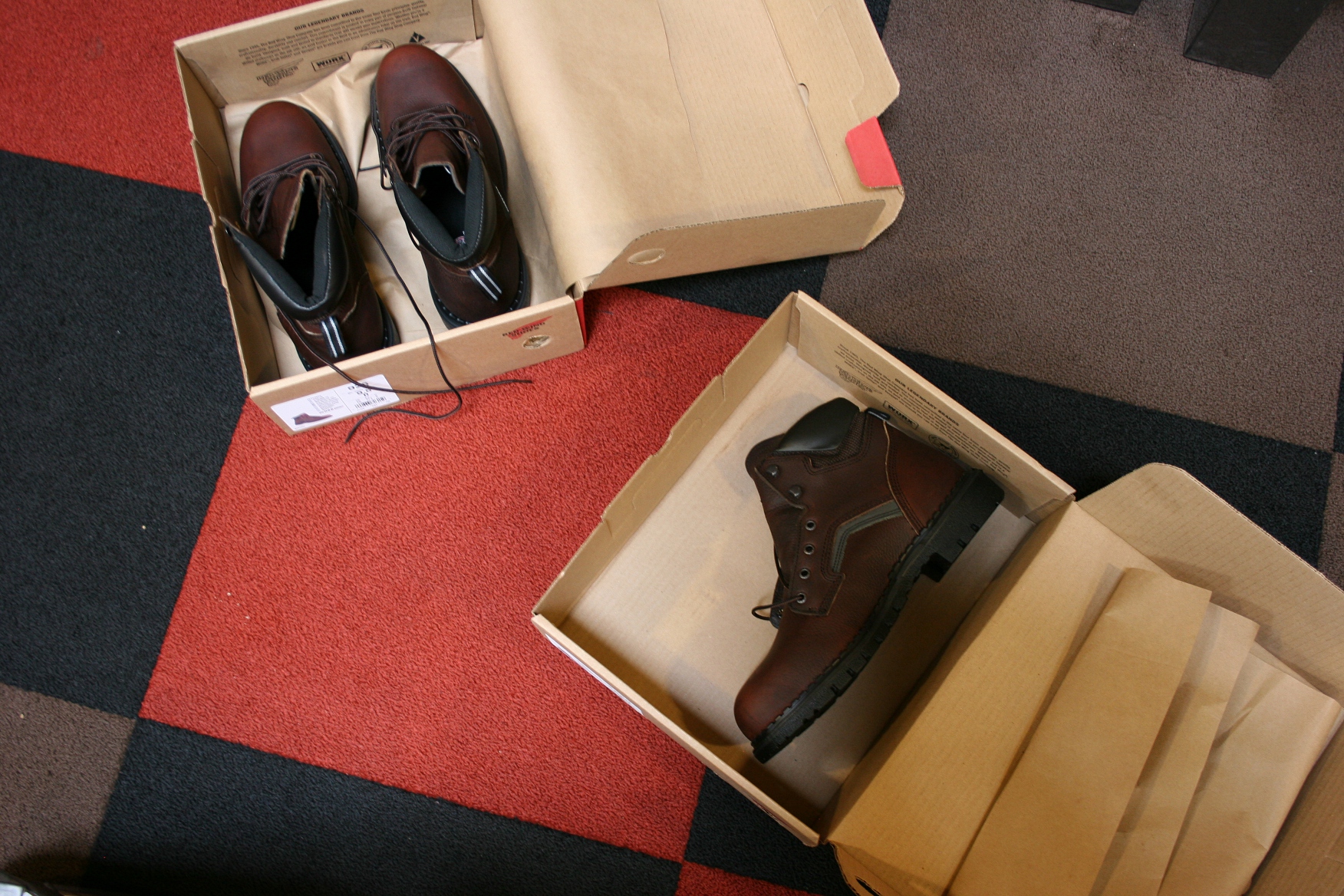
But, I discovered, not all Red Wing shoes are made in Minnesota. Those new boots Randy got, well, they are made in China, says so on the label inside the tongue. To be honest, we both felt a bit betrayed, thinking he’d gotten American-made boots. I suppose we shouldn’t be surprised.


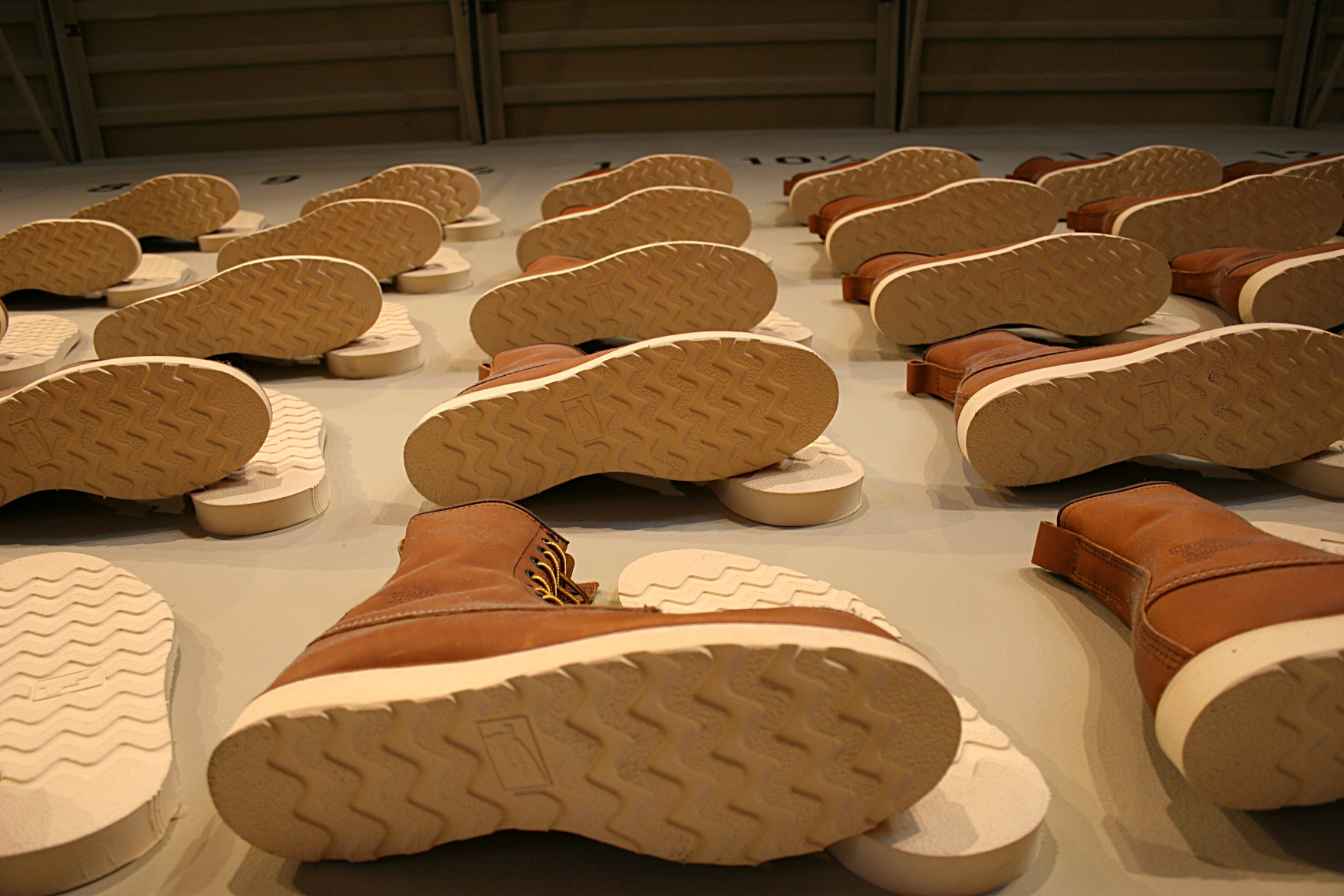
Rows of boots line a wall leading to the second floor museum.

Rows of boots line a wall leading to the second floor museum.


Even given that discovery, my husband remains loyal to the Red Wing brand. He likes his new boots, which I convinced him not to wear to work. He looks really good in his 435 Men’s 6-inch boots. They’re much sexier than sloppy tennis shoes. That left him without work boots. So he ordered a pair from across the border.


Even Hollywood chooses Red Wing shoes, according to this info in the museum.

Even Hollywood chooses Red Wing shoes, according to this info in the museum.


Yeah, I know what you’re thinking. So much for customer loyalty. His new boots from Wisconsin aren’t fitting all that well. Maybe he should have gone Red Wing again, stuck to the iconic workhorse boots which sometimes, and sometimes not, are made in a Minnesota river town.


BONUS PHOTOS:

Red Wing boot sculptures can be seen in downtown Red Wing.

Red Wing boot sculptures can be seen in downtown Red Wing.


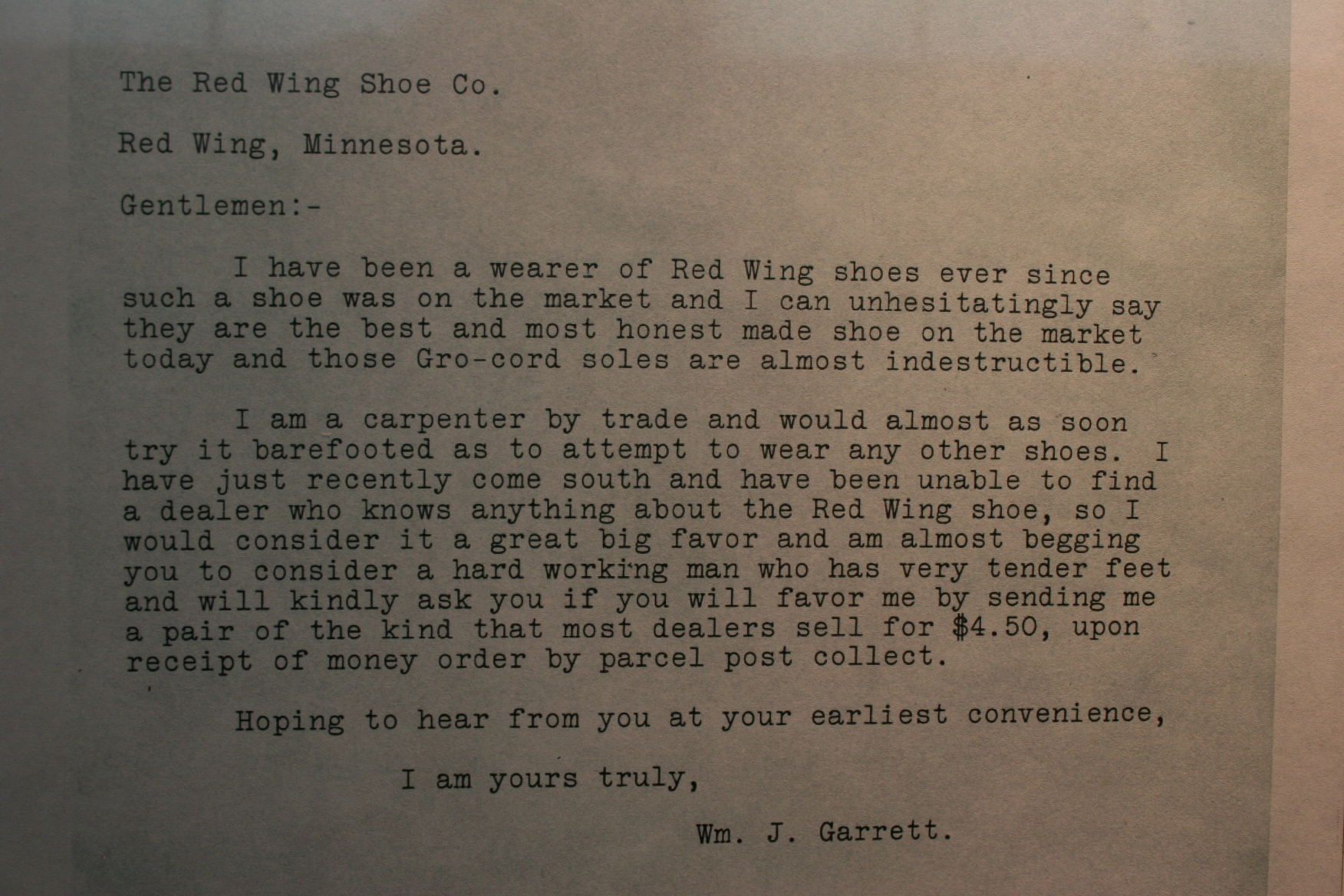
A letter is posted in the museum from a long ago customer.

A letter is posted in the museum from a long ago customer attesting to the quality of the shoes.


I slipped into a Red Wing boot in the dress-up section of the museum.

I slipped into a Red Wing boot in the kids’ dress-up section of the museum. Kids are encouraged to try on an outfit and Red Wing shoes.


envelopne

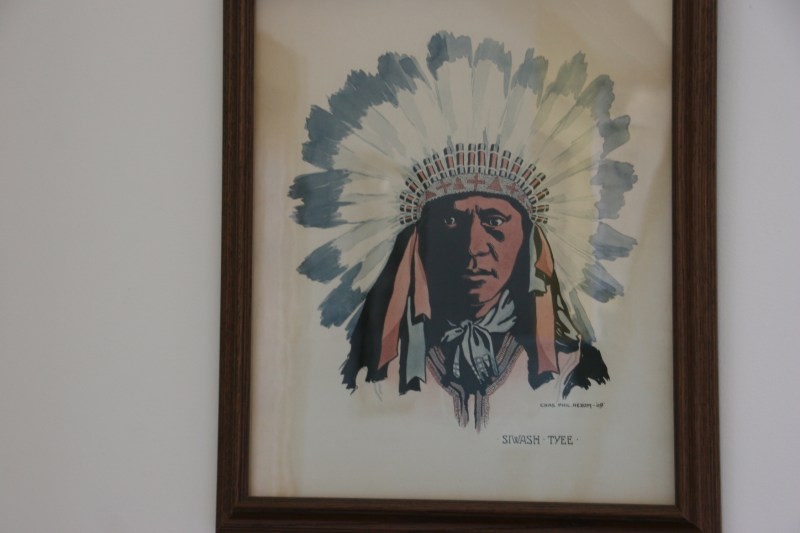
In 1912, The Red Wing Shoe Company began using the “Chief” logo to promote a new line of “Chief” products. Inspiration for the “Chief” graphic came from an employee’s childhood photo collection. The logo was used until 1928, when it was replaced with the red wing logo design.


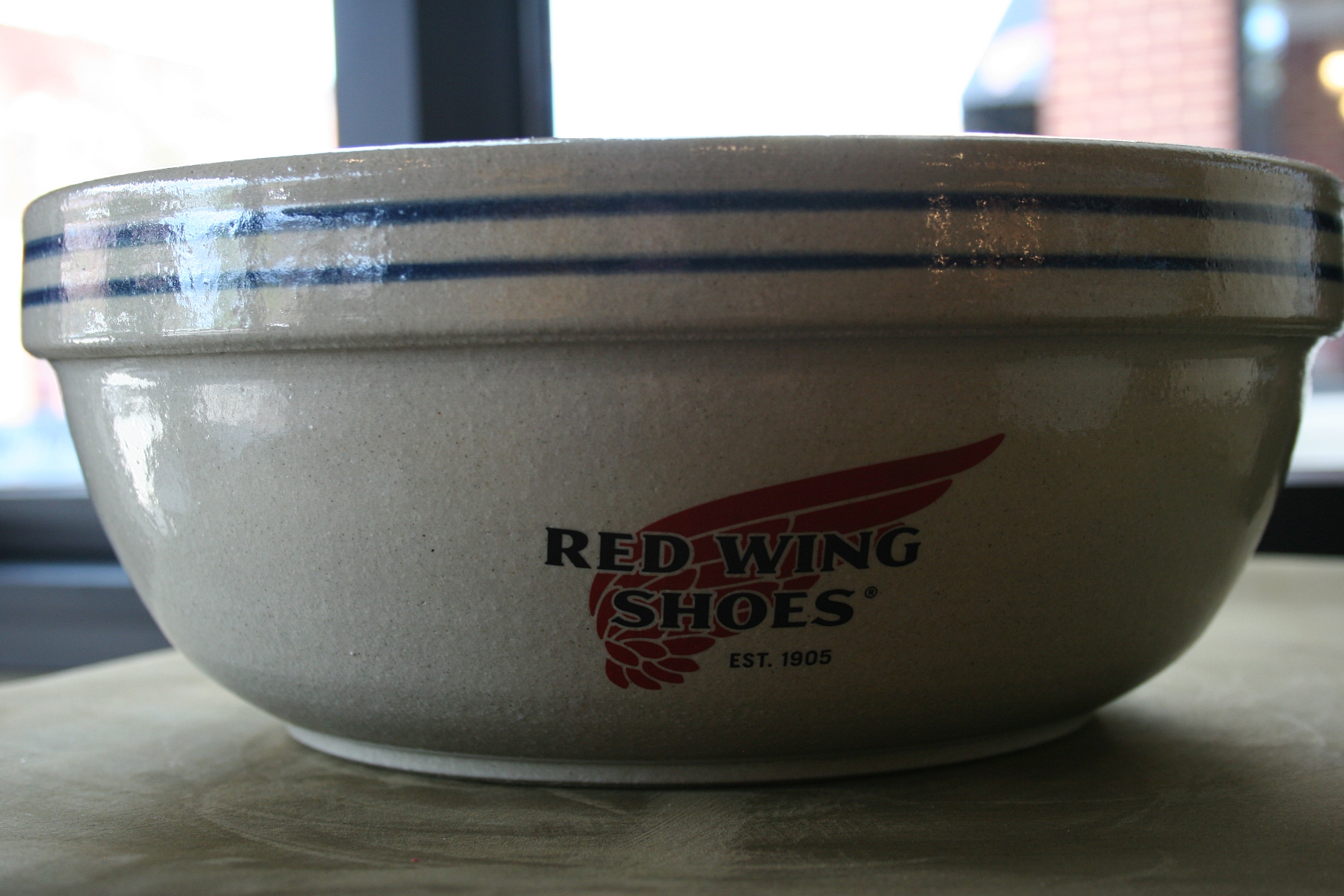
In the gift shop, I spotted this beautiful Red Wing Pottery bowl.

In the gift shop, I spotted this beautiful Red Wing Pottery bowl.


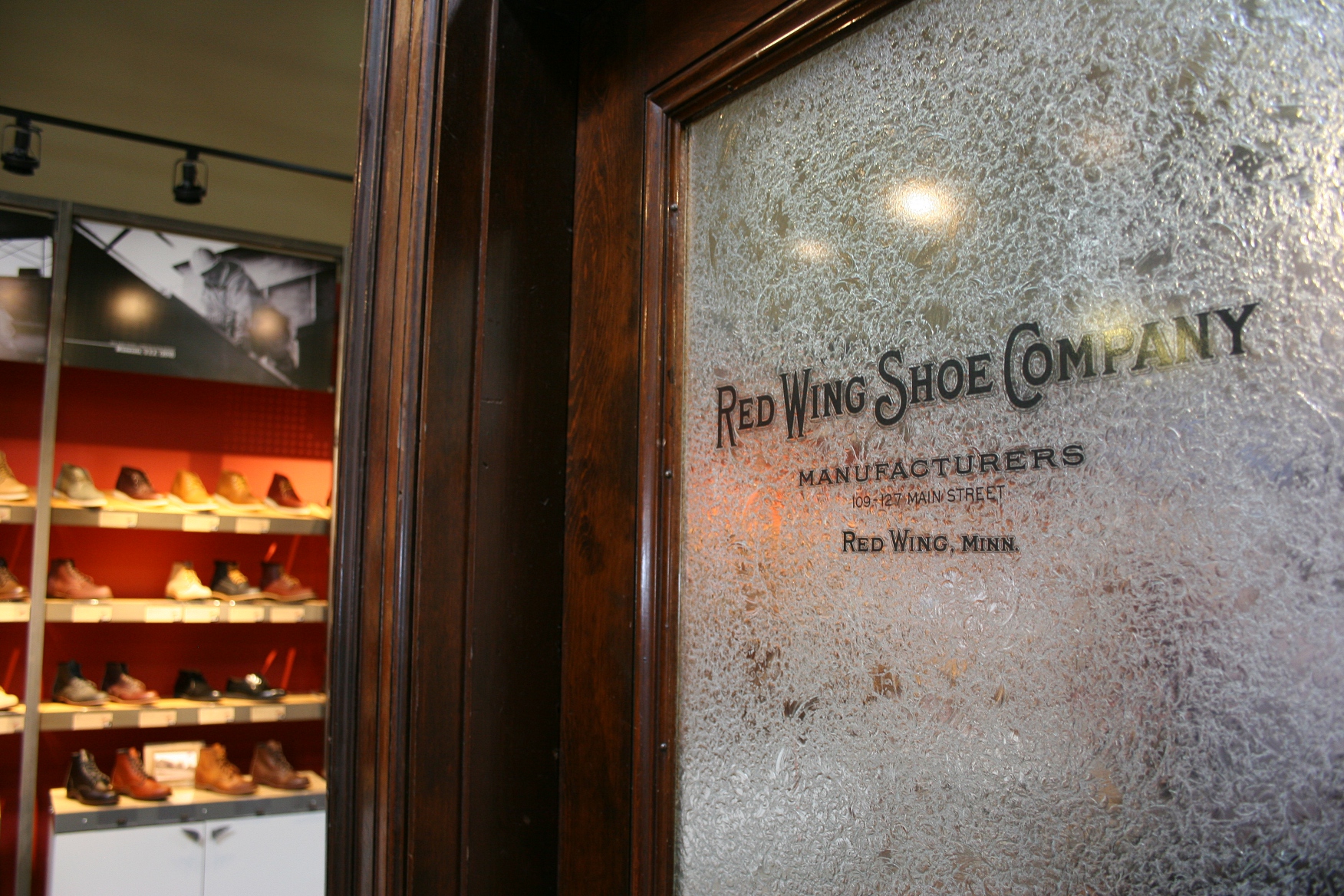
A lovely old door in the shoe store.

A lovely old door in the shoe store.


FYI: Click here to read the first in my series of stories from Red Wing.

© Copyright 2015 Audrey Kletscher Helbling


Exploring Red Wing, Part I: In the heart of downtown August 22, 2018

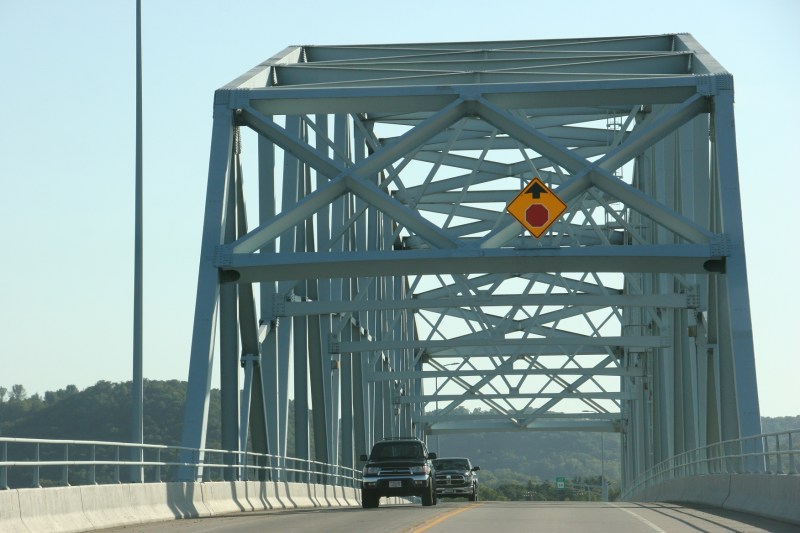
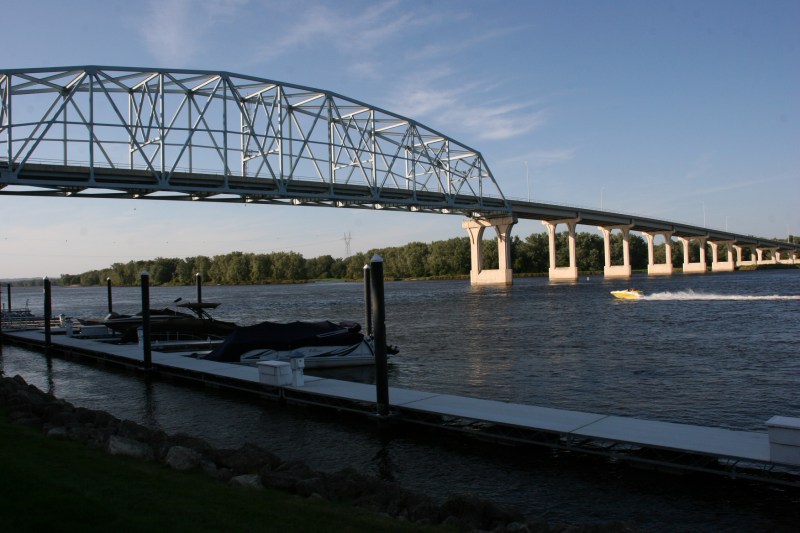
Crossing the Mississippi River bridge from Wisconsin into Red Wing, Minnesota.

Crossing the Mississippi River bridge from Wisconsin into Red Wing, Minnesota.


RED WING. What do those two words evoke? Images of pottery? Boots upon your feet? Historic buildings? All three define this Mississippi River town in southeastern Minnesota.


Boot sculptures scattered throughout the downtown honor Red Wing shoes.

Boot sculptures scattered throughout the downtown honor Red Wing shoes.


My husband and I visited in late 2014, walking and dining downtown and then touring the then new Pottery Museum of Red Wing, the Red Wing Pottery Salesroom, the Red Wing Shoe Store and the Red Wing Shoe Company Museum. We packed a lot into our brief tour of this community, which is deserving of more time than we gave it.


Flowers, grasses and other plants grace a park in the heart of the downtown.

Flowers, grasses and other plants grace a park in the heart of the downtown.


Through a series of photo essays, I’ll present my photographic perspective of portions of Red Wing. Remember, I pulled these images from an October 2014 visit to this city. Some scenes may be different four years later.


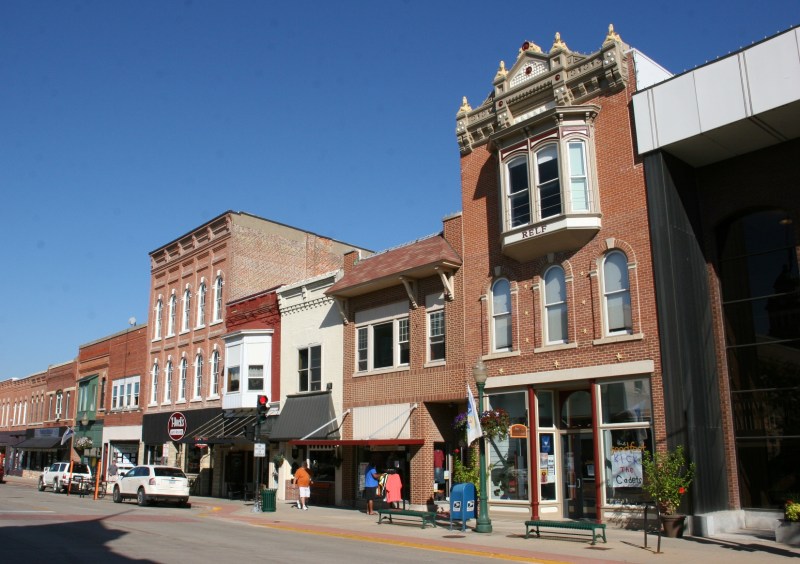
Driving through historic downtown Red Wing.

Driving through historic downtown Red Wing.


We begin our visit with photos from downtown Red Wing:


The historic St. James Hotel is a popular dining and overnight destination.

The historic St. James Hotel is a popular dining and overnight destination.


The community definitely has an artsy vibe. I spotted this sculpture on a downtown building.

The community definitely has an artsy vibe. I spotted this sculpture on a downtown building. Red Wing is home to the Sheldon Theatre and many other arts venues.


Like a throw-back in time.

Like a throw-back in time.


This plaque honors Benjamin Briggs Herbert, a Red Wing newspaper editor who started the National Newspaper Association, conceiving of the idea in 1882. The association serves as the voice and vehicle of grassroots journalism.

This plaque honors Benjamin Briggs Herbert, a Red Wing newspaper editor who started the National Newspaper Association, conceiving of the idea in 1882. The association serves as the voice and vehicle of grassroots journalism.


That blue magic store tucked between old buildings caught my eye.

That blue hue of The Magic Code tucked between aged buildings caught my eye.


I assume these doors once opened to an Ehlers Department Store.

I assume these doors once opened to an Ehlers Department Store.


Another colorful business that I noticed.

Another colorful business that I noticed.


There are lots of shops in downtown Red Wing, including this Uffa Shop.

There are lots of shops in downtown Red Wing, including this Uffa Shop. We arrived at a time when most were closed.


This sprawling downtown mural honors Red Wing's location on the Mississippi River.

This sprawling downtown mural honors Red Wing’s location and travel on the Mississippi River.


A sports club and bar.

A sports club and bar.


There's nothing quite as quaint and nostalgic as barbershop poles.

There’s nothing quite as quaint and nostalgic as a hometown barbershop.


© Copyright 2015 Audrey Kletscher Helbling


Topiaries & a trading post in Pillager August 20, 2018


PILLAGER TRADING POST and Antiques. There’s something about the name that holds history. History of a place, that place being the small town of Pillager some 10 miles southwest of Brainerd in central Minnesota


.

The overflow building is interesting with a beautiful stone fireplace.


Antiques pack the overflow building.


Randy and I stopped there briefly last September while heading north to Park Rapids for a book release party. With minimal time, we didn’t poke around this town of several hundred. Just checked out the Trading Post and the business’ second building across the street. And a nearby green space.


More merchandise in a side wing of the Trading Post.


The open space featured topiaries ringed by homemade wooden benches. An odd contrast of modern natural art to the vintage finds within the antique shop. A city park perhaps? I left town without an answer. Sometimes a bit of mystery adds to the allure of a place like Pillager.

Copyright 2018 Audrey Kletscher Helbling


Uniquely Pequot Lakes August 16, 2018


PEQUOT LAKES. That central Minnesota town name rolls off my tongue in a poetic way that pleases me. Pequot Lakes.


Kids walk home from school in Pequot Lakes on a mid-September afternoon.


A short vacation in mid-September 2017 took Randy and me to this community of some 2,000 in the Brainerd Lakes area, a popular summer vacation and weekend destination spot. On the day of our end-of-the-season visit, few people were in Pequot Lakes. I prefer the quiet of an uncrowded location with no hurry, no schedule.


I knew even before we drove into town that I wanted to photograph the unique bobber-shaped water tower that marks the community as a fishing destination. I’ve previously photographed the tower and the Babe the Blue Ox sculpture in Bobber Park.


After finishing that shoot, we poked around town, ducking into Thurlow Hardware and Rental complete with trophy head mounts. While I’m not one who likes suspended dead animal heads, I recognize this as part of the hunting culture. Plus, the trophies make for a memorable visual characterizing Thurlow.


We ended our late Thursday afternoon visit with a quick tour through the Jack Pine Center mini mall.


Art details on the Babe the Blue Ox sculpture.


It was a slow day in Pequot Lakes. Just like some days on the lake, when the bobber floats and the fish don’t bite.


FYI: Please check back for more photos from Thurlow Hardware.

© Copyright 2017 Audrey Kletscher Helbling


From Farmington, Part I: A quick look at downtown August 7, 2018


ON ONE OF THE FIRST warm weekends of spring here in Minnesota, Randy and I stopped in Farmington, a south metro community we’ve visited once prior. It was the kind of sunny late April afternoon ideal for meandering with my camera.


Farmington, given its nearness to the Twin Cites and population of 22,000-plus, surprises me with its small town feel. At least in the downtown business district. Here primarily professional services businesses and bars and restaurants occupy space along with minimal retail and government services.


We popped into two gift shops, but otherwise simply walked through the downtown. On this afternoon, steak on the grill—from the Farmington Steak House and the VFW Steak Fry—scented the gusty winds. Had it been any other time of day than mid-afternoon, we would have been tempted to dine at one or the other. We weren’t even hungry for ice cream from Cow Interrupted! Ice Cream Studio. Next visit.


Minnesota Prairie Roots file photo 2014.


Around the corner and a block away from the ice cream shop, this town’s agricultural roots remain visible in an aged grain elevator and grain bins. In too many communities, such vintage elevators have deteriorated or disappeared. I hope Farmington folks understand the historic and aesthetic value of these structures, real assets to the downtown.


Likewise the Lion’s Club street clock that marks a stunning brick building anchoring a corner in the heart of the business district. I love that clock. And the historic building.


And the mural on the side of the Farmington Steak House.


I delighted, too, in the humor of local marketing and the handwritten note posted by the barber. These are the details that give a town character, that personalize a place, that make me want to return.


HOW ABOUT YOU? What draws your interest in a community if you are viewing it for the first time during a pop-in visit?

CHECK BACK TOMORROW for a closer look at that Steak House mural as I publish a second post that has been in draft for a few months.

© Copyright 2018 Audrey Kletscher Helbling
 

The art of Wisconsin’s Bucky Badger June 12, 2018

Bright Idea Bucky by artist Kathryn Schnabel and located outside Central Library in downtown Madison, Wisconsin.


I’M NO SPORTS FAN. Nothing wrong with that. Sports don’t interest me. Art does.


So even I can appreciate Bucky on Parade, a public art endeavor in the city of Madison and in Dane County, Wisconsin, that simultaneously promotes athletics and art.


Visitors written ideas and inspirations are incorporated into the fabric of the Bright Idea Bucky.


The Madison Area Sports Commission produced the event with support from local tourism and the University of Wisconsin—Madison. UW is home to the Buckingham U. “Bucky” Badger mascot, star of Bucky on Parade.


Butterflies cover this statue created by Lon Michels and titled Enlightened Bucky. It’s located at 100 W. Mifflin Street.


I photographed three of the 85 Bucky Badger works of art during a recent visit to Wisconsin’s capital city. I wasn’t purposely looking for Bucky, thus only the trio. The personalized fiberglass statues of 64 local and regional artists are on display until September 12.


“Grow” by Emmalee Pearson and outside the Olbrich Botanical Gardens entry.


On September 29, the statues will be auctioned at a Bucky on Parade Finale Party with proceeds benefiting Garding Against Cancer, the Madison Area Sports Commission and other community charities.


Wisconsin’s Bucky Badger, like Minnesota’s Goldy Gopher, is a big deal to fans, and the economy. I didn’t have to look beyond downtown Madison to find Bucky merchandise…


and, uh, Badger Liquor.

© Copyright 2018 Audrey Kletscher Helbling
 

First impressions of downtown Madison, Wisconsin June 11, 2018


AS SOMEONE WHO DOESN’T particularly like big cities, and I realize that term is relative, I like Madison. That surprised me.


The modernistic entrance to the U.S. Federal Courthouse.


The Wisconsin Historical Society.


The Madison Museum of Contemporary Art.


But on my recent first visit to Wisconsin’s capital city of 252,000-plus, I discovered a downtown that mixes historic and contemporary to create an energetic, yet small town inviting, vibe. Granted, I only spent an hour downtown and popped into only one shop on a Sunday morning. But that was enough for me to grasp a sense of place, a place I want to explore further.


Looking toward the capitol.


This is a foot-friendly city with State Street, a pedestrian mall, stretching for blocks from the University of Wisconsin—Madison to the state capitol building. This is also a bike-friendly city. I noted, too, many restaurants with outdoor dining along tree-hugged streets. Madison visually impresses with its greenery seemingly everywhere.


With the exception of homeless people I observed alongside a building near the capitol, I never felt like I was in an overpowering-to-my-senses urban area.


I felt, instead, like I was in greater Boston, which has the same smallish within a large metro area feel. Pie-slice street corners and angled buildings remind me of Porter and Davis Squares on the East Coast. Just less busy with pedestrians actually respectful of motor vehicle traffic.


Likewise, the packed, porch-fronted old houses of the downtown Madison area neighborhoods remind me of the old neighborhoods around Tufts University (where my son attended college) in Somerville and Cambridge, Massachusetts. I expect had UW-Madison been in session, I would have seen lots of college students in the heart of this city given the university’s downtown location.


I found plenty to focus my attention. Architecture and signage always draw my interest and Madison offers visual variety in both.


After an hour-long tour through downtown with family, I determined that I need to return, to step inside the buildings, the places, that define the center of this capital city.


TELL ME: If you’ve been to Madison, what would you suggest I see on my next visit? Please check back for two more posts from Madison, including one on Bucky Badger craziness.

© Copyright 2018 Audrey Kletscher Helbling
 

An afternoon on a Minnesota peony farm & winery June 8, 2018

Filed under: Uncategorized — Audrey Kletscher Helbling @ 5:00 AM
Tags: , , , , , , , , , ,

An overview of one of the gardens at Aspelund Peony Gardens, located at 9204 425th Street, rural Kenyon (near Aspelund).


WE WERE ON OUR WAY to do some shopping last Sunday afternoon when Randy mentioned a radio ad for Aspelund Peony Gardens.


A view from Minnesota State Highway 60 on the way to the peony gardens and winery.


That’s all it took to turn the van around, make a brief stop back home for a Minnesota road atlas and bottled water, and then head east on State Highway 60 rather than south on the interstate. I will choose touring flower gardens any day over shopping.


Nearing Aspelund.


Now marks prime peony viewing time at the Goodhue County gardens of Bruce and Dawn Rohl. I first met the engaging couple two years ago at their rural Kenyon (northwest of Wanamingo) acreage, also home to Aspelund Winery. They are a delight, the type of neighborly folks who hold a passion for peonies and wine in addition to full-time off-the-farm jobs.


Both visits I felt comfortably at home, welcome to stroll the gardens and the oak-shaded grounds where the wind sweeps across the hilltop location. I feel as if I’m a world away from reality in this peaceful setting of natural beauty and farm field vistas. Dogs play. A cat roams. A tire swing sways.


As I walked through the freshly-tilled rows of peonies, I stopped many times to dip my nose into fragrant blossoms, to study the lush (mostly) shades of pink petals, to photograph the flowers that danced a steady rhythm in the wind.


There is something endearing and connective and romantic in meandering through a peony garden. The spring flower reminds me of long ago brides gathering blooms from their mother’s/grandmother’s gardens. Young love. Sweet. Poetic.


It’s been a good year for peonies at Aspelund Peony Gardens, according to Dawn. Perfect weather conditions burst the bushes with an abundance of blossoms.


Lilacs, not quite in bloom, are also found on the farm site.


At an open house from 10 a.m. – 5 p.m. this Saturday and Sunday (June 9/10), visitors can peruse those peonies, choose favorites and select roots available in the fall. The Rohls sell 65 types of peonies and are currently growing 150 varieties.


The vineyard.


Additionally, they craft wine—from apples, rhubarb, grapes, elderberries, raspberries, cucumbers and more. High Country Spice, made from tomatoes grown on-site, is probably their most unusual wine, one that I loved. Peppered, made from bell peppers, debuts this autumn.


The small wine tasting room on the right is connected to the Rohls’ home.


Towering oaks populate the farm yard, although many were damaged and some destroyed during a downburst in 2017.


After touring the peony gardens, a sampling of wines or a glass of wine—sipped inside or on the spacious deck—caps a lovely afternoon in the Minnesota countryside.


Aspelund Peony Gardens and Winery are located about five miles from Wanamingo.


There’s a sense of neighborliness here, even among guests. Like the couple we met from Skunk Hollow after we’d discussed the differences between hotdish and casseroles with the Rohls. It is all so quintessential Minnesotan, and, oh, so much better than shopping.


FYI: Plan a visit to Aspelund Peony Gardens during this weekend’s open house which will feature a KOWZ 100.9 FM radio personality on-site on Saturday along with a food truck. Peonies may continue to bloom through Father’s Day, but there’s no assurance of that.

The winery is open from noon – 5 p.m. weekends only. Just like the gardens, open Saturdays and Sundays only.

Click here to read my 2016 post on Aspelund Peony Gardens and Winery.

© Copyright 2018 Audrey Kletscher Helbling
 

A glimpse of Thailand in Madison, Wisconsin June 7, 2018

This 40 x 22-foot and 30-foot high pavilion was built in Thailand, disassembled and shipped to the U.S. and then rebuilt by nine Thai artisans in Madison.


YOU WOULD NEVER EXPECT this in Wisconsin, this ornate Thai pavilion. It seems so out of place in a state that brings to mind beer, brats, cheese and the Green Bay Packers.


Underside details of the roofline.


Yet, in the Olbrich Botanical Gardens in the capital city of Madison, a Thai pavilion centers a space of water features and tropical gardens. It is the only Thai pavilion in the U.S. and only one of four built outside Thailand. The Olbrich pavilion was a gift from the Thai government and the Thai Chapter of the Wisconsin Alumni Association to the University of Wisconsin-Madison. UW-Madison has one of the largest Thai student populations in the country.


Posing for quinceañera photos.


One of many water features in the Thai garden. Water represents good health and prosperity to the Thai people.


The quinceañera  group gathers inside the pavilion for photos. Thus, I couldn’t get a closer look at the pavilion.


On the Saturday afternoon I visited the gardens, the cultural mix of pavilion and peoples reminded me that we truly are a diverse country. Here I was, an American of German ethnicity, viewing this Thai structure while simultaneously delighting in observing youth celebrating quinceañera in Wisconsin.


I appreciate any opportunity to grow my cultural awareness, whether through art, music, food, customs, gardens or simply observing.


Members of the quinceañera party cross the bridge spanning Starkweather Creek and leading to the Thai pavilion and gardens.


We are, at our most basic, individuals who desire food, shelter, security, health, happiness, love and joy. Or so I see it.


In Thailand, common roadside pavilions provide shelter from weather. The Madison pavilion is a work of art, a place of serenity, a structure fitting a palace or temple grounds. In that it differs from the simpler of Thai shelters.


A volunteer watches to assure visitors don’t touch the gold leaf on the pavilion. Touching destroys it.


Most of us never live such lives of gold leaf opulence. I certainly don’t.


But I appreciate the opportunity to glimpse the untouchable wealth of a world beyond beer and brats.


PLEASE CHECK BACK next week as I take you into downtown Madison and conclude this series from Wisconsin.

© Copyright 2018 Audrey Kletscher Helbling
 

Exploring Madison: First stop, Olbrich Botanical Gardens June 6, 2018

My first view of the downtown Madison skyline with Lake Monona in the foreground.


GREEN SPACE. Those words define my first impression of Madison, Wisconsin. This is an outdoor-friendly city with prolific public pathways, with an obvious bend for recreational activities that take folks outside.


Closing in on downtown Madison with the state capitol on the left.


In woods, parks, gardens, open spaces and tree-lined streets, green colors the lush landscape. Lakes and waterways add to the city’s natural beauty. This capital city of 252,000-plus pulses with bikers, boaters, joggers, walkers and others simply enjoying the outdoors. There’s a certain undeniable vibe in Madison, as if those who live and visit here need to spend every minute outside before winter sweeps cold and snow into the land in a matter of months. But I expect even then plenty of outdoor activity happens.


On my first visit to Madison, where my second daughter and her husband recently relocated, I walked through the Olbrich Botanical Gardens, a 16-acre space of outdoor gardens and a tropical conservatory. On the afternoon of our visit, exceptionally high heat and humidity left me drained and occasionally seeking a shaded bench. Time and temps kept us from the Bolz Conservatory, a spot I’ll check out during a cooler season.


While the gardens are beautiful, they were not at their peak during our transitioning from spring into summer tour. Yet, it was a delight just to be there with my daughter and husband, walking the pathways, smelling fragrant flowers, enjoying the art and water features, observing young people celebrating quinceanera
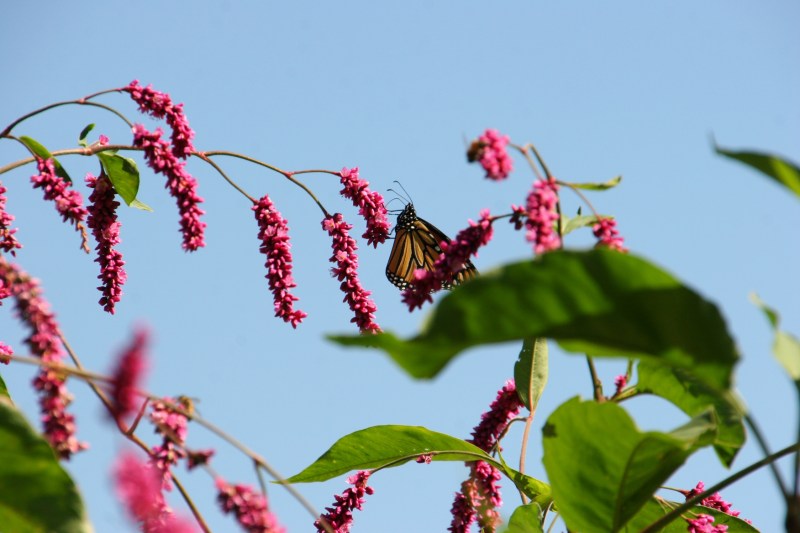
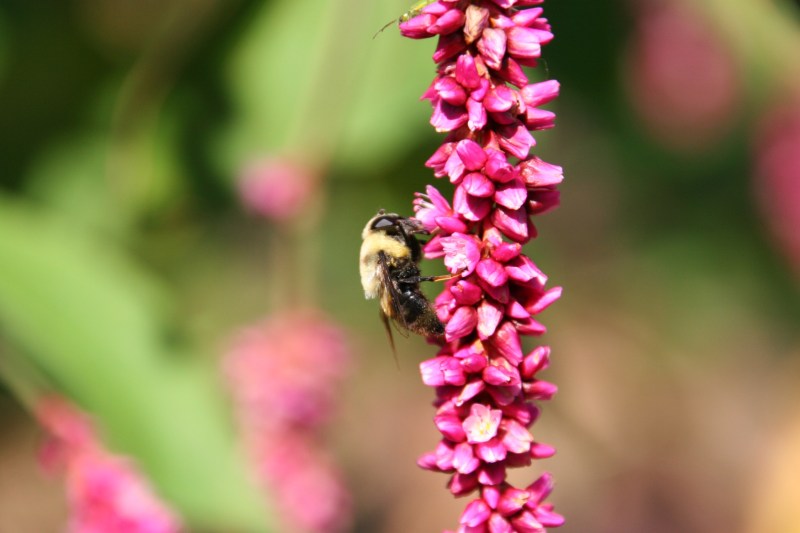
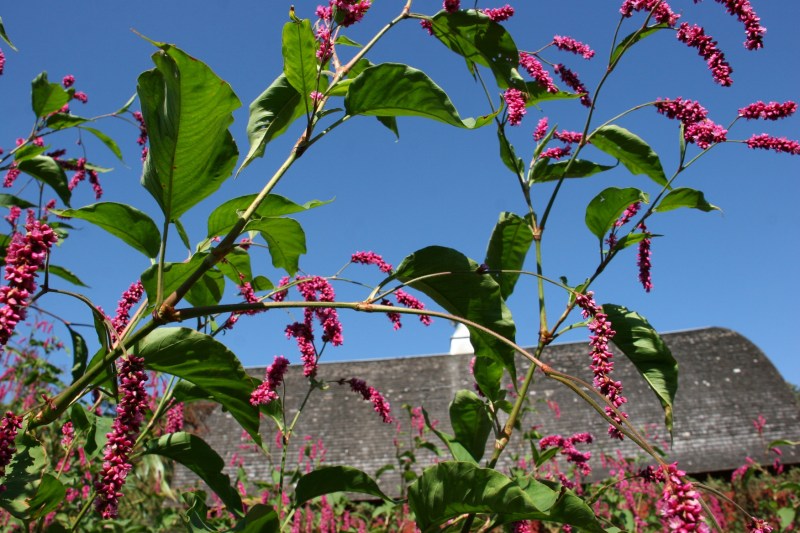
 

The Thai Pavillion from across a creek.


Of special visual interest is the Thai Pavilion and Garden, the only one in the continental U.S. It was a gift from the Thai government and the Thai Chapter of the Wisconsin Alumni Association. UW-Madison, located in the heart of the downtown, has one of the largest Thai student populations of any U.S. post-secondary institution.


Some 1,000 volunteers work these gardens, greet visitors and more. What a labor of love in a place that seems so suited for Madison, a metro area with a small town feel and lots of green space.


FYI: Check back for a second post from the Olbrich Botanical Gardens as I take you up close into the Thai Pavilion and garden.

© Copyright 2018 Audrey Kletscher Helbling