Minnesota Prairie Roots

Writing and photography by Audrey Kletscher Helbling

In Lenora, Minnesota: An historic stone church October 10, 2013

STUDYING THE BOOK OF PROVERBS the other evening with my bible study group, the discussion turned to the value of wisdom over silver, gold and rubies.

We all agreed that we’d rather have godly wisdom than wealth.

And then the talk somehow sidetracked to churches and whether monies spent to build ornate structures would better be used to serve the missions of the church. Eventually we concurred that, when done for the right reasons—to honor God, a physically beautiful sanctuary is God-pleasing.
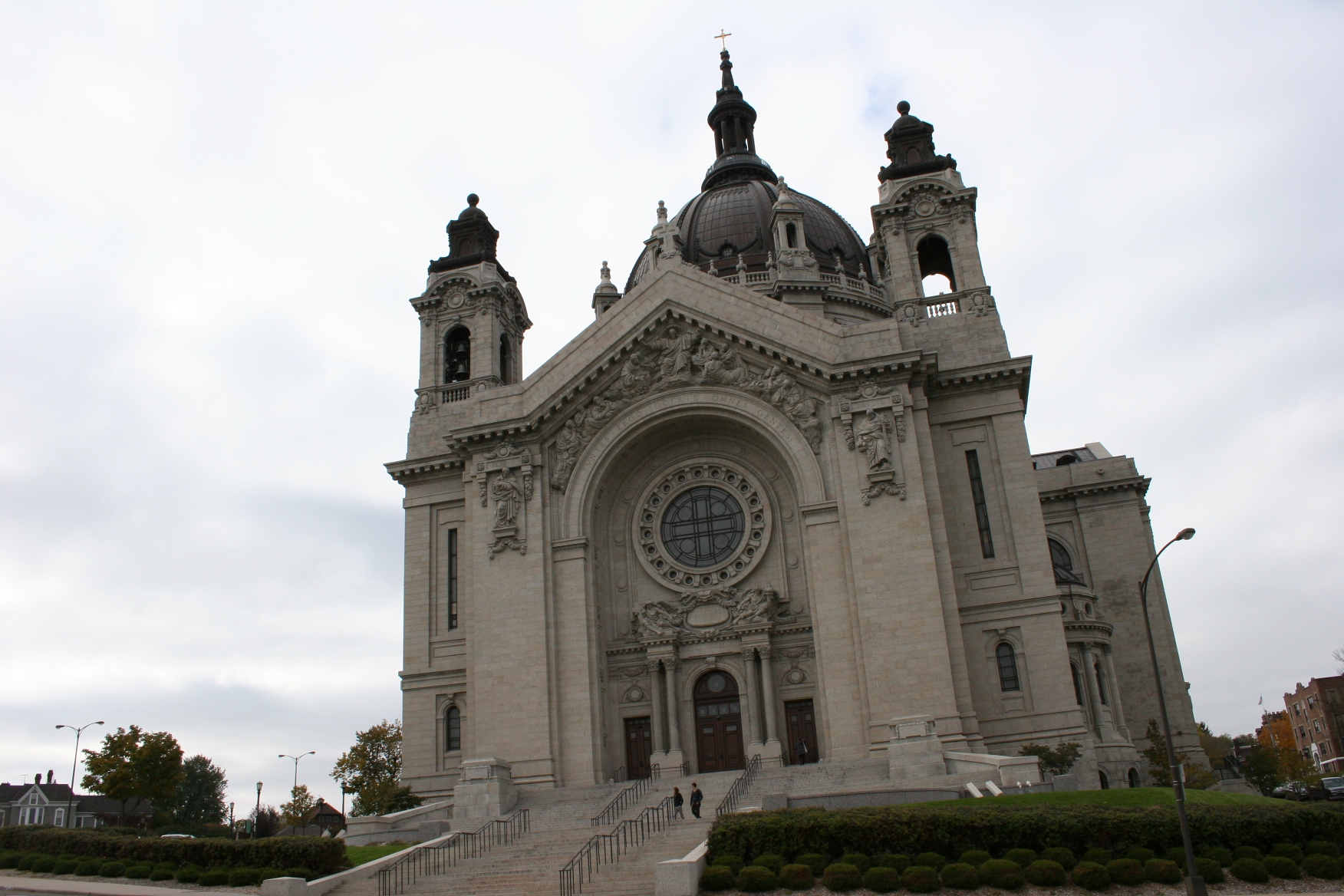
The Cathedral of Saint Paul. Minnesota Prairie Roots file photo.
The Cathedral of Saint Paul. Minnesota Prairie Roots file photo.

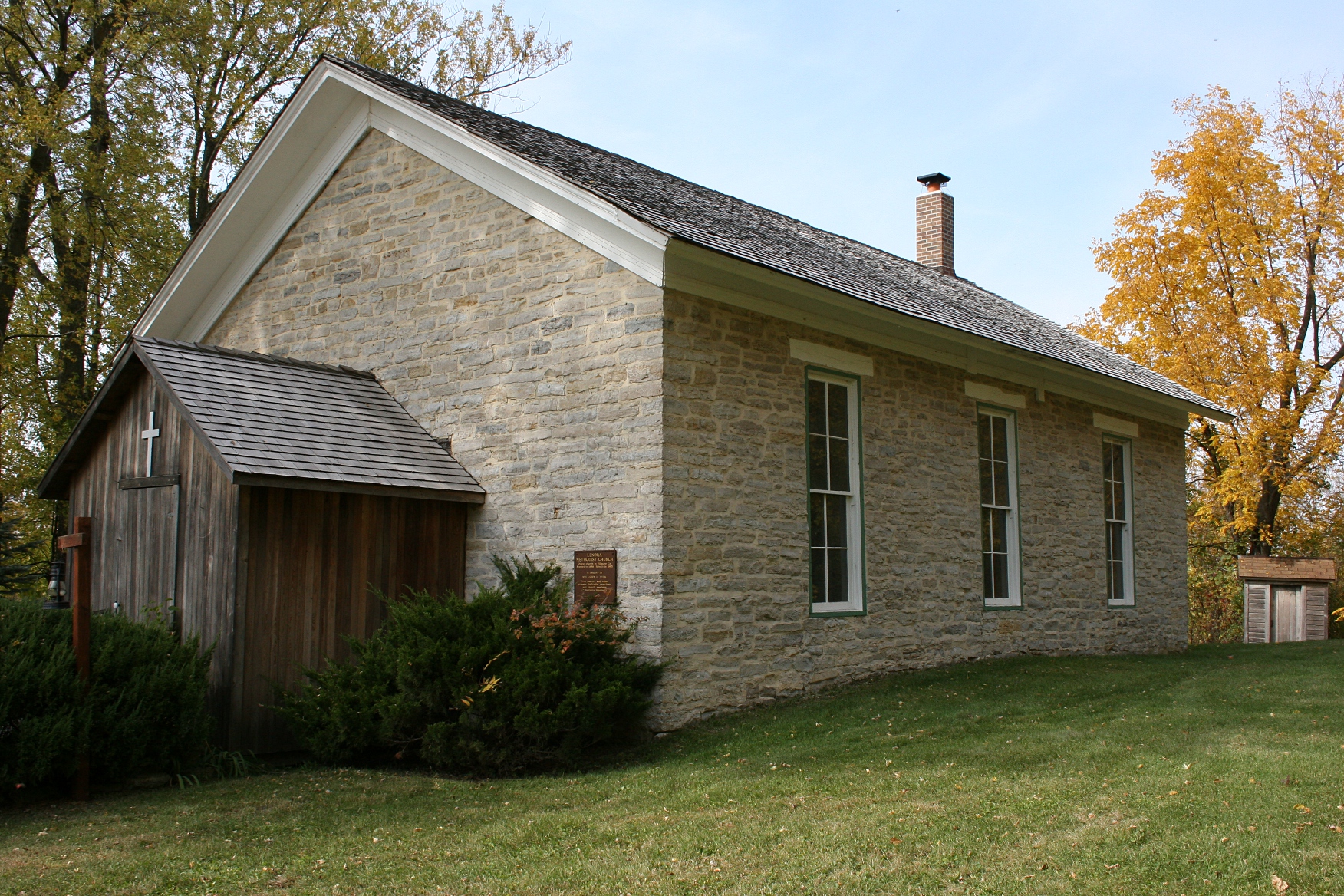
The exterior of the 1865 Lenora United Methodist Church. Minnesota Prairie Roots photo from October 2012.

The exterior of the 1865 Lenora United Methodist Church. Minnesota Prairie Roots photo from October 2012.

I’ve been inside both, from the sprawling and ornate Cathedral of Saint Paul in St. Paul to the simple plainness of a country church with handcrafted pews.
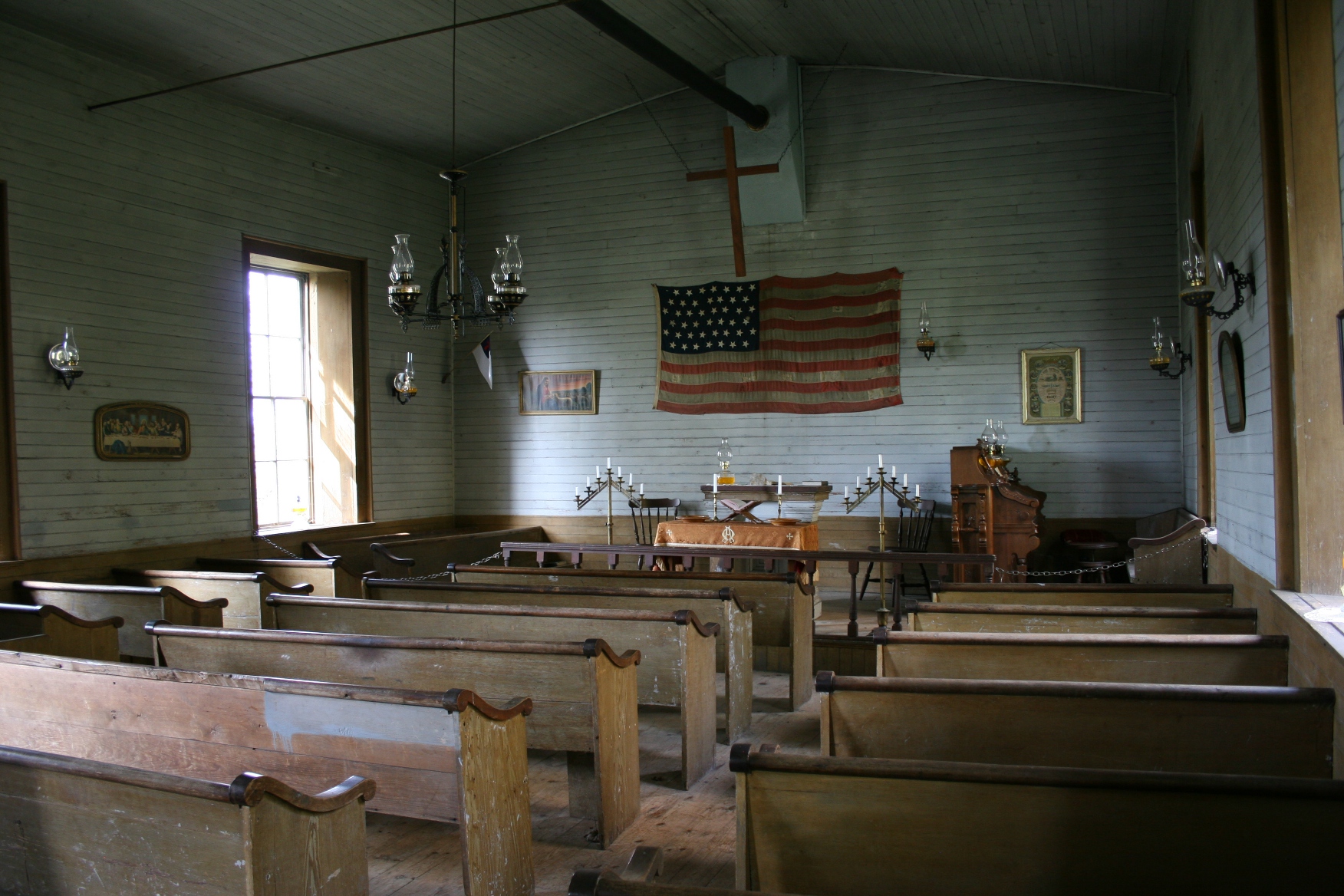
Jeremiah Fowler Stevens built and donated the pews.

Jeremiah Fowler Stevens built and donated the pews in the Lenora church.

Like the pews in the Lenora United Methodist Church, the oldest church in Fillmore County in southeastern Minnesota. The congregation was established in 1856 by a pioneer circuit rider who led camp meetings there boasting attendance of 2,000 plus souls. The church closed in the late 1920s (as Lenora was bypassed by the railroad and dwindled in population) and today is open for special events and concerts and the occasional worship service.
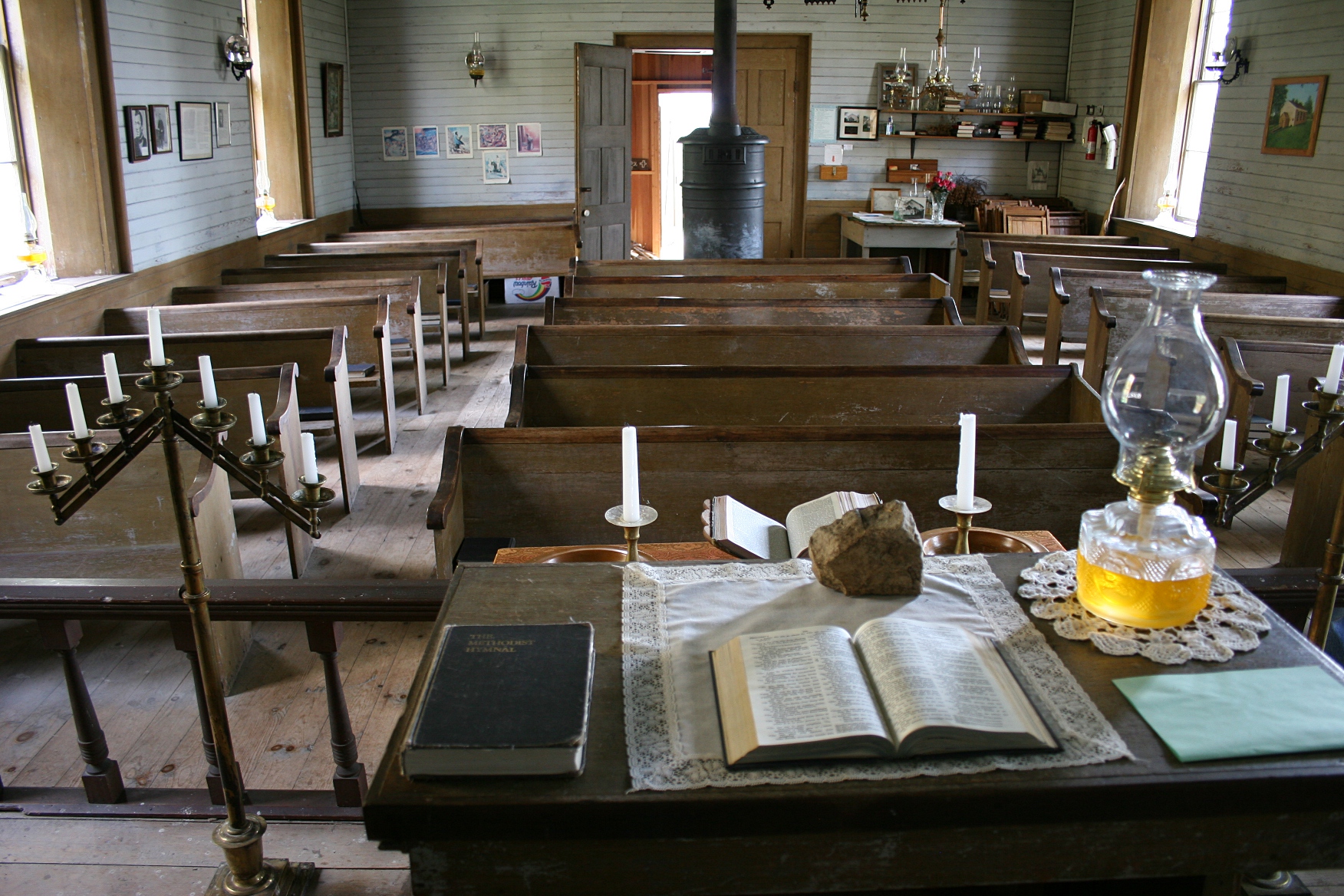
Looking from the front toward the back of the church.

Looking from the front toward the back of the church.

The bible study exchange and the mention of the historic Lenora church by bible study member Jeff, who recently visited this church with wife Mandy, reminded me of my visit there a year ago and that I needed to share those photos here.

When I went online to research the church in preparing this post, I discovered that Brad Boice, an award-winning Elvis impersonator, will present inspirational and uplifting music along with his wife, JulAnn, from 3 p.m. – 5 p.m. this Sunday, October 13, at the Lenora church.
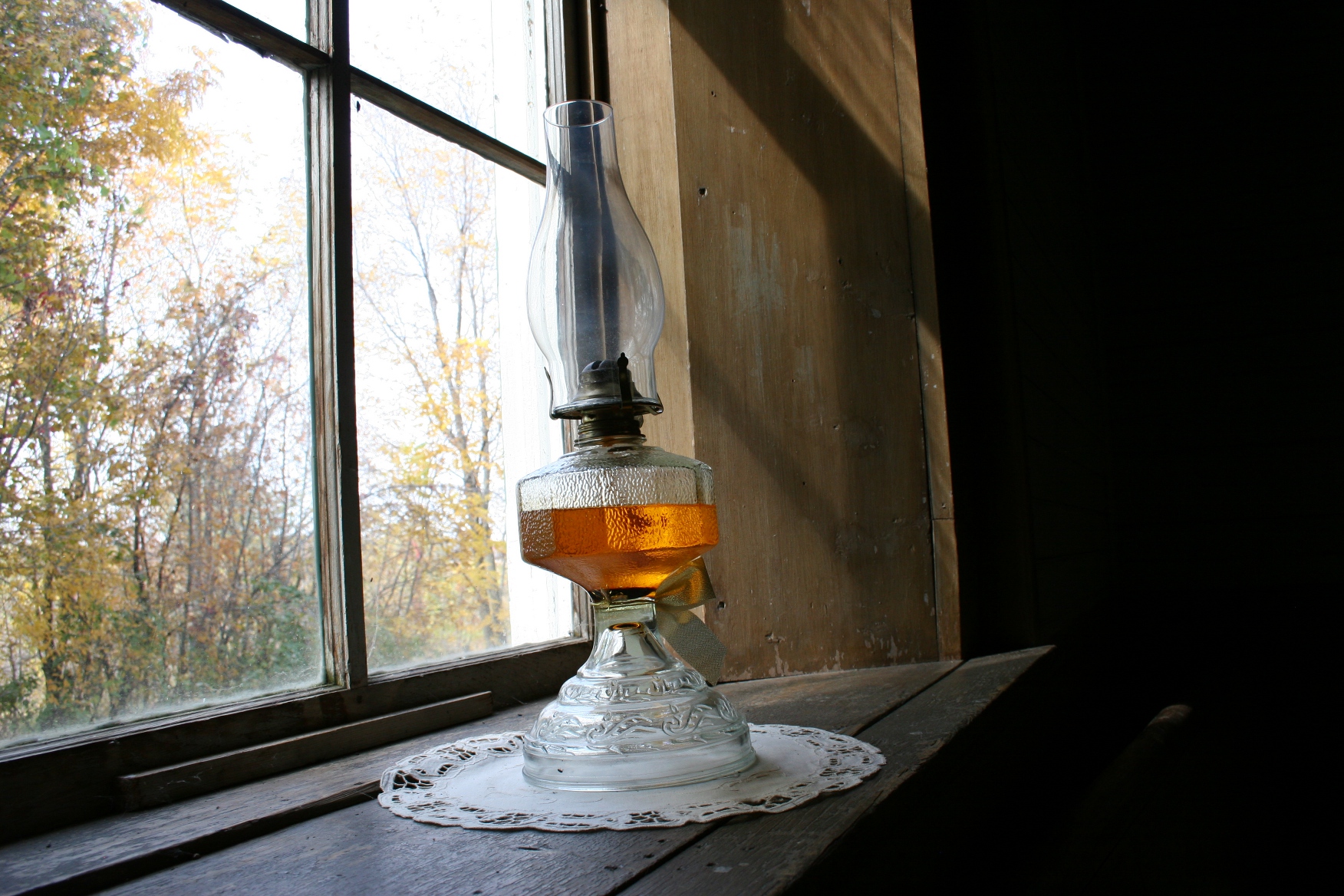
A simple touch of lanterns upon windowsills of the church.

A simple touch of lanterns upon windowsills of the church.

Now if there’s anyone who’s glitzy silver and gold and rubies rhinestones, it would be Elvis.

Brad Boice may be all that when impersonating the famous 50s singer. But he’s also a man of faith as evidenced in this online quote:

I thank Jesus Christ, my Lord and Savior, for my family, friends and the talents that He has given me. Never in my wildest dreams could I have imagined that God would take me to the places that He has.
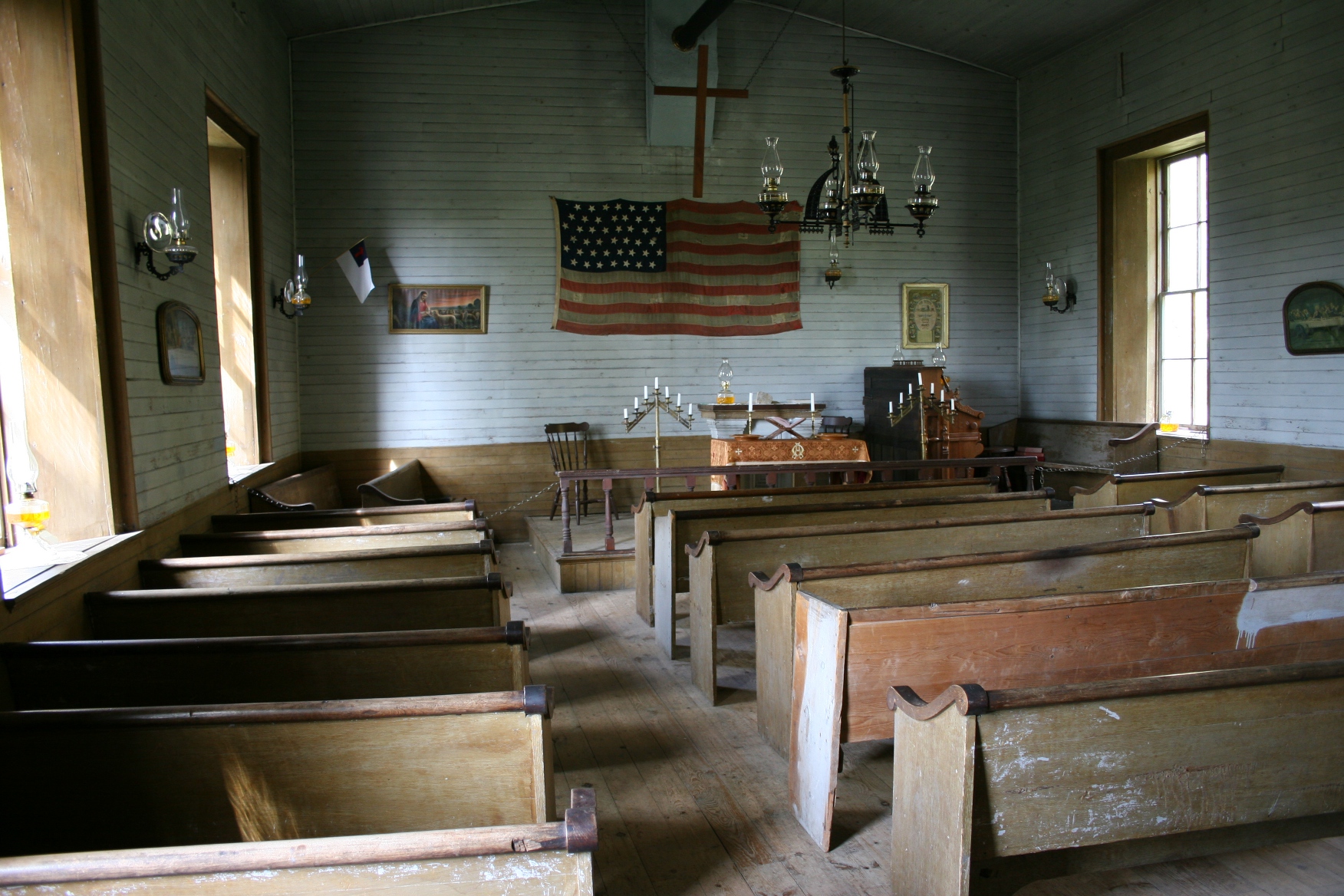
Another view of the historic church.

Another view of the historic Lenora church.

Sunday afternoon that place will be inside the Lenora church along Fillmore County Road 23 in Lenora (near Canton).

Don’t expect silver or gold, rubies or rhinestones. Instead, expect inspirational spiritual songs within the confines of a simplistic house of worship on the National Register of Historic Buildings.
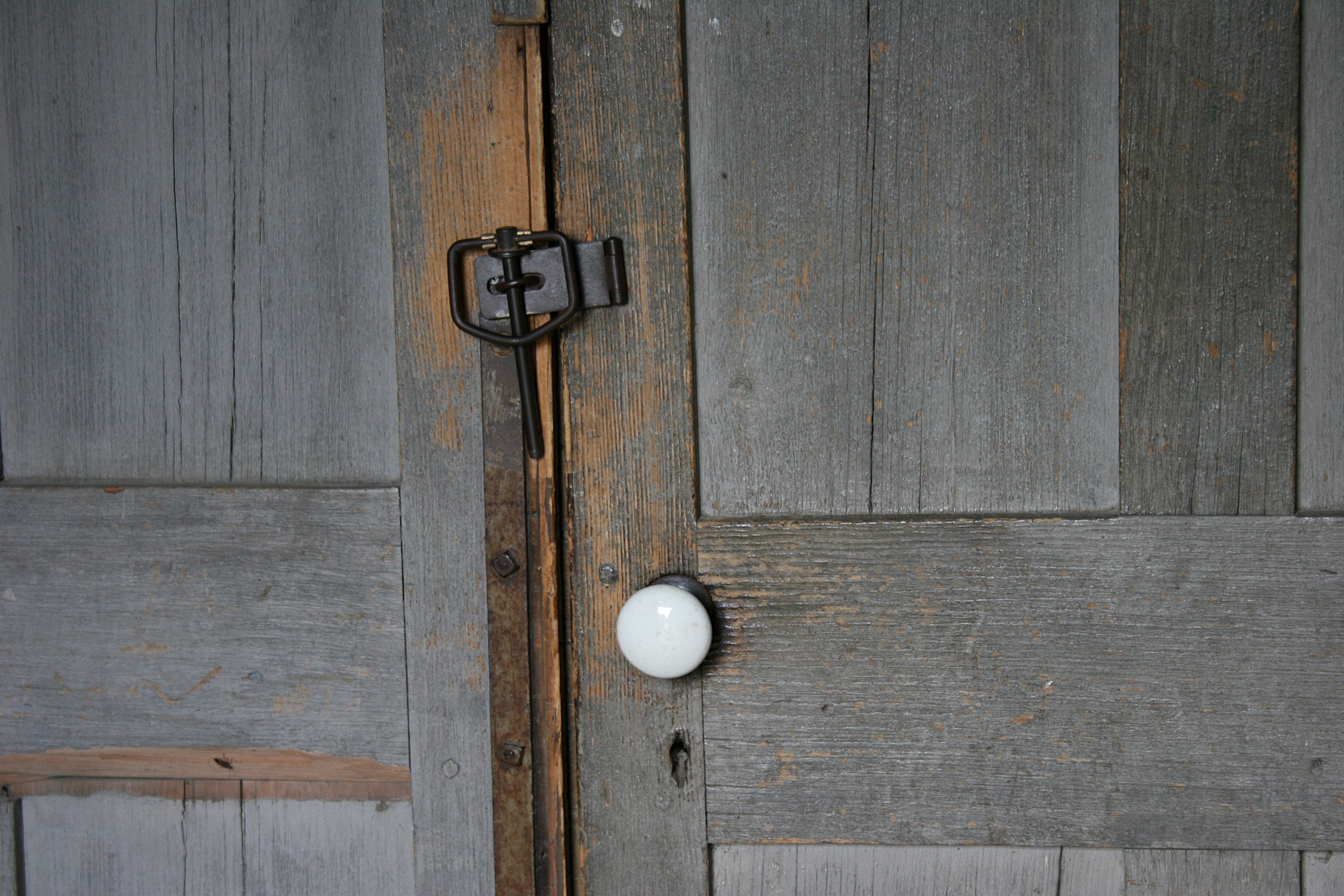
The rustic Lenora church doors.

The rustic Lenora church doors.

FYI: Click here to learn more about Lenora United Methodist Church.

And click here to learn more about Elvis impersonator Brad Boice.

Watch for a post tomorrow from Lenora, in which I introduce you to Fannie Miller.

© Copyright 2013 Audrey Kletscher Helbling


Owatonna exhibit celebrates Steele County: Butter Capitol of the World October 8, 2013

MILK COURSES through my veins, for I am the daughter of a dairy farmer.

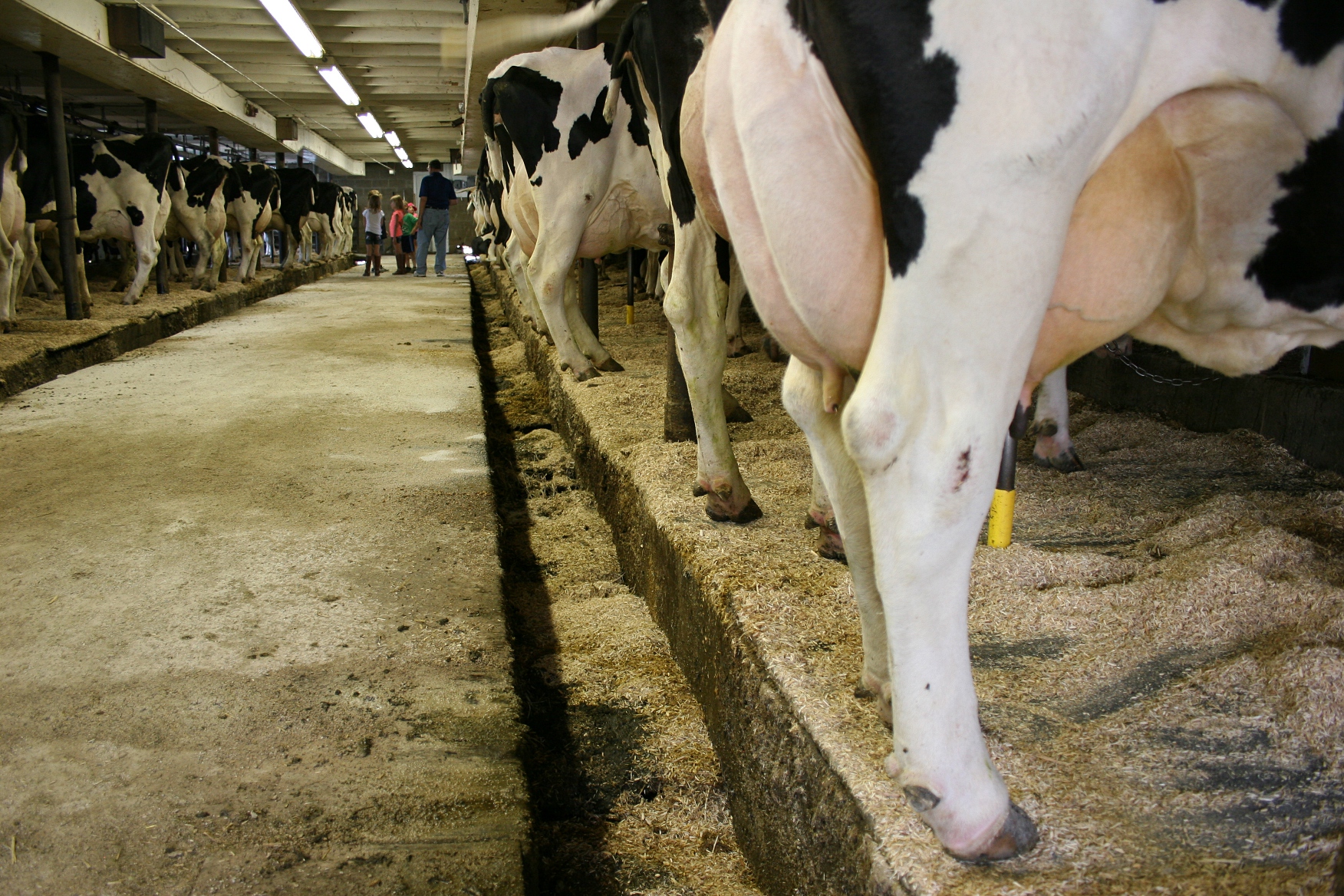
Inside the Wegners' barn, where dairy products come from.

Minnesota Prairie Roots file photo from Ron and Diane Wegner’s rural Faribault dairy barn.

Growing up, I labored in the barn beside my dad and siblings—feeding cows, bedding straw, lugging pails of milk to the bulk tank, washing milking machines, scraping manure and more.

I smelled of cow, watched bovines’ tails flick flies and rise to release streams of splashing hot pee into barn gutters.

Sandpaper rough tongues sometimes grated across my skin. Cold, wet noses dampened the sleeves of my chore coat.

I carried gallons of frothy fresh milk to the house for pasteurization and consumption.

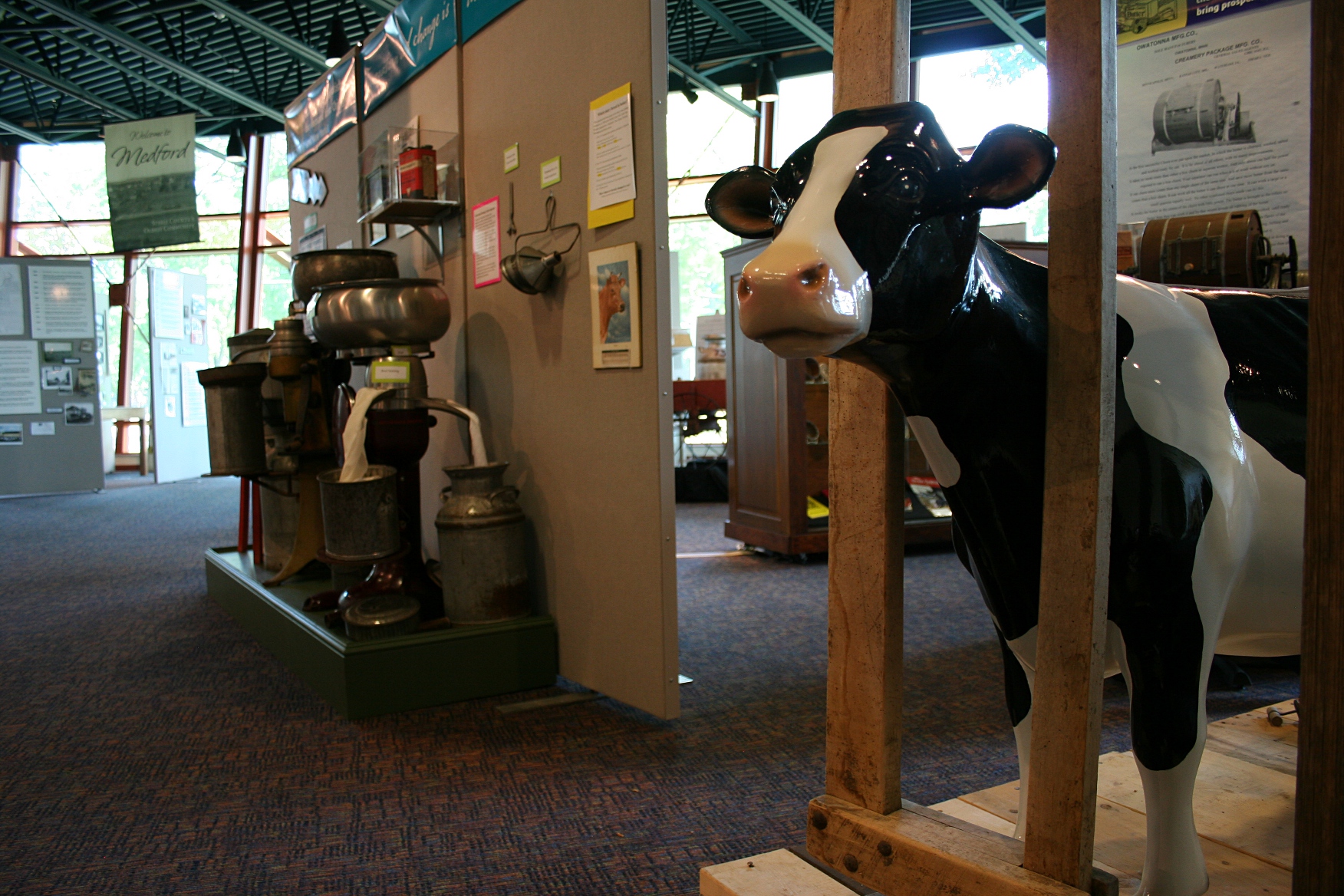
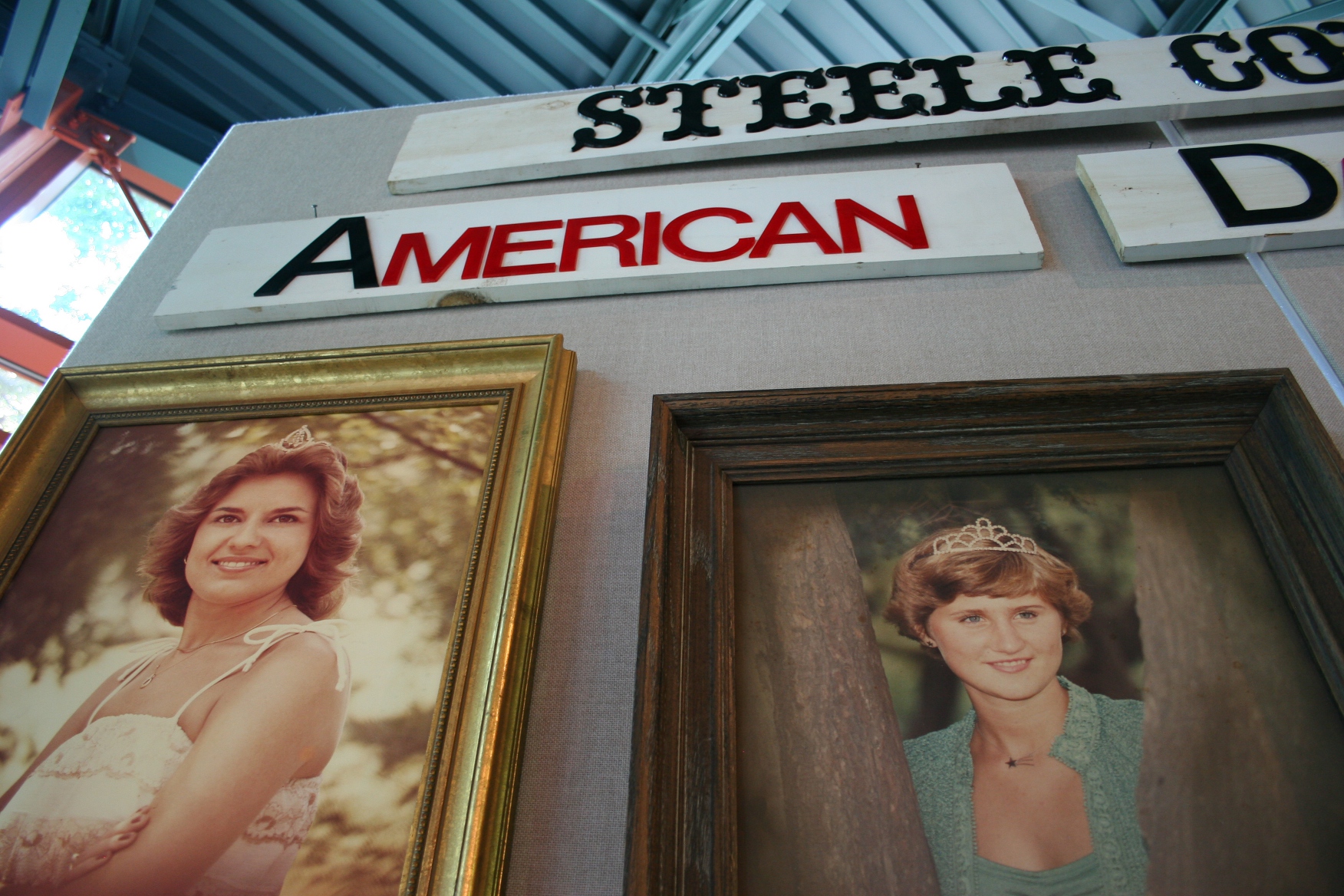
The Princess Kay of the Milky Way competition is a part of Minnesota culture. The Steele County exhibit features  photos of past county dairy royalty, including 1978 princess Kari Schroht, left, and 1976 princess Kathy Zeman, right. Earlier carved butter heads from past princesses were displayed in borrowed glass door freezers at the history center.

The Princess Kay of the Milky Way competition is a part of Minnesota culture. A current exhibit at the Steele County History Center features photos of past county dairy royalty, including 1978 princess Kari Schroht, left, and 1976 princess Kathy Zeman, right. Earlier this year, carved butter heads from recent past princesses were displayed in borrowed glass door freezers at the history center.

I knew cows and milk and once competed for Redwood County, Minnesota, dairy princess, a title I coveted but could not win because I lacked the poise and confidence and beauty to represent the industry.

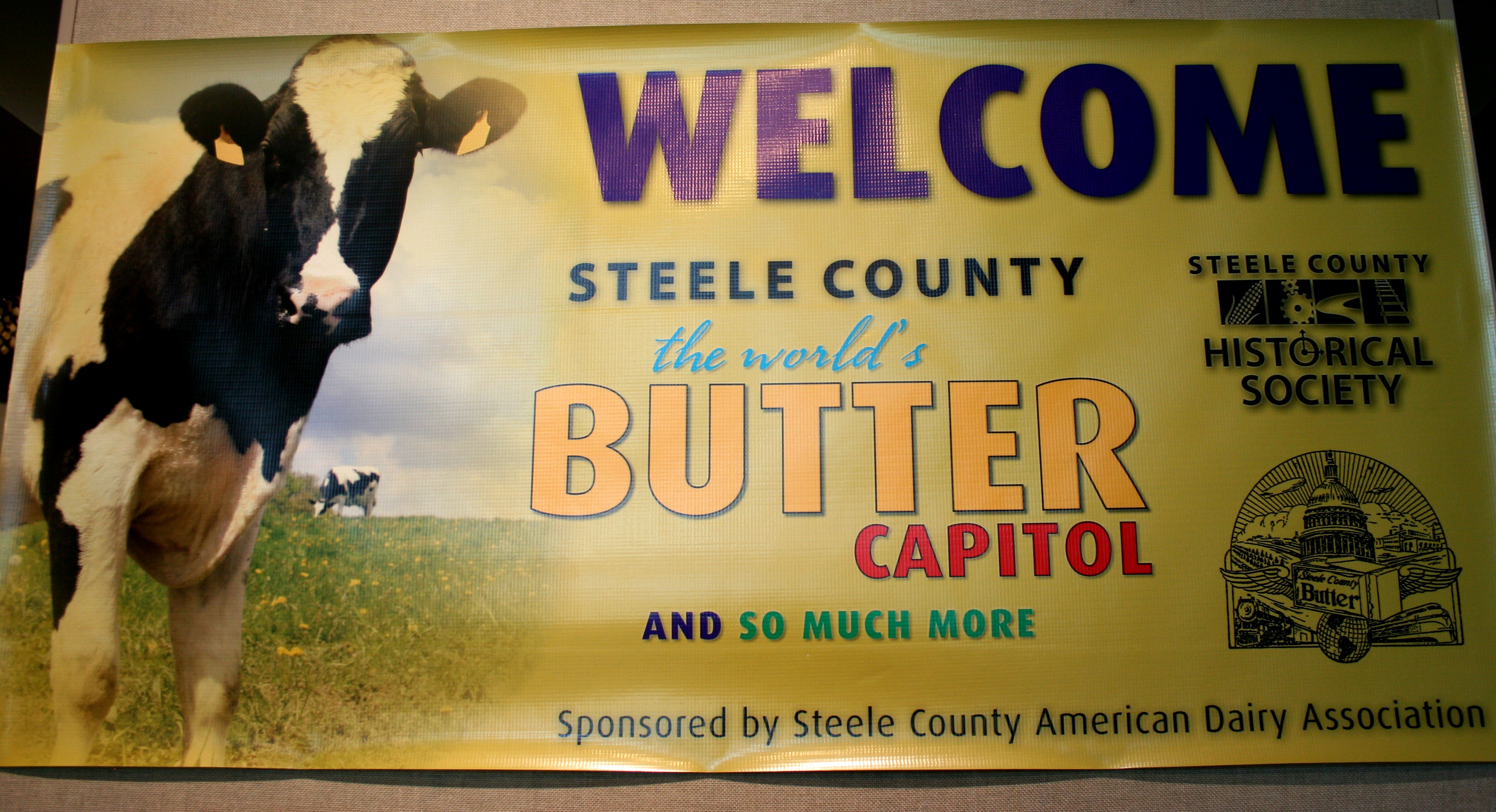
A banner welcomes visitors to the Steele County: Butter Capitol of the World exhibit at the Steele County History Center in Owatonna.

A banner welcomes visitors to the Steele County: Butter Capitol of the World exhibit at the Steele County History Center in Owatonna.

These memories flit through my mind as I consider a recent visit to the Steele County History Center in Owatonna to tour the featured exhibit, Steele County: Butter Capitol of the World.

The exhibit is interesting and educational.

The exhibit is interesting and educational.

It’s a must-see exhibit which will trigger memories for those who grew up on dairy farms and educate those who didn’t. And, even with my dairying background, I learned a lot about the history of dairy farming in Steele County.

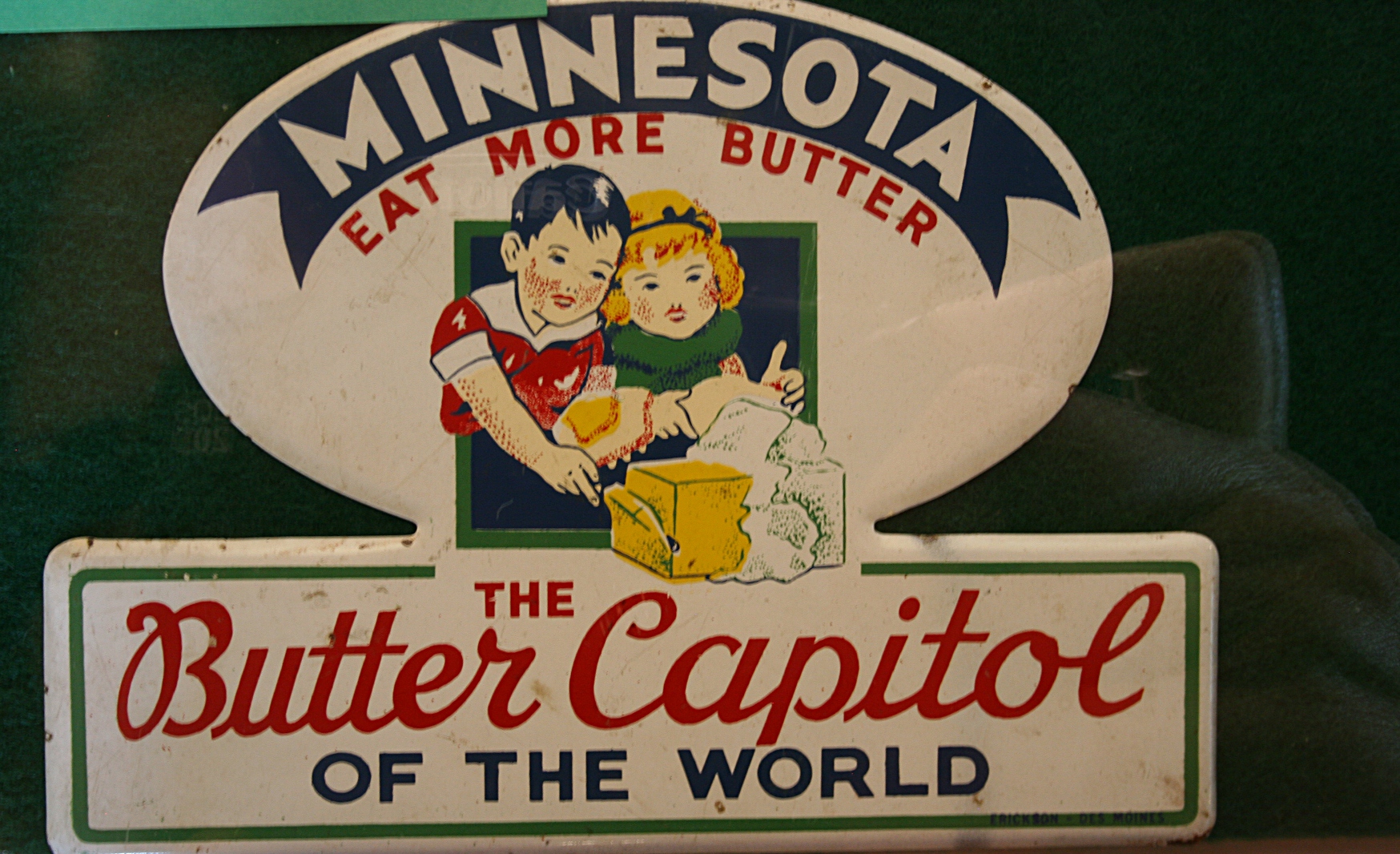
A vintage sign promoting butter in Minnesota.

A vintage sign promoting butter in Minnesota.

For example, Steele County gained its world-wide Butter Capitol reputation after Owatonna Manufacturing Company invented the mechanized butter churn in 1893, revolutionizing the dairy industry.

But two decades prior, in 1873, the county was well on its way to establishing a strong dairy reputation with four local cheese factories producing 150,000 pounds of cheese, more than any other Minnesota county.

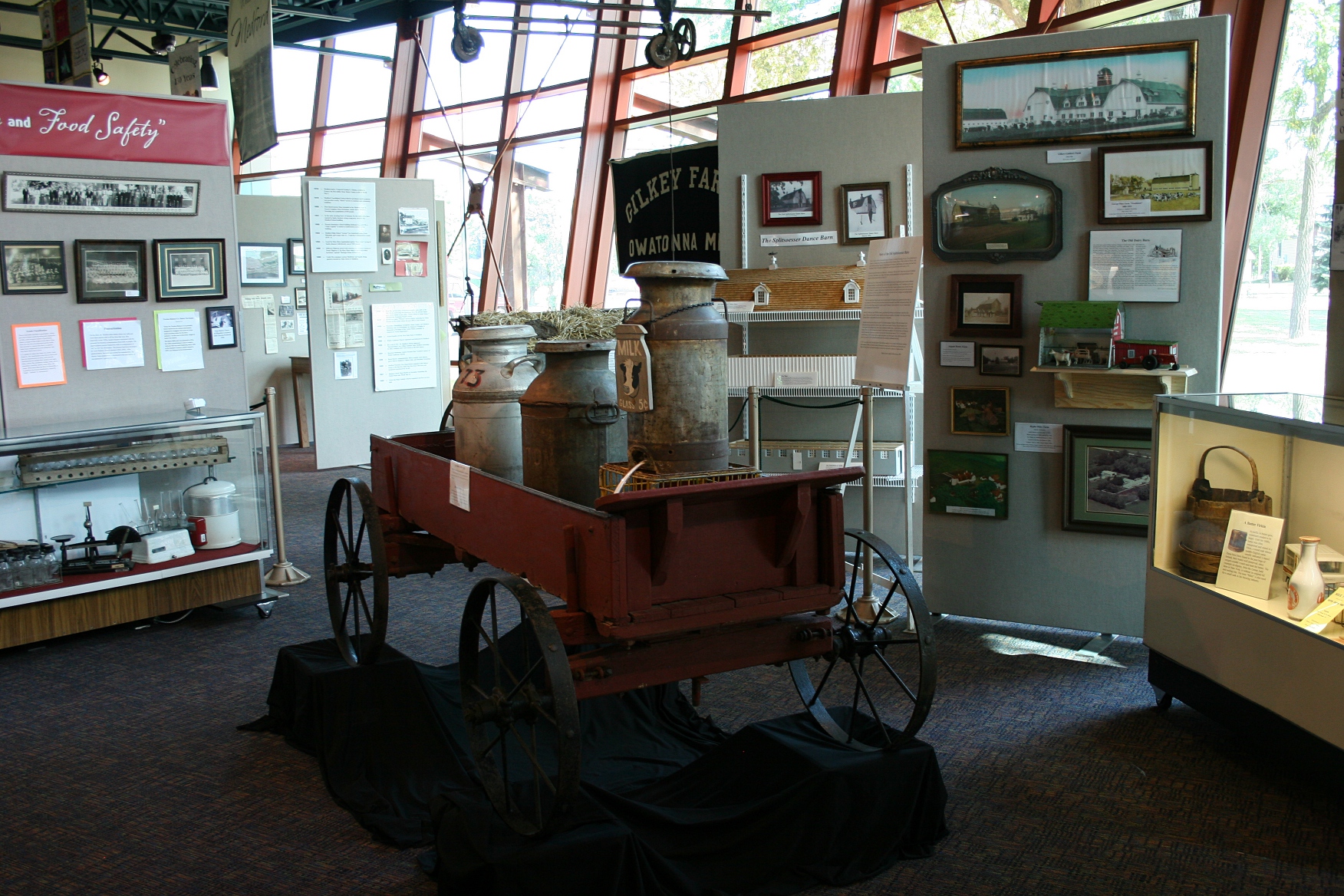
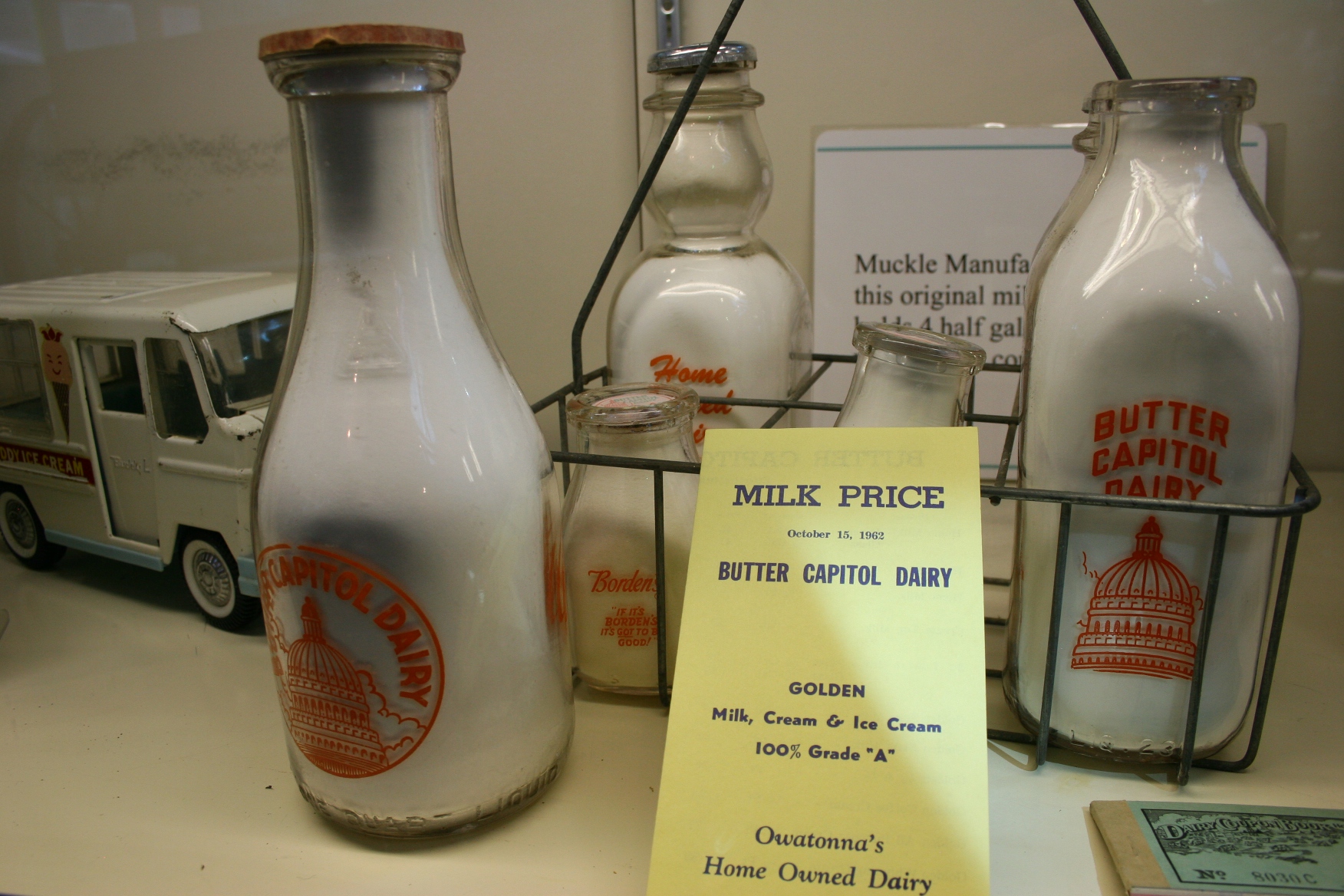
Information and artifacts from the days of bottled milk delivery.

Information and artifacts from the days of bottled milk delivery.

At one point, Steele County boasted two dozen-plus creameries.

Coveted butter

Hope Creamery, south of Owatonna, still produces coveted, award-winning Grade A butter in small batches. Butter boxes from Steele County creameries are displayed behind glass in the exhibit.

In December 1926, thieves stole 19 tubs of butter valued at $700 from the Steele Center Creamery.

Two Steele County women, Mina Holmes and Marianne McRostie, won numerous national awards for their hand-churned butter.

Photos of some spectacular Steele County barns are showcased.

Images of some spectacular Steele County barns are showcased.

Yes, so many accomplishments led to this southern Minnesota county holding the title of Butter Capitol of the World from 1898 – 1940, says Jerry Ganfield, who along with a committee of four women involved in the dairy industry, created this remarkable exhibit. Ganfield, holds a background in communications and marketing, grew up in Iowa and worked one summer during college as a milkhouse operator. Today he lives in a barn turned house near Bixsby and volunteers with the Steele County Historical Society, serving on its board of directors.

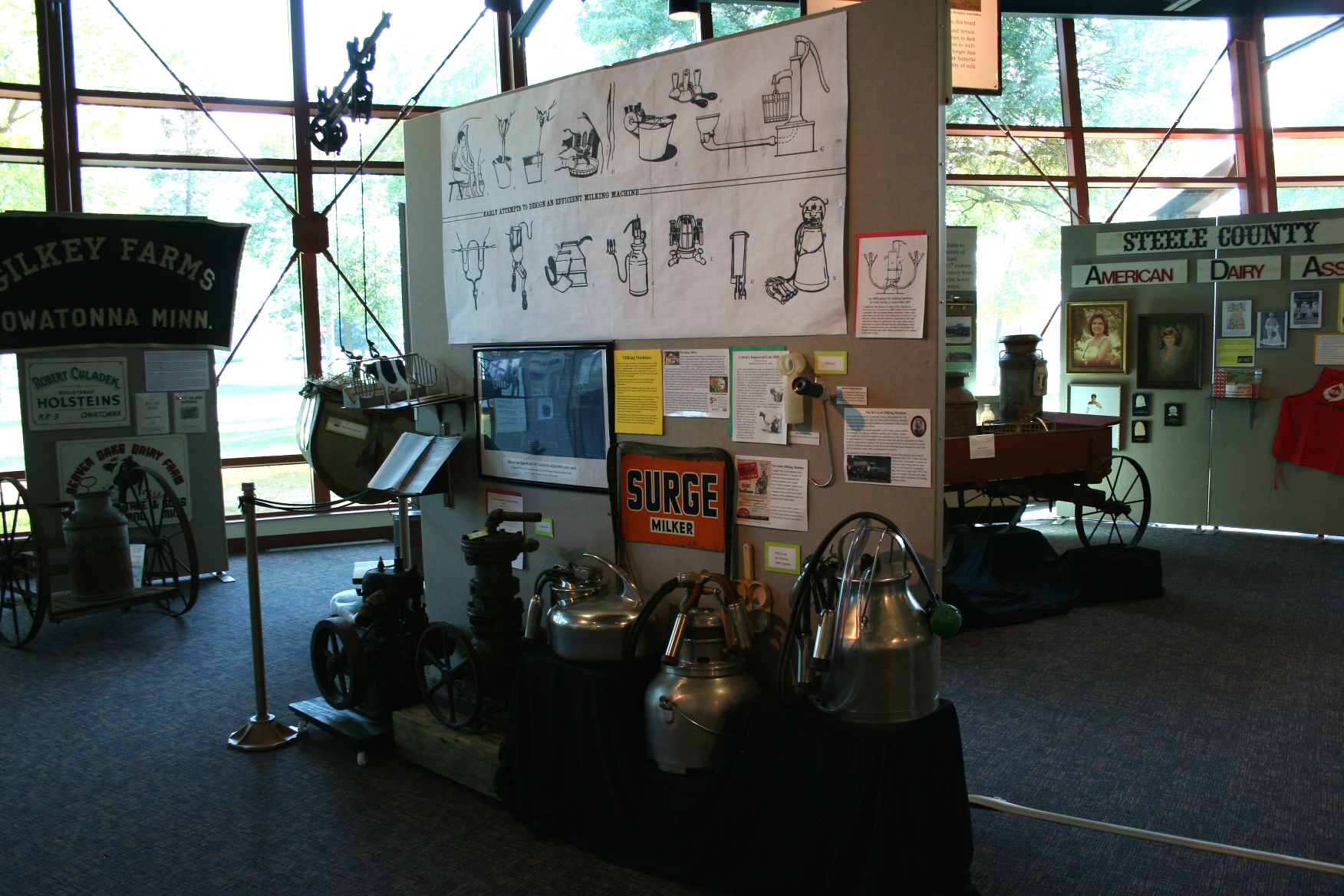
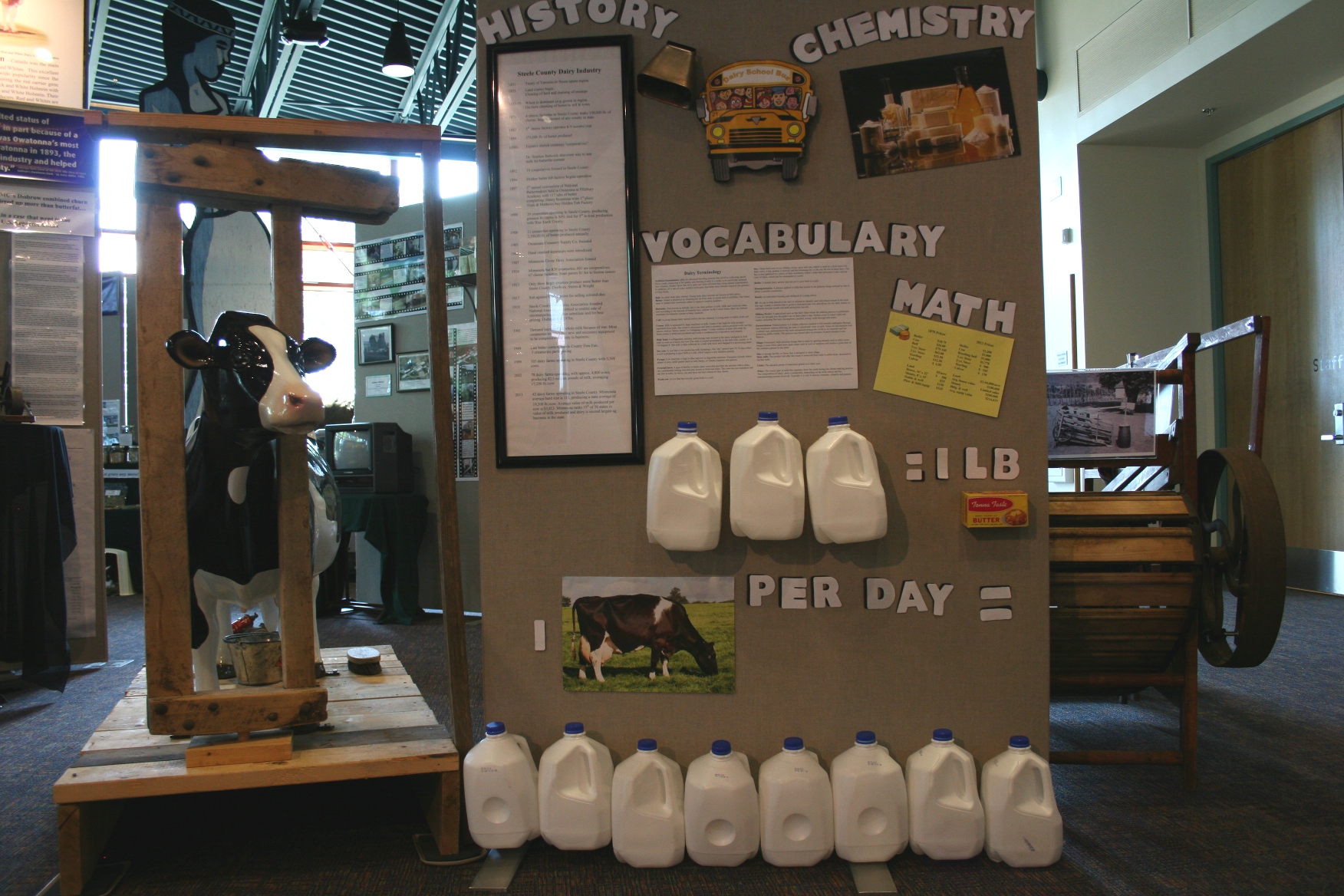
A portion of the expansive exhibit on Steele County's dairy industry.

A portion of the expansive exhibit on Steele County’s dairy industry.

Work on the Butter Capitol exhibit began in January with the historic display debuting in mid-July. It runs through November 10. Eventually, many of the items will be returned to the farm machinery building in the Village of Yesteryear (next to the Steele County History Center) where most were previously displayed.

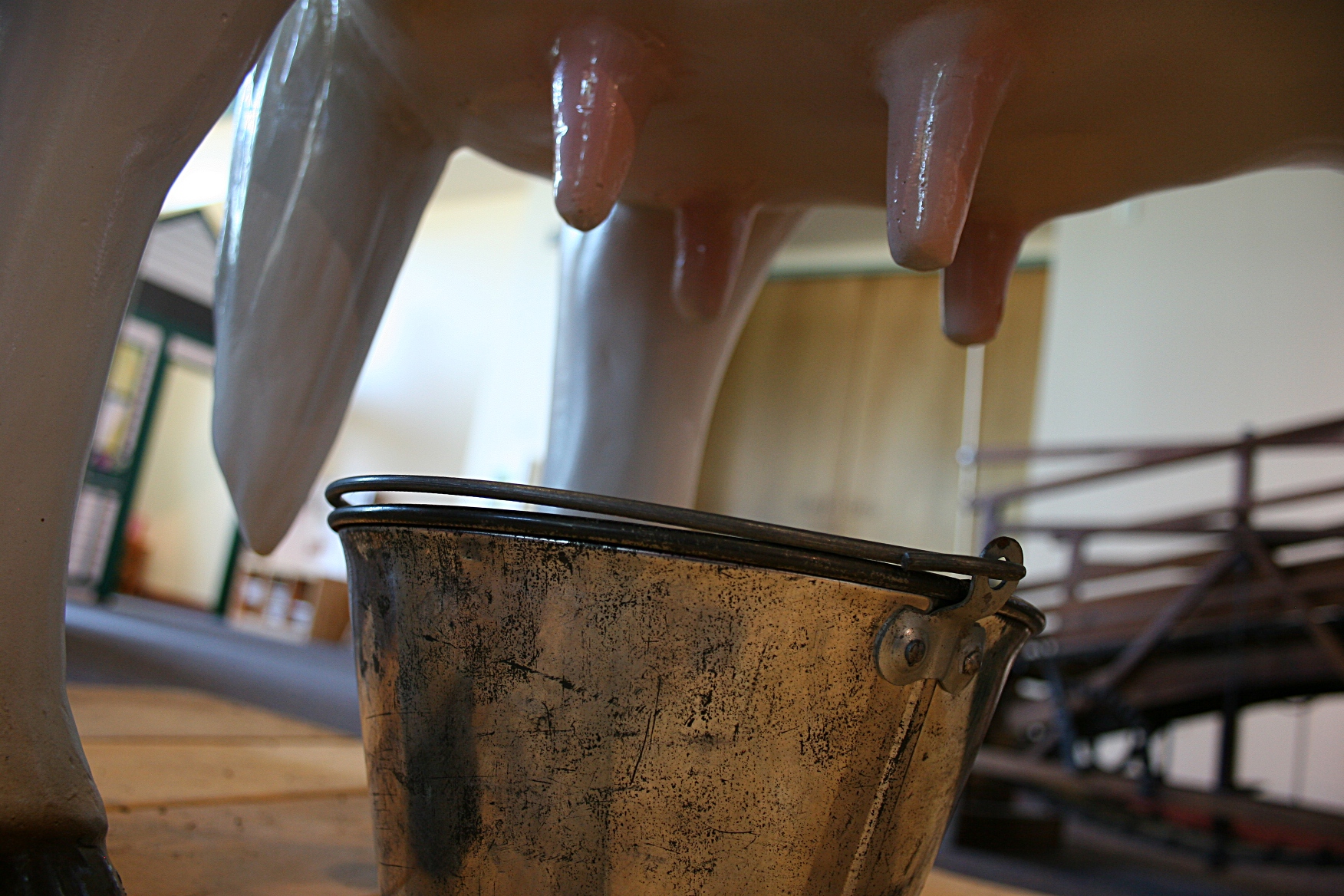
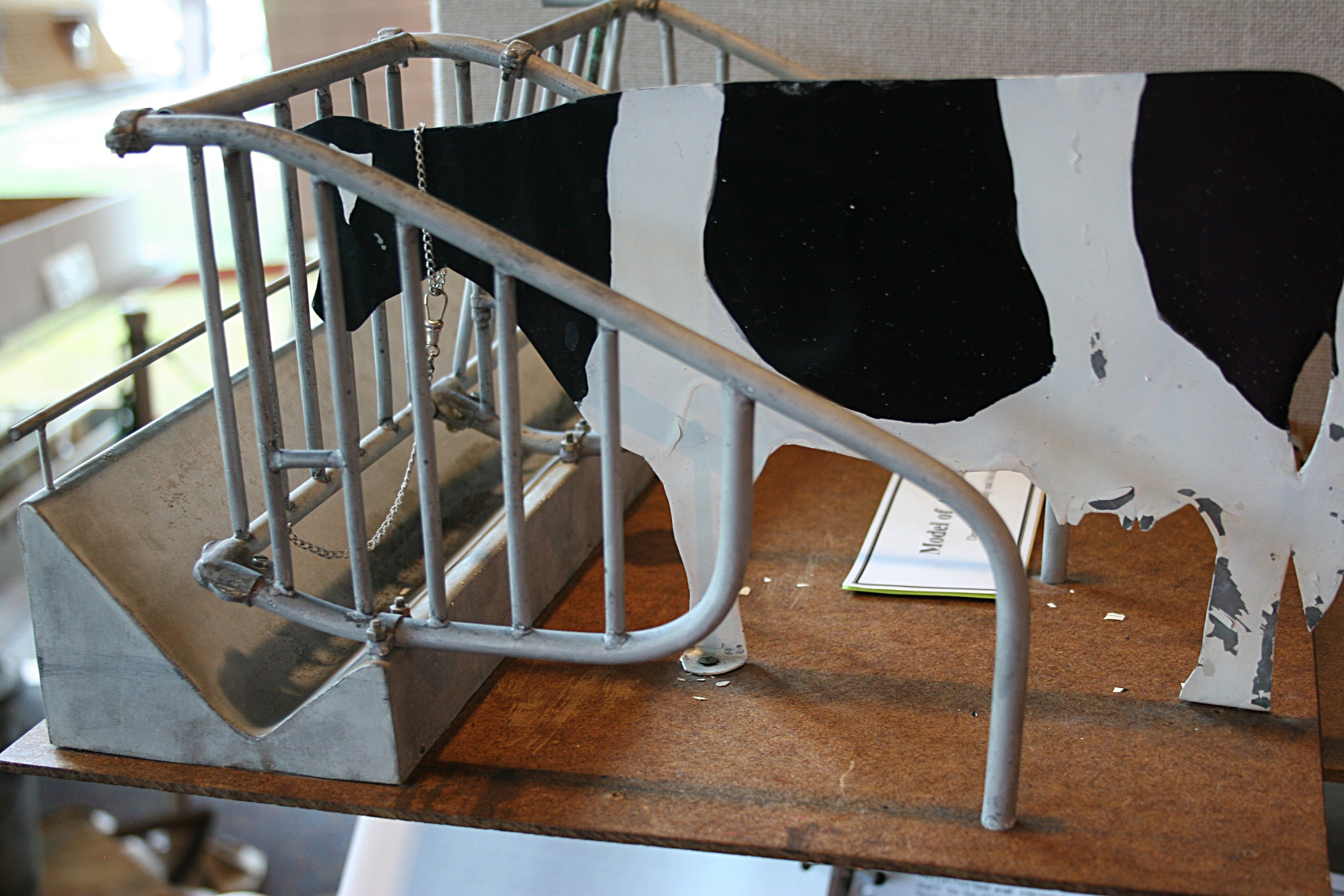
Visitors can get down low and check out the udder on the model cow in the photo above.

Visitors can get down low and check out the udder on a model cow.

Perhaps I am a bit biased being a dairy farmer’s daughter and all. But this exhibit is one of the most impressive, thorough, detailed and interesting I’ve seen in a county history center.

Just another view of a portion of the exhibit.

Just another view of a portion of the exhibit.

Steele County: Butter Capitol of the World is well worth a drive to Owatonna to peruse.  Just give yourself two hours, minimum, to tour the display.

#

BONUS PHOTOS:

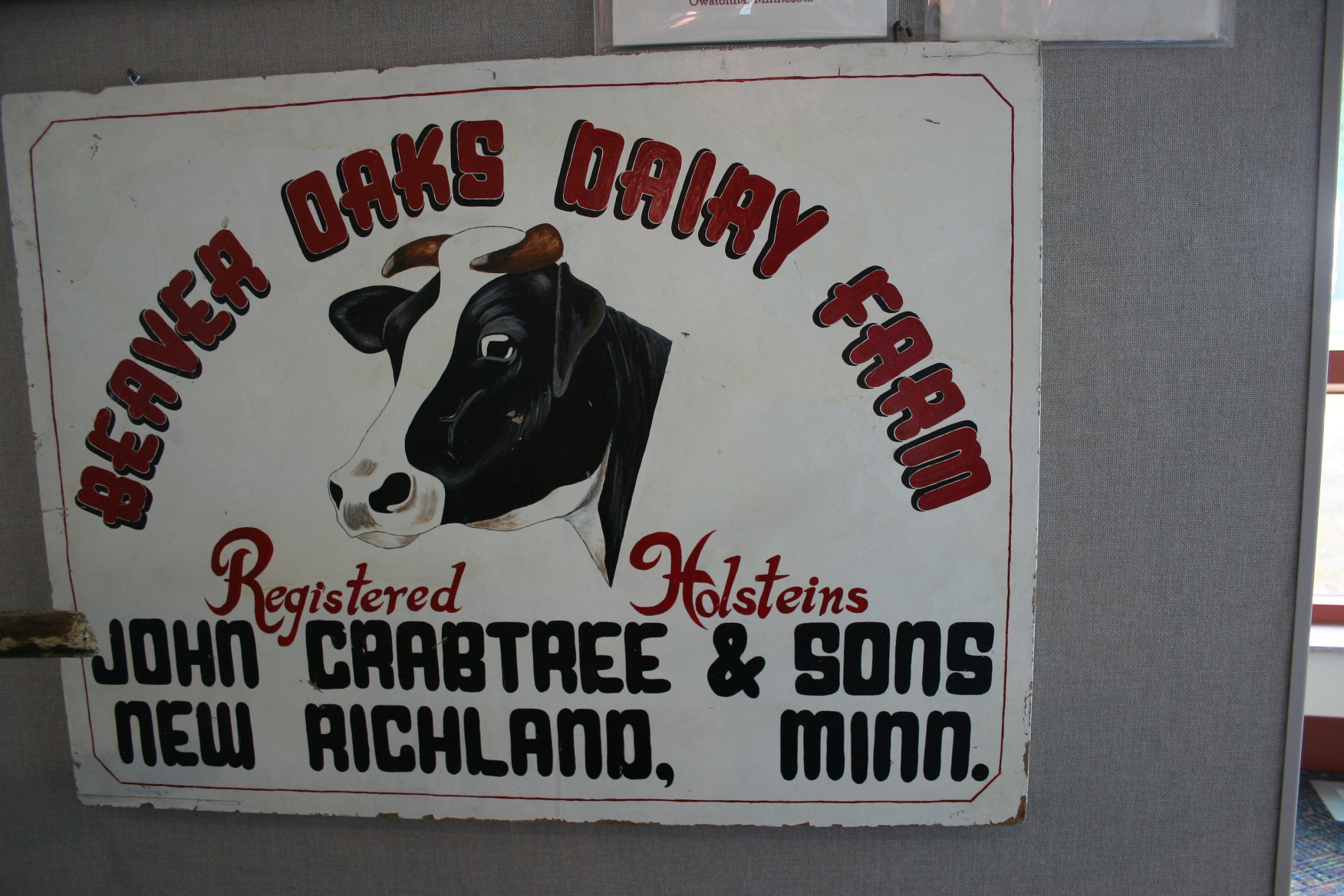
Vintage signs are abundant in the exhibit.

Vintage signs are abundant in the exhibit.

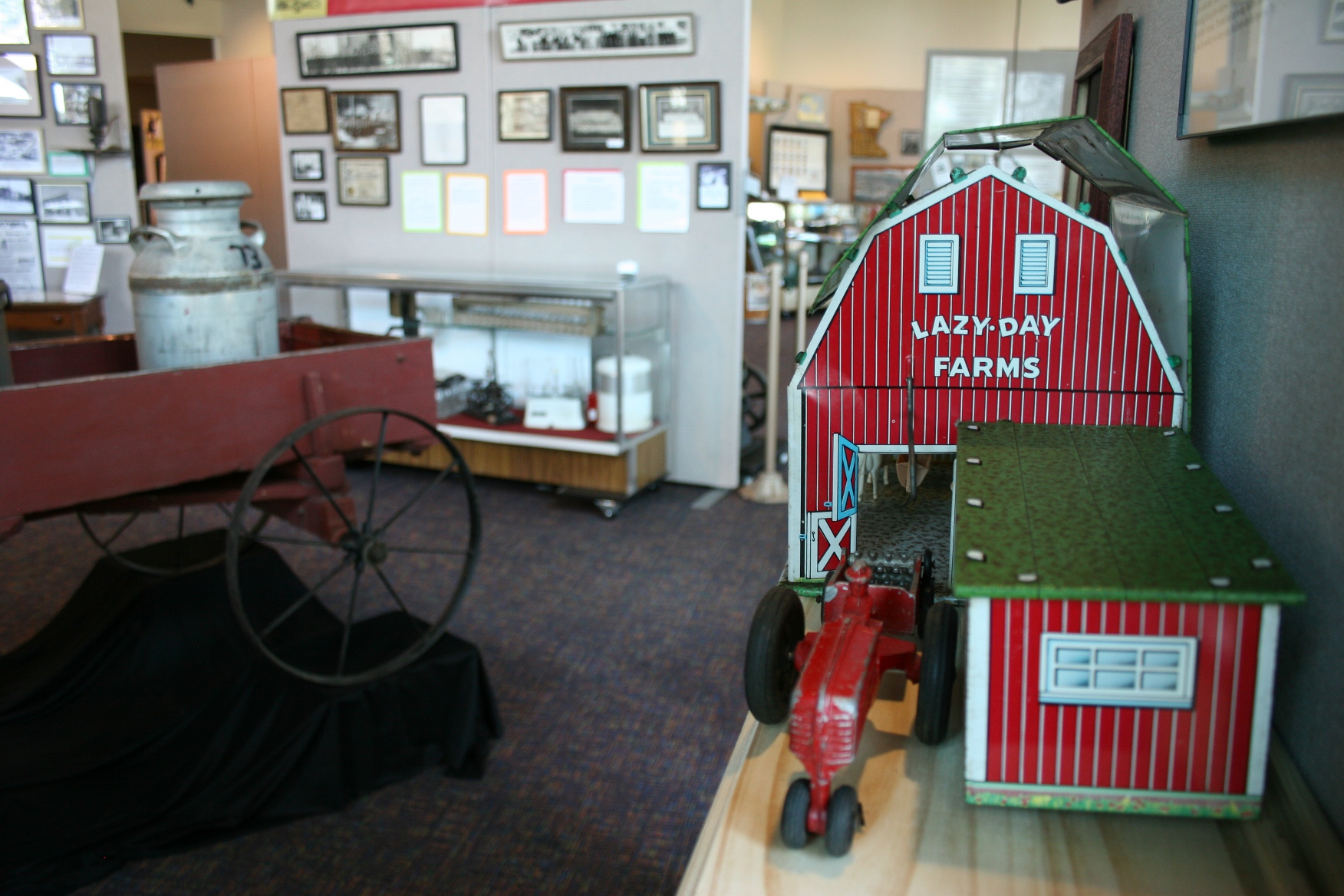
This tin toy barn, right, caught my eye. I've never seen one prior to this. The exhibit also features an incredible handcrafted replica of a barn.

This tin toy barn, right, caught my eye. The exhibit also features a handcrafted replica of a barn.

A familiar site to me, a cow in a stantion.

A familiar site to me, a cow in a stantion.

Also familiar, those Surger milkers in the background display.

Also familiar, those Surger milkers in this display. My dad used these before he installed a pipeline.

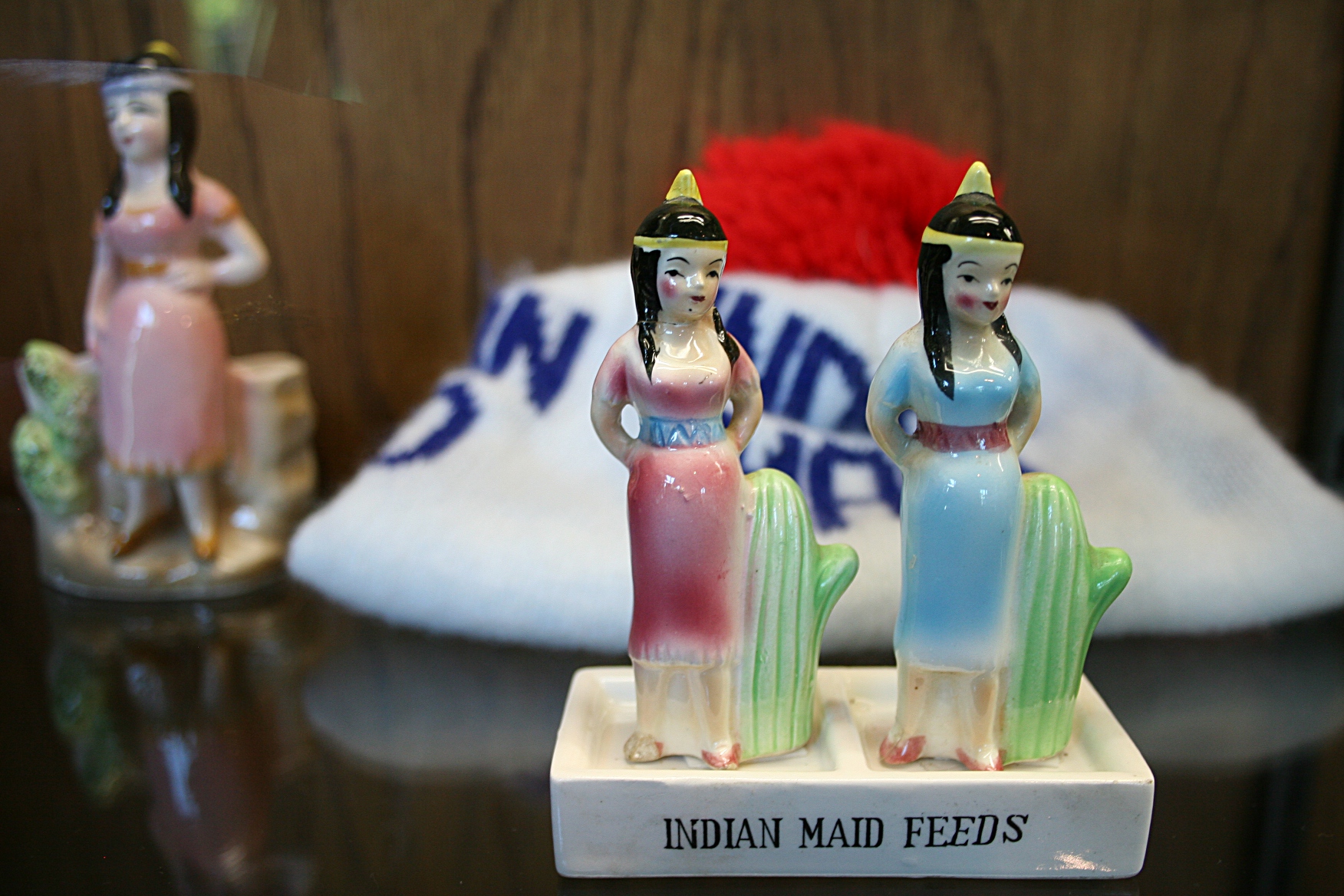
Indian Maid Feeds memorabilia is displayed in glass cases along with an impressive collection of butter molds and other items.

Indian Maid Feeds memorabilia is displayed in glass cases along with an impressive collection of butter molds and other items. Indian Maid Feeds was sold from the late 1950s – 1984 by Owatonna Elevator Company. The brand pictured an Indian maiden to recall the legend of Princess Owatonna, whose health was restored by drinking the mineral spring waters of the area. The exhibit also features a large wooden logo of the princess that once rested atop the elevator. You’ll need to visit the exhibit to see that vintage art.

FYI: To learn more about the Steele County History Center/Historical Society, housed in a fabulous new building opened in April 2012, click here.

The Steele County History Center encourages kids to join its Time Travelers Club and History Detectives. The detectives meet at 10:15 a.m. and the travelers at 6:30 p.m. the first Thursday of each month at the History Center, 1700 Austin Road, Owatonna.

Click here to read a Minnesota Public Radio story about Hope Creamery.

© Copyright 2013 Audrey Kletscher Helbling
 

A prairie island October 6, 2013

Filed under: Uncategorized — Audrey Kletscher Helbling @ 10:06 AM
Tags: , , , , , , , ,

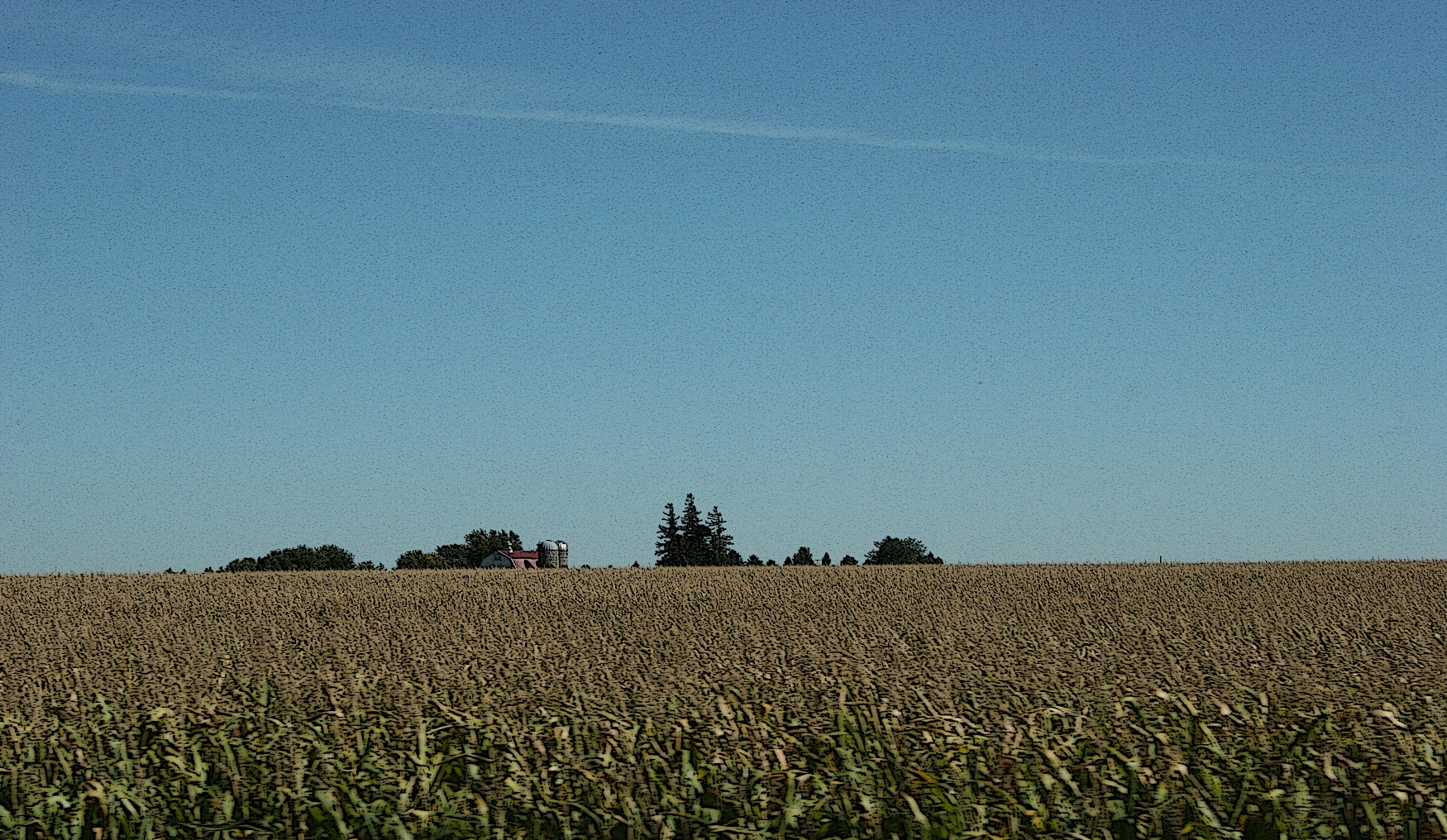
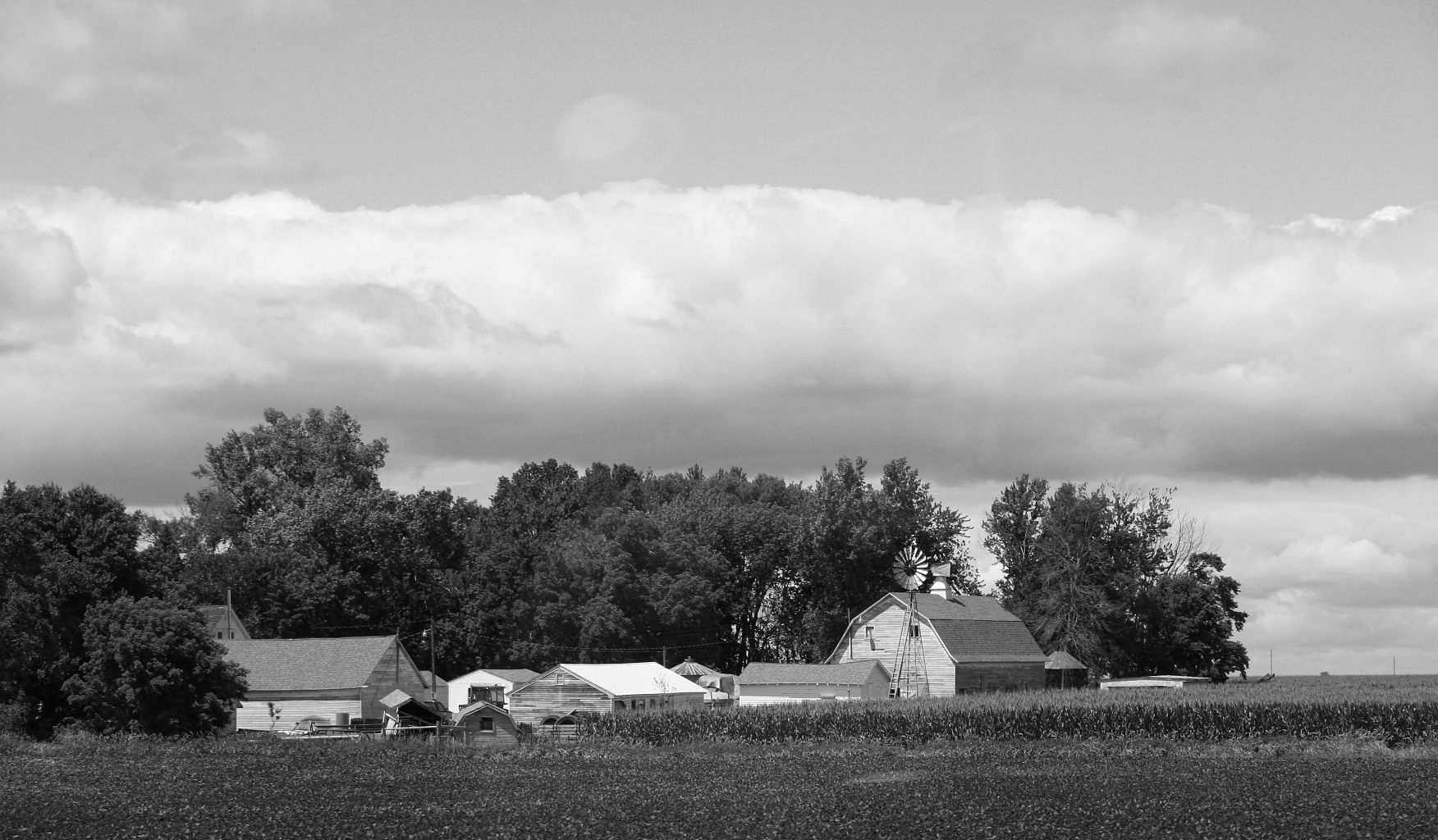
Rural, farm behind corn field

IN THE SEA OF CORN which defines southwestern Minnesota, an island emerges.

Copyright 2013 Audrey Kletscher Helbling
 

On the cusp of harvest in southwestern Minnesota October 4, 2013

Grey skies and rain create a moody scene along U.S. Highway 14 between Sleepy Eye and Lamberton.

Grey skies and rain create a moody scene along U.S. Highway 14 between Sleepy Eye and Lamberton.

RAIN DRIZZLES, SOMETIMES SPLATTERS, across the windshield of our van as my husband and I aim toward the southwestern Minnesota prairie, driving toward Lamberton for a day of making horseradish with my extended family. It is a time-honored tradition, started by my father, dead 10 years now.

For me, this 120-mile trip from our Faribault home is not as much about the horseradish as it is about family and memories and spending a weekend in my beloved native prairie, the place that shaped me in to the person/writer/photographer I’ve become.

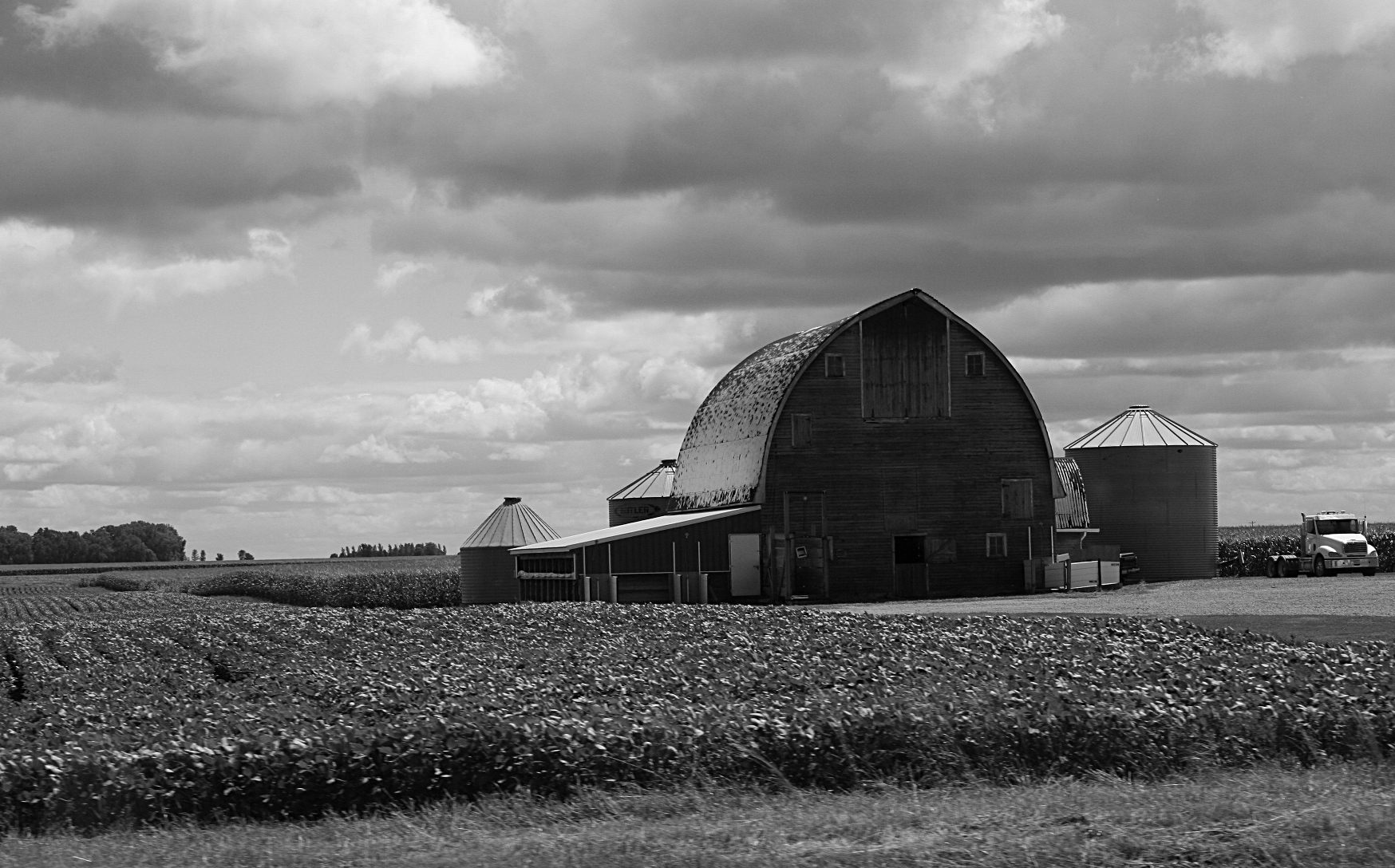
This section of U.S. Highway 14 between Sleepy Eye and Lamberton features many stately and well-kept barns like this brick one.

This section of U.S. Highway 14 between Sleepy Eye and Lamberton features many stately and well-kept barns like this brick one.

Even after 40 years away from this place of big skies and flat open spaces, of small towns and family farms, of corn and soybean fields stretching into forever, I still miss this land.

Especially at harvest time.

A cheery smile on a barn off U.S. Highway 14 serves as a backdrop to a ripened soybean field on a grey Saturday morning.

A cheery smile on a barn off U.S. Highway 14 serves as a backdrop to a ripened soybean field on a grey Saturday morning.

As we journey, my head pivots toward the corn and the beans, ripened mostly to muted gold.

I can almost hear the corn leaves rustling in the bendy wind under moody grey skies.

I can almost smell the intoxicating scent of earth that prevails only at harvest time.

I can almost hear the chomping combines and rumbling grain trucks, the roaring tractors and the lumbering grain wagons, parked and silent now as rain sweeps across the acres.

A serene country scene just north of Lamberton in southern Redwood County.

A serene country scene just north of Lamberton in southern Redwood County.

Later that day, after we’ve reached our rural destination and dug, washed, peeled, chopped, blended and bottled the horseradish, the heaviest of the clouds lift and shift east.

The skies have cleared along Redwood County Road 6 north of Lamberton where corn fields await harvest.

The skies have cleared along Redwood County Road 6 north of Lamberton where corn fields await harvest.

By Sunday morning we awaken to the clear and crisp skies of autumn in rural Minnesota.

Driving U.S. Highway 14 back to Faribault Sunday morning.

Driving U.S. Highway 14 back to Faribault Sunday morning.

It’s a perfect morning.

Barns and ripening crops define the landscape of southwestern Minnesota this time of year.

Barns and ripening crops define the landscape of southwestern Minnesota this time of year.

Sunshine upon fields.

Grain bins await the harvest on a southwestern Minnesota farm.

Grain bins await the harvest on a southwestern Minnesota farm.

Sunshine pooling upon my lap as we aim east, past bins and barns and bountiful fields, back home.

Rounding the curve eastbound into Sleepy Eye.

Rounding the curve eastbound into Sleepy Eye.

Past the ripening crops. Through the small towns, like Lamberton and Springfield and Sleepy Eye.

And when we reach the western outskirts of New Ulm, I feel as if we’ve crossed a line. Menards and Walmart loom to the left. U.S. Highway 14, the Laura Ingalls Wilder Historic Highway, is now a four-lane through this German community, busy with traffic and drivers racing to get ahead before the roadway once again narrows to two lanes en route to Mankato.

Barns, like this one, rise above the soon-to-be-harvested corn fields.

Barns, like this one, rise above the soon-to-be-harvested corn fields.

My mood shifts. I’ve left the peace of the prairie, the one place on this earth that holds my soul in solace.

FYI: This post was previously published on streets.mn. The above photos were taken on Saturday, September 28, and Sunday, September 29. Conditions change rapidly during harvest time, so I expect harvest is well underway, although delayed now due to the rain.

A post will be forthcoming on making horseradish.

Copyright 2013 Audrey Kletscher Helbling
 

Autumn beauty in Nerstrand Big Woods State Park October 3, 2013

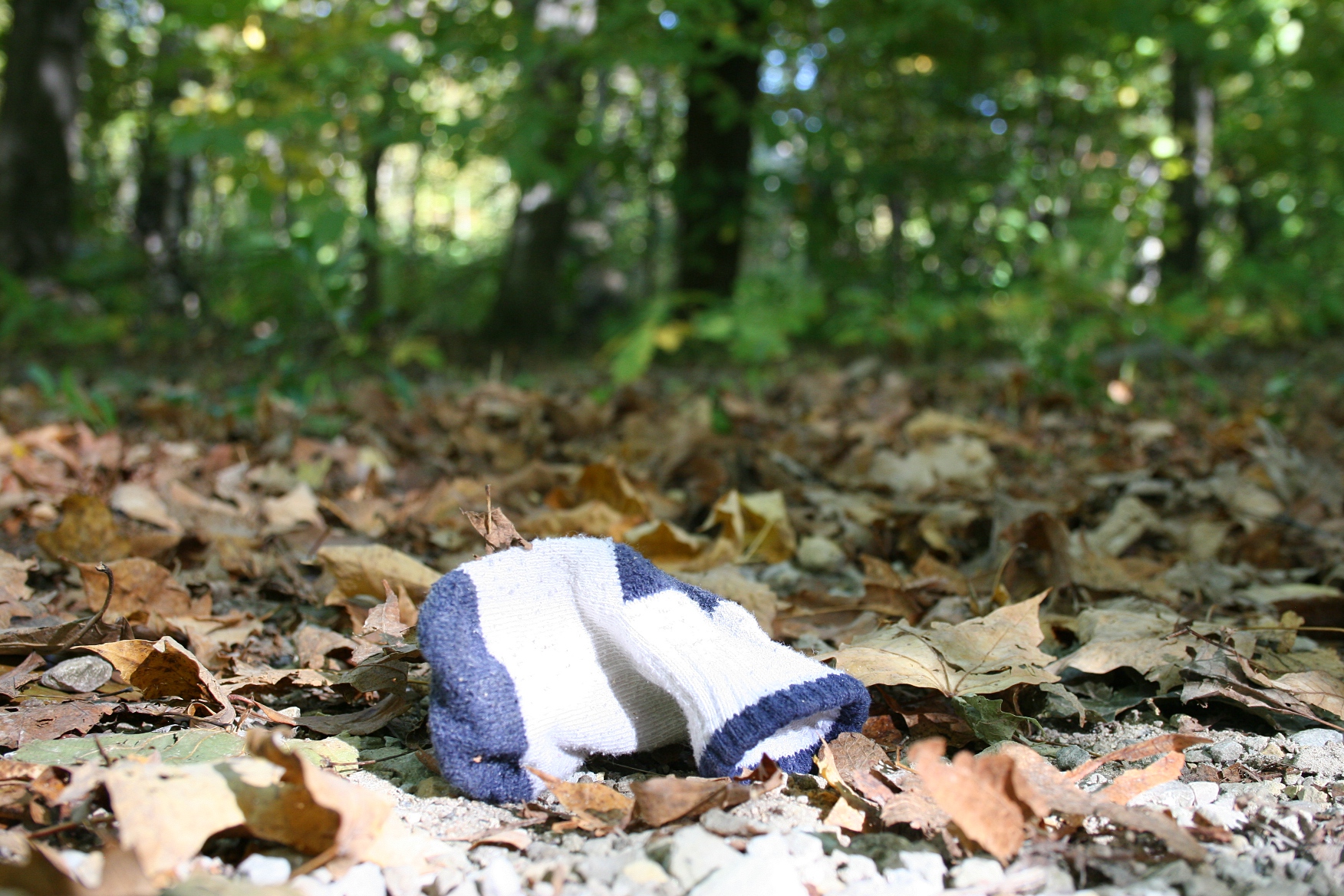
A baby's sock lost along a path at Nerstrand Big Woods State Park in rural rice County Minnesota.

A baby’s sock lost along a path at Nerstrand Big Woods State Park in rural Rice County, Minnesota.

A single sock.

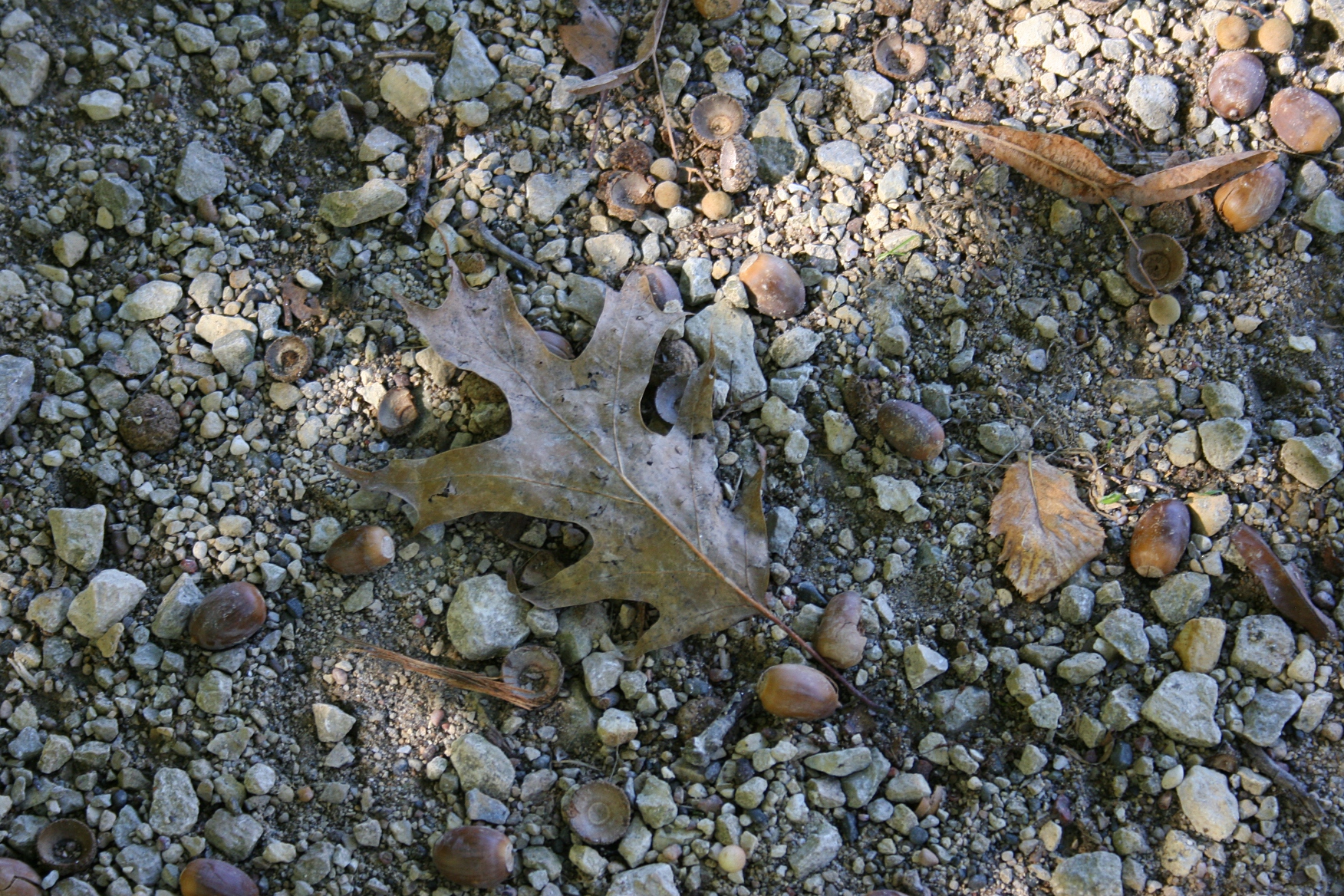
When I paused to photograph this oak leaf, my husband dubbed the trail Acorn Trail.

When I paused to photograph this oak leaf, my husband dubbed the trail Acorn Trail.

A single oak leaf.

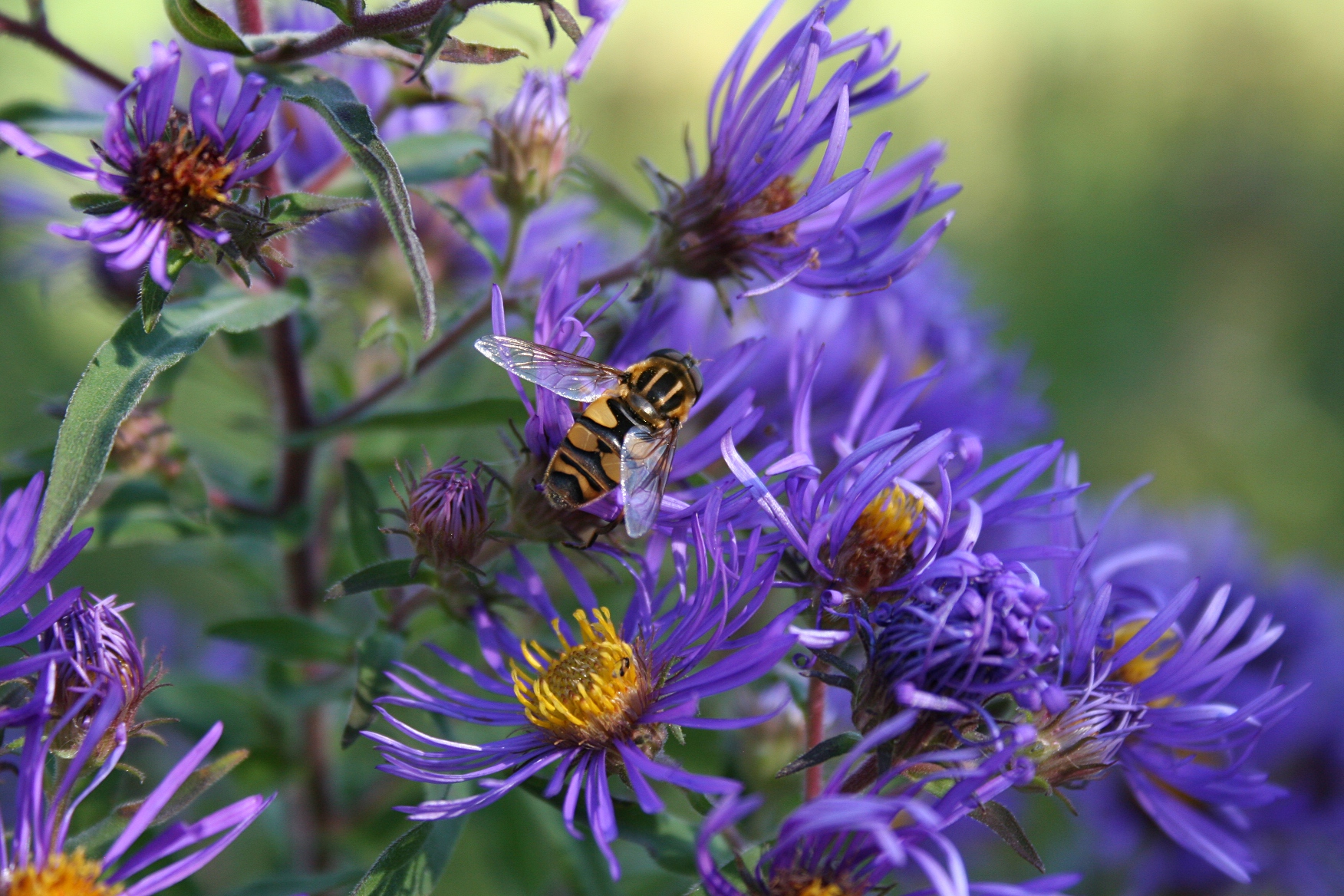
Countless bees and butterflies flitted among the wildflowers.

One of the many bees and butterflies swarming the wildflowers.

A single bee.

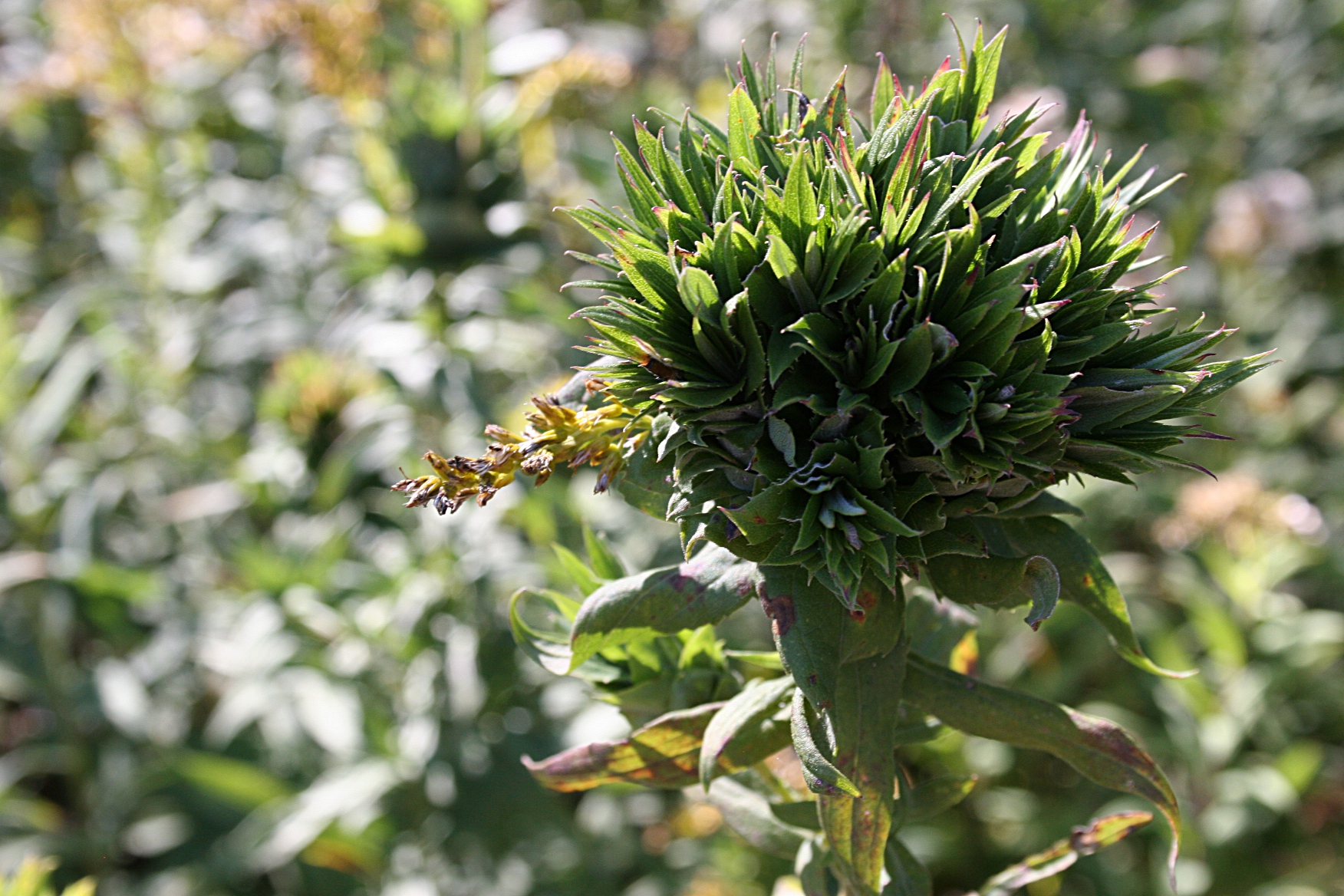
The solo head of an unidentified plant in the afternoon sunlight.

The solo head of an unidentified plant in the afternoon sunlight.

Solitude.

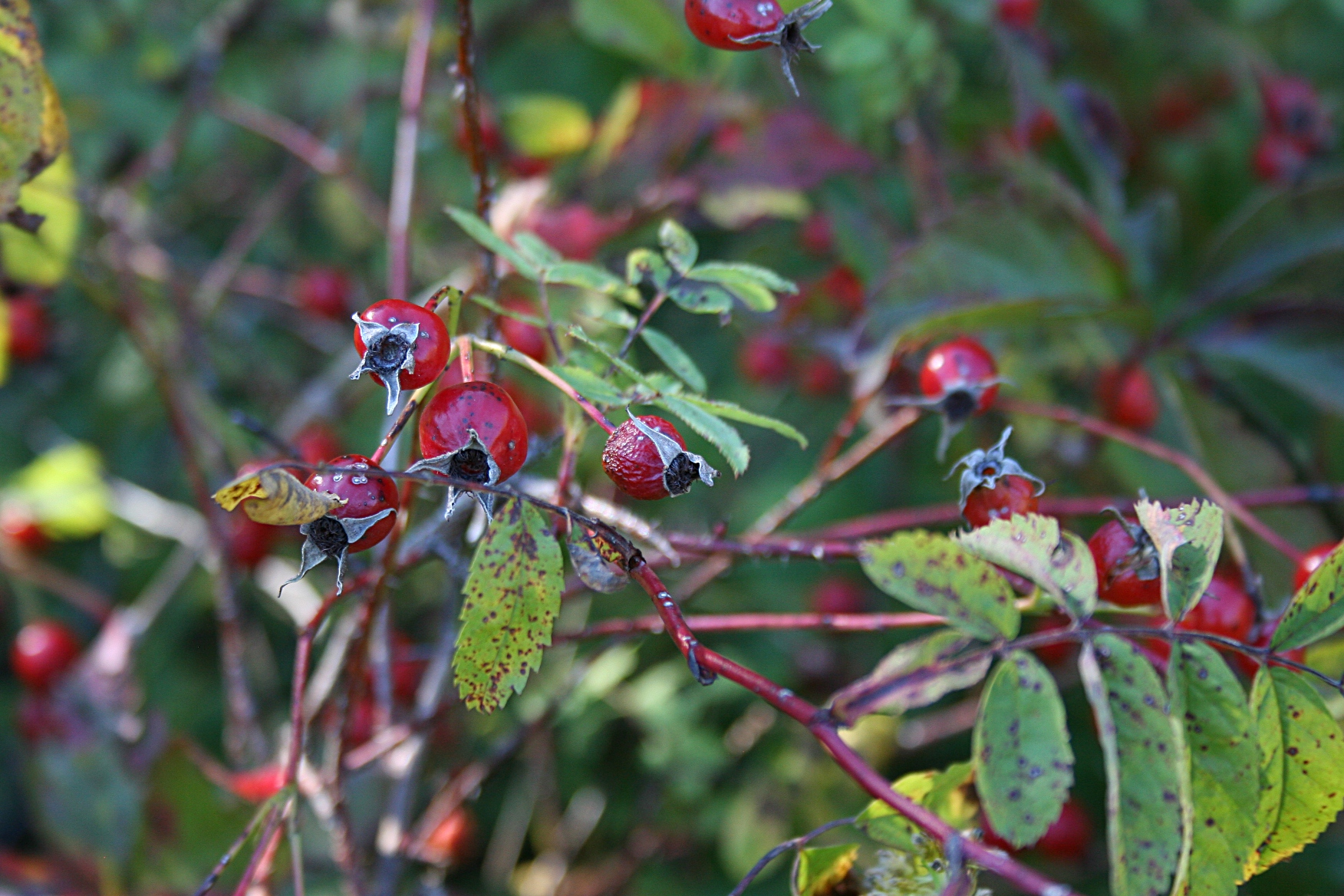
In the quiet of the woods, beautiful berries discovered.

In the quiet of the woods, beautiful berries discovered.

Beauty.

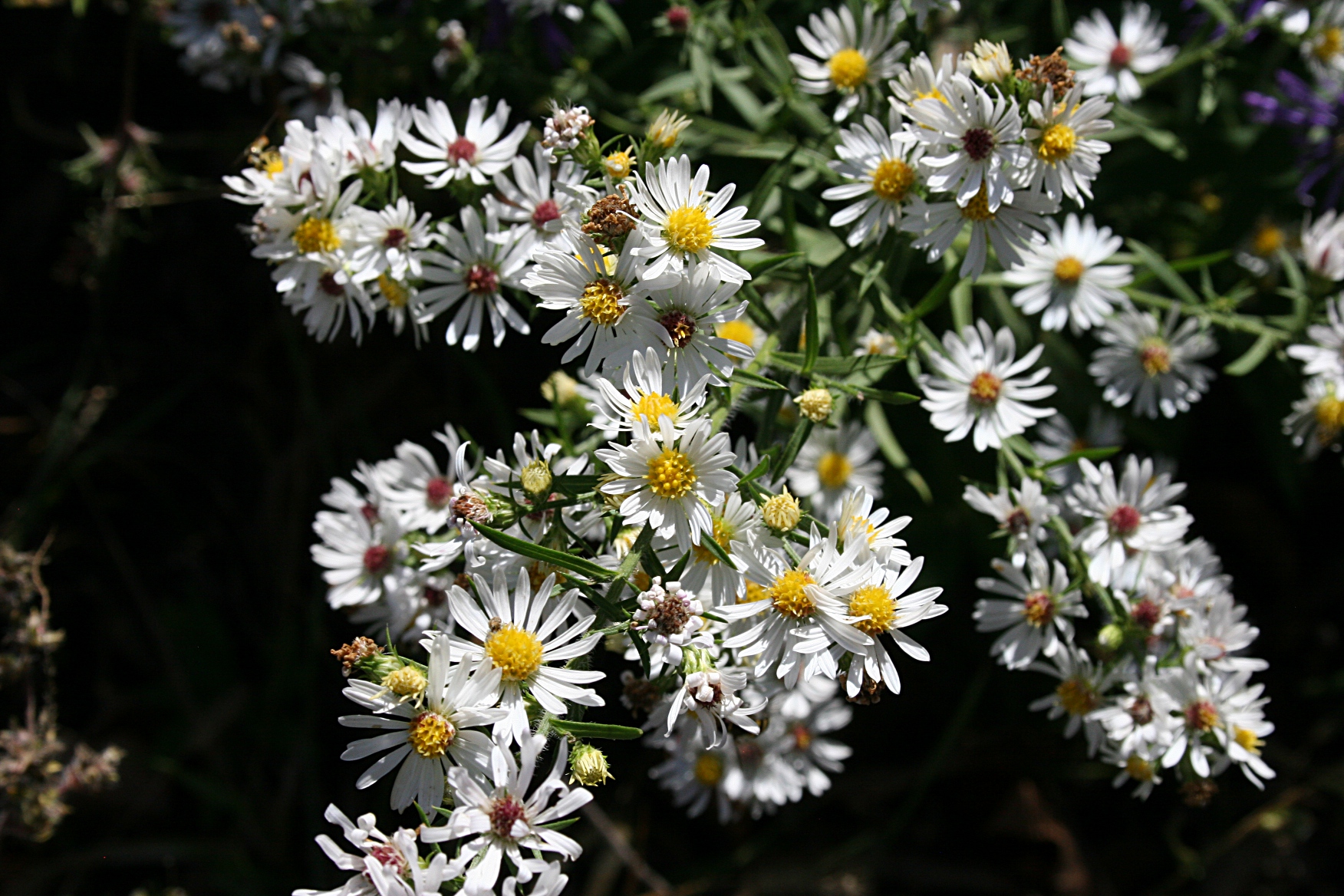
Clusters of wildflowers edge the woods.

Clusters of wildflowers edge the woods.

Wind bending wildflowers and weeds, the sun beating upon our backs as we curve into the shaded woods.

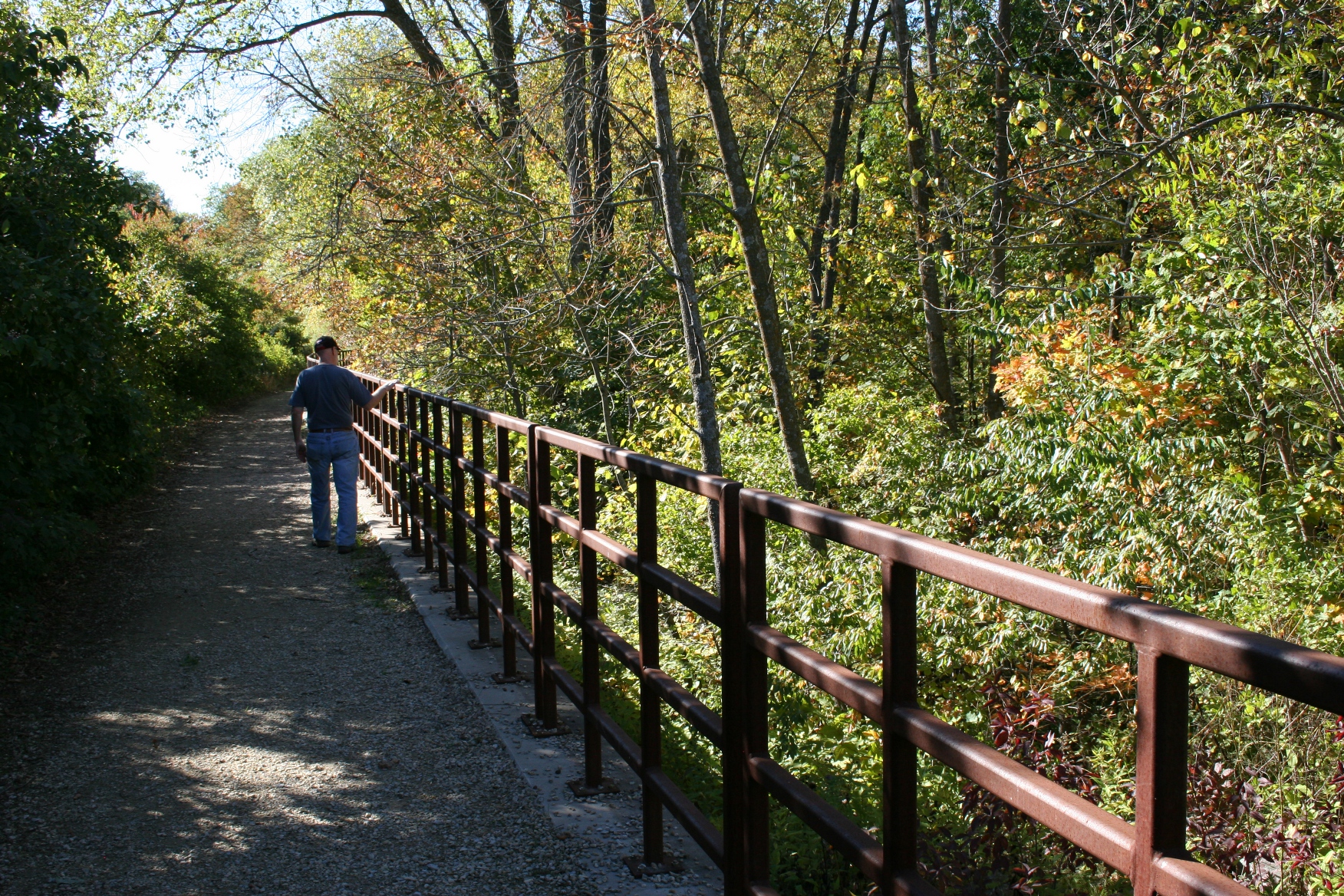
My husband, Randy, pauses to look over the ravine.

My husband, Randy, pauses to look over the ravine.

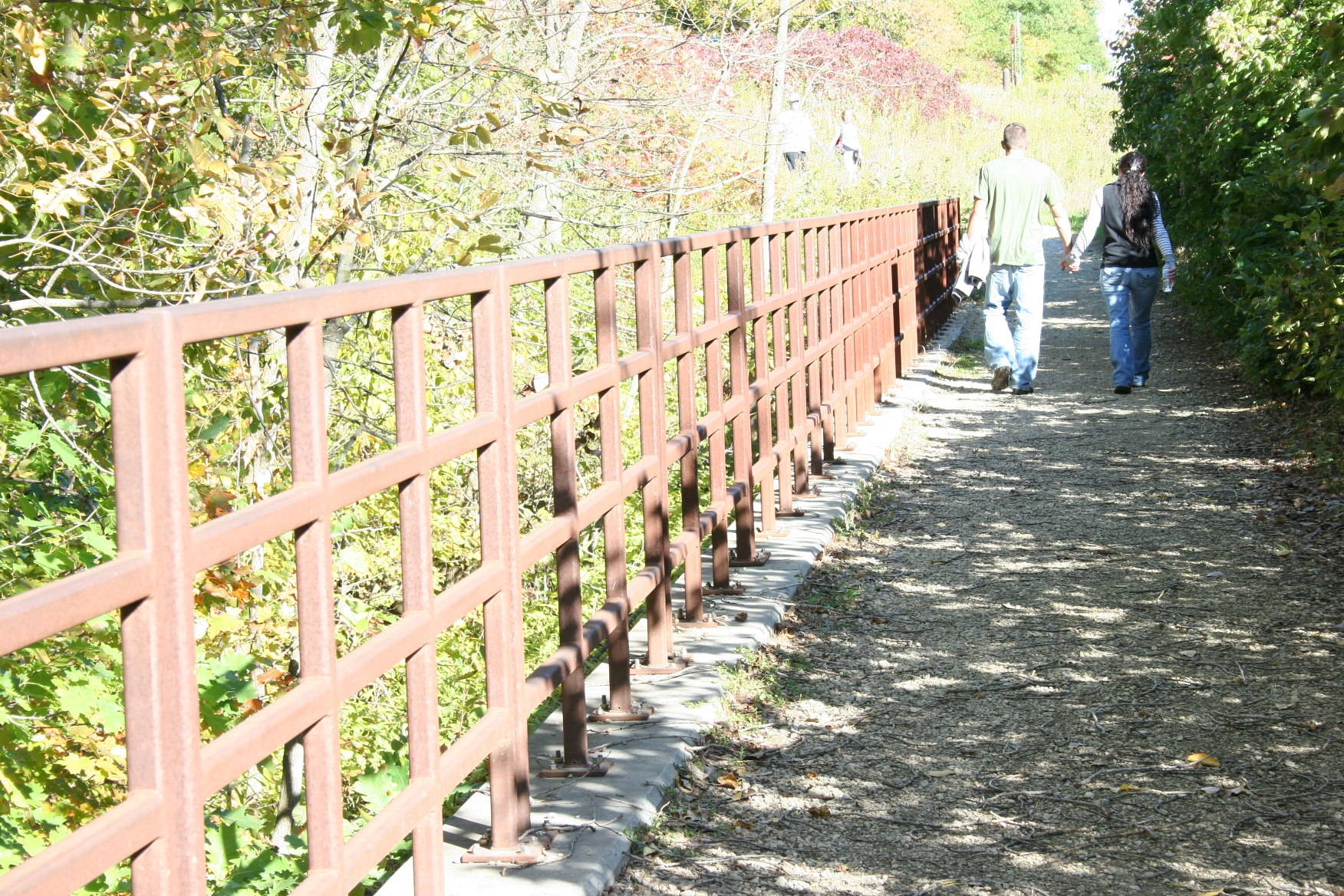
Pause at the rust-hued railing, glimpse to the ravine below where water once flowed when rain was plentiful.

Couples and families hiked the trails through the park.

Couples and families hike the trails through the park.

Lost in thoughts. Savoring the solace which embraces us even as groups of hikers pass us by.

A tree line in the park shows leaves beginning to change color.

A tree line in the park shows leaves beginning to change color.

We have come here to Nerstrand Big Woods State Park on a Sunday afternoon to see the fall colors, only beginning to show.

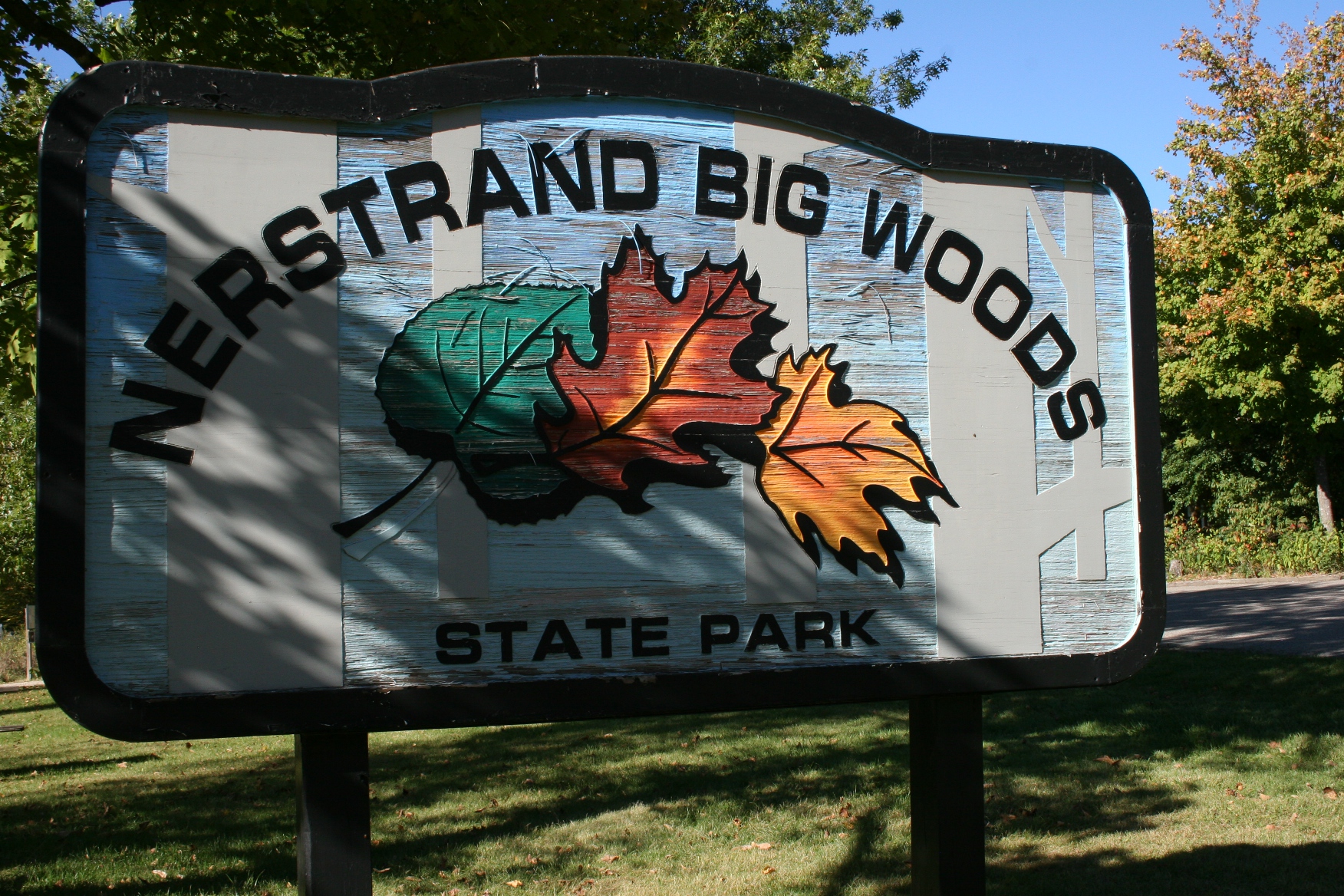
The sign welcoming visitors to Nerstrand Big Woods State Park, known for its beautiful fall colors.

The sign welcoming visitors to Nerstrand Big Woods State Park, known for its beautiful fall colors.

But we have come here, too, my husband and I, to walk together, to hold hands, to embrace this afternoon in a place not far from home, yet so far away.

BONUS PHOTOS:

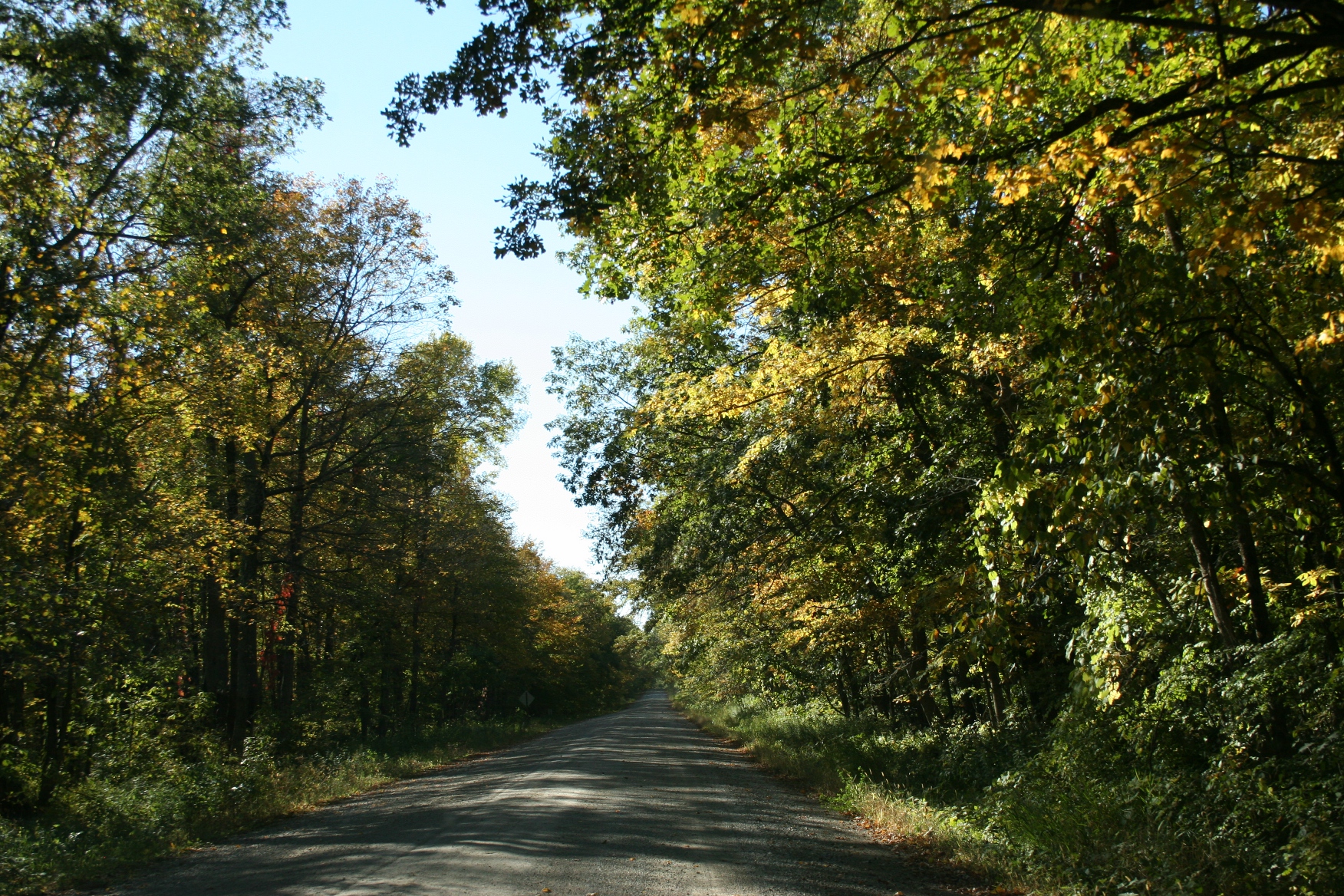
The road running east and west past the park.

The road running east and west past the park.

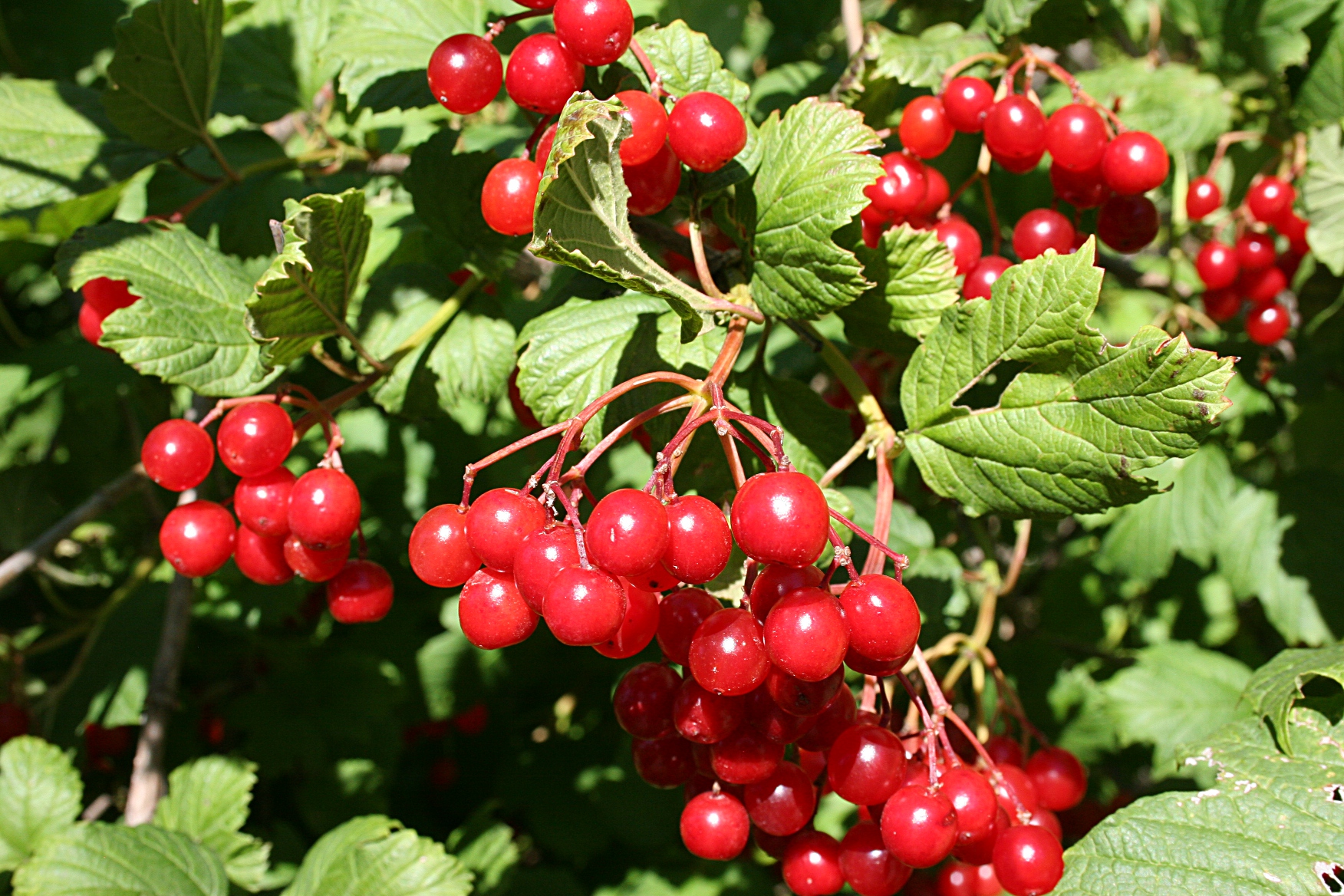
Berries pop with color near the entry into the park.

Berries pop with color near the park entry.

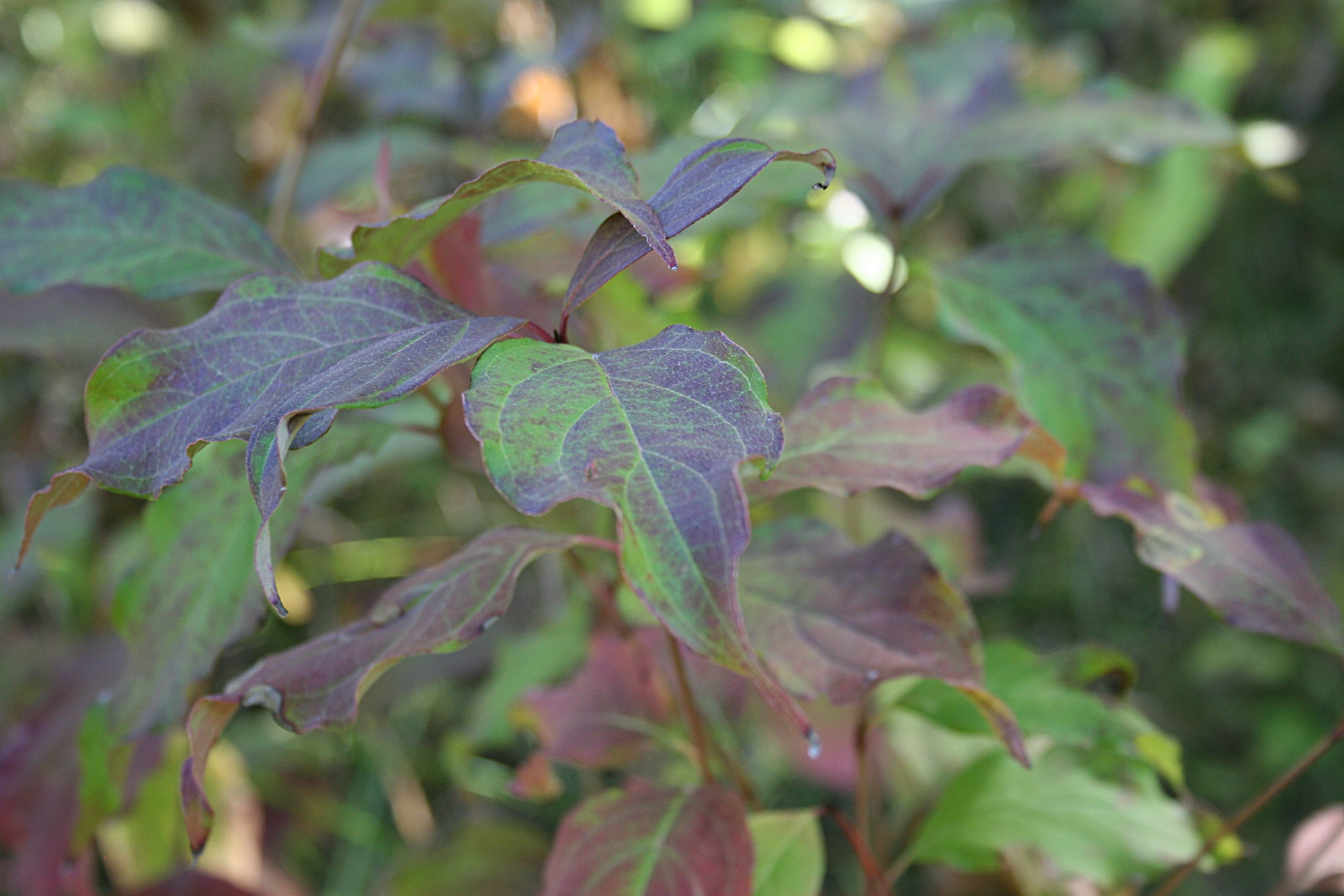
Leaves of purple and green along a path in the woods.

Along a path in the woods.

The park features an abundance of wildflowers.

The park features an abundance of wildflowers.

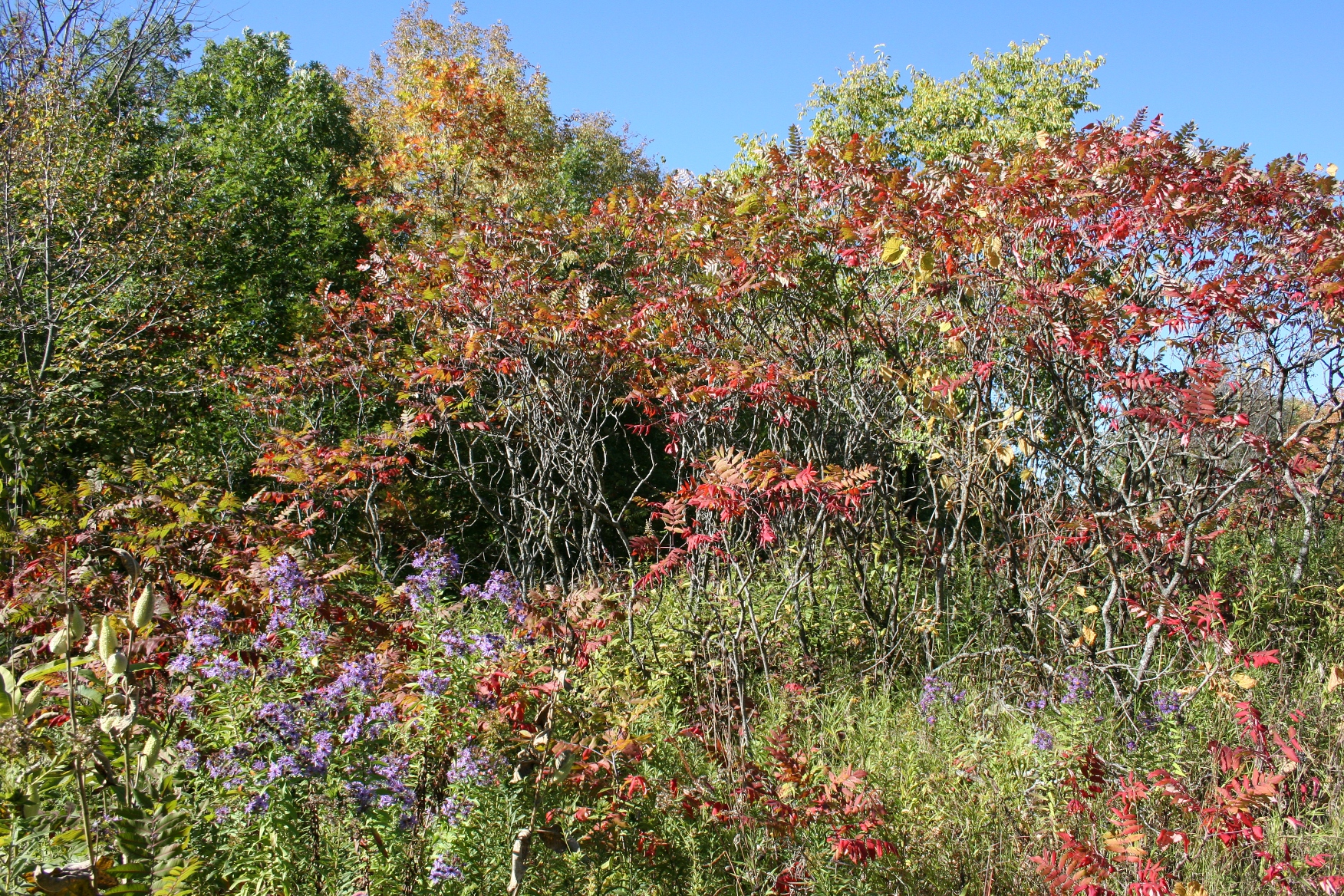
The sumac has already turned color.

The sumac has already turned color.

FYI: Nerstrand Big Woods State Park offers numerous organized activities to engage visitors in the season.

For example, from now until October 19, the park is hosting a Fall Photo Quest scavenger hunt. Bring your digital camera or borrow one at the Visitor Center where you will get instructions. Collect fall photos while learning why and how leaves change color.

On Saturday, October 5, from 1 p.m. – 4 p.m., gather native seeds for planting in park restorations. Sign up at the Visitor Center.

The following Saturday, October 12, from noon – 4 p.m., join the Autumn Trees Scavenger Hunt, collecting clues along trails as you discover which leaf belongs to which tree. Stop at the Visitor Center to start your adventure.

Click here for details on the above listed programming at Nerstrand Big Woods State Park.

Also on Saturday, October 12, St. John’s United Church of Christ, Wheeling Township, sponsors its 17th annual Big Woods Run beginning at the country church near the park. Registration deadlines are October 7 and 8. After the race, enjoy a luncheon featuring homemade soups and more, an awards ceremony and a bake sale. For more info, click here.

This Saturday, October 5, from 10:30 a.m. – 1 p.m., Nerstrand United Methodist Church, 12 Maple Street in Nerstrand hosts its annual Fall Festival. The event features gift baskets, a silent auction, a bake and produce sale, and lunch. Hot beef sandwiches, chili, chicken wild rice soup and homemade pies with ice cream will be served.

Nerstrand Big Woods State Park is located just west of Nerstrand or northeast of Faribault.

© Copyright 2013 Audrey Kletscher Helbling
 

Chasing the light in Luverne September 18, 2013

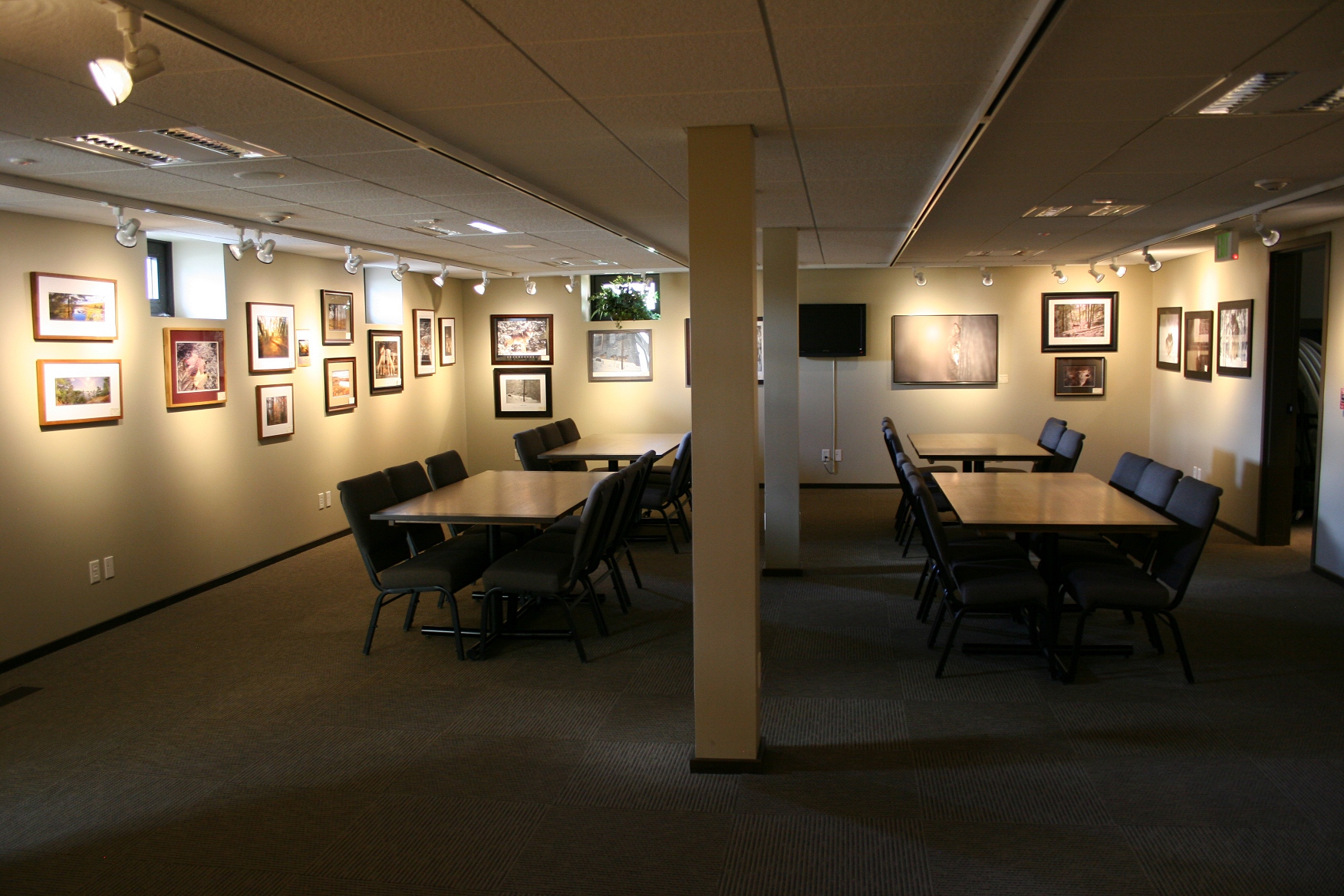
An overview of the gallery's inviting first level.

An overview of the gallery’s inviting first level.

WALK INTO THE BRANDENBURG GALLERY in Luverne with a camera and you likely will feel unworthy and intimidated, but mostly in awe.

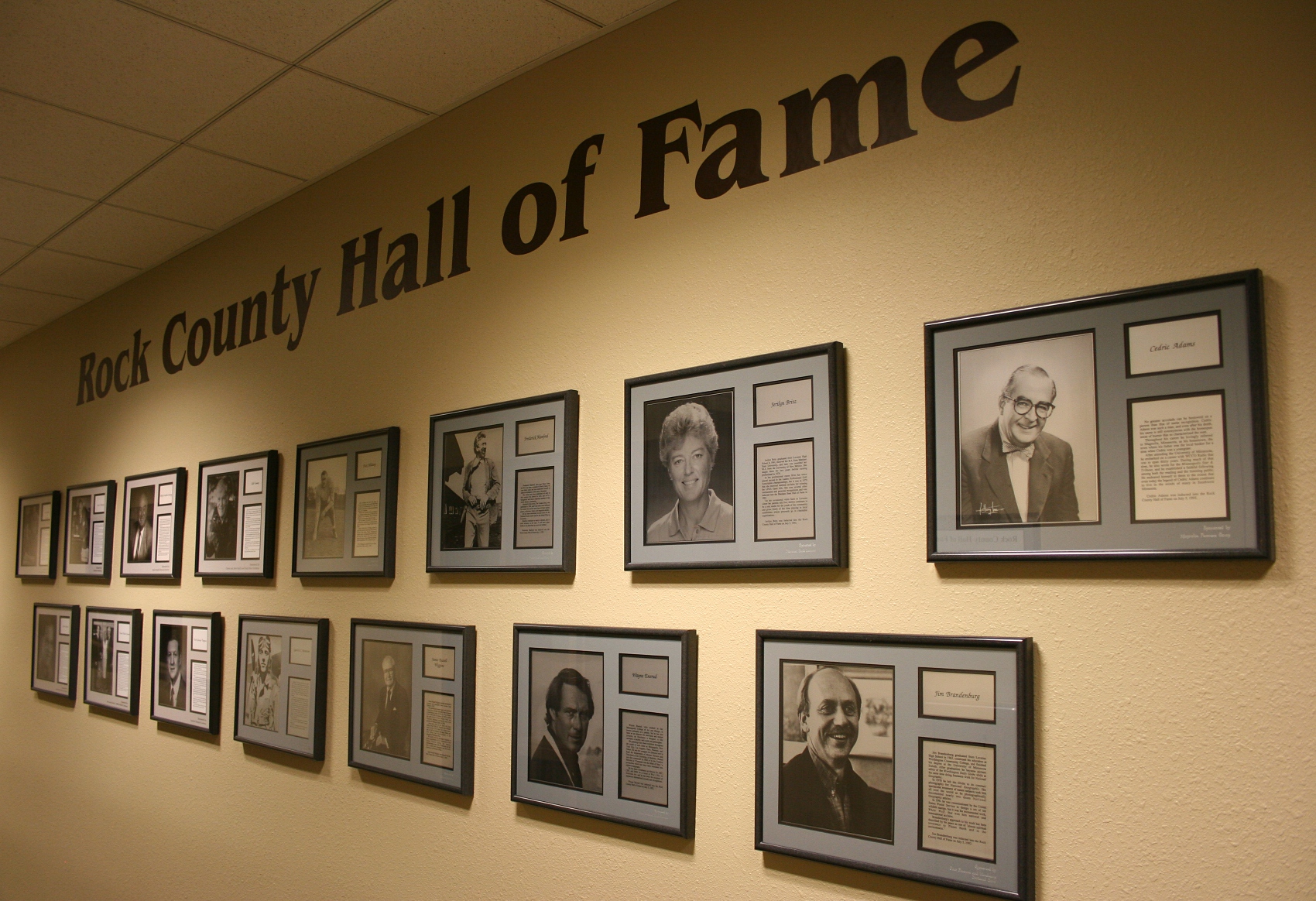
Brandenburg is among natives honored on a lower level hallway Rock County Hall of Fame. He's on the lower right.

Brandenburg is among native residents honored in a lower level hallway Rock County Hall of Fame. He’s on the lower right, inducted in 1992. Brandenburg graduated from Luverne High School in 1963 and, after college, worked as picture editor at the nearby Worthington Daily Globe while also freelancing for National Geographic. He left the Globe in 1978 to do contract work for National Geographic.

This gallery houses the work of native son Jim Brandenburg, probably Minnesota’s best-known nature photographer.

A Brandenburg bison photo hangs to the left and the photographer talks about his work in a video, right.

A Brandenburg bison photo hangs to the left and the photographer talks about his work in a video, right.

For more than three decades, Brandenburg traveled the globe photographing for National Geographic. Yes, he’s that good. He’s accumulated numerous awards and has been published in so many places I can’t possibly list them all. (Click here to read his biography.)

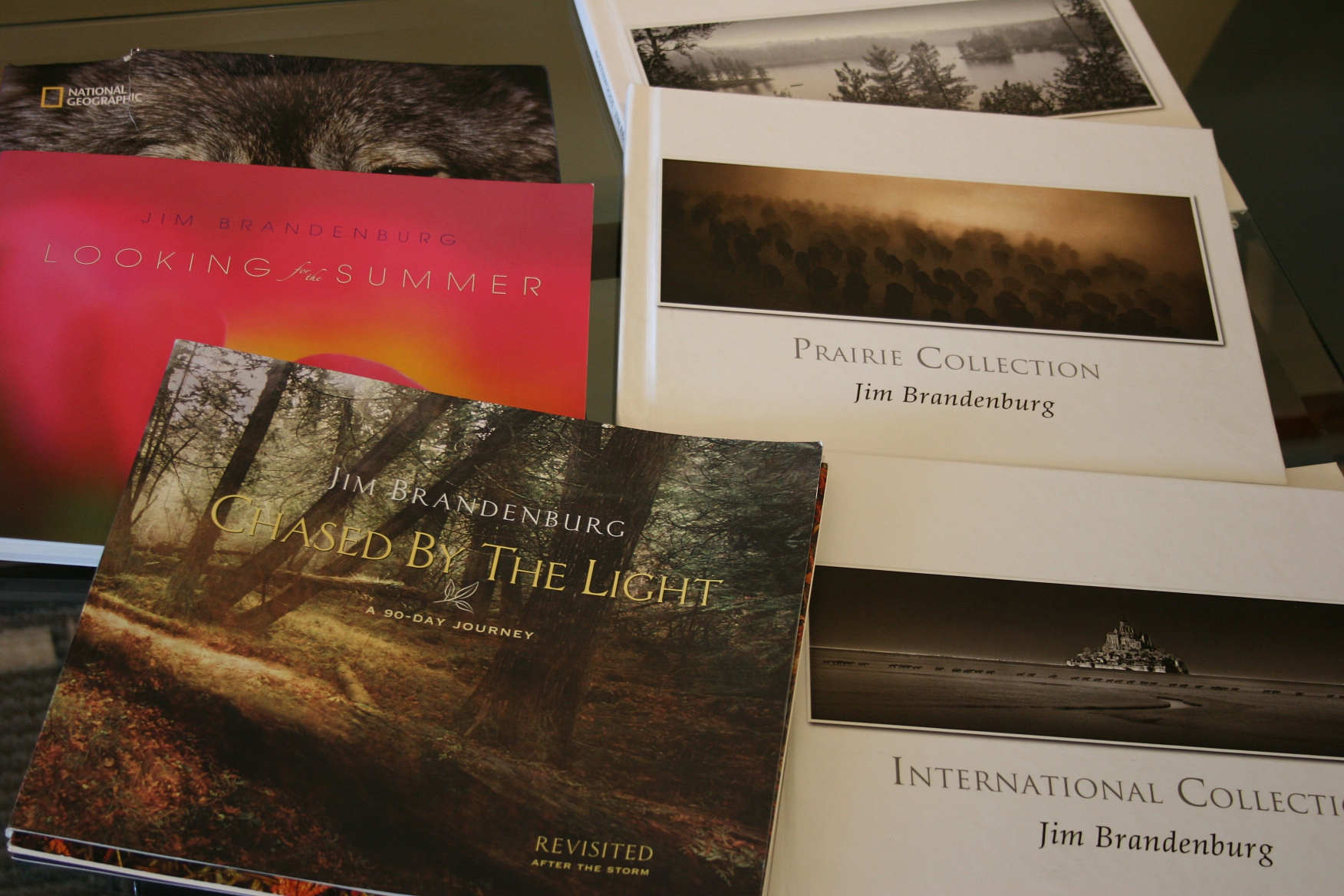
Some of Brandenburg's photo books.

Some of Brandenburg’s photo books.

For years I’ve wanted to tour this gallery in the extreme southwestern corner of my state, to view, close up, the images I’ve seen in books, plus more. I wanted to study his photos—the light, the angles, the perspective.

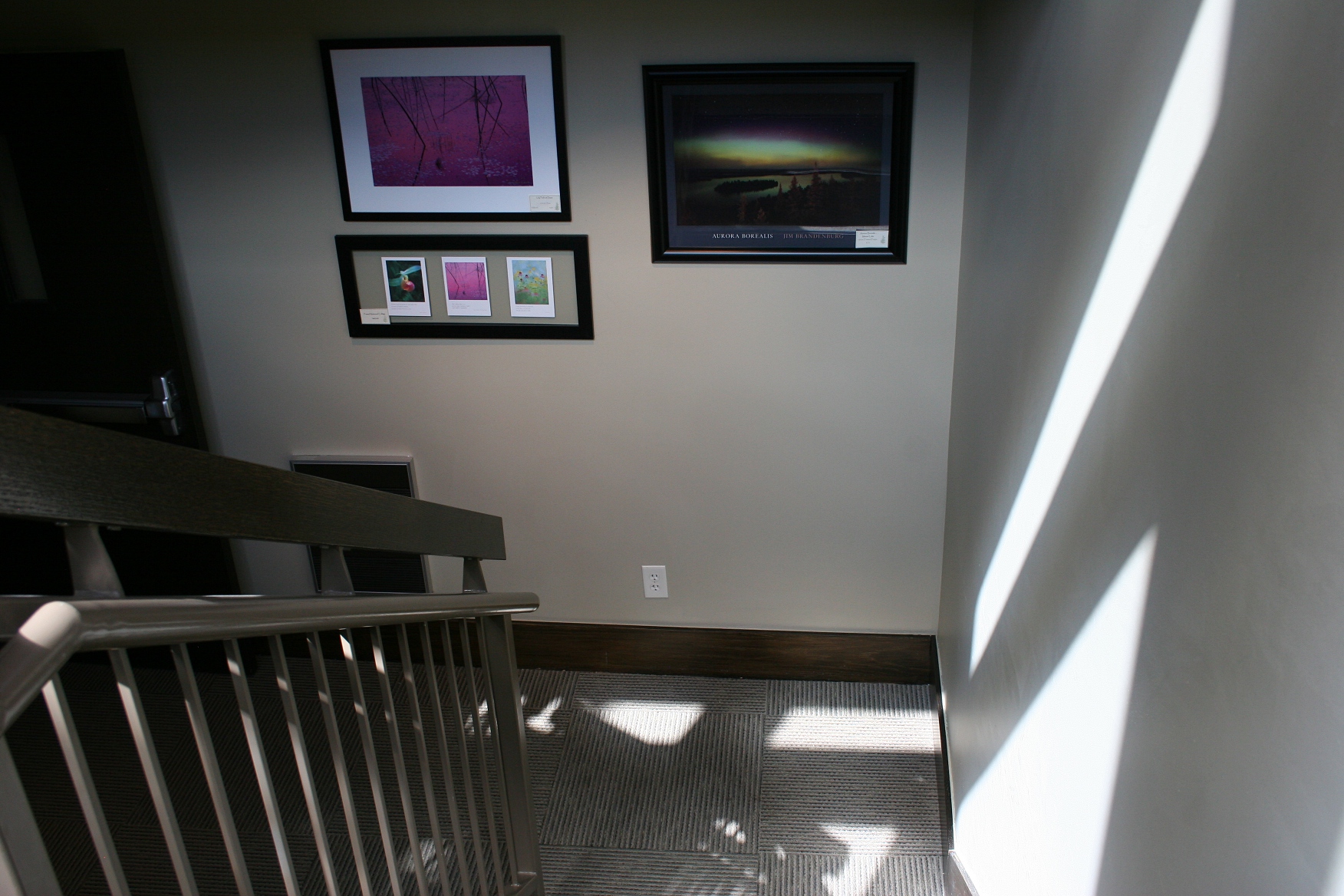
Light plays upon walls, floors and Brandenburg photos in a stairway display.

Light plays upon walls, floors and Brandenburg photos in a stairway display.

Brandenburg is known for his focus on light. Light, as all serious photographers understand, can make or break a photo. This noted photographer features some of his best “light” photos in a published collection, Chased by the Light—A 90-Day Journey. Images from that book are among those showcased in the gallery.

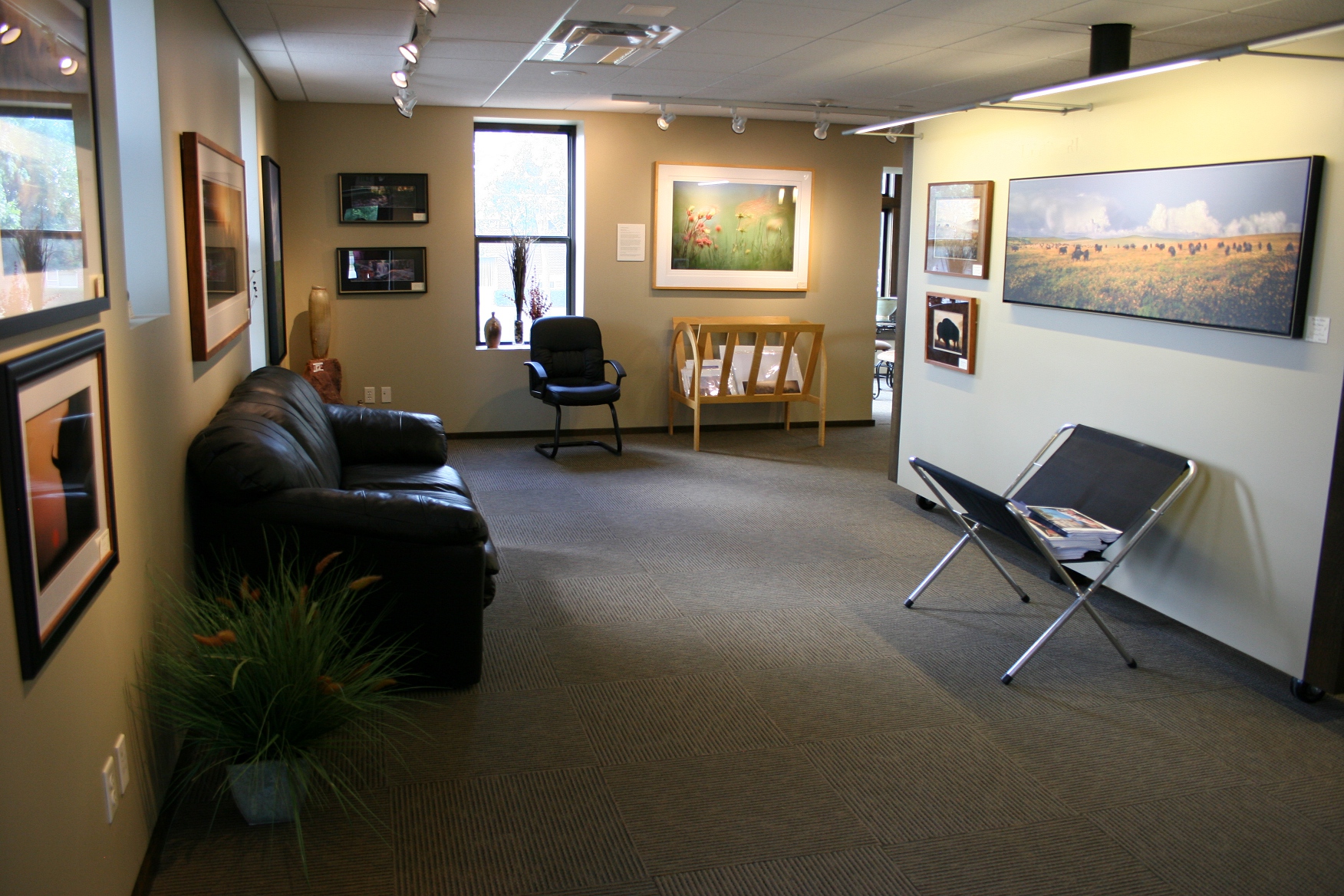
The first floor of the gallery, which doubles as the Luverne Chamber of Commerce office, is artfully and comfortably decorated.

The first floor of the gallery, which doubles as the Luverne Chamber of Commerce office, is artfully and comfortably decorated. Here are three of Brandenburg’s prairie photos. The tall grass prairie, he says, played in to his development as a photographer. He calls prairie grass magical.

Given my deep love for my native southwestern Minnesota prairie, I most appreciate Brandenburg’s prairie images, displayed on the first floor of the gallery. If you doubt that beauty exists on the prairie, you won’t after seeing these photos.

Brandenburg's published books include Brother Wolf--A Forgotten Promise.

Brandenburg’s published books include Brother Wolf–A Forgotten Promise. The photographer says he swapped a hunting rifle for a camera and never tires of capturing an animal with his camera. The red fox , not the wolf as one would expect, is his favorite animal.

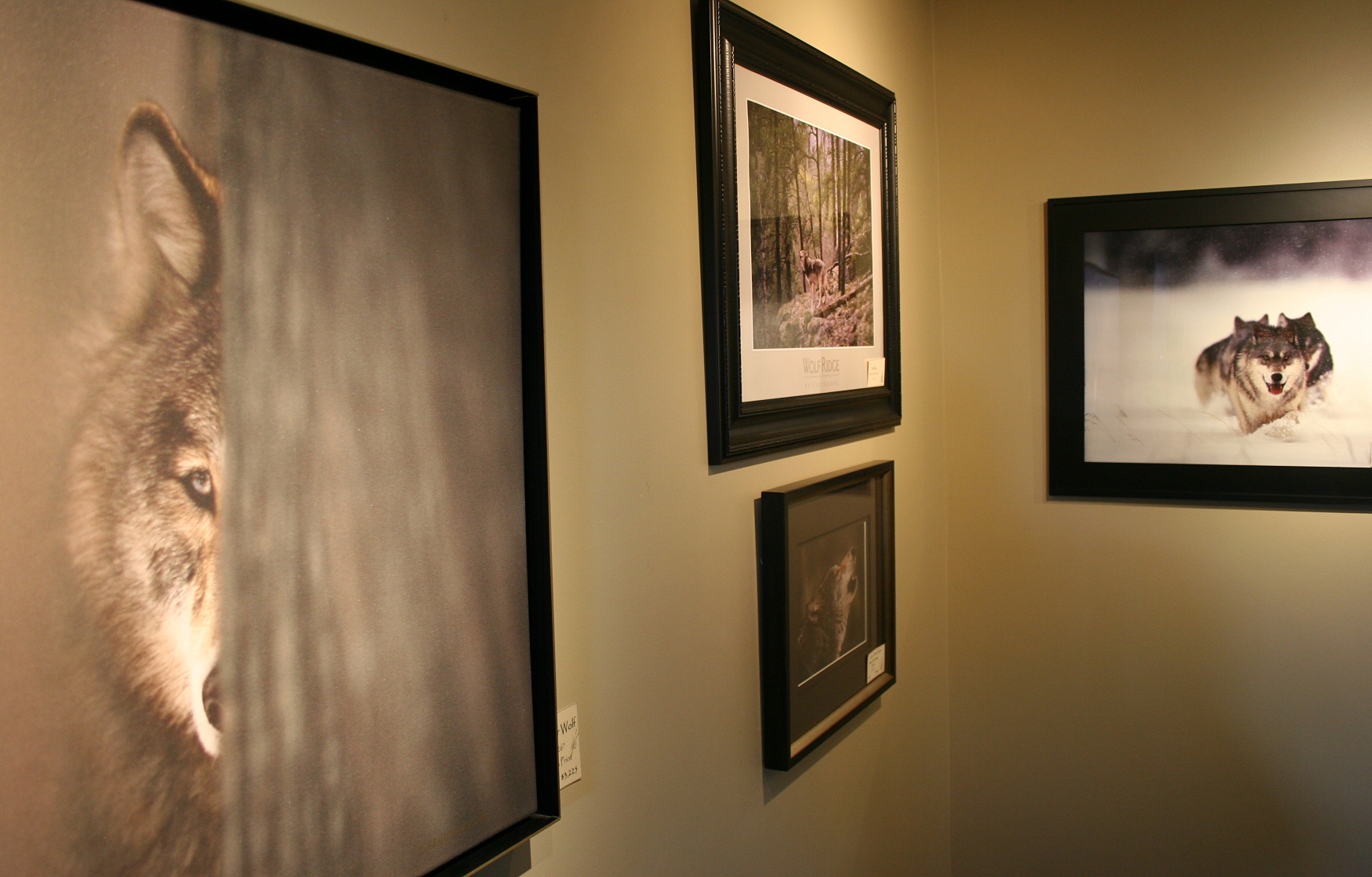
The gallery’s lower level offers a variety of images, but focuses on scenes from Minnesota’s northwoods, where Brandenburg now lives and works near Ely. Think mostly wolves.

The lower level gallery, also a conference space.

The lower level gallery, also a conference space.

After meandering through the gallery, I contemplated not only the talent Brandenburg possesses as a photographer, but his deep knowledge of the natural world and the patience required to wait for the ideal light or for an animal’s arrival. To anticipate, to react or not, to click the shutter button at the precise moment takes a certain talent. And I was graced, for an hour, to walk in the light of such incredible talent.

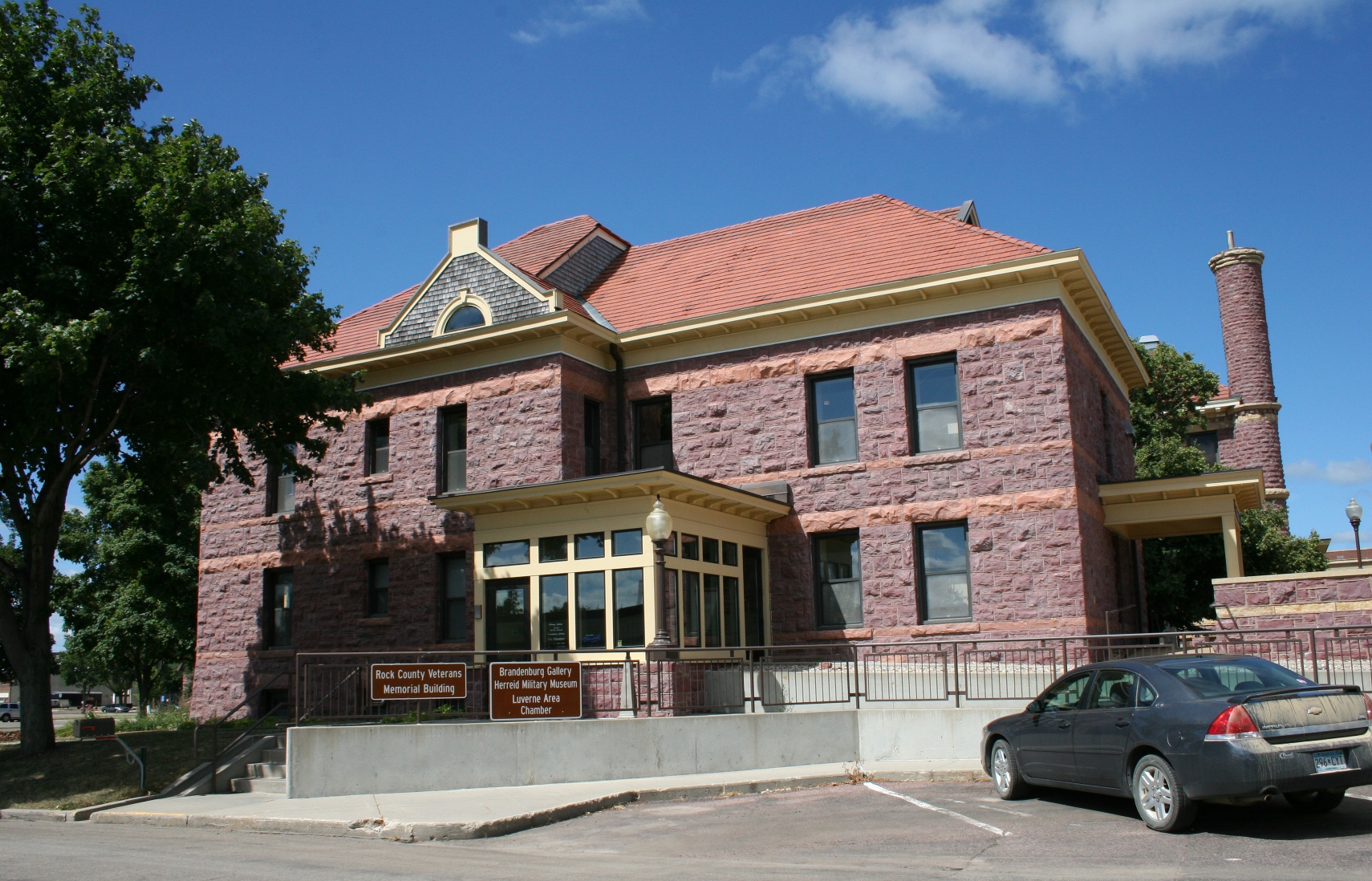
The entry to the gallery, located in the Rock County Courthouse square.

The gallery, located in the Rock County Courthouse square.

FYI: The Brandenburg Gallery, 213 East Luverne St., is open from 8 a.m – 5 p.m. Monday – Friday and from 10 a.m. – 5 p.m. Saturdays. There is no admission fee. Note that I had difficulty finding the gallery as the address does not seem to coincide with the street on which the gallery is located. When you see the courthouse, you’ve found the gallery, located right next door in the old county jail, now the Rock County Veterans Memorial Building. The building is actually along McKenzie Street.

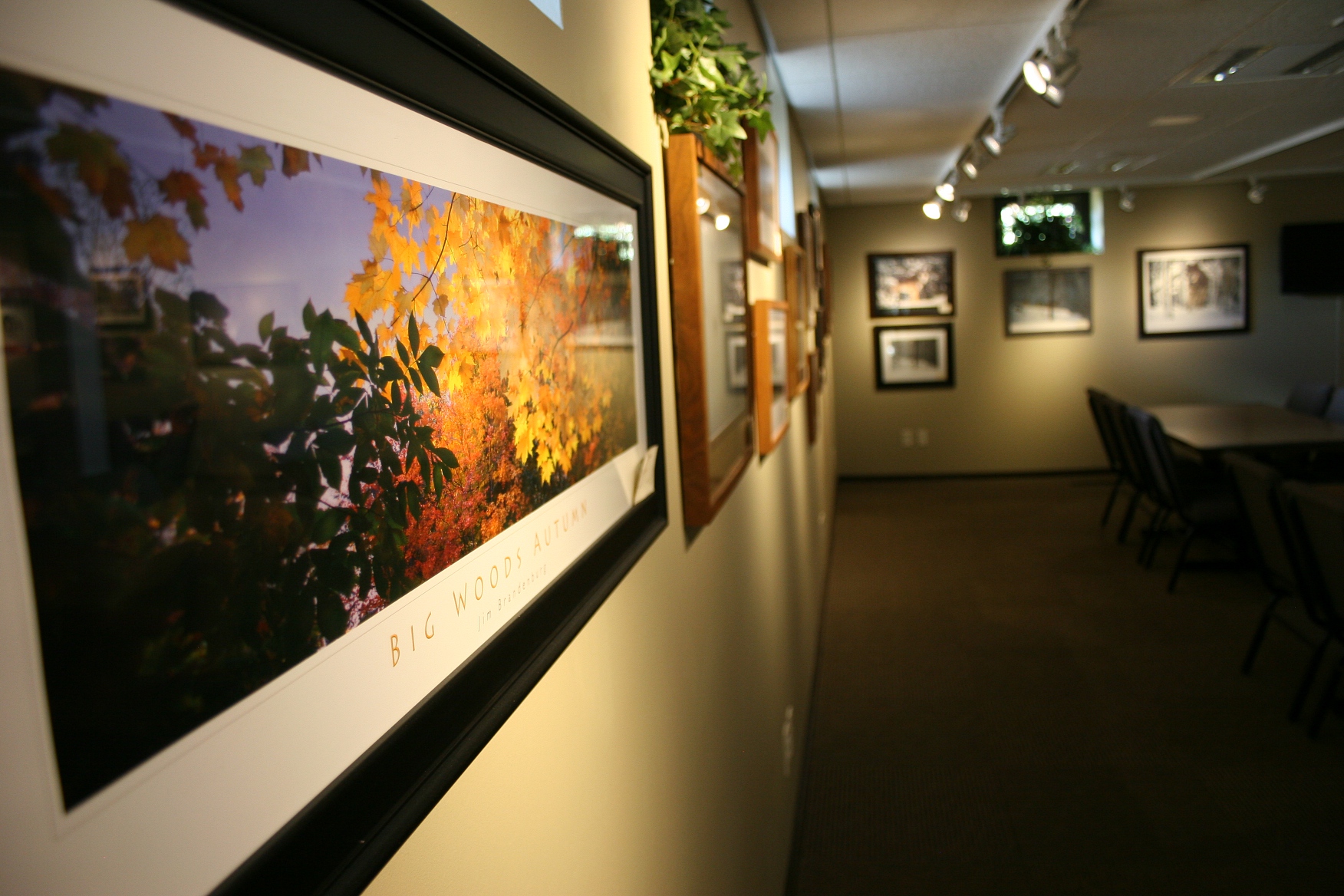
A familiar scene to me, autumn leaves photographed in the Big Woods of Minnesota, within 20 miles of my home.

A familiar scene to me, autumn leaves photographed in the Big Woods of Minnesota, within 20 miles of my home.

Also, note that I asked permission to photograph in the gallery and was given the OK to do so.

FYI: Please click here to read my first in a series of posts, on Blue Mounds State Park, from the Luverne area.

© Copyright 2013 Audrey Kletscher Helbling
 

Rugged Blue Mounds State Park on the southwestern Minnesota prairie September 17, 2013

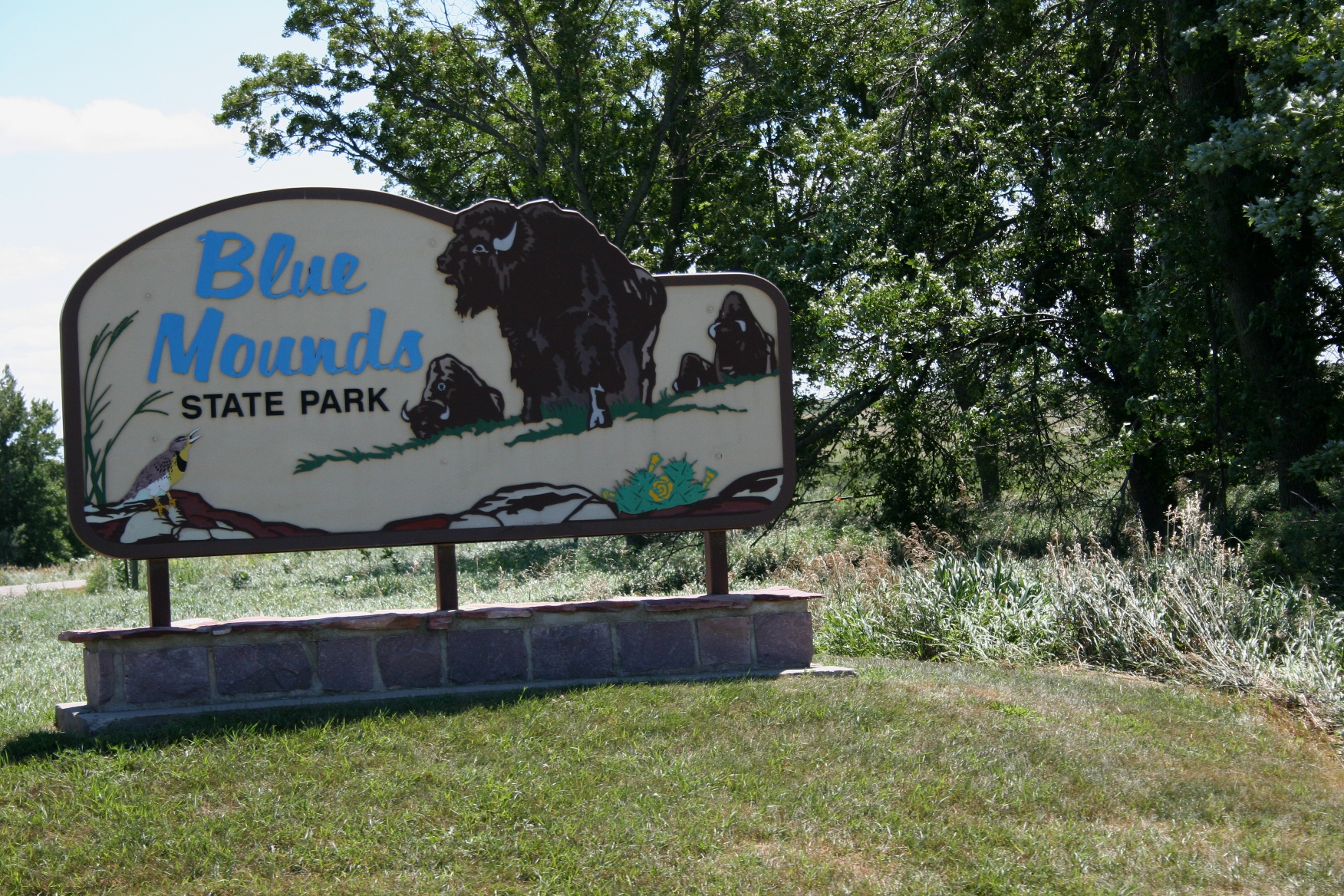
Welcoming visitors to Blue Mounds State Park in rural Rock County, Minnesota.

Welcoming visitors to Blue Mounds State Park in rural Rock County, Minnesota.

YOU WOULD THINK, considering I am a native of southwestern Minnesota, that I would have visited Blue Mounds State Park many times.

But I hadn’t, ever, and it has been on my list of must-see places for the past several years. That and the Brandenburg Gallery in Luverne, four miles to the south. That would be Jim Brandenburg, perhaps Minnesota’s best-known nature photographer. He grew up in rural Luverne, near the South Dakota border.

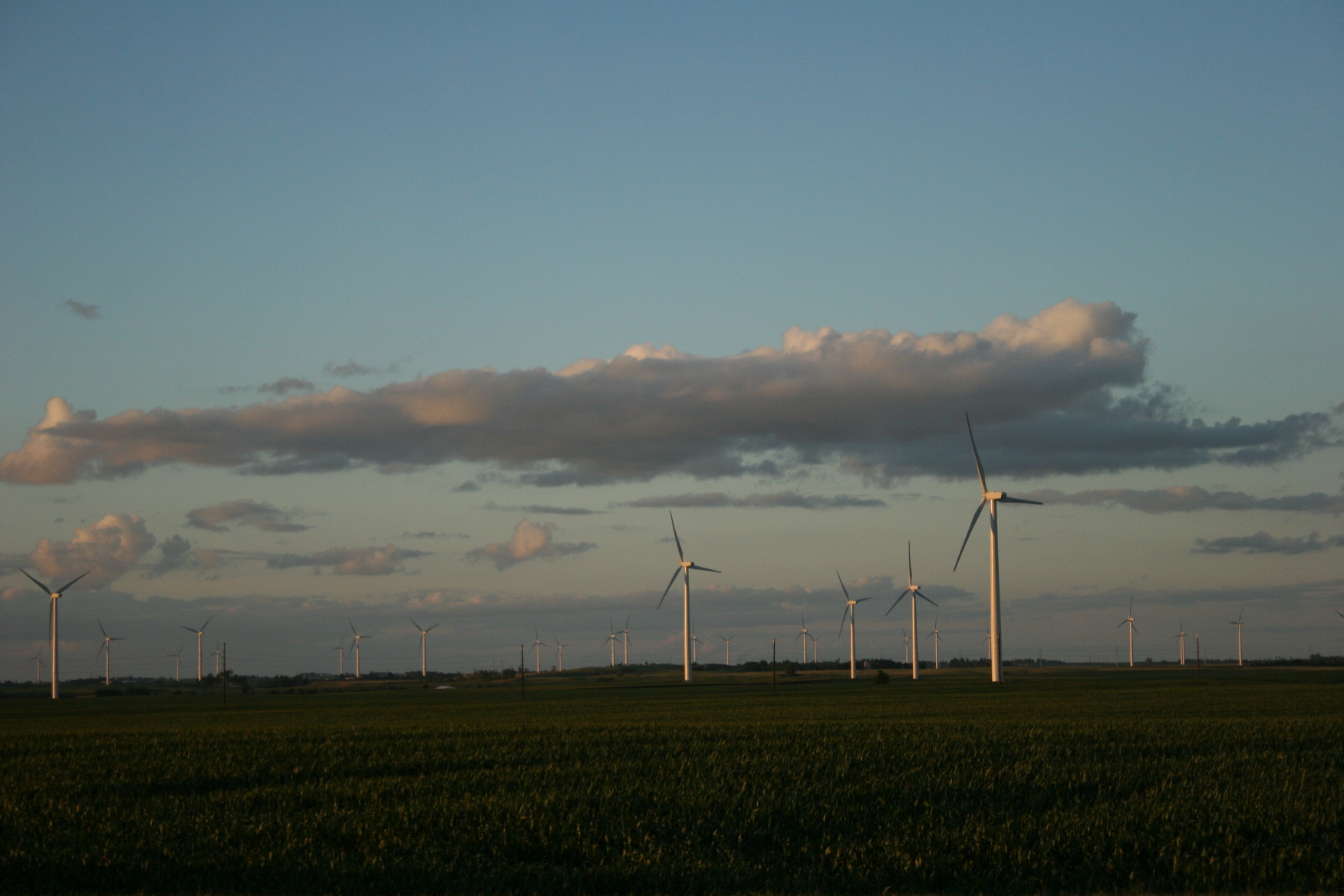
Hundreds of windmills now define this region of southwestern Minnesota.

Hundreds of windmills now define this region of southwestern Minnesota.

Recently my husband and I traveled to this corner of Minnesota specifically to see these two sites. It was well worth the long drive that took us through many small agricultural communities, past acres and acres of cropland, and past hundreds of wind turbines which define so much of the landscape in this region now. While I understand their energy value, these unnatural giants, in my opinion, have ruined the aesthetics of the prairie. I like my prairie big, open and wide, without monstrosities to detract from its natural beauty.

Beautiful natural scenery.

Beautiful natural scenery.

Thankfully, preserved and protected prairie remains in places like Blue Mounds State Park and nearby Touch the Sky Prairie and in Brandenburg’s images.

Hiking the path up and through the prairie grass.

Hiking the path up and through the prairie grass.

On the Saturday we hiked Blue Mounds, strong winds buffeted the land, bending prairie grasses as we climbed a hillside,

Mounds of flat rock naturally planted upon the prairie.

Mounds of flat rock naturally planted upon the prairie.

A close-up shot of that in-ground flat rock.

A close-up shot of that in-ground flat rock.

examined and walked upon clumps of huge rock,

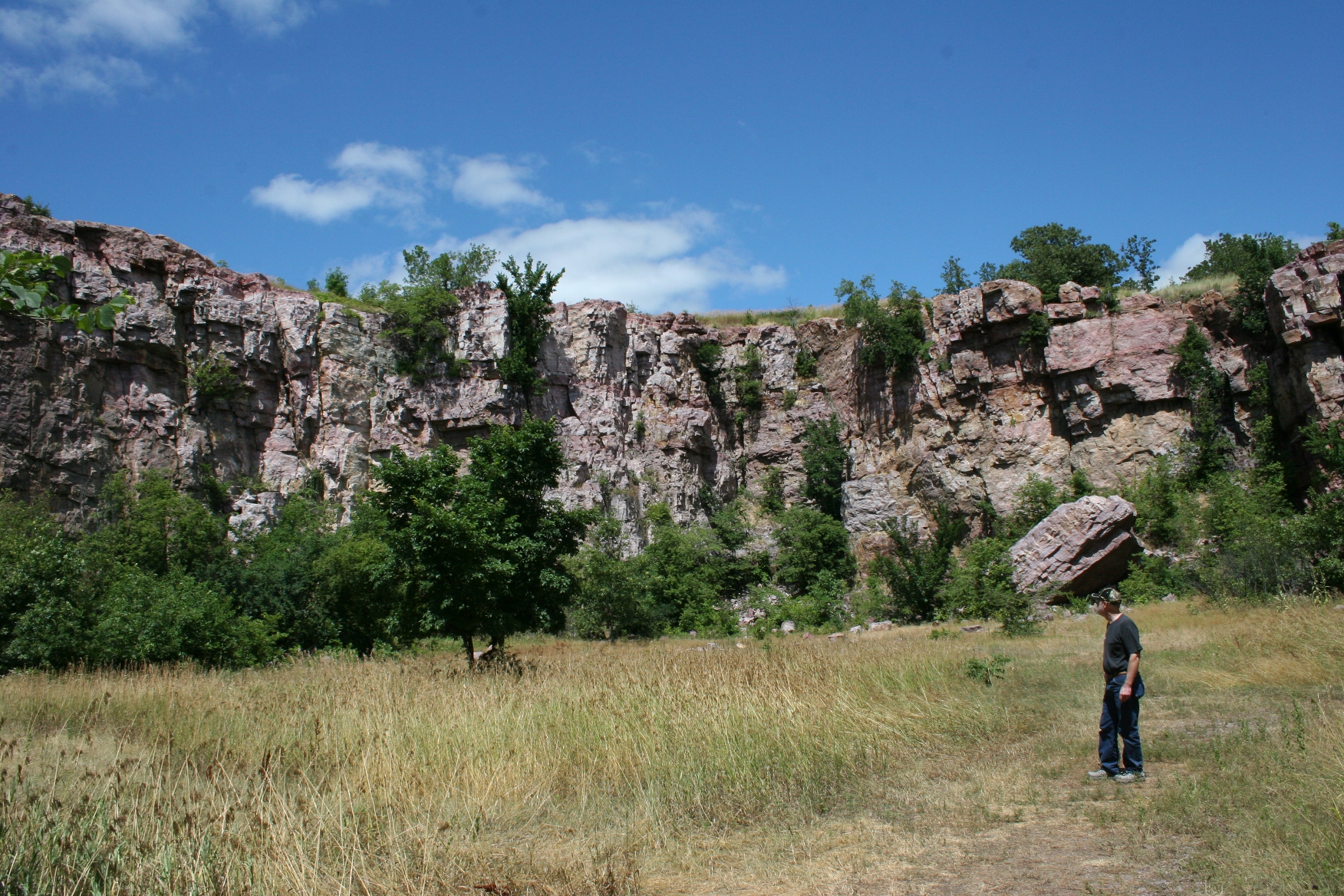
My husband inside the portion of the park where rock was once quarried.

My husband inside the portion of the park where rock was once quarried.

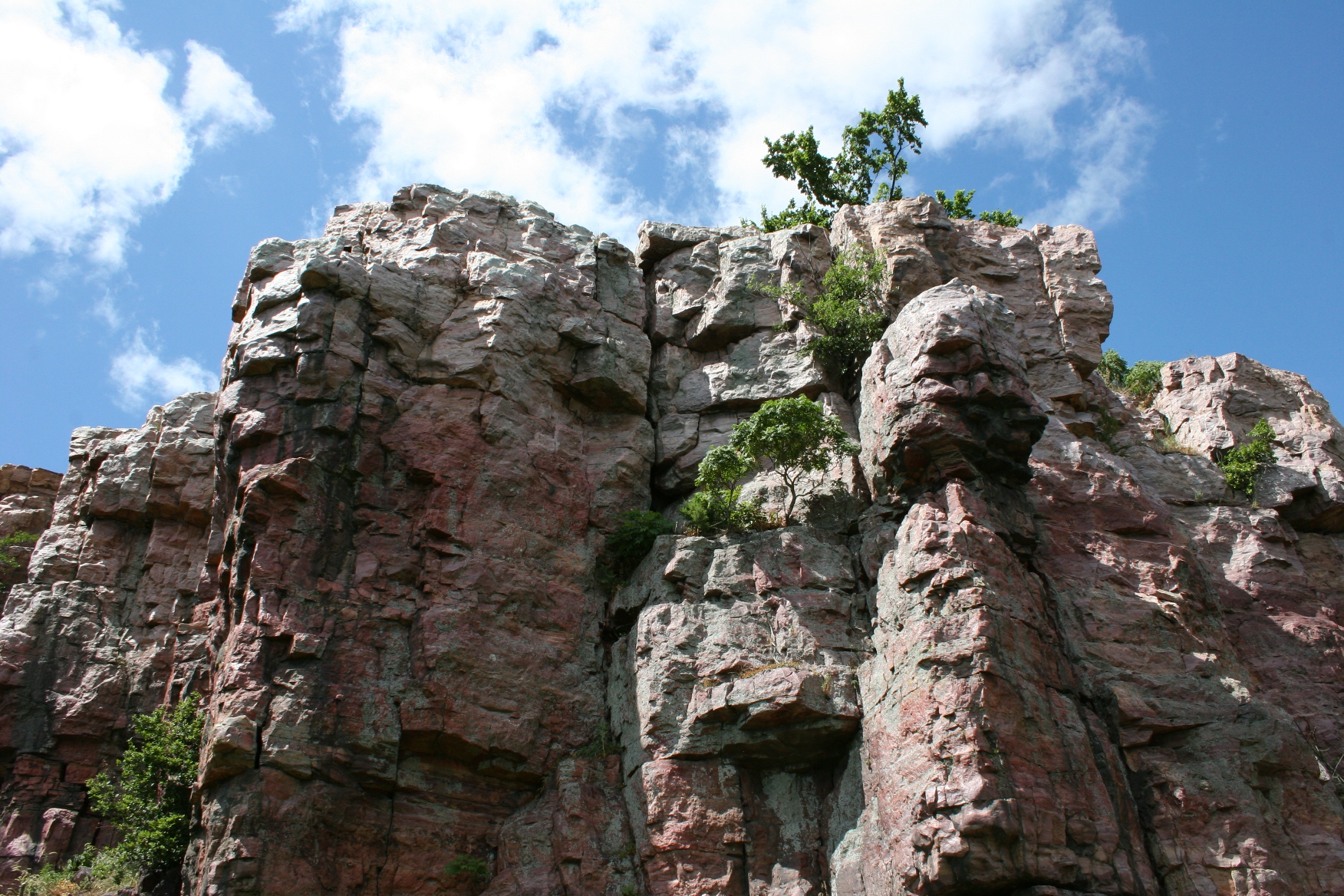
An impressive quarry wall of Sioux quartzite.

An impressive quarry wall of Sioux quartzite.

admired towering cliffs of Sioux quartzite,

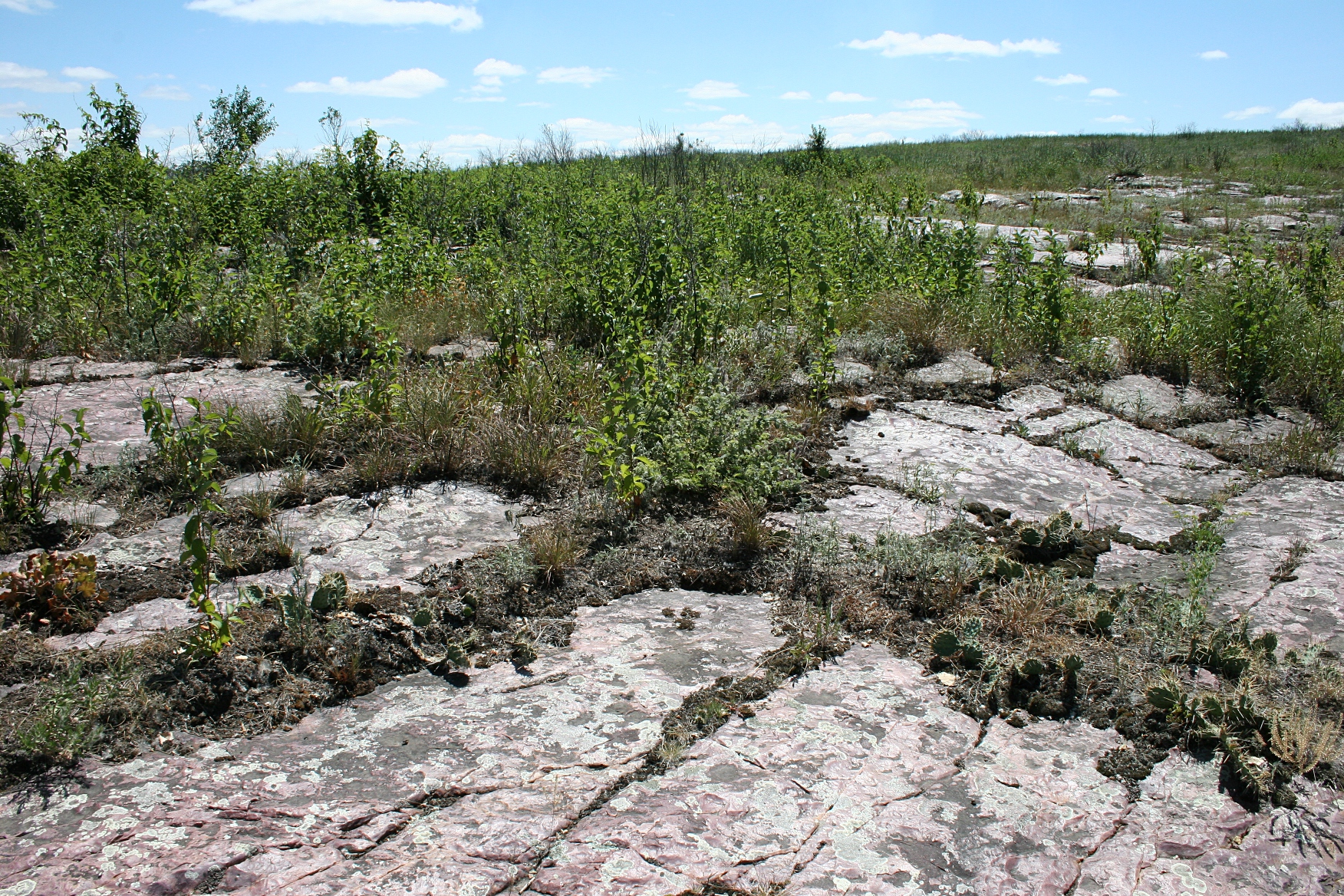
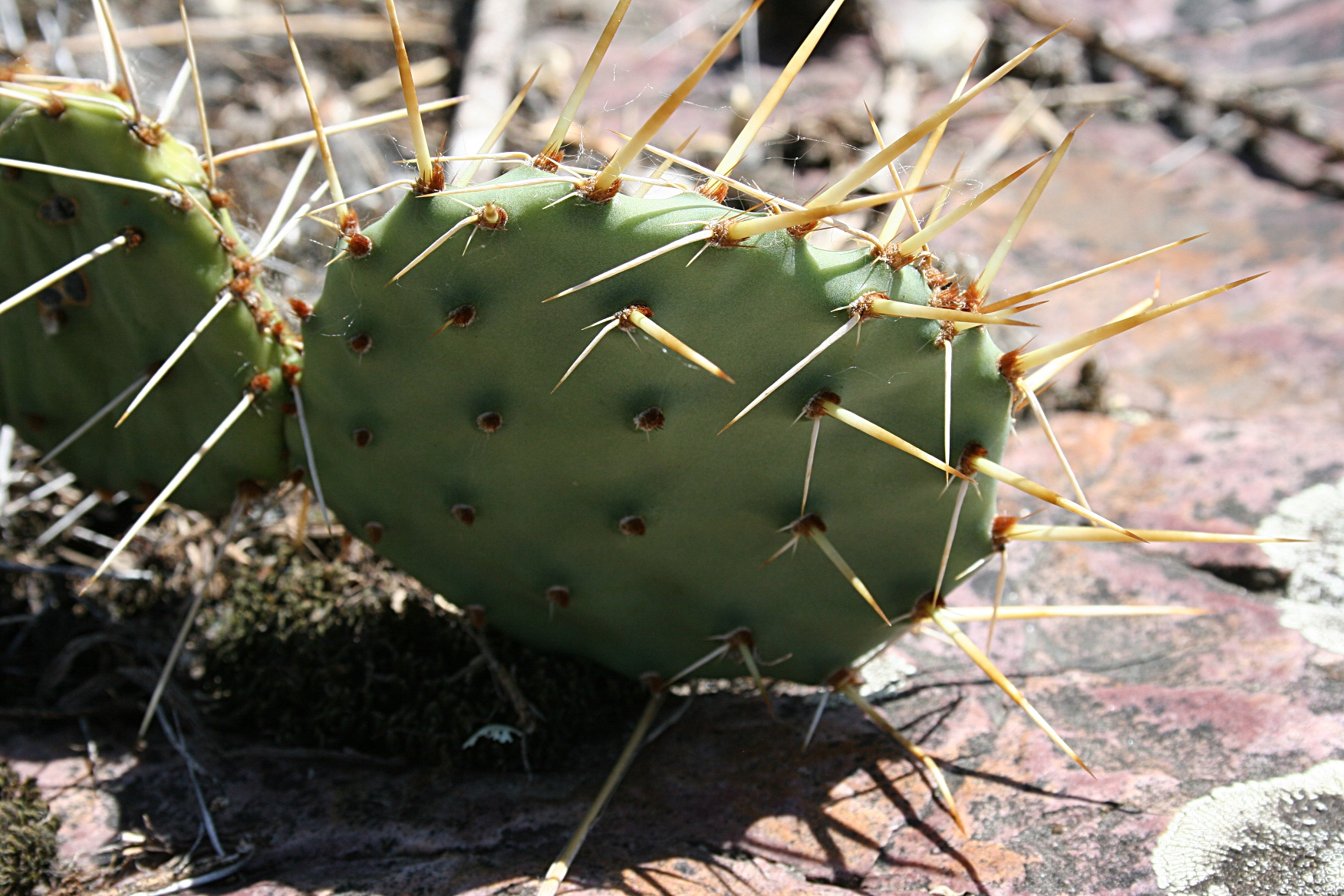
The prickly pear cactus seemingly grows right out of the rock.

The prickly pear cactus seemingly grows right out of the rock.

bent low to study the prickly pear cactus, an unexpected plant in this northern climate. In the distance, we glimpsed the park’s herd of bison.

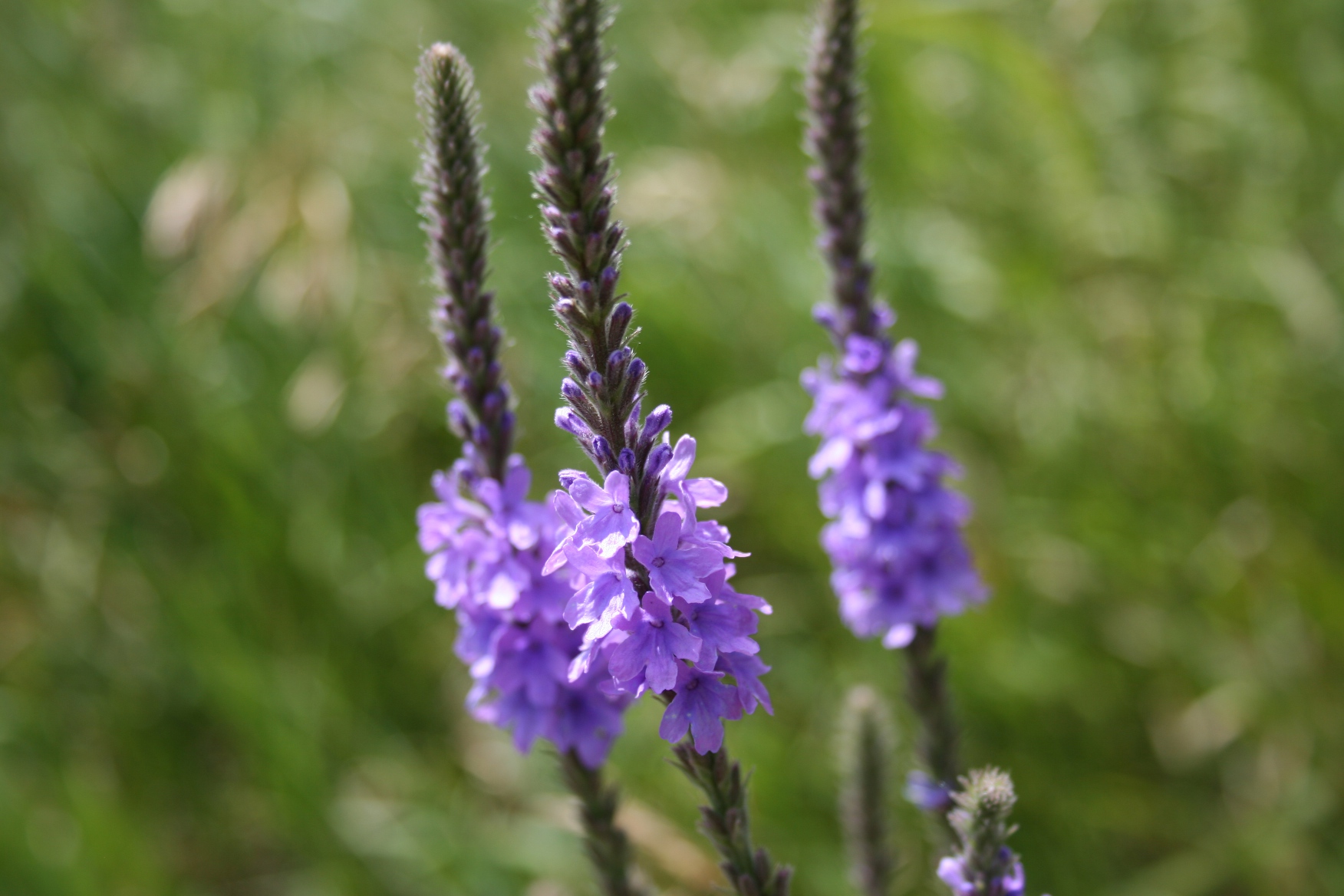
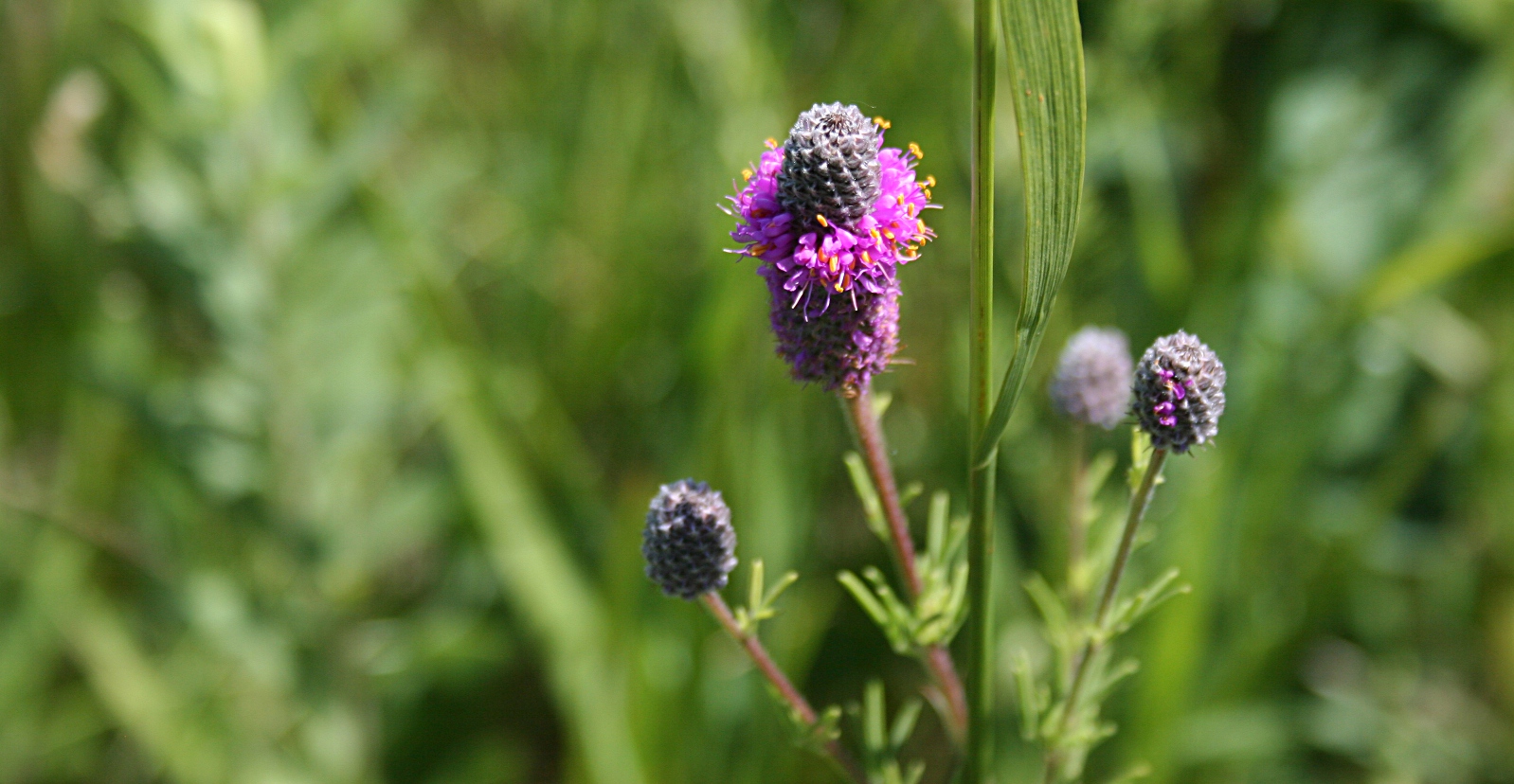
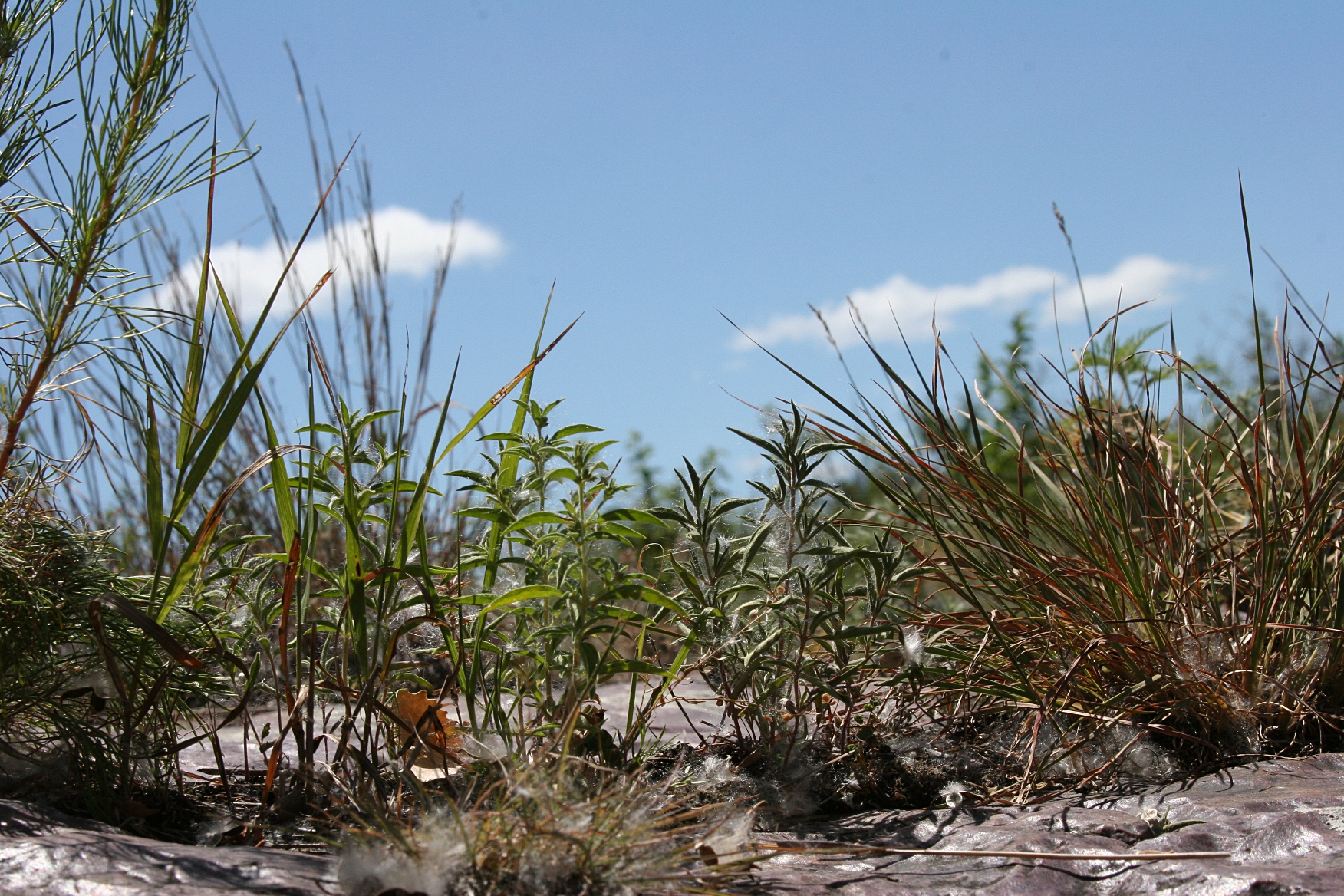
One example of the many prairie wildflowers.

One example of the many prairie wildflowers.

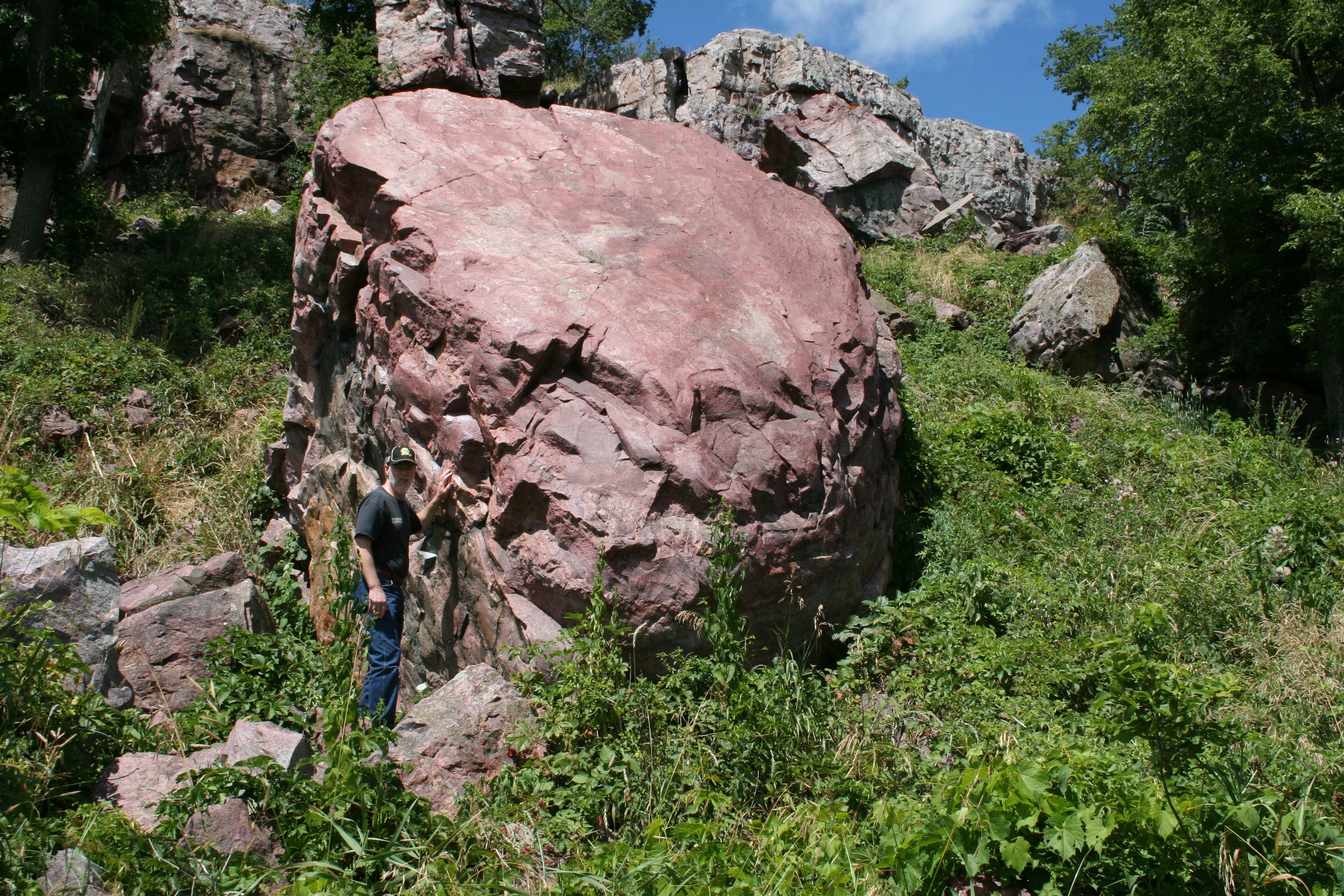
Look at the size of that Sioux quartzite rock compared to my husband.

Look at the size of that Sioux quartzite rock compared to my husband.

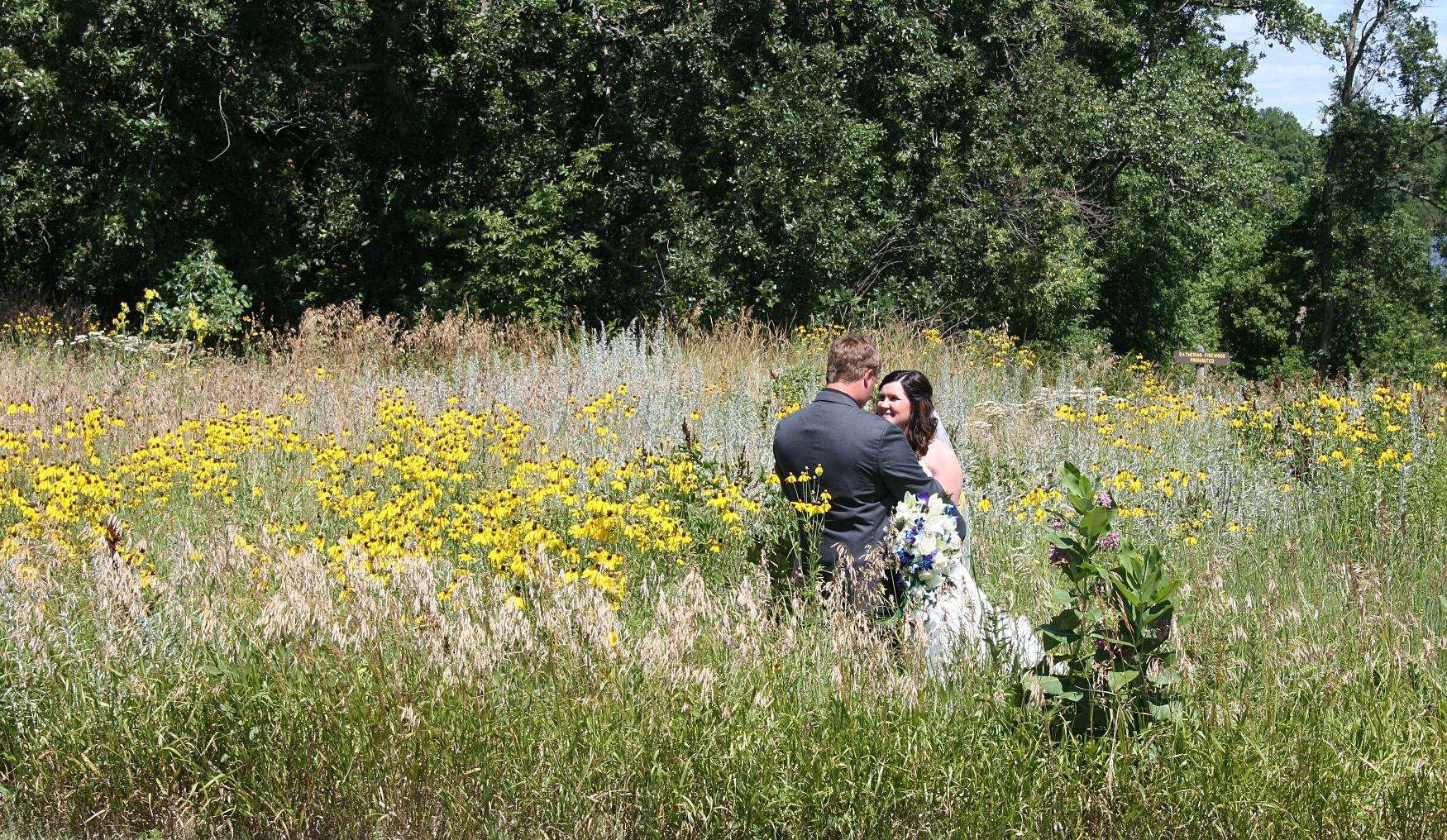
Just inside the park entry, I spotted this couple getting wedding photos taken among the prairie grasses and wildflowers.

Just inside the park entry, I spotted this couple getting wedding photos taken among the prairie grasses and wildflowers.

I stopped more often than not to photograph wildflowers and the prairie grass and rocks and the overall scenery in this stunning spot on the prairie, unlike any I’ve ever viewed in Minnesota.

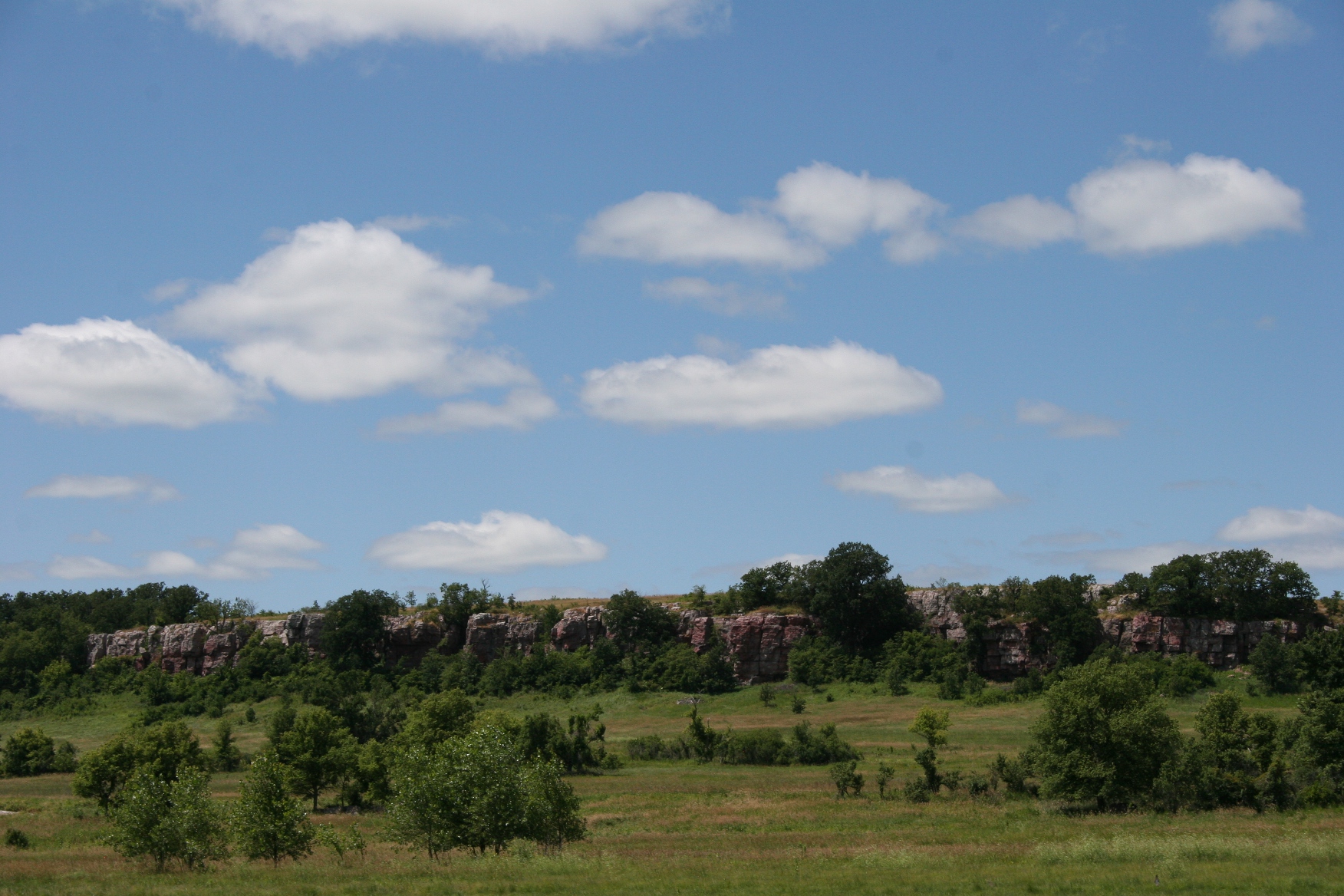
From a gravel road that loops past the park, I photographed this rugged rock line.

From a gravel road that loops past the park, I photographed this rugged rock line.

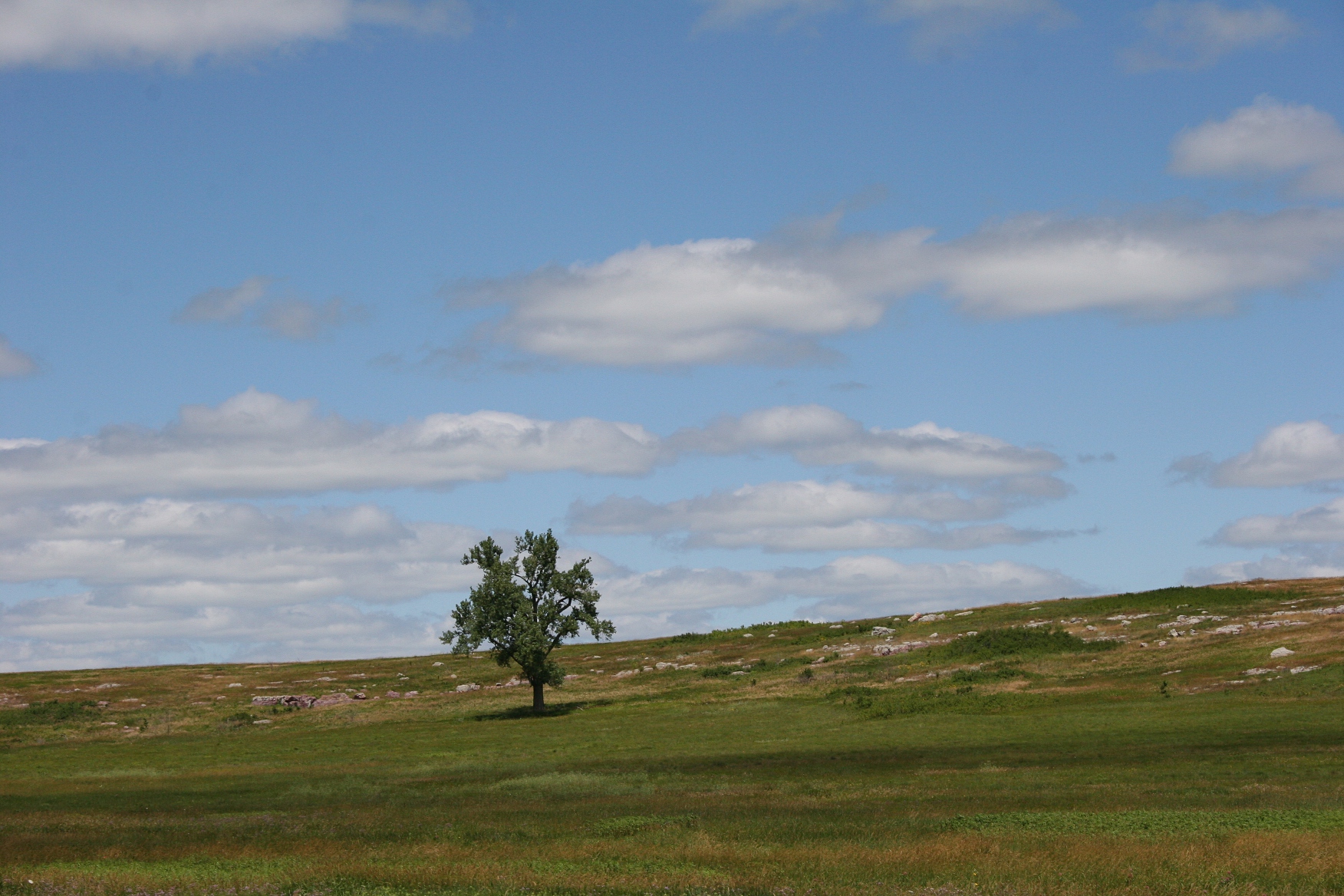
This prairie differs from the flat, cropped agricultural prairie of my youth. This prairie rolls and rises and meets the sky and feels wild and rugged and untamed. I almost expected to see horses galloping across the land, like a scene out of a western. It has that feel.

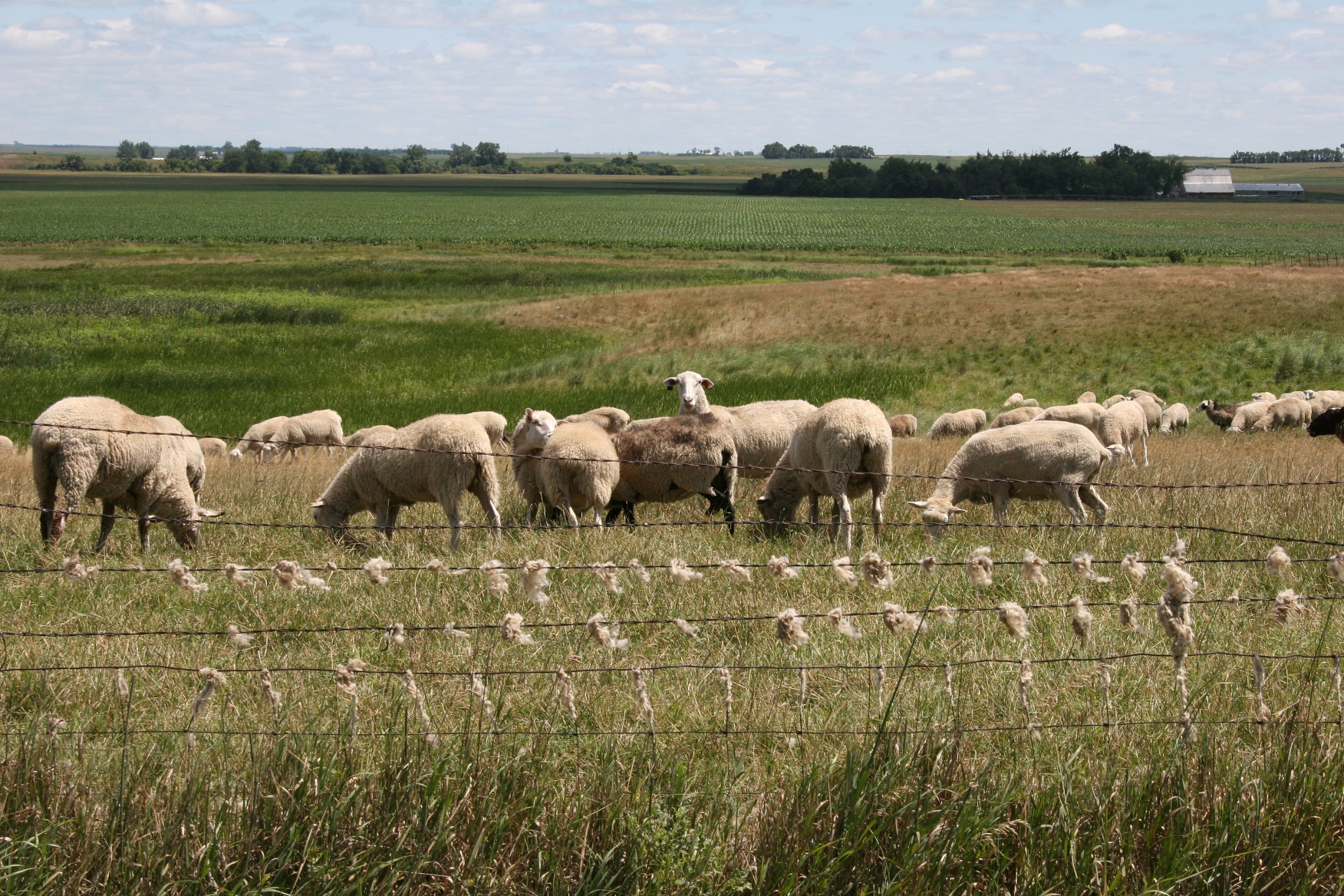
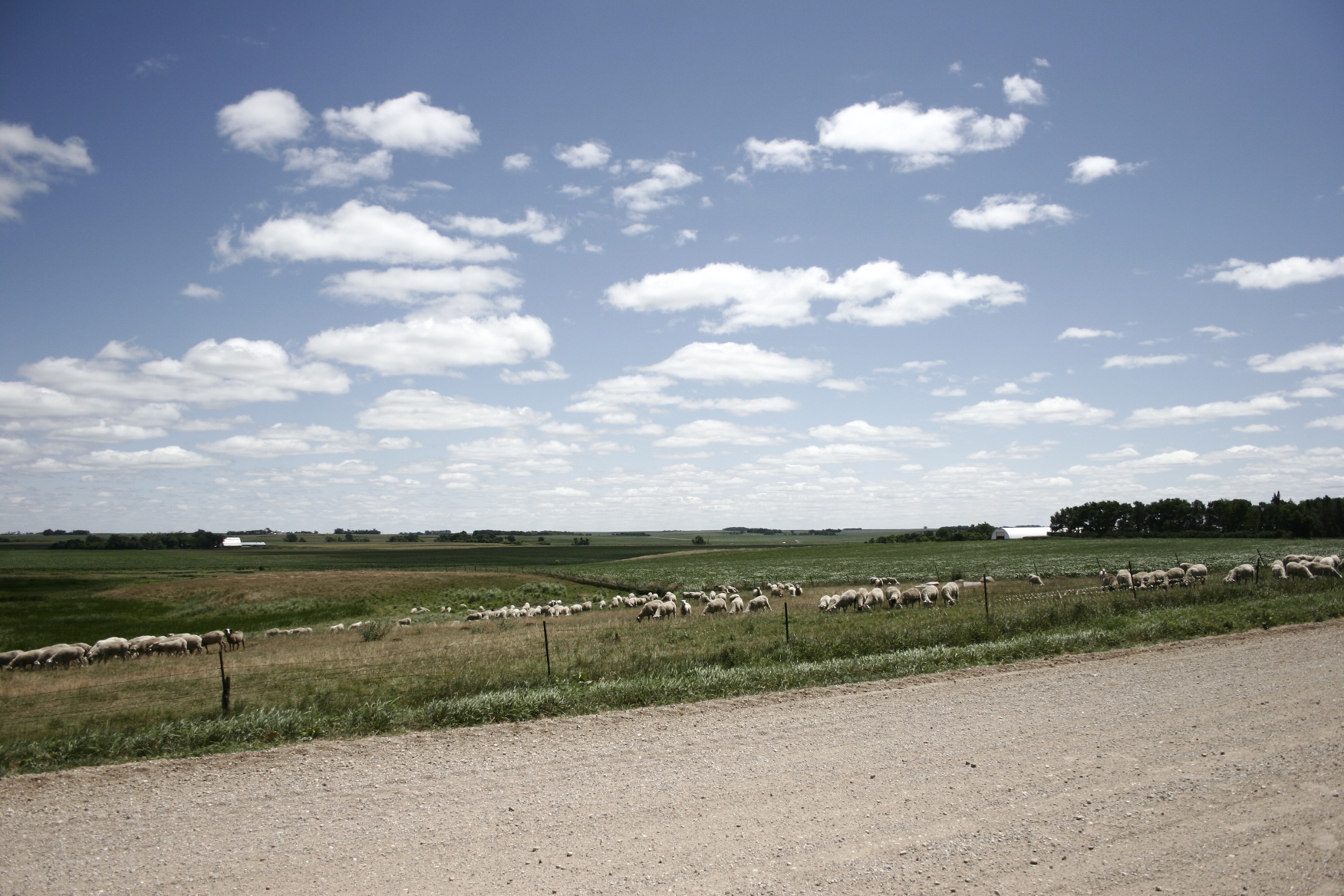
Pasture land near the park for these grazing sheep. Note their wool clinging to the fence.

Pasture land near the park for these grazing sheep. Note the tufts of wool clinging to the fence.

I observed sheep and cattle grazing in an abundance of rocky pastures nestled between corn and soybean fields. And from the hilltops, the land seemed to stretch in to forever in all directions.

BONUS PHOTOS:

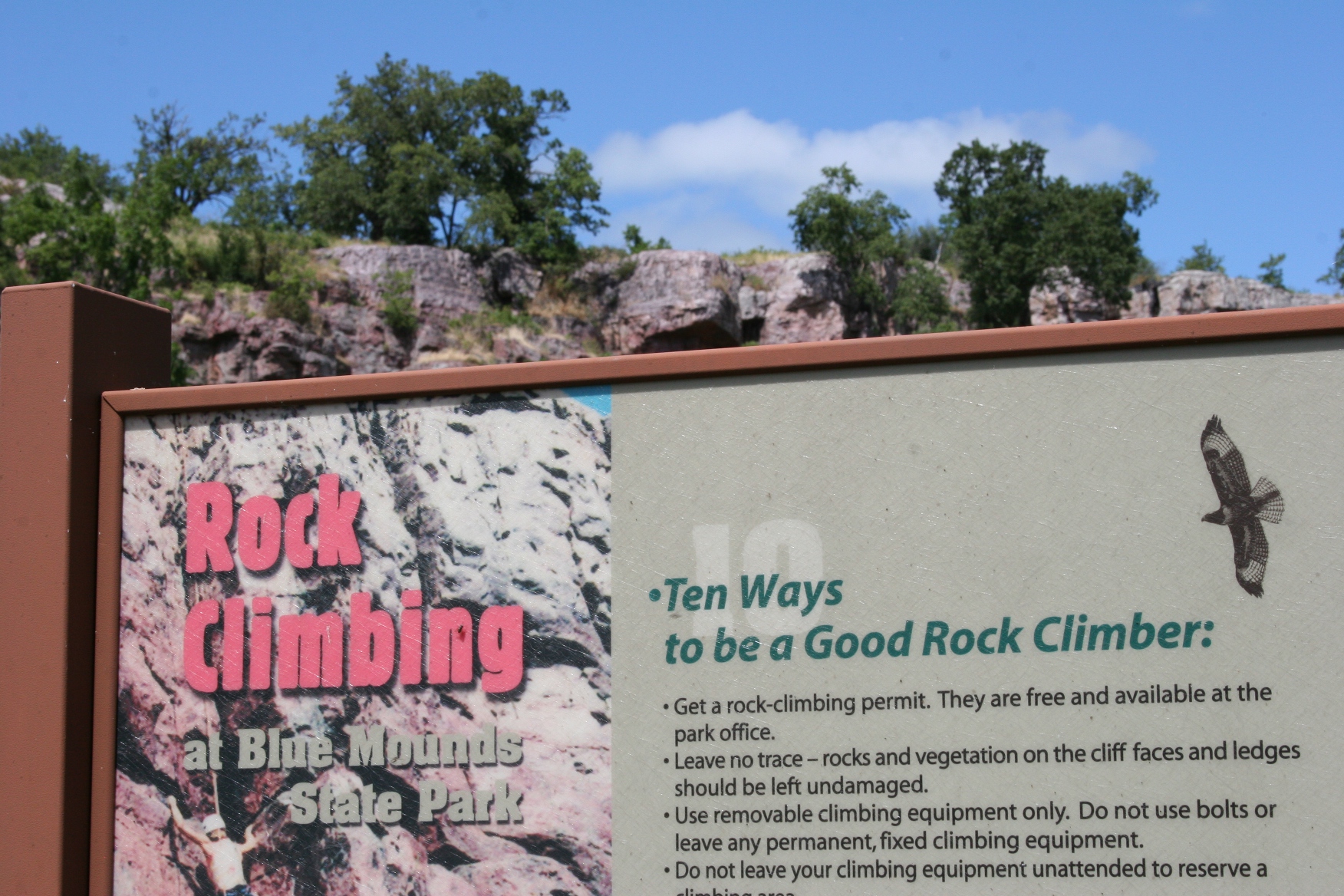
No rock climbing for us, but if you're a rock climber, Blue Mounds allows this sport.

No rock climbing for us, but if you’re a rock climber, Blue Mounds allows this sport.

Photographing wildflowers is more my type of "sport."

Photographing wildflowers is more my type of “sport.” That proved a challenge in the wind.

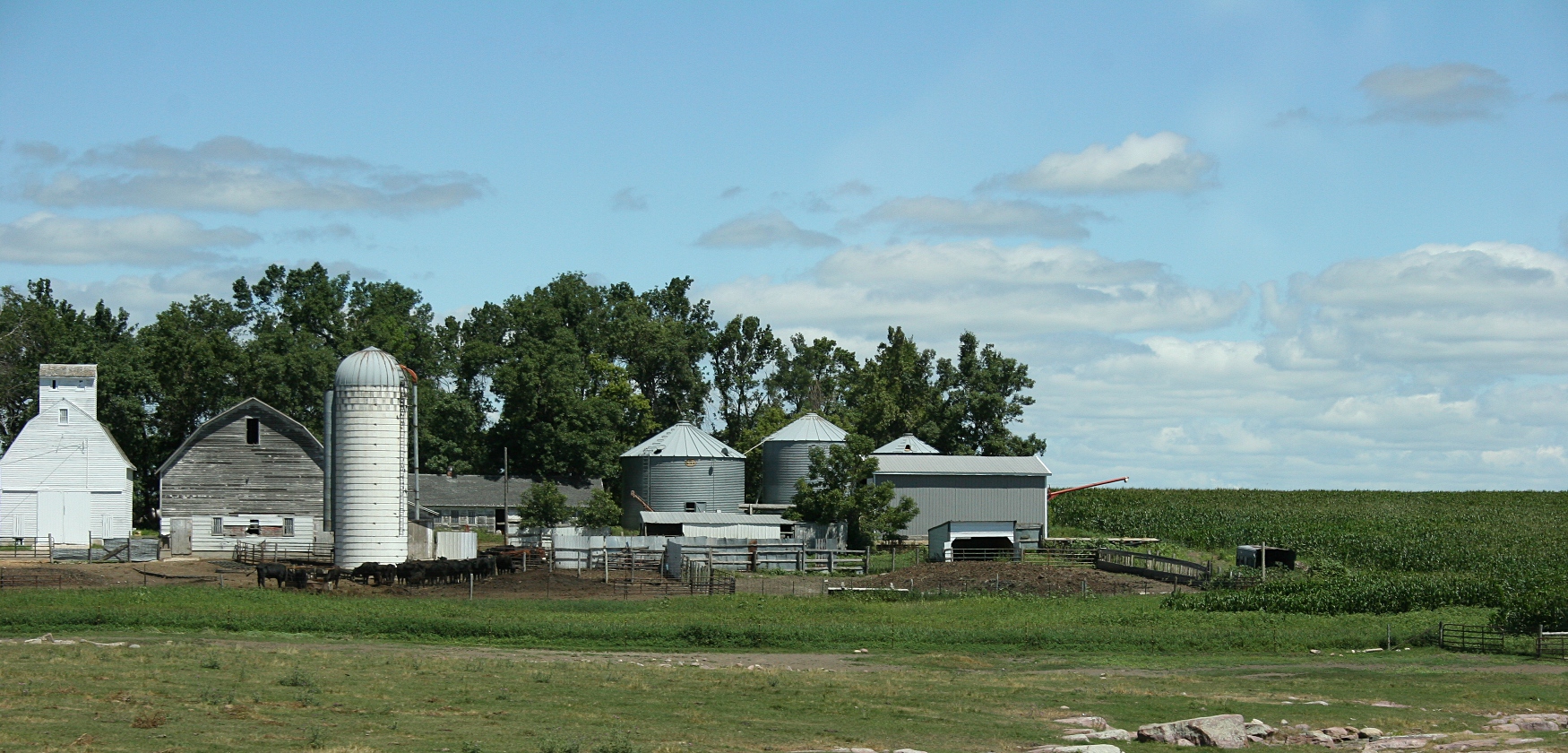
Farms like this border Blue Mounds State Park.

Farms like this border Blue Mounds State Park.

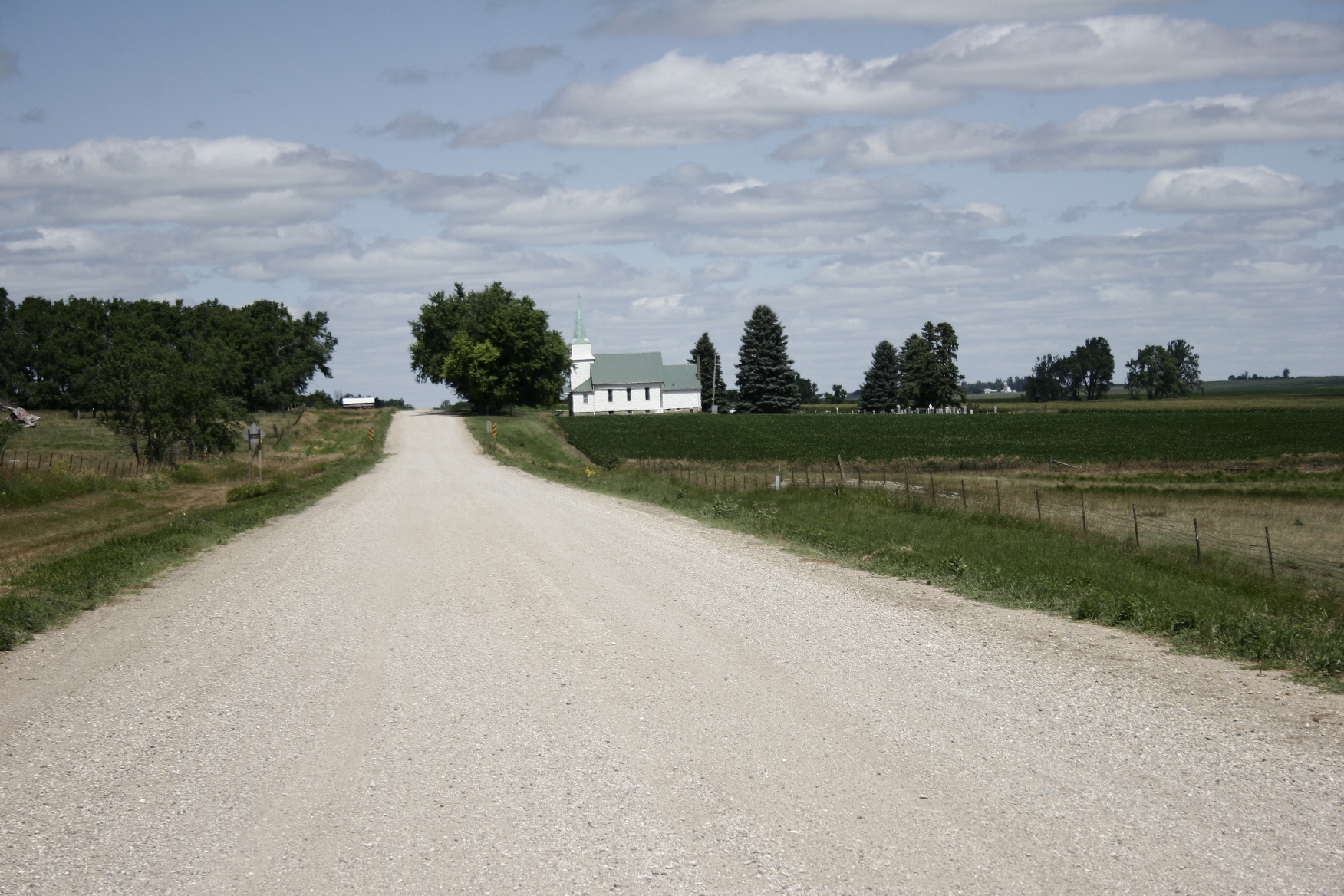
We followed this gravel road around the park and past a country church in the distance.

We followed this gravel road around the park and past a country church in the distance.

Sheep graze in a pasture near the country church.

Sheep graze in a pasture near the country church.

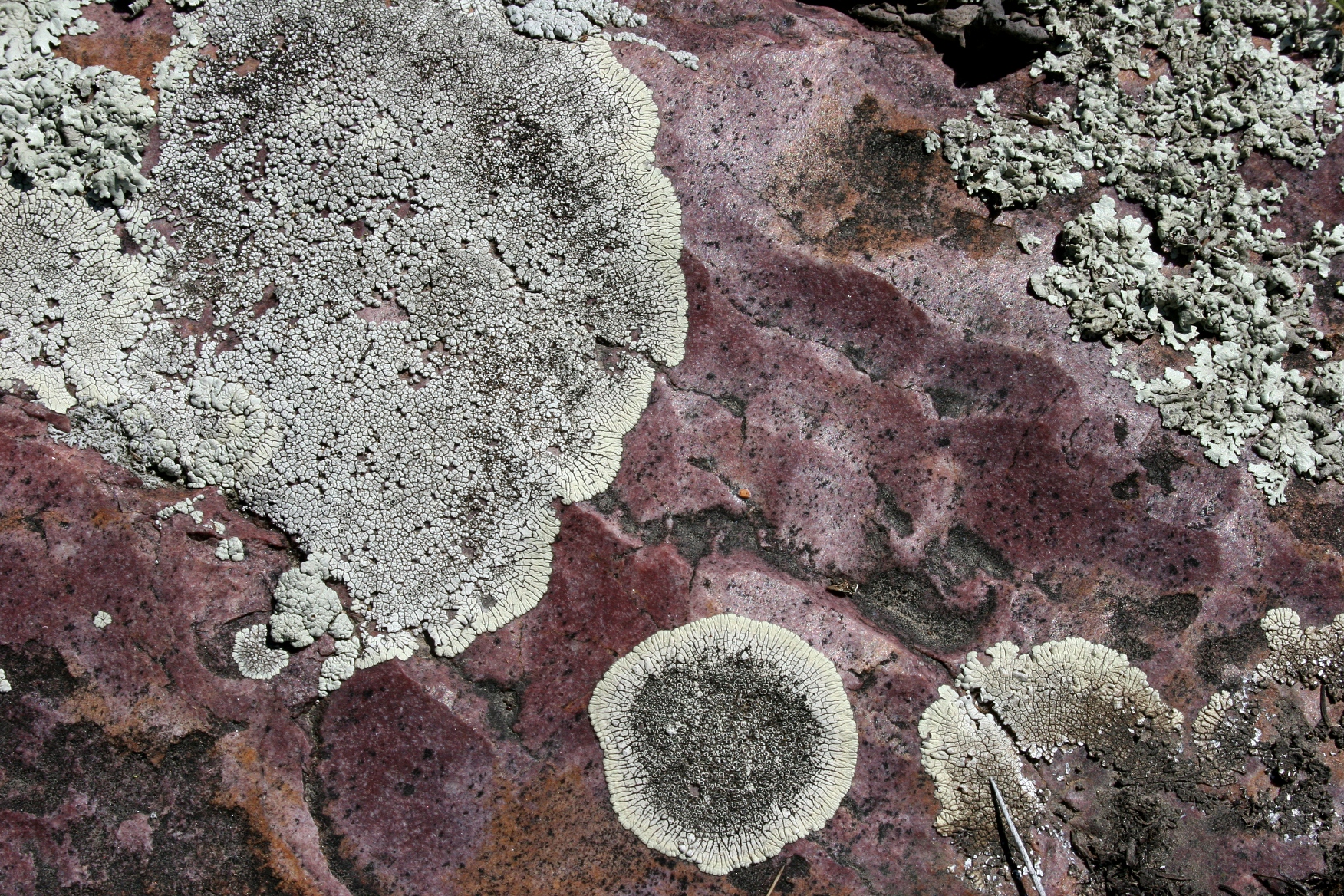
And because I value detail, I set my camera on the prairie and took this shot.

And because I value detail, I set my camera on a rock on the prairie and took this shot.

CHECK BACK for more posts from this region of Minnesota. I’ll take you into Luverne to view the Brandenburg Gallery and other points of interest.

© Copyright 2013 Audrey Kletscher Helbling
 

You know you’re in rural Minnesota when… September 16, 2013

Filed under: Uncategorized — Audrey Kletscher Helbling @ 6:00 AM
Tags: , , , , ,

…you pull into your hotel parking lot and park your vehicle across the chain length fence from a row of Demco gravity flow wagons.

Luverne, Minnesota's newest hotel, the GrandStay, 908 South Kniss Avenue.

Luverne, Minnesota’s newest hotel, the GrandStay, 908 South Kniss Avenue.

Join me this week for a series of stories from Luverne, a farming community located in the extreme southwestern corner of Minnesota, right next to South Dakota and Iowa. It’s a community worth visiting, as I will show you via photos and words.

Copyright 2013 Audrey Kletscher Helbling


Forever rooted to rural Minnesota September 13, 2013

Rural, barn and bins

RURAL MINNESOTA LONG AGO claimed my heart. It is the place where I grew up, the land I love, the connection to earth and sky and elements that, despite more than three decades of living in town, has never vanished.

Rural, roof collapsing

I’m rooted to the land and I find myself often longing to turn onto the gravel driveway, to swing open the creaky barn door, to follow the corn rows.

Rural, barn with windmill

I ache for the days when I lived on the farm. Sunset and sunrise unbroken by buildings. Wind rustling. The heady scent of freshly-mown alfalfa. The rich earthy smell of the land at planting time and harvest. Wagons brimming with corn. Quiet. Stars studding the blackness.

Rural, barn quilt

Today I still claim rural Minnesota—in my memory, through the lens of my camera, in the words I write. And that is my solace, the road I follow back home.

FYI: These edited photos were taken earlier this summer in the Vernon Center/Amboy/Truman area of southern Minnesota.

© Copyright 2013 Audrey Kletscher Helbling
 

In Owatonna: Celebrating the old-fashioned shoe store September 10, 2013

I CAN STILL FEEL the taut cotton string snugged around the shoebox, knotted and clamping the lid in place, the smell of polish and leather locked inside.

I can taste, too, the sugary sweetness of the sucker tied to the shoebox, a treat for any child getting a new pair of shoes.

A back-to-school display at Owatonna Shoe.

A back-to-school display at Owatonna Shoe.

Leather and lollipops are as much a part of my childhood back-to-school memories as a Big Chief tablet and boxes of sharp-tipped Crayola crayons and lace-edged anklets.

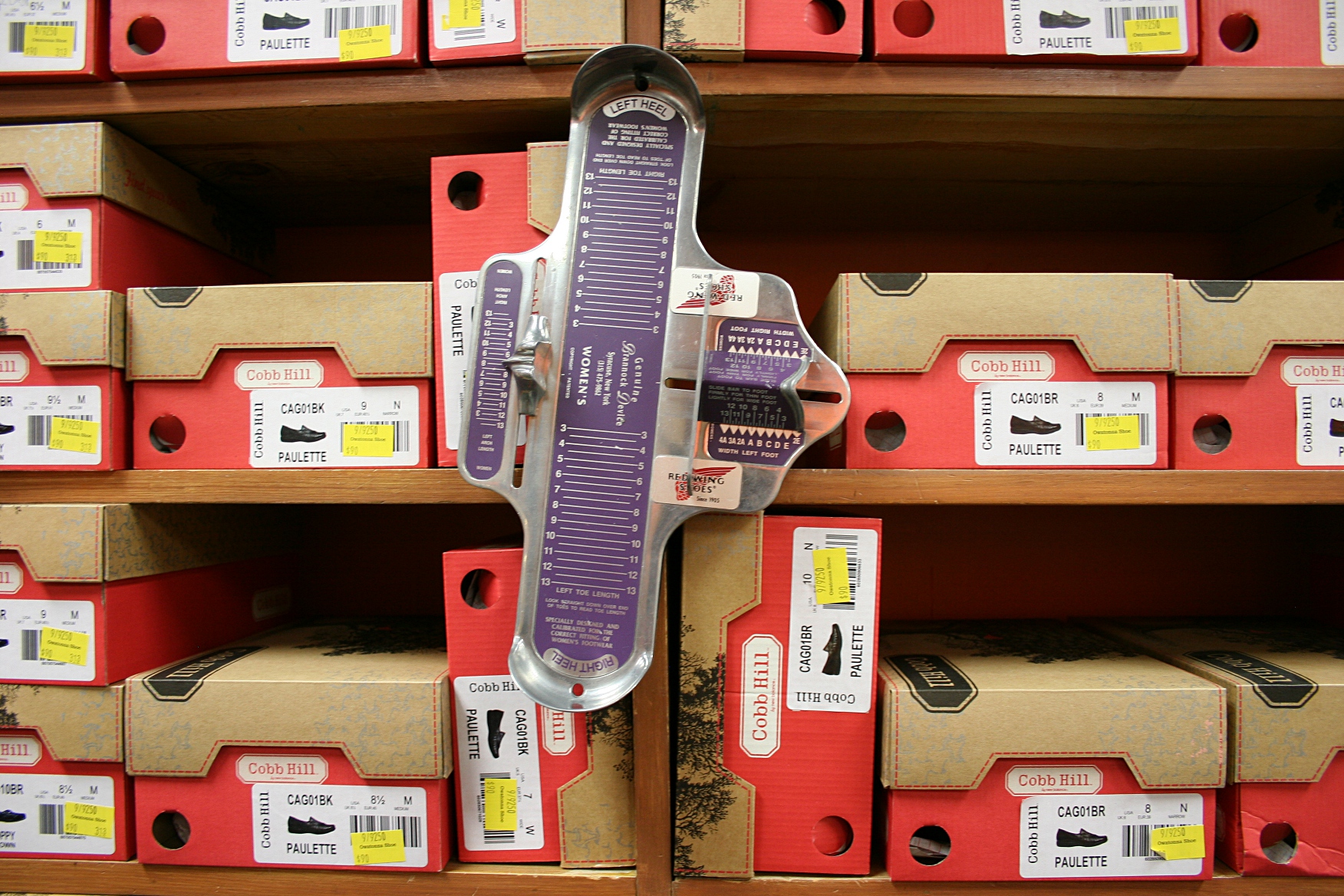
They'll measure your feet at Owatonna Shoe.

They’ll measure your feet at Owatonna Shoe.

Back in the day, there were stores that sold just shoes or retailers like Montgomery Wards which featured sizable shoe departments with full customer service. Employees measured your feet then disappeared behind a cloth-covered doorway only to return with stacked boxes of shoes.

A clerk retrieves a box of shoes for a customer.

A clerk carries a box of shoes for a customer.

I remember feeling like a princess of sorts as the clerk slipped a shoe onto my foot, sometimes yanking shoelace ends before tying a tight bow. I would wiggle my toes upon command as the salesman bent low, pressing on the tip of the shoe to assure the right fit.
Nostalgia today draws me to places like Burkhartzmeyer Shoes in Faribault, a third-generation family-owned business. It’s my favorite shoe store as much for the service and quality of shoes as for the people who work there.

Owatonna Shoe is located to another long-time local business, St. Clair's for Men in the heart of downtown Owatonna.

Owatonna Shoe is located next to another long-time business, St. Clair’s for Men, in the heart of downtown Owatonna.

Recently I checked out another area family-owned shoe store, Owatonna Shoe at 121 N. Cedar Avenue in Owatonna, 15 miles to the south of my community. I didn’t need shoes. Rather I simply wanted to poke around, to see for myself why others have raved about this place.

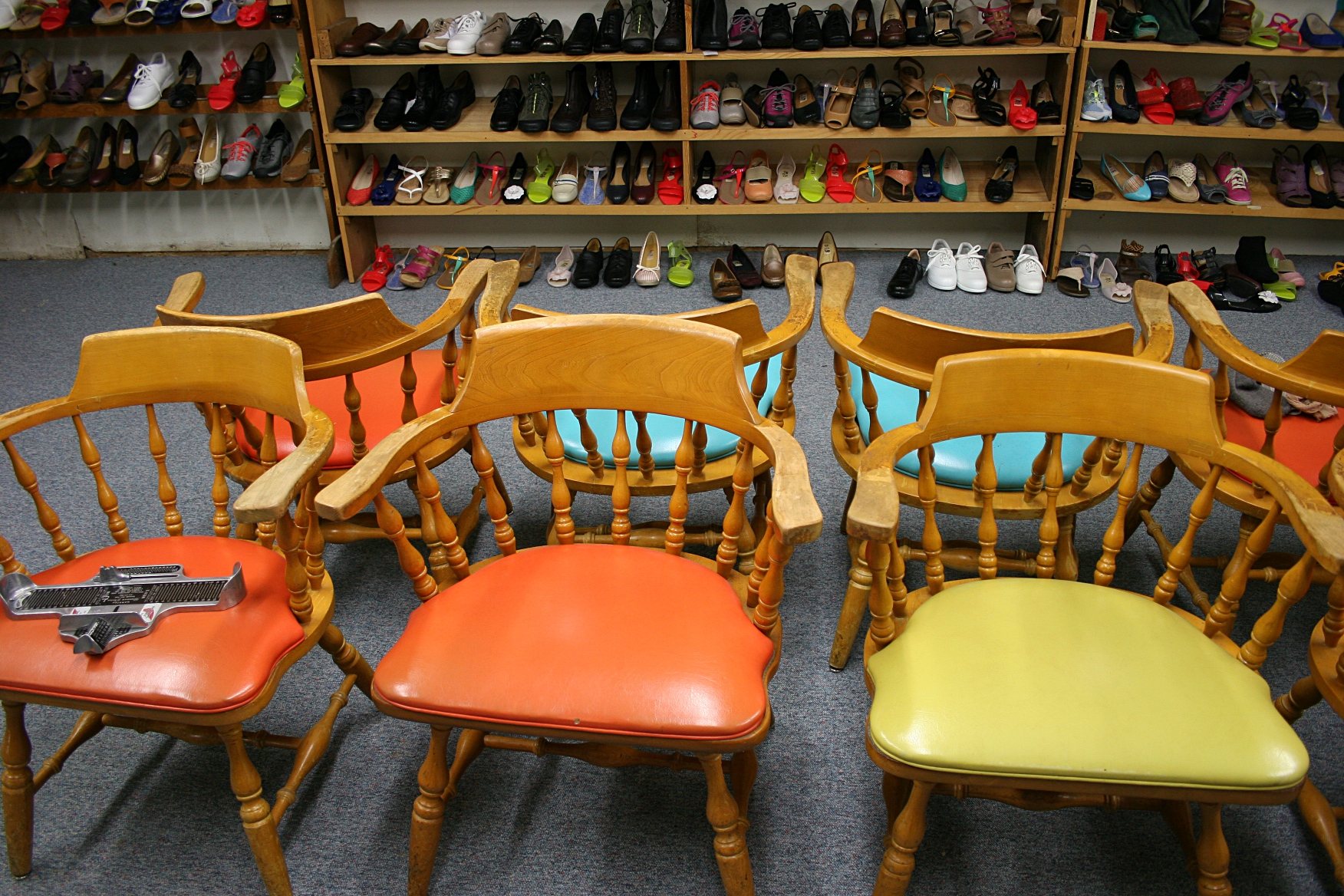
I found the look of an old-fashioned shoe store in the basment, complete with vintage chairs.

I found the look of an old-fashioned shoe store in the basement, complete with what appear to be vintage chairs.

I found what I expected—a down-home friendly place with a welcoming atmosphere and great customer service.

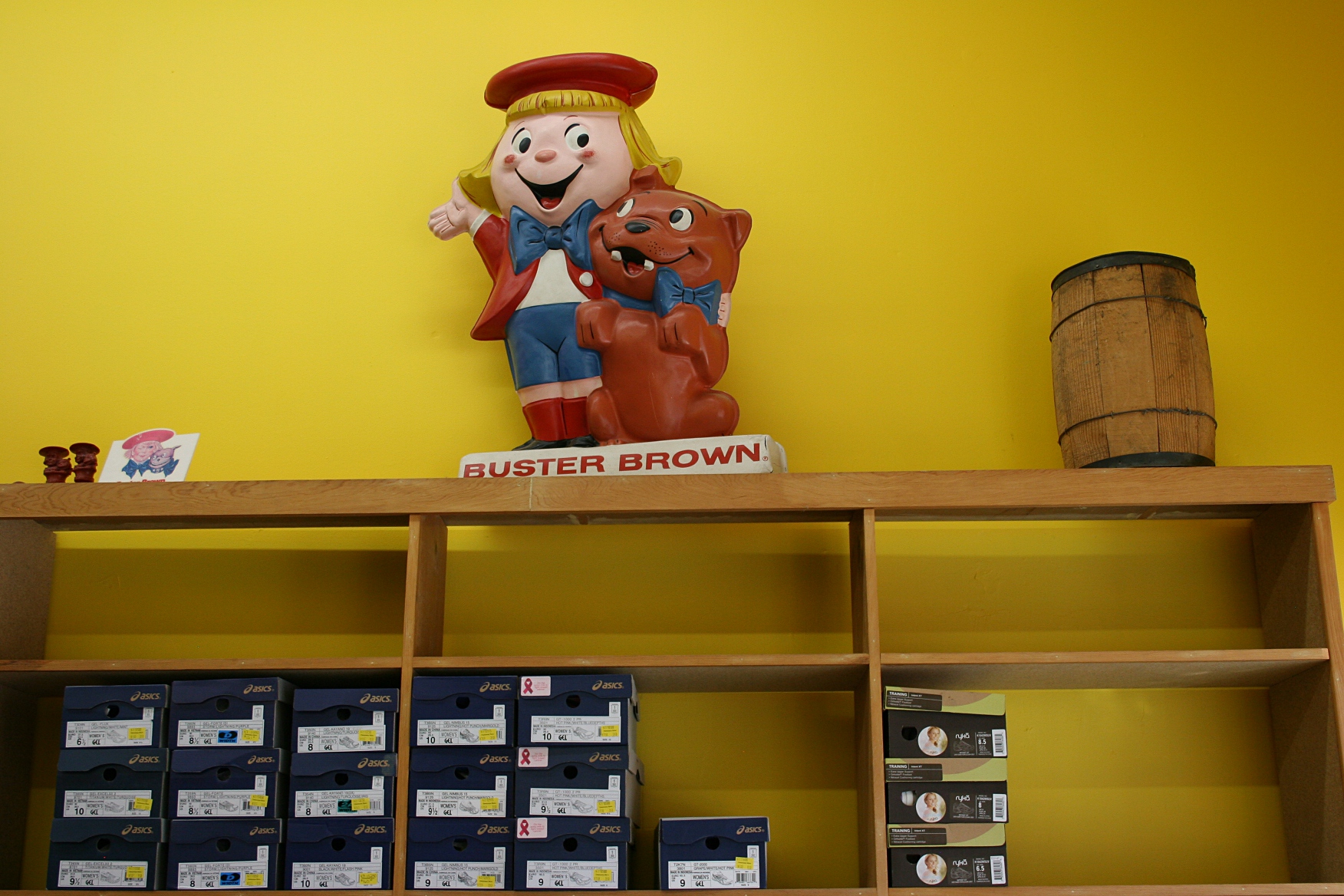
On display: several items of Buster Brown memorabilia.

On display: Buster Brown memorabilia.

As a bonus, I also discovered bits of the past in a collection of Buster Brown collectibles…

Colorful vintage chairs in the basement.

Colorful vintage chairs and shoes in the basement.

…vintage chairs…

Tom Brick purchased this mechanical horse for Owatonna Shoe in 2010. It's original history in Owatonna stretches back to Duffy's Fairway Food Store, where it entertained generations of children from 1946-1990.

Tom Brick purchased this mechanical horse for Owatonna Shoe in 2010. Its original history in Owatonna stretches back to Duffy’s Fairway Food Store, where it entertained generations of children from 1946-1990. The horse still works.

…and a mechanical horse for the kids to ride.

Stacked boxes of shoes fill the store.

Stacked boxes of shoes fill the store.

Owatonna Shoe’s business motto, published on its website, says it all:

“We don’t just want to make the sale, we want to make a customer for life.” It’s a long time philosophy of Owatonna Shoe. We pride ourselves in providing unparalleled customer service, unique product offerings, and personalized attention in a fun, laid-back atmosphere.

FYI: To learn more about Owatonna Shoe, which has been serving the area for more than 65 years with service, quality and fit, click here.

BONUS PHOTOS:

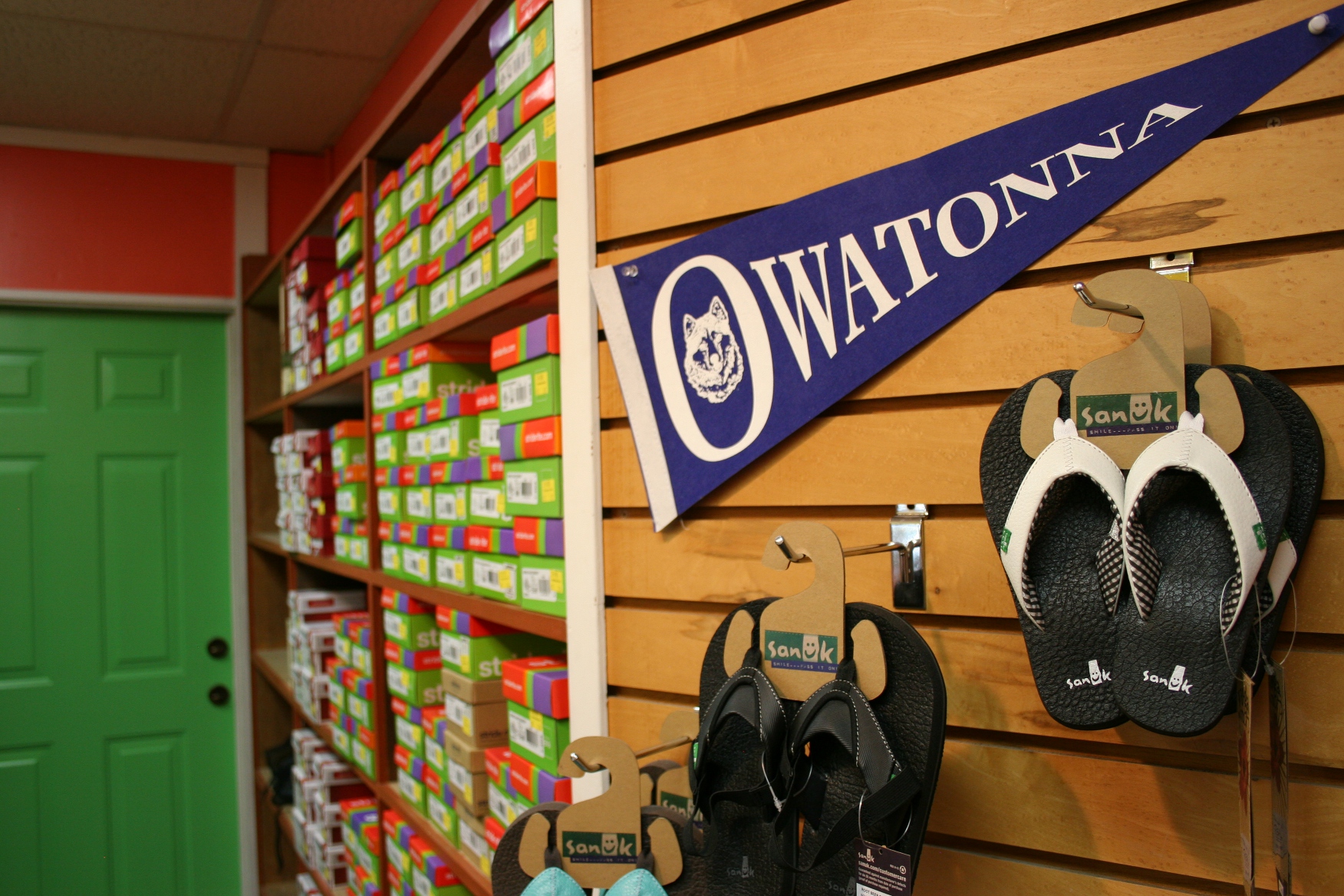
This place pops with color and Owatonna pride.

This place pops with color and pride for the Owatonna Huskies.

A shoe sale in the back room in the basement.

A shoe sale in the back room in the basement.

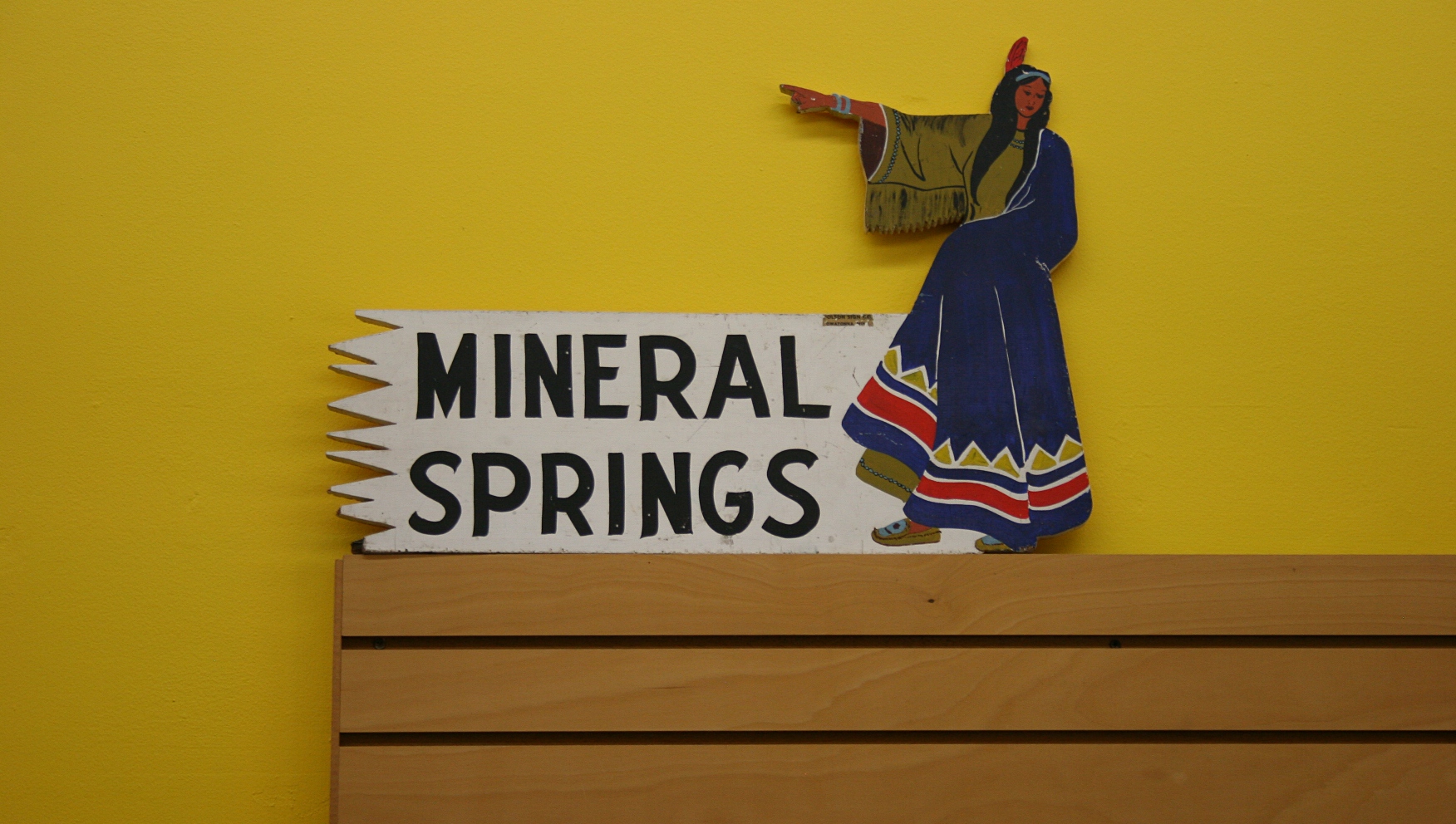
A nod to Owatonna's namesake, the legendary Indian Princess Owatonna, at home where her statue stands in Mineral Springs Park.

A nod to Owatonna’s namesake, the legendary Indian Princess Owatonna. As the story goes, the maiden drank from the healing natural spring waters in the current day Mineral Springs Park.

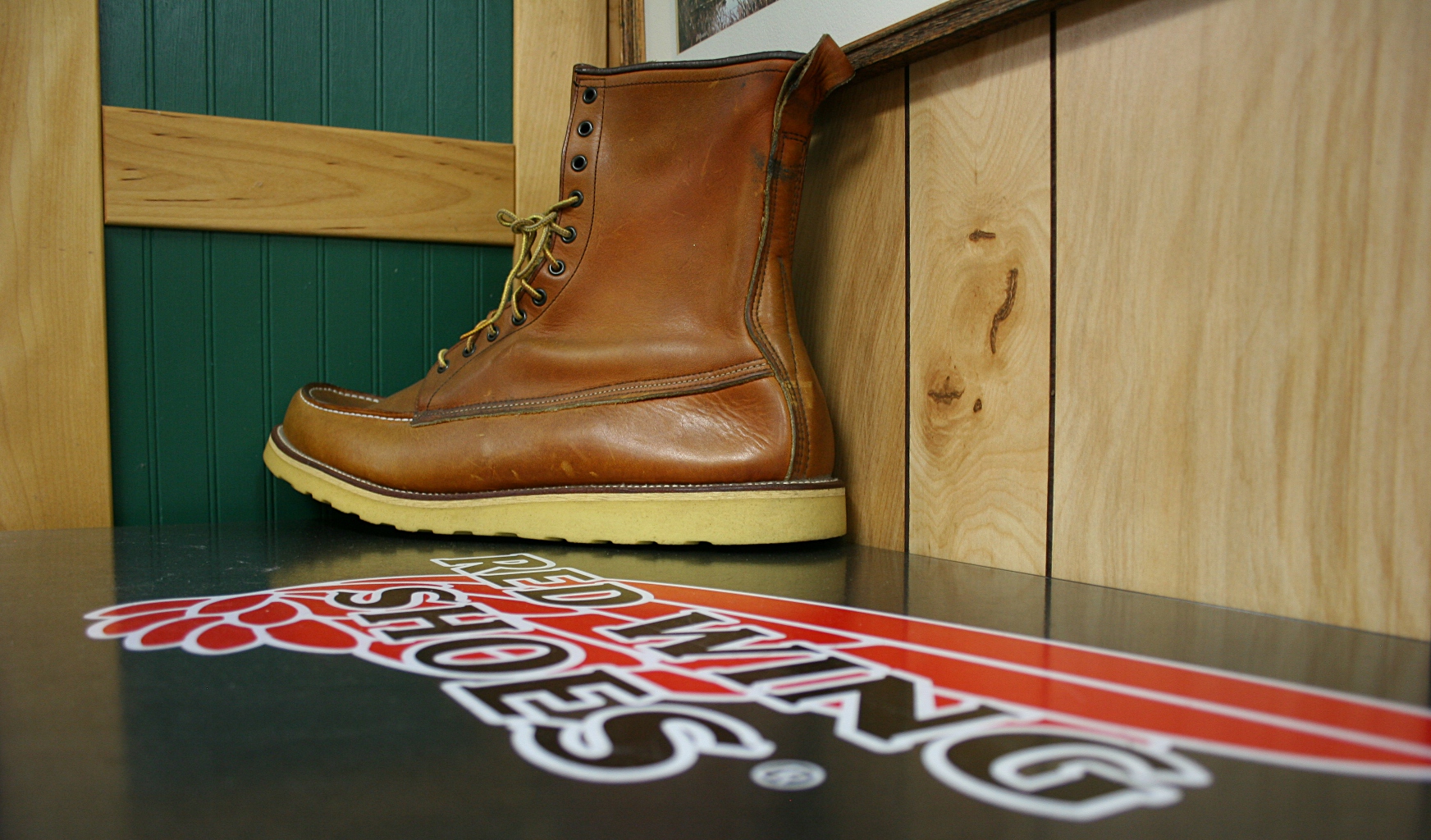
The store carries the ever popular Red Wing brand of shoes made in Red Wing, Minnesota.

The store carries the ever popular Red Wing brand of shoes made in Red Wing, Minnesota.

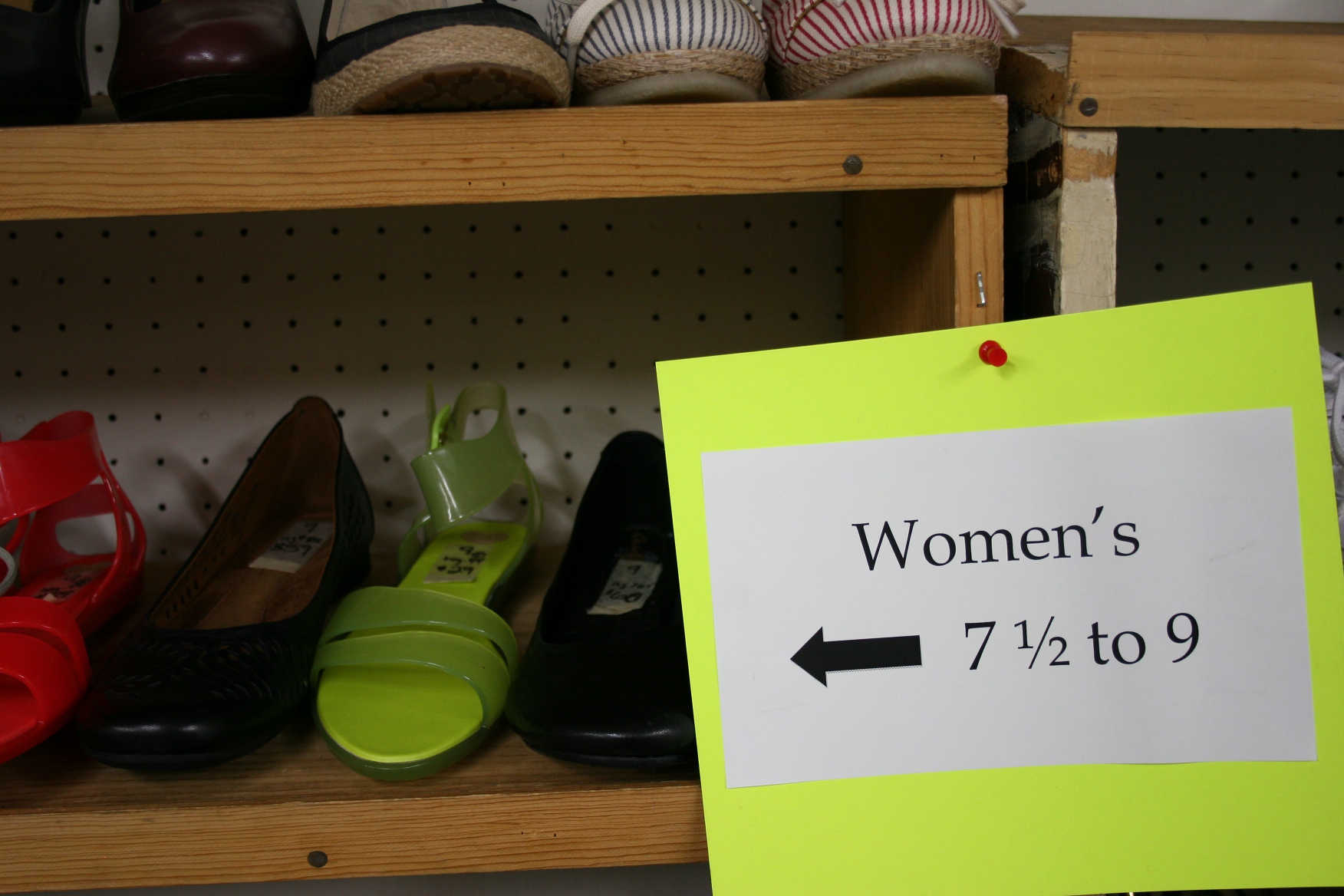
Colorful shoes, colorful signs.

Colorful shoes, colorful signs.

© Copyright 2013 Audrey Kletscher Helbling