Minnesota Prairie Roots

Writing and photography by Audrey Kletscher Helbling

On the road in Wisconsin: Duo country churches near Shennington October 20, 2013

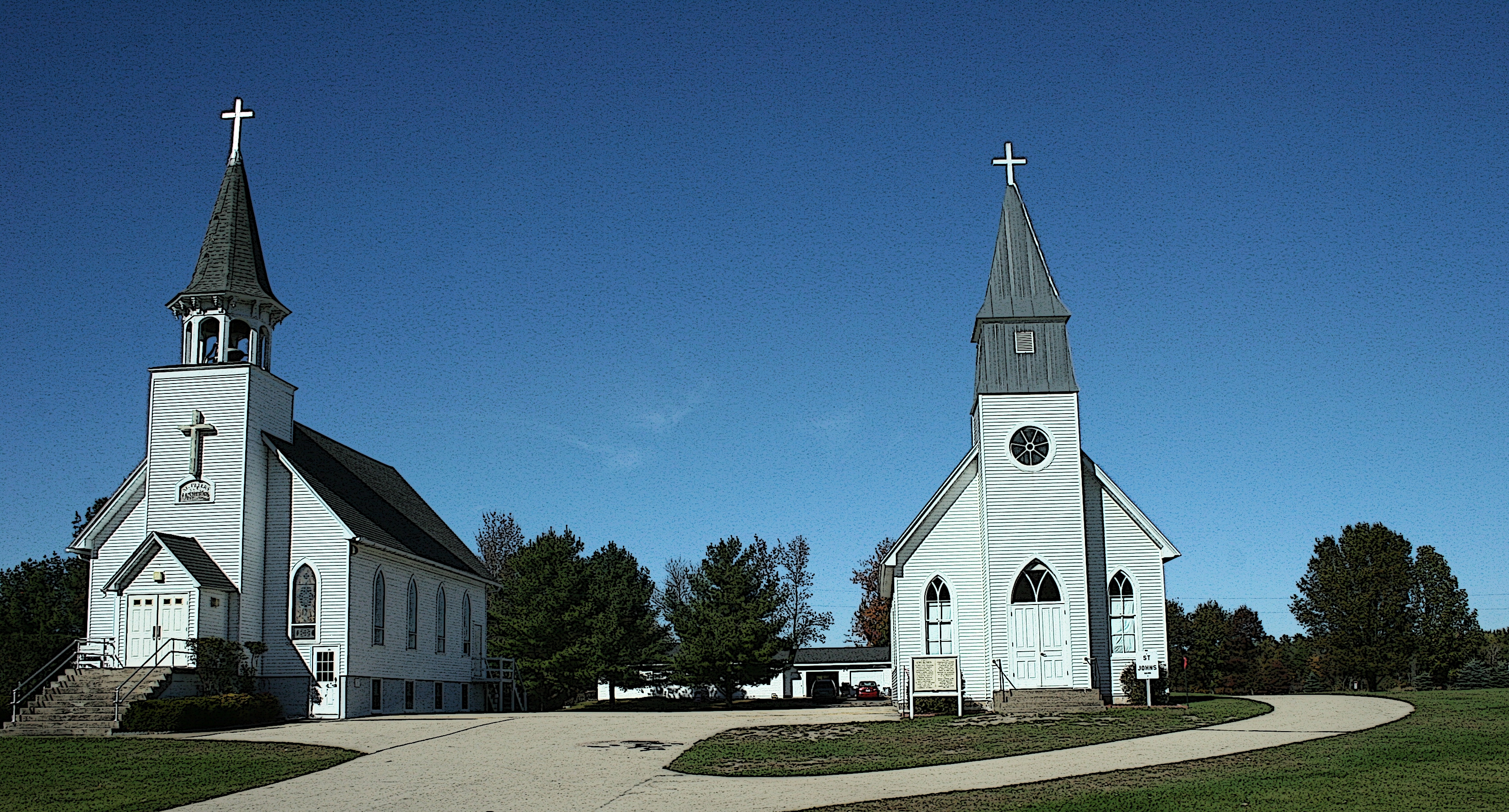
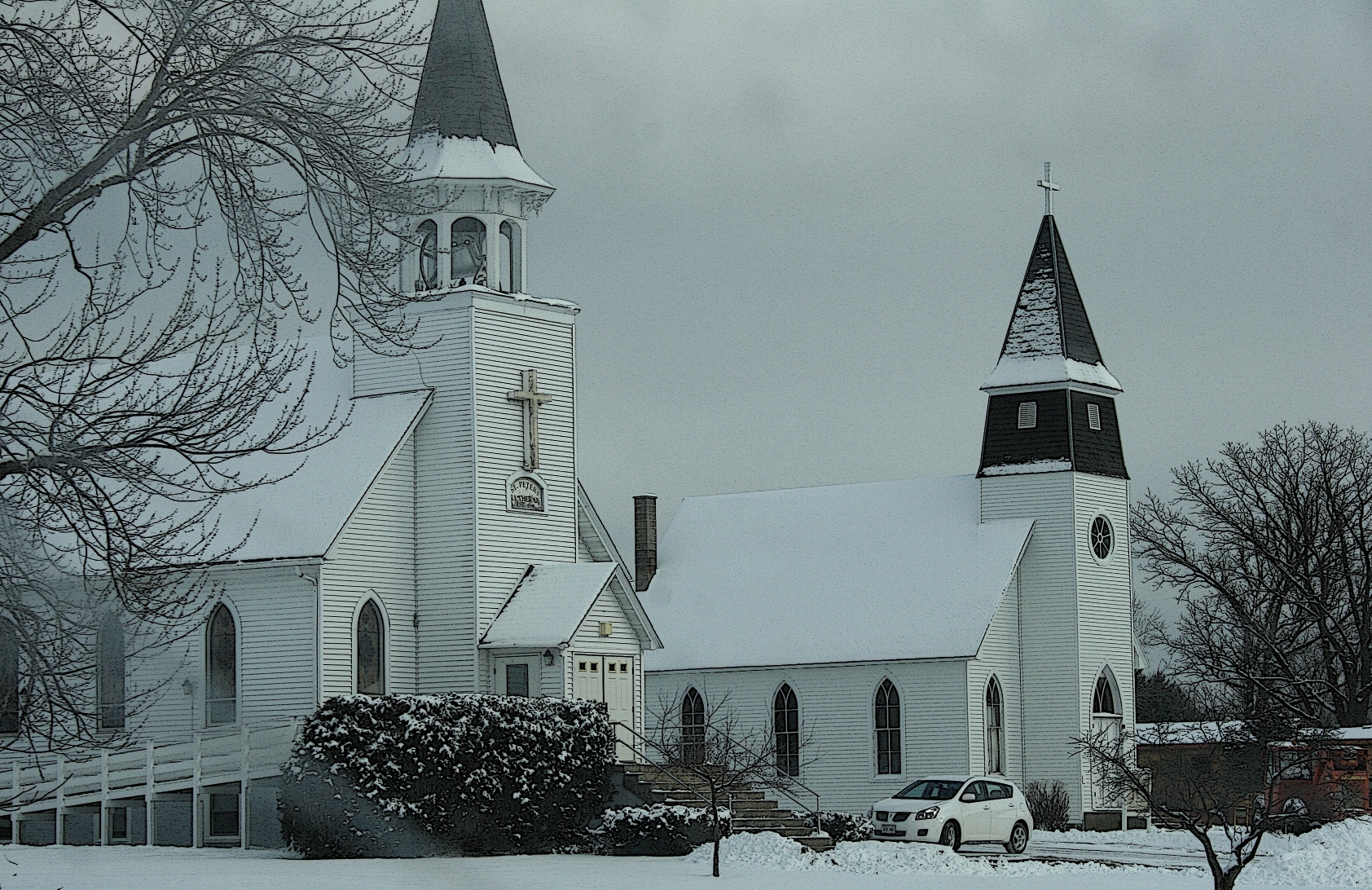
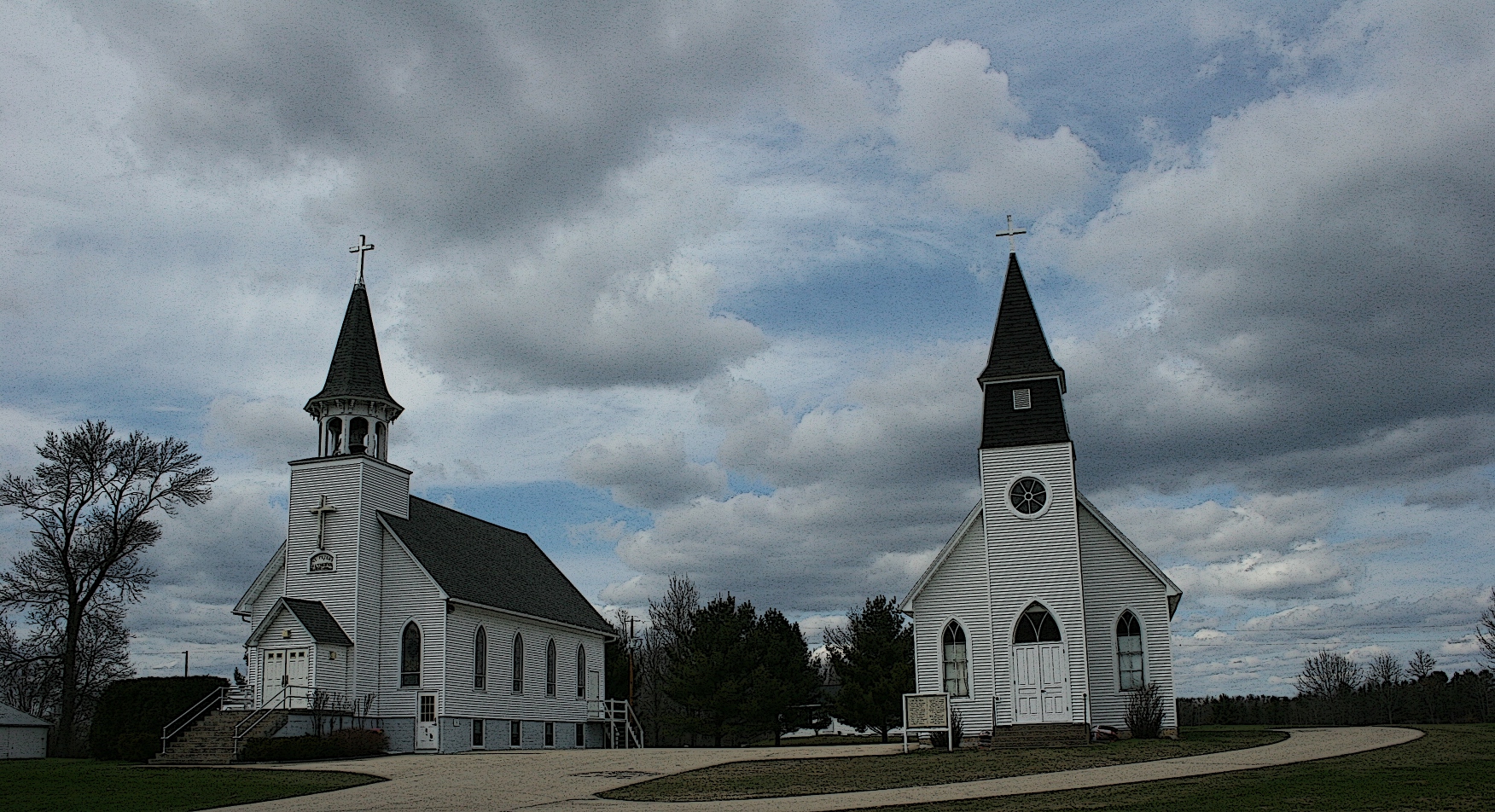
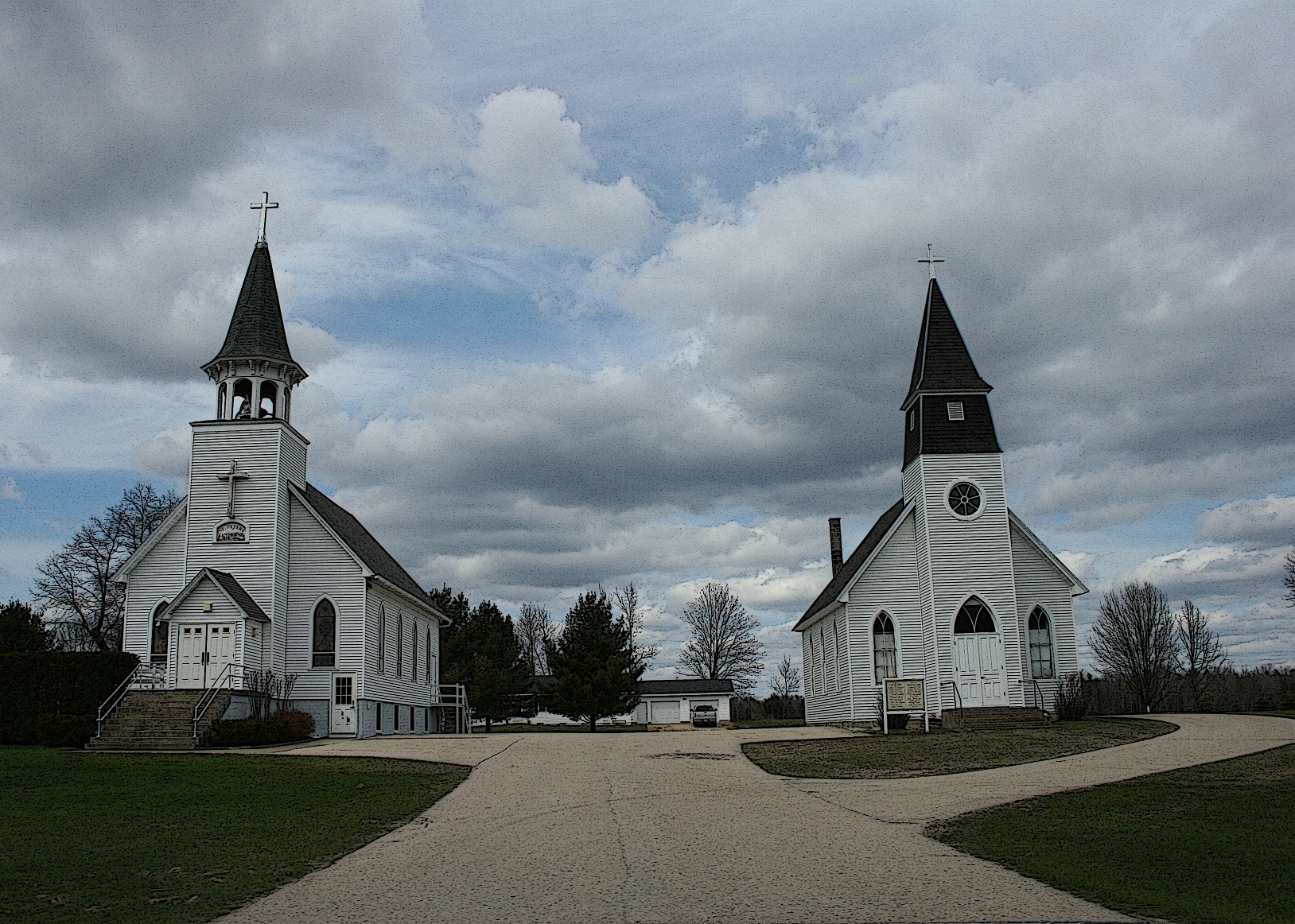
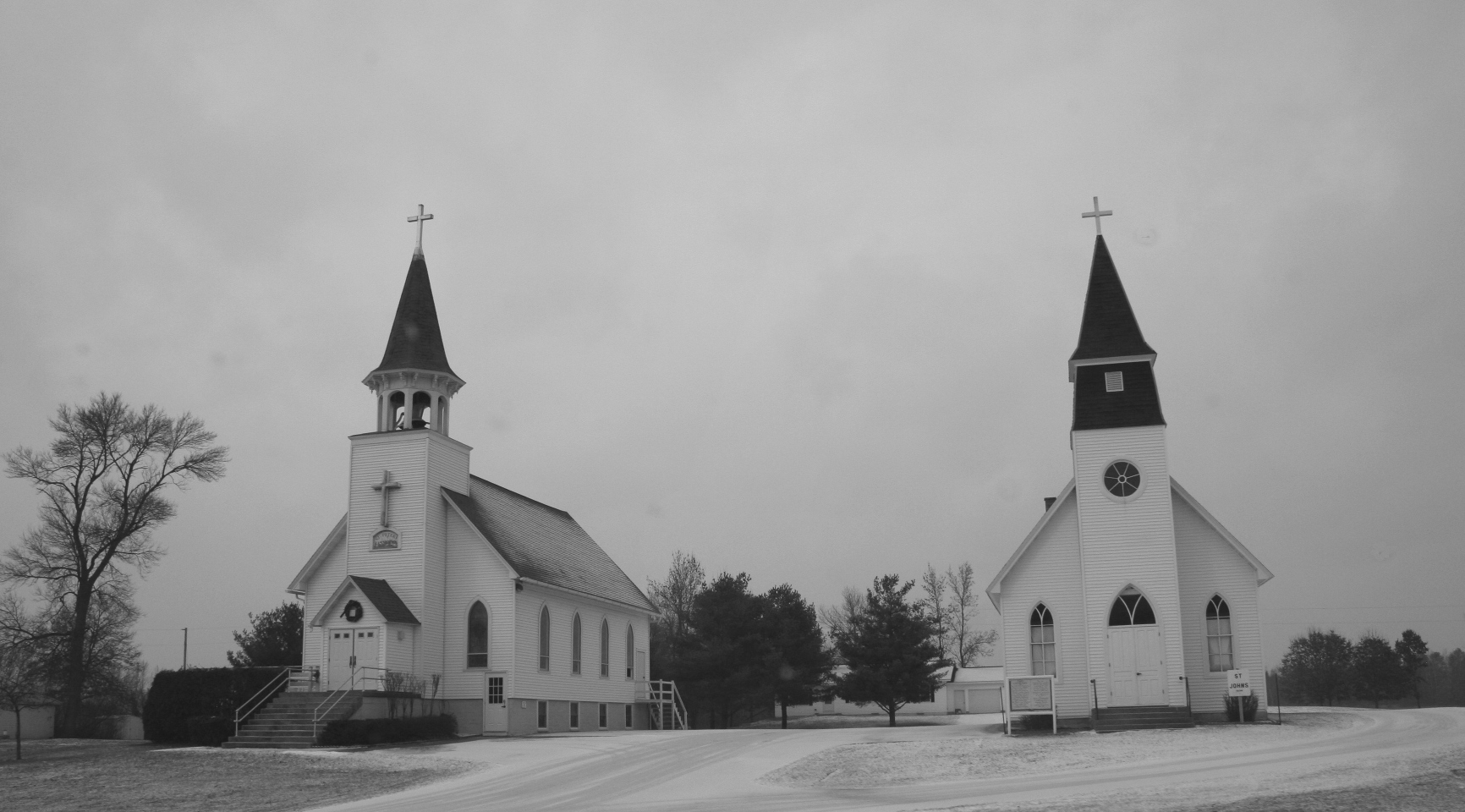
NUMEROUS TIMES I’VE PHOTOGRAPHED these side-by-side country churches along Wisconsin State Highway 21 just west of Shennington:

Photographed while driving by in the winter of 2010.

Photographed while driving by in the winter of 2010.

Photographed while traveling by in the spring of 2011.

Photographed while traveling by in the spring of 2011.

Another shot of the two churches taken in spring 2011.

Another shot of the two churches taken in spring 2011.

Several months later, in December 2011, I snapped this image.

Several months later, in December 2011, I snapped this image.

My most recent photo, shot on Sunday afternoon, October 13, 2013.

My most recent photo, shot on Sunday afternoon, October 13, 2013.

Beautiful, aren’t they? St. John’s and St. Peter’s Lutheran. German and Danish.

Not once have I stopped to investigate why two houses of worship, seemingly from the same time period, are separated only by a cement parking lot.

I should stop, shouldn’t I?

For now, though, I must rely on information published on Waymarking.com. Because that info is copyrighted, you’ll need to click here to read what I learned.

Every place has a story.

If you know anything about these two churches, please submit a comment so that we can all learn more. I’m certain there are stories to be told.

© Copyright 2013 Audrey Kletscher Helbling


In Wisconsin: A quick stop at a Tomah cranberry farm October 17, 2013

Filed under: Uncategorized — Audrey Kletscher Helbling @ 6:00 AM
Tags: , , , , , , , , ,
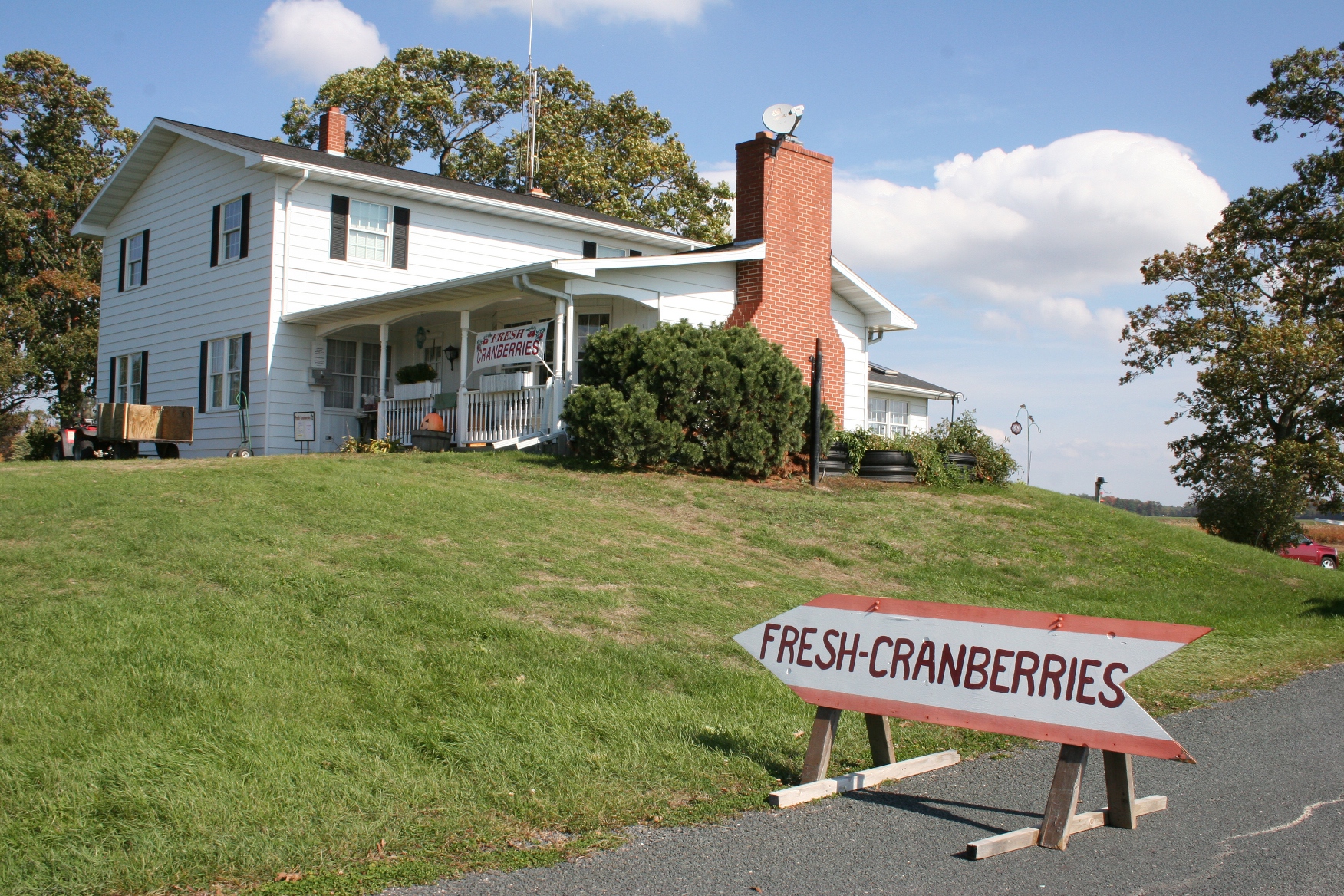
A sign at the Rezin farm points to the cranberries on the porch.

At the end of the road, a sign points to cranberries on the porch at the Rezin farm.

THE “FRESH CRANBERRIES” SIGN grabbed our attention along State Highway 21 just east of Tomah in the heart of Wisconsin cranberry country.

So my husband slowed the van in a flash and turned onto a side road to North Tomah Cranberry Co. operated by John Rezin & Sons. Randy loves cranberries. Me, too. As juice or in pie. You won’t see me scooping cranberries onto my plate at Thanksgiving.

We’d never been on a cranberry farm nor purchased just harvested cranberries. So we were excited—or at least I was to photograph a true Wisconsin cranberry farm.

Fresh cranberries direct from the bogs.

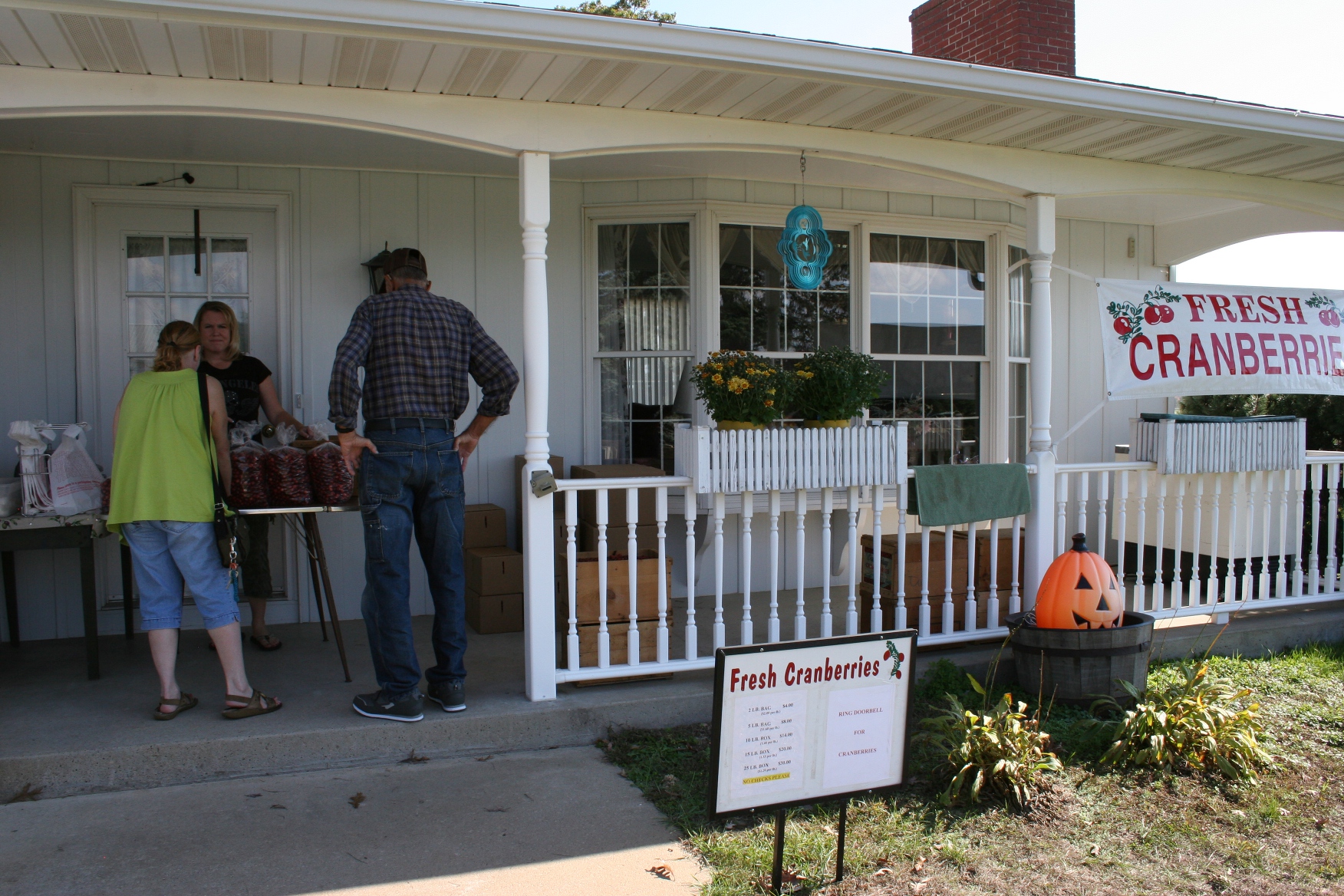
Farm fresh cranberry pricing

Teresa Rezin waits on customers.

Teresa Rezin waits on customers.

Teresa Rezin met us on the farmhouse side porch before we could follow the “RING DOORBELL FOR CRANBERRIES” signage.

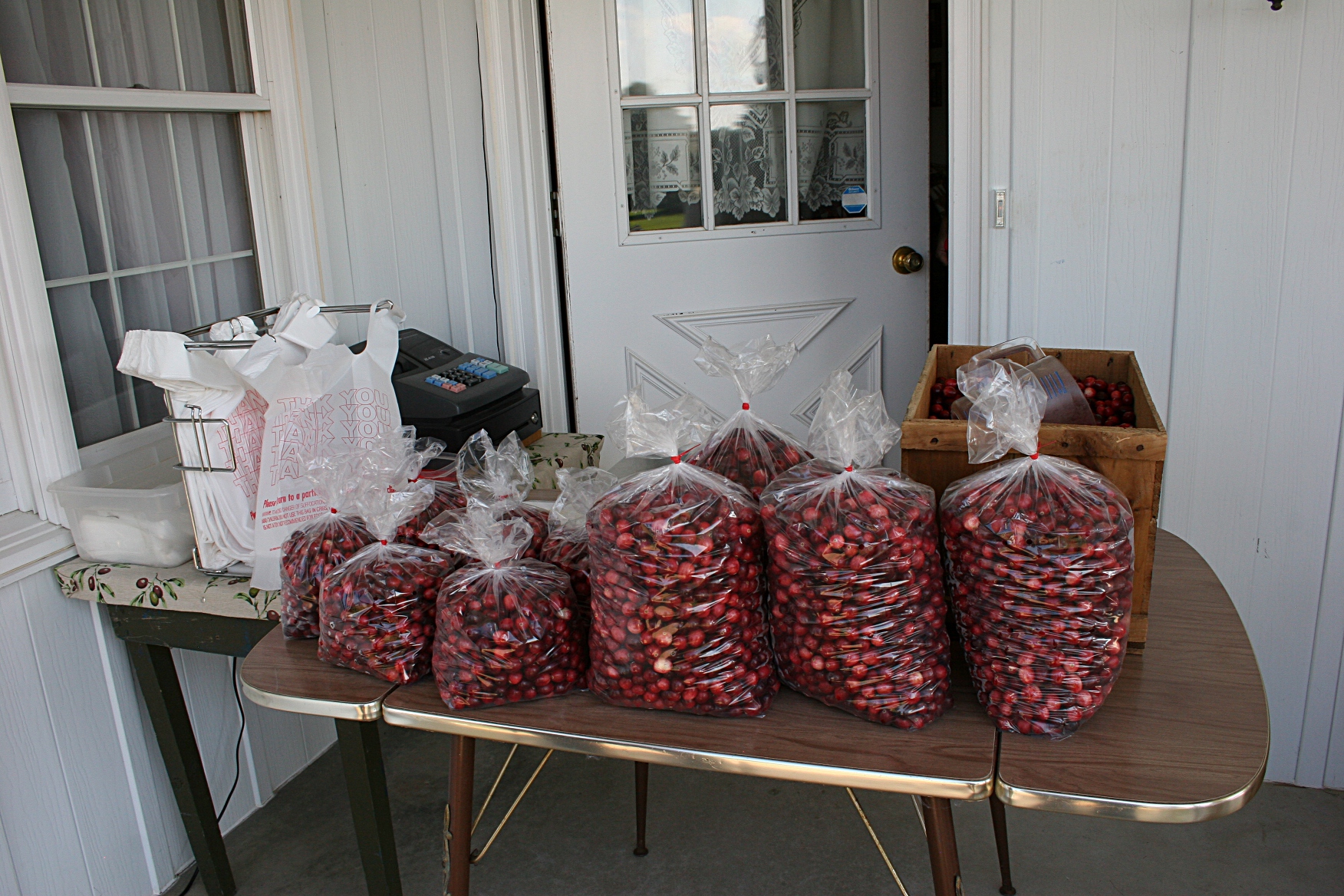
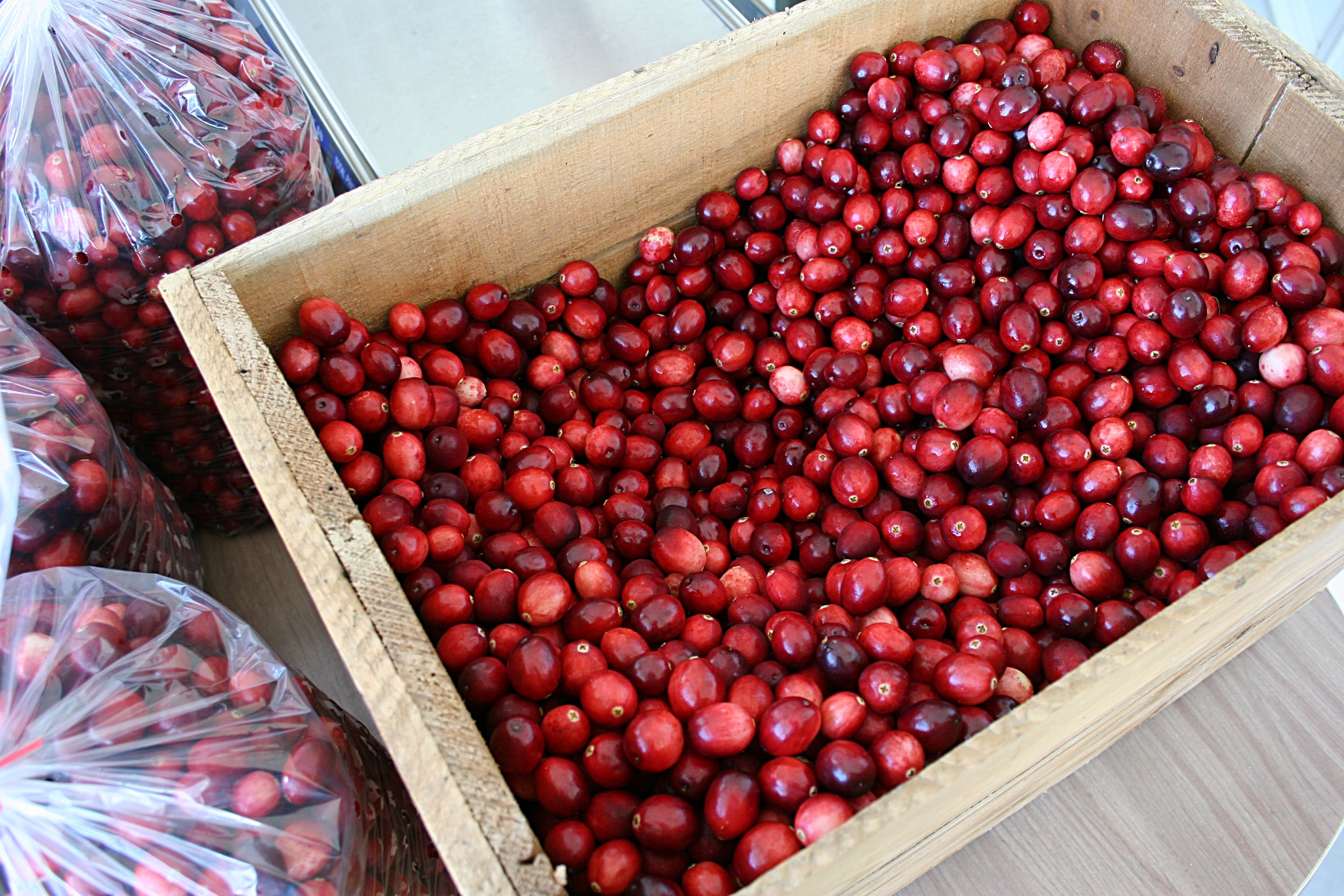
Cranberries bagged in various sizes await purchase.

Cranberries bagged in various sizes await purchase.

Randy snapped up two pounds of berries for $4, later wishing he’d bought five.

Beautiful fresh cranberries for sale.

Beautiful fresh cranberries for sale.

The next customer purchased 30 pounds—for cranberry wine. I wish I could have followed that woman home to learn about cranberry wine making. I’ve sipped and savored cranberry wine from Wisconsin.

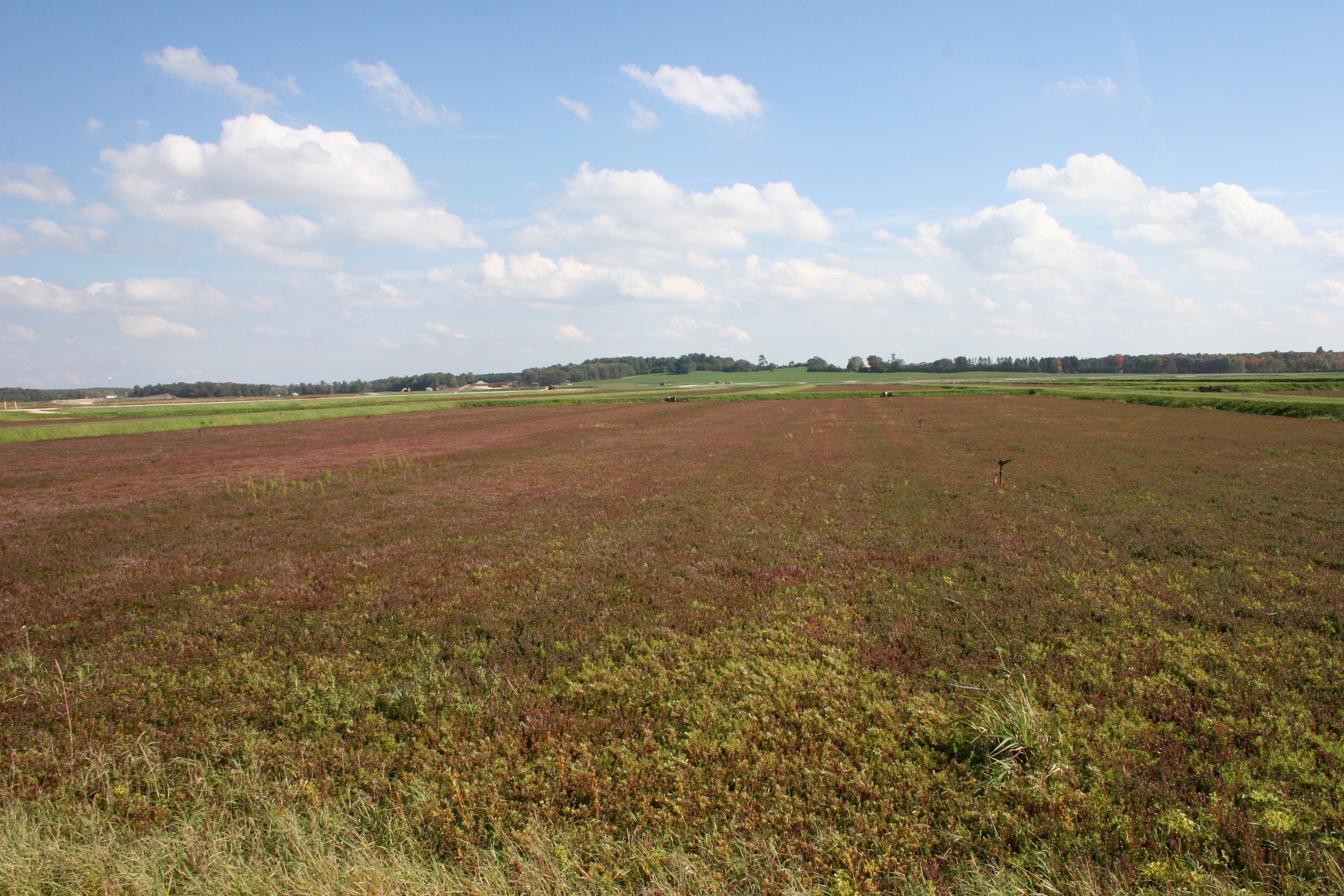
One of the many cranberry fields.

One of the many cranberry fields.

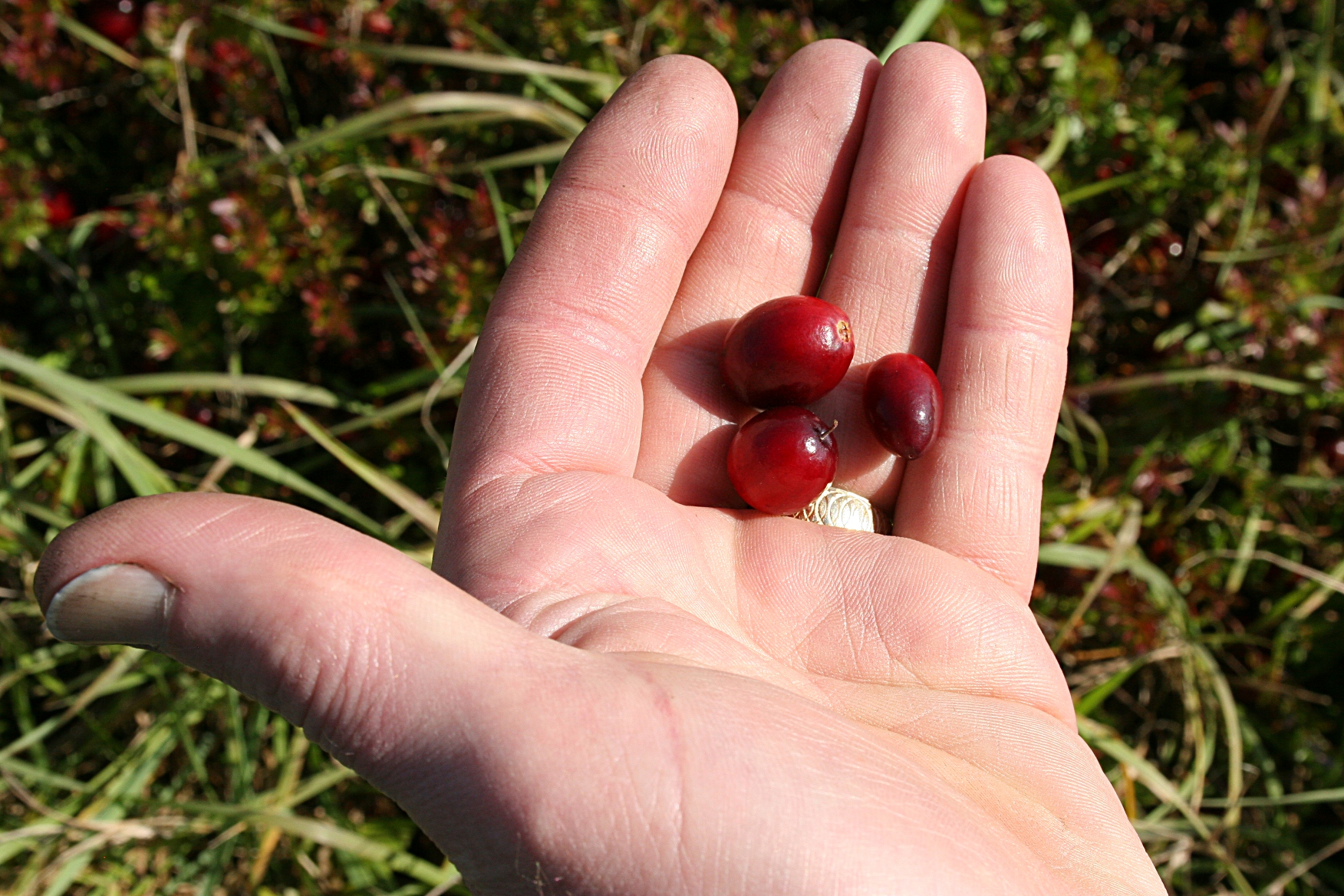
Randy pushes aside leaves and stems to reveal the cranberries on the low-lying plants.

Randy pushes aside leaves and stems to reveal the cranberries on the low-lying plants.

Just-picked cranberries.

Just-picked cranberries.

Instead, under Teresa’s direction and welcome, Randy and I headed over to the cranberry fields for a quick look at how cranberries grow. I had no idea. None. I expected waist high bushes ripe with red orbs. Instead, we discovered cranberries clinging to earth-hugging plants.

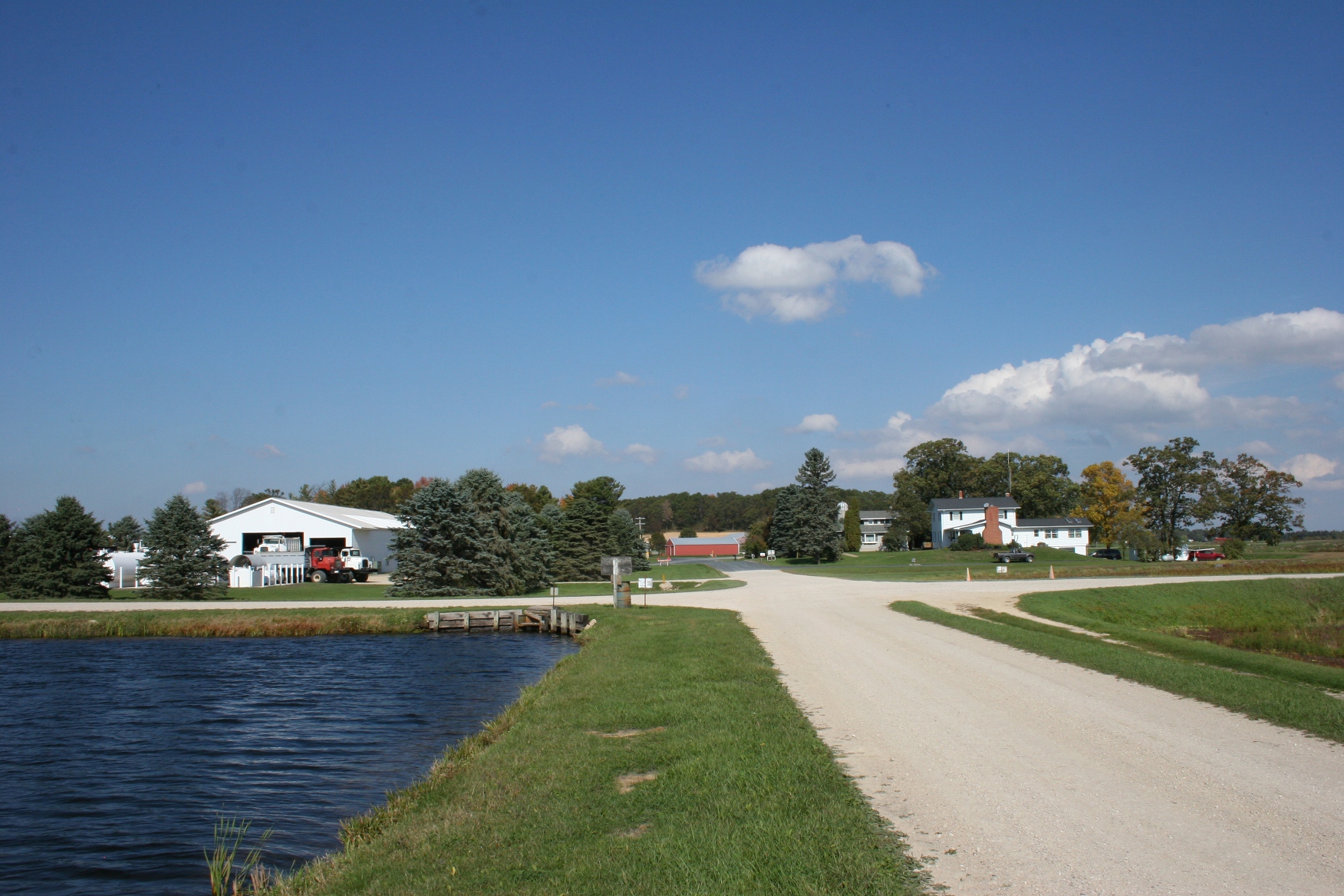
In the distance lies the farm site; to the right the cranberry fields; and to the left, the lake/water for flooding the fields.

In the distance lies the farm site; to the right the cranberry fields; and to the left, the lake/water for flooding the fields.

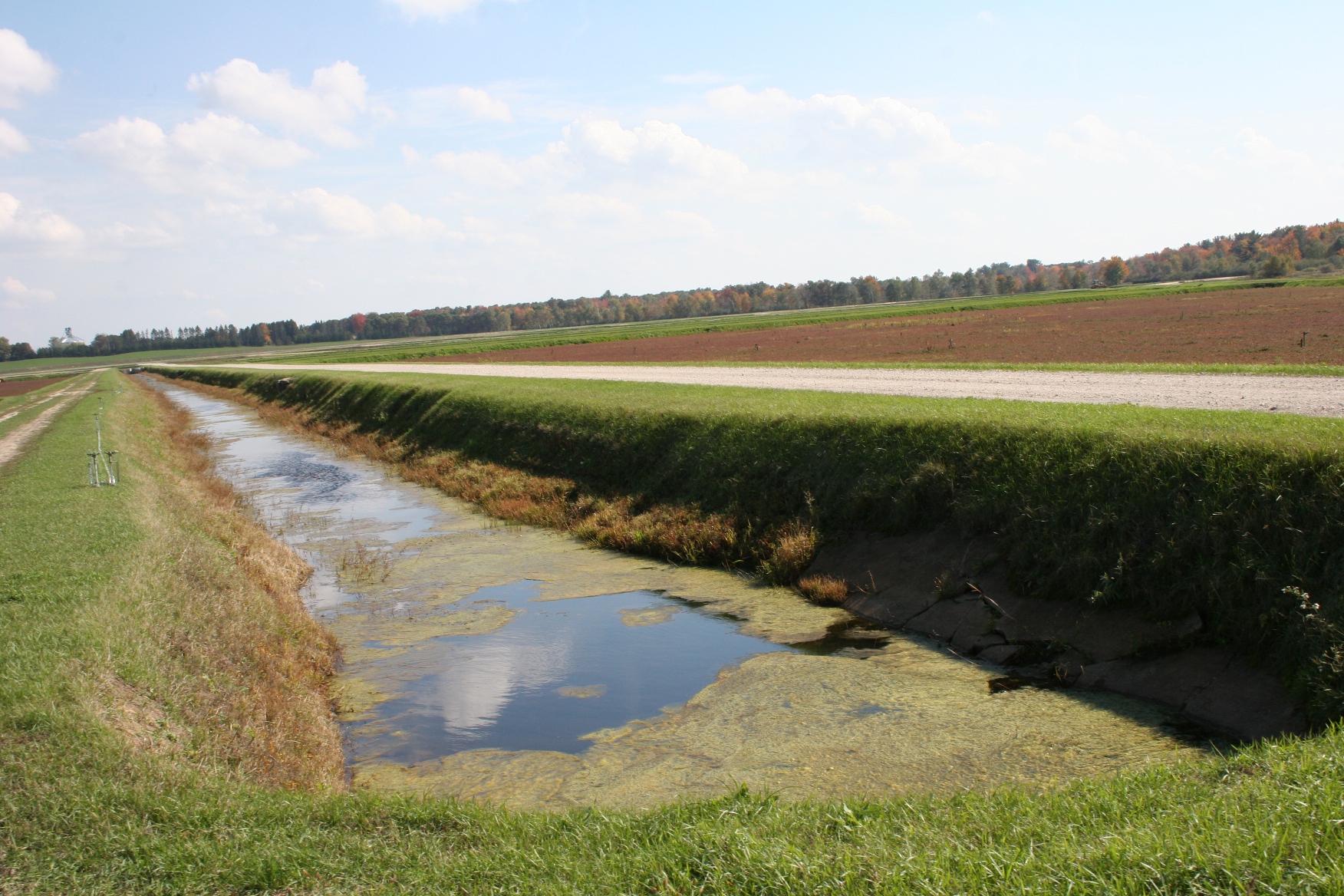
A water channel.

A water channel and cranberry fields to the right.

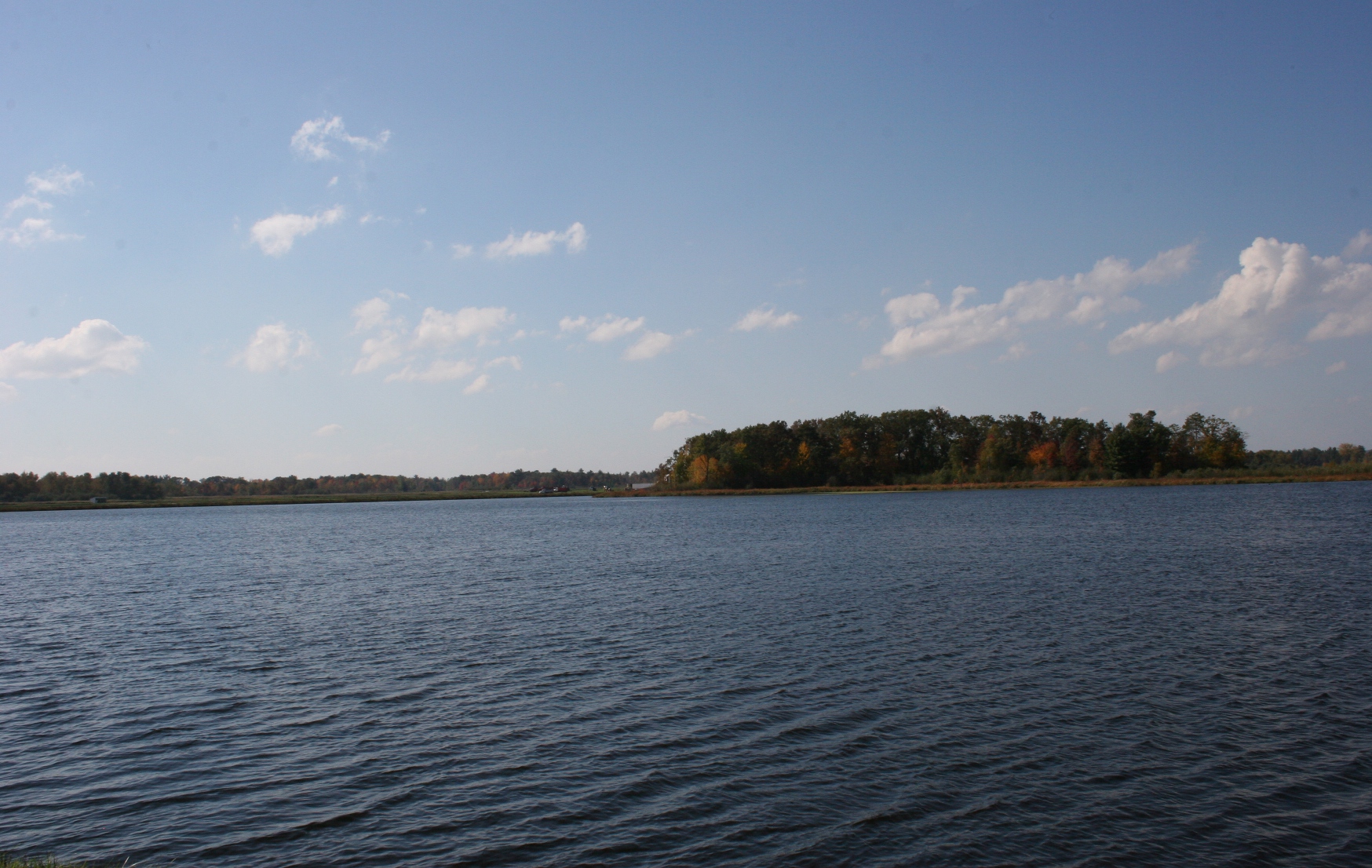
The "lake" across the road from the cranberry fields.

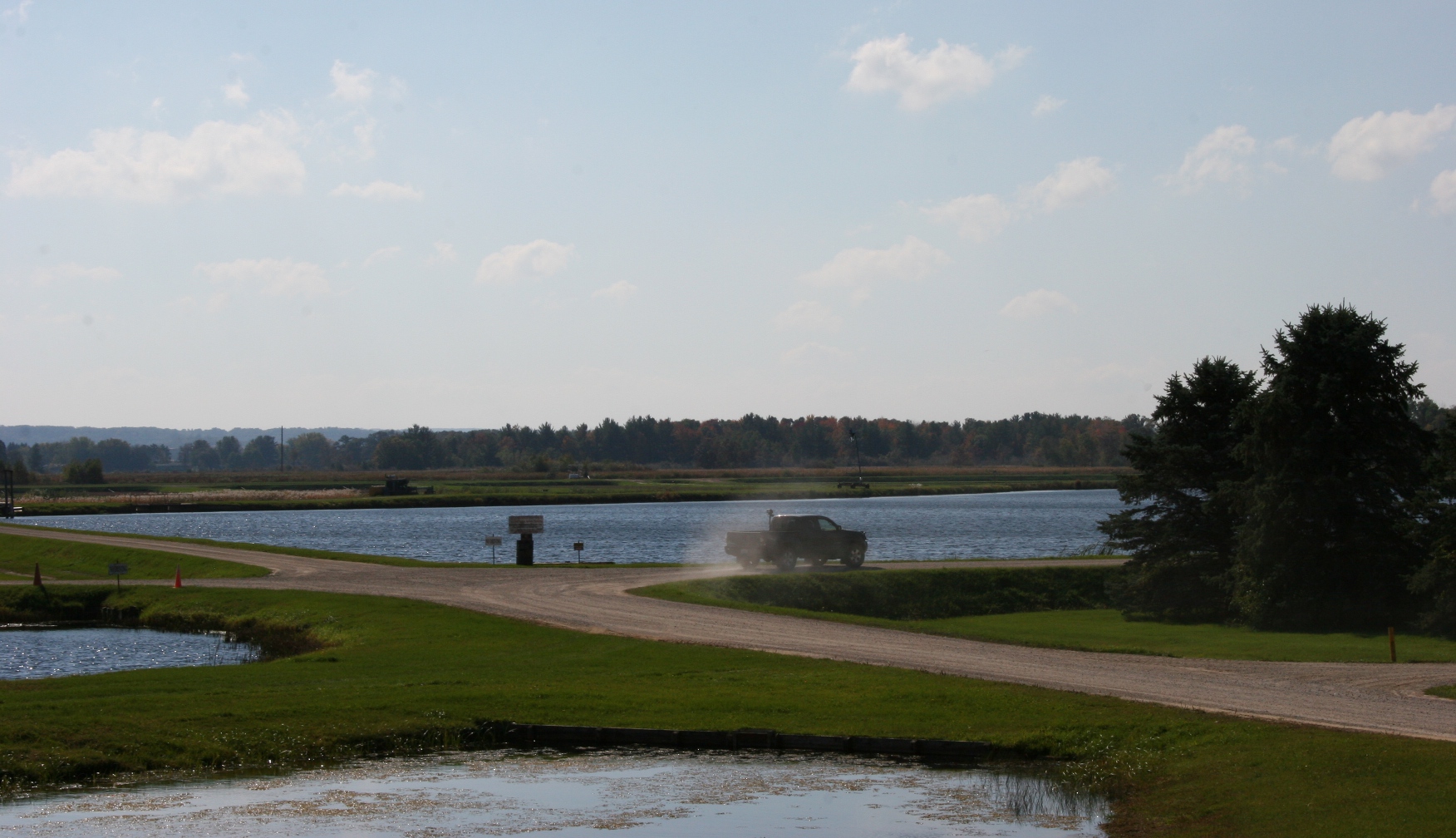
The “lake” across the road from the cranberry fields.

A gravel road separated the cranberry field from a small lake size body of water used to flood the cranberries at harvest. This we deduced on our self-guided quick tour.

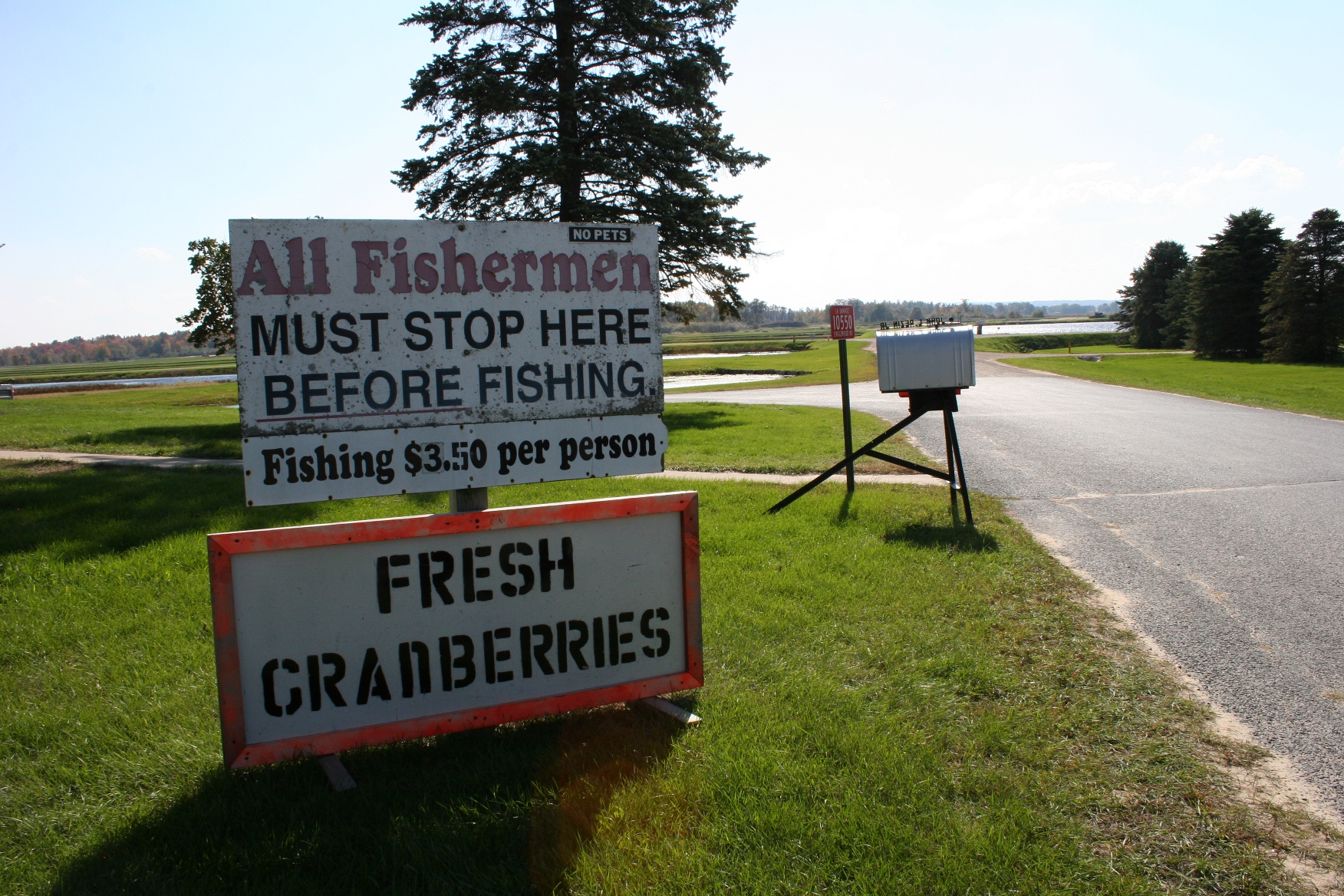
Cranberries and fish.

Cranberries and fish.

For $3.50 a day, fishermen/women can fish here, too. Northerns and bass, maybe more. I didn’t ask. What a smart dual usage of water.

We didn’t press Teresa for an educational tour. So our knowledge of how a cranberry farm operates is still minimal.

But at least now I know cranberry plants grow close to the ground.

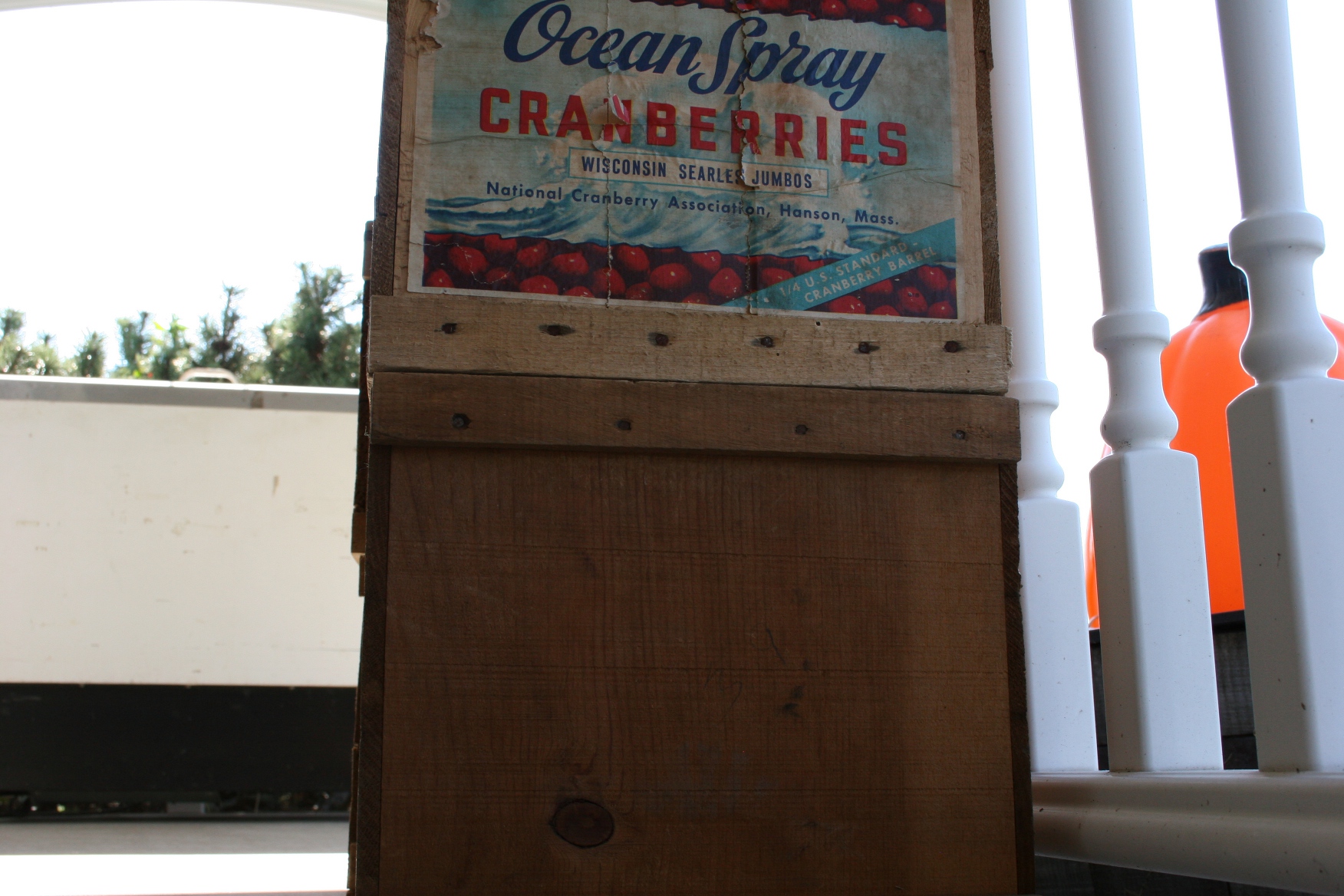
Loved these cranberry crates on the farmhouse porch.

Loved these cranberry crates on the farmhouse porch.

FYI: North Tomah Cranberry Co. berries go to grower-owned Ocean Spray, located just down the highway from the farm. The Tomah processing plant produces 31 million pounds of sweetened dried cranberries and concentrate annually, according to Ocean Spray.

BONUS PHOTOS:

The direction Teresa pointed us for our brief tour.

The direction Teresa pointed us for our brief tour.

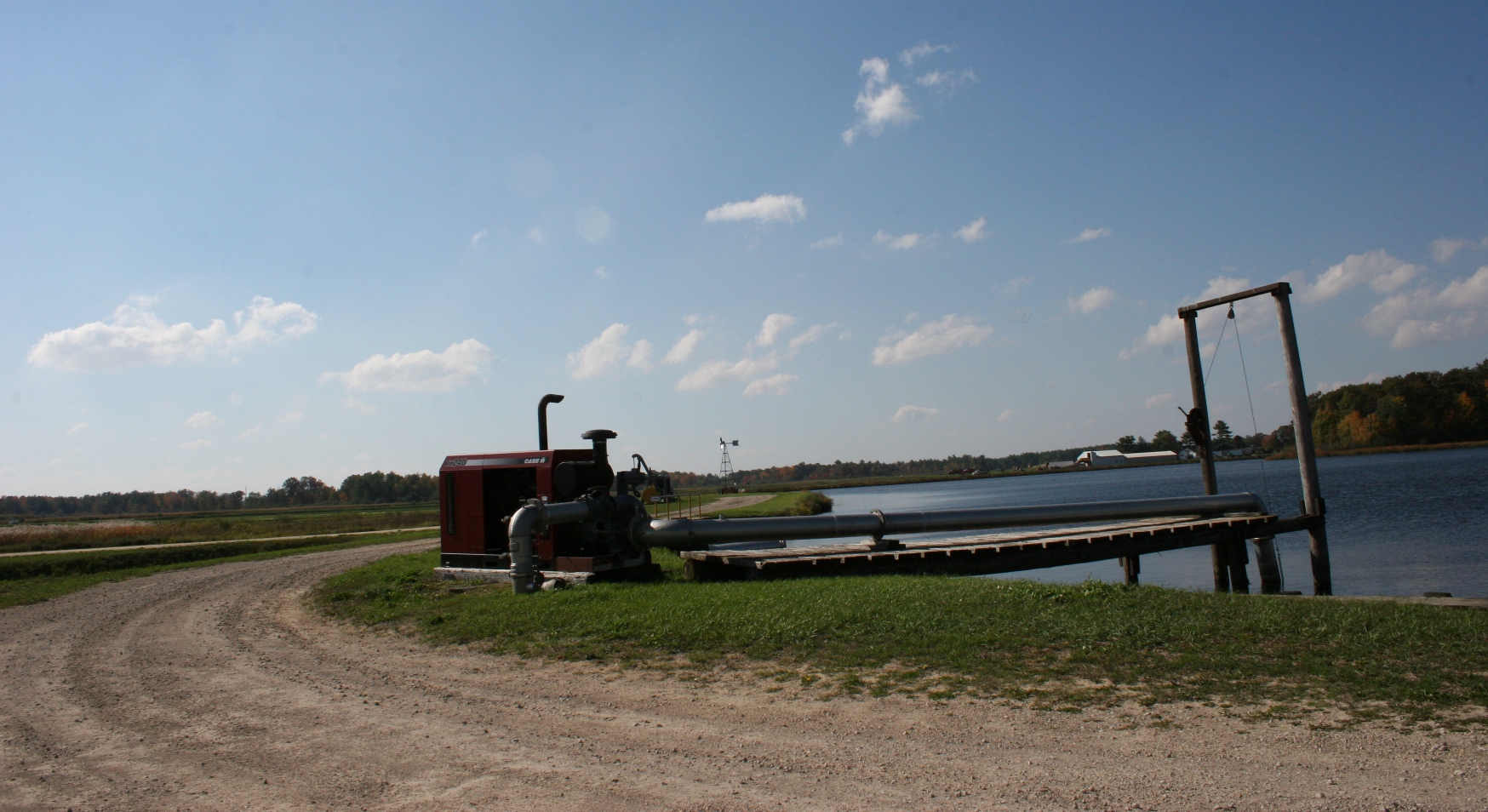
A water pump.

A water pump.

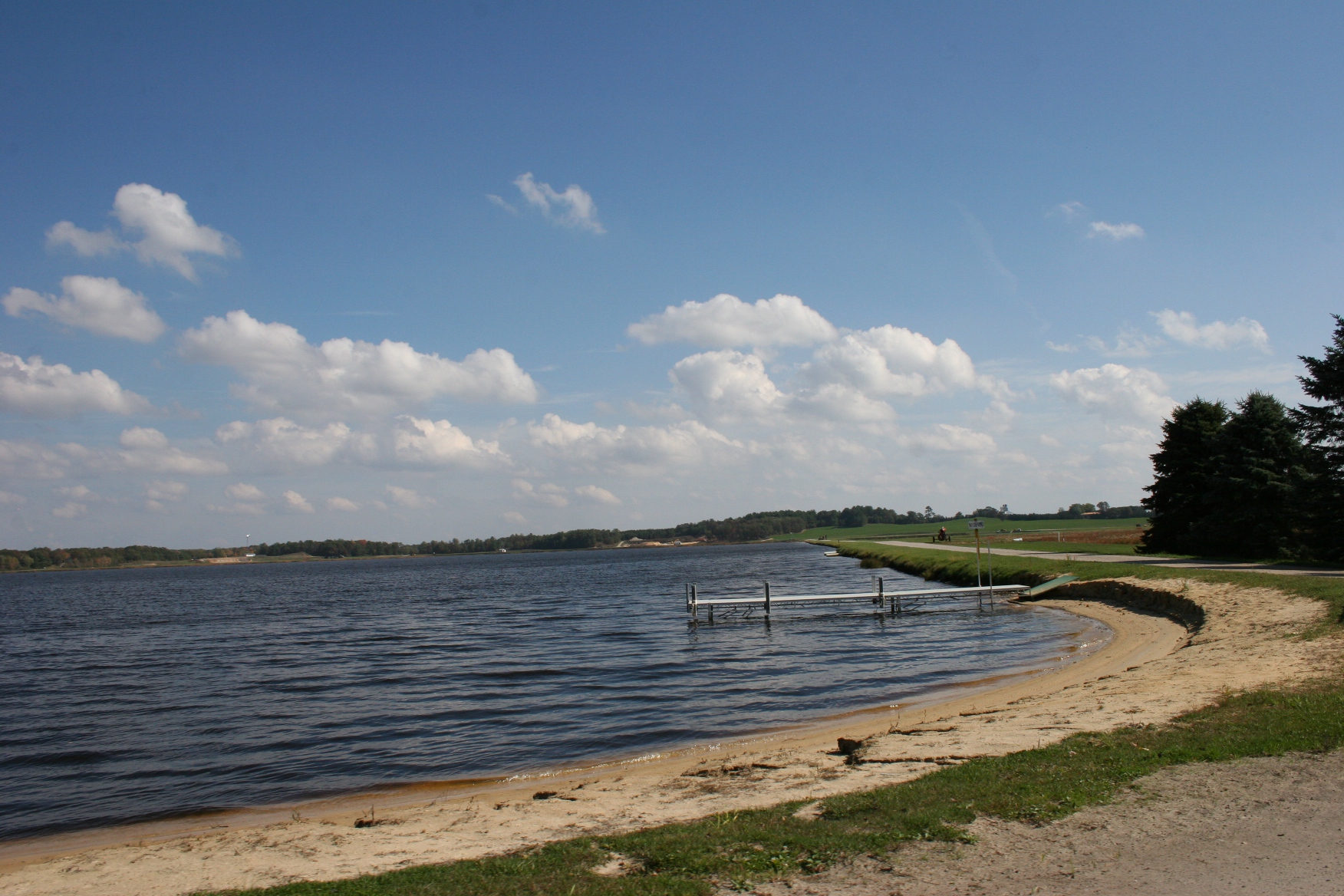
Another "lake," this one with a beach.

Another “lake” by the cranberry farm, this one with a beach.

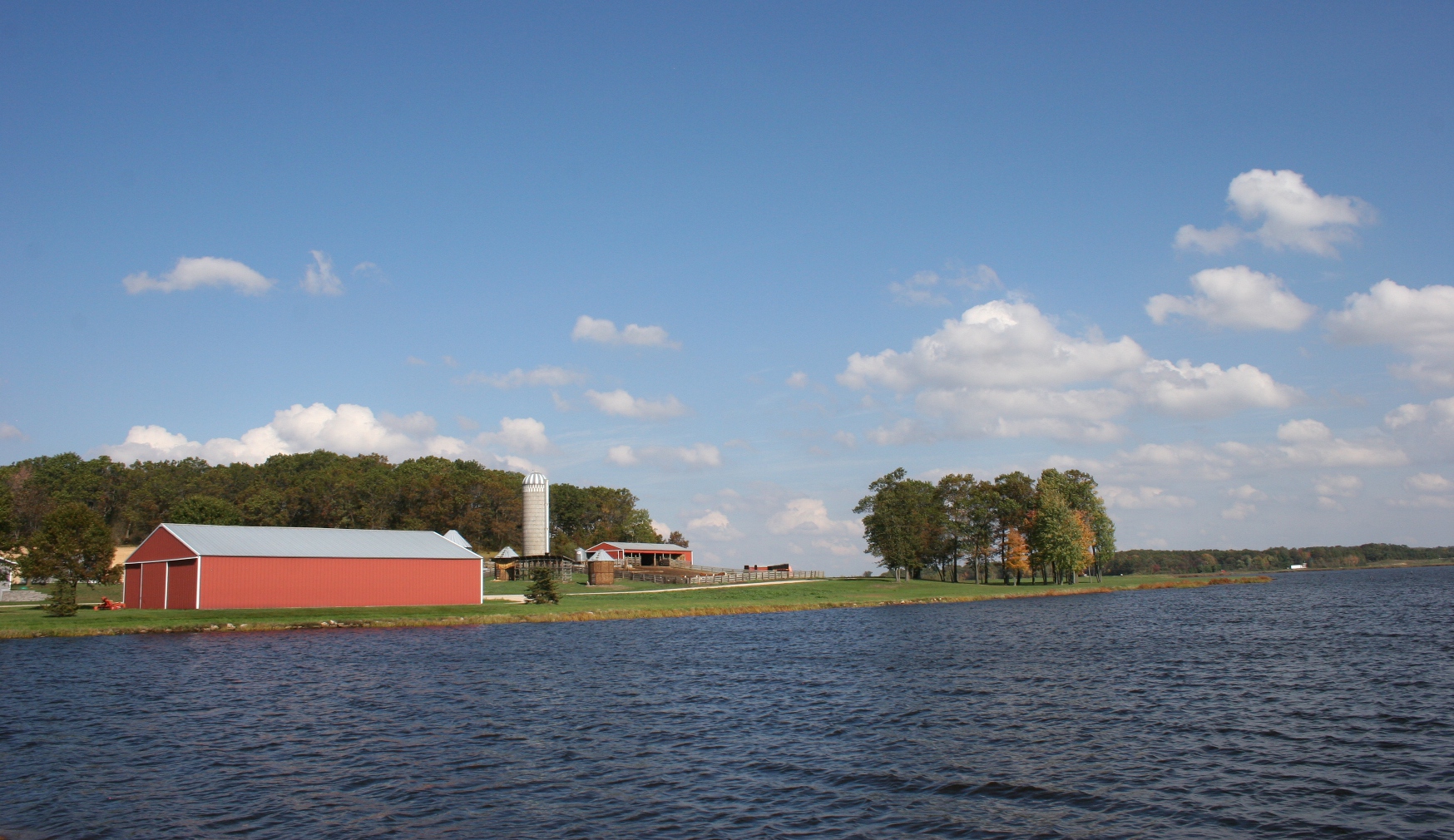
The farm site just to the north of the "lake" pictured above.

The farm site just to the north of the “lake” pictured above.

© Copyright 2013 Audrey Kletscher Helbling


Harvesting photo ops in rural Minnesota and rural Wisconsin October 16, 2013

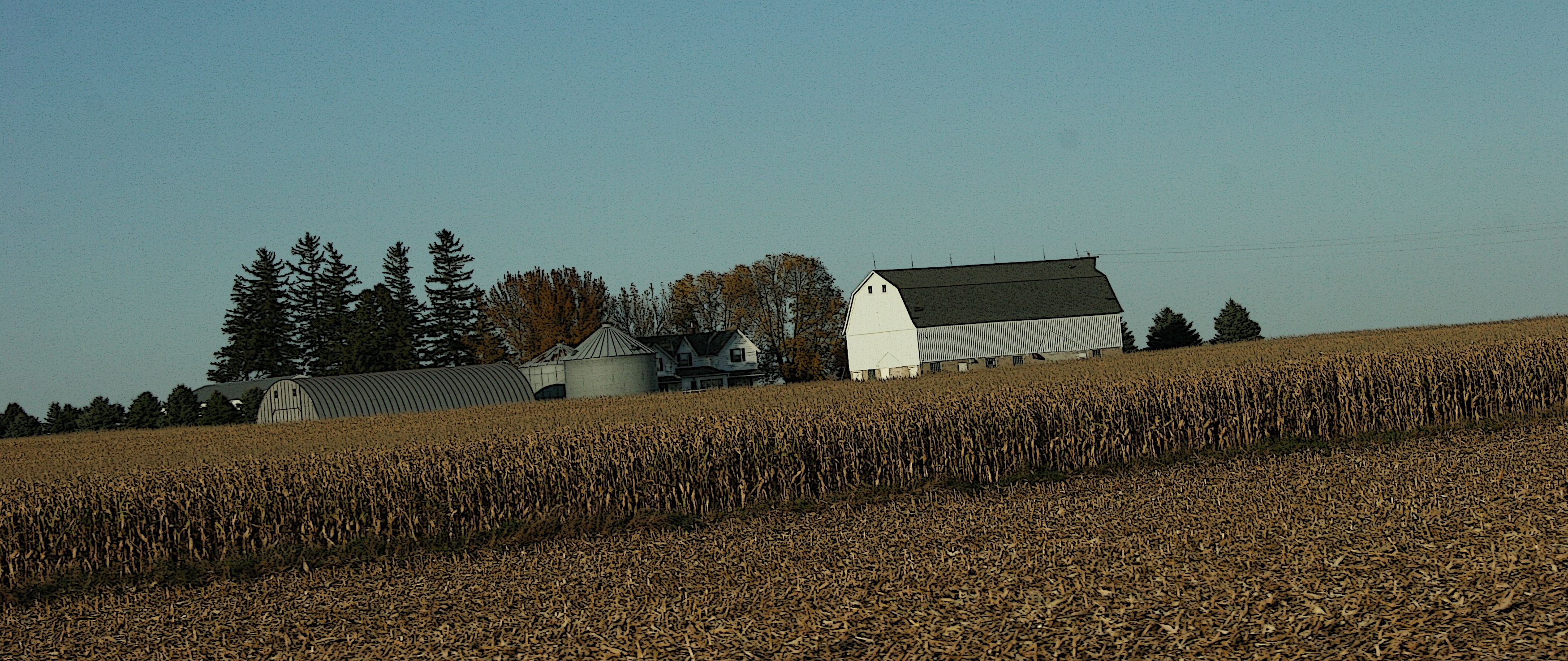
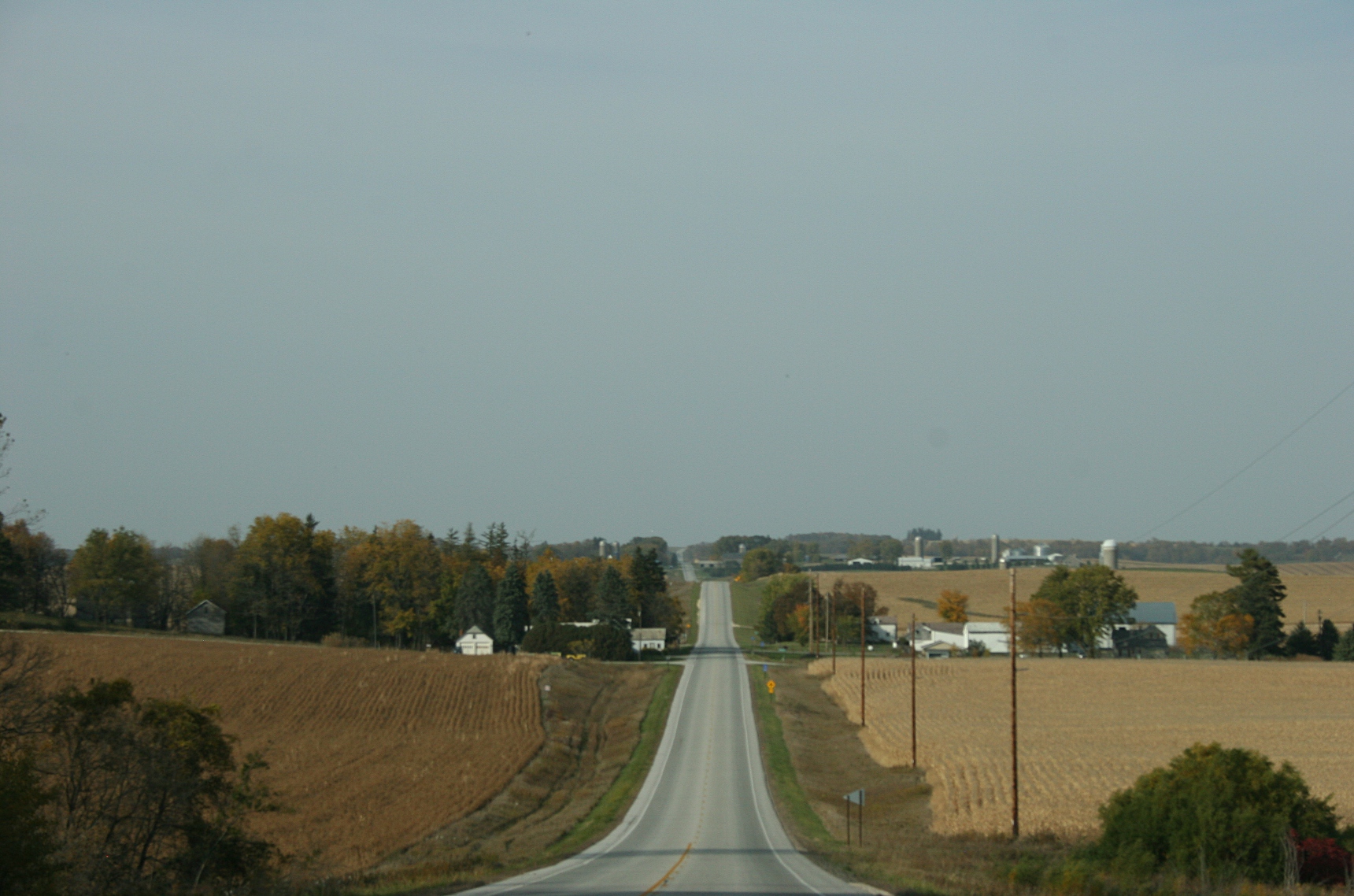
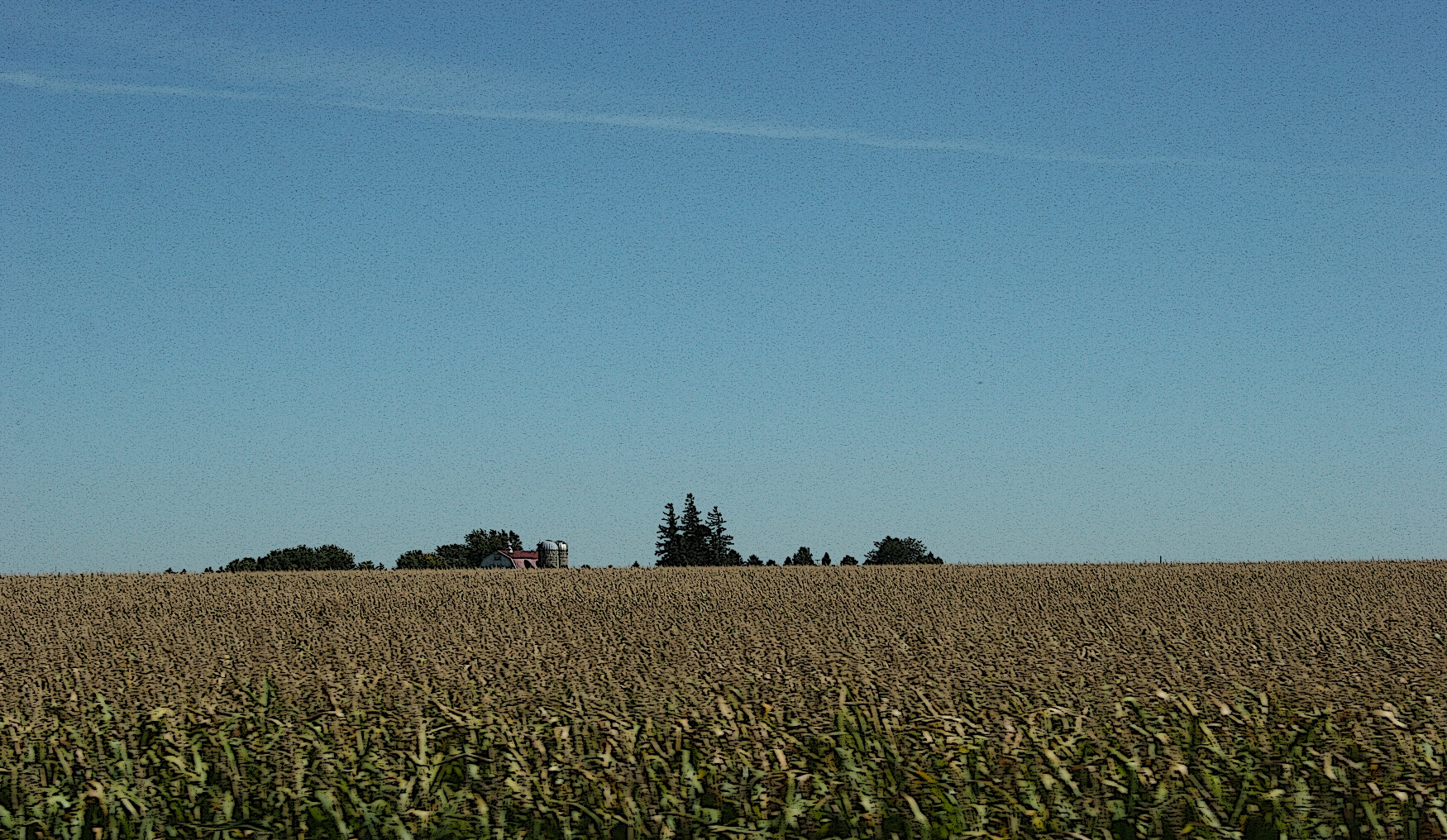
A rural scene along Minnesota State Highway 60 between Faribault and Zumbrota.

A cornfield awaits complete harvest along Minnesota State Highway 60 between Faribault and Zumbrota, Minnesota.

IT IS THE FORMER FARM GIRL that drives me to turn my camera toward the fields this time of year, to the harvest of corn and soybeans.

Harvest in progress near U.S. Highway 10 east of Appleton, Wisconsin.

Harvest in progress along U.S. Highway 10 east of Appleton, Wisconsin.

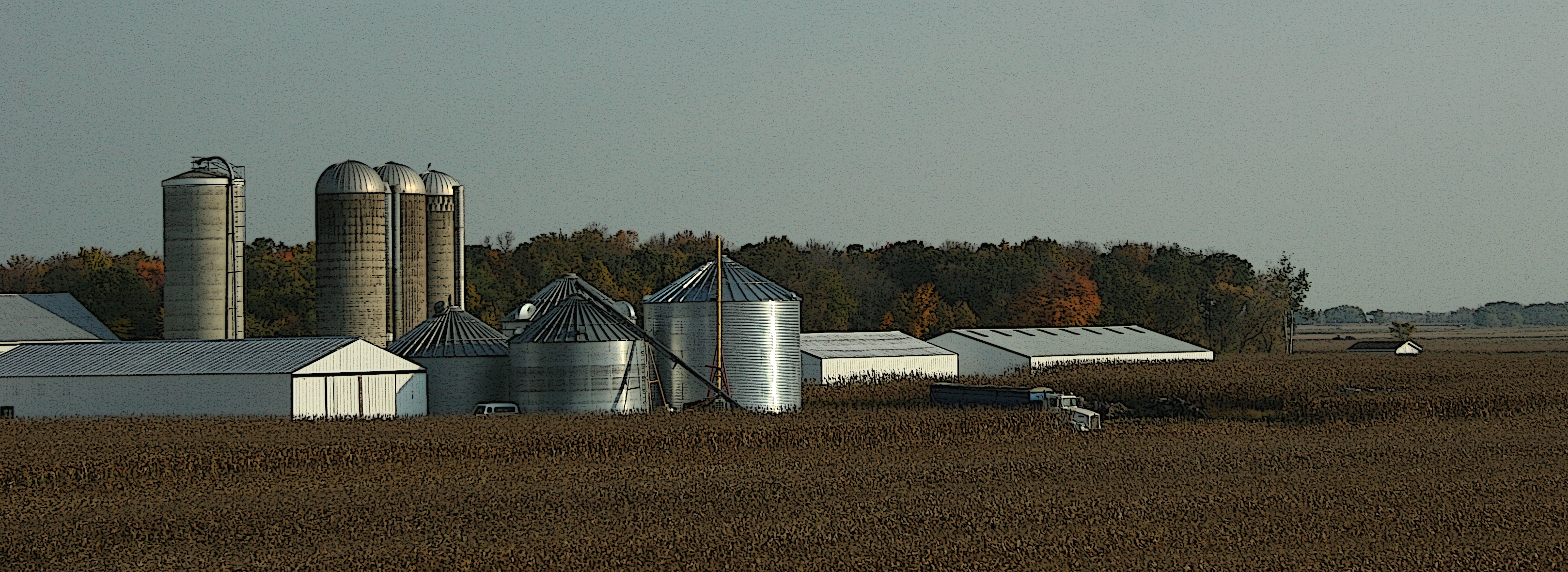
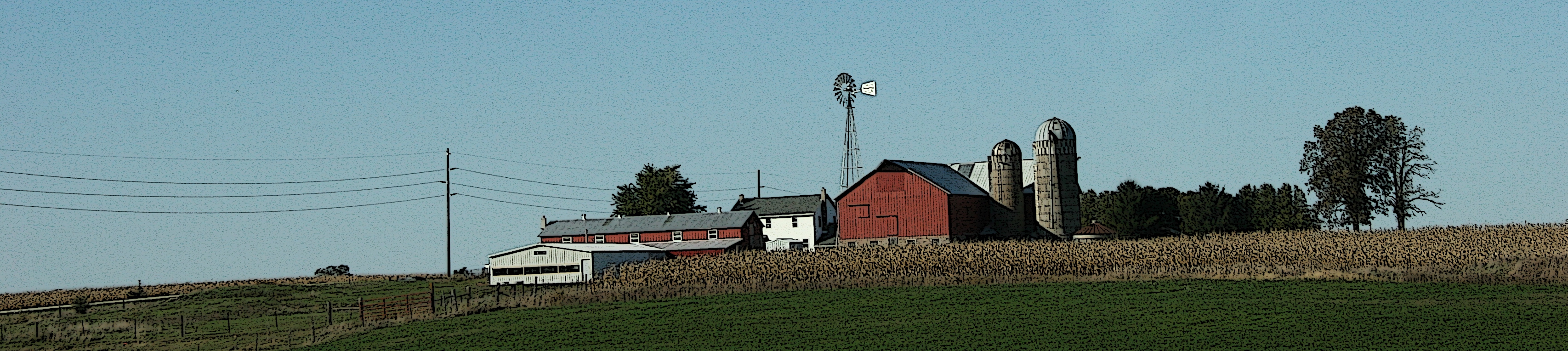
This past weekend provided the perfect opportunity to scope out the harvest on a 600-mile round trip through southeastern Minnesota across central Wisconsin to Appleton (just south of Green Bay) and back. Lots of windshield time with the husband. And lots of time to observe rural Wisconsin and rural Minnesota and capture those scenes with the quick click of my shutter button while passing by at highway speeds.

A scenic

A cornfield awaits harvest along Interstate 90 in southeastern Minnesota.

In most areas, corn fields have faded from green to a golden hue. Soybean fields likewise are transforming to the muted browns of autumn.

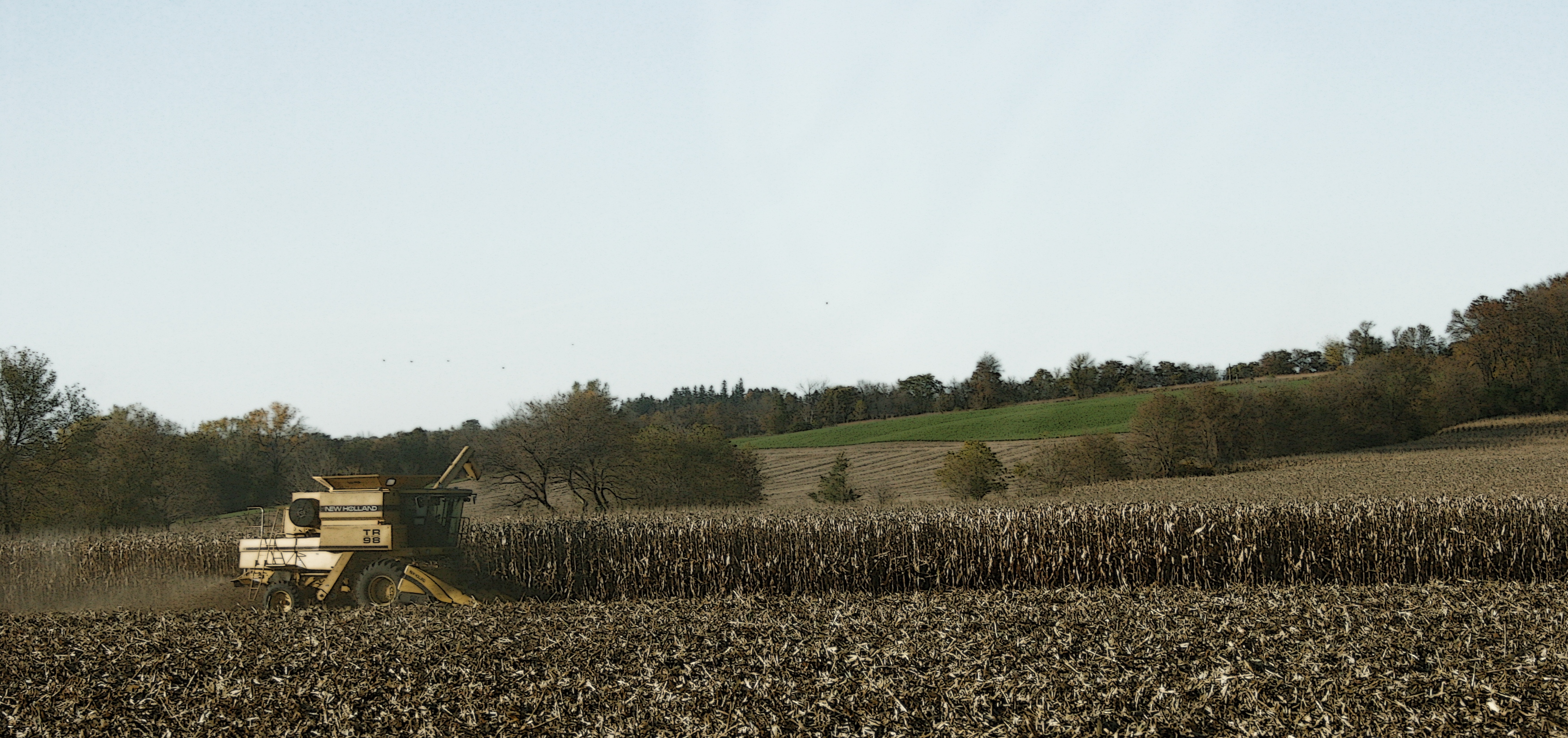
A combine works the land along U.S. Highway 52 north of Rochester.

A combine works the land along U.S. Highway 52 north of Rochester, Minnesota.

Combines kick up dust.

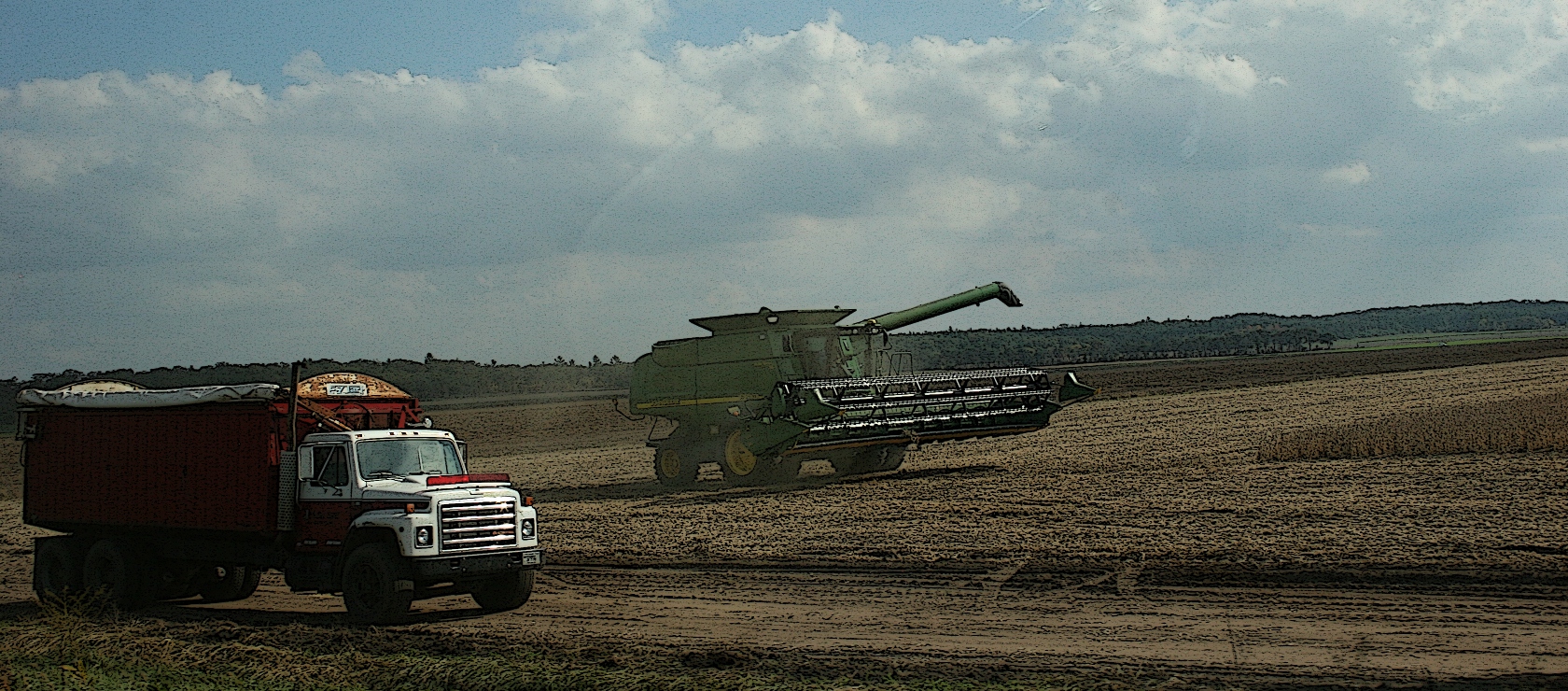
A vintage grain truck rolled out of storage and parked along side a southeastern Minnesota field.

A vintage grain truck parked along side a southeastern Minnesota field.

Grain trucks rumble out of storage.

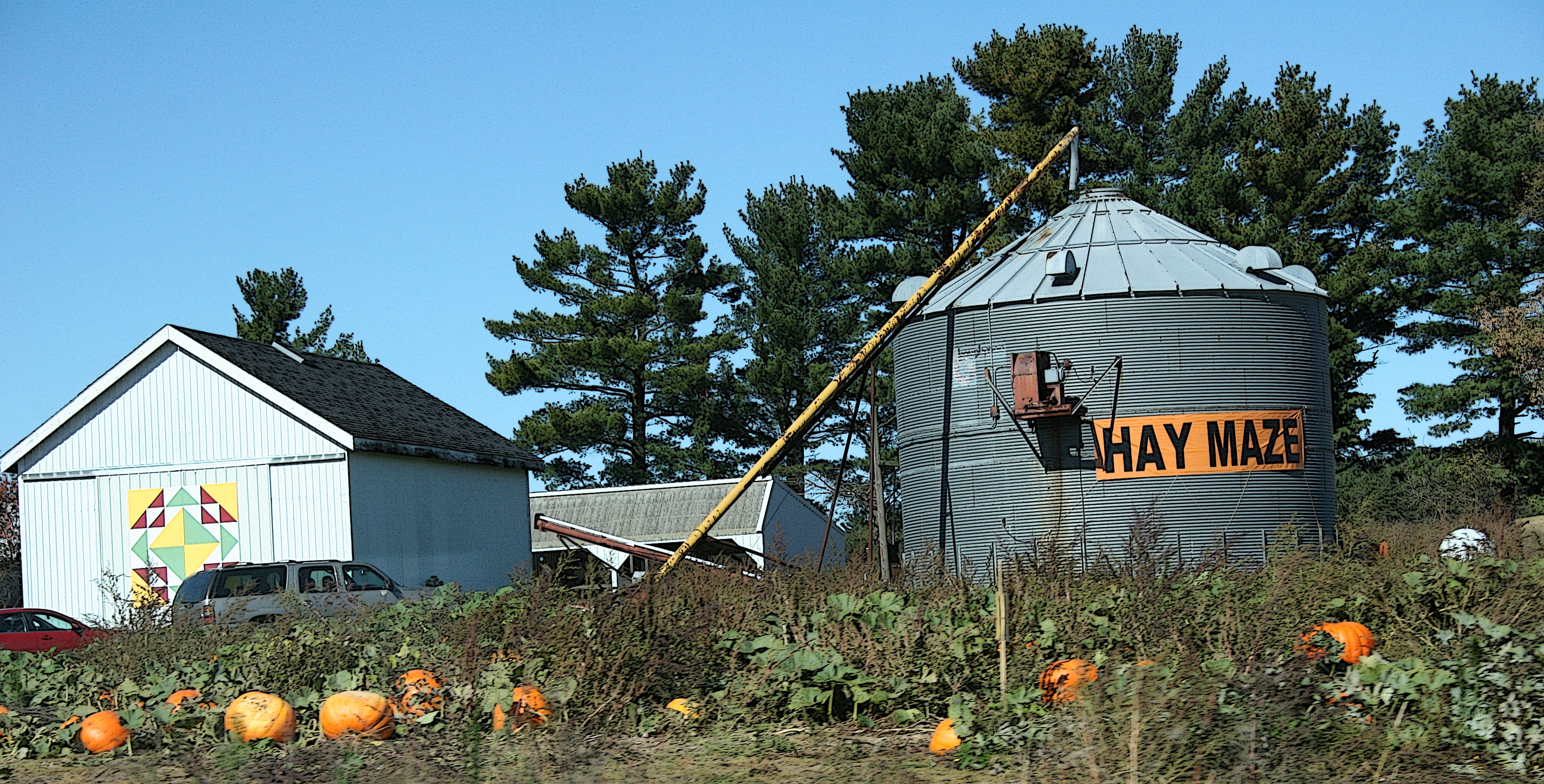
Lots of pumpkins harvested also and for sale, these along Wisconsin State Highway 21.

Lots of pumpkins harvested also and for sale, these along Wisconsin State Highway 21.

Hurry hangs heavy.

Bringing in the crop along Wisconsin State Highway 21.

Bringing in the crop along Wisconsin State Highway 21.

There’s that anticipation, that sense of urgency, that hustle to get the crop out. Before the snow flies.

FYI: Here are a few photo tips for all you on-the-road wannabe photographers out there: Clean your vehicle windows. Make sure you are the passenger and not the driver; safety first. Set your camera at a fast shutter speed. Anticipate. Watch the glare on your windows. Then shoot, shoot, shoot.

If results are not perfect, and they likely will not be due to bugs, sun, and a myriad of other issues, use photo editing tools. Crop. Change the contrast. Sharpen if necessary. Get creative as I did here with usage of the artistic “cartoonify” editing tool. And, if all else fails to produce a pleasing image with the impact you desire, hover and delete.

PLEASE CHECK BACK tomorrow, when I take you on a tour of a Tomah, Wisconsin, cranberry farm.

© Copyright 2013 Audrey Kletscher Helbling


Up close with an Amish family in southeastern Minnesota October 15, 2013

HIS NAME SURPRISES ME. Dennis. “It is not,” I insist to my husband, “in The Book of Amish.”

Not that a Book of Amish exists. I have made that up. But in my mind, this trim Amish carpenter with the dark beard, suspenders criss-crossing his back and a tape measure hooked on his black pants, should bear a biblical name like Samuel, Jacob or Daniel.

Dennis sounds too Englisch.

His surname of Hershberger, however, seems appropriate although the German in me would like to insert a “c” and make that Herschberger.
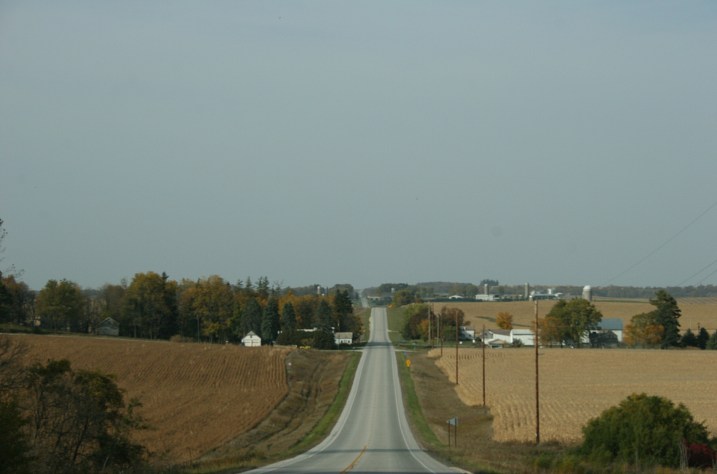
Driving Fillmore County Road 21 north of Canton toward Henrytown then west to Dennis and Mary Hershberger’s farm in early October 2012. This is deep in Minnesota Amish country.

The photographer in me would also like very much to photograph this young Amish father who crafts the most beautiful, gleaming furniture you can imagine on his farm north of Canton and west of Henrytown in southeastern Minnesota. But I know that to photograph him would violate his trust and hinder my welcome to Countryside Furniture.
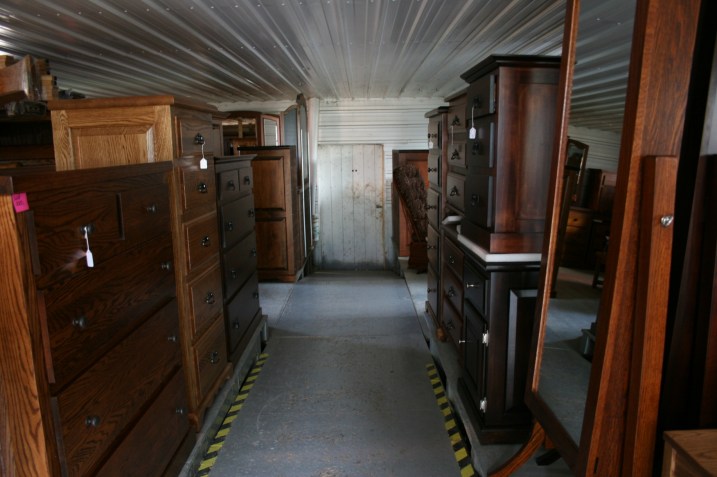
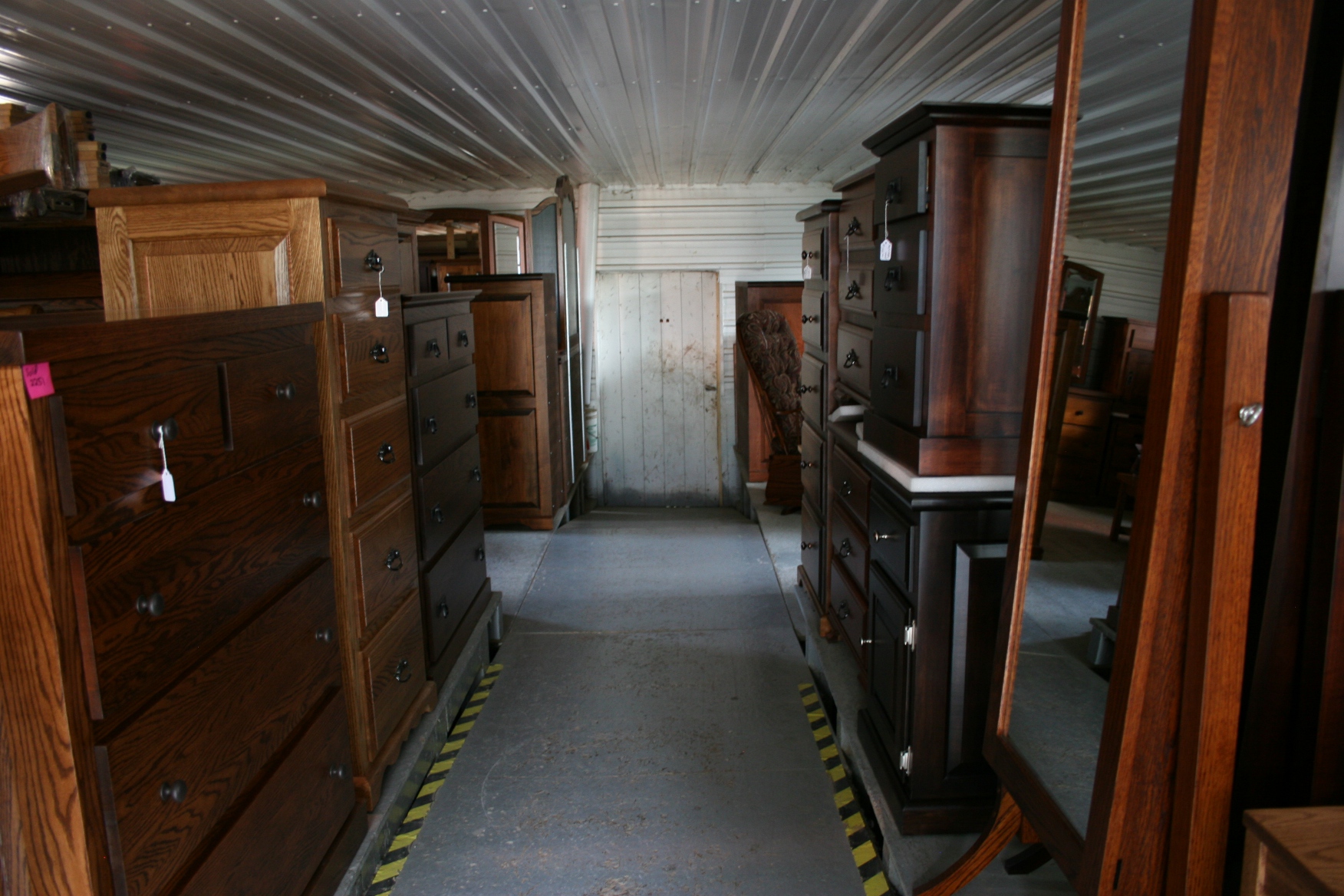
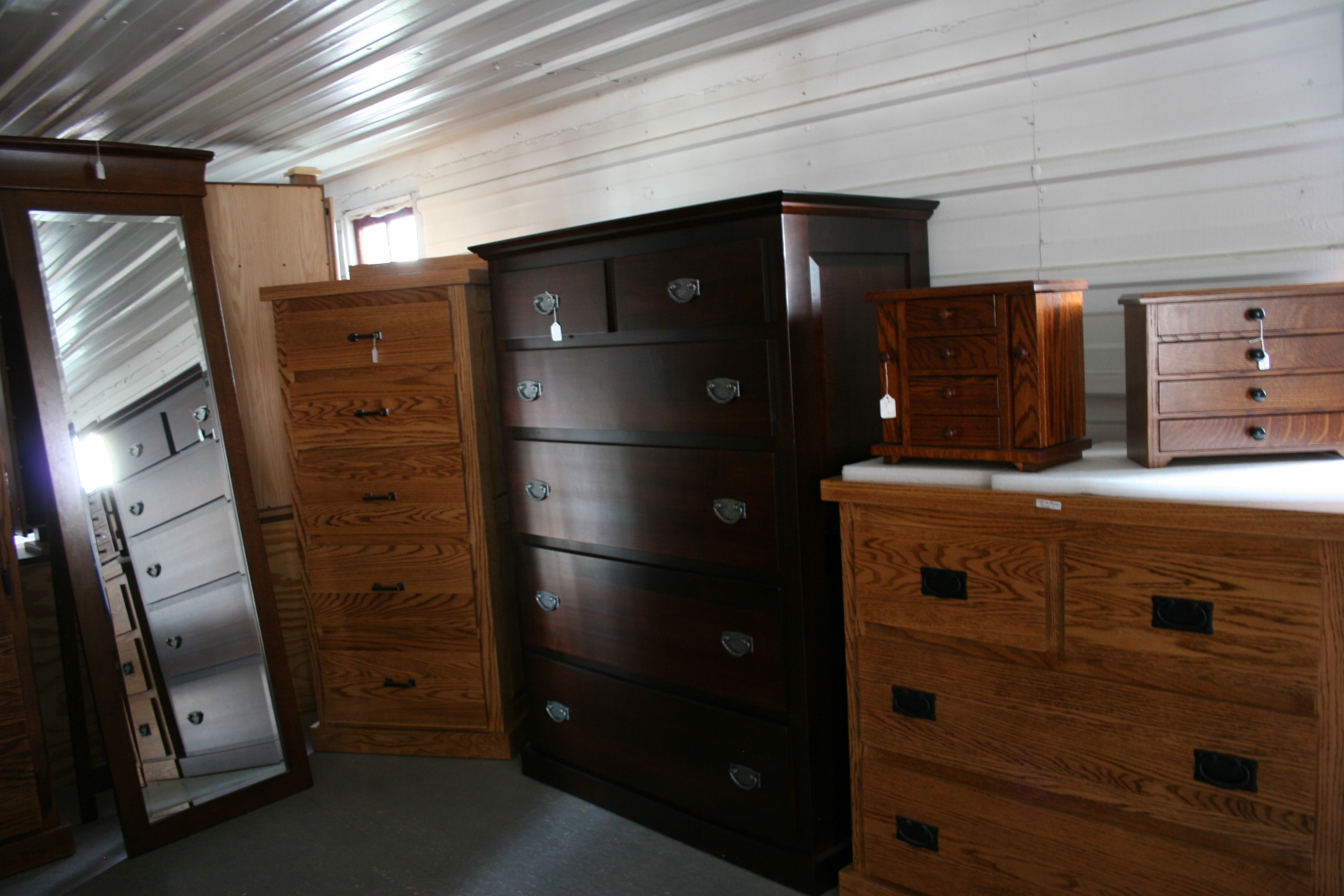
Inside Countryside Furniture, with furniture crafted by Dennis and crew.

So I keep my camera low, tugging it to my side as I watch the Hershberger children, 17-month-old Simon and his 3-year-old sister, whose name I never do learn, wheel a faded red wagon. I am mostly intrigued by Simon in the plain handcrafted blue dress that skims his ankles above pudgy bare feet hardened to the stones and rough grass underfoot. His face is still edged with the softness of a baby, but emerging into that of a little boy. Straight cut bangs ride high on his forehead with wisps of hair tickling his ears in a bowl cut hair style.
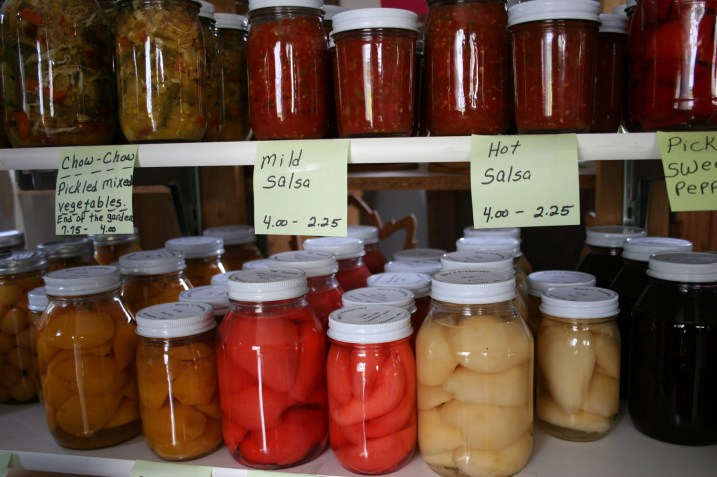
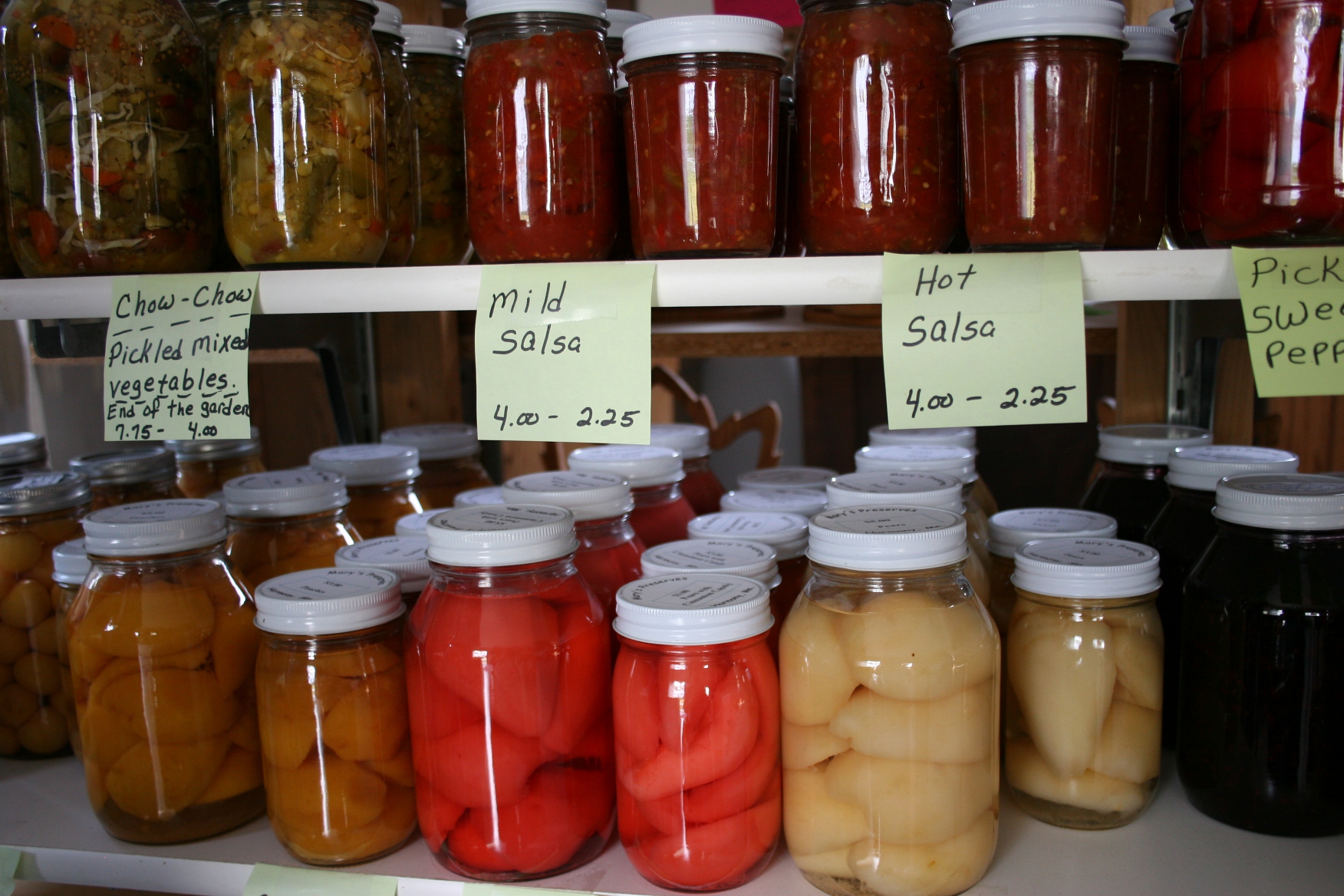
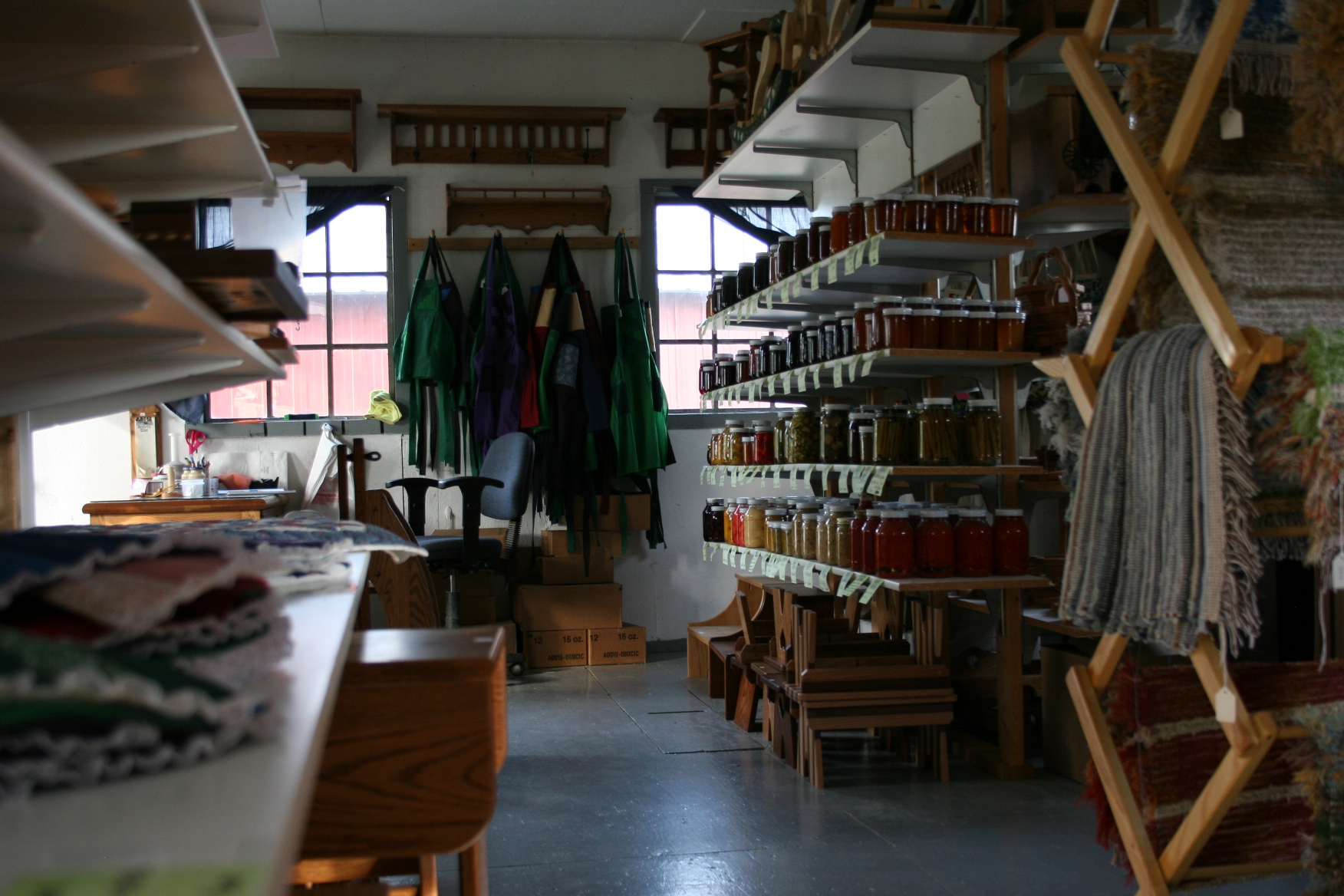
Jars of canned goods line the shelves in Mary’s shop.

When I amble next door, the siblings follow me into their mother’s shop, rattling round and round with the wagon like a car on a racetrack.

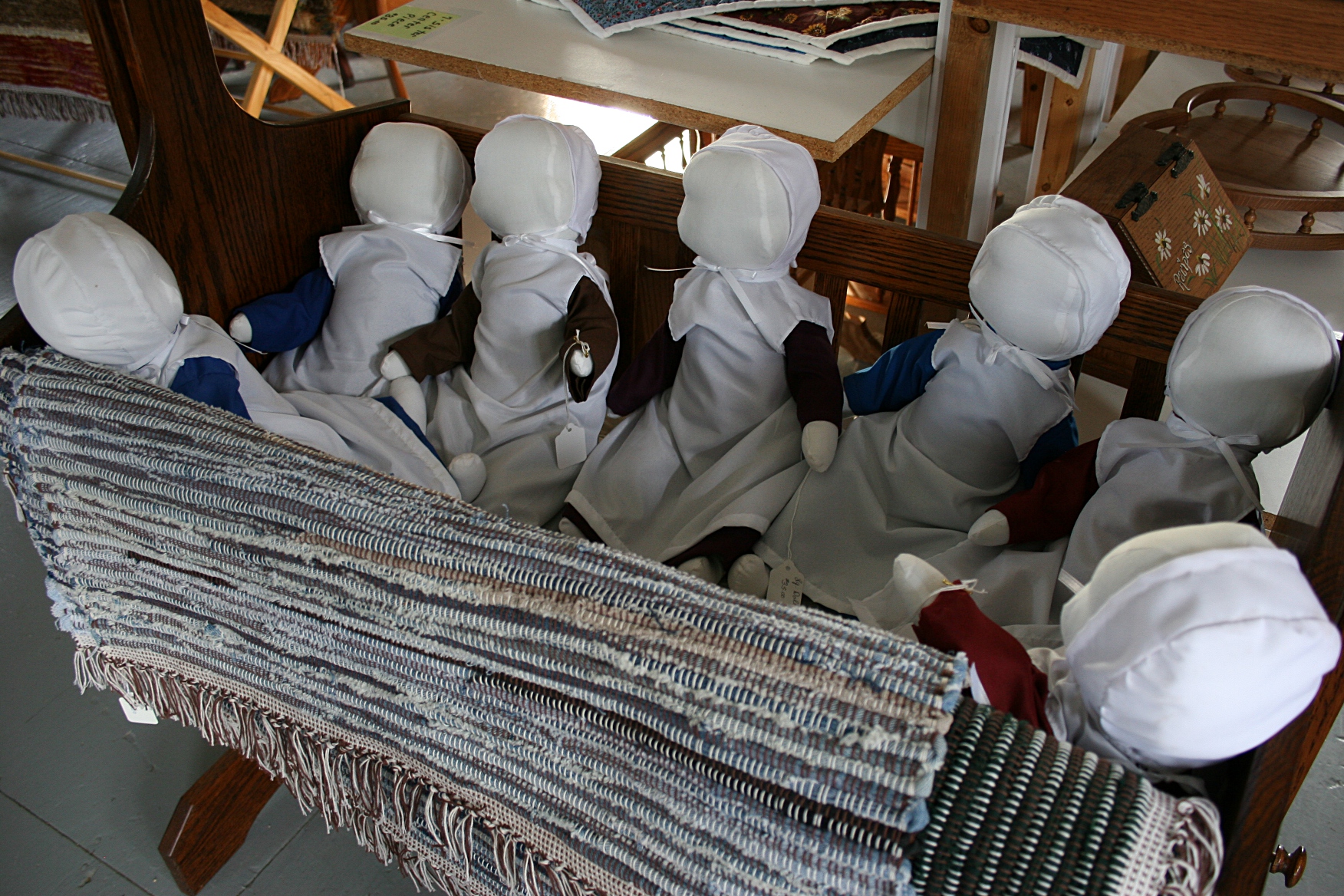
I admire the rows of canned produce (bright orange carrots, golden nuggets of corn, jade spears of dill pickles), the faceless Amish dolls snug in a cradle, the tight weave of cotton rag rugs…
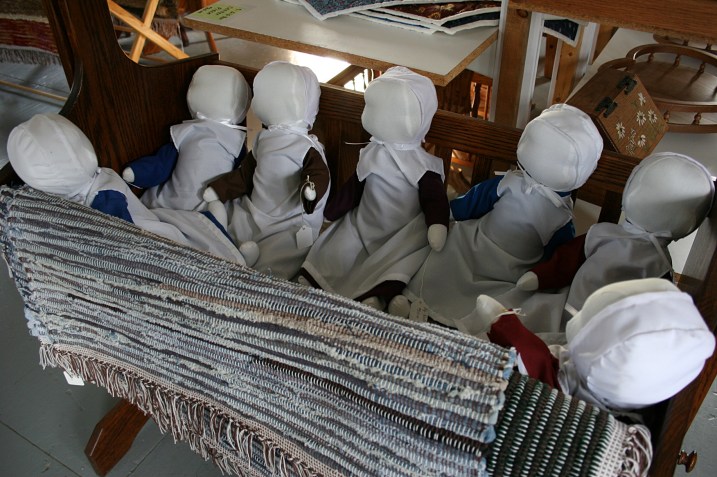
Faceless handcrafted Amish dolls in a handcrafted cradle.

I lift bars of homemade soap and breathe in their perfumed scent.
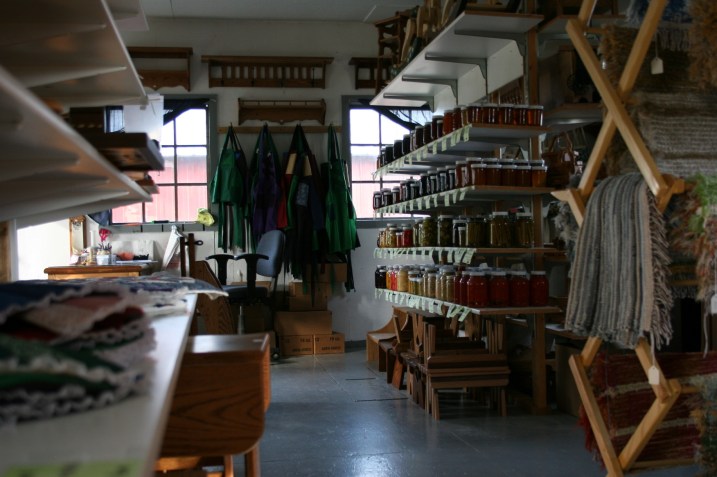
A pathway in the crafts store where Simon and his sister circled their wagon.

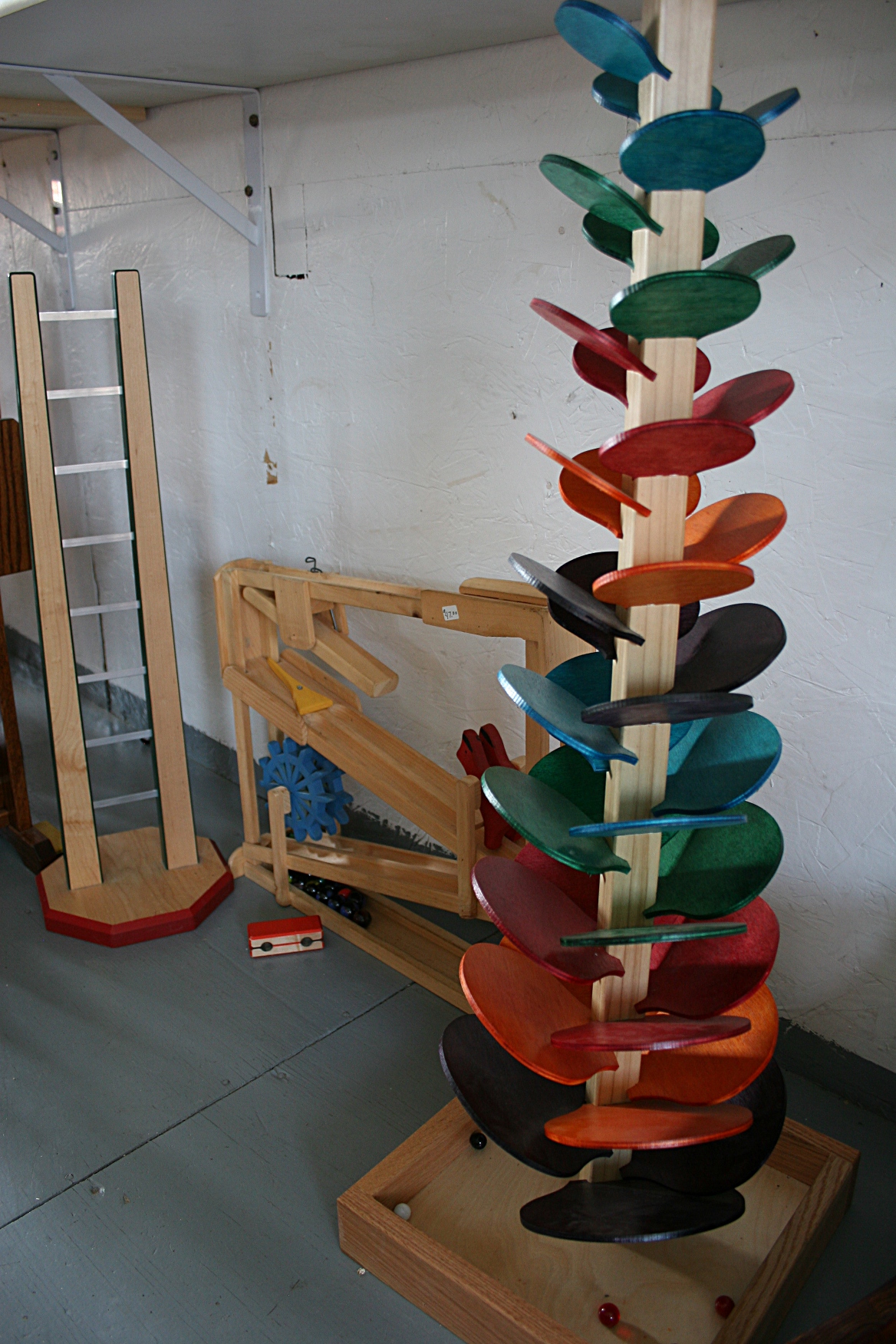
Then my attention turns again toward little Simon and his sister as they drop marbles onto a colorful tower before darting outside. Clack, clack, clack.
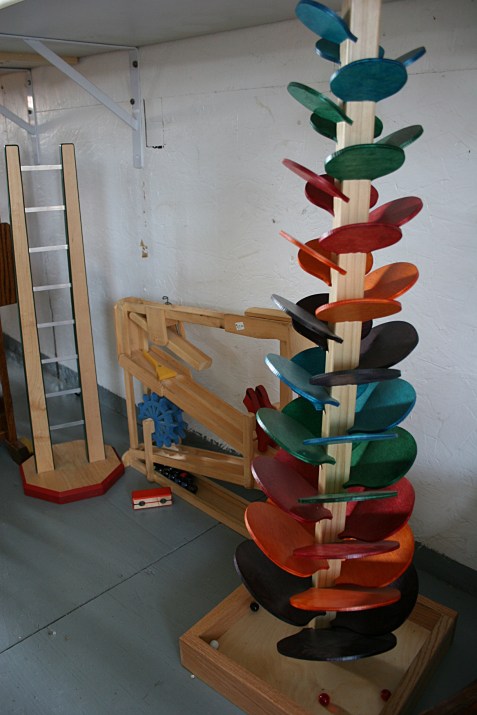
The siblings dropped marbles down the colorful tower on the right.

Through the open shop door, I watch a horse and buggy wheel into the farmyard, steering toward the weathered red barn. A boy, perhaps 10 years old, strolls toward the farmhouse and I lift my right hand to wave. He hesitates, then returns my greeting.

I turn my attention back to Mary’s merchandise. We must choose something to purchase now. It is expected. So Randy picks two jars of Mary’s Preserves. We head back to the furniture showroom, a small outbuilding with white walls and a low ceiling, with two jars of strawberry and tripleberry jams.

We make small talk. Dennis asks where we’ve come from. “Faribault,” I tell him.

“Along Interstate 35,” he notes, then tells us of a good customer from our community.
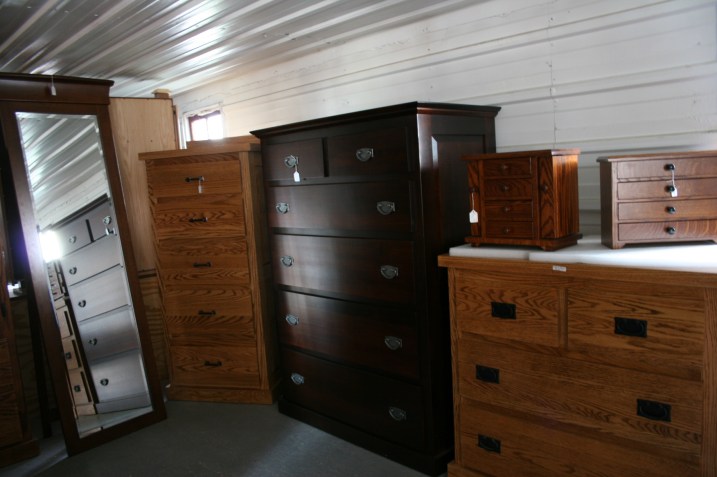
A close-up of the furniture Dennis and his crew craft.

I ask Dennis’ permission to photograph his fine furniture and he gives his OK. Then we return, with Simon still tugging that wagon, to Mary’s shop. As we walk, Dennis lifts his son off the ground, snugs the boy against his right hip, then speaks to him in a language I can only assume is a German dialect. I expect Simon may be getting a gentle admonition about taking the wagon inside his mother’s shop.

Randy pays $4.50 for the jam. We thank Dennis for the gracious welcome to his farm.
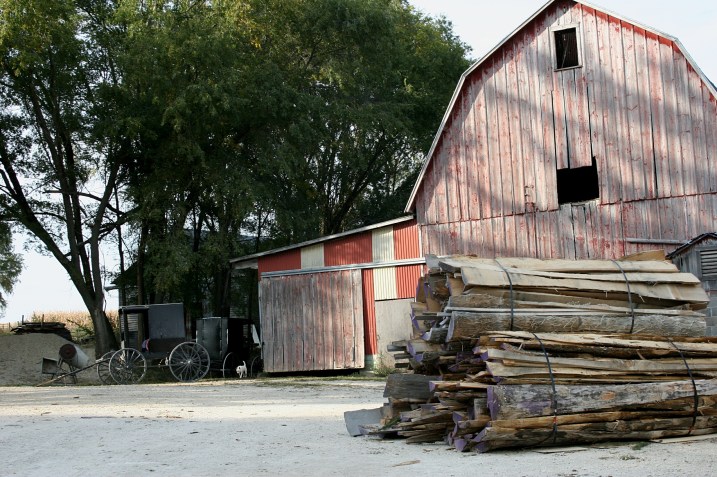
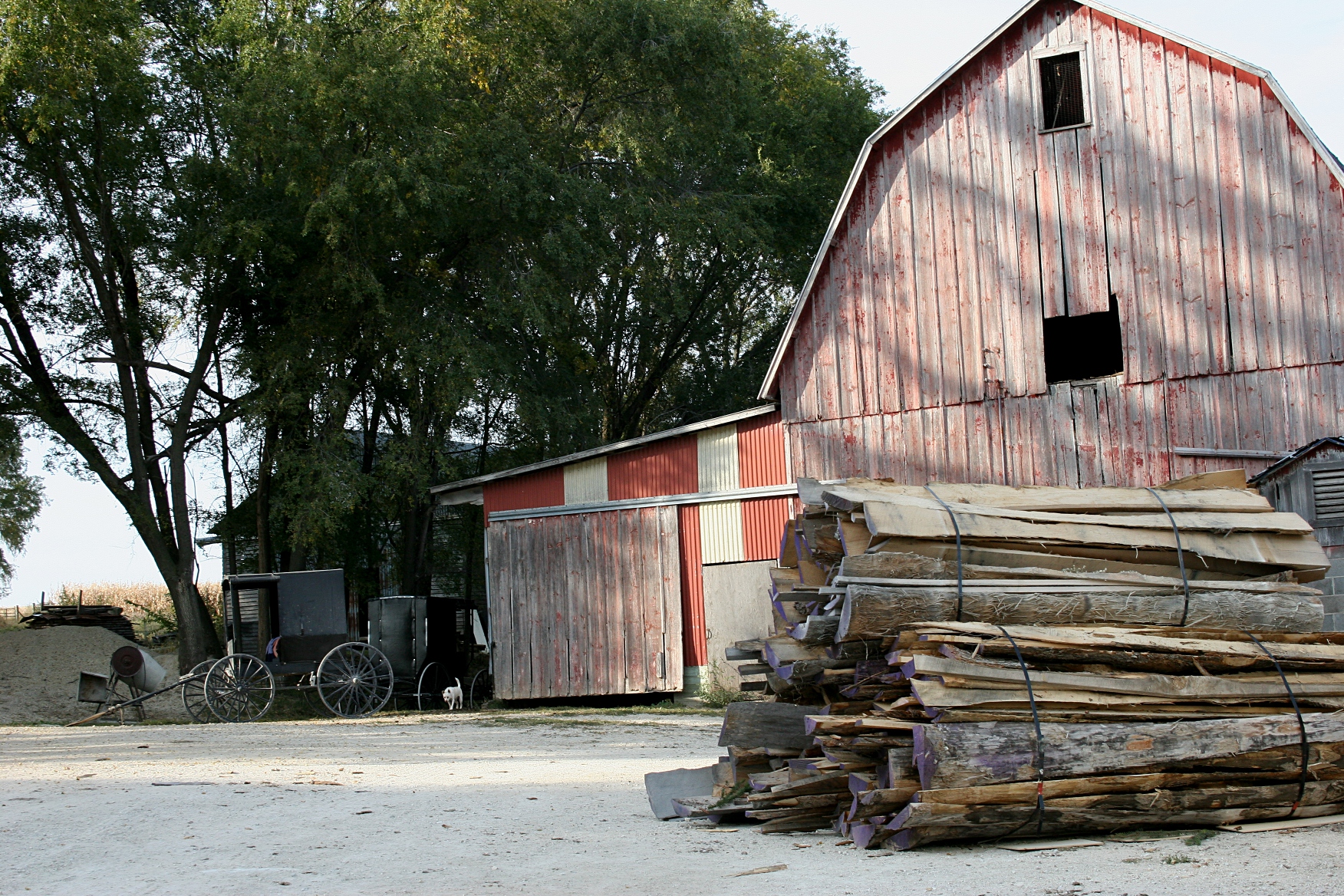
My final shot of the Hershberger farmyard: the barn, the buggies, the stack of wood.

As we head to the car, I photograph the red barn, the two buggies parked next to it and the rough-hewn lengths of stacked wood which Dennis and his helpers will soon craft into fine furniture.

Even though I couldn’t photograph the Hershbergers, the visuals of this place, of this Amish family, of this experience, have imprinted upon my memory. And sometimes that is better than a photo.
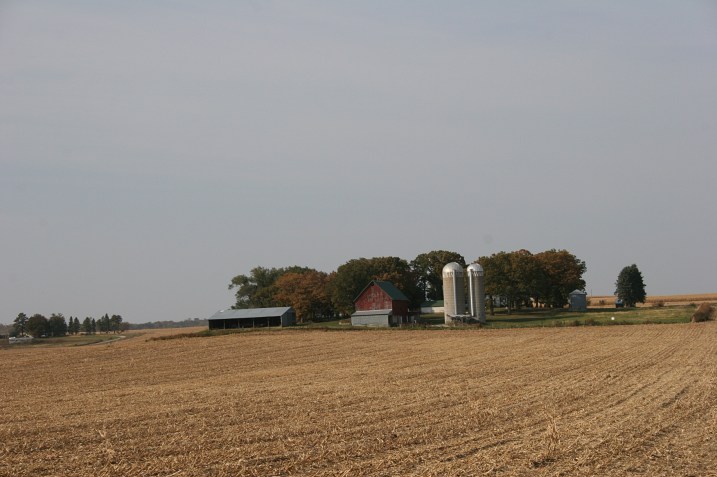
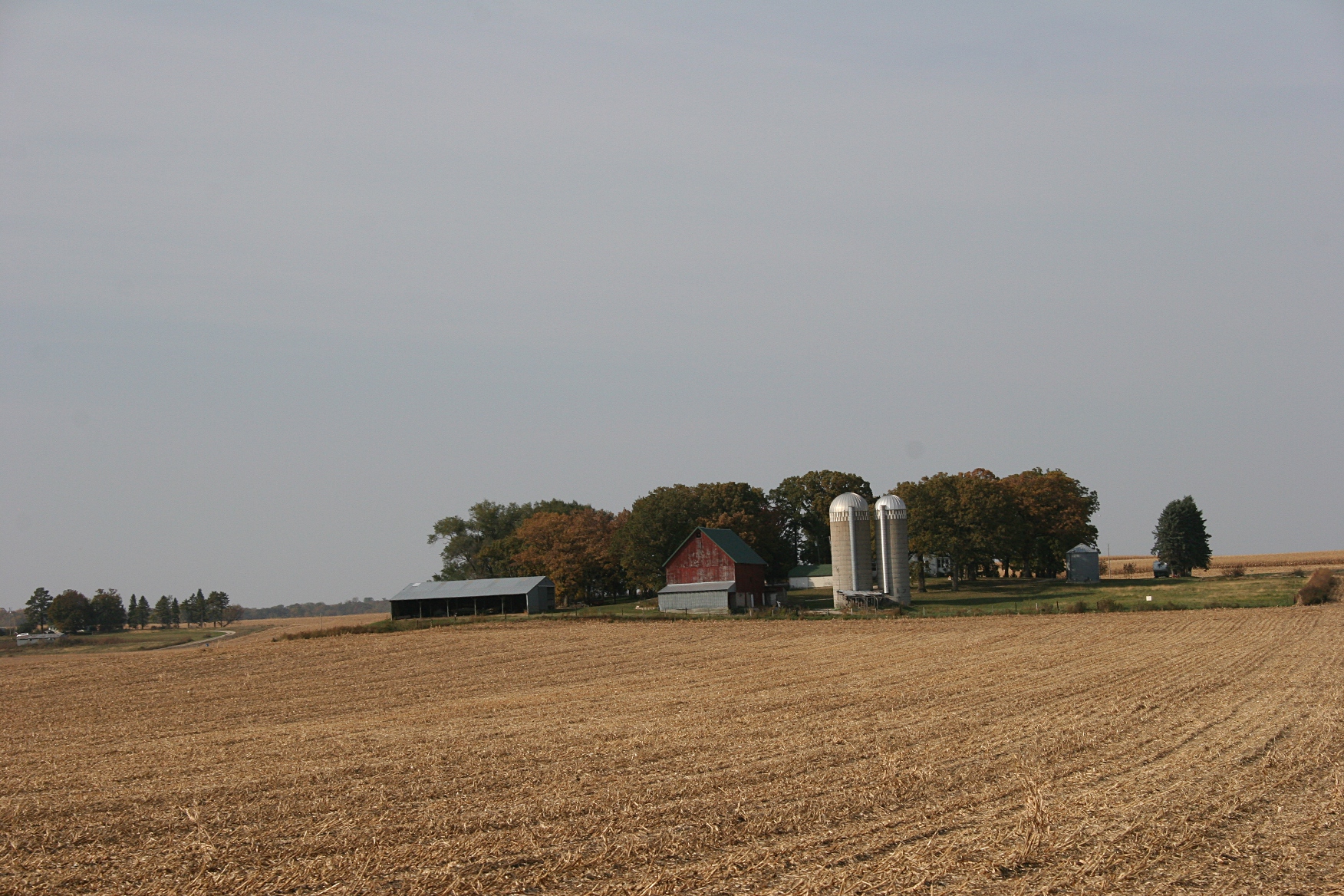
A picturesque farm near the Hershberger place, rural Fillmore County, Minnesota, taken in early October 2012.

FYI: Dennis Hershberger also sells his furniture at Countryside Furniture, located at Old Crow Antiques in Canton, at the intersection of U.S. Highway 52 and Fillmore County Road 21. The Hershberger farm is about five miles northwest of that intersection.

Old Crow Antiques is a great place to stop for information on local Amish farms.

This story and these images are from an October 2012 visit to the Hershberger farm.

© Copyright 2013 Audrey Kletscher Helbling


In which I meet Amish quilter Fannie Miller on her Lenora farm October 11, 2013

Filed under: Uncategorized — Audrey Kletscher Helbling @ 6:00 AM
Tags: , , , , , , , , ,

THE AMISH HAVE ALWAYS intrigued me. I can’t explain specifically why, except to admit that perhaps I am a bit envious of their minimalist lifestyle, one likely similar to that of my farmer forefathers.

Never have I gotten a closer look at Amish life than on an early October 2012 day trip to the Lenora/Canton/Harmony area of southeastern Minnesota.

My first glimpse of the Amish began in unincorporated Lenora in southeastern Fillmore County where my husband and I were searching for the historic Lenora Methodist Church. Unable to initially locate the church (how we could miss it in tiny Lenora is beyond me), we stopped at Summer Kitchen Antiques, which was closed, and then began driving east onto a gravel road.

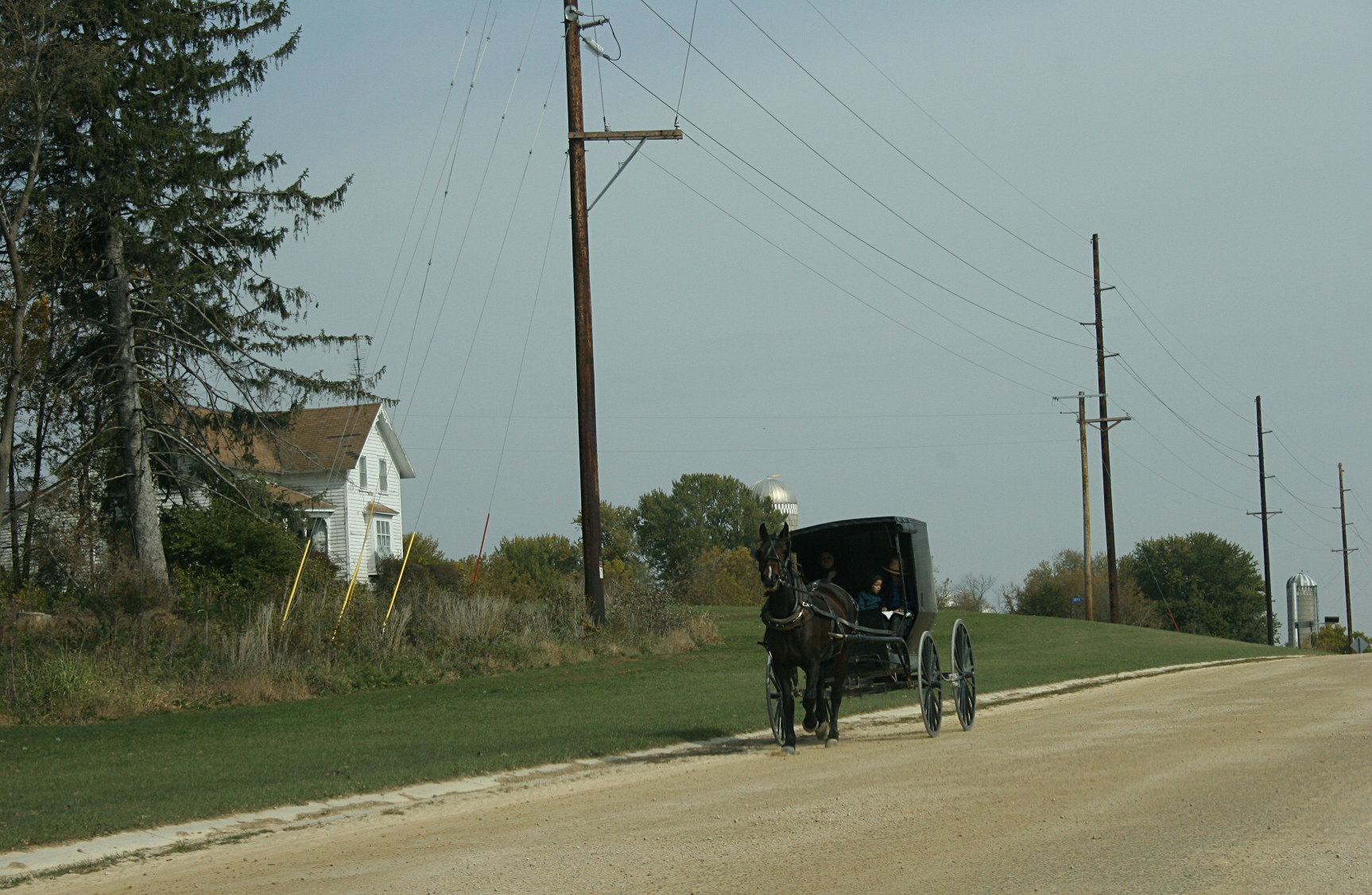
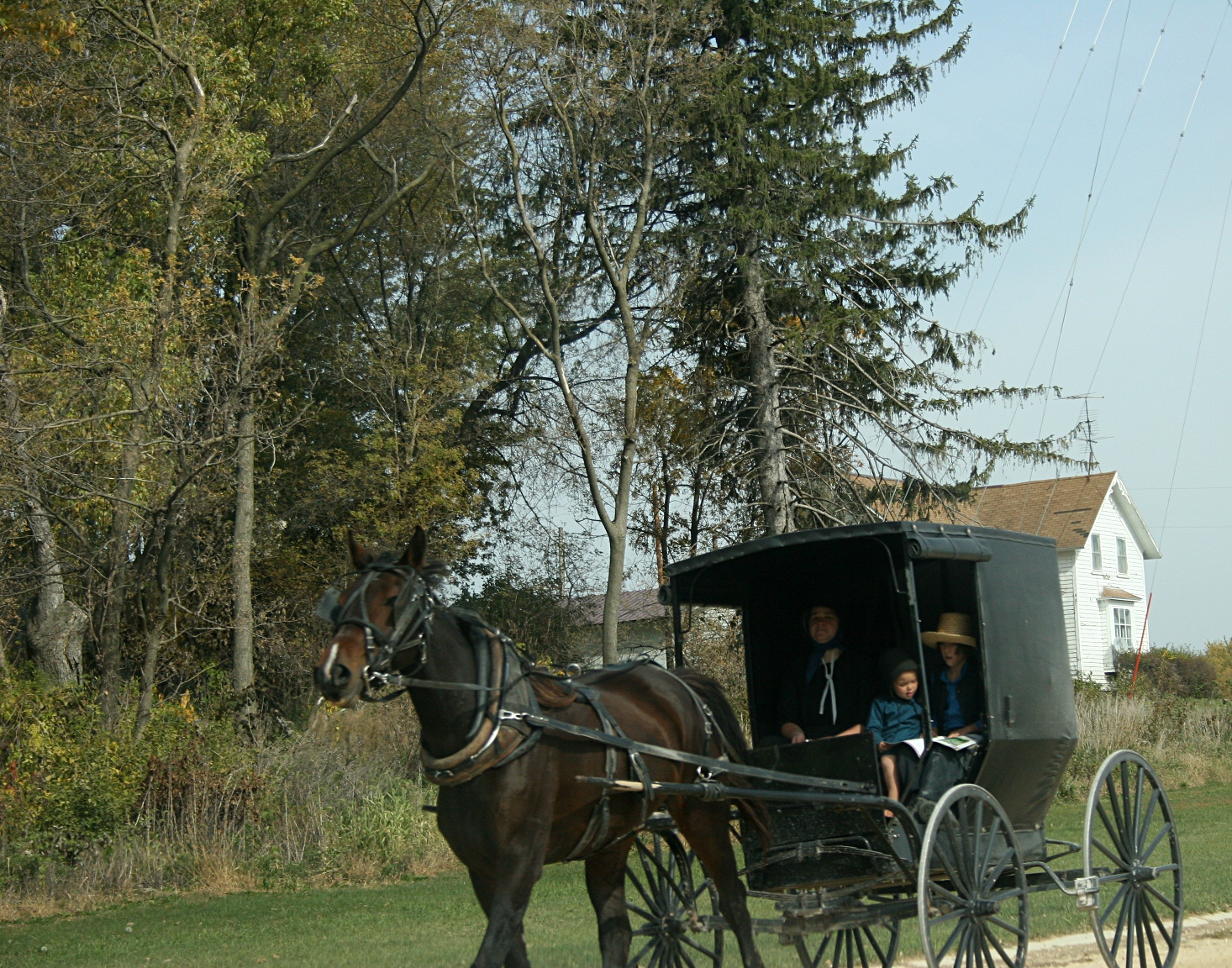
An Amish buggy approaches our car just on the outskirts of Lenora.

Just barely past the antique shop, an Amish buggy came into view and I raised my camera to snap two quick photos through the passenger side windshield. Now I know how the Amish forbid face photos, and I am (mostly) respectful in their close presence. But when they are traveling on a public roadway in a region that markets itself as a “see the Amish” destination, from which the Amish benefit financially, I do not feel obliged to keep my camera tucked away.

A close-up look at the approaching buggy shows a young Amish boy reading a book to his little sister as their mother guides the horse and buggy down the gravel road.

After that initial sighting, we came upon a roadside sign advertising quilts and table runners less than one-quarter of a mile from Lenora. My excitement heightened as we turned into the Amish farmyard, even though I was acutely aware I’d need to keep my shutter button finger mostly still.

That proved to be a challenge as I desired more than anything to photograph the red-haired pre-teen Amish girl with the pinkish birthmark splotched across her right cheek lolling on the feather-littered lawn next to her younger brother with the bowl-cut auburn hair.

When I cannot take a photo, I imprint visual details upon my mind.

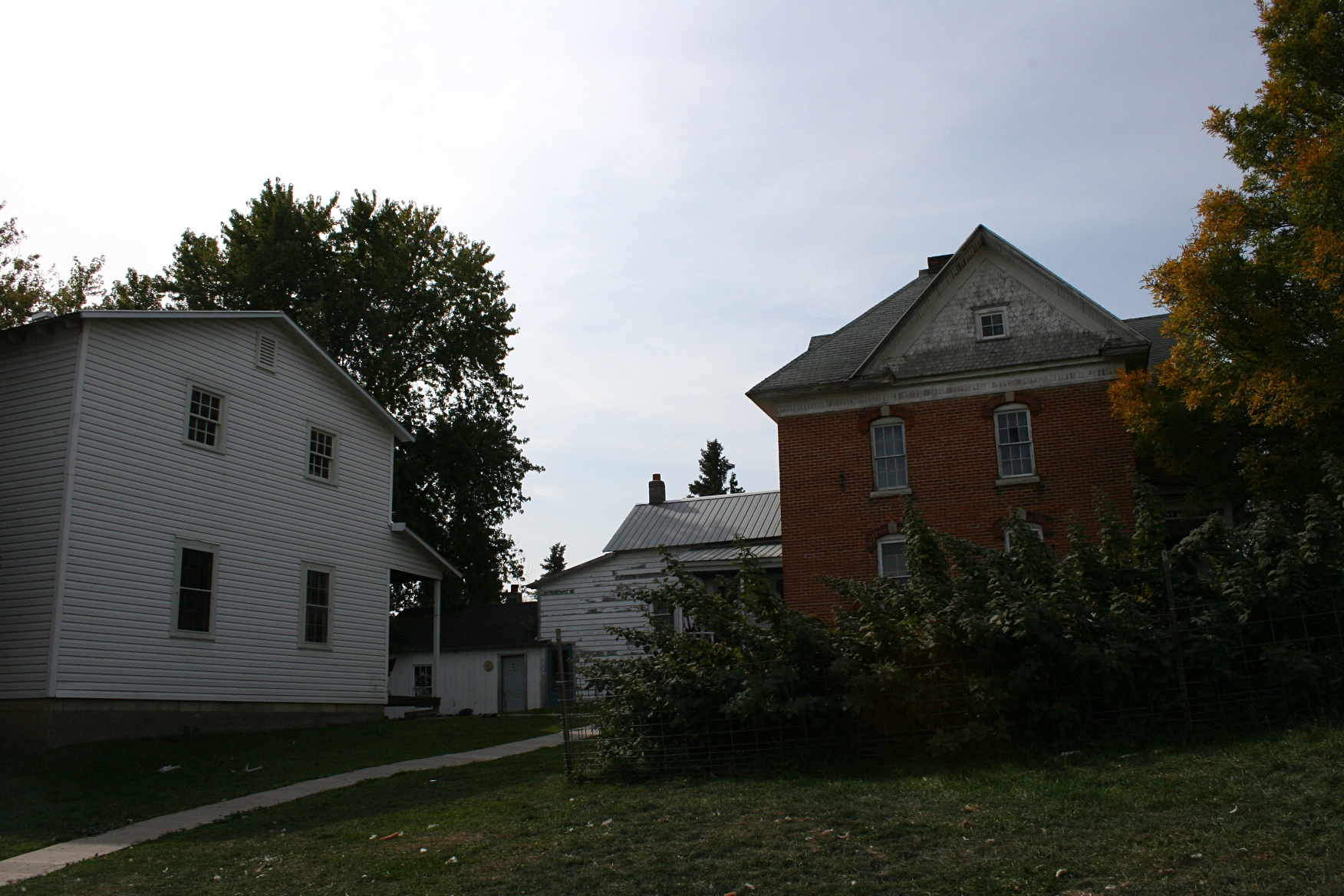
Fannie Miller’s brick house is on the right, her shop in the attached lean-to just to the left.

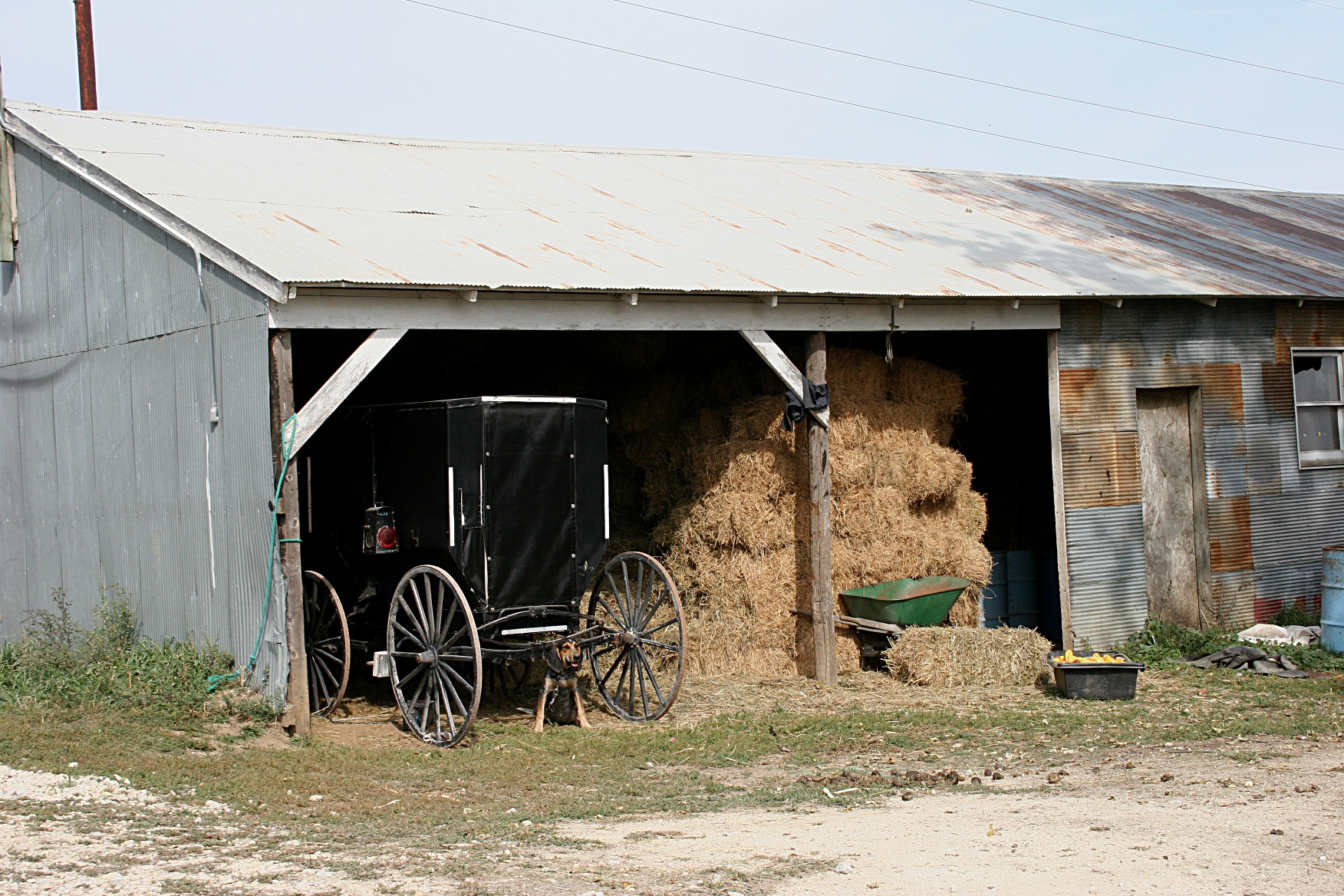
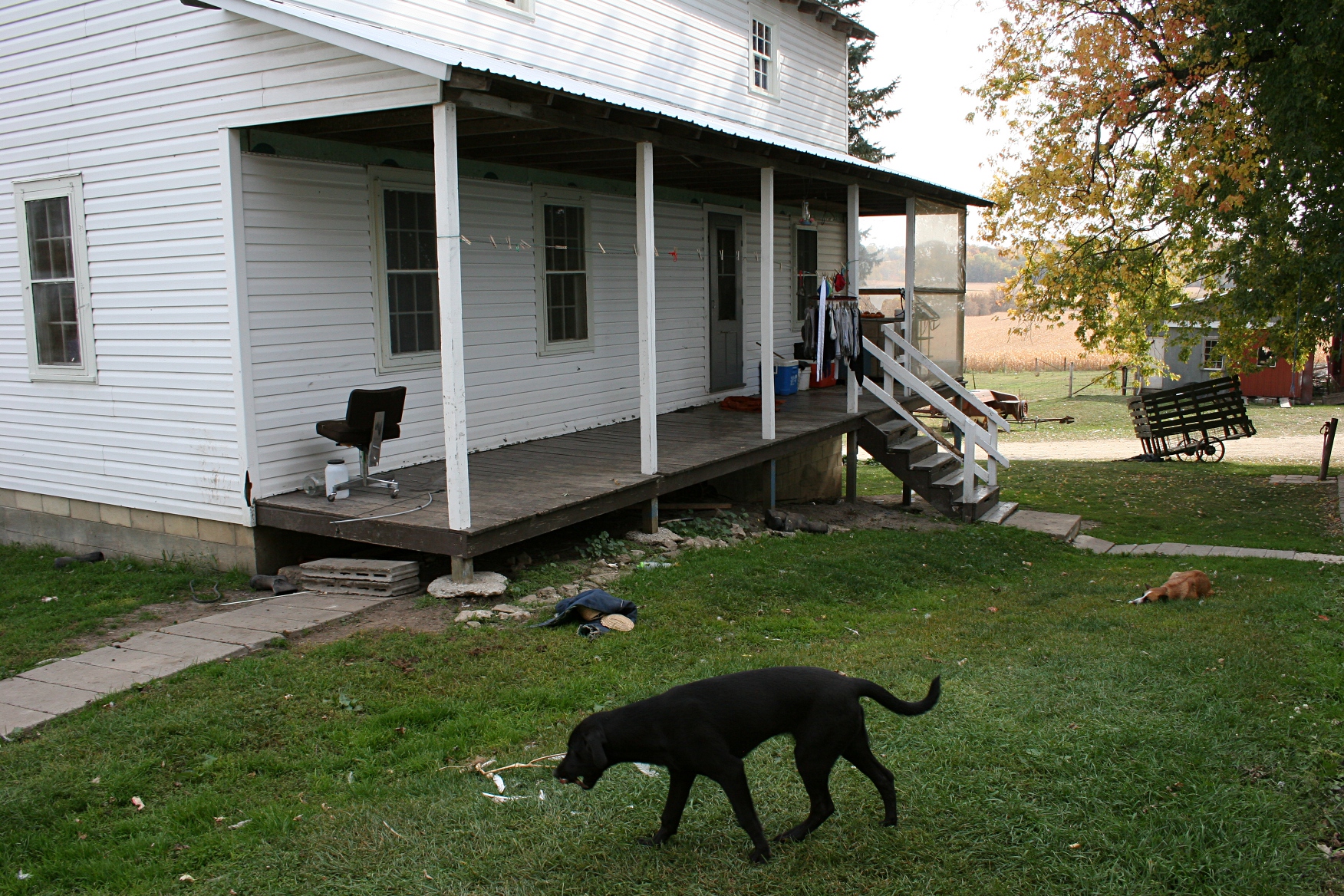
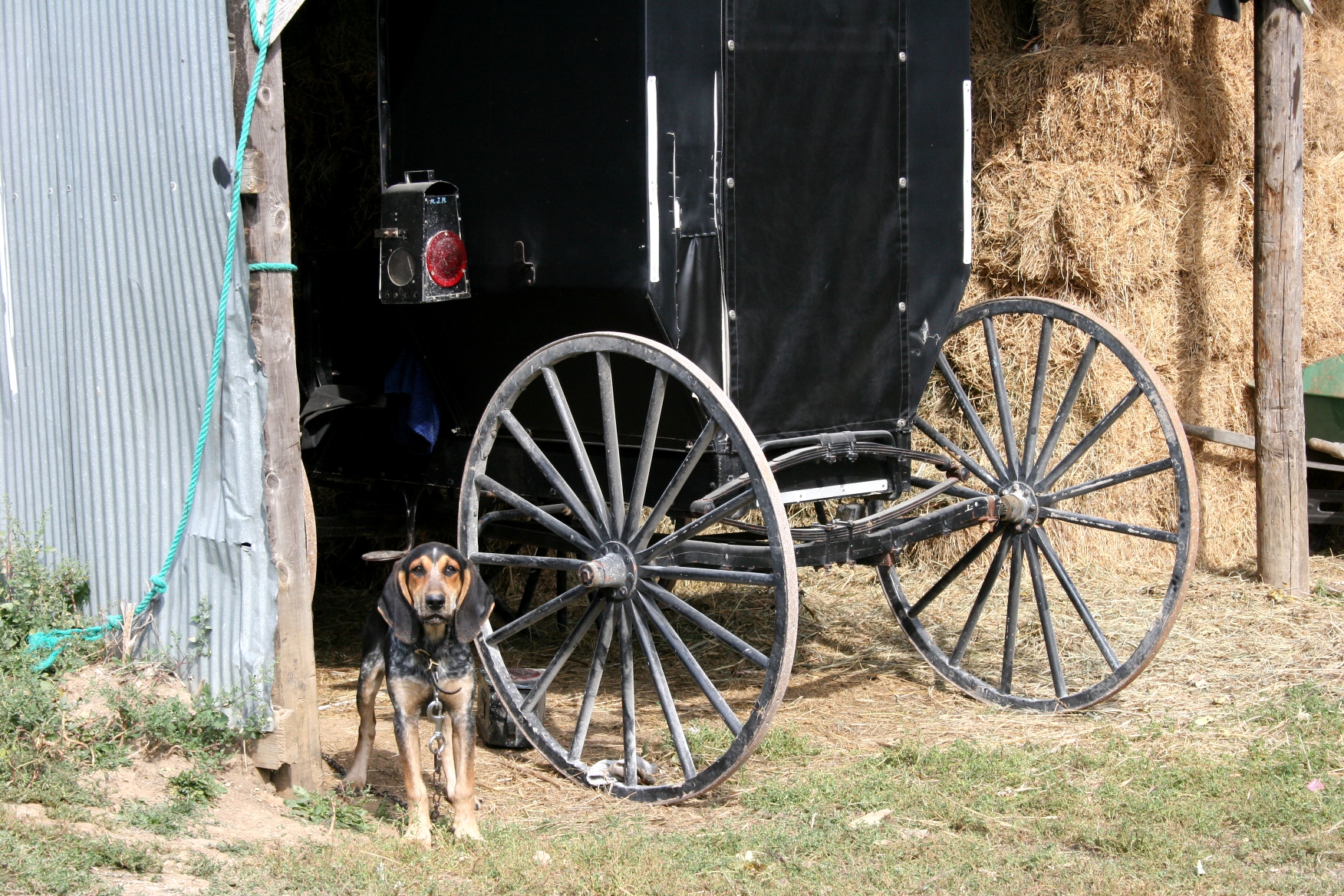
The siblings directed us toward a lean-to attached to a stately and aging brick house adjacent to a wood-frame house. Dogs roamed while a third one, tethered to a thick chain in a pole shed next to an Amish buggy, barked with a ferocity that made me thankful he was restrained.

My first glimpse of the Millers’ dog chained in the pole shed.

The pungent smell of silage wafted across the yard as, across the gravel road, a farmer pushed the fermented corn with his tractor and loader.

Stepping onto the lean-to porch, I eyed a handwritten “no photos” sign and pulled my camera close to my side. Randy made a point of pointing out the warning to me, as if I couldn’t see it.

And then we met Fannie Miller, whose name aptly describes her rotund physical appearance. She settled onto a chair and watched as I caressed her fine handiwork, praised her stitching. I admired the sturdy, blue built-in wall of cupboards in the corner and told Fannie so.

I wished, in that moment, that I could photograph the entire scene before me and through the doorway into the next room where Fannie’s husband napped in a chair by the wood-burning stove. His chin dipped, his scruffy beard defining my side view of the old man sleeping. In the corner I spotted a patchwork quilt snugged across a single bed. I dared not look more for fear Fannie would banish me from her home.

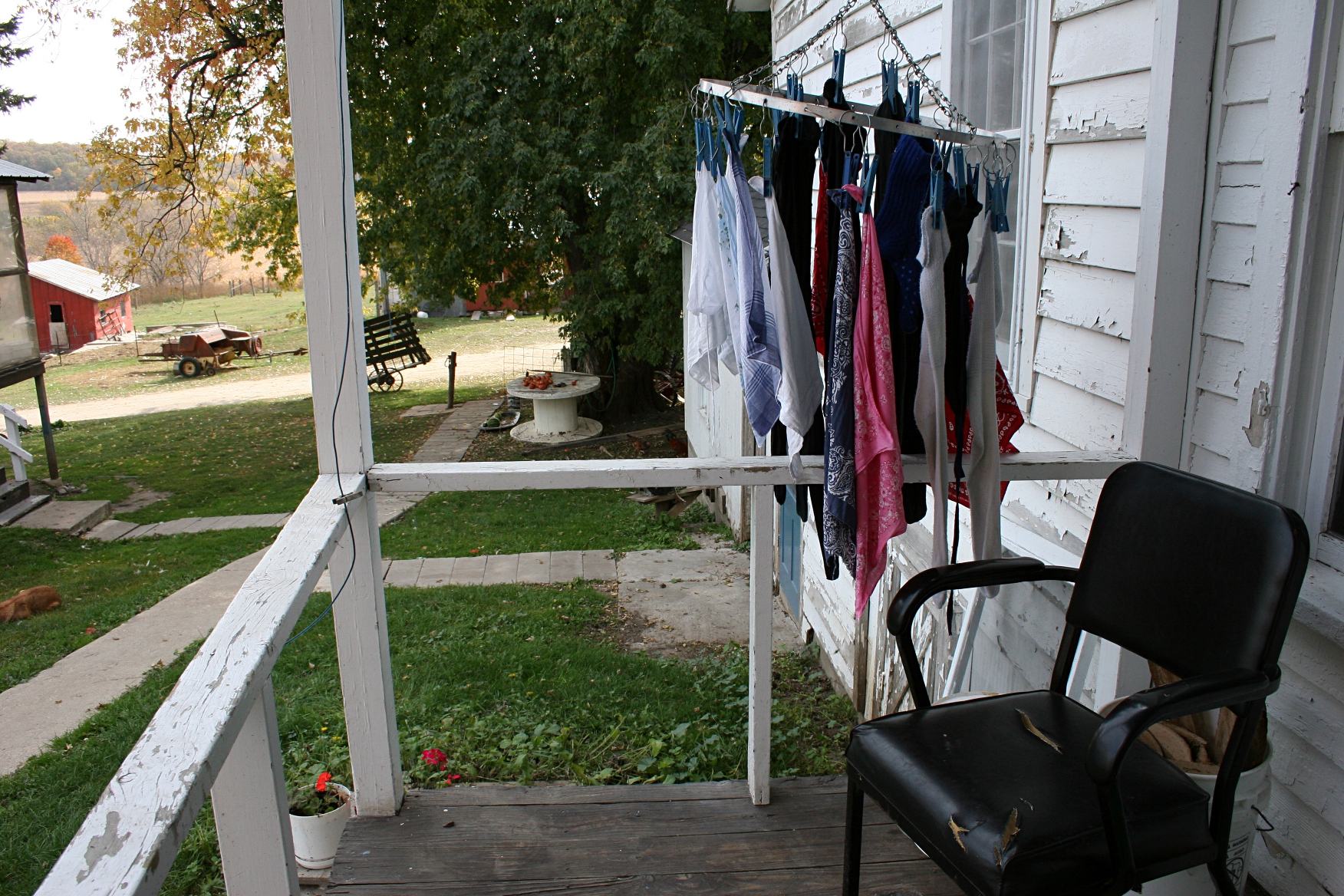
I hang my laundry outside, so I was particularly intrigued by this circular drying rack onto which handkerchiefs were clipped on the porch of Fannie’s house.

I remember thinking, though, before exiting Fannie’s shop, before asking her if I could photograph hankies drying on her porch on this Monday wash day in October, how perfect and lovely the natural light that filtered into the two rooms of her house.

The children ran into this house after I stepped out of Fannie’s shop.

She granted me permission to photograph outside, as long as I did not photograph the children. I told her I would respect her request, then watched the red-haired siblings scamper inside their house.

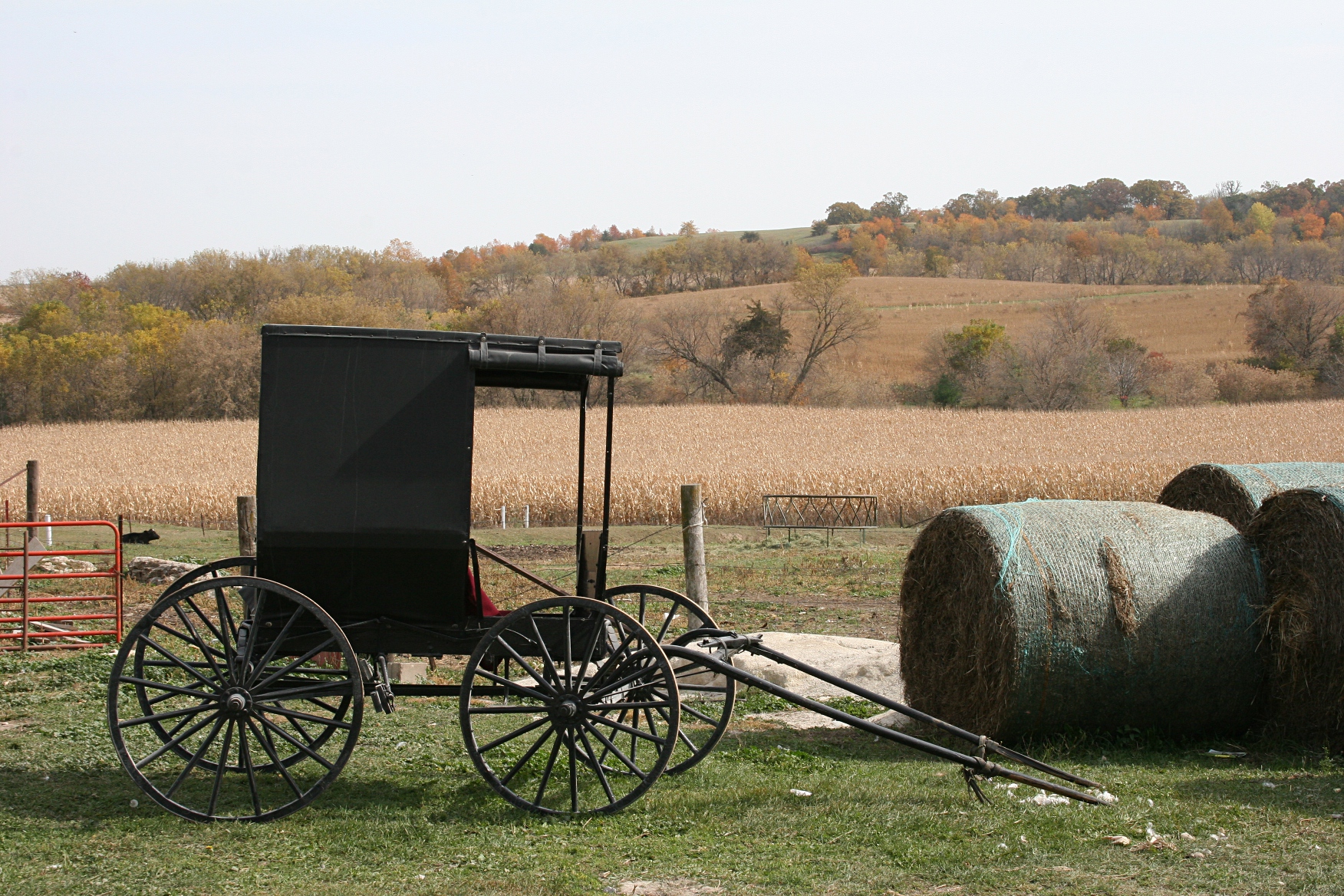
Just another buggy parked on the Miller farm. I was surprised to see the round bales.

I snapped several more building and buggy photos, though not too many as to overstay our welcome, before passing by the now placid chained dog and turning onto the gravel road back to Lenora.

My final photo on the Miller farm, of the dog turned docile.

PLEASE CHECK BACK for another post about the Amish in the Canton and Harmony areas.

Click here to read my previous post about the historic Lenora United Methodist Church.

© Copyright 2012 Audrey Kletscher Helbling


In Lenora, Minnesota: An historic stone church October 10, 2013

STUDYING THE BOOK OF PROVERBS the other evening with my bible study group, the discussion turned to the value of wisdom over silver, gold and rubies.

We all agreed that we’d rather have godly wisdom than wealth.

And then the talk somehow sidetracked to churches and whether monies spent to build ornate structures would better be used to serve the missions of the church. Eventually we concurred that, when done for the right reasons—to honor God, a physically beautiful sanctuary is God-pleasing.

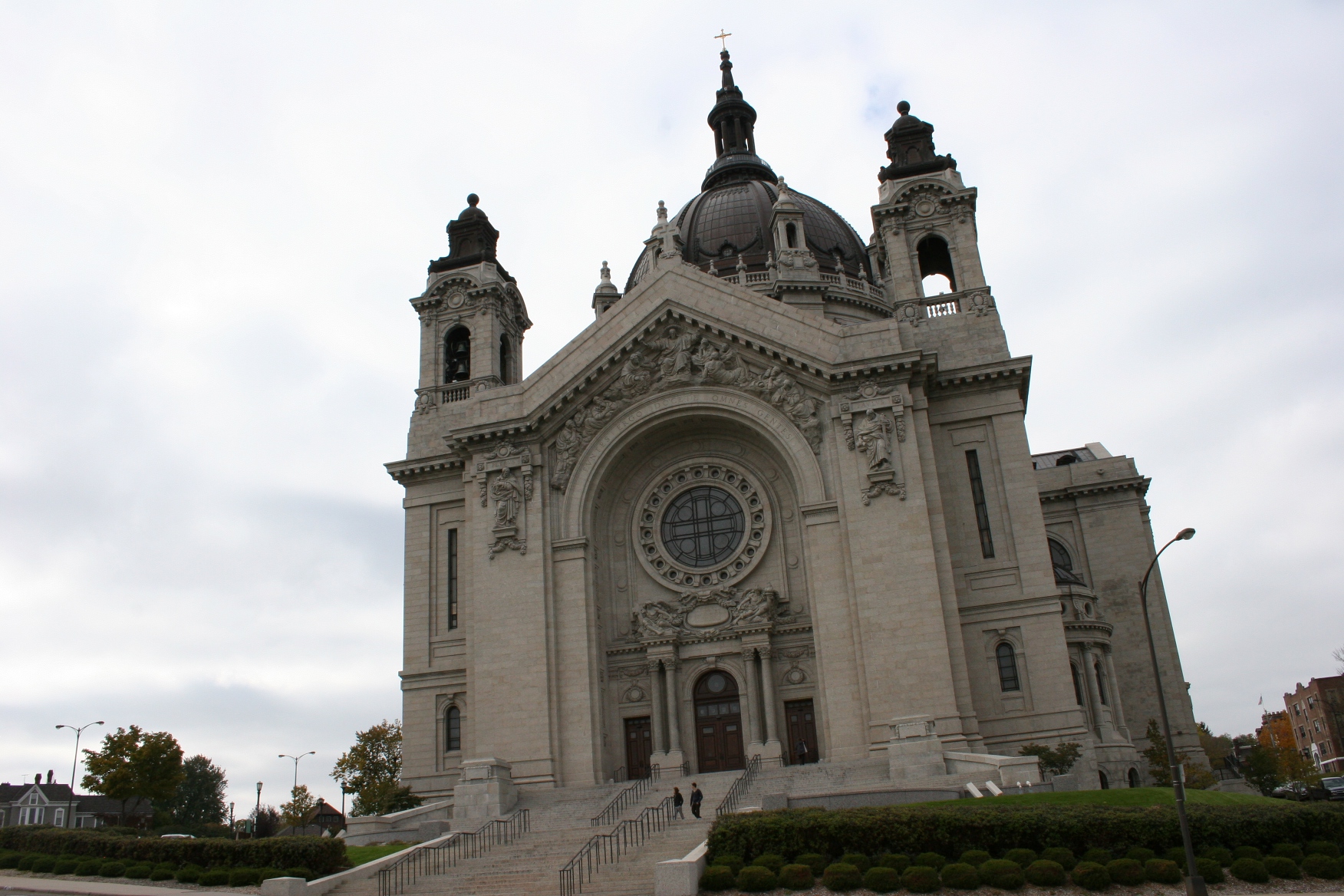
The Cathedral of Saint Paul. Minnesota Prairie Roots file photo.

The Cathedral of Saint Paul. Minnesota Prairie Roots file photo.

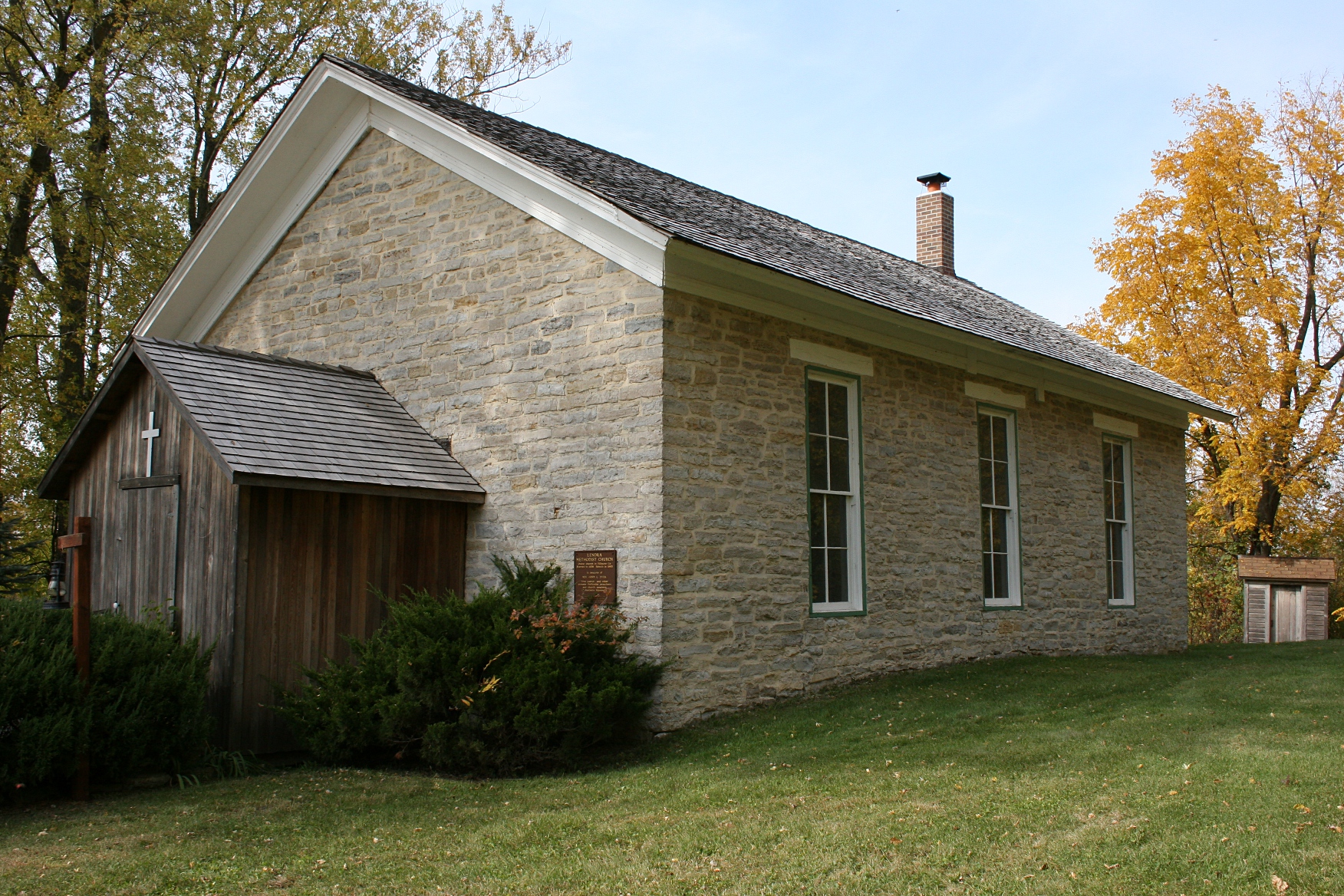
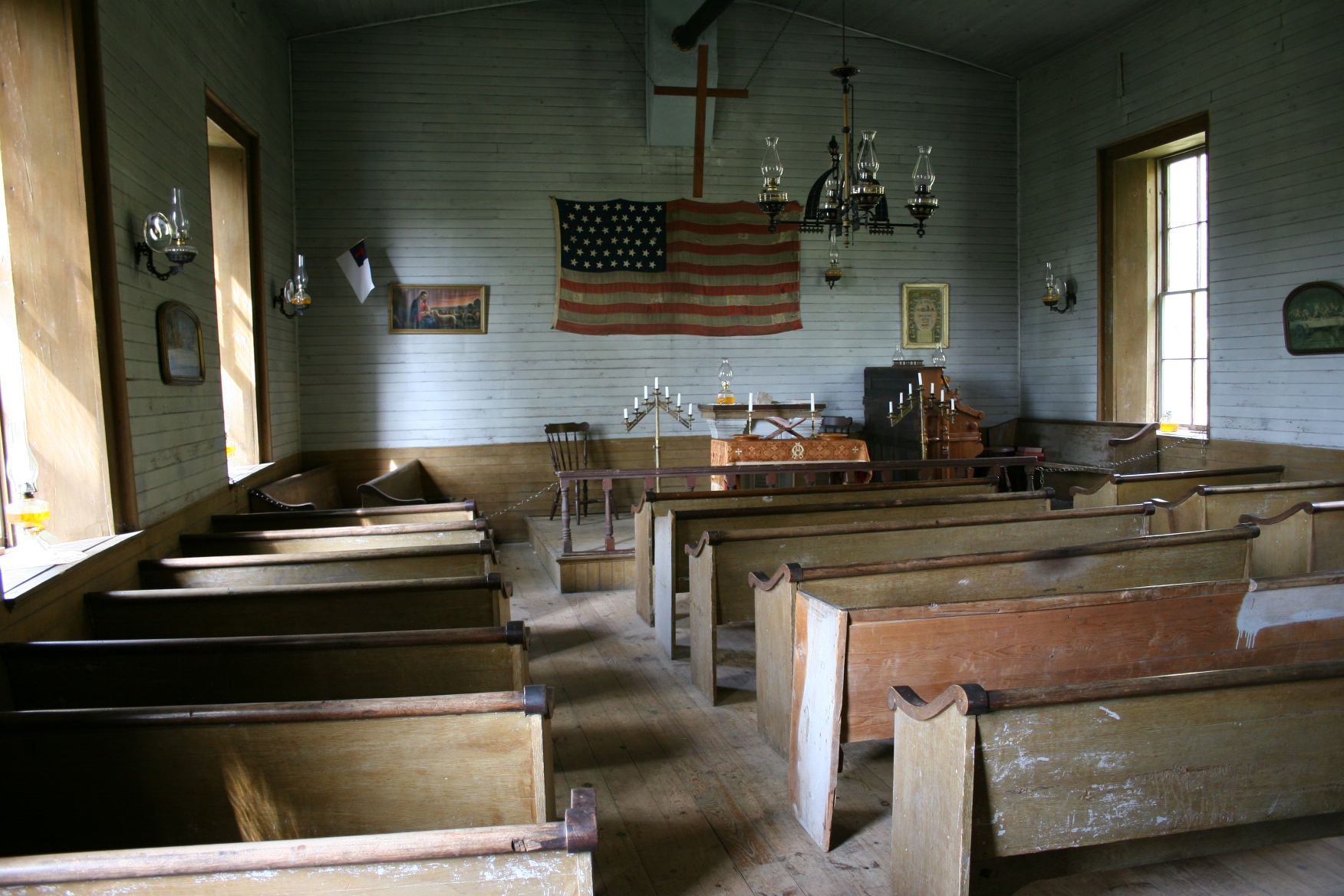
The exterior of the 1865 Lenora United Methodist Church. Minnesota Prairie Roots photo from October 2012.

The exterior of the 1865 Lenora United Methodist Church. Minnesota Prairie Roots photo from October 2012.

I’ve been inside both, from the sprawling and ornate Cathedral of Saint Paul in St. Paul to the simple plainness of a country church with handcrafted pews.

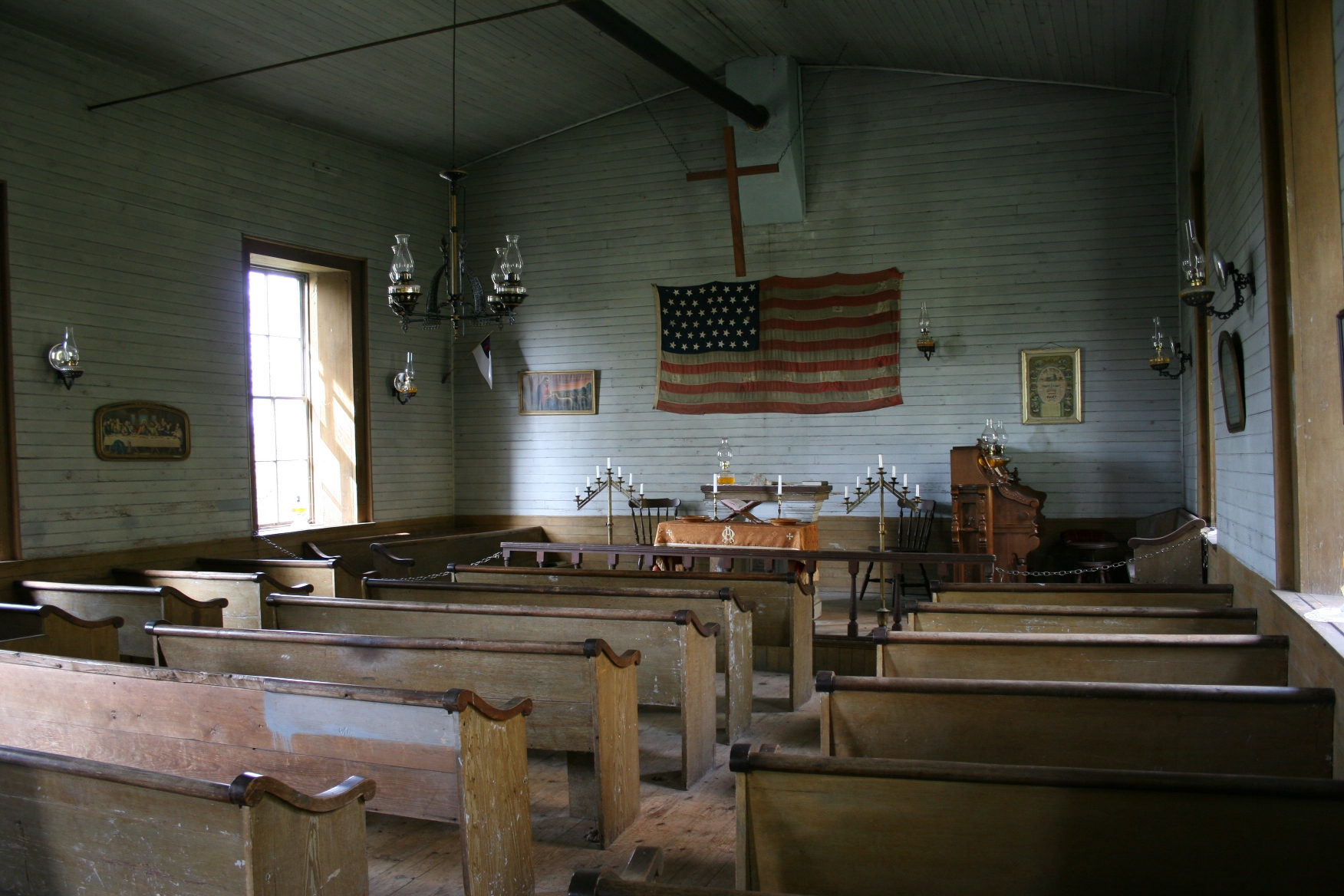
Jeremiah Fowler Stevens built and donated the pews.

Jeremiah Fowler Stevens built and donated the pews in the Lenora church.

Like the pews in the Lenora United Methodist Church, the oldest church in Fillmore County in southeastern Minnesota. The congregation was established in 1856 by a pioneer circuit rider who led camp meetings there boasting attendance of 2,000 plus souls. The church closed in the late 1920s (as Lenora was bypassed by the railroad and dwindled in population) and today is open for special events and concerts and the occasional worship service.

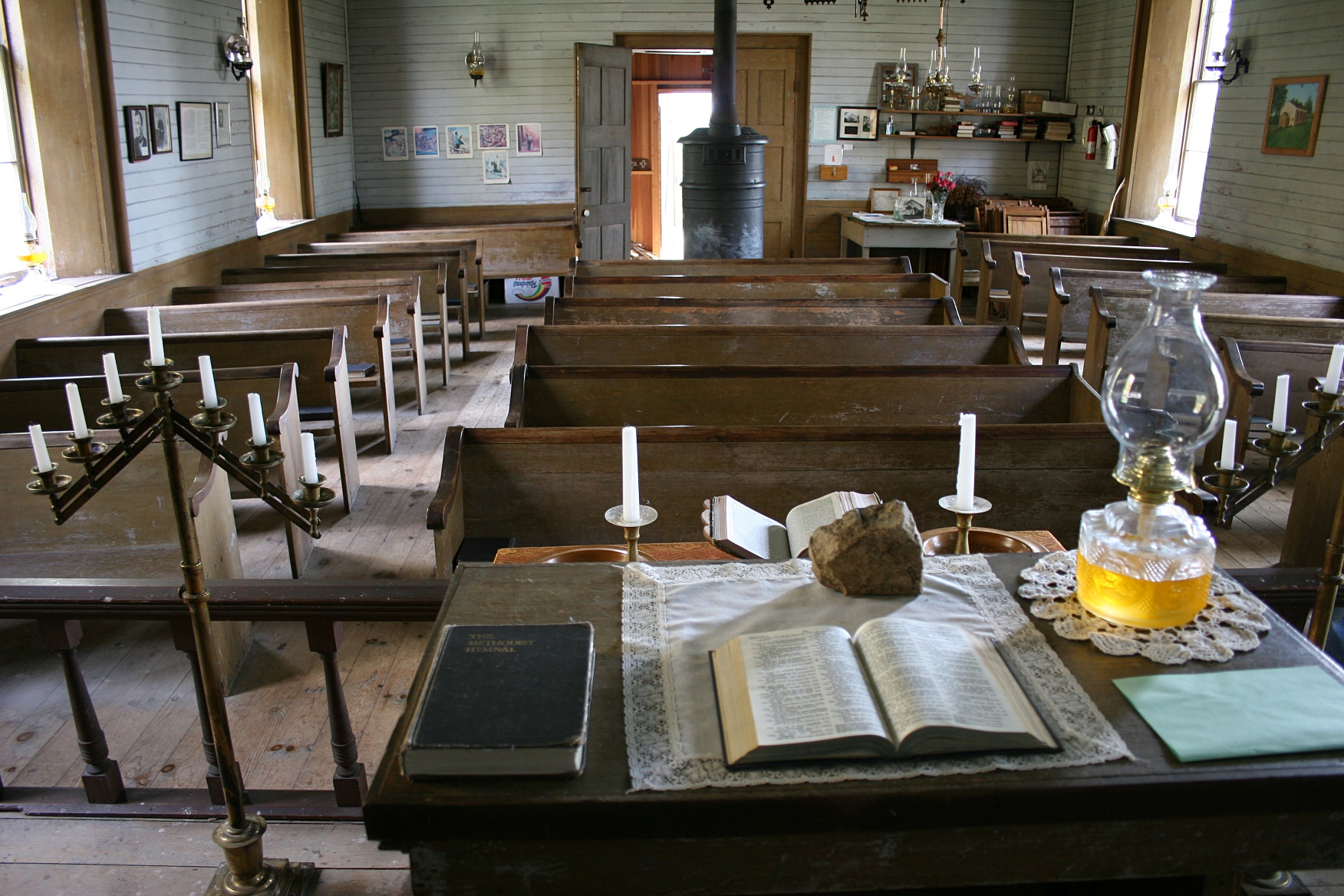
Looking from the front toward the back of the church.

Looking from the front toward the back of the church.

The bible study exchange and the mention of the historic Lenora church by bible study member Jeff, who recently visited this church with wife Mandy, reminded me of my visit there a year ago and that I needed to share those photos here.

When I went online to research the church in preparing this post, I discovered that Brad Boice, an award-winning Elvis impersonator, will present inspirational and uplifting music along with his wife, JulAnn, from 3 p.m. – 5 p.m. this Sunday, October 13, at the Lenora church.

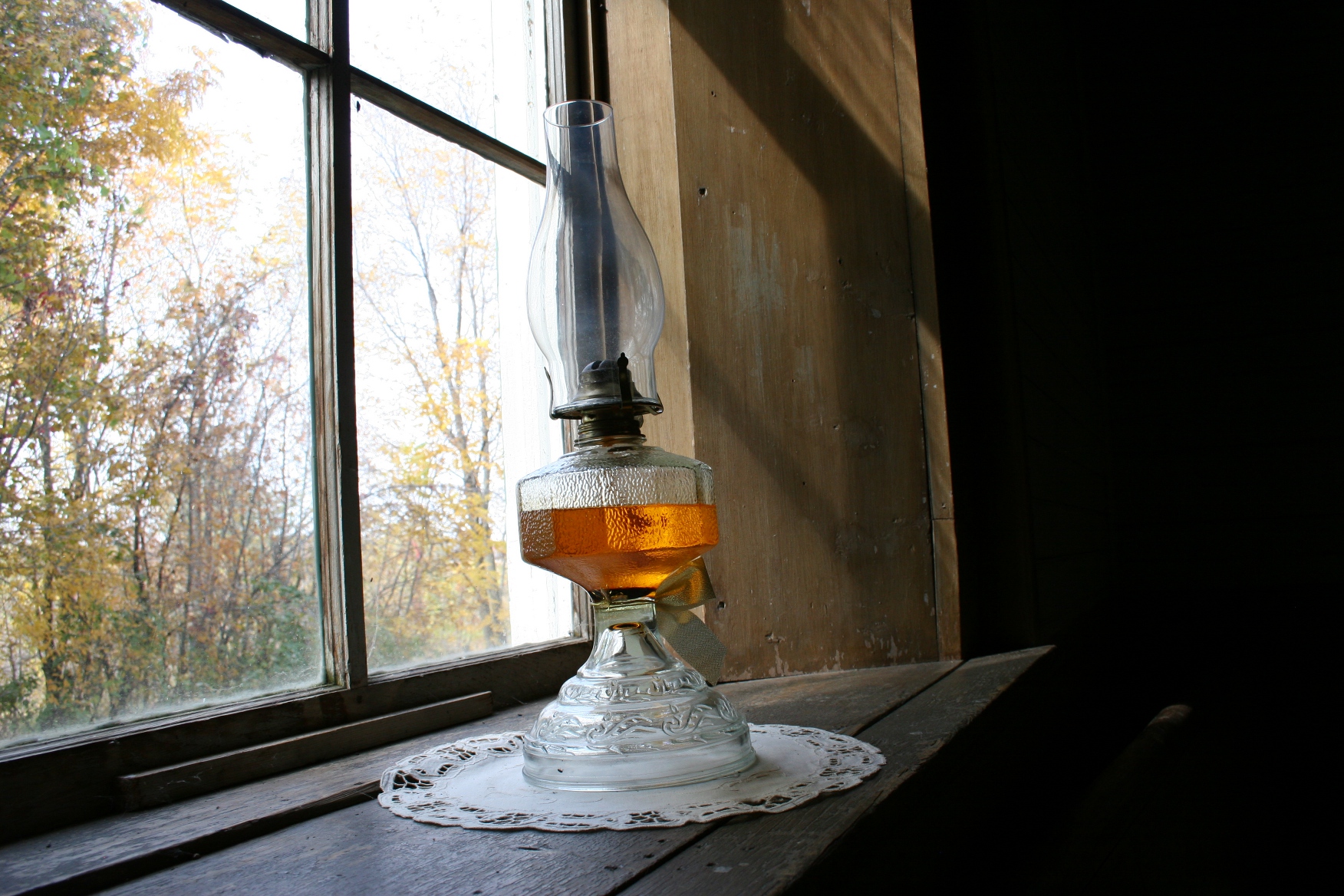
A simple touch of lanterns upon windowsills of the church.

A simple touch of lanterns upon windowsills of the church.

Now if there’s anyone who’s glitzy silver and gold and rubies rhinestones, it would be Elvis.

Brad Boice may be all that when impersonating the famous 50s singer. But he’s also a man of faith as evidenced in this online quote:

I thank Jesus Christ, my Lord and Savior, for my family, friends and the talents that He has given me. Never in my wildest dreams could I have imagined that God would take me to the places that He has.

Another view of the historic church.

Another view of the historic Lenora church.

Sunday afternoon that place will be inside the Lenora church along Fillmore County Road 23 in Lenora (near Canton).

Don’t expect silver or gold, rubies or rhinestones. Instead, expect inspirational spiritual songs within the confines of a simplistic house of worship on the National Register of Historic Buildings.

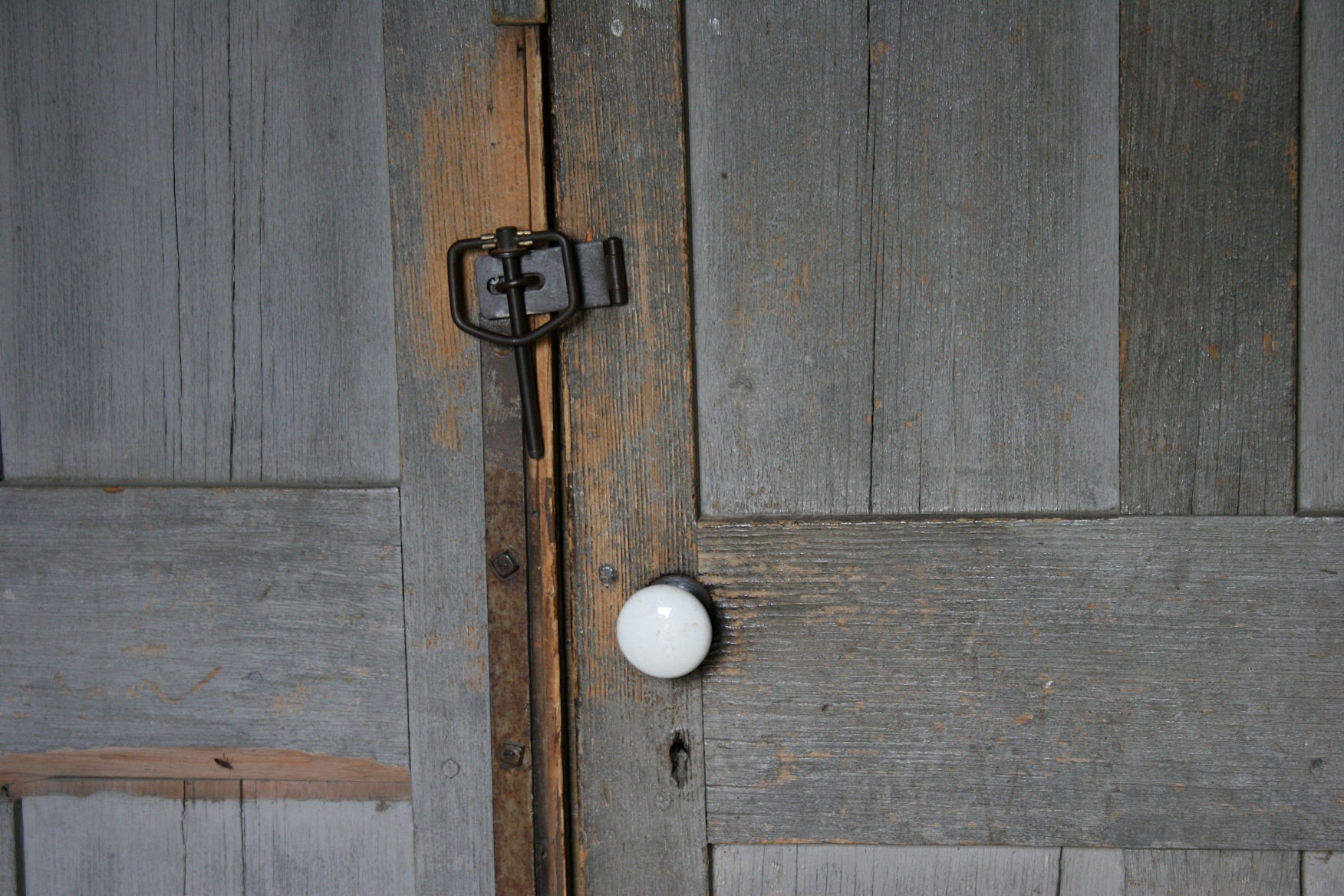
The rustic Lenora church doors.

The rustic Lenora church doors.

FYI: Click here to learn more about Lenora United Methodist Church.

And click here to learn more about Elvis impersonator Brad Boice.

Watch for a post tomorrow from Lenora, in which I introduce you to Fannie Miller.

© Copyright 2013 Audrey Kletscher Helbling
 

Owatonna exhibit celebrates Steele County: Butter Capitol of the World October 8, 2013

MILK COURSES through my veins, for I am the daughter of a dairy farmer.

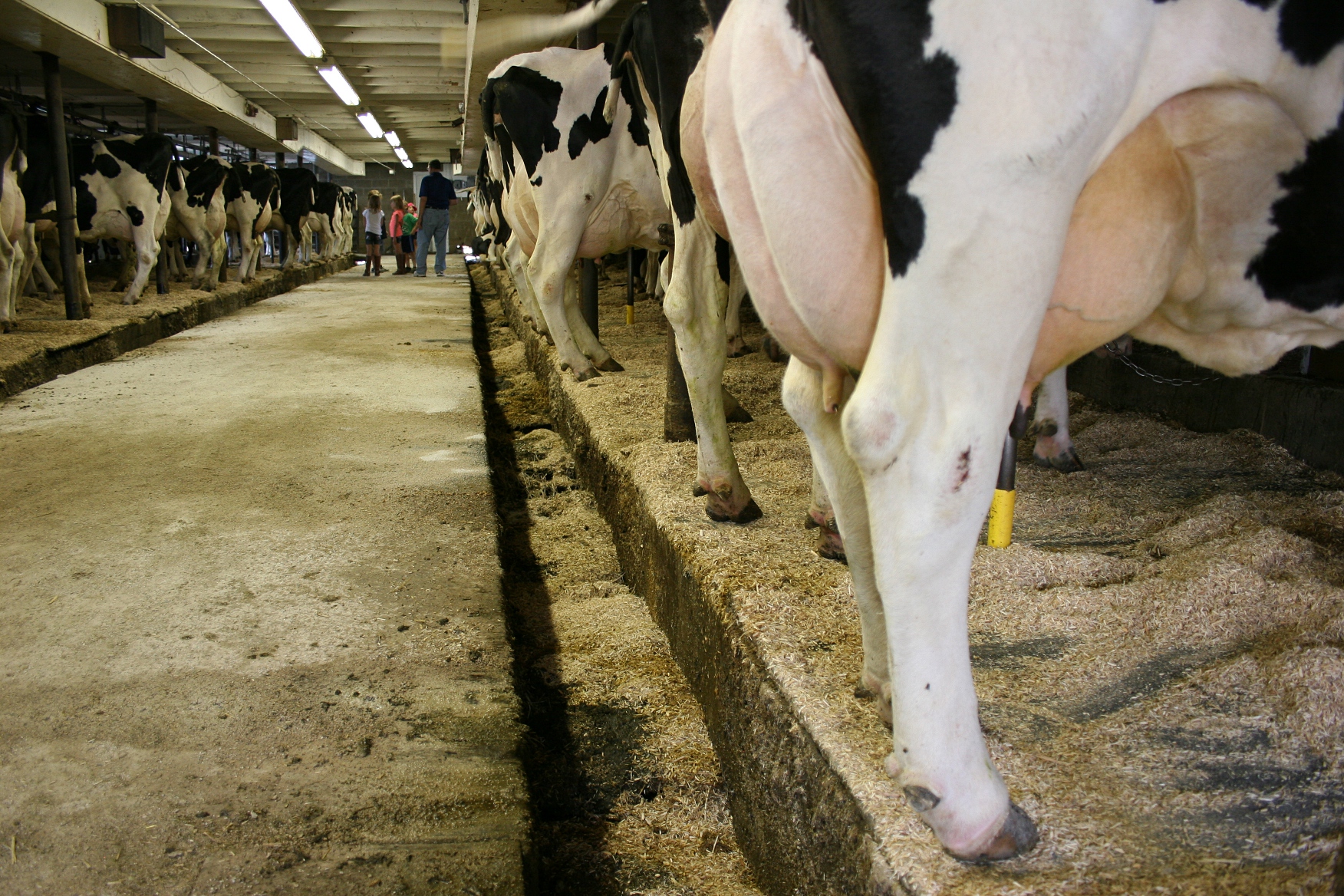
Inside the Wegners' barn, where dairy products come from.

Minnesota Prairie Roots file photo from Ron and Diane Wegner’s rural Faribault dairy barn.

Growing up, I labored in the barn beside my dad and siblings—feeding cows, bedding straw, lugging pails of milk to the bulk tank, washing milking machines, scraping manure and more.

I smelled of cow, watched bovines’ tails flick flies and rise to release streams of splashing hot pee into barn gutters.

Sandpaper rough tongues sometimes grated across my skin. Cold, wet noses dampened the sleeves of my chore coat.

I carried gallons of frothy fresh milk to the house for pasteurization and consumption.

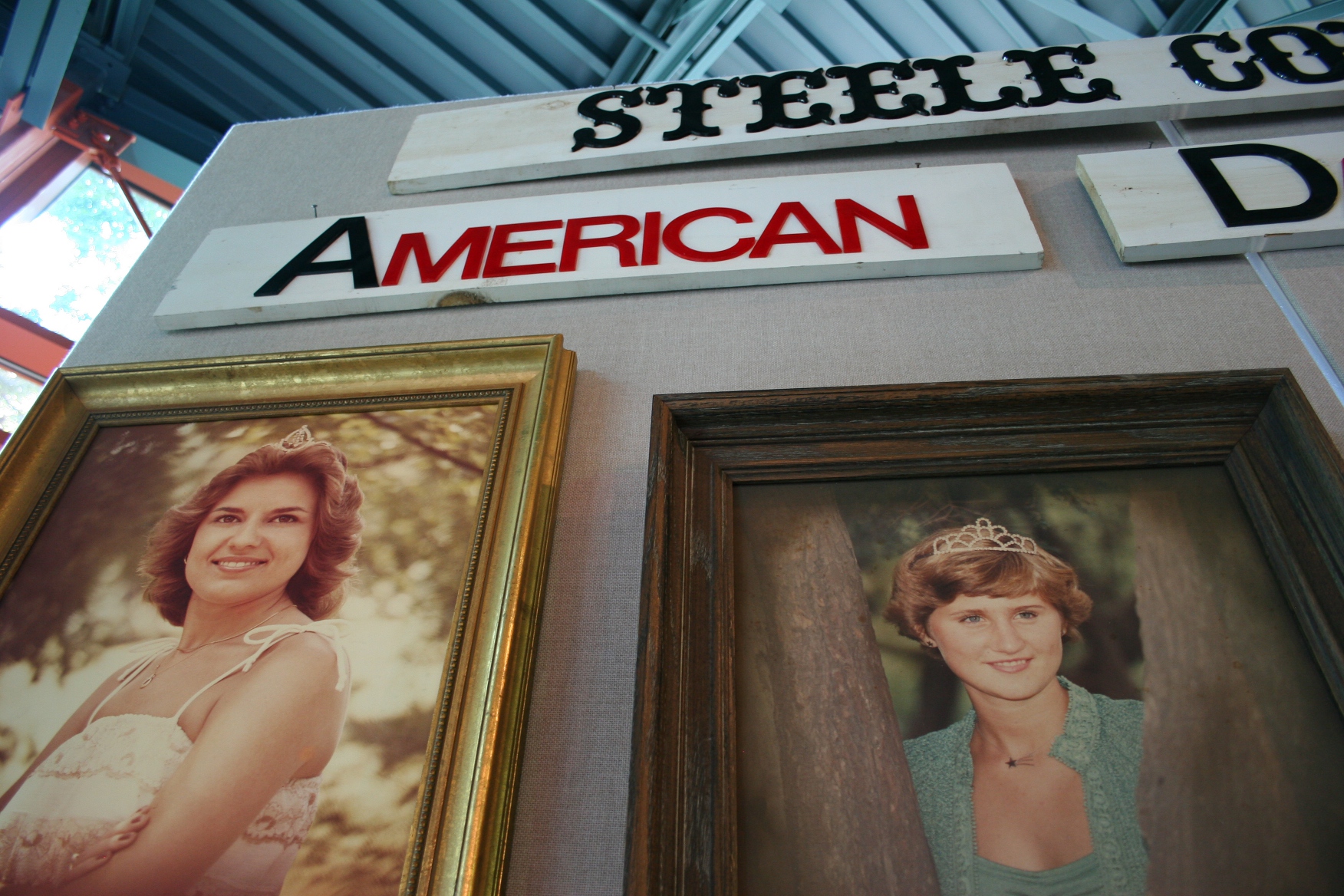
The Princess Kay of the Milky Way competition is a part of Minnesota culture. The Steele County exhibit features  photos of past county dairy royalty, including 1978 princess Kari Schroht, left, and 1976 princess Kathy Zeman, right. Earlier carved butter heads from past princesses were displayed in borrowed glass door freezers at the history center.

The Princess Kay of the Milky Way competition is a part of Minnesota culture. A current exhibit at the Steele County History Center features photos of past county dairy royalty, including 1978 princess Kari Schroht, left, and 1976 princess Kathy Zeman, right. Earlier this year, carved butter heads from recent past princesses were displayed in borrowed glass door freezers at the history center.

I knew cows and milk and once competed for Redwood County, Minnesota, dairy princess, a title I coveted but could not win because I lacked the poise and confidence and beauty to represent the industry.

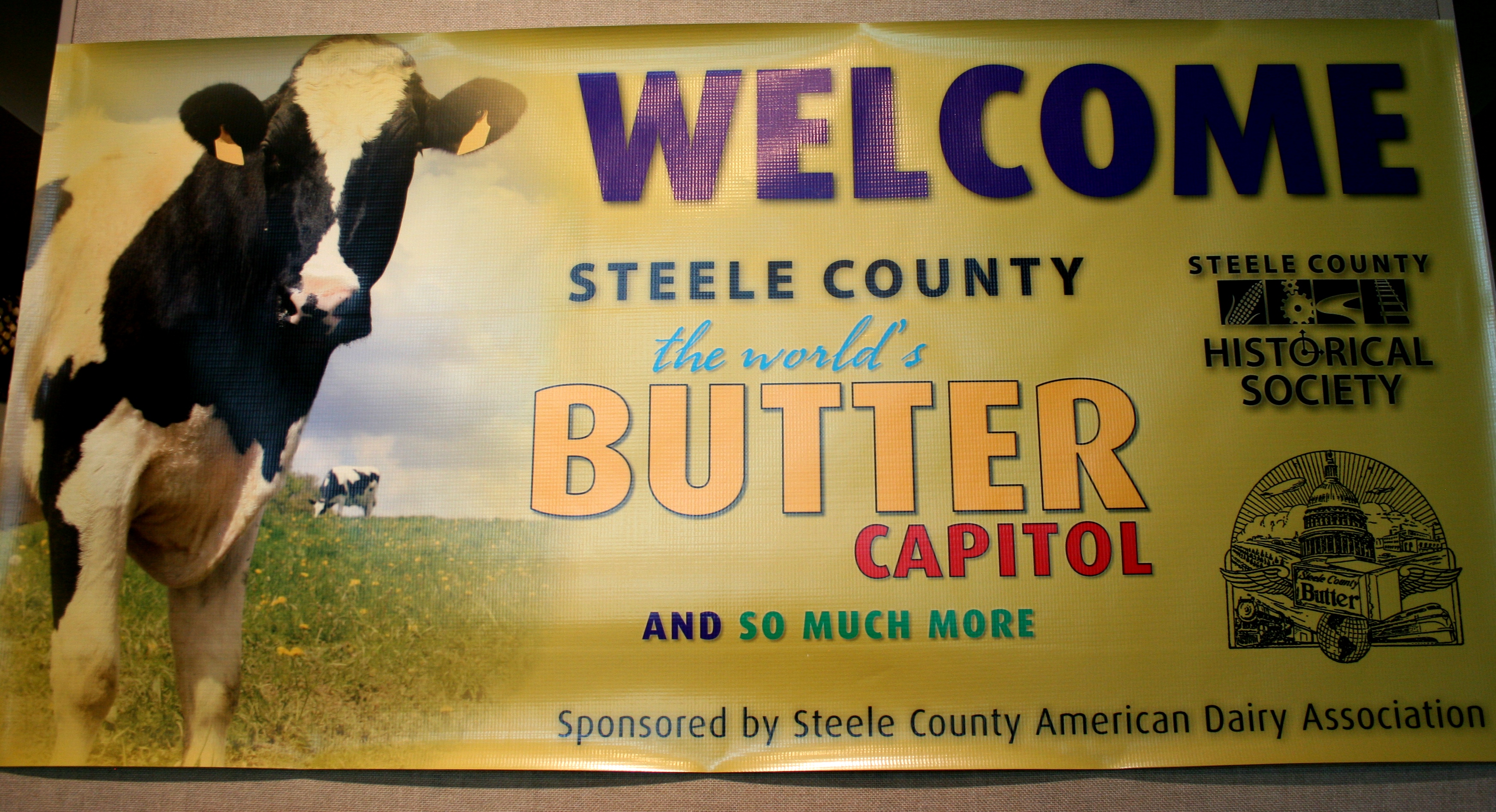
A banner welcomes visitors to the Steele County: Butter Capitol of the World exhibit at the Steele County History Center in Owatonna.

A banner welcomes visitors to the Steele County: Butter Capitol of the World exhibit at the Steele County History Center in Owatonna.

These memories flit through my mind as I consider a recent visit to the Steele County History Center in Owatonna to tour the featured exhibit, Steele County: Butter Capitol of the World.

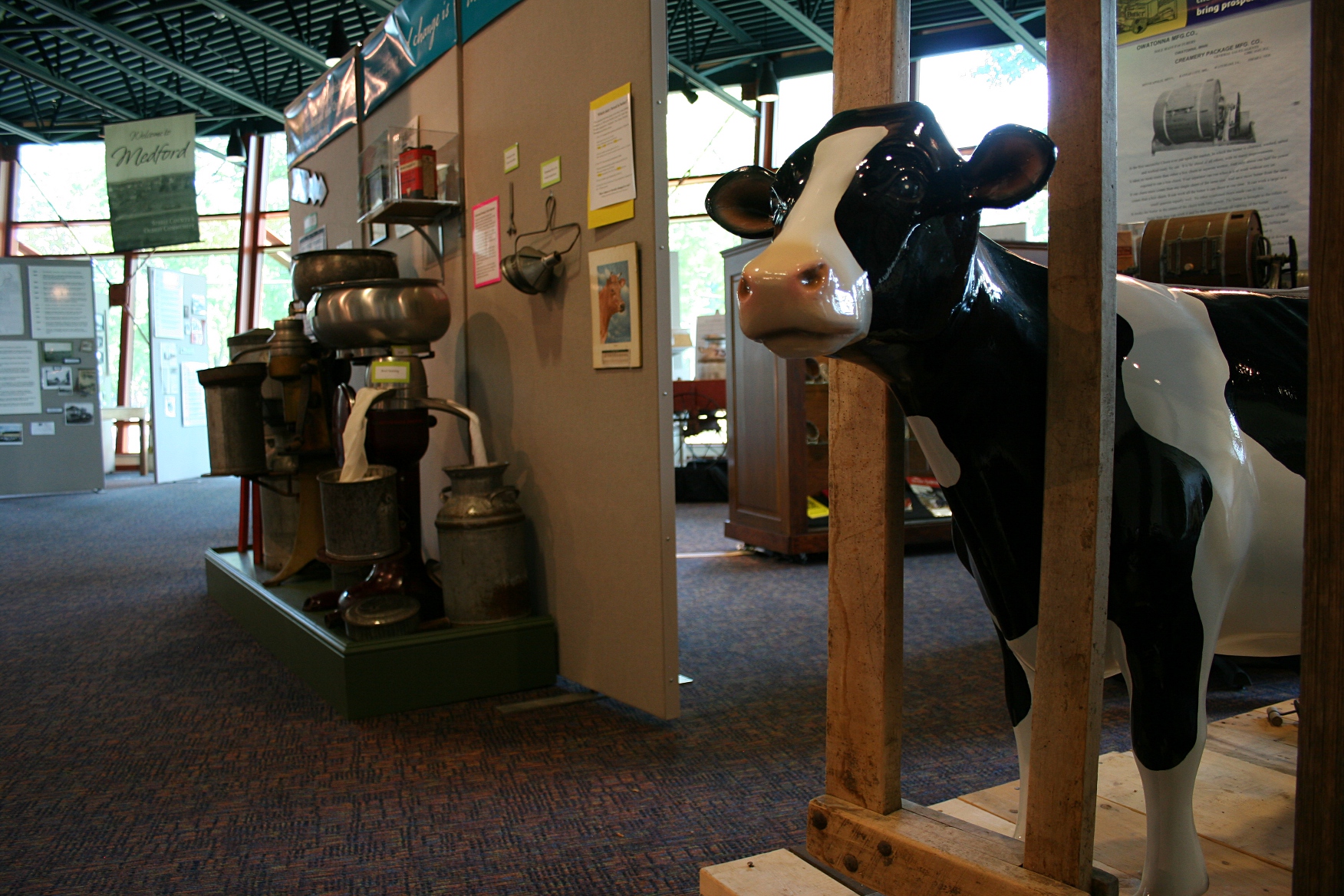
The exhibit is interesting and educational.

The exhibit is interesting and educational.

It’s a must-see exhibit which will trigger memories for those who grew up on dairy farms and educate those who didn’t. And, even with my dairying background, I learned a lot about the history of dairy farming in Steele County.

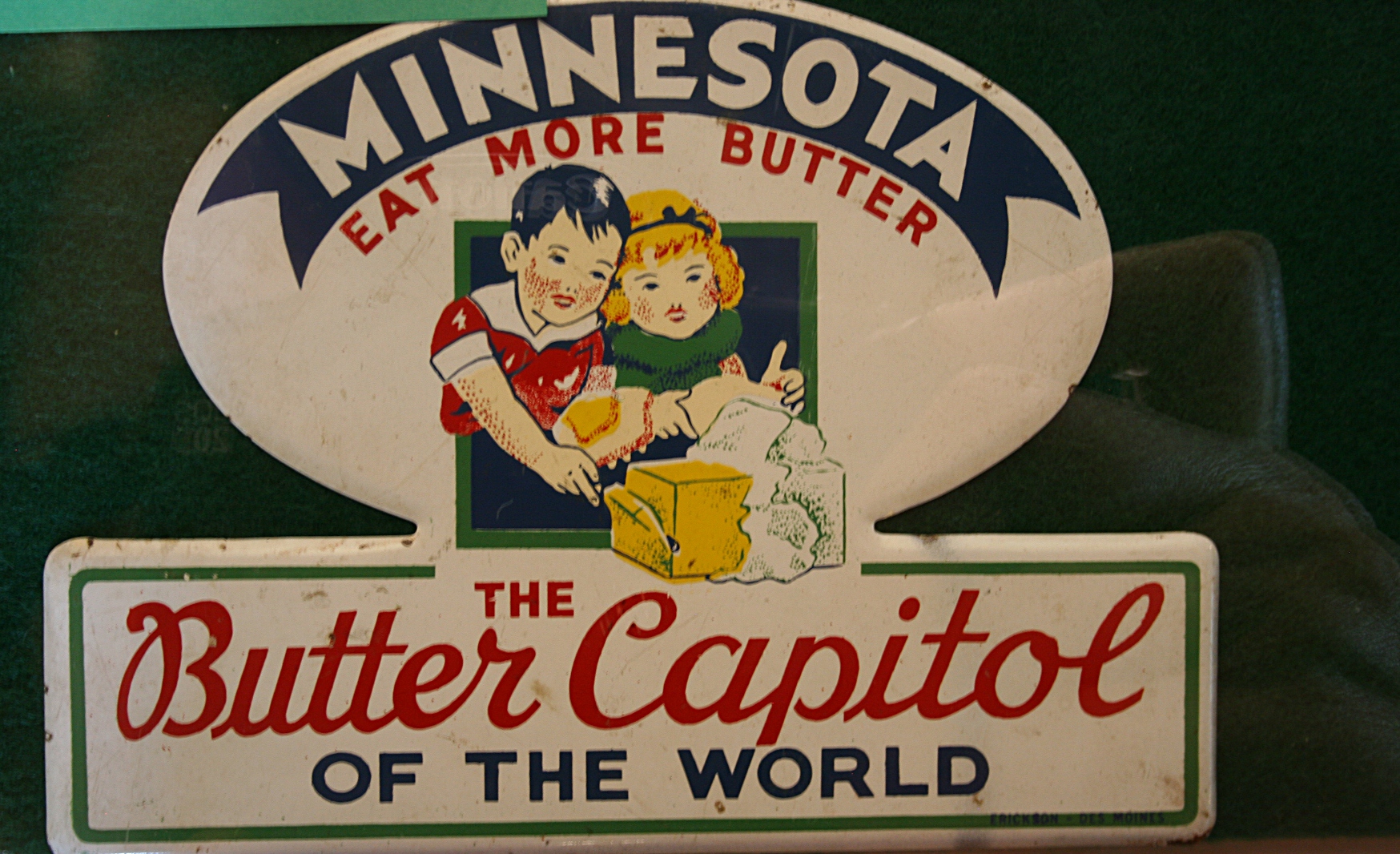
A vintage sign promoting butter in Minnesota.

A vintage sign promoting butter in Minnesota.

For example, Steele County gained its world-wide Butter Capitol reputation after Owatonna Manufacturing Company invented the mechanized butter churn in 1893, revolutionizing the dairy industry.

But two decades prior, in 1873, the county was well on its way to establishing a strong dairy reputation with four local cheese factories producing 150,000 pounds of cheese, more than any other Minnesota county.

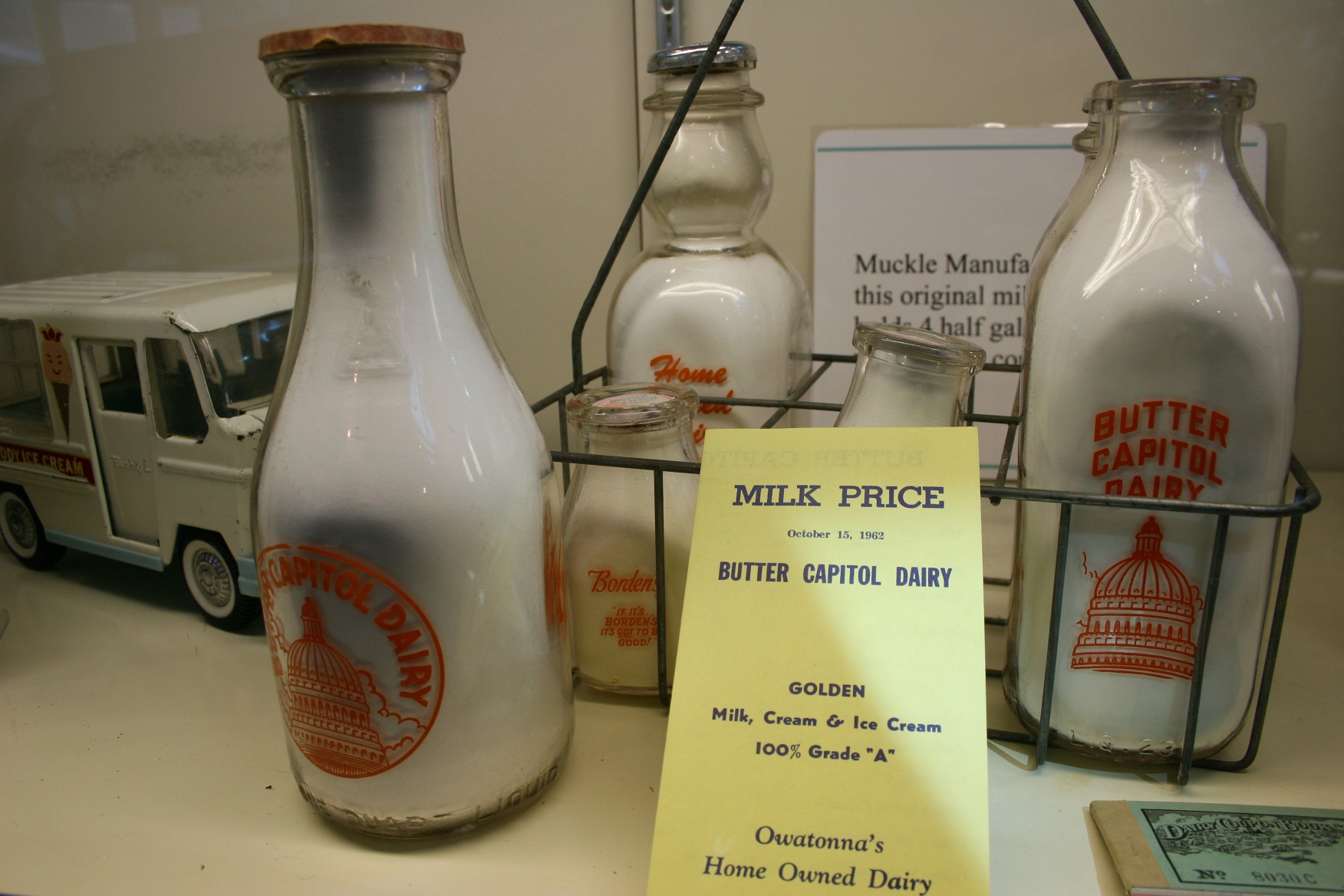
Information and artifacts from the days of bottled milk delivery.

Information and artifacts from the days of bottled milk delivery.

At one point, Steele County boasted two dozen-plus creameries.

Coveted butter

Hope Creamery, south of Owatonna, still produces coveted, award-winning Grade A butter in small batches. Butter boxes from Steele County creameries are displayed behind glass in the exhibit.

In December 1926, thieves stole 19 tubs of butter valued at $700 from the Steele Center Creamery.

Two Steele County women, Mina Holmes and Marianne McRostie, won numerous national awards for their hand-churned butter.

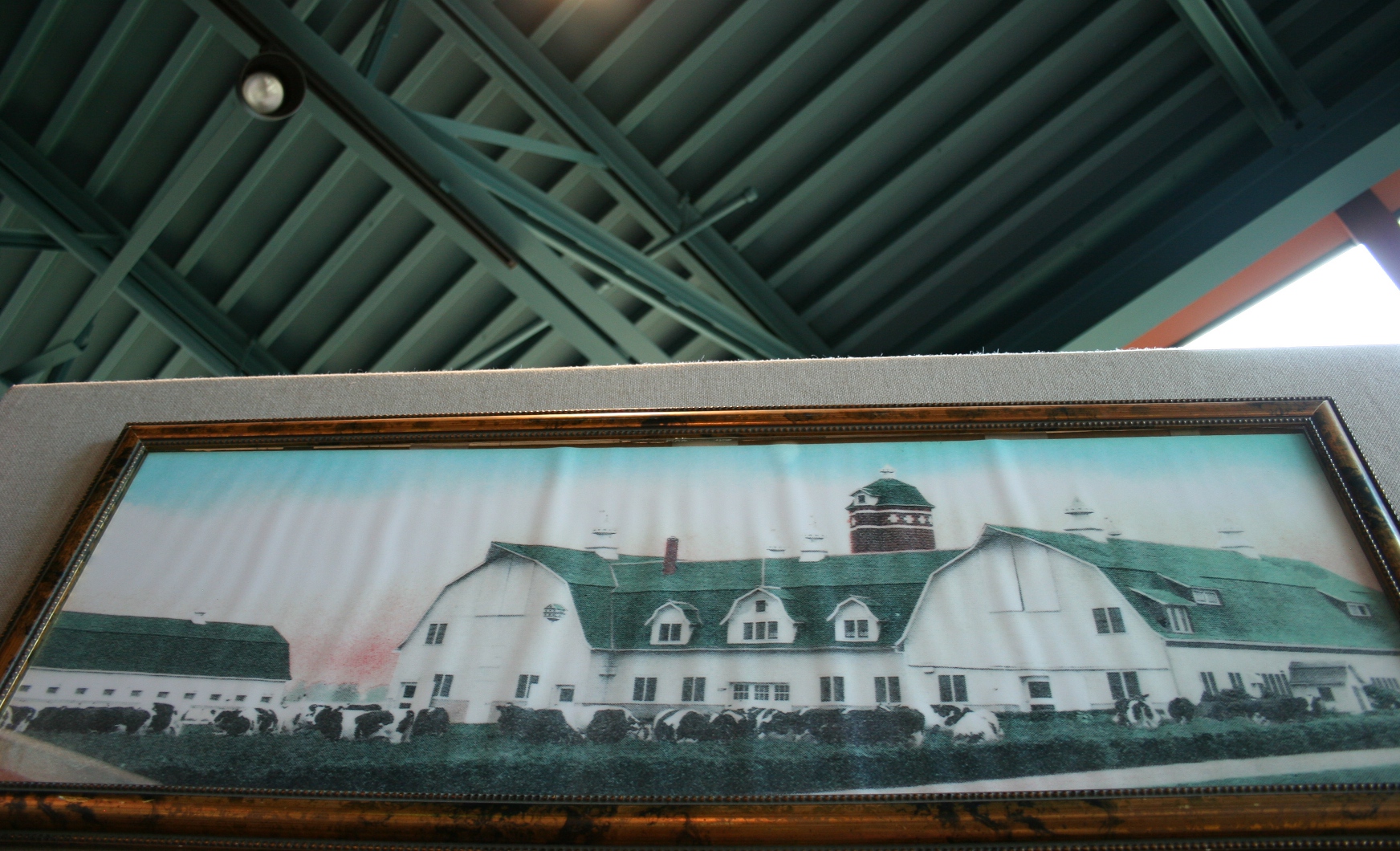
Photos of some spectacular Steele County barns are showcased.

Images of some spectacular Steele County barns are showcased.

Yes, so many accomplishments led to this southern Minnesota county holding the title of Butter Capitol of the World from 1898 – 1940, says Jerry Ganfield, who along with a committee of four women involved in the dairy industry, created this remarkable exhibit. Ganfield, holds a background in communications and marketing, grew up in Iowa and worked one summer during college as a milkhouse operator. Today he lives in a barn turned house near Bixsby and volunteers with the Steele County Historical Society, serving on its board of directors.

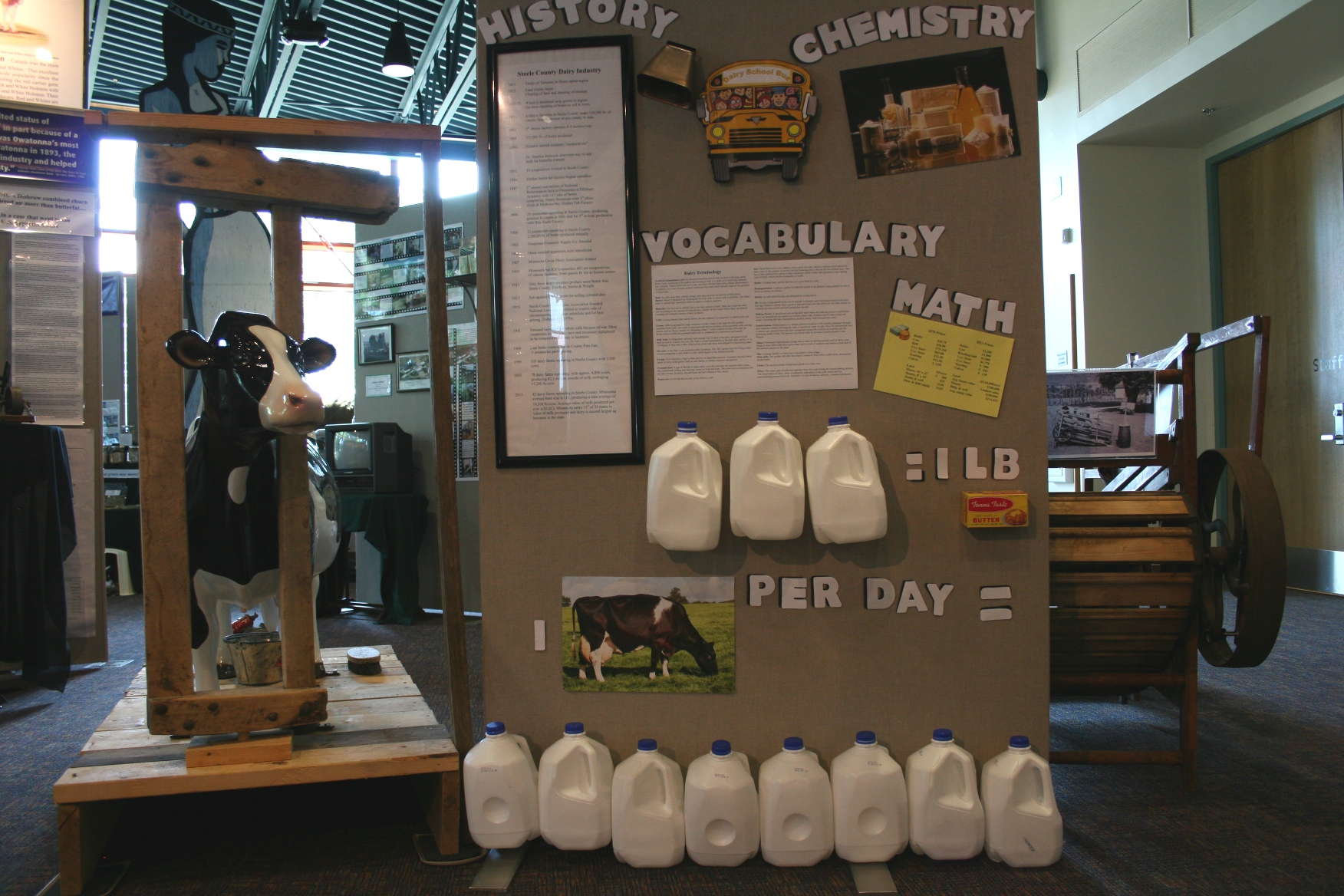
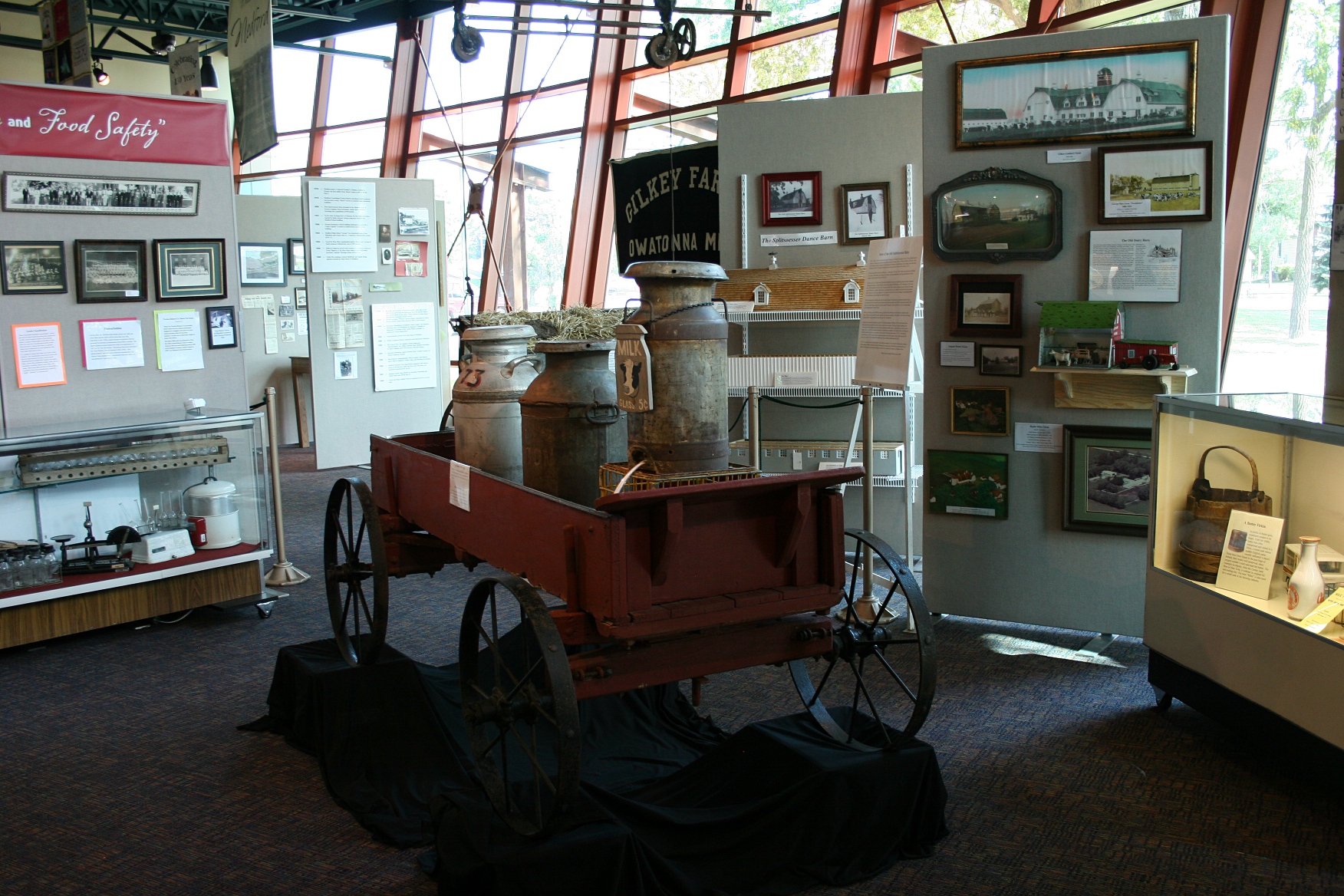
A portion of the expansive exhibit on Steele County's dairy industry.

A portion of the expansive exhibit on Steele County’s dairy industry.

Work on the Butter Capitol exhibit began in January with the historic display debuting in mid-July. It runs through November 10. Eventually, many of the items will be returned to the farm machinery building in the Village of Yesteryear (next to the Steele County History Center) where most were previously displayed.

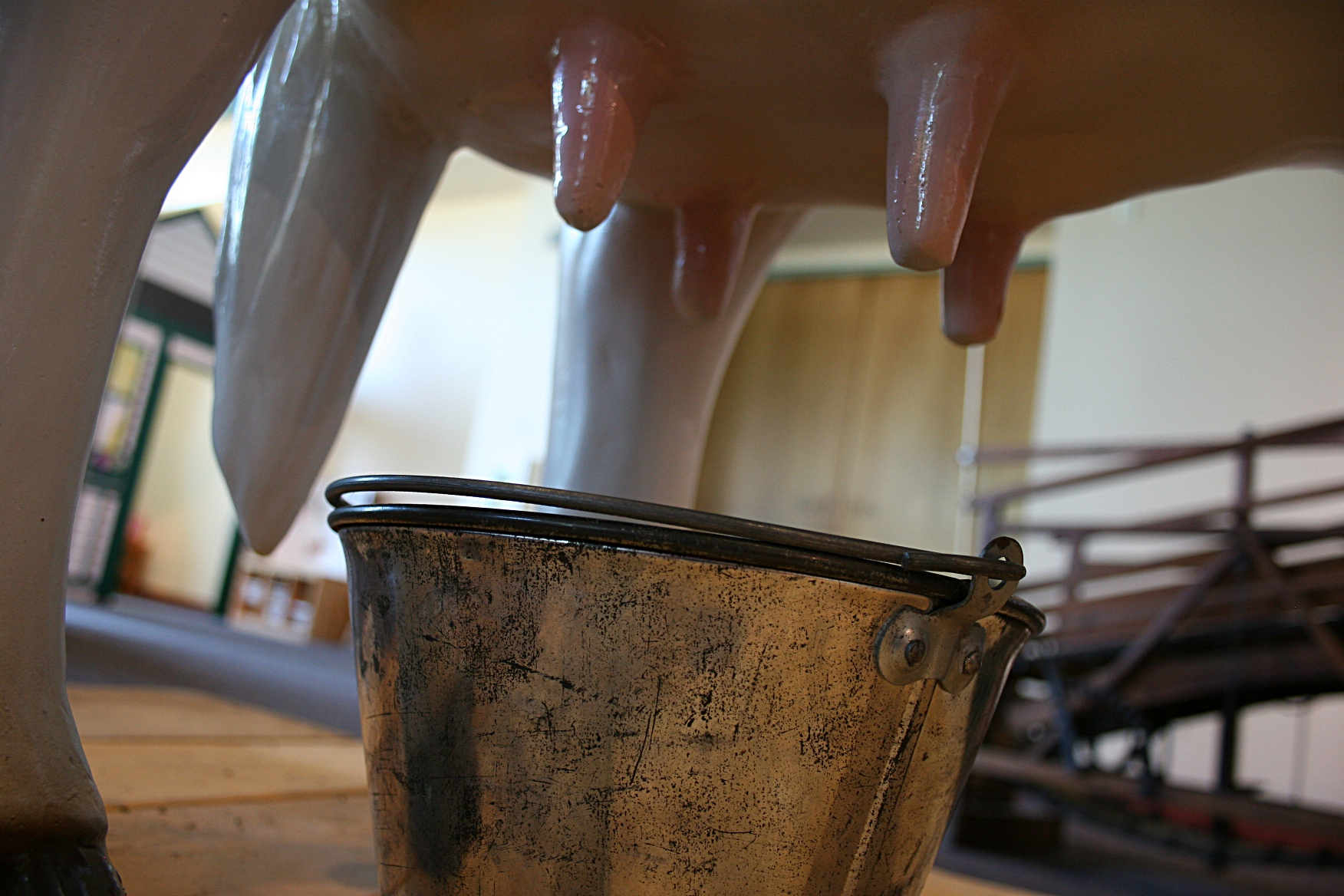
Visitors can get down low and check out the udder on the model cow in the photo above.

Visitors can get down low and check out the udder on a model cow.

Perhaps I am a bit biased being a dairy farmer’s daughter and all. But this exhibit is one of the most impressive, thorough, detailed and interesting I’ve seen in a county history center.

Just another view of a portion of the exhibit.

Just another view of a portion of the exhibit.

Steele County: Butter Capitol of the World is well worth a drive to Owatonna to peruse.  Just give yourself two hours, minimum, to tour the display.

#

BONUS PHOTOS:

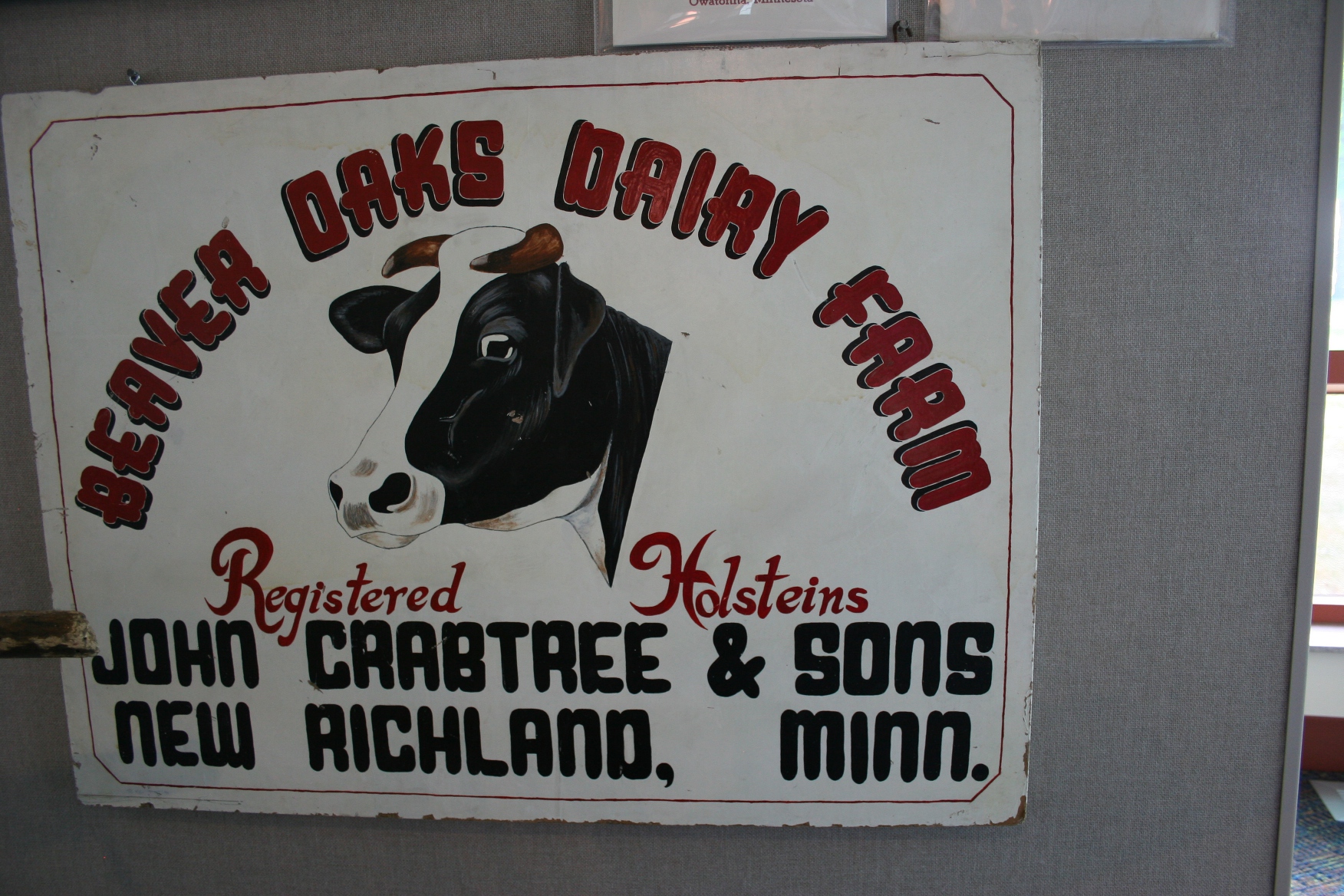
Vintage signs are abundant in the exhibit.

Vintage signs are abundant in the exhibit.

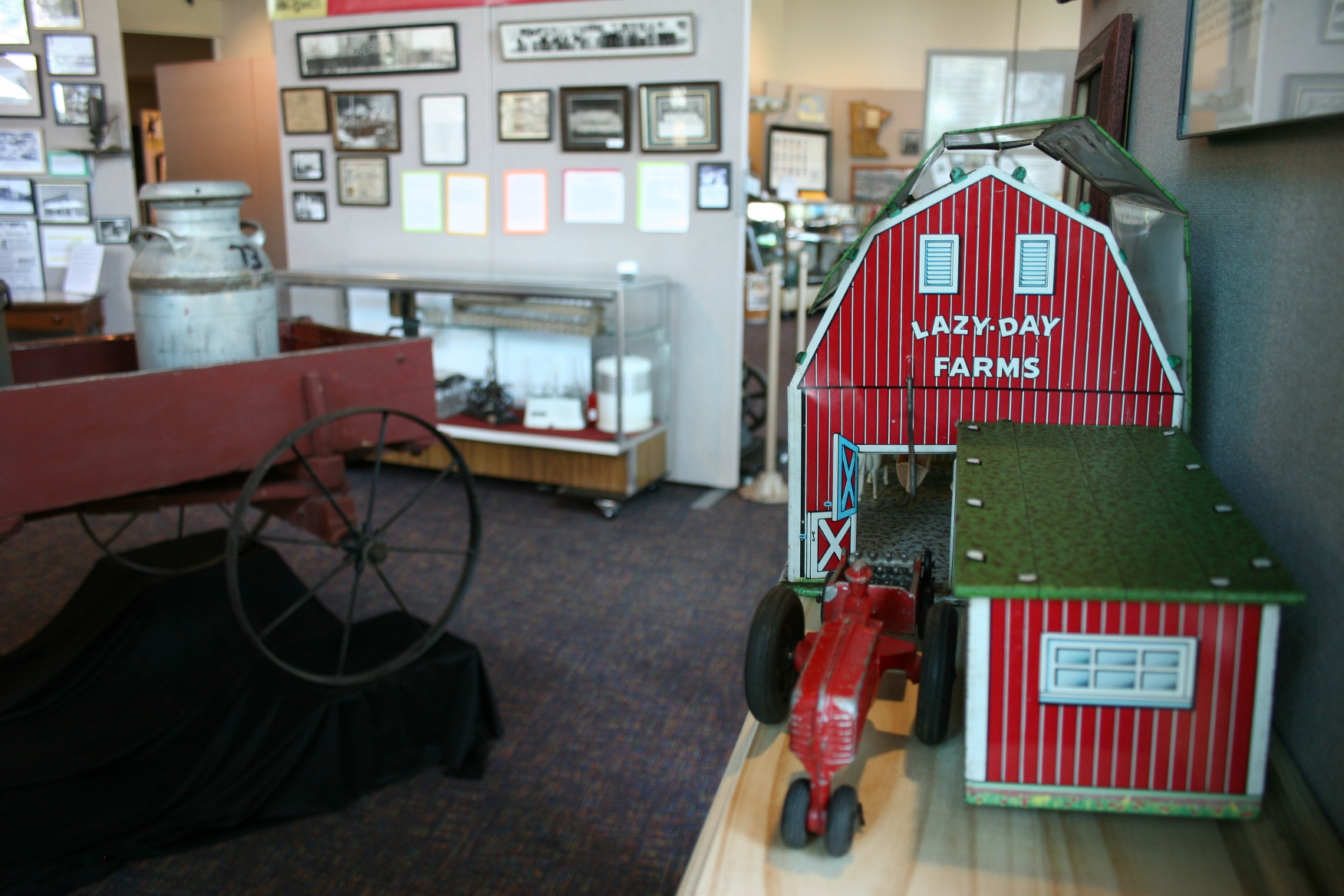
This tin toy barn, right, caught my eye. I've never seen one prior to this. The exhibit also features an incredible handcrafted replica of a barn.

This tin toy barn, right, caught my eye. The exhibit also features a handcrafted replica of a barn.

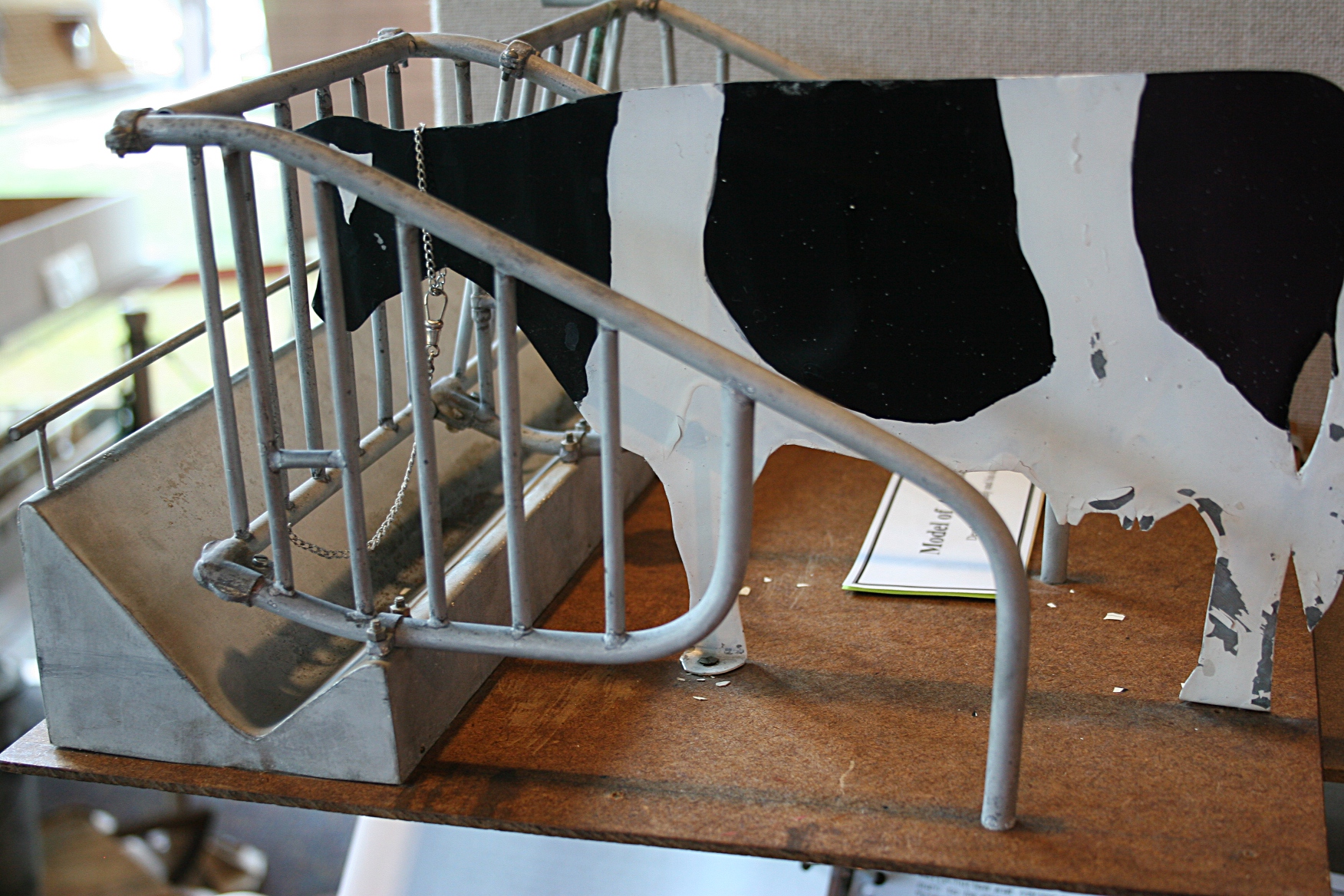
A familiar site to me, a cow in a stantion.

A familiar site to me, a cow in a stantion.

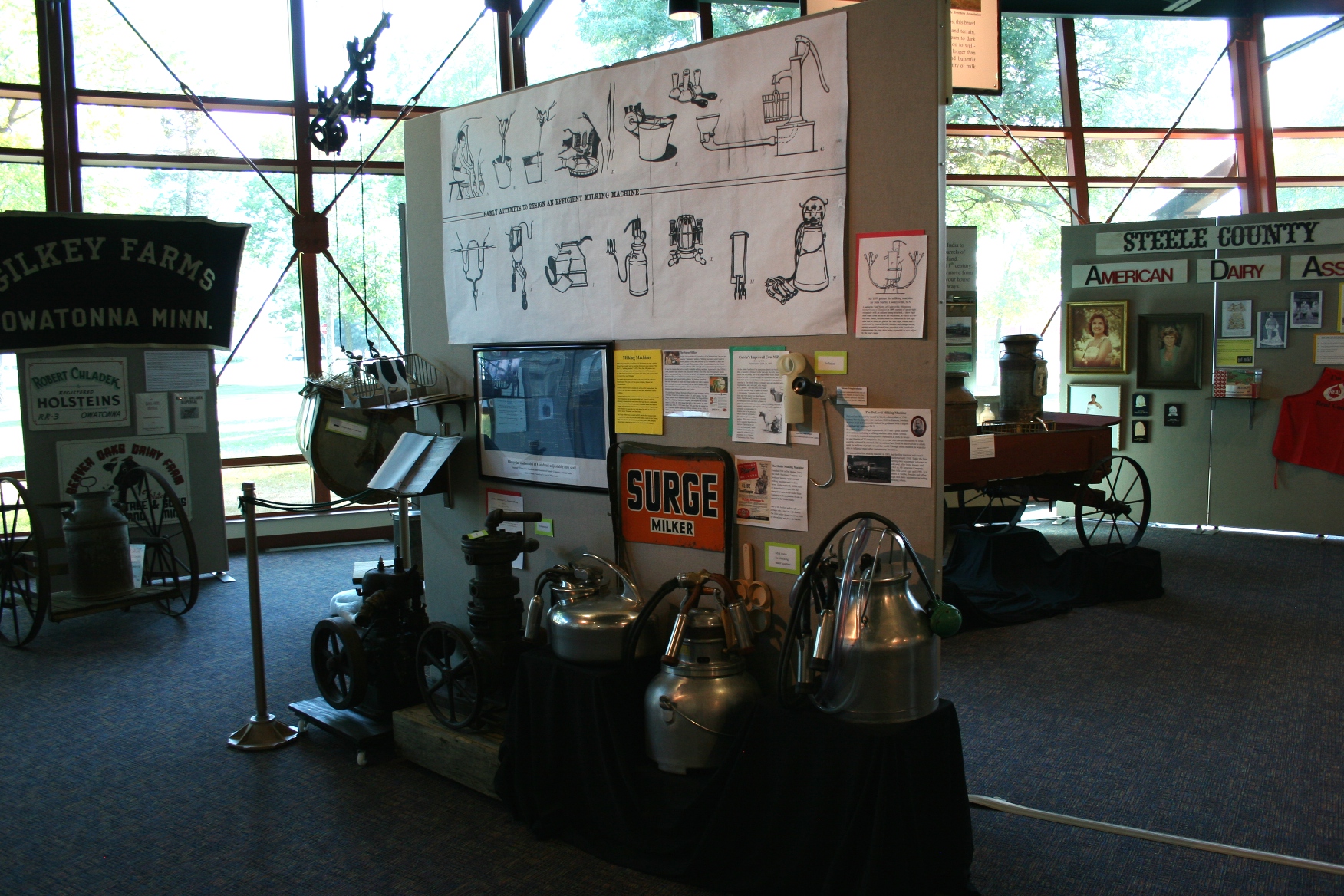
Also familiar, those Surger milkers in the background display.

Also familiar, those Surger milkers in this display. My dad used these before he installed a pipeline.

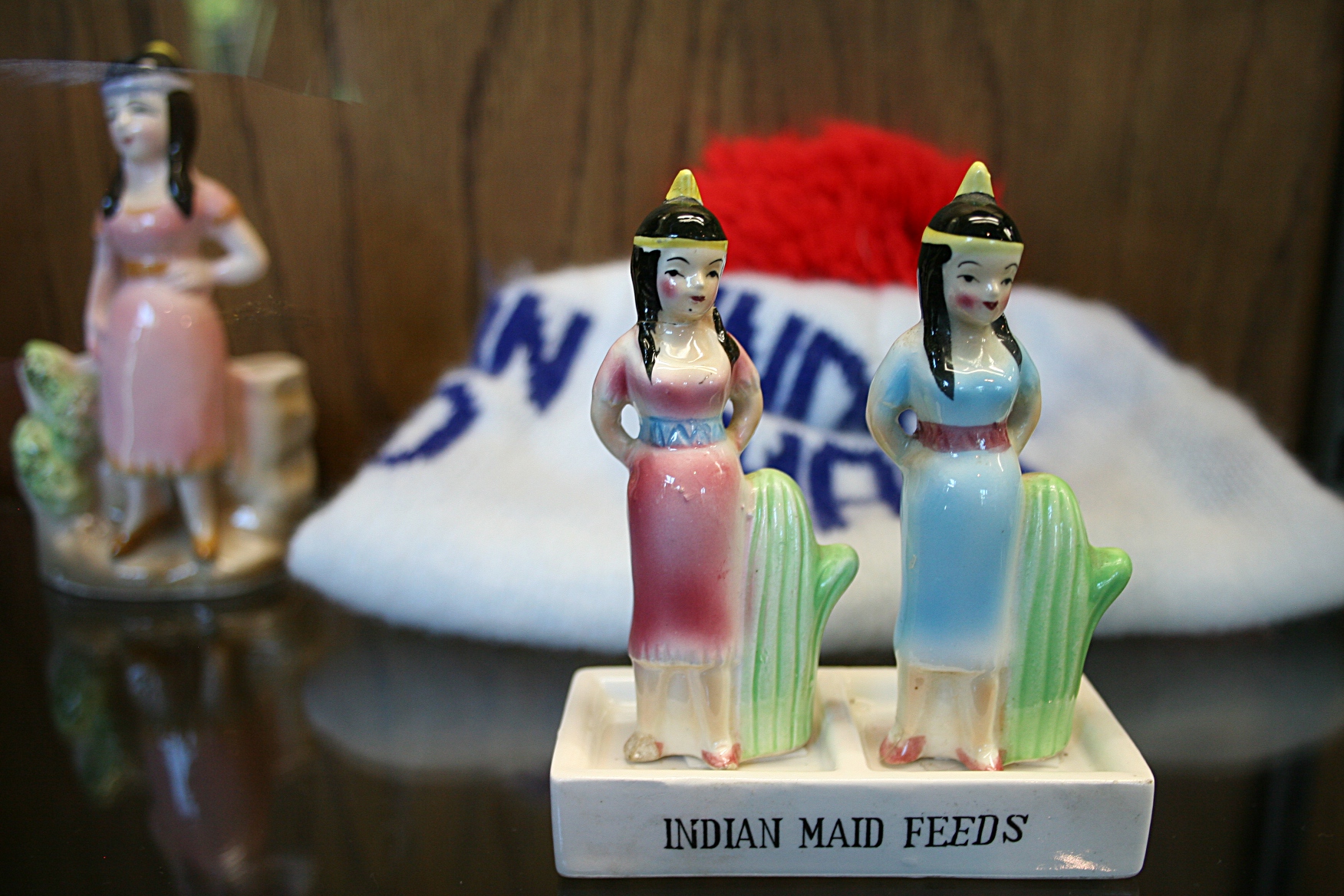
Indian Maid Feeds memorabilia is displayed in glass cases along with an impressive collection of butter molds and other items.

Indian Maid Feeds memorabilia is displayed in glass cases along with an impressive collection of butter molds and other items. Indian Maid Feeds was sold from the late 1950s – 1984 by Owatonna Elevator Company. The brand pictured an Indian maiden to recall the legend of Princess Owatonna, whose health was restored by drinking the mineral spring waters of the area. The exhibit also features a large wooden logo of the princess that once rested atop the elevator. You’ll need to visit the exhibit to see that vintage art.

FYI: To learn more about the Steele County History Center/Historical Society, housed in a fabulous new building opened in April 2012, click here.

The Steele County History Center encourages kids to join its Time Travelers Club and History Detectives. The detectives meet at 10:15 a.m. and the travelers at 6:30 p.m. the first Thursday of each month at the History Center, 1700 Austin Road, Owatonna.

Click here to read a Minnesota Public Radio story about Hope Creamery.

© Copyright 2013 Audrey Kletscher Helbling
 

A prairie island October 6, 2013

Filed under: Uncategorized — Audrey Kletscher Helbling @ 10:06 AM
Tags: , , , , , , , ,

Rural, farm behind corn field

IN THE SEA OF CORN which defines southwestern Minnesota, an island emerges.

Copyright 2013 Audrey Kletscher Helbling
 

On the cusp of harvest in southwestern Minnesota October 4, 2013

Grey skies and rain create a moody scene along U.S. Highway 14 between Sleepy Eye and Lamberton.

Grey skies and rain create a moody scene along U.S. Highway 14 between Sleepy Eye and Lamberton.

RAIN DRIZZLES, SOMETIMES SPLATTERS, across the windshield of our van as my husband and I aim toward the southwestern Minnesota prairie, driving toward Lamberton for a day of making horseradish with my extended family. It is a time-honored tradition, started by my father, dead 10 years now.

For me, this 120-mile trip from our Faribault home is not as much about the horseradish as it is about family and memories and spending a weekend in my beloved native prairie, the place that shaped me in to the person/writer/photographer I’ve become.

This section of U.S. Highway 14 between Sleepy Eye and Lamberton features many stately and well-kept barns like this brick one.

This section of U.S. Highway 14 between Sleepy Eye and Lamberton features many stately and well-kept barns like this brick one.

Even after 40 years away from this place of big skies and flat open spaces, of small towns and family farms, of corn and soybean fields stretching into forever, I still miss this land.

Especially at harvest time.

A cheery smile on a barn off U.S. Highway 14 serves as a backdrop to a ripened soybean field on a grey Saturday morning.

A cheery smile on a barn off U.S. Highway 14 serves as a backdrop to a ripened soybean field on a grey Saturday morning.

As we journey, my head pivots toward the corn and the beans, ripened mostly to muted gold.

I can almost hear the corn leaves rustling in the bendy wind under moody grey skies.

I can almost smell the intoxicating scent of earth that prevails only at harvest time.

I can almost hear the chomping combines and rumbling grain trucks, the roaring tractors and the lumbering grain wagons, parked and silent now as rain sweeps across the acres.

A serene country scene just north of Lamberton in southern Redwood County.

A serene country scene just north of Lamberton in southern Redwood County.

Later that day, after we’ve reached our rural destination and dug, washed, peeled, chopped, blended and bottled the horseradish, the heaviest of the clouds lift and shift east.

The skies have cleared along Redwood County Road 6 north of Lamberton where corn fields await harvest.

The skies have cleared along Redwood County Road 6 north of Lamberton where corn fields await harvest.

By Sunday morning we awaken to the clear and crisp skies of autumn in rural Minnesota.

Driving U.S. Highway 14 back to Faribault Sunday morning.

Driving U.S. Highway 14 back to Faribault Sunday morning.

It’s a perfect morning.

Barns and ripening crops define the landscape of southwestern Minnesota this time of year.

Barns and ripening crops define the landscape of southwestern Minnesota this time of year.

Sunshine upon fields.

Grain bins await the harvest on a southwestern Minnesota farm.

Grain bins await the harvest on a southwestern Minnesota farm.

Sunshine pooling upon my lap as we aim east, past bins and barns and bountiful fields, back home.

Rounding the curve eastbound into Sleepy Eye.

Rounding the curve eastbound into Sleepy Eye.

Past the ripening crops. Through the small towns, like Lamberton and Springfield and Sleepy Eye.

And when we reach the western outskirts of New Ulm, I feel as if we’ve crossed a line. Menards and Walmart loom to the left. U.S. Highway 14, the Laura Ingalls Wilder Historic Highway, is now a four-lane through this German community, busy with traffic and drivers racing to get ahead before the roadway once again narrows to two lanes en route to Mankato.

Barns, like this one, rise above the soon-to-be-harvested corn fields.

Barns, like this one, rise above the soon-to-be-harvested corn fields.

My mood shifts. I’ve left the peace of the prairie, the one place on this earth that holds my soul in solace.

FYI: This post was previously published on streets.mn. The above photos were taken on Saturday, September 28, and Sunday, September 29. Conditions change rapidly during harvest time, so I expect harvest is well underway, although delayed now due to the rain.

A post will be forthcoming on making horseradish.

Copyright 2013 Audrey Kletscher Helbling
 

Autumn beauty in Nerstrand Big Woods State Park October 3, 2013

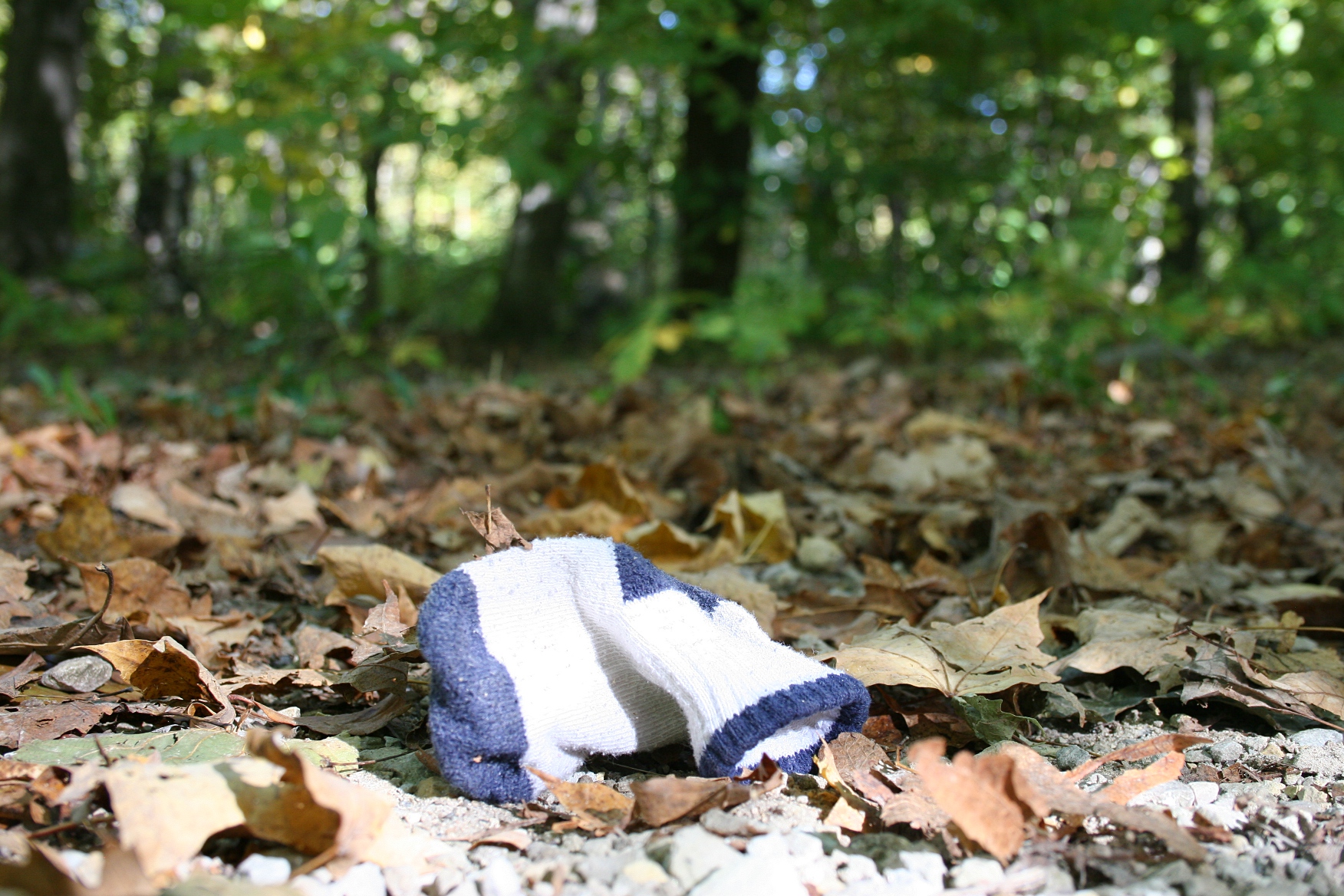
A baby's sock lost along a path at Nerstrand Big Woods State Park in rural rice County Minnesota.

A baby’s sock lost along a path at Nerstrand Big Woods State Park in rural Rice County, Minnesota.

A single sock.

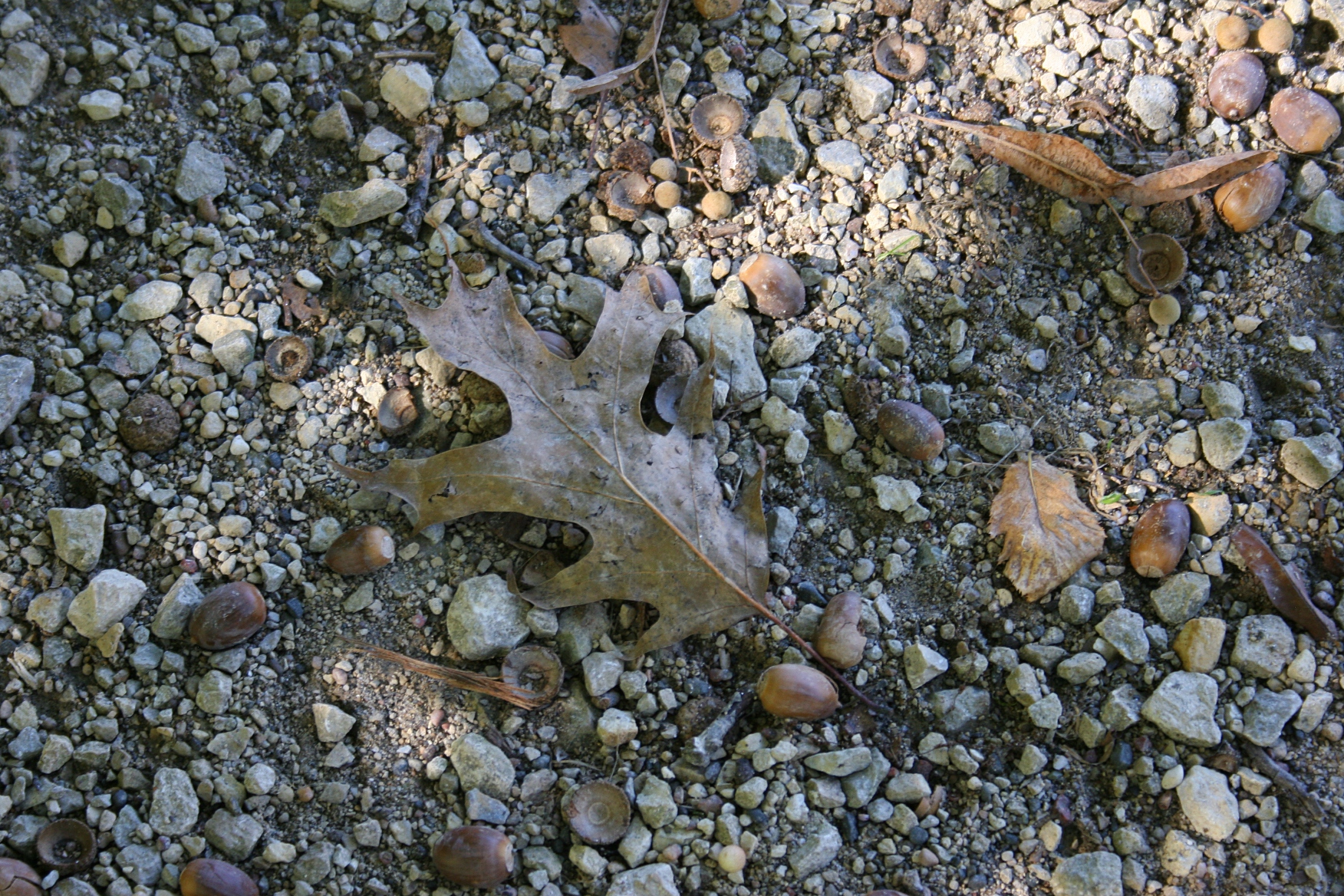
When I paused to photograph this oak leaf, my husband dubbed the trail Acorn Trail.

When I paused to photograph this oak leaf, my husband dubbed the trail Acorn Trail.

A single oak leaf.

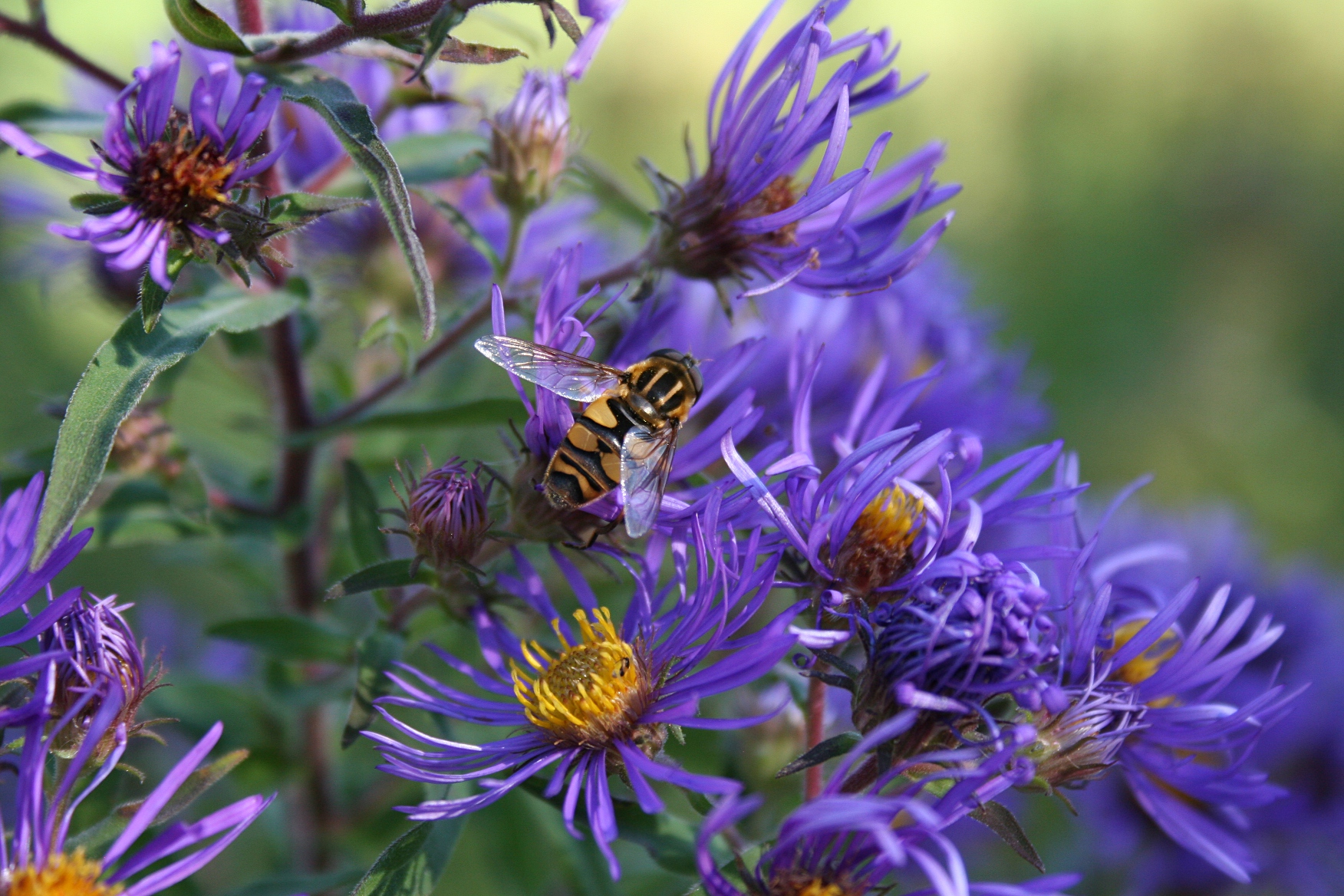
Countless bees and butterflies flitted among the wildflowers.

One of the many bees and butterflies swarming the wildflowers.

A single bee.

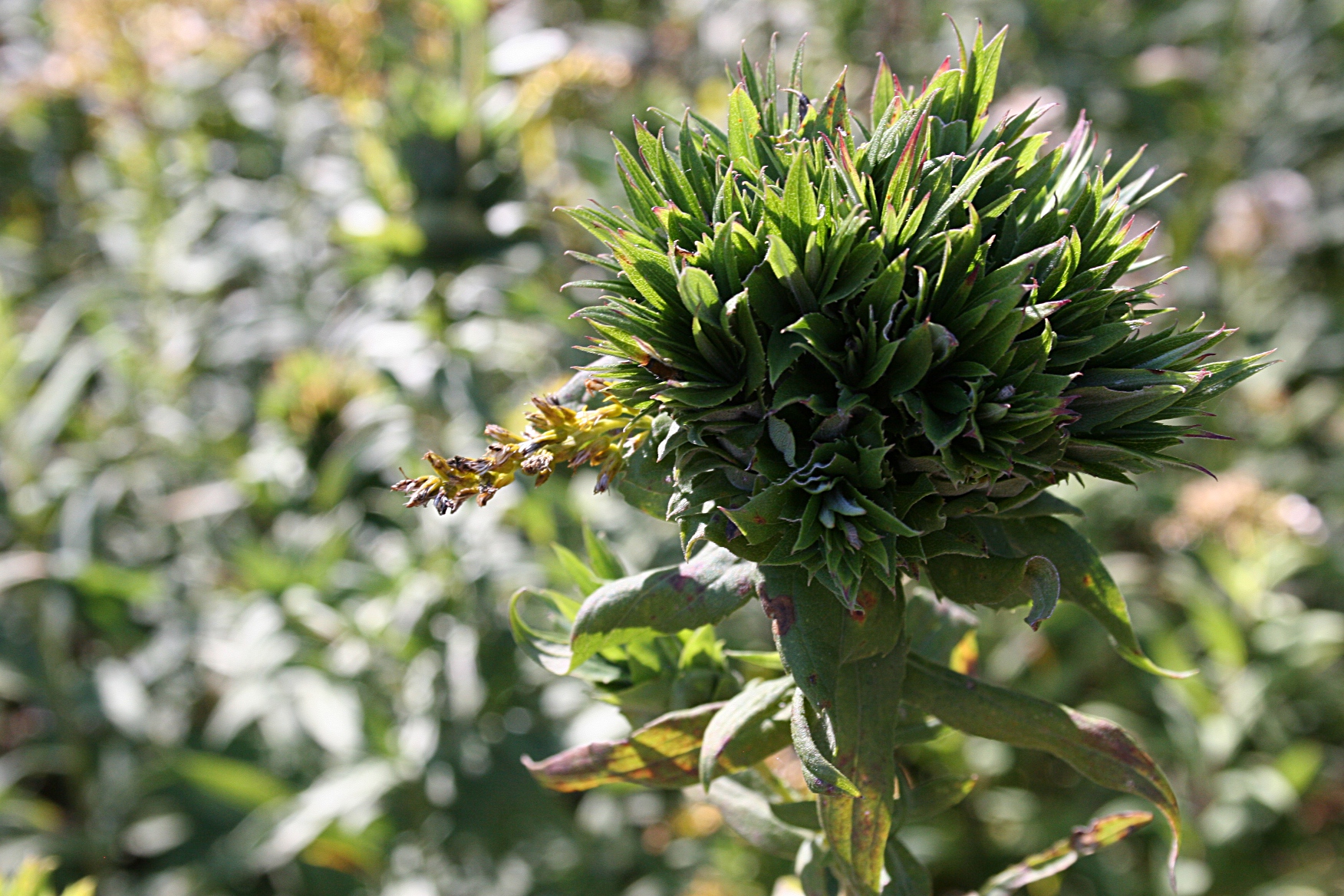
The solo head of an unidentified plant in the afternoon sunlight.

The solo head of an unidentified plant in the afternoon sunlight.

Solitude.

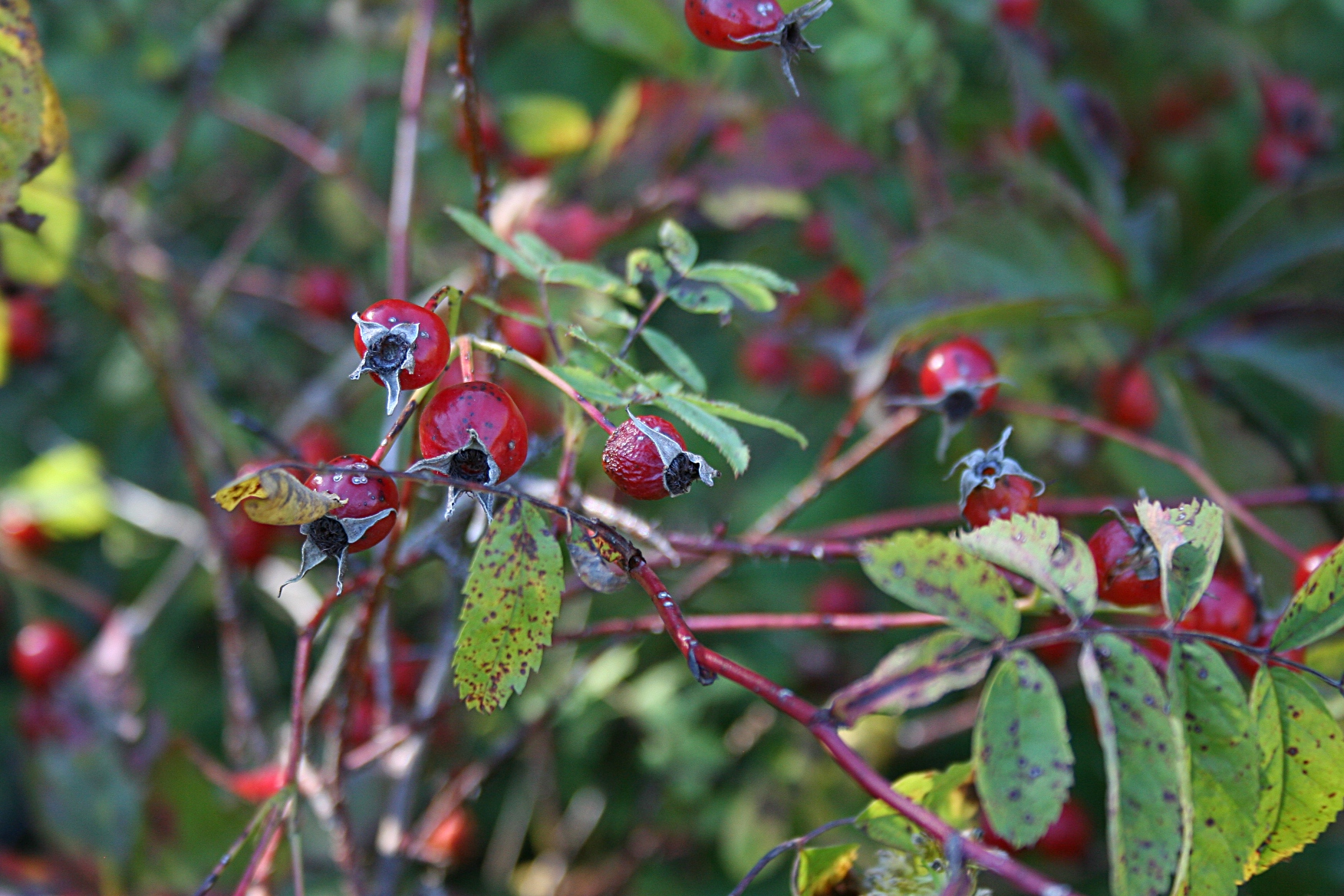
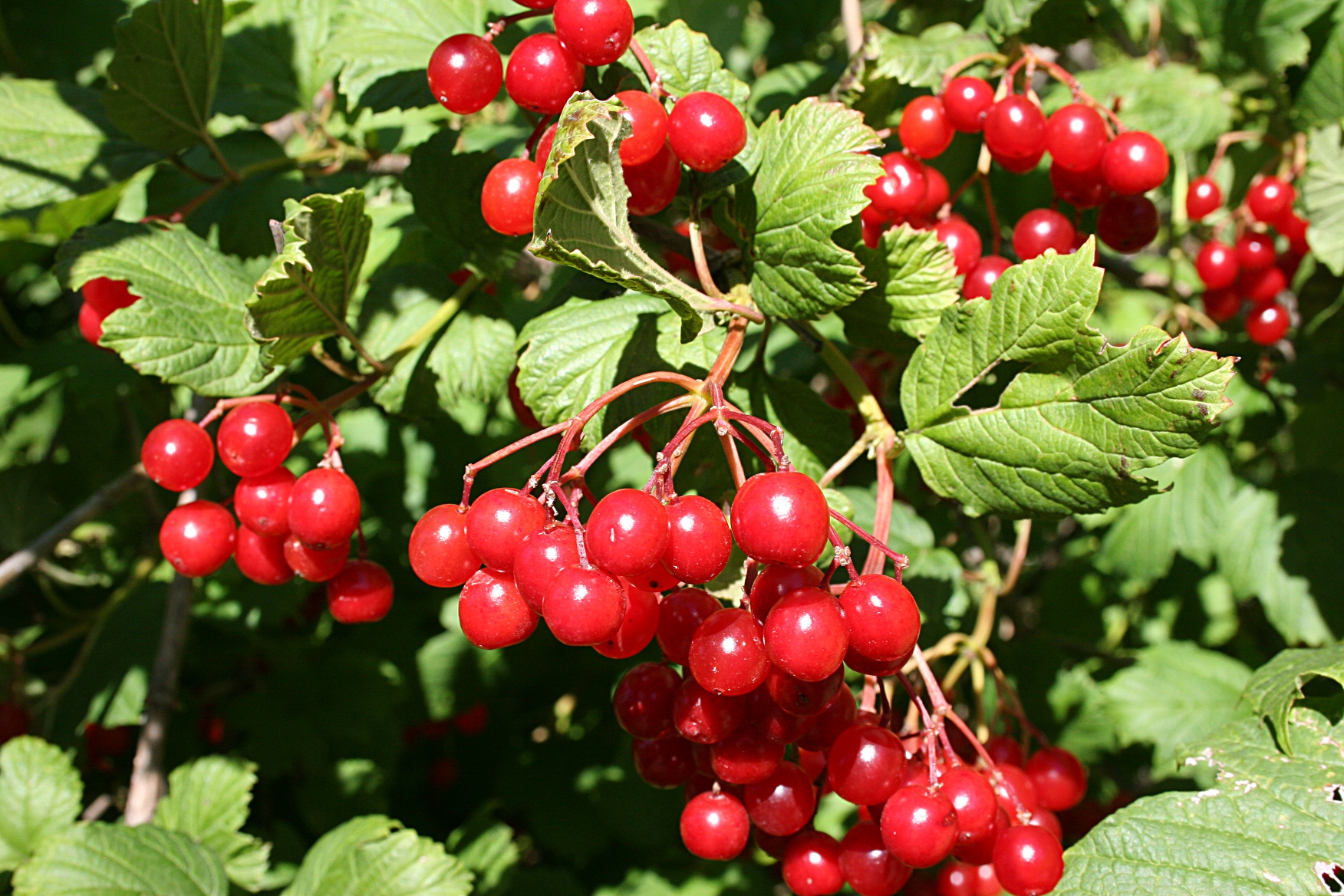
In the quiet of the woods, beautiful berries discovered.

In the quiet of the woods, beautiful berries discovered.

Beauty.

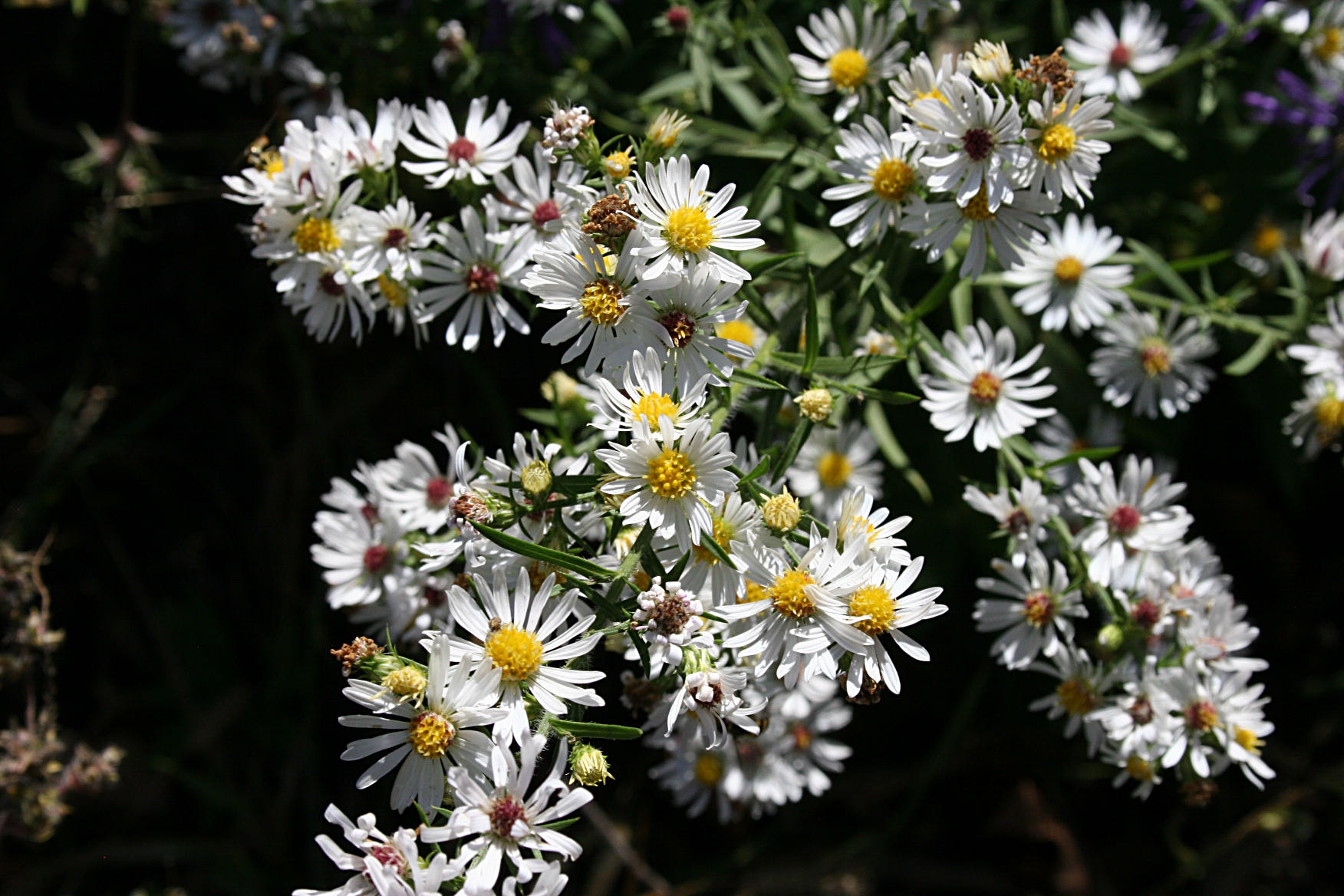
Clusters of wildflowers edge the woods.

Clusters of wildflowers edge the woods.

Wind bending wildflowers and weeds, the sun beating upon our backs as we curve into the shaded woods.

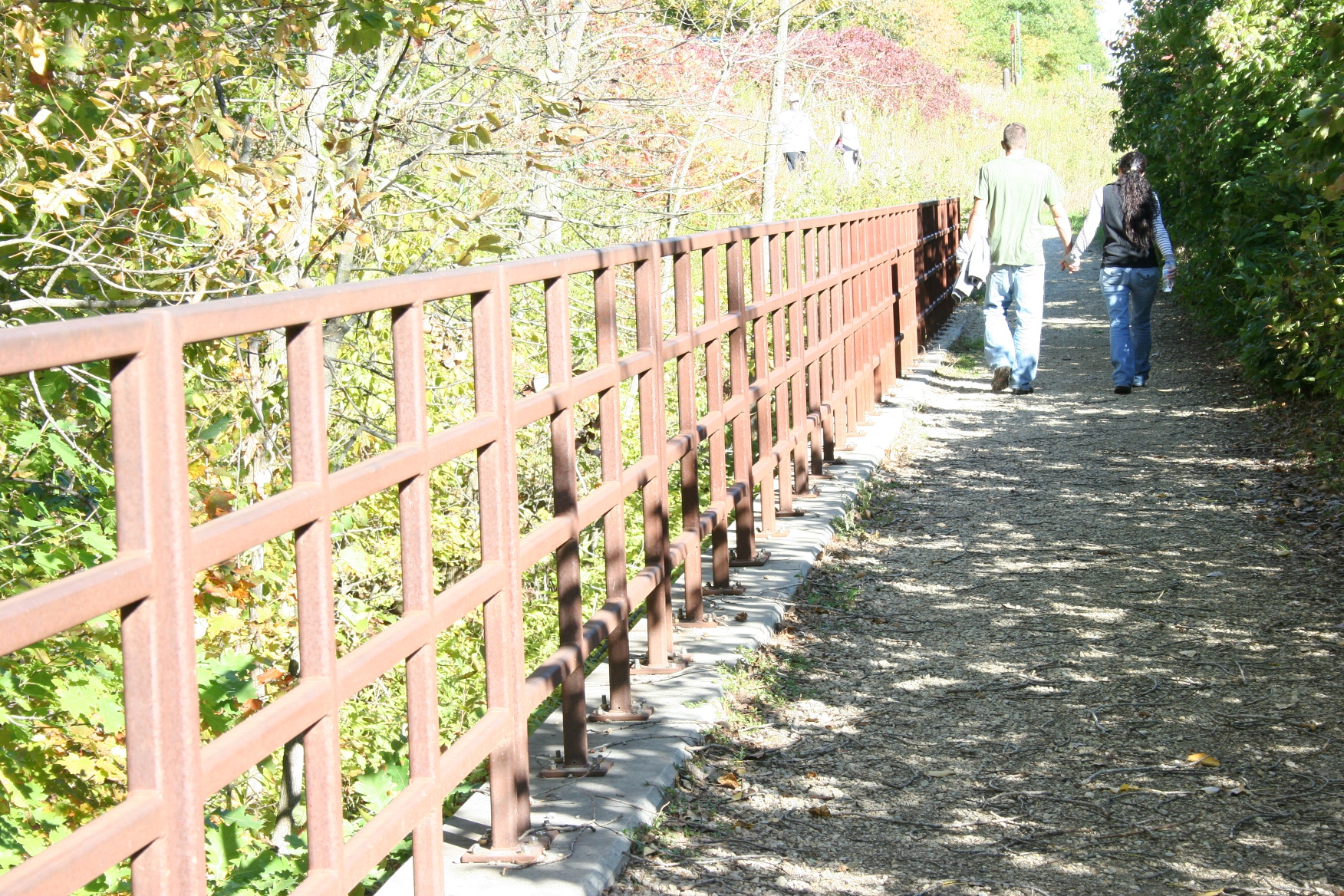
My husband, Randy, pauses to look over the ravine.

My husband, Randy, pauses to look over the ravine.

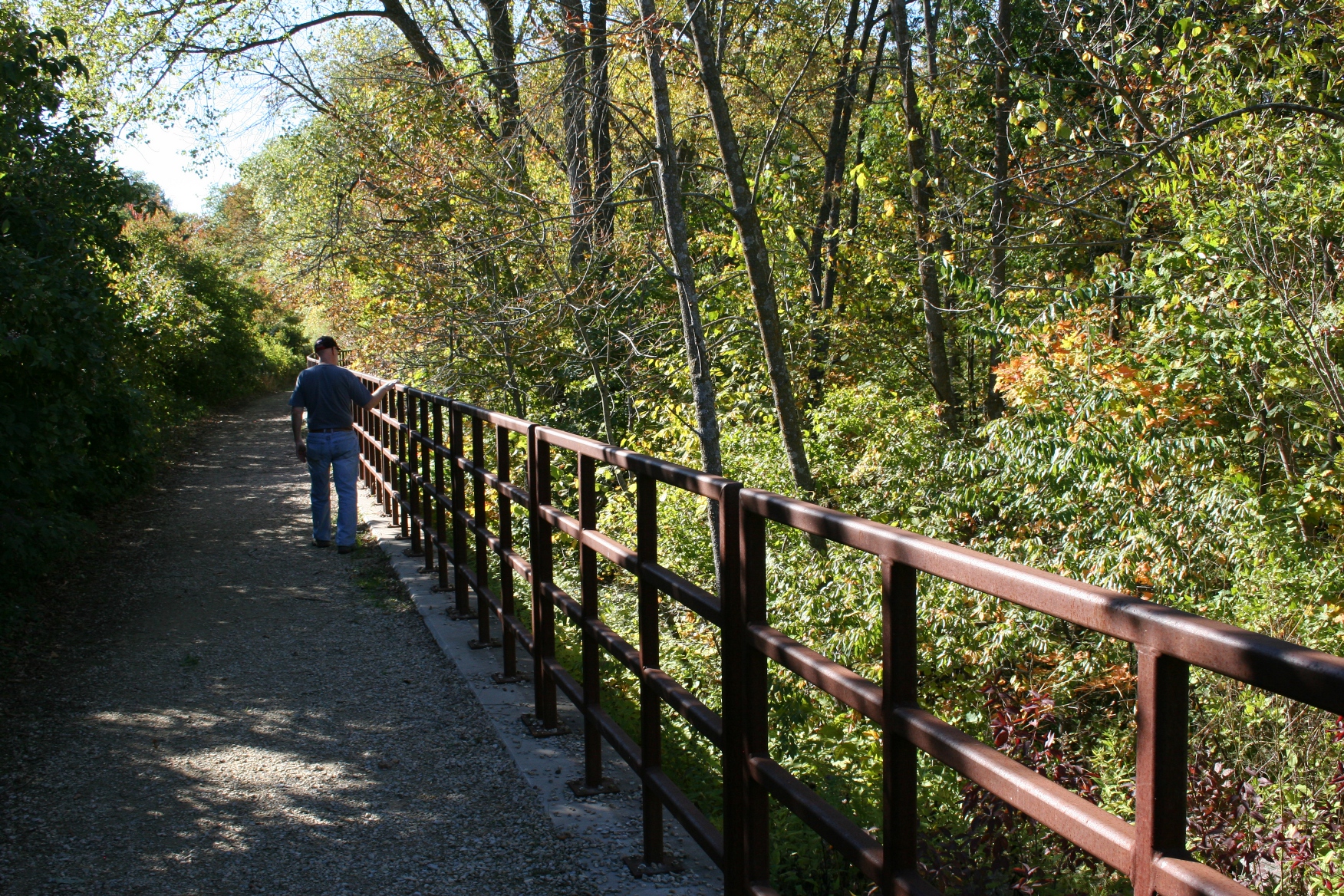
Pause at the rust-hued railing, glimpse to the ravine below where water once flowed when rain was plentiful.

Couples and families hiked the trails through the park.

Couples and families hike the trails through the park.

Lost in thoughts. Savoring the solace which embraces us even as groups of hikers pass us by.

A tree line in the park shows leaves beginning to change color.

A tree line in the park shows leaves beginning to change color.

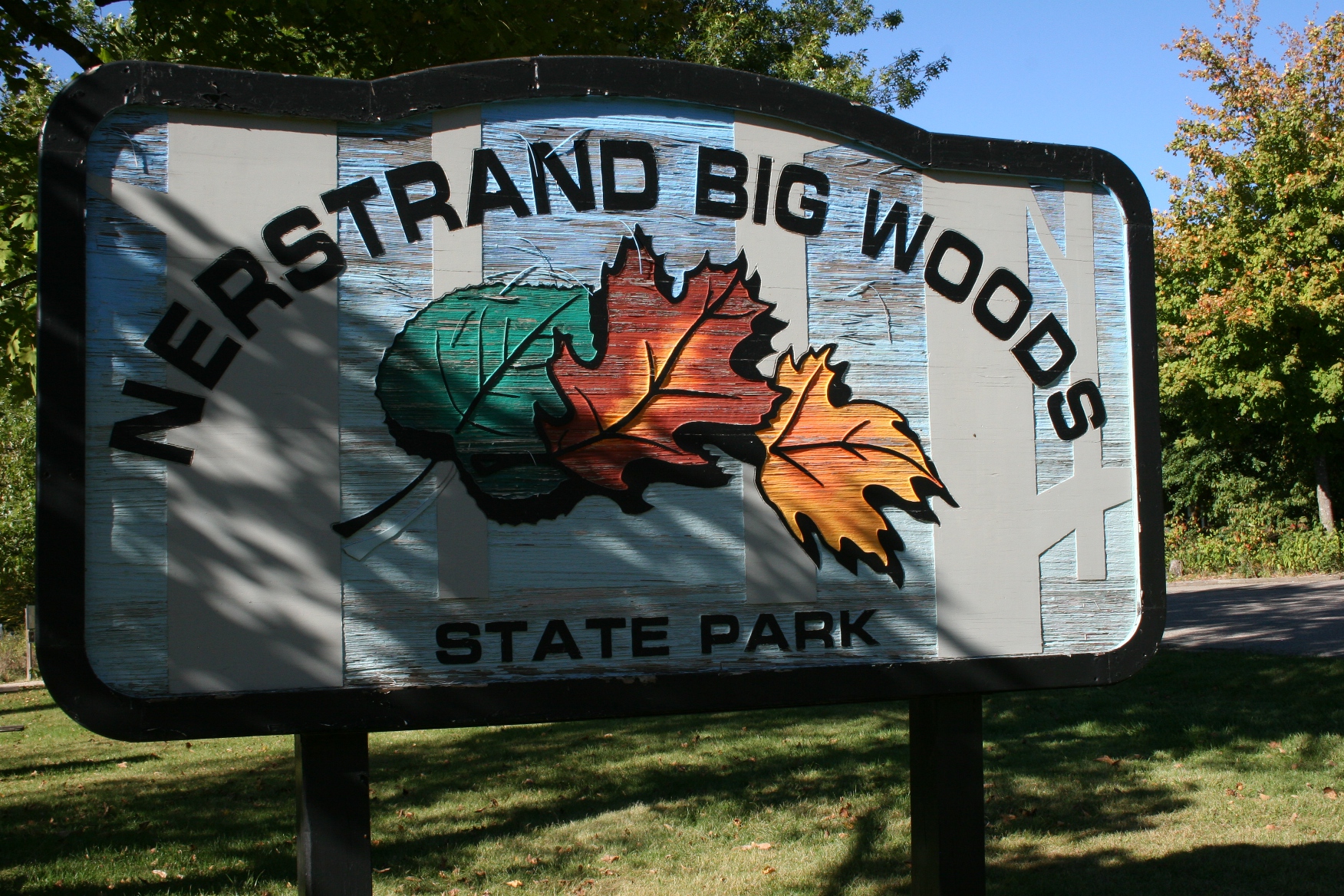
We have come here to Nerstrand Big Woods State Park on a Sunday afternoon to see the fall colors, only beginning to show.

The sign welcoming visitors to Nerstrand Big Woods State Park, known for its beautiful fall colors.

The sign welcoming visitors to Nerstrand Big Woods State Park, known for its beautiful fall colors.

But we have come here, too, my husband and I, to walk together, to hold hands, to embrace this afternoon in a place not far from home, yet so far away.

BONUS PHOTOS:

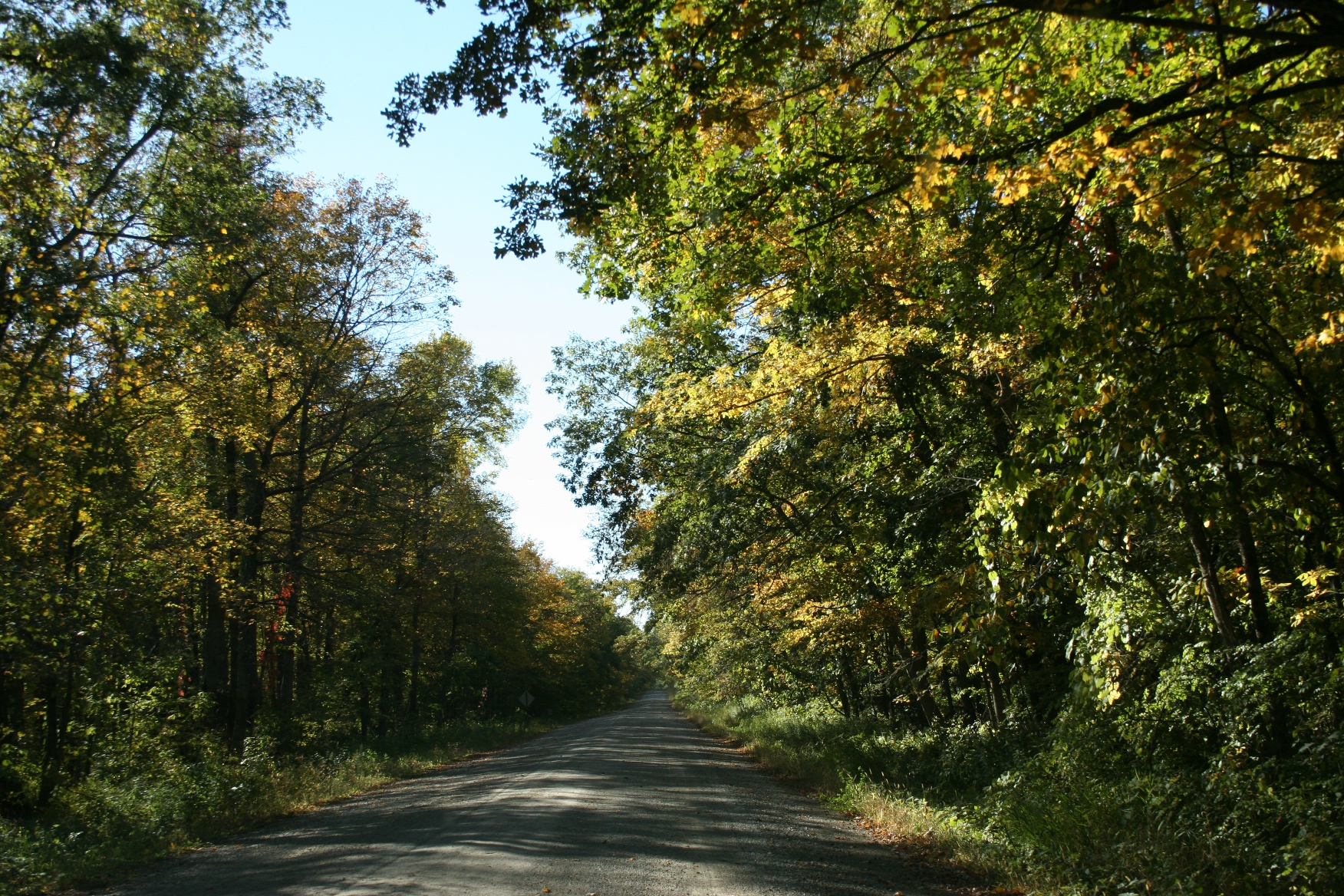
The road running east and west past the park.

The road running east and west past the park.

Berries pop with color near the entry into the park.

Berries pop with color near the park entry.

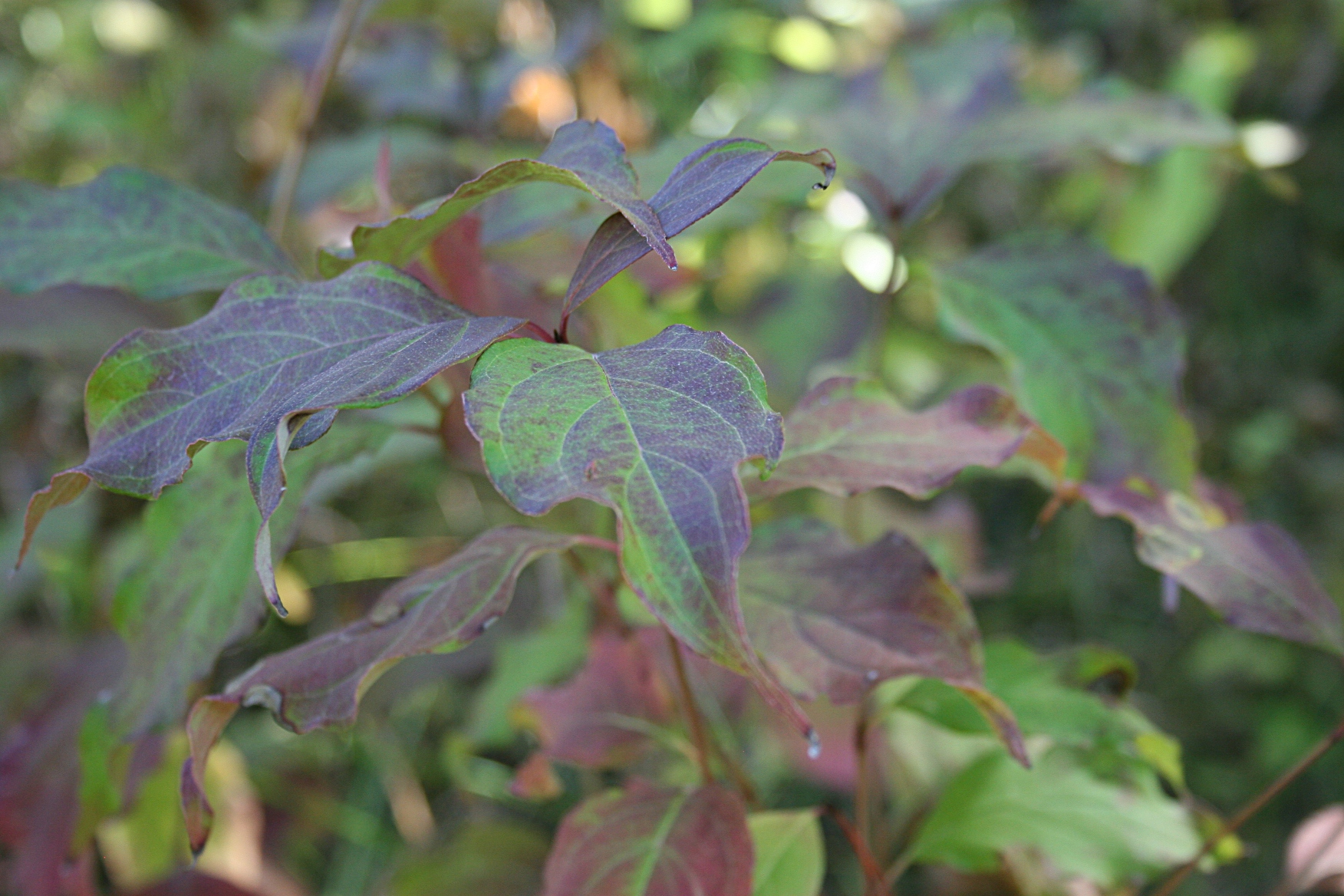
Leaves of purple and green along a path in the woods.

Along a path in the woods.

The park features an abundance of wildflowers.

The park features an abundance of wildflowers.

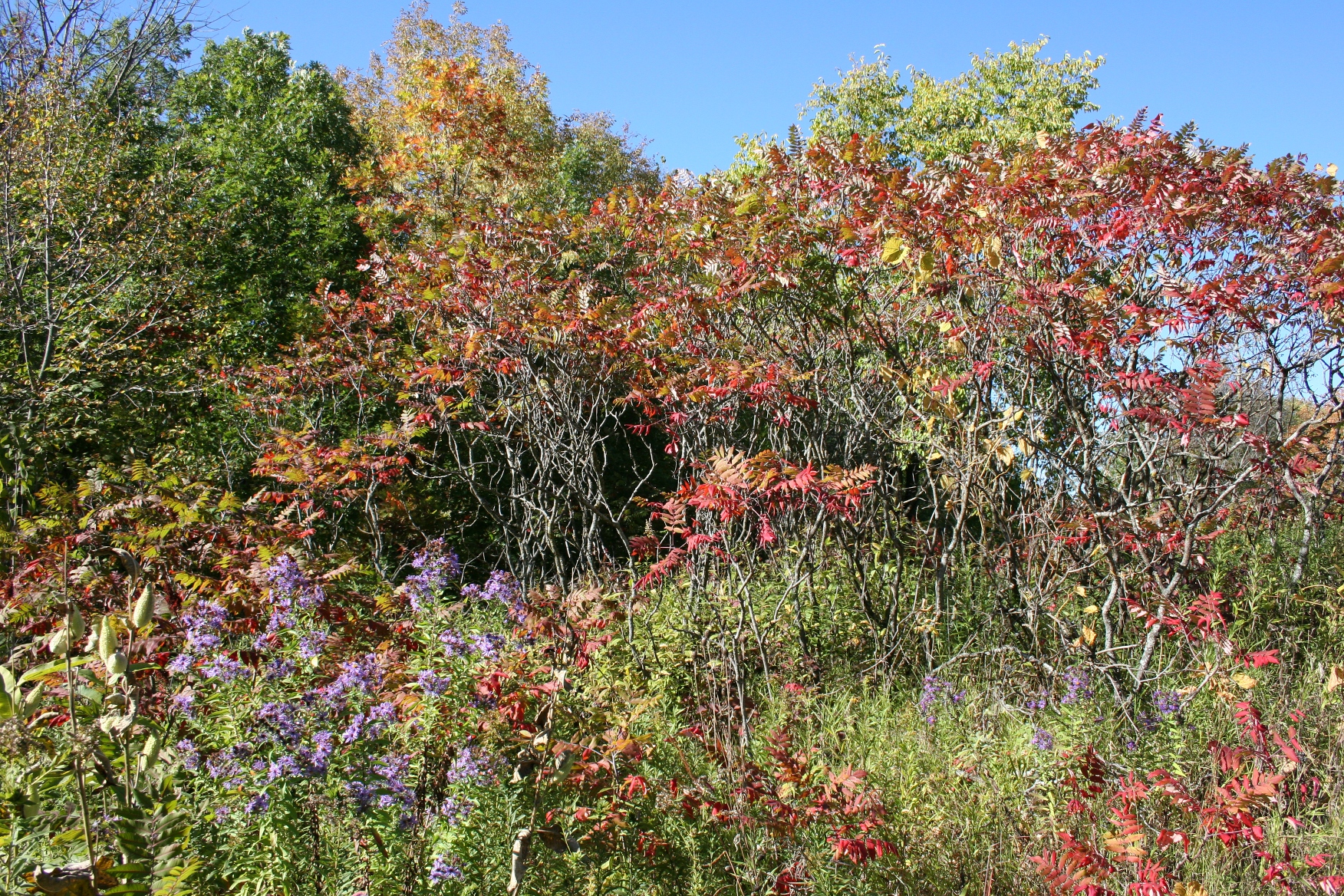
The sumac has already turned color.

The sumac has already turned color.

FYI: Nerstrand Big Woods State Park offers numerous organized activities to engage visitors in the season.

For example, from now until October 19, the park is hosting a Fall Photo Quest scavenger hunt. Bring your digital camera or borrow one at the Visitor Center where you will get instructions. Collect fall photos while learning why and how leaves change color.

On Saturday, October 5, from 1 p.m. – 4 p.m., gather native seeds for planting in park restorations. Sign up at the Visitor Center.

The following Saturday, October 12, from noon – 4 p.m., join the Autumn Trees Scavenger Hunt, collecting clues along trails as you discover which leaf belongs to which tree. Stop at the Visitor Center to start your adventure.

Click here for details on the above listed programming at Nerstrand Big Woods State Park.

Also on Saturday, October 12, St. John’s United Church of Christ, Wheeling Township, sponsors its 17th annual Big Woods Run beginning at the country church near the park. Registration deadlines are October 7 and 8. After the race, enjoy a luncheon featuring homemade soups and more, an awards ceremony and a bake sale. For more info, click here.
This Saturday, October 5, from 10:30 a.m. – 1 p.m., Nerstrand United Methodist Church, 12 Maple Street in Nerstrand hosts its annual Fall Festival. The event features gift baskets, a silent auction, a bake and produce sale, and lunch. Hot beef sandwiches, chili, chicken wild rice soup and homemade pies with ice cream will be served.

Nerstrand Big Woods State Park is located just west of Nerstrand or northeast of Faribault.
© Copyright 2013 Audrey Kletscher Helbling